Skip to content

Archive for

Remembrance of things current (No.2): À la table de Mme Verdurin

Marcel Proust continues to ensnare me with the mellifluous poetry of his prose. Having struggled through the first 50 pages of his epic first novel, Swann’s Way, I found that what had at first been like an exercise in chipping away at solid ice had become the easier removal of slushy semi-melted layers, before the watery manifestation of his literary masterpiece washed over me without any effort on my part. I am now what could be termed Prousted, so easily accustomed to bathing languidly in my daily dose of Proust’s world that it has become less an escape from reality as a natural reacquaintance with a perfected present, from whose elegant embrace I depart unwittingly whenever I happen to put down the book.

Happily, when the time comes to place to one side the irresistible pages of In Search of Lost Time, my departure from Proust’s reality is rarely complete, for now the work is inspiring my artwork too. Just before Christmas, I introduced La Madeleine de Proust, the first instalment of my Remembrance of things current series of paintings. I have now completed the second: À la table de Madame Verdurin.

mme-verdurin-final

Remembrance of times current (No.2): À la table de Madame Verdurin (2017 ©Nicholas de Lacy-Brown, acrylic on canvas)

Anyone who has read Proust will know Madame Verdurin as the monarchical matriarch of her own exclusive, carefully selected carve out of Parisian society. Gathering together those people who she considered to be sufficiently witty to contribute to what she termed her collection of The Faithful, this little congregation importantly included Odette de Crécy who was later to become the infamous Mme Swann, wife of one of the book’s major protagonists, Charles Swann. The gatherings which Proust describes, ruled over by Mme Verdurin and her obedient husband, and playing host to the witticisms of guests, musical recitals, and even its own in-house artist, make for some of the most enjoyable passages of Swann’s Way. Providing an enthralling insight into the self-imposed societal norms practised by those who are not quite high society but form their own exclusive club in lieu of the better connections to which they secretly aspire, the Verdurin salon says so much of the social climbing and inter-class backbiting which was rife in Paris in the belle epoch.

Importantly for the novel, the house of Mme Verdurin provids the backdrop for Swann’s first encounters with Odette, and the frictions which thereafter developed when the couple dared to live a life beyond the congregation of The Faithful. In my painting, I have tried to capture the friction between Swann and Mme Verdurin in the two figures which dominate the bottom half of the piece. There, Mme Verdurin’s hairstyle is almost halo-like in her self-imposed status as a kind of deity in her home, while the red bar above her head is like the sentencing hat worn by a judge who makes severe judgement on the society around her. Above and below, the chandelier and the black and white floor represent the decorative embellishments which ensured that visitors to the Verdurin household were fully aware of their burgeoning social status, but the black and white also represents the keys of the piano which played out Vinteuil’s musical refrain which was to underpin the force of Swann’s passion for Odette. Yet for all this pomp and ostentation, the table of Madame Verdurin, around which the diners sit, is notably empty. Vacuous and without depth, like the true nature of the party’s rather frivolous conversation.

Now I am on the third novel of Proust, and with 4 still to go, I know that my collection of paintings will grow accordingly.

© Nicholas de Lacy-Brown and The Daily Norm, 2001-2017. Unauthorized use and/or duplication of the material, whether written work, photography or artwork, included within The Daily Norm without express and written permission from The Daily Norm’s author and/or owner is strictly prohibited. For more information on the work of Nicholas de Lacy-Brown, head to his art website at www.delacybrown.com

Artist in Focus: Frédéric Bazille

Impressionism was not just an artistic movement. It was a way of seeing which radically changed the path of art, paving the way to practically every contemporary creative vision which followed whether it be abstract expressionism or visceral photorealism, or even works of sculpture and photography. Accordingly, as an artistic epoch, its works have become so well known that even the most unknowledgeable could probably associate Monet’s Japaenese bride or a watery vision of waterlilies with the movement. But for all the fuzzy edged Renoir portraits, and the softly lit Monet landscapes, few people ever refer to one of Impressionism’s earliest pioneers: Frédéric Bazille.

frederic_bazille_-_bazilles_studio_-_google_art_project

Bazille’s Studio; 9 Rue de la Condamine, 1870

Born in Montpellier in 1841, Bazille was both a contemporary and working companion of  Monet and Renoir whom he met while studying fine art in Paris having given up his parents’ preferred discipline of medicine. Coming from a wealthy family, Bazille was more than just a friend to his budding co-artists, providing them with shared studio space and much needed income during their crucial early years of creation. It was as a trio that the zealous three began to paint en plein air, rejecting the studio-based historical compositions that were in fashion and favouring the recreation of reality, or at least an impression thereof.

However Bazille was not just an early Impressionist. In fact his works were not even included in the first renowned Impressionist exhibitions in which the most iconic artists of the movement were hung. His work was stylistically unique, with a finessed confident line and clear figurative composition which eschewed the feathery brush work of his colleagues and endowed his work with a potent but still poetic atmosphere.

frederic_bazille_001

Family Reunion, 1867

bazille_frederic_-_aigues-mortes

Aigues-Mortes, 1867

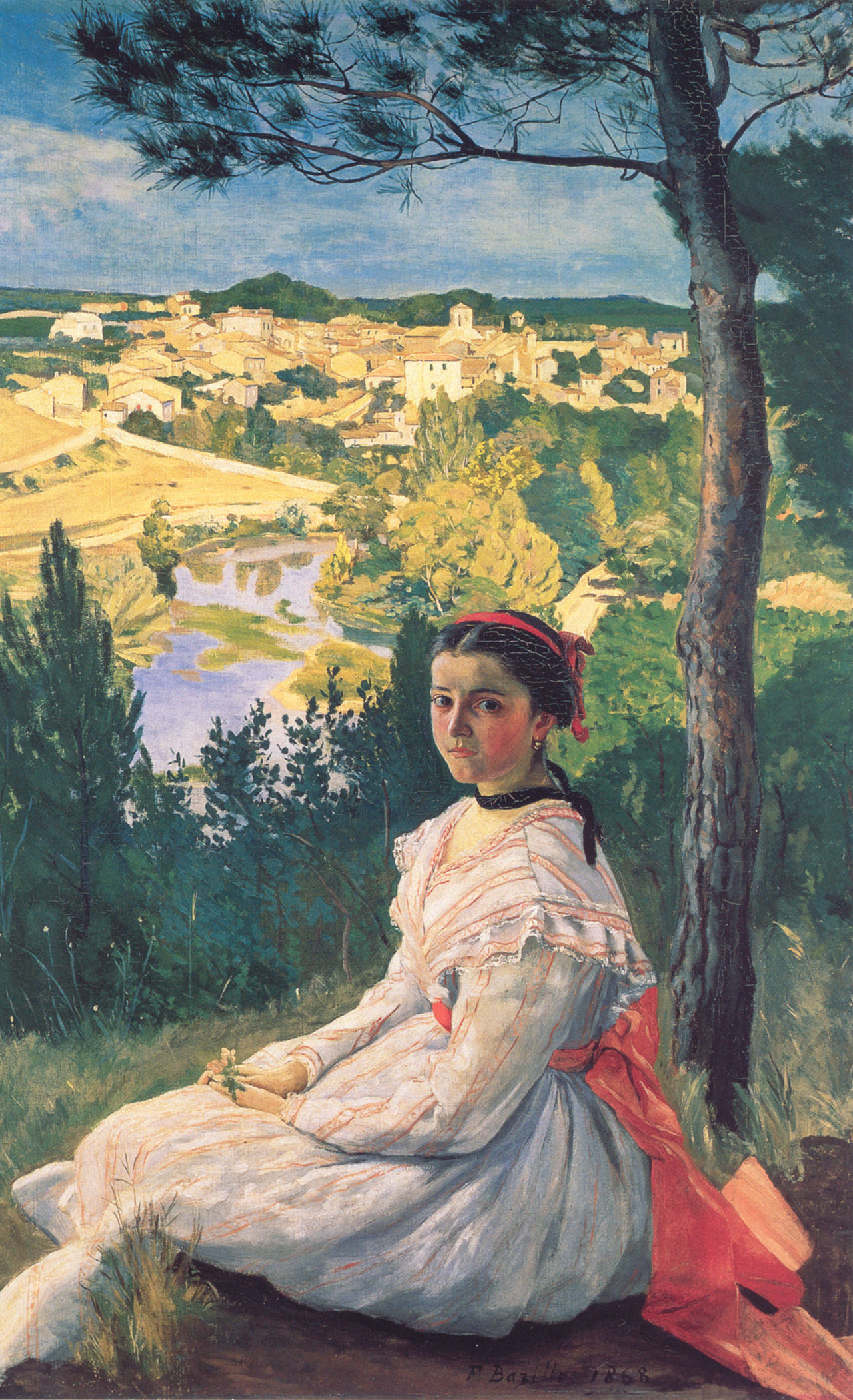
bazille_view_of_the_village

View of the Village, 1868

frederic_bazille_-_the_pink_dress_-_google_art_project

The Pink Dress (View of Castelnau-le-Lez, Hérault), 1864

When the opportunity to see the works of Bazille enmassed arose this winter in the Musée d’Orsay in Paris, I rushed to the show as quickly as I could get through the enormous queues outside. There, I cherished an encounter with the majority of Bazille’s most famous works, such as his captivating Family Reunion, and his highly homo erotic works, Fisherman with a Net, and Summer Scene. For capturing the male was another way in which Bazille differed from his contemporaries. For unlike the womaniser Renoir and the almost married Monet, Bazille was more of a loaner, said to be drawn to his own sex, and in these beautiful languid portrayals of the male, you can feel both a passionate admiration for the masculine form, and what must have been his frustration at not being able to openly explore it otherwise than in paint.
bazille_frederic__summer_scene_1869_oil_on_canvas_fogg_art_museum_cambridge_massachusetts

Scène d’été, 1869

bazille_-_pecheur_a_lepervier

Fisherman with a Net, 1868

Sadly for us, the show at the d’Orsay was a short one, for the oeuvre of Bazille was cut tragically short by his early death at the age of only 28 while fighting during the Franco-Prussian war. Thus a needless bullet ended what might have been one of the most prolific careers of the Impressionist age, and who should always be remembered as one of its most promising young stars.

Paris by Night

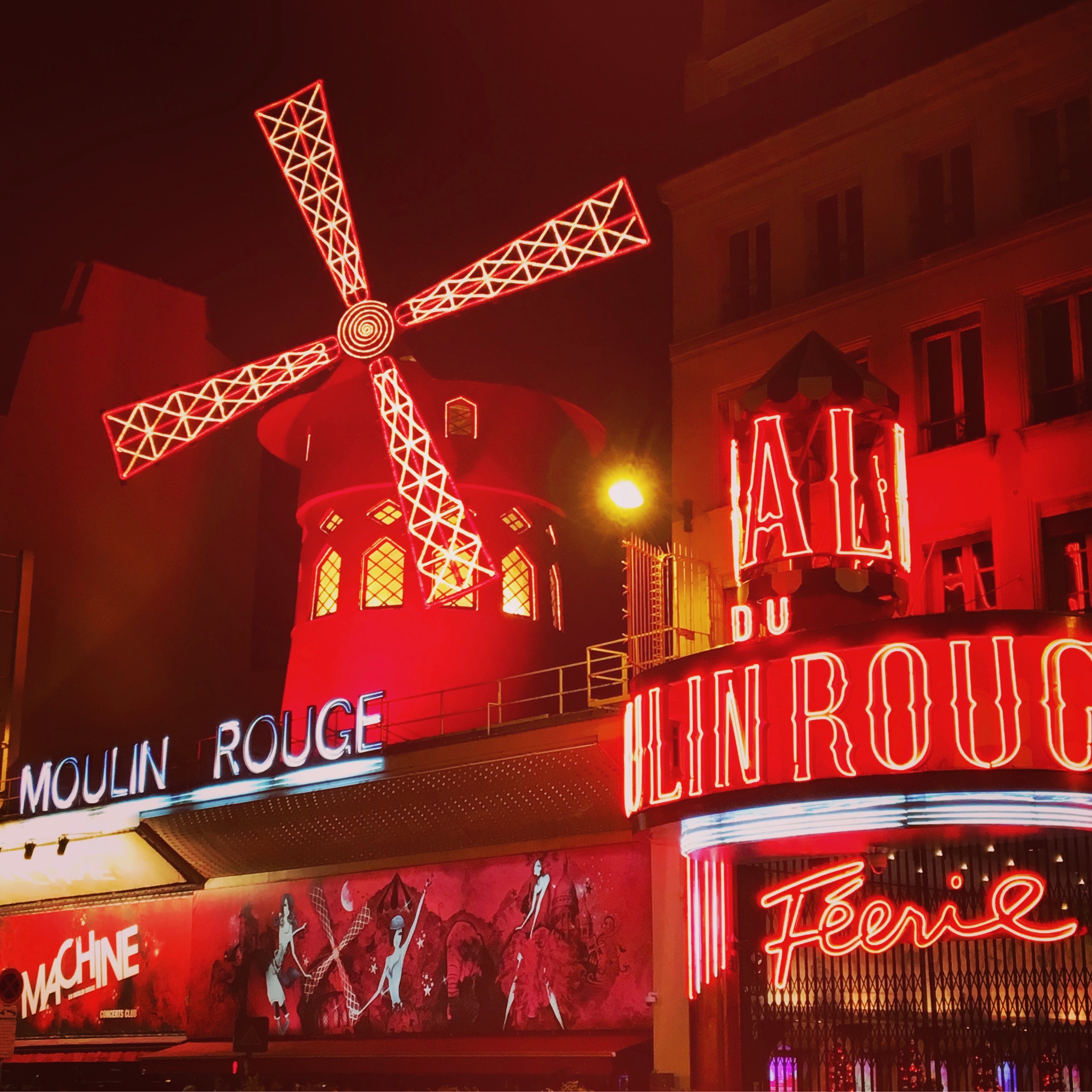
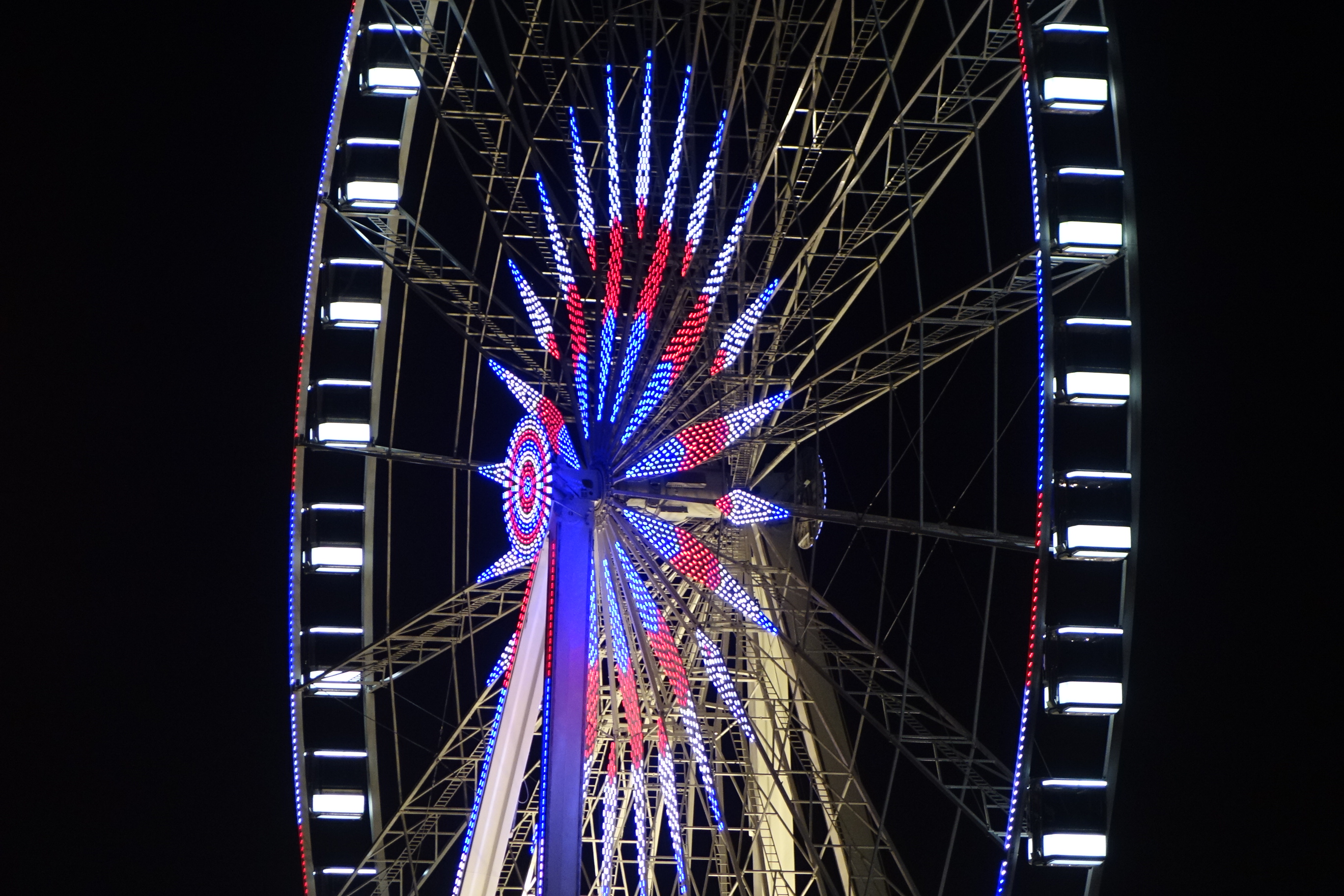
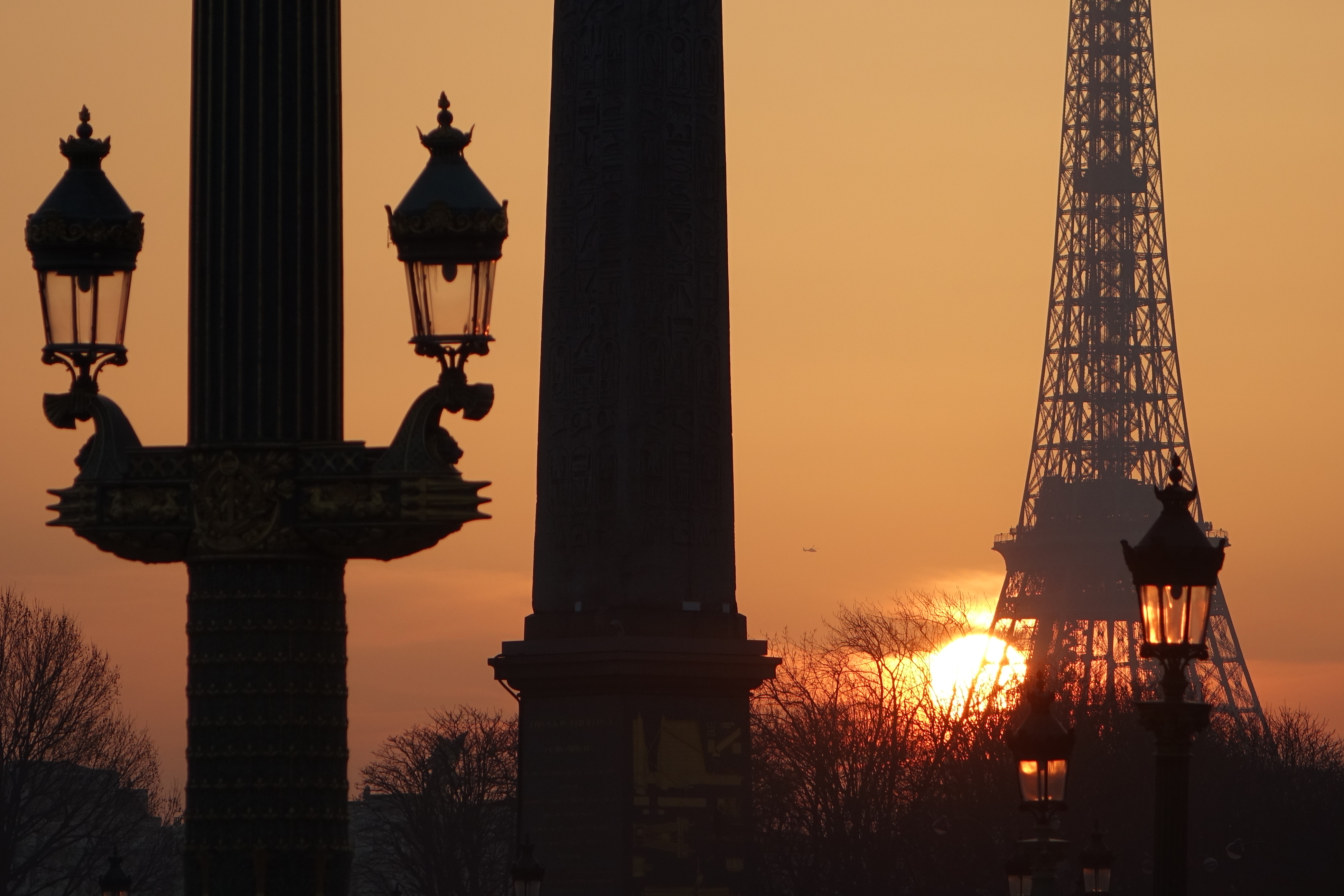
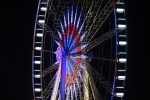
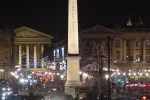
Having last week commenced the review of my recent Paris trip with a set of photos showcasing the city by day, it is only natural that an accompanying forage into the city by night should follow. For a city widely known by the epithet “The City of Light”, Paris is surprisingly enthralling as darkness falls, not least because it is a city which never truly stops, and which is never ever dark as the city metamorphoses from the romance of its day time elegance to evenings filled with the resonance of haunting jazz and old fashioned cabaret, dazzled by the sparkling lights of the Tour Eiffel, warmed by the glow of cosy brasseries, and bearing the racy red reflection of the turning sails of the Moulin Rouge.
img_7070dsc08335dsc06986dsc06955dsc07882dsc07195

Paris by night is, in fact, a particularly special time for me, as it was after dark that I was first introduced to the charms of Paris when, her hands covering my eyes, my English teacher led me up the stairs of Montmartre and uncovered them only when the magical Place du Tertre was before me. It is a moment I will forever remember, when darkness offset the glowing interiors of brasseries and gift shops, and in the Square, a string of lanterns illuminated the trees under which artists painted.

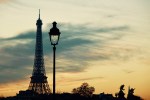
But let’s face it, there are few times when Paris is not at its beautiful best, and as the sun descends and the skies fill with red and rose-coloured hues, the stunning sunsets are like a premonition of the beautiful nights that are to come. Nights which were no less wonderful at this time of winter, when Christmas lights still twinkled in the streets and a frosty biting atmosphere lent sharp clarity to the air.

All photos and written content are strictly the copyright of Nicholas de Lacy-Brown © 20136and The Daily Norm. All rights are reserved. Unauthorized use and/or duplication of the material, whether written work, photography or artwork, included within The Daily Norm without express and written permission from The Daily Norm’s author and/or owner is strictly prohibited. 

Artist in Focus: Grant Wood

Two weeks over the Christmas period in London and Paris provided the perfect opportunity to play catch-up on some of the incredible exhibitions which have been popping up in both cities, and for which I have been pining from afar. Whether it be Picasso Portraits at the National Portrait Gallery in London or Bazille at the d’Orsay in Paris, I have been literally itching to get inside the galleries to discover artists both familiar and new, set within the context of a new curatorial manifestation. Out of these exhibitions, I walked away struck by certain paintings and by certain artists whose work I am keen to share on The Daily Norm. For life is a continuing learning curb, and even behind the most famous work lies an entire portfolio of unknown paintings coming from a relatively un-talked of artist.

grant_wood_-_american_gothic_-_google_art_project

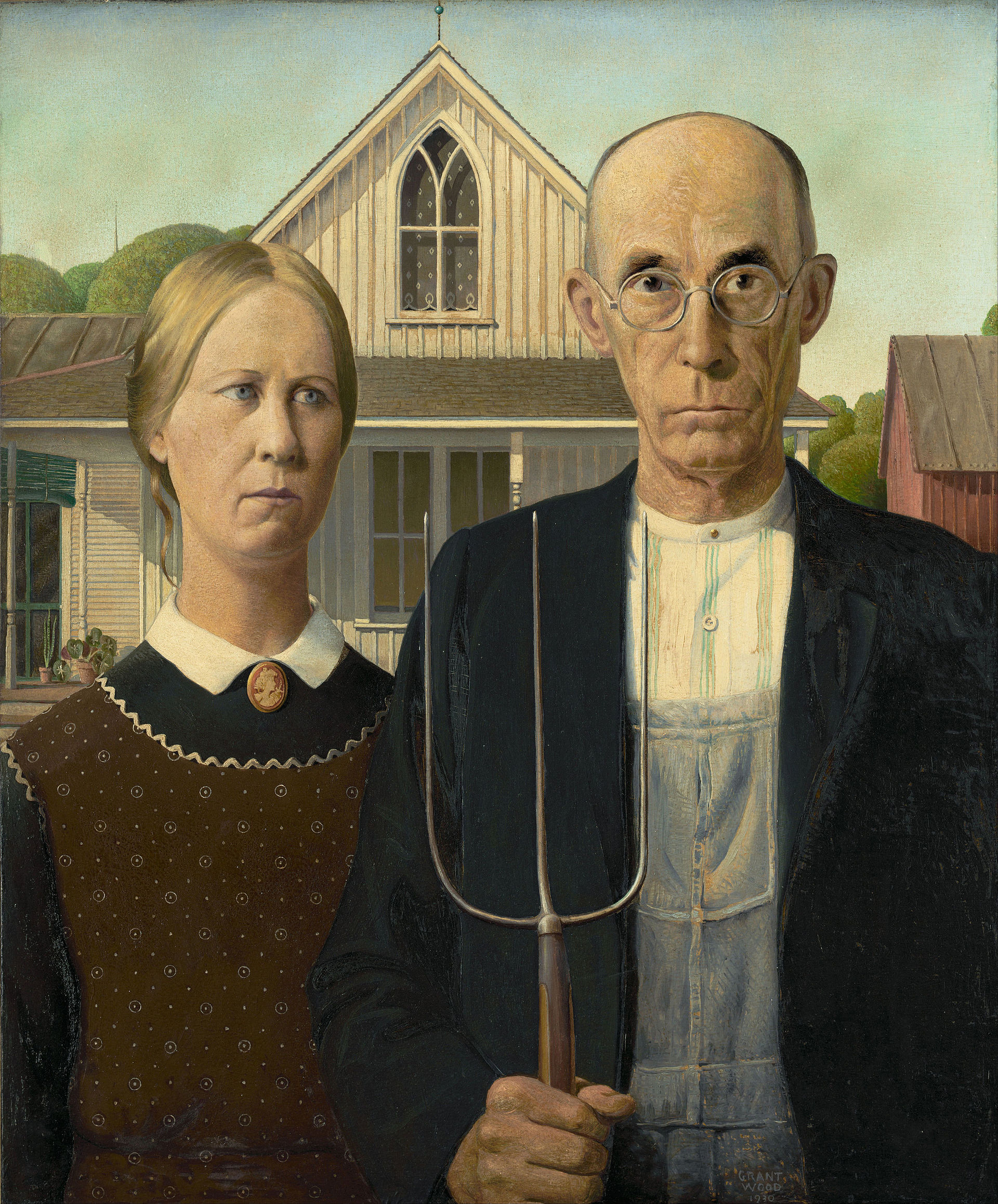
American Gothic, Grant Wood (1930)

This is the case with Grant Wood, who is far more famous for his emblematic 1930 painting, American Gothic, than he is for fame in his own name. Usually housed in the Art Institute of Chicago, which recognised the piece for its iconic depiction of life in the rural American midwest in the pre-Depression age and bought the work, American Gothic is one of the most iconic paintings of the 20th Century, and is currently making its first European visit. For me, it was clearly the highlight of the exhibition currently running at the Musée de l’Orangerie in Paris, American Painting in the 1930s (although I gather that the work, and the show built around it, will soon make its way to London’s Royal Academy too).

Highlights of Grant Wood’s oeuvre

grant-wood-9

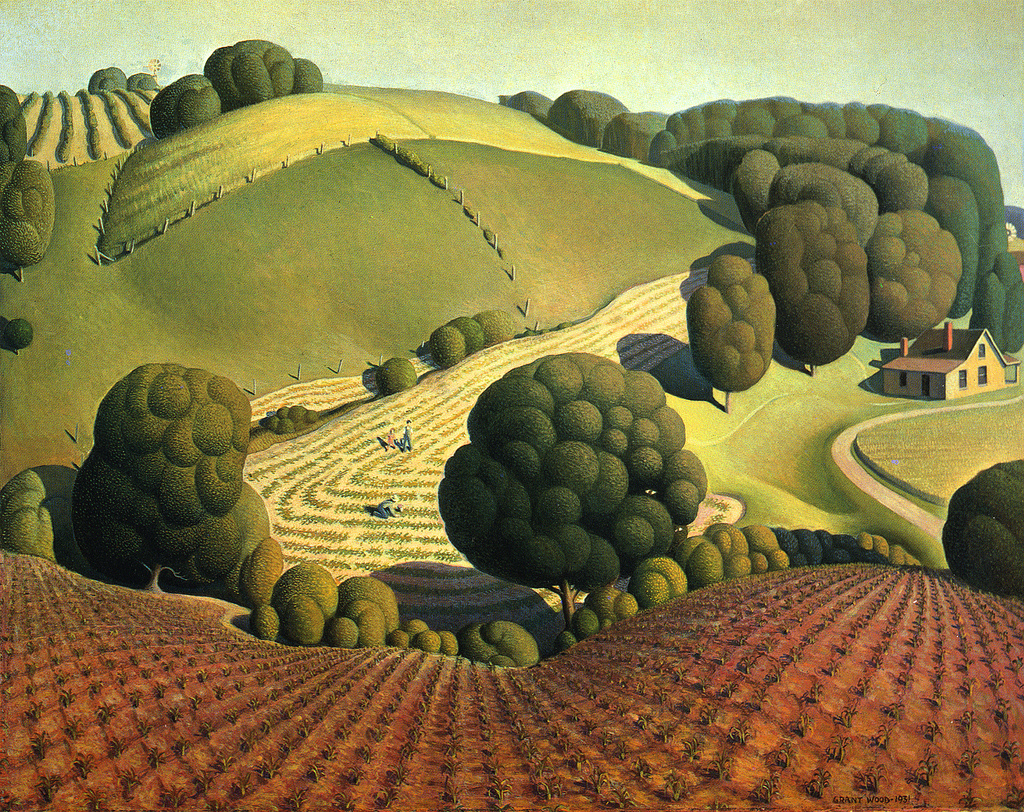
Young Corn (1931)

grant-wood-7

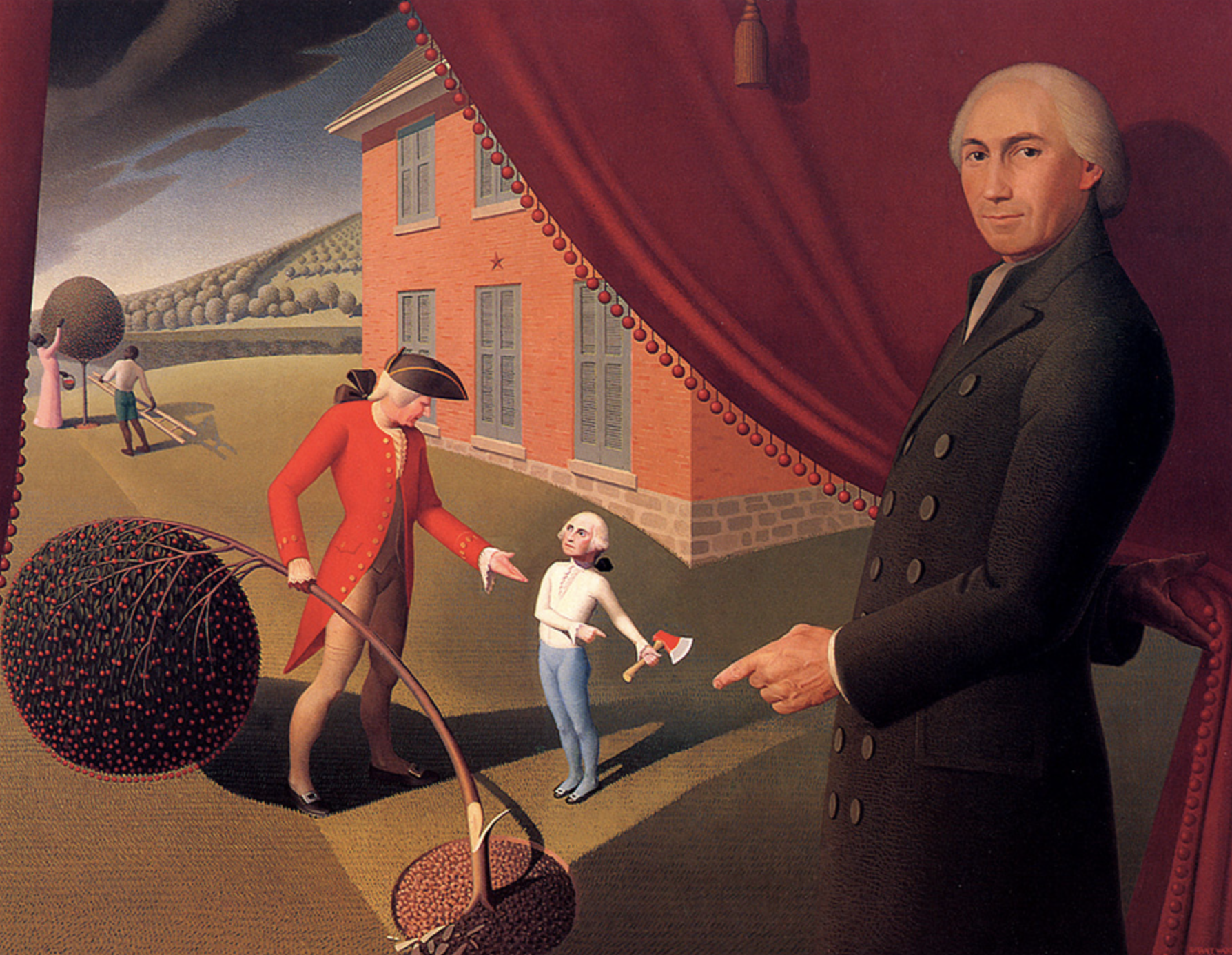
Parson Weem’s Fable (1939)

grant-wood-6

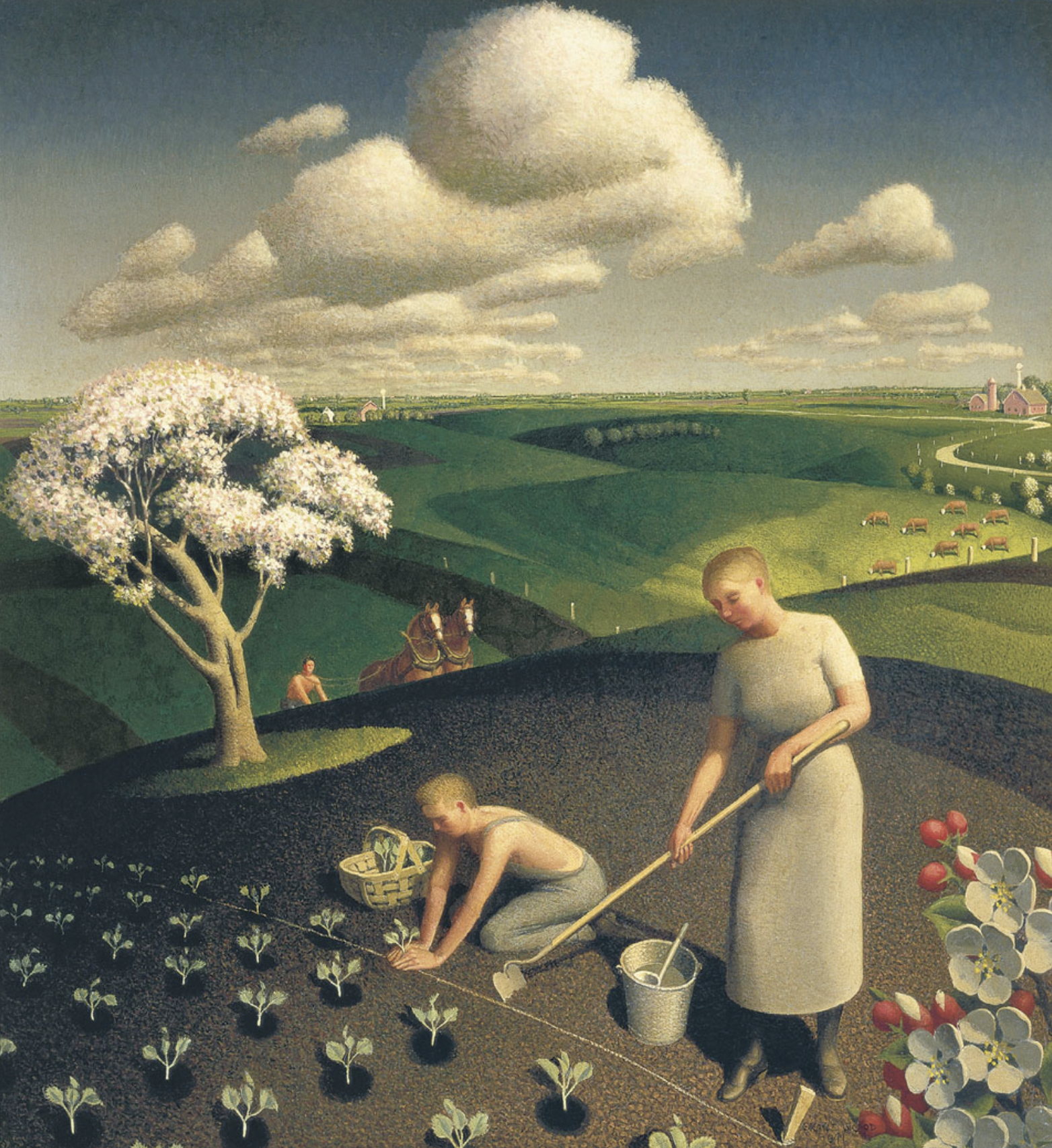
Spring in the Country (1941)

grant-wood-8

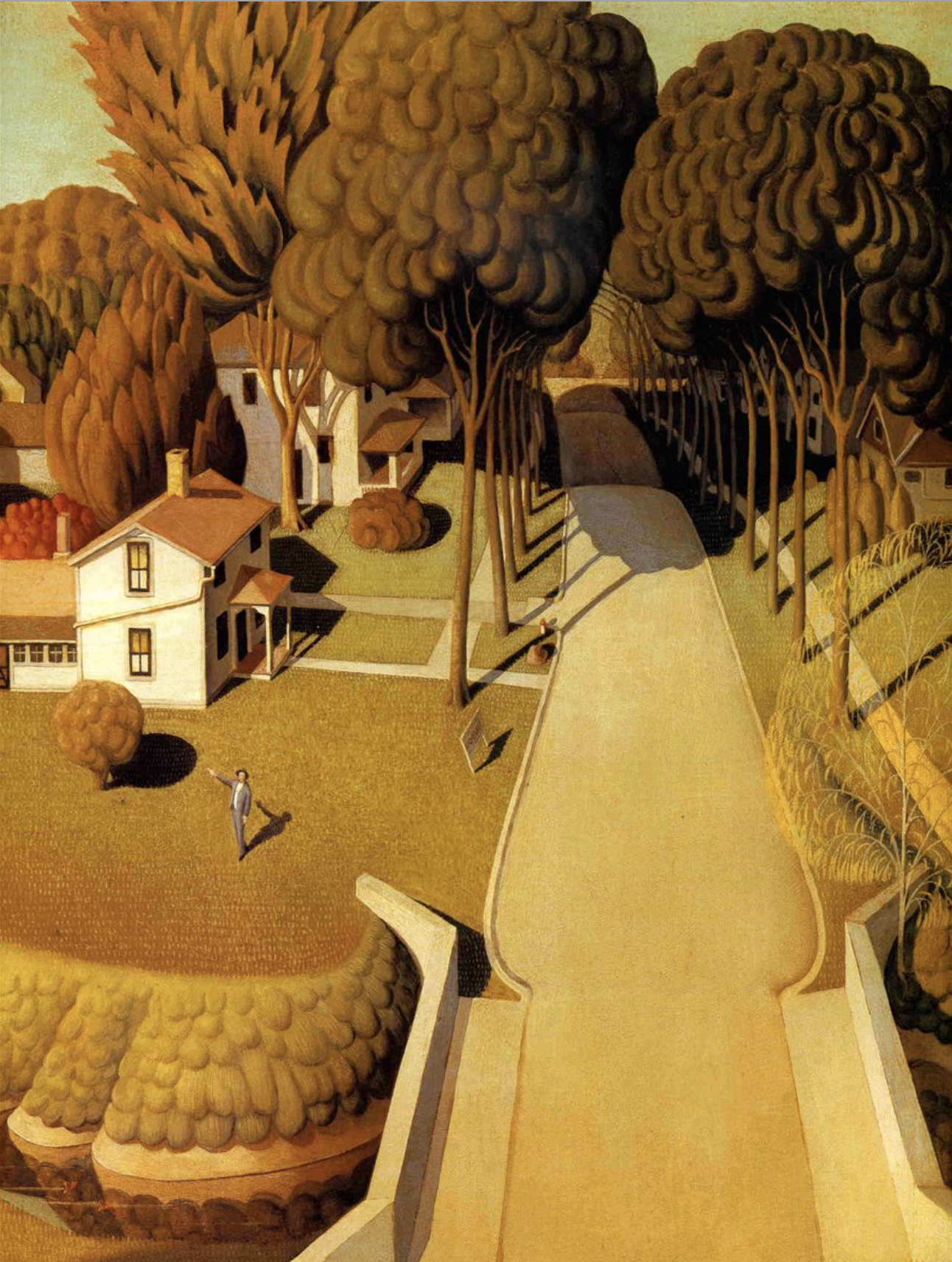
The Birthplace of Herbert Hoover (1931)

However, having swooned over my first face-to-face encounter with this iconic work and taken note of the name of its artist, what I wasn’t expecting was to find how prolific an artist lay behind the painting. For as we made our way around the exhibition, exploring its historically captivating theme of art before, during and immediately after the great American Depression, the name Grant Wood kept on popping up under all of the paintings to which I was instantaneously attracted upon entering each exhibition space.

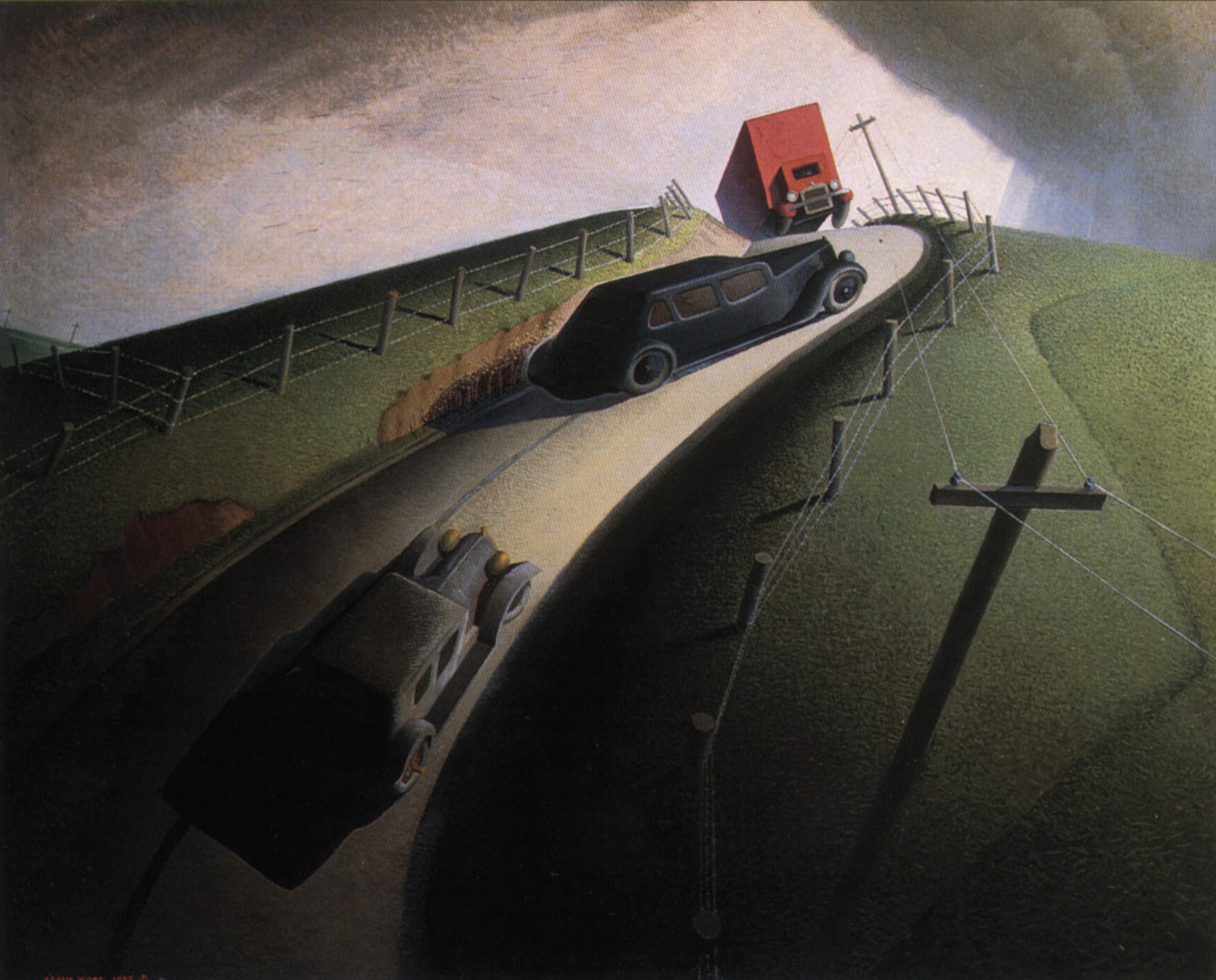
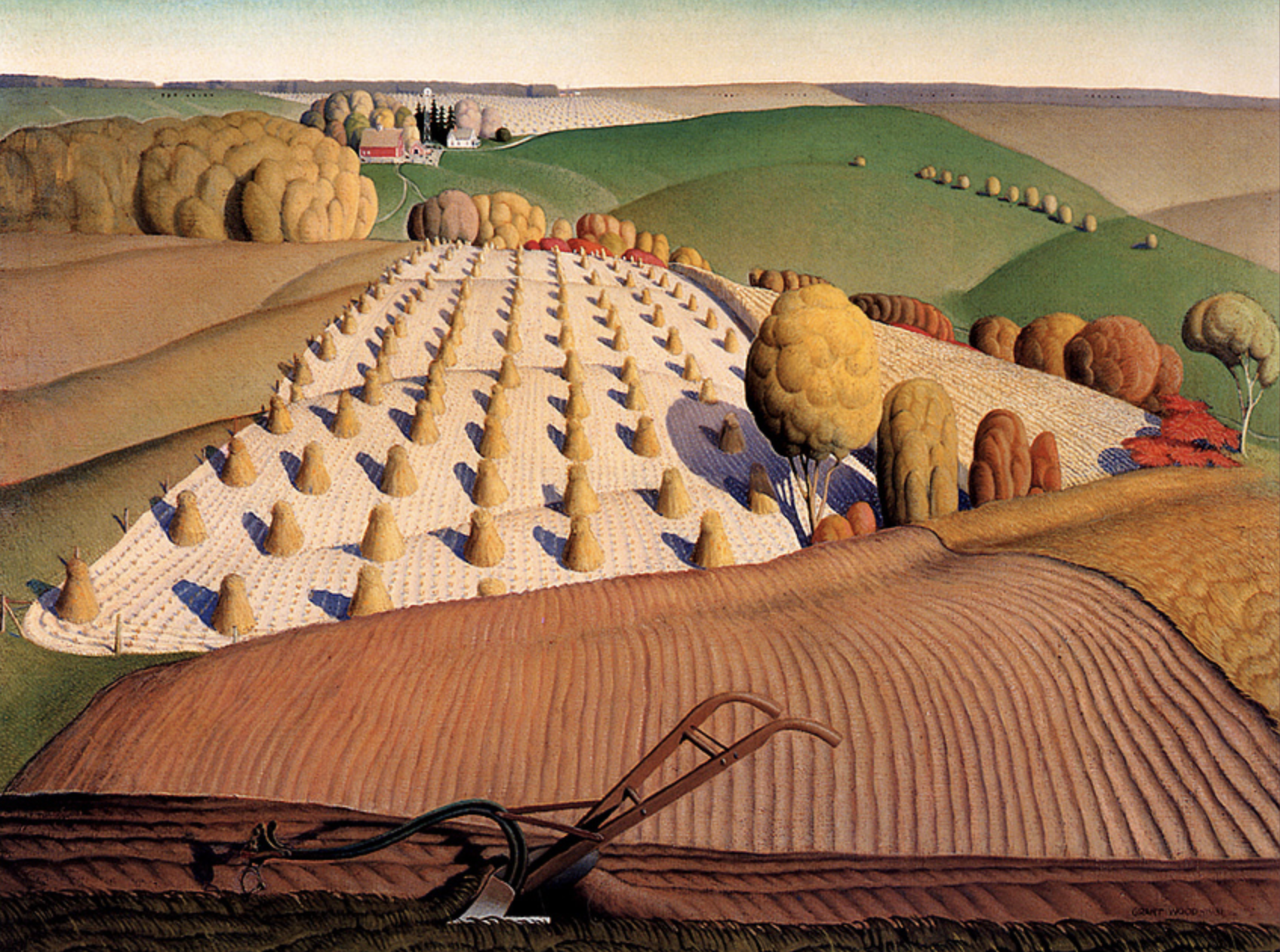
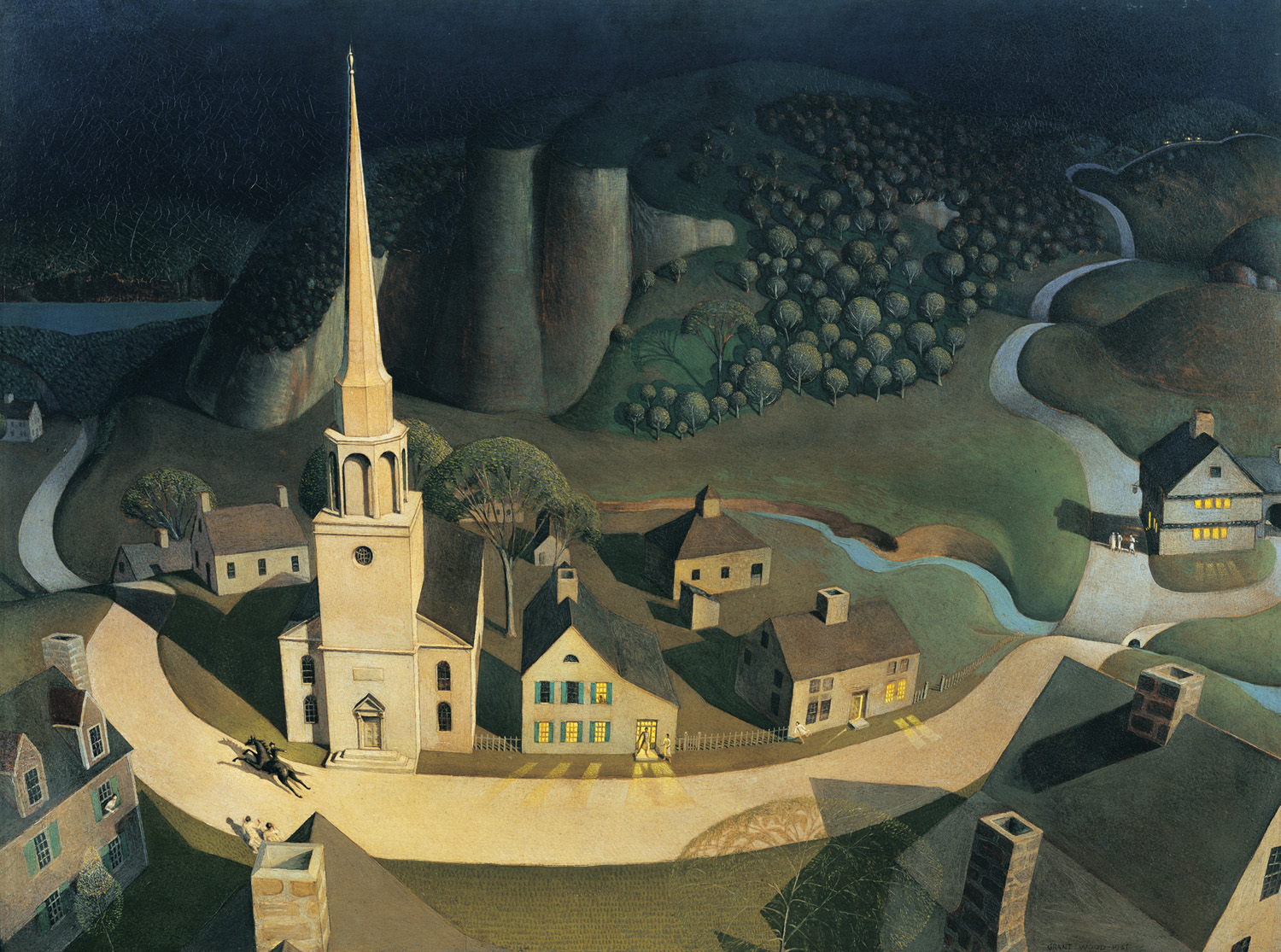
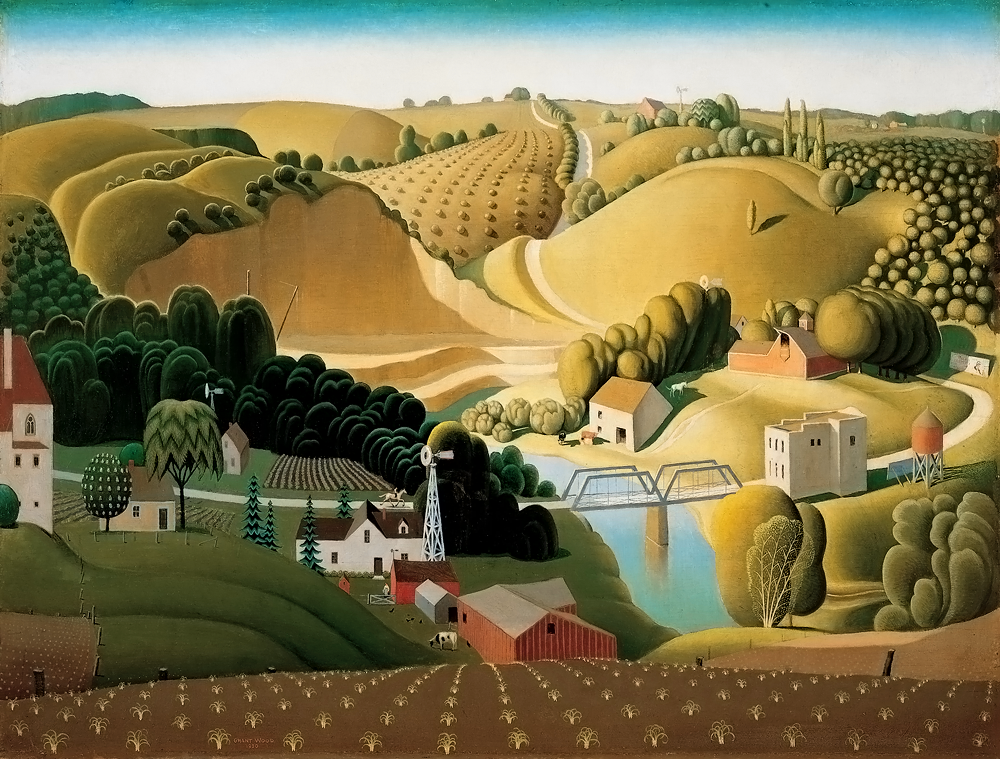
Born in 1891 and painting until his death in the 40s, Wood’s early work shows the clear influence of impressionism and post-impressionism with more hesitant lines and a play on depicting realistic light. However, by the time he reached the 1930s, the artist had fallen upon a truly unique form of naive reality, depicting in beautifully bold colours and sharp, well rounded lines and figurative forms, the rolling rural landscape around his Cedar Rapids home.

grant-wood-5

Death on the Ridge Road (1935)

grant-wood-fall

Fall Plowing (1931)

POSTER_3A

The Midnight Ride of Paul Revere (1931)

stone-city-inbluesky

Stone City Iowa (1930)

Without a doubt, my favourites of his works are his exquisite landscapes, painted so idyllically as to be charged with a kind of fantasy-land quality, albeit recognising in their carefully executed details the depiction of agriculture and industry. Reducing trees into rounded, wooly forms, and using idealised shadow to round-off the land like the  voluptuous flesh of a Rubens nude, these landscapes are pure works of genius, and why the artist Grant Wood will now remain lodged in my artist consciousness for all time.

Paris by Day

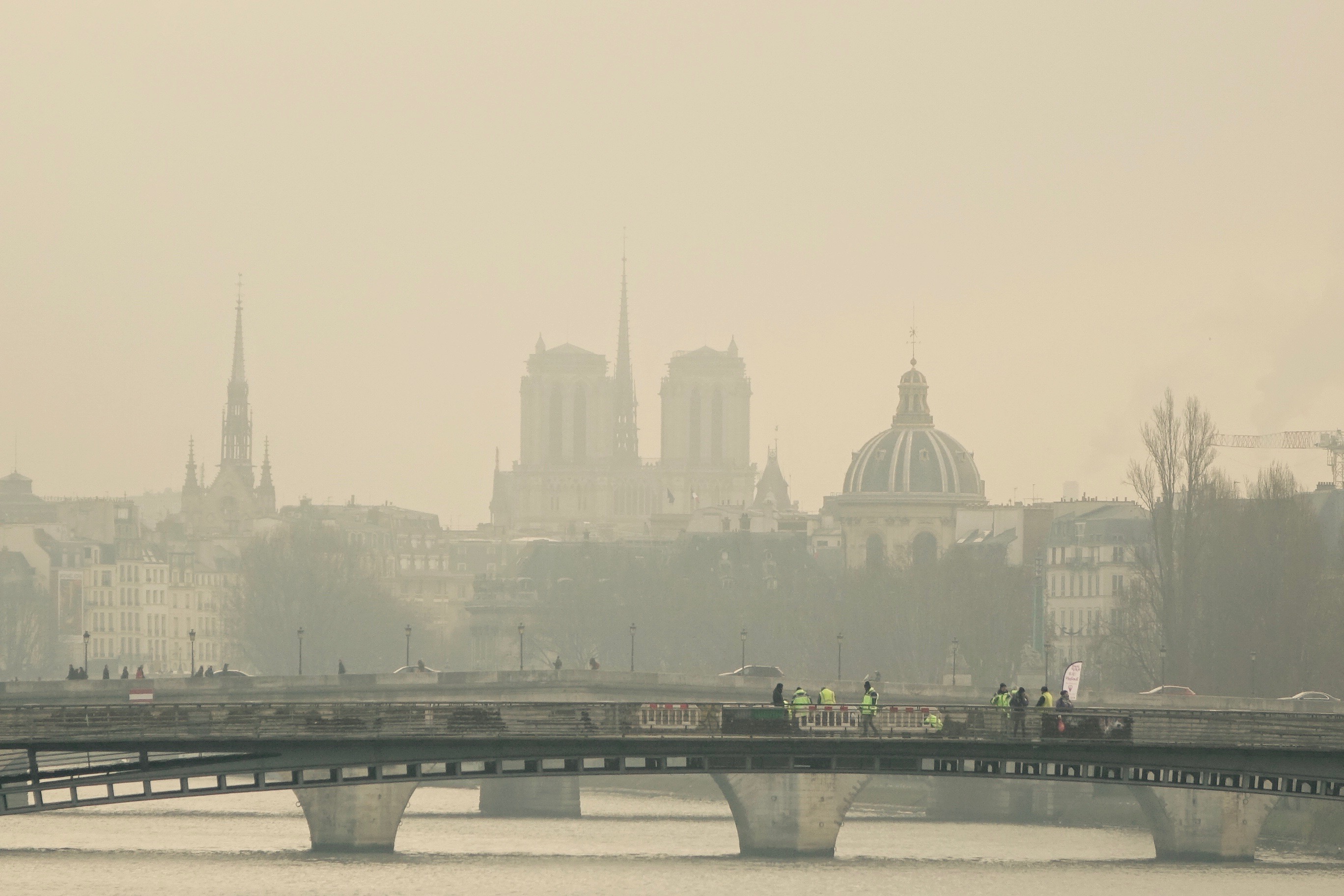
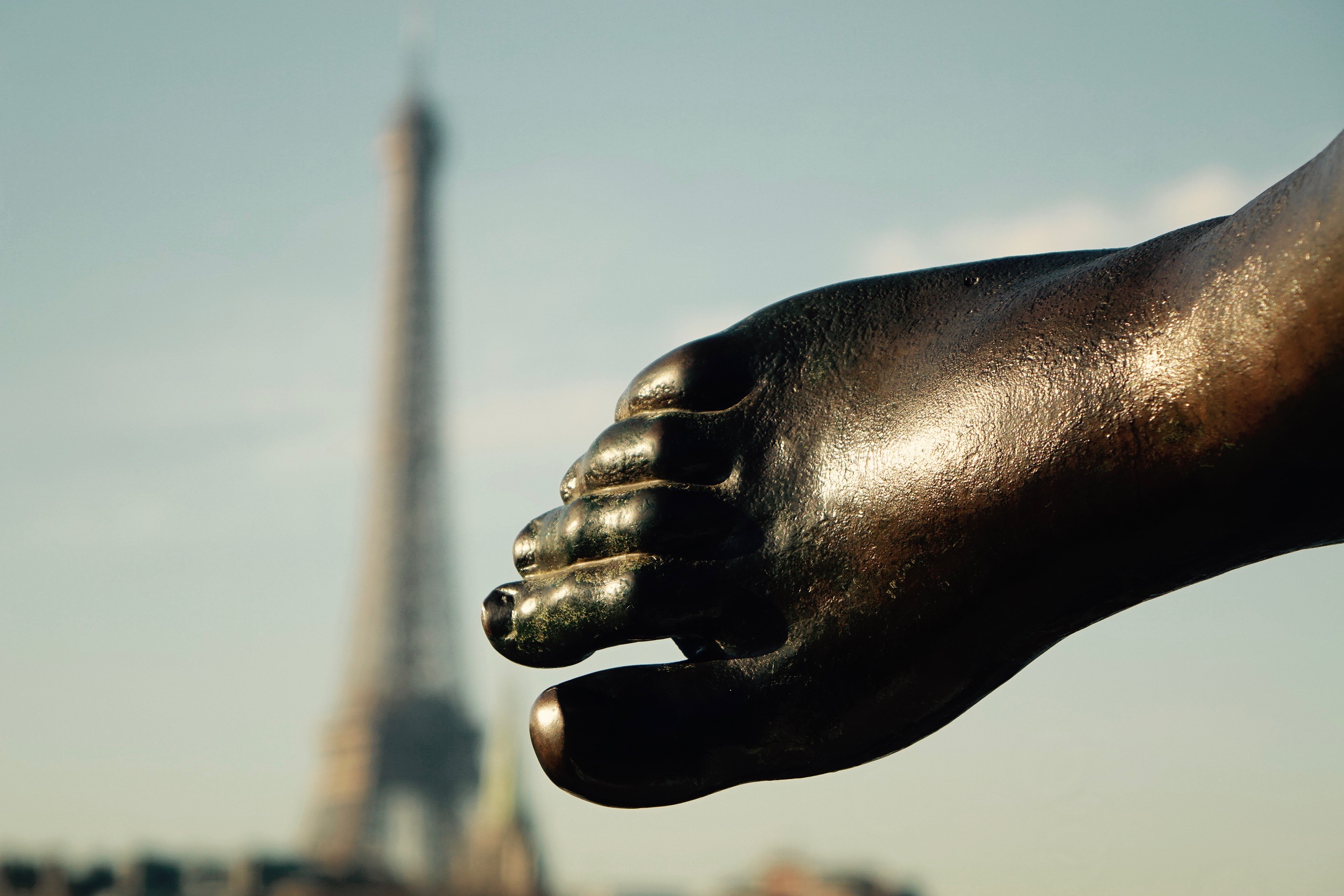
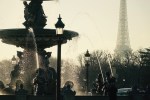
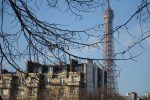
How time flies… it’s something on which I comment often. But who can help but do otherwise when already we find ourselves 10 days into a New Year with not a single post on The Daily Norm to bid you all welcome to a brand new year! So in doing so now, I am choosing to start the year as I mean to carry on… by featuring photos of what must easily be the most elegant city in the world, not to mention one of history’s most important cultural bedrocks. Just one glimpse below this text, and the familiar geometric lattice work of the Tour Eiffel will reveal that I can only be talking about one city…my beloved Paris.

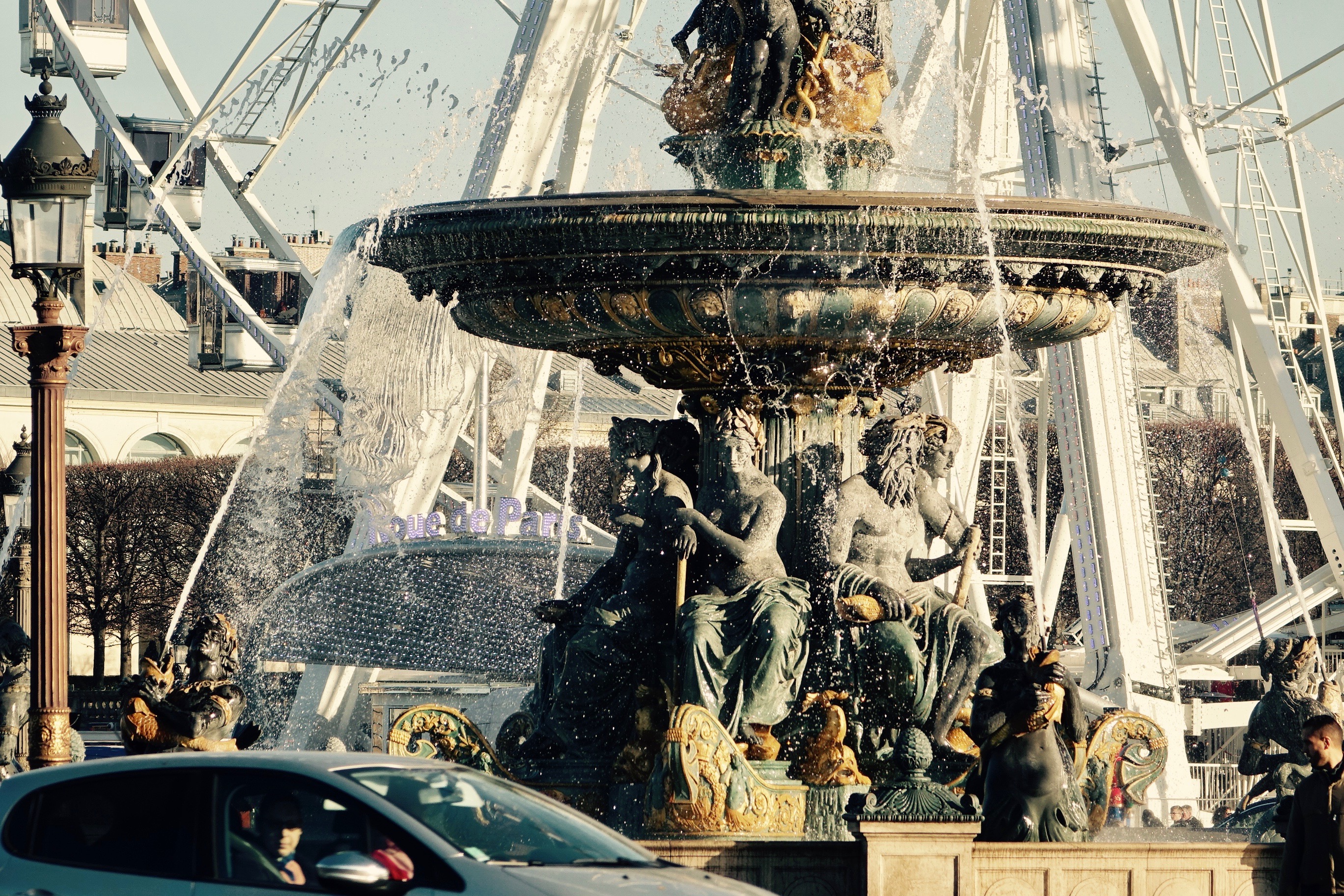
Ever since my first encounter with Paris at the age of 14 I was inspired to an extent never repeated by any other city. It was as though cupid’s arrow unfurled itself from the bronze casting of one of the city’s many streaming fountains and lodged its way firmly into my heart. Since that first trip, I have made it my intention to visit Paris as often as I can, recharging my batteries in the Rues of the countless arrondissements in the way that a mobile telephone needs a frequent reconnection with an electricity socket. When, a few days after Christmas, I made my most recent voyage to the City of Lights, almost two years had passed since the last. Too long a separation for this Francophile, but oh how absence made the heart grow fonder, as on this most recent reacquaintance, the cobbled streets, palatial apartment blocks, flowing fountains and grand tree-lined boulevards inspired me like never before.

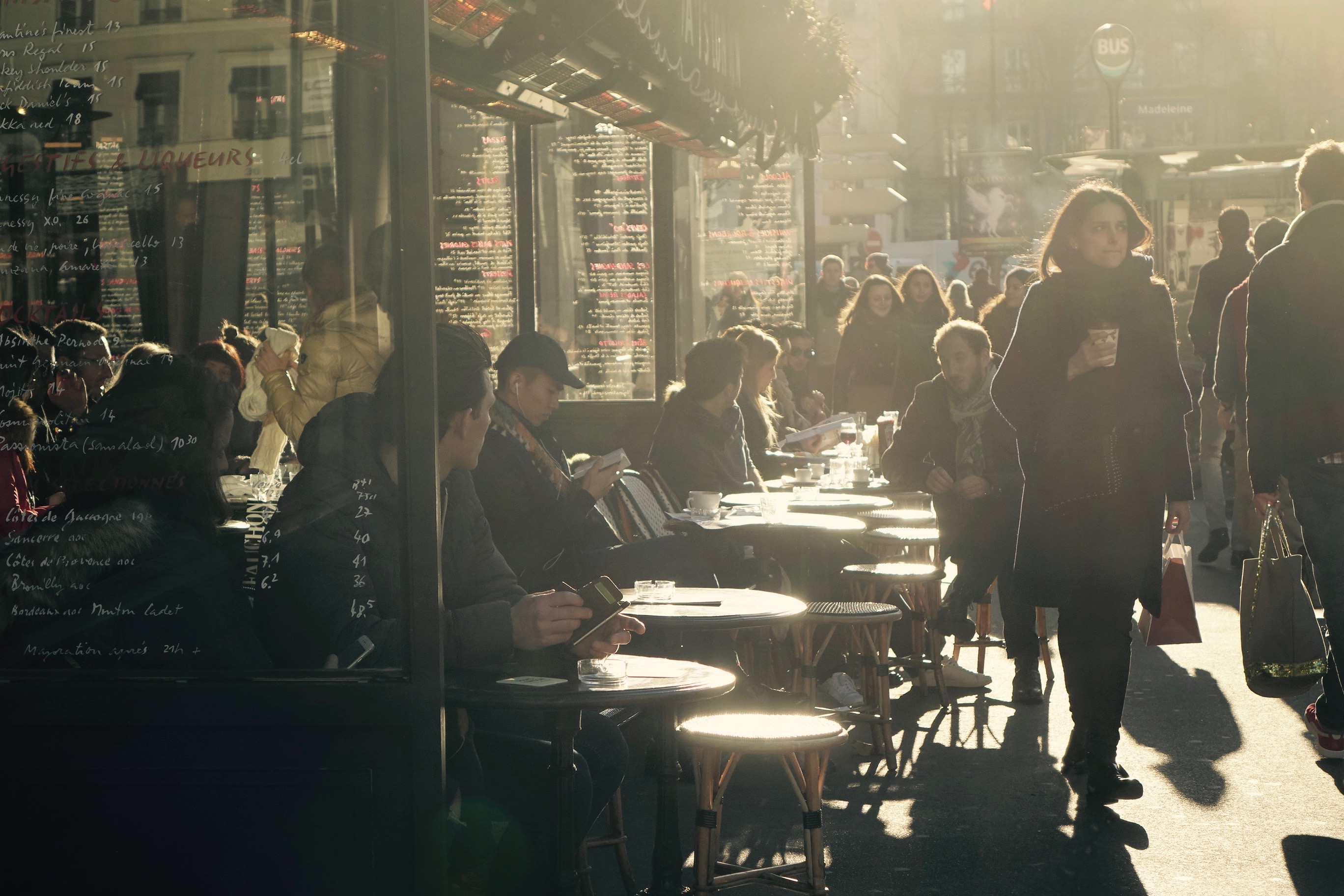
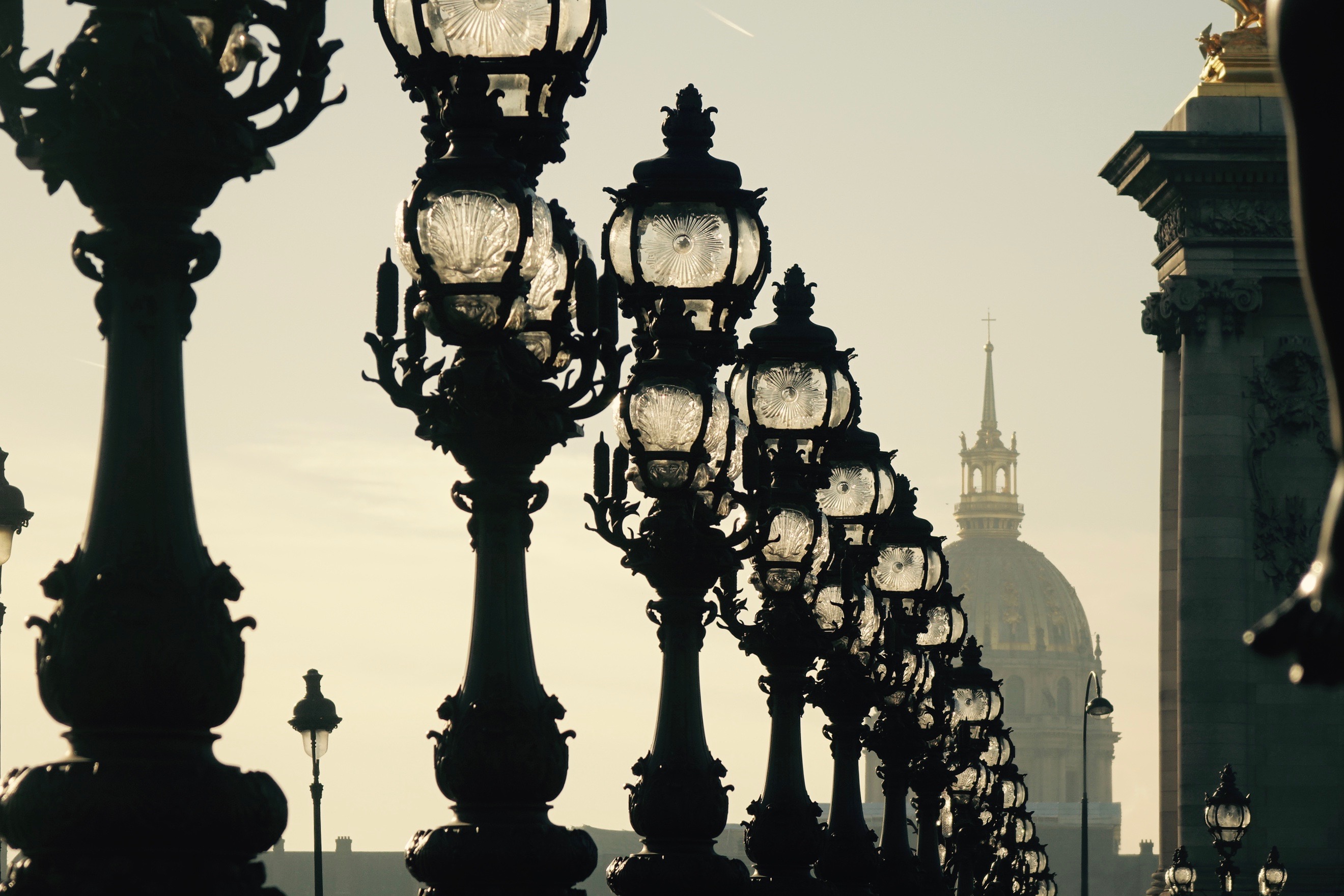
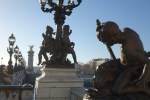
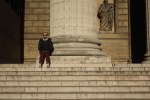
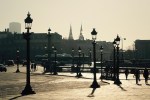
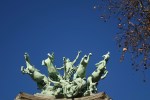
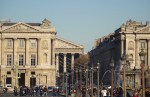
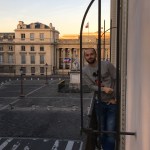
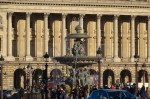
dsc07180dsc07201dsc07233dsc07067dsc07120dsc07066dsc07100

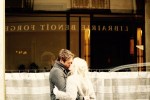
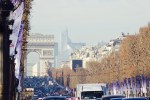
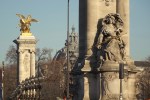
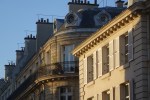
Splitting up my photos from this recent trip into both day and night, we start with those shots taken during my three December days in the city. While we spent much of our time inside some of the best art exhibitions of the moment, these photos were captured during our strolls from place to place. For as the odd glimpse of myself and my partner thoroughly wrapped up clearly suggest, the temperatures were crisp and low, and did not lend themselves to prolonged perambulations. But in those moments when a sun trap was found, whether it be on the vast steps of the Madeleine church, or alongside the riverbank where the sun bounced across the gentle ripples of the River Seine, there were some spectacular winter moments to be had.

All photos and written content are strictly the copyright of Nicholas de Lacy-Brown © 20136and The Daily Norm. All rights are reserved. Unauthorized use and/or duplication of the material, whether written work, photography or artwork, included within The Daily Norm without express and written permission from The Daily Norm’s author and/or owner is strictly prohibited.