Skip to content

Posts from the ‘Photography’ Category

Red sky in the morning, shepherds’ warning

It is a well known adage that red sky in the morning forecasts shepherds’ delight, whereas a red sky in the morning should be shepherds’ warning. Another version replaces shepherds with sailors, although the signification is the same – a rosy red sunset suggests that good weather is on the way, where as a beautiful red sky in the morning is usually a foreboding sign of bad weather ahead.

According to wikipedia, the proverb is a rule of thumb for weather forecasting dating back over 2000 years – allegedly it has a scientific basis as well: due to the rotation of the Earth from west to east, storm systems tend to travel eastward across the globe. As a result, a reddish sunrise, caused by particles suspended in the air, often foreshadow an approaching storm which will arrive from the West within the day, while conversely, a reddish sunset (because it sets in the West) indicates that the storm is travelling away from the viewer.

It’s little surprise then that what with the wretched weather we have had in the UK of late, with rainstorms and gloom pretty much every day, I have been waking up to some pretty stunning light shows across the London sky. So beautiful were they that I couldn’t help but share them. Check these out…

It seems almost churlish that the skies commence the day with such beauty and promise, only to then gather together so many clouds, and so much wet, cold, autumnal gloom as the day moves on that all light is obliterated and beauty destroyed. Still, one must find the silver lining in every cloud, as another adage stipulates, and in enjoying the beauty of these brief morning moments, I at least find a reason to drag myself out of my warm cosy bed, all the quicker so that I can capture the beauty on camera before it slips away into grey.

I leave you with a very appropriate quote from William Shakespeare’s Venus and Adonis (1593)

“Like a red morn that ever yet betokened,
Wreck to the seaman, tempest to the field,
Sorrow to the shepherds, woe unto the birds,
Gusts and foul flaws to herdmen and to herds.”

Here’s hoping for a red sunset tomorrow!

Autumn Harvest

Admittedly, England makes it difficult to like autumn. It’s dark in the mornings, damp and cold. The skies are filled with so many grey clouds that it feels like night time all day long, and the rain pours with such a relentless familiarity that one starts to distinguish between the different types of rain – sometimes large droplets, sometimes thin and fizzy, hanging like a sustained low-lying cloud around the pavements, making mincemeat of your carefully quaffed outfit and once perfectly sleek hair. With its best friend, the Autumnal wind, the rain laughs in your face, making horseplay of your attempts to hold up an umbrella, with which you are ever fighting to prevent it turning inside out or flying off down the road. Ah yes, the English autumn has, like the summer and spring before it, been a bit of a damp squid so far. But on the rare day that the sun shines, when the translucent brown leaves shimmer like gold, when the soggy auburns turn into a burnished bronze, the autumn can look truly stunning.

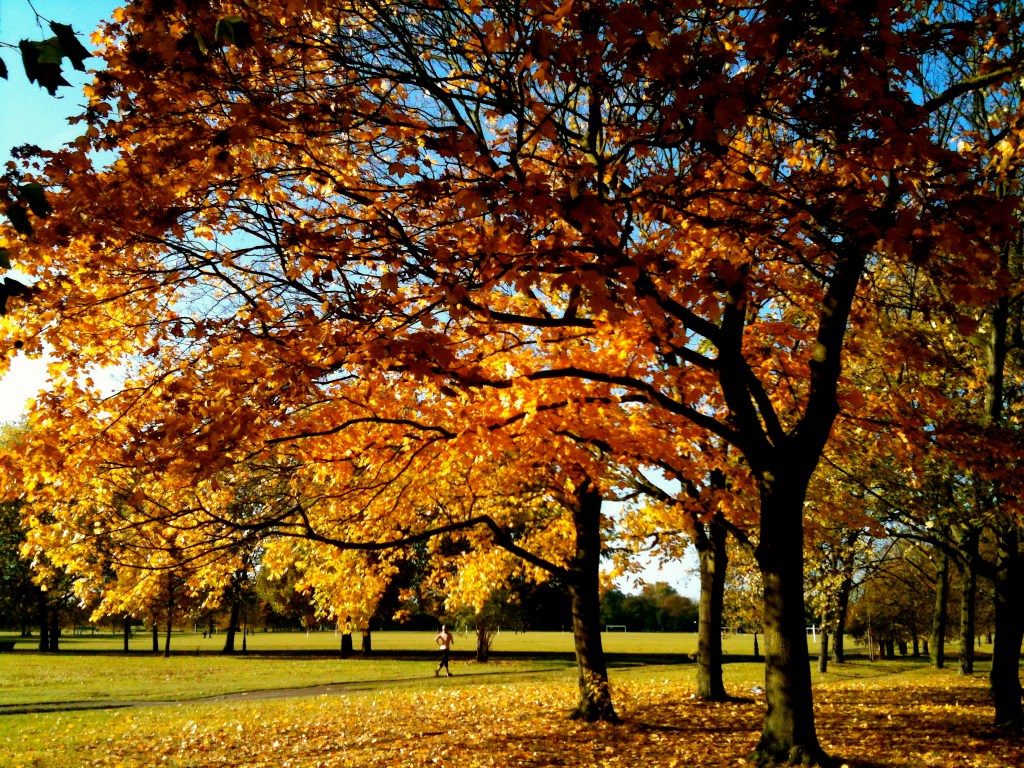
In fact, as these photographs will show, autumn is a ripe source of inspiration for me and my little pocket camera – an autumn harvest if you will. When the surrounding green swathes are ripe with fungi, with leaves of varying colours, when the shedding trees start to reveal the glory of their winding, twisty branches, and the shadows are long, dark and potent.

Without further ado I leave you with a gallery of my photographs, from those taken in the London parks, to the multicoloured pumpkins, squash and nuts and conkers imported into my home.

© Nicholas de Lacy-Brown and The Daily Norm, 2001-2012. Unauthorized use and/or duplication of the material, whether written work, photography or artwork, included within The Daily Norm without express and written permission from The Daily Norm’s author and/or owner is strictly prohibited. Excerpts and links may be used, provided that full and clear credit is given to Nicholas de Lacy-Brown and The Daily Norm with appropriate and specific direction to the original content.

Architectural Innovation in Liverpool

Coming as I do from the South Coast of England, my move to London 10 years ago seemed like quite a long way north to go. And living as I do in South London, I find any journey further north in the city than Bloomsbury to be a slight disorientating prospect. The idea therefore of going to Northern England, as I did last weekend, let alone finding a wealth of cultural and artistic gems up there was simply never conceivable. Which just goes to show how wrong I was.

Too often the rest of the UK is left in the very long shadow left by London’s worldwide glory. When tourists come to England, they head to London, and maybe Brighton if you’re lucky – they probably don’t even know the names of many of our other major cities. Having said this, the city of Liverpool has always been one step ahead. Not only was it a major shipbuilder of the past, putting its name to ships as famous as the Titanic, but it was also birthplace of the Beatles, the foursome who were inextricably linked with their hometown throughout their careers.

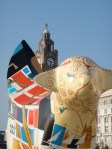
But today, Liverpool has gone so much further than being just the birthplace of the Beatles, and the name painted on the fated Titanic, and has proved itself to be a self-standing centre of artistic excellence, ready to shine in its own right. In fact, Liverpool is already being recognised as the UK’s new cultural capital: In 2008 it was the European Capital of Culture, and there can be little surprise why the city was chosen above the likes of London – it is literally bursting at the seams with culture, offering a cornucopia of superb art works hanging in the Walker Gallery including Pre-Raphaelite favourites and works by the likes of Hockney and Banksy, playing host to the biannual John Moores Painting Prize, and supporting innovative street art and sculpture like the now iconic Lambanana sculpture by Taro Chiezo which has very quickly become a symbol of the city. However, above all things, it is in its architecture, in my opinion, that Liverpool really shines.

An amazing mix of architectural styles

Old meets new

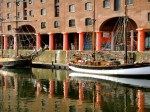
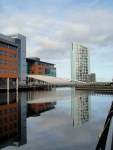
The Albert Docks reflected in the window of Danish-designed Museum of Liverpool

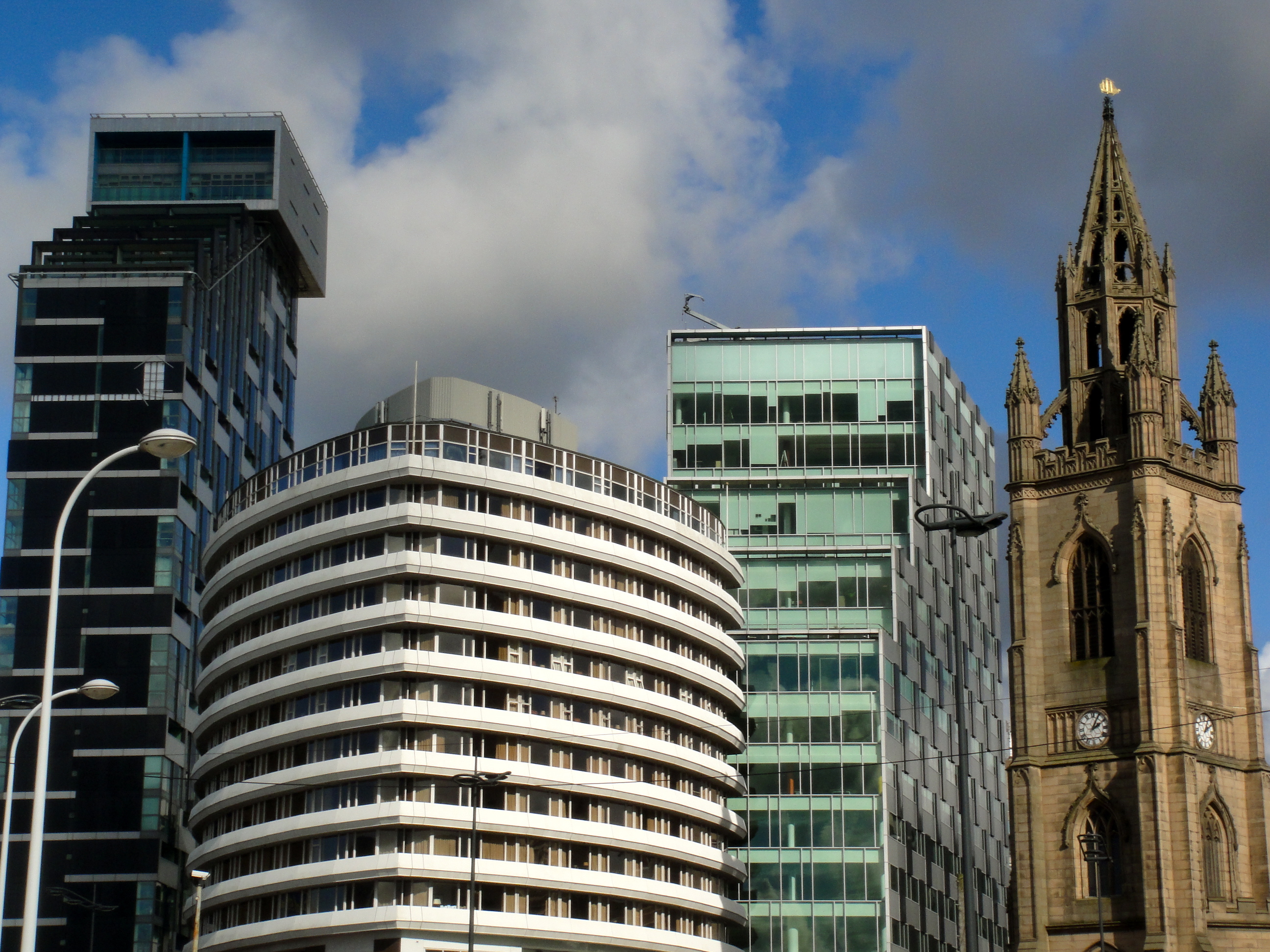
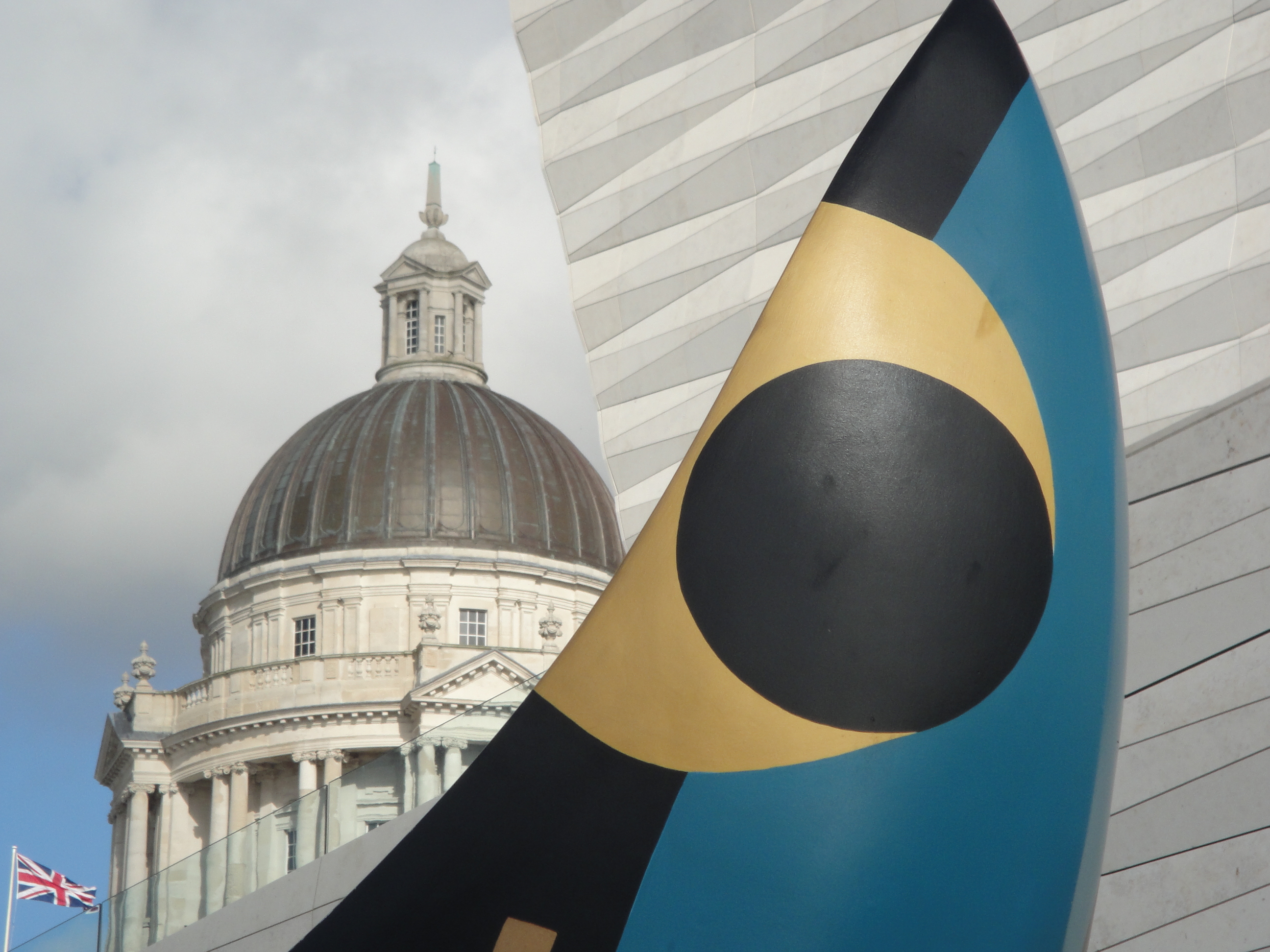
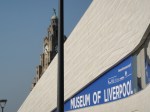
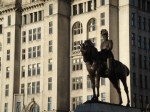
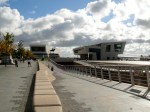
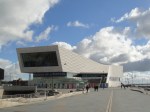
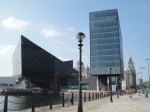
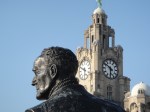
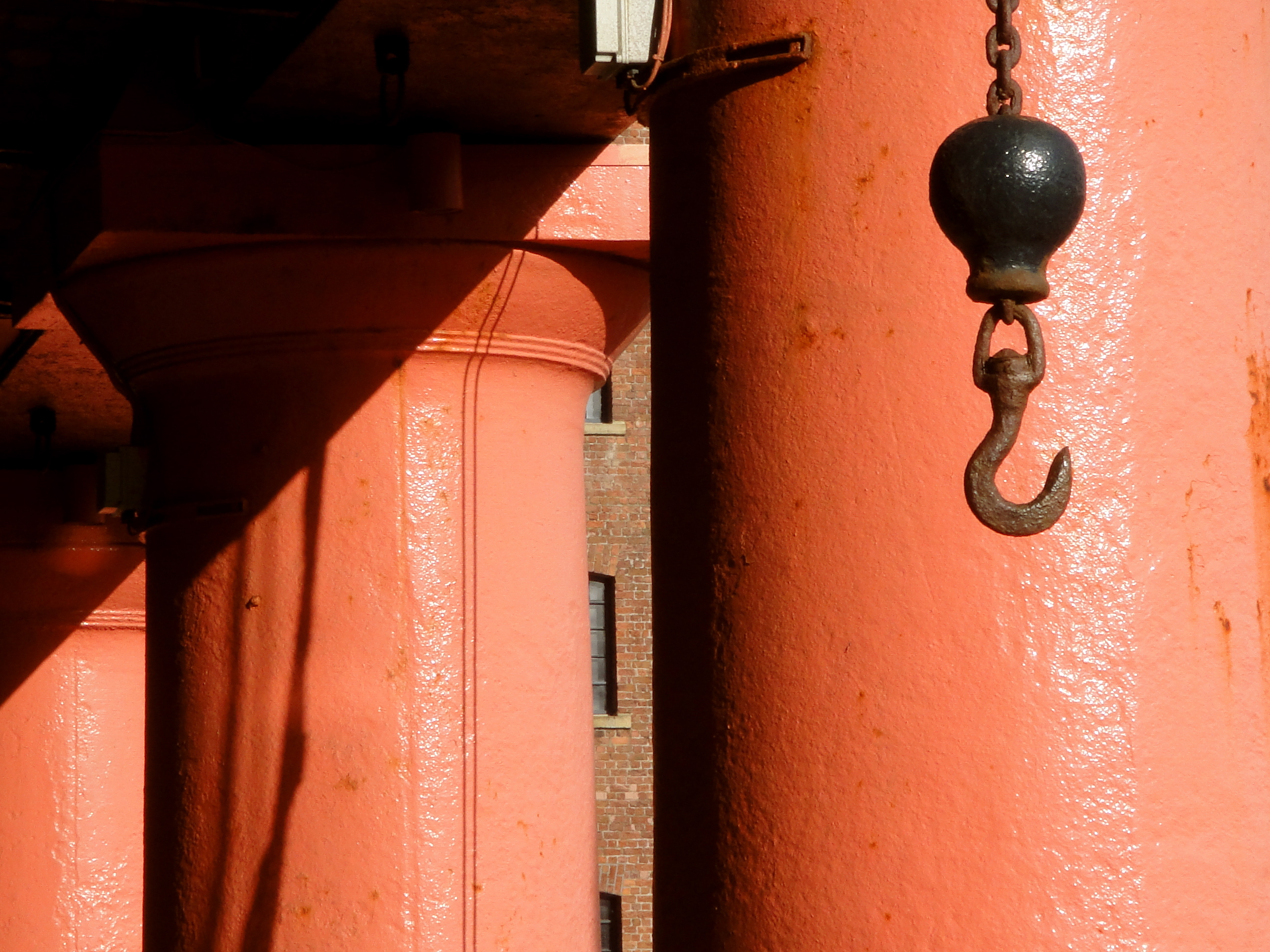
The architecture of the city is so fantastically mixed, so innovative in places and classical in others that one feels disbelief that planning permission was ever granted, and at the same time great relief that it was. So often, when in front of the likes of Bilbao’s Guggenheim by Frank Gehry, or on seeing the incredible curves of the vineyard building of Marquez de Riscal in the Rioja region of Spain, I have bemoaned the lack of British imagination when it comes to installing creative new architectural projects. Most of the new buildings going up in London are pretty standard skyscrapers, and not very exciting at all. Yes, so the Shard is tall, but it’s not all that interesting besides. Yet in Liverpool, you have a superb array of new architectural projects which fill the city with contemporary relevance and an air of bold innovation and creative exploration. From the beauty of the UNESCO protected “Three Graces” (the Liver Building, the Cunard Building and the Port of Liverpool Building) full of neo-classical extravagance and art-deco sophistication, you have the wonderfully regulated but faultlessly reinvigorated Albert Docks, and the brilliant new iconic creation of the curvaceous yet cubic  Museum of Liverpool (by Danish architect Kim Nielson) and the geometric and irregular Pier Head Ferry Terminal by Belfast architects, Hamilton’s.

The result is a brilliant mix of old and new; the old reflected in the sheer glass of the modern, the contemporary lines balancing out the elaborate facades of the old. Liverpool gives you hard industrial edges with refined cultural collections. Serious maritime history with playful Japanese sculptures. And all this some 2 hours north of London – it’s about time the spotlight of the world switched north and showed those European architectural innovators that the UK can do contemporary design too.

I leave you with some of my photos from the weekend. Enjoy!

© Nicholas de Lacy-Brown and The Daily Norm, 2001-2012. Unauthorized use and/or duplication of the material, whether written work, photography or artwork, included within The Daily Norm without express and written permission from The Daily Norm’s author and/or owner is strictly prohibited. Excerpts and links may be used, provided that full and clear credit is given to Nicholas de Lacy-Brown and The Daily Norm with appropriate and specific direction to the original content.

Marbella en Realidad: True charm behind the gloss

You must excuse what has been a far from daily Daily Norm of late… for I have been away on my holidays, happily installed far away from the plummeting temperatures of England in the 30s of Southern Spain, desperately gripping onto the last rays of summer, enjoying my ultimate fill of vitamin D, wafting carelessly in the warm clemency of Spanish evenings before, with autumn descending, my body becomes bedecked in layer upon layer of winter woolies.

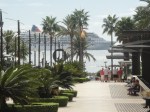
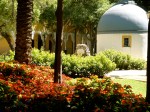
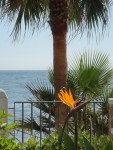
Yes, I’ve been back in Marbella, the town on the Costa del Sol renowned for its jetset reputation, for its yachts, designer stores, fake boobs and fast cars. And yet this reputation, while perhaps not the worst one can bestow, is far from justified, and certainly misses the point of what this town has to offer. For from the first minute I wandered into the old town of Marbella – the Casco Antiguo – a good 5 miles or so from Puerto Banus and the ritzy hotels and bars of tabloid fodder, I was totally entranced by a historic centre which exudes a cornucopia of Andalucian charm, whose tranquil silence is broken only by the dapple of water splashing from their old stone fountains, or the chirping of birds flitting from one orange tree to another, whose air is fragranced with the sweet seductive notes of Brugmansia trumpets and jasmine buds, and whose white washed buildings are in turn spattered with the vibrant colours of bourganvilla, terracotta pots containing bursts of red geraniums, balconies framed by intricately curled wrought iron balconies, and exquisitely painted local ceramics.

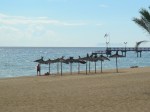
Marbella’s old town is undeservedly overshadowed by the superficial seductions of its modern suburbs, and perhaps this is what helps to maintain its charm and relative exclusivity. But as an artist, and being lucky enough to call the Casco Antiguo my second home, I cannot help but extoll the exquisite aesthetic virtues of this picture-perfect Andalucian town. I’m a resident, not a tourist, so my photos, perhaps sadly, do not depict the obvious – the squares, the cobbled narrow streets, the flamenco dancers or the restaurants. But hopefully through this selection of some of the little details which interested me on this, my early Autumn return to the town, you will gauge some idea of the idealistic charm of Marbella, and in so doing share in a cyber-shot slice of the beauty exuded from the heart of this very misunderstood town.

© Nicholas de Lacy-Brown and The Daily Norm, 2001-2012. Unauthorized use and/or duplication of the material, whether written work, photography or artwork, included within The Daily Norm without express and written permission from The Daily Norm’s author and/or owner is strictly prohibited. Excerpts and links may be used, provided that full and clear credit is given to Nicholas de Lacy-Brown and The Daily Norm with appropriate and specific direction to the original content.

Licence to thrill 2: The Paralympic Closing Ceremony

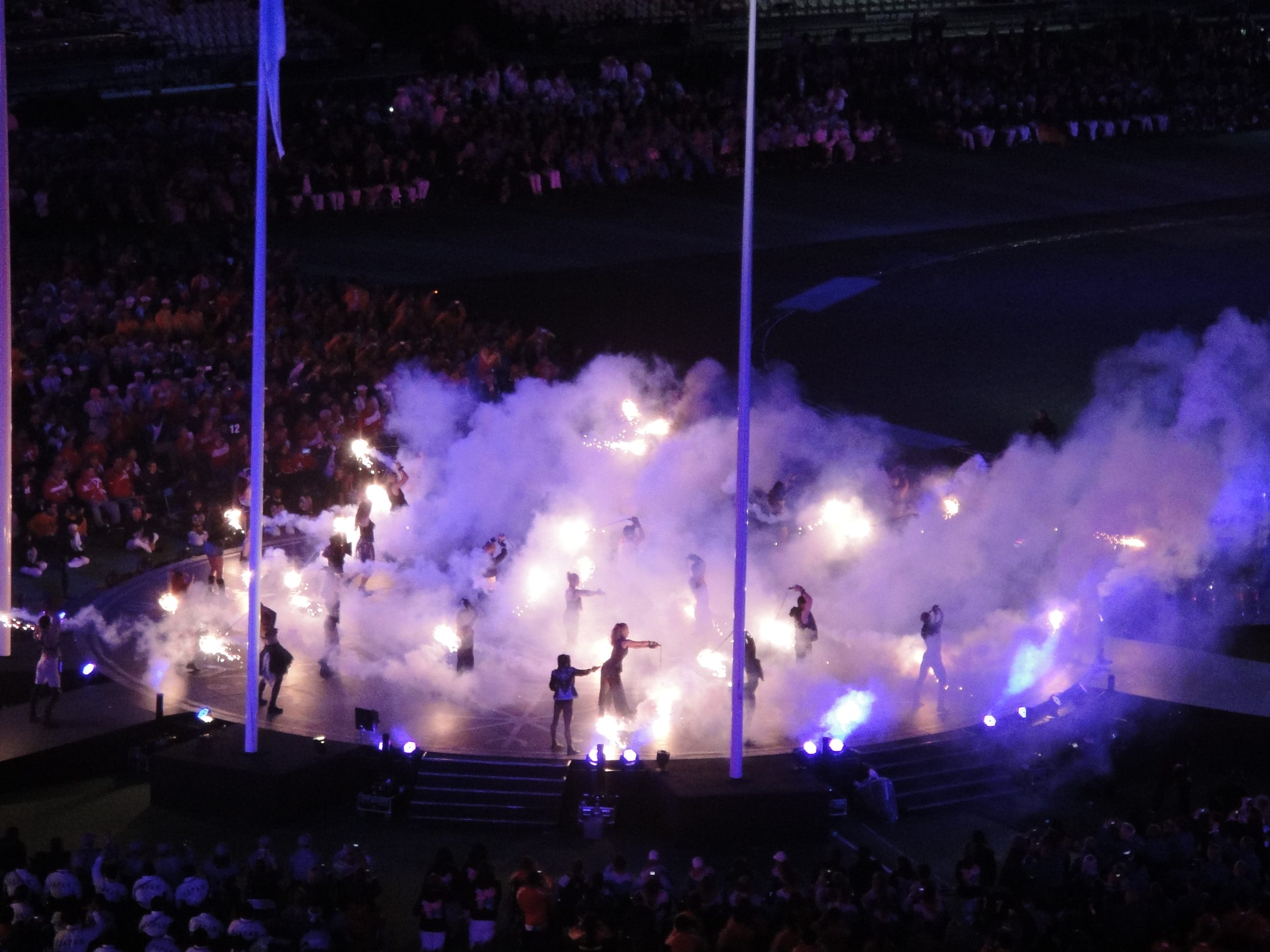
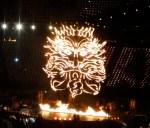
To say that the London 2012 Paralympic Games went out with a bang is something of an understatement. Headlined by Coldplay, and featuring Rihanna and Jay Z, the Closing Ceremony, entitled “Festival of the Flame” was a spectacular technological feat of such artistic genius that no single superlative will do. I’ve watched all three previous Olympic and Paralympic ceremonies on television, but nothing can ever prepare you for how different, how utterly awe-inspiring these ceremonies are when you’re sat in that magnificent stadium.

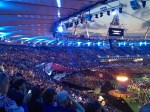
In front of me the incredibly well-designed LED lighting affixed to each seat glowed with such vibrant multi-pictorial technologically unfathomable brilliance when lit as a whole (all 800,000 odd lights are controlled by a single computer, which uses the lights like pixels to create huge moving images around the stadium) that my brain could barely keep up with the sensation offered up to it for interpretation by my wide incredulous eyes. Underneath, the music vibrated with such depth of base, and the crowd cheered with such a resounding harmony that I became utterly immersed in this spectacle, at one with its brilliance.

The innovation of the lighting, the use of the audience as part of an every changing theatre set, of eccentrically designed mechanical creatures, of fantastical costumes, of feathered characters falling from the air bringing with them candelabras dazzling above the stadium like the Hall of Mirrors in Versailles – everything tantalized the senses in its originality, wonder and vibrancy. I left utterly stunned, in awe of London, of spectacle, of theatre and again of the superiority of British culture and design which worked in perfect union with our heroic athletes to present to the world the best Olympics and Paralympics ever.

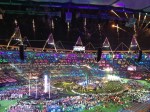
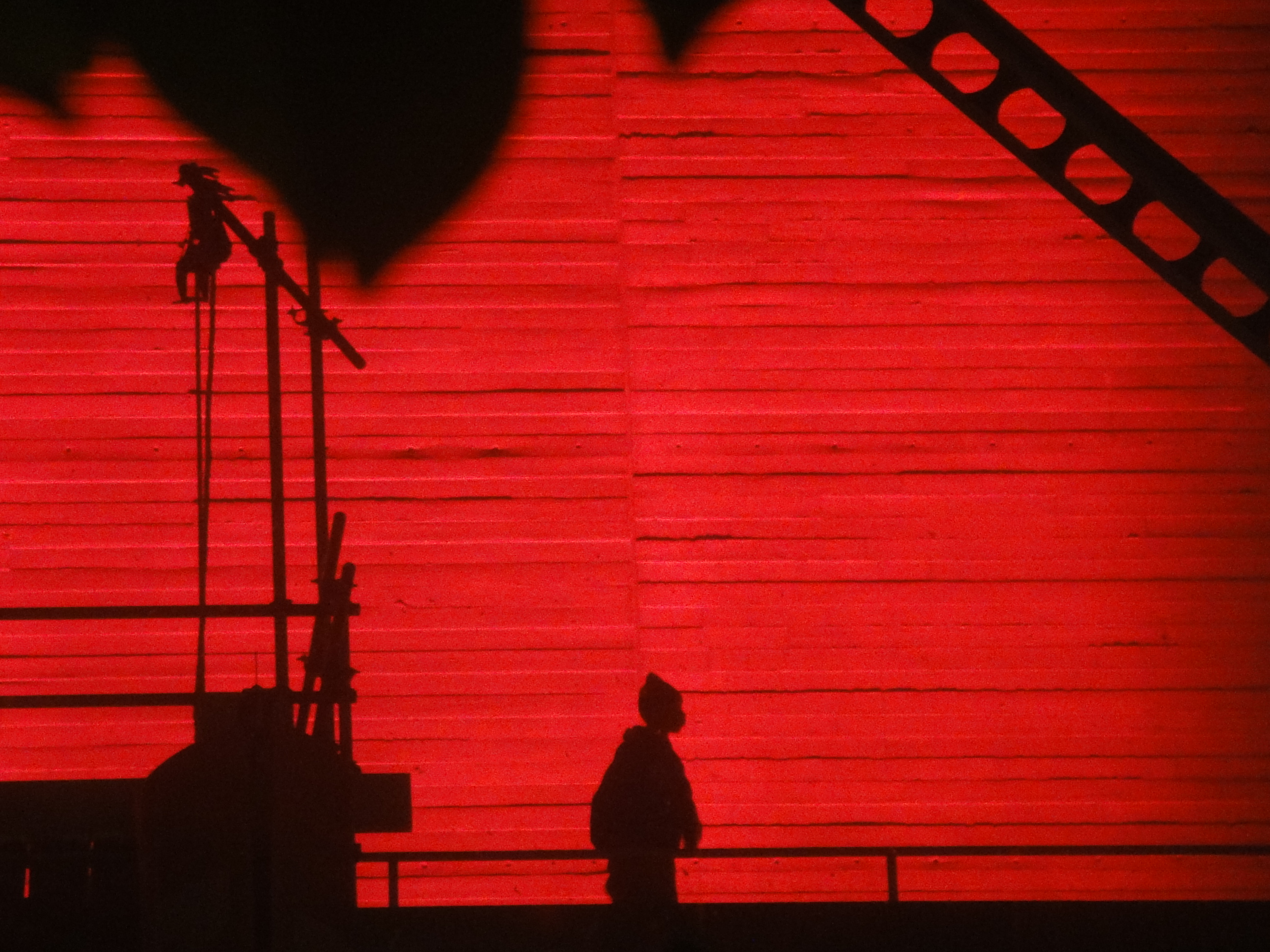
I can say no more. Take a look at my photos. Sadly I was not well equipped with a powerful zoom or a camera well suited to nighttime and plenty of activity in low light. But hopefully these photos will go some way in demonstrating just how dazzling a show this was.

Licence to thrill: The London 2012 Paralympic Experience

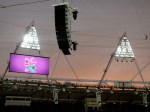
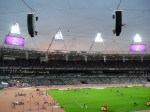
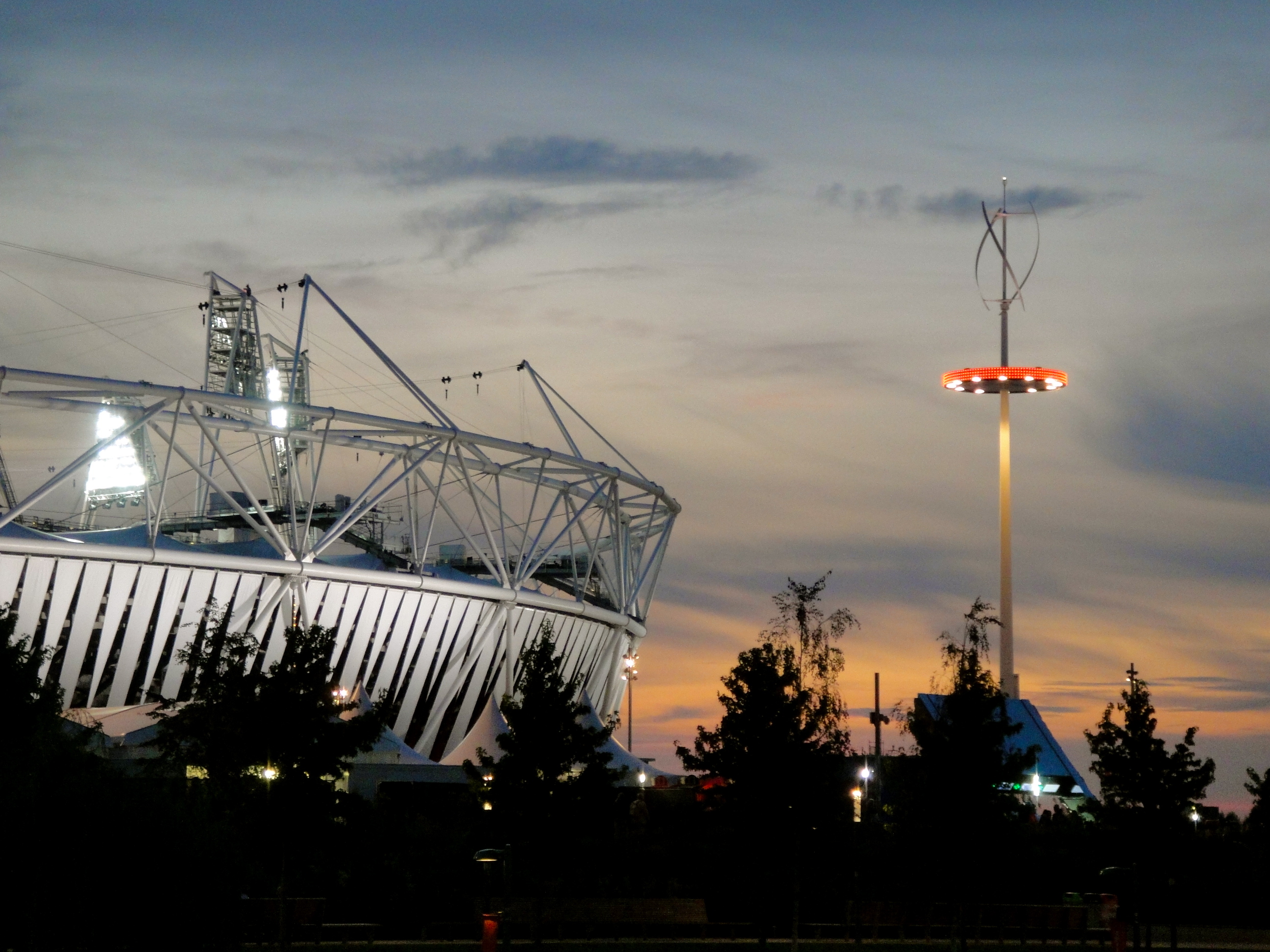
We are all now used to the sight of London’s Olympic stadium, blazing brightly in an otherwise subdued East London skyline, the diamond in the rough, with its triangular light stations looking like the pointed pinnacles of a medieval crown. When you see it on television, the stadium is both a giant-sized modern multi-coloured spectacle, but equally a giver of intimate human stories – the athletes crying, their families hugging, supporters bedecked in countless variations of red, white and blue. Through the aid of high-zoomed television cameras, you get to catch every detail of the various spectators, the royals who are sitting on the show and giving out medals, and the super-strong athletes pulling superhero poses at the start line to the track events.

When you’re there in the stadium itself as one such spectator in a sea of thousands, it’s a whole different story. Everything is magnified, augmented, accelerated. The stadium loses all sense of the human story. It becomes superhuman, a thing of such magnificence, on such a brilliantly huge, exaggerated scale that you literally cannot believe you eyes. What is before you is not only a photogenic stadium worthy of star-studded superlatives and photographs in their thousands; it is history in the making, it is London’s definitive moment in the spotlight. It’s a magnificent mastery of social unity on an epic scale, as people come together in their tens of thousands to cheer, to wave flags, to take photos, to share in the glory. And so it was that the human became superhuman, where in a stadium so big, small people in a crowd of thousands became mere pixels in an ocean of humanity: when a mexican wave took hold amongst the crowd, it literally looked like a ripple pulsating around the stadium; when the crowd took photos, it was like the spectator area had become a diamond encrusted snake, sparkling to the movement of its slithing great body as the flash bulbs went off in their thousands around the racing track; and when a Brit was on course to win a medal, the joint roar of 80,000 spectators made a noise like nothing I have ever heard before – it was a noise enough to conquer nature – thunder itself could not have outdone it.
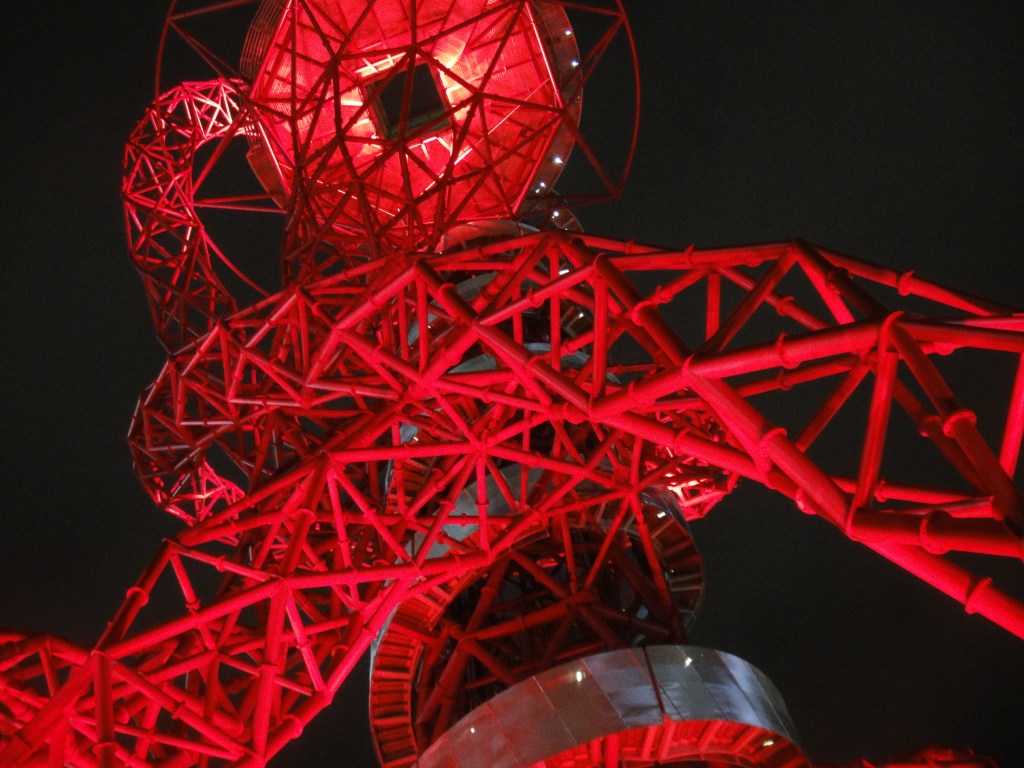
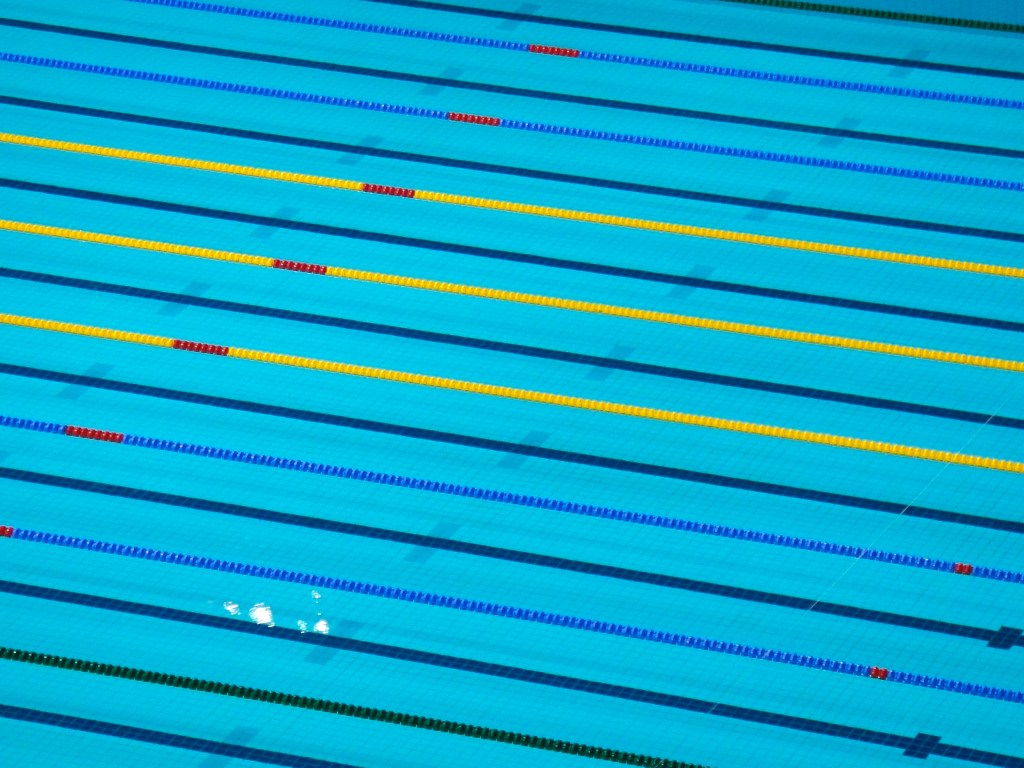
Yes, as the above probably makes clear, I have experienced the London 2012 Olympic park at last, as well as the Athletes stadium itself, doing so as part of the incredible Paralympics festival which is currently underway in London. Having not obtained tickets for the park itself during the Olympics, I was on the ball when the Paralympics tickets were released a few months later. This time I was lucky, receiving tickets for the Swimming, the Athletics, and, this coming Sunday, the Closing Ceremony. And needless to say, I am incredibly glad that I got to sample not just the Olympic park, but the wonder of the Paralympics as well – The Athletes involved are nothing short of incredible. Talking of superhuman, these guys take the word to a new level all on their own, overcoming debilitating injuries and conditions to excel in sports to levels which, if not equal, are a fine match to the standards set by the incredibly fit able bodied athletes of the Olympics two weeks before.

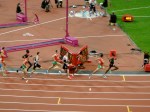
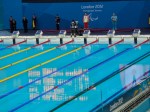
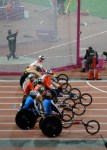
Last night I was lucky enough to see the UK’s David Weir win the T54 1500m race in super-strength style, pivoted to the finishing line by the sheer strength of his arms alone. And the night before, I was equally fortunate to see Brit favourite Ellie Simmonds win her second gold medal of the games and win in world record time for the second occasion too. Her victory was immense. She was in around 5th place when she turned to swim her final lap of the pool but then, again with superhuman almost mechanical genius, she managed to propel herself, not only ahead of her competitors, but leaving a huge margin trailing between her and the silver medallist. And who else was there? None other than the current Prime Minister (David Cameron), a past Prime Minister (Gordon Brown) and a potential future Prime Minister too boot (Boris Johnson) all getting in on the action (I think that’s known as jumping on the band wagon).
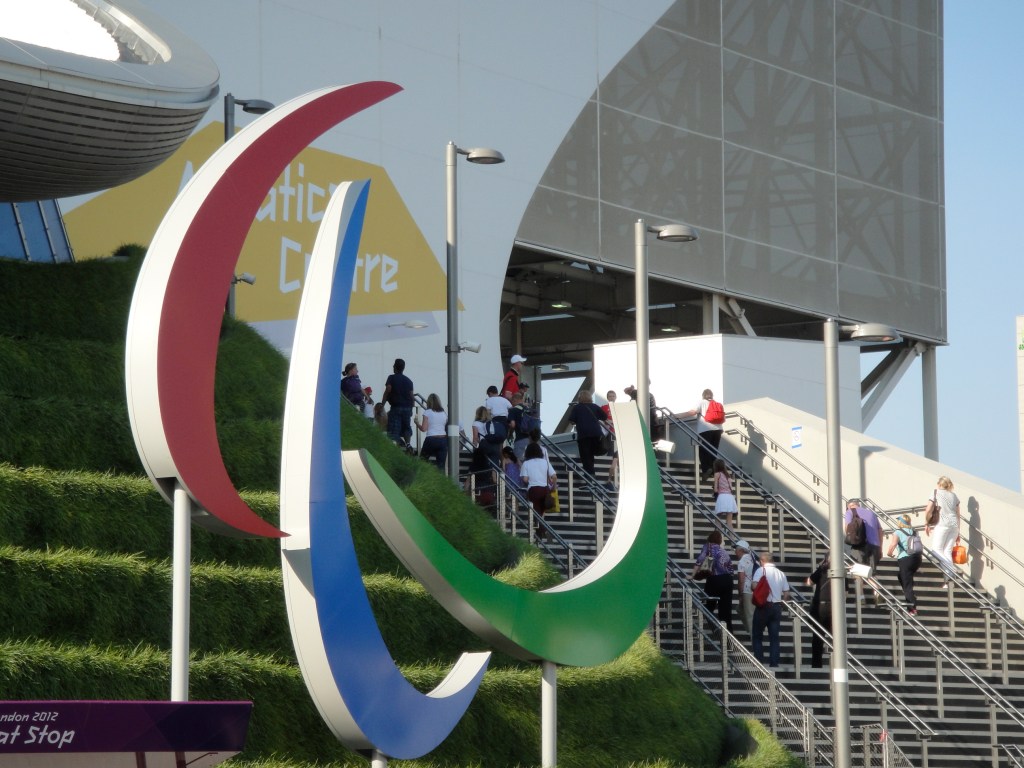
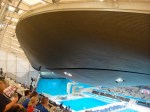
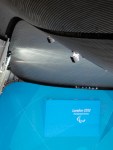
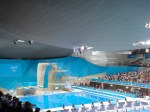
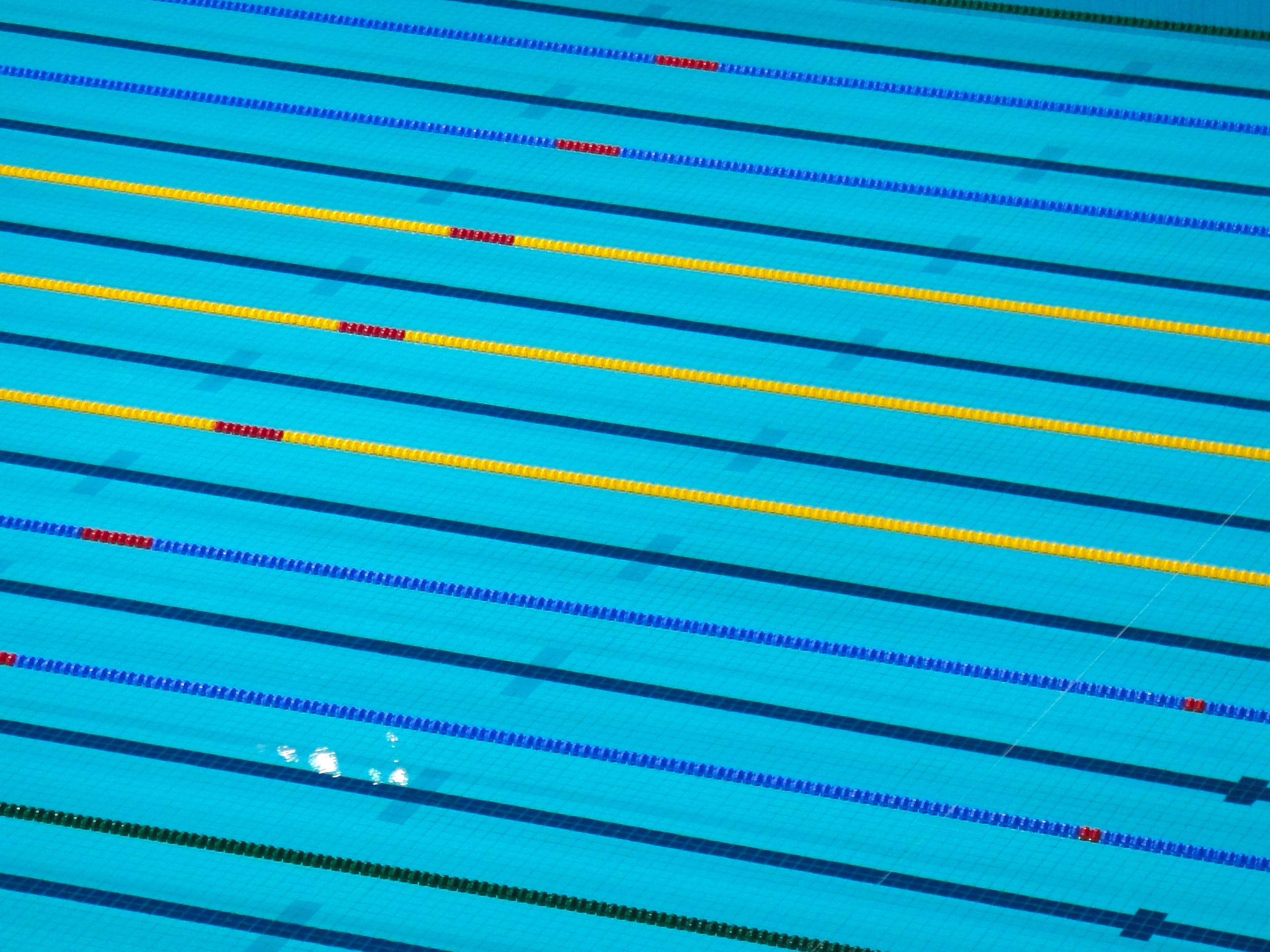
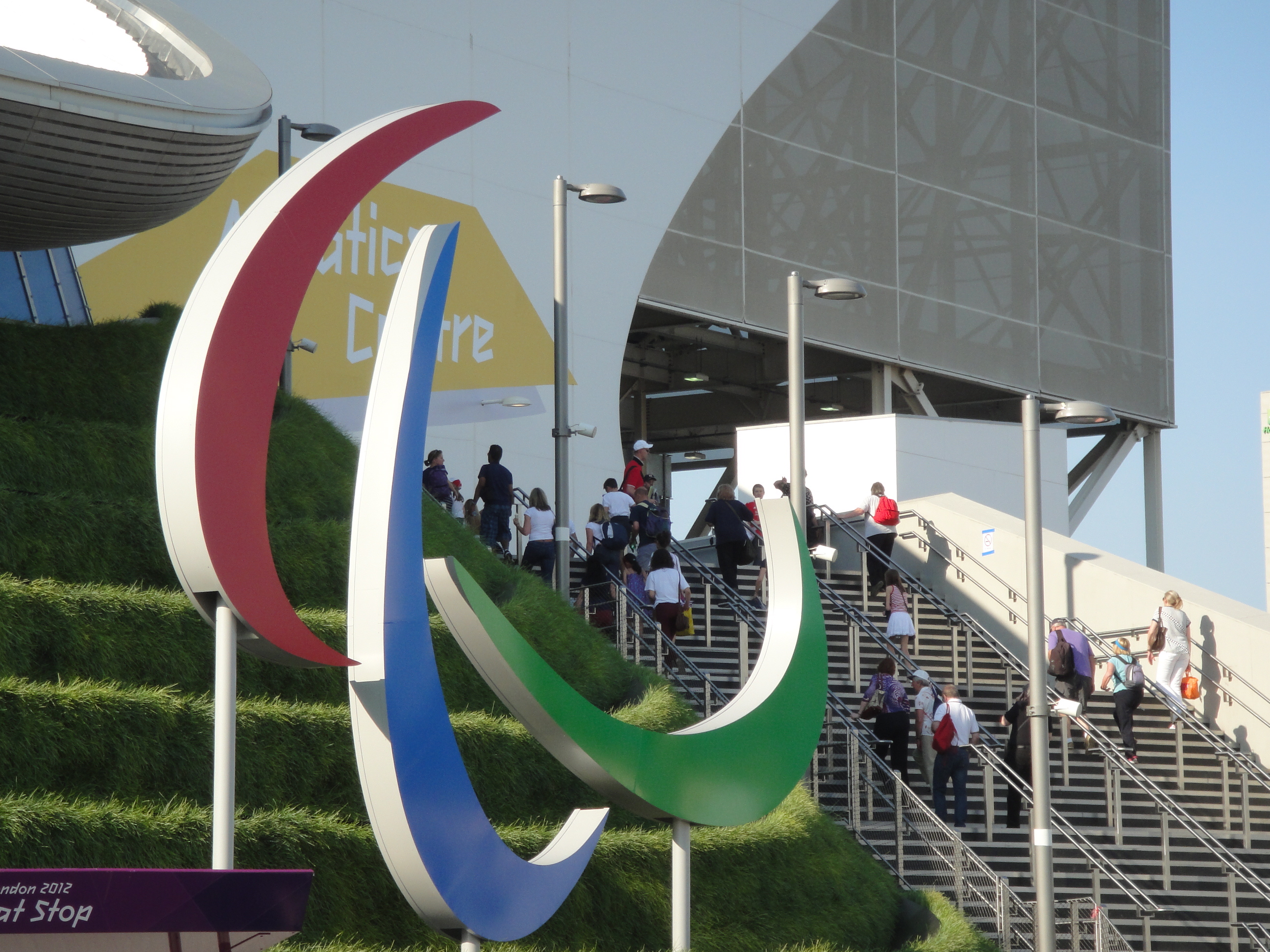
As for the Aquatics centre itself, designed by Zaha Hadid, what a feat of architectural genius, with its organic curvaceous wooden roof perfectly mirroring the muscular contours of a huge killer whale, and appearing to float, defying gravity, in mid air above a marine blue pool and some equally innovative diving boards. 

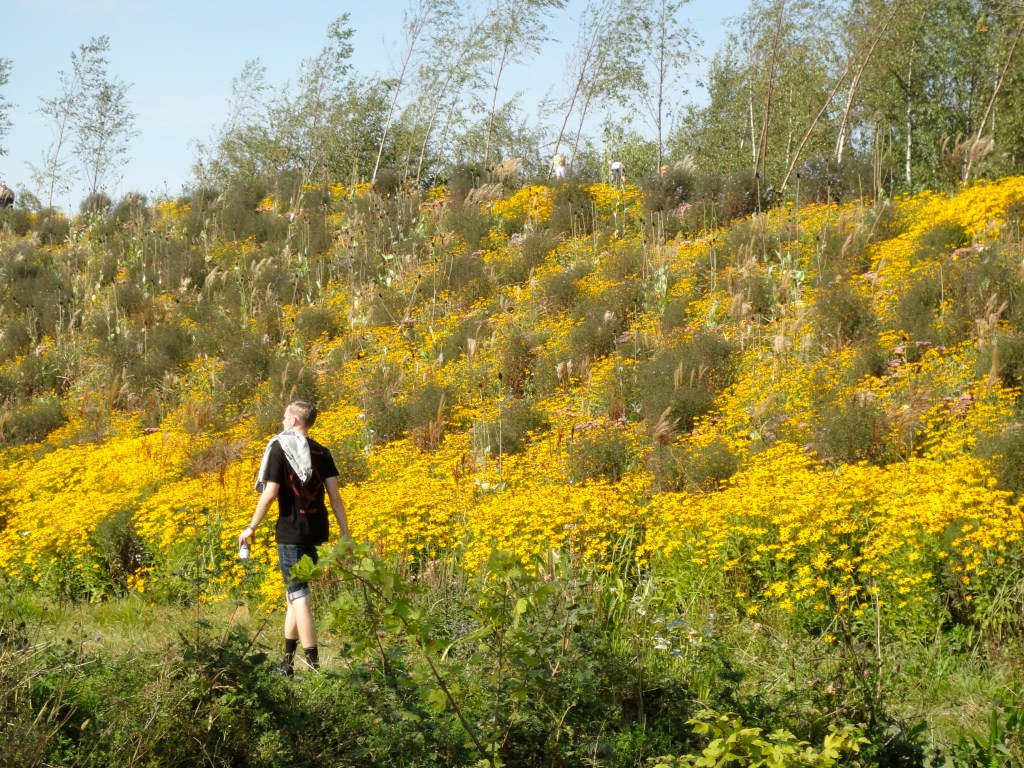
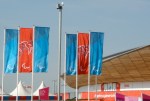
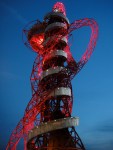
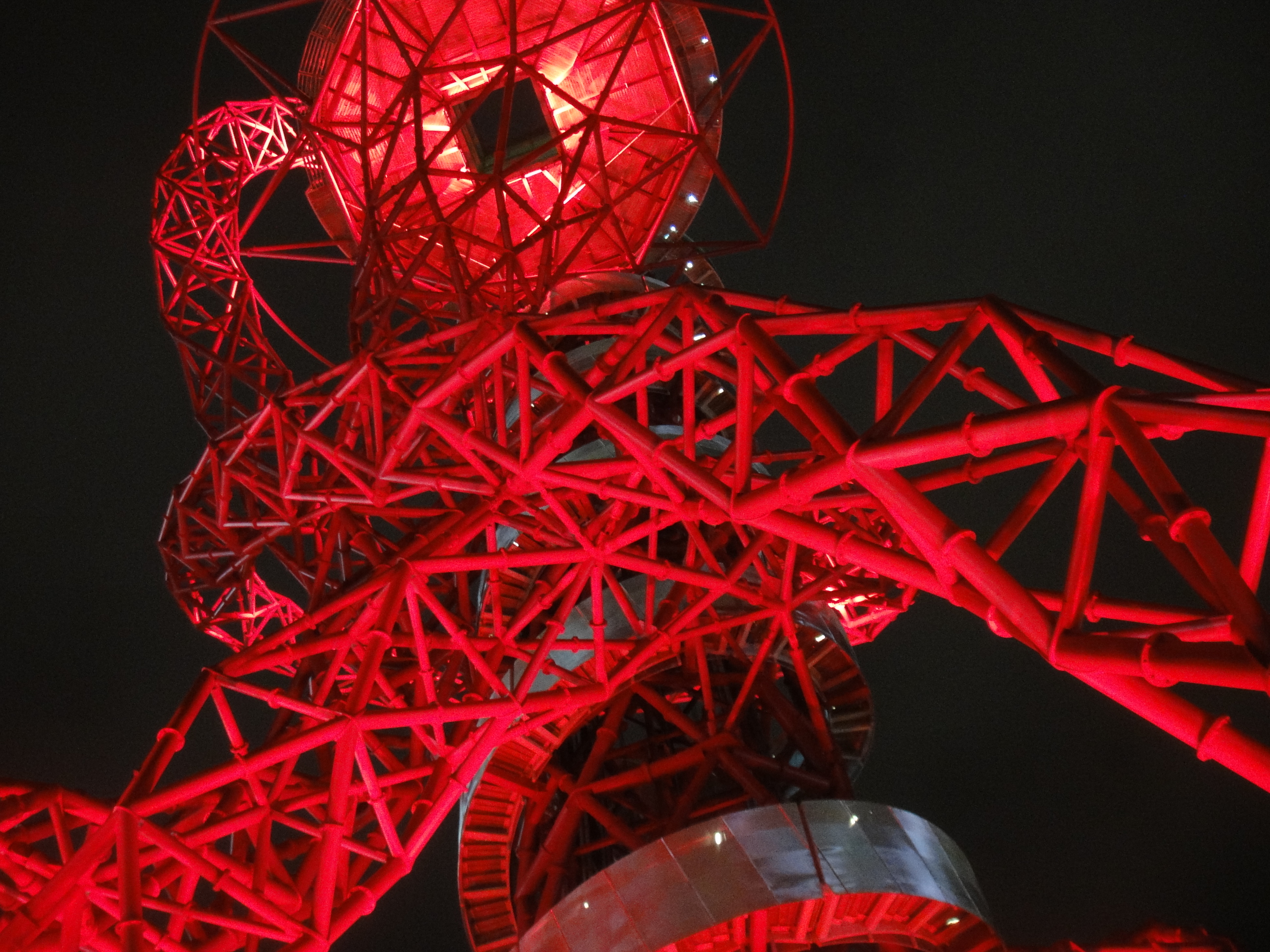
Well, after an Olympian effort to effectively describe the feeling and emotions of experiencing what is nothing short of a sensational Paralympics experience, I think it’s about time to show you some of my photos of the event – you’re not getting any athlete close-ups I’m afraid – these venues are huge and my seats were, as my budgetary constraints would predict, fairly high up in the gods, but for architectural appreciation, my photos are surely on form. Check out in addition Anish Kapoor’s wacky red Arcelormittal Orbit tower, now an insuperable icon of the Olympic park skyline, and, at the opposite end of the scale, the delicate beauty of the park’s many wildflowers and tranquil riverside walks. Amazing to think that only a few years ago, this was one great industrial wasteland. Oh and let us not forget that incredibly Olympic flame designed by Thomas Heatherwich.

The UK truly is at an all time creative and sporting high. Long may it continue.

© Nicholas de Lacy-Brown and The Daily Norm, 2001-2012. Unauthorized use and/or duplication of the material, whether written work, photography or artwork, included within The Daily Norm without express and written permission from The Daily Norm’s author and/or owner is strictly prohibited. Excerpts and links may be used, provided that full and clear credit is given to Nicholas de Lacy-Brown and The Daily Norm with appropriate and specific direction to the original content.

Autobiographical Mobile: My painting diary – Day 1: Mallorca

Since I started The Daily Norm last year, in those unenriched days when my interaction with the abundant world of the blogosphere was only just beginning, I have featured a fair number of my own paintings on my blog, attempting, as I have posted their photos, to explain some of the meaning behind what are often quite complex painted images. For my latest painting, I am changing tack.

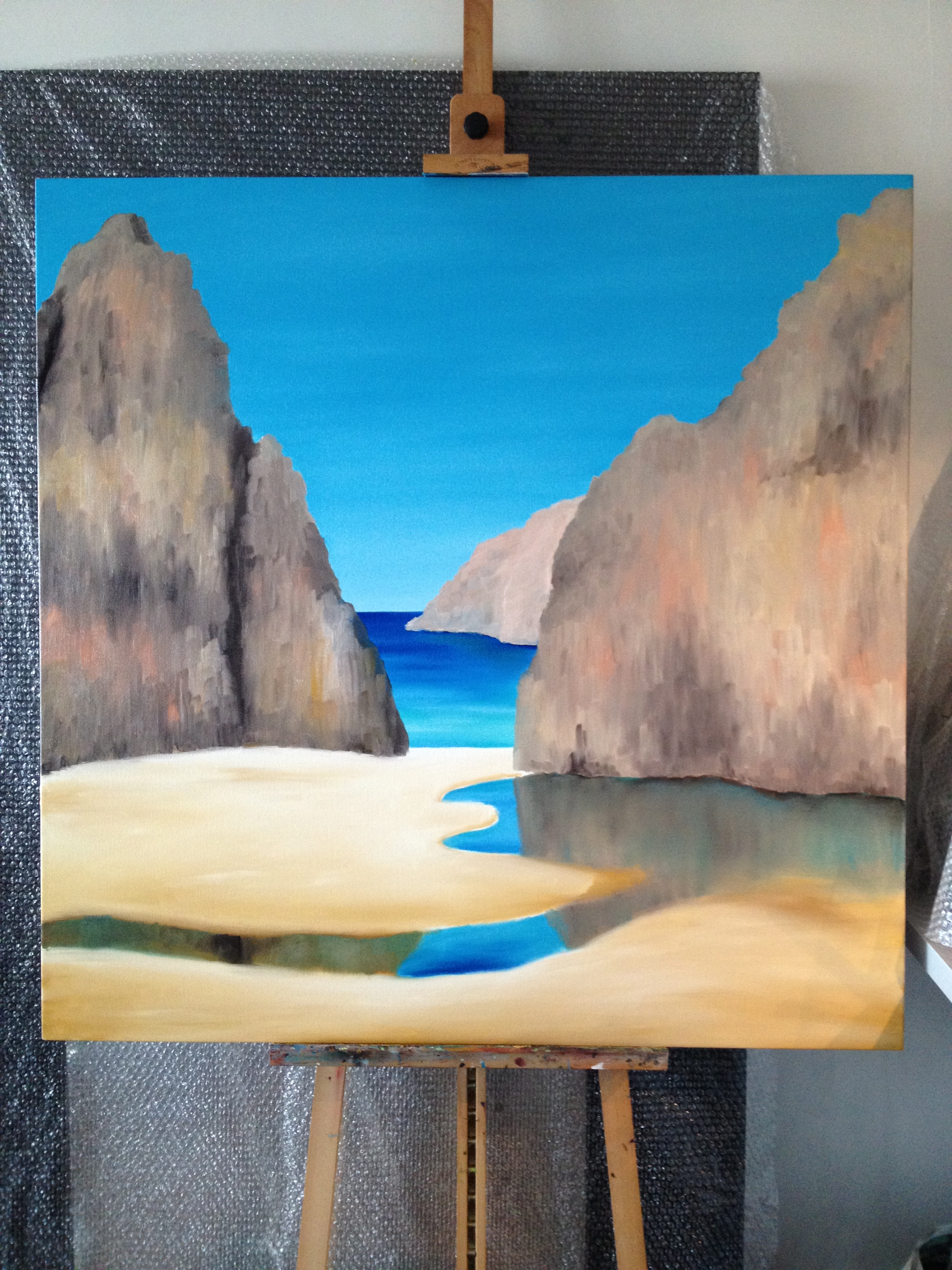
In my current  work, which has now been sitting upon my easel for some weeks, I am exploring an autobiographical subject matter on a grand scale (the canvas is 120cm x 120 cm, so a fair size for my lounge-come-studio to take when you consider that when I paint, I basically take over my kitchen – leading to some interesting food results when the paint gets too close to the oven top). Because the work is essentially a self-portrait albeit explored through a catalogue of symbols on a large Mediterranean background, I anticipate working on the canvas for some time before it is finished, particularly as painting is not my day job. Since that will mean a sparsity of artwork available for Daily Norm consumption in the foreseeable future, and because I plan to paint a plethora of details, I thought it would be equally relevant to blog about the painting as it progresses, rather than ramble at length when it is eventually finished.

First layer done – the Mallorcan inspired background

You join me then in what is the first post of my painting diary, a set of hopefully regular accounts cataloguing my progress on the work. In my first instalment, I present the background of my work. I decided to set the piece on a quiet, rocky beach, somewhere on the island of Mallorca. The background is far from finished – this is just a sketch of where the finished scenery will be set, but it provides enough structure, allowing me to build the details of the painting on top of it, layer by layer.

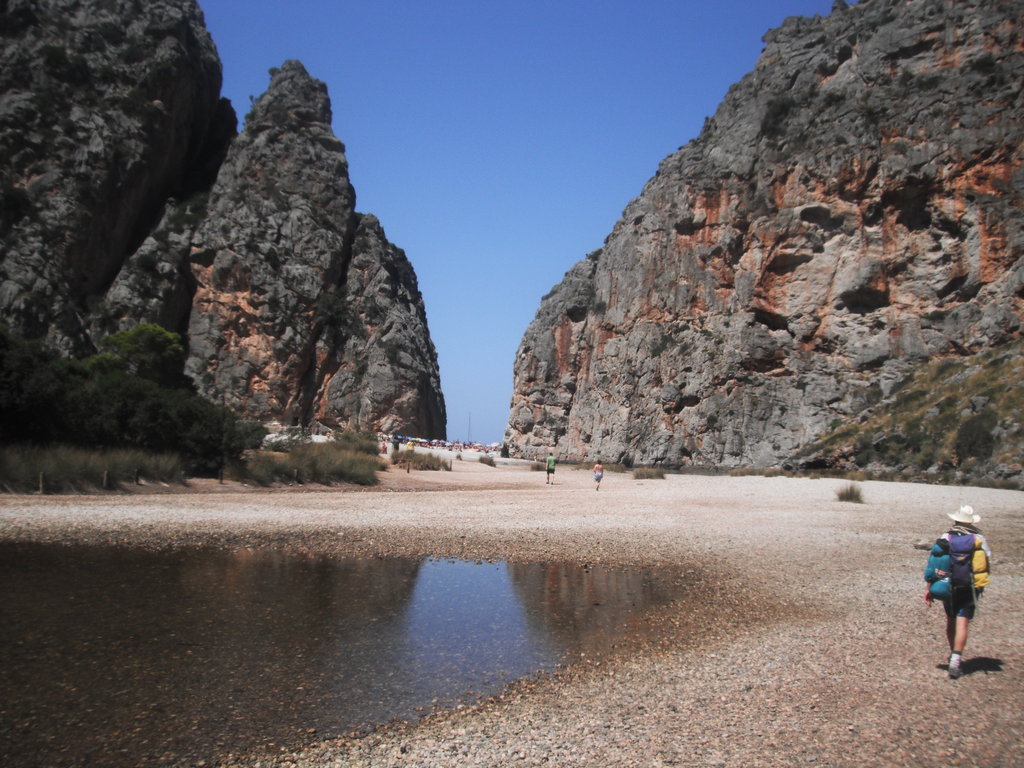
The background is loosely based on Torrent de Pareis, a beach in Northern Mallorca which provides stunning natural scenery but which, for the purposes of my painting, provides the right balance of solitary surrealism to cast the perfect backdrop to my self-analysing piece.

The Torrent de Pareis in reality

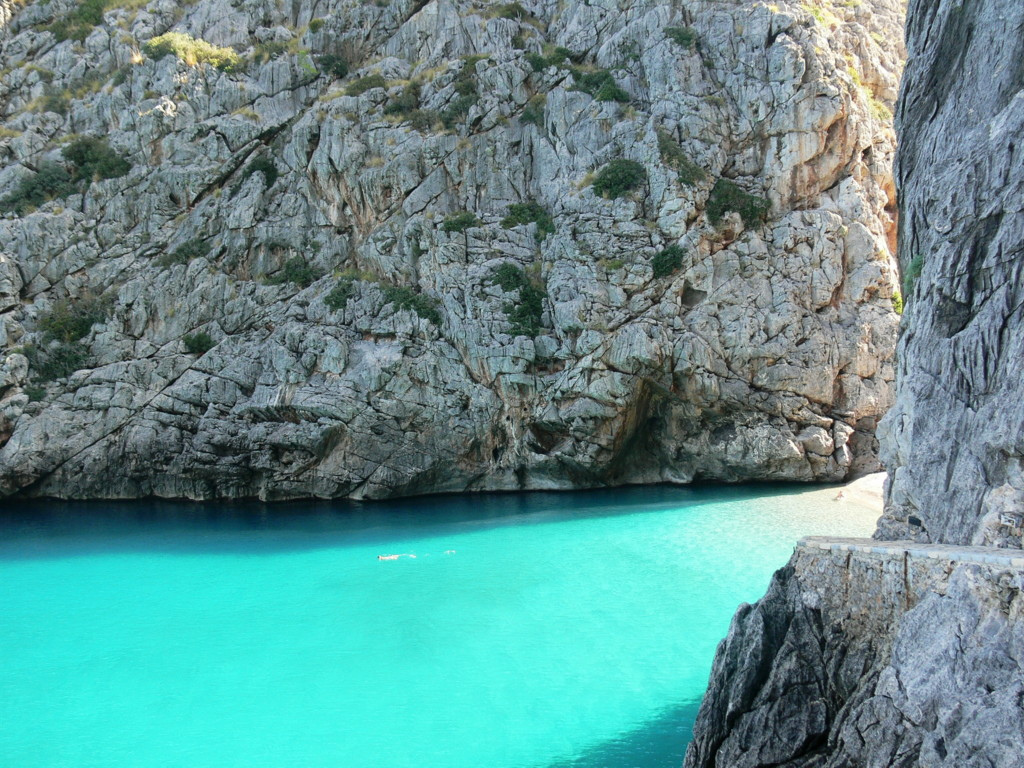
And its crystal clear waters

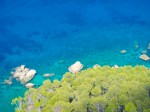
Since the painting will be a take on my story, it’s only appropriate that I should set it in the Mediterranean and on Spanish soil since Spain has, for most of my life, proved to be a consistent inspiration in my art and in my aspirations for life. While I have spent the majority of my time in Andalucia, my trip to the island of Mallorca this time last year inspired me more than any other. Expecting an island full of package holiday tourists and English menus, I was surprised, if not stunned by the incredible coastal scenery to be found around the island (once we fled from the ugly shadows cast by Magaluf and other tourist dystopias). The waters are such an incredible shade of blue, and the rocky covey beaches so idyllic and colourful, that seeing is believing. I accordingly enclose just a few of the shots I took of Mallorca’s incredible coastal scenery last summer – the colours alone are an art form in themselves. I just hope that my painting does Mallorca justice, even as just a background to a far deeper work.

See you for the next instalment of my painting diary.

© Nicholas de Lacy-Brown and The Daily Norm, 2001-2012. Unauthorized use and/or duplication of the material, whether written work, photography or artwork, included within The Daily Norm without express and written permission from The Daily Norm’s author and/or owner is strictly prohibited. Excerpts and links may be used, provided that full and clear credit is given to Nicholas de Lacy-Brown and The Daily Norm with appropriate and specific direction to the original content.
Out and about with my iPhone – Part III

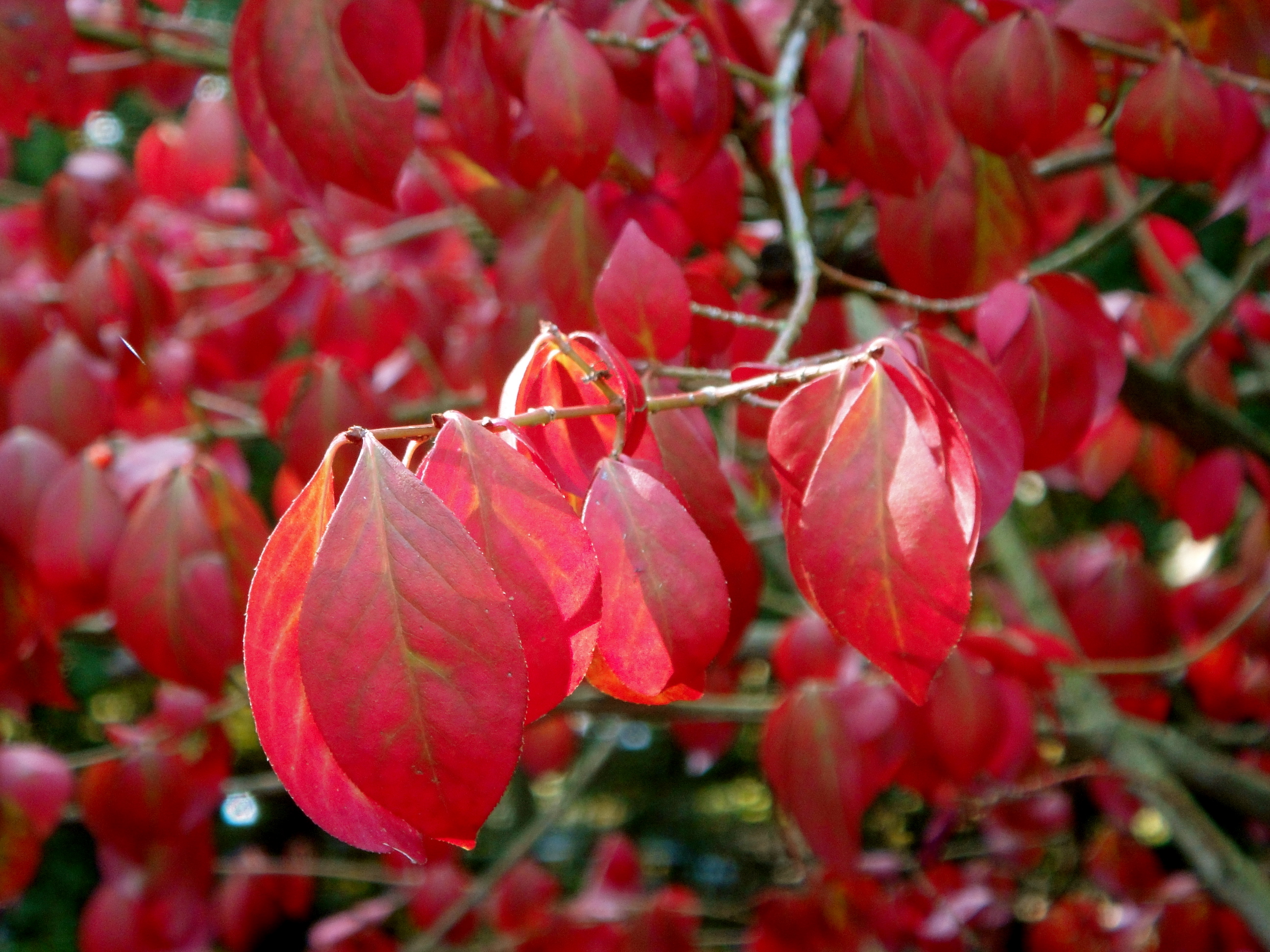
It’s that time of the year again, when The Daily Norm shifts the focus to the ordinary things in life – the “norms” of life if you will – which are often ignored by day, but look pretty spectacular when captured on camera. It’s a point I’ve made before in my previous “Out and about” posts, but the real benefit of the improvement of mobile phone camera technology is that wherever you are whatever you are doing, it becomes possible, upon seeing something surprising, or spotting something mundane which suddenly, out of the blue, appears beautiful, to capture that shot for prosperity. These often make the best photos of all – uncontrived, original, surprising.

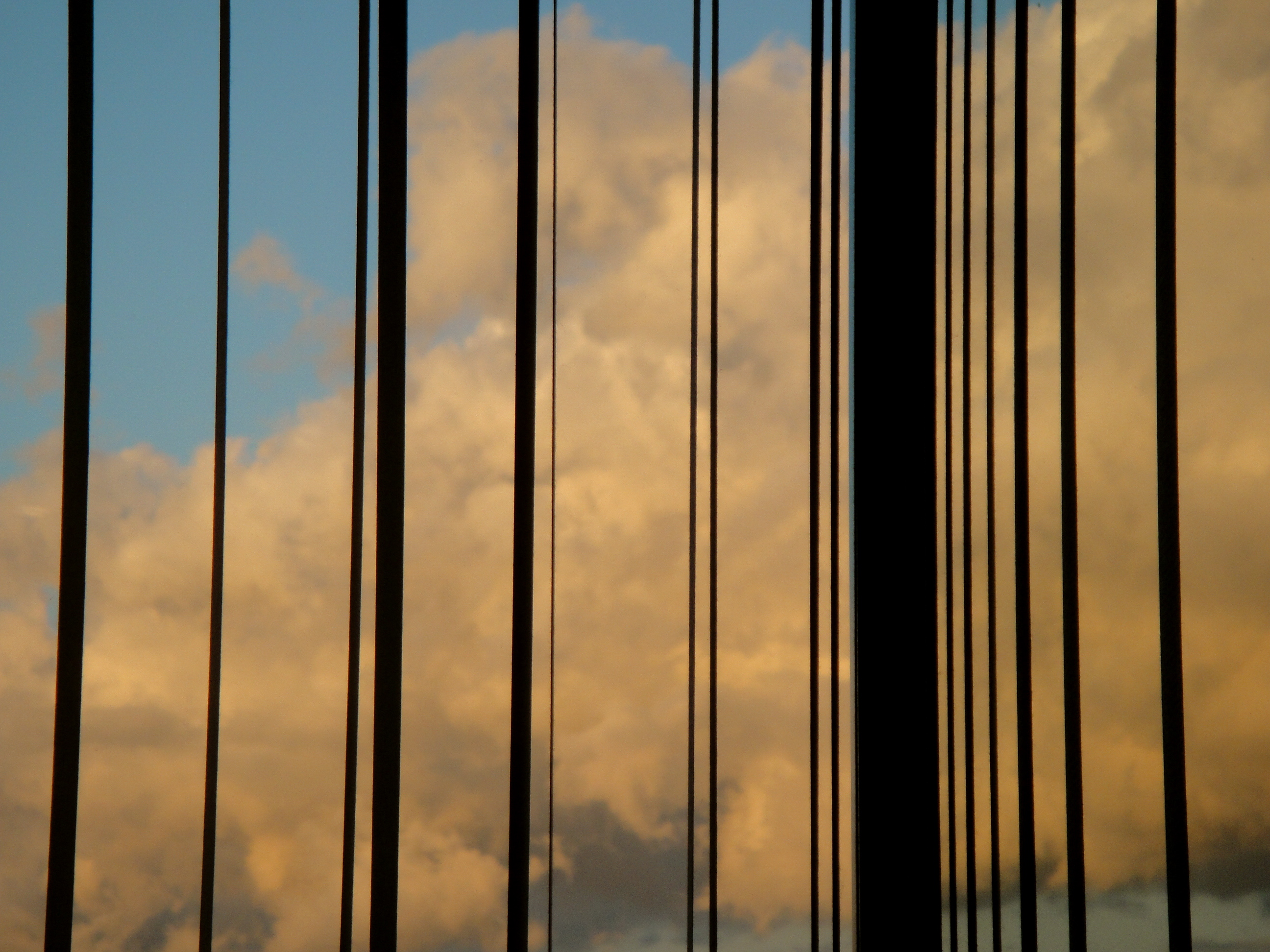
As before, I’m posting a few shots of miscellaneous sights which, over the last few months, I have encountered while living the humdrum of an otherwise normal life. This part of the “Out and about” collection concentrates mainly on clouds, skies and a good few flowers to boot. Enjoy.

© Nicholas de Lacy-Brown and The Daily Norm, 2001-2012. Unauthorized use and/or duplication of the material, whether written work, photography or artwork, included within The Daily Norm without express and written permission from The Daily Norm’s author and/or owner is strictly prohibited. Excerpts and links may be used, provided that full and clear credit is given to Nicholas de Lacy-Brown and The Daily Norm with appropriate and specific direction to the original content.
My urban balcony garden Part 2: Brugmansia in Bloom

In my July post, My urban balcony garden (which was so spectacularly well received after being featured on “Freshly Pressed” – thanks everyone for the generous comments and feedback), I promised that once my favourite plant – my Brugmansiacame into bloom, I’d get it up on my blog asap.

The beauty of a garden, even the smallest and most controlled of little urban gardens such as mine, is the power of the seasons and the relentless passing of time to change the shape, colour, fragrance and feel of a garden as plants grow and recede, flowers bloom and shrivel, insects come and go and leaves grow and fall. No greater is this change felt on my balcony than the time in mid summer when my Brugmansia bursts into a cornucopia of sunset pink flowers.

The plant, which is a native South American plant but which I first saw in the carefully tended gardens of Sunny Marbella (in a Southern Spain), is an absolute stunner which is not exactly common in England. In fact the only other time I’ve seen one here has been inside the greenhouses of Kew Gardens. However somehow, perhaps because some kind of green-fingered god is waving his wand over my balcony, my Brugmansia, which resides outside subjected to the seasonal capriciousness of London’s weather, has survived the six years since I moved into the flat, and has given me a spectacular bloom year after year.

The plant does not flower for long (generally two cycles, once around July-August and again around October-November) but when it does, it is utterly spectacular. The plant almost doubles in size and at any one time can display around 50 huge trumpet-like flowers. The blooms are incredible. They start off a creamy white, and as the first evening of their life draws on, the end of the flower becomes gradually pinker, like an ombre sunset design. They really are summer flowers, since they are at their best in the evenings – by day time they hang fairly limply, but at night the open wide and strong, aiming to attract night time insects with their colour and their fragrance. Oh that perfume, that smell! – if only this blog had the power to transpose it. The perfume wafting from these flowers on a warm summer’s evening is exquisite. Like lemon and jasmine all rolled into one. It’s incredible.
So when capturing the flowers for my post as promised, I had to get up at 5am, at the first light of dawn, to photograph the blooms open but in good light. The results are glorious, as the warm golden early morning sun brings out the potency of pink in the flower and the luscious verdant green of the leaves.


My urban balcony garden never looks better than when its Brugmansia blooms. Take a look at my little slice of the tropics in London. Sadly, you’ll have to imagine the smell.

All photos are strictly the copyright of Nicholas de Lacy-Brown © 2012 and The Daily Norm. All rights are reserved. 

London 2012 – a city celebrates

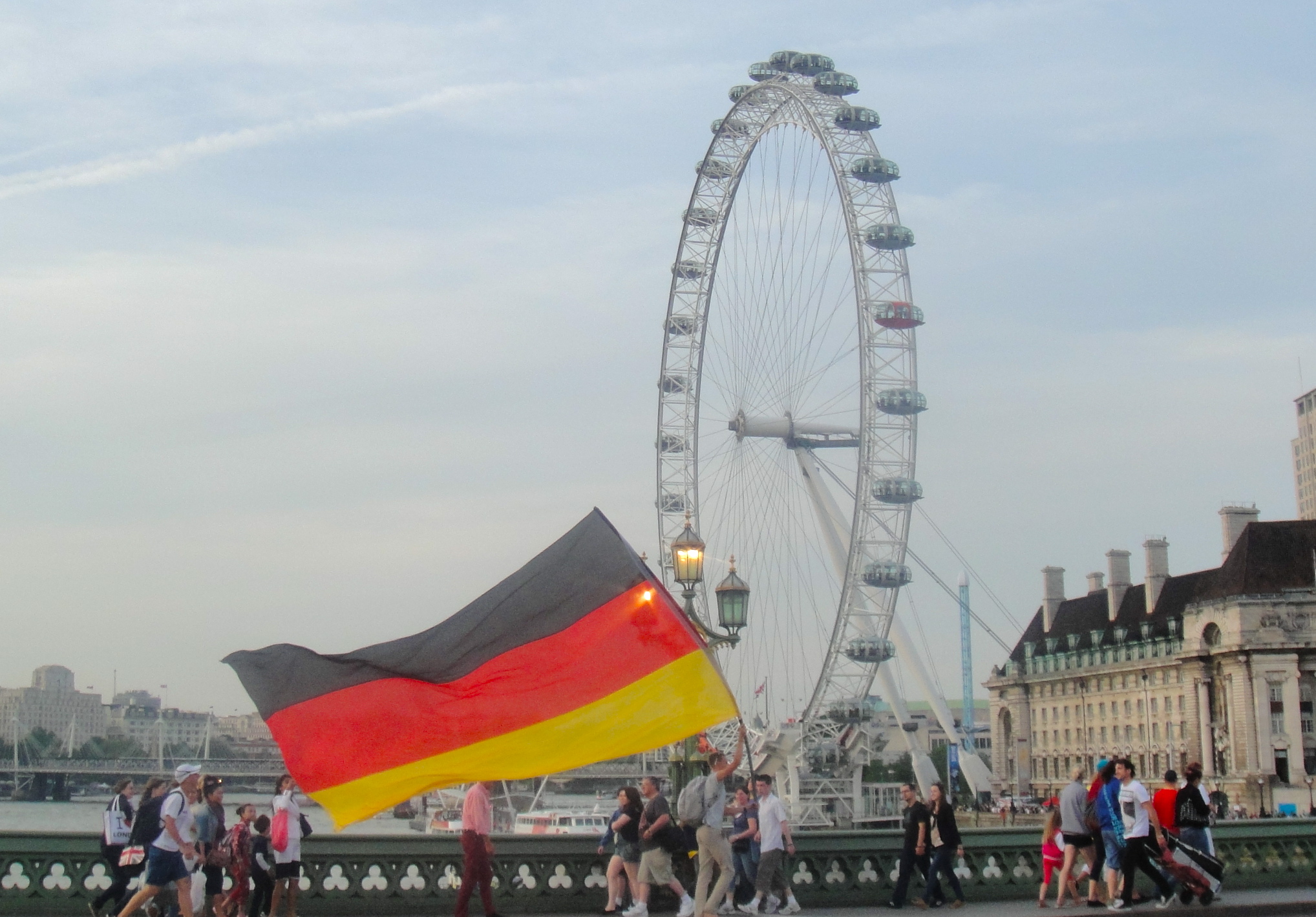
Being a Londoner, in London, when the Olympics rocked up on our doorstep and the focus of the world followed suit, has been an incredible experience which I wouldn’t have missed for the world. London has changed. Yes, Big Ben still chimes where it always did, and the London Eye still turns steadily next to the mighty River Thames. But during the two weeks of the olympics, the spirit of London underwent a tangible transformation. It was like being at school when a special holiday was being celebrated – the school was the same, but being their felt different, exciting. Similarly, being in London during the games has felt incredibly exciting, thrilling and the source of utmost pride.

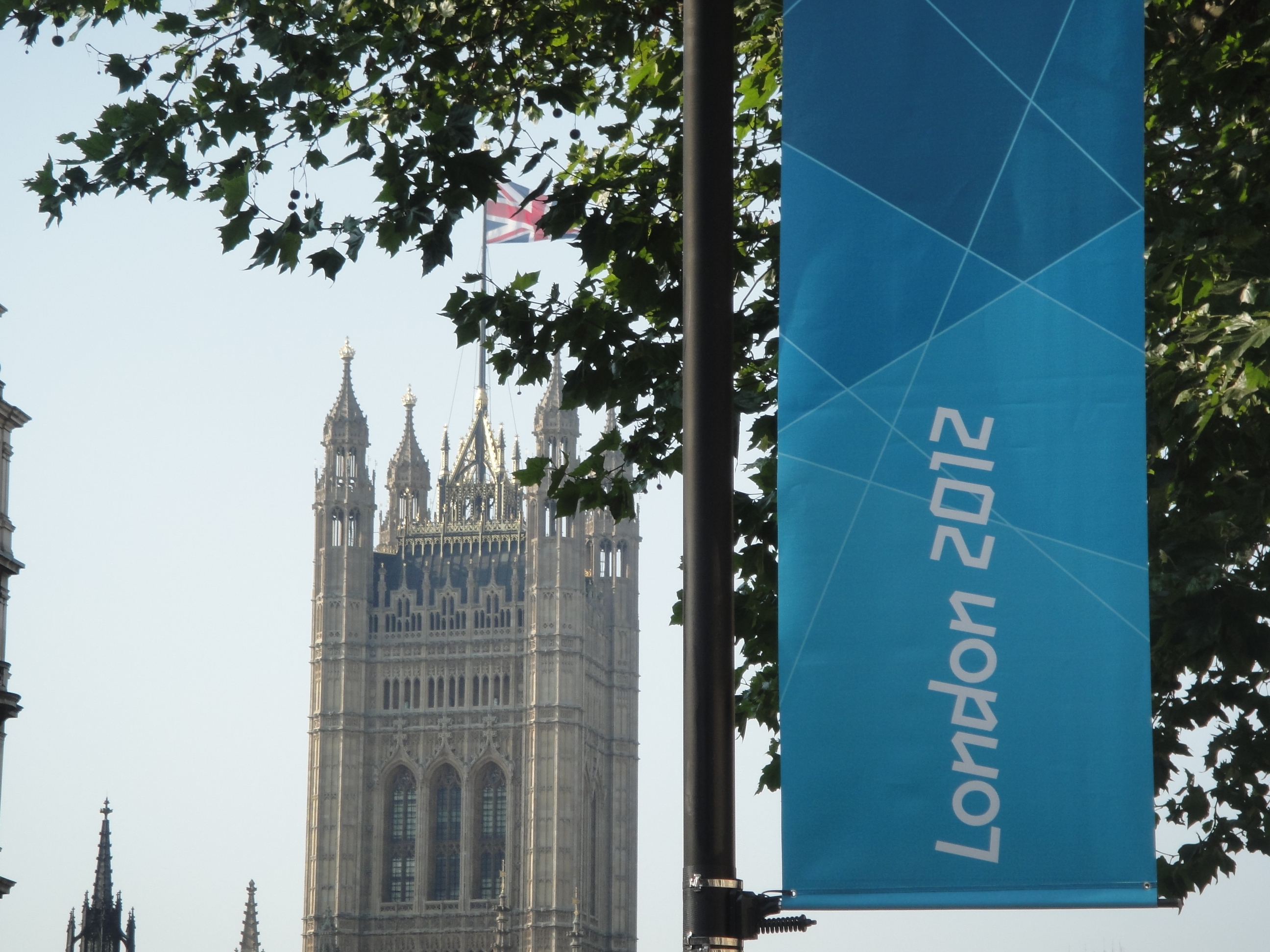
Of course if you were a “Games Maker” or attended the huge olympic park, the excitement would, undoubtedly, have been explosive, breathable, physically all-encompassing. But for those of us, like me, who had to work during the games, and who, like many others, were unable to get tickets to the grand olympic park over in Stratford, the changing mood of the city was still unmistakably discernible.  On the tube, people did not rush on with stern moody faces, pushing past each other, losing all semblance of civility. Rather, they would walk around with smiles, reading excitedly about the latest gold medal rush in the papers, and listening enthusiastically to the plethora of foreign languages which could be heard all around. On the streets, the feeling of British patriotism has reached an all time high, but mixes convivially with the respective national pride which is evident in those millions of foreign visitors who have descended upon our city from all over the world. Along the River Thames, the many bridges have been illuminated to spectacular effect, and all along the southbank, a brilliant cultural olympiad has celebrated the arts as well as sport. On TV and in the press, journalists have run out of superlatives to describe these games. Well organised, welcoming, record-breaking, fantastically attended. It’s been brilliant, amazing, a life-changing experience, a moment of insuperable national pride.

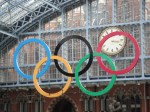
Huge rings welcome tourists from eurostar

A feeling of internationalism is everywhere

Like the end of any summer holiday, the climax of the Olympics tonight will be a sad moment for us all. Going back to work, as the olympic flags come down and the city returns to normal, will be tinged with an inexorable feeling of depression. But through it all, the memories live on, and London, as a city, will continue to thrive in the spirit of goodwill and international recognition. More than anything the olympics have made us Londoners proud of our city, which has so much to offer, so much going on, incredible sites and wonderful facilities. For these reasons, people will continue to visit us, long after the olympic spotlight has passed, and for those of us living here, a new inbuilt respect and admiration for our city has been created, an optimism for the future, and a celebration of the past.

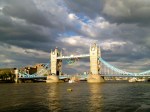
The photos I enclose with this post are not really sports-related. Trying to get hold of tickets was like a search for the holy grail. Consequently my photos are confined to the small changes I have witnessed while carrying on my normal London life – rings on Tower Bridge, banners on the lamp posts, and those cute little mascots springing up all over the city. Enjoy!

© Nicholas de Lacy-Brown and The Daily Norm, 2001-2012. Unauthorized use and/or duplication of the material, whether written work, photography or artwork, included within The Daily Norm without express and written permission from The Daily Norm’s author and/or owner is strictly prohibited. Excerpts and links may be used, provided that full and clear credit is given to Nicholas de Lacy-Brown and The Daily Norm with appropriate and specific direction to the original content.