Skip to content

Posts from the ‘Travel’ Category

Prague (Part 4): Baroque Brilliance and a Stained Glass Symphony

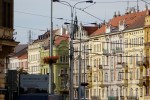
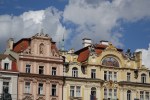
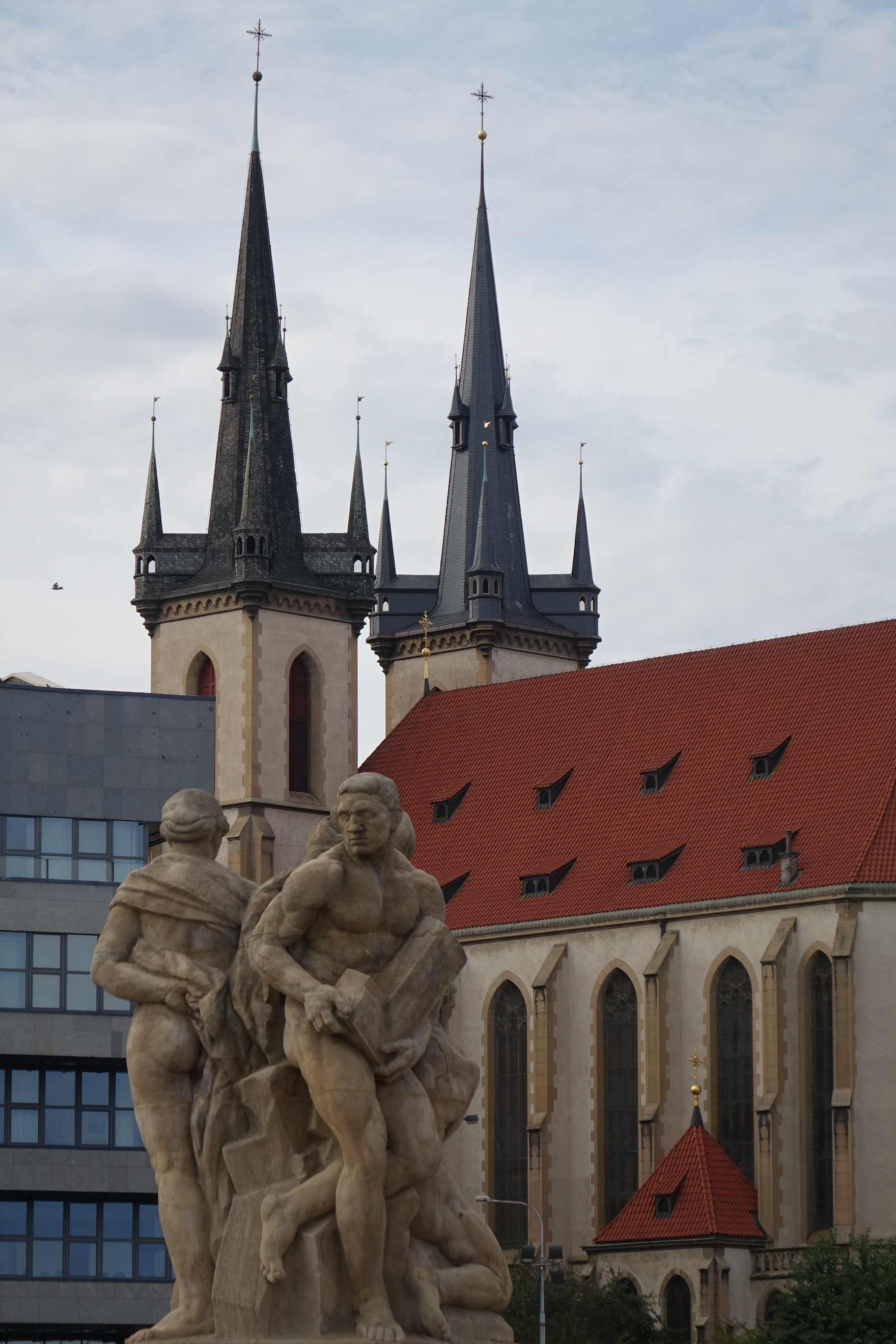
Having spent my first day in Prague thoroughly put out at the bad customer service, the horrendous gangs of British stag parties cluttering up the best squares and cafes, and the poor state into which the city has so often been left to decline, I started my second day afresh, determined to focus on the beauty for which the city is otherwise famed. For you don’t need to look far beyond the tourist hoards and the badly serviced cafés to find what everyone is making all the fuss about: a city filled with beautiful bubbling baroque sculptures, elegant architectural amplifications, pastel coloured building facades and a skyline littered with turrets and cupolas of every shape and size.

While last week’s photo post concentrated on the art nouveau which replaced vast swathes of the “new” town and Jewish Quarter at the turn of the 20th century, today’s turns more to the predominant feature of the city – the endlessly extravagant, unapologetically dramatic artistic showpiece that is the Baroque.

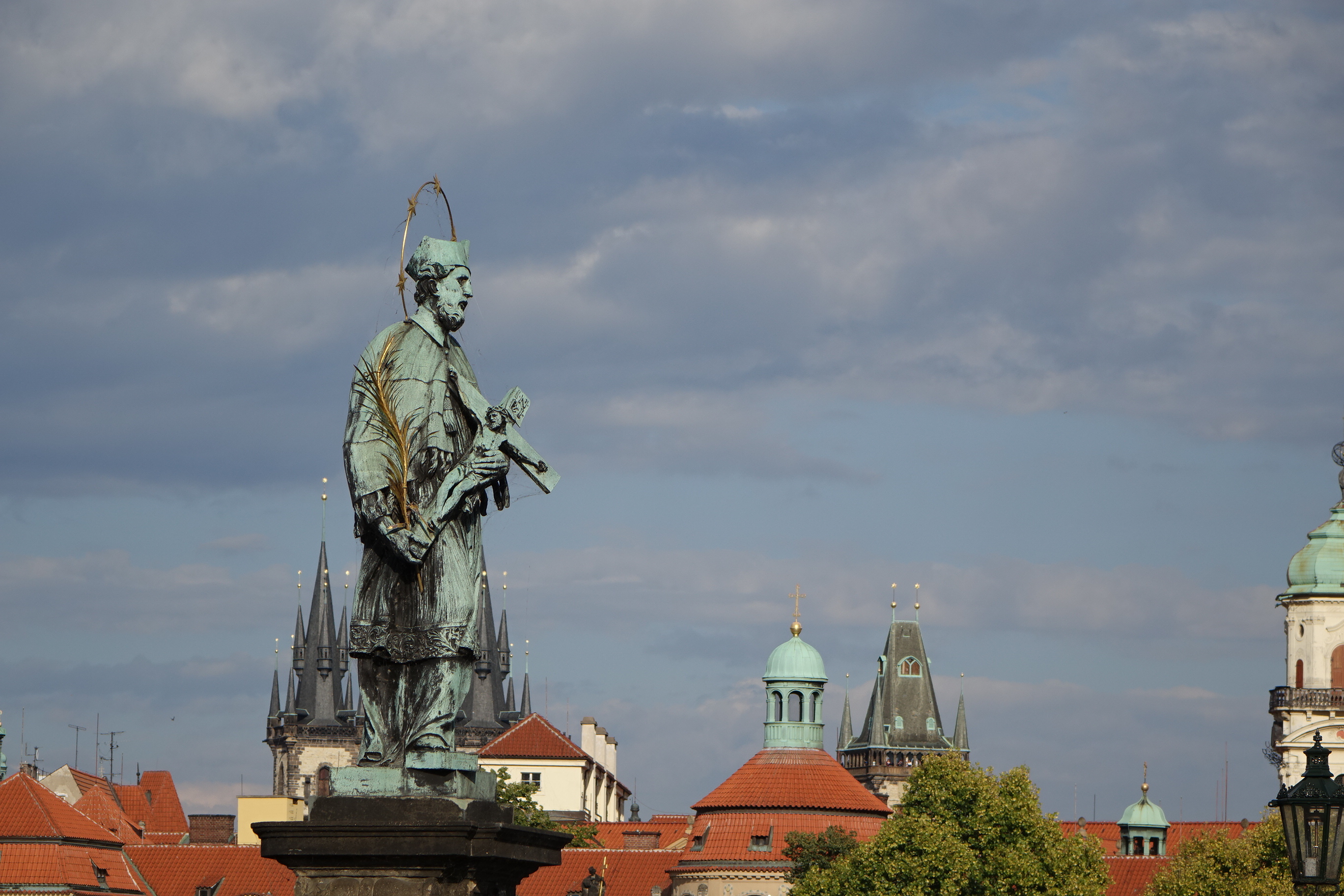
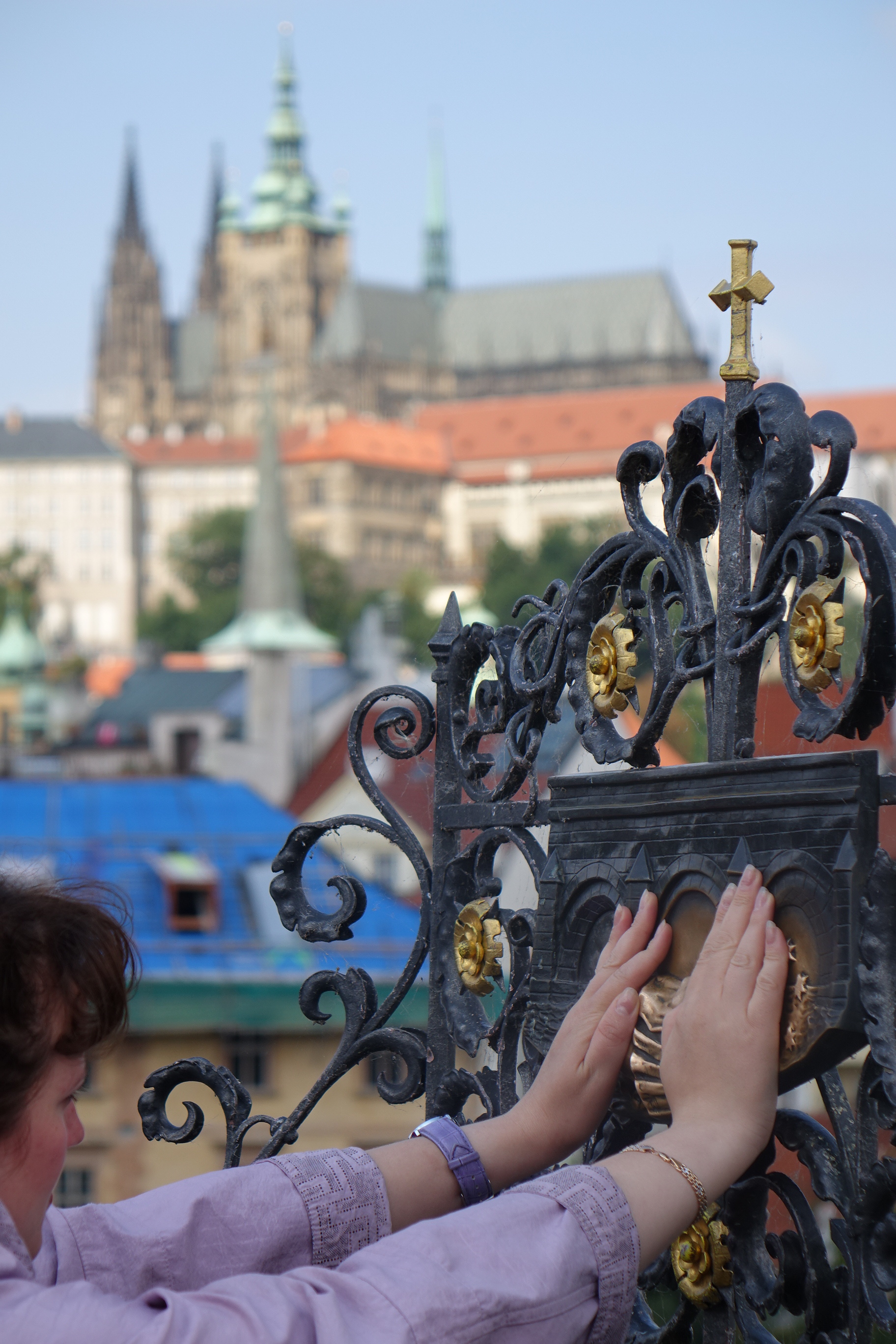
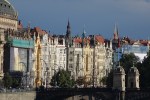
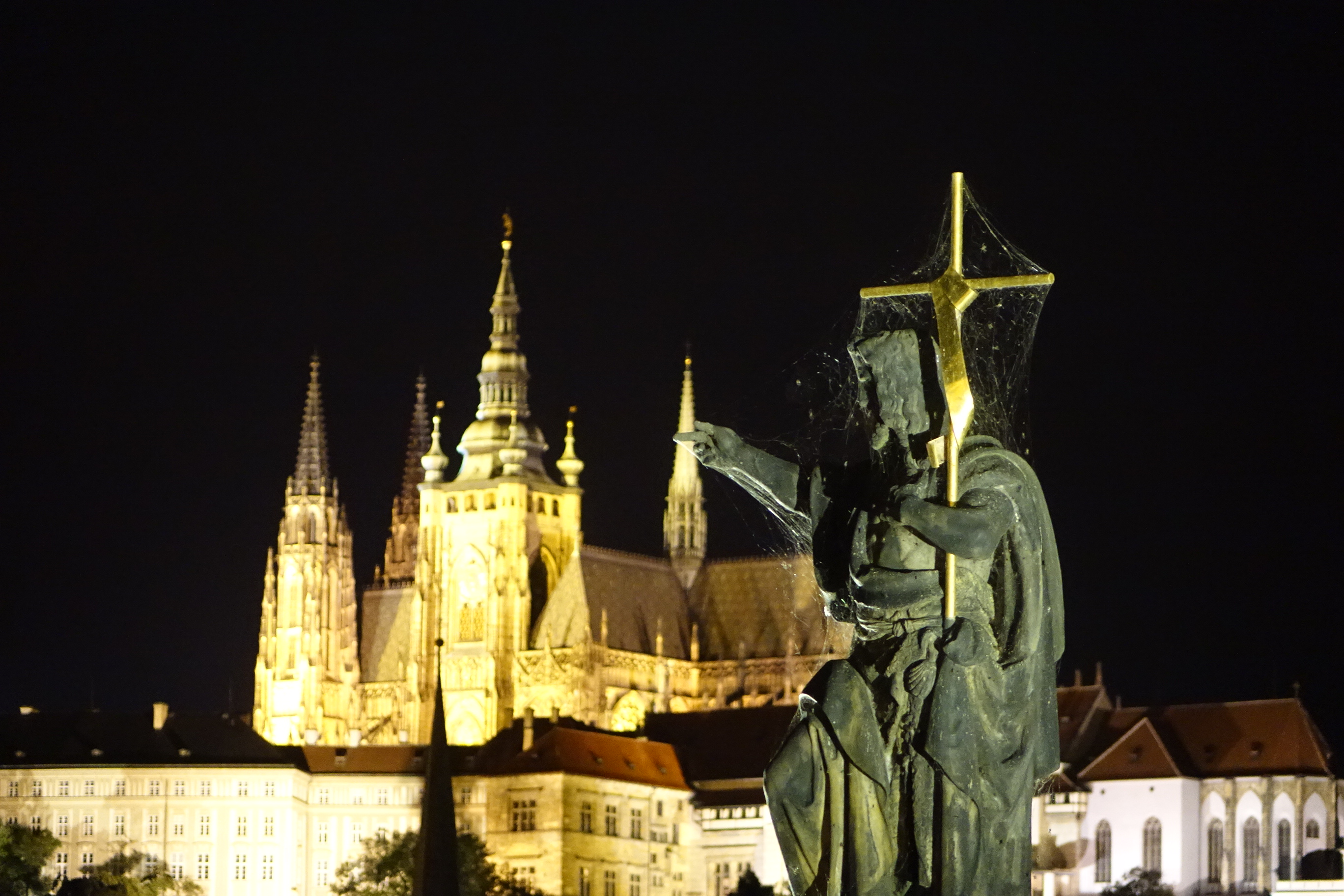
And it is everywhere. Perhaps the most famous sight of the city’s baroque virtuosity is the Charles Bridge. This pedestrianised bridge harks from the 14th century, and is a mecca for tourists and street musicians, artists and souvenir sellers; and there is little surprise why that may be. For on each of its 30 pillars stands a statue so superbly executed in the baroque fashion that it is more than rival for the Ponte Sant’Angelo in Rome, whose Bernini sculptures this collection was intended to emulate. With depictions ranging from the patron saint of the city, St Wenceslas, to a 17th century crucifixion adorned by hebrew words forcibly paid for by a Jew as punishment for blasphemy, the bridge is an art gallery to some of history’s best sculpture. It’s just a shame they are all too filthy to be properly appreciated. Yet two of the sculptures in particular are in need of less cleaning, so polished are they by the hands of tourists who touch them repeatedly in the hope of the luck they may bring.

The Charles Bridge

DSC07581 DSC06675 DSC07194 DSC06664 DSC07188 DSC07583 DSC06671 DSC06639 DSC06651

We resisted touching the sculptures – the queues to do so would have taken up half the day after all, and instead crossed over the bridge to the area of Prague they call “the Little Quarter”. The Little Quarter (Mala Strana) is indeed quite little in terms of scale compared with the grander “new town” across the Charles Bridge with its multi-storey classical faces and gilded theatres and boulevards. Here, the streets are all together more charming, with shorter pastel coloured buildings, cobbles and even little canals which separate the mainland from the little Kampa Island. There in turn are little relaxed gardens from which views of the city can be caught from shady benches, and beyond those, small cobbled squares are gently decaying as their paint flakes away and the whole place feels laid back and somniferous.

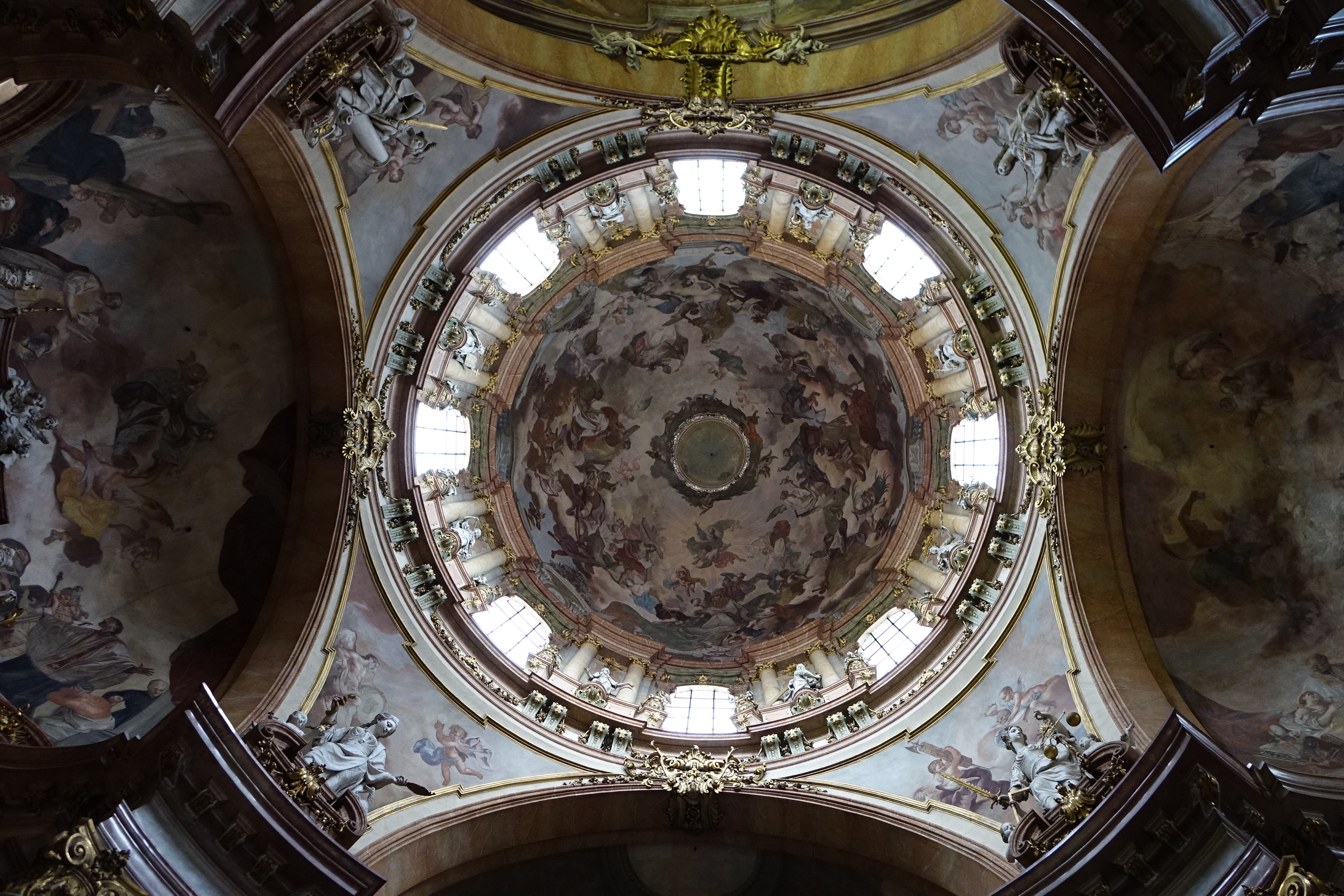
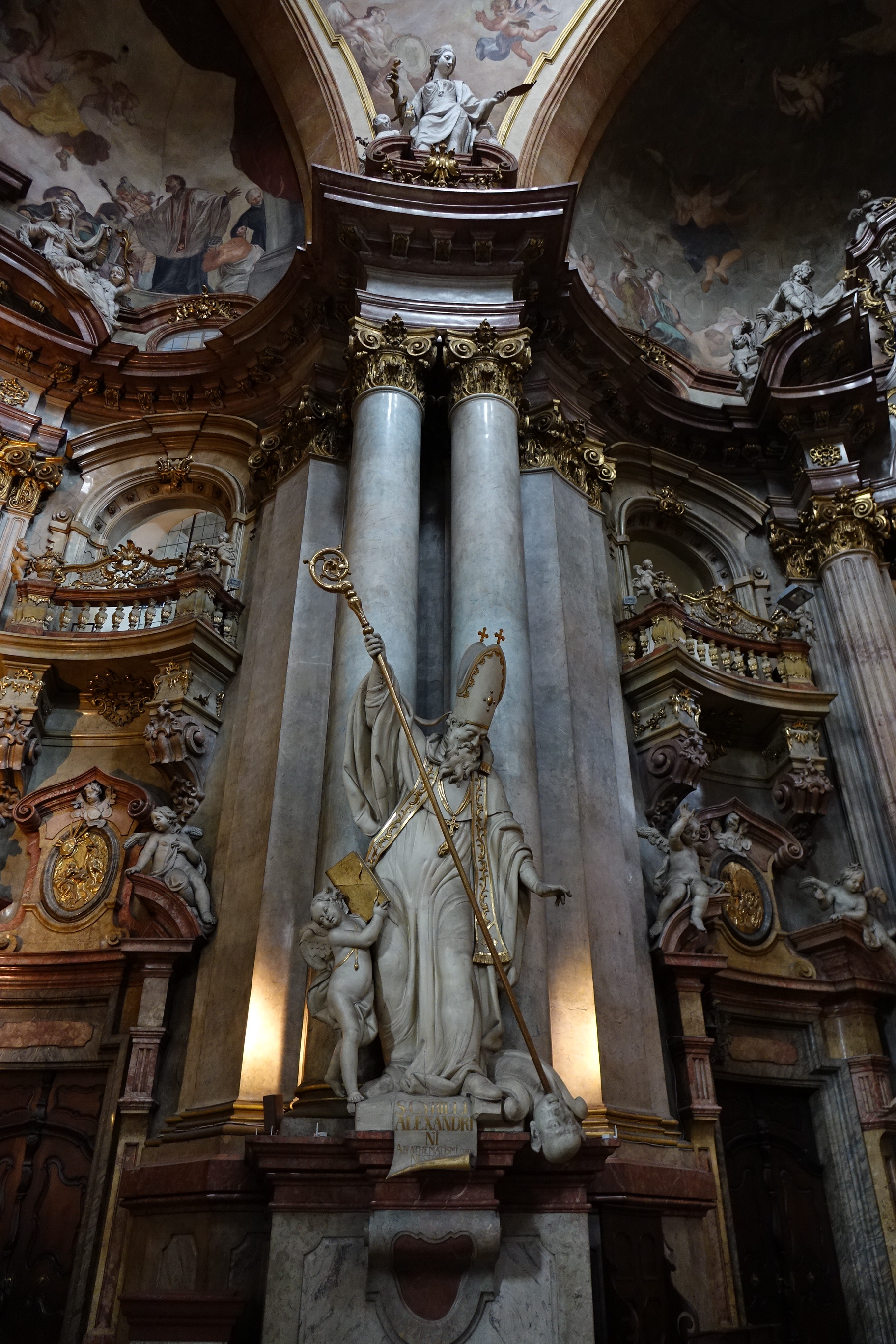
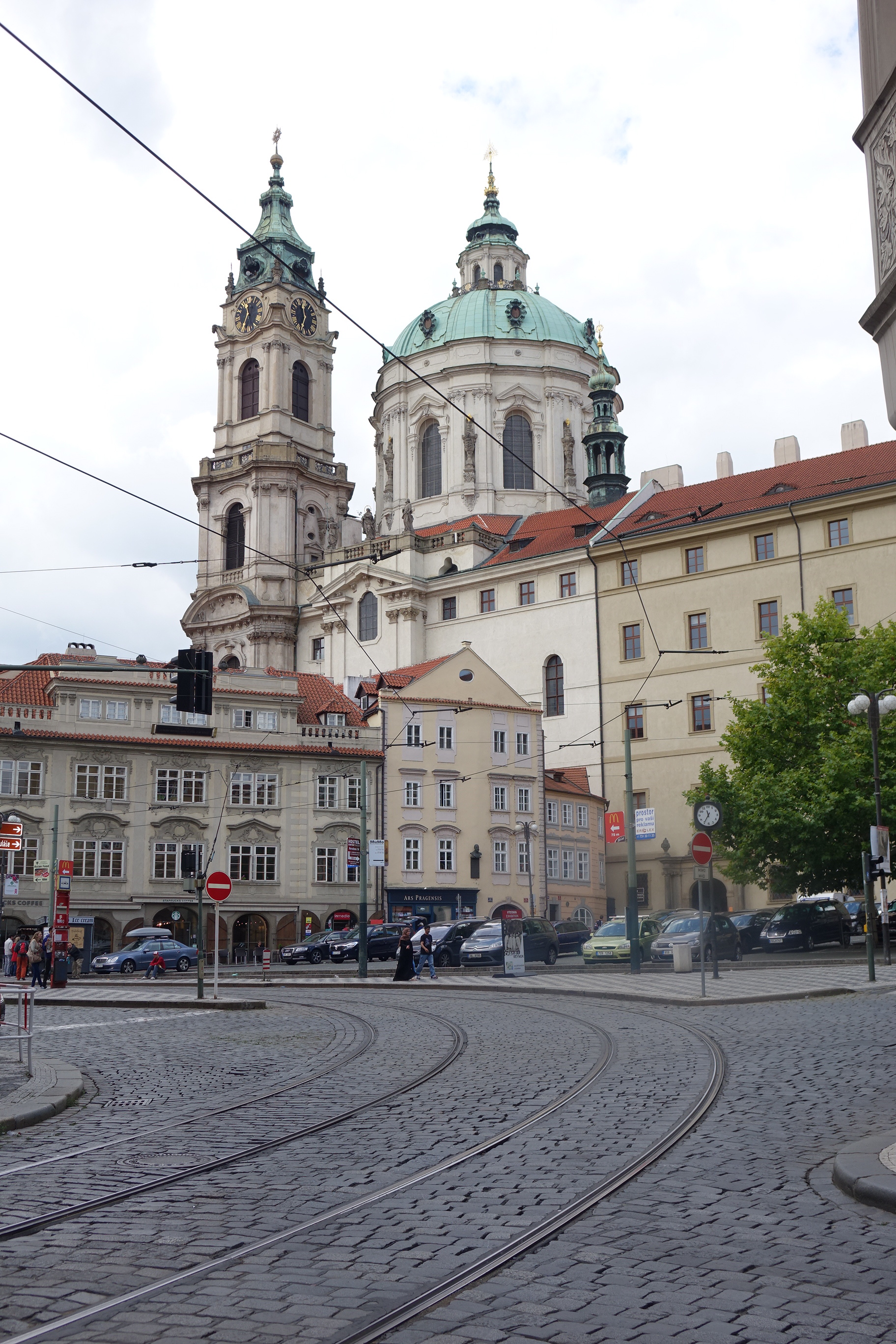
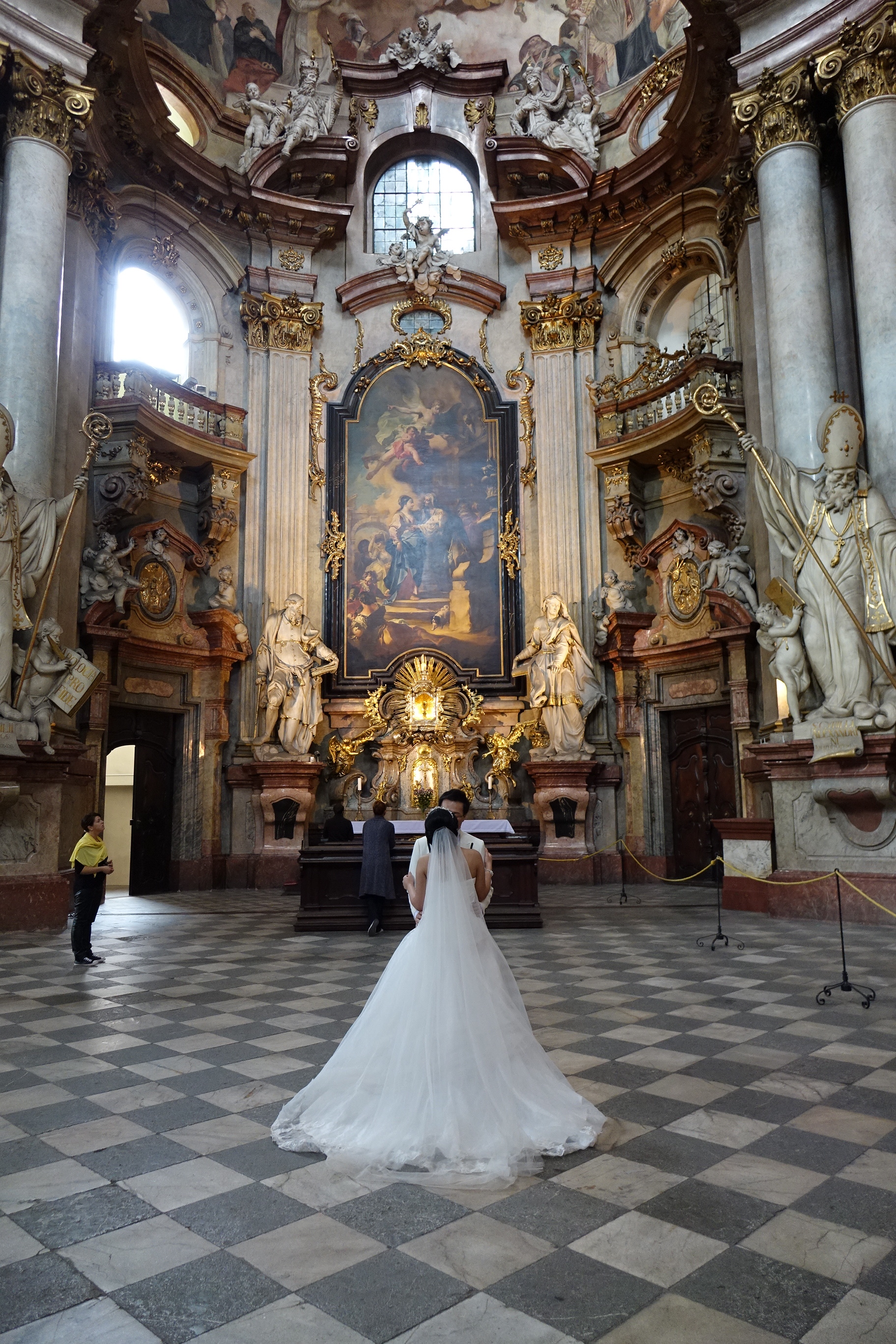
But amongst those small streets is one building which certainly does not match the title “Little”. For with its imposing great dome and matching campanile, the Church of St Nicholas is no shrinking violet. Rather, it is the next stop on the tour of baroque jems, for as the baroque goes, it doesn’t get much more extravagant that this church. Built by father and son architects Christoph and Kilian Ignaz Dientzenhofer, Prague’s greatest exponents of the High Baroque, the church is filled with an outlandishly extravagant array of excessive decoration, with gold capitals, marble pillars, great towering statues of popes and bishops, and cherubs everywhere you look filling the space. Although amusingly enough, scratch beneath the surface of all this opulence and you notice that much of it is mere theatre: the marble pillars are actually painted plaster; the gilded details simply painted gold. But then wasn’t the baroque all about the first stunning moment of theatre, when your breath is audibly taken away by the magnificence of the scene created?

The baroque spectacle of St Nicholas’ Church
DSC06730 DSC07086 DSC07101 DSC07080 DSC07066 DSC07110 DSC07106 DSC07099

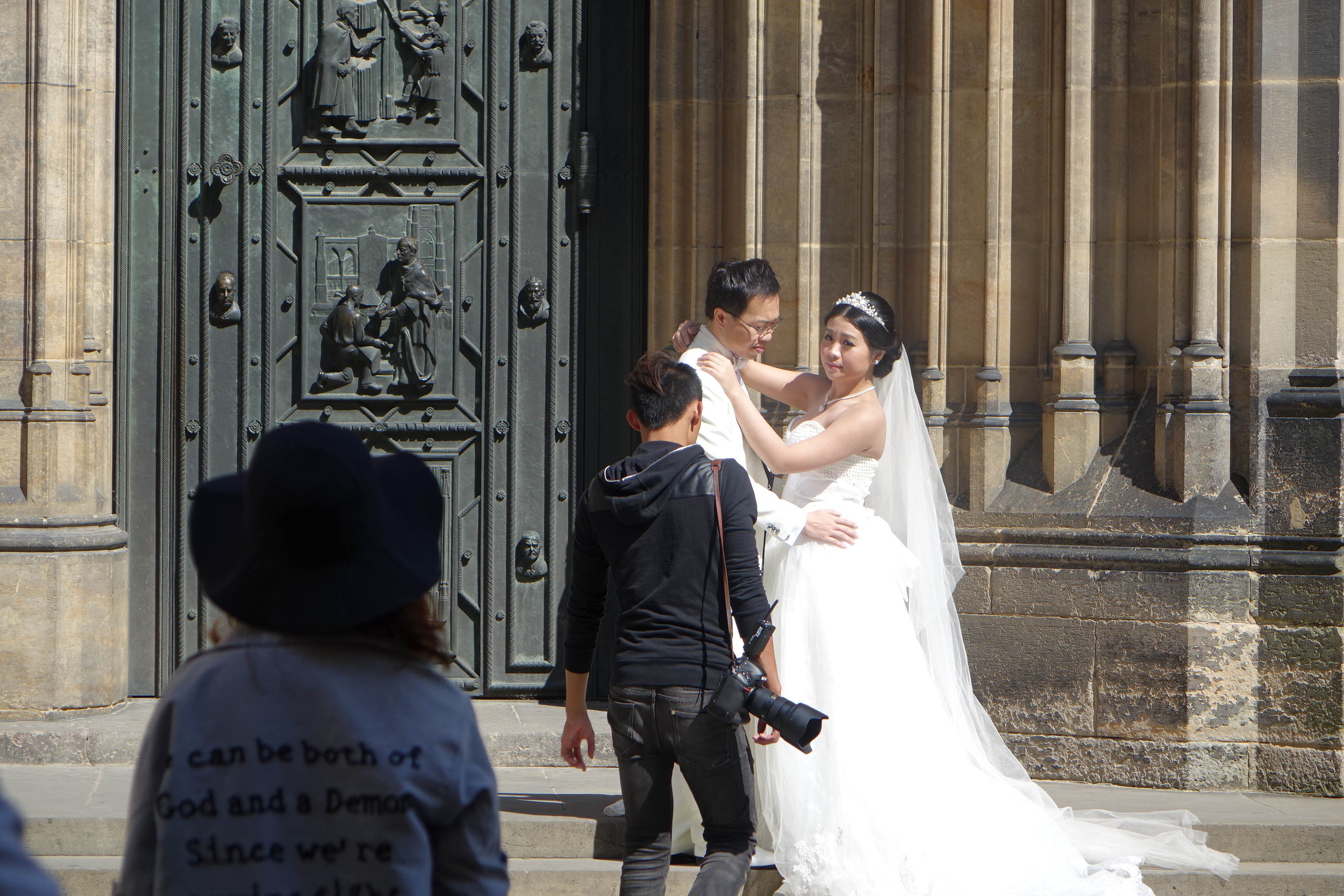
And talking of theatre, we couldn’t help noticing the latest Chinese craze of wedding couples getting married in China and then travelling to Europe to photograph themselves in full wedding regalia in front of some of Europe’s most famous monuments. We saw this couple all over prague – wherever we went, so did they, and their camera, their photographer and their make-up team…
DSC07097 DSC07051 DSC07052

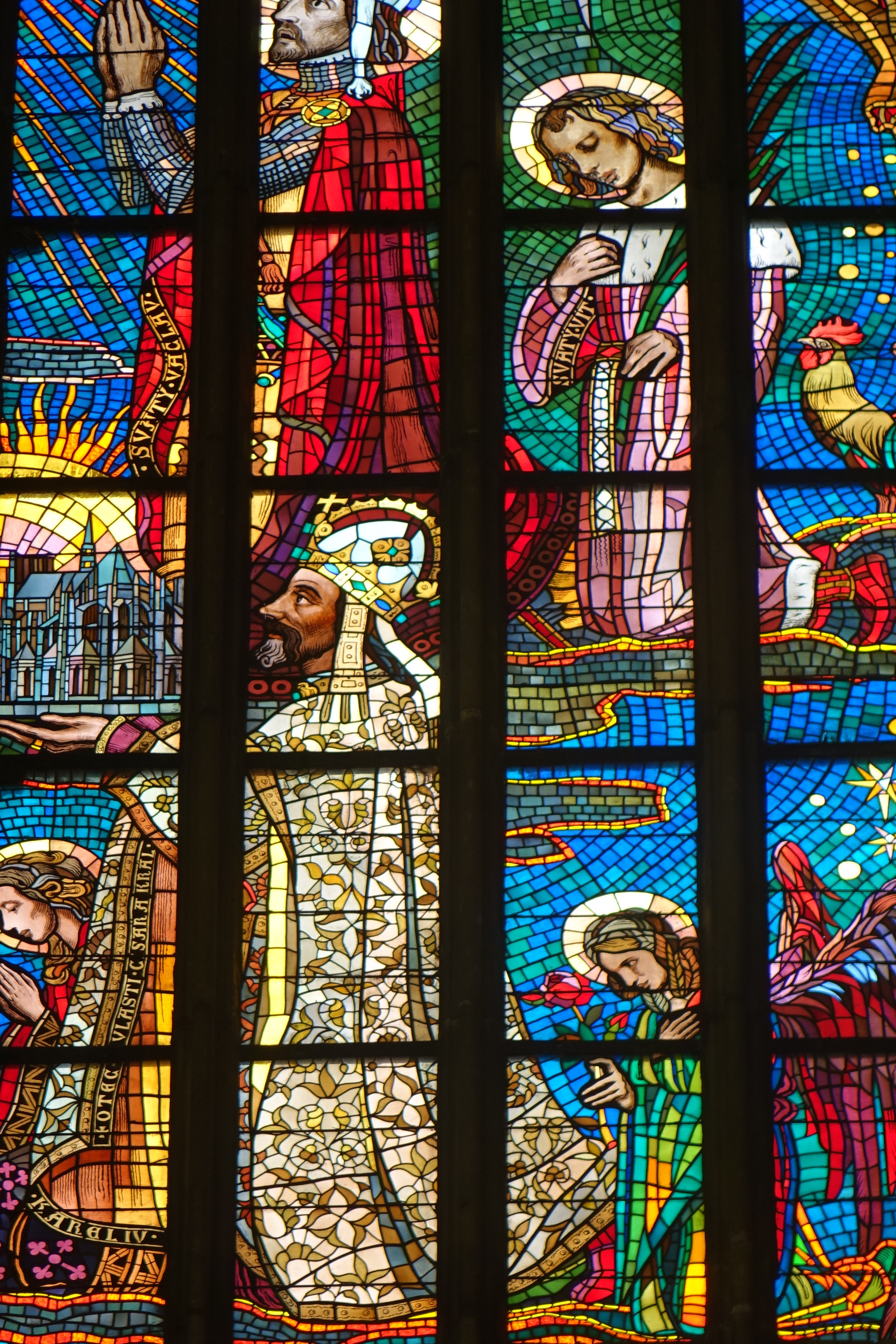
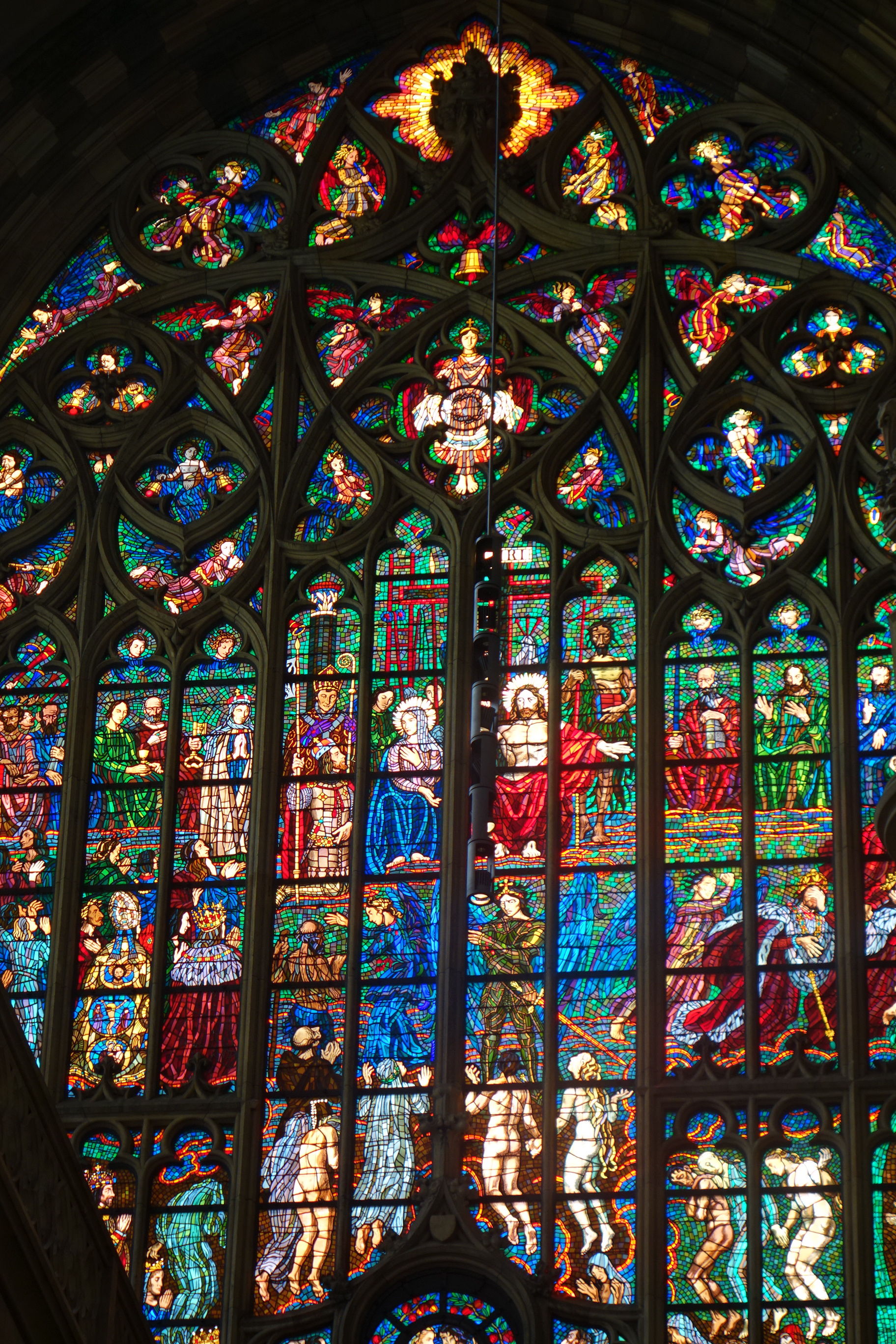
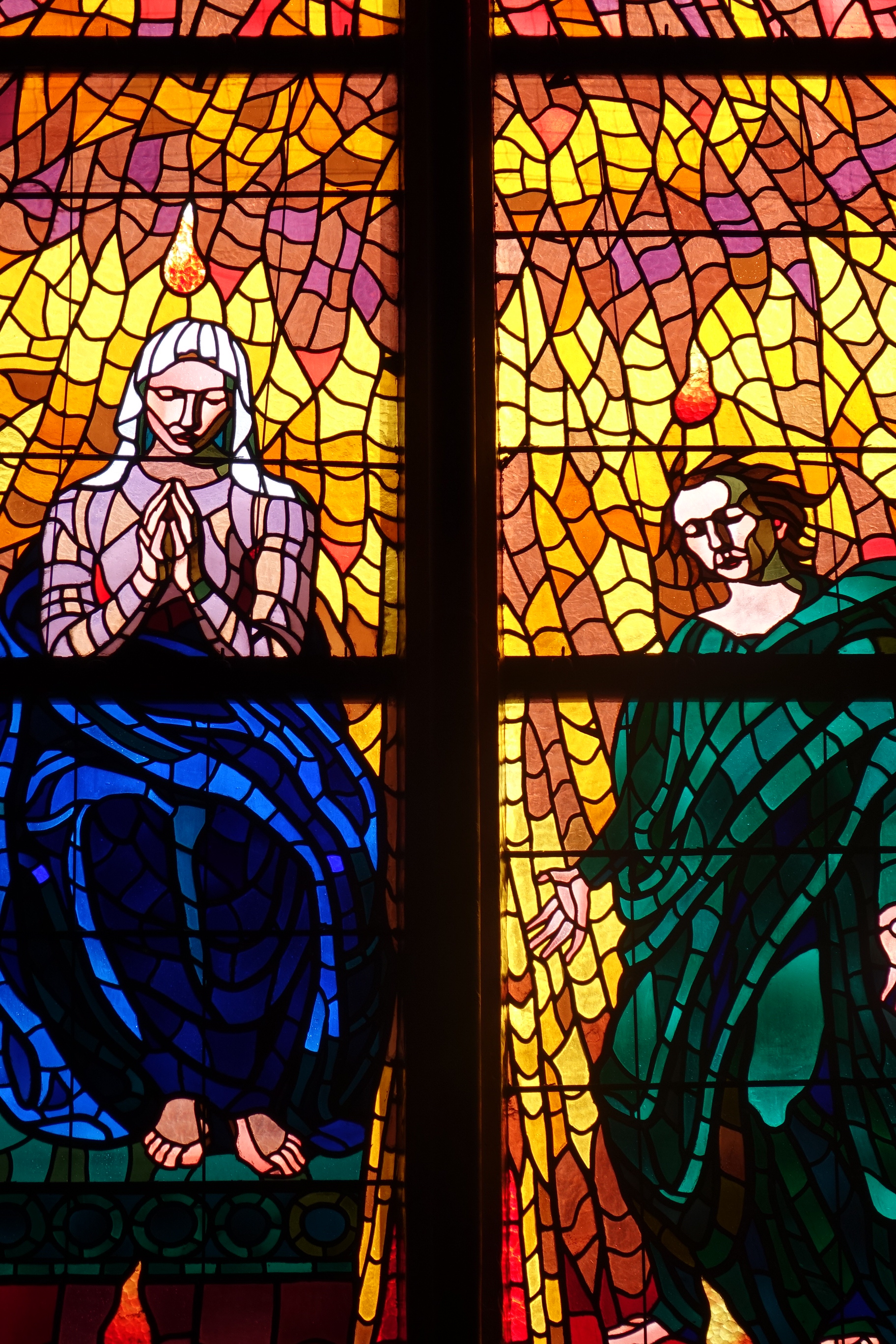
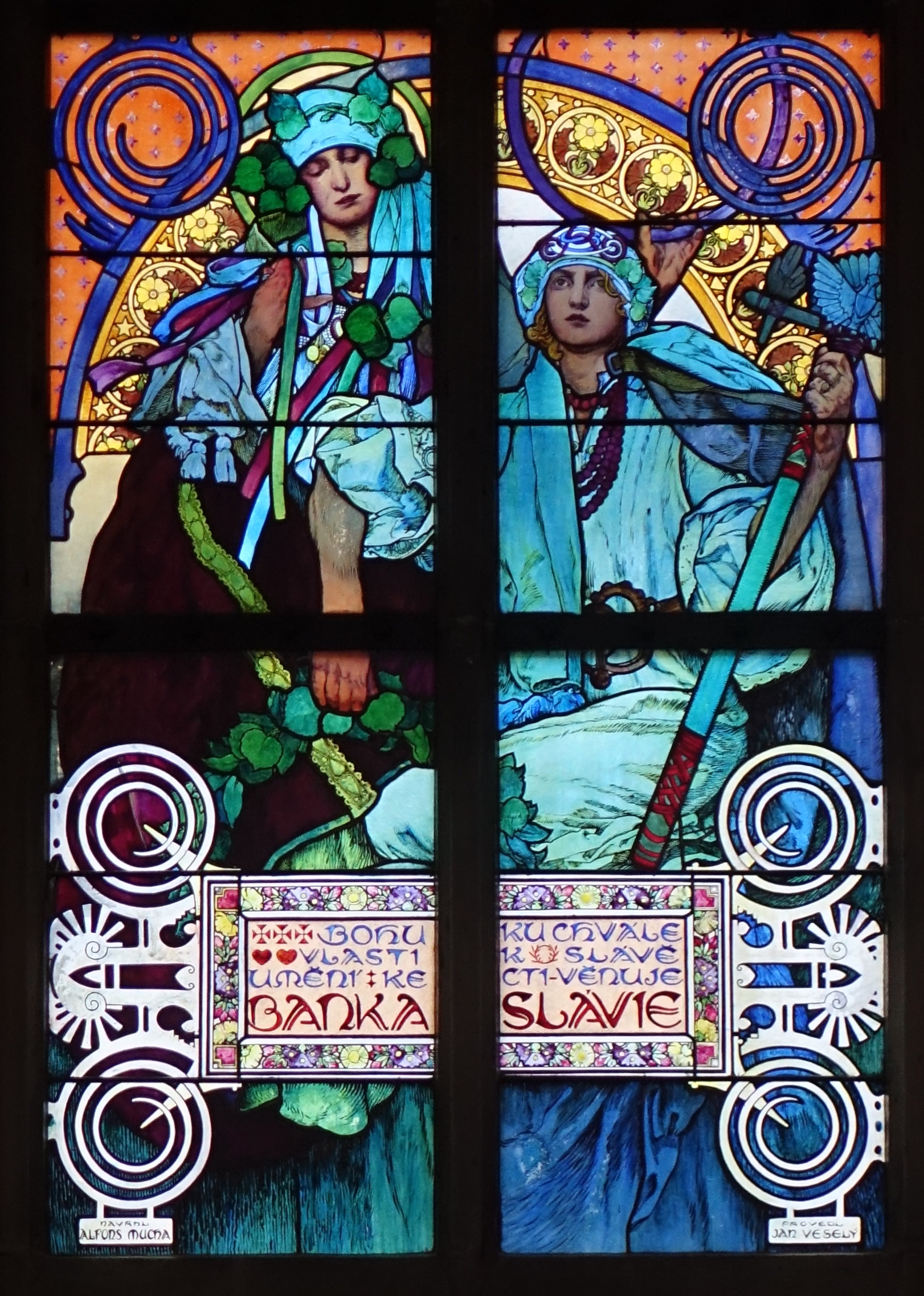
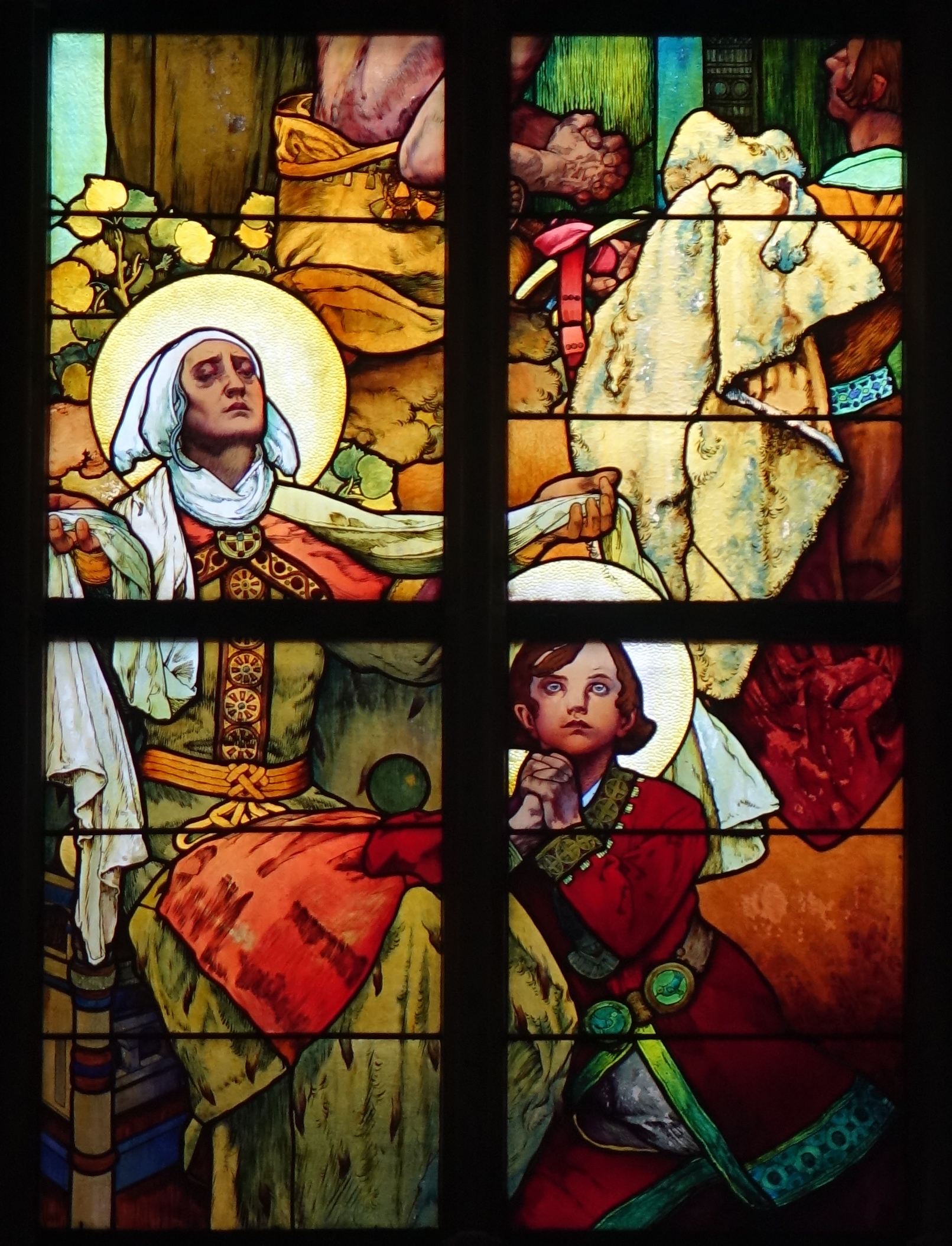
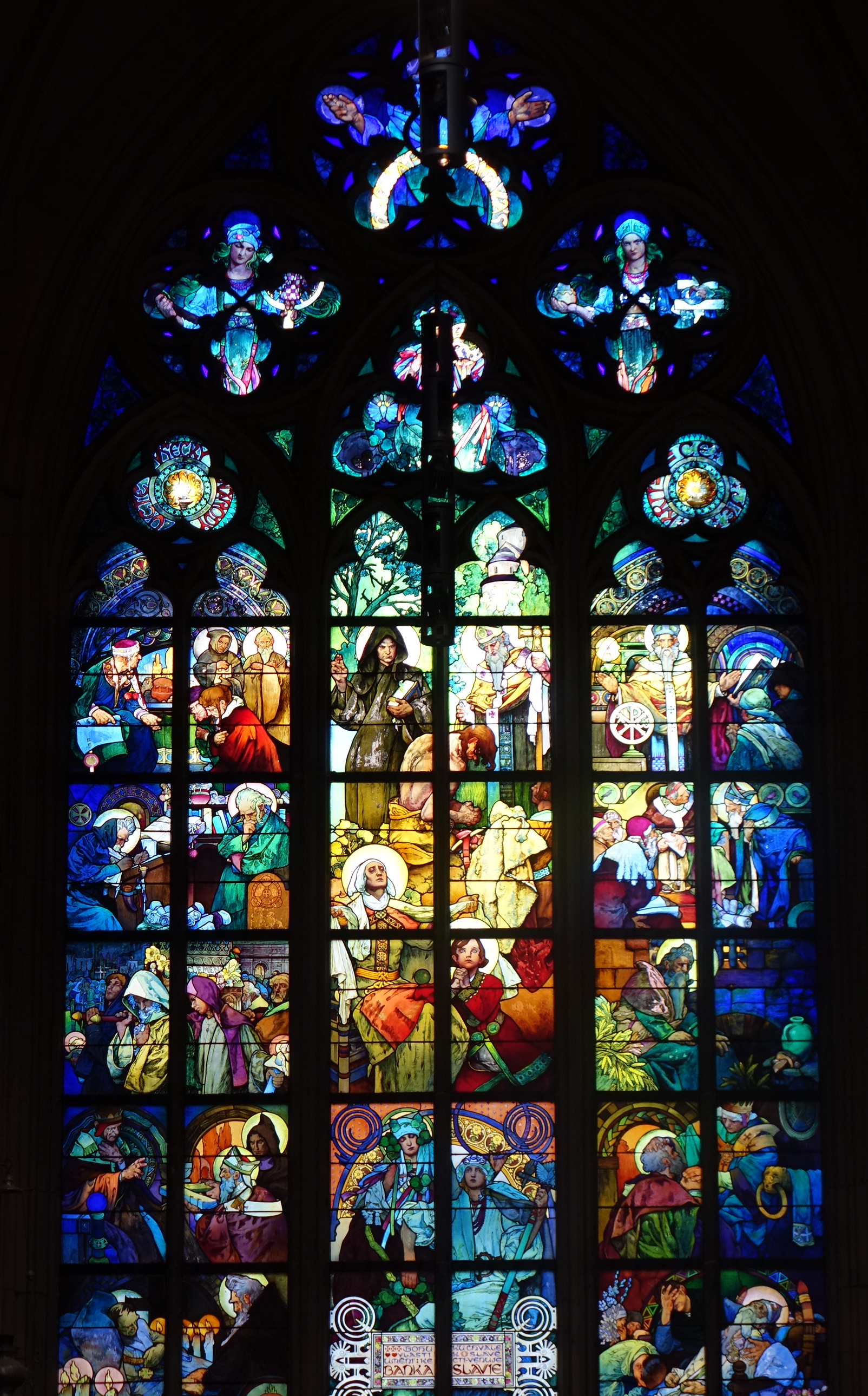
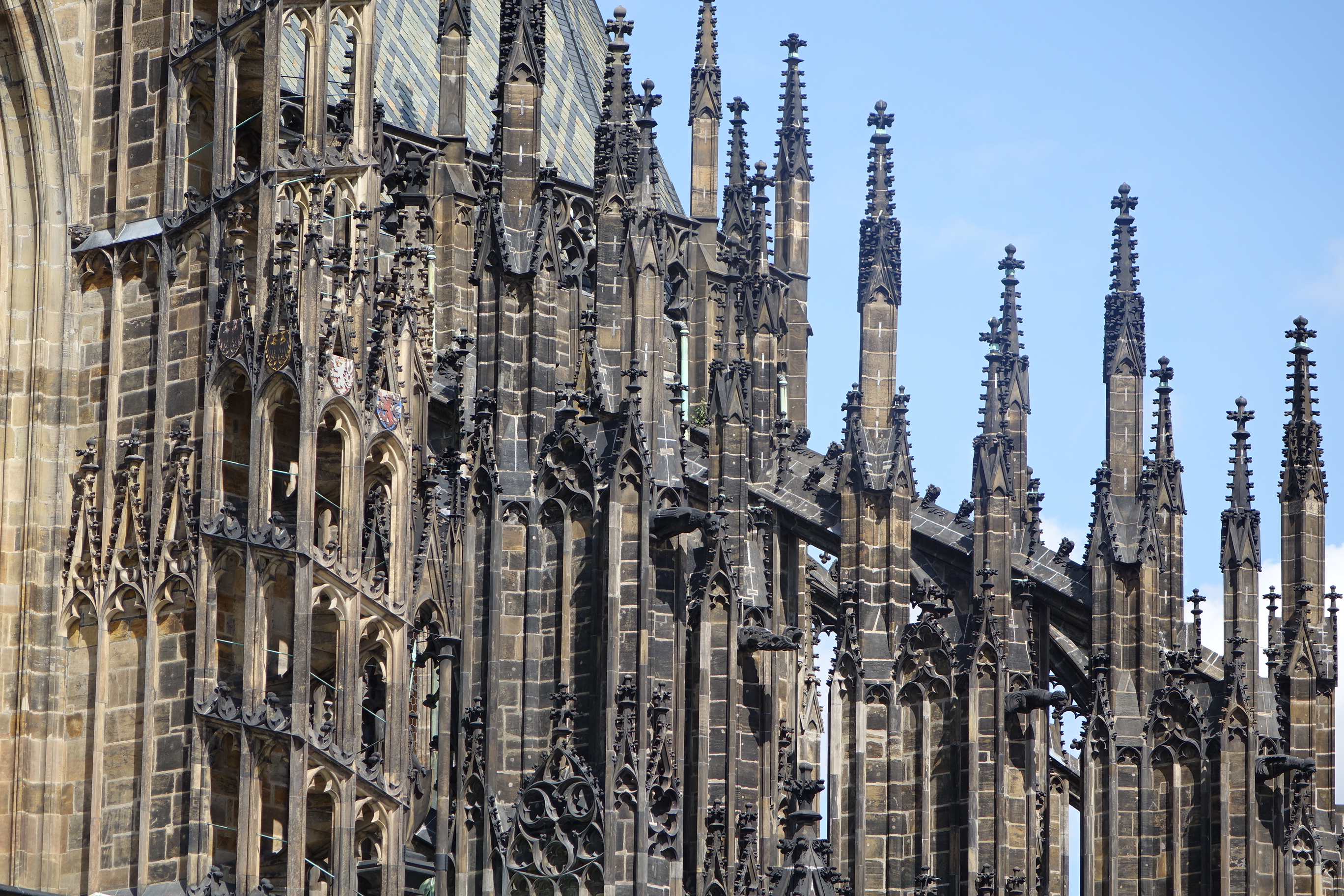
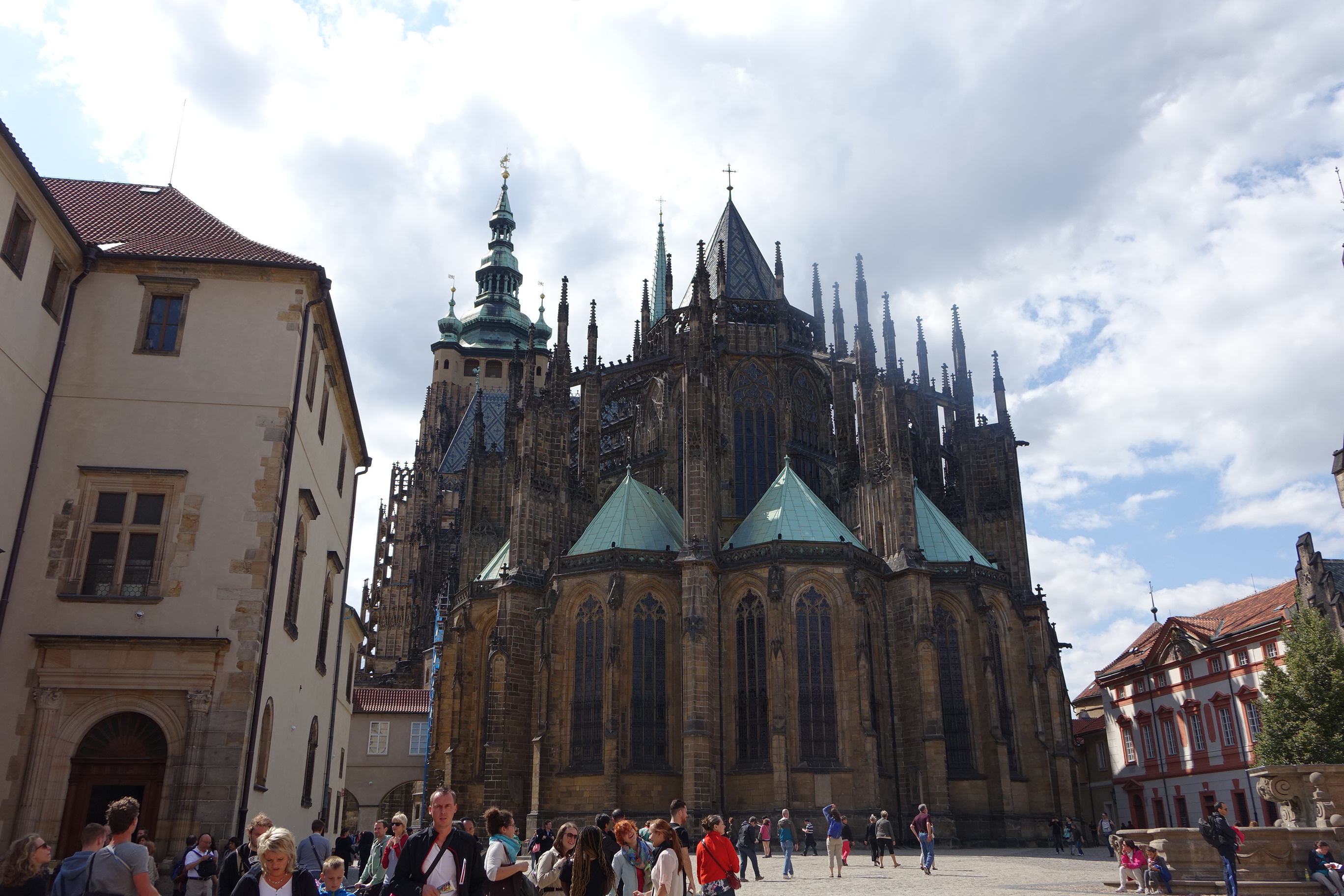
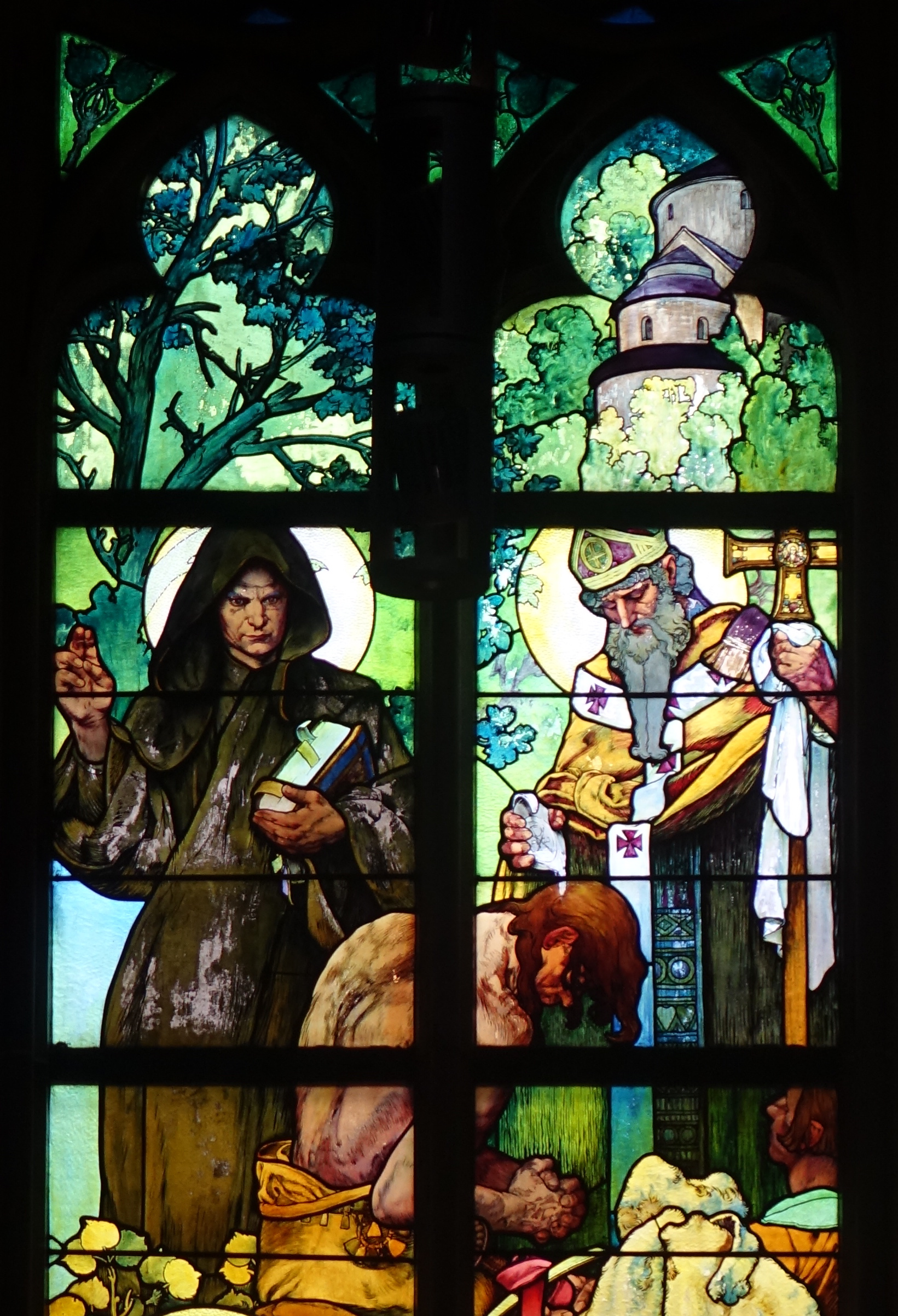
As the day went on, we felt ourselves becoming steadily baroque-saturated, and as the sun made its daily passage across the skies, it was to Prague Castle where we ascended, the great complex of royal palaces and the city’s main cathedral, St Vitus, and it was there where we laid witness to what must be one of the city’s greatest artistic treasures of all – its stained glass windows. When you walk into St Vitus (having queued like us for almost an hour to get tickets from the ridiculously inefficient ticket desk), you are almost overcome by the coloured light that fills the place. For in each of the cathedral’s large windows is stained glass in a panoply of colours, and depicting scenes of stunning detail which is just brought alive by the light shining through it, projecting the image like in a cinema across the imposing stone interior.

Stained glass symphony

DSC06794 DSC06826 DSC06910 DSC06897 DSC06823 DSC06820 DSC06836 DSC06788 DSC06898 DSC06818 DSC06908

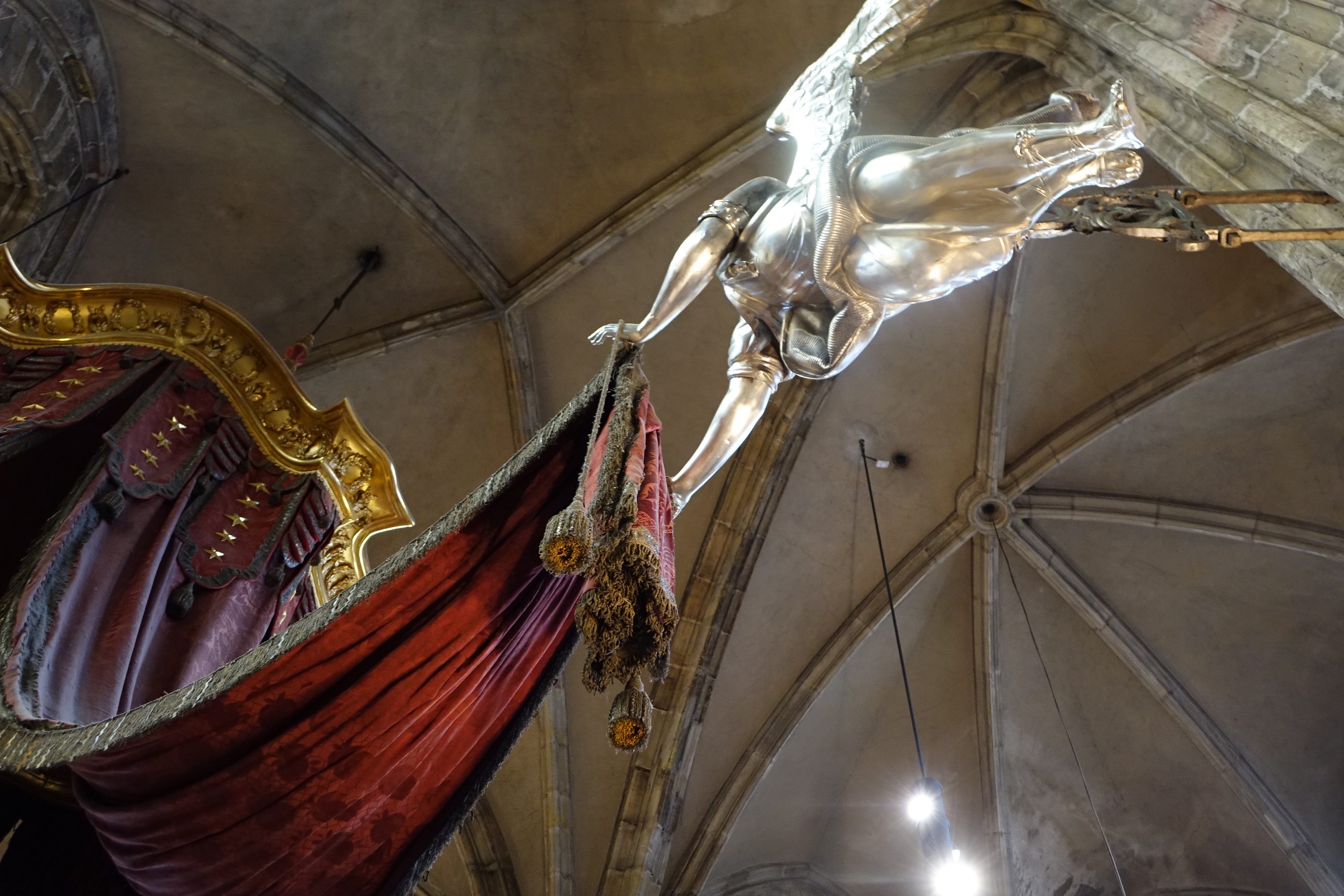
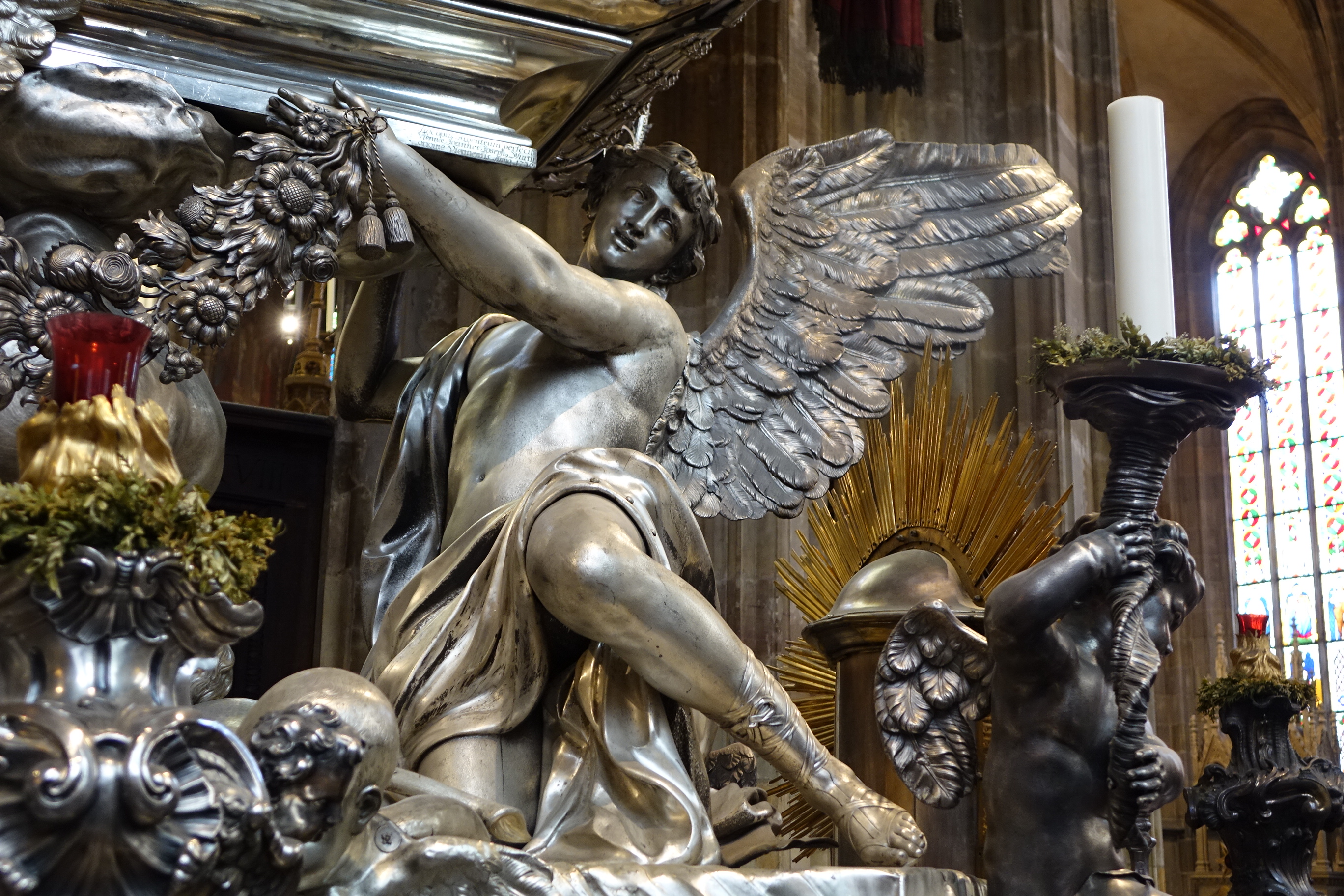
My favourite of all the windows has to be that designed by famous Czech art nouveau artist Mucha towards the end of his life, and many of the photos here feature that brilliant design. But here too are a selection of the other windows, both old and new, all exhibiting a kaleidoscope of colour which was incredible to behold. But just in case we had forgotten it, the trusty Baroque made sure that it had its day inside the cathedral as well, as these photos of the sensational royal mausoleum of Ferdinand I, and the opulent tomb of St John Nepomok aptly demonstrate.

Mucha’s window
DSC06877 DSC06868 DSC06875 DSC06865

St Vitus’ baroque

DSC06919 DSC06829 DSC06913 DSC06853 DSC06917 DSC06863 DSC07026 DSC06857

All photos and written content are strictly the copyright of Nicholas de Lacy-Brown © 2014 and The Daily Norm. All rights are reserved. Unauthorized use and/or duplication of the material, whether written work, photography or artwork, included within The Daily Norm without express and written permission from The Daily Norm’s author and/or owner is strictly prohibited.

Prague (Part 3): Buddha-Bar Chic and delectable places to eat

When a city trip is turning into something of a damp squib and you’ve realised you should have brought a winter coat despite its being late summer, sometimes all you need is a little luxury to make things right again. When the squares and museums are packed to the rafters with no-budge tourists and the cafes are full of larger-lout British stag parties, it’s the escape to the finer side of things that will put a smile back on your face. And so it was, when my partner and I ventured recently to Prague in the Czech Republic, that ever optimistic of having a happy holiday experience, we were able to turn round the somewhat disappointing experience of an ever so cold, damp weekend in tourist-packed Prague into two nights of luxurious hedonism, thanks to the hotel where we were staying, and some of the great restaurants we were lucky enough to find during the trip.

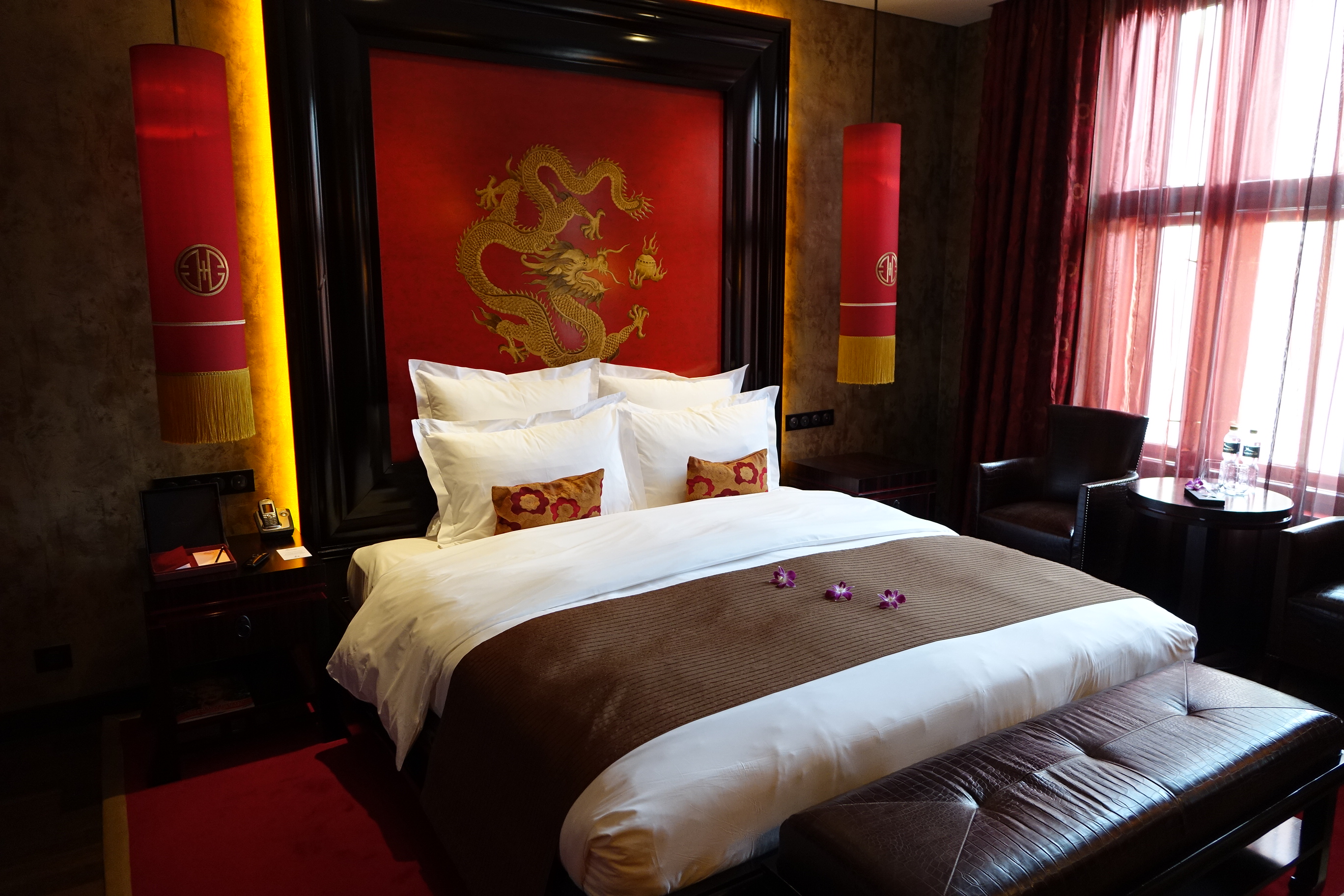
Our hotel of choice was the 5 star Buddha Bar hotel situated a few minutes from the centre of Prague’s Old Town. Being what it suggests on the tin – a concept hotel with a strongly oriental-influenced twist – it was an unusual choice for us. We love chic little boutique hotels, but I would usually go for something that at least resembled the local culture. But Buddha Bar are a long established brand that stands for the quintessence of cool: of dark chic surroundings, of sumptuous self-indulgent luxuries, all pulled together by the classic asian-inspired lounge-bar melodies of the famous Buddha bar soundtrack. Consequently when I discovered that there was a hotel of the brand so well situated in Prague, and probably half the price what a 5 star would cost in capital cities elsewhere, I was seduced and decided to take the plunge into the orient. And I’m so glad we did.

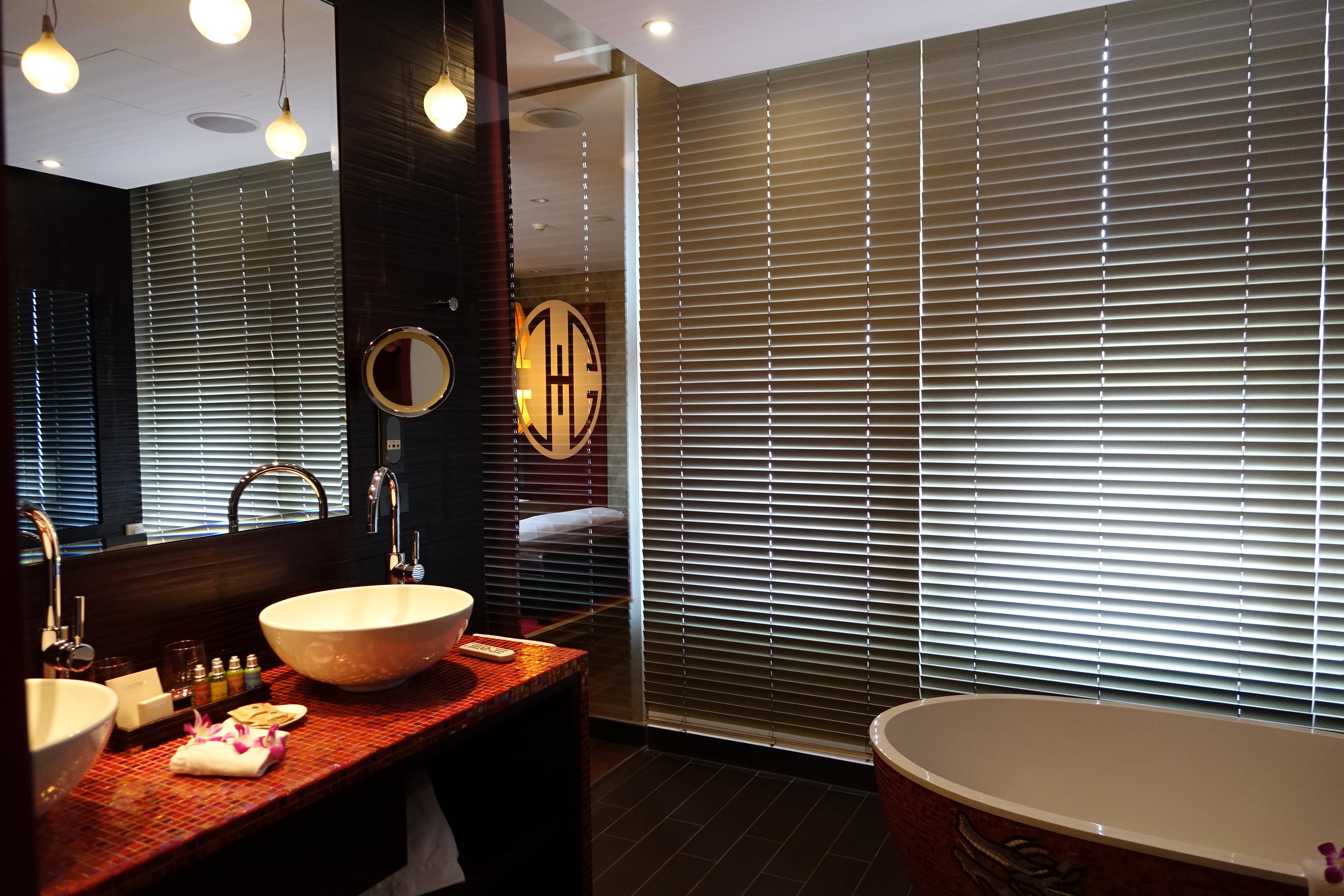
Our room at the Buddha Bar Hotel

DSC06289 DSC06299 DSC07342 DSC06284 DSC06287 DSC06297 DSC06309 DSC06281 DSC06308 DSC06270 DSC06271 DSC06306 DSC06268 DSC07332 DSC06280

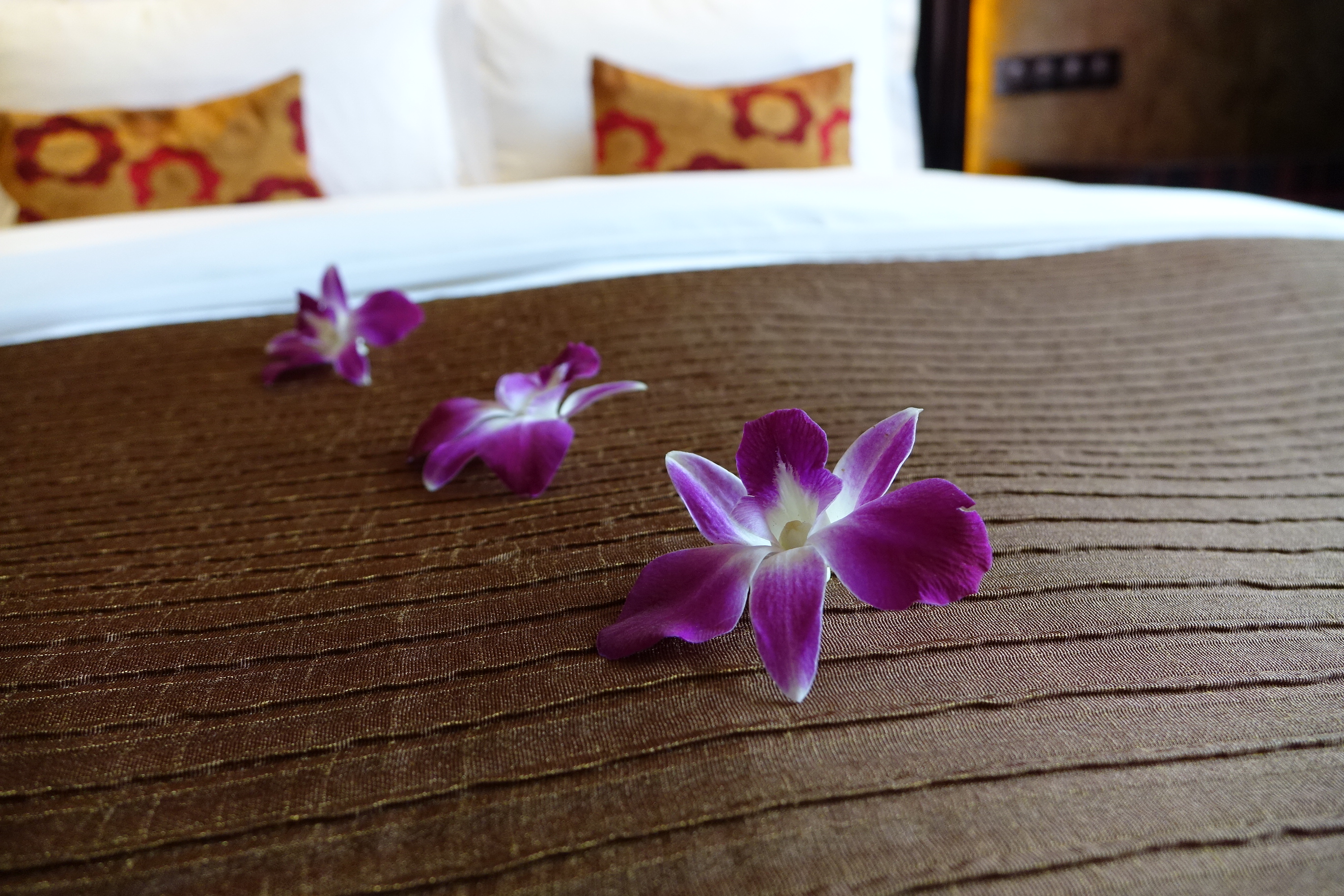
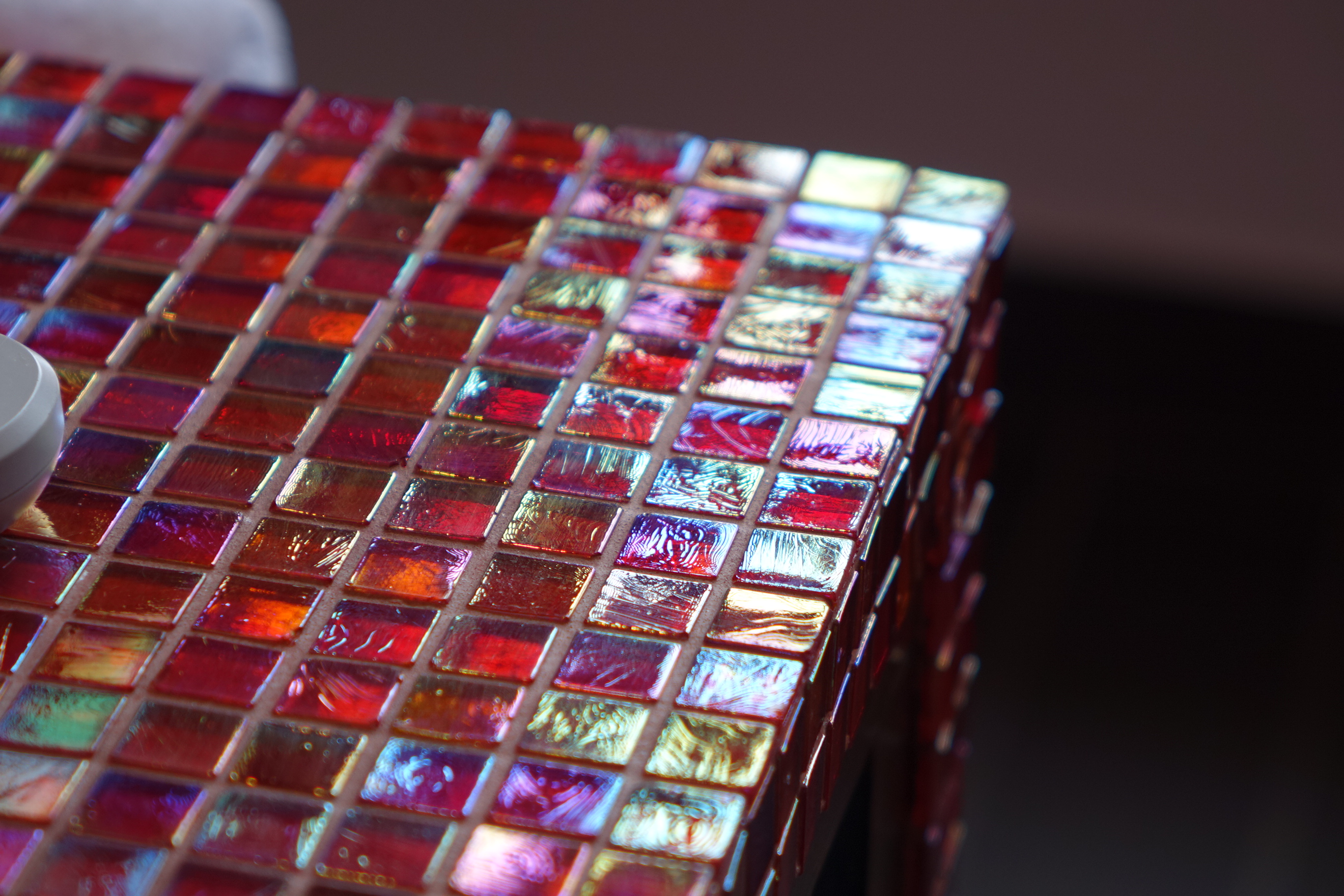
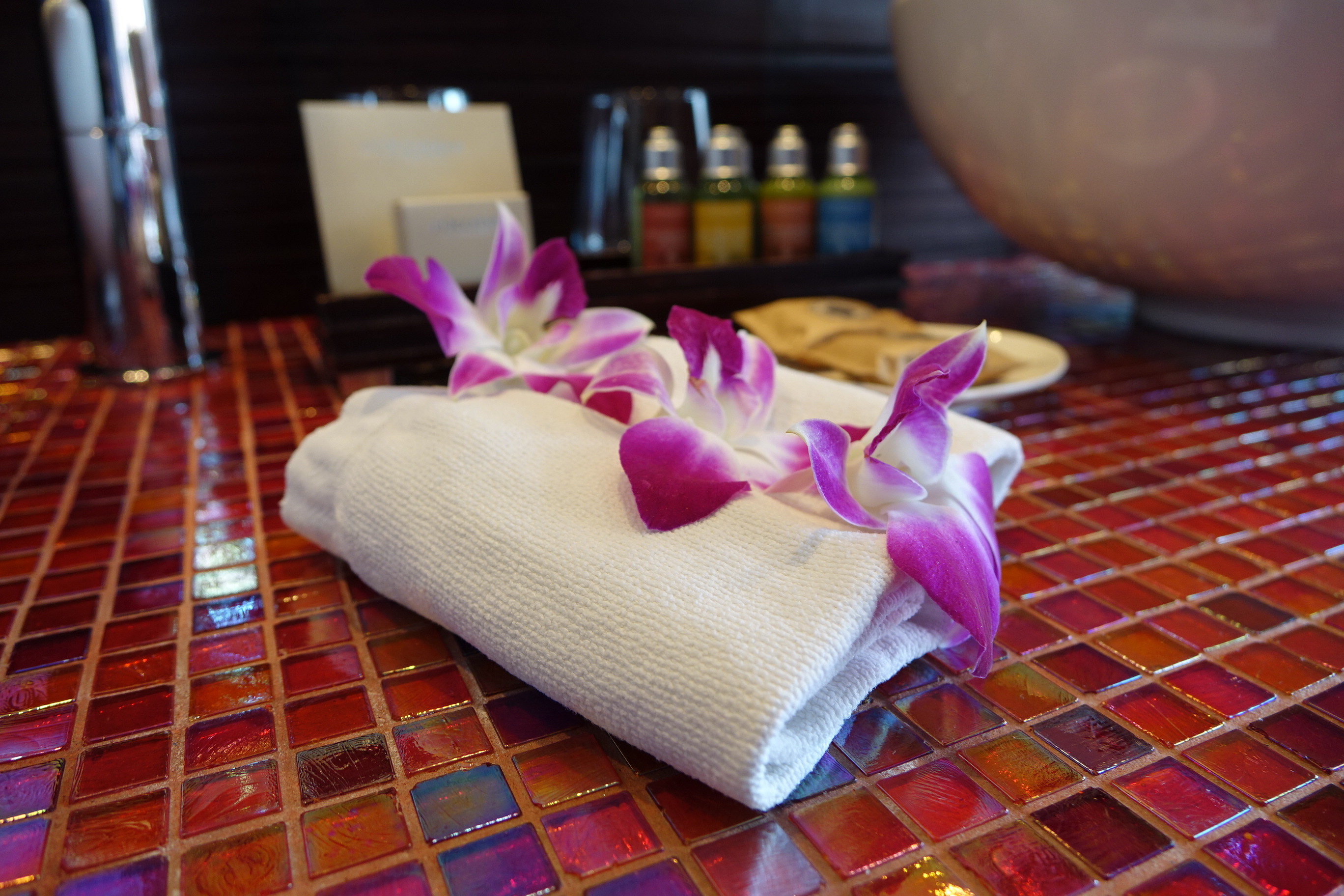
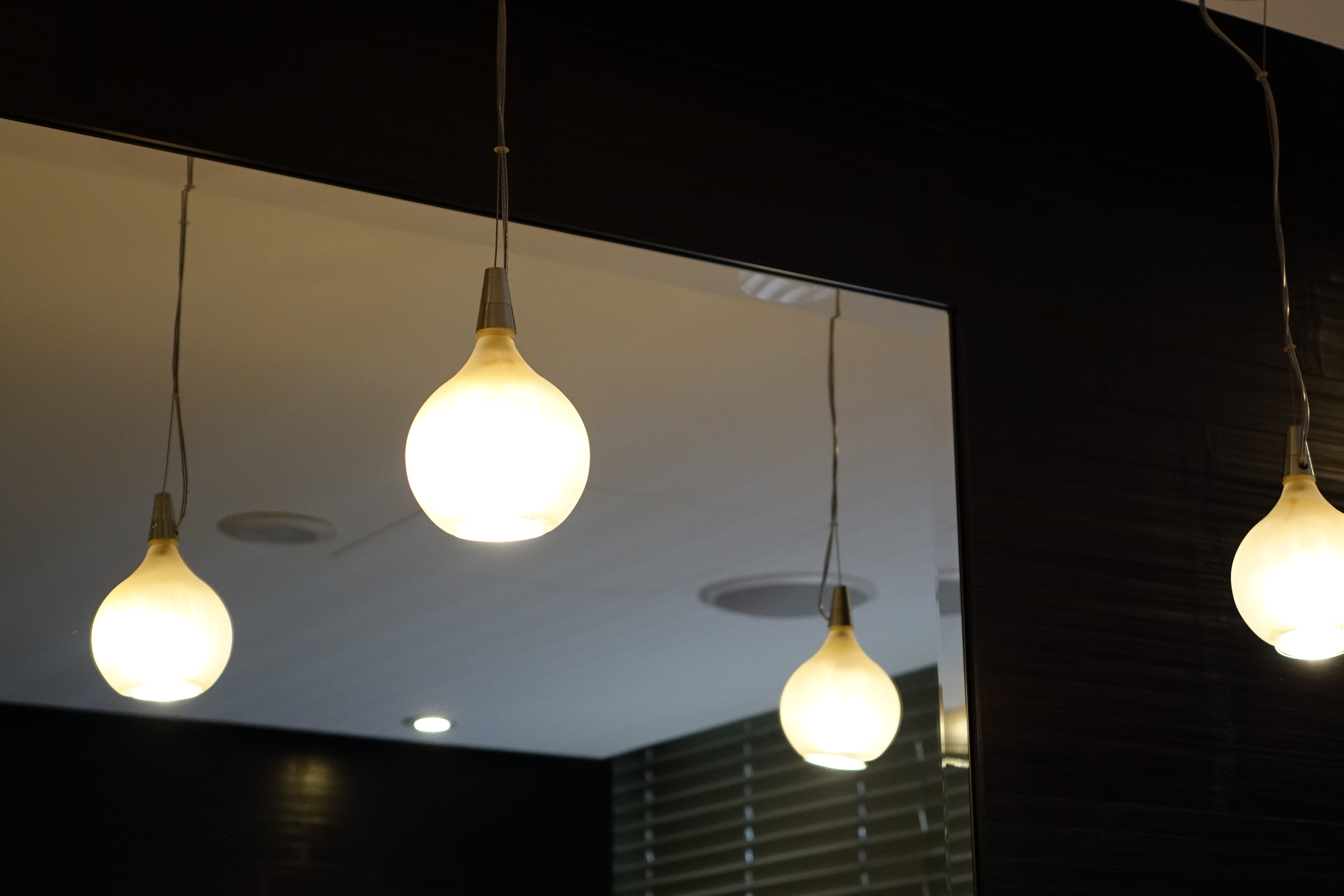
In our luxuriously pampered room, every detail had been taken care of. On the wall, a Bang & Olufsen TV pumped out a selection of Buddha Bar groves through expertly mastered surround sound speakers extending to all parts of our room. In our extensive bathroom, a free standing bath benefitted from its own dedicated TV, floor to ceiling windows overlooking Prague, and remote controlled electric blinds should you prefer a little privacy from amongst your bubbles; while the his and hers sinks were accompanied by a panoply of l’Occitane branded bath products. In the bedroom, an indulgently soft bed was plied high with luxurious throws and cushions, while beside it, a seating area already came fully stocked with gifts of chocolate and a complementary cocktail each – the perfect antidote to the tourist scrum outside. Meanwhile, across the room, on the surfaces and alongside notes and information booklets, little fresh orchids had been delicately placed – the height in attention to detail, which followed through to the whole hotel experience.

For beyond our room, the hotel of course enjoyed its own Buddha Bar restaurant, a large cavernous place camped up with a huge oversized golden Buddha around which densely candlelit tables glittered in an otherwise dark and seductive atmosphere. We enjoyed an abundance of creative sushi whose innovative flavour combinations buzzed and zinged in a way that the bog standard California role could never hope to replicate. Meanwhile upstairs, a daily breakfast combining buffet treats and a choice of hot dishes always came accompanied with a glass of chilled prosecco. Now that’s my kind of breakfast.

The Buddha Bar restaurant – images courtesy of www.buddhabarhotelprague.com

buddha-bar-restaurant-gal-11-1300x867 buddha-bar-restaurant-gal-06-1300x867

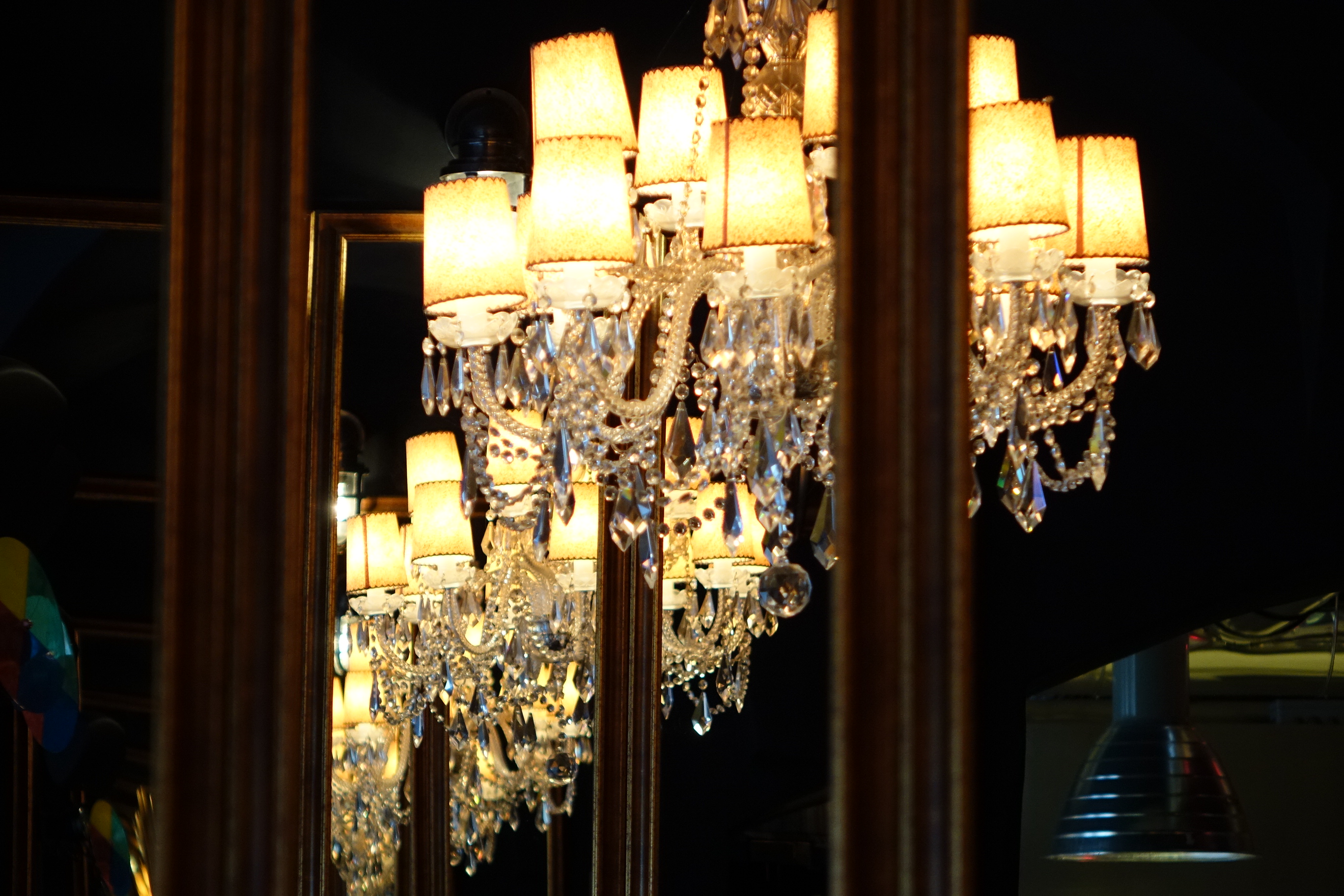
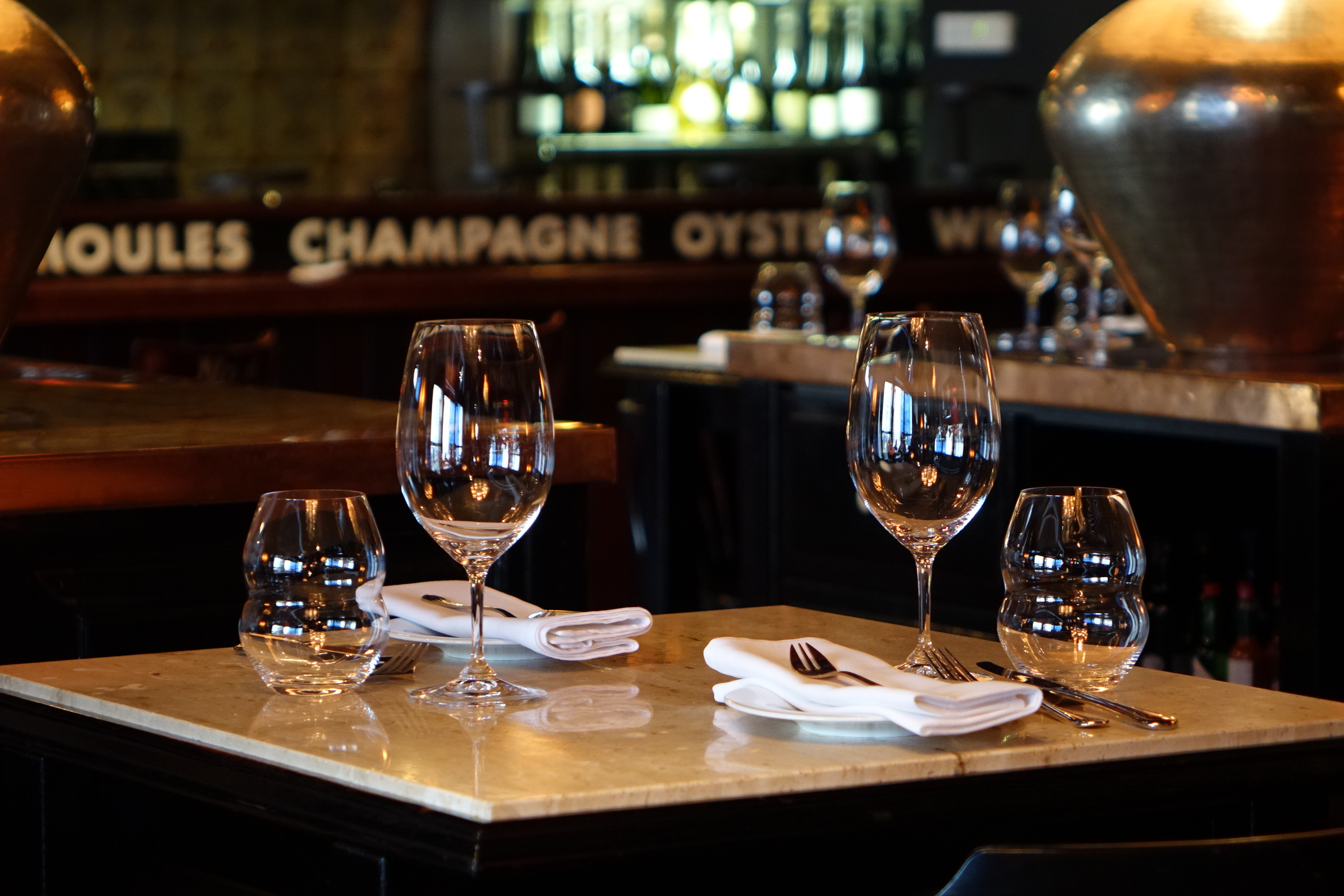
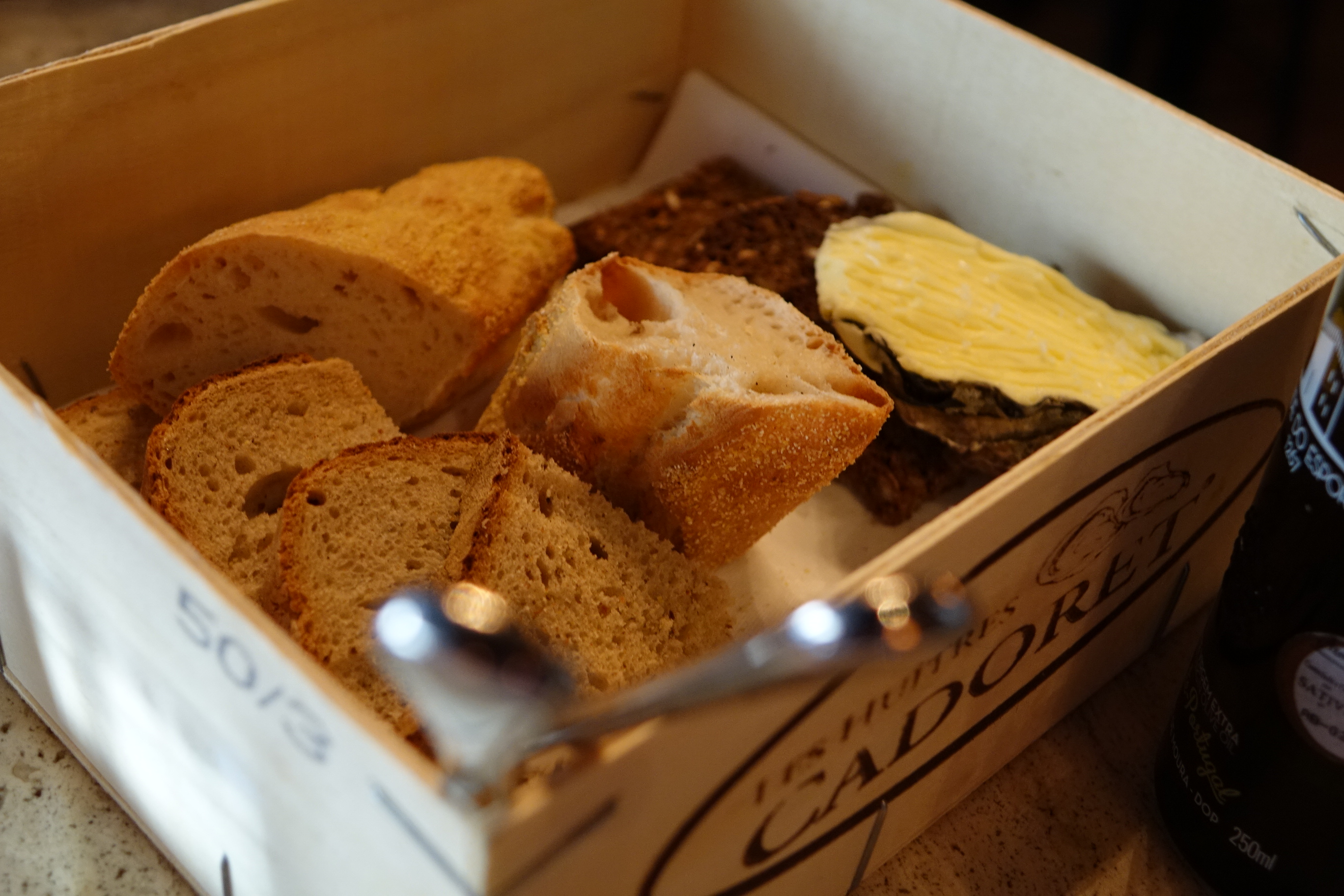
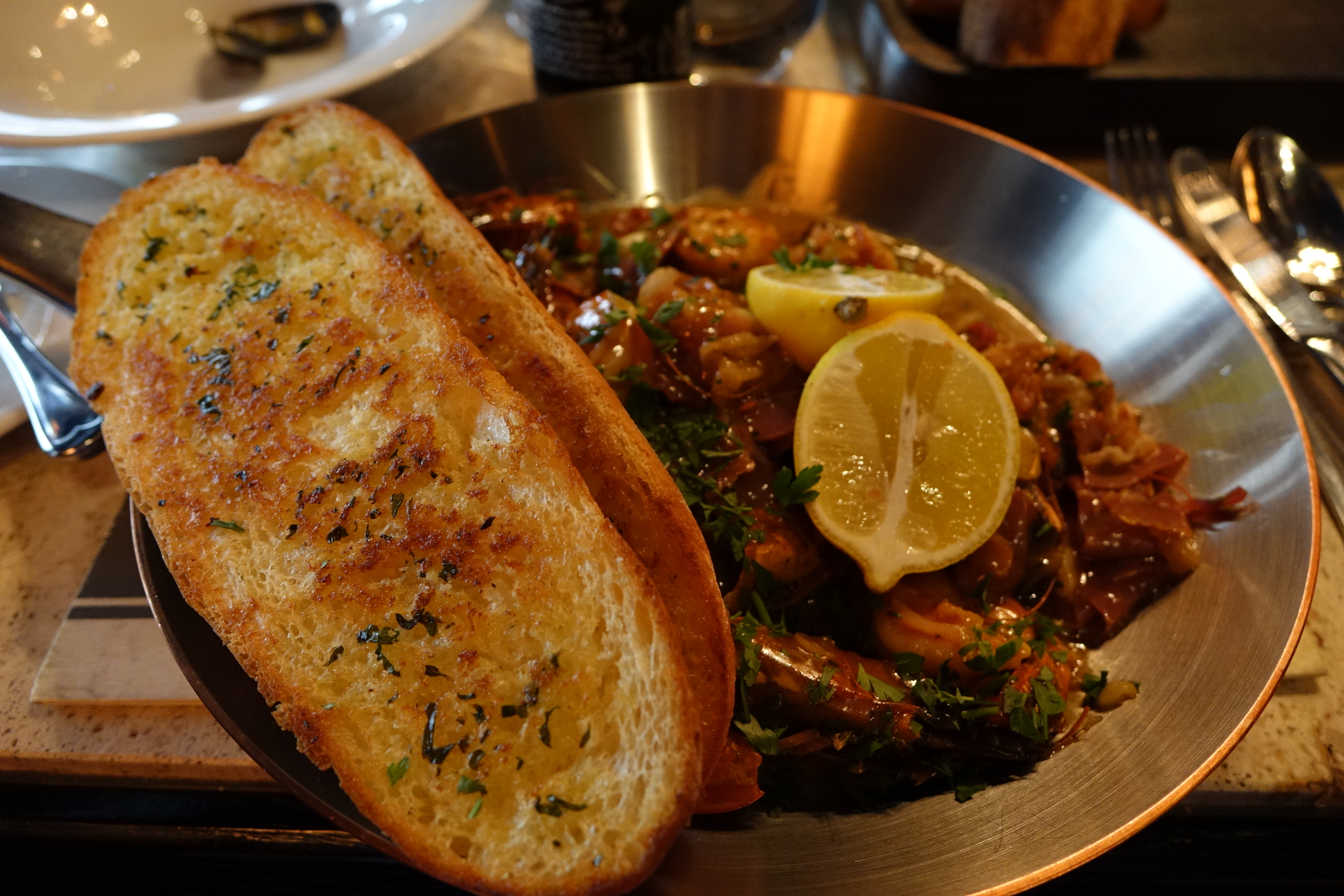
But of course we had to leave the hotel sometimes, and when sightseeing got too much, we managed to find two equally exquisite restaurants in which to enjoy the classier side of life. The first, a discovery quite by accident, was Zdenek’s Oyster Bar, an exceptionally chic little place, filled with brass fittings and lamps made from champagne bottles, that more closely resembled an upmarket Parisian bistro than a traditional Czech eatery. Being as Prague is very much inland, we were at first sceptical of a seafood restaurant in the heart of the city, but our doubts were put to rest by a main of succulent grilled prawns in a creamy sweet peppery rich sauce, with buttery toasted brioche served to be dipped into the tasty liquor. Never have I lavished so enthusiastically over a dish of prawns. I was completely won over on the one dish alone, let alone the other details which made the meal so special – an oyster shell filled with creamy salted butter; delicious crisp local white wine, and steaming muscles each ripe and juicy and a joy to eat.

Zdenek’s Oyster Bar

DSC06341 DSC06347 DSC06343 DSC06350 DSC06344 DSC06349

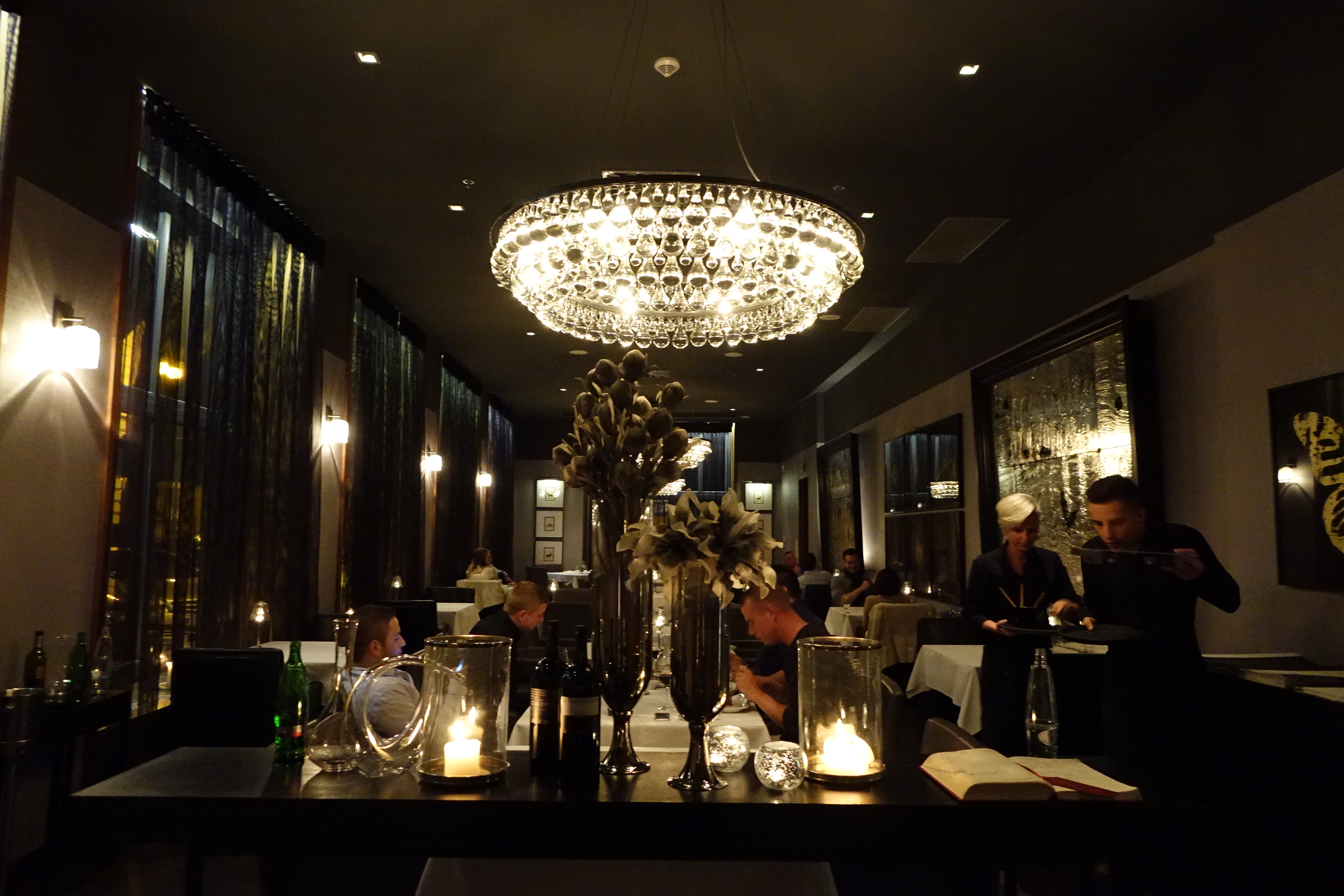
The second of our restaurant successes was likewise a departure from the Czech theme – this time George Prime Steak, which was less traditional steak house than a high class boudoir decked out with highly polished chrome and black lacquer interiors all made to sparkle with modern chandeliers and low lighting. The only real nod to America was the extensive Californian wine list, one of which we enjoyed to the full, despite the waiters leaving the bottle on a far away table and then neglecting to refill our often empty glasses. But they can be forgiven – for the real star of the show was the steak. We opted for fillet which, they told us, was fried in temperatures so hot that it immediately caramelised the outside into a rich sweet crust – a delectable exterior encasing soft tender flesh. It was almost certainly one of the best steaks I have ever eaten.

My only drunken picture of George Prime Steak’s opulent interior…

DSC07316

But we were in the Czech republic after all, and my final nod of this post has to go to what must be my favourite aspect of Prague gastronomy – the multi layered Czech honey cake “Medovnik”. Without looking at a recipe, I can only guess that this cake comprised thin layers of honeyed sponge interlaid with a honey and gently spiced gingery, cinnamon cream. Oh it was truly to die for, hence why I must have eaten around 5 slices before the trip was out. Now that really was worth fighting the tourist scrum for.

and that honey cake to die for

medovnik

All photos and written content are strictly the copyright of Nicholas de Lacy-Brown © 2014 and The Daily Norm. All rights are reserved. Unauthorized use and/or duplication of the material, whether written work, photography or artwork, included within The Daily Norm without express and written permission from The Daily Norm’s author and/or owner is strictly prohibited.
Prague (Part 2): Photo focus – An ode to Art Nouveau

Yesterday I had a good old moan about Prague – its lack of customer service; the hideous proliferation of British loutish stag parties (for which all of England should be ashamed); and the general state of decline which much of its treasures have been left to fall into. And yet, while I stand by everything I said in that post, the fact remains that Prague is an unusually beautiful city, unusual to the extent that its architectural treasures are consistently spread, and barely interrupted by even the slightest hint of modernity. Indeed, unlike so many European cities which have been rendered patchy or obliterated in their entirety by the ravages of 20th century warfare, Prague is a city of architectural constancy, with street after street boasting beautifully intact period architecture full of embellished details, pointed roofs, gold leaf and pastel coloured facades.

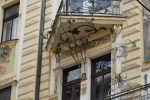
Of the many architectural styles on offer, one of the most prominent and surely most beautiful is Prague’s wealth of art nouveau. It’s everywhere: up the grand central boulevard comprising Wenceslas Square; adorning the outside of the Hotel Central and the central railway station; in the elegant tiled and painted frescoes on apartment block facades; and of course in the artwork of the much famed Czech-born artist Mucha, whose flamboyantly graceful posters of theatre stars and society icons were the very quintessence of the art nouveau style. According to my guidebook, the reason why there is such a proliferation of art nouveau in Prague is for the simple reason that whole swathes of the city were demolished and rebuilt at the very time when the style was in its ascendancy, and the result is streets crammed full of the elegant curved lines and aesthetically perfect adornments which characterise the period.

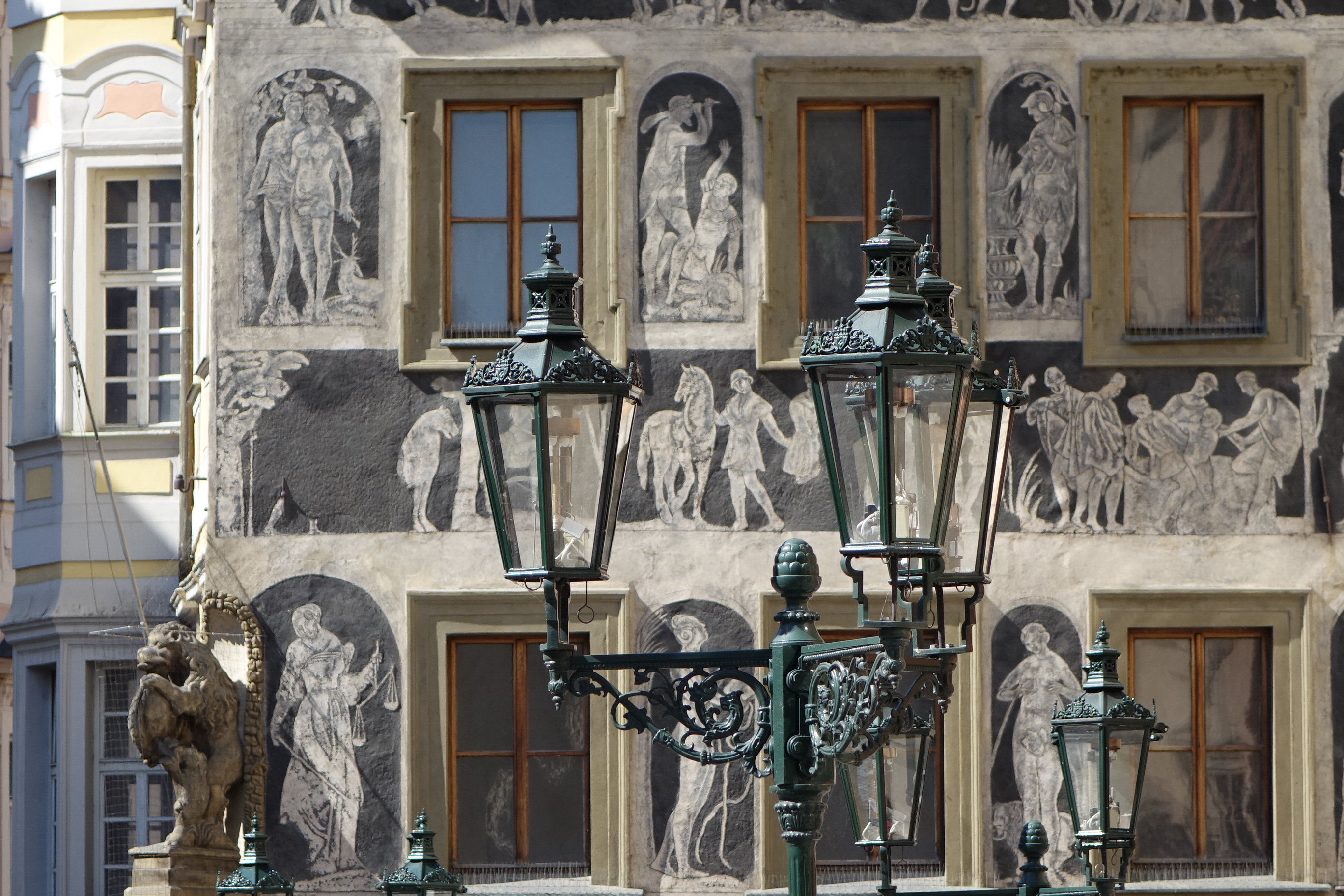
DSC07354 DSC07491 DSC06488 DSC07419 DSC06451

As if it weren’t obvious already, Prague’s art nouveau and similar architectural embellishments are the subject of this first photo-focus post arising out of my recent Prague trip, and should give you an excellent idea of the variety and extent of art nouveau offerings in the Czech capital. And these are only the features I noticed. For in the course of concentrating on finding my way around the city, I would so often forget to look up to note the detailed embellishments which pepper the buildings, especially further up near the top of the elegantly crafted facades, and consequently I have surely missed many of the city’s great gems. But those I did see proved highly satisfying, along with a visit to the Mucha museum featuring some 100 or so posters, paintings and sketches by the great artist. His work is not to all tastes – it’s surely the height of chocolate box prettiness – but it remains, in my view, the very archetype of an era when beauty and elegance were at the forefront of everyone’s imaginations. If only the same could be said of today.

All photos and written content are strictly the copyright of Nicholas de Lacy-Brown © 2014 and The Daily Norm. All rights are reserved. Unauthorized use and/or duplication of the material, whether written work, photography or artwork, included within The Daily Norm without express and written permission from The Daily Norm’s author and/or owner is strictly prohibited.

Prague (Part 1): Iron behind the Velvet Curtain

When you mention the Czech city of Prague to anyone, their eyes turn a little gooey as a child’s might before a sparkling Christmas tree. They will tell you about the beauty of the architecture, “like a fairytale” they say. They will extol the baroque virtues of the Charles Bridge, and recount memories of evenings drinking local beers in the great Old Town square. And perhaps I will remember Prague for a city of fantastical beauty – which it surely is – when I look back on the place in years to come. But now, freshly returned from this capital city of the Czech Republic, another more overriding sensation of disappointment dominates.

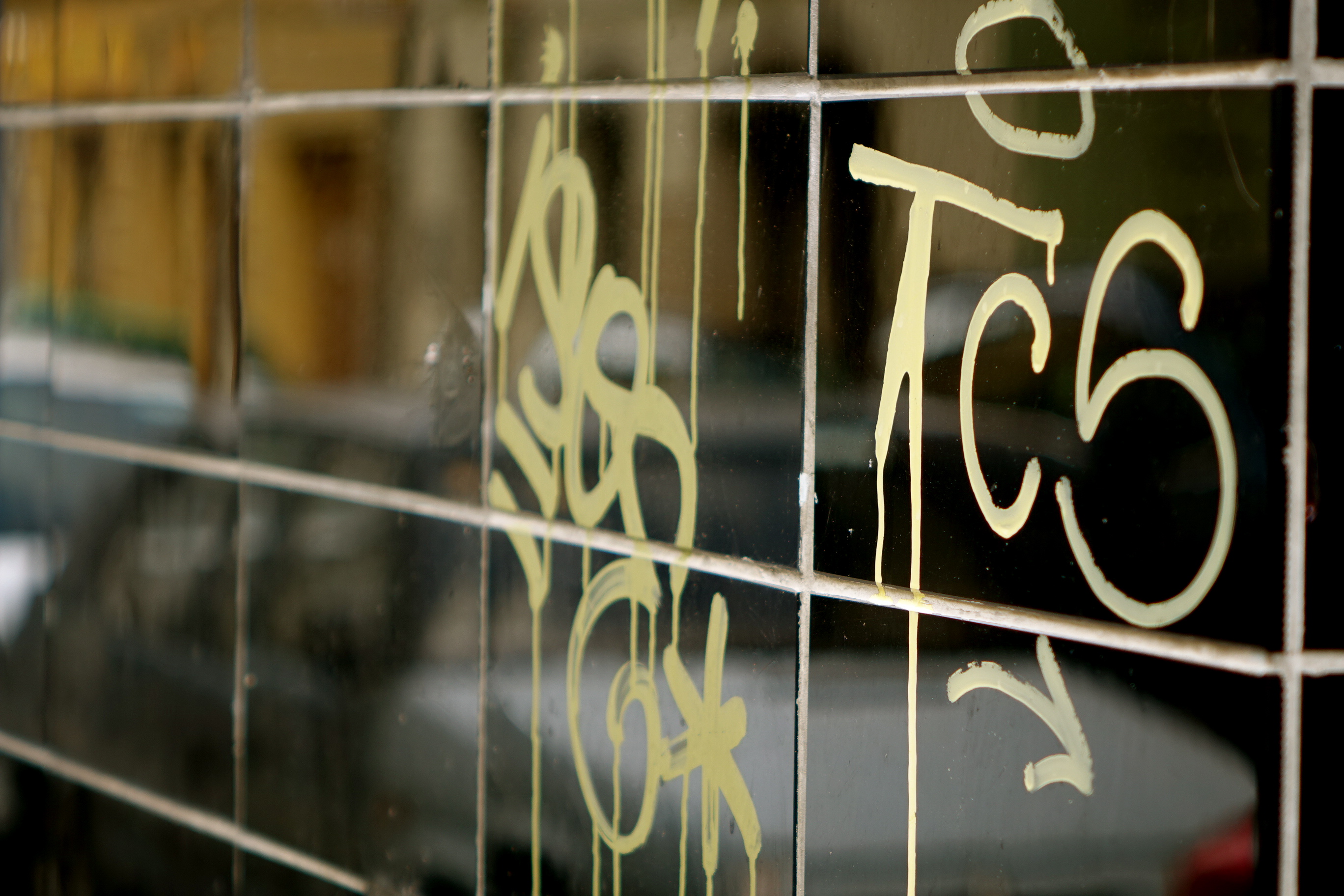
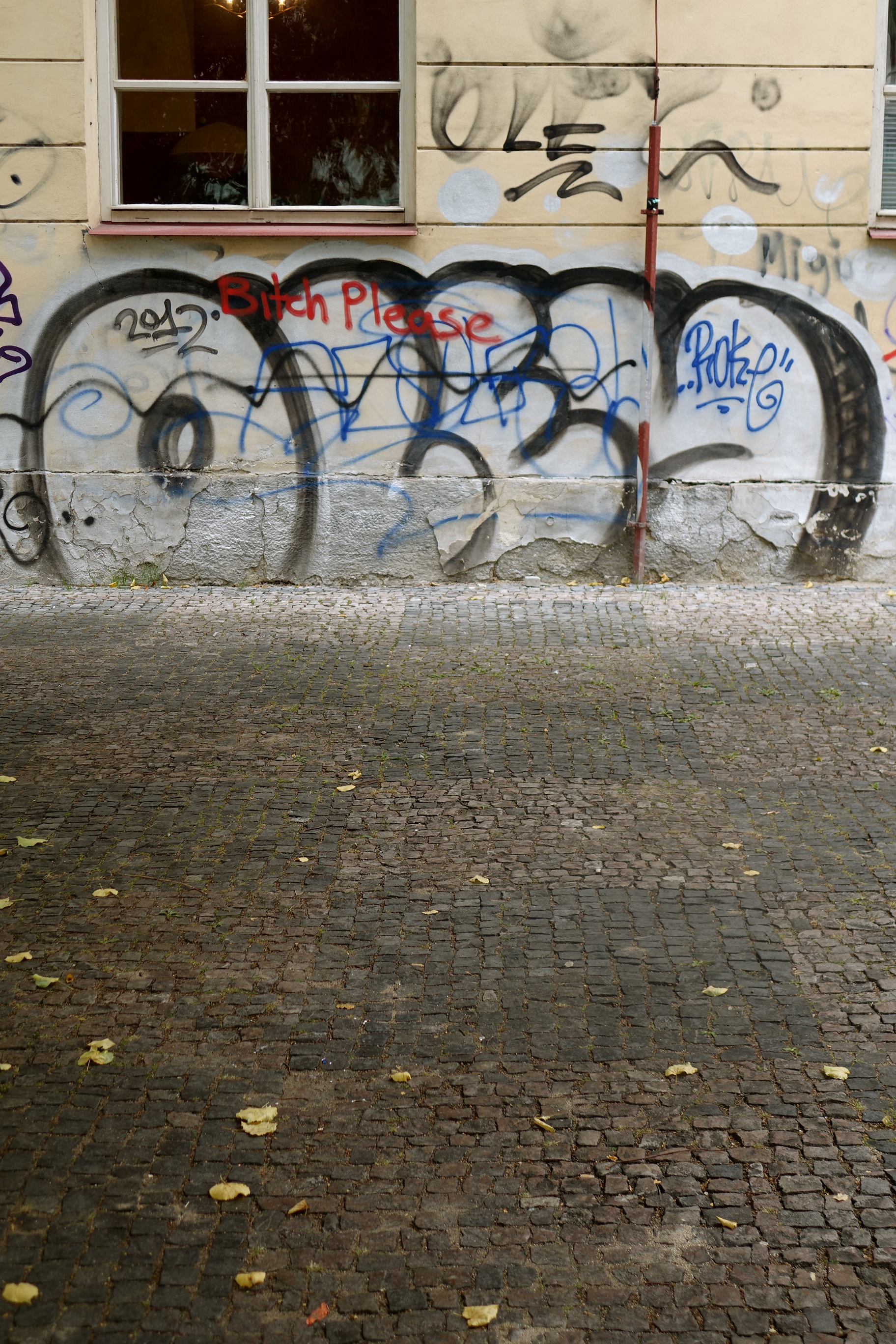
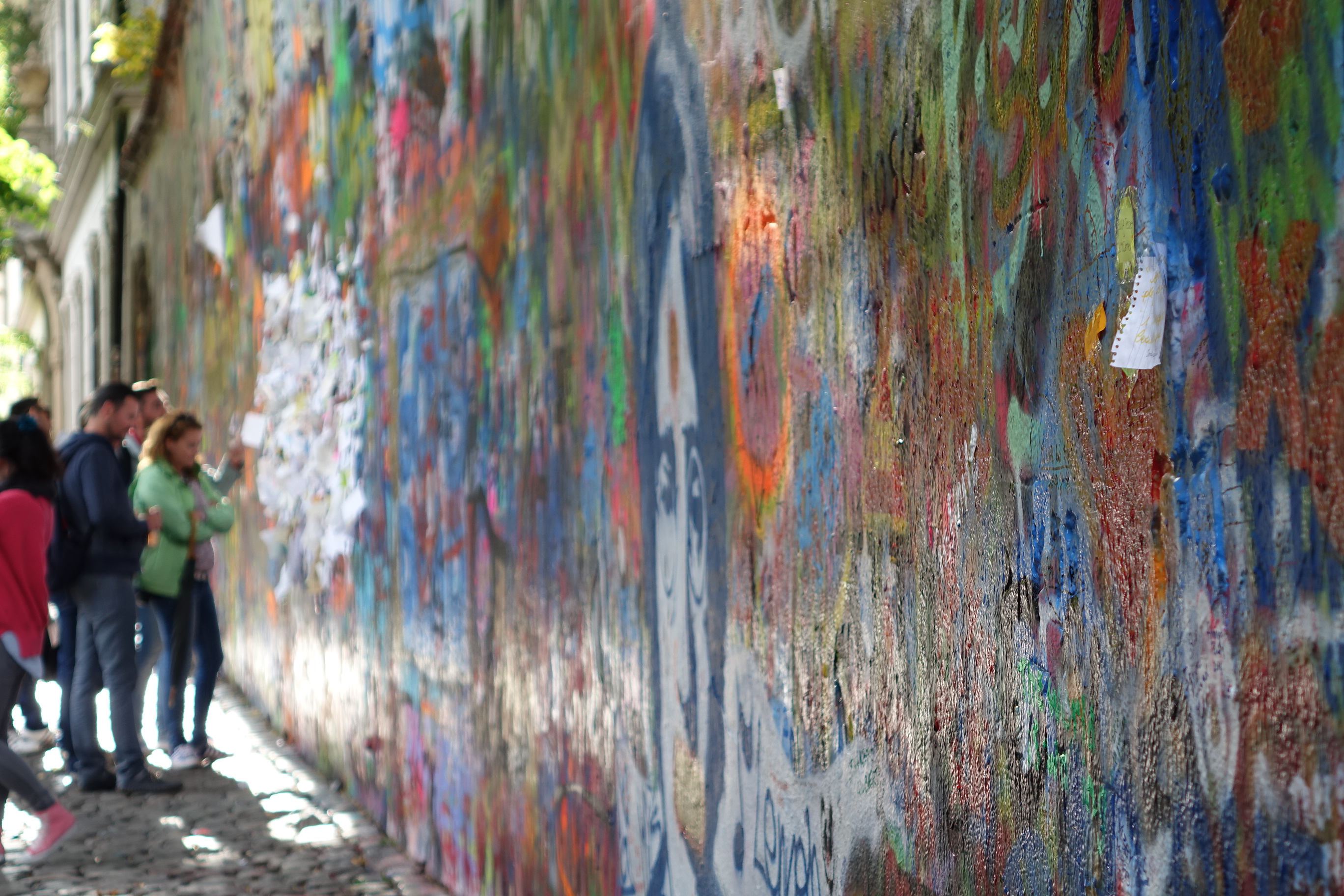
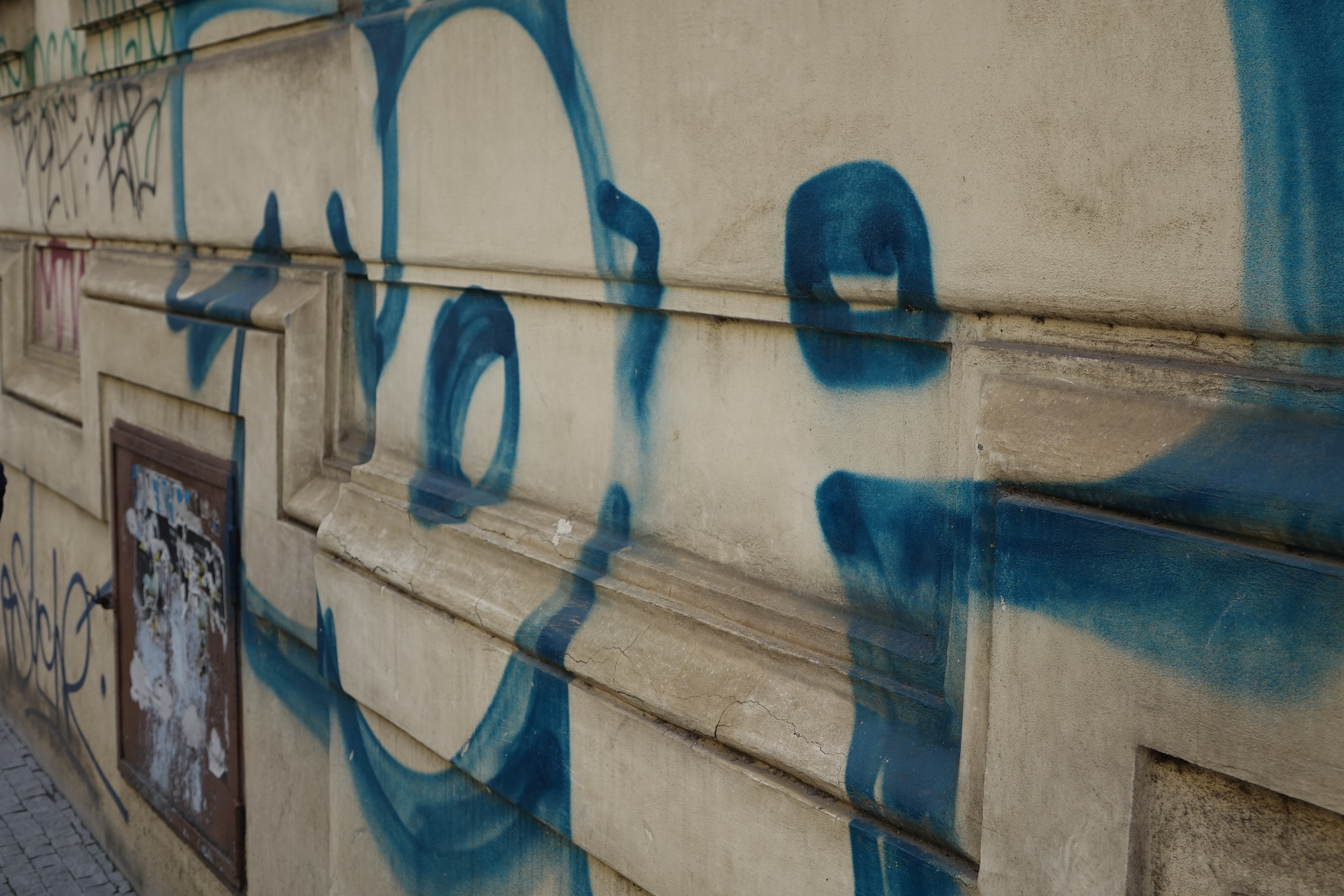
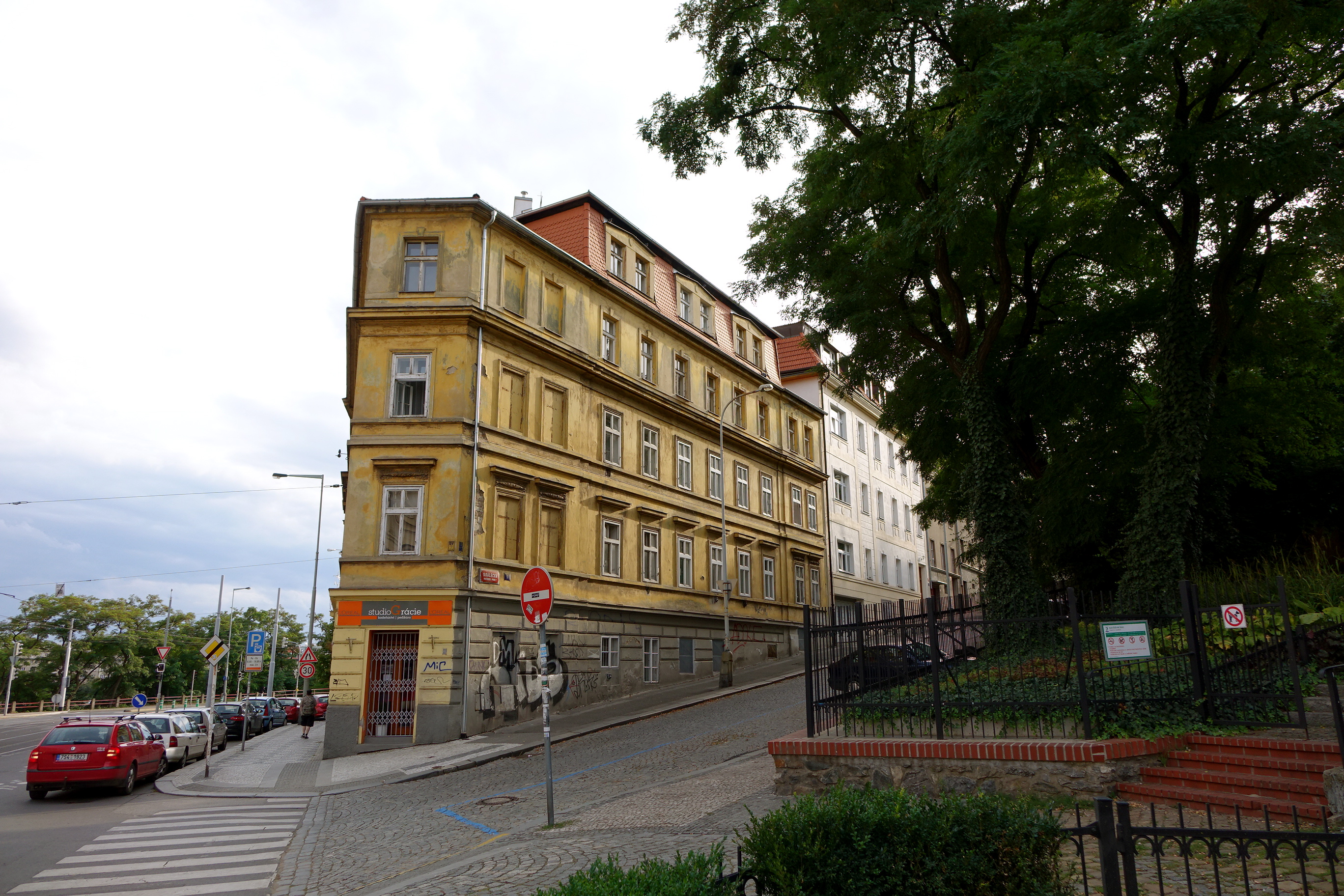
Disappointment because in Prague I did not feel welcome by the locals, whose complete lack of customer service caused me to feel on edge, and sometimes angry throughout my stay. Disappointment because the beauty of the city was constantly polluted by the sound (and sight) of drunk English stag parties collapsing all over the cobbled squares of the old town, dressed in t-shirts carrying loutish slogans and indecent images, their rowdy conversations following a similar vibe. Disappointment because, despite what is indeed a town with all of the ingredients of beauty, the Czechs have allowed it to fall woefully into decline. Case in point: the statues and lamps on the Charles Bridge, covered with cobwebs, looking as though they last received a clean close to the time when they were first installed, so darkened by dirty and pollution that you can barely make out their features; or what about the graffiti littering the streets of the old town – that was not something which featured in the fairytales I read when I was a child.

DSC07162 DSC06377 DSC06458 DSC07165 DSC06609 DSC07155 DSC06459 DSC07056 DSC07150 DSC06478 DSC06472 DSC06375

It’s difficult to pinpoint exactly what has gone wrong in Prague. On the one hand it’s surely a symptom of the city being ravaged by tourism. The squares and streets of the old town, the Charles Bridge and the Prague Castle area are so overrun by tourists that the local businesses and attractions and the people who work in them have become complacent, and worse: irritable. Perhaps it was the consequence of visiting the city near the end of the summer high season, but in almost every attraction we visited, we received attitude from the staff, who tutted when asked a simple question, and made it clear that being asked where the entrance was, or where the gift shop is was far too much of a hassle for them to answer.

In the cafes we received a similar reception. In one café on the main square, we asked the waitress, who demanded we pay upon ordering and took a 15% tip upfront out of our change, to bring us milk for our coffee. 5 minutes later, no milk. We asked again. Another 5 minutes past. No milk. On the third time of asking, she cleared a dirty table next to ours, took the half-used dirty milk jug from the table and deposited it on our table. Looking at her in disbelief, we asked for fresh milk. She went away and 5 minutes later brought us back two capsules of long-life milk. Was she having a joke at our expense? We were in no mood to laugh and left. Our still black coffee had gone cold by then in any event.

The famous Charles Bridge in need of a clean-up

DSC06581 DSC06669 DSC06589 DSC07218 DSC06591

Of course it could be that the Czechs are thoroughly fed up with tourists, and not least the English, the nationality which tends to comprise the majority of the drunken babble of stag-do parties which have imposed their anti-social egocentric beer-soaked weekend brawls on the city. That inexcusable arrogance is shameful for England, and a complete impediment on decent tourists from enjoying the sights nearby. But I am not a drunken English “stag” – I am a polite enthusiastic visitor. Why treat me with such disdain?

The second possible reason for the attitude of the Czechs is revealed when you scratch just slightly beneath the surface and wander out of the old town. Beyond the velvet curtain – the showpiece that is Prague’s historical tourist centre – is a jarring throwback to reality. A reminder that only one generation back this city, like the whole country, was firmly ensconced behind the iron curtain of Communism – a period of hardship which still appears to rub off on generations of Czechs, and perhaps feeds their general attitudes and behaviours today. In the area of the National Gallery’s modern art museum for example, you can still find huge geometric monuments to the Communist era set alongside wide industrialised roads and ugly concrete bridges, now largely the haunt of the homeless. The art museum itself is set within a vast Communist building, the Veletrzni palac, with all of the characteristics of concrete pre-fab architecture which we have come to associate with the era.

Throwback to Communism

DSC06396 DSC06384 DSC07498 DSC07284 DSC06448 DSC07059

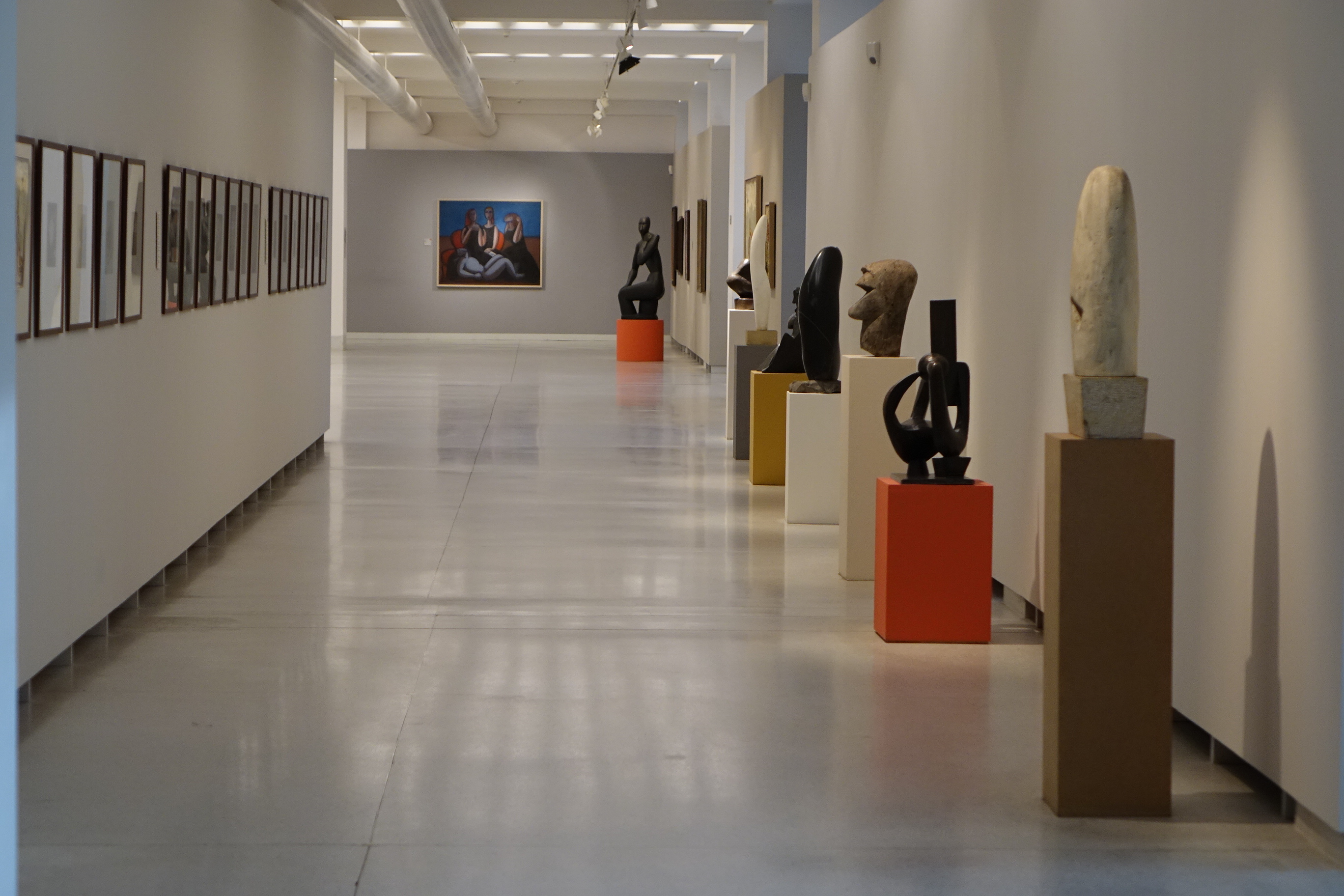
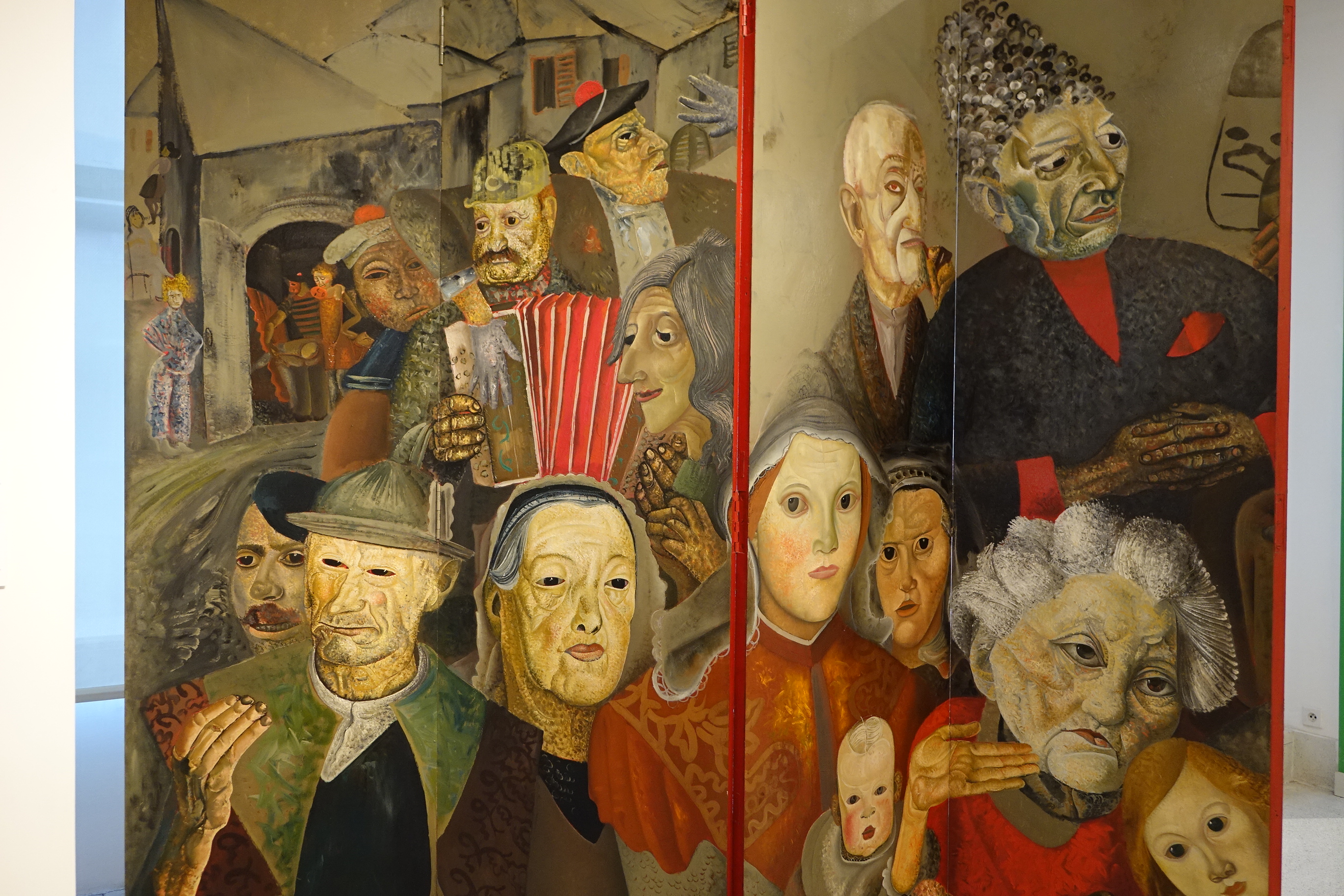
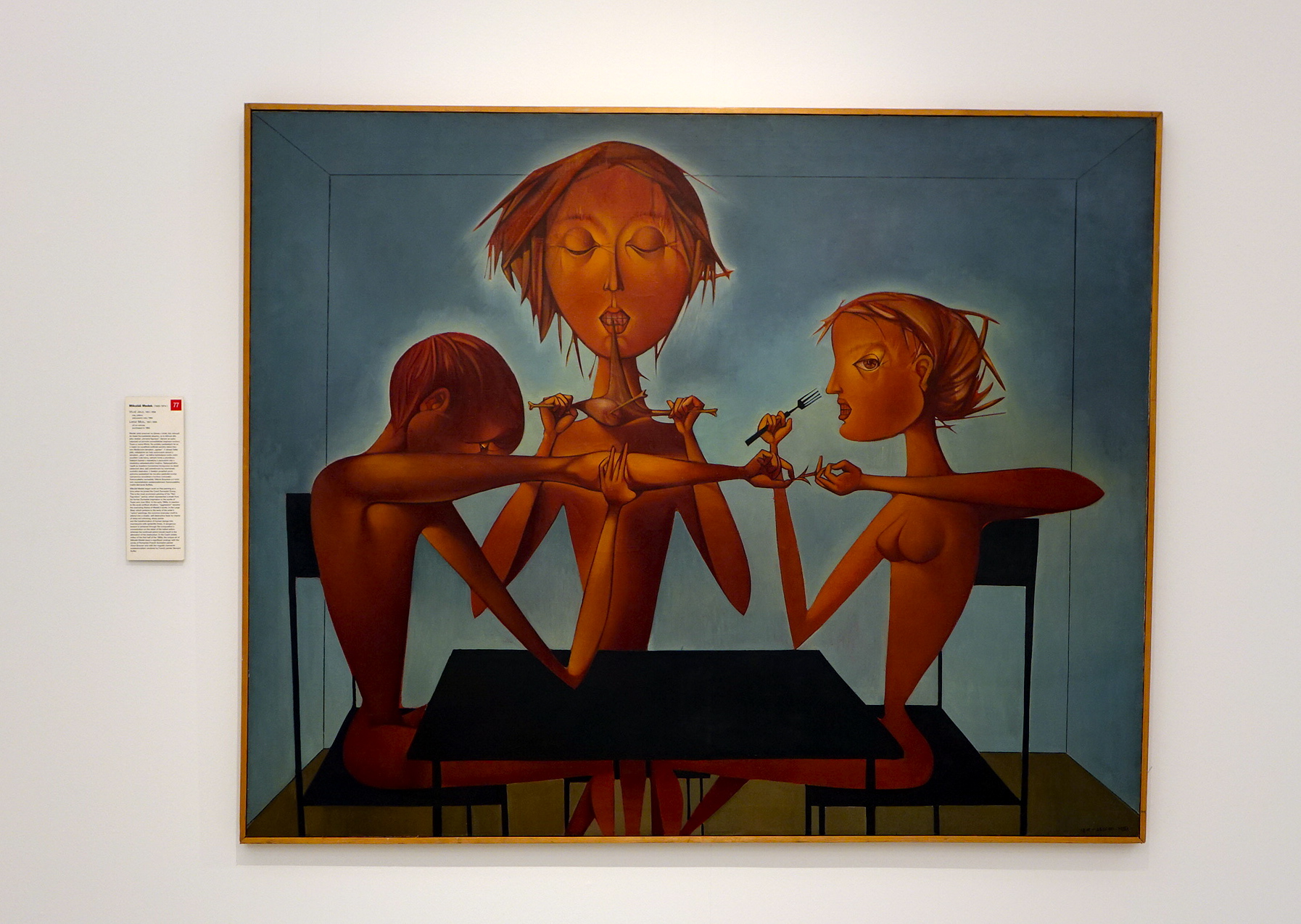
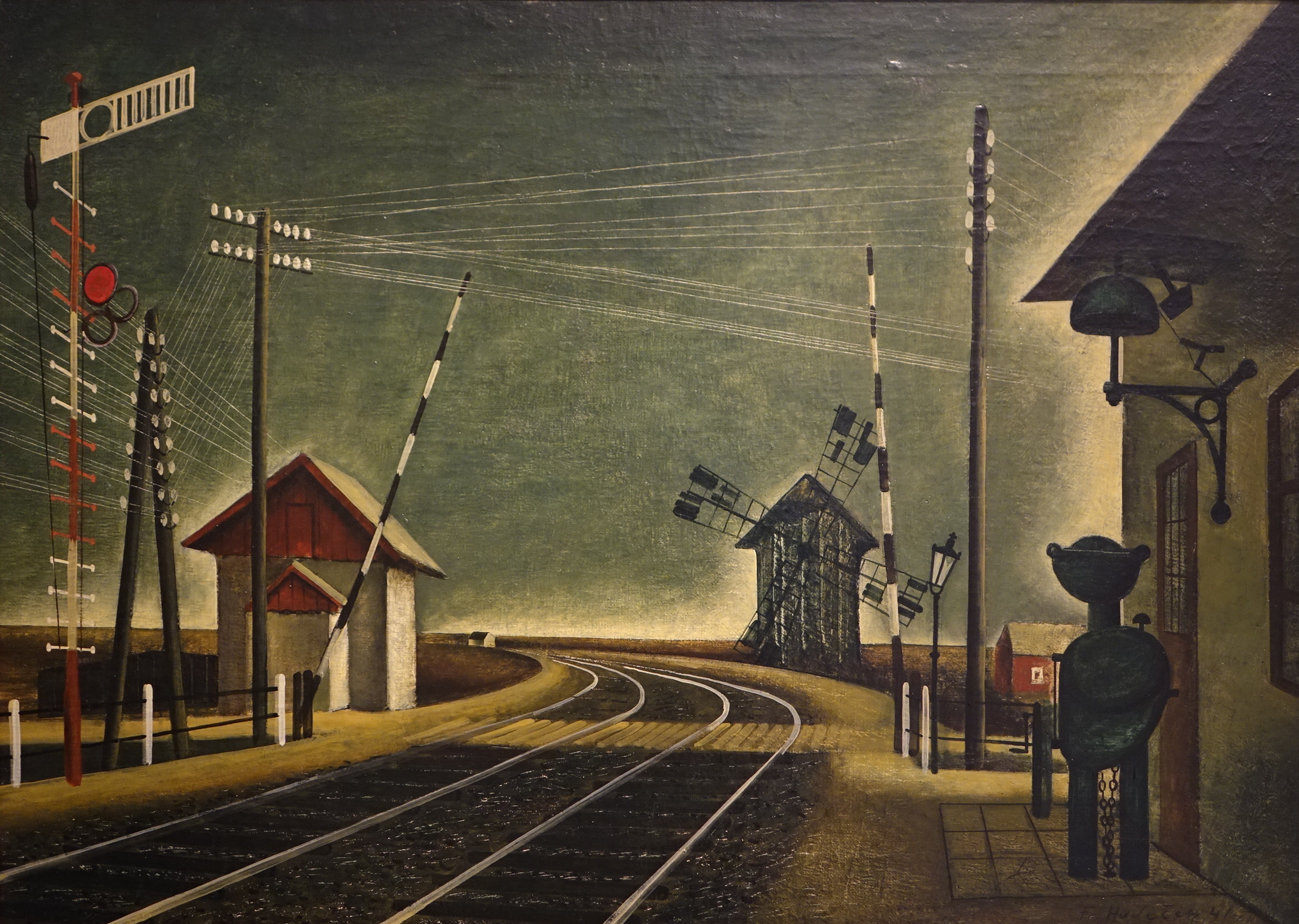
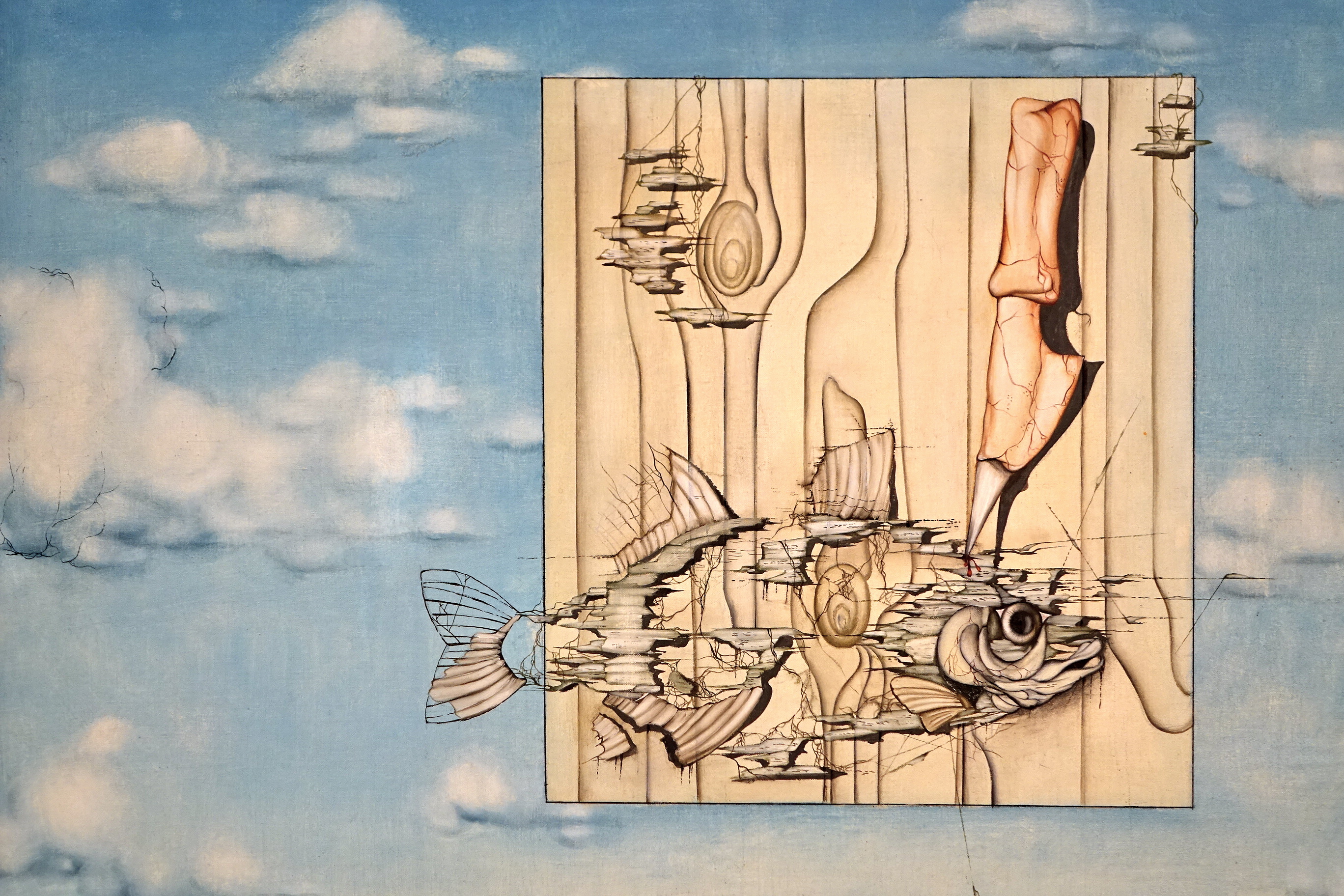
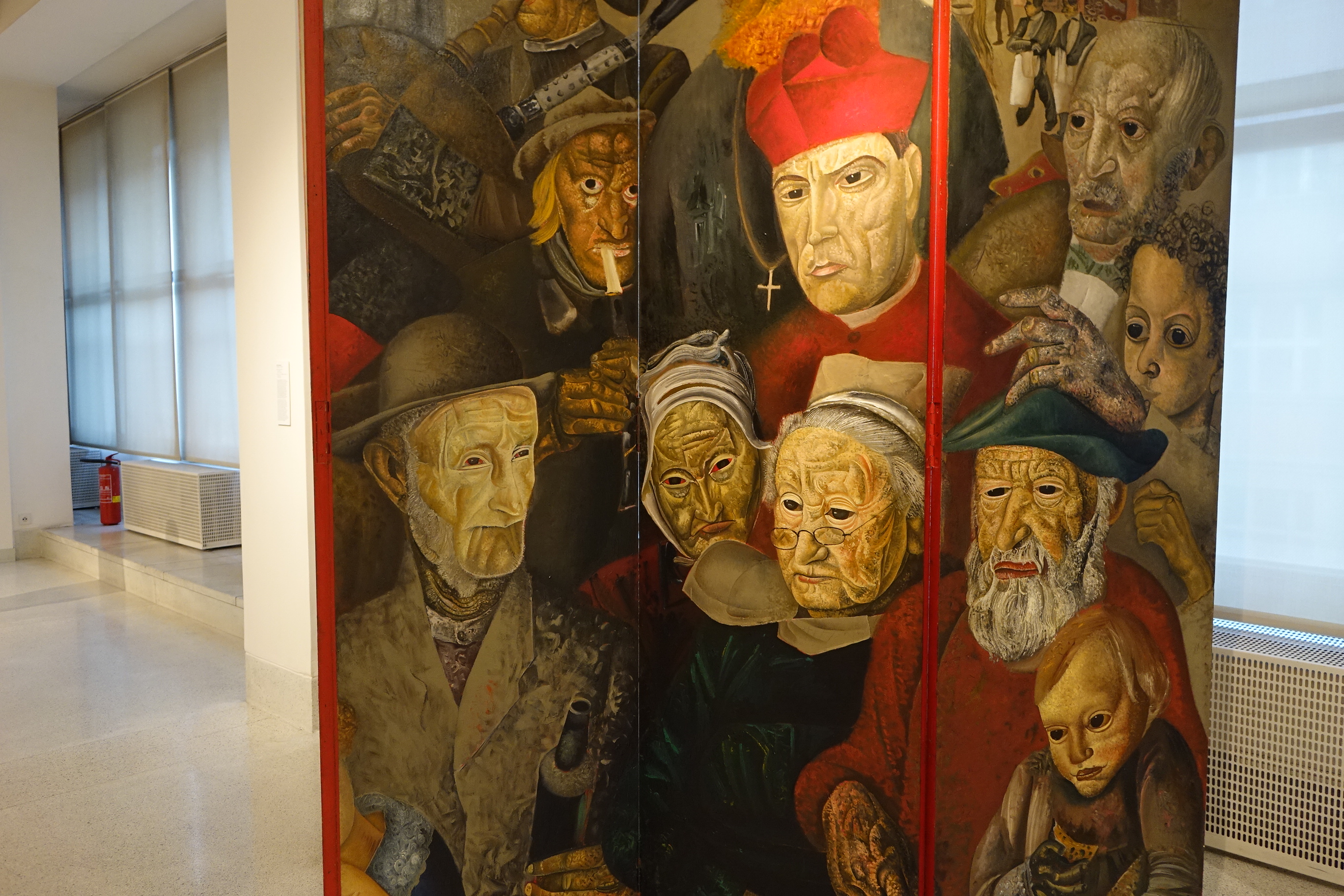
But heading inside that slight intimidating Community palace, I found a collection of art so incredible that my previous disillusionment with the city was completely suspended. In amongst a collection of Czech contemporary art was a platform for innovative expression almost without comparison in the art of so many other countries during that time. Jan Zrzavy’s painting of Cleopatra, for all its simplicity and vibrancy of colour was a complete masterpiece, while the work of Mikulas Medek with a family ripping apart their dinner was at once unsettling and uncompromisingly aggressive as it was utterly captivating and brilliant. I adored Bohumil Kubista’s cubist rendition of Saint Sebastian and couldn’t get enough of the odd Klimt and Schiele on show. But beyond these excellent works, the museum also contains some absolute gems of late 19th and early 20th century art: a whole room full of Picassos, works by Gauguin and Rousseau and Toulouse Lautrec. A Ferdinand Leger and several Cézannes – a superb collection almost hidden away in these depressing still suppressed suburbs of the city.

Artworks from the collection of the National Gallery

DSC06437 DSC06415 DSC06429 DSC06402 DSC06409 DSC06422 DSC06418 DSC06397 DSC06427 DSC06401

Which just goes to show that sometimes the best of a city can be found where the tourists do not go, where the scenery may be bleaker, but history is richer and the environment more authentic. Away from the tourist masses, the raw reality of Prague’s chequered history packs a bigger punch, but it is not allayed by the frustrations which are inherent with the tourist industry. Instead we find a Prague recently free of the iron shackles by which it was bound for several hard decades in the mid 20th century; reminders of hardship and the reasons why its citizens are perhaps not so friendly as we might otherwise expect. But there also you can find a truer Prague, a real city, and in its midst’s, an art collection worth travelling to Prague for.

All photos and written content are strictly the copyright of Nicholas de Lacy-Brown © 2014 and The Daily Norm. All rights are reserved. Unauthorized use and/or duplication of the material, whether written work, photography or artwork, included within The Daily Norm without express and written permission from The Daily Norm’s author and/or owner is strictly prohibited.

Interpretation No.10: Vintage Ronda

As England soaked in an August when early autumn usurped the rightful place of summer, I spent the last two weeks with my head still firmly in the sun-baked sands of Ronda in Southern Spain. Never has a homecoming from Spain proved so hard as the unapologetic plunge by 20 degrees from 35 to 15. And never have the grey dirty streets of London or the impossibly cramped antisocial conditions of the tube proved so unattractive when compared alongside the almost-tangible memories of Andalucia’s rolling golden hills and cerulean blue skies, memories that remain so vividly present behind my minds eye, almost taunting me as I stagnate in my unenviable choice of permanent home.

As always, I have sought to address this mental imbalance by reacquainting myself with the place where I was at my happiest, taking up my paints and paintbrushes and capturing a few spare moments in a weekday evening, to sit down and paint my memories. In so doing, I have completed my third painting of Ronda; another in the “Interpretations” series which sees me reinterpreting the landscape through simplified forms and a refocus on the shapes made by civilisation rather than the detail.

Interpretation No. 10 - Vintage Ronda (2014 © Nicholas de Lacy-Brown, gouache on paper)

Interpretation No. 10 – Vintage Ronda (2014 © Nicholas de Lacy-Brown, gouache on paper)

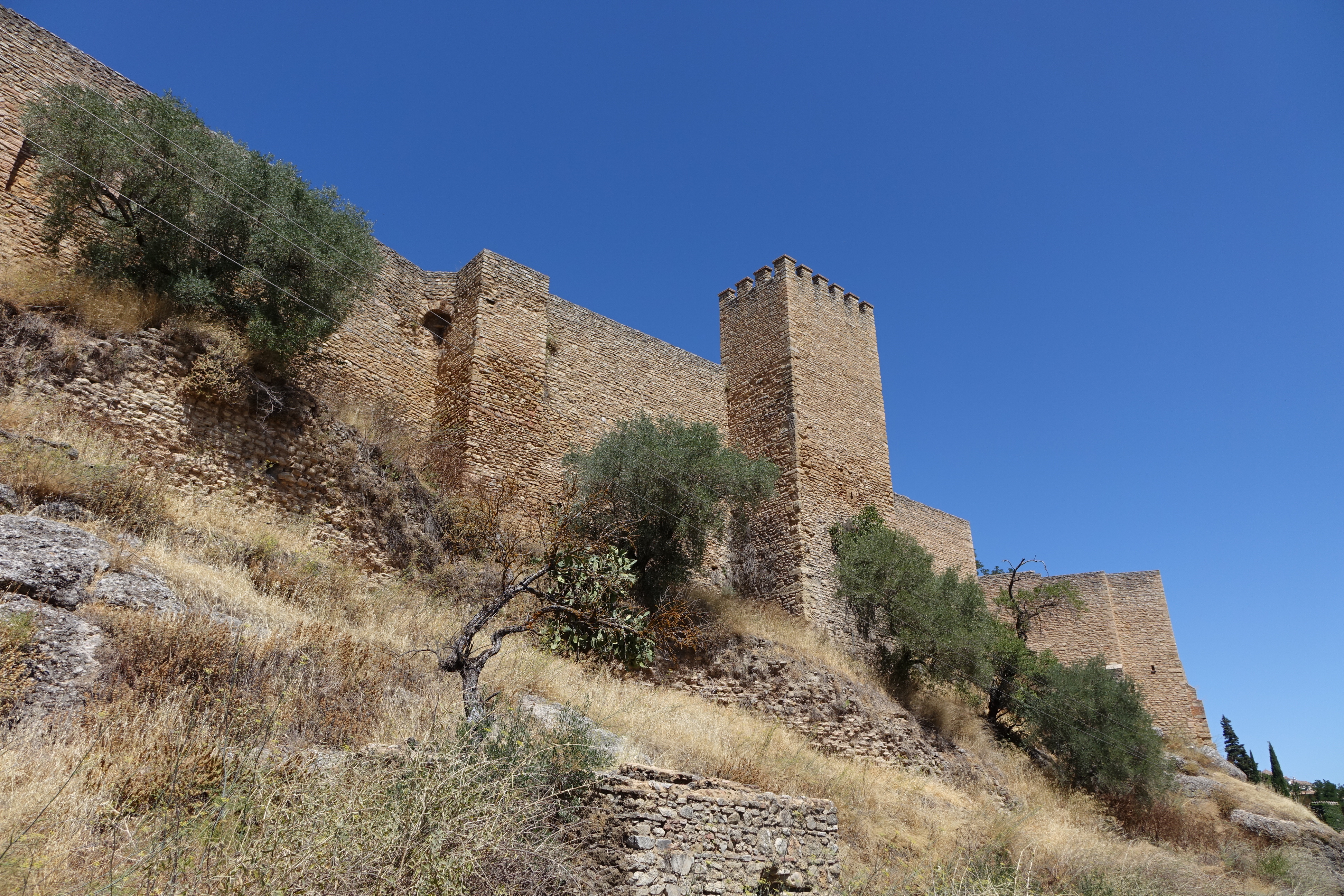
This 10th interpretation concentrates on two aspects of “Vintage” Ronda: first the ancient arabic walls which can still be seen on one side of the El Tajo gorge close to the old arab baths; and second a newer but still historic car, the likes of which we happened to find parked in this exact spot when taking photos of the arab ruins. When I saw it there, I could not help but recall my interpretation of the landscape in Italy’s Positano, painted with a yellow vespa in the foreground, and I knew that with this red vintage car, the perfect partner work had been born.

© Nicholas de Lacy-Brown and The Daily Norm, 2001-2014. Unauthorized use and/or duplication of the material, whether written work, photography or artwork, included within The Daily Norm without express and written permission from The Daily Norm’s author and/or owner is strictly prohibited. Excerpts and links may be used, provided that full and clear credit is given to Nicholas de Lacy-Brown and The Daily Norm with appropriate and specific direction to the original content. For more information on the work of Nicholas de Lacy-Brown, head to his art website at www.delacy-brown.com

Interpretation No. 9: The Gorge and the Puente Nuevo

It would have been hard to stop my artistic appreciation of the city of Ronda with a single painting, and having completed Interpretation no.8, my interpretative landscape of Ronda, no.9 followed hot on its heels. This time the same fusion of the arid amber gorge and crisp white buildings predominates, but this painting focuses more on the great imposing El Tajo gorge, together with the bridge (albeit only a small slice of it) that links the two sides of ancient Ronda. In this painting I hope to have emphasised the sheer drama which the teetering positioning of Ronda’s houses on the top of a vast plunging gorge provides, as well as capturing some of the more iconic sights of the city, from the Puente Nuevo to the old cathedral sitting at its centre. 

Interpretation No. 9 (2014 © Nicholas de Lacy-Brown, gouache on paper)

Interpretation No. 9 (2014 © Nicholas de Lacy-Brown, gouache on paper)

© Nicholas de Lacy-Brown and The Daily Norm, 2001-2014. Unauthorized use and/or duplication of the material, whether written work, photography or artwork, included within The Daily Norm without express and written permission from The Daily Norm’s author and/or owner is strictly prohibited. Excerpts and links may be used, provided that full and clear credit is given to Nicholas de Lacy-Brown and The Daily Norm with appropriate and specific direction to the original content. For more information on the work of Nicholas de Lacy-Brown, head to his art website at www.delacy-brown.com
Ronda Roundup

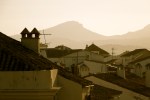
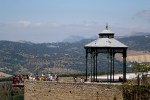
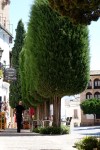
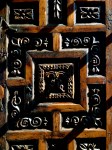
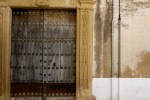
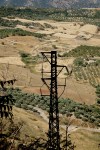
If one is to weigh up beauty in proportion to blog content, I haven’t written about Ronda in Southern Spain all that much. And I surely haven’t had enough opportunities to post the wealth of photos I took on my two day trip to the city either (a quantity you could say is also out of proportion to the length of the trip, but there you go). But happily with each new day comes a new excuse to write about Ronda, and today I’ve put together a group of miscellaneous photos which act as a kind of sample from my 48 hours in that picture-perfect hill top town. 

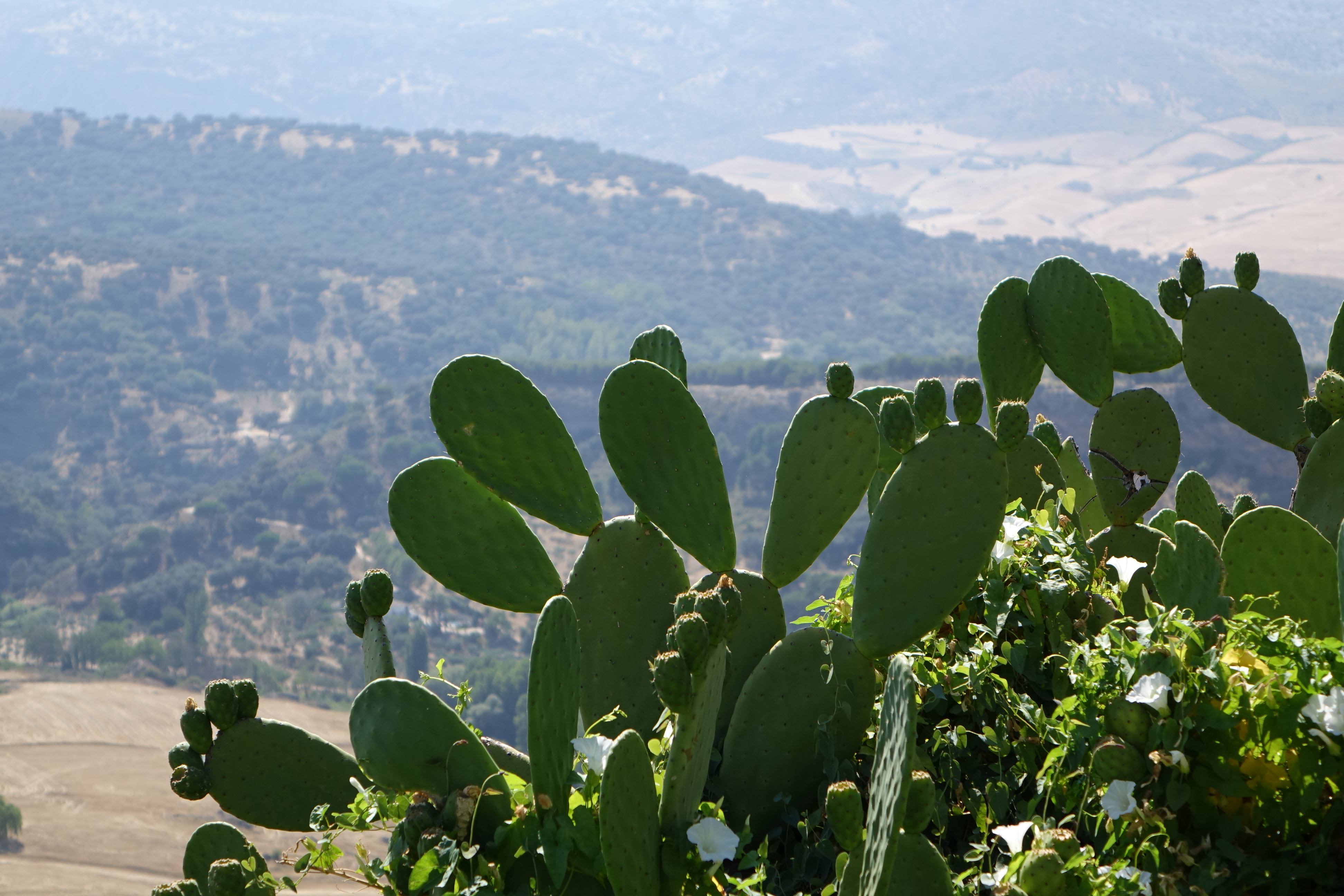
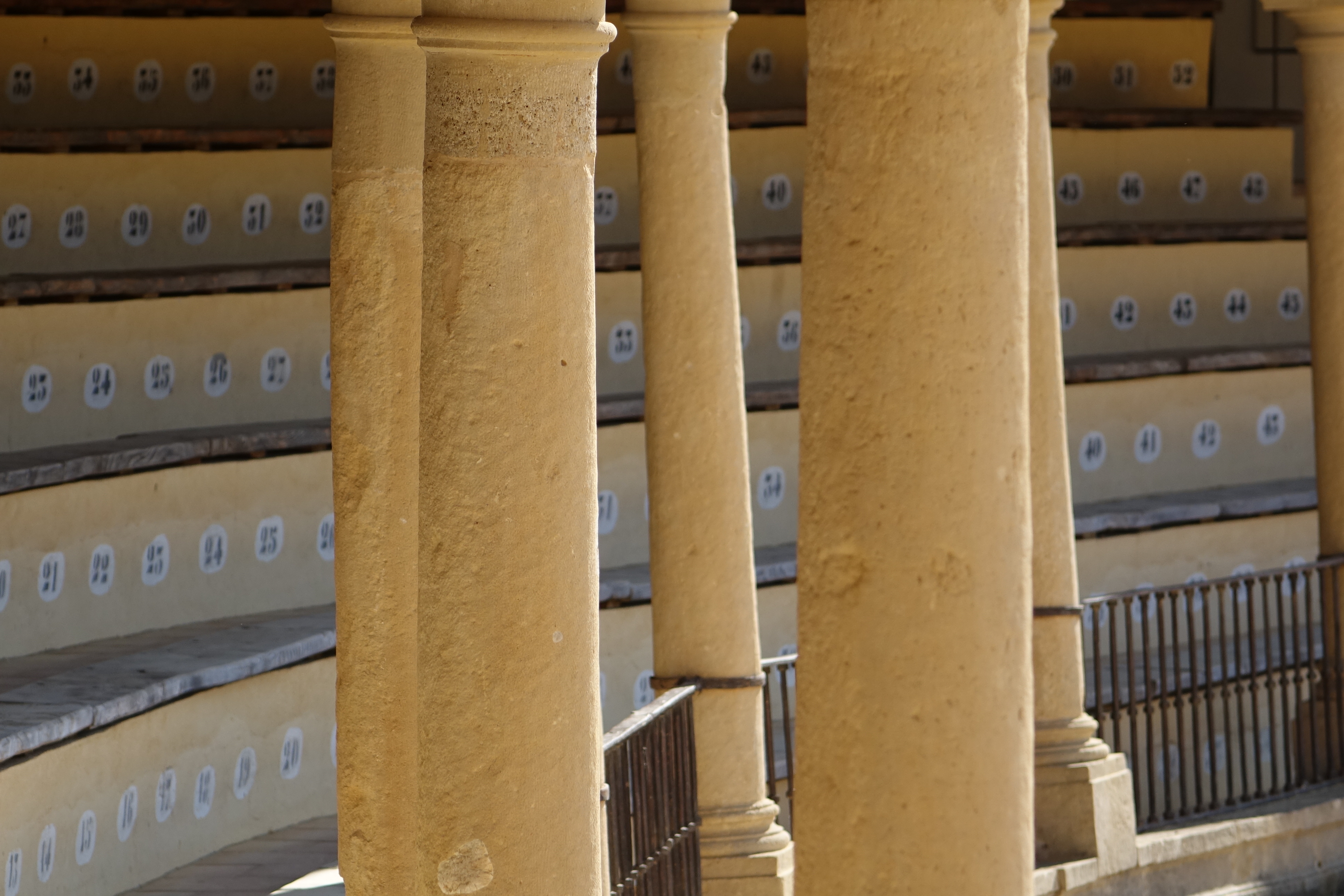
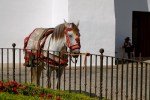
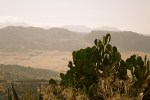
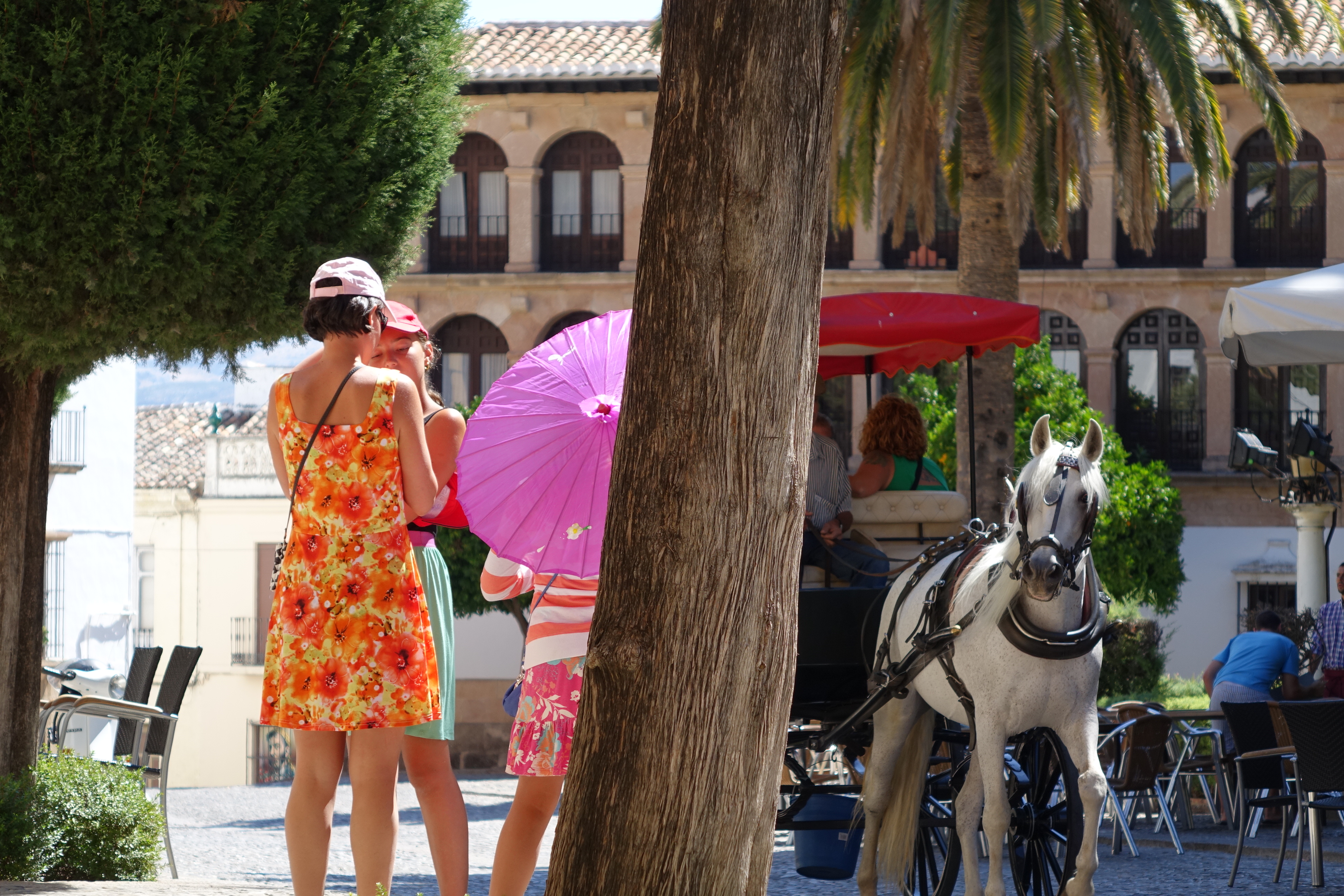
As has become somewhat the norm of my photography, I have concentrated more on architectural and urban details in exploring the town with my SLR bridge camera, making the most of soft focus capabilities when taking group shots, as well as the ability of the camera to excel under conditions of both light and shadow. But I have also used the frame of each photo to capture little vignettes of the city, such as the little horse and carts which ferry tourists around the old town, or the large succulent cactus which so beautifully compliments the arid golden landscape beyond it. 

DSC05105 DSC05171 DSC04908 DSC04996 DSC05033

I of course realise that this blog has become more of a homage to travel than to art in recent times. But as these photos will hopefully show, there is no greater inspiration for an artist than travel, and no greater art than that which captures the beauty which is so much easier to appreciate when the eye is not accustomed to it.

All photos and written content are strictly the copyright of Nicholas de Lacy-Brown © 2014 and The Daily Norm. All rights are reserved. Unauthorized use and/or duplication of the material, whether written work, photography or artwork, included within The Daily Norm without express and written permission from The Daily Norm’s author and/or owner is strictly prohibited. 
My travel sketchbook: Swimming Pool at the Paradores, Ronda

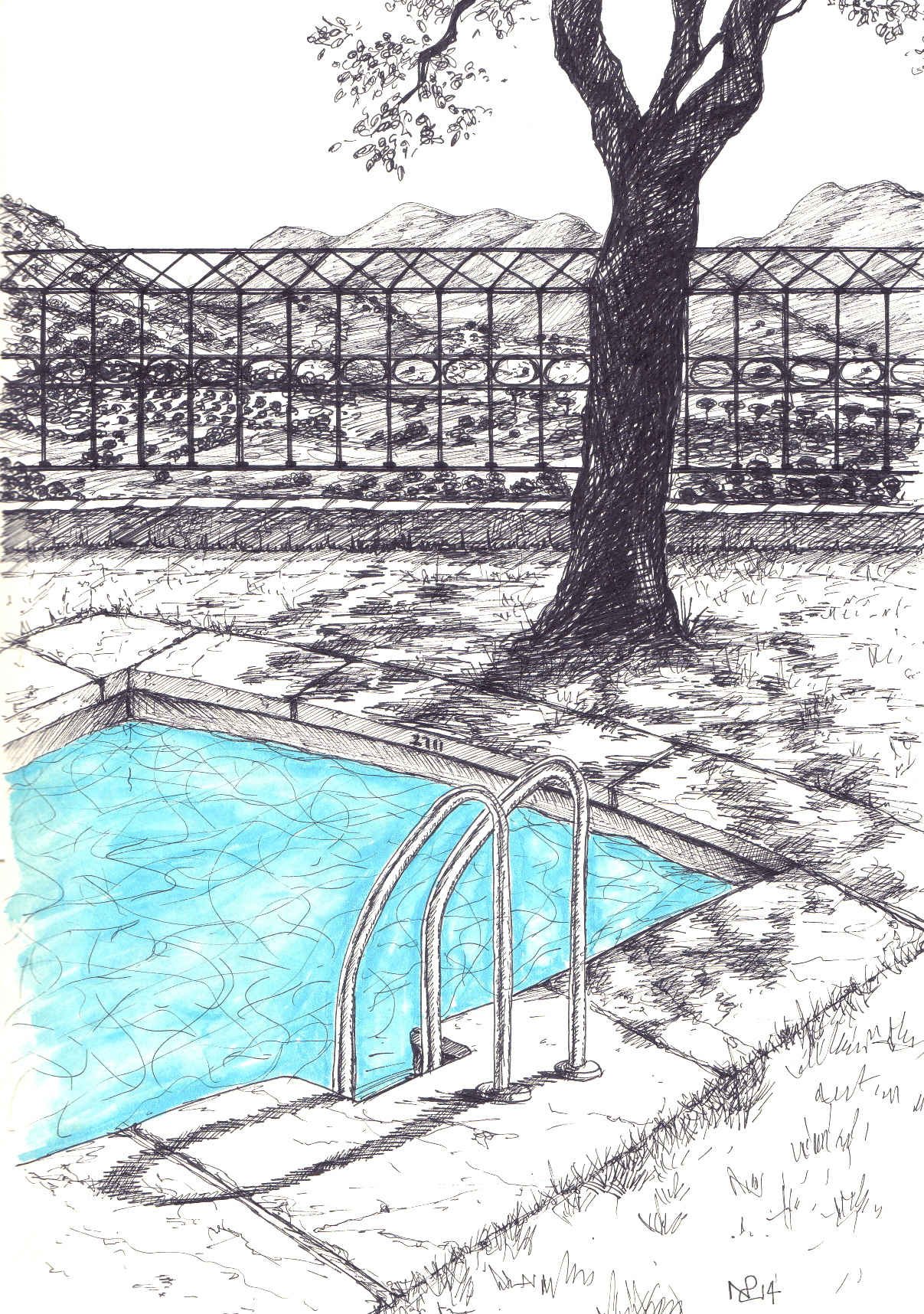
My third sketch of Ronda marked something of a departure from my two views of the gorge. I had taken my sketchbook down to the hotel pool with me on the afternoon of my birthday, half expecting to capture another glimpse of the sensational hotel views over the surrounding landscape. And while I did begin to draw in a little of that landscape, I soon realised that what was exciting me most about the scene before me wasn’t the landscape at all, but the electric blue swimming pool set within a lush garden dappled with sunlight through sheltering trees. And so in something which recalls the dolce vita represented in the early LA paintings of David Hockney, I made the swimming pool of the hotel Paradores the focus of this sketch, even returning to the completed black and white work to add the same electric blue that had so entranced me. Together there is not only a striking contrast of monochrome and blue, but the very vision of a summer’s holiday afternoon. Bliss. 

Ronda Sketch 3 - Paradores Pool (2014 © Nicholas de Lacy-Brown, pen and ink on paper)

Ronda Sketch 3 – Paradores Pool (2014 © Nicholas de Lacy-Brown, pen and ink on paper)

© Nicholas de Lacy-Brown and The Daily Norm, 2001-2014. Unauthorized use and/or duplication of the material, whether written work, photography or artwork, included within The Daily Norm without express and written permission from The Daily Norm’s author and/or owner is strictly prohibited. Excerpts and links may be used, provided that full and clear credit is given to Nicholas de Lacy-Brown and The Daily Norm with appropriate and specific direction to the original content. For more information on the work of Nicholas de Lacy-Brown, head to his art website at www.delacy-brown.com

Ronda | Day Two: Ronda Joy for the Birthday Boy

Being a proponent of self-indulgence in all forms I am a great lover of birthdays. And being a great lover of birthdays I very often get disappointed when they are anything less than perfect. Which is most of the time – after all, when one is hoping for perfection you will almost certainly be on the look out for problems. But this year’s birthday, my 31st I am loathe to admit was, perhaps because it was so unplanned and unexpected (original plans to go to Cadiz being abandoned) utterly and in every way perfect. For how could it be otherwise, waking up in the glorious Spanish city of Ronda to some of the most spectacular views the country has to offer. 

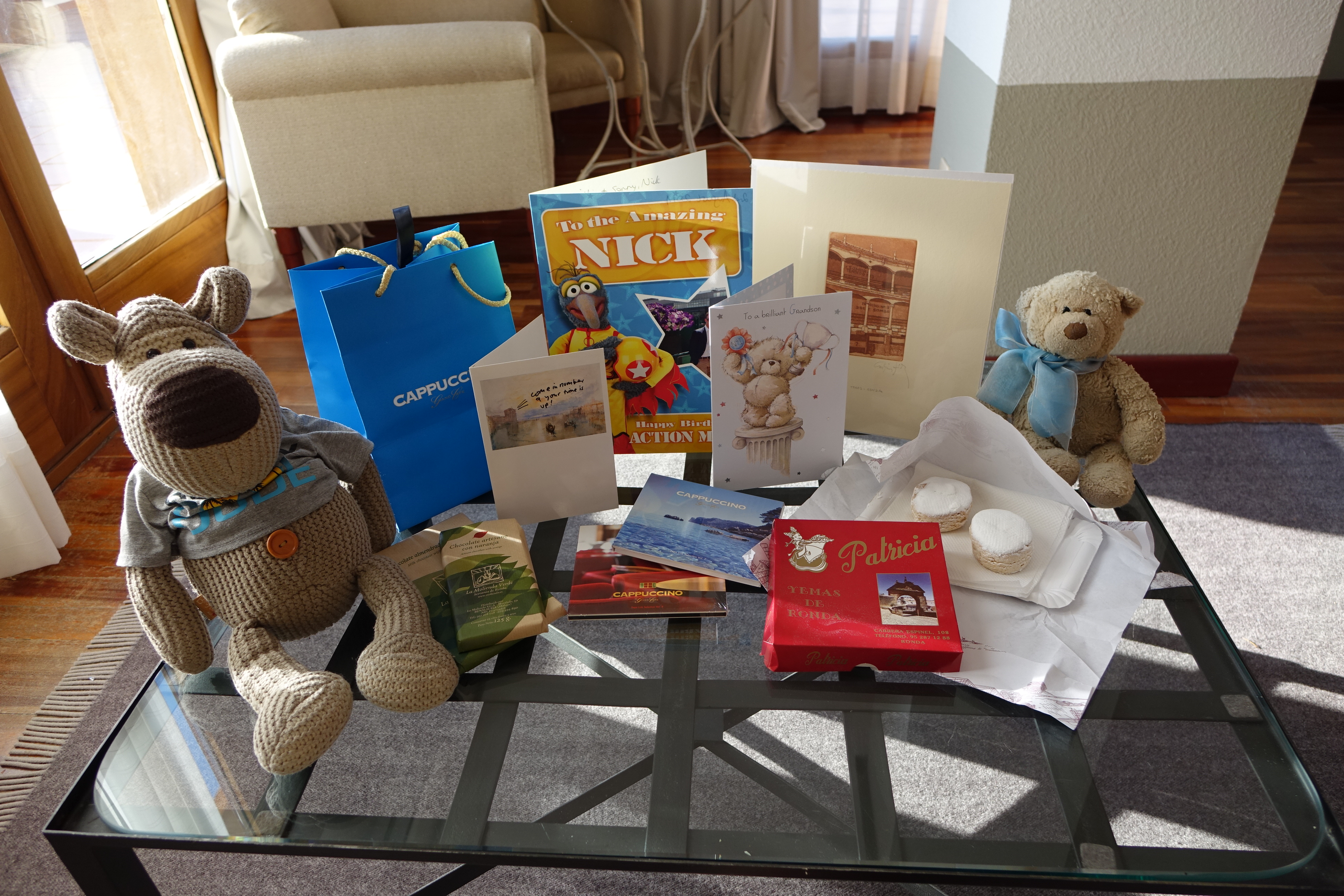
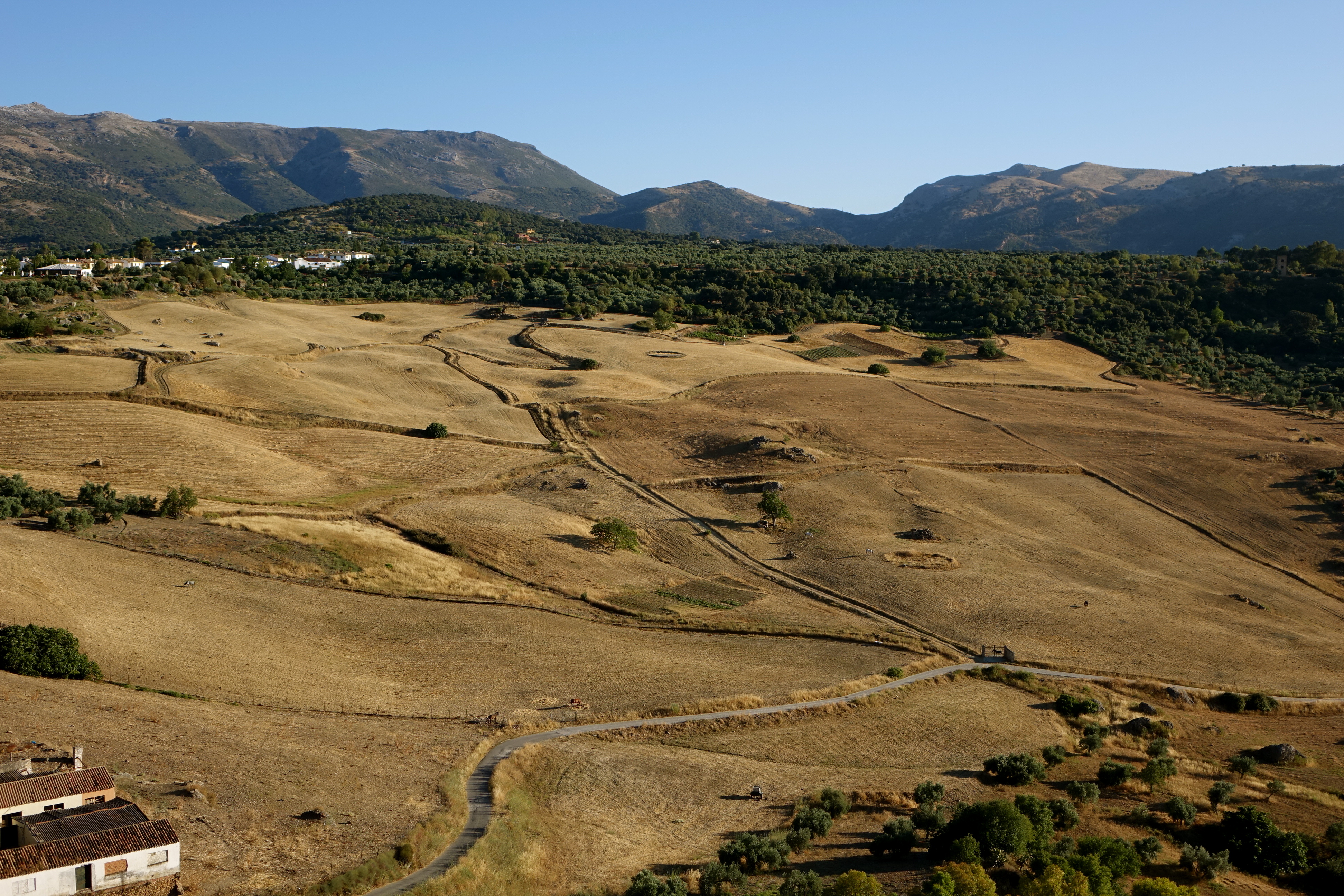
Those views, of golden fields, red rocky outcrops, white washed houses dazzled by the sun, and the vast imposing structure of the New Bridge, accompanied me throughout the early exciting stages of my birthday: admiring the views, taking a bath still admiring the views, unwrapping those few presents and cards I had brought with me from the UK, eating breakfast in the hotel restaurant still admiring the views, and finally getting my fill of those same stunning views as we strolled through the morning tranquility of the Almeda Park. 

Opening up my birthday presents and walking out into Ronda’s delightfully sunny morning

DSC05179DSC05673 DSC05370 DSC05724 DSC05405 DSC05361 DSC05542 DSC05398

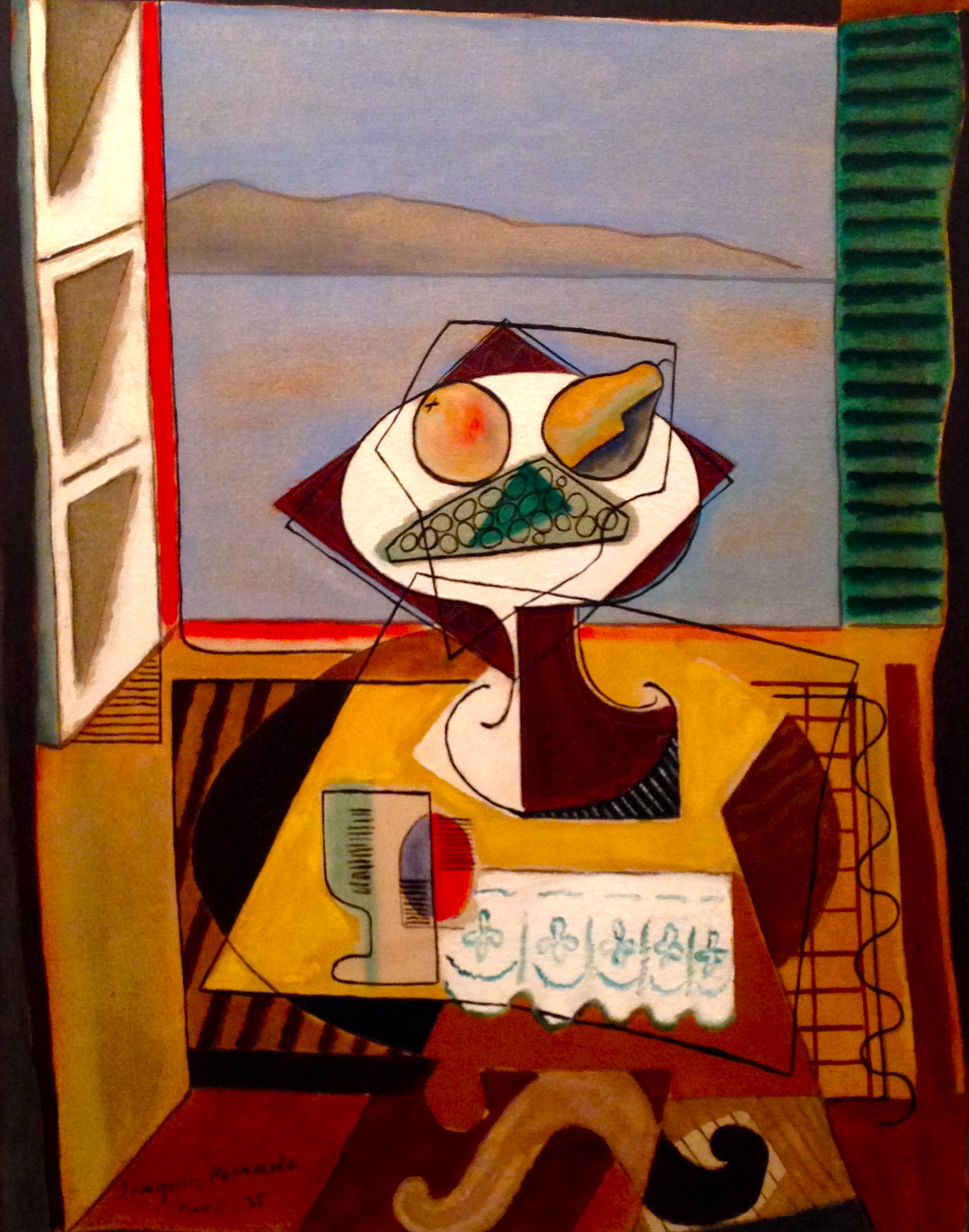
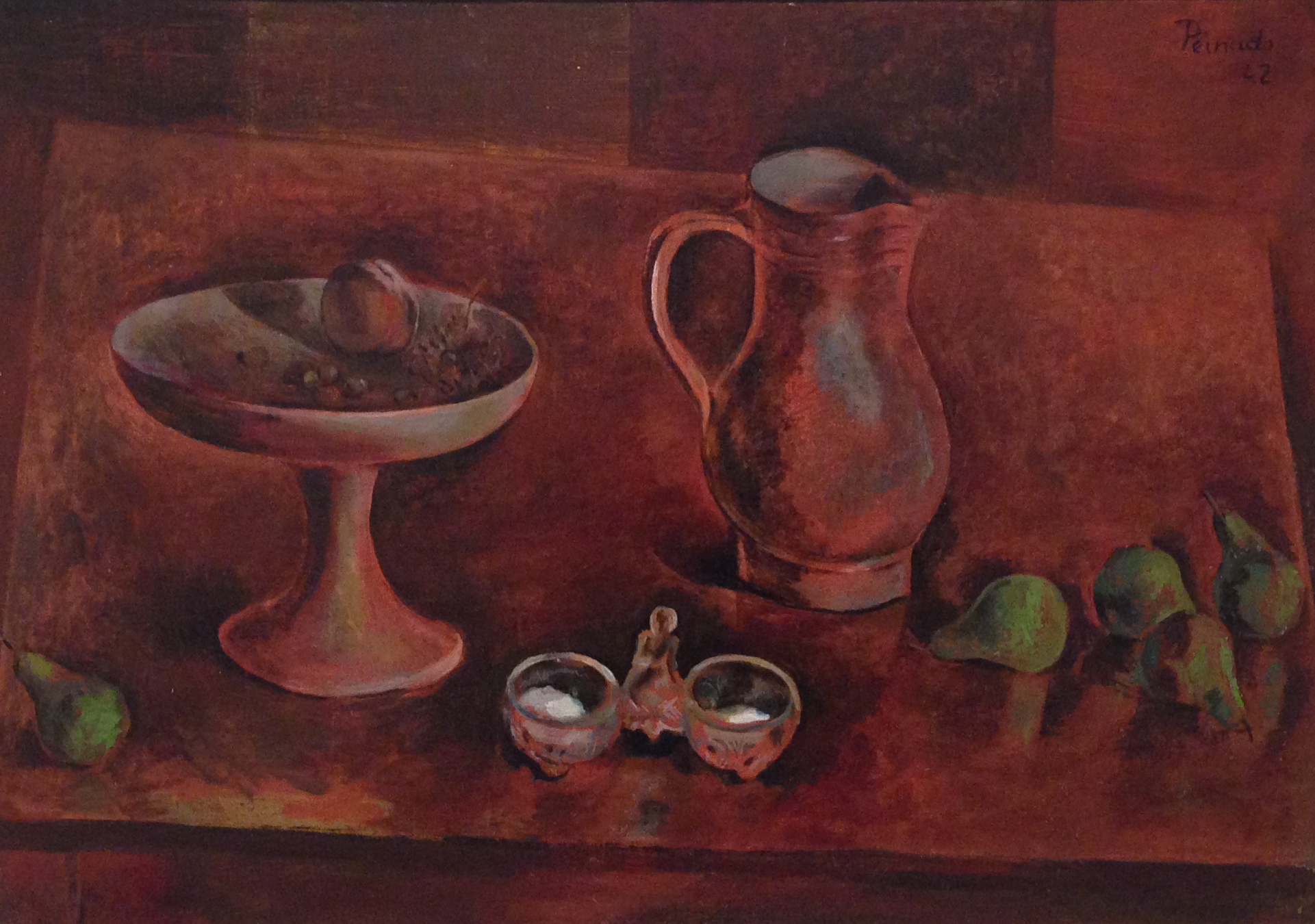
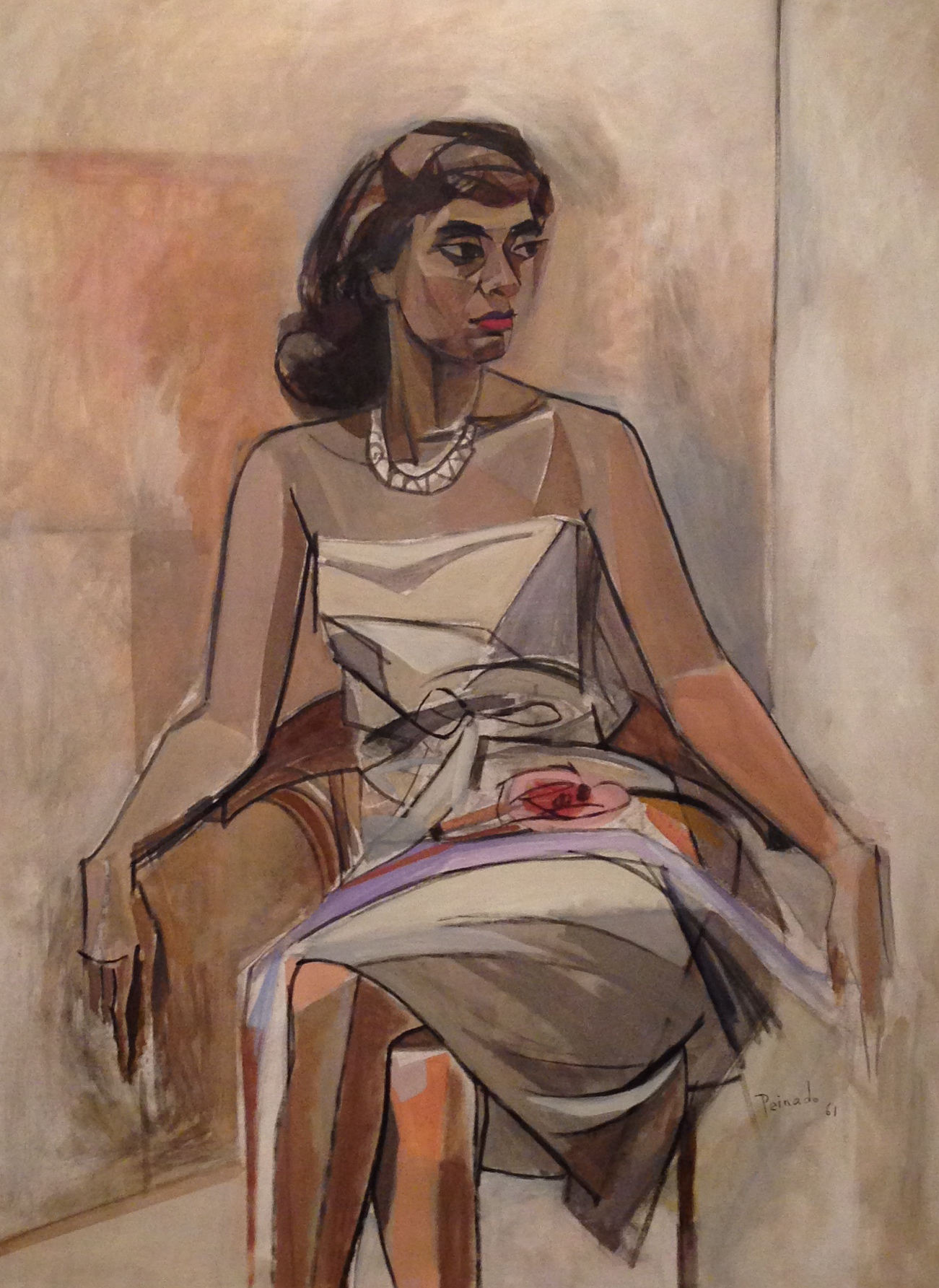
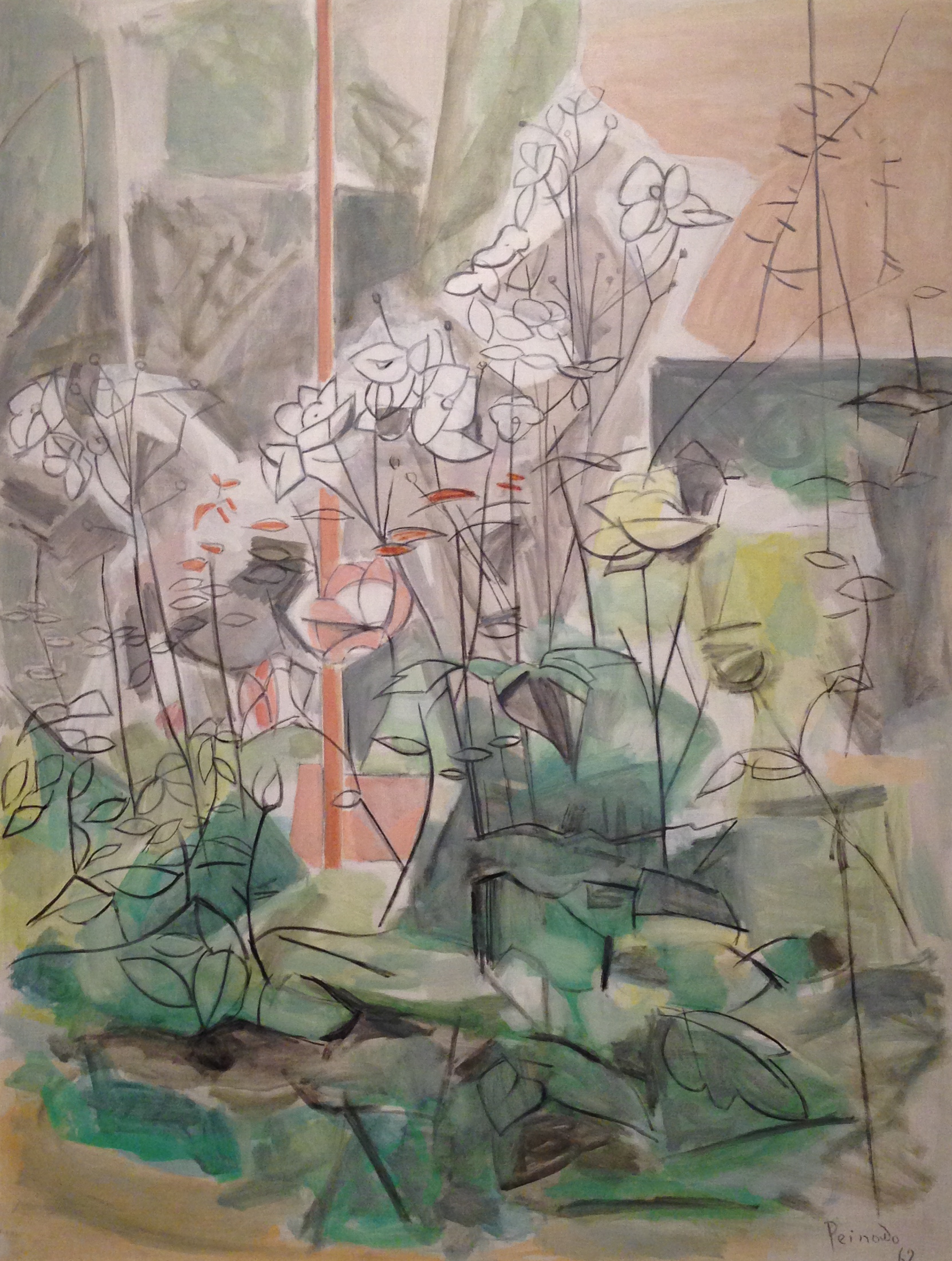
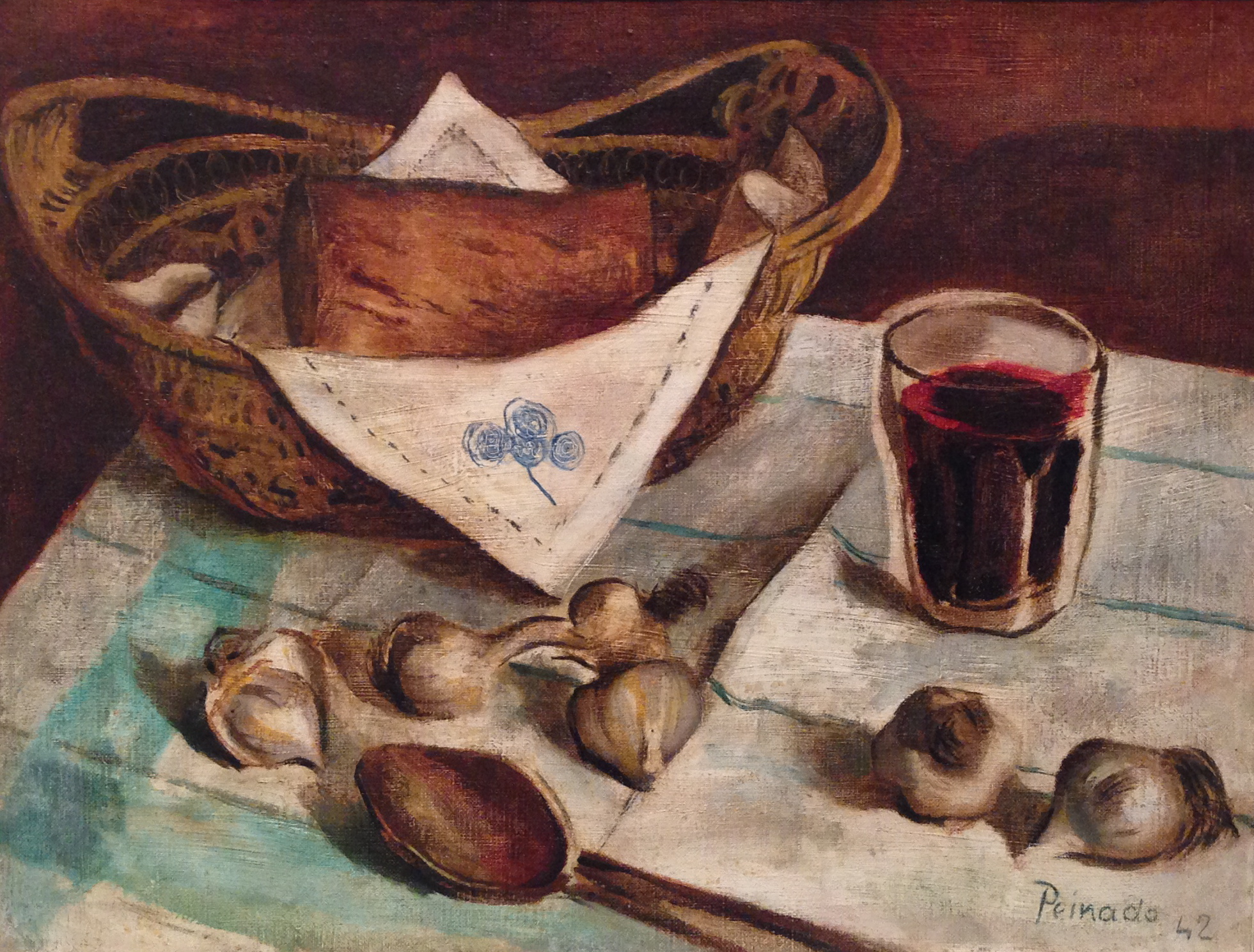
All that set me up in perfect stead for the day to come, energy levels sky rocketing inspired by the beauty all around us. We headed straight over the vast gorge to the fairly new museum of another artist who had been inspired by these landscapes as well as the wealth of art historical references boasted by Spain: Ronda born Joaquin Peinado. His works, largely figurative moving into cubism, all wonderfully colourful and full of energising geometric forms, are contained in the beautifully converted Moctezuma Palace which is today owned by the Unicaja Ronda Foundation. The conversion makes for the perfect meditative surroundings where art is appreciated at its best: marble floors, clean white walls and incredibly detailed ancient mudejar ceilings. And just in case the building itself does not do it for you, the paintings on show are comprehensive and varied: Not only was a plentiful collection of the work of Peinado himself on show, but the museum was also hosting a temporary exhibit of Picasso’s Voillard Suite of around 100 prints. Those works, which are mainly crafted in etchings and lithographs and depict themes of the minotaur and the sculptor and model, demonstrate once again the versatility of Picasso and how prolific he was in the field of print.

Highlights from the Peinado Museum

IMG_9492 IMG_9501 IMG_9507 IMG_9500 IMG_9493 IMG_9494 IMG_9503 IMG_9497 IMG_9496 IMG_9505

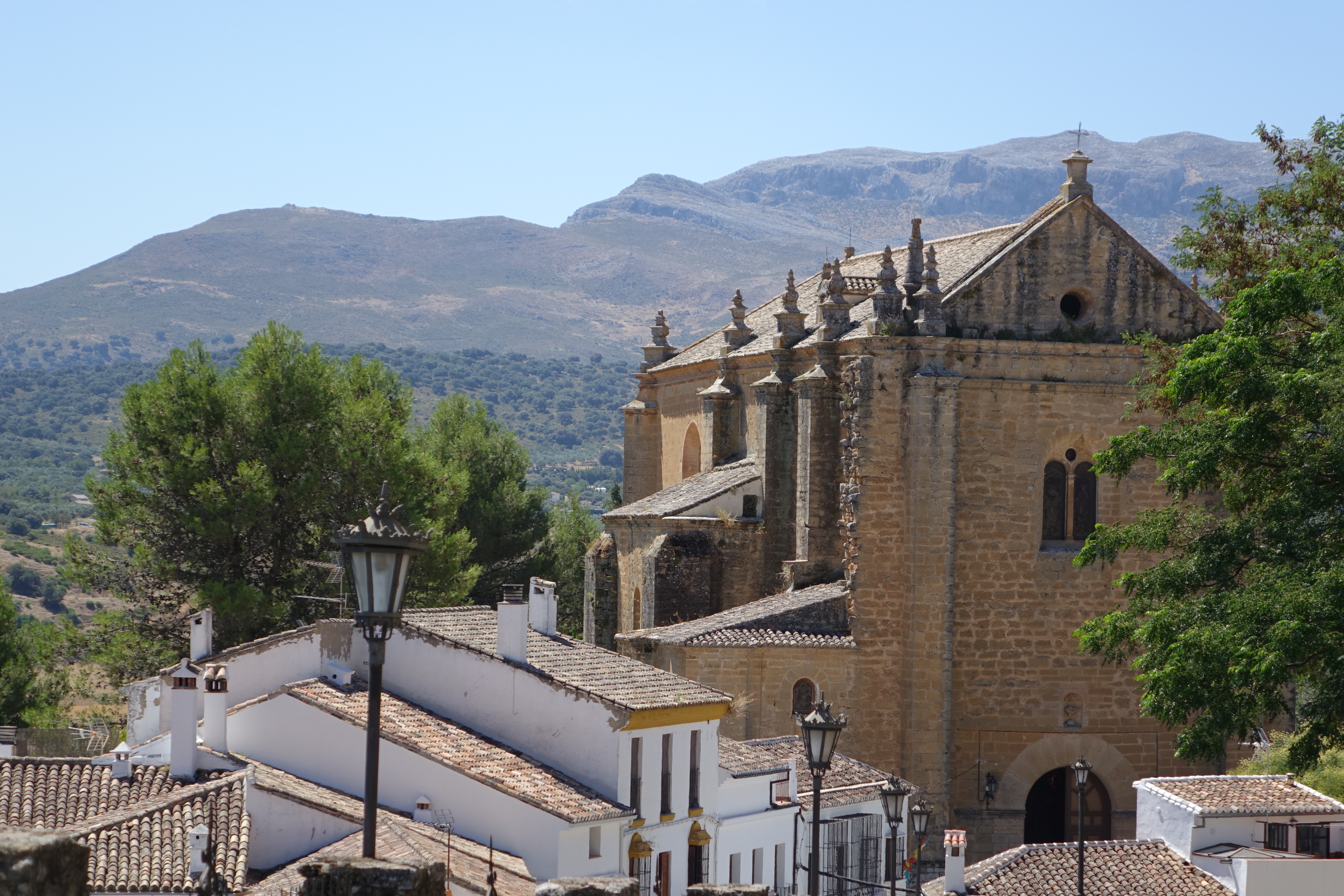
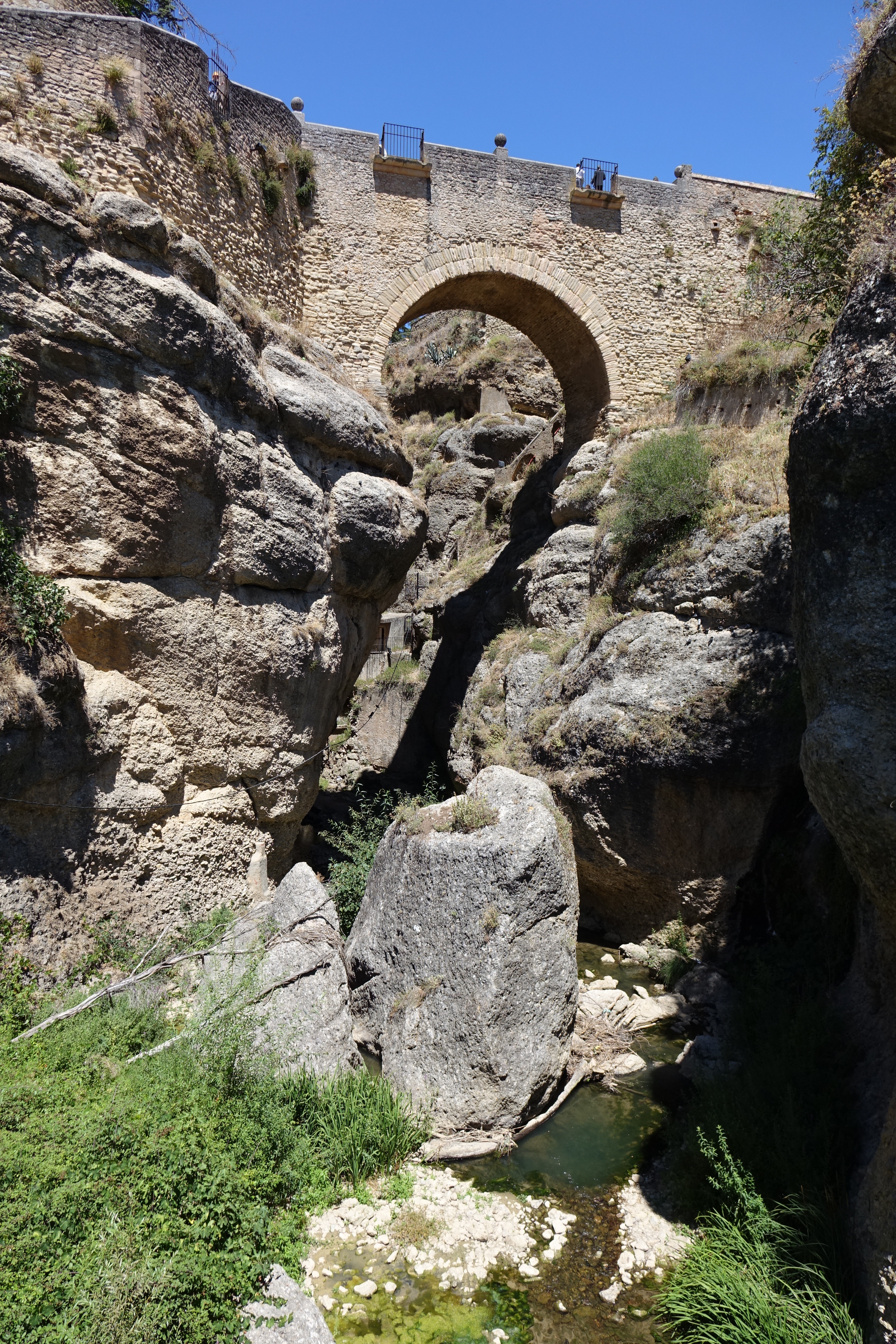
If my birthday had ended there, stepping out after that wonderful art gallery experience, I would have been happy, but it was far from over. Next the compulsory coffee, enjoyed in the heart of the old town in the Plaza Duquesa de Parcent, after which a quite random walk took us quite accidentally but fortuitously down around the outskirts of the old arab ramparts of Xijara and to the Islamic remains of the city. Chief among them are the almost fully intact Arab Baths, which today make for an atmospheric visitor’s attraction with sunlight flooding through the small star shaped holes in the stone ceiling, even though the water is today long gone. Then, just outside the baths, the incredible Old Bridge (so called) crossing the El Tajo gorge is likewise a supposed remnant to the old arab civilisation in the city. Today it makes for a stunningly impressive sight.

Arab Ronda

DSC05464 DSC05501 DSC05424 DSC05495 DSC05448 DSC05467 DSC05430 DSC05453

Read more

Interpretation No. 8: Ronda cluster above the El Tajo Gorge

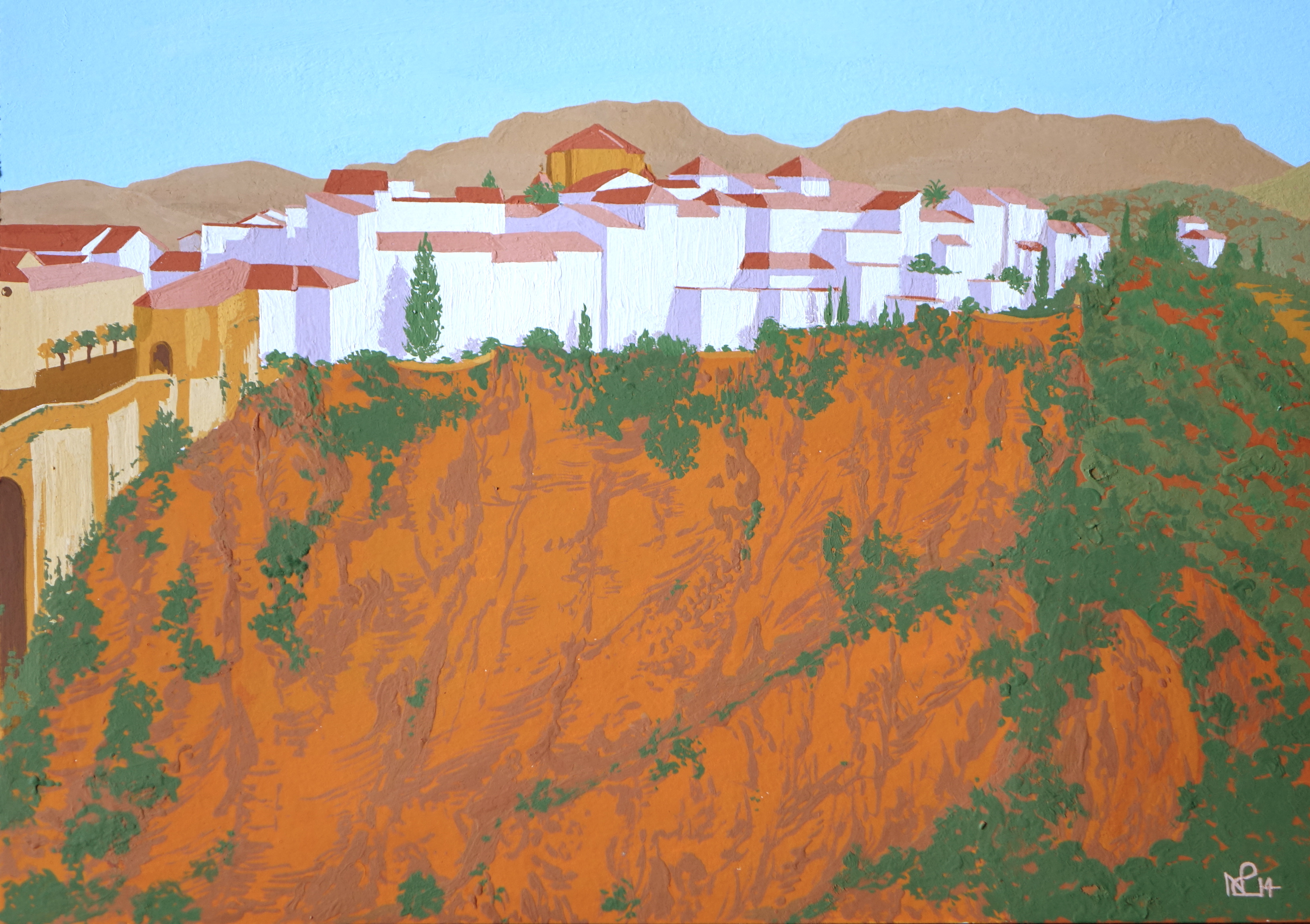
Readers of the Daily Norm will know that following my beautiful trip to the Amalfi Coast in June, I embarked on a series on new gouache paintings. I have loosely labelled the collection “interpretations” because they are not so much landscapes as interpretations of a landscape – a simplified landscape with the details of urban structures stripped away so that the focus of the audience can be placed on the general shape made by a town or a cluster of buildings, rather than the details. This is particularly striking where generations of people have built up towns in the most hostile of landscapes, such as the cliff edges of the Amalfi Coast. The result is the development of a group of buildings which look almost out of place and surreal when set against the harsh unapologetic backdrop of nature. It is this contrast which my interpretations seek to emphasise.

Interpretation No. 8 - Ronda (2014 © Nicholas de Lacy-Brown, gouache on paper)

Interpretation No. 8 – Ronda (2014 © Nicholas de Lacy-Brown, gouache on paper)

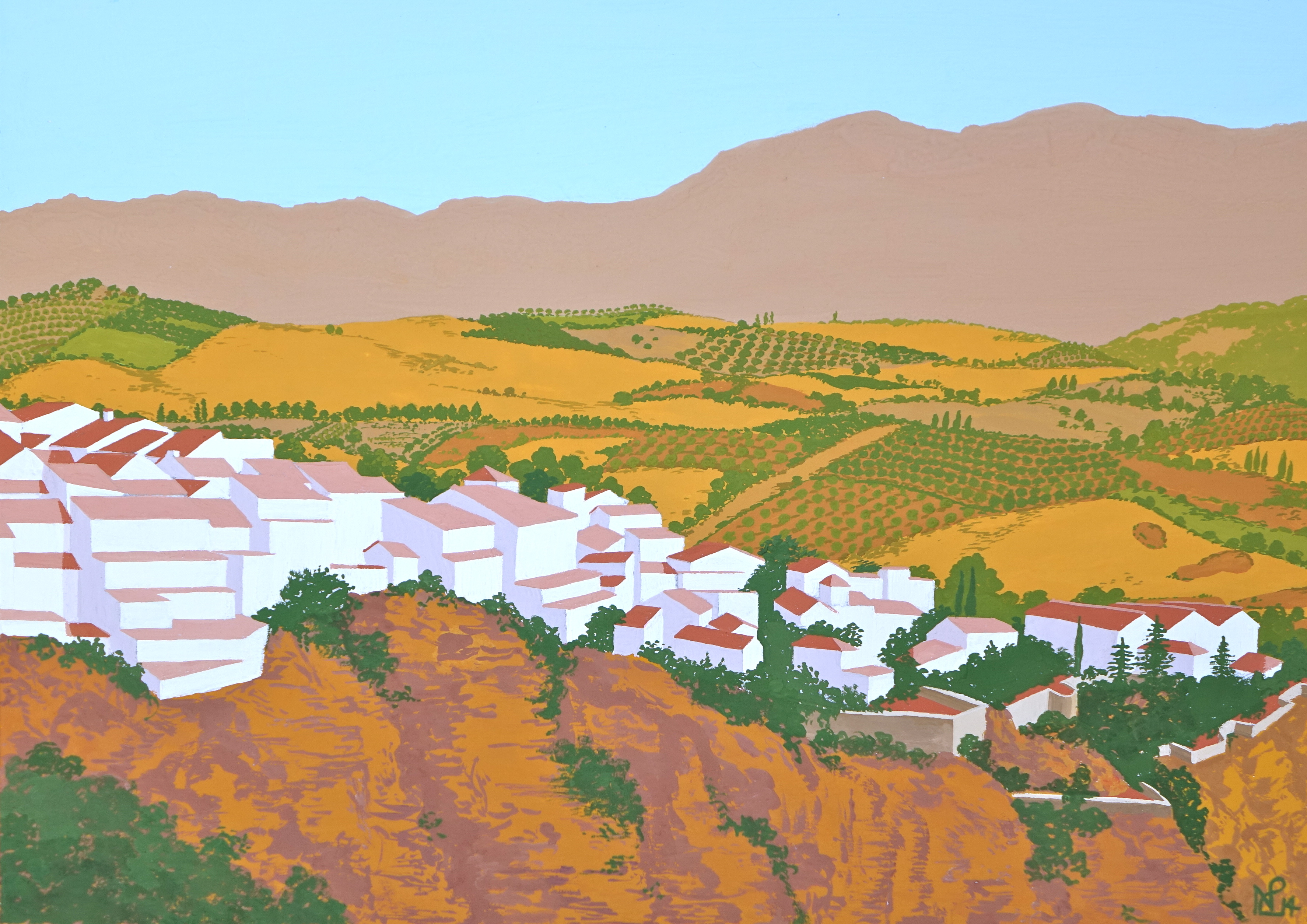
There was no doubt that having been inspired by the vast rocky coastal crags of Amalfi, I would be likewise moved to paint by the mountainous planes and combination of town versus harsh seemingly unconquerable landscape which characterises the small urban sprawl of Ronda. I set about working on my first Ronda “interpretation” almost as soon as I caught eyes on the views. This first work is the result, a painting which, unlike the Italian works which have gone before it, loses the blues and purples of the Amalfi Coast, and is instead painted in the warm reds, ochres, bronzes and russets for which the arid Southern Spanish landscape is famous. And these colours are not works of fiction – for the El Tajo gorge on which Ronda stands is very much a fiery orange colour, which glows ever more robustly red as the sun sets upon it. It’s an awesome sight, and made for the perfect inspiration for this continuation of my Interpretations collection.

All photos and written content are strictly the copyright of Nicholas de Lacy-Brown © 2014 and The Daily Norm. All rights are reserved. Unauthorized use and/or duplication of the material, whether written work, photography or artwork, included within The Daily Norm without express and written permission from The Daily Norm’s author and/or owner is strictly prohibited. Excerpts and links may be used, provided that full and clear credit is given to Nicholas de Lacy-Brown and The Daily Norm with appropriate and specific direction to the original content. For more information on the work of Nicholas de Lacy-Brown, head to his art website at www.delacy-brown.com