Skip to content

Posts tagged ‘Art’

Art on the Riviera: Musée Fernand Léger

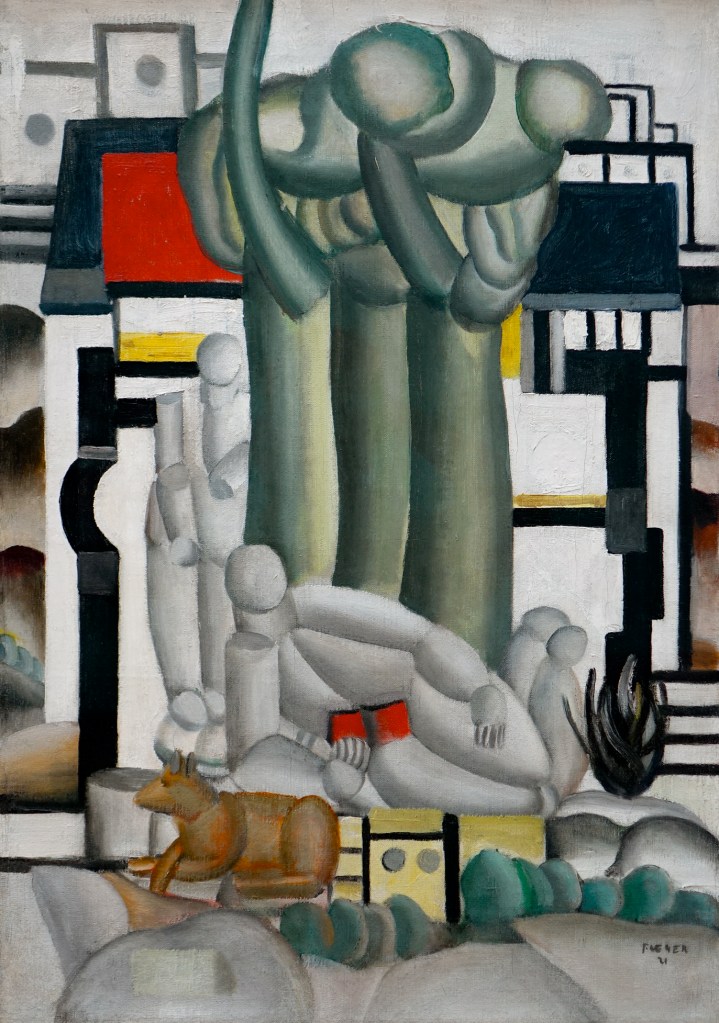
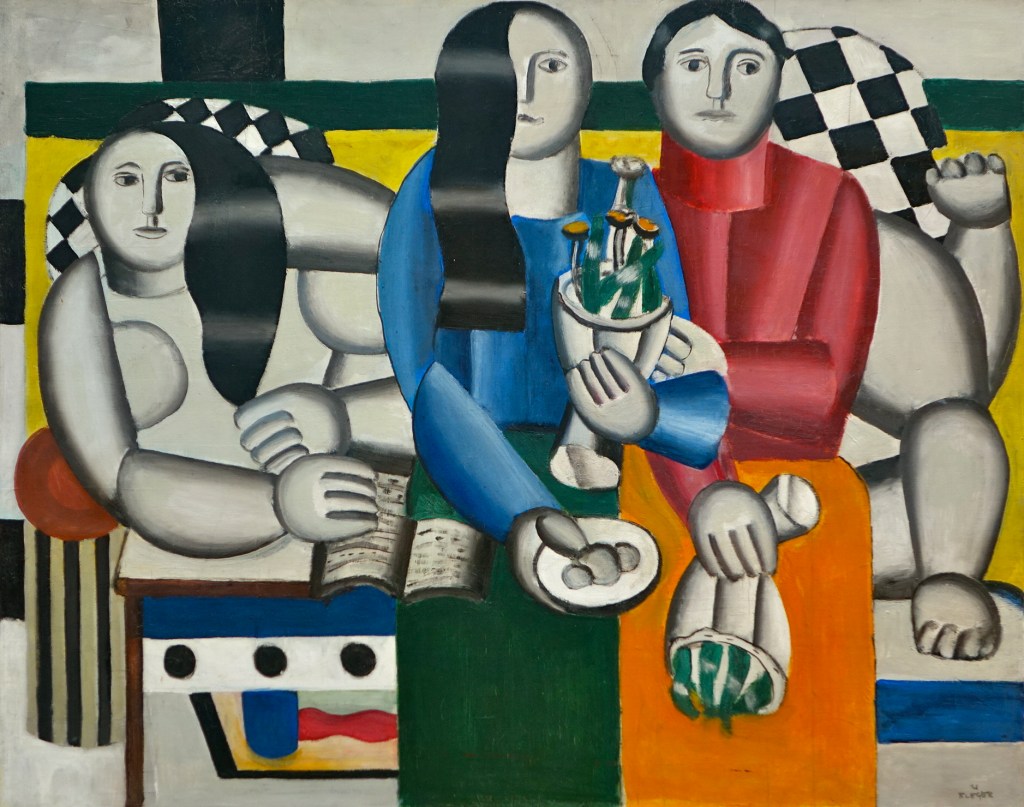
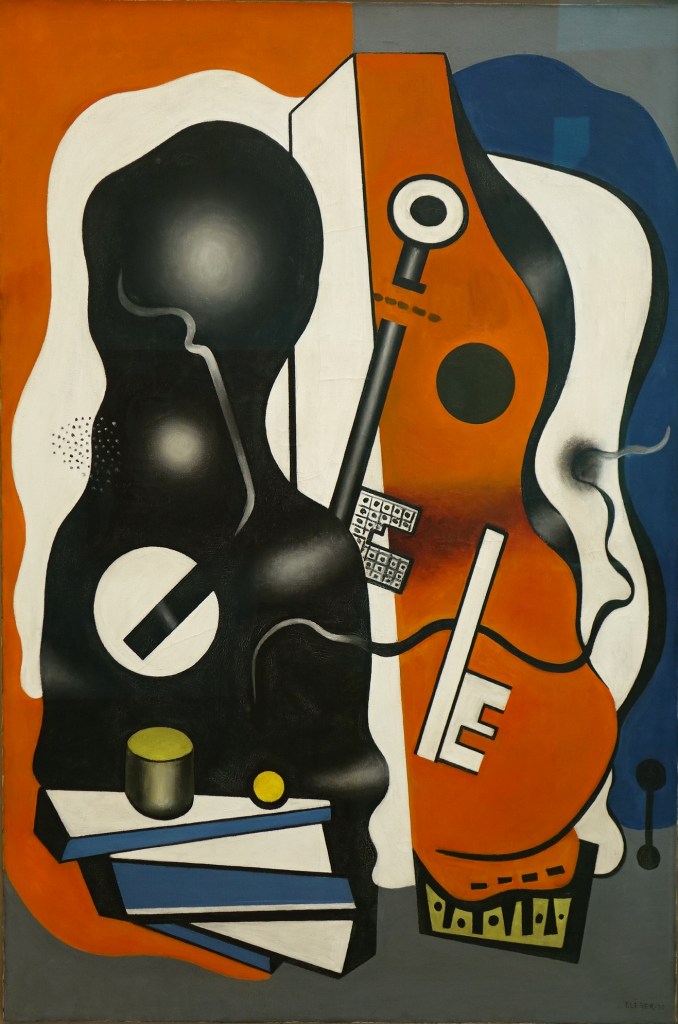
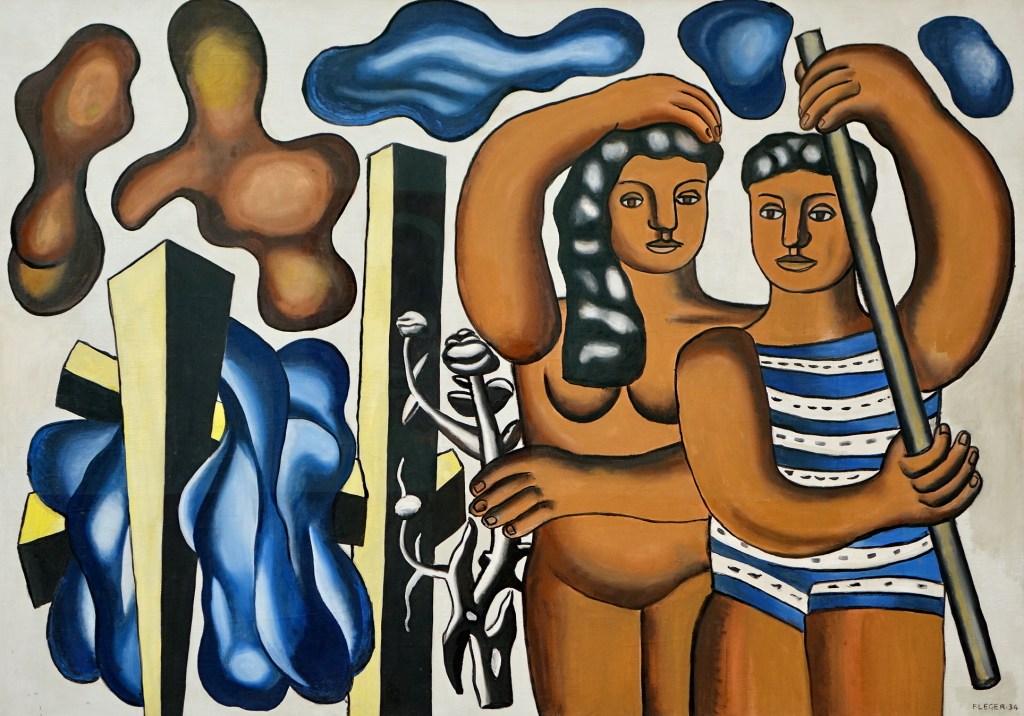
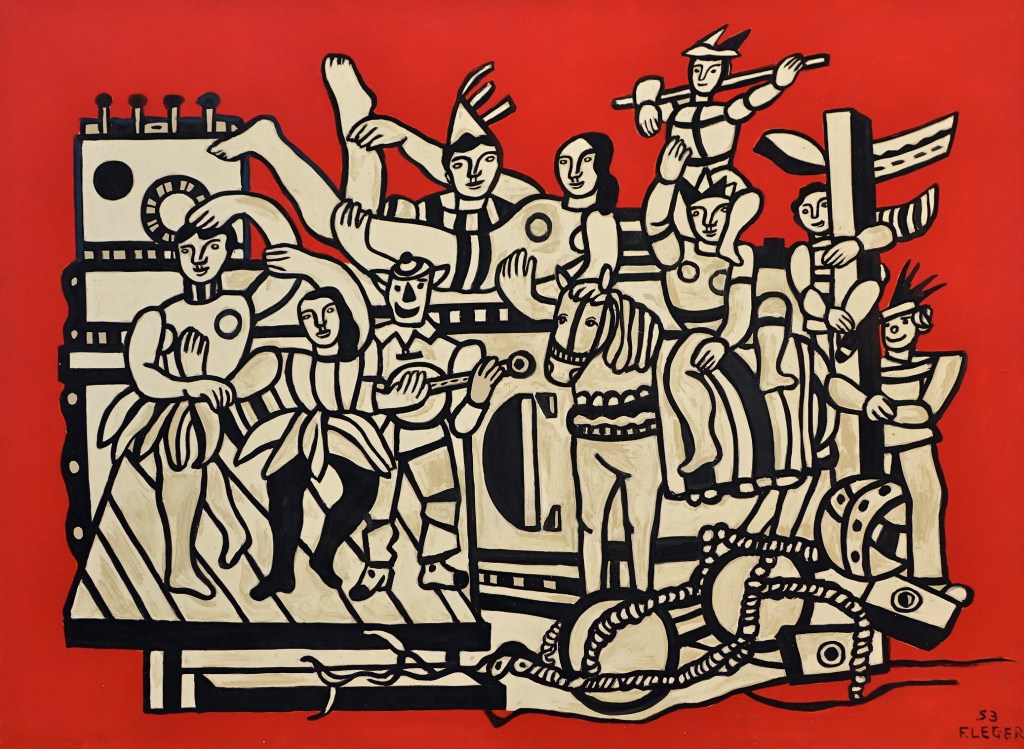
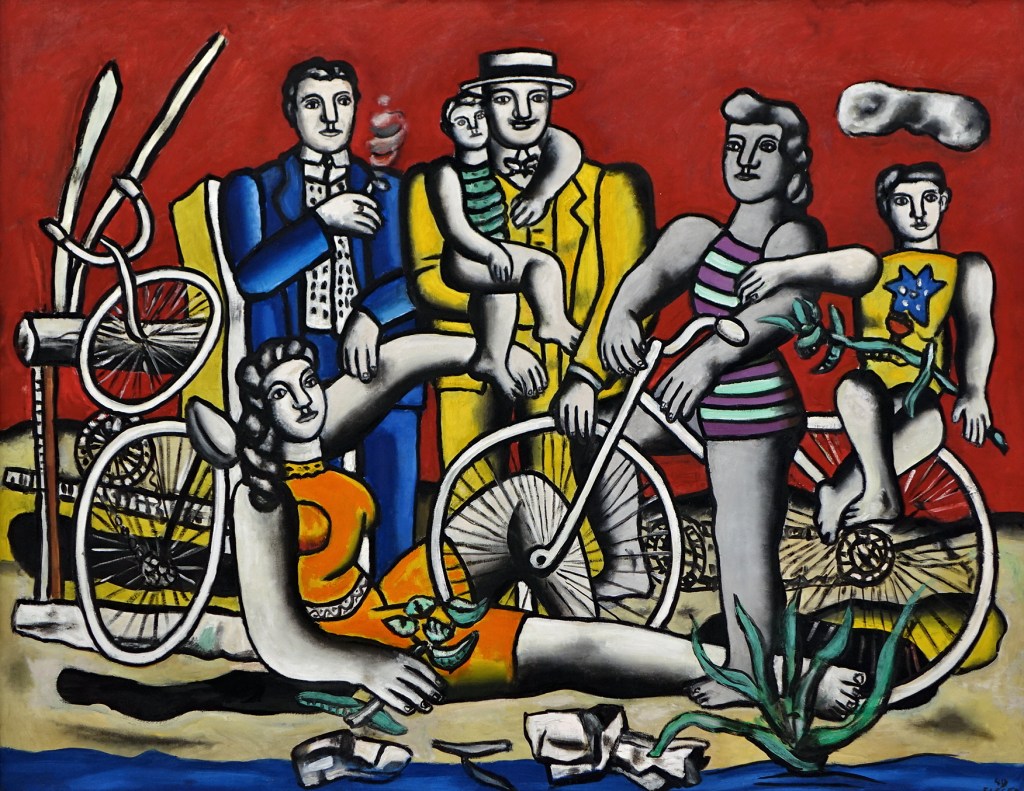
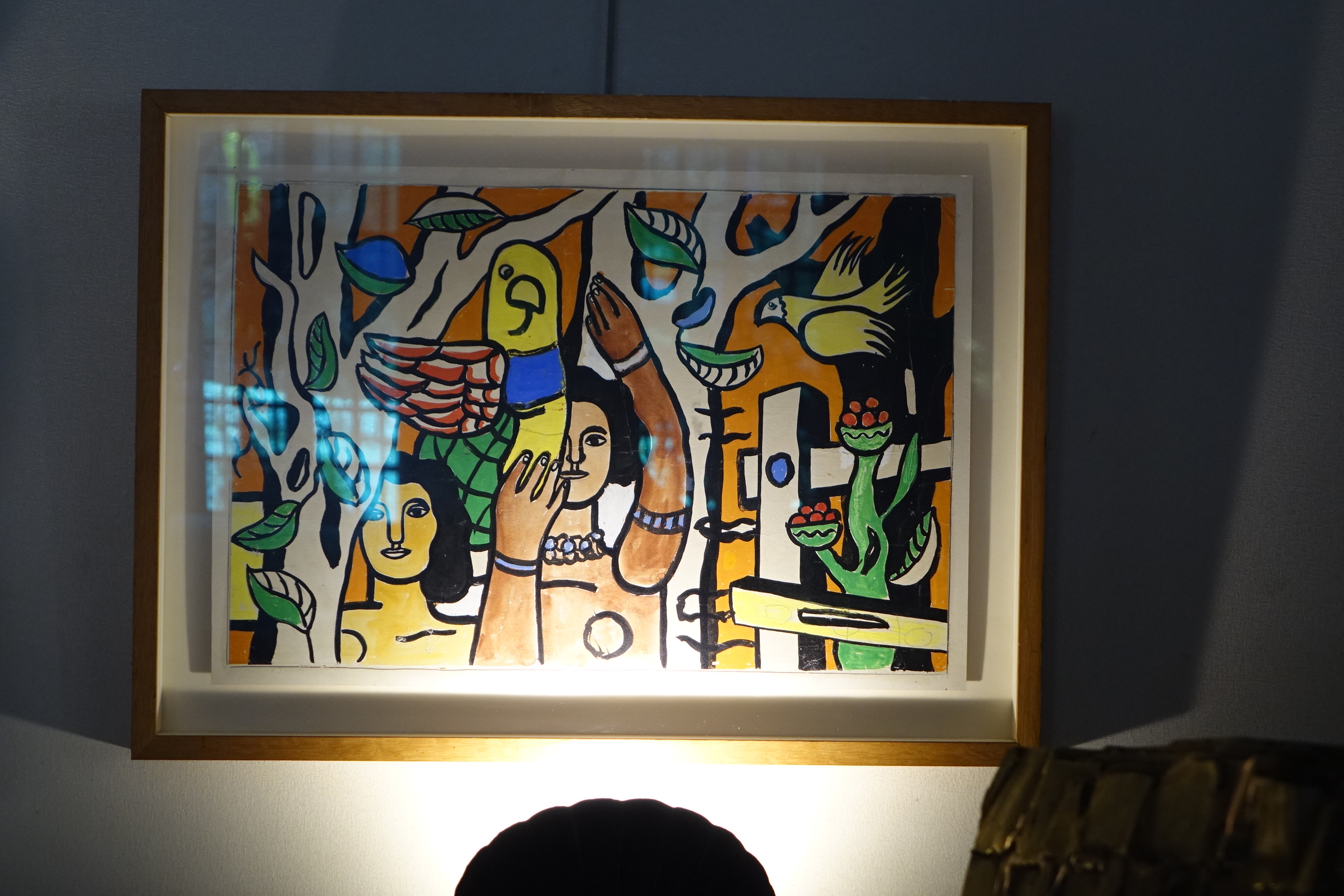
I would be the first to admit that I largely overlooked the work of French artist, Fernand Léger. Although I was aware of his uniquely colourful works characterised by simplified figures painted with shaded tones and outlined in black, I had never really seen enough of them to heed Léger much significance. That grave error was to come to an abrupt end on my honeymoon when I attended the Musée Nacional Fernand Léger in the little town of Biot on the French Riviera. Seeing this artist’s magnificent work en masse, grouped together in a chronological retrospective of his life’s work, left me feeling uplifted and awashed by colour, and deeply, deeply satisfied by the sleek finish and positive subject matter depicted in his work.

Enjoying the Biot museum

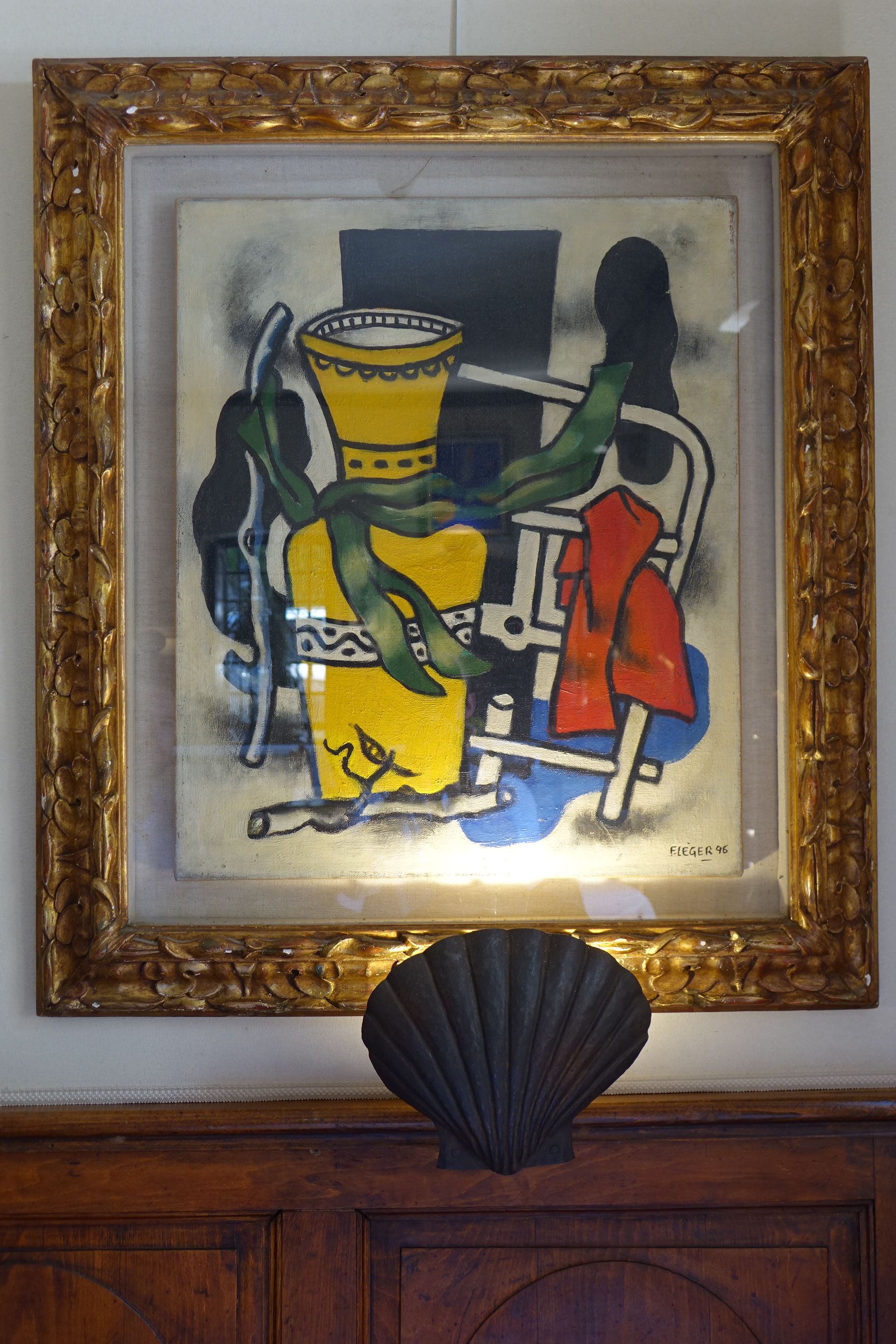
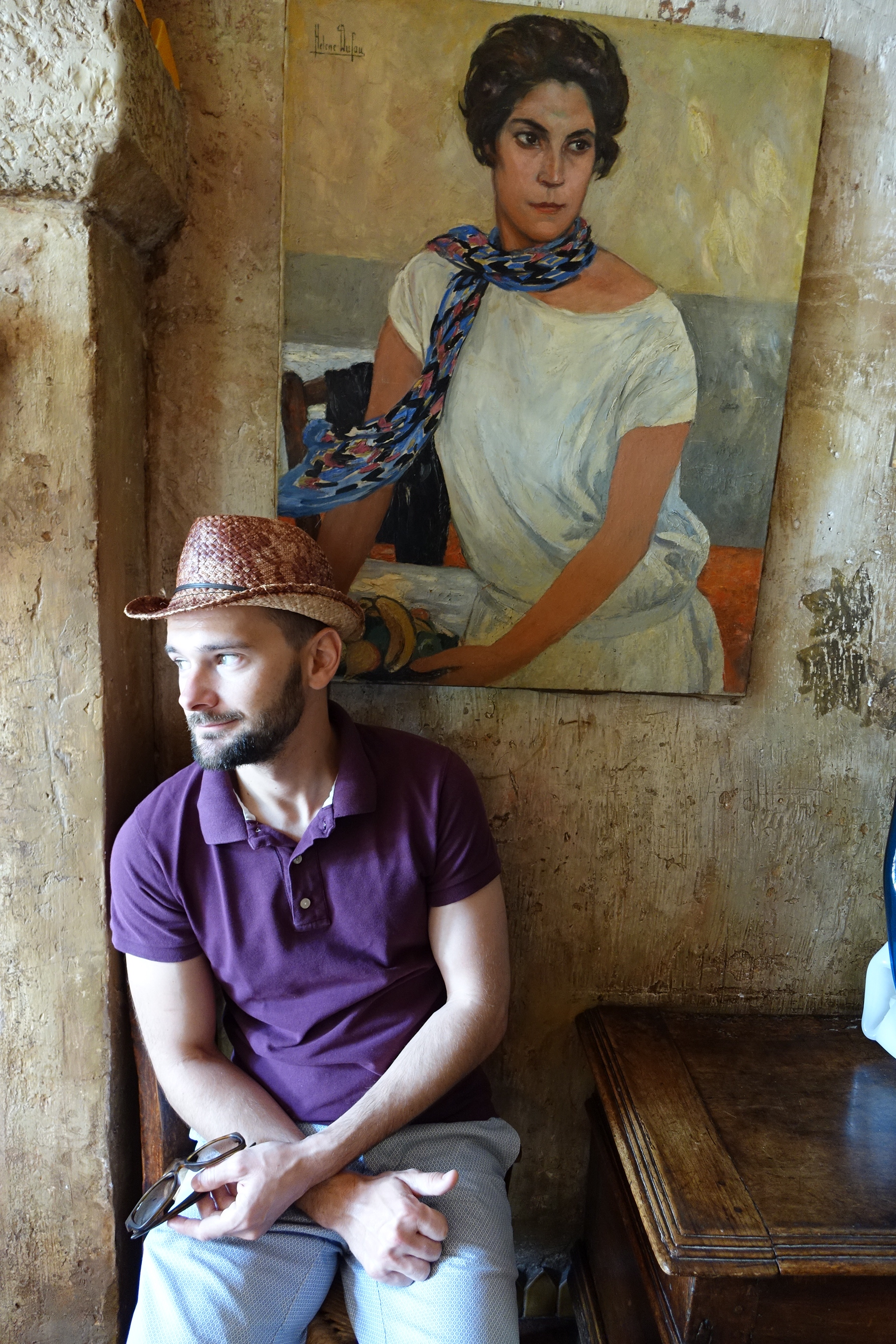
DSC07570 DSC07571 DSC07601 DSC07594

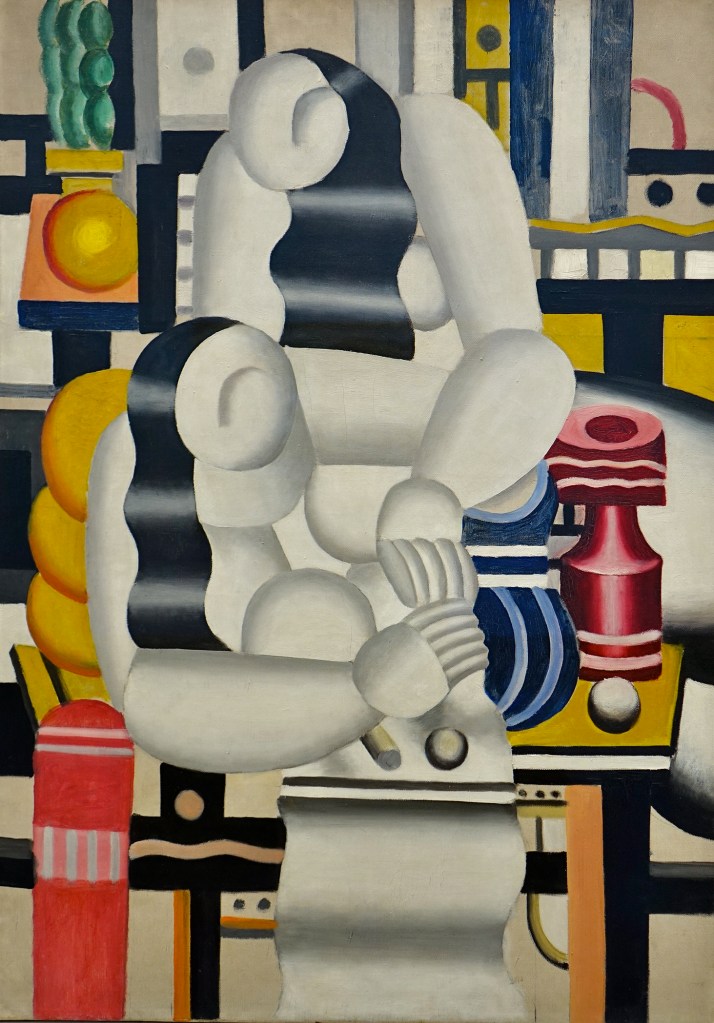
Born in 1881 in Normandy, Léger’s early work was characterised by a personal form of cubism, and human forms were reduced and simplified; curling curvaceous hair became what looked like undulating metal sheets, and his paintings drew clear influence from the Futurist movement. Gradually losing people from his works, Léger’s paintings became even more abstractive before an about turn saw the reintroduction of the figure alongside often floating disorientated objects such as keys and blobs of sky and clouds.

Early cubist work leading back into figurative depictions
DSC07572 DSC07577 DSC07573 DSC07575 DSC07579 DSC07582

From this point onwards, Léger adopted a gradually more figurative, populist style as he sought to use art as a means of attracting not just the cultured set, but the whole of society into galleries, attracted by paintings depicting every day life in bright, happy colours, as well as working life, for example in his masterfully conceived works featuring labourers on scaffolding.

Later works

DSC07587 DSC07586 DSC07588 DSC07593 DSC07589

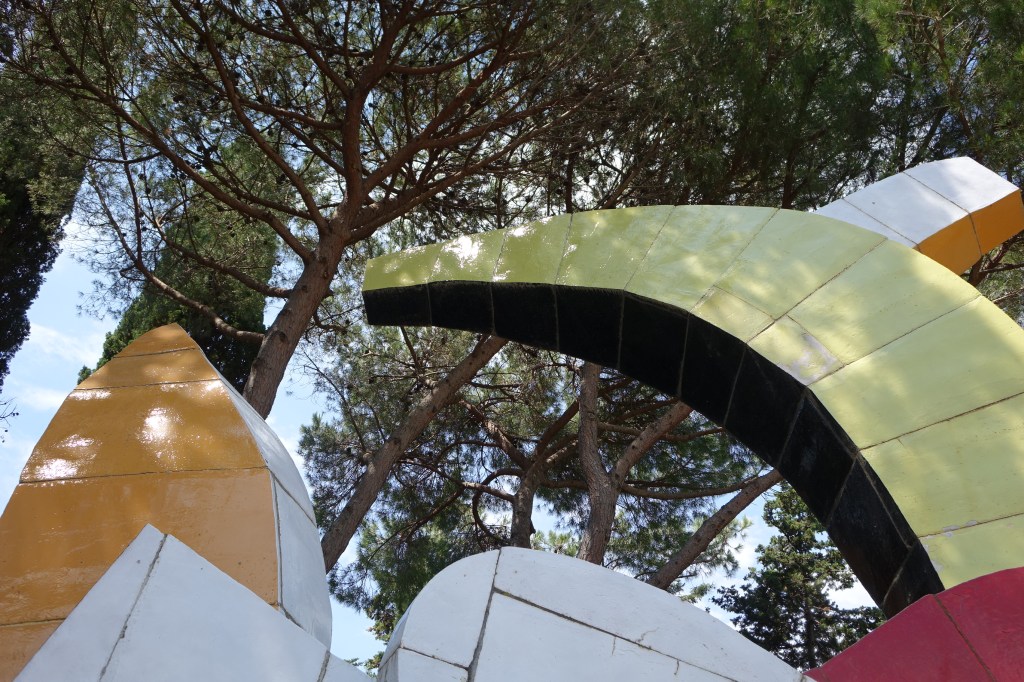
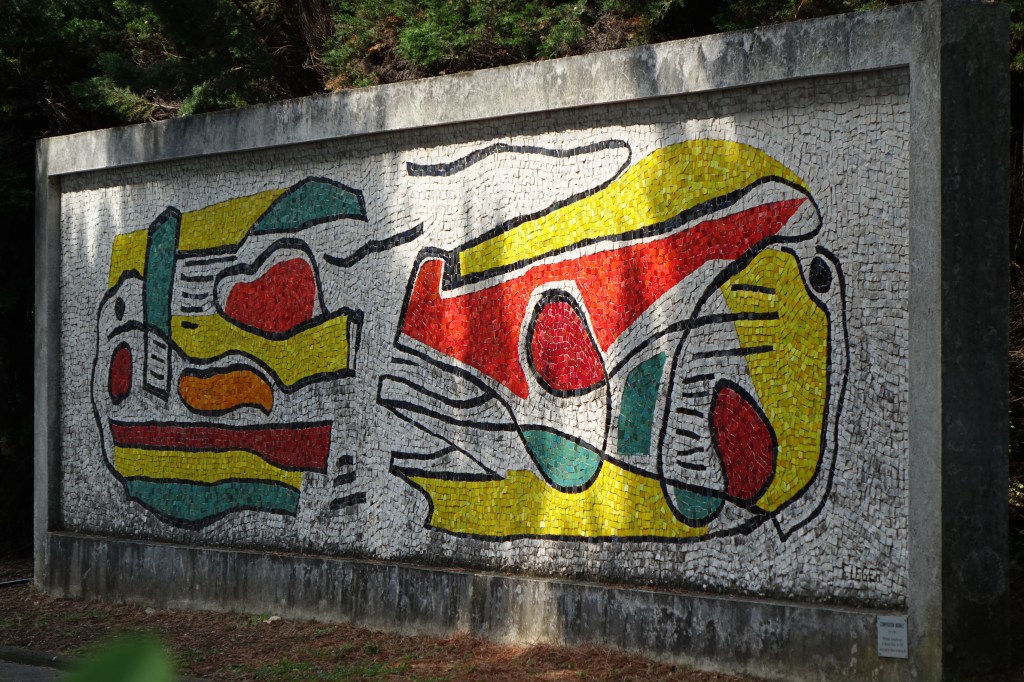
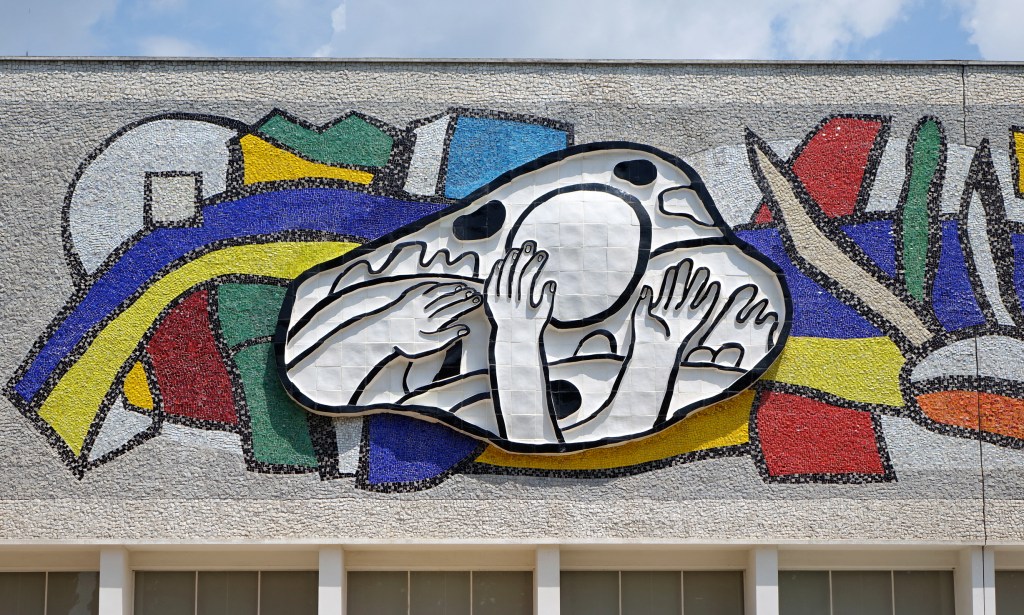
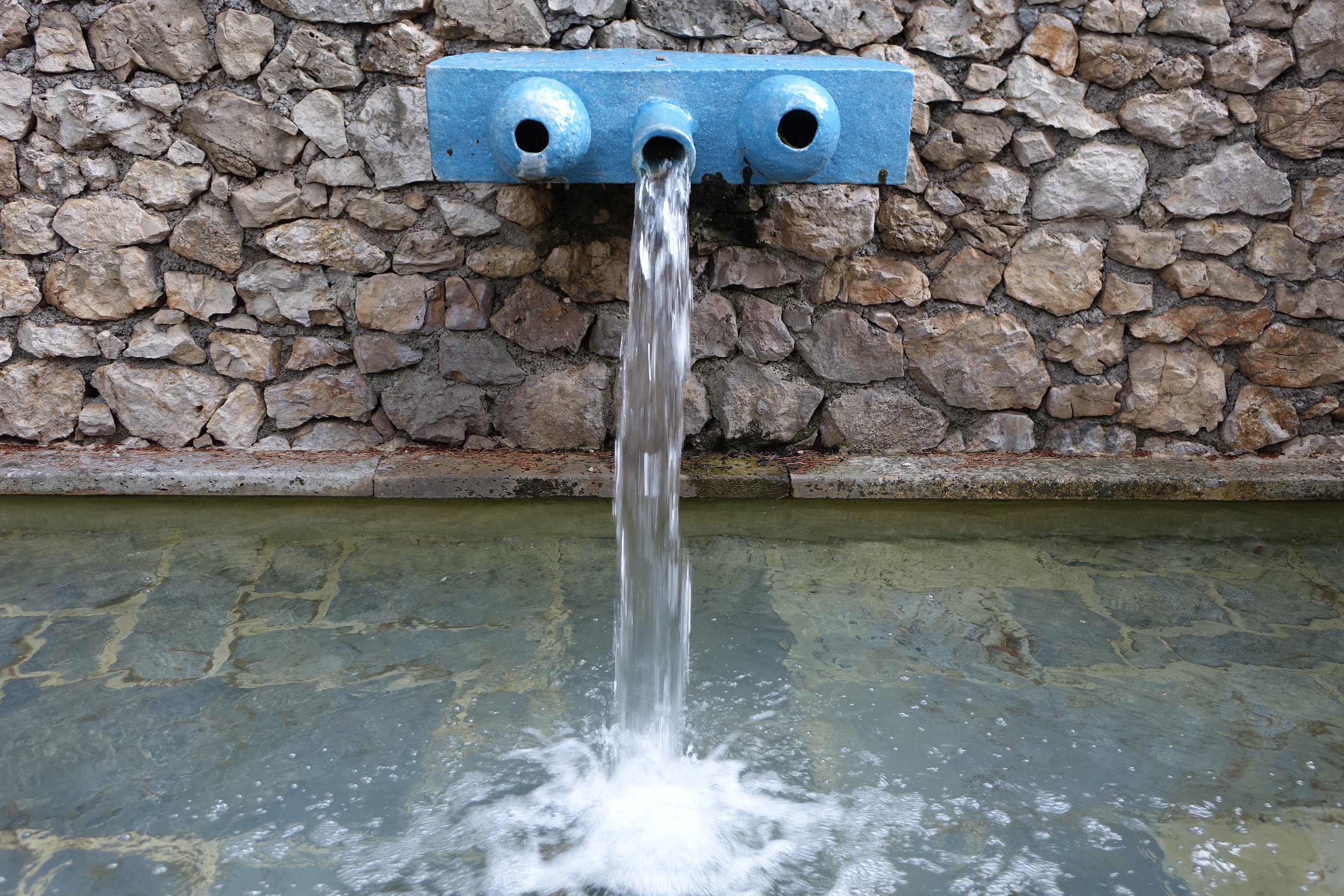
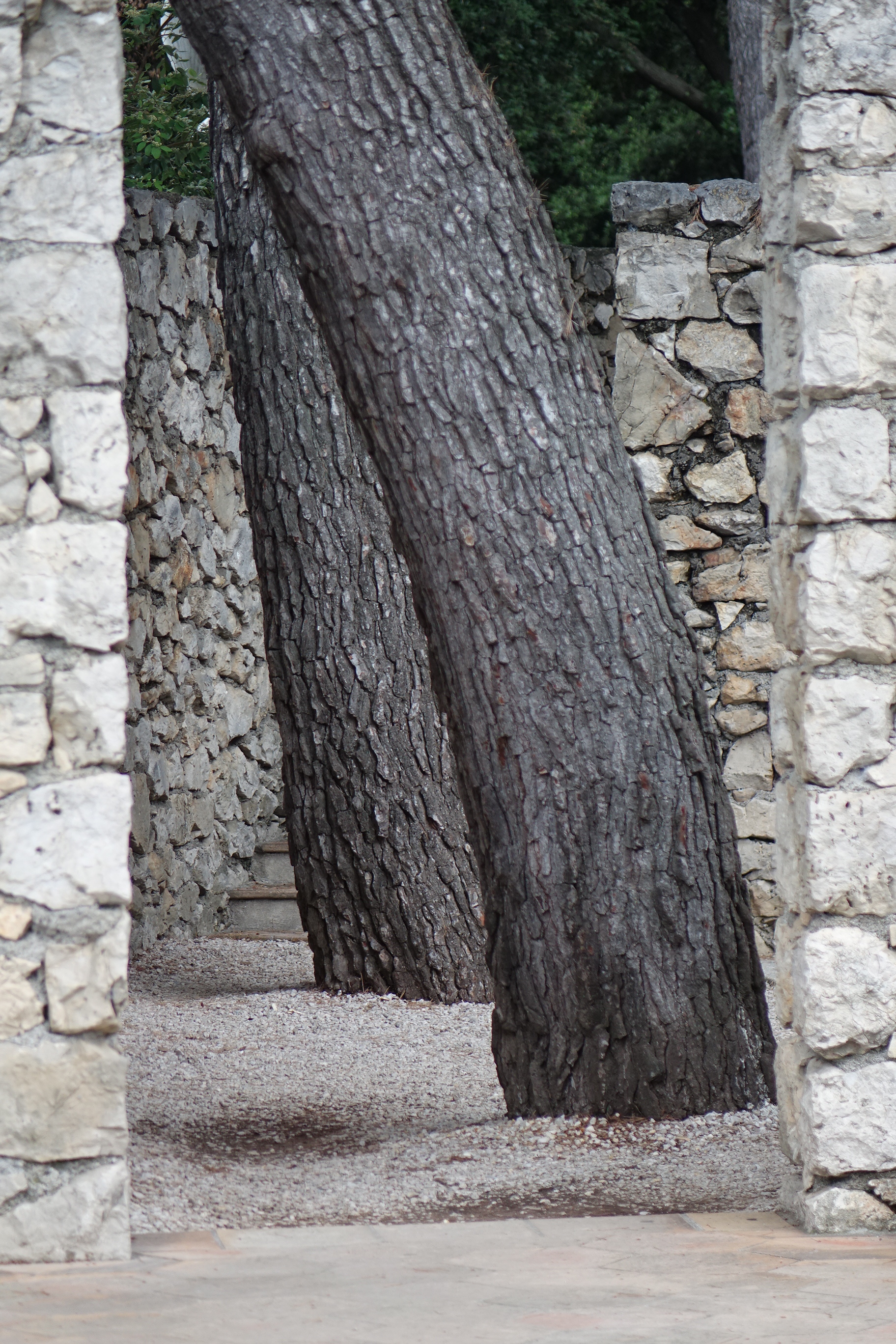
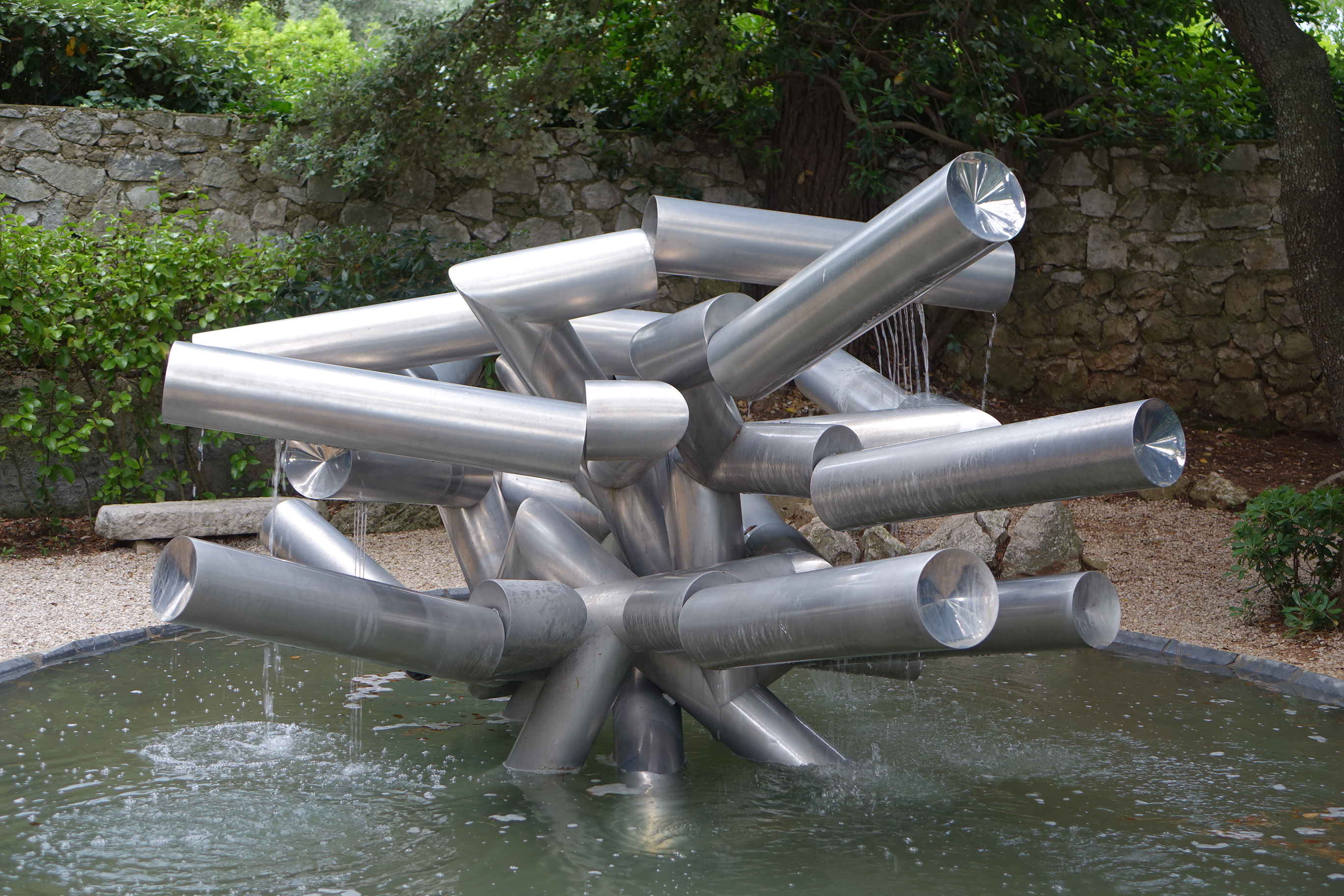
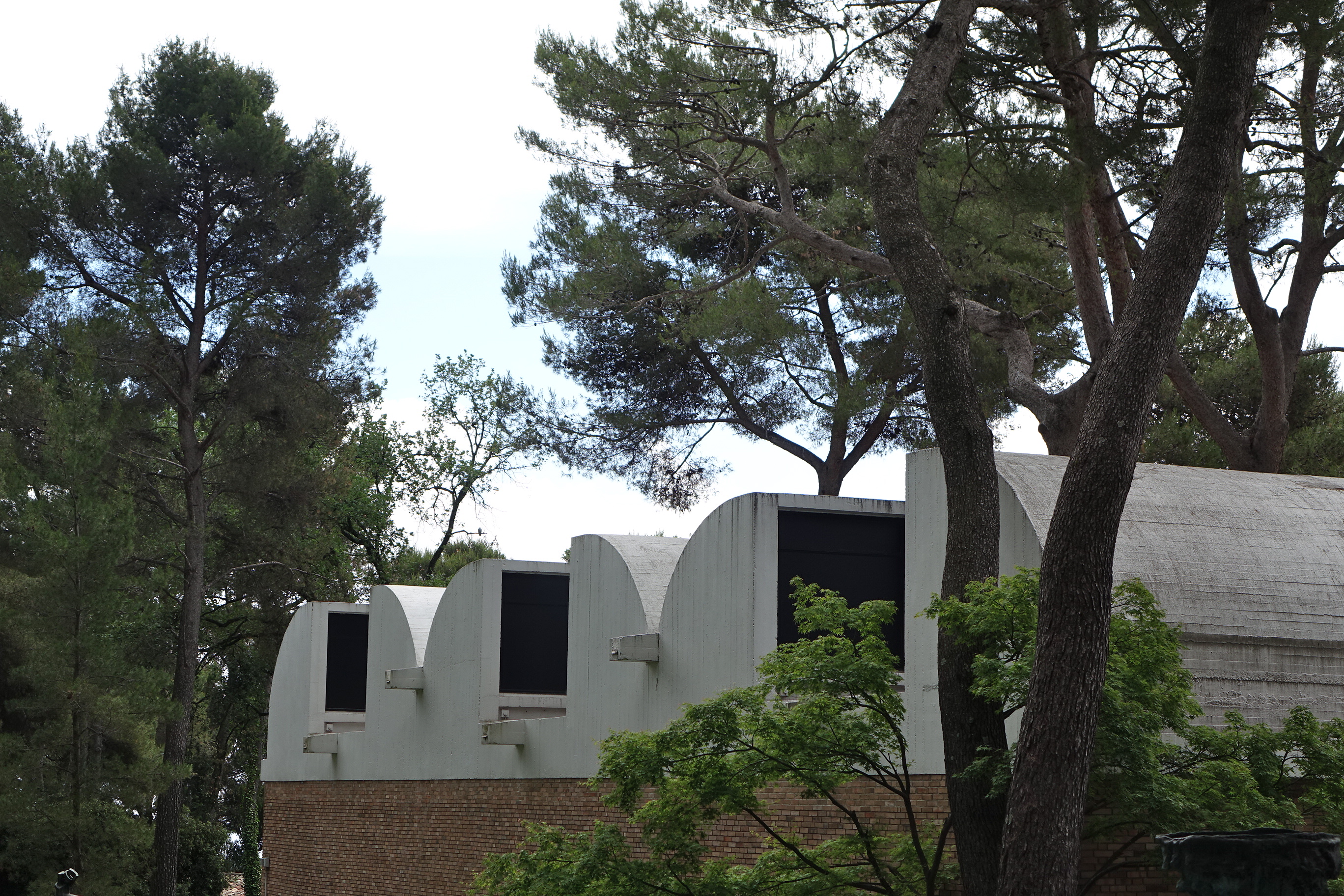
Beyond the galleries, the Biot museum offers an immersive grand-scale opportunity to discover some of the artist’s incredible sculptural, ceramic and mosaic works as demonstrated by the immense mosaics which envelop the building, constructed shortly after the artist’s death by his wife and business partner. In a garden laden with pine trees, Léger’s candy coloured sculptures are dazzling in the Riviera sunshine, while the mosaics explode in the landscape with all of the force deserved by this brilliant 20th century artist.

The museum’s exterior and its gardens

DSC07621 DSC07616 DSC07556 DSC07562 DSC07564 DSC07613 DSC07608 DSC07615 DSC07618

With his boldly simplified treatment of modern subject matter, Léger is rightfully regarded as a forerunner of pop art, and for me an absolute inspiration. I will never underestimate the work of Fernand Léger again.

All photos and written content are strictly the copyright of Nicholas de Lacy-Brown © 2015 and The Daily Norm. All rights are reserved.

My travel sketchbook: The Peyra Gate, Vence

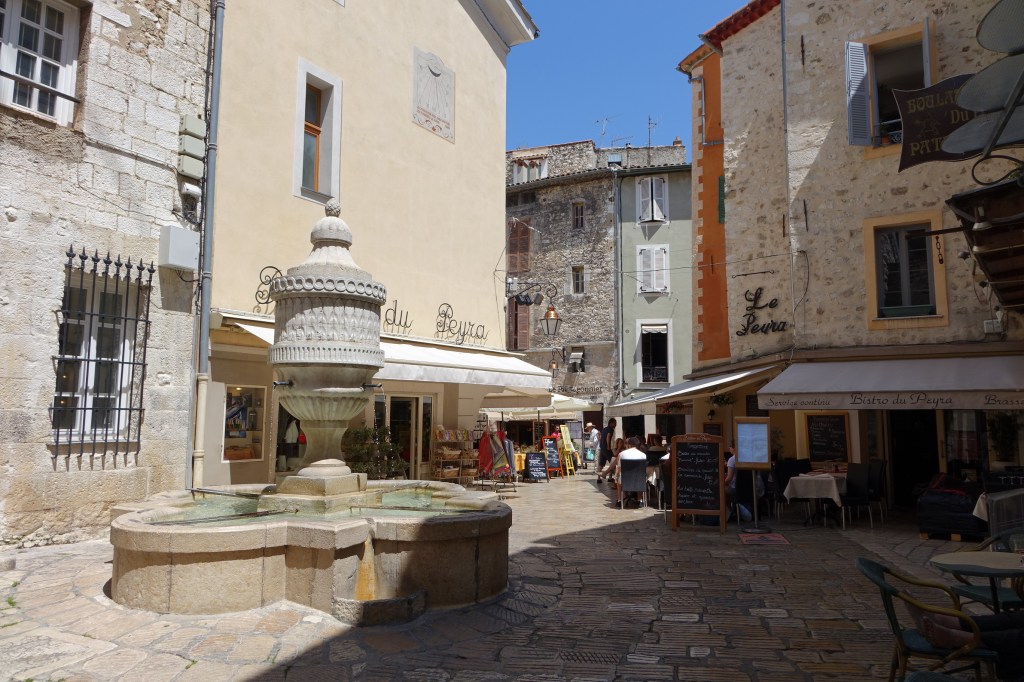
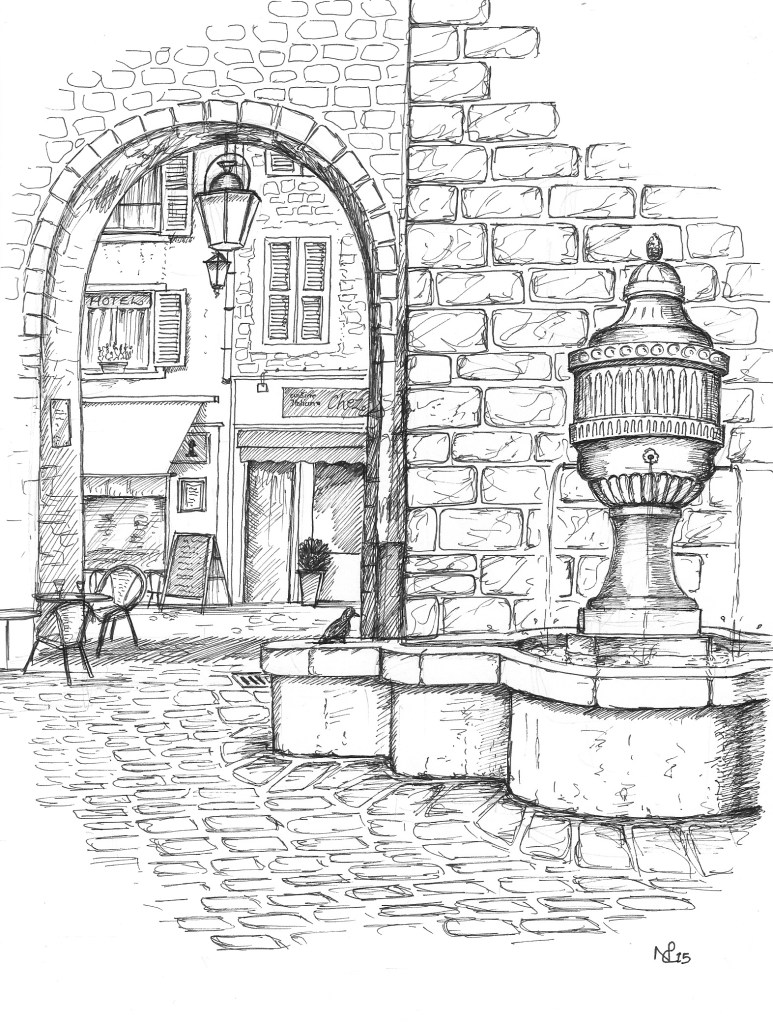
I was more than grateful, when we visited the little mountain town of Vence in the South of France, for my own sense of foresight which had prompted me to take along my black bound moleskin sketchbook with me on our trip. For the town was so idyllically beautiful with its pastel-coloured shuttered houses and little cafe-filled cobbled streets that I knew that I would be promptly inspired to create an artwork there. And so it was that after a little exploration around the old town, and a trip to Matisse’s chapel, we settled down for a very english afternoon tea and ice cream besides the ancient Peyra Gate and its equally historic fountain, two such monuments which provided the inspiration for this quick sketch completed in situ.

The Peyra Gate, Vence (2015 © Nicholas de Lacy-Brown, pen on paper)

The Peyra Gate, Vence (2015 © Nicholas de Lacy-Brown, pen on paper)

© Nicholas de Lacy-Brown and The Daily Norm, 2001-2015. Unauthorized use and/or duplication of the material, whether written work, photography or artwork, included within The Daily Norm without express and written permission from The Daily Norm’s author and/or owner is strictly prohibited. Excerpts and links may be used, provided that full and clear credit is given to Nicholas de Lacy-Brown and The Daily Norm with appropriate and specific direction to the original content. For more information on the work of Nicholas de Lacy-Brown, head to his art website at www.delacy-brown.com

The Honeymoon Chronicles, Part V: Vence

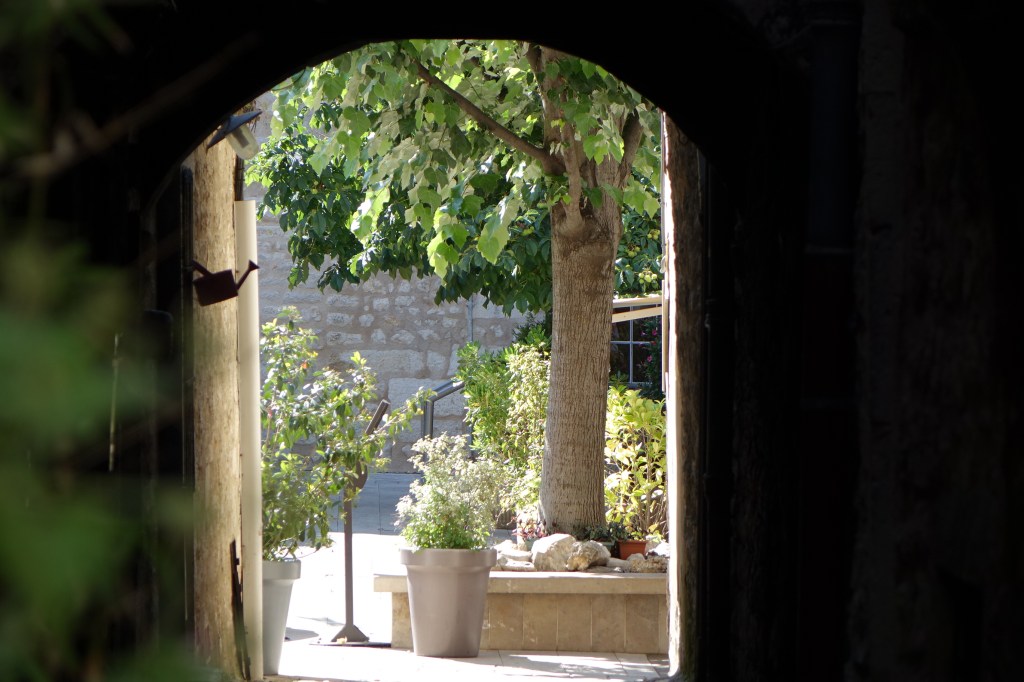
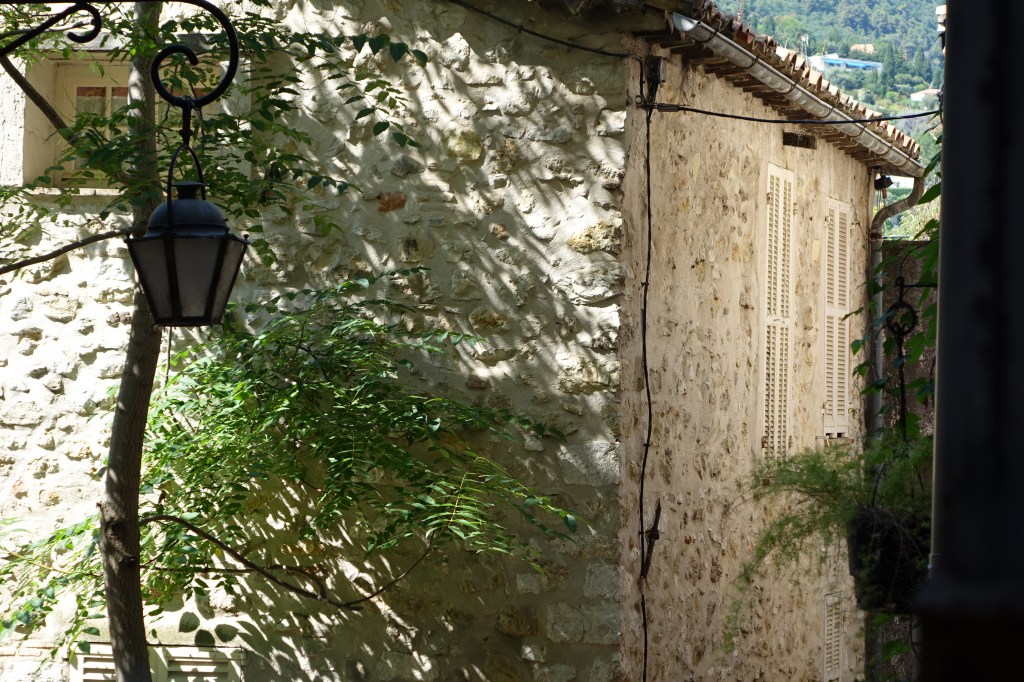
Just up a lush winding mountain road from the beautiful little village of St-Paul de Vence resides its bigger sister, the no less pretty town of Vence. Despite having spread into quite a substantial modern town, not all of which exhibited the most picturesque of sights, the core little old town, nestled within a tight ring of medieval walls and set up on a high hill above a cool mountain spring in the valleys below, is the very epitome of a quaint Riviera gem.

DSC07143 DSC07133 DSC07119 DSC07206 DSC07200 DSC07134 DSC07152 DSC07158 DSC07154 DSC07190 DSC07116

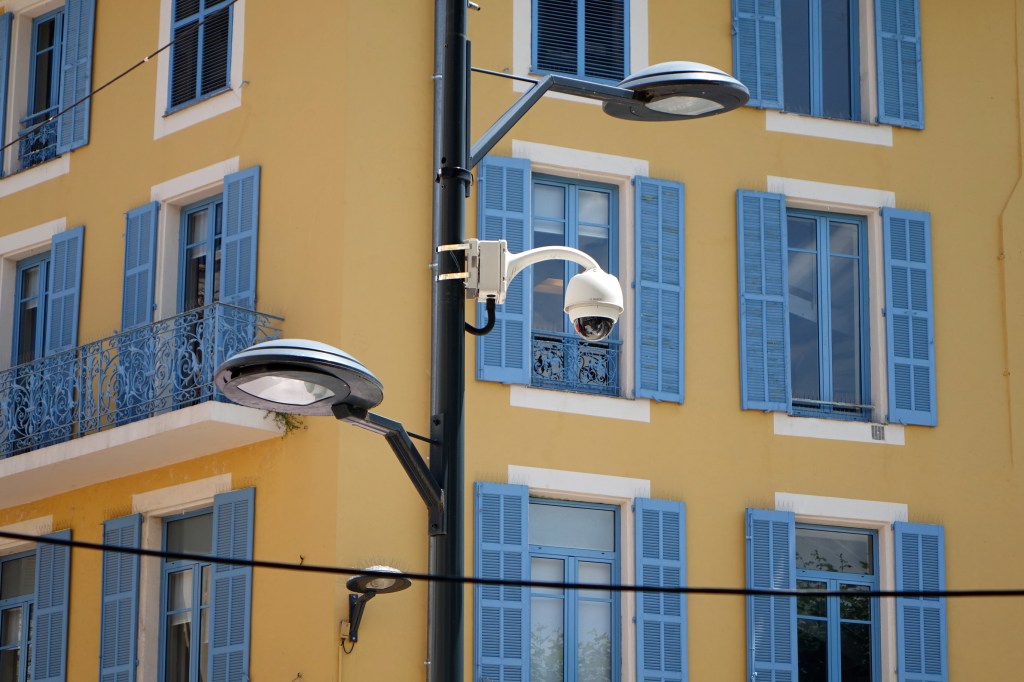
Through the ancient Peyra Gate into the pastel-coloured square bearing the same name, we entered a medieval fairytale of a town whose shuttered houses, little gift shops and typically French restaurants spilling out onto the cobbled streets and squares made for the most idyllic of scenes. Photographing the picturesque sights as rapidly as I took steps to discover them, I was completely enamoured by this beautifully appointed little gem of a town, from the grand Peyra fountain at the entrance dating back to the early 1800s, to the stunning Place Clemenceau, whose baroque little cathedral is allegedly the smallest Cathedral in France.

DSC07153 DSC07191 DSC07177 DSC07118 DSC07168 DSC07198 DSC07150 DSC07121 DSC07173 DSC07124 DSC07115

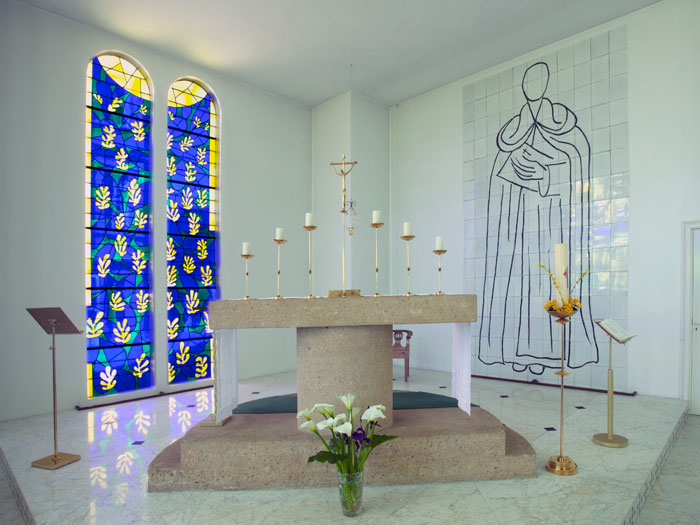
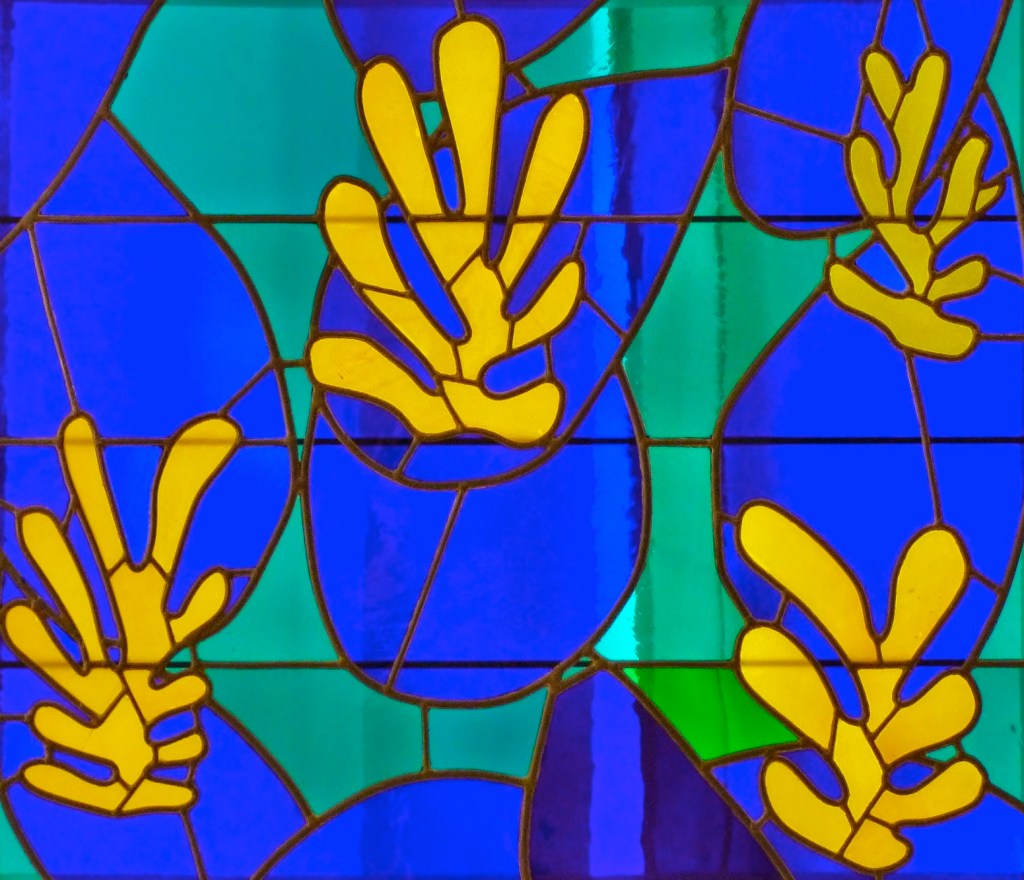
However in addition to the little old town, Vence boasts another attraction which we trekked the 20 minute hot walk out of town to see – the Chapelle du Rosaire designed by Matisse himself. I remember extolling the originality of Matisse’s designs for this little chapel when I visited his cut-outs retrospective at Tate Modern last year. But nothing in that exhibition came close to seeing the Matisse Chapel in reality, with the light shining through his vivid blue and yellow stained glass and bouncing off the white walls of the interior. I wasn’t as sure about the rather sketchy ceramic tiles which otherwise dominate the interior and fell somewhat flat compared to the magnificence of the windows, nor the exorbitant entrance free for such a small space, but seeing Matisse’s chapel surely made our visit to Vence complete.

Chapelle du Rosaire, by Matisse

DSC07145 Matisse interior 1 Matisse window Matisse interior 2

Art on the Riviera: Breakfast at La Colombe d’Or

I wish I could claim to enjoy the kind of artistic notoriety and talent of those celebrated artists exhibited in the stunning collection of La Colombe d’Or and the Fondation Maeght, the latter being the feature of my last Art on the Riviera post. In the second feature of this series, allow me to indulge myself a little by featuring not the work of an artist great, but a painting created by myself.

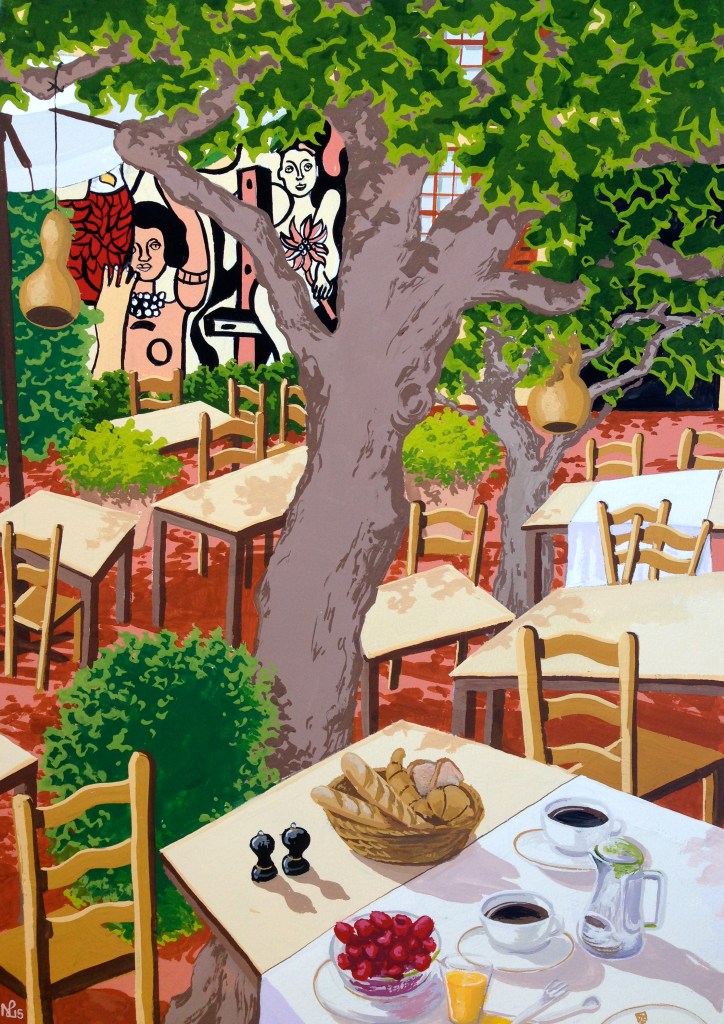
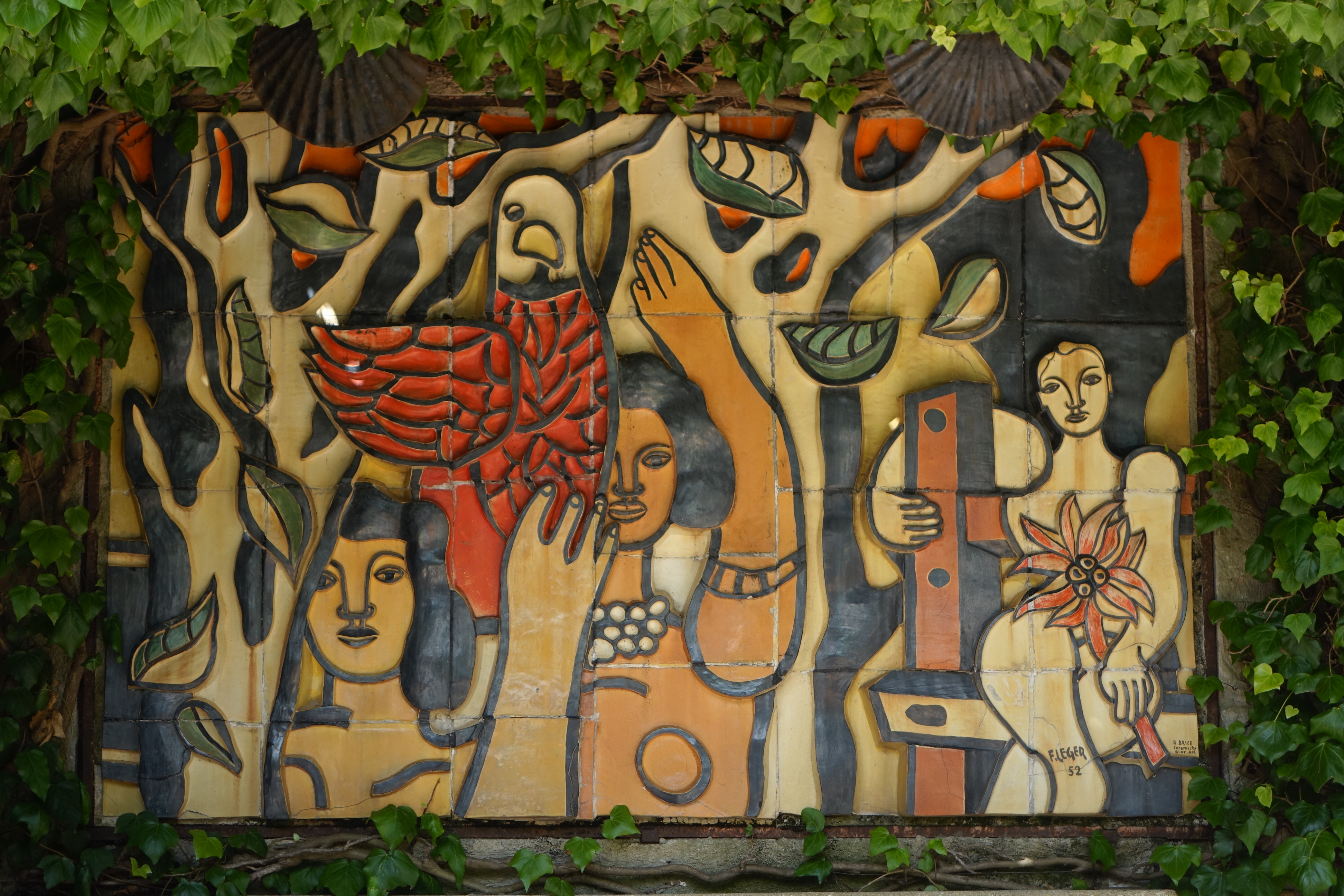
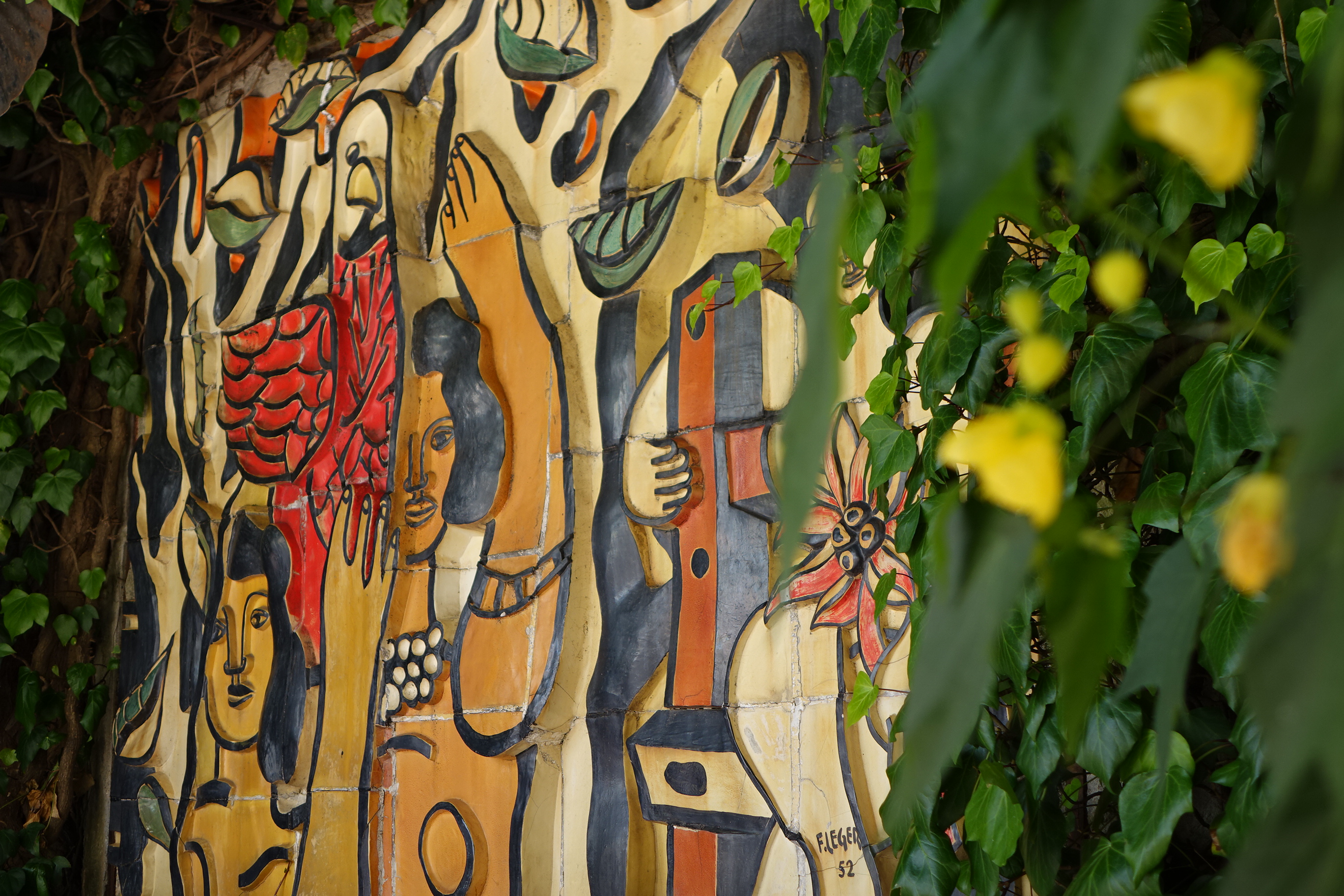
Except that is not perhaps strictly true… for in sharing with you another of my honeymoon artworks, completed while we stayed at the blissful Colombe d’Or hotel, I am also sharing something of the work of much more famous artist, Fernand Léger. This is because in painting a work devoted to our experience of eating breakfast in the garden of La Colombe d’Or, I could not do so without featuring the stunning 1950s ceramic mural by Léger which is famously installed in the garden.

Breakfast at La Colombe d'Or (2015 © Nicholas de Lacy-Brown, gouache on paper)

Breakfast at La Colombe d’Or (2015 © Nicholas de Lacy-Brown, gouache on paper)

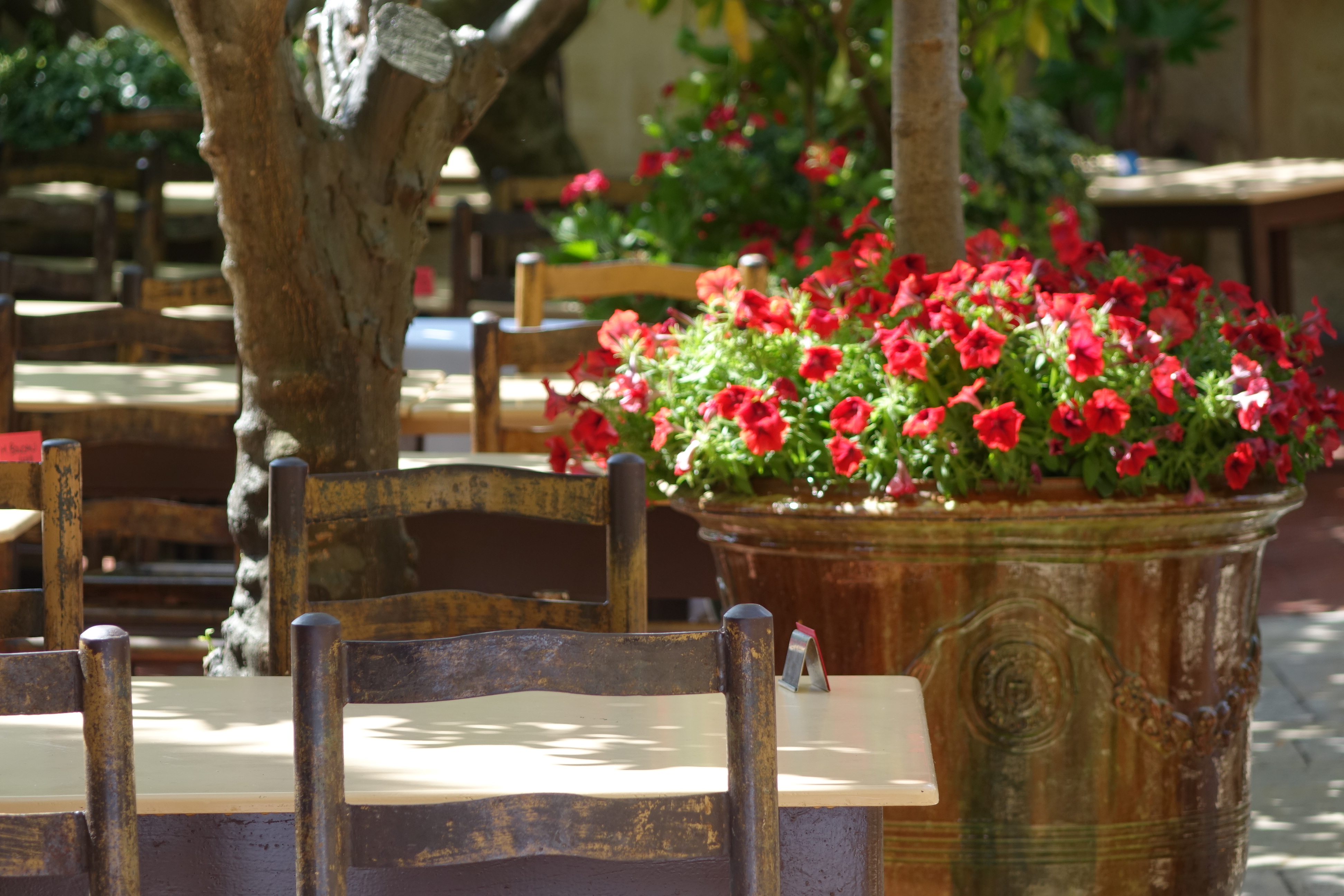
Breakfast at La Colombe d’Or captures the random cosiness of the beautiful restaurant terrace as it was set up for breakfast on those sunny Riviera mornings. Still recovering from a heaving night of fine dining, and before preparation of the terrace for lunch, the restaurant at breakfast had much more of a relaxed feel, like a star of the stage before her makeup was applied. The old rusty tables around which Picasso once sat were scattered haphazardly without a tablecloth – this was only placed on the table when a guest chose from amongst them and sat down to eat petit dejeuner in a dappled spot. Likewise the little vintage metal chairs were randomly placed, their normal cushions not yet affixed.

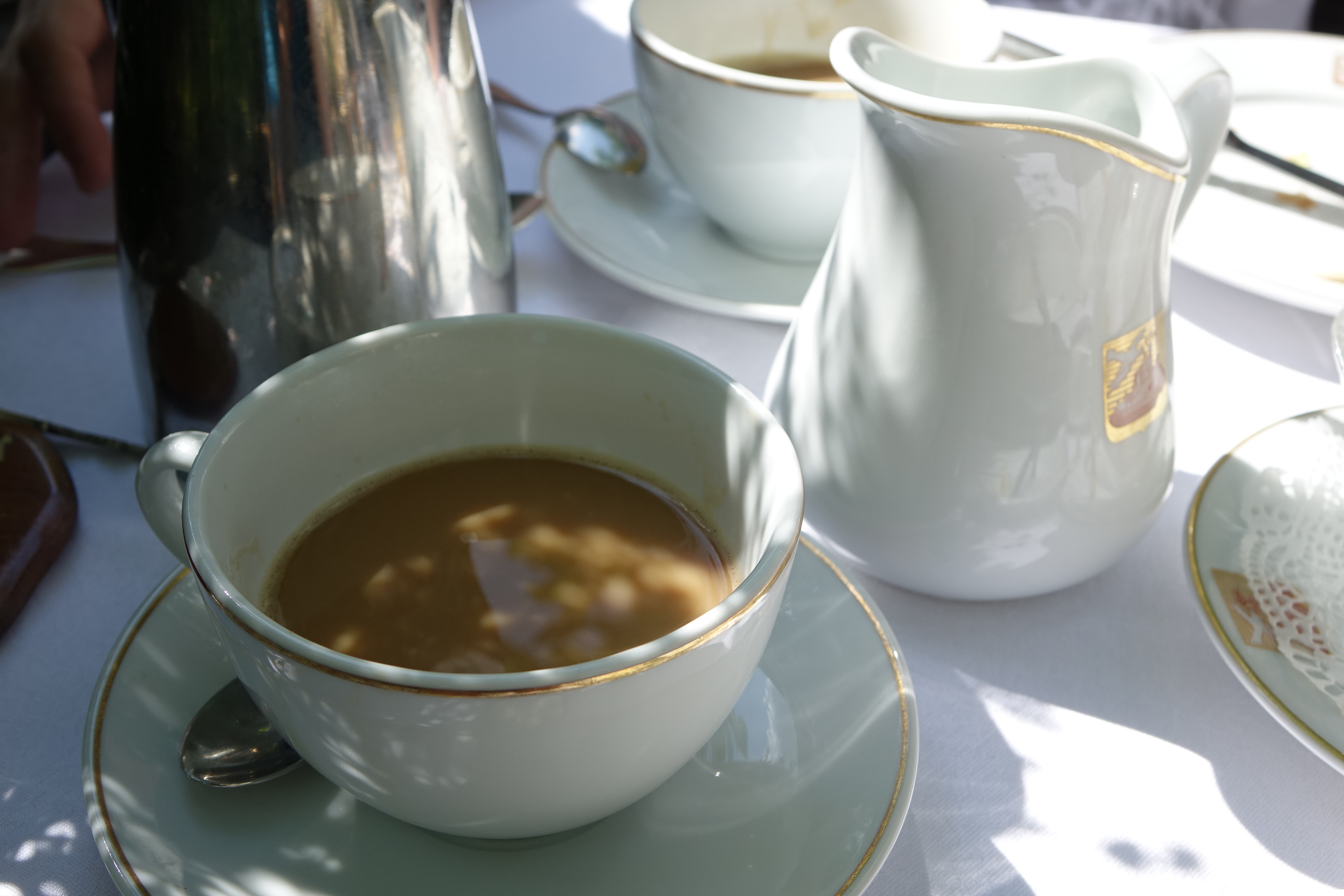
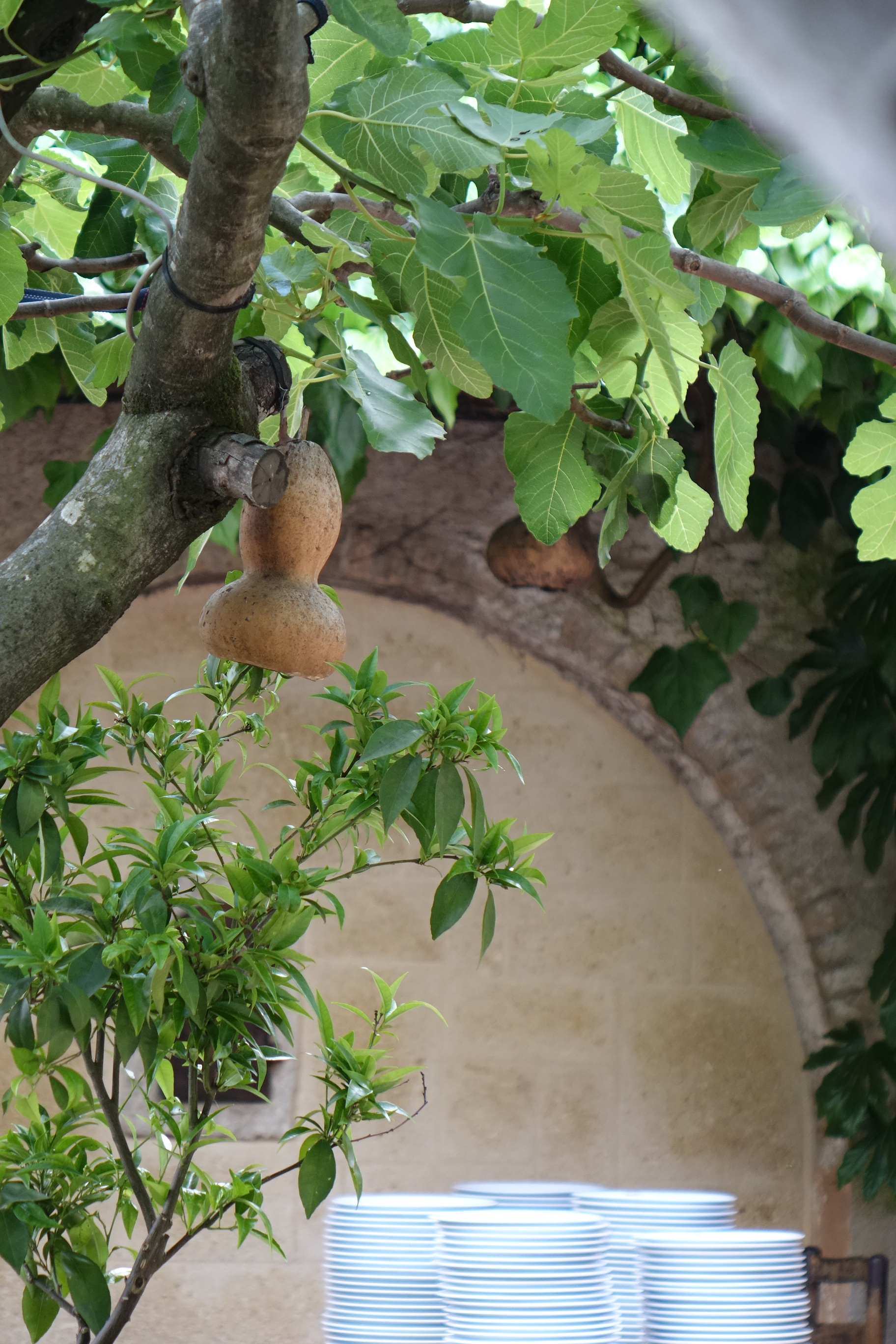
Amongst this friendly scene, the ceramic mural by Léger continued to glimmer in the morning sunshine filtered through the large leaves of the garden’s fig trees, and on the table, an exquisite breakfast of rich coffee, pastries and fruit was served in La Colombe’s iconic branded porcelaine. Breakfast bliss.

© Nicholas de Lacy-Brown and The Daily Norm, 2001-2015. Unauthorized use and/or duplication of the material, whether written work, photography or artwork, included within The Daily Norm without express and written permission from The Daily Norm’s author and/or owner is strictly prohibited. Excerpts and links may be used, provided that full and clear credit is given to Nicholas de Lacy-Brown and The Daily Norm with appropriate and specific direction to the original content. For more information on the work of Nicholas de Lacy-Brown, head to his art website at www.delacy-brown.com

My travel sketchbook: Poolside at La Colombe d’Or

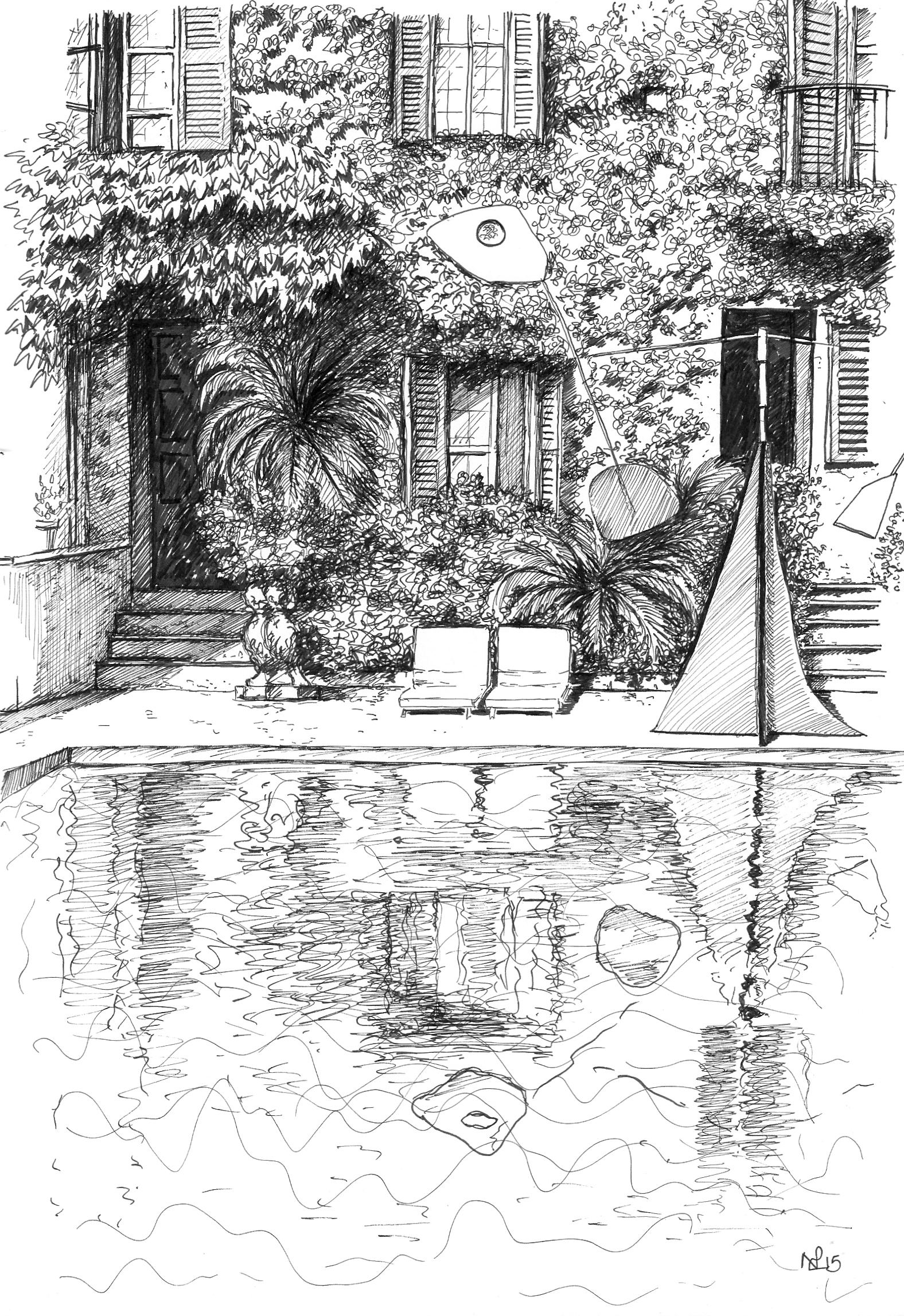
Gouaches were not the only art medium which came with me in my suitcase to the French Riviera. Anticipating the ripening of artistic inspiration as soon as I entered the artists’ favourite haunt of St-Paul de Vence, I ensured that I always had a sketchbook to hand. And it was within the first 24 hours that I opened that very same sketchbook, as we once again settled next to the pool of the La Colombe d’Or hotel. With Alexander Calder’s amazing mobile swinging idly just before me, and with the old hotel building ahead bursting with its cover of foliage, I could not resist this beautiful view, and set to work. And here is the result… all conceived in my trusty Staedtler pens. Who needs a pencil?

Poolside at La Colombe d'Or (2015, pen on paper © Nicholas de Lacy-Brown)

Poolside at La Colombe d’Or (2015, pen on paper © Nicholas de Lacy-Brown)

© Nicholas de Lacy-Brown and The Daily Norm, 2001-2015. Unauthorized use and/or duplication of the material, whether written work, photography or artwork, included within The Daily Norm without express and written permission from The Daily Norm’s author and/or owner is strictly prohibited. Excerpts and links may be used, provided that full and clear credit is given to Nicholas de Lacy-Brown and The Daily Norm with appropriate and specific direction to the original content. For more information on the work of Nicholas de Lacy-Brown, head to his art website at www.delacy-brown.com

Art on the Riviera: The Fondation Maeght

There can be no doubting the significance of the French Riviera to the history of modern art. Since the time of the Impressionists, the Riviera has been inspiring artists with its incredible light and the potency of its colours. Renoir lived in Cagnes-sur-Mer, Picasso in Antibes, Cezanne in Aix, Fernand Leger in Biot and Matisse in Nice, and surrounding them a seemingly relentless flow of visiting and other artists came to the Riviera in turn. The result is an artistic heritage which is almost unrivalled by other European regions.

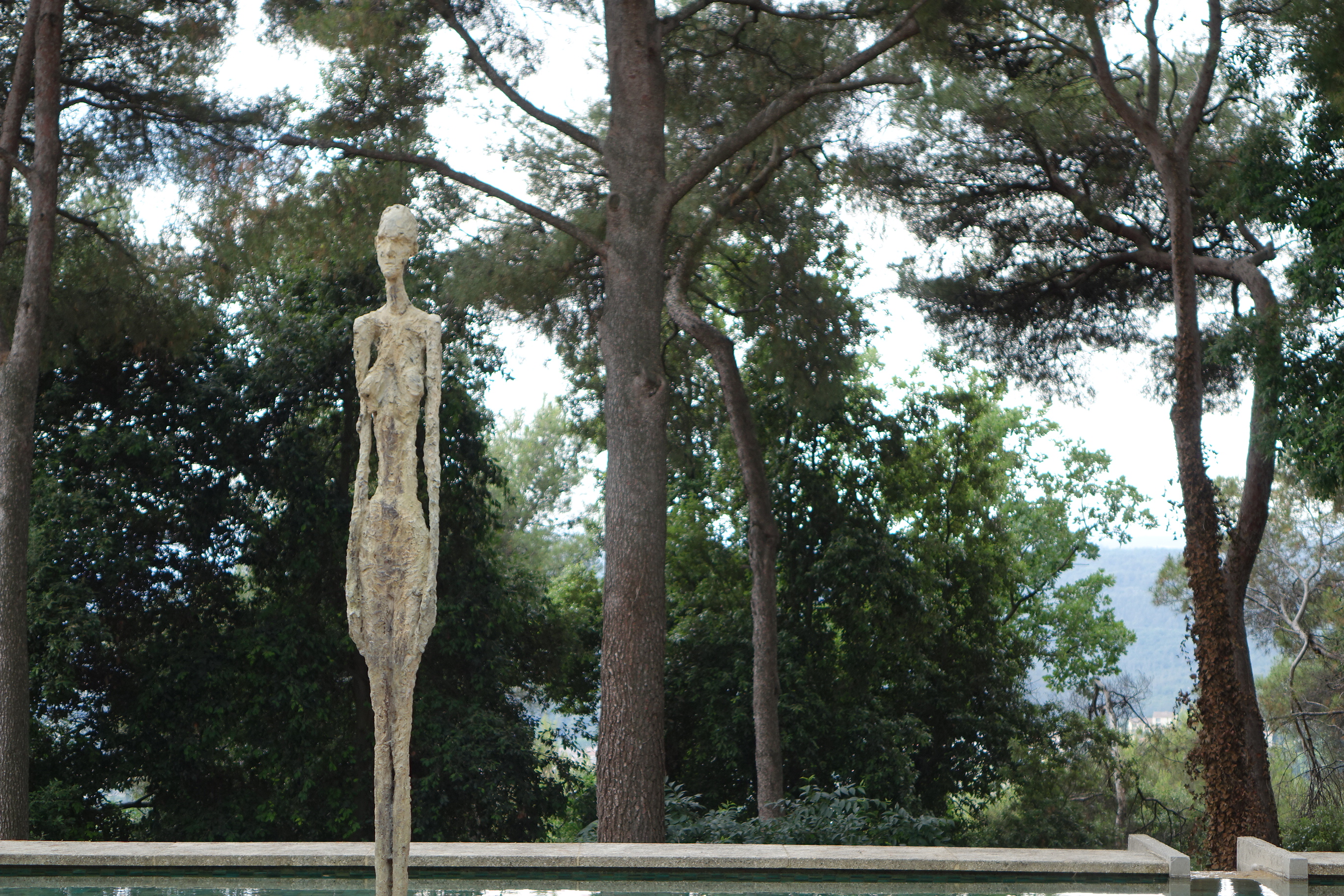
Amongst the many artist-museums which consequently pepper the area, the Fondation Maeght is amongst the most important. Located only minutes from La Colombe d’Or, the foundation was entirely conceived and financed by Marguerite and Aimé Maeght to present modern and contemporary art in all its forms. Painters and sculptors collaborated closely in the realisation of this Foundation with Catalan architect Lluís Sert by creating frequently monumental works integrated into the building and gardens: the Giacometti courtyard, one of the world’s most famous ‘in-situ’ works, the Miró labyrinth filled with sculptures and ceramics, the mural mosaics by Chagall and Tal-Coat, and the pool and stained glass window by Braque.

DSC06587 DSC06574 DSC06590DSC06599 DSC06594 DSC06612 DSC06625

When we ventured to the foundation after some hours languishing by the Calder mobile of La Colombe’s pool, we were somewhat disappointed by the extent of the famed collection. Entire galleries were given over to temporary exhibitions, with only one room seemingly devoted to a permanent collection. However, we could not deny being impressed by the gardens, so sumptuously saturated in art, densely packed under the canopy of a pine-tree forest. There amongst the faded light, a labyrinth collated from sculptures by Miro formed unique and startling silhouettes against a stormy sky, and as the earth rumbled with a humid thunderstorm, the atmosphere seemed charged with the almost surreal atmosphere created by these sculpted forms.

More than 200,000 visitors come each year to the Maeght Foundation, which has put on over 100 monographic or thematic exhibitions since its opening. We were perhaps unlucky to visit when only a fraction of the permanent collection was on display, but for the uniquely conceived art of its gardens, it lived up to its fame. The photos in this post show the best of the incredible outside installations permanently on display.

DSC06595 DSC06583DSC06611 DSC06580 DSC06603 DSC06616

The Honeymoon Chronicles, Part II: Calder’s Pool

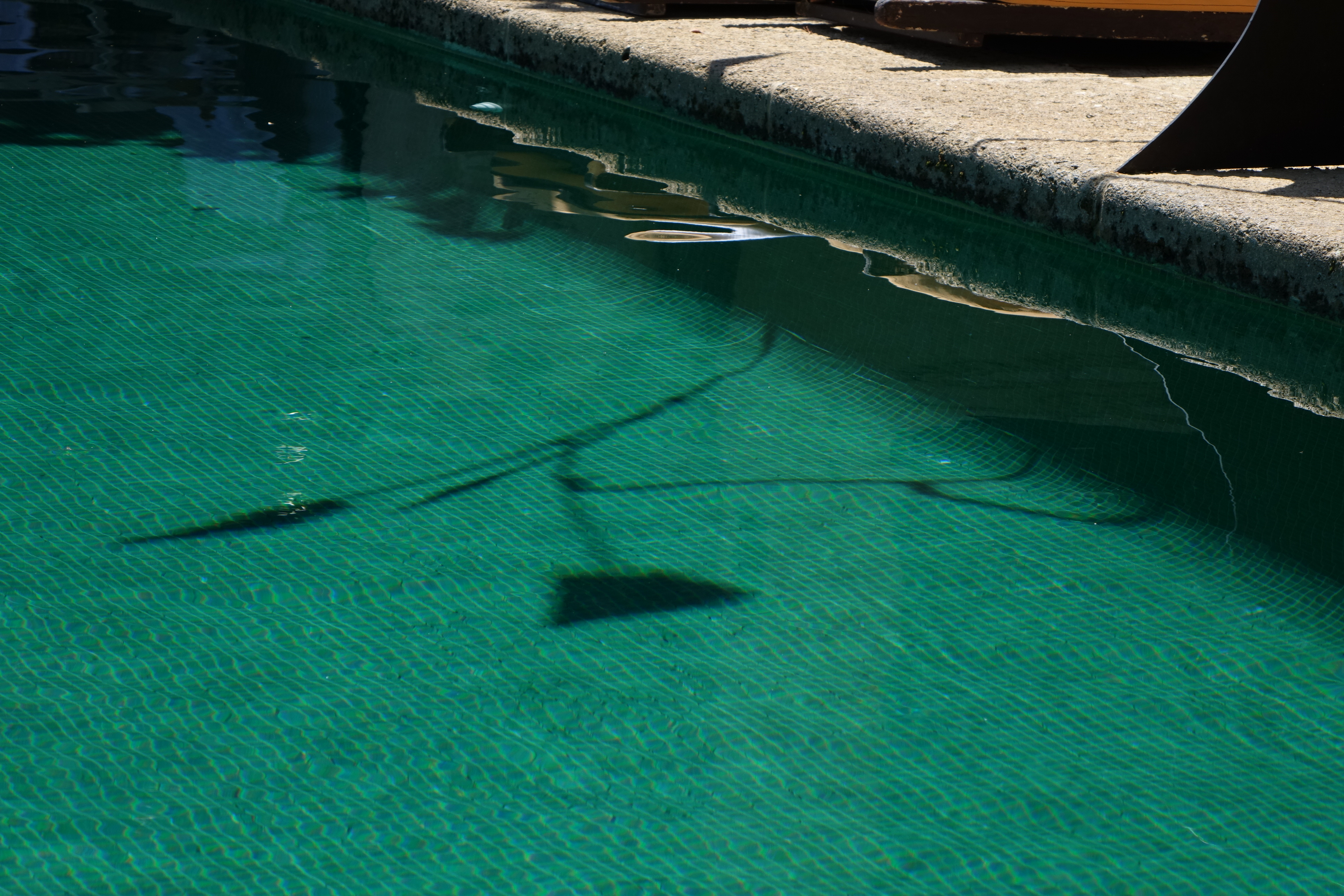
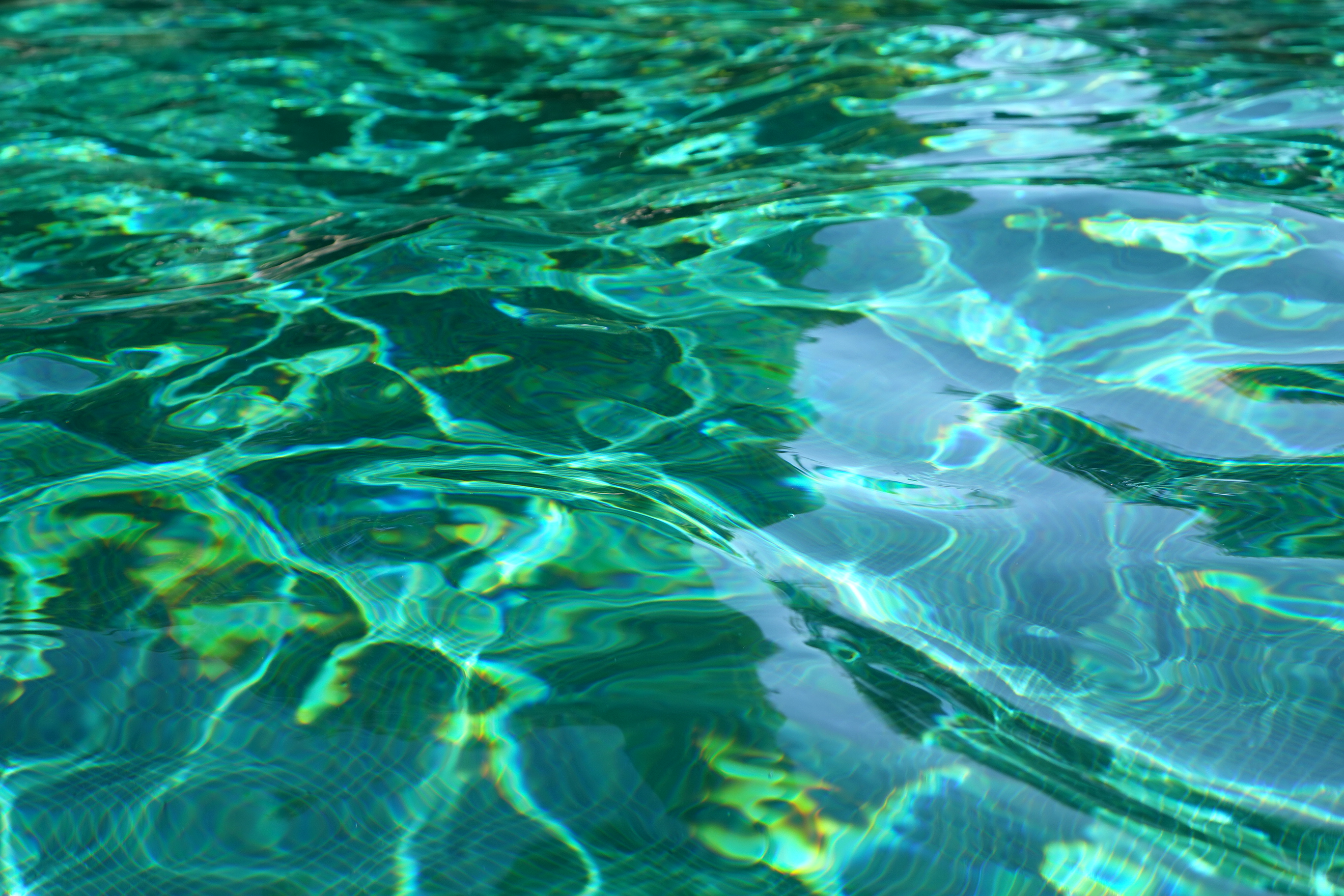
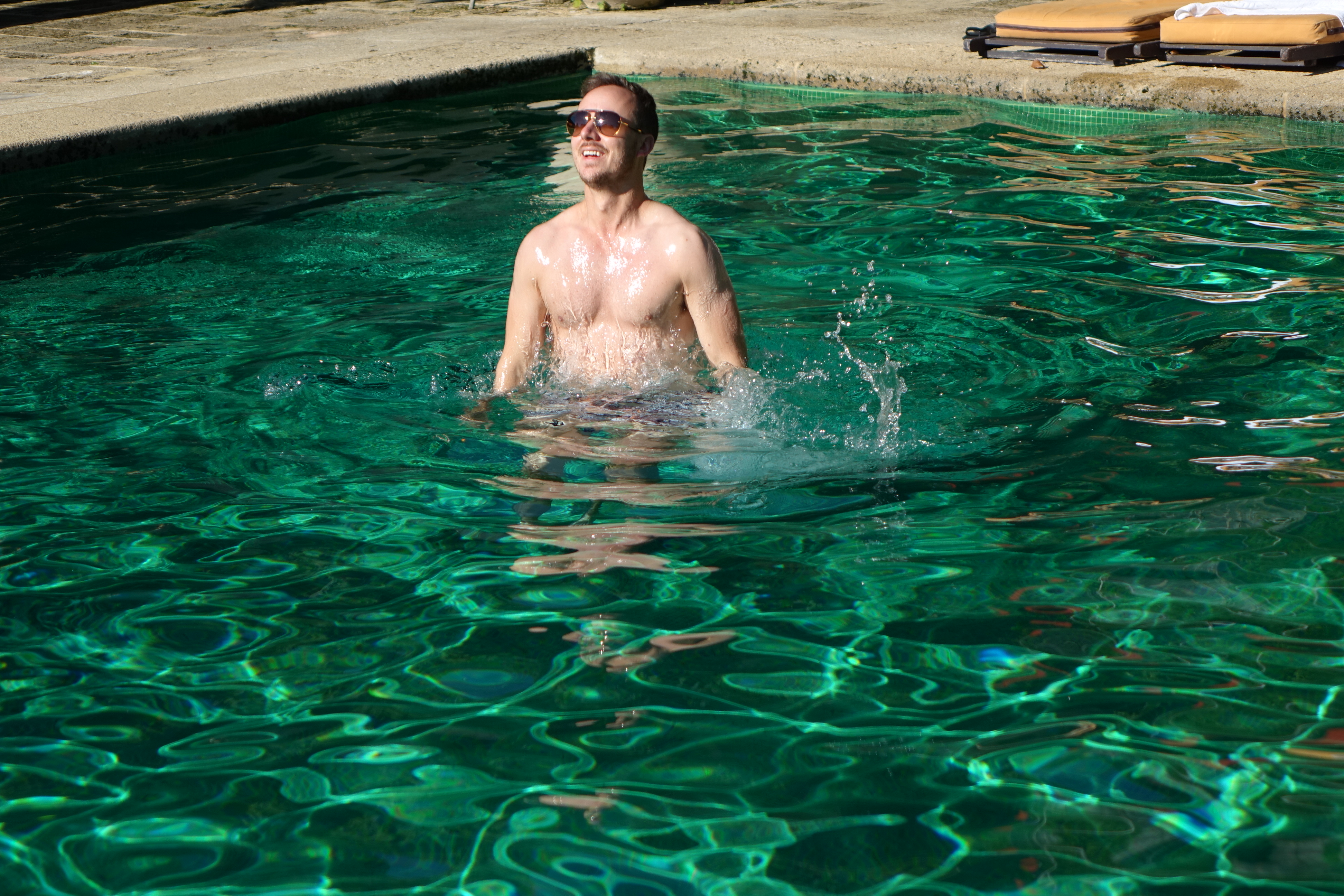
On Wednesday I told you all about the earthly paradise that is La Colombe d’Or, and yesterday I shared my first artwork inspired by this epicentre of the arts. And yet I would do La Colombe an injustice if I stopped there. For combine my relentless enthusiasm for all things Mediterranean, with my love of art, and my complete obsession with the effect of light on water, and ripples, and you will be unsurprised that during our stay at that little Provençal Inn, I fell head over heels in love with the swimming pool which languishes at the centre of the hotel.

DSC07077
DSC06704 DSC06294 DSC06241 DSC06268

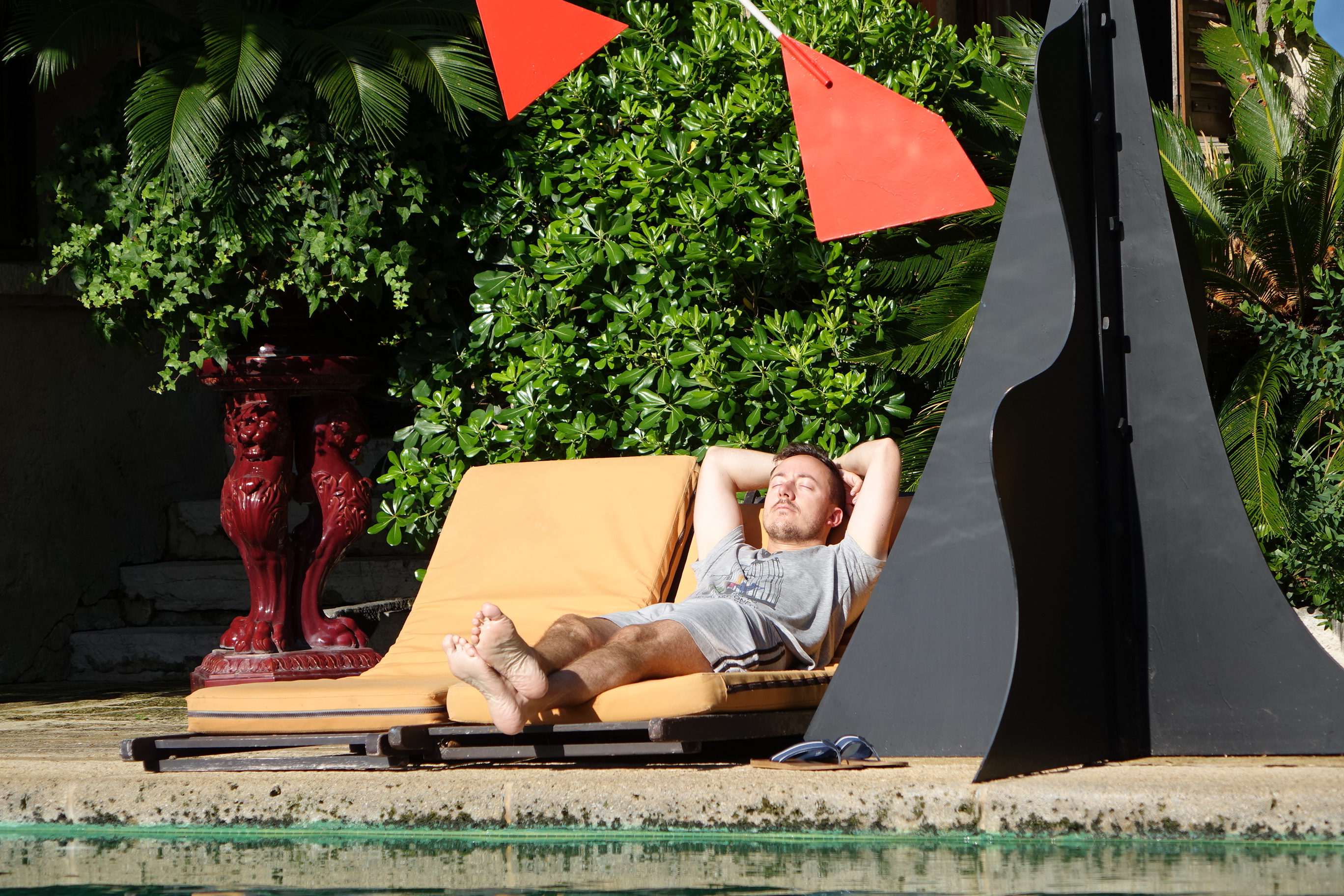
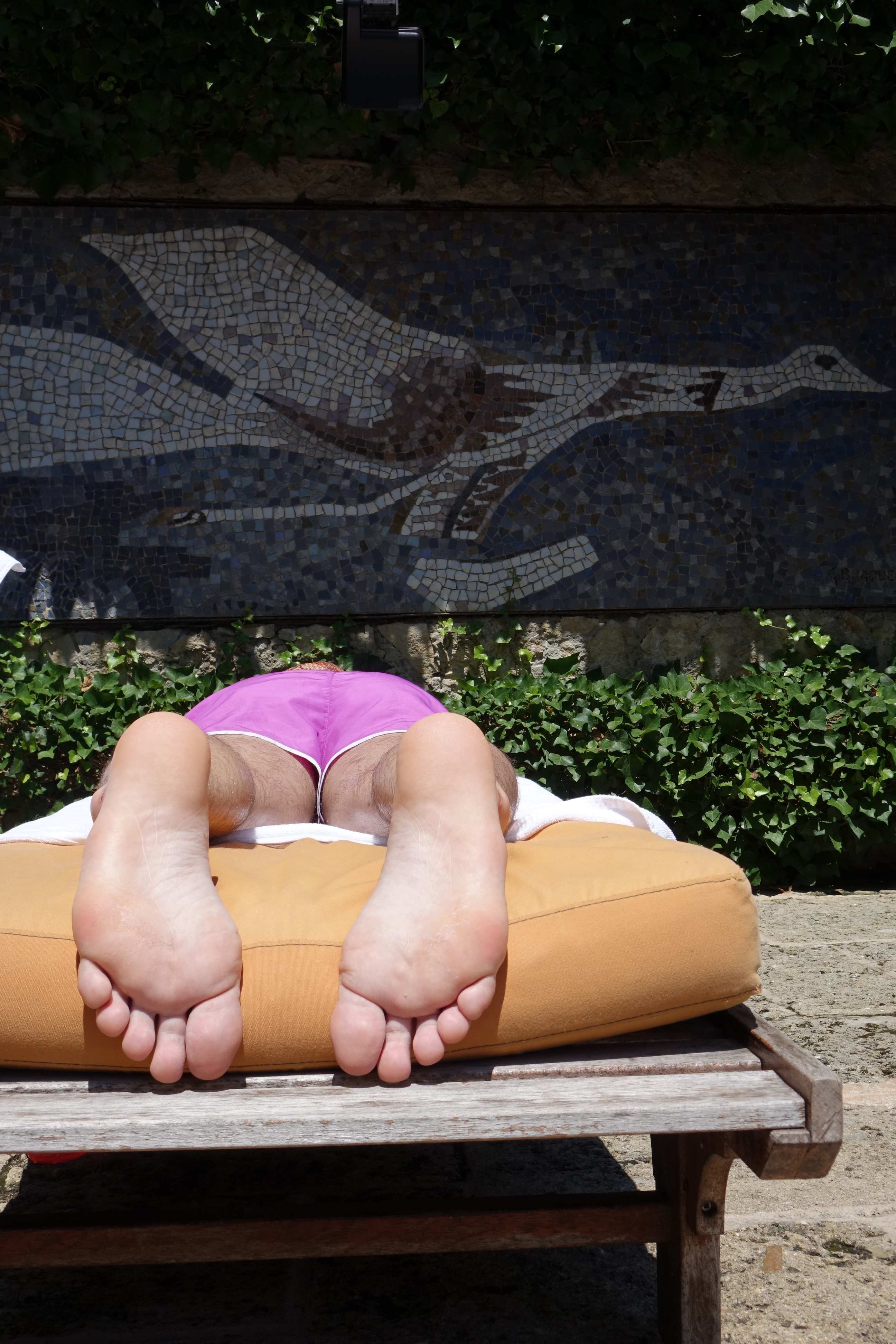
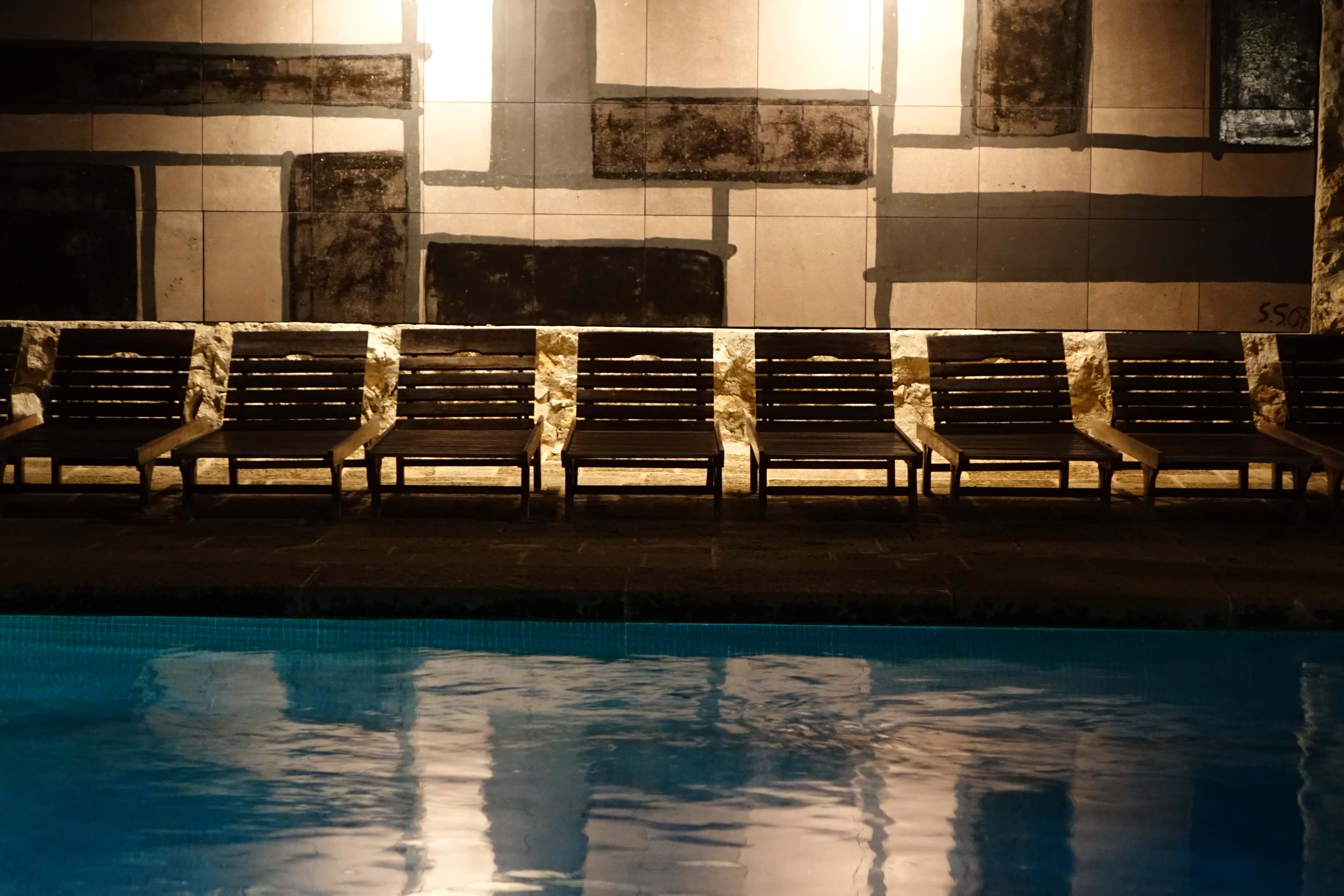
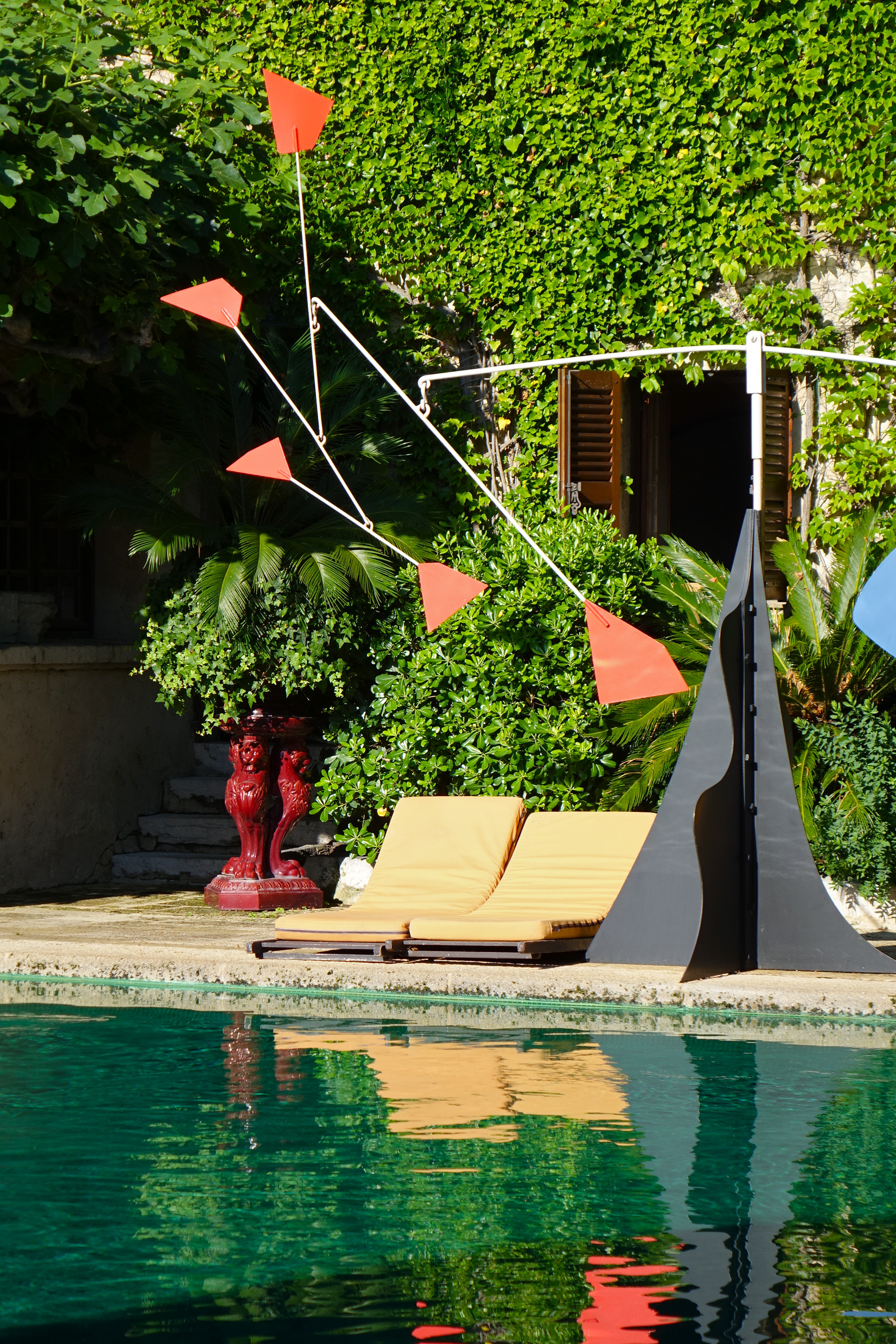
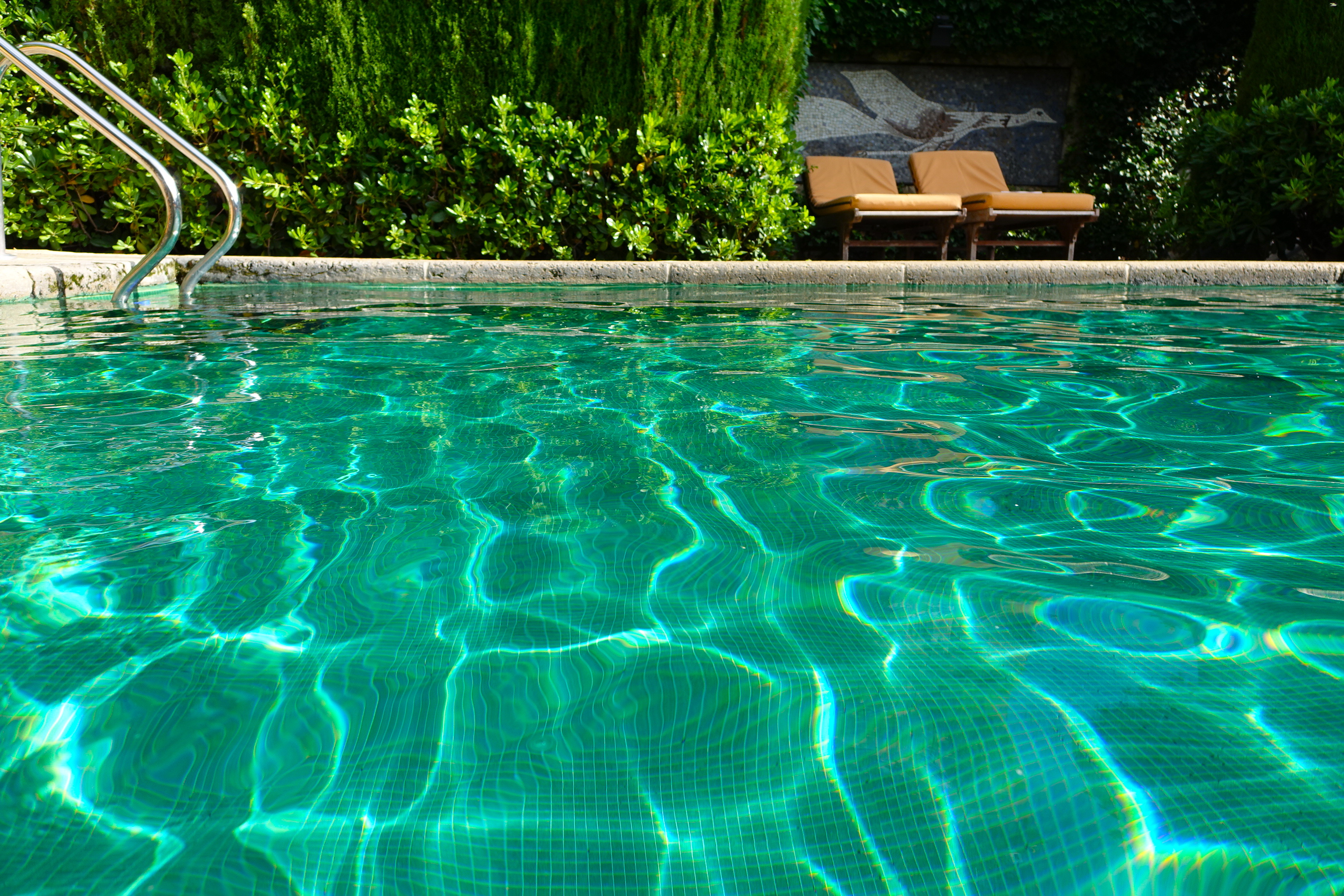
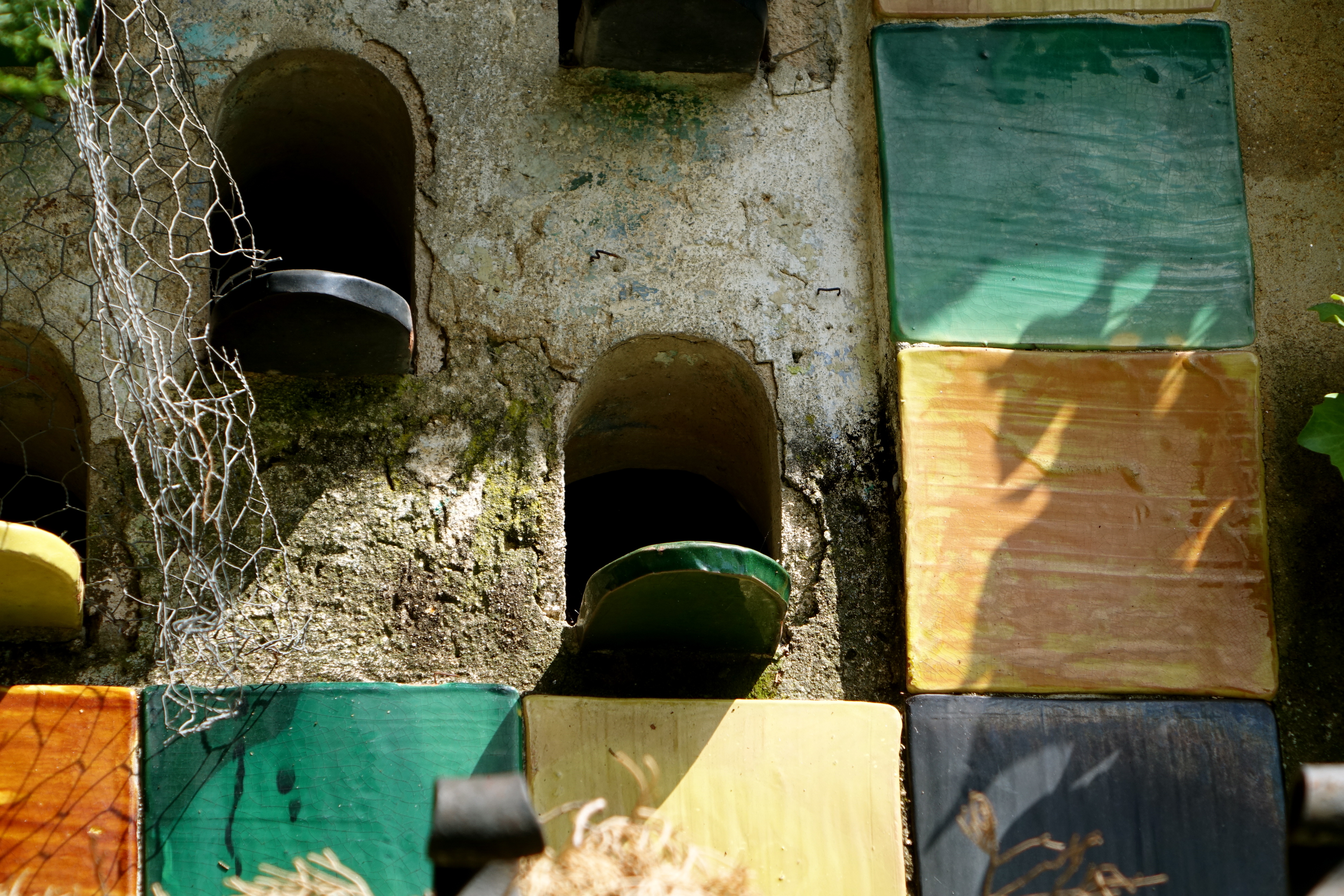
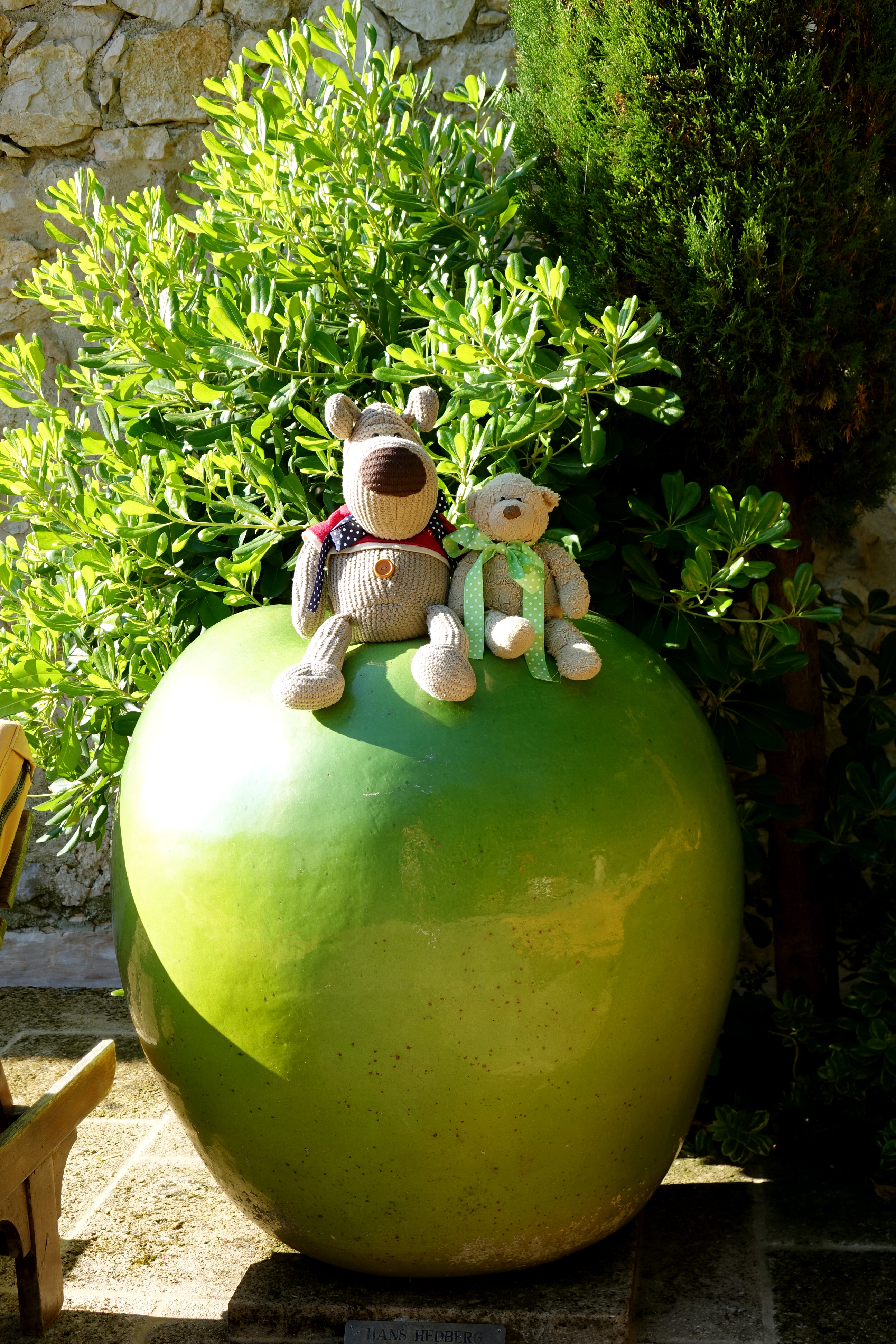
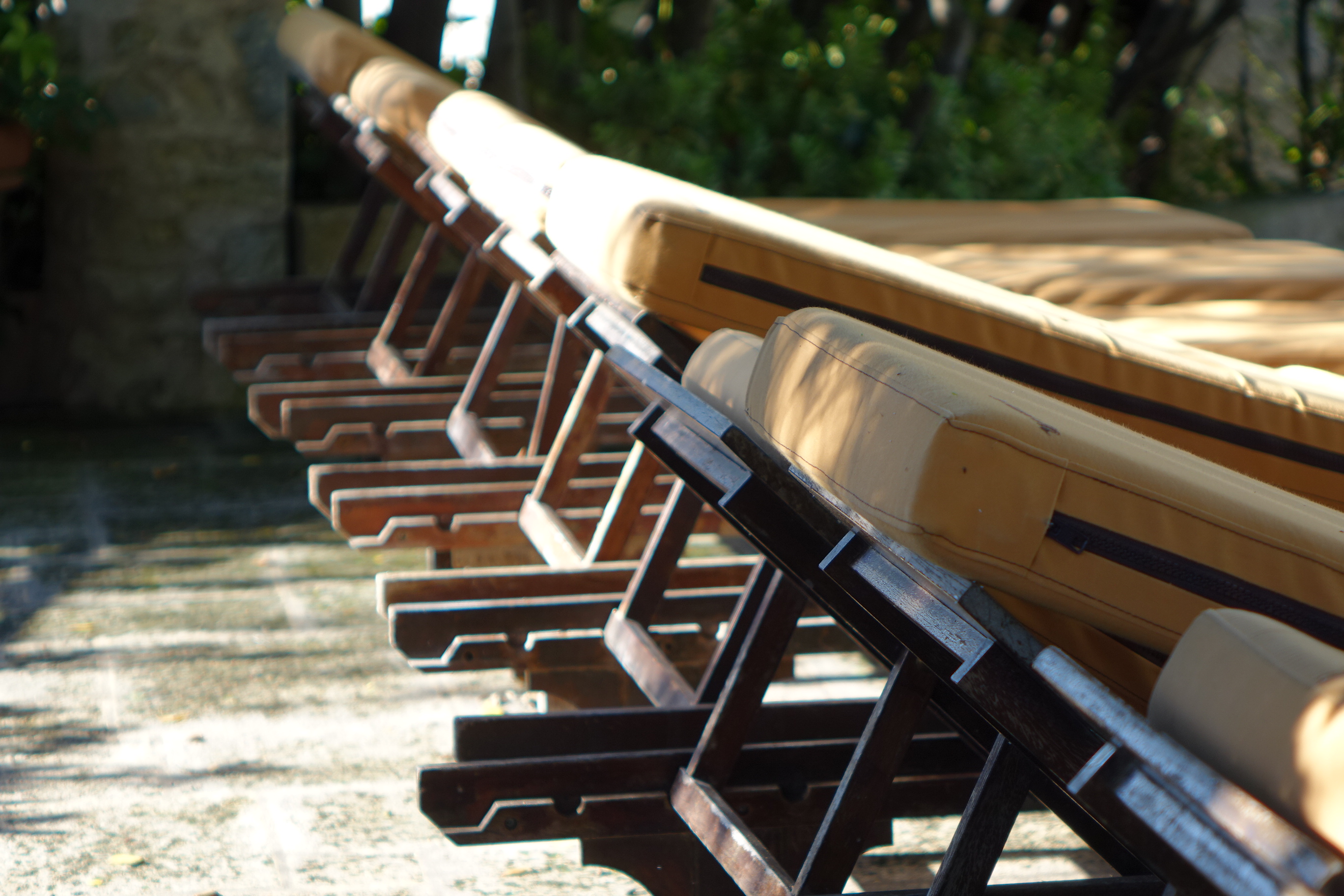
Surrounded on three sides by the old stone residences which make up the charming accommodation of La Colombe, and on the other with a spectacular view of the rolling hills around St-Paul de Vence, the swimming pool benefits from lush planting, cypress trees clipped into perfectly curvaceous almost anthropomorphic forms, ancient ceramic pots overflowing with palms and flowers, and quaint wooden loungers each fitted with a distinctive apricot cushion for the ultimate in comfort.

DSC07112 DSC06683DSC07107 DSC06649 DSC07021DSC06278

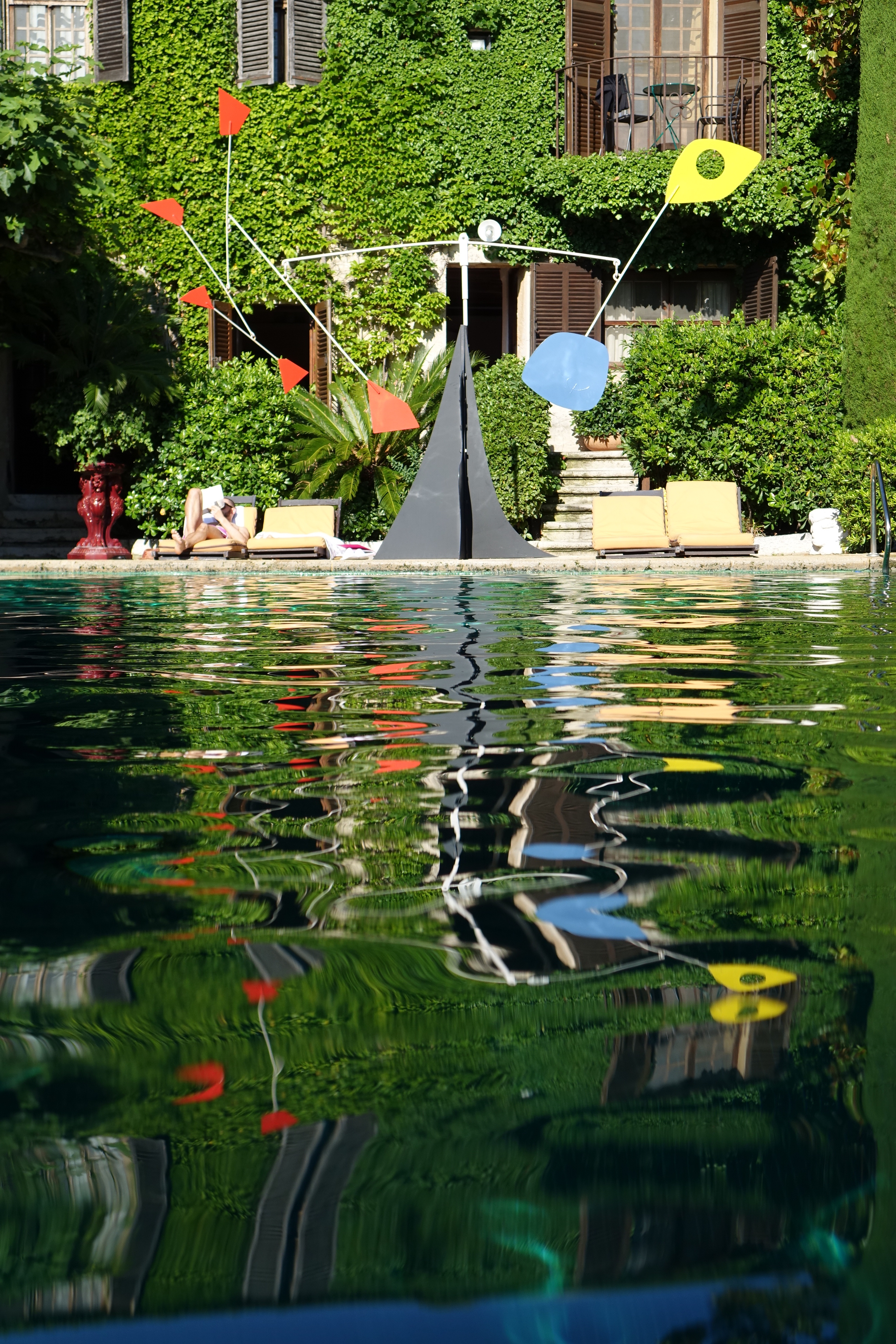
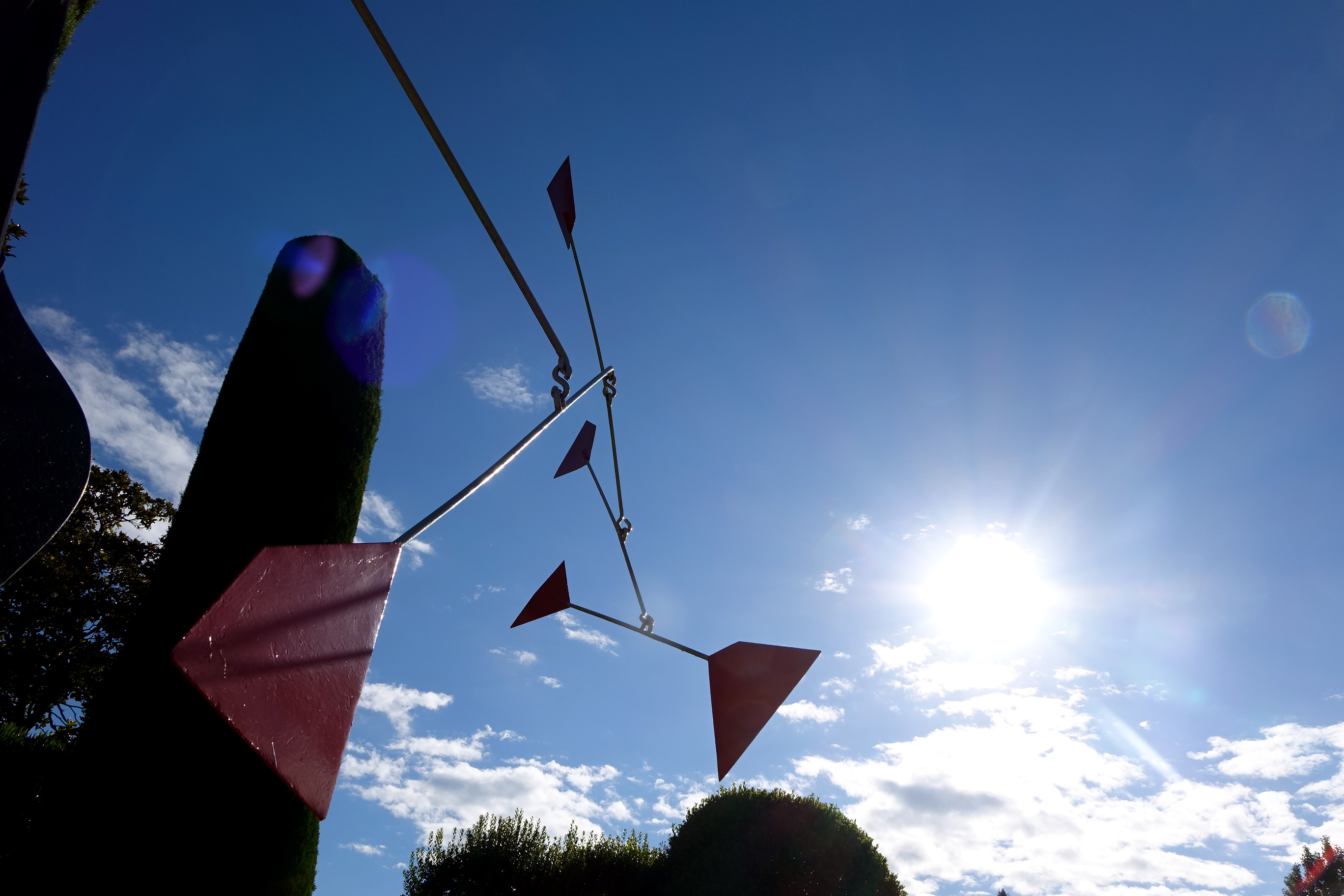
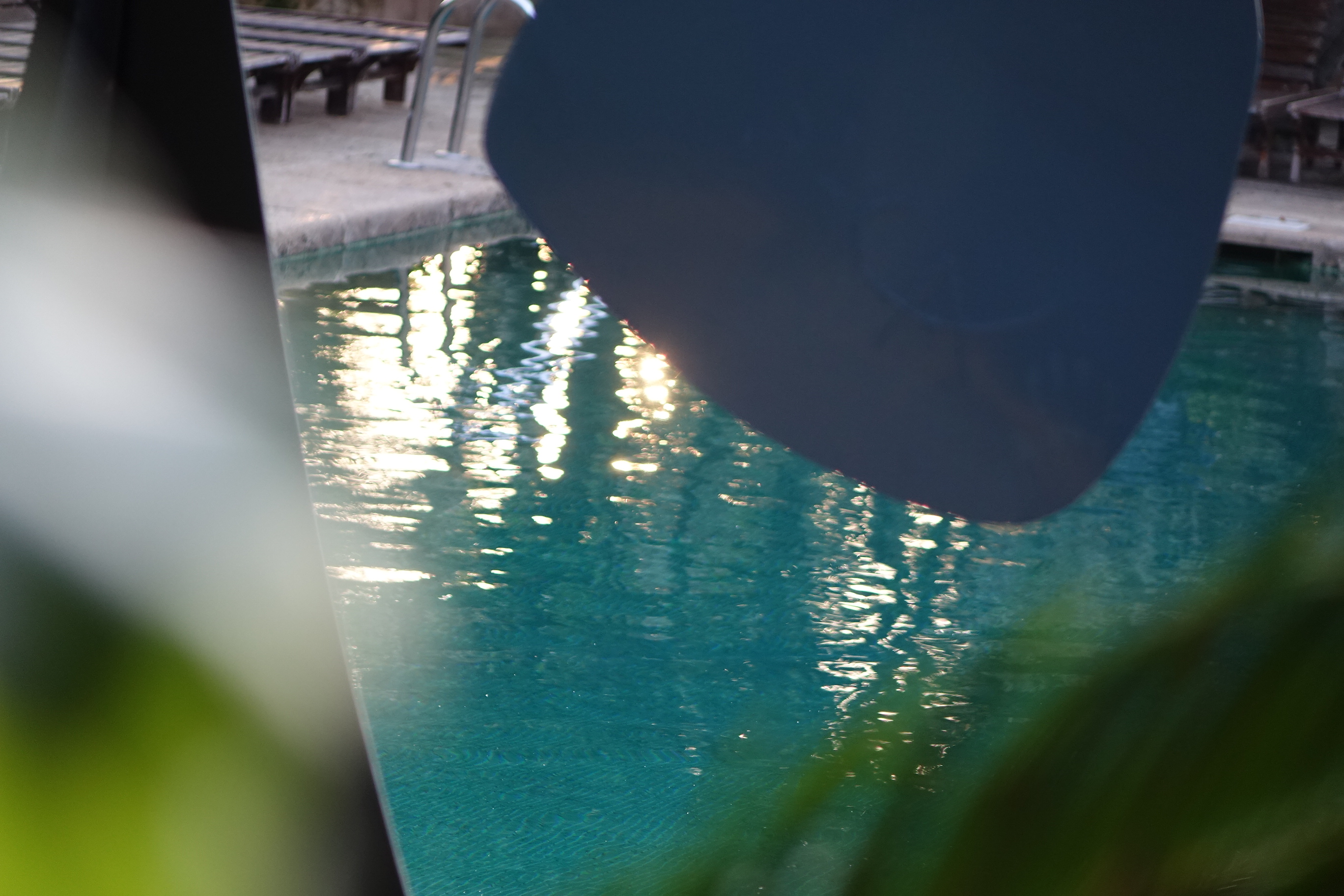
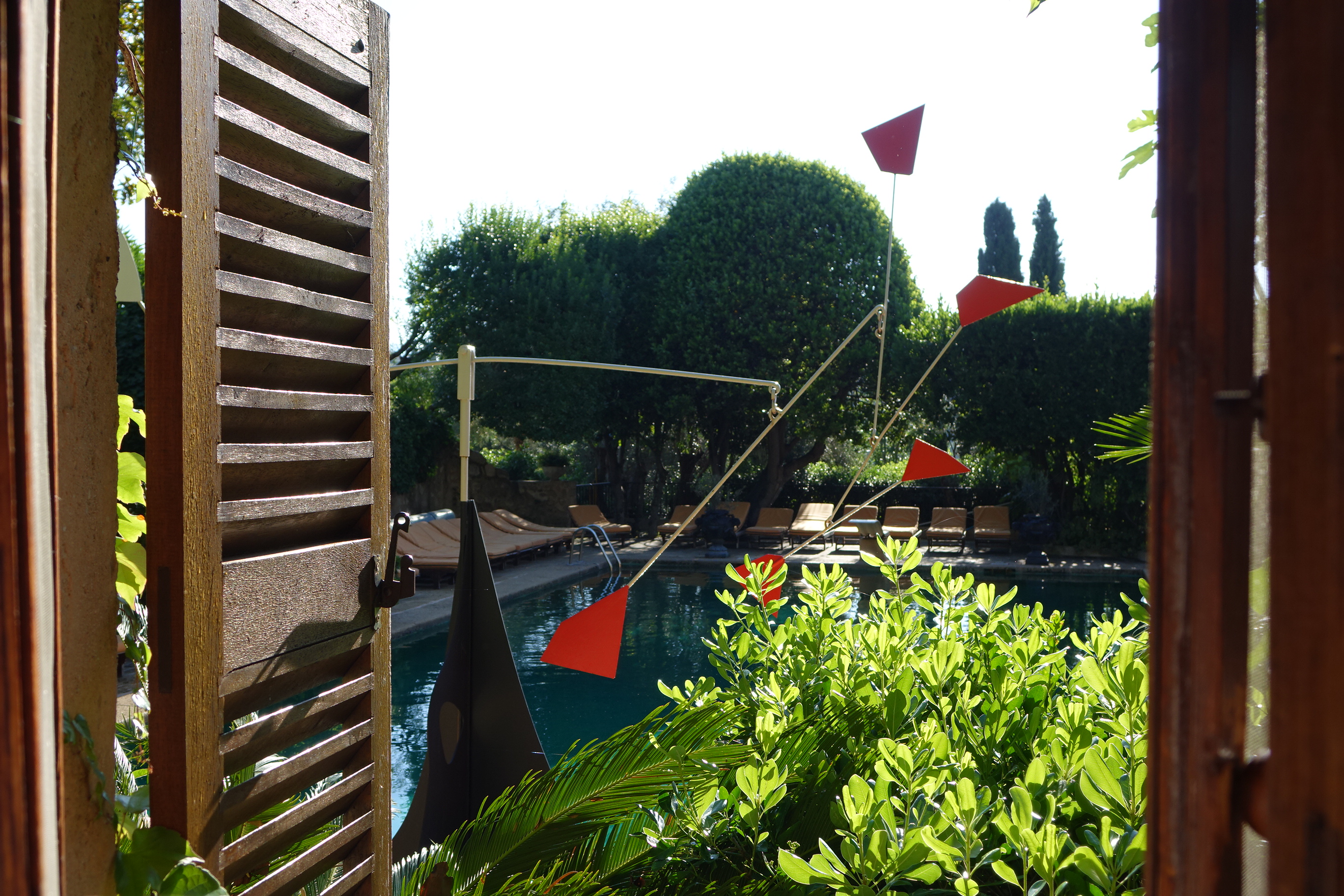
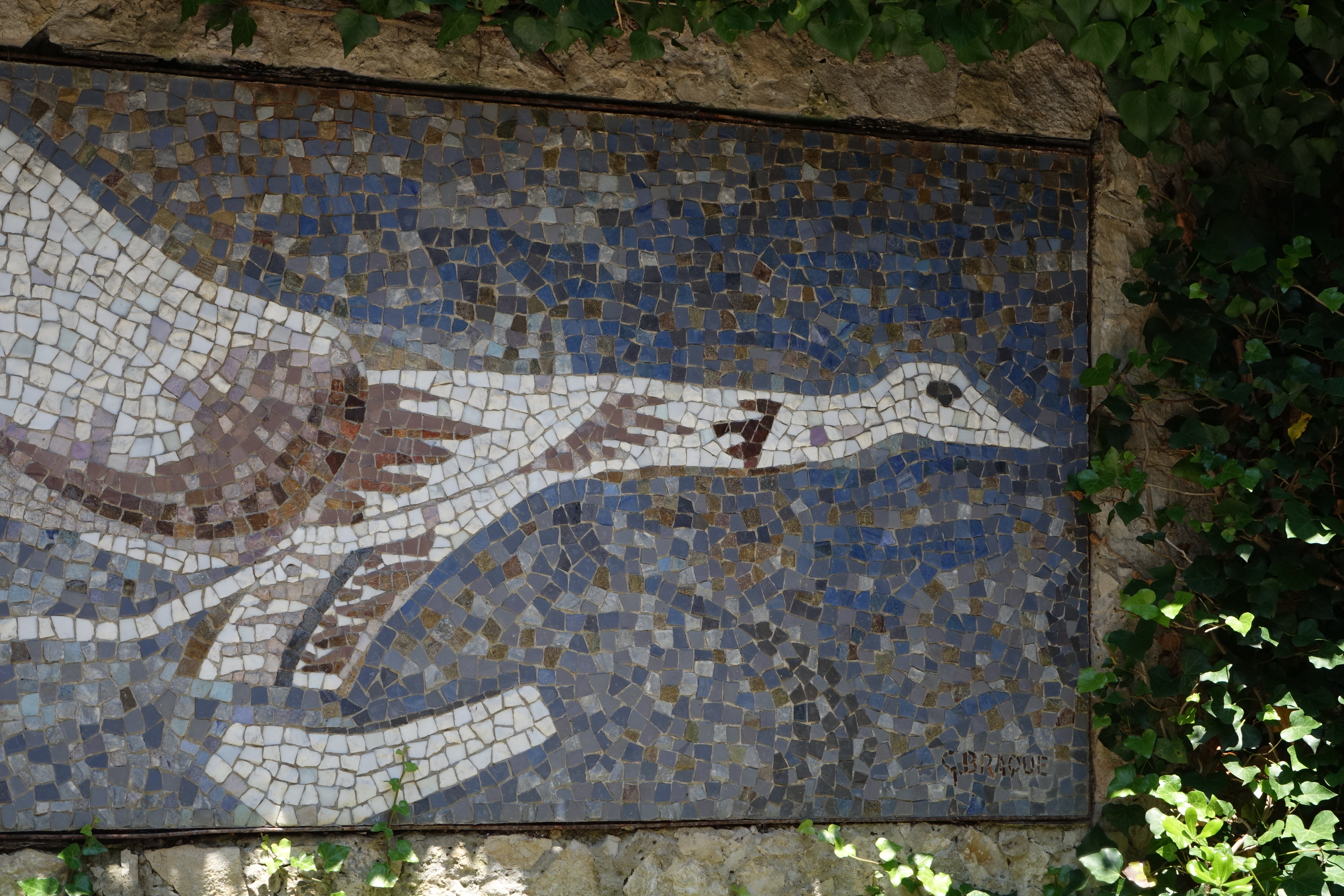
But above all of the charms of this magical pool is the original art which surrounds it. On the one side, a dark contemplative piece by contemporary geometric artist Sean Scully sounds all wrong on paper, but the dark colours perfectly complement the zing of orange of the sun loungers lined up against it. Opposite, the bird mosaic by Georges Braque fits perfectly harmoniously with the lush vegetation surrounding it, peeking out from behind the cypress trees as though wary of the tourists taking their places alongside the pool. And best of all – that stunning Alexander Calder mobile, whose fast metal arms swing slowly and silently in the still Riviera air, and whose base stands majestically on the water’s edge.
DSC06705 DSC06255 DSC07104 DSC07100 DSC06651

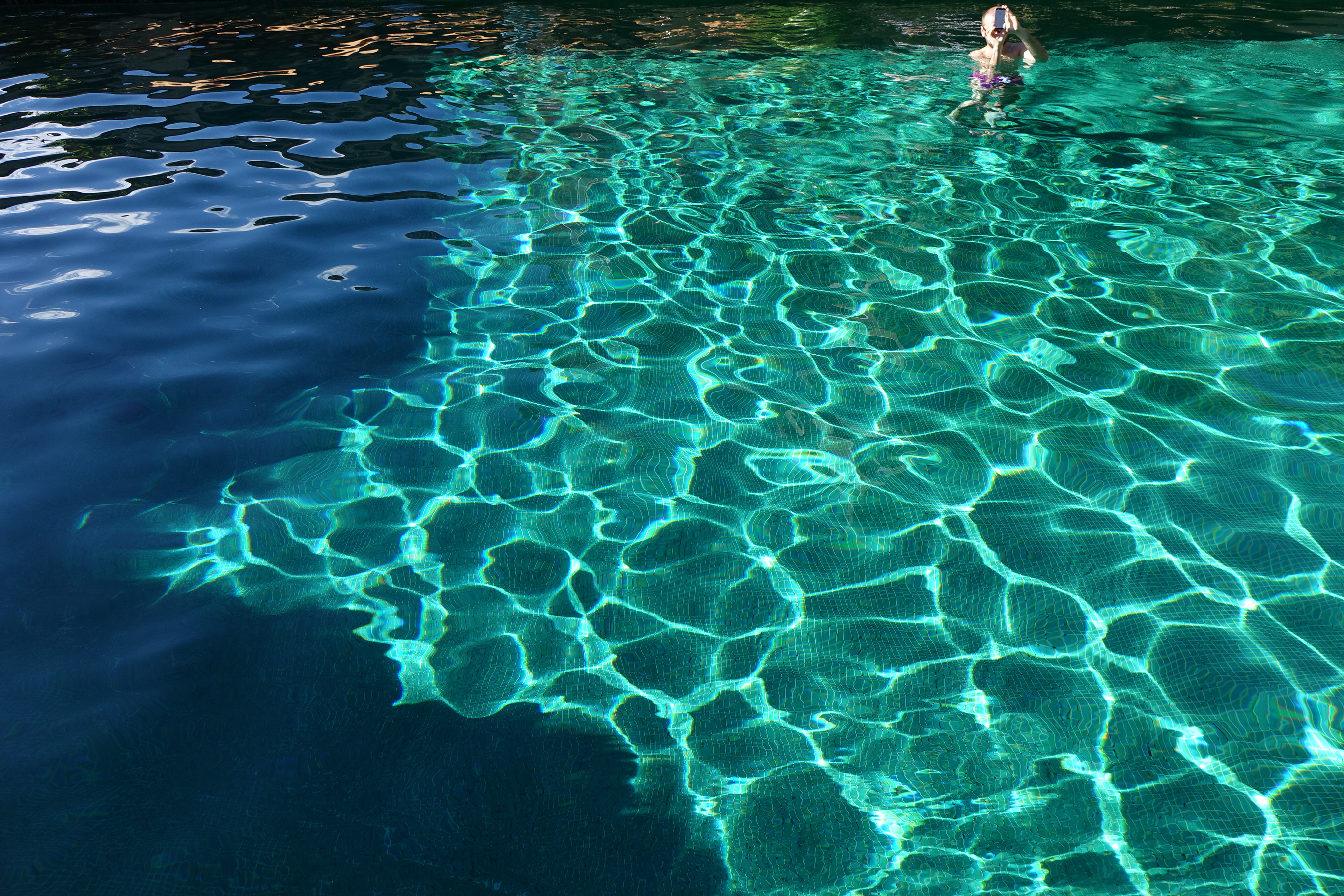
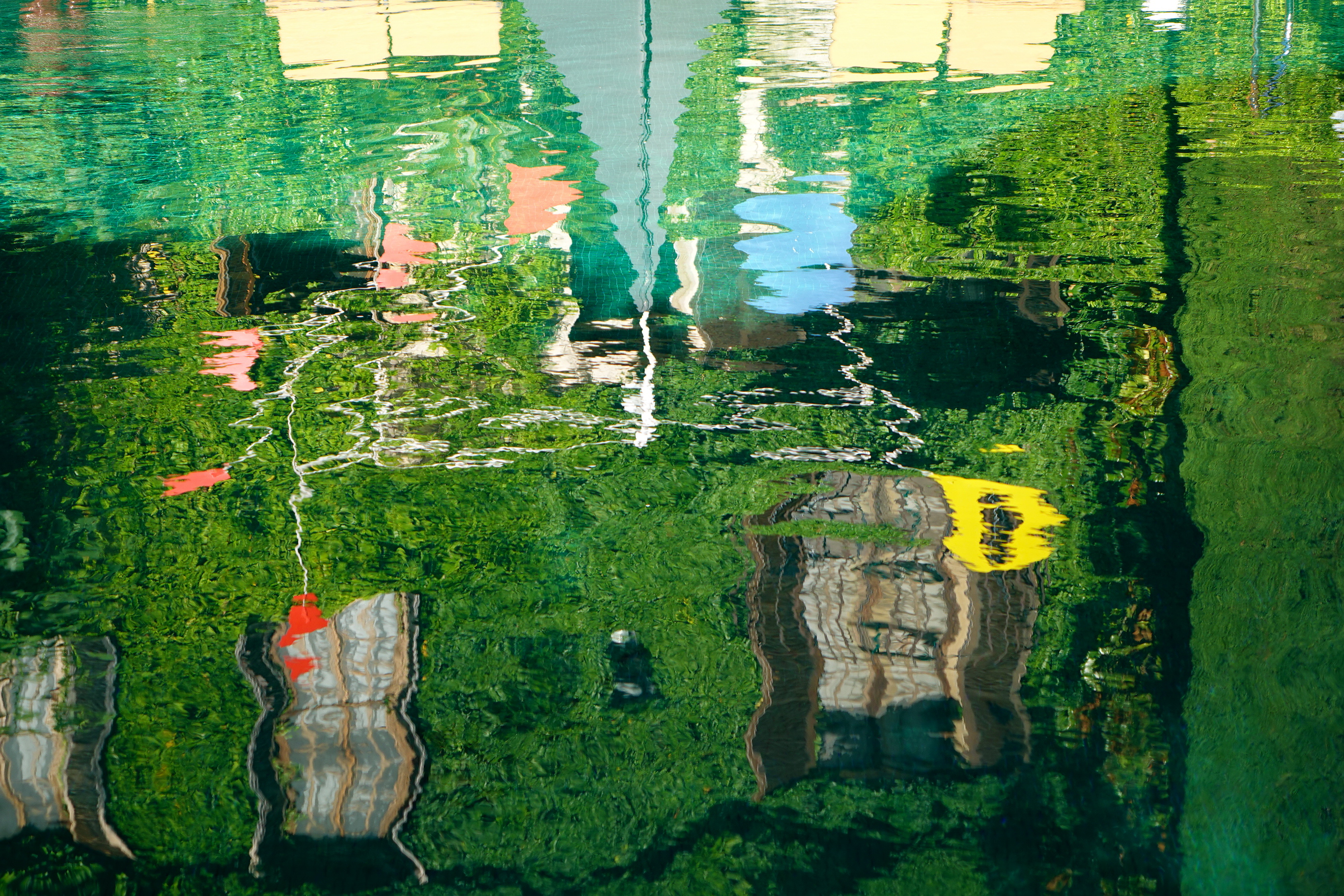
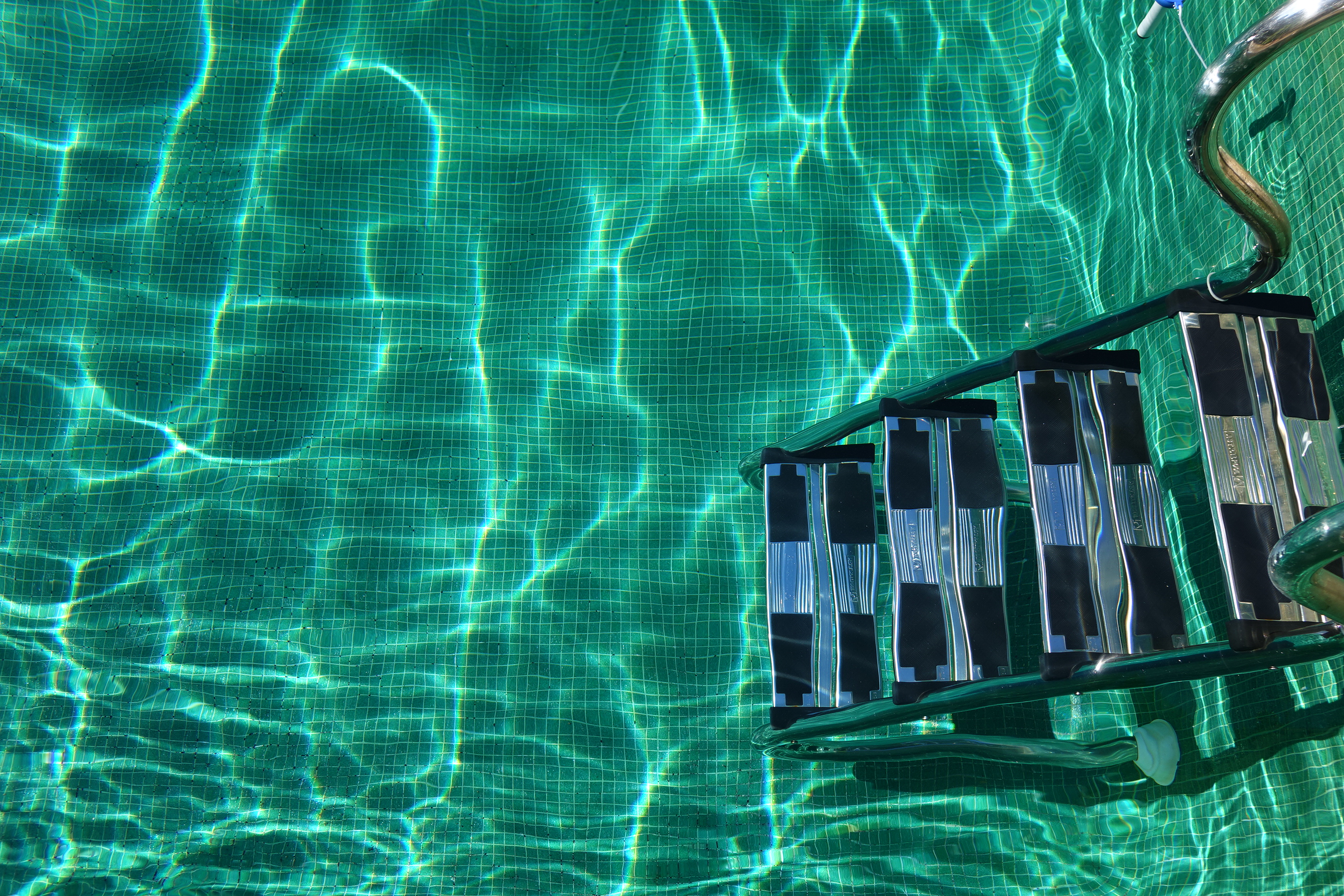
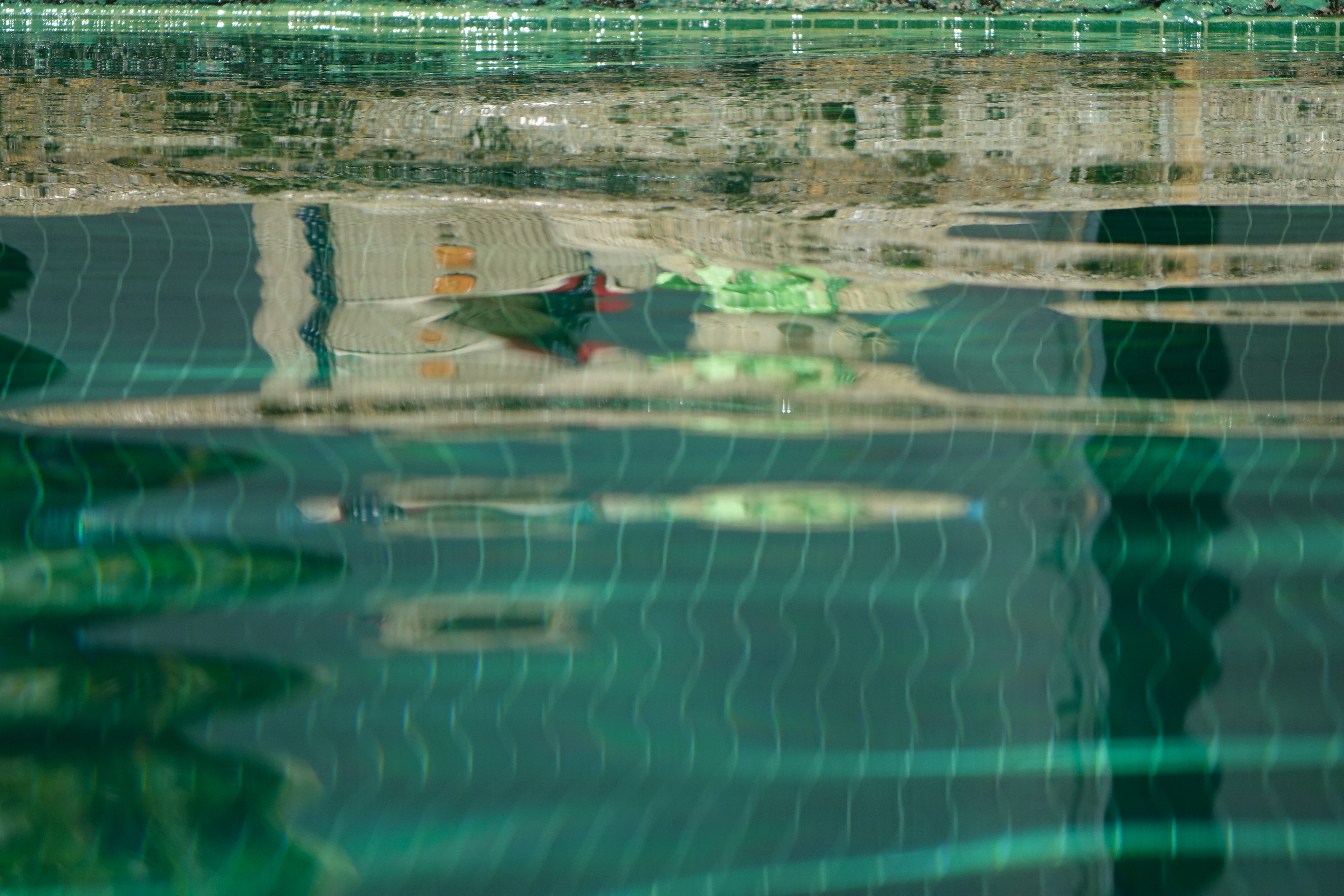
All combined like the colours mixed on an artist’s palette in ripples moving across the delicate green waters whose depths were punctuated with light manifested in every shade of cerulean blue and forest green. I became fascinated, dazzled by the interplay of colour on the water, and took so many photos that a post dedicated to this phenomenon of La Colombe d’Or was a must.

DSC06312 DSC06442 DSC07056 DSC07079 DSC06673DSC07298

All photos and written content are strictly the copyright of Nicholas de Lacy-Brown © 2015 and The Daily Norm. All rights are reserved. Unauthorized use and/or duplication of the material, whether written work, photography or artwork, included within The Daily Norm without express and written permission from The Daily Norm’s author and/or owner is strictly prohibited.

The Honeymoon Suite I: Bedroom at La Colombe d’Or

I knew that staying at La Colombe d’Or would inspire me. It wasn’t just that it happens to be stationed in one of the most exquisite locations in all of the French Riviera, but it has also inspired countless of the world’s most famous modern artists, and I wasn’t going to be the exception. So armed with my handy box of gouache paints, brushes and using the Colombe d’Or’s ashtray for water (sorry Colombe!) I set about painting what most inspired me. And from the very first morning, when I awoke to find light flooding into our bedroom, the rays dancing and undulating as they reflected across from the swimming pool right outside the room, I knew what I would have to paint.

The work which resulted is this one, the first in my Honeymoon Suite series. The painting depicts not only the effect of the light entering through a quaint wooden window into our pastel-coloured room, but also the proximity of the Alexander Calder mobile, and the Braque mosaic, just outside our room, which never failed to excite me. In  the foreground is the little desk which I used to paint this very same painting, breathing the cypress-perfumed air which wafted through the window as I did so.

Honeymoon Suite I: Bedroom at La Colombe d'Or (2015 © Nicholas de Lacy-Brown, gouache on paper)

Honeymoon Suite I: Bedroom at La Colombe d’Or (2015 © Nicholas de Lacy-Brown, gouache on paper)

Like so many artists who went before me, I could have stayed in the Colombe d’Or to paint forever.

© Nicholas de Lacy-Brown 2000-2015. Unauthorised use and/or duplication of the material, whether written work, photography or artwork, included on this website without express and written permission from Nicholas de Lacy-Brown is strictly prohibited. For more information on the work of Nicholas de Lacy-Brown, head to his art website at www.delacy-brown.com

The Honeymoon Chronicles, Part I: La Colombe d’Or

To say that my wedding and the honeymoon which followed was a whirlwind of emotions would be no exaggeration. Within minutes of cutting our sensational ombre wedding cake in Chelsea, we were whisked off in the old fashioned style, straight to our honeymoon, leaving our guests behind, and sadly no tied up cans trailing our vehicle. Our destination was the French Riviera, and with only further wedding cake to keep post-wedding hangovers at bay, we tried to prepare ourselves mentally for this further change in circumstances as we were whisked through the night to the South of France.

DSC07374

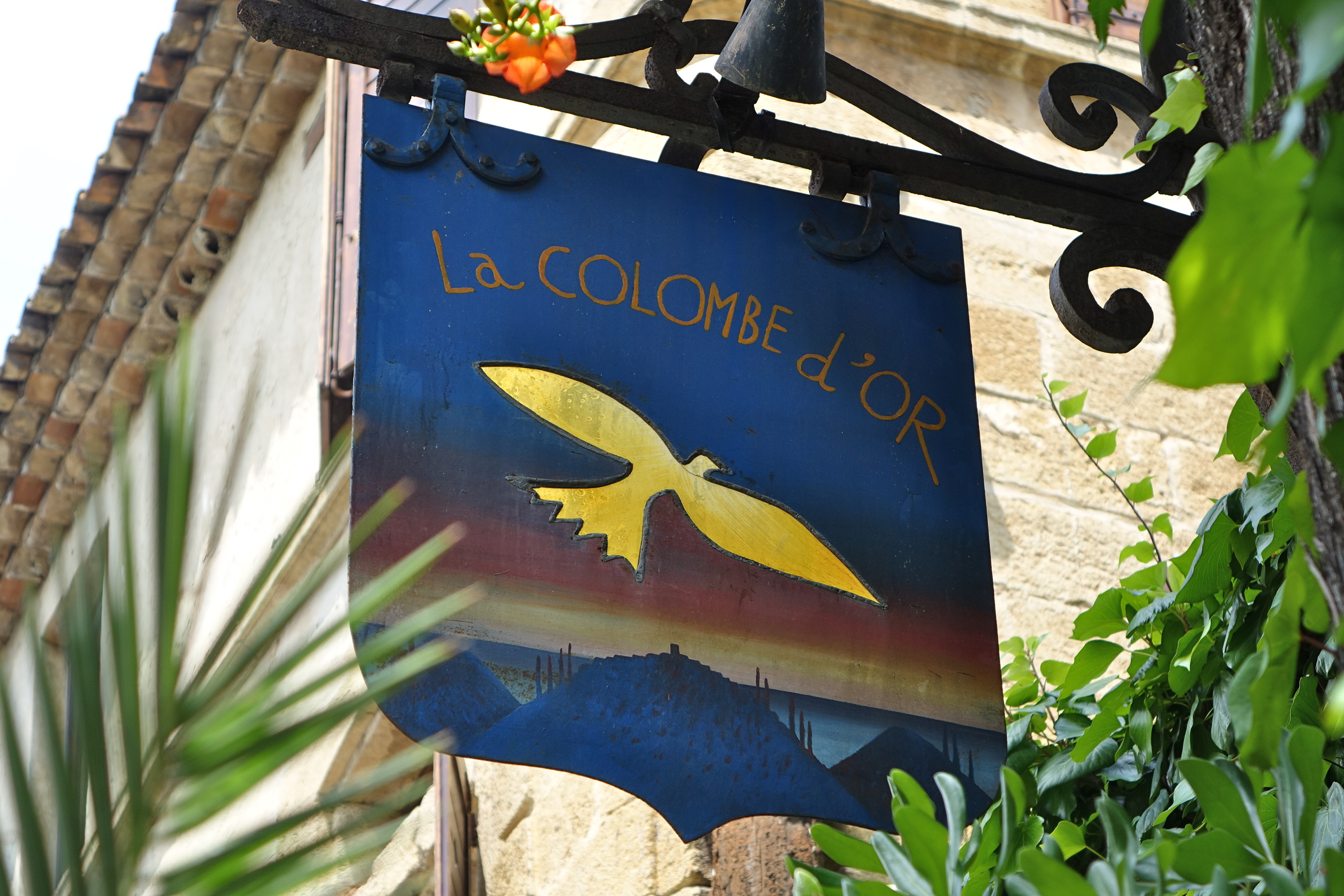
Our arrival in the tiny village of Saint-Paul de Vence near Nice could not have been more different from the city we had departed. Utterly at peace, with a distinctive fragrance of pines and cypresses freshening the air. As darkness had already descended, the village was permeated by little yellow street lamps, subtly illuminating the central plaza where pétanque balls lay in wait for the following day’s play. And amidst the darkness, one sign glowed more than any other: Lighting a golden dove on a blue and yellow sky, it was the sign of La Colombe d’Or – we had arrived.

Our bedroom at La Colombe d’Or

DSC06256 DSC07040 DSC06332 DSC06238 DSC06226 DSC06247 DSC06237 DSC06234

La Colombe d’Or (the golden dove) is a legendary destination in the South of France. First opened in the 1920s by Paul and Baptistine Roux, it began life as a quaint little inn nestled against the magnificent ancient ramparts of the village of Saint-Paul de Vence. Its stunning garden terrace abundant in shady fig trees together with its cosy restaurant interior soon began to attract a faithful clientele, and as the French Riviera became progressively more a centre for thinkers and artists, so too did La Colombe become a gathering place for the crème of the artistic set.

Around the pool and in the gardens

DSC06269 DSC07105 DSC06401 DSC06402 DSC07111 DSC06407 DSC06272 DSC07050 DSC06276 DSC06371 DSC06390 DSC06697 DSC06369 DSC06376

As the years went on, and the Roux family continued to welcome and befriend some of the world’s most famous artists and intellectuals, so too did La Colombe’s remarkable collection of modern art grow, much of which was swapped in exchange for accommodation and their famously delicious Provençal cuisine. So La Colombe d’Or grew, both physically (gradually subsuming neighbouring buildings) and reputationally, and its art collection today stands as one of the most staggering private collections of modern art you could ever hope to see. On its walls, original works by Picasso, Braque, Sonia Delaunay, Calder, Miro, Chagall, Cesar and so many others hang; its leafy terrace is dominated by a stunning ceramic mural by Fernand Leger; and its most stunning swimming pool languishes alongside a remarkable Calder Mobile, a mosaic by Braque, and a recently installed ceramic mural by Sean Scully.

Interiors, and La Colombe’s incredible collection of modern art

DSC06427 DSC07346 DSC07373 DSC07355 DSC06434 DSC07352 DSC06435 DSC07344 DSC07347

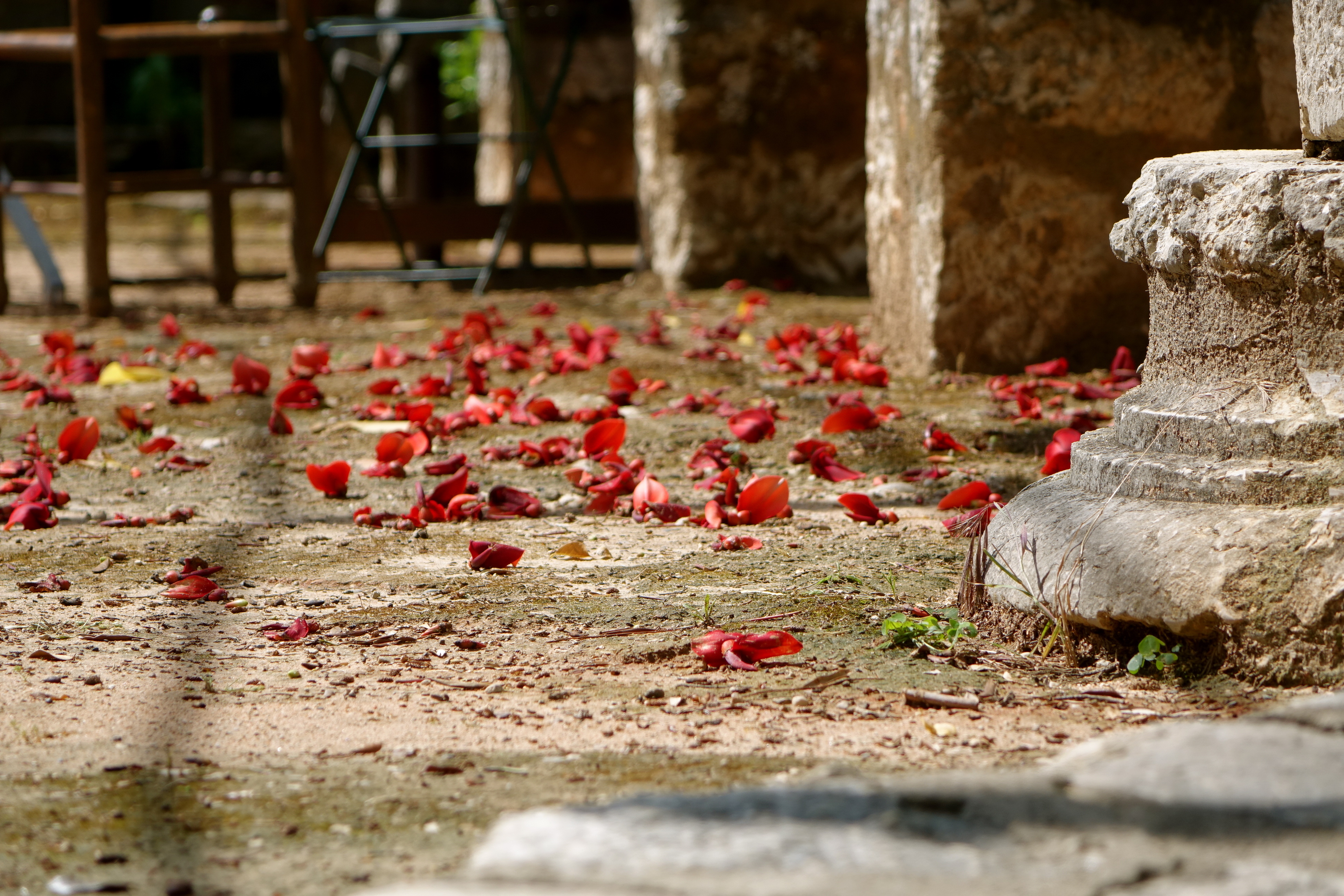
For any enthusiast of 20th century art, or indeed for anyone beloved of the utmost aesthetic tranquility, La Colombe d’Or is a paradise on earth, beyond mere description – it has to be experienced. In the unpretentious little chairs which are clustered on its restaurant terrace, one can see the ghosts of the famous writers and artists who used to sit there in the shadows of the fig trees Jacques Prévert, Yves Montand, James Baldwin, Pablo Picasso… In the unapologetically rustic walls and furniture, you feel as though invited into the warmest of family homes. And in its paradisal gardens, fringed by pillars and scattered with fallen blossom, and alongside that most sensational of swimming pools, you feel as though you have entered some kind of parallel world. Utterly at peace. This was paradise found.

La Colombe’s stunningly cosy restaurant terrace

DSC06333 DSC07367 DSC06410 DSC06421 DSC06352 DSC06349 DSC06354 DSC06350 DSC07370 DSC06412 DSC06335 DSC07360

And so in La Colombe d’Or, we happily stationed ourselves for the first four days of our honeymoon. And so the rush of emotions which had commenced at our wedding continued. It was to be the most sensational few days imaginable.

All photos and written content are strictly the copyright of Nicholas de Lacy-Brown © 2015 and The Daily Norm. All rights are reserved. Unauthorized use and/or duplication of the material, whether written work, photography or artwork, included within The Daily Norm without express and written permission from The Daily Norm’s author and/or owner is strictly prohibited.
Roots entwined: Our story illustrated

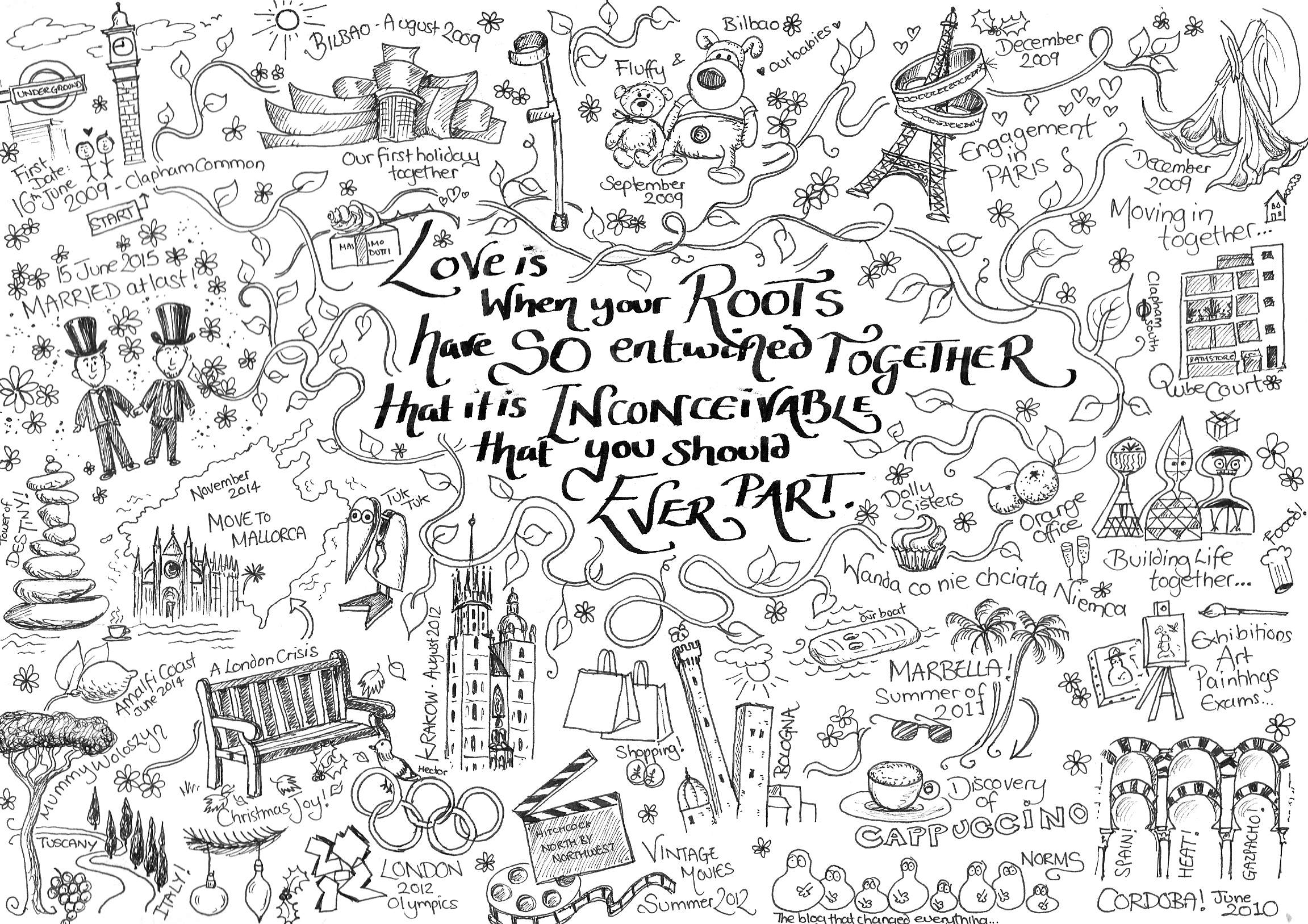
Two weeks ago I married my soul mate, and the man I am now lucky enough to call my husband, and on yesterday’s Daily Norm you were bombarded with photos of our ceremony. However, our marriage was a culmination of 6 years together, almost to the exact day of our first date in fact, on 16th June 2009, and from that moment onwards, I lived life as a man complete.
In celebration of our journey together since that first June date, I prepared for our wedding by drawing a little illustration of our adventures as a twosome. Inspired by the magical words of Louis de Bernieres in his stunning novel, Captain Corelli’s Mandolin, which were read at our wedding, my illustration takes the form of a complex interlocked image of our adventures, each stemming from the routes which now bind us so firmly together.

Roots entwined (2015 © Nicholas de Lacy-Brown, pen on paper)

Roots entwined (2015 © Nicholas de Lacy-Brown, pen on paper)

Love is a temporary madness, it erupts like volcanoes and then subsides. 
And when it subsides you have to make a decision. 
You have to work out whether your roots have so entwined
together that it is inconceivable that you should ever part. 
Because this is what love is.

Love is not breathlessness, it is notexcitement,
it is not the promulgation of promises of eternal passion.
That is just being in love, which any fool can do. 
Love itself is what is left over when being in love has burned away,
and this is both an artand a fortunate accident.

Those that truly love have roots that grow towards each other underground,
and, when all the prettyblossoms have fallen from their branches,
they find that they are one tree and not two.

Louis de Bernieres, Captain Corelli’s Mandolin