Skip to content

Posts tagged ‘Review’

Paris: la visite d’art – Exhibition 1: Hopper

I don’t need a reason to visit Paris. The beauty of the winding cobbled streets of Montmartre echoing with accordion melodies, the charm of the boutique-filled Marais, the glory of the sweeping River Seine, and the regal grandeur of the Louvre, the Napoleonic boulevards, the sandy parks and the super-sized fountains… I could just walk around the place, breathe in the atmosphere, and munch upon macarons year after year, month after month. I never grow tired of Paris.
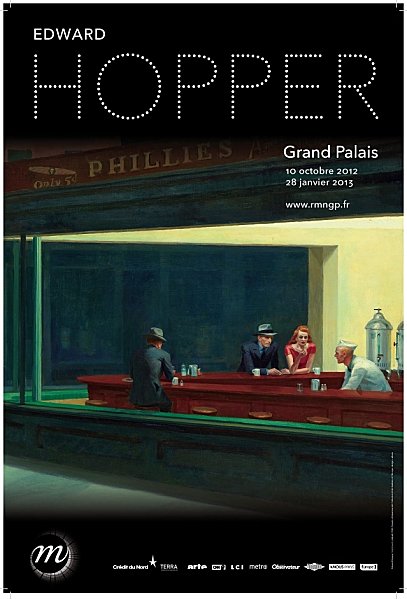
affiche-hopperAnd yet this year, Paris’ artistic offerings provided me not only with an excuse to make my second trip to the city in the space of 12 months, but made it a requirement. For the exhibitions which have graced the Paris art scene this autumn/winter have frankly been second to none – a Hopper retrospective at the Grand Palais, an exhibition focusing on the “bohemians” of 19th century Paris, also at the Grand Palais, a show of the significant artistic productivity, including Picassos aplenty, of occupied Paris during the second world war at the Modern Art Museum and, most significantly of all, a Salvador Dali retrospective at the Pompidou. I have waited all my life for that one. Yet by comparison, what did we have in London in the so called “cultural olympiad” of 2012? A show of Hockney’s “bigger picture”, which was always so crowded that the most you could see of his bigger pictures was his clumsy brushstrokes pushed almost up against your nose, a premature retrospective of the great pretender, Damien Hirst, and a further foray down the well-trodden path of the Pre-Raphaelites for the 5th time in as many years.

So off to Paris I went with my partner, full of anticipation for what lay ahead – 3 days; 3 exhibitions – an anticipation which was fulfilled many times over.

Now it would be an injustice to try and feature the three shows I saw all in one post – the Dali exhibition alone should have a whole blog of its own. So I will take you through the shows one by one, sharing the joy of Paris’ cultural agenda for those of you who cannot make the trip, and making a strong case for the prompt purchase of exhibition tickets for those who can.

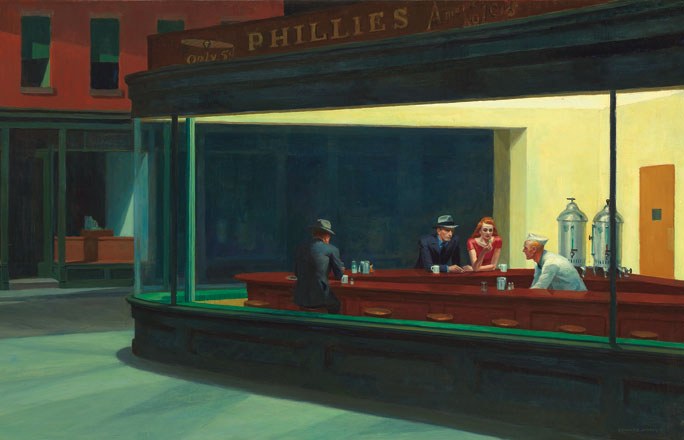
So up first – Edward Hopper at the Grand Palais. Hopper (1882-1967) the all-American painter, best known for his depictions of introspective early 20th century city dwellers, lost in a world of thought in an often artificial unnatural urban space, has long fascinated me, ever since I “accidently” hung on to a catalogue lent to me by my friends, Sarah and Truong, of this artist previously unknown to me. Of course at least two paintings are recognisable to us all – House by the Railroad (1925) – the quite reclusive, slightly sinister victorian house which is said to have inspired Hitchcock’s Psycho house, and a number of haunted house parodies ever since; and Nighthawks (1942), the quintessential Hopper masterpiece, with its four mysterious figures, enigmatic relationships, and strangely unnatural nighttime glare. But asides from those popular references, I did not know Hopper, yet wished to be better acquainted.

House by the Railroad, 1925 (© MOMA, NY)
House by the Railroad, 1925 (© MOMA, NY)

Nighthawks, 1942 (© Art Institute, Chicago)

Nighthawks, 1942 (© Art Institute, Chicago)

In staging this significant retrospective (featuring 160 works, that was almost Hopper’s entire life’s output – he was a notoriously fastidious and slow painter), the Grand Palais was providing the ultimate in Hopper shows, allowing not only an acquaintance with this fine artist, but a chronological embrace through each stage of his artistic career. 
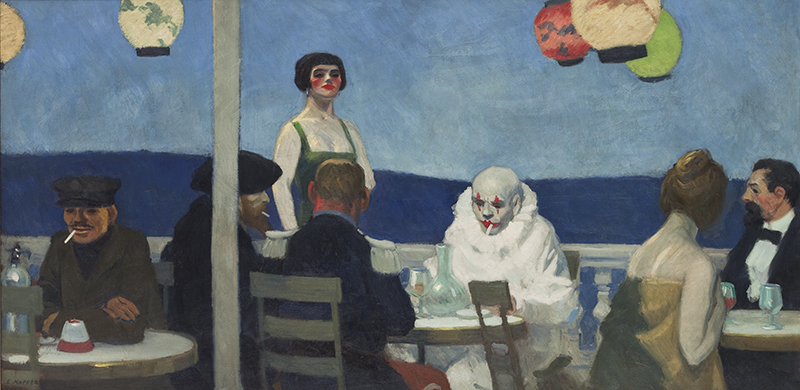
An early work - Soir Bleu, 1914 (© Whitney Museum of American Art)

An early work – Soir Bleu, 1914 (© Whitney Museum of American Art)

First up, we were shown his early works – painted around the beginning of the 20th century and suitably inspired by Paris and artists like Degas and Pissarro, Hopper dabbled in his earliest cityscapes – broad brushed meditations on a captivating city, yet rather subdued, although already mastering an effective contrast of sunlight and shadow. But soon enough, Hopper turned to illustration, finding that his paintings were not selling. Here, we see Hopper as the caricaturist and illustrator, both mediums in which he was able to demonstrate great skill as a draftsman and social commentator. It was only in the 20s that he began to paint seriously again, and finding greater success as he did so. From this point in the show onwards, there begins a vast array of Hopper paintings, spoiling the viewer with their breadth and sheer number.

Manhattan Bridge Loop, 1928 (© Addison Gallery of American Art)

Manhattan Bridge Loop, 1928 (© Addison Gallery of American Art)

The City, 1927 (© University of Arizona Museum of Art)

The City, 1927 (© University of Arizona Museum of Art)

From Williamsburg Bridge, 1928 (© Met Museum of Art, NY)

From Williamsburg Bridge, 1928 (© Met Museum of Art, NY)

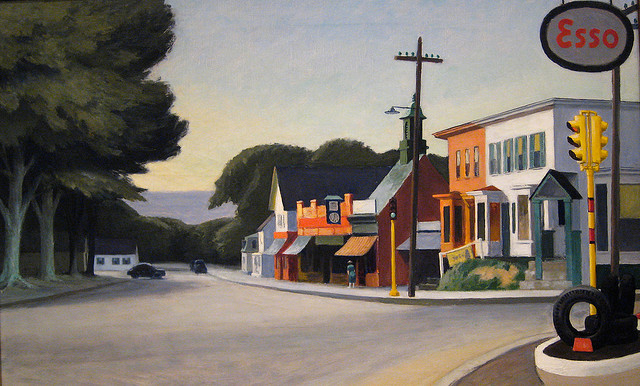
The paintings can almost be split, both chronologically and thematically. In the first set, Hopper’s paintings are conspicuous through their absence of people. Hopper had turned to urban scenes in his native America, concentrating on everyday scenes, roads, highways, lonely houses, and managing to capture the spirit of both suburban America and central city spaces, yet with the often noticeable lack of inhabitants. This then is to be contrasted by the later raft of works, in which the person takes centre stage in his paintings, as Hopper becomes almost voyeristic, appearing to intrude into scenes of great personal contemplation and introspection, as the characters he portrays stare, apparently into space, or couples appear together, yet both lost it seems in their own world.
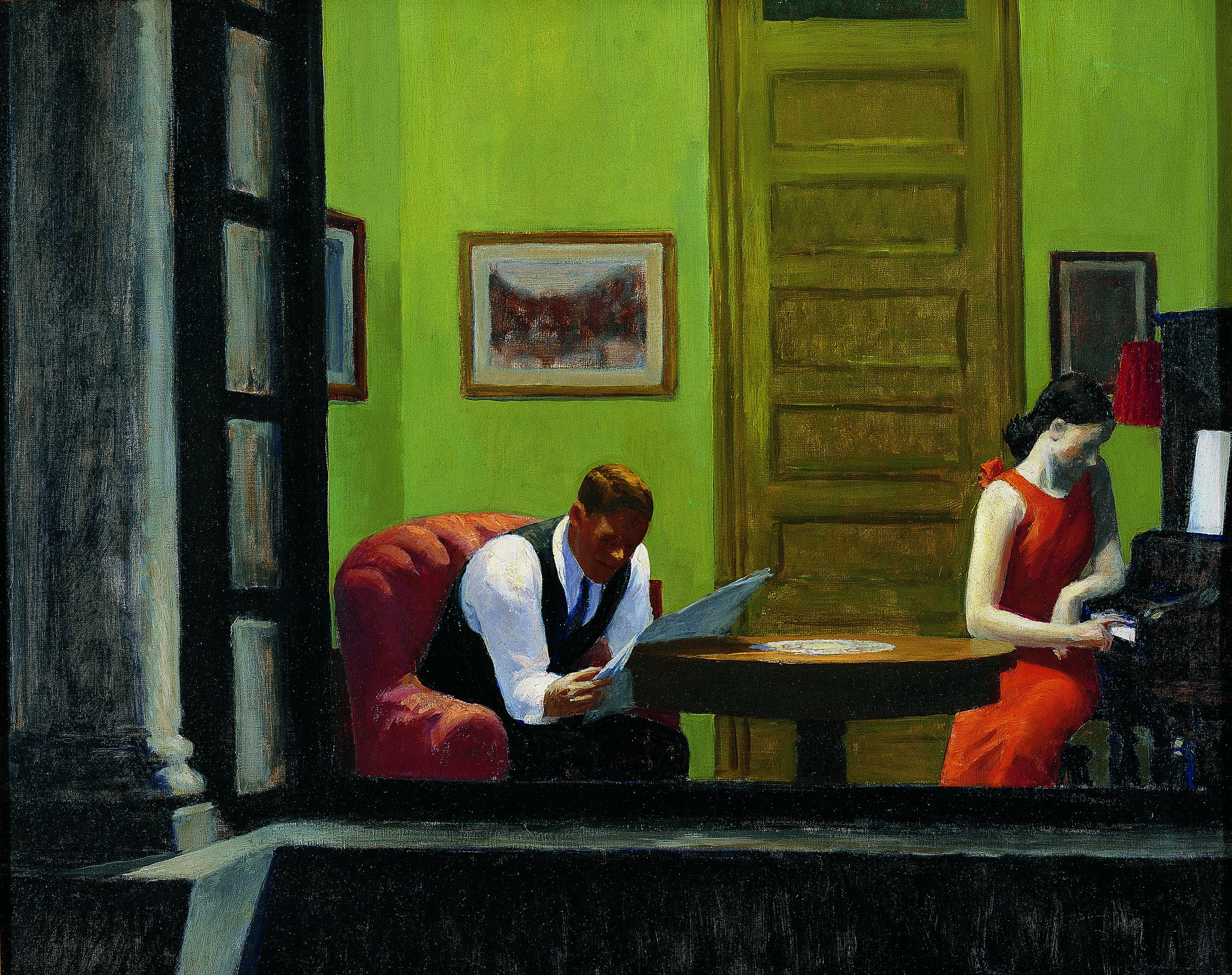
Room in New York, 1932 (© Sheldon Museum of Art, University of Nebraska)

Room in New York, 1932 (© Sheldon Museum of Art, University of Nebraska)

Summertime, 1943 (© Delaware Art Museum)

Summertime, 1943 (© Delaware Art Museum)

These are the paintings which really made Hopper’s name – the lonely people – the built up urban scenes which nonetheless leave us with a feeling of emptiness and solitude. They are like a commentary on that time, as though Hopper is making a statement about the commercialisation and urban growth which was happening all around him – the more it grows, the lonelier the people caught up in the growth feel. The smaller the spaces, the inhabitants sink into themselves. In this respect, Hopper perhaps anticipated the pop-art of later years, yet doing so more as a resigned critic than as a celebrant of popular culture.
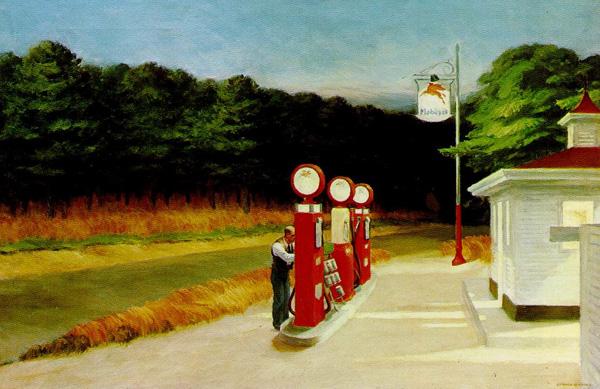
Gas, 1940 (© MOMA, NY)
Gas, 1940 (© MOMA, NY)

Portrait of Orleans, 1950 (© Fine Arts Museum of San Francisco)

Portrait of Orleans, 1950 (© Fine Arts Museum of San Francisco)

Personally, while I found Hopper’s people fascinating to consider, their stories open to so much interpretation, and Hopper’s intentions likewise, I couldn’t help but feel that too often his figures had something of a cartoony look about them, almost as though Hopper couldn’t quite kick the habit of his earlier days as an caricature artist. Rather, by far my favourite paintings were the solitary landscapes, the soulless cityscapes with not a person to be seen, the forest road interspersed with a jarring petrol station, the rolling landscape of The Camel’s Hump which was, by far, my favourite of his works.

Lighthouse Hill, 1927 (© Dallas Museum of Art)
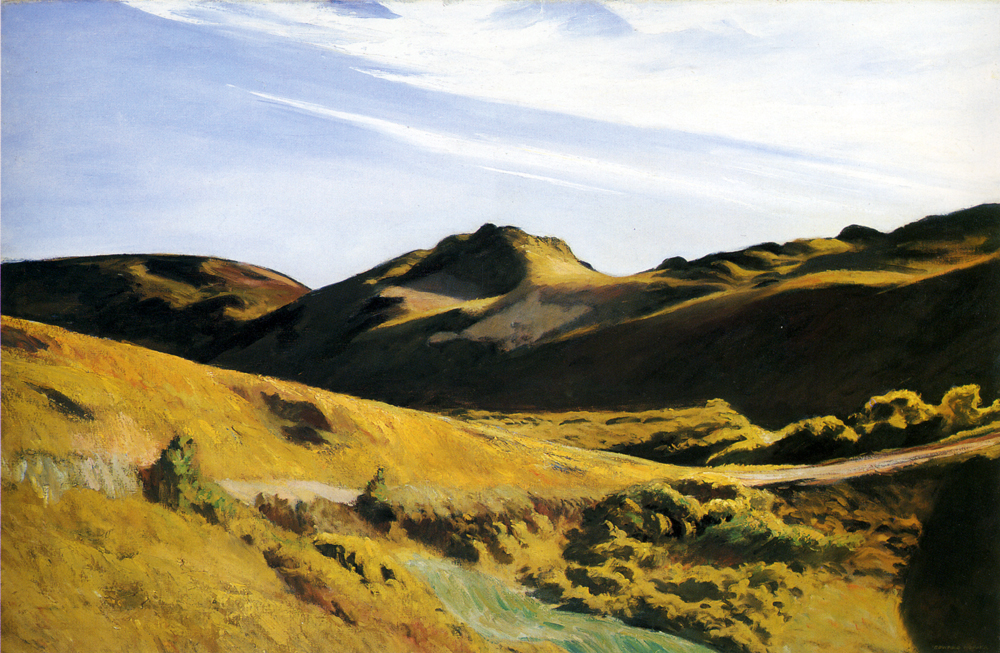
Lighthouse Hill, 1927 (© Dallas Museum of Art)

The Camel's Hump, 1931 (© Utica (NY))

The Camel’s Hump, 1931 (© Utica (NY))

However likewise I loved a small gallery which showed some of Hopper’s etchings. This is quite bizarre, being that I have previously been drawn to Hopper by his great use of colour. Yet for me, Hopper’s etchings were more like a window onto his soul as an artist, whereas with his paintings, so often we look through opaque glass, misunderstanding his intentions and the messages he attempts to portray. Through his etchings we can enjoy his interaction with nature, appreciate the small details of life which fascinated him, and also track something of the thought process which underlay some of his later works. Take Night Shadows for example, which, in all its start Hitchcockian glory, appears to be something of a precursor to the enigmatic mystery which pervades many of his later paintings, especially the Nighthawks.
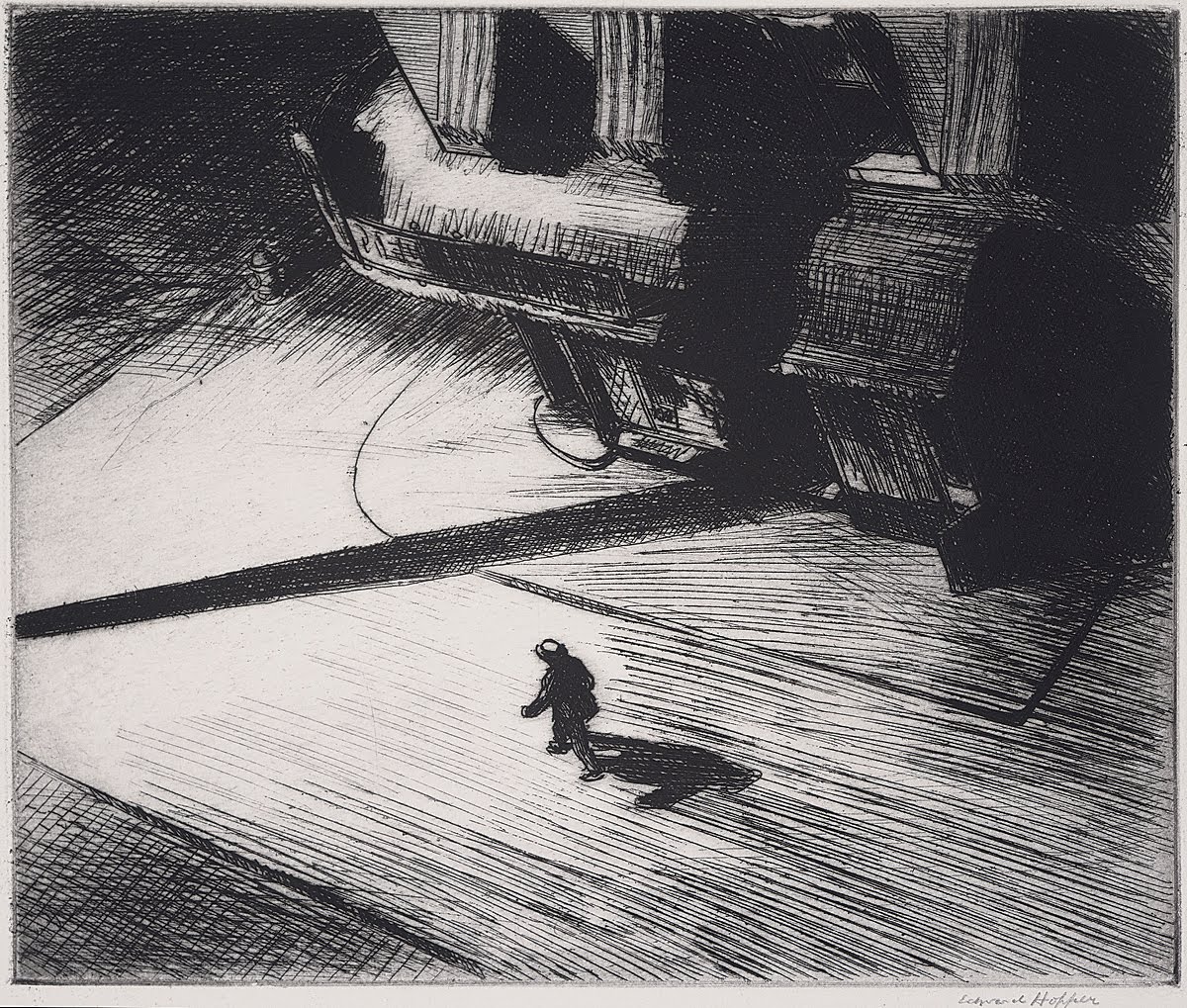
Night Shadows, 1921 (etching, © Philadelphia Museum of Art)

Night Shadows, 1921 (etching, © Philadelphia Museum of Art)

Whether it’s the inscrutable figures or the stark urban landscapes which do it for you, Hopper is a very likeable artist. His works are uncontroversial; they are inherently mysterious yet still very accessible; they beg questions, but provide no answers, and for that reason will continue to enagage audiences for many years to come. Yet so many of these works come from collections across America, and therefore for the European viewer, this is likely to be the best opportunity there will be for some years to engage with Hopper this side of the pond. So I urge you to go along, and make sure you book tickets in advance – did I mention that the show is so popular that we had to queue for almost an hour, just to get in on our pre-booked time slot?

The exhibition runs at Paris’ Grand Palais until 3 February 2013. You can buy your tickets here. Alternatively, if you can’t make it, the exhibition comes with its own mobile App which can be downloaded (at least from the itunes app store) and will guide you around the show with commentary and pictures – so even if you can’t make it to Paris, you’ll feel like you’ve done the show from the comfort and solitude of your very own armchair. Now Hopper would have loved that image.

Magnificently Miserable: Les Misérables the Movie

You know a film has been good when you have to cower as the cinema lights come up at the end for fear the audience will catch sight of your puffy eyes and tear-stained cheeks, when the emotional exhaustion has left you depleted and dehydrated, and when you don’t want to leave until the music from the credits has stopped rolling. Tom Hooper’s new movie of Les Misérables must have been exceptionally good, because as the credits rolled, I suffered from all three symptoms unreservedly.

Almost from the moment Schonberg’s rapturous score began to play, the hairs on my arms stood erect, and my tear glands began to tingle. By Ann Hathaway’s incredibly performance of I dreamed a dream as Fantine, they were in full flow. But the question remains, was my intense emotional reaction and great enjoyment of this Les Misérables a reaction to the film, or just the score which has enchanted audiences for years?

Hugh Jackman is incredibly good as Jean Valjean

Hugh Jackman is incredibly good as Jean Valjean

The poster image - Isabelle Allen as the young Cosette

The poster image – Isabelle Allen as the young Cosette

Amanda Seyfried as older Cosette and Eddie Redmayne as Marius

Amanda Seyfried as older Cosette and Eddie Redmayne as Marius

Undoubtedly both factored hand in hand. Nothing quite beats the power of the full cast singing in harmony together on a theatre stage, such as the performance of One More Day at the end of Act I, as the revolutionaries prepare for battle, and Jean Valjean prepares to rescue Marius and protect Cosette. The intensity and intimacy of the theatrical production cannot in fact be beaten in many respects, and has arguably reduced me to greater effluvia of tears than the film. But what the movie brings us is what only a movie can – Les Mis on a grand scale, with an ambitious backdrop of early 19th century Paris which could never be attempted by even the most significant of theatre stages. The opening scene of the movie is, for example, a stunning opener, as Hugh Jackman as the much wronged Jean Valjean, applies every last bit of energy into hauling a great big warship into a French port, while, of course, singing about the hardship he has endured. The scale of this immense marine backdrop was awe-inspiring and in union with the dramatic score made for a spine-tingling start to the film.

The brilliant Anne Hathaway as Fantine

The brilliant Anne Hathaway as Fantine

However there are two reasons why this adaptation of Les Misérables is, in my opinion, a real winner, over and above the already much loved and highly emotive Schonberg and Boublil score. The first is the cast. So often, when a musical is Hollywood-ised, funding is secured only by the promise of a super-famous cast of actors who are nonetheless unskilled in their musical ability. This is (apart from perhaps one exception) not the case here. I would never have guessed that X-Men’s Hugh Jackman would be such a good singer, with a fine tenor voice and demonstrating great skill, particularly in songs such as God on High with its octave leaps and challenging high notes. He also demonstrated himself to be a fine and versatile actor, oozing the moral strength and fortitude which is central to the character of the wronged yet self-sacrificing Jean Valjean. Equally brilliant was Anne Hathaway, who I’ve only really known from the Princess Diaries, The Devil Wears Prada and other light-hearted fair. Who would have known that she could act and sing with such incredible intensity? Her performance of I dreamed a dream was so brilliant, so natural, that hopefully, thank the lord, the horrendous massacre inflicted upon it worldwide by Susan Boyle will no longer be the peoples’ primary association with this musical masterpiece.

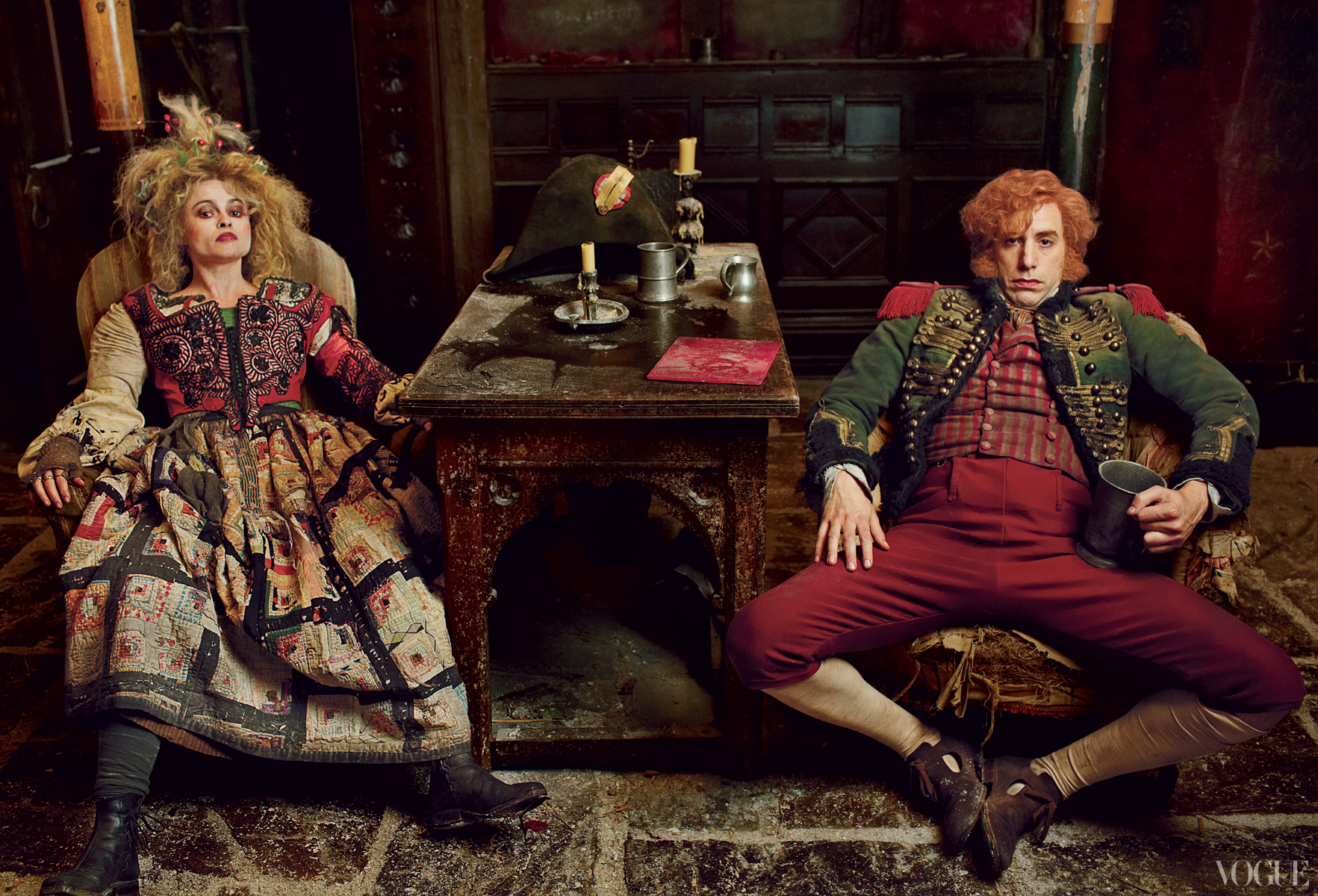
Thénardier and his wife (Helena Bonham Carter and Sacha Baron Cohen)

Thénardier and his wife (Helena Bonham Carter and Sacha Baron Cohen)

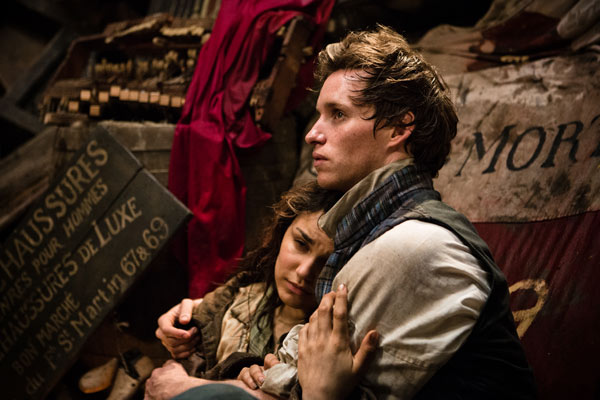
Eddie Redmayne and Samantha Barks as Marius and Éponine

Eddie Redmayne and Samantha Barks as Marius and Éponine

Samantha Barks as Éponine

Samantha Barks as Éponine

I also loved Eddie Redmayne as Marius, showing a greater warmth and depth of character than he did in last year’s BBC adaptation of Sebastian Faulkes’ Birdsong, and also sporting an excellent singing voice. Mention should also go to the lesser known but equally good Samantha Barks who reprised her stage role as Éponine, Aaron Tveit as a very intense Enjolras, spurring on the young thinkers to revolution, little Daniel Huttlestore as a brilliantly charismatic Gavroche, and of course the ever entertaining Sacha Baron Cohen and Helena Bonham Carter, the double-barrelled twosome, who made the perfect Monsieur and Madame Thenardier, the duplicitous inn-keepers who lend much needed light relief to an otherwise heavy emotional tale.

Helena Bonham Carter as the outrageous Madame Thénardier

Helena Bonham Carter as the outrageous Madame Thénardier

My one reservation, and the exception I allude to above, is for Russell Crowe as Inspector Javert. While he certainly looked the part as the stern, restless, duty-bound inspector who makes it his life’s work to chase Jean Valjean who missed his parole and eluded him ever since, this is a musical after all, and while Crowe can hold a tune, his voice was way too weak to install the character with the musical strength and baritone depth that is required. The consequence was a voice that was strained and tended to let the side down. But not so much as to take away from the otherwise remarkable work of this brilliantly constituted cast.

Russell Crowe as Javert

Russell Crowe as Javert

The second respect in which I think this film succeeded was in the very innovative camera work. Tom Hooper as director appears to favour close up shots of the characters, which made for a particularly intense audience to character engagement during the pivotal moments of the film, such as Fantine singing I dreamed a dream and Marius singing Empty Chairs at Empty Tables (another superb performance). The camera lens almost appeared to give the effect of a convex focus, giving a very sharp focus on the character which then tapered off into a blurrier backdrop. The effect was intense, engaging and innovatively arty. It gave both a sense of realism and theatre, through which the very musical tenor of this film did not feel out of place.

Marius joins the revolution

Marius joins the revolution

Musicals converted into movies are not always successful. Les Misérables is clearly an exception to the rule. It’s a must of the 2013 cinematic season and I urge you to rush along to the cinemas as soon as you can. But don’t forget your Kleenex…

Cabaret returns in style to London’s Savoy Theatre

I’ve always adored Cabaret and I really don’t understand why it has taken so long to come back onto the London stage. With its unforgettable score, including classics such as Wilkommen, Maybe This Time, and the title song Cabaret, and a vivid, contrasting, and unsettling historical setting of 1930s Berlin just before the Nazi stranglehold on the city made its sinister debut, the musical is one of the all time greats. Of course, the spectacle is engrained upon the minds of most musical-lovers in the guise of Liza Minelli’s show-stopping performance of Sally Bowles in Bob Fosse’s 1972 film spectacular, but as a theatrical showpiece, it is every bit as enjoyable. Why then isn’t Cabaret a long-running favourite like the composing team (Kander and Ebb)’s other musical great, Chicago? The mind boggles.

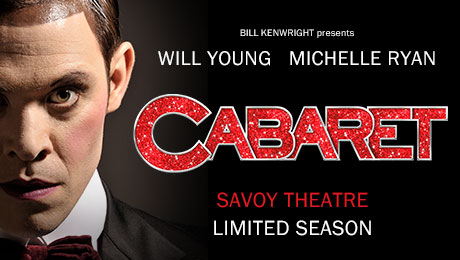
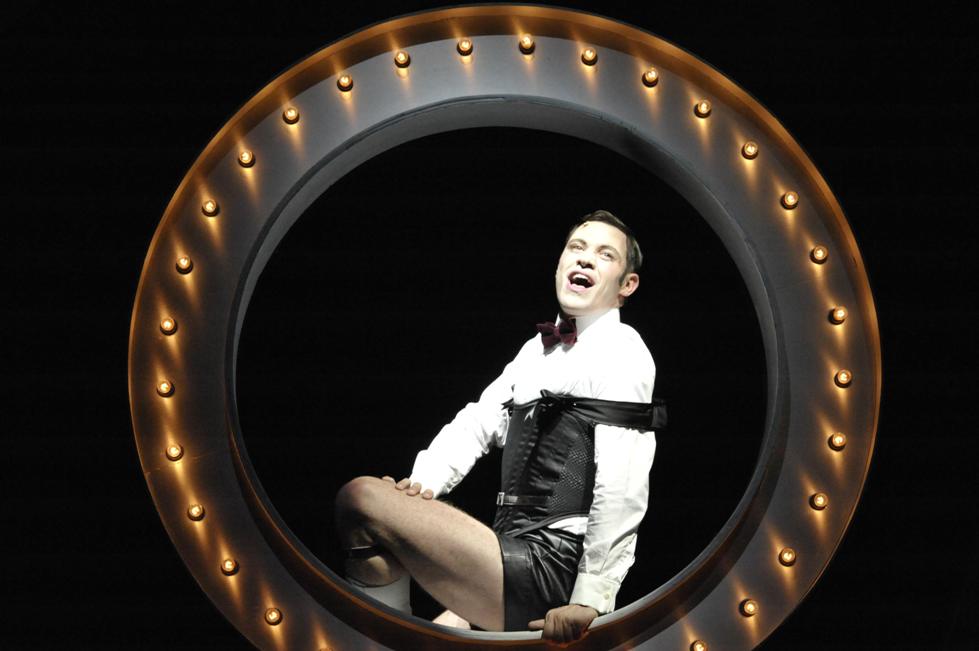
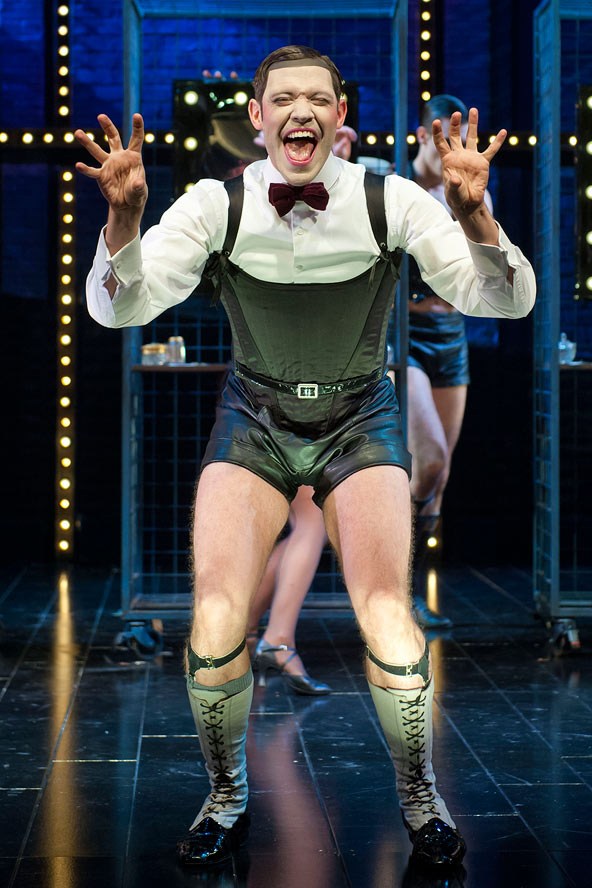
The current showing, directed by Rufus Norris, is sadly only set to run until 19 January – so when I heard that the show was making a swift return to London’s Savoy Theatre, I bought tickets as soon as I could get myself onto ticketmaster. The main attraction for many will be the 2001 Pop-Idol winner, Will Young, cast in the role of Emcee. Will Young was born to play this role. He was nothing short of superb in the overtly exaggerated, flamboyant and at times menacing role of the Cabaret’s Master of Ceremonies. Young’s voice, which shot him to fame as the winner of the first major talent contest of the current millennium, was predictably mesmerizing – he didn’t sing a note out of tune. His performance played notable homage to Joel Grey’s famous imagining of the role in the Fosse film version, but also brought the character to life with fresh and abundant energy, with greater versatility in adapting the role of cabaret host into an effective historical narrator of the social changes happening outside of the Cabaret’s doors but whose poisonous potency was leaking more and more into the lives of the Cabaret’s showmen as each day of the Nazi uprising went on.

Will Young as Emcee

Puffed up for “Money makes the world go round…”

Indeed, while Will Young was easily the star of the show, the other real success of Norris’ direction was his use of the pre-existing score and story line to import an altogether more menacing historical narrative into the piece. The terror which was trickling and then stampeding onto the once sexually liberal, permissive and hedonistic Berlin streets was tangible throughout the show, and this allowed the audience to partake in the very real tension which pervaded the age, climaxing in a stunningly poignant ending which, while not giving it away for those of you who may still have an opportunity to see the show, hinted at the terrorising fate which lay in store for the “alternatives” of Berlin’s Cabaret underworld once the Nazis took control. It left one both chilled, moved and surprised at the end of a show which, in previous manifestations, had maintained a fairly light-hearted atmosphere throughout. In fact in Fosse’s film, the only tangible reference to the fate of the Cabaret is the presence of a swastika armband subtly reflected in the mirror of the Kit-Kat club as the film’s credits come down. Here, the impending doom of Nazi destruction is far more prevalent. My favourite scene was probably Will Young’s performance of the Hitler Jungen marching song, Tomorrow Belongs to Me, in which Young, latterly affixed with the emblematic moustache of Hitler, controls all the surrounding dancers on huge puppet strings, the handles of his puppetry manifesting into large red swastikas which can only be viewed at the climax of the scene, when Young’s singing moves from a demure politicised aria into the increasingly erratic screams of Hitler’s rally rantings. Meanwhile the puppets’ choreography swings from sexualised movement to the regimented marching of gun-wielding soldiers – a brilliant testimony to the mass manipulation of the Nazi propaganda machine and the social changes which swept through the nation.

Michelle Ryan as Sally Bowles

For me, the only real disappointment was Eastenders actress Michelle Ryan in the role of Sally Bowles. Minelli’s shoes are big ones to fill, and the role of Sally Bowles must be a daunting prospect for even the most adroit of singer-actresses. And yet such is the complexity of the role – a second-rate show star with an overtly familiar manner hiding a destructive, and at times desperate personality – that it would come as a challenge which most actresses would relish. But in Ryan’s interpretation, that depth and complexity of character was insufficiently prevalent. The eccentricity of the characterisation appeared a little forced and contrived, while the emotional breadth of the role was only scantly explored. Sally’s big ballad, Maybe This Time, lacked the integral desperation of the character who gives the audience this rare glimpse into the true insecurities lying beneath the bravado. Ryan’s performance seemed more concentrated on hitting the high notes – which she failed to do with any confidence. And while her singing was not at all bad, it appeared to be heavily reliant on amplification so that it could carry with anything resembling gusto. I understand that theatres want to attract audiences by casting celebrity stars, but Will Young will have been enough to pull in the crowds here. Sally Bowles is a superb opportunity for a budding actress to make it big, and I think it’s a real shame that this opportunity was not afforded to a deserving young star in the making.

Overall, Norris’ Cabaret is a brilliant reimagination of this piece of classic musical theatre which is given new life and a potent historical re-examination. Its success is however highly dependent on the captivating role played by Will Young, and for that reason is inherently unstable as an ongoing production, with a quickly evaporating shelf-life and a near disaster if Mr Young catches the flu. Let’s hope he keeps on pleasing audiences right through to January 19th.

Great Expectations fulfilled – Dickens’ classic closes the British Film Festival in style

Barely 9 months have gone past since a new adaptation of Dickens’ favourite, Great Expectations, hit our screens (in that case, our TV screens) with a BBC version which promoted the rather spooky Gillian Anderson, better known for alien hunting on The X-Files, and a pouty-lipped Douglas Booth as Pipi in a classic period drama which gave us a reason to stay in and get cosy last Christmas. Now, Great Expectations, the story of a blacksmith’s apprentice who is left a huge fortune, enabling him to rise from his humble beginnings and become a man of “great expectations”, and a heartbroken bride, jilted at the altar, left to wreak revenge through the stagnated misery of her life, has been adapted again, this time on the big screen, adapted by the author of One Day, David Nicholls, and directed by BAFTA-winning director of Four Weddings and A Funeral and Harry Potter and the Goblet of Fire, Mike Newell.

The BBC adaptation last Christmas

Last night the film premiered at the lavish closing ceremony of the BFI’s 56th British Film Festival at London’s Odeon Leicester Square. The red carpet was out, the flash bulbs were going like crazy, the stars, amongst them Helena Bonham Carter, Ralph Fiennes, Jeremy Irvine, Holliday Grainger and Robbie Coltrane made it out in spite of the rain and I, yes little me, was there, on the red carpet with them! Yep, I managed to somehow acquire myself some tickets in the 20 seconds in which they were reported to have sold out, and therefore made it as one of the first people to see this lavish new adaptation.

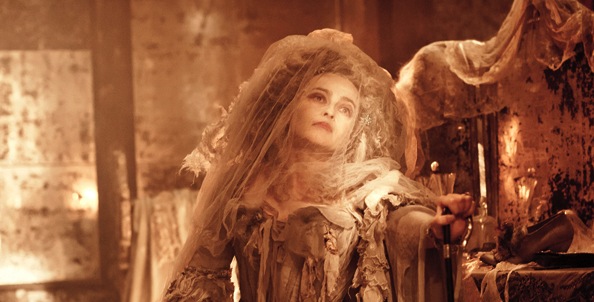
Helena Bonham Carter as Miss Havisham

Jeremy Irvine as Pip

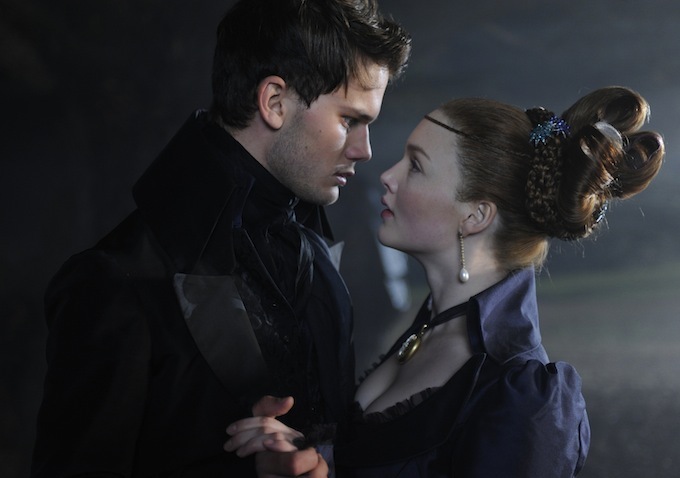
Jeremy Irvine and Holliday Grainger as Pip and Estella

The new adaptation is suitably gloomy, wonderfully sumptuous, and sensuously spectacular. I cannot help but compare it to last year’s BBC version, and for the creativity of sets, the transmission of atmosphere right off the Dickensian page, for its depiction of foggy dirty London and the grand dilapidated house of Miss Havisham, the film wins on all fronts. I adored some of the details – the huge, rotting banquet table teeming with mice and rats, and the dusty great dressing room of Miss Havisham, packed full of fading grandeur, like the heartbroken bride herself.

Gillian Anderson as Miss Havisham

I also preferred the casting in the film. Jeremy Irvine’s Pip is an altogether more likeable characterisation, as the youth and naivety of Irvine (previously starring as the lead in Spielberg’s altogether more vomit-worthy War Horse) worked well in giving us a Pip who is a forever innocent pawn in the cynical love game played by Miss Havisham and her adopted daughter, Estella. By contrast, Douglas Booth for the BBC was altogether too perfect looking, with his model stature and pert pouty lips – he was difficult to warm to, although as refined gentleman, he surely looked the part. With Irvine we see perfectly portrayed the Gentleman Pip always feeling a little uncomfortable, only too aware that money has catapulted him into the world of finery and etiquette, always slightly nervous that his Blacksmith past may come out.

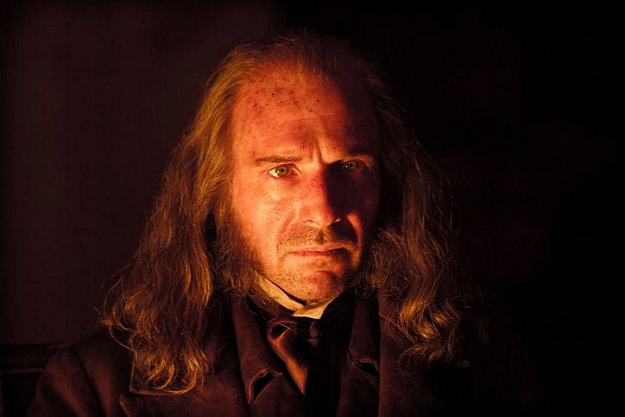
It will not surprise anyone that Bonham-Carter is perfect in the role of Miss Havisham, with her wide glazed eyes portraying all of the mental instability which HB-C plays so well, her crazy hair and great dusty gown displaying every inch the melodramatic victim-turned villain, and as for the pivotal scene where her dusty robes catch fire so suddenly and so quickly to her screams of agony and her muttered apologies as her life fades away – brilliant. Fantastic too was the ever resplendent, exquisitely elegant Holliday Grainger as Estella, looking every inch the beauty who ensnared Pip into her web of heartbreak. While she played the part with aplomb, I do however feel that through the sweetness and emotion which appears to radiate so naturally from her angelic face, it was hard to believe that inside she was the ice-queen she liked to portray – or perhaps that is the point – try as she may to be hard and loveless, Pip alone can see that behind her emotionless chatter, lay a beating heart ready to be released. Mention should finally go to Robbie Coltrane as the lawyer, Jagger (although I found it hard to get Harry Potter’s Hagrid out of my head whenever he spoke) and Ralph Fiennes as a very rough-round-the-edges Magwitch – his accent was brilliant. I had reservations about casting funny-man David Walliams as Pip’s Uncle Pumblechook though – he was the same as ever, and made the whole thing feel a bit Brit-comedy.

Ralph Fiennes as Magwitch

Jeremy Irvine as Pip

So casting and visuals asides, where this film was lacking, in my opinion, was in its loss of some great Dickensian details and characterisations. It’s inevitable that when trying to reduce a great and much-loved work of fiction into a two hour cinematographic stint, you will lose a lot of details, but some, to my mind, were really missed. Where for example was Dolge Orlick, the murderous character whose menacing and relentless vendetta against Pip adds such tension throughout the story. Where also was the murder (by Orlick) of Pip’s sister – her death was merely mentioned, but not shown, and overall I felt more time could have been given to this brilliant Dickensian character. There were also at times short scenes which appeared to play homage to the detail of the original text but didn’t lead anywhere. For example the film showed Pip setting out his intention to use his remaining fortune to buy his friend, Herbert Pocket, a partnership, but then we never saw any follow up scene whereby the partnership was secured – the film was a bit patchy like this. But then, one can’t complain too much – I’m sure we would have moaned more if we’d been sitting in the cinema for the full 5 hours which a fuller adaptation would require.

The lavish rotting wedding banquet

Overall, Newell’s new adaptation is another positive exploration of classic English literature presented with a fine British cast and beautifully crafted cinematography throughout. It is also highly appropriate for the bicentenary of Dickens’ birth. And as for seeing the film with the stars in situ and after a walk up the red carpet – priceless.

Bored of the Pre-Raphaelites? Head straight to William Morris

The problem with the Pre-Raphaelites, the brotherhood of artists formed in England in 1984 by founding members John Everett Millais, Dante Gabriel Rossetti and William Holman Hunt, is that they have become a British institution. As much an institution in fact as the Queen’s corgis, the black cab and Big Ben. And like many a British institution, they get carted out, every so often, more often than not when times are down, when blockbuster exhibitions are expensive to organise, and its cheaper to take the best of British out of the closet. So seems to be the case with Tate Britain’s new “blockbuster” show, Pre-Raphaelites: Victorian Avant-Garde, which promises to be a re-examination of the PRB, but in actual fact presents us with the same old paintings, the same old themes, and the same old narrative that we have seen time and time again.

Lady in red – Dante Gabriel Rossetti, Lady Lilith (1866-8)

Usually in Liverpool – John Everett Millais, Isabella (1848)

Super twee: William Holman Hunt, Our English Coasts (1852)

Now don’t get me wrong. I’m not saying that these paintings aren’t good – they are in fact pretty incredible, packed with their flowing fantastical red locks, the precision of Millais’ plants and flowers, the scale of their pictorial ambition and the brilliance of their life-like representation within a mystical setting. It’s just that even the most incredible painting can lose its gleam when it’s seen time and time again. In the last 5 years alone, Tate gave us a Millais retrospective (Sept 2007-Jan 2008) and a Romanticism display (Aug 2010-April 2012), centred around Pre-Raph favourites. Meanwhile at the Royal Academy, we had a retrospective of that other PRB favourite, J W Waterhouse  (June-Sep 2009), and at the V&A the same old brotherhood was featured heavily in the exhibition on Aestheticism (April-July 2011). And so you see, with Tate’s new show, which promises to give us something new, and really doesn’t, it’s all a bit, well, underwhelming.

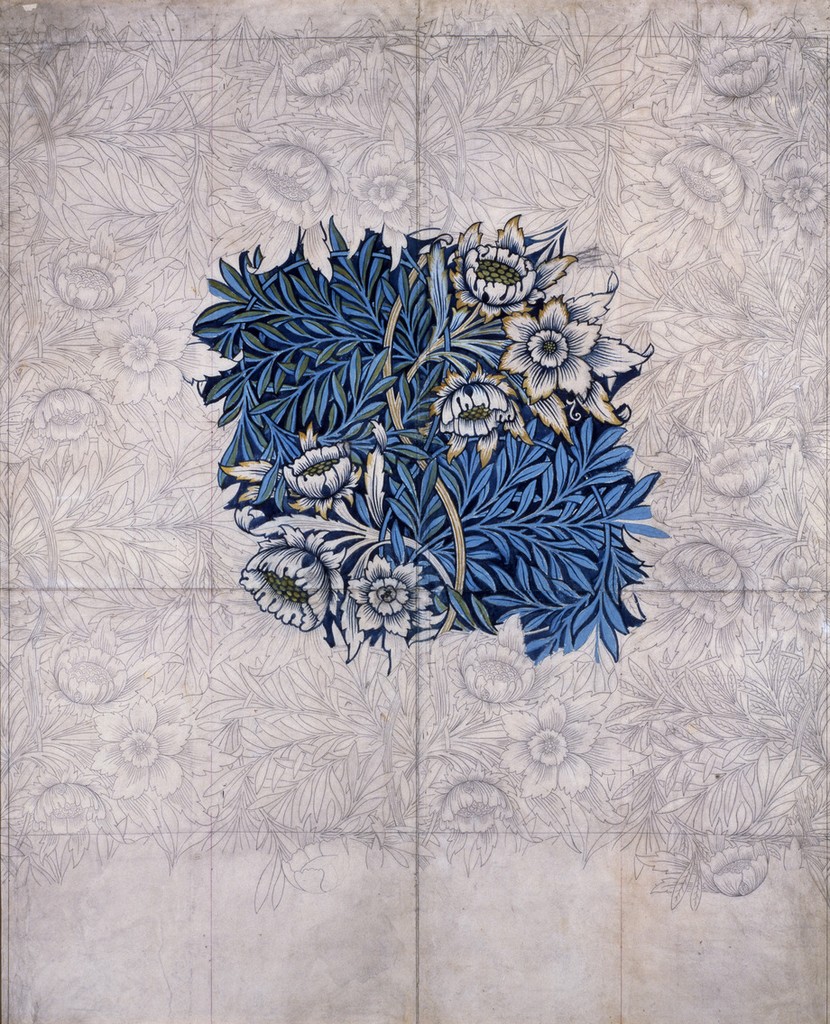
Skip through 6 rooms however, and in the room named “paradise” you really do get something worth visiting. For in showing the designs of William Morris, now famous for his Victorian fabrics which have become equally and intrinsically part of the “fabric” of British society (excuse the pun), you get to see these much loved designs in a new light – works which, when placed in a gallery setting, take on a new life force, as the viewer is encouraged to appreciate the intricacies of the designs and the decadent elegance of the period from which they arise. The Morris display did, admittedly, come as something of a surprise – Tate justifies its inclusion on the rather tenuous basis that Morris had been inspired by the PRB (as well as the medieval past, with which the PRB artists were also rather enamoured) in embarking upon his designs. Oh, and apparently Rossetti and a few other artists of the time were partners in Morris, Marshall, Faulkner & Co, the company which started producing the now widely-recognised fabrics on an almost industrial scale.

Whatever the connection, I was glad for it – Morris’ designs were my favourite part of the show and, although sparse in number, made me realise how often undervalued Morris is in art history. Too often overlooked as a designer, or at best an illustrator, are not these beautifully hand-crafted designs every bit as valid as artistic masterpieces as a Millais painting? Of course the art or illustration debate has gone on for years, and god knows, I have often been “accused” of being more an illustrator than an artist myself. But call it what you like – I’d far rather admire these “designs” in an art gallery than a filthy Tracey Emin bed any day.

I leave you with some of Morris’ best.

In the meantime, if you can stand the repetition, Pre-Raphaelites: Victorian Avant Garde is on at Tate Britain, London, until 13 January 2013.

Switching the artistic spotlight onto Liverpool: The John Moores Painting Prize 2012

In 1957, Sir John Moores, one time head of the clothing catalogue giant, Littlewoods, established his painting prize. His aim was to draw the attention of the artistic world from the bright lights of London, and instead to illuminate the talent and creativity of the North. Of course, inevitably, being that the prize, like the Royal Academy’s Summer Exhibition, is open to submissions from artists all over the country, it doesn’t necessarily steer that spotlight any brighter over Northern artists than those from the South. Nevertheless, every two years, when the prize, and the exhibition that goes with it, is held at the Walker Gallery in Liverpool, it certainly does its bit to place Liverpool on the cultural map. In fact, some go so far as to call the painting prize the Oscars of the British painting world. It is certainly renowned for spotting rising talent, with previous winners reading like a roll call of the most influencial artists of the last 50 years of British painting, from David Hockney and Richard Hamilton, to Peter Doig.

Paul Collinson’s Temple of Ancient Virtue (2010)

This year, the exhibition is shown as part of the Liverpool Biennial, which also includes other forerunners of the Liverpudlian art scene, such as Tate Liverpool on the Albert Docks. It contains some 62 paintings, whittled down from some 3000 hopefuls (which included my painting which was disgracefully turned down) by a panel of judges which included creative director of the BBC, Alan Yentob, and Iwona Blazwick, director of the Whitechapel gallery as well as previous exhibitors.

Ian Law, M is Many (2011)

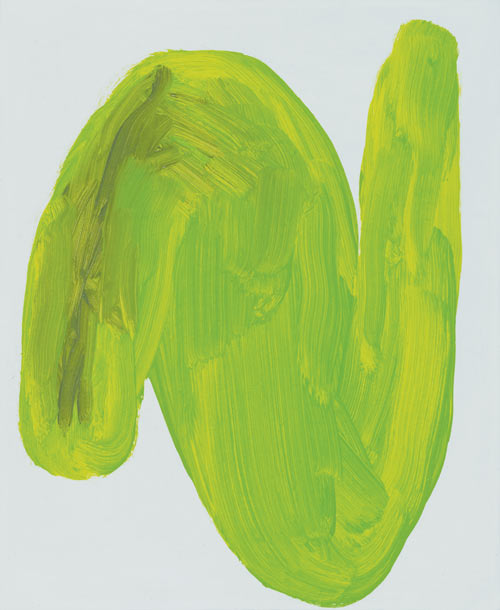
This year’s prize was as varied as ever, but perhaps more manageable than the larger Summer Exhibition – it only fills a few galleries, and in those, the paintings are mercifully spread out so as not to bamboozle the viewer with a “salon style” hang. Of course, as is inevitable in any contemporary art prize, this show had its fair share of “works” whose artistic merit remained highly questionable, like M is many by Ian Law, which basically depicts a black line on a white canvas which, because of its purely geometric form manages to resemble an “M” without doing anything else (oh, and it won a prize, by the way), or Oscar Godfrey’s Mineral 9, a badly painted green curve on a white background, which, if painted with his phlegm may have had more merit, although the colour resembles little else.

Oscar Godfrey, Mineral 9 (2011)

Luckily for those of us who had traipsed several hundred miles from London to visit the exhibition, many of the other paintings showed much more promise. I really loved Emma Talbot’s, The Good Terrorists, which showed a cross-section of a large Victorian looking townhouse, with a number of faceless characters getting up to all sorts in the various rooms of the house. Somehow it seemed quite spooky to me, whether it was because of the faceless individuals who were yet full of expression, or because the roof of the house, with its shattered window, resembled the creepy hotel in Hitchcock’s acclaimed thriller, Psycho. The attention to detail made for great viewing, and I like the way that both the interior and exterior of the house could be seen in tandem.

Emma Talbot, The Good Terrorists

Damien Meade’s Talcum (2011)

Also on my watch list were Virginia Phongathorn’s Comma (Test Piece for an Eye Break) which to my mind looked more like a figure wearing headphones rather than a grammatical symbol, and also reminded me of the work of Philip Guston; I also liked Damien Meade’s Talcum, which looked much like a figure from Cluedo with a super-realistic painted sculptural mess upon its head, and Paul Collinson’s Temple of Ancient Virtue (above) which, painted with blurred edges like an off-focus photograph cleverly combines two forms of abandonment – the relics of an abandoned past, and dilapidated graffiti-covered snack bar of the recently vandalised present. I must also include in my favourites list Elizabeth Magill’s Sighting – too fantastical for some tastes maybe, but this piece really excels in close up, where a mysterious forest atmosphere is filled with little bubbles, specs of glittering dust and nearly missed magical hummingbirds. A wonderfully figurative piece for so contemporary a show.

Virginia Phongsathorn’s Comma (2011)

Elizabeth Magill, Sighting

What is perhaps best of all about the John Moores prize is not that it promotes Liverpool, although there is much to be said for that, but that it promotes painting, a so often overlooked media in the modern age, but one which will, in my opinion, outlive the age of installation, and remain at the centre of art history and art present for centuries to come.

The John Moores Prize is showing at the Walker Gallery until 6 January 2013.

Too twee for me: The Sterling-Clark Impressionism collection at the RA

The problem, in my view, with Impressionism is not the fact that its most renowned images are regularly plastered across every kind of tourist paraphernalia and household object you can possibly imagine – often the most iconic images are icons for a reason – because they broke boundaries, they inspired, they recalled an essence of something past, a nostalgic ambience, a time of great creative fluidity.

Rather, the problem with Impressionism is that having begun as an artistic revolution, breaking new boundaries, taking art from the confines of bourgeois society, the closed-class snobbery of  institutionalised selection committees and the drawing rooms of the aristocracy and using it to celebrate the lives of the ordinary, of the downtrodden, of the true foundations of society, and steering draftsmanship from perfectly executed depictions to looser, more energetic and living impressions, much of Impressionism became the victim of its own success.

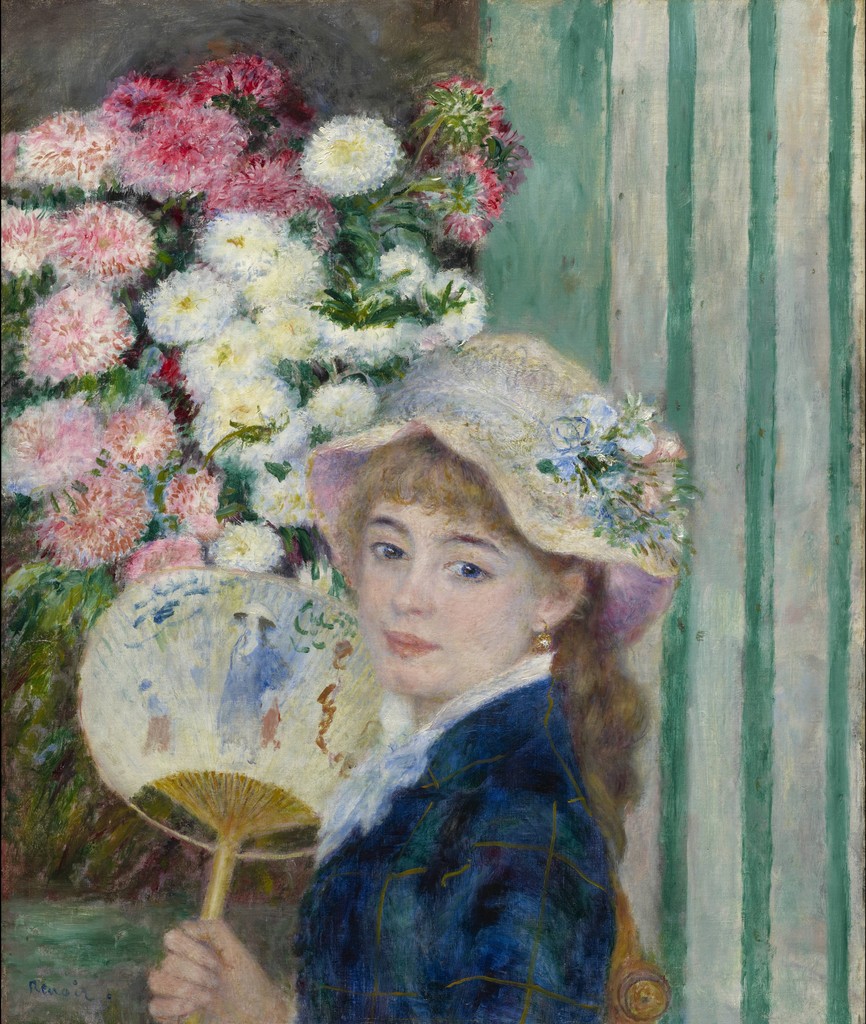
Renoir started painting ghastly portraits of rotund, rosy-cheeked women, twee, floral-sweet pictures which would fit nicely onto a chocolate box were they not so likely to induce the viewer to vomit. Monet, meanwhile, became overly obsessed with his damn lillies, to the extent that in trying to capture the subtle pinks and purples of mist over a pond, he ended up painting canvas after canvas which were reminiscent of the kind of floral fabric preferred by members of the WI and other polite conservative society. Van Gogh’s work became clumsier and clumpier, Cezanne’s became repetative, Degas started dabbling in pictures of nude women which were almost sadist, and Manet, poor thing, was confined to painting flowers, although to be fair, he was too ill to work on bigger canvases.

Pierre-August Renoir, Girl with a Fan (1879)

Pierre-August Renoir, A box at the Theatre (1880)

Anyway, the point I am making is that for the most part, having started off as revolutionaries, the Impressionists’ later work all too often conformed to a new form of the conservatism they were trying to escape in the first place – placating their former critics with twee works of flowers, pink-tinged landscapes, and pretty women, nude or in flowing dresses. And it is exactly these works which were the favourites of Sterling and Francine Clark and which, as a result, are the focus of the Royal Academy’s latest show in London, which showcases some major works from the Sterling and Francine Clark Art Institute in Williamstown, Massachusetts (I believe because the Sterling-Clark is undergoing some form of renovation).

Henri de Toulouse Lautrec, Waiting (1888)

Those who have raved about this exhibition tend to have been on the older, more conservative side. And it is easy to see why they are seduced – some of these works may even feel a bit racy for a few of them – just look at Toulouse Lautrec’s Waiting, with a woman leaning despondently over her glass of absinthe. Quite the scandal compared with Renoir’s pleasant smiley female offerings hanging close by. But not to worry, that’s about as lascivious as this show gets. Sadly.

Robert Sterling Clark (1877-1956) came from a wealthy New York Family whose fortune derived from the Singer sewing machine company. He began collecting art after he settled in Paris in 1910 and where he soon became the chum of famous art dealers Knoedler and Durand-Ruel who introduced him to the innovative work of the Impressionists which had finally broken into the mainstream at that time. In fact Renoir, whose works Clark adored (he eventually collected some 39, 21 of which are at the RA) was by that time so popular that looking around at the sales receipts interestingly exhibited by the RA, you can see that Clark was paying astounding sums such as 100,000 dollars for Renoirs, even then. As the collection, added to with the help of his French wife, Francine, grew, Clark had it in mind to open a museum. He did this in 1955, in Massachusetts, providing a permanent home for his many Impressionists works including Monets, Manets, Toulouse Lautrecs as well as various more classical pieces. Disappointingly, his collection is very experimental – he had one Gauguin on show, and even that was a traditional(ish) portrait of a woman.

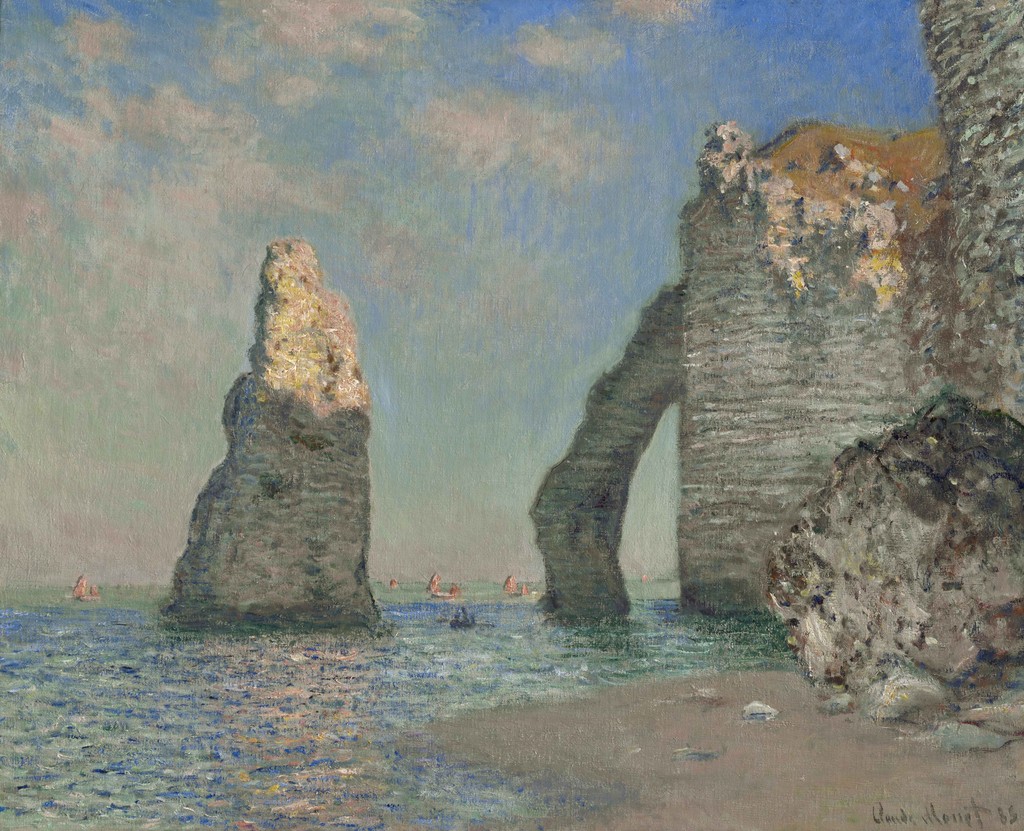
Claude Monet, The Cliffs at Etretat (1885)

Edouard Manet, Interior at Arcachon (1871)

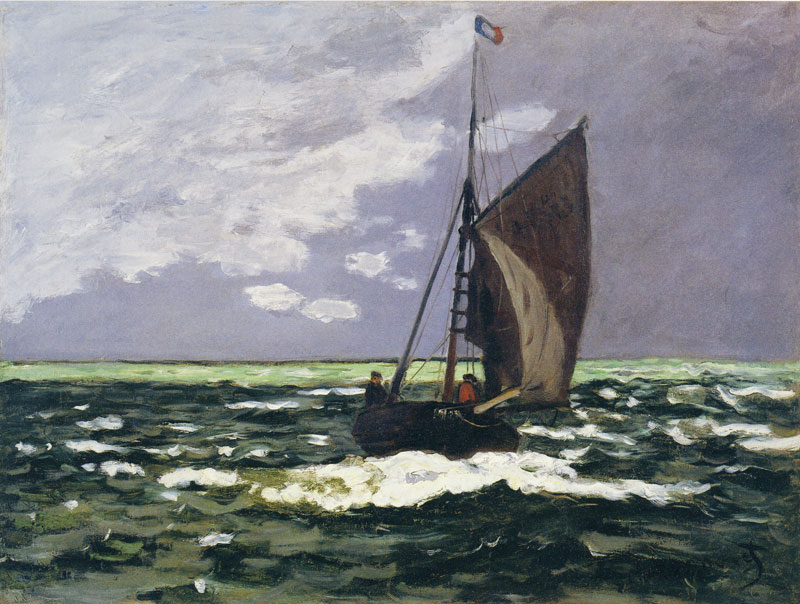
Claude Monet, Seascape: Storm (1860-67)

In fact Clark obviously had a penchant for paintings of women. After the initial gallery of flowers, onions and various fairly dull landscapes by Pissarro and Monet, the main bulk of the small exhibition are portraits of women. Asides from the insipid offerings of Renoir, there are, mercifully, some far more enticing works by other artists, both big-wig impressionists and less well-known painters. Two incredibly evocative Toulouse-Lautrec works are on show, both offering quite stark views of a woman in the shady quarters of Montmartre, one, Carmen, who confronts the viewer straight on, while the other, nameless, is just waiting – what for, we don’t know. From the hunched over pose and the glass of absinthe before her, are we to assume she is waiting for luck to come her way, or even death to end her suffering?

Of the other portraits of women, my favourite had to be Crossing the Street by Giovanni Boldini. Boldini, an Italian artist who settled in Paris, loved painting the sights and sounds of the salacious neighbourhood of Pigalle on his doorstep, and this beautiful portrait of a woman, raisng the hem of her petticoat as she crosses the cobbled street, is so wonderfully evocative, and brilliantly painted, exhibiting both an impressionistic, roughly painted background, and a precise and focused detailed and sympathetically painted portrait. I also adore the little details – the shop sign, the dog, the Dandy in the carriage – it’s a wonderful turn back in time to a Paris of bohemian romance and delightful decadence mixed with poverty and decay.

Giovanni Boldini, Crossing the Street (1873-75)

James Tissot, Chrysanthemums (1874-76)

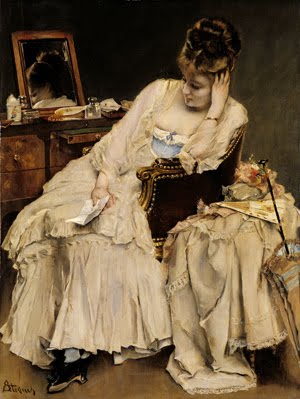
Likewise mention has to go to the lesser known artists who nevertheless created two portraits really worth visiting this show to see – James Tissot’s Chrysanthemums, a brilliant depiction of a woman, looking at the audience as though disturbed, surrounded by a great swathe of multicoloured hairy-headed flowers painted with great fantastic technical skill. Also check out Alfred Steven’s Memories and Regrets, in which a woman, as the name suggests, appears to have been sent into a daydream of remembering prompted by the letter in her hand, a personal and private moment interrupted only by the presence of we, the viewer, introduced to the scene thanks to the technical rendering of Steven’s portrayal.

Alfred Stevens, Memories and Regrets (1874)

Like any show, this one has its highlights, and whether it be that the paintings of the lesser known artists exhibit the most skill in their execution, or just because, since they are not tourist fodder like their more well known impressionist colleagues, they represent something of a breath of fresh air, those paintings by the likes of Boldini, Tissot and Steven are definitely, for me, the stars of the show.

As for the other impressionist works on show – well these paintings are all very safe, and for that reason I find them boring. But for lovers of the chocolate box impressionism which is so firmly engrained onto the consciousness of every tourist and gallery visitor around the world, this show gives you impressionist staple which you will undoubtedly enjoy. But don’t forget your Renoir souvenirs on the way out.

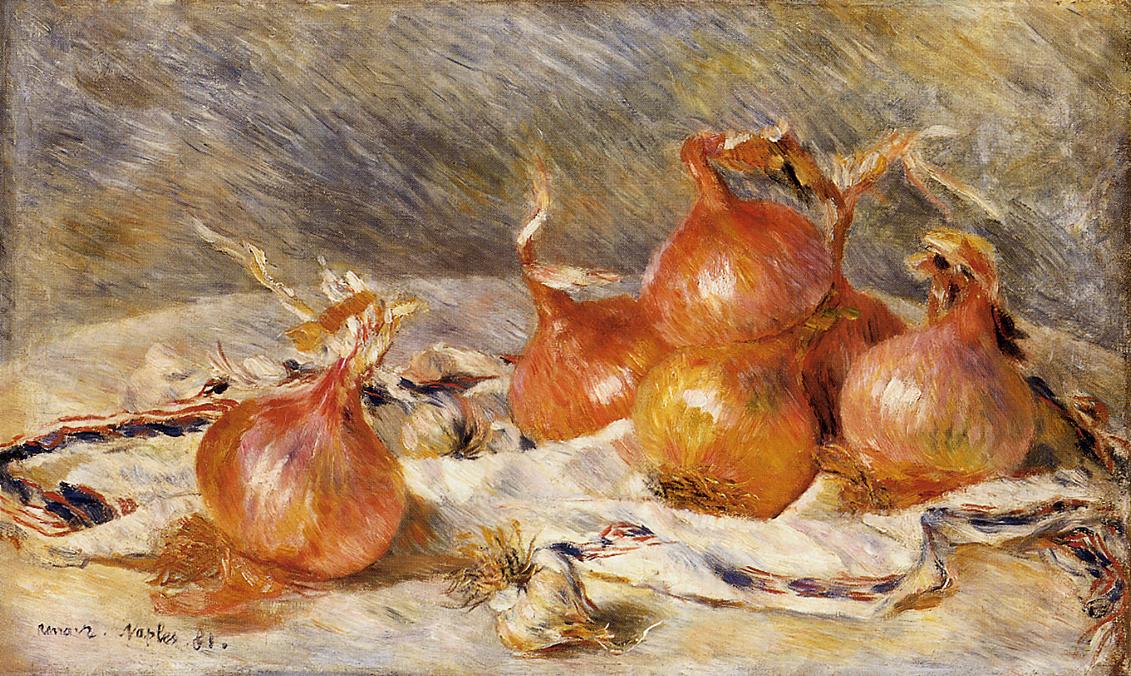
Pierre-August Renoir, Onions (1881)

From Paris: A Taste for Impressionism continues in the RA’s Sackler Wing Galleries until 23 September 2012.

Ravel at Glyndebourne: the double-dip opera-session

Everyone knows that here in England, we’re wallowing in a double-dip recession. The longest for decades they say. But there was light on the horizon this week – apparently we’re not in the recession as deep as forecasters had thought. Well hey ho, that’s a positive surely? Things are looking up! And what better way to celebrate this sprightly news than to head along to where all the rich people go – to Glyndebourne Opera, home of the landed gentry, the well-coined and lovers of lavishness aplenty, for none other than a double-dip opera-session! (called such because 1. this is my second visit of the year – I know, lucky me – and 2. we got to see not one, but two operas by Ravel). I know, Ravel – hardly your Puccini or Mozart. But my, what a feast beheld us when we sat down to watch the melodic opus of this operatic genius.

L’heure espagnole

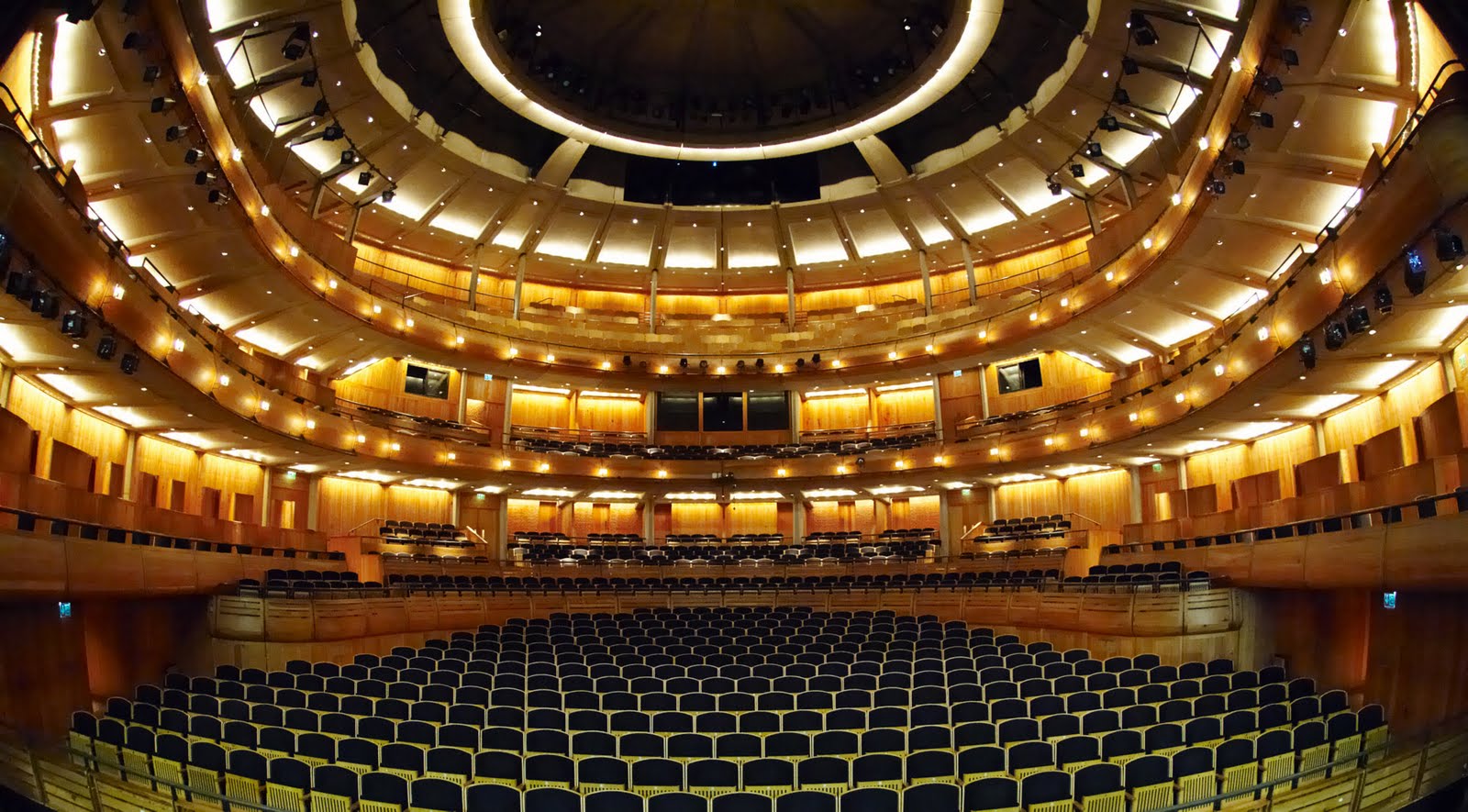
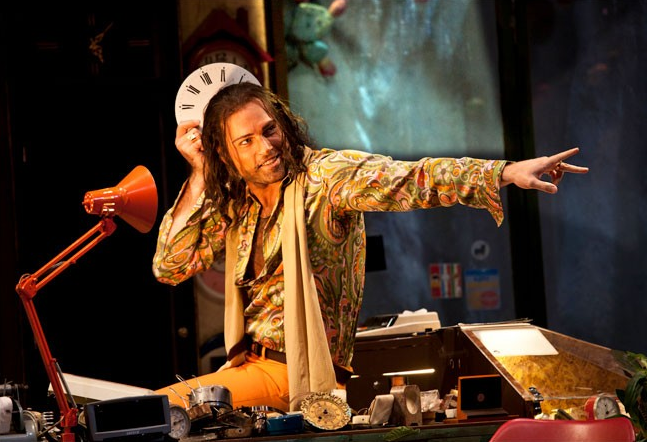
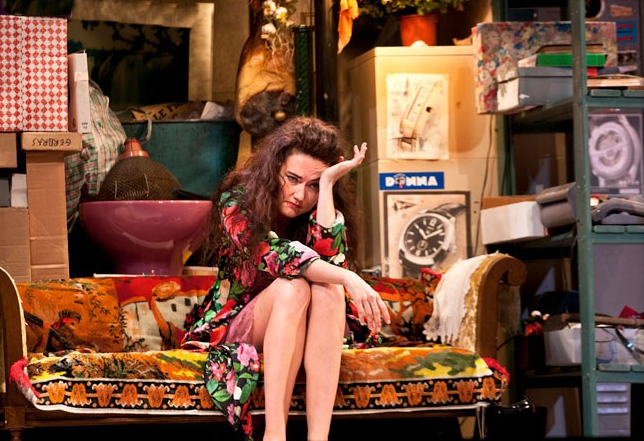
Once we had enjoyed our customary fill of afternoon tea and a stroll around the verdant grounds of Glyndebourne (disappointed however that for the price of half a small car, tea was presented as a Twinings tea bag. Where was my loose leaf? My high tea silver?) we entered the lavishly contemporary wood-clad opera auditorium to watch the first of the Ravel double-bill. L’heure espagnole thrilled from the moment the curtain unfurled horizontally across the stage, revealing behind it a clockworker’s shop with a wall filled to the brim of different sized clocks and other nicknacks, all wonderfully animated so that, as the curtain rolled back to reveal them, the clocks would begin spinning, the skeleton started dancing and dusters started revolving, all on their own, like some kind of enchanted wonderland.

What followed was a perfectly choreographed commedia dell’arte, a typical sexual farce as a clockmaker’s wife attempted (almost) in vain, to make the most of her husband’s one hour’s absence to throughly flirt her way through the town’s male population. But as she found one man too poetically verbose and romantically flighty, she found the robust attentions of another too overbearing. Trying to escape one and have her way with the other, a hilarious scene unfurled as the licentious Concepcion, brilliantly played by Stéphanie d’Oustrac, tried to hide one lover from another, generally speaking in cuckoo clocks, while all the time courting the attention of yet another suitor who at the start of the opera bemoaned his lack of touch with women, but by the end had bedded Concepcion, just in time before her husband arrived back.

My favourite section was the final scene, when back on stage, all five singers threw themselves into a brilliantly mastered harmony, sung in tandem, but each one of them following a differently intricate melody. I also appreciated the devilish symbolism which ran throughout the opera, as the libretto alluded to the winding up of clocks as a symbol of sexual frustration, only for the cuckoo to pop out energetically as a symbol of – well, I’ll let your imagination finish that sentence off. A few dangling pendulums and several shrill cuckoos later, and the opera ended just after an hour of comical gold with some excellent singing and a beautifully played score which evoked the sensual atmosphere of middle-Spain (the opera is set in Toledo) and the ravishing rhythms and visceral textures of that region. What this opera lacked in memorable harmonies, it gained in actorly skill and superb staging – one forgets that opera singers have to act just as well as they sing, and in L’heure espagnole, they were pretty spot-on on both fronts.

 L’enfant et les sortilèges

If the evening had ended there, we would have walked away highly satisfied. But after the customary 90 minute interval break, we returned for the second of the Ravel operas and were frankly so stunned by the creative genius of the spectacle which started to play out on the stage before us that my mouth hung open, my partner’s eyes started blinking in disbelief, and for all of us, a suspicion ensued that either the wine during dinner had been sensationally strong or the director’s staging was fantastically good, such was the brilliance and utter incredulity of the surreal spectacular which was embodied by the second opera: L’enfant et les sortilèges. 

Read more

Korean Eye at the Saatchi

It wasn’t easy returning to London from Italy. The first week back, and there was rain every day. Grey skies, autumnal temperatures, AND I was expected to be able to work 9-5 every day. Where’s the justice, the cappuccinos on the beach, the Bologna porticos and red-tinted palazzos? Eagerly I worked through the week, each day that passed taking me one day closer to the weekend, when an attempt to relive the Italy experience would commence.

Our efforts were fairly successful. As the grey clouds passed and London finally began to heat up again, we headed to an Italian restaurant, Getti, on Marylebone High Street on the Saturday, where the smells of fresh mozzarella on a crispy thin pizza base were now wonderfully familiar – it was like an Italian homecoming. We even managed to utilise a little of our now polished restaurant Italian.

Kim Byoungho, Soft Crash (2011)

Meanwhile, on the Sunday morning, it was a trip to Chelsea that satisfied all of our holiday yearnings. Sat out having a creamy cappuccino (again, Italian made) in the fashionable Duke of York’s square, in the full uninterrupted summer sunshine, felt just like being back on the Mediterranean. And, as is so often the effect of sunlight and warmth, it got us in the mood to indulge. Sadly for our wallets, this meant for subsequent glasses of prosecco, a large plate of Italian cheese, the undoubtedly unnecessary but practically irresistible purchase of various Olympics merchandise and even a new printer. Whoops.
But with our minds opened by the light summer mood which befalls all of us when seduced by the sun’s rays, it was surely the perfect time to head to the Saatchi gallery, whose frequently changing works of contemporary art usually fail to impress me, if not make me despair. But whether it be the sun which had opened my mind, or just the sheer brilliance of the works on show, Saatchi’s new show, Korean Eye 2012which is the largest survey of contemporary Korean art in the UK to date, is fascinating throughout.

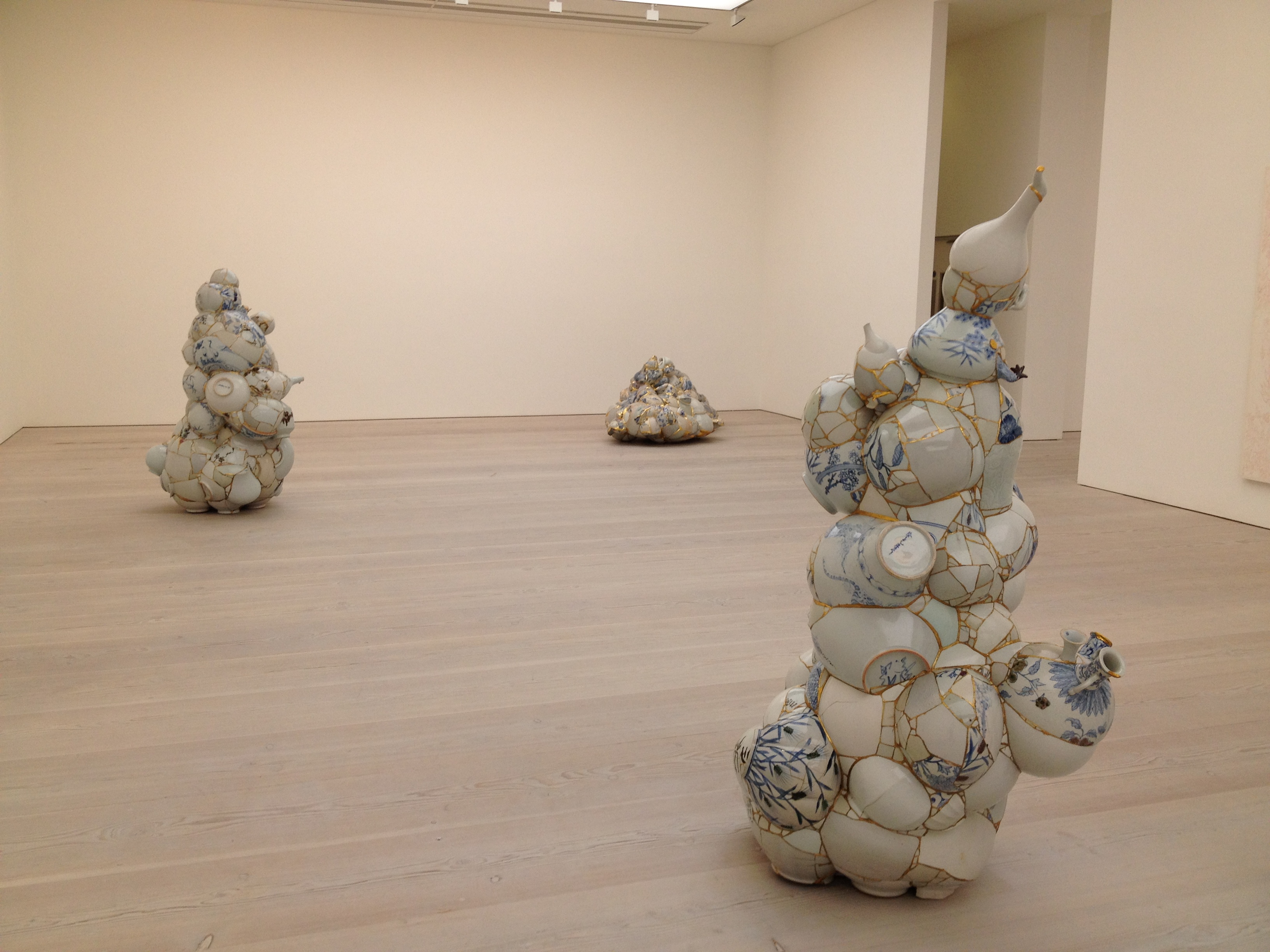
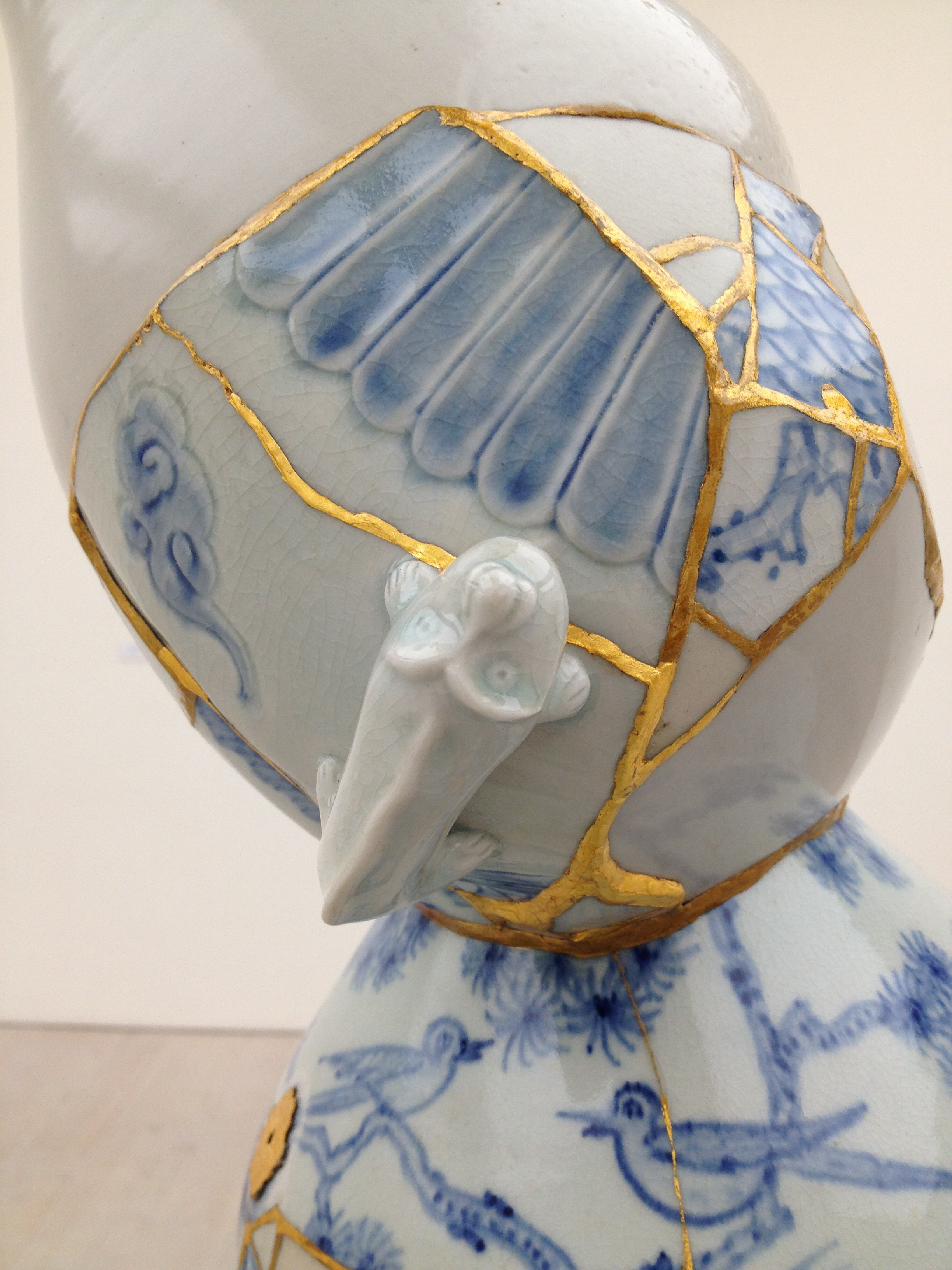
The show started with a trademark Saatchi huge white gallery full of very little. But that little there was on show was actually pretty cool. Yeesookyung’s Translated Vase (2007) aims to transform everyday objects into new contemporary forms. It’s a simple idea, but effective as a piece of contemporary sculpture – and I particularly liked the use of gold grouting which acts as a consistent element bringing the shards from various pots together as a single, newly innovated shape.
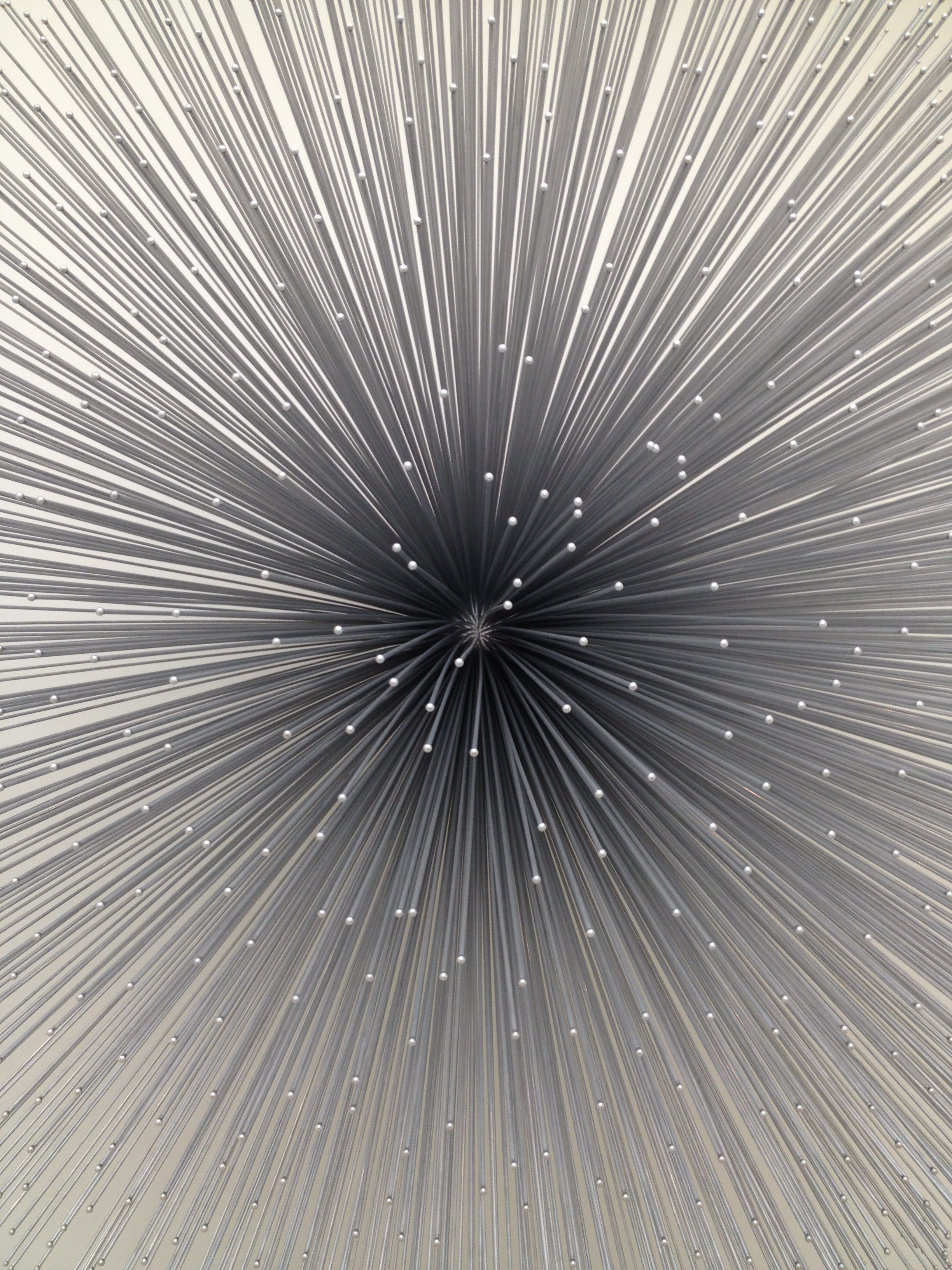
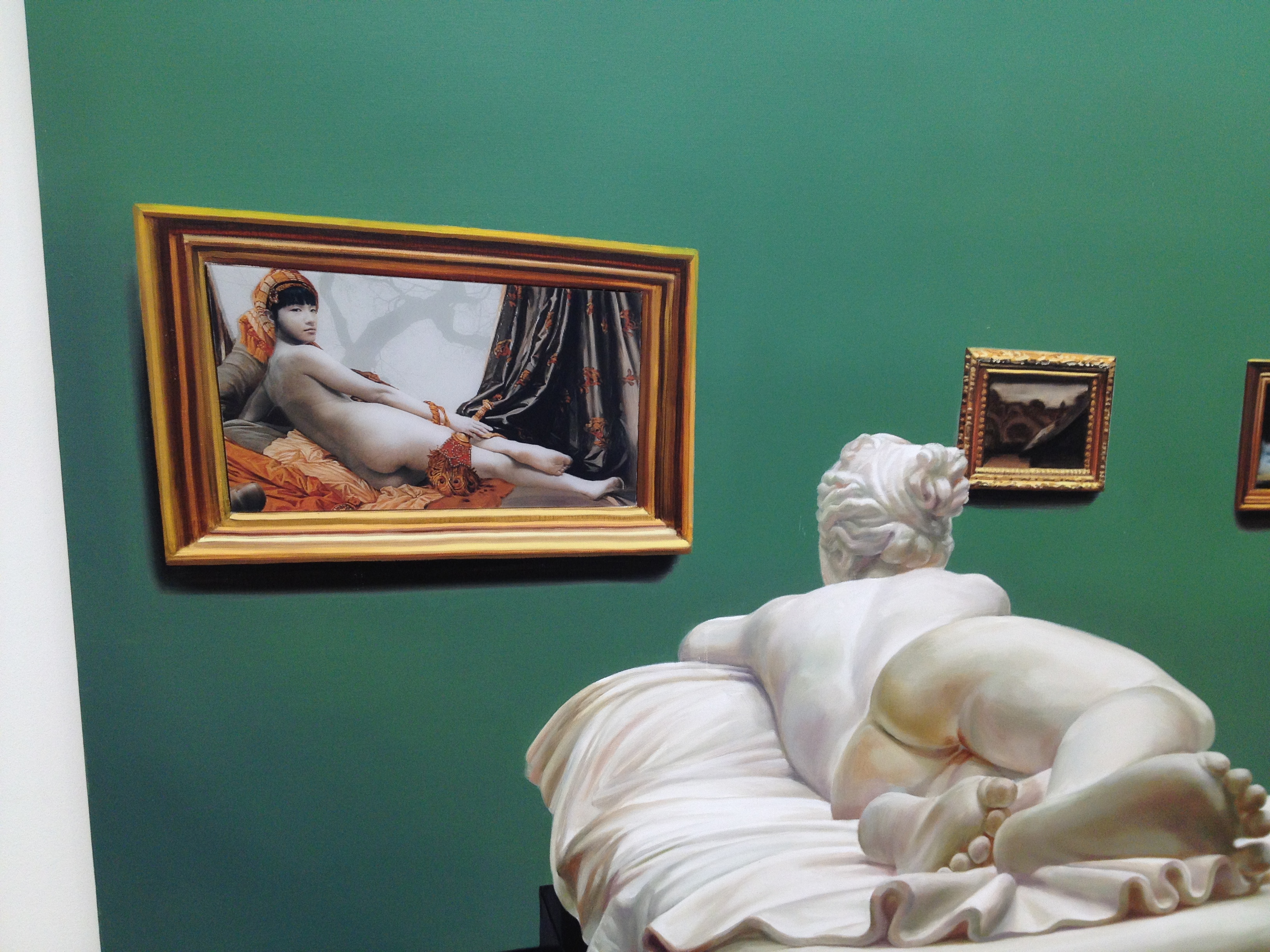
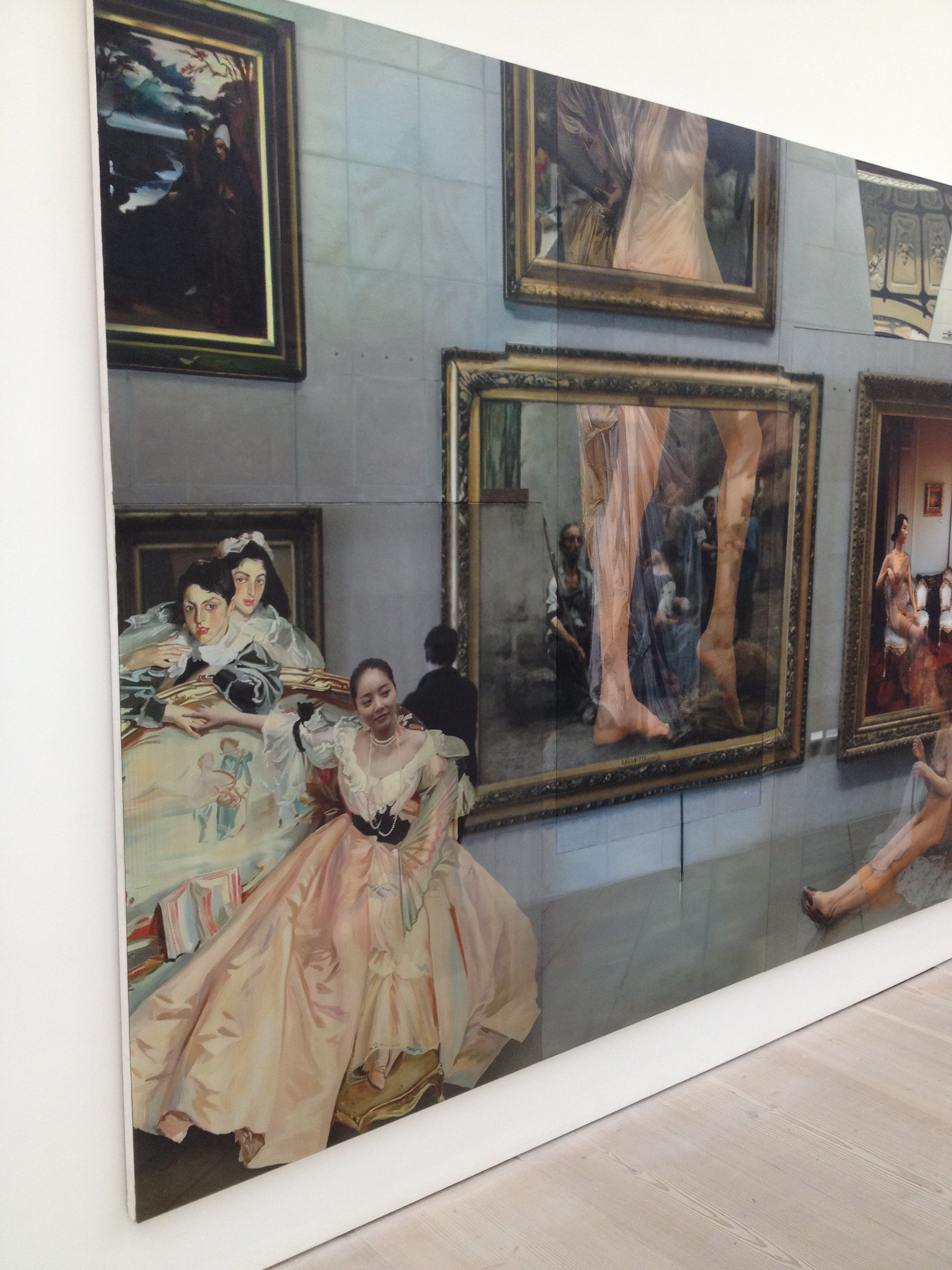
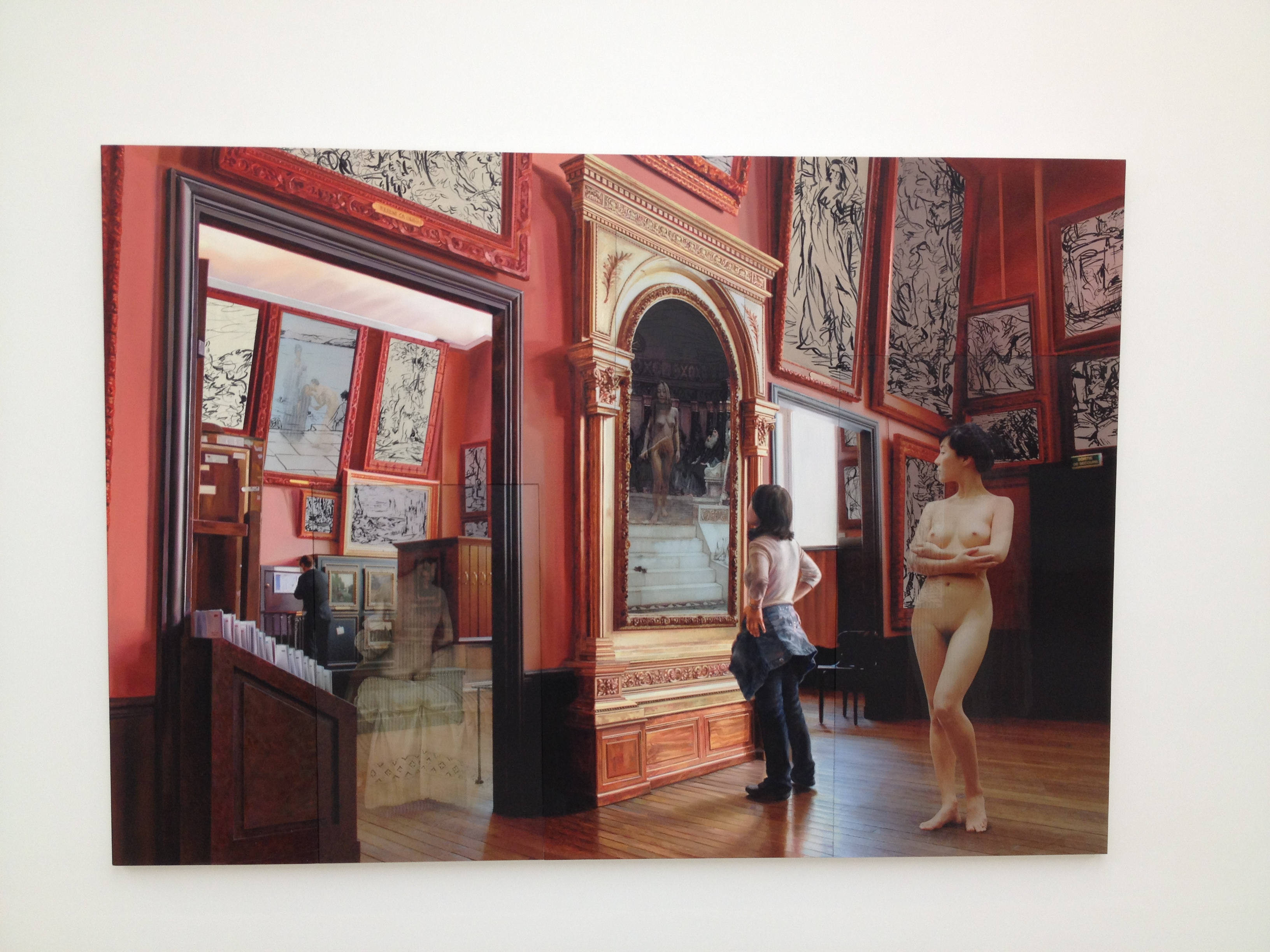
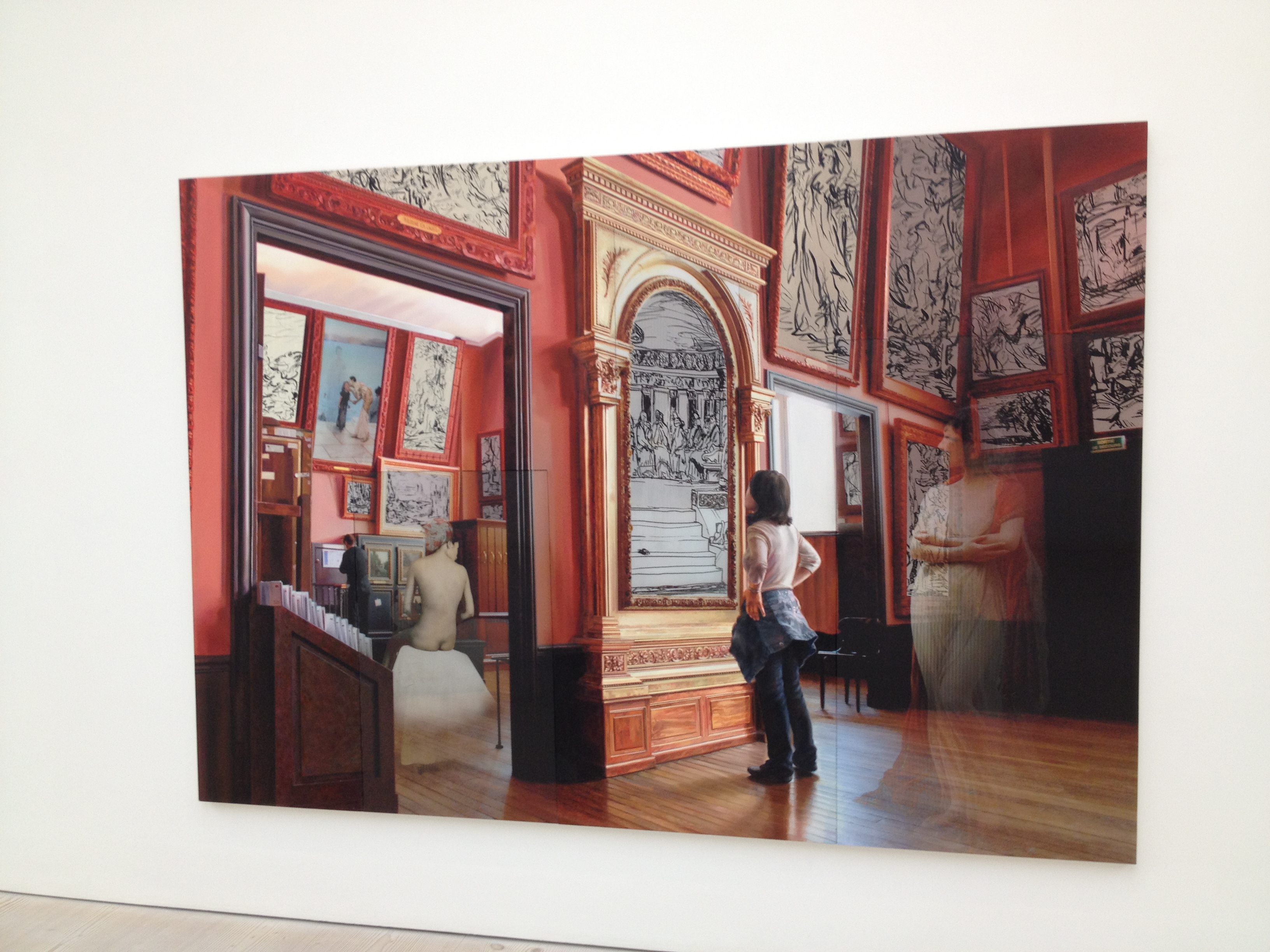
Next up, in gallery 2, were the works that got me completely hooked on this show. These were large mixed-media works by Bae Joonsung which looked pretty innocuous at first – until you moved past the canvas and realised that some aspects were moving, and other disappearing. Joonsung brilliantly incorporates painting and photography, executed upon different sheets of transparent acrylic which act almost like a hologram so that, when you view the painting from different angles, the work changes before your very eyes. I’ll let my photos demonstrate as best as they can…

Woman reclining…

…in the nude

Lavish dress one minute…

…and ooh la la the next

Now you see her…

…now you don’t

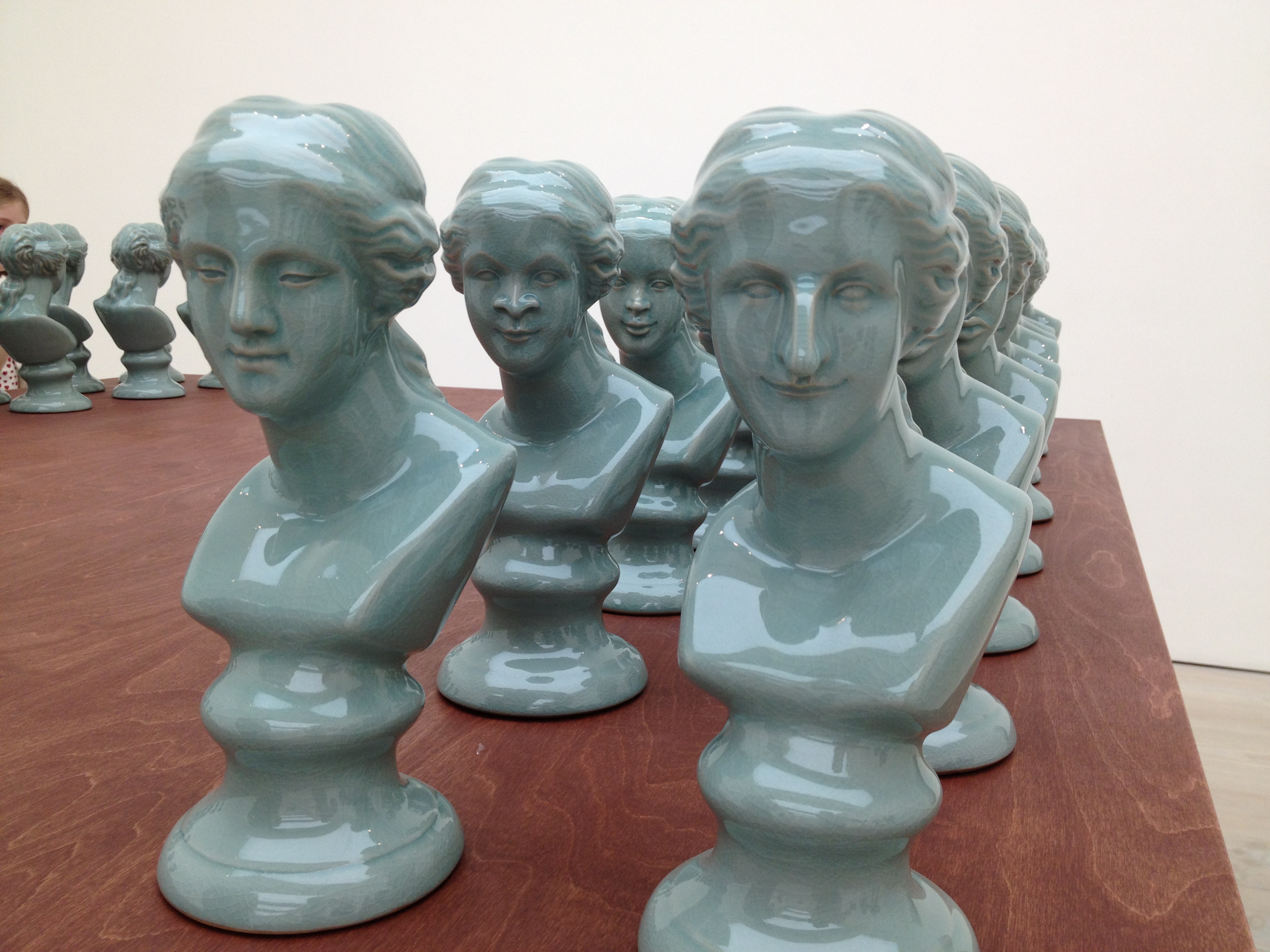
Also in gallery 2 were the 32 ceramic heads which comprise the work of Debbie Han, The Battle of Conception (2004-10). The heads look identical from a distance, but again, closer viewing betrays different facial features in each one, as the artist attempts to demonstrate with diverse facial features the different racial and ethnic characteristics that exist across the human race. In this respect, the work builds upon racial stereotypes, and explores the significance of human perception as the key to defining ourselves and others.

Read more

A night at Glyndebourne Part I: The Opera – Puccini’s La bohème

There is nothing quite so wonderful as a summer evening at the opera. Don’t get me wrong, opera can be pretty cosy in the middle of the winter too, but there is something about the combined smells of champagne, Pimm’s and fresh grass, the swish of long luxurious dresses against the green tints of summer, and the descent into long, light evenings at the end of the performance that make summer operas a wholly more enchanting affair. And no where is this more true than at the Glyndebourne Opera House in East Sussex.

Glyndebourne opera house

Ekaterina Scherbachenko as Mimi (Photo: Robert Workman)

Growing up in Sussex, I was always aware of an aura of elegance surrounding Glyndebourne. Most summers, my parents would suddenly emerge from their bedroom exceptionally smartly dressed, my father in black tie, and my mother is taffeta and jewels. They would engage the babysitting services of my grandmother while they headed off to Glyndebourne, with a picnic basket in hand and some fold up furniture to boot. A few years later, when old enough to properly appreciate the occasion (and thus not waste the exorbitant ticket prices) I was lucky enough to make my first trip to Glyndebourne. The place astounded me. It has to be one of the most idyllic settings I have ever set my eyes upon. A lush green landscape of rolling hills, a field echoing with the gentle calls of sheep, a stream surrounded by willows, and in the middle of it all, an architecturally thrilling opera house – part modern, a stylish round red-brick creation, and part old manor house. Even now, with their new ultra-environmental wind turbine installed, the place is a feast for the eyes.

Christmas festivities at the end of Act II (Photo: Robert Workman)

A night at Glyndebourne opera is almost like stepping back in time – as people dress up to nines, with a  strict dress code of black tie and formal dresses being unanimously imposed, and the opera-goers sit out on the lawn with picnics set up, not just on rugs, but with furniture imported (some even bring tablecloths and vases of flowers!) – the whole occasion appears to represent a last bastion of civilised society – utterly polite, completely sophisticated and awfully quite “English”.  There’s much to say about all of this, and in tomorrow’s post I will tell you all about the dining at Glyndebourne. But for today, I’m sticking to the opera which was the pull of our visit in the first place – Glyndebourne’s 2012 performance of Puccini’s La bohème.

Mimi in her last moments (Photo: Robert Workman)

The opera is familiar to many opera-lovers. It doesn’t contain some of Puccini’s most memorable arias, but the score is at all times opulent, dramatic and pretty stirring throughout – at times it was almost stressfully upsetting. The story, based on the book by Henri Murger which was in turn brought to life by librettists Illica and Giacosa, is a simple, and now well-known tale – the story of an impoverished writer in Paris who falls in love with an equally penniless heroine who then dies from tuberculosis leaving said writer devastated right at the moment when the curtain falls. Lovers of Baz Luhrman’s Moulin Rouge will probably recognise the story – it was, after all, based on Murger’s tale. It’s a simple tale of love in a cold climate, where passion provides the only warmth, and attempts to transcends the ravages of poverty only to then fall victim to the destruction of an incurable illness which only poverty, and desperation could have caused. It’s highly tragic, but utterly romantic, and all of this is helped of course by the intended backdrop of the winding-streets of Paris’ idyllic, cobbled Latin Quarter.

Michael Sumuel, David Lomeli, Andrei Bondarenko, Nahuel Di Perro (Photo: Robert Workman)

Move to Glyndebourne’s production however, originally directed by Davud McVicar and now revitalised for the 2012 festival, and the setting has been transported not to the Marais or Montmartre, but to London’s tatty present-day Soho. Thus we have policemen running after thieves, road sweepers, security men, Christmas shoppers adorned with bags from Harrods and Selfridges, and even what looked like the entrance to the underground. It’s a bold move which isn’t overly consistent with the libretto, which continues to talk of the view of Paris rooftops, nor the rousing drama and opulence of the score. However it is at least a novel retelling of the story – it’s just difficult perhaps to get all romantic about the lovers, Rodolfo and Mimi, when Rodolfo is dressed in a hoodie, and Mimi in jeans. But as David Cameron would have it, we should all be “hugging hoodies”- so why not stage them in a opera too?

David Lomeli as Rodolfo and Ekaterina Scherbachenko as Mimi (Photo: Robert Workman)

While the tatty studio flat of Rodolfo and his artist friend, full of rubbish and constructed from what resembles crumbling concrete and steel, isn’t exactly easy on the eye, the sound emanating from the opera singers themselves was certainly easy on the ears. David Lomeli as Rodolfo produced an incredible, rich and rounded sound – his aria in Act 1 (Che Gelida Manina – Your Tiny Hand Is Frozen) was exquisite and immediately had my eyes filling up. Meanwhile, Ekaterina Scherbachenko made an equally credible Mimi, with the earnest demeanor and visible courage expected of the character, but it was a little disconcerting when, upon completing her first aria with Rodolfo, she suddenly trailed off just before the top note – I wonder whether she tripped down a step when heading off stage?! High praise has to be reserved for Irina Iordachescu as Musetta who played the cocky femme fatale with swagger and style, greatly enhanced no doubt by a pair of Louboutin boots and a very sparkly top.

Irina Iordachescu as Musetta and Donald Maxwell as Alcindoro (Photo: Robert Workman)

The orchestra sounded wonderful throughout, although at times the cast struggled to hold their own against the rousing crescendos of the score. We also had the benefit of being able to see the orchestra from our seat on the circle, which greatly enhanced the overall experience – at least when I could see them. For the problem , but also the great attraction of this opera is that it is so bloody sad, with the inevitable result that my eyes were constantly blurring with tears. As if it wasn’t bad enough that the superb resonance of David Lomeli’s aria had me crying in Act 1, the end of the opera just completely devastated me. I found it so utterly traumatic that I struggled to talk for about 5 minutes after the curtain came down. Which just goes to show, London or Paris, top hat or hoodie, when you get a good orchestra, a good conductor and great singers, Puccini’s score has the enduring power to stir up its audience and tap into the rawest of emotions, taking them on a rollercoaster with a power to enthrall, charm, and ultimately, upset. Now that’s true operatic genius, and it is a genius which the Glyndebourne experience helped to enhance to new levels of dramatic intensity, with a dash of pleasing english reserve to boot, naturally.

Mimi: close to death (Photo: Robert Workman)

La bohème is on until 31 July – try to get tickets – if you can.