Skip to content

Archive for

Norms in Cambridge // Punting on the River Cam

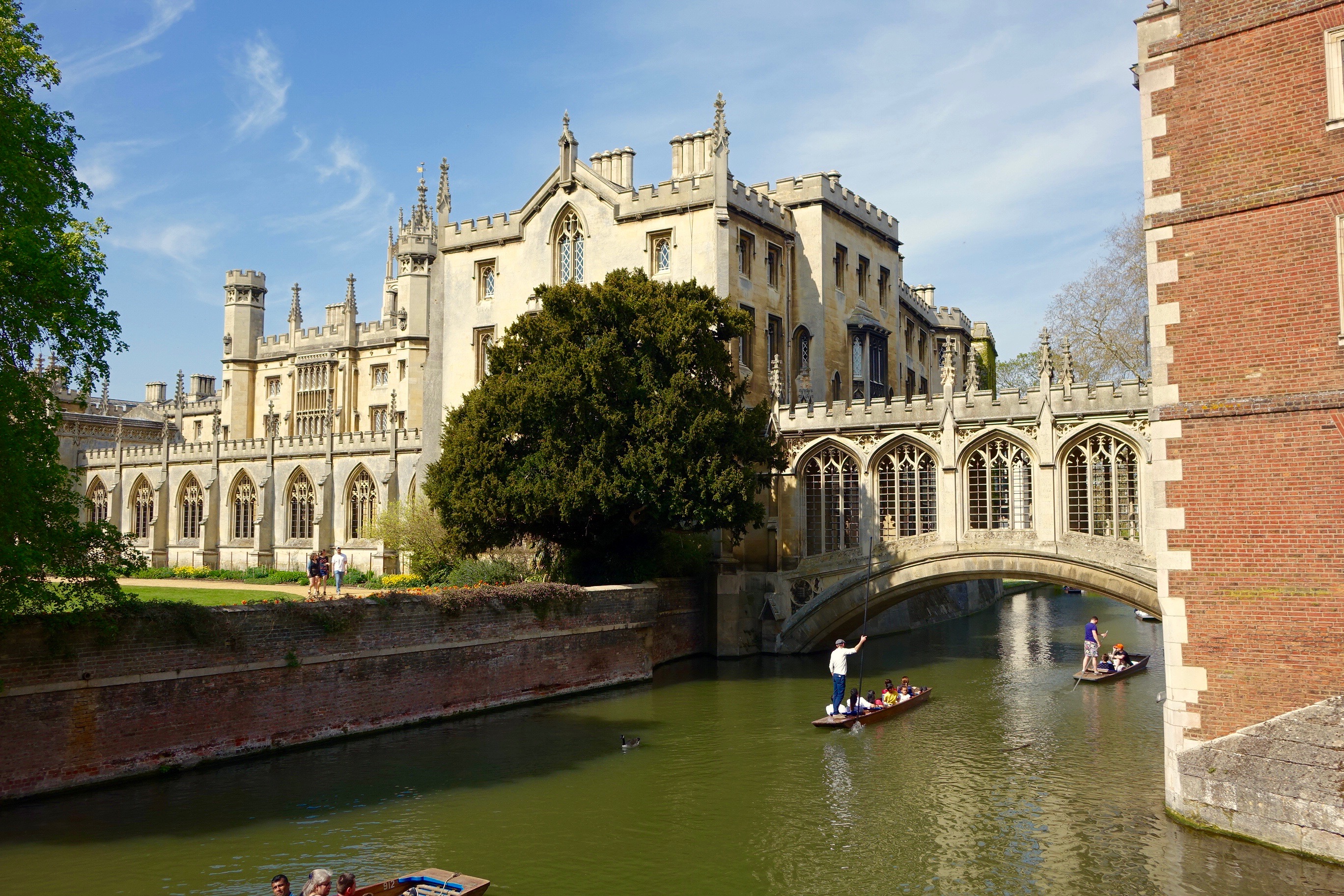
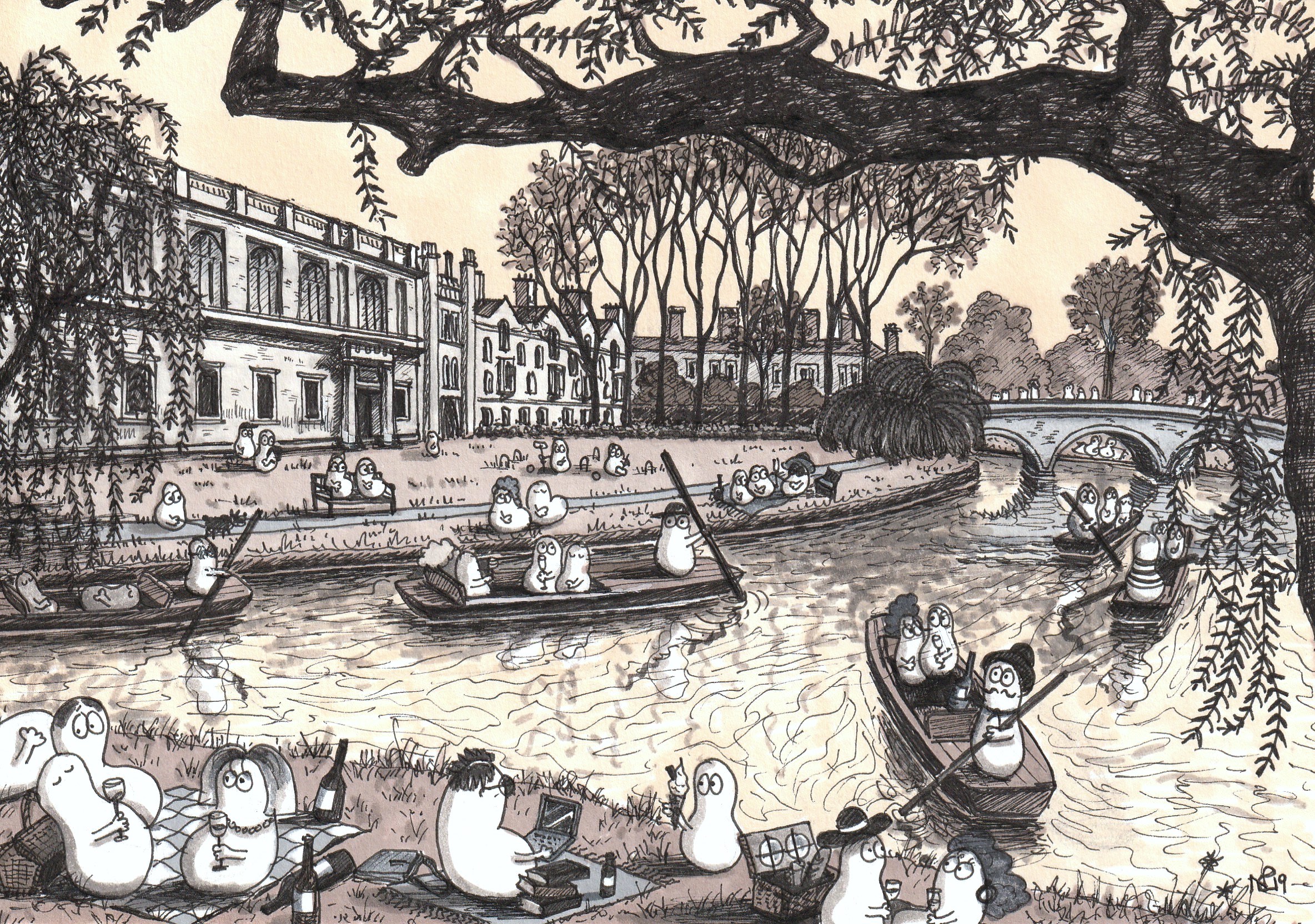
If the battle between Oxford and Cambridge was to be determined by the choice of the Norms, it looks like the latter may have won it. For here we see that the Norms have ventured as far as Cambridge where, on the delightful River Cam, they are idling their way through the afternoon on punts and pastures, picnicking, relaxing and generally enjoying life like a scene from a pointillist landscape by Seurat.

Cambridge Norms

Norms punting in Cambridge ©2019 Nicholas de Lacy-Brown, pen on paper

Upon closer examination, one can see that a fair few of the Norms have a glass in hand or a bottle nearby. But then this is a university town, where hard work is followed swiftly by revel and play. The Norms have decided to skip the former stage and move straight onto the reveling. And why not? For as far as summertime indulgence goes, there aren’t many places better than Cambridge to do it.

© Nicholas de Lacy-Brown and The Daily Norm, 2001-2019. Unauthorised use and/or duplication of the material, whether written work, photography or artwork, included within The Daily Norm without express and written permission from The Daily Norm’s author and/or owner is strictly prohibited.

Oxford-v-Cambridge: Gardens of Eden

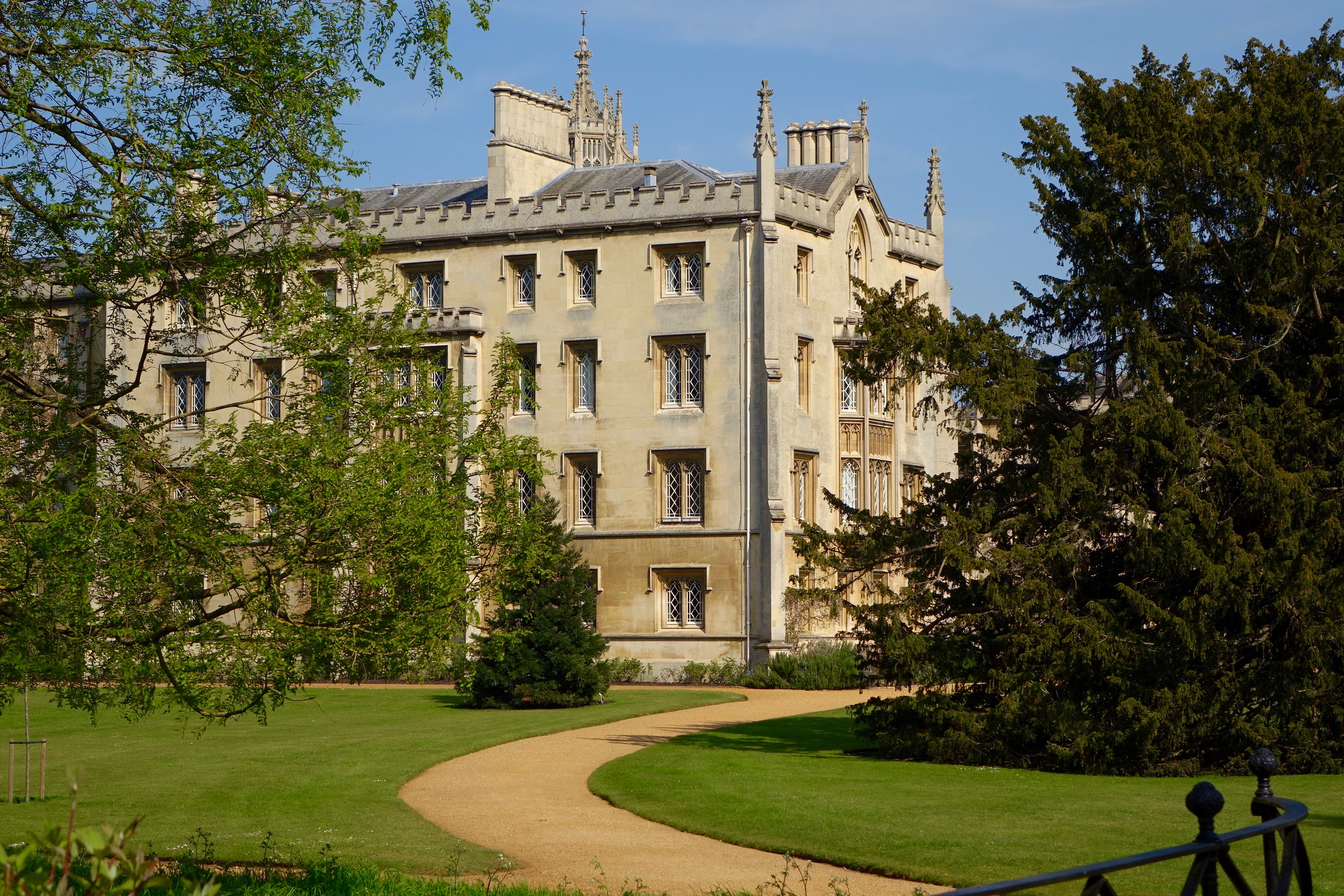
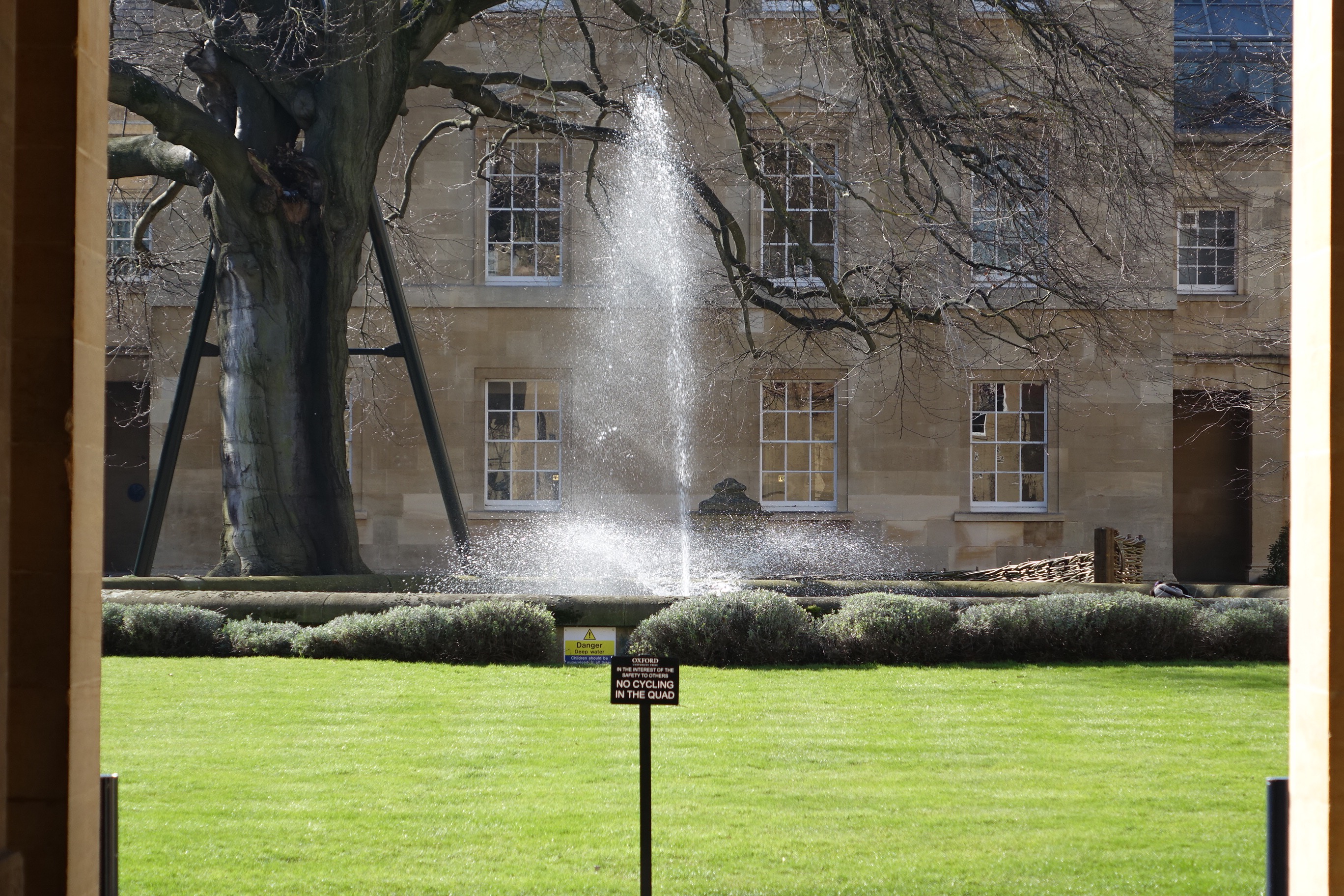
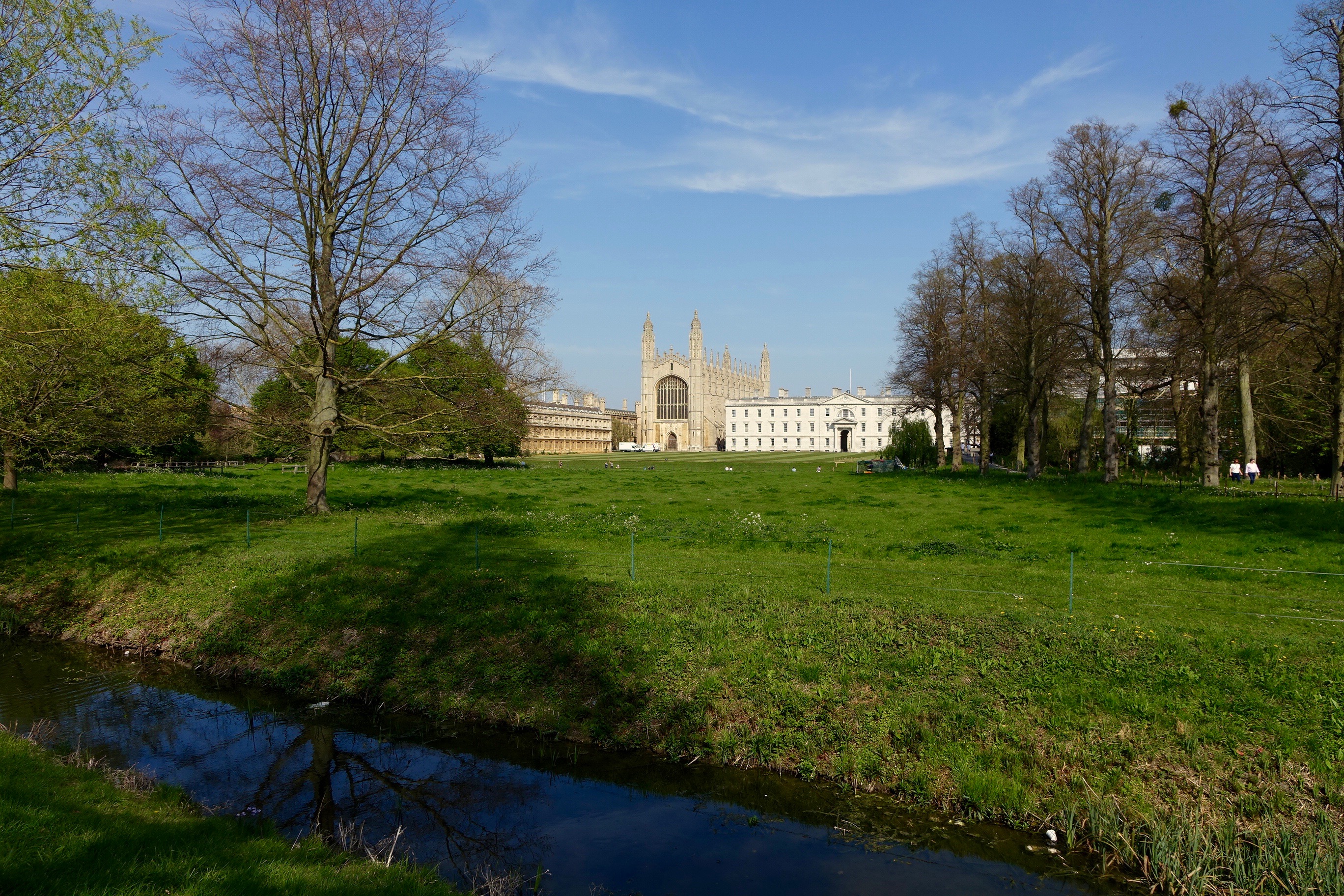
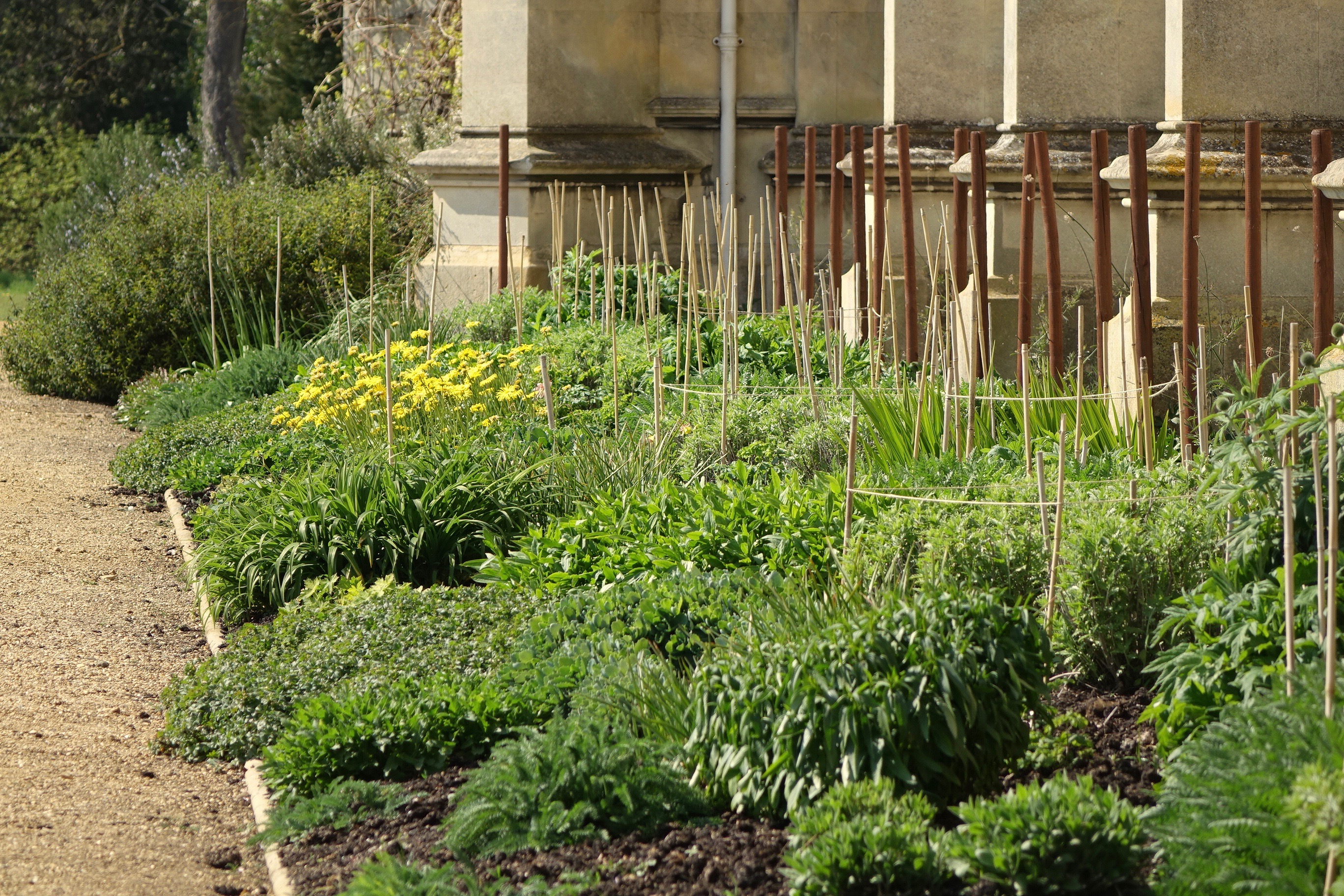
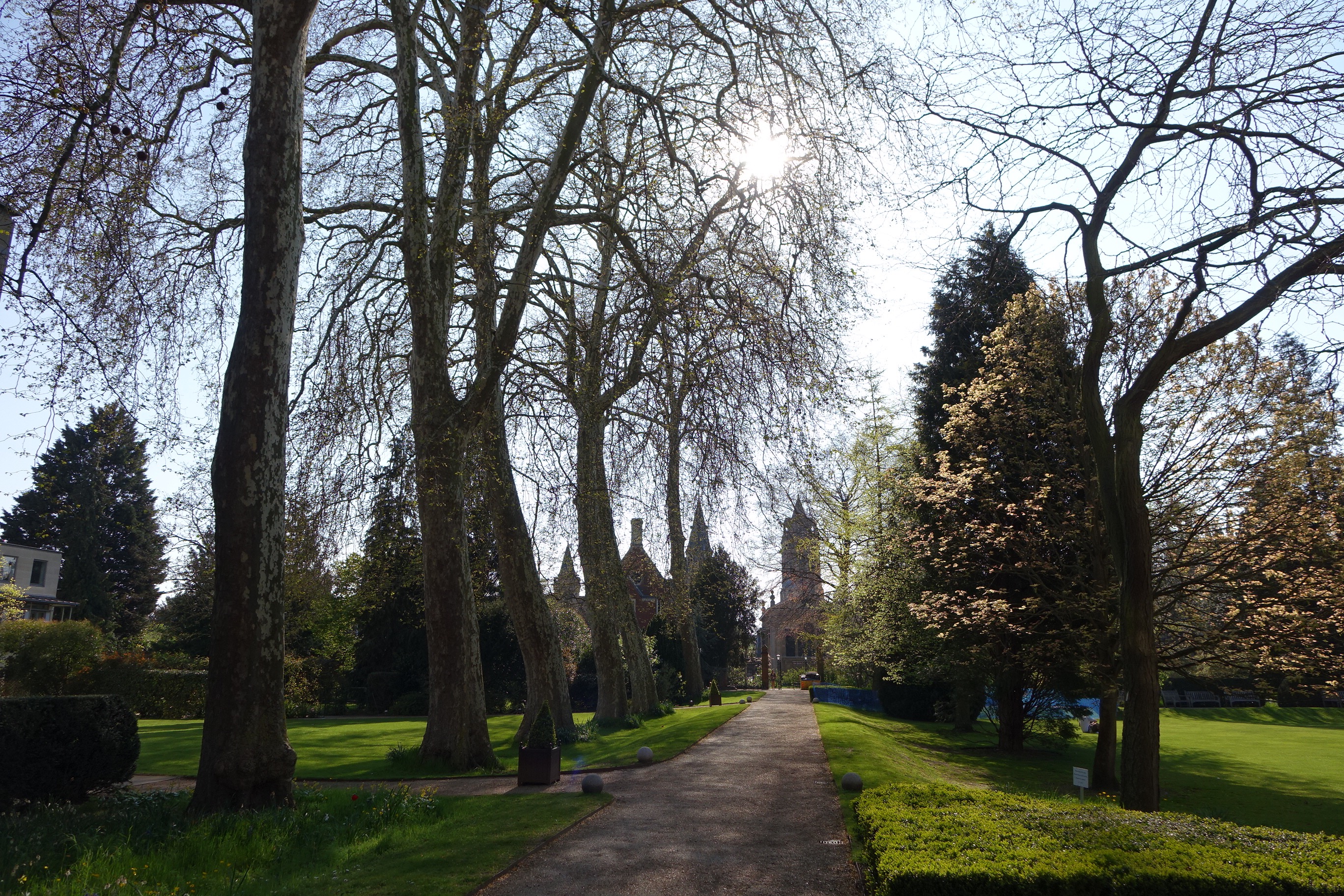
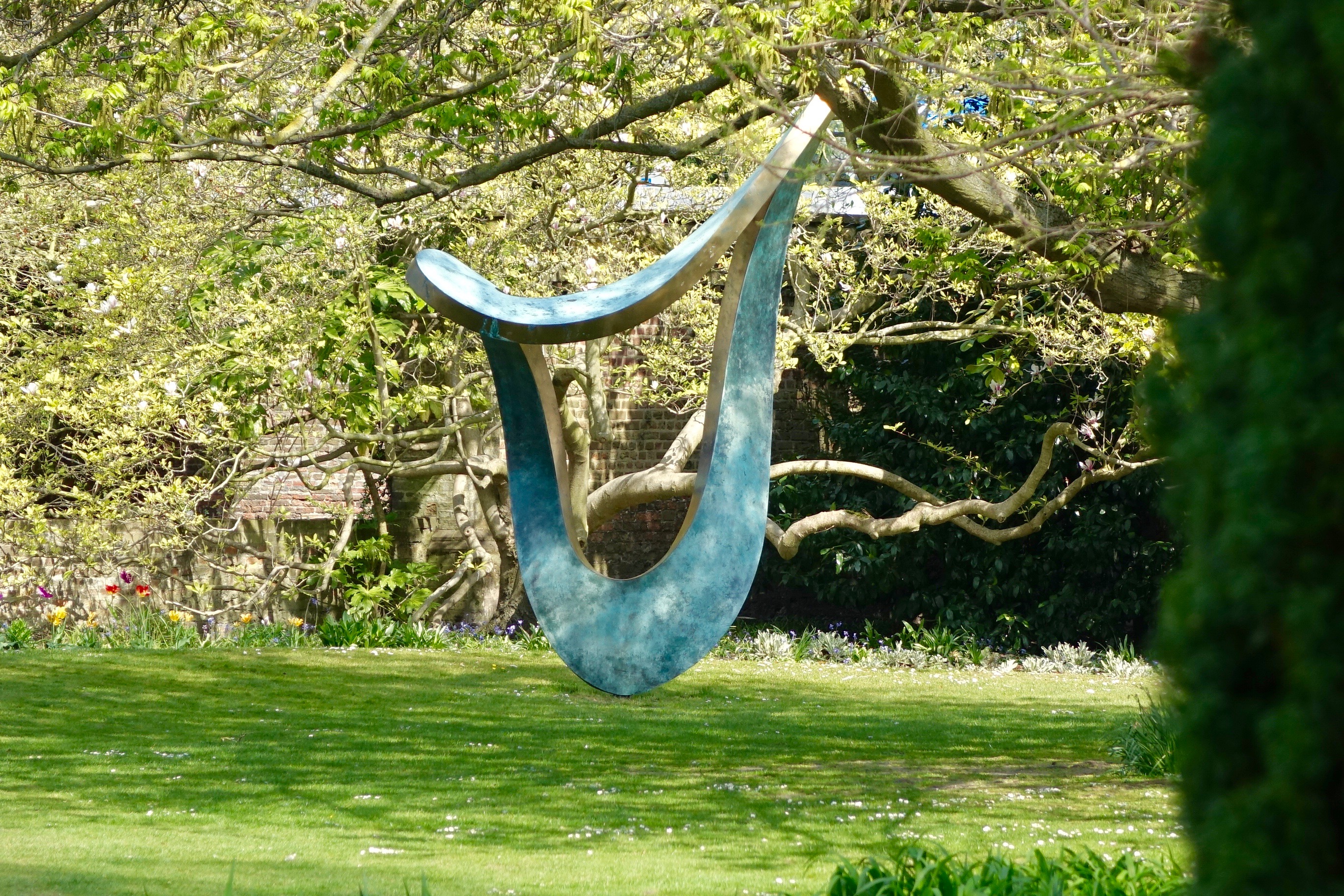
My post about the discovery of the secret garden of Peterhouse College in Cambridge will have left none of you in any doubt about my love for the gardens of Oxbridge. Be they less secret, the formal quads and extensive grounds of all the sprawling colleges are no less of a treat to behold. While my previous post concentrated on the colleges of Oxford and Cambridge, today I’m focusing in on the gardens which transform those places of learning into havens of tranquility. How life studying in these flower-filled Edens must differ from the smog-filled campus of my London university!

DSC01449DSC01399DSC01626DSC01686DSC01421DSC01712DSC01699DSC01611DSC01514DSC01370DSC01383DSC01639

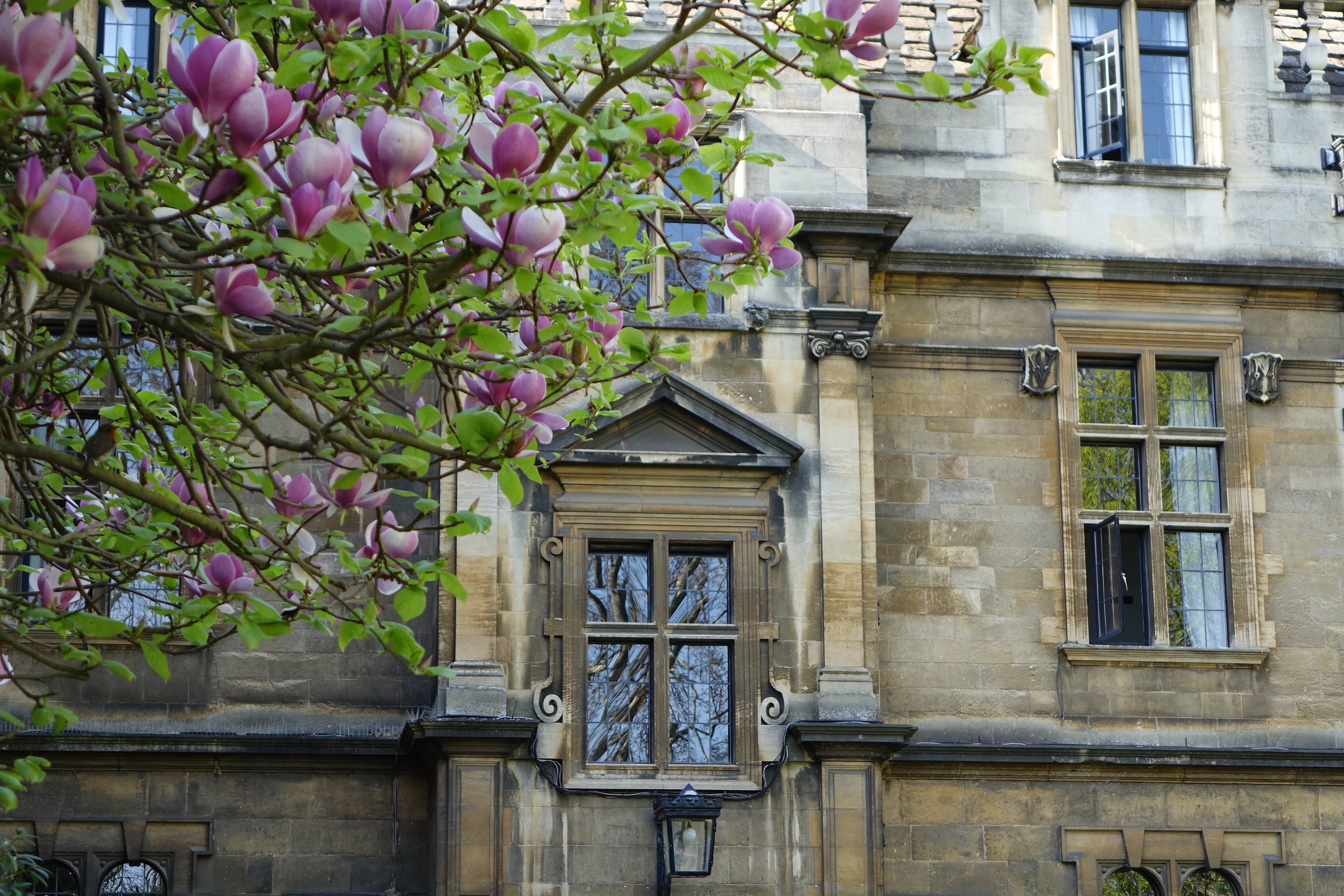
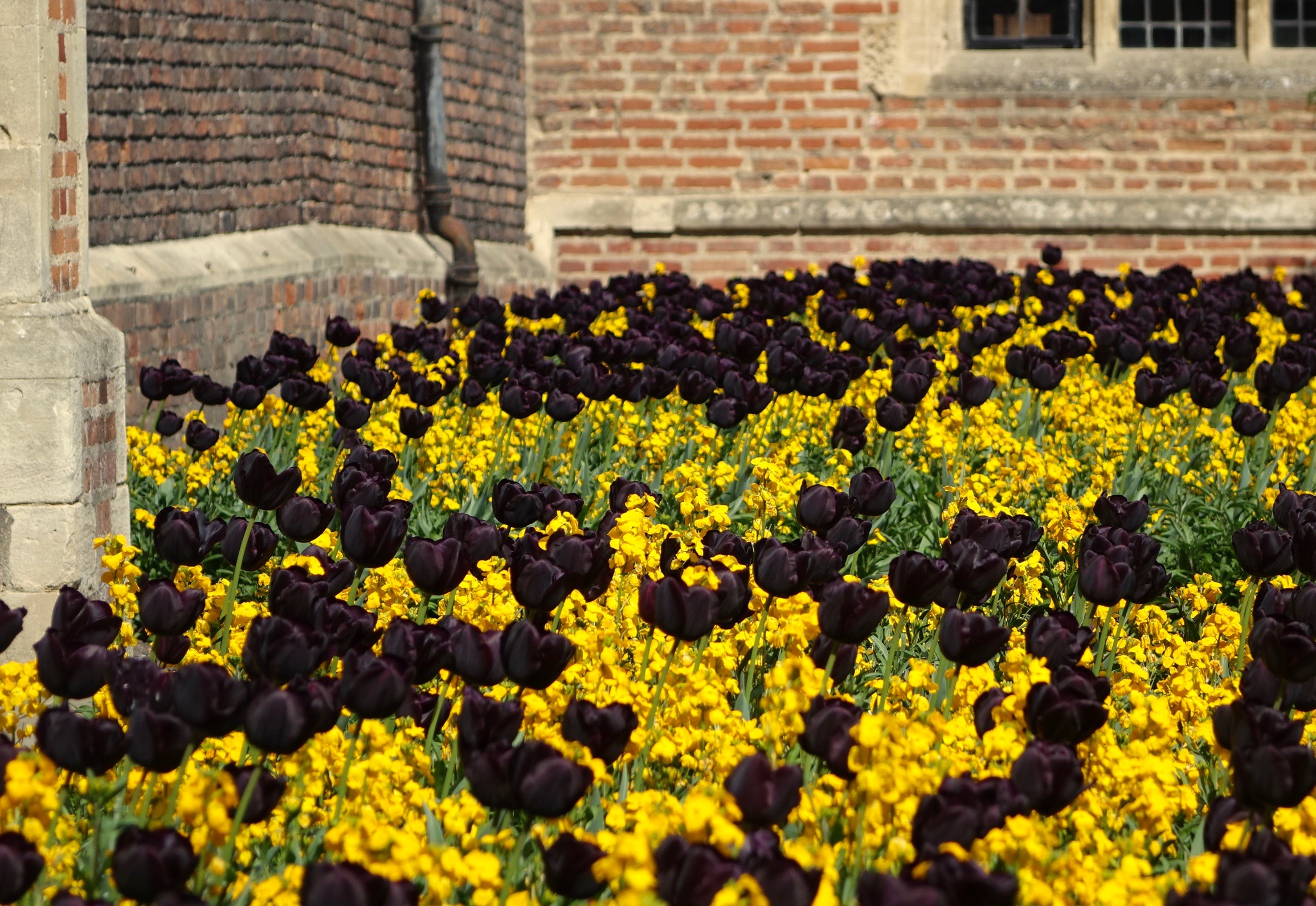
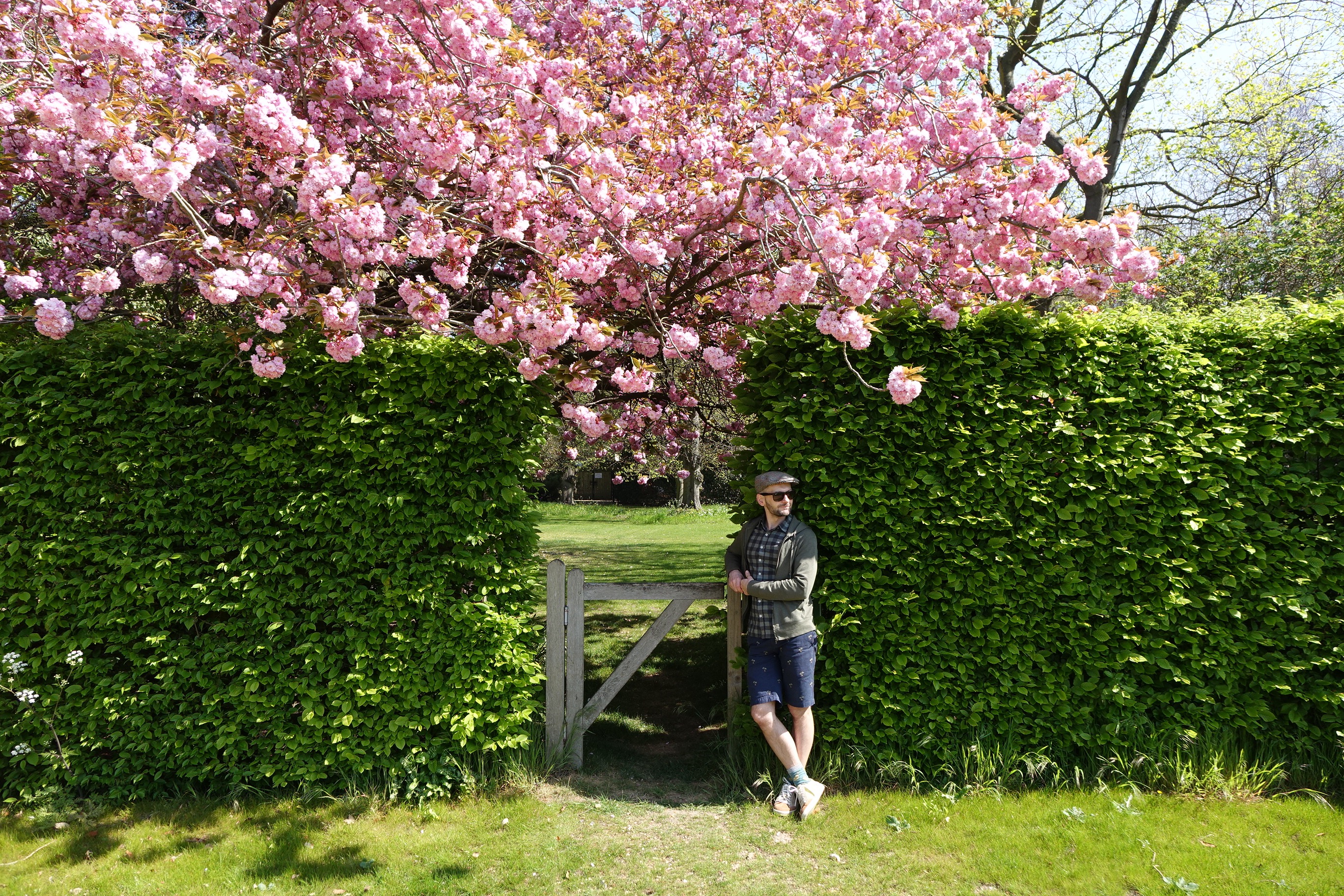
As is evident from the photos I am sharing, we visited when the gardens of both Oxford and Cambridge were at their floral best. While my visit to Oxford was earlier in the year, and therefore decorated with the happy nodding heads of yellow daffodils and cautiously opening blossom, by the time of our April trip to Cambridge, tulips were abundant in a panoply of ravishingly colour, while blossom trees seemed to test the limits of their own staggering colour as they exploded in shades of arresting fuchsia pink.  Sloping green lawns, many alongside rivers and waterways, lushly demonstrate Britain’s great love of green and pleasant pastures, while extensive oaks and willow trees suggested through age that they had born witness to many a famous student passing through these grounds.

DSC01713DSC01290DSC01316DSC01277DSC01535DSC01474DSC01643DSC01678DSC01695DSC01306DSC01288DSC01687DSC01572DSC01400DSC01477

The presence of students quietly working in most of these gardens is evidence of their importance in providing the perfect level of concentration and tranquility to aid study and well-being. I only hope that study gives way to an unbridled appreciation of these magnificent grounds once the books are closed.

© Nicholas de Lacy-Brown and The Daily Norm, 2019. Unauthorised use and/or duplication of the material, whether written work, photography or artwork, included within The Daily Norm without express and written permission from The Daily Norm’s author and/or owner is strictly prohibited.

Oxford-v-Cambridge: Colleges in abundance

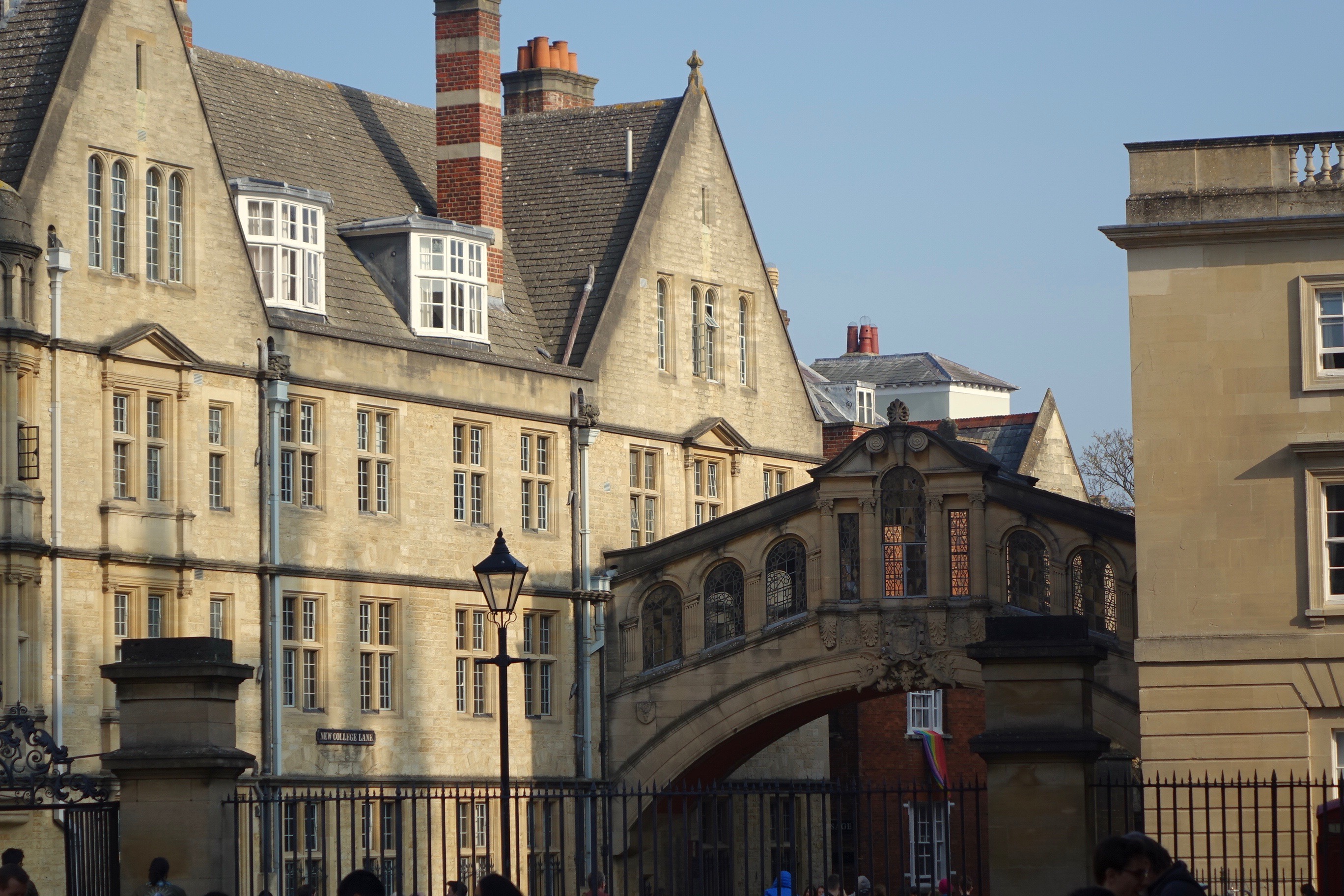
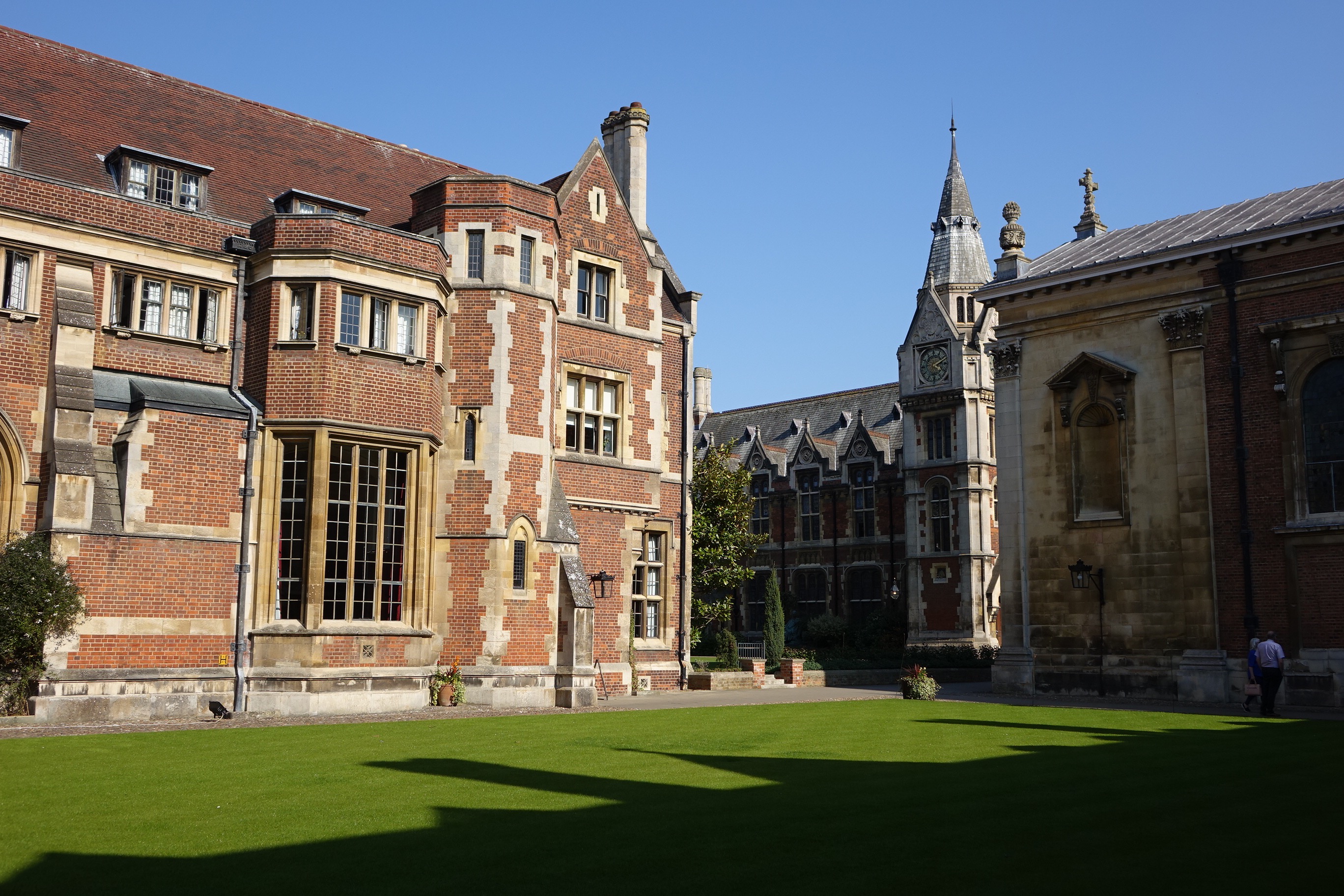
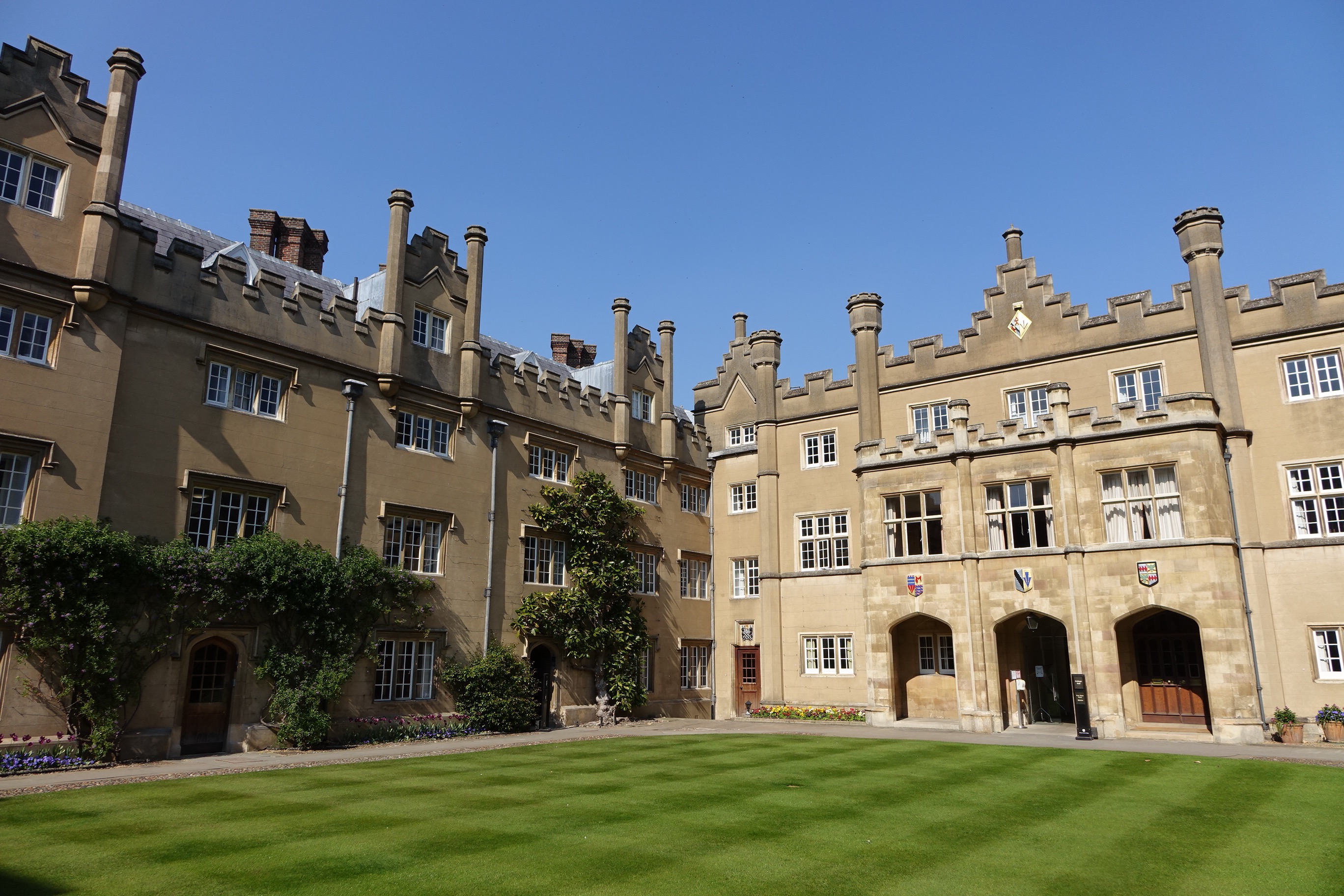
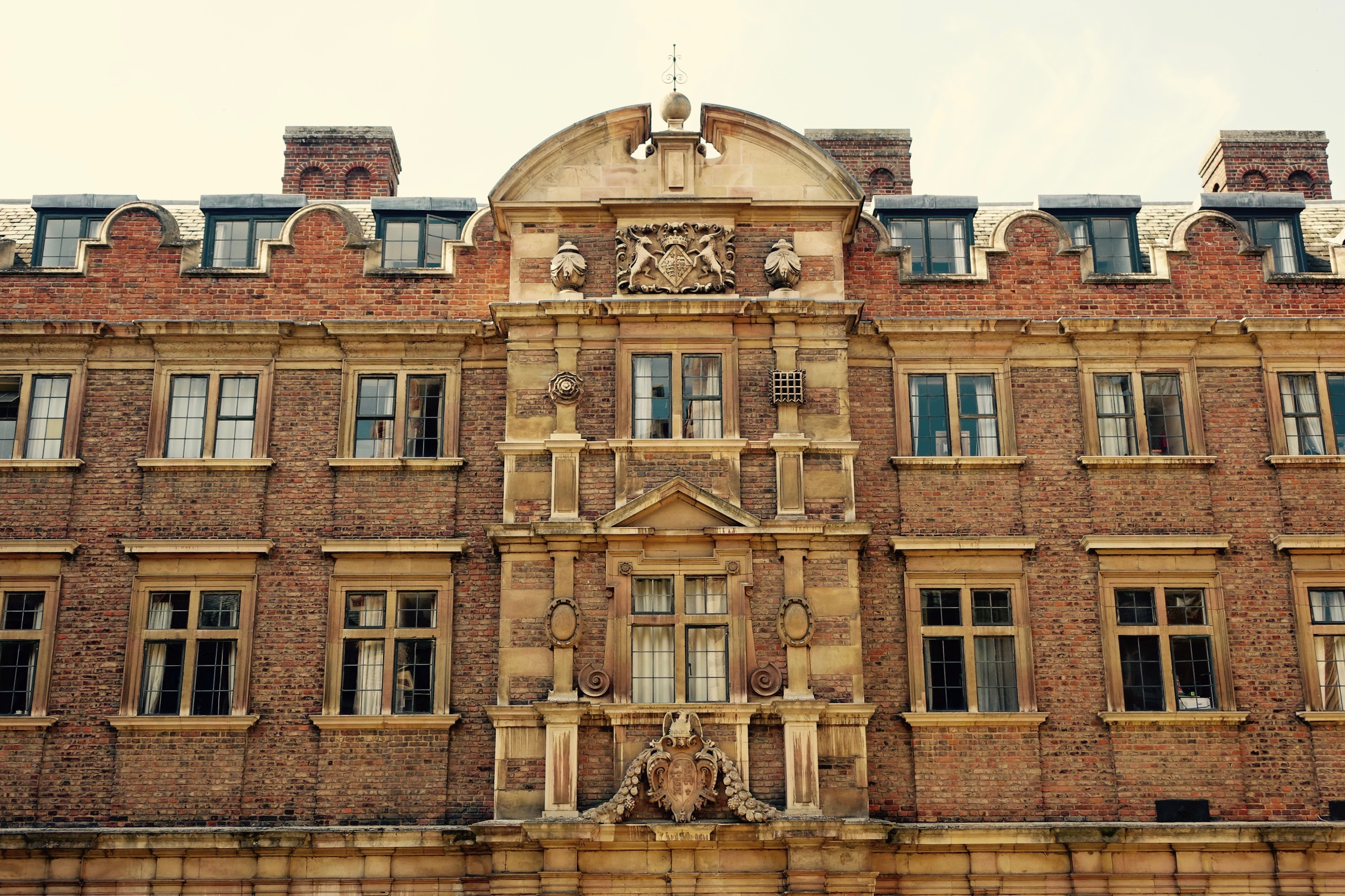
Oxford and Cambridge are university cities, and perhaps more than any other university cities in the world, their character and urban geography are dominated by their colleges. When I was young, it was always something of conundrum to get my head around: do Oxford and Cambridge have one respective university or many, and if the former, why are they split into so many smaller units? Yet those units, or colleges, are evidentially what make these universities so special, and famous. As a student applying for either university, the applicant applies for the prestige of the whole, but the particular specialism, history or atmosphere of the relevant college. And it is precisely that individual character belonging to each of Oxford and Cambridge’s colleges which makes strolling around them such a joy.

Cambridge colleges

DSC01293DSC01305DSC01312DSC01656DSC01339DSC01510DSC01667DSC01622DSC01344DSC01410DSC01318DSC01711

While Oxford feels like more of a living city beyond its colleges, Cambridge is very much a city which has grown around the confines of each respective college. This makes walking around the city almost maze-like, as you attempt to ascertain which passages are public and which privately college owned. Even in the colleges themselves, there is a clear hierarchy at work, as sections are cordoned off for the sole respective enjoyment of students, fellows and finally, the public. Yet even in the public parts, one gets a real and immediate sense of the very tangible history imbued by these colleges in all their ochre stonework and architectural mastery.

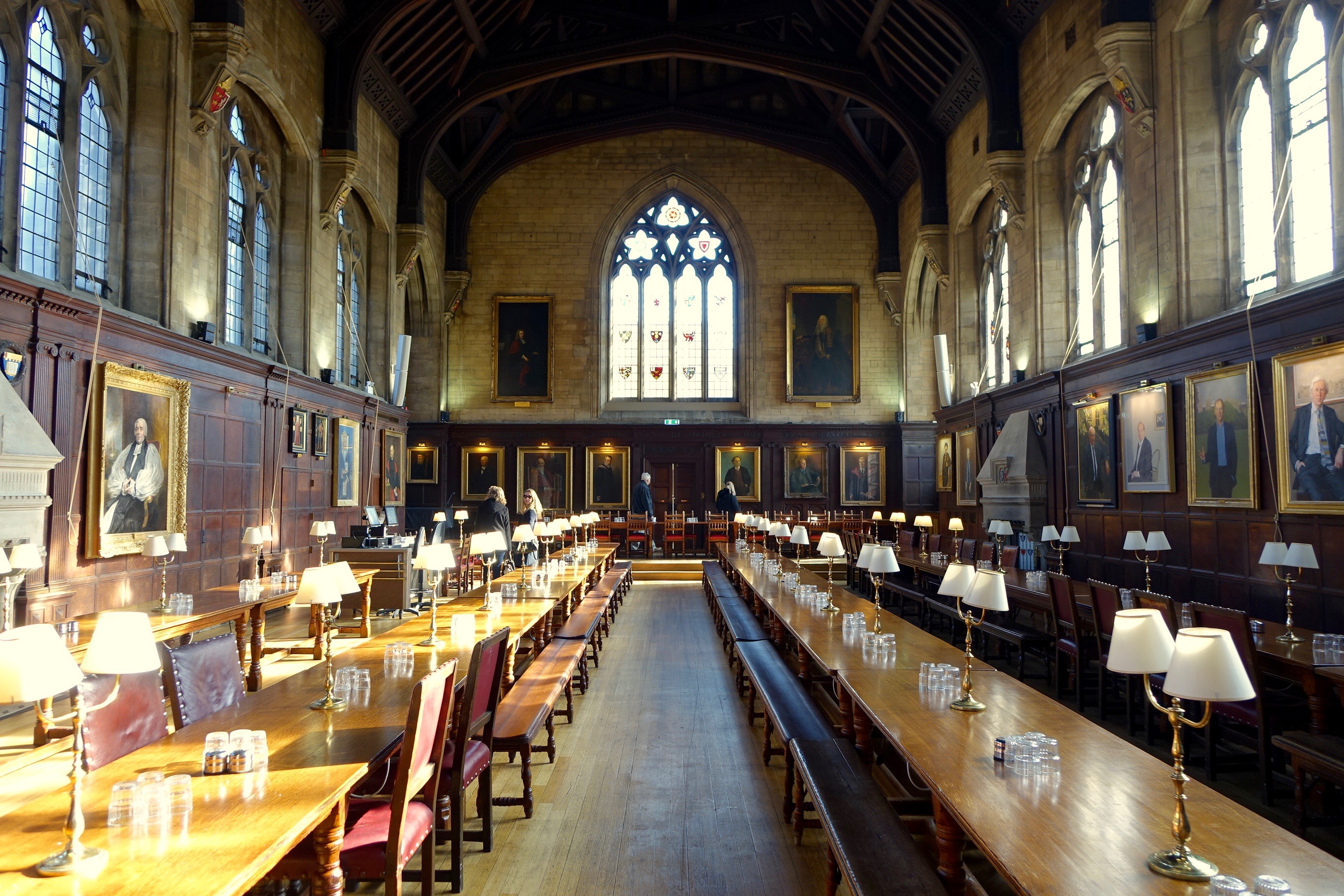
In both Oxford and Cambridge, I loved strolling around the colleges which dominate both cities. Collectively, they hold examples of almost every architectural style since the medieval period. Their gardens (for which a separate post will be shared) are stunningly cared for and places of the utmost tranquility. Their great dining halls ooze tradition and Hogwarts-esque formality, and their chapels are a veritable museum of exquisite stained glass and biblical artworks.

Oxford colleges

DSC01028DSC00961DSC00987DSC01144DSC01030DSC01175DSC00946DSC01130DSC01029DSC01167DSC01157DSC00925DSC01197DSC01170DSC00962

I have not gone to the rather laborious task of labelling each of my photos in respect of their locations. Instead, I present something of a hodgepodge from each city. Amongst the Oxford photos are the colleges of Balliol, Christchurch, Trinity, Magdalen, Brasenose and New College. In Cambridge, you will see glimpses of Downing, Peterhouse, Sidney Sussex, Pembroke, Emmanuel and Corpus Christi amongst others. All combine to present these cities at their most beautiful and historical best – certainly worth visiting, even though, in some, an entry fee is very much a sign of more modern times.

A bit more of Cambridge

DSC01709DSC01644DSC01704DSC01429DSC01386DSC01669DSC01540DSC01332DSC01365DSC01354DSC01617DSC01351DSC01516DSC01384

© Nicholas de Lacy-Brown and The Daily Norm, 2019. Unauthorised use and/or duplication of the material, whether written work, photography or artwork, included within The Daily Norm without express and written permission from The Daily Norm’s author and/or owner is strictly prohibited.

My Travel Sketchbook: Garden of the Gonville Hotel

Cambridge is not all that far from London, but when we visited over the Easter weekend, we wanted to truly relax. And such a state was never going to be possible if we were day-tripping, with all the stress that repeated train travel would inevitably entail. Pampering campaign commenced and justified, we opted for a hotel stay in Cambridge, bedding down for the night at the Gonville Hotel, a delightfully appointed boutique establishment just off Parker’s Piece, one of the city’s largest stretches of green.

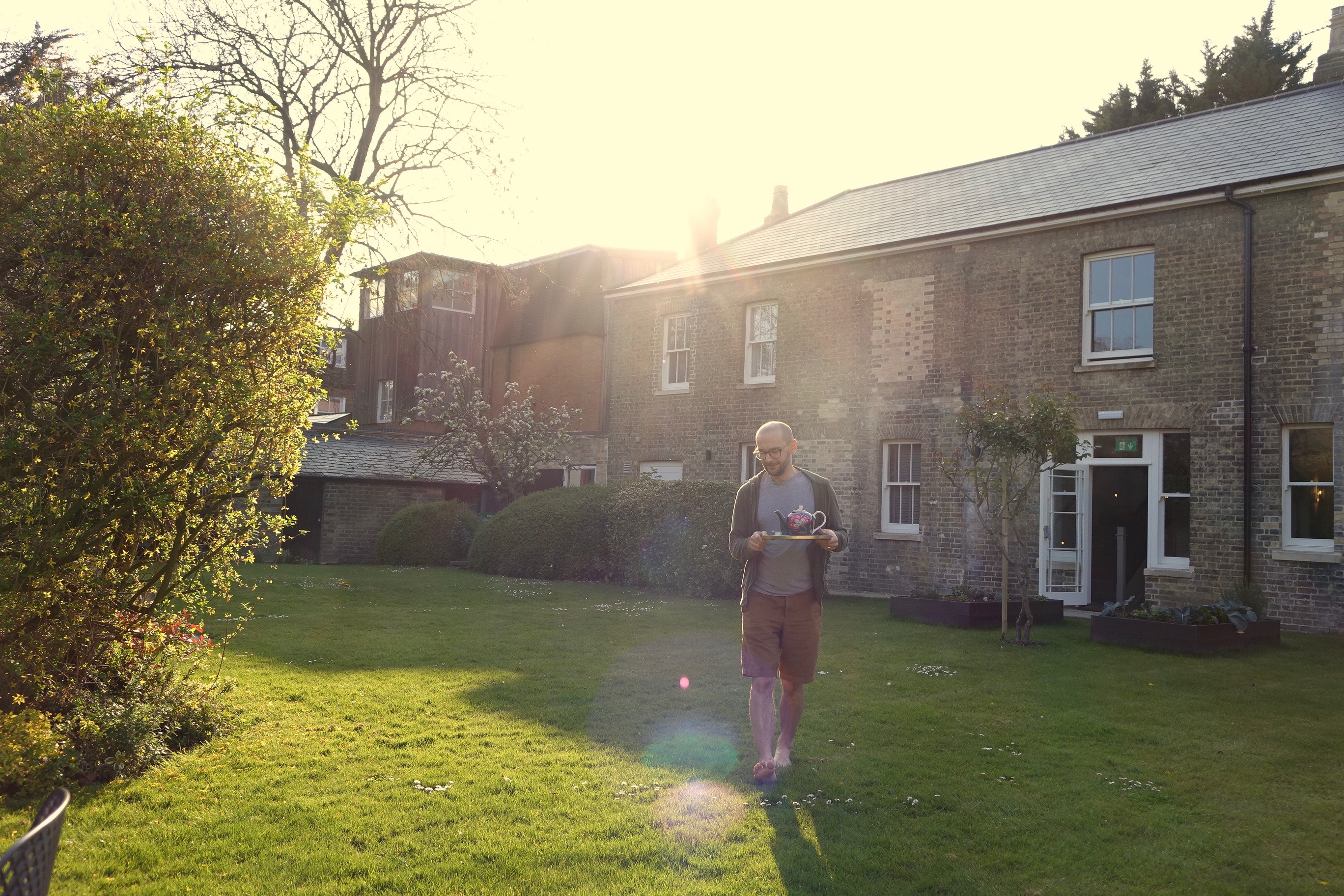
Our hotel stay was a real treat. The entire accommodation was designed with style in mind. Elegant colours, textures and fabrics combined with modern lighting, plush contemporary furniture, and all the mod cons to create an experience replete with comfort. Our bedroom had its own terrace, a soft lavish bed piled with mountains of snow-soft cushions, a little seating area, and even our first taste of Netflix. But best of all things, it had its own private garden, resplendent with a soft bouncy lawn, trees bursting into blossom, and a feel of careful but decadent neglect.

Gonville Garden sketch

Garden of the Gonville Hotel, ©2019 Nicholas de Lacy-Brown, pen on paper

It was in that garden that we spent a good deal of time relaxing after the excitement of the city, taking the time out to rest in the sun, revel in the simple purity of birdsong, and drink some tea, as one must in England. It was there that I once again opened my travel sketchbook, drawing this sketch of that very garden.

It is a simple image, or perhaps the simplicity is in the collection of roughly piled bricks it depicts. But they were a sight which caught my eye when I saw them, late in the afternoon sun, dappled with sunlight and surrounded by trees not quite in bloom. The sketch started as something of an exercise of angles and shadows, and ended up being one of my favourites of my sketchbook.

It was a truly tranquil spot in which to engage in a little sketching, and a marvellous hotel in which to extend and augment our Cambridge stay.

© Nicholas de Lacy-Brown and The Daily Norm, 2001-2019. Unauthorized use and/or duplication of the material, whether written work, photography or artwork, included within The Daily Norm without express and written permission from The Daily Norm’s author and/or owner is strictly prohibited. For more information on the artwork of Nicholas de Lacy-Brown, visit http://www.delacybrown.com 
Oxford-v-Cambridge: Masterful Museums

Not all the nation’s artistic treasures are in London it seems. For Oxford and Cambridge play host to two of the most spectacular museums in the country. Both the Ashmolean Museum in Oxford and the Fitzwilliam Museum in Cambridge hold stunning collections of art and antiquities which befit the learned character of their sponsor universities.

They are, in effect, like all the museums of London rolled into one, conveniently collected under one respective roof. Here, a plethora of ancient relics including treasures from ancient Syria, Egypt and Rome, sit alongside collections of art with a broad sweep across the ages, from Italian renaissance altarpieces to works by Edouard Manet and Pablo Picasso. They host temporary exhibitions so significant that they bring culture lovers from across the world to these alternative cultural capitals. And their collections are hosted in buildings so grand that they out-do some of the world’s most prominent palaces and museums.

Oxford’s Ashmolean

DSC01062DSC01055DSC01043DSC01069DSC01050DSC01045

It is on those buildings, and not the collections themselves, that this smaller set of photographs concentrates. Both buildings share a common theme, with ostentatiously grand classical facades imposing themselves upon the visitor with an immediate magnificence. Designed by Charles Cockerell in the 19th century, the yellow stone and marble mix of Oxdord’s Ashmoleon harmonise with the yellow colleges scattered about the city, but stands out for its unapologetic Palladion grandeur in amongst buildings fashioned out of medieval Britian.

The Fitzwilliam building was designed along similar lines, coincidentally with the contribution of the same architect, Charles Cockerell. It is whiter, grander almost from the outside, but here the real treasure is within – in an entrance hall of startling beauty, laced with gold, mosaic, stained glass and marble statutory, designed by Edward Middleton Barry and screaming with Victorian splendour. How can one choose between these two magnificent spectacles?

Cambridge’s Fitzwilliam

DSC01548DSC01559DSC01547DSC01565DSC01567DSC01557DSC01569DSC01542DSC01552

My photos focus on that Fitzwilliam interior, and on the yellow-stone exterior of the Ashmoleon (the latter view being conveniently enjoyed from the windows of my hotel room!). To see the magnificent collections contained within… you must visit, as soon as you can!

© Nicholas de Lacy-Brown and The Daily Norm, 2019. Unauthorised use and/or duplication of the material, whether written work, photography or artwork, included within The Daily Norm without express and written permission from The Daily Norm’s author and/or owner is strictly prohibited.