Skip to content

Posts from the ‘Photography’ Category

Mallorca Moments: The Sea at Sunrise

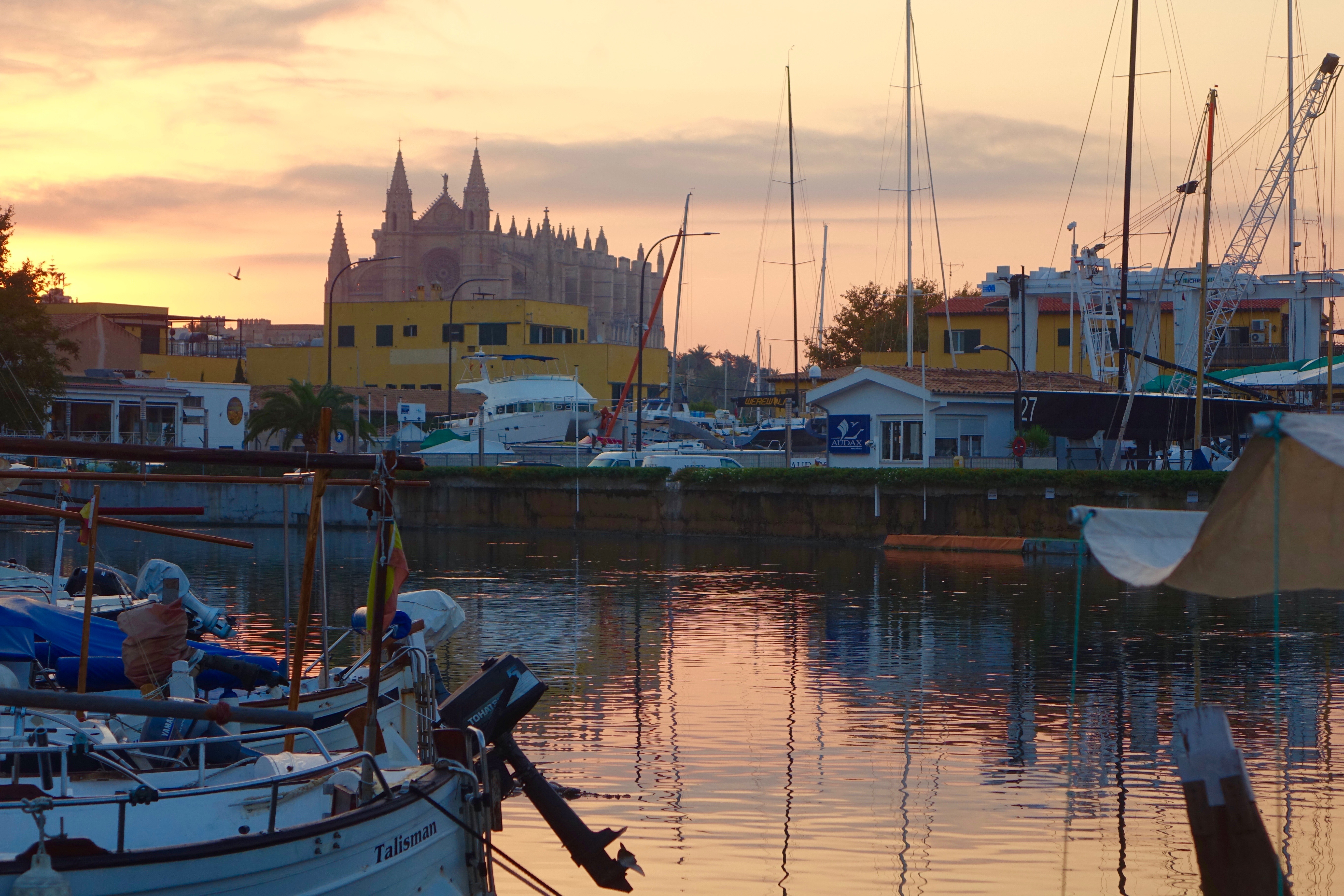
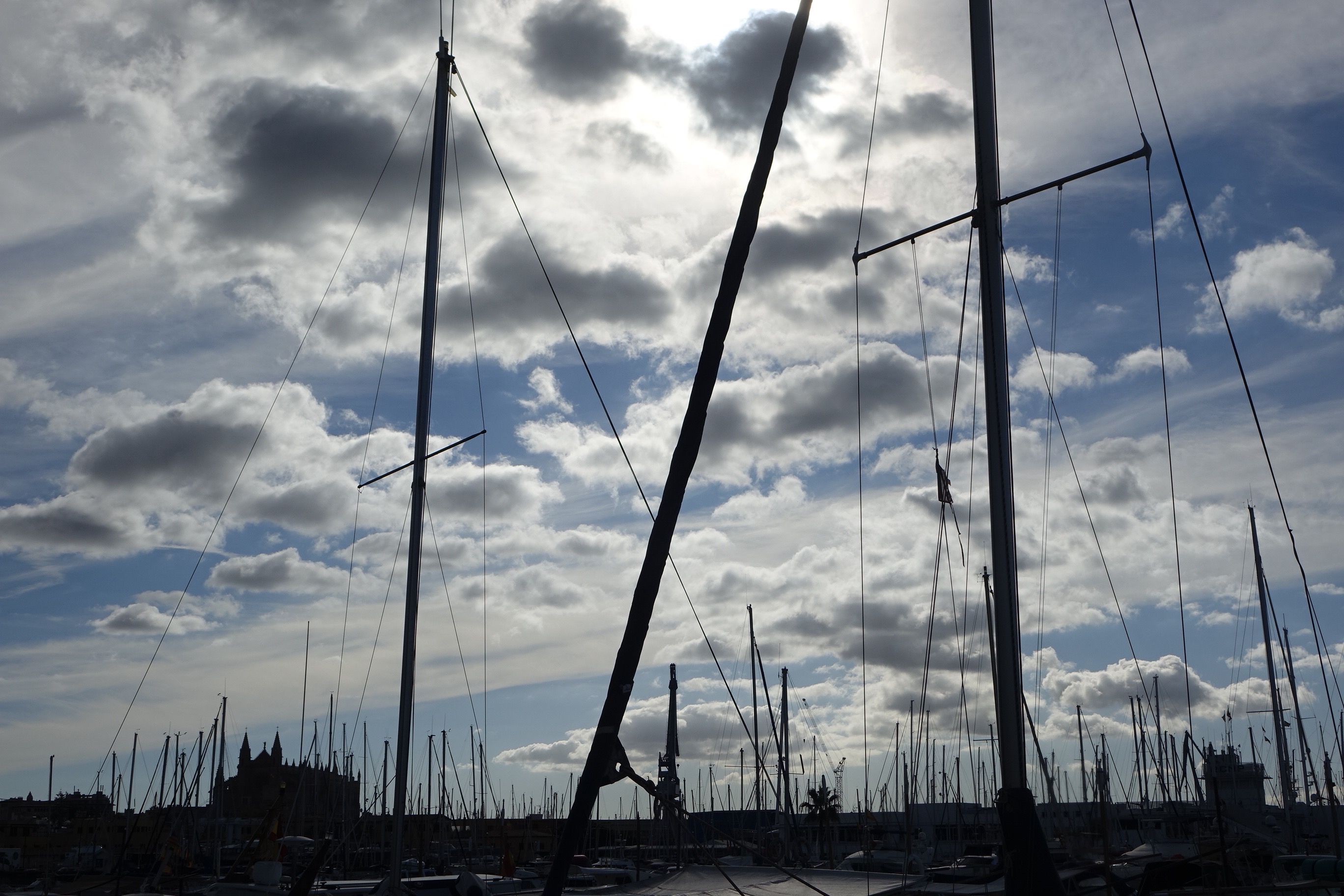
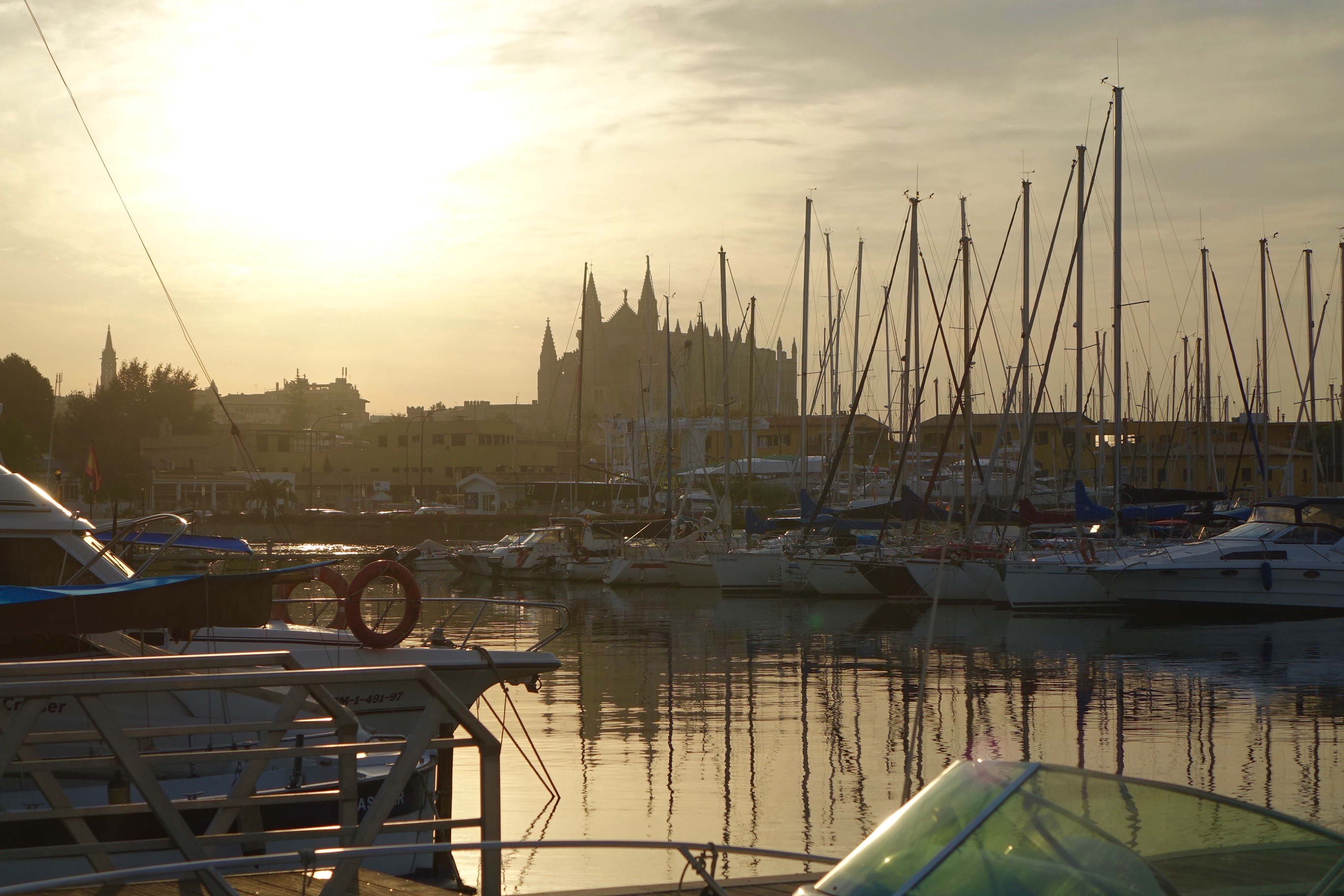
As much as I love the autumn, one thing which I find somewhat depressing about the ongoing march of the year is the reduction in light. It seems that as each day of the year begins, there is a little less light available to assist in the difficult emergence from under the warmth of a snuggly duvet. Nevertheless, work does not wait for any man, and the need to start the day shrouded in a Wintery darkness will soon become a reality. However, every seasonal change brings with it its fair share of visual spectacles, and now that the light is fading, my customary morning walk now coincides with the precise moment when the sun rises above the silhouette of Palma de Mallorca’s impressive gothic cathedral.

dsc05790dsc05690dsc05699dsc05554dsc05771dsc05593dsc05482dsc05580dsc05761dsc05577dsc05597dsc05610dsc05654dsc05681dsc05739

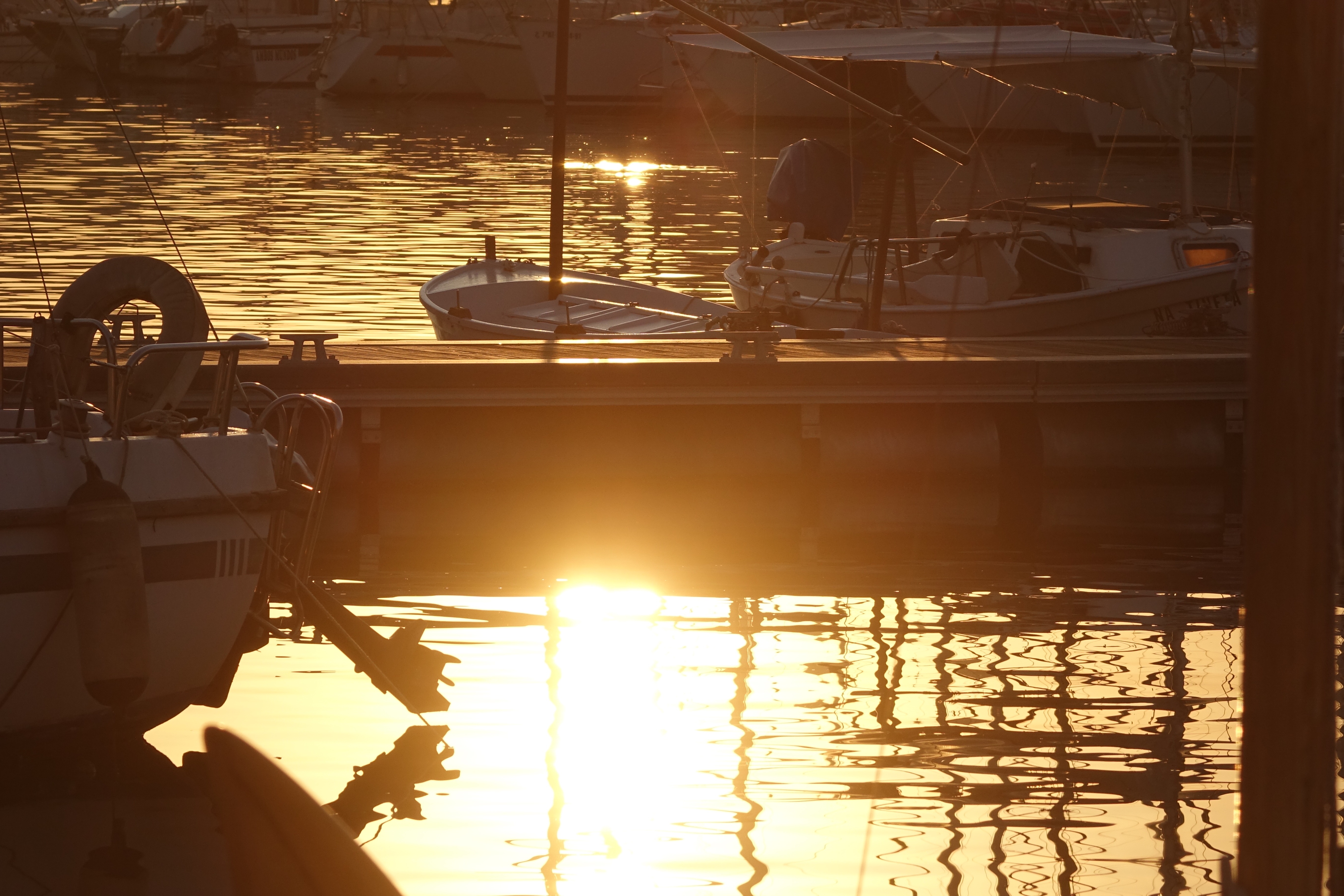
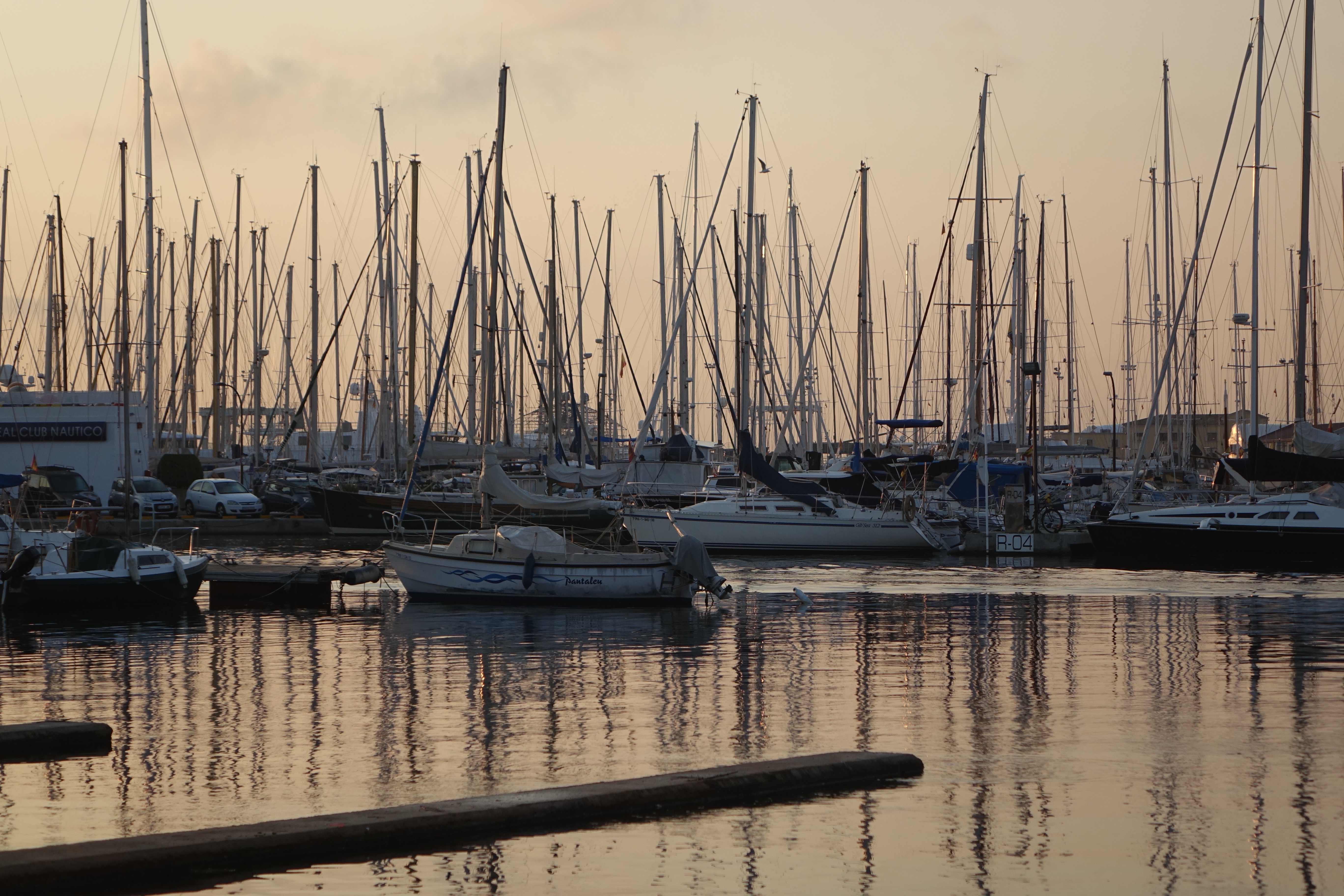
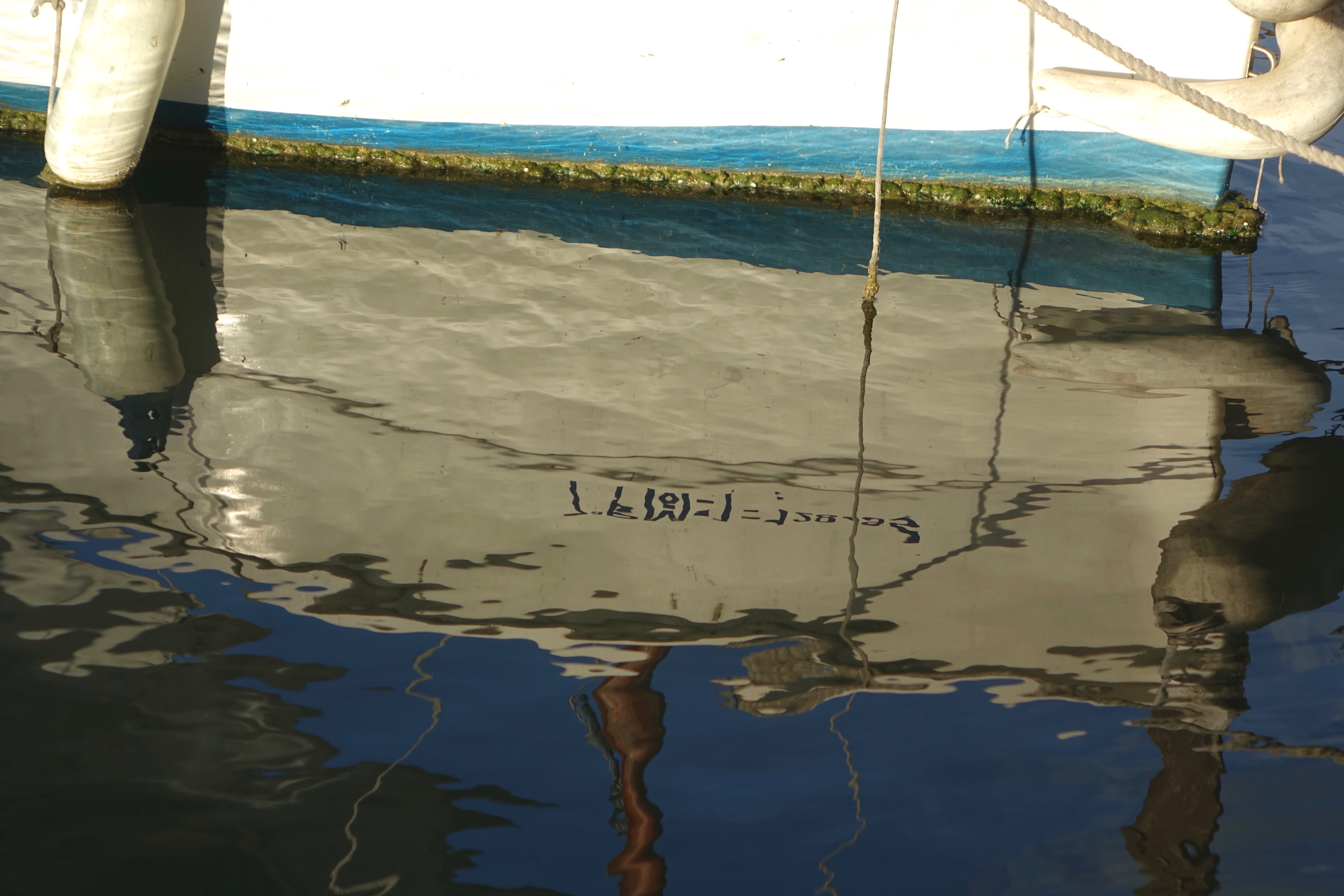
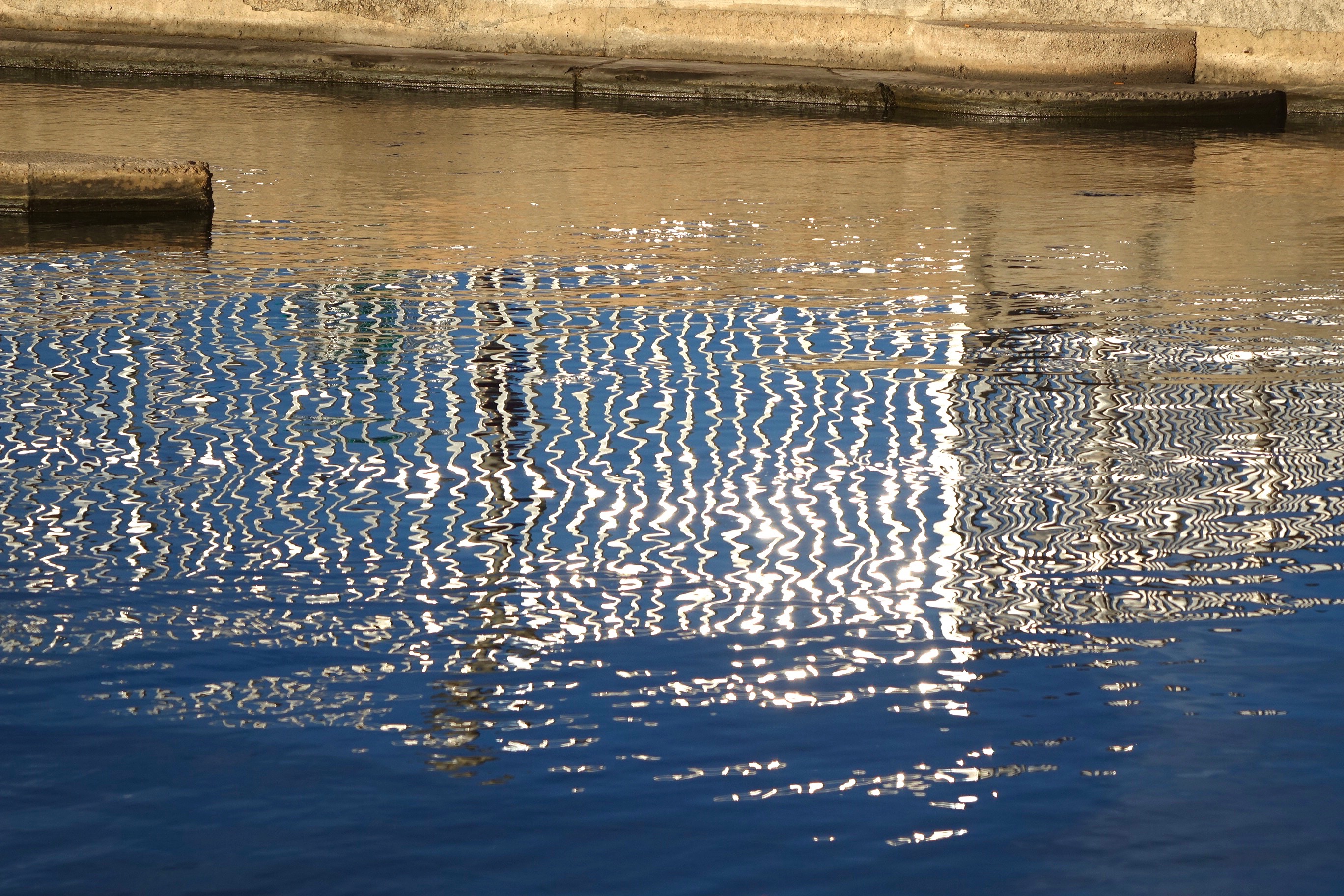
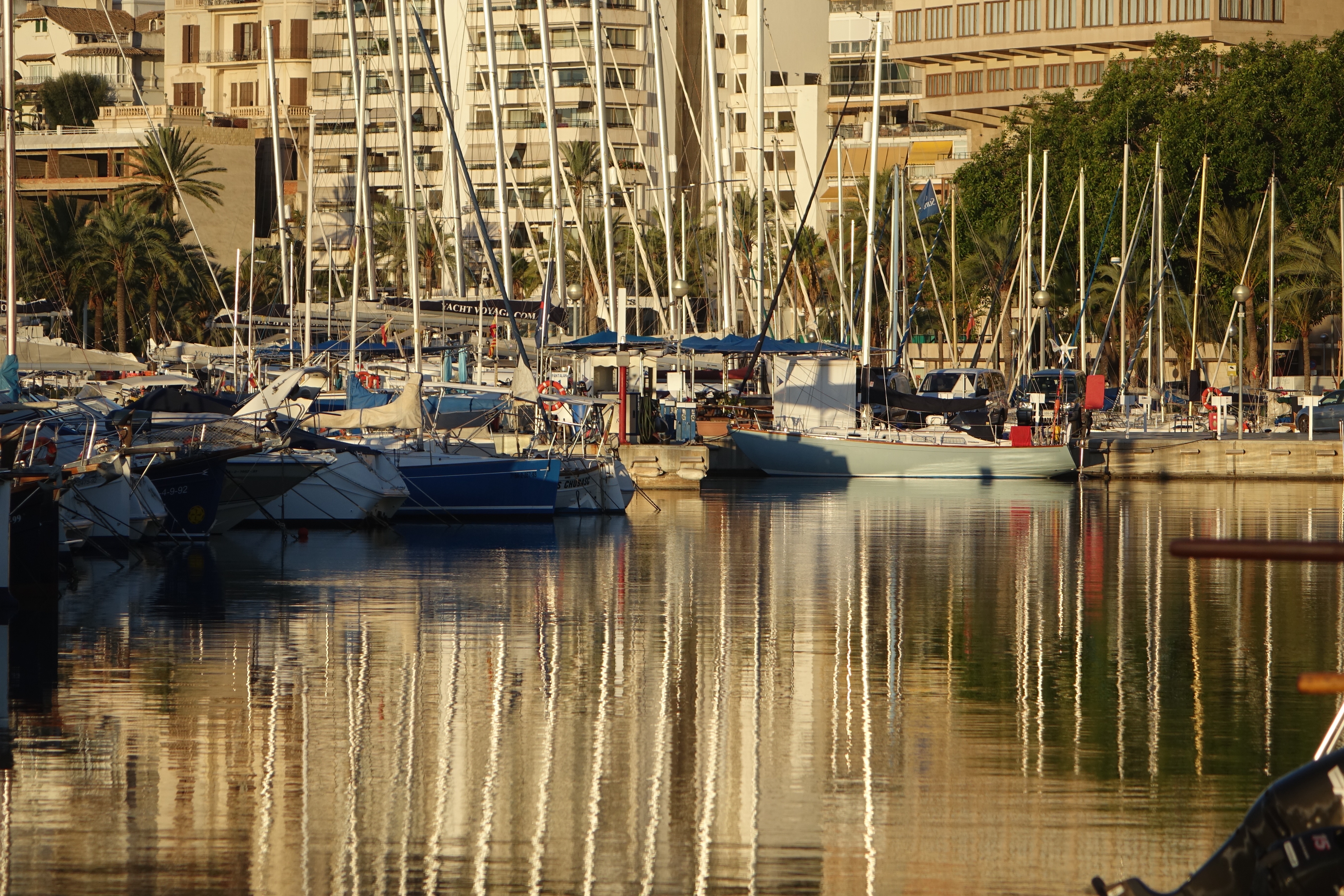
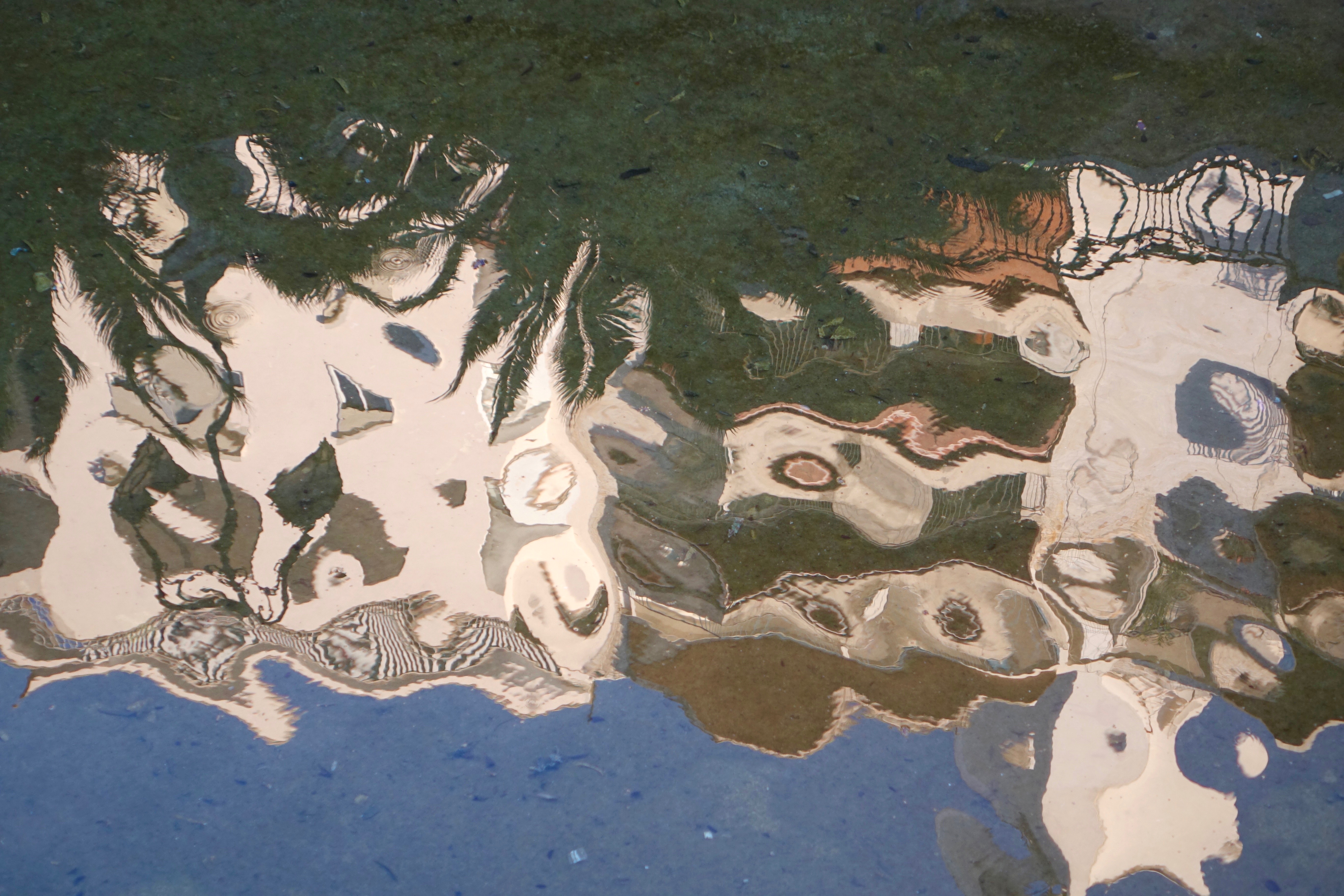
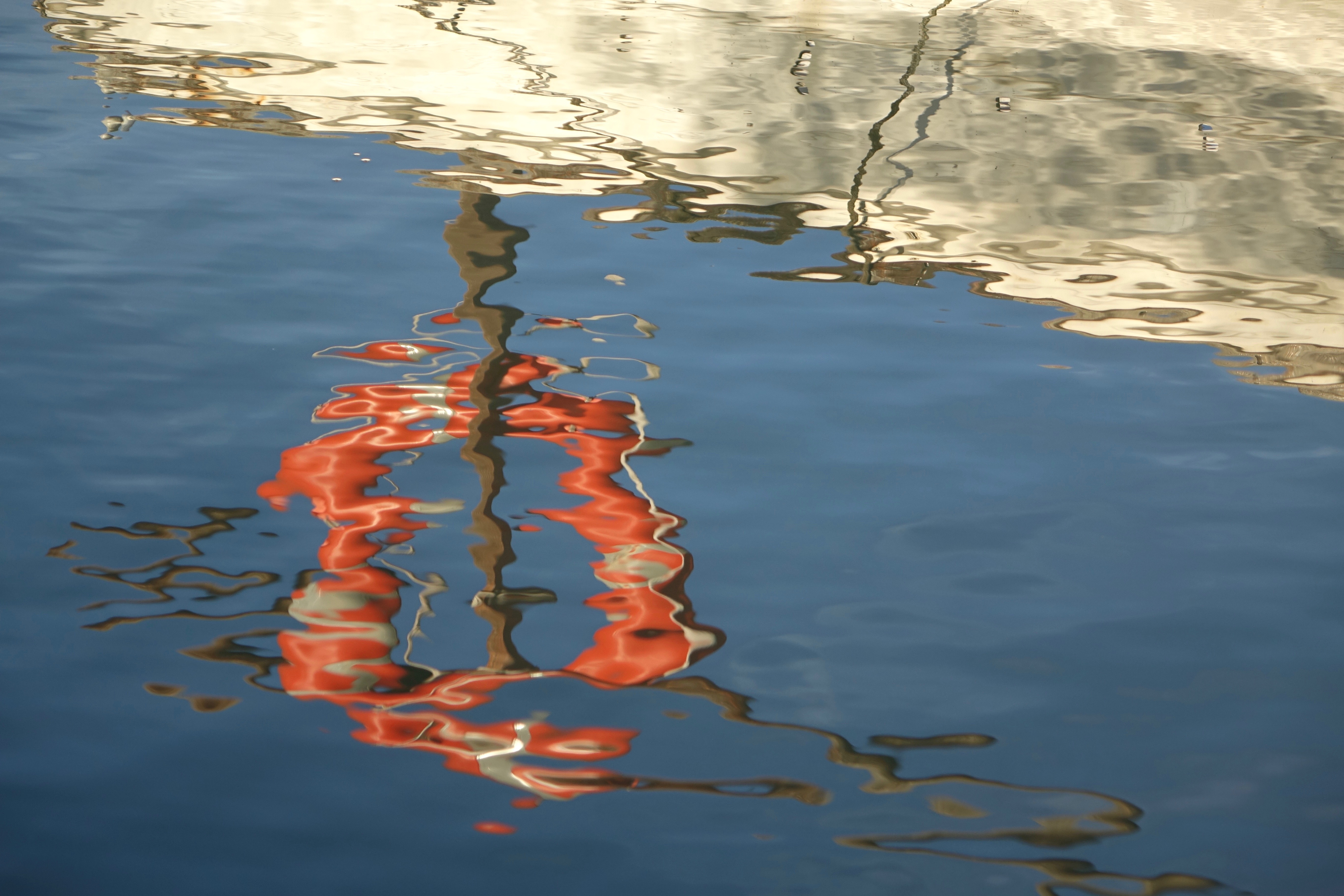
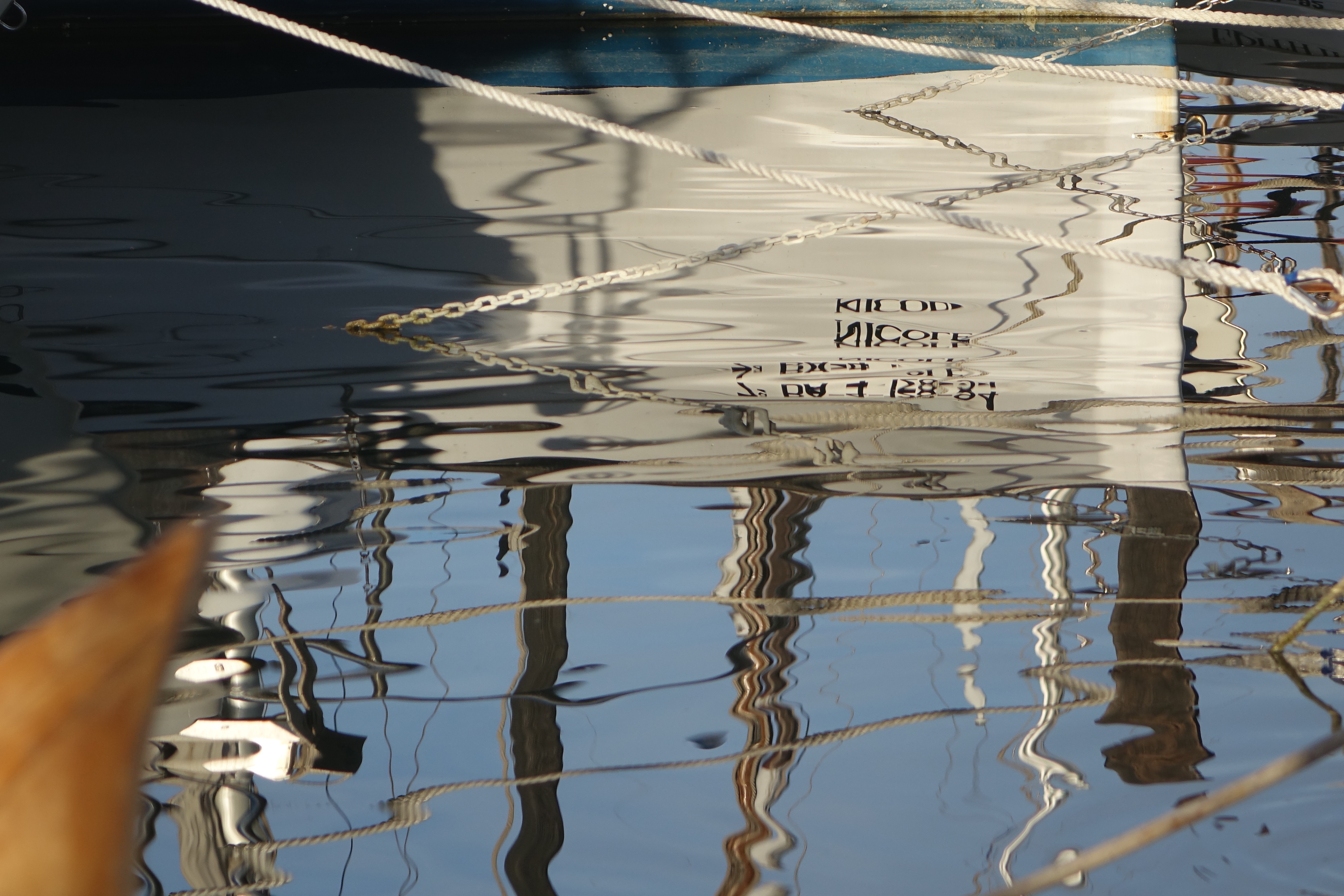
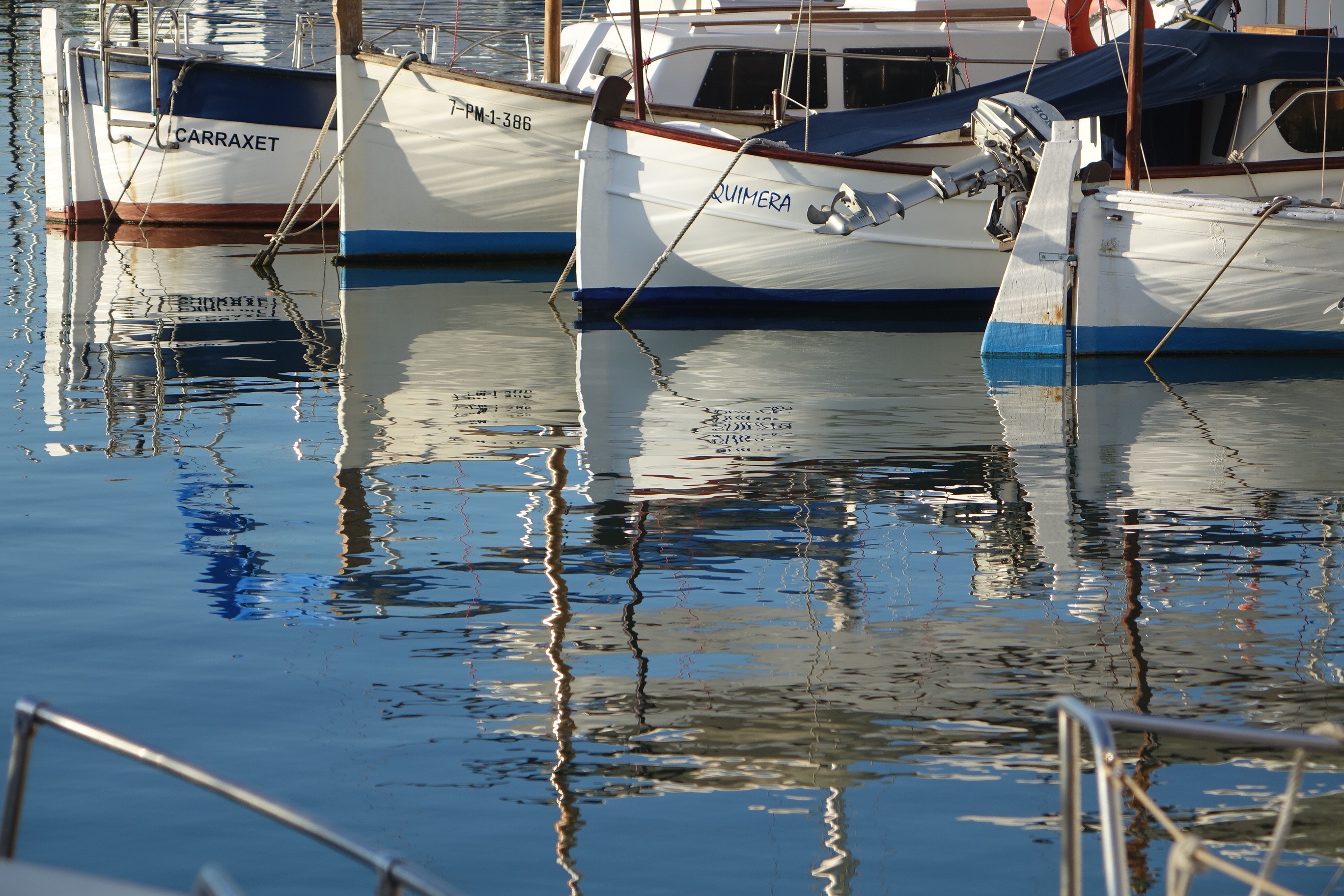
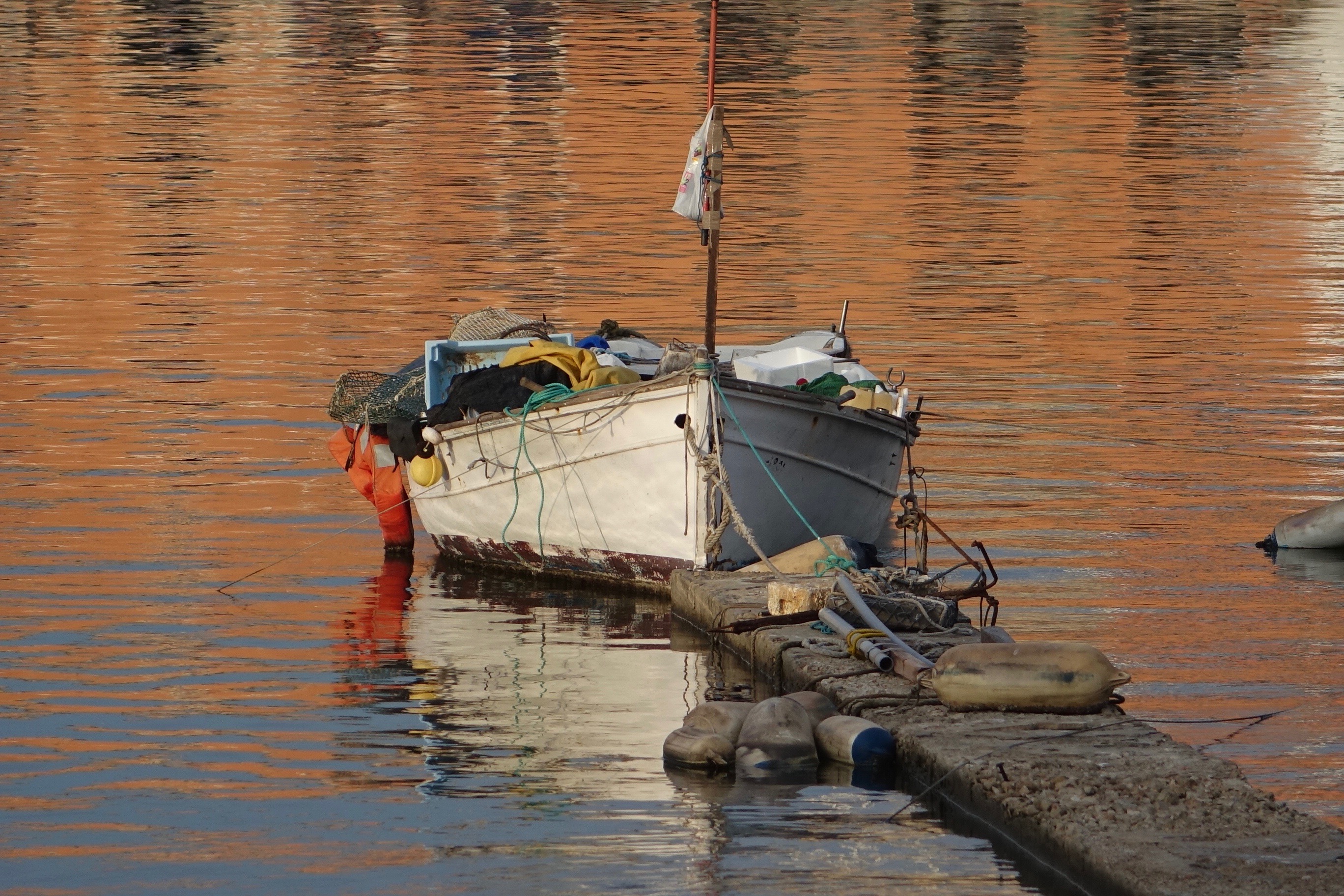
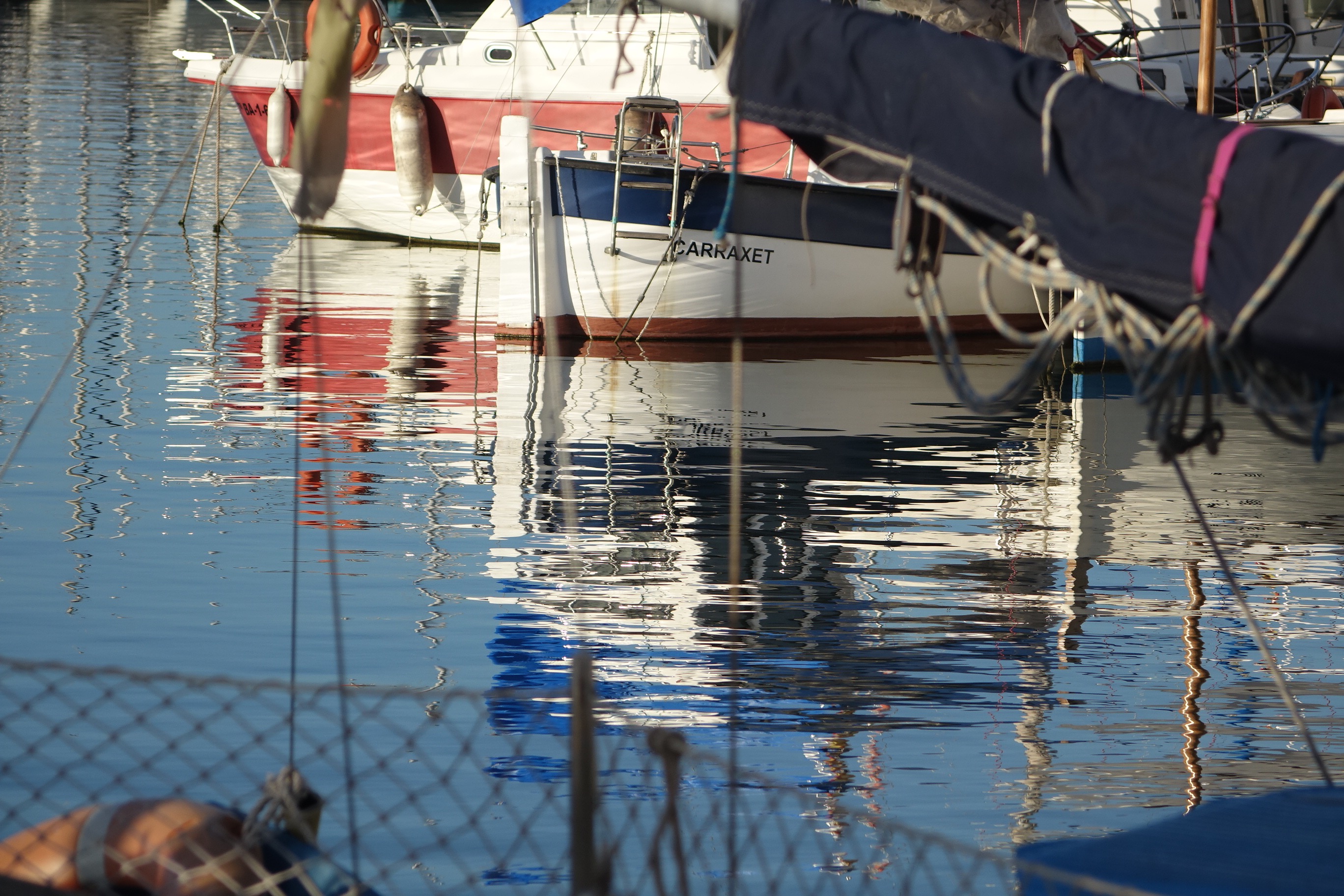
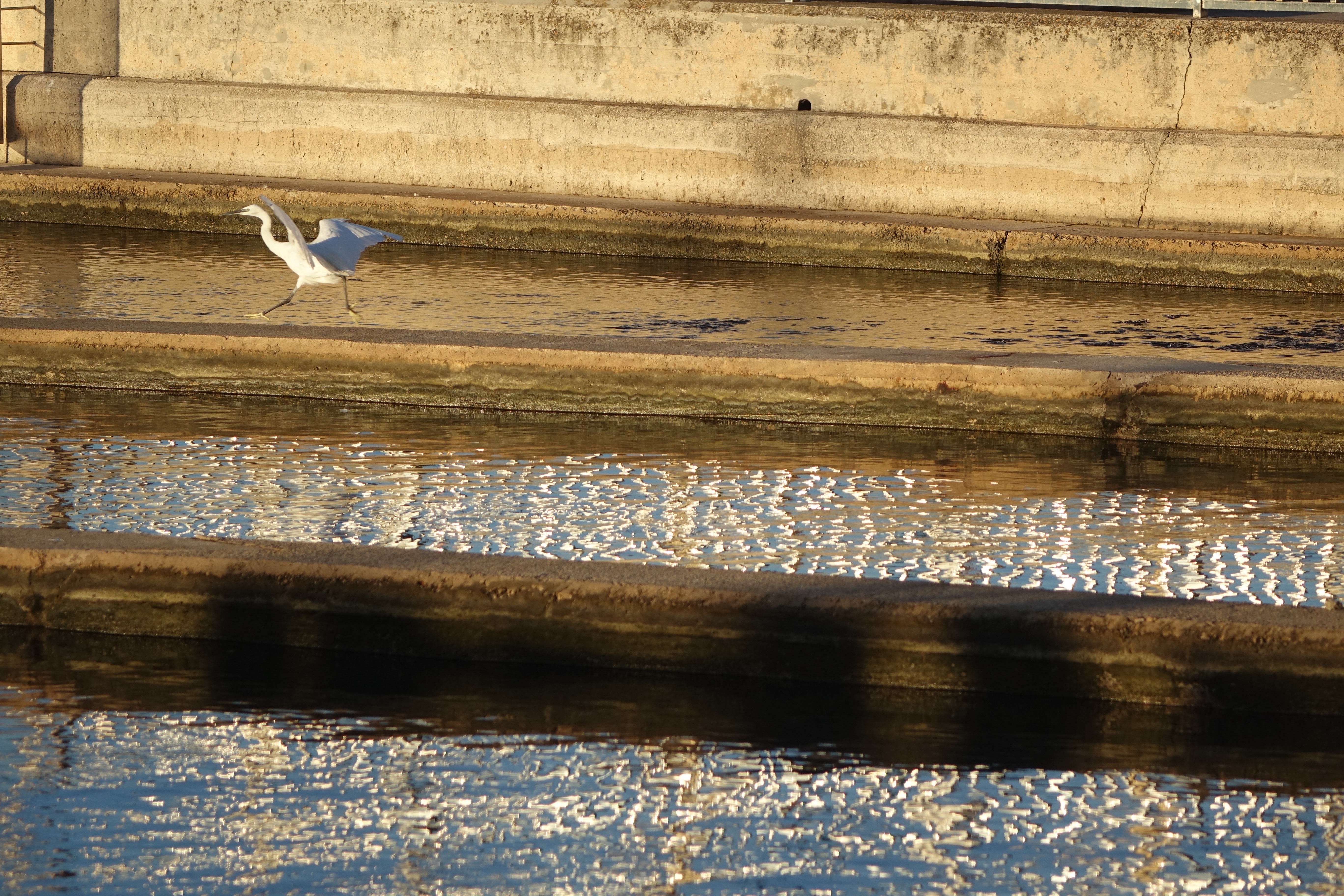
While Palma’s autumn sun rises make for quite a spectacle, it is the effect of the morning light on the water in the port which really entices me. Enveloped in a warm glow varying between a nectarine yellow and a peachy pink, the gentle movement of the water against the port’s forest of white yachts and sailing boats creates reflections and ripples which are a true vision to behold. Readers of The Daily Norm will know that I am no stranger to the charm of a good ripple – these watery movements have inspired many an artwork in my past repertoire. But in the current light of autumn, Palma’s ripples are surely at their colourful best, a fact well in evidence in this collection of photos.

dsc05518dsc05677dsc05557dsc05779dsc05578dsc05581dsc05775dsc05594dsc05601dsc05695dsc05737dsc05766

All photos and written content are strictly the copyright of Nicholas de Lacy-Brown © 2016 and The Daily Norm. All rights are reserved. Unauthorized use and/or duplication of the material, whether written work, photography or artwork, included within The Daily Norm without express and written permission from The Daily Norm’s author and/or owner is strictly prohibited. 

Discovering Mallorca: Parc Natural de Montragó

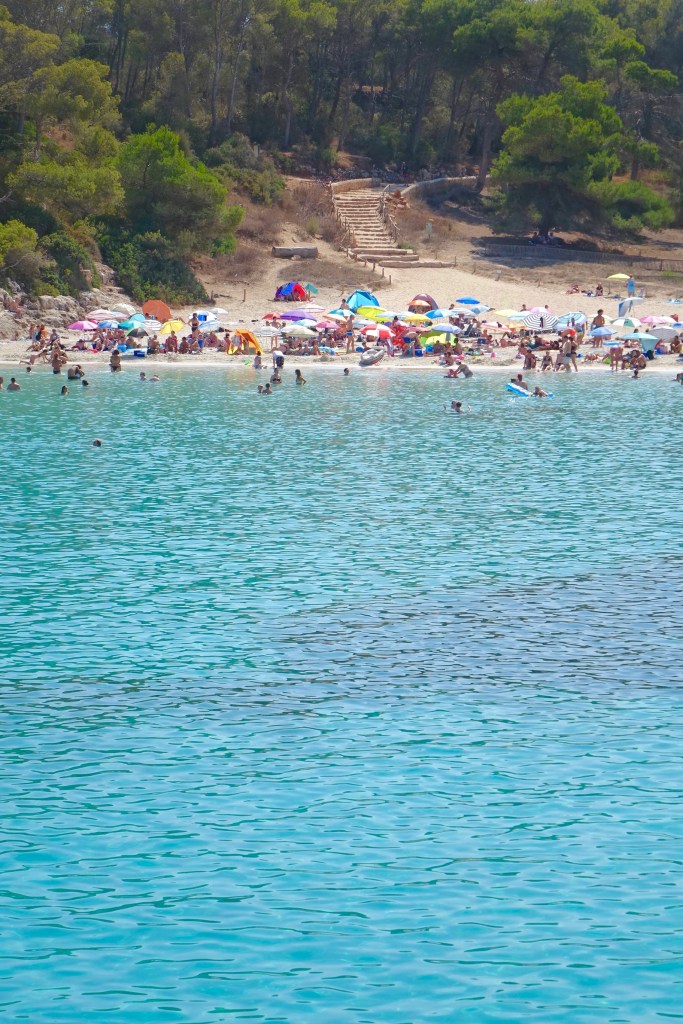
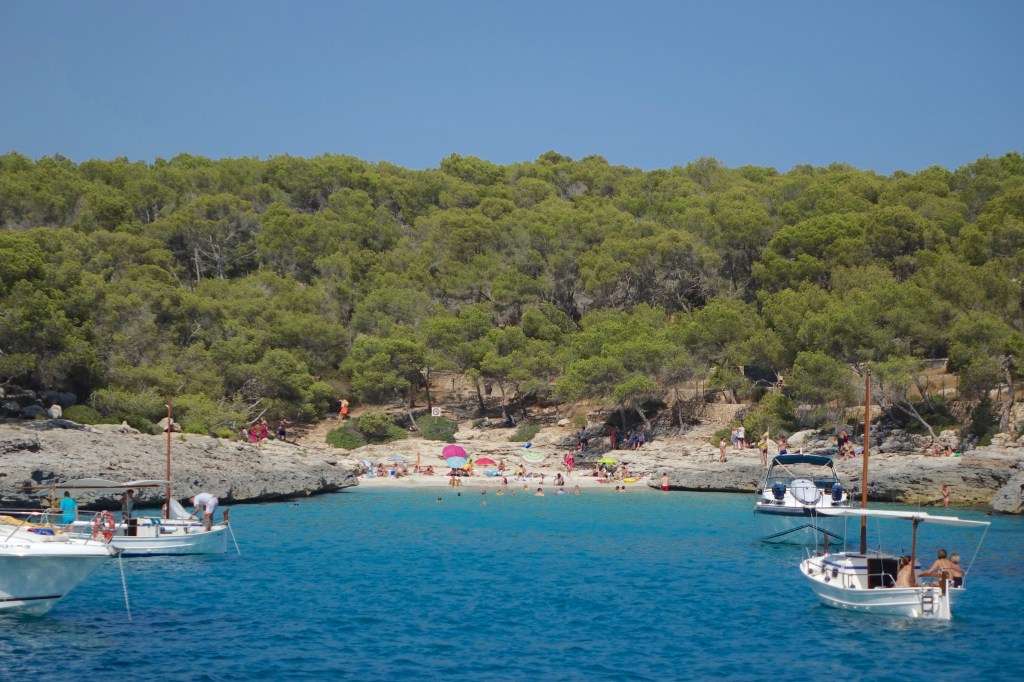
A visit to the Parc Natural de Montragó on Mallorca’s South East coast pretty much summed up the current state of the Seasons. Walking through its abundantly planted forests of pines and locally occurring flora and fauna offered an embrace of the Autumn. There, the colours shone in the sunny September warmth with an auburn glow – even the greens had turned a golden-green, as though touched by a veil of Royal splendour. Yet as the forests gradually thinned and the shallow stream fanned out as it reached the sea, the colours transformed. No longer did the subtlety of Autumn reside, but the all conquering splendour of the summer, as we reached the most incredibly turquoise expanse of water I think I have ever seen.

dsc05395 dsc05393 dsc05399 dsc05398 dsc05457 dsc05408 dsc05392

It’s no wonder that the beach was unnaturally packed with people who, despite the promise of a swathe of untouched natural park, had somehow managed to find this little slice of paradise (as had an ugly prefab hotel, presumably constructed before the natural park status was awarded to the area). But who could blame them? With colour as vivid as this, Mallorca’s Montragó beach is every bit the Caribbean idyll whose image we all pour over in travel catalogues and whose colours we assume are faked. I expect those beaches are crowded in reality too.

dsc05427dsc05417dsc05426dsc05414dsc05420dsc05445dsc05430

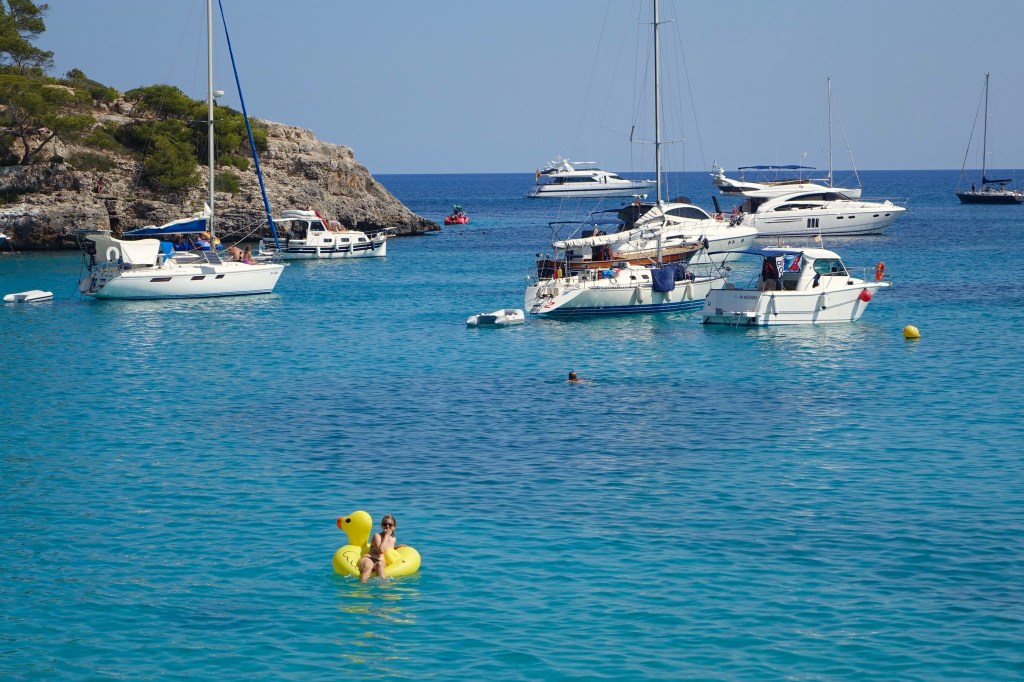
Despite the crowds, there was no doubting the very invigorating thrill of swimming in waters which were almost electric in their colour. As the ripples of light passed over our skin, it was like being immersed in a Hockney painting in 60s LA. And as the Natural Park is indeed large, it didn’t require a whole lot of exploring to escape the more crowded areas. Strolling around a rocky headland, we soon found ourselves with access to a cove of water all of our own. Jumping into the sea from the precarious rocky outcrops, finally we had found the in Natural. Just the two of us and a complete immersion in the outstanding beauty of nature.

dsc05455

All photos and written content are strictly the copyright of Nicholas de Lacy-Brown © 2016 and The Daily Norm. All rights are reserved. Unauthorized use and/or duplication of the material, whether written work, photography or artwork, included within The Daily Norm without express and written permission from The Daily Norm’s author and/or owner is strictly prohibited. 
 

Autumn returns to Palma

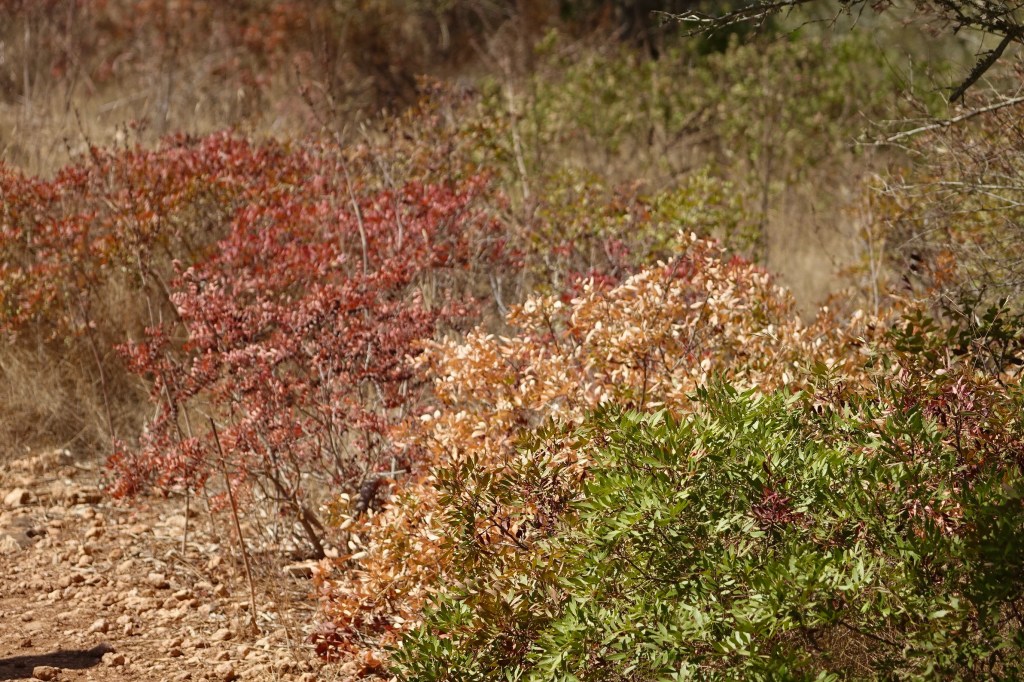
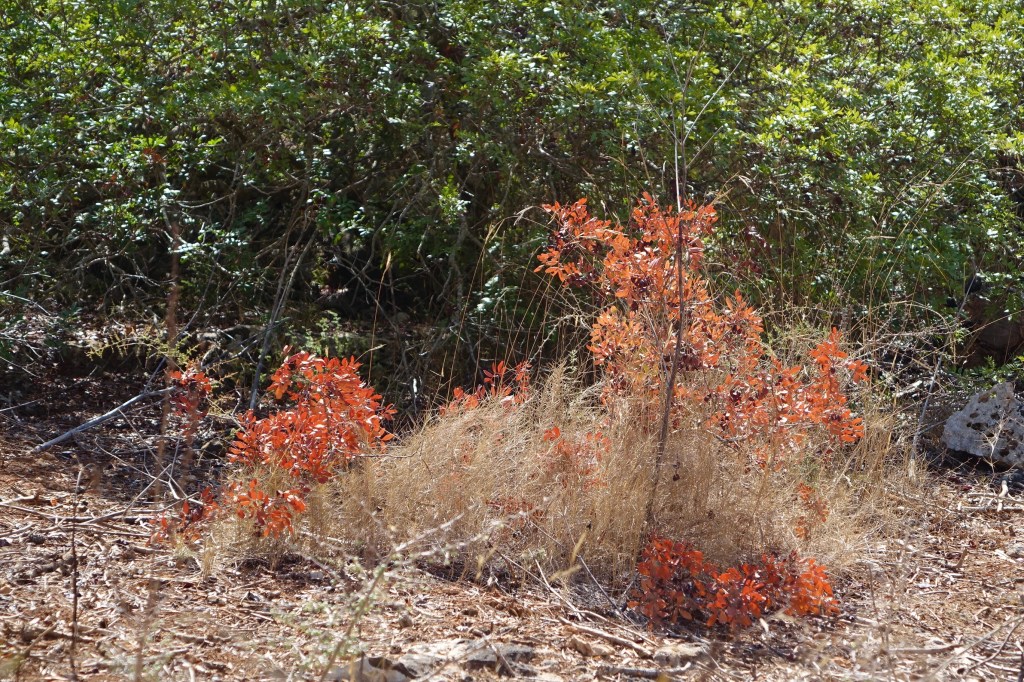
It’s incredible how quickly Summer has given way to autumn. One week ago I was still swimming in the sea. Even by moonlight it was warm enough to take a dip. This week things have changed. Clouds have broken into days of untouched blue, the sun graces us with its welcome smile for fewer hours, and everything seems to be taking on the calm melancholy which characterises the season.

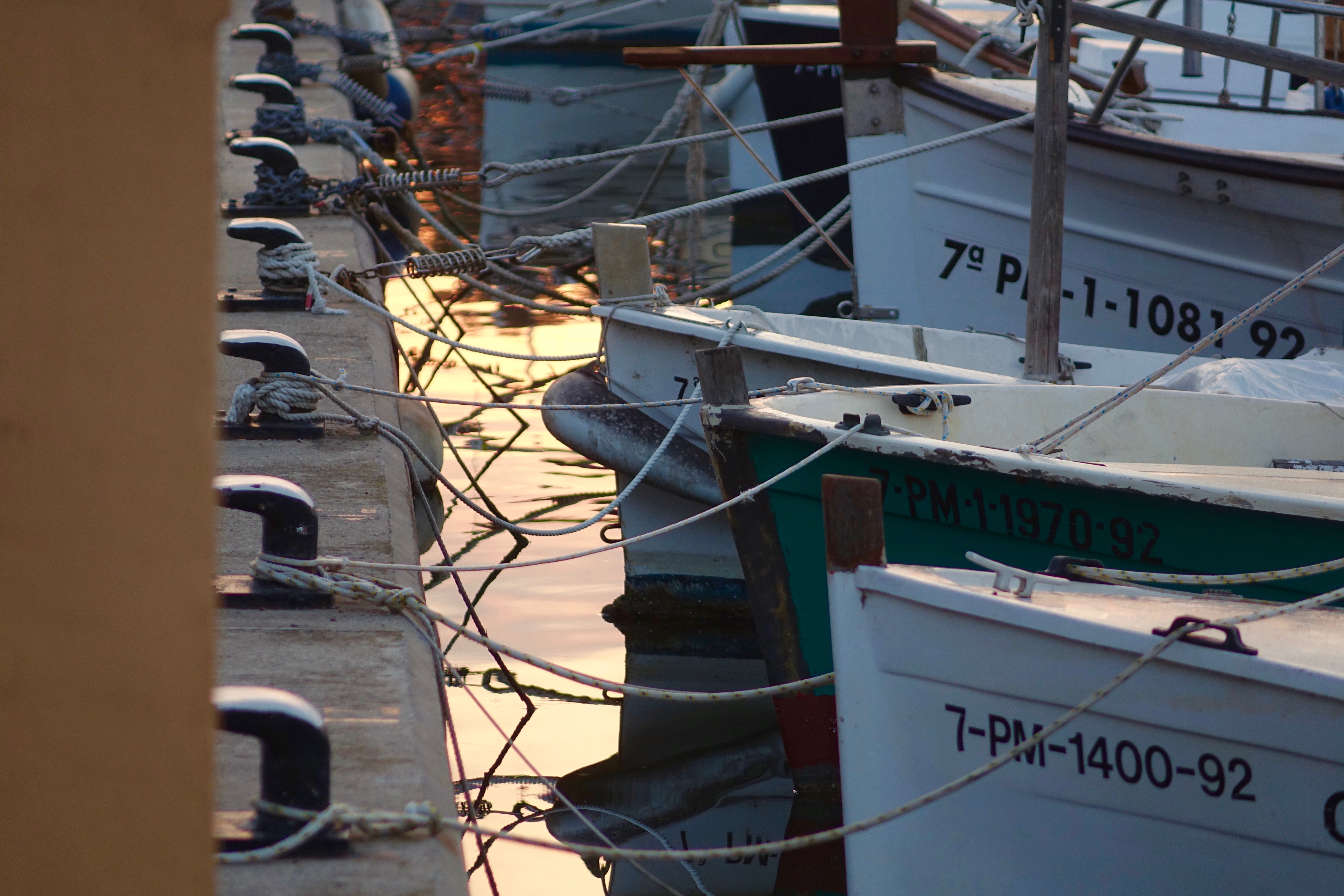
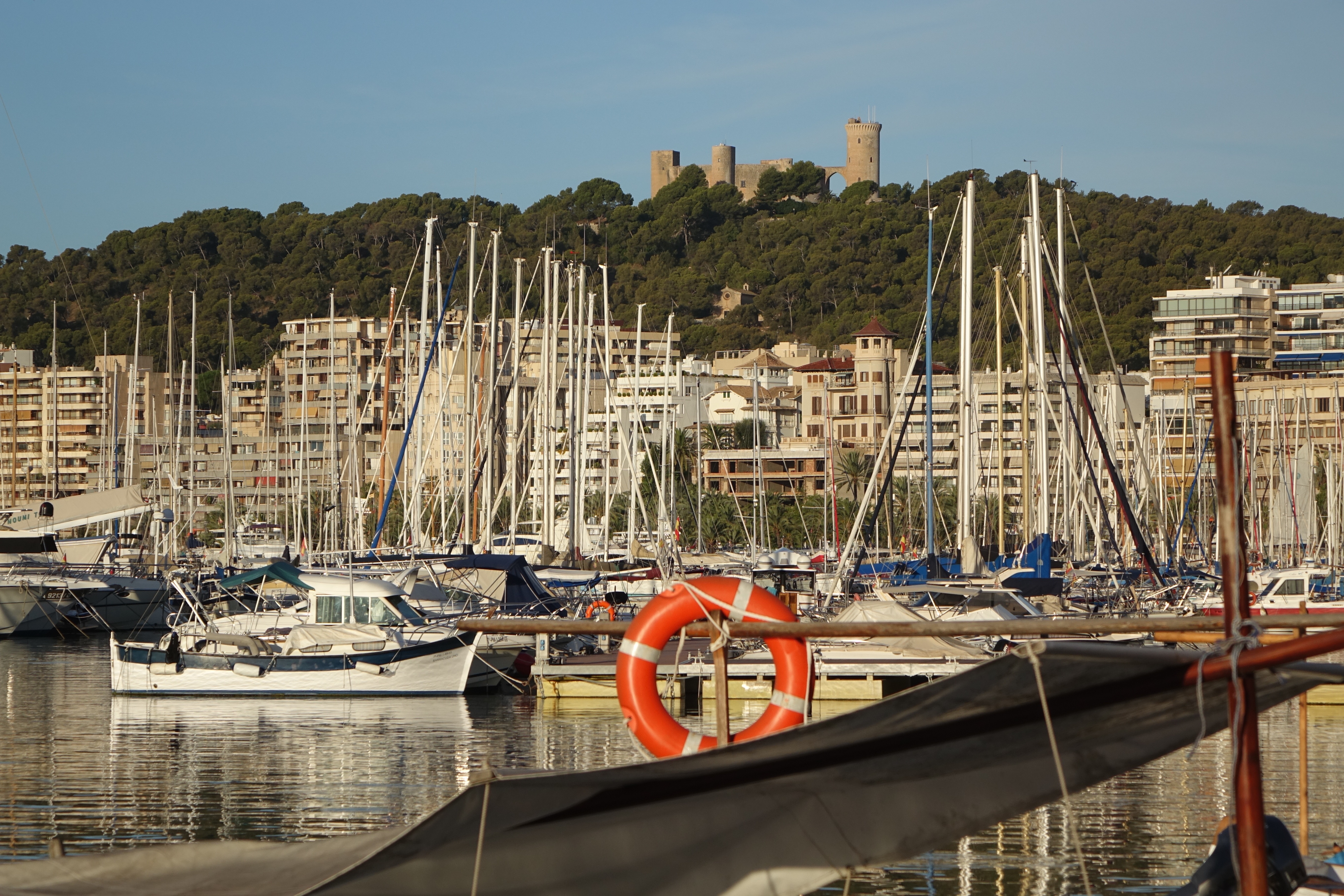
But while in England I may have recorded the entry of the new season through walks in the  parks of London, kicking through crispy leaves to find the conkers that lie in wait beneath, here in Palma my autumn is decidedly more maritime. On these September mornings, as the sun rises that much later, I enjoy nothing more than walking in the ultimate in open spaces – the incredible marina of Palma, which in the morning can always be found basked in a tangible balm of tranquility.

dsc05479dsc05604dsc05534dsc05514dsc05531dsc05472dsc05621dsc05508dsc05481dsc05530dsc05206dsc05503

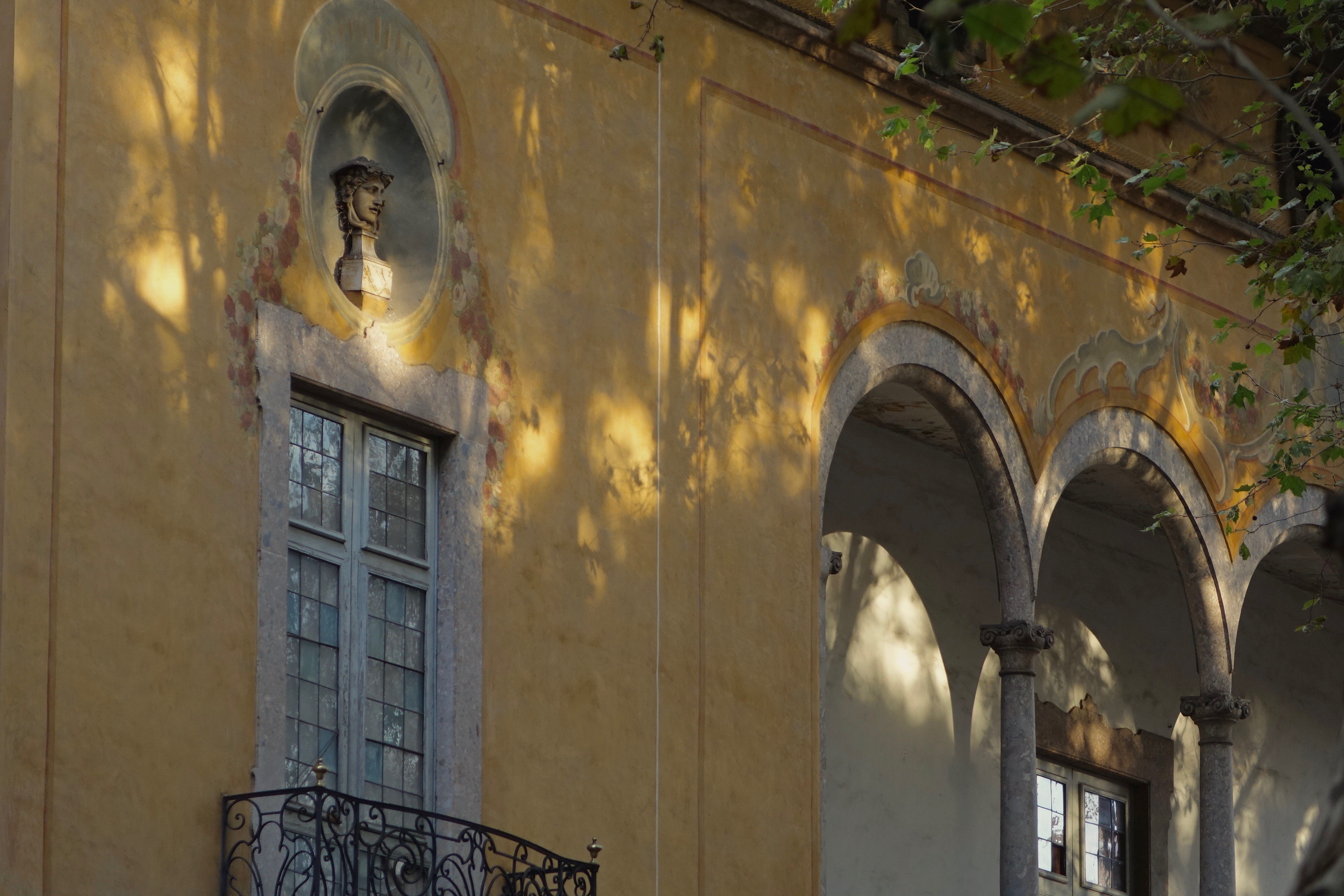
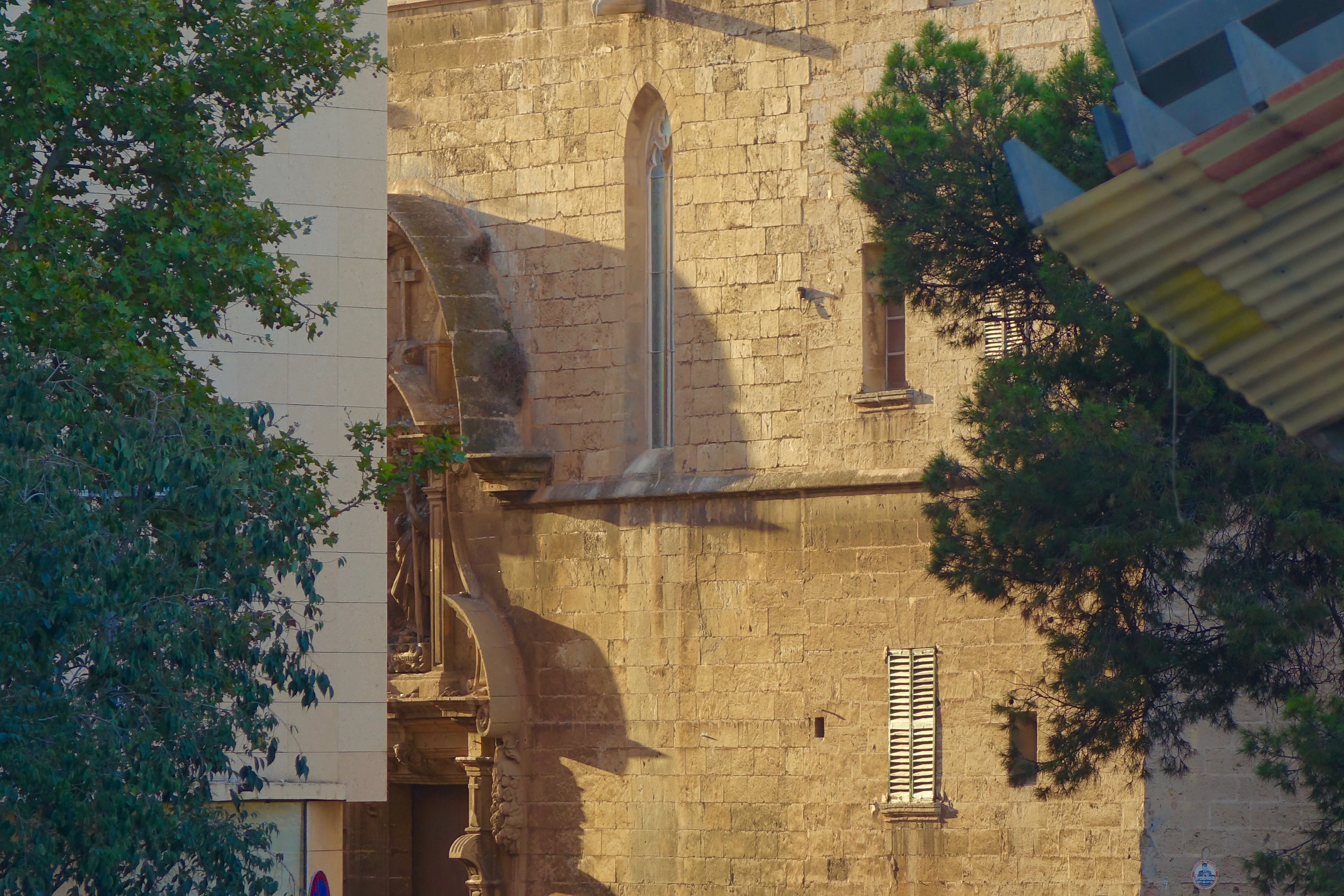
The photos I wanted to share today were all taken on a couple of walks I took last week, as I noted the first seasonal changes. Along the dockside, the only sign of the change is the quality of the light – altogether more caramelised in its amber warmth than the intensity of summer sunshine. But within the town, the turn of the season is especially notable in the metamorphosis of the leaves, painting the city a wonderful shade of toffee.

dsc05511dsc05491dsc05565dsc05592dsc05496dsc05548dsc05616dsc05509dsc05517dsc05473dsc05576

Of course we are still in September, and the summer may not have had its last hurrah. But for the moment at least, the autumn of 2016 has made its first debut. And for all of the beauty it brings, I give it a warm welcome.

All photos and written content are strictly the copyright of Nicholas de Lacy-Brown © 2016 and The Daily Norm. All rights are reserved. Unauthorized use and/or duplication of the material, whether written work, photography or artwork, included within The Daily Norm without express and written permission from The Daily Norm’s author and/or owner is strictly prohibited. 

The Greatness of Granada, Part 5: Final reflections

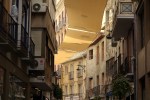
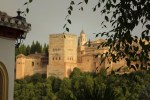
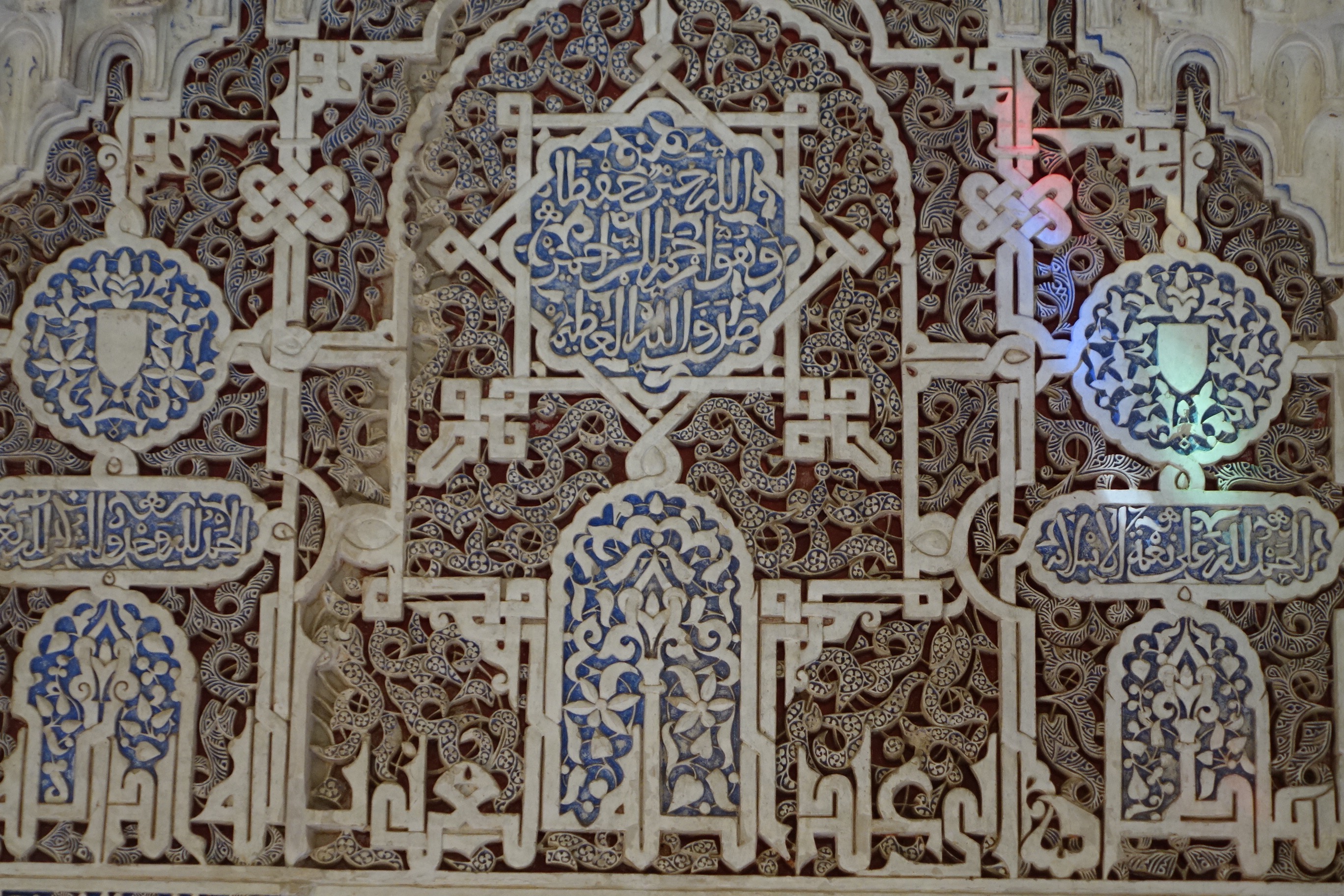
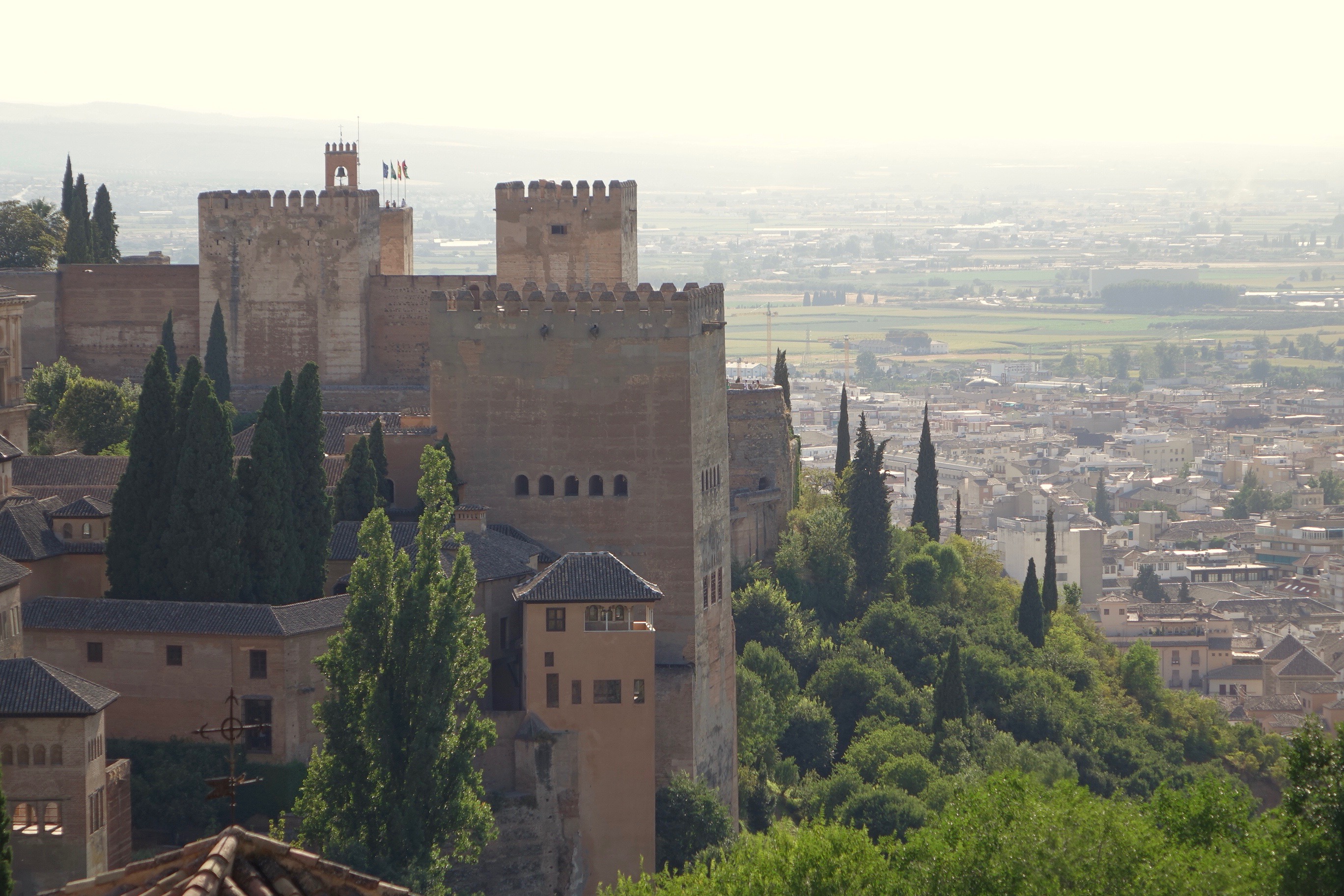
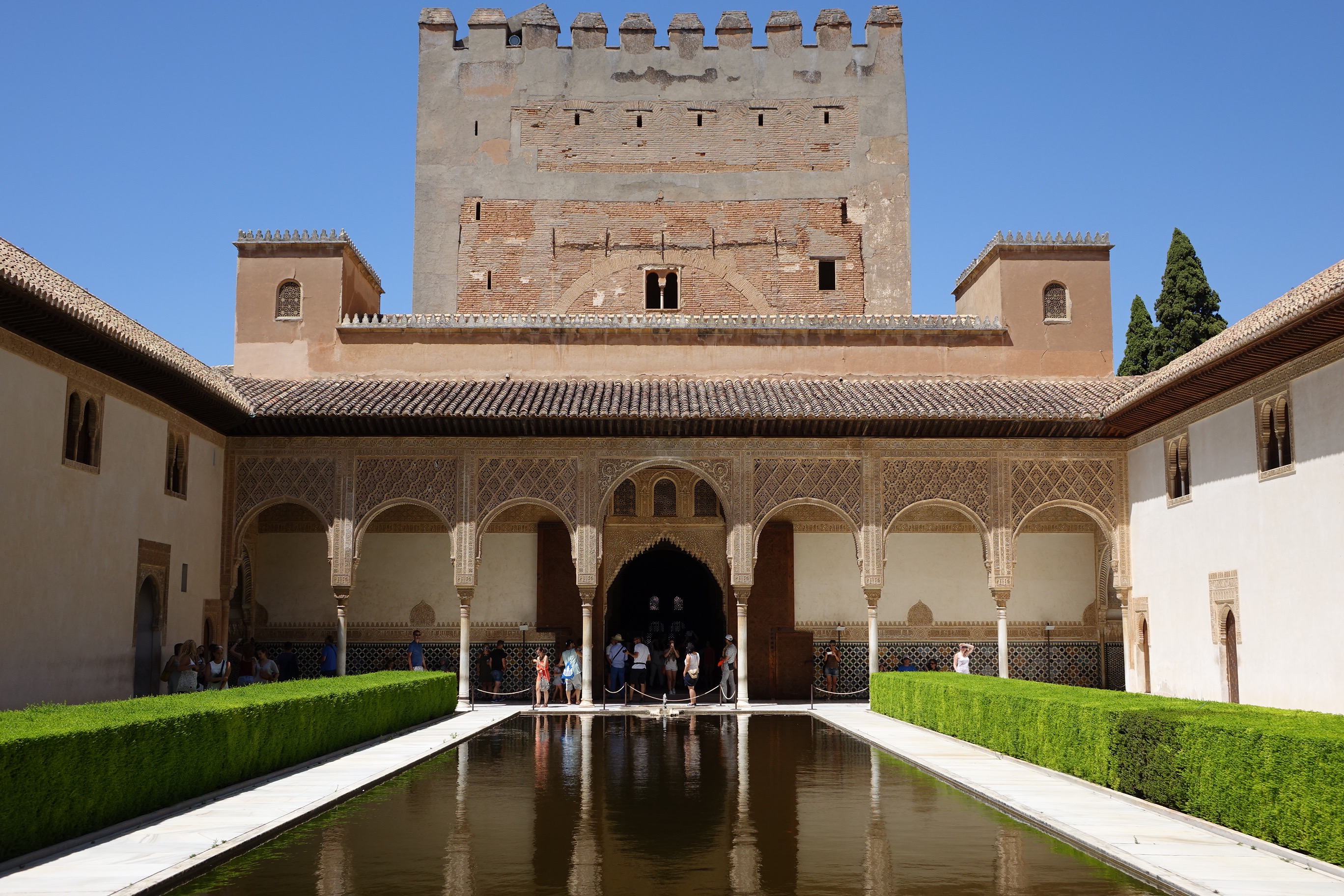
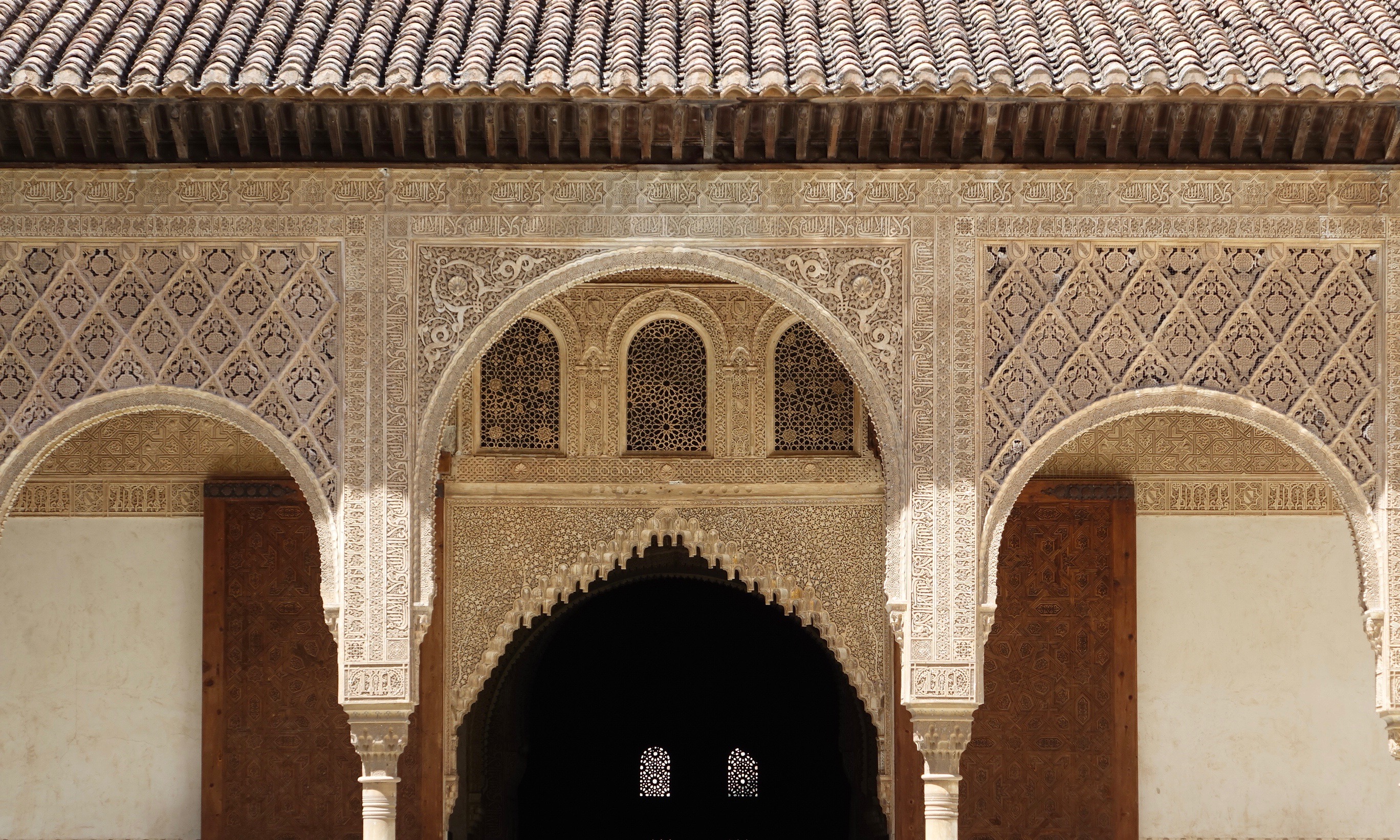
It’s funny, because when I think back to our time in Granada it feels like a different time and place, even though as I sit here contemplating the holiday, I do so still surrounded by Spain. Of course I always knew that Mallorca was very different from Andalucia, but Granada has something about it which marks it out from the rest. It might be that very distinctive perfume of arabia which wafts around the street full of oriental musk and spices. Or perhaps it is the fact that wherever you turn, the imposing ochre silhouette of the Alhambra is never far from view. Granada is a city whose surroundings are baked like the crunchy top of a Crema Catalana, but whose inner heart beats with a lazy vivacity, and whose lifeblood is the range of mountains whose outline is like a theatrical backdrop to the city-show, and whose icy heights provide the fresh water which runs through Granada like a god-given lifeline.

dsc04886dsc03998dsc04075dsc04362dsc04912

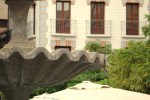
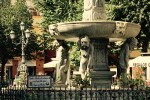
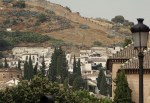
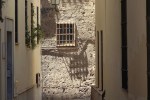
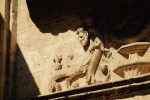
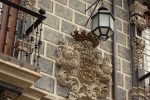
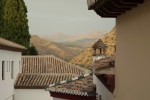
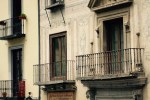
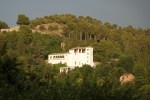
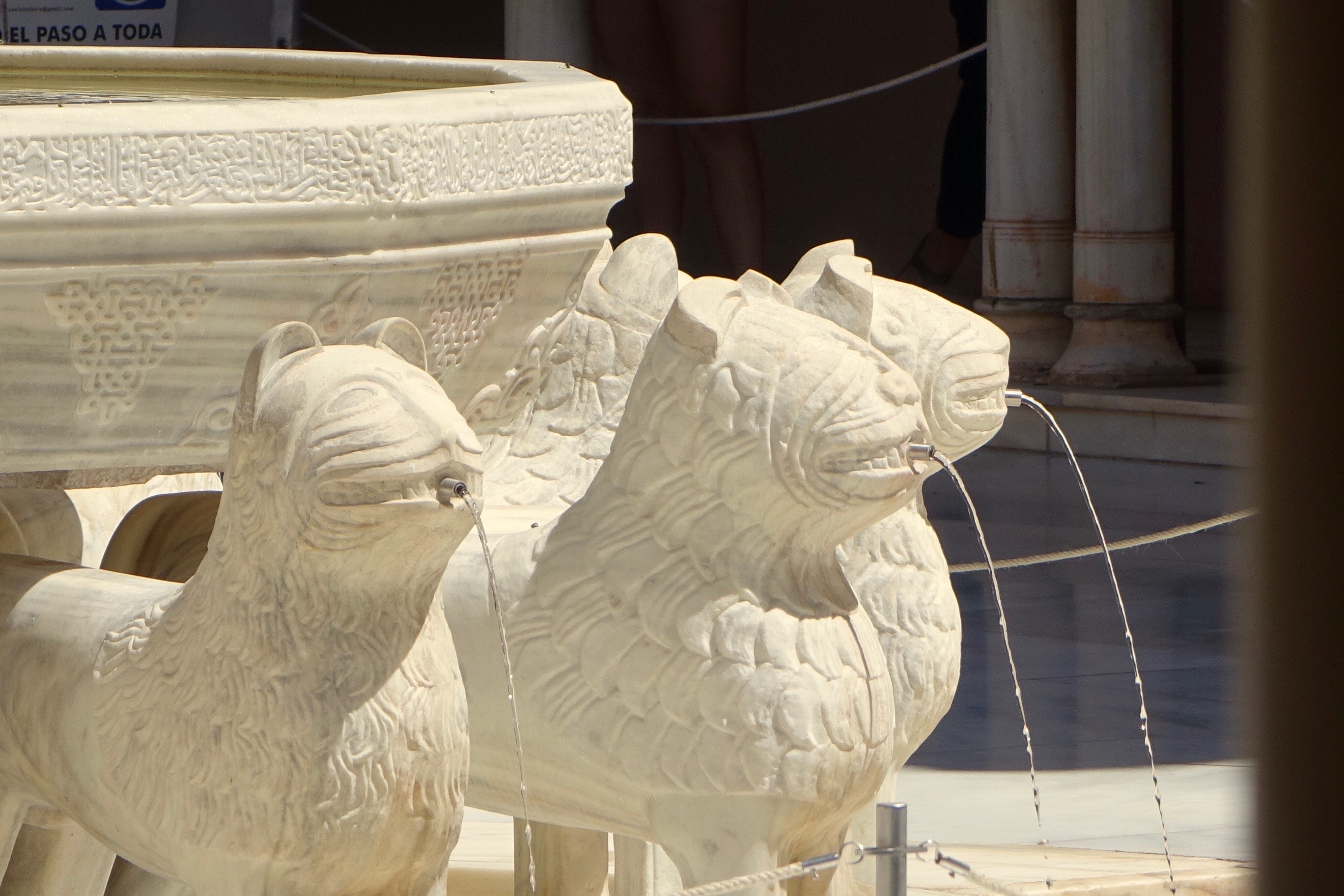
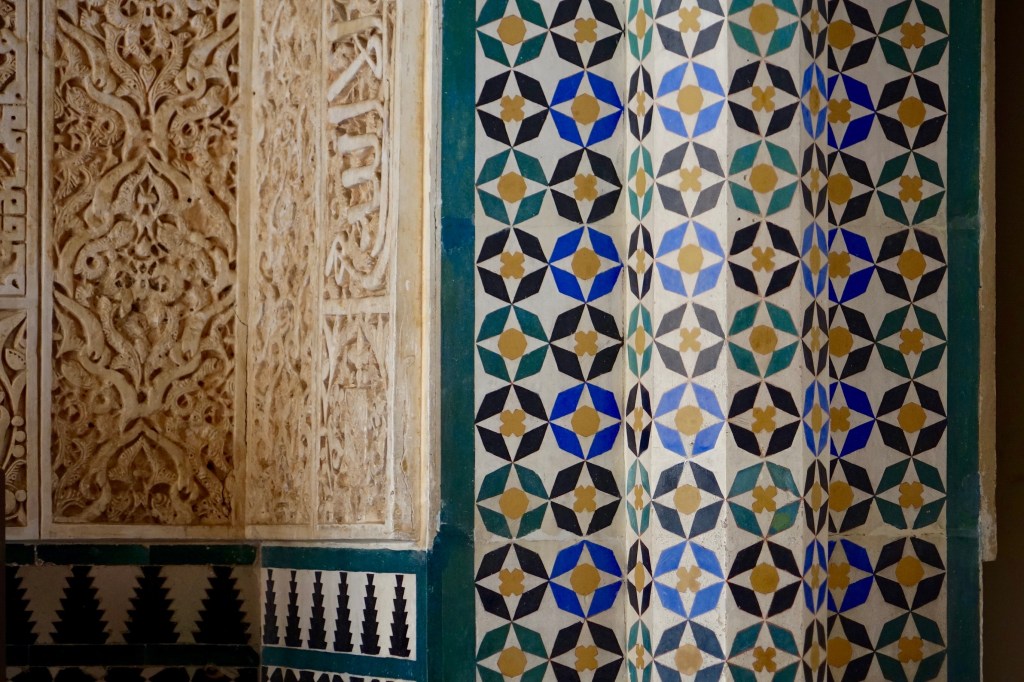
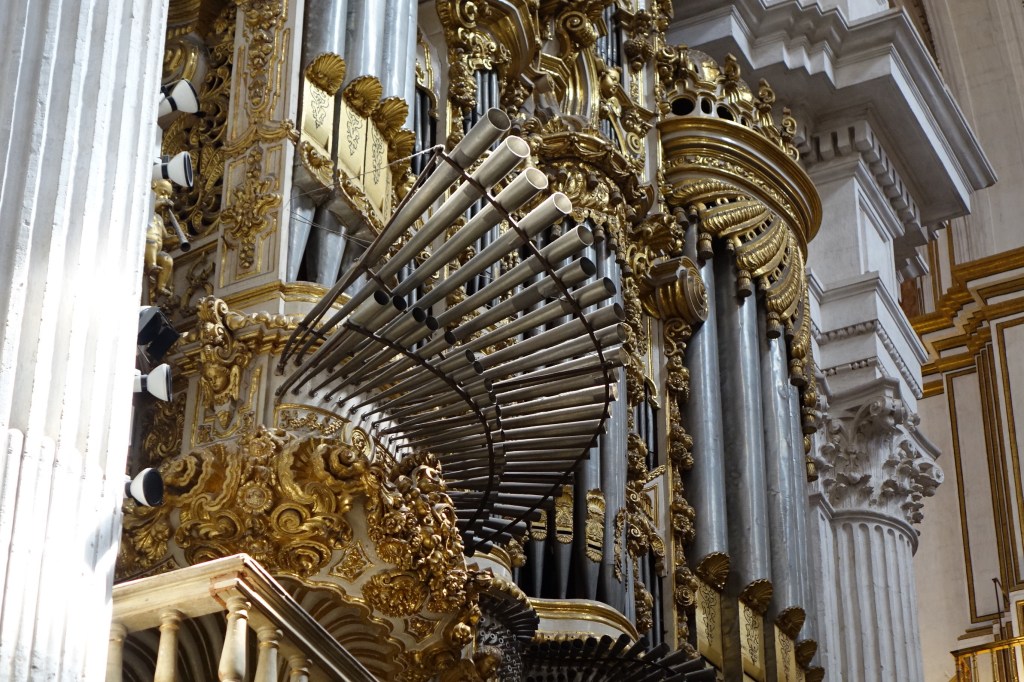
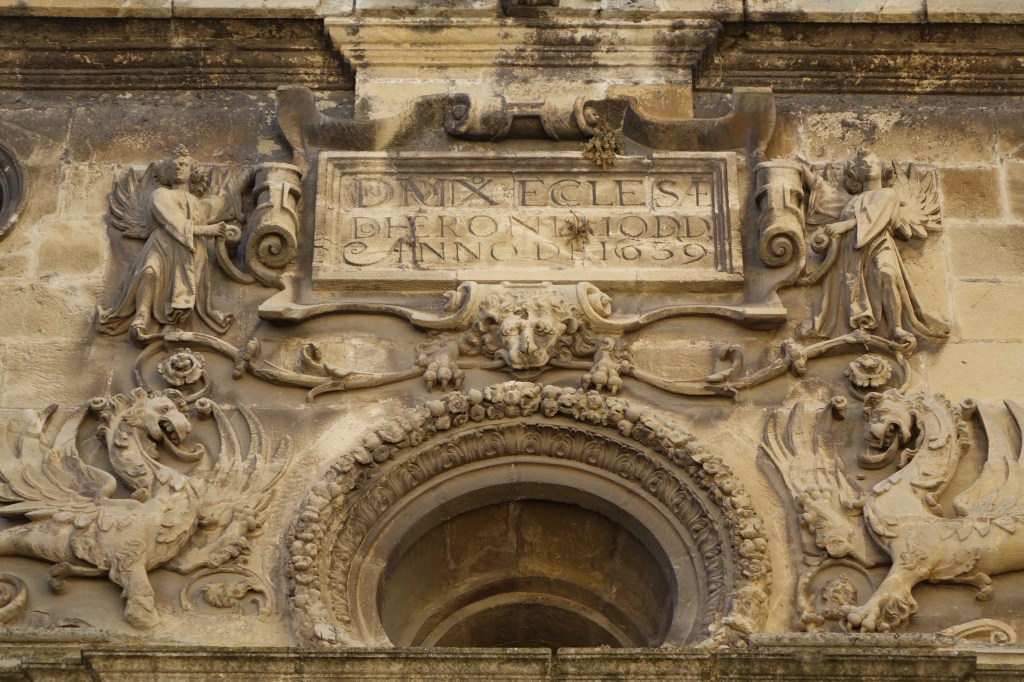
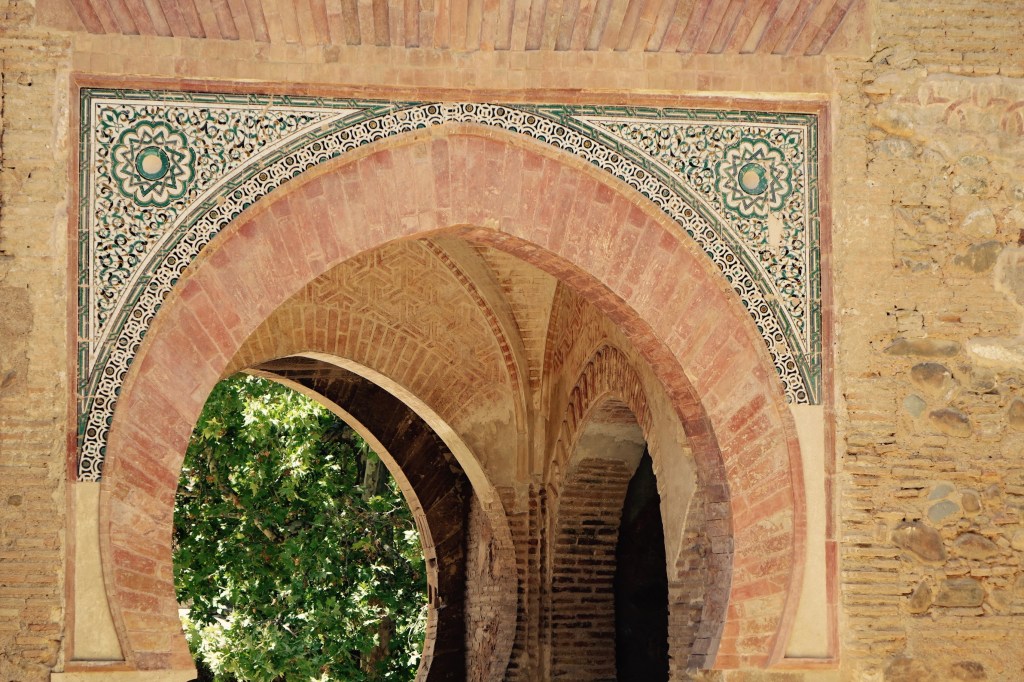
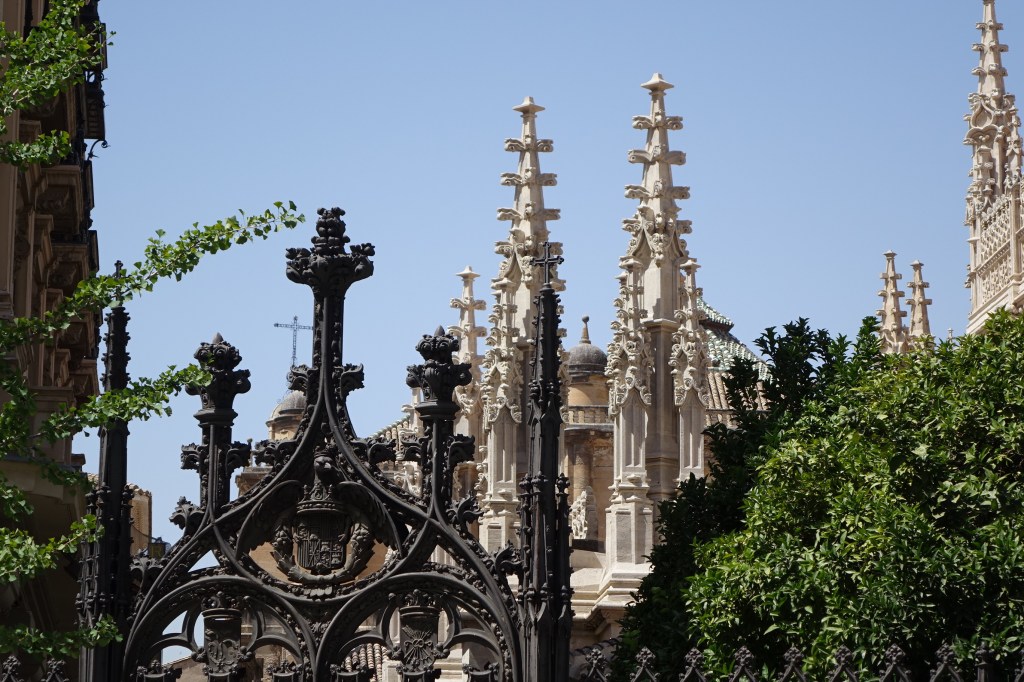
This final post of my Granada adventure is more of a reflective musing, sharing those photos which I like, but which somehow never slotted into my otherwise tidy rendering of our city trip story. So here you will find a few ghoulish gargoyles, plenty of sunbaked landscapes, a fountain or two, and a panoply of architectural details. All combined they are the well-spiced ingredients that make up the visually rich, exotically perfumed city of Granada.

All photos and written content are strictly the copyright of Nicholas de Lacy-Brown © 2016 and The Daily Norm. All rights are reserved. Unauthorized use and/or duplication of the material, whether written work, photography or artwork, included within The Daily Norm without express and written permission from The Daily Norm’s author and/or owner is strictly prohibited. 
The Greatness of Granada, Part 3: The Generalife

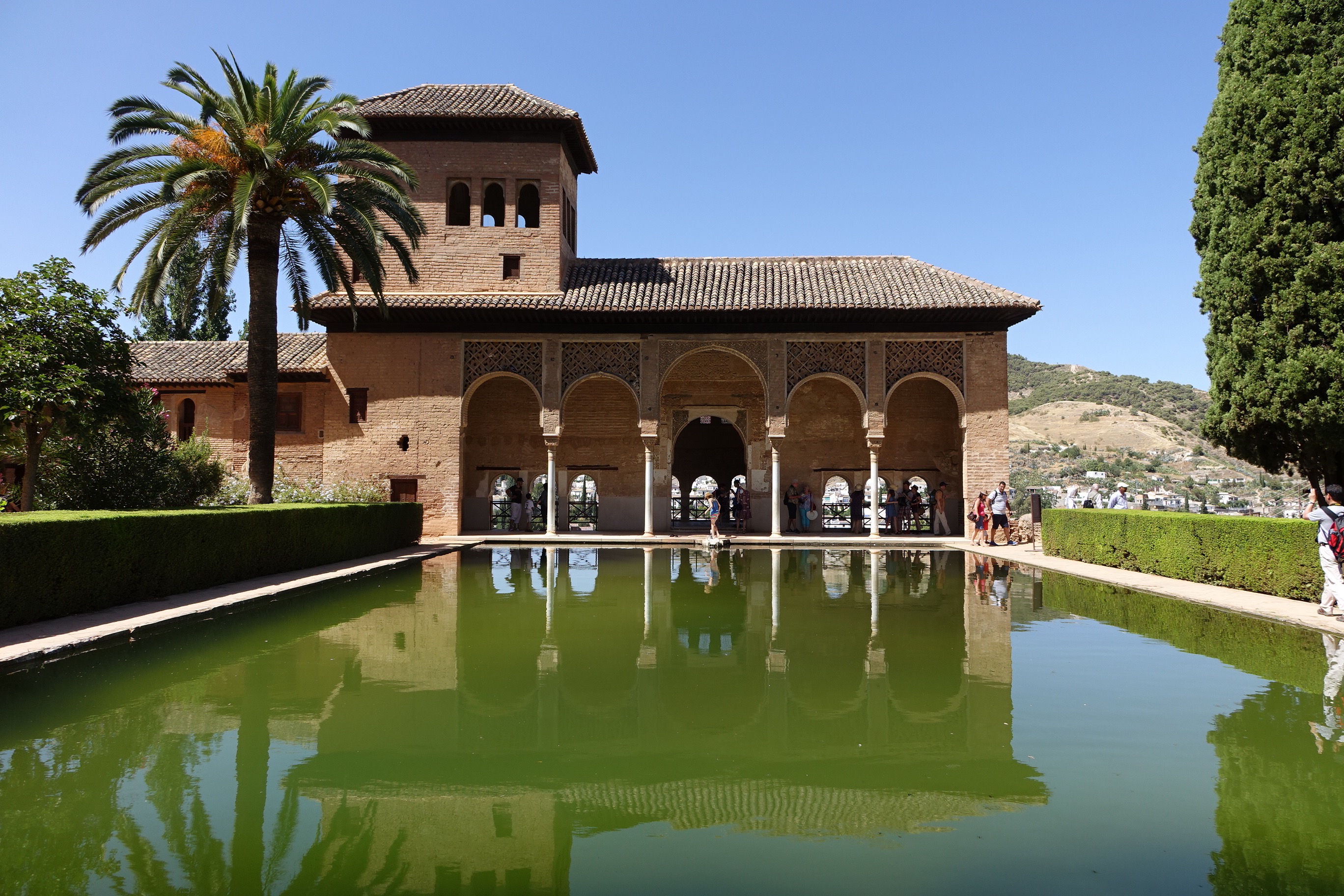
Of all the treasures that the Alhambra complex holds within its vast stone and green boarders, the Generalife gardens are without a doubt my favourite gem. Set apart, across a ravine which was once linked via a covered walkway to the Nasrid palace, the Generalife was once the summer palace of the Nasrid Emirs of the Emirate of Granada. Today it is preserved as a garden paradise which seems a world apart from the ancient and modern sprawling city which spreads out across the Andalucian planes all around it.

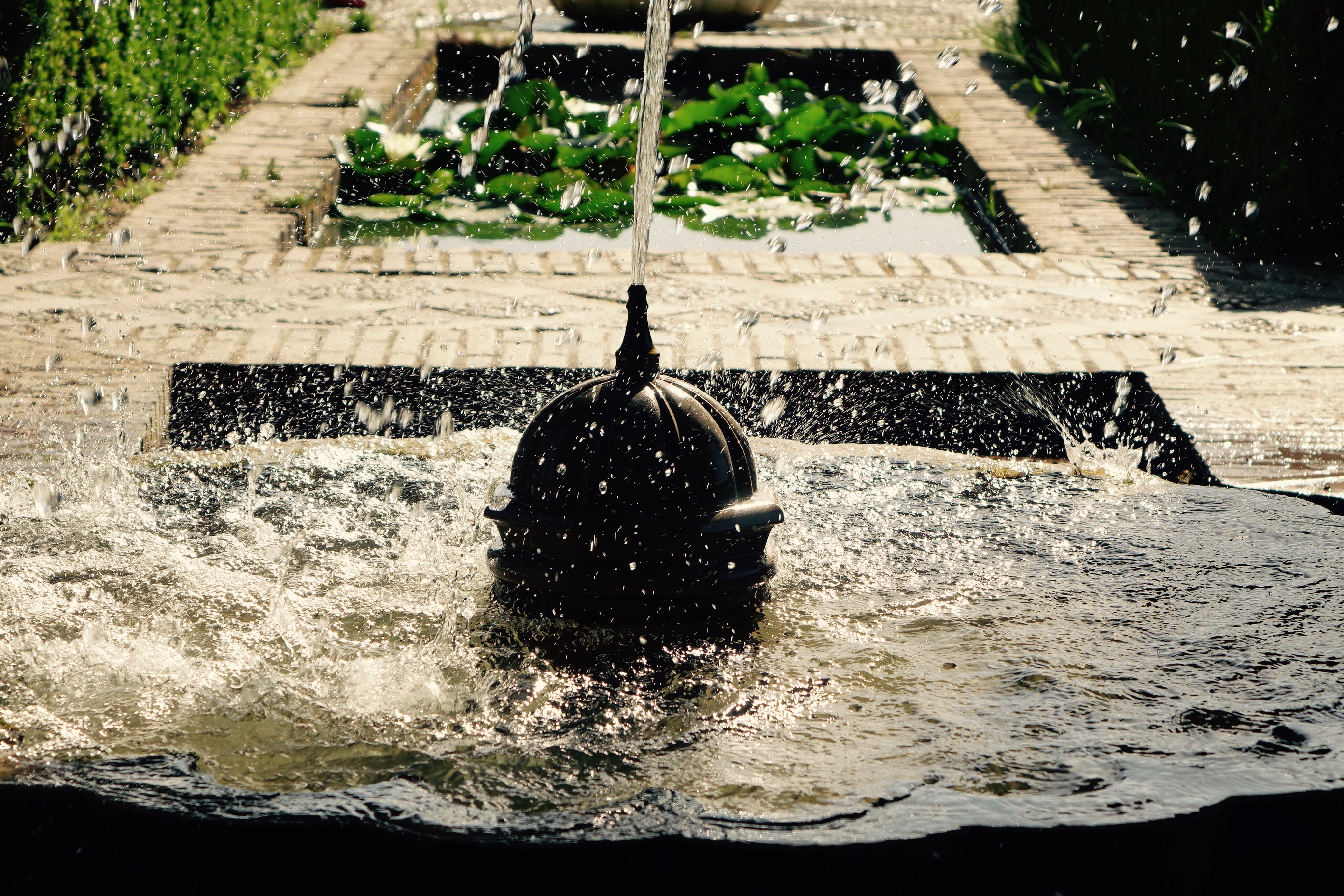
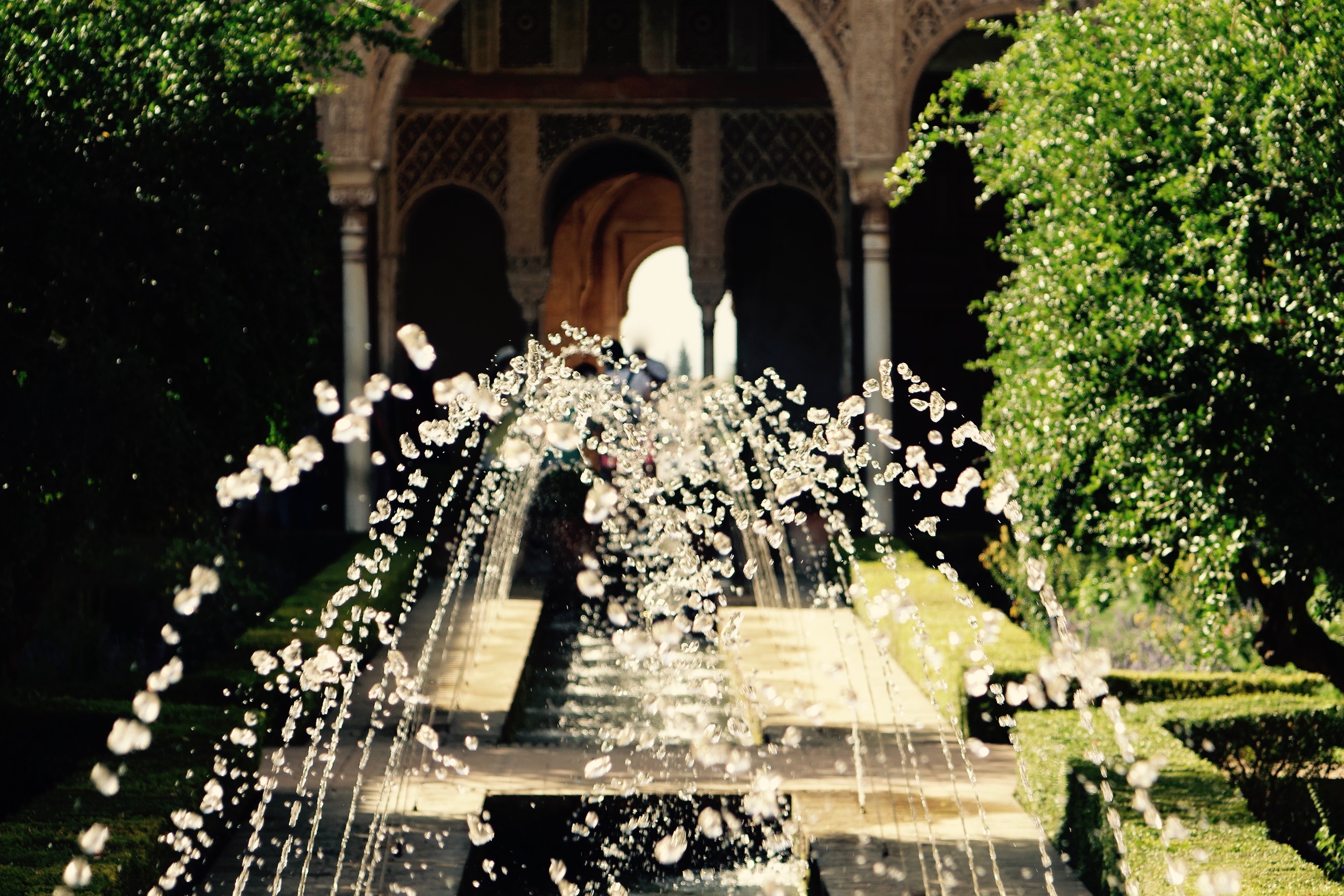
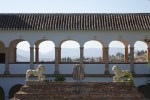
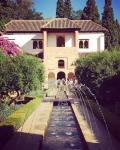
With a multiply arched white palace at its heart, the likes of which appears to have informed all of the most typical Andalucian buildings which have developed in its likeness, as well as a long narrow pool over which arched fountains meet like lovers reaching across a mountain spring, the gardens of the Generalife are the most romantic place of natural contemplation imaginable.

DSC04722DSC04640DSC04781DSC04826DSC04618DSC04773DSC04783

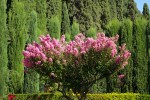
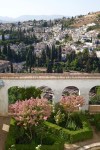
Strolling between trimmed boxed hedges and flowerbeds abundant with fragrant roses and vivid bourganvilla, a walk around the Generalife is like being lost in the gardens of the Queen of Hearts in Alice’s wonderland. There, the many examples of arabic craftsmanship carved deep into the palace walls are overshadowed by the work of tended nature manifest in the multiply-layered gardens. And even on the hottest of days, there is a cool calm which reflects off the surface of mountain-fed water springs which make a visit to the gardens the most pleasant of contemplative activities.

This was my second visit to the Generalife palace and gardens, and the place is as much of a paradise as I remember. Perambulating through the verdant passages during a late afternoon, when the sun over the Albayzín was turning a caramelised yellow, proved to be the most perfect time to enjoy this reflective space. Not even my photos are able to capture the utmost tranquility of those all too brief moments in paradise. But they surely go someway in reflecting the mood of soulful restfulness which the atmosphere of the Generalife creates.

All photos and written content are strictly the copyright of Nicholas de Lacy-Brown © 2016 and The Daily Norm. All rights are reserved. Unauthorized use and/or duplication of the material, whether written work, photography or artwork, included within The Daily Norm without express and written permission from The Daily Norm’s author and/or owner is strictly prohibited. 
The Greatness of Granada, Part 2: The Alhambra

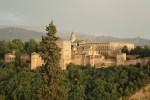
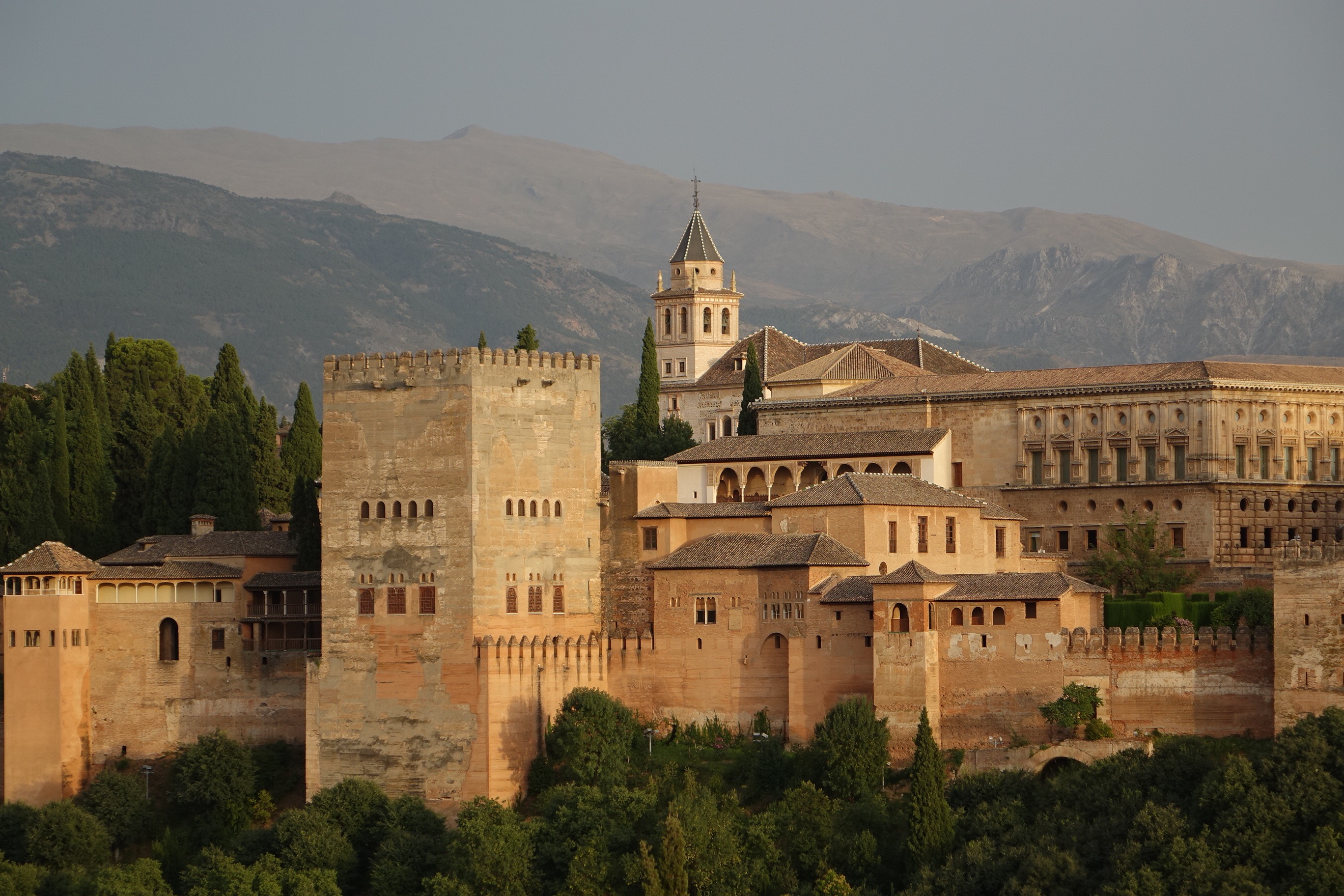
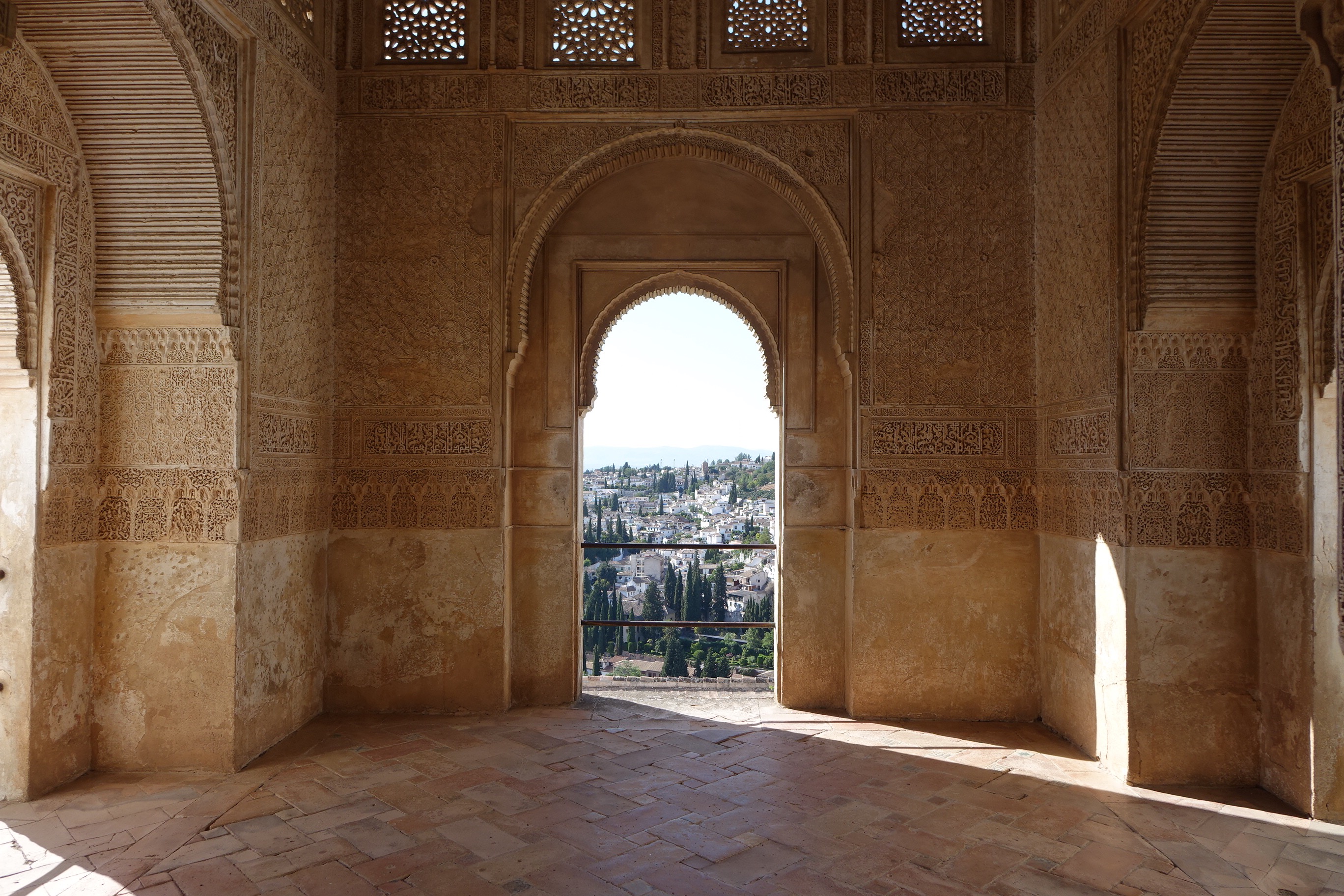
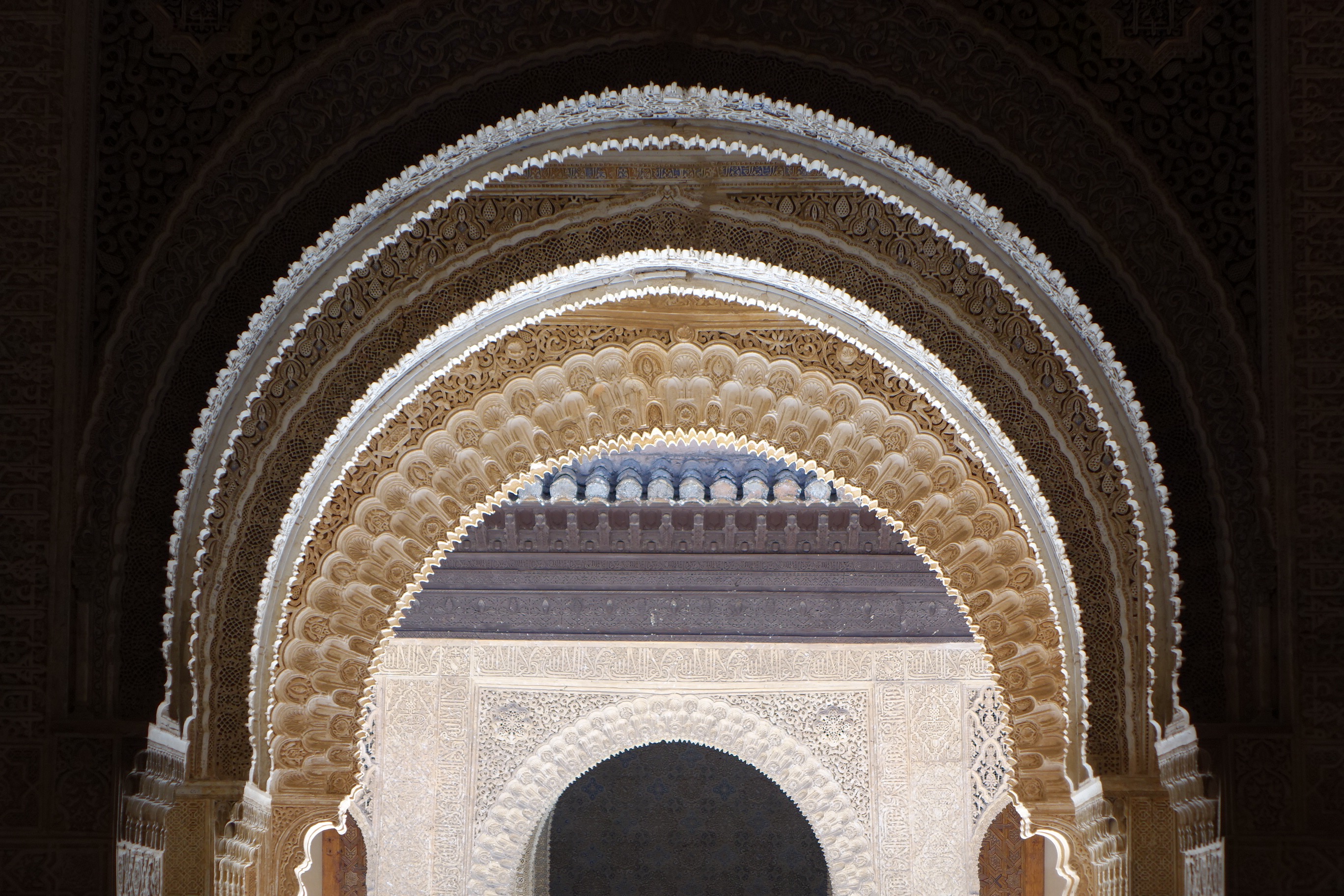
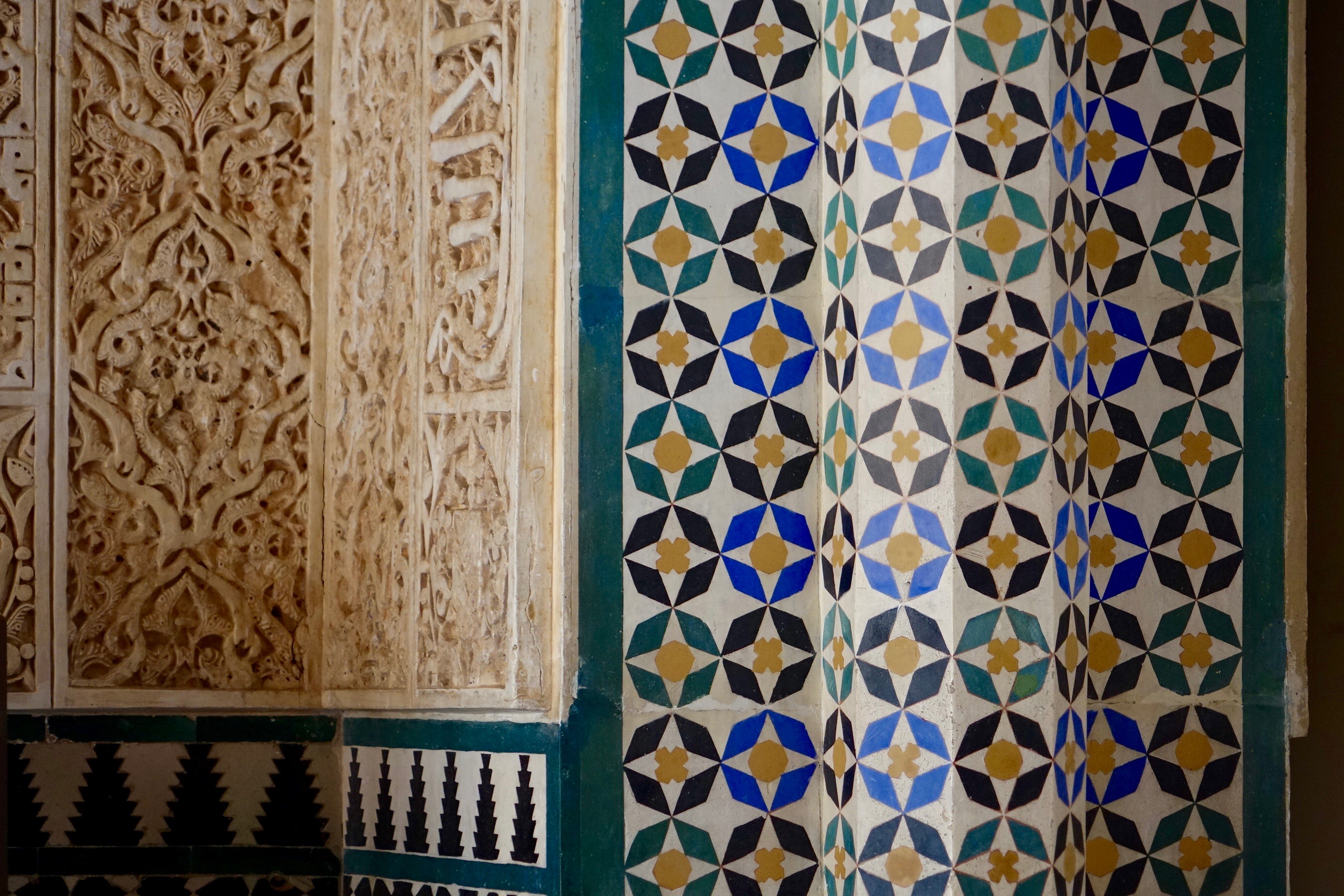
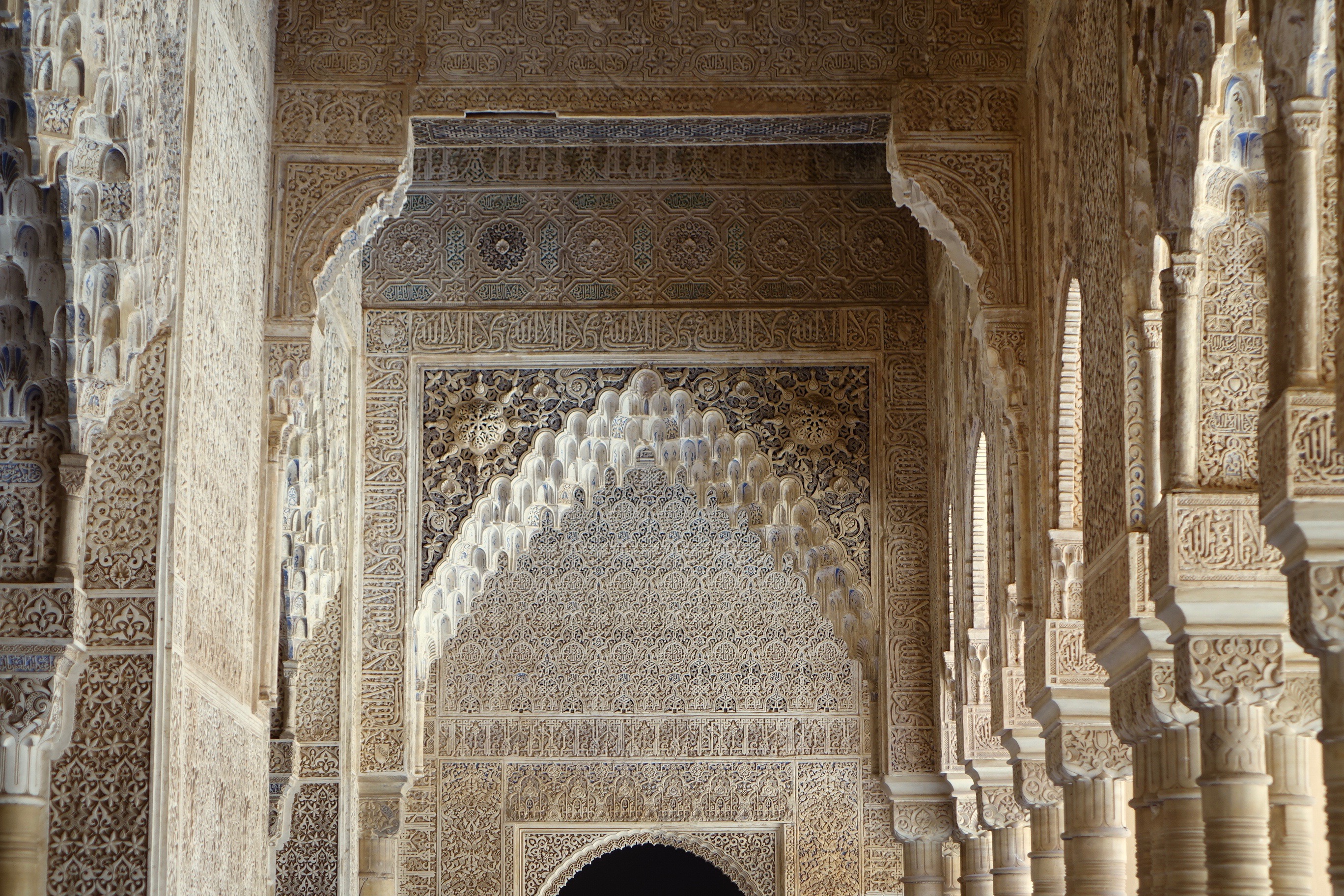
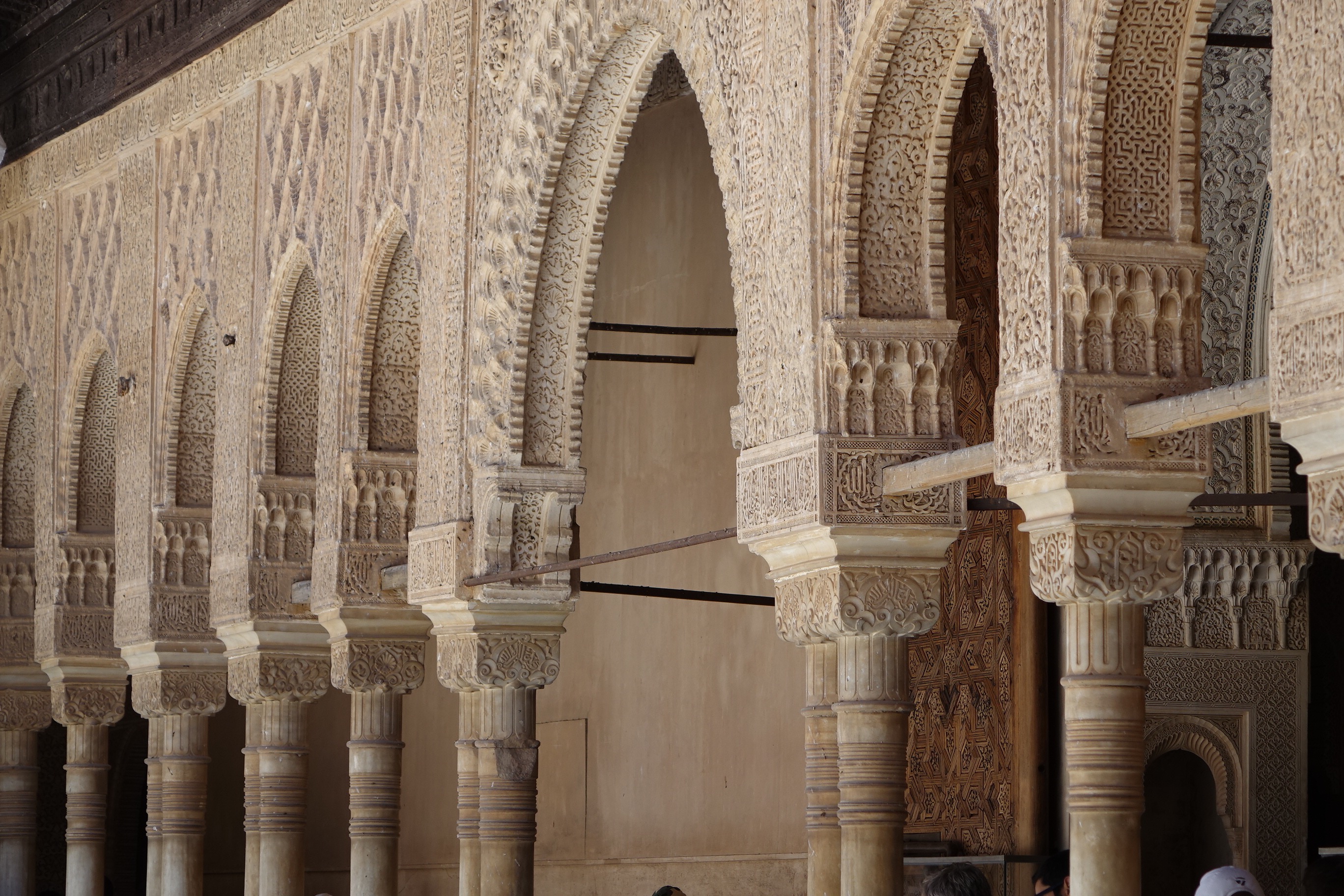
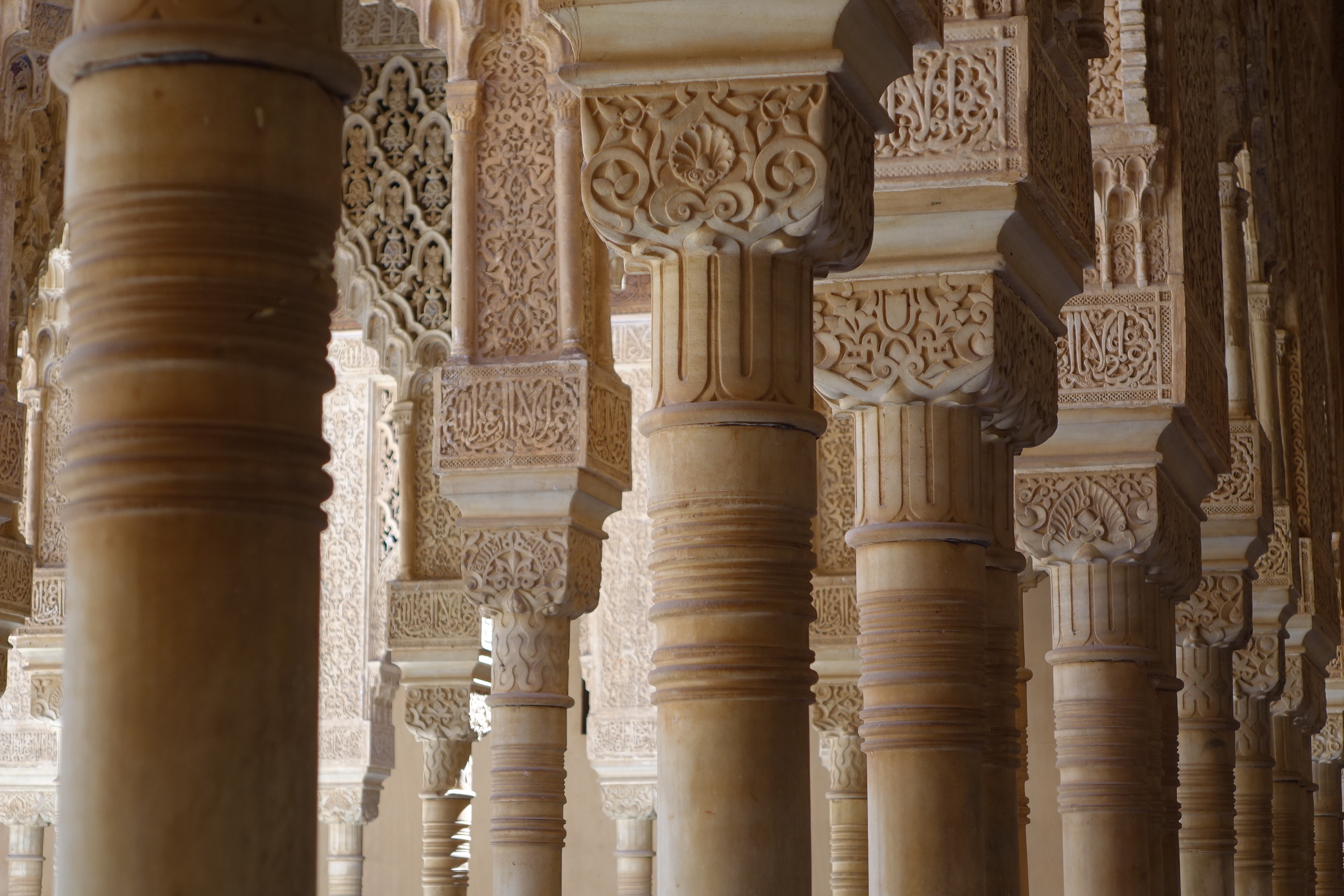
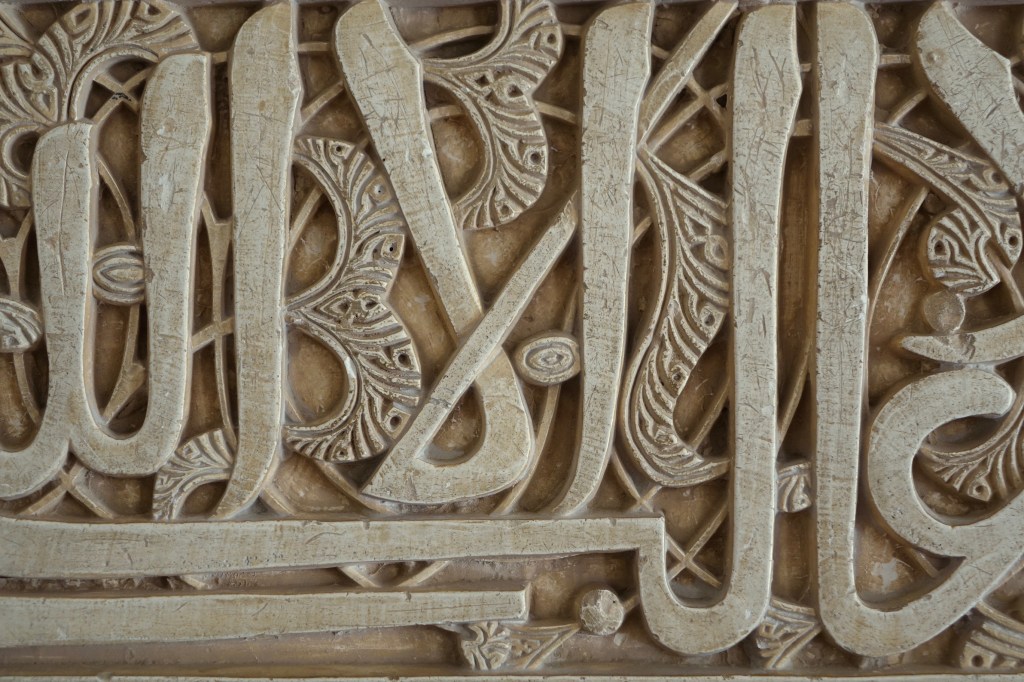
Few places in all the world have the power to arrest the eyes and ensnare the heart quite like the Alhambra in the foothills of the Sierra Nevada. Glowing every shade of ochre, and pale gold through to deep russet and coral red, it is no wonder that in arabic, the name of the fortress like construct means “The Red One”. But the true treasures of the Alhambra lie in wait inside, where room after room of twisting, tangling geometric patterns, forests of marble columns, and incredibly carved honeycomb like domes seem to reach up into infinity. It is a place which offers visitors a vision from paradise, even when it is (as always) hosting its daily quota of tourists, a sensation augmented by the plethora of pools and trickling waterways, magnifying the space with reflection and filling its stone halls with the gentle harmony of trickles and splashes.

DSC04254DSC04524DSC04540DSC04512DSC04541DSC04576DSC04598DSC04566DSC04575DSC04869

Originally constructed as a small fortress in AD 889 on the remains of Roman fortifications, the complex was constructed into its current state of glory by the Emirate of Granada in the 13th century. Converted into the most lavish royal palace the world had ever seen, it was revered by the reconquering Christians when they took the city in 1492, becoming part of the Royal Court of Ferdinand and Isabella and subsequent monarchs. While they embellished the site in turn with Renaissance-style palaces which didn’t quite live up to the beauty of the Moorish offerings, they did so at least in the same glowing gold stone thus creating the complete whole which now permanently characterises the landscape of Granada. Shockingly, the palace was later allowed to fall into disrepair for centuries, until it was rediscovered following the defeat of Napoleon, becoming the favourite of Romantic-age travellers and inspiring generations of artists, poets, and writers since.

DSC04530DSC04548DSC04532DSC04793DSC04626DSC04816DSC04597DSC04562DSC04579DSC04573

Today, unsurprisingly, the site is UNESCO protected and is a ravishing complex of echoing courtyards and colonnaded porticos each enjoying the most incredible views over to the Albayzín below. Lucky then that these hallowed halls should be salvaged for generations to come, where we can but imagine the lives of kings and their hareems languishing in the finest coloured silks by reflective pools and in throne rooms built for the imperial best. Beyond, of course, are the gardens, perhaps the most sensually lavish spectacles of all. But those wonders of nature and man’s creative touch I will leave for another day.

DSC04538DSC04544DSC04553DSC04557DSC04546DSC04528DSC04508DSC04543DSC04595DSC04584

All photos and written content are strictly the copyright of Nicholas de Lacy-Brown © 2016 and The Daily Norm. All rights are reserved. Unauthorized use and/or duplication of the material, whether written work, photography or artwork, included within The Daily Norm without express and written permission from The Daily Norm’s author and/or owner is strictly prohibited. 
The Greatness of Granada, Part 1: Dual Faith, Double Identity

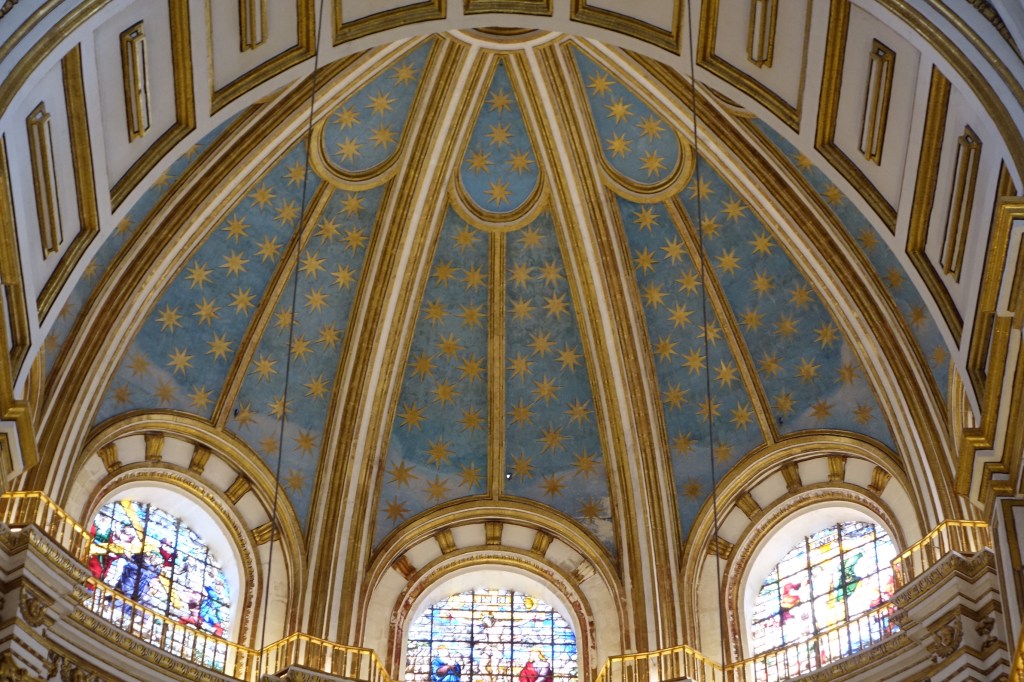
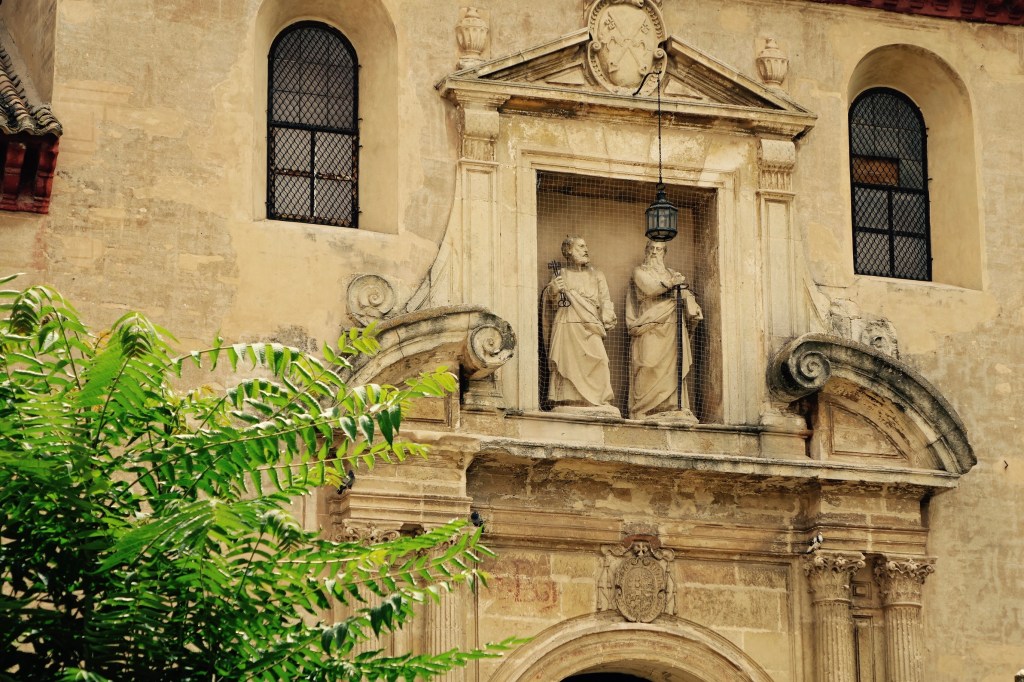
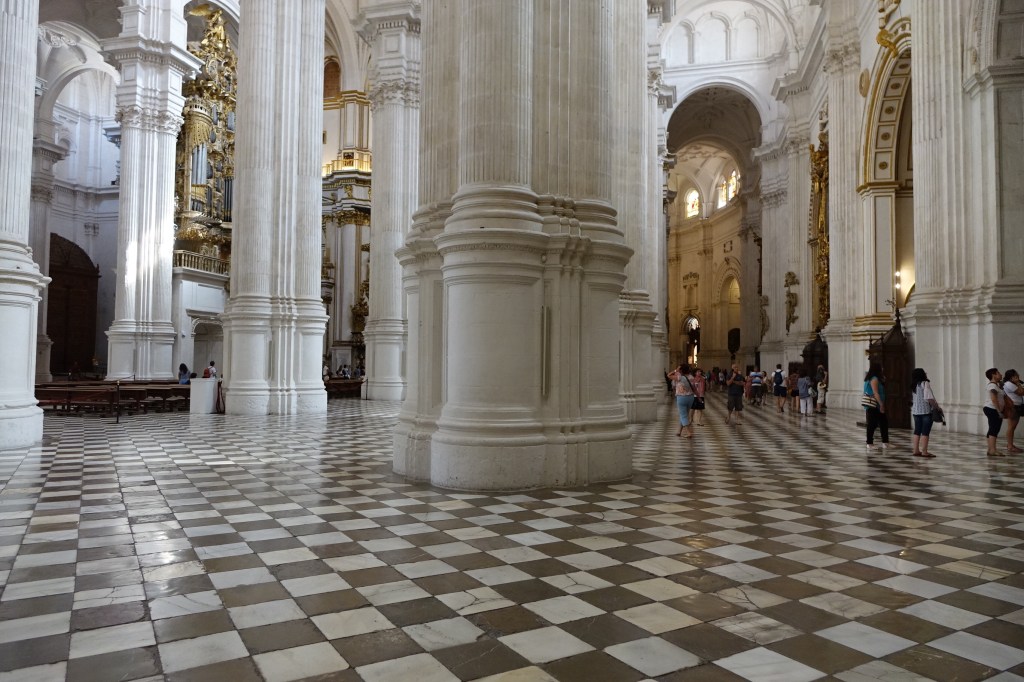
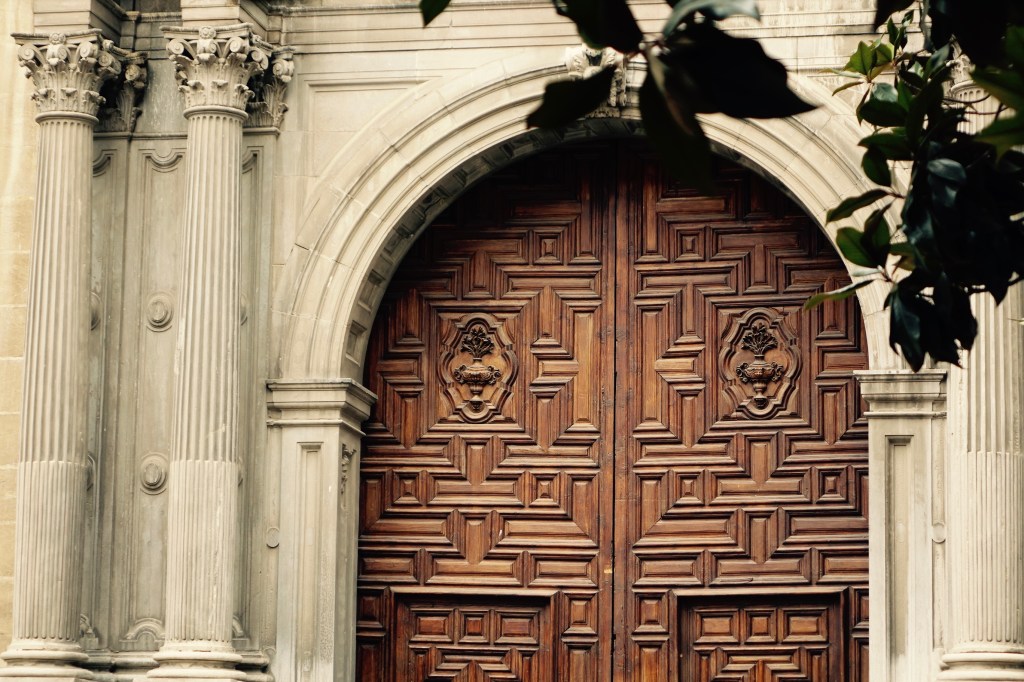
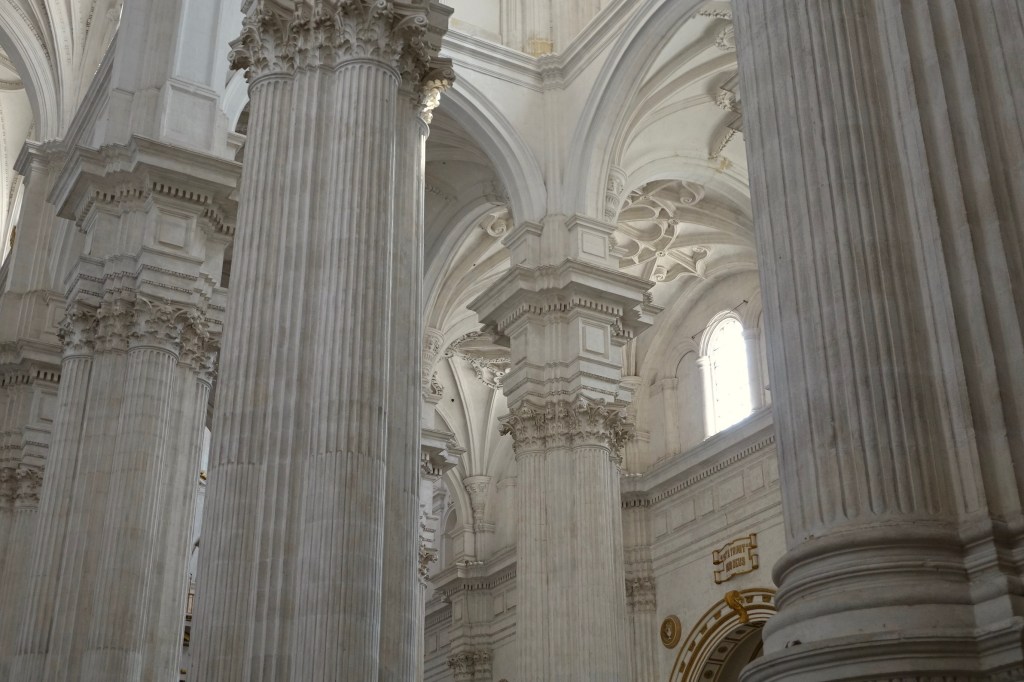
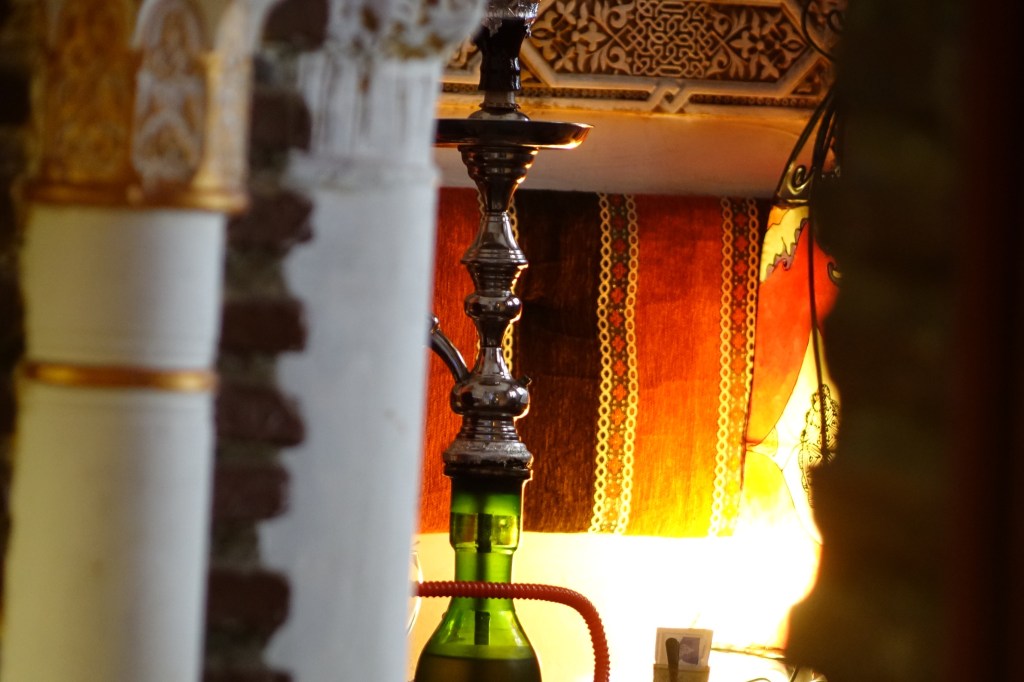
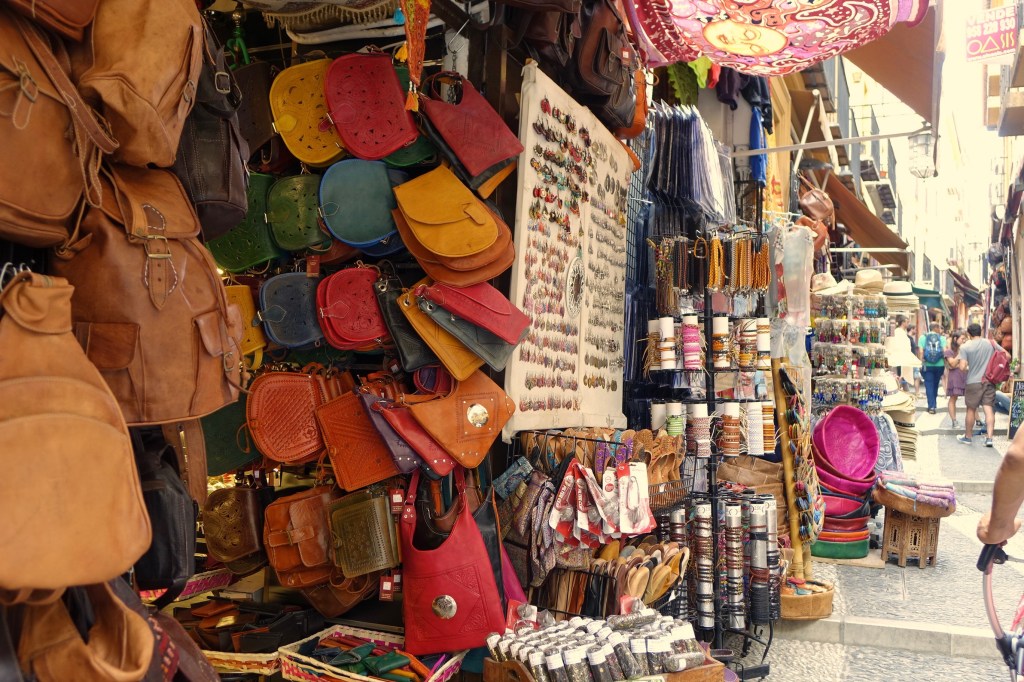
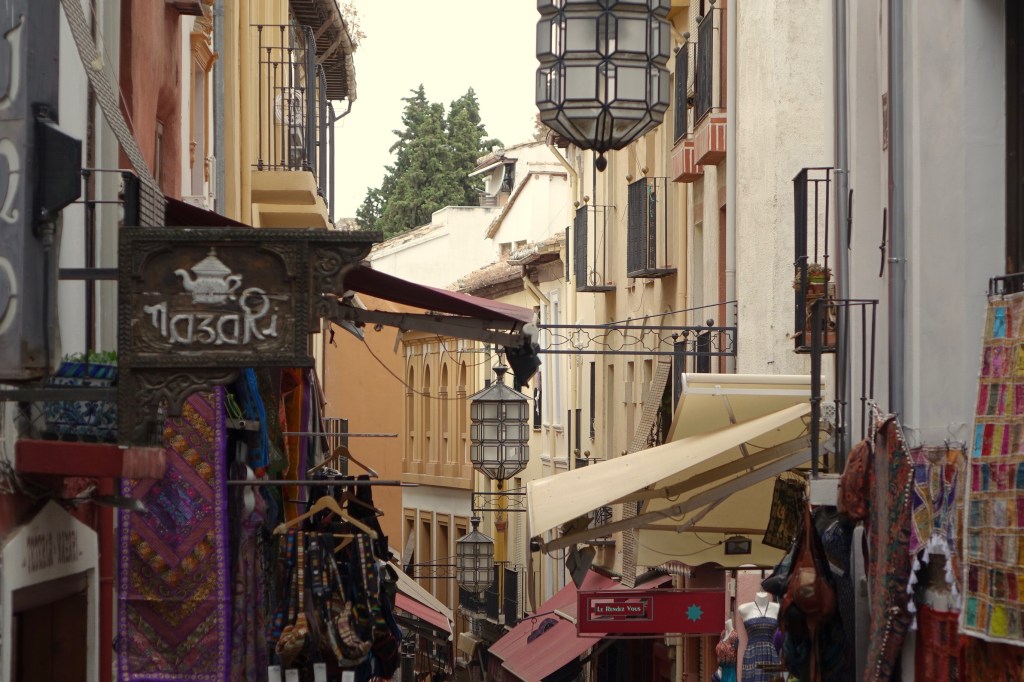
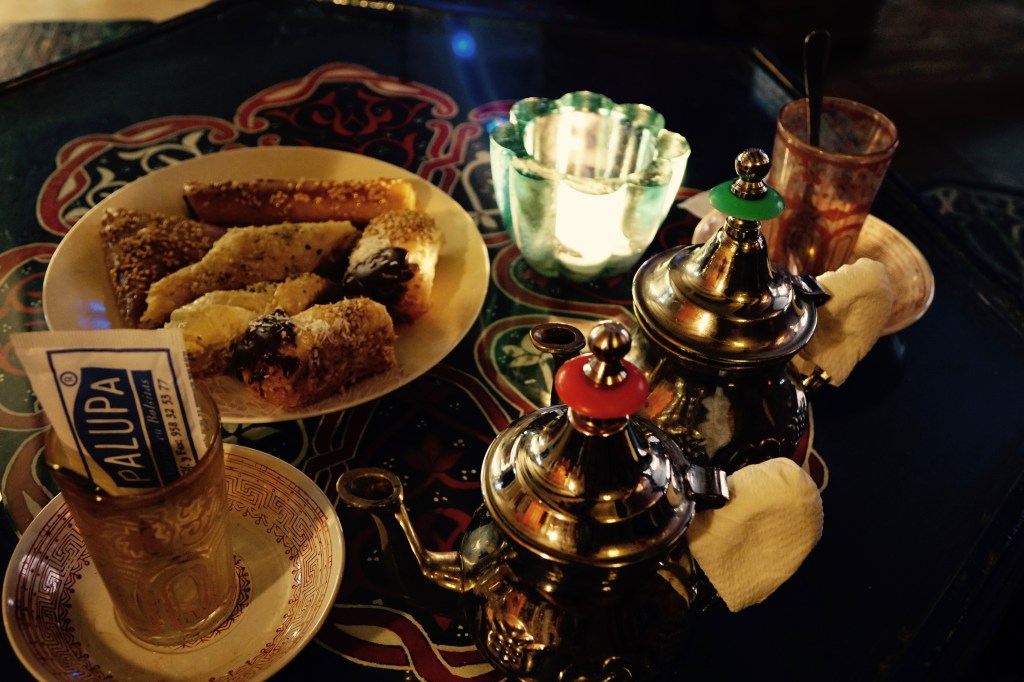
Granada in the heart of Spanish Andalucia is a city deeply characterised by the historical vicissitudes of its religious and political identity. On one street you may confidently conclude that you are in a richly embellished bastion of Catholicism; mere metres away, you feel as though you have been magically relocated to Marrakech. In Granada, you can find shisha pipes being smoked and moroccan mint tea being sipped with baklava right next door to where, in one of Europe’s biggest and most imposing cathedrals, the bells of a campanile call the Catholic faithful to prayer, and incense is swung majestically before a statue of the Virgin Mary. It is a stark contrast which can be noted across the city, recalling the turbulent but glorious history which has made Granada truly unique in the modern world.

DSC04460 DSC04507 DSC04927 DSC04579 DSC04912 DSC04567 DSC04924 DSC04498 DSC04346 DSC04398 DSC04440

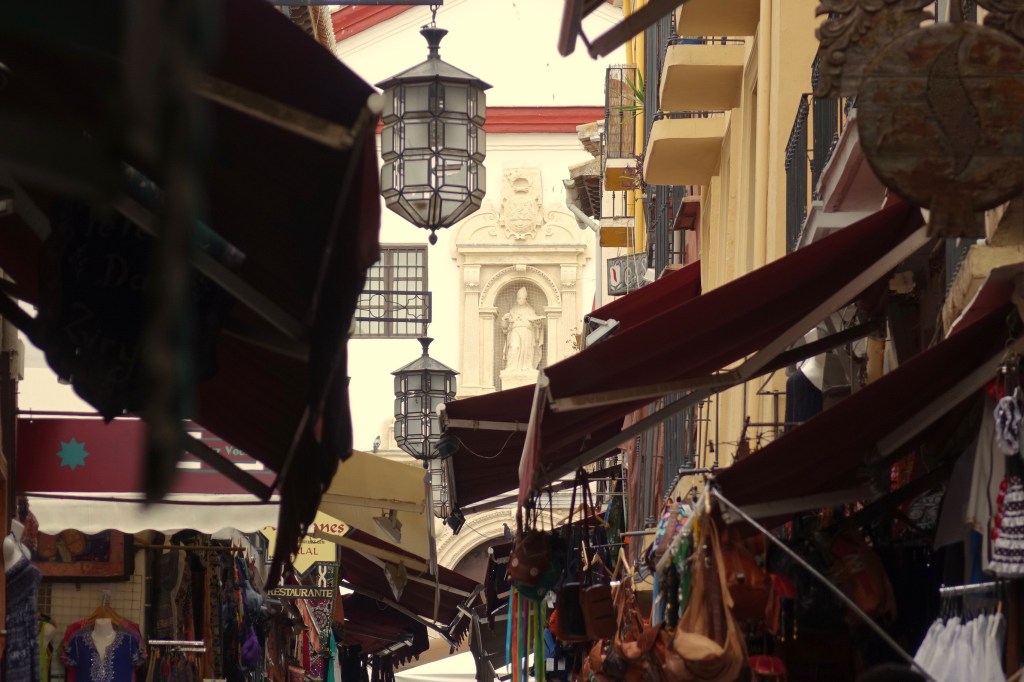
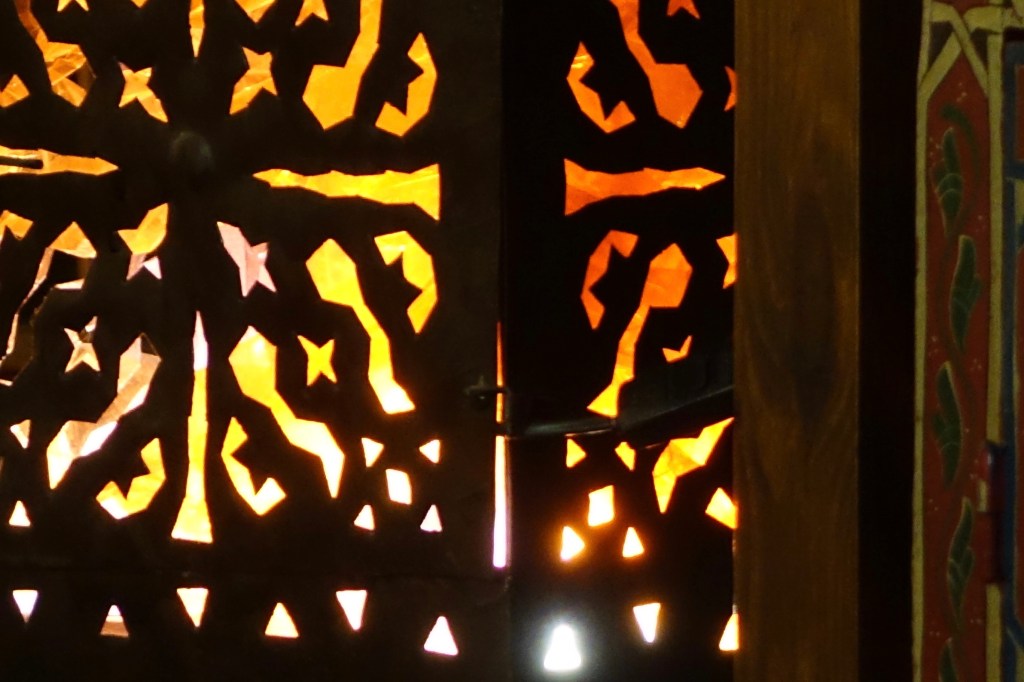
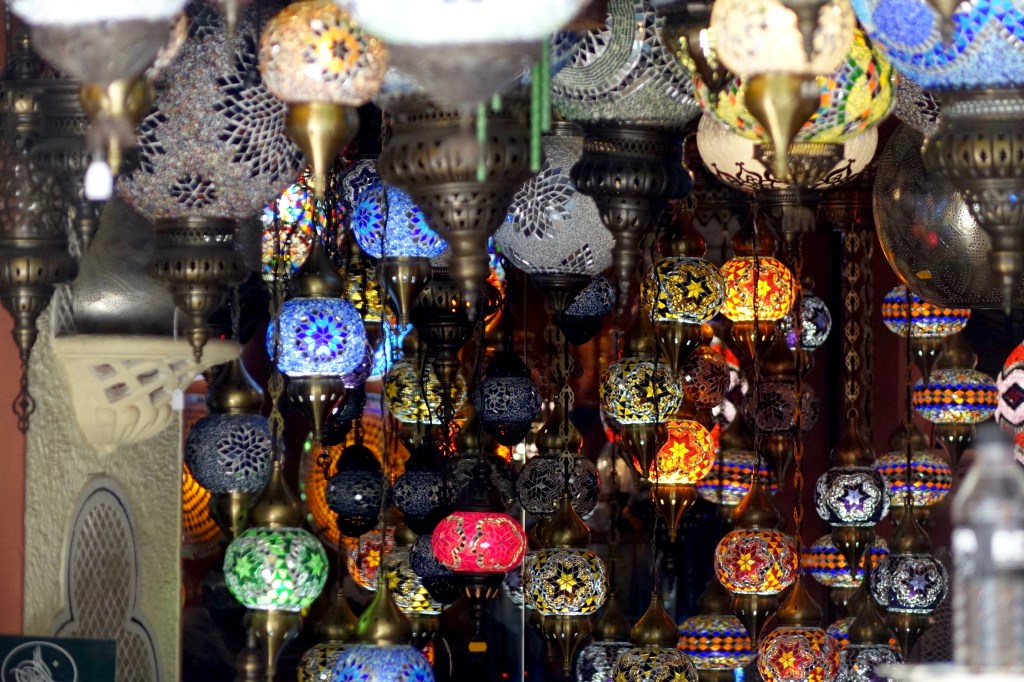
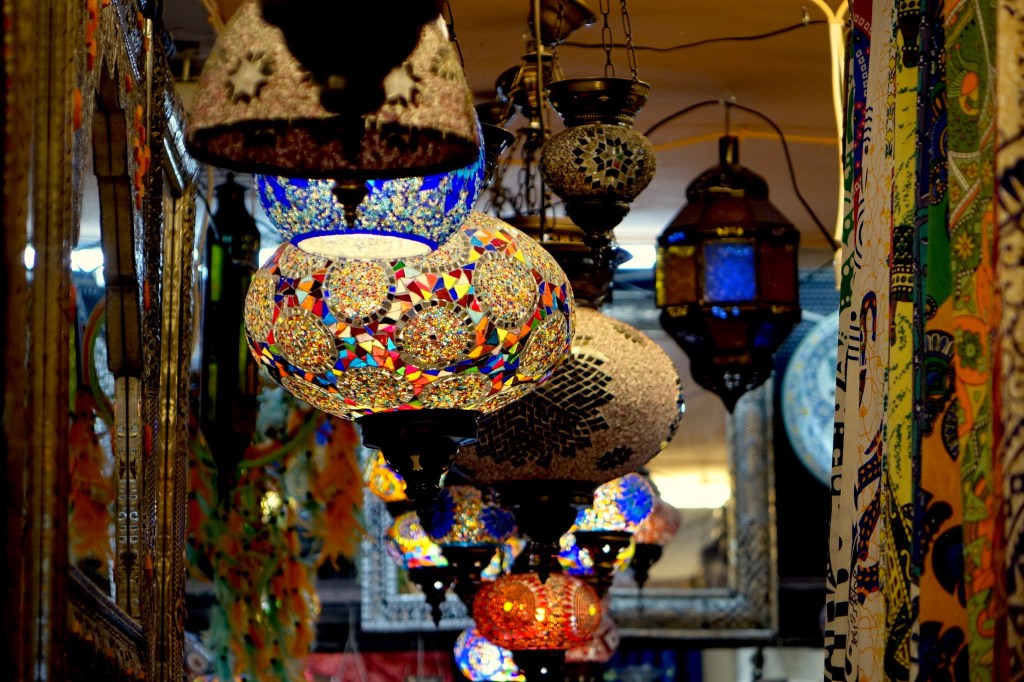
Of course much of what you see today has a ring of Disneyland about it, The tightly packed streets full of arabic wears and shops clustered with so many glittering glass lamps, silks and leather goods that you feel as though you have entered Aladdin’s cave, are all somewhat contrived for the tourists. But they are nonetheless deeply rooted in a past which begun in the early 700s, when the muslims crossed the narrow Straits of Gibraltar and swiftly conquered the Iberian Peninsula, founding Al Andalus, a kingdom of such rich prosperity and harmonious living that it was the nearest any civilisation had come to the Roman Empire before it. But the State’s precarious location encircled by Catholic countries meant that it was never destined to last for ever. One by one, a Catholic reconquista swept through the Iberian Peninsula, reclaiming Spain for the Christian world, until only one citadel of Al Andalus remained, the strongest of all – Granada.

Granada’s magnificent Catholic face

DSC04925 DSC03983DSC04920 DSC04951 DSC04928 DSC04344 DSC04169 DSC04160 DSC04334 DSC04918 DSC04945 DSC04052

It took some 250 years of negotiations, wrangling and final all out war before Ferdinand and Isabella, the “Catholic Monarchs” were able to complete the Christian reconquest of Spain, take Granada, and banish the Muslims for good. But they were never able to banish the heritage they had left behind. Spectacular monuments such as the Alhambra Palace remained as a clear testament to the stunning creativity of the artisans of Al Andalus, and remain today because their beauty was such that the Christian’s could not bear to destroy them.

However a visitor to Granada today will likewise note that the city is bounteous in its Christian relics too. Constructions such as the vast Cathedral of the Incarnation are every bit as glorious an architectural gem of the city as the Alhambra, and were no doubt contrived to be all the more beautiful owing to the need for the Christians to show-off their creative prowess in the aftermath of the reconquest.

DSC04005 DSC04009 DSC04202 DSC04185 DSC04178 DSC04199 DSC04182 DSC04204 DSC04187 DSC04200 DSC03988 DSC04006 DSC04197 DSC04179DSC04189 DSC04012

Happily, the dual identity of Granada is one which has returned to the city, long after the terrible years when all non-Christians were expelled from Granada. While much of the Arabian shops and bizarres are laid on for the tourists, there is a very evident presence of a renewed muslim population in the city, allowing visitors – us included – to enjoy the wealth of their religious and social culture alongside the distinctive Spanish culture which has emerged from the years of more recent Catholic rule. These photos are testament to our discovery of both cultures.

All photos and written content are strictly the copyright of Nicholas de Lacy-Brown © 2016 and The Daily Norm. All rights are reserved. Unauthorized use and/or duplication of the material, whether written work, photography or artwork, included within The Daily Norm without express and written permission from The Daily Norm’s author and/or owner is strictly prohibited. 
From Illyria to Italy, Part 5: The Colours of Rome

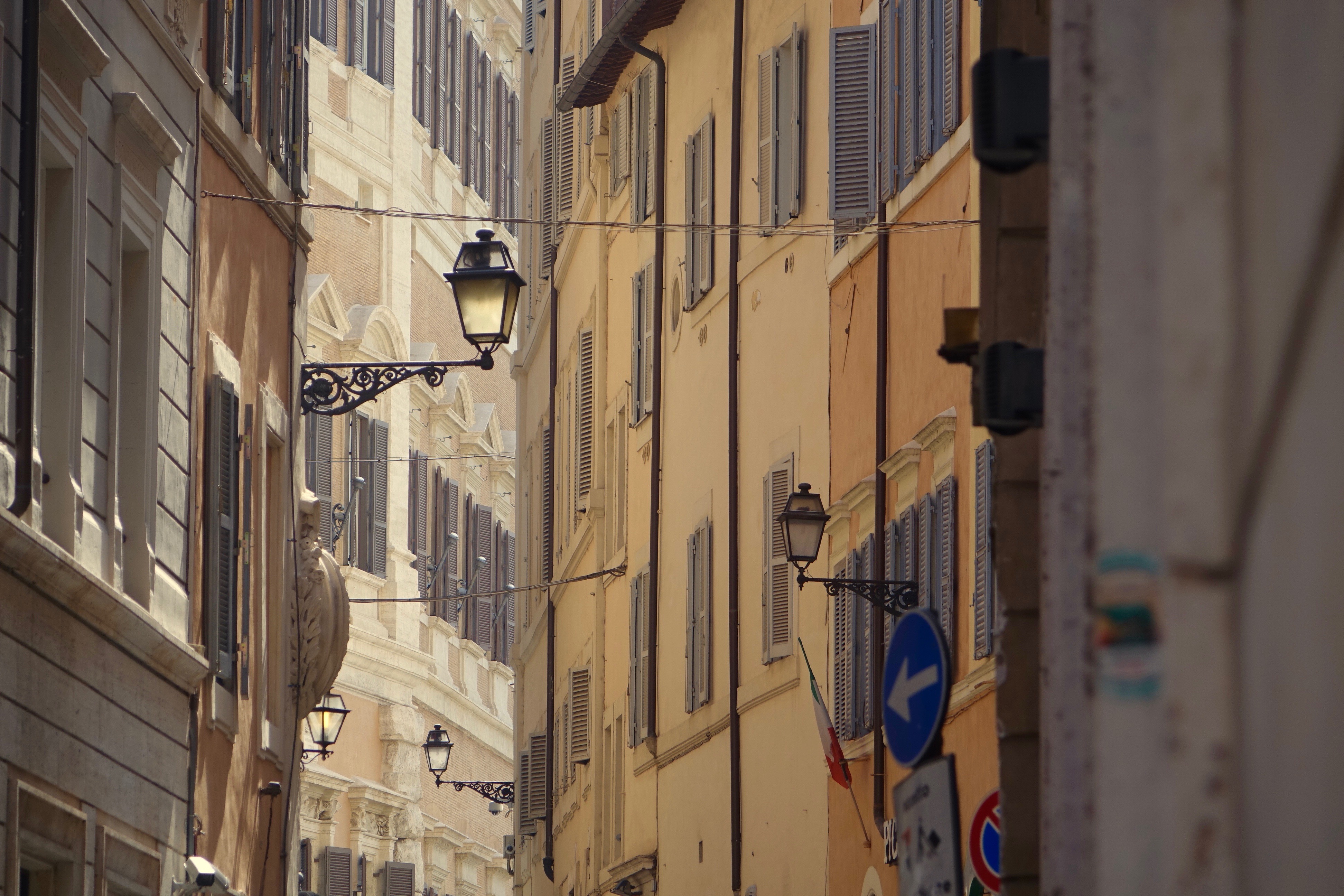
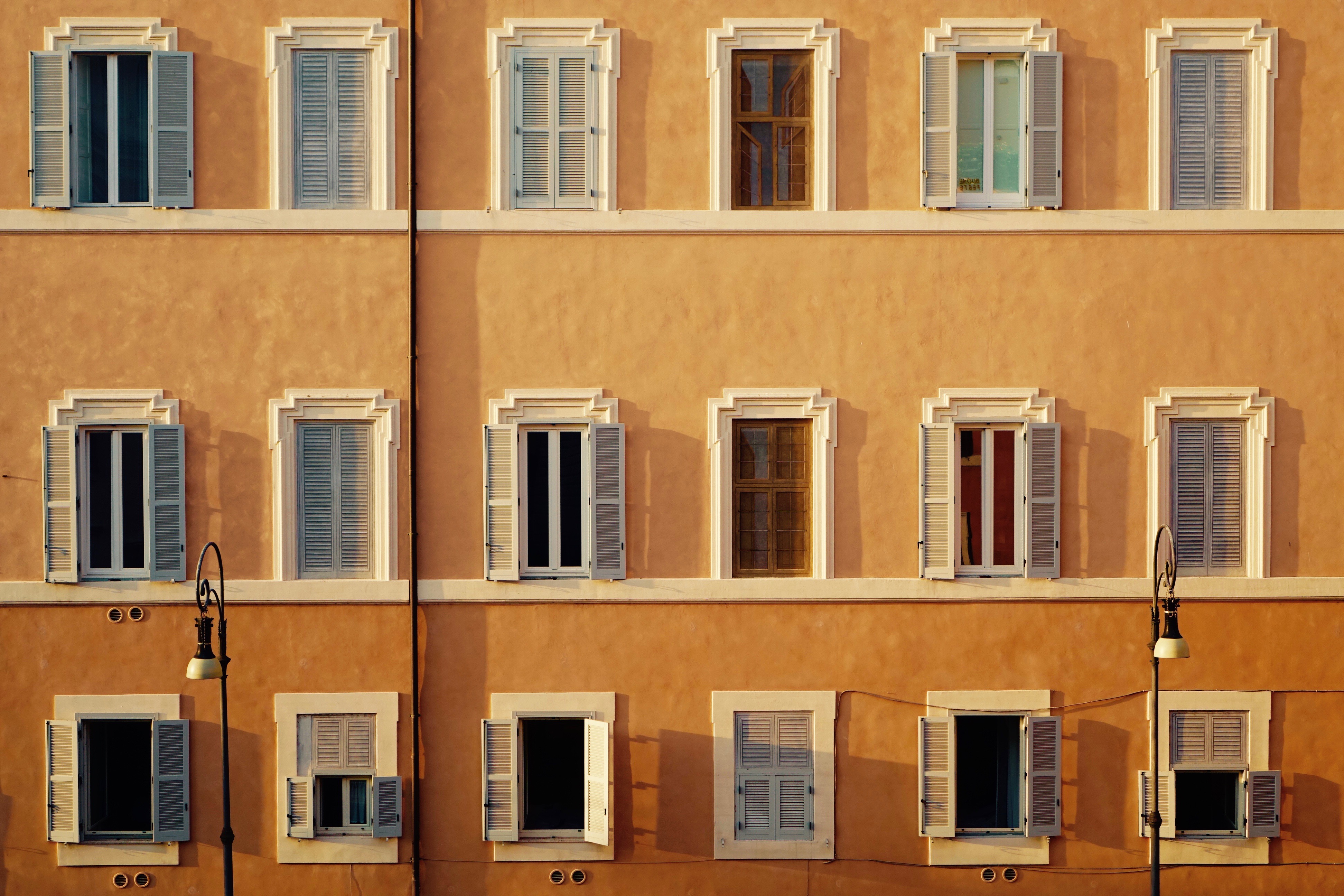
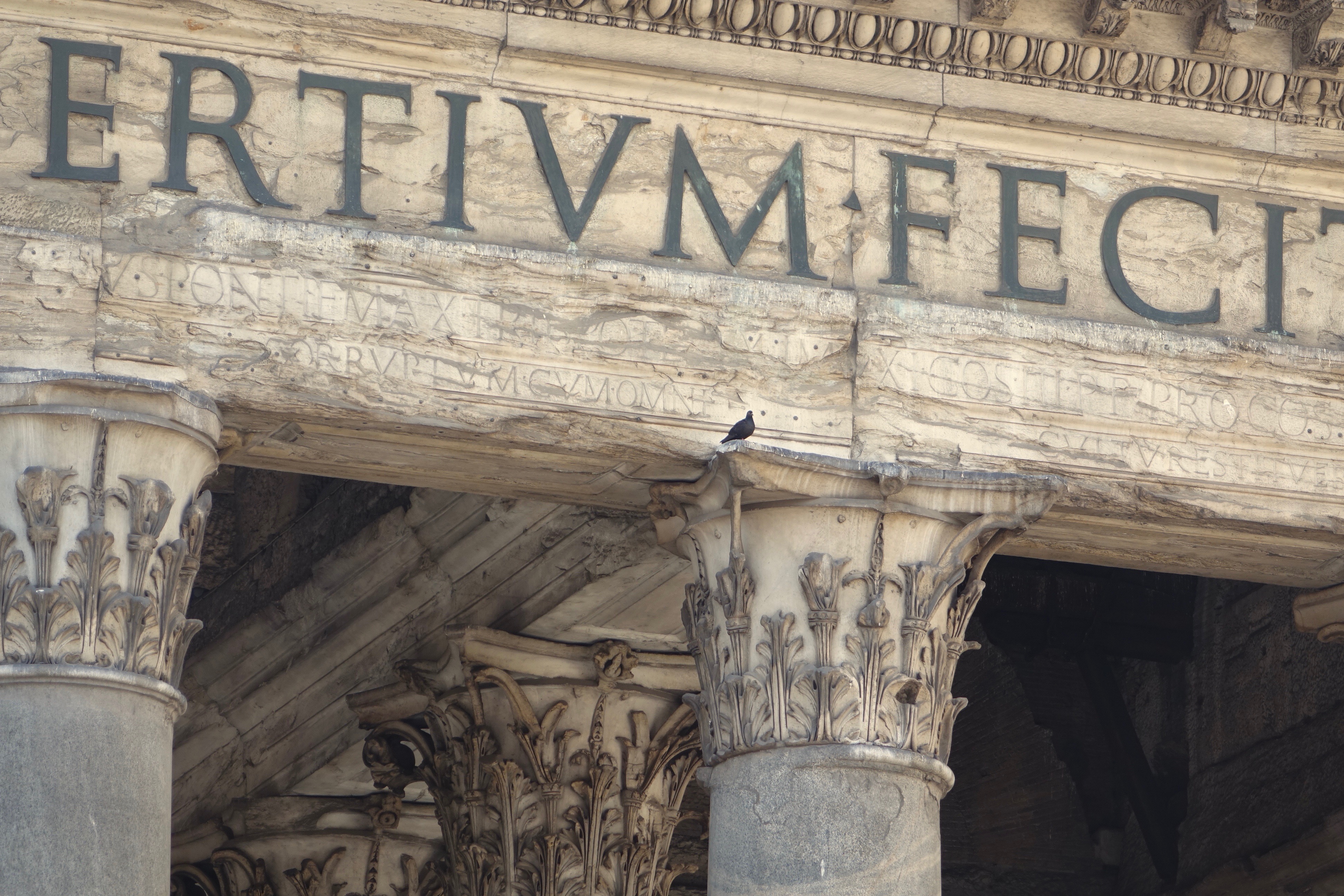
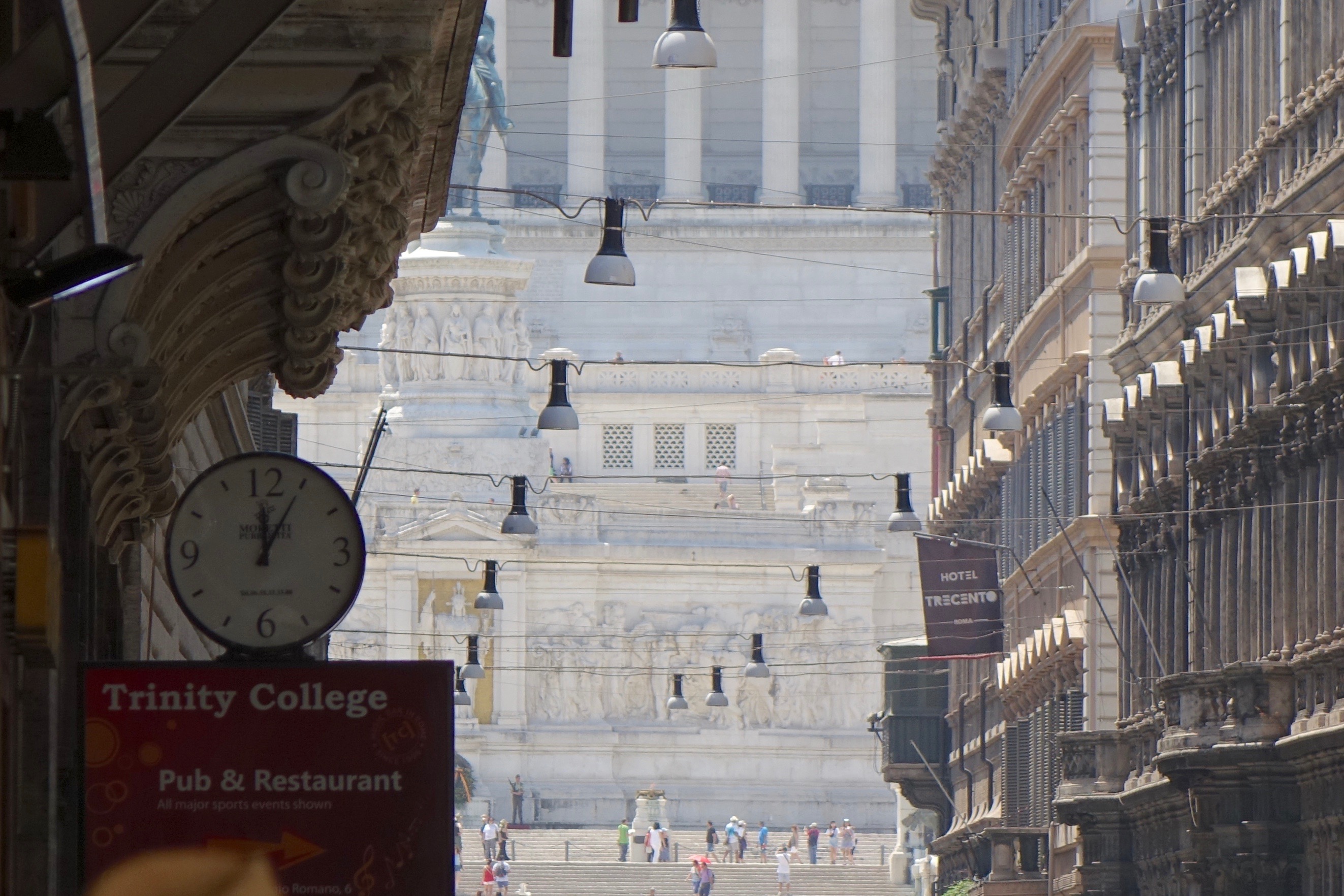
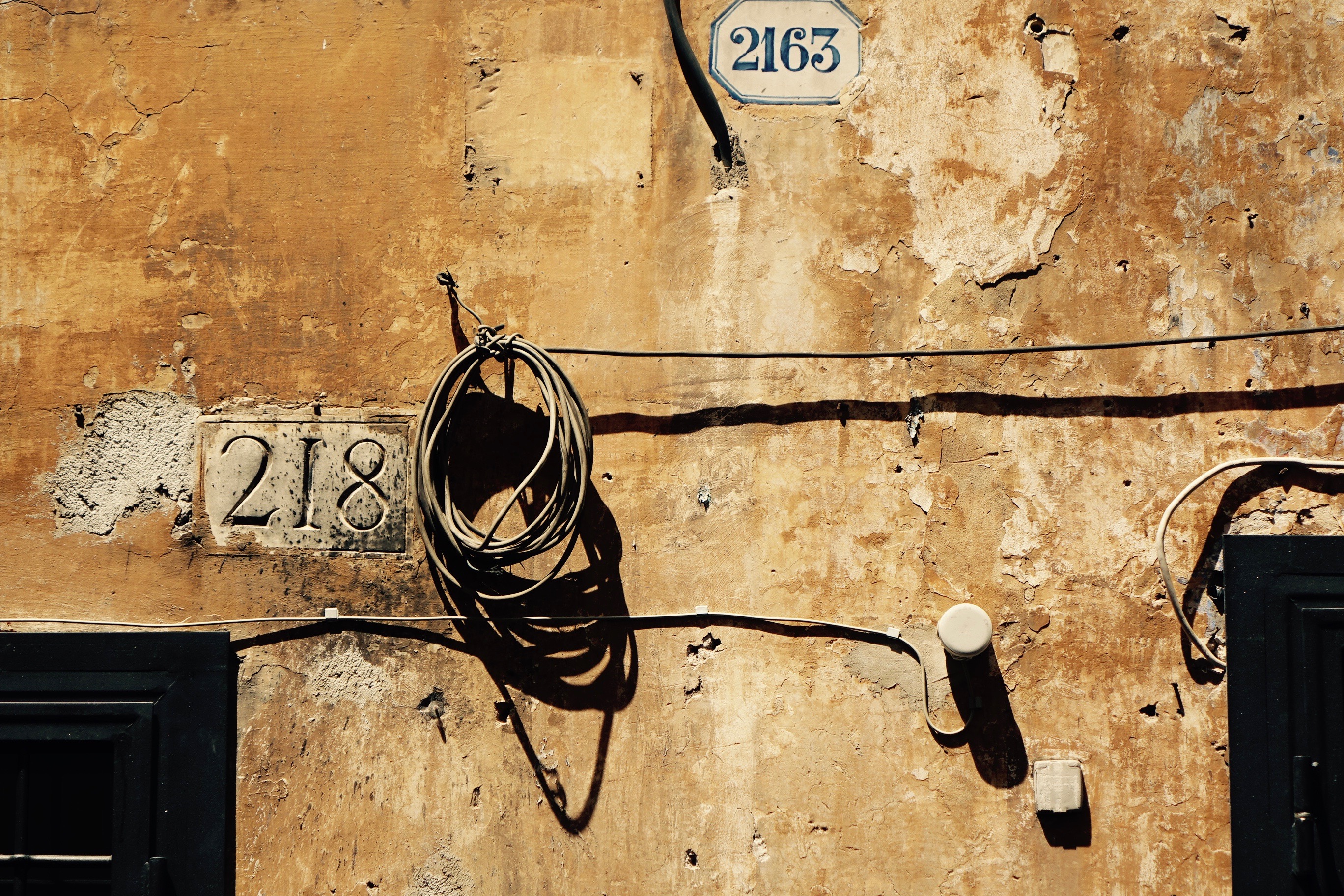
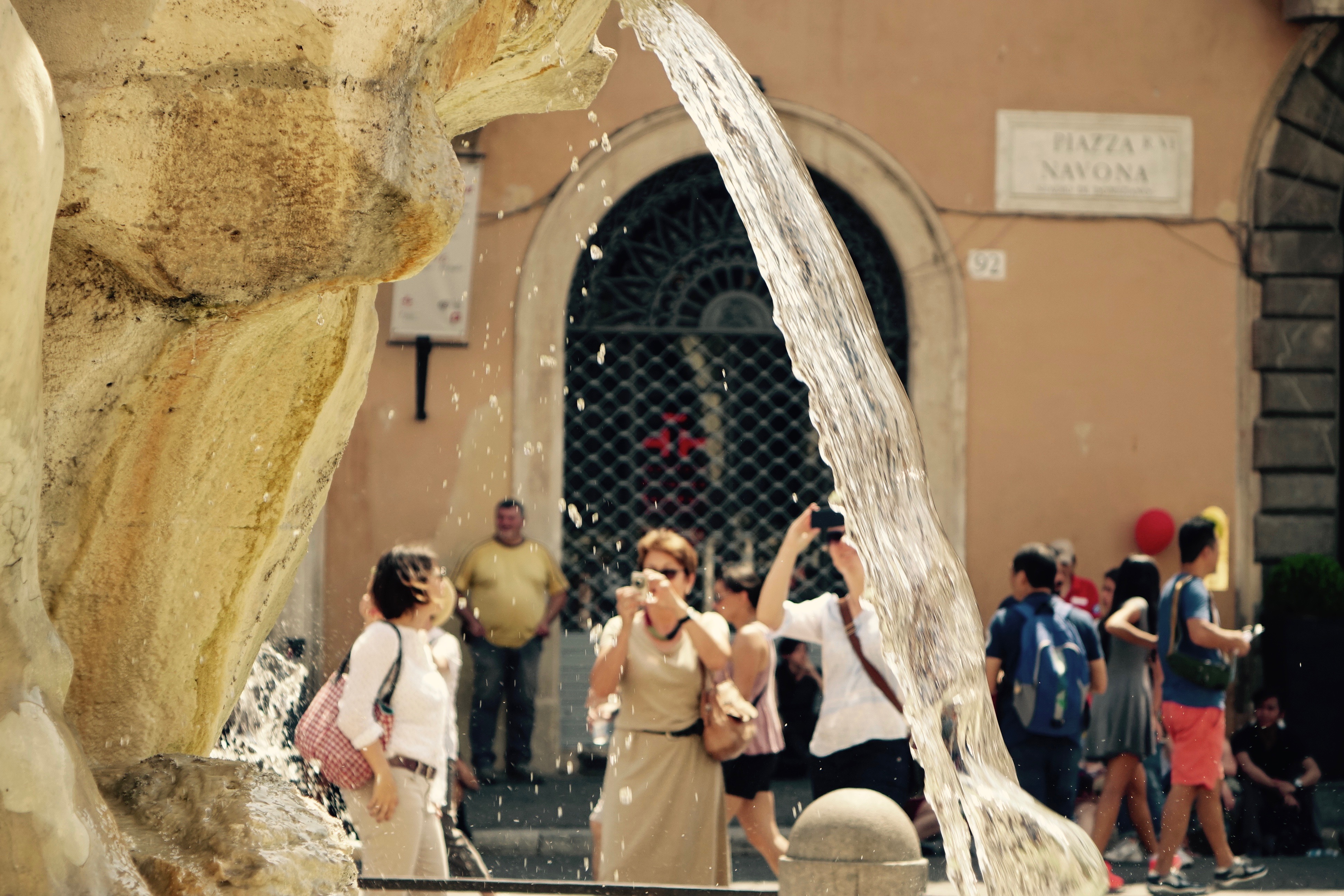
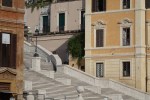
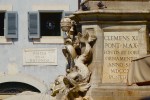
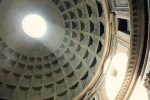
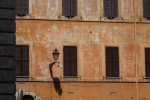
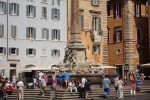
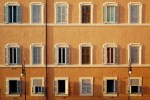
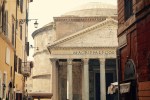
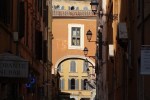
Campo dè Fiori, Piazza della Rotonda, the Via del Corso and the Lungotevere. The names of Rome’s russet coloured streets resonate with the same romantic euphony which make the city unique. Uniquely ancient, with the potency of history bleeding from every crack and cobble; uniquely passionate, its tempers flared by the heat and its vivacity for living played out in its food, its art, and in its attitude. Roma. Even the name’s mellifluous voyage across the tongue recalls a thousand stories of Emperors and Popes, Michelangelo and Bernini, pomp and glory, ascent and fall.

DSC03323DSC03285DSC03299DSC03360DSC03336

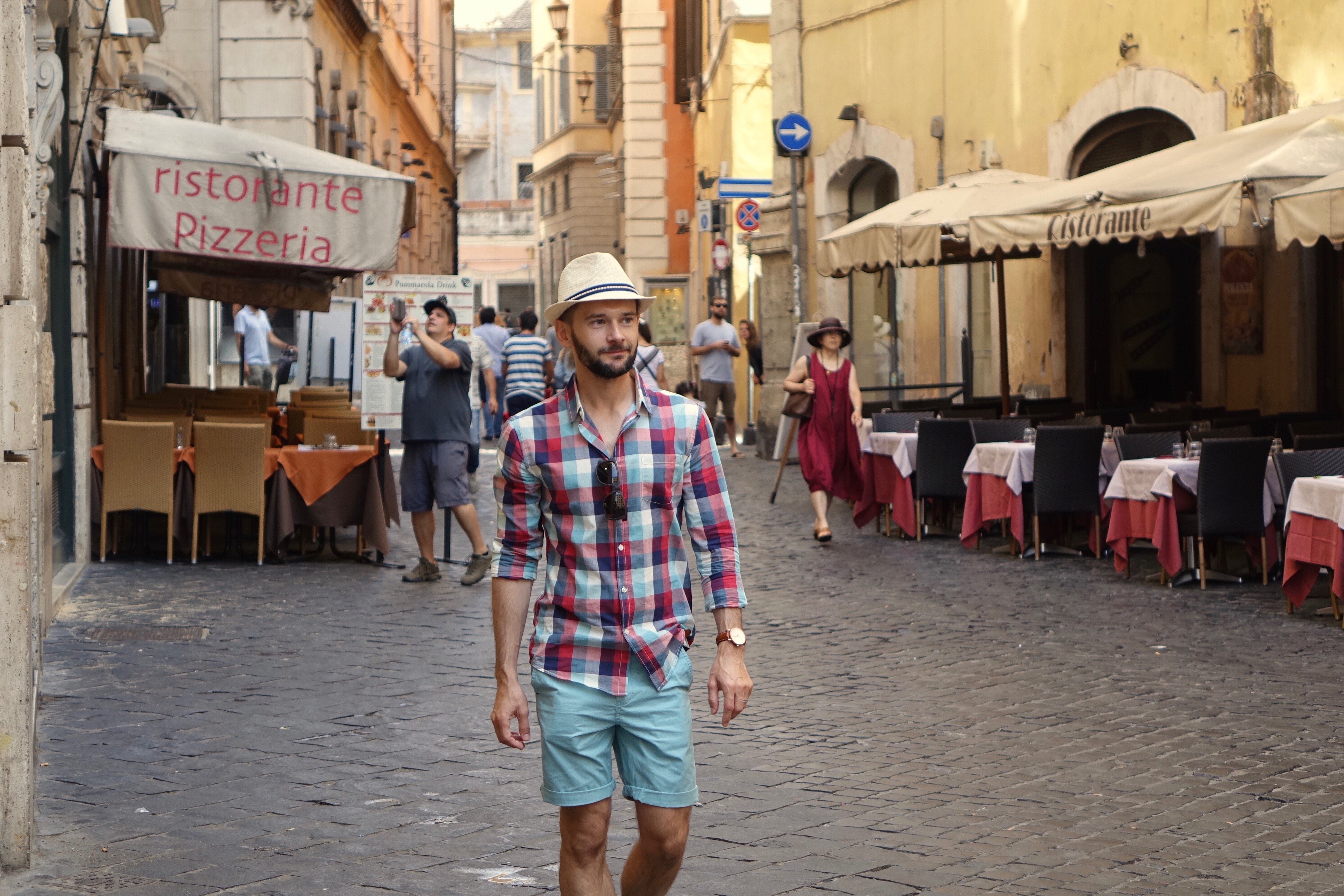
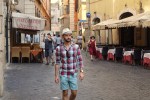
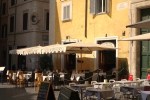
Rome has an energy which infects and conquers. It’s tiring for sure, manic in places, rammed full of tourists and trying to cross its roads is frankly a deathly pursuit. But who cannot be seduced by the smell of freshly ground coffee wafting through the streets; by the fashionista ragazzi slowly wafting through the strada of Spagna with their newest accessories on show; by the slowly melting gelati, the magnificent marble fountains and the restaurants spilling out onto Piazzas with their red Vichy tablecloths and mountains of spaghetti.

DSC03381DSC03645DSC03648DSC03692DSC03416DSC03795DSC03305

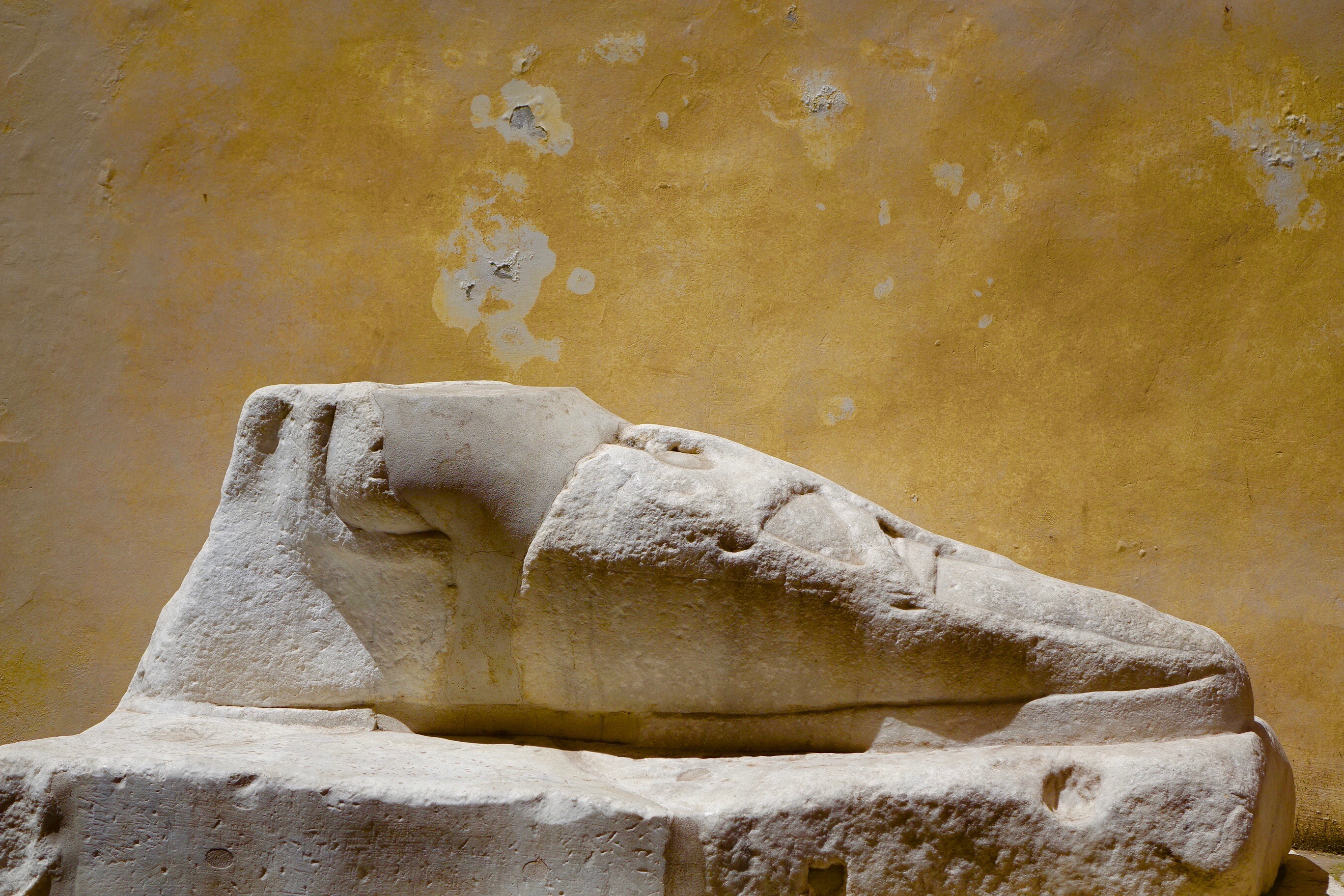
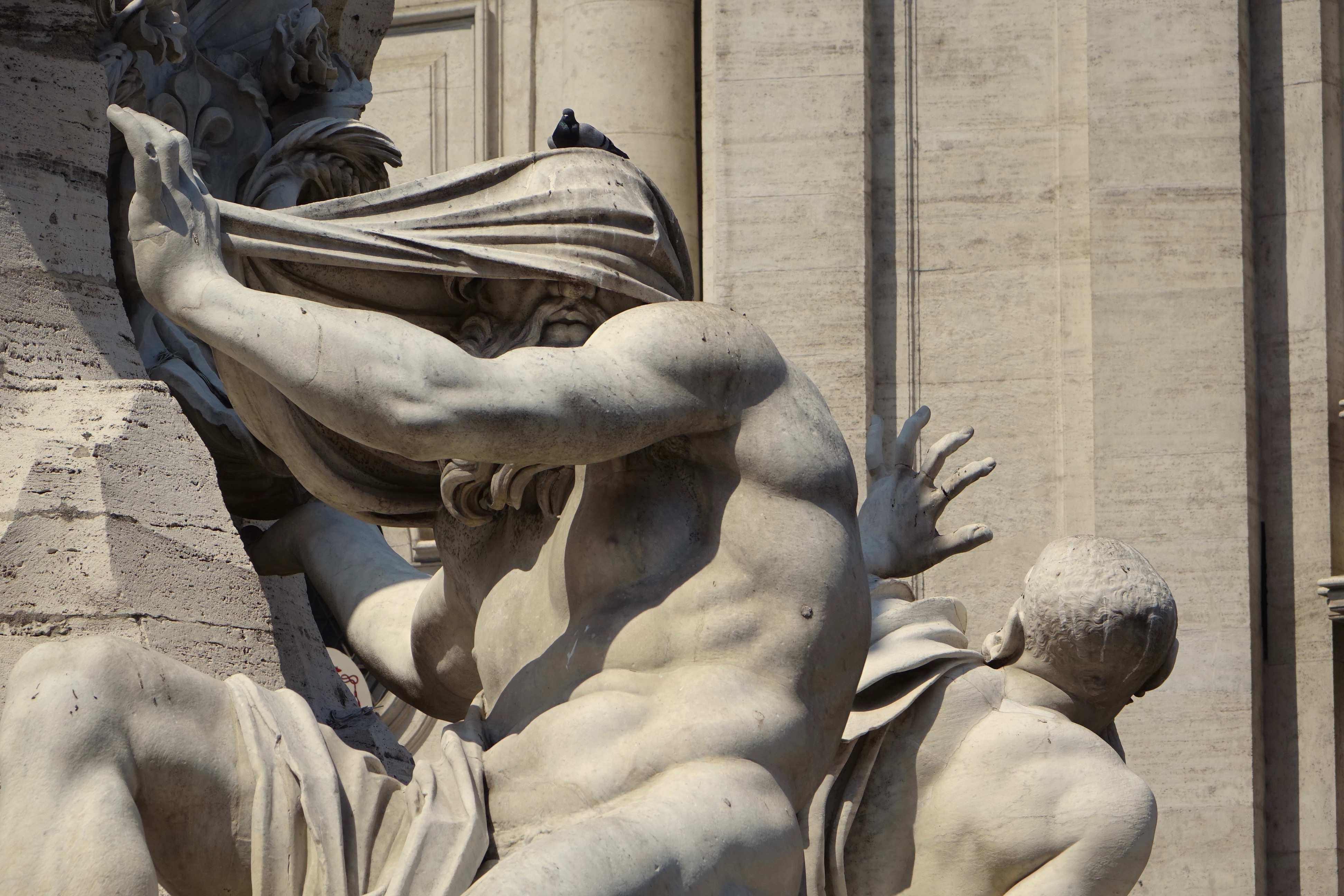
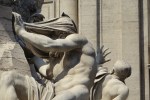
But perhaps above all things, Rome is a city of art. On every corner, at the centre of every square, and in even the smallest of chapels, there sits a masterpiece whose magnitude marks out an entire chapter in the pages of art history. Rome is for art what Manhattan is for skyscrapers. A living museum with an astonishing collection at every turn.

DSC03339DSC03428DSC03723DSC03825DSC03616

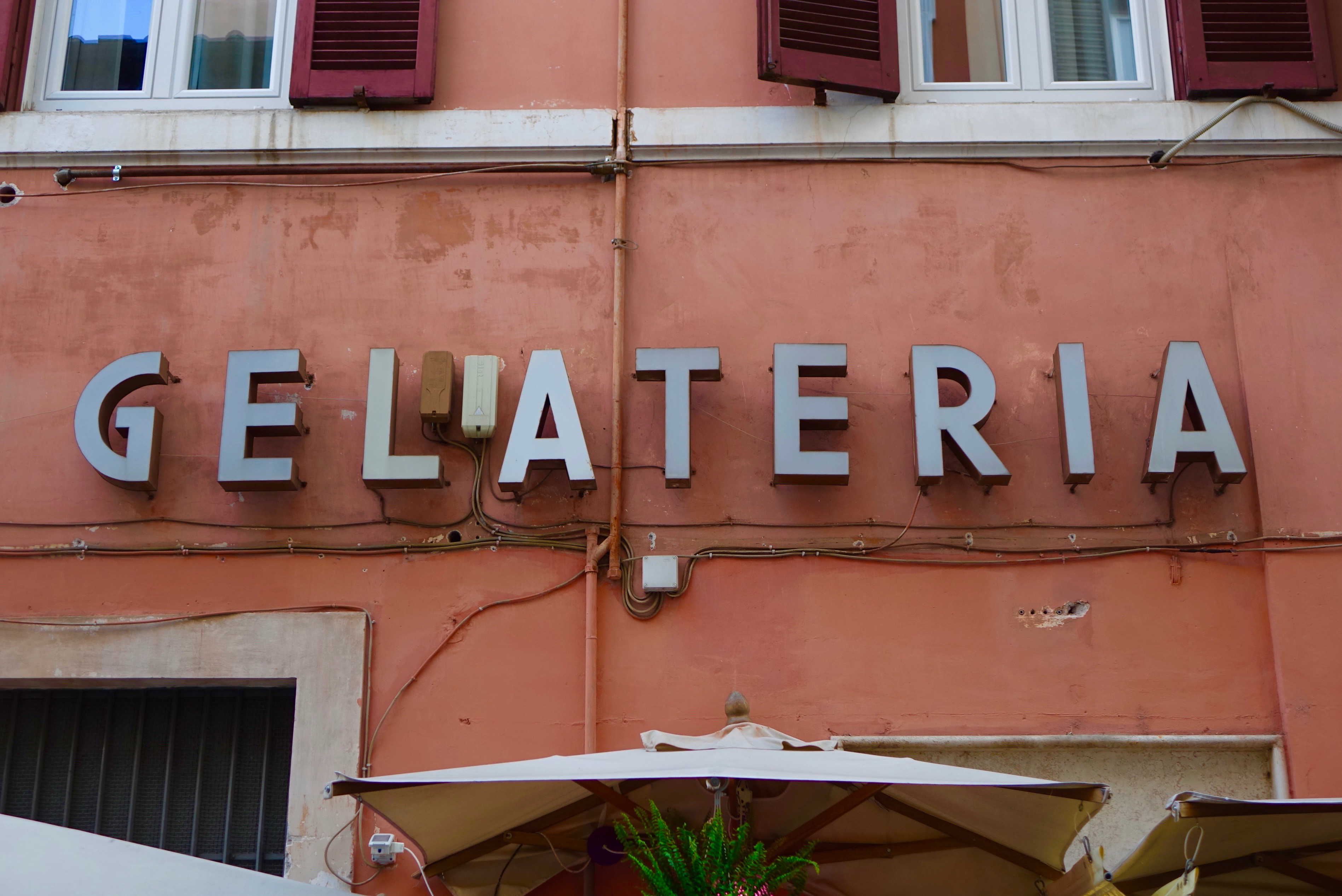
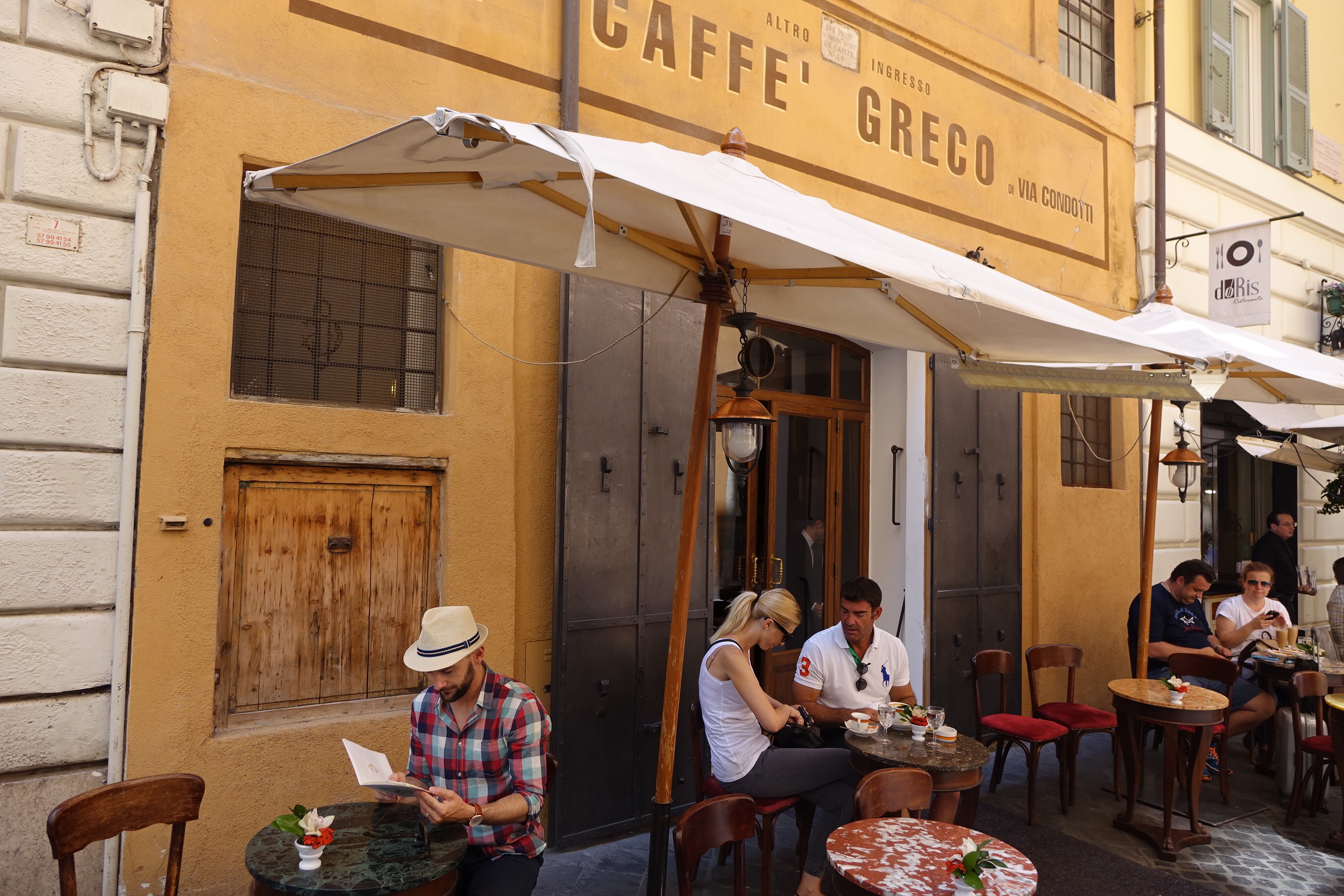
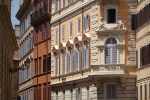
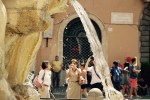
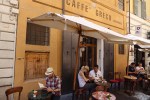
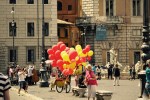
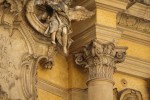
So when we eventually made it from Croatia to Italy, from Split to Rome, we drunk in the infectious atmosphere of Rome like someone devoid of water after a week in the desert. We went to galleries, we went to cafes, we even endured the coach-party crush of the Vatican Museum. But our favourite pursuit was simply to be in Rome. To wander the streets and let the city wash over us, tantalising each of the senses in turn. Smell: a rich creamy coffee propped up at the bar of the Tazza d’Oro or outside the illustrious Caffe Greco. Taste: dinner by candlelight on the Via Condotti. And for our eyes, the simple feast of colour which adorns every street and building. It is this palette of colour, the terracottas and ochres, deep sanguine red and golden custard, which is the focus of this post. A collection of photos which need say nothing more than narrate the story of a city whose heart is worn so explicitly on its multi-coloured sleeve.

All photos and written content are strictly the copyright of Nicholas de Lacy-Brown © 2016 and The Daily Norm. All rights are reserved. Unauthorized use and/or duplication of the material, whether written work, photography or artwork, included within The Daily Norm without express and written permission from The Daily Norm’s author and/or owner is strictly prohibited. 

From Illyria to Italy, Part 4: The island of Hvar

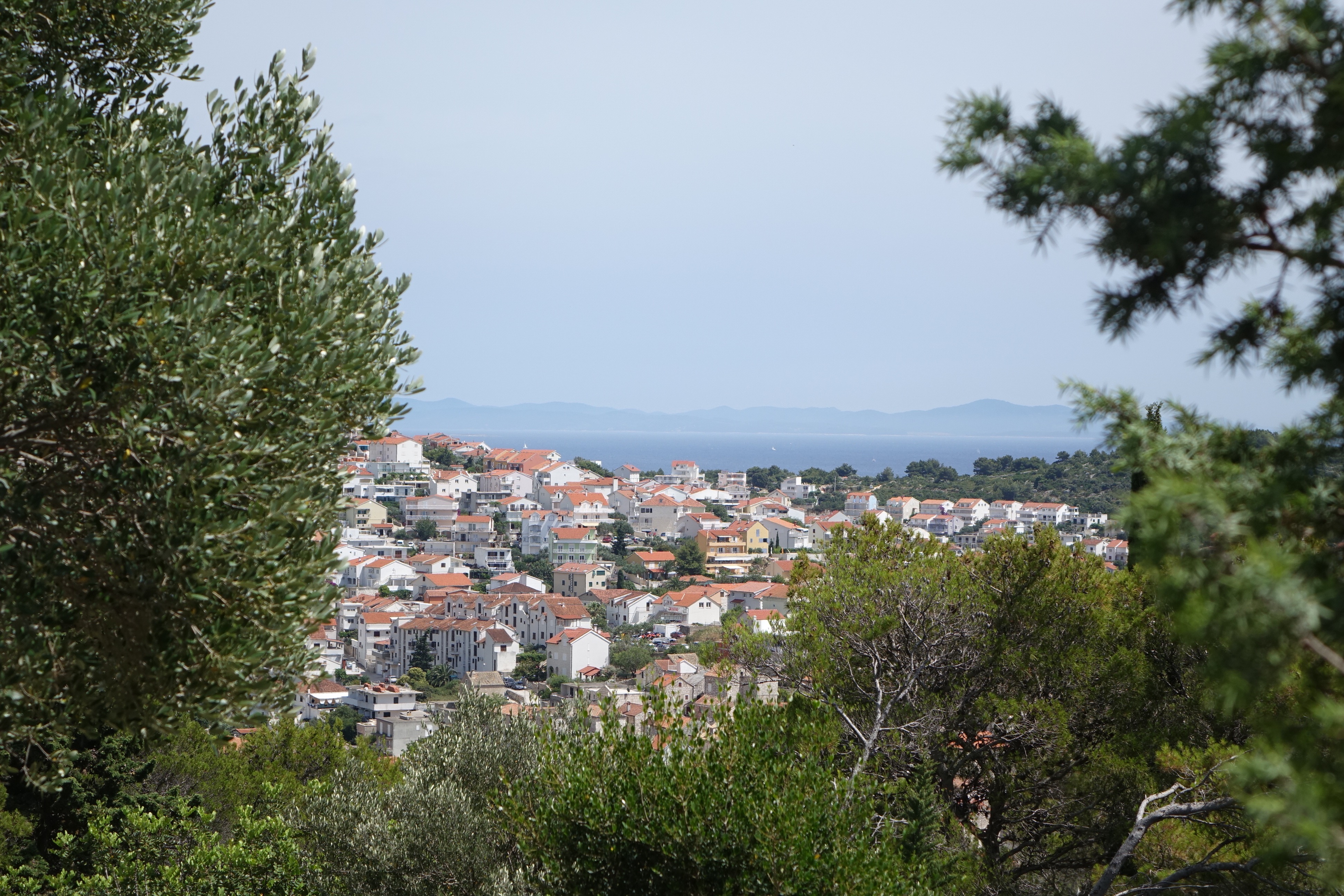
I’d heard of the island of Hvar before I even knew about Split. With its uniquely mild climate, art treasures, beautiful beaches including many hidden spots on its panoply of little adjacent islands, and fields full of scented lavender, the island is well known to be one of the jewels of the Adriatic. However, as the luxury yachts have gradually started to make themselves at home in its crystal clear waters, the island has slowly become a haven for the well to do, and the island is quickly earning itself the reputation of the St Tropez of Illyria.

DSC02976DSC03105DSC02975DSC02973DSC02982DSC03017

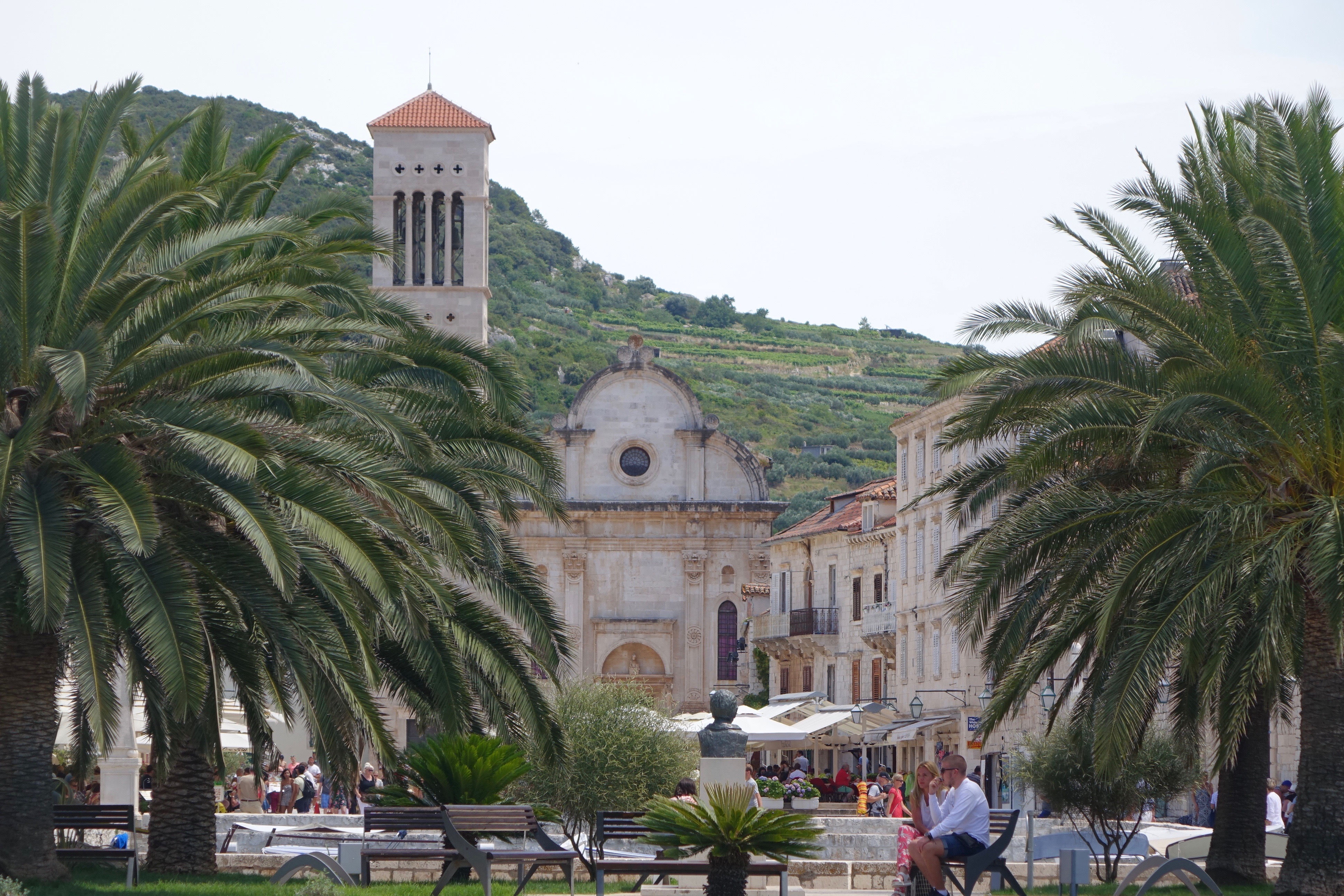
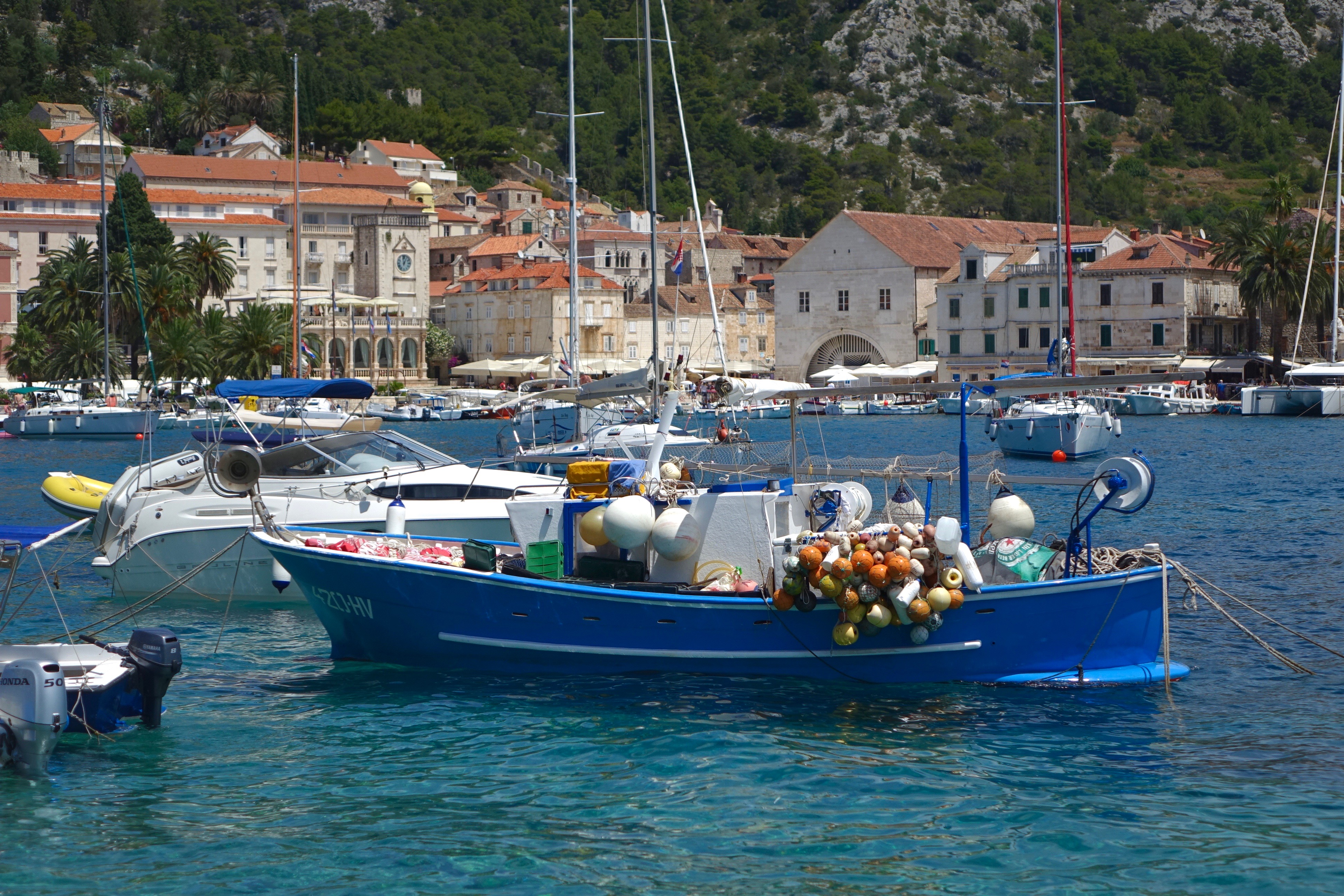
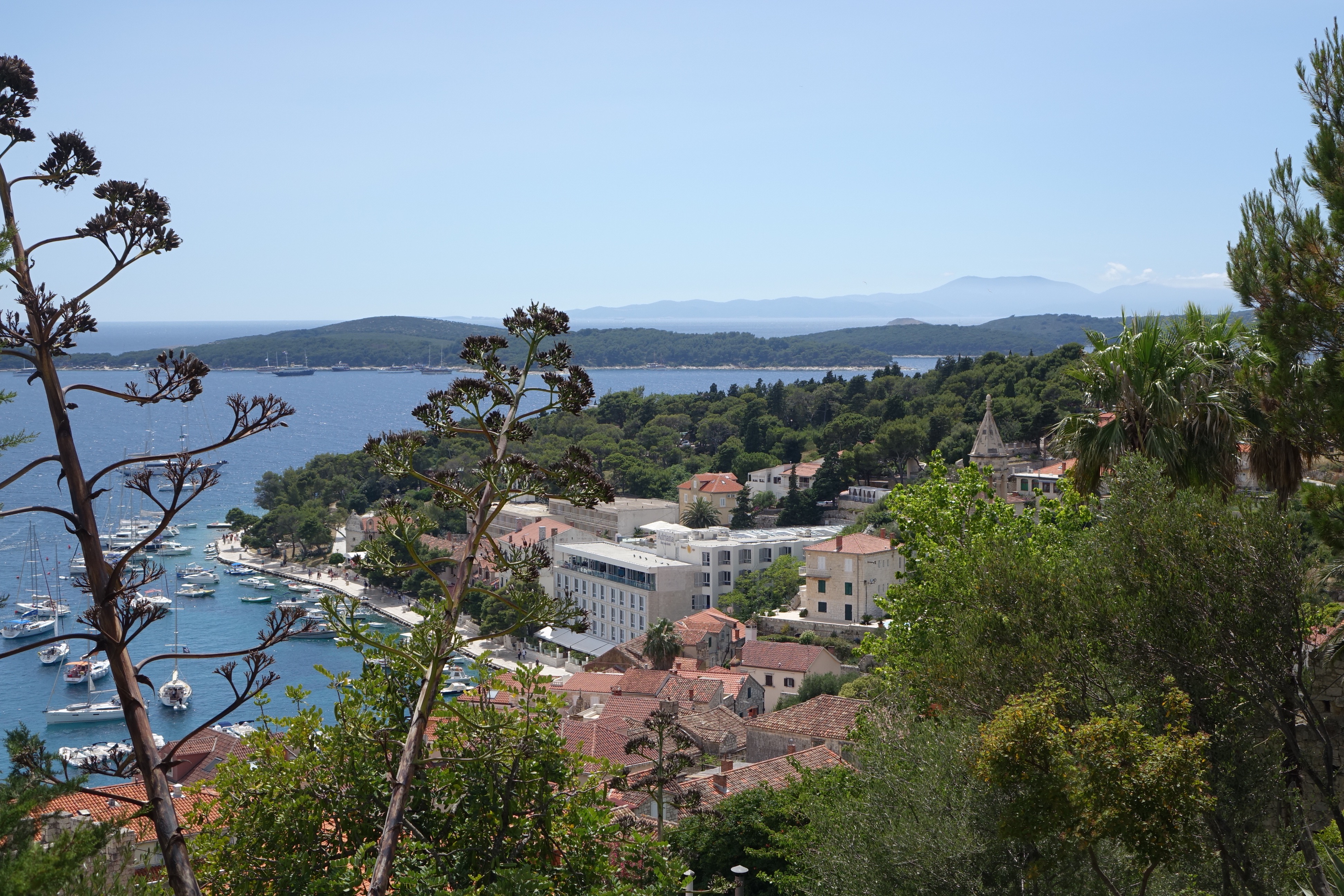
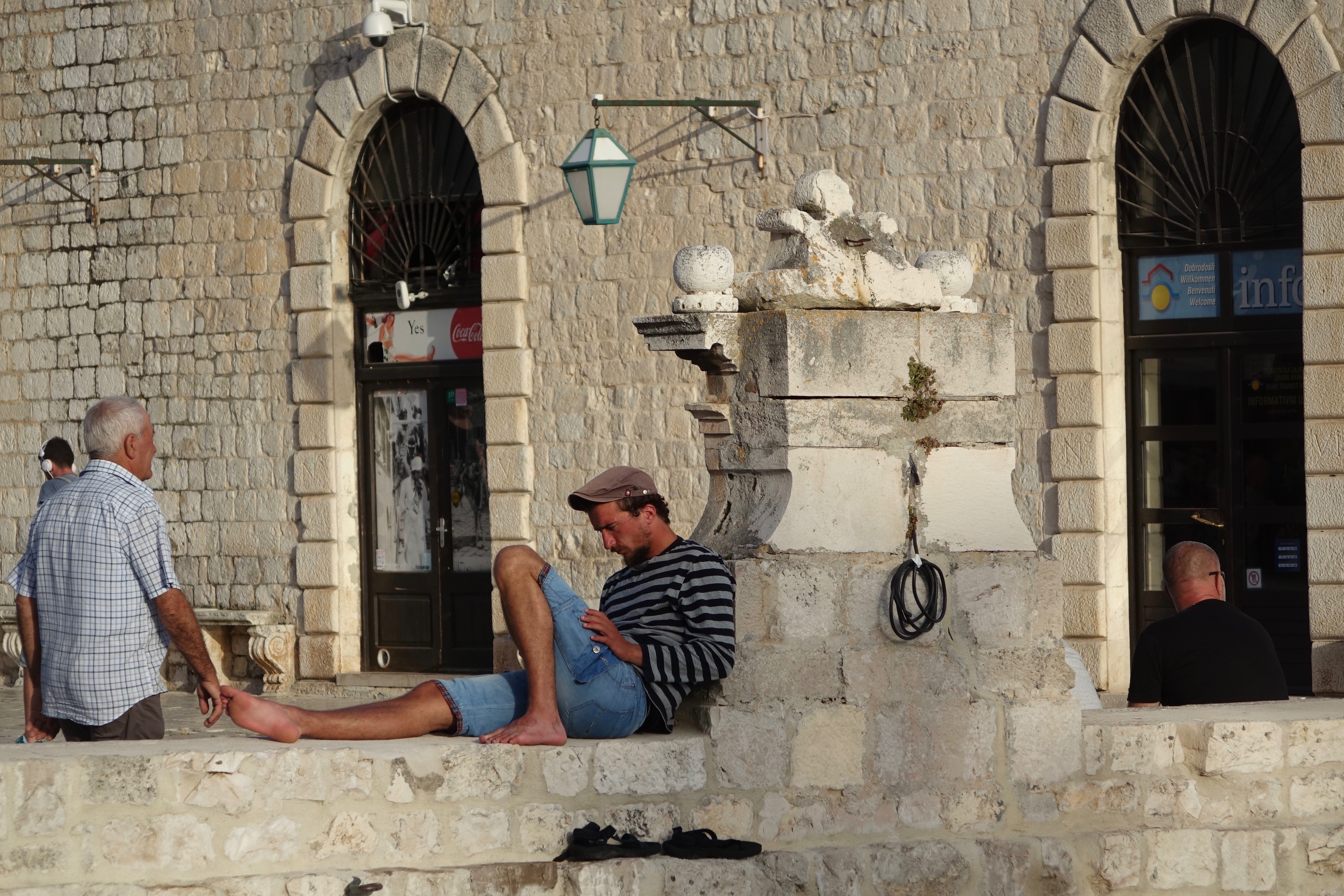
The proximity to Split of this rather difficult to pronounce island made it a must-visit destination on our Dalmatian adventure. Taking a catamaran full of enthusiastic backpackers from the sulphur-scented port of Split (somewhat off putting so close to breakfast) we reached Hvar in just over an hour of calm(ish) sea travel. First impressions were very good. The quayside of Hvar Town seemed to exhibit all of the characteristics of a Riviera style cafe-lined promenade, with pristinely pruned and plucked palm trees perfectly lined up alongside carefully maintained Venetian-style palazzos.

DSC03026DSC03029DSC03014DSC03072DSC03089DSC03086DSC02994DSC03004DSC02991DSC03000DSC03012DSC03076

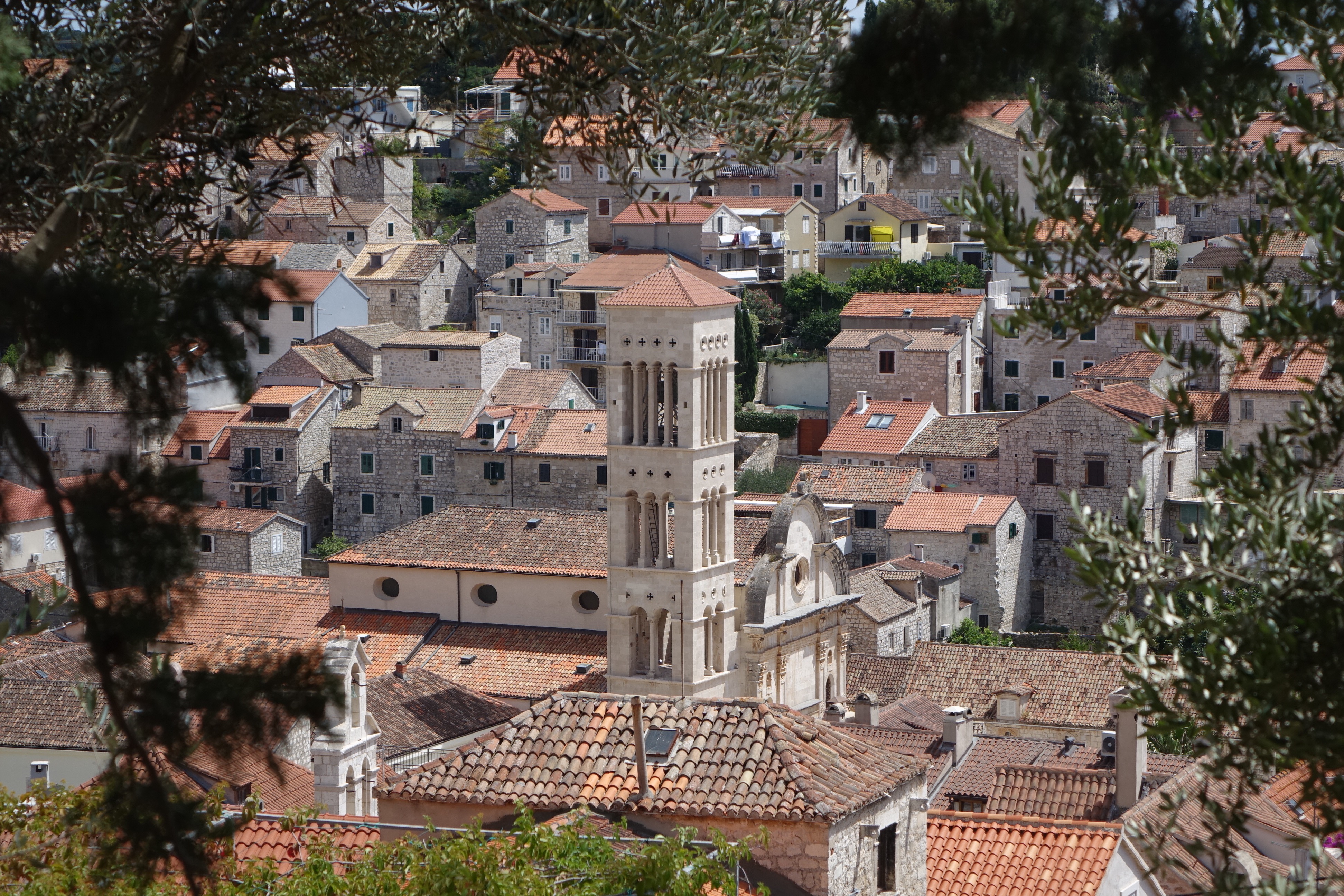
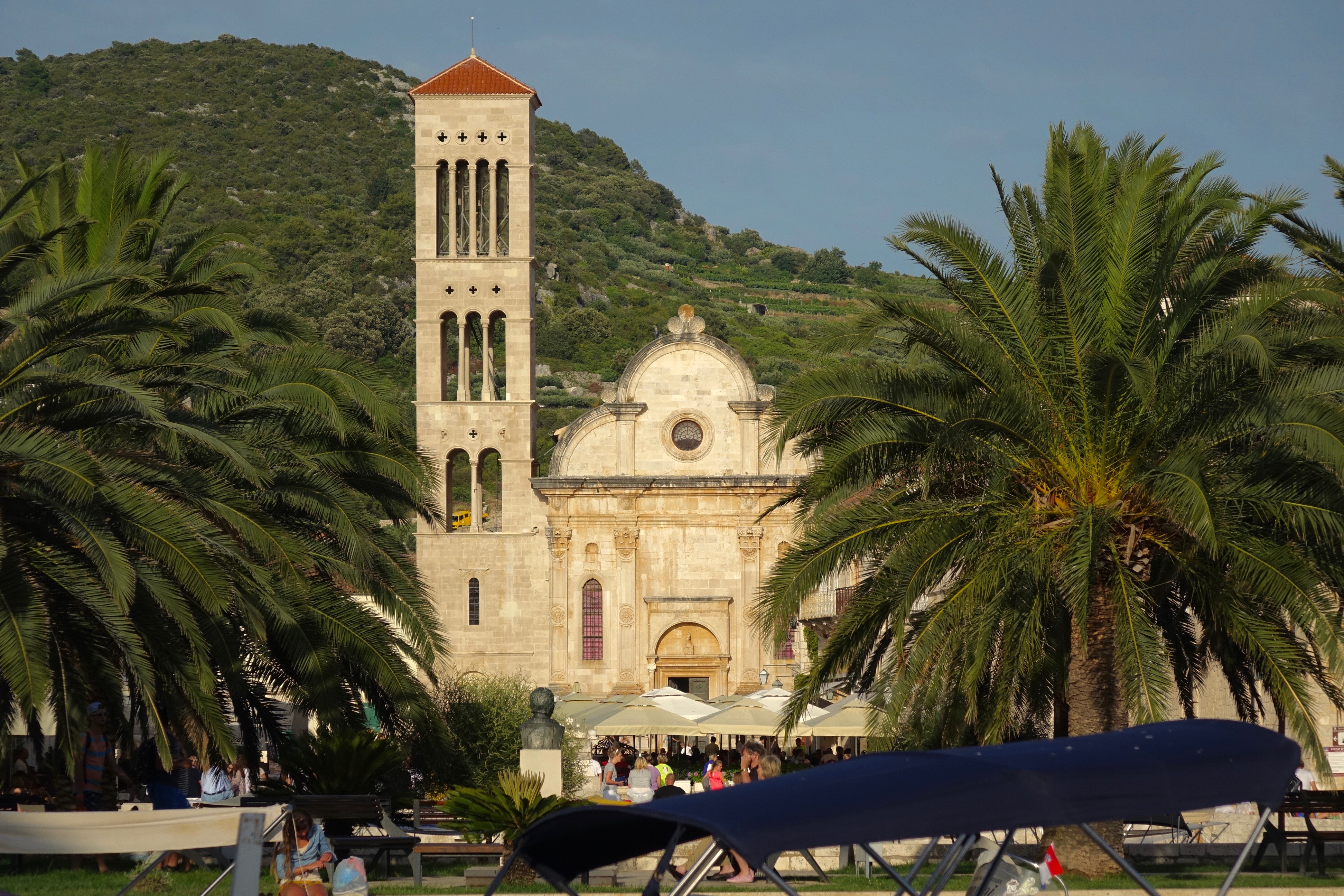
Evidently characterised by the influence of its past Venetian rule, when the island was a key stop-over point for Venetian merchants returning from the Orient, Hvar Town bears all of the hallmarks of its cultivated past, including one of the first theatres ever built in Europe, and the splendid little Cathedral of St Stephen perfectly located with a sprawling piazza before it, and a rolling green mountainside behind.

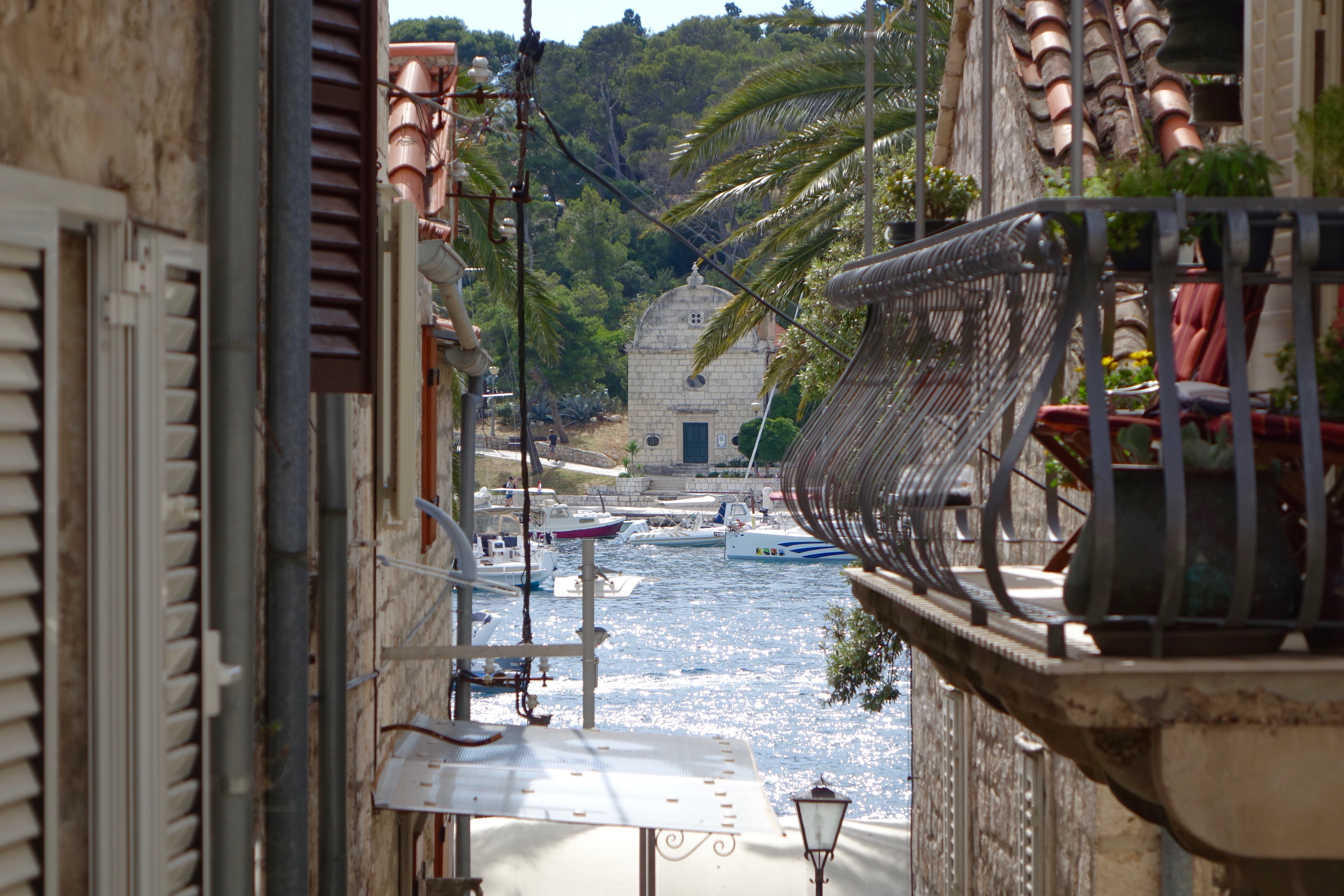
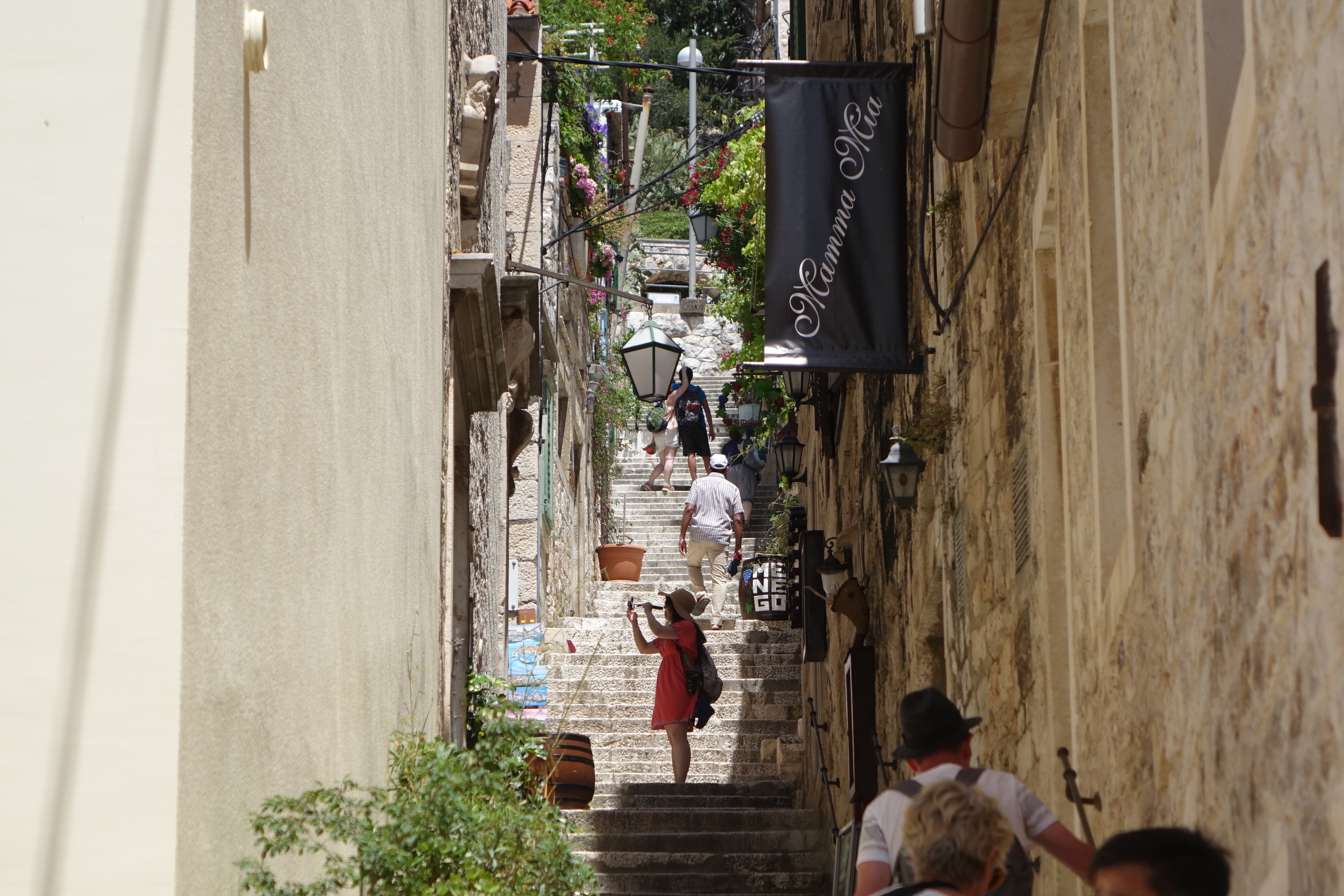
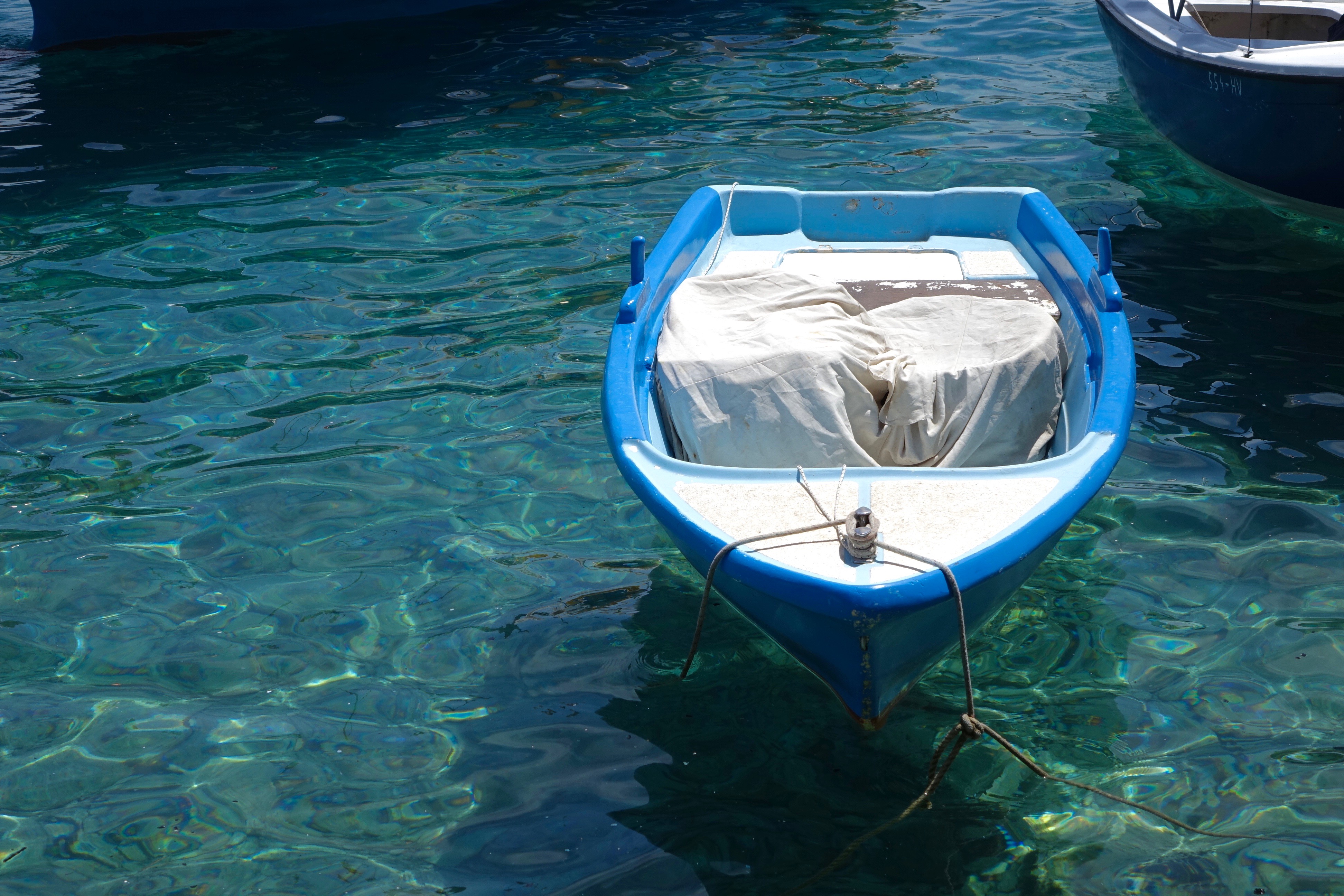
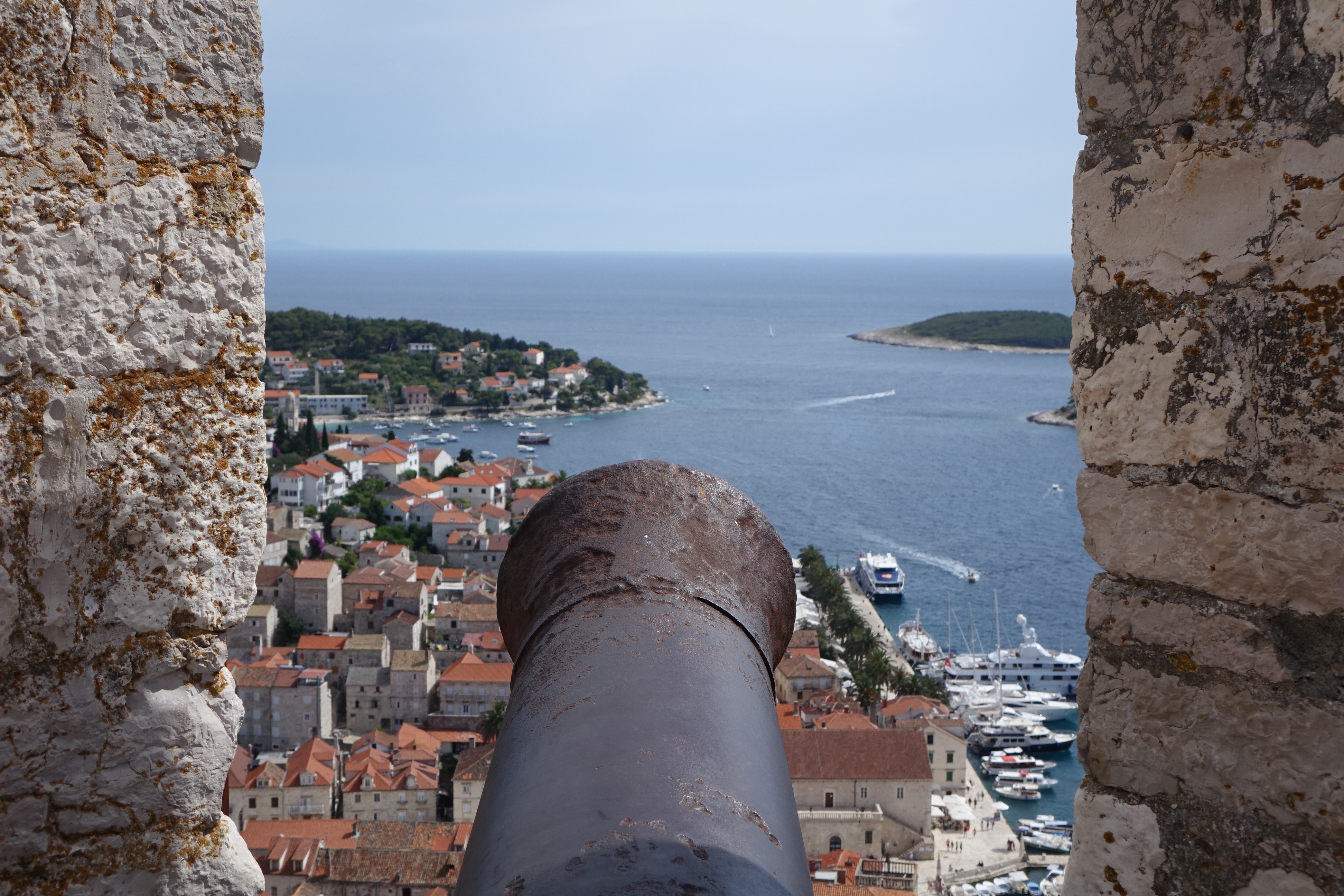
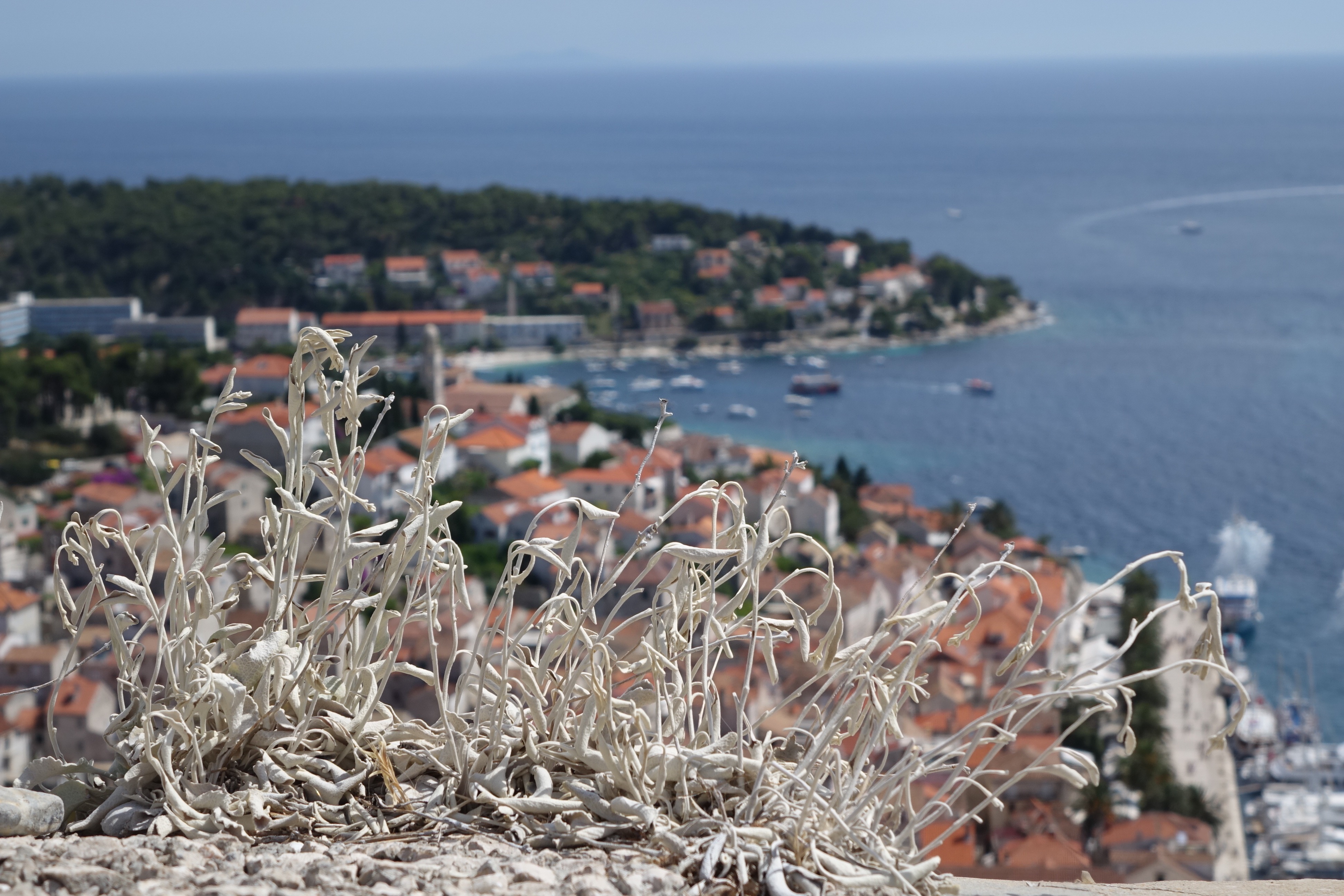
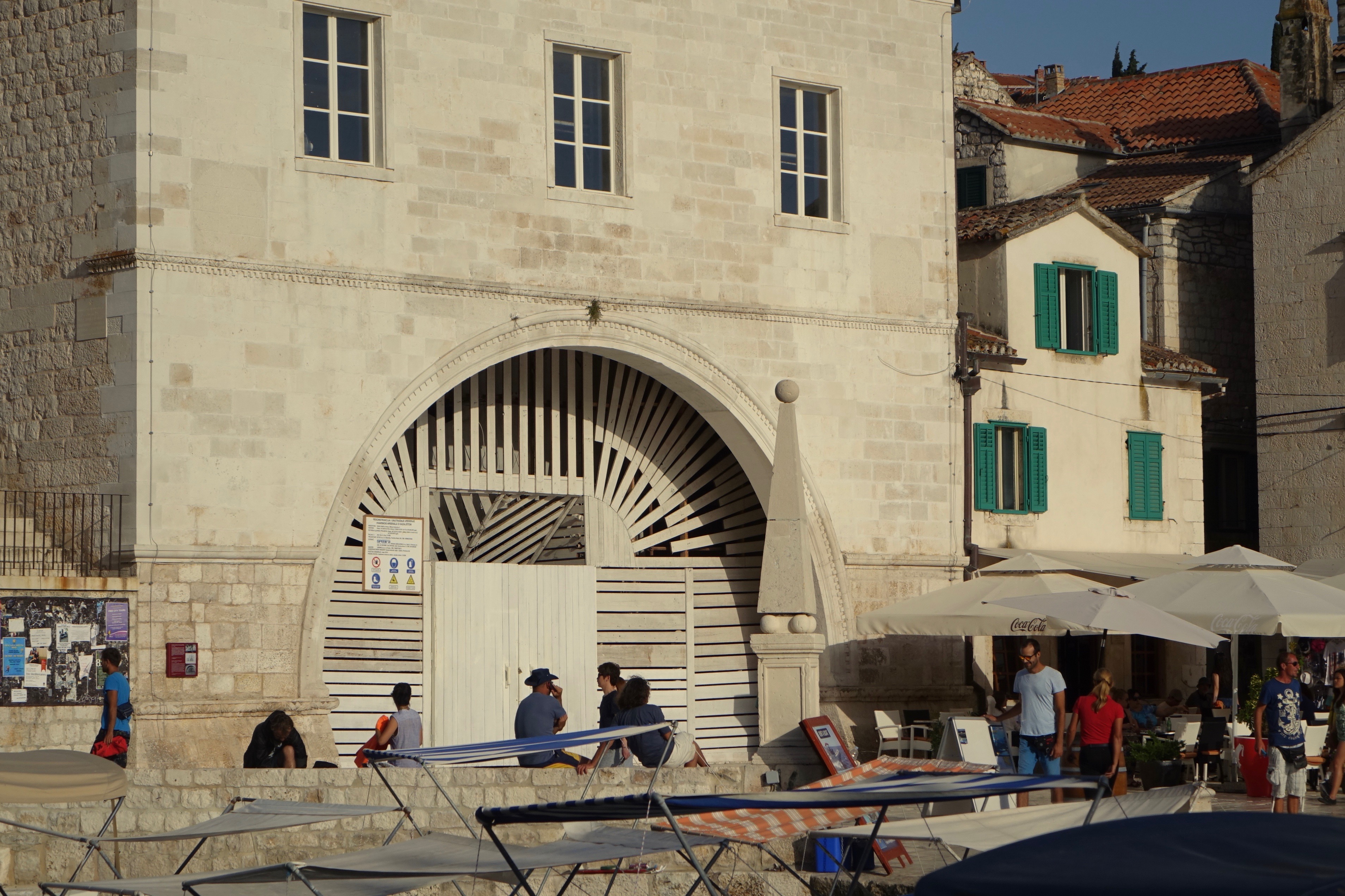
Set around a natural harbour, the town was one of those places whose aspect improved from every angle. Walking around the port, a picture-postcard view could be enjoyed from across cerulean waters peppered with colourful fishing boats, or from small shady gardens set alongside the Renaissance Civic Loggia characterised 15th Century Venetian Gothic windows. Up a steep staircase, past one of the town’s monasteries, the views improved yet further, as appreciated from the heights of the Napoleonic Fort which casts a protective fatherly glance across the town from the steep hills rising up behind it.

DSC03062DSC03049DSC03067DSC03033DSC03037DSC03059

We only had a few hours between ferries to enjoy the island, and in reality we kept ourselves limited to the treasures of Hvar Town. And while from there, we may not have run amongst fields of fragrant lavender, nor enjoyed the unspoilt beaches of the island’s craggy coastline, our brief acquaintance with Hvar was nonetheless one of the highlights of our trip to Croatia. Tranquil, elegant and unpretentious despite its natural attractiveness, Hvar Town felt as exclusive as the French Riviera but without the hype. And while the quaint beauty of the Town was evident at all times of the day, I think you would have to go far to beat the town at sunset, as the sun turned a milky honey hue. In that calm meditative light, we were at serious risk of missing our ferry home, as we sat on the quayside slowly contemplating the facade of St Stephen’s turn a rich honeycomb gold, and ancient walls of the Arsenale a warm ginger.

Alas the ferry came, and we returned to the welcoming lights of bustling Split. But oh how I could have stayed in that moment forever.

DSC03143DSC03150DSC03155DSC03148DSC03102DSC03130DSC03141DSC03131DSC03111DSC03154

All photos and written content are strictly the copyright of Nicholas de Lacy-Brown © 2016 and The Daily Norm. All rights are reserved. Unauthorized use and/or duplication of the material, whether written work, photography or artwork, included within The Daily Norm without express and written permission from The Daily Norm’s author and/or owner is strictly prohibited. 
From Illyria to Italy, Part 3: The Riva and the Water

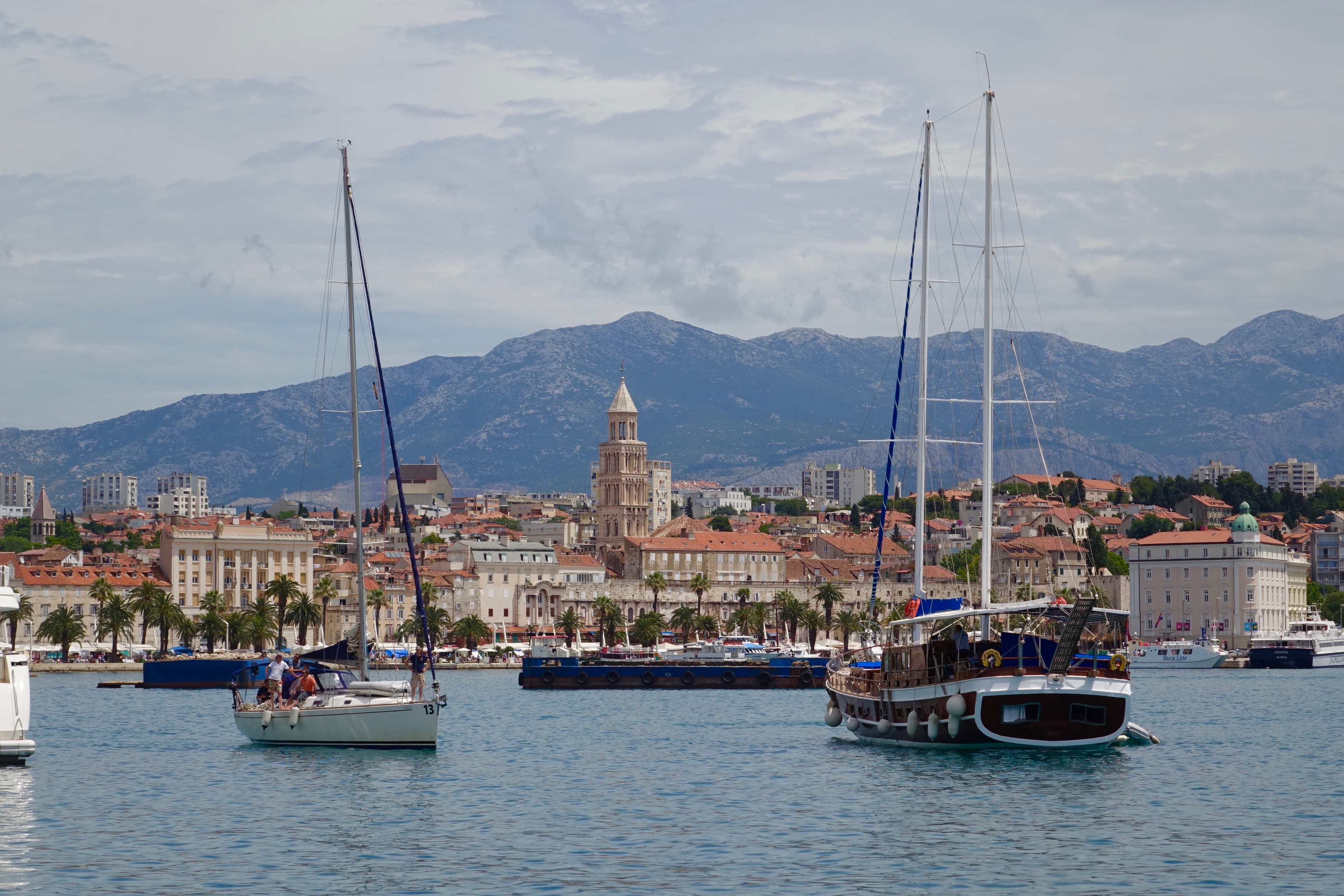
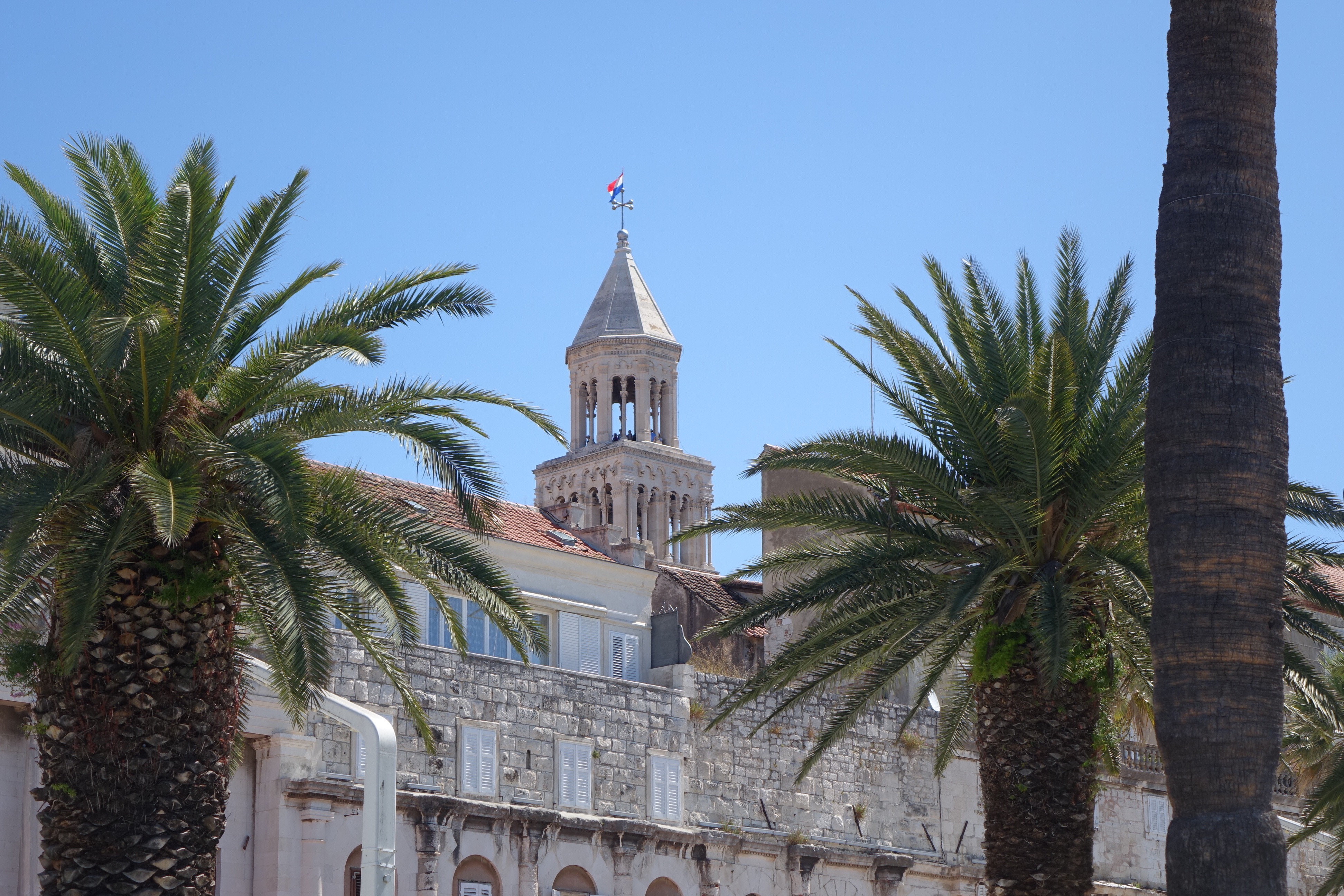
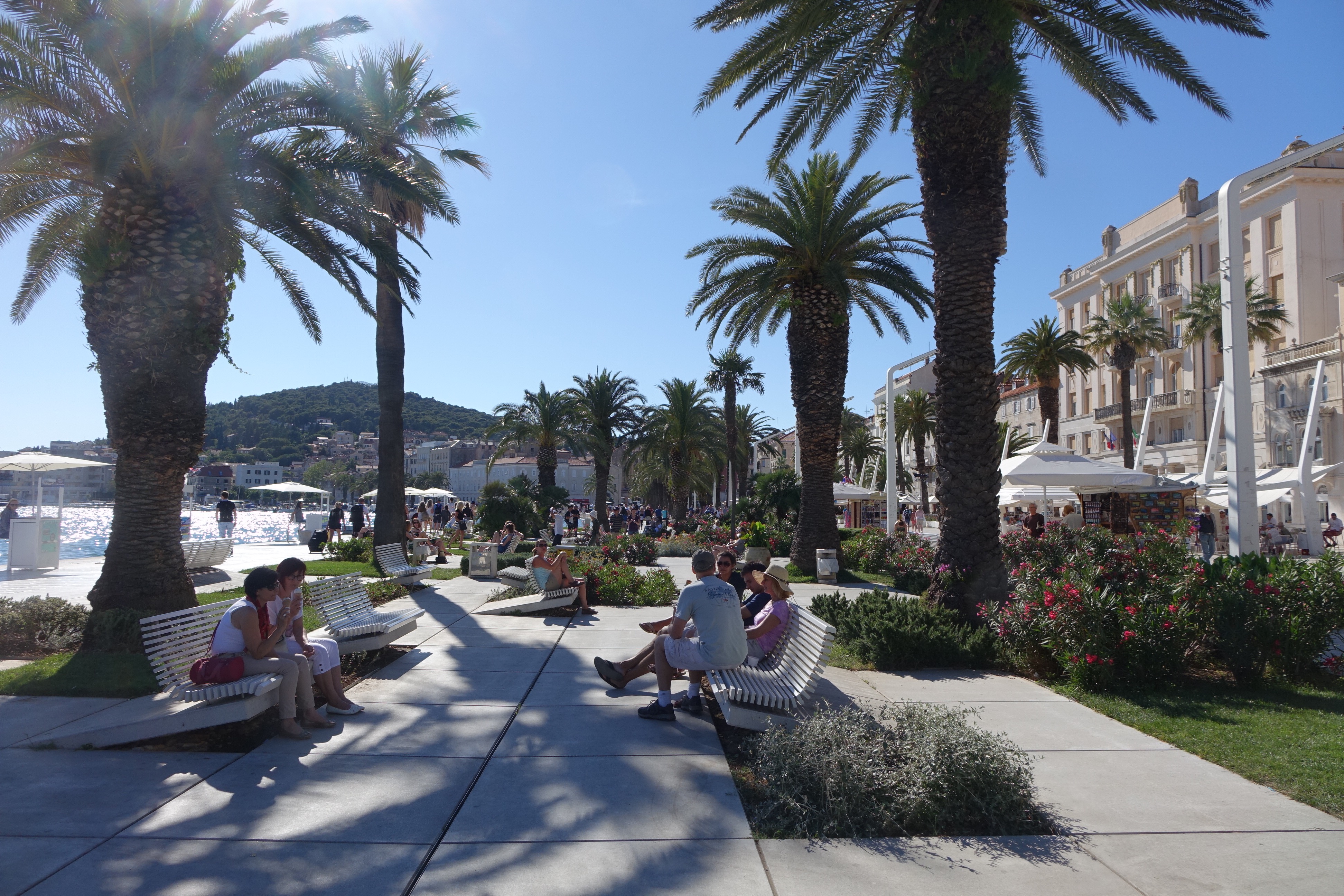
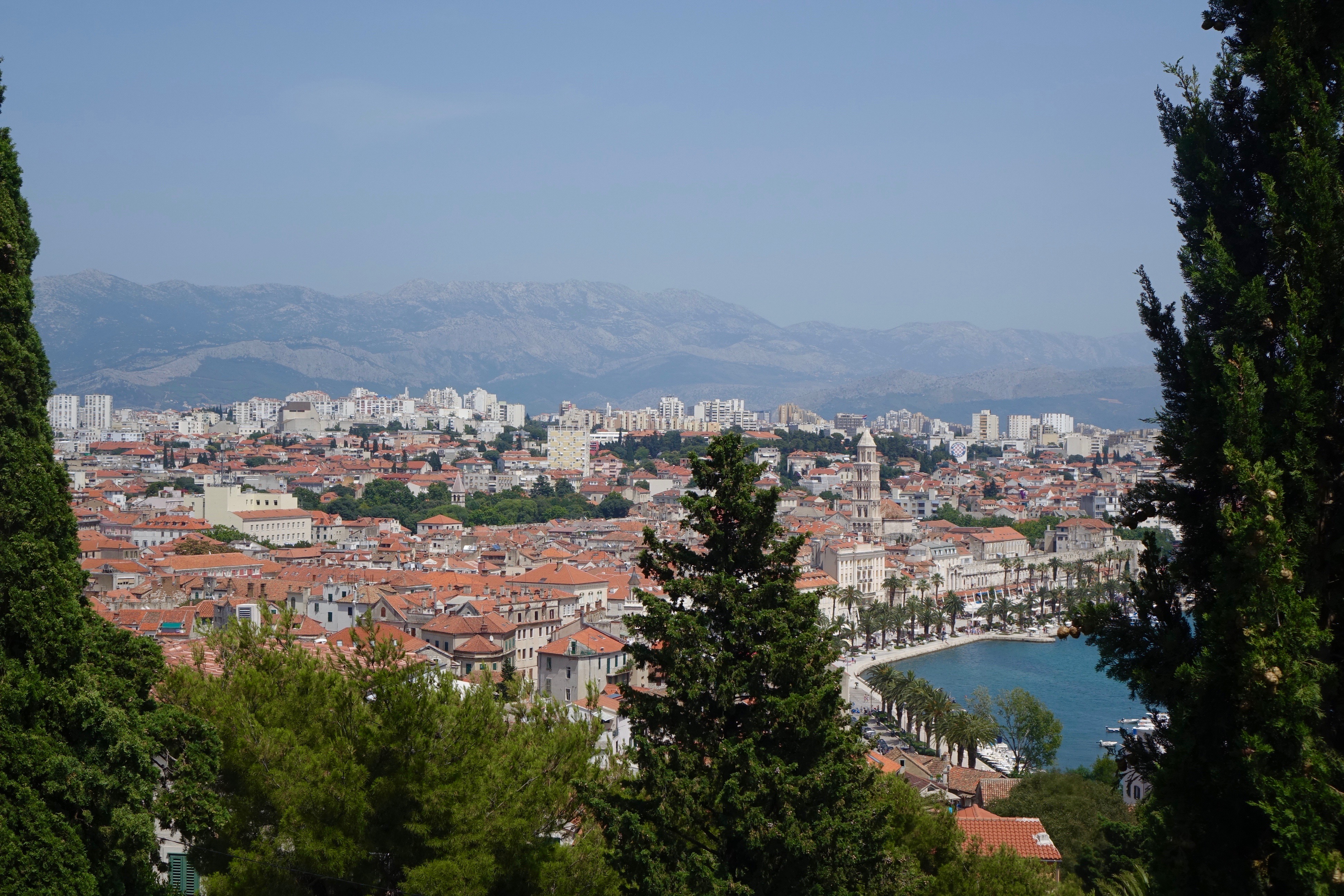
There is such a glorious panoply of architectural treasure to consume the mind in Split in Croatia that you would be excused for forgetting that the city lies on one of the most beautiful coastal stretches of the Adriatic sea. With an archipelago of little islands dotted all along the horizon as far as the eye can see, and a skyline of imposing mountains backing up the city, Split’s coastal views are stunning whichever way you look, no more so than from the Riva, the city´s bustling seaside promenade. The Riva stretches along the southern facade of Diocletian’s palace, and exhibits the laid back, chic French Riviera essence which no doubt remains a left over of the era of Napoleonic rule in Croatia, the time of its construction.

Today the Riva is arguably one of the centre points of the town, and although it is not a place to dip into the sea (not least because of the fairly off-putting smell of sulphur which pervades the area – apparently owing to the natural supplies of the mineral in the area, said to be one reason why Diocletian set up home here), it is certainly a place to stroll, sit on one of many flower-fringed benches, and take a coffee or a cocktail in crowded cafes squeezed into every inch of the pavement space.

DSC02586DSC02832DSC02770DSC02763DSC02856DSC02577DSC03167

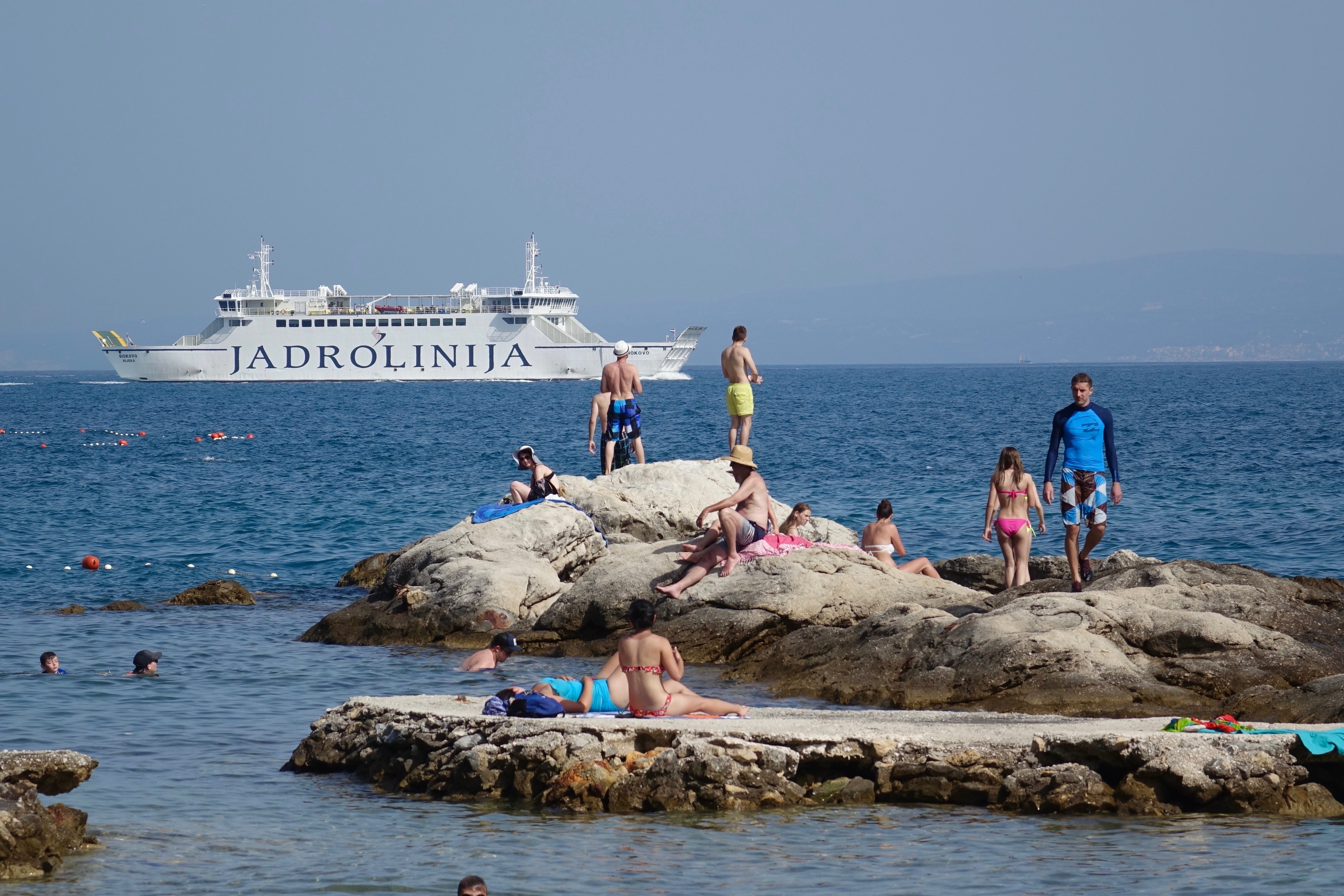
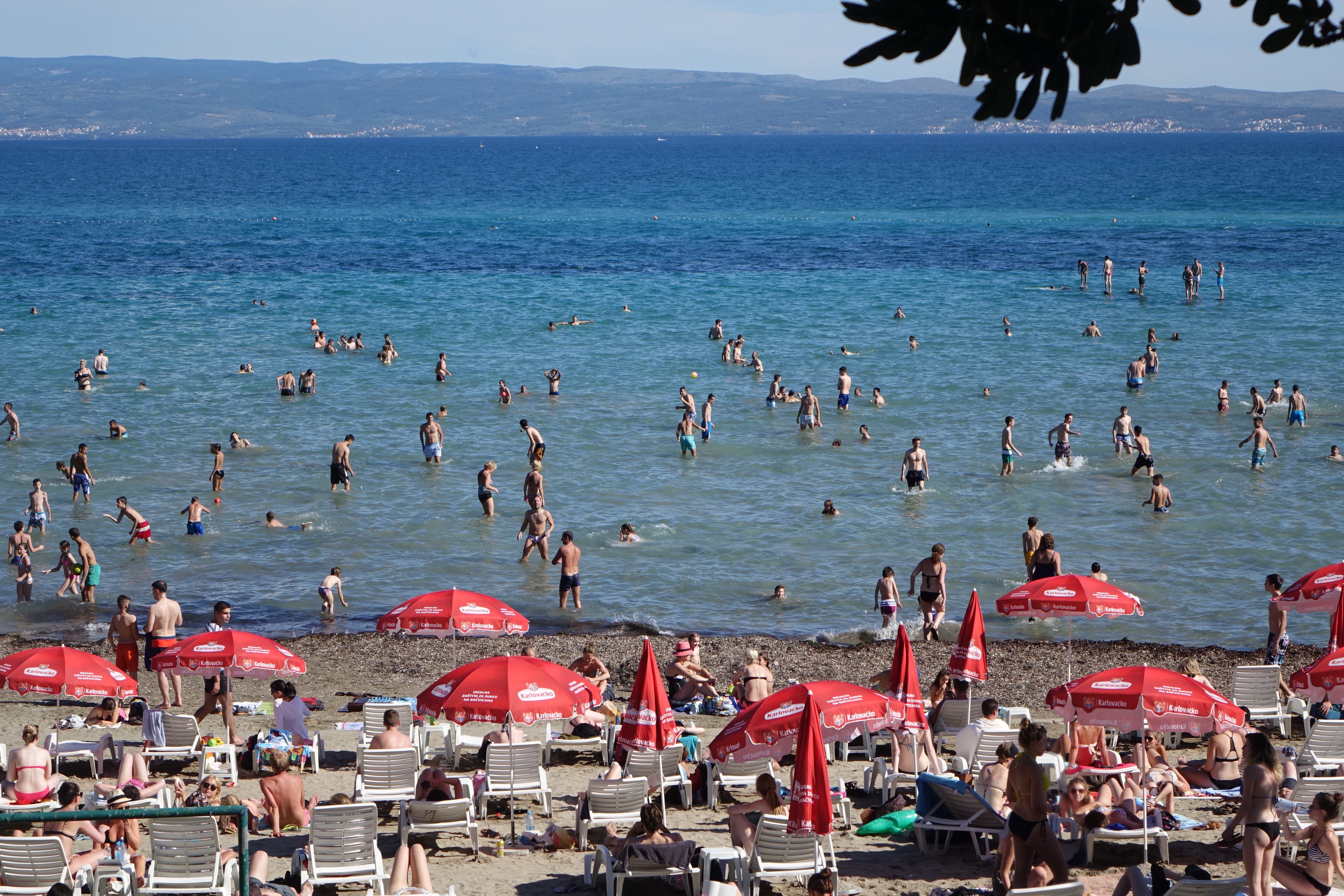
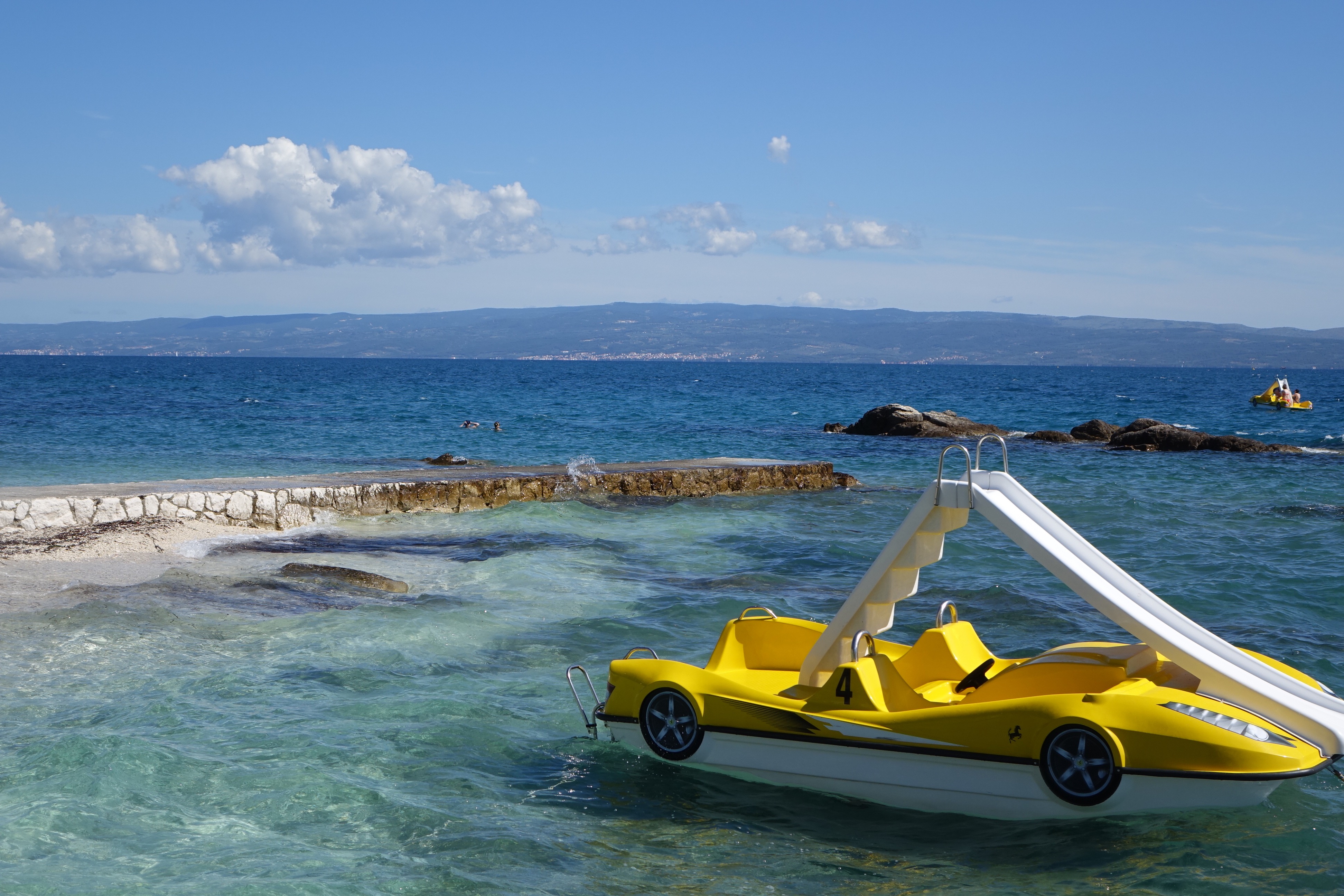
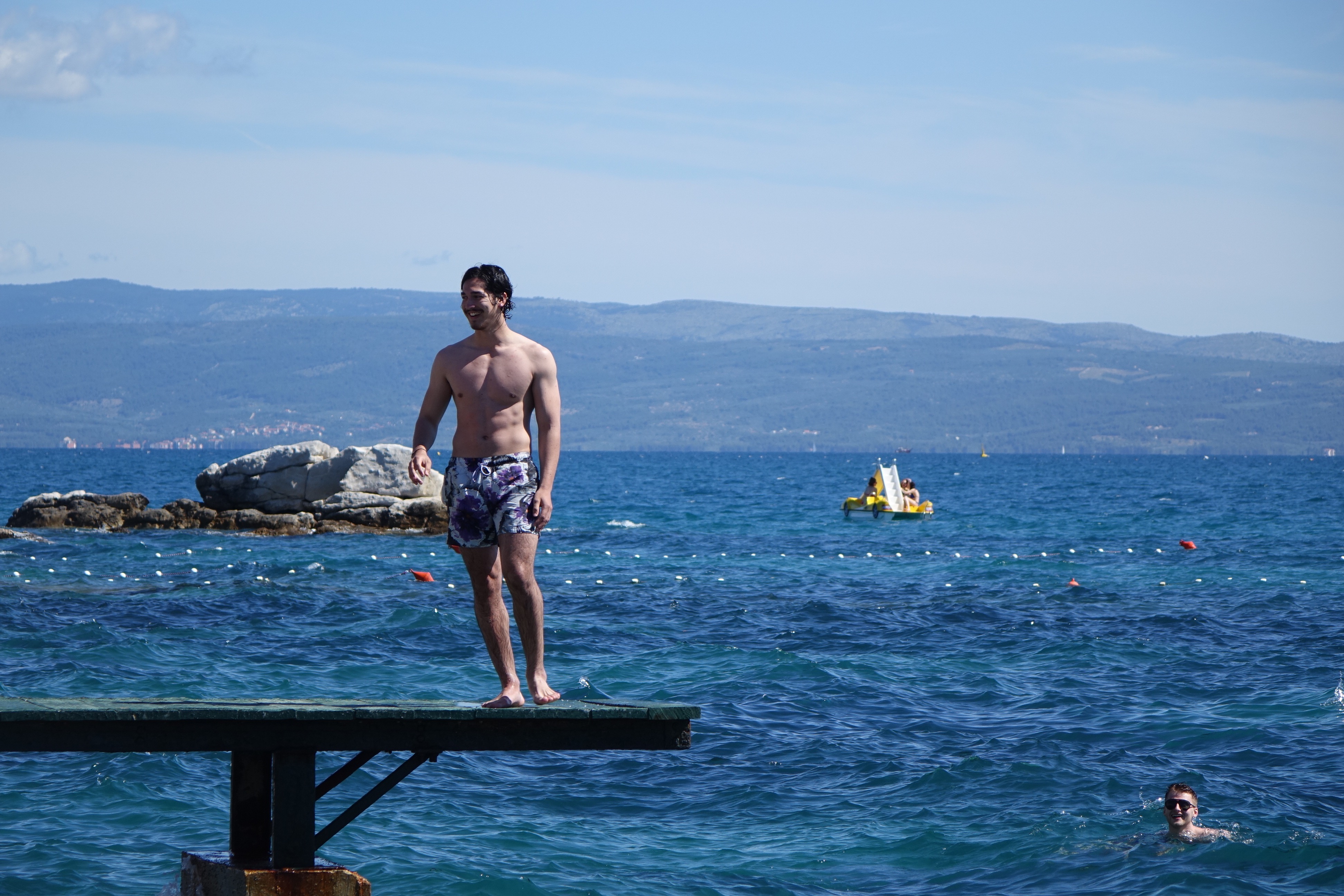
Beyond the Riva, Split does have its fair share of beaches. Living in Mallorca, I am somewhat spoilt when it comes to the choice of paradise beaches, and compared with those, we found Croatia’s offerings to be all a little hard underfoot… we discovered either beaches constructed from concrete, or others made naturally from stones. Nonetheless, few could deny the beautiful cerulean waters nor the warm clean currents which finally enticed us into the sea. They may not be sandy, but these beaches are popular… I’m not sure I’ve ever seen such a crowded beach in my life!

DSC03175DSC03171DSC02847DSC02838DSC02837DSC02845DSC02951DSC03174DSC02960

All photos and written content are strictly the copyright of Nicholas de Lacy-Brown © 2016 and The Daily Norm. All rights are reserved. Unauthorized use and/or duplication of the material, whether written work, photography or artwork, included within The Daily Norm without express and written permission from The Daily Norm’s author and/or owner is strictly prohibited.