Skip to content

Posts from the ‘Photography’ Category

Early one Tuscan September Morning

As the summer slips away, I tighten my grip. The onset of autumn is charming in its way, but forewarns of bleak dark mornings accompanying each working day, whole swathes of time when you never see your home in daylight, chilly winds whistling through deserted streets, and evenings stagnating inside before a television with the prospect of much needed fresh but frozen air too perilous to consider venturing out into. 

Of course the Mediterranean is not quite there yet. In Palma de Mallorca, the leaves on its elegant long art nouveau streets are slowly turning golden; even in Marbella, land of the sunshine, the pavements are a little more littered than normal with leaves. But in Italy’s Tuscany, the abundant fluffy pine trees have not changed their cloud like shape or their rich verdant green, the sun still shines a rosy glow upon large expanses of golden sand, the sea has to its waters a delectable warmth, and in the many vineyards the vines are hanging full to bursting point with sweet plump grapes ready for harvesting any day. 

So when I had the opportunity last weekend to make a quick visit to my partner’s family living in the heart of wine-producing Tuscany, I was not about to say no. On Friday night we rushed away from work, boarding a two hour flight and arriving under the cover of darkness. Even then the clarity of the air and the audible swish of the sea told of a summer revisited. But it was the next morning when, waking up to the pastel-soft light of day, that we were able to fully appreciate this reconnaissance with the summer. 

DSC08034 DSC08022 DSC07947 DSC07969 DSC08033

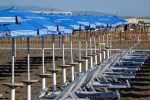
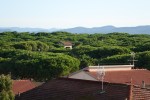
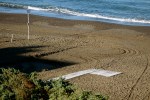
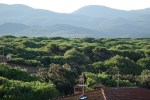
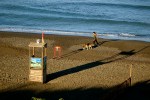
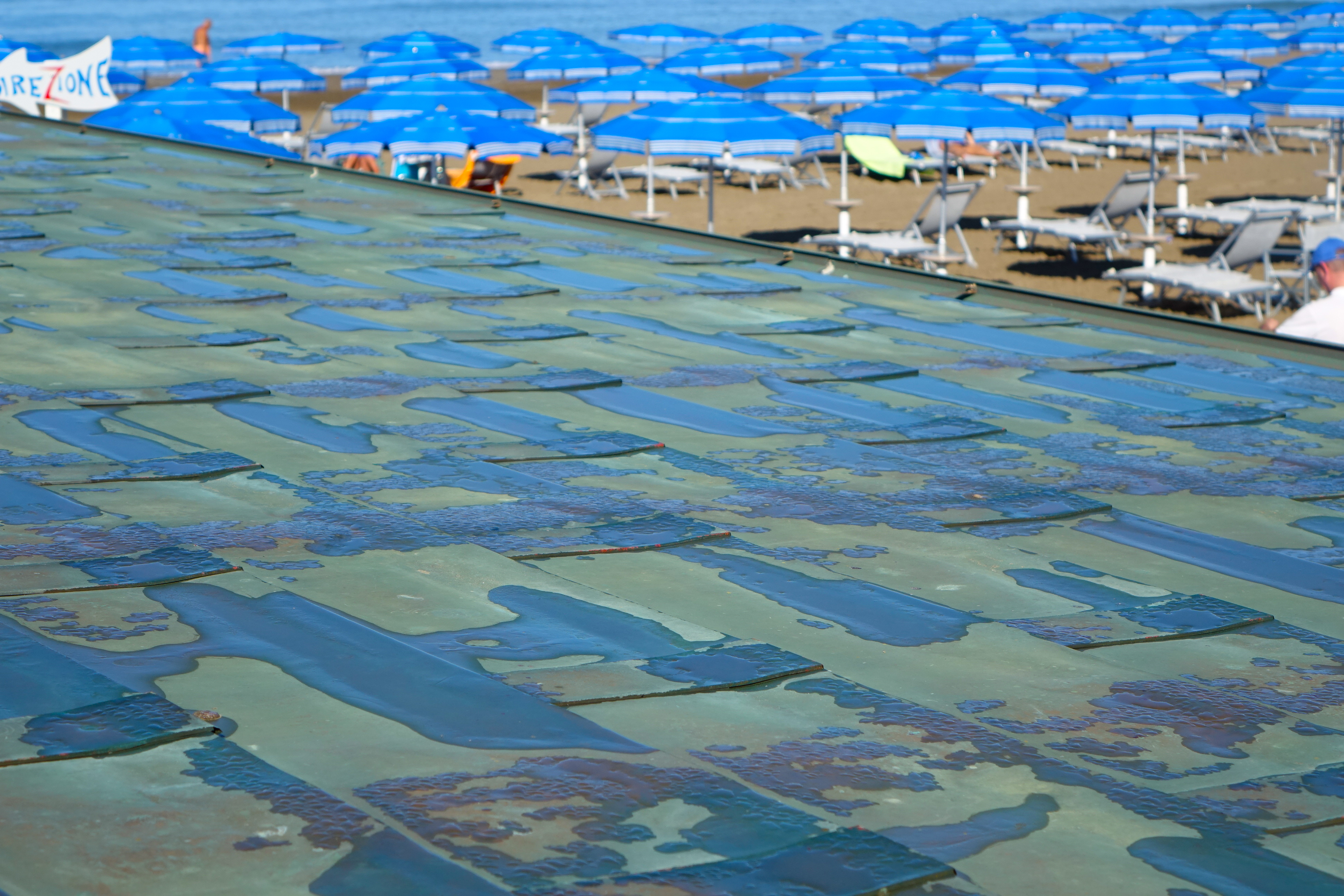
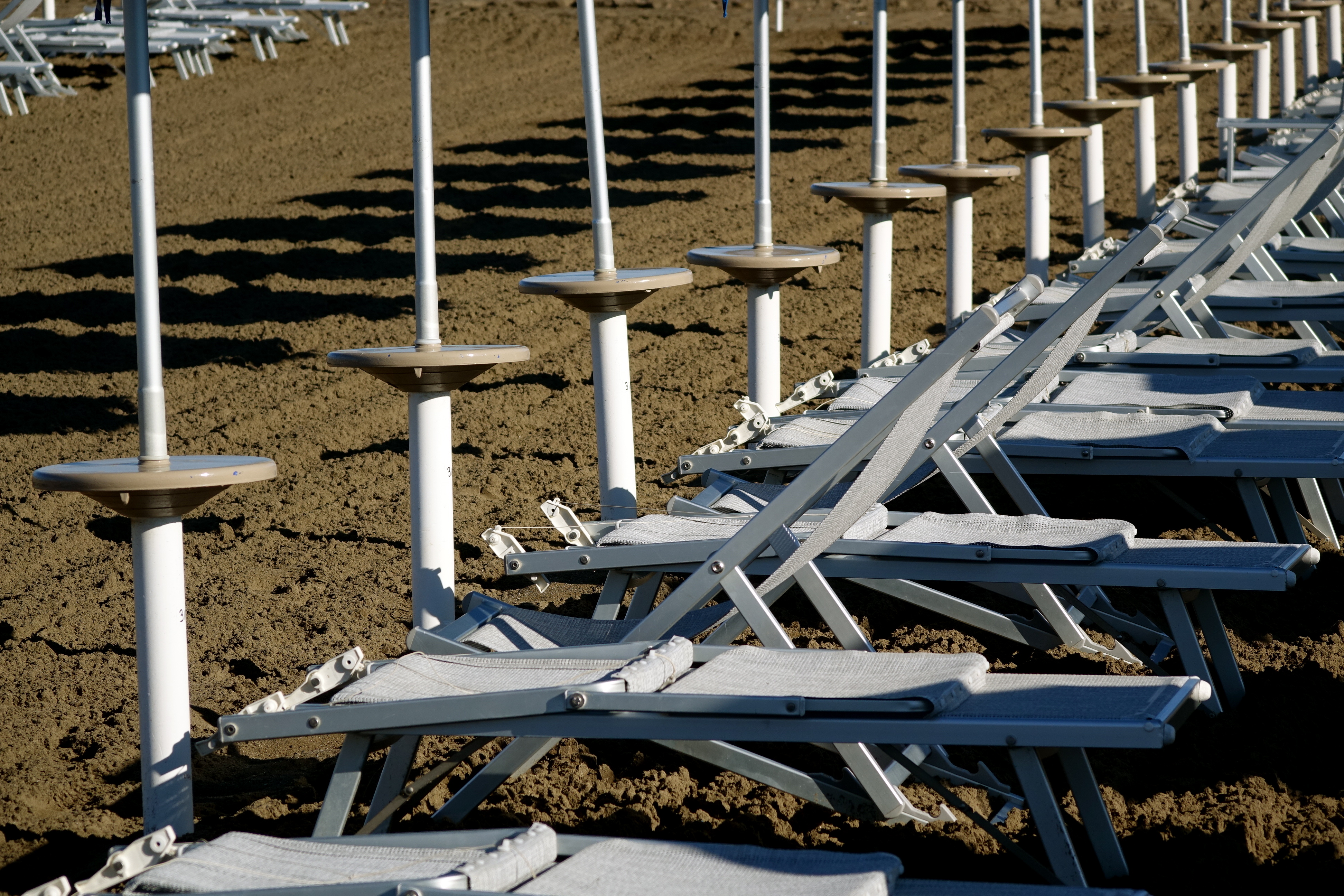
Outside our window, the most spectacular views of wide almost deserted beach greeted us. The sun, whose passage through the sky had only just begun, cast long peach-tinged rays across the freshly raked bronze-coloured sand, while beyond the beach, the sumptuous pine tree forests that make this town of Donoratico so famous, were clipped with sunshine as though sprinkled with glitter. Meanwhile before us the sea was almost like a mirror, so still, gliding into shore like a glamorous aristocrat of yeah 1920s, ambling into shore for the sake of glamour alone, no rush or fever, just languid self-contentment. 

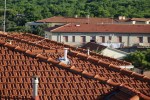
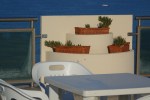
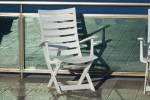
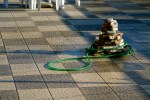
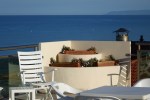
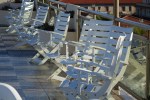
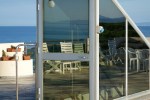
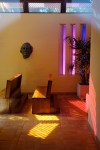
Despite being one floor from the top of our hotel, we ventured up to the hotel’s roof terrace where the throwback 80s style furnishings had me feeling nostalgic in an entirely different sense. And so with the early soft sun upon it, that terrace caused me equal fascination to the sea and forest views below, and is, accordingly, as much a part of this photo essay as the beach which enveloped us in dreams of the summer that September morning.

All photos and written content are strictly the copyright of Nicholas de Lacy-Brown © 2014 and The Daily Norm. All rights are reserved. Unauthorized use and/or duplication of the material, whether written work, photography or artwork, included within The Daily Norm without express and written permission from The Daily Norm’s author and/or owner is strictly prohibited.

Es Baluard: A fine way to enjoy lunch

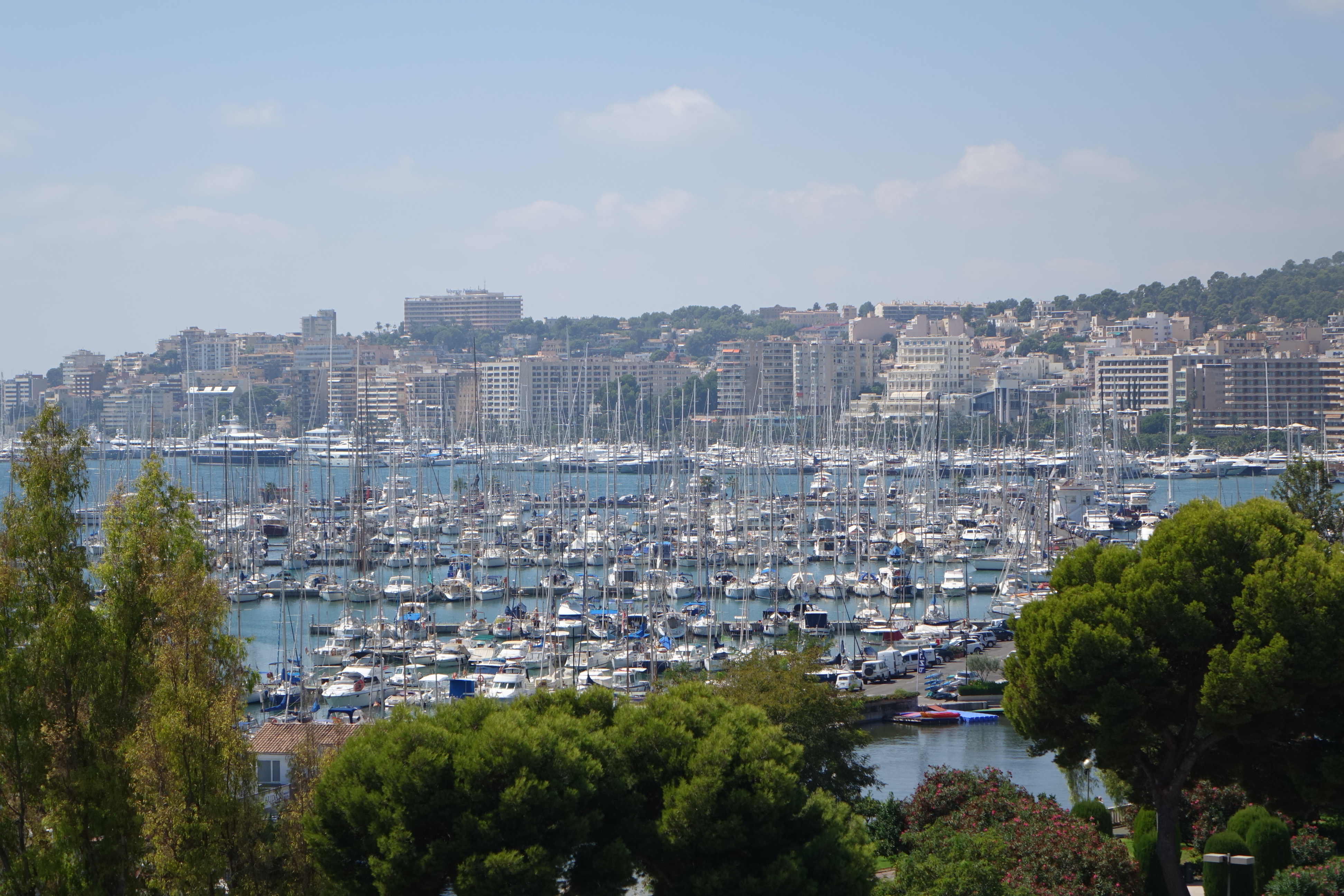
While Northern Europe starts to edge ever so slowly towards the onset of Autumn, with leaves starting to litter the streets, and the mornings and evenings already getting darker, down in the fine sheltered waters of the Mediterranean, it’s still very much the height of summer, and in fact for some places, the temperatures in September are even exceeding what was enjoyed in July and August. Mallorca, prime island of the Balearics, is chief amongst those places enjoying an extended summer, and when I ventured out there only a week ago, the temperatures were roasting. They were so hot in fact that our many plans to stroll around the thriving Metropolis of the island’s capital, Palma, and its wide expansive port were quickly ditched in favour of the cooler options. And as cool goes, it doesn’t get much better than Es Baluard.

Es Baluard is in fact a superb contemporary art museum set within the Sant Pere bastion, part of the Renaissance wall that surrounded the city of Palma until the beginning of the 20th Century. Perhaps because of its outer stone casing, or perhaps because of the chic concrete and glass renovation masterfully fitted within these old ramparts ten years ago, Es Baluard is certainly a chillier hangout, with comfortable inside temperatures which leave you decisively less flustered, leaving you with energy to browse the excellent permanent collection which includes only the Spanish greats, such as Miro and Picasso. 

Es Baluard and its surroundings

DSC07897 DSC07887 DSC07894 DSC06240 DSC07910 DSC07888 DSC07912 DSC07889

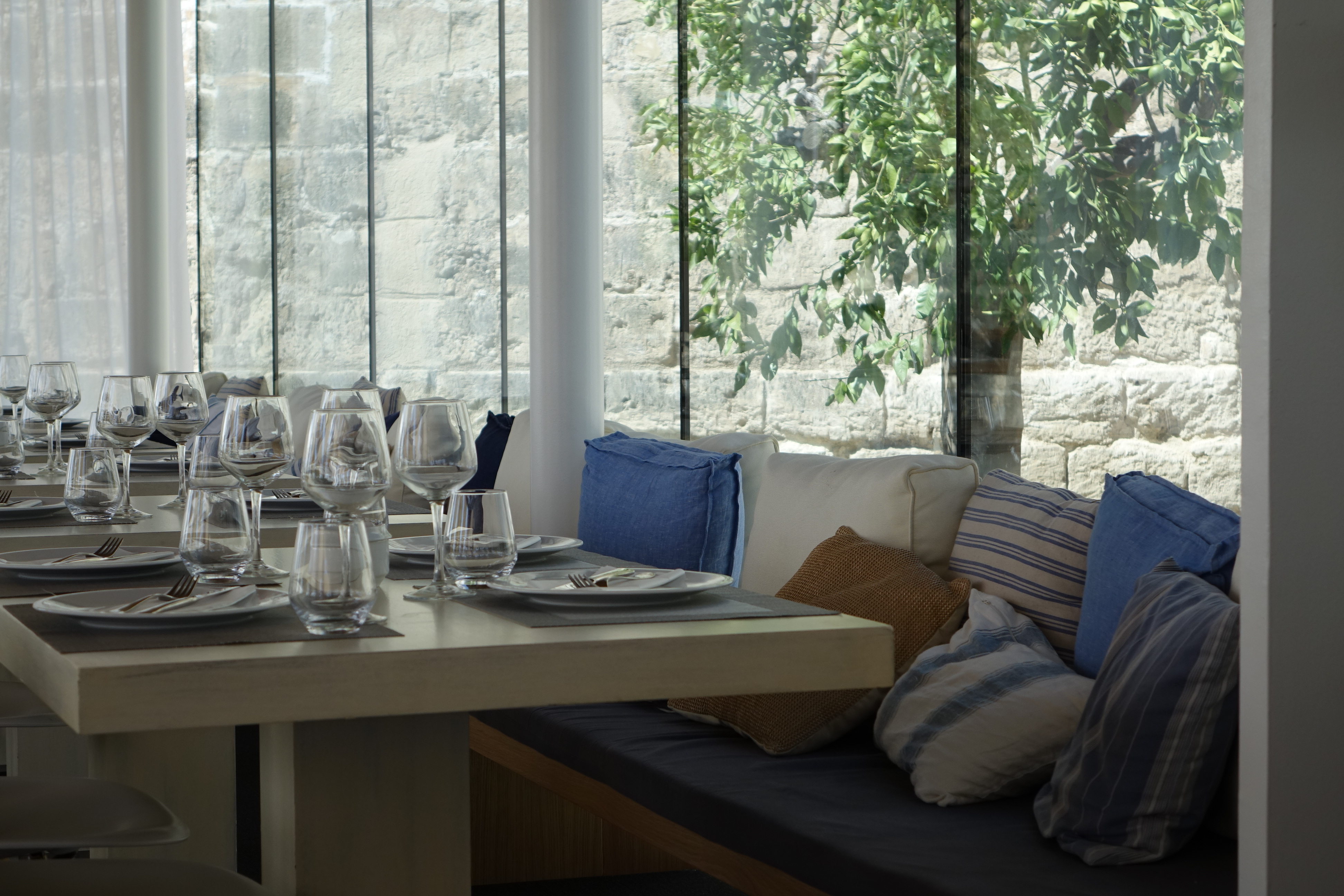
But when the sun is hot, but you still want to benefit from the ultimate in views of Palma’s extensive waterfront, from Bellver Castle across to the city’s magnificent cathedral, you need to head to the super chic café-restaurant attached to the Southern-most wall of the Es Baluard complex. With a broad terrace criss-crossed with shade from a line of well-appointed shade sales, you can choose to lounge out adjacent to those winning views in comfy basket chairs, a cocktail or a cup of tea in hand. Meanwhile, next in line, a cluster of simple wooden dining tables mark the more formal dining spot, with perfectly polished wine glasses glinting in the sun, and contemporary white seating reflecting the style and period of art residing in the building next door. Finally behind these tables, there’s a separate dining area, all encased in a glass cube containing further tables and a little sofa runner packed with cushions showcasing the best in handmade Mallorcan fabrics.

Es Baluard’s well-appointed terrace restaurant

DSC07900 DSC07906 DSC07903 DSC06240 DSC07905 DSC07898 DSC07902 DSC06232

It’s not my intention in this photo essay to talk to you about the food, but rather the extol the virtues of the location and design of this great Mallorcan eatery. However, rest assured that the food is every bit as good as the restaurant’s design, and their trendy lounge soundtrack a perfect accompaniment as you chill besides the seaside. Thinking that I have now extolled those virtues enough, I think it’s time to sign off and let you enjoy the photos. Until next time.

All photos and written content are strictly the copyright of Nicholas de Lacy-Brown © 2014 and The Daily Norm. All rights are reserved. Unauthorized use and/or duplication of the material, whether written work, photography or artwork, included within The Daily Norm without express and written permission from The Daily Norm’s author and/or owner is strictly prohibited.

Transforming the Gothic – colour sensation in the Cathedral of Palma de Mallorca

Some of architecture’s most stunning successes can be found in religious buildings. The eternal repetition of the forest of pink and white marble pillars in Cordoba’s La Mesquita is one of the most enthralling sights of the ancient Islamic world, while at the centre of the Catholic world, the sheer scale and magnificence of St Peter’s Basilica in the Vatican makes it clear to all who come close that this place is the all powerful centre of Christianity. In Roman times, religion was the instigator of some of the most brilliant of all architectural creations, such as the ground-breaking single expanse dome of the ancient Pantheon temple in Rome, while in more modern times, it has inspired some of the most jaw-dropping creations ever made by man, such as the stunning realisation of a creative genius: Gaudi’s Sagrada Familia in Barcelona.

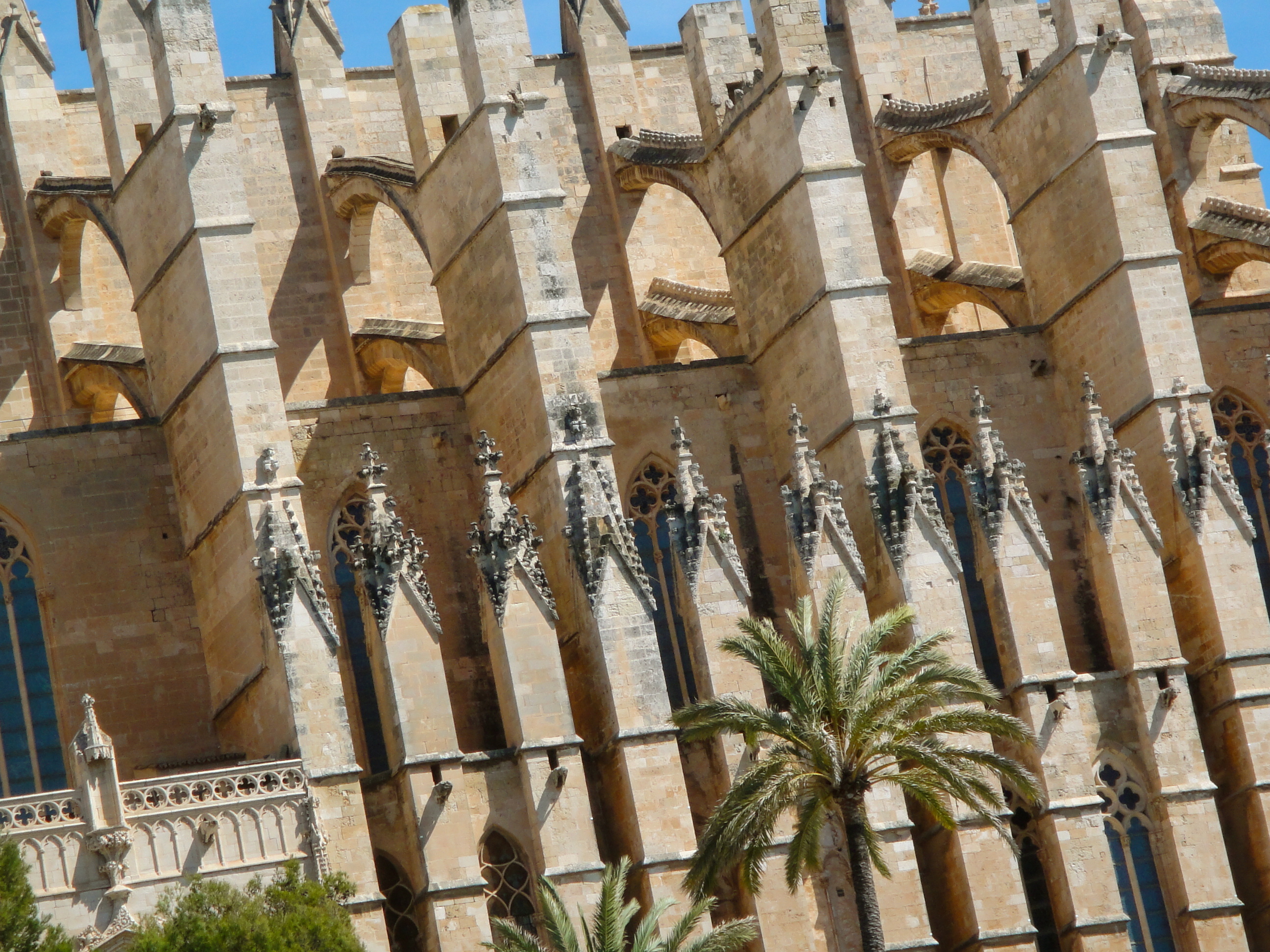
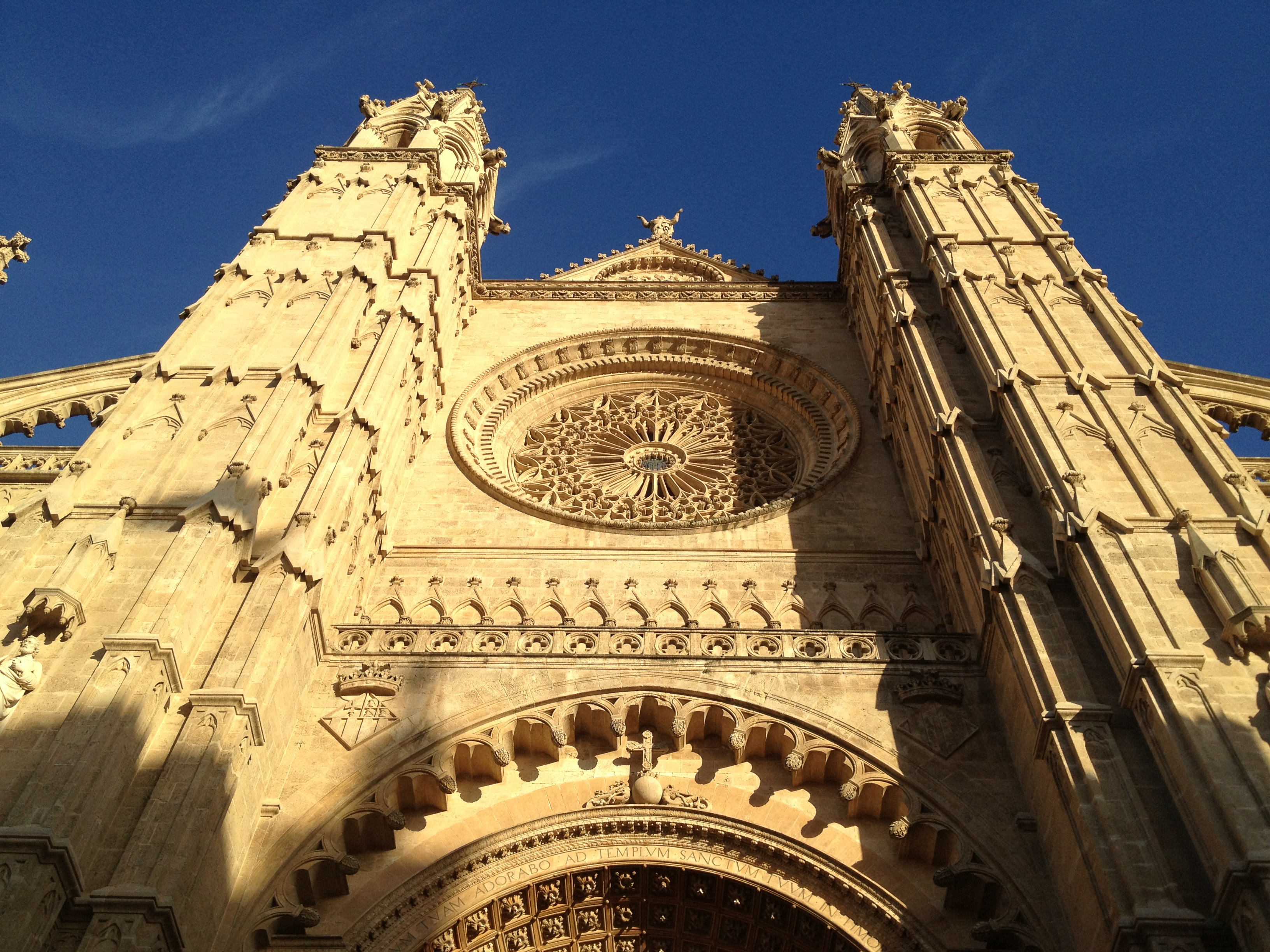
Nevertheless, when you think about the religious treasures of the world, you will find that proportionately few of them are gothic. The reason for this is  clear:  the gothic style is largely synonymous with austerity, with its soaring naves and high-winged buttresses leading to vast expanses of cold space; gothic churches are more often places of fear, with their grim faced gargoyles and sinister dark angels, and even Paris’s Notre Dame, surely one of the most famous examples of gothic architecture, is better associated with the haunting tale of a hunchback living within the cathedral’s inhospitable bell towers than with any illusion that the church is in any aesthetic sense a thing of beauty. Yet while this idea of the gothic has long lingered in my mind, all of my pre-held conceptions about gothic architecture were challenged last weekend when in Palma de Mallorca, capital of Spain’s Balearic Islands, I realised just how stunning the gothic can be.

La Seu’s imposing gothic exterior

DSC06034 DSC05749 IMG_3708 DSC01109 DSC06190

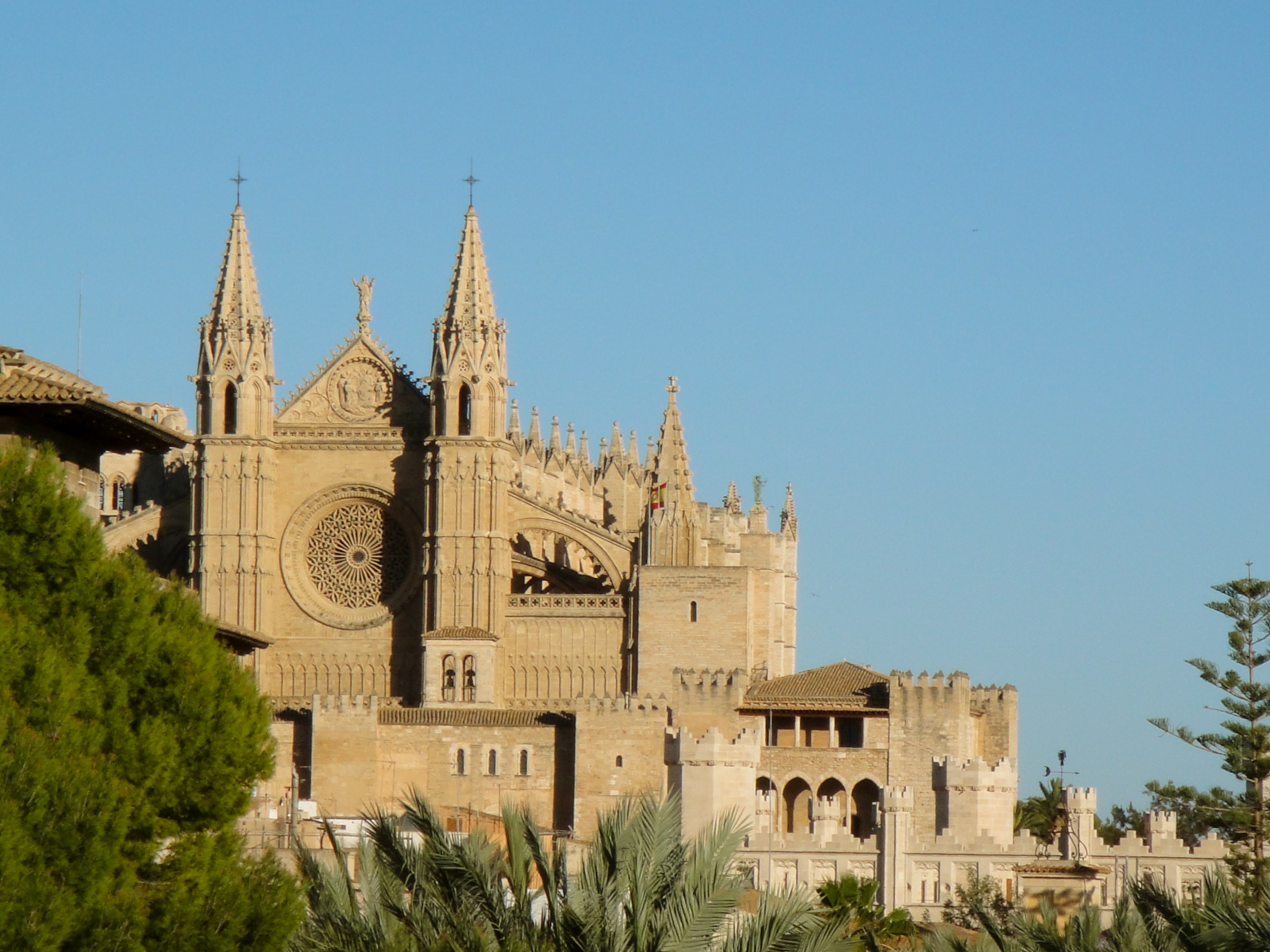
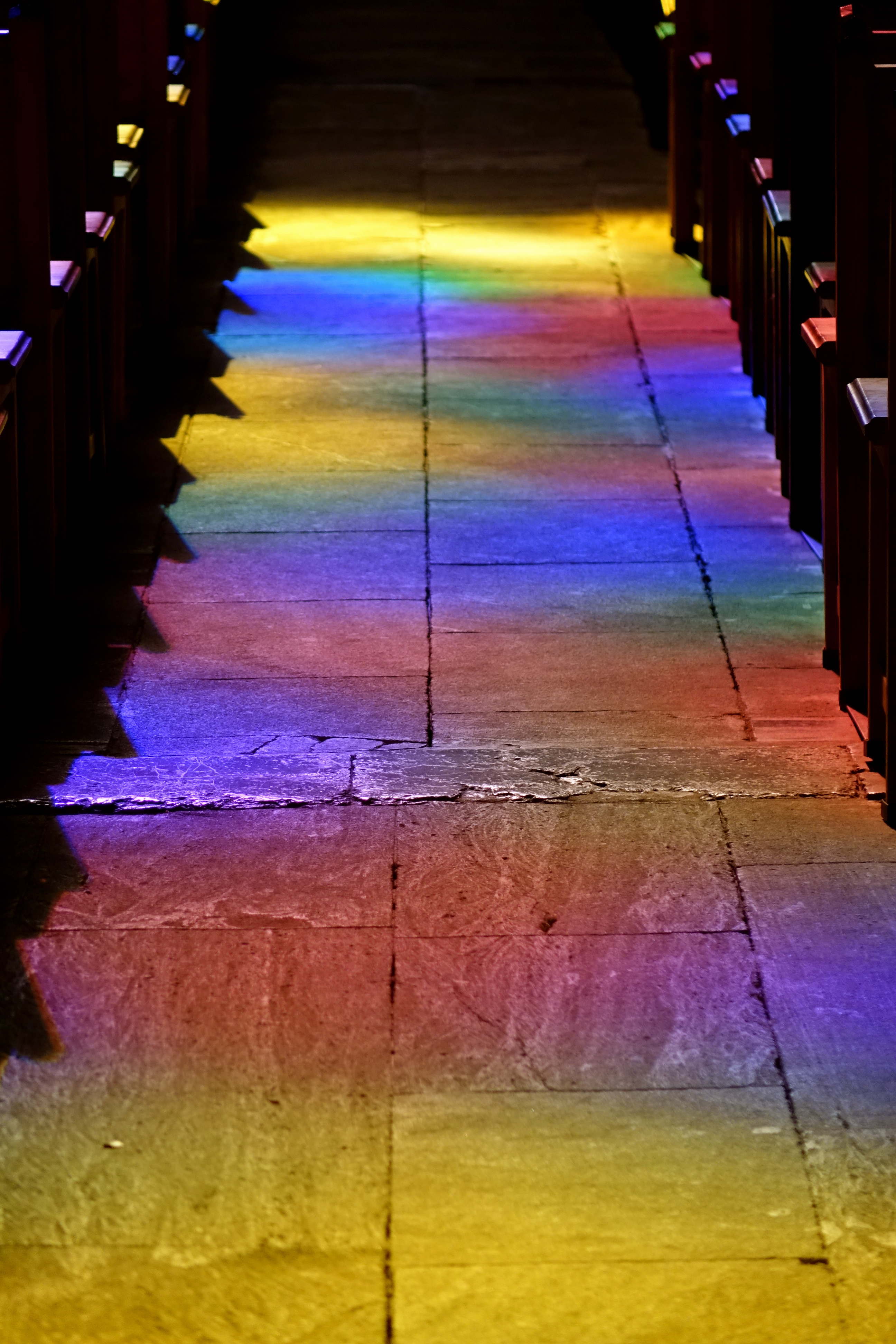
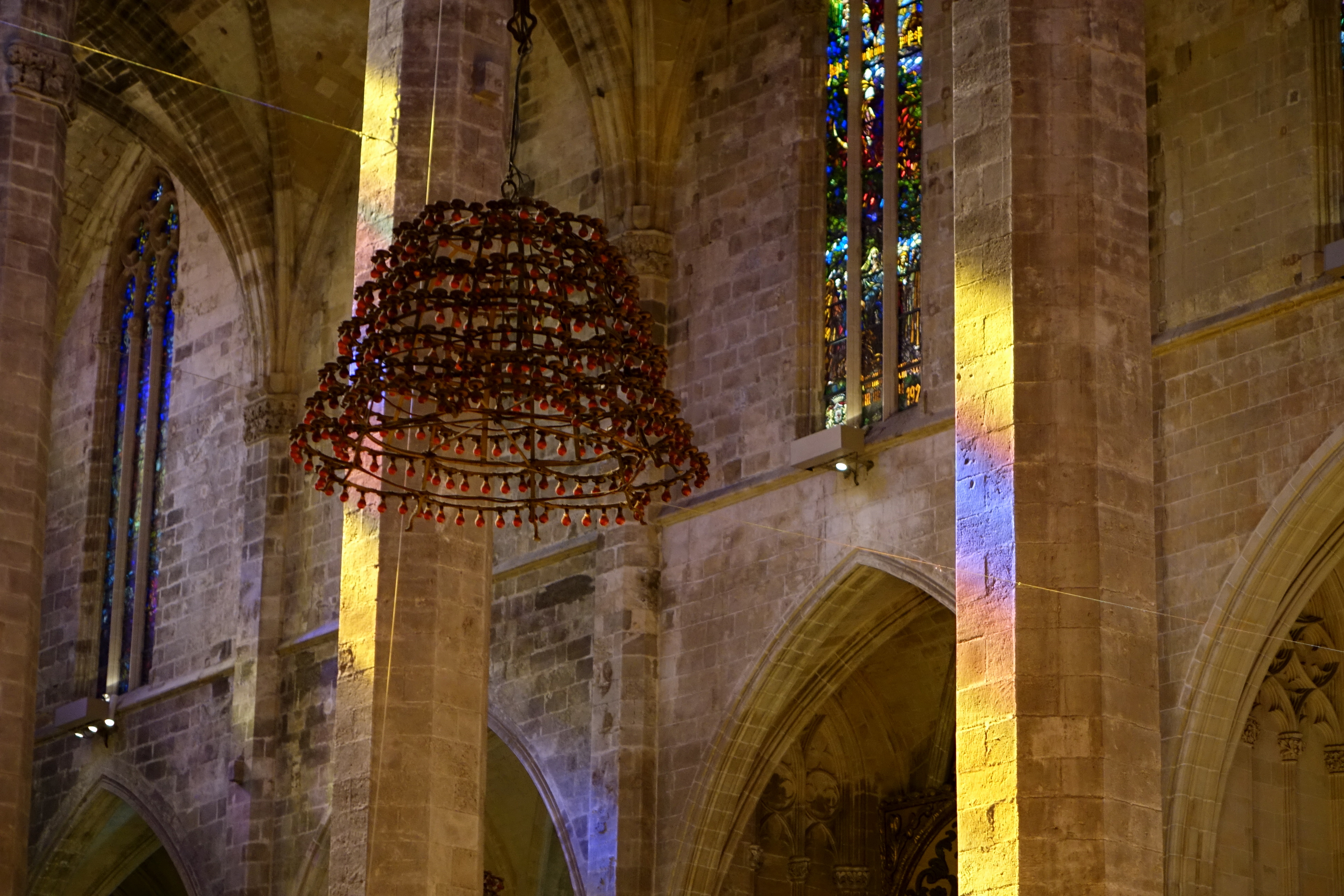
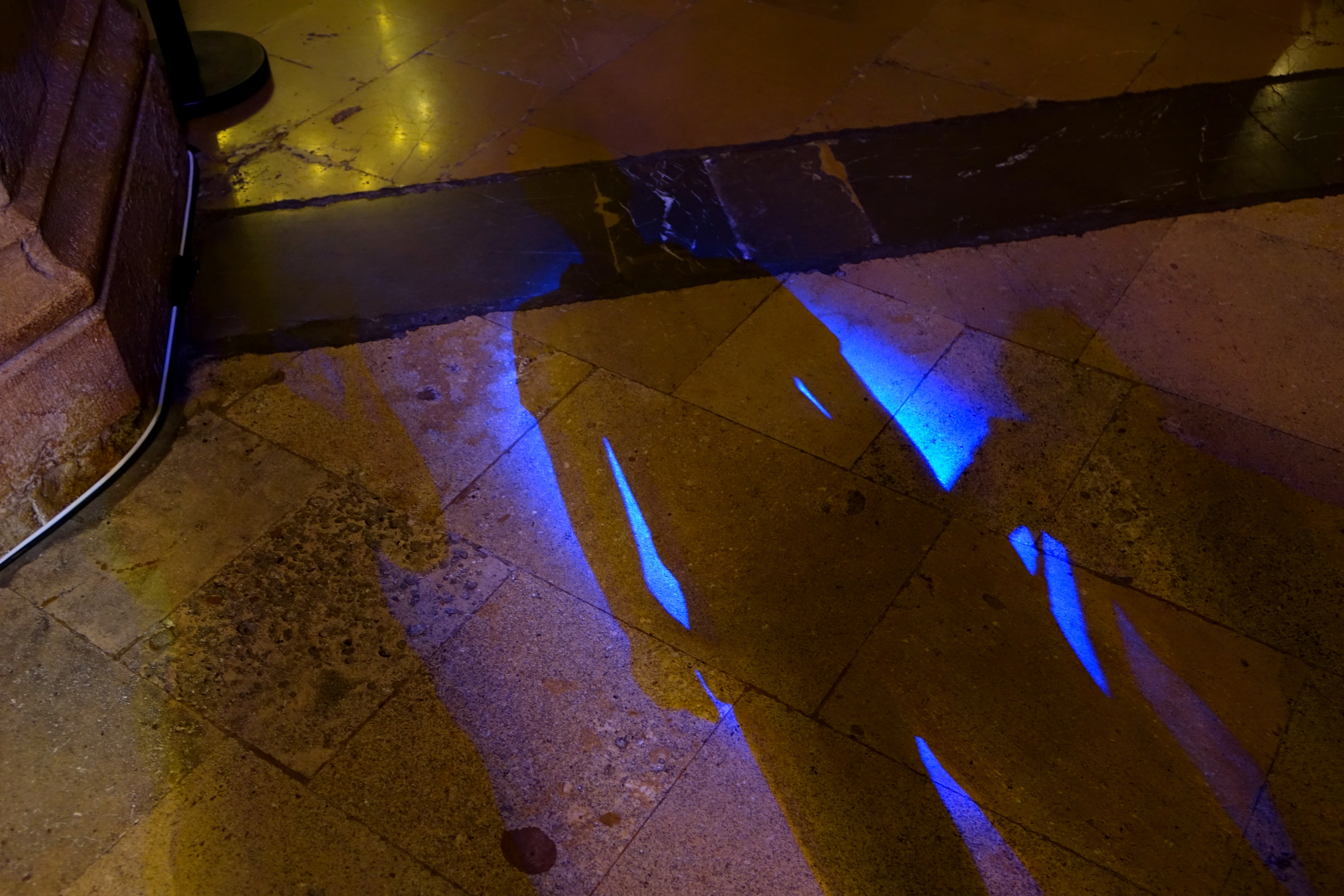
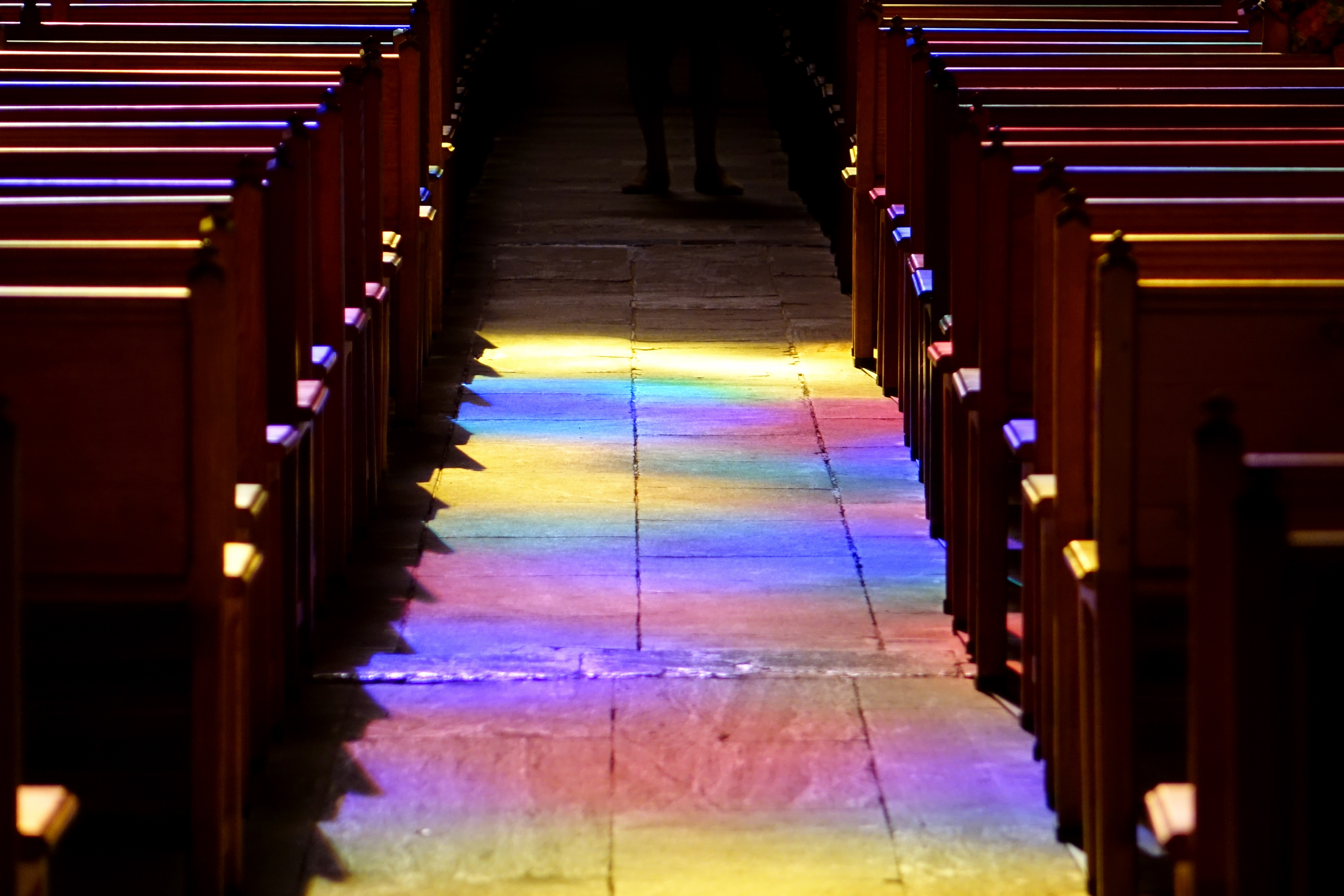
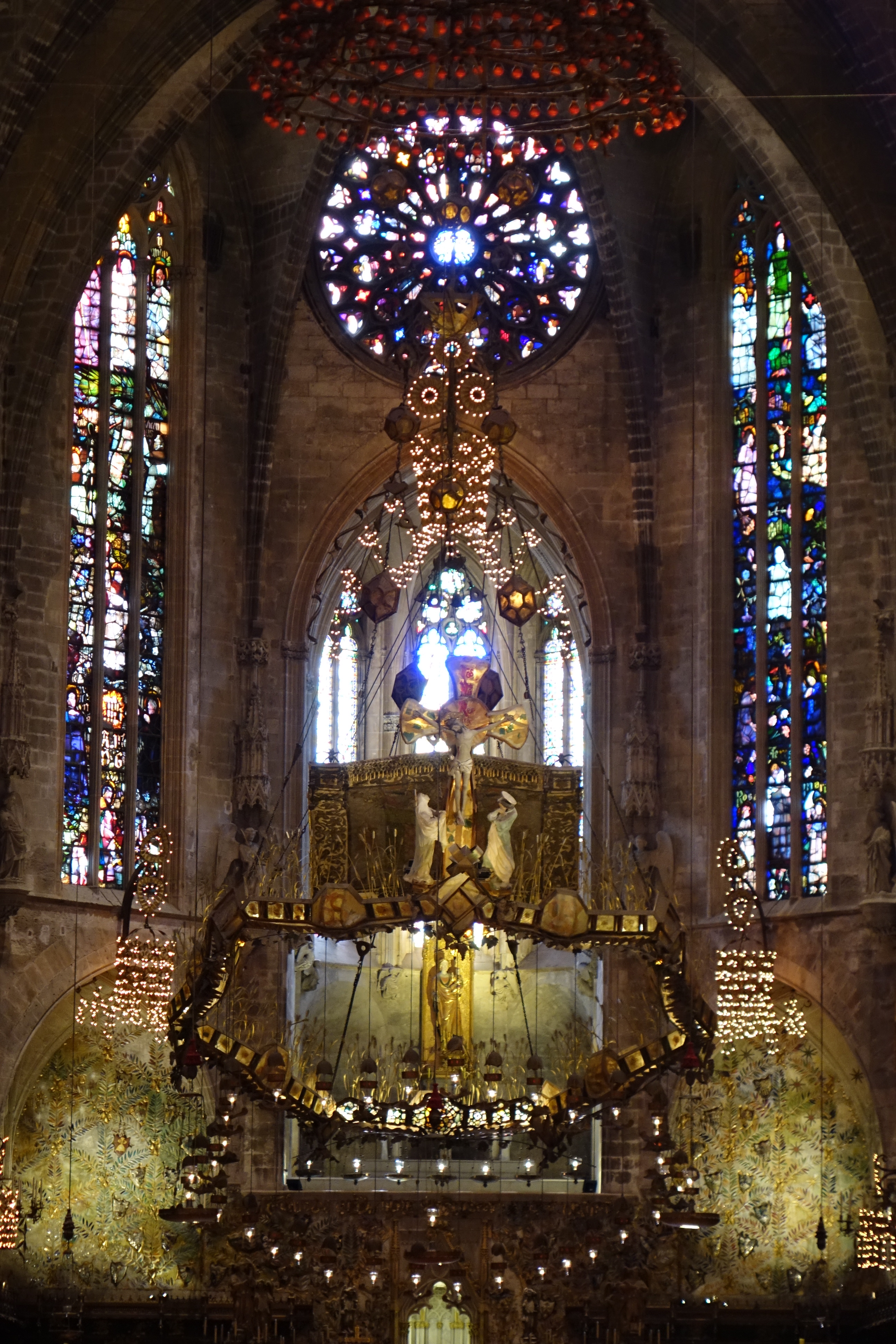
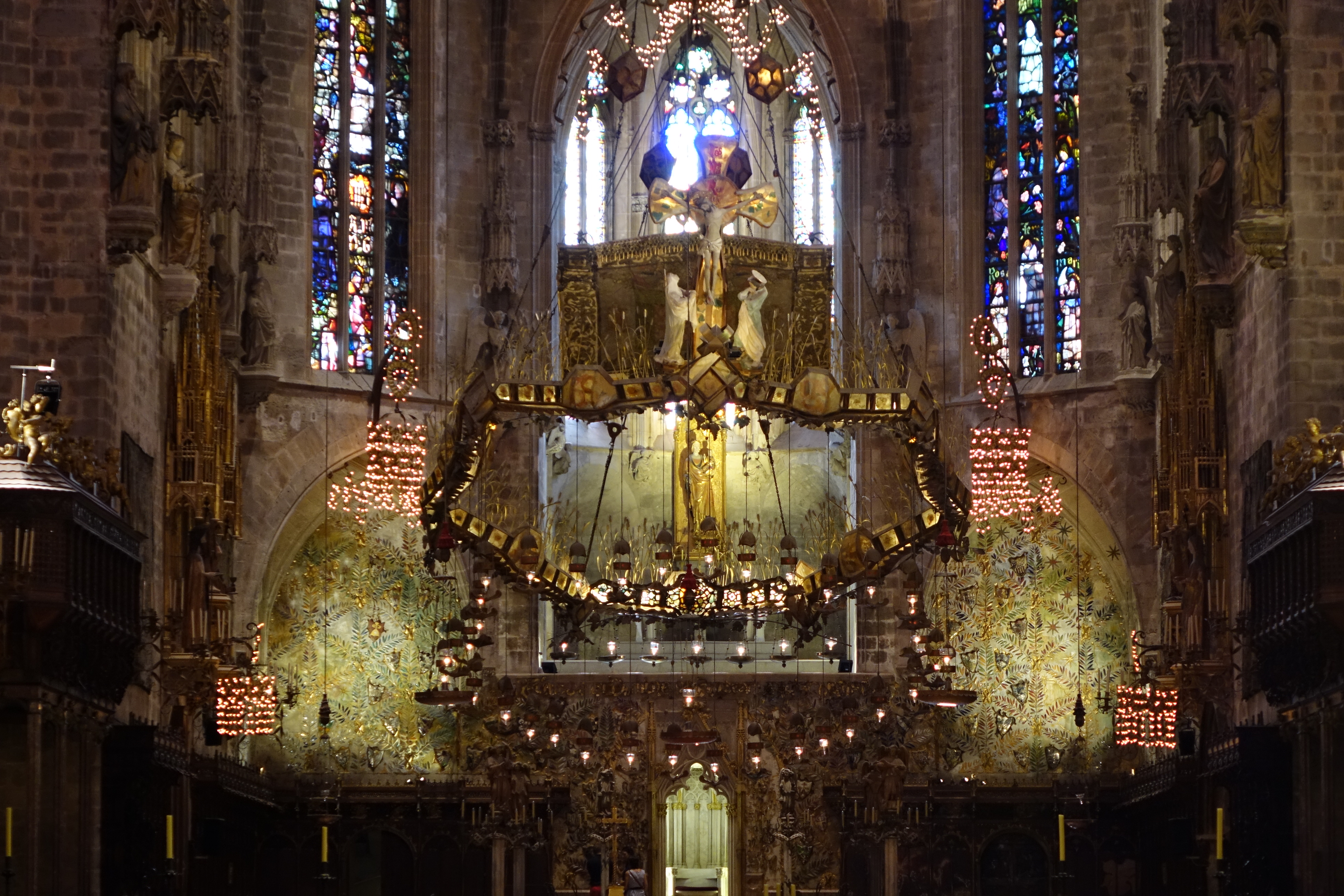
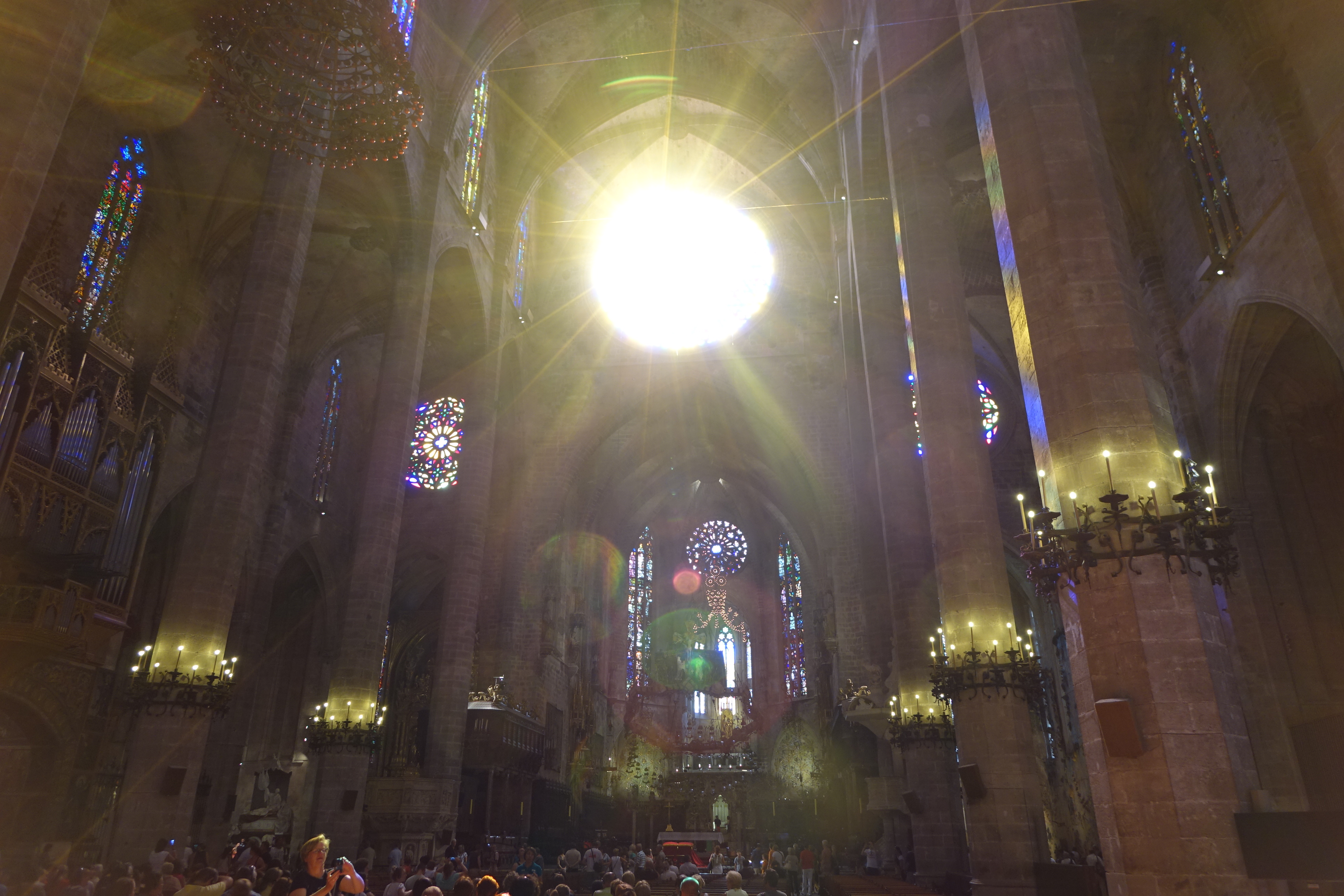
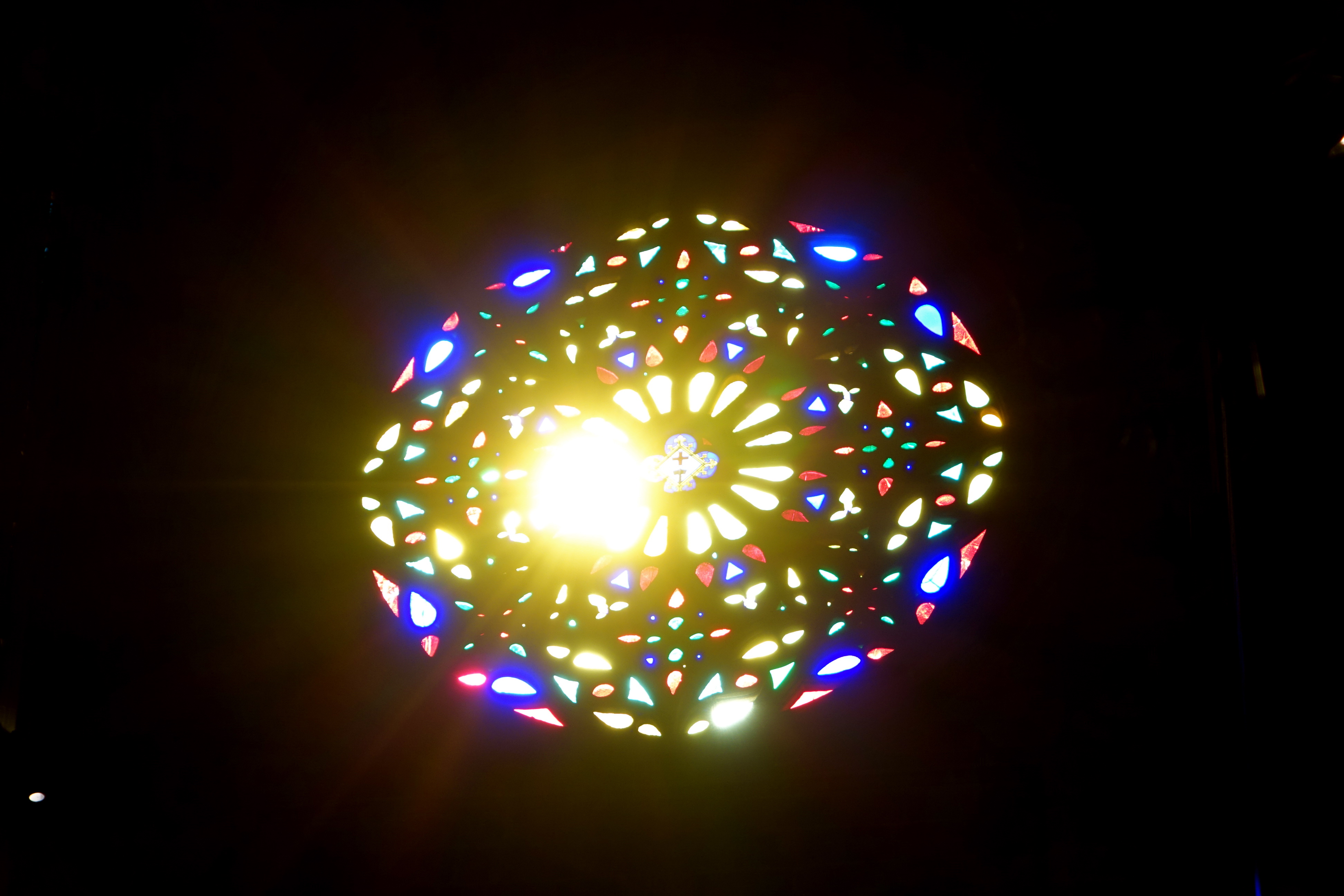
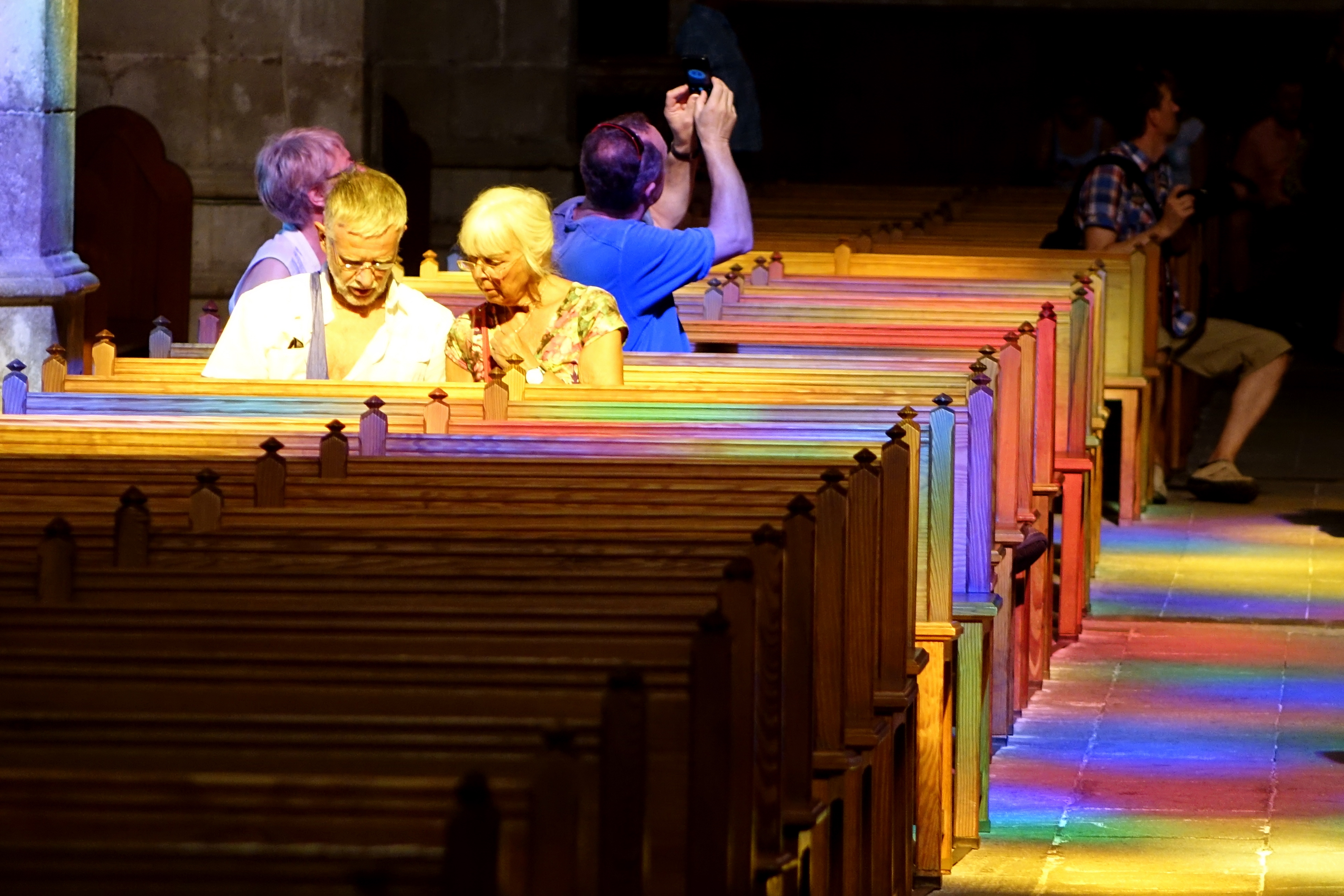
Palma’s Cathedral, known locally as La Seu, is indeed a masterpiece of the catholic gothic style. Completed in 1601, it is a soaring vast temple to christianity, with a dominant position over the waterfront of Palma, and comprising the 7th highest nave in the world. But what makes this palace of gothic architecture different from all of the other churches of the genre, enabling it to dispel the associations of dark, dank solemnity which is inherent in the gothic style, is colour. Pure, dazzling, multi-coloured samplings from every stretch of the rainbow. For in Palma’s Cathedral, there is not a single clear pane of glass. Rather, its many windows are fitted with coloured stained glass so rich in its vivacity and complexity, that when the sun shines on the outside of the cathedral (which it invariably does in Mallorca), the result on the inside is to fill every gothic stone and structure, ever eave and buttress, every flag stone and pew with the most dazzling multi-coloured light.

DSC07721 DSC07686 DSC07683 DSC07681 DSC07688 DSC07715 DSC07692 DSC07718 DSC07694 DSC07708 DSC07726 DSC07700 DSC07680 DSC07675 DSC07732

The effect is astounding, and dispels every known stereotype about gothic architecture, which is utterly transformed under the warming dazzle of a hundred shades of multi-coloured light. At times, when you are looking directly into the light as it shines through one of the cathedral’s impressive stained glass windows, a moment of epiphany overcomes you, as everywhere you look you see shards of colour bouncing across the vast space. If that was the intention of the architects, it is an objective universally achieved, so that you leave the cathedral if not religiously converted then certainly spiritually touched.

All photos and written content are strictly the copyright of Nicholas de Lacy-Brown © 2014 and The Daily Norm. All rights are reserved. Unauthorized use and/or duplication of the material, whether written work, photography or artwork, included within The Daily Norm without express and written permission from The Daily Norm’s author and/or owner is strictly prohibited.

Prague (Part 6): Photoblog Epilogue

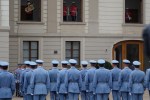
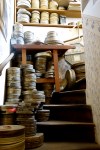
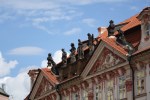
My closing photographic miscellany of my series of Prague posts is all about variety. From crunchy caramelised pretzels, hung out on cafe table to further tempt diners, and a troop of soldiers, dressed up in baby blue, to spooky looking decapitated dolls and a stack of dusty old film reels on a staircase in the Golden Lane, this is a selection of photos that bear no common thread other than the fact that they are some of the smaller little details that can be found in the capital of the Czech Republic.

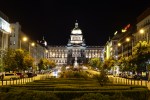
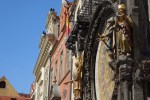
Amongst the shots on show are what have become something of a staple in my photographic oeuvre: street lamps aplenty and reflections in glass; fancy ironwork and keyholes, and shadows cast onto a sunny wall. But here too are some of the more typical views which a tourist may seek to capture on their handheld: the unbroken expanse of the grand Wenceslas Square and the astronomical clock set upon the face of the old town hall tower, its moving apostles and little model bell-tollers delighting tourists on the hour, every hour.

DSC07533DSC07365DSC07143 DSC06389 DSC06474

And so with this post, I bid my farewell to Prague. My experience of the city was not always great – the feeling that I was more of a nuisance to locals than a welcome guest always pervaded my experience leaving me slightly on edge and unable to enjoy the city to the full. But there’s no denying the rich historical beauty which the city exudes from its every glamourous feature and facade, and for that alone, it’s worth the trip.

All photos and written content are strictly the copyright of Nicholas de Lacy-Brown © 2014 and The Daily Norm. All rights are reserved. Unauthorized use and/or duplication of the material, whether written work, photography or artwork, included within The Daily Norm without express and written permission from The Daily Norm’s author and/or owner is strictly prohibited.

Prague (Part 5): City of a Thousand Spires

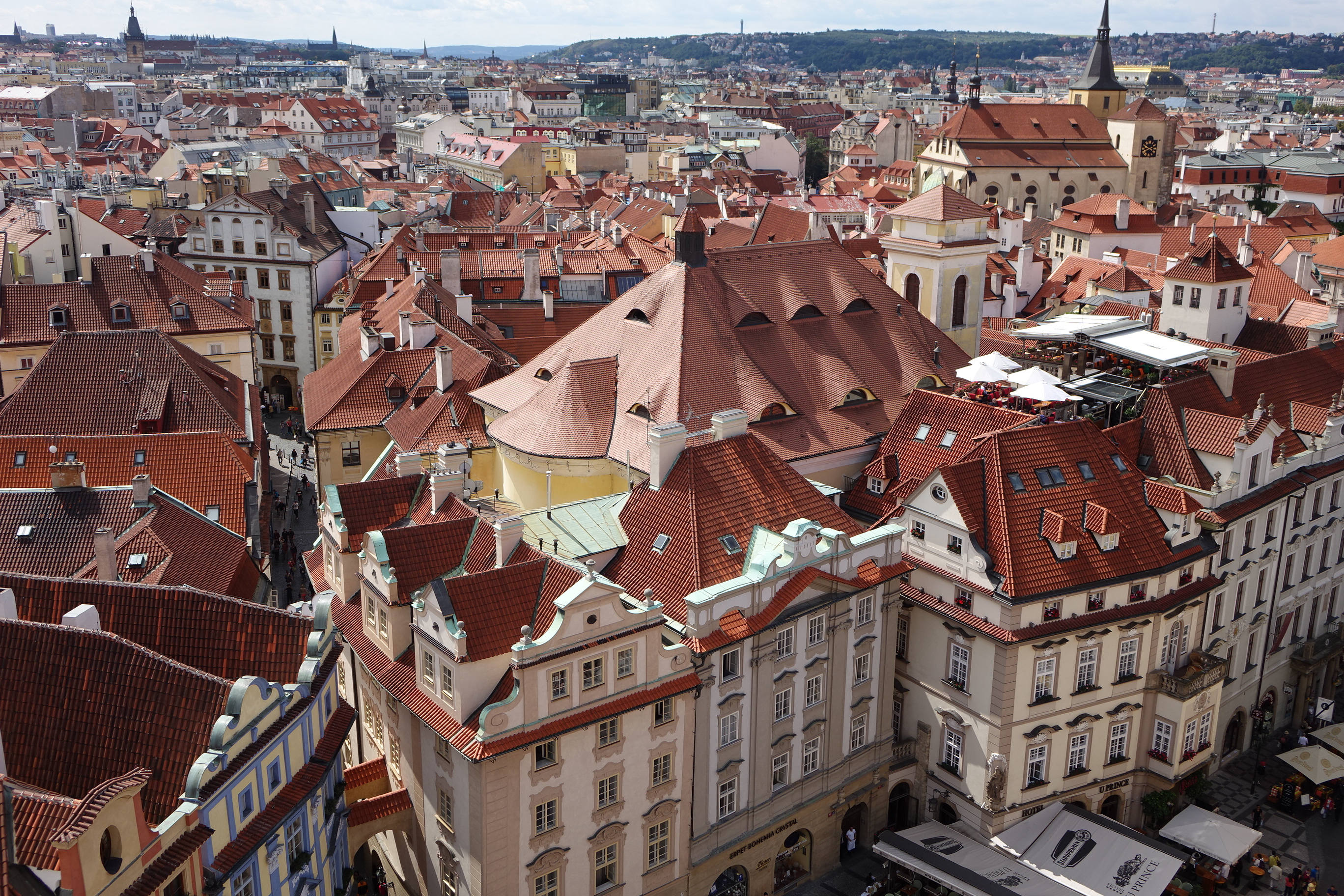
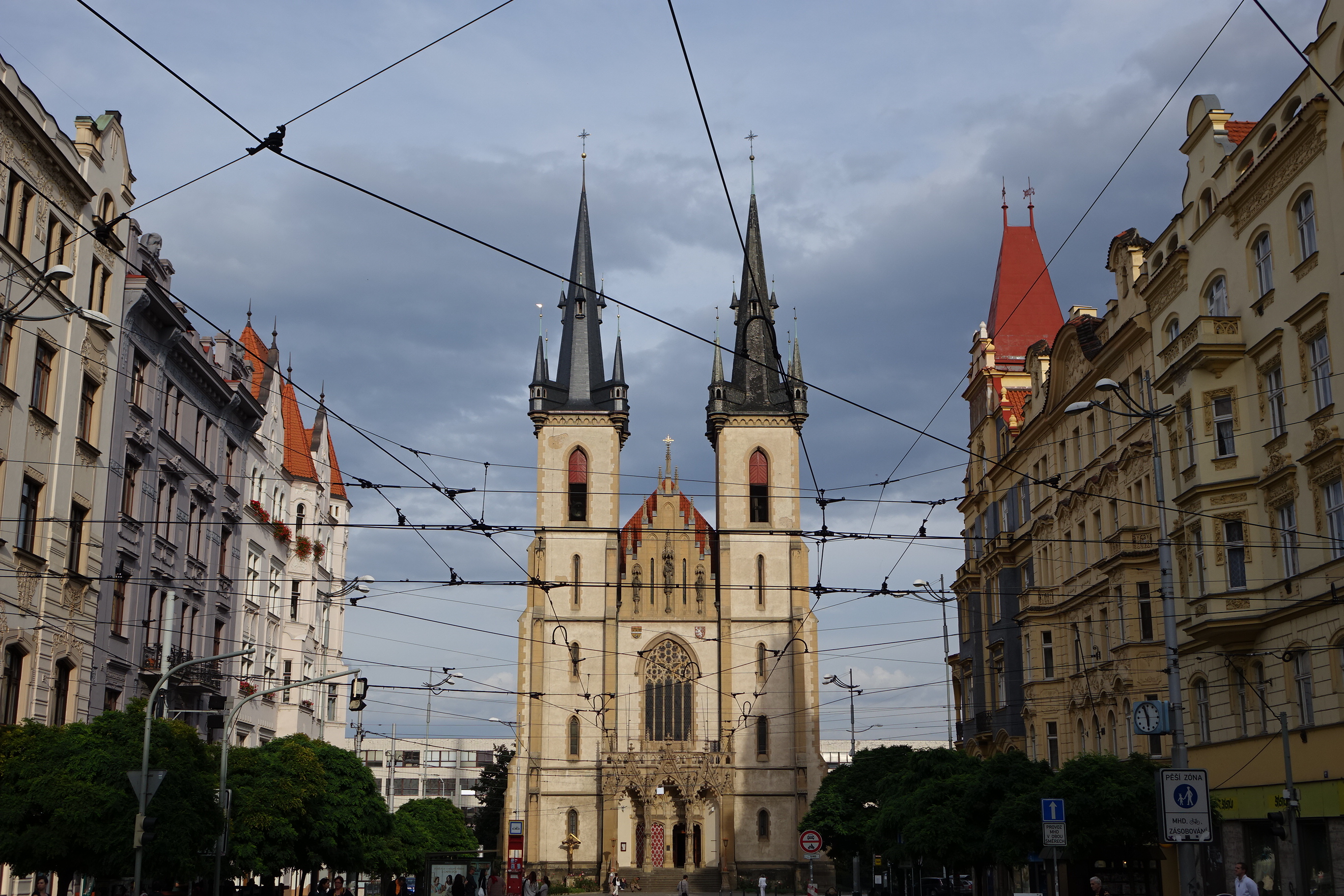
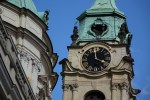
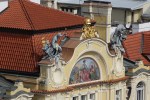
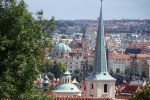
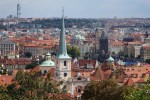
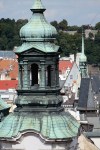
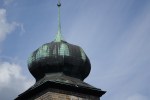
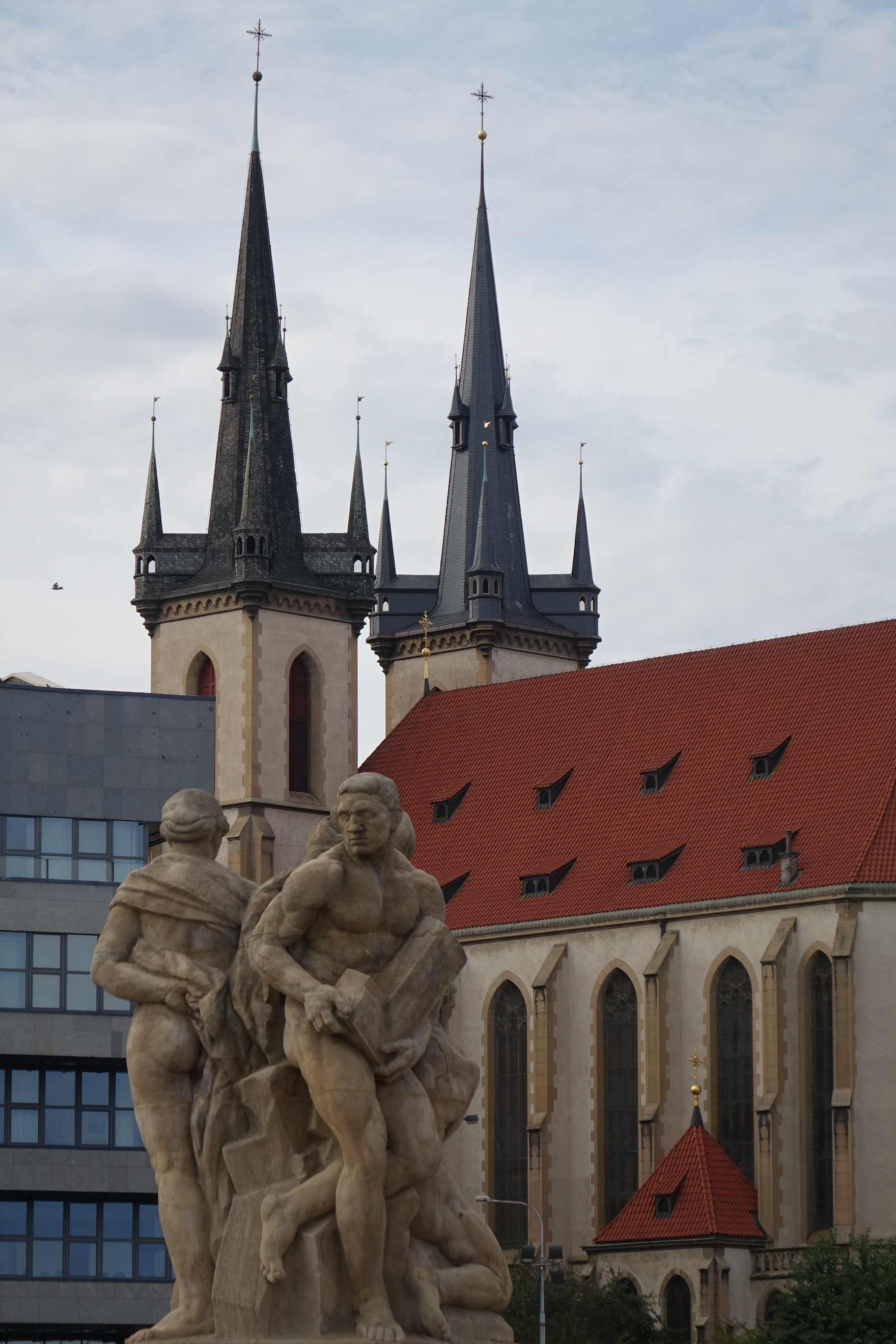
They call Prague the city of a thousand spires, and while I’m sure that a thousand may be a slight exaggeration, it’s probably not too far from the truth. For Prague’s skyline is like a venerable jewellery box of glinting treasures: tall spires, small spires, fat spires and ornate spires; cupolas embellished in gold, and turrets laced with ornate iron work. Some are grey and others the warm terracotta which populates most of Prague’s rooftops; but perhaps the most common are those copper spires, whose metal has turned a pleasing shade of aquamarine. Set amongst this sea of variously shaped ornaments are the baroque treasures which yesterday’s post explored; and so in any one square metre of the city, you may have a delicious overlap of a dome, several spires, gold details, copper coloured tiles, a blackened statue, and a slightly cleaner one – in other words a feast for the eyes.

DSC07064 DSC07441 DSC06948 DSC06464 DSC07223


It is in an attempt to serve that banquet of architectural delicacies up into manageable bite-size pieces that I devote a whole post on today’s Daily Norm to the seductive skyline ofPrague. For while the city at ground level, with its tourist hoards and stag parties may do your head in, keep on looking up and you may well find that Prague fairytale that all the guidebooks have promised you.

All photos and written content are strictly the copyright of Nicholas de Lacy-Brown © 2014 and The Daily Norm. All rights are reserved. Unauthorized use and/or duplication of the material, whether written work, photography or artwork, included within The Daily Norm without express and written permission from The Daily Norm’s author and/or owner is strictly prohibited.

Prague (Part 4): Baroque Brilliance and a Stained Glass Symphony

Having spent my first day in Prague thoroughly put out at the bad customer service, the horrendous gangs of British stag parties cluttering up the best squares and cafes, and the poor state into which the city has so often been left to decline, I started my second day afresh, determined to focus on the beauty for which the city is otherwise famed. For you don’t need to look far beyond the tourist hoards and the badly serviced cafés to find what everyone is making all the fuss about: a city filled with beautiful bubbling baroque sculptures, elegant architectural amplifications, pastel coloured building facades and a skyline littered with turrets and cupolas of every shape and size.

While last week’s photo post concentrated on the art nouveau which replaced vast swathes of the “new” town and Jewish Quarter at the turn of the 20th century, today’s turns more to the predominant feature of the city – the endlessly extravagant, unapologetically dramatic artistic showpiece that is the Baroque.

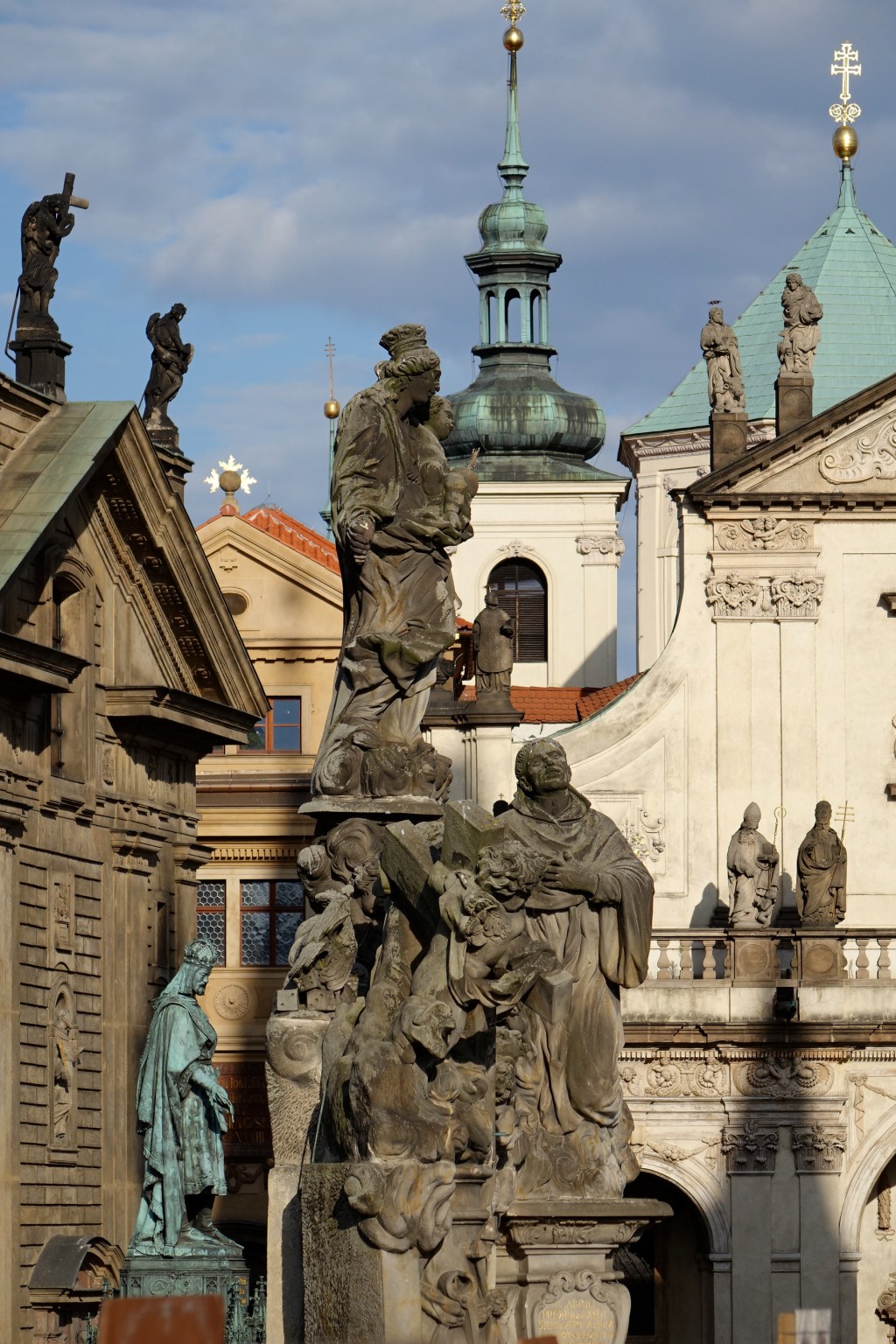
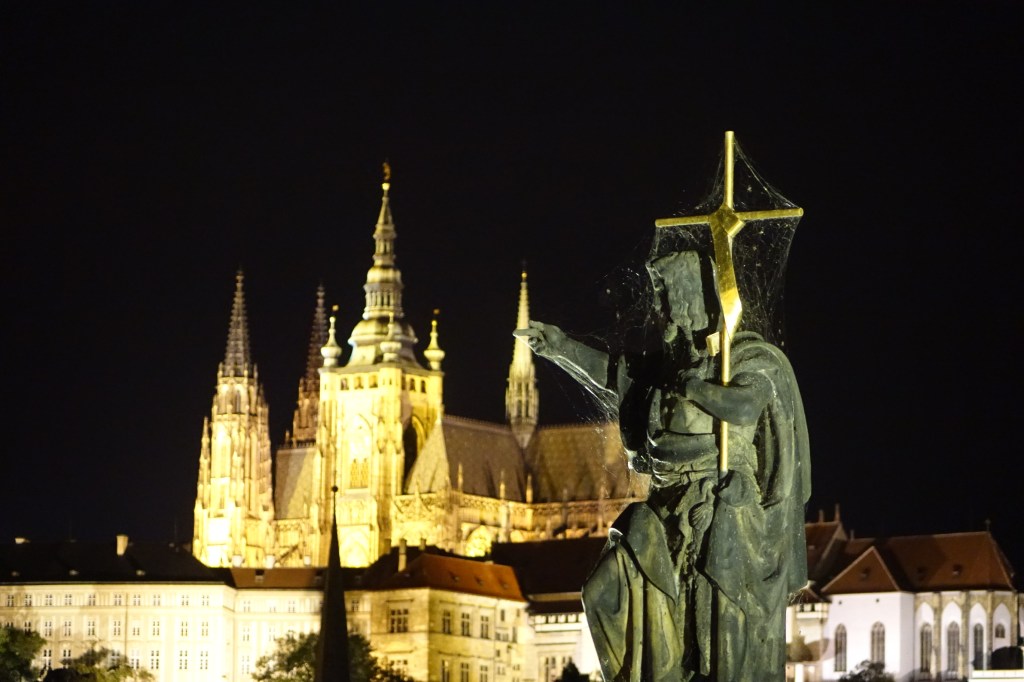
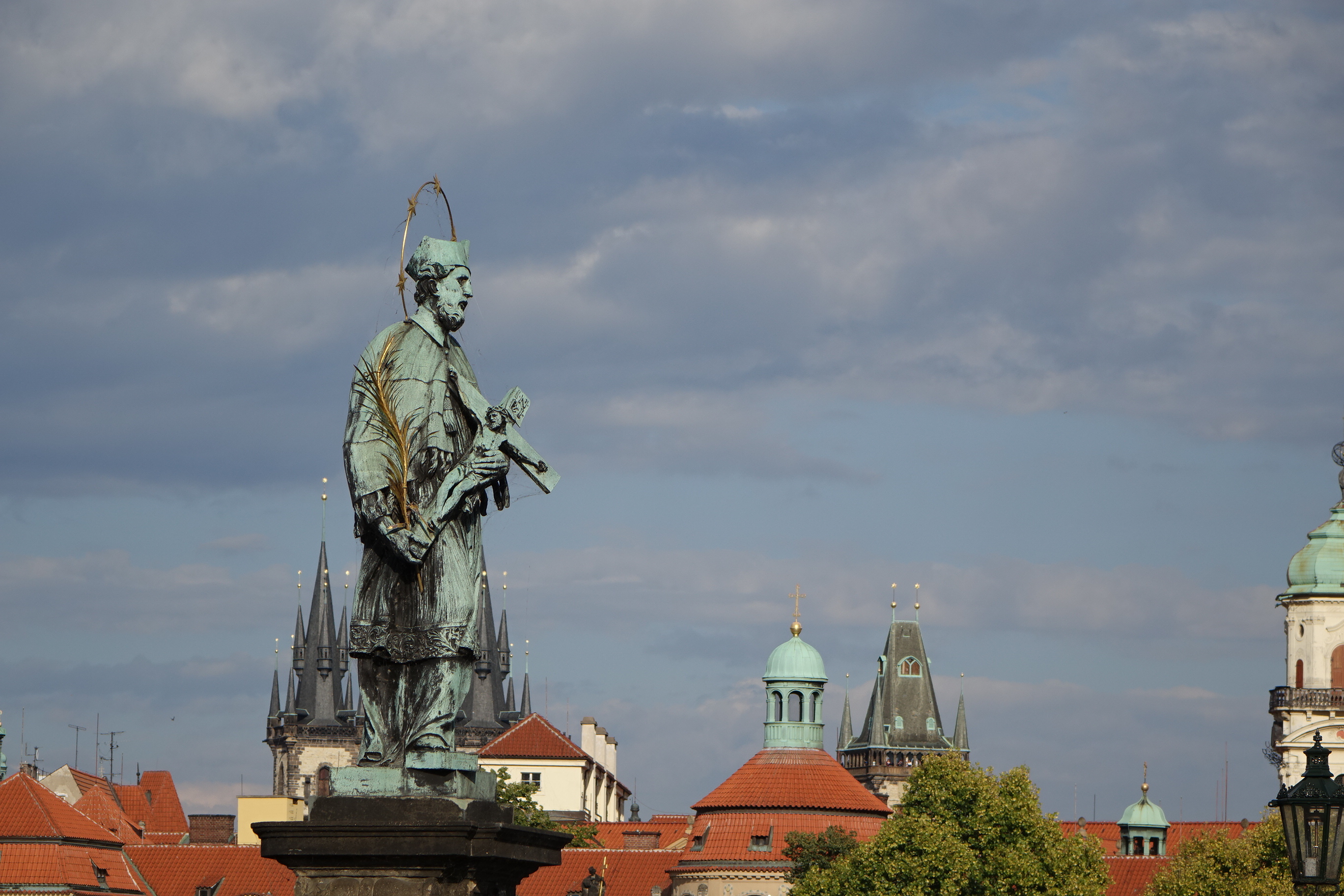
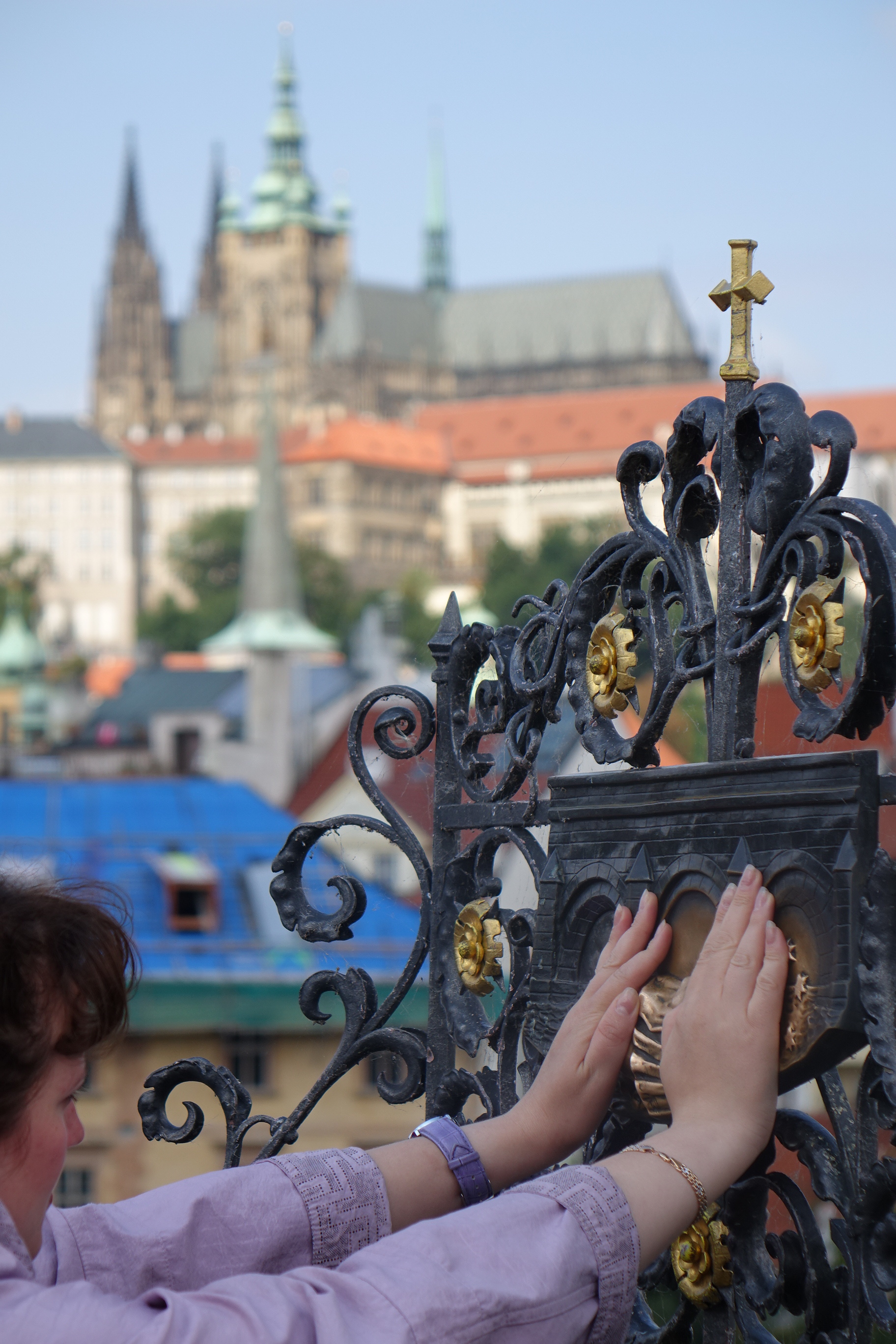
And it is everywhere. Perhaps the most famous sight of the city’s baroque virtuosity is the Charles Bridge. This pedestrianised bridge harks from the 14th century, and is a mecca for tourists and street musicians, artists and souvenir sellers; and there is little surprise why that may be. For on each of its 30 pillars stands a statue so superbly executed in the baroque fashion that it is more than rival for the Ponte Sant’Angelo in Rome, whose Bernini sculptures this collection was intended to emulate. With depictions ranging from the patron saint of the city, St Wenceslas, to a 17th century crucifixion adorned by hebrew words forcibly paid for by a Jew as punishment for blasphemy, the bridge is an art gallery to some of history’s best sculpture. It’s just a shame they are all too filthy to be properly appreciated. Yet two of the sculptures in particular are in need of less cleaning, so polished are they by the hands of tourists who touch them repeatedly in the hope of the luck they may bring.

The Charles Bridge

DSC07581 DSC06675 DSC07194 DSC06664 DSC07188 DSC07583 DSC06671 DSC06639 DSC06651

We resisted touching the sculptures – the queues to do so would have taken up half the day after all, and instead crossed over the bridge to the area of Prague they call “the Little Quarter”. The Little Quarter (Mala Strana) is indeed quite little in terms of scale compared with the grander “new town” across the Charles Bridge with its multi-storey classical faces and gilded theatres and boulevards. Here, the streets are all together more charming, with shorter pastel coloured buildings, cobbles and even little canals which separate the mainland from the little Kampa Island. There in turn are little relaxed gardens from which views of the city can be caught from shady benches, and beyond those, small cobbled squares are gently decaying as their paint flakes away and the whole place feels laid back and somniferous.

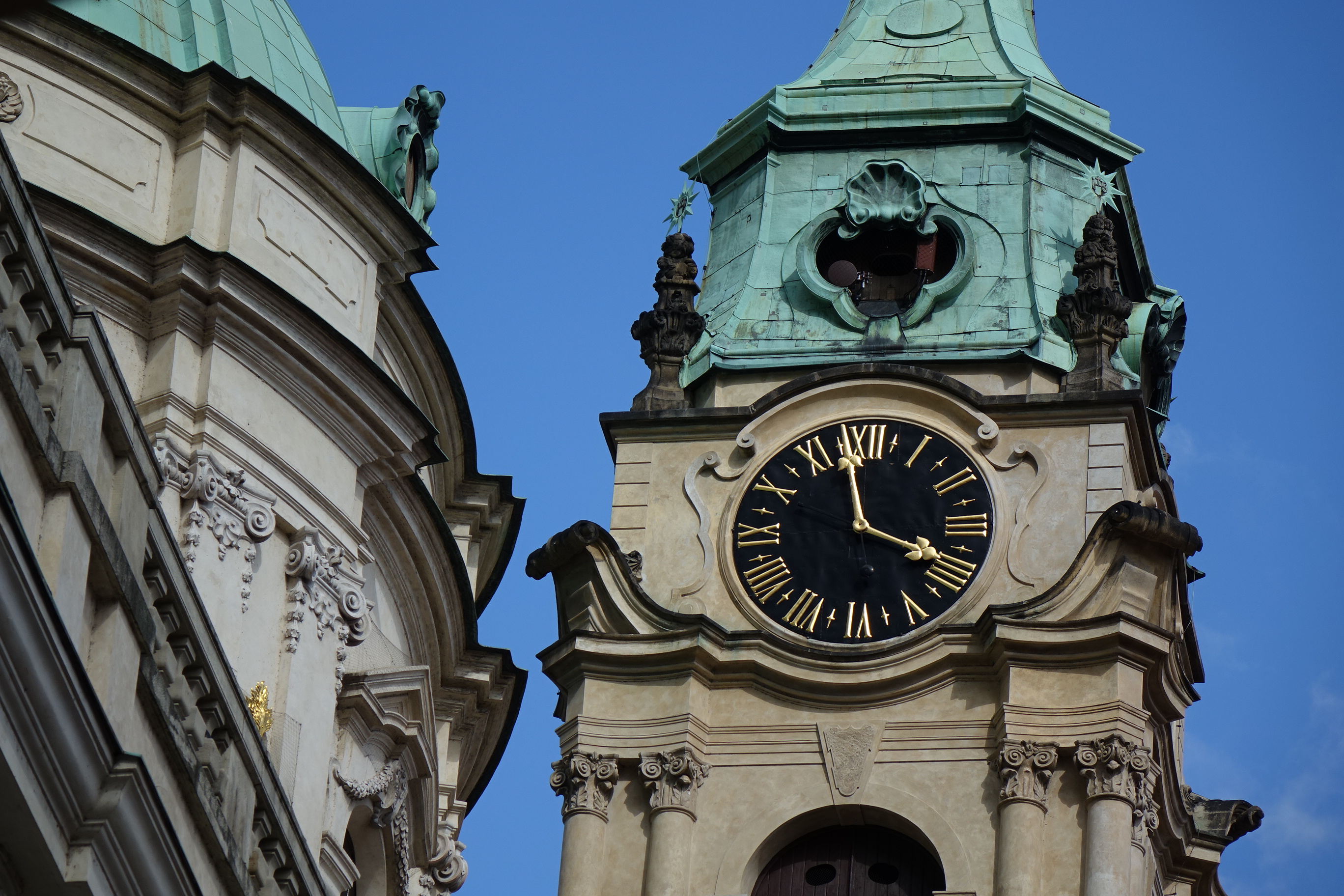
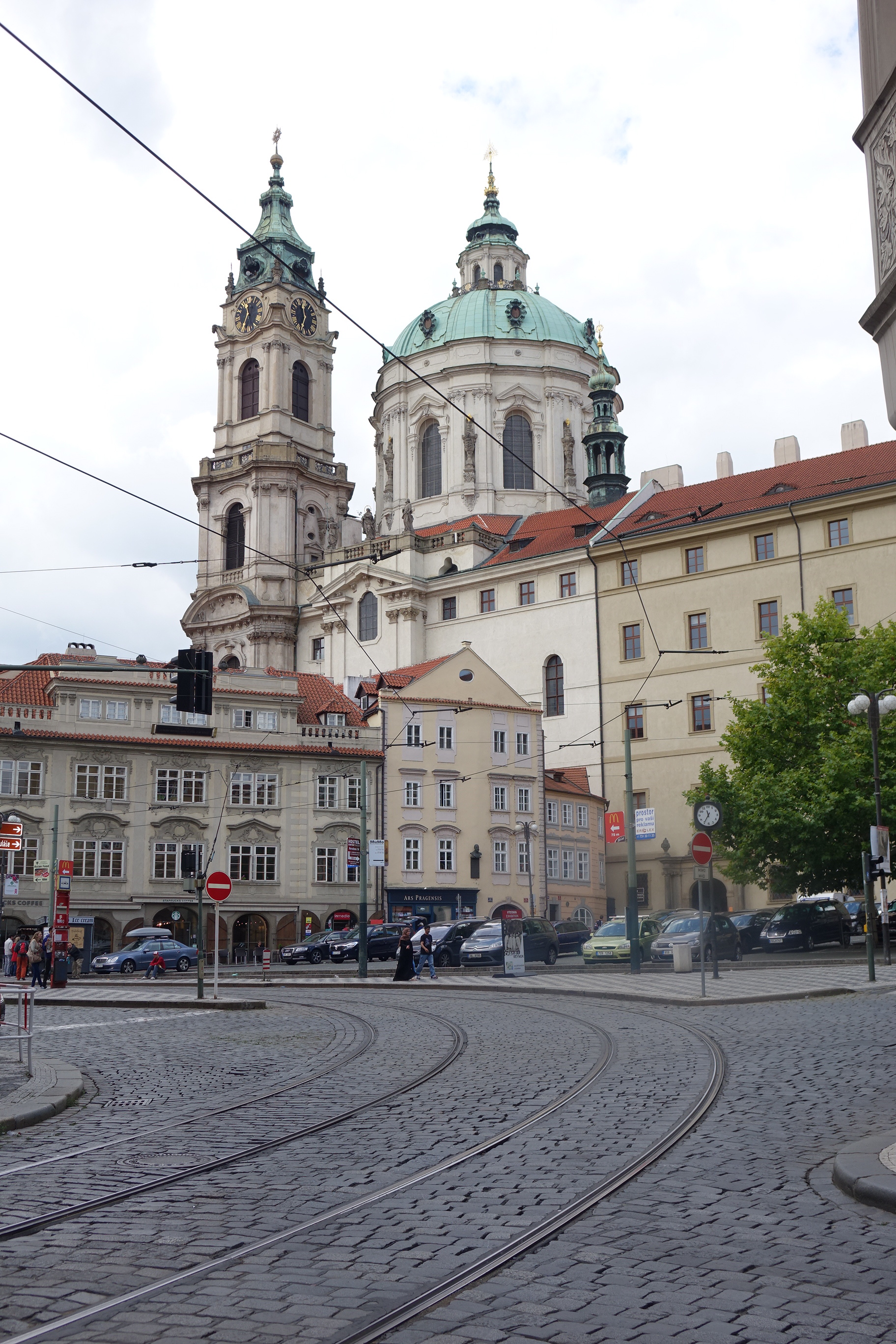
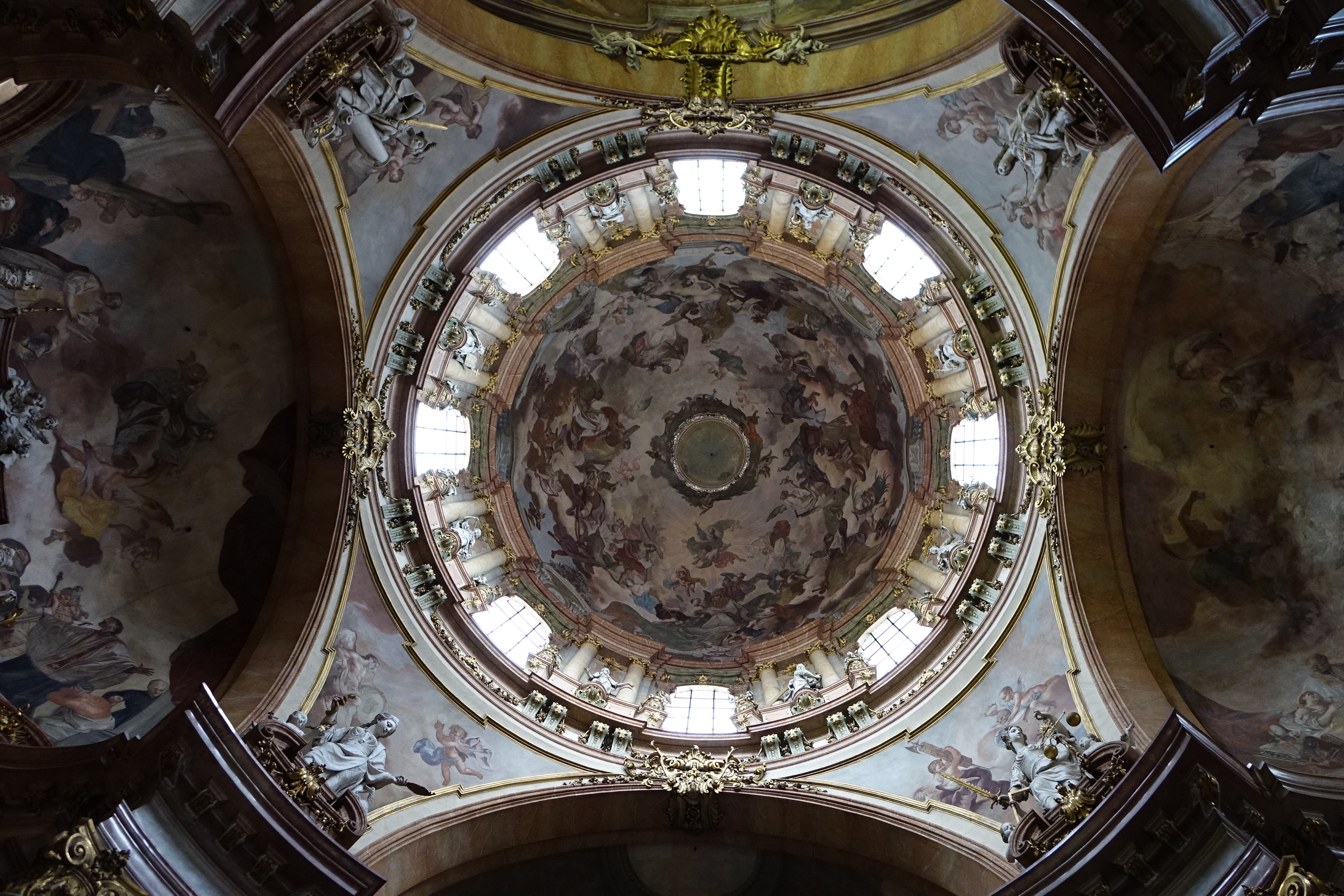
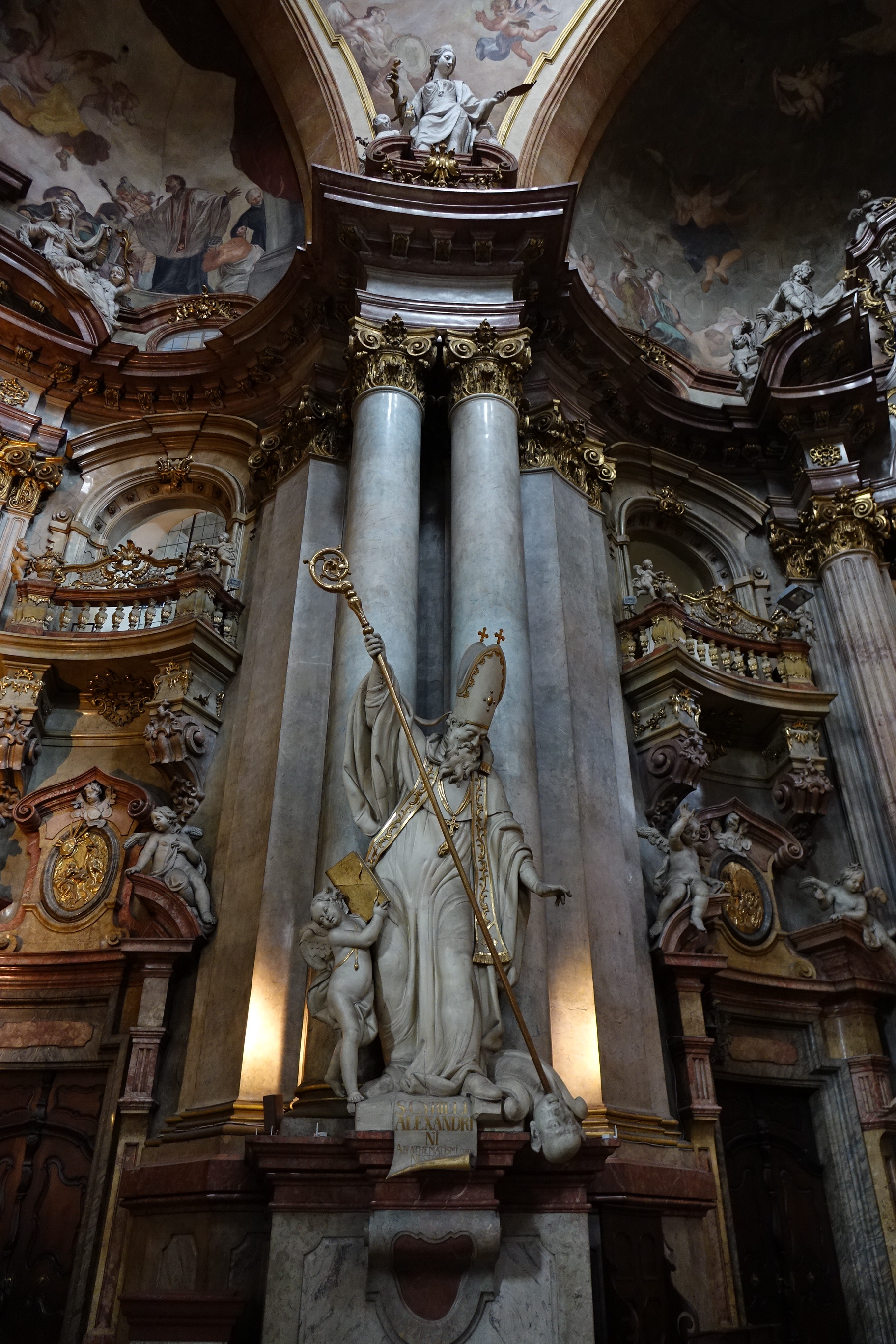
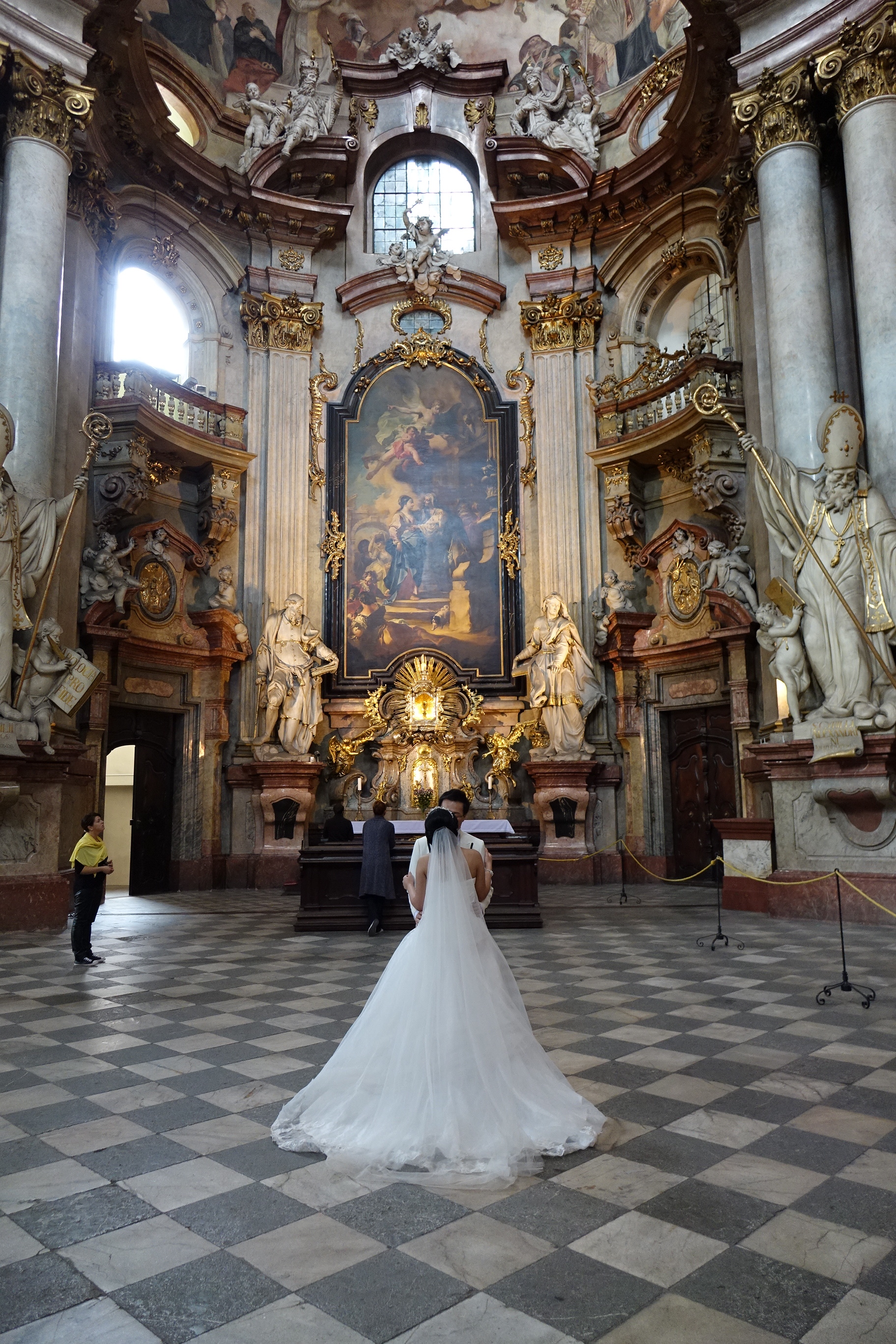
But amongst those small streets is one building which certainly does not match the title “Little”. For with its imposing great dome and matching campanile, the Church of St Nicholas is no shrinking violet. Rather, it is the next stop on the tour of baroque jems, for as the baroque goes, it doesn’t get much more extravagant that this church. Built by father and son architects Christoph and Kilian Ignaz Dientzenhofer, Prague’s greatest exponents of the High Baroque, the church is filled with an outlandishly extravagant array of excessive decoration, with gold capitals, marble pillars, great towering statues of popes and bishops, and cherubs everywhere you look filling the space. Although amusingly enough, scratch beneath the surface of all this opulence and you notice that much of it is mere theatre: the marble pillars are actually painted plaster; the gilded details simply painted gold. But then wasn’t the baroque all about the first stunning moment of theatre, when your breath is audibly taken away by the magnificence of the scene created?

The baroque spectacle of St Nicholas’ Church

DSC06730 DSC07086 DSC07101 DSC07080 DSC07066 DSC07110 DSC07106 DSC07099

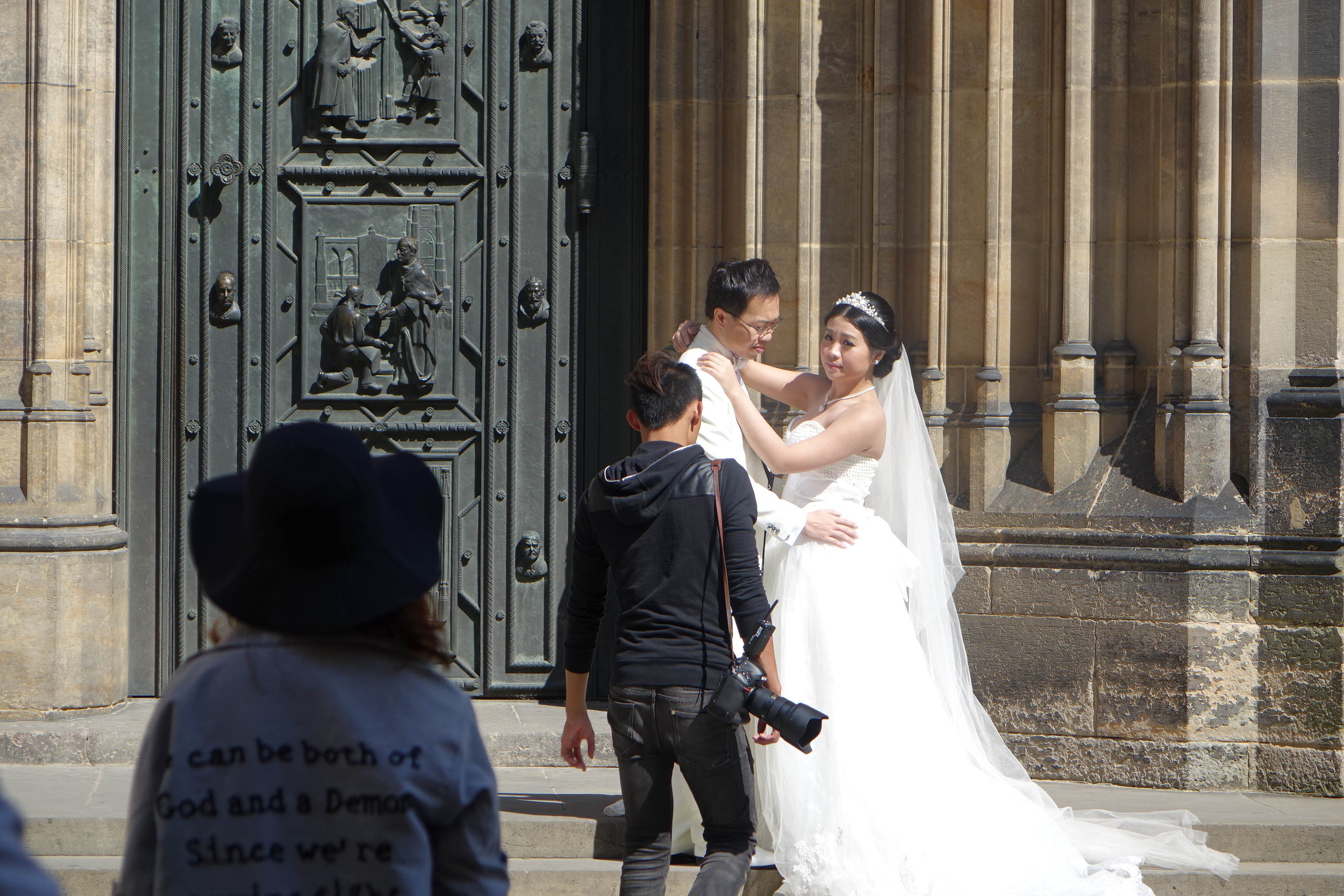
And talking of theatre, we couldn’t help noticing the latest Chinese craze of wedding couples getting married in China and then travelling to Europe to photograph themselves in full wedding regalia in front of some of Europe’s most famous monuments. We saw this couple all over prague – wherever we went, so did they, and their camera, their photographer and their make-up team…

DSC07097 DSC07051 DSC07052

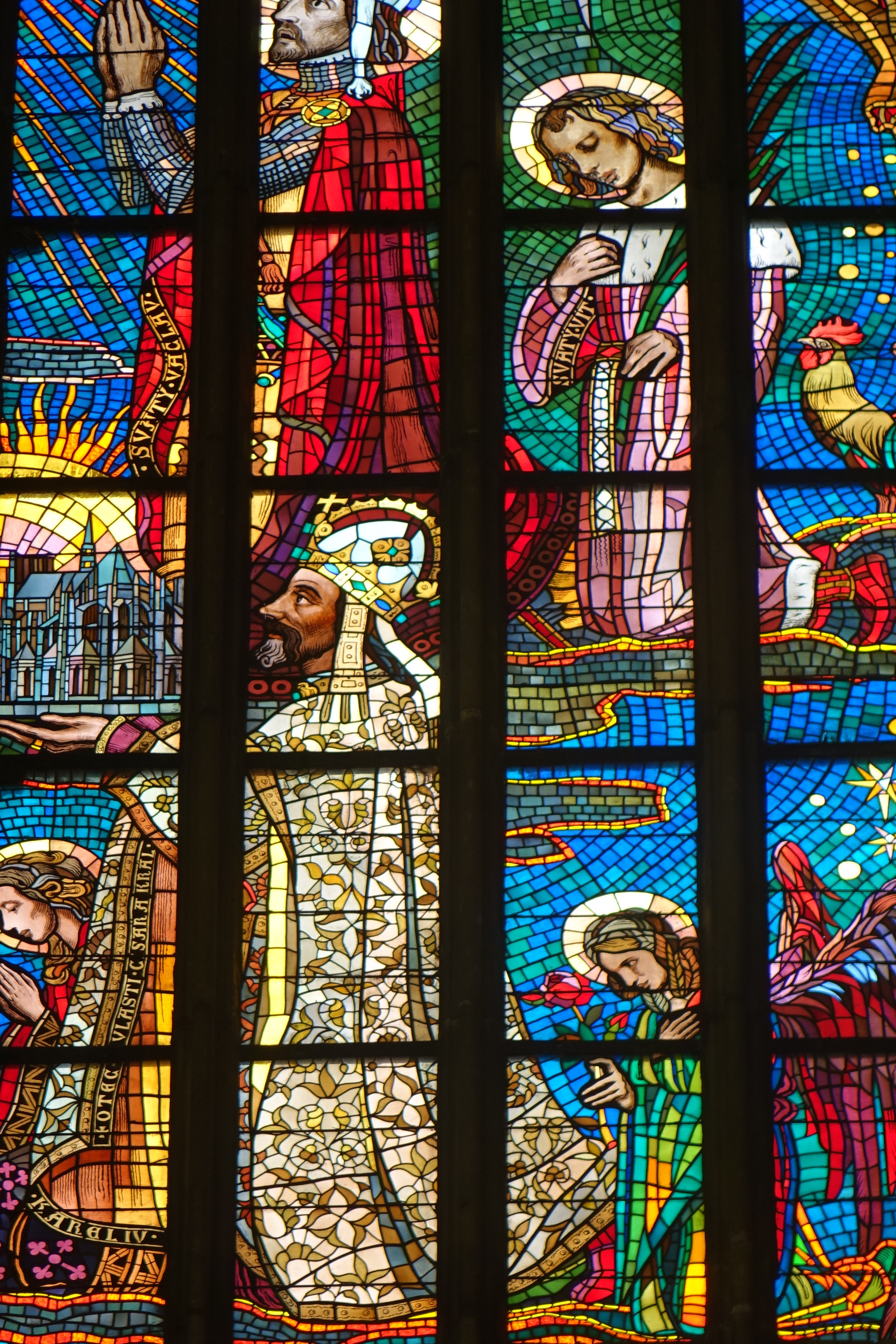
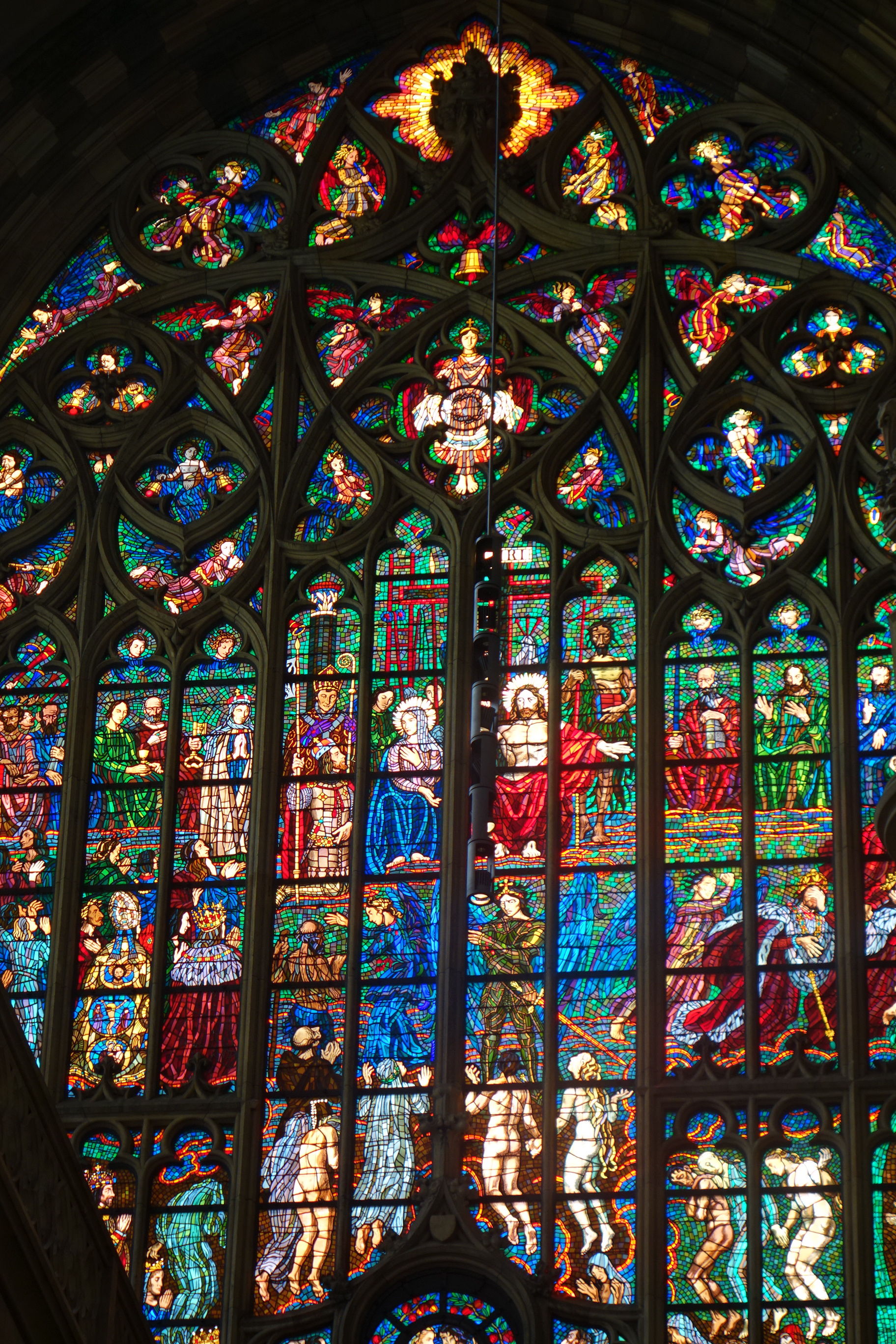
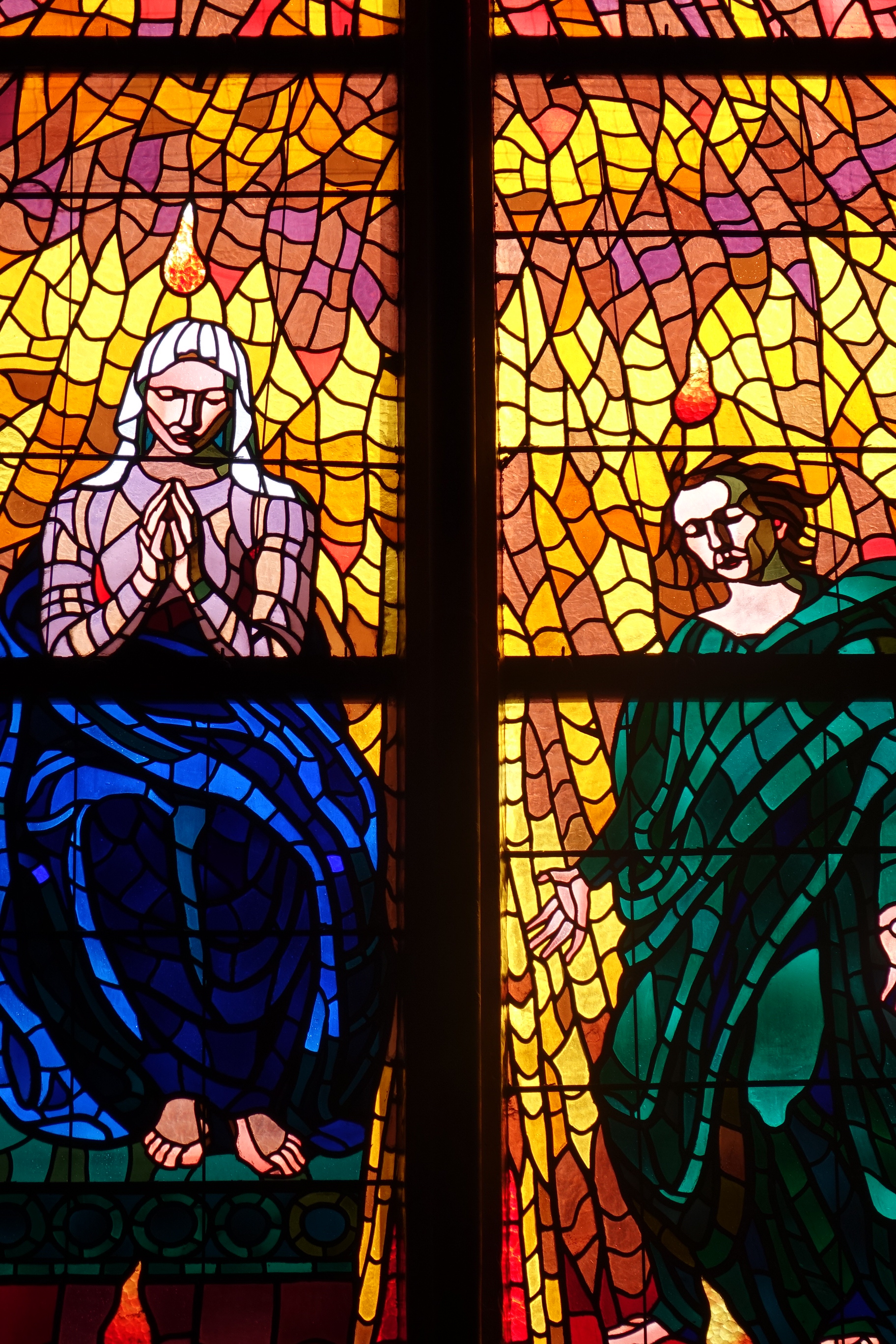
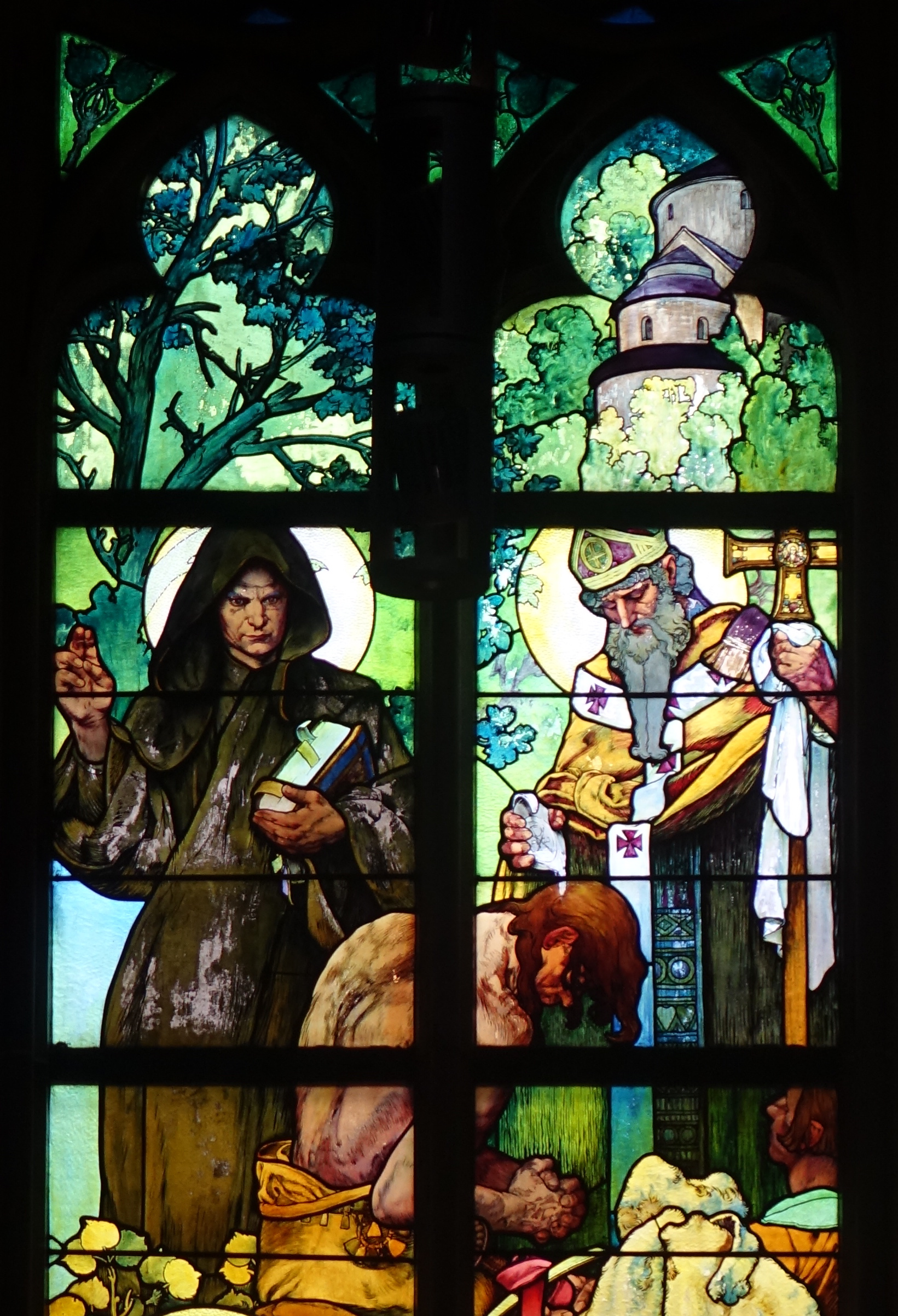
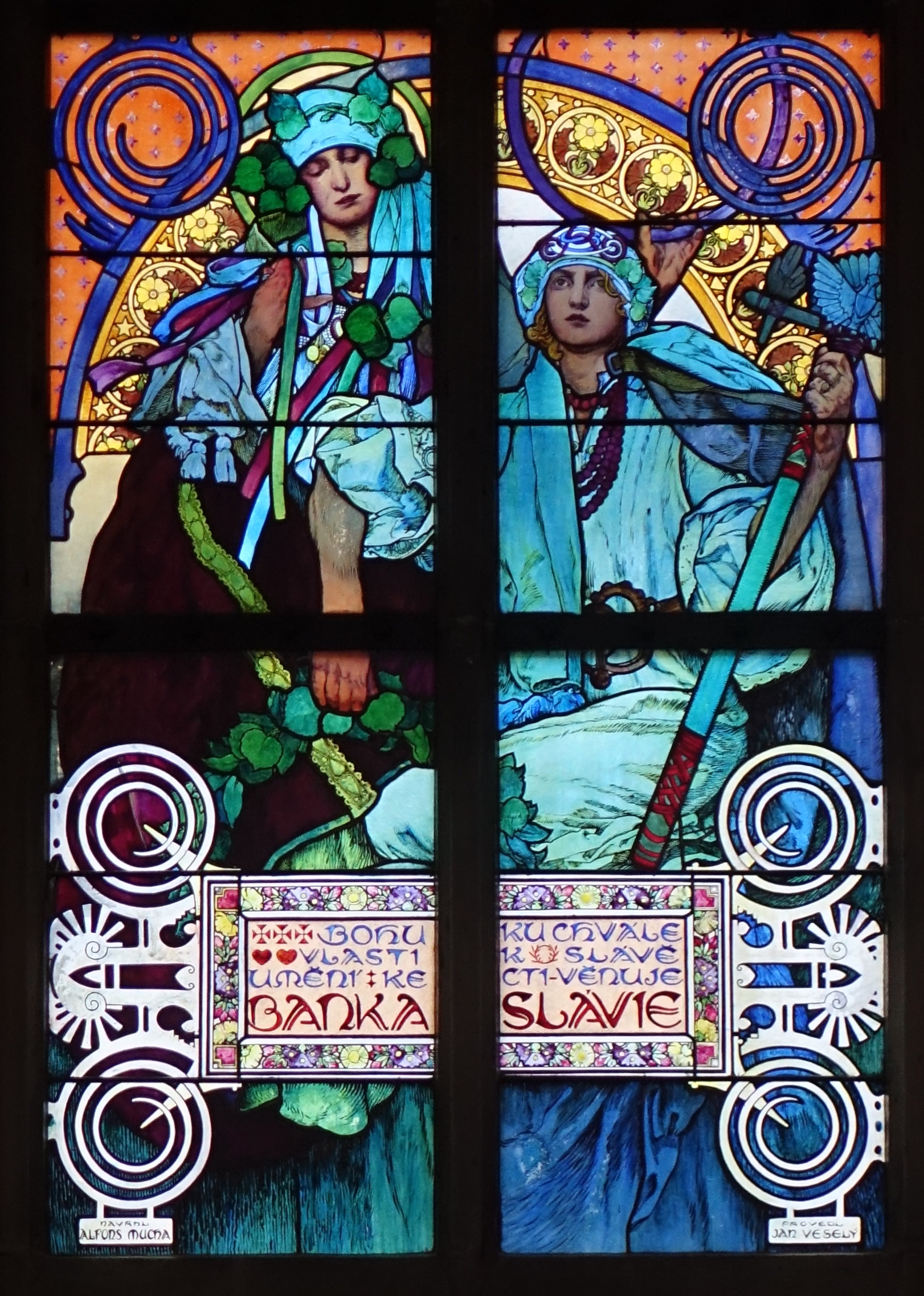
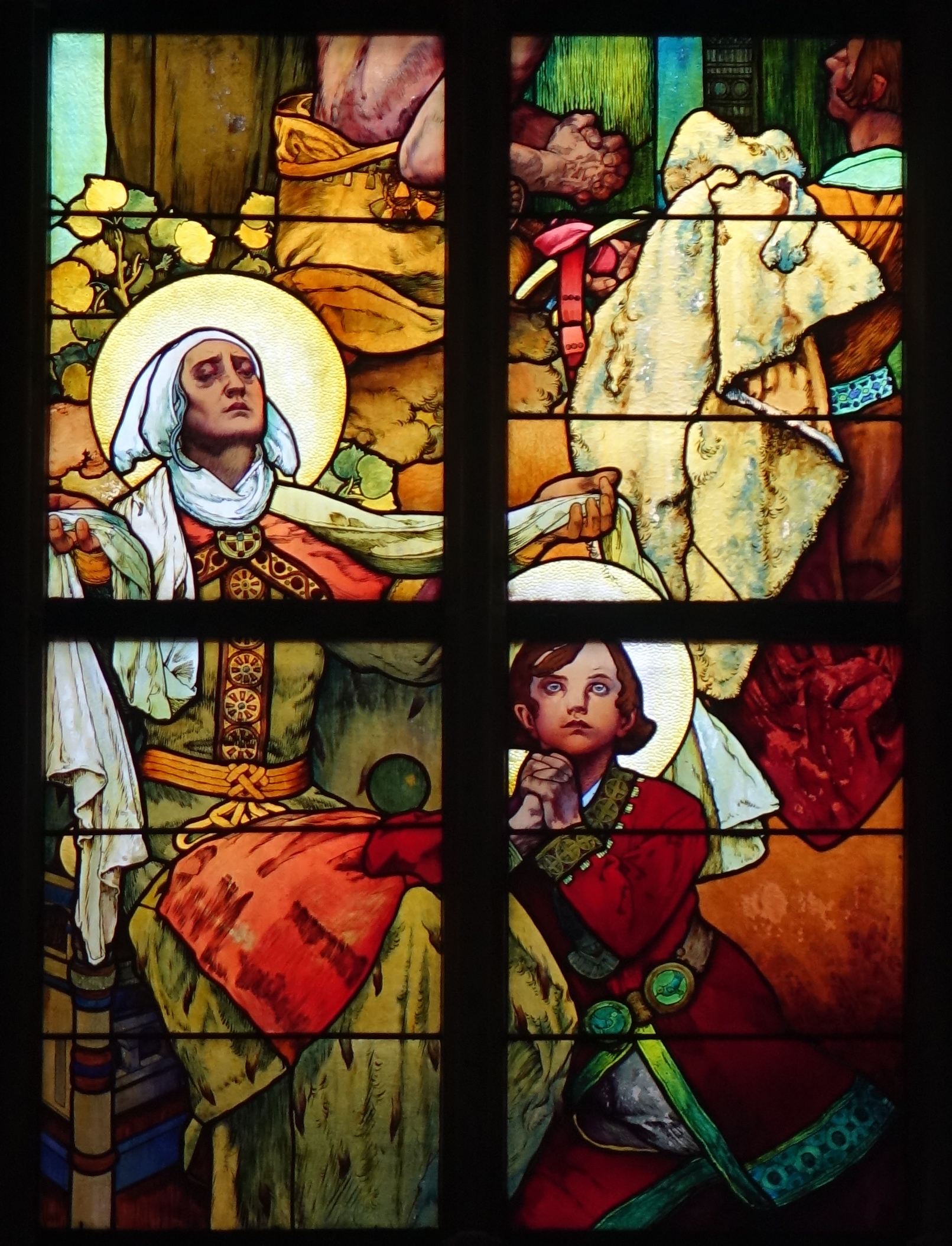
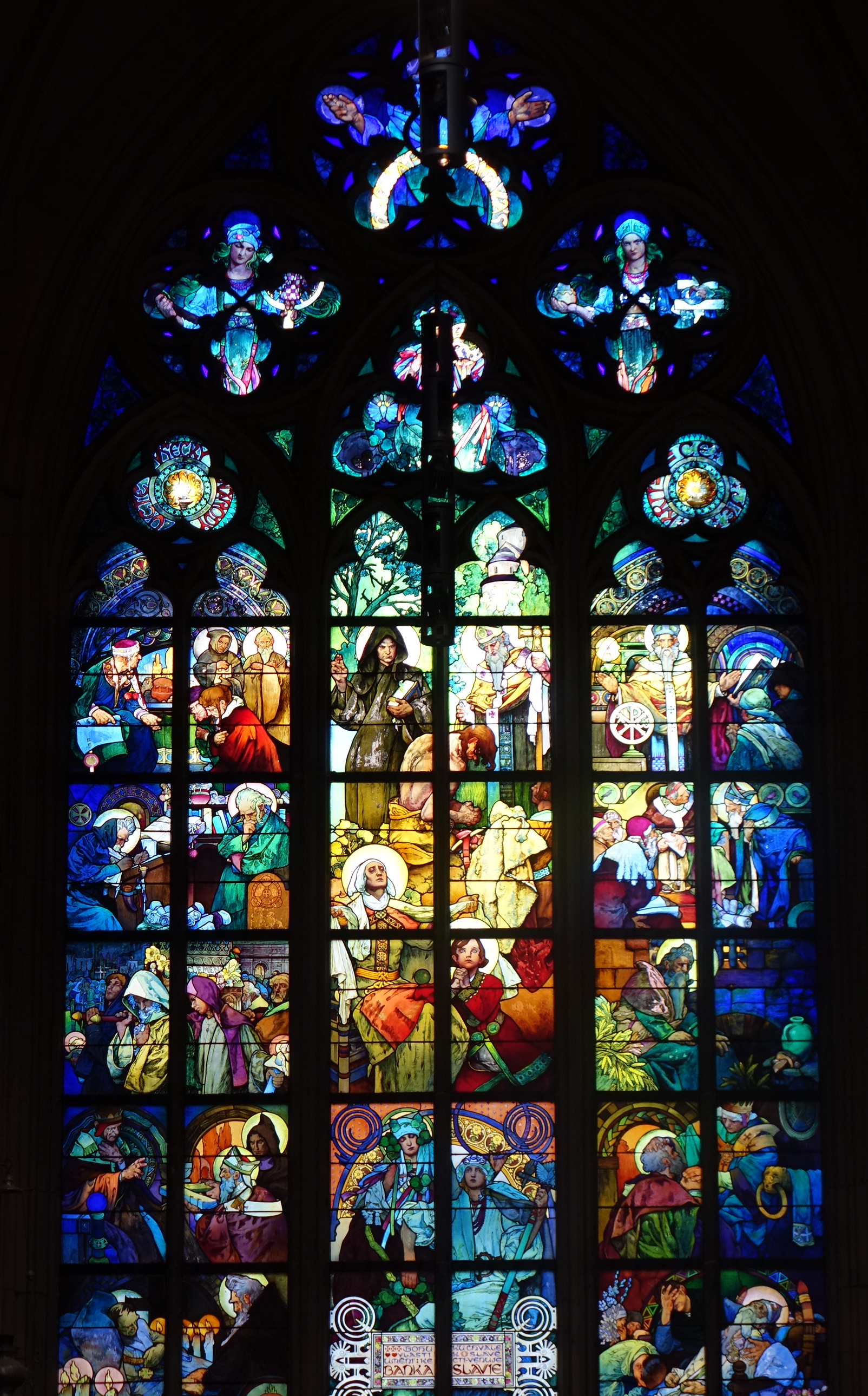
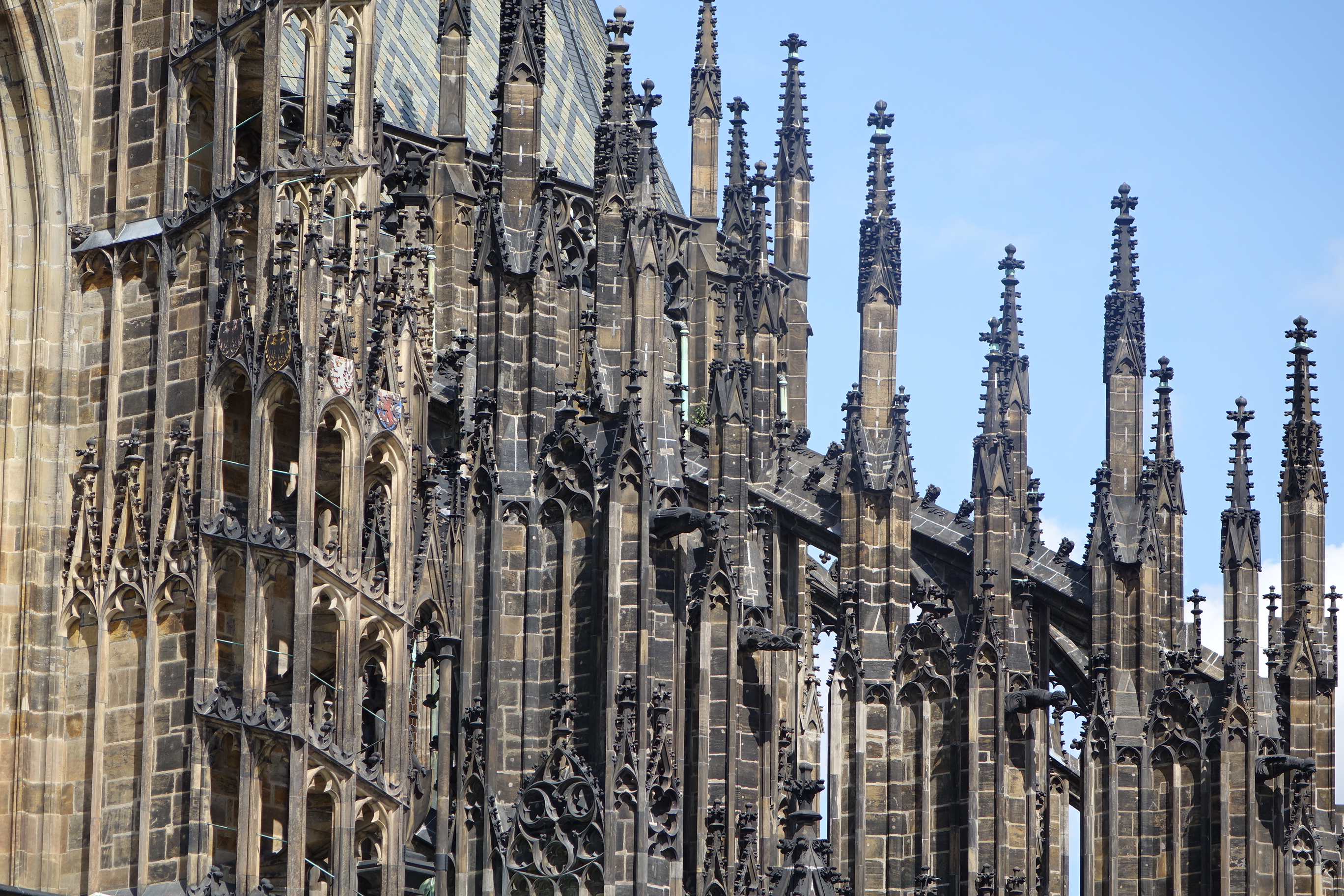
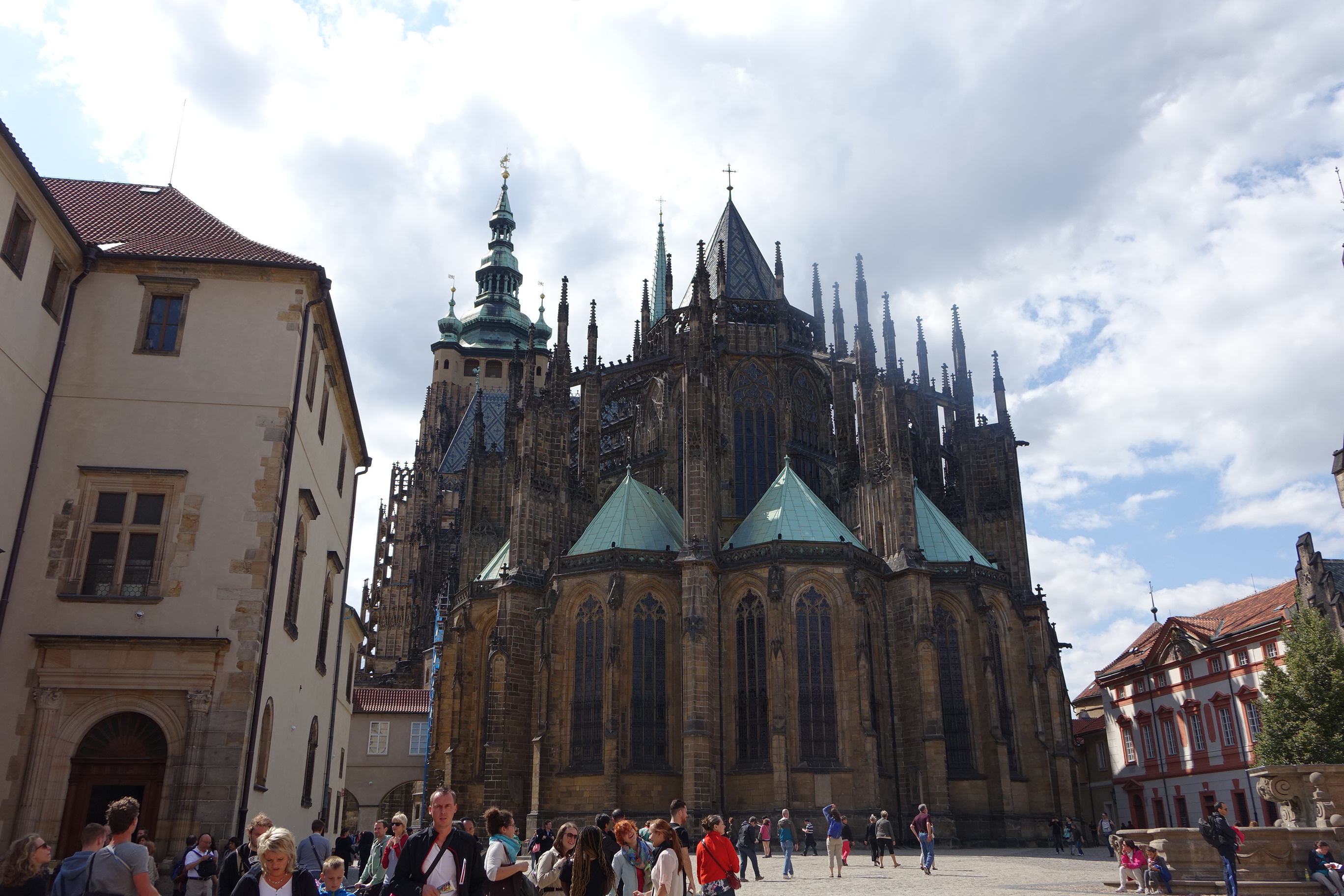
As the day went on, we felt ourselves becoming steadily baroque-saturated, and as the sun made its daily passage across the skies, it was to Prague Castle where we ascended, the great complex of royal palaces and the city’s main cathedral, St Vitus, and it was there where we laid witness to what must be one of the city’s greatest artistic treasures of all – its stained glass windows. When you walk into St Vitus (having queued like us for almost an hour to get tickets from the ridiculously inefficient ticket desk), you are almost overcome by the coloured light that fills the place. For in each of the cathedral’s large windows is stained glass in a panoply of colours, and depicting scenes of stunning detail which is just brought alive by the light shining through it, projecting the image like in a cinema across the imposing stone interior.

Stained glass symphony

DSC06794 DSC06826 DSC06910 DSC06897 DSC06823 DSC06820 DSC06836 DSC06788 DSC06898 DSC06818 DSC06908

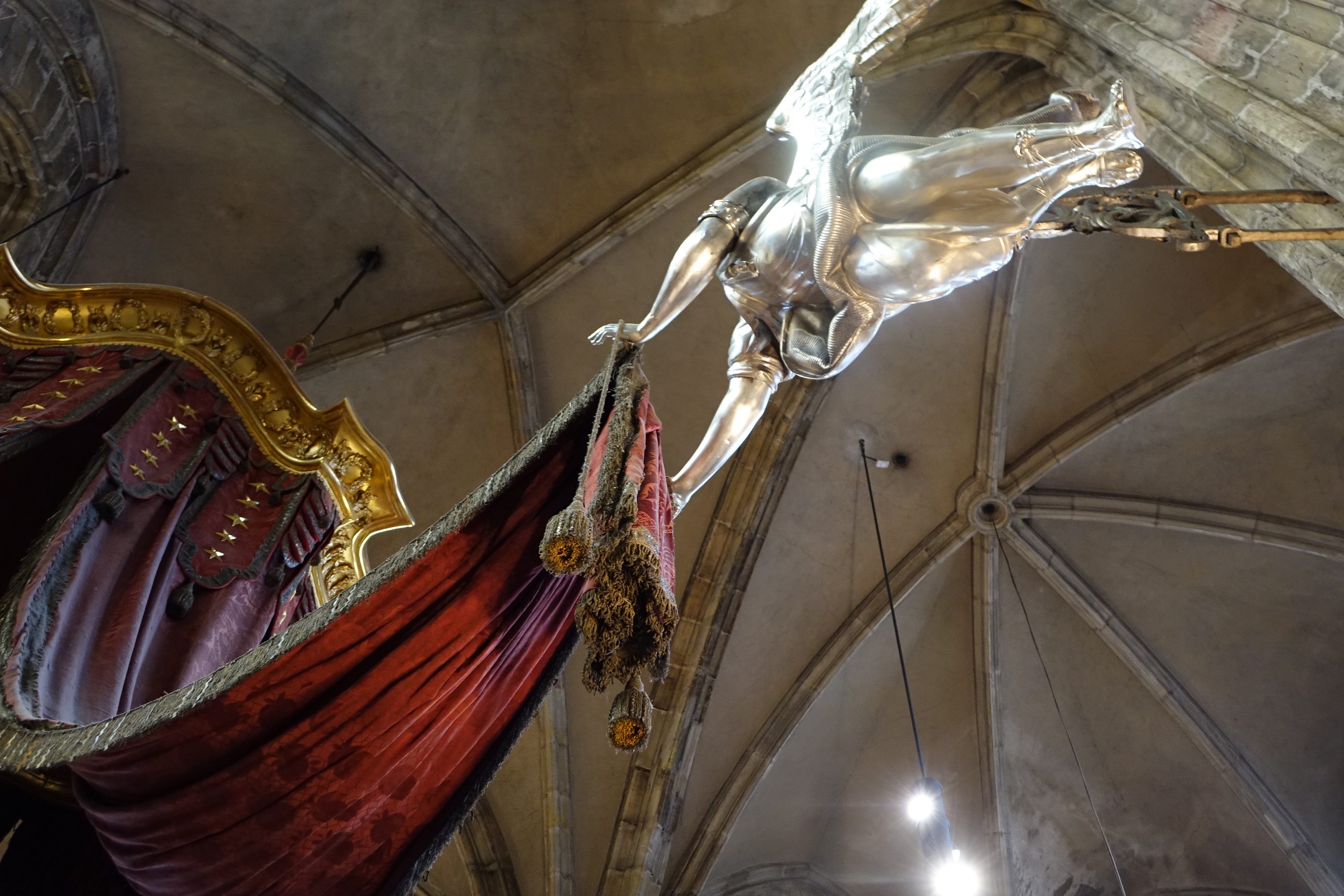
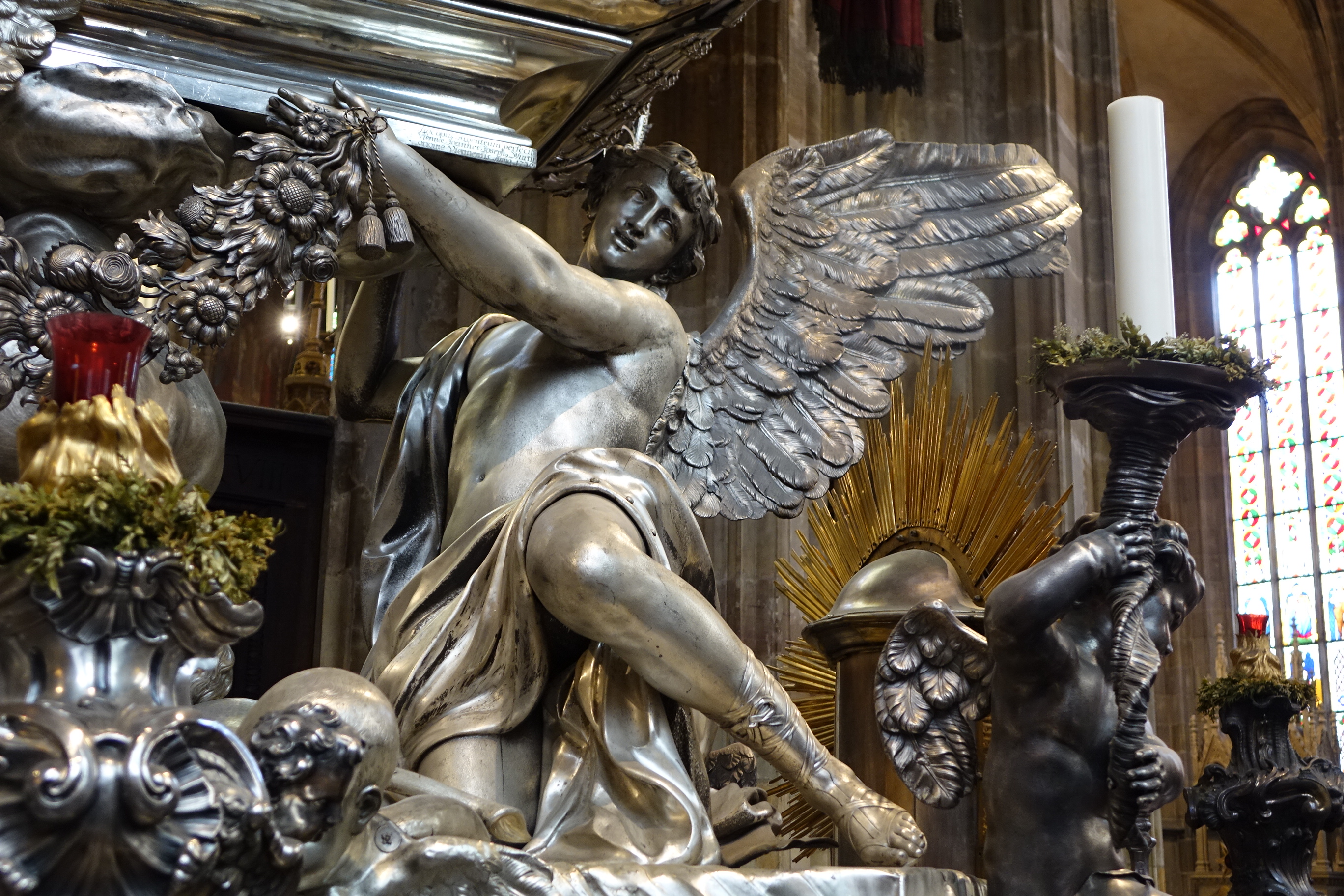
My favourite of all the windows has to be that designed by famous Czech art nouveau artist Mucha towards the end of his life, and many of the photos here feature that brilliant design. But here too are a selection of the other windows, both old and new, all exhibiting a kaleidoscope of colour which was incredible to behold. But just in case we had forgotten it, the trusty Baroque made sure that it had its day inside the cathedral as well, as these photos of the sensational royal mausoleum of Ferdinand I, and the opulent tomb of St John Nepomok aptly demonstrate.

Mucha’s window

DSC06877 DSC06868 DSC06875 DSC06865

St Vitus’ baroque

DSC06919 DSC06829 DSC06913 DSC06853 DSC06917 DSC06863 DSC07026 DSC06857

All photos and written content are strictly the copyright of Nicholas de Lacy-Brown © 2014 and The Daily Norm. All rights are reserved. Unauthorized use and/or duplication of the material, whether written work, photography or artwork, included within The Daily Norm without express and written permission from The Daily Norm’s author and/or owner is strictly prohibited.

Prague (Part 1): Iron behind the Velvet Curtain

When you mention the Czech city of Prague to anyone, their eyes turn a little gooey as a child’s might before a sparkling Christmas tree. They will tell you about the beauty of the architecture, “like a fairytale” they say. They will extol the baroque virtues of the Charles Bridge, and recount memories of evenings drinking local beers in the great Old Town square. And perhaps I will remember Prague for a city of fantastical beauty – which it surely is – when I look back on the place in years to come. But now, freshly returned from this capital city of the Czech Republic, another more overriding sensation of disappointment dominates.

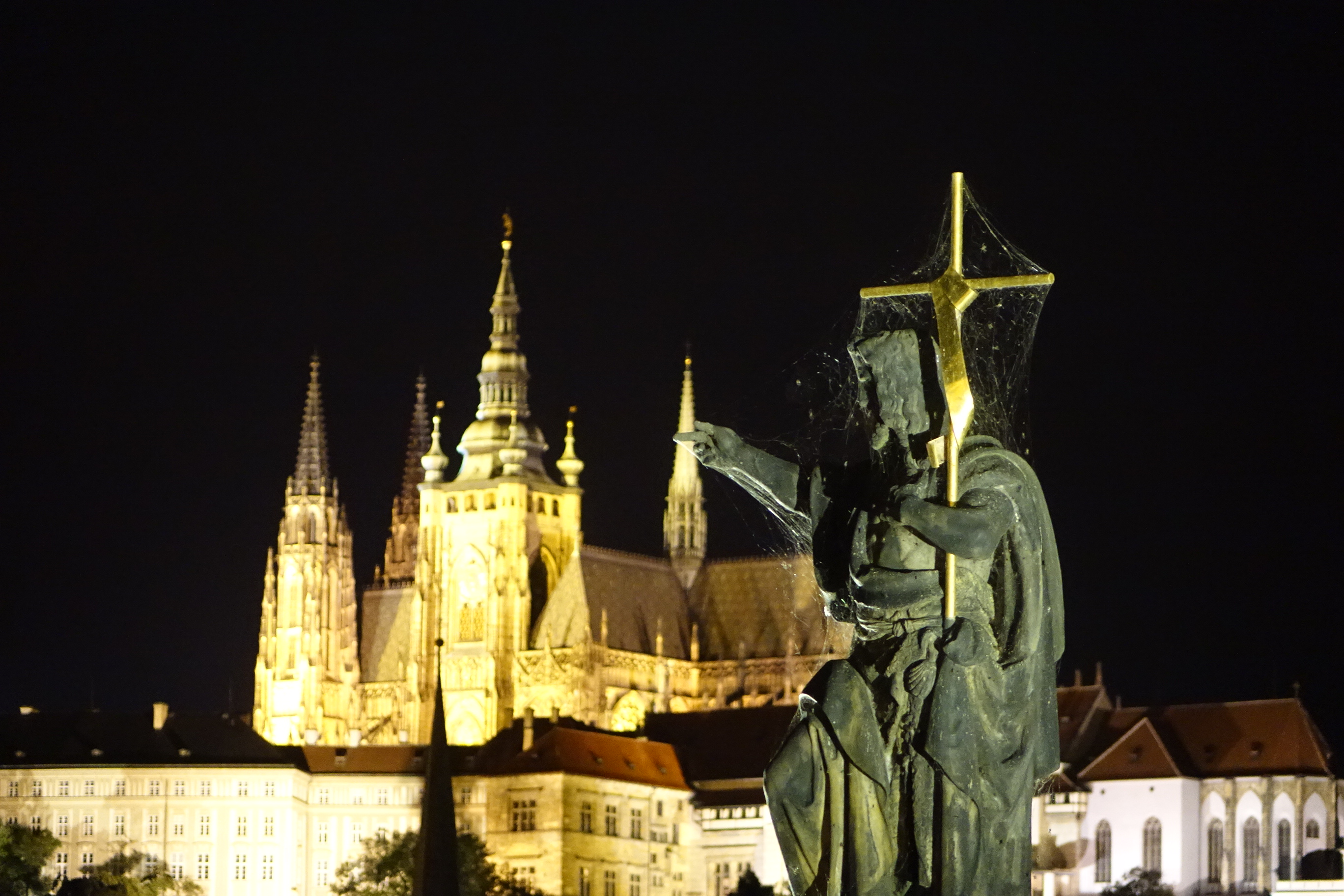
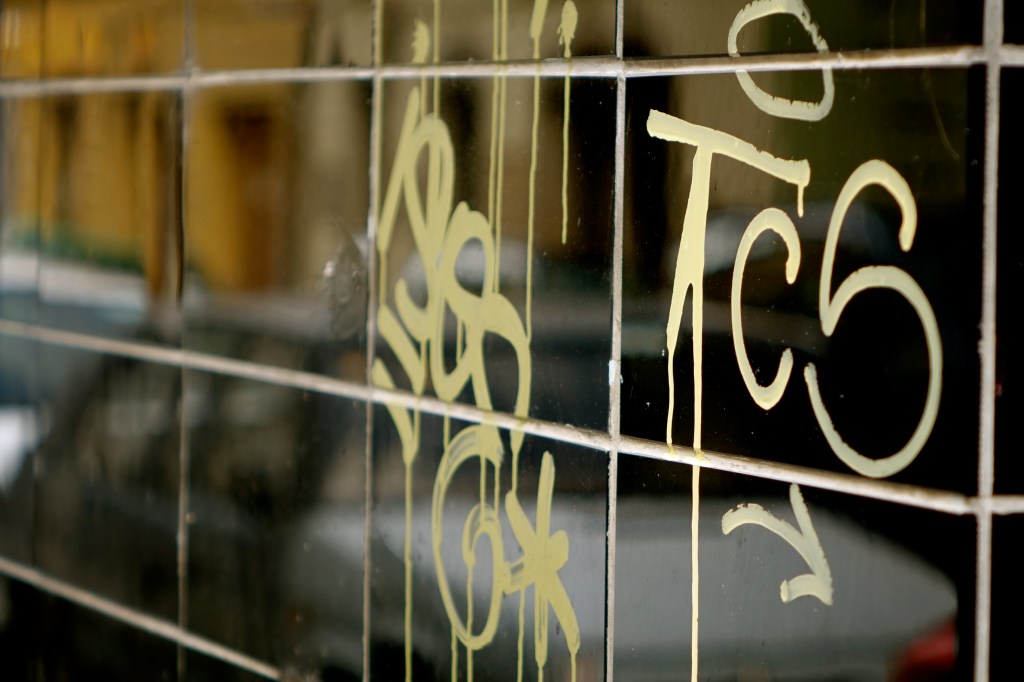
Disappointment because in Prague I did not feel welcome by the locals, whose complete lack of customer service caused me to feel on edge, and sometimes angry throughout my stay. Disappointment because the beauty of the city was constantly polluted by the sound (and sight) of drunk English stag parties collapsing all over the cobbled squares of the old town, dressed in t-shirts carrying loutish slogans and indecent images, their rowdy conversations following a similar vibe. Disappointment because, despite what is indeed a town with all of the ingredients of beauty, the Czechs have allowed it to fall woefully into decline. Case in point: the statues and lamps on the Charles Bridge, covered with cobwebs, looking as though they last received a clean close to the time when they were first installed, so darkened by dirty and pollution that you can barely make out their features; or what about the graffiti littering the streets of the old town – that was not something which featured in the fairytales I read when I was a child.

DSC07162 DSC06377 DSC06458 DSC07165 DSC06609 DSC07155 DSC06459 DSC07056 DSC07150 DSC06478 DSC06472 DSC06375

It’s difficult to pinpoint exactly what has gone wrong in Prague. On the one hand it’s surely a symptom of the city being ravaged by tourism. The squares and streets of the old town, the Charles Bridge and the Prague Castle area are so overrun by tourists that the local businesses and attractions and the people who work in them have become complacent, and worse: irritable. Perhaps it was the consequence of visiting the city near the end of the summer high season, but in almost every attraction we visited, we received attitude from the staff, who tutted when asked a simple question, and made it clear that being asked where the entrance was, or where the gift shop is was far too much of a hassle for them to answer.

In the cafes we received a similar reception. In one café on the main square, we asked the waitress, who demanded we pay upon ordering and took a 15% tip upfront out of our change, to bring us milk for our coffee. 5 minutes later, no milk. We asked again. Another 5 minutes past. No milk. On the third time of asking, she cleared a dirty table next to ours, took the half-used dirty milk jug from the table and deposited it on our table. Looking at her in disbelief, we asked for fresh milk. She went away and 5 minutes later brought us back two capsules of long-life milk. Was she having a joke at our expense? We were in no mood to laugh and left. Our still black coffee had gone cold by then in any event.

The famous Charles Bridge in need of a clean-up

DSC06581 DSC06669 DSC06589 DSC07218 DSC06591

Of course it could be that the Czechs are thoroughly fed up with tourists, and not least the English, the nationality which tends to comprise the majority of the drunken babble of stag-do parties which have imposed their anti-social egocentric beer-soaked weekend brawls on the city. That inexcusable arrogance is shameful for England, and a complete impediment on decent tourists from enjoying the sights nearby. But I am not a drunken English “stag” – I am a polite enthusiastic visitor. Why treat me with such disdain?

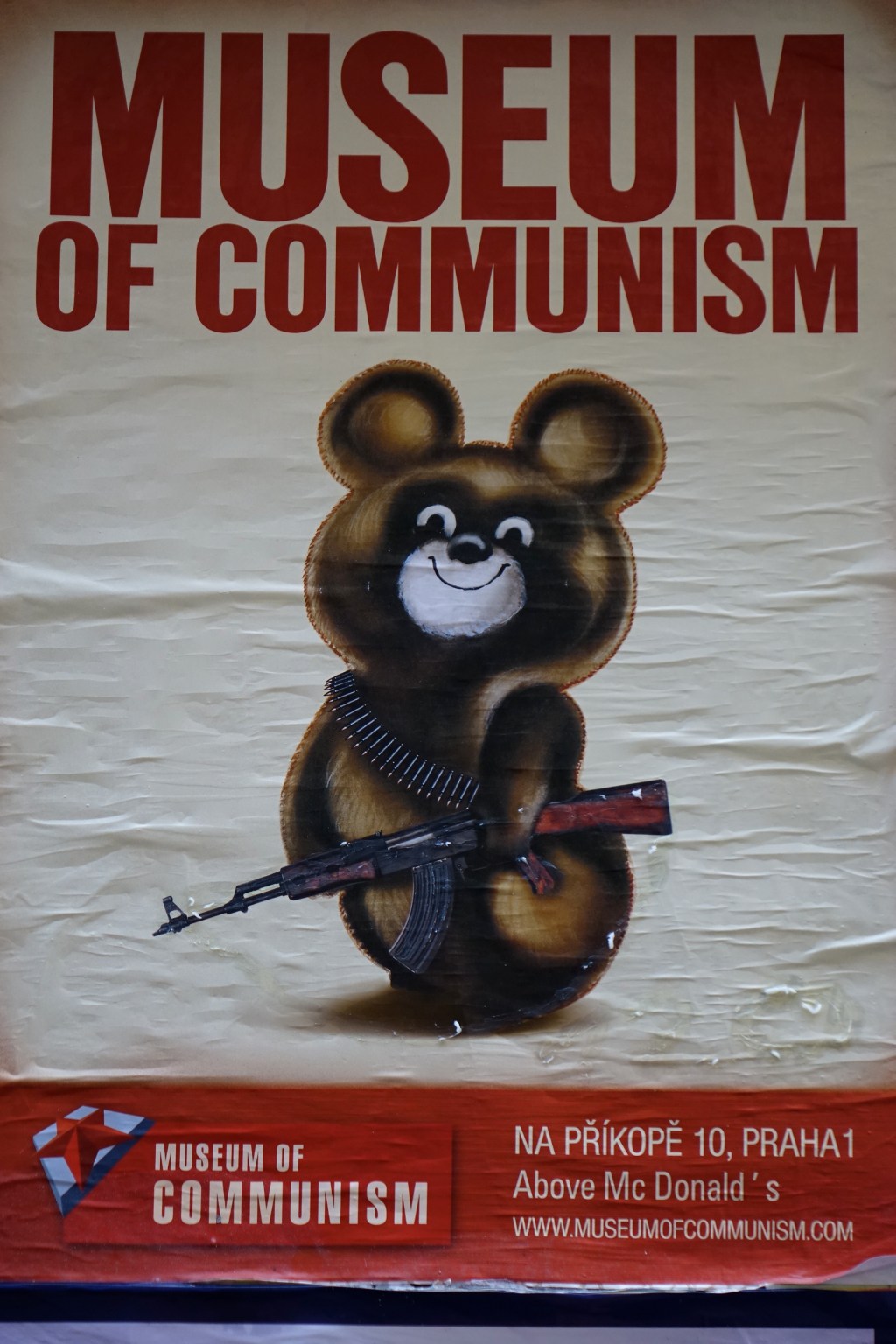
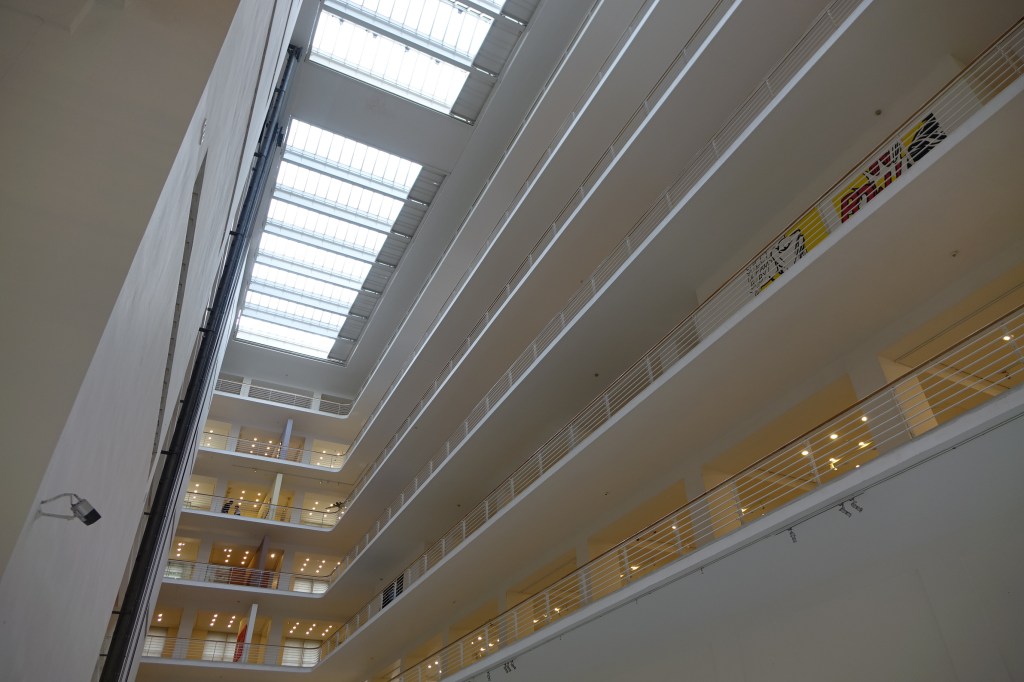
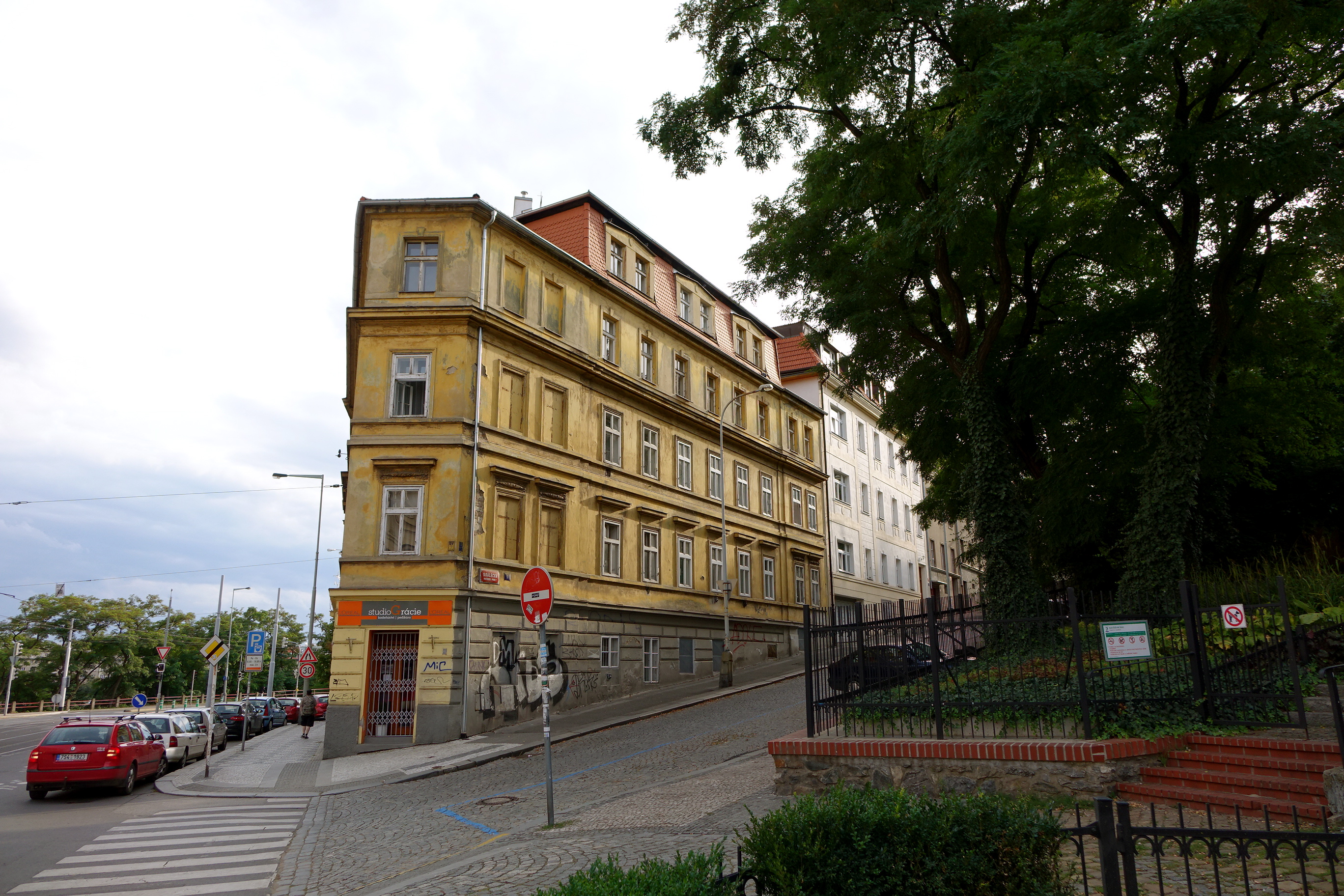
The second possible reason for the attitude of the Czechs is revealed when you scratch just slightly beneath the surface and wander out of the old town. Beyond the velvet curtain – the showpiece that is Prague’s historical tourist centre – is a jarring throwback to reality. A reminder that only one generation back this city, like the whole country, was firmly ensconced behind the iron curtain of Communism – a period of hardship which still appears to rub off on generations of Czechs, and perhaps feeds their general attitudes and behaviours today. In the area of the National Gallery’s modern art museum for example, you can still find huge geometric monuments to the Communist era set alongside wide industrialised roads and ugly concrete bridges, now largely the haunt of the homeless. The art museum itself is set within a vast Communist building, the Veletrzni palac, with all of the characteristics of concrete pre-fab architecture which we have come to associate with the era.

Throwback to Communism

DSC06396 DSC06384 DSC07498 DSC07284 DSC06448 DSC07059

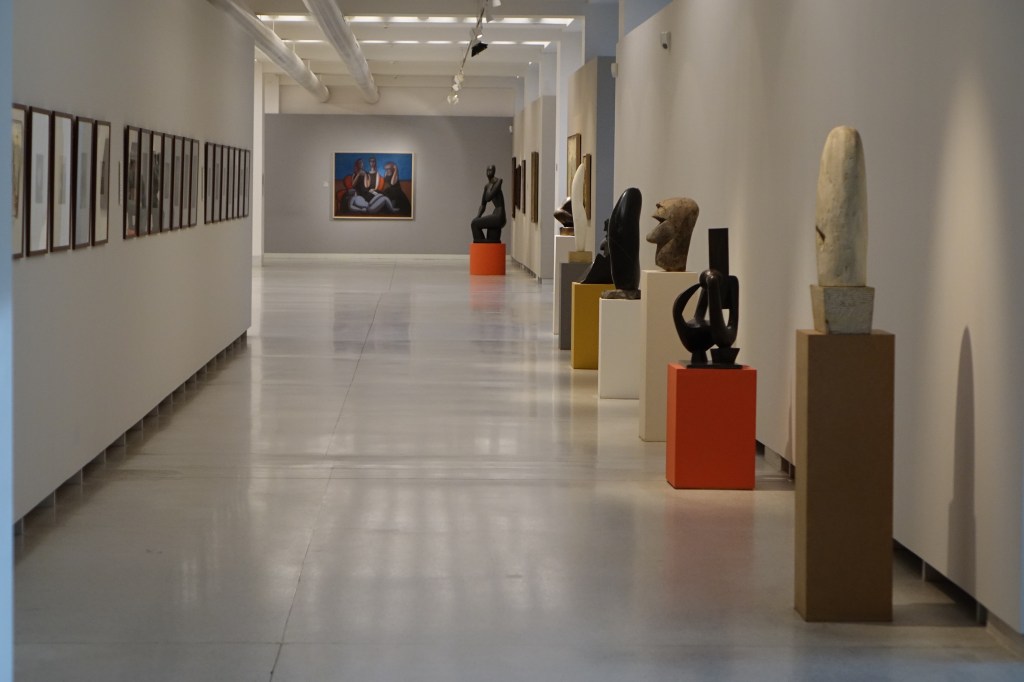
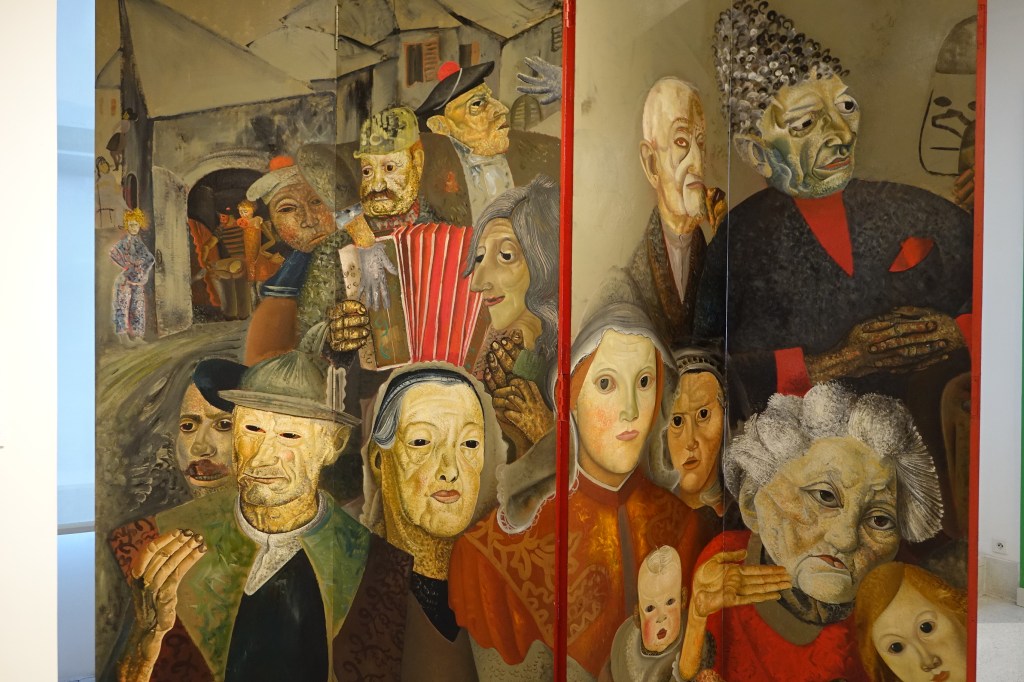
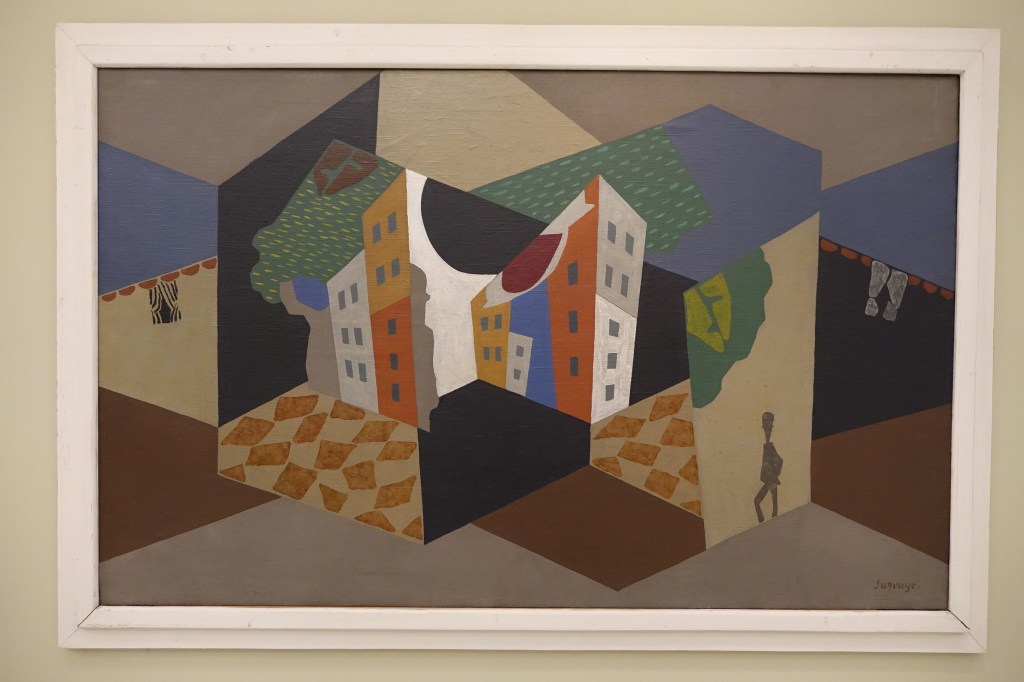
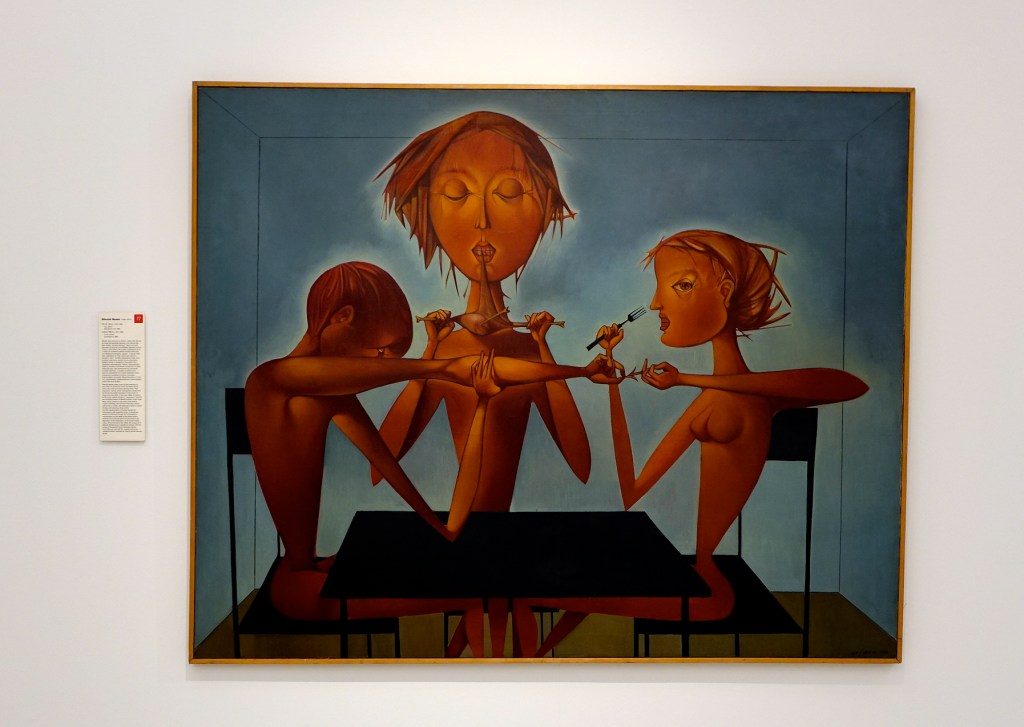
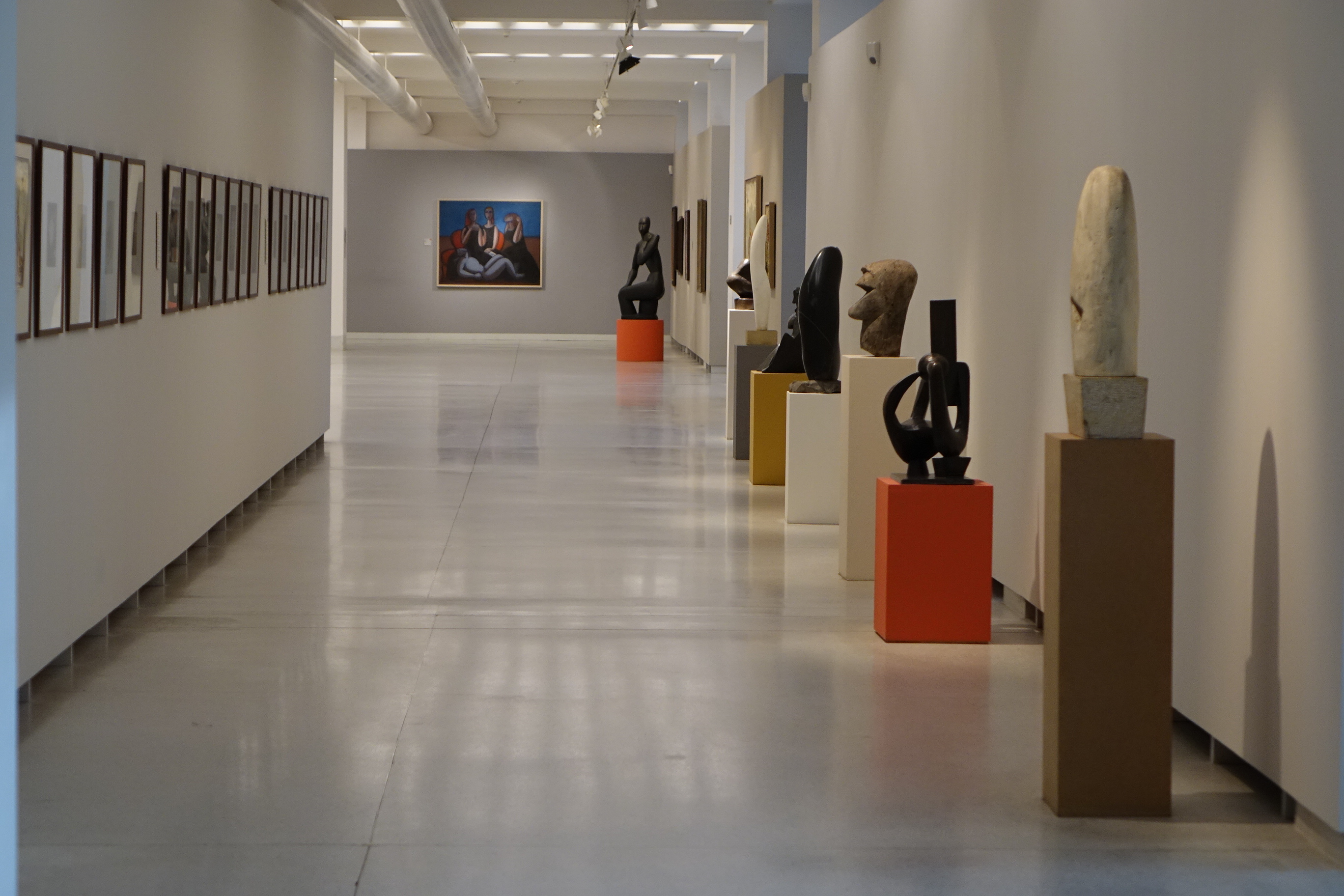
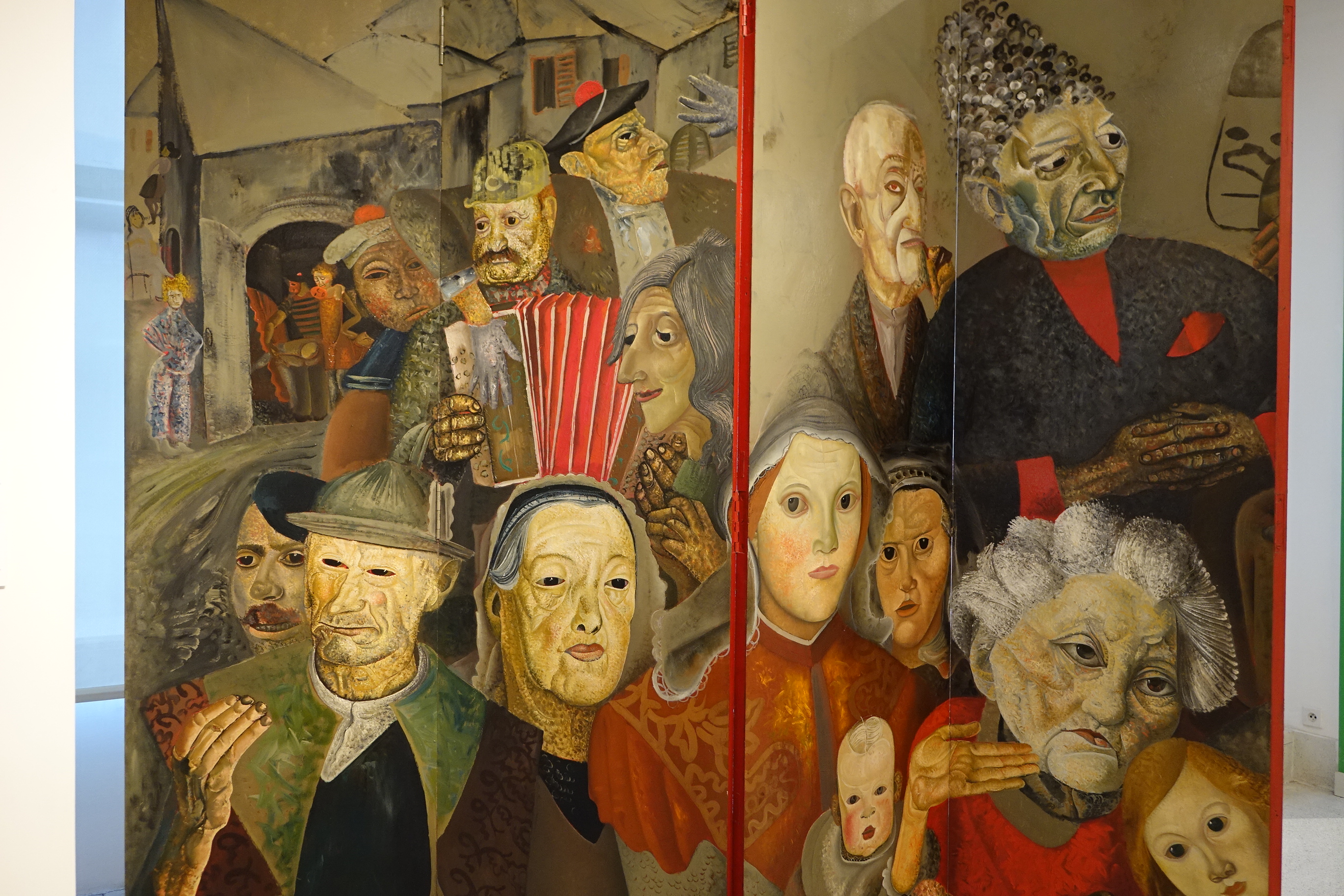
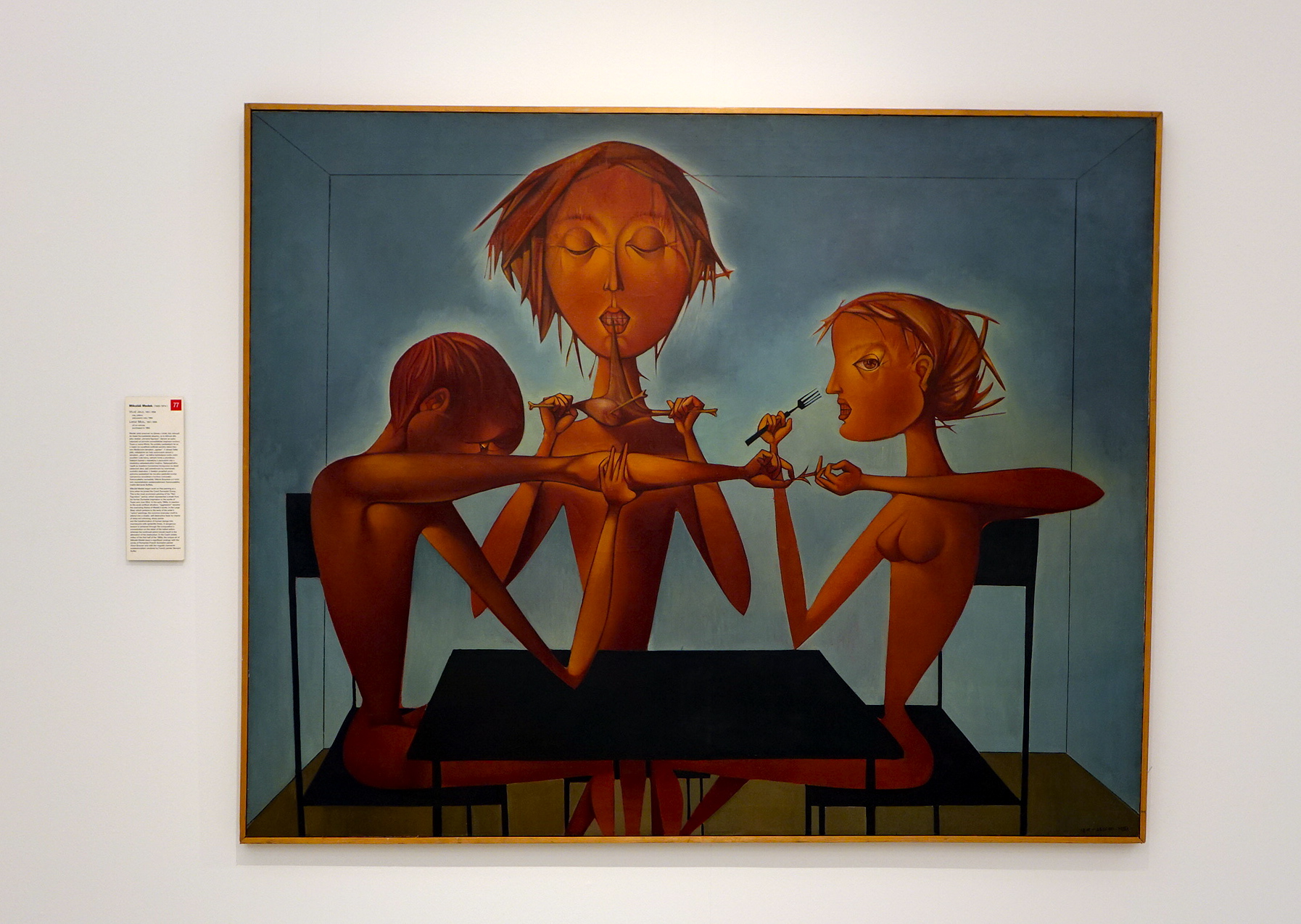
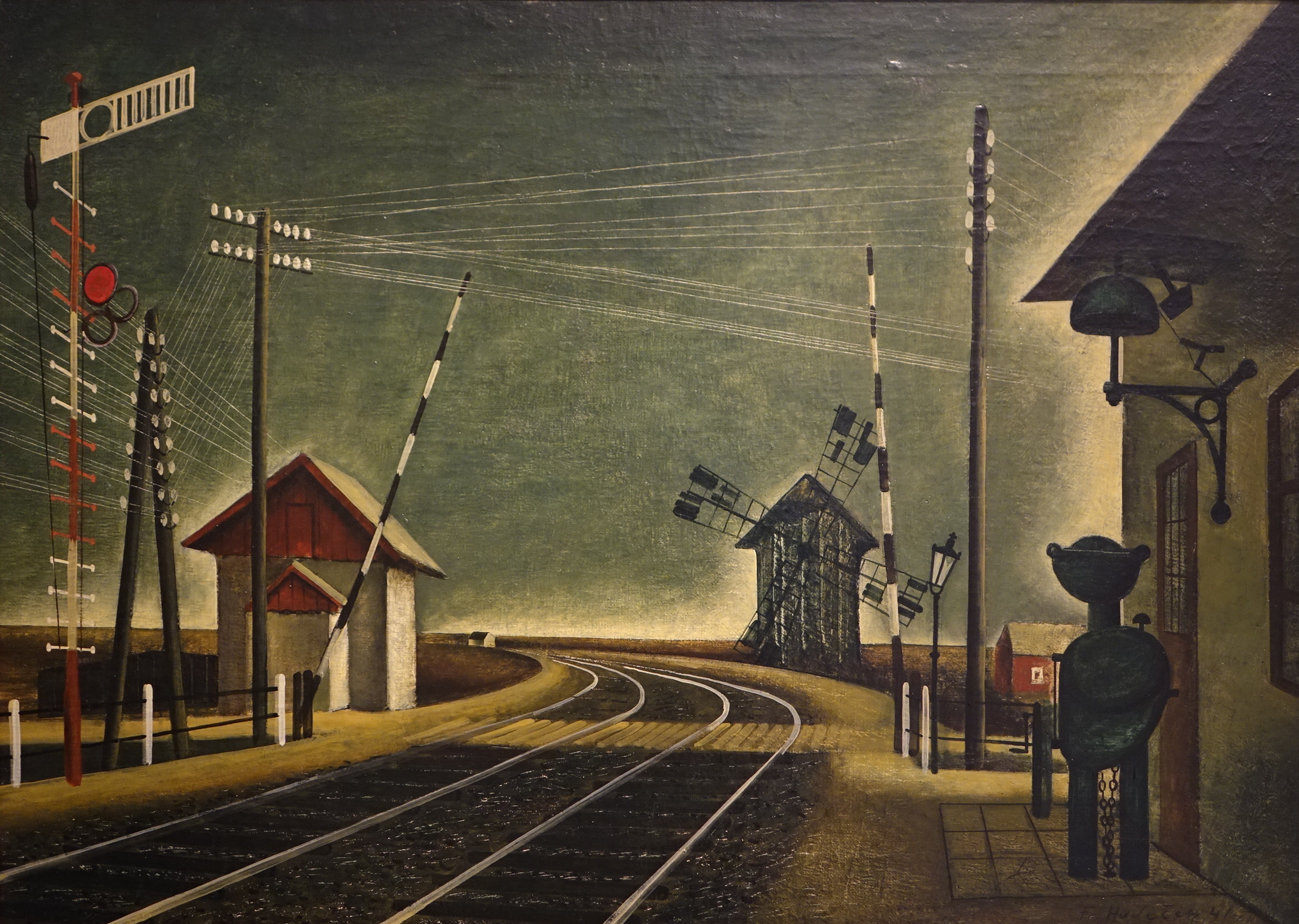
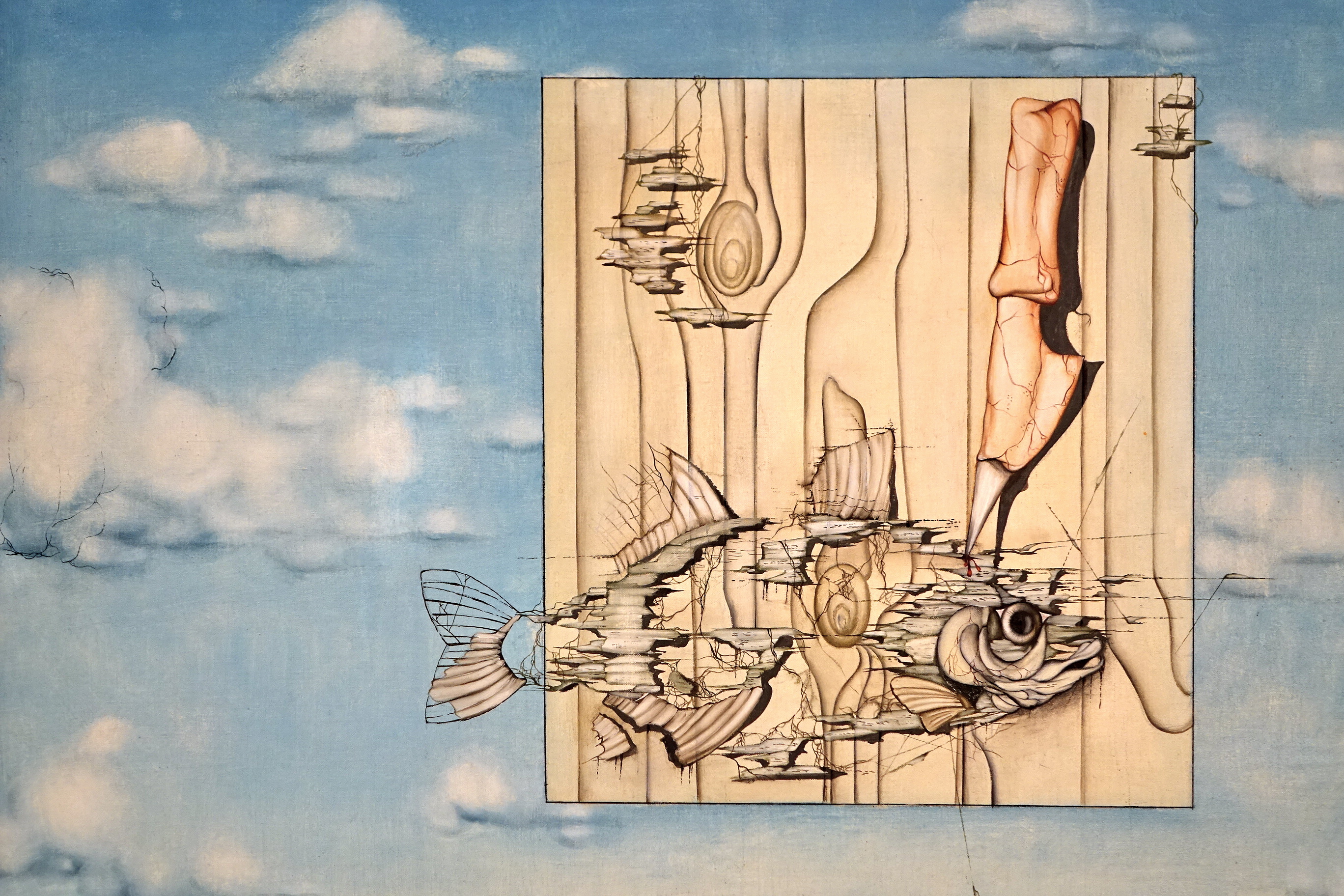
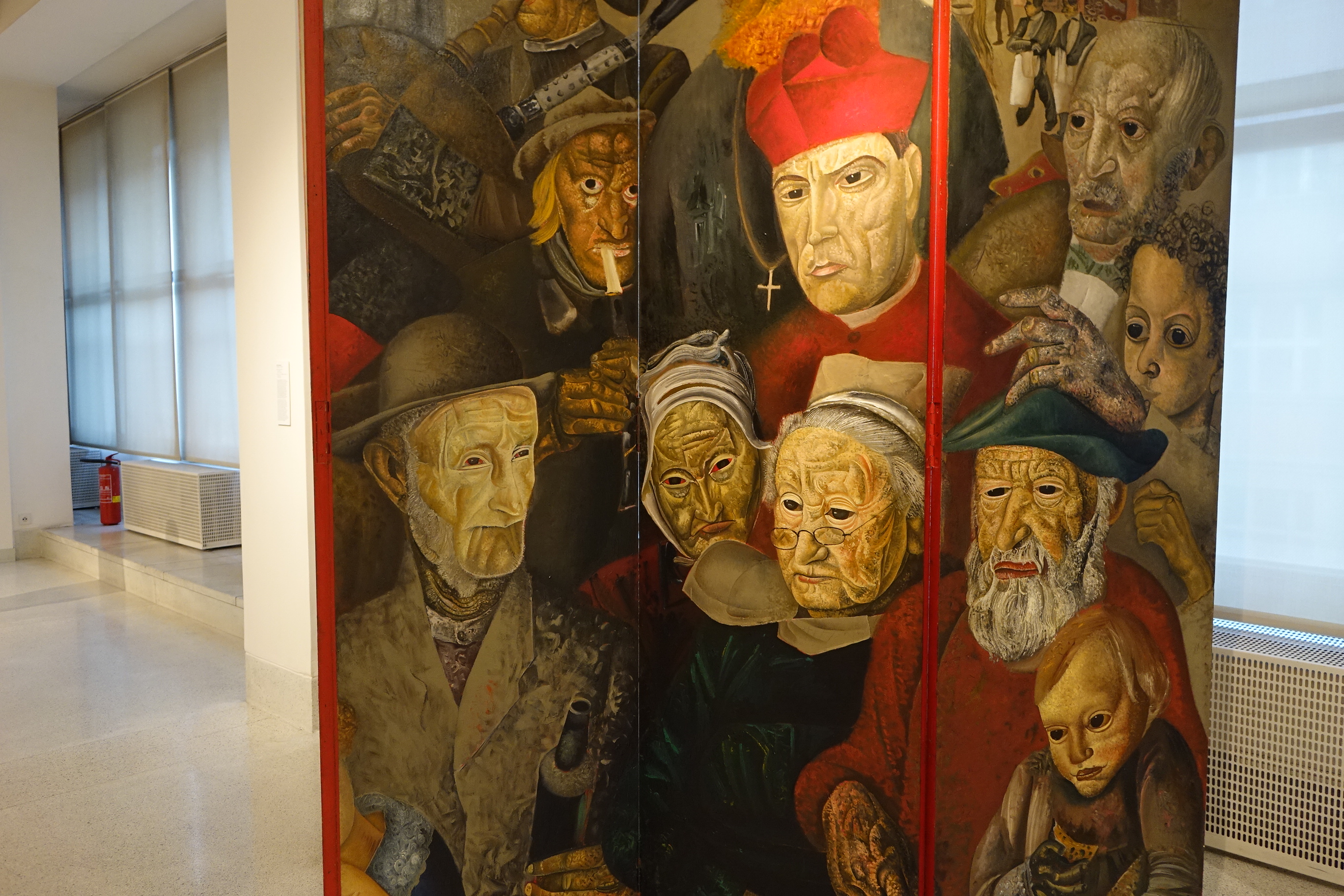
But heading inside that slight intimidating Community palace, I found a collection of art so incredible that my previous disillusionment with the city was completely suspended. In amongst a collection of Czech contemporary art was a platform for innovative expression almost without comparison in the art of so many other countries during that time. Jan Zrzavy’s painting of Cleopatra, for all its simplicity and vibrancy of colour was a complete masterpiece, while the work of Mikulas Medek with a family ripping apart their dinner was at once unsettling and uncompromisingly aggressive as it was utterly captivating and brilliant. I adored Bohumil Kubista’s cubist rendition of Saint Sebastian and couldn’t get enough of the odd Klimt and Schiele on show. But beyond these excellent works, the museum also contains some absolute gems of late 19th and early 20th century art: a whole room full of Picassos, works by Gauguin and Rousseau and Toulouse Lautrec. A Ferdinand Leger and several Cézannes – a superb collection almost hidden away in these depressing still suppressed suburbs of the city.

Artworks from the collection of the National Gallery

DSC06437 DSC06415 DSC06429 DSC06402 DSC06409 DSC06422 DSC06418 DSC06397 DSC06427 DSC06401

Which just goes to show that sometimes the best of a city can be found where the tourists do not go, where the scenery may be bleaker, but history is richer and the environment more authentic. Away from the tourist masses, the raw reality of Prague’s chequered history packs a bigger punch, but it is not allayed by the frustrations which are inherent with the tourist industry. Instead we find a Prague recently free of the iron shackles by which it was bound for several hard decades in the mid 20th century; reminders of hardship and the reasons why its citizens are perhaps not so friendly as we might otherwise expect. But there also you can find a truer Prague, a real city, and in its midst’s, an art collection worth travelling to Prague for.

All photos and written content are strictly the copyright of Nicholas de Lacy-Brown © 2014 and The Daily Norm. All rights are reserved. Unauthorized use and/or duplication of the material, whether written work, photography or artwork, included within The Daily Norm without express and written permission from The Daily Norm’s author and/or owner is strictly prohibited.

Finding inspiration from Marbella’s final resting place

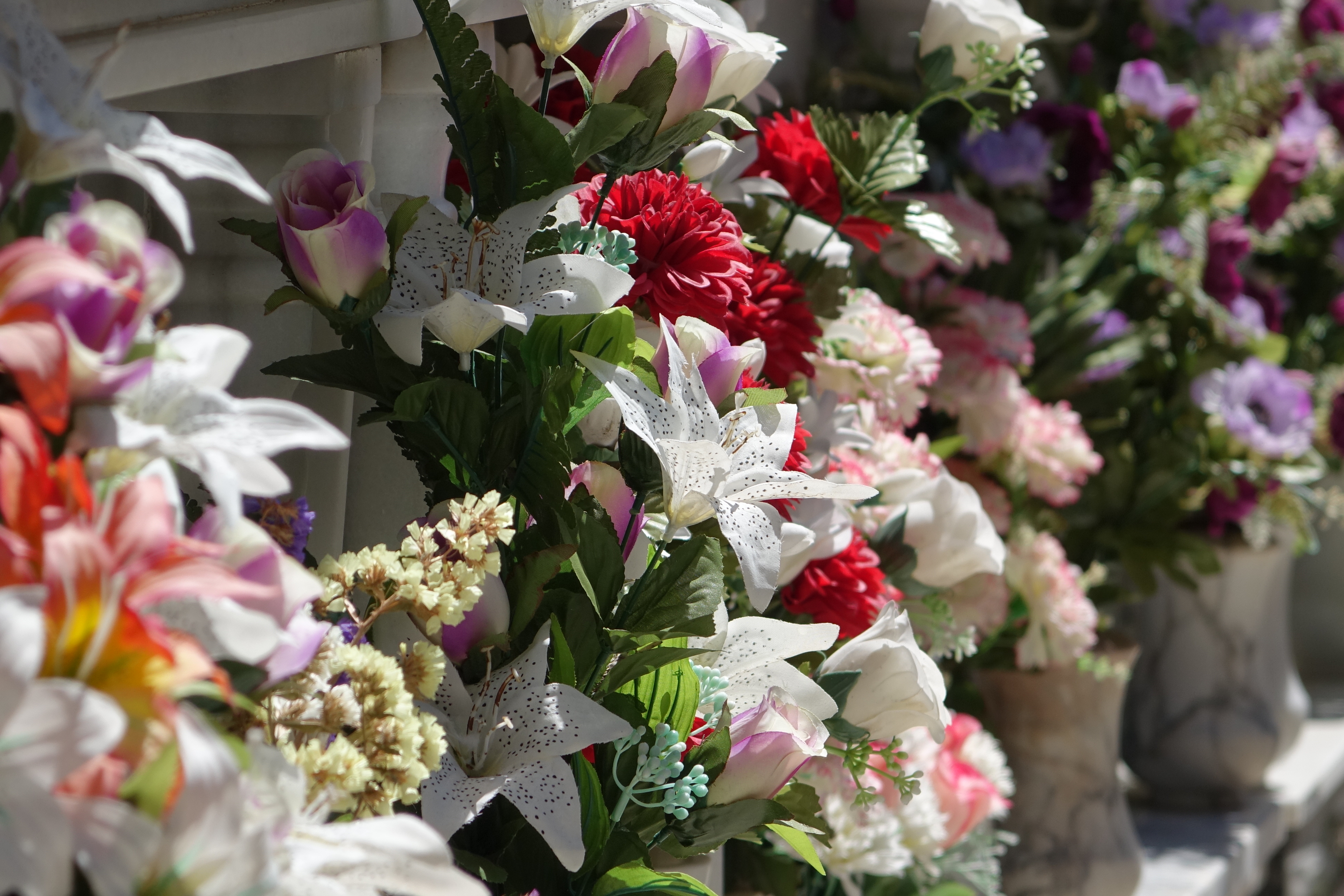
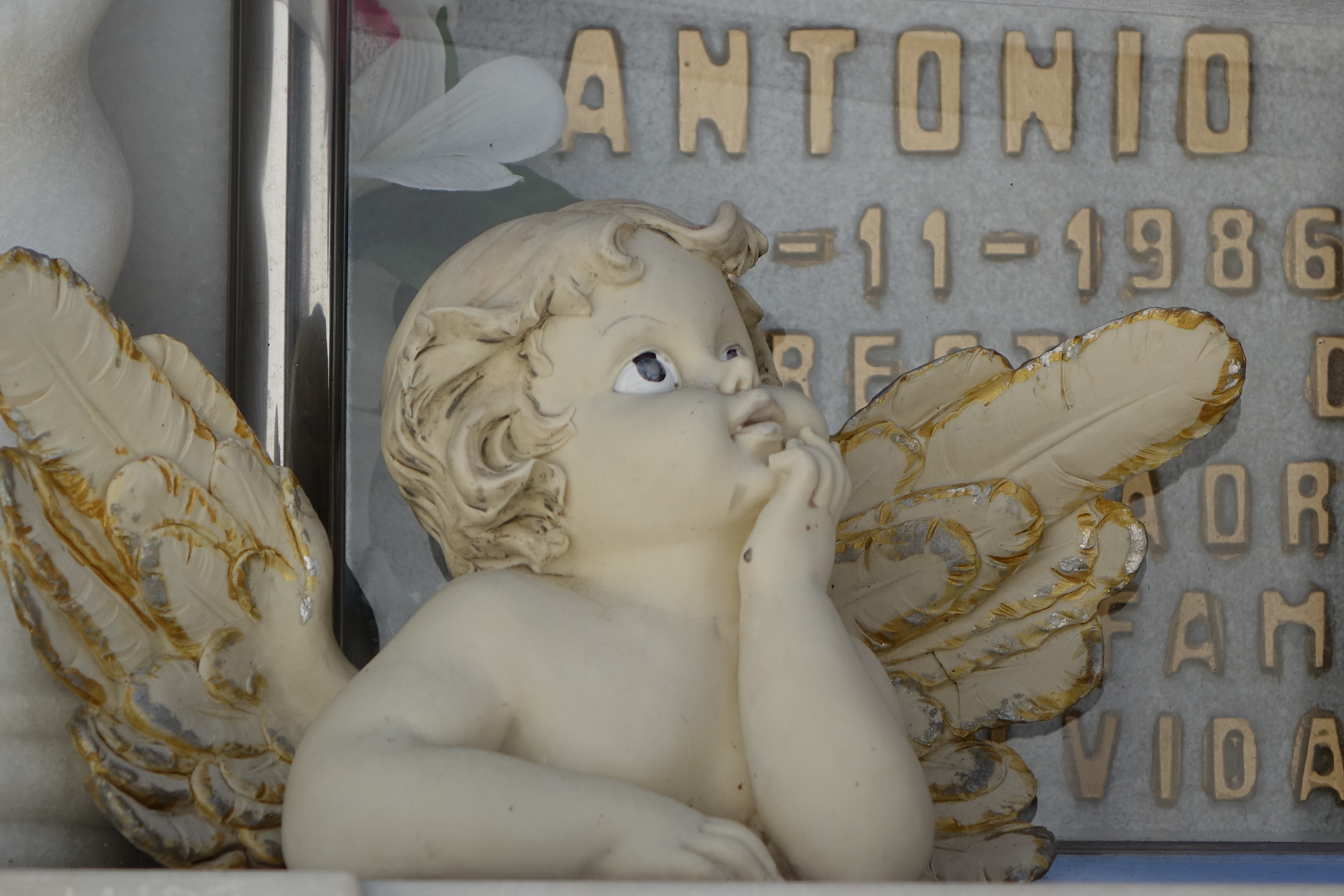
There’s something inherently beautiful about a cemetery. It’s not just the peace and quiet, which is of course an inevitable feature of every cemetery or graveyard, but the tangible demonstration of human emotion shown by the care taken by those living for the memories of their beloved dead. This can be seen through the wording of a grave, through the flowers carefully laid alongside it, and through the regular cleaning of the stone with as much care as would be taken for a feature of a living household. There is also something innately civilised about caring for the dead and paying homage to the past, not least because it can make us more appreciative of our life and the lives of others still around us.

While I do like an English graveyard, headstones tilting in all directions and covered in moss and decay, my favourite type of cemetery is a Spanish cemetery, whose tranquil atmosphere is more than embellished by the regular presence of sunshine filtering through the large dark cypress trees which are a regular inhabitant of such places. But I also love how seriously Spanish society takes its dead, and whenever I take a stroll in Marbella’s cemetery in Southern Spain, I am always touched by the number of locals visiting their family graves, with rubber gloves and cleaning products to hand, ensuring that all looks clean and well maintained. It’s a bit like the beginning scene from Pedro Almodovar’s brilliant film, Volver, when a visit to the family grave is both a family tradition and a time to gather and reminisce.

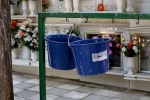
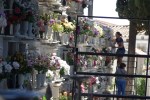
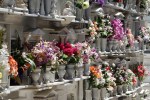
DSC05934 DSC05910 DSC05928 DSC05935 DSC05939

Of course it will come as no surprise to regular readers of this blog that my overriding reasons for visiting a Spanish cemetery are artistic ones, and Marbella’s has more than once inspired me to take many a photograph of the scene. For in the sheer volume of marble fronted graves, both within private family mausoleums and piled up on top of one another like bookshelves in neat rows, these graves make for an excellent photographic subject, not least because of the variety and dedications, flowers, family memorabilia and photos. And on top of all of that, the sunshine is always on hand to provide warmth to the photographs and plenty of contrast between light and shade.

So here are the photos I took on my recent stroll around Marbella’s cemetery. Hopefully like me you will see the inherent beauty of the place, which far from being morbid, is a place of tranquillity, devotion and hope.

All photos and written content are strictly the copyright of Nicholas de Lacy-Brown © 2014 and The Daily Norm. All rights are reserved. Unauthorized use and/or duplication of the material, whether written work, photography or artwork, included within The Daily Norm without express and written permission from The Daily Norm’s author and/or owner is strictly prohibited.
Ronda Roundup

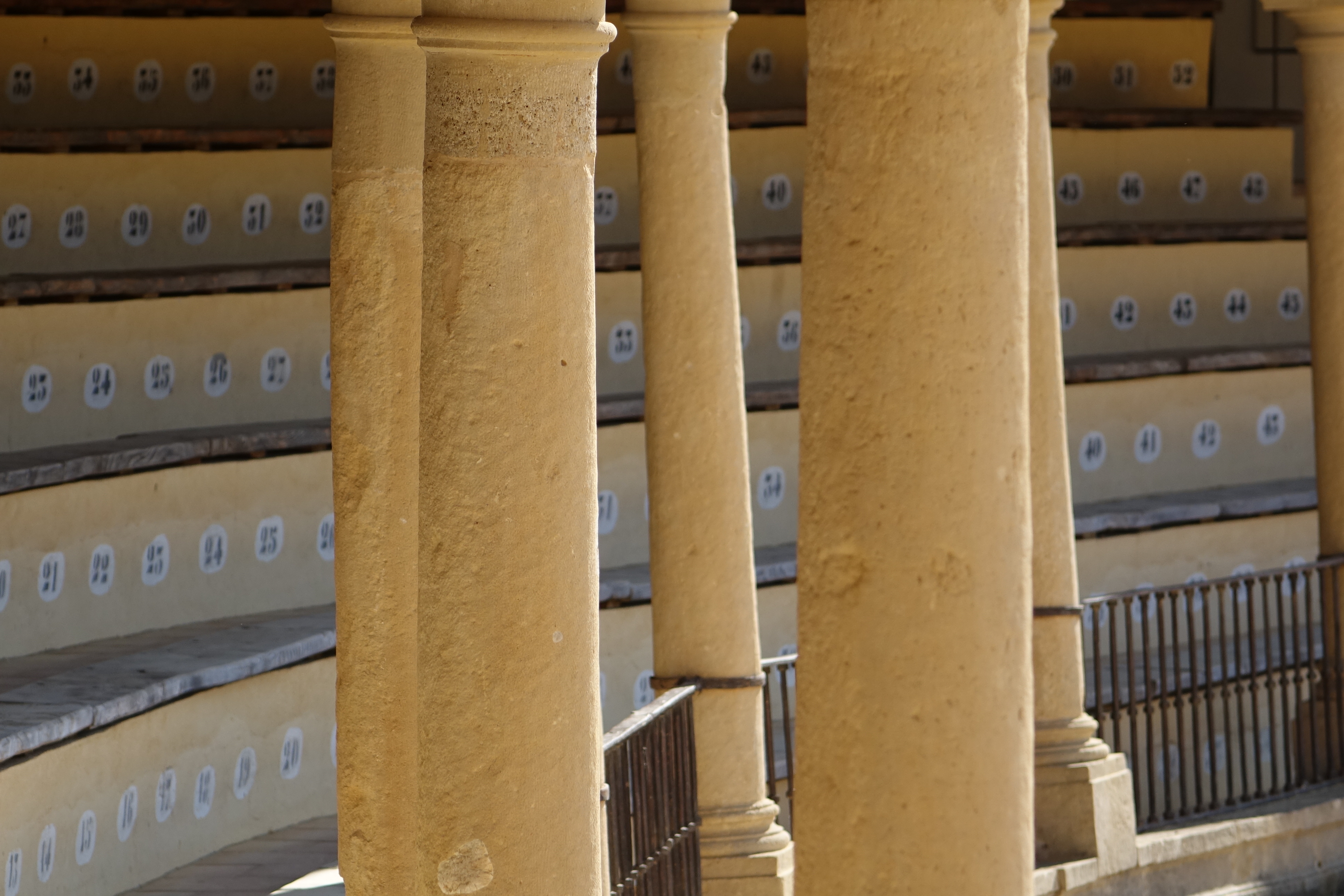
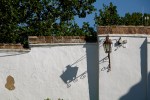
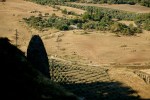
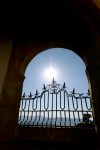
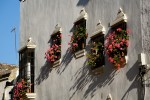
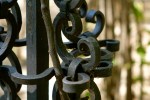
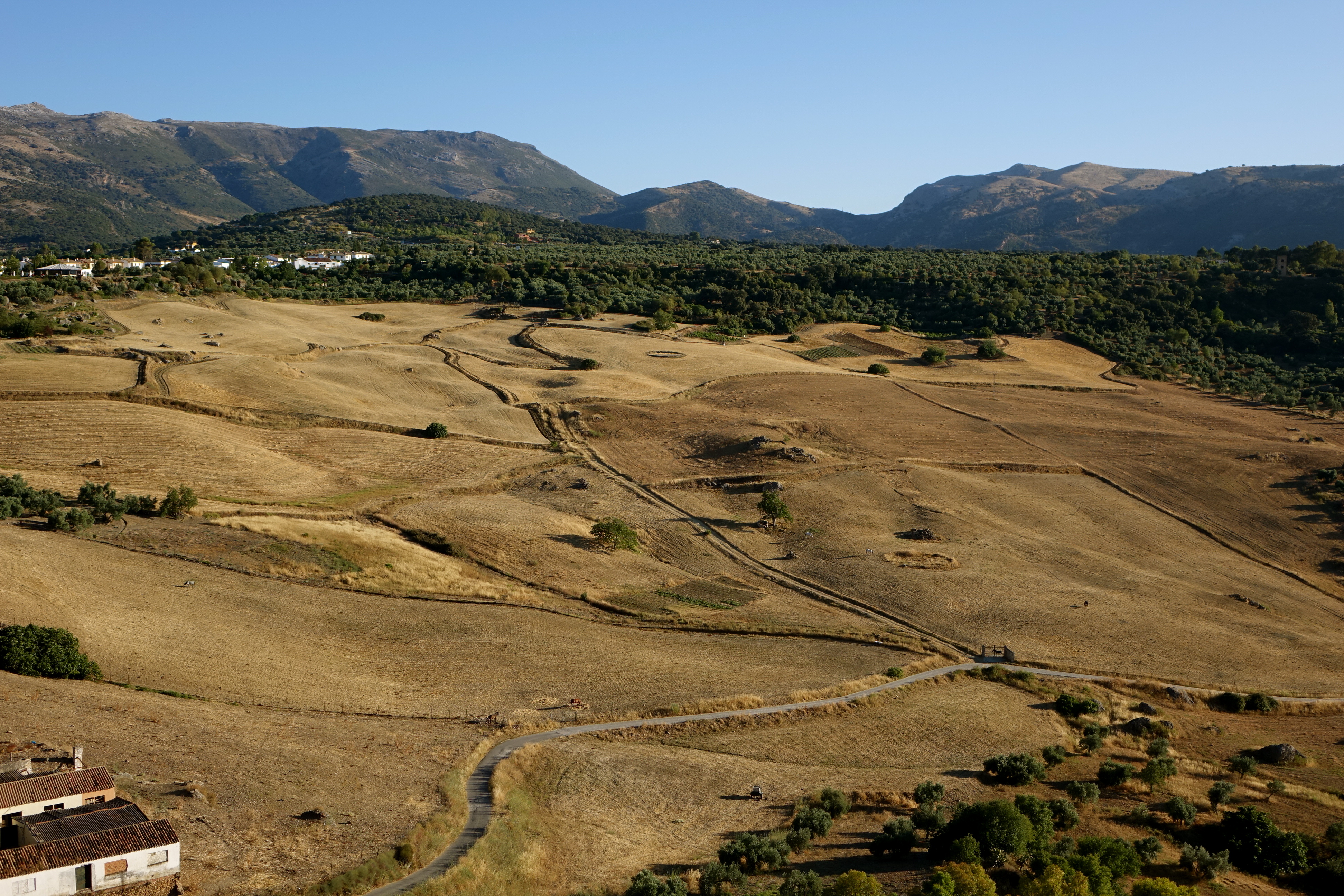
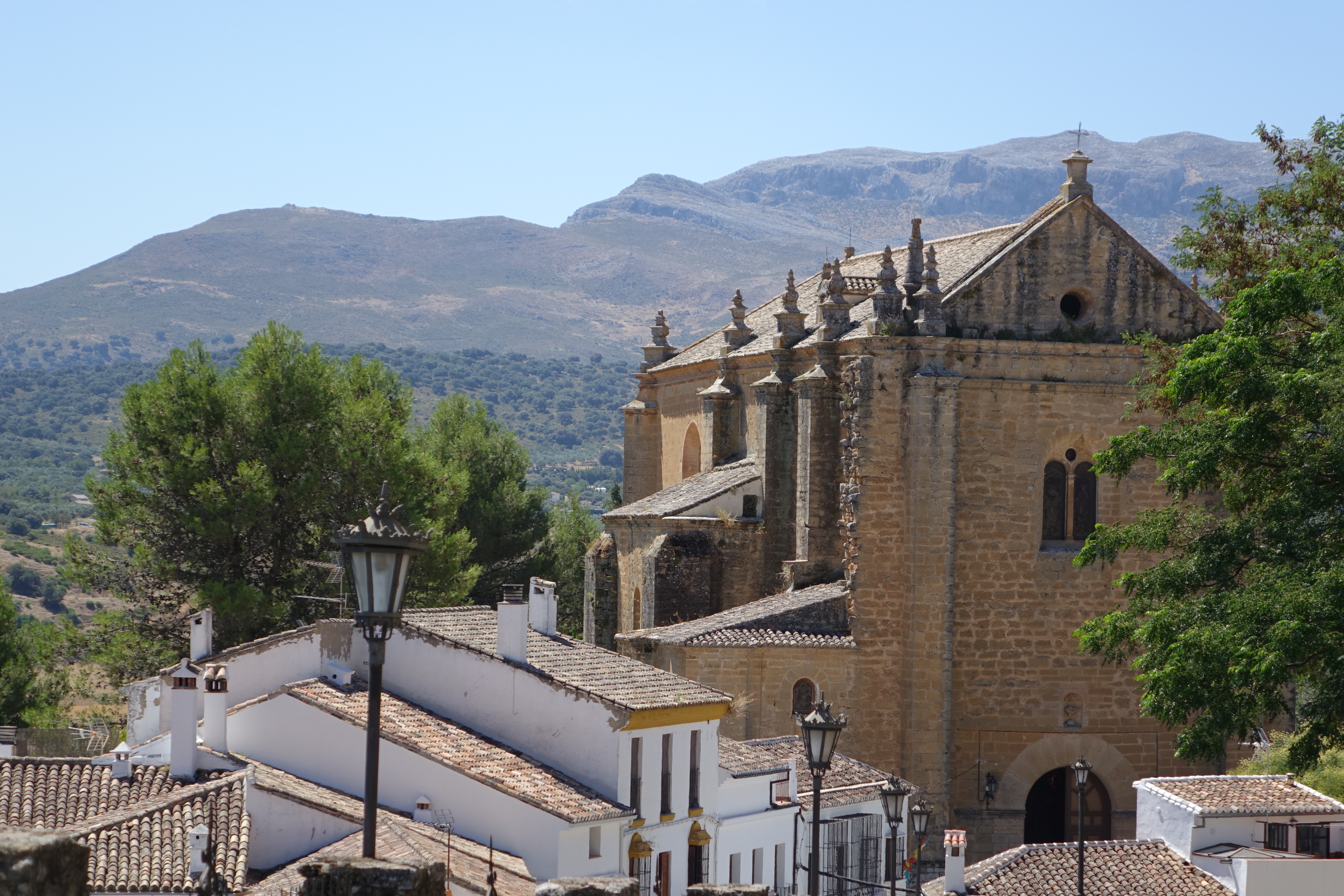
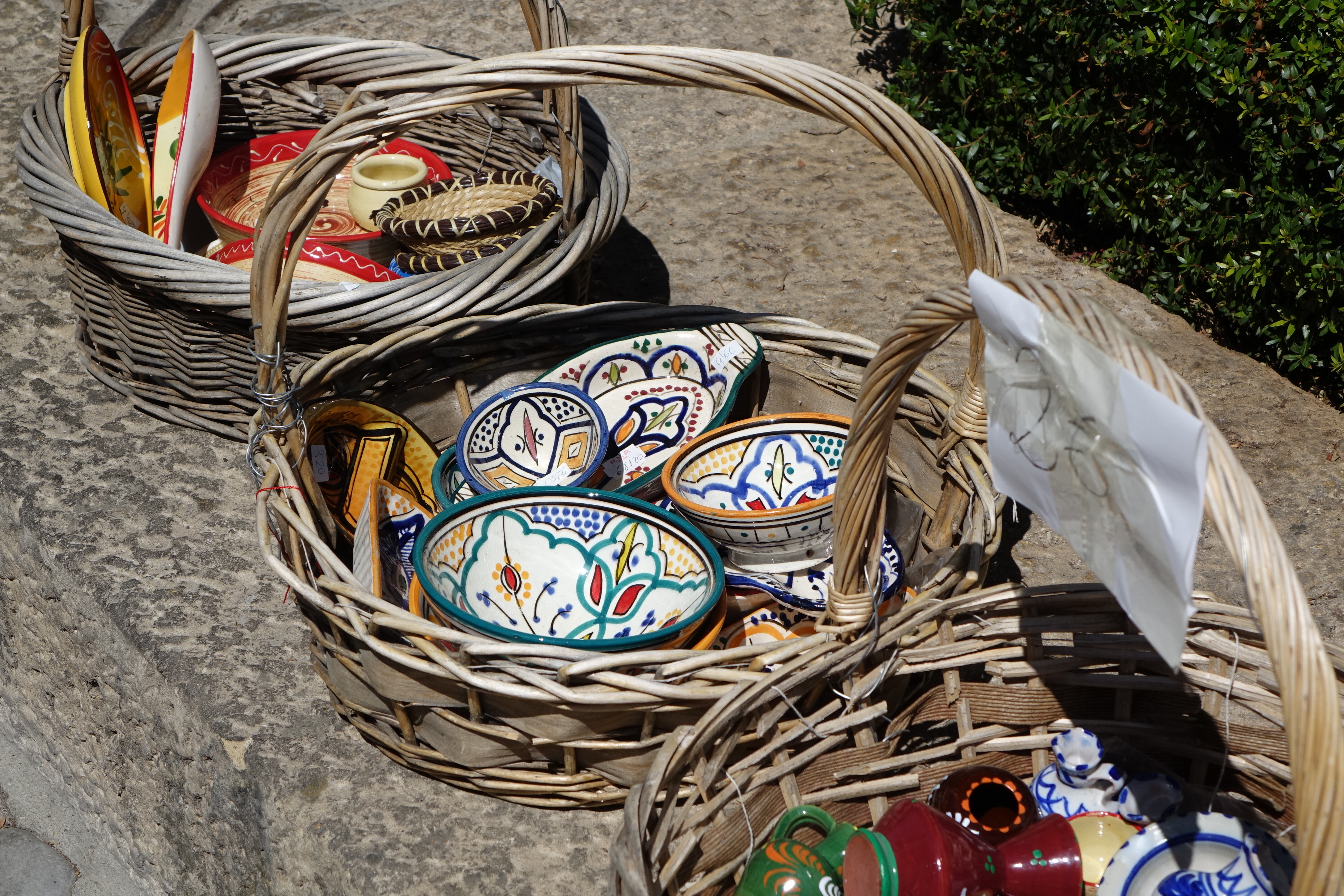
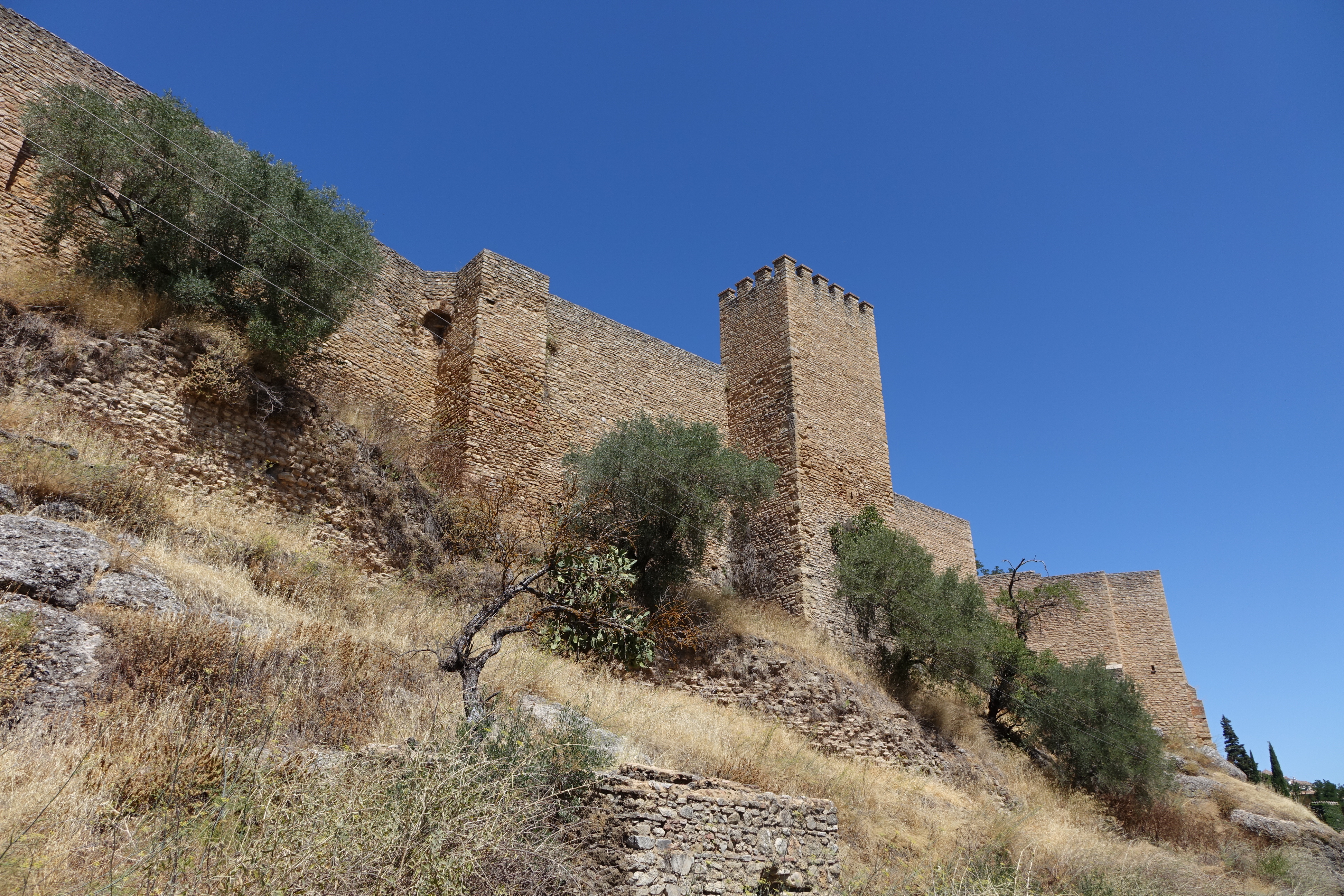
If one is to weigh up beauty in proportion to blog content, I haven’t written about Ronda in Southern Spain all that much. And I surely haven’t had enough opportunities to post the wealth of photos I took on my two day trip to the city either (a quantity you could say is also out of proportion to the length of the trip, but there you go). But happily with each new day comes a new excuse to write about Ronda, and today I’ve put together a group of miscellaneous photos which act as a kind of sample from my 48 hours in that picture-perfect hill top town. 

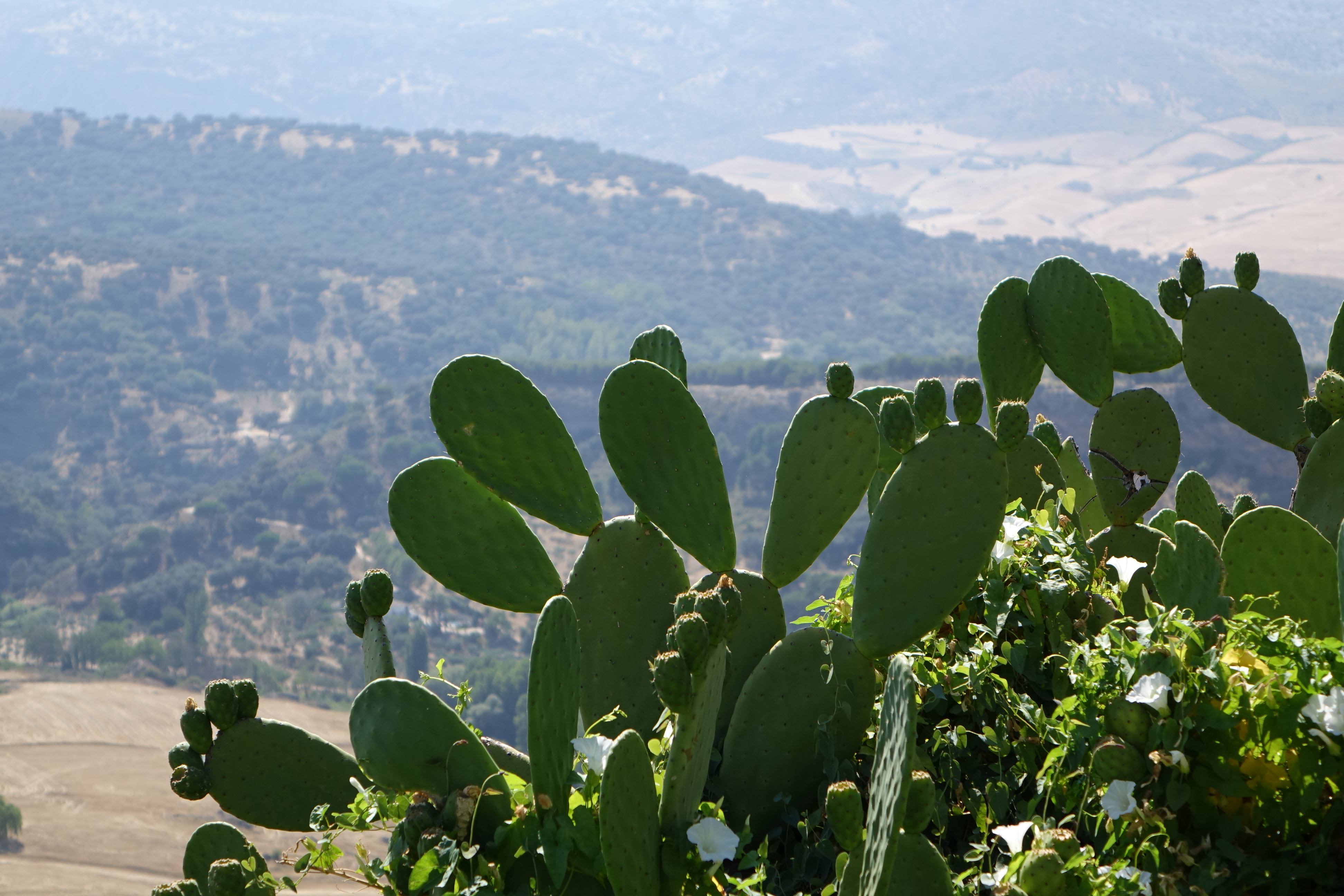
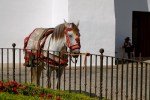
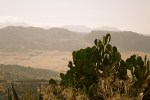
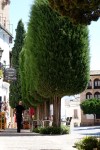
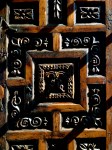
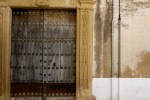
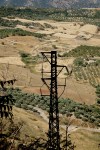
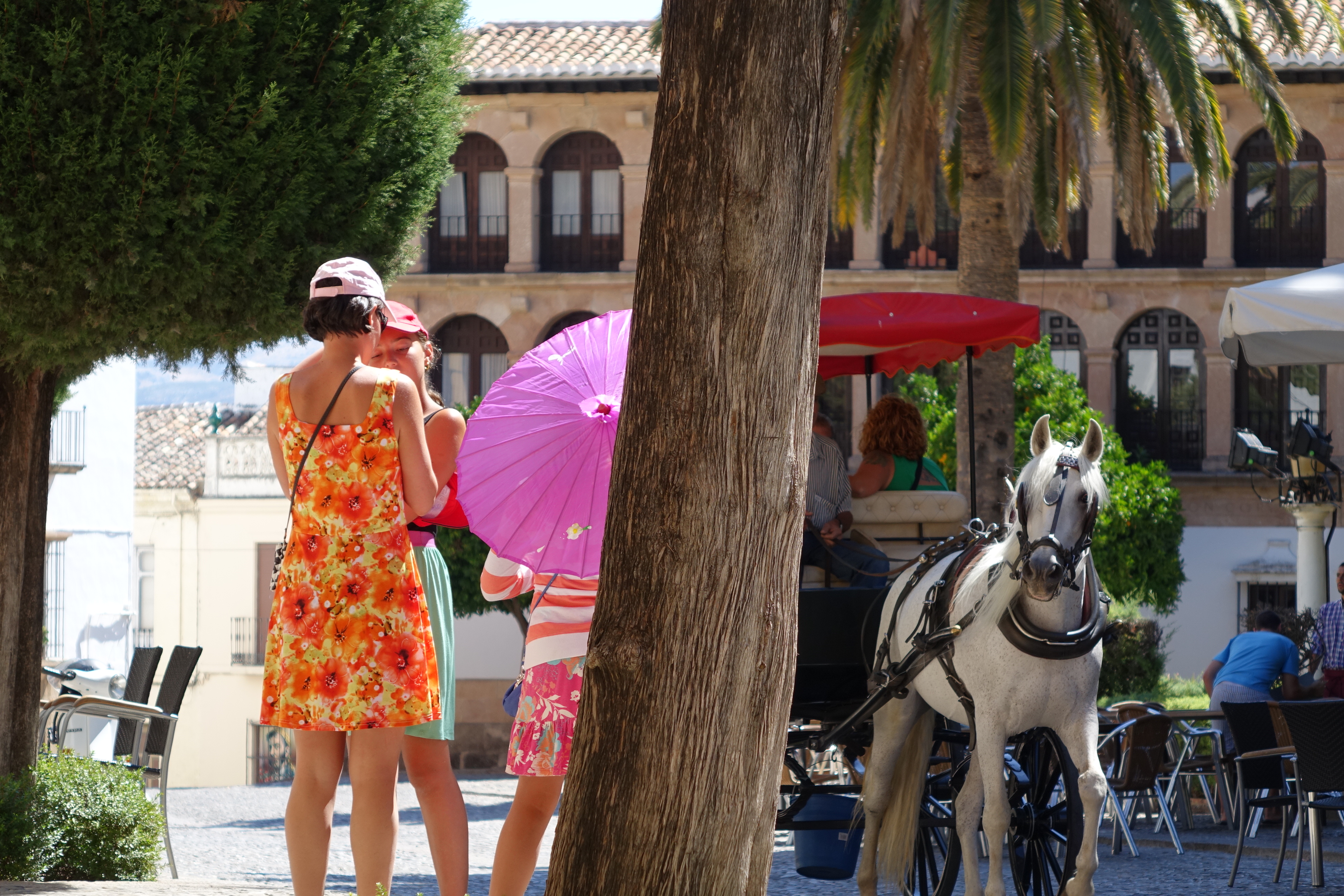
As has become somewhat the norm of my photography, I have concentrated more on architectural and urban details in exploring the town with my SLR bridge camera, making the most of soft focus capabilities when taking group shots, as well as the ability of the camera to excel under conditions of both light and shadow. But I have also used the frame of each photo to capture little vignettes of the city, such as the little horse and carts which ferry tourists around the old town, or the large succulent cactus which so beautifully compliments the arid golden landscape beyond it. 

DSC05105 DSC05171 DSC04908 DSC04996 DSC05033

I of course realise that this blog has become more of a homage to travel than to art in recent times. But as these photos will hopefully show, there is no greater inspiration for an artist than travel, and no greater art than that which captures the beauty which is so much easier to appreciate when the eye is not accustomed to it.

All photos and written content are strictly the copyright of Nicholas de Lacy-Brown © 2014 and The Daily Norm. All rights are reserved. Unauthorized use and/or duplication of the material, whether written work, photography or artwork, included within The Daily Norm without express and written permission from The Daily Norm’s author and/or owner is strictly prohibited. 
Ronda | Day Two: Ronda Joy for the Birthday Boy

Being a proponent of self-indulgence in all forms I am a great lover of birthdays. And being a great lover of birthdays I very often get disappointed when they are anything less than perfect. Which is most of the time – after all, when one is hoping for perfection you will almost certainly be on the look out for problems. But this year’s birthday, my 31st I am loathe to admit was, perhaps because it was so unplanned and unexpected (original plans to go to Cadiz being abandoned) utterly and in every way perfect. For how could it be otherwise, waking up in the glorious Spanish city of Ronda to some of the most spectacular views the country has to offer. 

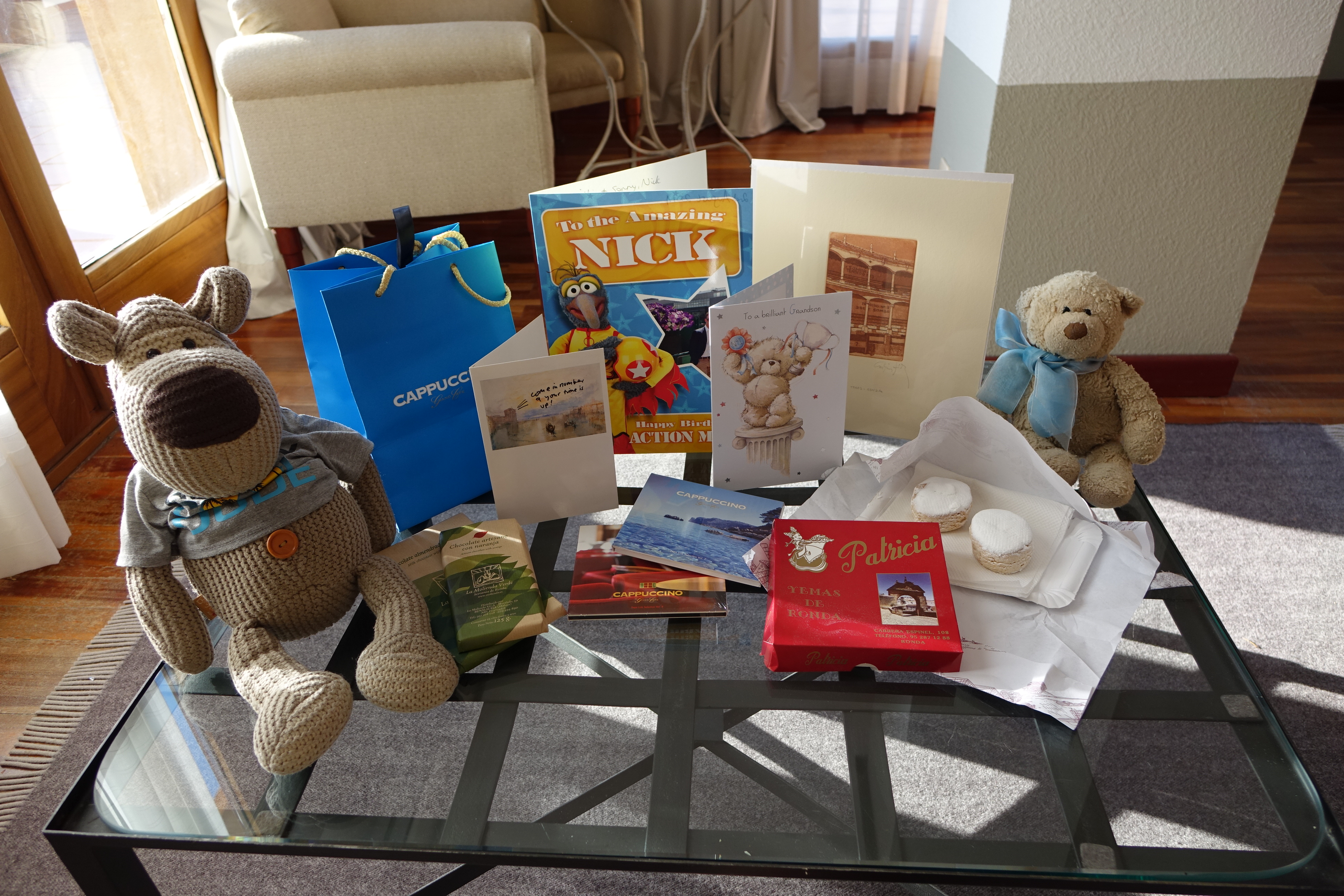
Those views, of golden fields, red rocky outcrops, white washed houses dazzled by the sun, and the vast imposing structure of the New Bridge, accompanied me throughout the early exciting stages of my birthday: admiring the views, taking a bath still admiring the views, unwrapping those few presents and cards I had brought with me from the UK, eating breakfast in the hotel restaurant still admiring the views, and finally getting my fill of those same stunning views as we strolled through the morning tranquility of the Almeda Park. 

Opening up my birthday presents and walking out into Ronda’s delightfully sunny morning

DSC05179DSC05673 DSC05370 DSC05724 DSC05405 DSC05361 DSC05542 DSC05398

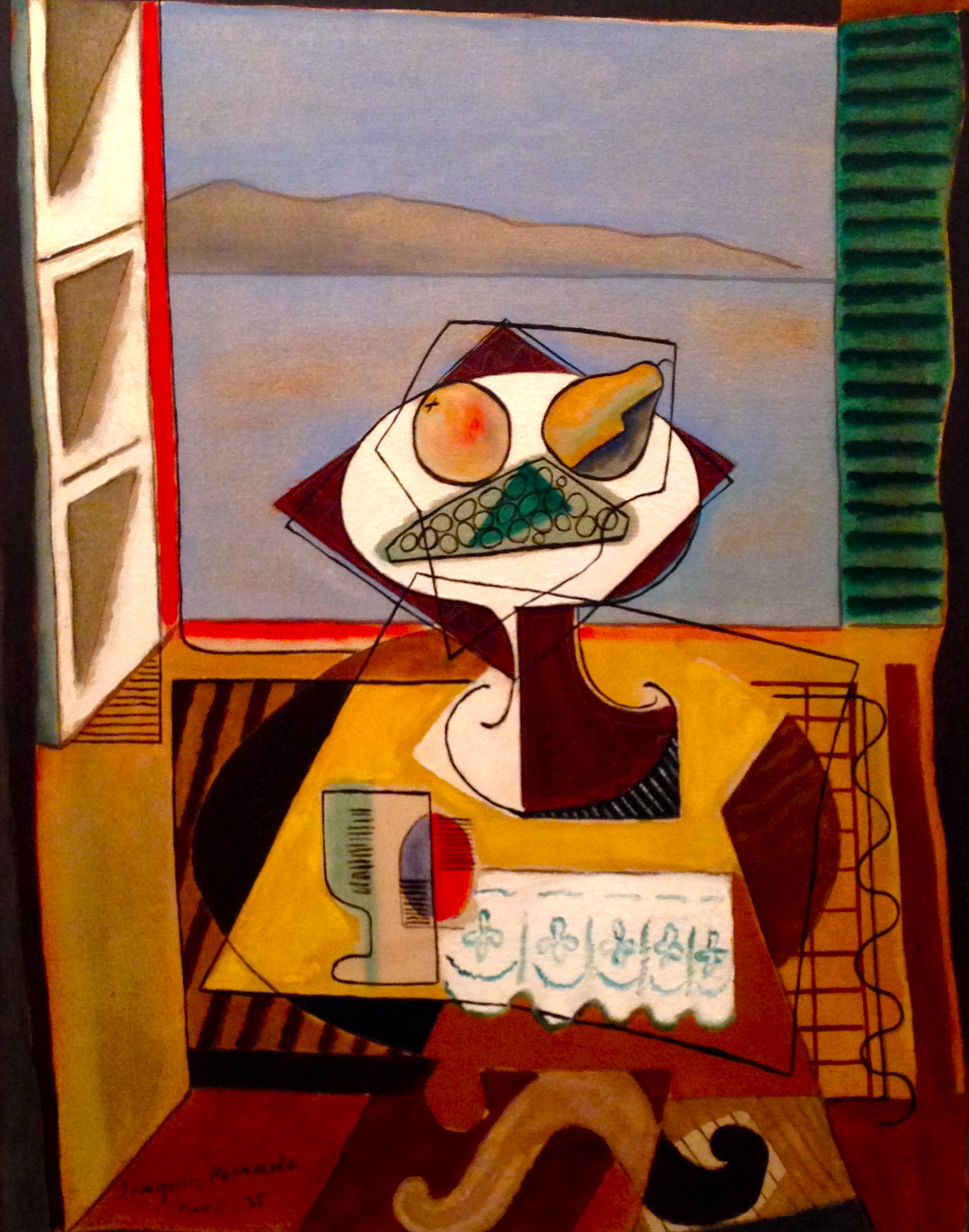
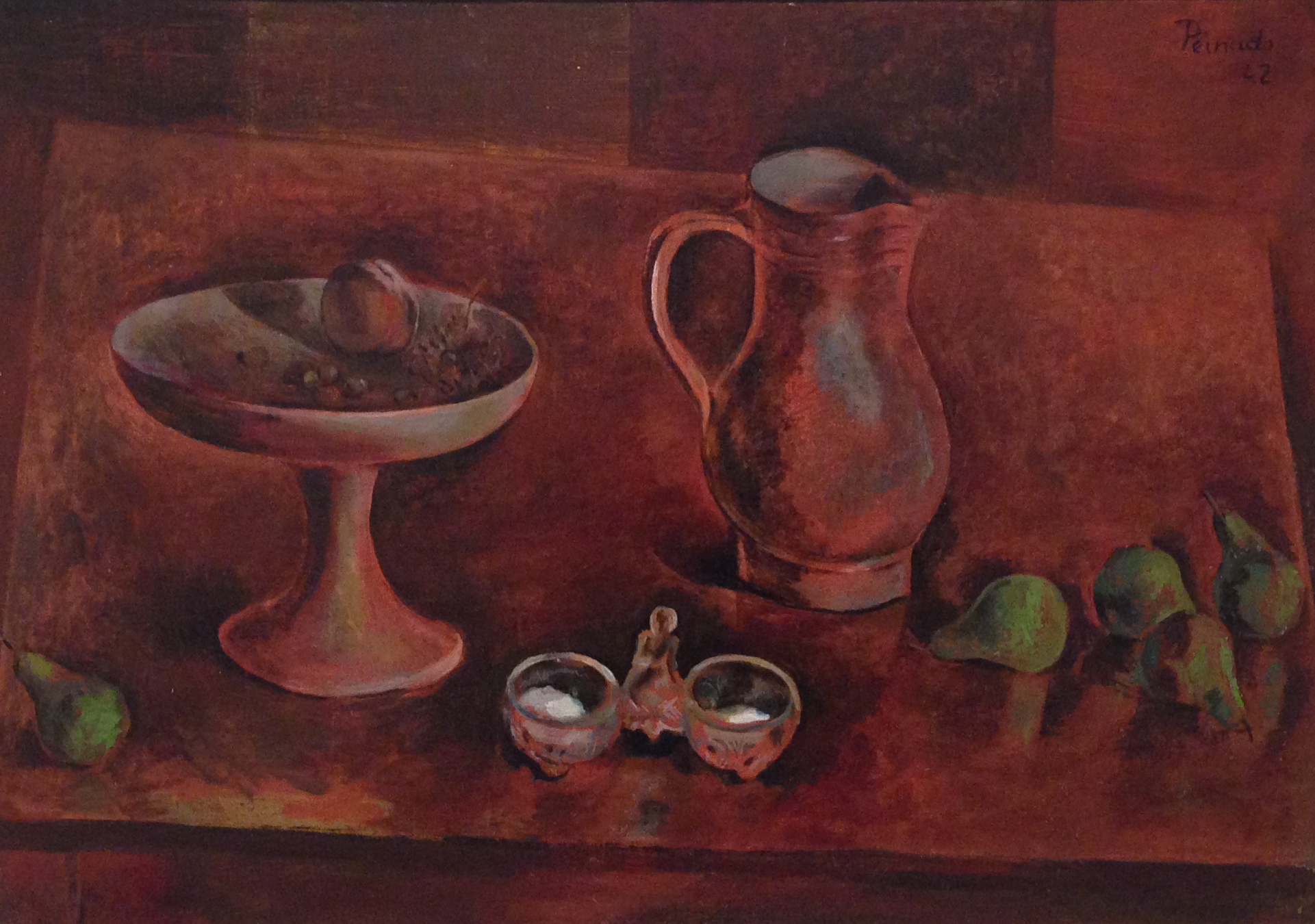
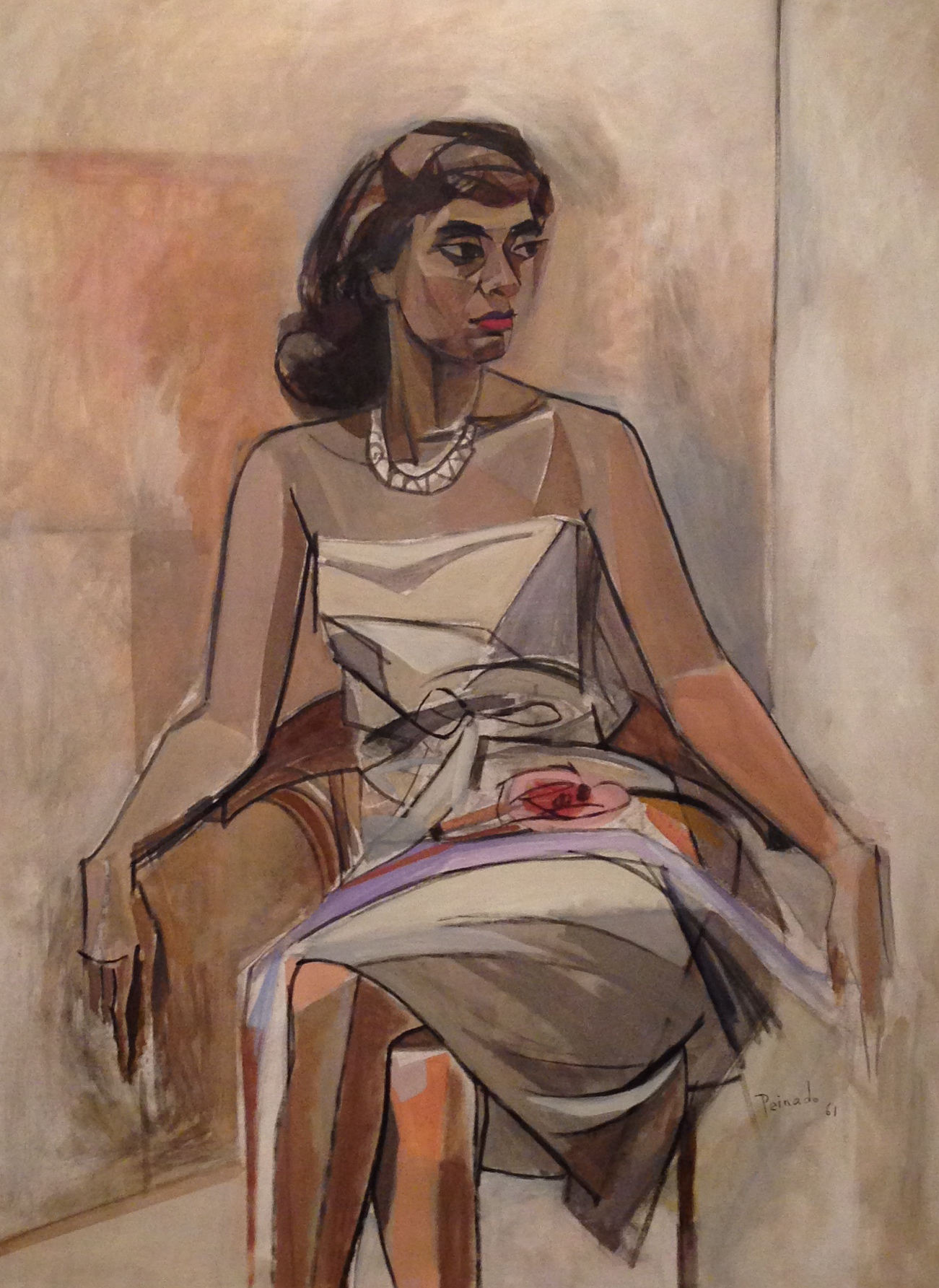
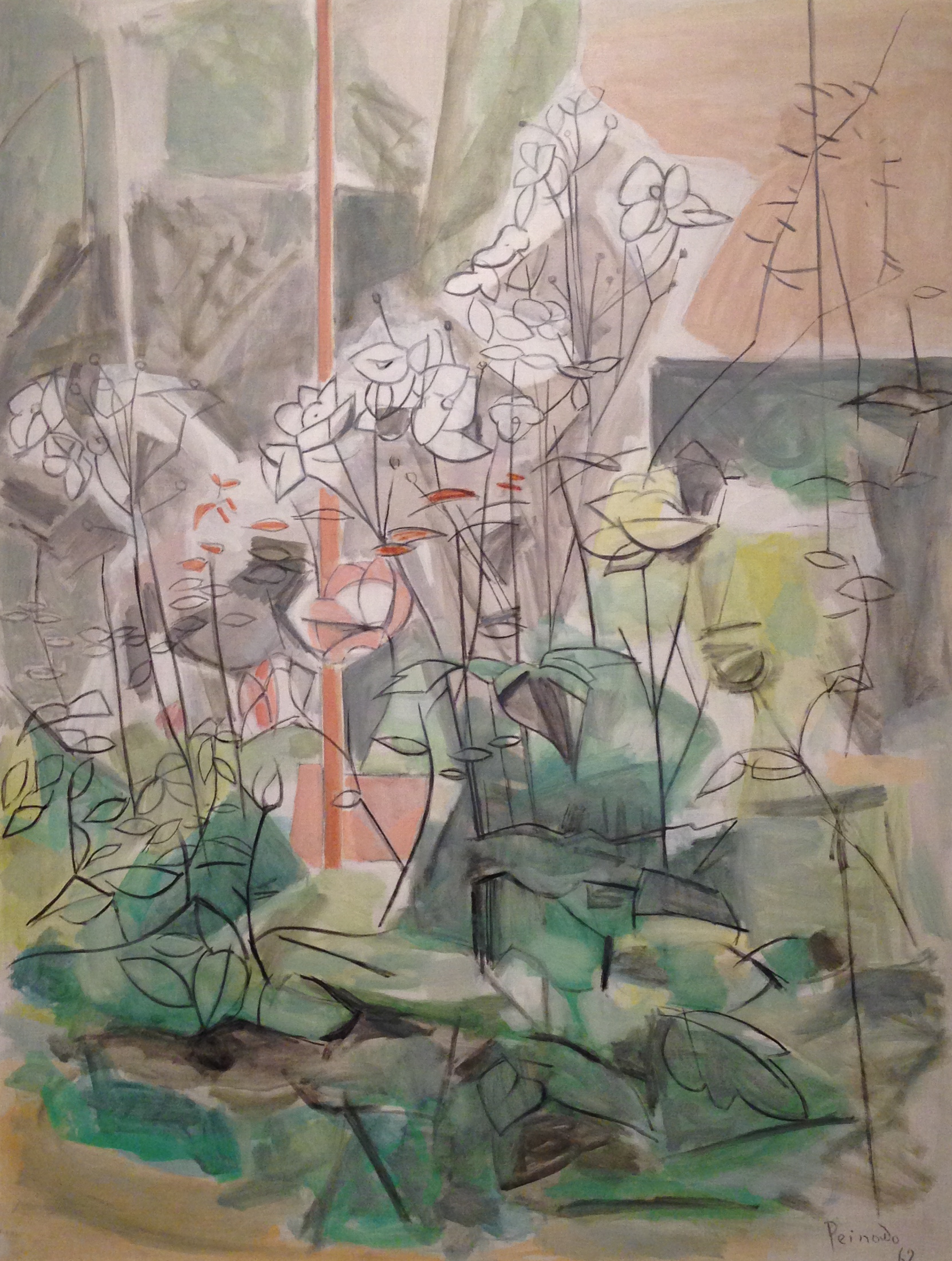
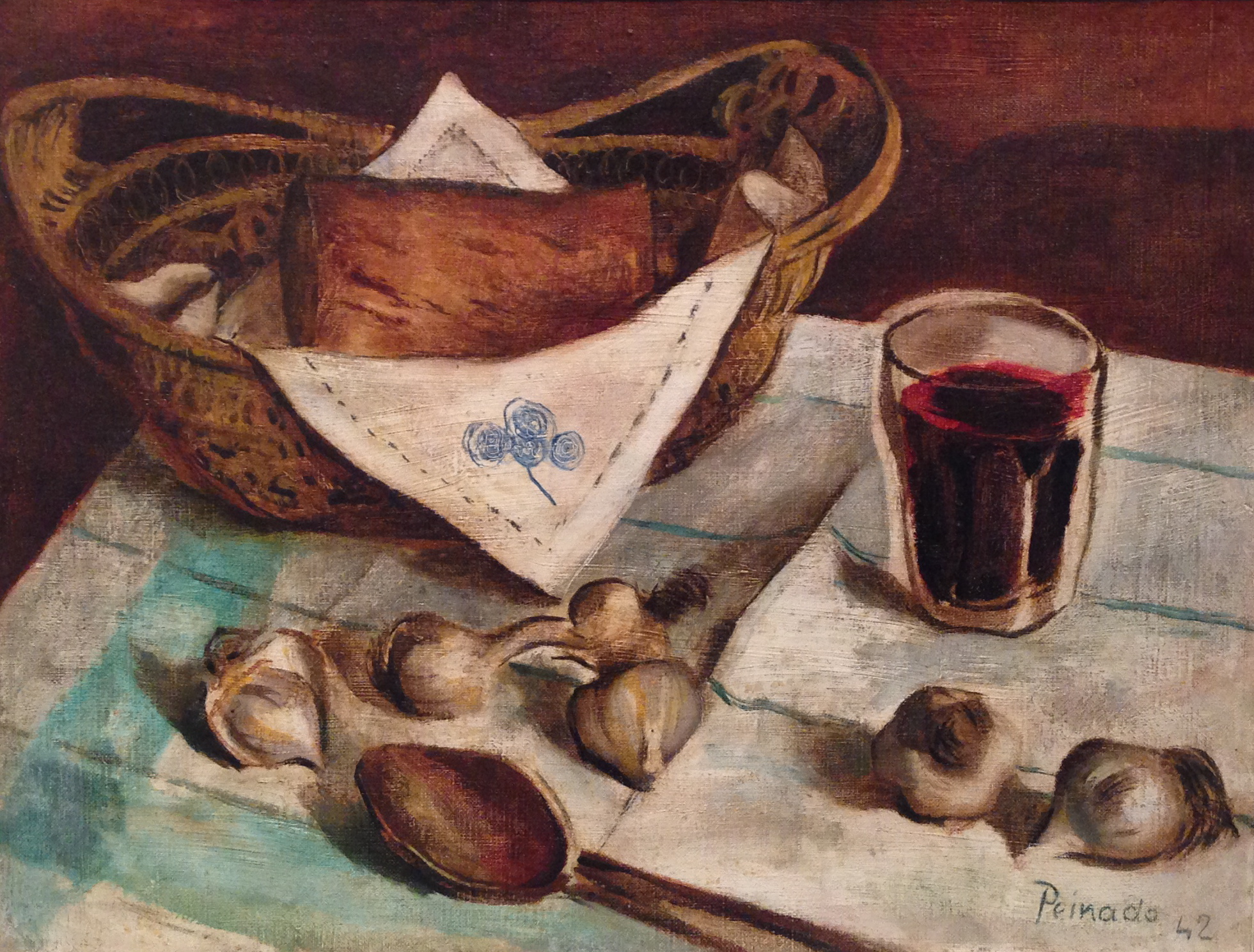
All that set me up in perfect stead for the day to come, energy levels sky rocketing inspired by the beauty all around us. We headed straight over the vast gorge to the fairly new museum of another artist who had been inspired by these landscapes as well as the wealth of art historical references boasted by Spain: Ronda born Joaquin Peinado. His works, largely figurative moving into cubism, all wonderfully colourful and full of energising geometric forms, are contained in the beautifully converted Moctezuma Palace which is today owned by the Unicaja Ronda Foundation. The conversion makes for the perfect meditative surroundings where art is appreciated at its best: marble floors, clean white walls and incredibly detailed ancient mudejar ceilings. And just in case the building itself does not do it for you, the paintings on show are comprehensive and varied: Not only was a plentiful collection of the work of Peinado himself on show, but the museum was also hosting a temporary exhibit of Picasso’s Voillard Suite of around 100 prints. Those works, which are mainly crafted in etchings and lithographs and depict themes of the minotaur and the sculptor and model, demonstrate once again the versatility of Picasso and how prolific he was in the field of print.

Highlights from the Peinado Museum

IMG_9492 IMG_9501 IMG_9507 IMG_9500 IMG_9493 IMG_9494 IMG_9503 IMG_9497 IMG_9496 IMG_9505

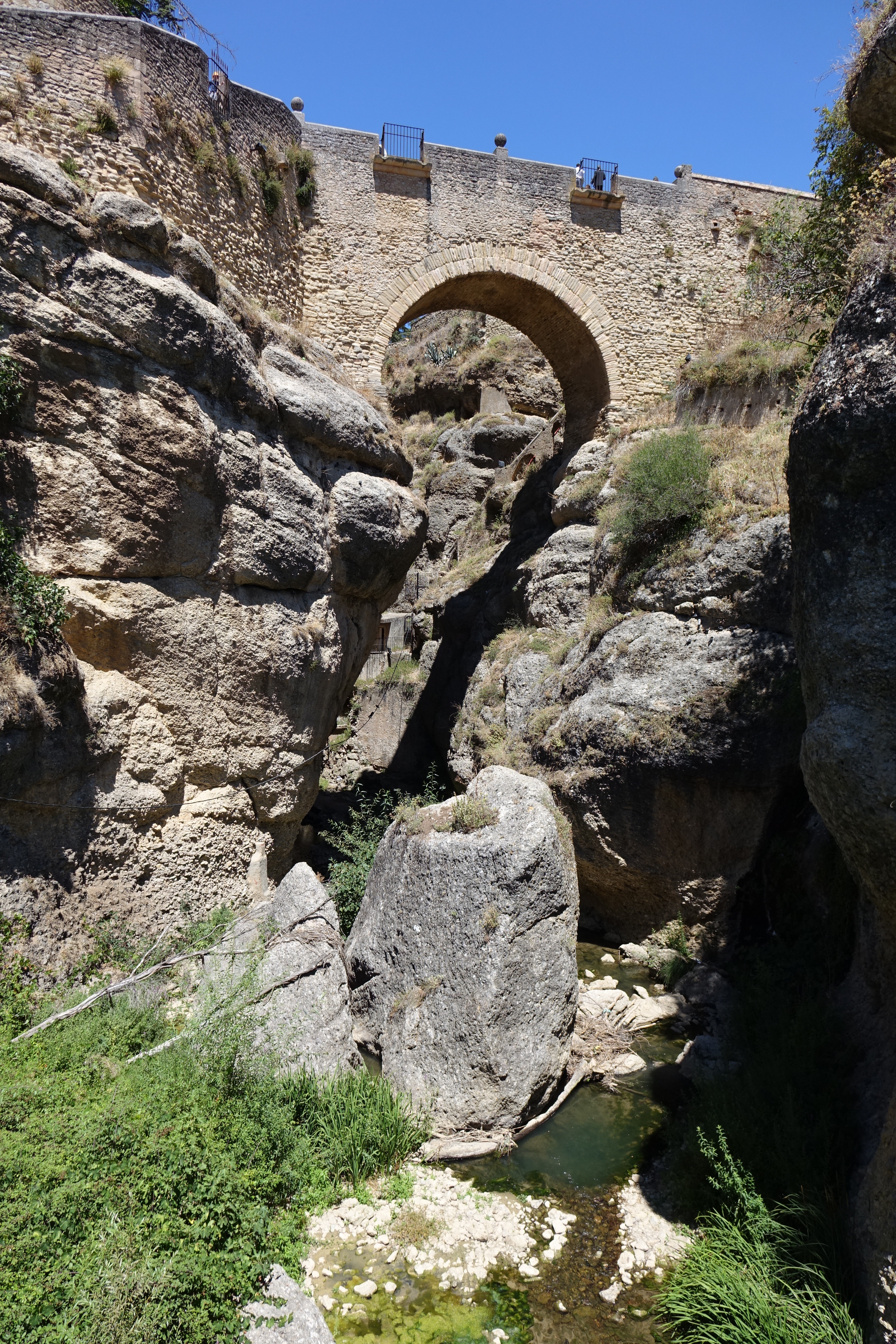
If my birthday had ended there, stepping out after that wonderful art gallery experience, I would have been happy, but it was far from over. Next the compulsory coffee, enjoyed in the heart of the old town in the Plaza Duquesa de Parcent, after which a quite random walk took us quite accidentally but fortuitously down around the outskirts of the old arab ramparts of Xijara and to the Islamic remains of the city. Chief among them are the almost fully intact Arab Baths, which today make for an atmospheric visitor’s attraction with sunlight flooding through the small star shaped holes in the stone ceiling, even though the water is today long gone. Then, just outside the baths, the incredible Old Bridge (so called) crossing the El Tajo gorge is likewise a supposed remnant to the old arab civilisation in the city. Today it makes for a stunningly impressive sight.

Arab Ronda

DSC05464 DSC05501 DSC05424 DSC05495 DSC05448 DSC05467 DSC05430 DSC05453

Read more