Skip to content

Posts from the ‘Review’ Category

Paris: la visite d’art – Exhibition 1: Hopper

I don’t need a reason to visit Paris. The beauty of the winding cobbled streets of Montmartre echoing with accordion melodies, the charm of the boutique-filled Marais, the glory of the sweeping River Seine, and the regal grandeur of the Louvre, the Napoleonic boulevards, the sandy parks and the super-sized fountains… I could just walk around the place, breathe in the atmosphere, and munch upon macarons year after year, month after month. I never grow tired of Paris.
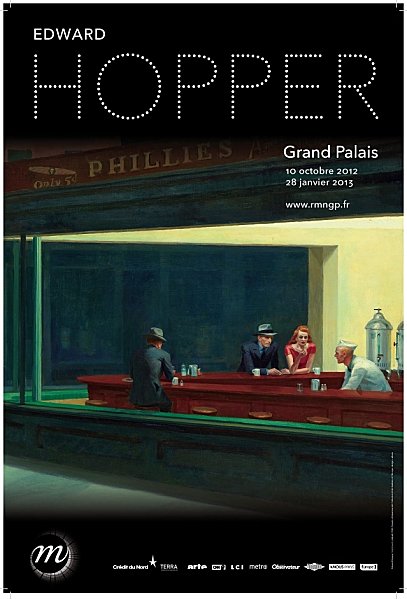
affiche-hopperAnd yet this year, Paris’ artistic offerings provided me not only with an excuse to make my second trip to the city in the space of 12 months, but made it a requirement. For the exhibitions which have graced the Paris art scene this autumn/winter have frankly been second to none – a Hopper retrospective at the Grand Palais, an exhibition focusing on the “bohemians” of 19th century Paris, also at the Grand Palais, a show of the significant artistic productivity, including Picassos aplenty, of occupied Paris during the second world war at the Modern Art Museum and, most significantly of all, a Salvador Dali retrospective at the Pompidou. I have waited all my life for that one. Yet by comparison, what did we have in London in the so called “cultural olympiad” of 2012? A show of Hockney’s “bigger picture”, which was always so crowded that the most you could see of his bigger pictures was his clumsy brushstrokes pushed almost up against your nose, a premature retrospective of the great pretender, Damien Hirst, and a further foray down the well-trodden path of the Pre-Raphaelites for the 5th time in as many years.

So off to Paris I went with my partner, full of anticipation for what lay ahead – 3 days; 3 exhibitions – an anticipation which was fulfilled many times over.

Now it would be an injustice to try and feature the three shows I saw all in one post – the Dali exhibition alone should have a whole blog of its own. So I will take you through the shows one by one, sharing the joy of Paris’ cultural agenda for those of you who cannot make the trip, and making a strong case for the prompt purchase of exhibition tickets for those who can.

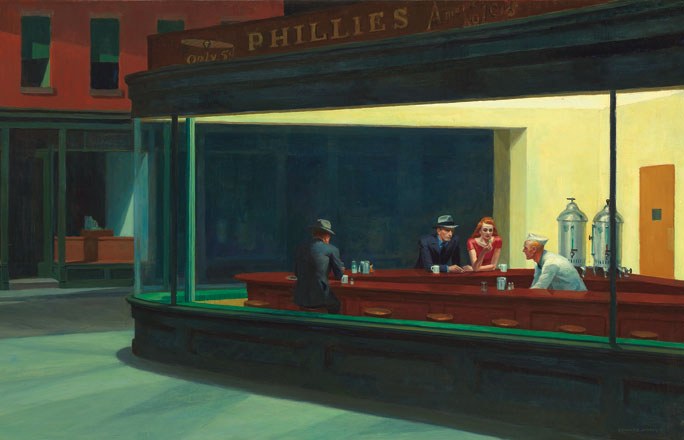
So up first – Edward Hopper at the Grand Palais. Hopper (1882-1967) the all-American painter, best known for his depictions of introspective early 20th century city dwellers, lost in a world of thought in an often artificial unnatural urban space, has long fascinated me, ever since I “accidently” hung on to a catalogue lent to me by my friends, Sarah and Truong, of this artist previously unknown to me. Of course at least two paintings are recognisable to us all – House by the Railroad (1925) – the quite reclusive, slightly sinister victorian house which is said to have inspired Hitchcock’s Psycho house, and a number of haunted house parodies ever since; and Nighthawks (1942), the quintessential Hopper masterpiece, with its four mysterious figures, enigmatic relationships, and strangely unnatural nighttime glare. But asides from those popular references, I did not know Hopper, yet wished to be better acquainted.

House by the Railroad, 1925 (© MOMA, NY)
House by the Railroad, 1925 (© MOMA, NY)

Nighthawks, 1942 (© Art Institute, Chicago)

Nighthawks, 1942 (© Art Institute, Chicago)

In staging this significant retrospective (featuring 160 works, that was almost Hopper’s entire life’s output – he was a notoriously fastidious and slow painter), the Grand Palais was providing the ultimate in Hopper shows, allowing not only an acquaintance with this fine artist, but a chronological embrace through each stage of his artistic career. 
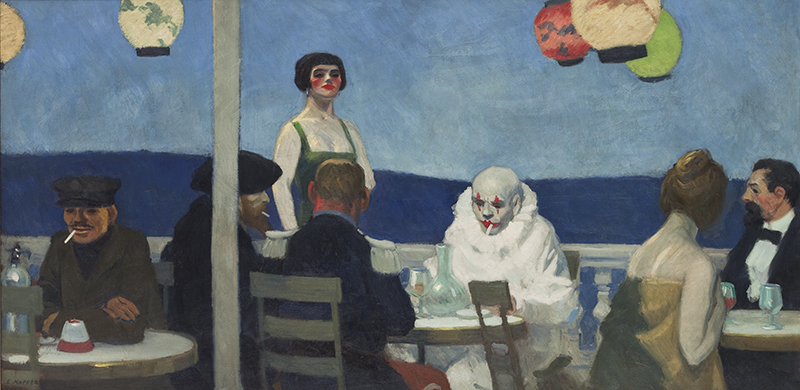
An early work - Soir Bleu, 1914 (© Whitney Museum of American Art)

An early work – Soir Bleu, 1914 (© Whitney Museum of American Art)

First up, we were shown his early works – painted around the beginning of the 20th century and suitably inspired by Paris and artists like Degas and Pissarro, Hopper dabbled in his earliest cityscapes – broad brushed meditations on a captivating city, yet rather subdued, although already mastering an effective contrast of sunlight and shadow. But soon enough, Hopper turned to illustration, finding that his paintings were not selling. Here, we see Hopper as the caricaturist and illustrator, both mediums in which he was able to demonstrate great skill as a draftsman and social commentator. It was only in the 20s that he began to paint seriously again, and finding greater success as he did so. From this point in the show onwards, there begins a vast array of Hopper paintings, spoiling the viewer with their breadth and sheer number.

Manhattan Bridge Loop, 1928 (© Addison Gallery of American Art)

Manhattan Bridge Loop, 1928 (© Addison Gallery of American Art)

The City, 1927 (© University of Arizona Museum of Art)

The City, 1927 (© University of Arizona Museum of Art)

From Williamsburg Bridge, 1928 (© Met Museum of Art, NY)

From Williamsburg Bridge, 1928 (© Met Museum of Art, NY)

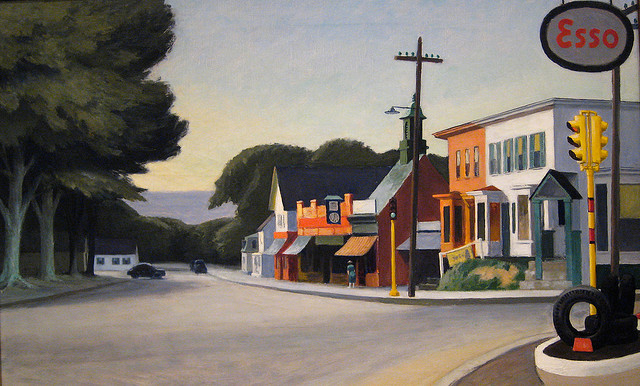
The paintings can almost be split, both chronologically and thematically. In the first set, Hopper’s paintings are conspicuous through their absence of people. Hopper had turned to urban scenes in his native America, concentrating on everyday scenes, roads, highways, lonely houses, and managing to capture the spirit of both suburban America and central city spaces, yet with the often noticeable lack of inhabitants. This then is to be contrasted by the later raft of works, in which the person takes centre stage in his paintings, as Hopper becomes almost voyeristic, appearing to intrude into scenes of great personal contemplation and introspection, as the characters he portrays stare, apparently into space, or couples appear together, yet both lost it seems in their own world.
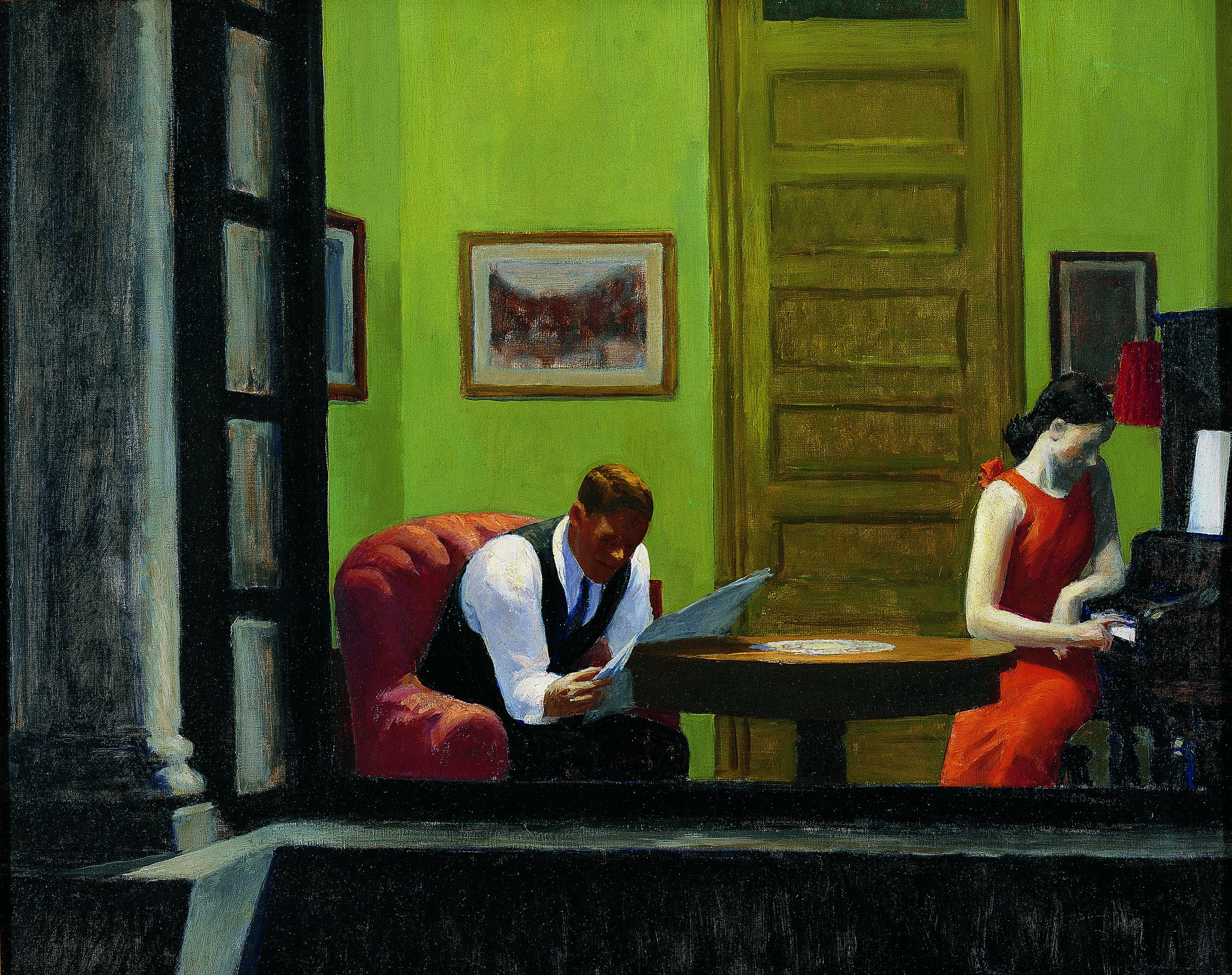
Room in New York, 1932 (© Sheldon Museum of Art, University of Nebraska)

Room in New York, 1932 (© Sheldon Museum of Art, University of Nebraska)

Summertime, 1943 (© Delaware Art Museum)

Summertime, 1943 (© Delaware Art Museum)

These are the paintings which really made Hopper’s name – the lonely people – the built up urban scenes which nonetheless leave us with a feeling of emptiness and solitude. They are like a commentary on that time, as though Hopper is making a statement about the commercialisation and urban growth which was happening all around him – the more it grows, the lonelier the people caught up in the growth feel. The smaller the spaces, the inhabitants sink into themselves. In this respect, Hopper perhaps anticipated the pop-art of later years, yet doing so more as a resigned critic than as a celebrant of popular culture.
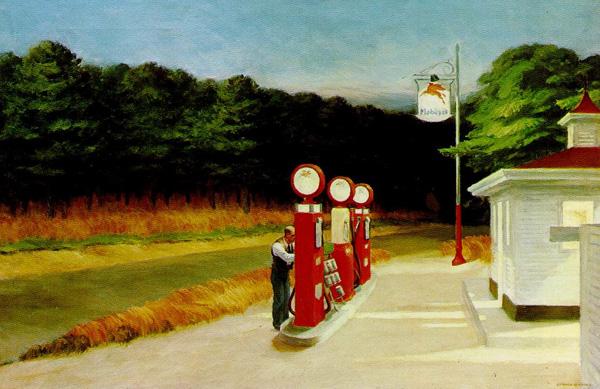
Gas, 1940 (© MOMA, NY)
Gas, 1940 (© MOMA, NY)

Portrait of Orleans, 1950 (© Fine Arts Museum of San Francisco)

Portrait of Orleans, 1950 (© Fine Arts Museum of San Francisco)

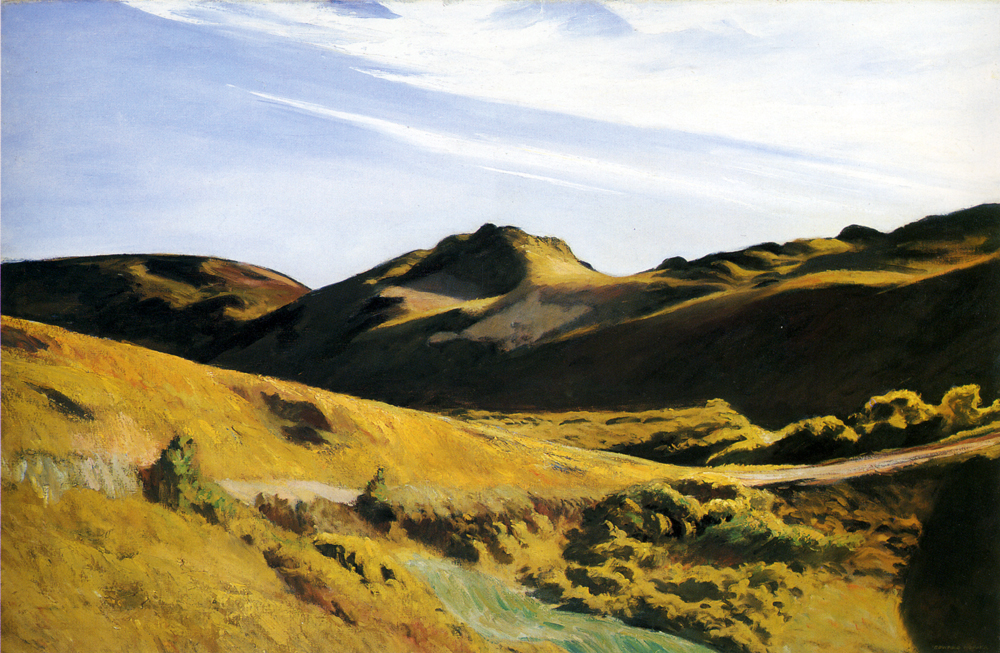
Personally, while I found Hopper’s people fascinating to consider, their stories open to so much interpretation, and Hopper’s intentions likewise, I couldn’t help but feel that too often his figures had something of a cartoony look about them, almost as though Hopper couldn’t quite kick the habit of his earlier days as an caricature artist. Rather, by far my favourite paintings were the solitary landscapes, the soulless cityscapes with not a person to be seen, the forest road interspersed with a jarring petrol station, the rolling landscape of The Camel’s Hump which was, by far, my favourite of his works.

Lighthouse Hill, 1927 (© Dallas Museum of Art)
Lighthouse Hill, 1927 (© Dallas Museum of Art)

The Camel's Hump, 1931 (© Utica (NY))

The Camel’s Hump, 1931 (© Utica (NY))

However likewise I loved a small gallery which showed some of Hopper’s etchings. This is quite bizarre, being that I have previously been drawn to Hopper by his great use of colour. Yet for me, Hopper’s etchings were more like a window onto his soul as an artist, whereas with his paintings, so often we look through opaque glass, misunderstanding his intentions and the messages he attempts to portray. Through his etchings we can enjoy his interaction with nature, appreciate the small details of life which fascinated him, and also track something of the thought process which underlay some of his later works. Take Night Shadows for example, which, in all its start Hitchcockian glory, appears to be something of a precursor to the enigmatic mystery which pervades many of his later paintings, especially the Nighthawks.
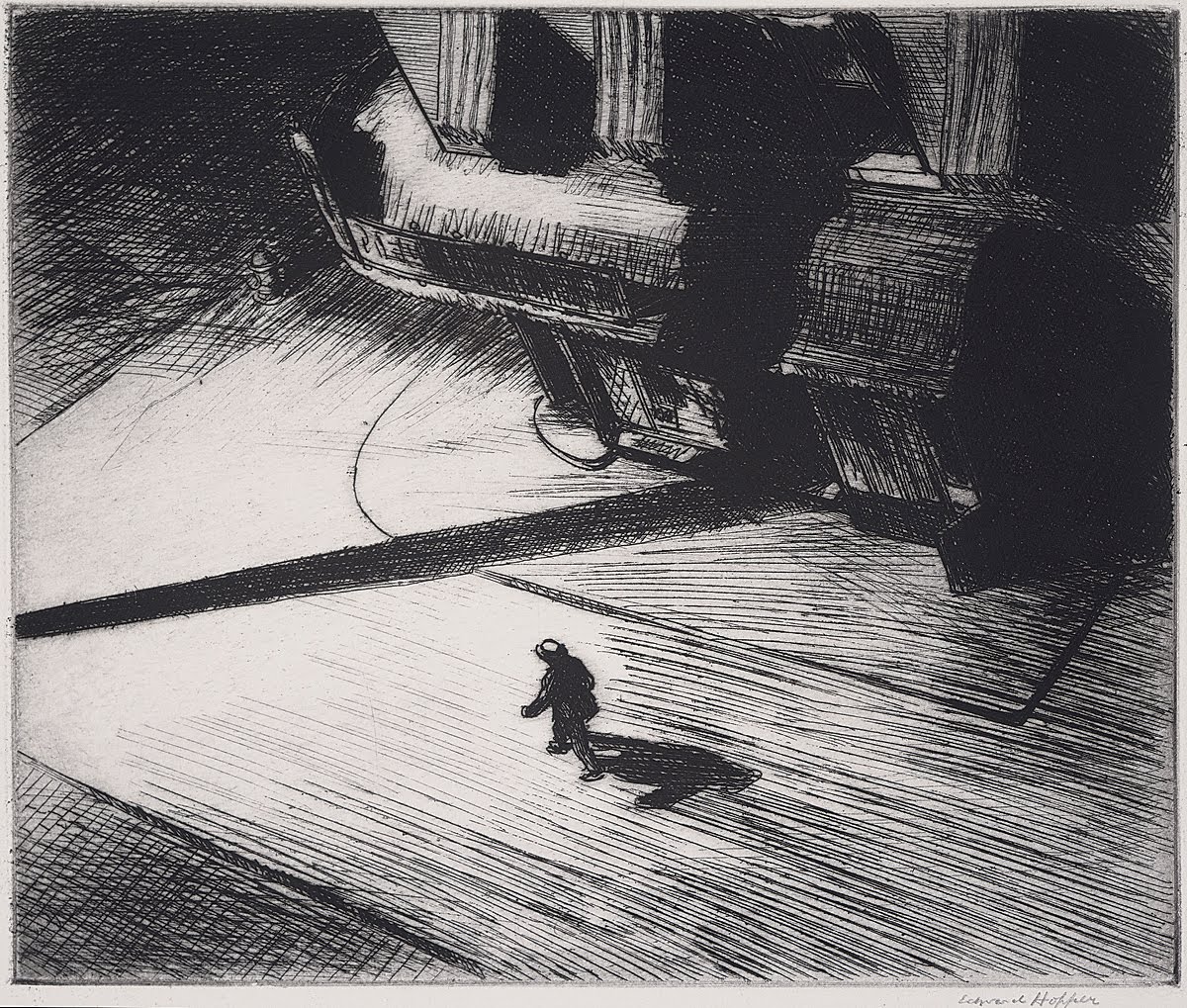
Night Shadows, 1921 (etching, © Philadelphia Museum of Art)

Night Shadows, 1921 (etching, © Philadelphia Museum of Art)

Whether it’s the inscrutable figures or the stark urban landscapes which do it for you, Hopper is a very likeable artist. His works are uncontroversial; they are inherently mysterious yet still very accessible; they beg questions, but provide no answers, and for that reason will continue to enagage audiences for many years to come. Yet so many of these works come from collections across America, and therefore for the European viewer, this is likely to be the best opportunity there will be for some years to engage with Hopper this side of the pond. So I urge you to go along, and make sure you book tickets in advance – did I mention that the show is so popular that we had to queue for almost an hour, just to get in on our pre-booked time slot?

The exhibition runs at Paris’ Grand Palais until 3 February 2013. You can buy your tickets here. Alternatively, if you can’t make it, the exhibition comes with its own mobile App which can be downloaded (at least from the itunes app store) and will guide you around the show with commentary and pictures – so even if you can’t make it to Paris, you’ll feel like you’ve done the show from the comfort and solitude of your very own armchair. Now Hopper would have loved that image.

Magnificently Miserable: Les Misérables the Movie

You know a film has been good when you have to cower as the cinema lights come up at the end for fear the audience will catch sight of your puffy eyes and tear-stained cheeks, when the emotional exhaustion has left you depleted and dehydrated, and when you don’t want to leave until the music from the credits has stopped rolling. Tom Hooper’s new movie of Les Misérables must have been exceptionally good, because as the credits rolled, I suffered from all three symptoms unreservedly.

Almost from the moment Schonberg’s rapturous score began to play, the hairs on my arms stood erect, and my tear glands began to tingle. By Ann Hathaway’s incredibly performance of I dreamed a dream as Fantine, they were in full flow. But the question remains, was my intense emotional reaction and great enjoyment of this Les Misérables a reaction to the film, or just the score which has enchanted audiences for years?

Hugh Jackman is incredibly good as Jean Valjean

Hugh Jackman is incredibly good as Jean Valjean

The poster image - Isabelle Allen as the young Cosette

The poster image – Isabelle Allen as the young Cosette

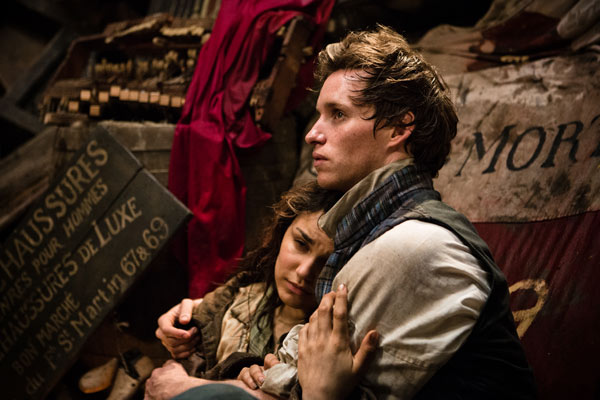
Amanda Seyfried as older Cosette and Eddie Redmayne as Marius

Amanda Seyfried as older Cosette and Eddie Redmayne as Marius

Undoubtedly both factored hand in hand. Nothing quite beats the power of the full cast singing in harmony together on a theatre stage, such as the performance of One More Day at the end of Act I, as the revolutionaries prepare for battle, and Jean Valjean prepares to rescue Marius and protect Cosette. The intensity and intimacy of the theatrical production cannot in fact be beaten in many respects, and has arguably reduced me to greater effluvia of tears than the film. But what the movie brings us is what only a movie can – Les Mis on a grand scale, with an ambitious backdrop of early 19th century Paris which could never be attempted by even the most significant of theatre stages. The opening scene of the movie is, for example, a stunning opener, as Hugh Jackman as the much wronged Jean Valjean, applies every last bit of energy into hauling a great big warship into a French port, while, of course, singing about the hardship he has endured. The scale of this immense marine backdrop was awe-inspiring and in union with the dramatic score made for a spine-tingling start to the film.

The brilliant Anne Hathaway as Fantine

The brilliant Anne Hathaway as Fantine

However there are two reasons why this adaptation of Les Misérables is, in my opinion, a real winner, over and above the already much loved and highly emotive Schonberg and Boublil score. The first is the cast. So often, when a musical is Hollywood-ised, funding is secured only by the promise of a super-famous cast of actors who are nonetheless unskilled in their musical ability. This is (apart from perhaps one exception) not the case here. I would never have guessed that X-Men’s Hugh Jackman would be such a good singer, with a fine tenor voice and demonstrating great skill, particularly in songs such as God on High with its octave leaps and challenging high notes. He also demonstrated himself to be a fine and versatile actor, oozing the moral strength and fortitude which is central to the character of the wronged yet self-sacrificing Jean Valjean. Equally brilliant was Anne Hathaway, who I’ve only really known from the Princess Diaries, The Devil Wears Prada and other light-hearted fair. Who would have known that she could act and sing with such incredible intensity? Her performance of I dreamed a dream was so brilliant, so natural, that hopefully, thank the lord, the horrendous massacre inflicted upon it worldwide by Susan Boyle will no longer be the peoples’ primary association with this musical masterpiece.

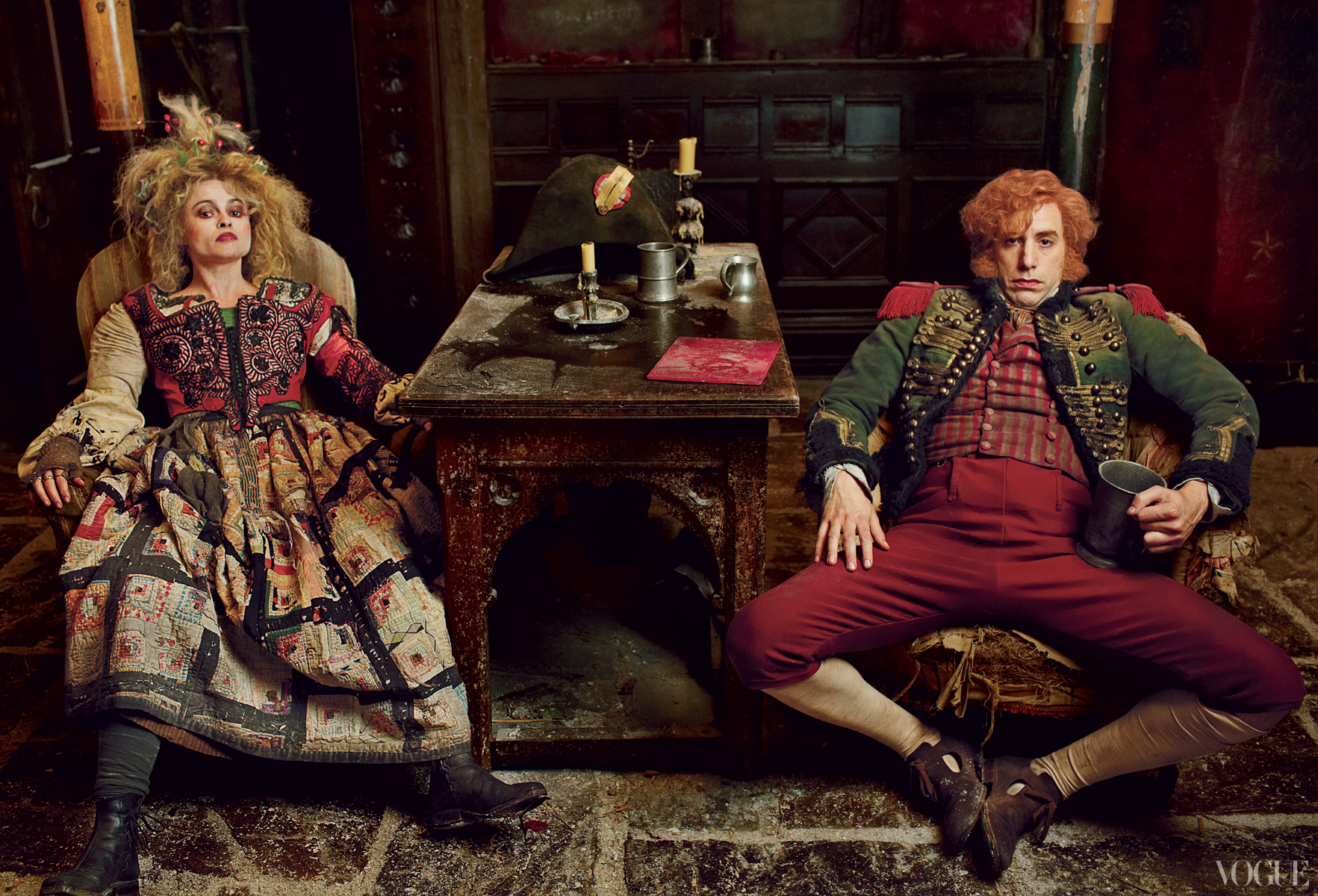
Thénardier and his wife (Helena Bonham Carter and Sacha Baron Cohen)

Thénardier and his wife (Helena Bonham Carter and Sacha Baron Cohen)

Eddie Redmayne and Samantha Barks as Marius and Éponine

Eddie Redmayne and Samantha Barks as Marius and Éponine

Samantha Barks as Éponine

Samantha Barks as Éponine

I also loved Eddie Redmayne as Marius, showing a greater warmth and depth of character than he did in last year’s BBC adaptation of Sebastian Faulkes’ Birdsong, and also sporting an excellent singing voice. Mention should also go to the lesser known but equally good Samantha Barks who reprised her stage role as Éponine, Aaron Tveit as a very intense Enjolras, spurring on the young thinkers to revolution, little Daniel Huttlestore as a brilliantly charismatic Gavroche, and of course the ever entertaining Sacha Baron Cohen and Helena Bonham Carter, the double-barrelled twosome, who made the perfect Monsieur and Madame Thenardier, the duplicitous inn-keepers who lend much needed light relief to an otherwise heavy emotional tale.

Helena Bonham Carter as the outrageous Madame Thénardier

Helena Bonham Carter as the outrageous Madame Thénardier

My one reservation, and the exception I allude to above, is for Russell Crowe as Inspector Javert. While he certainly looked the part as the stern, restless, duty-bound inspector who makes it his life’s work to chase Jean Valjean who missed his parole and eluded him ever since, this is a musical after all, and while Crowe can hold a tune, his voice was way too weak to install the character with the musical strength and baritone depth that is required. The consequence was a voice that was strained and tended to let the side down. But not so much as to take away from the otherwise remarkable work of this brilliantly constituted cast.

Russell Crowe as Javert

Russell Crowe as Javert

The second respect in which I think this film succeeded was in the very innovative camera work. Tom Hooper as director appears to favour close up shots of the characters, which made for a particularly intense audience to character engagement during the pivotal moments of the film, such as Fantine singing I dreamed a dream and Marius singing Empty Chairs at Empty Tables (another superb performance). The camera lens almost appeared to give the effect of a convex focus, giving a very sharp focus on the character which then tapered off into a blurrier backdrop. The effect was intense, engaging and innovatively arty. It gave both a sense of realism and theatre, through which the very musical tenor of this film did not feel out of place.

Marius joins the revolution

Marius joins the revolution

Musicals converted into movies are not always successful. Les Misérables is clearly an exception to the rule. It’s a must of the 2013 cinematic season and I urge you to rush along to the cinemas as soon as you can. But don’t forget your Kleenex…

Wellcome Death: A Self-Portrait

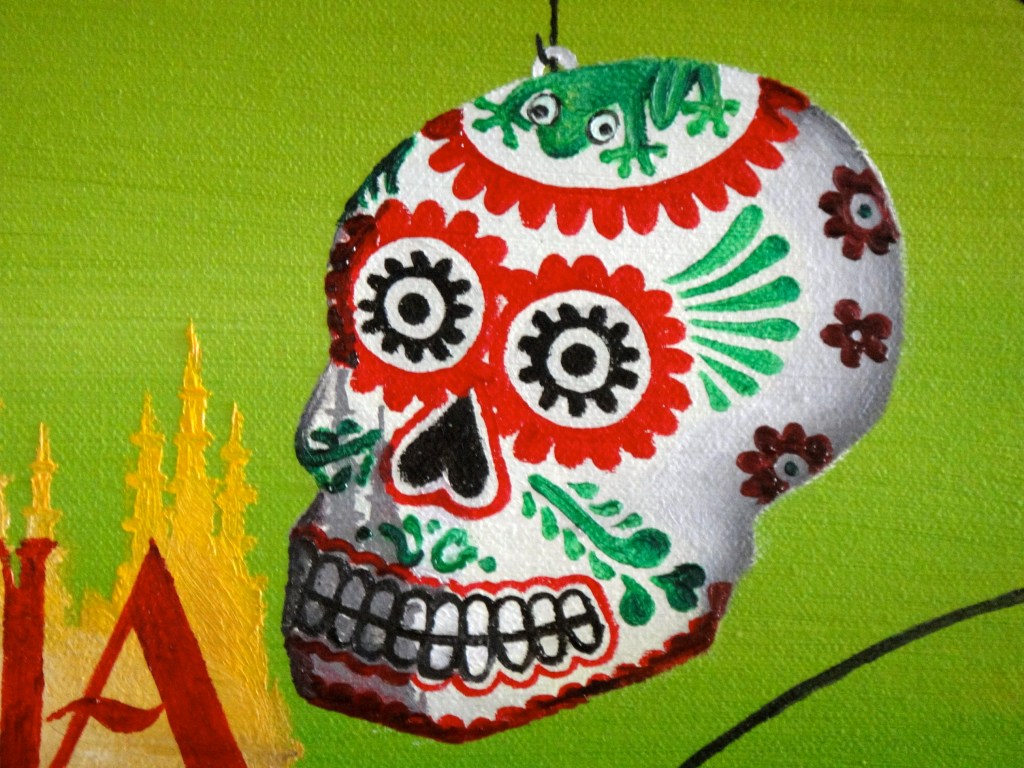
When one of my favourite friends, fellow blogger Celia, told me that she was going to spend her honeymoon in Mexico during “Dia de los Muertos” I got almost as excited as if I were going myself. Ever since developing an early obsession with the art of Frida Kahlo, and in turn the film Frida starring Salma Hayek, I have been fascinated by the Mexican celebration of the dead, in which they make and paint brightly coloured papier mache skulls, masks and skeletons, often adorned with hearts and flowers and all number of patterns, and parade them out in the streets. I even painted a Muertos skull in my recent painting of the city of Salamanca in Spain (below). Having never been to Mexico, I half-heartedly asked Celia to bring be back a “Muertos doll” never actually expecting that on her honeymoon, she would give me a second thought.

Salamanca (2012 © Nicholas de Lacy-Brown, oil on canvas, 105 cm x 90 cm)

Salamanca (2012 © Nicholas de Lacy-Brown, oil on canvas, 105 cm x 90 cm)

DSC08541But last week, amazing as she is, and freshly returned from the tropics of that South American paradise, she presented to me what must be the ultimate in double whammy presents – a Frida Kahlo doll with a Muertos skeleton face (pictured)! The doll is frankly amazing, combining all the fun and spirit of Kahlo’s works, including the occasional morbidity which creeps into her often pain-expressing paintings. No sooner had I lovingly placed said doll alongside my Frida Kahlo art catalogue on my book shelves (from the Tate Modern expo some years back), I then heard about another exhibition which has recently hit the streets of London – not of Kahlo, but of Death.

My Frida doll!

My Frida doll!

I know what you’re thinking, death, as the subject of an exhibition? Isn’t that likely to be morbid, or heartwrenching, or just plain scary? Well if you’re thinking those things, you probably don’t know the Wellcome Collection on Euston Road in London, a superb gallery adjunct of the Wellcome Trust, who regularly organises fascinating exhibitions of art and curiosities with a decidedly medical theme. The latest exhibition explores the theme of death and our preoccupation both with death, and combating death, in society.

WC_Death

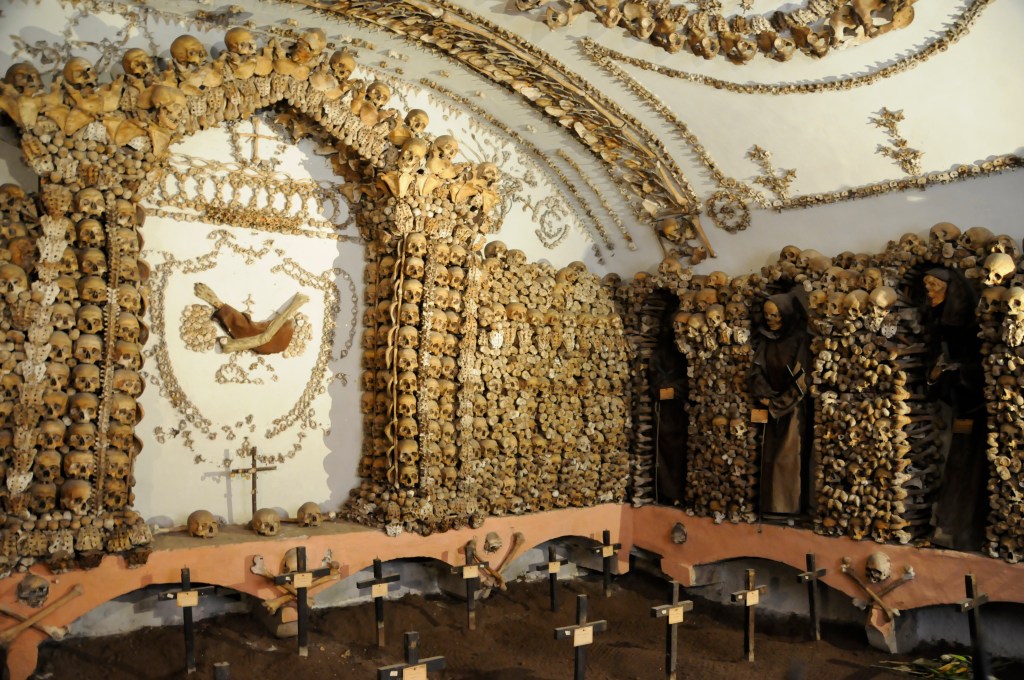
The exhibition comprises the vast and varied collection of Richard Harris, a former antique print dealer from Chicago and explores the subject in a brilliantly diverse array of mediums, themes and expressions. Upon entering the gallery, we were met by Jodie Carey’s 2009 work, In the Eyes of Others (2009), a giant chandelier made entirely of bones. Sadly, the bones were not real bones, but rather plastic reproductions, and therefore this did not have quite the same effect as a chapel I once visited in Rome, the Capuchin Crypt, made entirely from human bones (very morbid, but unusually architecturally beautiful). However, it set us up for a show which ranged from the oldest of 15th century art, to ambitious contemporary pieces.

In the Eyes of Others by Jodie Carey (2009)

In the Eyes of Others by Jodie Carey (2009)

The Capuchin Crypt, Rome

The Capuchin Crypt, Rome

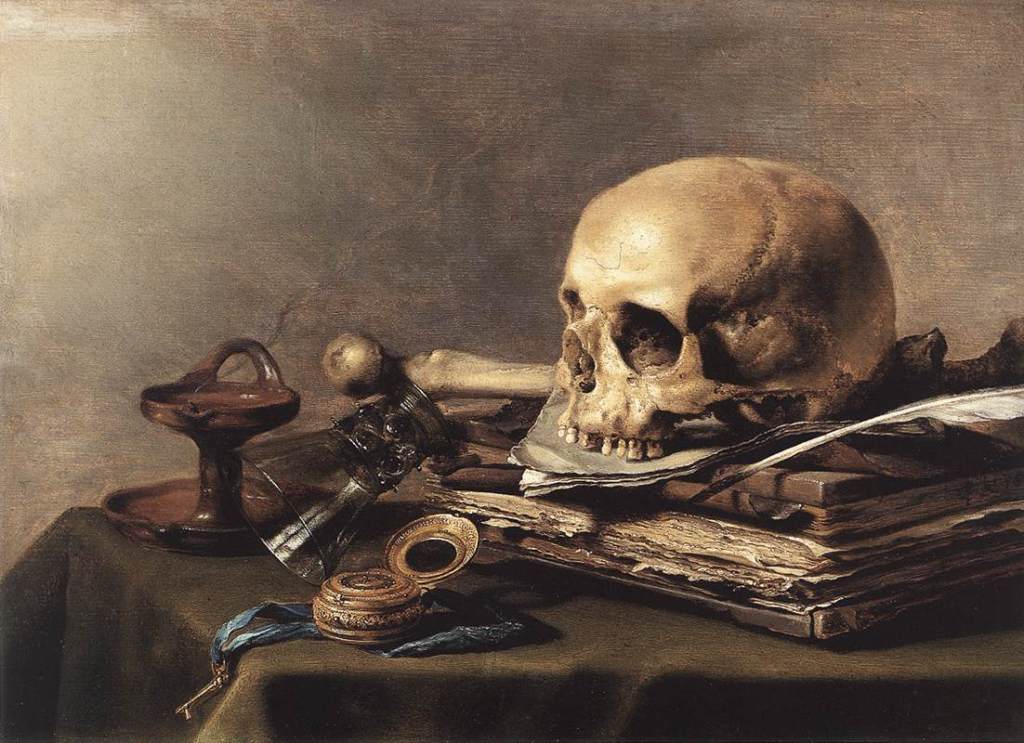
The first room explored the theme, Contemplating Death, comprising examples from throughout history of memento mori (Latin for “remember you will die”), the well-advised reminder to us all that we should seize the day because all of us, inevitably, will be dead one day. This ranged from the classically painted Vanitas still life from 16th century Belgium, the skull sat amongst the clutter of Saint Jerome’s cell by Dürer.

Vanitas still life

Vanitas still life

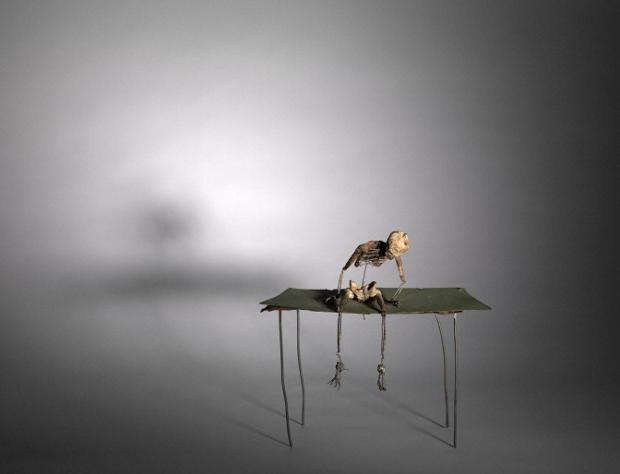
Up next was the Dance of Death, a room which focused on the universal certainty of death, regardless of status in life. This included many a depiction of the Danse Macabre, in which feverish revelry united humans with skeletons, works intended to dissuade people from self-indulgence and vanity in life. I loved the beautiful, almost introspective solace of the dead skeleton sat upon a table in June Leaf’s sculpture, Gentleman on Green Table (1999-2000), as well as the Mondongo Collective’s The Skull Series, in which a huge sculpted scull made from plasticine was, upon closer inspection, a detailed exploration of the influence of the US and Europe upon the world.

June Leaf, Gentleman on Green Table

June Leaf, Gentleman on Green Table


Mondongo Collective, The Skull Series. Number eight from a series of 12. Plasticine

Mondongo Collective, The Skull Series. Number eight from a series of 12. Plasticine

For me, the third room, which explored the representation of death in its most violent form, was by far the most powerful and engaging works of the lot. Featuring some examples of the series The Disasters of War (Los Desastres de la Guerra) by Francisco Goya, this room gave us confrontational and often hard-to-view representations of war and death agony. Goya’s etchings are a brilliant and deeply moving representation of Napoleon’s invasion of Spain at the beginning of the 19th Century. Seeing these images gives some indication of why Goya, having experienced the horrors of war, went from being sycophantic portrait painter of polite society, to creator of the stunning and deeply disturbing Black Paintings held within Madrid’s Prado gallery.

Goya, Tampoco (1810-20)

Goya, Tampoco (1810-20)

Detail from one of Goya's Black Paintings

Detail from one of Goya’s Black Paintings

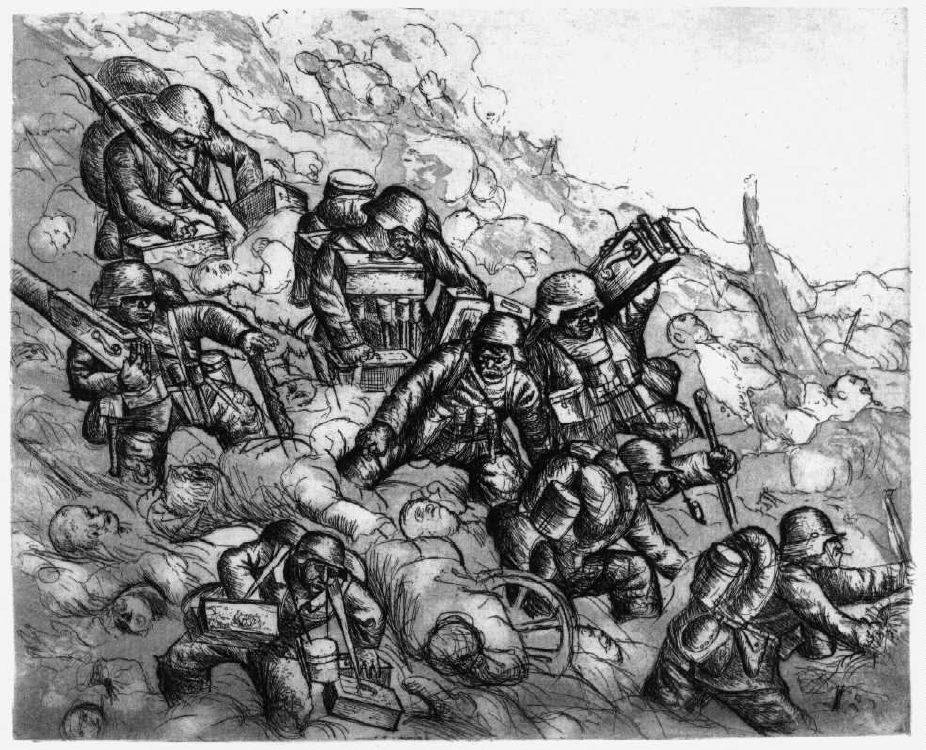
Goya’s etchings have since influenced a number of artists, including Picasso and the Chapman Brothers, but perhaps none more so than German artist Otto Dix, whose series of 51 etchings entitled Der Krieg (War) based on his gruesome experiences in the trenches during WW1, were also on display alongside the Goya works which inspired them. Dix’s etchings were incredibly moving, and unapologetic in their gruesome and violent portrayal of war, death, and devastating injury. All in black and white, these works didn’t need the vivid red of blood to convey the horror of the WW1 deathtol. Rather, in their monochromatic greys and blacks, they perfectly portrayed the grim horror of those times.

war301

Dix, Wounded Soldier

Dix, Wounded Soldier

Dix, Machine Gunners Advancing

Dix, Machine Gunners Advancing

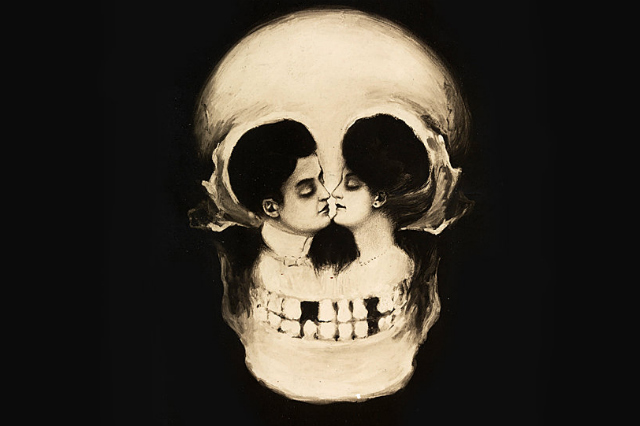
It was perhaps with some relief that the fourth gallery showed us a lighter view of death – in fact, rather unusually, death’s relationship with eroticism as representations of death were shown intertwined with the nude and appearing to infiltrate the embrace of lovers. In this room, I loved the little optical illusion postcards which reminded me a bit of Dali. The skull appears in each to be the most prominent symbol, but look again and you can see a perfectly innocent domestic scene, which bears no relation at all to the skull which it at first appears to represent.

deathwellcome

La Vie et la Mort, Leben und Tod (Postcard c.1900-10)

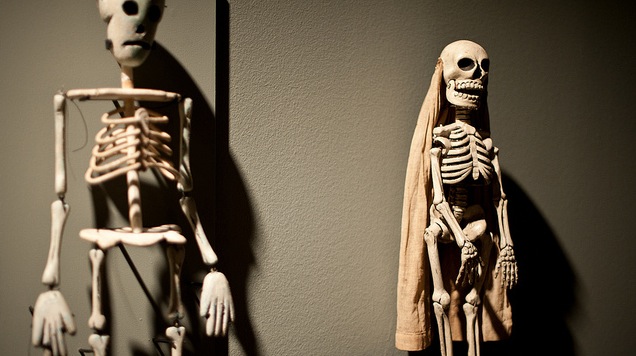
The final room was a representation of the Dia de los muertos festival which has so fascinated me, along with other cultural representations of death in society around the world. I was particularly drawn towards Dan Salvo’s photos of shrines and elaborate altars (known as ofrendas) which are designed to welcome the spirits of those who have departed. I also loved the wall of Muertos dolls straight out of Mexico.

Press+Preview+Death+Self+Portrait+Exhibition+IzQ7EoHlYYxl 8187392941_767eaca1e2_z 8187378029_e3d0f9c713

So with some greater sense of joy, we left the exhibition, full of joys of the Mexican carnival, that was at least until we saw the last wall of the show which gave statistics about the causes of death around the world. Then our joy turned to slightly less jovial stark realism mixed with scientific curiosity as, captivated, we spent a good 5 minutes fascinated by the statistics which show that, far from the horrors of war, the greatest killer of mankind is the role of disease, illness and other irreparable physical conditions. Now if that isn’t a reminder to seize the day, I don’t know what is.

Death: A Self-Portrait is on at the Wellcome Collection until 24 February 2013


Lisbon – The Food: Amazing Alma and the masterpiece of 100 Maneiras

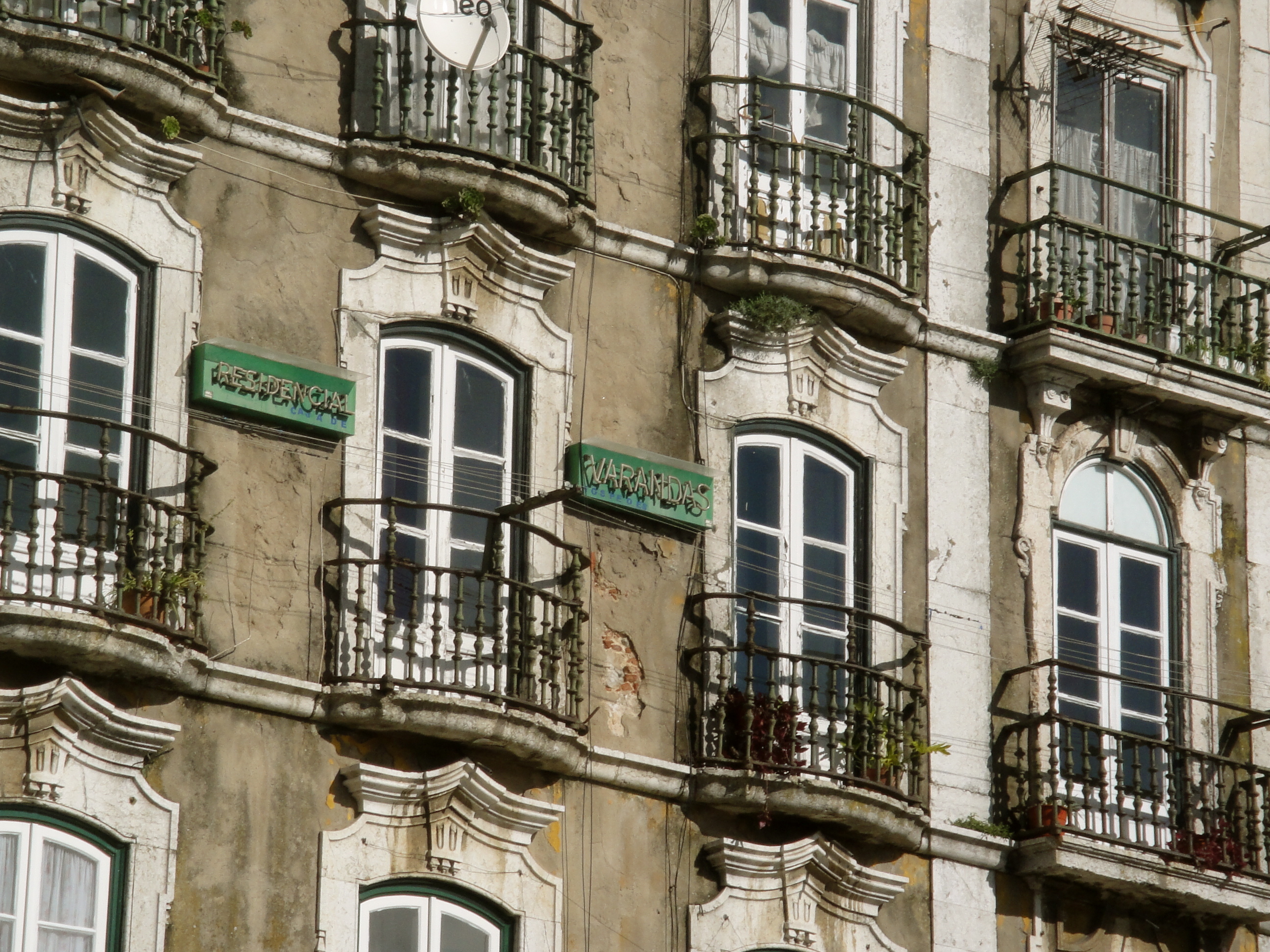
You’d be excused from assuming, from the deterioration which is widespread on Lisbon’s streets, the chipped ceramics and the cracking plaster, the plethora of graffiti and the deserted algae-covered fountains, that the Portuguese would be a little behind on the food front too. But like so much of the underlying spirit of Lisbon, when it comes to trends, to creativity, to meeting the fashion vibes that spread through the most sophisticated cities of Europe, Lisbon is certainly plugged in to the undercurrent of cool.

When it came to food during our five days in Lisbon, we simply didn’t have a bad meal. Whether it be the freshest of all sushi at the Restaurante Confraria Lx and simple squid with vegetables sat out on the cobbled streets of the Baixa, to simple pastels de nata in any random street cafe of your choice, we were met with consistently high standards of food, the freshest of ingredients and prices which were half what you would pay in some neighbouring Spanish cities, let alone the outrageous excesses of London and Paris.

Of our evening meals – the sushi at Confraria Lx, followed by an evening spent in the charming surrounds of the Restaurante Olivier (where a tasting menu for starter plus a main course was only around 35 euros), two meals were absolute standout exceptions, so good in fact that I couldn’t resist but take photos aplenty and devote to them an entire post all of their own.

Alma – Henrique Sa Pessoa – Calçada Marques de Abrantes, 92 Santos – Lisboa

The first of the two was at Alma, the restaurant of fresh-faced Portuguese celebrity chef (who spent some of his time training at the Park Lane Hotel in London’s Mayfair). The restaurant itself is very small and VERY white – the chairs, tables, walls together with a rather hypnotic white cloud swaying suspended from the ceiling are all similarly, clinically white. This doesn’t make for the cosiest of atmospheres, but mercifully, with low lighting and due to the restaurant’s sheer popularity, we certainly felt warm and very welcome.

The service was faultlessly efficient, speedy but not rushed, and with perfect english spoken by all. We even got to meet the celebrity chef himself when I complimented him on the quality of the food – that personal touch sets this restaurant apart – in English celebrity chef-owned restaurants, you’d be lucky to get the “celeb” cooking in the kitchen at all, let alone greeting his guests.

So talking of that food, well avoiding the tasting menu for one evening (we had been stuffing ourselves rather royally during the preceding days) we opted for a set menu with the usual choice of starter, main and dessert. But normal this dinner was not. The quality of the wines (we opted for the chef’s choice of matching wines), the bread, the stylisation of the food – all was exquisite.

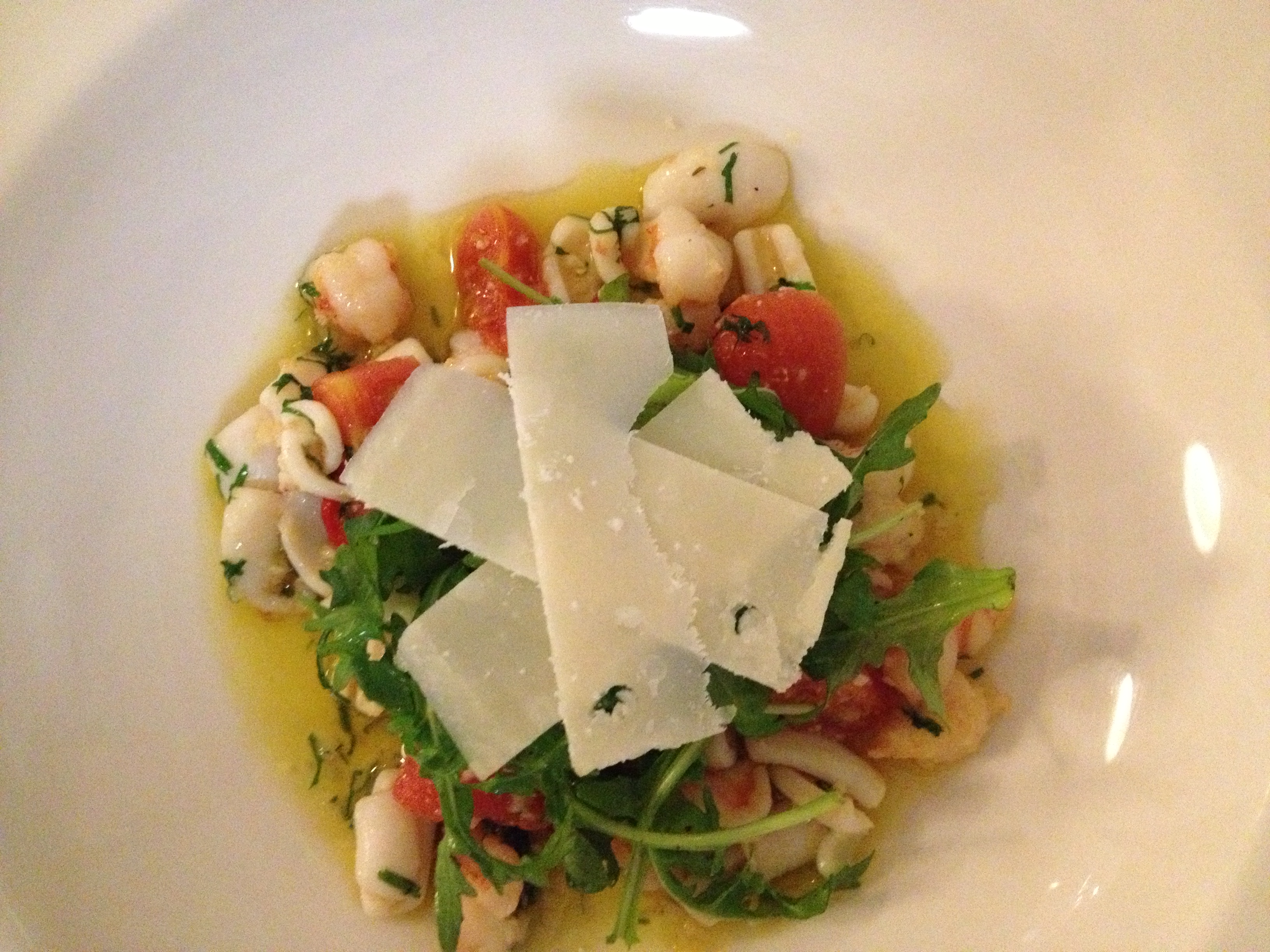
So to start, after home made flat breads and a rosemary and garlic foccacia, I opted for a starter of strawberry gazpacho (such a good combination of the acidic vinegary base coupled with the roundness and sweetness of the strawberry) with a little filo parcel of goats cheese, while my partner went for squid and prawns sautéed in garlic and chilli, with a cherry tomato compote and a rocket and parmesan salad.

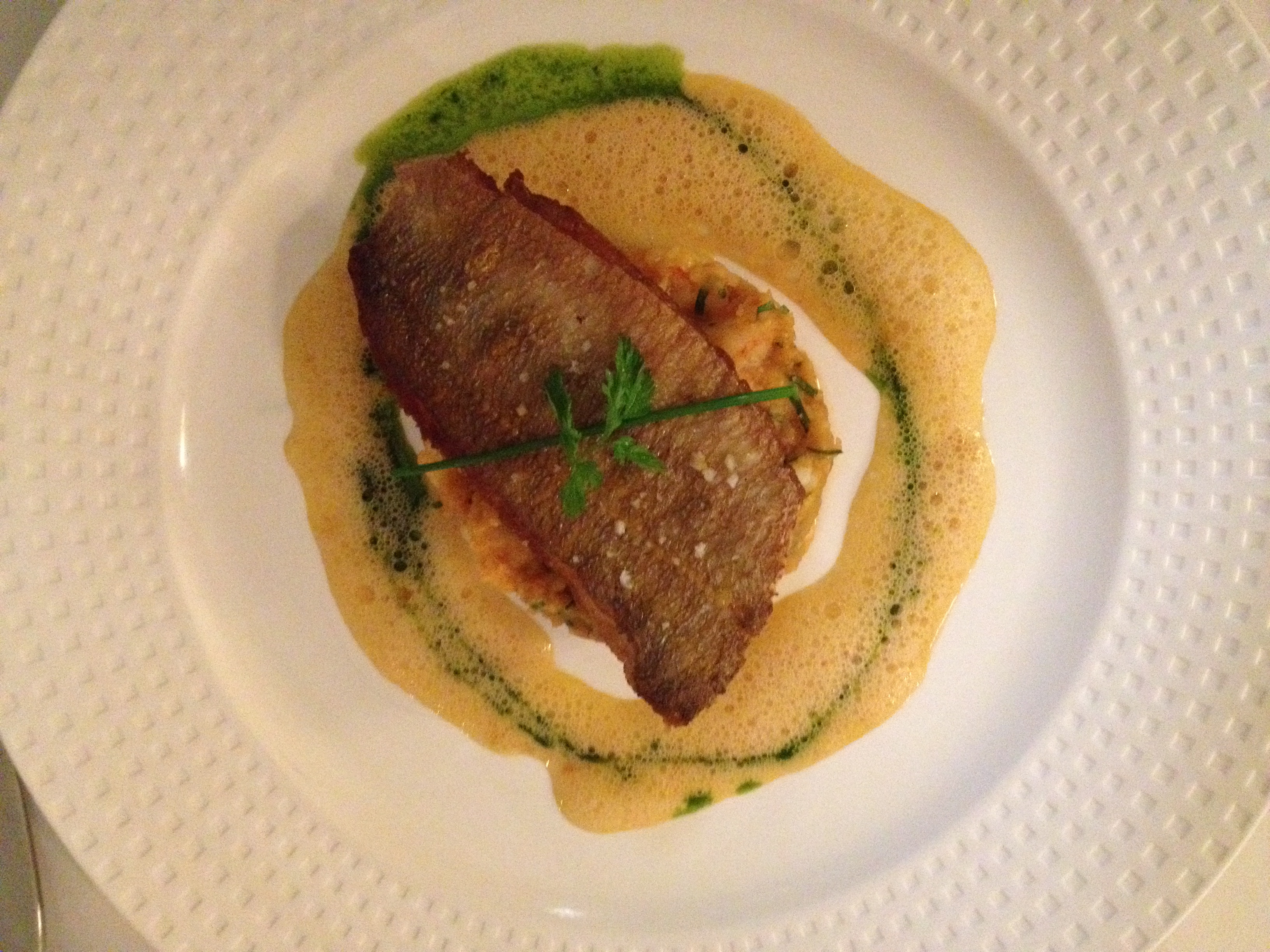
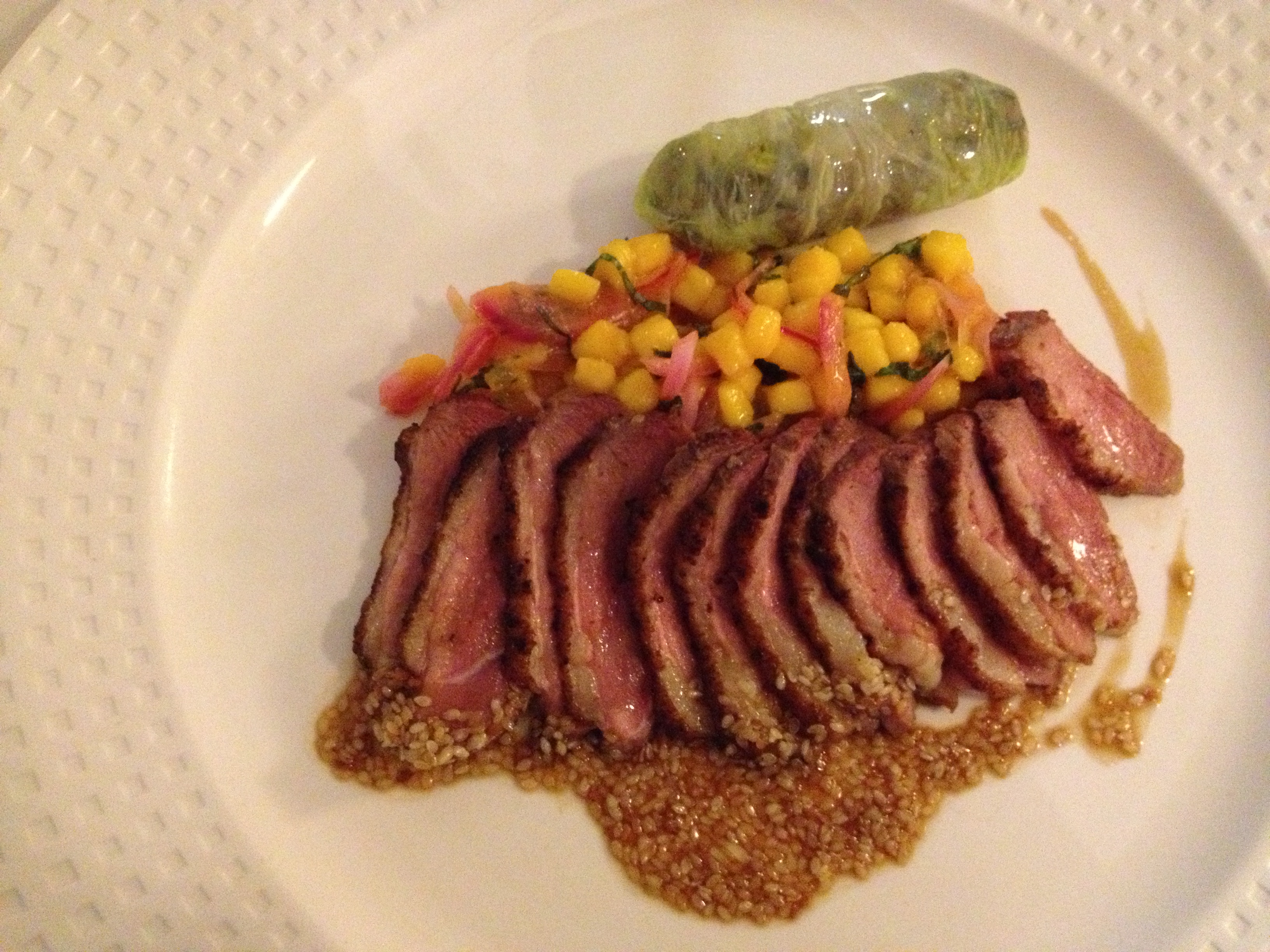
To follow, the stakes were upped. I had an exquisite duck which was perfectly seasoned and marinated in chinese spices and sesame seeds together with a sweetcorn salad and little shiitake mushrooms wrapped in… what were they wrapped in? Cabbage? I can’t remember. Nonetheless it was delicious! My partner meanwhile opted for a roast fillet of cod with a chick-pea purée, chickpea vinaigrette, and roasted potatoes – a faultless combination of Portuguese flavours with an elegant twist.

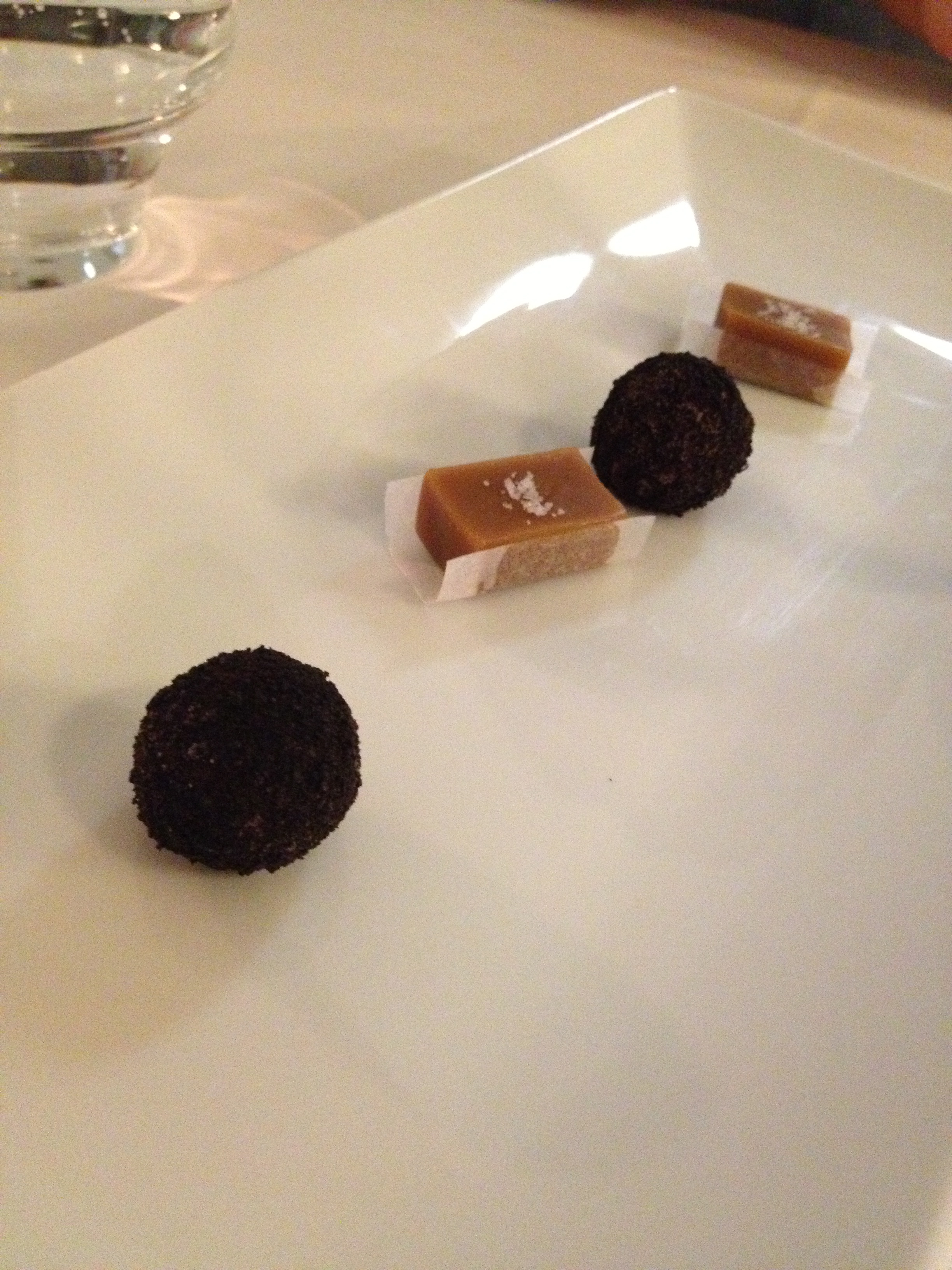
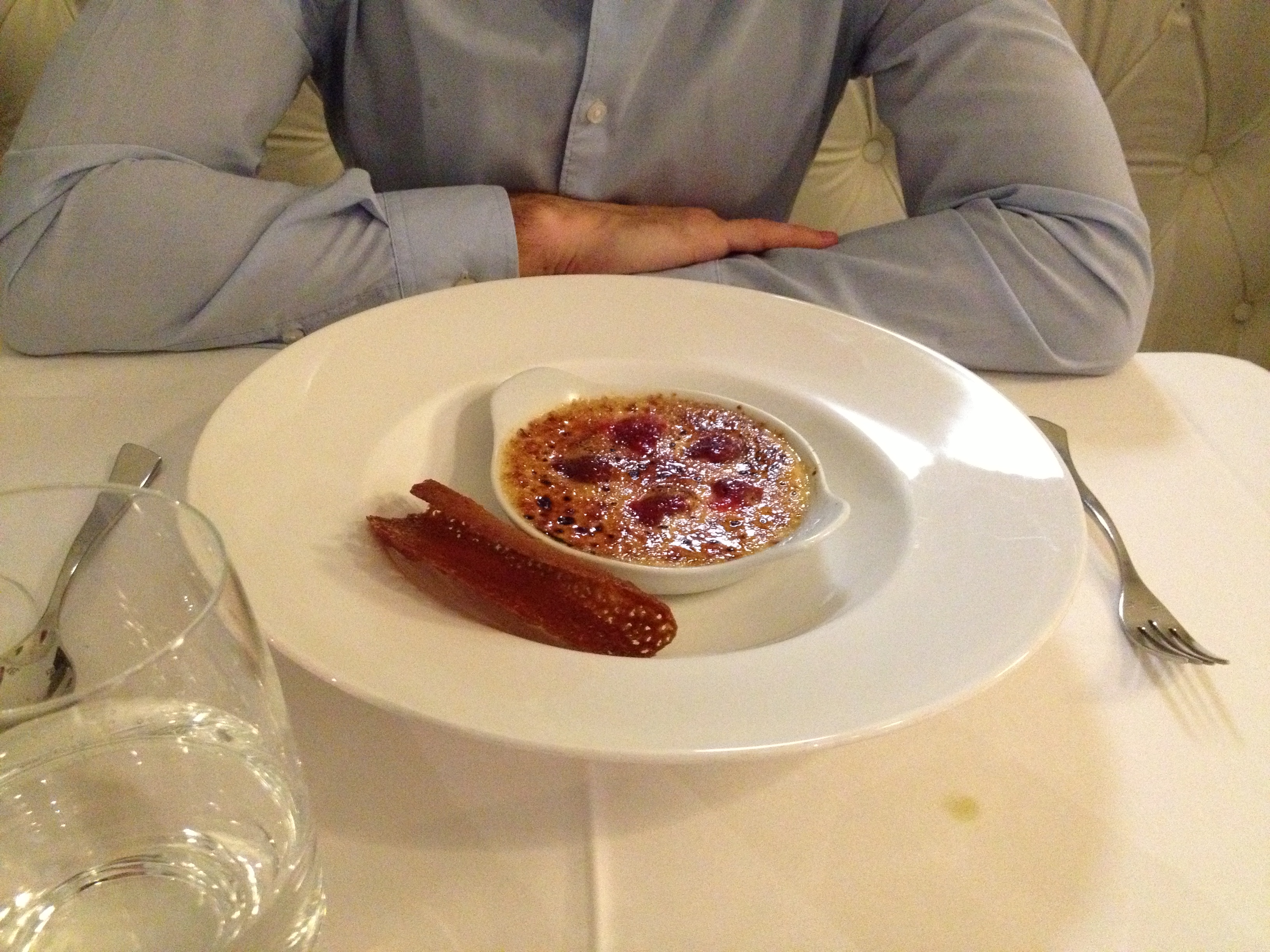
For dessert, we shared a combination of the creamiest but not at all heavy raspberry and lemongrass crème brûlée with a coconut tuile (thus combining French classic with tropicana bay to dreamy effect), and a plum crumble with a coconut ice cream. And as if we hadn’t indulged ourselves enough then, dinner was rounded off with petit fours of salted caramel fudge and little chocolate truffles.

100 Maneiras – R. Teixeira 35, 1200-459 Lisboa

But as far as feasts go, Alma was just the starter to the gastronomical banquet which ensued. Read more

Lisbon – Day Five: Bye Bye via the Baixa

Four full days in Lisbon was, it turned out, a convenient little break in which to comfortably and conveniently explore the best of the city’s four main regions: the hill of Bairro Alto, the hill of Alfama, out to Belém and back to the large avenidas of the Baixa, splaying upwards from the Tagus and outwards North of the city in a valley between the two hills. Although this was officially our fifth day in the city, the first, once we had arrived, was more of an evening of orientation. Today, with our suitcases packed, and the Lx Boutique Hotel left behind, the bulk of the day reminded available for discovery, with an evening flight giving us time for one last Lisbon hurrah. It was to the Baixa we headed, perhaps mercifully so, as after four previous days of trekking up what are, at times, the steep streets of Lisbon, the Baxia provided plenty of spacious, flat boulevards and squares for us to explore with comparative ease.

Chestnut seller

The Baixa region is far more typical of a southern European city. Built in the aftermath of Lisbon’s deadly 1755 earthquake in a grid-like layout which allowed for wide sweeping avenues and grand open squares, the Baixa really shows off Lisbon to the full. This is where you find the opulent fountains, the monuments, the old palaces and the new shopping districts which are to be expected of a capital city. Here the buildings are largely Neo-Classical, grander and better preserved. The streets bustle not just with tourists but with the working masses of the city. And although the sun was shining hard, the many shops lining the grand boulevards were packed with Christmas goodies, while on the roadsides, chestnuts were being roasted pouring plumes of smoke into the air and spreading a distinctive warming smell of Christmas all around.

We began the day in the Praça do Municipio, and more particularly the City Hall, where an incredibly interesting, and free of charge photography exhibition examined Lisbon’s significant role during WW2. As a neutral country and on the edge of Europe, Lisbon became a place of escape from the toils of Europe. It handled the exile of significant numbers of escaping Jewish refugees, but was also a place of espionage, spies and political deals, as both Germany and England fought to keep the favour of Salizar and in particular ensure supplies of the natural minerals which, once mined, could prove significant to the production of weaponry during the war. But despite all of this, Lisbon retained some element of normality during a time of European strife. For those lucky enough to have escaped the rest of warring Europe, Lisbon was a place of relative tranquility, albeit laced with suspicion, full of secret police and suffering more and more from food shortages as the war went on.

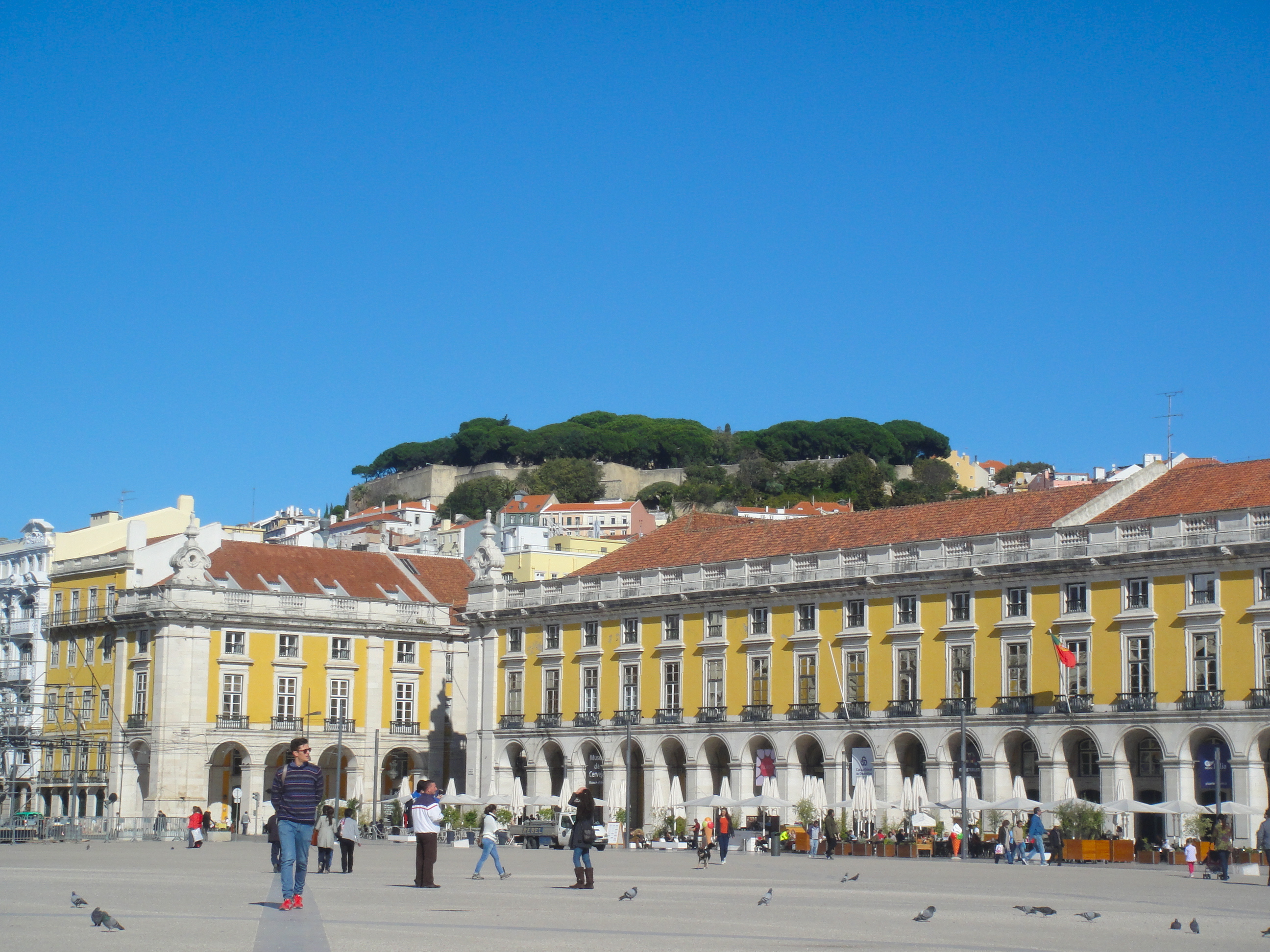
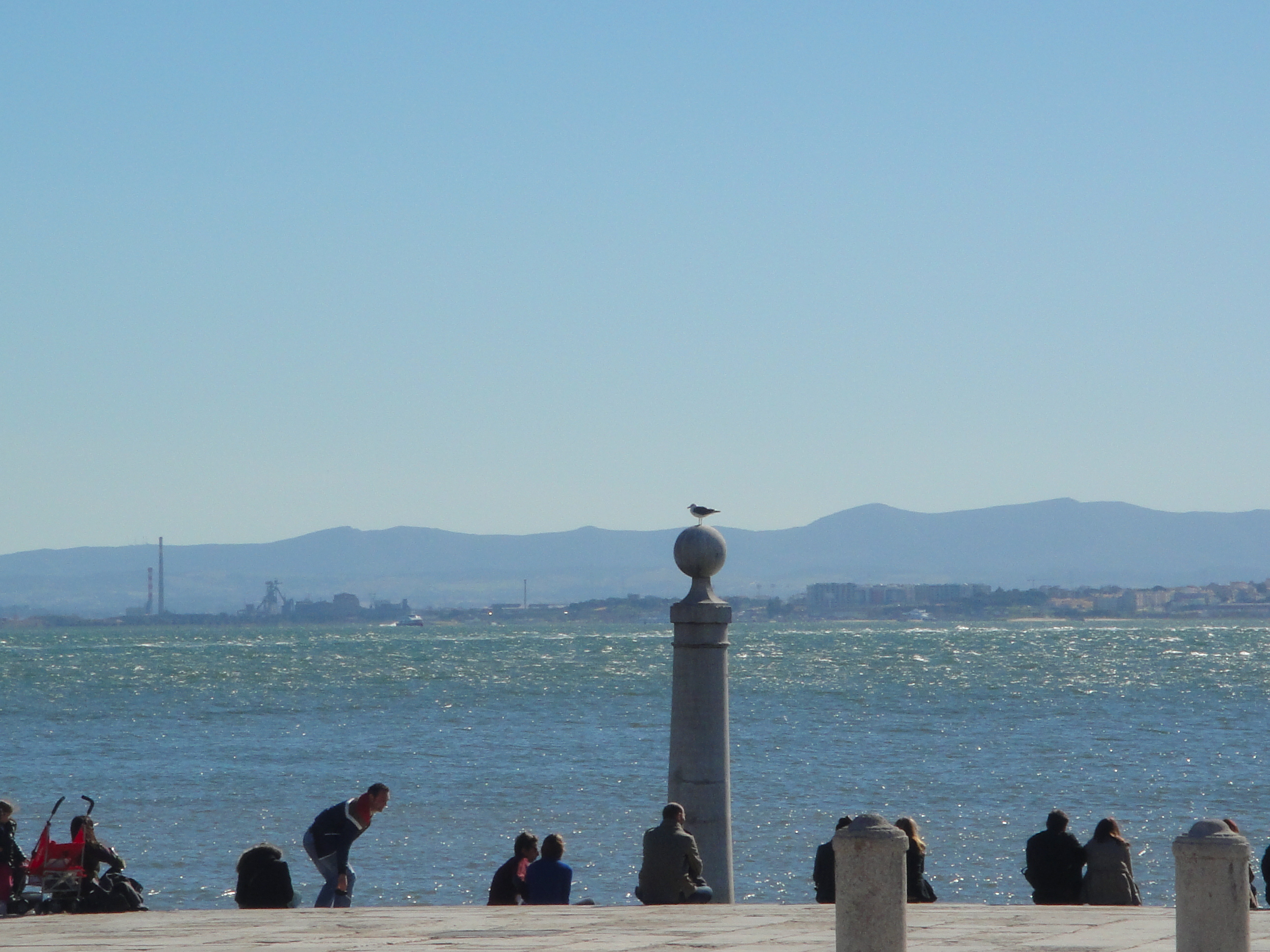
Back in the modern world, and turning from the photos of black and white to the vivid blues of a Portuguese sky, the deep “royal” yellow of the old palace surrounding the impressive Praça do Comércio, and the reds and yellows of the old trams passing through the square, we headed to this former site of the Portuguese royal palace before it became administrative offices of the Republican government following Portugal’s 1910 revolution. Open on one end of the square to the glittering River Tagus beyond, we determined the square to be a perfect location for a coffee, sitting down to do just that while basking in the sun for as long as possible before our later departure to colder climes.

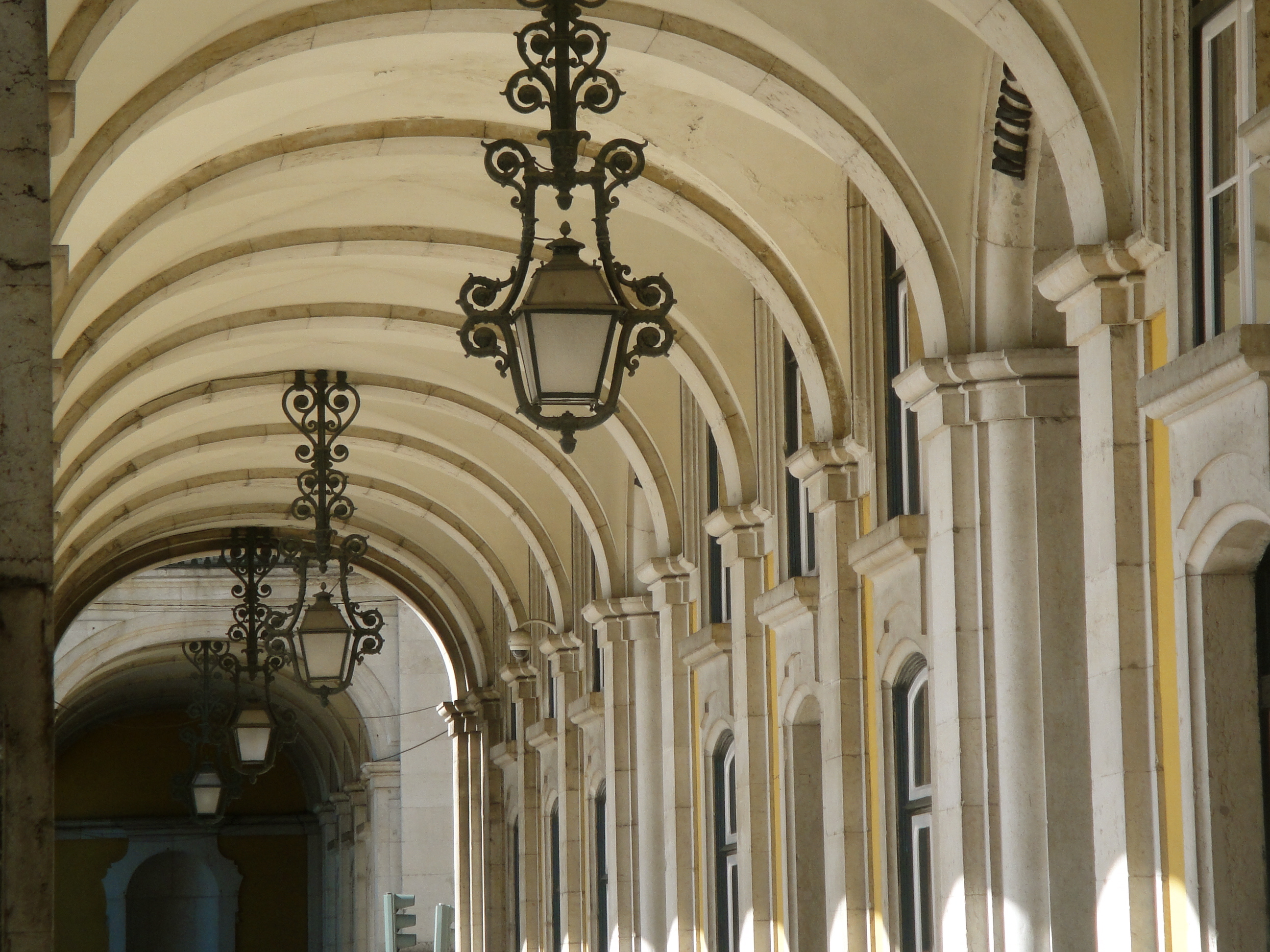
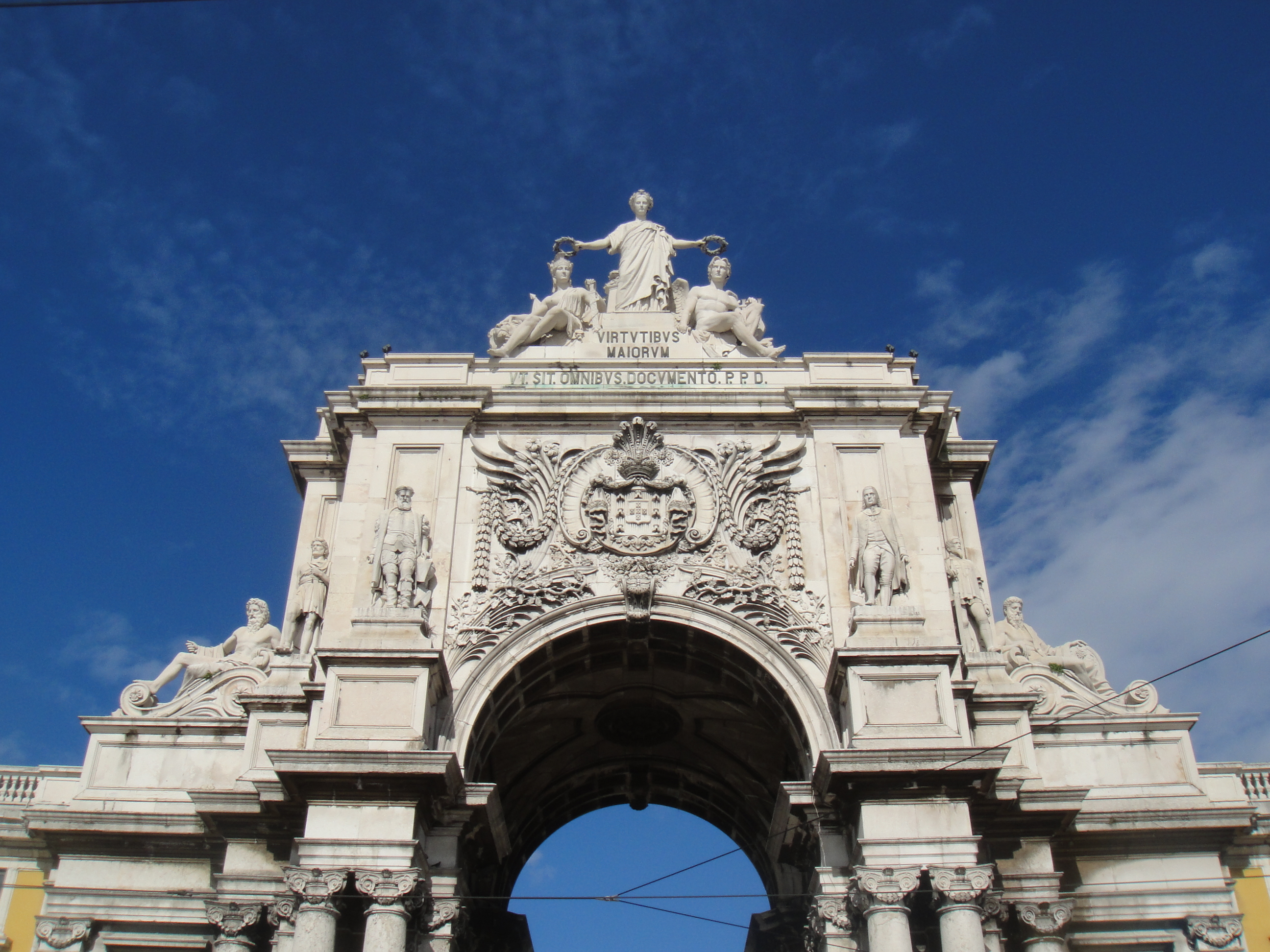
After coffee, we crossed under the impressive triumphal arch to the north of the square, up the Ruo Augusta and into the shopping streets and the great squares beyond. The decay and detrioration of much of Lisbon was not so obvious here, as grandeur dominated and scale took over.

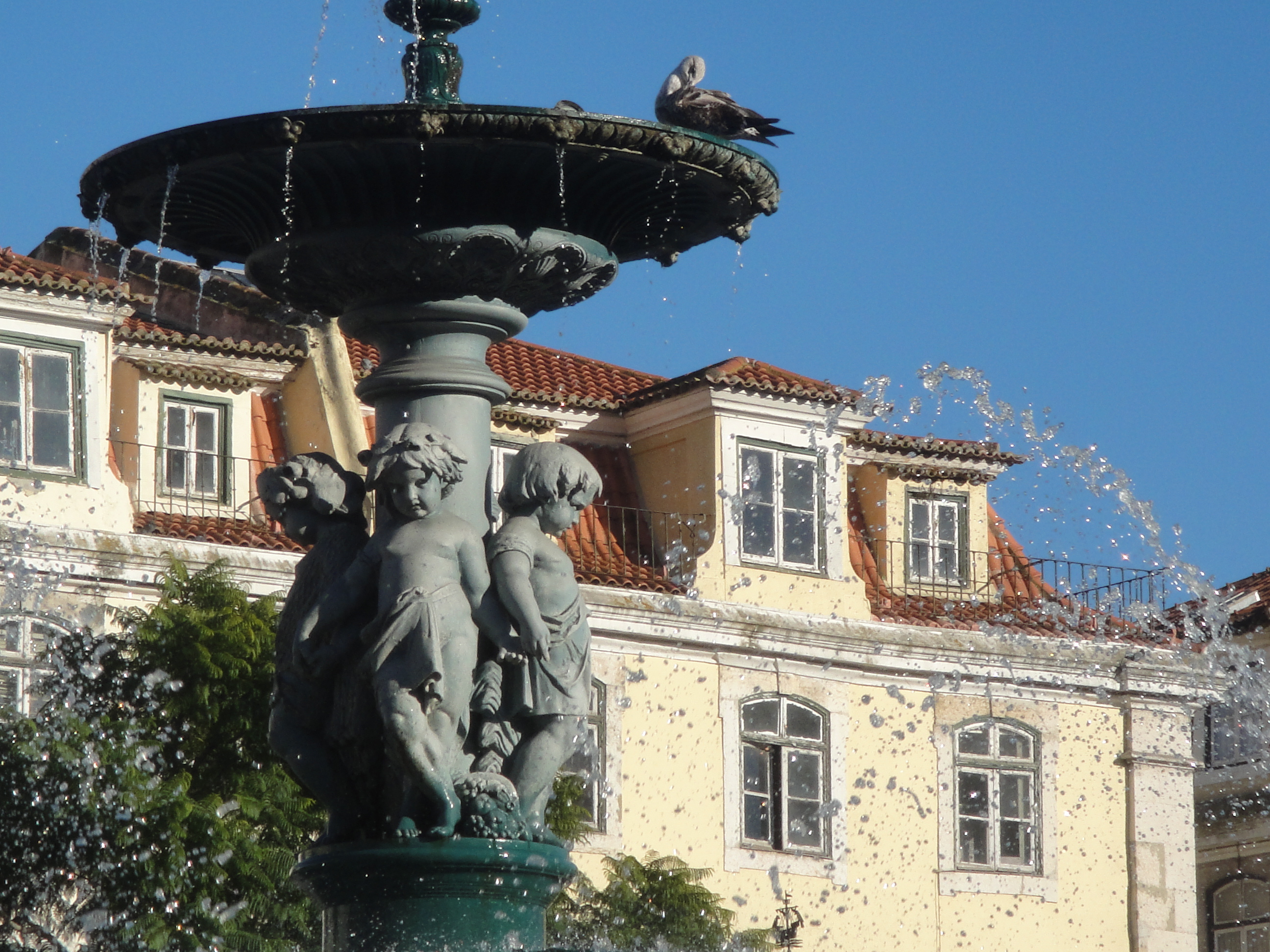
In the Praça Dom Pedro IV, two huge working fountains made a marked contrast to the fountains further North in the city, left to go green with disuse. The square is flanked on one side by the eye-catching Neo-Manueline face of the Rossio Station, complete with two Moorish-style horse-shoe arches and, sadly, a Starbucks. To the North, another grand square, the Praça dos Restauradores boasts a grand obelisk, adorned with sculptures paying homage to those who gave their life during the War of Restoration, while to the East, the Praça da Figuera is home to hundreds of pigeons and the imposing statue of King João I. Here you can quite clearly see Lisbon in its heyday, the grand European capital which was saviour to so many during WW2. You can sense the splendour of the past and see history and grandeur oozing from every building facade and lamp post. And unlike many other European capitals, the squares of Lisbon benefit from the rolling topography of its surroundings, so that in every grand boulevard and Praça, a backdrop of the Alfama and the Castelo de São Jorge, or a straight vista to the sparkling Tagus, provides the visitor with a multi-layered feast for the eyes. A landscape rich in its historical and architectural diversity.

Both history and architecture collided to stunning effect in one of the last surprises of the trip. En route to the Rua de Santo Antão, famed for its fish restaurants, we passed through the Largo São Domingos, a little square sandwiched inbetween its grander neighbours, and, passing the fairly innocuous facade of São Domingo thought we may as well drop in. What we saw upon our entrance made me gasp out loud.

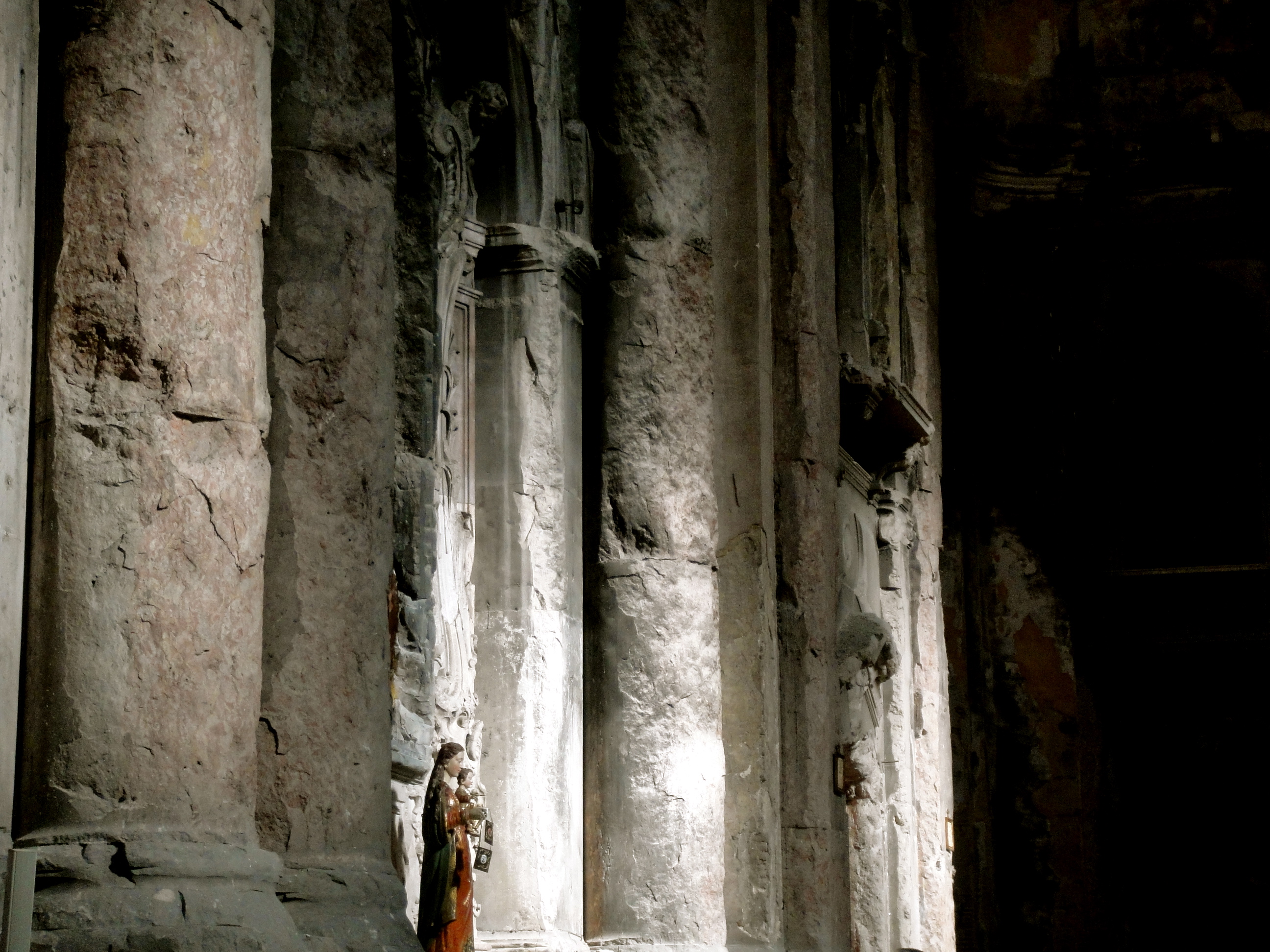
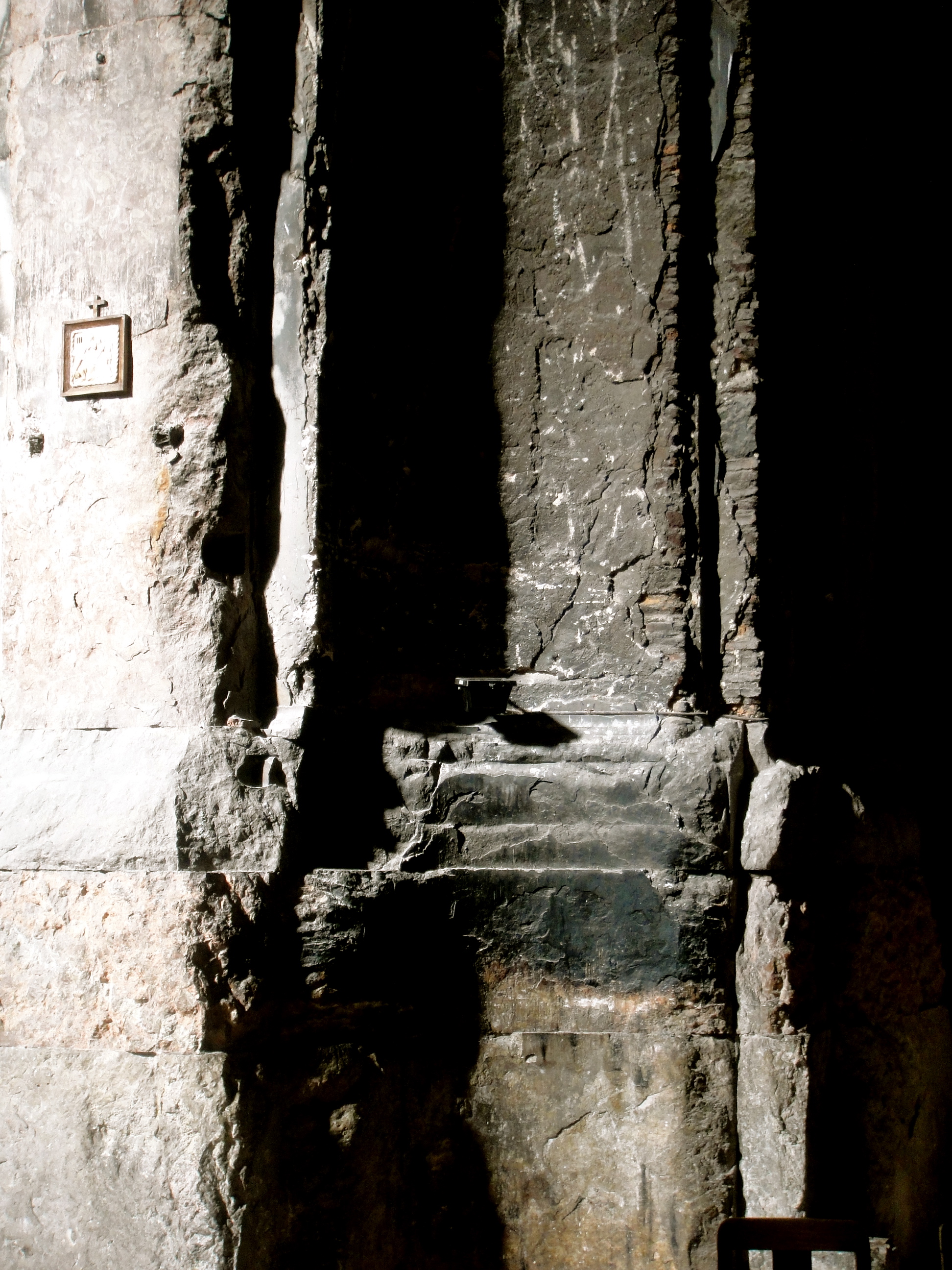
Unmentioned in my travel guide, and not at all obvious from the outside, the interior of this church made my heart miss a beat. Not because of the usual offerings of elaborate gilded beauty and over the top baroque decorations. Quite the opposite. Apparently (so I have learned subsequently), the church suffered a huge fire in 1954, with the result that its interior ornamentation, surface marbles, stone work – pretty much every embellishment was completely destroyed. Having never been renovated, but only the ceiling painted a terracotta orange, the church is utterly bare of all ornamentation, showing its raw and tender bruising and wounds with the dignity of a religious martyr; its statues now unrecognisable, its stone work covered in huge great cracks, holes and patches of damp and detritus. Where the sun streamed in through the southern windows and hit various aspects of the architectural damage, it looked like the church had been submerged for centuries under an ocean gloom, only recently recovered and showing the acid wounds of its salty submersion, or like the cobweb covered, partially decomposed wedding banquet of Dickens’ Miss Havisham. And this deeply inflicted damage was all the more obvious and painful because this church has not been left as ruins. Rather, as a fully used institution, the tidy pews and perfectly smooth ceiling mark a dramatic contrast to the wounds inflicted underneath. This was an unmissable experience, a moment of great epiphany and one which no visitor to Lisbon should miss.

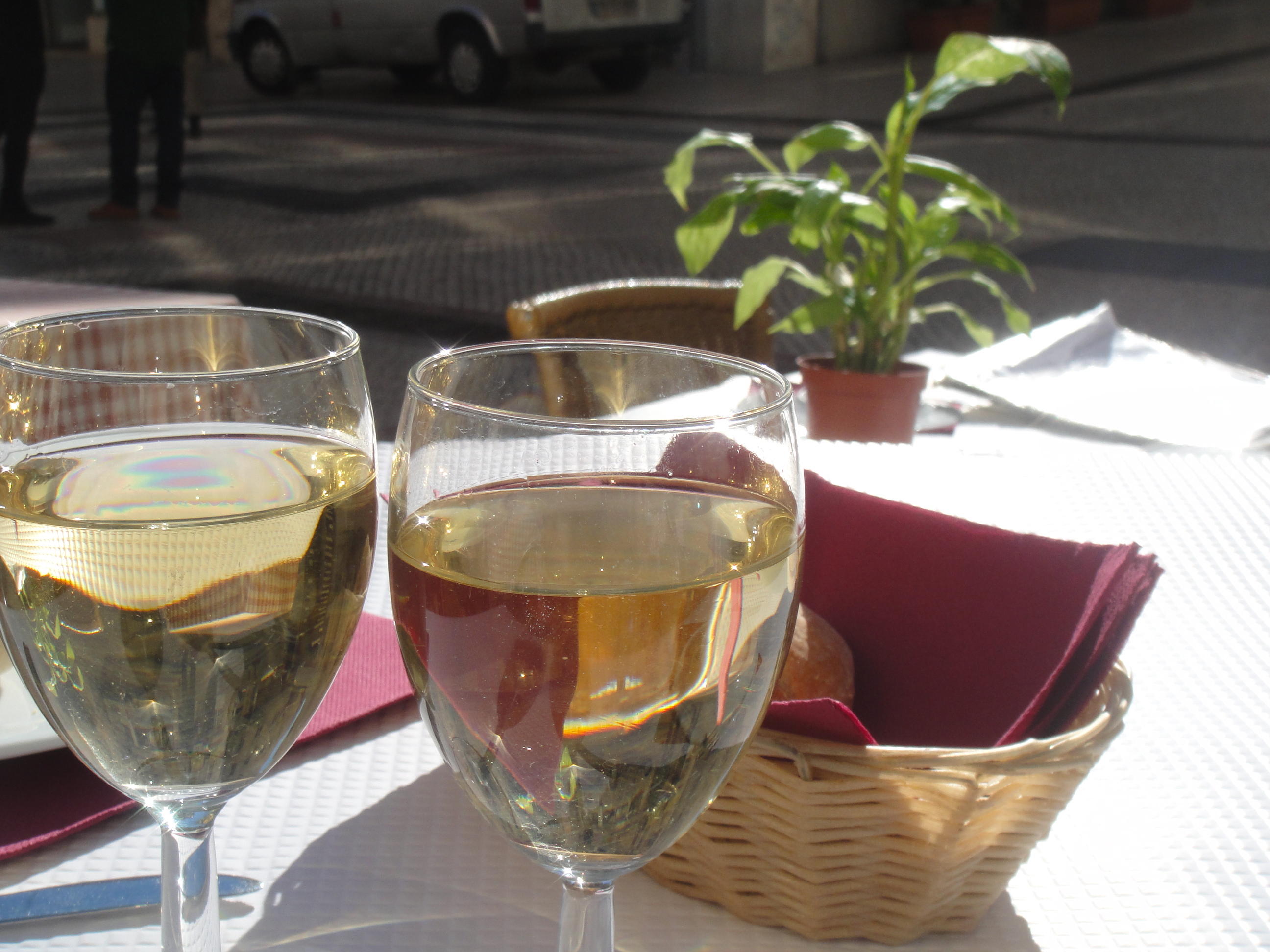
So the day was proceeding fast, and all that really remained for us to do was to sit back, in the glaring autumn sunshine, and enjoy a perfect plate of squid and octapus and a few glasses of ice cold white wine, whiling away the remaining hours before the inevitable return journey began. Time to reflect on a grand tour through a compact but multifaceted city, from castles to rivers, and art museums to stunning churches; time to appreciate the wonderful Lx Boutique Hotel, the great food consumed, and the fantastic restaurants found to recommend and maybe return to one day; time to enjoy the heat of summer once more, before the start of a long frosty winter back in London.

Like the fall of autumn leaves on a windy November day, the scenes from that sun-drenched lunchtime are now dissipating away, as I sit here, returned to London, back in the darkness of a winter’s evening. Distracted by the work I must return to, the practicalities of ironing, and washing, and making myself food, my connection with my holiday grows weaker by the minute, as the warmth of the sun is forever shrouded in the weak light of November, and our shiny red cockerel is the sole remaining proximity to the spirited Portugal of our holiday’s brief acquaintance. But with this blog, my separation is tempered, my ties with Lisbon reforming as I reconnect through cyberspace and share my experiences with you all. Day five is over, but my memories have only just begun.

Still to come: Lisbon – the food, and many more photos. See you then.

Photographs and content © Nicholas de Lacy-Brown and The Daily Norm, 2001-2012. Unauthorized use and/or duplication of the material, whether written work, photography or artwork, included within The Daily Norm without express and written permission from The Daily Norm’s author and/or owner is strictly prohibited. Excerpts and links may be used, provided that full and clear credit is given to Nicholas de Lacy-Brown and The Daily Norm with appropriate and specific direction to the original content.

Lisbon – Day Four: Alfama the Survivor

On 1 November 1755, the shape of Lisbon was changed forever. 20 churches collapsed, fires ravaged the city, a gigantic tsunami washed up on the shore causing widescale flooding, an estimated 15,000 Lisbon residents lost their lives and over half of the urban landscape was reduced to rubble. The cause was an earthquake so large that it is now recorded as one of the deadliest in history, an earthquake which was felt as far away as Italy but for poor Lisbon, the fabric of the city was literally raised to the ground.

The Alfama and the Castelo seen from below

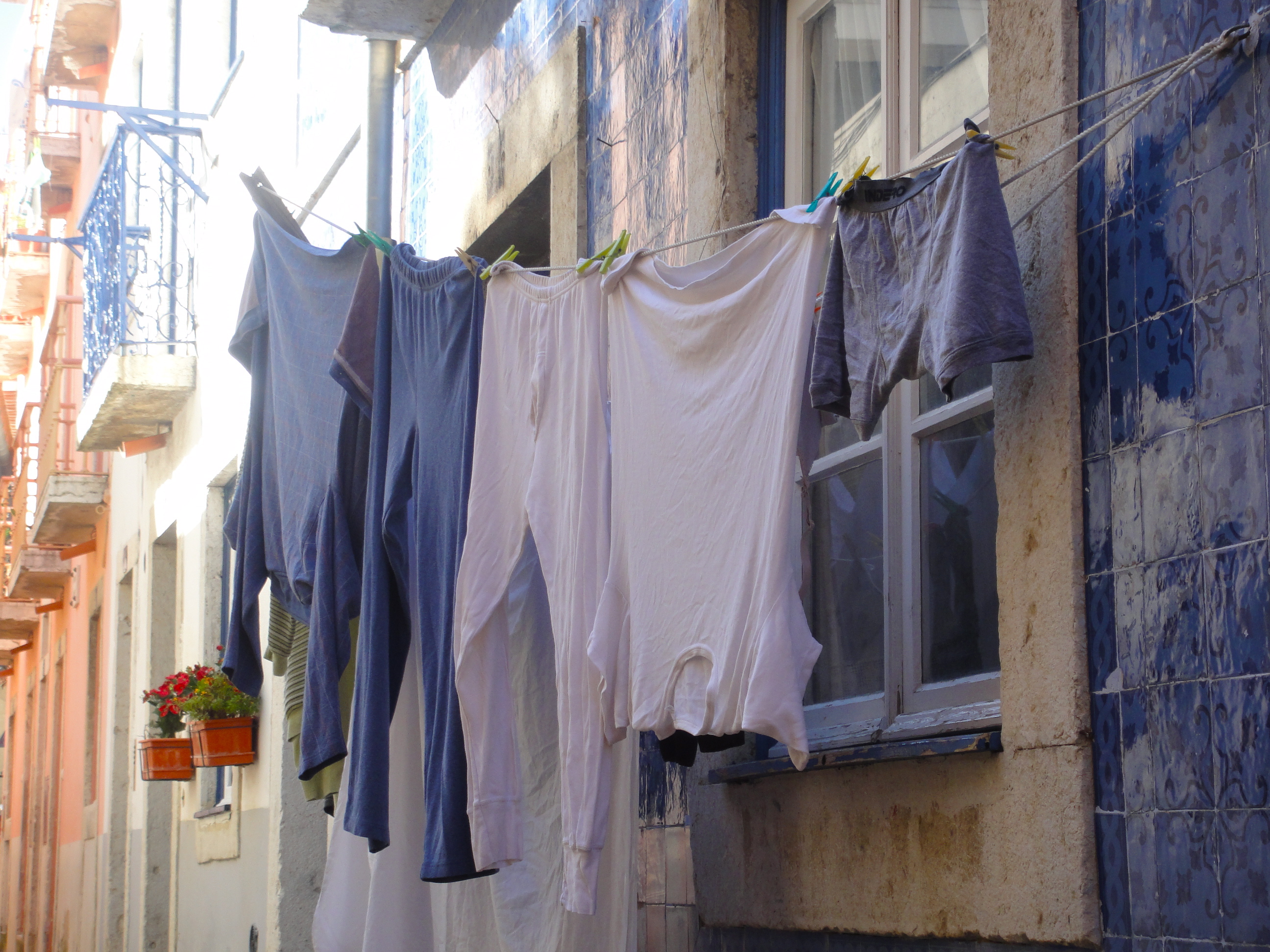
Recovering from that destruction, the city was rebuilt, and the large swathes of grid-patterned streets which fill the centre of the city today are the work of the Marquez de Pombal and the major reconstruction of the capital. However to the East of the city is one noticeable exception. Up on its hill, above the low lying centre, the area of Alfama missed much of the destruction. Many of the buildings survived and the flooding never got this far. What results is a true slice of Lisbon history, an area which, as the name suggests has Moorish origins from the city’s early beginnings, and whose twisty compact streets and steep stairways retain the Moorish layout and the medieval construction of what was once the whole of Lisbon up on its commanding hill. The Alfama is less grand, for sure, than the wide boulevards and piazzas below, but utterly idyllic in its picturesque imperfection, its windy wobbly streets, its cracking facades and cobbled paving, its coloured houses and chipped ceramics, its flower pots, laundry hung streets and plant-packed balconies. In the Alfama one felt the true heart of Lisbon, a little dilapidated treasure trove of pictorial and historical delight. And that was exactly where we headed today.

The Alfama was a joy to walk around. We had no itinerary, no predetermined destination, other than to gradually climb the winding streets upwards until reaching the Castelo de São Jorge, the castle which crowns the top of the hill. On our way we passed Sé, Lisbon’s principal Cathedral – an impressive castle-like structure from the outside, although rather gloomy on the inside; we saw the Casa dos Bicos, the conspicuous property with diamond-shaped stones adorning its facade; we marveled at the stunning views over the Eastern Tagus from the Miradouro da Graça; and we dropped into little antique shops, tiny stores crammed with ceramic cockerels, port and postcards and little chapels branded with ancient blue and white painted tiles.

Diamond-shaped stone facade of the Casa dos Bicos

The Cathedral Sé

The blue and white tiled facade of Santa Luzia

View from the Miradouro da Graça

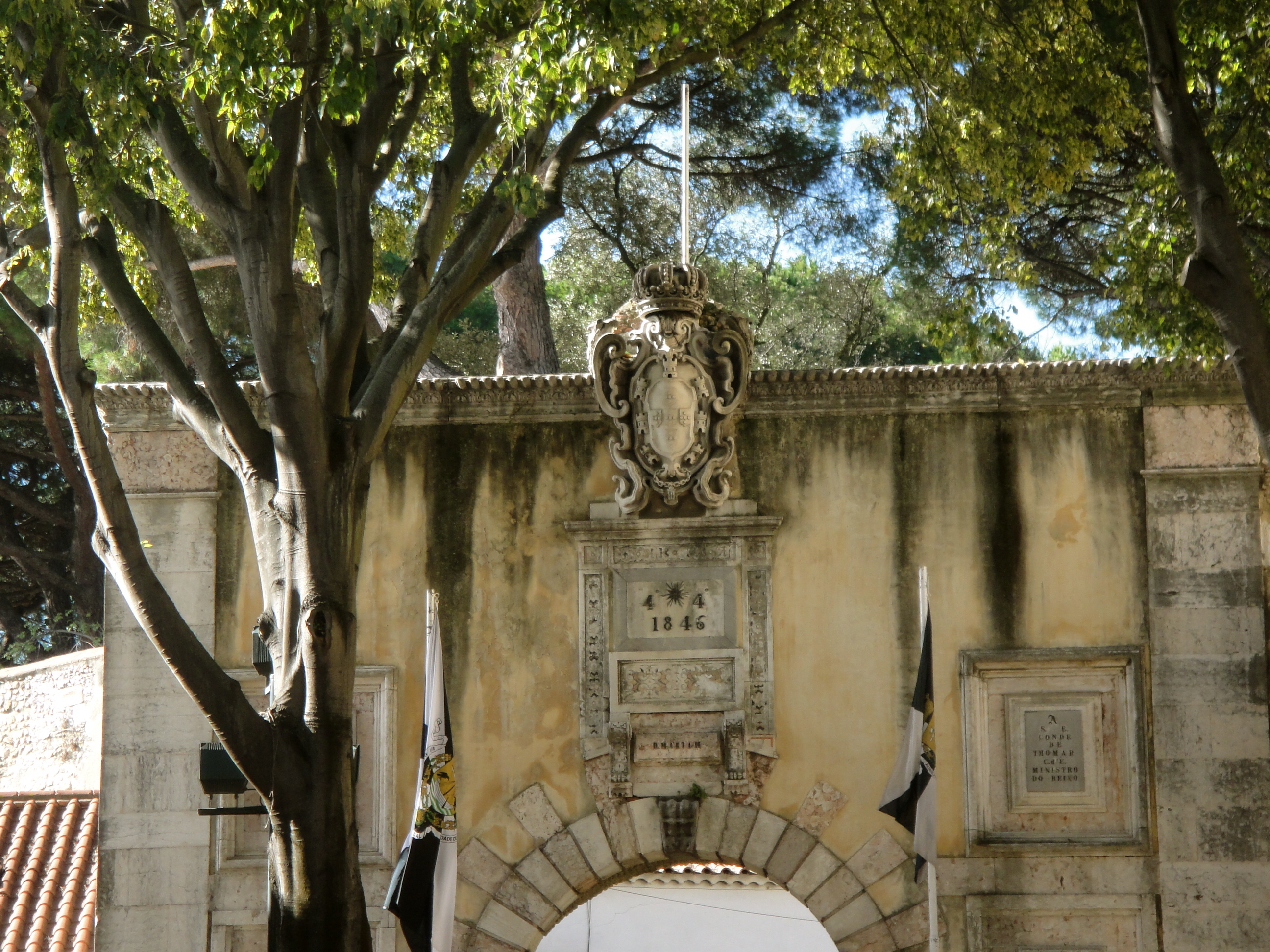
Eventually, as promised, we found our way to the Porta de São Jorge, the imposing castle gate which leads, not onto the main Castelo de São Jorge directly, but first into the ancient residential district of Santa Cruz, a tiny maze of little streets, strung with washing and adorned with pots and flowers, all of which is packed into the castle walls of this ancient citadel. We couldn’t resist exploring these streets, and although the labyrinthine quality meant that we managed to go round in circles on at least 3 occasions, we did manage to find an extremely charming little wine bar, Instinctus (Rua Santa Cruz do Castelo) where the equally charming owner treated us like guests in a family home, preparing traditional but beautifully presented, fresh and delicious bacalao (cod) and sardines, and recommending that all important Portuguese wine – a merlot grape grown in the south of the country. It rushed to our heads like a tidal wave of silken chocolate. It was delicious.

The Santa Cruz district may be small, but after lunch we managed to stumble into another cute cafe, where we indulged in the requisite coffee and a couple of pastel de natas. All this before we once again swayed along the cobbled streets and into the main complex of the castle.

The Castelo de São Jorge emanates directly from the Moorish era, captured in 1147 by the Christian King Afonso Henriquez who transformed the complex into the residence of the Portuguese Kings. The castle did not go completely unscathed in the 1755 earthquake, and many of the ramparts remained in ruins until 1938 when Salazar began a complete renovation. Rebuilding the “medieval” walls and adding gardens and the peacocks who wander around today, the result is a castle which looks both ruined and well-kept – it is an example, I think, of what they called “controlled-clutter”. Old wells, fallen pillars, large weathered stones and rusting old canons surrounded by a bounty of plant life, all set within grounds whose outer terrace boasts incredible views over central Lisbon, the Baixa, Bairro Alto and out towards Belém.

As the sun set over Lisbon and the skies gradually yellowed behind the silhouette of the 25 de Abril bridge, so too did our time in this great city start to draw to an end. Tomorrow we will leave, albeit after a further few hours of exploration. For now however it was time to leave the castle, whose ramparts were growing chilly in the increasing autumn winds and the fading peachy-hued sun, and attempt to make our way down the hill through the winding Moorish streets while we could still remember the way.

Back down in the Lx Boutique Hotel, we had a great dinner to prepare for – a tasting menu at the 100 Manieras, a restaurant whose exquisite cuisine deserves a post all of its own.

For now however…Boa-noite.

Photographs and content © Nicholas de Lacy-Brown and The Daily Norm, 2001-2012. Unauthorized use and/or duplication of the material, whether written work, photography or artwork, included within The Daily Norm without express and written permission from The Daily Norm’s author and/or owner is strictly prohibited. Excerpts and links may be used, provided that full and clear credit is given to Nicholas de Lacy-Brown and The Daily Norm with appropriate and specific direction to the original content.

Lisbon – Day Three: The Prince of Belém

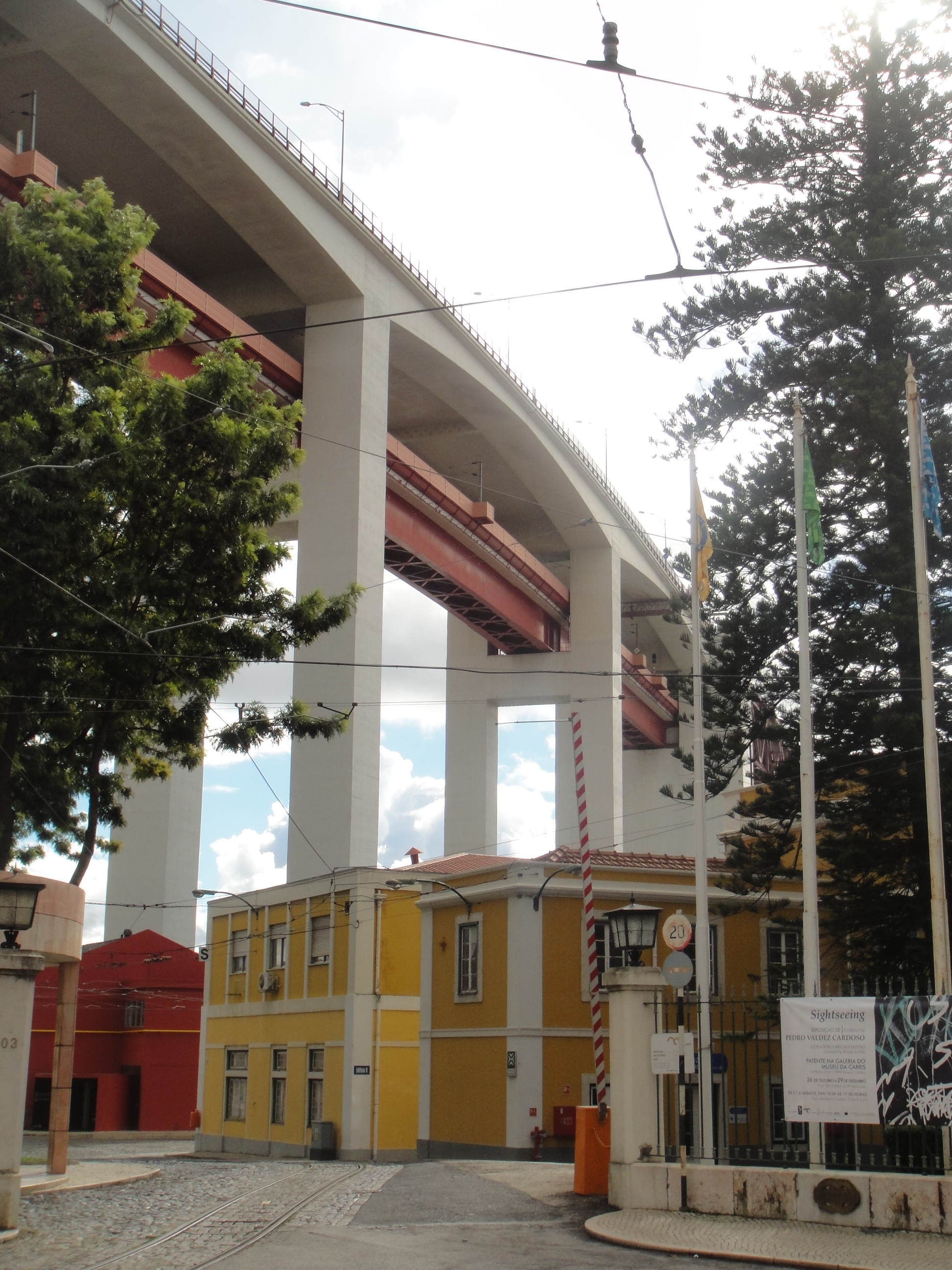
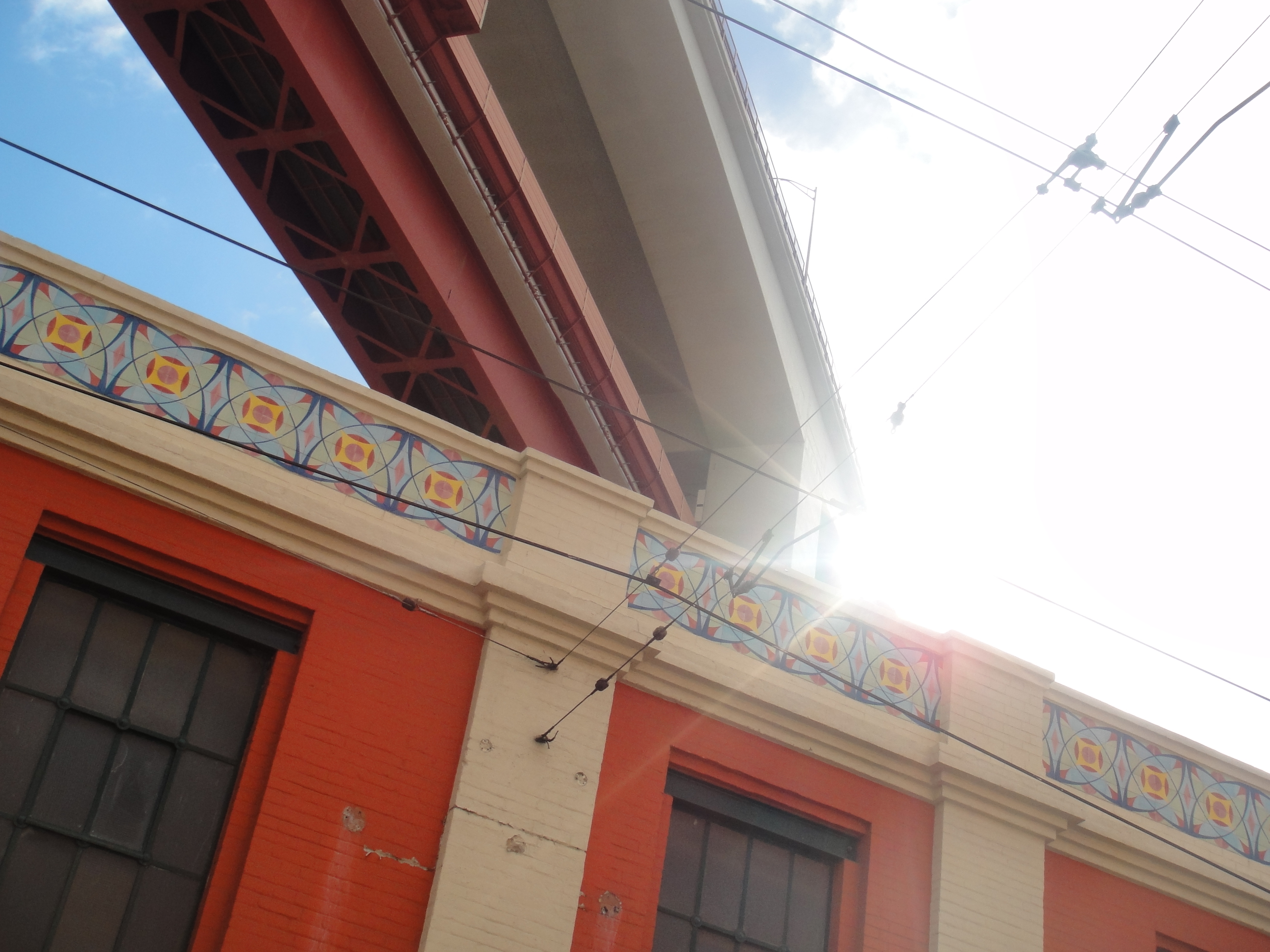
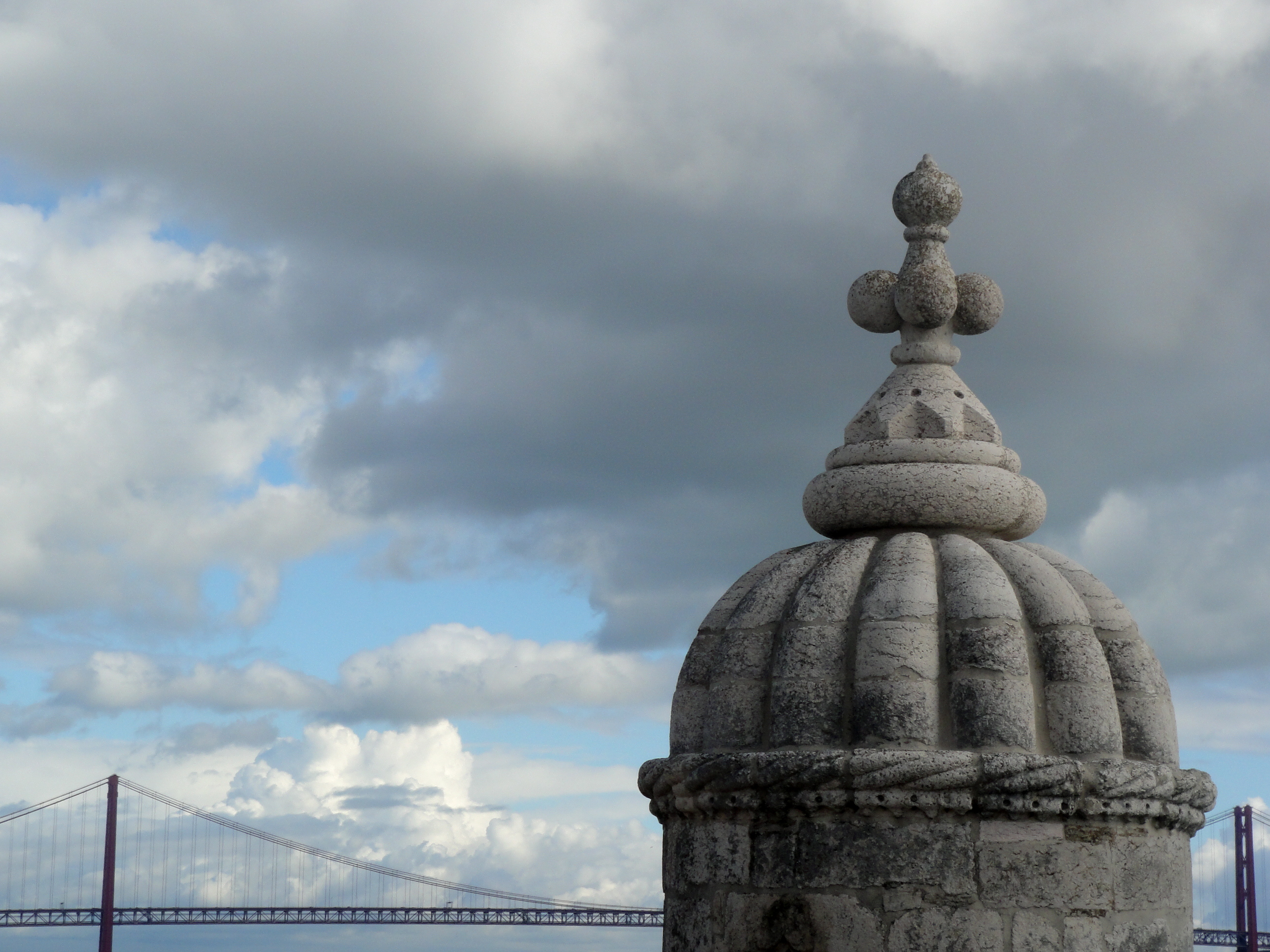
West of central Lisbon, in an area separated on the tourist map by a large swathe of un-chartered city (at least by the travel guides – presumably the neighbourhood is deemed unattractive to tourists) is the area of Belém. It’s quite a hassle to get to. You need to take a tram (or a taxi which actually, so we found, doesn’t cost all that much more) which, sadly, is not one of the rickety old pre-war types, but a modern sleeker affair (well I say sleek by way of comparison, but in fact most were covered with graffiti, their seats falling apart at the seams and the polythene sponge falling out). The tram journey we embarked upon was not altogether successful. The tram was rammed like the sardines for which Portugal is so famous, but the journey didn’t take us far. We got almost as far as the Ponte 25 de Abril before the tram stopped, without reason, and we were all unceremoniously ejected from the tram. Not knowing an alternative way to travel, and being literally shooed away by the driver of the equally packed tram behind, we set out on foot. This took us under the mightly Ponte 25 de Abril which literally towered above the streets of this Lisbon suburb. In fact it looked as though the various concrete plinths holding up the bridge were planted in people’s gardens, as the huge red metal form soared right above an entire residential district. It made for quite a paradoxical sight.

Having walked past the bridge, and with Belém still some distance away, we were lucky enough to coincide with the arrival of another, much emptier tram as it approached a bus stop. We were away. And we even got a seat, albeit no longer cushioned by the long disintegrated polythene padding that once sat upon it.

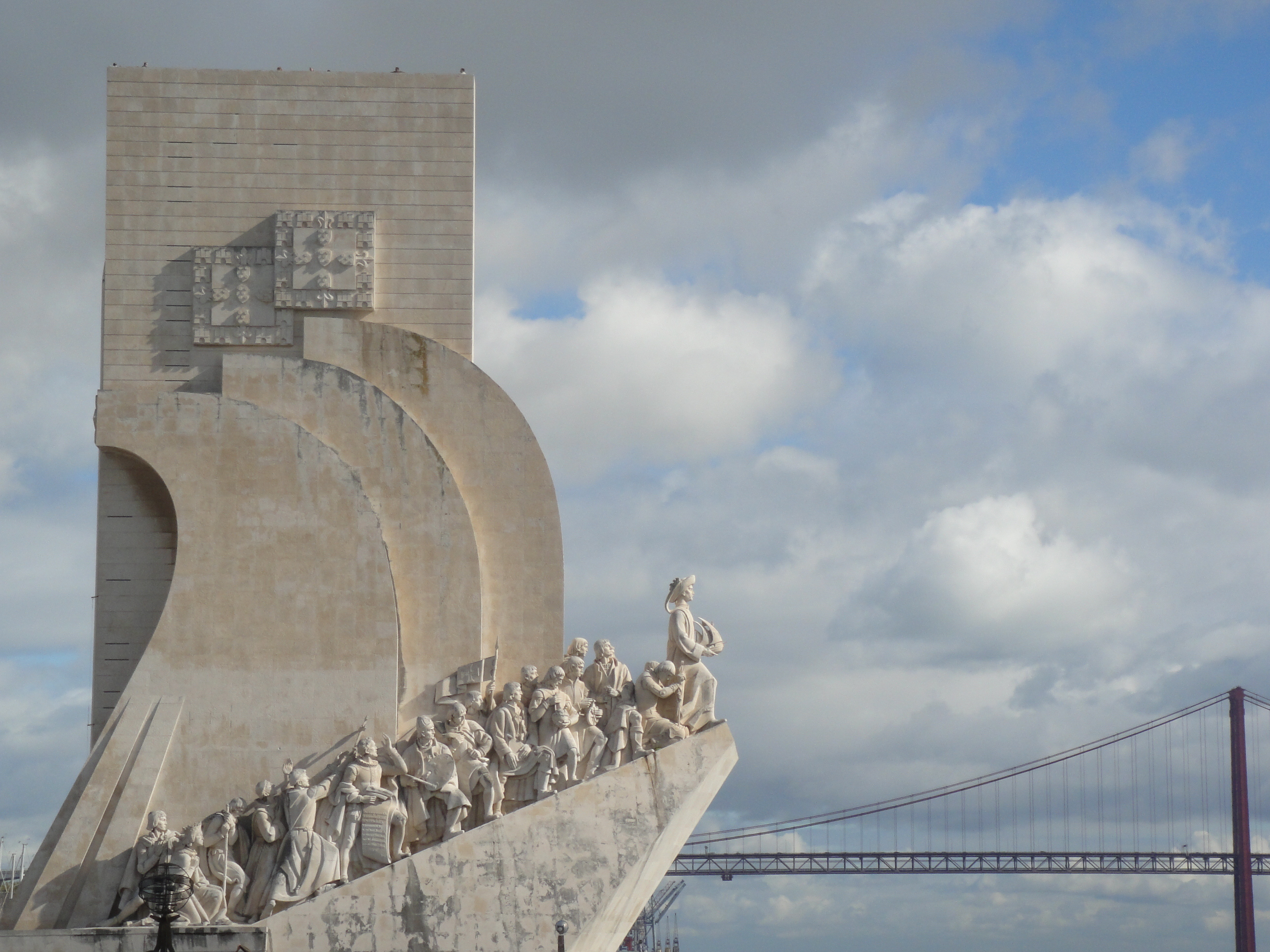
In no time we had arrived at Belém. Situated at the mouth of the River Tagus, where the river opens out into the vast Atlantic Ocean and the end of continental Europe, the region is inextricably linked with Portugal’s golden age of travel and discovery. As a result, the area has sprung up with a surprising wealth of monuments, churches and gardens despite its distance from central Lisbon, and is consequently a must of the tourist trail. Amongst those many monuments is the more contemporary and yet no less striking Monument to the Discoveries (Padrão dos Descobrimentos). Standing prominently on the Belém waterfront, the immense angular monument was built in the 1960s to mark the 500th anniversary of the death of Henry the Navigator and features likenesses of many of Portugal’s great Discoverers, including Vasco de Gama and Pedro Alvares Cabral (the discoverer of Brazil). Having been commissioned by the Salazar regime, it’s not surprising that it is quite blatantly arrogant in its prominence and unapologetic  historical propaganda, and it has something of a look of a communist monument about it. Still, there’s no denying its impact, nor the splendour of its location, overhanging the Tagus against a backdrop of the 25 de Abril bridge.

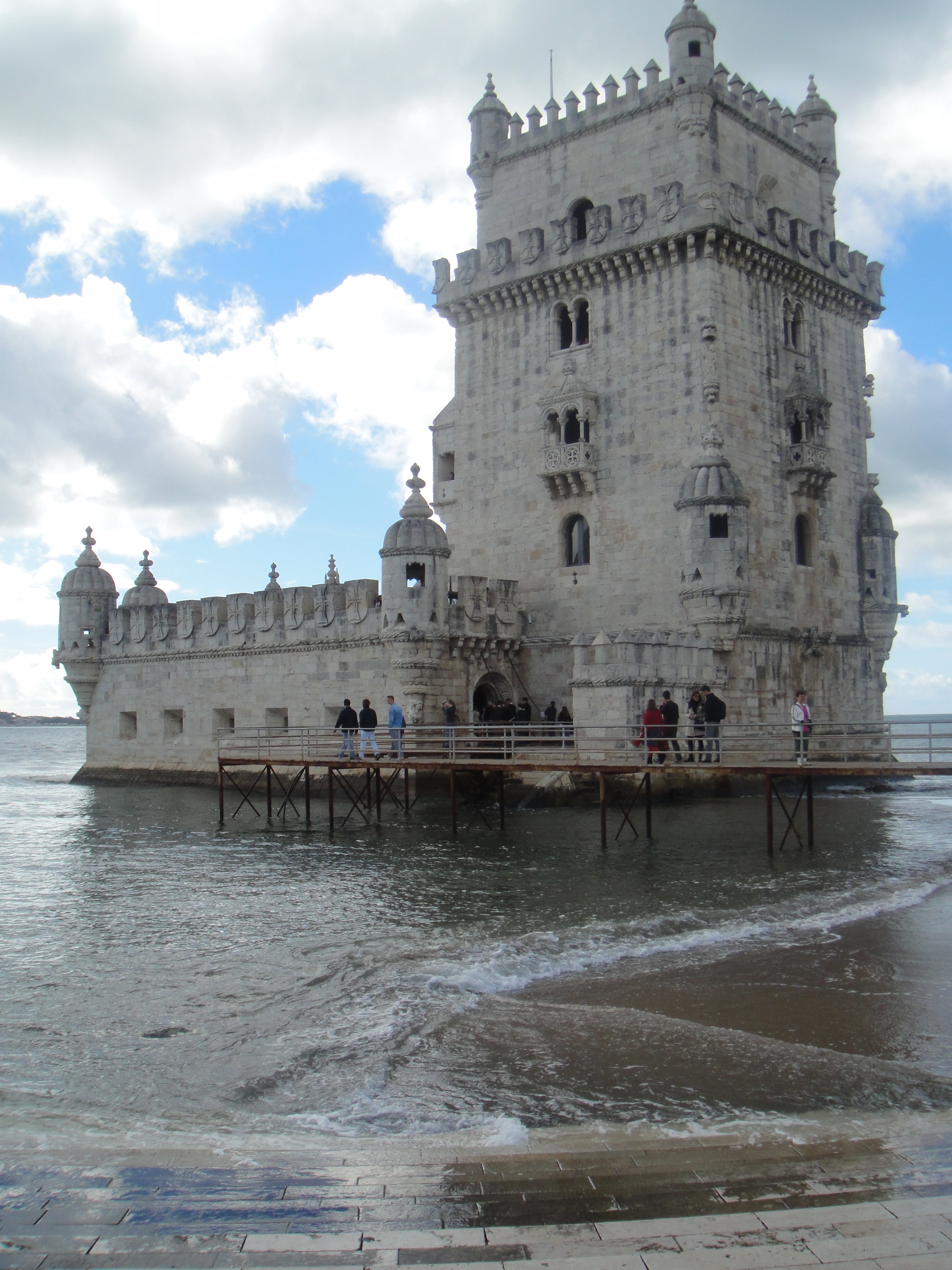
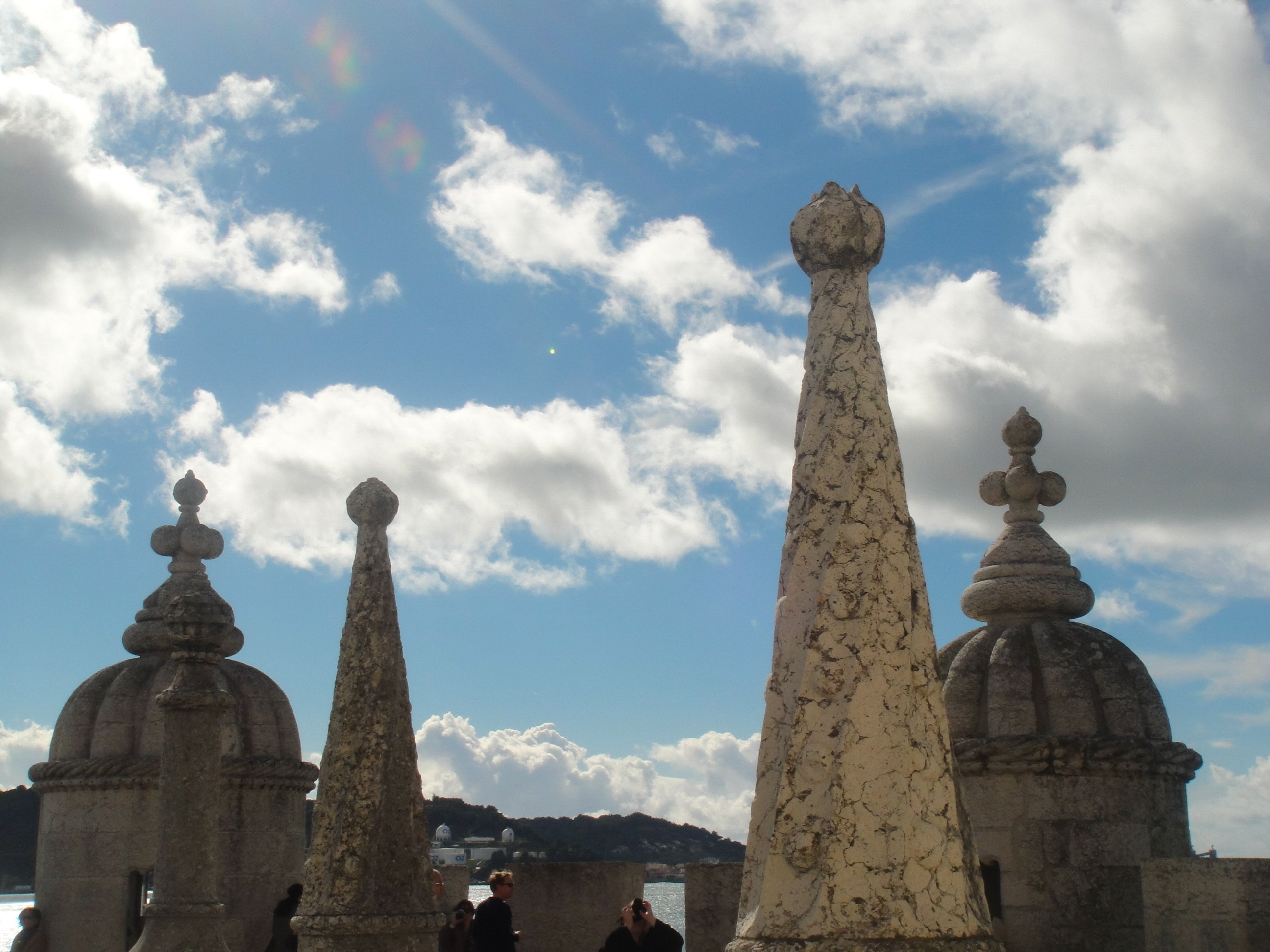
Bolstered by the good weather, and having gawped to our satisfaction at the Discoveries monument, we headed on a pleasant river-side stroll, stopping off at an Ibiza-esk all white chic waterfront bar for a requisite morning coffee and a touch of sun-inspired abandon. Next on the agenda though was the Torre de Belém, a little fortress emerging straight out of the sandy beach like a child’s sandcastle, but with all of the strength of the war machine and guardian of the city which was its design and purpose. For a fortress, the tower was surprisingly elegant in its intricate stone work and heavily adorned terrace, whose balustrades and battlements were of such varying shapes and sizes that they reminded me of the chimneyed rooftop of Gaudi’s Casa Mila in Barcelona.

Up a very steep and very narrow winding staircase, with regular stops as tourists attempted to squeeze past each other with unfortunate proximity (there was sadly no one-way system – these castles weren’t built for tourists, after all) we eventually made it to the top terrace. Ahh, up there with the sun on my face and the brisk ocean wind ruffling my hair, with a view across the Atlantic, sweeping down towards central Lisbon and the vibrant red suspension bridge beyond, I felt like the Prince of Belém, guardian of the city, King of the Castle.

But of course all dreams must come to an end. I was, after all, being butted in the back by the large cameras of the bustle of overzealous tourists nearby, each one leaning over the battlements attempting to capture the best view of Lisbon and the Monument of Discoveries in the foreground. Time to leave, and back along the river, where a luncheon at Portugalia, a traditional affair, ensued, but with a picture perfect view of the Monument and a face full of sun. One can’t moan.

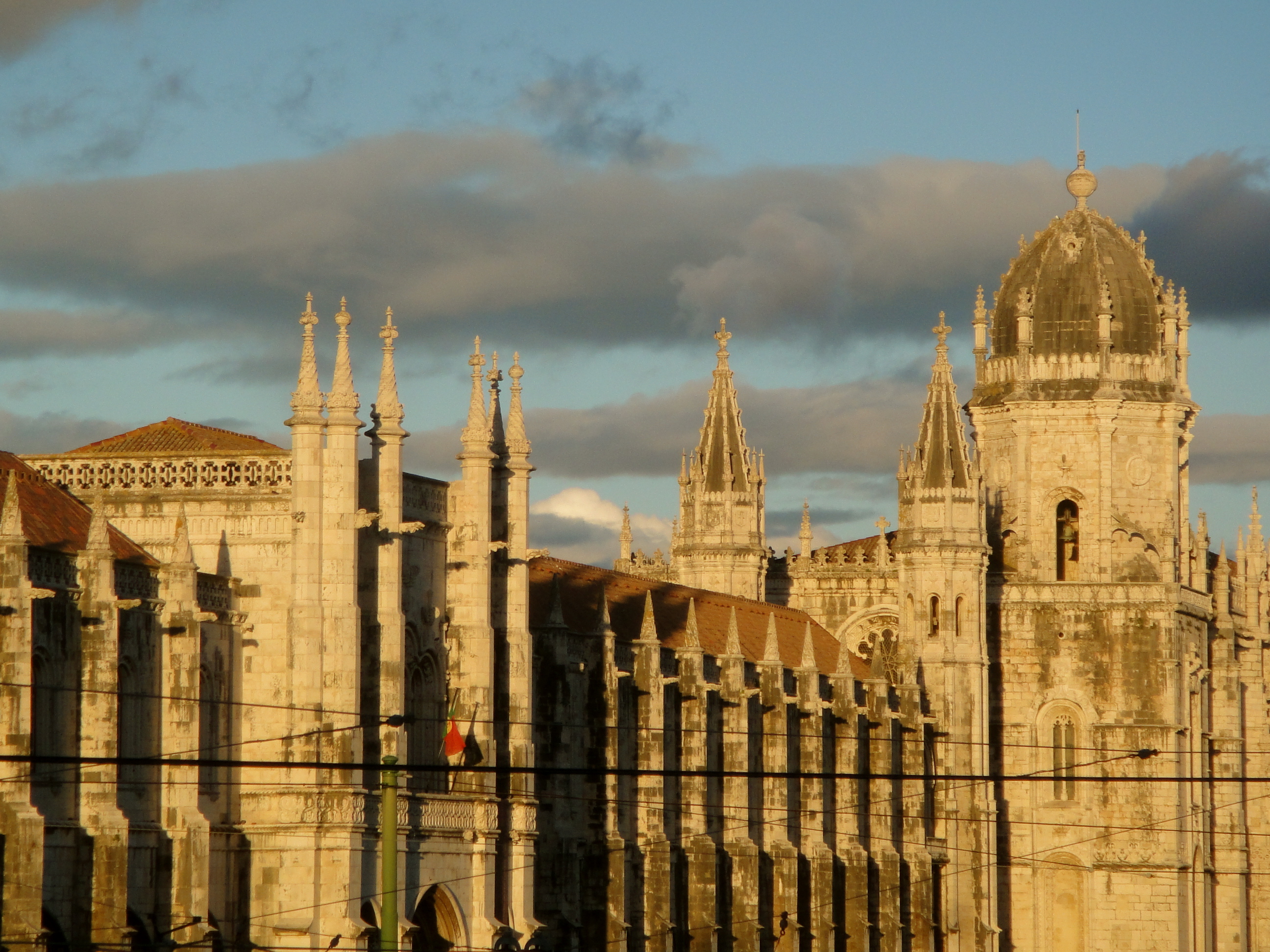
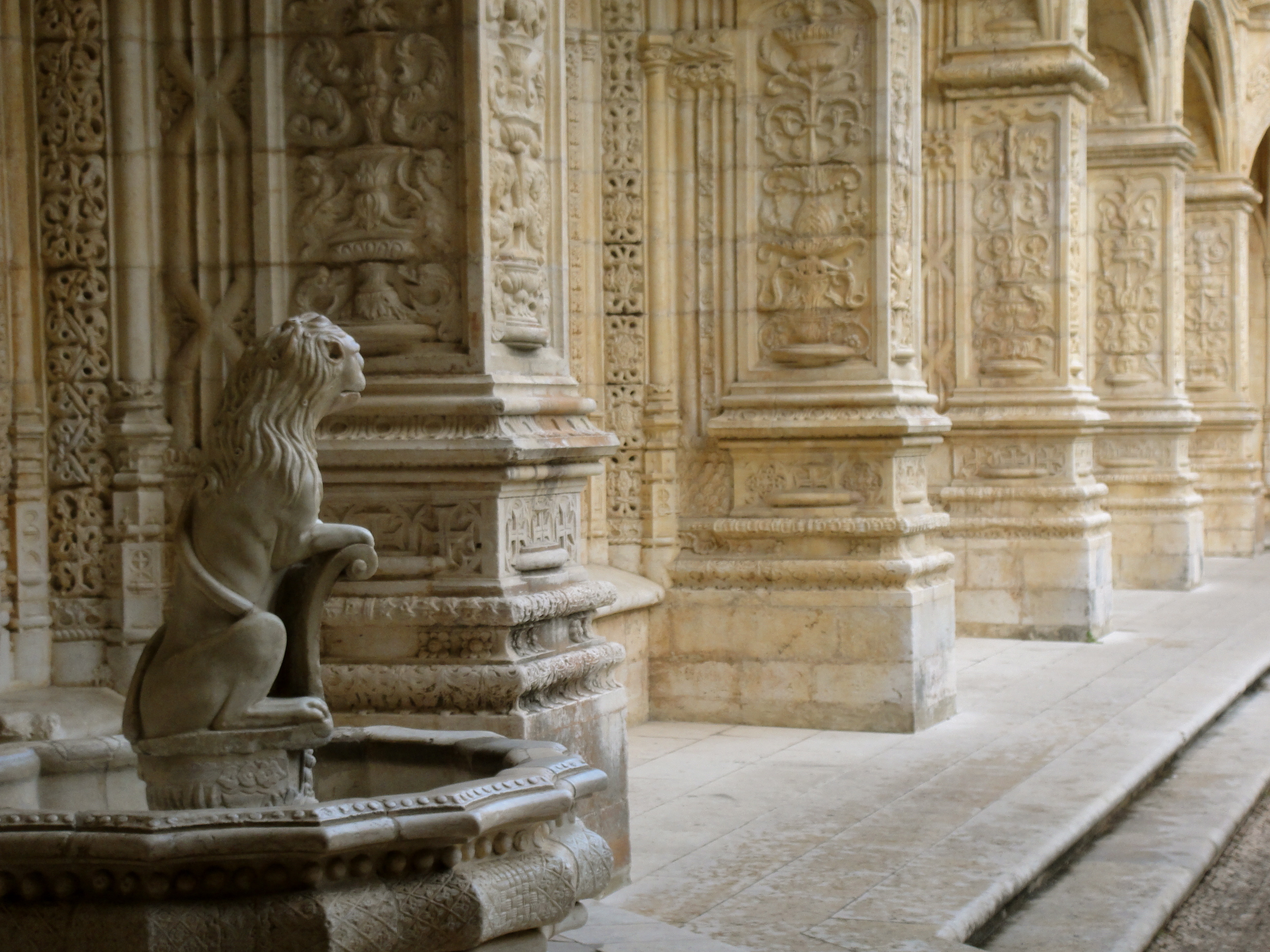
Belém is like a tourist paradise. There’s so much to see and do, and with light fading fast, we did not repose unduly. For the soaring towers and the elaborately crafted Mosterio dos Jerónimos awaited, a vast monastery complex which also benefited from the riches brought back to Portugal during the Age of Discovery, and rather appropriately hosting the burial place of one of the greatest discoverers of them all, Vasco de Gama. The Nave and the Portal of the large adjoining church were undoubtedly stunning, but my favourite area was the sun-soaked tranquility of the stone-wrought cloisters, engraved with a multitude of carved creatures and plants, geometric patterns and soaring gothic arches. Also there was the cute little lion-shaped fountain (dried up, like many of Lisbon’s water features), heraldic animal of St Jerome.

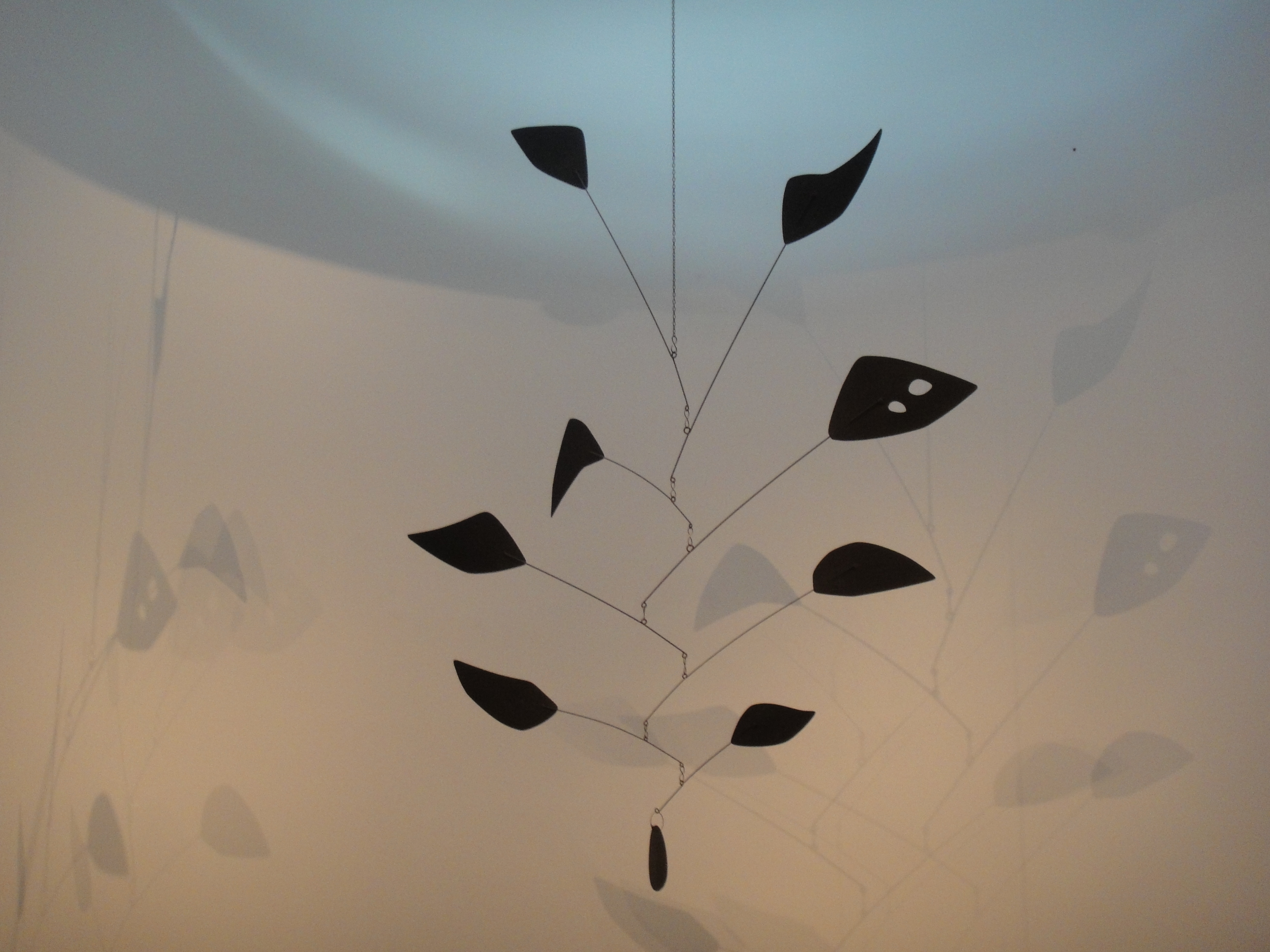
Almost ready to drop, but with one place more to go. The Museu Colecção Berardo Arte Moderna e Contemporânea is another cruicial stop on Lisbon’s art trail, an impressive collection of art from the business mogul and collector José Manuel Rodrigues Berardo which boasts some 1000 works and provides a rich compendium of a century of modern and contemporary art including Picasso, Dali, Warhol, Francis Bacon, Henry Moore, Jeff Koons and, to my great pleasure, a huge swinging mobile by Calder. The gallery could easily compete with the almost unconquerable Tate Modern, not least because in guiding visitors through a chronologically curated ordering of modern art, it presented all visitors with a visually interactive education of the multifaceted changes which rocked the world of contemporary aesthetics.

Henry Moore

The Museum of Modern Art

Calder Mobile

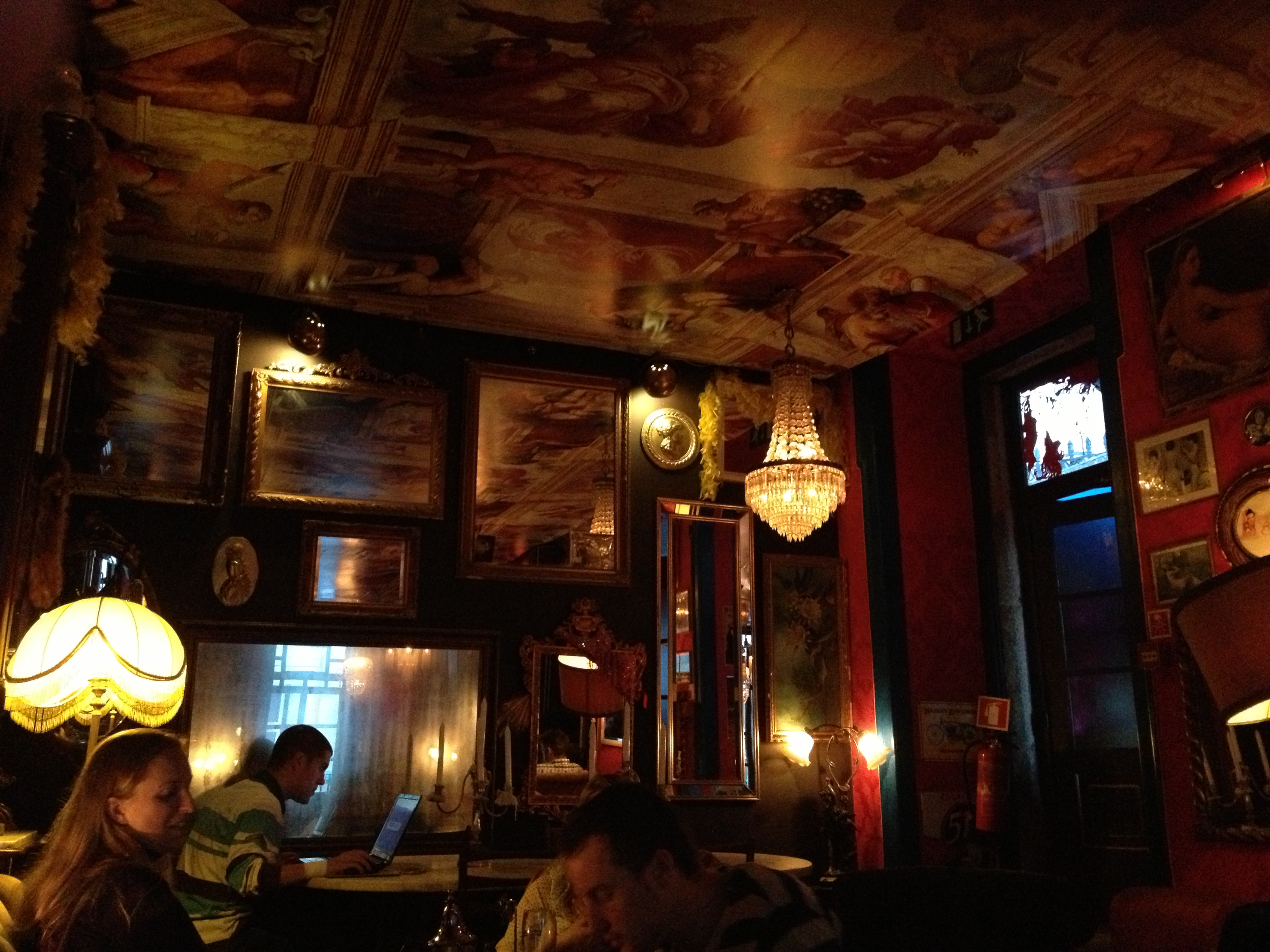
Quite exhausted, we were in no mood for the tram. Leaving a sunset-softened Monument of Discoveries behind us, we rushed off along the riverfront in a taxi which cost us only 20 centimos more than the tram, and refreshed by the comparative convenience of the journey were much buoyed to find opposite our hotel a bar of utterly indulgent romantic boudoir-resembling beauty. Draped with lavish scarlet damask wallpaper, and crammed full with gilt-framed mirrors, chandeliers and art nouveau lighting of every size and variety, statuettes, an amplitude of armchairs, flickering candles and all species of paraphernalia straight out of the Versailles court,  this bar (appropriate called the Pensão Amorlooked more like a Moulin Rouge brothel, but was so excessively indulgent that as I sat there drinking tea, and then (inevitably) port, I began to redesign my entire hallway in my head to emulate it.

The lavish darkness of the Love Pensão

Can things get any better than this? Well they did at dinner – a feast fit for the Prince of Belém himself, in the restaurant of celebrity chef Henrique Sa Pessoa – AlmaBut let me lavish praise no further – that exquisite dinner needs a post all of its own. Until then… Let Lisbon sleep, and our feet recover in time for Day 4 of our own age of discoveries.

Photographs and content © Nicholas de Lacy-Brown and The Daily Norm, 2001-2012. Unauthorized use and/or duplication of the material, whether written work, photography or artwork, included within The Daily Norm without express and written permission from The Daily Norm’s author and/or owner is strictly prohibited. Excerpts and links may be used, provided that full and clear credit is given to Nicholas de Lacy-Brown and The Daily Norm with appropriate and specific direction to the original content.

Lisbon – Day Two: The Ages of the Sea

The super-soft bedding of the Lx Boutique Hotel made getting up difficult, even though one 90 degree tilt upwards would reveal a picture-postcard view across the city of Lisbon, over the Tagus towards the San-Francisco inspired scarlet-red suspension bridge, the Ponte 25 de Abril and the Rio inspired giant statute of Jesus puncturing the landscape beyond. Having made the leap of faith and breathed in the yellow-hued light of this bright new city, energy levels were replenished by a nourishing breakfast, back in the Japanese restaurant of the night before (which happens to double up as the hotel’s breakfast room) but (perhaps mercifully?) was not Japanese-themed for the morning shift. Rather a few pastries (but a decided lack of the Portuguese speciality pastel de nata) later and we were on our feet, making the climb up the steeply undulating streets of the Bairro Alto (high quarter), the cobbled and bustling shopping district atop one of Lisbon’s two central hills.

Cristo-Rei, seen from our room

And once the mist has cleared

The Lisbon of the morning is a different place to the Lisbon of night. By day, the city gains a vibrancy all of its own, as rickety old pre-war yellow and red trams rumble along the endless grid of tram lines crisscrossing the cobbled streets, making that characteristic metallic screech at every bend and corner, locals hang out at little cafe kiosks catching up on the often miserable news, shop keepers linger out on the pavement trying to drum up trade (which, they tell us, is limited) and workers and visitors alike bustle about with energy, but not stress.

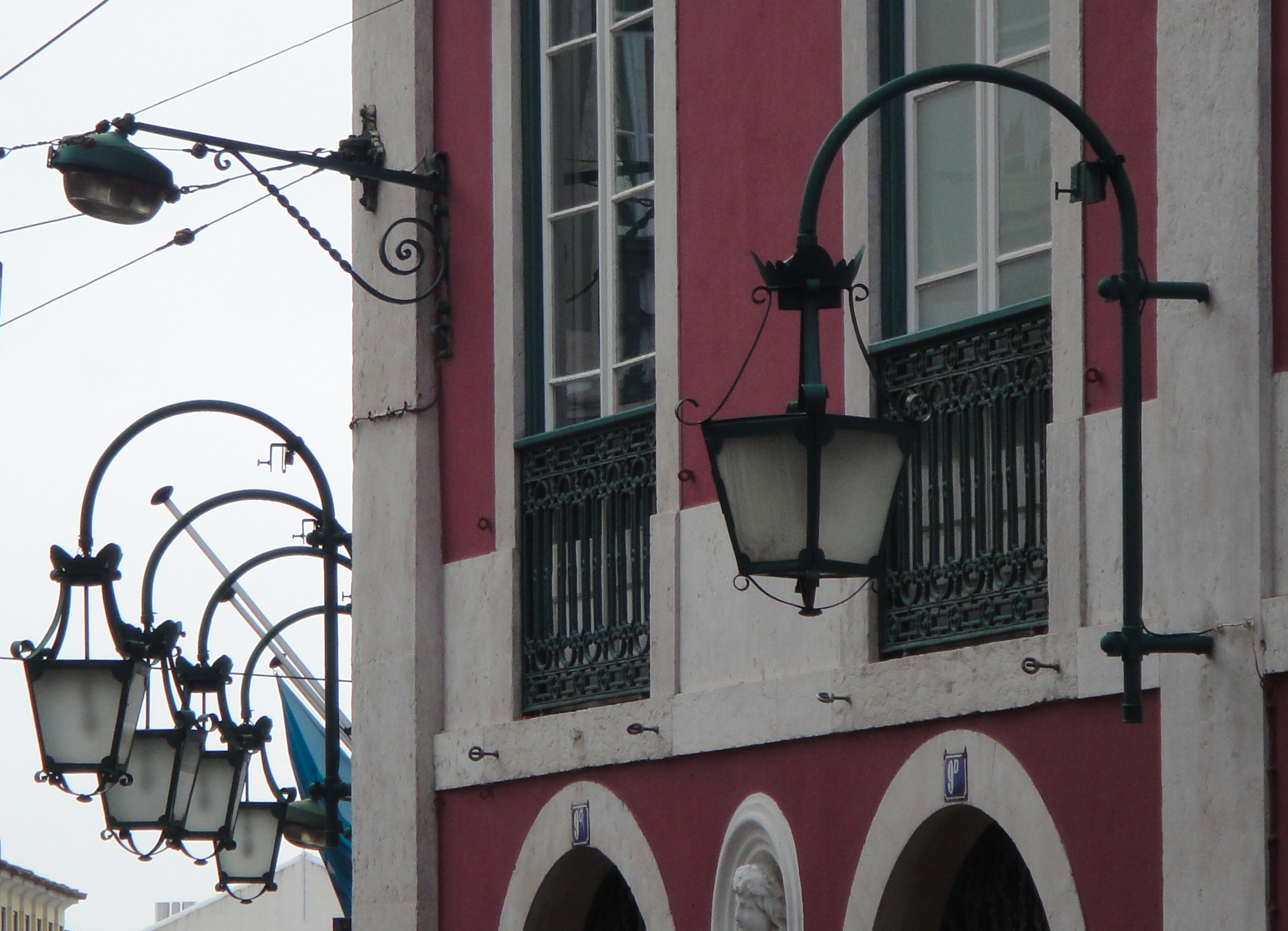
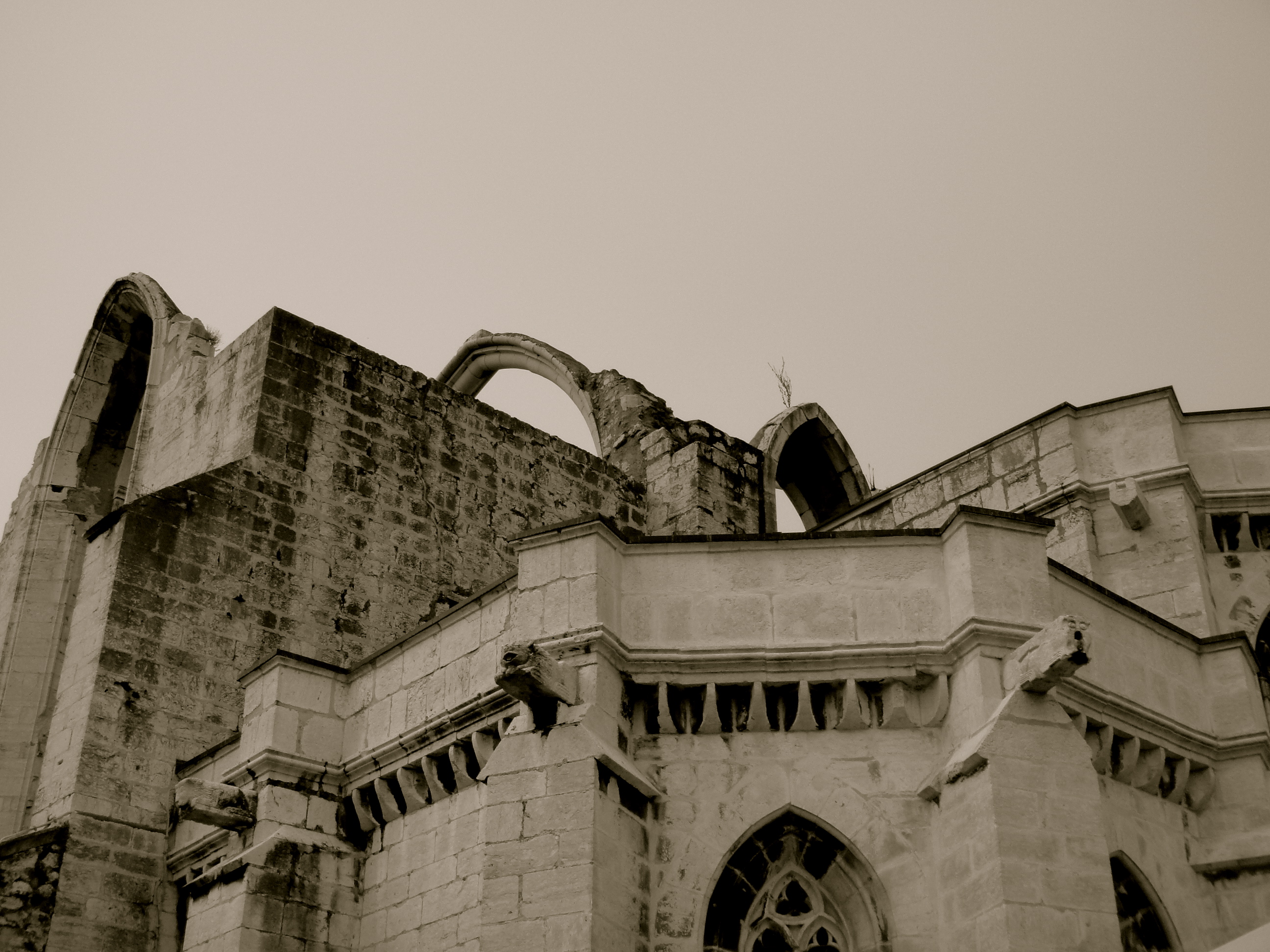
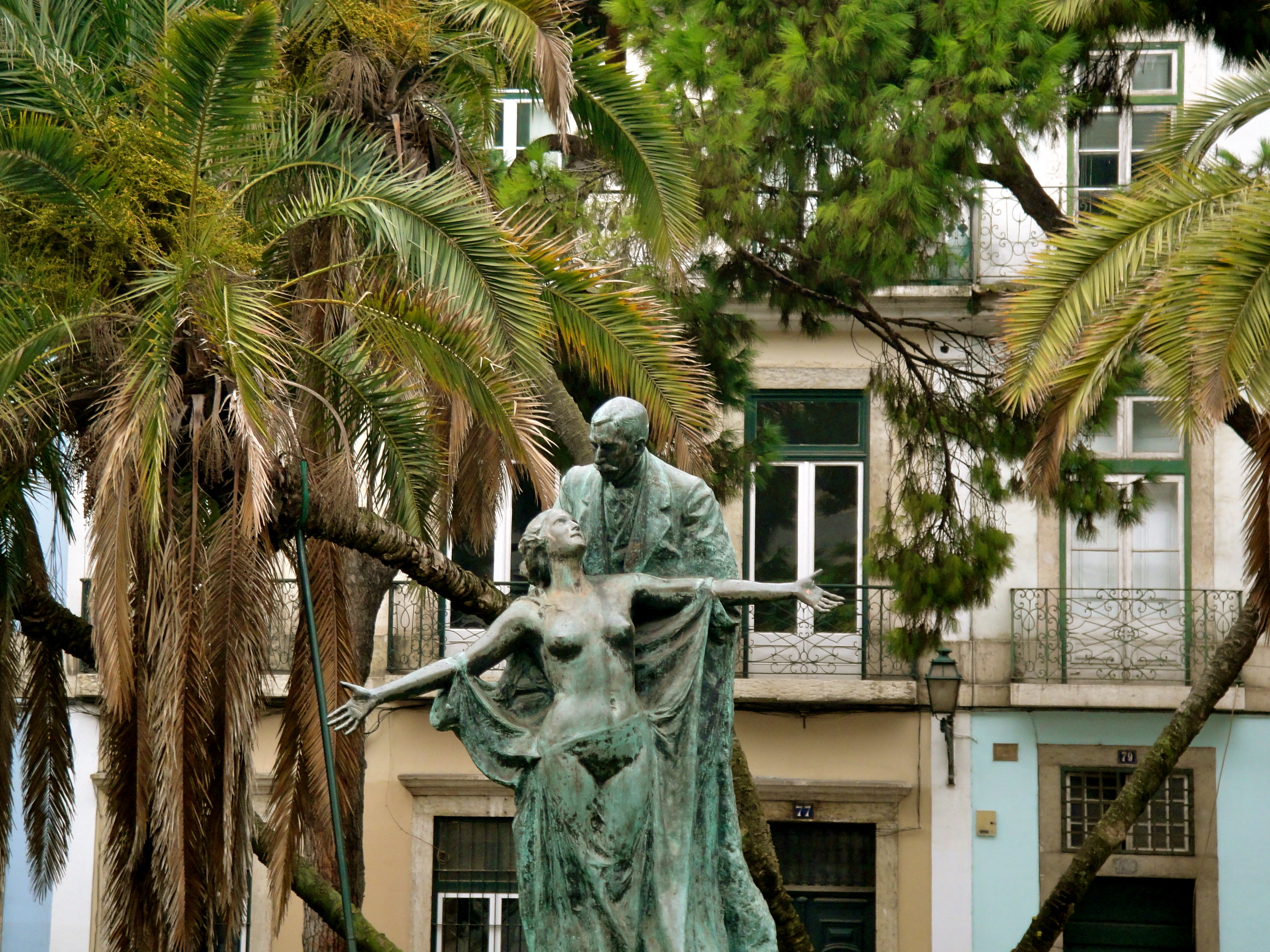
We joined that popular bustle, heading around the Bairro and taking in the very juxtaposed landscape, from the bright red walls of the Teatro da Trindade and the intricately pained tiled facades of many a house and shopfront, to the decadent art deco exterior of the Tavares restaurant and the eery skeletal arches of the Igreja do Carmo, once a Carmelite church and one of the largest in Lisbon, but now, as a half collapsed shell, a poignant reminder of the earthquake which destroyed so much of the city in 1755. Delicate details were all around these streets for the drinking – I loved the statue of Eça de Quieros by Teixeira Lopes, showing a novelist inspired by a scantily veiled muse, and the street lamps whose ironwork features the ship which is today the emblem of Lisbon, a boat which, so legend dictates, carried the remains of the martyred St Vincent safely to Lisbon protected by ravens.

Pastel de nata

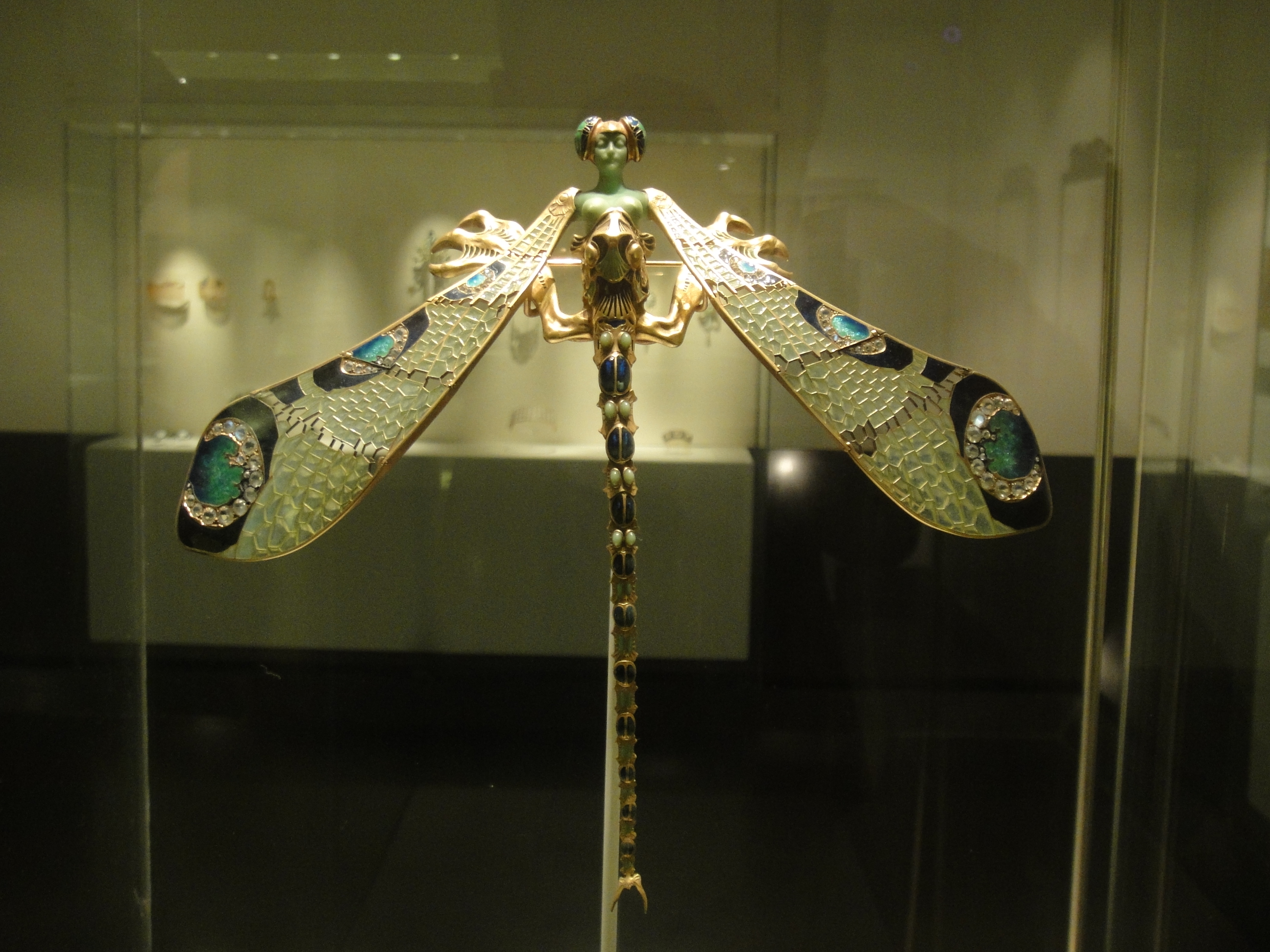
While the Bairro Alto could no doubt have amused us all day, our central aim was dedicated to art. North of the city, close to the  sprawling Parque Eduardo VII is the Museu Calouste Gulbenkian, which houses the vast art collection of Armenian oil magnate, Calouste Gulbenkian and which was bequeathed to the city by the multi-millionaire in the 1960s. The museum comprises a surprisingly rich collection, boasting Picasso, Manet, Turner, Gainsborough and Constable amongst its prized exhibited artists, and including a truly beautiful collection of Lalique glassware by the art nouveau genius René Lalique. This hat pin (below) depicting a dragon fly morphed into the elegant female figure of the belle époque was just stunning. Meanwhile, for the more modern works including Robert Delaunay and José de Almada Negreiros, you only have to head across a very tranquil park to explore this extension of the same collection, all housed within a super-cool iconically 60s designed gallery which also provides visitors with a welcome retro little cafe and those famous pastel de nata which must feature on every self-respecting Portuguese menu.

Lalique’s jewellery

But for a museum which just keeps on giving, the real highlight from the Gulbenkian foundation, for me, was the temporary exhibition, The Ages of the Sea, which runs from 26 October 2012-27 January 2013. Containing some 109 paintings brought together from across the world, the show, which is supported by the Musée d’Orsay in Paris, is based on an historical survey of the visual representation of the Sea and seeks to identify the major themes which led to its extensive and recurrent depiction in Western Painting. Across themes split into six sections – myths, power, labour, shipwrecks, the ephemeral and the quest for infinity, the collection was not short of big names, including Van Goyen, Lorrain, Turner, Constable, Friedrich, Courbet, Boudin, Manet, Monet, Signac, Fattori, Sorolla, Klee, De Chirico, Hopper. The result was an exhibition which literally exuded the salty-sweet freshness of the sea, the bright feeling of freedom when one stands on the edge of a vast sunny coastline, the feeling of trepidation when met with an ocean stirred up by the forces of weather, wind and rain, and the feeling of awe when the land ends and only a vast watery mass spreads from the beach to the very edges of the horizon. Walking around the exhibit was like looking through a hundred windows on the coast from all over the world. It was like taking a hundred holidays all at once, a hundred walks along a beachside promenade, a hundred embraces of the ocean’s advances.

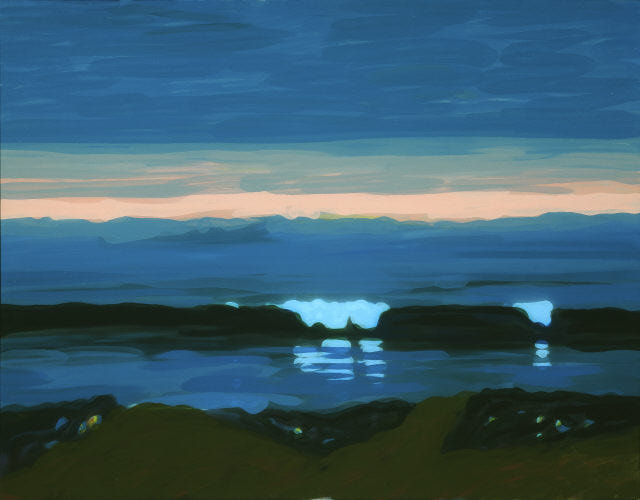
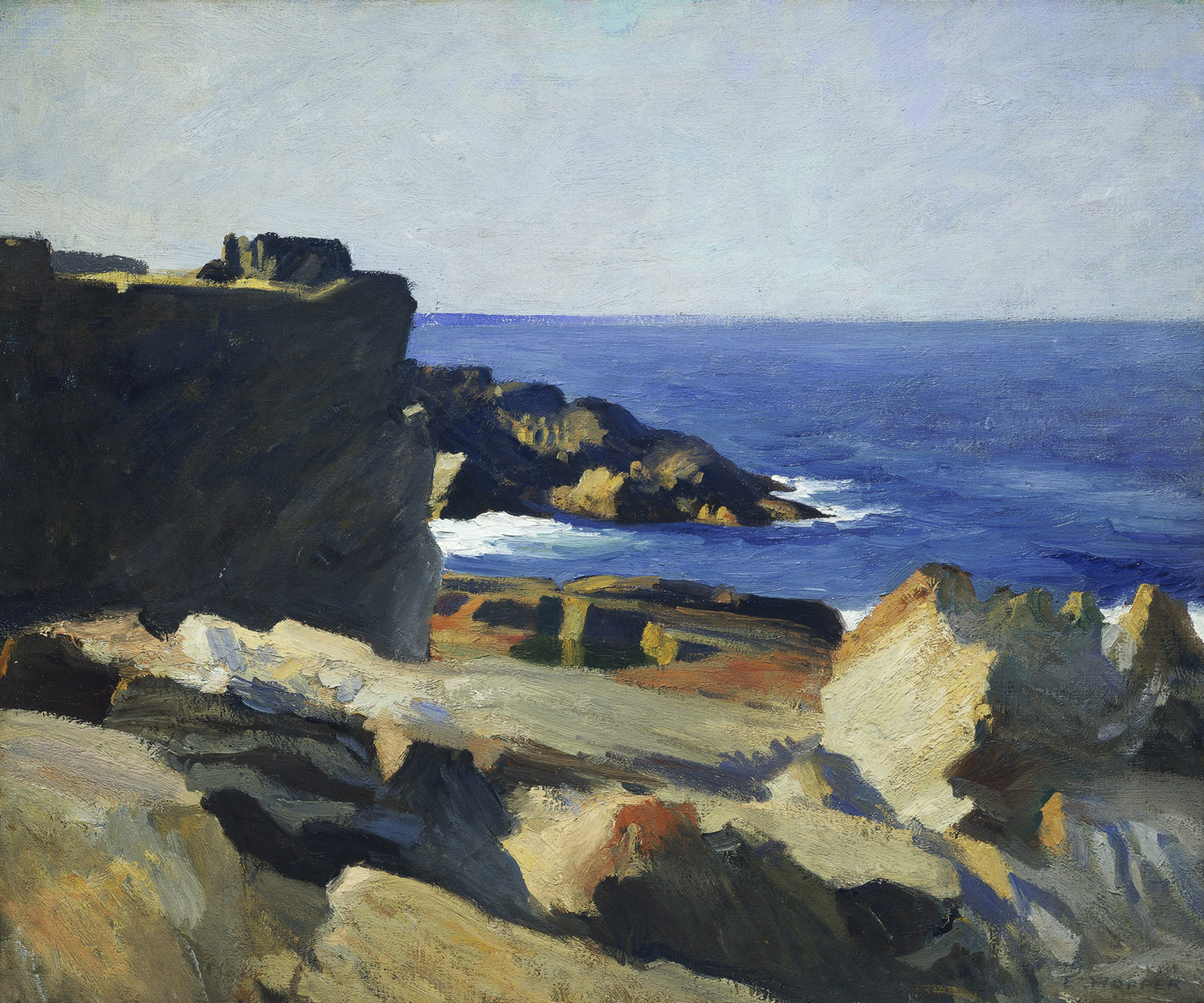
Of the many masterpieces on show, it was the fresher, more modern works which caught my eye. In particular I adored Luís Noronha da Costa’s From Subnaturalism to Supernaturalism, which in close up was such a simple work – one layer of semi-transparent paint over another – but stepping away revealed a peaceful seascape at sunset; I loved too Amadeo de Souza-Cardoso’s  The Sloop, an unusual take on a ship wreck in a stormy sea; and I was captivated by the unusual coastal scene painted by Edward Hopper, better known for being the painter of introspective loners in cafes.

Luís Noronha da Costa, From Subnaturalism to Supernaturalism (Cold Painting), 1988

Amadeo de Souza-Cardoso, The Sloop, 1914

Edward Hopper, Square Rock, 1914

But perhaps the greatest picture of them all was the real landscape of Lisbon with which we ended our day. Heading back down to the centre, through the impressive expanse of the Praça dos Restauradores (albeit littered as it is with drug sellers who approached us 8 times) and up the steep slope of the Calçada da Gloria (up which a popular tourist tram climbs slowly at fairly regular intervals) we were greeted with the greatest of all rewards for our exhausting trek up hill – in the Miradouro de Sao Pedro de Alcantara, we found a little fountained square which presented such a stunning vista across the Baixa and over to the Castelo de Sao Jorge that it was worth a thousand paintings.

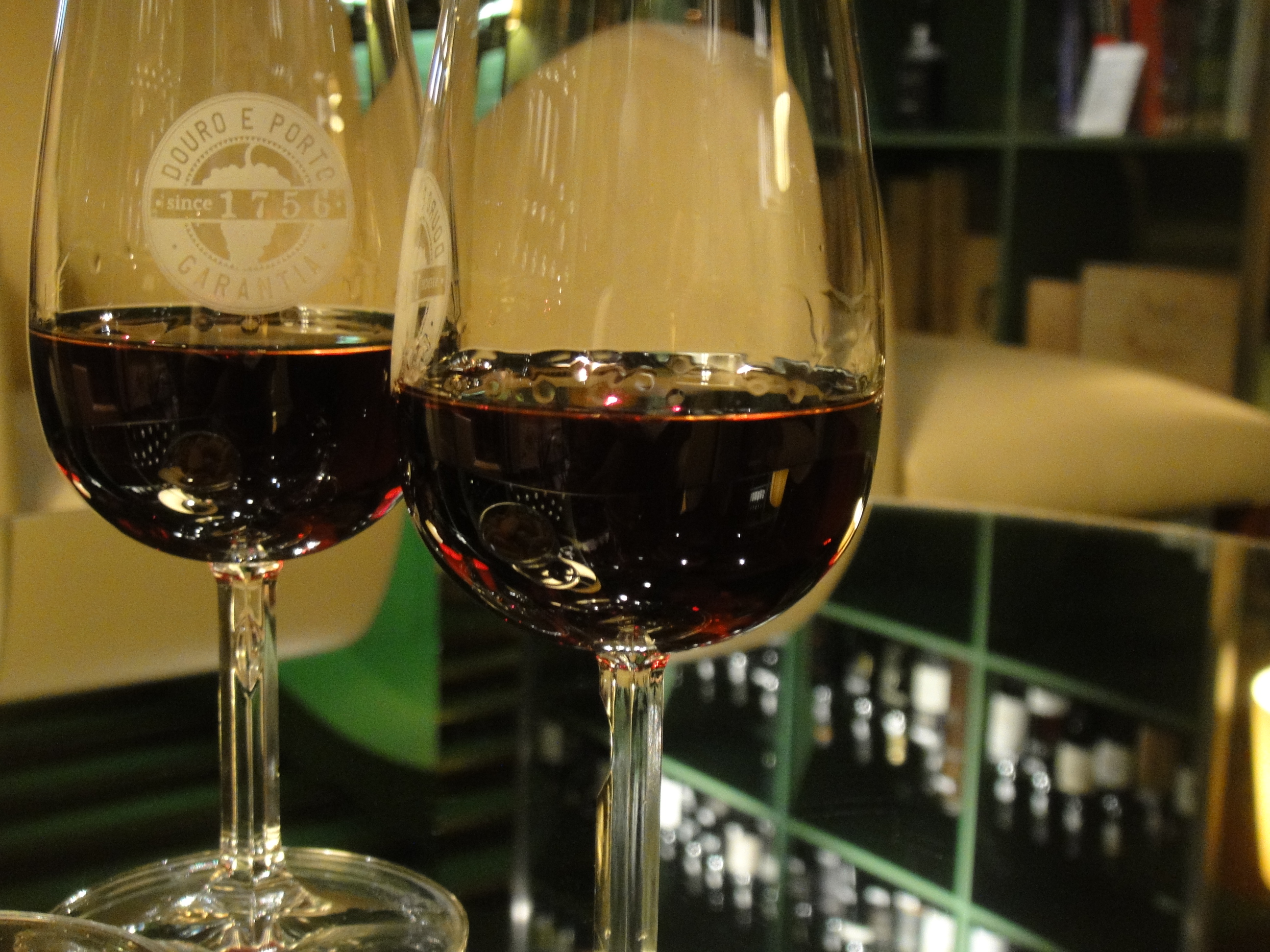
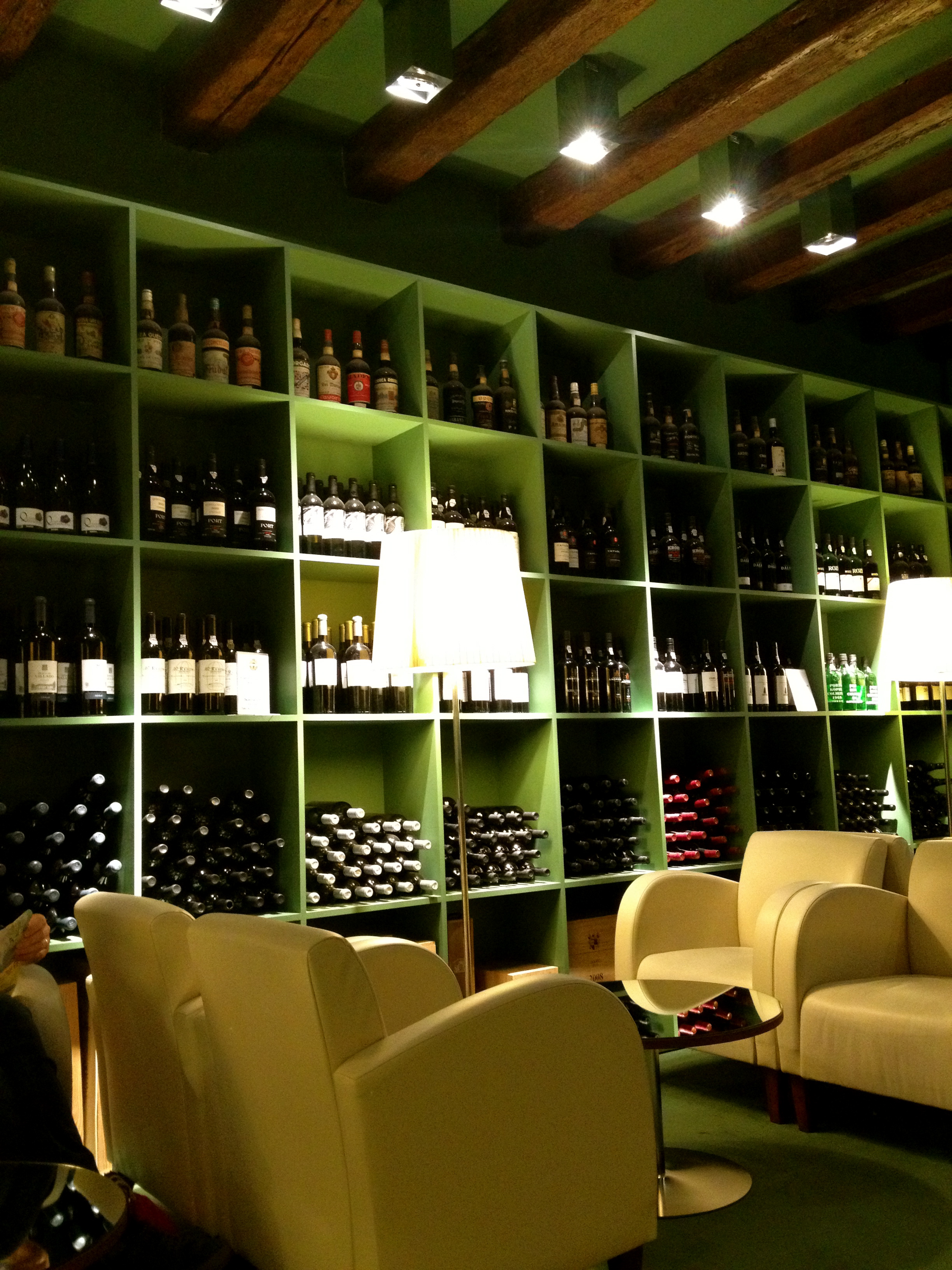
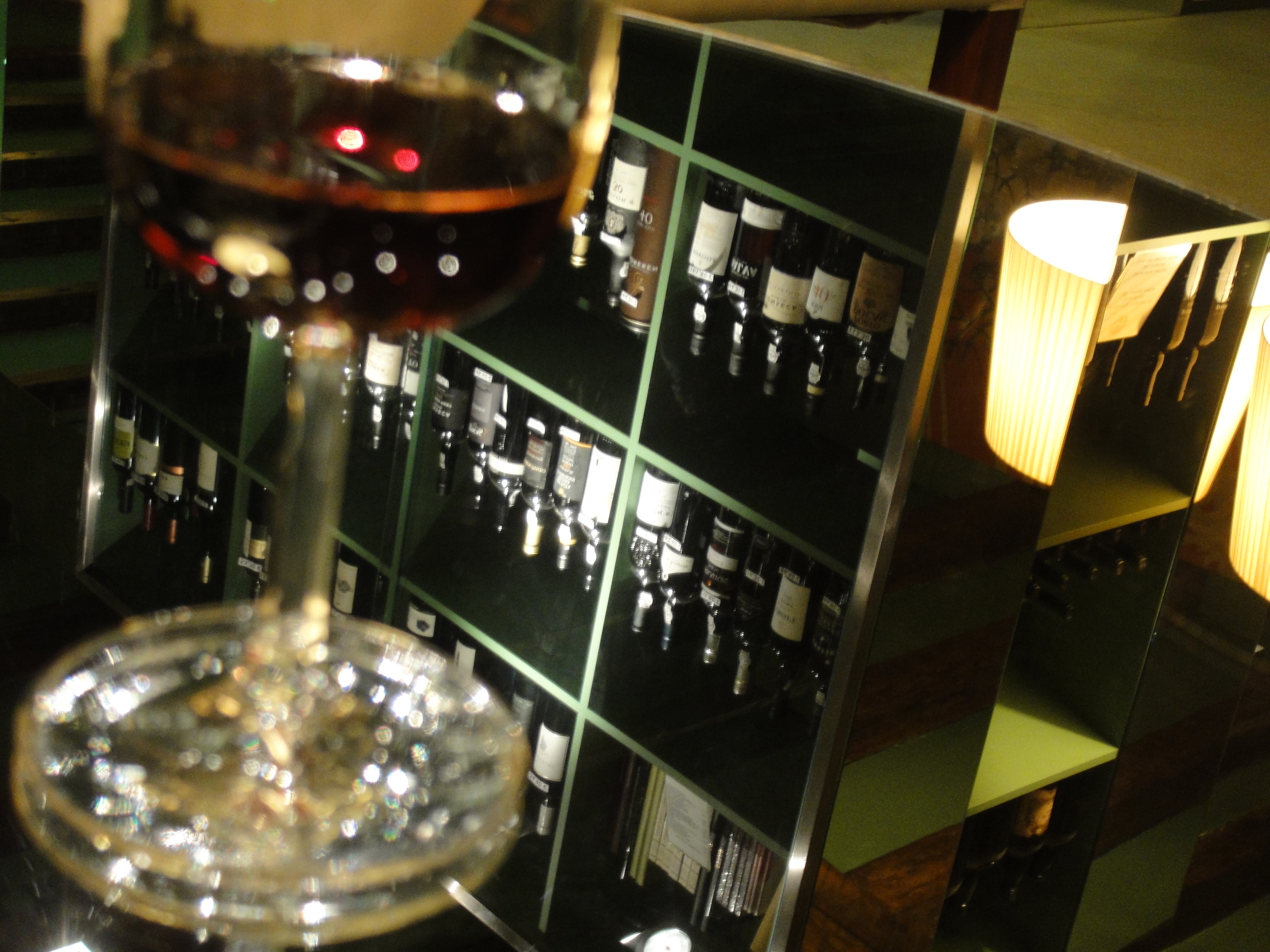
So what way to end this day packed full of such new discovery that we felt like Vasco da Gama himself? Why, two glasses of that other Portuguese speciality of course – Port – which we enjoyed in the elegant surroundings of the Solar do Vinho do Porto, a Port bar with some 200 ports on the menu, set within a grand 18th century mansion. We went for the tried and tested method of selecting port by the names which most prominently jumped out at us – and it worked a treat. Our first choice, a 10 year old tawny port was delicate on the palate and golden in colour, while a vintage ruby to follow was dark, deep and rich. No wonder then that one port led to another, and then a deliciously decadent dinner followed in the Restaurante Olivier just down the road, with a 10-course tasting menu as a starter and another bottle of the good stuff. I could get used to this.

Photographs and wording © Nicholas de Lacy-Brown and The Daily Norm, 2001-2012. Unauthorized use and/or duplication of the material, whether written work, photography or artwork, included within The Daily Norm without express and written permission from The Daily Norm’s author and/or owner is strictly prohibited. Excerpts and links may be used, provided that full and clear credit is given to Nicholas de Lacy-Brown and The Daily Norm with appropriate and specific direction to the original content.

Cabaret returns in style to London’s Savoy Theatre

I’ve always adored Cabaret and I really don’t understand why it has taken so long to come back onto the London stage. With its unforgettable score, including classics such as Wilkommen, Maybe This Time, and the title song Cabaret, and a vivid, contrasting, and unsettling historical setting of 1930s Berlin just before the Nazi stranglehold on the city made its sinister debut, the musical is one of the all time greats. Of course, the spectacle is engrained upon the minds of most musical-lovers in the guise of Liza Minelli’s show-stopping performance of Sally Bowles in Bob Fosse’s 1972 film spectacular, but as a theatrical showpiece, it is every bit as enjoyable. Why then isn’t Cabaret a long-running favourite like the composing team (Kander and Ebb)’s other musical great, Chicago? The mind boggles.
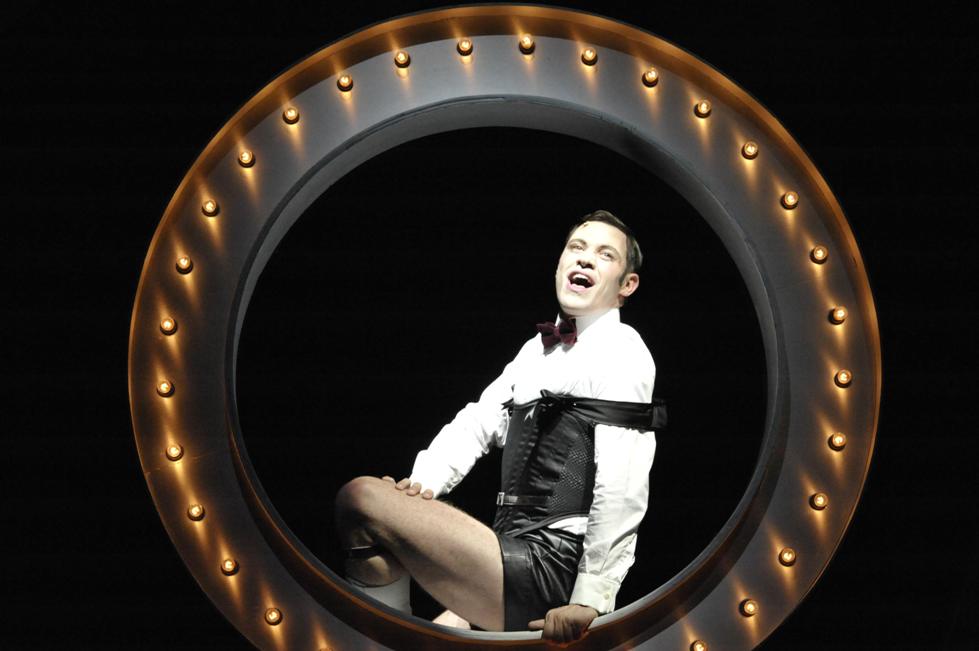
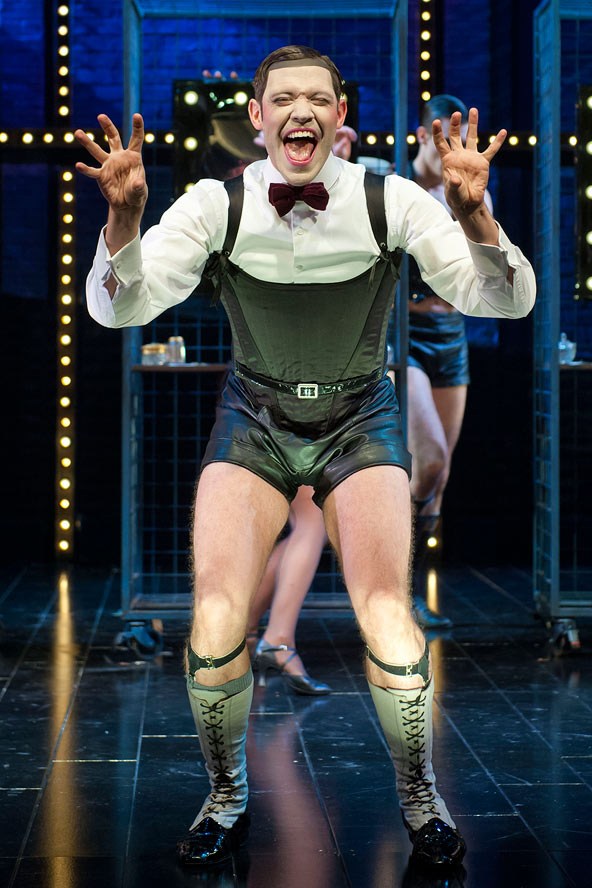
The current showing, directed by Rufus Norris, is sadly only set to run until 19 January – so when I heard that the show was making a swift return to London’s Savoy Theatre, I bought tickets as soon as I could get myself onto ticketmaster. The main attraction for many will be the 2001 Pop-Idol winner, Will Young, cast in the role of Emcee. Will Young was born to play this role. He was nothing short of superb in the overtly exaggerated, flamboyant and at times menacing role of the Cabaret’s Master of Ceremonies. Young’s voice, which shot him to fame as the winner of the first major talent contest of the current millennium, was predictably mesmerizing – he didn’t sing a note out of tune. His performance played notable homage to Joel Grey’s famous imagining of the role in the Fosse film version, but also brought the character to life with fresh and abundant energy, with greater versatility in adapting the role of cabaret host into an effective historical narrator of the social changes happening outside of the Cabaret’s doors but whose poisonous potency was leaking more and more into the lives of the Cabaret’s showmen as each day of the Nazi uprising went on.

Will Young as Emcee

Puffed up for “Money makes the world go round…”

Indeed, while Will Young was easily the star of the show, the other real success of Norris’ direction was his use of the pre-existing score and story line to import an altogether more menacing historical narrative into the piece. The terror which was trickling and then stampeding onto the once sexually liberal, permissive and hedonistic Berlin streets was tangible throughout the show, and this allowed the audience to partake in the very real tension which pervaded the age, climaxing in a stunningly poignant ending which, while not giving it away for those of you who may still have an opportunity to see the show, hinted at the terrorising fate which lay in store for the “alternatives” of Berlin’s Cabaret underworld once the Nazis took control. It left one both chilled, moved and surprised at the end of a show which, in previous manifestations, had maintained a fairly light-hearted atmosphere throughout. In fact in Fosse’s film, the only tangible reference to the fate of the Cabaret is the presence of a swastika armband subtly reflected in the mirror of the Kit-Kat club as the film’s credits come down. Here, the impending doom of Nazi destruction is far more prevalent. My favourite scene was probably Will Young’s performance of the Hitler Jungen marching song, Tomorrow Belongs to Me, in which Young, latterly affixed with the emblematic moustache of Hitler, controls all the surrounding dancers on huge puppet strings, the handles of his puppetry manifesting into large red swastikas which can only be viewed at the climax of the scene, when Young’s singing moves from a demure politicised aria into the increasingly erratic screams of Hitler’s rally rantings. Meanwhile the puppets’ choreography swings from sexualised movement to the regimented marching of gun-wielding soldiers – a brilliant testimony to the mass manipulation of the Nazi propaganda machine and the social changes which swept through the nation.

Michelle Ryan as Sally Bowles

For me, the only real disappointment was Eastenders actress Michelle Ryan in the role of Sally Bowles. Minelli’s shoes are big ones to fill, and the role of Sally Bowles must be a daunting prospect for even the most adroit of singer-actresses. And yet such is the complexity of the role – a second-rate show star with an overtly familiar manner hiding a destructive, and at times desperate personality – that it would come as a challenge which most actresses would relish. But in Ryan’s interpretation, that depth and complexity of character was insufficiently prevalent. The eccentricity of the characterisation appeared a little forced and contrived, while the emotional breadth of the role was only scantly explored. Sally’s big ballad, Maybe This Time, lacked the integral desperation of the character who gives the audience this rare glimpse into the true insecurities lying beneath the bravado. Ryan’s performance seemed more concentrated on hitting the high notes – which she failed to do with any confidence. And while her singing was not at all bad, it appeared to be heavily reliant on amplification so that it could carry with anything resembling gusto. I understand that theatres want to attract audiences by casting celebrity stars, but Will Young will have been enough to pull in the crowds here. Sally Bowles is a superb opportunity for a budding actress to make it big, and I think it’s a real shame that this opportunity was not afforded to a deserving young star in the making.

Overall, Norris’ Cabaret is a brilliant reimagination of this piece of classic musical theatre which is given new life and a potent historical re-examination. Its success is however highly dependent on the captivating role played by Will Young, and for that reason is inherently unstable as an ongoing production, with a quickly evaporating shelf-life and a near disaster if Mr Young catches the flu. Let’s hope he keeps on pleasing audiences right through to January 19th.

Great Expectations fulfilled – Dickens’ classic closes the British Film Festival in style

Barely 9 months have gone past since a new adaptation of Dickens’ favourite, Great Expectations, hit our screens (in that case, our TV screens) with a BBC version which promoted the rather spooky Gillian Anderson, better known for alien hunting on The X-Files, and a pouty-lipped Douglas Booth as Pipi in a classic period drama which gave us a reason to stay in and get cosy last Christmas. Now, Great Expectations, the story of a blacksmith’s apprentice who is left a huge fortune, enabling him to rise from his humble beginnings and become a man of “great expectations”, and a heartbroken bride, jilted at the altar, left to wreak revenge through the stagnated misery of her life, has been adapted again, this time on the big screen, adapted by the author of One Day, David Nicholls, and directed by BAFTA-winning director of Four Weddings and A Funeral and Harry Potter and the Goblet of Fire, Mike Newell.

The BBC adaptation last Christmas

Last night the film premiered at the lavish closing ceremony of the BFI’s 56th British Film Festival at London’s Odeon Leicester Square. The red carpet was out, the flash bulbs were going like crazy, the stars, amongst them Helena Bonham Carter, Ralph Fiennes, Jeremy Irvine, Holliday Grainger and Robbie Coltrane made it out in spite of the rain and I, yes little me, was there, on the red carpet with them! Yep, I managed to somehow acquire myself some tickets in the 20 seconds in which they were reported to have sold out, and therefore made it as one of the first people to see this lavish new adaptation.

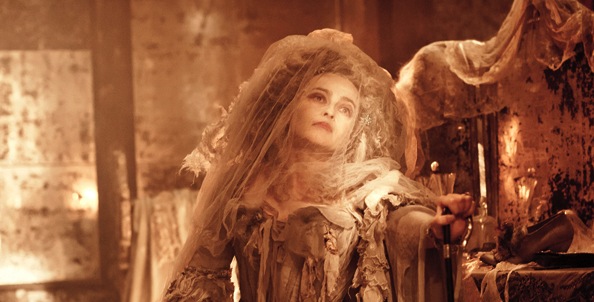
Helena Bonham Carter as Miss Havisham

Jeremy Irvine as Pip

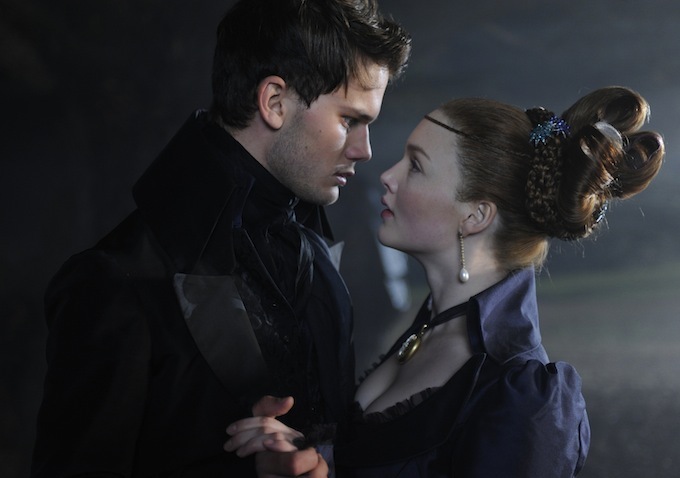
Jeremy Irvine and Holliday Grainger as Pip and Estella

The new adaptation is suitably gloomy, wonderfully sumptuous, and sensuously spectacular. I cannot help but compare it to last year’s BBC version, and for the creativity of sets, the transmission of atmosphere right off the Dickensian page, for its depiction of foggy dirty London and the grand dilapidated house of Miss Havisham, the film wins on all fronts. I adored some of the details – the huge, rotting banquet table teeming with mice and rats, and the dusty great dressing room of Miss Havisham, packed full of fading grandeur, like the heartbroken bride herself.

Gillian Anderson as Miss Havisham

I also preferred the casting in the film. Jeremy Irvine’s Pip is an altogether more likeable characterisation, as the youth and naivety of Irvine (previously starring as the lead in Spielberg’s altogether more vomit-worthy War Horse) worked well in giving us a Pip who is a forever innocent pawn in the cynical love game played by Miss Havisham and her adopted daughter, Estella. By contrast, Douglas Booth for the BBC was altogether too perfect looking, with his model stature and pert pouty lips – he was difficult to warm to, although as refined gentleman, he surely looked the part. With Irvine we see perfectly portrayed the Gentleman Pip always feeling a little uncomfortable, only too aware that money has catapulted him into the world of finery and etiquette, always slightly nervous that his Blacksmith past may come out.

It will not surprise anyone that Bonham-Carter is perfect in the role of Miss Havisham, with her wide glazed eyes portraying all of the mental instability which HB-C plays so well, her crazy hair and great dusty gown displaying every inch the melodramatic victim-turned villain, and as for the pivotal scene where her dusty robes catch fire so suddenly and so quickly to her screams of agony and her muttered apologies as her life fades away – brilliant. Fantastic too was the ever resplendent, exquisitely elegant Holliday Grainger as Estella, looking every inch the beauty who ensnared Pip into her web of heartbreak. While she played the part with aplomb, I do however feel that through the sweetness and emotion which appears to radiate so naturally from her angelic face, it was hard to believe that inside she was the ice-queen she liked to portray – or perhaps that is the point – try as she may to be hard and loveless, Pip alone can see that behind her emotionless chatter, lay a beating heart ready to be released. Mention should finally go to Robbie Coltrane as the lawyer, Jagger (although I found it hard to get Harry Potter’s Hagrid out of my head whenever he spoke) and Ralph Fiennes as a very rough-round-the-edges Magwitch – his accent was brilliant. I had reservations about casting funny-man David Walliams as Pip’s Uncle Pumblechook though – he was the same as ever, and made the whole thing feel a bit Brit-comedy.

Ralph Fiennes as Magwitch

Jeremy Irvine as Pip

So casting and visuals asides, where this film was lacking, in my opinion, was in its loss of some great Dickensian details and characterisations. It’s inevitable that when trying to reduce a great and much-loved work of fiction into a two hour cinematographic stint, you will lose a lot of details, but some, to my mind, were really missed. Where for example was Dolge Orlick, the murderous character whose menacing and relentless vendetta against Pip adds such tension throughout the story. Where also was the murder (by Orlick) of Pip’s sister – her death was merely mentioned, but not shown, and overall I felt more time could have been given to this brilliant Dickensian character. There were also at times short scenes which appeared to play homage to the detail of the original text but didn’t lead anywhere. For example the film showed Pip setting out his intention to use his remaining fortune to buy his friend, Herbert Pocket, a partnership, but then we never saw any follow up scene whereby the partnership was secured – the film was a bit patchy like this. But then, one can’t complain too much – I’m sure we would have moaned more if we’d been sitting in the cinema for the full 5 hours which a fuller adaptation would require.

The lavish rotting wedding banquet

Overall, Newell’s new adaptation is another positive exploration of classic English literature presented with a fine British cast and beautifully crafted cinematography throughout. It is also highly appropriate for the bicentenary of Dickens’ birth. And as for seeing the film with the stars in situ and after a walk up the red carpet – priceless.