Skip to content

Posts from the ‘2017’ Category

Savon Marseillais

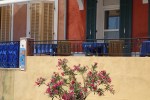
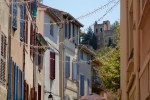
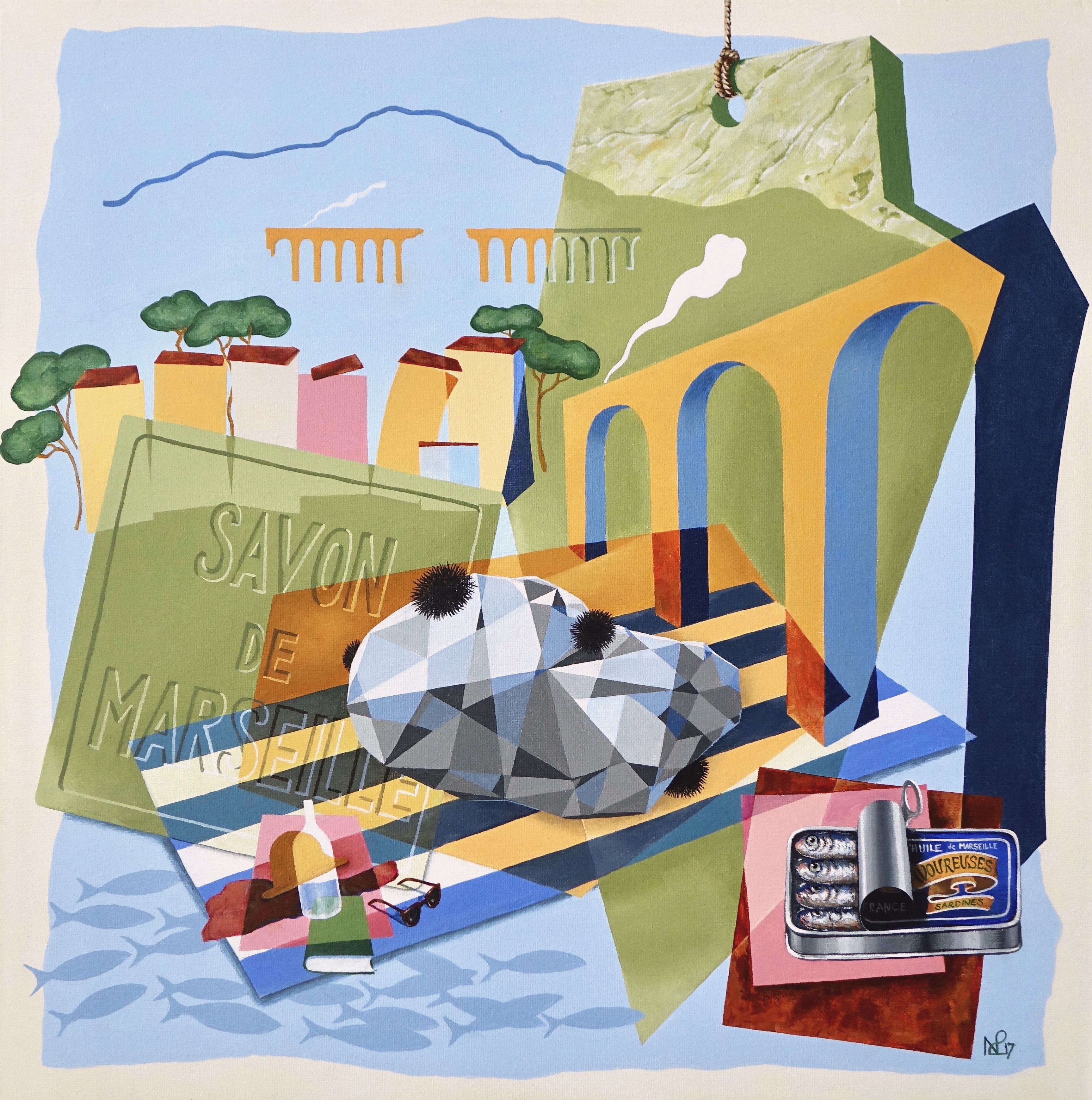
You simply can’t miss the soap of Marseille. Through the urban smog and the strong pervasive smell of the sea penetrates the comforting scent of clean, creamy soap in various scents of lavender, verbena, orange blossom and rose. Marseille is famous for its soap. Whether it be the Savon de Bonne Mere, or the eponymous Savon de Marseille chic liquid brand by Campaigne de Provence, soap is one of the region’s strongest exports, and the very best way to bring the memory-inspiring perfumes of the Riviera into your home. Perhaps the most impressive sight in Marseille and the surrounding towns is a shop loaded, floor to ceiling, with the famous cubes of Marseille soap. This is when the variety of dazzling scents and colours can be appreciated to their full, and it was this sight which was triggered again in my mind when I saw the pastel coloured houses of nearby Cassis: Suddenly the two themes combined, and a painting was born.
Marseille FINAL

Savon Marseillais (©Nicholas de Lacy-Brown, 2017 – acrylic on canvas)

This is the result: a canvas which has Marseille soap at its heart and dictating its colour palette, with the rich olive soap which is one of the most famous varieties dominating. Featuring too are the multi-coloured houses of Cassis, together with the railway bridges of L’Estaque, and the striped beach paraphernalia which has come to characterise the Riviera. All in all, this is a painting which represents our time in Marseille and its environs, a time when we munched on local sardines, enjoyed the sea and mountain scenery, and best of all things, smelt and indeed lathered up using the local Savon Marseillais.

© Nicholas de Lacy-Brown and The Daily Norm, 2001-2017. Unauthorized use and/or duplication of the material, whether written work, photography or artwork, included within The Daily Norm without express and written permission from The Daily Norm’s author and/or owner is strictly prohibited. For more information on the artwork of Nicholas de Lacy-Brown, visit http://www.delacybrown.com 

Marseille to Marbella, Part V: Cassis

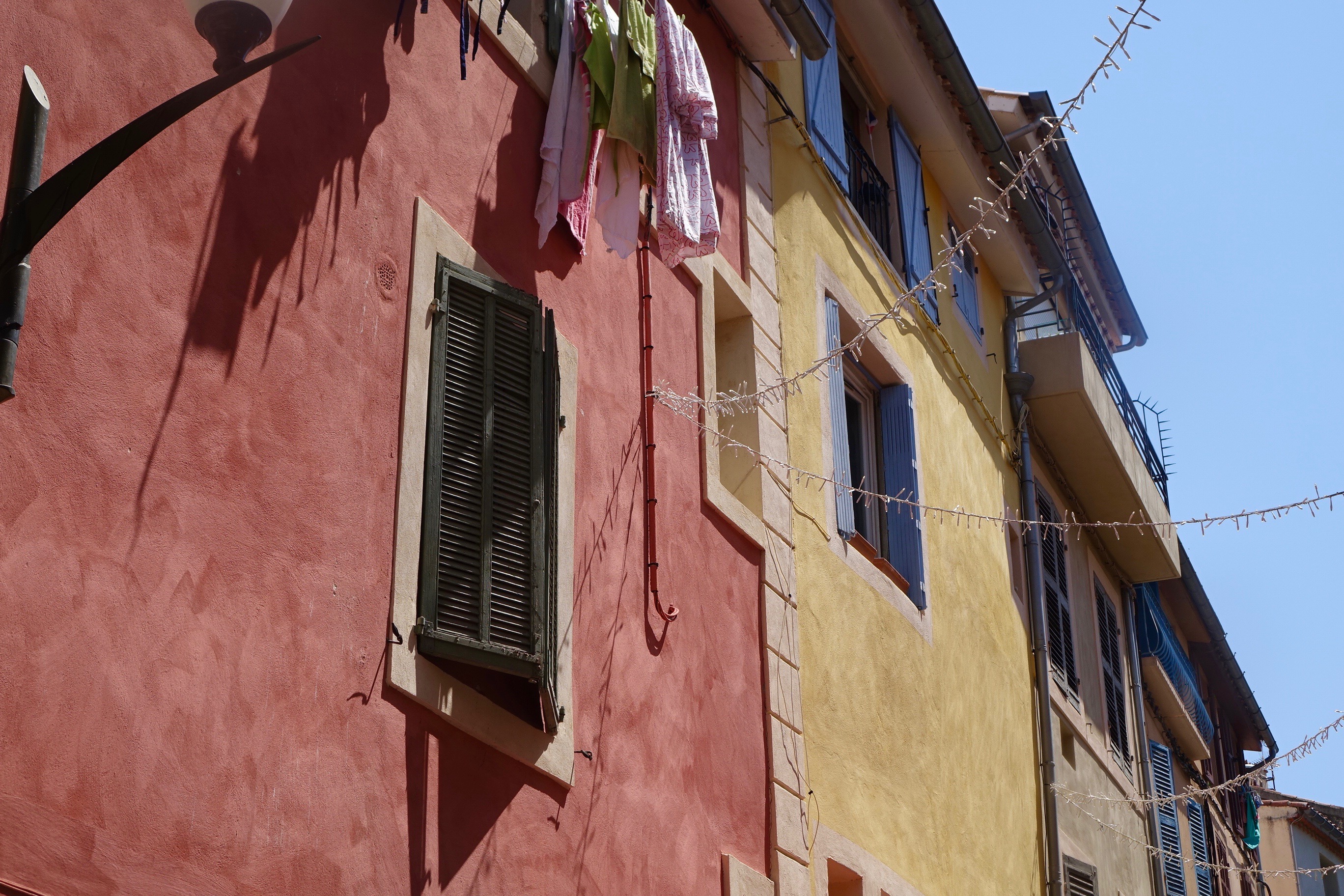
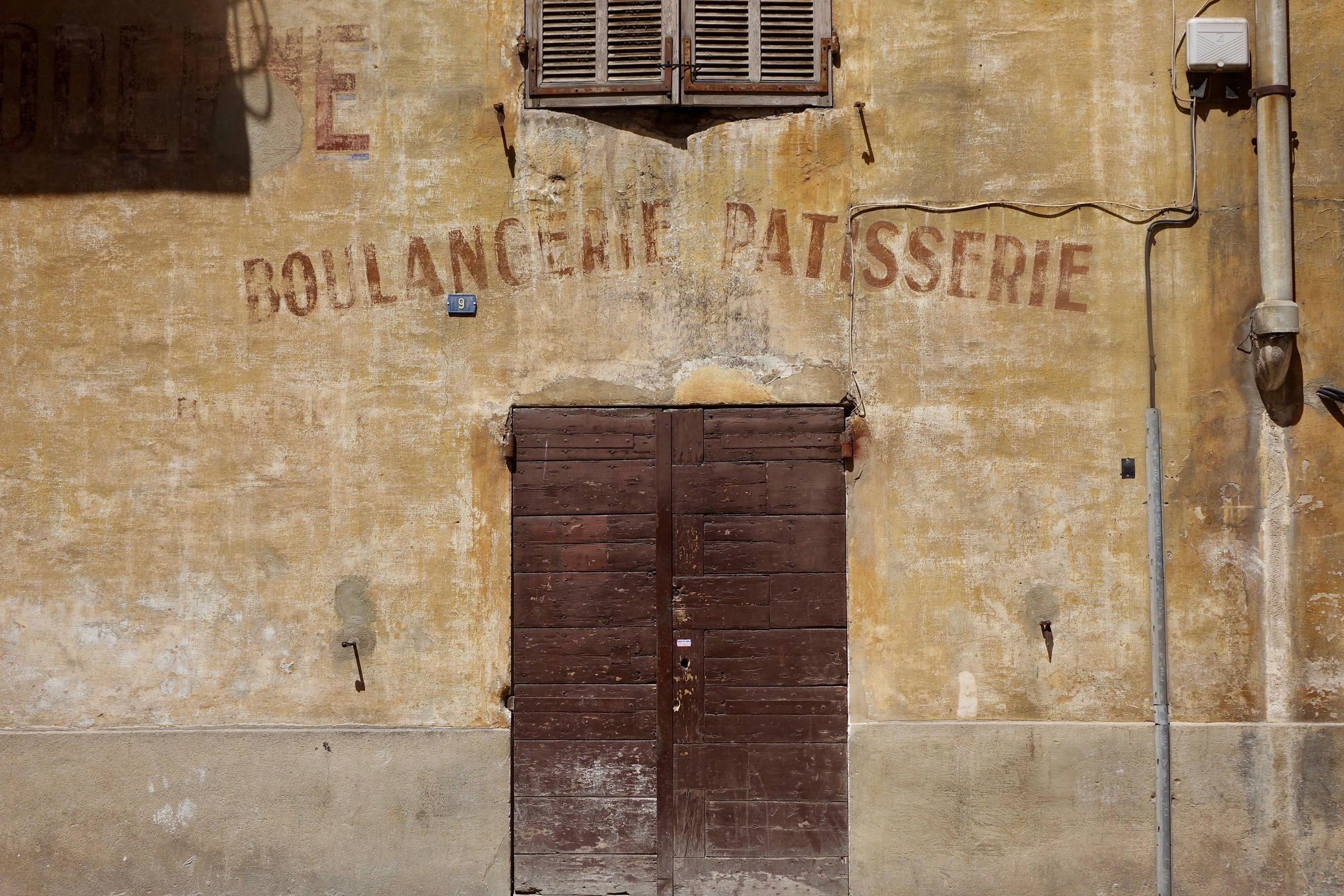
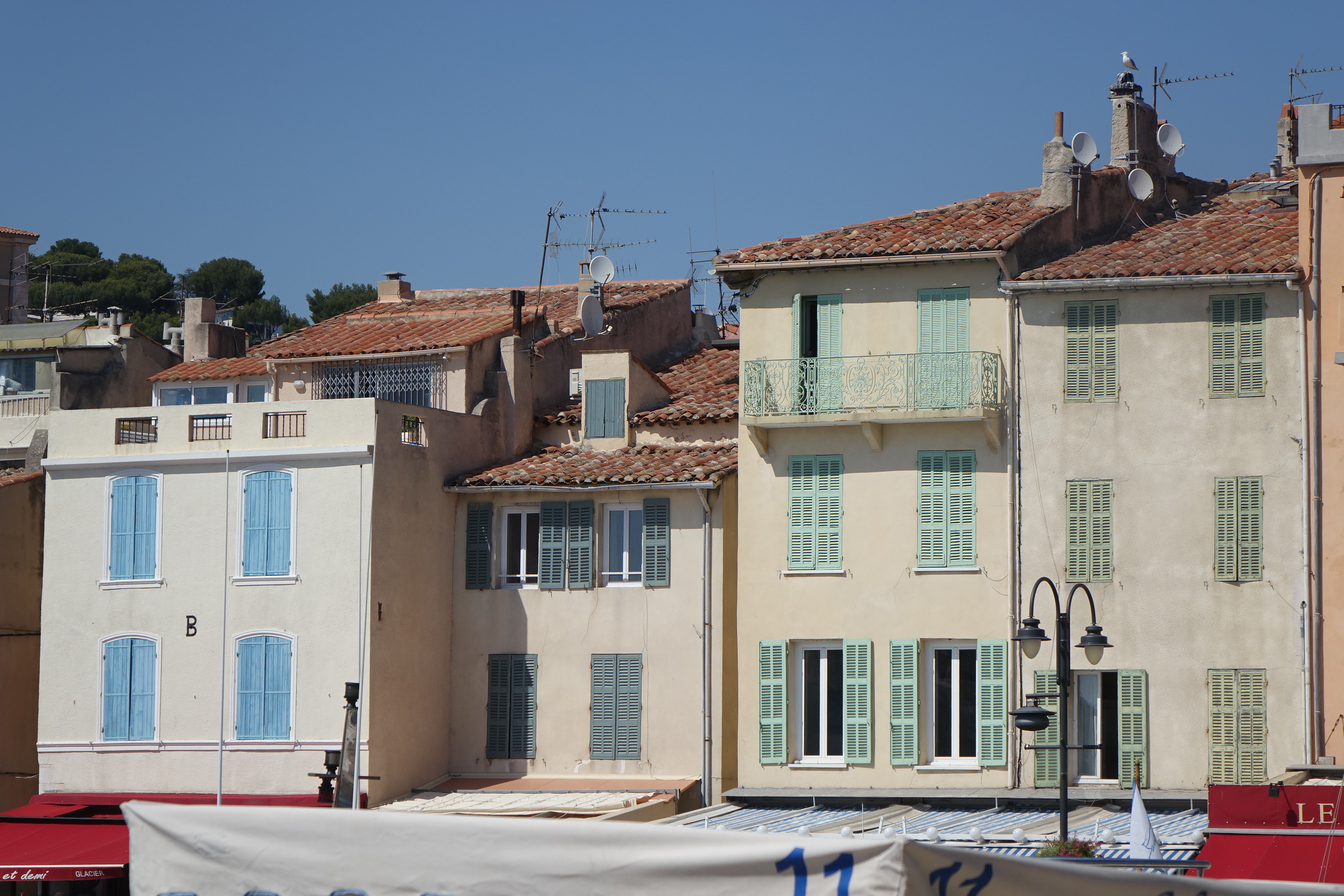
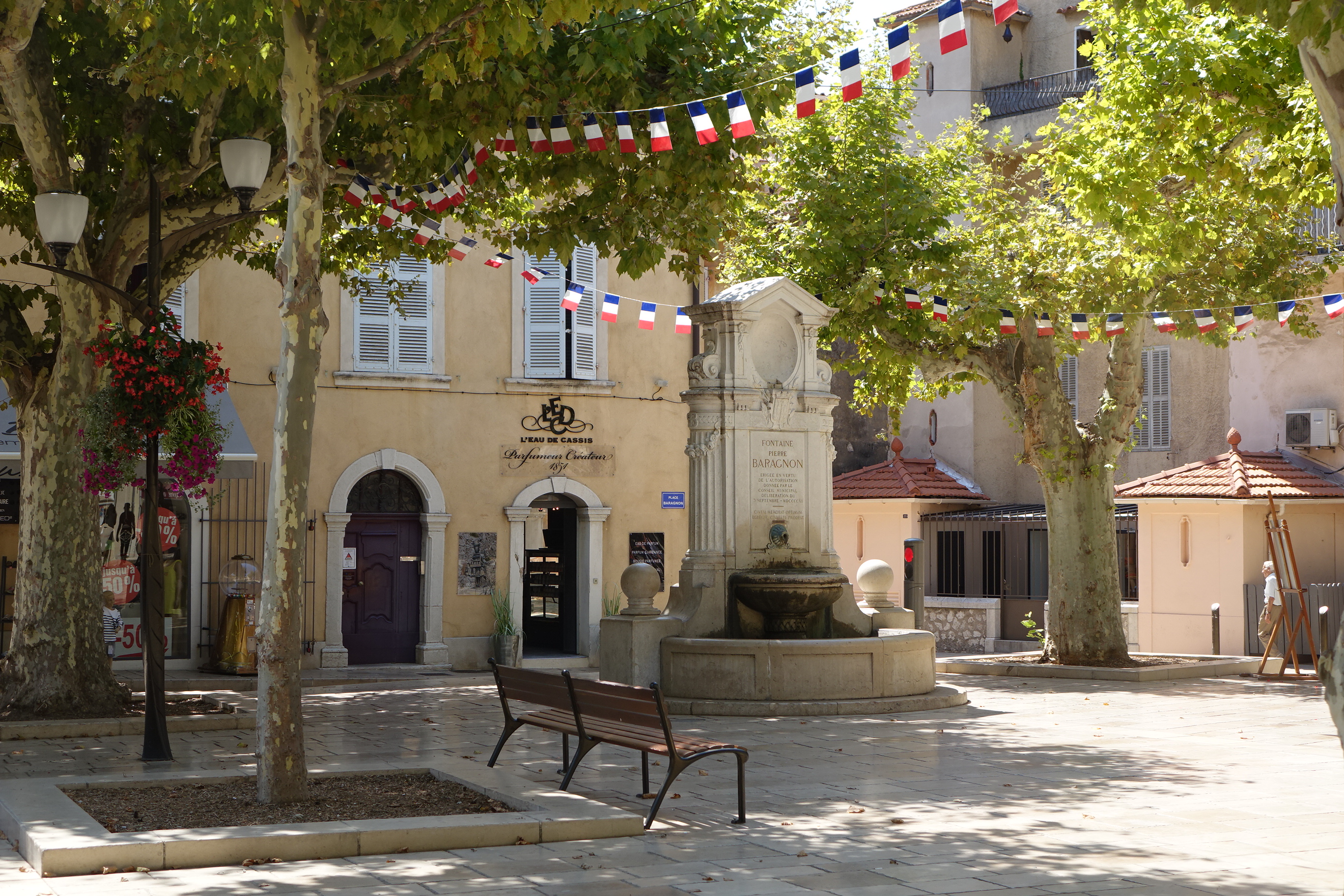
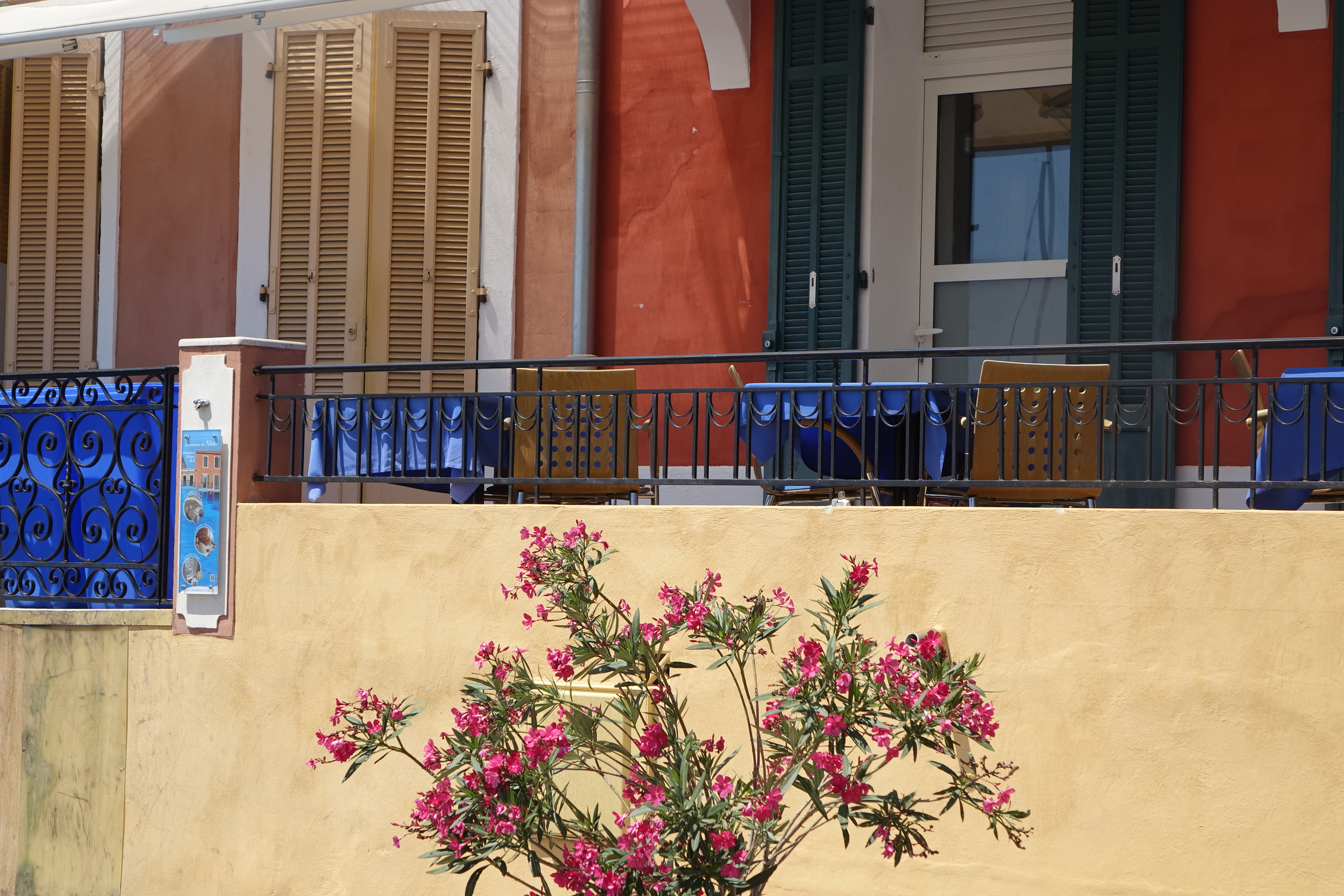
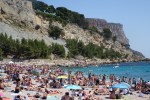
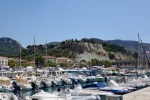
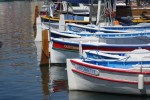
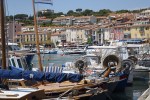
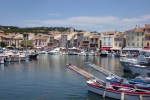
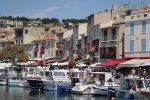
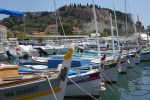
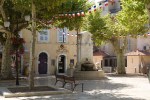
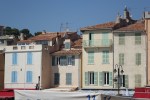
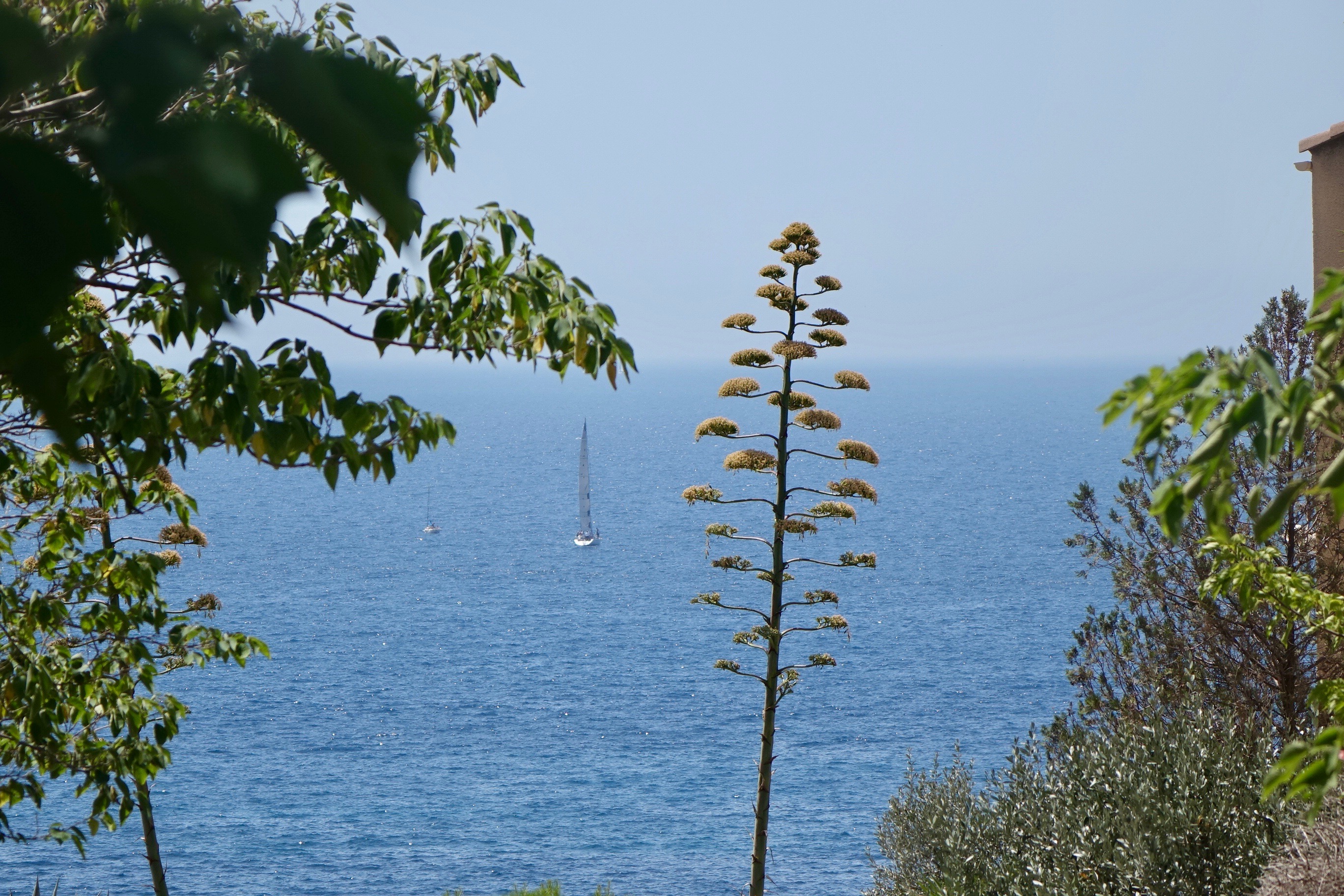
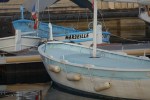
As soon as we stepped out of the train station at Cassis, the little port town a few kilometres East of Marseille, I declared that I was in love. The smell of heated pines, coupled with the accompaniment of persistently chirping cicadas was confirmation that we had entered a kind of Mediterranean paradise. That conclusion was further fortified as we made our way closer to the coast, and found plunging into a slightly opaque dazzlingly turquoise sea steeply cast mountains rippling with shades of terracotta and violet. But best of all was the harbour itself, a kind of St Tropez in miniature, with splendidly multi-coloured houses in every shade of pastel lining the waterfront, while before them, a veritable collective of fishing boats and yachts added luxury to the scene.

DSC04577DSC04593DSC04613DSC04545DSC04554DSC04521DSC04639

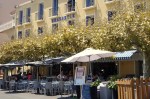
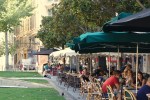
Living in Mallorca for close on 3 years means that this kind of glittering seaside scene is no stranger to me. Yet there is something about a port in the French Riviera that exudes a kind of innate elegance which is somewhat less tangible elsewhere in the Med. Maybe it’s the old men gathered drinking pernod and exchanging gossip in the tree-lined squares which neighbour the harbour. Or perhaps it’s the perfume of Marseille soap and lavender which manages to pervade and harmonise with the delicate scent emanating from the sea. Or maybe it is the cafes and bistros, whose location affords them the very freshest of seafood and extravagant shell fish, and of course the very best in chilled Provencal rose. I’m not sure I can truly put my finger on what it is that singles out these Riviera havens, but I know that Cassis is as insuperably handsome as it gets.

DSC04503DSC04513DSC04585DSC04580DSC04589DSC04494DSC04607DSC04563

A few minutes was all we needed to located the best table alongside the waterside, a large plate of gigantic grilled prawns and several glasses of rose so cold that ice clung to the side of the gently perspiring wine glass. Somewhat heady on all that peach-coloured elixir, we wafted around the port like fallen bourganvilla petals dancing in a light summer’s breeze, utterly caught up in the aesthetic delights of the place. That momentum pushed us towards the emerald sea, and there in water frothed up by a robust Mediterranean current, we plunged into the ambient waters from where Cassis appeared all the more stunning.

Compared with the urban cacophony of Marseille, Cassis proved the ultimate Riviera balm; a true treasure of the French Mediterranean whose soft palette and pervasive elegance ensnared our senses and charmed our imagination, long after the Riviera train scooped us back into the smoggy fold of Marseille.

© Nicholas de Lacy-Brown and The Daily Norm, 2001-2017. Unauthorised use and/or duplication of the material, whether written work, photography or artwork, included within The Daily Norm without express and written permission from The Daily Norm’s author and/or owner is strictly prohibited.

Marseille to Marbella, Part IV: L’Estaque

Any art historian or Impressionist aficionado will recognise the name L’Estaque even if they cannot bring a vision of the place immediately to mind. Today, this small fishing village could be easily missed. It is now but one suburb merged involuntarily into the insuperable urban sprawl of Marseille. Yet 100 years ago it was at the centre of an artistic movement. Not only did the port and the surrounding landscapes inspire some of the most preeminent forefathers of Impressionism, but it is also credited as being instrumental to the birth of the Cubist movement.

DSC04256DSC04253DSC04277DSC04288DSC04251DSC04269DSC04312

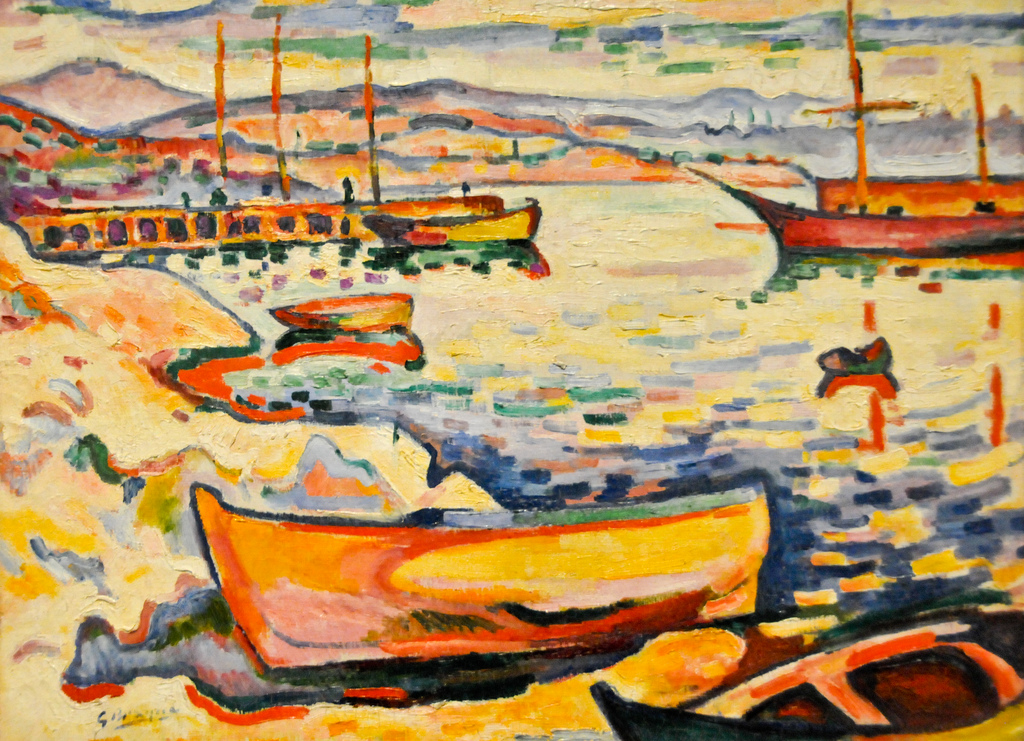
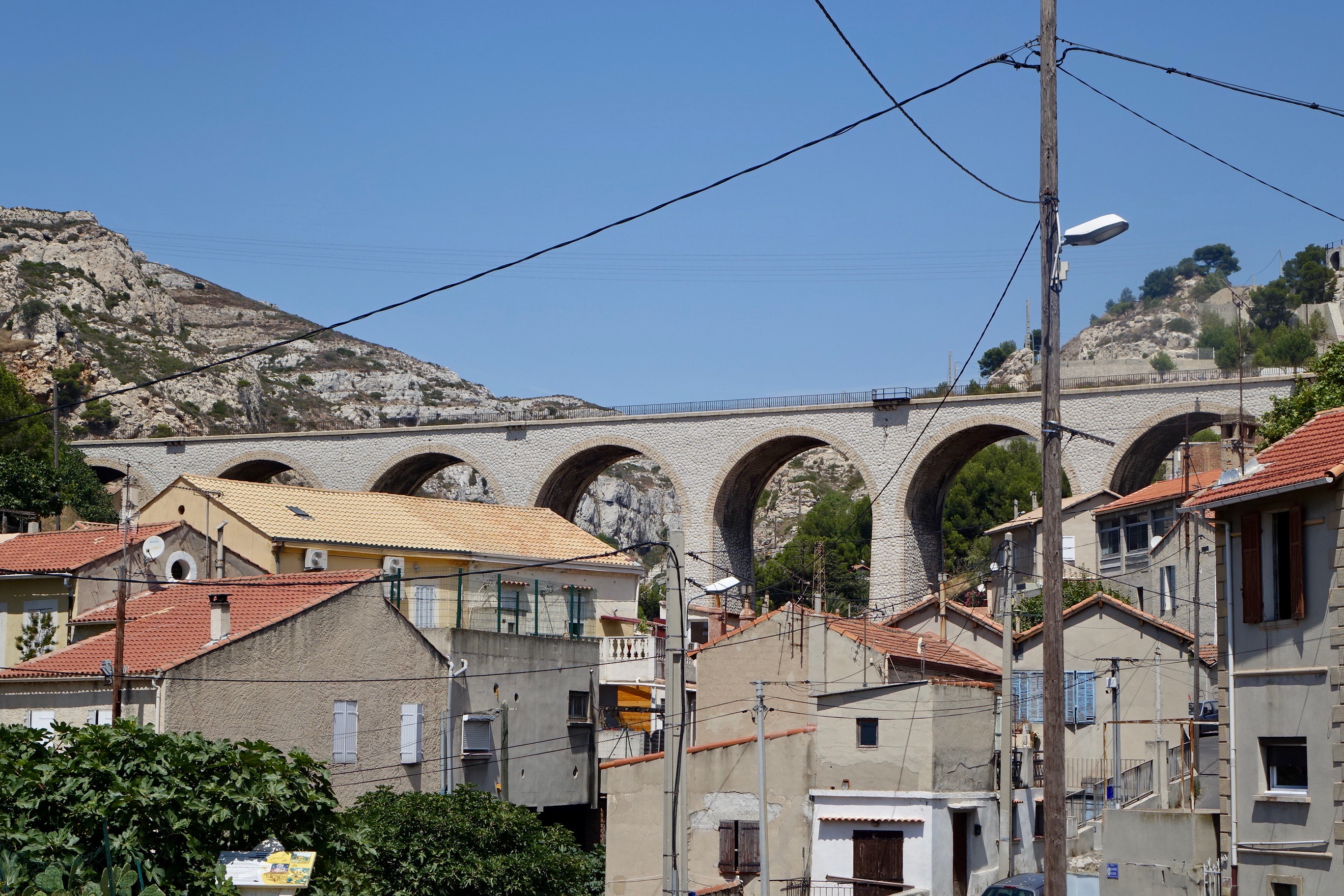
How and why cubism came about here is unclear, but Cezanne, a forerunner of the movement, was evidently as inspired by the geometric volumes of the railway bridges and houses clinging to the hills as he was by the hard-edged stone quarries near his birth city of Aix. But it was perhaps the contributions of Georges Braque which were to be the most significant. While his initial response to the landscape was a fauvist expression in a multi-coloured palette of startling bright tones, it was his decidedly cubist landscapes depicting L’Estaque’s house-filled hillsides which really put the town, and cubism, on the artistic map.

L’Estaque by Braque and Cezanne

largerGeorges Braque - The Port of L'Estaque, 1906 at Summerset House London Englandl-estaque-view-through-the-pines-1883article_image_3_cezanneGeorges_Braque,_1908,_Maisons_et_arbre,_oil_on_canvas,_40.5_x_32.5_cm,_Lille_Métropole_Museum_of_Modern,_Contemporary_and_Outsider_Art

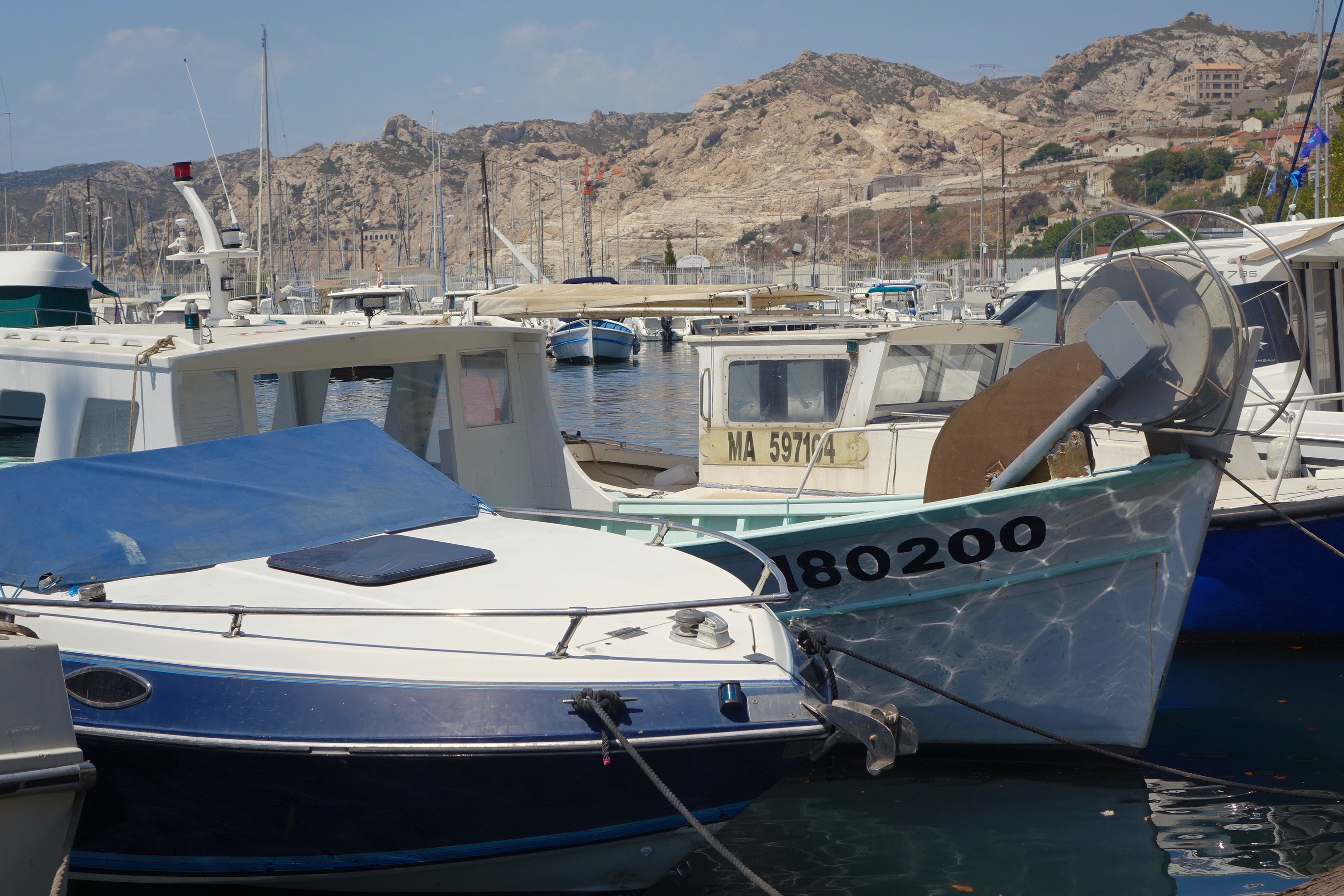
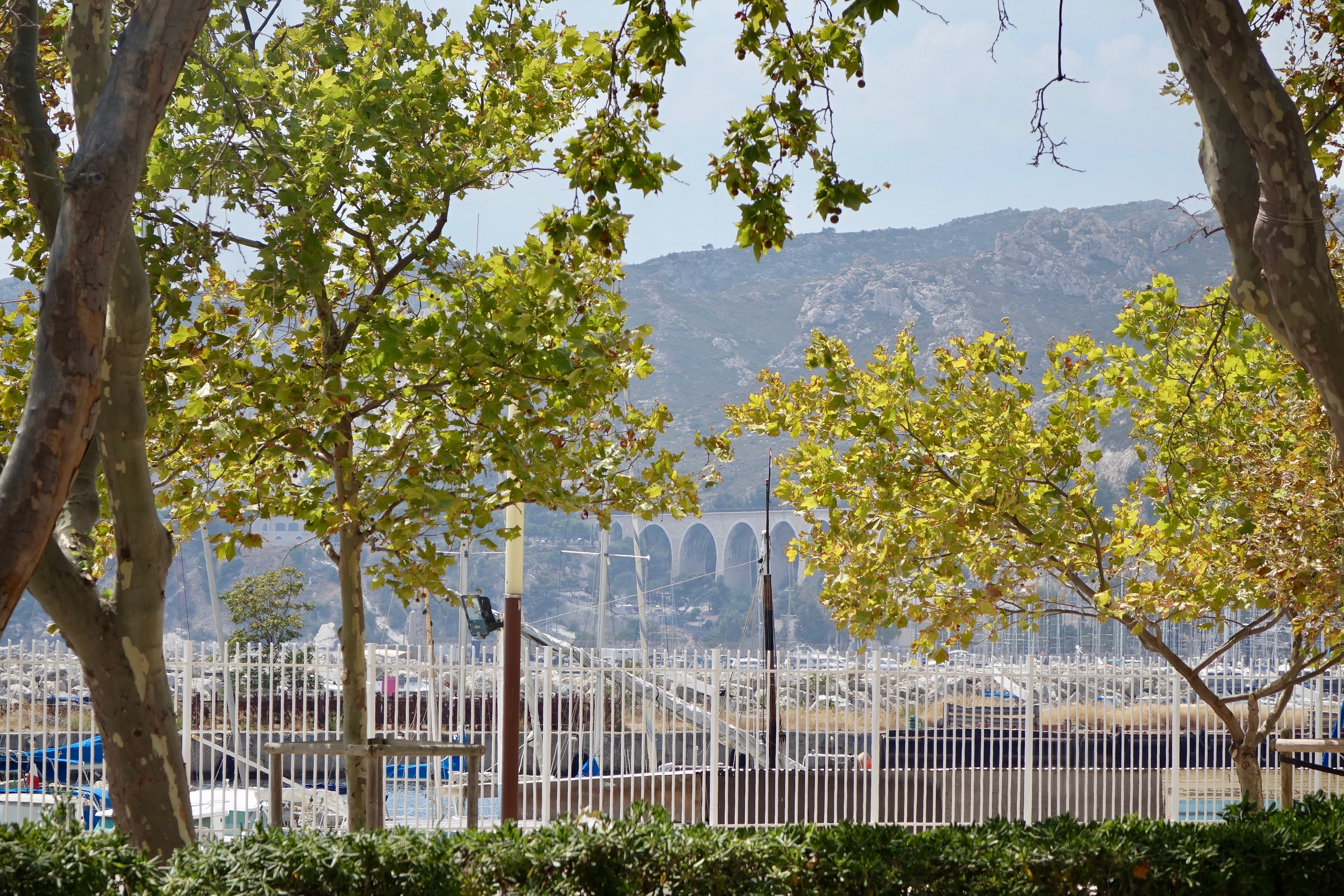
Given its place in art history, I felt that this little former village had to be on our Marseille itinerary, even though for many, it may go unnoticed. Happily we were able to take a boat the 30 minutes along the bay – a far preferable trip to the alternative of a sweaty commuter train out of the Gare St Charles – and this approach gave us  the advantage of seeing the hillsides of L’Estaque from afar, characterised as they are by the arched railway bridges which feature so predominantly in Cezanne and Braque’s landscapes.

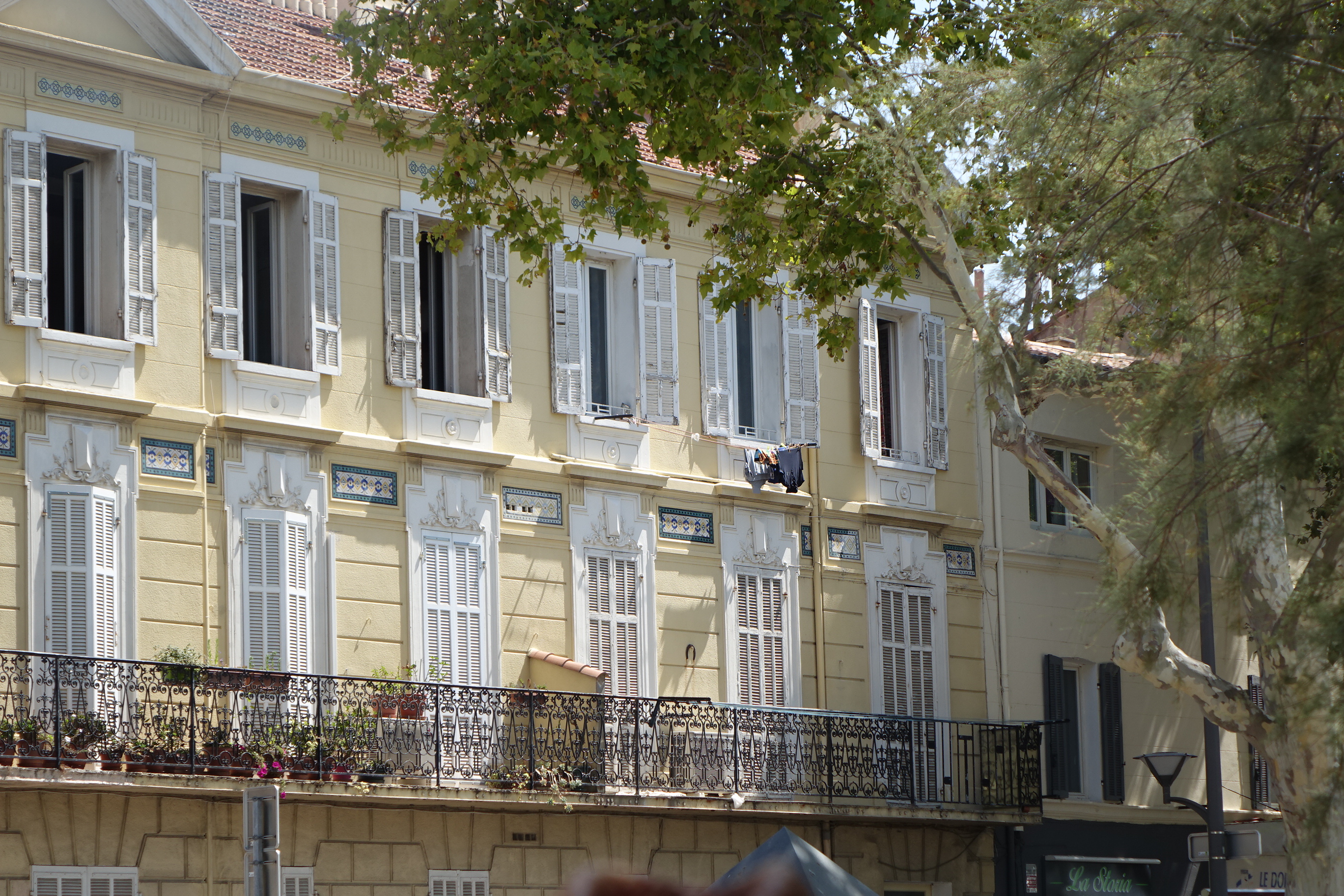
I would be lying if I said that we were blown away by the town. It is, in essence, a very simple seaside village with a hand-full of bars and a port packed with fishing boats. It is also somewhat difficult to imagine the quaint village which Braque and Cezanne might have discovered when they arrived years ago, free from the modern industrial structures which sit just outside the town, and the tall wire fencing which closes off much of the port from view. However, once we strolled up into the higher streets, and looked across both the port and the rooftops of the gradually ascending town, suddenly the shapes and volumes which must have inspired that new cubist way of depiction fell into place, and the true artistic significance of L’Estaque gained clarity.

DSC04350DSC04319DSC04313DSC04305DSC04273DSC04301

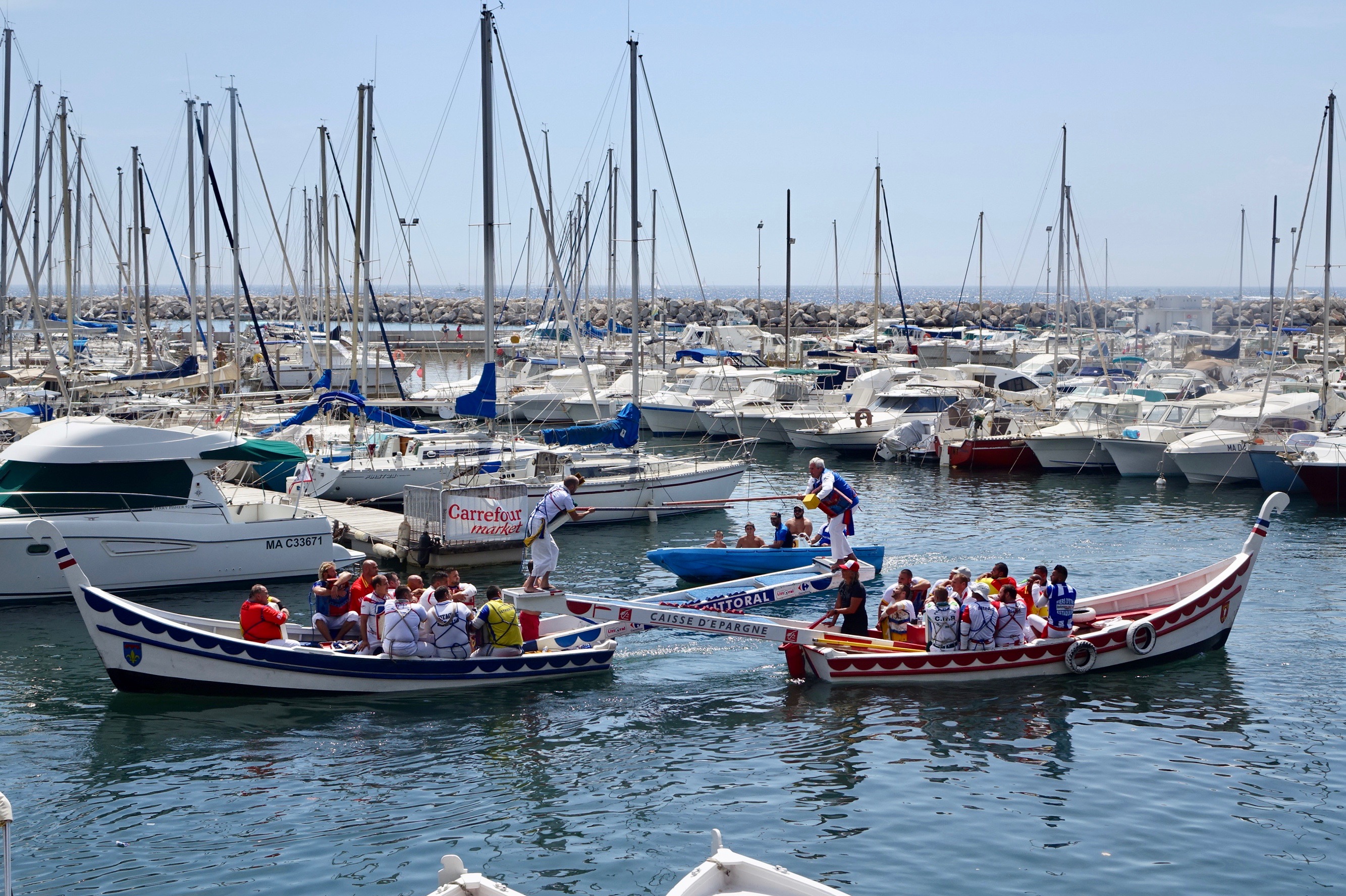
Satisfied, therefore, by our trip and the insight it provided into the birth of cubism, we grew fonder of L’Estaque, a notion which a few glasses of rosé on the sunny portside promoted. And then, as though reminding us that a contemporary society also lives today in this town of cubist history, a bugle call and a loudspeaker announced the commencement of Le Joute – a form of water based jousting which captured our attention for the remainder of the afternoon. Only then did we head back onto the water, gliding away from L’Estaque in a boat bound for Marseille, watching behind us as the forms of houses and rail bridges grew smaller until they resembled mere cubes on a craggy hillside…

DSC04250DSC04340DSC04267DSC04282DSC04321DSC04295

© Nicholas de Lacy-Brown and The Daily Norm, 2001-2017. Unauthorised use and/or duplication of the material, whether written work, photography or artwork, included within The Daily Norm without express and written permission from The Daily Norm’s author and/or owner is strictly prohibited.

Marseille to Marbella, Part III: Waterfront Renaissance

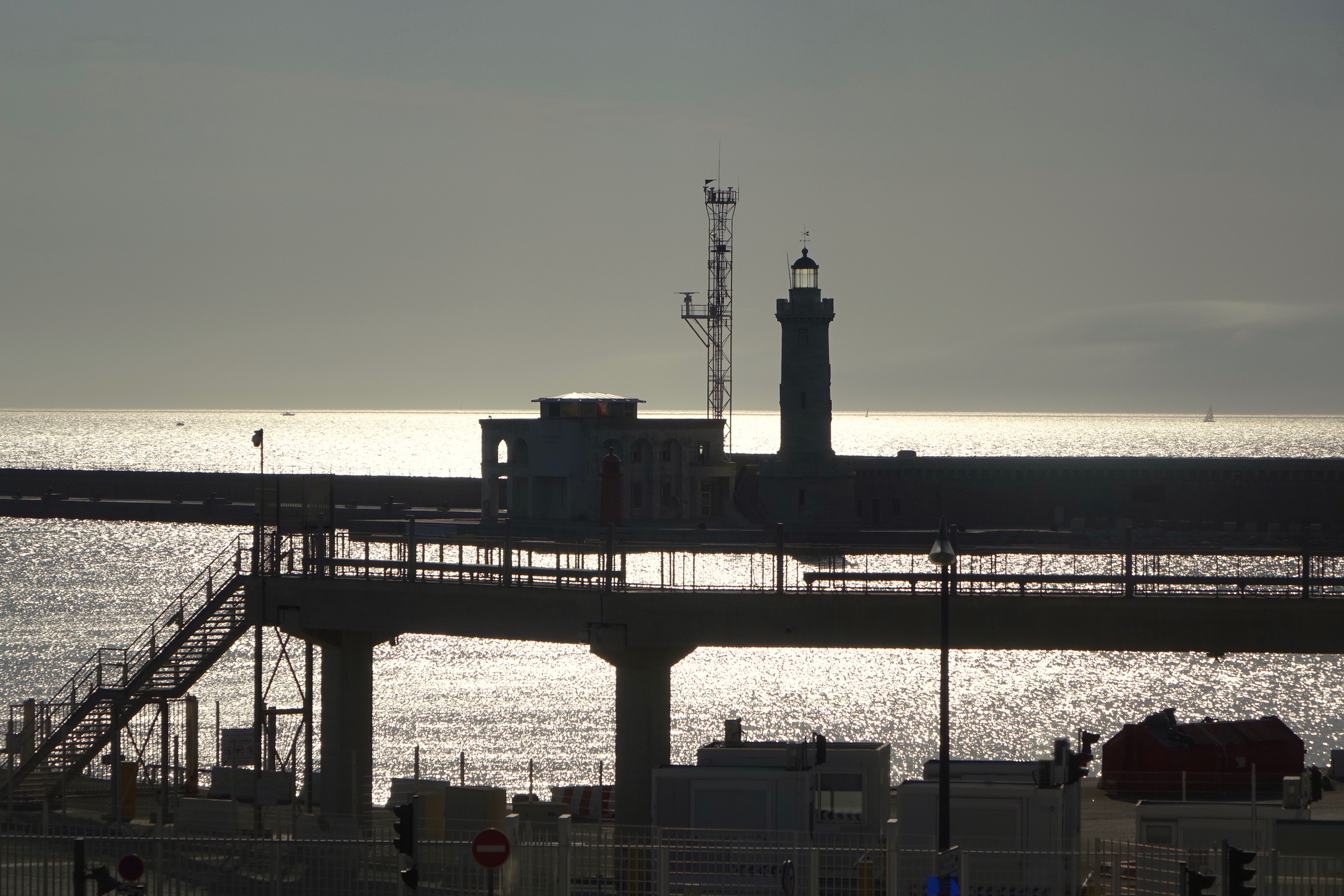
The shady reputation which has dogged Marseille for years was, at least in part, shaken off in the run up to 2013 when the epithet of European Cultural Capital for the year prompted France to pull put all the stops to initiate a revolutionary new look for a waterfront in decay. Sweeping away much of the city’s industrialised port, and making magnificent new use of the ancient stone fortresses which stand like a gateway to the city and recall the age of Dumas and the Count of Monte Cristo, the city embarked on an architectural and cultural renaissance which has reinvented the city’s place on Europe’s artistic map.

MuCEM and the Fort St-Jean

DSC03956DSC03990DSC04189DSC04062DSC04038DSC04058DSC04001DSC03975DSC03955

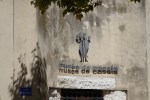
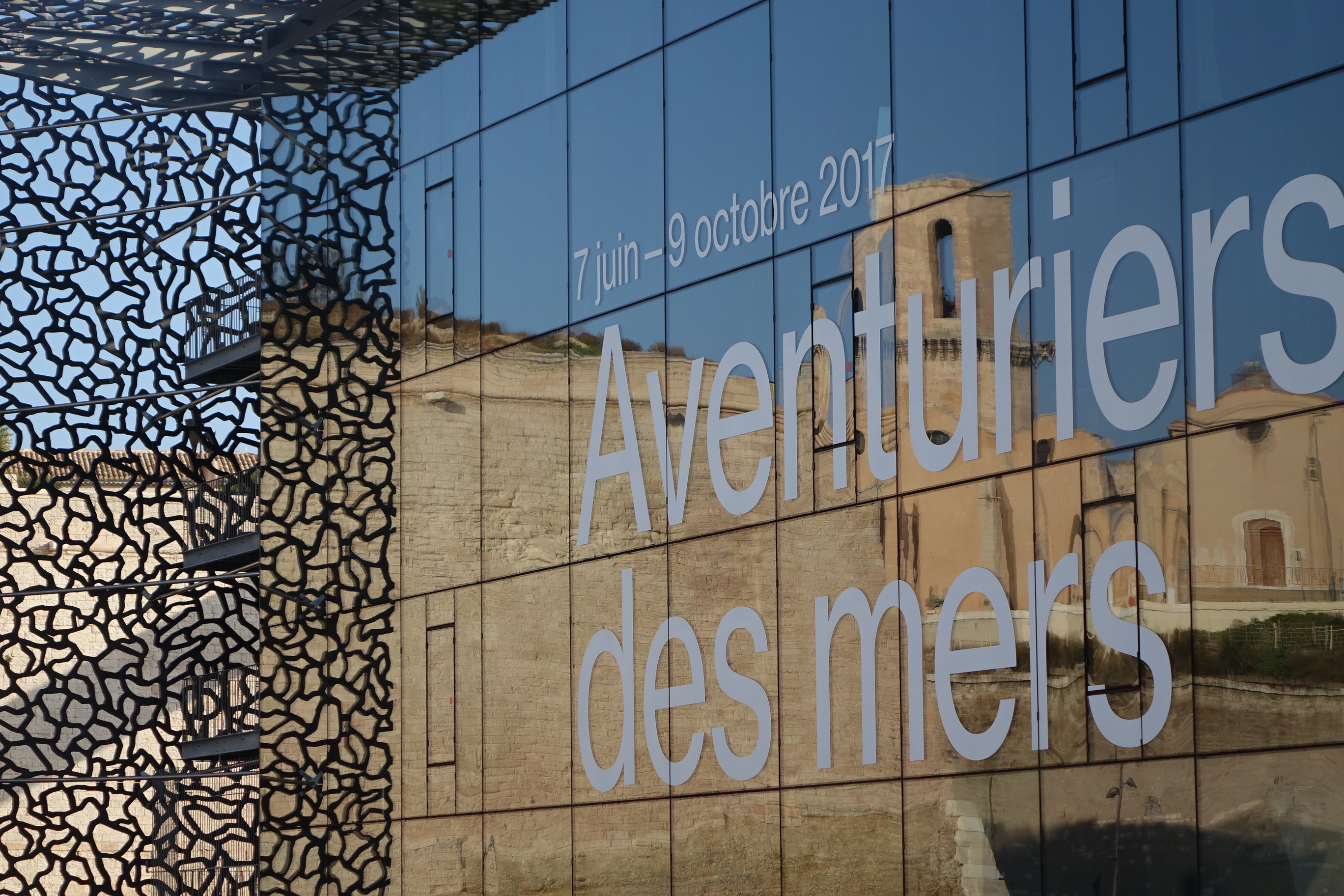
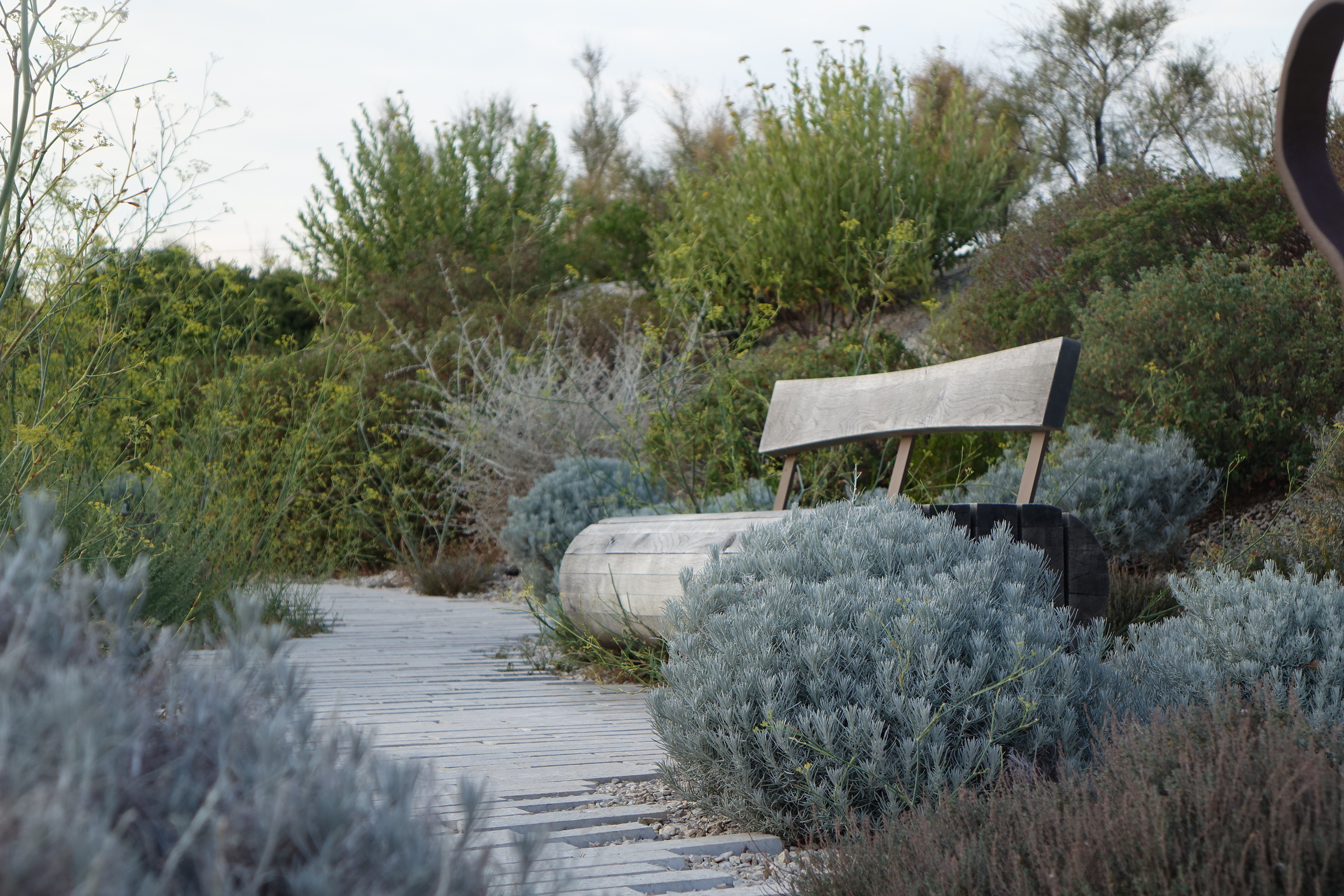
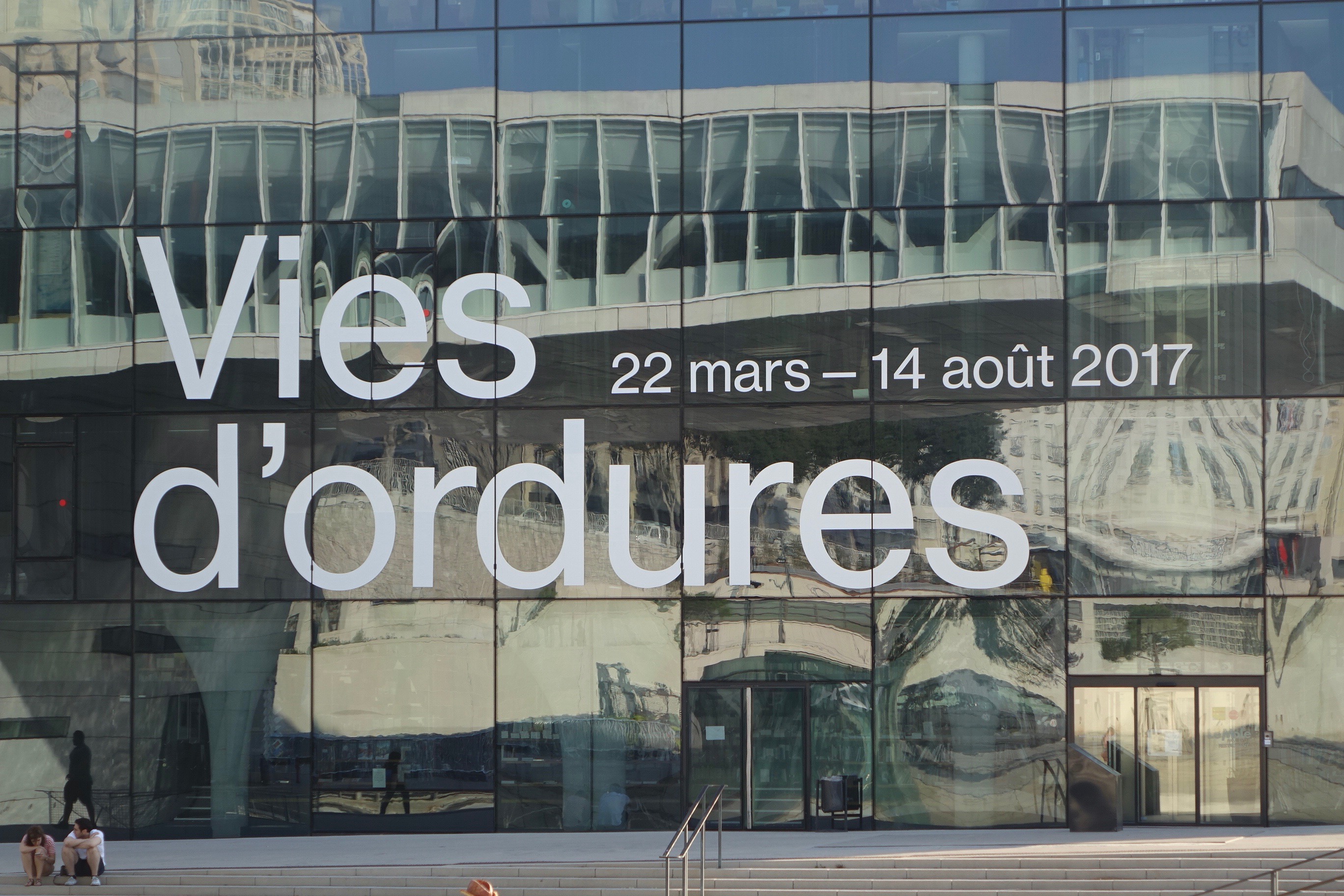
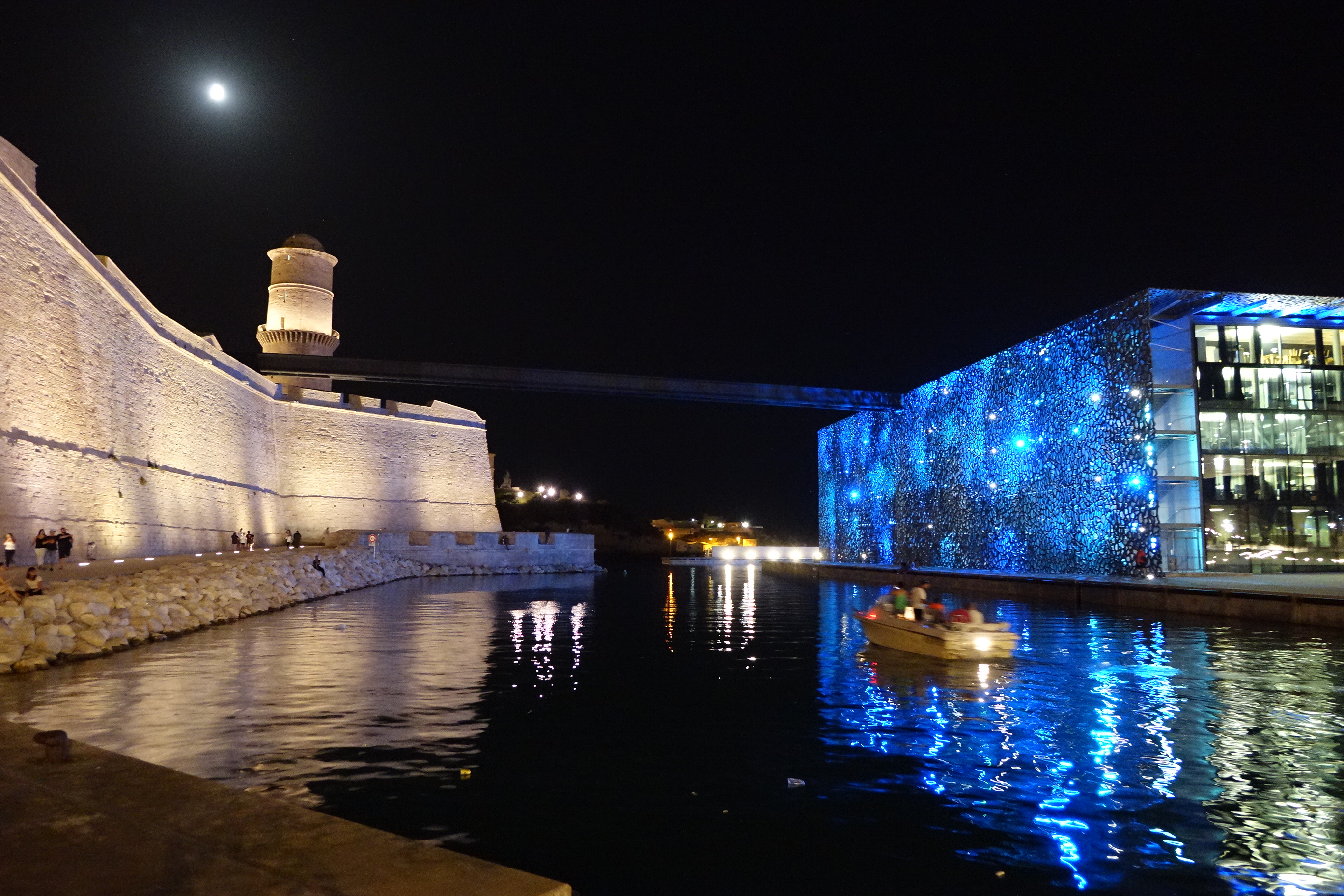
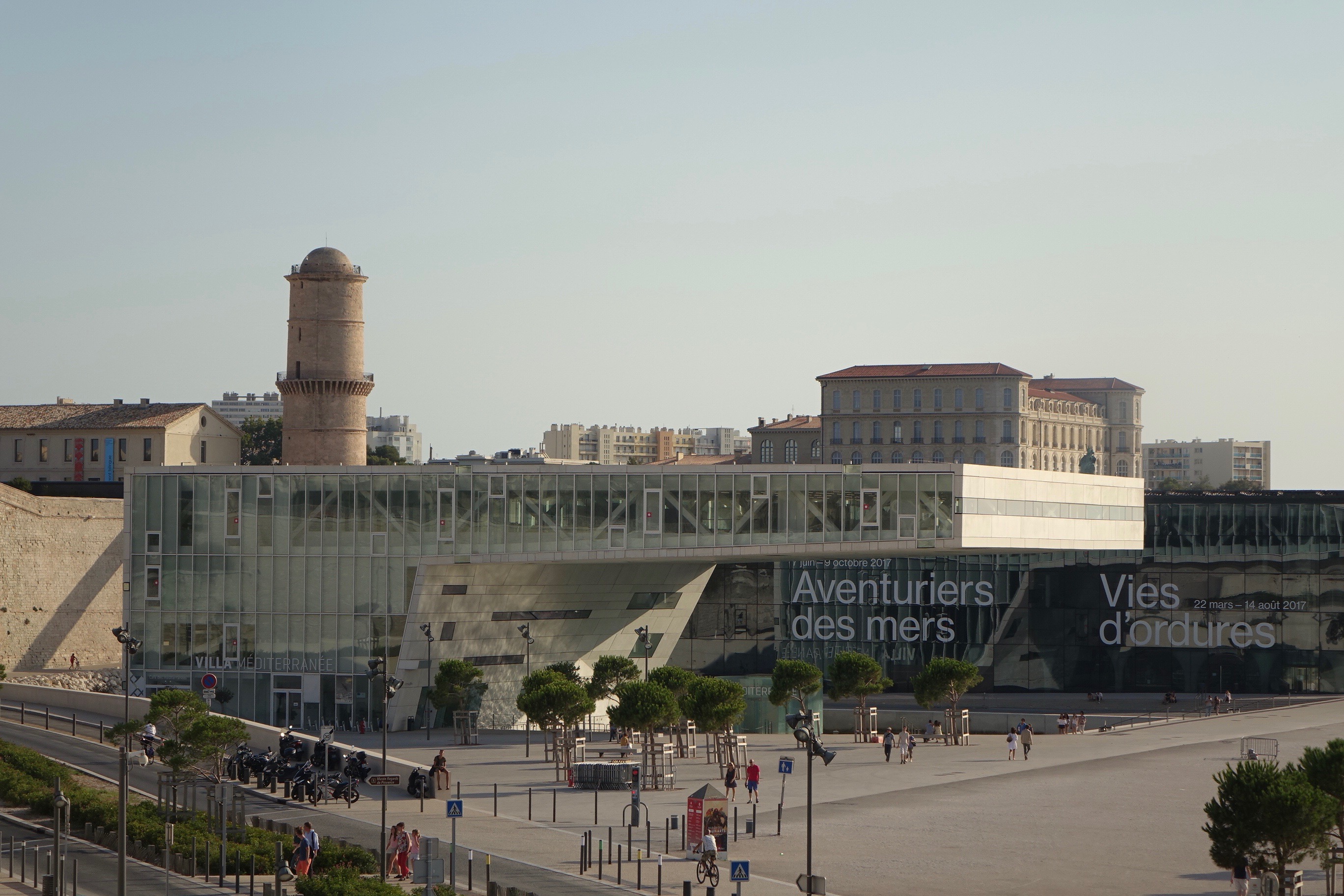
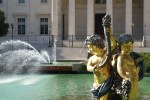
The result is a new waterfront which combines a freshly gentrified old neighbourhood with the implantation of stunning new architecture to produce a dazzling display of cultural verve immediately alongside the Mediterranean sea. Central to the architectural revolution is the Musée des Civilisation dÉurope et de la Méditerranée (MuCEM), a masterly conjoining of a Rudy Ricciotti’s striking modern cube, covered from top to bottom with what looks like a giant lace mantilla, and, across a vertiginous narrow footbridge, the restored Fort St Jean, which today is awash with Mediterranean inspired gardens and striking sculpture. This combination of ancient and modern works surprisingly well. Both buildings are imposing and structural, but in their newly polished finish look dazzling, particularly at night. Next door to MuCEM another striking addition is the Villa Méditerranée, featured in Stefano Boaeri’s striking cantilevered construction which appears to defy gravity as it bends horizontally across a pool of Mediterranean water. 

The Villa Méditerranée and MuCEM by night

DSC03947DSC03936DSC04694DSC03943DSC03911DSC03918DSC04707DSC03927

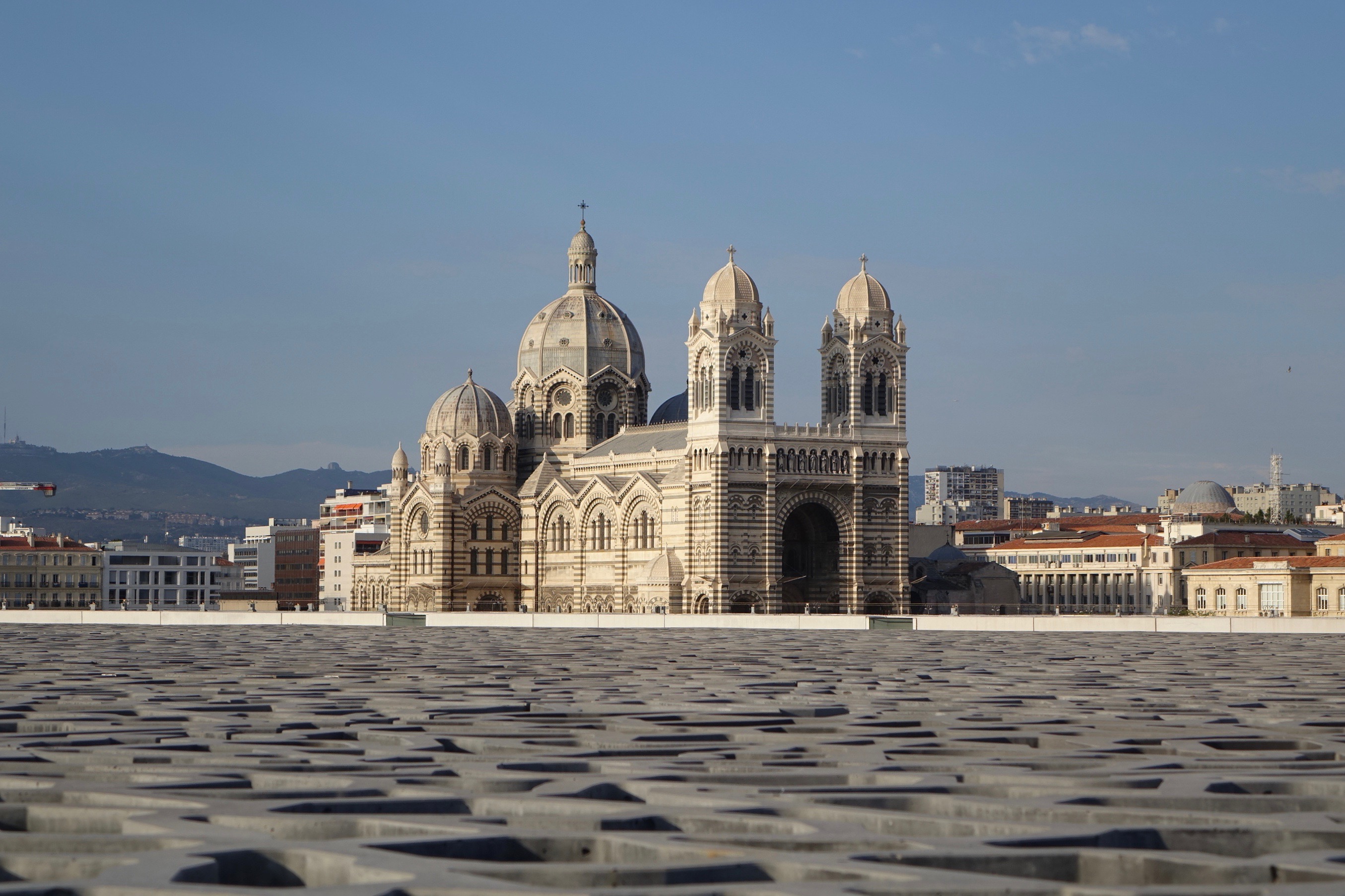
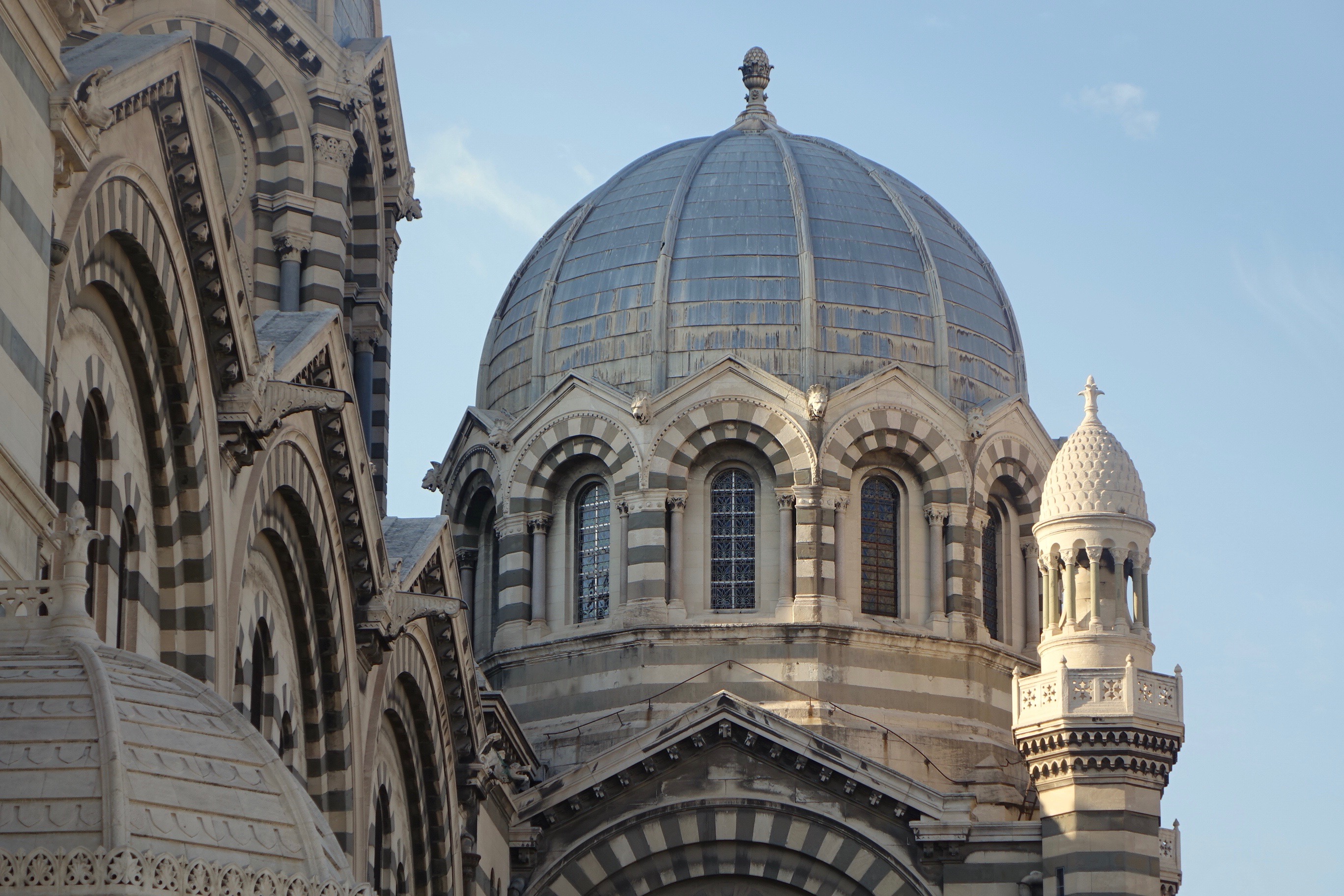
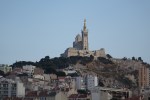
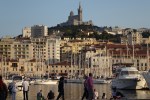
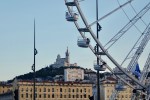
But this waterfront would not be complete without the church which stands guardian over it all: the Cathédrale de la Major. Wedged between the sea and the district of Le Panier, the imposing 19th century structure looks like a cross between the Sacre Coeur in Paris, and Santa Maria Novella in Firenze. It’s stripes stone construction seems to echo the typical dress of Riviera beach goers, while adding a touch of elegant sobriety to this newly revolutionised cultural hub.

The Cathédrale de la Major

DSC03934DSC03998DSC03931DSC03924DSC03919DSC03916

© Nicholas de Lacy-Brown and The Daily Norm, 2001-2017. Unauthorised use and/or duplication of the material, whether written work, photography or artwork, included within The Daily Norm without express and written permission from The Daily Norm’s author and/or owner is strictly prohibited.

Marseille to Marbella, Part II: Le Panier

It’s a story which is far from unique: European city, ravaged by the horrors of war, its architectural and cultural heritage trampled into dust by the unforgiving swathe of brutal violence – territory grabs without sensitivity nor foresight, all in the name of victory. Many of Europe’s ancient treasures were destroyed this way, when mass invasions and forced occupations brought with them a path of historical vandalism from which a full recovery has never been made. And Marseille is no exception. For on on the old Vieux Port, only the Renaissance style Hotel de Ville and the Hotel de Gabre remain as a reminder of what the grand old Marseille waterfront would have been in its golden age. The rest was cleared in mass explosions executed by Nazi occupiers who feared the uncontrollable warren of Marseille’s ancient streets, and the potential for hiding in them the “undesirables” they sought to eradicate.

And so, of this uniquely charismatic area of ancient Marseille, Le Panier, only the upper town remains today. Its previous quaint waterside was eradicated in one devastating act of destruction, only to be replaced by the horribly charmless art deco apartment blocks which remain to this day. Yet behind the port, up on the slopes of ancient Marseille, the old core of Le Panier remains, the merciful survivor of Nazi occupation, and clear example of how the city would at one time have looked.

DSC03903DSC03851DSC03821DSC04652DSC03905DSC03840DSC03870DSC03829DSC03860

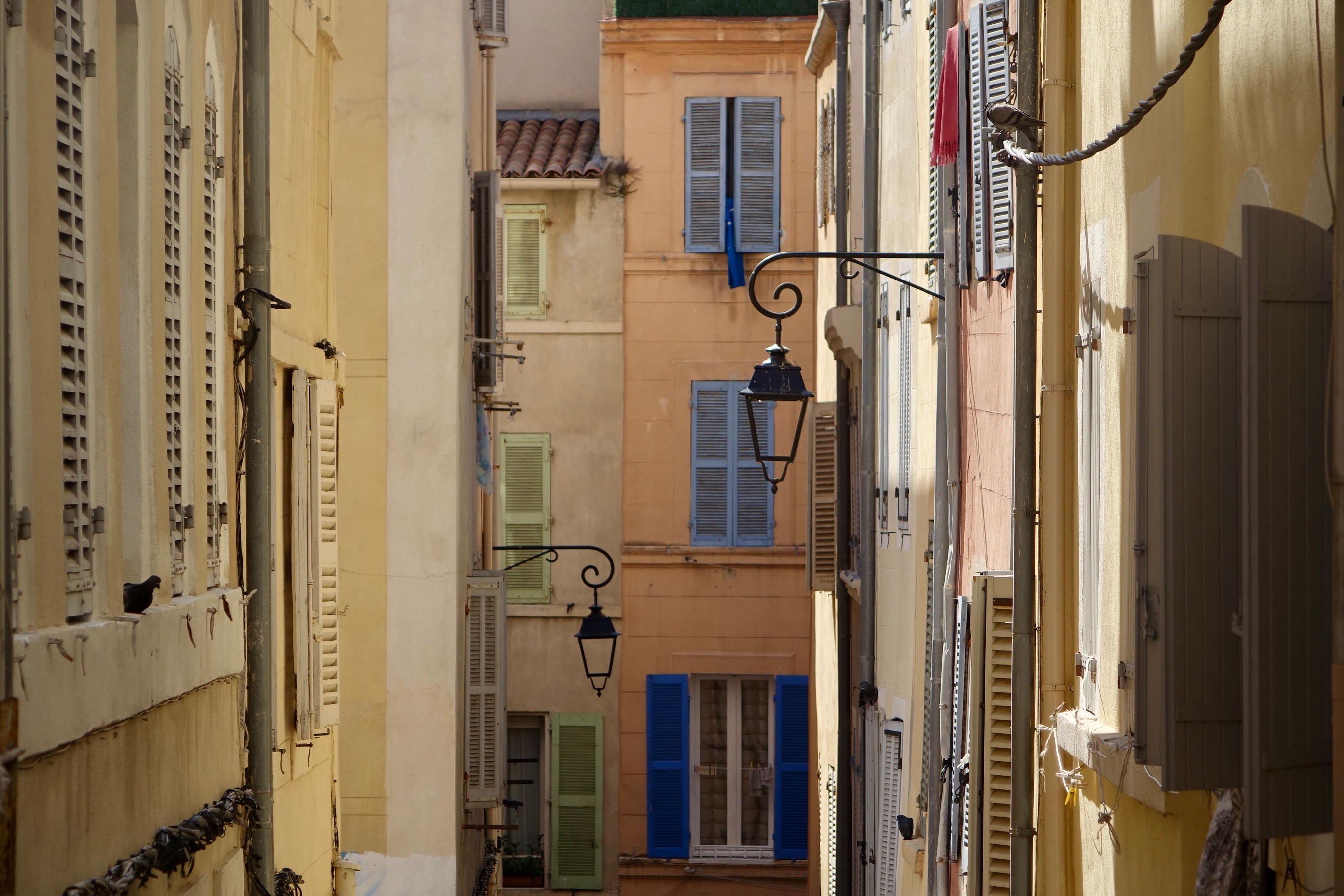
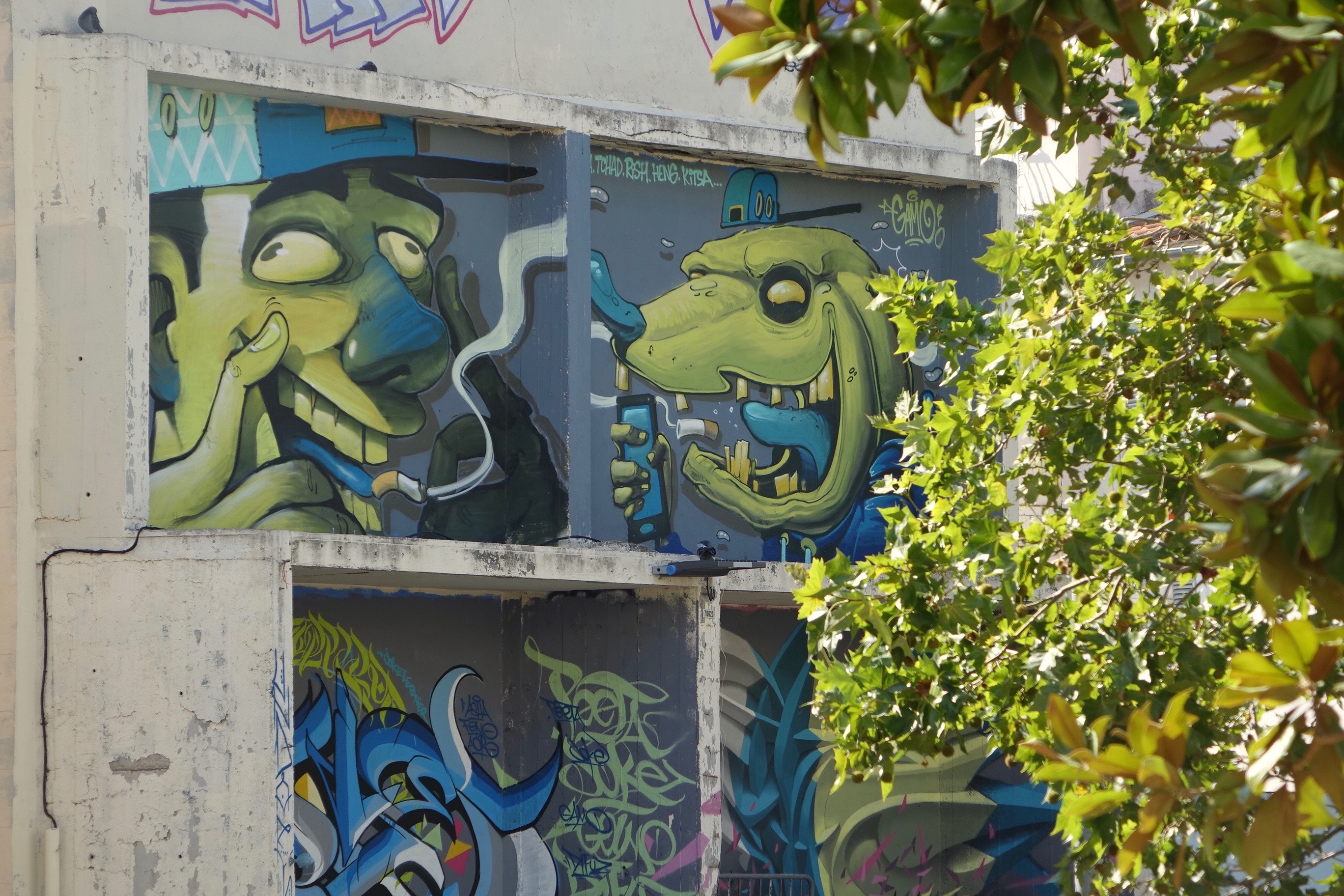
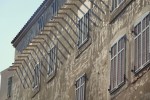
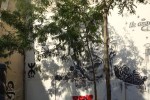
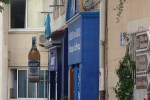
The streets of Le Panier carry a lazy, bohemian milieu characterised by a clearly artistic streak and a decidedly gritty, urban edge. Streets lined by painted shutters and washing hung out to dry are also decorated by large graffiti murals which give an indication of the creatively rebellious inhabitants who occupy the area. Steep slopes give way to quaint restaurants, and the area’s bars and shops are simple and unassuming. Streets are unplanned, cobbled and hilly, but they bare the signs of centuries of unceremonious habitation – the cracks of age and the scars of competing modes of expression.

While resembling something of the charm that the surrounding area of Provence exudes in bucket loads, Le Panier is as authentically urban as it gets. This is the hard edge to the Riviera’s soft, lavender-scented tourist-friendly facade, and is a quintessential representation of a modern Mediterranean city anchored in its history.

© Nicholas de Lacy-Brown and The Daily Norm, 2001-2017. Unauthorised use and/or duplication of the material, whether written work, photography or artwork, included within The Daily Norm without express and written permission from The Daily Norm’s author and/or owner is strictly prohibited.

Marseille to Marbella, Part I: Downtown City

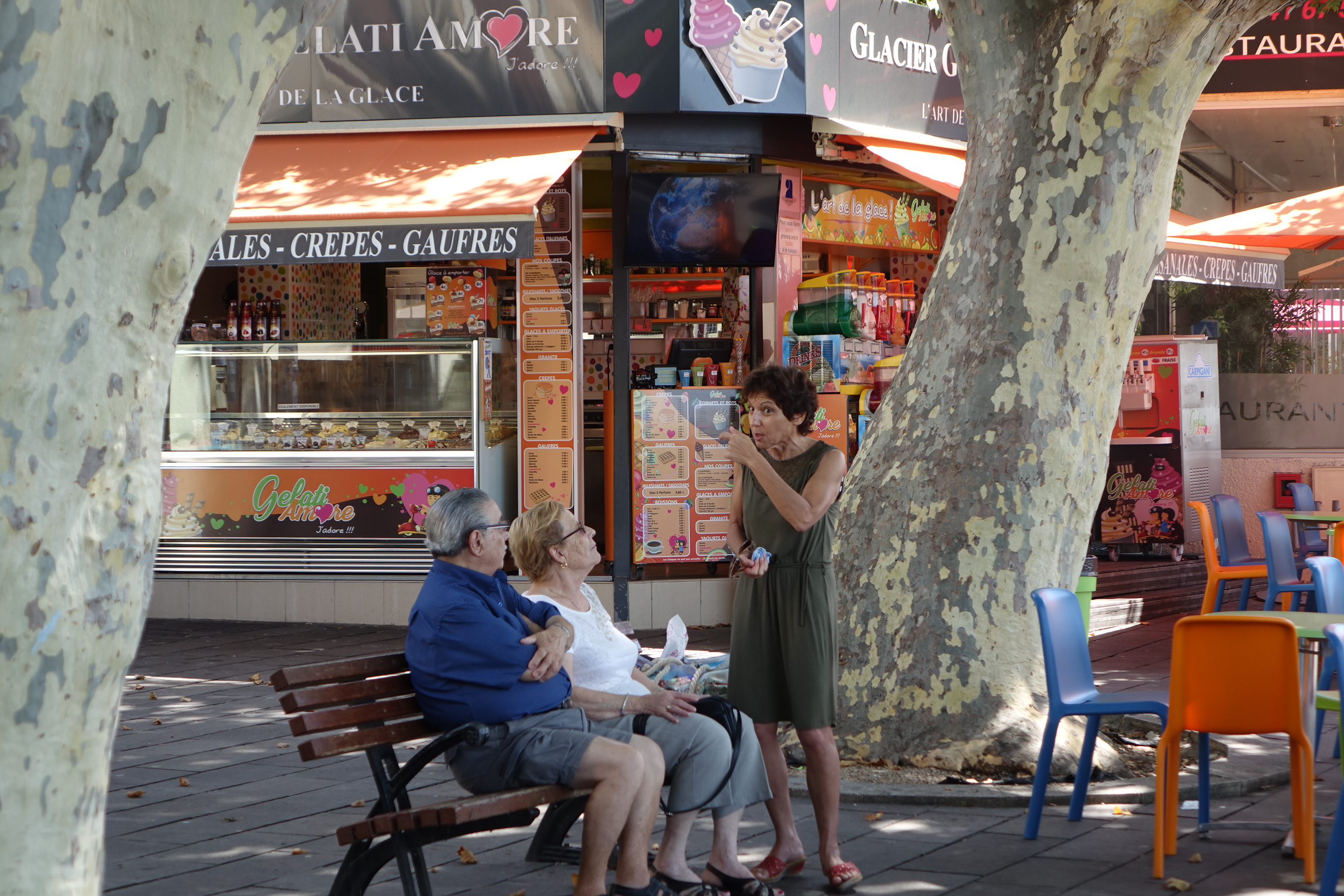
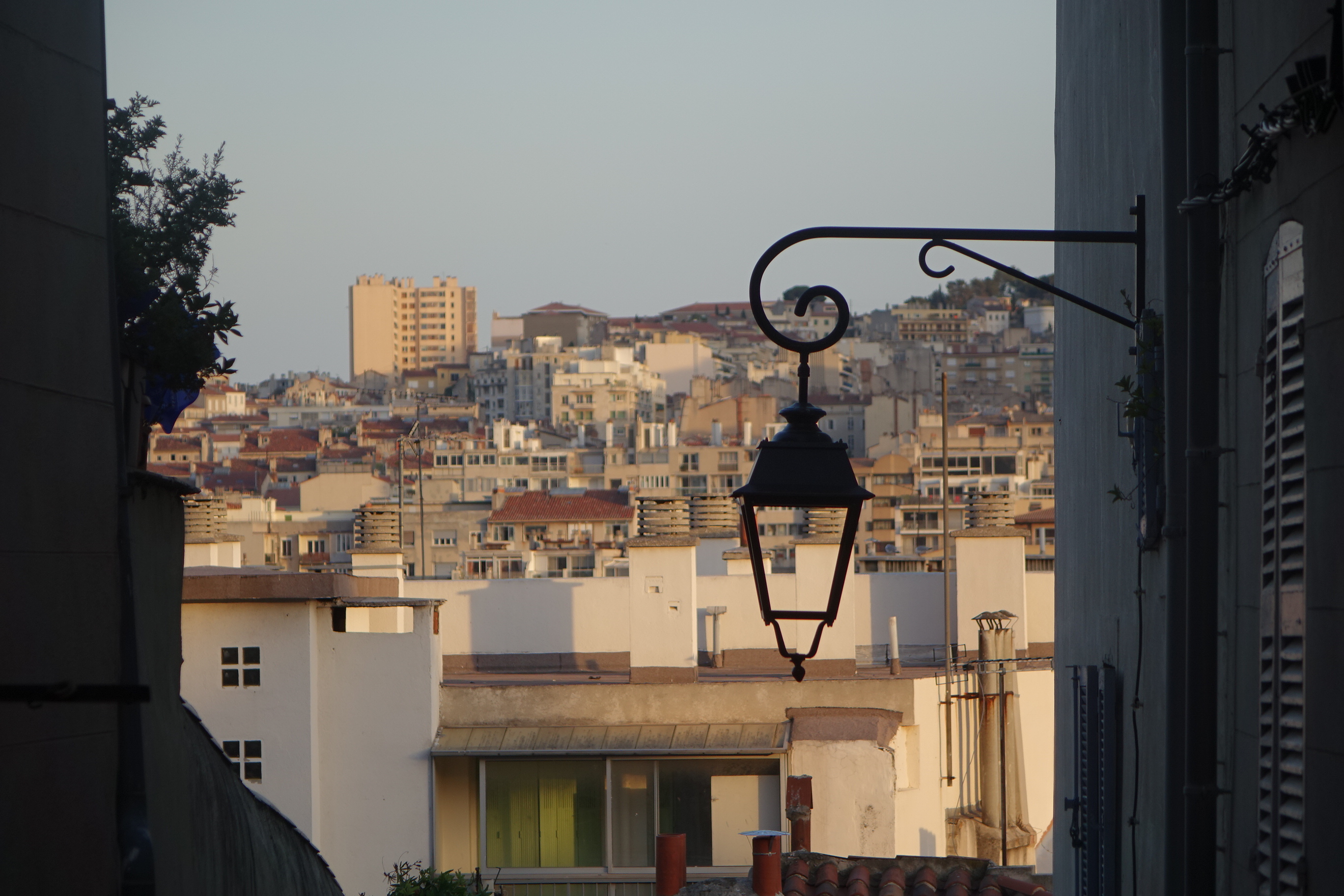
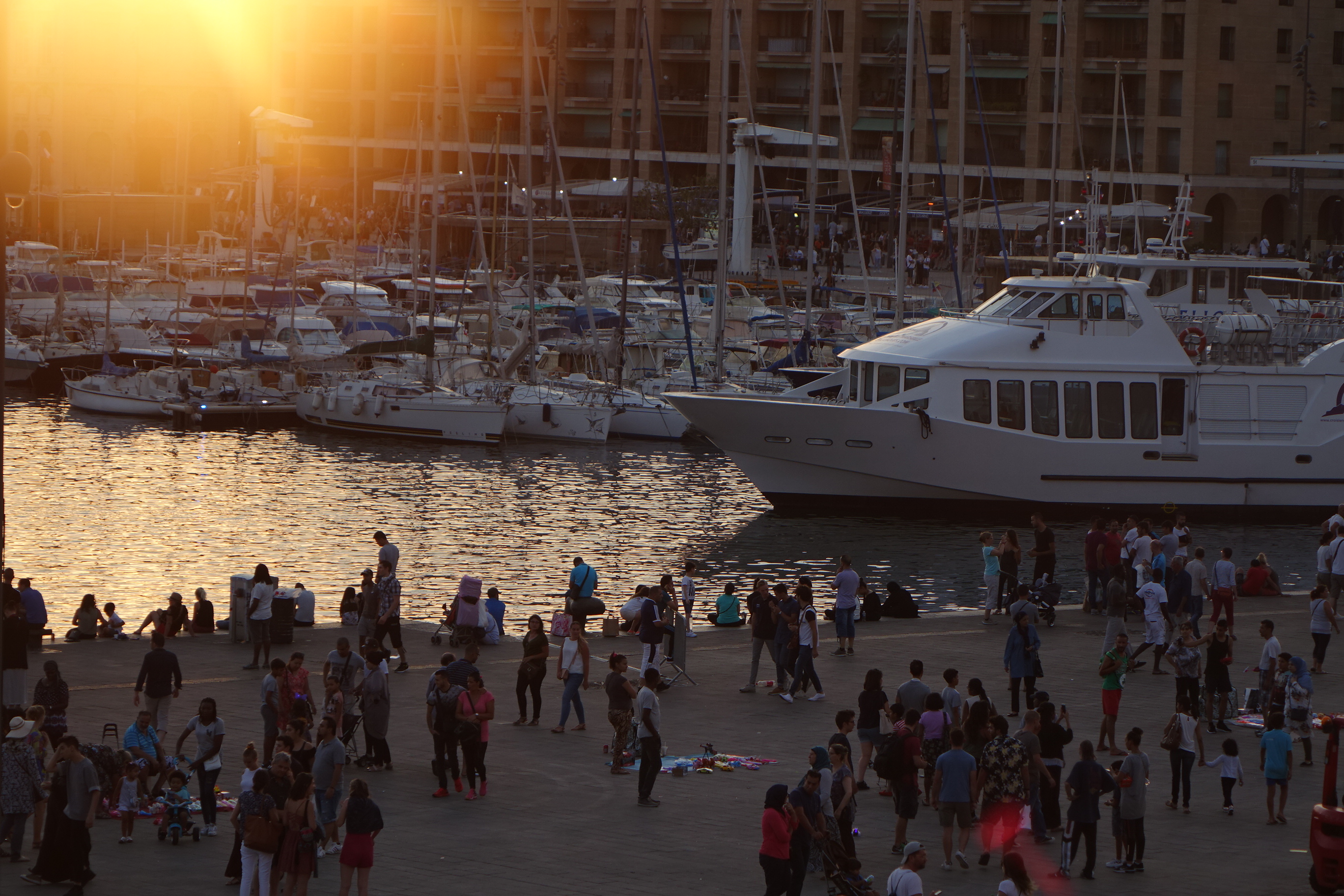
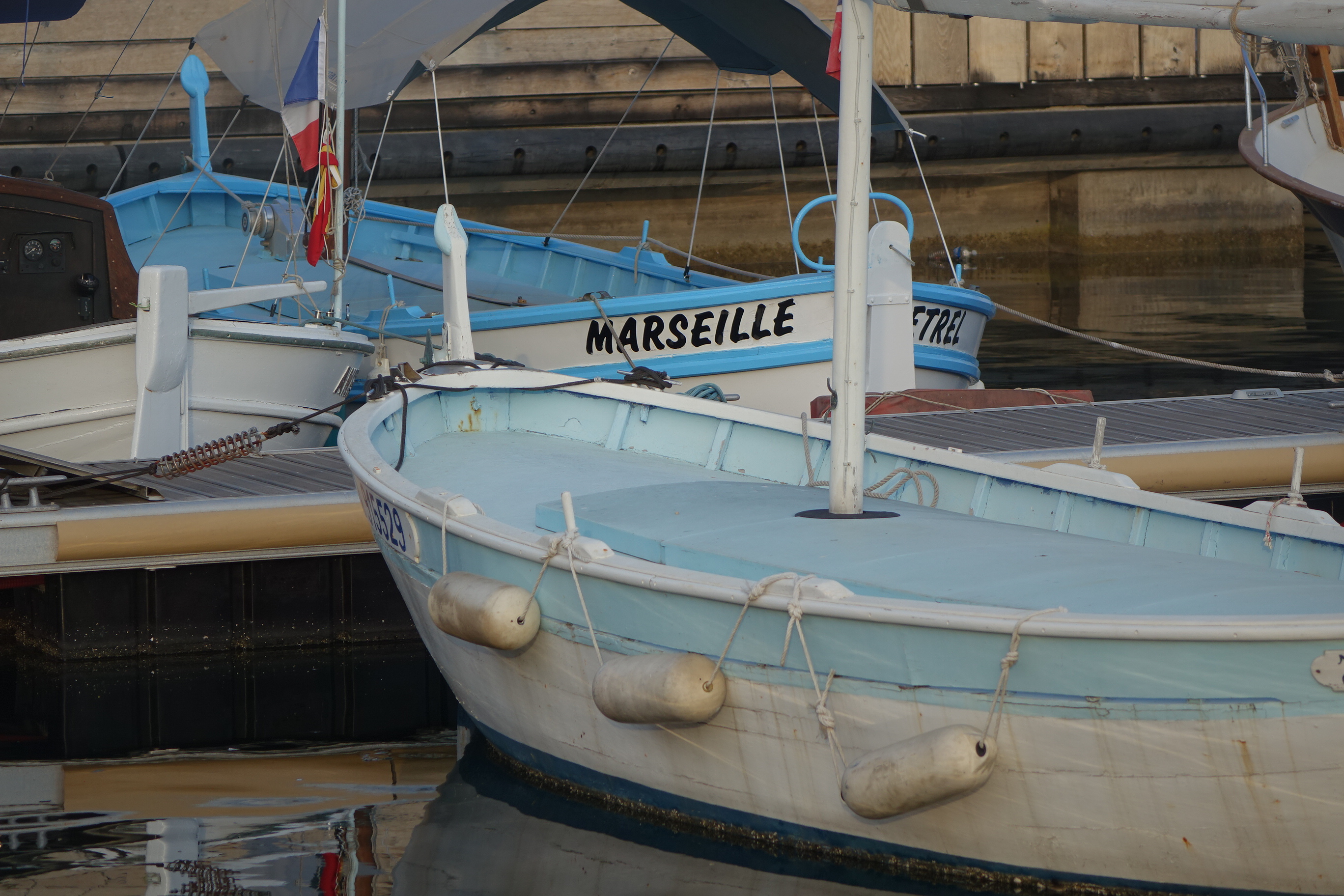
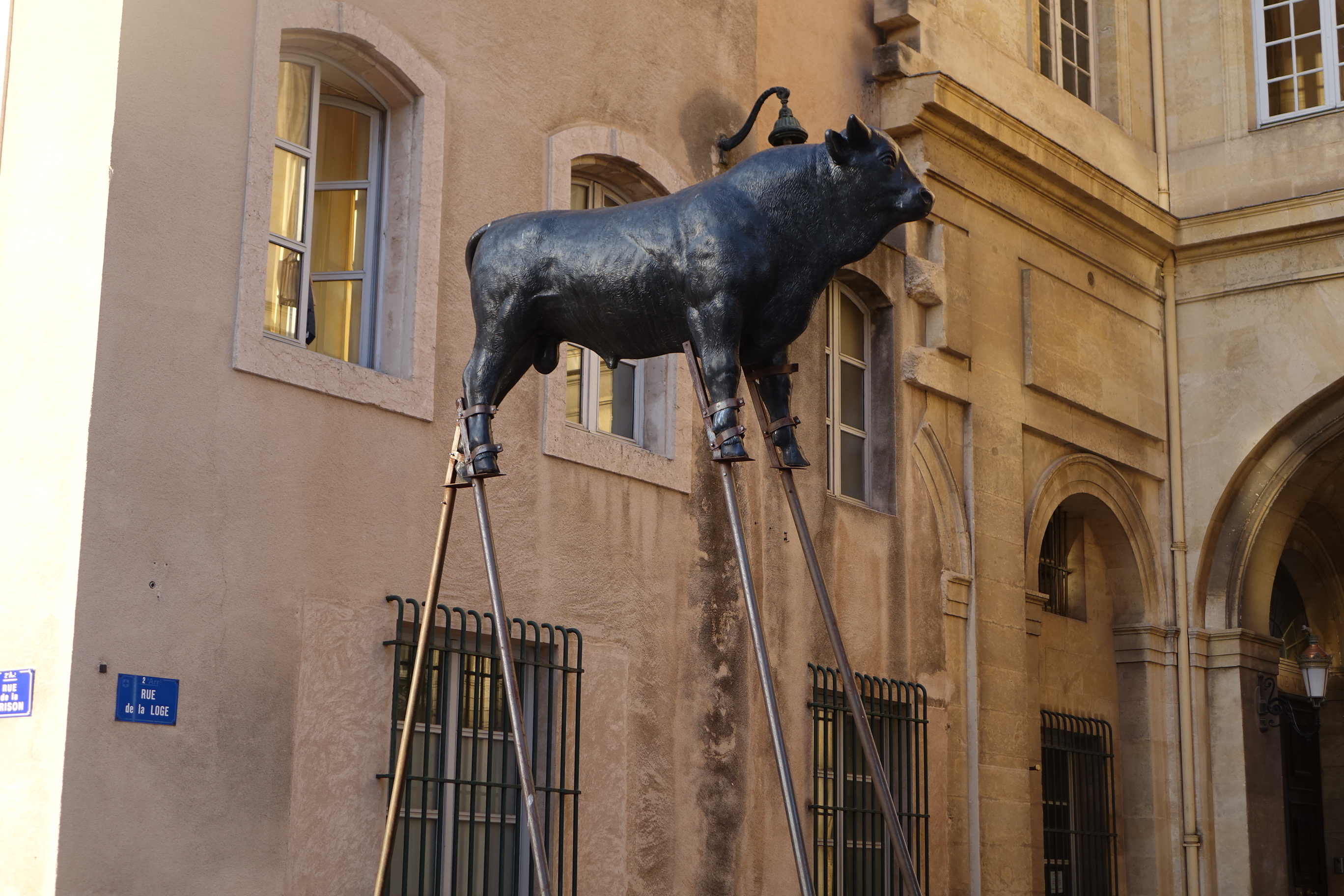
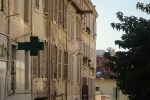
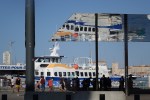
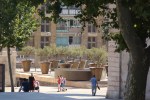
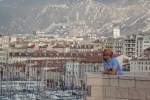
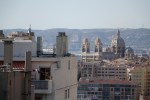
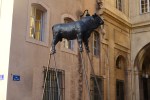
Marseille is one of those cities that’s got a bit of a reputation. Like Naples and Palermo, (and even Barcelona before its Olympics regeneration), Marseille is characterised by an idyllic location which has been both its enemy and its friend. For with popularity has also come rapid growth, and the result is an uncontrolled urban sprawl where street crime has taken the place of riviera recreation, and the high temperatures have combined with a generalised lethargy to improve what are often grave social divides and ever evident crime and economic issues. Yet for all that, Marseille is a city with an undeniable arresting quality; which is so historically wealthy and with so vibrant and diverse a population that you cannot help but be mesmerised.

DSC04094DSC04487DSC04083DSC04426DSC04113DSC04079

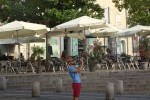
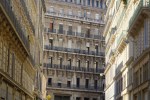
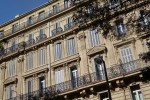
Such is Marseille, France’s second city, and in many respects like Paris by the sea, except that in Marseille the social divide is perhaps even more visible. Here, Haussmann mansions have been given a graffiti facelift, and where the Seine would cut through Paris with all its luxuriant wateriness, in Marseille the sea, and all its accompanying ship building industrial heritage and fishing paraphernalia, predominates all.

This first look at our summer trip from Marseille down to Marbella takes the Daily Norm back a few weeks, to the sunny days of August when temperatures were at an all time high. Our arrival, on the Eurostar train from London into Marseille’s Gare St Charles, was one greeted by temperatures close to the 40s. Yet this was no blue-shuttered port or seaside retreat in which to enjoy the summer weather at ease. Marseille hit us with the full impact of its teeming urban sprawl which literally shimmered in the heat as the fumes of traffic and food and generalised humanity combined with fresh sea breezes and an awful lot of sunshine.

DSC04047DSC04099DSC03785DSC04068DSC04146DSC04465

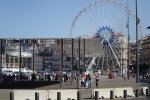
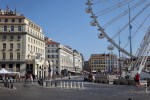
From streets crammed with shops and markets, and bustling with faces from across the world, to the city’s true heart, the Vieux Port, where people milled to watch boats stride in and out of the harbour, it wasn’t hard to get to know Marseille: a city which wears its heart on its sleeve and is emotionally, viscerally real.

Marseille may be the capital of the French Riviera but St Tropez it is not. Rather, this thriving metropolis combines elements from across France and its ancient empire: it is a true world city with an evidently international demographic. What it lacks in luxury, it makes up for in spirit. And as you can see from this first raft of photos, it is a city of a not insignificant aesthetic appeal.

Bienvenue à Marseille!

© Nicholas de Lacy-Brown and The Daily Norm, 2001-2017. Unauthorised use and/or duplication of the material, whether written work, photography or artwork, included within The Daily Norm without express and written permission from The Daily Norm’s author and/or owner is strictly prohibited.

Memories of Marrakech, in Abstract

It seems incredible that the summer is now drawing to its close. Why is it that time always goes so fast in the summer, yet the winter always seems to be an interminable torture without end? Yet the excitement with which this last summer season started infects me still, and I remember with what feverish anticipation we headed to the wild planes of Africa for the first time in our lives, to visit the Moroccan city of Marrakech.

In all the bustle of the new summer season, I barely had time to reflect upon the mesmerising pink tones of a city so unlike others I have visited previously. I created a few small art works, but soon my mind was focused towards Sicily. Amongst them, I painted this small study of the terracotta hued rooftops of Marrakech – a rather traditional work, but capturing something of the essence of that hodgepodge of a city. Yet when I looked upon the work the other day, sitting as it does on my bookshelf, I felt incomplete. This work, like the Windsor landscape and abstract coupling I have just completed, needed its abstract counterpart. And that is exactly what I set out to create.

Marrakech Abstract FINAL

Memories of Marrakech (©Nicholas de Lacy-Brown 2017, acrylic on canvas)

Featuring the same very Moroccan palette of pinks, blues and earthy tones, this abstract seeks to reinterpret my earlier rooftop study, injecting a whimsicality into the composition. In reimagining this work, I was also able to layer the abstract with double meanings. The round arc of a satellite dish also resembles, for example, the crescent and star which is the design of many an Arabic flag, while another dish is placed so as to recall the dome of a mosque.

Abstraction, as a concept, intends to remove something of the figurative and pictorial, at least from its normal compositional placement, if not from the canvas altogether. What interests me about this piece is its clear abstract quality, while retaining an evident illustrative quality of both Morocco and Marrakech. For me, that makes it the perfect souvenir of that fantastically unique city.

© Nicholas de Lacy-Brown and The Daily Norm, 2001-2017. Unauthorized use and/or duplication of the material, whether written work, photography or artwork, included within The Daily Norm without express and written permission from The Daily Norm’s author and/or owner is strictly prohibited. For more information on the artwork of Nicholas de Lacy-Brown, visit http://www.delacybrown.com 

Cassata Siciliana

Following hot on the heels of my last Sicilian sketch, today the final curtain falls upon my Sicily series with this, probably the best showstopper I could conceive in dedication to a holiday so rich in inspirational sources – my latest painting, Cassata Siciliana. 

Measuring some 100cm squared, it’s the largest painting I have completed in a long while and utterly dedicated to the joyful colours, textures and landscapes of South Eastern Sicily. Both its name and its central theme revolve around Sicilian desserts, more particular the Cassata which, in both its sponge-cake original and the ice cream alternative is a dish typical of the island comprising different layers of chocolate, pistachio, ricotta and candied fruit, all representing the wealth of Sicily’s locally available produce. Taking inspiration from that multi-layered dessert, I sought to paint a scene of Sicily made up of layers of squares and outlines, colours and textures, all of which combine to represent a jovial Sicilian scene, a town piazza at its centre, and the tables and chairs and striped awning of a gelateria dominating the scene.

Cassata Siciliana FINAL

Cassata Siciliana (2017 ©Nicholas de Lacy-Brown, acrylic on canvas)

Whether it be the little ice cream cart on wheels, or that other famous Sicilian treat – the cannolo – proudly sat upon a marine-striped building, this is a painting dedicated to the joy of sunny afternoons filled with chatter, happiness and above all things, dessert. But it is also a homage to the beauty of the Sicilian landscape, whether the baroque brilliance of its cathedrals – such as this reference to the yellow-stoned magnificnetly-domed cathedral in Noto – or the natural scenery which characterises the island, in particular the startling shadow of Etna which defines Sicily.

© Nicholas de Lacy-Brown and The Daily Norm, 2001-2017. Unauthorized use and/or duplication of the material, whether written work, photography or artwork, included within The Daily Norm without express and written permission from The Daily Norm’s author and/or owner is strictly prohibited. For more information on the artwork of Nicholas de Lacy-Brown, visit http://www.delacybrown.com 
My Sicily Sketchbook: An Aperol in Taormina

Just when it looked like the Daily Norm’s Sicily series was at a close, I have a few final hurrahs to add to the collection, in the form of Sicily inspired artworks, naturally. The first is this one, a further page of the second volume of my trusty travel sketchbook, which was started in Catania and went with me along my travels across the south east of Italy’s most inspiring island. This sketch depicts the Piazza 9 Aprile in the bustling little hilltop town of Taormina.

Taormina Sketch

Drinks on the Piazza 9 Aprile, Taormina (© Nicholas de Lacy-Brown, 2017, pen on paper)

Given its reputation as the Capri of Sicilia, Taormina is a town aptly peppered with plenty of boutique designer stores, baroque embellished houses and a panoply of cafes, their tables spilling out onto the black and white chequerboard pavements. It was in one such café that I began this sketch, an aperol spritz appropriately placed on the table before me, while around us, street musicians provided the perfect accompaniment to a wonderful afternoon moment. But the aperol did not last long, and soon enough we were off to dinner. The completion of this sketch had to wait, therefore, until many weeks later back in a decidedly less Sicilian UK… hence its delayed publication on The Daily Norm. But as they say, better late than never…

© Nicholas de Lacy-Brown and The Daily Norm, 2001-2017. Unauthorized use and/or duplication of the material, whether written work, photography or artwork, included within The Daily Norm without express and written permission from The Daily Norm’s author and/or owner is strictly prohibited. For more information on the artwork of Nicholas de Lacy-Brown, visit http://www.delacybrown.com 
The Sicily Series | Part X – Baroque Round-up

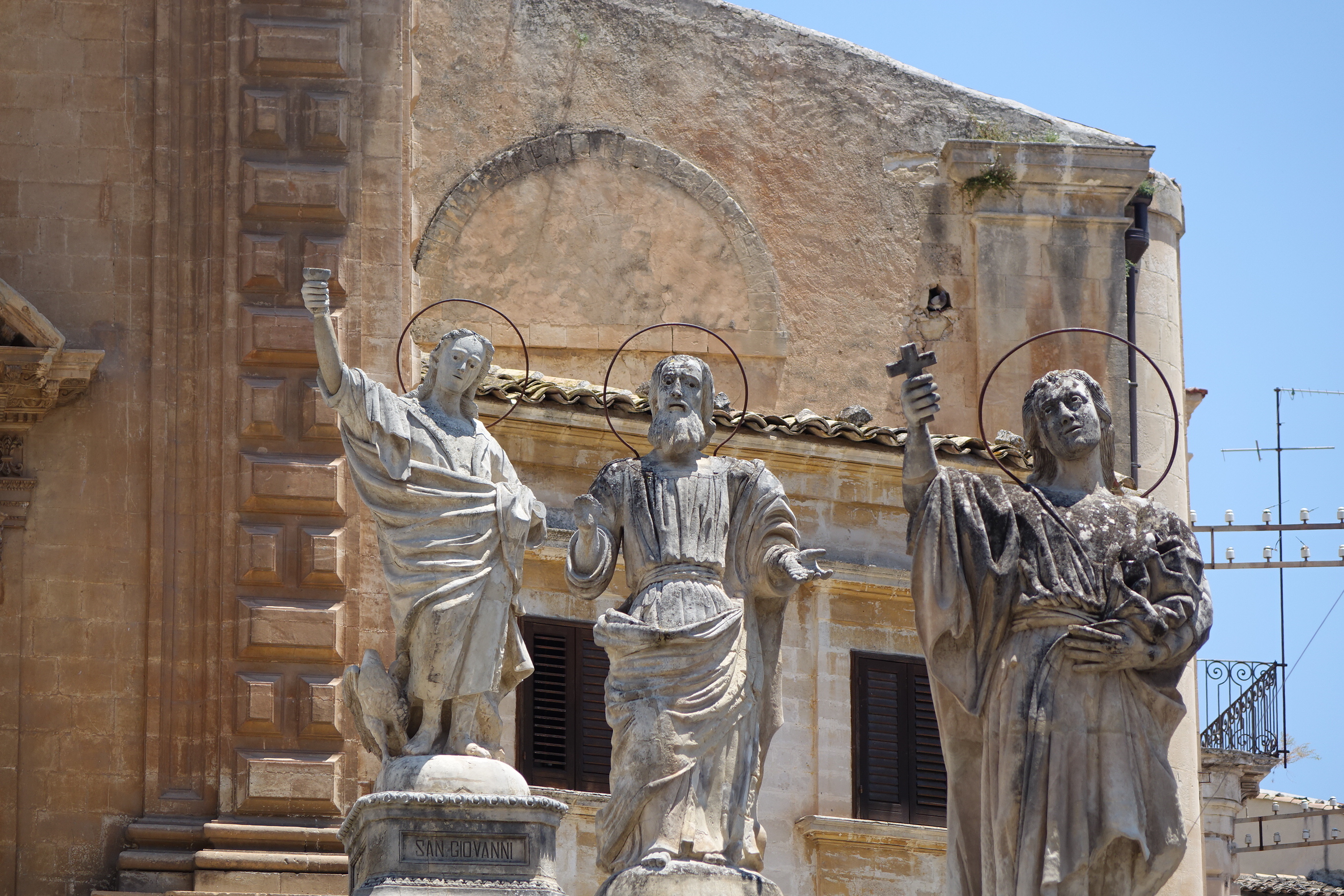
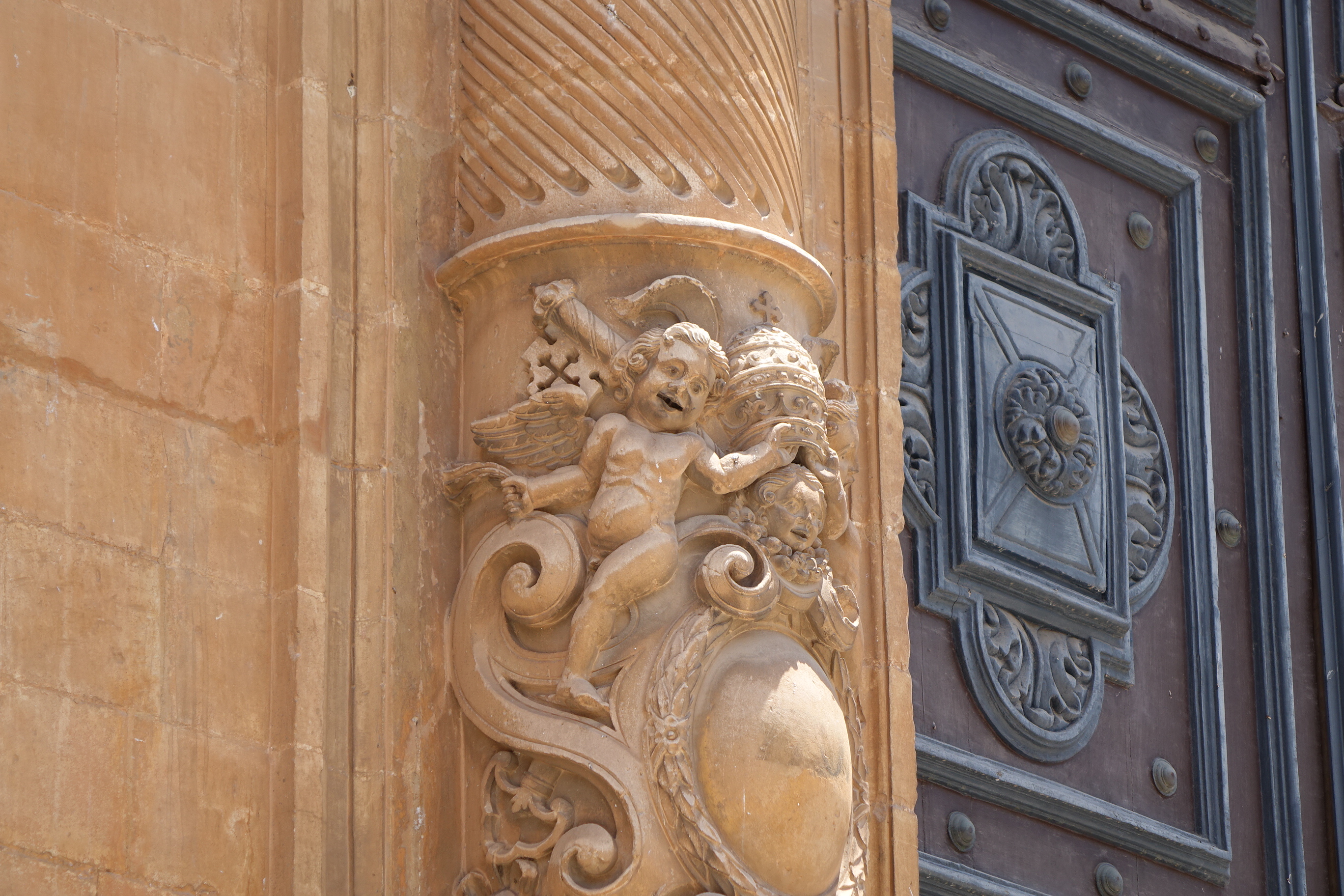
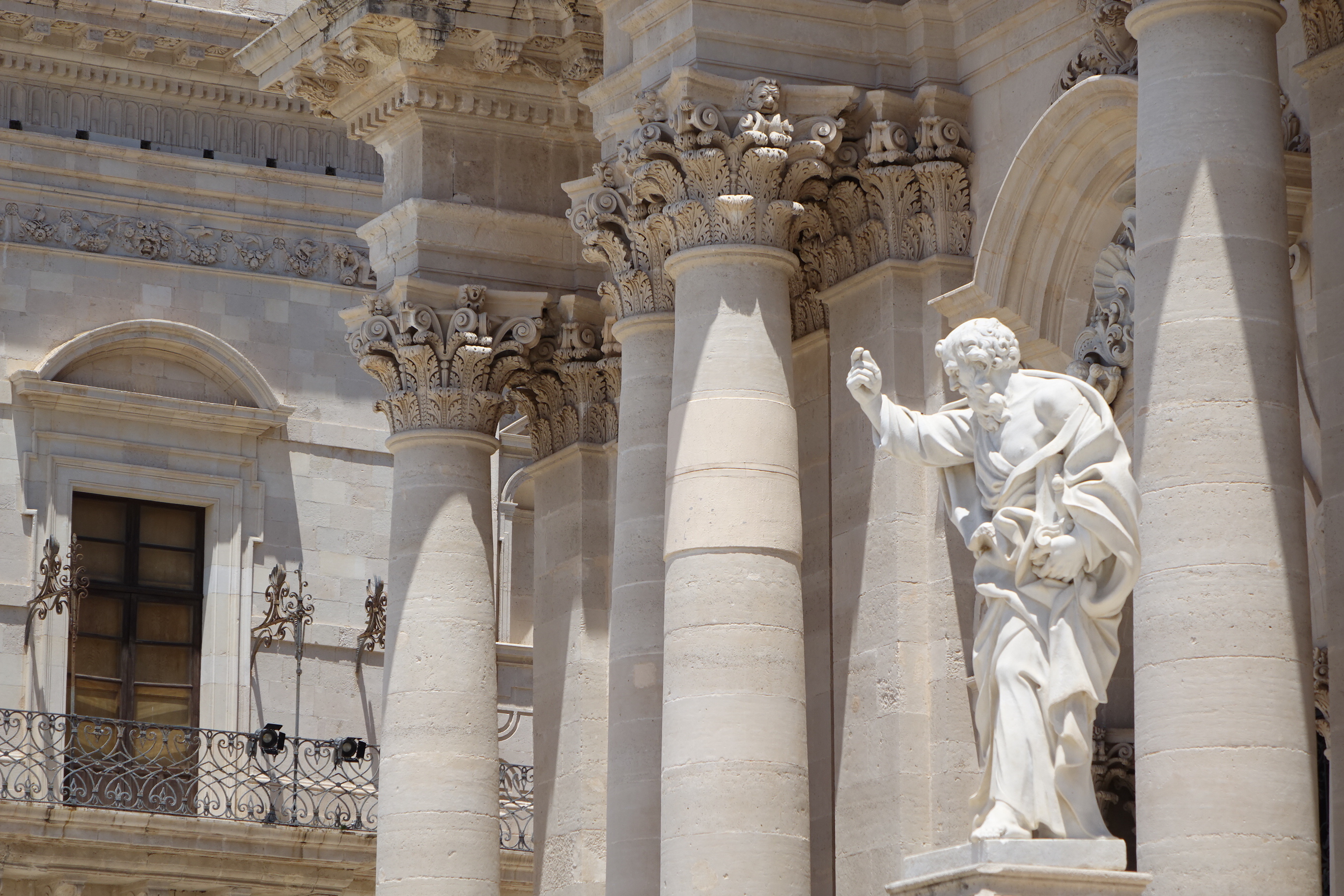
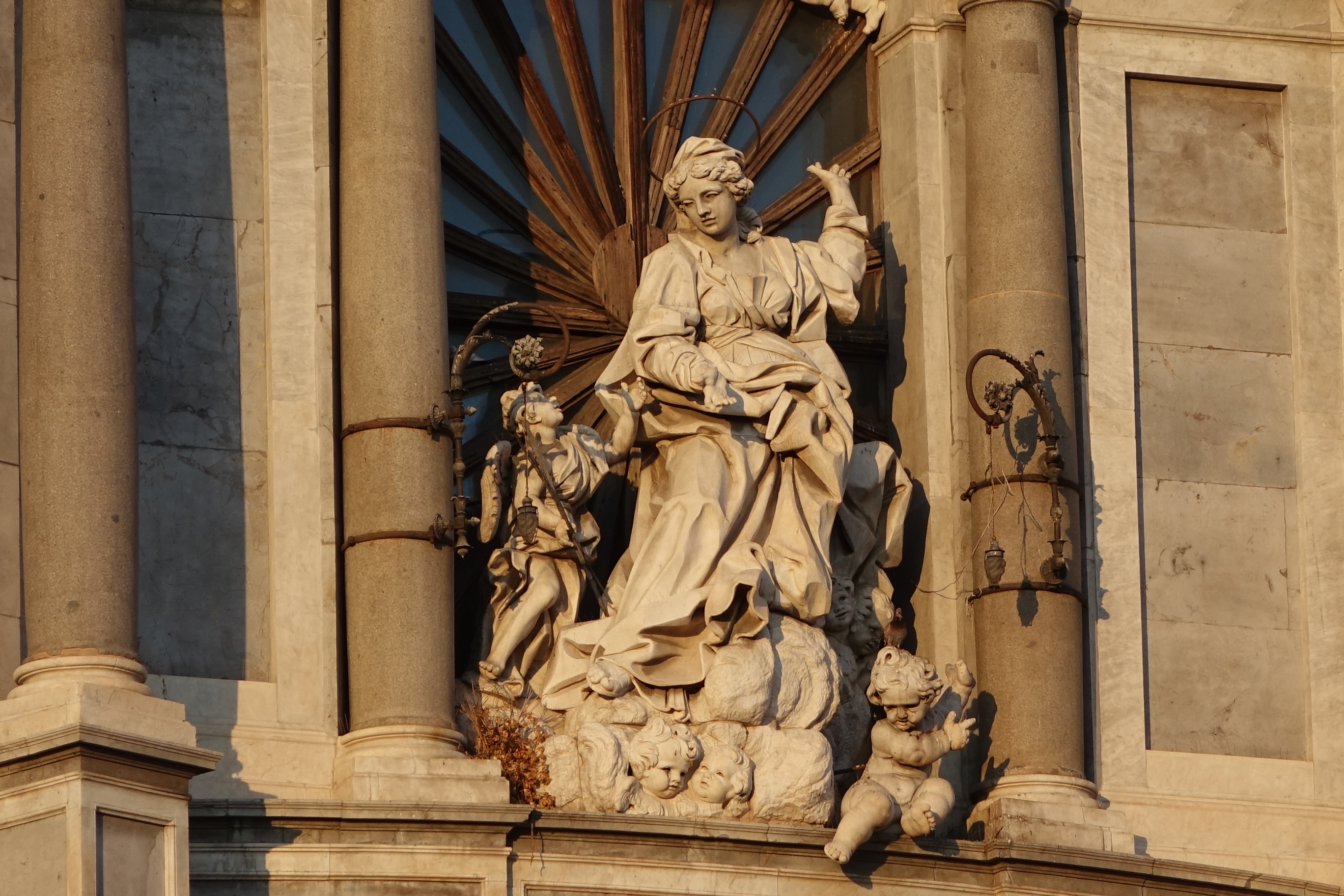
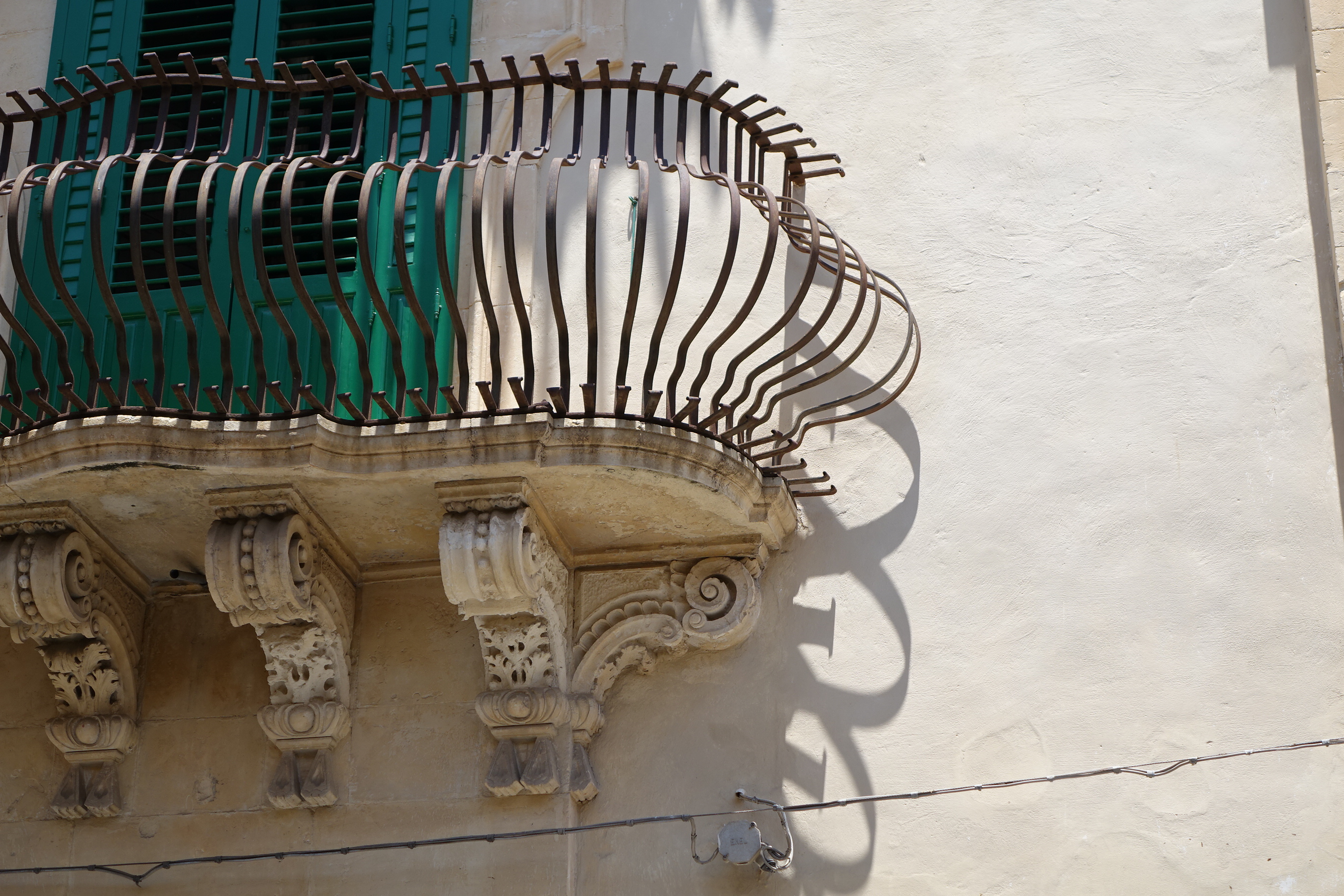
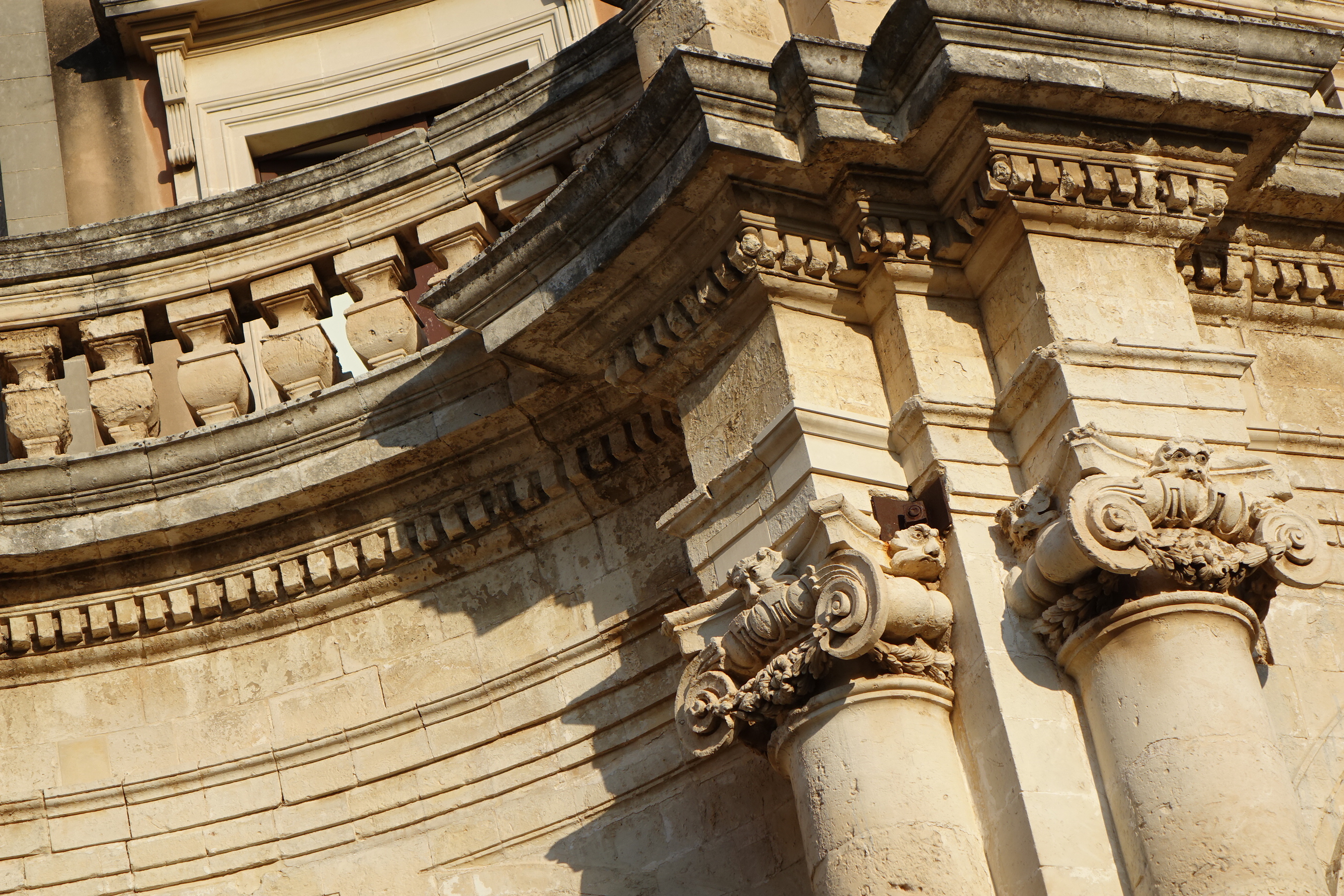
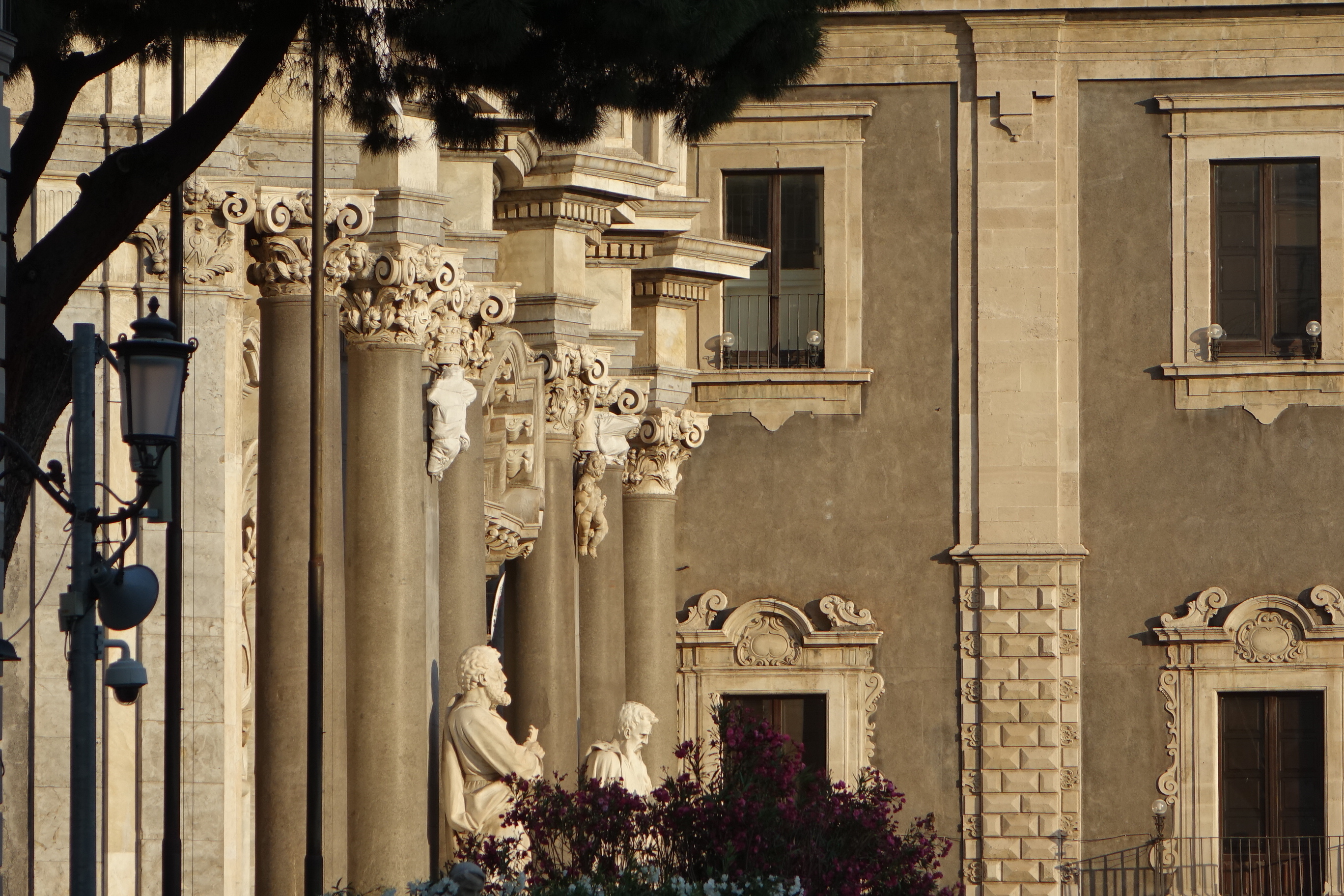
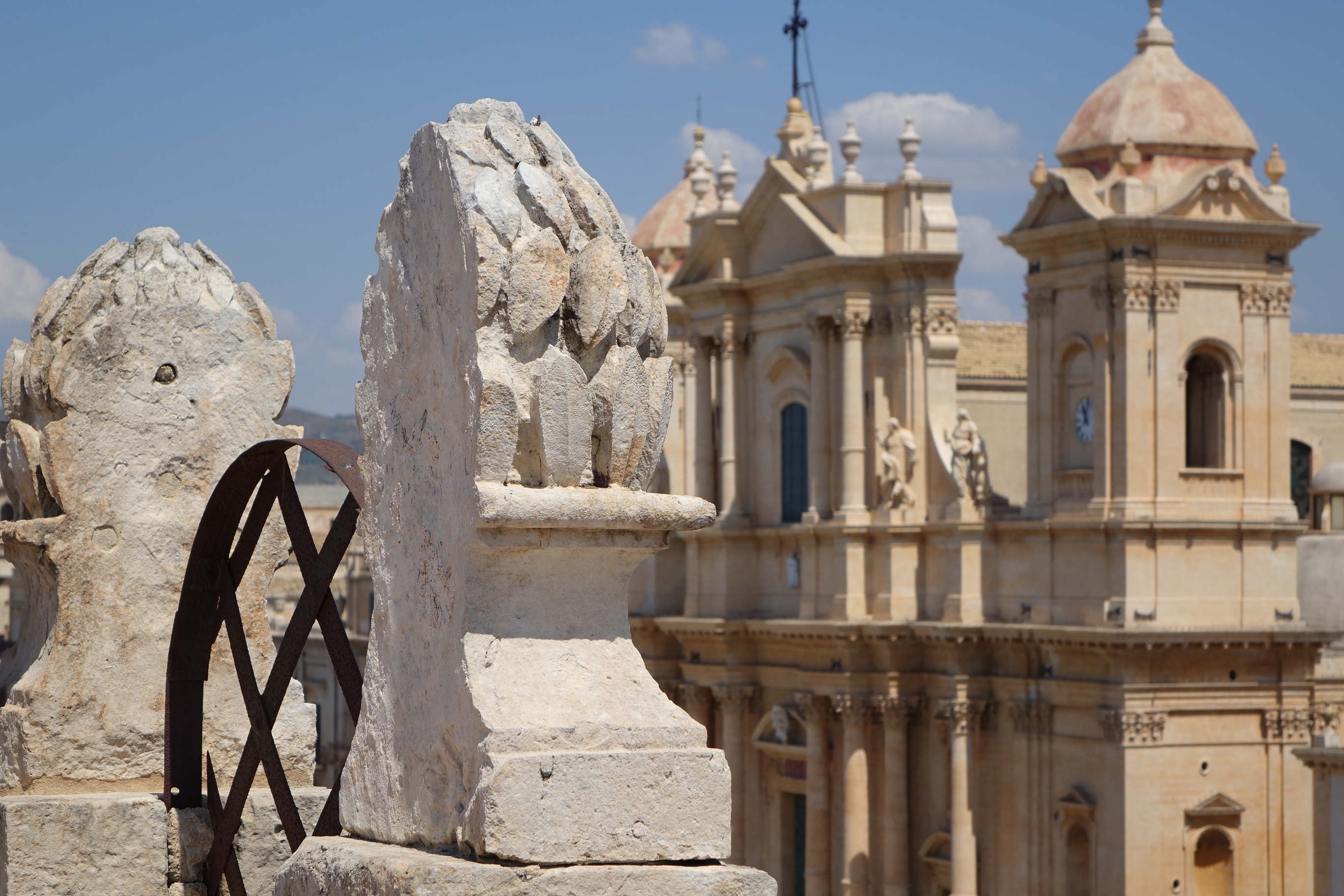
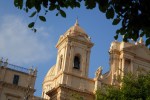
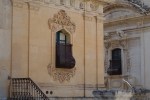
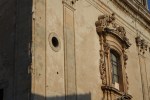
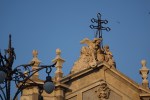
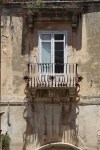
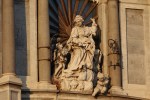
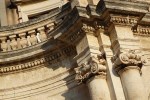
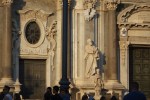
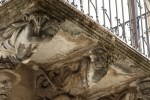
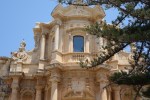
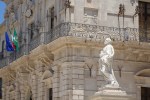
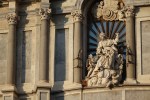
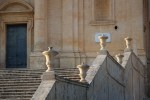
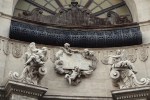
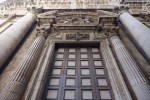
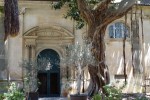
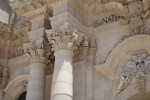
From Catania to Noto, and all the lavishly decorated theatrical towns in between, Baroque was a huge feature of our Sicilian adventure, and very much characterised the look and feel of South Eastern Sicily. Yes, of course modernity has crept in, placing its often ugly stamp around these towns of baroque splendour, but Sicily is no Manhattan, and for the most part it is the ancient architecture which continues to dominate, even though it is often tired, dilapidated and a mere shadow of its former self. This, I think, is the true essence of the Sicilian Baroque: complete over the top theatricality while bearing all the signs of age and weathering which is a side effect of the harsh climate and the poor economic conditions which still dominate in the region.

DSC03548DSC03554DSC02129DSC03429DSC01962

For me, nostalgically romantic as ever, it is this battered and broken appearance which gives the Sicilian Baroque its charm, furnishing it somehow for my perception of what the Mediterrananen aesthetic should always look like. Fascinated, I took a lot of photos, as the elaborate lines and fantastical detail of the baroque flourishes became more and more over top. While, throughout the Sicily series on my blog, you will already have seen many of these, I thought I would end this Daily Norm trip to Sicily with a final round up of the many baroque splendours on show.

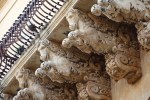
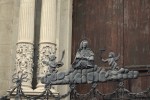
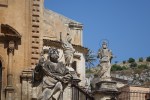
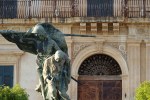
So let me indulge you in the beautiful Baroque of Sicily, in the abundance of putti (cherubs) and swirling clouds that offer the promise of paradise. Gaze in wonder as life-like statues of the apostles and the saints appear to come to life upon their baroque stage-set, and be dazzled by the plethora of intricately carved balcony corbels, each displaying its unique take on the ultimate Sicilian decoration, as angels and demons, animals and even house owners are rendered in stone and set at the base of palace balconies where they can be best admired from the street below.

DSC03266DSC03244DSC02897DSC02829DSC01963DSC01898DSC03180

Sicily is characterised by its food and its people, by its climate and its architecture, but chief amongst its influences are the tectonic actives and that ever dangerous volcano, Etna, which have so often caused havoc on the island. But with disaster comes beauty, and were it not for the great earthquake of 1693, Sicily might never have been presented with this opportunity to redesign itself in the baroque style. Today we cannot help but admire this aesthetic all the more, both for its fortuitous advent, but also in the knowledge that its fragile foundations may be rocked again one day when the powers below the earth decide its time to stir again…

© Nicholas de Lacy-Brown and The Daily Norm, 2001-2017. Unauthorized use and/or duplication of the material, whether written work, photography or artwork, included within The Daily Norm without express and written permission from The Daily Norm’s author and/or owner is strictly prohibited.