Skip to content

Posts from the ‘Travel’ Category

Interpretation No. 11 – Castagneto Carducci

Last week’s Daily Norm was a glorious panoply of Tuscan views, scenes and sensations and it’s not quite over yet. For hot on the heels of my Tuscan weekend comes my 11th interpretative landscape – part of my Interpretations collection which I began some three months ago after being inspired by the sumptuous landscapes and cubic shapes of Italy’s Amalfi Coast. 

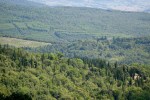
Back in Italy this September, and one glimpse up through the vine-packed fields of Donoratico to the emerging landscape of Castagneto Carducci made me realise that this pretty hill top town was an obvious contender for an interpretative overhaul. For with its tightly packed cluster of pastel coloured houses all set up on a Tuscan hill, Castagneto offers a wonderful synthesis between petit-urban development set amidst a stunning landscape, which is exactly what the Interpretations series sets out to emulate. And I think this 11th Interpretation is probably one of my favourites of them all.   

Interpretation No. 11 - Castagneto Carducci (2014 © Nicholas de Lacy-Brown, gouache on paper)

Interpretation No. 11 – Castagneto Carducci (2014 © Nicholas de Lacy-Brown, gouache on paper)

© Nicholas de Lacy-Brown and The Daily Norm, 2001-2014. Unauthorized use and/or duplication of the material, whether written work, photography or artwork, included within The Daily Norm without express and written permission from The Daily Norm’s author and/or owner is strictly prohibited. Excerpts and links may be used, provided that full and clear credit is given to Nicholas de Lacy-Brown and The Daily Norm with appropriate and specific direction to the original content. For more information on the work of Nicholas de Lacy-Brown, head to his art website at www.delacy-brown.com

Sunset on Tuscany

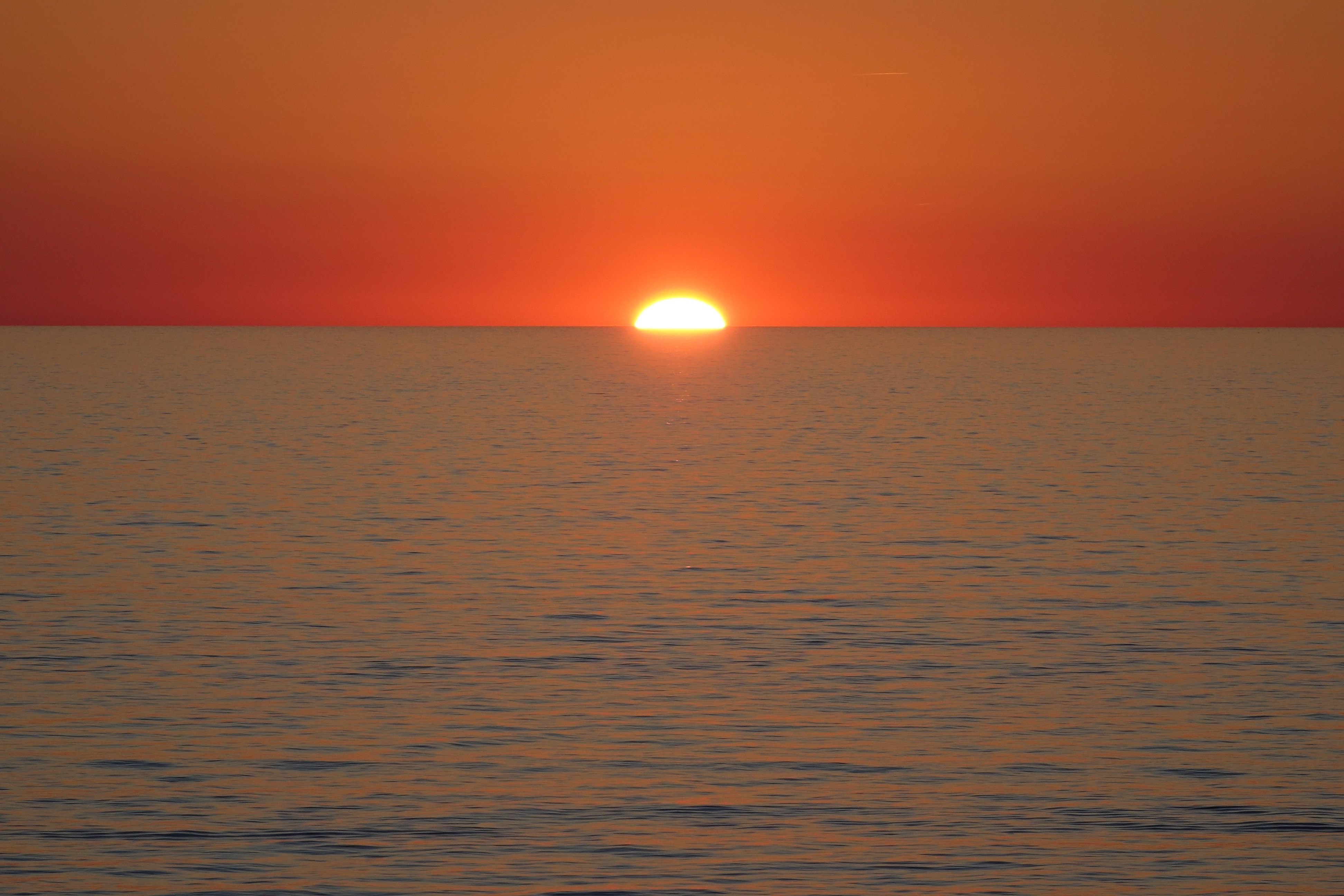
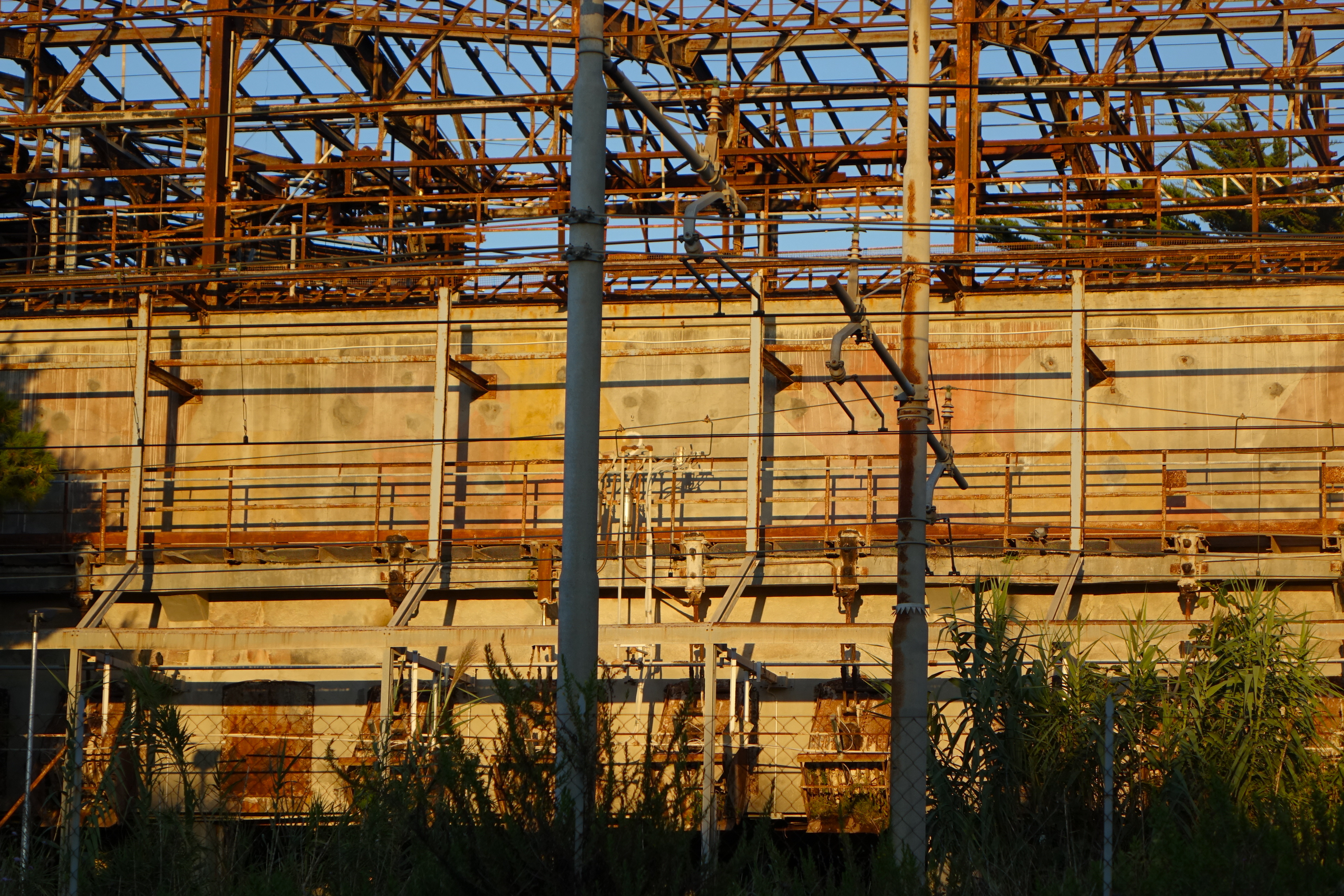
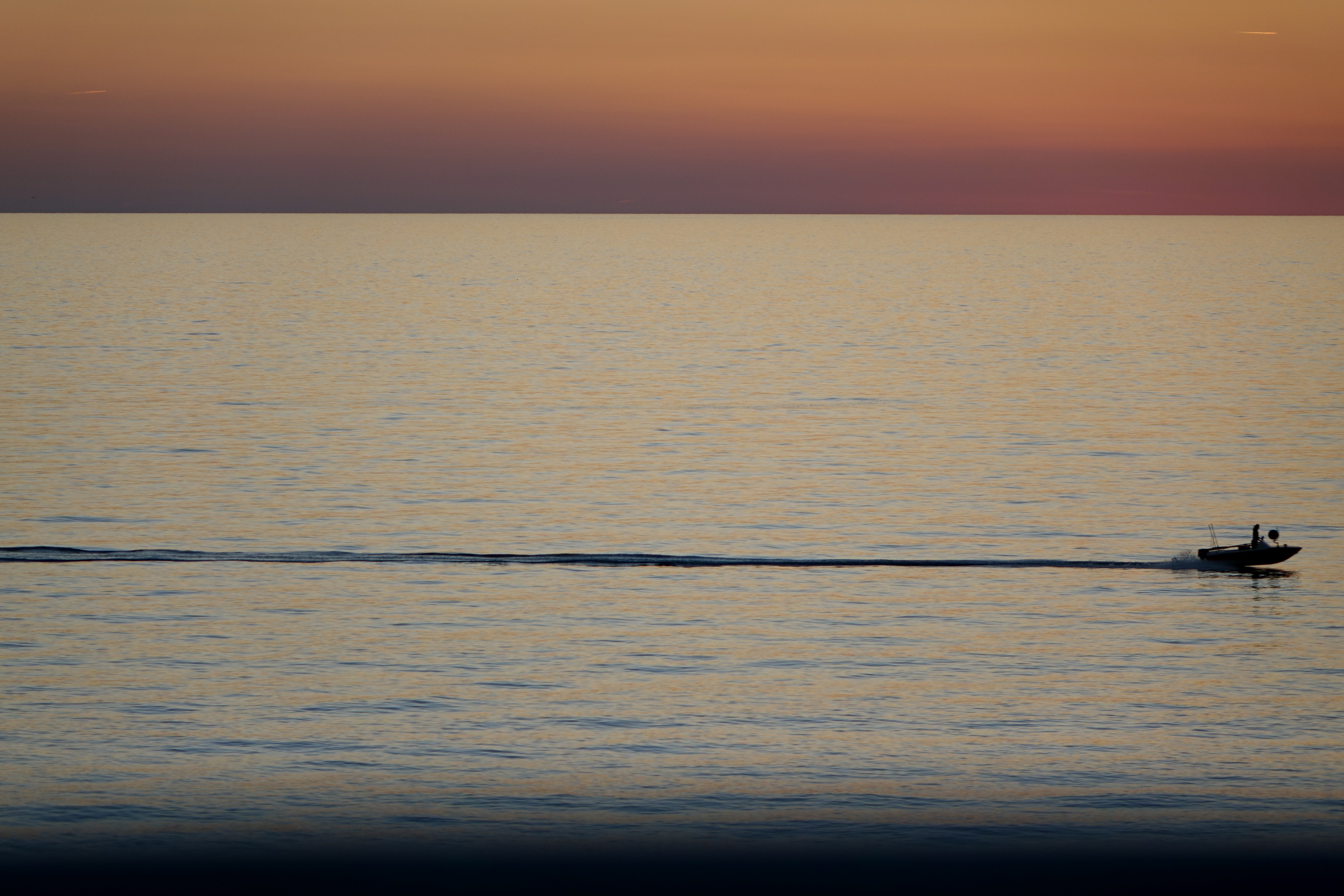
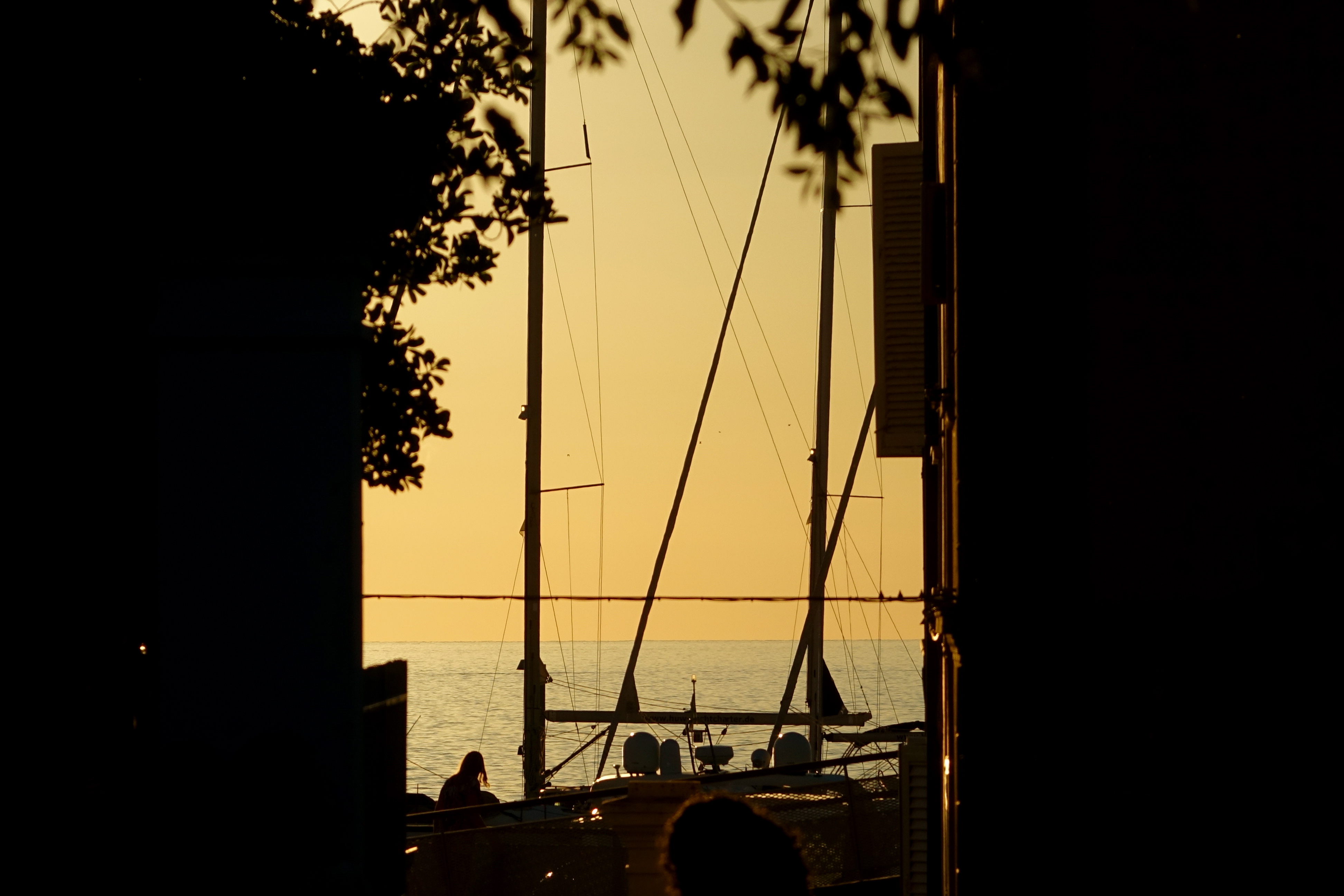
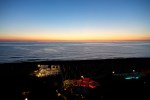
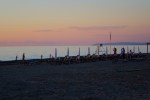
Just as this week of Tuscany posts began with an essay on a sensational sunny morning, when the sun was slowly rising over the calmest of seas, so now it ends with the most sumptuous of sunsets, as that round ball of fire on which we are all so inherently reliant made its 180 degree course through our northern hemisphere before dropping gracefully beyond the reach of the equator to pursue a further path on the other side of the world. 

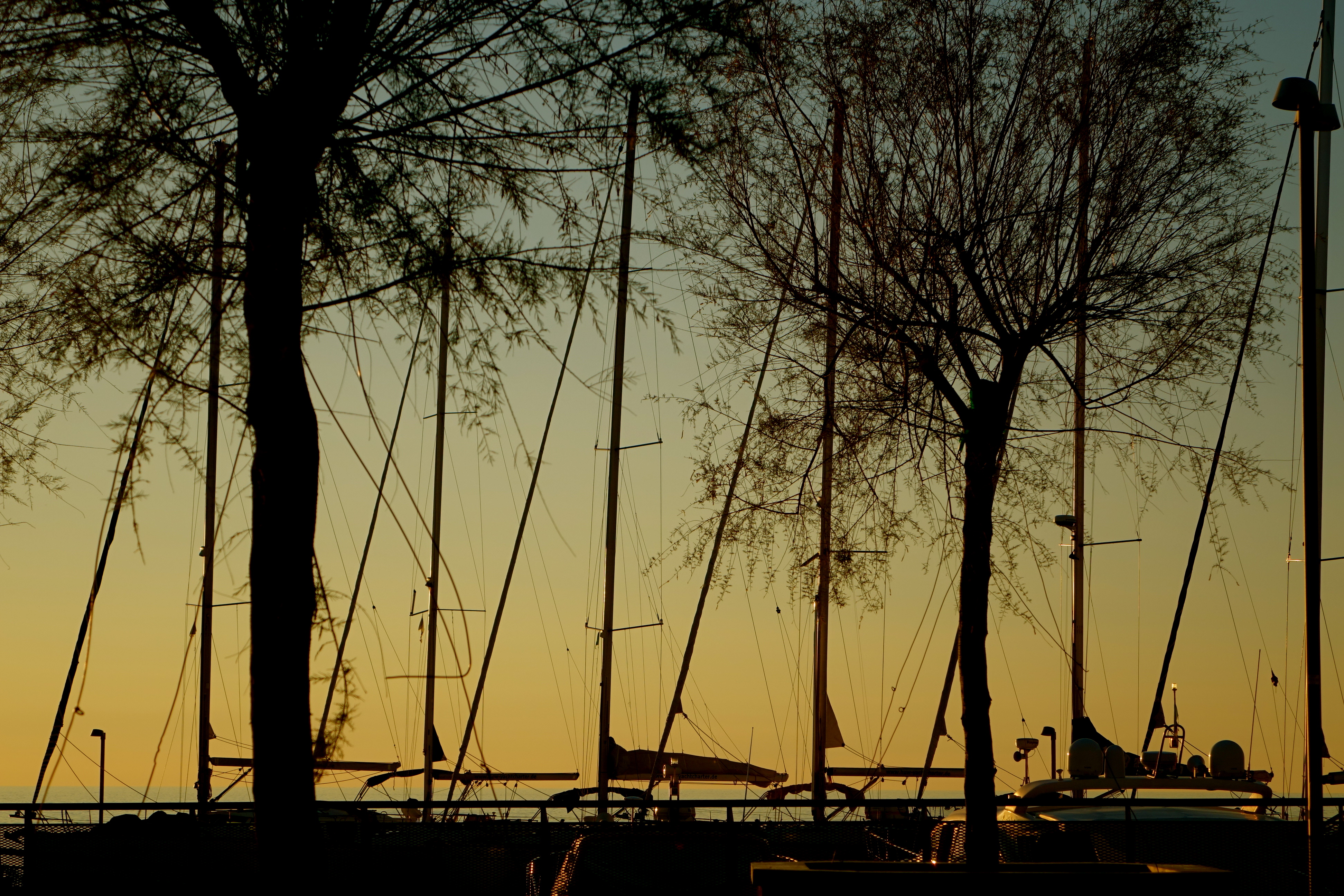
As the Tuscan coastline universally faces west, wherever you are on that beautiful stretch of pine tree lined coast, you are guaranteed to be treated to the most stunning of sunsets, whatever the time of the year. Over just a short weekend in Tuscany, we witnessed three incredible shows, and with each the panoply of colours striding through the sky seemed to increase. From a lemon yellow deepening through to mango, when the sun eventually plunged beneath the horizon, the sky was shot with the most exquisite shades of rose and raspberry ripple so that, by the time night descended, the sky had danced its way through a cabaret of colours, inspiring fruit filled cocktails and artists aplenty in its wake. 

DSC08364 DSC08393 DSC08355 DSC08414DSC08359

But just as the sun had to set, a little earlier each day, so too did the time have to set on our little trip to Tuscany. For the nature of a weekend is the inevitable onset of work the following Monday, and with this damned thought in mind, we made our long way back, besides a fading purple sky, along the dark winding road to Pisa. 

All photos and written content are strictly the copyright of Nicholas de Lacy-Brown © 2014 and The Daily Norm. All rights are reserved. Unauthorized use and/or duplication of the material, whether written work, photography or artwork, included within The Daily Norm without express and written permission from The Daily Norm’s author and/or owner is strictly prohibited.

Tuscan Town Triple: Numero Tre – Monteverdi and the Vineyards of Donoratico

Monteverdi Marittimo is, on the map at least, mere kilometres from the little Tuscan Town of Castagneto where we journeyed on yesterday’s Daily Norm. But as the name suggests, Monteverdi rests atop a very green mountain, and the map does little to betray the extensively meandering length of road which takes a good half an hour to wind round and round the ascent of that mountain to reach the town on the top. As you do so, it is interesting how the air becomes yet clearer still, and the surroundings greener and more forested than ever – this is after all the terrain of the wild boar and the various huntsmen who annually go in their pursuit. 

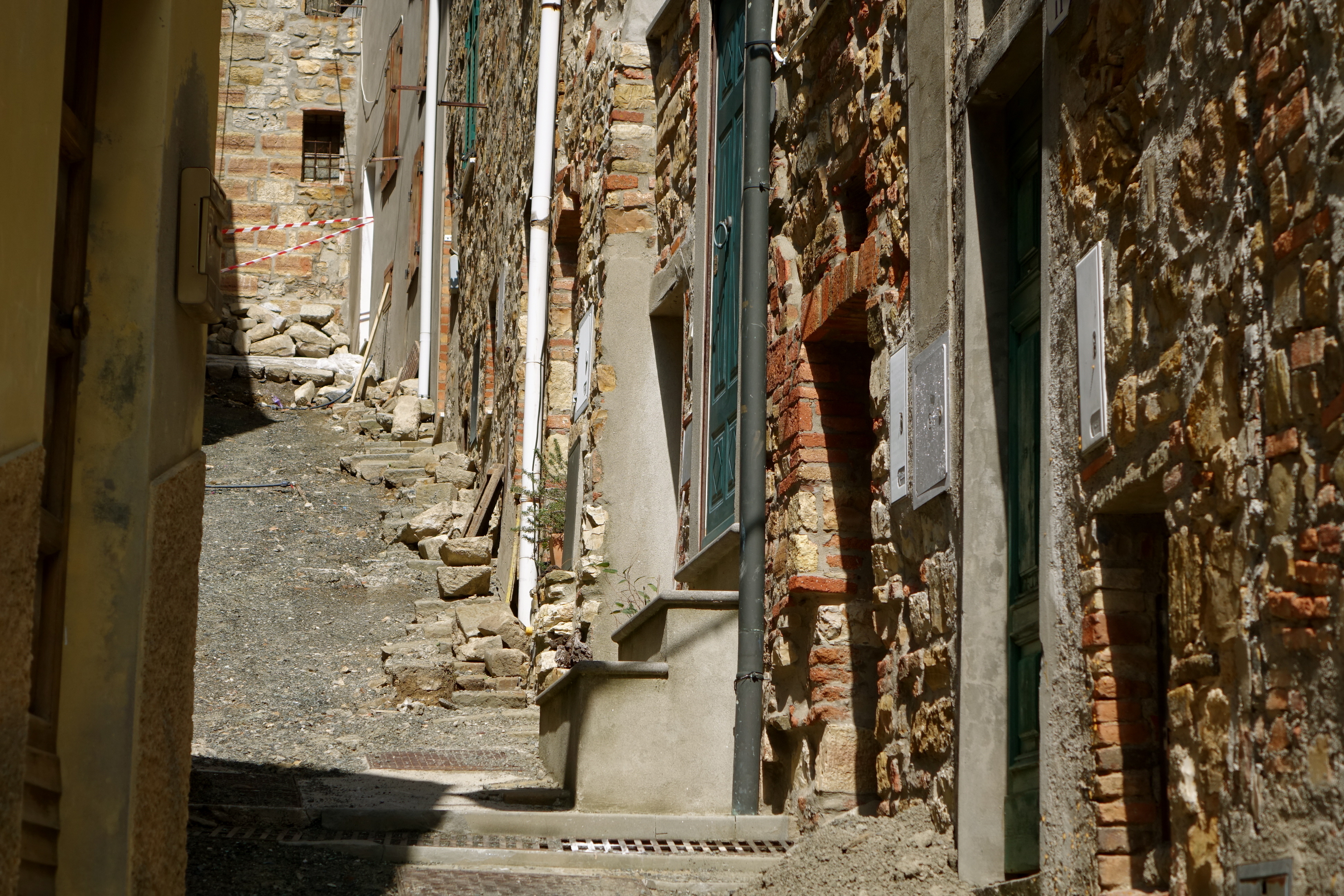
Upon our eventual arrival in this tiny town, the spirit and feel of the hunt was very much in the air. The town has an altogether more “gamey” feel to it. Take away the sun and you might have been in Scotland, its old stone cottages and streets looking somewhat hardened by the elements. In fact I half expected to find stags heads and hunting rifles at every turn. Instead I found a atypical Tuscan town metamorphosed into an altogether more robust version of its normal romanticised cliche.

DSC08572 DSC08586 DSC08569

Here the green shutters of the lower towns had been painted a muddy shade of brown; from here the views of the surrounding Tuscan countryside were so much lower down in altitude that they had become misty with distance. But despite the very beautiful results of old town against winning views, the town lacked soul. It’s streets were empty – we didn’t see a soul – almost as though the whole population had heard of an oncoming disaster, something of which we remained blissfully unaware, that is at least until we had lunch at the Trattoria del Pettirosso whereupon a disaster really did unfold – a gastronomic catastrophe of chewy badly cut ill cooked steak tagliata and a vino rosso so foully fizzy that the thousands of local wine growers around the town must have had a moments reflex of stomach-churned disgust. 

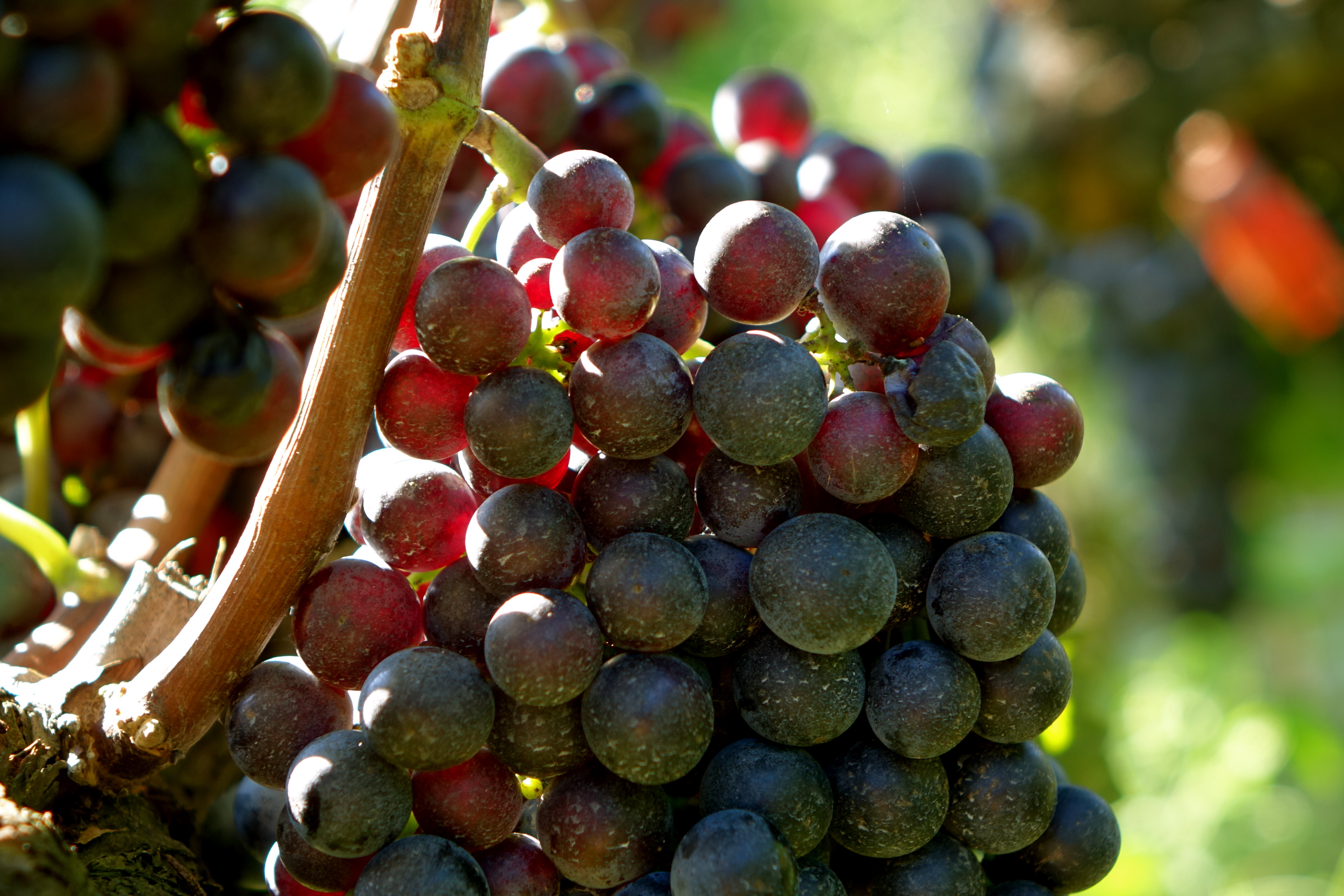
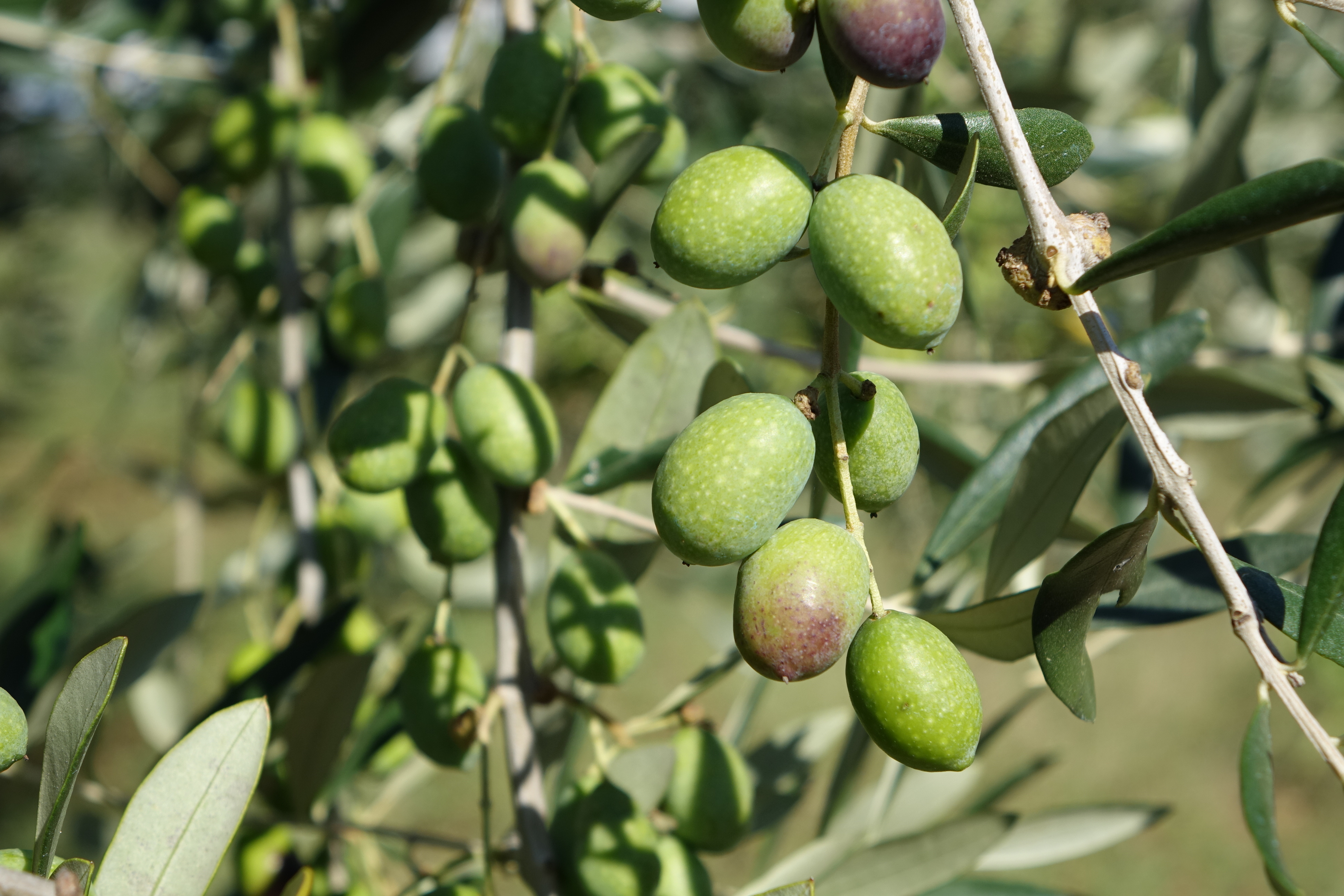
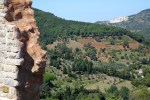
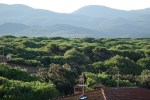
Still, there was no denying the abundance of verdant countryside between Monteverdi and the sea, and as we descended back to ground level, we had the opportunity to wander amongst olive groves and vineyards full of the plumpest sweet grapes, taking the opportunity to sneakily taste one or two – for any day now these will be picked and harvested to make their way into a hopefully far superior wine than the horror which had ensued at lunch. 

DSC08646 DSC08616 DSC08622

All photos and written content are strictly the copyright of Nicholas de Lacy-Brown © 2014 and The Daily Norm. All rights are reserved. Unauthorized use and/or duplication of the material, whether written work, photography or artwork, included within The Daily Norm without express and written permission from The Daily Norm’s author and/or owner is strictly prohibited.

Tuscan Town Triple: Numero Due – Castagneto Carducci

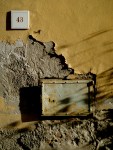
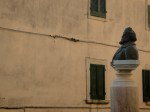
Castagneto Carducci has a grand ring to it, like an aristocratic stronghold or a line of infamous popes. It is in fact quite the opposite of grand – a tiny hill top town clustered in the heart of wine-producing Italy so small that cars are band from its centre, and it comprises only a handful of small winding streets. Happily for me, this delightful little town is but minutes from my partner’s family home, a more than pleasant drive meandering through vineyards and fields packed with ripely fruited olive trees. 

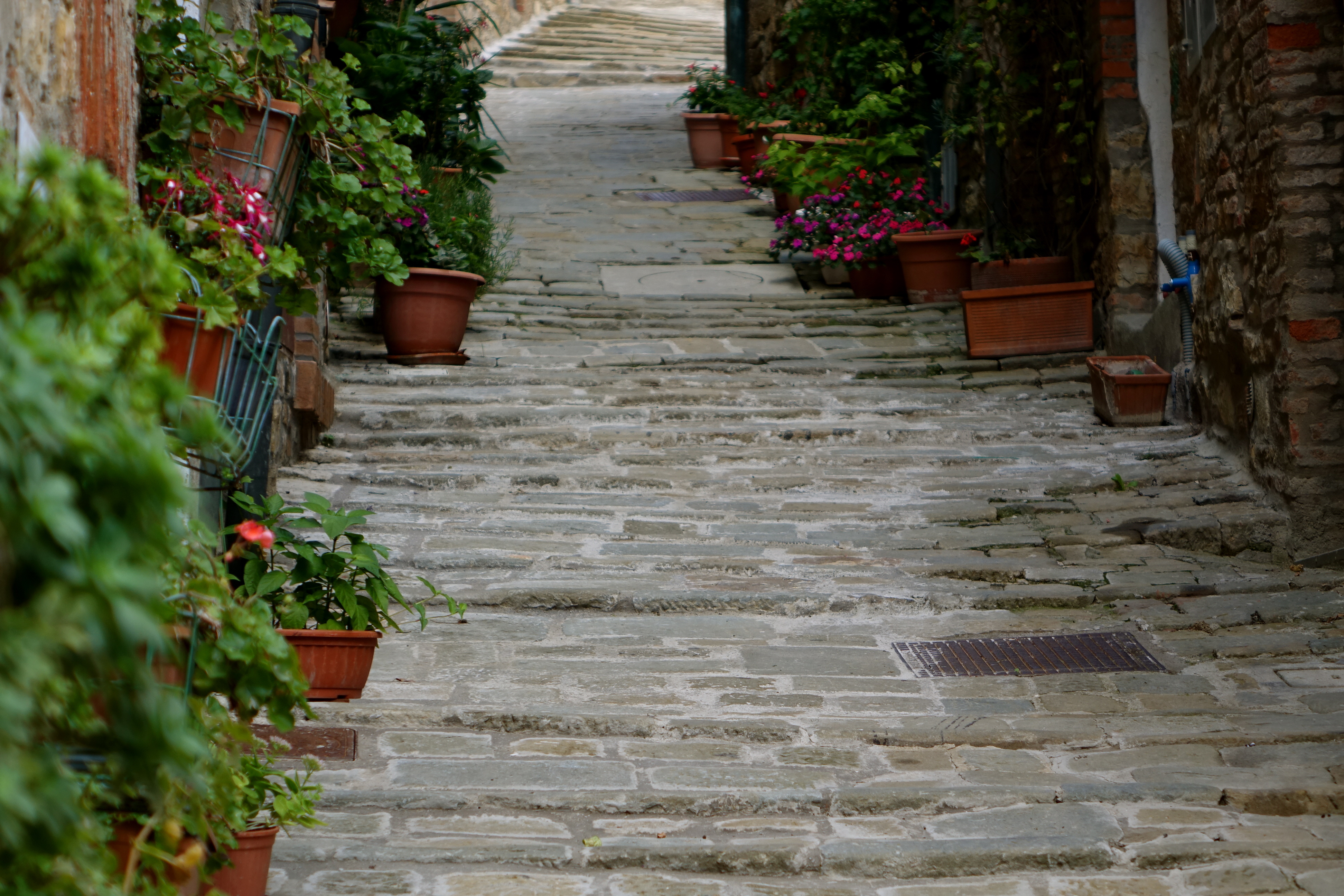
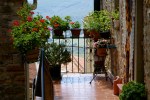
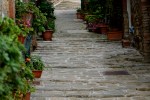
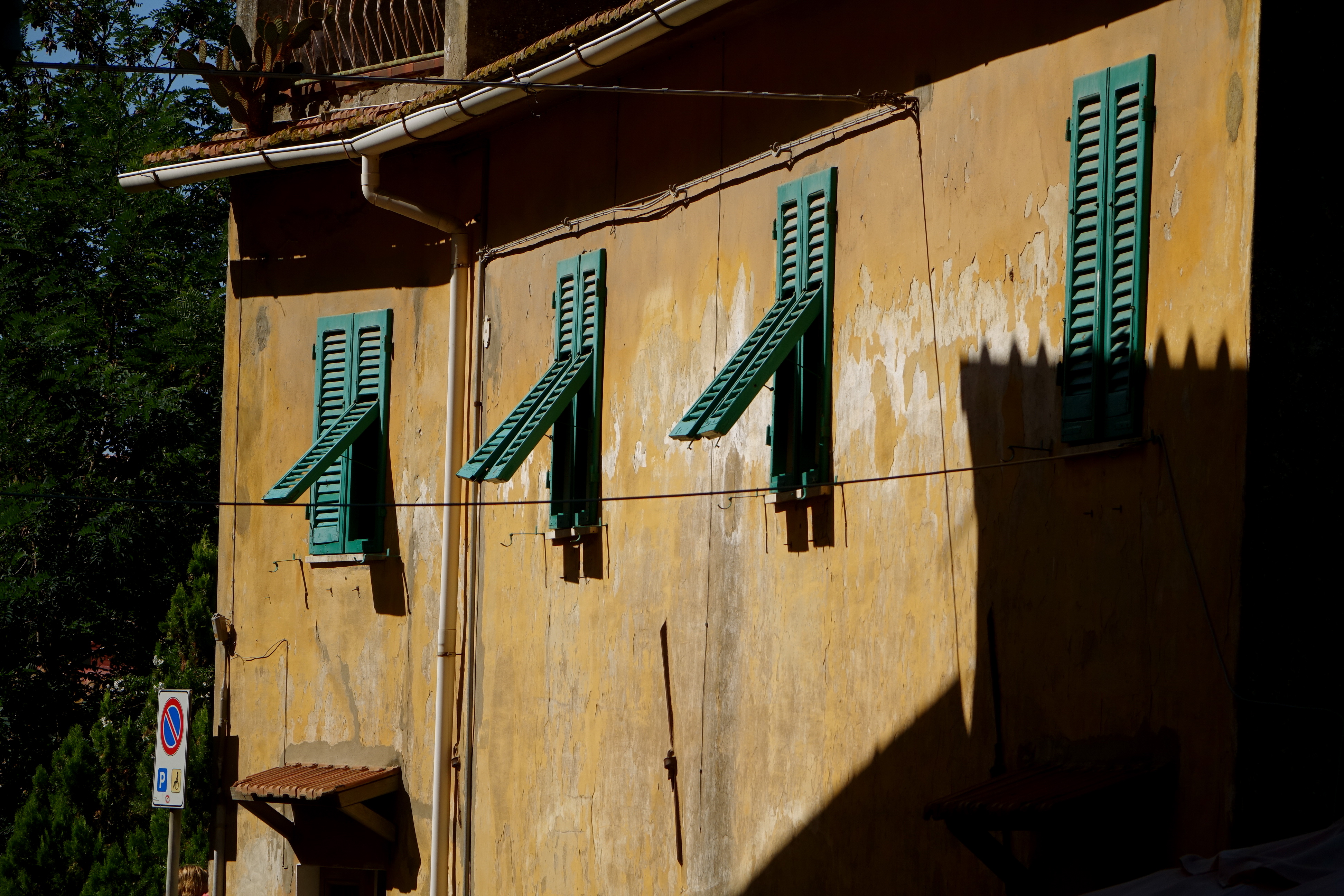
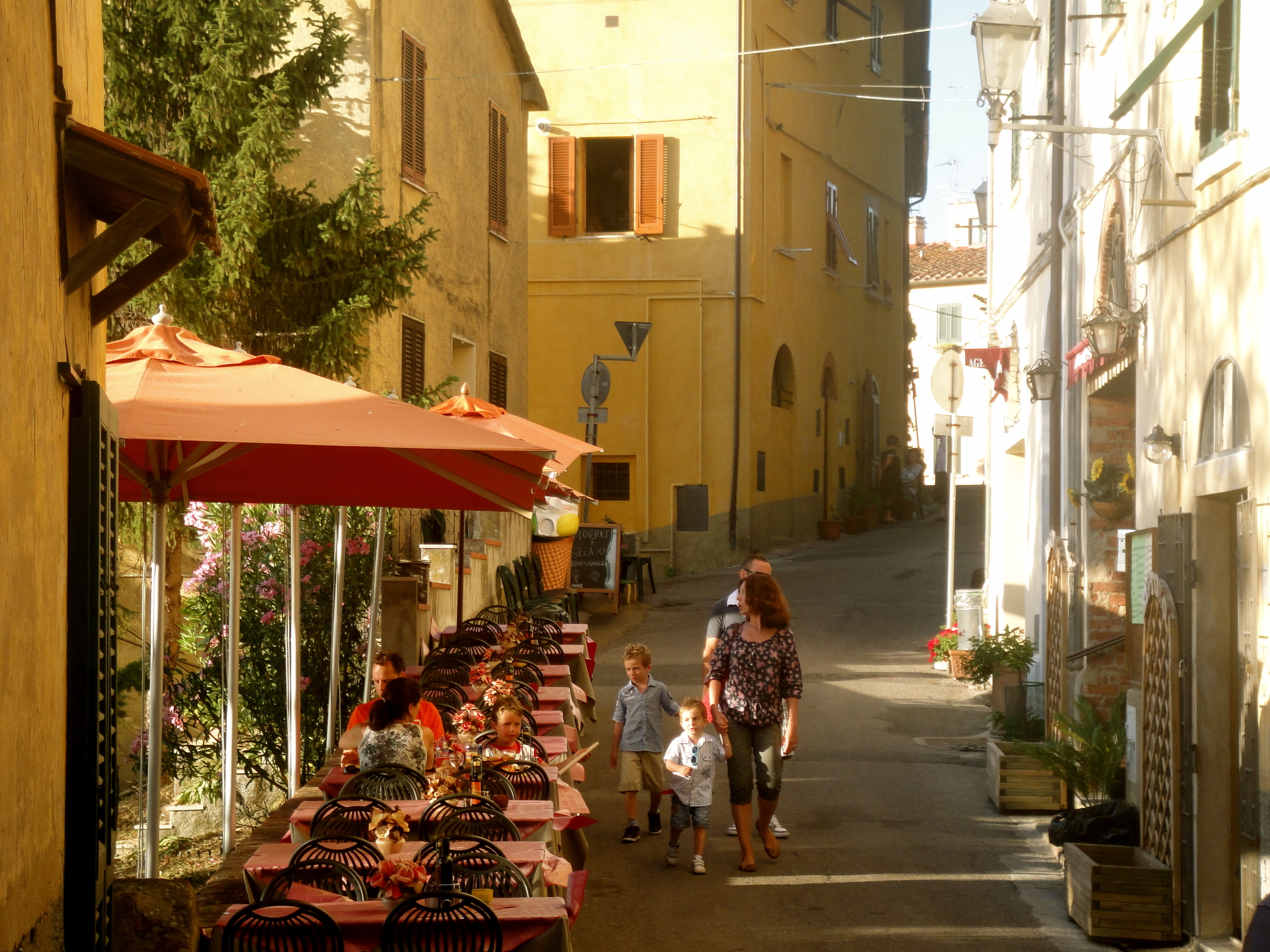
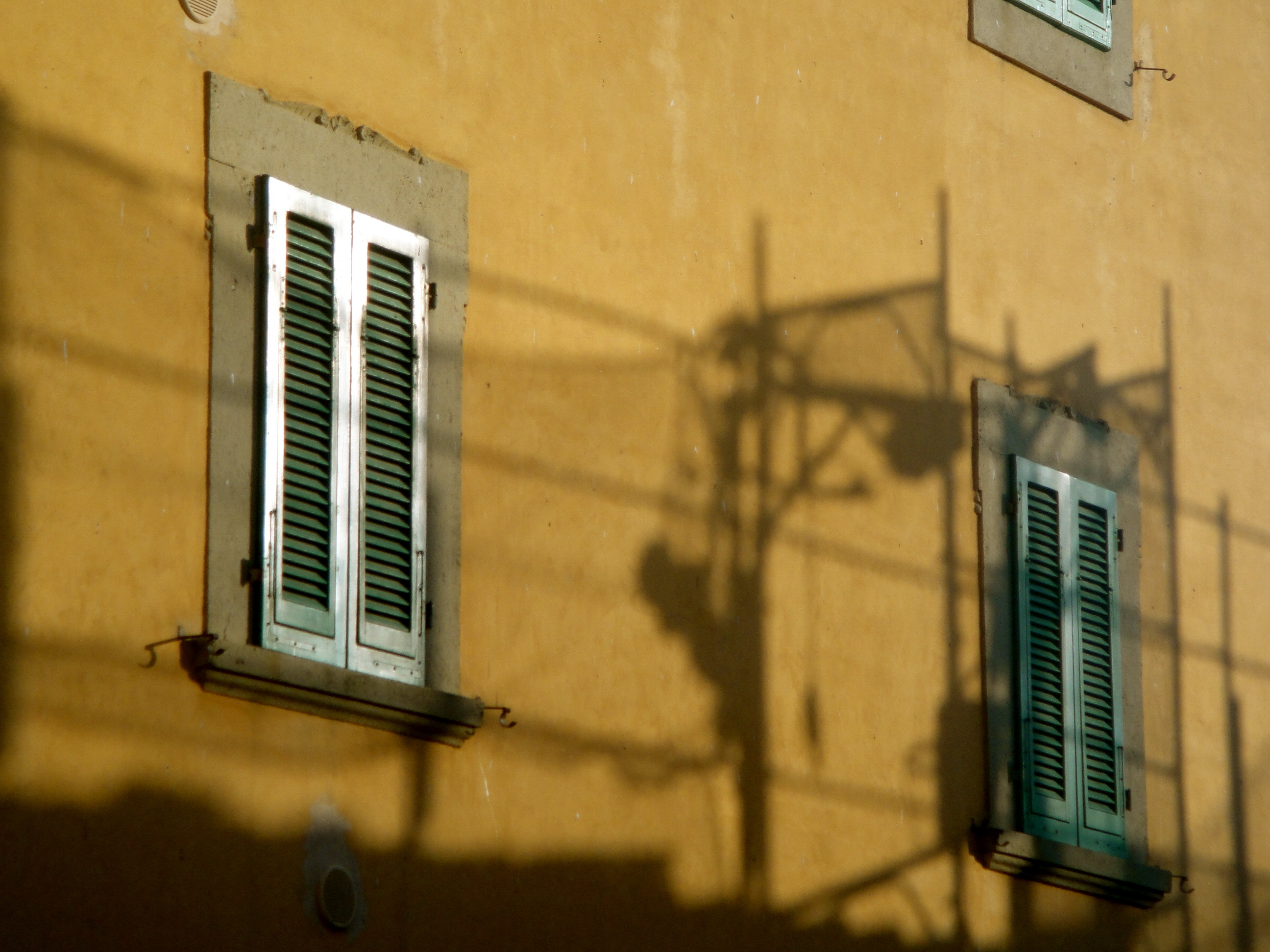
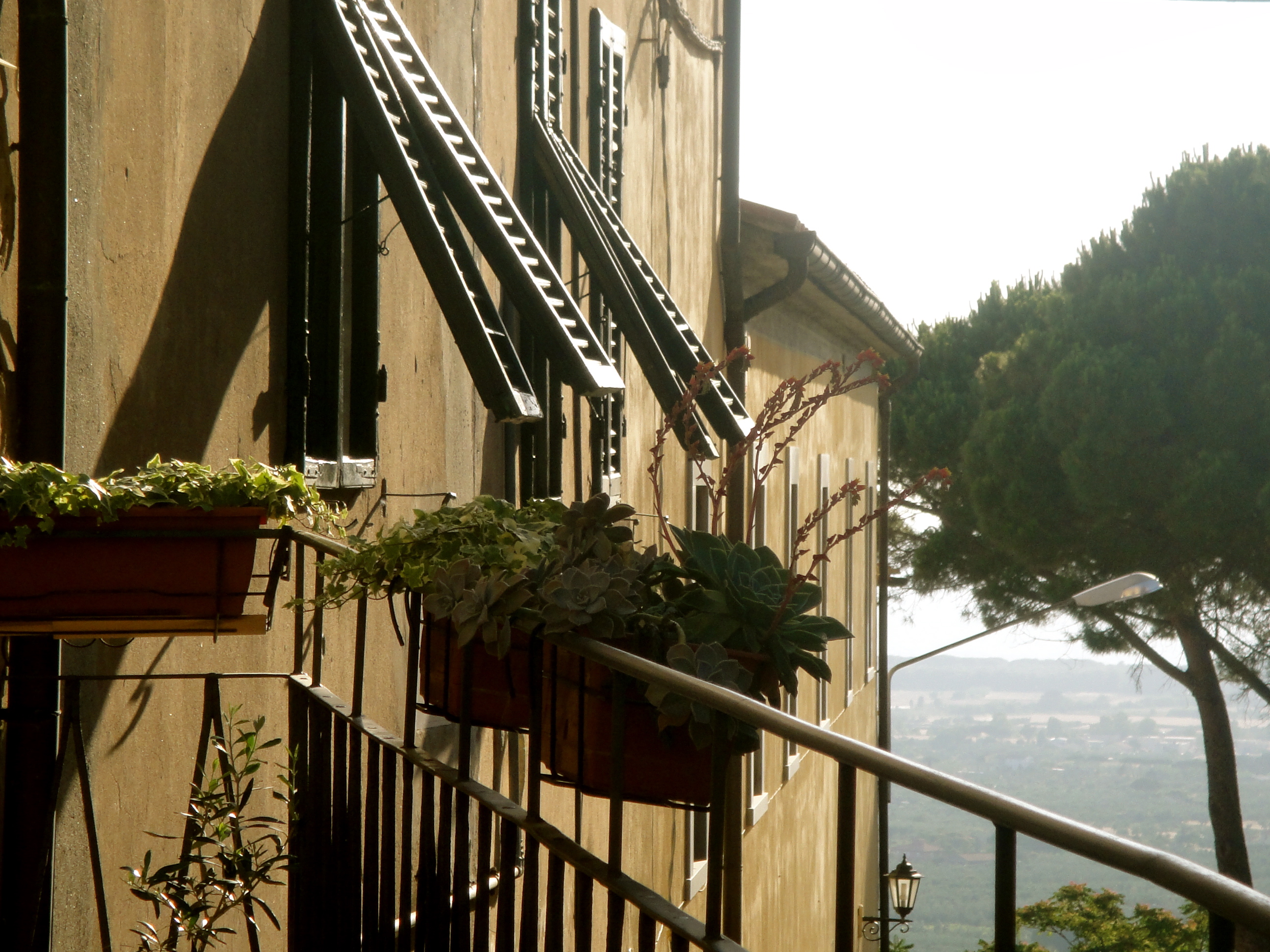
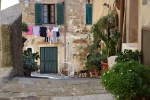
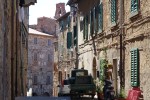
Up in Castagneto it’s like another world. Car-free, worry-free, the visitor to this little Tuscan gem can wander uninhibited in and out of little shops selling the best local produce, wines, oils, herbs and soaps before stopping in one of the charming little cafes for an aperol spritz or a morning prosecco. Having had a heavy night sampling only the best of the local Bolgheri vino rosso, we opted for coffees before indulging in the photography which this little charismatic enclave begs for, taking in the little side streets populated by sun-loving cats and chatting locals all set against a backdrop of sunny pastel houses and more of those iconic Mediterranean window shutters. The results of those amblings are the harvest festival of photos shown on today’s Daily Norm.

DSC08473DSC09394DSC09351DSC08472DSC09407DSC09408 DSC09367

But for those left salivating at this dip into the Elysium of Tuscany’s fields, your wait for the next picture-perfect treat will be brief: return to The Daily Norm tomorrow for numero tre in the Tuscan Town Triple. In the meantime here’s a gallery of what Castagneto does best.

All photos and written content are strictly the copyright of Nicholas de Lacy-Brown © 2014 and The Daily Norm. All rights are reserved. Unauthorized use and/or duplication of the material, whether written work, photography or artwork, included within The Daily Norm without express and written permission from The Daily Norm’s author and/or owner is strictly prohibited.

Tuscan Town Triple: Numero Uno – Campiglia Marittima

One mention of Tuscany brings to mind meandering cypress-fringed roads winding their way through fields of sunflowers and olive trees; it is synonymous with old shuttered farm houses and vineyards carefully tendered in perfectly straight rows; and it recalls the typical Tuscan village, all built from crumbling beige stone, with a cosy central piazza and at least one church and campanile ringing out the hour. And these visions of a bucolic paradise are not merely the things of dreams. On my recent weekend in Tuscany, I was lucky enough to ride along the meandering cypress-lined roads, walk amongst vineyards and visit not one, not two, but three stunning little Tuscan towns, all three of which demand a photo essay all of their own. 

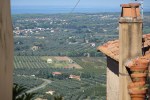
In this first, I introduce you to Campiglia Marittima, a hill top citadel just inland from San Vincenzo on the Tuscan coast, benefitting with views not just of wide Tuscan planes, but also of the coast towards Piombino and beyond the island of Elba. 

DSC08308 DSC08246 DSC08287DSC08262 DSC08157 DSC08264 DSC08076

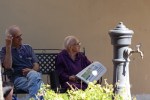
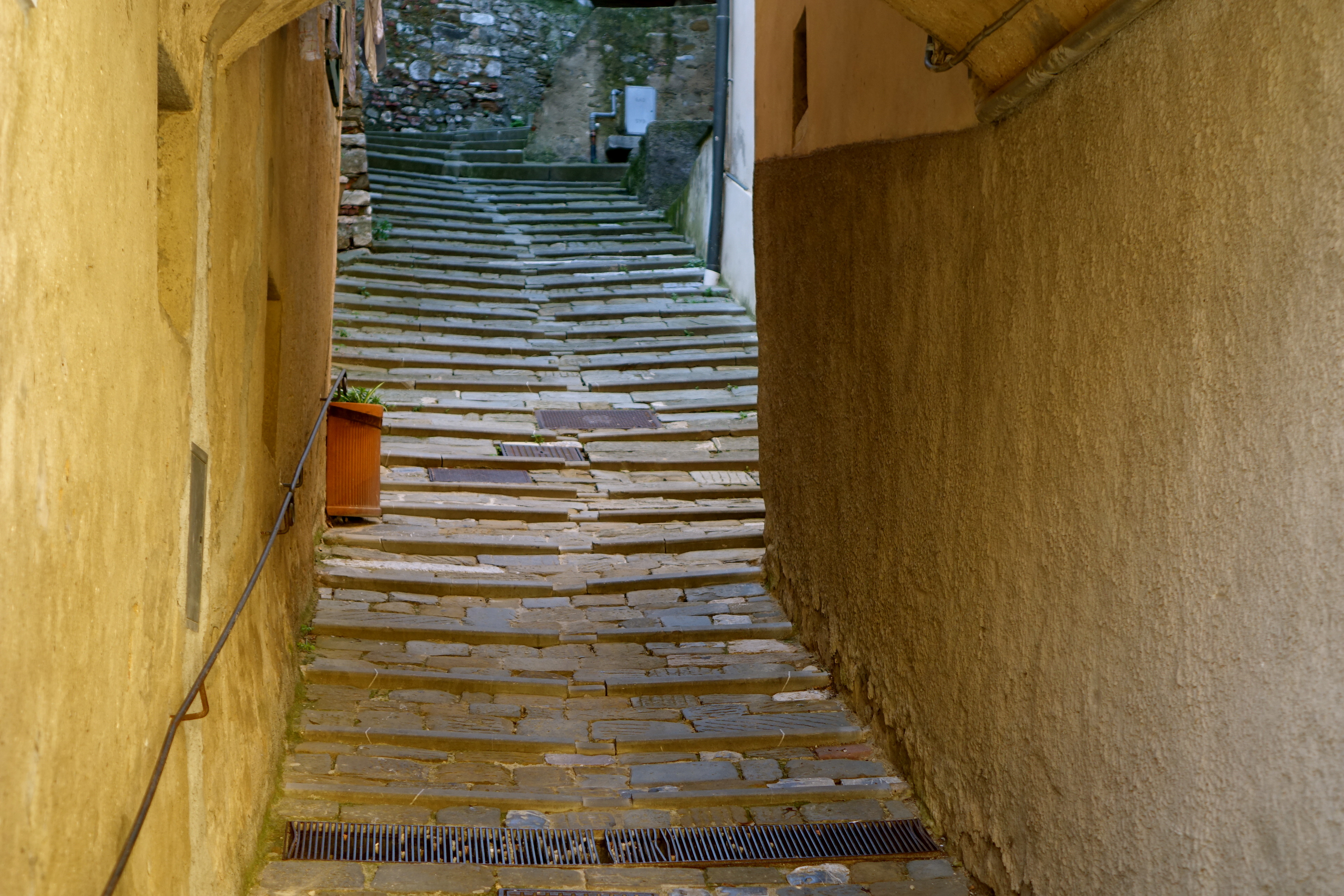
This was my first trip to the town, and in it I found the very typique of a Tuscan settlement. Little squares on whose benches the elderly locals lingered chatting in the shadows; consistently charming houses, all built with stone and with windows shuttered in either green or blue, small little cafes creating a bustle in the central square, gently undulating cobbled streets and stairways leading up and down the steep hillsides on which the town is clustered. For photography the town was a gem of a model. Each street offered a multiple overlap of charming features – a distant hillside, an iron street lamp in front; either side quaint window shutters and in the foreground plants and multicoloured flowers grown in every shape and size of pan, can or pot. 

Campiglia Marittima is the very epitome of Tuscan charm, but in the great chocolate box of Tuscany’s multiple offerings, this was a sweet caramel delight in a box of plenty. Come back tomorrow for another of Tuscany’s idylls. 

All photos and written content are strictly the copyright of Nicholas de Lacy-Brown © 2014 and The Daily Norm. All rights are reserved. Unauthorized use and/or duplication of the material, whether written work, photography or artwork, included within The Daily Norm without express and written permission from The Daily Norm’s author and/or owner is strictly prohibited.

Early one Tuscan September Morning

As the summer slips away, I tighten my grip. The onset of autumn is charming in its way, but forewarns of bleak dark mornings accompanying each working day, whole swathes of time when you never see your home in daylight, chilly winds whistling through deserted streets, and evenings stagnating inside before a television with the prospect of much needed fresh but frozen air too perilous to consider venturing out into. 

Of course the Mediterranean is not quite there yet. In Palma de Mallorca, the leaves on its elegant long art nouveau streets are slowly turning golden; even in Marbella, land of the sunshine, the pavements are a little more littered than normal with leaves. But in Italy’s Tuscany, the abundant fluffy pine trees have not changed their cloud like shape or their rich verdant green, the sun still shines a rosy glow upon large expanses of golden sand, the sea has to its waters a delectable warmth, and in the many vineyards the vines are hanging full to bursting point with sweet plump grapes ready for harvesting any day. 

So when I had the opportunity last weekend to make a quick visit to my partner’s family living in the heart of wine-producing Tuscany, I was not about to say no. On Friday night we rushed away from work, boarding a two hour flight and arriving under the cover of darkness. Even then the clarity of the air and the audible swish of the sea told of a summer revisited. But it was the next morning when, waking up to the pastel-soft light of day, that we were able to fully appreciate this reconnaissance with the summer. 

DSC08034 DSC08022 DSC07947 DSC07969 DSC08033

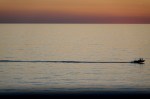
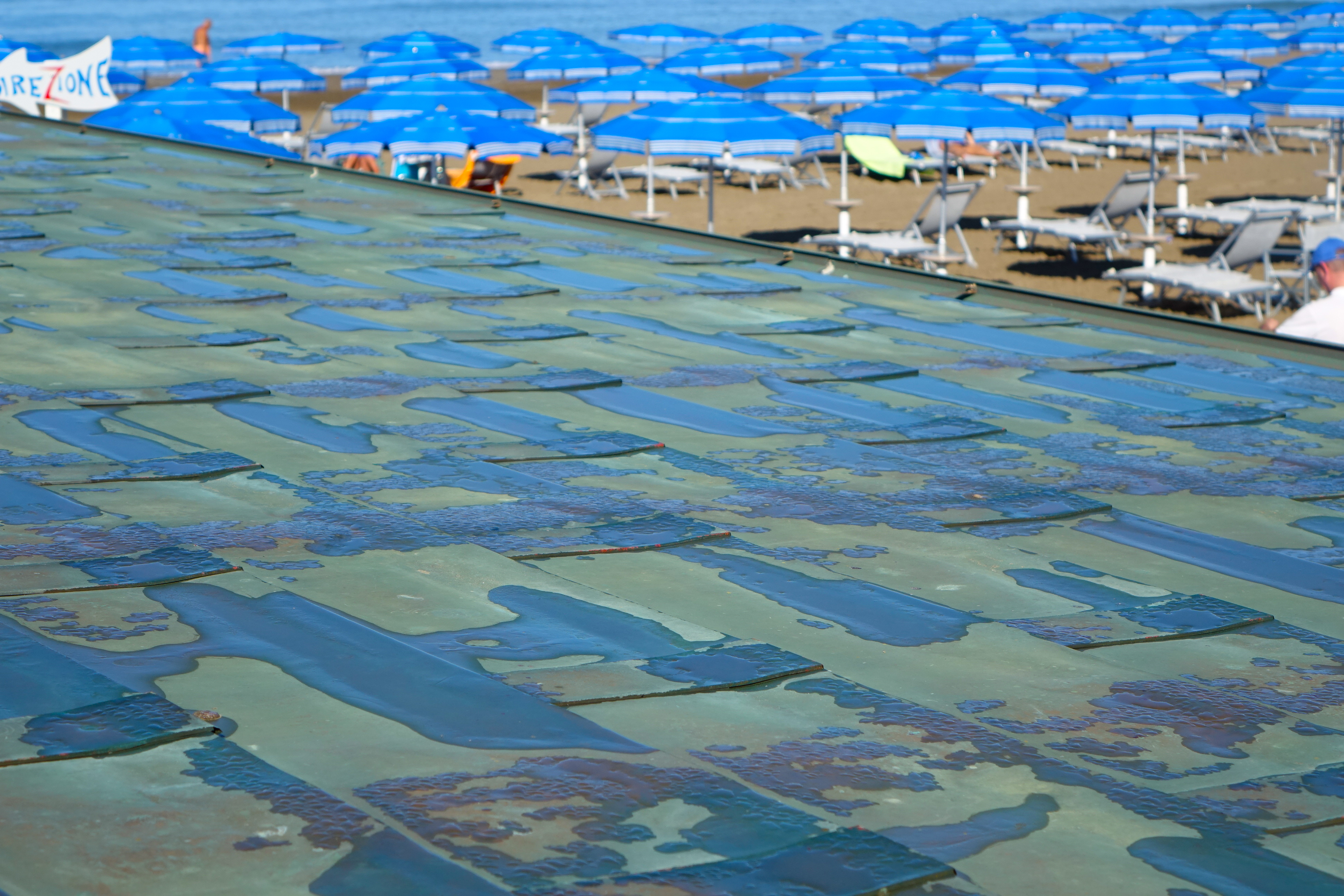
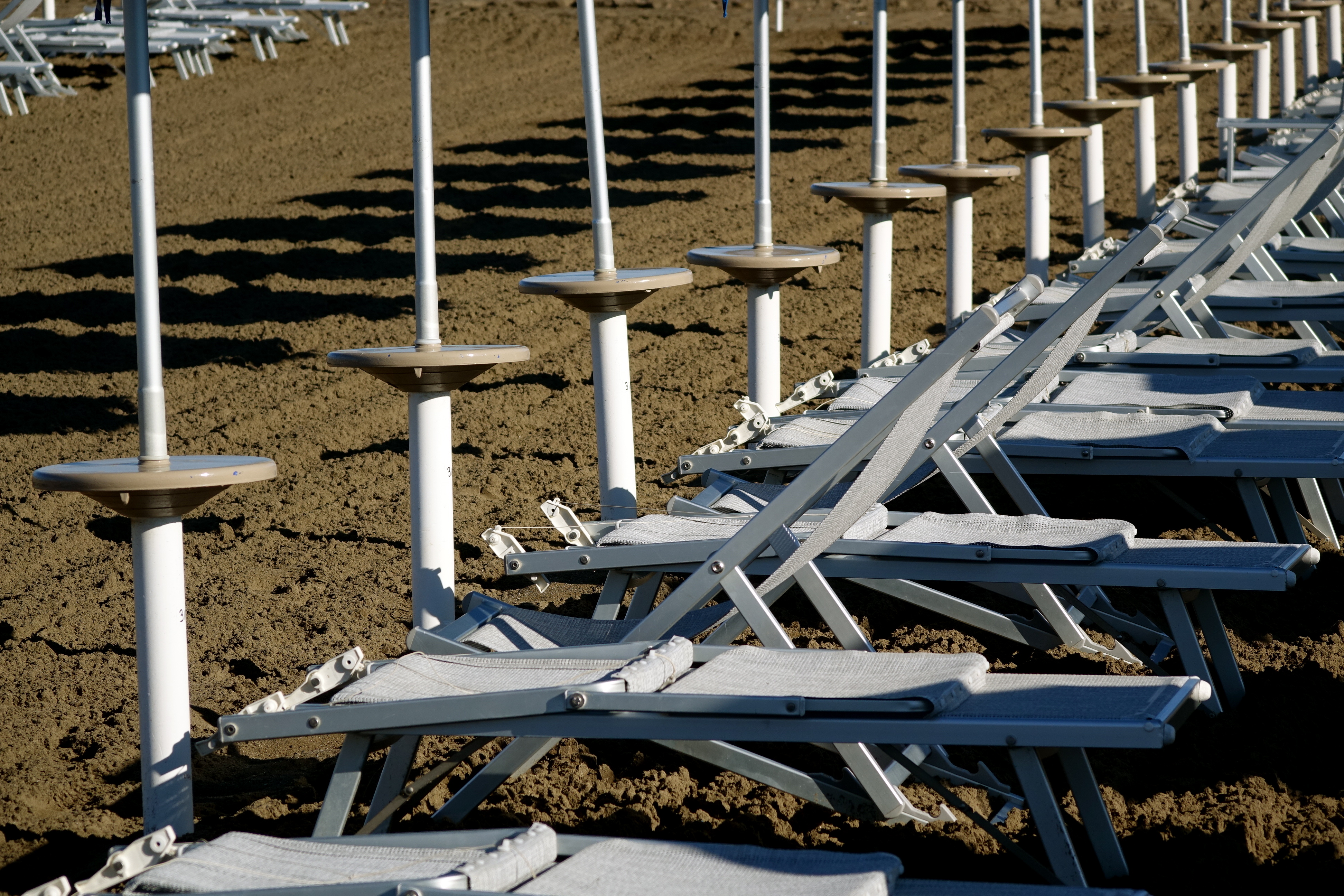
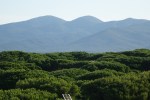
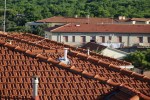
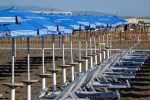
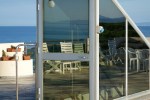
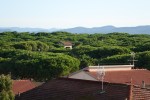
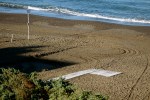
Outside our window, the most spectacular views of wide almost deserted beach greeted us. The sun, whose passage through the sky had only just begun, cast long peach-tinged rays across the freshly raked bronze-coloured sand, while beyond the beach, the sumptuous pine tree forests that make this town of Donoratico so famous, were clipped with sunshine as though sprinkled with glitter. Meanwhile before us the sea was almost like a mirror, so still, gliding into shore like a glamorous aristocrat of yeah 1920s, ambling into shore for the sake of glamour alone, no rush or fever, just languid self-contentment. 

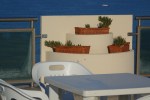
Despite being one floor from the top of our hotel, we ventured up to the hotel’s roof terrace where the throwback 80s style furnishings had me feeling nostalgic in an entirely different sense. And so with the early soft sun upon it, that terrace caused me equal fascination to the sea and forest views below, and is, accordingly, as much a part of this photo essay as the beach which enveloped us in dreams of the summer that September morning.

All photos and written content are strictly the copyright of Nicholas de Lacy-Brown © 2014 and The Daily Norm. All rights are reserved. Unauthorized use and/or duplication of the material, whether written work, photography or artwork, included within The Daily Norm without express and written permission from The Daily Norm’s author and/or owner is strictly prohibited.

Es Baluard: A fine way to enjoy lunch

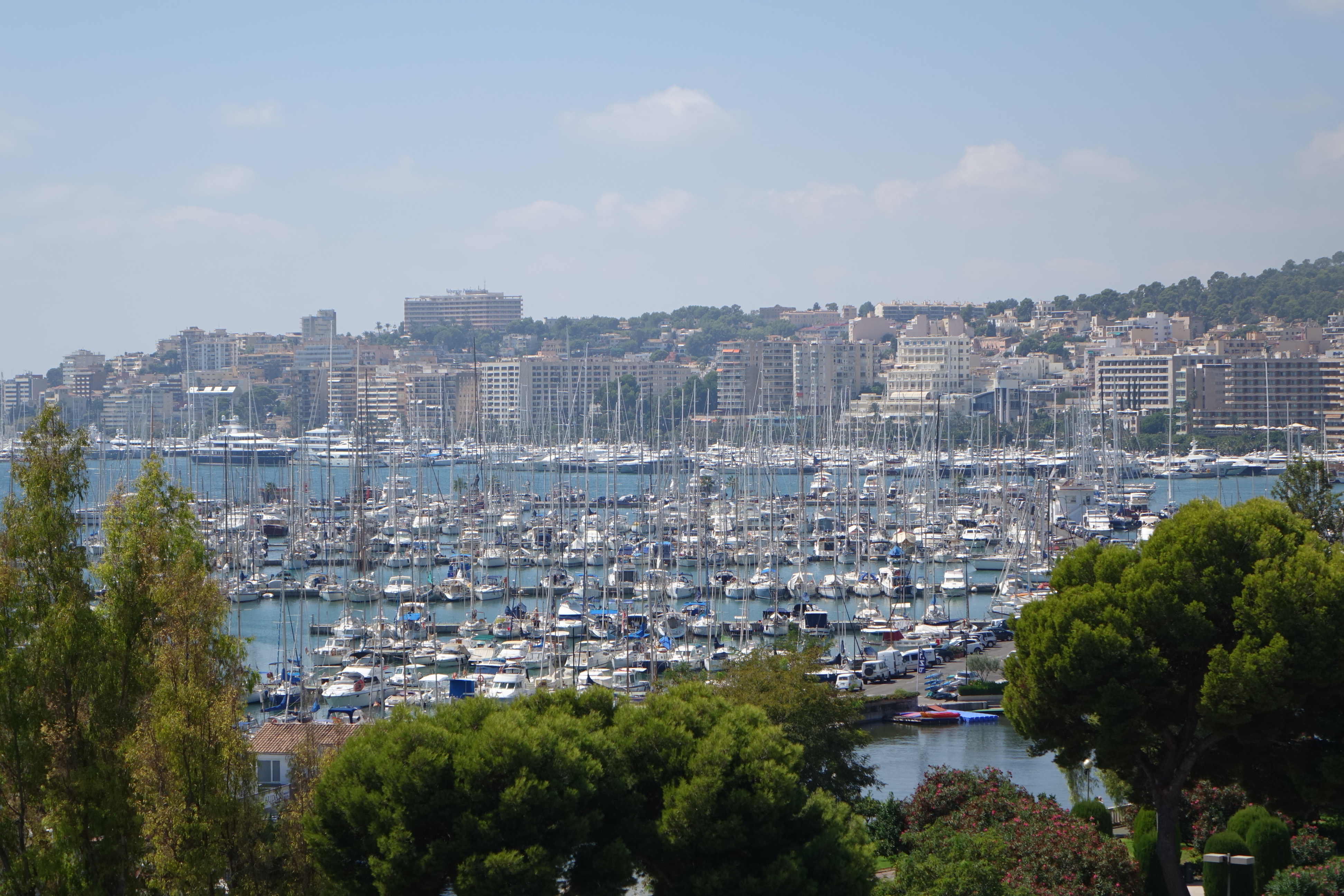
While Northern Europe starts to edge ever so slowly towards the onset of Autumn, with leaves starting to litter the streets, and the mornings and evenings already getting darker, down in the fine sheltered waters of the Mediterranean, it’s still very much the height of summer, and in fact for some places, the temperatures in September are even exceeding what was enjoyed in July and August. Mallorca, prime island of the Balearics, is chief amongst those places enjoying an extended summer, and when I ventured out there only a week ago, the temperatures were roasting. They were so hot in fact that our many plans to stroll around the thriving Metropolis of the island’s capital, Palma, and its wide expansive port were quickly ditched in favour of the cooler options. And as cool goes, it doesn’t get much better than Es Baluard.

Es Baluard is in fact a superb contemporary art museum set within the Sant Pere bastion, part of the Renaissance wall that surrounded the city of Palma until the beginning of the 20th Century. Perhaps because of its outer stone casing, or perhaps because of the chic concrete and glass renovation masterfully fitted within these old ramparts ten years ago, Es Baluard is certainly a chillier hangout, with comfortable inside temperatures which leave you decisively less flustered, leaving you with energy to browse the excellent permanent collection which includes only the Spanish greats, such as Miro and Picasso. 

Es Baluard and its surroundings

DSC07897 DSC07887 DSC07894 DSC06240 DSC07910 DSC07888 DSC07912 DSC07889

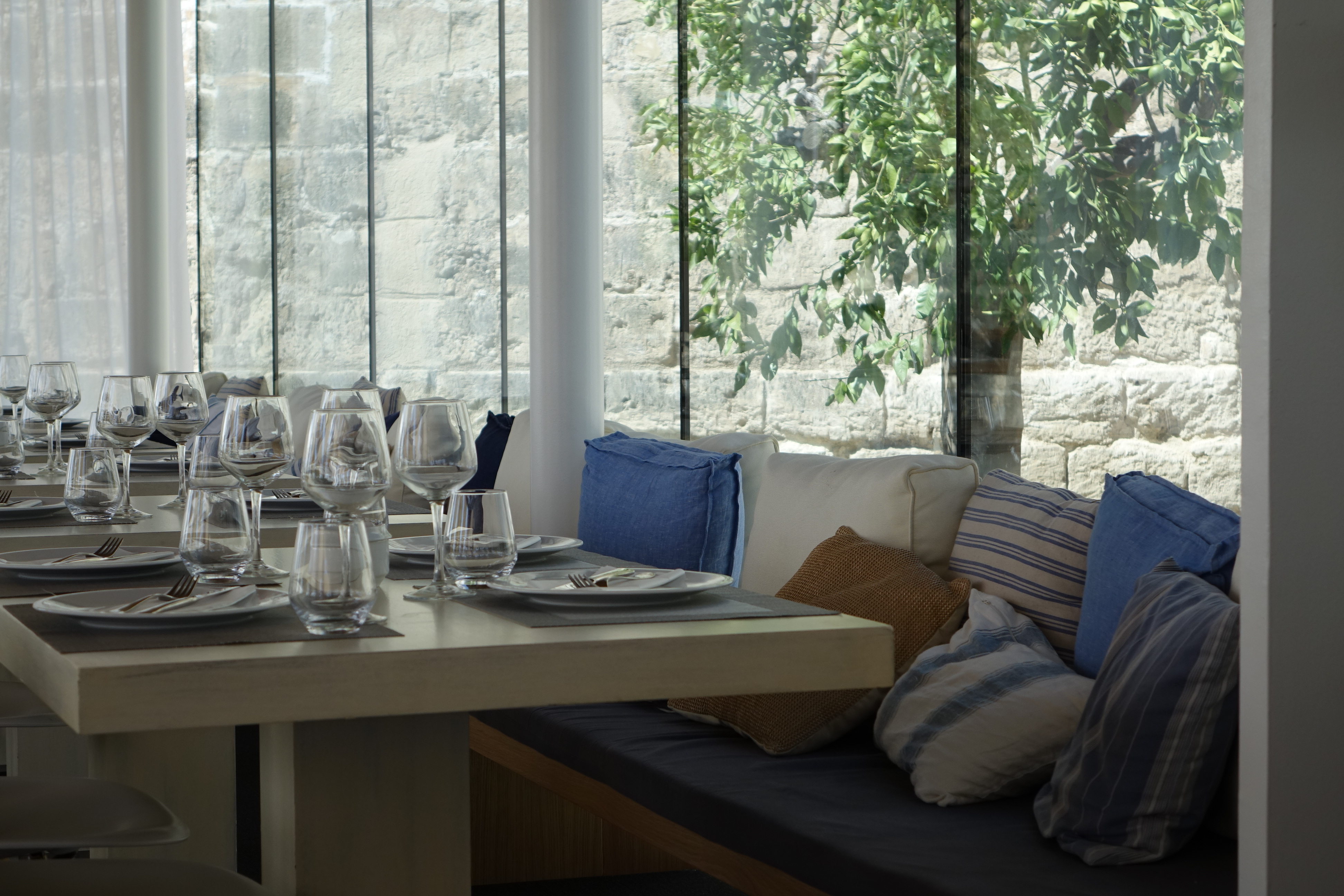
But when the sun is hot, but you still want to benefit from the ultimate in views of Palma’s extensive waterfront, from Bellver Castle across to the city’s magnificent cathedral, you need to head to the super chic café-restaurant attached to the Southern-most wall of the Es Baluard complex. With a broad terrace criss-crossed with shade from a line of well-appointed shade sales, you can choose to lounge out adjacent to those winning views in comfy basket chairs, a cocktail or a cup of tea in hand. Meanwhile, next in line, a cluster of simple wooden dining tables mark the more formal dining spot, with perfectly polished wine glasses glinting in the sun, and contemporary white seating reflecting the style and period of art residing in the building next door. Finally behind these tables, there’s a separate dining area, all encased in a glass cube containing further tables and a little sofa runner packed with cushions showcasing the best in handmade Mallorcan fabrics.

Es Baluard’s well-appointed terrace restaurant

DSC07900 DSC07906 DSC07903 DSC06240 DSC07905 DSC07898 DSC07902 DSC06232

It’s not my intention in this photo essay to talk to you about the food, but rather the extol the virtues of the location and design of this great Mallorcan eatery. However, rest assured that the food is every bit as good as the restaurant’s design, and their trendy lounge soundtrack a perfect accompaniment as you chill besides the seaside. Thinking that I have now extolled those virtues enough, I think it’s time to sign off and let you enjoy the photos. Until next time.

All photos and written content are strictly the copyright of Nicholas de Lacy-Brown © 2014 and The Daily Norm. All rights are reserved. Unauthorized use and/or duplication of the material, whether written work, photography or artwork, included within The Daily Norm without express and written permission from The Daily Norm’s author and/or owner is strictly prohibited.

Transforming the Gothic – colour sensation in the Cathedral of Palma de Mallorca

Some of architecture’s most stunning successes can be found in religious buildings. The eternal repetition of the forest of pink and white marble pillars in Cordoba’s La Mesquita is one of the most enthralling sights of the ancient Islamic world, while at the centre of the Catholic world, the sheer scale and magnificence of St Peter’s Basilica in the Vatican makes it clear to all who come close that this place is the all powerful centre of Christianity. In Roman times, religion was the instigator of some of the most brilliant of all architectural creations, such as the ground-breaking single expanse dome of the ancient Pantheon temple in Rome, while in more modern times, it has inspired some of the most jaw-dropping creations ever made by man, such as the stunning realisation of a creative genius: Gaudi’s Sagrada Familia in Barcelona.

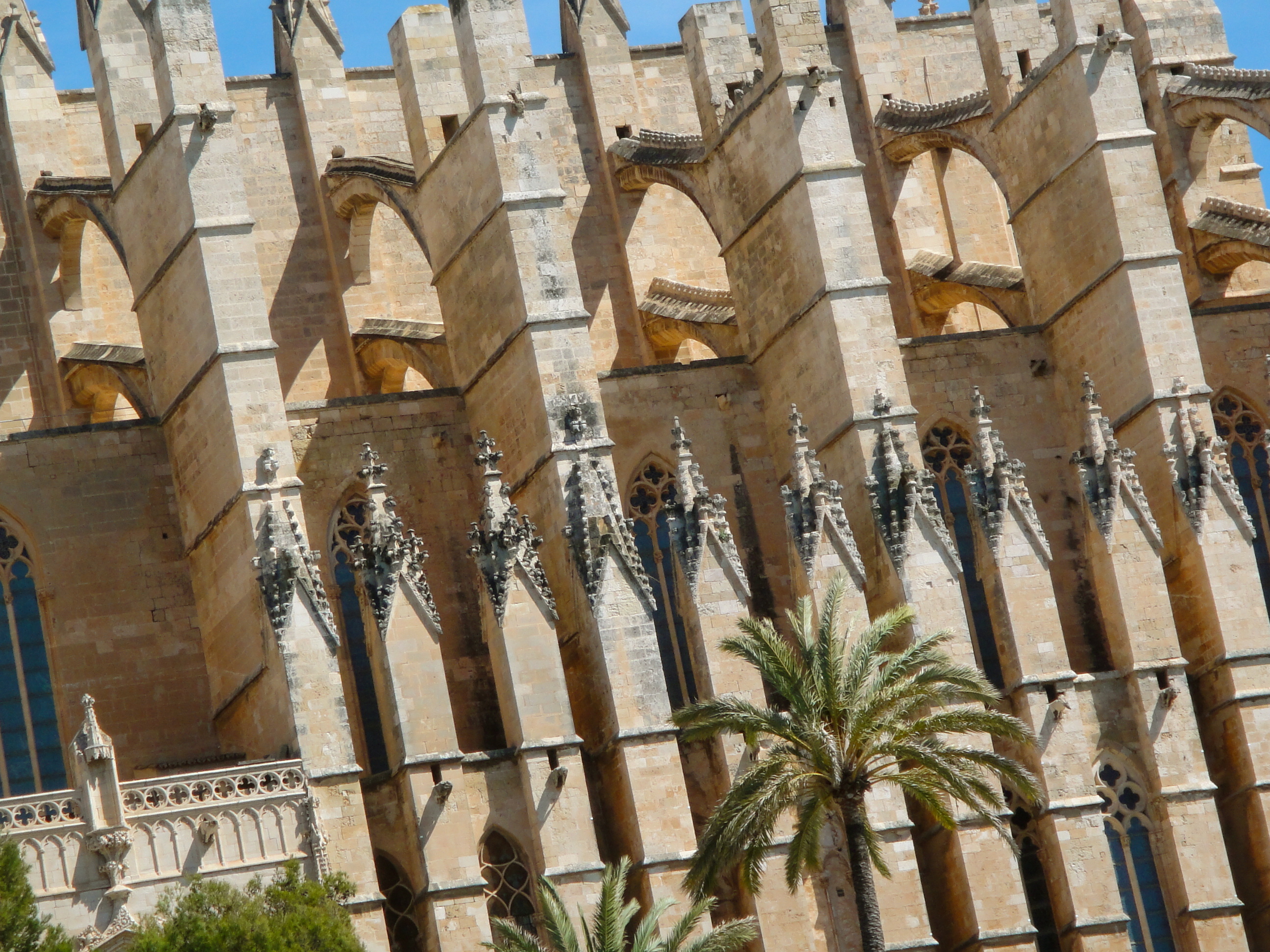
Nevertheless, when you think about the religious treasures of the world, you will find that proportionately few of them are gothic. The reason for this is  clear:  the gothic style is largely synonymous with austerity, with its soaring naves and high-winged buttresses leading to vast expanses of cold space; gothic churches are more often places of fear, with their grim faced gargoyles and sinister dark angels, and even Paris’s Notre Dame, surely one of the most famous examples of gothic architecture, is better associated with the haunting tale of a hunchback living within the cathedral’s inhospitable bell towers than with any illusion that the church is in any aesthetic sense a thing of beauty. Yet while this idea of the gothic has long lingered in my mind, all of my pre-held conceptions about gothic architecture were challenged last weekend when in Palma de Mallorca, capital of Spain’s Balearic Islands, I realised just how stunning the gothic can be.

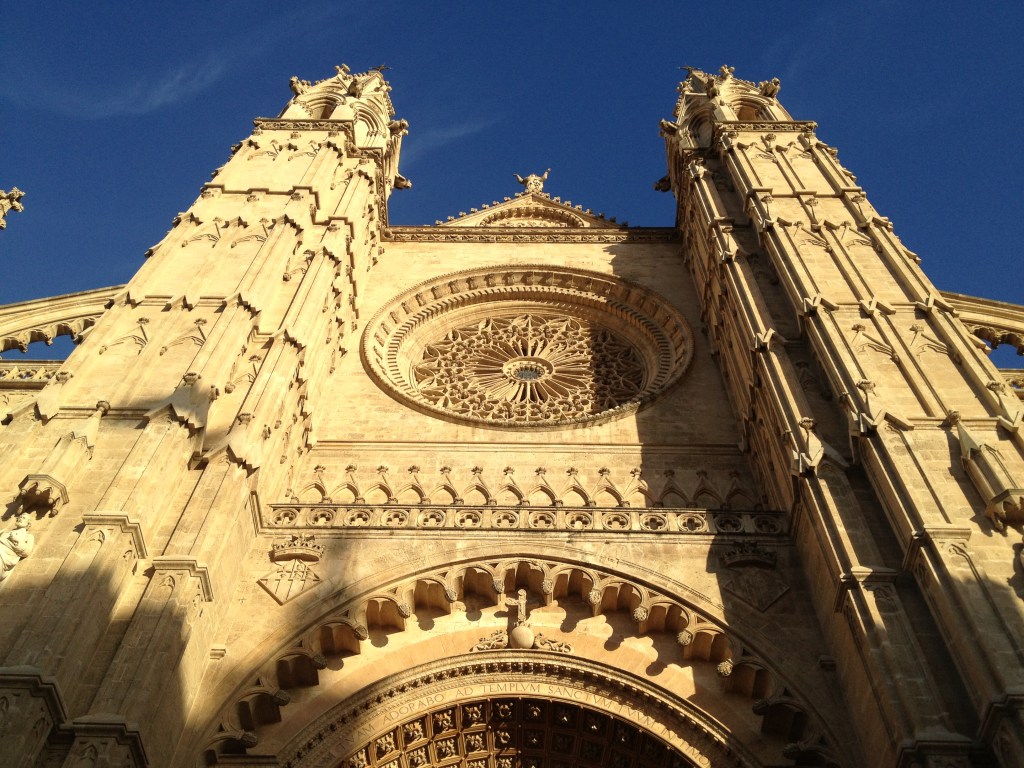
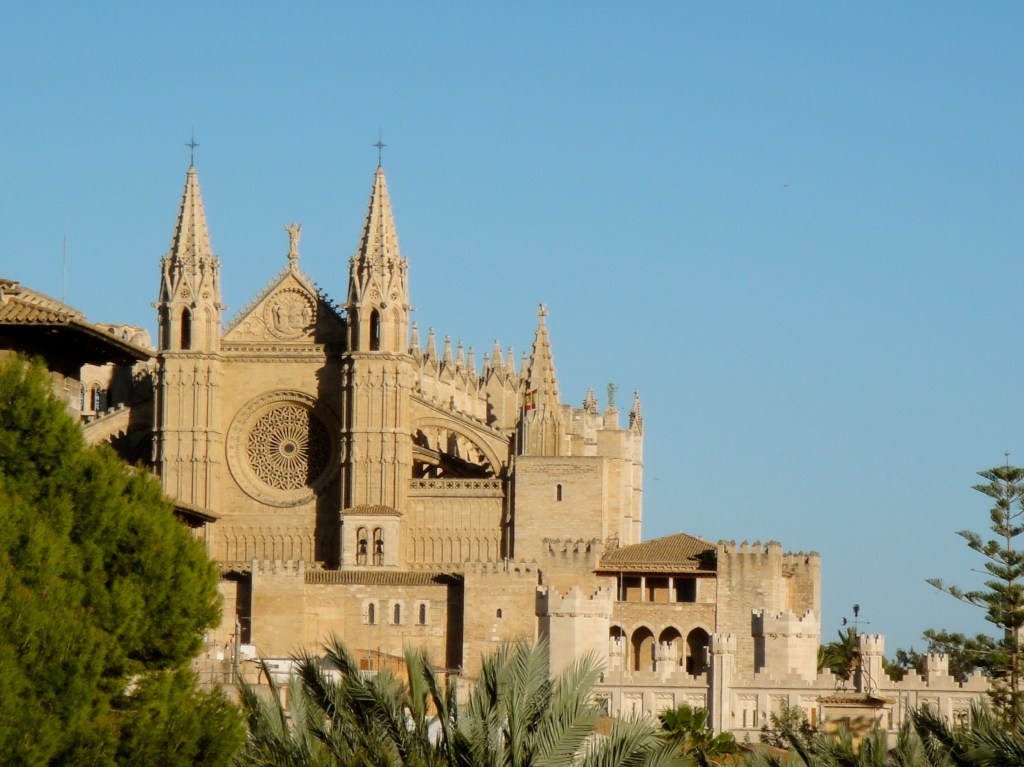
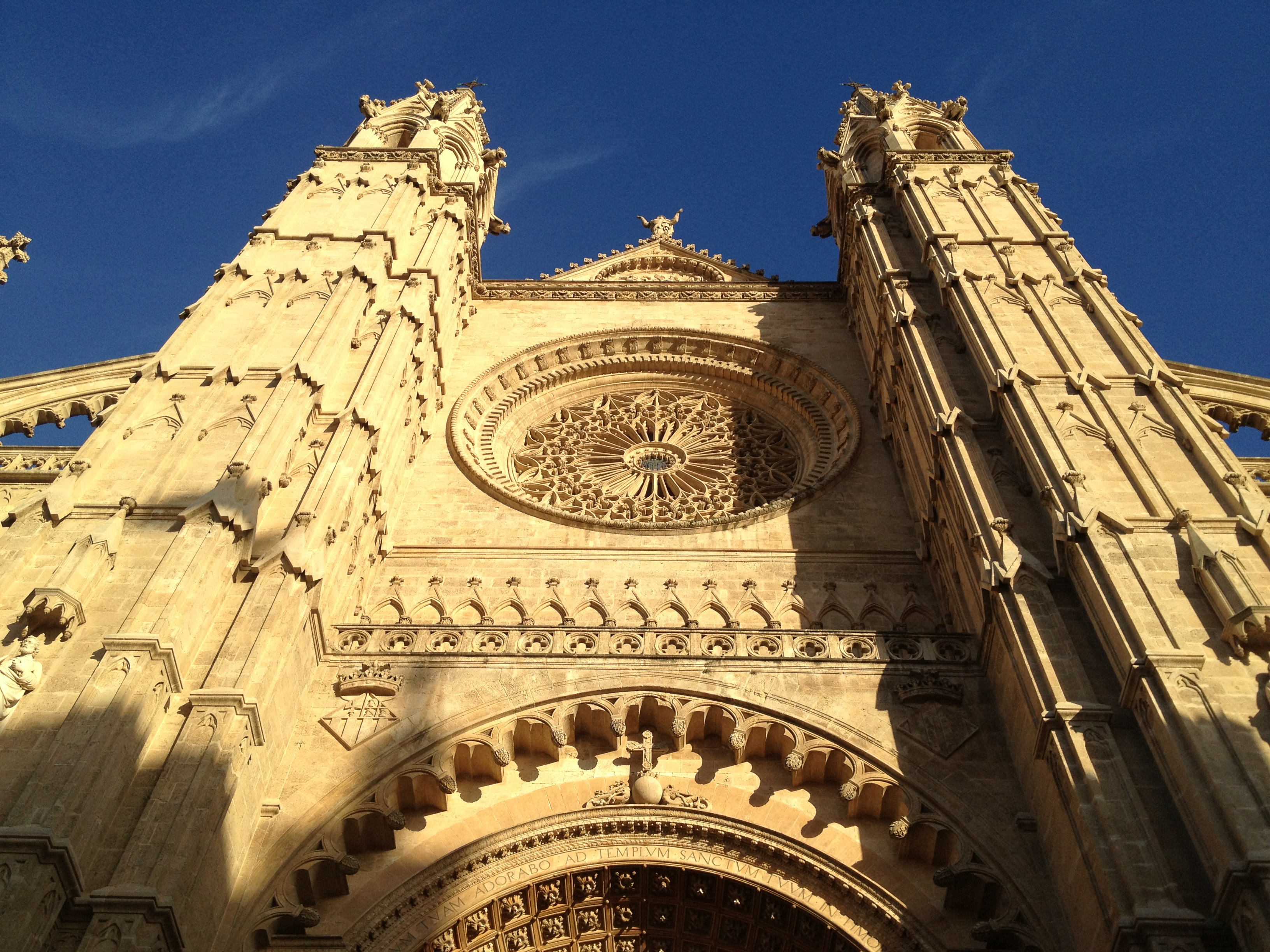
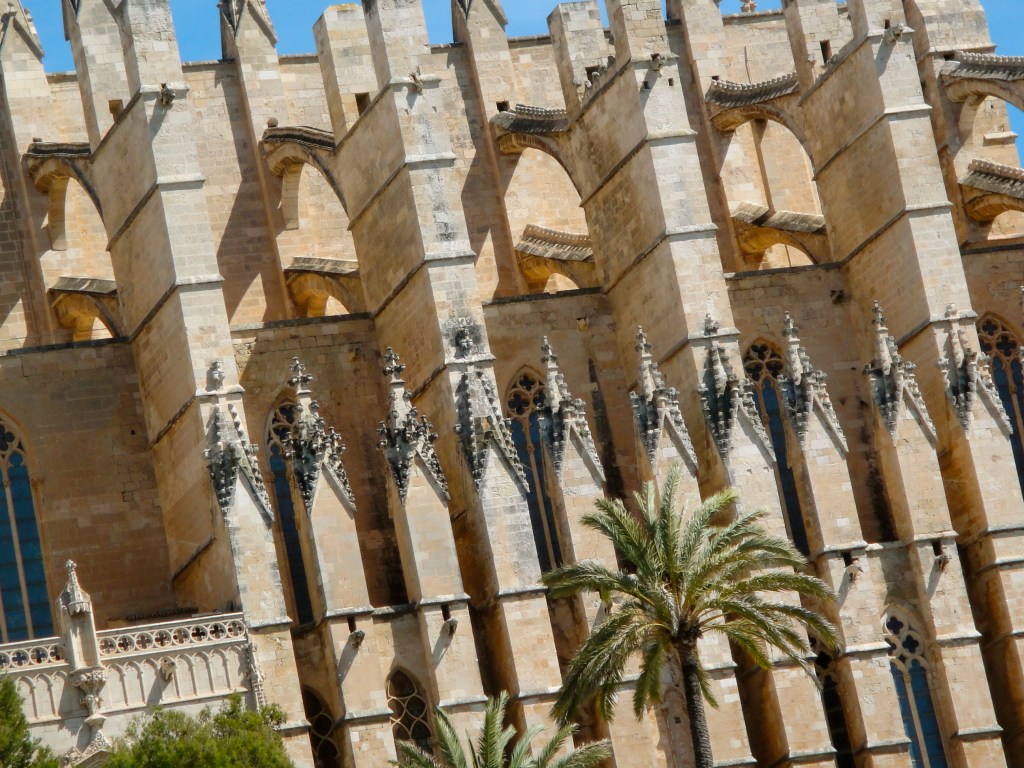
La Seu’s imposing gothic exterior
DSC06034 DSC05749 IMG_3708 DSC01109 DSC06190

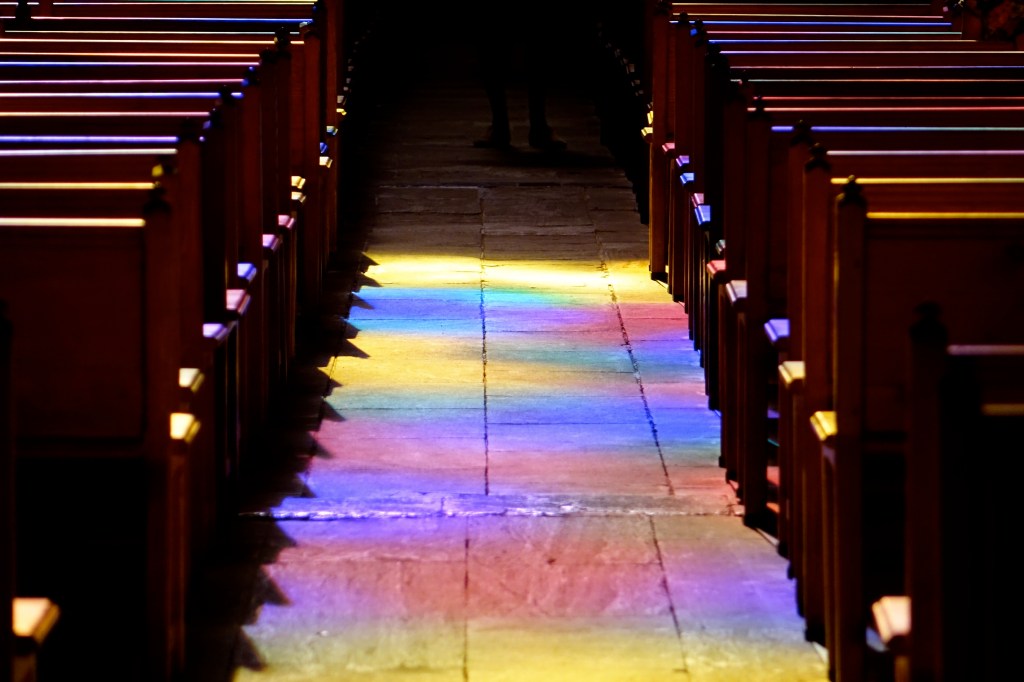
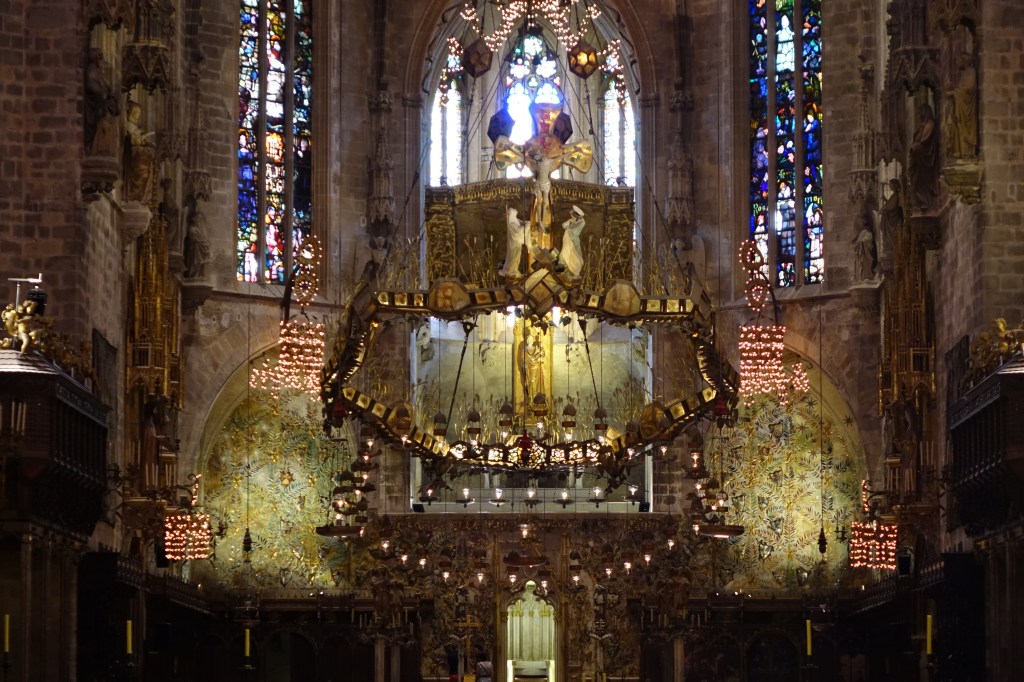
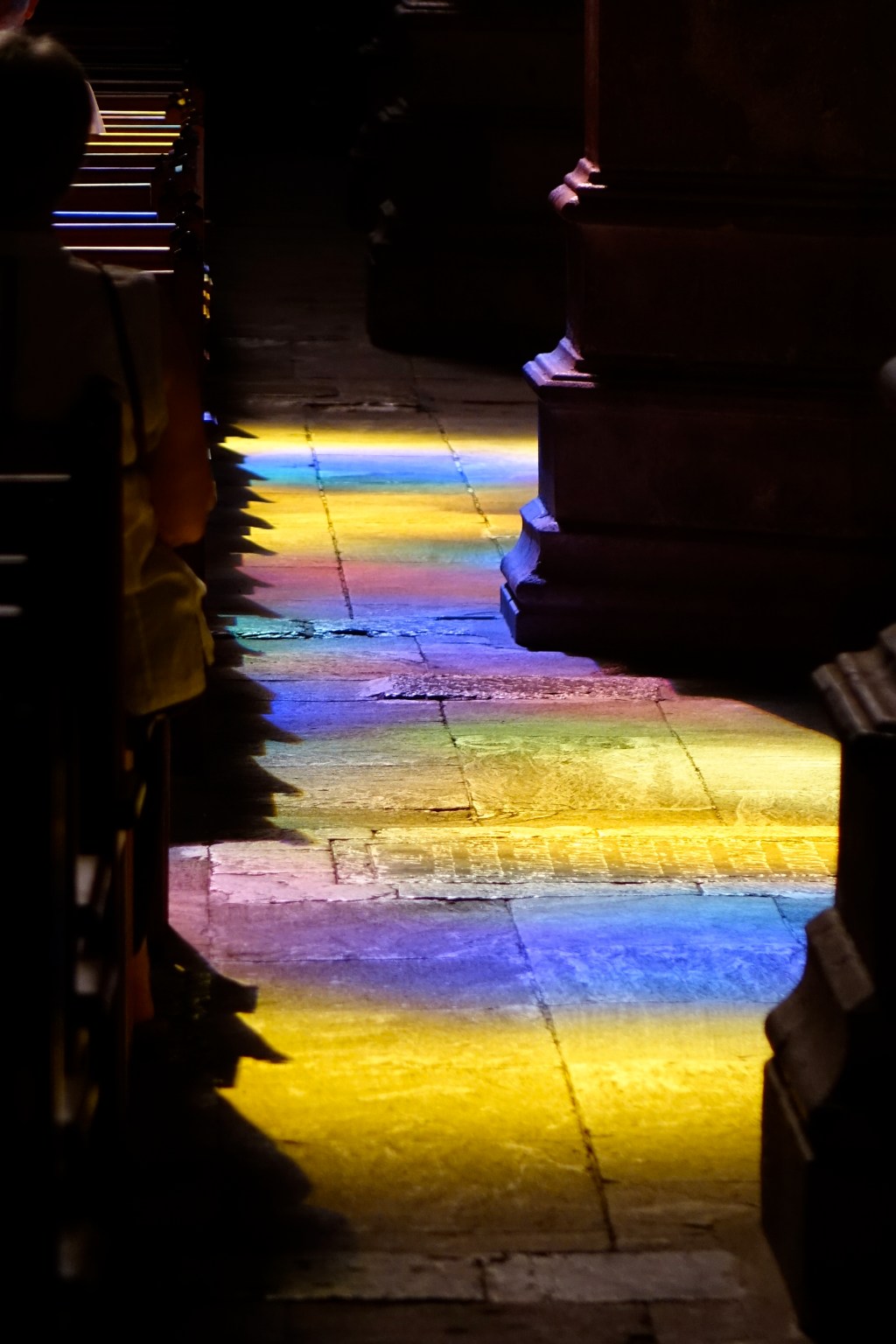
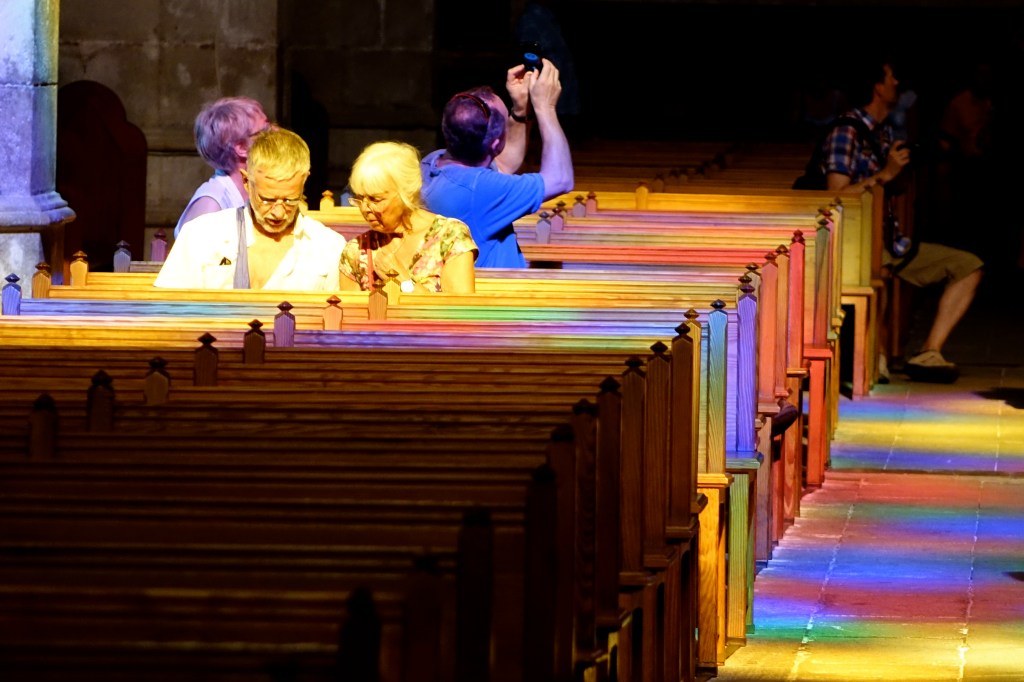
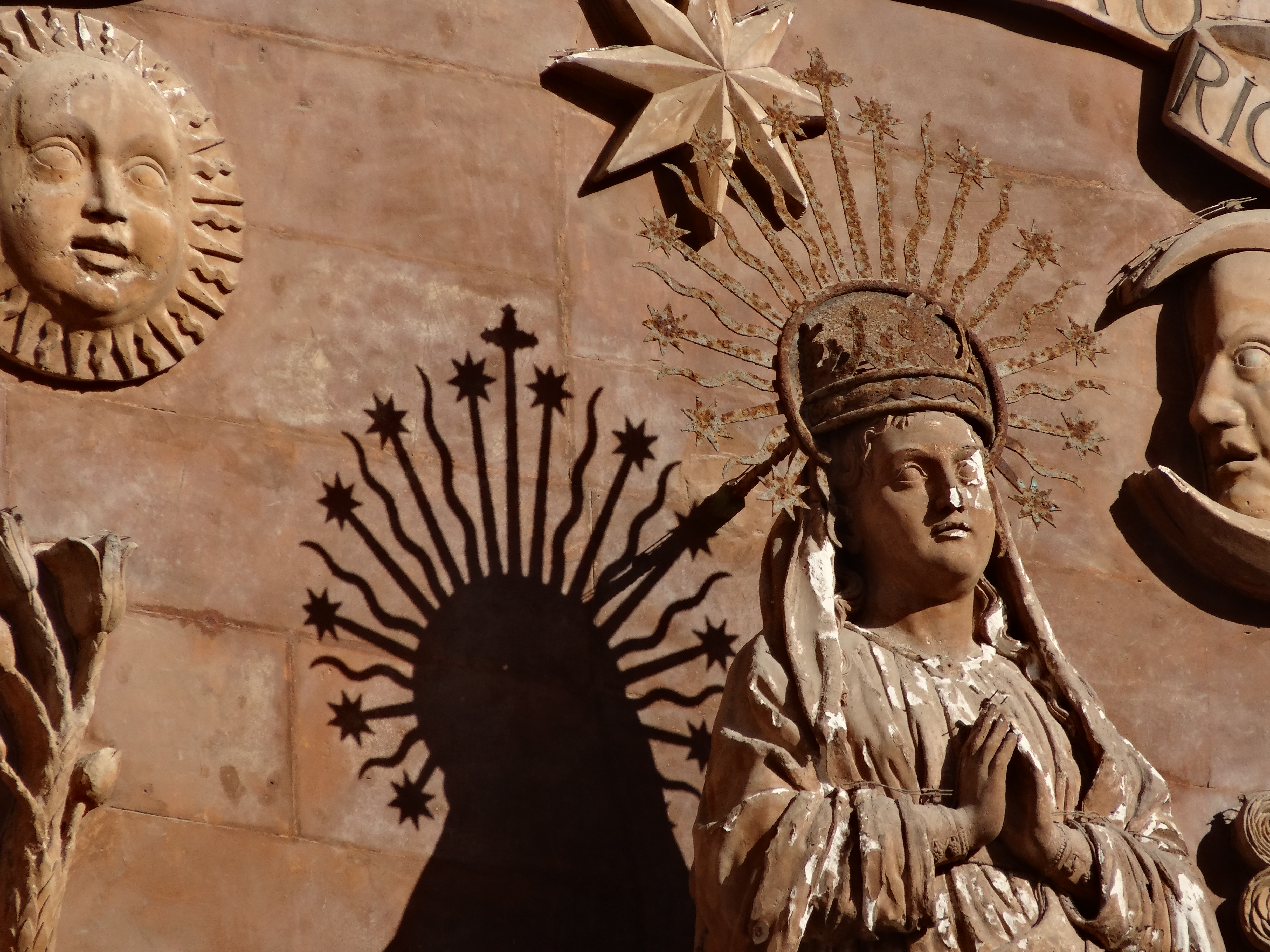
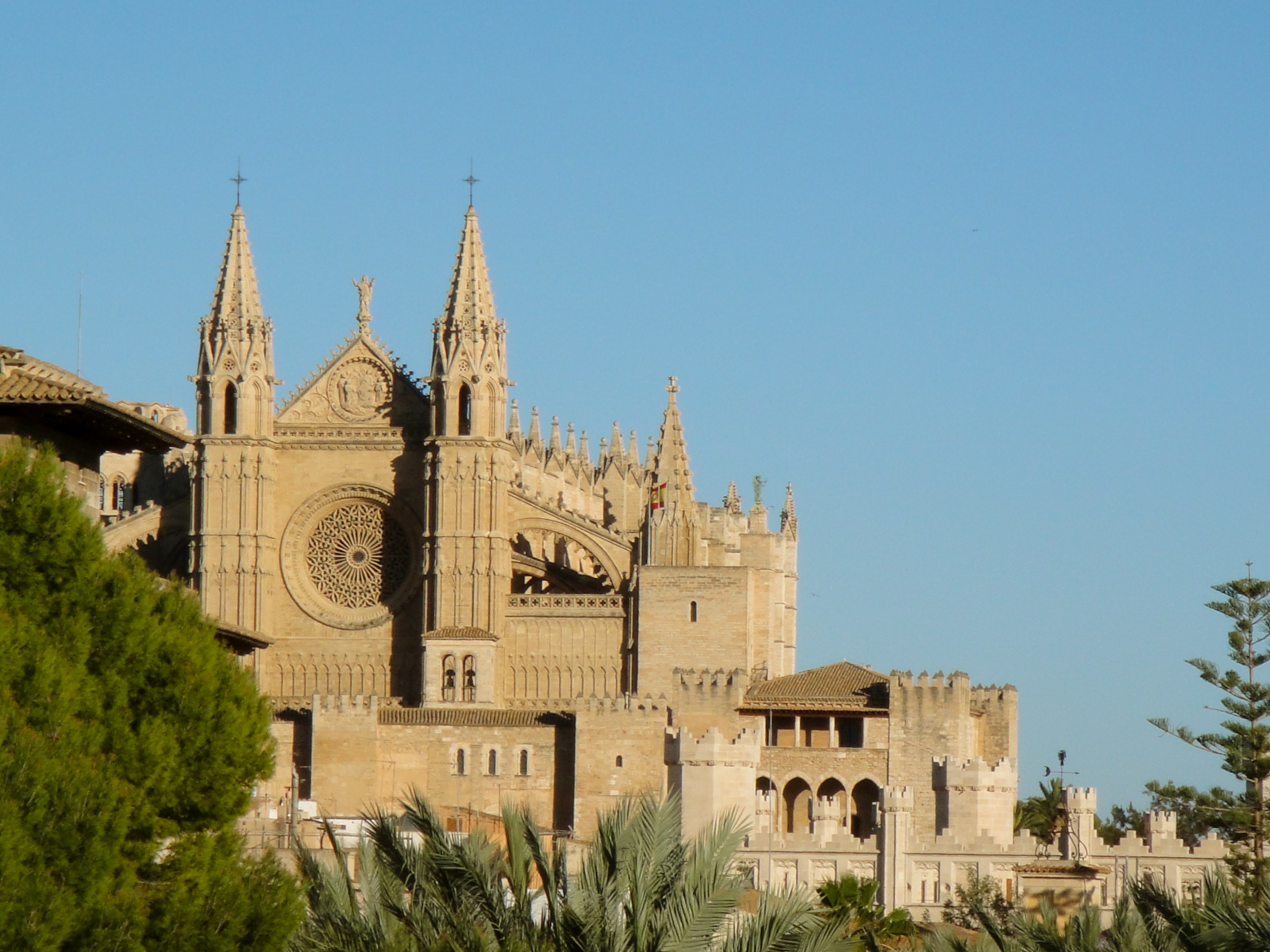
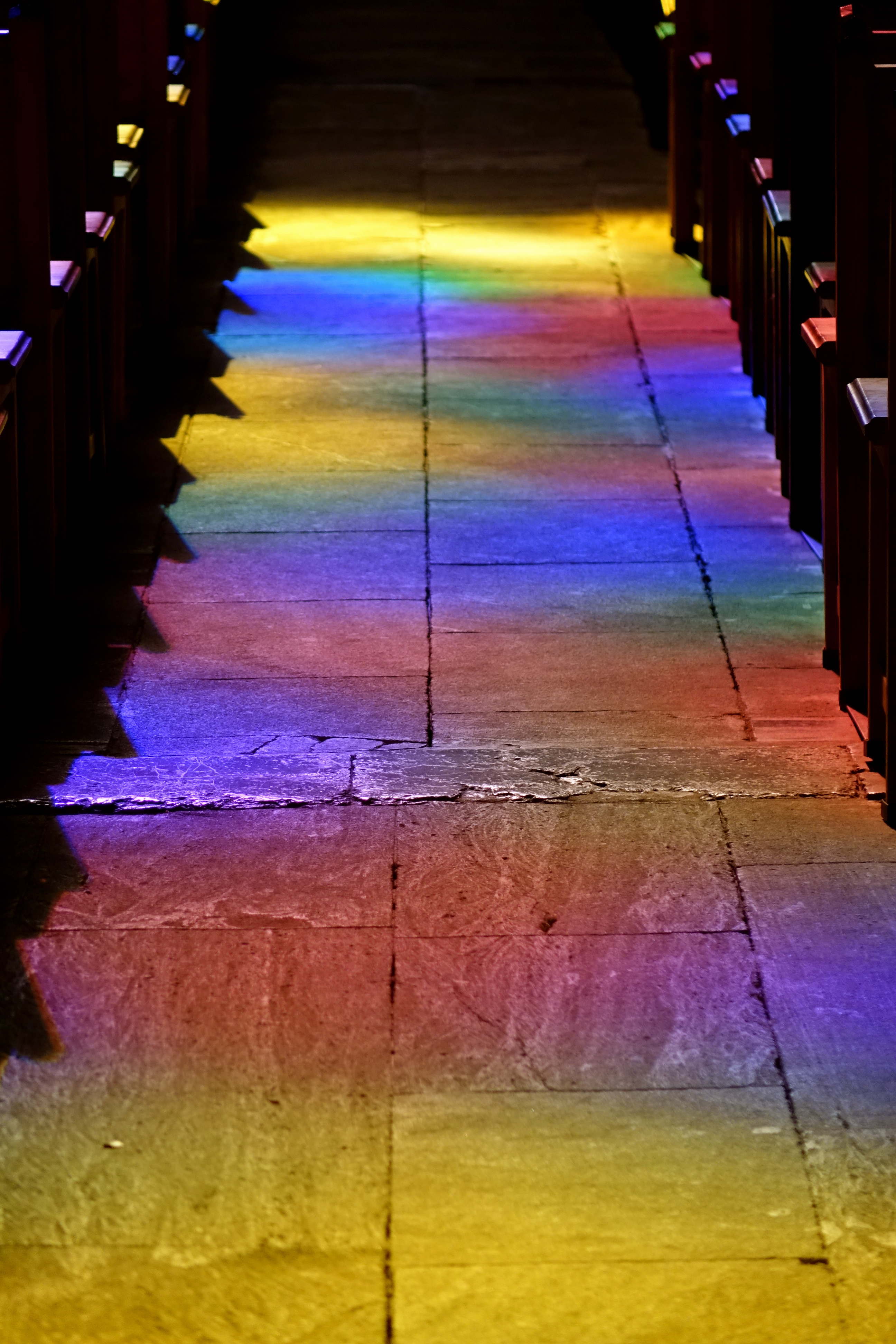
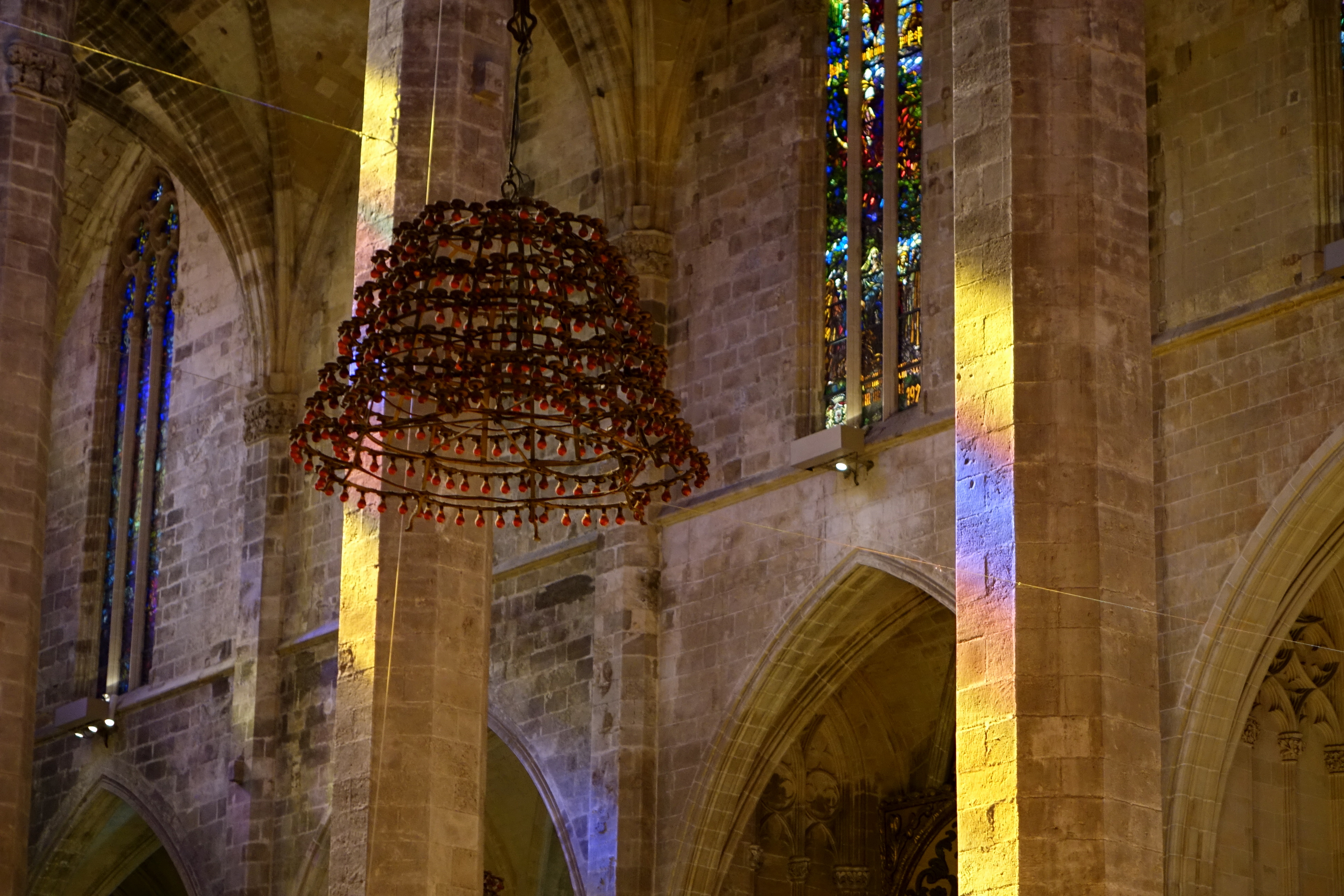
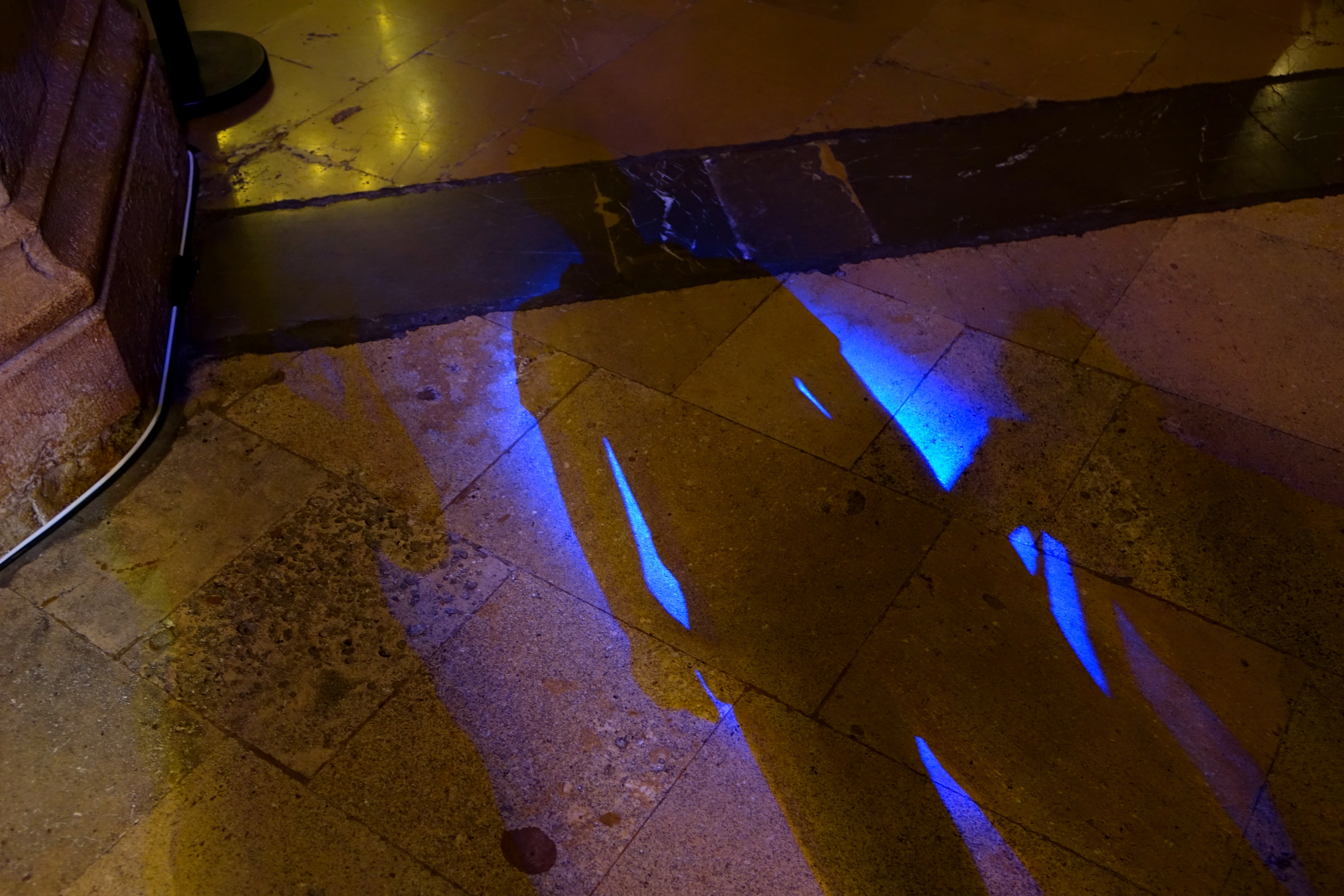
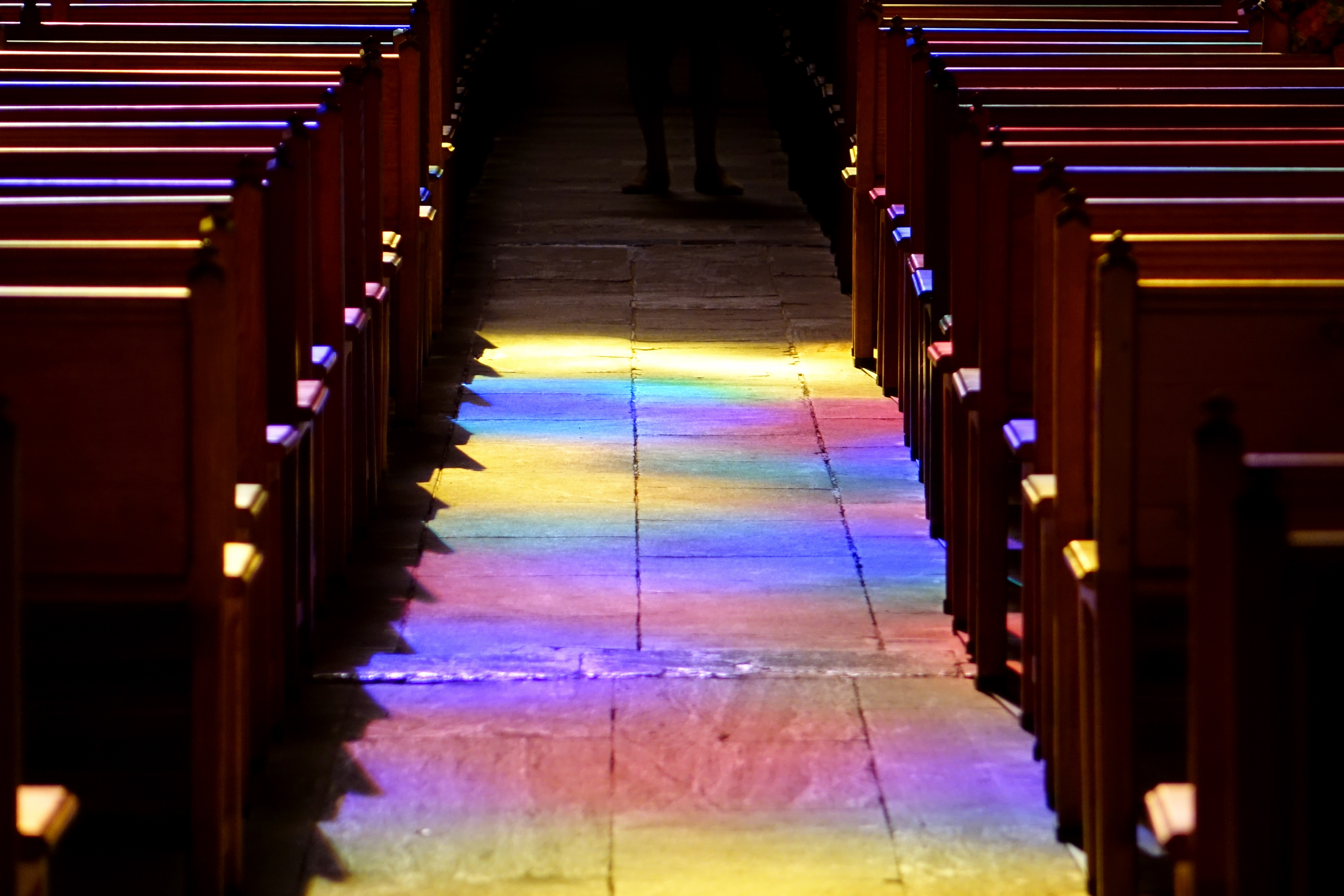
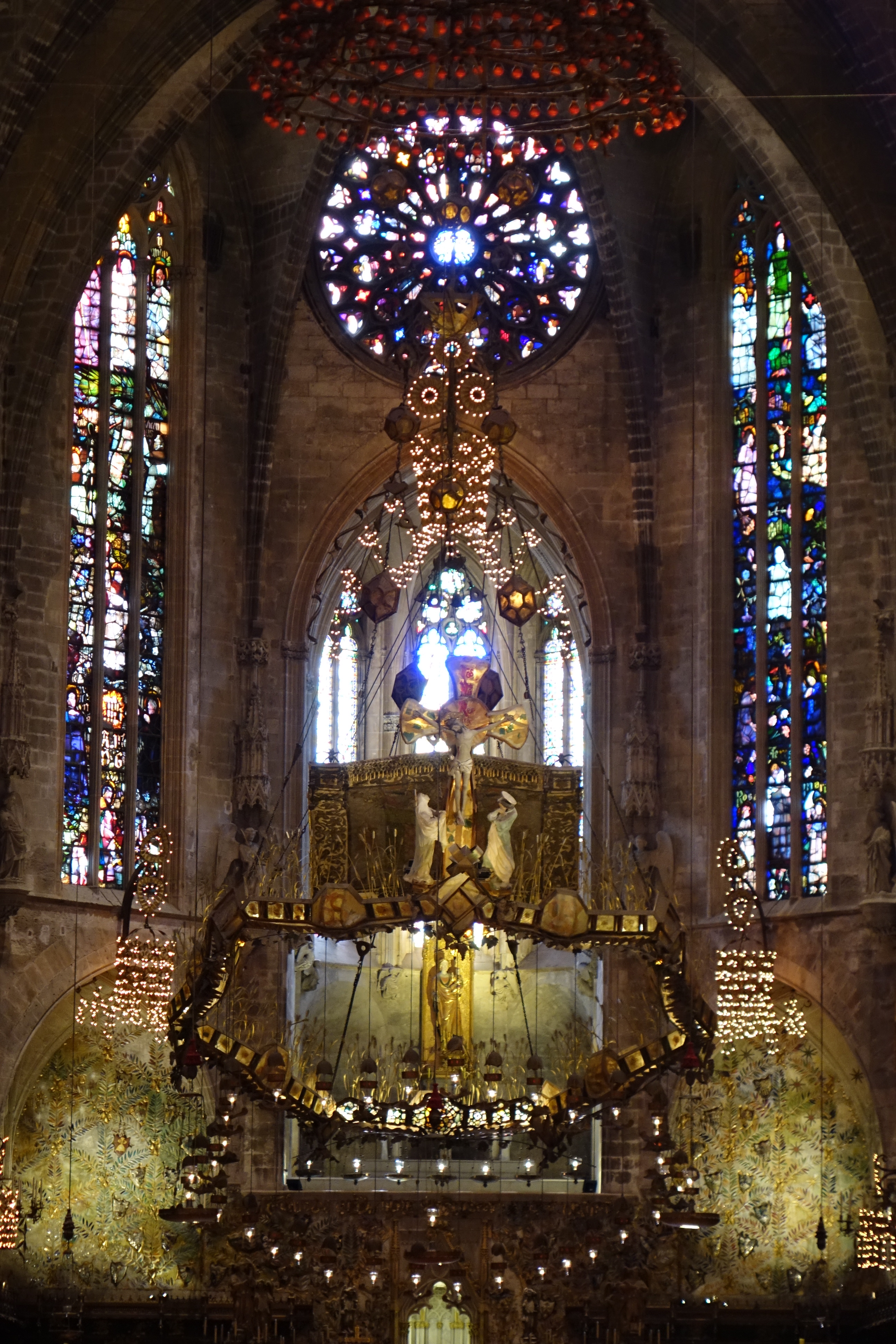
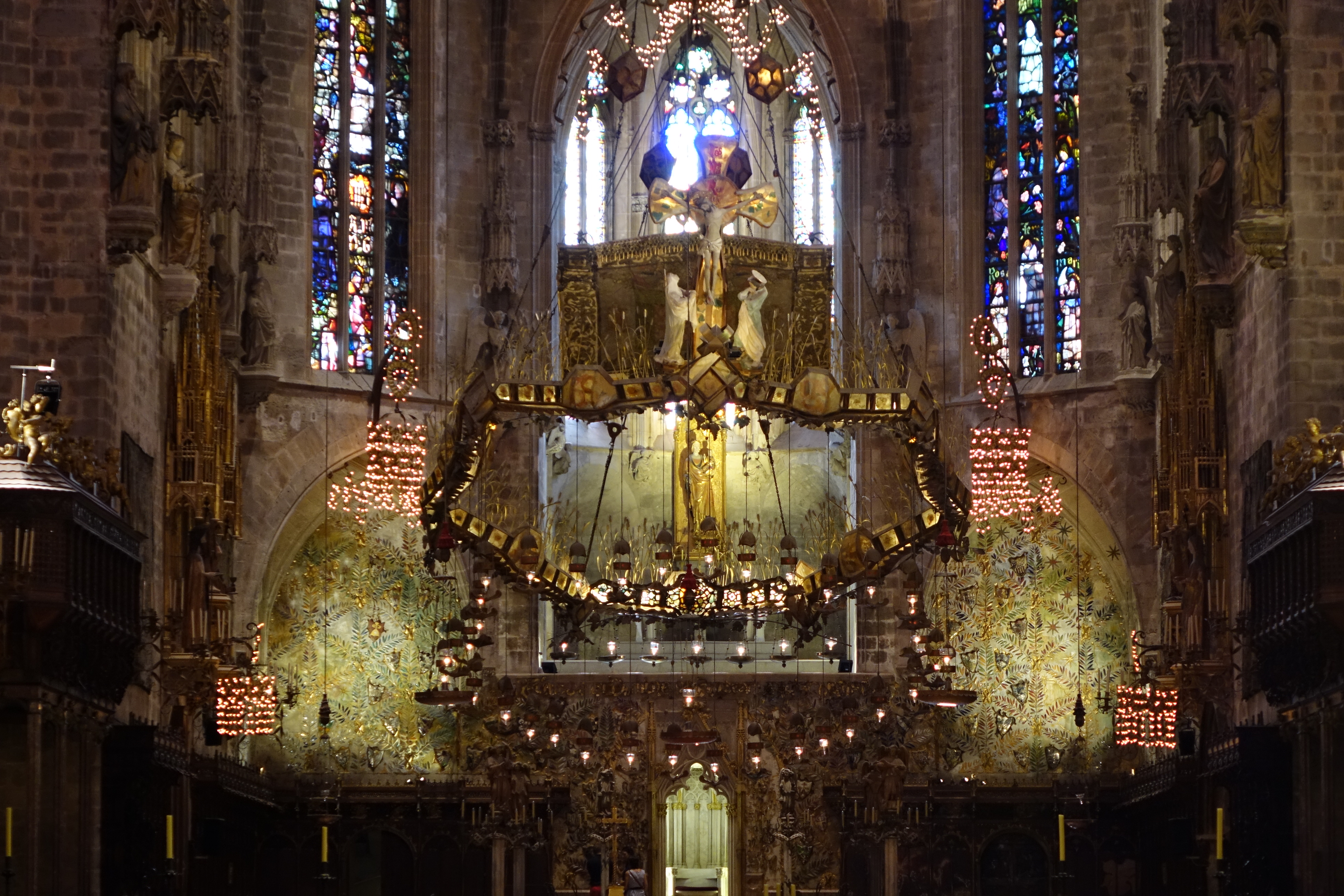
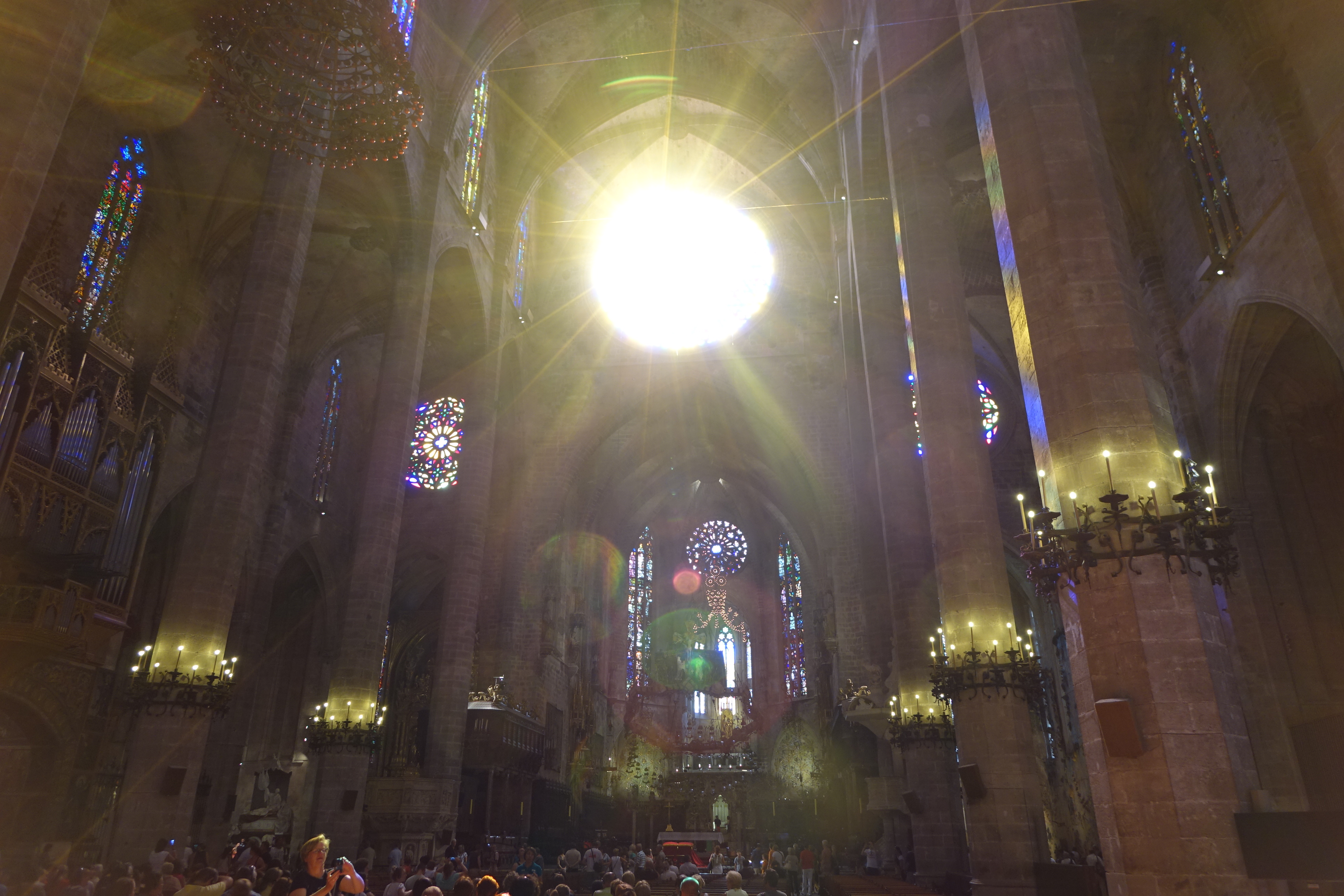
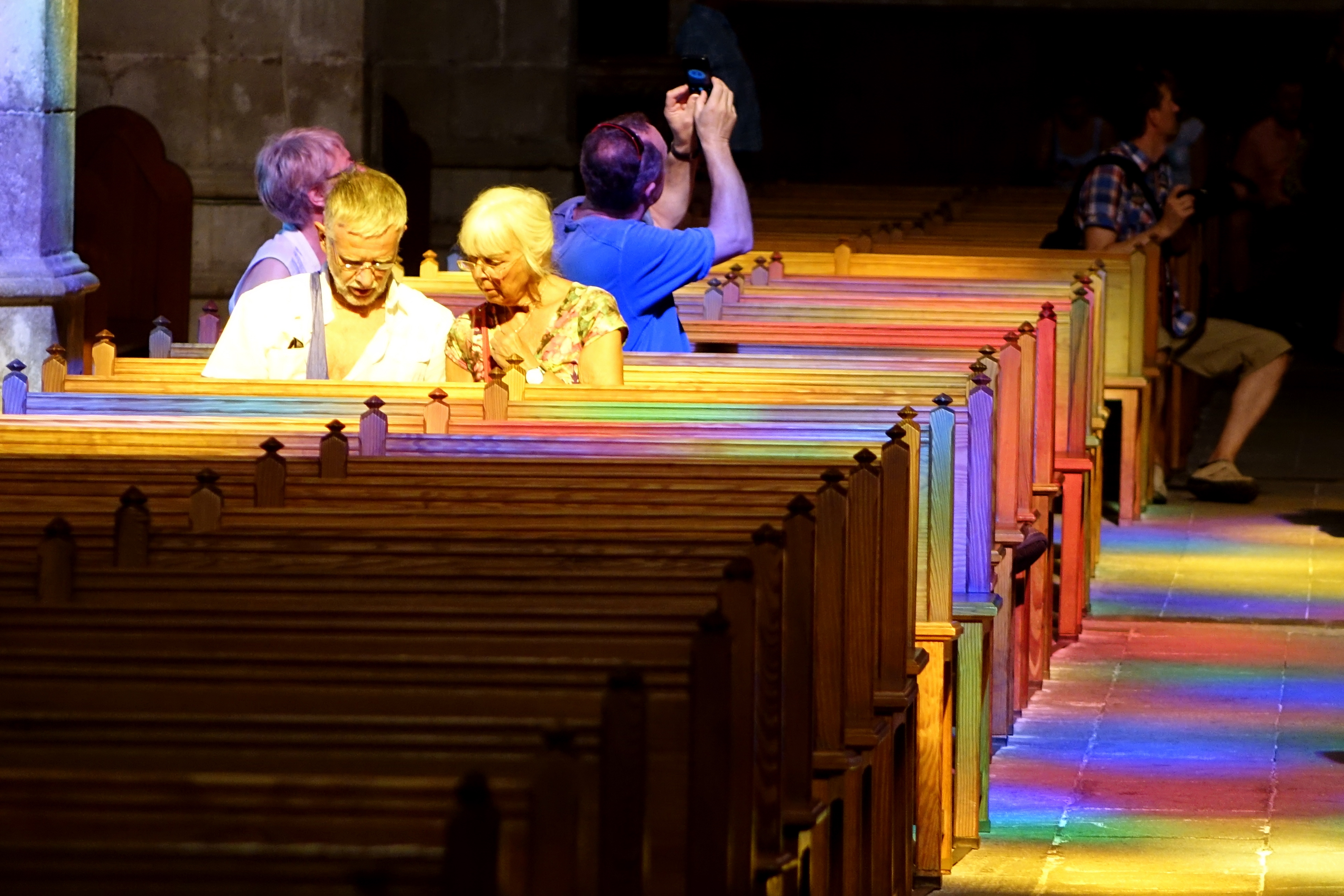
Palma’s Cathedral, known locally as La Seu, is indeed a masterpiece of the catholic gothic style. Completed in 1601, it is a soaring vast temple to christianity, with a dominant position over the waterfront of Palma, and comprising the 7th highest nave in the world. But what makes this palace of gothic architecture different from all of the other churches of the genre, enabling it to dispel the associations of dark, dank solemnity which is inherent in the gothic style, is colour. Pure, dazzling, multi-coloured samplings from every stretch of the rainbow. For in Palma’s Cathedral, there is not a single clear pane of glass. Rather, its many windows are fitted with coloured stained glass so rich in its vivacity and complexity, that when the sun shines on the outside of the cathedral (which it invariably does in Mallorca), the result on the inside is to fill every gothic stone and structure, ever eave and buttress, every flag stone and pew with the most dazzling multi-coloured light.

DSC07721 DSC07686 DSC07683 DSC07681 DSC07688 DSC07715 DSC07692 DSC07718 DSC07694 DSC07708 DSC07726 DSC07700 DSC07680 DSC07675 DSC07732

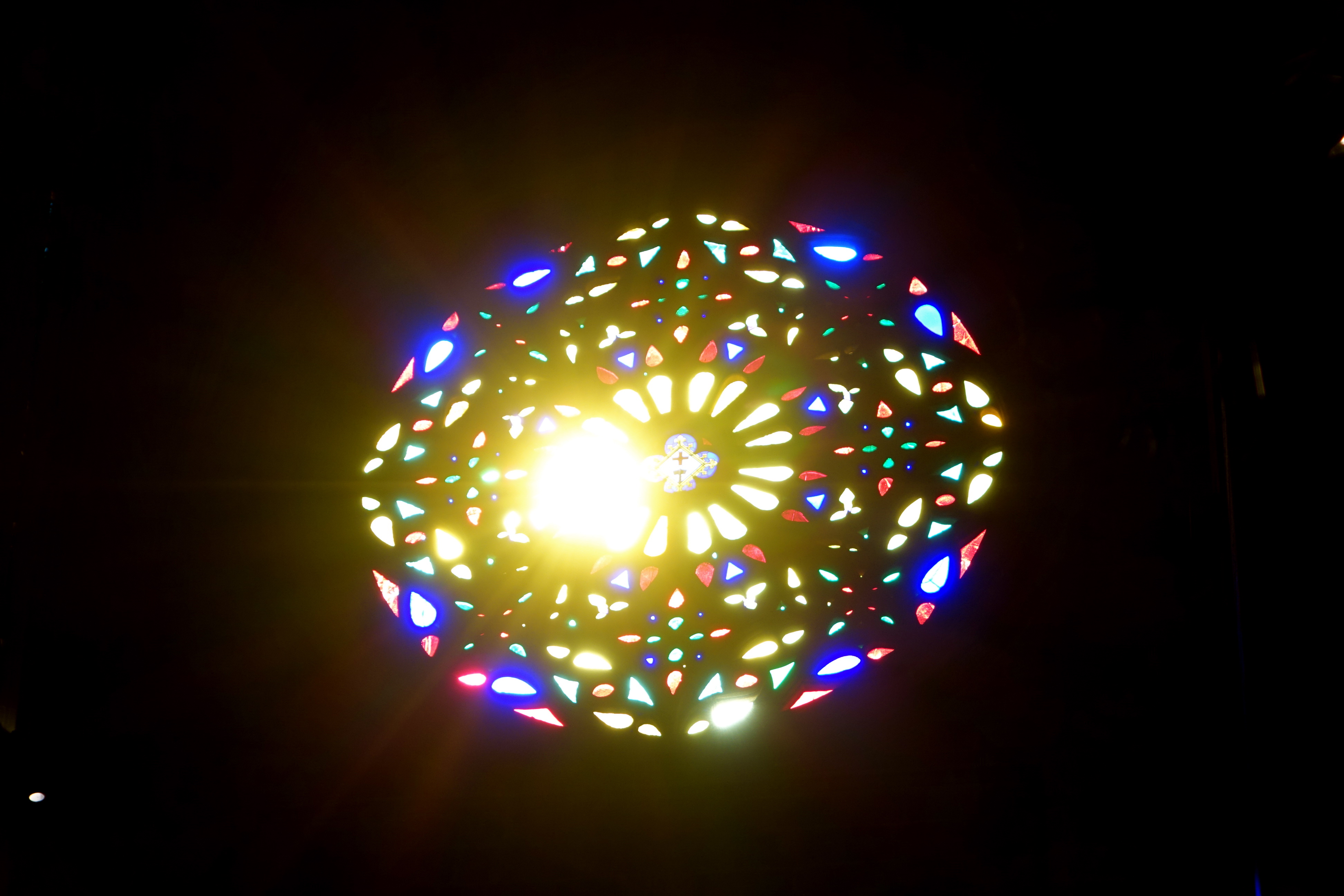
The effect is astounding, and dispels every known stereotype about gothic architecture, which is utterly transformed under the warming dazzle of a hundred shades of multi-coloured light. At times, when you are looking directly into the light as it shines through one of the cathedral’s impressive stained glass windows, a moment of epiphany overcomes you, as everywhere you look you see shards of colour bouncing across the vast space. If that was the intention of the architects, it is an objective universally achieved, so that you leave the cathedral if not religiously converted then certainly spiritually touched.

All photos and written content are strictly the copyright of Nicholas de Lacy-Brown © 2014 and The Daily Norm. All rights are reserved. Unauthorized use and/or duplication of the material, whether written work, photography or artwork, included within The Daily Norm without express and written permission from The Daily Norm’s author and/or owner is strictly prohibited.

Prague (Part 6): Photoblog Epilogue

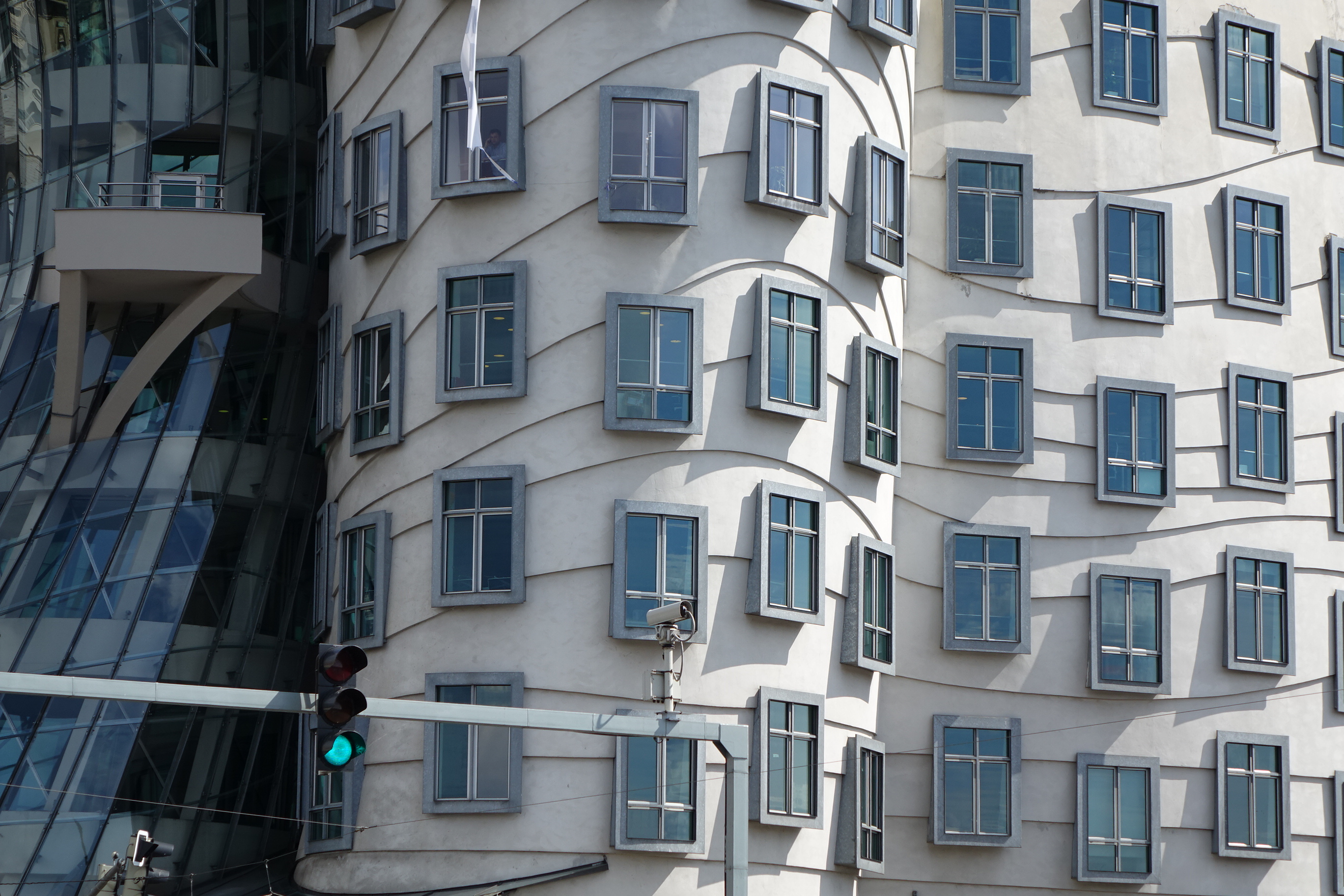
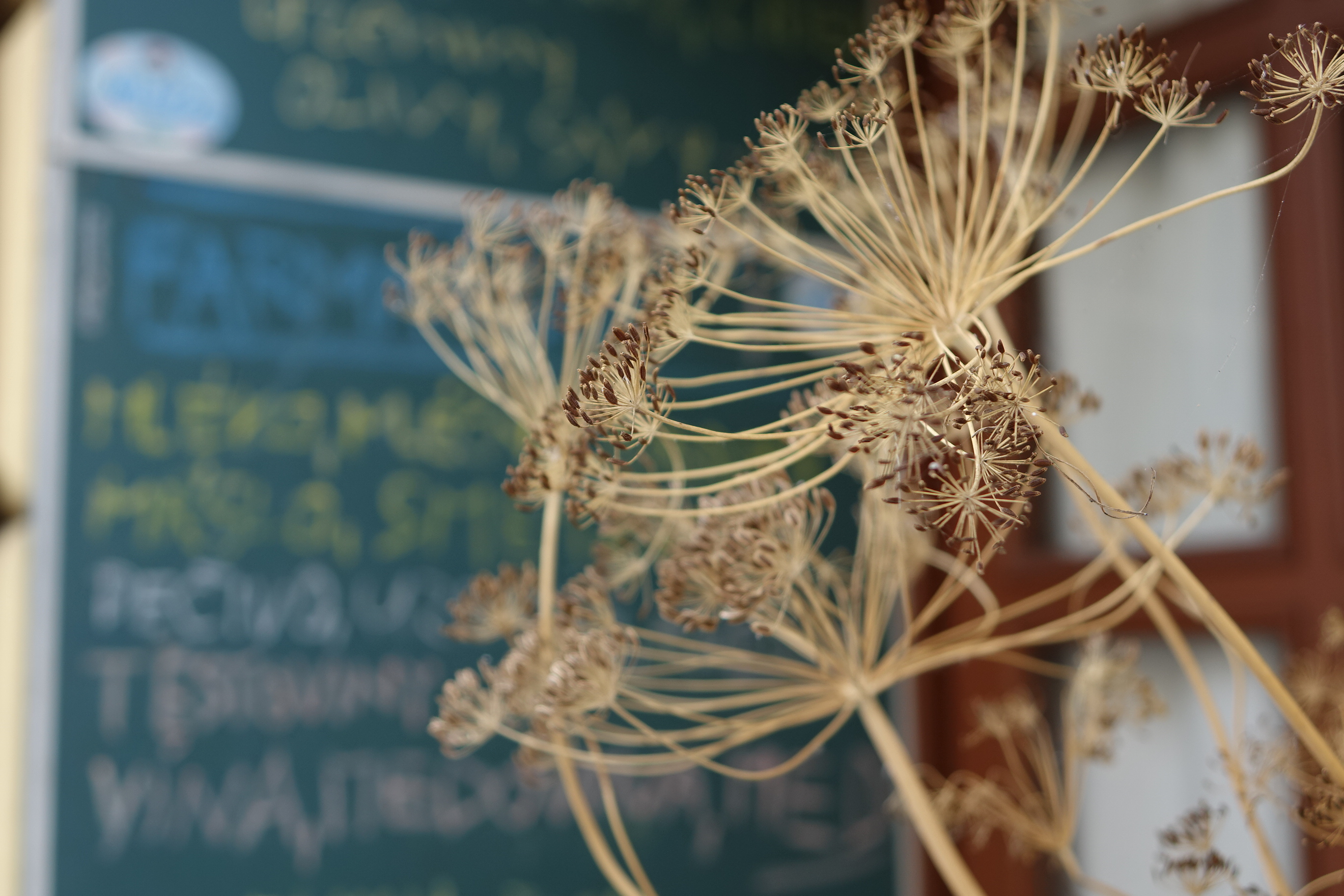
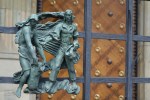
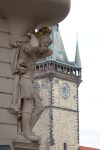
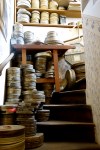
My closing photographic miscellany of my series of Prague posts is all about variety. From crunchy caramelised pretzels, hung out on cafe table to further tempt diners, and a troop of soldiers, dressed up in baby blue, to spooky looking decapitated dolls and a stack of dusty old film reels on a staircase in the Golden Lane, this is a selection of photos that bear no common thread other than the fact that they are some of the smaller little details that can be found in the capital of the Czech Republic.

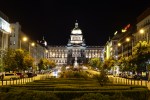
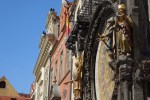
Amongst the shots on show are what have become something of a staple in my photographic oeuvre: street lamps aplenty and reflections in glass; fancy ironwork and keyholes, and shadows cast onto a sunny wall. But here too are some of the more typical views which a tourist may seek to capture on their handheld: the unbroken expanse of the grand Wenceslas Square and the astronomical clock set upon the face of the old town hall tower, its moving apostles and little model bell-tollers delighting tourists on the hour, every hour.

DSC07533DSC07365DSC07143 DSC06389 DSC06474

And so with this post, I bid my farewell to Prague. My experience of the city was not always great – the feeling that I was more of a nuisance to locals than a welcome guest always pervaded my experience leaving me slightly on edge and unable to enjoy the city to the full. But there’s no denying the rich historical beauty which the city exudes from its every glamourous feature and facade, and for that alone, it’s worth the trip.

All photos and written content are strictly the copyright of Nicholas de Lacy-Brown © 2014 and The Daily Norm. All rights are reserved. Unauthorized use and/or duplication of the material, whether written work, photography or artwork, included within The Daily Norm without express and written permission from The Daily Norm’s author and/or owner is strictly prohibited.

Prague (Part 5): City of a Thousand Spires

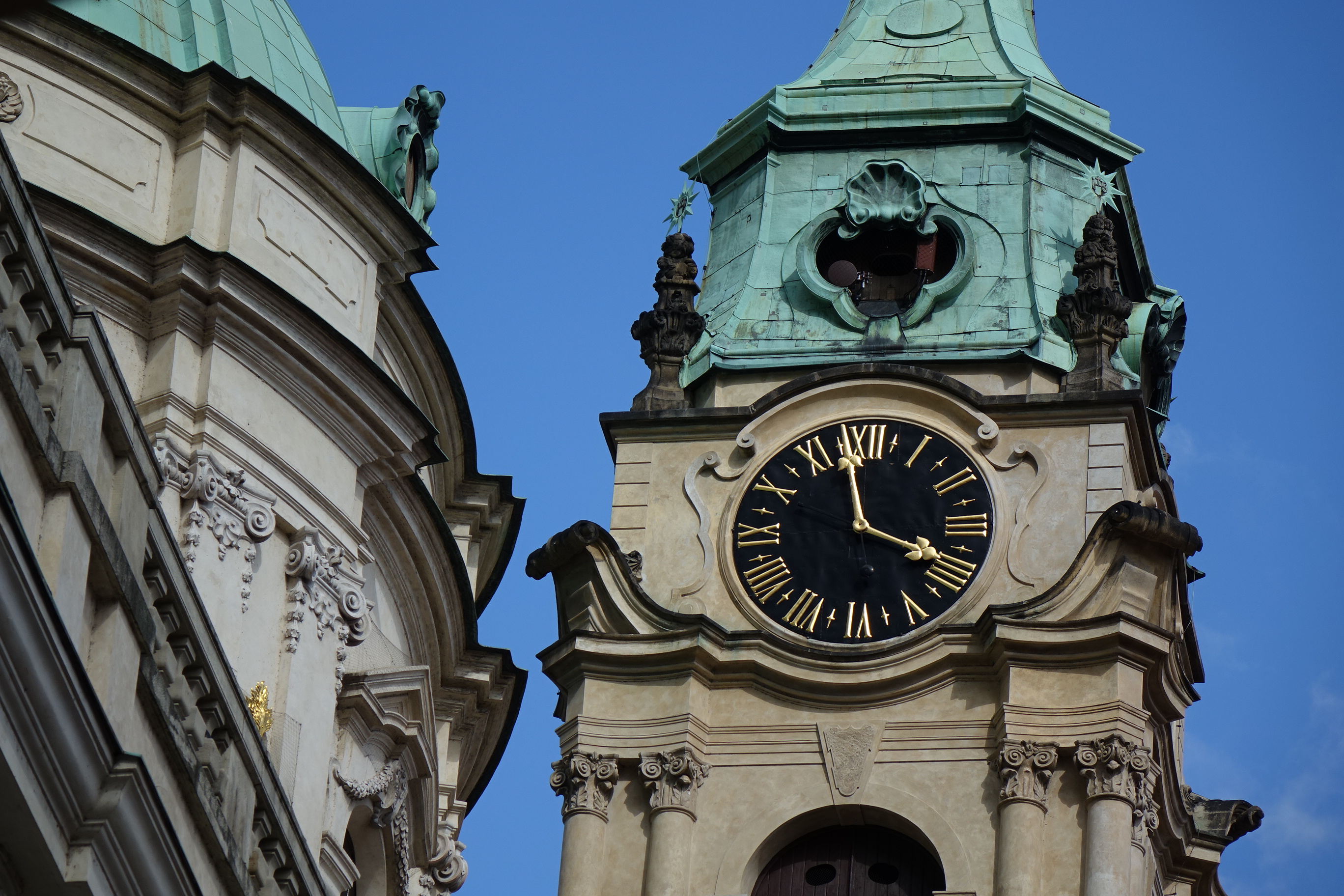
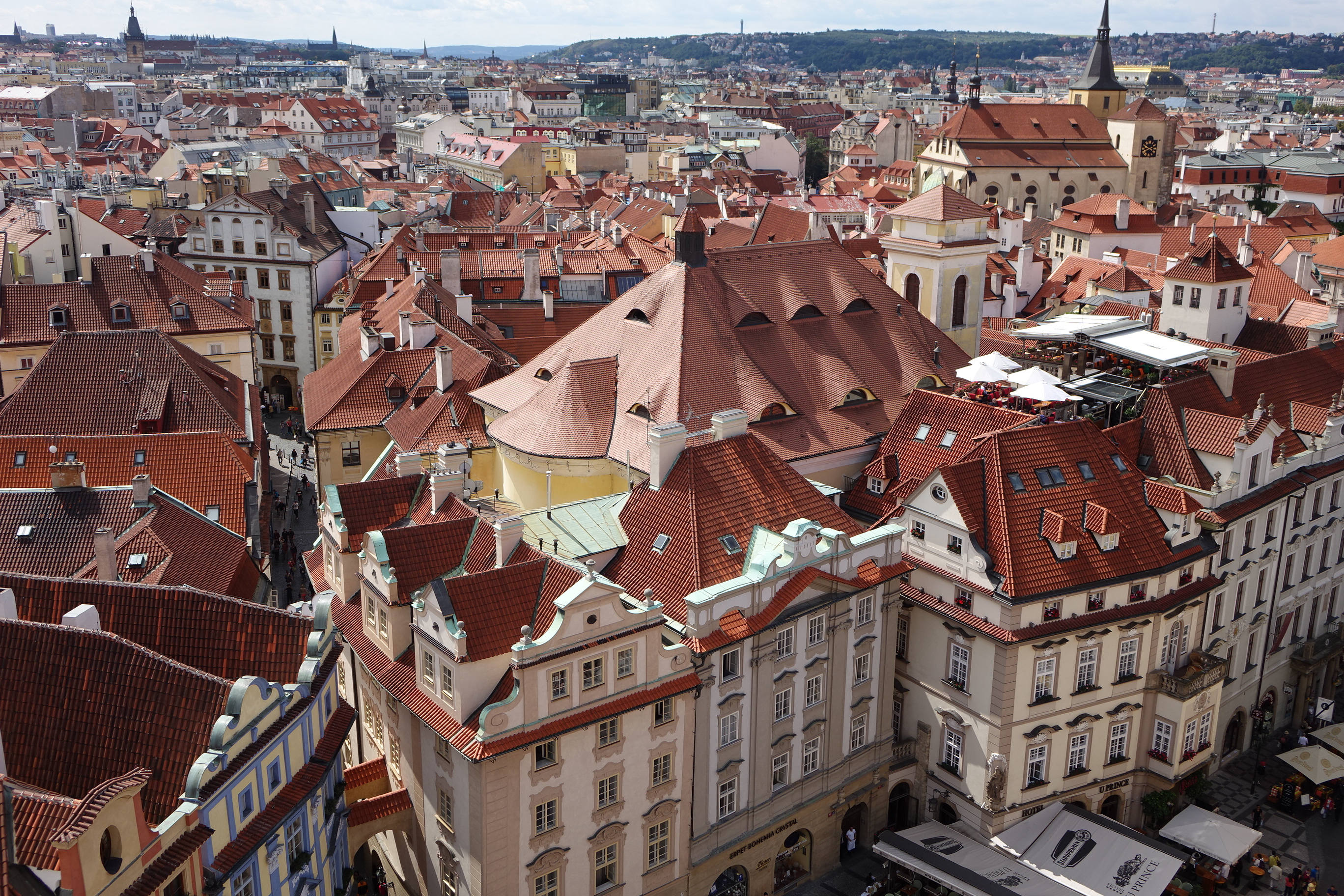
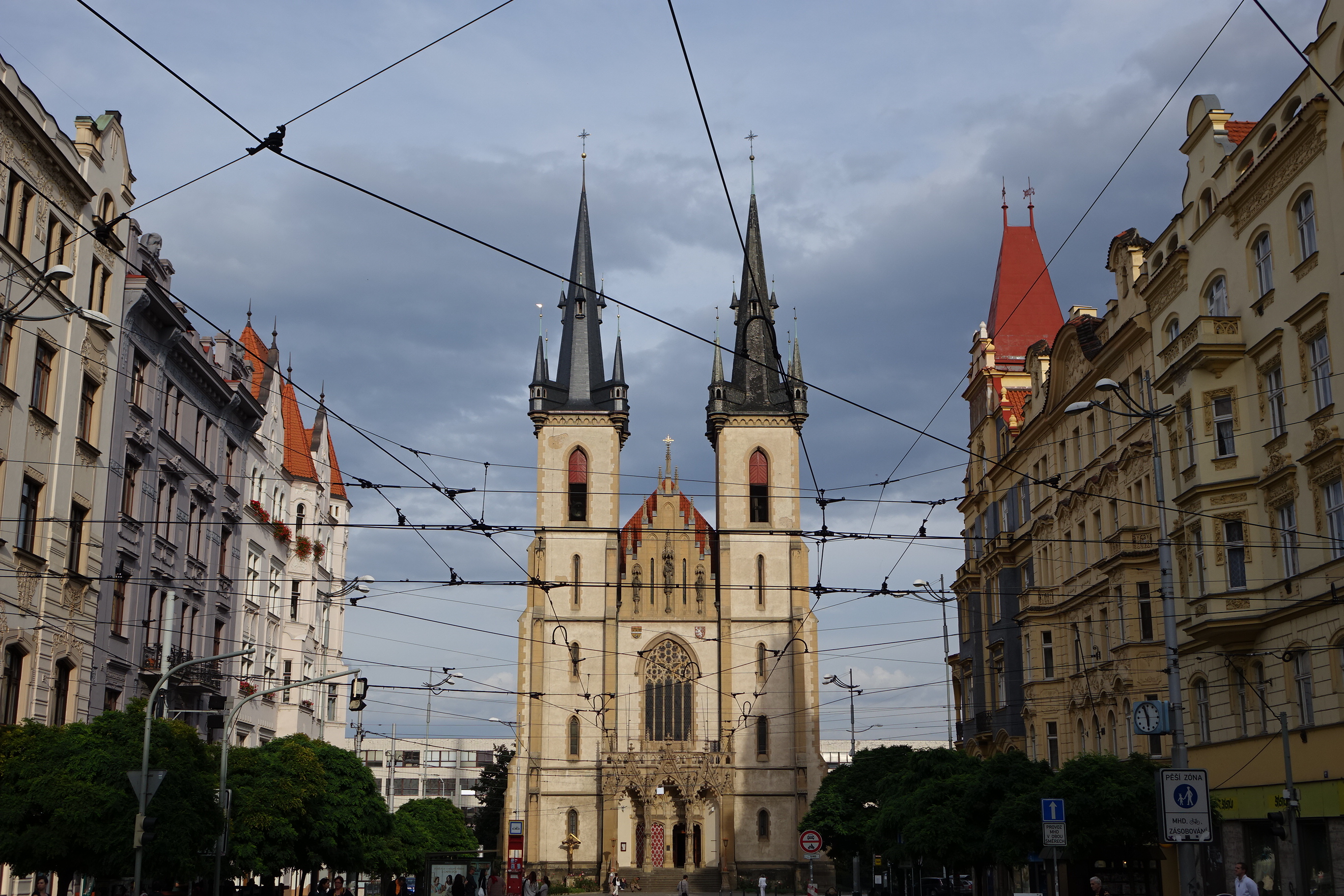
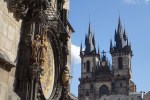
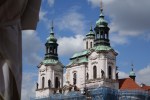
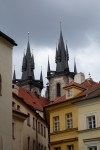
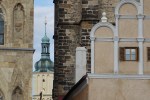
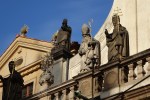
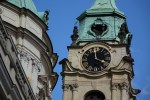
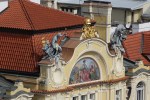
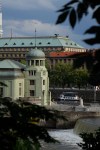
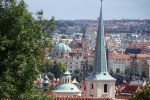
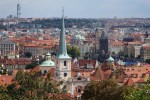
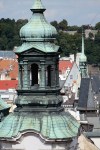
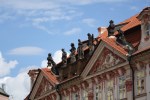
They call Prague the city of a thousand spires, and while I’m sure that a thousand may be a slight exaggeration, it’s probably not too far from the truth. For Prague’s skyline is like a venerable jewellery box of glinting treasures: tall spires, small spires, fat spires and ornate spires; cupolas embellished in gold, and turrets laced with ornate iron work. Some are grey and others the warm terracotta which populates most of Prague’s rooftops; but perhaps the most common are those copper spires, whose metal has turned a pleasing shade of aquamarine. Set amongst this sea of variously shaped ornaments are the baroque treasures which yesterday’s post explored; and so in any one square metre of the city, you may have a delicious overlap of a dome, several spires, gold details, copper coloured tiles, a blackened statue, and a slightly cleaner one – in other words a feast for the eyes.

DSC07064 DSC07441 DSC06948 DSC06464 DSC07223


It is in an attempt to serve that banquet of architectural delicacies up into manageable bite-size pieces that I devote a whole post on today’s Daily Norm to the seductive skyline ofPrague. For while the city at ground level, with its tourist hoards and stag parties may do your head in, keep on looking up and you may well find that Prague fairytale that all the guidebooks have promised you.

All photos and written content are strictly the copyright of Nicholas de Lacy-Brown © 2014 and The Daily Norm. All rights are reserved. Unauthorized use and/or duplication of the material, whether written work, photography or artwork, included within The Daily Norm without express and written permission from The Daily Norm’s author and/or owner is strictly prohibited.