Skip to content

Conscience and Conflict: Pallant House explores British Artists and the Spanish Civil War

As the year draws to a close, it is only natural to look back on the highs and lows, and to review everything a little. When it comes to exhibitions, I wouldn’t say that 2014 was necessarily the strongest of years in the UK. I was left a little disappointed by a number of exhibitions I attended, especially at the Royal Academy and Tate Britain. However that is not to say that there were not a number of sure hits. My top 5 exhibitions of the year (in no particular order) have to include the Matisse Cut-outs at Tate Modern, Malevich at Tate Modern, Egon Schiele at the Courtauld, and Rembrandt at the National Gallery. But for the final of the 5, one further exhibition has managed to squeeze into my year’s hit-list, just before 2014 expired: Conscience and Conflict: British Artists and the Spanish Civil War at the Pallant House Gallery in Chichester.

As far as modern world history goes, the Spanish Civil War is too often overshadowed by the longer, larger Second World War that followed it. But none can underestimate the significance of this conflict which, in effect, lasted decades beyond the cessation of fighting, and not least because this was one conflict where the Fascists won the war, right on the doorstep of democratic civilisation. And it was this fear – the very real concern that fascism might win at a time when two major fascist dictators were already installed in Germany and Italy, and when a greater world conflict seemed more than likely – that inspired the artistic reaction amongst British Artists that is the focus of this excellent exhibition.

Frank Brangwyn: For the relief of women and children in Spain (1936-7), detail
Frank Brangwyn: For the relief of women and children in Spain (1936-7), detail

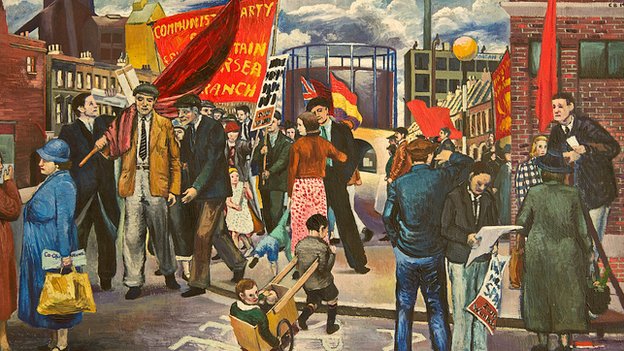
Clive Branson, Demonstration in Battersea (1939)

Clive Branson, Demonstration in Battersea (1939)

Merlyn Evans, Distressed Area (1938)
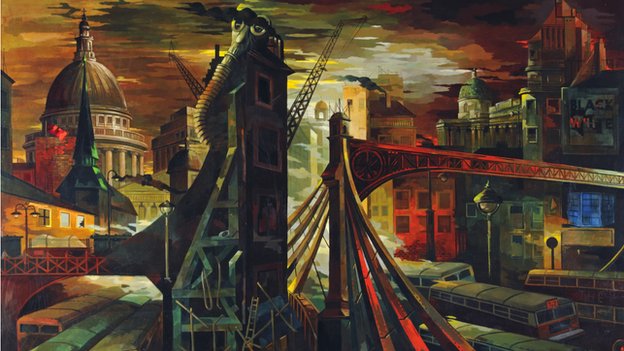
Merlyn Evans, Distressed Area (1938)

Walter Nessler, Premonition (1937)
Walter Nessler, Premonition (1937)

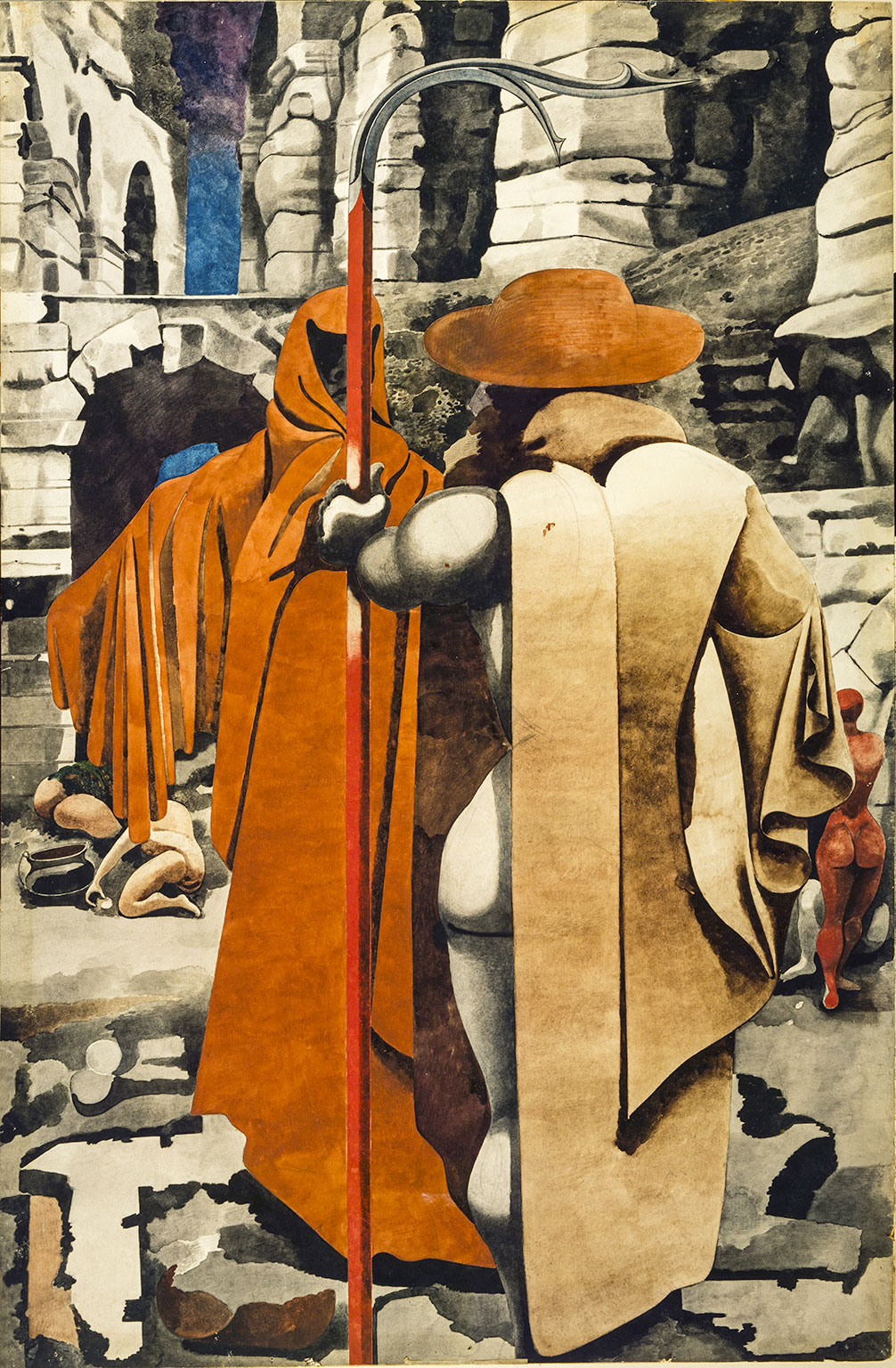
Edward Burra, The Watcher (1937)

Edward Burra, The Watcher (1937)

Stanley William Hayter, Paysage Anthropophage (Man-eating landscape) (1938)

Stanley William Hayter, Paysage Anthropophage (Man-eating landscape) (1938)

For British Artists between 1936-9 were reacting not just to the horrors of the war, often with surreal images (Edward Burra’s brilliant watercolours being a prime example), destroyed landscapes (Merlyn Evans), and distraught victims (Henry Moore and Picasso), but also to the innate frustration that the British Government had adopted a non-interventionist policy. This felt like utter madness when the fascist leaders of Europe were actively intervening in the Fascist cause, and caused artists of Britain to uprise, creating brilliant propaganda posters supporting the Republican Cause and, ultimately, fighting in the war themselves.

Pablo Picasso, Weeping Woman (1937)

Pablo Picasso, Weeping Woman (1937)

John Armstrong, Invocation (1938)
John Armstrong, Invocation (1938)

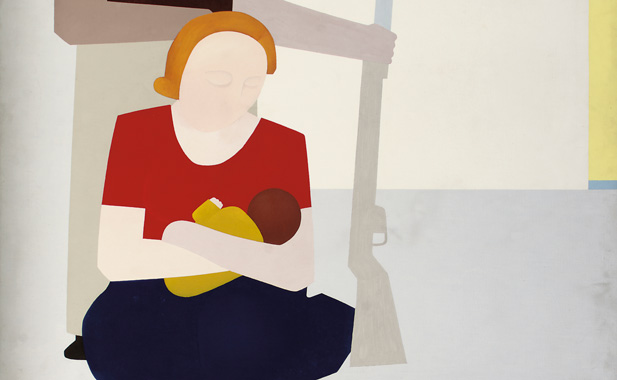
Alastair Morton, Spanish Civil War (1939)
Alastair Morton, Spanish Civil War (1939)

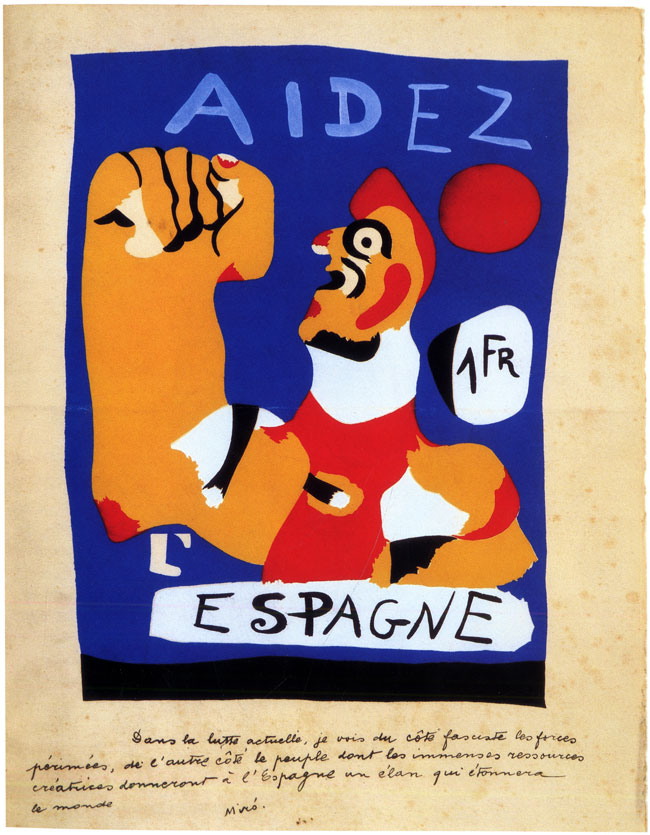
Joan Miro, Aidez L'Espagne (Help Spain) (1937)

Joan Miro, Aidez L’Espagne (Help Spain) (1937)
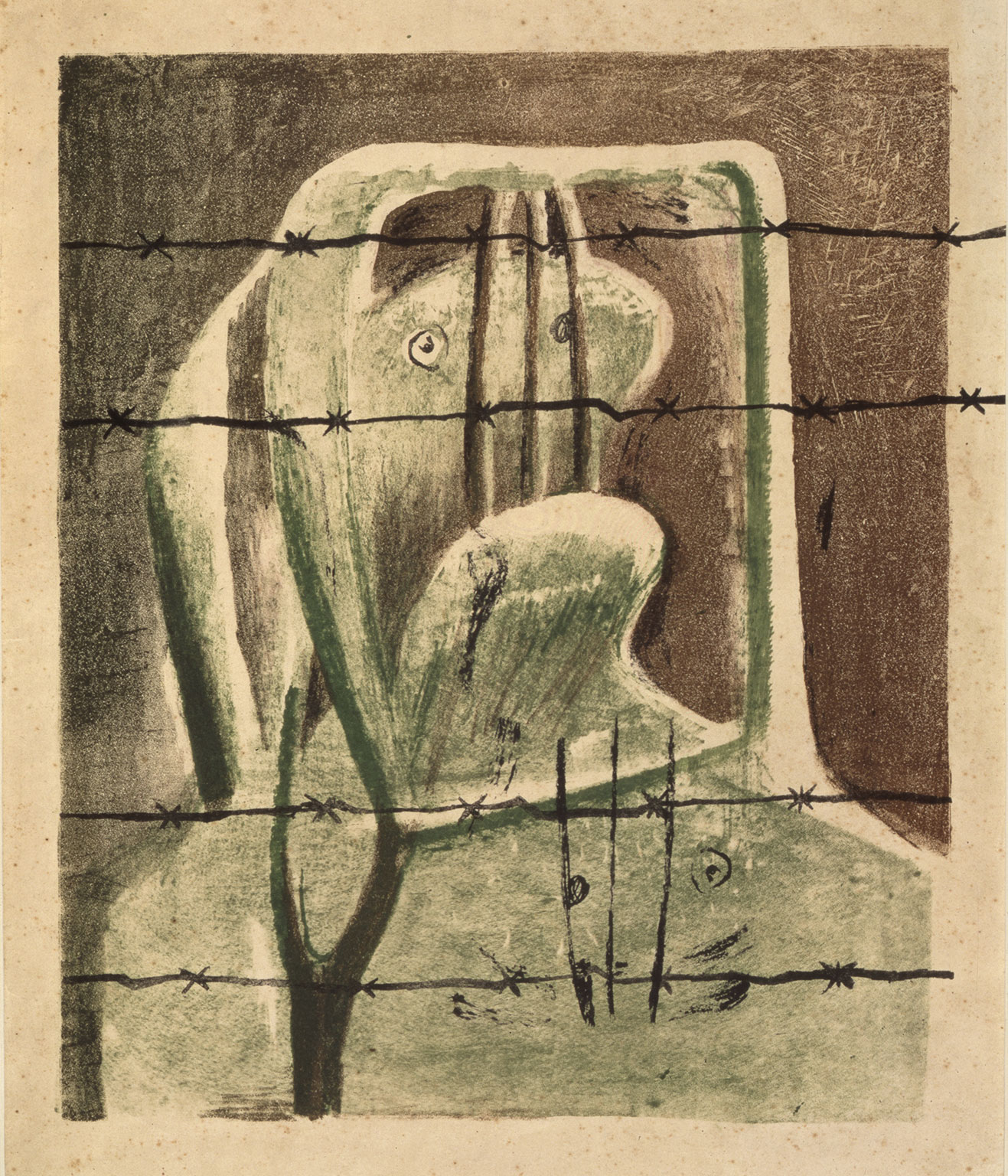
Henry Moore, Spanish Prisoner (1939)

Henry Moore, Spanish Prisoner (1939)

So this is an exhibition of posters and of paintings, all sharing the high tensions and morbid premonitions of the time. How apt, for example, was Walter Nessler’s Premonition in 1937, in which he imagined London suffering the same bombardment as had destroyed the Basque town of Guernica only weeks before. How right he was, for only 3 years later, his imagined landscape would become a stark reality for Blitzed London. Those tensions are also brilliantly played out in posters such as Brangwyn’s For the Relief of Women and Children in Spain, which uses the catholic imagery of Mary to emphasise the war’s human plight, especially amongst Spanish Children, and of course in Picasso’s Weeping Woman, painted at the same time as the most famous of all reactions to the war, Guernica, and which makes for a sensational focus of this exhibition.

Conscience and Conflict has only 6 weeks to go, but it’s a truly brilliant exhibition, and if you can’t make it your last favourite of 2014, make it your first of 2015. The exhibition closes on 15th February 2015.

A Seaside Sojourn to celebrate the Season

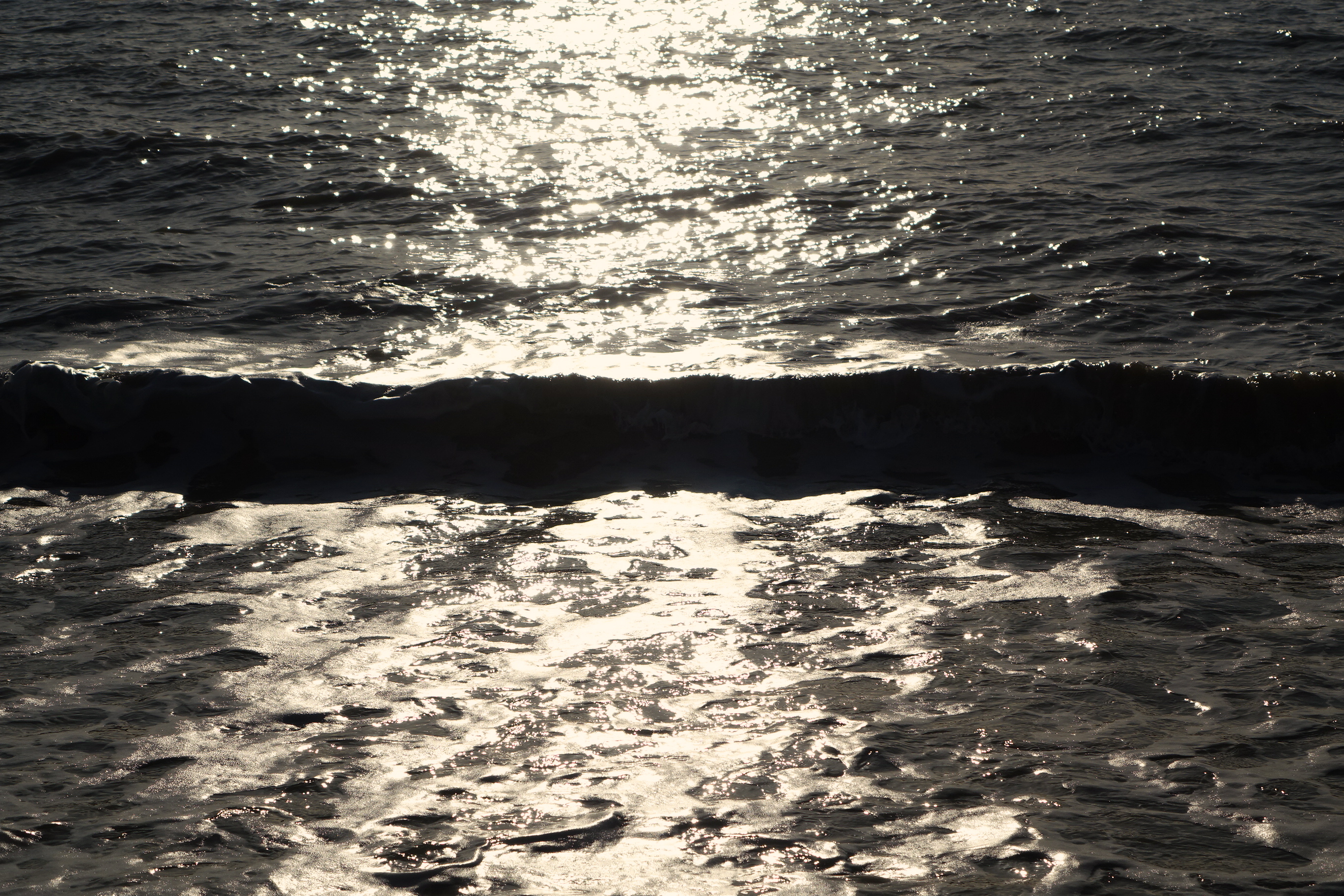
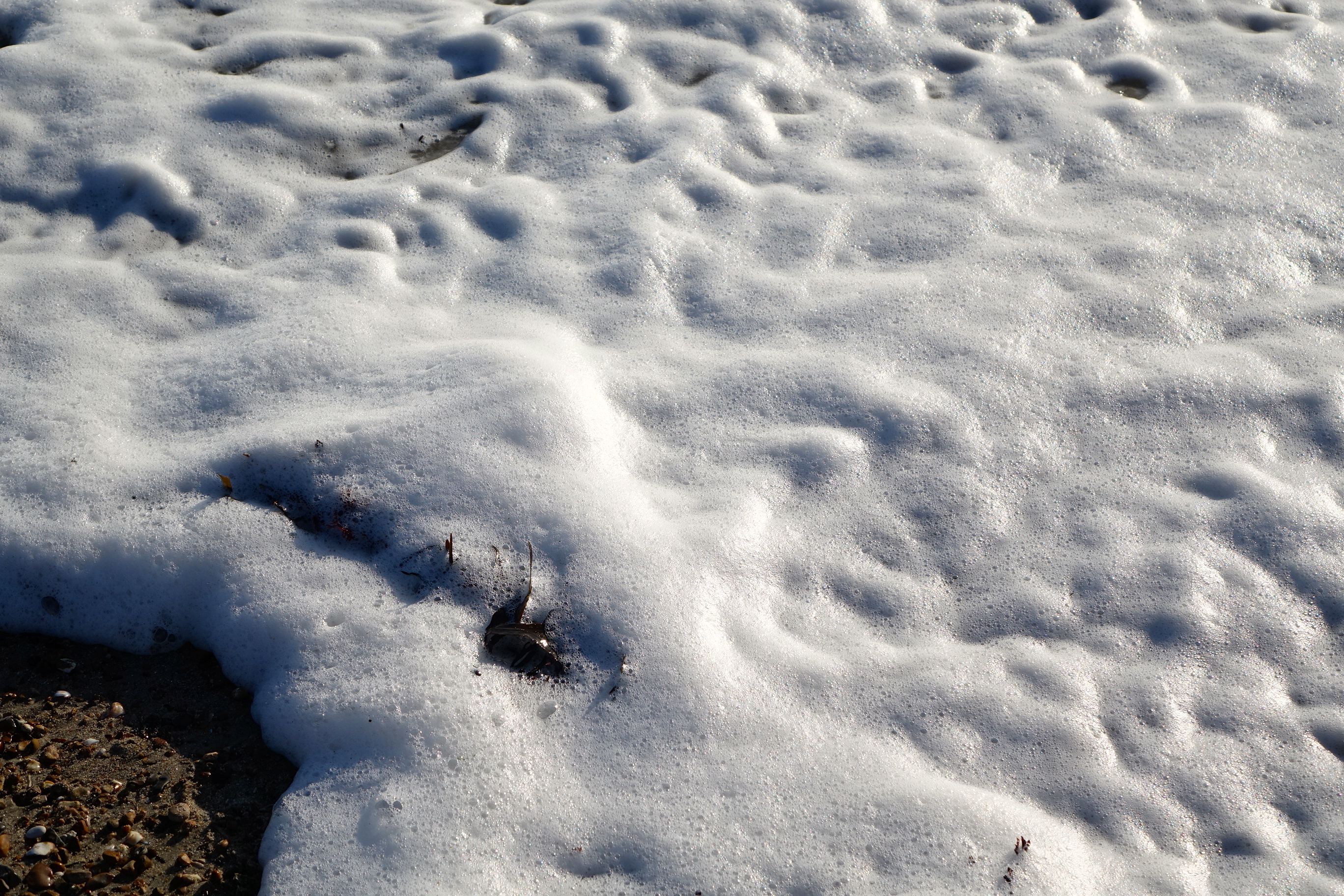
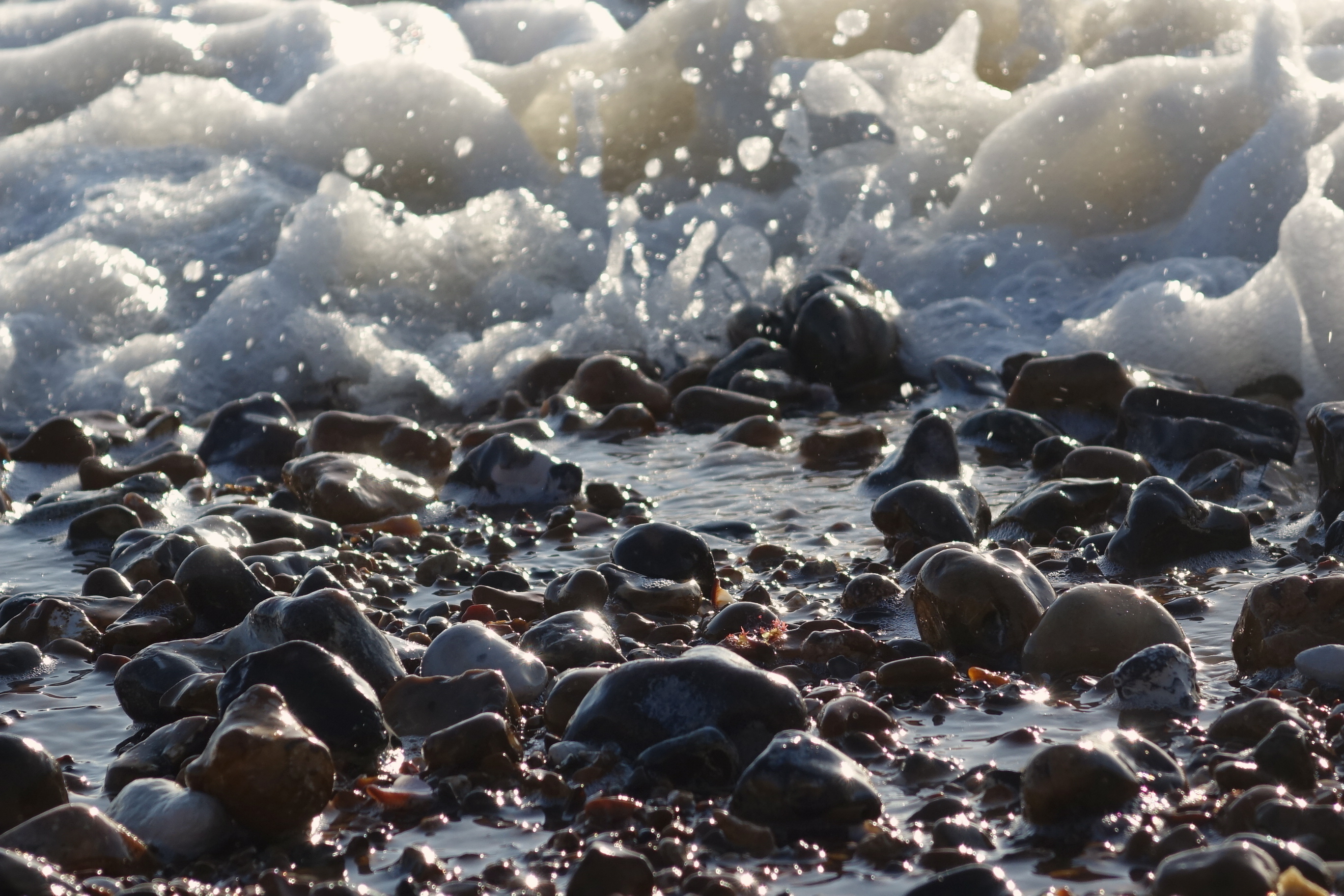
While the sea may be the same globally-unfied expanse of water wherever it laps and wanders around the world, the nature and appearance of the sea as it washes up upon a shore will differ widely from beach to beach. While on the Mediterranean shores, sandy beaches and clement conditions are conducive to crystal clear seas tinted cerulean by the sunny skies, in England in the winter, the waters of the South Coast take on an altogether more electrifying, menacing quality. And yet those waters, while not inviting the viewer in amongst their freezing watery fold, are nonetheless as enticing as the sea in a warmer location.
DSC03110 DSC03118DSC03097DSC03117 DSC03101

So on Christmas morning, with the meat left roasting in the oven, and the family table freshly laid with a Christmas centrepiece made from lustrous winter foliage and gold candles, I was drawn to the Sussex Coast, which happens to be a mere minute from my family home. The weather was not unreasonable, but the beach was frosty and cold. Its waves were charged with so much energy that the water’s edge frothed and bubbled as it collapsed upon the stoney shore – so much so that it reminded me of egg whites whipped manically into meringue. Its wooden groins were almost totally submerged by the sand which had been newly hurled up upon the beach; Its plentiful pebbles were freshly scattered with shells gifted to the shore by the depths of the ocean.

As ever, I was on hand with my camera to capture these details. For Christmas Day is not just about the glitter and gold, but about taking time out from the busy schedule of the festivities to appreciate people, and nature, and the gifts of the season.

All photos and written content are strictly the copyright of Nicholas de Lacy-Brown © 2014 and The Daily Norm. All rights are reserved. Unauthorized use and/or duplication of the material, whether written work, photography or artwork, included within The Daily Norm without express and written permission from The Daily Norm’s author and/or owner is strictly prohibited.

Happy Christmas from The Daily Norm!

‘Twas the night before Christmas, and in the office of The Daily Norm, we intend to get thoroughly sloshed on mulled wine. Meanwhile the blobby white Norms are toasting their favourite snack – marshmallows – over a glittery Christmas candle, and trying to solve the age-old dilemma of how best they should hang out a stocking for Santa when they don’t have feet.

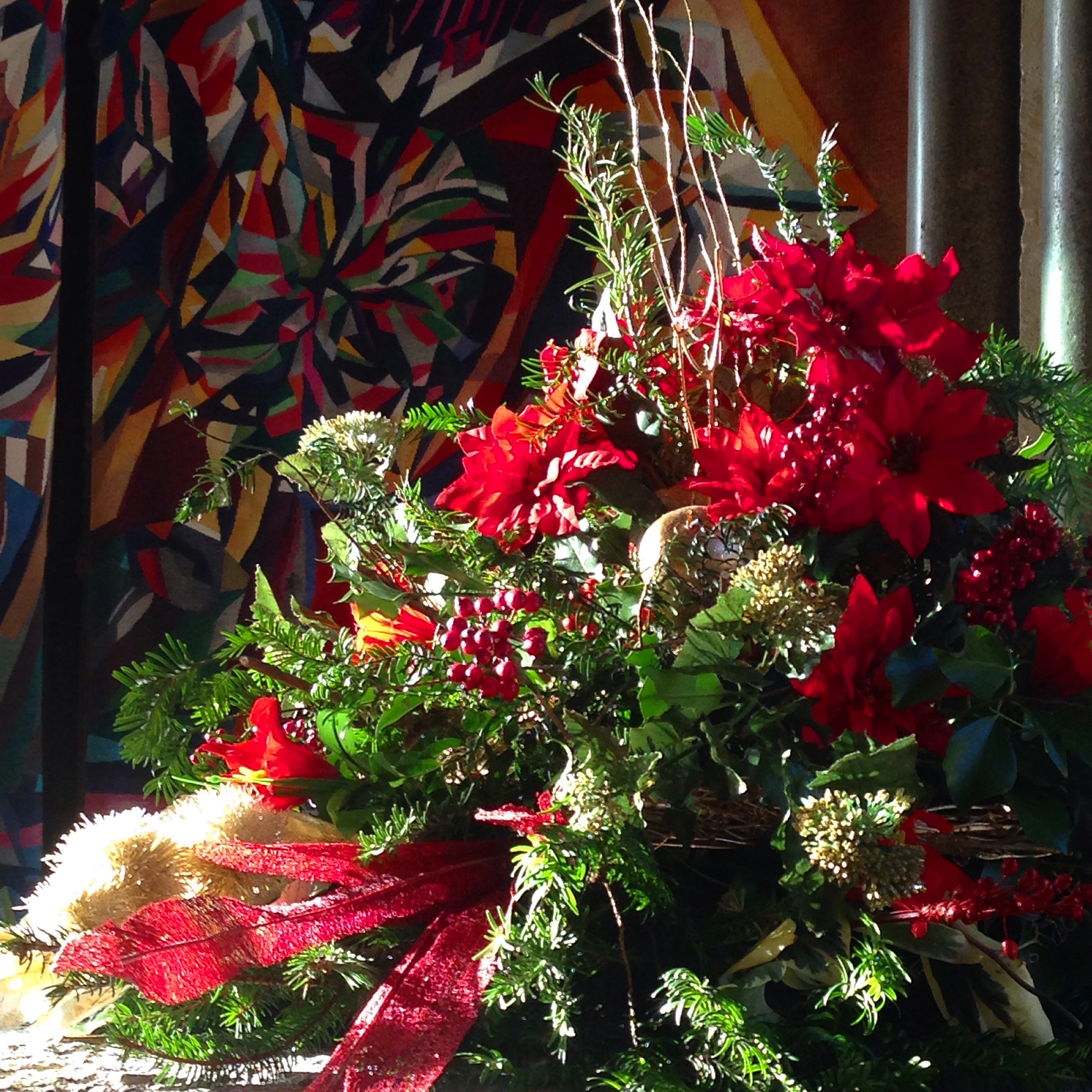
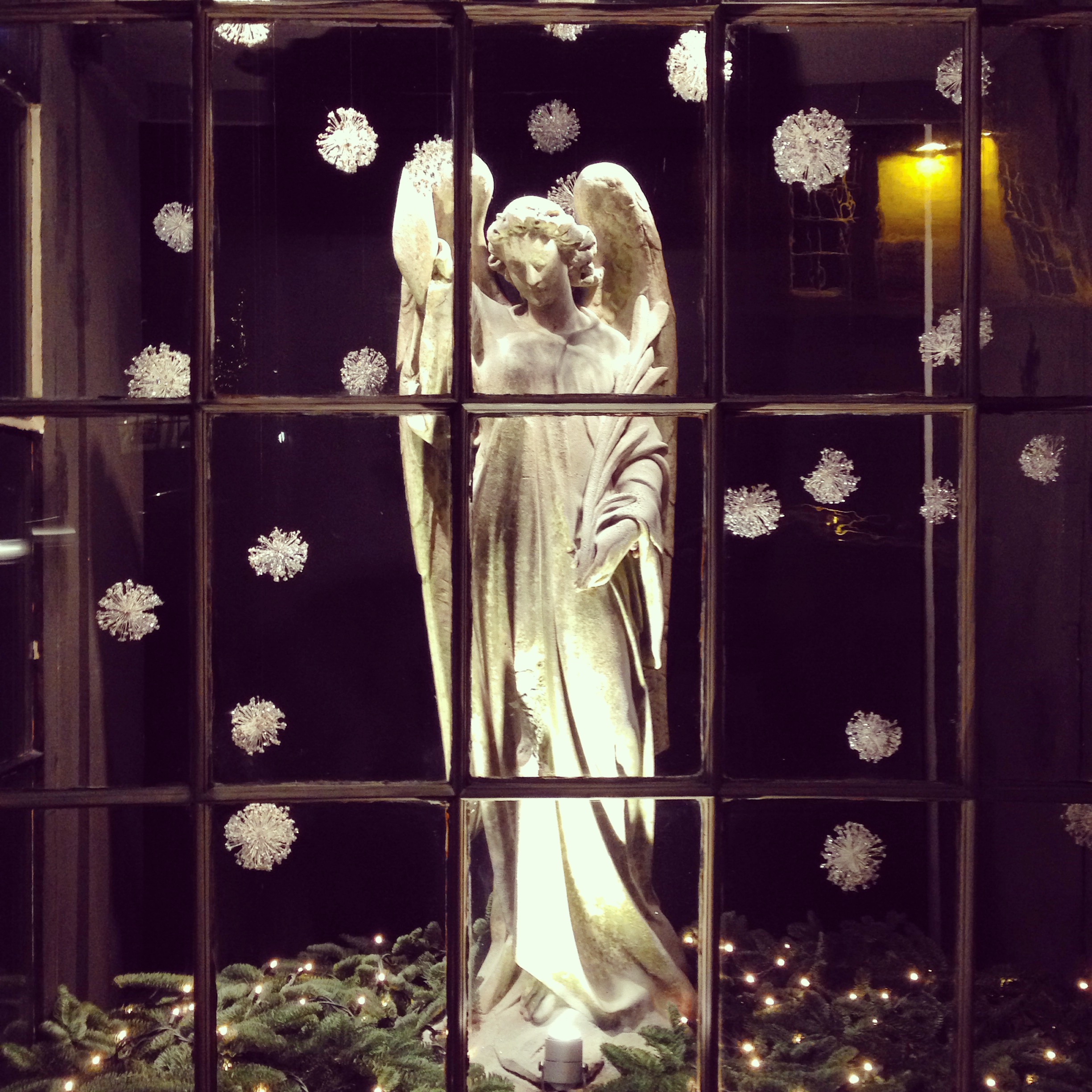
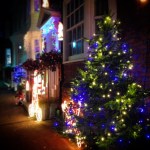
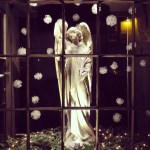
After several weeks settling into our new abode in Mallorca, my beloved and I are newly returned to England to pass the season with family. For us, that means a trip to Sussex, and here in a county of green rolling hills, crackling fireplaces, smoke puffing from old stone chimneys and homes alight with the glow of Christmas, we have spent Christmas Eve exploring some of the more Christmasy spots: the County Town of Chichester, whose rather magnificent cathedral was alive with the Christmas spirit when we visited this afternoon, and the little hill top Seat of the Dukes of Norfolk: Arundel. In both historical towns, there was plenty to photograph, what with the Georgian townhouses trimmed with seasonal ornamentation, and the little shopfronts alive with a Christmas glow, but with only my iPhone to hand, what follows is a series of mobile phone square-framed shots taken in last-minute homage to the season.

IMG_0970 IMG_0969 IMG_1007 IMG_1010IMG_1004

So with these pictures, and with these final sober words, I bid all of The Daily Norm readers a very Merry Christmas. Thank you for your loyalty, your interest and your support. Have an amazing, suitably indulgent seasonal celebration and see you soon! Right, that mulled wine smells about ready…

All photos and written content are strictly the copyright of Nicholas de Lacy-Brown © 2014 and The Daily Norm. All rights are reserved. Unauthorized use and/or duplication of the material, whether written work, photography or artwork, included within The Daily Norm without express and written permission from The Daily Norm’s author and/or owner is strictly prohibited.

Venice without the water: Plaça de Sant Jeroni, Palma

I can’t quite hide the fact that apart from being deliriously happy surrounded by the Christmas spirit of my new home in Palma de Mallorca, there is still a little piece of me that yearns for Venice at Christmas. It’s always been this way, ever since my blissful gap year spent in Italy, when an extended stay in Venice introduced me to the city enveloped in an enchanting wintery mist which made the glowing shops selling golden masks and glass Christmas trees all the more inviting. Every Christmas since I have yearned for Venice: my Christmas trees are invariably peppered with sparkling Venetian masks, my Murano glass trees are in pride of place amongst my decorations, and in fact this time last year I was in the pearl of the Adriatic herself.

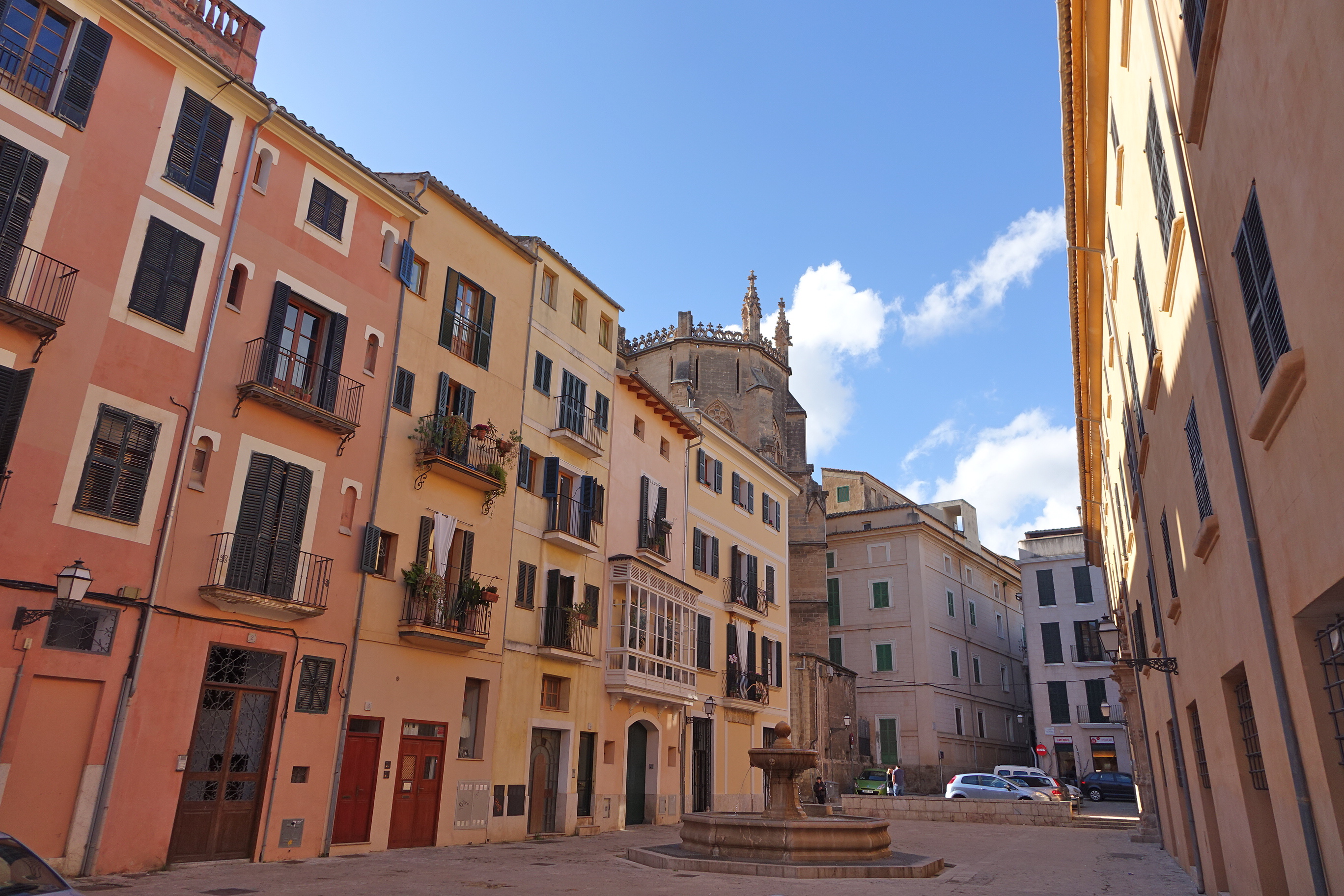
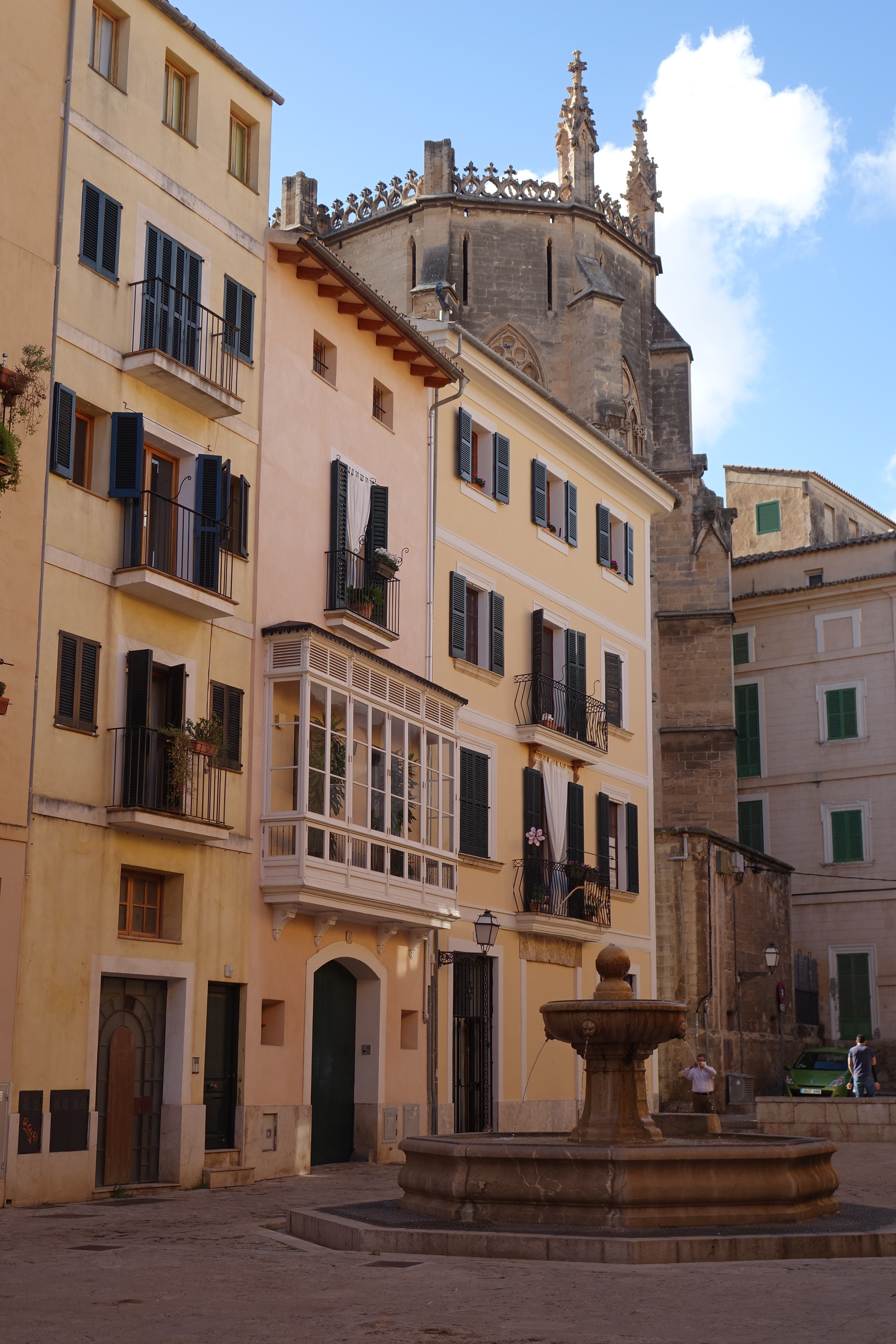
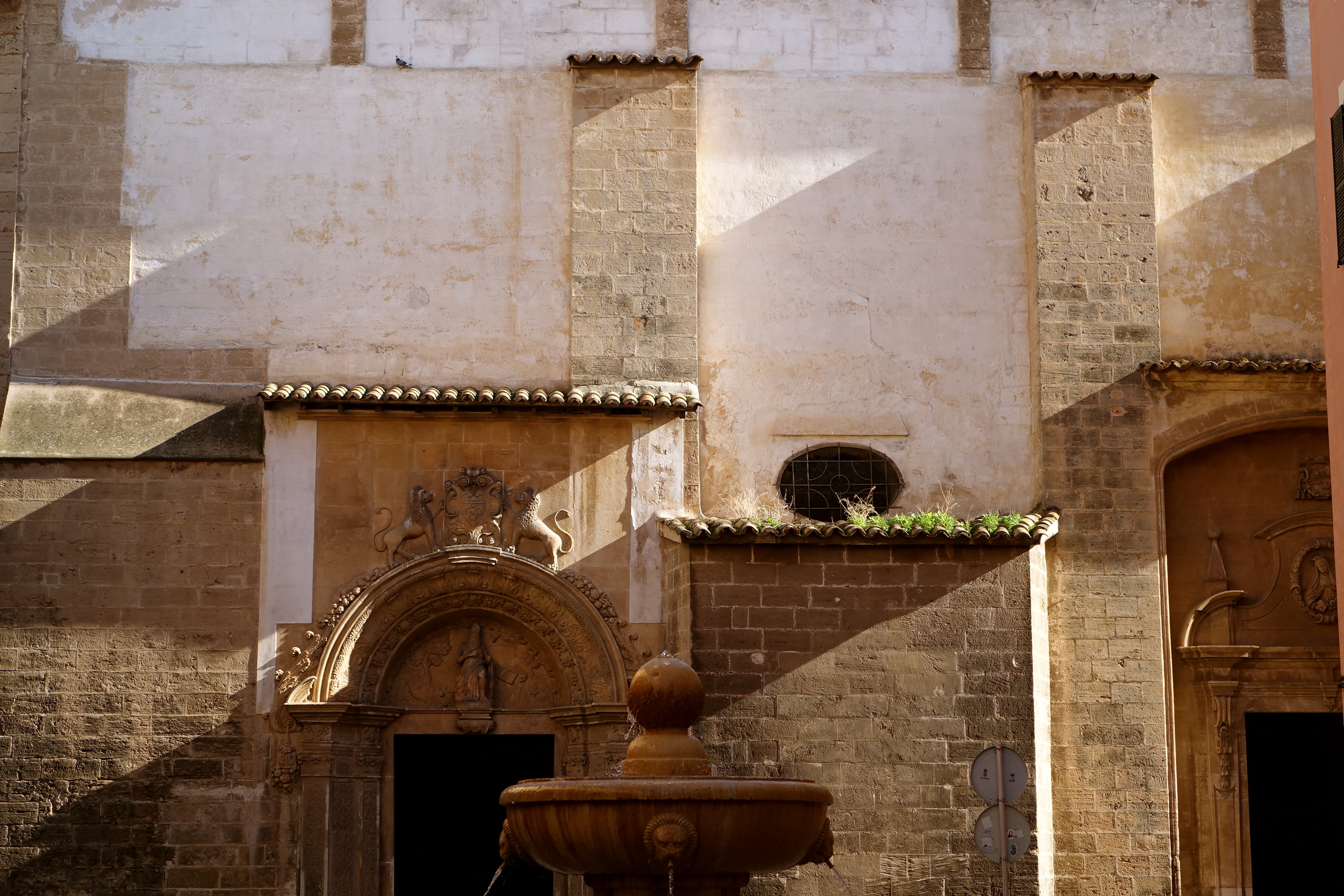
So it was perhaps in part because of this yearning, but also because of its inherent characteristics that when I stumbled into the Plaça de Sant Jeroni, a tranquil little square deep in the old town of Palma the other day, I could have sworn I had stumbled into Venice. And having now declared the square my favourite in all the city, I just had to share it with you.

The Plaça de Sant Jeroni

DSC01974 DSC01949 DSC01975 
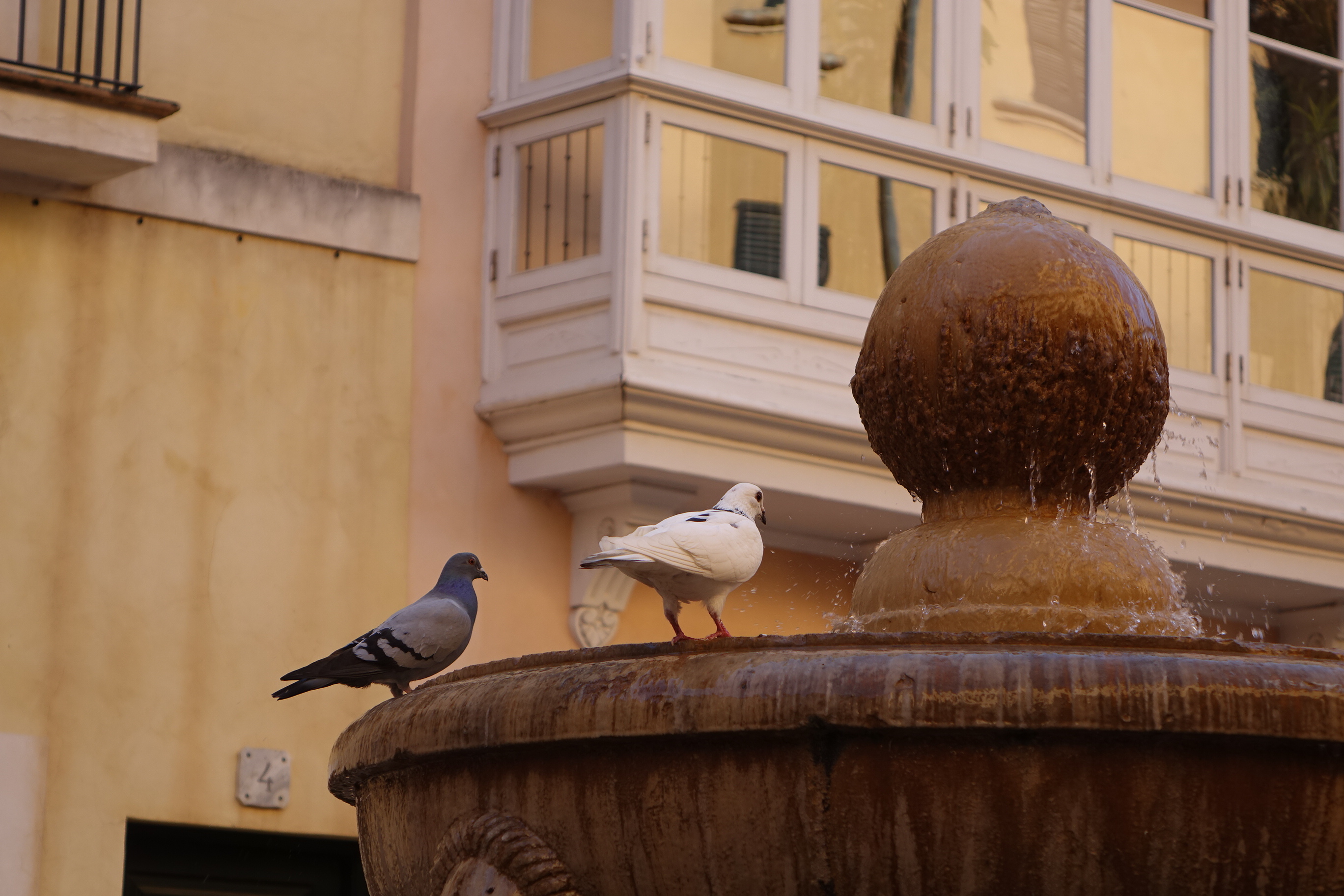
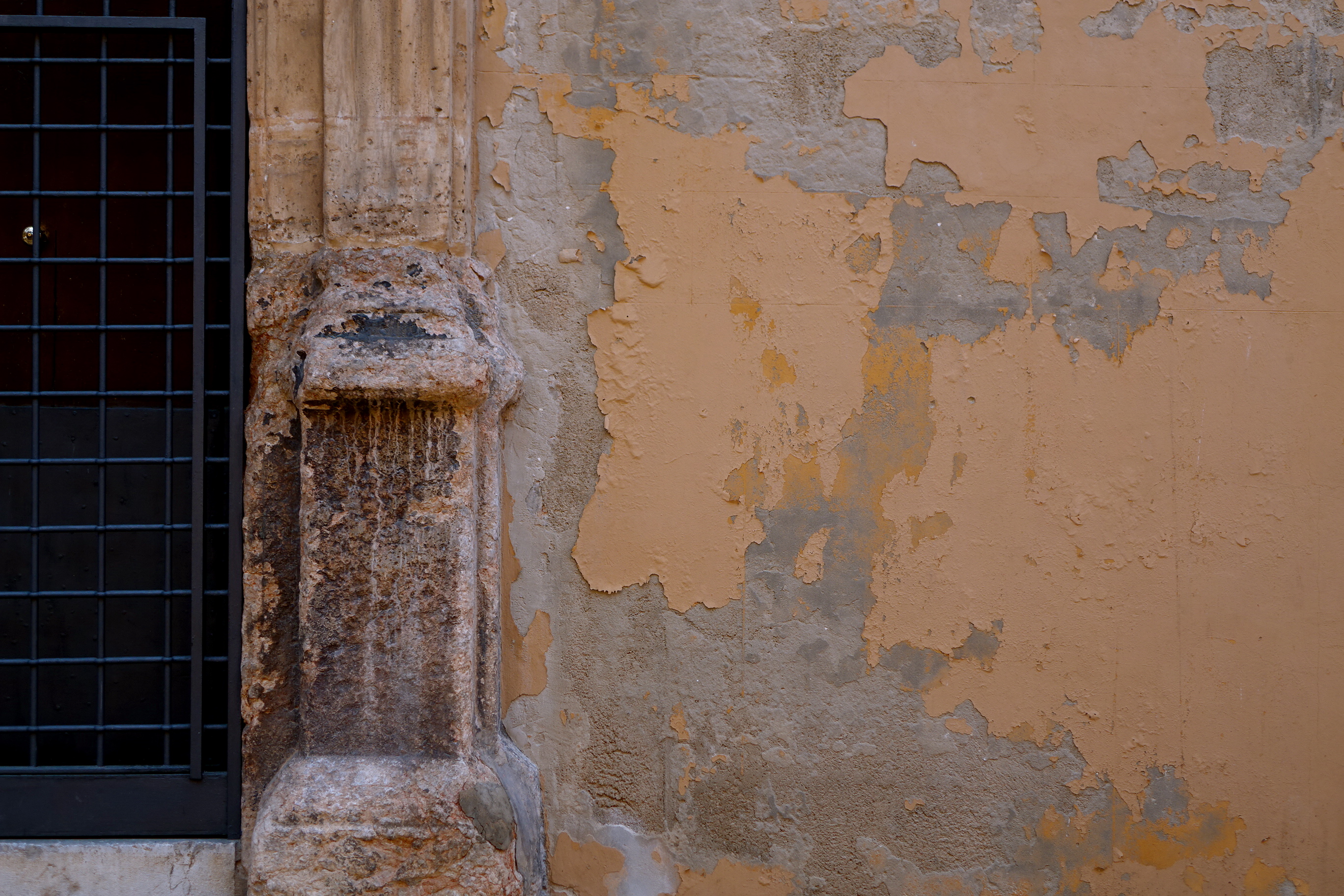
For me there are many features that make this square Venetian. For one thing, its taller than average narrow buildings, which remind me of the palaces fighting for prowess along the Grand Canal or the tall blocks of the Venetian Ghetto, squeezing gradually upwards for space where there was none at ground level. Second it’s the colours: pinks, yellows and terracottas, these are almost certainly the colours which reflect so majestically in the canals of the city. Third the fountain at its centre – glamorous enough to be a city superstar, but appearing almost forgotten in this nostalgic backwater far from the tourist trail. Fourth the two churches, both incredibly ornate – for where else do you find churches in such neighbourly proximity than in Venice? Fifth the general sense of dilapidation – the cracks and flaking paint; the tired romanticism which have attracted so many artists to Venice since its historical decline began. 

The details I love

DSC01950 DSC01956 DSC01954 DSC01943 DSC01947 DSC01944 image2 DSC01979 DSC01964 DSC01937 DSC01961
But where are the canals I hear you ask? Well true, they are missing, but like so many of the hidden gems in Venice, this is like one of the rare squares tucked away between buildings where the canals do not pass. I love them there as I love this square here. 

I know nothing else about this square. Only its name. But for me it will always be characterised by its Venetian tones. And for that reason, it’s a comfort to know that this pretty piazza is but a stroll away, for a moment or a visit whenever I yearn for Venice. 

DSC01934

All photos and written content are strictly the copyright of Nicholas de Lacy-Brown © 2014 and The Daily Norm. All rights are reserved. Unauthorized use and/or duplication of the material, whether written work, photography or artwork, included within The Daily Norm without express and written permission from The Daily Norm’s author and/or owner is strictly prohibited.

The Money shot: Beach Volleyball 4 days before Christmas

It may be hard to feel Christmasy when instead of ice cold streets, shop windows misted up from condensation, and fireplaces crackling with log fires to keep out the cold, you have instead summer-like sunshine and beach life, but I think I can live with the change. For here in Palma de Mallorca, my new home town, we have been blessed with incredible December temperatures, and this past weekend, there was not a single cloud in the sky nor a breath of wind to make anyone think of Winter. In fact the weather was so good that for most local residents, Christmas wrapping was left to one side, and enjoyment of the outside was top on the agenda.

Amongst those enjoying the amazing conditions were these beach volleyball players. Stripped down to their shorts, enjoying the unseasonable heat on the beach immediately adjacent to Palma, these players not only made for an iconically summery sight, but their location meant that any photograph was bound to be dazzling. And this photo, taken in a split second as one of the players leapt for the ball, is certainly the money shot and deserved a Daily Norm post all of its own. Not only is it a spectacular shot, with the incredible view of Palma Cathedral immediately behind the player frozen mid-play, but it is also the very epitome of a summer’s day. Would you ever have guessed that this was taken 4 days before Christmas?

DSC02992

It’s a Winter weather change I can well get used to.

All photos and written content are strictly the copyright of Nicholas de Lacy-Brown © 2014 and The Daily Norm. All rights are reserved. Unauthorized use and/or duplication of the material, whether written work, photography or artwork, included within The Daily Norm without express and written permission from The Daily Norm’s author and/or owner is strictly prohibited.

Christmas Corona to Crown a Seasonal Soirée

I love nothing more than a Christmas party, and as I write, the excitement is building for the first soirée to be held in our new Palma apartment. It’s become something of annual tradition to light the candles, give the baubles an extra polish, stack up the bubbles and smoked salmon, and host a party for friends just before Christmas. Those nearest and dearest  to me in London will be sadly absent this year, but Palma is a very friendly place, and already friends made through my  new job here in Mallorca will be only too welcome at our 2014 fiesta.

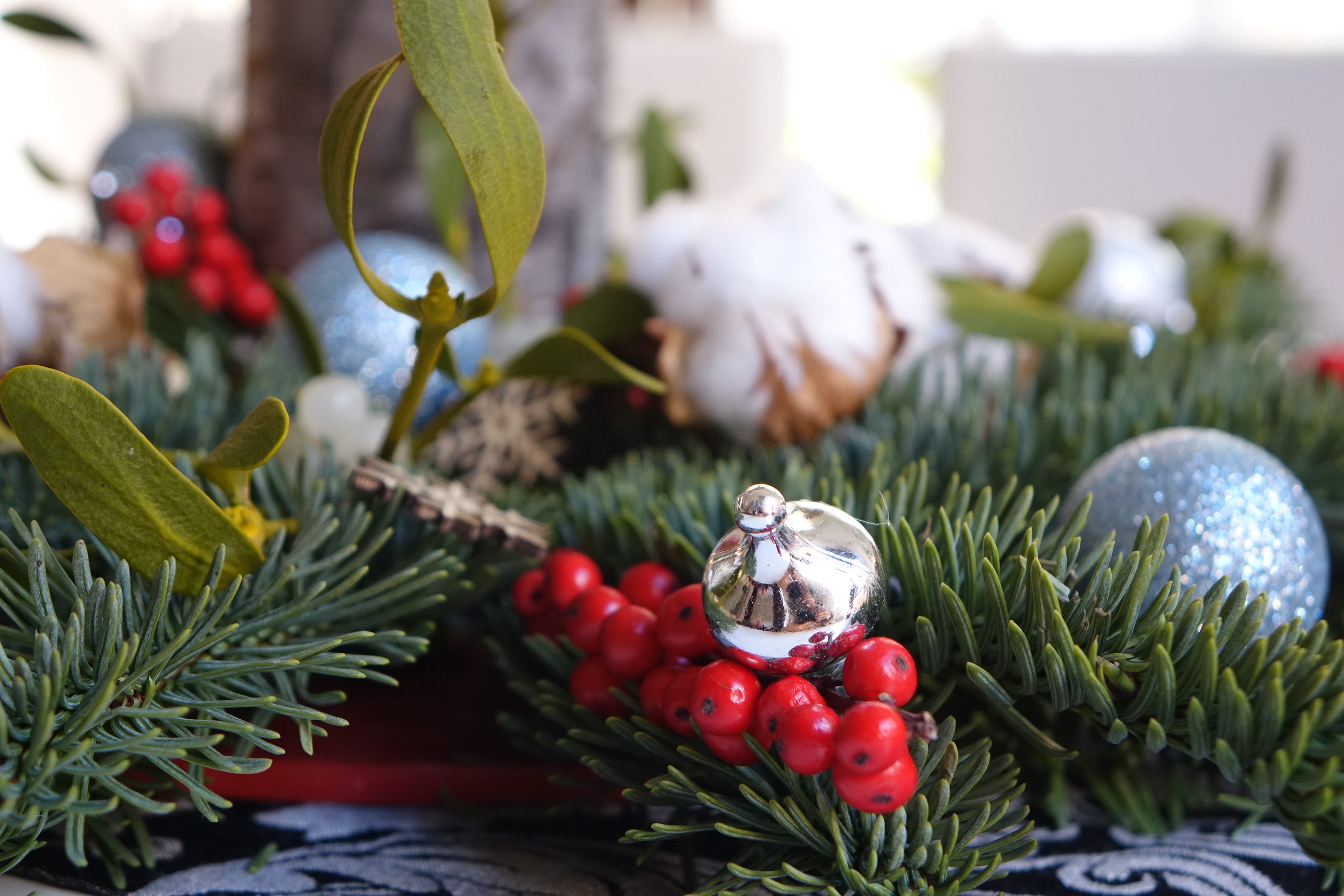
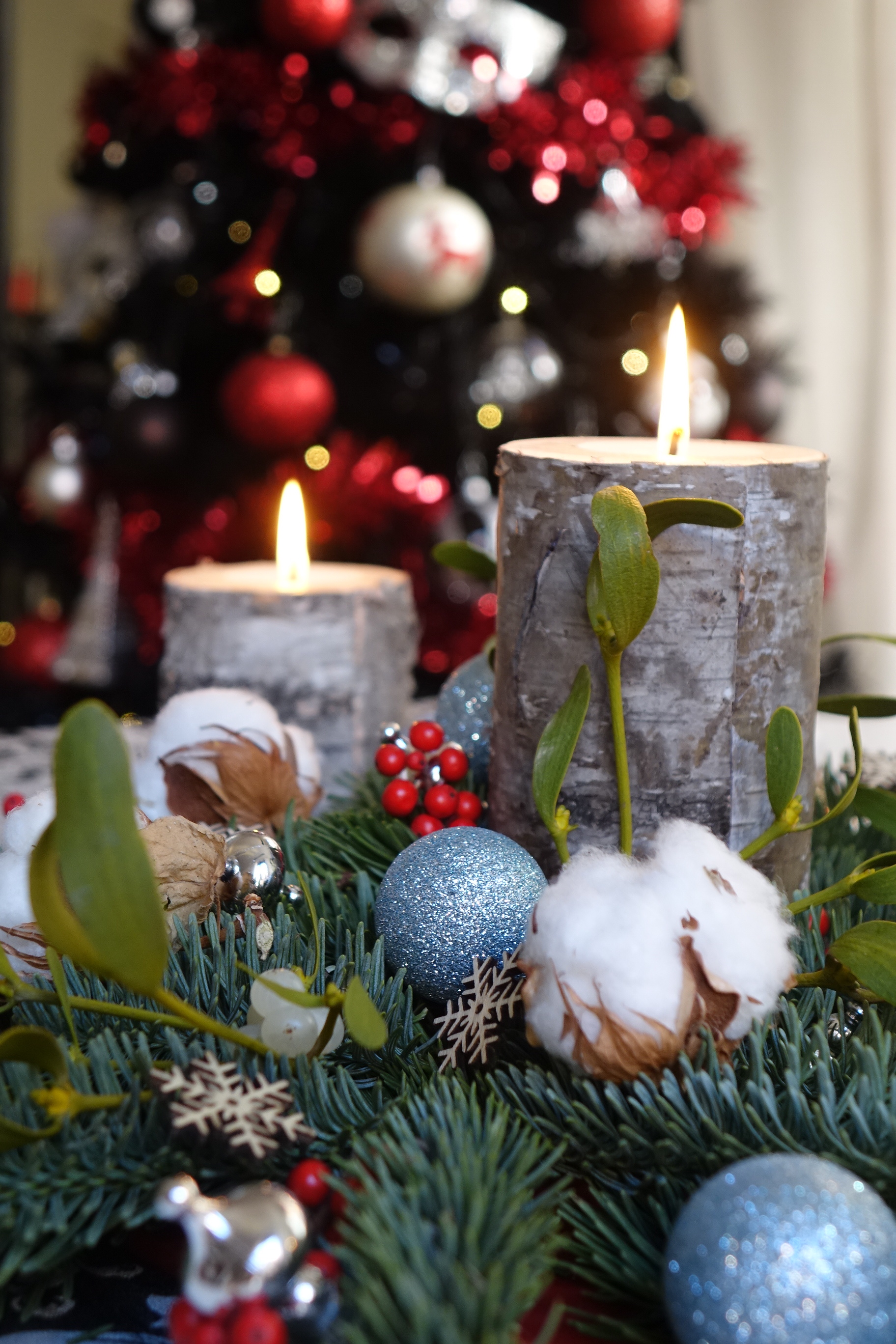
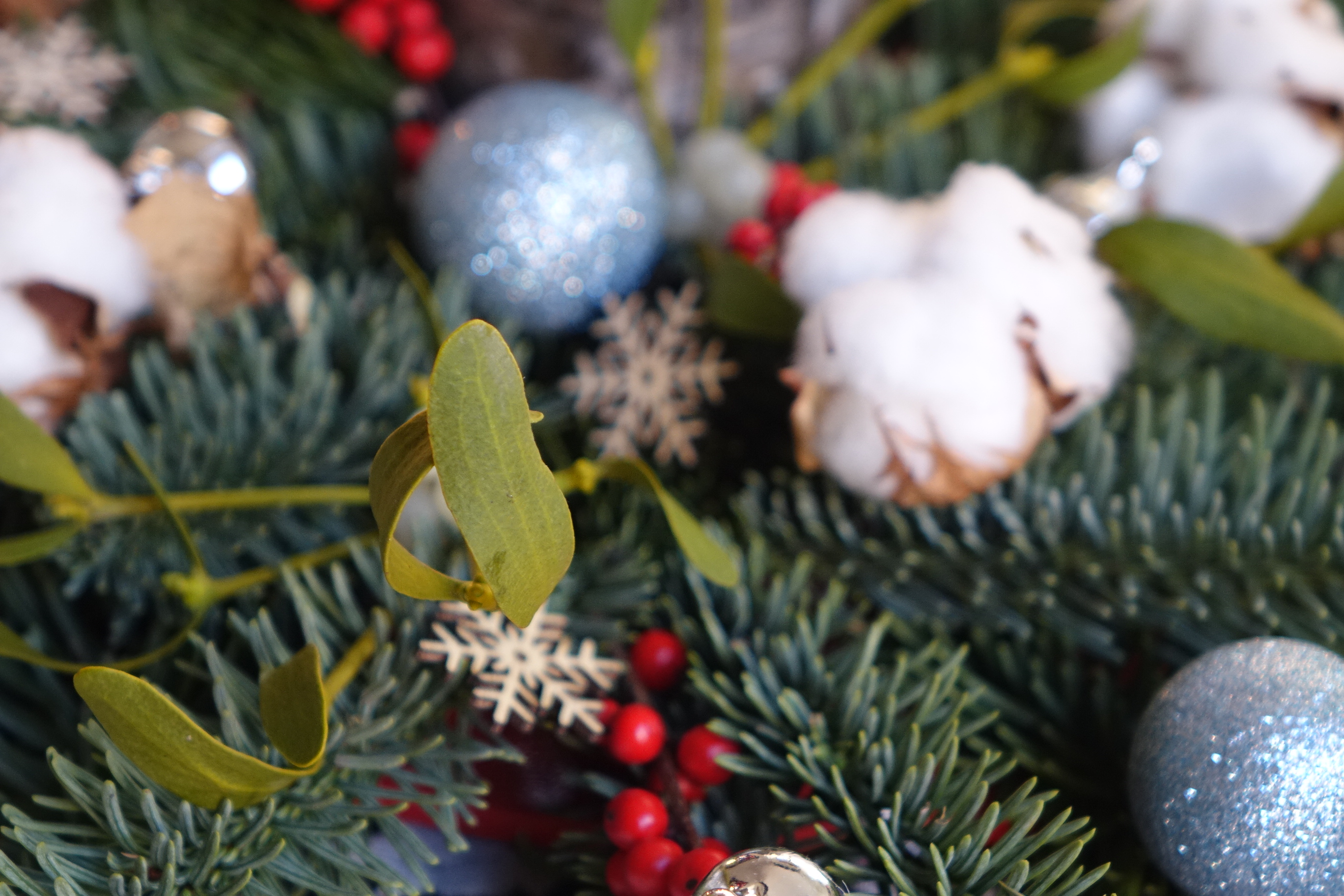
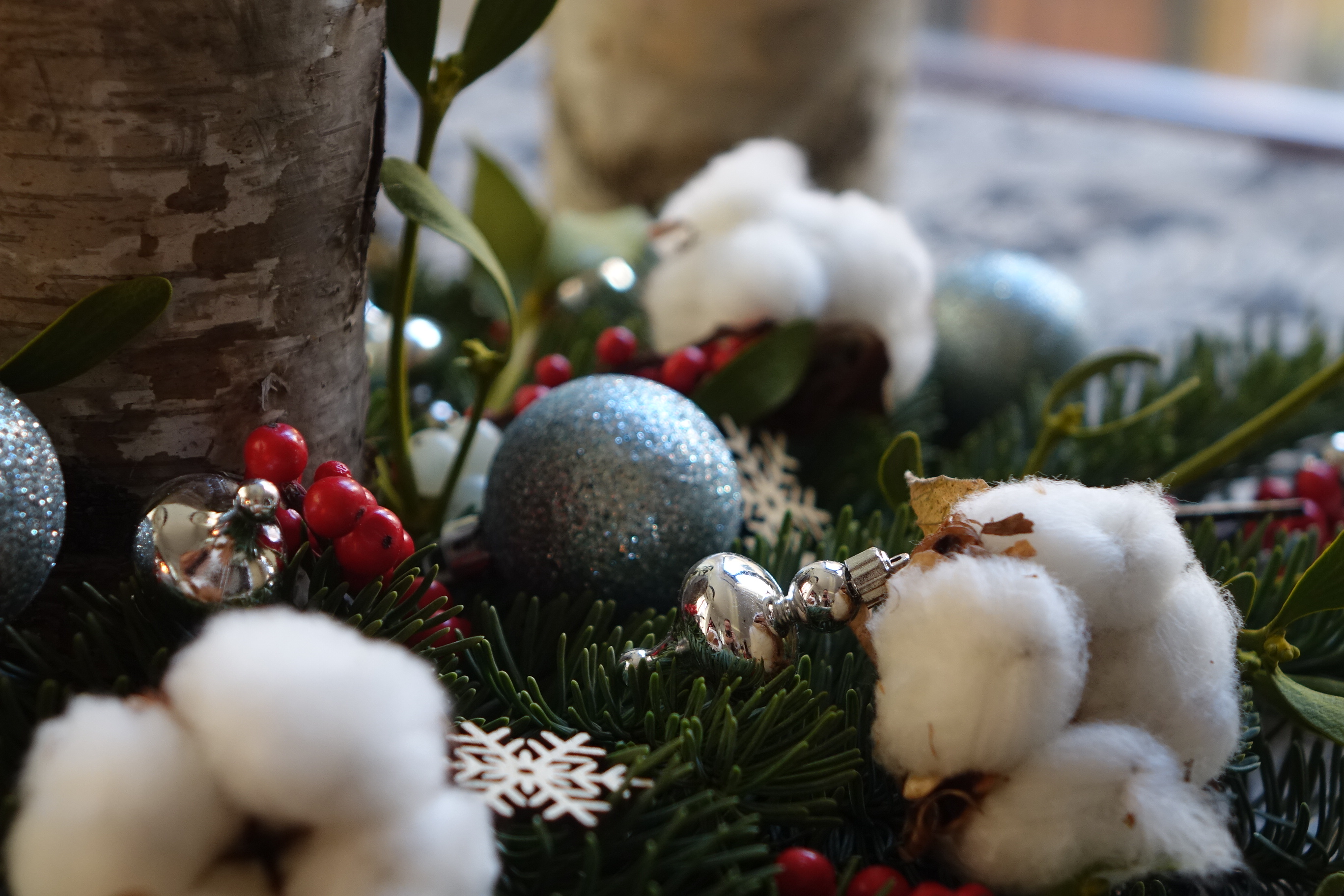
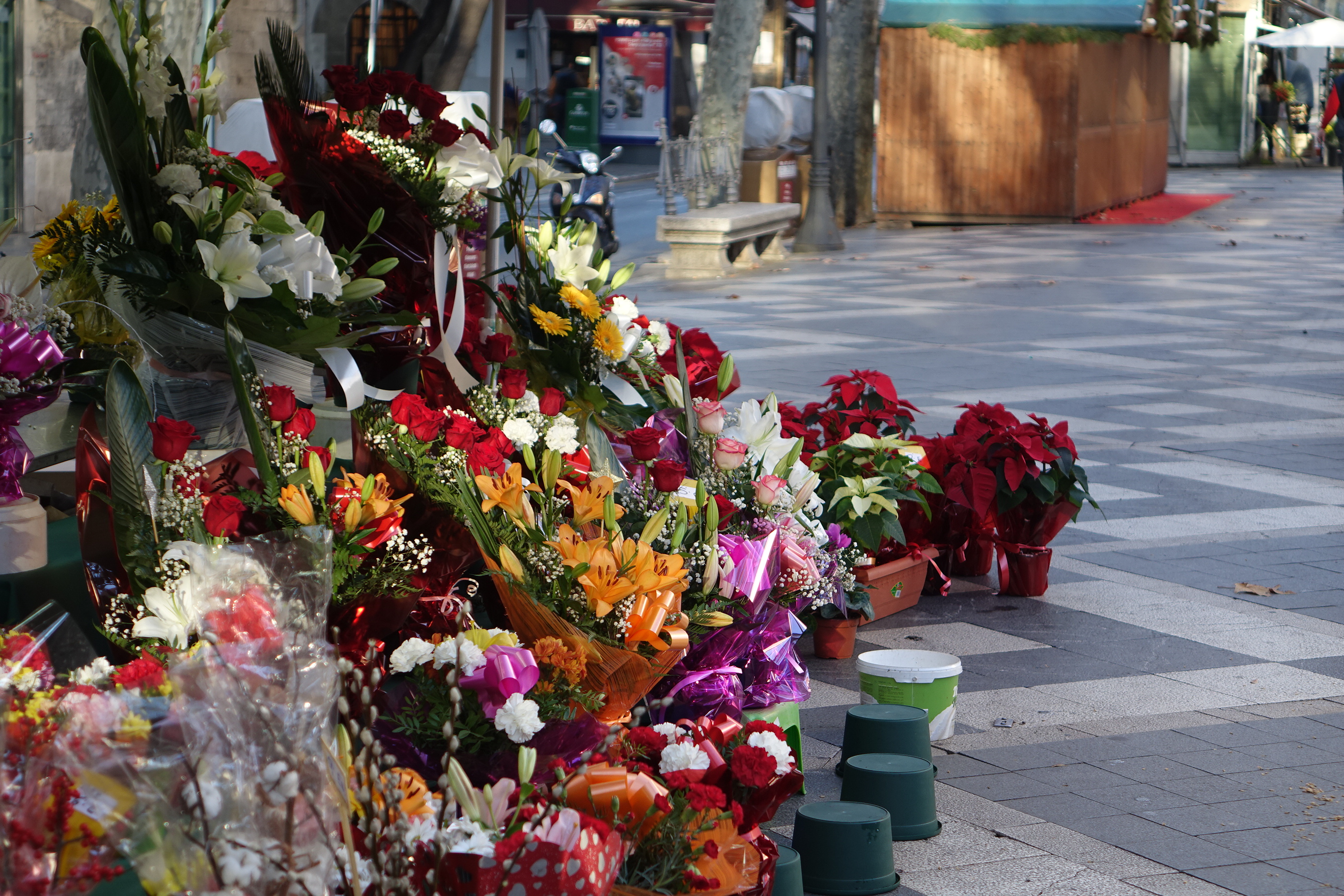
But pride of place at this year’s party will be the latest addition to my Christmas decor. Gathered from the abundant stalls of flowers and foliage sold at Palma’s flower market along the leafy boulevard, La Rambla, this wreath or corona as the Spanish call it (meaning crown) has truly brought the outside evergreen in. Packed with fragrant fir tree branches, red berries, mistletoe and this year’s special touch – cotton, this foliage display is truly Christmasy, and brings the very essence of a Scandinavian Christmas directly into the heart of my Spanish home. The Scandinavian feel is even further emphasised with these amazing birch tree candles I’ve placed at its centre – wrapped with real tree bark, they look like something straight out of a snowy forest.

My Christmas “Corona”

DSC02934 DSC02939 DSC02948 DSC02949 DSC02946 DSC02941 DSC02951

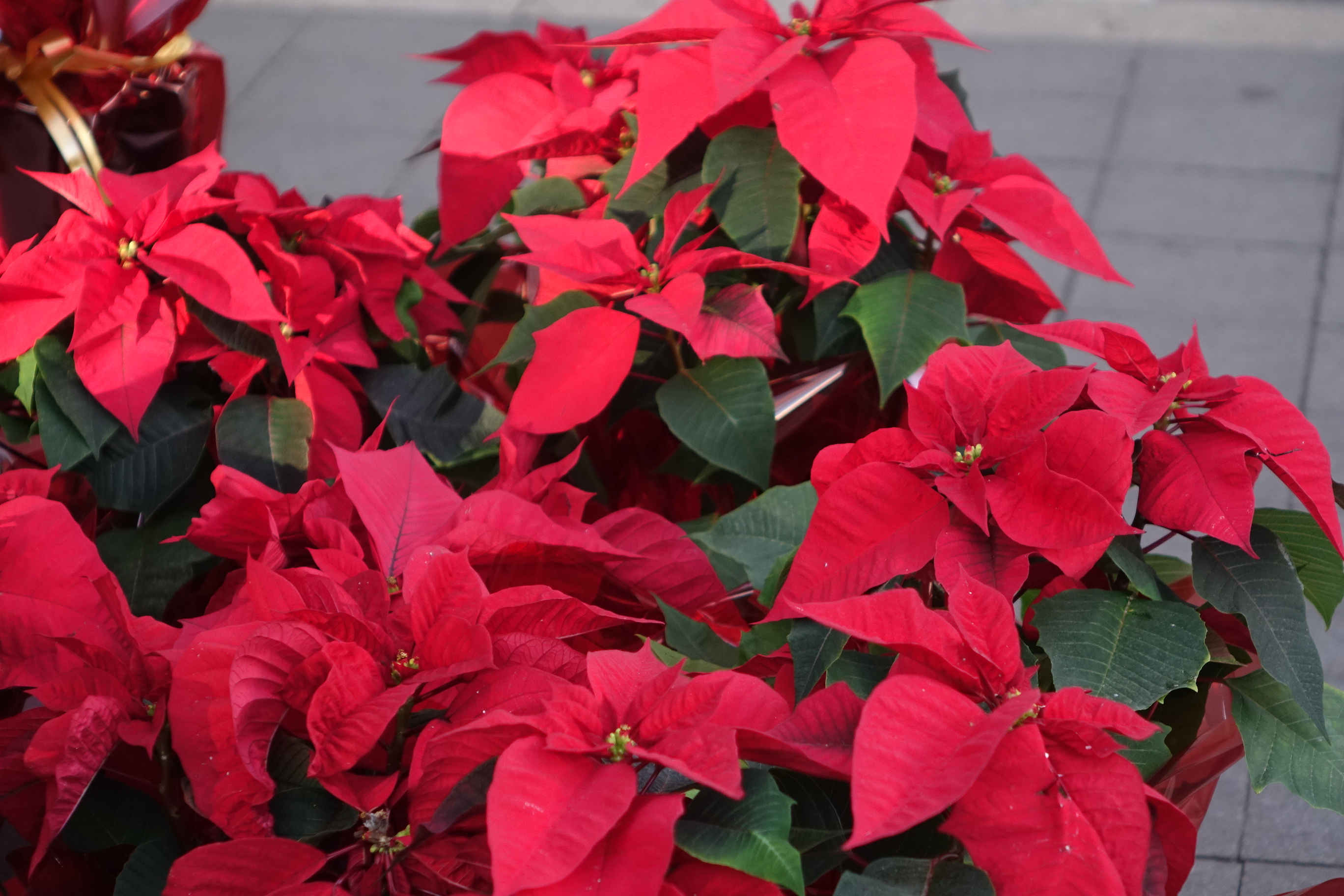
I should not end this post however without paying due homage to the flower market itself. For La Rambla in Palma is truly one of the most beautiful streets in the city. Boasting a central pedestrianised avenue nestled between two roads,  and overhung with huge leafy plane trees which always seem to retain many of their leaves, even now in December, it truly is a spectacular place to walk, take a coffee, and breath in the fragrant smell emanating from all of the fresh flowers. And with a special Christmas market also currently in situ, we have discovered it also makes a great place for mulled wine too!

La Rambla

DSC02892 DSC02895 DSC02891 DSC02901 DSC02893 DSC02889

Happy Christmas everyone!

All photos and written content are strictly the copyright of Nicholas de Lacy-Brown © 2014 and The Daily Norm. All rights are reserved. Unauthorized use and/or duplication of the material, whether written work, photography or artwork, included within The Daily Norm without express and written permission from The Daily Norm’s author and/or owner is strictly prohibited.

Mallorca Photo Folio: The blues and the beiges

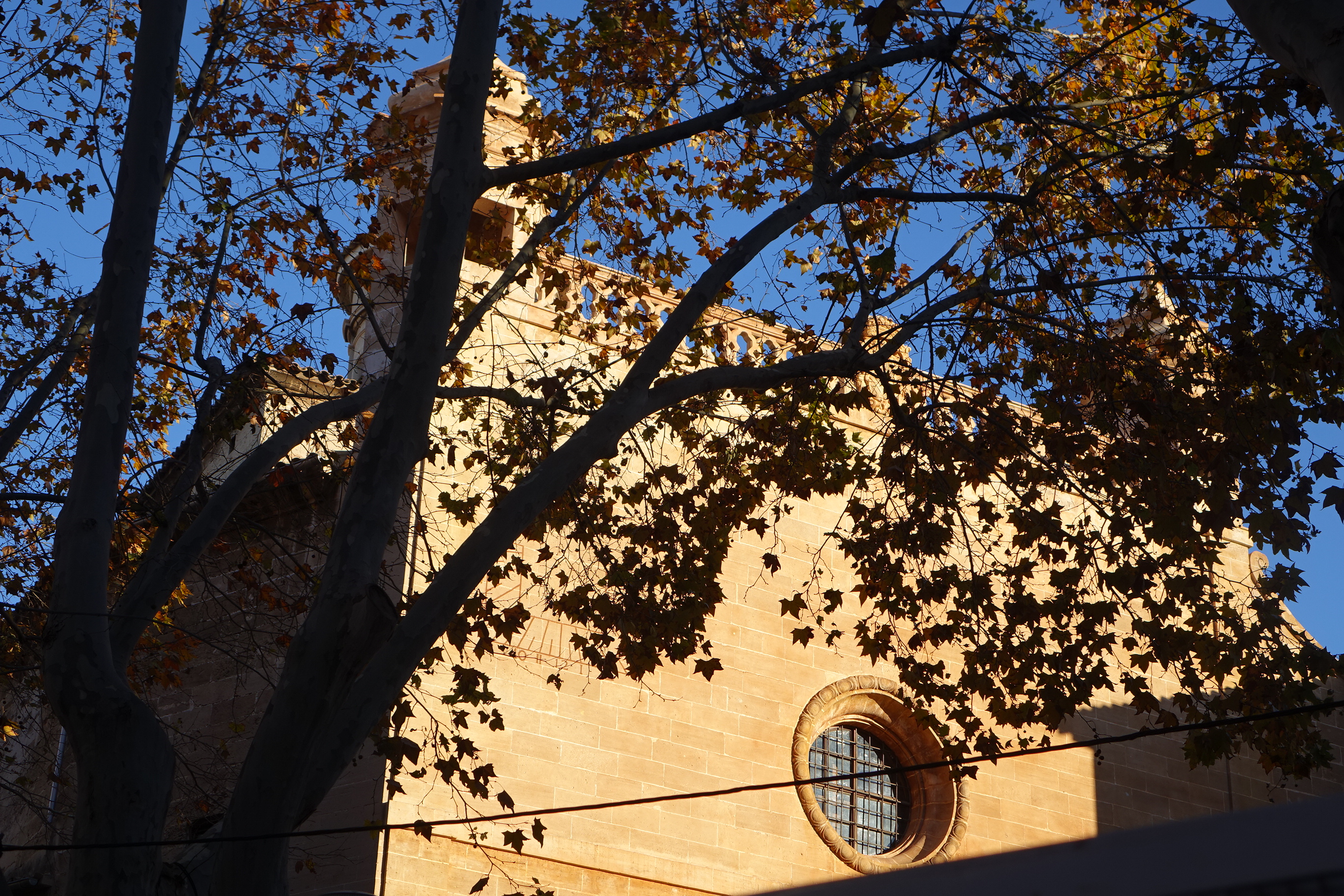
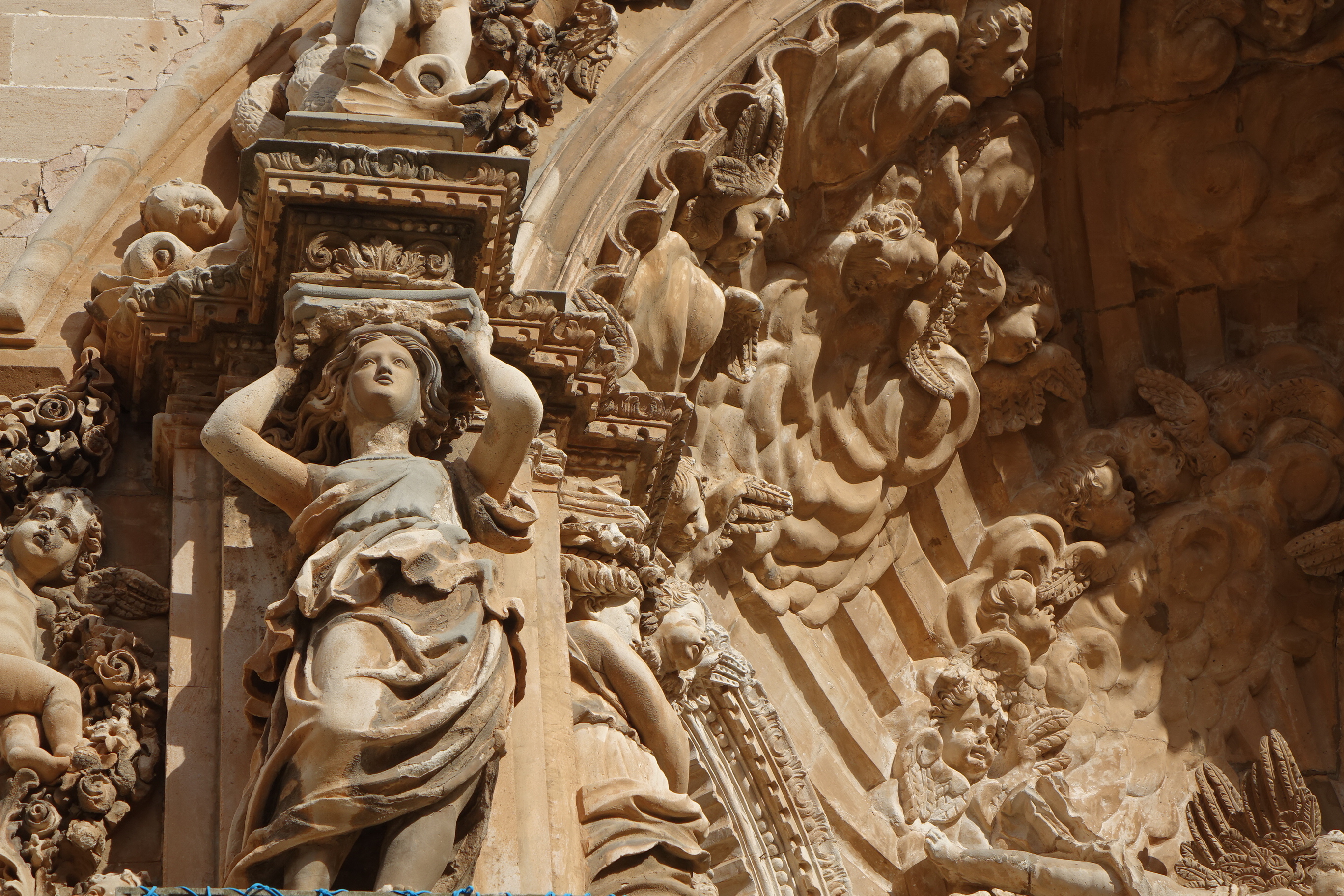
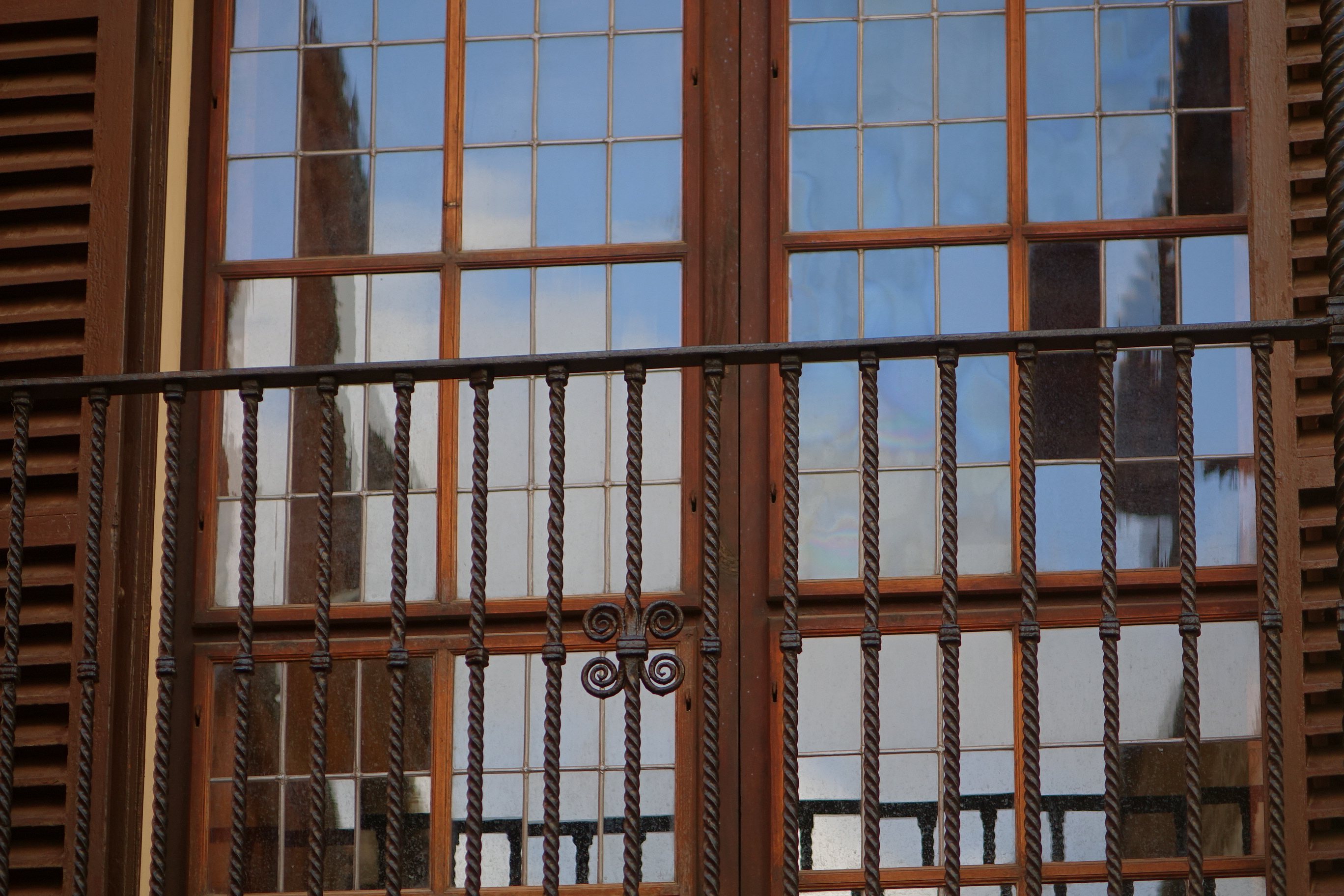
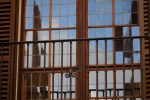
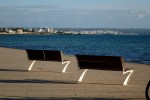
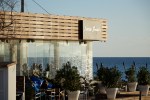
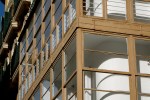
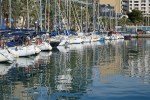
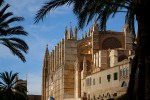
Having done the silver, and posted the greens and reds, it’s onto the blues and the caramalised gold-tinged beiges in my exploration of the colour palette of Palma de Mallorca, and perhaps of all the colours I have collected, these two are the easiest to represent. For Palma de Mallorca’s old town is a unison of golden ochres glowing from its old historical palaces and churches, and blues, which sparkle back from the expanse of sea which runs alongside the city, and the cerulean sky which shines so brightly above its many horizons. Here, the blues glow in the wood framed windows of the ancient town houses, while the beiges reflect like caramel in the molten water of the Mediterranean. These colours may be opposite ends of a colour spectrum, but in the Mediterranean, they are a fully harmonised affiliation.

DSC02181 DSC02472 DSC02219 DSC02301 DSC00905

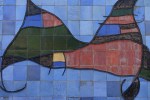
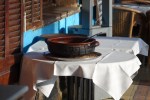
So here are my photos which show these two colours at their very best. The glorious golden cathedral of Palma de Mallorca glowing against a bright blue sky; an old much used earthenware pot standing in readiness full of food against a painted blue cafe wall; the multi-tiled tribute to the sea by Mallorcan resident Juan Miro. The modern blues buildings and the ancient beige stone; the yellow sun reflected through windows and the windows reflected in the blue sea. Blue and beige: a happy symphony.

All photos and written content are strictly the copyright of Nicholas de Lacy-Brown © 2014 and The Daily Norm. All rights are reserved. Unauthorized use and/or duplication of the material, whether written work, photography or artwork, included within The Daily Norm without express and written permission from The Daily Norm’s author and/or owner is strictly prohibited.

No detail too small: the intricate spectacle of a Neapolitan Nativity

In a large number of countries the Nativity scene (Belem in Spain, Presepe in Italy) is as big a part of the Christmas festivities as the lights switch-on in London’s Oxford Street or the Christmas tree at the centre of a family home. Having gone to Catholic school as a boy, I still remember the prominence with which the Nativity set was placed in the front entrance, and how perplexed I was (and remain) that the teachers remained insistent that the Jesus figure should not be placed in the manger until Christmas Day: but this is a school I thought – who on earth is going to see it during the holidays?

Despite the fact that the tradition of setting out a nativity is centuries old in many a catholic country, the general belief is that it all began in Italy where St Francis of Assisi is credited with creating the first nativity scene in 1223 at Greccio, Italy. There he is said to have recreated the birth of Christ through placing people dressed in the various nativity roles in a cave. A tradition was born, and perhaps for this reason, it is arguable that Italy has remained the predominant master of the nativity craft. This is not least in Naples where, in the famous Via San Gregorio Armeno, the entire street is given over to the craftsmen who make every intricate detail of the characters and setting of the Neapolitan presepe. 

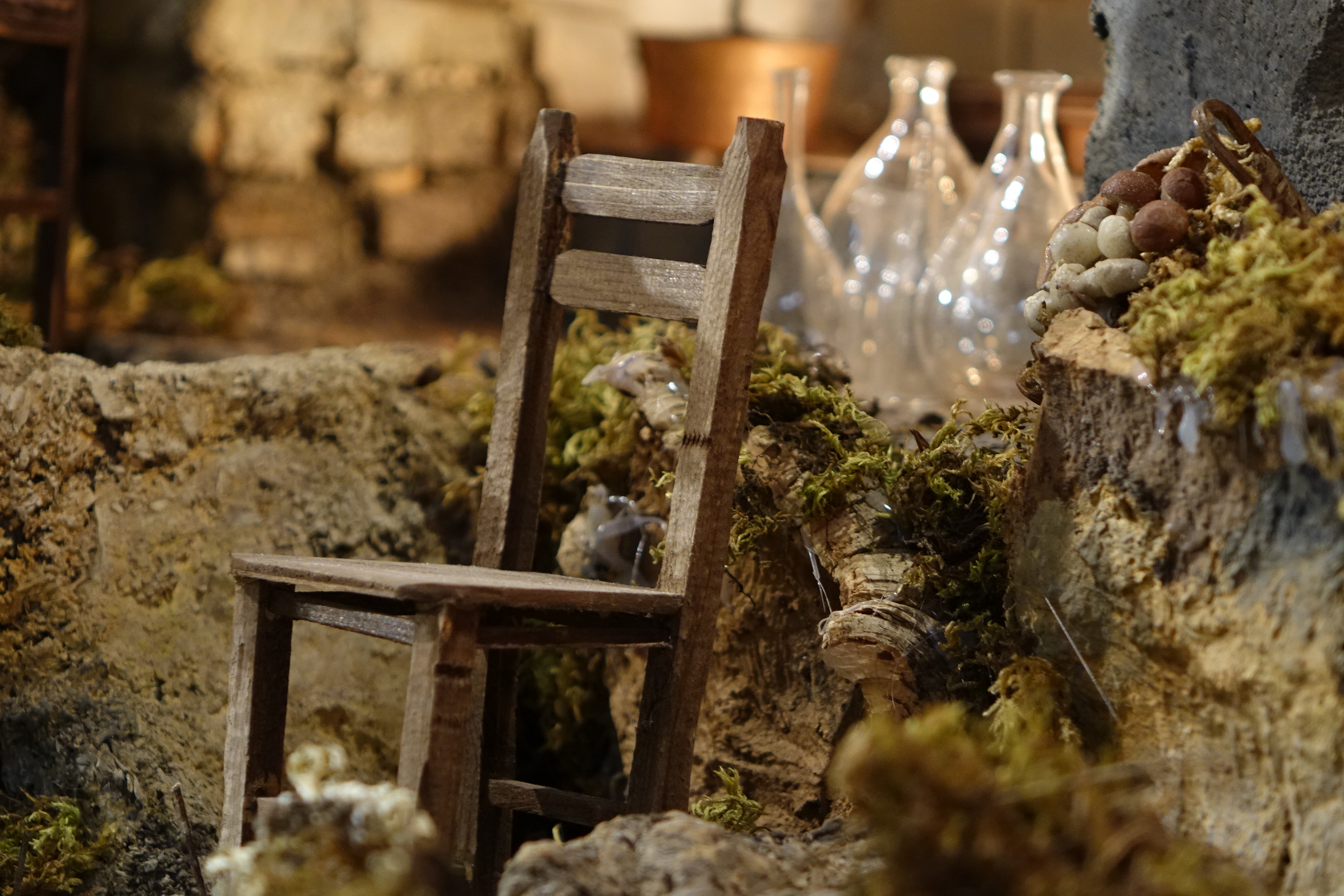
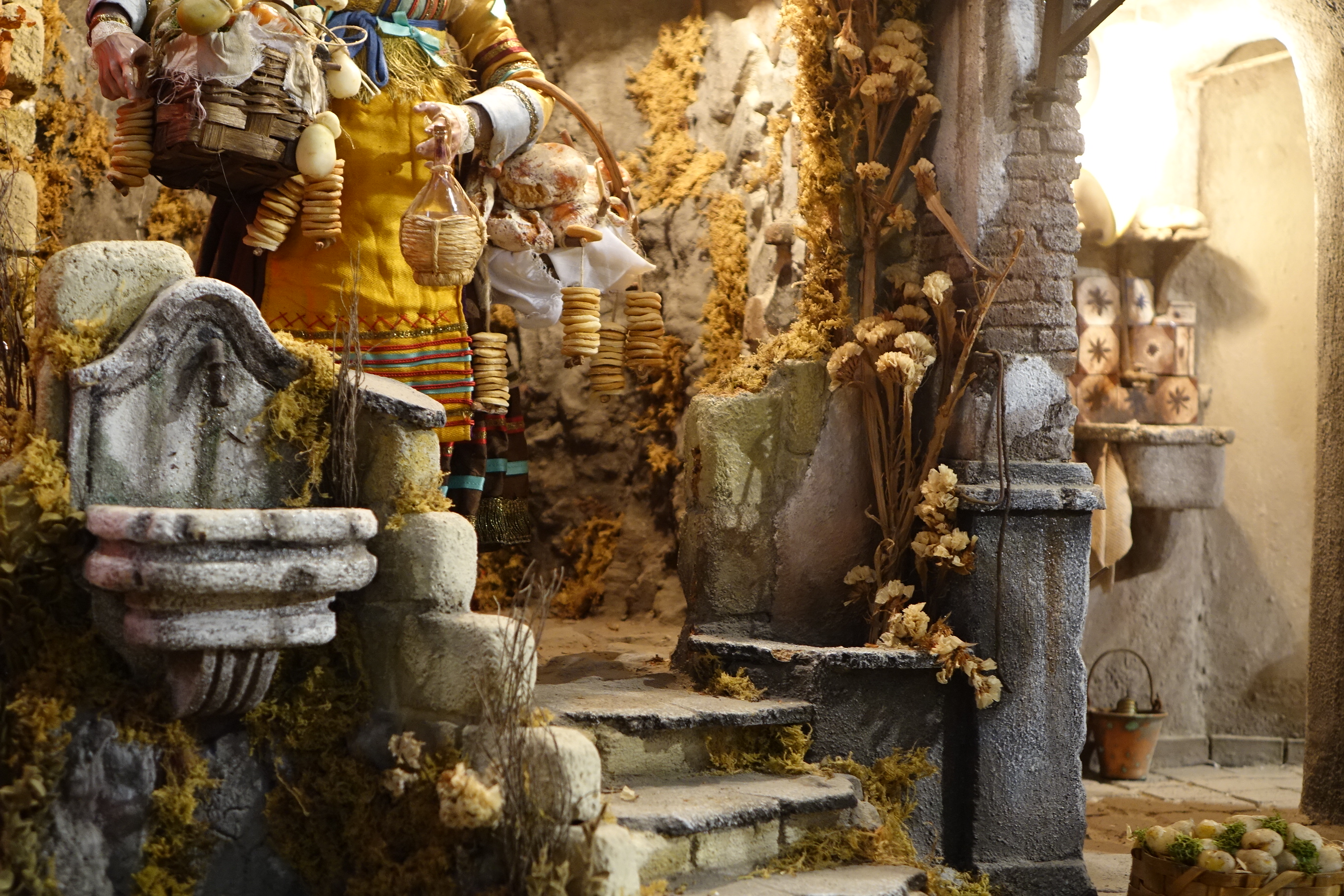
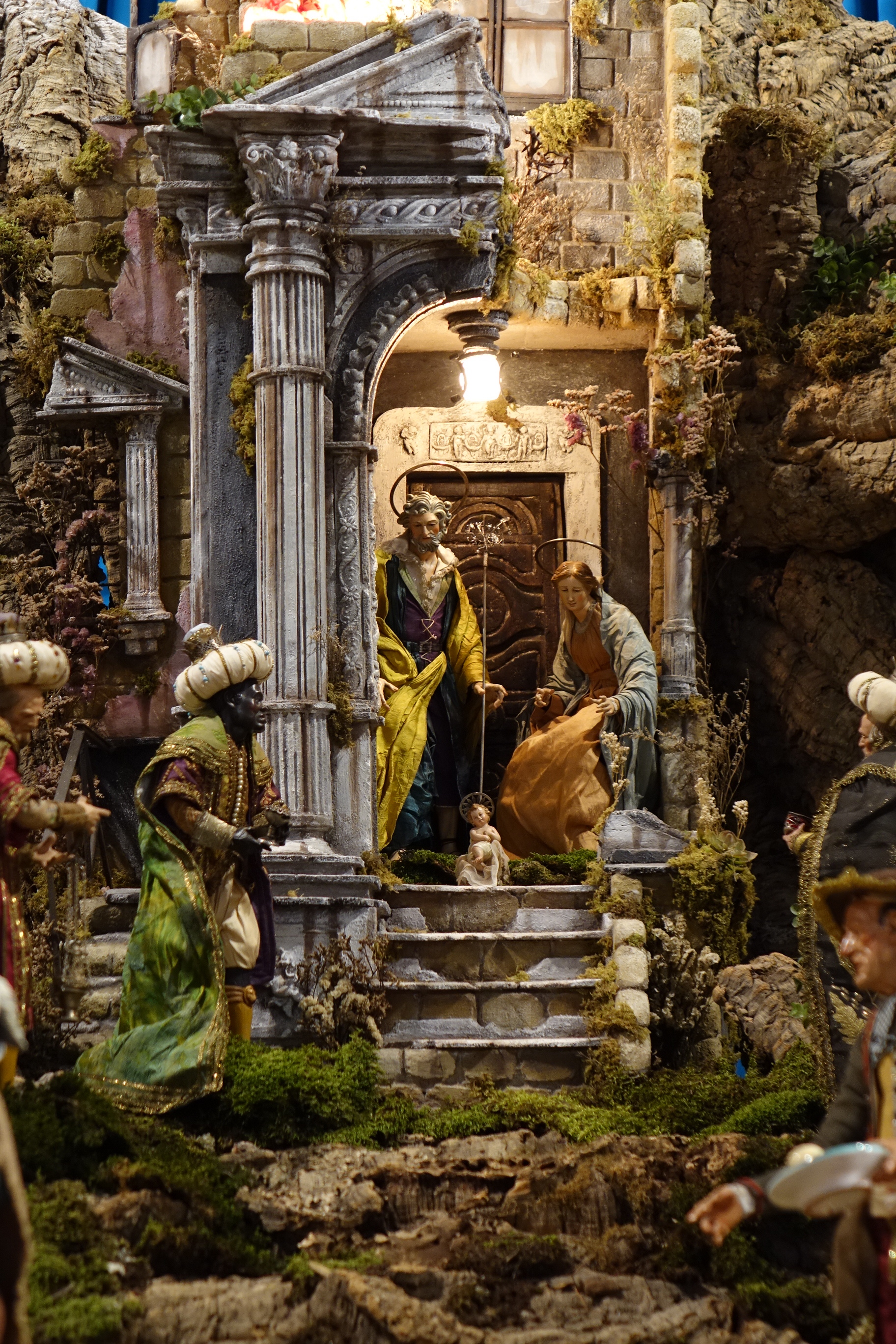
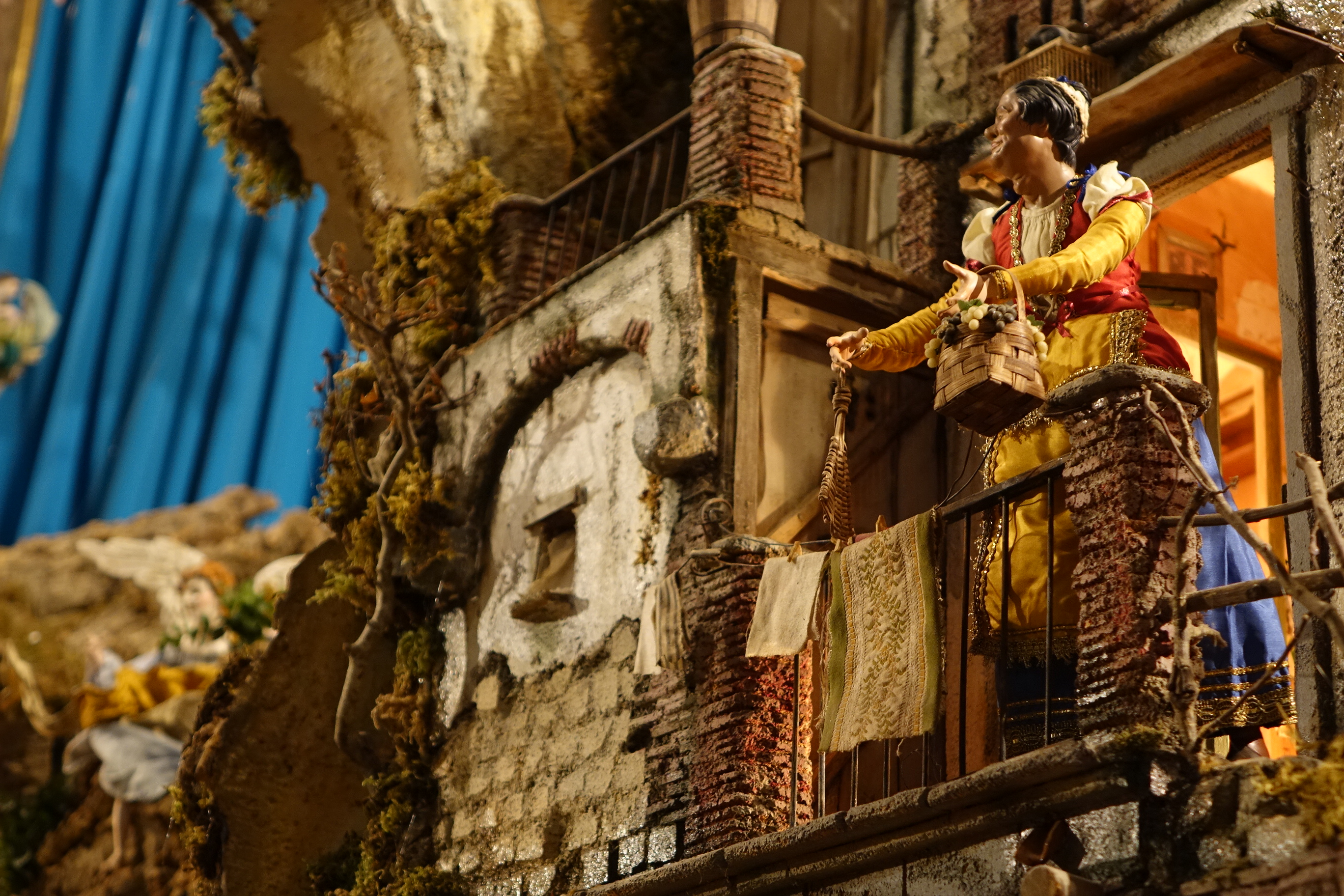
DSC02526 DSC02529 DSC02532 DSC02548 DSC02545 DSC02560 DSC02558 DSC02535

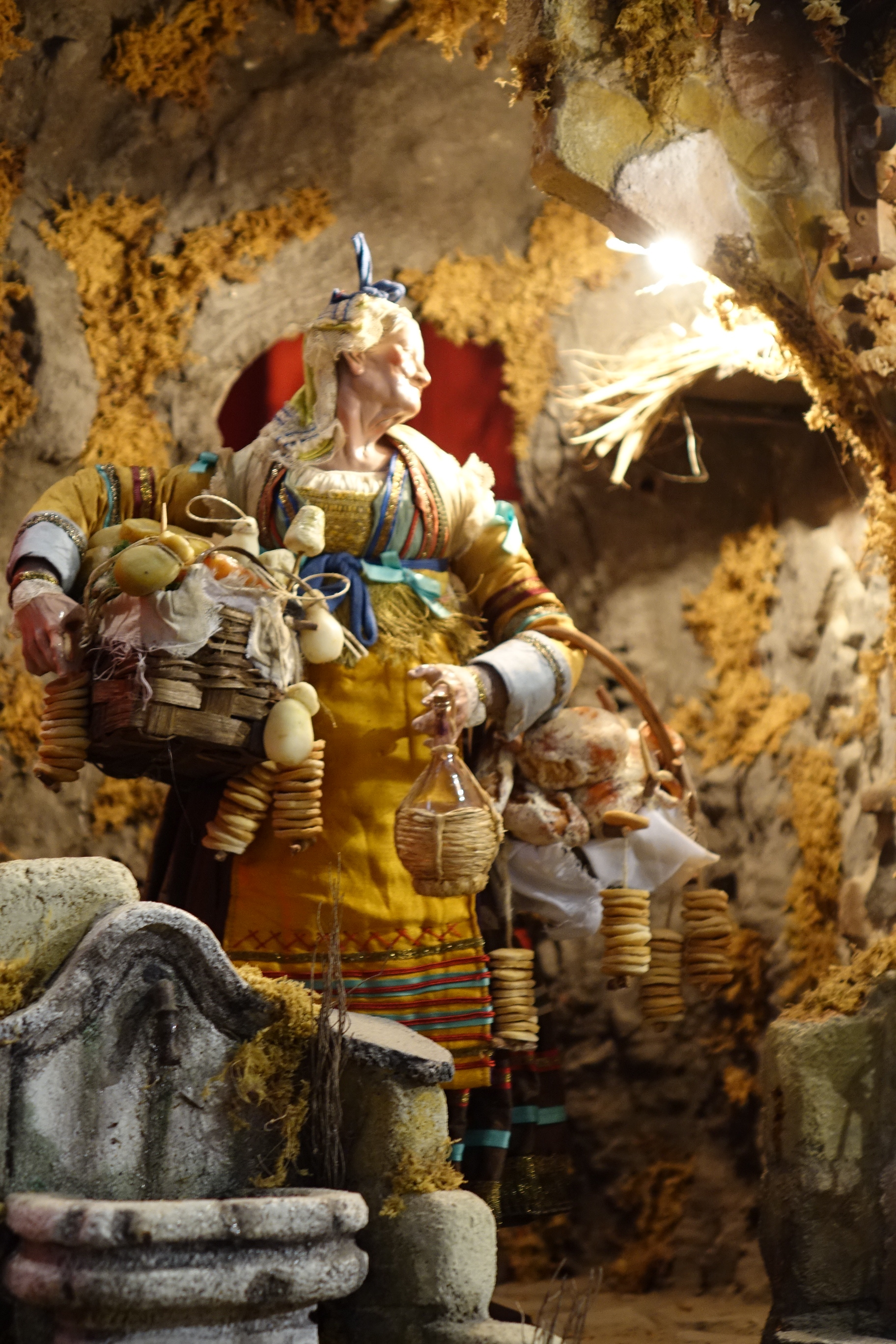
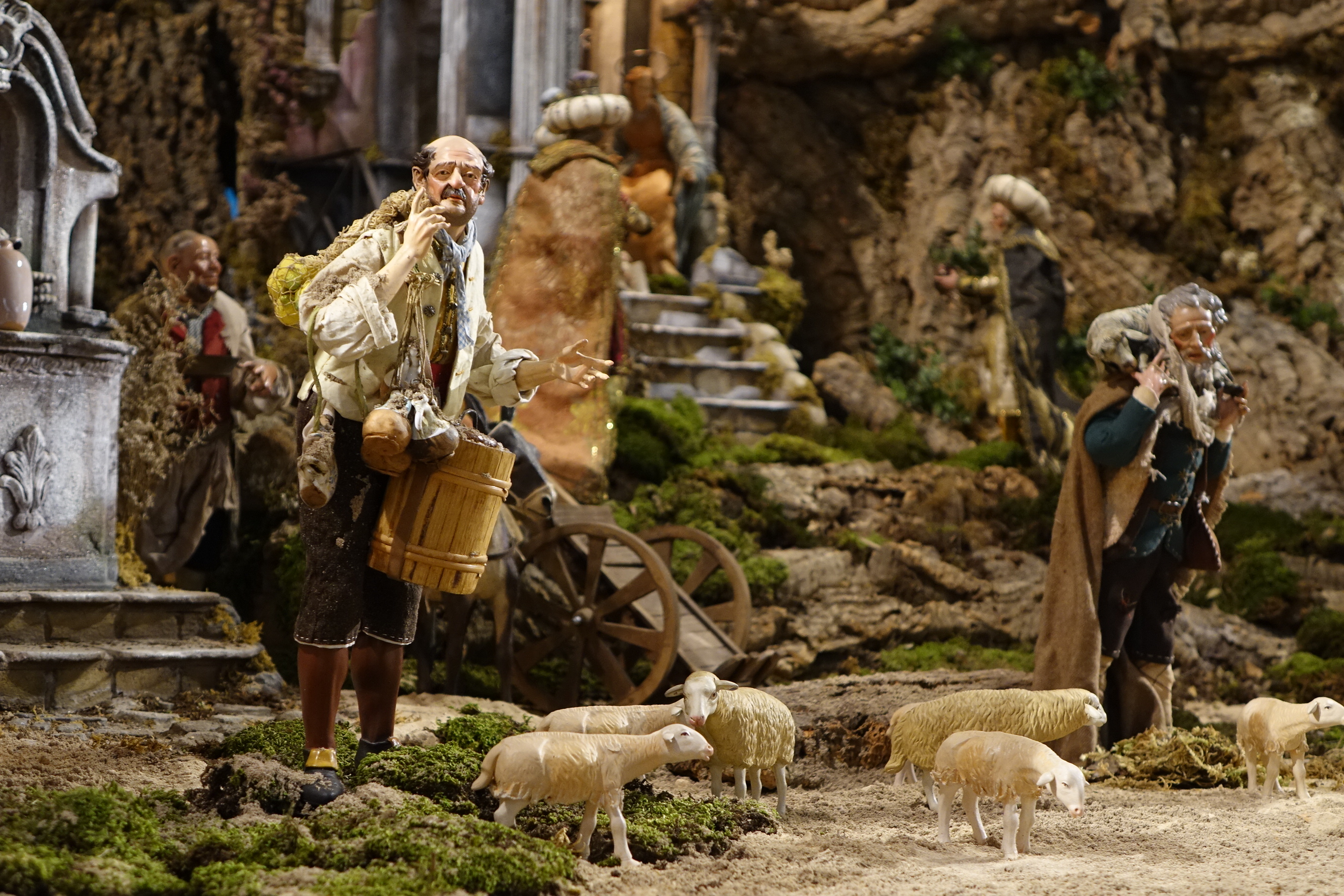
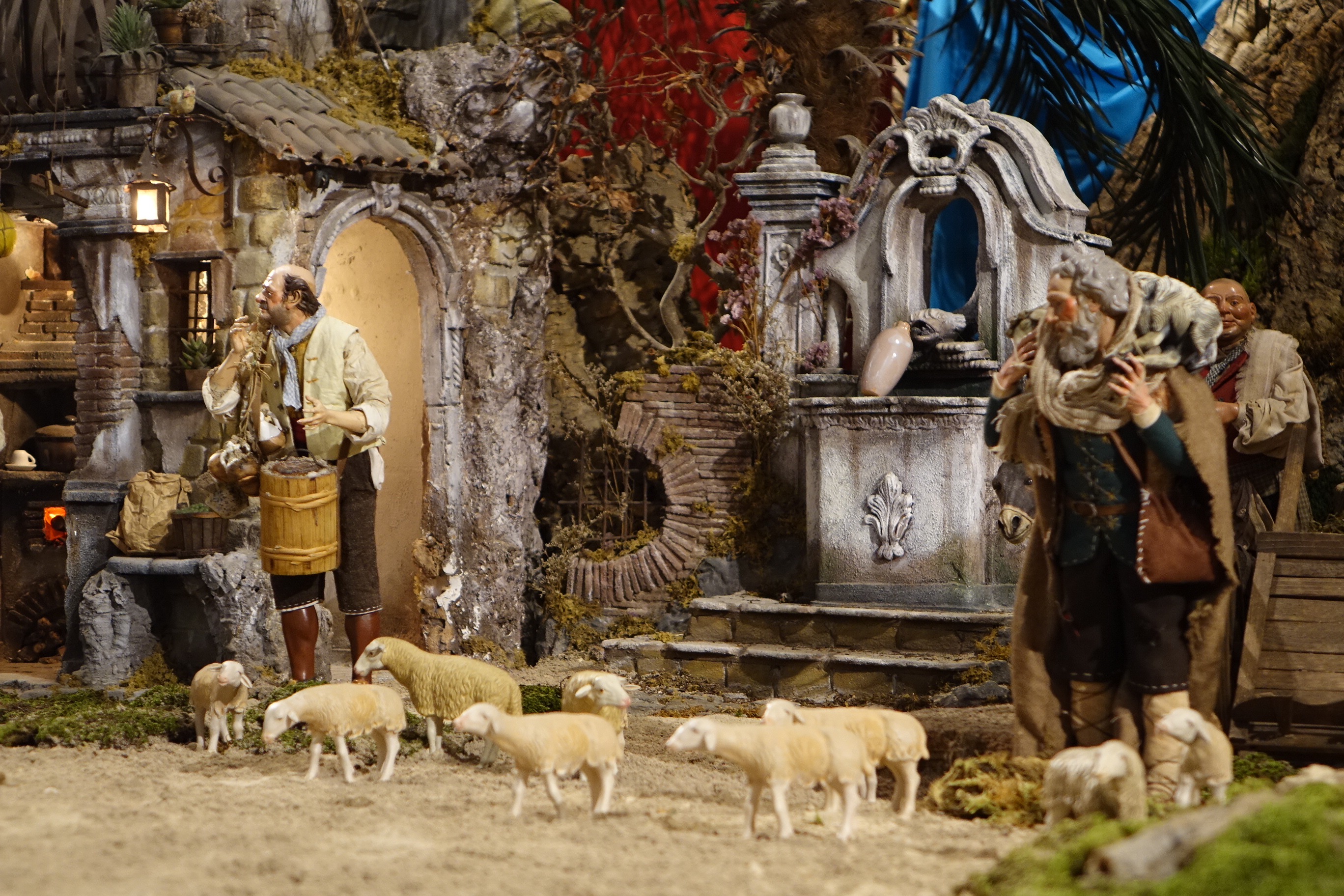
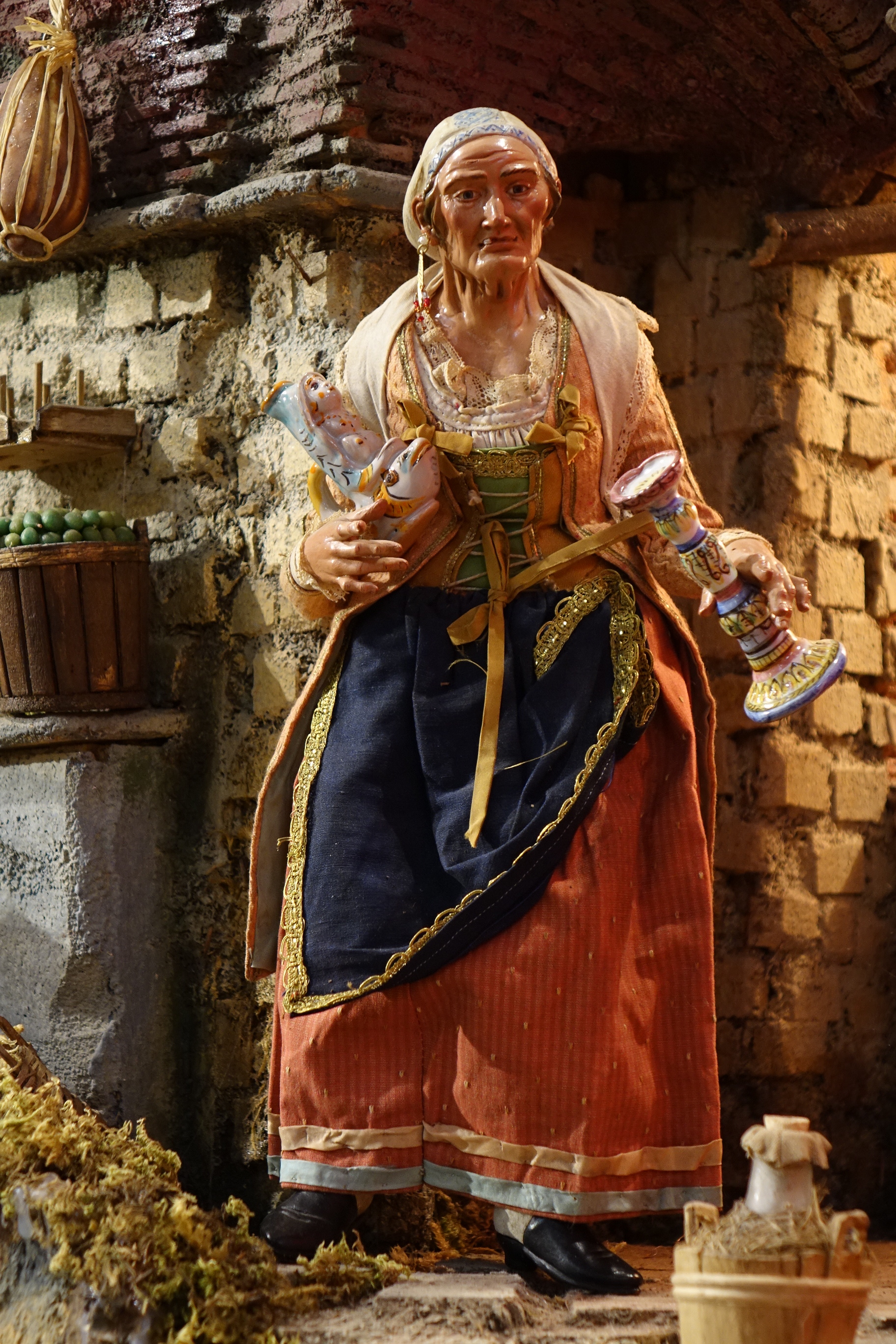
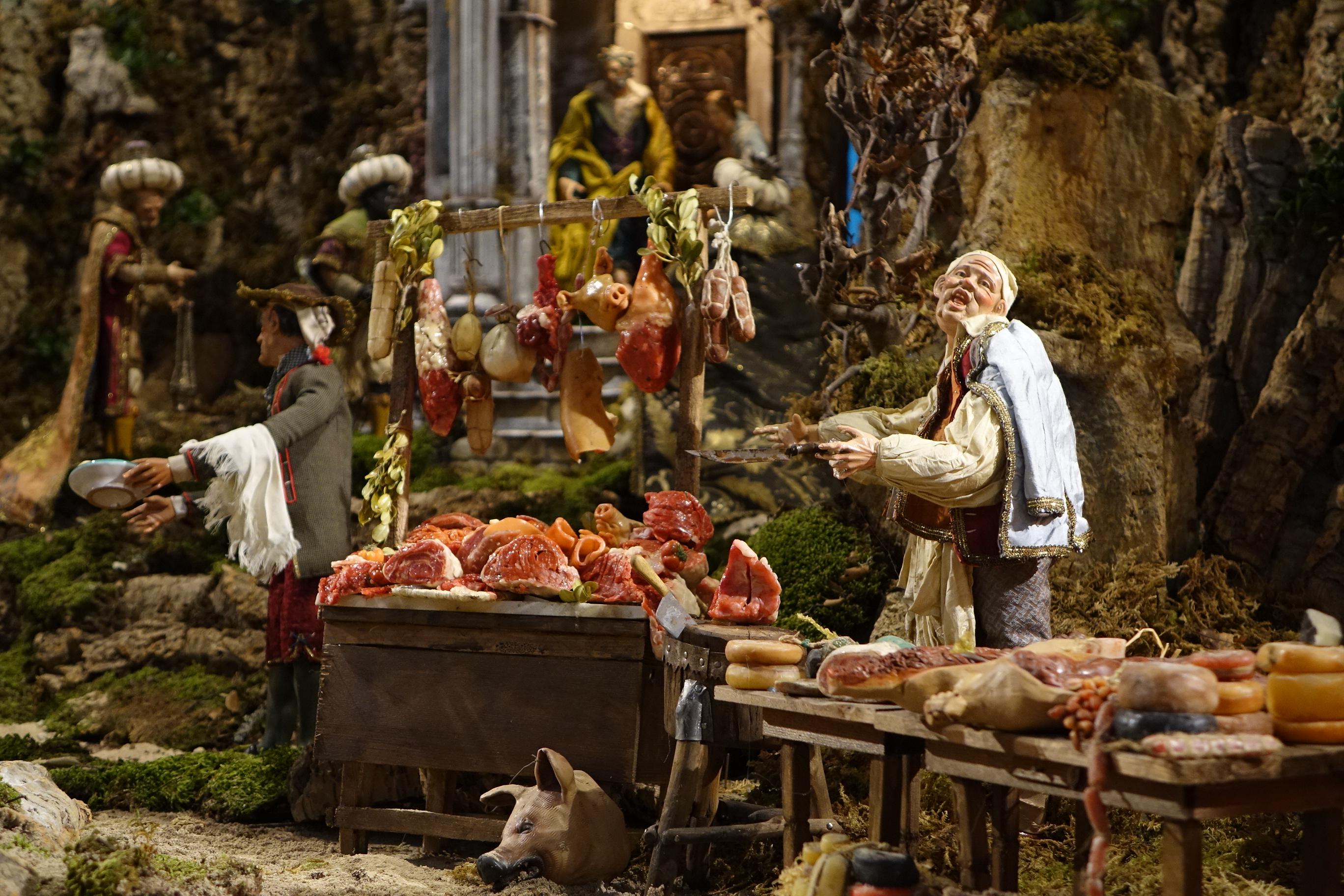
While last Christmas I braved the crowds who had crammed their way up the dark side streets of the Spaccanapoli to get a view of this famous Neapolitan craft, this year I have had the fortune to see their masterpieces at far closer a proximity. For here in Palma de Mallorca, but 2 minutes from my flat in an inconspicuous church on the Carrer de San Miquel, there is a Neapolitan gem of its own. Set out across a mountain plane simulated from the supple bark of a cork tree, and comprising a phenomenal range of architectural features and carefully characterised figures, this Nativity demonstrates why the Neapolitan craft remains so renowned. Not a single detail of street life has been missed, from the slimy pig’s head sold by the Butcher, to the bag of eggs swung by the old housewife. What tickles me are the gruesome details of their lined faces, and their masterful expressions – so full of personality you’d swear they were alive. 

DSC02567 DSC02564 DSC02562 DSC02555 DSC02537 DSC02540 DSC02527

In fact Palma de Mallorca holds the nativity or Belem dear to its heart, with a trail tracing once fantastic Belem to another across the city. But few could deny that the real brilliance of Belem craft has been mastered by the Neapolitans, as the nativity photos above demonstrate so well. 

All photos and written content are strictly the copyright of Nicholas de Lacy-Brown © 2014 and The Daily Norm. All rights are reserved. 

Santa Lucia and the Joy of Rialto Living

To be honest, it didn’t take me much to make up my mind to move from London to Mallorca. After a sustained period of dissatisfaction with the big city in the smoke, the comparative paradise of Palma de Mallorca took little persuasion. And yet I think I can pinpoint the exact moment when my mind was made up as being the moment when my partner and I discovered Rialto Living.

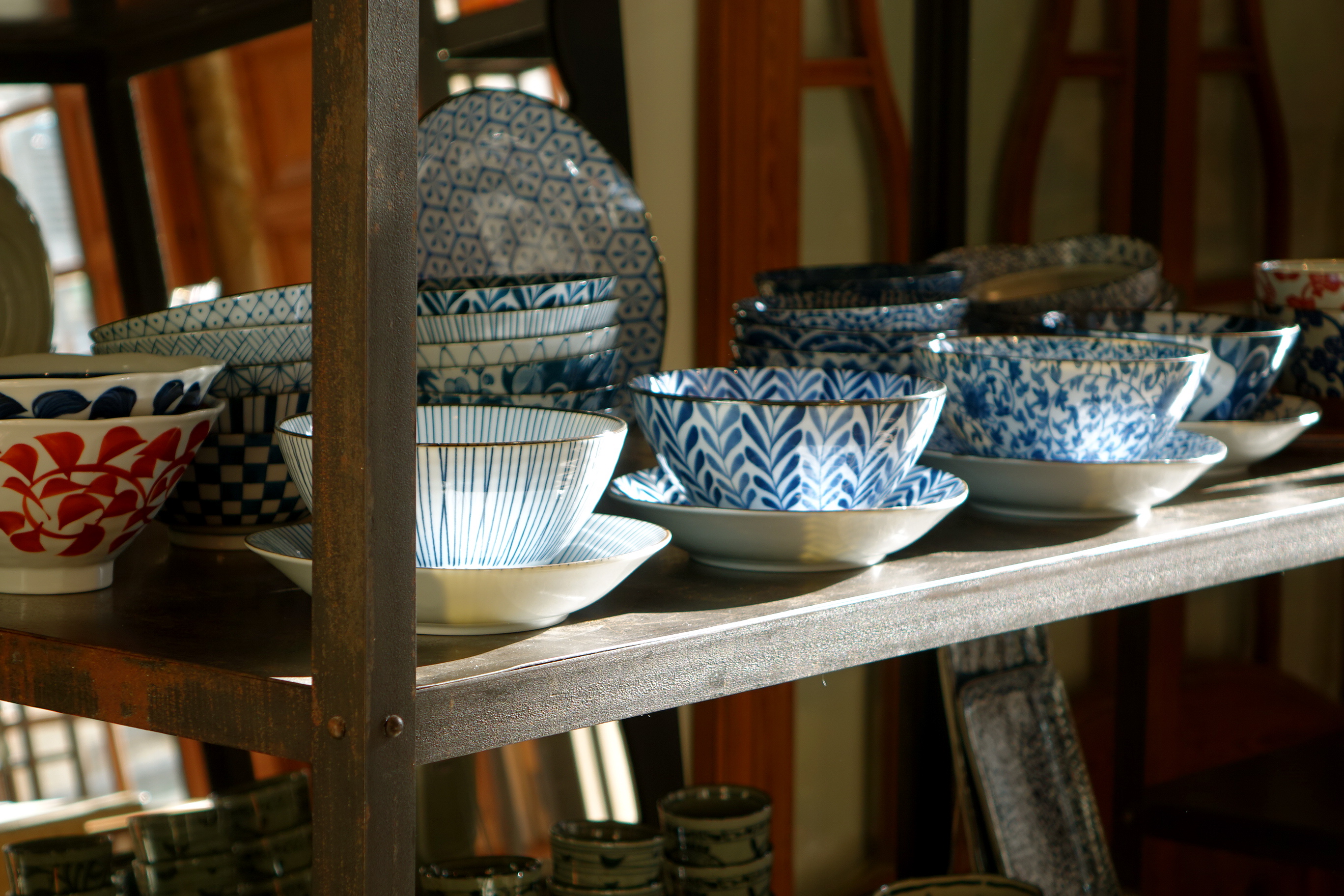
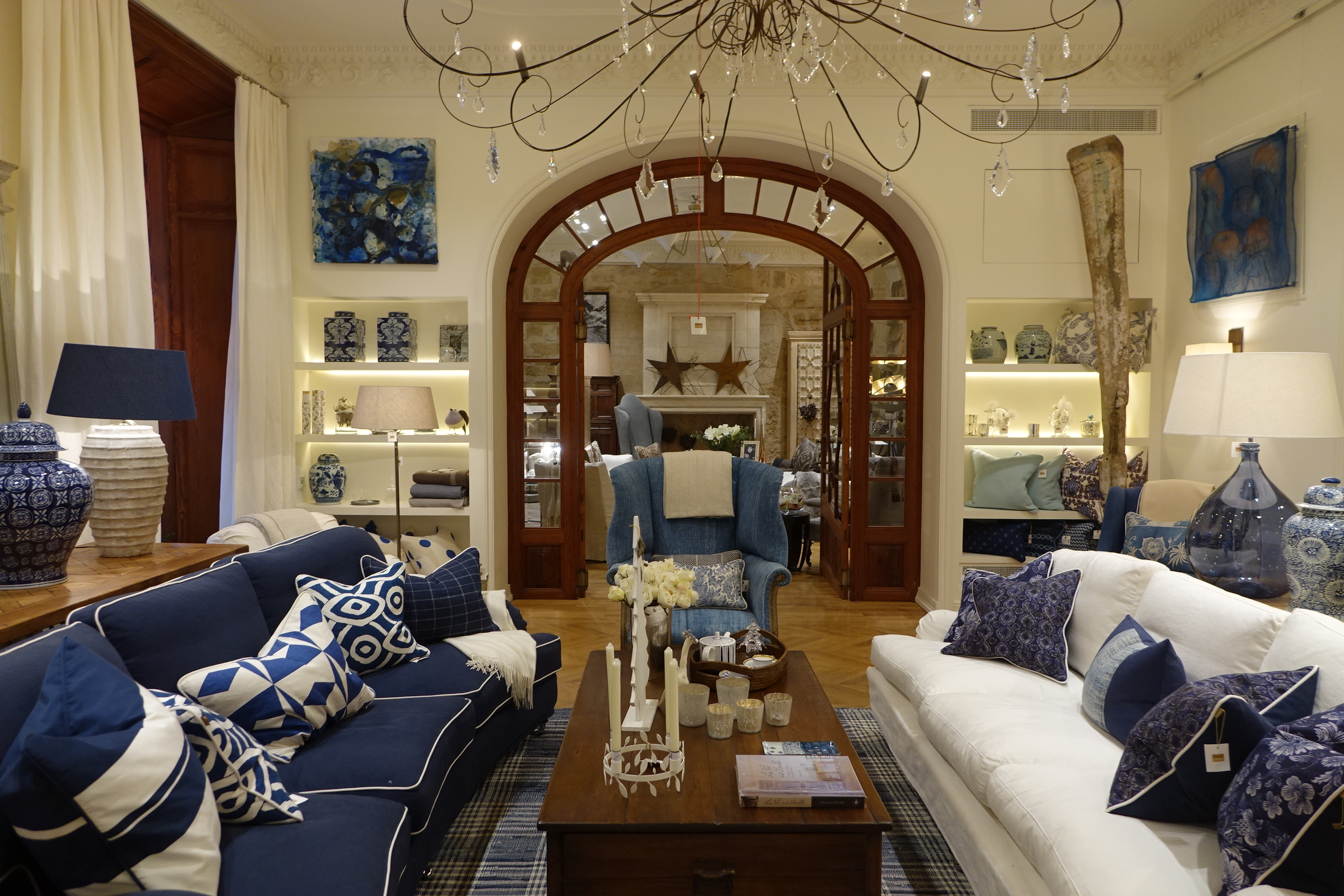
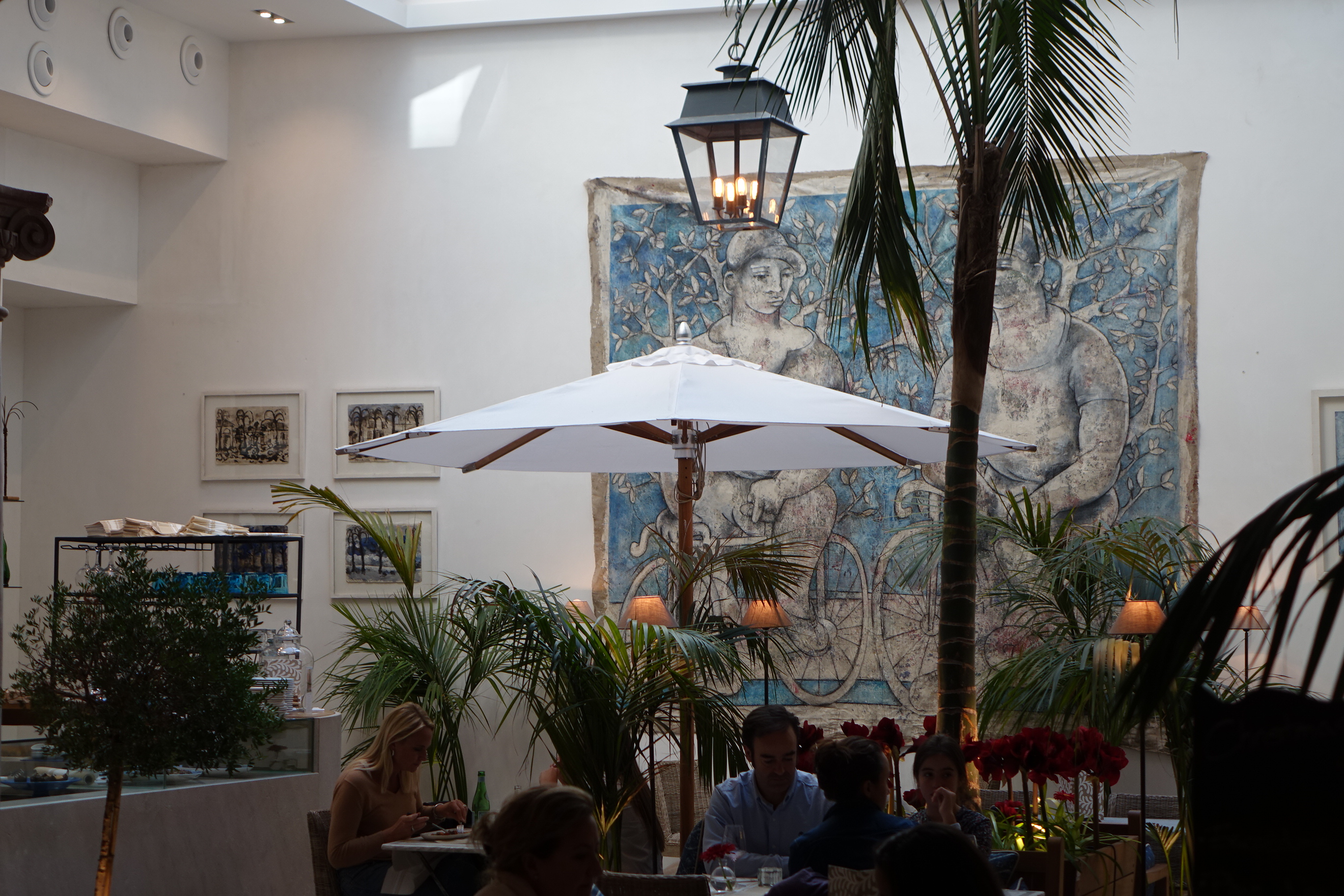
Situated in the Carrer Sant Feliu, a dark cobbled street in the heart of Palma’s old town and lined with the very best of Palma’s old palaces, Rialto Living is a lifestyle concept store which sells the very best in interior design, art, and fashion. Happily for us it also contains one of the cafe hot spots in Mallorca, a blue and white symphony of open space and high couture eating, all set within a stunning renovated palace. In short, Rialto Living is a sumptuous, stunning shop. The kind of place where you could happily while away the hours as though it were your own home (I should be so lucky), and it was upon finding this place that we knew Palma had the kind of mentality which meant that we could make the city our new home.

A paradise of interior design

DSC02121 DSC02154 DSC02159 DSC02153 DSC02123 DSC02126 DSC02641 DSC02138 DSC02125 DSC02152 DSC02135 DSC02150 DSC02116 DSC02131 DSC02129 DSC02119 DSC02122 DSC02134 DSC02164 DSC02141 DSC02162

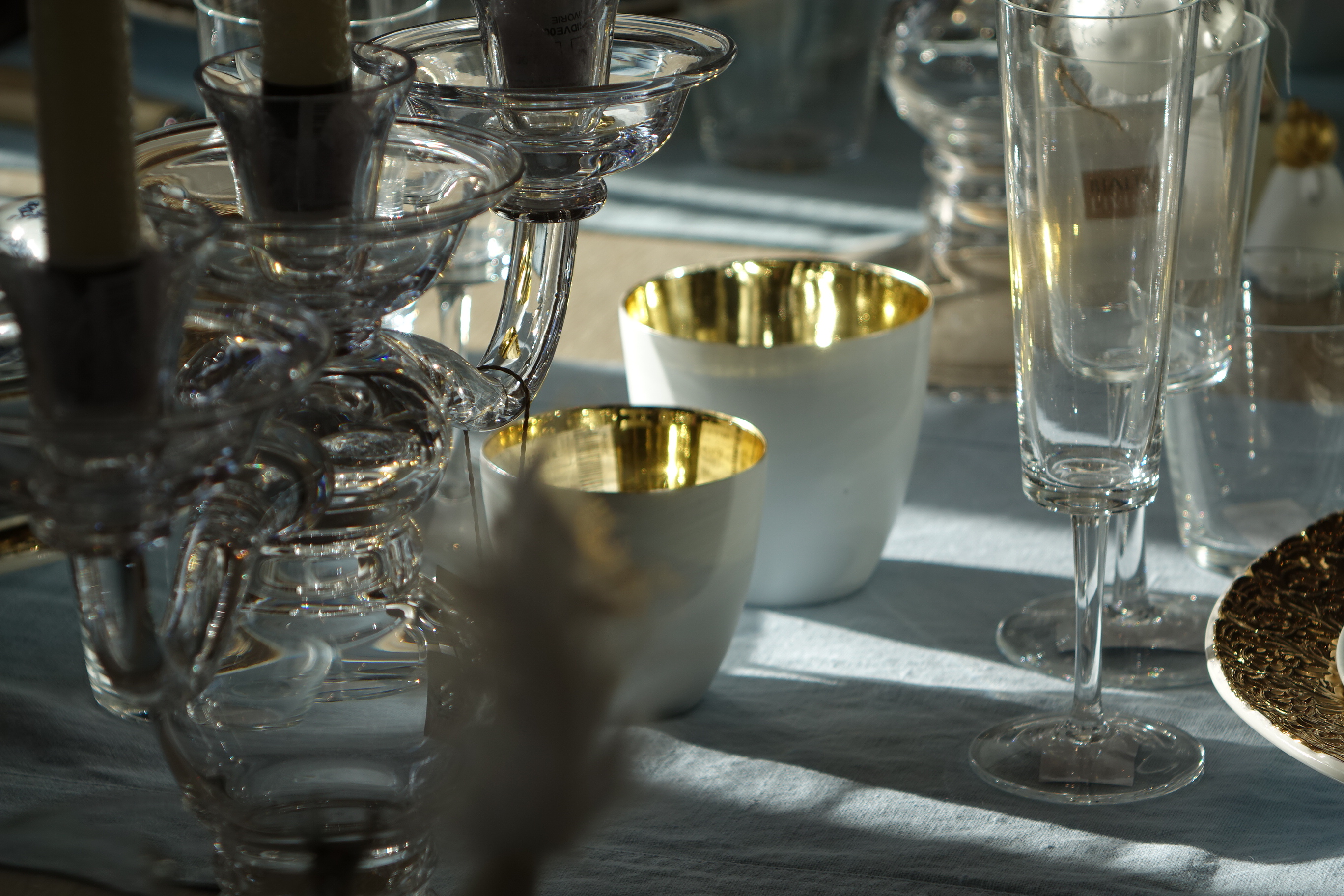
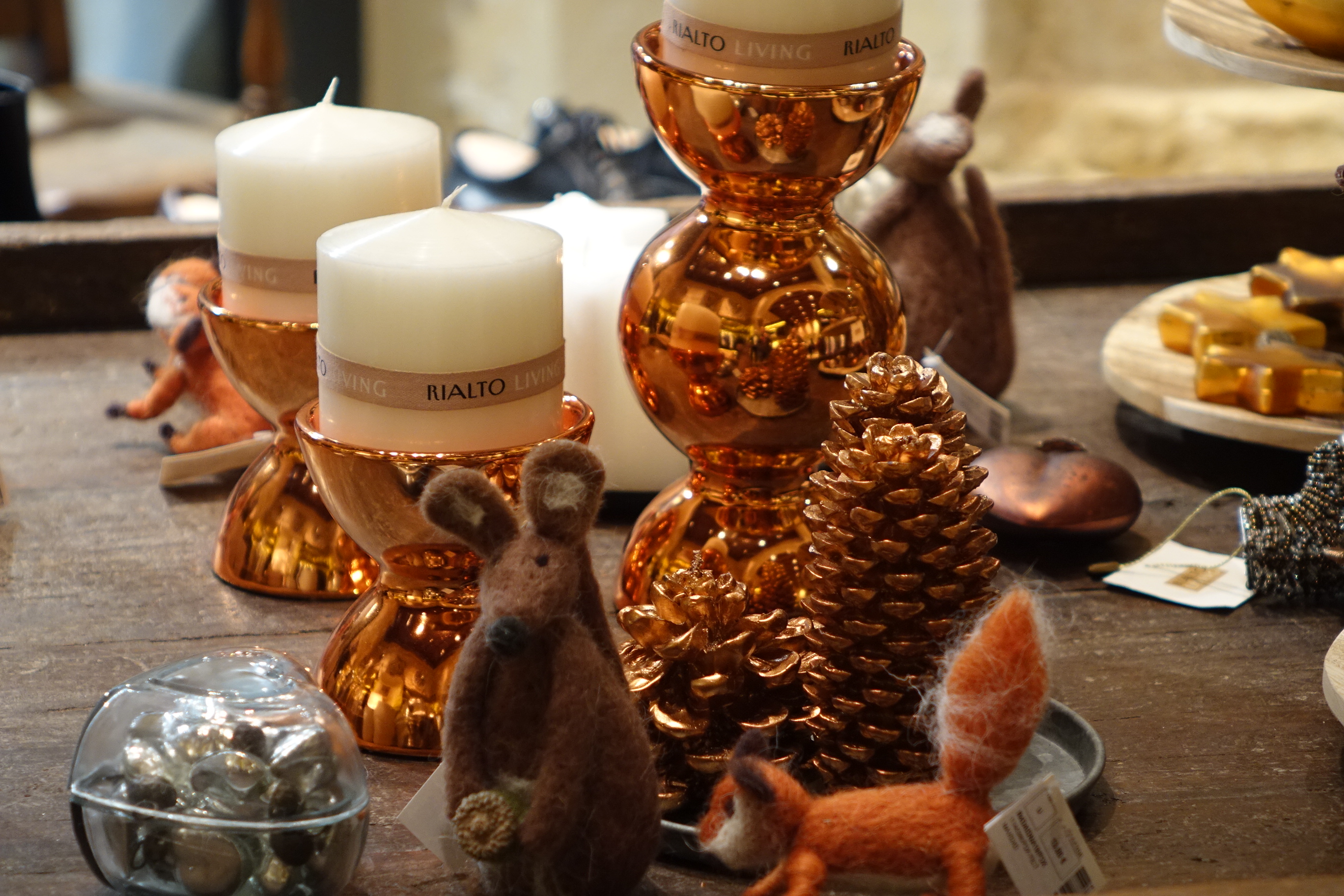
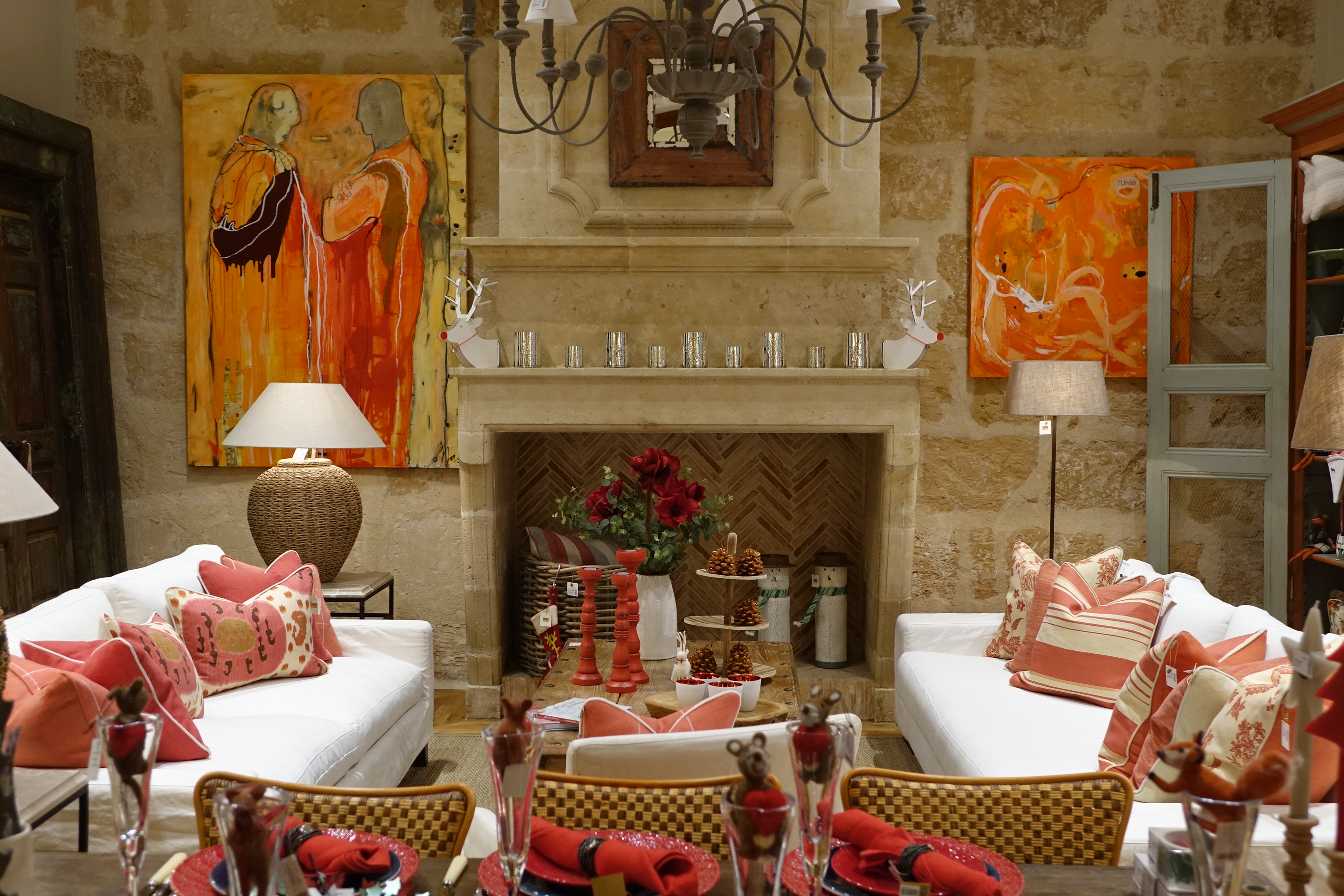
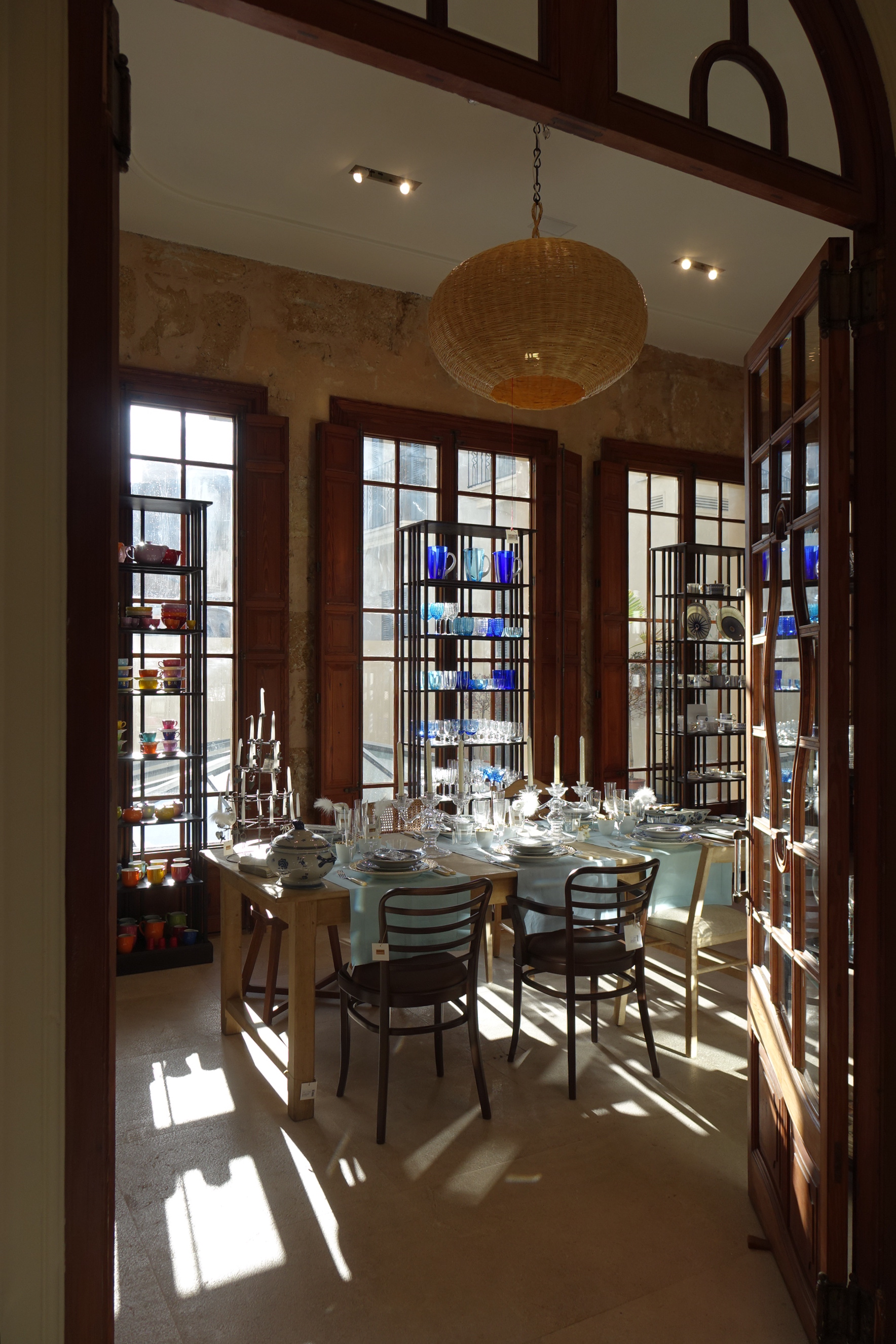
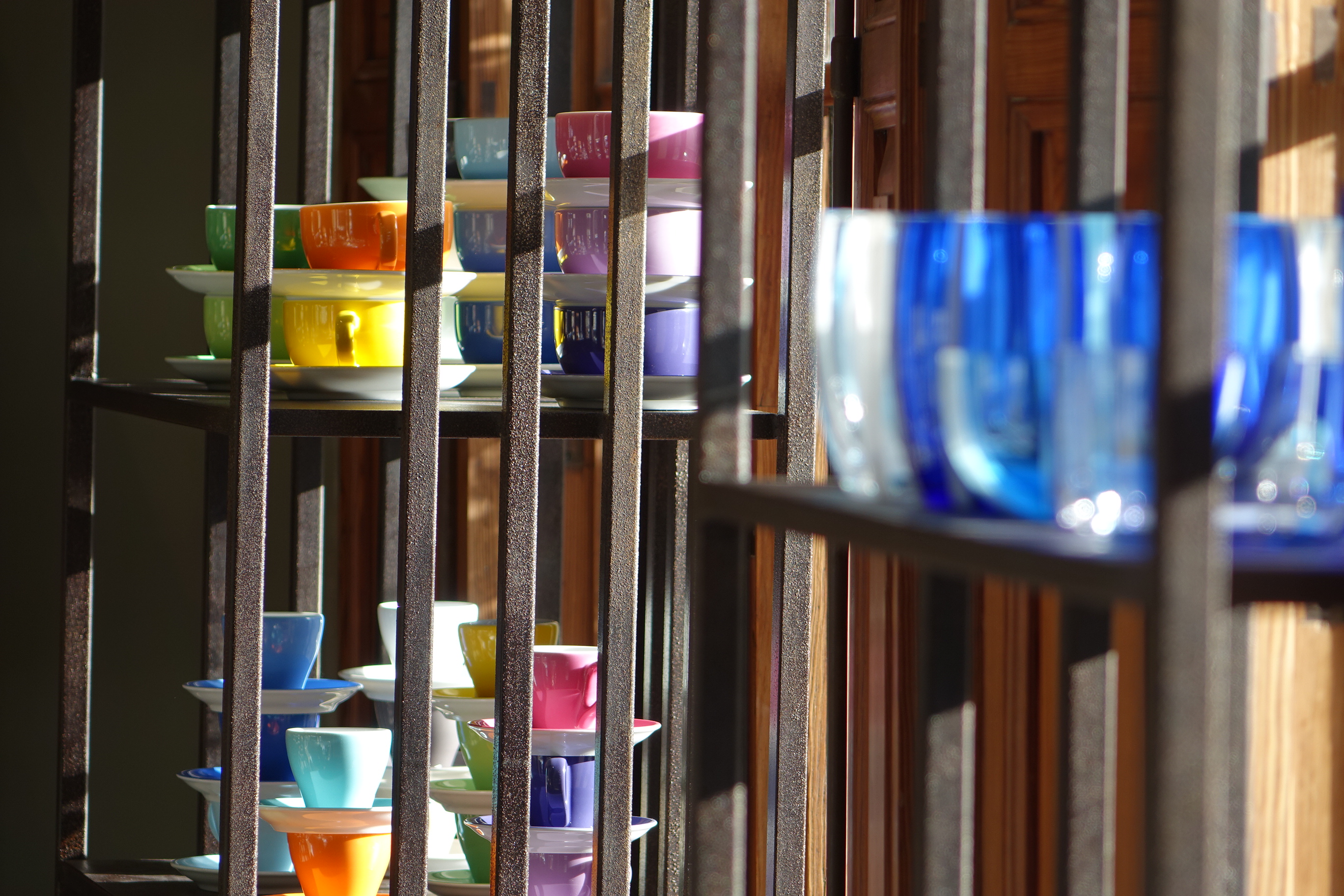
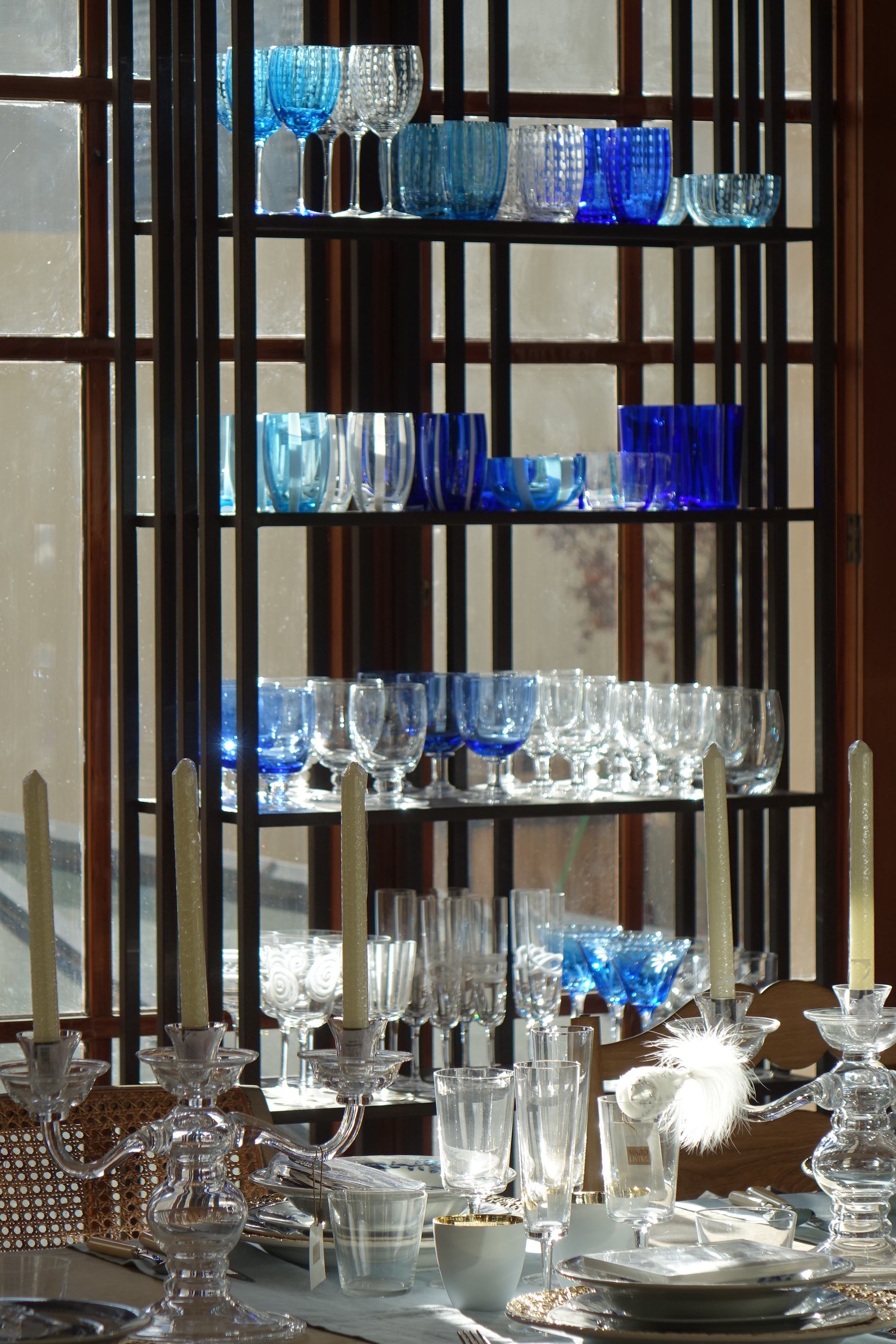
Harking from Scandinavia, and founded by one of the three founders of Gant, Klas Kall, along with grafic designer Barbara Bergman, it is no wonder that Rialto Living is such a temple of interior chic. Here you will find a magazine shot in every corner, furniture to die for, and quality which bounces and glides and glitters in one’s hands. Its many sections are a delight for the eyes. Its clothes section is so chic and welcoming that it makes you want to discard your old clothes there and then for something delightfully fluffy and new. Its home section is like a paradise of design; my favourite section has to be the Alhambra recreation within whose moorish arches roll after roll of colourful material unfold; I also adore the dining area, where sun floods through the south facing windows to illuminate the multicoloured glassware.

Rialto Living’s fresh blue café

DSC02664 DSC02168 DSC02667

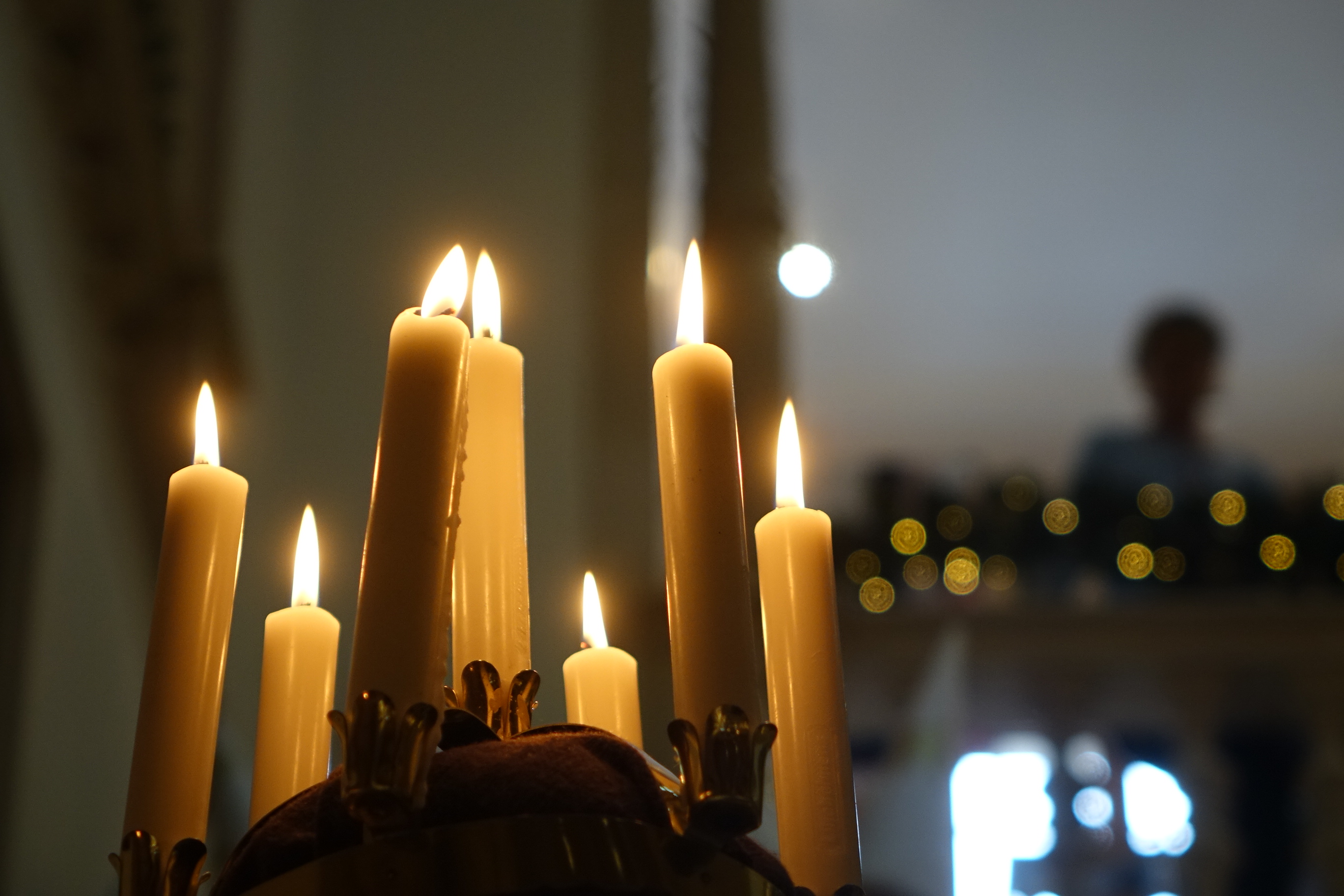
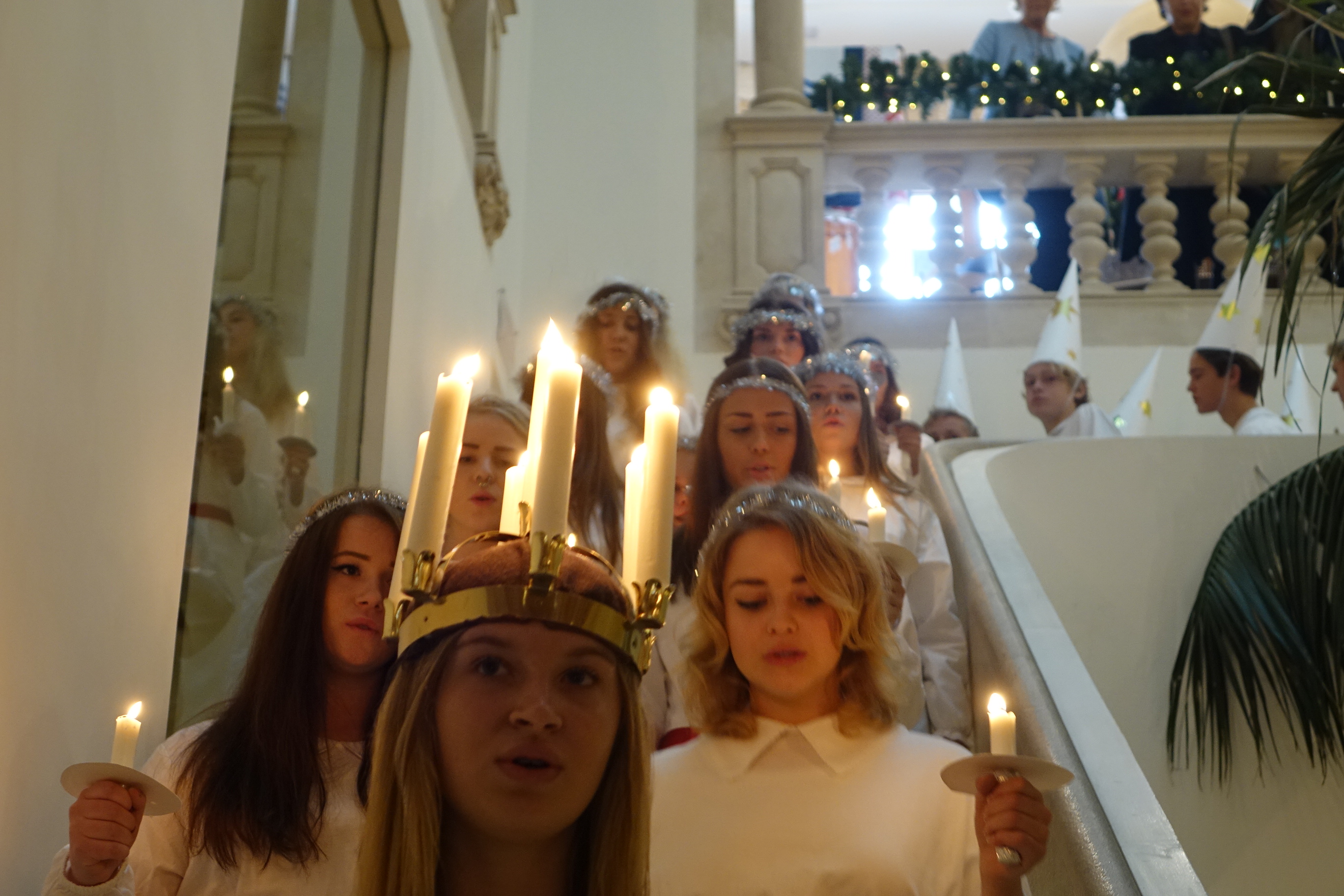
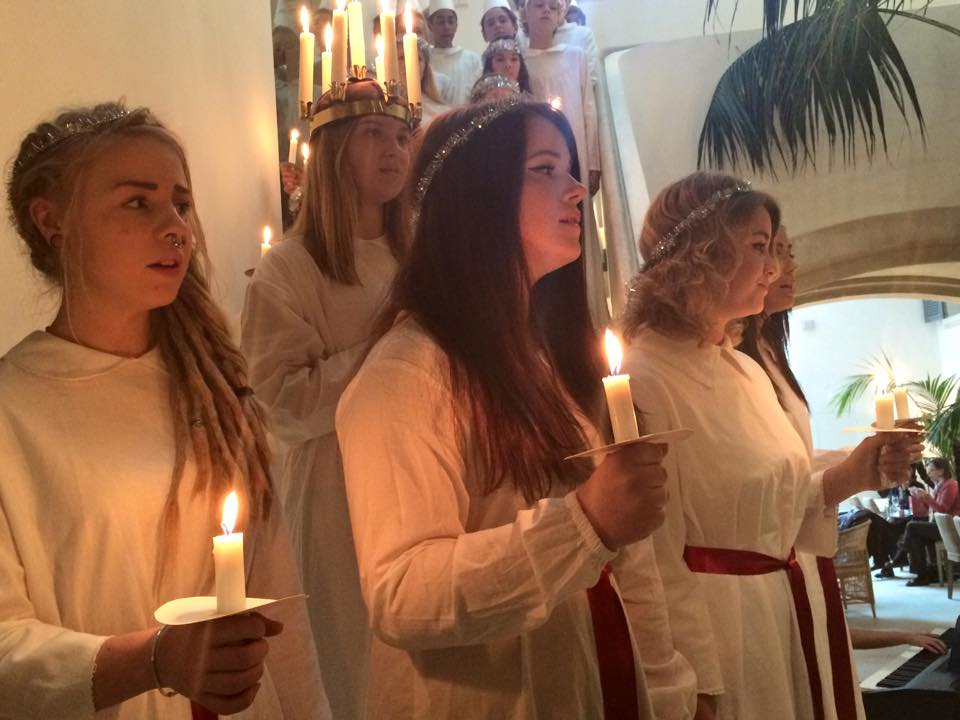
Yet despite its inherent sophistication, Rialto Living is utterly welcoming, as demonstrated last weekend when customers were welcomed to the store on Saturday lunchtime to join in carols and glogg (mulled wine) in a celebration of Santa Lucia’s day. They even had an angelic choir fitted with all of the regalia of Santa Lucia festivities, the likes of which inspired both my Norm sketch yesterday, and brought tears to my eyes.

Rialto’s celebration of Santa Lucia

10678755_10152488794170846_9009388286336939585_n DSC02654 DSC02646 1503912_10152488794435846_8435992689803210401_n DSC02653

So this long overdue post on Rialto Living is both a dedication to the sumptuously sophisticated palacial surrounds of my favourite shop, and a record of last weekend’s very Christmassy affair. Rialto Living: you truly are an inspiration. As long as you are in Palma, I too will remain.

Norms: The Saints Collection | Santa Lucia

At this festive and, for some, religious time of year, the calendar is awash with Saint’s days and festivals which make the whole Christmas period sparkle with something rather magical. Last week, I noted the passing of St Nicholas’ day, a Saint’s day of the utmost import because it is that rotund smiling fellow who will pass out the presents this December 24th, and of course because he happens to share my name. Last Saturday, another festive favourite was celebrated: St Lucy or Santa Lucia as she is perhaps more widely known, and as the bringer of light and patron saint of sight, this Saint is equally important at this sparkling, light infused time of the year.

In fact such is Santa Lucia’s renown as the bringer of light, that her Saint’s day is celebrated with gusto in the Scandinavian lands, where darkness reigns for much of the day at this time of the year, and where locals therefore gather in reverence to the Saint in the hope that St. Lucy will bring them more light to get through the winter. Apparently her connection with light stems from the fact that at the time of her death at the hands of Emperor Diocletian, her eyes were gouged out, either by order of the Emperor, or by herself in order to disuade a potential suitor from pursuing her. Either way, the story has been taken up in popular iconography, and in more recent times, Santa Lucia has been depicted holding her eyes on a platter.

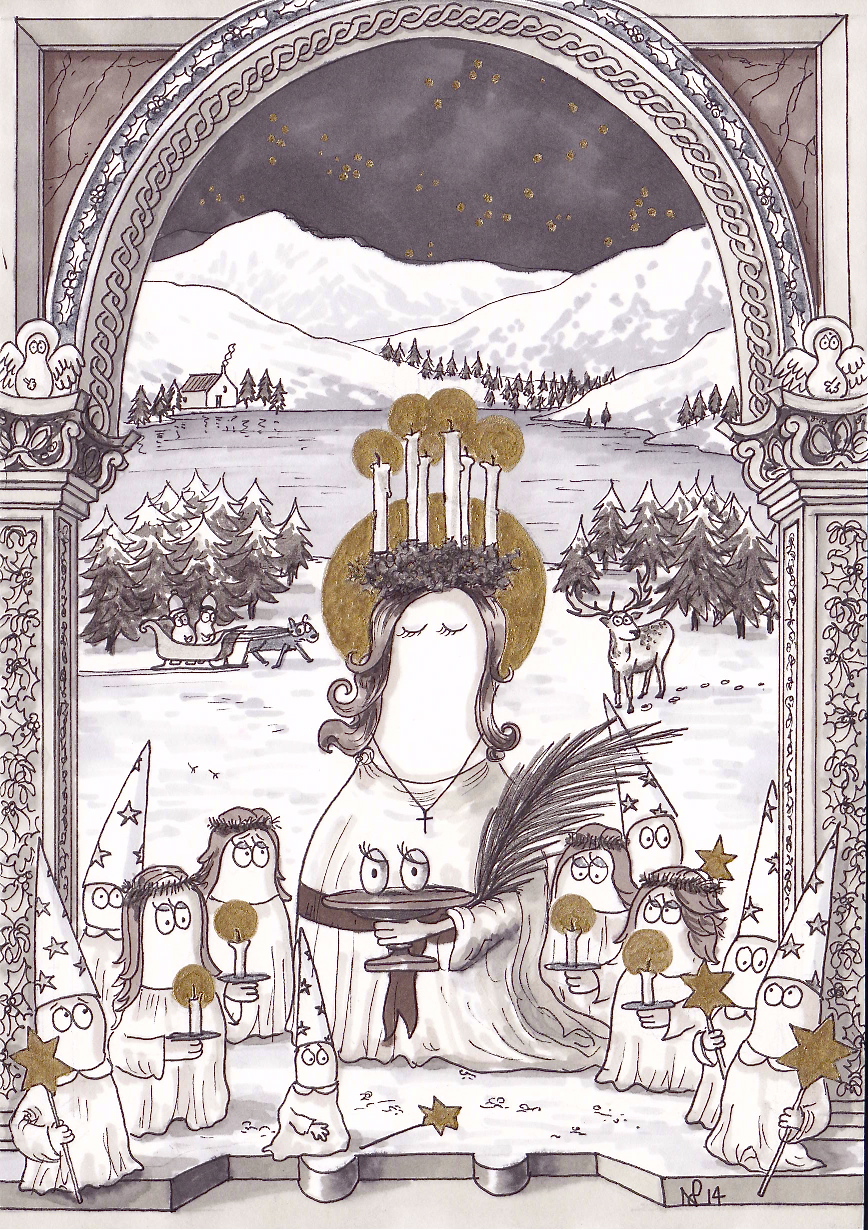
Santa Lucia Norm (2014 © Nicholas de Lacy-Brown, pen and gold paint on paper)

Santa Lucia Norm (2014 © Nicholas de Lacy-Brown, pen and gold paint on paper)

And so, here is Santa Lucia Norm, depicted in all her glory with eyes upon a platter. No gruesome gouging here (it is Christmas after all), but just the suggestion of it. My Santa Lucia is wearing the crown of candles which is worn by celebrants of her festival in the Scandinavian celebrations which are the basis of my depiction. Those celebrations also include choirs of children wearing white gowns, conical hats and carrying candles in homage to the Saint’s light-giving powers – celebrations which are depicted here against a snowy, Christmassy Scandinavian landscape. More about those celebrations tomorrow, but in the meantime – a Merry Christmas to all!

© Nicholas de Lacy-Brown and The Daily Norm, 2001-2014. Unauthorized use and/or duplication of the material, whether written work, photography or artwork, included within The Daily Norm without express and written permission from The Daily Norm’s author and/or owner is strictly prohibited. Excerpts and links may be used, provided that full and clear credit is given to Nicholas de Lacy-Brown and The Daily Norm with appropriate and specific direction to the original content. For more information on the work of Nicholas de Lacy-Brown, head to his art website at www.delacy-brown.com