Skip to content

Sorolla: The Colour of the Sea

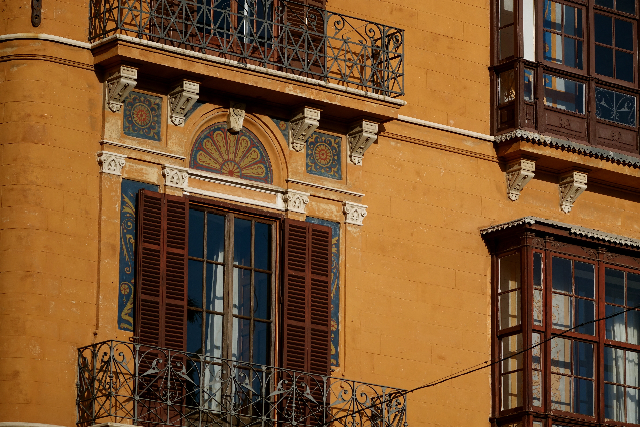
When I made my life-changing move from London to Mallorca earlier this month, I moved to a place equally as enriched by culture as the city from which I came. In fact comparing the size of Palma de Mallorca to London, you could quite easily declare Palma to be disproportionately abundant in art. Everywhere you walk in amongst the maze of streets in the old town, a flashy new contemporary art gallery or dusty quaint antique shop emerges, and of course the city lays host to Es Baluard, one of Spain’s most significant contemporary art spaces. However Palma is also home to one of the La Caixa Foundation’s finest art galleries, set within the stunning art nouveau setting of the old Gran Hotel building, and its exhibition diary is easily as significant and varied as that of a much larger city. And La Caixa’s current exhibition, Sorolla: The Colour of the Sea is no exception.
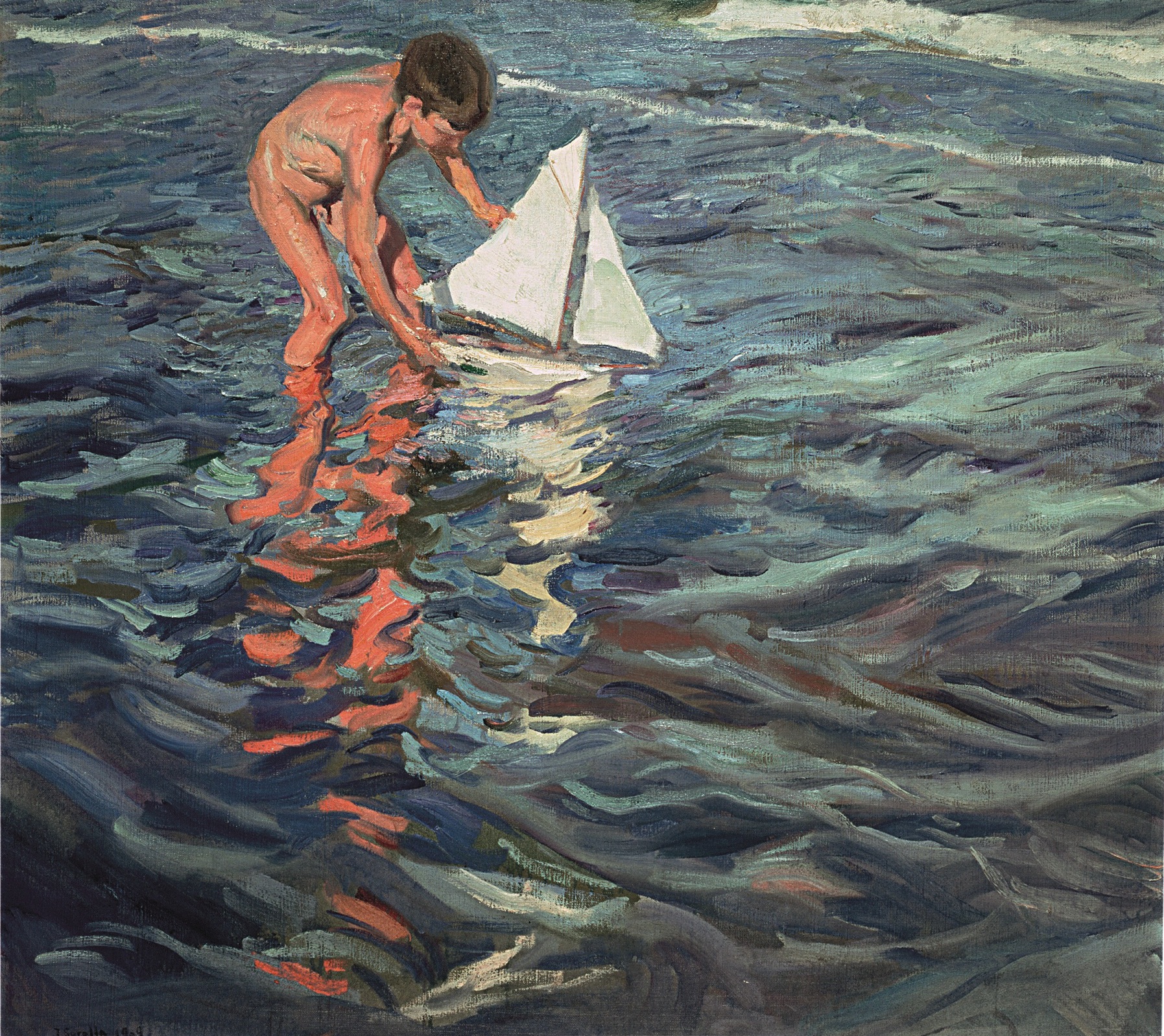
Joaquín Sorolla. El balandrito, 1909. © Fundación Museo Sorolla

Joaquín Sorolla. El balandrito, 1909. © Fundación Museo Sorolla

Exploring the oeuvre of Spanish master, Joaquin Sorolla, the exhibition focuses on what the artist, famous for the luminosity of his light and the proficiency of his landscape, painted best: the sea. Sorolla was born in Valencia in 1863 and as such was painting at a time when impressionism was at its height. Often compared to his friend, artist John Singer Sargent, Sorolla painted both people and landscapes with great sensitivity, and captured a startling degree of light. In painting the sea, Sorolla managed to capture a luminosity which I have always found so difficult when working on coastal images myself. Take his 1904 Estudio del Mar for example: This simple painting of waves breaking upon the shore is alive with the current of water, and magnificently captures the many colours hidden within the ordinary blues of the water. Similarly, his 1905 painting simply entitled Mar depicts shallower waters magnificently, with the light glinting over the surface and the dark purples suggesting rocks lurking just beneath.

Joaquín Sorolla. Estudio de mar, Valencia. 1904. © Fundación Museo Sorolla

Joaquín Sorolla. Estudio de mar, Valencia. 1904. © Fundación Museo Sorolla

Joaquín Sorolla. Mar (Jávea). 1905. © Fundación Museo Sorolla

Joaquín Sorolla. Mar (Jávea). 1905. © Fundación Museo Sorolla

No wonder this exhibition is called “the colour of the sea”, and no better example exists of just how rich those colours can be than Sorolla’s depictions of Mallorca itself, such as his painting of the Cove at San Vincente. If you hadn’t been to Mallorca, you might assume that these superb aqua marines and subtle mauves of the surrounding mountainous landscapes were made up, but I can assure you that they are very much representative of reality. Even my lucky November dip in the sea last weekend proved that much.

Joaquín Sorolla. Cala de San Vicente, Mallorca. 1919. © Fundación Museo Sorolla
Joaquín Sorolla. Cala de San Vicente, Mallorca. 1919. © Fundación Museo Sorolla

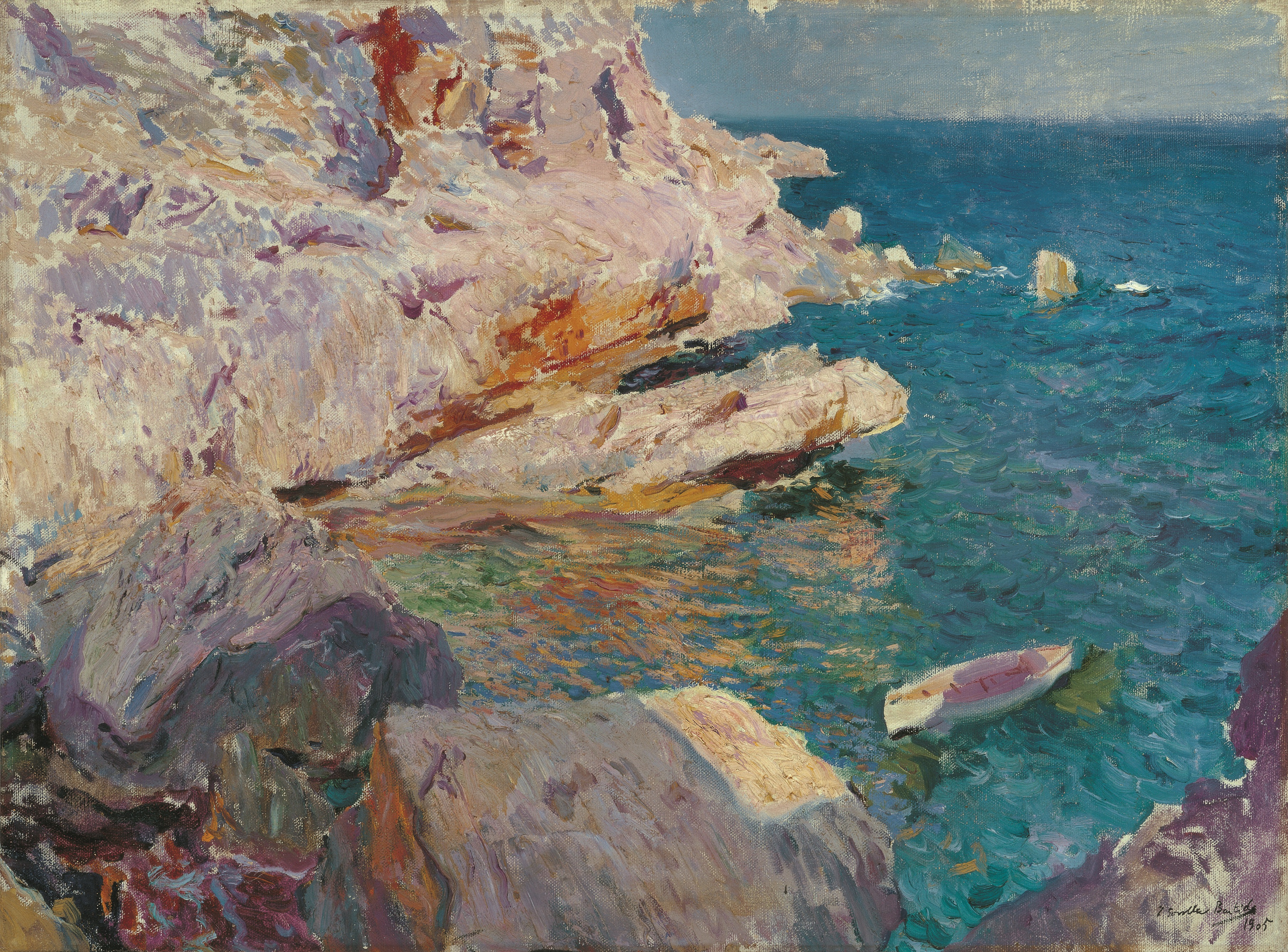
Joaquín Sorolla. Rocas de Jávea y el bote blanco, 1905.  © Colección Carmen Thyssen-Bornemisza en préstamo gratuito al Museo Carmen Thyssen Málaga

Joaquín Sorolla. Rocas de Jávea y el bote blanco, 1905. © Colección Carmen Thyssen-Bornemisza en préstamo gratuito al Museo Carmen Thyssen Málaga

Joaquín Sorolla. Mar de Zarauz. 1910. © Fundación Museo Sorolla

Joaquín Sorolla. Mar de Zarauz. 1910. © Fundación Museo Sorolla

Awash with mediterranean light, Sorolla’s seascapes are alive with the fresh coastal air and tranquil dance of the waves. Seen as a group, you could almost be excused for feeling as though you were on the beach, watching Sorolla painting (he invariably took his canvases down to the beach, hence why they are probably so imbued with the naturalistic light that one sees in reality). However, it’s not just Sorolla’s landscapes which come alive before your eyes. For as this exhibition shows, Sorolla was also particularly adept at portraying people naturalistically, and this is seen no more so than in works such as Saliendo del baño, where a mother dries her child after a dip in the sea, and Pescadora con su hijo – a brilliantly realistic depiction of a mother masking her eyes from the sinking late afternoon sun.

Joaquín Sorolla. Saliendo del baño. Firmado y fechado. 1915. © Fundación Museo Sorolla

Joaquín Sorolla. Saliendo del baño. Firmado y fechado. 1915. © Fundación Museo Sorolla

Joaquín Sorolla. Pescadora con su hijo, Valencia, 1908 © Fundación Museo Sorolla

Joaquín Sorolla. Pescadora con su hijo, Valencia, 1908 © Fundación Museo Sorolla

Joaquín Sorolla. Nadadores, Jávea. 1905. © Fundación Museo Sorolla

Joaquín Sorolla. Nadadores, Jávea. 1905. © Fundación Museo Sorolla

So even if you come to Mallorca and the weather is not at its best, this superb exhibition has the power to transport you right to a sunny day on the coast. Although let’s face it, with Mallorca’s track record of brilliant sunny record all year around, you should probably be able to do both.

Sorolla: The Colour of the Sea runs at La Caixa Foundation Palma until 8 February 2015.

Discovering Palma: Waterfront Walk

Asides from the wall to wall sunshine, the resonance of a new language filling the air, the smells of garlic and pimenton wafting throughout the streets, and the injection of a new culture, the best thing about moving to a new town (and indeed country) is discovering it. Despite a few previous visits to Palma, its maze of streets, particularly in the old town, remain excitingly unknown, and ever since we arrived in the city some 10 days ago, we have been constantly on the move discovering.

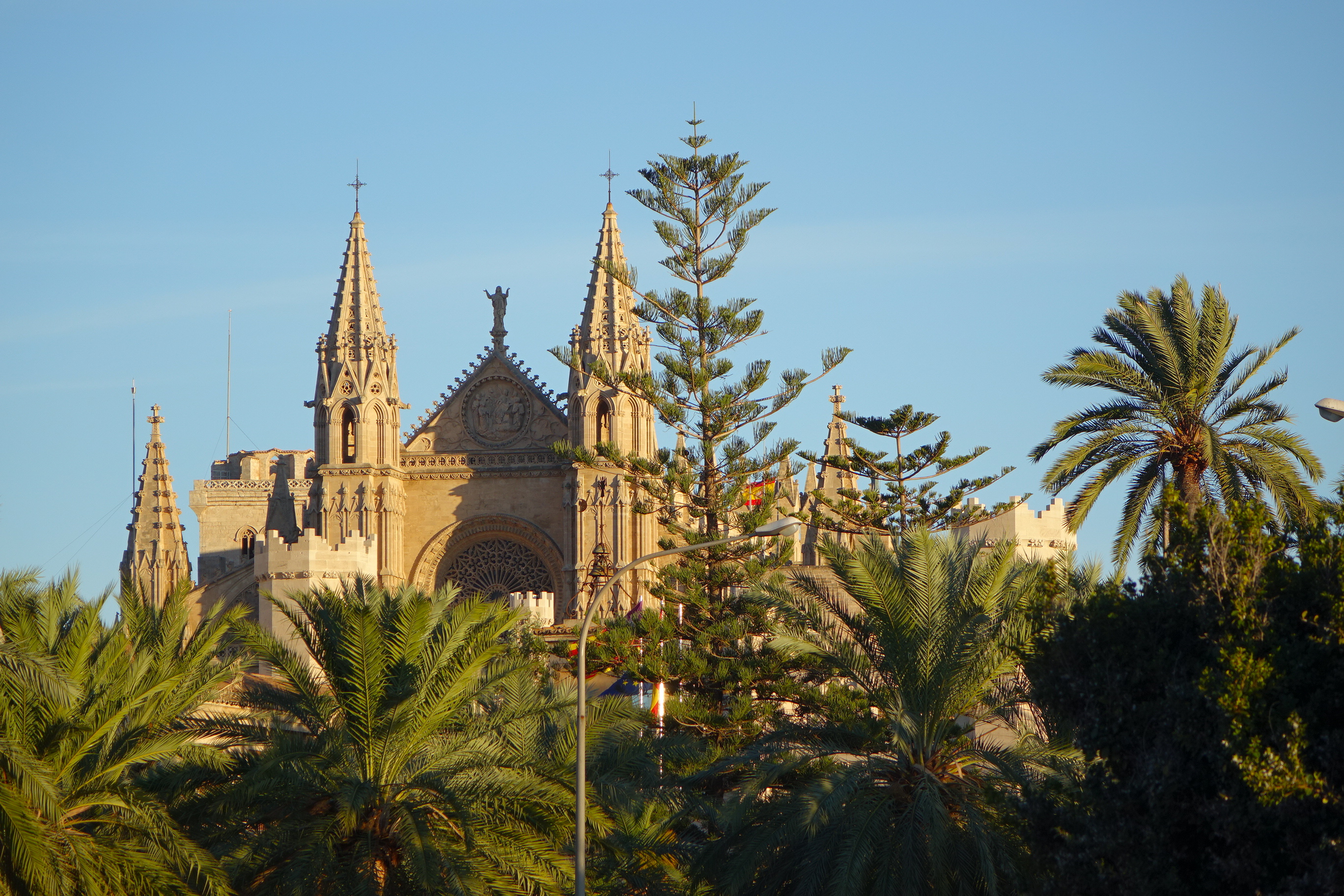
A recent stroll took us through the quaint narrow shopping streets of central Palma, beyond the imposing cathedral and out onto the waterfront where the majority of these photos were taken. They capture a time of late afternoon, when people were out sharing our pleasure of strolling amongst long winter shadows and still warm autumn sunshine, taking an afternoon coffee or something stronger in the sidewalk cafes, and heading down to the water’s edge where the sun danced languidly atop of the crests of meandering ripples.

DSC00328 DSC00311 DSC00318 DSC00300 DSC00338 DSC00309 DSC00310 DSC00290 DSC00288 DSC00305 DSC00308

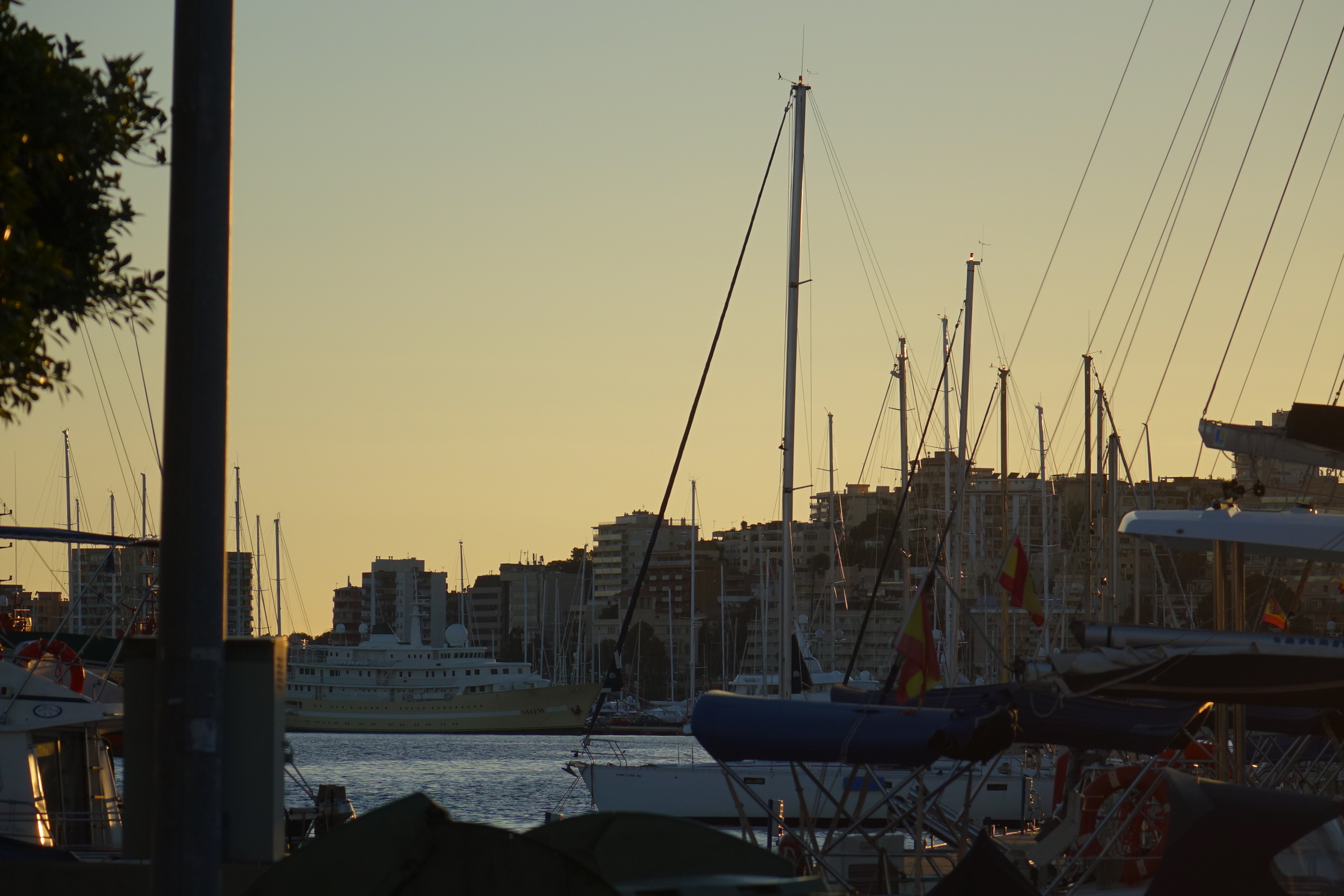
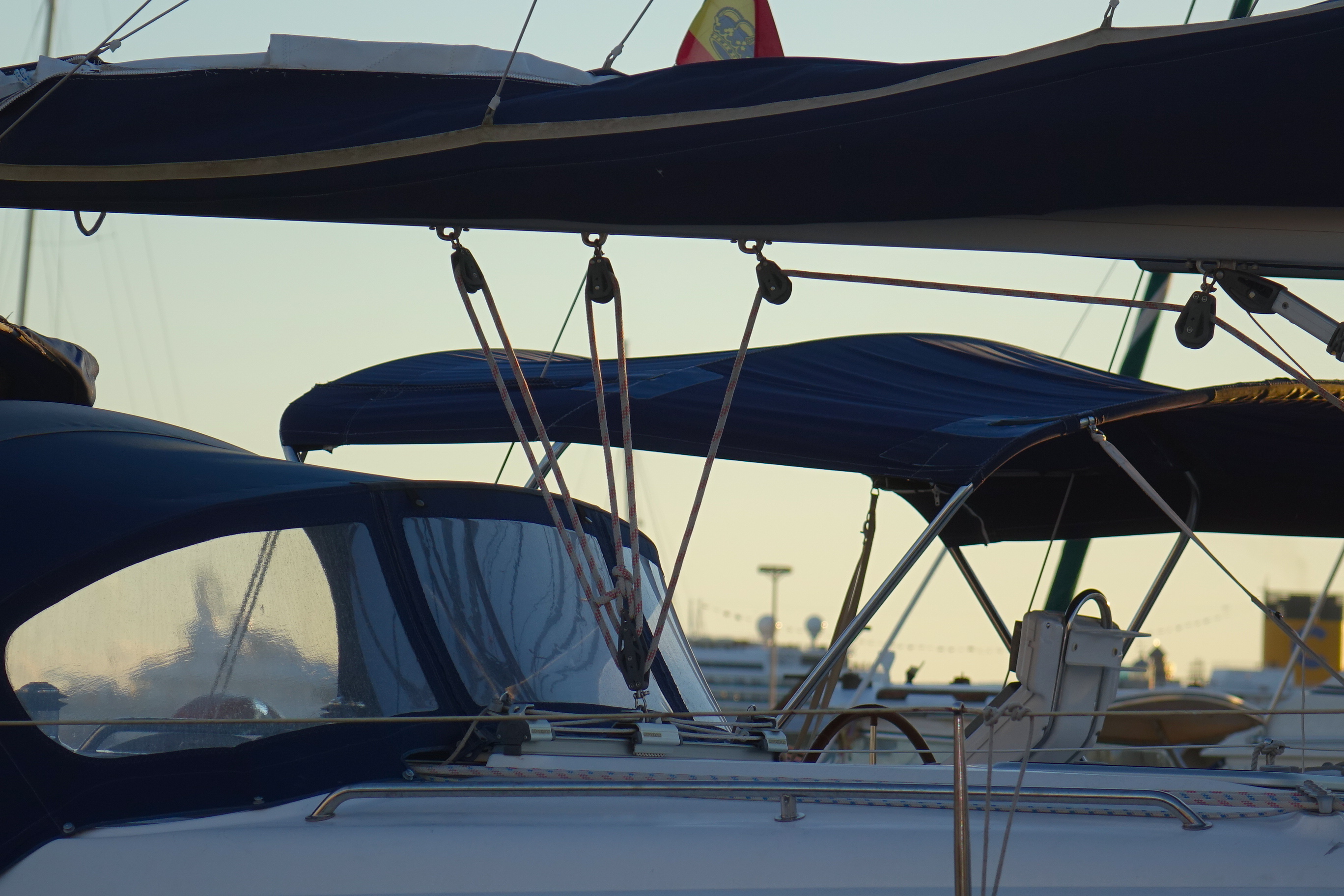
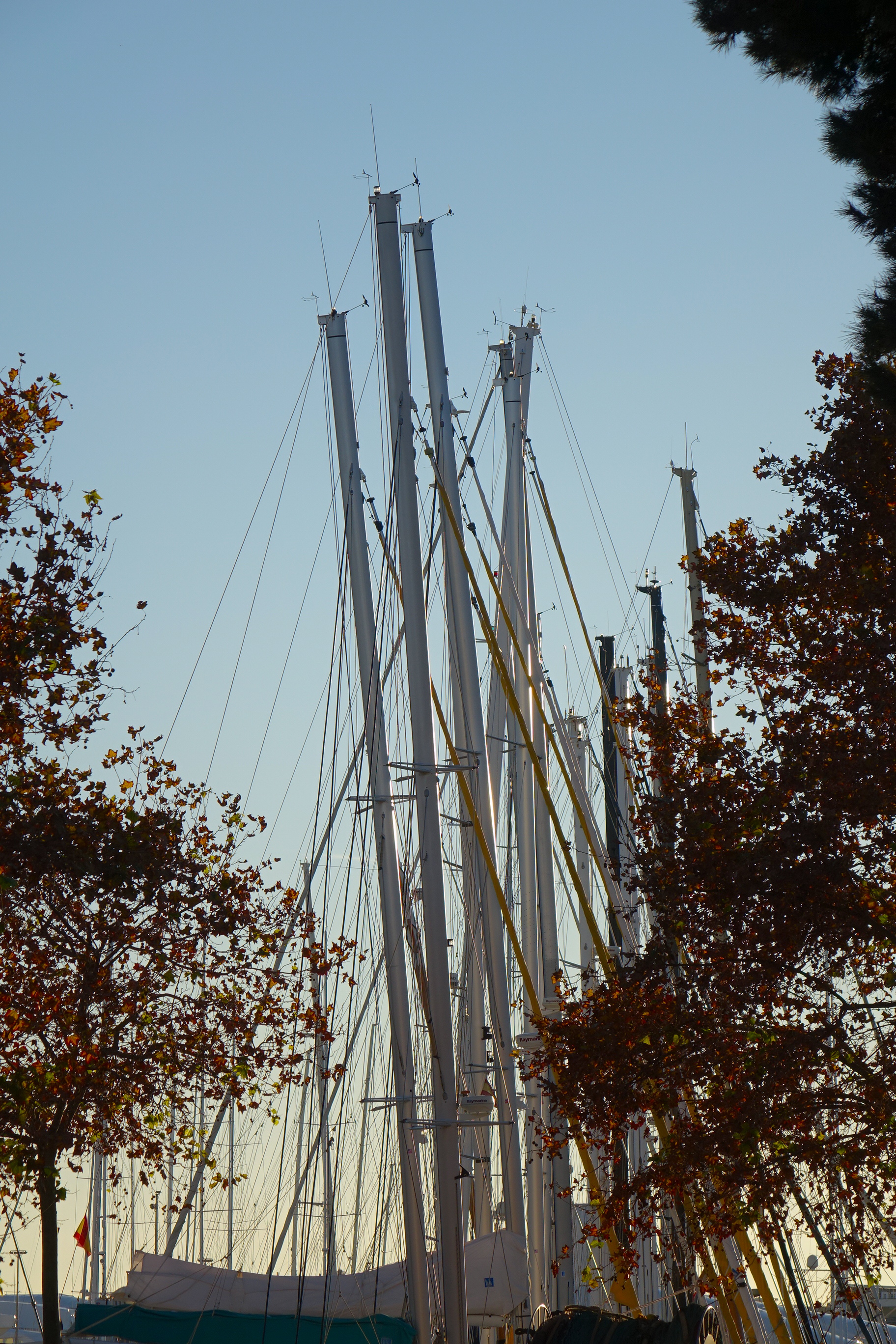
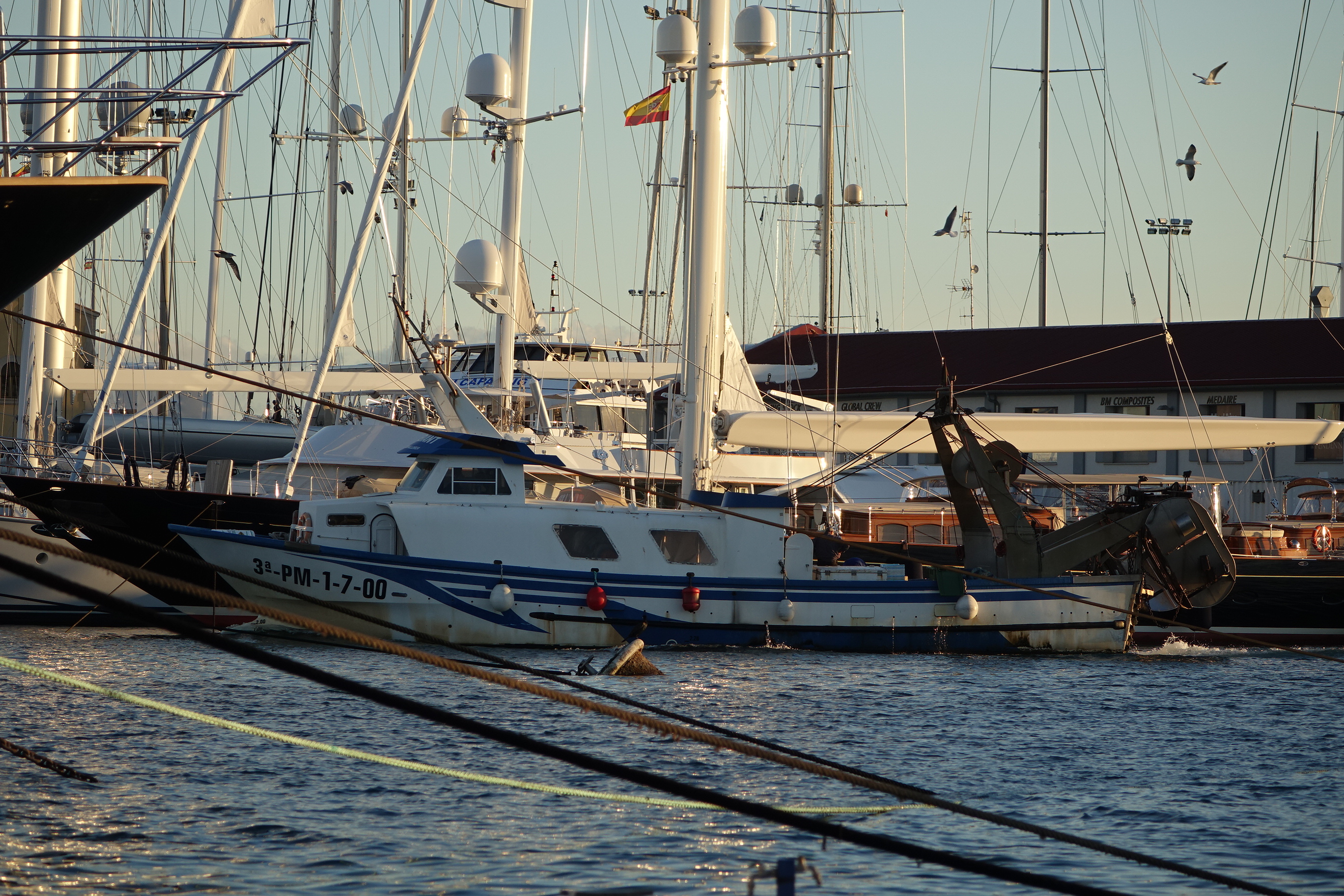
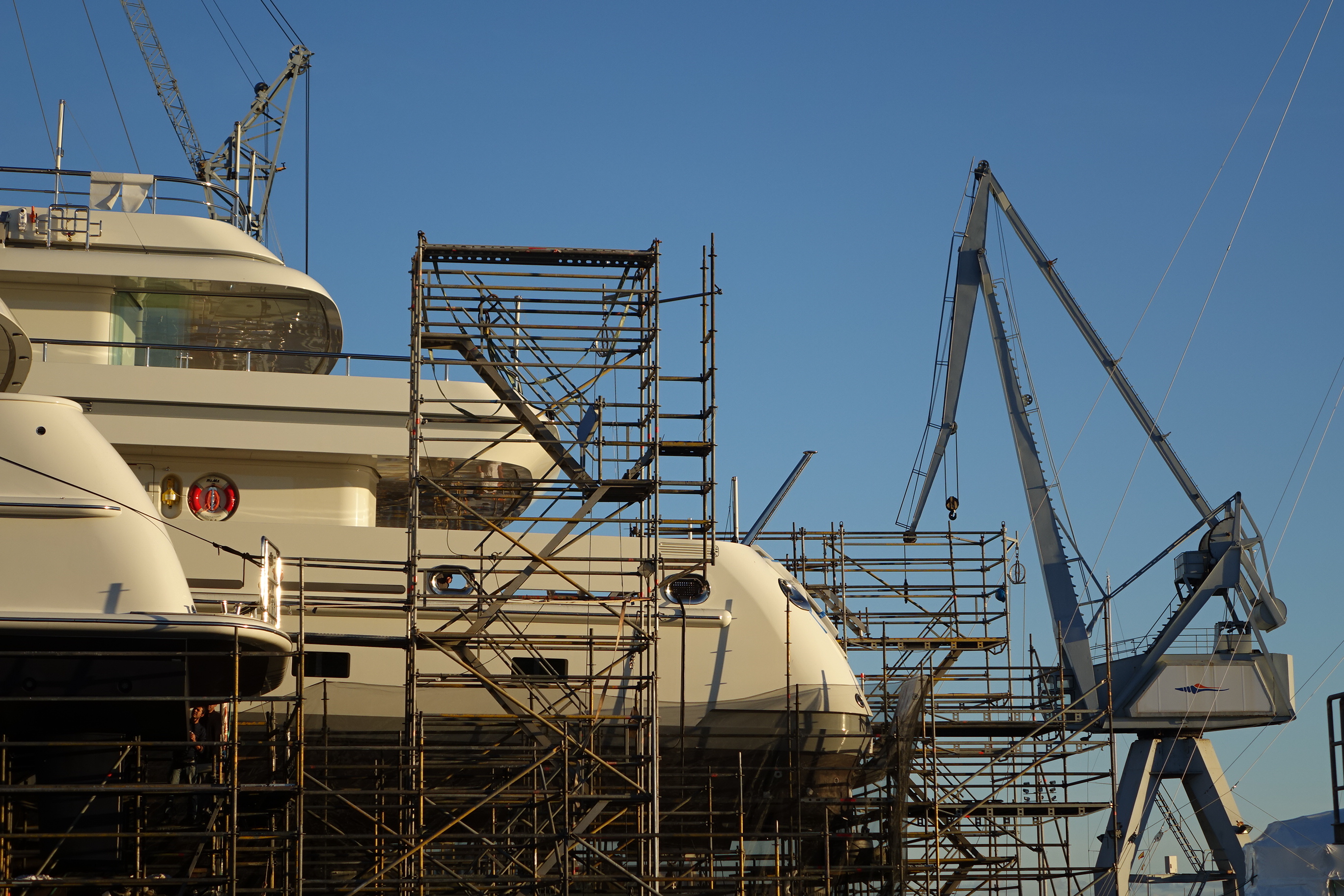
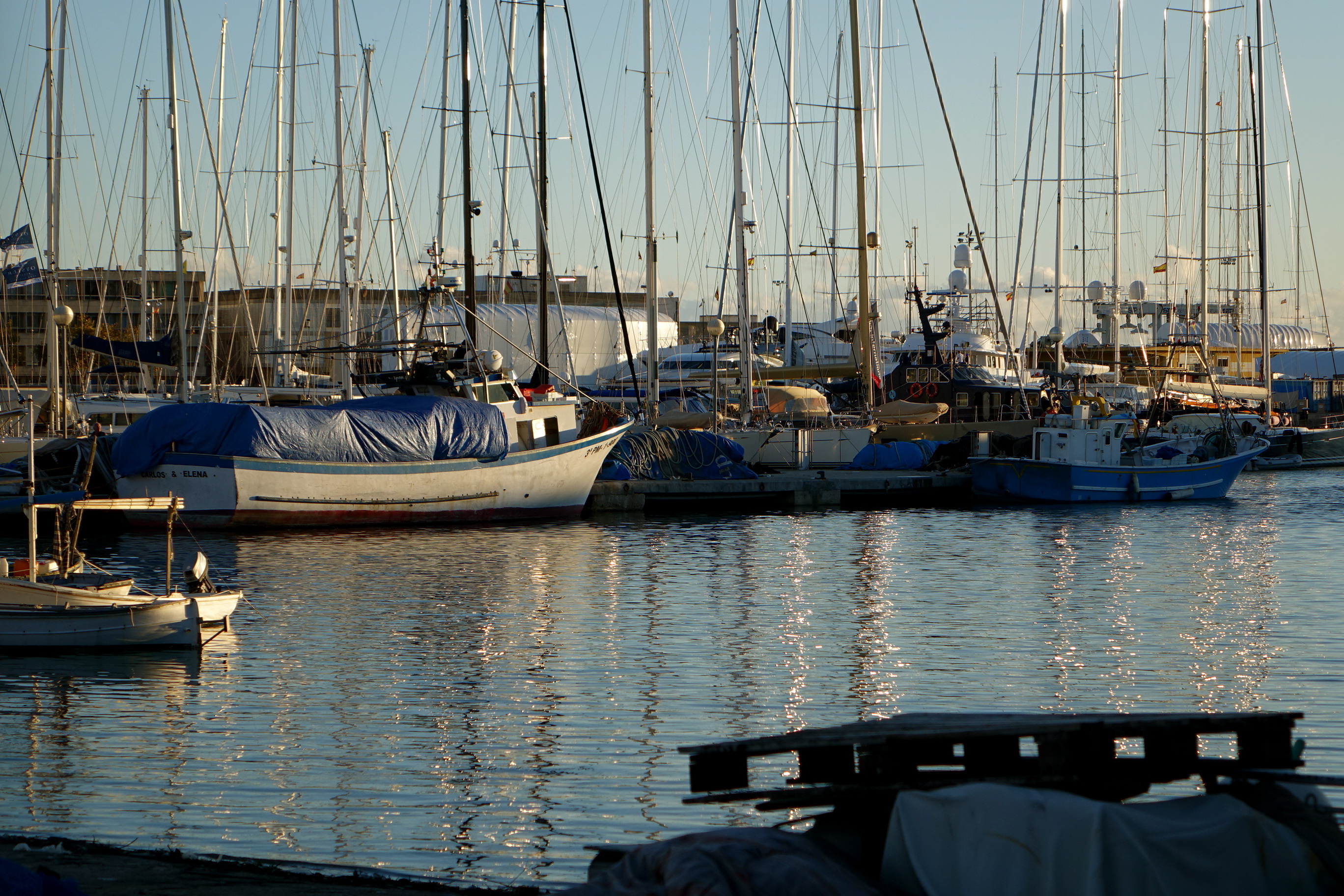
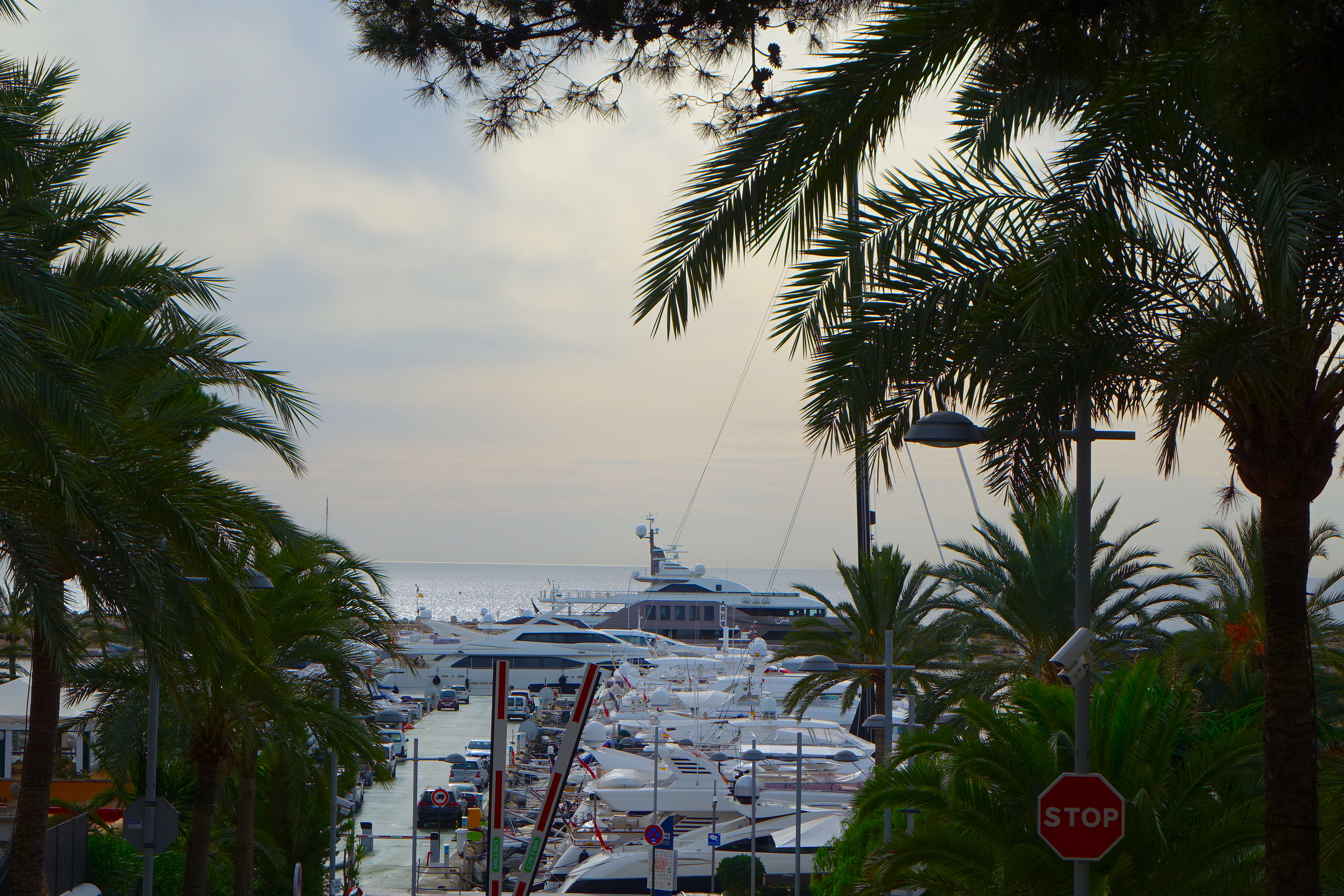
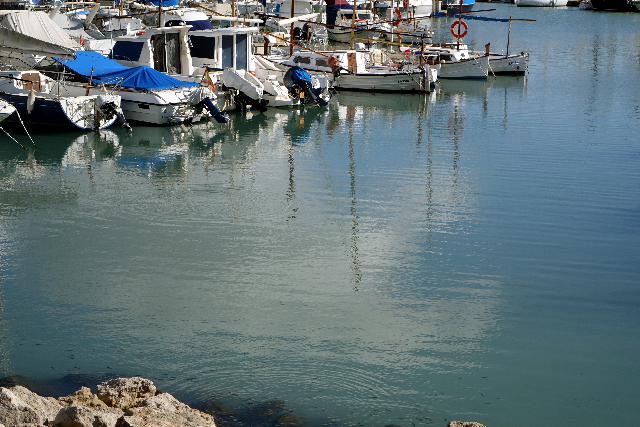
From the waterside walk into the marina itself, we strolled amidst the industrialised port of Palma, where huge yachts are being covered in plastic ready for their winter makeover, and beside the tightly cordoned Royal Yacht club, where only the most devoted of socialite sailors remain in the quiet season, drinking cocktails on an empty veranda with views of the sun setting over the boat-filled marina. There we bore witness to the most sensational of light effects, as the setting sun radiated a golden hue which bounced and sparkled over a still blue marina and upon the shiny surfaces of the yachts and liners which fringe Palma’s waterfront.

DSC00344 DSC00351 DSC00366 DSC00362 DSC00380 DSC00358 DSC00316 DSC00356 DSC00336 DSC00329 DSC00374

This view was certainly one discovery which we will quite happily enjoy over and over.

All photos and written content are strictly the copyright of Nicholas de Lacy-Brown ©2014 and The Daily Norm. All rights are reserved.

Miro’s Chocolateria: the C’an Joan de S’Aigo

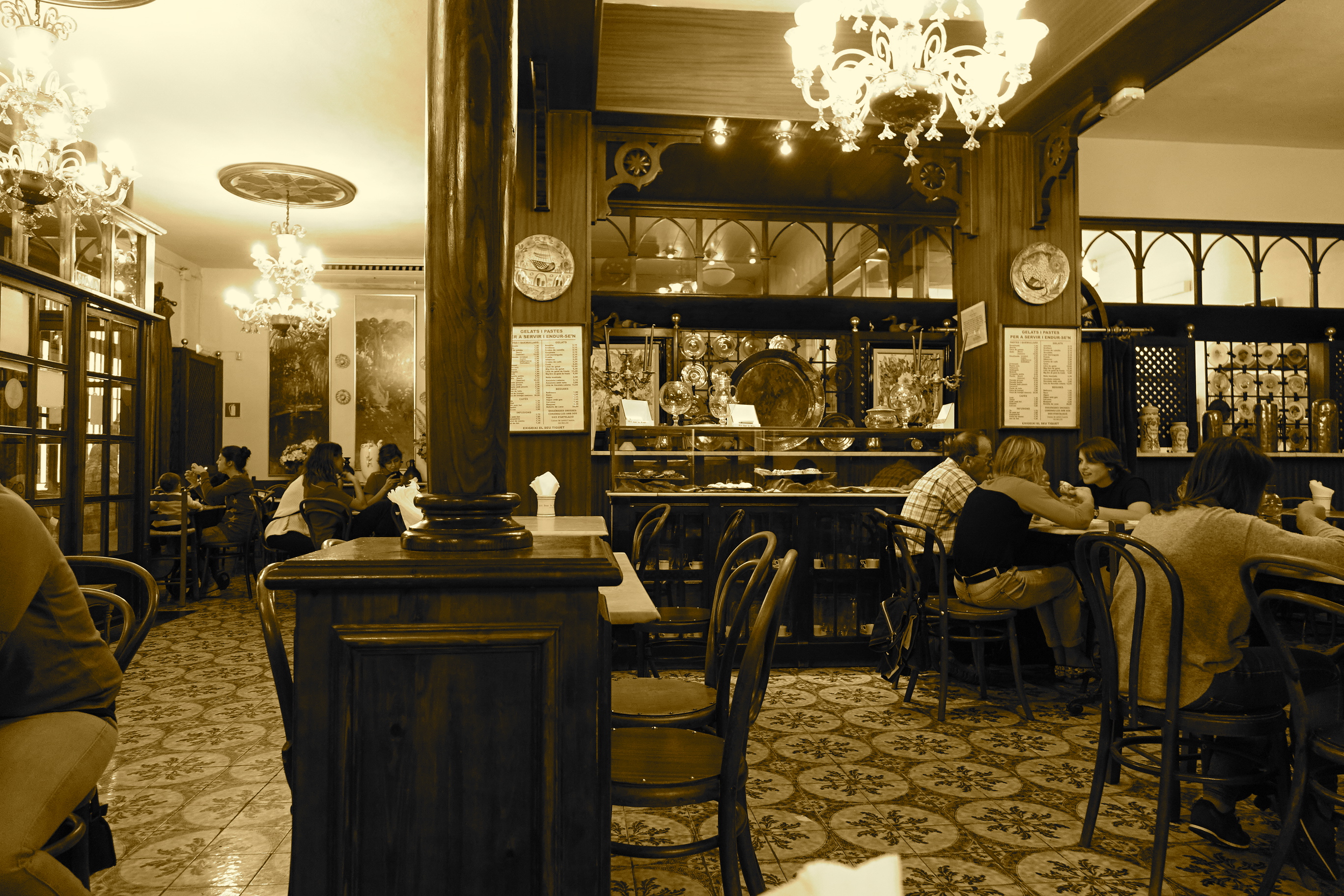
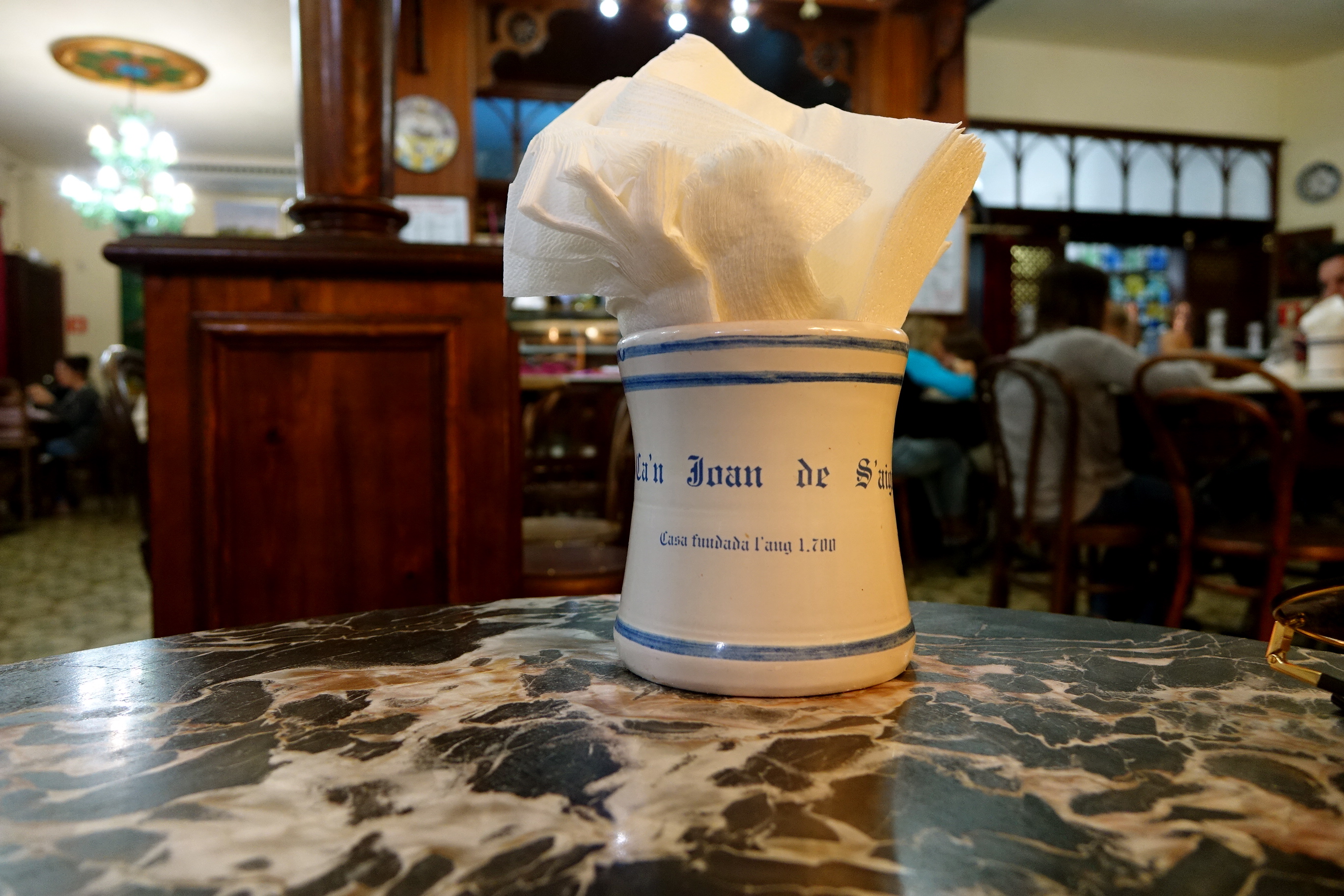
If it was good enough for Joan Miro, then it is certainly good enough for me… For the C’an Joan de S’Aigo is a café with a venerable history and a list of clientele past and present so long that it can probably count all of Mallorca’s most famous residents among its number, including the great artist Miro himself. Nestled within the maze of nostalgic alleyways which make up the oldest core of Palma’s centre, the C’an Joan de S’Aigo was founded in 1700 and as such is Palma’s oldest eatery. Founded when the cafe’s namesake had the idea of bringing down ice from the Tramuntana mountains and serving it richly flavoured in the earliest form of ice cream, the C’an Joan de S’Aigo is today equally famous for its rich pickings of local pastries and steaming hot chocolate.

DSC00626 DSC00624 DSC00606 DSC00605 DSC00603 DSC00599 DSC00595 DSC00591

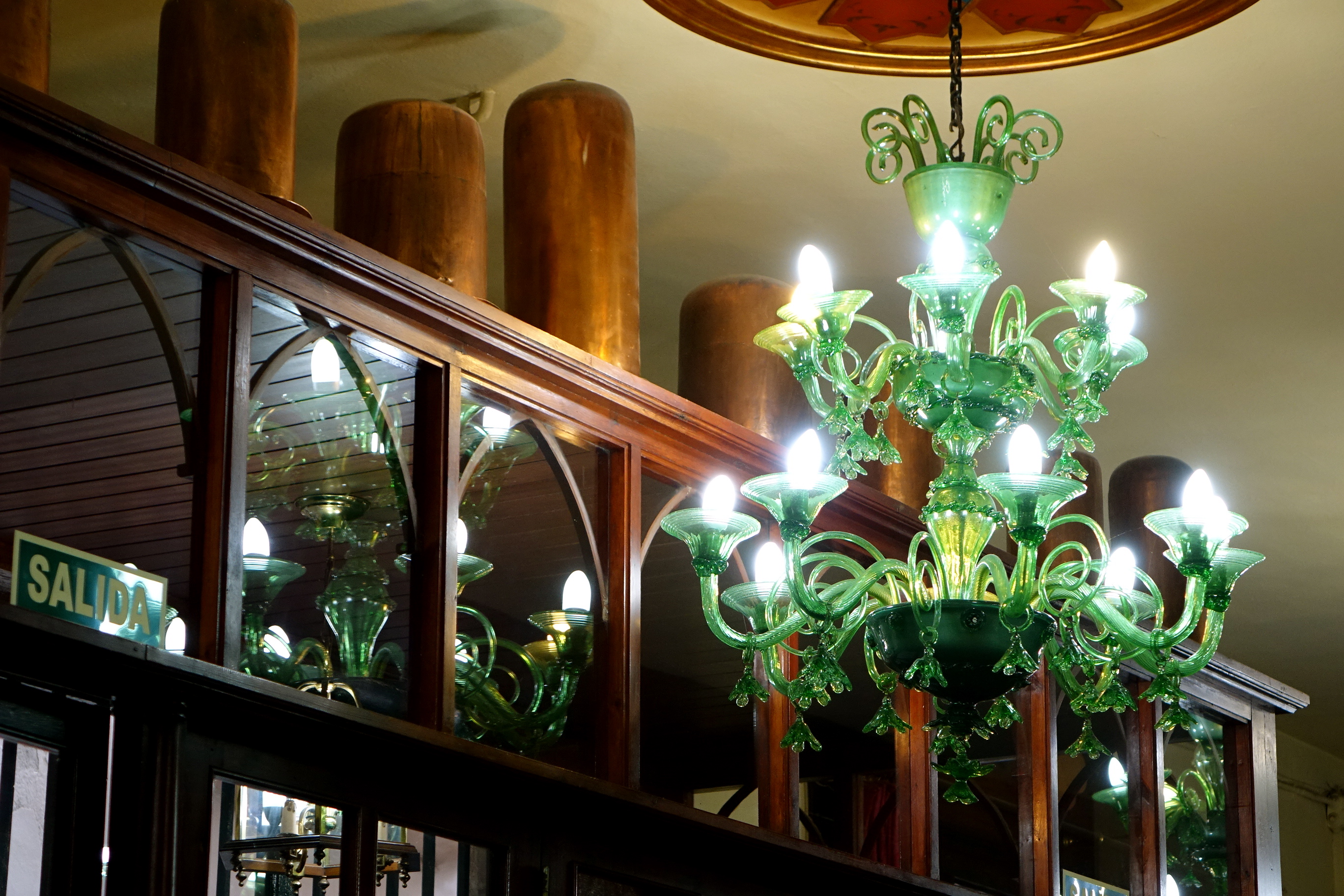
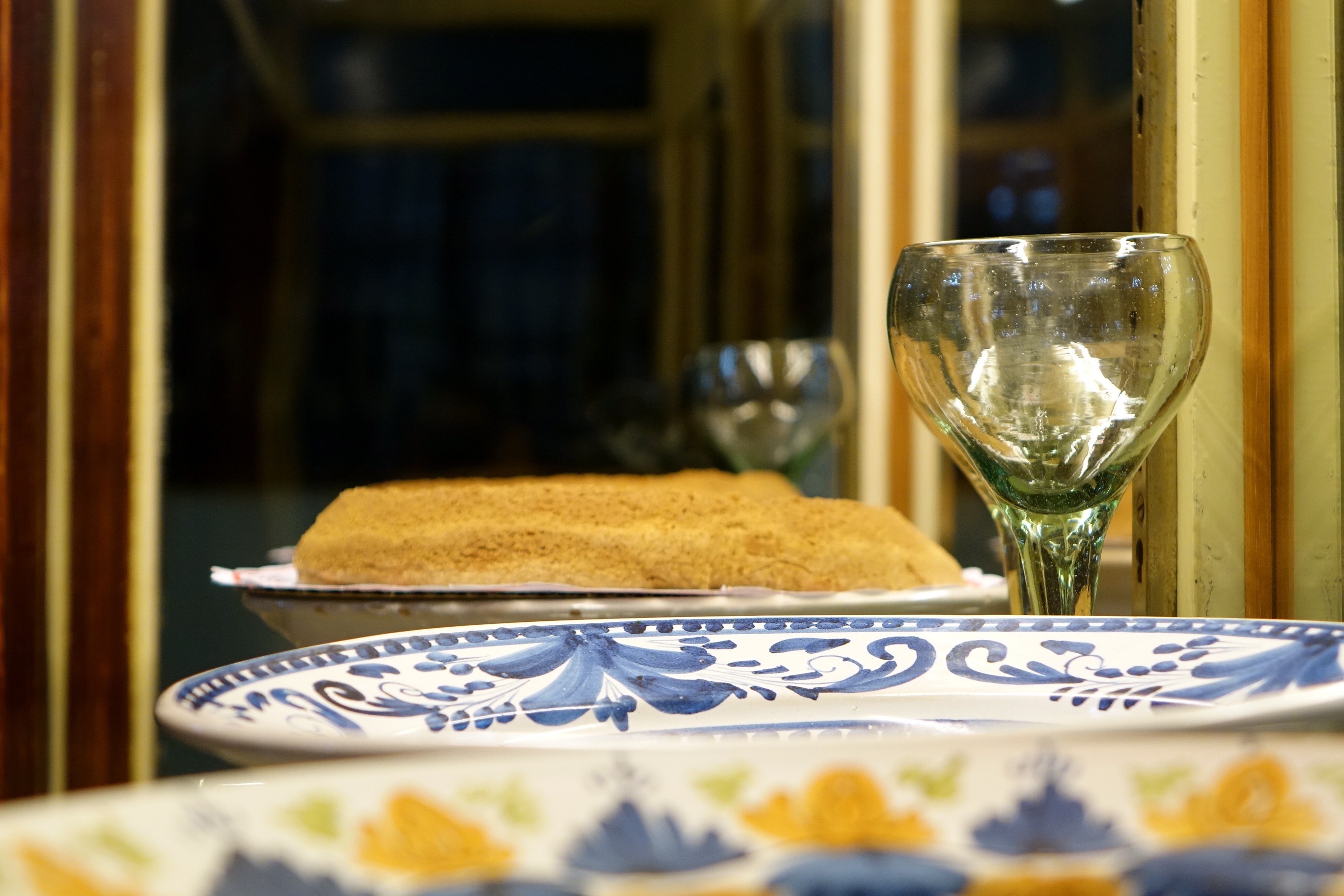
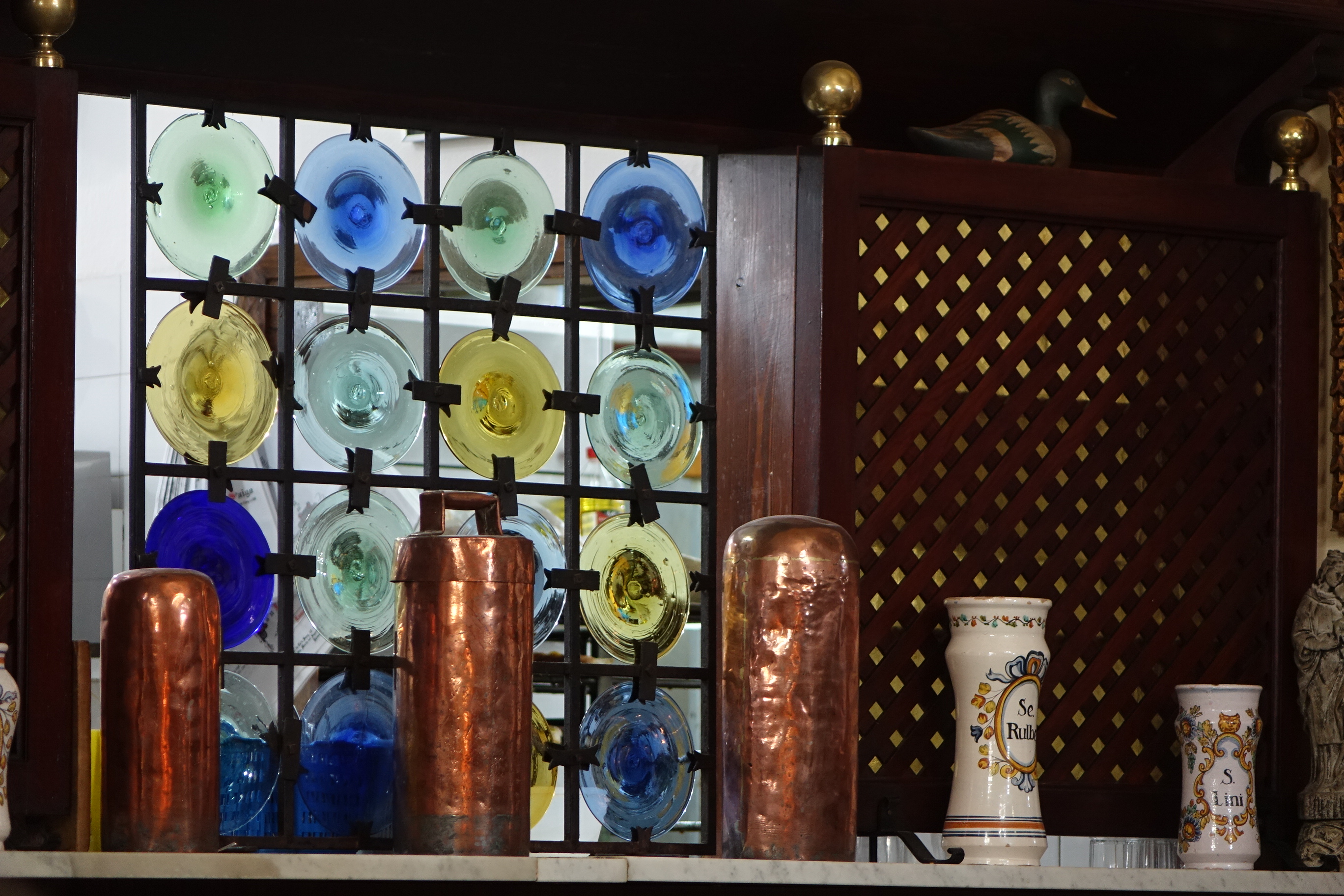
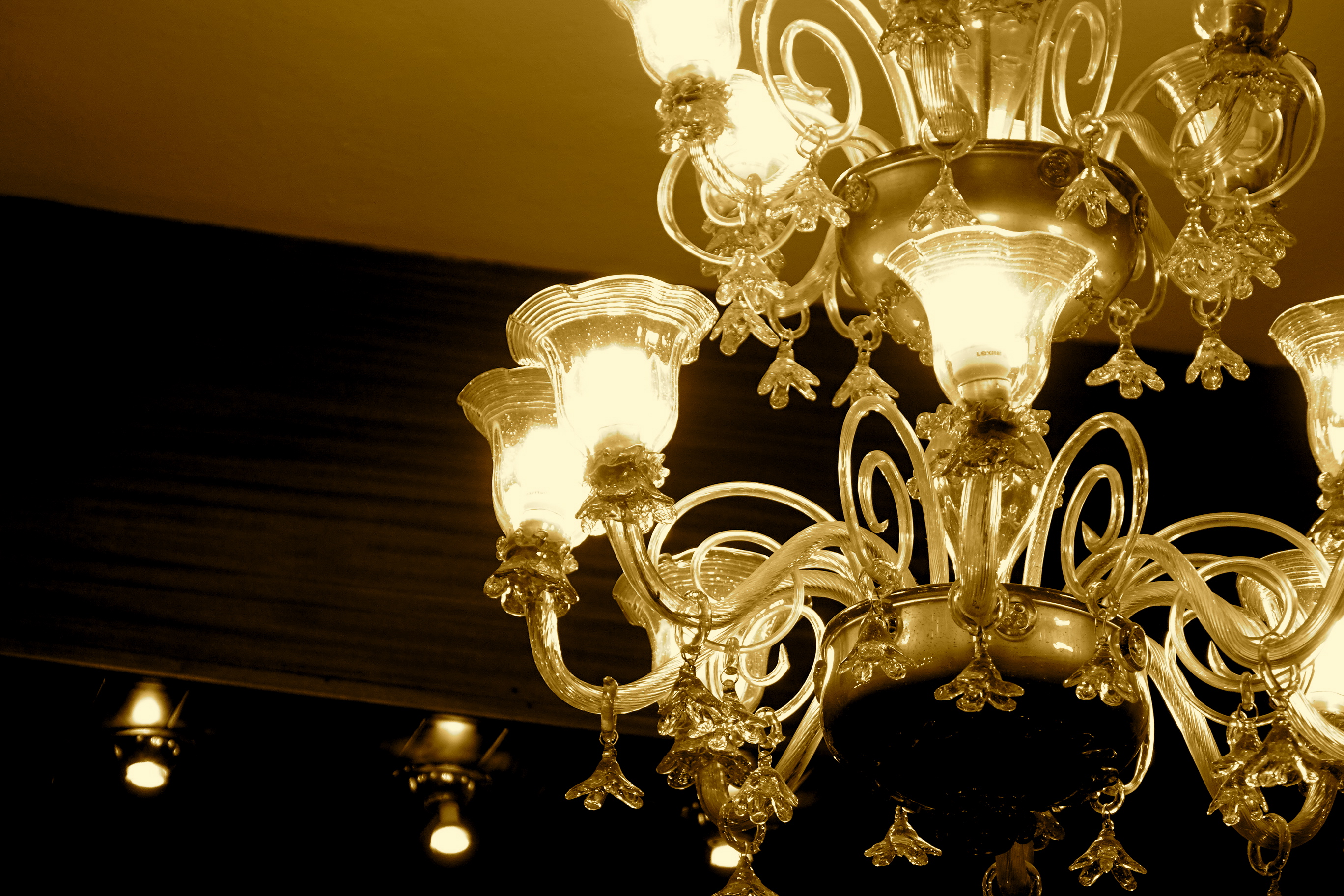
Despite the age of this quaint faded café, the locals of Palma have never allowed it to go out of fashion: When we sampled the café after our dip in the sea last weekend, it came after several failed attempts to visit previously – for each time we have been along, the place has heaved with locals who head to the café at the traditional merienda hour to sample ice cream piled high from small glasses and creamy indulgent hot chocolate. But it was worth the wait. Sat amongst the traditional interiors packed with blue and white ceramics, colourful glass chandeliers, copper kettles, filigree vases and wooden thrones, we feasted greedily on a sampling of the cafe’s local pastries, all of which tasted all the better when coated with a velvety layer of that legendary hot chocolate.

For Dominik, a sweet bun made, surprisingly, of potatoes (coca de patata) was a light and fluffy counter to the liquid silk of chocolate steaming in a cup before him. For me, a richer, creamier ensaïmada – the local specialist pastry which you can find all over town and which tourists buy in their plenty in what resemble giant hat boxes. Made in Mallorca even before the C’an Joan de S’Aigo was founded, the ensaïmada is made from dough which has been repeatedly folded with pork fat – much like puff pastry – and then either served sprinkled with sugar, or filled with other such goodies. And my filling of cold custard oozed and melted as it dipped into the hot chocolate with as much unctuous delight as melted butter on a warm crumpet. 

DSC00610 DSC00594 DSC00621 DSC00588 DSC00590

Thoroughly disgusted by our self-indulgence, but rather rewarded by our dip into local culture, we swiftly decided that a visit to C’an Joan de S’Aigo must become a weekly tradition. How else can one become integrated into Mallorquin society?

The C’an Joan de S’Aigo café can be found hidden away just off from the church of Santa Eulalia on the Carrer Can Sanc 10. It’s open daily 8am-9pm except Tuesdays.

Mallorca Moments: Terrace Sunset

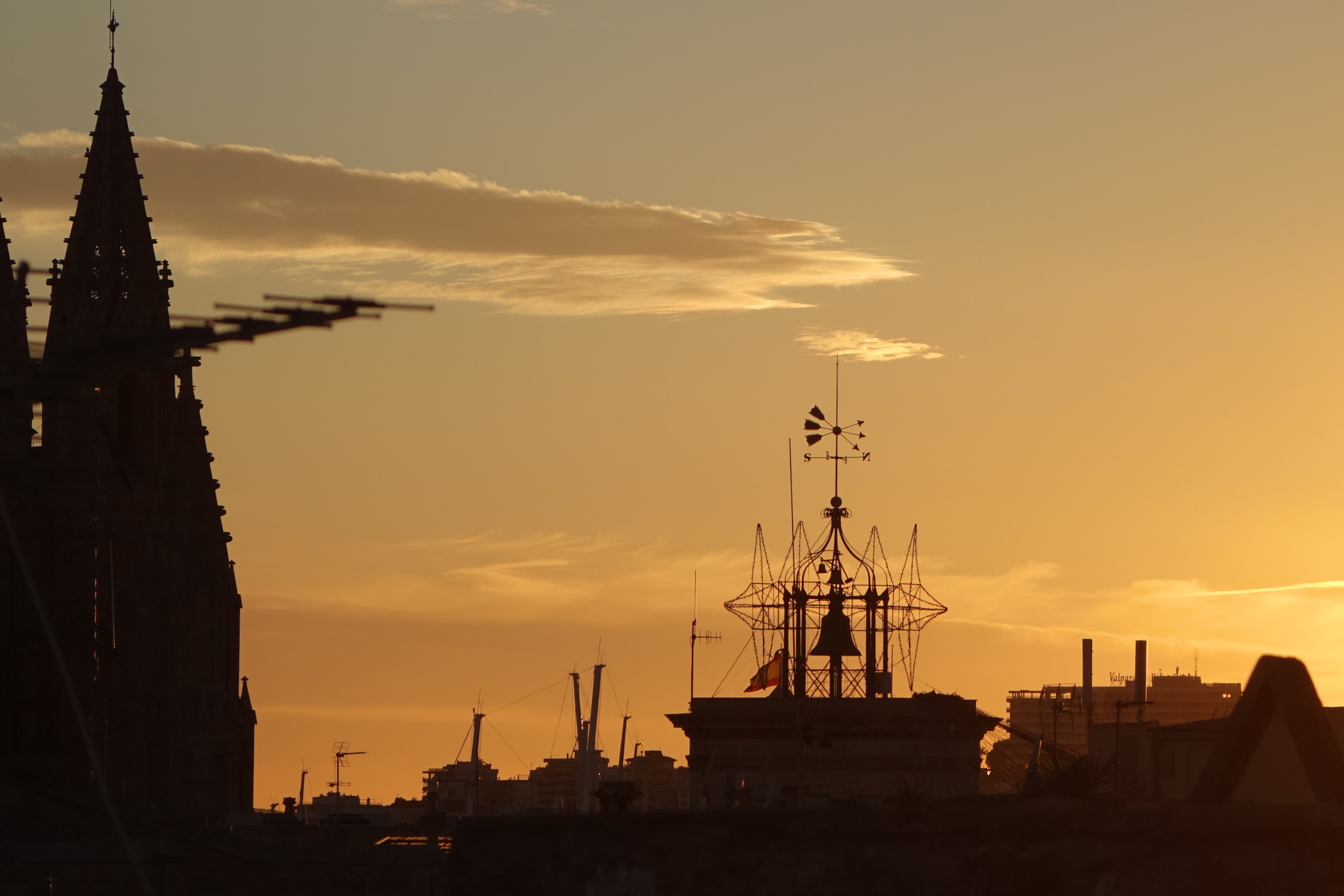
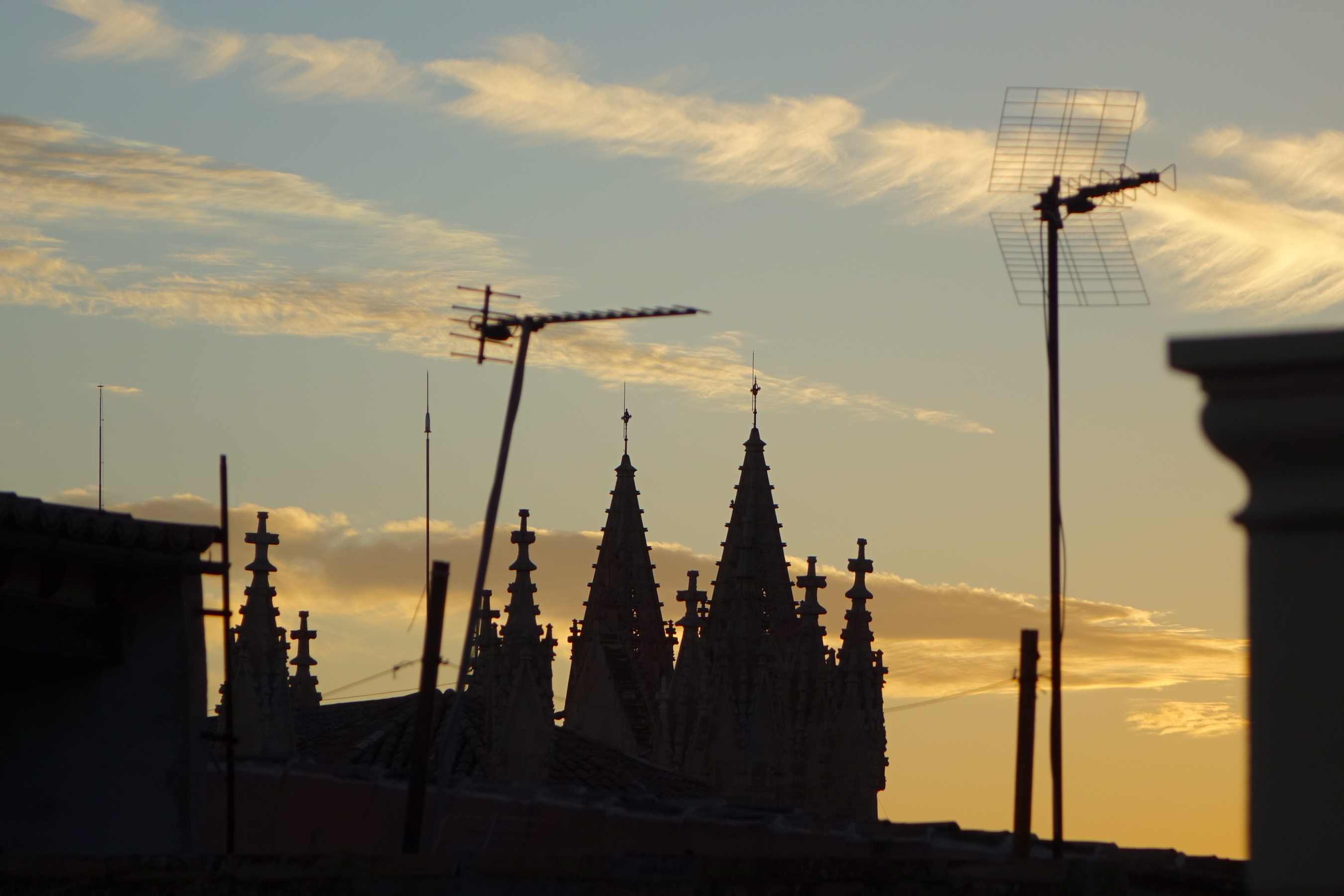
Regular readers of The Daily Norm will know that I love very little more than a sunset (or indeed a sun rise – although red sky in the morning is always something of a shepherds warning so it is perhaps better to do without). And of course at this time of year you can experience some of the best. Now combine the sunset and the time of the year with my new relocation to Palma de Mallorca’s faultlessly beautiful old town and you have a truly magical combination. It is that magic which is very much captured in these photos, taken from the roof terrace of my new pied-à-terre. 

DSC00225 DSC00246 DSC00256DSC00211 DSC00250
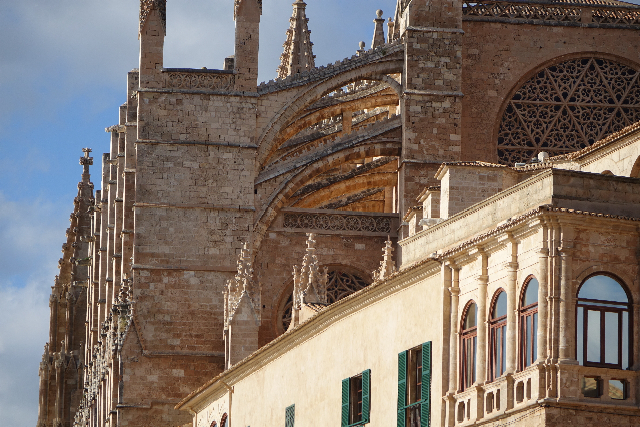
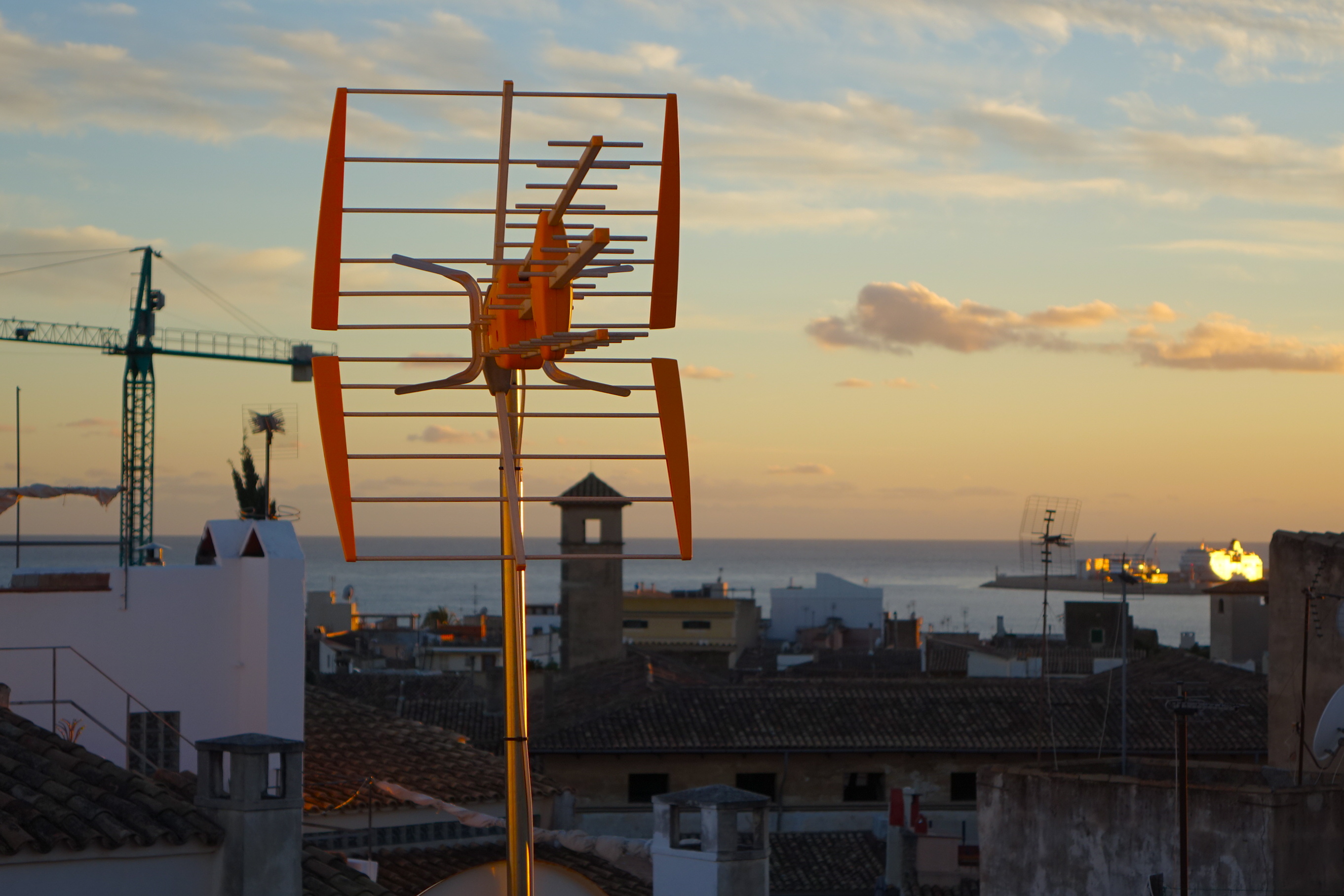
Benefitting from a location in the heart of the old town, with a view directly onto the side of Palma’s most famous monument, La Seu cathedral, a slice of the Mediterranean Sea and a panoply of beautiful old rooftops, our roof terrace makes for an incredible place to watch the changing effects of light on sky, as these photos demonstrate. But for now I can do little better than to let you take a look. For when the beauty and colours of nature look this good, words will always be an insufficient substitute. Suffice to say I’m so looking forward to bringing you more views from the terrace throughout the next year and beyond. 

All photos and written content are strictly the copyright of Nicholas de Lacy-Brown ©2014 and The Daily Norm. All rights are reserved.

Just a typical Mallorcan Sunday afternoon in November…

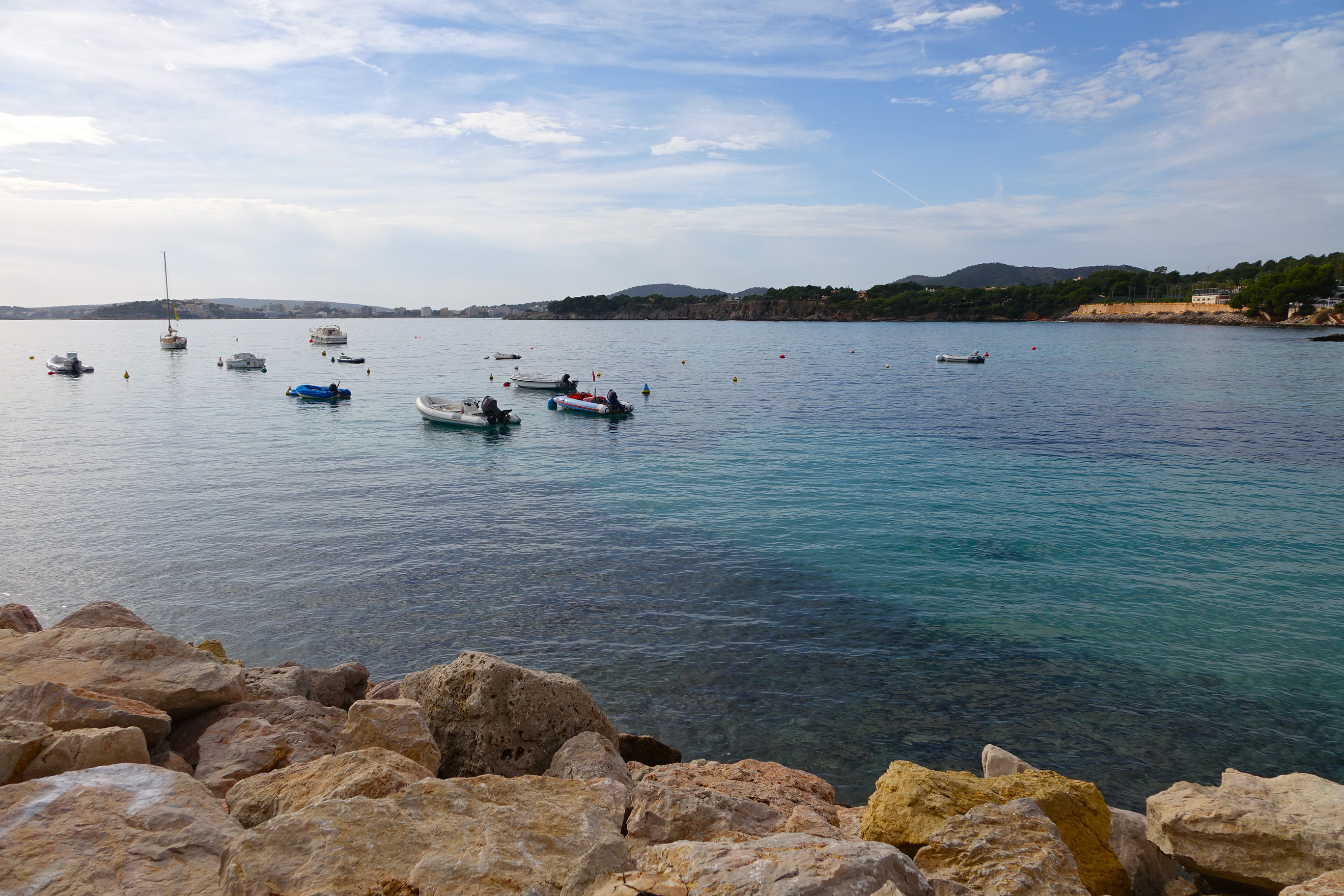
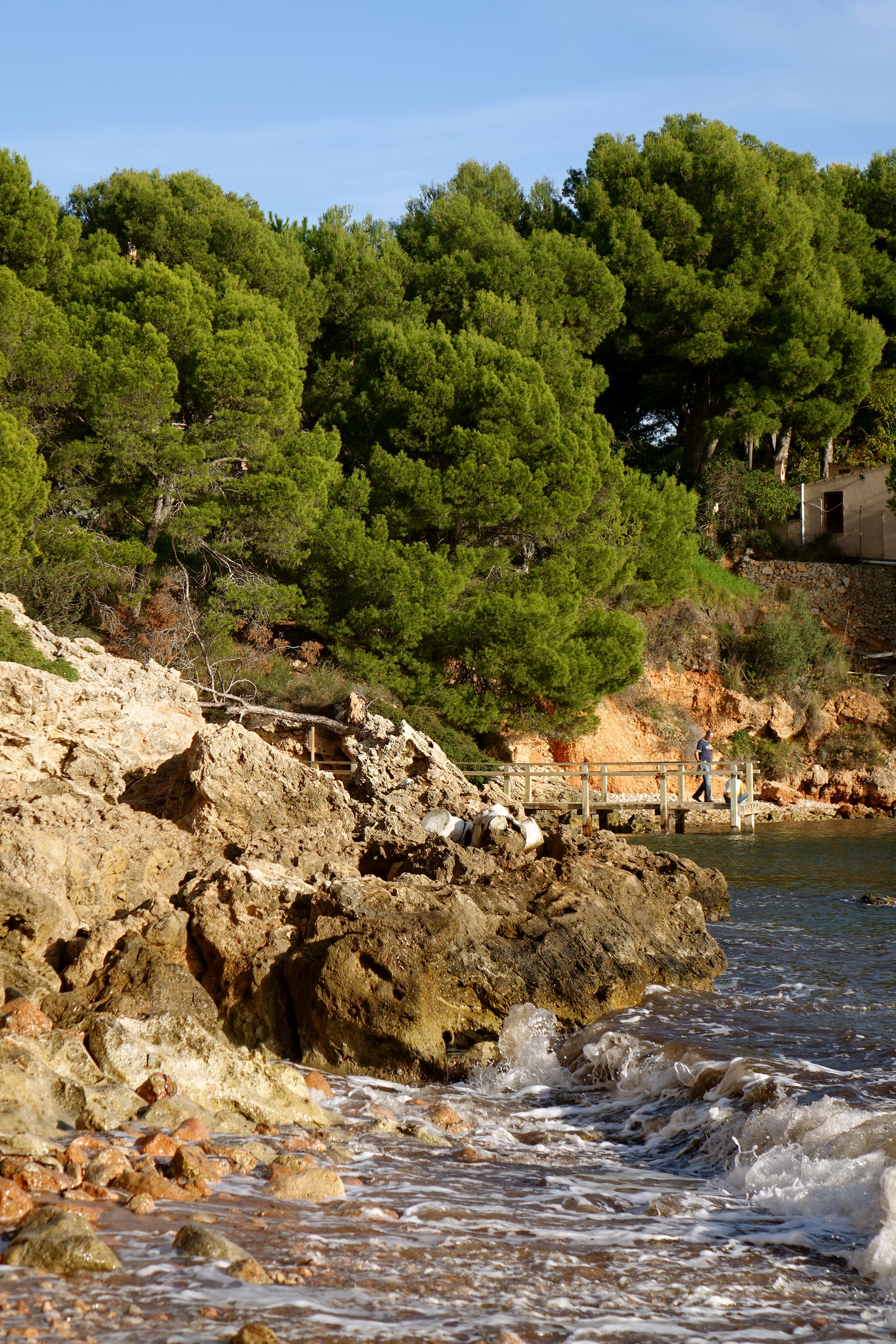
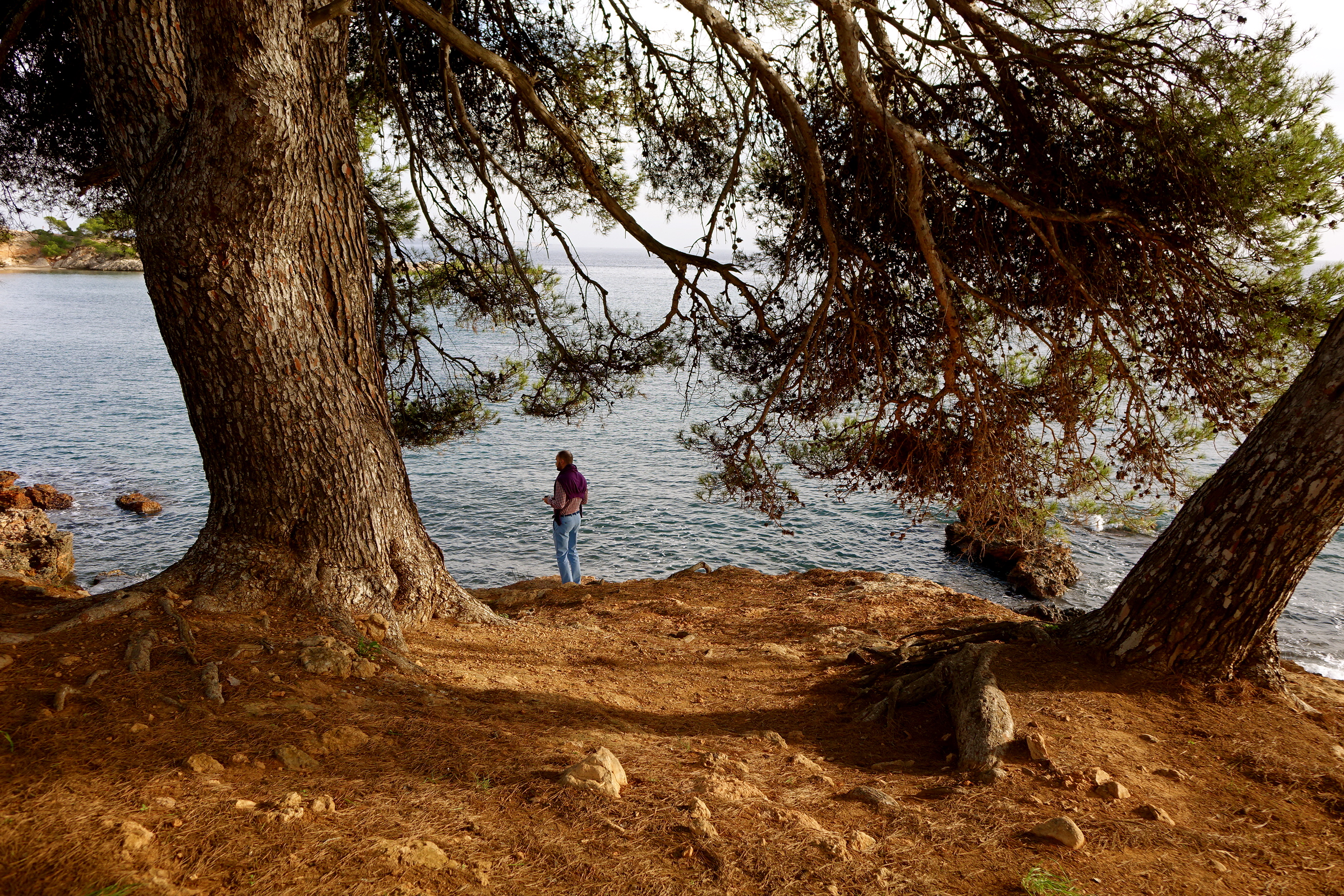
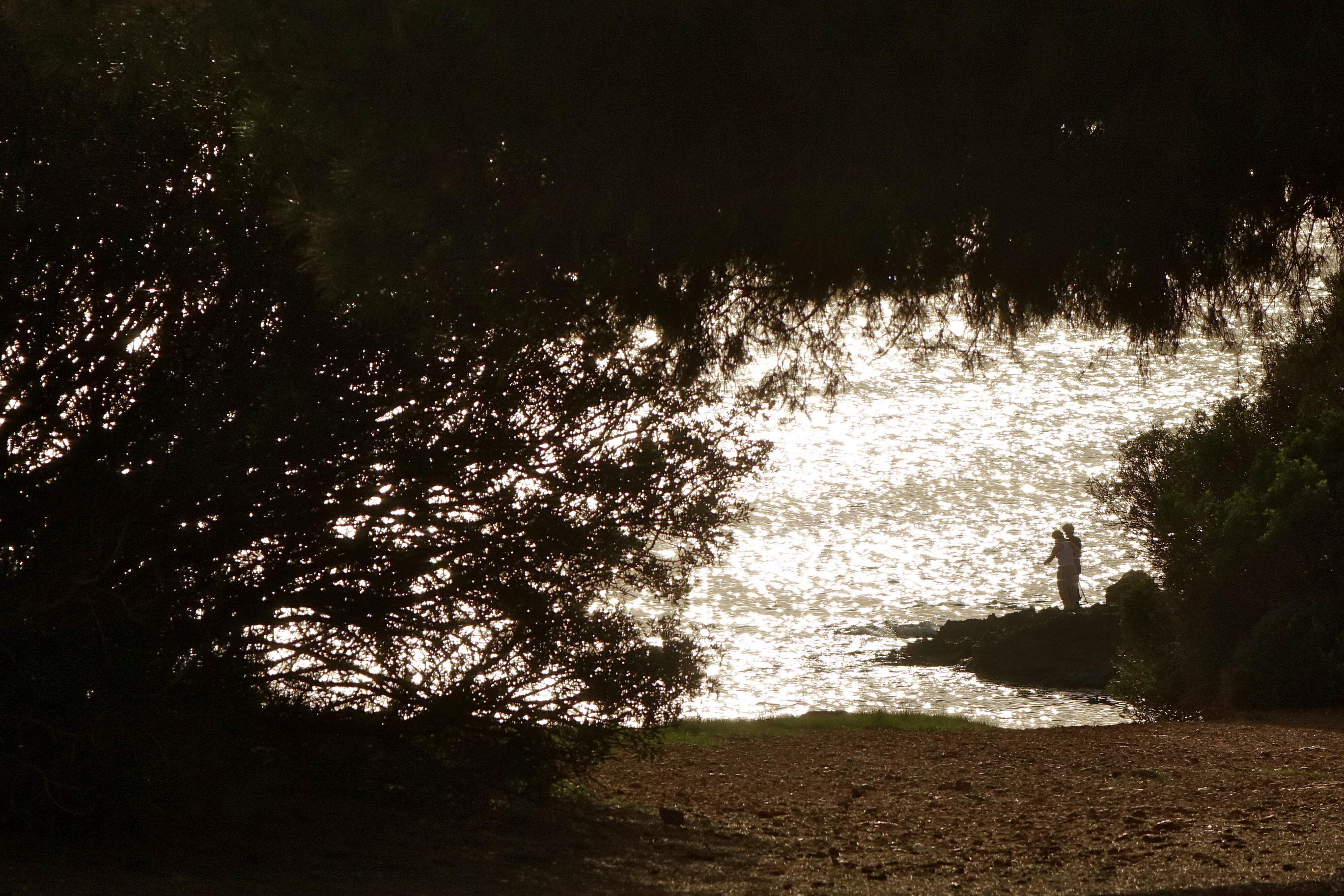
On the Mediterranean island of Mallorca, which I am now lucky enough to call home, everyone is talking about one thing: the weather. The streets may already be decked in lights for Christmas, the shops full of twinkling trees and nativities, and Christmas markets installed across the island, but as far as the weather is concerned, it could still be summer. With temperatures in the early 20s, you’d never know that in a month from now we will be getting our stockings ready for a visit from Papa Noel. But I’m certainly not complaining. It means that for a day like yesterday, when the sun shone in the sky amidst milky fair weather clouds, enjoyment of this last acquaintance with summer wasn’t be restricted to coffee in the sunshine. Instead my second Sunday on the island of Mallorca was spent revelling in the very best of summertime activities – a visit to the beach.

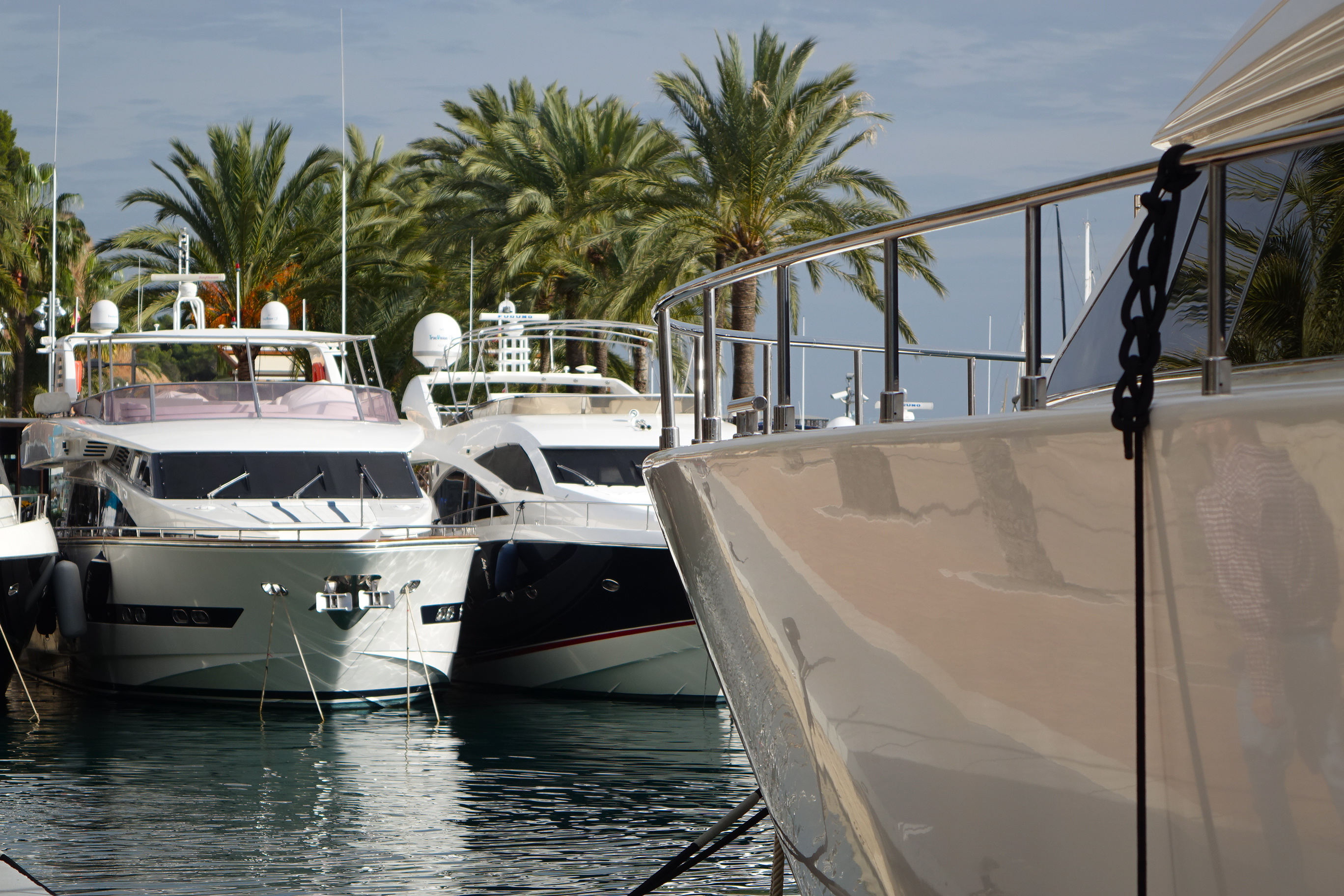
Brunch at Cappuccino Portals and the yachts which fill the marina

DSC00438 DSC00425 DSC00444 DSC00424 DSC00452 DSC00437 DSC00416

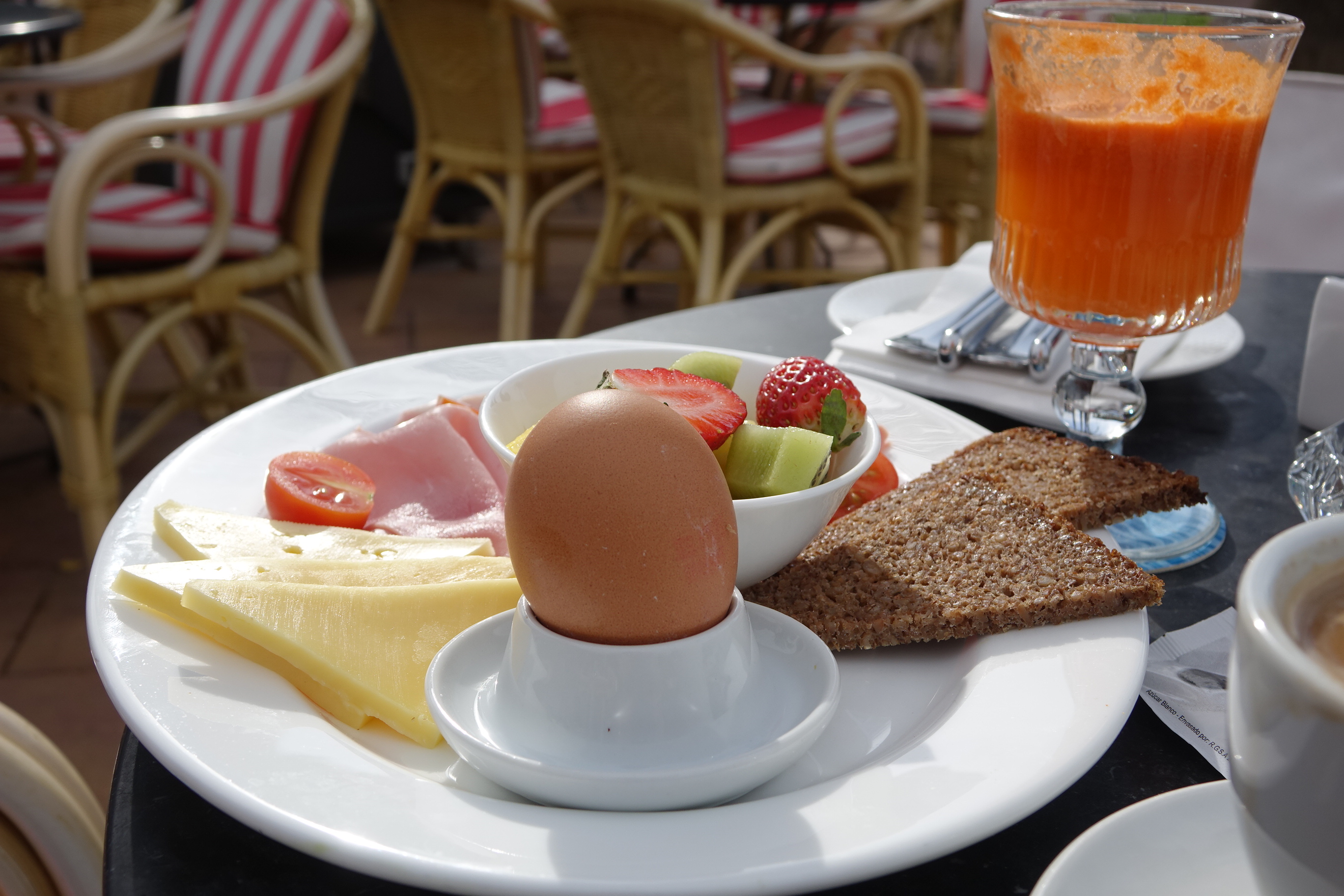
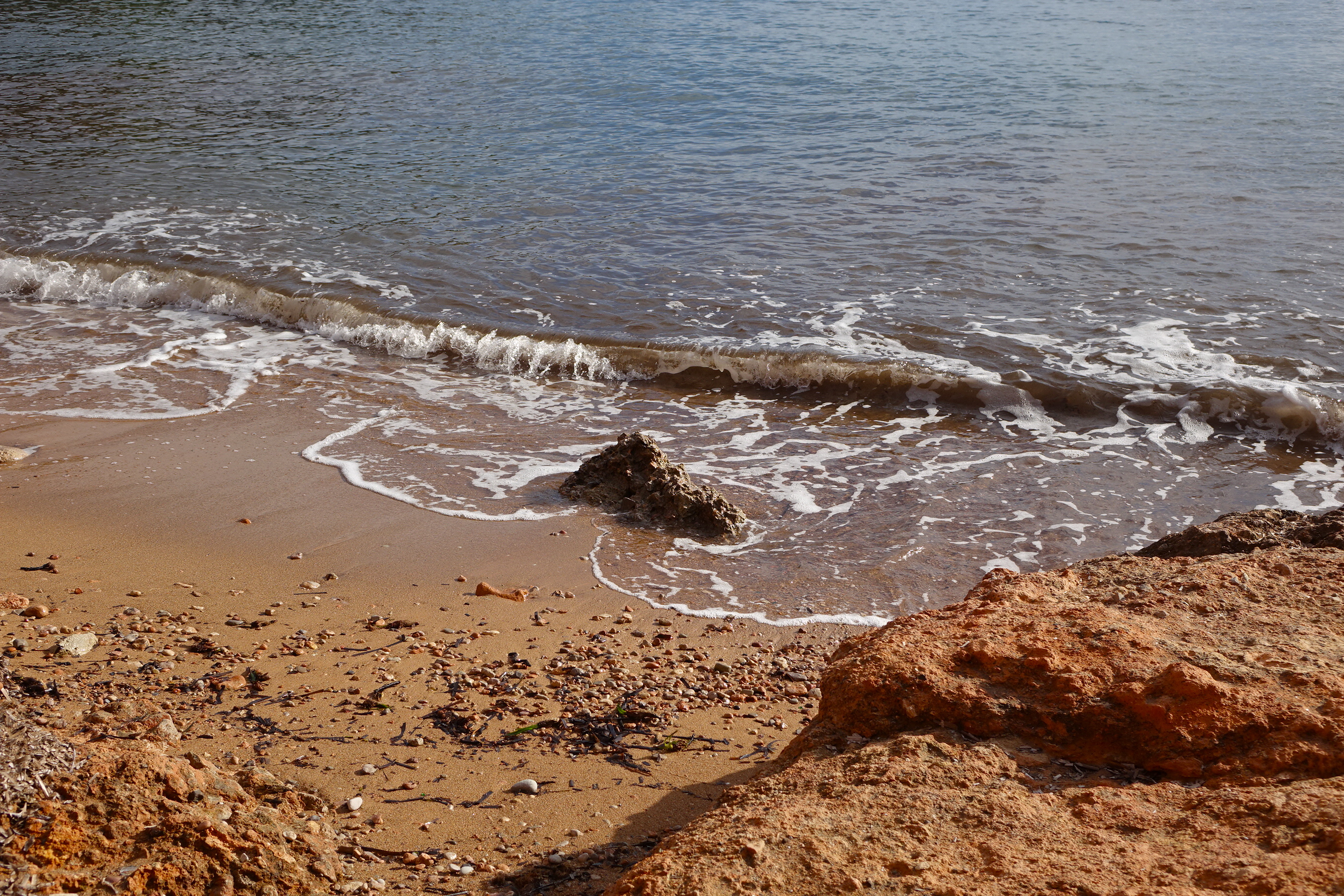
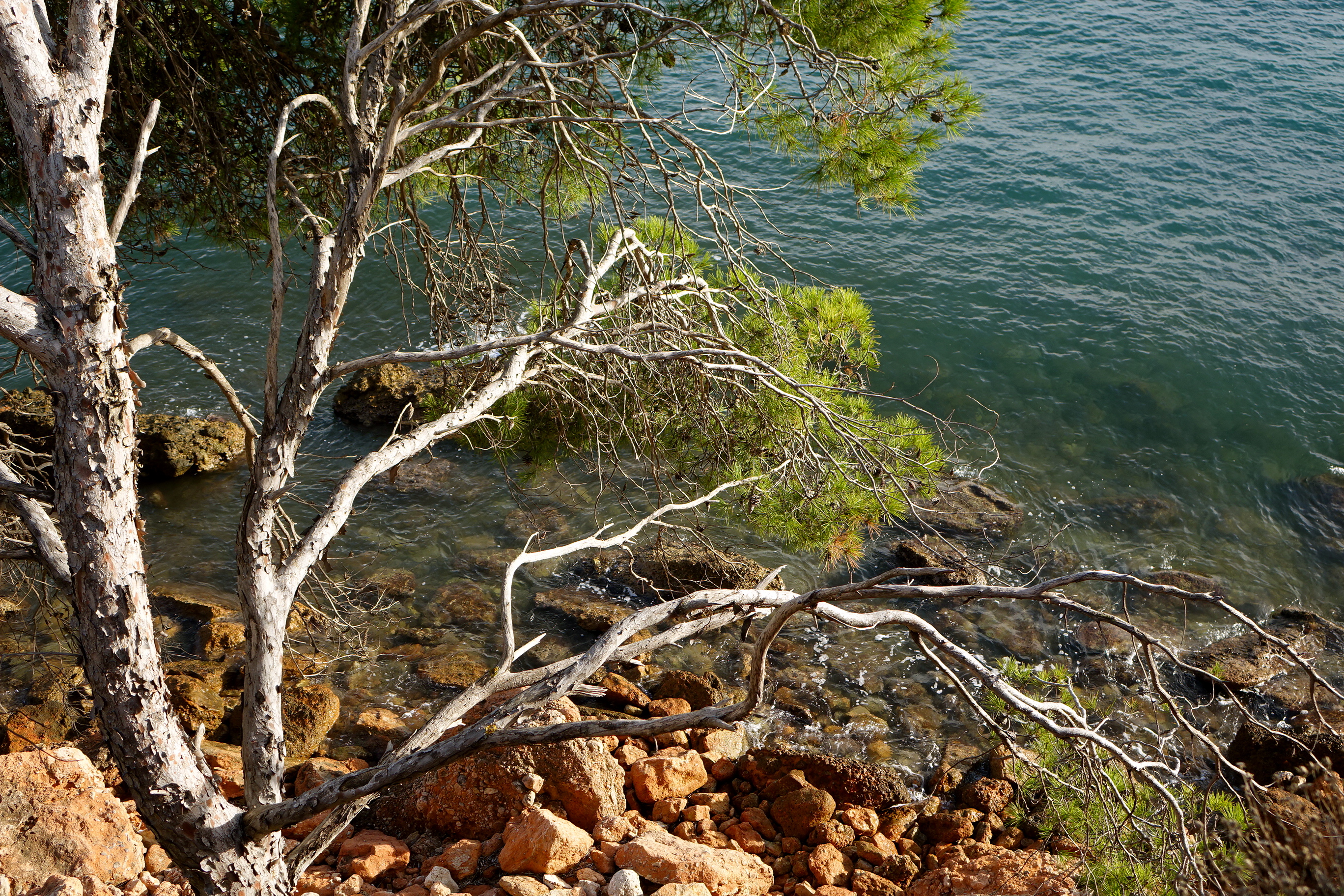
It wasn’t exactly planned that way. Having met our dear friend for Brunch at the Cappuccino Grand Café in chic Puerto Portals just east of Palma, we had originally intended to head back home to finish that all encompassing of activities: unpacking. But with the weather so perfect and the pull of Mallorca’s stunning coastline so strong, we could not resist the magnetic force of its glowing auburn beaches. And once there, the sea was just too tempting to resist. So stripped down to underwear, the water beckoned, and an afternoon wallowing in the brilliantly warm waters of the Mediterranean ensued. Sorry, did someone say November?

November on the beach. Now that’s what I call a move for the better…

DSC00475 DSC00523 DSC00472 DSC00480 DSC00506 DSC00508 DSC00469 DSC00511 DSC00540 DSC00520

All photos and written content are strictly the copyright of Nicholas de Lacy-Brown © 2014 and The Daily Norm. All rights are reserved.

The Barbican Triptych

It was around 16 months ago when, following a work social function held within the Barbican Estate in the City of London, my colleague, who also lives there, commissioned me to depict the Barbican on canvas. 

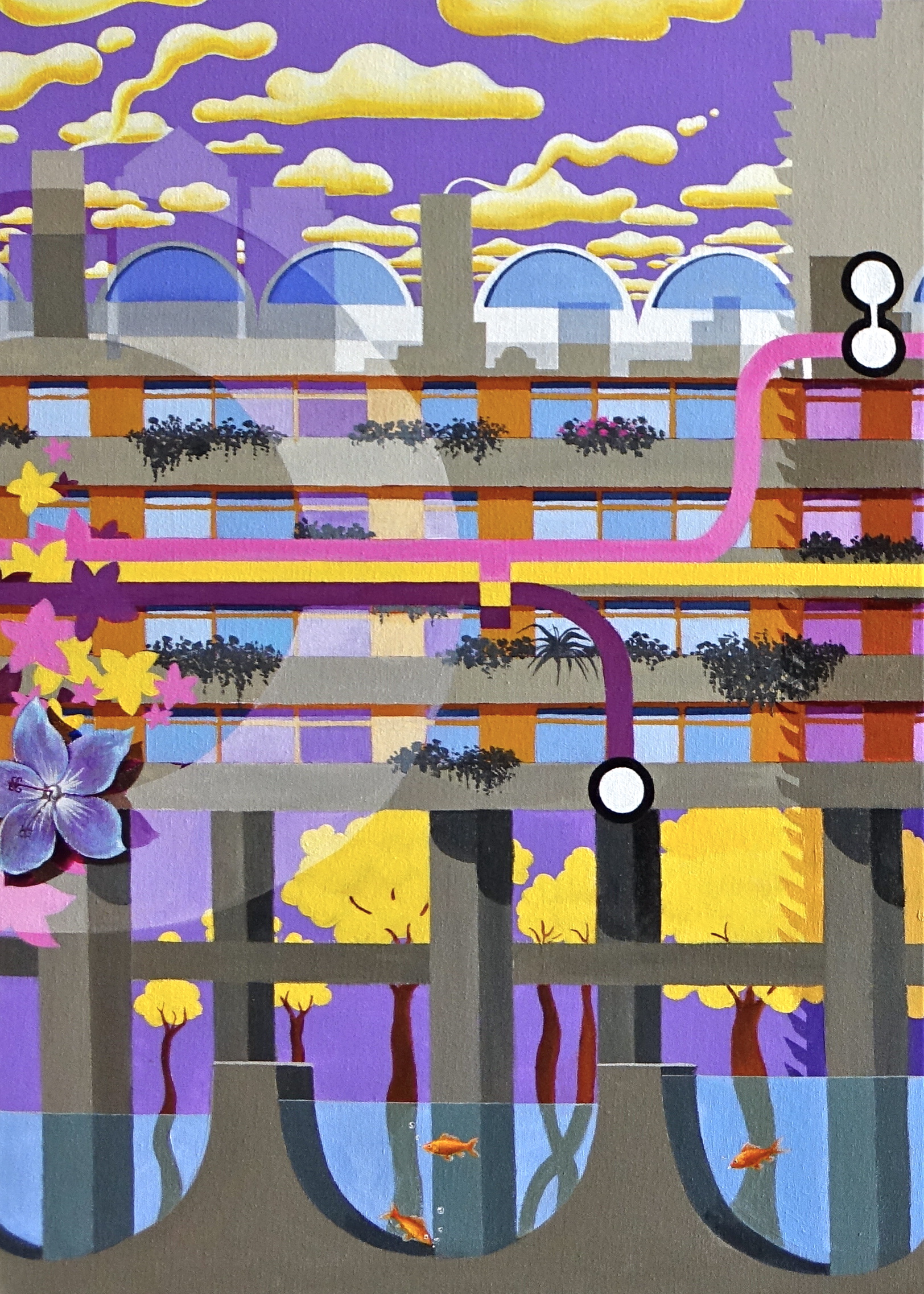
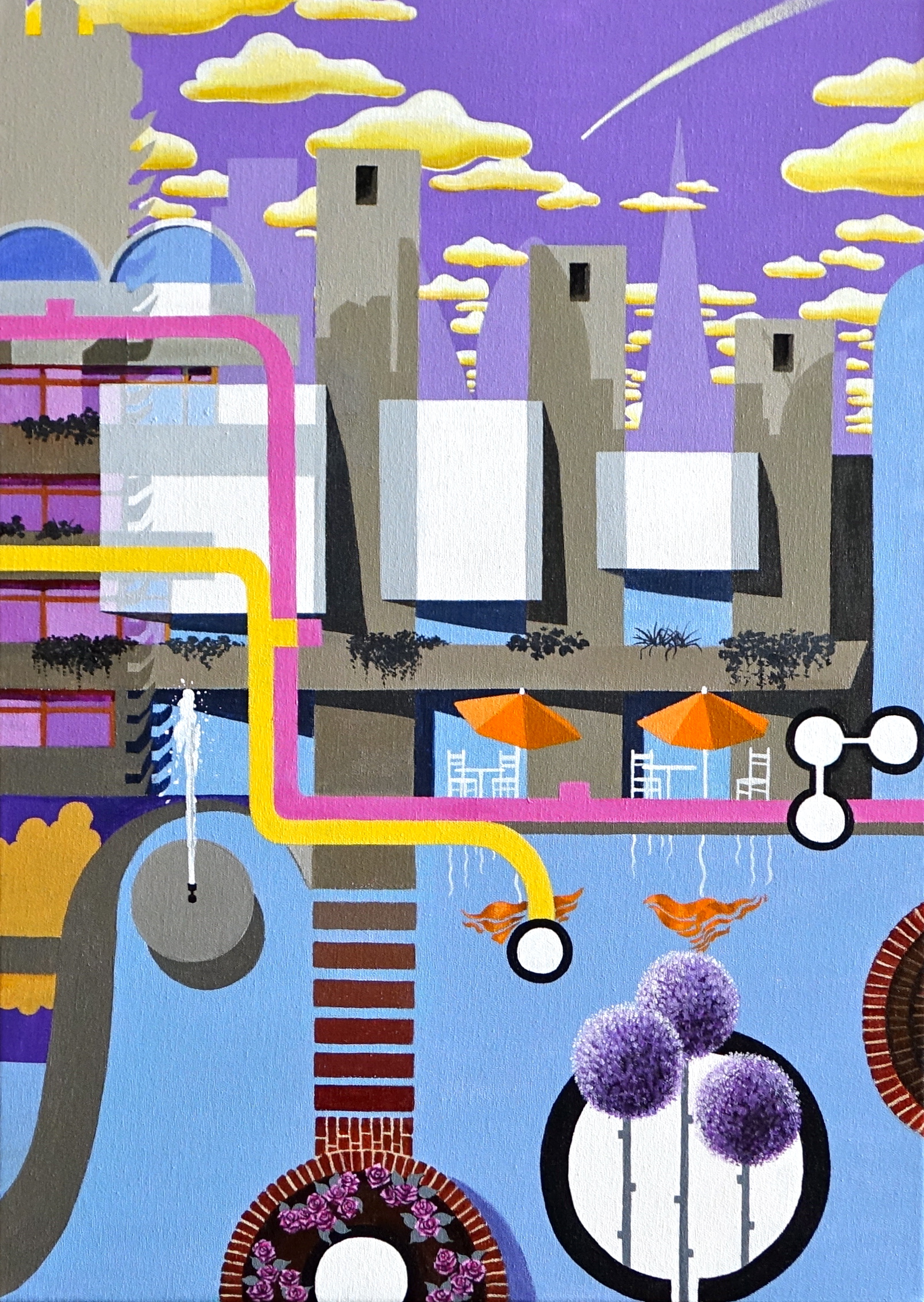
It was something of a challenge. Chief amongst the challenges was the scale of the piece – a hefty triptych to feature on a large blank wall – exciting in prospect, but less so when I was already working full time with only evenings and the occasional weekend free to paint. Second was the problem of inspiration. The Barbican does not fall under what one would ordinarily term “beautiful”. Built in the style typical of the 60s and now given the rather unflattering title “brutalist architecture”, the Barbican estate is all grey concrete, sharp jagged edges and high rise. However, the site, built to fill in one of many huge expanses of the City devastated by the Blitz in WW2, is undoubtedly iconic, and as I started to muse upon a possible approach to capturing the architecture on canvas, I noticed how the architecture formed a harmony of shapes, from a variety of circles and semi circles, as well as straight horizontals and the teeth like edges of its famous three towers. And then it came upon me – what other London icon is comprised of simplistic lines and circles? Why the Underground. An idea was born. 

The Barbican Triptych (2013-14 © Nicholas de Lacy-Brown, acrylic on canvas)

The Barbican Triptych (2013-14 © Nicholas de Lacy-Brown, acrylic on canvas)

My Barbican Triptych is both a homage to the architectural shapes of the Barbican and the city in which it is located. Along the horizon of all three canvases, the famous skyline of the City can be seen, while across the piece, another London icon dominates: the famous map of the Underground. Taking the idea further, I chose to paint the work in predominant shades of purple, pink and yellow, these being the likes (Metropolitan, Hammersmith & City and Circle) that pass through the tube station at the Barbican, while occasionally where round sunken flower beds would ordinarily be found in the Barbican’s waterways, these have been replaced with the famous black ringed circle stops of the tube map. 

The painting not only reflects the architecture of the Barbican but channels the plentiful water which can be found at the Estate, starting from the waterfall on the right and flowing up through fountains and past the main cultural centre of the Estate to the fish ponds on the far right. It also includes the plentiful flowers which today make the architecture less brutal, and the plants which flow from the various residential balconies there. 

The Barbican Triptych = Canvas 1 (2013-14 © Nicholas de Lacy-Brown, acrylic on canvas)

The Barbican Triptych – Canvas 1 (2013-14 © Nicholas de Lacy-Brown, acrylic on canvas)

The Barbican Triptych - Canvas 2 (2013-14 © Nicholas de Lacy-Brown, acrylic on canvas)

The Barbican Triptych – Canvas 2 (2013-14 © Nicholas de Lacy-Brown, acrylic on canvas)

The Barbican Triptych - Canvas 3 (2013-14 © Nicholas de Lacy-Brown, acrylic on canvas)

The Barbican Triptych – Canvas 3 (2013-14 © Nicholas de Lacy-Brown, acrylic on canvas)

It may have taken well over a year to complete but I am so proud of the final result. And somewhat appropriately, this painting was the last of many I have completed while living in London. How apt then that rather than the Mediterranean setting which tends to be the staple of my work, this painting should be made in homage to the city which, up until last weekend, was my home of 12 years. My final swan song to London. 

© Nicholas de Lacy-Brown and The Daily Norm, 2001-2014. Unauthorized use and/or duplication of the material, whether written work, photography or artwork, included within The Daily Norm without express and written permission from The Daily Norm’s author and/or owner is strictly prohibited. Excerpts and links may be used, provided that full and clear credit is given to Nicholas de Lacy-Brown and The Daily Norm with appropriate and specific direction to the original content. For more information on the work of Nicholas de Lacy-Brown, head to his art website at www.delacy-brown.com


Move to Mallorca: First days

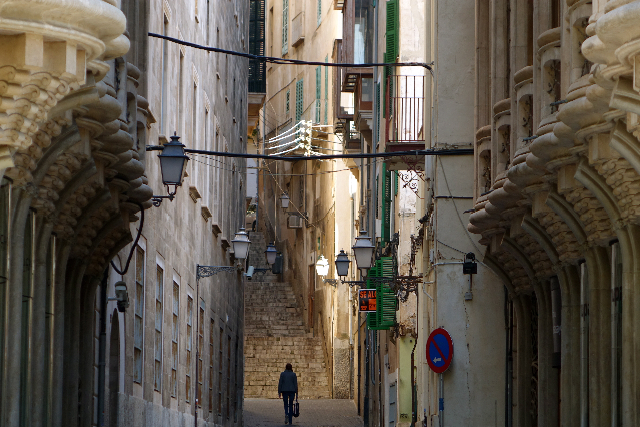
If I could describe the sensations, thrills and excitement of moving to a new life in the heart of the old town of Palma de Mallorca with an analogy, it would be to compare it with the overwhelming exhilaration of entering a department store at Christmas, full of sparkling temptations, gleaming pleasures, grand architecture and flashing lights across every square centimeter: a treasure trove of excitement so intense that your body quivers with anticipation and shakes with the indecision of not knowing where to explore first. Such has been the irrepressible thrill of moving to Mallorca, to an apartment set within a maze of streets so intensively packed with the charms of Spain and the prettiness characteristic of any historic quarter that we can barely breathe for happiness.

Palma viewed from our apartment

DSC00159 DSC00155 DSC00079 DSC00077 DSC00080 DSC00074

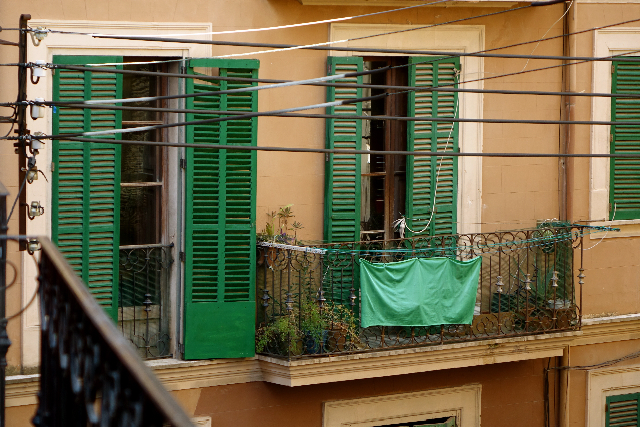
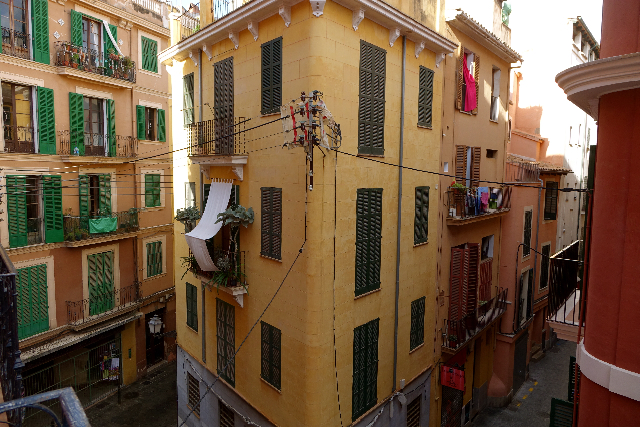
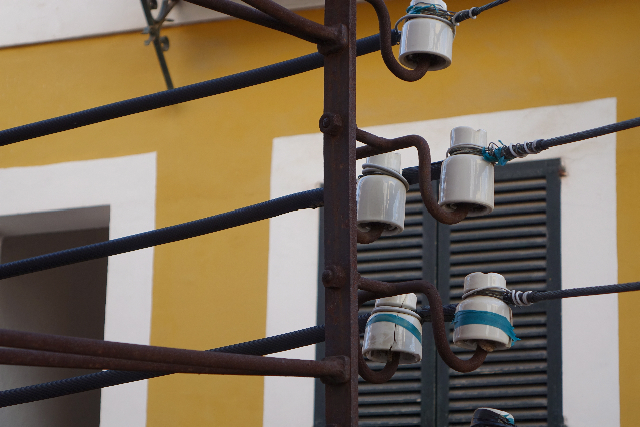
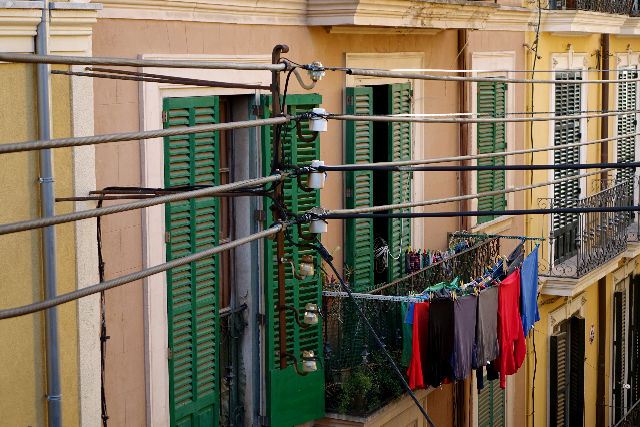
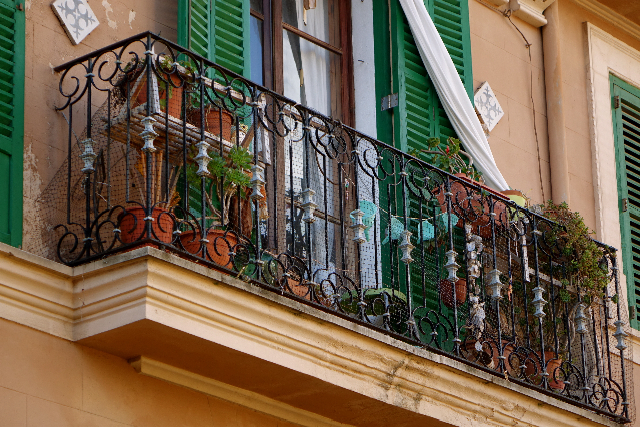
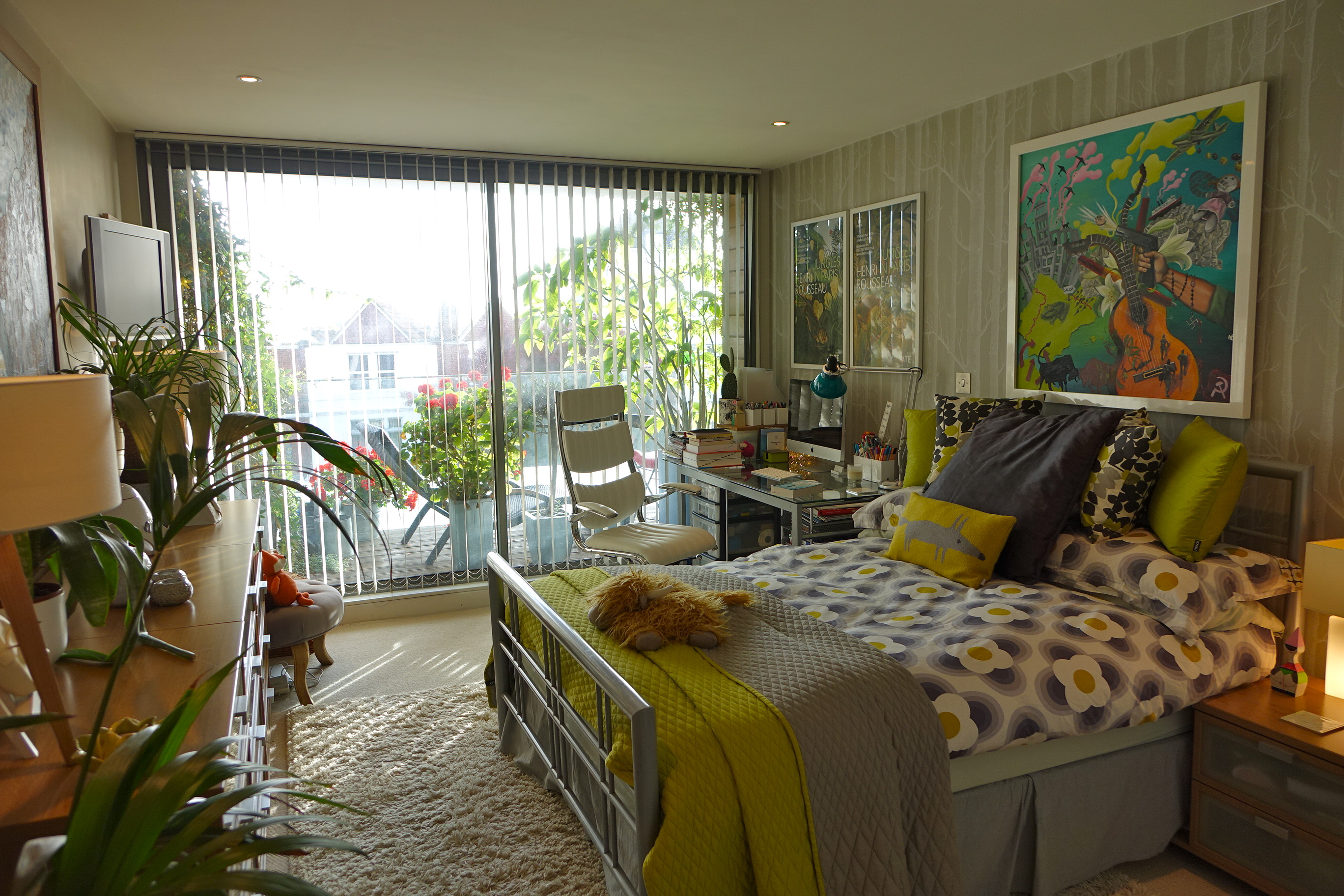
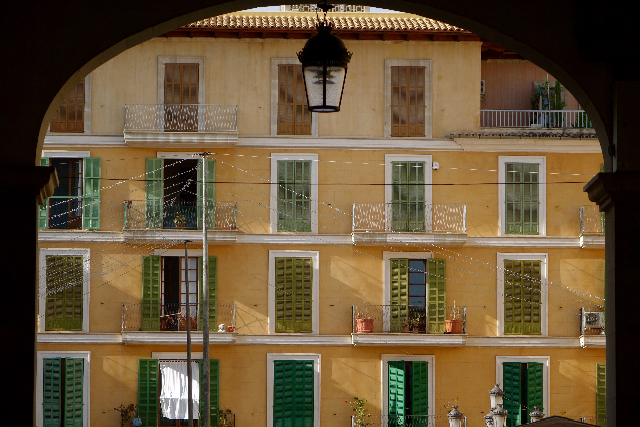
Not only are we like children around a Christmas tree when it comes to exploring our airy new modernista-style apartment, but look outside the window and the bleak busy grey road view of our previous London home is replaced with a burrow of streets lined with apartment blocks painted in every colour of an artist’s palette, enhanced with ironwork balconies, lamps and other decorative embellishment, and brought to life by the residents who lean from their balconies watching the world go by, hanging their washing out to flap away in the warm autumn breeze, or putting out their little caged birds and fluffy puppies to breathe the optimistic fresh air of the new day. With so much to look at out of our 8 balcony windows, and such a plethora of vantage points to watch the constant day to day buzz of this bustling little quarter of Palma, I am reminded of Hitchcock’s Rear Window, where James Stewart’s character would sit day by day living vicariously through the many lives he could see unfolding amongst the apartments opposite his own.

All the charms of Palma

DSC00145 DSC00177 DSC00185 DSC00171 DSC00186 DSC00180 DSC00102 DSC00210 DSC00127 DSC00139

But of course far from living vicariously off others, our greatest pleasure has been to leave our new apartment and explore the charmingly charismatic streets of this region and beyond. A mere 48 hours into our new life, we have sampled the local fluffy pastry, ensaimada, over a creamy coffee, riffled through a shop’s worth of traditionally made baskets and weaved furniture, strolled along the golden sandy beach and alongside the popular boat-filled marina of Portixol,  scraped clean a huge pan filled with a moist and richly caramalised seafood paella, gulped down a good glass or three of chilled white wine in the surprisingly hot Autumn sunshine, strolled around huge deserted churches lit by flickering candles as though awaiting our visit, and shopped more than we ought in order to add some local touches to the London interior schemes we are importing to Spain.

…and here’s a few more

DSC00166 DSC00120 DSC00129 DSC00167 DSC00118 DSC00124 DSC00103 DSC00144 DSC00163 DSC00194

There has been so much to see and do that I could split these mere 48 hours into a panoply of Daily Norm posts. But to do so would be to deny you, the reader, the full impact of a city ripe with a resplendent array of visual treasures, and consequently in posting photos of the first two days, I am bringing you a sampling of many treats we have discovered as we began our new life in Palma de Mallorca last weekend. And what a life it is set to be…

All photos and written content are strictly the copyright of Nicholas de Lacy-Brown © 2014 and The Daily Norm. All rights are reserved. Unauthorized use and/or duplication of the material, whether written work, photography or artwork, included within The Daily Norm without express and written permission from The Daily Norm’s author and/or owner is strictly prohibited.

Leaving London: Bidding Farewell to my home of 8 years

Seeing my London home of 8 years empty reminds me of the first few days when I first purchased it. Brand new, with building works only just complete, the flat was a wonderfully polished open plan space. I couldn’t believe my luck when I first moved in, moving from an old cramped Victorian terrace in Camberwell to this über chic space fit for a bachelor. At first of course there was no furniture, and it is of those times that I am now reminded – sitting on the floor with only a television for company; watching the Eurovision Song Contest with my bottom shifting uncomfortably on the new wooden floors. 

The years in between have been perhaps the most formative of my life. It was in that flat that I graduated from my Masters and qualified as a barrister; when I was put through the hell of pupillage and ditched so unjustifiably at the end of it; when I experienced the elation of a new job in government and where I came home two years later knowing that I needed a new challenge; when I met the love of my life, experienced the birth of two nephews and the death of their father; it was where I had the accident that changed me forever, and where I used the compensation monies to forge a future for the better. 

My flat at its best

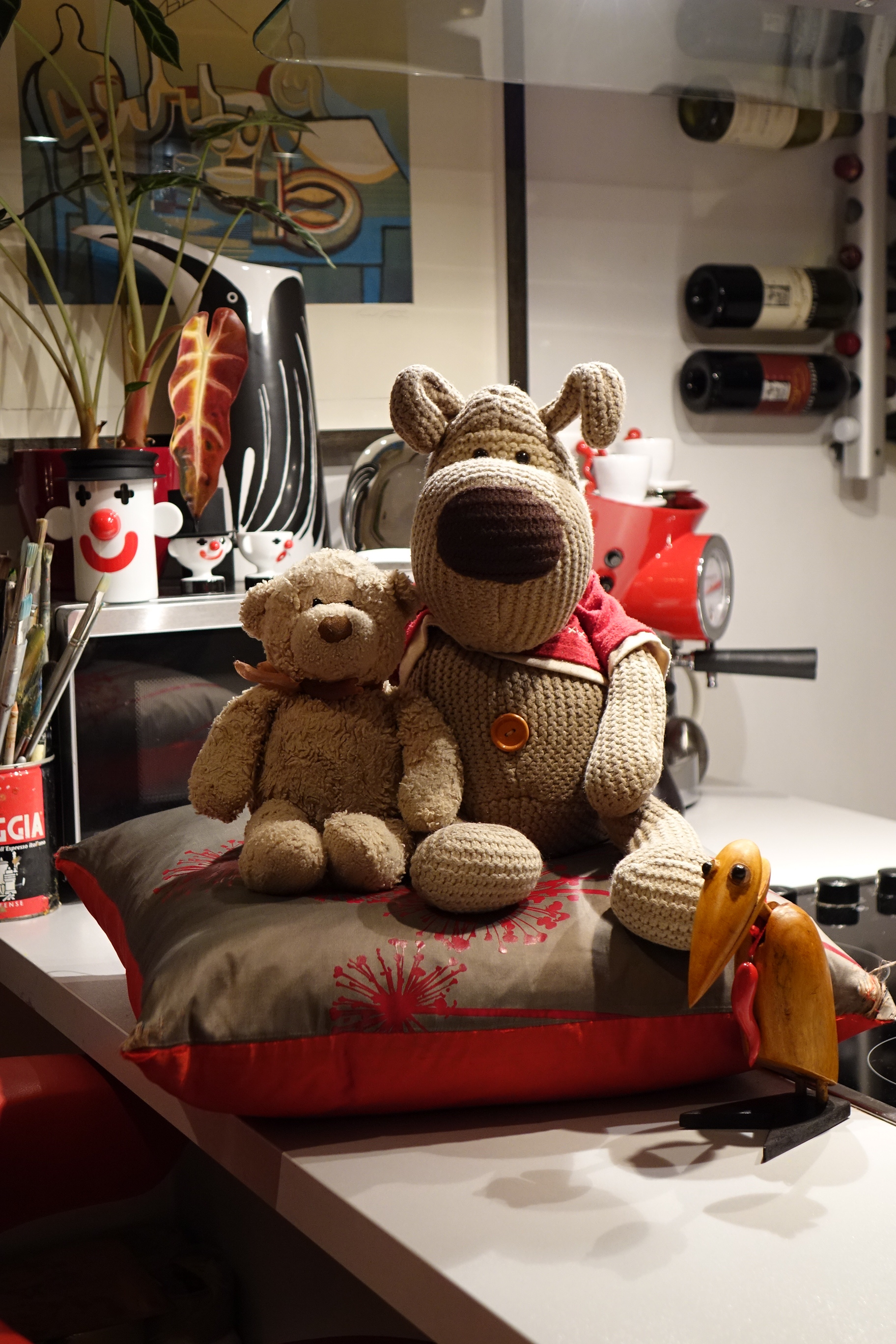
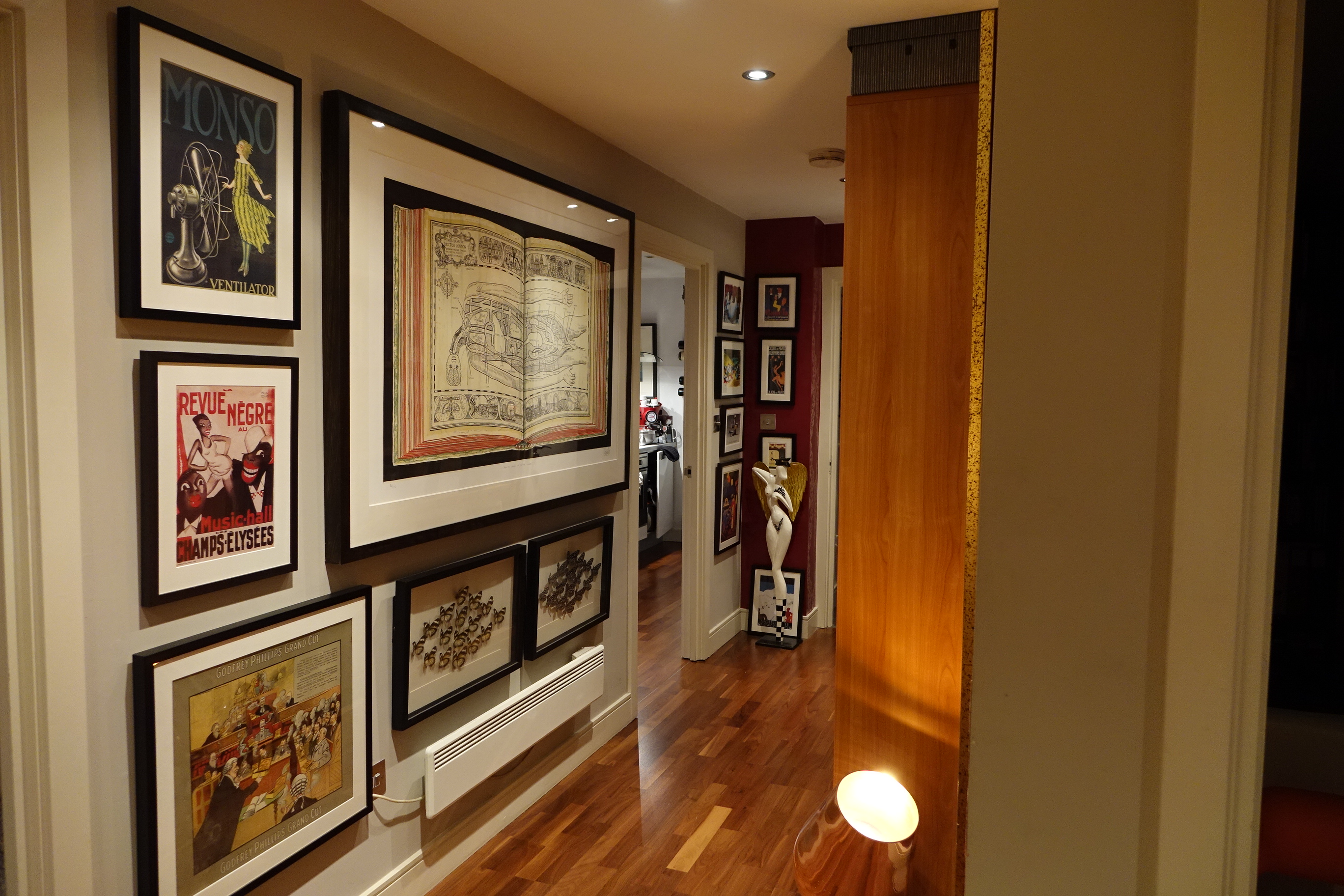
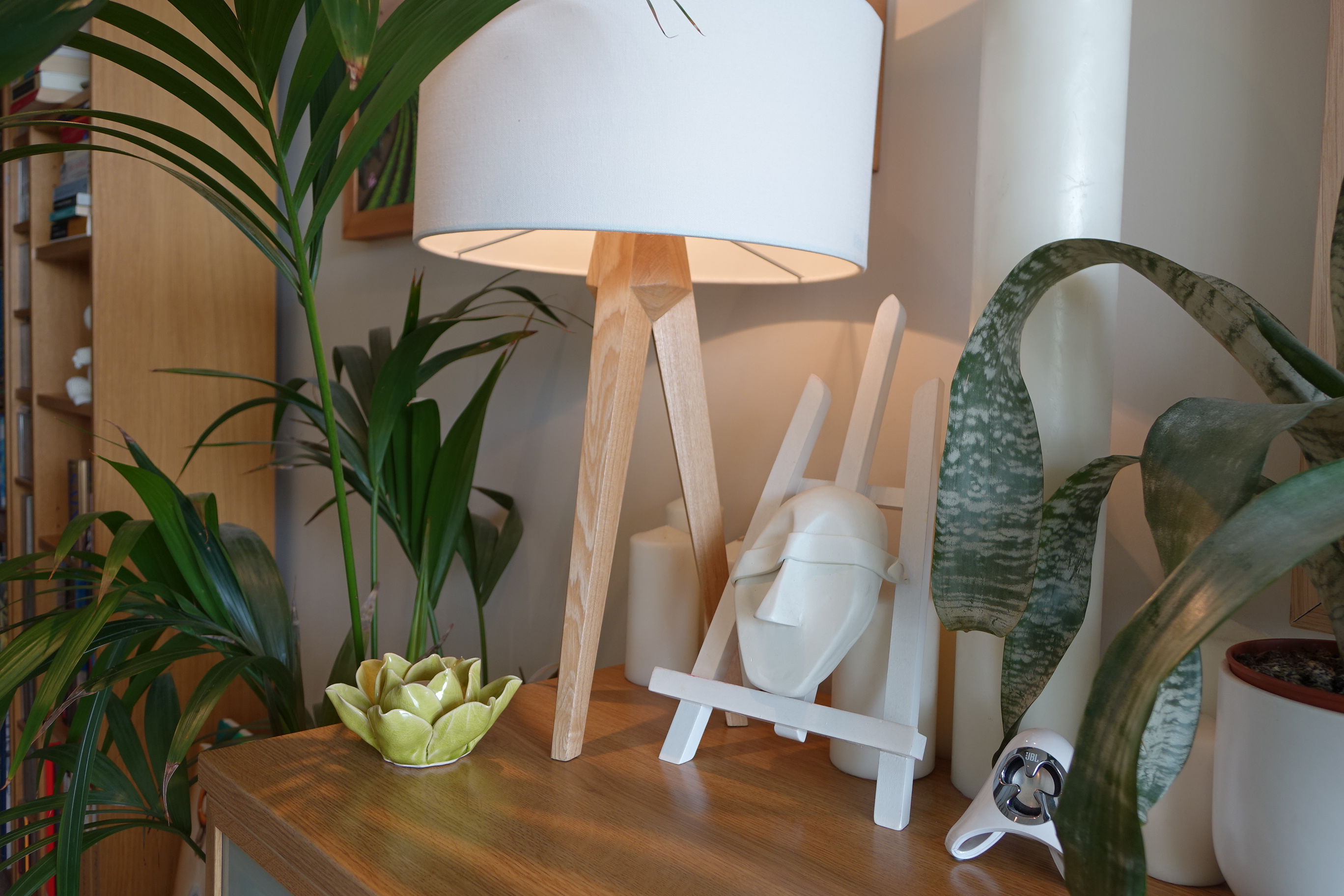
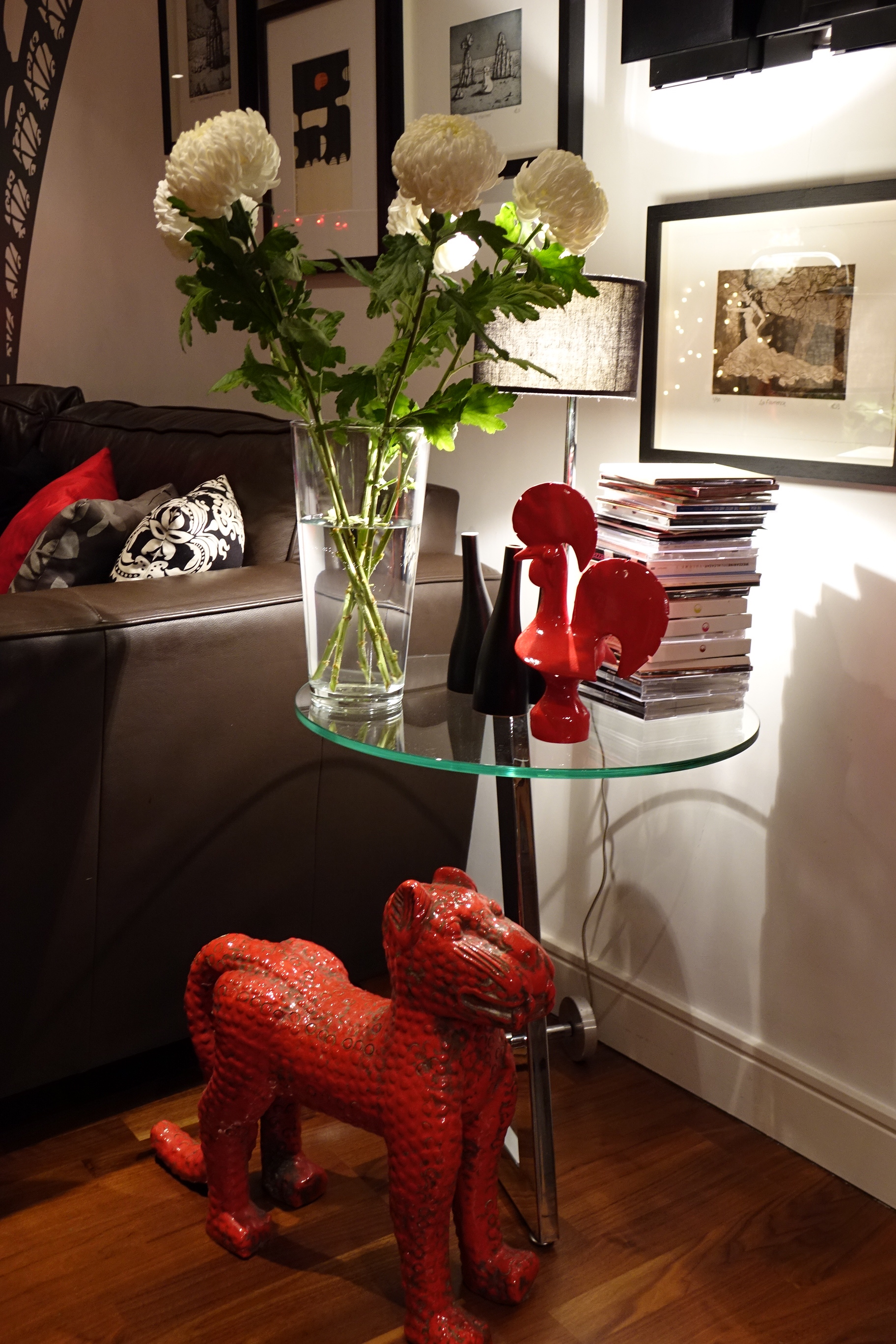
DSC09846 DSC09891 DSC09930 DSC09920 DSC09897 DSC09937 DSC09882 DSC09916 DSC09902 DSC09878 DSC09856 DSC09955 DSC09951 DSC09876 DSC09942
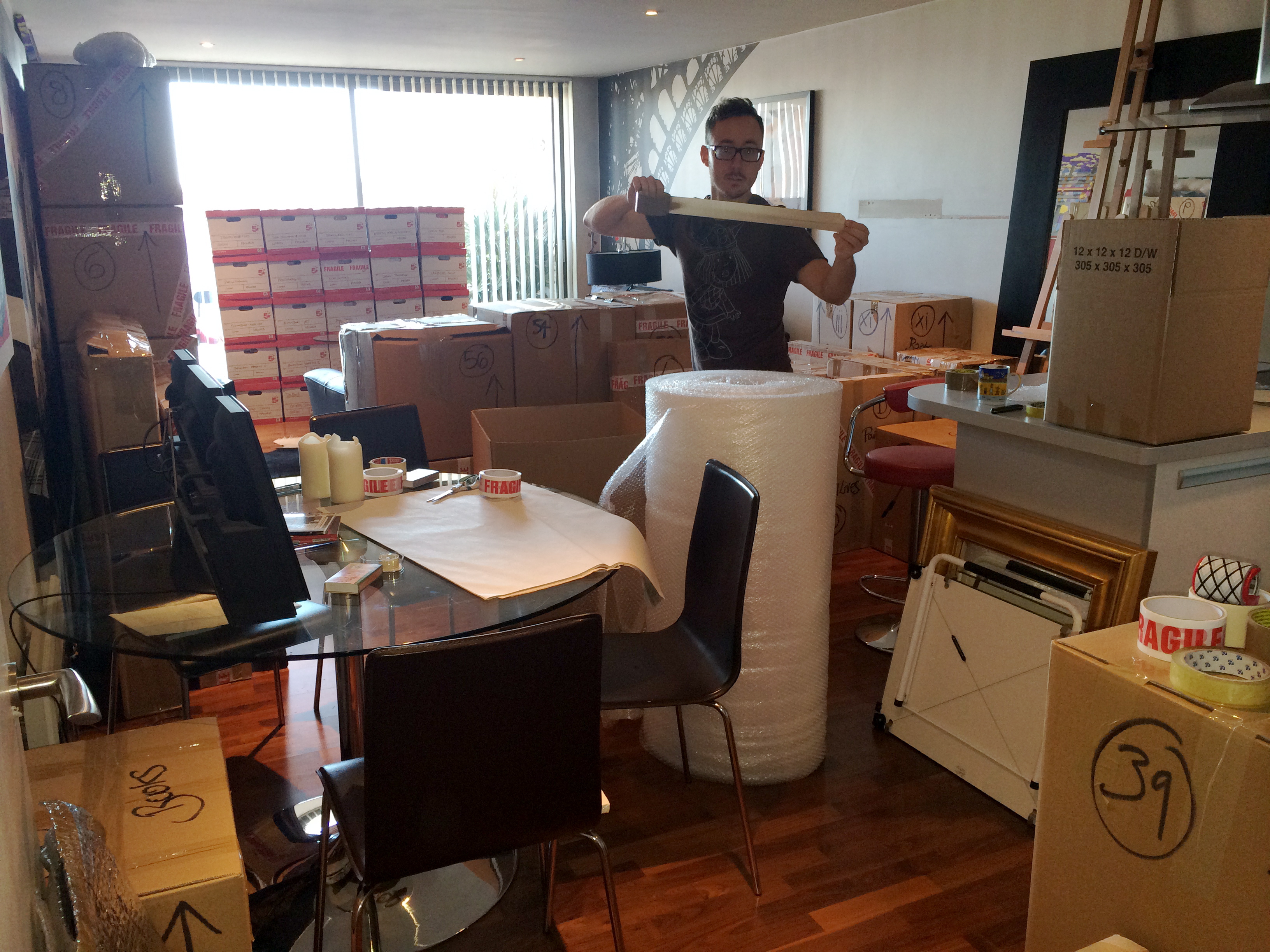
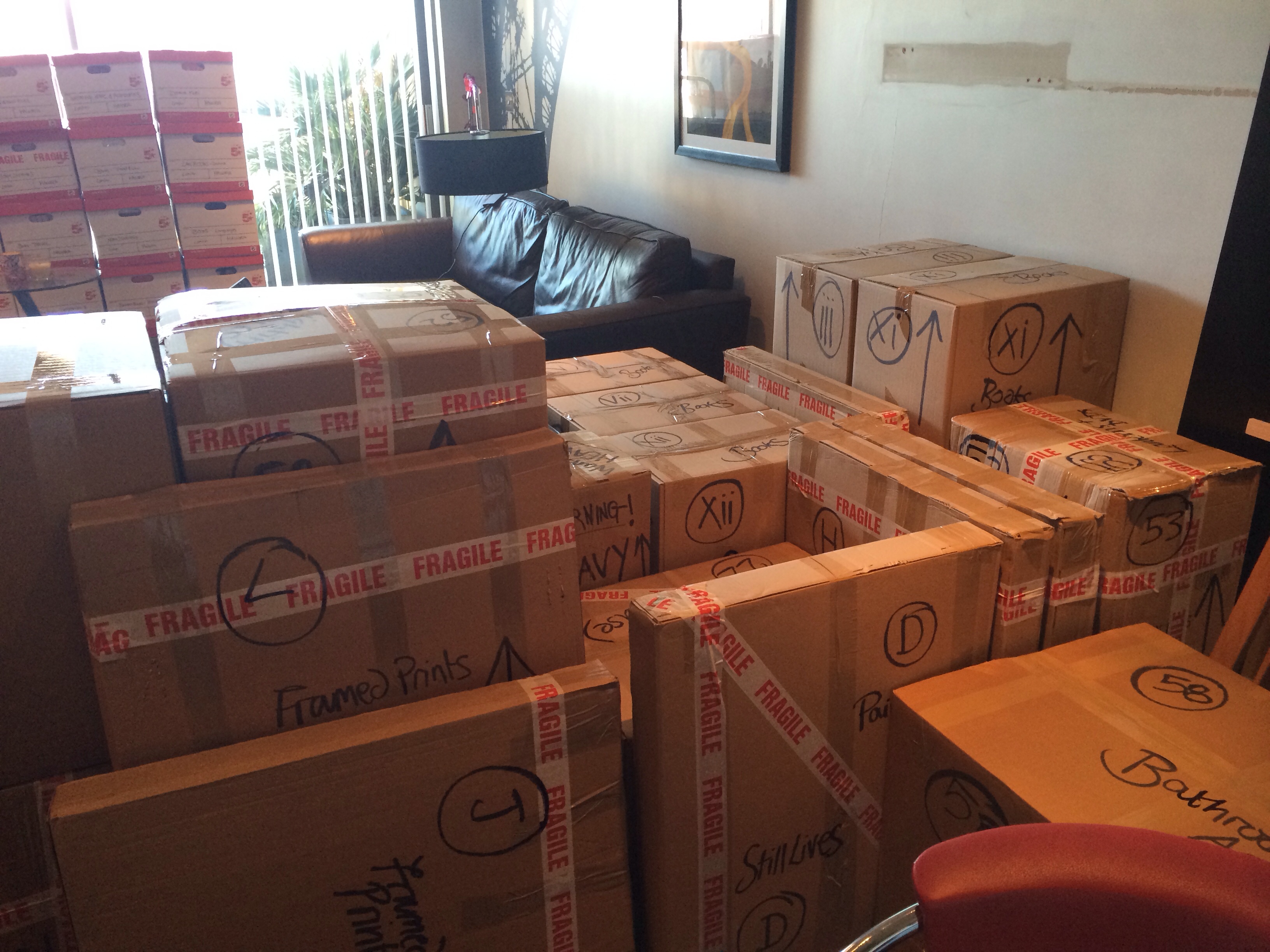
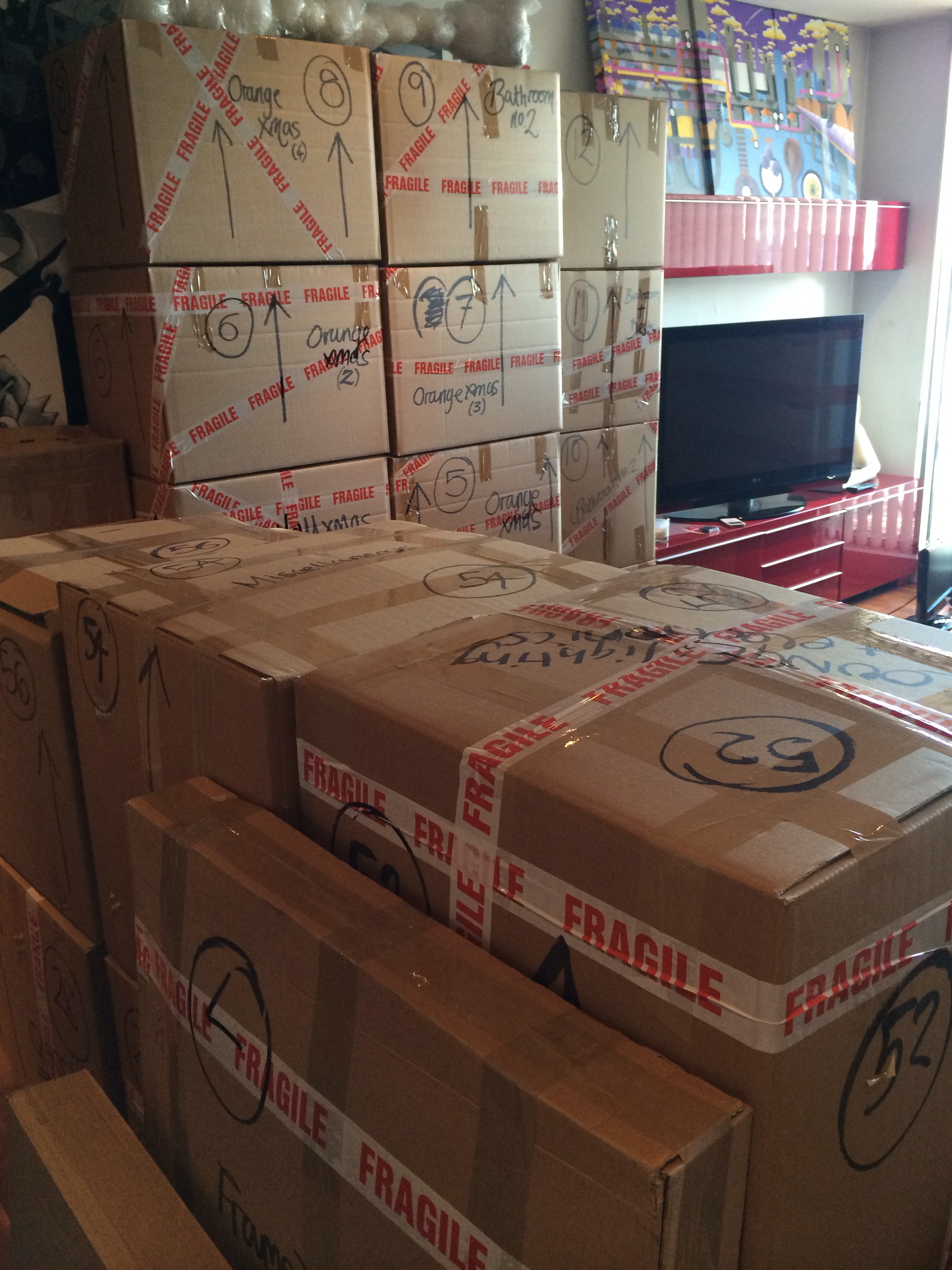
It is on that future that I now embark, although sadly that future must be without my beloved home. Packing up this place, the guardian of so many happy experiences, has undoubtedly been the hardest part about this move, but as each box was packed, a little bit of home disappeared. Now standing empty, it’s just a flat again – no longer my home. That home is currently making its way to Palma de Mallorca in cardboard boxes, and I cannot wait to get there now and unpack it. 

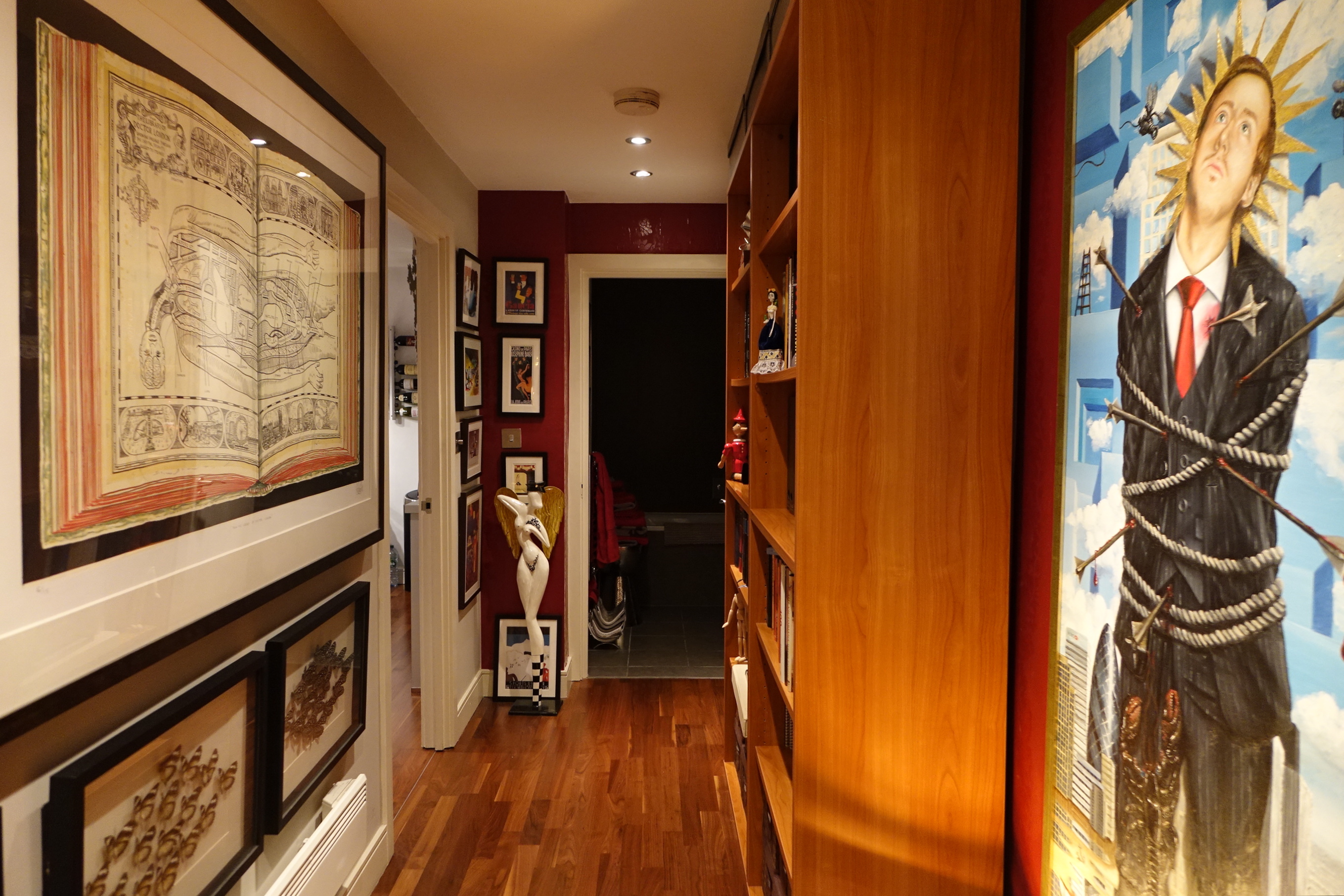
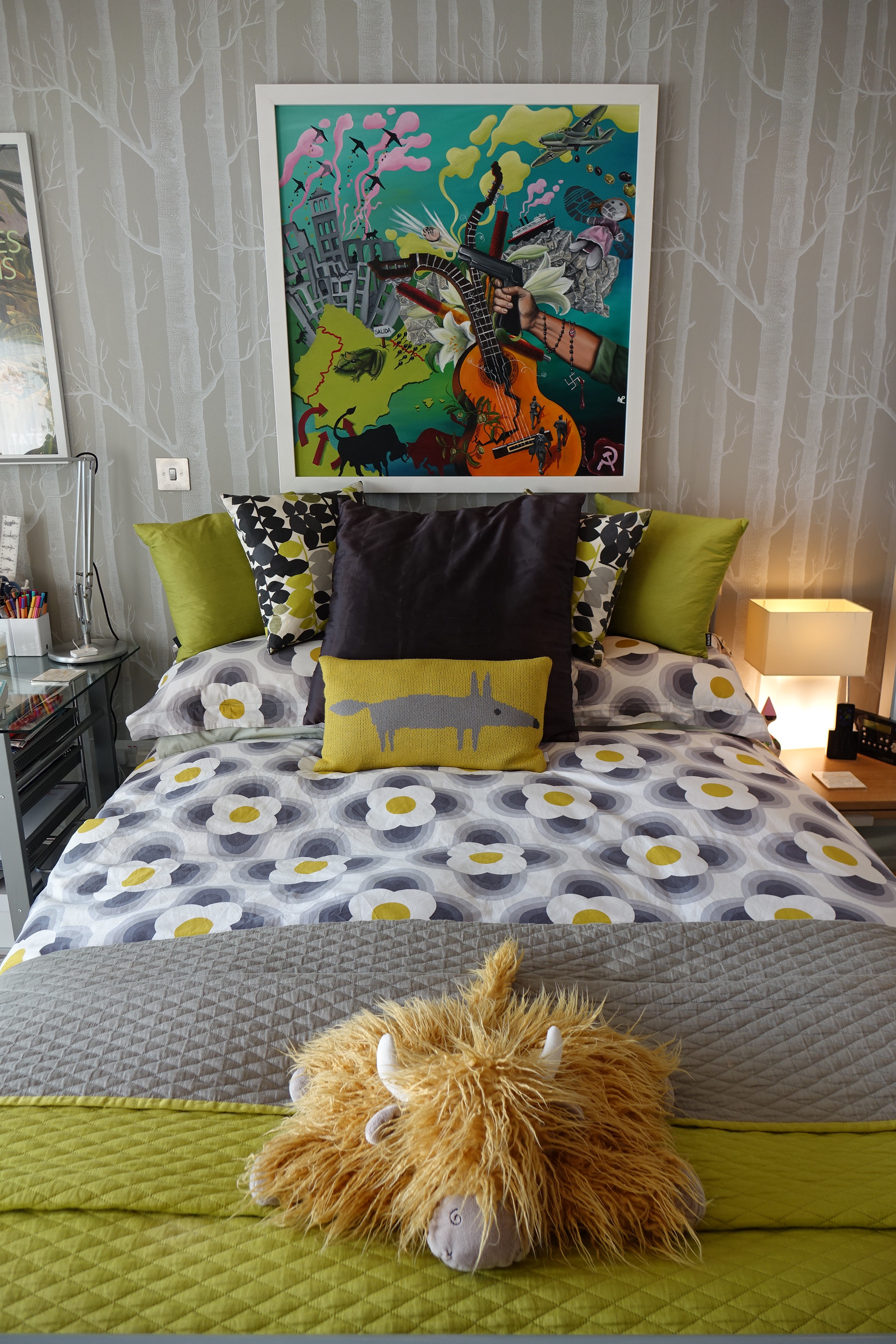
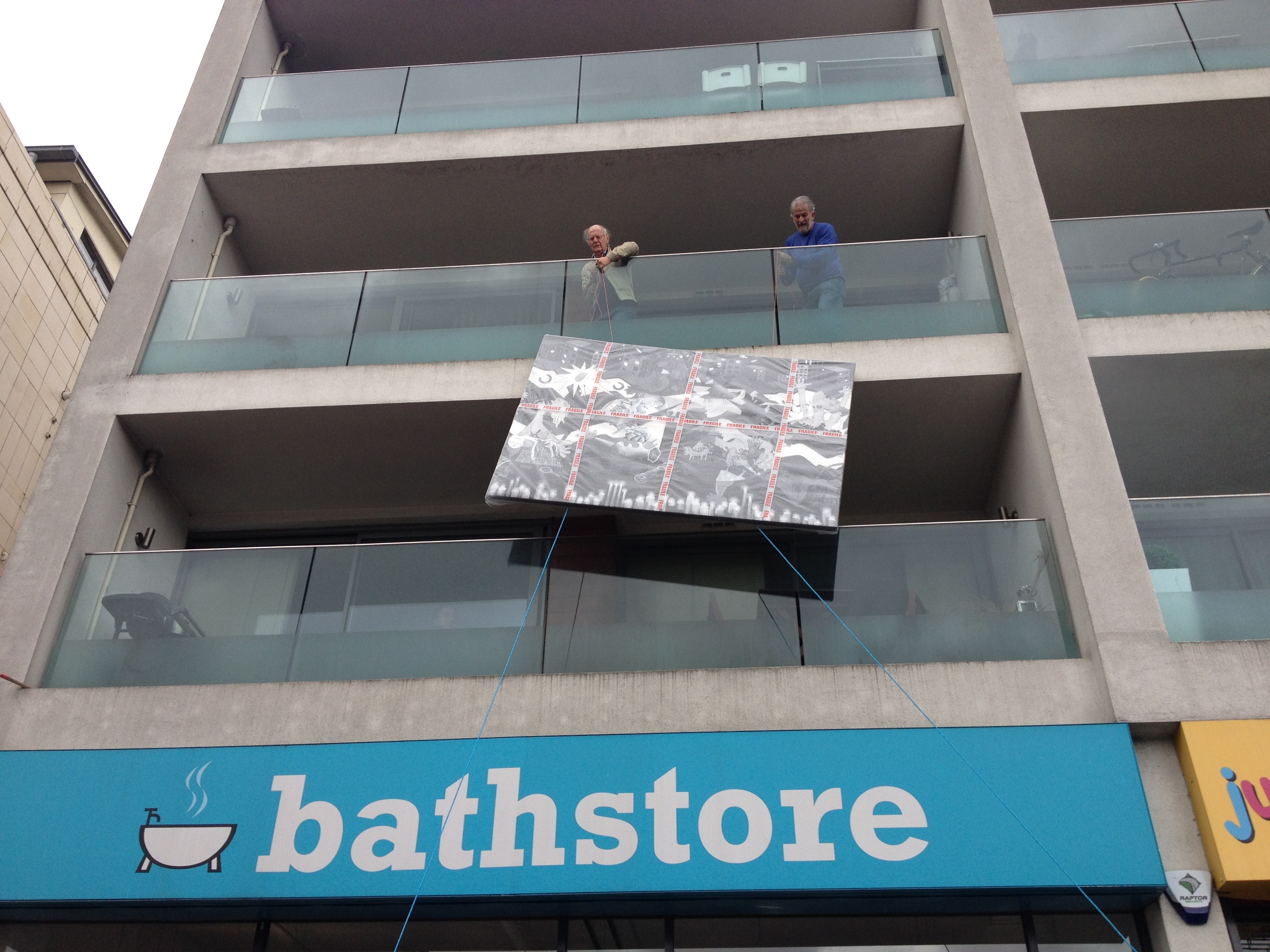
Packing up and getting Segunda Guernica out of the building!

image-2 image image-1 IMG_1441
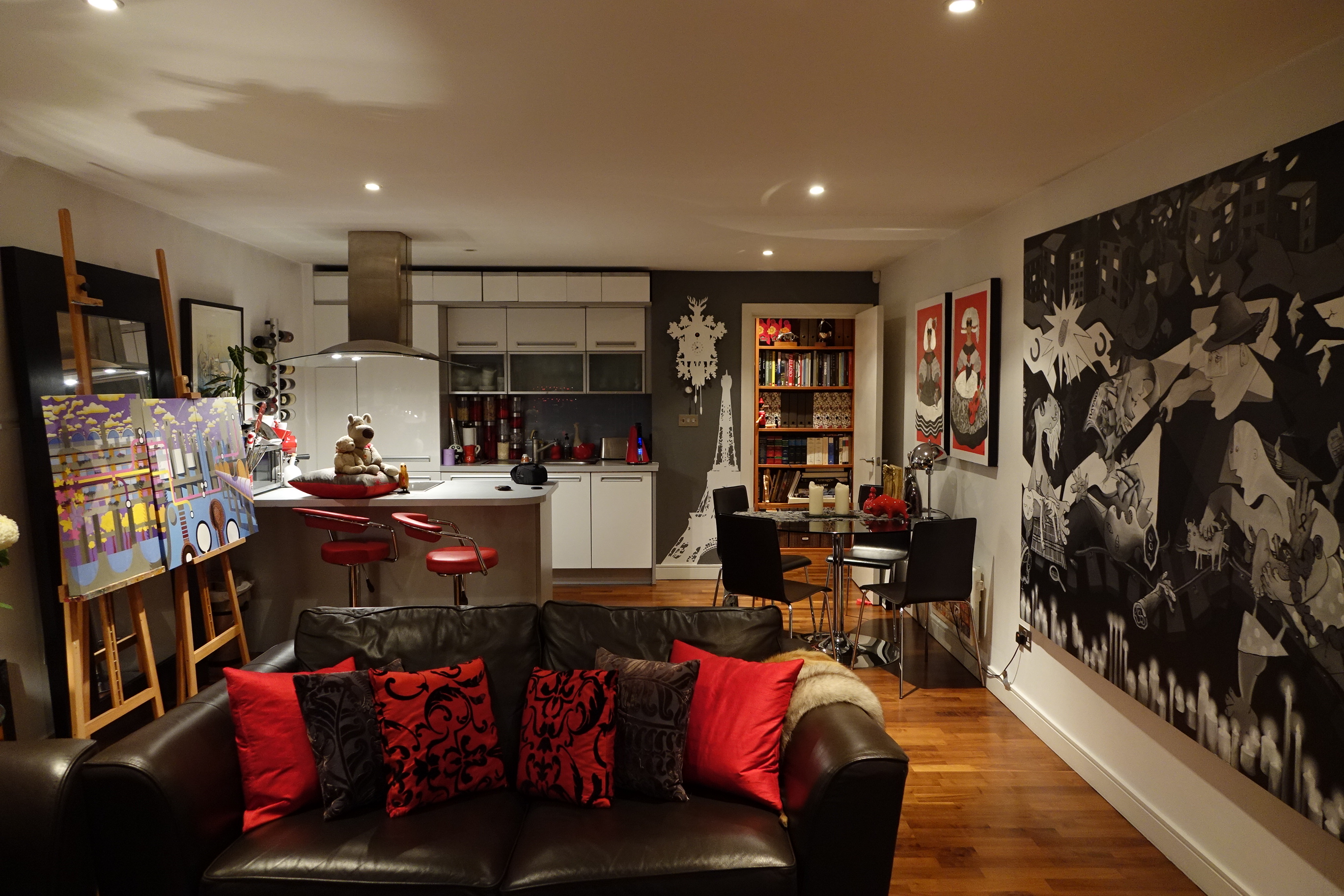
But for now, I thought I would mark this passing with a few photos of my flat at its best, together with some views of the move. For this is truly the end of the era, but only the next phase of my life. And The Daily Norm is coming with me for the ride – so see you in Mallorca! 

All photos and written content are strictly the copyright of Nicholas de Lacy-Brown © 2014 and The Daily Norm. All rights are reserved. Unauthorized use and/or duplication of the material, whether written work, photography or artwork, included within The Daily Norm without express and written permission from The Daily Norm’s author and/or owner is strictly prohibited.

Intelligent Insight: Grayson Perry – Who Are You?

Following on from his superb show, Tomb of the Unknown Craftsmen at the British Museum in 2010 is the latest collection of brilliantly insightful works by artist and craftsman Grayson Perry. This time fitting seamlessly into the collection of the National Portrait gallery, peppered throughout the museum therefore encouraging visitors on a kind of magical mystery your through the space, Perry’s new exhibition, Who are You? once again shows that Grayson Perry is one of the most intelligent artists of our times. Made in conjunction with a series of channel 4 documentaries reflecting on a series of individuals each struggling with some particular facet of their individuality, these “portraits” are very appropriately located within the hallowed halls of the London’s temple of portraiture. Ranging from etching to tapestry, enamel portrait to glazed pottery, they show Perry at his adroit best. But beyond the skilled execution of these works is the messages they so sensitively and intelligently portray. 

Line of Departure (2014 © Grayson Perry)

Line of Departure (2014 © Grayson Perry)

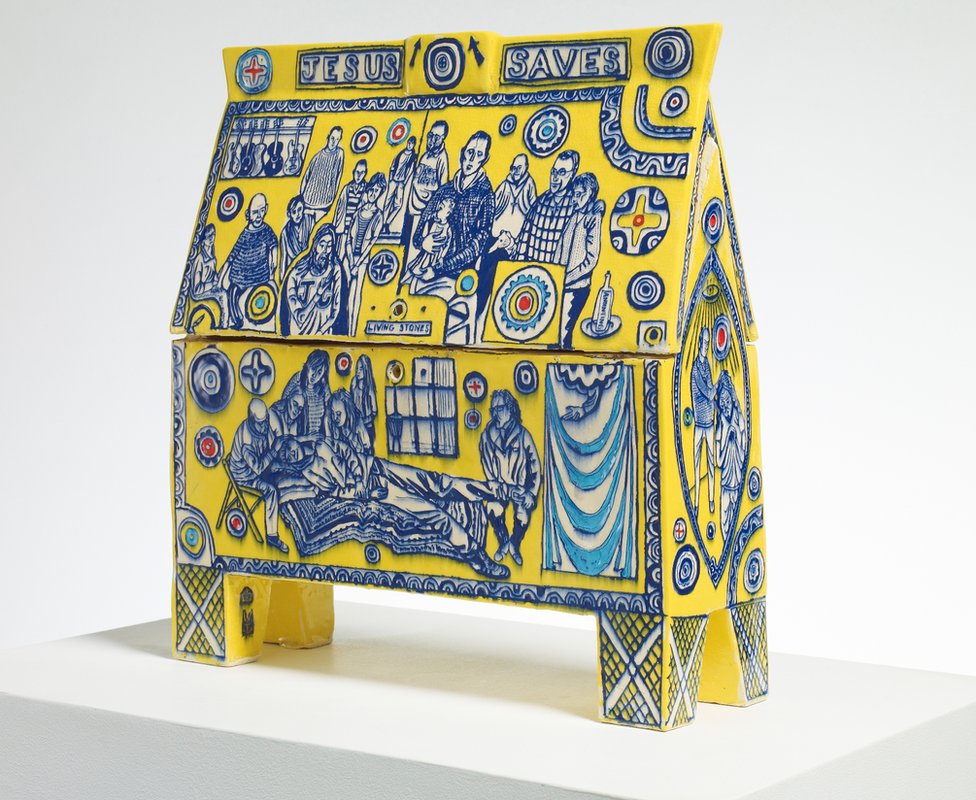
Jesus Army Money Box (2014 © Grayson Perry)

Jesus Army Money Box (2014 © Grayson Perry)

The Earl of Essex (2014 © Grayson Perry)

The Earl of Essex (2014 © Grayson Perry)

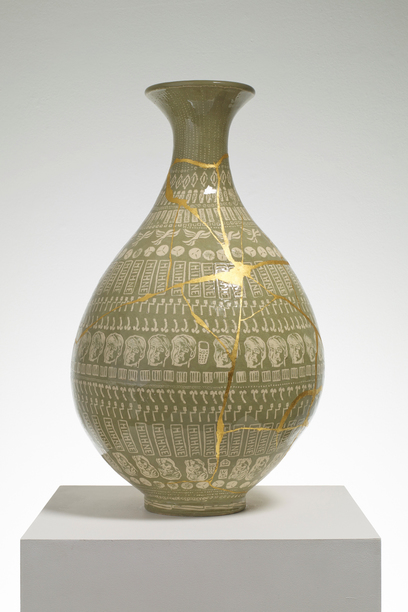
The Huhne Vase (2014 © Grayson Perry)

The Huhne Vase (2014 © Grayson Perry)

In mounting the show, Perry tells how he chose sitters who were each on some kind of identity journey. People who had changed religion or gender, physical or mental facilities, lost status or belonging to a group who are actively trying to change the way others see them. Thus Perry presents a vase representing the fall from grace of politician Chris Huhne, who was imprisoned for perjury after asking his wife to take the blame for a speeding offence he had committed. The vase shows his image and that of his car registration plate repeated over and over like the tire tracks of his car. It was smashed and pieced back together again in gold demonstrating Huhne’s downfall but also the fact that his new fragility in a world dominated by generic status figures will make him a richer more complex individual. There too Perry gives us a miniature enamel portrait hidden away in glass cases with others far older. It portrays XFactor star Rylan Clark as the Earl of Essex because, as Perry says, celebrity is the aristocracy of the day. 

But amongst my favourites was the Ashford Hijab, a brilliantly drafted black, white and red design on a silk scarf (appropriately) illustrating the draw of Islam for young white middle aged women who are sick of consumer culture and sexualised scrutiny of women and seek instead the comparative calm and integral values of Islam. So it shows one woman leading her family towards Mecca, her hijab being the metamorphosis of a road which in turn transforms from the outlet shopping centre of consumer culture from which she flees. Brilliant. 

The Ashford Hijab (2014 © Grayson Perry)

The Ashford Hijab (2014 © Grayson Perry)

Memory Jar (2014 © Grayson Perry)

Memory Jar (2014 © Grayson Perry)

I also loved Memory Jar, the vase sensitively portraying the effects of Alzheimer’s on a couple, as the disease ravages the mind of one man leaving his wife deprived not only of his personality and mental functions, but also destroying their shared memories. As Perry says, two people are the guardians of their shared memories. Once one person goes, so does the poignancy of the memories, and in depicting this he shows a kind of demon cutting up the family photos of the couple also reflected on the vase. It’s a stunning piece. 

And of course mention has to go to Comfort Blanket, a huge banknote tapestry representing everything that is so intrinsic to British culture and which makes the country such a stable, lawful, integral place, drawing people from all over the world. Of course fish and chips looms large, as well as words like “fair play” and “Posh and Becks”. Everything on it was so English I stood in awe at how masterfully Perry had managed to capture the essence of an entire nation in one tapestry. It also felt particularly poignant for me, an Englishman, as I prepare to leave England to move overseas in only a few days time. 

Comfort Blanket (2014 © Grayson Perry)

Comfort Blanket (2014 © Grayson Perry)

Grayson Perry: Who are You? is showing at The National Portrait Gallery until 15 March 2015. Entrance is free.
Comparing Seascapes: Sussex and Spain

Two Seascapes, one England, one Spain. In Sussex in England, the sea is a silvery shade of grey. No surprise there, as it is an inseparable reflection of the cloudy skies above, whose repressive covering is broken only by a single glimmer of hope as a glint of light shines through. The seas are active, but not rough, but the winds are sufficiently energetic to catapult the kite surfer across the waters. At the shore the sand is dank and wet, it’s lightening colour resaturated with each swift revolution of the waves. 
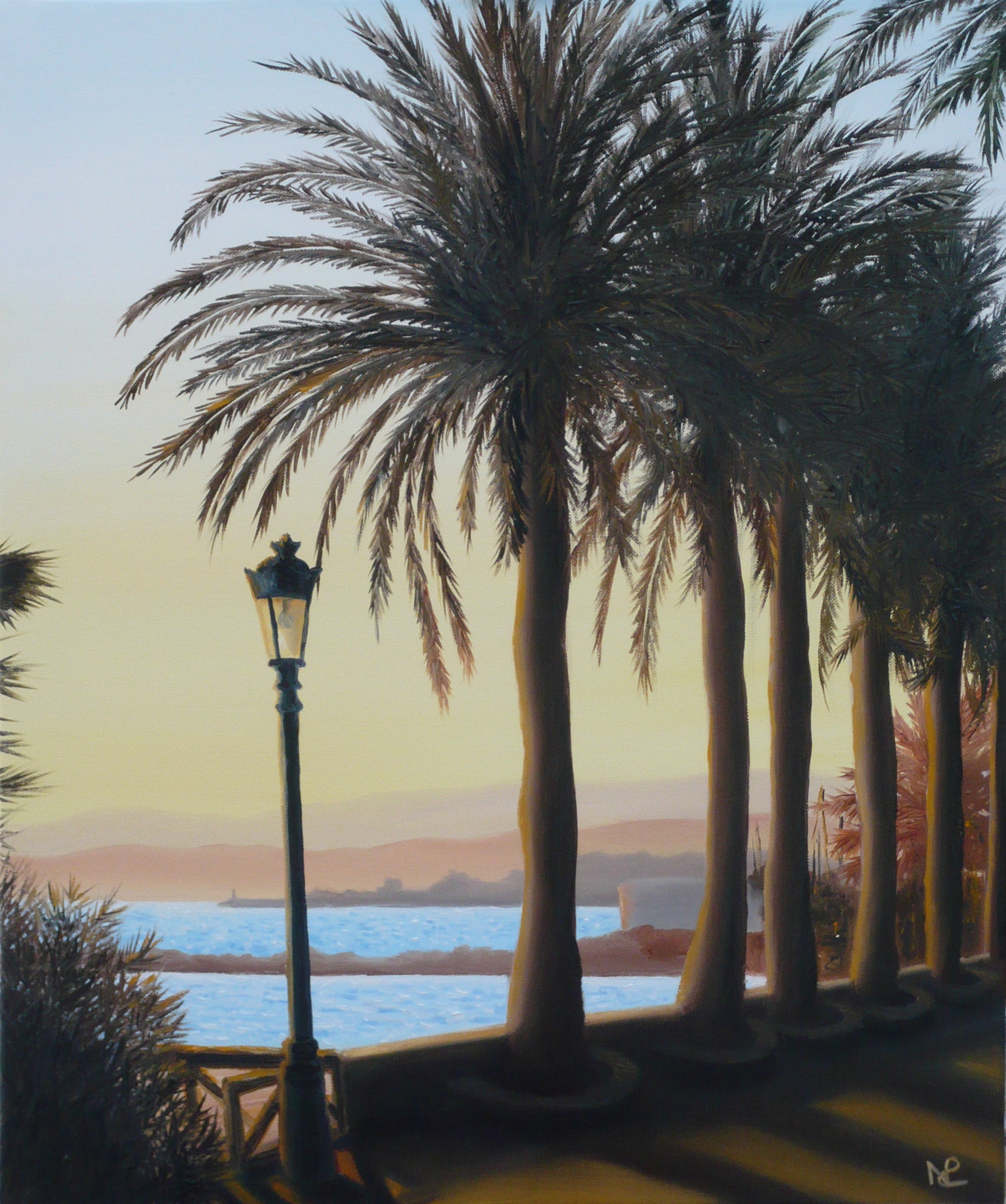
The only thing Marbella in Spain has in common is the sea. But its colour is a startling warm blue, glimmering almost independently from the yellowing evening skies above. Above the beach, a golden paseo maritimo is fringed with regal palms whose large canopy of leaves hang as silently still as the warm balmy calm air around them. Through the leaves, the multiple strata of a mountain layered landscape each deliver a different shade of soft pink, while in front the white harbour wall of Marbella’s port colours gently to cream in the face of the setting sun. 

Seascape III: Silver Surfer (2008 © Nicholas de Lacy-Brown, oil on canvas)

Seascape III: Silver Surfer (2008 © Nicholas de Lacy-Brown, oil on canvas)

Seascape IV: Marbella (2008 © Nicholas de Lacy-Brown, oil on canvas)

Seascape IV: Marbella (2008 © Nicholas de Lacy-Brown, oil on canvas)

I painted these two seascapes in 2008 when I was making a more intentional transition from acrylic into oil. These were part of a series of studies I made as I tried out the medium for the first time. Today, they hang at my parents house in Sussex, and it was when I was there this weekend that I was given the opportunity to reflect upon them, and the marked difference between seaside landscapes.

It comes at a pertinent time: in just a few days I will leave England, including the Sussex seaside town where I grew up for 18 years and which is featured in the seascape above. I will then move to Palma de Mallorca, the archetypal Mediterranean city, fringed with glorious palms and benefitting from sunshine almost the whole year around. Yet despite the very obvious benefits of moving to such a paradise, there will always be a part of me that will miss the English coast – for in its silvery wind swept beauty, the sea in England is just as special as in the Med. It’s just that more often than not, you may need a scarf and some gloves in tow to appreciate it.

© Nicholas de Lacy-Brown and The Daily Norm, 2001-2014. Unauthorized use and/or duplication of the material, whether written work, photography or artwork, included within The Daily Norm without express and written permission from The Daily Norm’s author and/or owner is strictly prohibited. Excerpts and links may be used, provided that full and clear credit is given to Nicholas de Lacy-Brown and The Daily Norm with appropriate and specific direction to the original content. For more information on the work of Nicholas de Lacy-Brown, head to his art website at www.delacy-brown.com