Skip to content

Late Turner at Tate: Repetitious repertoire with moments of genius

I think I may be almost alone amongst my British compatriots when I declare that I am not a huge fan of J M W Turner. In fact I’m fully expecting to receive a raft of hate mail when this review goes live on my blog and I conclude that Tate Britian’s latest exploit of this undoubtedly revolutionary British Artist is all a bit insipidly, uninterestingly “pastel”. Now don’t get me wrong, I am well aware that Turner was a master of his times, and likewise that he was crucial in the development of the impressionist, and then expressionist art movements that changed the world of art history. I do not doubt that without him, the whole revolution of modern art may never have seeded in quite the way it did, if at all. And I recognise that in so far as great British artists go (of which there are few), he is almost certainly one of the best. Yet when I am faced with a painting by Turner, I cannot help but feel depressed, and a little uninterested, my attention somewhat wondering away from the smudged colour palette, the greys and the pastels.

Tate Britain’s new Turner exhibition has opened with considerable fanfare. This is insuperably the case when any Turner show is opened in the UK, but the problem is, we’ve seen so much of the work before. Such is the result of an exhibition of Turner being shown at Tate, the very same museum which was bequeathed hundreds of Turner works a short time after his death. Since the exhibition focuses on “Late Turner” (works produced between 1835 and his death in 1851), it almost certainly features the lion’s share of the Turner Bequest, meaning that there is very little new to be seen by we London regulars. Still, one cannot doubt the scale and ambition of the show, which ably demonstrates that Turner was perhaps at his innovative best in this final period of his life. While the artwork is still trenched in the rigid tradition of the prescribed artistic and aesthetic tastes of the time (antiquity, pastoral landscape, naval scenes and the like), Turner was presenting canvases which aimed to capture more of an effect than a historical narrative. Even his history and antiquity paintings (of which there are many) focus more on the breathtaking light of a sunrise or sun set, or the moody effect resulting from a foggy encounter, than the story itself.

Regulus (1828)

Regulus (1828)

Peace - Burial at Sea (1842)

Peace – Burial at Sea (1842)

Ancient Rome; Agrippina Landing with the Ashes of Germanicus (1839)

Ancient Rome; Agrippina Landing with the Ashes of Germanicus (1839)

So to give the show its dues and focus in on the “good”, one cannot help but be stirred at times by some of Turner’s more atmospheric works, such as his paintings of stormy seas in Snowstorm (1842), so cyclical like a washing machine drum that you feel as though you are swept out at sea yourself – an effect which just can’t be captured from a postcard reproduction of the work. Mention also has to go to the stunning effects of light achieved by Turner – for example the burning glow of the Fire at the Houses of Parliament, and the incredible blinding light captured in his painting Regulus (1828) – an effect so well captured that I felt compelled to look away from the painting, as though I was staring into the sun itself.

Snowstorm (1842)
Snowstorm (1842)

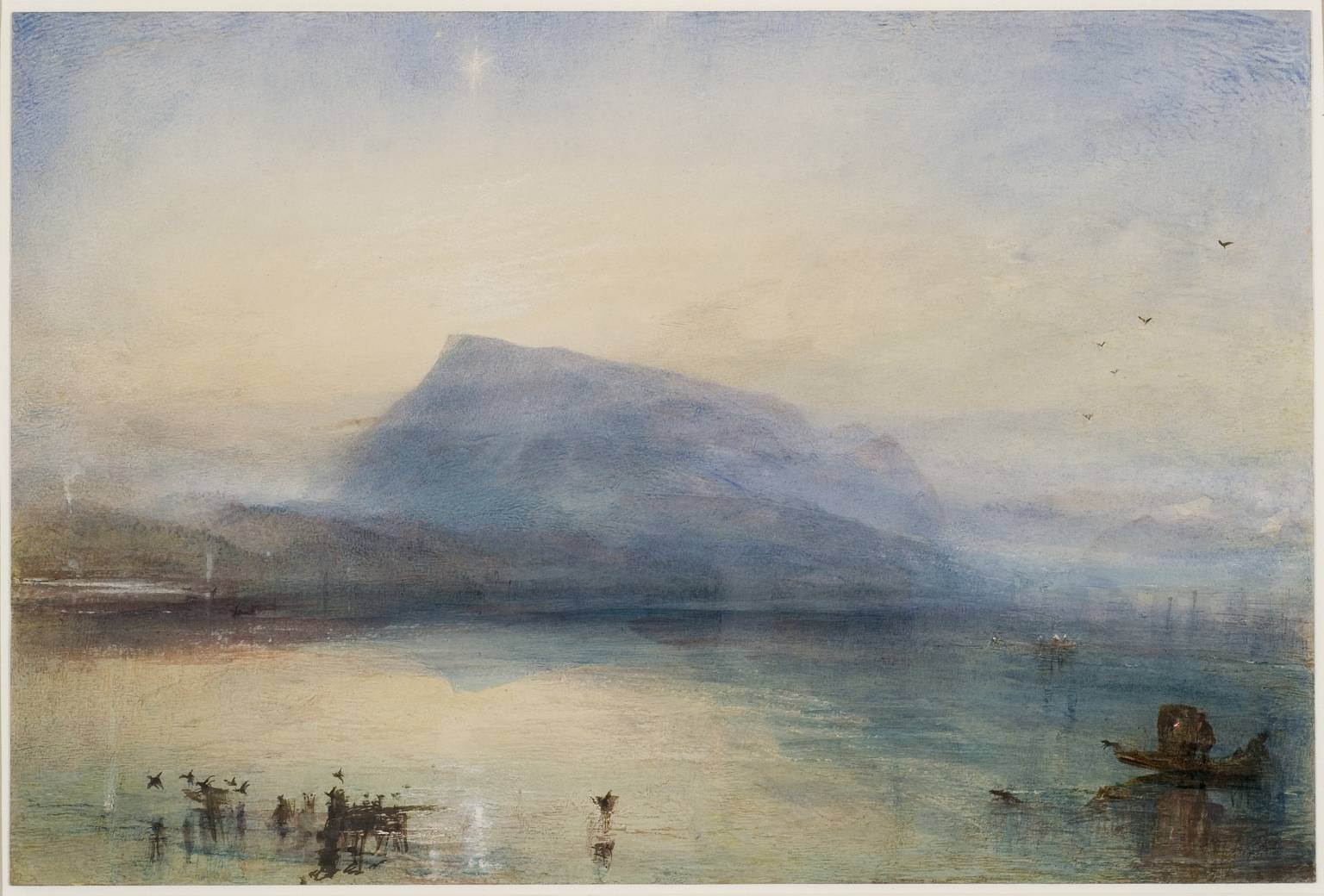
The Blue Rigi Sunrise (1842)

The Blue Rigi Sunrise (1842)

Burning of the Houses of Lords and Commons (1834)

Burning of the Houses of Lords and Commons (1834)

For me though, the success of the show – its scale – was also its downfall, as with so many Turners from the same period exhibited all together, one couldn’t help conclude that it was all a bit samey, and repetitive – a feeling also engendered by the RA’s Monet show a few years back, when one water lily after another began to look like a single mesh of watery wobbly lines so that you could no longer distinguish between them. This feeling is proliferated at Tate’s show by the unfortunate decision to paint the walls in the same predominant colour as the paintings, so that in one room, a gallery full of dull yellow paintings feels even duller and more dated thanks to the same colour having been painted on the wall. If only the whole show had been curated like the middle room, where Turner’s square and round paintings were hung on dark walls and spot-lit to magnificent effect. Under those conditions, the works really came alive.

So coming out of this exhibition, my conclusions were as follows: Turner left me flat, not so much because of his work, but because of the way the show had been put together. Too much, too samey, and horrible decisions regarding wall colours. What Turner was brilliant at was capturing light, and it is this, set against dark backgrounds, that Tate should have concentrated on, to give Turner’s final years the kind of exhibition they perhaps deserve.
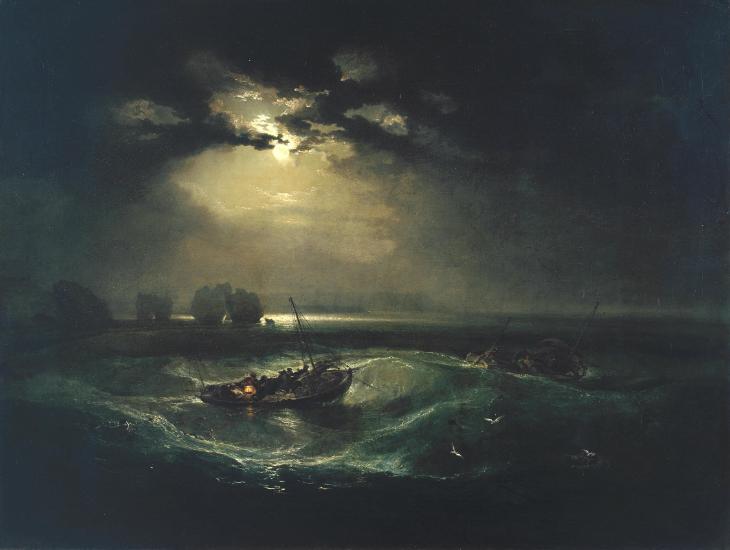
Fishermen at Sea (1796)

Fishermen at Sea (1796)

Late Turner: Painting Set Free is showing at Tate Britian until 25 January 2015

Watery Wonder of Wandsworth in the Autumn Light

After a rare extension of English summer temperatures to the end of September, the inevitable onset of autumn last weekend was heralded by a sudden drop in temperatures, but also a very welcome burst of sharp strong sunshine. Waking to the sunrays peeking their way through my window blinds this Sunday, I rose from my slumber with a new sense of excitement for the season ahead, and gathering together some long since aired padded winter clothing, I headed out with my partner to enjoy the arrival of Autumn.

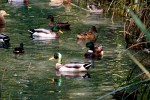
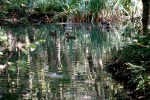
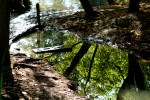
Our original intention was to photograph the typical hallmarks of the season: conkers, ruby-coloured leaves and mushrooms peaking up around the damp bases of ancient trees, but perhaps because of the warmer-than-average September, or maybe because it is still early days in the autumn calendar, we found such seasonal staples to be lacking. However, what we did find, upon walking in the densely verdant landscape of South London’s Wandsworth Park, was a waterway of small ponds and larger lakes come alive with the auburn light and the rich sunny hues of autumn. While I have seen this park in every season, there was something about the interplay of autumn light, with the turning colour of the leaves and the elegant auburns and greens of the mallard ducks gliding on the surface of the water that made the entire scene a treat for the eyes.

DSC08918 DSC08915 DSC08837 DSC08908 DSC08846

So rather than giving you a photographic panoply of autumn berries, nuts and other forest favourites, my homage to autumn’s ascendancy is an album focusing on the stunning sparkling reflections formulated in the softly-lit waters of Wandsworth Park. Autumn in England is not known to be the most clement of seasons, but on a day like this, it can make for one of the most beautiful times of all the year.

All photos and written content are strictly the copyright of Nicholas de Lacy-Brown © 2014 and The Daily Norm. All rights are reserved. Unauthorized use and/or duplication of the material, whether written work, photography or artwork, included within The Daily Norm without express and written permission from The Daily Norm’s author and/or owner is strictly prohibited.

The Daily Norm Photo of the Week: Sunrise above the Sleepers

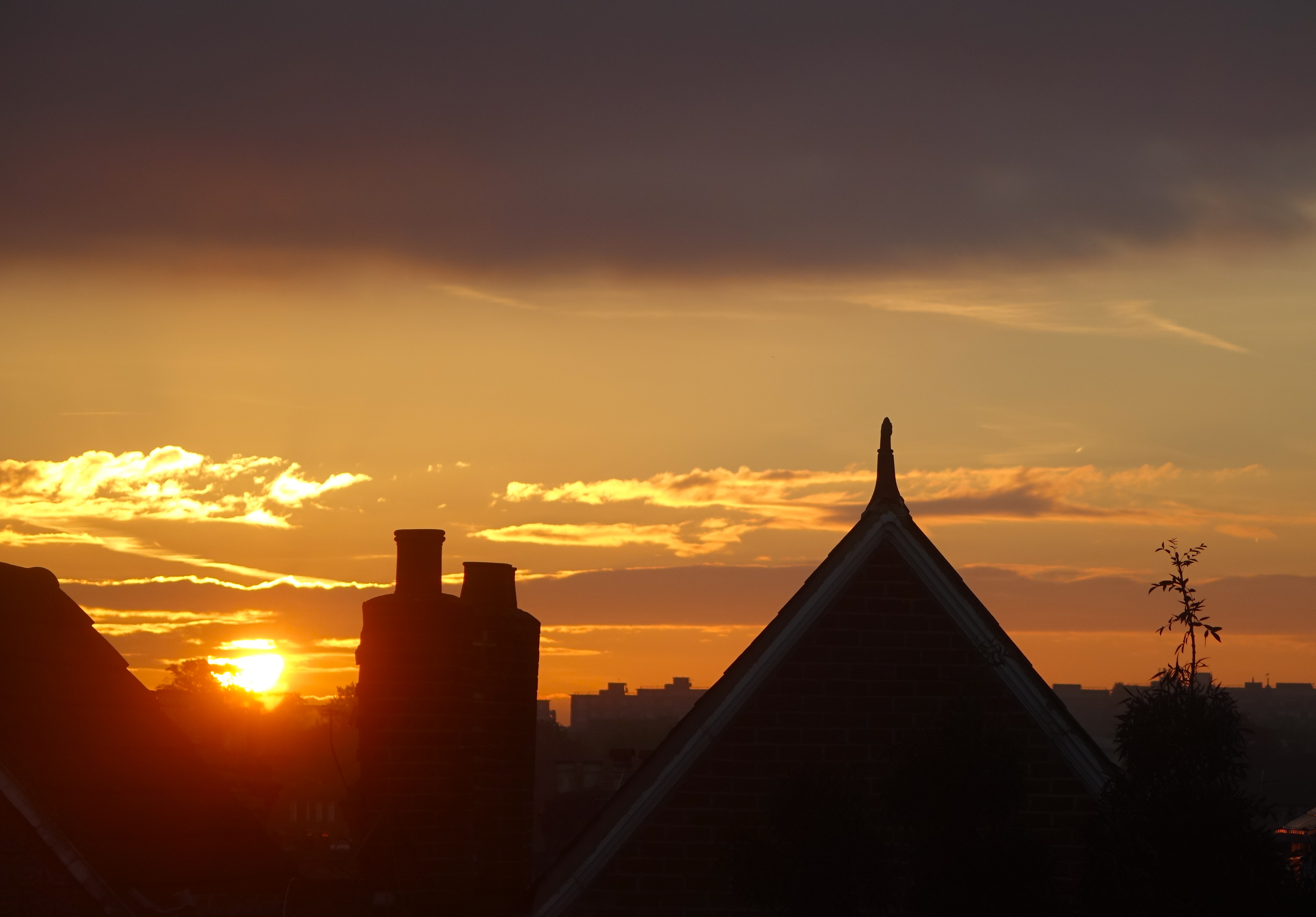
Waking up on a weekday in order to go to work is simply dismal at this time of the year. As the season descends into autumn and then winter, and the days get shorter and shorter as they go on, the forceful ringing of an alarm clock before the skies are yet light seems like the most unnatural and cruel start to a day imaginable. Why can’t humans be as sensible as animals, curling up in their warm beds until at least the sun is out, and the start of our day coincides with the awakening of nature around us? Better still, can’t we just hibernate now until the cold dark times of winter are over? Nonetheless, despite this gloom, if you’re lucky with timing, there is one thing about the autumn that makes waking up before sunrise a real treat for the eyes – the skies. Just as the sun is about to rise (and when, of course, the sky is clear of clouds – not exactly easy in England) autumn’s gift is a sunrise so visually enriching that it could be mistaken for a neon light show out of an 80s roller disco. Shot through the sky, stripes of richly fluorescent orange slice through a peachy soft sky, while above, the fading exit of the night sky bleeds from dark blue, to lightening blue, through to a subtle shade of fragrant purple.

This week’s Daily Norm Photo of the Week shows one such sunrise, when the sun has just burst above the horizon and transformed the skies around it into a cocktail of colour explosions. I love how the urban silhouette in front of it responds with such fervour in a sharp relief of black, while reminding us that at this time of the sun’s early entrance, beneath the eaves and roofs of these houses, workers remain snuggled up in bed, fighting the eager alarm clock whose shrill warning reminds the snoozing sleeper that it is time to face the cold, long, busy day ahead.

DSC08699

The Daily Norm Photo of the Week: Il Grillo Parlante

Whenever The Daily Norm focuses in on a particular photo, that photo is more often than not a nature shot. For there is nothing quite so beautifully complex as the work of mother nature, especially the little beasties that she has gathered around the earth. And this week’s offering is no exception, for following hot on the heels of my Tuscany exposé is a spectacular little resident of the region who we happened to meet one sunny morning over coffee in the town of Campiglia Marittima. Meet Jiminy Cricket himself, a right royal example of this bandy legged wonder, sat aloofly in a lush leafy plant neighbouring our table as we sat nonchalantly sipping cappuccino in the sun.

With his large oval eyes casting side glances at the viewer, and dappled wings whose complex pattern looks like a cracked ceramic tile or a Roman mosaic, this insect is truly a beauty, and I was delighted to achieve this closeup without the said spectacle jumping swiftly out of sight. But I also love other aspects of the photo too, such as the soft defocus of the cobweb in the immediate foreground which has the appearance of rainbow electrics shooting through the air.

DSC08139

It seems appropriate that this marvellous cricket should have been found in amongst the verdant landscape of Italy, for Jiminy Cricket himself, perhaps the most famous cricket of them all and illustrated character of Disney’s Pinocchio was of course based on a character of Italian author  Carlo Collodi‘s original Pinocchio tales, a character whose simple name, The Talking Cricket (Il Grillo Parlanate) takes the name of this post. 

My début at the Dulwich Picture Gallery

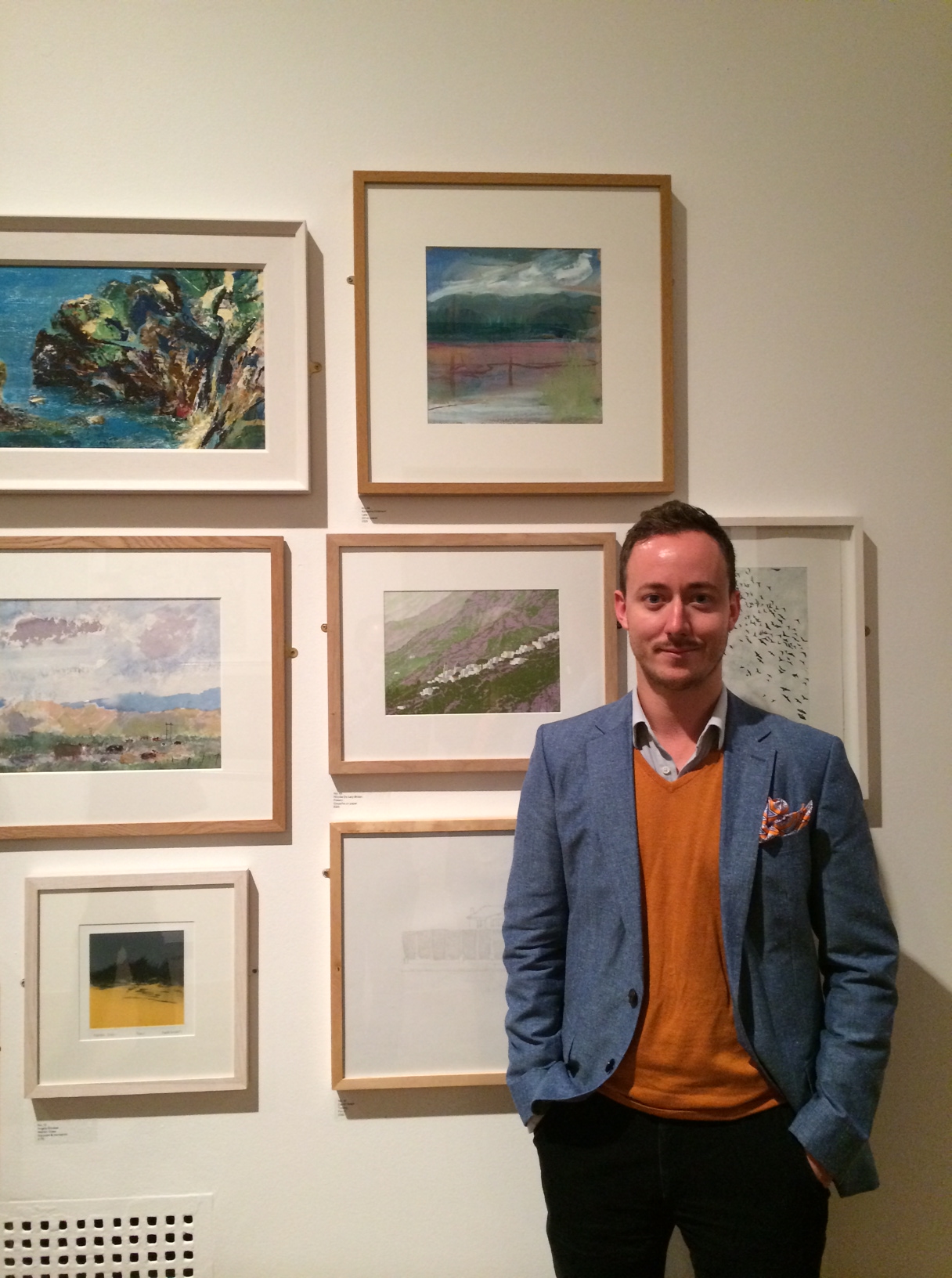
2014 has been a great year for me artistically. In May, I held my most commercially successful exhibition to date, with plenty of exciting commissions and opportunities flowing straight out of it. In July I exhibited with a new generation of freshly graduated art students at London Bridge’s Art Academy, and in September I exhibited my prints in a sensational show of printmaking talent amongst the works of the East London Printmakers at the Embassy Tea Gallery in London Bridge. But as far as 2014 goes, I have certainly left the best until last. For this October, one of my paintings will hang in an art gallery so prestigious, and so imbued with history, that it feels like a dream to see my work up on its walls.

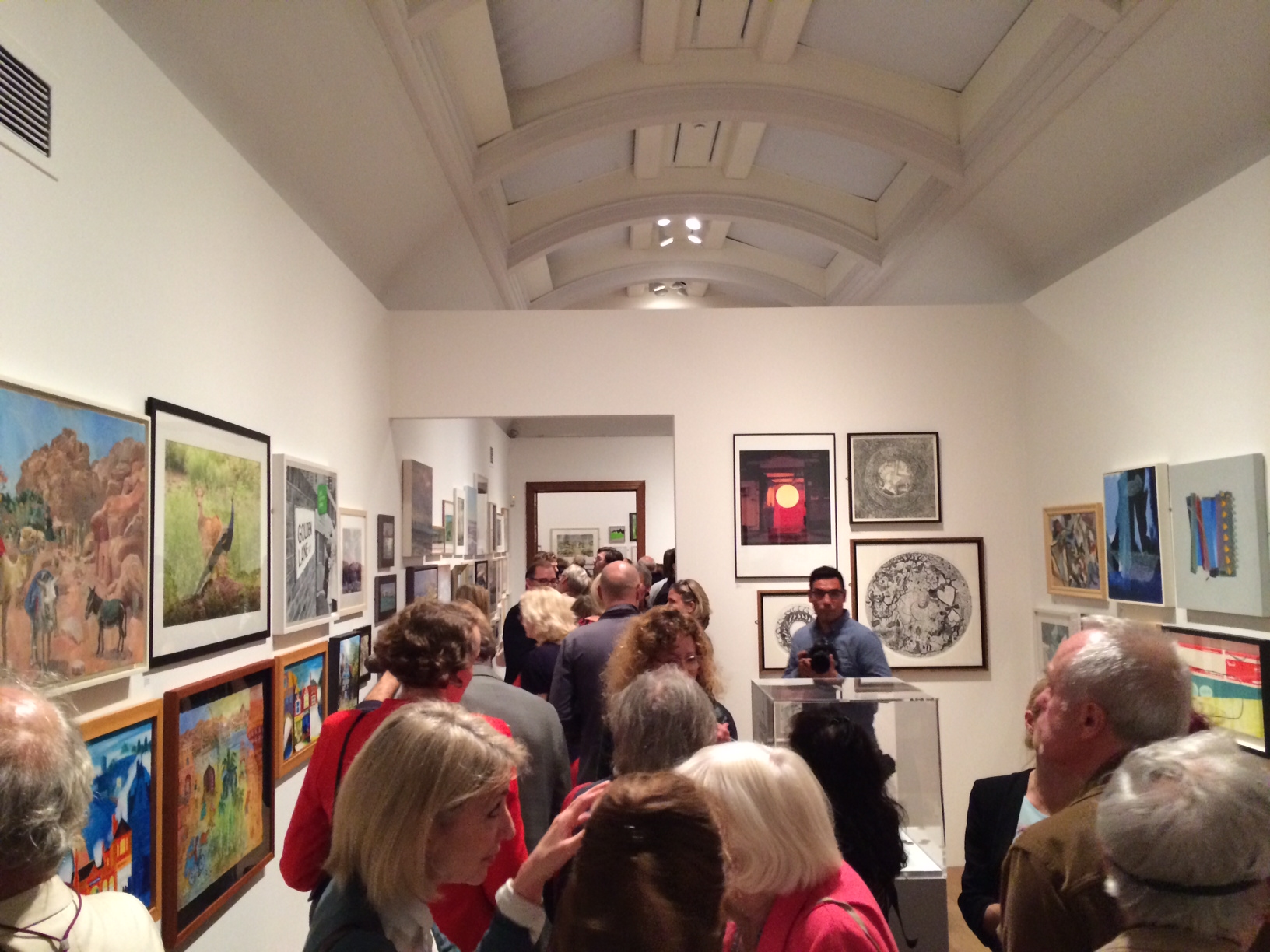
I am of course talking about the Dulwich Picture Gallery, Britain’s oldest public art gallery, and home to some of the UK’s most illustrious artists and art collections, amongst them undisputed masters such as Gainborough, Watteau, Canaletto, Veronese and Reynolds. And for the next two and a half weeks, starting with a lavish opening gala last night, my very own artwork will be hanging amongst other works in a new Open Submission show a mere few metres from these incredible masterpieces of art history – a complete honour.

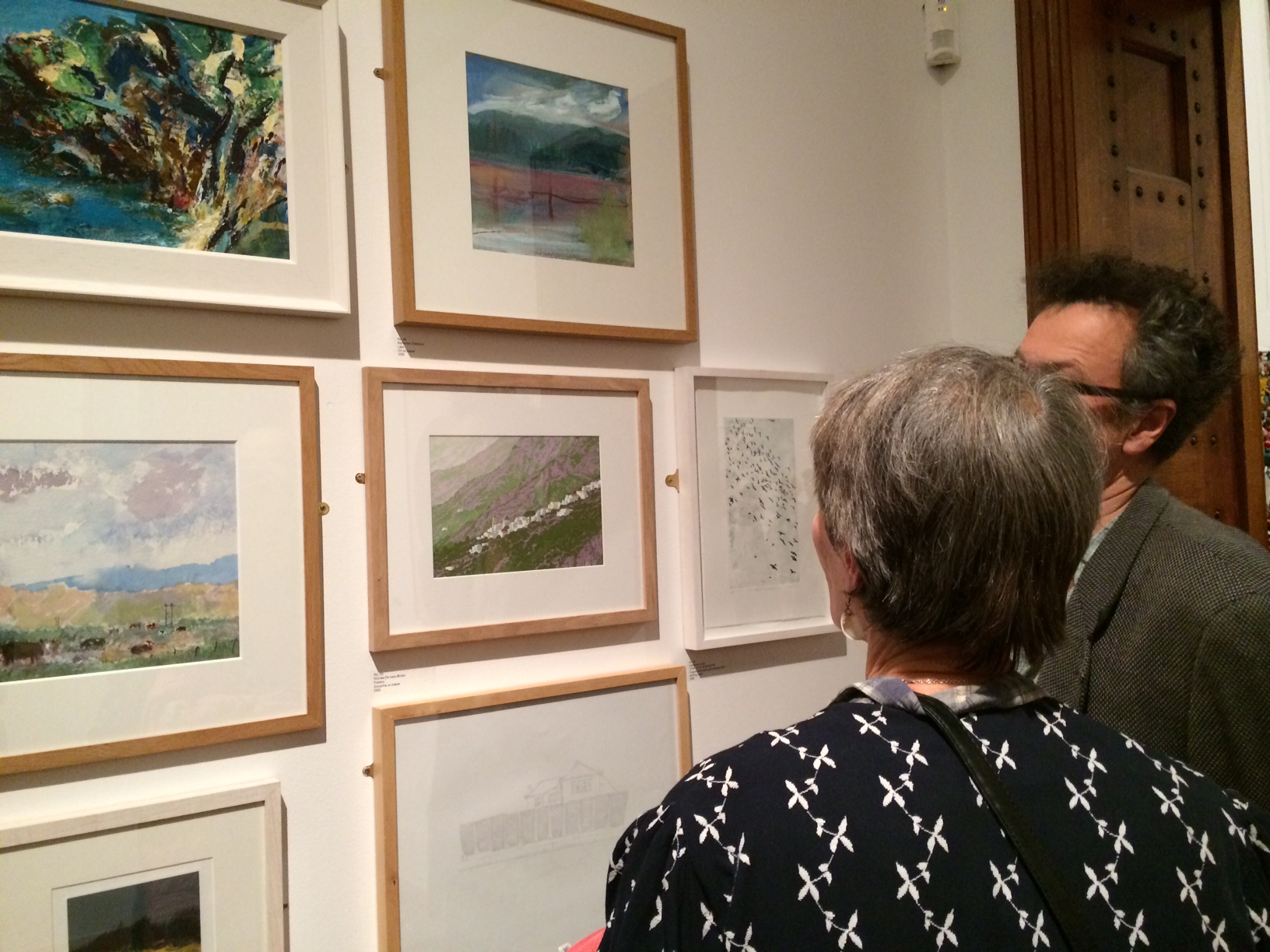
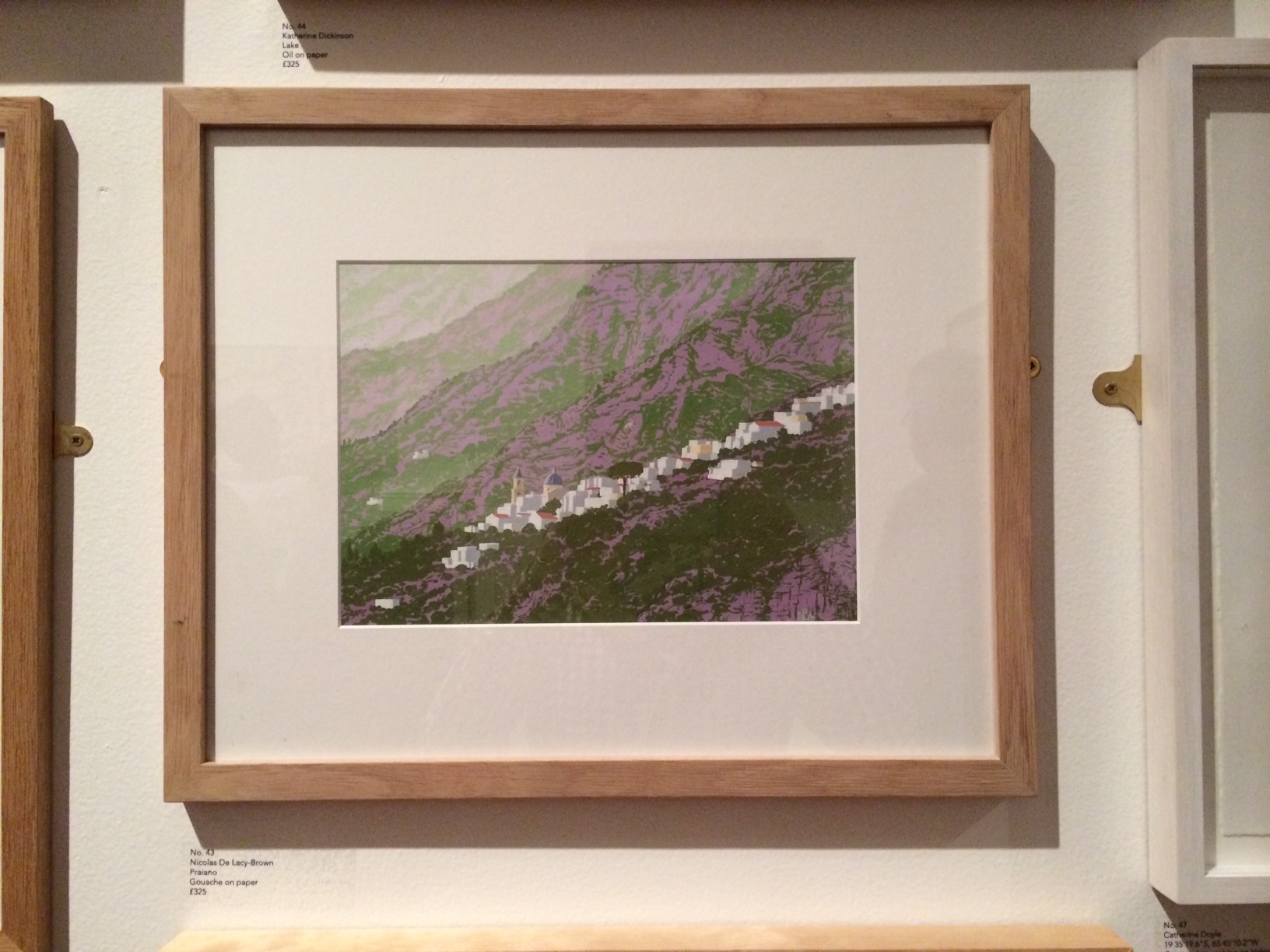
The painting selected for show was my simple landscape of Praiano, a glistening little town on the mountainous Amalfi Coast. Painted in gouache on paper in the immediate aftermath of my Amalfi Coast trip, the painting is one of currently 11 paintings comprising my “interpretations” collection, and is perhaps the most meditative and tranquil of them all. All framed up in a fancy oak frame, it looks splendid, and I have never been prouder of my artwork than last night, when I saw my little painting hung on these walls where only months before David Hockney’s world-class printworks had been admired by crowds of thousands.

2 1 image 3 imwsef

And of course my painting is not alone. Hanging amongst some 170 others, it is but one in a collection of wonderful works submitted by the Friends of the Dulwich Picture Gallery and chosen for exhibition by a panel of illustrious judges. So  don’t just go along to see my Praiano – make your way to Dulwich to see galleries full of creative gems – both those of new budding artists, and of art history’s greats.

The Dulwich Picture Gallery Friend’s Open Exhibition runs until 12 October 2014.

Interpretation No. 11 – Castagneto Carducci

Last week’s Daily Norm was a glorious panoply of Tuscan views, scenes and sensations and it’s not quite over yet. For hot on the heels of my Tuscan weekend comes my 11th interpretative landscape – part of my Interpretations collection which I began some three months ago after being inspired by the sumptuous landscapes and cubic shapes of Italy’s Amalfi Coast. 

Back in Italy this September, and one glimpse up through the vine-packed fields of Donoratico to the emerging landscape of Castagneto Carducci made me realise that this pretty hill top town was an obvious contender for an interpretative overhaul. For with its tightly packed cluster of pastel coloured houses all set up on a Tuscan hill, Castagneto offers a wonderful synthesis between petit-urban development set amidst a stunning landscape, which is exactly what the Interpretations series sets out to emulate. And I think this 11th Interpretation is probably one of my favourites of them all.   

Interpretation No. 11 - Castagneto Carducci (2014 © Nicholas de Lacy-Brown, gouache on paper)

Interpretation No. 11 – Castagneto Carducci (2014 © Nicholas de Lacy-Brown, gouache on paper)

© Nicholas de Lacy-Brown and The Daily Norm, 2001-2014. Unauthorized use and/or duplication of the material, whether written work, photography or artwork, included within The Daily Norm without express and written permission from The Daily Norm’s author and/or owner is strictly prohibited. Excerpts and links may be used, provided that full and clear credit is given to Nicholas de Lacy-Brown and The Daily Norm with appropriate and specific direction to the original content. For more information on the work of Nicholas de Lacy-Brown, head to his art website at www.delacy-brown.com

Sunset on Tuscany

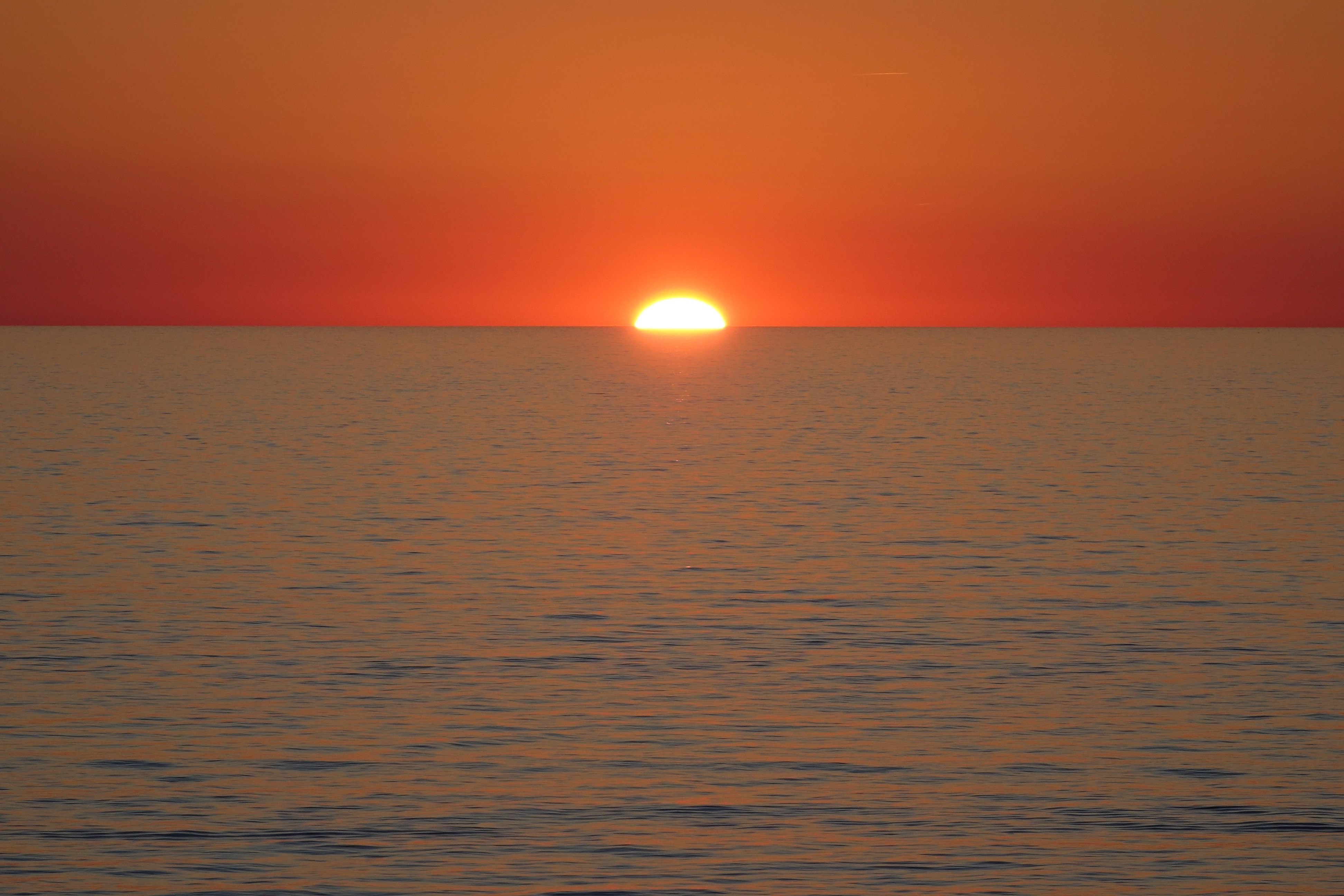
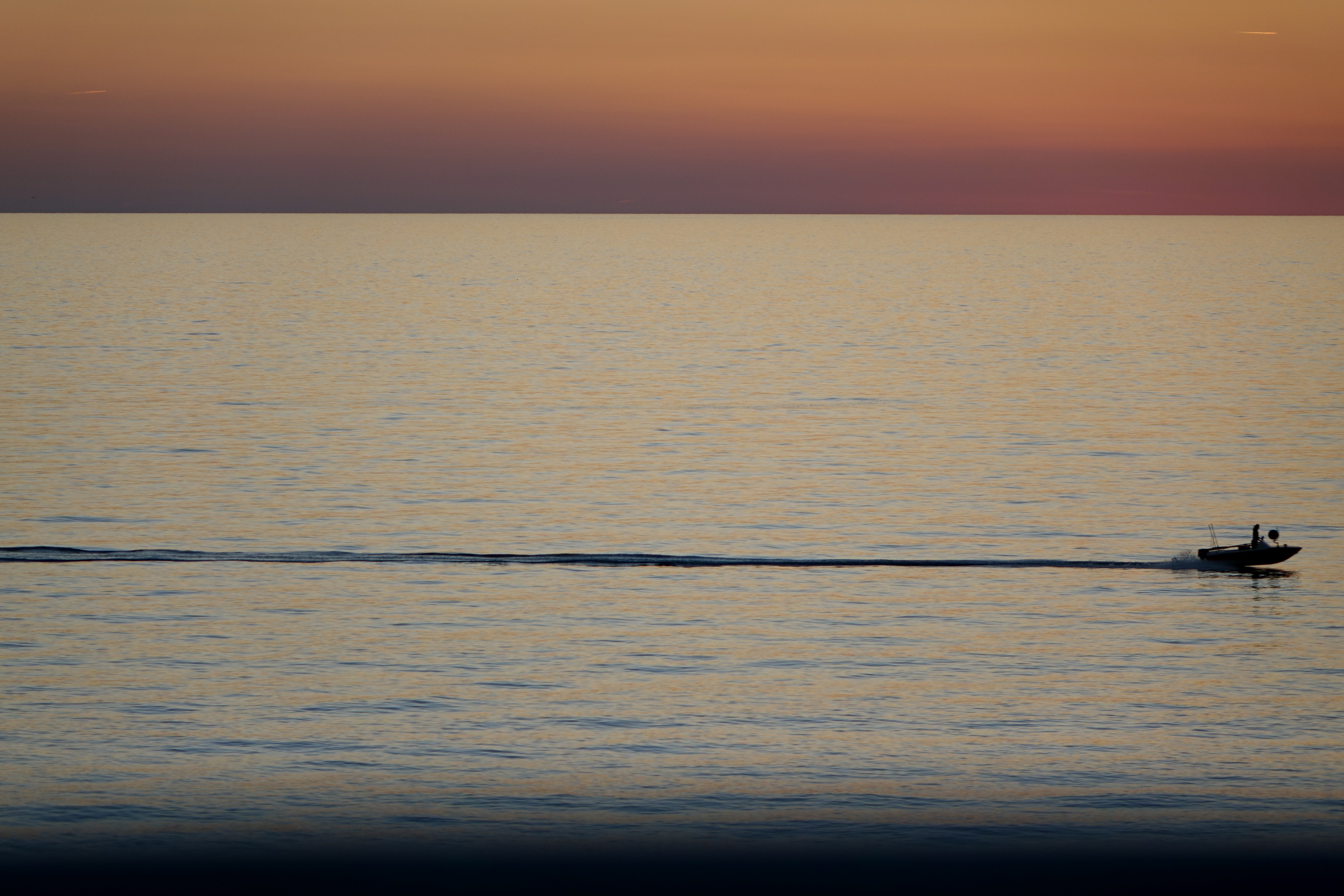
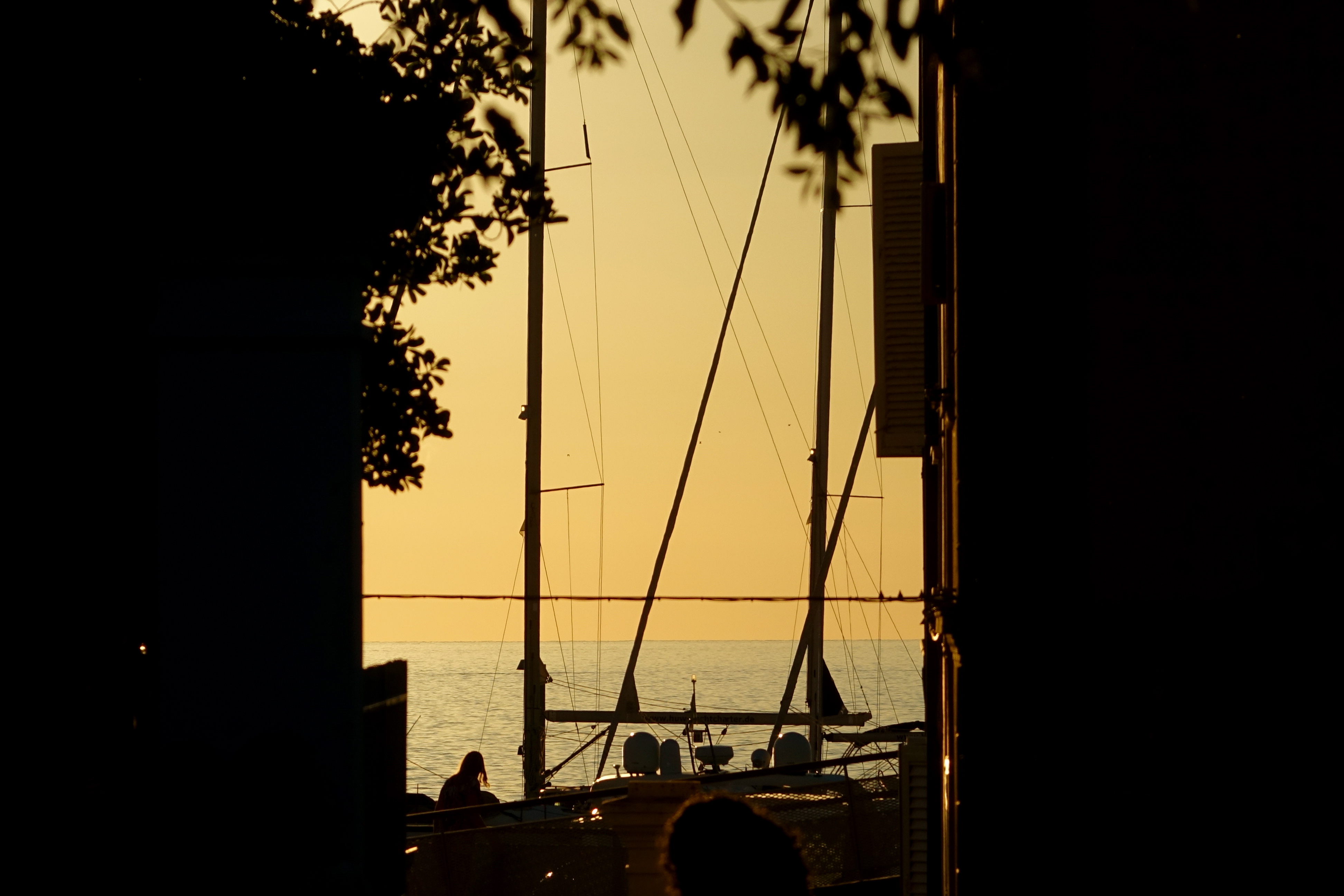
Just as this week of Tuscany posts began with an essay on a sensational sunny morning, when the sun was slowly rising over the calmest of seas, so now it ends with the most sumptuous of sunsets, as that round ball of fire on which we are all so inherently reliant made its 180 degree course through our northern hemisphere before dropping gracefully beyond the reach of the equator to pursue a further path on the other side of the world. 

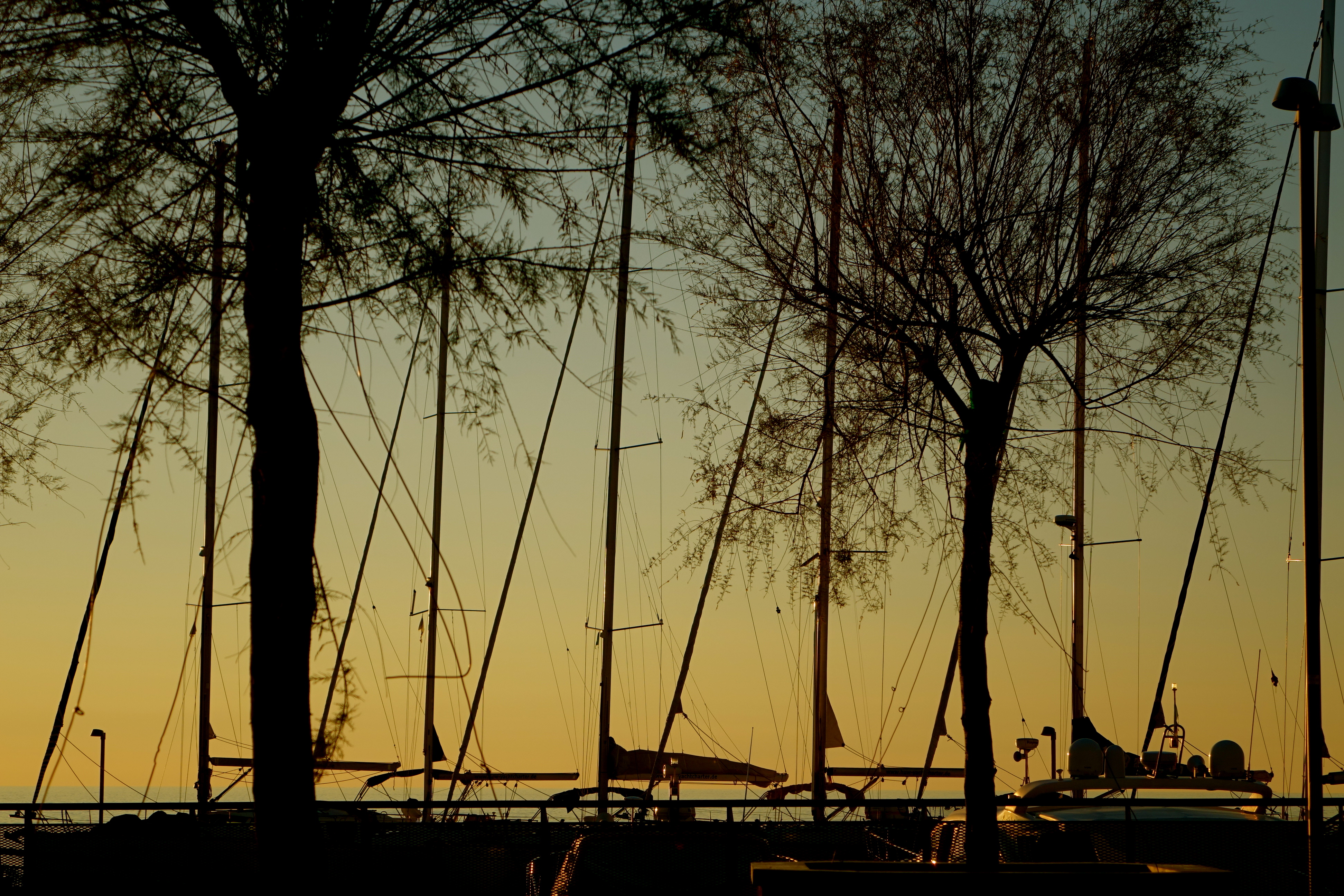
As the Tuscan coastline universally faces west, wherever you are on that beautiful stretch of pine tree lined coast, you are guaranteed to be treated to the most stunning of sunsets, whatever the time of the year. Over just a short weekend in Tuscany, we witnessed three incredible shows, and with each the panoply of colours striding through the sky seemed to increase. From a lemon yellow deepening through to mango, when the sun eventually plunged beneath the horizon, the sky was shot with the most exquisite shades of rose and raspberry ripple so that, by the time night descended, the sky had danced its way through a cabaret of colours, inspiring fruit filled cocktails and artists aplenty in its wake. 

DSC08364 DSC08393 DSC08355 DSC08414DSC08359

But just as the sun had to set, a little earlier each day, so too did the time have to set on our little trip to Tuscany. For the nature of a weekend is the inevitable onset of work the following Monday, and with this damned thought in mind, we made our long way back, besides a fading purple sky, along the dark winding road to Pisa. 

All photos and written content are strictly the copyright of Nicholas de Lacy-Brown © 2014 and The Daily Norm. All rights are reserved. Unauthorized use and/or duplication of the material, whether written work, photography or artwork, included within The Daily Norm without express and written permission from The Daily Norm’s author and/or owner is strictly prohibited.

Tuscan Town Triple: Numero Tre – Monteverdi and the Vineyards of Donoratico

Monteverdi Marittimo is, on the map at least, mere kilometres from the little Tuscan Town of Castagneto where we journeyed on yesterday’s Daily Norm. But as the name suggests, Monteverdi rests atop a very green mountain, and the map does little to betray the extensively meandering length of road which takes a good half an hour to wind round and round the ascent of that mountain to reach the town on the top. As you do so, it is interesting how the air becomes yet clearer still, and the surroundings greener and more forested than ever – this is after all the terrain of the wild boar and the various huntsmen who annually go in their pursuit. 

Upon our eventual arrival in this tiny town, the spirit and feel of the hunt was very much in the air. The town has an altogether more “gamey” feel to it. Take away the sun and you might have been in Scotland, its old stone cottages and streets looking somewhat hardened by the elements. In fact I half expected to find stags heads and hunting rifles at every turn. Instead I found a atypical Tuscan town metamorphosed into an altogether more robust version of its normal romanticised cliche.

DSC08572 DSC08586 DSC08569

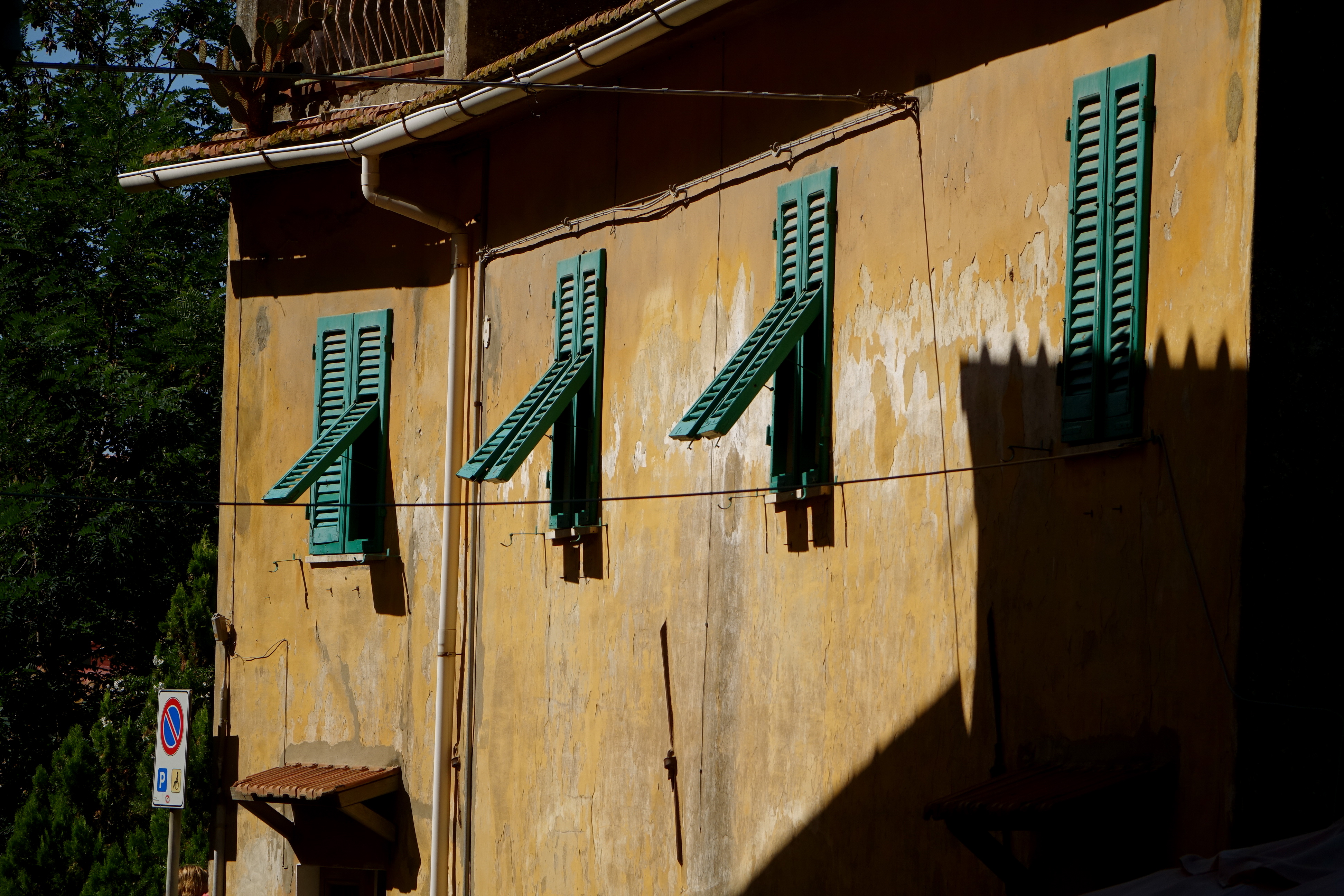
Here the green shutters of the lower towns had been painted a muddy shade of brown; from here the views of the surrounding Tuscan countryside were so much lower down in altitude that they had become misty with distance. But despite the very beautiful results of old town against winning views, the town lacked soul. It’s streets were empty – we didn’t see a soul – almost as though the whole population had heard of an oncoming disaster, something of which we remained blissfully unaware, that is at least until we had lunch at the Trattoria del Pettirosso whereupon a disaster really did unfold – a gastronomic catastrophe of chewy badly cut ill cooked steak tagliata and a vino rosso so foully fizzy that the thousands of local wine growers around the town must have had a moments reflex of stomach-churned disgust. 

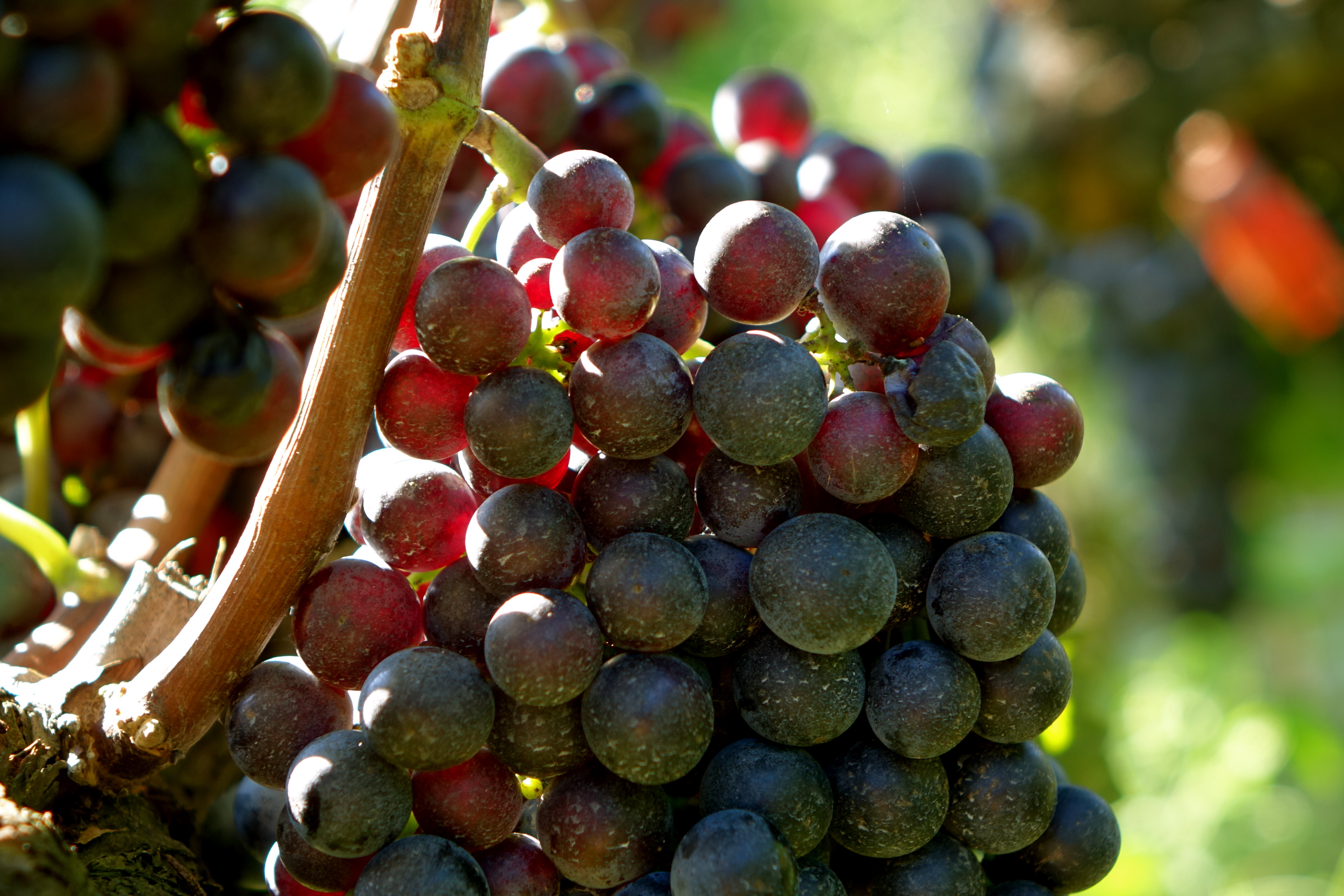
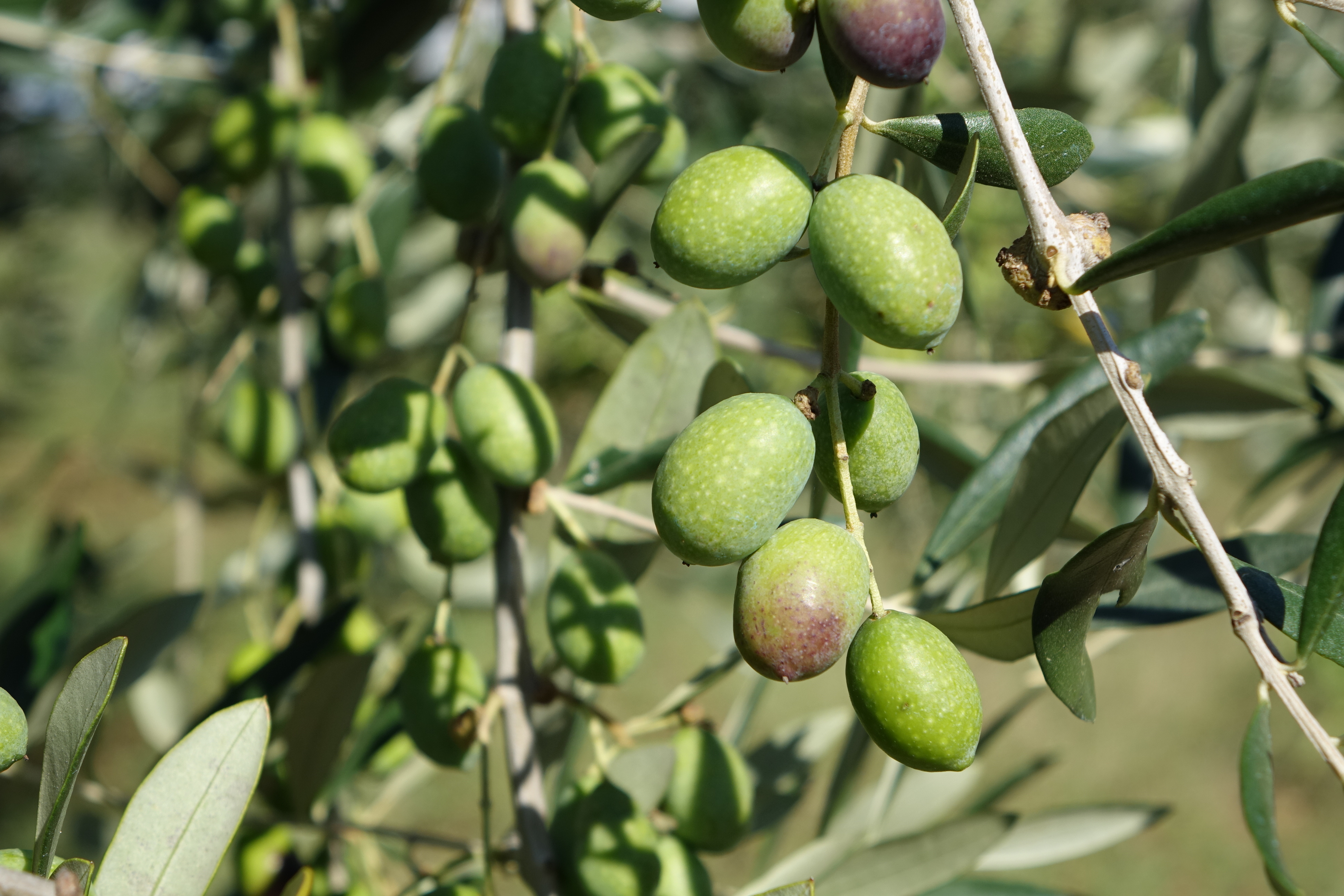
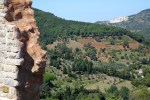
Still, there was no denying the abundance of verdant countryside between Monteverdi and the sea, and as we descended back to ground level, we had the opportunity to wander amongst olive groves and vineyards full of the plumpest sweet grapes, taking the opportunity to sneakily taste one or two – for any day now these will be picked and harvested to make their way into a hopefully far superior wine than the horror which had ensued at lunch. 

DSC08646 DSC08616 DSC08622

All photos and written content are strictly the copyright of Nicholas de Lacy-Brown © 2014 and The Daily Norm. All rights are reserved. Unauthorized use and/or duplication of the material, whether written work, photography or artwork, included within The Daily Norm without express and written permission from The Daily Norm’s author and/or owner is strictly prohibited.

Tuscan Town Triple: Numero Due – Castagneto Carducci

Castagneto Carducci has a grand ring to it, like an aristocratic stronghold or a line of infamous popes. It is in fact quite the opposite of grand – a tiny hill top town clustered in the heart of wine-producing Italy so small that cars are band from its centre, and it comprises only a handful of small winding streets. Happily for me, this delightful little town is but minutes from my partner’s family home, a more than pleasant drive meandering through vineyards and fields packed with ripely fruited olive trees. 

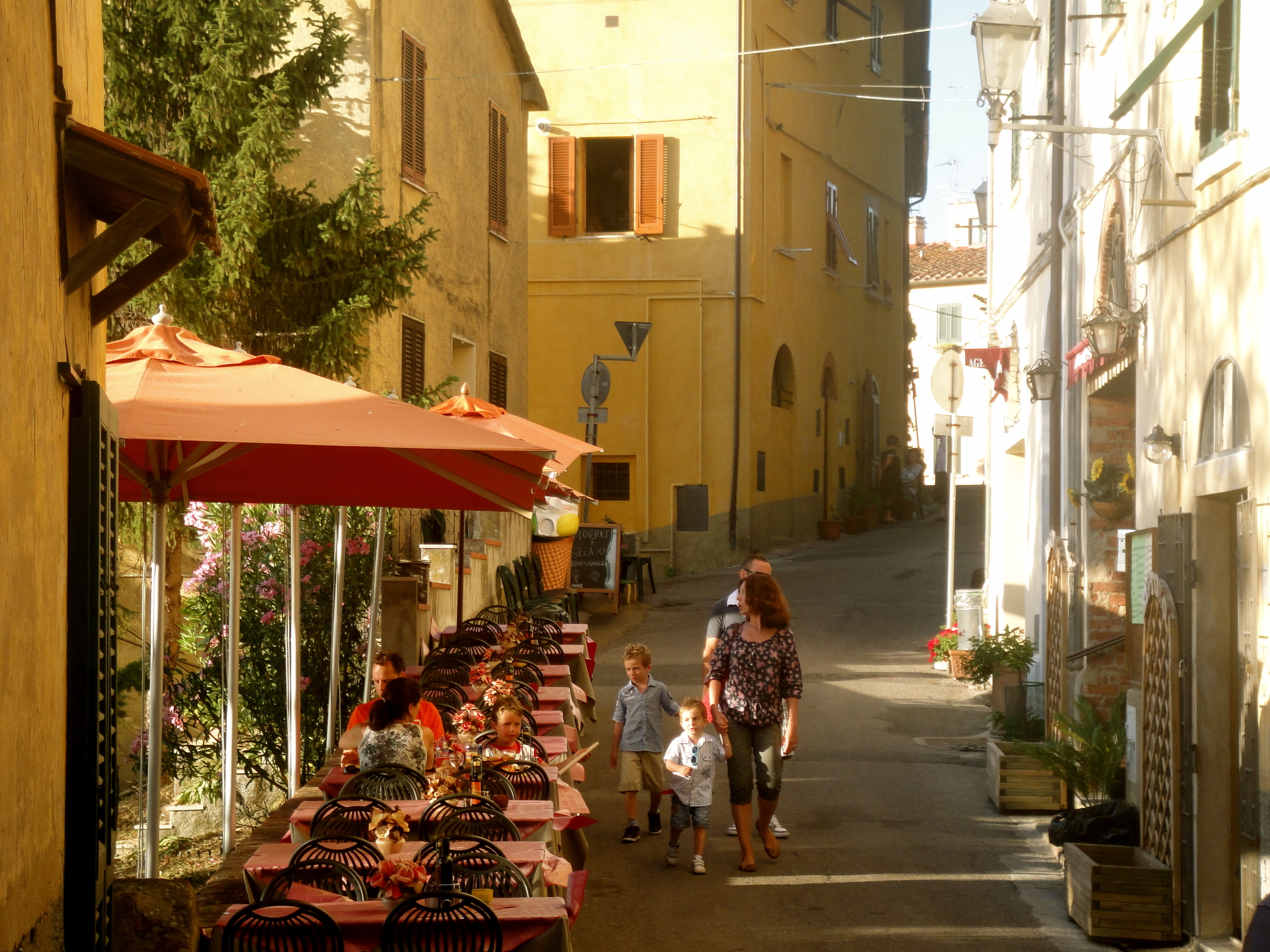
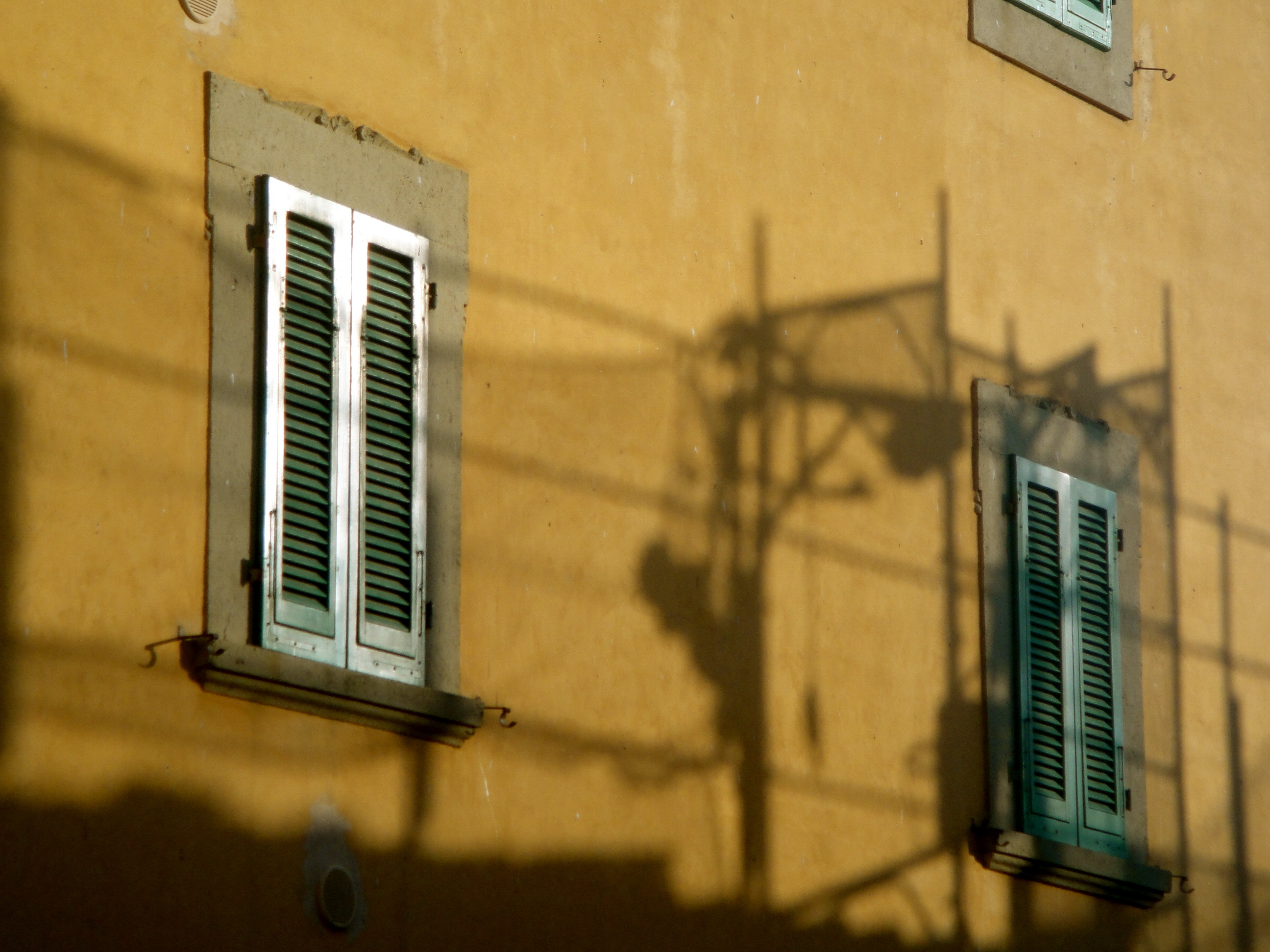
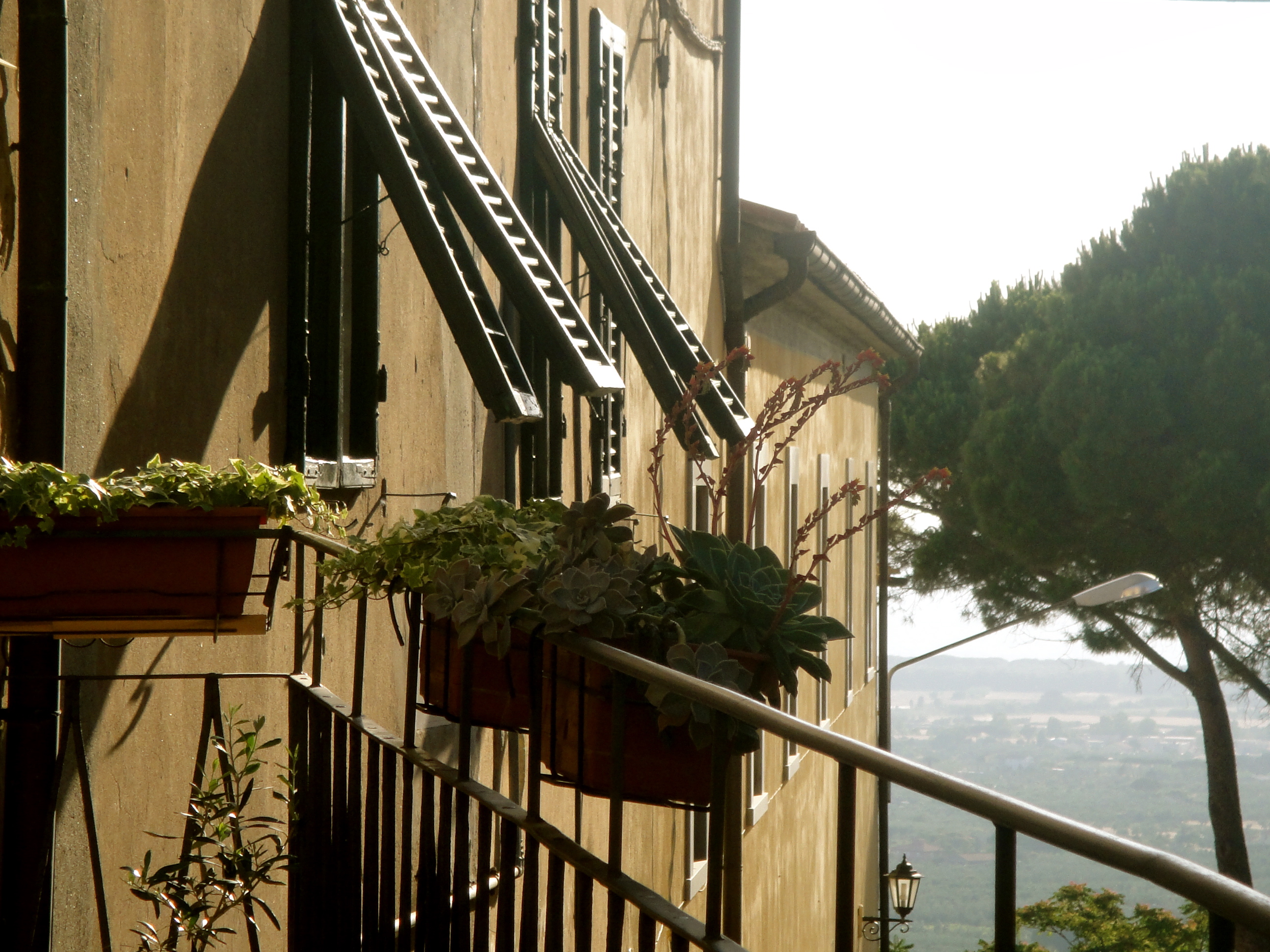
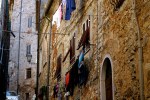
Up in Castagneto it’s like another world. Car-free, worry-free, the visitor to this little Tuscan gem can wander uninhibited in and out of little shops selling the best local produce, wines, oils, herbs and soaps before stopping in one of the charming little cafes for an aperol spritz or a morning prosecco. Having had a heavy night sampling only the best of the local Bolgheri vino rosso, we opted for coffees before indulging in the photography which this little charismatic enclave begs for, taking in the little side streets populated by sun-loving cats and chatting locals all set against a backdrop of sunny pastel houses and more of those iconic Mediterranean window shutters. The results of those amblings are the harvest festival of photos shown on today’s Daily Norm.

DSC08473DSC09394DSC09351DSC08472DSC09407DSC09408 DSC09367

But for those left salivating at this dip into the Elysium of Tuscany’s fields, your wait for the next picture-perfect treat will be brief: return to The Daily Norm tomorrow for numero tre in the Tuscan Town Triple. In the meantime here’s a gallery of what Castagneto does best.

All photos and written content are strictly the copyright of Nicholas de Lacy-Brown © 2014 and The Daily Norm. All rights are reserved. Unauthorized use and/or duplication of the material, whether written work, photography or artwork, included within The Daily Norm without express and written permission from The Daily Norm’s author and/or owner is strictly prohibited.

Tuscan Town Triple: Numero Uno – Campiglia Marittima

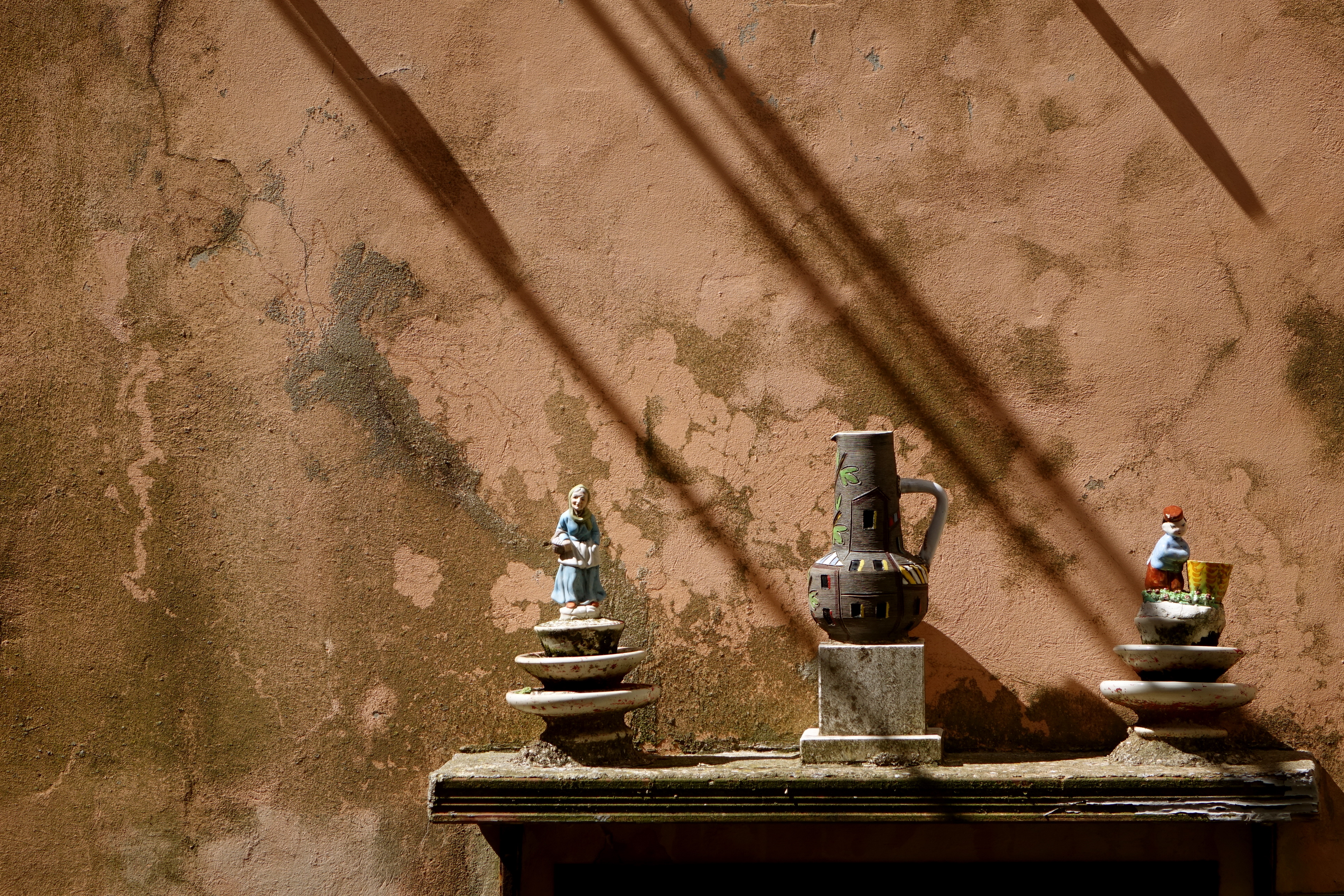
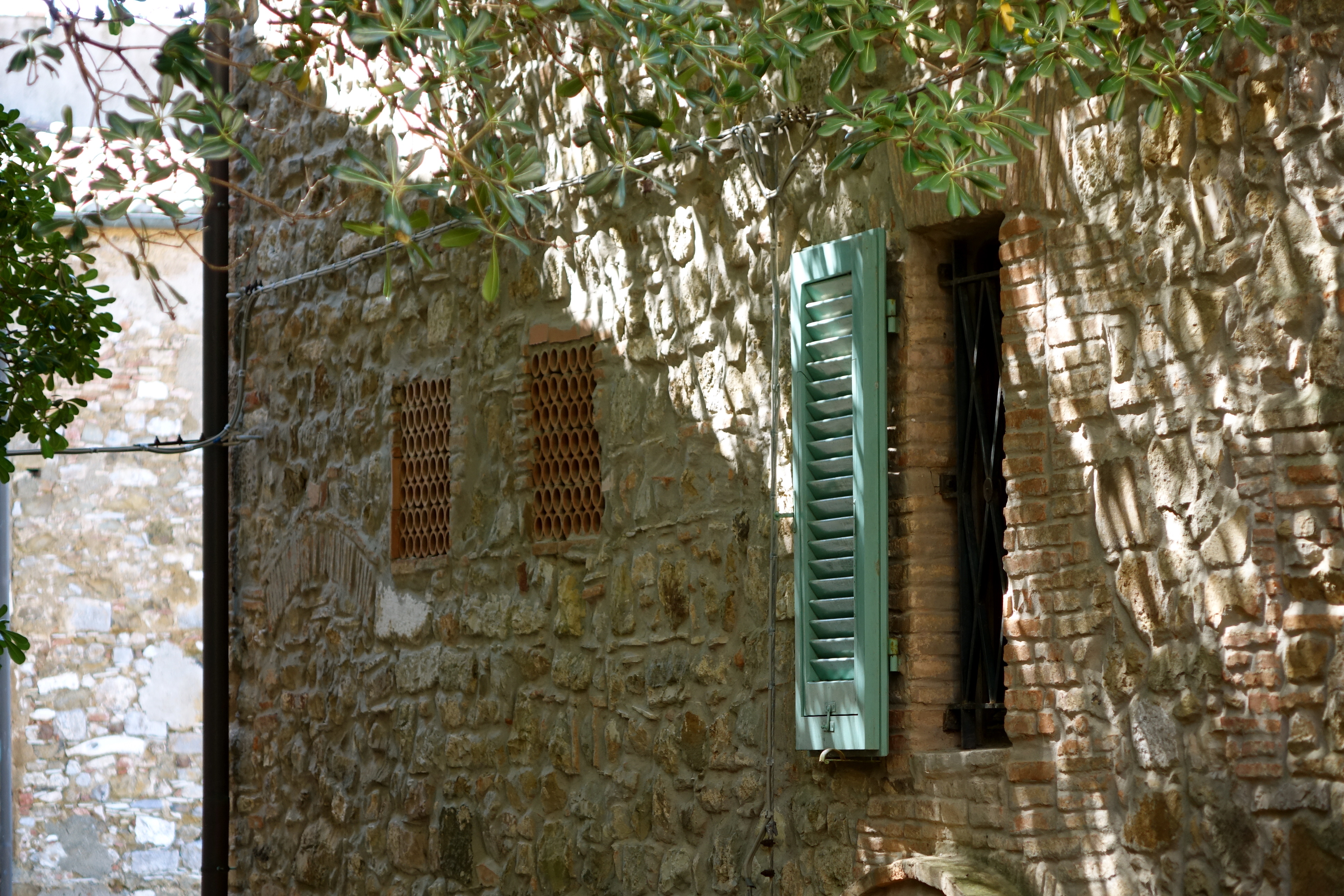
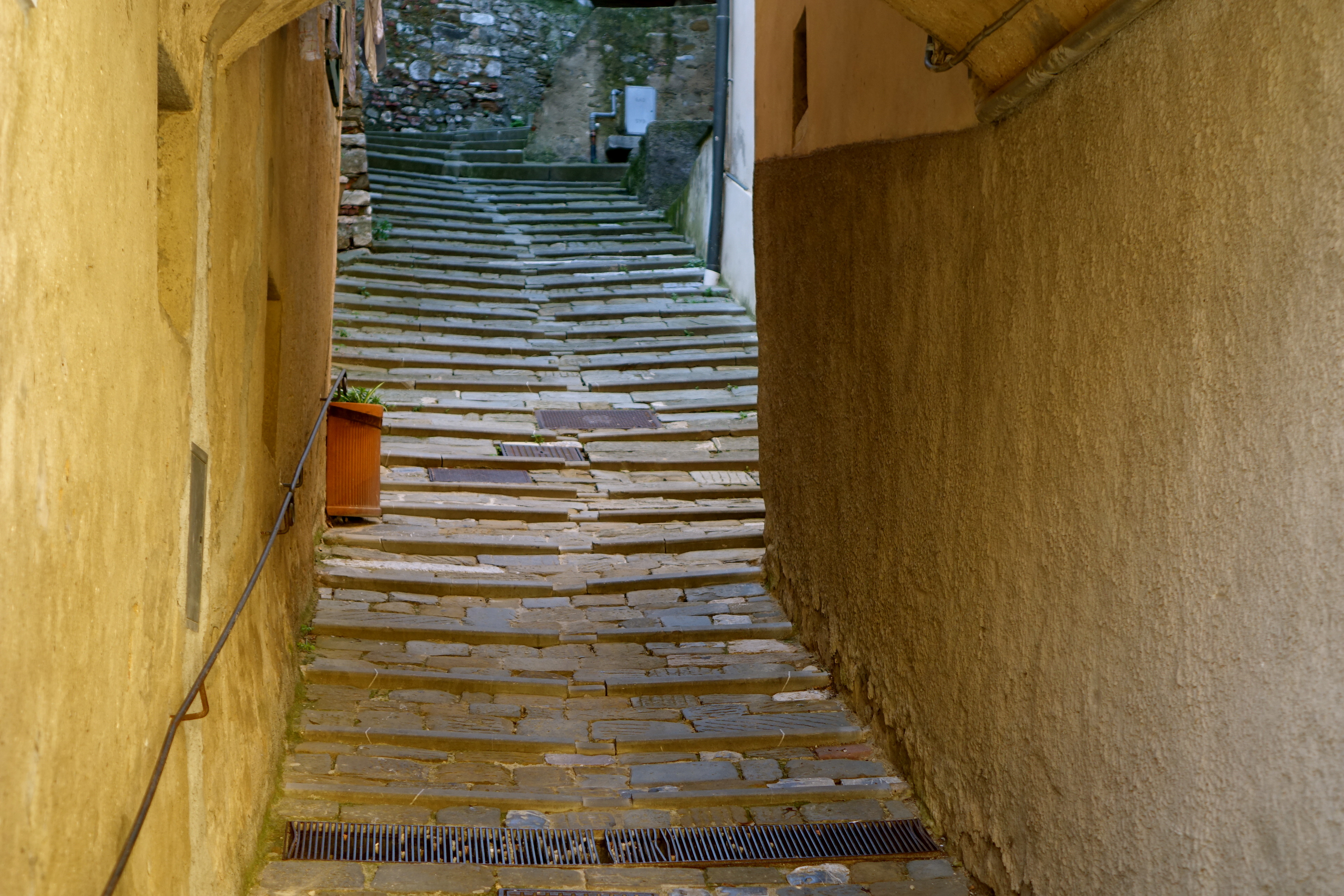
One mention of Tuscany brings to mind meandering cypress-fringed roads winding their way through fields of sunflowers and olive trees; it is synonymous with old shuttered farm houses and vineyards carefully tendered in perfectly straight rows; and it recalls the typical Tuscan village, all built from crumbling beige stone, with a cosy central piazza and at least one church and campanile ringing out the hour. And these visions of a bucolic paradise are not merely the things of dreams. On my recent weekend in Tuscany, I was lucky enough to ride along the meandering cypress-lined roads, walk amongst vineyards and visit not one, not two, but three stunning little Tuscan towns, all three of which demand a photo essay all of their own. 

In this first, I introduce you to Campiglia Marittima, a hill top citadel just inland from San Vincenzo on the Tuscan coast, benefitting with views not just of wide Tuscan planes, but also of the coast towards Piombino and beyond the island of Elba. 

DSC08308 DSC08246 DSC08287DSC08262 DSC08157 DSC08264 DSC08076

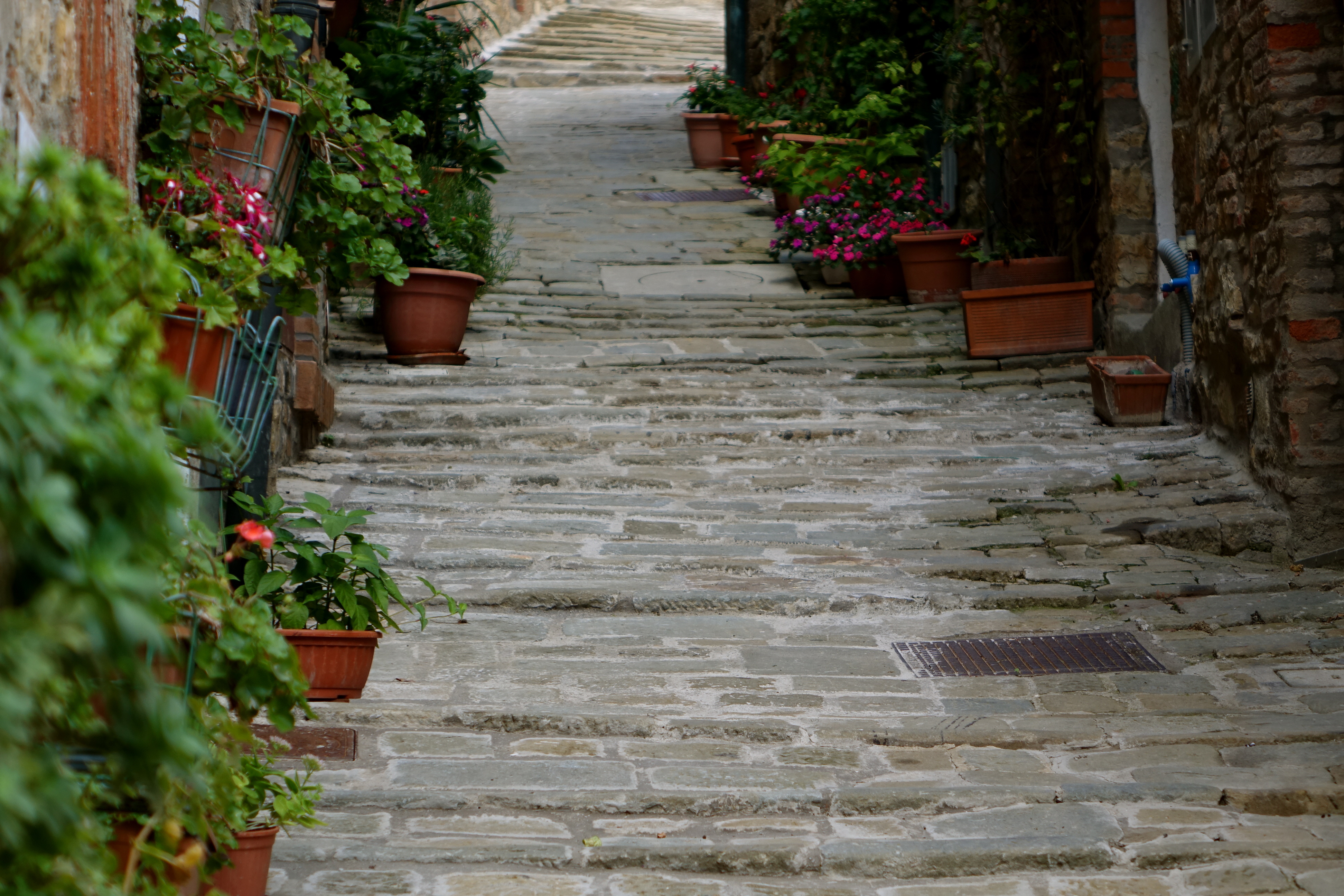
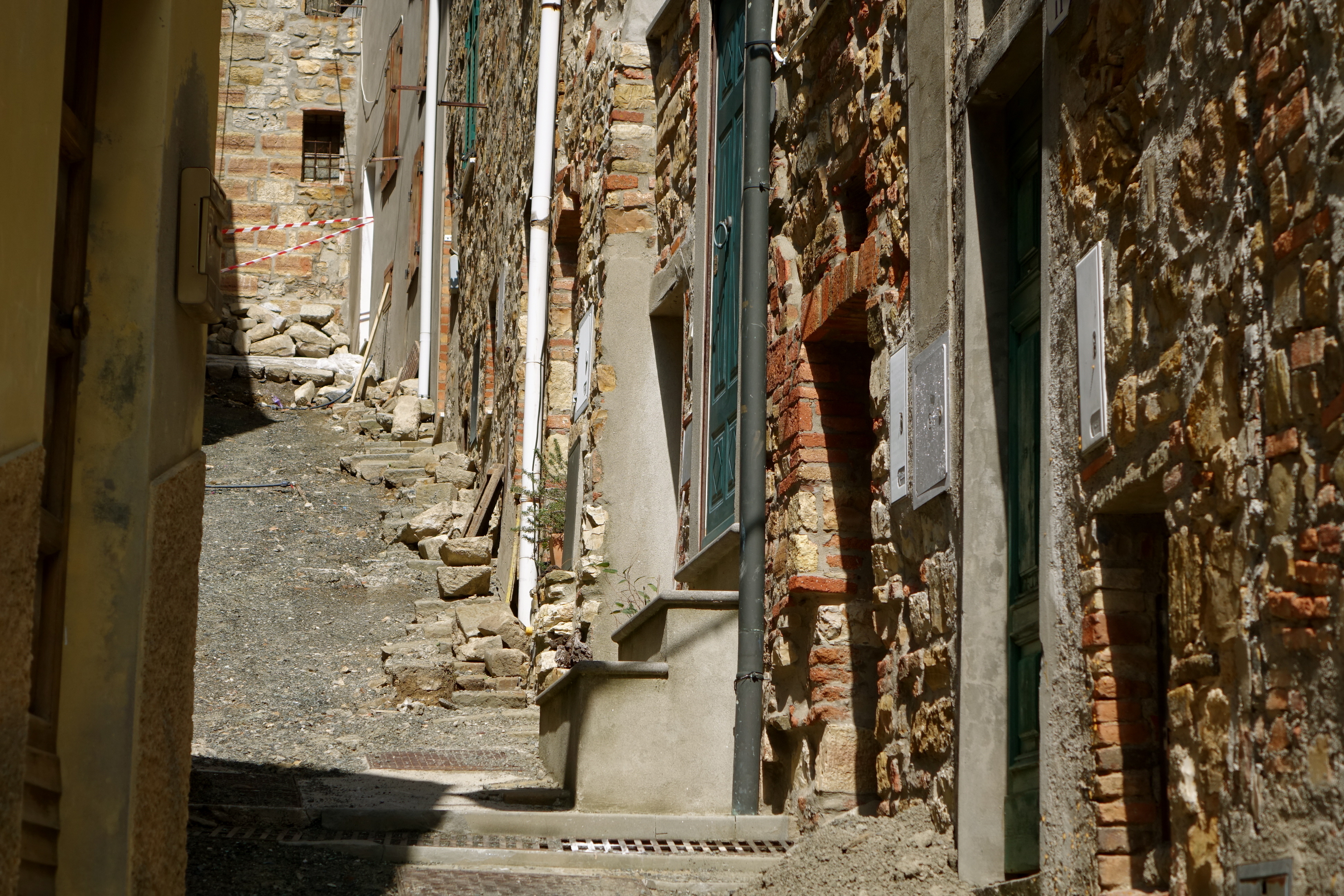
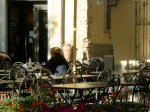
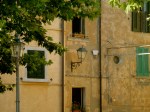
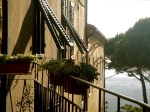
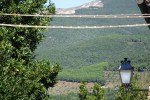
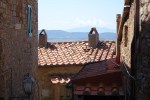
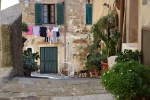
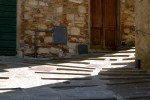
This was my first trip to the town, and in it I found the very typique of a Tuscan settlement. Little squares on whose benches the elderly locals lingered chatting in the shadows; consistently charming houses, all built with stone and with windows shuttered in either green or blue, small little cafes creating a bustle in the central square, gently undulating cobbled streets and stairways leading up and down the steep hillsides on which the town is clustered. For photography the town was a gem of a model. Each street offered a multiple overlap of charming features – a distant hillside, an iron street lamp in front; either side quaint window shutters and in the foreground plants and multicoloured flowers grown in every shape and size of pan, can or pot. 

Campiglia Marittima is the very epitome of Tuscan charm, but in the great chocolate box of Tuscany’s multiple offerings, this was a sweet caramel delight in a box of plenty. Come back tomorrow for another of Tuscany’s idylls. 

All photos and written content are strictly the copyright of Nicholas de Lacy-Brown © 2014 and The Daily Norm. All rights are reserved. Unauthorized use and/or duplication of the material, whether written work, photography or artwork, included within The Daily Norm without express and written permission from The Daily Norm’s author and/or owner is strictly prohibited.