Skip to content

The Norm Nativity | Angels visit the Shepherds

In the last installment of the Norm Nativity, we left poor Mary Norm and Joseph Norm upon their arrival in the little town of Bethlehem. With not a room to be found in inn nor hotel, they were facing a night out sleeping rough – hardly the best conditions for giving birth to the promised one. Luckily for them, the surprisingly sharp intuition of Nancy the donkey led them all to a far warmer and cosier alternative (if a little pongy) – a stable on the outskirts of town, where soon enough Mary Norm lapsed into the inevitable agonies of labour, and gave birth to a darling little Norm baby who they called Jesus Norm, who was very soon comfortably installed on a bed of hay in a manger.

The birth of Jesus Norm very soon caused waves of celestial excitement. Above the stable, a particularly bright star grew even brighter, and in the stars around it, angel Norms started gathering to celebrate the birth, flying then from place to place to spread the great news. One of the first places they visited was a nearby field, where a group of shepherds sat about having a little evening supper after a hard day looking after their not insubstantial flock. When the shepherds caught sight of a group of angels coming towards them, they almost collapsed in shock – their poor little sheep didn’t know what to do with themselves and promptly hid behind their shepherd masters. Only when the excitement of the news relayed by the angels sunk in did the shepherds (and the sheep) begin to settle, jumping up with some excitement and declaring that they must visit the baby forthwith!

So unto Bethlehem the shepherds headed then, to see little baby Jesus Norm in all his glory. Join the Norm Nativity next time to see who else is making their way to celebrate the birth.

Angels visit the Shepherd Norms (2013 © Nicholas de Lacy-Brown, pen and gold paint on paper)

Angels visit the Shepherd Norms (2013 © Nicholas de Lacy-Brown, pen and gold paint on paper)
In the meantime, here’s how another writer, one Luke, described the angels’ visit in the bible:

And there were shepherds living out in the fields nearby, keeping watch over their flocks at night.  An angel of the Lord appeared to them, and the glory of the Lord shone around them, and they were terrified.  But the angel said to them, “Do not be afraid. I bring you good news of great joy that will be for all the people.  Today in the town of David a Savior has been born to you; he is Christ the Lord.  This will be a sign to you: You will find a baby wrapped in cloths and lying in a manger.”  Suddenly a great company of the heavenly host appeared with the angel, praising God and saying,  “Glory to God in the highest, and on earth peace to men on whom his favor rests.”  When the angels had left them and gone into heaven, the shepherds said to one another, “Let’s go to Bethlehem and see this thing that has happened, which the Lord has told us about.”  So they hurried off and found Mary and Joseph, and the baby, who was lying in the manger. 

Luke 2: 8-15

© Nicholas de Lacy-Brown and The Daily Norm, 2001-2013. Unauthorized use and/or duplication of the material, whether written work, photography or artwork, included within The Daily Norm without express and written permission from The Daily Norm’s author and/or owner is strictly prohibited. Excerpts and links may be used, provided that full and clear credit is given to Nicholas de Lacy-Brown and The Daily Norm with appropriate and specific direction to the original content. For more information on the work of Nicholas de Lacy-Brown, head to his art website at www.delacy-brown.com

The Norm Nativity | Journey to Bethlehem

In the last instalment of The Norm Nativity, we left Mary Norm just as she had learnt the startling news, from her visitor Angel Gabriel Norm, that she was due to give birth to a son called Jesus Norm. The visit from a flying angel would have been startling enough, but the news that Mary was somehow inexplicably become pregnant despite being an untouched virgin was enough to make the hardest of souls go soft in the head. But not Mary Norm. Strengthened with the affirmation that the baby Norm she was carrying would one day be a saviour of the world, she was determined to do this properly. And so, having told her then boyfriend, now hubby Joseph Norm the rather stunning news (and having finally got over the months of arguments when he accused her of having an affair – it was inevitable I suppose), Mary Norm and Joseph Norm set out on their old little donkey, Nancy, and made their way to Bethlehem, the city of Joseph’s birth and thus where they were required to register the oncoming birth of their child.

As Luke more eloquently tells us…

In those days a decree went out from Caesar Augustus that all the world should be registered.  
This was the first registration when Quirinius was governor of Syria.
And all went to be registered, each to his own town.
And Joseph also went up from Galilee, from the town of Nazareth, to Judea, to the city of David, which is called Bethlehem, because he was of the house and lineage of David,
to be registered with Mary, his betrothed, who was with child.

Luke 2:1-5

Journey to Bethlehem (2013 © Nicholas de Lacy-Brown, pen and gold paint on paper)

Journey to Bethlehem (2013 © Nicholas de Lacy-Brown, pen and gold paint on paper)

So over hostile terrain they travelled for days, their worldly possessions, and the heavily pregnant Mary Norm pilled upon poor Nancy’s back, trekking across dessert and wide open plains until finally they could see the little town of Bethlehem glittering like a mirage in the distance. But their relief was short lived, for no sooner had they made out the outline of the city than they had caught sight of various road-side advertising posts advertising hotels and inns – yet all of these adverts bore the ominous news that all of the accommodation was booked up! (Well, it was Christmas I suppose…) What would Mary Norm and Joseph Norm do? Find out… next time!

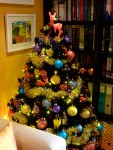
The Daily Norm’s Christmas Tree of the Week | No.2: Citrus Sunshine

Designed to complement the sunny orange shades of my office which is appropriately named “The Orange Office”, this week’s Daily Norm Christmas Tree of the Week is a burst of citrus sunshine bringing with it all of the essence of a sunny mediterranean shore in the midsts of an otherwise wintery Christmas season.

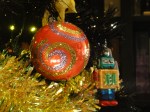
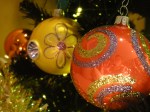
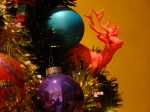
With its vivid yellow and orange baubles, this christmas tree scheme sits well within a season whose cuisine is alive with spiced citrus scents, but loses none of the vibrancy and freshness of a summer’s day. That nod to the summer is referenced in the hints of cerulean blue, reminding of a clear summer’s sky and the vast blue waters of the mediterranean sea, but the orange and yellow sparkling glittery reindeers nod back to Christmas again, in an evocation which is the height of festive kitsch. The playfulness introduced by my reindeer is accompanied by the jovial multi-coloured forms of metalic robots, only to be offset by the rich regality of purple flashes, which reflect the wealth and abundance of the Christmas season. And all this is tied together upon the branches of a contemporary black tree, sparkling under two sets of yellow flashing fairy lights, and balanced out by ample strings of glittery yellow tinsel.

DSC04345

My “citrus sunshine” tree is a perfect example of how both playfulness and modernity can be achieved within the traditional Christmas season, lending a contemporary air and so blending perfectly with the sleek surroundings of an office environment. Of course such a traditional set up will not be suitable for every setting, in the same way that a traditional fir tree may look out of place in a modern flat. But the best thing about Christmas is its ability to adapt its joy-giving decor to all environments, ensuring that wherever you go or live, Christmas need never be absent.

All photos and written content are strictly the copyright of Nicholas de Lacy-Brown © 2013 and The Daily Norm. All rights are reserved. Unauthorized use and/or duplication of the material, whether written work, photography or artwork, included within The Daily Norm without express and written permission from The Daily Norm’s author and/or owner is strictly prohibited. 

Paris | Photography Focus – Rues and Rooftops

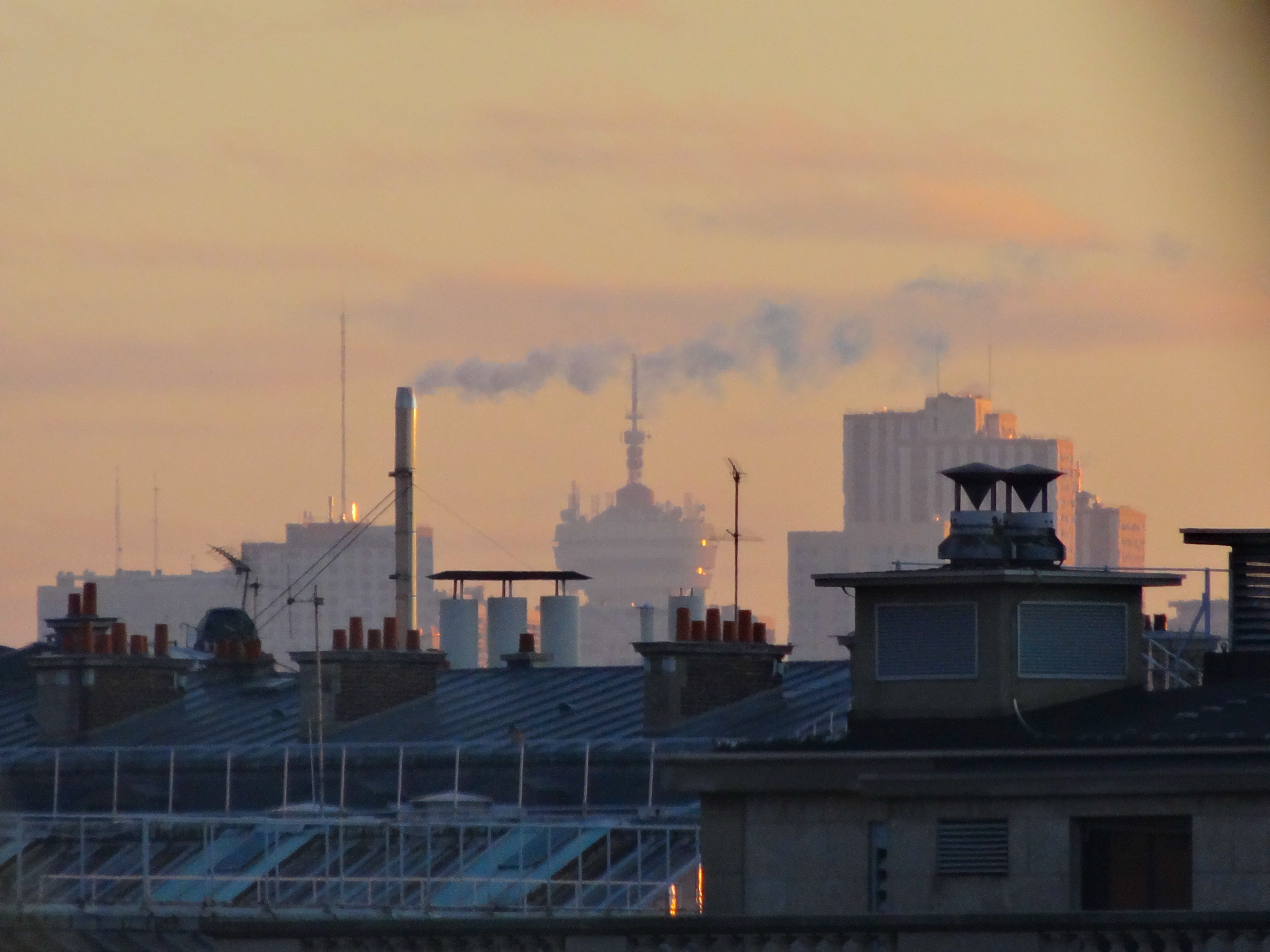
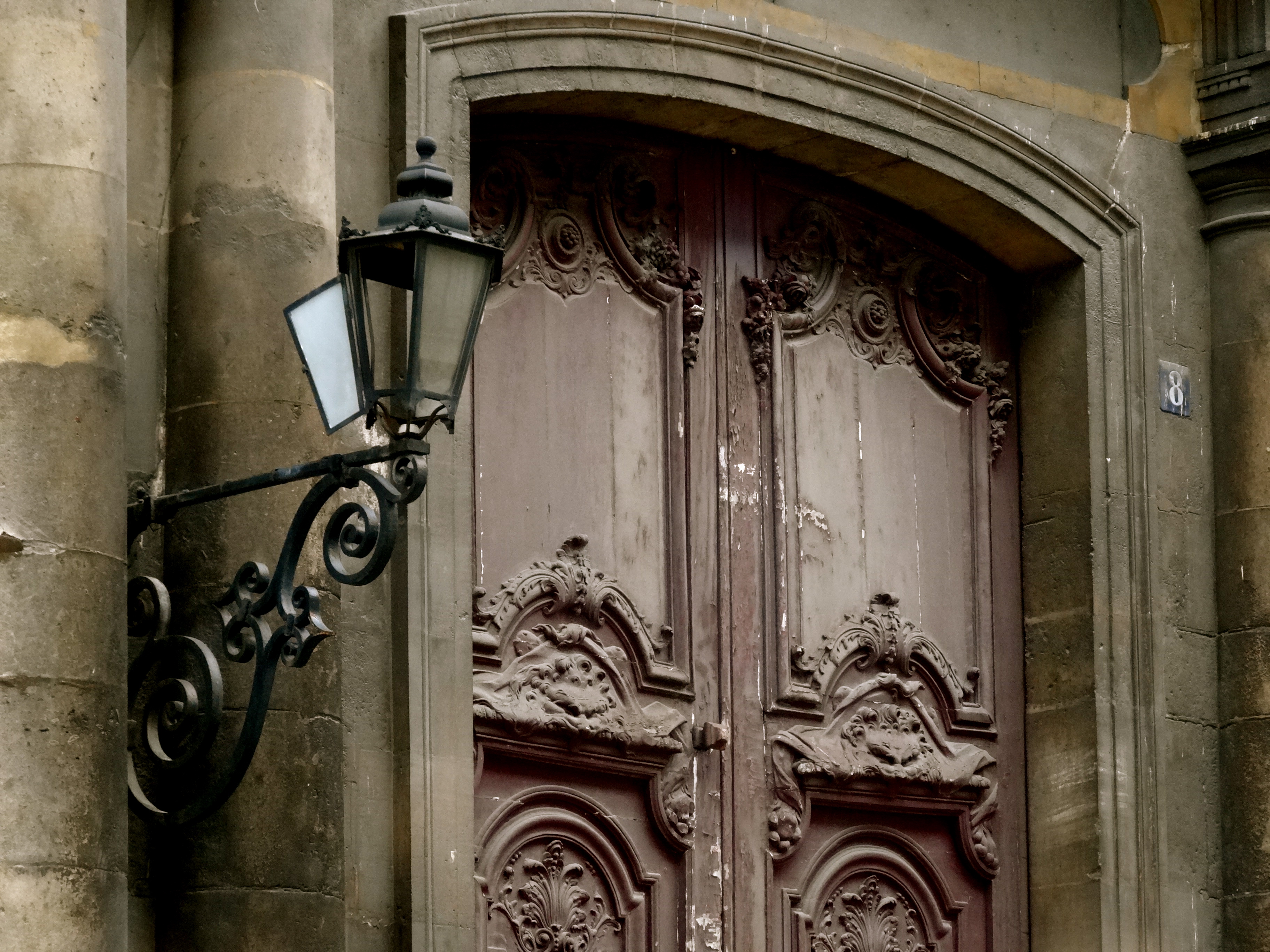
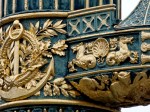
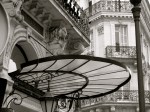
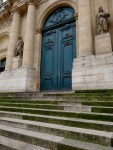
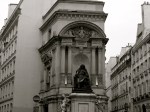
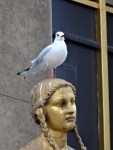
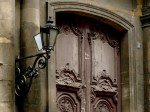
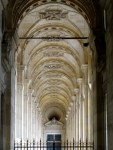
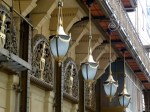
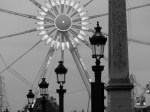
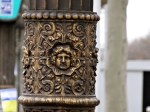
There’s no denying that Paris exudes charm around every corner, in every cobbled street (or rue), across its extensive grant Haussmann boulevards and in the intricate details of its architecture. And of course, on my recent visit to Paris I was moved to capture, as I have done so many times before, all of those beautiful little details. For no matter how many times you visit Paris, it is still abundantly generous in providing picture after picture of incredible angles and tantalising sights. I suppose in a way it’s akin to my daily walk to work through the grand streets of Westminster – where even on my 600th journey I might find a new architectural detail to tempt my camera into action.

DSC09255 DSC09115 DSC09030 DSC09061 DSC09125

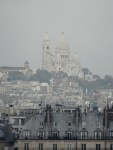
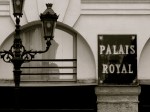
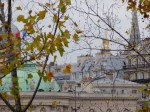
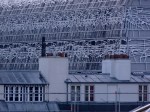
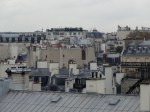
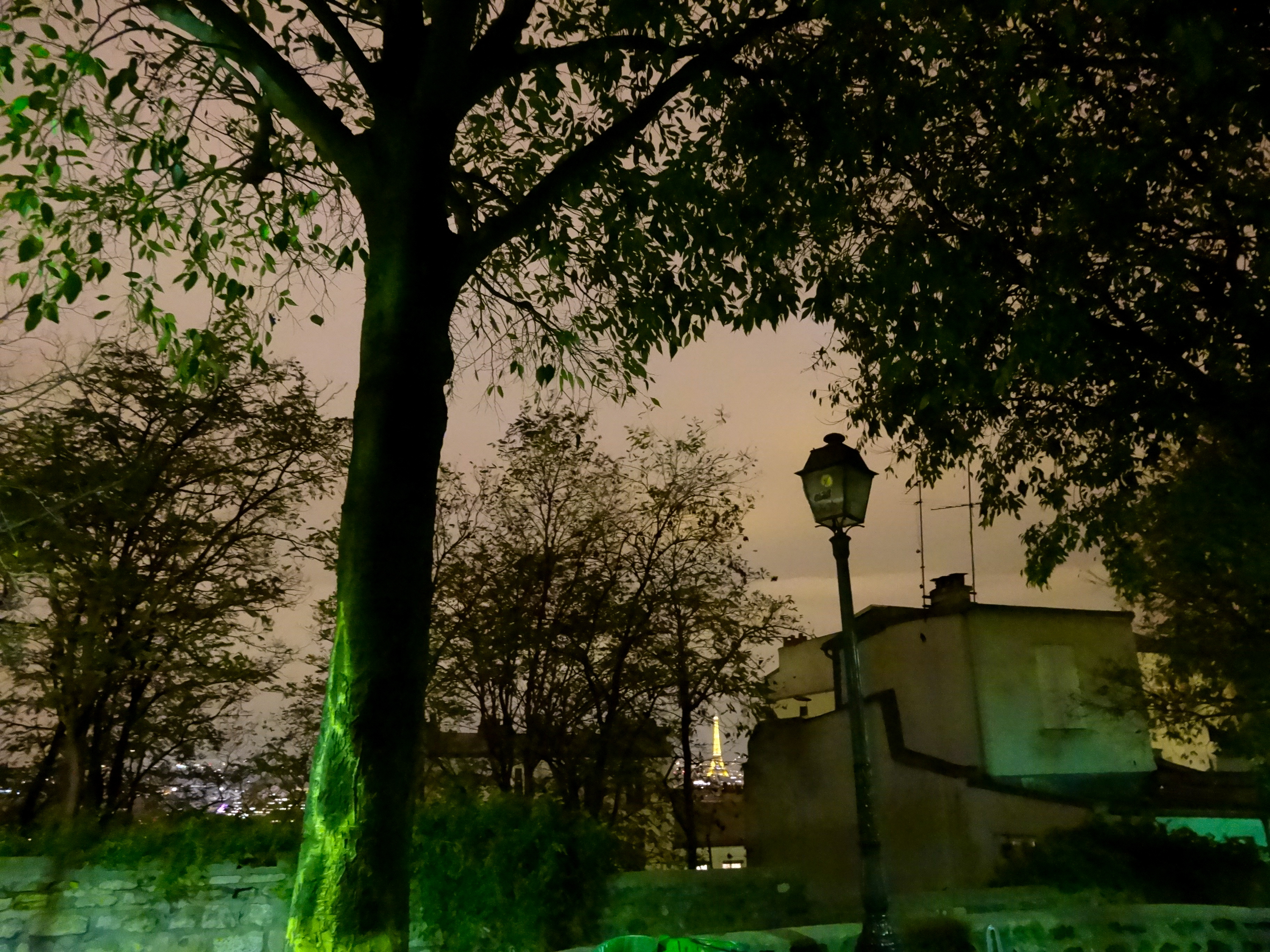
But I would be lying if I said that Paris’ charm resides exclusively in its streets. For one of the defining sights of Paris for me, and the one which makes me gasp more than any other, is the city viewed from the rooftops. Whether it be from atop the Tour Eiffel, at the climax of the external escalator of the Centre Pompidou, up the spiral stone staircase of the Notre Dame, or at the summit of the romantic Butte de Montmartre, the view of Paris’ almost uniform tapestry of silver slate roofs punctuated by the gilded domes and gargoyle-covered spires of its monuments and churches is always breathtaking. On this trip, we were therefore especially lucky to be given a room in our fantastic Citadines hotel which boasted superb views not only over the Palais Royal immediately adjacent to the hotel, but also across the 3rd and 4th arrondissements towards the Notre Dame and beyond.

So in this third set of photos from my recent Paris trip, a collection which focuses on the architectural details which characterise Paris, do not be surprised to find a whole host of different roof-top shots; under grey skies and pink, close up and far away, but always, distinctively, Parisian.

Paris | Art tour 2013 – Vallotton

The incredible thing about Paris is not just the quality of the exhibitions it puts on, but how many of those quality shows it manages to host in a single season. The Grand Palais alone has some 4 or more exhibitions showing at any one time, and as Dominik and I took the long walk around the huge neo-classical structure that is the Grand Palais, we noticed that there were queues lining the building on almost all four sides – testament not just to the popularity of its exhibitions, but also to how many exhibitions were showing in the space of a single (admittedly huge) building.

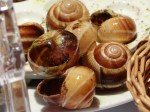
The benefit of these multiple shows (and also the disadvantage if you fatigue easily) is that when you buy one ticket, you can combine your first exhibition with another – or in fact the lot. So having been wowed all morning by the cubist prowess of Georges Braque, and braked for lunch in an excruciatingly expensive brasserie nearby for snails and an ‘amburger (imagine said in a French accent) we returned to the great palace of art to see the second of their major autumn retrospectives: a show devoted to the work of Felix Vallotton.

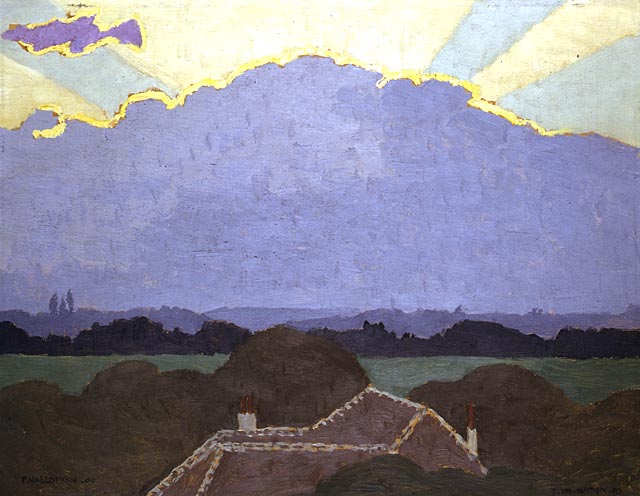
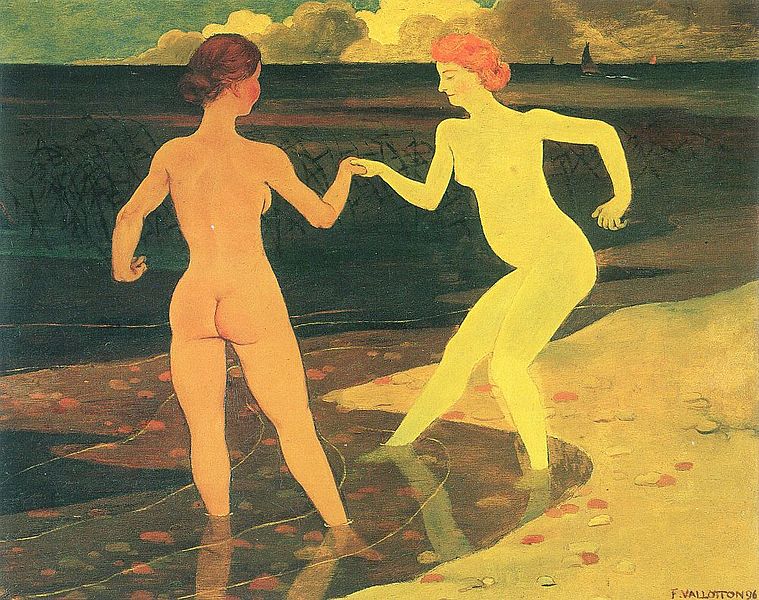
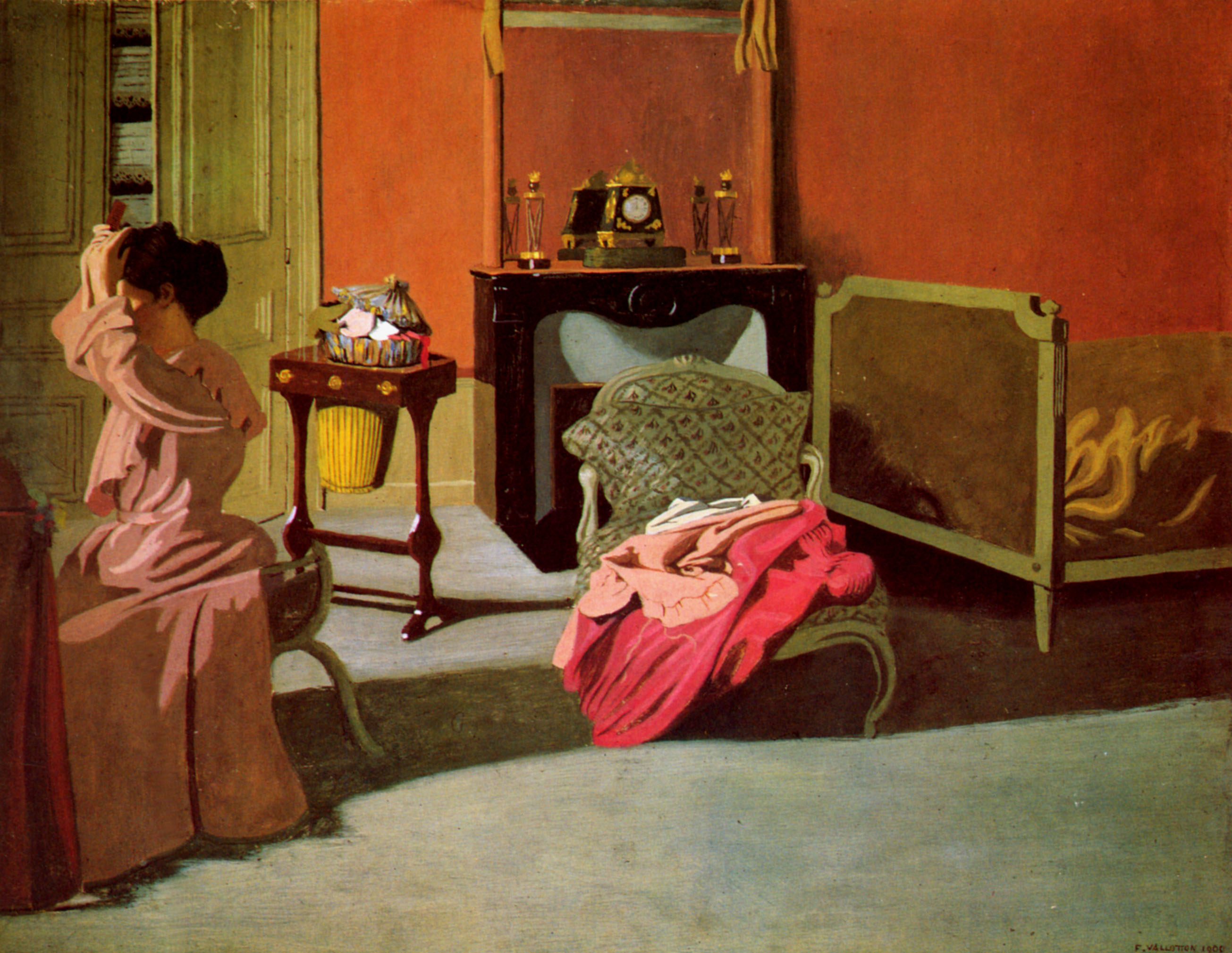
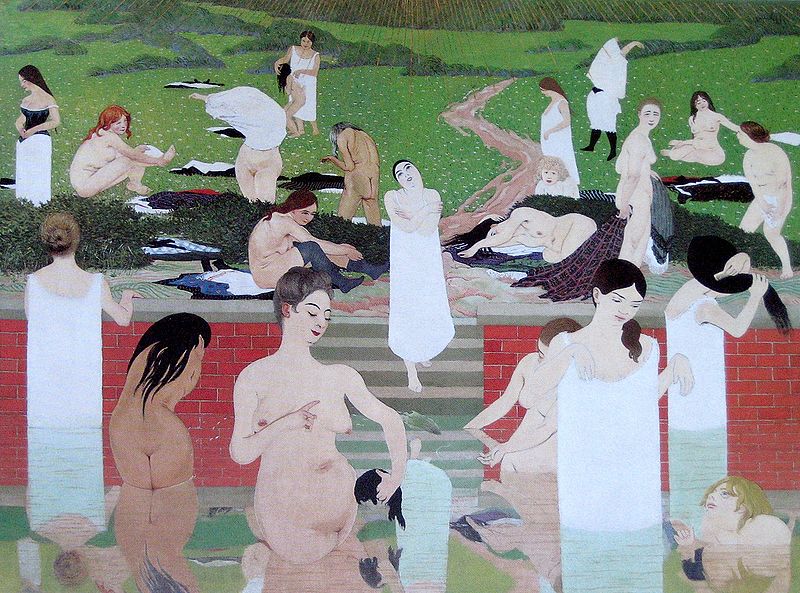
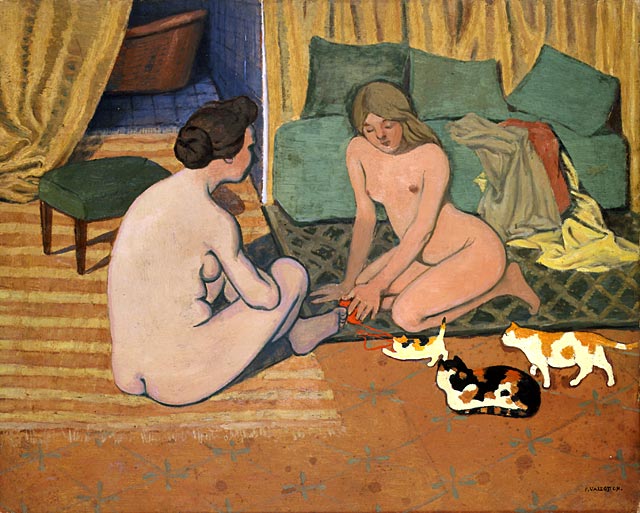
Vallotton paintings in the “aesthetic sythetism” style

Nuage_à_Romanel 759px-Valloton_Frau_mit_Dienstmagd_beim_Baden woman-being-capped-1900 800px-Vallotton_Das_Bad_Sommerabend_1892 Femmes_nues_aux_chats

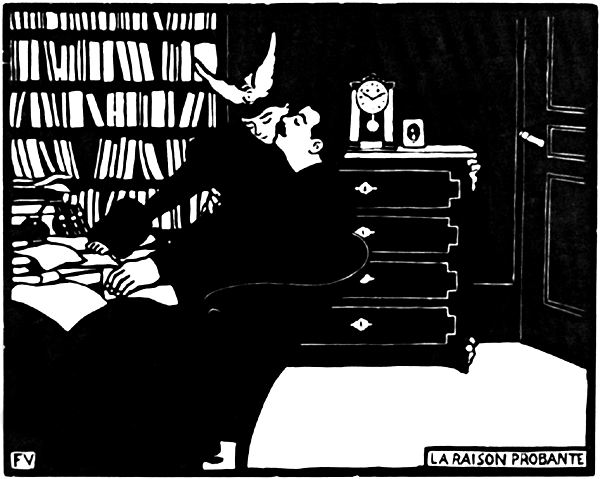
I wasn’t familiar with either the name Vallotton or his work before I ventured to Paris this autumn. However, as a quasi-member of the French Nabis movement of art, I was already familiar with a number of Vallotton’s artistic allies – Maurice Denis, Pierre Bonnard and Edouard Vuillard being amongst their number. The Nabis were a group of post-impressionist avant-garde artists who took their name from the word Nabi which means a prophet in Hebrew and Arabic. They were so called because they believed that their art revitalised painting in the same way that the ancient prophets had rejuvenated Israel. At the heart of their movement was another term, or style of art, sythetism, which involved the flattening of colour panes and shadows, a heavier reliance on dark outlines, and a preoccupation with the canvas, as “essentially a flat surface covered with colours assembled in a certain order” (so said Maurice Denis). If I was to describe the style in my own words, it would be a painting without depth and perspective, so that the folds of a dress for example would be reduced to a single colour for the shadow and a single colour for the light, with no variation of tone demarking the shape or texture of the material. 

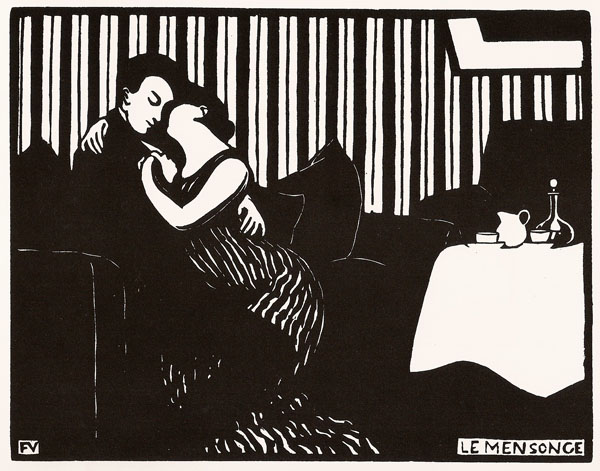
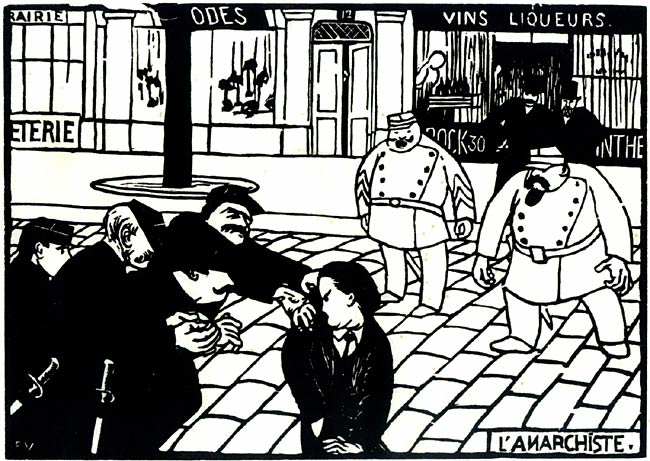
Whether or not Felix Callotton, born in Switzerland in 1865, came to adopt the style as a result of the influence of his fellow Nabis is less certain. From the exhibition, it would appear as though Vallotton’s distinctive flattened panes flowed naturally from his brilliant virtuosity with woodcut printmaking. After all, the finish of woodcut will invariably involve the flattening of light and shadow, as the synthesis of two colours or tones – generally black and white – combine together to illustrate all of the details of an image – black for shadow and features; white for light. And having spent a good decade or so of his early career woodcutting for the sake of making money, the suppression of depth and shadow made its way seamlessly into Vallotton’s paintings which followed.

Vallotton’s brilliant woodcuts

vallotton4 vallotton-trottoir-roulant-1901 5333808295_a0756d9ea8_b Vallotton-Raison va_anarchico title unknown 6

Being recently enamoured with all things printmaking, it will not surprise the reader of this post to learn that I was struck first and foremost by these brilliant woodcuts, which are so full of detail and humour for so intricate and painstaking a medium. In Vallotton’s Intimacies series, he depicts the mundane and mediocre interiors of intimate home settings, but always his images are full of drama, whether it be because of his captivating use of shadow, or the sense of scandal and emotional anxiety which is suggested. From these prints, Vallotton went on to depict brilliantly the everyday street scenes of his Paris surroundings, doing so with whimsical detailing and a surprising attention to detail, and while Vallotton later abandoned woodcutting when the trade had left him sufficiently well furnished with money, his return to the medium to depict the First World War in his This is War! series in 1916 saw him create prints which were equally brilliant, despite the more serious tone of the subject matter.

As to Vallotton’s paintings, I adored the colourful products of his sythetism era, where the influence of his printmaking and the Nabis resulted in works where the subject matter become secondary to the overall pictorial patterning which was being created across the canvas. Just look at his painting of a theatre box for example (“Box seats at the theatre), a canvas which could quite possibly be a Rothko with its simple horizonal colour planes, and which only becomes more figurative thanks to the simple shapes denoting the two occupants of the box and that masterly glove with its single-coloured mauve shadow, suggesting an emotional dimension to the story being depicted.

box-seats-at-the-theater-the-gentleman-and-the-lady-1909.jpg!HD

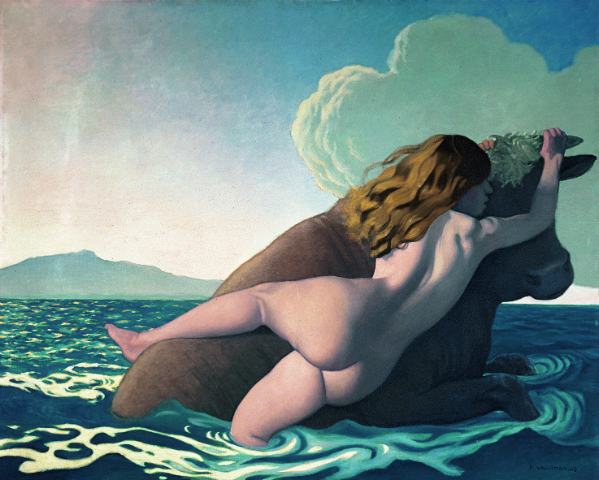
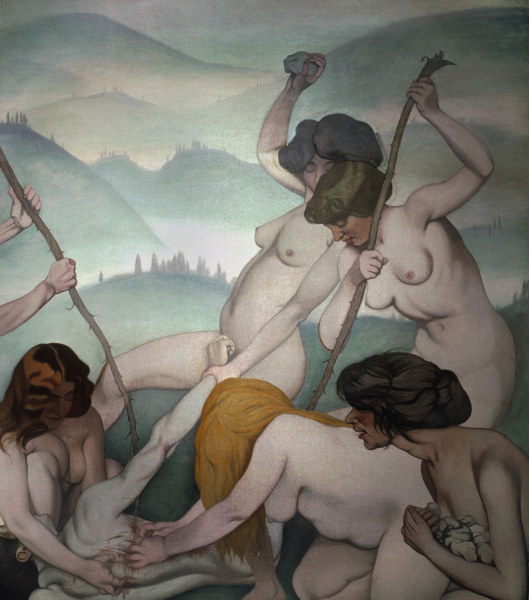
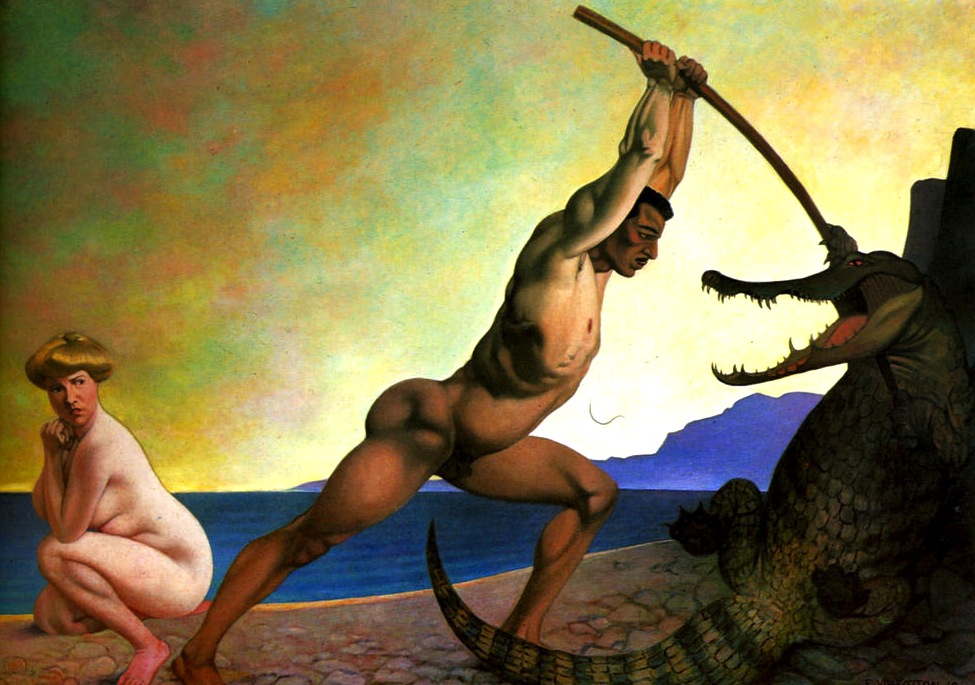
Less impressive, sadly, were the works which Vallotton went on to create in his later career, as he abandoned synthetism and the Nabis, and sought to concentrate on depicting primarily the nude, and latterly huge mythological parodies which were more Disney than anything else. Thank goodness that at the end of his career, and at the end of this show, Vallotton chose to return to the medium of woodcut which, despite their depleted tonal palette and reduction of depth and realism, are perhaps the most captivating and visceral works of all.

All a bit “Disney”- Vallotton’s mythological parodies

pic_143-20131024092755 Felix Vallotton, Orpheus und die Maenaden - Valloton / Orpheus and the Maenads - Vallotton, Felix , 1865-1925. Felix-Vallotton-Persee-killing-the-Dragon

Felix Vallotton: The Fire Under the Ice is on at the Grand Palais, Paris until 20th January 2014

The Annunciation in Art

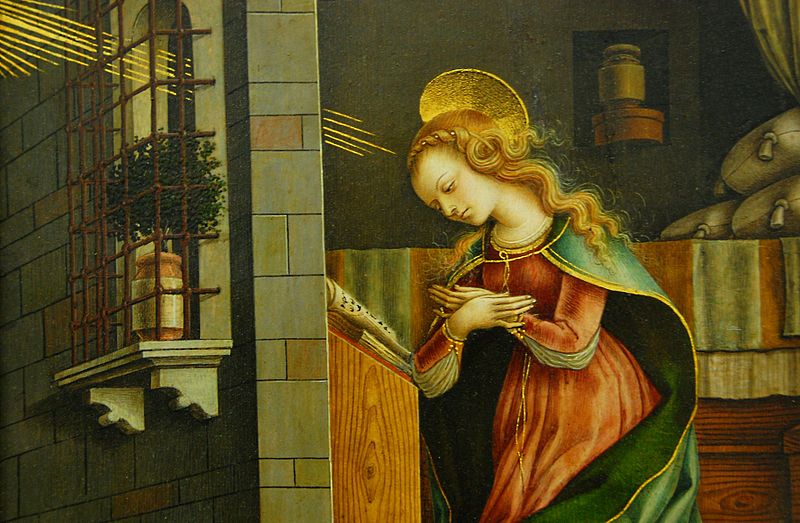
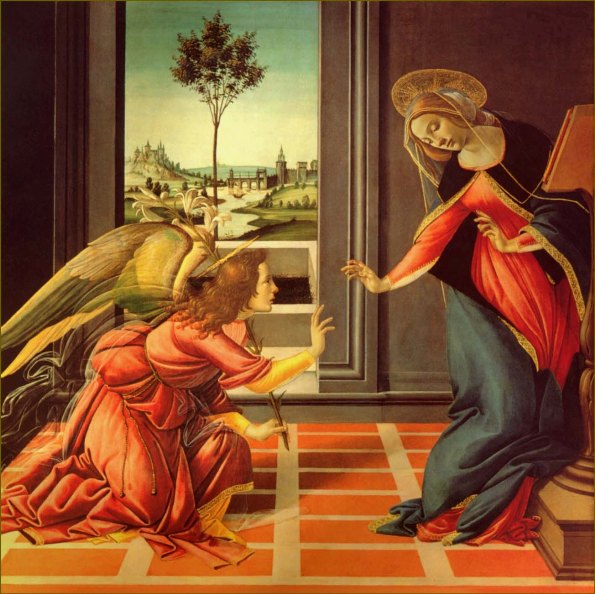
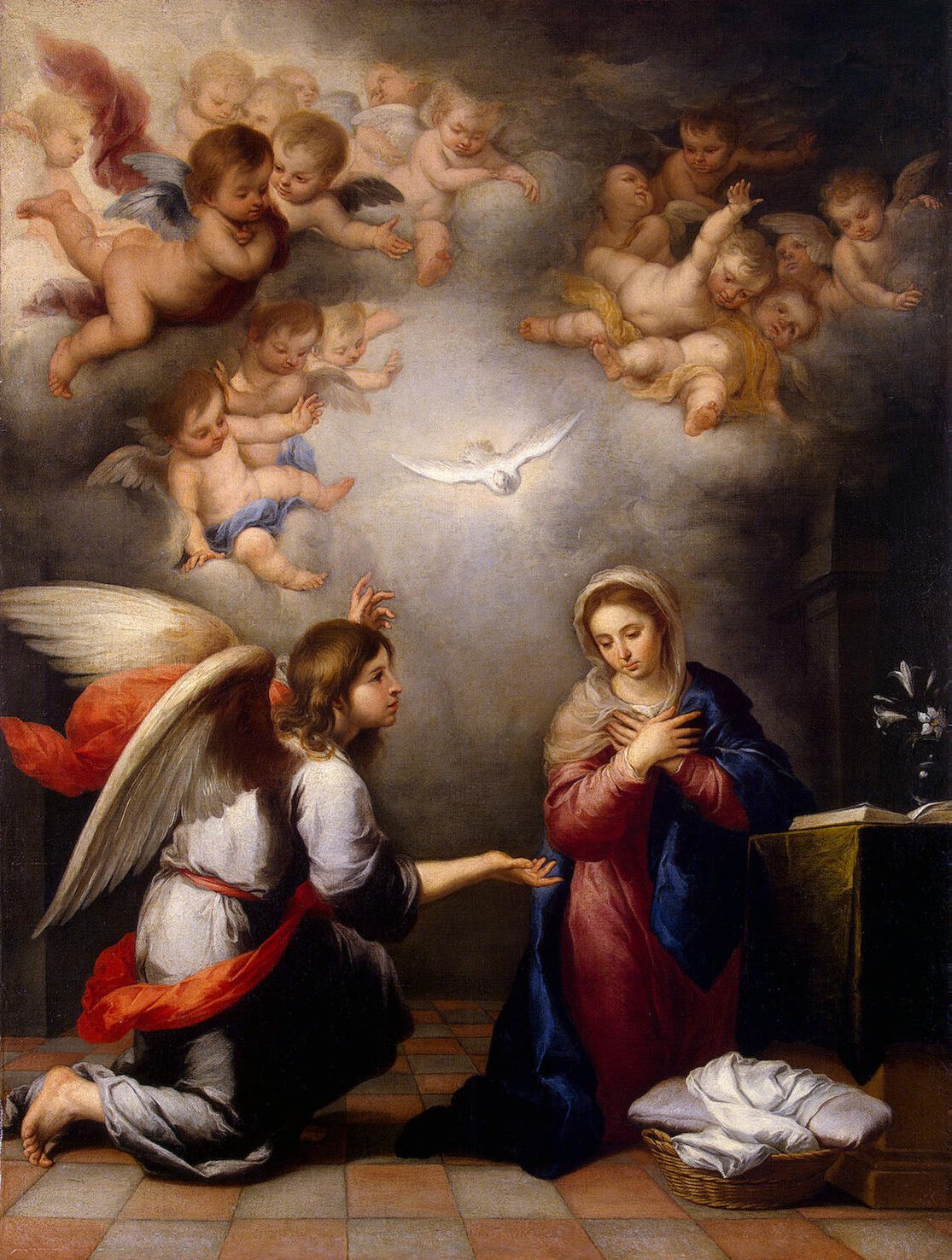
When I was recently looking through pictures of the annunciation in order to check that my own Norm depiction of the famous encounter between the angel Gabriel and Mary was correct, I noticed just how incredibly well represented the festival is in Christian art. From renaissance masters such as Fra Angelico and Botticelli to the interpretations of the Pre-Raphaelite Brotherhood, the image of Mary and the Angel Gabriel is as prominent a depiction in art history as the female nude. Such was the breadth of artistic output given over to the image, I felt compelled to share a few on The Daily Norm.

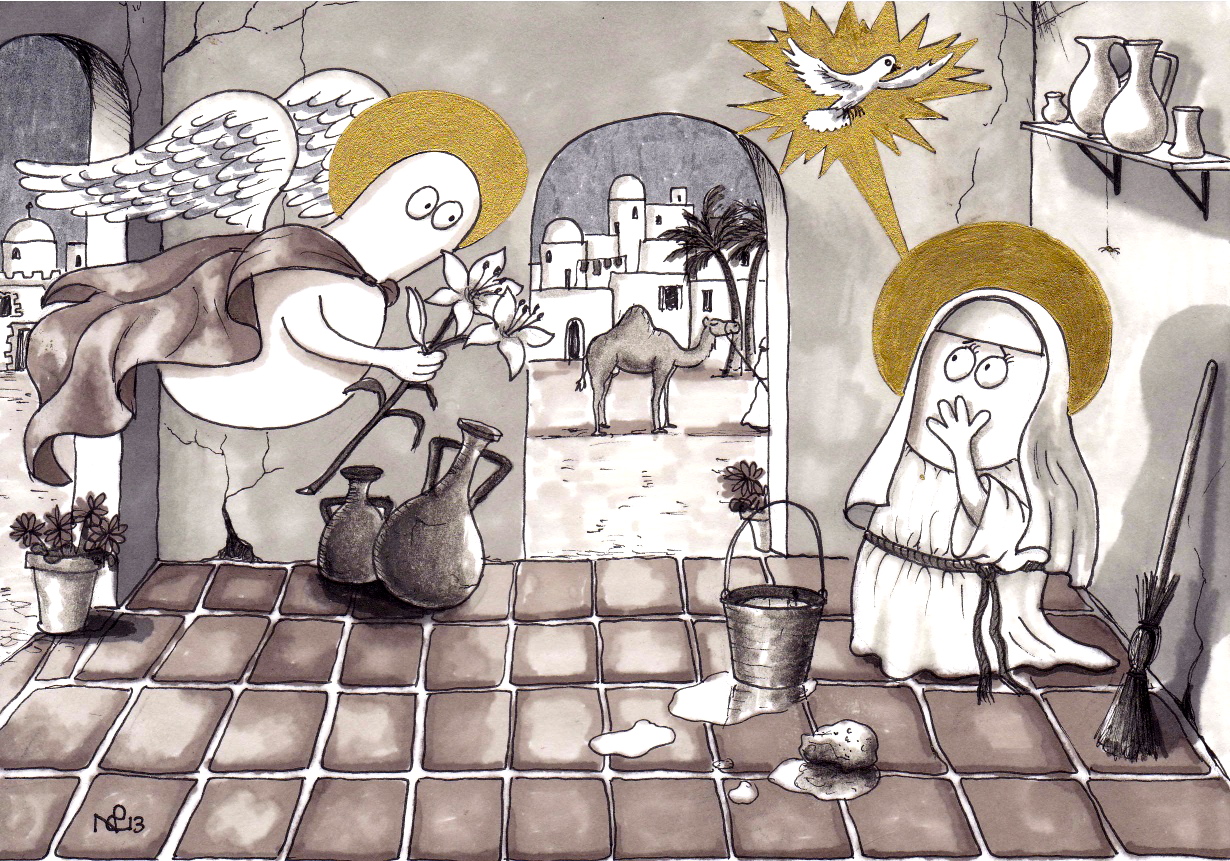
Despite the diversity of styles and compositional techniques used by the artists of these works, several strands remain common to them all. The Angel Gabriel is usually holding a white lily, said to represent Mary’s virginity, and a dove is very often present, representing the Holy Spirit and the conception which it at that moment engineers. The composition is also largely similar, with Mary on the right and Gabriel on the left, and in general the scene is played out on the outside of a house for example in a portico or garden.

For my Norm sketch, I tried to incorporate as many of these trends as possible, even playing on the trickery of perspective employed with such adeptness by Bottocelli and emulated in my old tiled floor. However I have placed my characters inside in a dusty Nazareth home. No grand renaissance porticos for me.

Fra Angelico (1438)

Fra Angelico (1438)

Fillippo Lippi (1443)

Fillippo Lippi (1443)

Attributed to Barthélemy d'Eyck (c.1443)

Attributed to Barthélemy d’Eyck (c.1443)

Carlo Crivelli (15th century)

Carlo Crivelli (15th century)

Botticelli (1490)

Botticelli (1490)

Phillippe de Champaigne (1644)

Phillippe de Champaigne (1644)

Esteban Perez Murillo (1655)

Esteban Perez Murillo (1655)

George Hitchcock (1887)

George Hitchcock (1887)

John William Waterhouse (1914)

John William Waterhouse (1914)

There’s something truly captivating about religious art, whatever your creed or belief, and despite not being a church goer myself, I find myself drawn to depictions of the Annunciation and the Nativity more than any other symbol of Christmas – just as for me old carols sung in monastery cloisters, and a visit to a candlelit carol concert of a cold winters evening are far more synonymous with Christmas than any tacky coca cola Christmas ad or the manic pre-Christmas shopping rush on Oxford street. I have therefore enjoyed the exercise of researching these paintings, transporting me as they do to the candlelit churches of Italy in December, where I was studying art history 12 years ago. I hope you enjoy them too.

The Norm Nativity | The Annunciation

In 2011, I brought you the Norm Christmas Carol. Last year we watched the developing tale of Normy and Normette’s turbulent relationship in the 12 Days of Normy Christmas. And this year I bring you, exclusive to The Daily Norm, The Norm Nativity! It’s a story which is known throughout the world, which fostered a global religion two millennia ago, and without which there would be no Christmas. But never before has the Nativity story, favourite of nursery schools throughout the land, been played out by the Norms. That is, until now.

It all began with the Annunciation. When, 9 months before Christmas day, the Angel Gabriel Norm visited Mary Norm and told her the startling news that she was to give birth to a son called Jesus Norm. Incredulous with disbelief (and having dropped the sponge in shock which only moments before she had been dutifully cleaning her dusty terracotta floor with), Mary could not understand how she, having not indulged in any such…err…action as could be said to lead naturally to the instigation of a pregnancy, was to have a baby. But at that moment a little dove flew through the air, and appeared almost to pierce her belly with life – some would have it that that very dove was the Holy Spirit incarnate.

Norm Nativity: The Annunciation (2013 © Nicholas de Lacy-Brown, pen and gold ink on paper)

Norm Nativity: The Annunciation (2013 © Nicholas de Lacy-Brown, pen and gold ink on paper)

And so it was that Mary Norm became pregnant with a little baby Norm who’s name she already knew. But an old writer known as Luke puts it much better than me:

And in the sixth month the angel Gabriel was sent from God unto a city of Galilee, named Nazareth,
To a virgin espoused to a man whose name was Joseph, of the house of David; and the virgin’s name was Mary.
And the angel came in unto her, and said, Hail, thou that art highly favoured, the Lord is with thee: blessed art thou among women.
And when she saw him, she was troubled at his saying, and cast in her mind what manner of salutation this should be.
And the angel said unto her, Fear not, Mary: for thou hast found favour with God.
And, behold, thou shalt conceive in thy womb, and bring forth a son, and shalt call his name JESUS.
He shall be great, and shall be called the Son of the Highest: and the Lord God shall give unto him the throne of his father David:
And he shall reign over the house of Jacob for ever; and of his kingdom there shall be no end.
Then said Mary unto the angel, How shall this be, seeing I know not a man?
And the angel answered and said unto her, The Holy Ghost shall come upon thee, and the power of the Highest shall overshadow thee: therefore also that holy thing which shall be born of thee shall be called the Son of God.
And, behold, thy cousin Elisabeth, she hath also conceived a son in her old age: and this is the sixth month with her, who was called barren.
For with God nothing shall be impossible.
And Mary said, Behold the handmaid of the Lord; be it unto me according to thy word. And the angel departed from her.

Luke 1:26-38

Nine months later and with a baby Norm well on its way, it was time for Mary Norm and her new husband Joseph Norm to register their forthcoming baby, and of course for Mary Norm to give birth. Find out what happened in the next instalment of the Norm Nativity… coming soon!

© Nicholas de Lacy-Brown and The Daily Norm, 2001-2013. Unauthorized use and/or duplication of the material, whether written work, photography or artwork, included within The Daily Norm without express and written permission from The Daily Norm’s author and/or owner is strictly prohibited. Excerpts and links may be used, provided that full and clear credit is given to Nicholas de Lacy-Brown and The Daily Norm with appropriate and specific direction to the original content. For more information on the work of Nicholas de Lacy-Brown, head to his art website at www.delacy-brown.com

The Daily Norm’s Christmas Tree of the Week | No.1: Scandinavian candy

Christmas time is finally upon us, and with it my home has, as annual tradition dictates, metamorphosed into a festive wonderland befitting the season. For there is nothing quite like the sparkle of fairy lights, the twinkle of glittered baubles, and the Nordic smell of an authentic fir tree to import the feeling of Christmas wonder into the home. In recognition of its power to transform a humble dwelling, I always indulge in abundant homage to the season, installing not one, nor two, but FOUR christmas trees into my home, one for each room of the house. That way, wherever you walk inside in my little London flat, the spirit of Christmas will never be more than a few metres away. In fact upon entering my home and standing in the hallway, you are greeted with the sight of some three of those four trees stood majestically installed in each of their respective rooms.

What with there being four trees, and four weeks left until Christmas, it seemed only proper that I should focus on one of each of my trees each week as I share my Christmas decorations with the world. And for the first week, I would like to share with you what is my newest tree in a scheme of annually recurring decor, and with which I have incorporated all of the fragrant fancy that comes with a real tree, ditching the fake white tree which used to decorate my bedroom.

Tree No.1: Scandinavian Candy

DSC09521

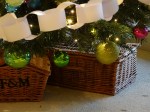
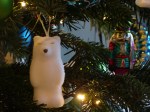
It was after installing my little Scandinavian Forest on my chest of drawers last year, a composition which nodded to the traditional Christmases which the Nordic countries do so well, that I realised that the fake tree which previously stood alongside it no longer fitted the bill. Yearning always for a real tree, and with the plastic white tree turning a progressively unattractive shade of yellow, I decided to go the full hog this year and opt for the real mccoy – a 7 ft Norwegian fir tree, now decadently decorated with decorations of white, green, turquoise, and by way of incorporation with the hints of pink in the paintings which hang in my bedroom, a touch of candy pink too – hence the name I have given to this scheme: Scandinavian Candy.

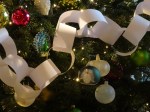
The biggest change from my normal decorative schemes came with my decision to ditch tinsel in favour of a more traditional paper chain. I always apply tinsel almost as a matter of course, but when I did so on my real tree, it lacked delicacy, and made the tree look altogether more clumsy. So out came the paper, the glue and the scissors, and the result is a tree which is garlanded and shaped by paper chains, but not swamped by them.

Well that’s more than enough talking from me. Time for the tree to shine through photos. Gosh I can smell its fragrant pine needles as I type…divine!

All photos and written content are strictly the copyright of Nicholas de Lacy-Brown © 2013 and The Daily Norm. All rights are reserved. Unauthorized use and/or duplication of the material, whether written work, photography or artwork, included within The Daily Norm without express and written permission from The Daily Norm’s author and/or owner is strictly prohibited. 

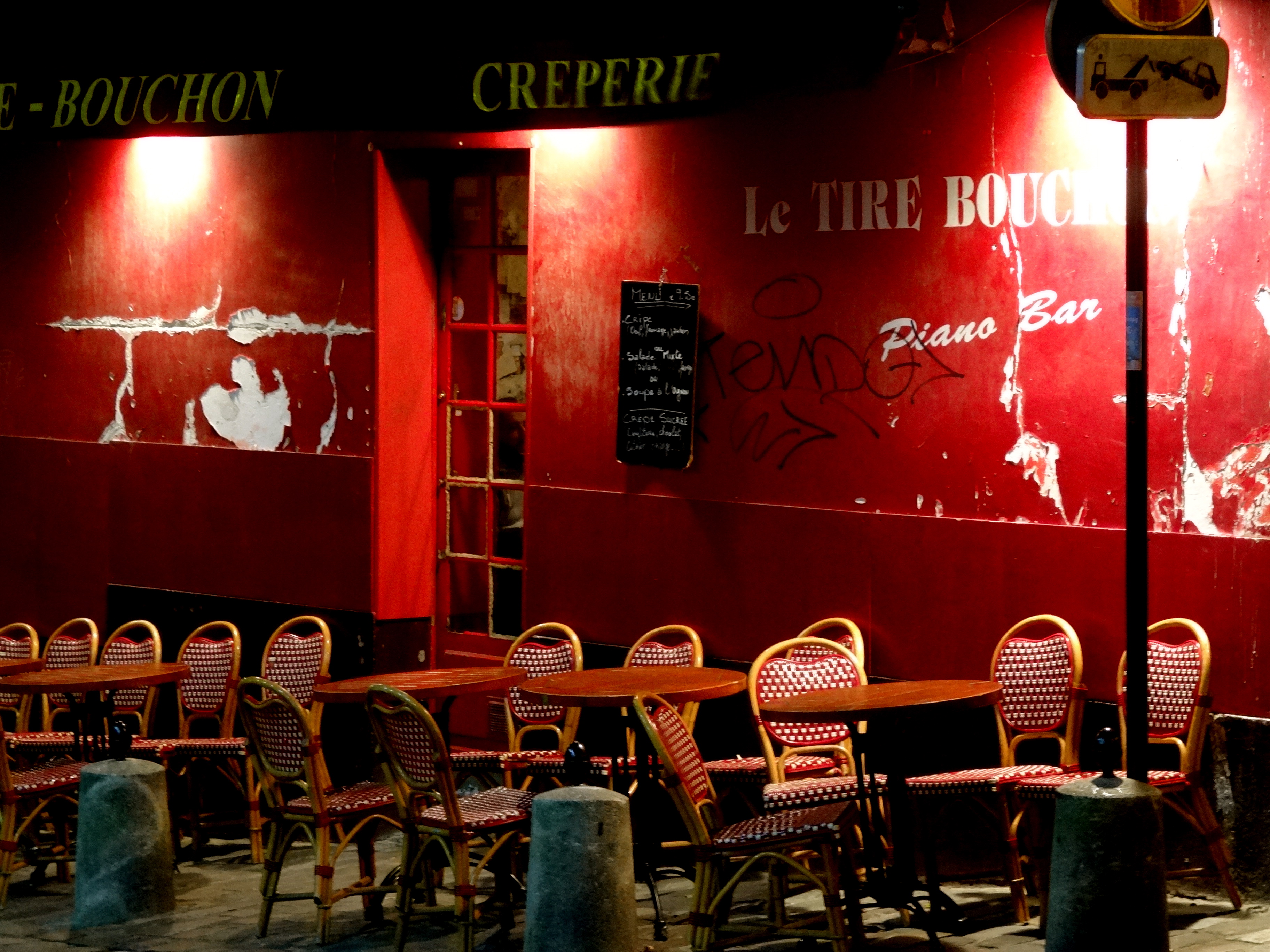
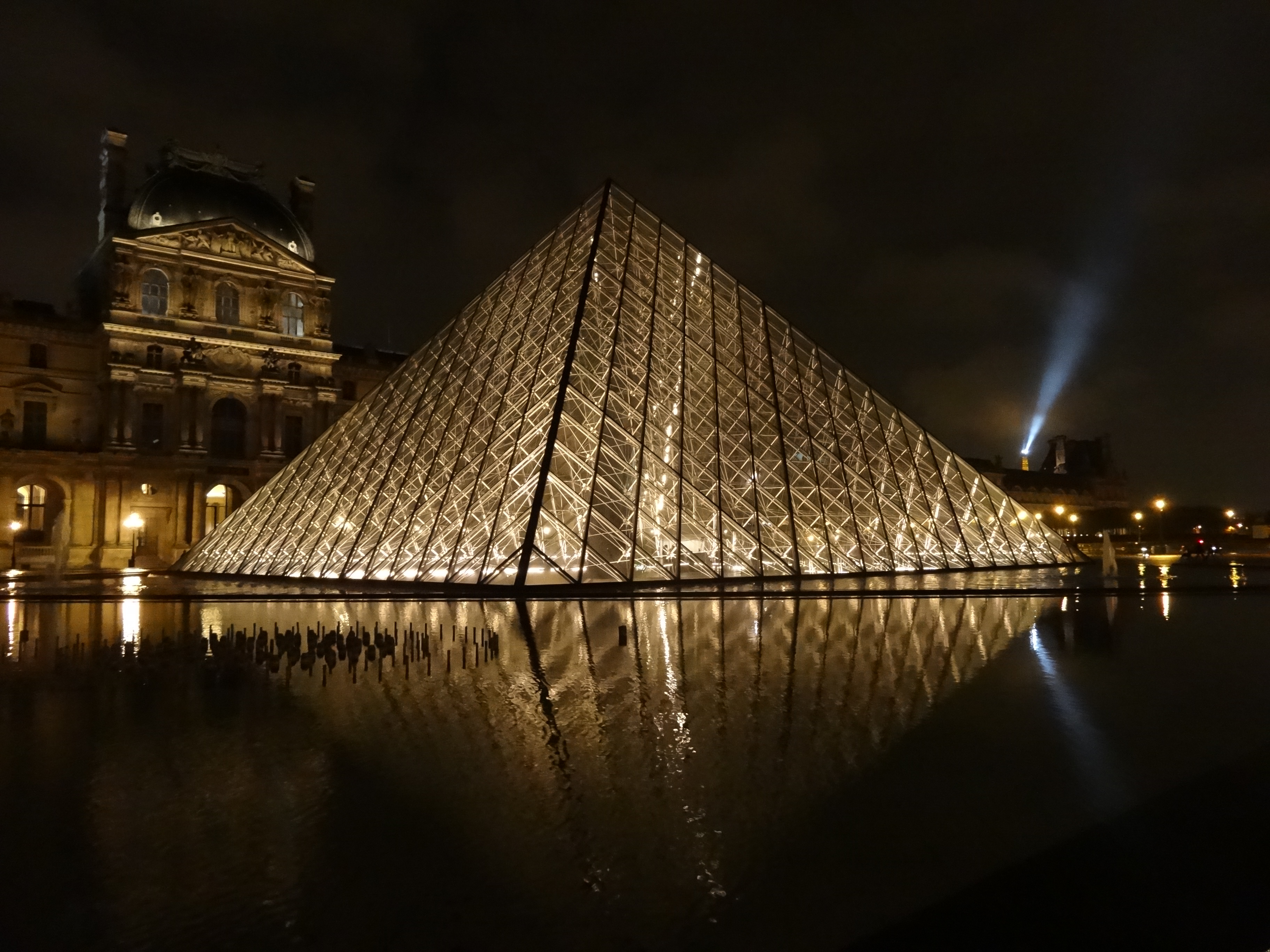
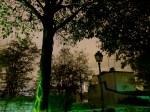
Paris | Photography Focus – The city by night

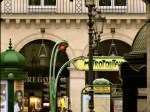
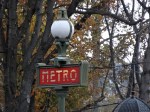
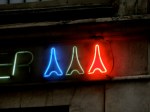
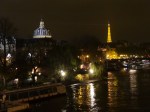
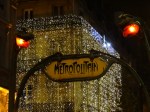
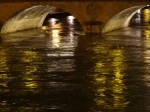
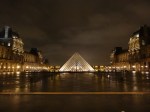
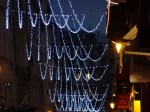
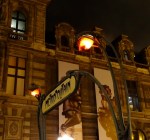
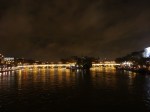
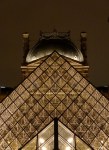
The twinkling lights of the eiffel tower, its mile-high search light cutting through the starry skies; the cosy brasseries with tables squeezed under gas heaters on the pavement outside; the wondrous art nouveau metro signs which glow an eery red when illuminated; the cabarets, the wine, the sparkling fountains, the floodlit buildings – isn’t nighttime in Paris the time which exudes the greatest charm of all? They say that Paris is the city of light, but that light can, ironically perhaps, never truly be appreciated until darkness falls, allowing the city to light up and truly come into its own. For Paris is the city of soirees and banquets, of midnight feasts and follies in the Palais Royale. It is the city which brought us the can-can and the spinning red sails of the Moulin Rouge, and at Christmas it is a city more alight than ever, as the twinkle of the festive season adds extra sparkle to the dazzling streets of the city.

DSC08821 DSC09194 DSC08786 DSC09176 DSC09164

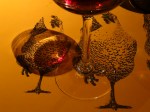
Taking photos at night is never easy without a tripod and all sorts of special flashes and settings, so you’ll excuse why half of the photos I have taken may be a little blurred. But for me that blurring does nothing to distract from the atmosphere these photos create – perhaps it even enhances it – as through the slight blur or subdued light you can still appreciate the glowing warmth of cafes and patio heaters, the sparkling celebration of a glass of champagne set against the blue lights of Christmas, and the stunning effect of illuminated bridge upon the cool waters of the Seine. I give you Paris, by night – Paris, city of light.

All photos and written content are strictly the copyright of Nicholas de Lacy-Brown © 2013 and The Daily Norm. All rights are reserved. Unauthorized use and/or duplication of the material, whether written work, photography or artwork, included within The Daily Norm without express and written permission from The Daily Norm’s author and/or owner is strictly prohibited. 

Paris | Art tour 2013 – Braque

Lovers of 20th century art will all have heard of French-born artist Georges Braque. Of course I’ve heard of him too, renowned as he is for being co-founder of cubism along with the artist with whom he was thick and thieves in early 20th century Paris, Pablo Picasso. But my acquaintance with Braque has all too often occurred because, seeing a cubist masterpiece hanging in a modern art gallery, I have confused it with a Picasso, only to discover that the work was by Braque. It’s an easy mistake to make – the two artists were practically indecipherable from one another when they started out on the cubism road, a likeness of style which must be put down to the fact that they would discuss one another’s work endlessly day after day, night after night. And Braque was, purportedly, inspired into cubism by his glimpse of Picasso’s now world-famous Les Demoiselles d’Avignon, which few understood at the time, Braque being the exception.

So while Braque has, for me, existed solely in the shadows of the far glossier art historical existence of Picasso, I have never had the chance to discover how truly consistently brilliant he was as an artist. That is until this autumn, thanks to the latest blockbuster exhibition of Paris’ Grand Palais, which dedicates two floors of its palatial surrounds in retrospective homage to this French artistic great. I say consistently brilliant, because this show was one of those rare exhibitions where I literally loved almost every single piece, finding myself almost breathless with admiration as I strolled from painting to painting literally in love with what was on the walls before me.\

Early fauvism

The Port at La Ciotat (1907)

The Port at La Ciotat (1907)

Landscape in L'Estaque (1906)

Landscape in L’Estaque (1906)

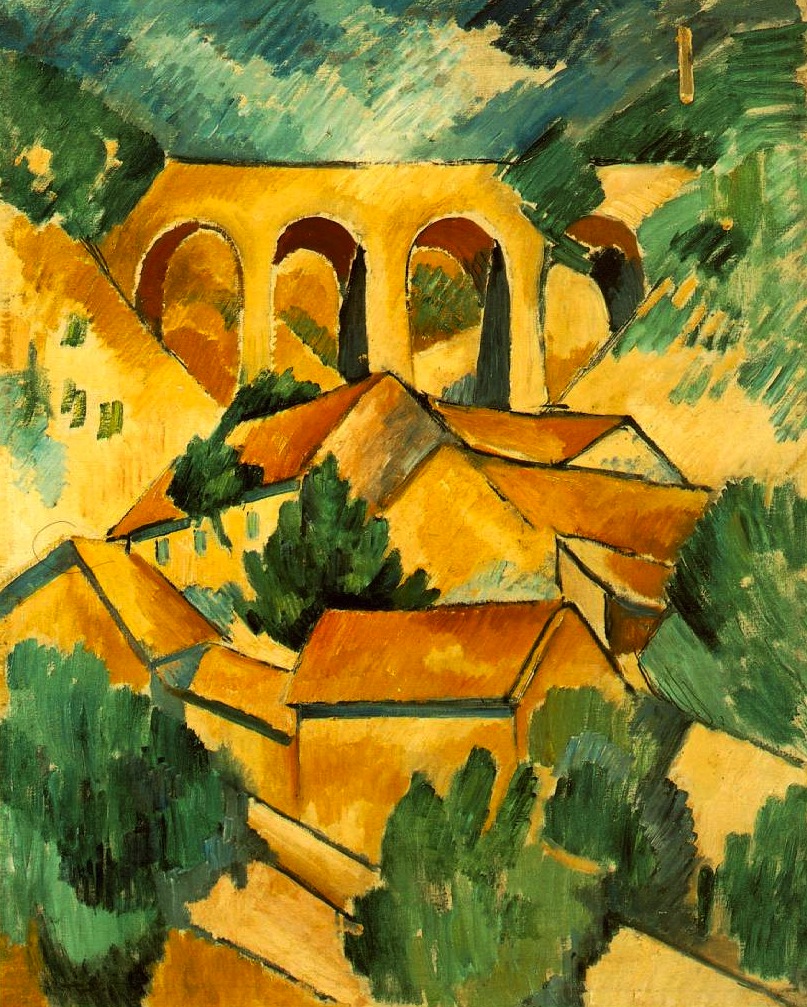
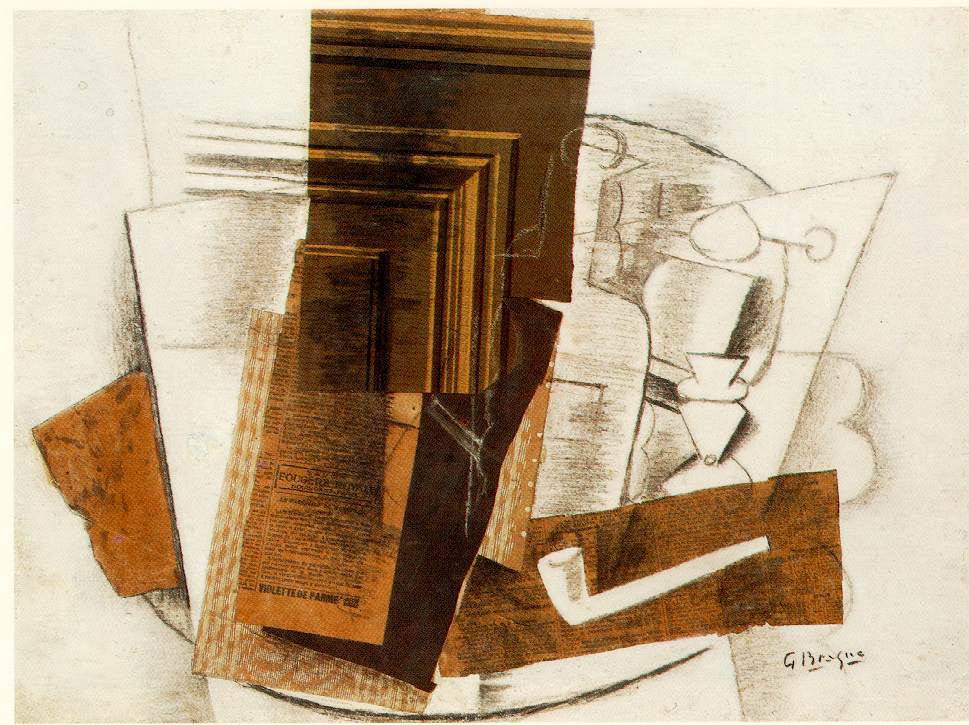
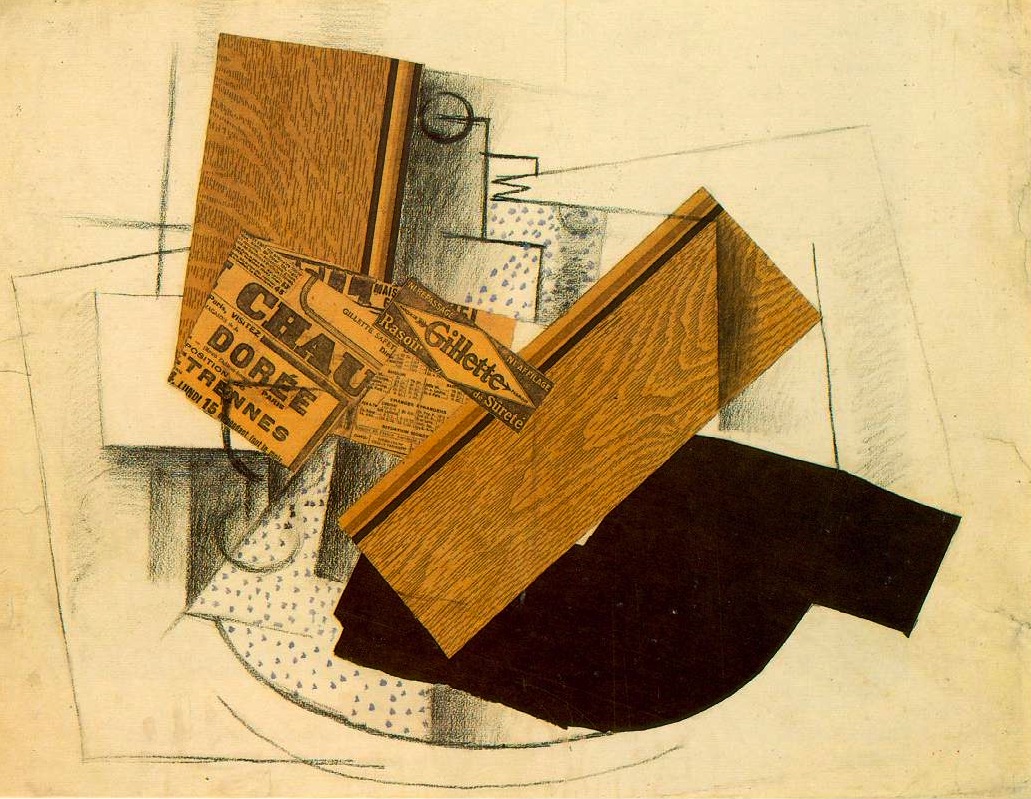
The show starts with early Braque, whereupon he dabbled largely in the fauvist epoque, with the result that his sunny landscapes of Southern France are imbued with scintillating bright colour which can not help but make the viewer yearn for the summer. But soon enough, after this initial embrace of colour, Braque discovers the more subdued shades of cubism, finding his own when fragmenting a scene into colourless, cubist dimensions. Seminal in cubism’s development was a chance visit to a wallpaper shop when Braque saw a reproduction wood-pattern paper in the window. Purchasing the wallpaper by impulse, it soon inspired Braque to set about creating a series of paper collages, which included, as well as the wallpaper, cardboard, newspaper cuttings – anything he could get his hands on. The effect of this geometric fragmentation was to create the cubist look, and soon enough Picasso was doing the same.

Into cubism, collage and then back to paint

Mandora (1909)

Mandora (1909)

The Viaduct at L'Estaque (1908)

The Viaduct at L’Estaque (1908)

Little Harbour in Normandy (1909)

Little Harbour in Normandy (1909)

Still life with pipe (1913)

Still life with pipe (1913)

Still life on a table with Gillette (1914)

Still life on a table with Gillette (1914)

Violin and Pipe (Le Quotidien) (1913)

Violin and Pipe (Le Quotidien) (1913)

back to painting.... Still Life with Fruit and Ace of Clubs (1913)

back to painting…. Still Life with Fruit and Ace of Clubs (1913)

After several years of collage experimentation, Braque returned to paint, but using the medium to create what were almost pastiches of the collage look – still fragmented, full of geometric shapes, but differing in their progressive return to the bolder colours of his fauvist age, a return which was no doubt eased along by the weakening of his relationship with Picasso, and his strengthening bond with spirited Spanish artist, Juan Gris.

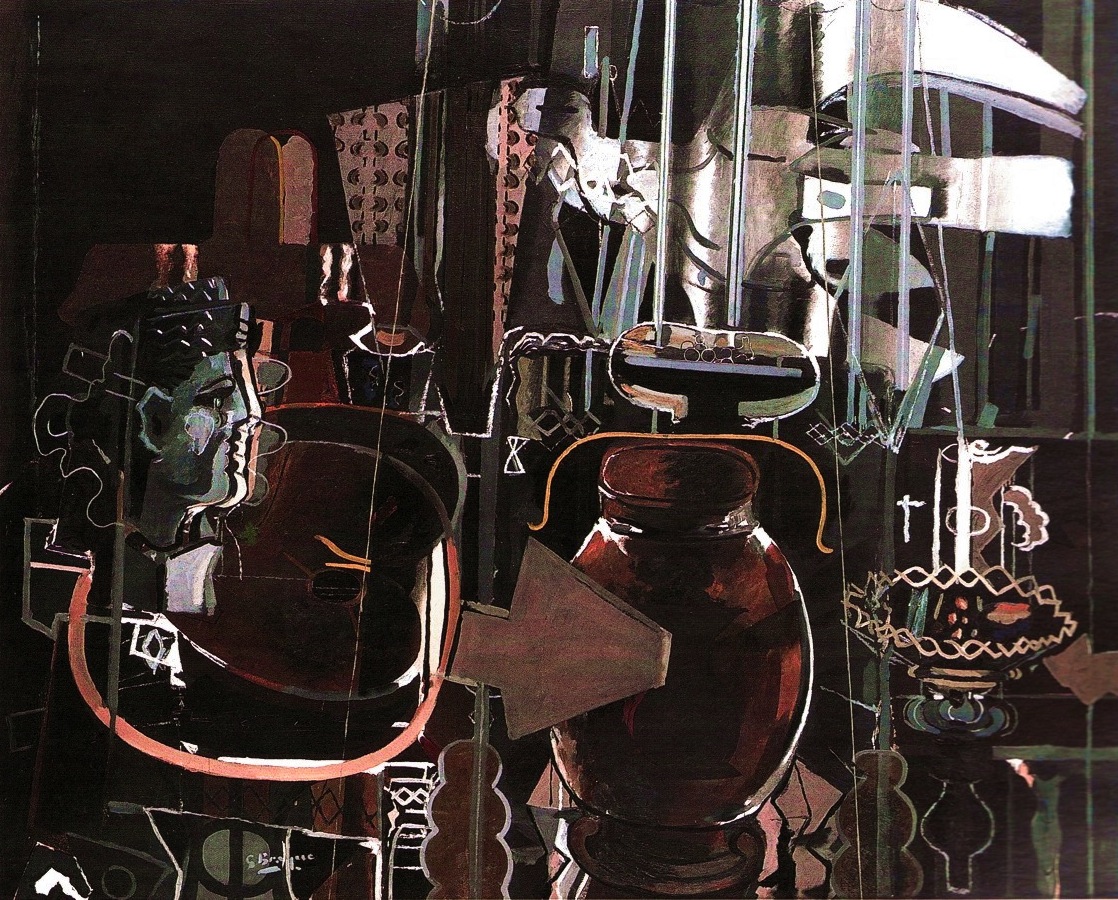
The Table (1928)

The Table (1928)

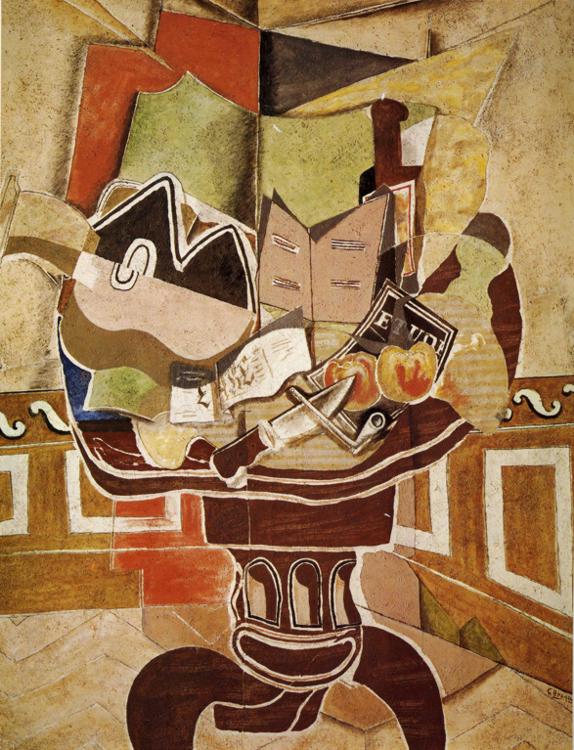
The Round Table (1929)

The Round Table (1929)

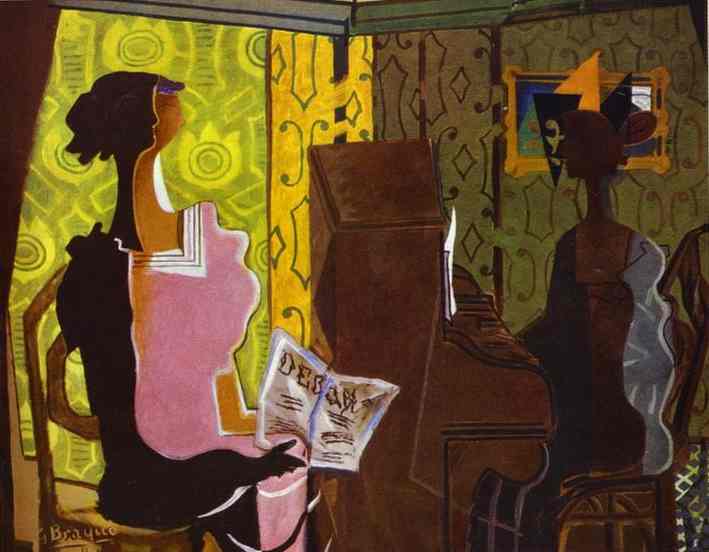
The Duet (1937)

The Duet (1937)

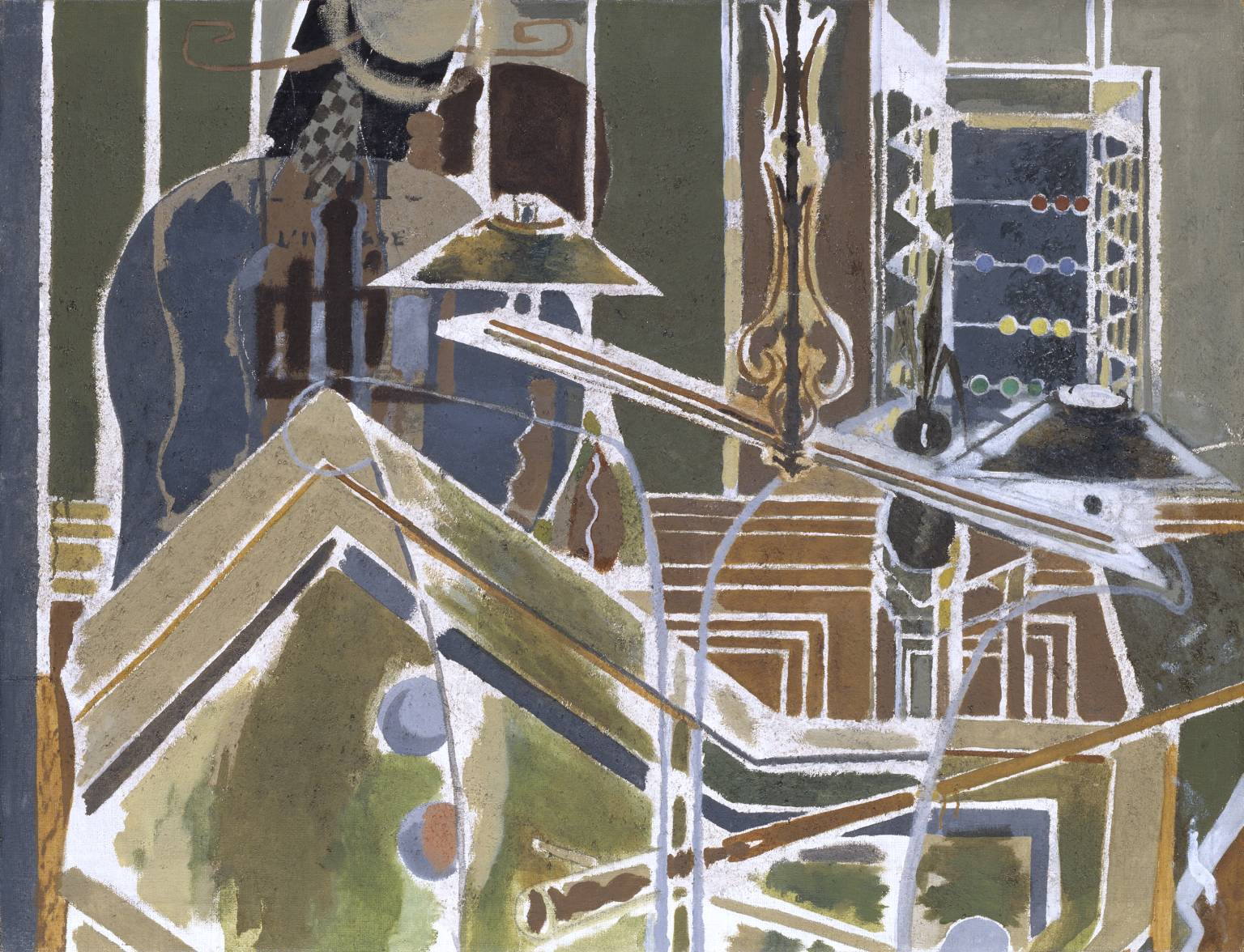
Studio II (1949)

Studio II (1949)

Studio with Skull (1938)

Studio with Skull (1938)

Thus it was that as the 20s and 30s ticked by, Braque’s work moved the cubist spirit further and further, as the artist pushed the boundaries of the movement he had helped to create, until such a time as his works become progressively more figurative, but all the while maintaining the multi-dimensional expression which was central to cubism. Take his billiard table series for example – seen from various angles, Braque’s bold green billiard table is shown from all kinds of impossible angles, and yet there is no mistaking what Braque was trying to depict.

The Billiard Table (1945)

The Billiard Table (1945)

I would be selling the show short to suggest that it all ended there. From colour-drenched fauvism to colour-collected cubism, Braque’s mastery extended to every avenue of life, as he used his pioneering imagery to depict portraits, artist’s studios, landscapes, still life and even greek mythology. From room to room we see an artist who never failed to be inspired, and to inspire his countless followers in response. Never again will Georges Braque be in Picasso’s shadow as far as I am concerned, but level pegging as a genius of 20th century art.

Georges Braque is showing at the Grand Palais, Paris until 6 January 2014.