Skip to content

Sunday Supplement – The Spanish Double

For the last few weeks on a Sunday, I have been exploring the collection of 10 paintings I created during my convalescence from an accident between 2008-2010. True, the subject matter is not easy to write about, nor, possibly, easy to read, but I hope you will agree that these paintings are amongst the most worthy of my works for further exploration and examination. They are, after all, a representation of a potent threshold in my life. When I underwent not just physical change but mentally was forced to mature and re-evaluate life in a way I have never before considered necessary.

In today’s Sunday Supplement, I am featuring two of my accident paintings which almost formed a sub-category of their own. Both were painted, unlike the other 8, when I was convalescing in Spain, both have Spanish titles, both are painted with acrylic paints, rather than oil, and the result of the colours used makes them, in my opinion, a bit more “pop art” in finish.

Desayuno del Norte

Desayuno del Norte (2008 © Nicholas de Lacy-Brown, acrylic on canvas)

In the first of the two, Desayuno del Norte (“Breakfast of the North”), I cross-referenced a Lowry-inspired Northern industrial landscape with symbols of breakfast “desayuno”, while mixing in images direct from the legal world to which, at the point of painting this work, I had prematurely returned. Of all my accident paintings, this is perhaps the hardest to explain. It was a mood, a time experienced – a collection of various representations which at that time drove me to paint. In the purple-grey background, a sense of my depression and frustration at that time is shown, a time which is appropriately catalogued as Christmas by the holly on a jug of sticky dark gravy which pervades the piece. The industrial landscape is proliferated with an abundance of mauve smoke, while from one of the bigger chimneys in the foreground, the question “why me?” looms large.

While in the accident paintings before this one, I had painted feet, here, I paint a trainer – the specially fitted trainers which were integral to enabling me to travel into work and get around each day, along with the crutch, whose presence cuts across the canvas on the right. Meanwhile, in referencing breakfast throughout the painting, the eggs mark a note of the fragility of my recovery, the blood-like jelly pouring from the trainer suggests my continuing pain, the orange represents my location at the time of painting – Marbella in Southern Spain – and the Marmite gives a clue as to my fading appetite and loss of weight  – it was the only thing I could often bring myself to eat, spread on the toast hovering somewhere below it. Meanwhile, running throughout the painting are the double yellow lines of road markings – these representing prohibition and interdiction – a cessation of my liberty, both physically and in my profession in the overtly constrictive legal world of London’s Bar.

La Marcha de los Champiñones 
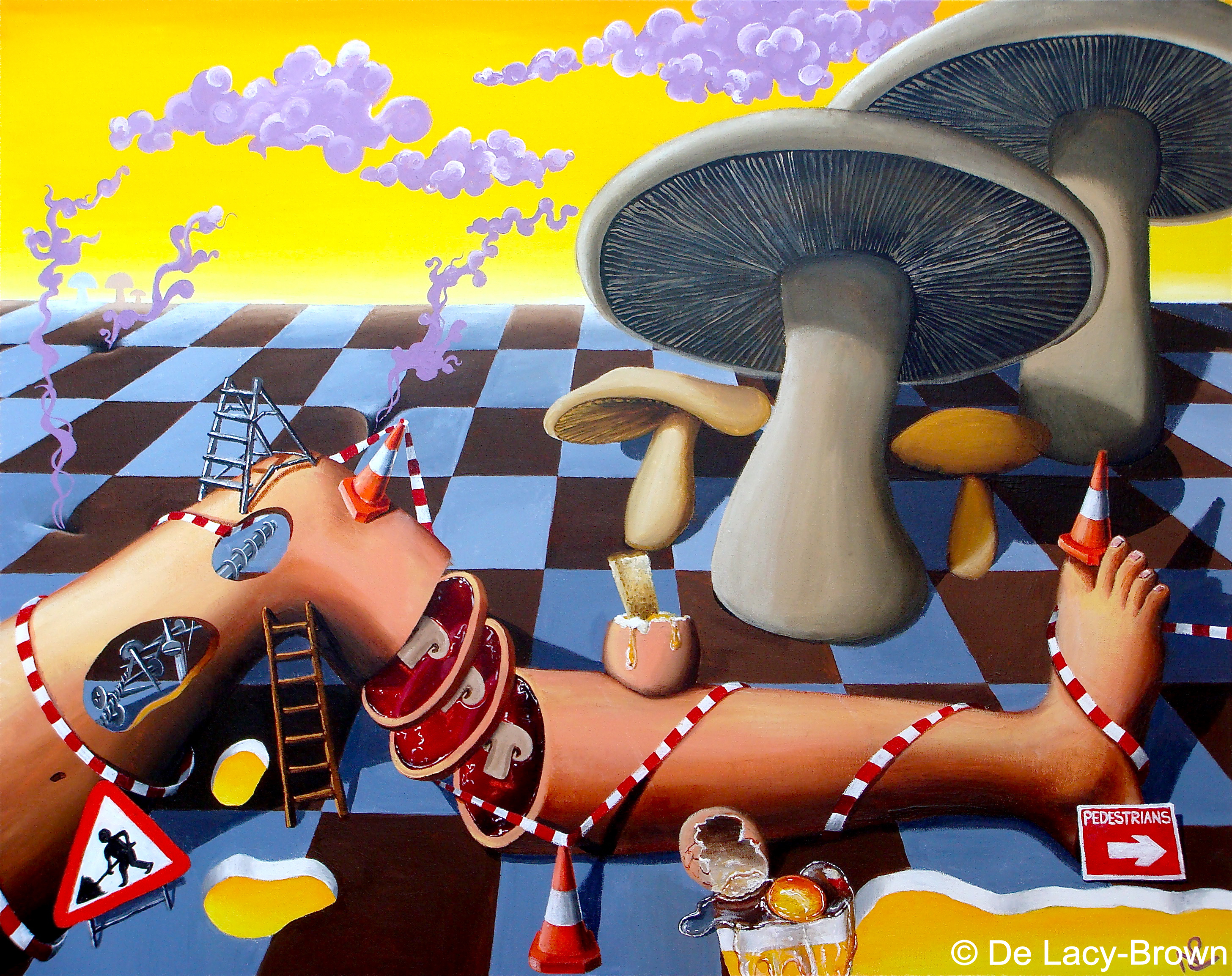
La Marcha de los Champiñones (2009 © Nicholas de Lacy-Brown, acrylic on canvas)

Road traffic symbols are continued in the second painting of this series, La Marcha de los Champiñones (“The March of the Mushrooms”), which represents two major events of my continuing convalescence a year after the original accident – first the fact that my leg became wracked with infection, and secondly that I was required to have my leg re-broken, in order to correct a fixed flexion deformity which had occurred during the healing process (in other words, the leg had healed at a fixed angle, and was unable to lie straight). In this work, I show my leg being re-broken, cut here into slices, each slice revealing, by way of the mushroom-symbol, the spread of infection throughout the limb. Meanwhile, on the outside, huge mushrooms loom over the slightly surreal scene, as the spread of infection becomes worse.

The road traffic symbols in the meantime become more prevalent in this piece. The leg is cordoned off behind road-works ribbon and a road-works warning sign, while the tools and paraphernalia of the workman are all around, including the various pins which were, in reality, holding my leg together (as shown by “windows” allowing the viewer to peer into my metal-ridden leg). A sign diverts pedestrians past the works, but also reminds viewers that throughout my convalescence, one of the worst experiences encountered was the continuous stares of pedestrians on the street, forever gawping at my leg encased in its pins and illizarov frame and covered with dressings and scars.

Meanwhile, the egg which was solid in Desayuno del Norte, has now cracked. The fragility of my steady recovery had given way, and I was back to square one.

© Nicholas de Lacy-Brown and The Daily Norm, 2001-2012. Unauthorized use and/or duplication of the material, whether written work, photography or artwork, included within The Daily Norm without express and written permission from The Daily Norm’s author and/or owner is strictly prohibited. Excerpts and links may be used, provided that full and clear credit is given to Nicholas de Lacy-Brown and The Daily Norm with appropriate and specific direction to the original content.

The Daily Sketch: Prepare to Scream… It’s Normaween!!

The full moon is out, and gliding past, the menacing silhouette of a Witch Norm casting a midnight spell. Beneath the moon, the creepy dilapidated outline of a once glorious house, now abandoned, boarded up and left to decay and ruin comes into view. Within the dark echoes of its now empty chambers, something is stirring. A momentary white flash, a flutter in the breeze, the creak of a lone shutter moving in the wind. In the overgrown gardens, the century old tombs of the long dead previous occupants are starting to move. At the strike of midnight something quivers through the ground. The large, rusty Victorian gates swing open, the stone demon gargoyles upon the plinths come to life, the heavy tomb lid begins slowly to shift and at the window of the house, the previously dark interior is replaced by the screaming wide eyes of a Norm devastated by fear. All around the old mansion, Norm ghosts begin to waver and whir in the wind, moaning and howling at this witching hour, and amongst the graves below, the Vampire Norms awaken, eager in their hunt for their fresh intake of sickly sweet blood.

Norms at the Halloween House of Horrors (2012 © Nicholas de Lacy-Brown, pen on paper)

Are you scared? You should be. For tonight is Normaween, the night when the Norm dead come back to life, when no Norm is safe from the razor sharp teeth of the roaming Vampire Norms, and every little Norm will cower under his or her bedsheets as the screams of the Norm dead pierce their ears and bring the horrors of the underworld to life.

Keep your lights on, don’t dare go to sleep. Just prepare to scream – for tonight is Normaween!

© Nicholas de Lacy-Brown and The Daily Norm, 2001-2012. Unauthorized use and/or duplication of the material, whether written work, photography or artwork, included within The Daily Norm without express and written permission from The Daily Norm’s author and/or owner is strictly prohibited. Excerpts and links may be used, provided that full and clear credit is given to Nicholas de Lacy-Brown and The Daily Norm with appropriate and specific direction to the original content.

Halloween Party Continued…

Further to yesterday’s post, I’ve been preparing further for Halloween. Lying around yesterday, feeling appropriately close to death with bronchitis coursing through my chest, I decided enough was enough. I forced myself full of paracetamol, took out some cake basics from the fridge, and set about baking. Illness will not stop me, and with regular breaks, perching upon a stool to save my energy, with my Partner as chief taster (I can’t taste anything!) and in fully sanitised conditions (naturally!) I have made some chocolate orange cup cakes for a chic Halloween gathering.

My cakes follow the same simple chocolate sponge as described on yesterday’s post with a delicious white chocolate-orange frosting. This is simple to make. Simply take 300g of icing sugar and whisk up with 100g unsalted butter and 40ml of milk. The longer you whisk this icing mixture, the fluffier and lighter it will become. Then in a metal bowl over a pan of water (making sure the water never touches the bowl) I melted approximately 150ml of orange flavoured (and coloured) white chocolate beads, before adding to the whisked icing mixture and folding in well. I then transferred the icing into a piping bag and placed in the fridge for a good 30 minutes or so while the cakes cooled down.

The wonderful orange icing was easy to pipe (I had to warm the bag up a bit with my hands since the chocolate and butter in the icing sets pretty quickly) and once done, I sprinkled with some dark chocolate drops to achieve the halloween contrast of orange and black.

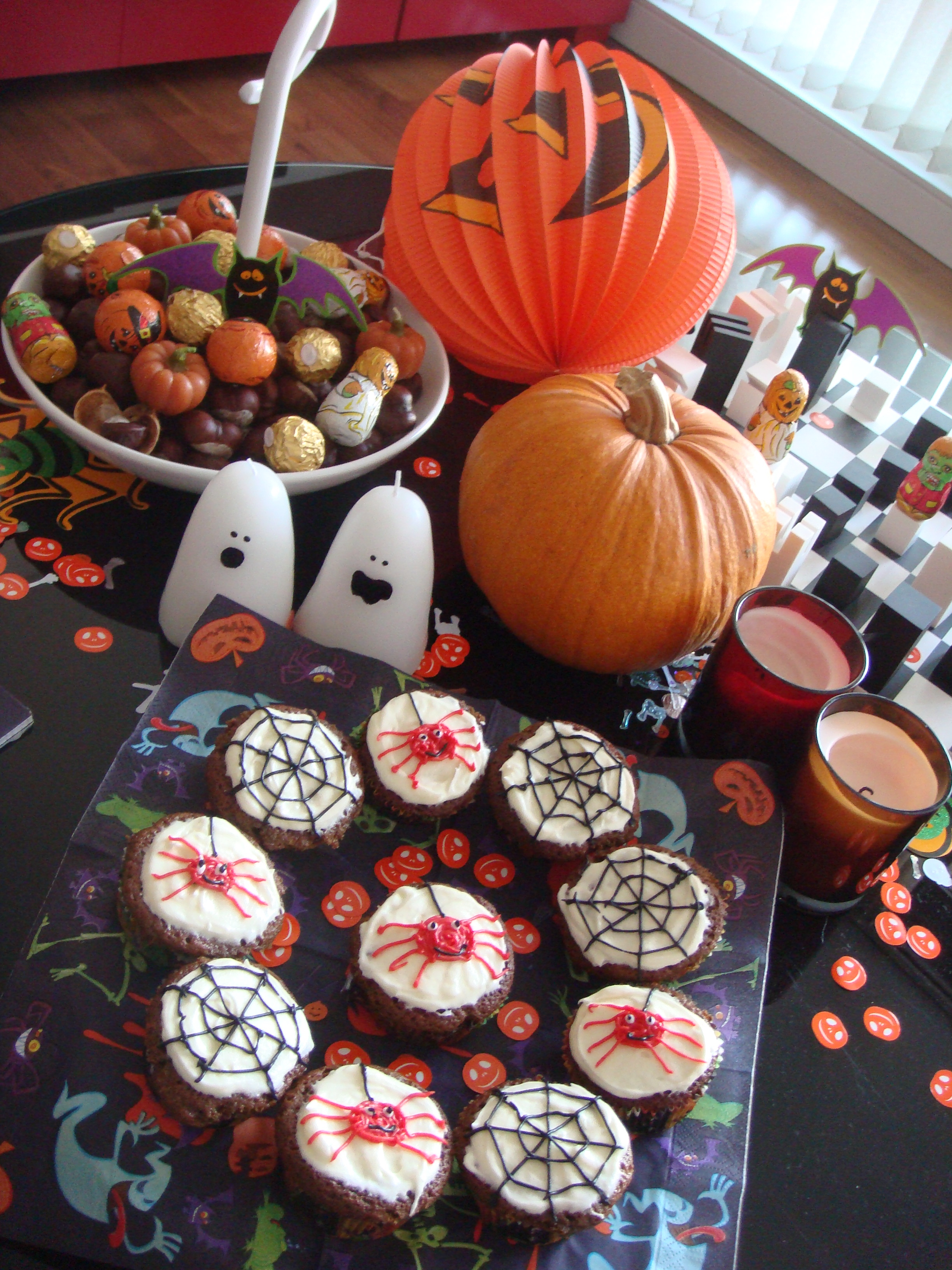
So there you have it. Hopefully, unlike me, you will actually be able to taste the wonderful fusion of chocolate and orange – my Partner tells me it’s good! I leave you with some photos of my halloween party all set up and ready to go. Ok, so I’m way too ill to have any guests round, but that doesn’t mean I shouldn’t make the effort right? Happy Halloween everybody!

Halloween Party!

I won’t be having a halloween party this year. Sadly after daily encounters with people sneezing in my face on the tube, I have come down with something which progressed from a cold to flu to bronchitis. Fortuitously however, I won’t be needing a halloween costume – my face looks green enough on its own!

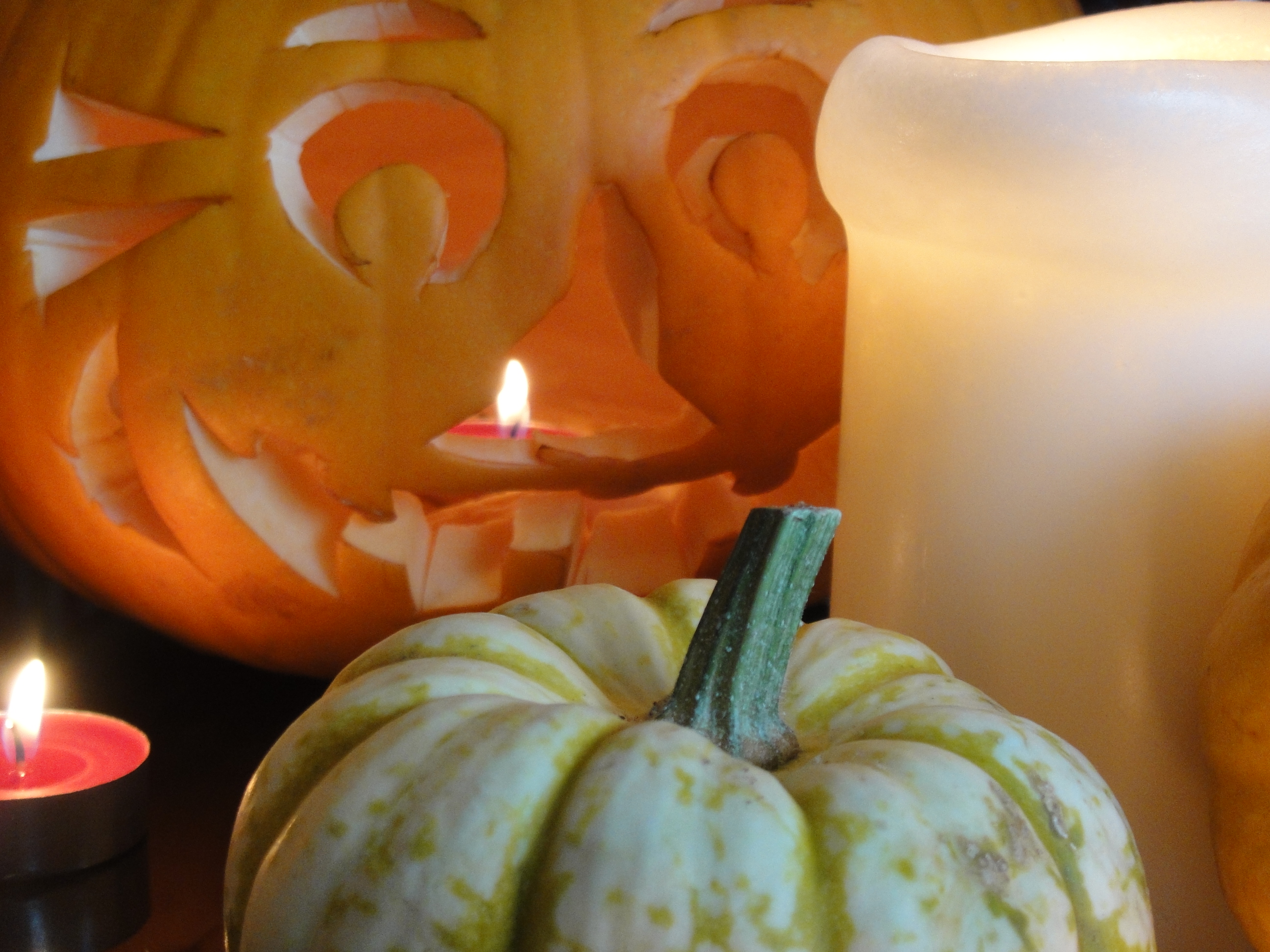
In times past however I have indulged in halloween to the full, and even this year I have managed to stem the tide of my all-encompassing malaise to carve a pumpkin or so. For this time of year, when the days are short and the dark evenings long, it’s all about candles and lanterns, baking and the homely smell of sweet cinnamon and warming winter broths. So in this short exploration of all things halloween, I thought I’d share with you some ideas for a halloween shindig, for baking, and for your requisite seasonal pumpkin.

First up the cakes – no Halloween is complete without them, and when I bake for Halloween, it’s more about the decoration than the sponge. I could go gingery and spiced (I’ll save those for another day), but for these little spooky treats, I stuck with the age-old chocolate sponge recipe my grandmother taught me when I was young. 200g of caster sugar, self-raising flower and butter respectively, two eggs, a dash of milk, a heaped tablespoon of cocoa powder and a heaped teaspoon of baking powder – the ingredients are foolproof. I start by creaming the sugar and egg yolks, and tend to whip up the egg whites for extra air in the sponge. To the egg/sugar mixture I add the sifted dry ingredients, mixing well before folding in the egg whites. Then – and this is my mother’s baking tip – I add a little milk. Enough to make the mixture run off the spoon. This guarantees the lightest of sponges. I pour into fairy cake cases and bake for around 15-20 minutes at 180 degrees, and ice with a butter cream and some shop bought icing tubes. Easy.

For something more adventurous, check out these marzipan and gingerbread beauties sold in Betty’s tearooms in York.

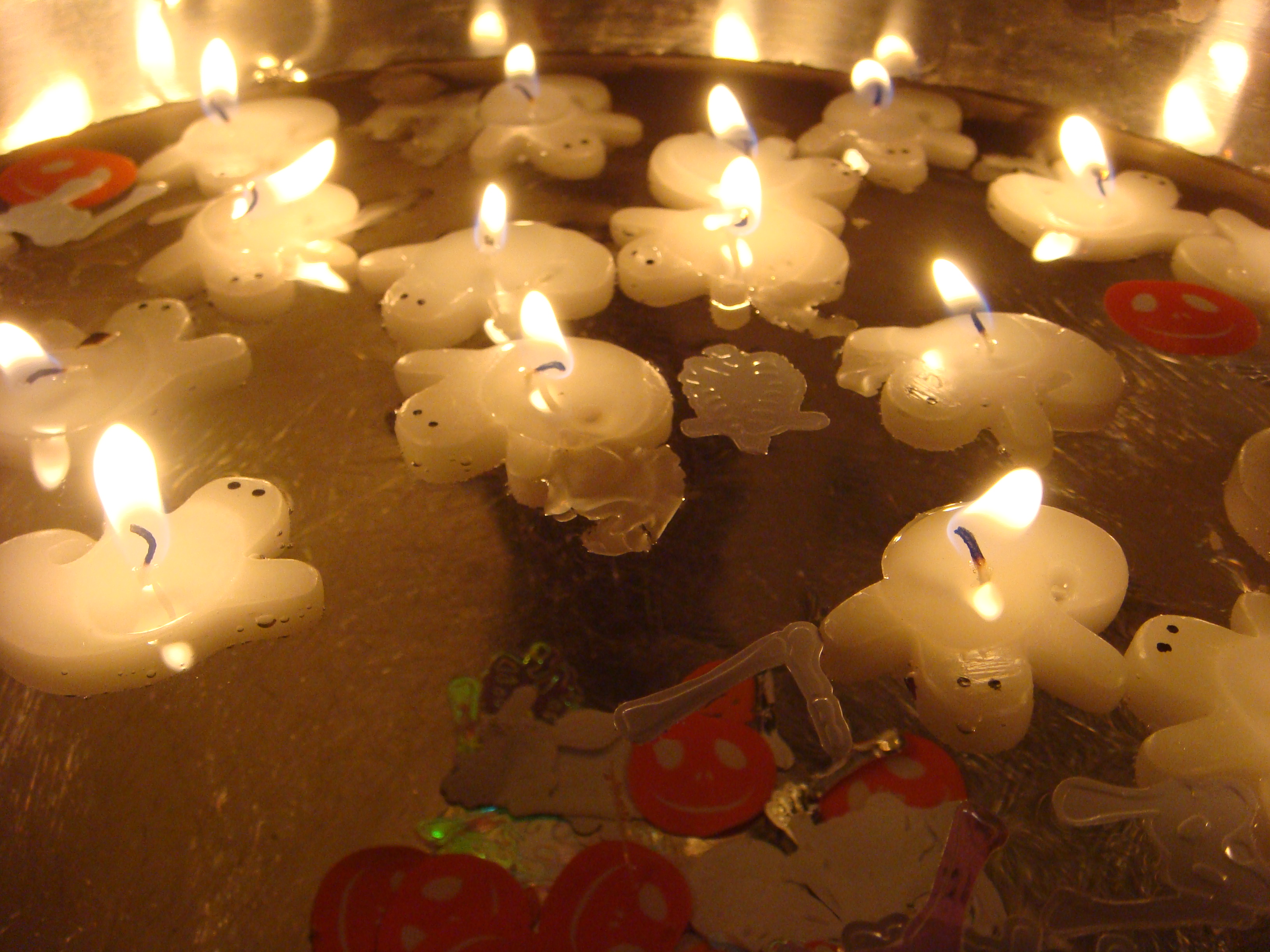
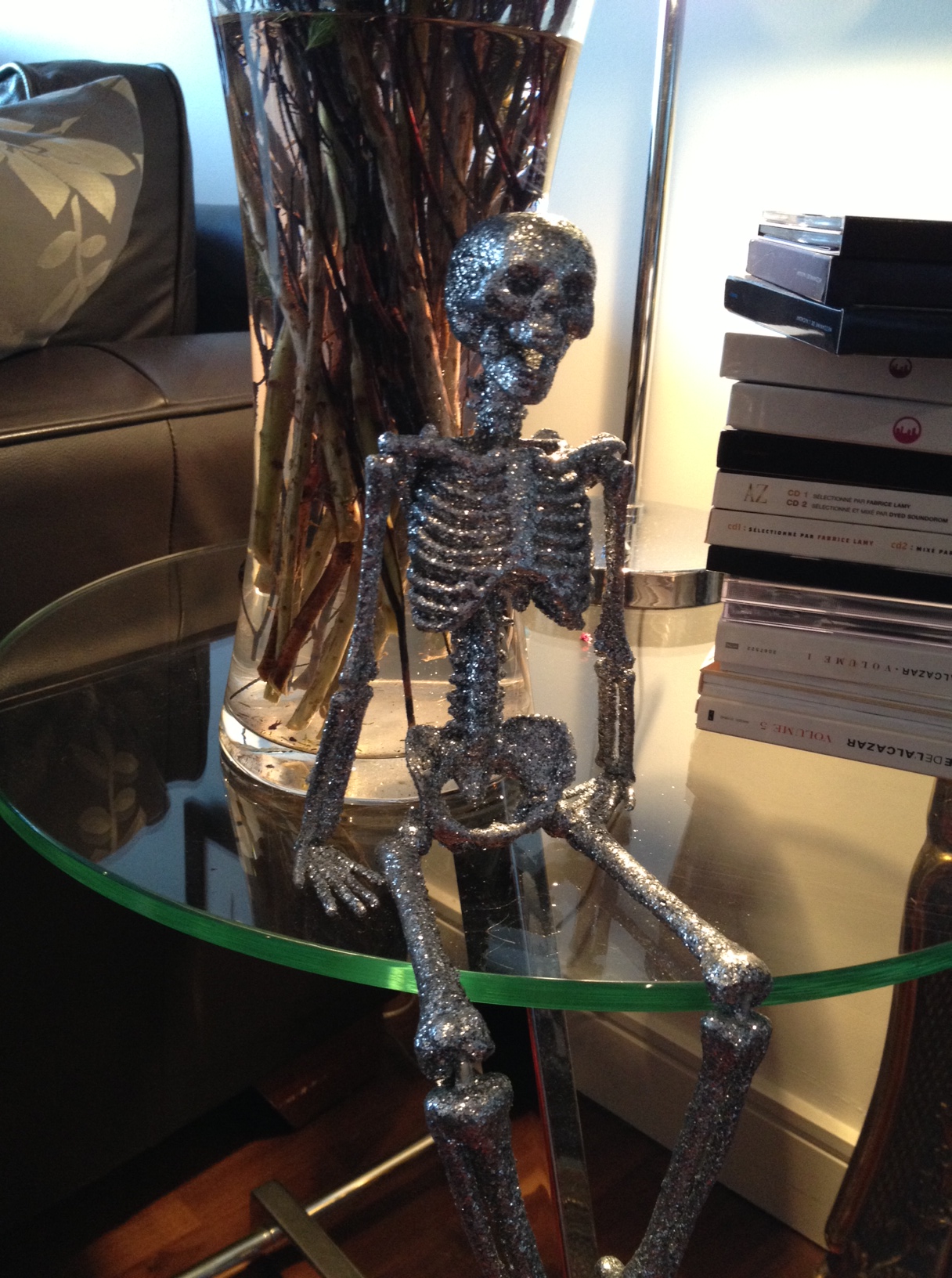
For decorations, I tend to go with candles aplenty, like this ghoulish ghost-shaped floating candles scattered with pumpkin-shaped confetti and other ghosty shapes. I also have a few sparkly skeletons dotted around to bring some Damien Hirst bling to the event. Nats.

Read more

Introducing my new painting: The Gentleman (in Paris)

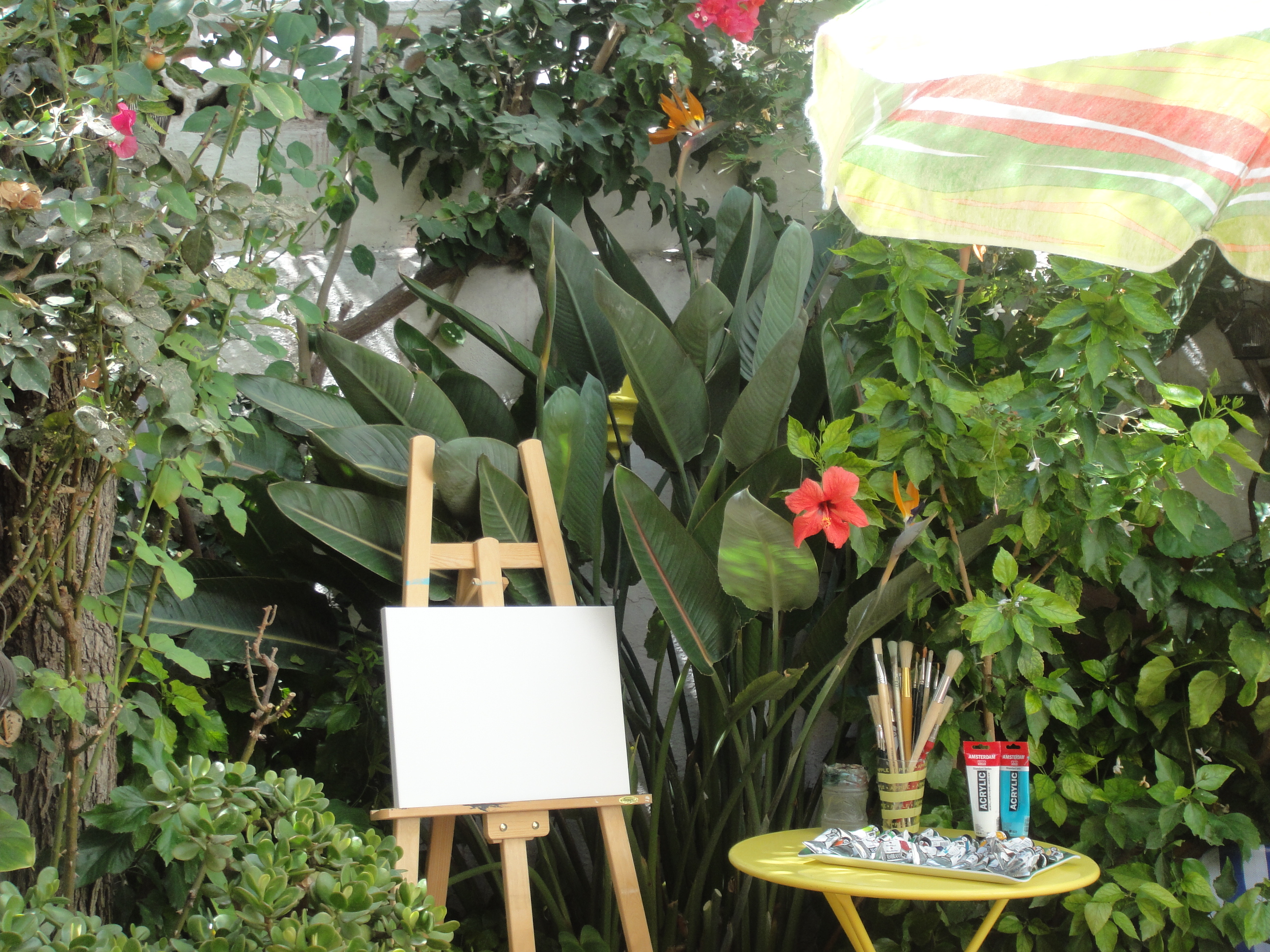
For those keen-eyed amongst you, particularly those reading my recent Spanish posts and my various tapas recipes, you may have noticed (as I know a couple of my regular readers did) in the background in the garden of my Marbella house stood a little easel and upon it a small canvas – from the early photos, when just a blank canvas was present, to the latter shots which showed me making some progress on the work as the balmy days of my holiday whiled onwards.

A canvas awaits me – in my garden in Spain

As the idea developed, and owing to the sad reality that our holiday was only 9 days long, my painting became more compelx, and when I left Marbella, the work was only half done. Luckily the canvas fit in my case (although no doubt contributed to my excess of baggage weight for which the ever unreasonable British Airways charged me a 50 euros flat penalty fee, even though my partner’s luggage was massively underweight) and I continued work in London. Be my life in London as it is – full of work and busyness, it has taken me some time to complete the painting, even though I rushed home most evenings to fit in a few hours of work.

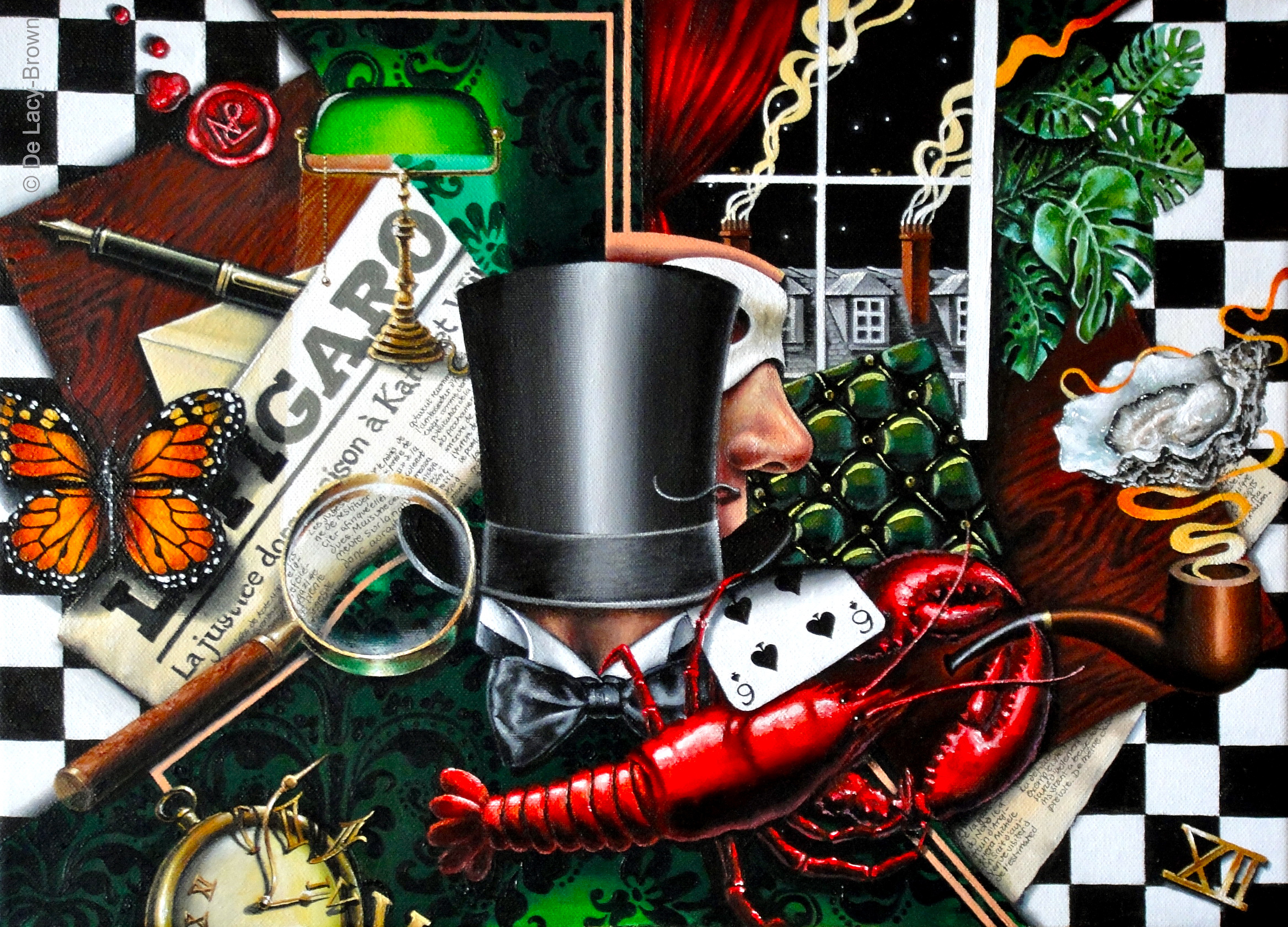
However, having had last weekend to myself, I finally managed to complete the work, a work which I now call The Gentleman (in Paris).

The Gentleman (in Paris) 2012 © Nicholas de Lacy-Brown, acrylic on canvas

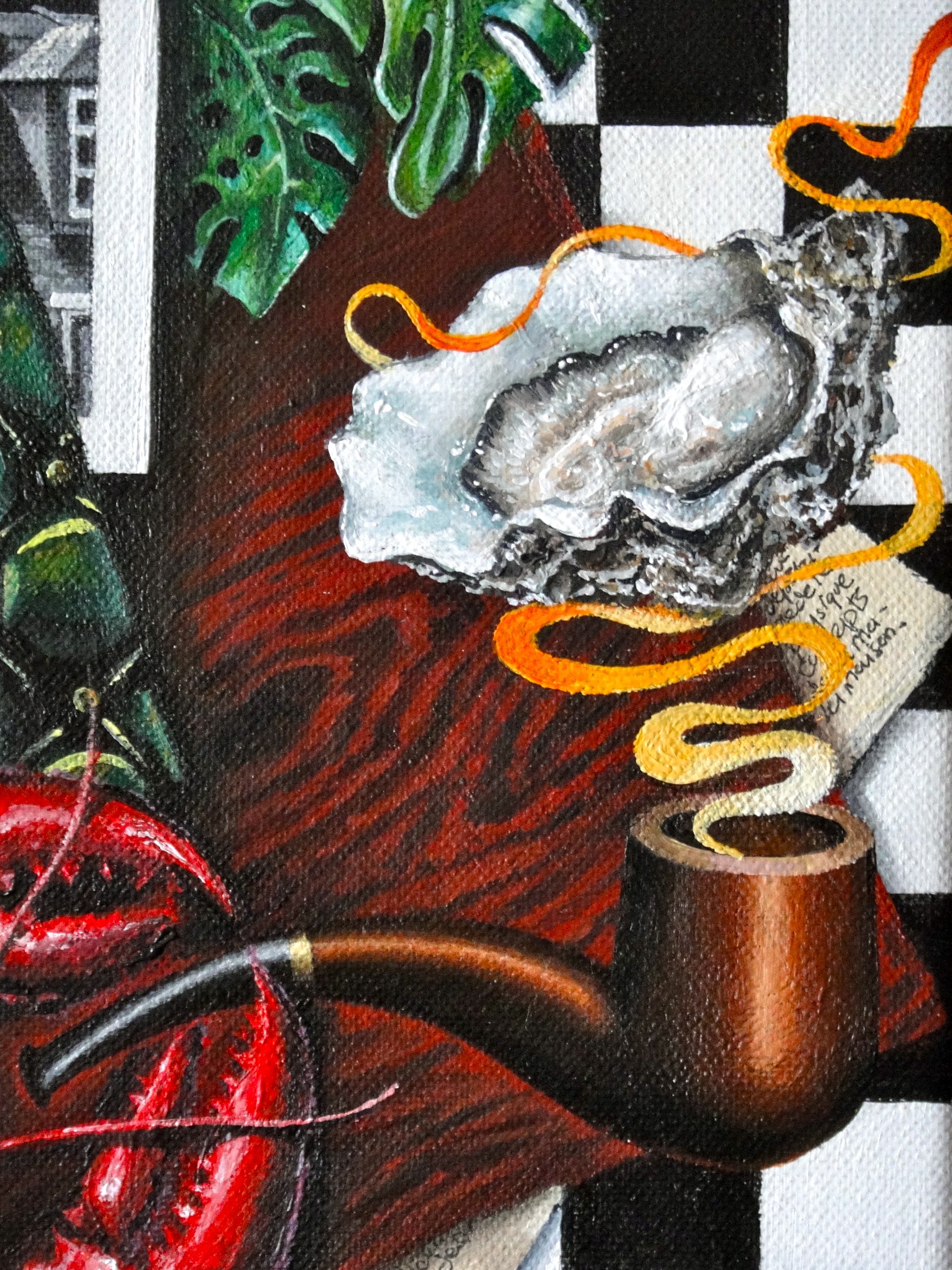
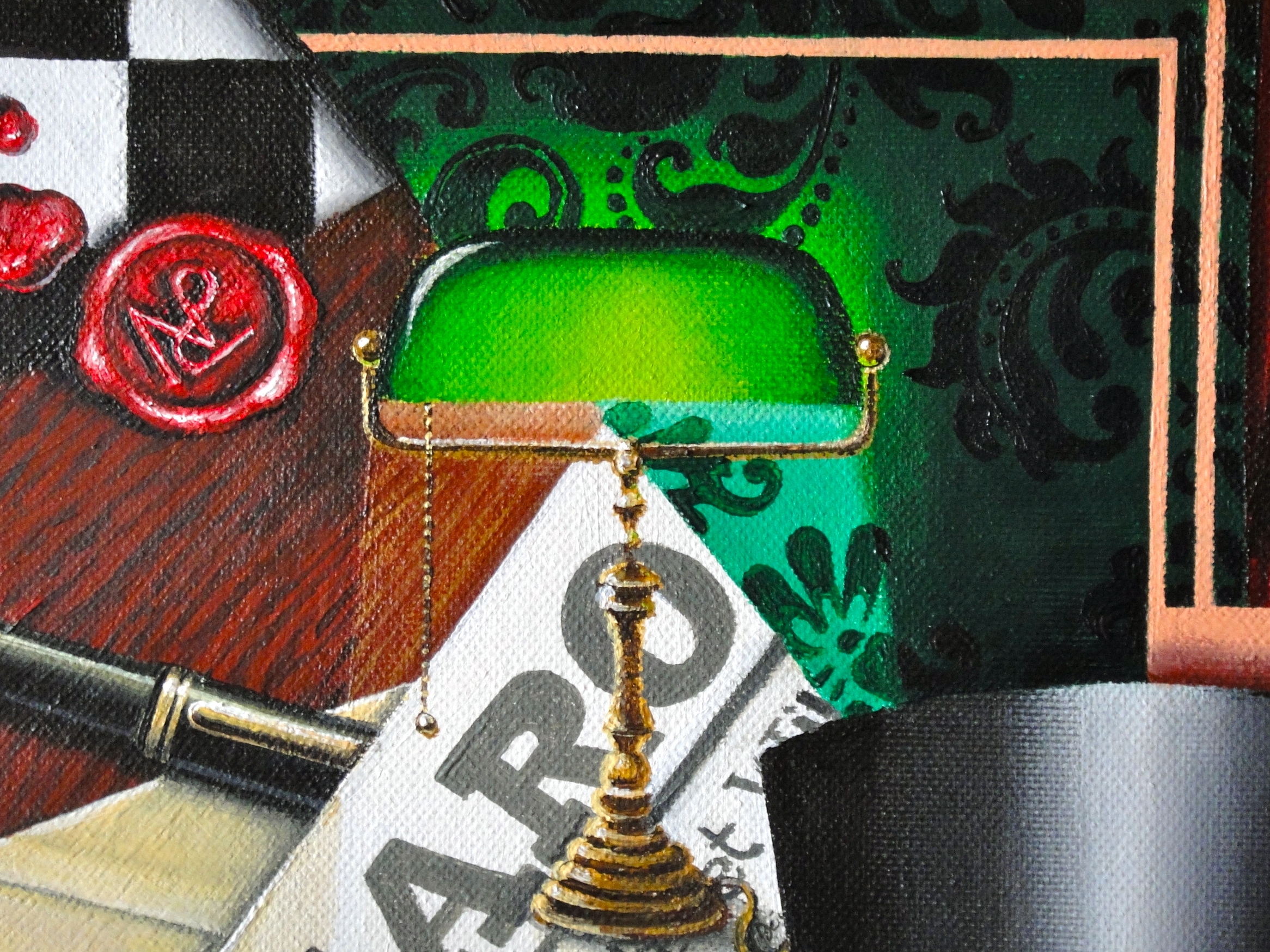
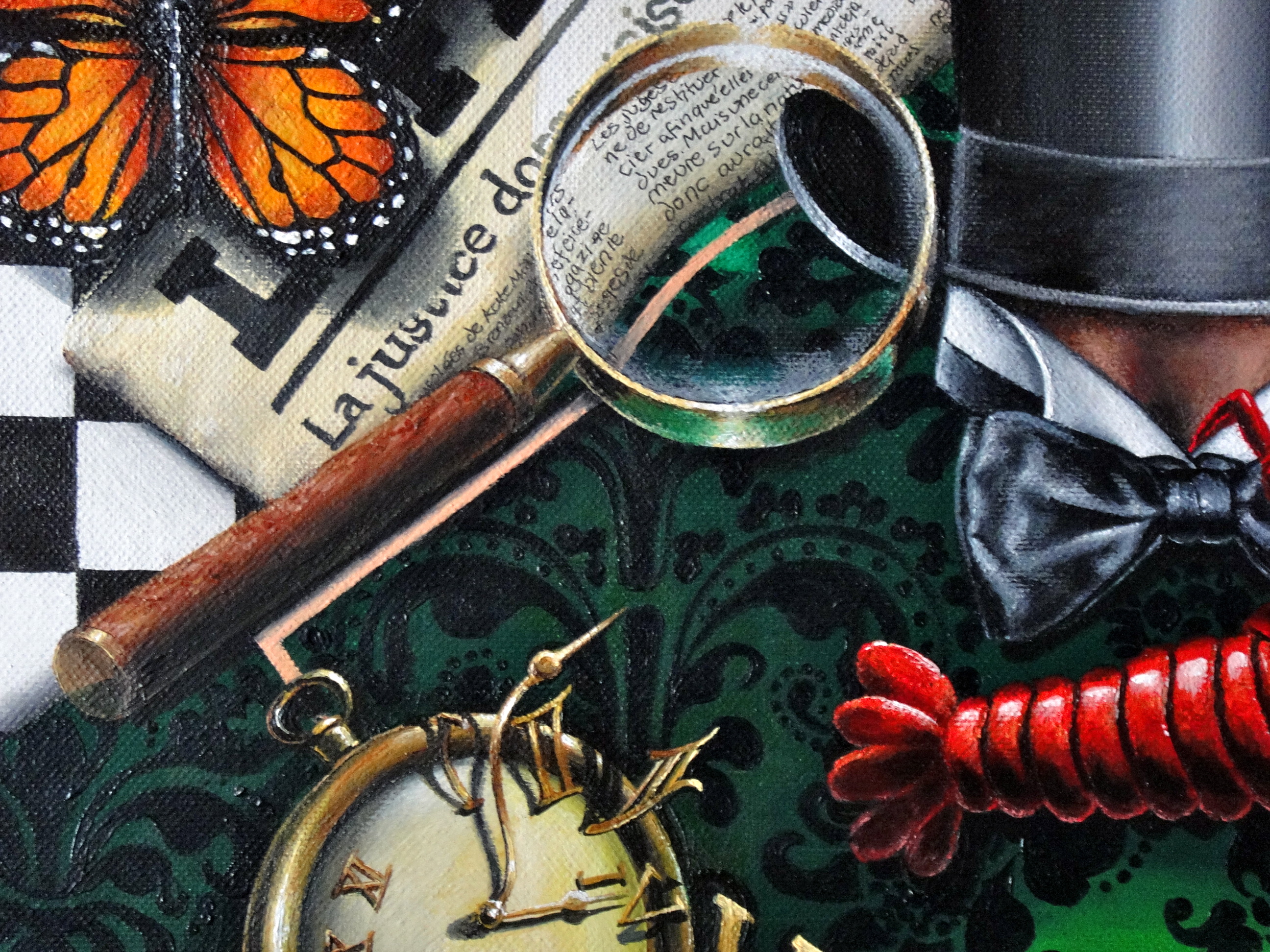
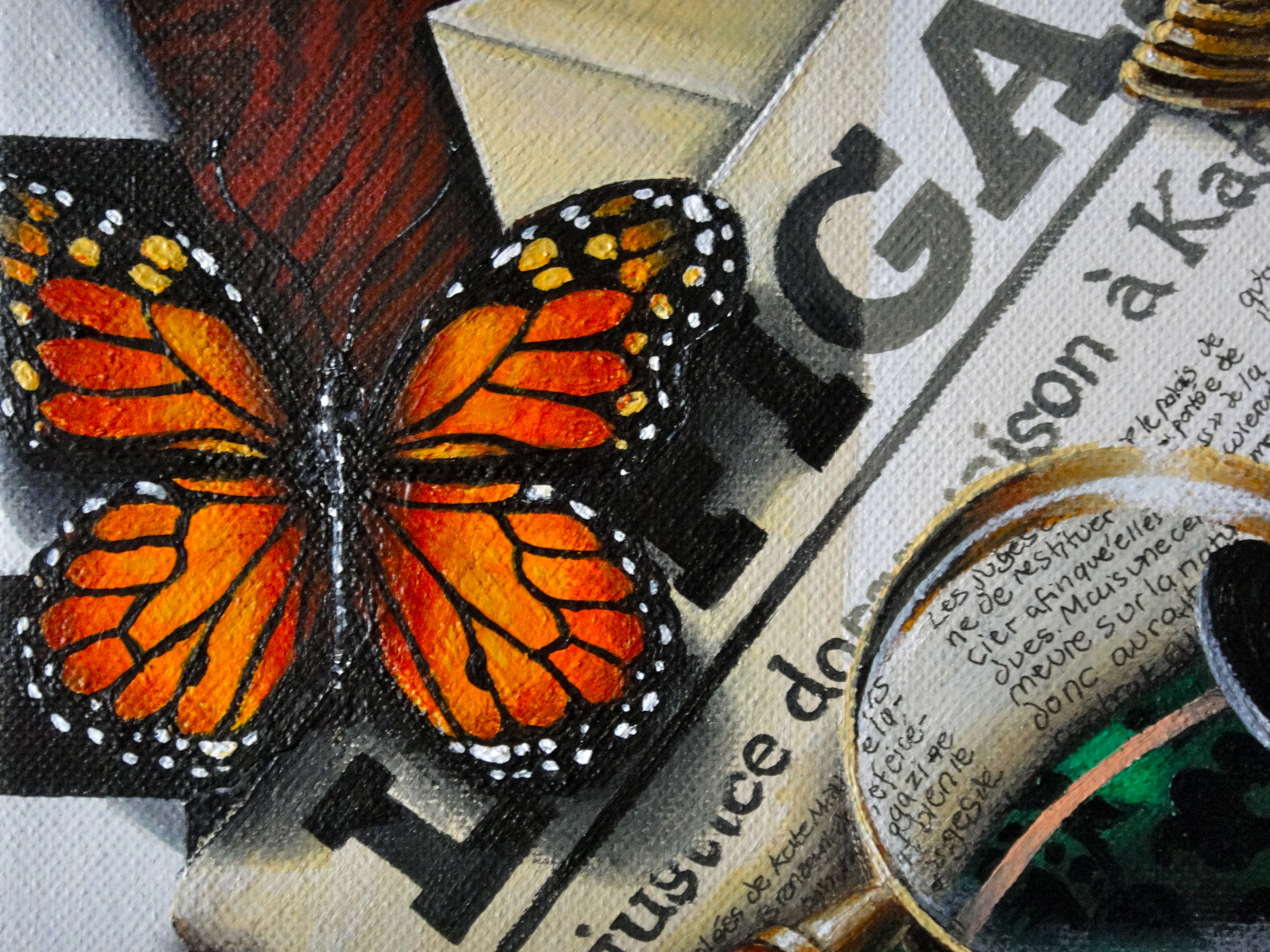
Inspired by the icons of a time I hold dear, a yesteryear when men were gentlemen, when to go out to dinner was a time of dressing up in a top hat and gloves, when chivalry was at the forefront of society and manners were a thing held in the highest of esteem. It was a time when in a Gentleman’s study, such as this one, a Chesterton desk chair would be found amidst the paraphernalia of a professional’s equipage: a pipe, a magnifying glass, a pocket watch, some butterfly specimen and an emerald green desk lamp, an expensive fountain pen and even more expensive culinary delicacies such as lobster and oysters, all set against a black and white floor, a hefty wooden desk, rich damask green wallpaper, verdant plant life and a floor to ceiling window view of the Paris chimneys beyond. And of course, because it’s Paris, the Gentleman has to keep up with the French news in Le Figaro. Meanwhile at the heart of the image, representations of the Gentleman himself: his top hat, a bowtie and wing-collared shirt, and his face, masked in the enigmatic disguise of a masquerade ball.

Explaining this painting is a little like explaining one’s impulses. This is an image which came to my mind in Spain which always provides me with sufficient relaxation and creative stimulation to get my artistic juices running. And even though the resulting painting is far from Spanish, it nonetheless digs deep in my imagination, placing on canvas a time, a place with which I can feel an inexplicable evocation, like an experience which recalls the strongest of emotions, even though it never happened. In this way, I use painting to make sense of the deepest of subconscious sentimentality, helping me to both explore myself, and pay homage to the depth of my creativity.

I leave you with a few shots of the painting’s details. I hope you like it.

© Nicholas de Lacy-Brown and The Daily Norm, 2001-2012. Unauthorized use and/or duplication of the material, whether written work, photography or artwork, included within The Daily Norm without express and written permission from The Daily Norm’s author and/or owner is strictly prohibited. Excerpts and links may be used, provided that full and clear credit is given to Nicholas de Lacy-Brown and The Daily Norm with appropriate and specific direction to the original content.

Red sky in the morning, shepherds’ warning

It is a well known adage that red sky in the morning forecasts shepherds’ delight, whereas a red sky in the morning should be shepherds’ warning. Another version replaces shepherds with sailors, although the signification is the same – a rosy red sunset suggests that good weather is on the way, where as a beautiful red sky in the morning is usually a foreboding sign of bad weather ahead.

According to wikipedia, the proverb is a rule of thumb for weather forecasting dating back over 2000 years – allegedly it has a scientific basis as well: due to the rotation of the Earth from west to east, storm systems tend to travel eastward across the globe. As a result, a reddish sunrise, caused by particles suspended in the air, often foreshadow an approaching storm which will arrive from the West within the day, while conversely, a reddish sunset (because it sets in the West) indicates that the storm is travelling away from the viewer.

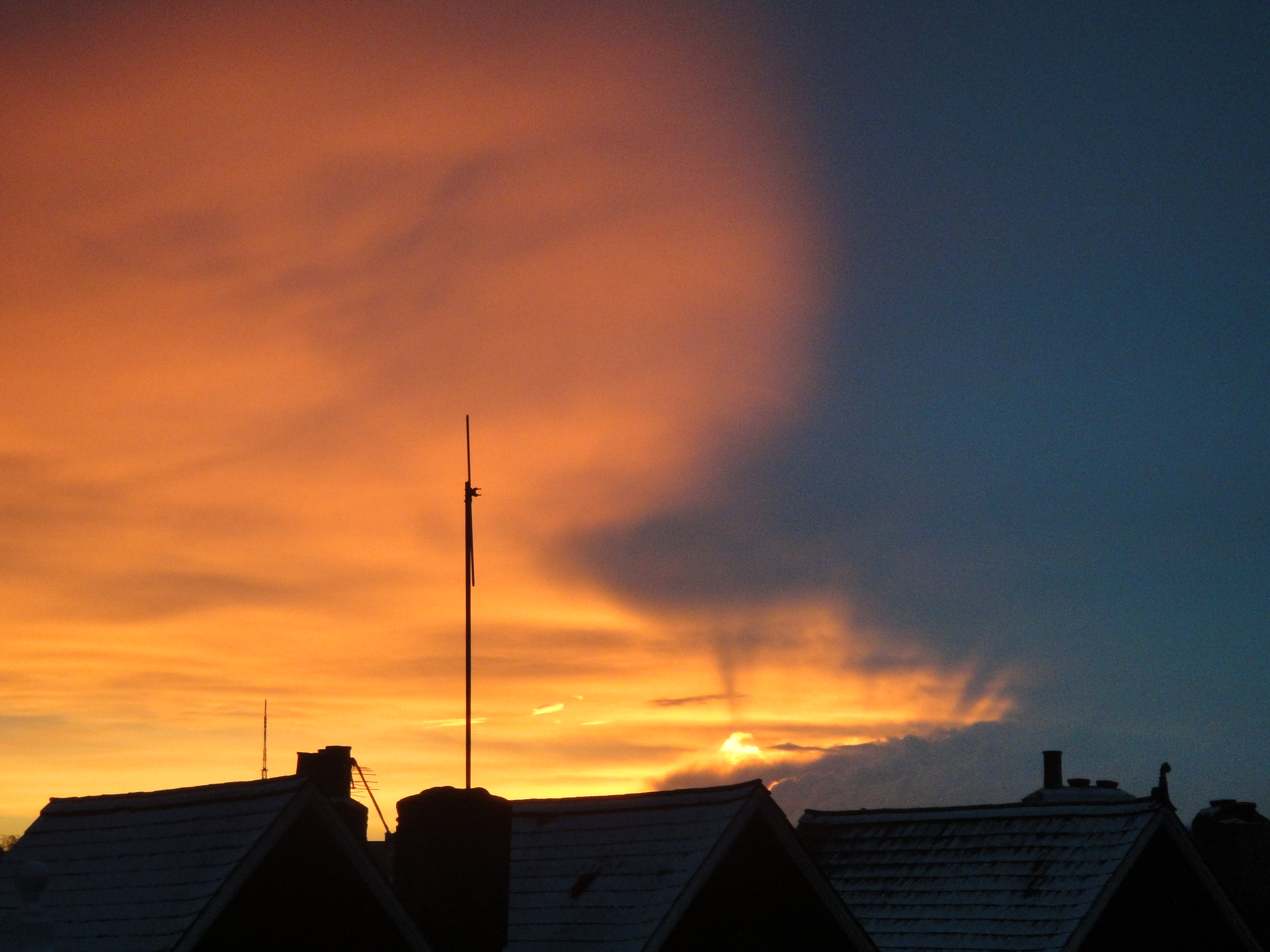
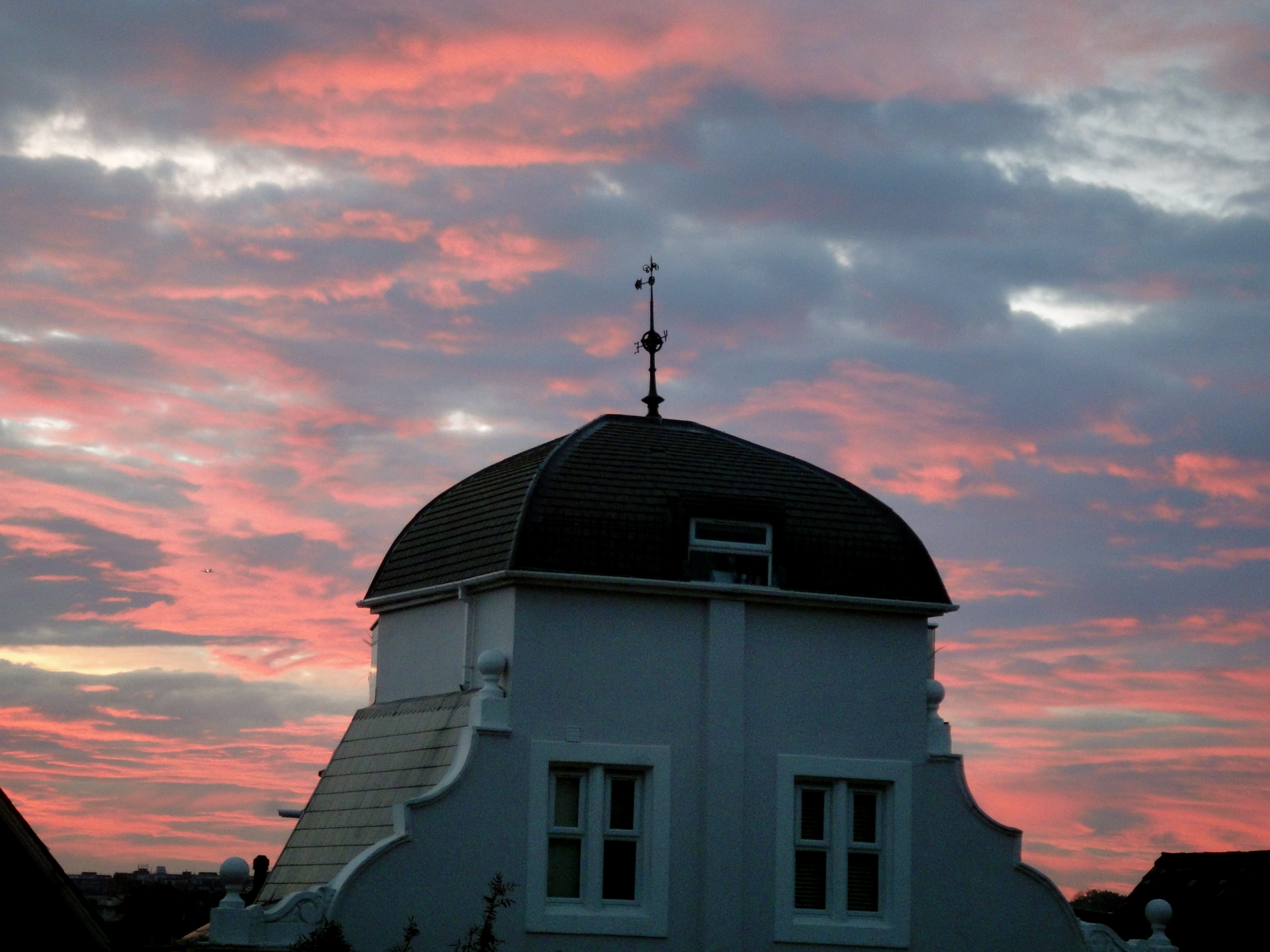
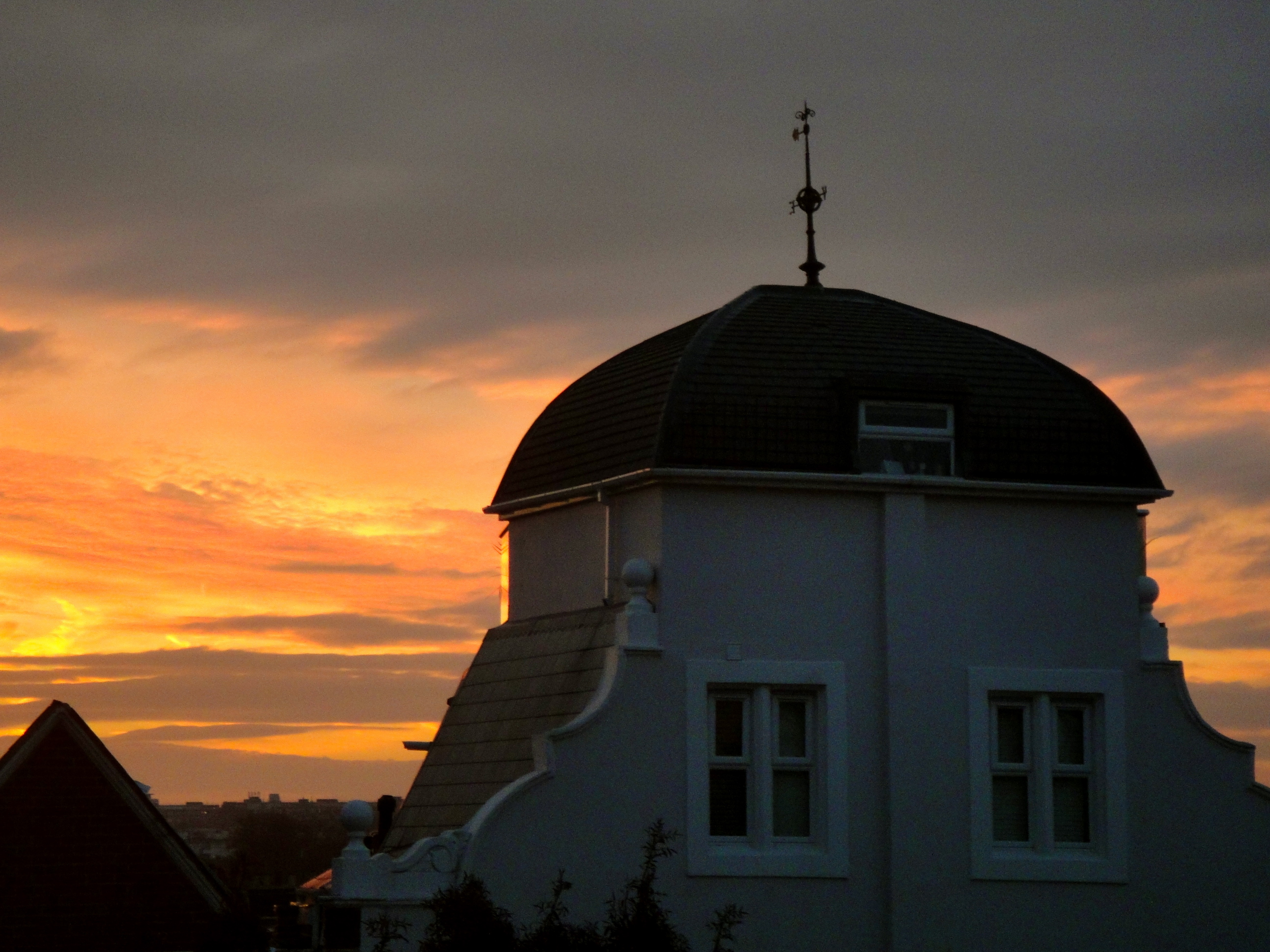
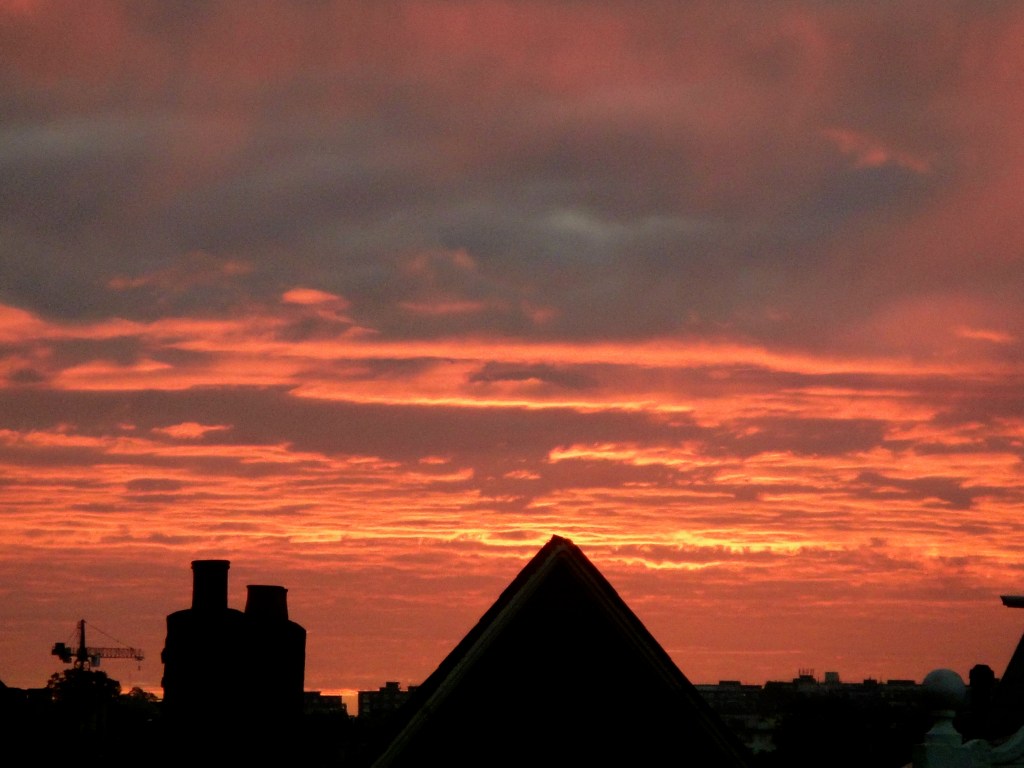
It’s little surprise then that what with the wretched weather we have had in the UK of late, with rainstorms and gloom pretty much every day, I have been waking up to some pretty stunning light shows across the London sky. So beautiful were they that I couldn’t help but share them. Check these out…

It seems almost churlish that the skies commence the day with such beauty and promise, only to then gather together so many clouds, and so much wet, cold, autumnal gloom as the day moves on that all light is obliterated and beauty destroyed. Still, one must find the silver lining in every cloud, as another adage stipulates, and in enjoying the beauty of these brief morning moments, I at least find a reason to drag myself out of my warm cosy bed, all the quicker so that I can capture the beauty on camera before it slips away into grey.

I leave you with a very appropriate quote from William Shakespeare’s Venus and Adonis (1593)

“Like a red morn that ever yet betokened,
Wreck to the seaman, tempest to the field,
Sorrow to the shepherds, woe unto the birds,
Gusts and foul flaws to herdmen and to herds.”

Here’s hoping for a red sunset tomorrow!

Great Expectations fulfilled – Dickens’ classic closes the British Film Festival in style

Barely 9 months have gone past since a new adaptation of Dickens’ favourite, Great Expectations, hit our screens (in that case, our TV screens) with a BBC version which promoted the rather spooky Gillian Anderson, better known for alien hunting on The X-Files, and a pouty-lipped Douglas Booth as Pipi in a classic period drama which gave us a reason to stay in and get cosy last Christmas. Now, Great Expectations, the story of a blacksmith’s apprentice who is left a huge fortune, enabling him to rise from his humble beginnings and become a man of “great expectations”, and a heartbroken bride, jilted at the altar, left to wreak revenge through the stagnated misery of her life, has been adapted again, this time on the big screen, adapted by the author of One Day, David Nicholls, and directed by BAFTA-winning director of Four Weddings and A Funeral and Harry Potter and the Goblet of Fire, Mike Newell.

The BBC adaptation last Christmas

Last night the film premiered at the lavish closing ceremony of the BFI’s 56th British Film Festival at London’s Odeon Leicester Square. The red carpet was out, the flash bulbs were going like crazy, the stars, amongst them Helena Bonham Carter, Ralph Fiennes, Jeremy Irvine, Holliday Grainger and Robbie Coltrane made it out in spite of the rain and I, yes little me, was there, on the red carpet with them! Yep, I managed to somehow acquire myself some tickets in the 20 seconds in which they were reported to have sold out, and therefore made it as one of the first people to see this lavish new adaptation.

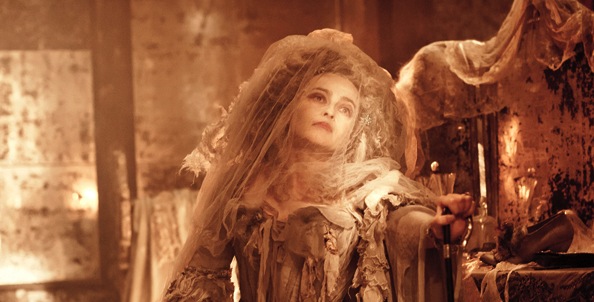
Helena Bonham Carter as Miss Havisham

Jeremy Irvine as Pip

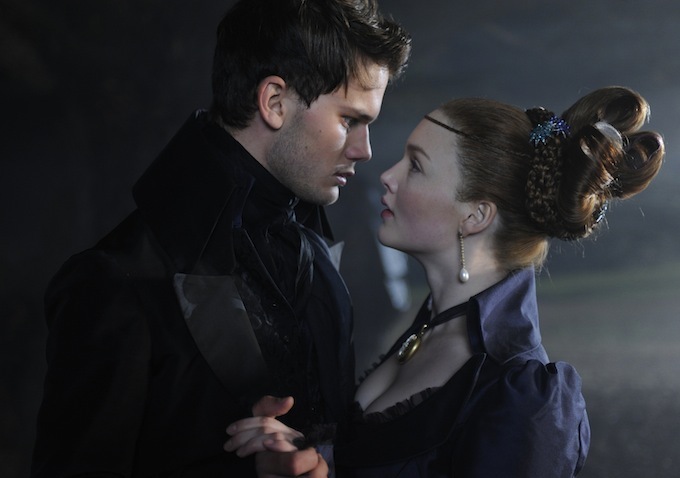
Jeremy Irvine and Holliday Grainger as Pip and Estella

The new adaptation is suitably gloomy, wonderfully sumptuous, and sensuously spectacular. I cannot help but compare it to last year’s BBC version, and for the creativity of sets, the transmission of atmosphere right off the Dickensian page, for its depiction of foggy dirty London and the grand dilapidated house of Miss Havisham, the film wins on all fronts. I adored some of the details – the huge, rotting banquet table teeming with mice and rats, and the dusty great dressing room of Miss Havisham, packed full of fading grandeur, like the heartbroken bride herself.

Gillian Anderson as Miss Havisham

I also preferred the casting in the film. Jeremy Irvine’s Pip is an altogether more likeable characterisation, as the youth and naivety of Irvine (previously starring as the lead in Spielberg’s altogether more vomit-worthy War Horse) worked well in giving us a Pip who is a forever innocent pawn in the cynical love game played by Miss Havisham and her adopted daughter, Estella. By contrast, Douglas Booth for the BBC was altogether too perfect looking, with his model stature and pert pouty lips – he was difficult to warm to, although as refined gentleman, he surely looked the part. With Irvine we see perfectly portrayed the Gentleman Pip always feeling a little uncomfortable, only too aware that money has catapulted him into the world of finery and etiquette, always slightly nervous that his Blacksmith past may come out.

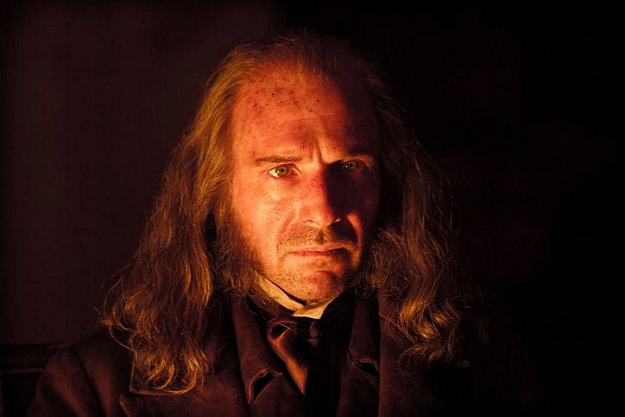
It will not surprise anyone that Bonham-Carter is perfect in the role of Miss Havisham, with her wide glazed eyes portraying all of the mental instability which HB-C plays so well, her crazy hair and great dusty gown displaying every inch the melodramatic victim-turned villain, and as for the pivotal scene where her dusty robes catch fire so suddenly and so quickly to her screams of agony and her muttered apologies as her life fades away – brilliant. Fantastic too was the ever resplendent, exquisitely elegant Holliday Grainger as Estella, looking every inch the beauty who ensnared Pip into her web of heartbreak. While she played the part with aplomb, I do however feel that through the sweetness and emotion which appears to radiate so naturally from her angelic face, it was hard to believe that inside she was the ice-queen she liked to portray – or perhaps that is the point – try as she may to be hard and loveless, Pip alone can see that behind her emotionless chatter, lay a beating heart ready to be released. Mention should finally go to Robbie Coltrane as the lawyer, Jagger (although I found it hard to get Harry Potter’s Hagrid out of my head whenever he spoke) and Ralph Fiennes as a very rough-round-the-edges Magwitch – his accent was brilliant. I had reservations about casting funny-man David Walliams as Pip’s Uncle Pumblechook though – he was the same as ever, and made the whole thing feel a bit Brit-comedy.

Ralph Fiennes as Magwitch

Jeremy Irvine as Pip

So casting and visuals asides, where this film was lacking, in my opinion, was in its loss of some great Dickensian details and characterisations. It’s inevitable that when trying to reduce a great and much-loved work of fiction into a two hour cinematographic stint, you will lose a lot of details, but some, to my mind, were really missed. Where for example was Dolge Orlick, the murderous character whose menacing and relentless vendetta against Pip adds such tension throughout the story. Where also was the murder (by Orlick) of Pip’s sister – her death was merely mentioned, but not shown, and overall I felt more time could have been given to this brilliant Dickensian character. There were also at times short scenes which appeared to play homage to the detail of the original text but didn’t lead anywhere. For example the film showed Pip setting out his intention to use his remaining fortune to buy his friend, Herbert Pocket, a partnership, but then we never saw any follow up scene whereby the partnership was secured – the film was a bit patchy like this. But then, one can’t complain too much – I’m sure we would have moaned more if we’d been sitting in the cinema for the full 5 hours which a fuller adaptation would require.

The lavish rotting wedding banquet

Overall, Newell’s new adaptation is another positive exploration of classic English literature presented with a fine British cast and beautifully crafted cinematography throughout. It is also highly appropriate for the bicentenary of Dickens’ birth. And as for seeing the film with the stars in situ and after a walk up the red carpet – priceless.

Sunday Supplement: Moules-Frites

Following on from the last two weeks of rather traumatic accident-based Sunday Supplement features, I’ve got another one for you I’m afraid – in fact there are 10 paintings in all, each depicting my experience of convalescence and the various stages of recovery entailed.

Barrister’s wig and tin

In this week’s feature, Moules-Frites: Nerve and Muscle Pain on a Legal Life Revisited (oil on canvas, 2008), the next stage of recovery requiring a chapter in my painting diary was the new found pain experienced on returning to work after almost 5 weeks being bed-bound post-accident. I should explain by way of background that despite my many artistic endeavours, I am in fact a qualified lawyer – a barrister to be precise – and some months before my accident, I secured myself a pupillage (the last year of training before qualification) in a top London barrister chambers, due to begin in October of my accident year. Pupillages are like gold dust – several hundred young lawyers apply for the handful of places that are given out each year. And so, while the accident came as a mighty blow to me, I was determined to start the pupillage as planned in October.

Traditional moules-frites

This return to work represented the biggest change for me since leaving hospital. I still had an illazarov frame affixed to my leg, so I had to rip my suit trousers down the middle and each day attempt to pin them half way around my leg to try and prevent people seeing the frame, and the blood bath beyond. And yet still they stared. I was still on crutches, and on around 30 pills and painkillers a day. I had to travel by taxi, and by the time I got home (people in London never bothered to give up their seat for me on the tube, despite the obvious paraphernalia of my injury attached to my leg) I was exhausted and in agony. When I attempted to do anything, not least cope with the demands of a full time job in central London, I started to experience a new type of pain – burning shooting spasms coursing down my damaged nerves, and the dull continuous hammering of my muscles as they tried to engage properly for the first time in months.

Moules-Frites: Nerve and muscle pain on a Legal Life revisited (2008 © Nicholas de Lacy-Brown, oil on canvas)

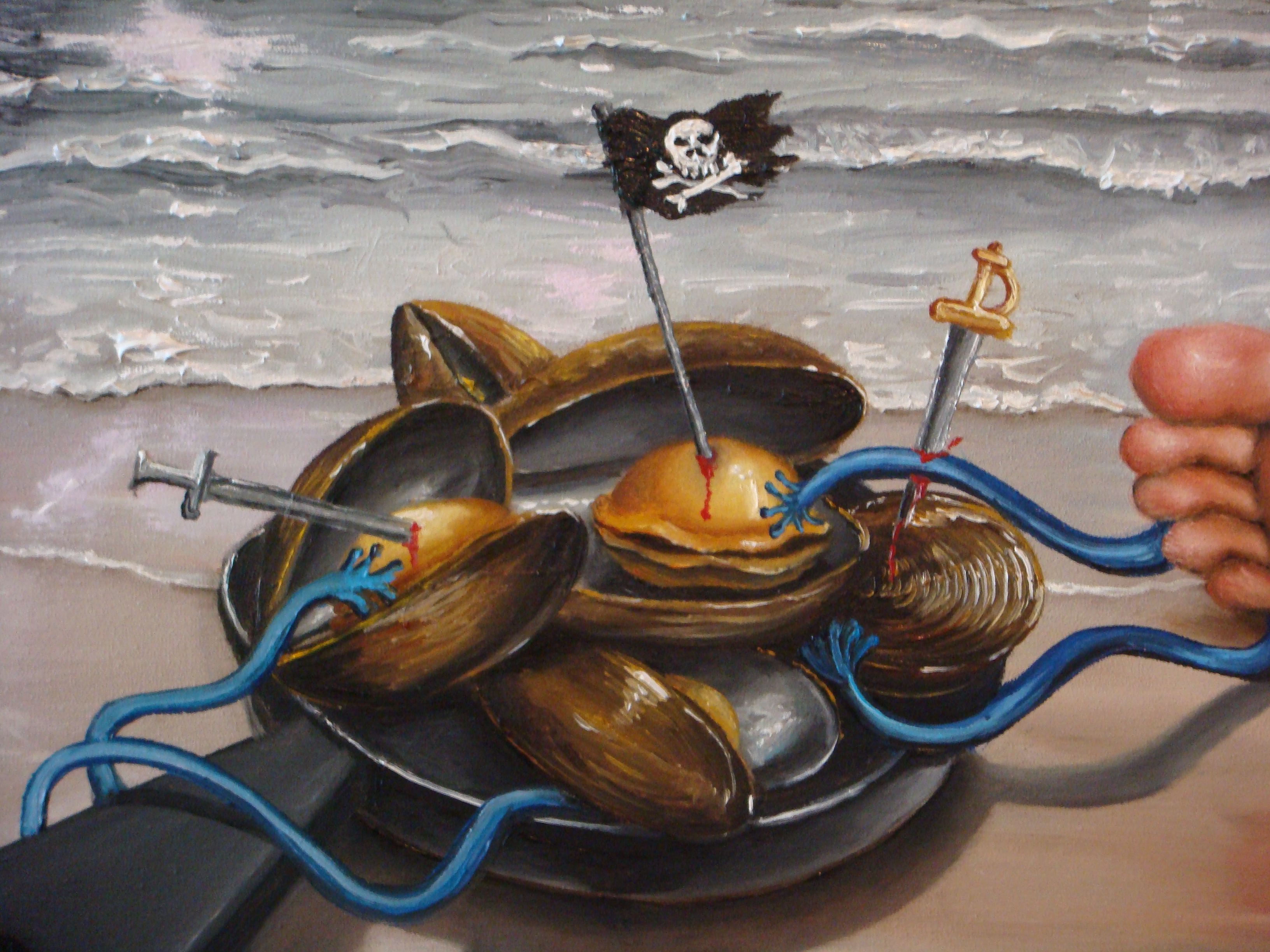
All of this was represented in my fifth painting. The title was an attempt to play on the name of the iconic French/Belgian dish, Moules-Frites – mussels with chips – as this in turn was a play on the words muscles and mussels (try explaining this to the Spanish as I had to do when the painting was exhibited there – not easy!) – In recognition of this word play, a pan of mussels sits in the centre of the piece, representing the burning pain I felt in my muscles as they attempted to rebuild and learn how to walk again.

The scene depicts the stormy Sussex of my childhood. In the sea, the “groynes” (man made sea defences) are replaced with crutches, and by the shore, my disembodied foot is alive with antagonised nerves whose angry electrical currents interact with (or cause) a lightening storm. Meanwhile on the beach, by the frying pan, the traditional black and gold tin of a barrister’s wig becomes a pill box for all of the painkillers on which I was reliant, they in turn being scattered around the beach like pebbles.

As I soon found, the pain of returning to work would all become too much. I stuck it out for five months, but as my condition deteriorated further, and 5  more operations hovered on the horizon, I had to leave again, not returning for almost 2 years.

© Nicholas de Lacy-Brown and The Daily Norm, 2001-2012. Unauthorized use and/or duplication of the material, whether written work, photography or artwork, included within The Daily Norm without express and written permission from The Daily Norm’s author and/or owner is strictly prohibited. Excerpts and links may be used, provided that full and clear credit is given to Nicholas de Lacy-Brown and The Daily Norm with appropriate and specific direction to the original content.

Autumn Harvest

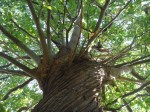
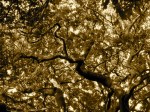
Admittedly, England makes it difficult to like autumn. It’s dark in the mornings, damp and cold. The skies are filled with so many grey clouds that it feels like night time all day long, and the rain pours with such a relentless familiarity that one starts to distinguish between the different types of rain – sometimes large droplets, sometimes thin and fizzy, hanging like a sustained low-lying cloud around the pavements, making mincemeat of your carefully quaffed outfit and once perfectly sleek hair. With its best friend, the Autumnal wind, the rain laughs in your face, making horseplay of your attempts to hold up an umbrella, with which you are ever fighting to prevent it turning inside out or flying off down the road. Ah yes, the English autumn has, like the summer and spring before it, been a bit of a damp squid so far. But on the rare day that the sun shines, when the translucent brown leaves shimmer like gold, when the soggy auburns turn into a burnished bronze, the autumn can look truly stunning.

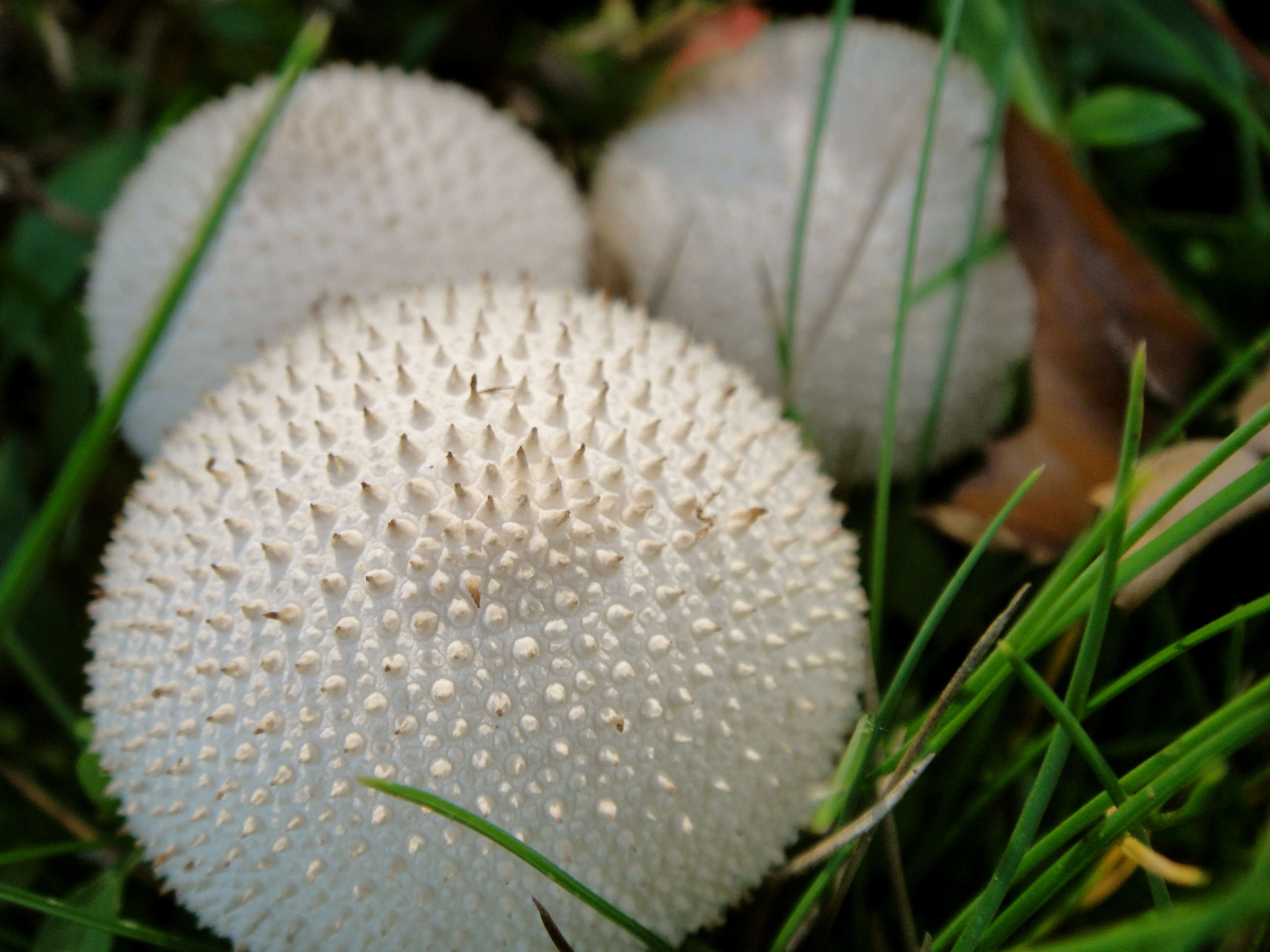
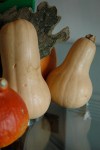
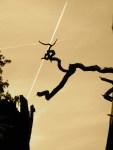
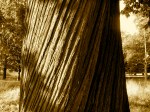
In fact, as these photographs will show, autumn is a ripe source of inspiration for me and my little pocket camera – an autumn harvest if you will. When the surrounding green swathes are ripe with fungi, with leaves of varying colours, when the shedding trees start to reveal the glory of their winding, twisty branches, and the shadows are long, dark and potent.

Without further ado I leave you with a gallery of my photographs, from those taken in the London parks, to the multicoloured pumpkins, squash and nuts and conkers imported into my home.

© Nicholas de Lacy-Brown and The Daily Norm, 2001-2012. Unauthorized use and/or duplication of the material, whether written work, photography or artwork, included within The Daily Norm without express and written permission from The Daily Norm’s author and/or owner is strictly prohibited. Excerpts and links may be used, provided that full and clear credit is given to Nicholas de Lacy-Brown and The Daily Norm with appropriate and specific direction to the original content.

Bored of the Pre-Raphaelites? Head straight to William Morris

The problem with the Pre-Raphaelites, the brotherhood of artists formed in England in 1984 by founding members John Everett Millais, Dante Gabriel Rossetti and William Holman Hunt, is that they have become a British institution. As much an institution in fact as the Queen’s corgis, the black cab and Big Ben. And like many a British institution, they get carted out, every so often, more often than not when times are down, when blockbuster exhibitions are expensive to organise, and its cheaper to take the best of British out of the closet. So seems to be the case with Tate Britain’s new “blockbuster” show, Pre-Raphaelites: Victorian Avant-Garde, which promises to be a re-examination of the PRB, but in actual fact presents us with the same old paintings, the same old themes, and the same old narrative that we have seen time and time again.

Lady in red – Dante Gabriel Rossetti, Lady Lilith (1866-8)

Usually in Liverpool – John Everett Millais, Isabella (1848)

Super twee: William Holman Hunt, Our English Coasts (1852)

Now don’t get me wrong. I’m not saying that these paintings aren’t good – they are in fact pretty incredible, packed with their flowing fantastical red locks, the precision of Millais’ plants and flowers, the scale of their pictorial ambition and the brilliance of their life-like representation within a mystical setting. It’s just that even the most incredible painting can lose its gleam when it’s seen time and time again. In the last 5 years alone, Tate gave us a Millais retrospective (Sept 2007-Jan 2008) and a Romanticism display (Aug 2010-April 2012), centred around Pre-Raph favourites. Meanwhile at the Royal Academy, we had a retrospective of that other PRB favourite, J W Waterhouse  (June-Sep 2009), and at the V&A the same old brotherhood was featured heavily in the exhibition on Aestheticism (April-July 2011). And so you see, with Tate’s new show, which promises to give us something new, and really doesn’t, it’s all a bit, well, underwhelming.

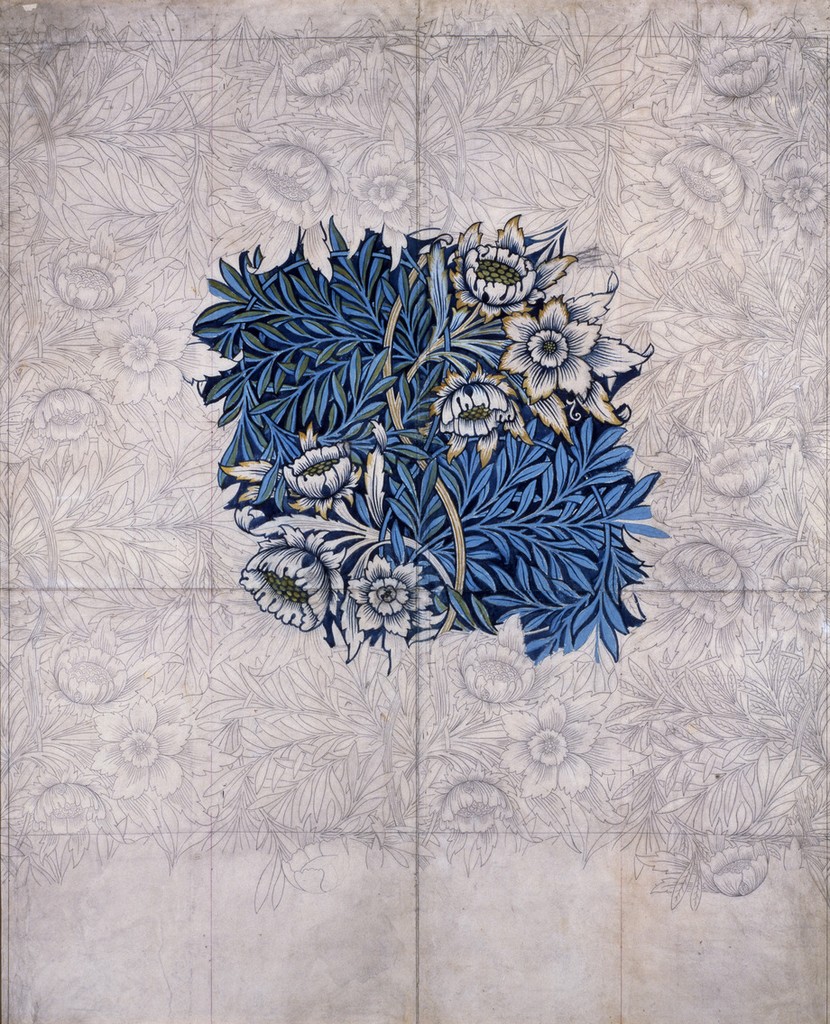
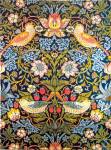
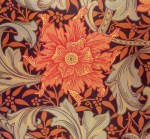
Skip through 6 rooms however, and in the room named “paradise” you really do get something worth visiting. For in showing the designs of William Morris, now famous for his Victorian fabrics which have become equally and intrinsically part of the “fabric” of British society (excuse the pun), you get to see these much loved designs in a new light – works which, when placed in a gallery setting, take on a new life force, as the viewer is encouraged to appreciate the intricacies of the designs and the decadent elegance of the period from which they arise. The Morris display did, admittedly, come as something of a surprise – Tate justifies its inclusion on the rather tenuous basis that Morris had been inspired by the PRB (as well as the medieval past, with which the PRB artists were also rather enamoured) in embarking upon his designs. Oh, and apparently Rossetti and a few other artists of the time were partners in Morris, Marshall, Faulkner & Co, the company which started producing the now widely-recognised fabrics on an almost industrial scale.

Whatever the connection, I was glad for it – Morris’ designs were my favourite part of the show and, although sparse in number, made me realise how often undervalued Morris is in art history. Too often overlooked as a designer, or at best an illustrator, are not these beautifully hand-crafted designs every bit as valid as artistic masterpieces as a Millais painting? Of course the art or illustration debate has gone on for years, and god knows, I have often been “accused” of being more an illustrator than an artist myself. But call it what you like – I’d far rather admire these “designs” in an art gallery than a filthy Tracey Emin bed any day.

I leave you with some of Morris’ best.

In the meantime, if you can stand the repetition, Pre-Raphaelites: Victorian Avant Garde is on at Tate Britain, London, until 13 January 2013.