Skip to content

Posts tagged ‘Art’

Tierra Lorca

Granada had so much to offer us. We only went for a few days and yet look how I can go on about the place on The Daily Norm for what must seem like an eternity! Two clear highlights of our trip had to be the stunning Generalife gardens, followed by those similarly lush gardens surrounding the previous family home of Federico Garcia Lorca. In both places, a truly poetic sensibility lingered in the air, making each of the senses stand on high alert as perfumes, colours and ambience were magnified in turn. Imagine then just how good it got when these two experiences came together. And that is exactly what happened when, on the night of my 33rd birthday, we headed to a flamenco concert in the Generalife gardens, whose choreography and artistic direction was entirely based on the life and work of Lorca. It was a match made in heaven.

Sitting in an audience of plenty, out in the open air on a warm balmy night in the Generalife gardens seeing before me an incredibly original modern flamenco spectacle based on the work of one of my all time favourite poets, I felt like a truly well-treated birthday boy. The stars were shining so brightly above us that they felt like part of the stage set, while in front of us, the stage itself was constructed from wings and scenery made from the perfectly erect rows of cypress trees which fill the gardens. For someone rather in love with cypress trees, this was a spectacle indeed, and I was particularly thrilled when the director of the show used various lighting effects to make the magnificent natural surroundings part of the show’s scenery.

The performance, with its mix of traditional and modern flamenco was a true spectacle, and the essence of Lorca transmitted was particularly engaging. The effect of the show was long lasting, and when finally we arrived in Marbella after our stay in Granada, I was moved to paint a small work based on the performance.

tierra-lorca-final

Tierra Lorca (2016 ©Nicholas de Lacy-Brown, acrylic on canvas)

So the painting I post today is entitled, like the show, Tierra Lorca, for Granada is indeed the land from which Lorca came. With its simple shapes and a frame like the proscenium arch around a stage, this painting focuses on the line of poker straight cypress trees which so enthralled me, and the energetic movement of the incredibly agile flamenco dancers, illustrated by the rose like kinetic shape flowing onto (or off?) the stage. On the right, a black and white photo of Lorca reminds of the protagonist of the piece – a poignant memorial to a genius who himself put so many masterpieces on the stage.

© Nicholas de Lacy-Brown and The Daily Norm, 2001-2016. Unauthorized use and/or duplication of the material, whether written work, photography or artwork, included within The Daily Norm without express and written permission from The Daily Norm’s author and/or owner is strictly prohibited. For more information on the work of Nicholas de Lacy-Brown, head to his art website at www.delacybrown.com

The Greatness of Granada, Part 4: Lorca’s Legacy

Federico Garcia Lorca was easily one of Spain’s greatest ever creative talents, and his premature death at the hands of Franco’s fascists one of its greatest tragedies.

Lorca was many things. Artist, poet, playwright, musician, but across the board he was a true Andalucían, a man whose sensitive heart was worn on a sleeve embroidered from the sun of the south, and whose soul was moved by Granada’s gypsy cry. Reading Lorca’s poetry in both Spanish and even in English is to take a path across the heat-baked planes of the South of Spain. His words resonate with the visceral emotion which Andalucía lays bare. His verses are characterised by a spirit lifted free by the pure power of the sun’s optimism and the darker mysteries of the night.

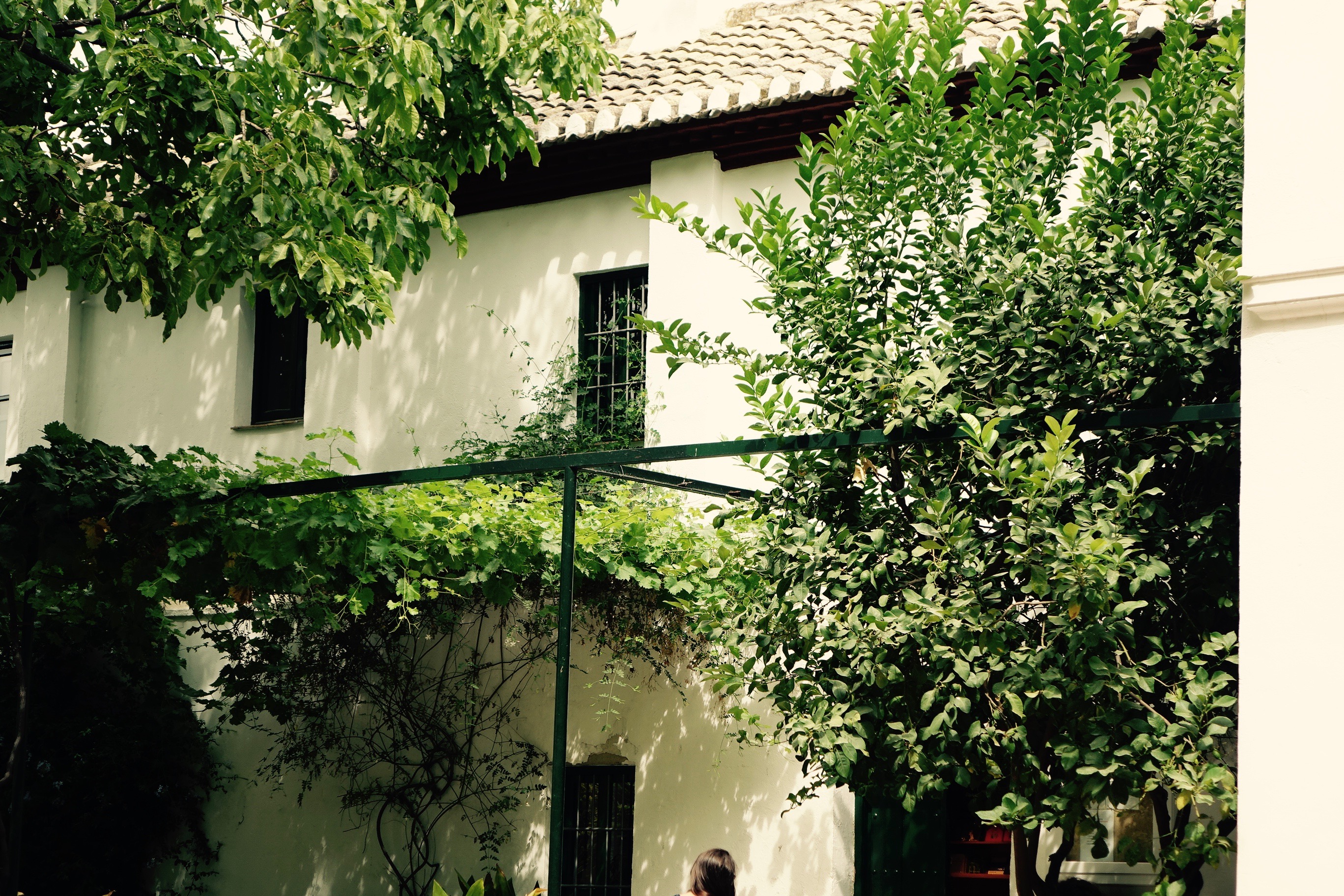
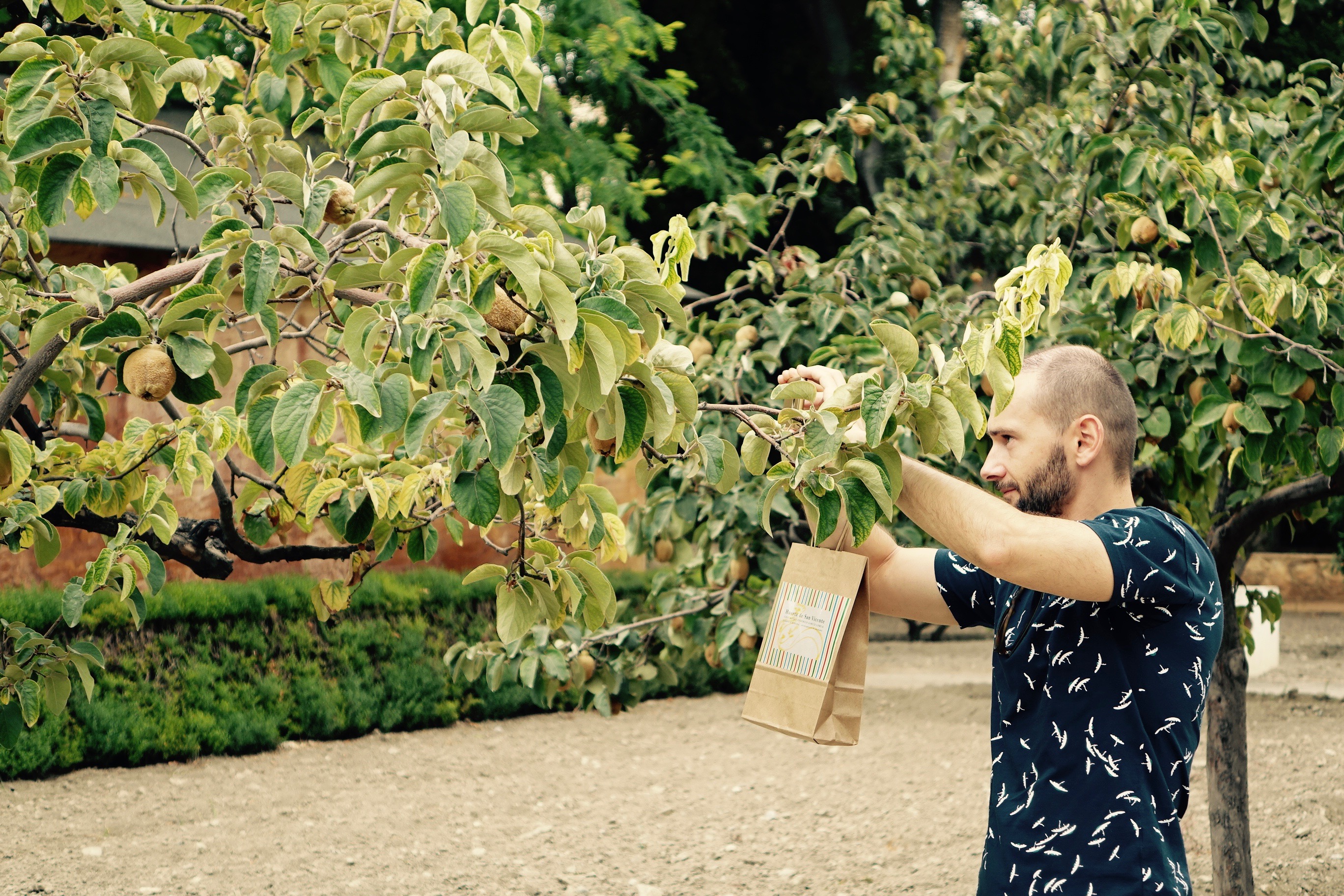
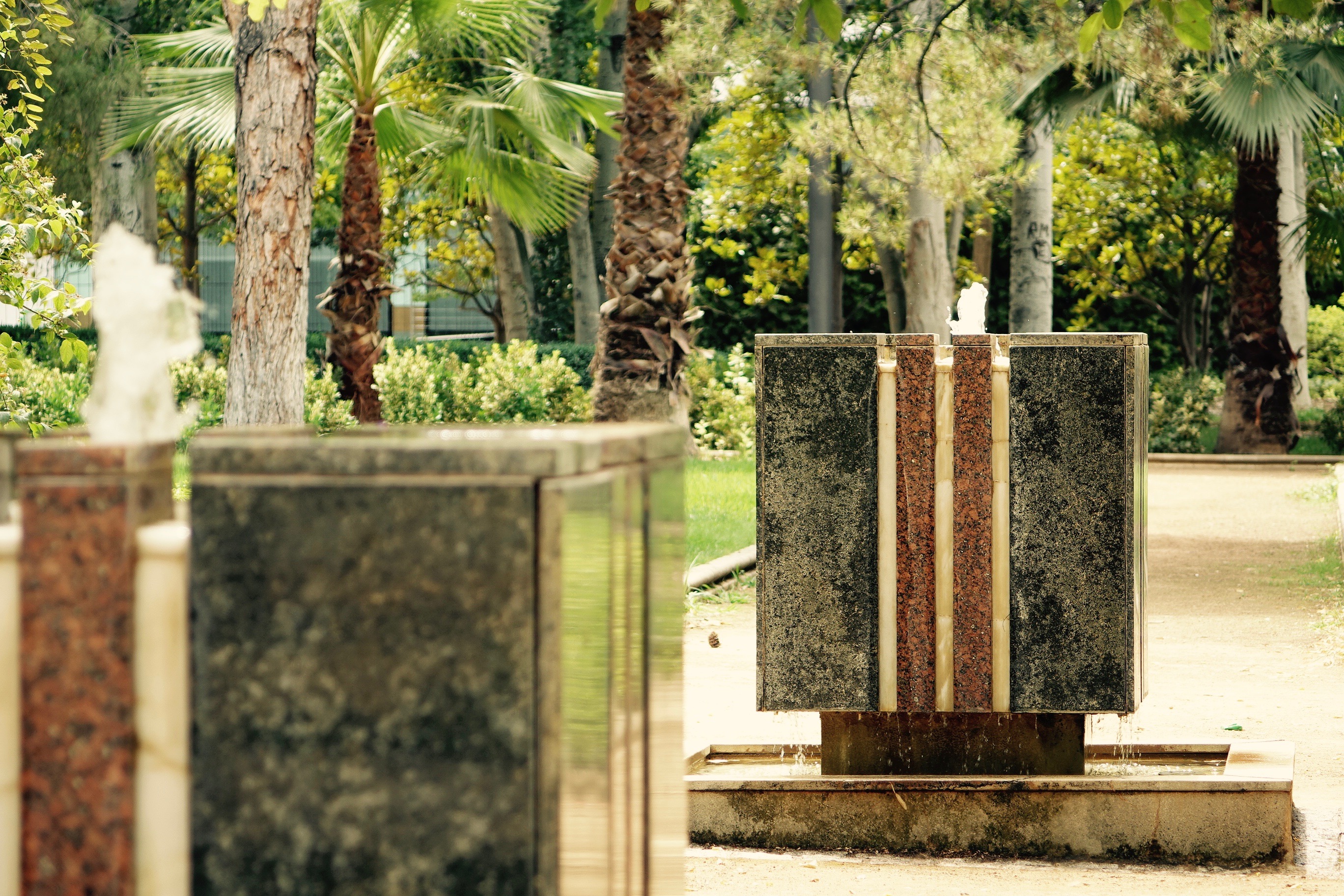
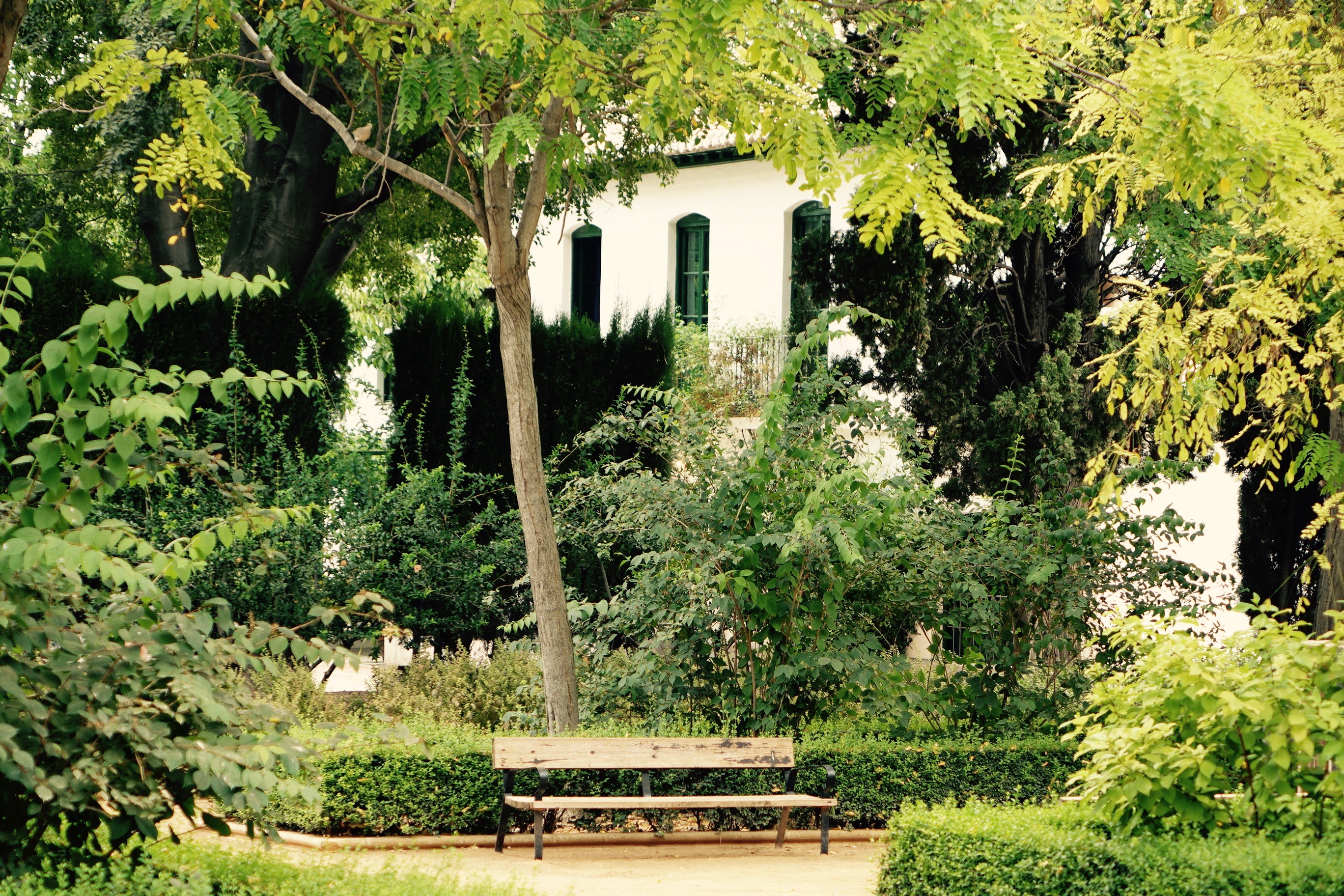
Gardens of the Huerta de San Vicente today

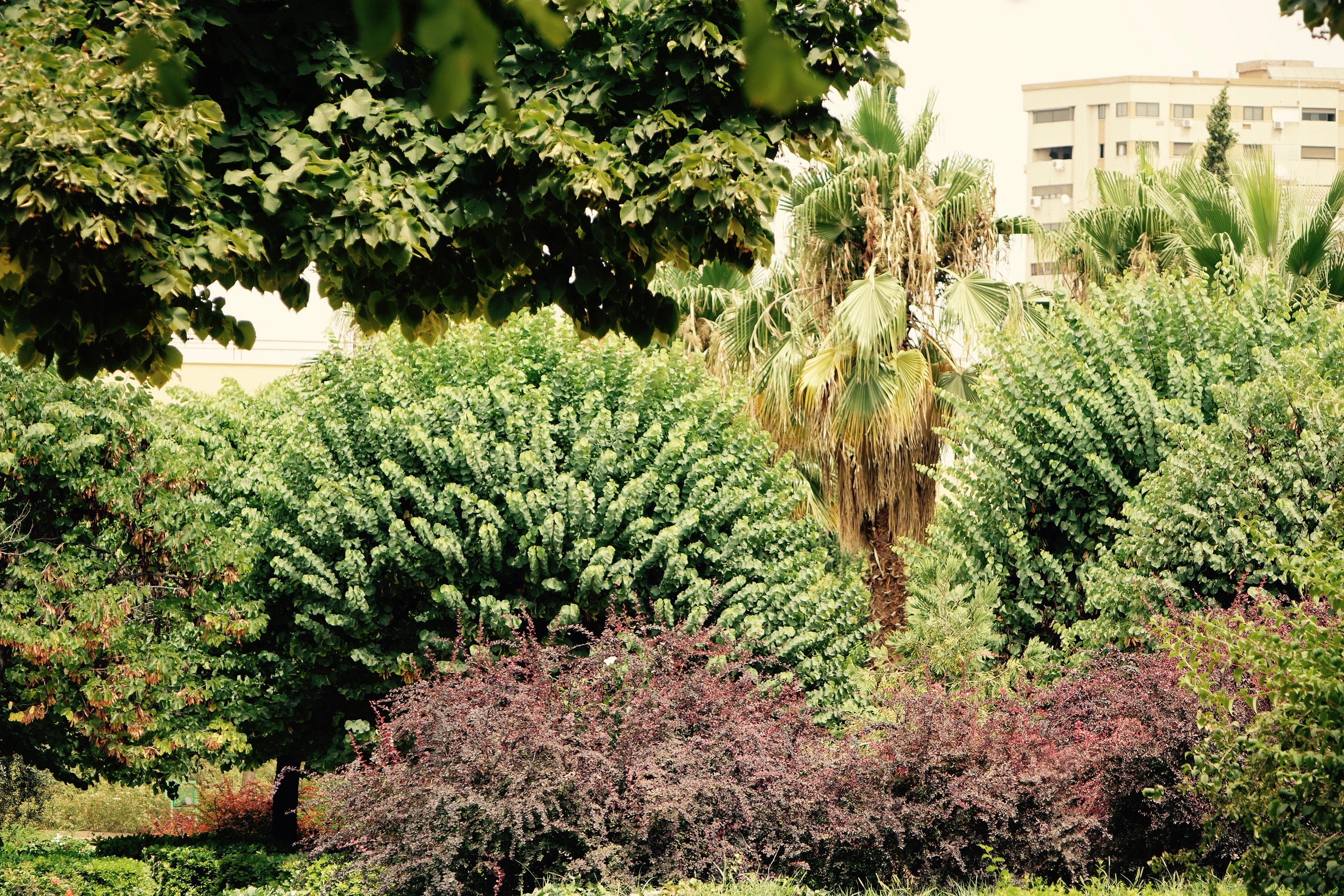
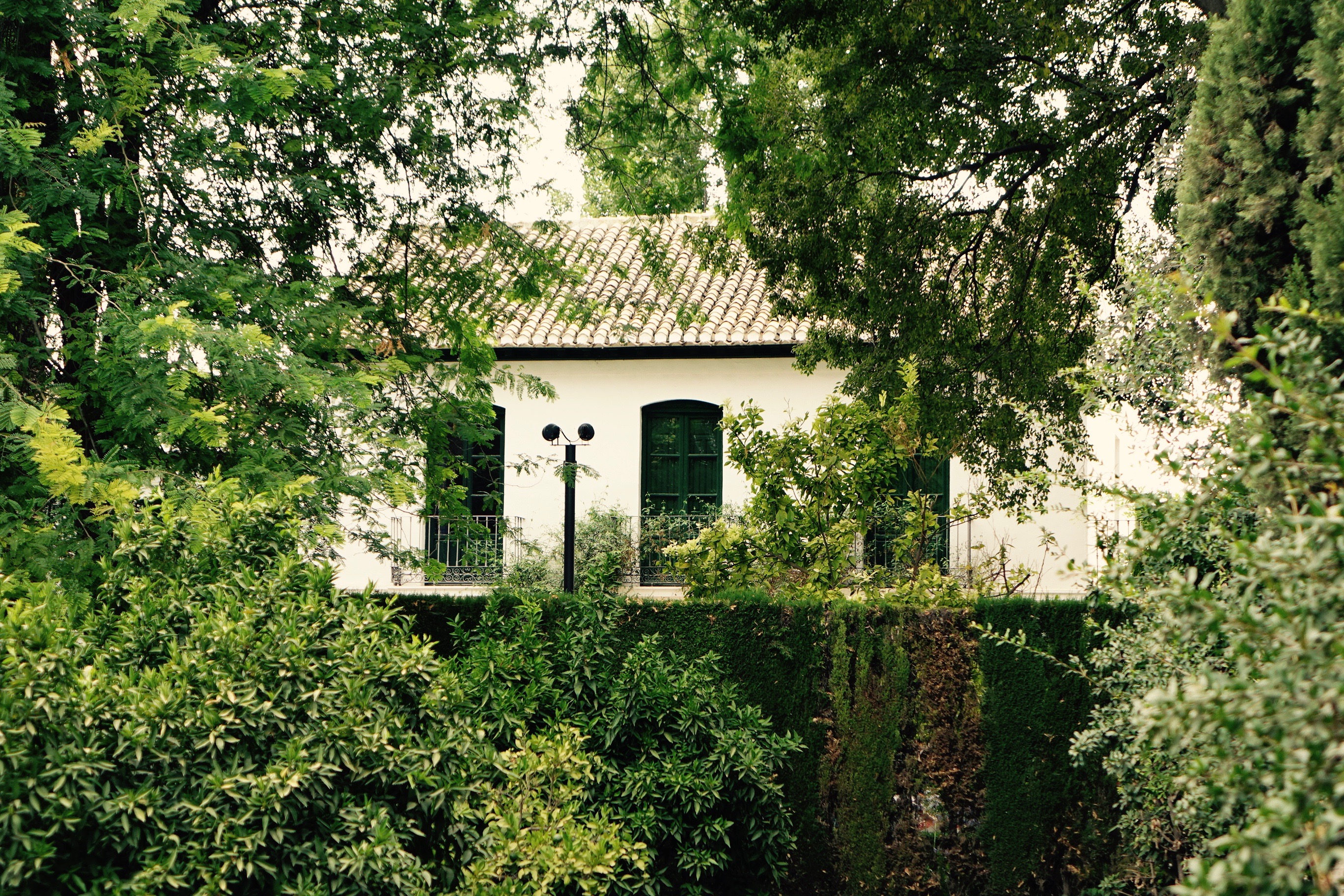
DSC04115DSC04143DSC04129DSC04098DSC04127DSC04120DSC04100DSC04114DSC04110

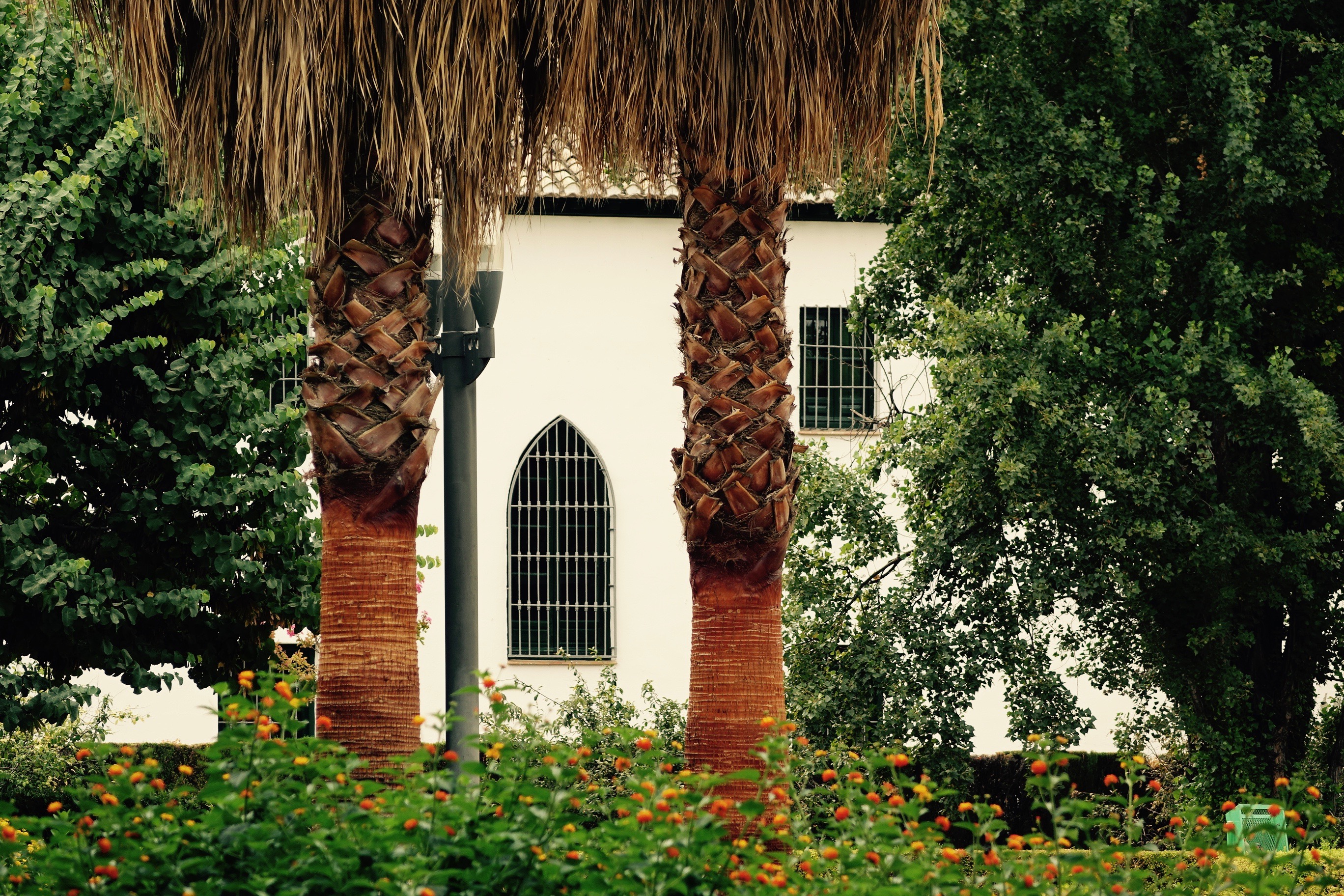
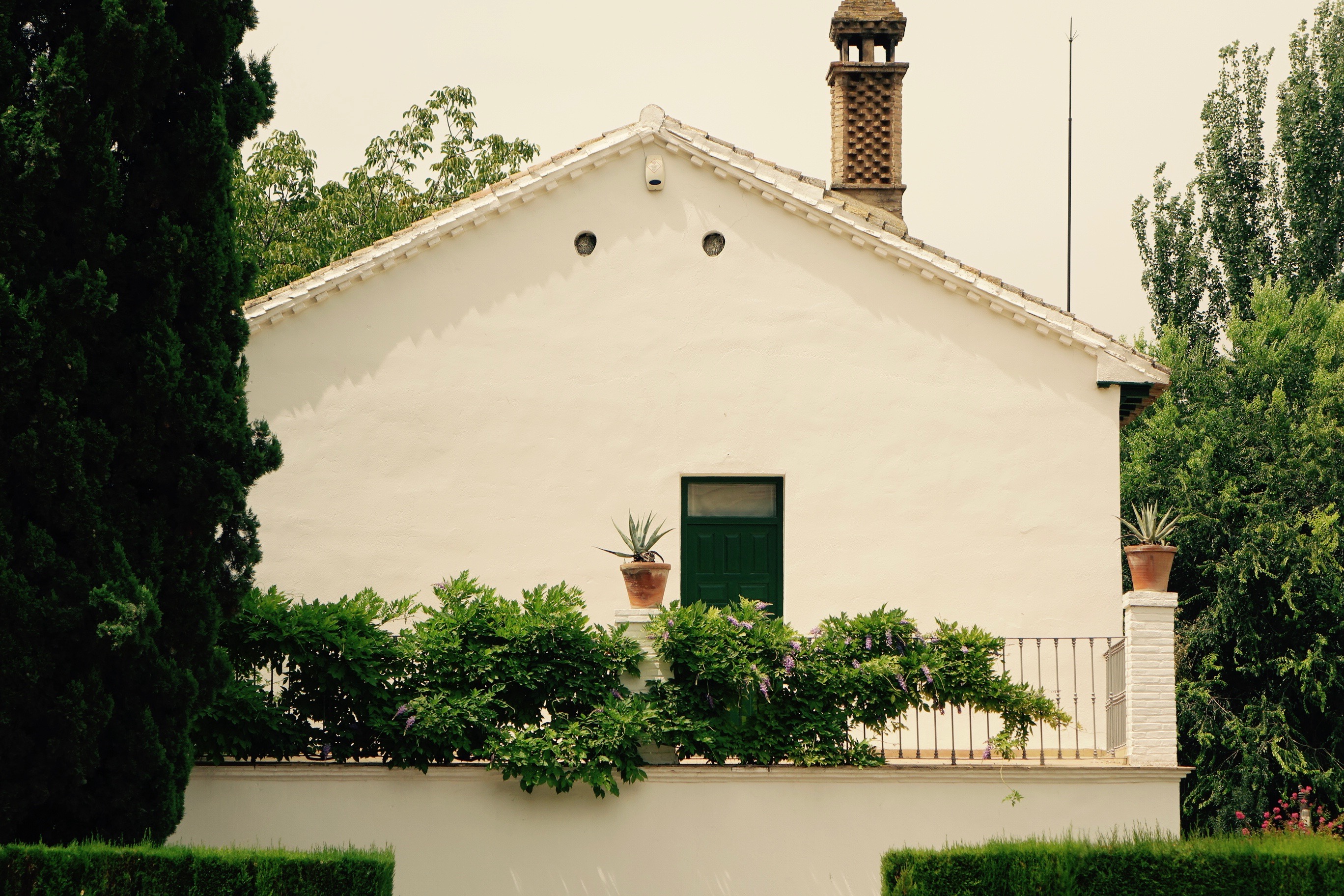
Lorca, Granada’s favourite son, is everywhere in the city. He was the fresh human face of a city otherwise characterised by its ancient history. And today his forward thinking mind and bohemian spirit fits perfectly with the 21st century manifestation of Granada. While his tragic loss in the early months of the Spanish Civil War took Lorca from the city long ago, a reminder of his life in his most devoted home town remains in the form of the Huerta de San Vicente, the Lorca’s happy holiday home on the city’s outskirts. The pretty little white house would once have been surrounded by open countryside. Today, it remains a bucolic enclave in a concrete jungle, but happily the land immediately surrounding it has been converted into a park.

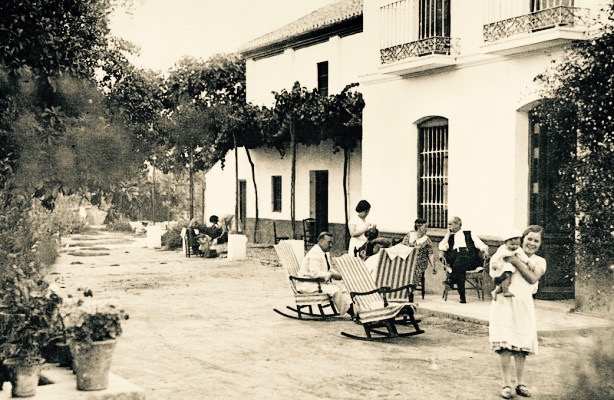
The Huerta de San Vicente in Lorca’s day

lfgl_1935_2lorca2015081722063827189

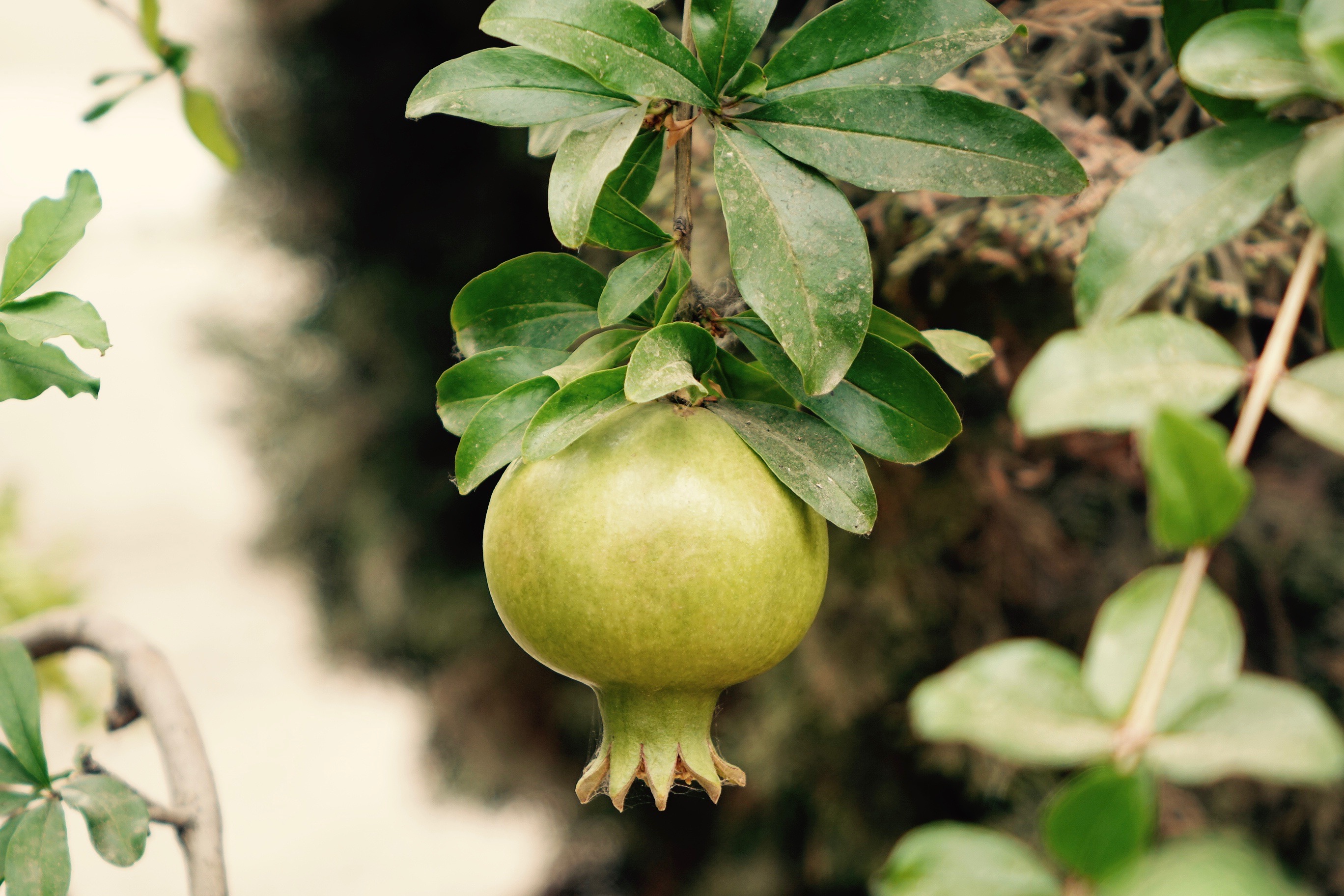
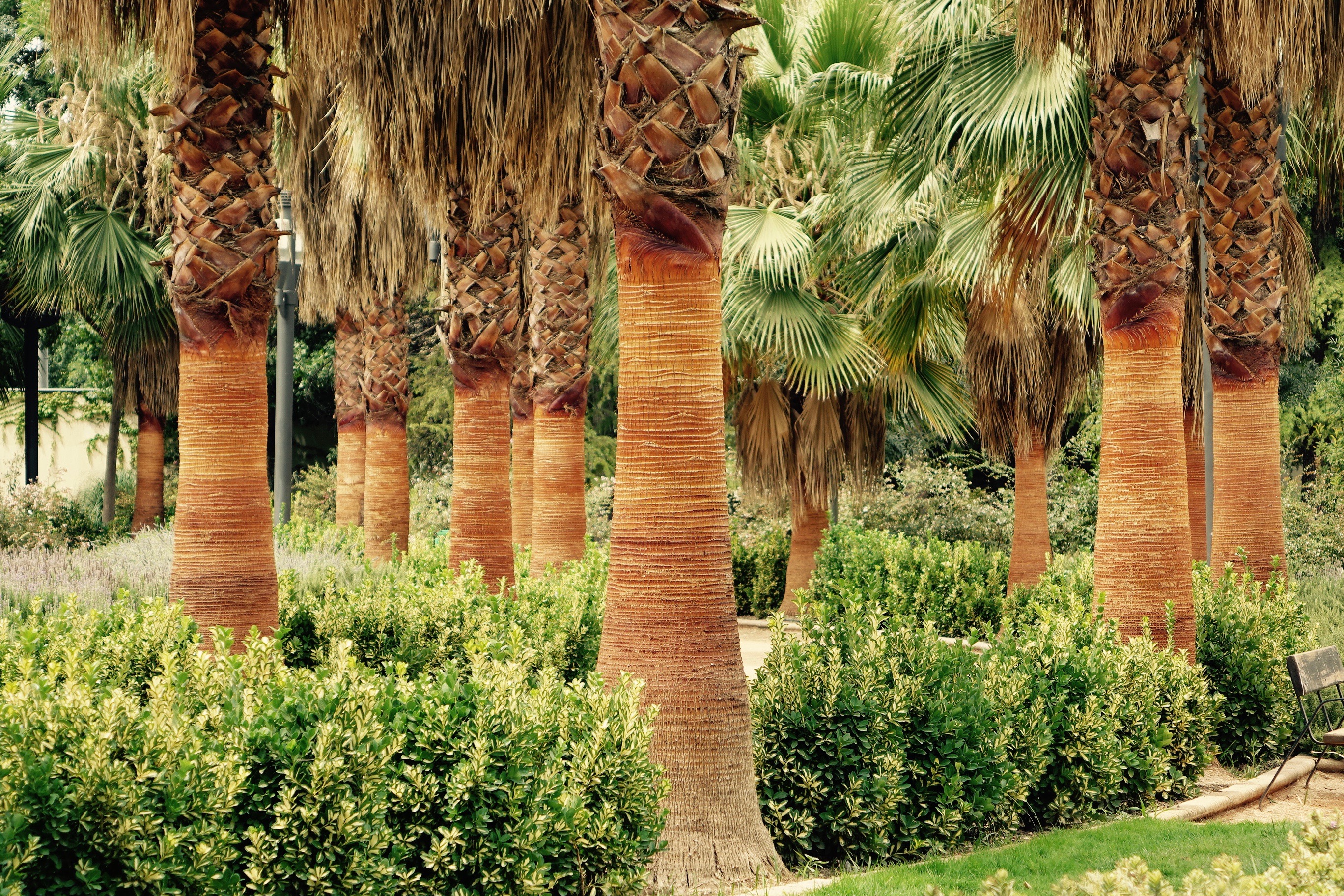
Lavishly planted with roses and agapanthus, cypress trees and palms, it a garden of reflection whose mood is somehow rendered all the more romantic by association with the home of a poet who used to find so much inspiration here. In fact Lorca was so moved by the Huerta that he used to refer to it as his “Poetry factory”. The energy which drove him to write the most spectacular poetry ripples through the house today, and the ability to walk within and around this space remains for me a true highlight of any Granada trip. It is a home exuding the creative energy and the familial love which was so clearly integral to Lorca’s writing, and the foundation of his overflowing love for the city which continued to inspire him right up until the end.

DSC04104DSC04102DSC04128DSC04109DSC04095DSC04105DSC04106DSC04107DSC04113DSC04091

That inspiration resulted in the most stunning body of written works which today is Lorca’s lasting and most precious legacy. Moved by our visit to the Huerta, Dominik and I would sit up at night, both in Granada and then besides our jasmine tree in Marbella, reciting his verses, first in Spanish and then in English, loving how the sound of his verses would run over the tongue like water bubbling over a mountain brook, full of free sentiment and the most mellifluous melody.

This post includes my photos of the gardens surrounding the Huerta de San Vicente (photos inside the house were prohibited) as well as a glimpse of how the house, and of course Lorca himself, had looked. But it wouldn’t be complete without a few of his words too. Chosen at random from my precious anthology of his work, it was a coincidence that the page should fall open at a poem written in evident homage to both Granada and nearby Córdoba. It is a perfect demonstration of Lorca’s love for Andalucía, and his ability to capture its soul in just a few expertly chosen words.

lorca_portrait_full

Alba / Dawn

Campanas de Córdoba / Bells of Córdoba
en la madrugada. / in the early hours.
Campanas de amanecer /Bells of dawn
en Granada. / in Granada
Os sienten todas las muchachas / They hear you,
que lloran a la tierna / all the girls who cry
Soleá enlutada. / for the tender Soleá in mourning.
Las muchachas / The girls
de Andalucía la alta / of Andalucía the High
y la baja. / and the low
Las niñas de España, / Young girls of Spain
de pie menudo / with tiny feet
 y temblorosas faldas, / and trembling skirts
que han llenado de luces / who’ve filled the crossroads
las encrucijadas. / with light. 
¡Oh campanas de Córdoba / Oh bells of Córdoba
en la madrugada, / in the early hours
y oh campanas de amanecer / and oh, bells of dawn
en Granada! / in Granada!
 DSC04097

Own photos and written content are strictly the copyright of Nicholas de Lacy-Brown © 2016 and The Daily Norm. All rights are reserved. Unauthorized use and/or duplication of the material, whether written work, photography or artwork, included within The Daily Norm without express and written permission from The Daily Norm’s author and/or owner is strictly prohibited. 

My Granada Sketchbook: Rooftops of the Albayzín

I love people watching, especially over a coffee in the most chic of cafeterias, but I love view-watching more. It’s why I always ask a hotel for the best view they have available and so often they come up trumps. This was very much the case during my recent stay at the Casa 1800 Hotel in Granada where a room with terrace provided exceptional inspiration for a painting of the Alhambra seen from our own exclusive viewing space. But this was a terrace with much to offer, and sat looking the other way, we were able to enjoy an equally appealing view of the ancient rooftops of the Albayzin.

Famed for its tiny narrow maze like streets and its historical Islamic heritage, the Albayzin is one of the most iconic areas of Granada. Seen from above, it is just as alluring, as layer upon layer of rickety roof tops and old wooden balconies appear to interweave like a well-trodden tapestry. Keen to capture the sight, I set about sketching it in my now almost complete travel sketchbook.

Granada Albayzín Rooftops

Rooftops of the Albayzín (2016 ©Nicholas de Lacy-Brown, pen on paper)

I never imagined there would be so many terracotta tiles to draw, but as I sat on our terrace slowly executing the piece I must say I thoroughly enjoyed the monotony of it all!

© Nicholas de Lacy-Brown and The Daily Norm, 2001-2016. Unauthorized use and/or duplication of the material, whether written work, photography or artwork, included within The Daily Norm without express and written permission from The Daily Norm’s author and/or owner is strictly prohibited. For more information on the work of Nicholas de Lacy-Brown, head to his art website at www.delacybrown.com

Interpretation No.20: The Albayzín from the Generalife, Granada

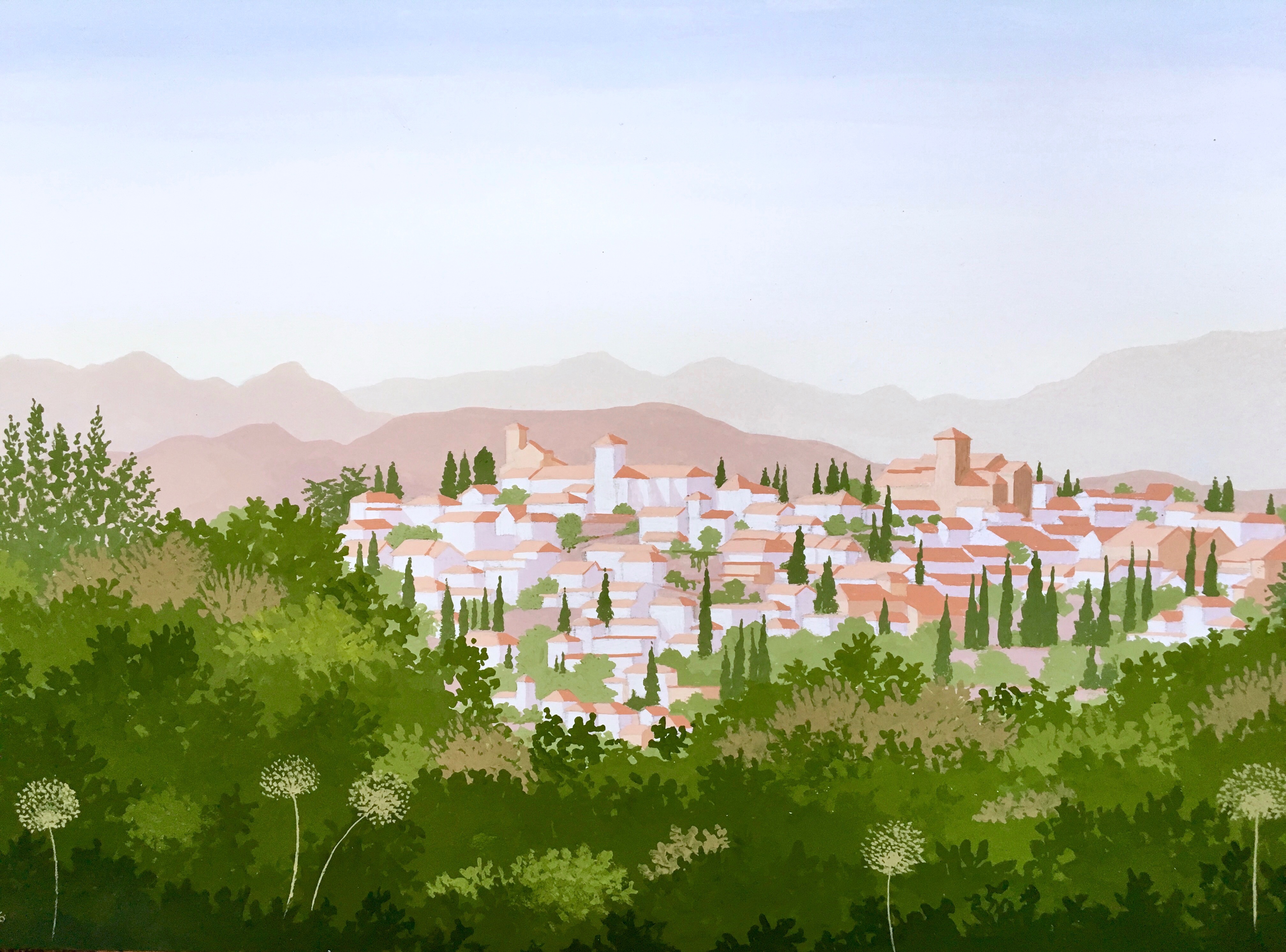
After 3 years of on and off painting, I have arrived at no. 20 of my Interpretation series, the gouache landscapes which concentrate on how human built and nature made landscapes interact, signified by simplified flat colour planes. Upon arrival in Granada, I knew I would have to paint a landscape. As cliché as it may be, how could I help but be inspired by the green and auburn rolling foothills of the Sierra Nevada over which the historical, magnificent city of Granada presides? From a first glimpse up at the Alhambra, sitting proudly on the uppermost hills of the city, it was pretty much decided in my head that there lay the protagonist of my Granada painting. That was until I got into the Alhambra itself.

From the gardens of the Generalife l was not only able to enjoy the most mystifying maze-like rose gardens straight out of Lewis Carroll, and fountains redolent of a thousand and one nights. I was also greeted by a view so beautiful that it stopped me in my step. The vista across the valley of the Darro river in Granada, looking over to the ancient Muslim quarter of the city, the Albayzín, arrested my senses. With its sprawl of mostly white little houses nestled in amongst church towers and cypress trees, all gracing a peaceful mountainous landscape, I knew that this was the one. Interpretation 20 was born. I hope you like it.

Granada Interpretation

Interpretation No.20: The Albayzín from the Generalife, Granada (2016 ©Nicholas de Lacy-Brown, gouache on paper)

© Nicholas de Lacy-Brown and The Daily Norm, 2001-2016. Unauthorized use and/or duplication of the material, whether written work, photography or artwork, included within The Daily Norm without express and written permission from The Daily Norm’s author and/or owner is strictly prohibited. For more information on the work of Nicholas de Lacy-Brown, head to his art website at www.delacybrown.com

My Granada Sketchbook: Patio de Daraxa

Sometimes it can be pretty unnerving sketching in public, especially when to do so means being sat in the heart of a tourist location. Very quickly, the budding artist finds themselves being subsumed into the attraction itself, and becoming every bit the focus of the tourists´gaze. This is the position in which I found myself in the Alhambra when, desperate to sit down in a shady spot after hours of queuing and touring the mammoth complex of the Alhambra, the Alcazaba and the Nazrid Palace, we found a perfect little bench in the Patio de Daraxa, an idyllic little shady garden set at the very heart of the palace complex.

With a direct view onto the patio’s ancient fountain, its water sparkling in the light, and surrounded by the intricately trimmed box-tree hedges, fragrant orange and cypress trees, and agapanthus flowers dancing around in a gentle breeze, I knew that I had to capture the essence of this space in my sketchbook. So reaching more my pen, I started nervously mapping out the space, hoping to do homage to the perfect symmetry which the Moorish inhabitants had executed with such precision. However no sooner had I placed pen to paper, than tourists, without any kind of timid apology, started peering onto the page, beckoning their friends closer, taking my photo and waiting stubbornly for the completion of the piece. That never happened. After only a basic sketch I retired from the spot, unable to bare the intensity of the tourists´gaze any longer.

Granada Garden Alhambra

Patio de Daraxa, Alhambra (2016 ©Nicholas de Lacy-Brown, pen on paper)


This sketch was finished over coffee in one of my favourite haunts in Marbella. Despite that, I believe it still captures the magical spirit of that perfect Alhambra resting place.

© Nicholas de Lacy-Brown and The Daily Norm, 2001-2016. Unauthorized use and/or duplication of the material, whether written work, photography or artwork, included within The Daily Norm without express and written permission from The Daily Norm’s author and/or owner is strictly prohibited. For more information on the work of Nicholas de Lacy-Brown, head to his art website at www.delacybrown.com
My Granada Sketchbook: Alhambra Aniconism

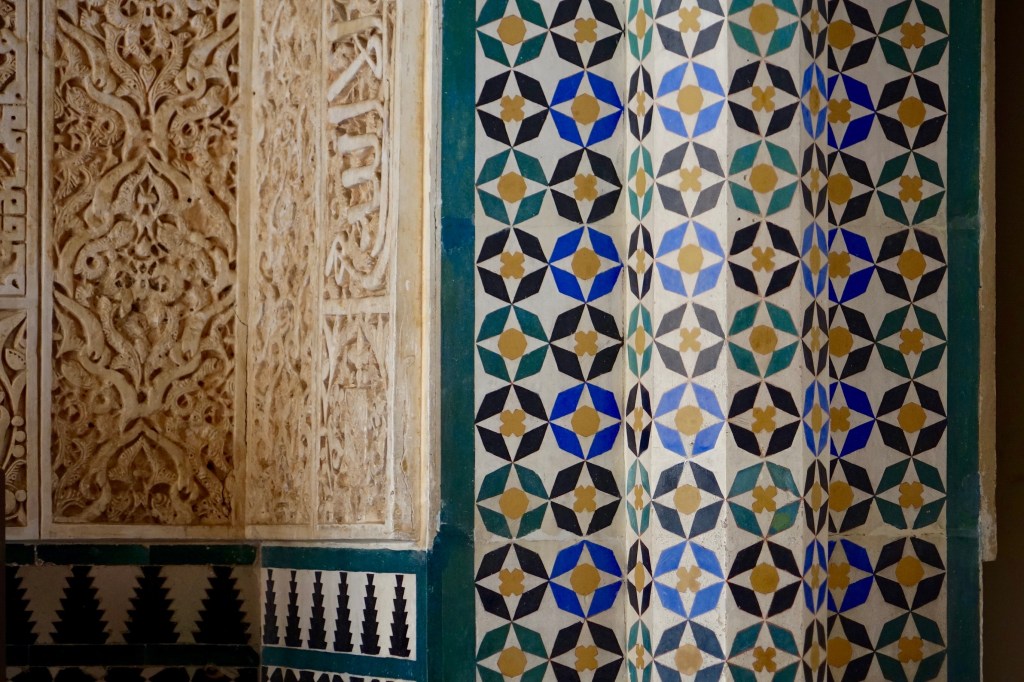
Andalucia, perhaps the most iconic region of Spain – the land of flamenco and polka dots, sun-scarred landscapes and toreros – owes a huge bulk of its entire identity to the cultural and aesthetic character of the Nasrid dynasty of Al Andalus, the islamic rule which gives the area its name. Despite having been flushed out by the reconquering Catholics, the arabic influence lives strong in the region, from the wailing arabesque of the flamenco cry, to the geometric imagery which characterises the multi-coloured ceramic tiles lining the walls of traditional patio gardens in practically every Spanish house.

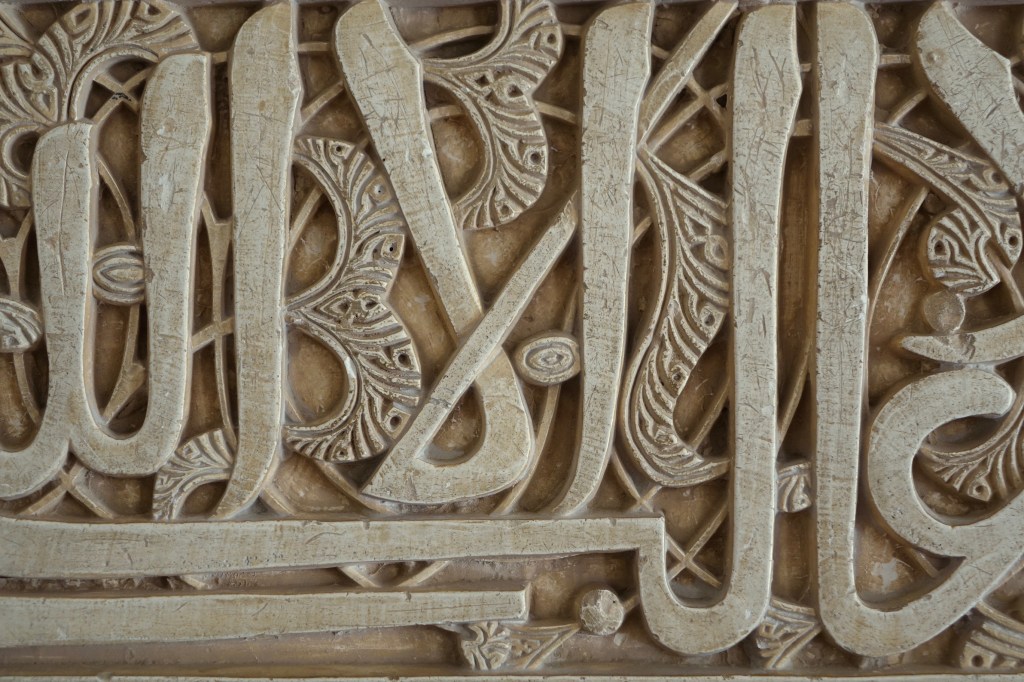
The predominance of geometric patterns in Arabic art resulted as a cleverly constructed, beautifully executed solution to the rule of aniconism, that is the proscription in Islam against the creation of images of sentient beings. The most absolute proscription is of images of God in Islam, followed by depictions of Muhammad, and then Islamic prophets and the relatives of Muhammad, but the depiction of all humans and non-human animals is likewise discouraged. The result, especially in the times of Al Andalus when the style was still finding its feet, was to decorate palaces not only with geometric patterns, but also with calligraphy and the barely representational foliage patterns of the arabesque.

The palace of the Alhambra in Granada is renowned for boasting some of, if not the best examples of early Islamic wall decoration in the world, and it is the plethora of incredibly intricate wall calligraphy there, surrounded by delicate renderings of foliage patterns, which inspired my next Granada sketch.

Granada Motif Alhambra

Alhambra wall detail (2016 ©Nicholas de Lacy-Brown, pen on paper)

Spelling out what I believe inscribes the Nasrid motto “There is no victor but Allah” (but correct me if I’m wrong) – this is a pattern which can be found repeated endlessly around the palace as a kind of freeze above and below relentlessly repeated geometric constructs in the most splendid and mind-bogglingly calculated patterns. When I came to sketch just this tiny portion, it made me fully realise the astonishing detail with which the Alhambra decoration has been created. No wonder it is today the most visited of all attractions in Spain.

© Nicholas de Lacy-Brown and The Daily Norm, 2001-2016. Unauthorized use and/or duplication of the material, whether written work, photography or artwork, included within The Daily Norm without express and written permission from The Daily Norm’s author and/or owner is strictly prohibited. For more information on the work of Nicholas de Lacy-Brown, head to his art website at www.delacybrown.com
Our Alhambra Terrace

People take inspiration from holidays in various ways, weather through collating a set of ravishing photos, collecting foodie ideas, or even rounding up the tackiest and most whimsical souvenir. For me, it’s all about art.  There is no better way, in my mind, to look back on a holiday than through the art I great during that time. Because more than just taking a photo, the process of creating a painting or sketch involves time and contemplation, and therefore has the power to instil the final product with the great value of a comprehensive collection of memories and sensations. That is why I always do my best to get a hotel room with a view, in the knowledge that that alone will provide me with much of the inspiration I will need in the place I will feel most comfortable creating.

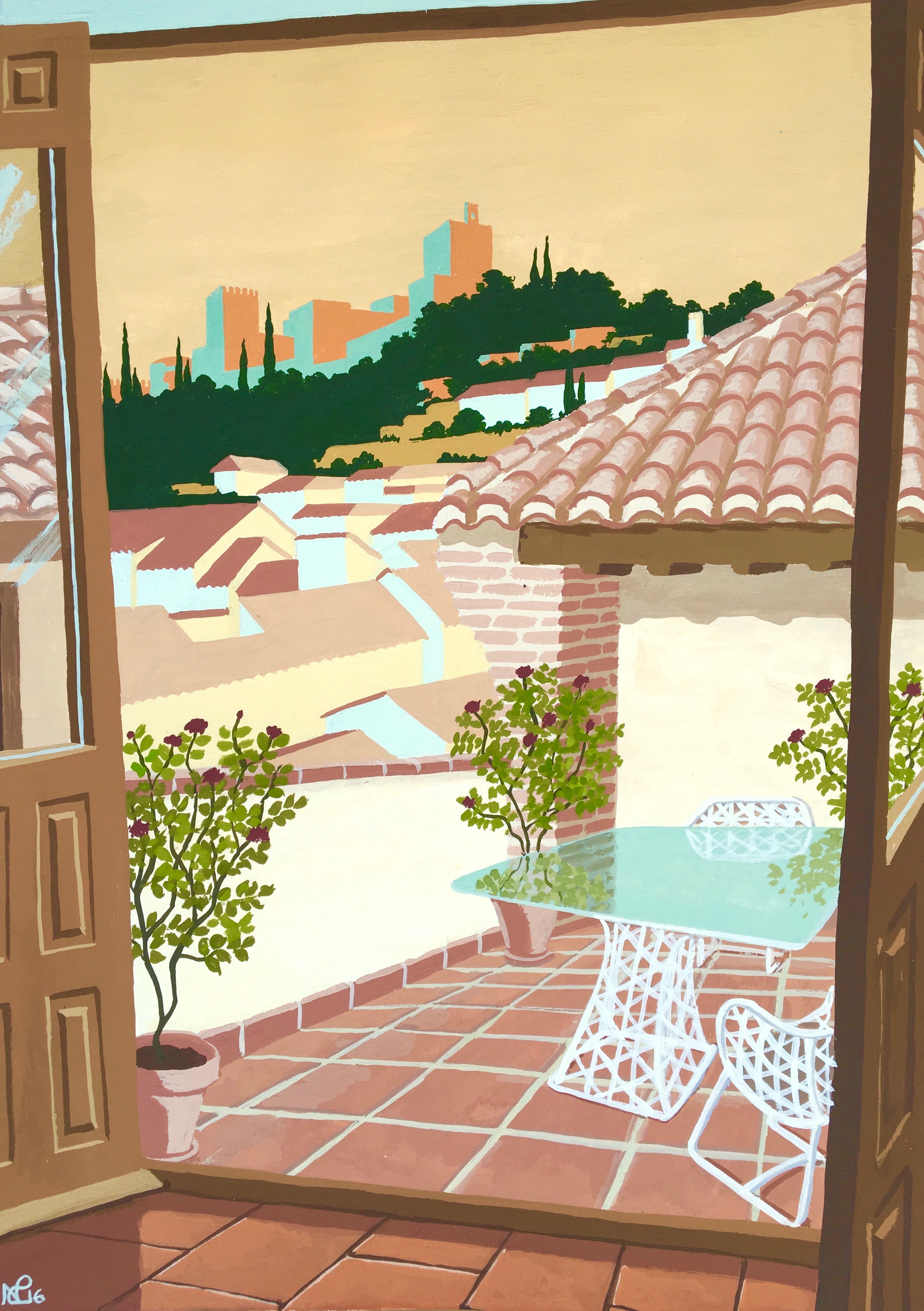
On our trip to Granada, we stayed in the Hotel Casa 1800, a stunningly quaint property characteristic of the rickety old houses and palazzos crammed into the ancient Albayzín district alongside the banks of the Darro River. Incredibly located just off the Plaza Santa Ana, the hotel boasted an unrivalled view of the Alhambra, but not in every room. In fact very few benefited from the crème de la crème of Granada views, but with ours, we were given the opportunity not just to enjoy the view through a window, but from our very own little terrace.

Alhambra Terrace FINAL

Alhambra Terrace (Hotel Casa 1800 Granada) 2016 ©Nicholas de Lacy-Brown, gouache on paper

As soon as we saw it, we knew it would be hard to tear ourselves away from the hotel. Such a cosy space and an unbeatable view could not easily be rivalled by a public space after all. With a moment’s glance, I knew the painting I would create that would best befit our experience of this space. And here it is. Making clear reference to the Honeymoon Suite collection created one year ago, this gouache painting continues the trend of painting the view from the hotel rooms enjoyed on our various travels. However with its Alhambra view, painted in a creamy orange with deep green shadows, this is one hotel room it will be hard to beat, no matter how much my future painting needs might demand it.

© Nicholas de Lacy-Brown and The Daily Norm, 2001-2016. Unauthorized use and/or duplication of the material, whether written work, photography or artwork, included within The Daily Norm without express and written permission from The Daily Norm’s author and/or owner is strictly prohibited. For more information on the work of Nicholas de Lacy-Brown, head to his art website at www.delacybrown.com
The Greatness of Granada, Part 1: Dual Faith, Double Identity

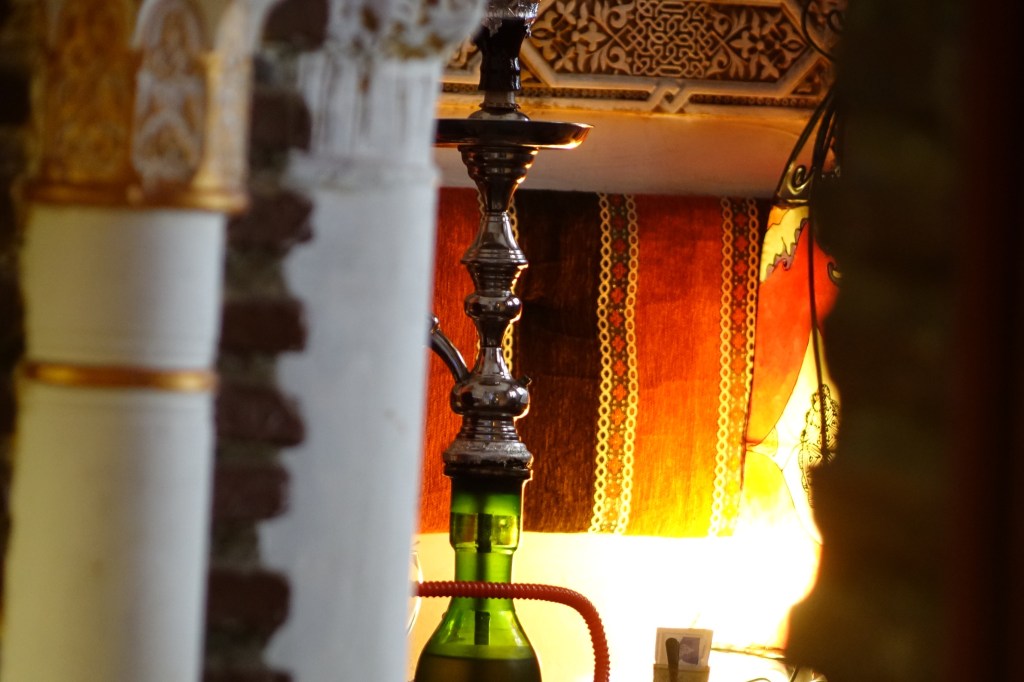
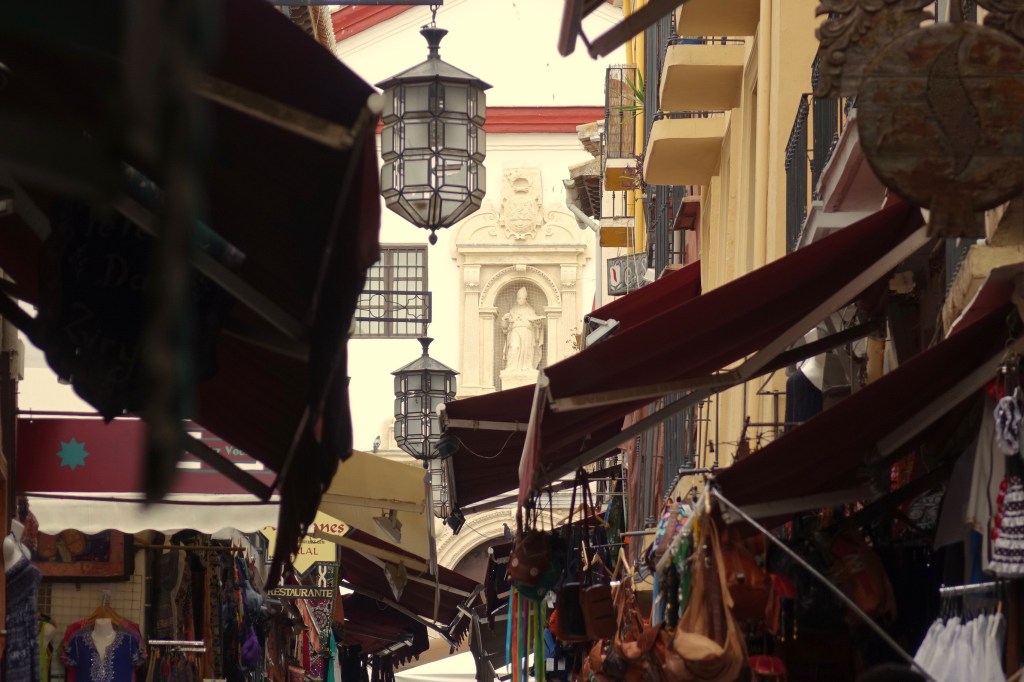
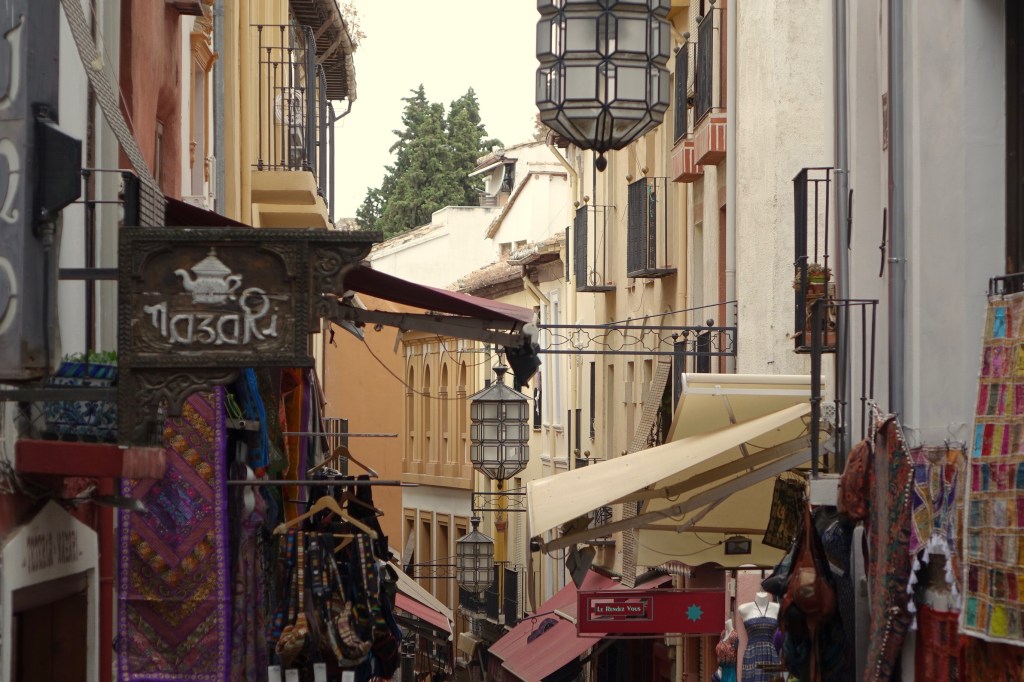
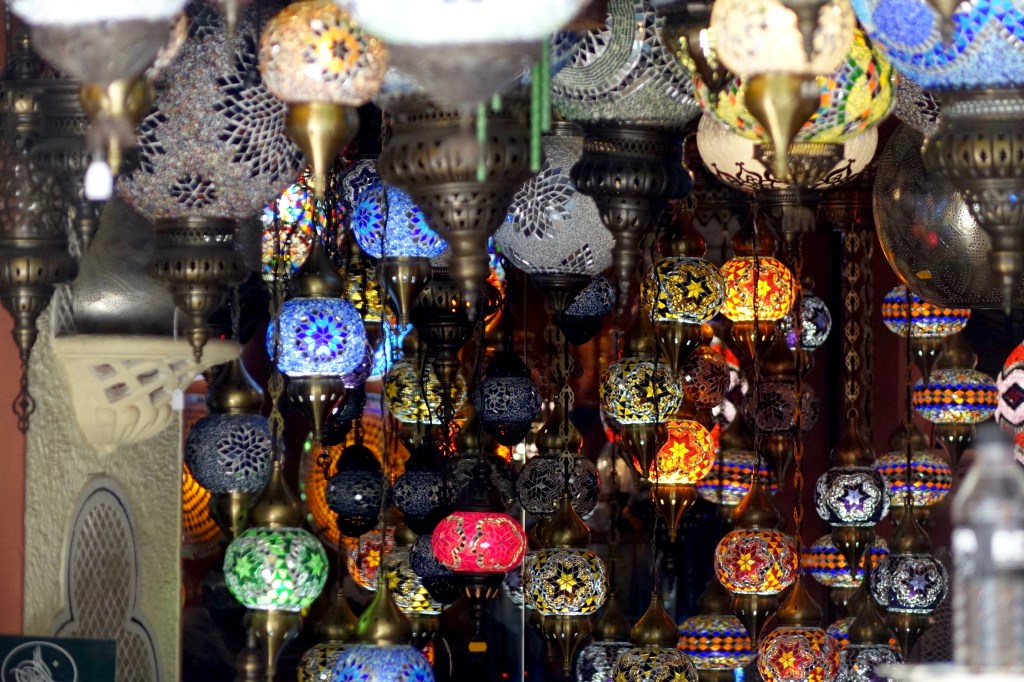
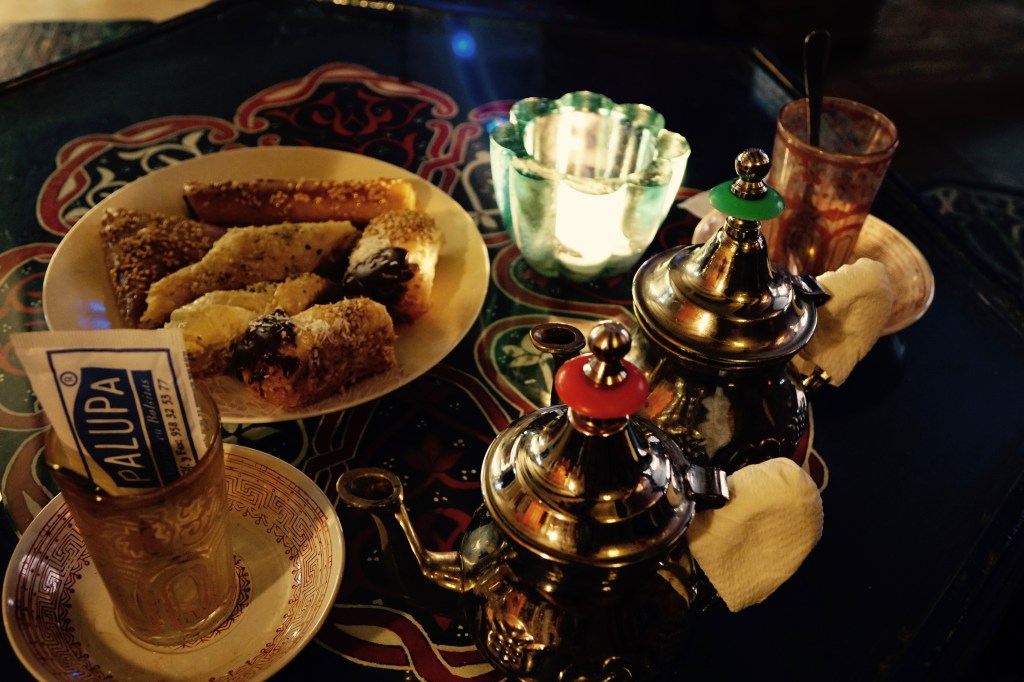
Granada in the heart of Spanish Andalucia is a city deeply characterised by the historical vicissitudes of its religious and political identity. On one street you may confidently conclude that you are in a richly embellished bastion of Catholicism; mere metres away, you feel as though you have been magically relocated to Marrakech. In Granada, you can find shisha pipes being smoked and moroccan mint tea being sipped with baklava right next door to where, in one of Europe’s biggest and most imposing cathedrals, the bells of a campanile call the Catholic faithful to prayer, and incense is swung majestically before a statue of the Virgin Mary. It is a stark contrast which can be noted across the city, recalling the turbulent but glorious history which has made Granada truly unique in the modern world.

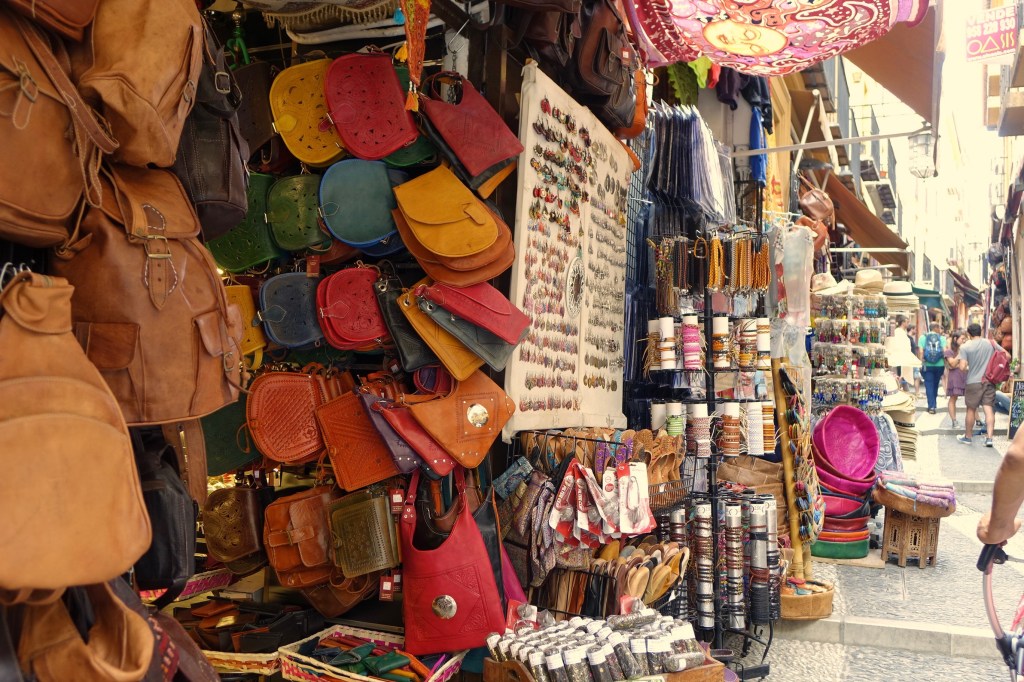
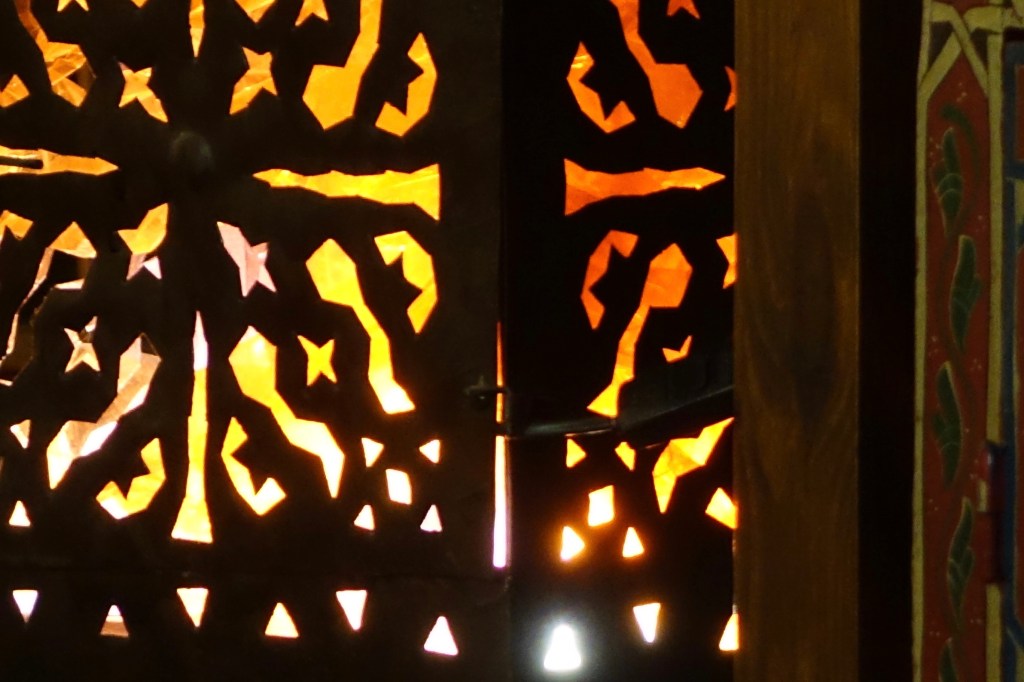
DSC04460 DSC04507 DSC04927 DSC04579 DSC04912 DSC04567 DSC04924 DSC04498 DSC04346 DSC04398 DSC04440

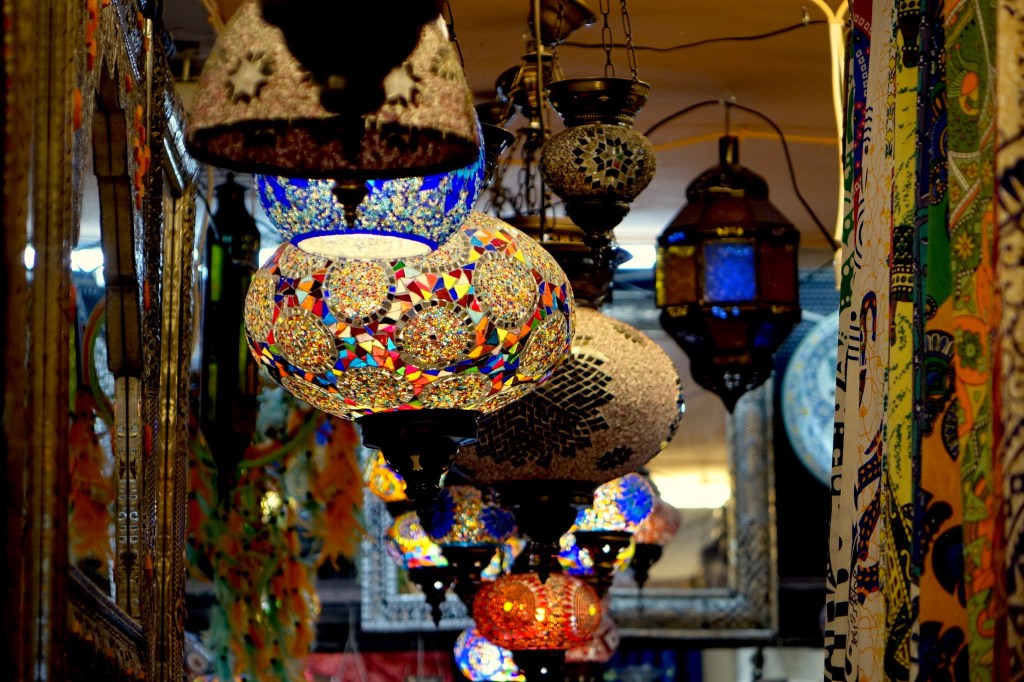
Of course much of what you see today has a ring of Disneyland about it, The tightly packed streets full of arabic wears and shops clustered with so many glittering glass lamps, silks and leather goods that you feel as though you have entered Aladdin’s cave, are all somewhat contrived for the tourists. But they are nonetheless deeply rooted in a past which begun in the early 700s, when the muslims crossed the narrow Straits of Gibraltar and swiftly conquered the Iberian Peninsula, founding Al Andalus, a kingdom of such rich prosperity and harmonious living that it was the nearest any civilisation had come to the Roman Empire before it. But the State’s precarious location encircled by Catholic countries meant that it was never destined to last for ever. One by one, a Catholic reconquista swept through the Iberian Peninsula, reclaiming Spain for the Christian world, until only one citadel of Al Andalus remained, the strongest of all – Granada.

Granada’s magnificent Catholic face

DSC04925 DSC03983DSC04920 DSC04951 DSC04928 DSC04344 DSC04169 DSC04160 DSC04334 DSC04918 DSC04945 DSC04052

It took some 250 years of negotiations, wrangling and final all out war before Ferdinand and Isabella, the “Catholic Monarchs” were able to complete the Christian reconquest of Spain, take Granada, and banish the Muslims for good. But they were never able to banish the heritage they had left behind. Spectacular monuments such as the Alhambra Palace remained as a clear testament to the stunning creativity of the artisans of Al Andalus, and remain today because their beauty was such that the Christian’s could not bear to destroy them.

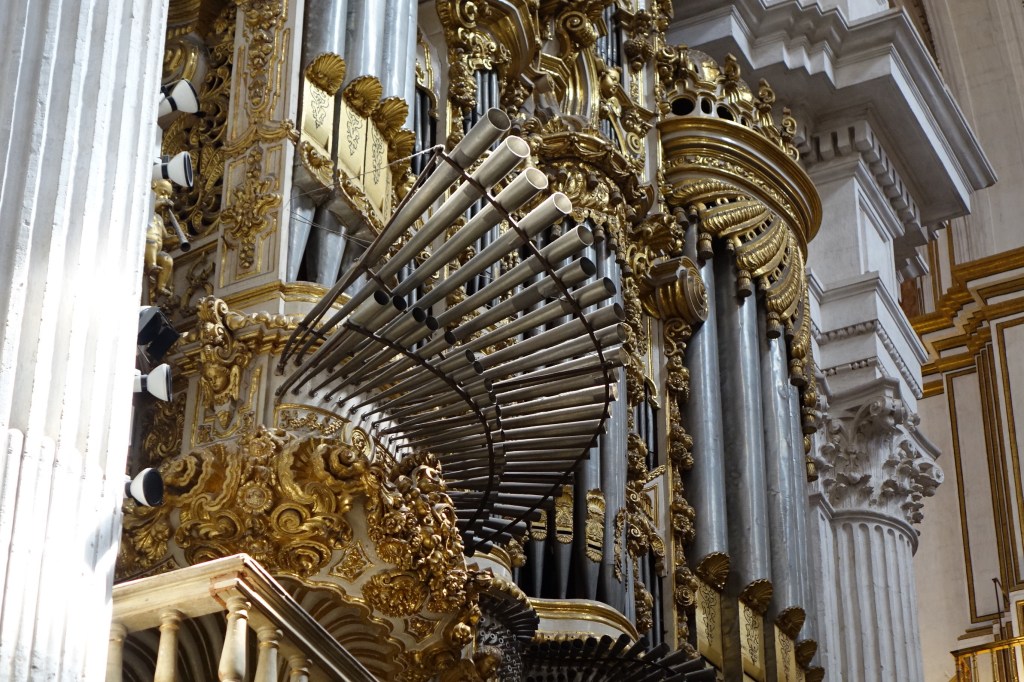
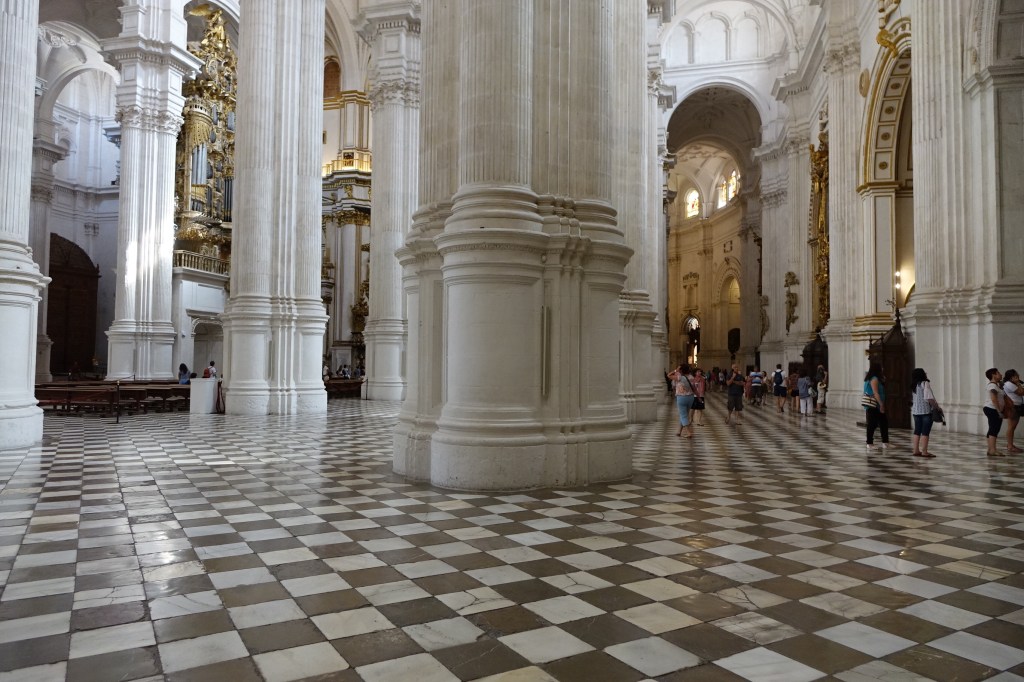
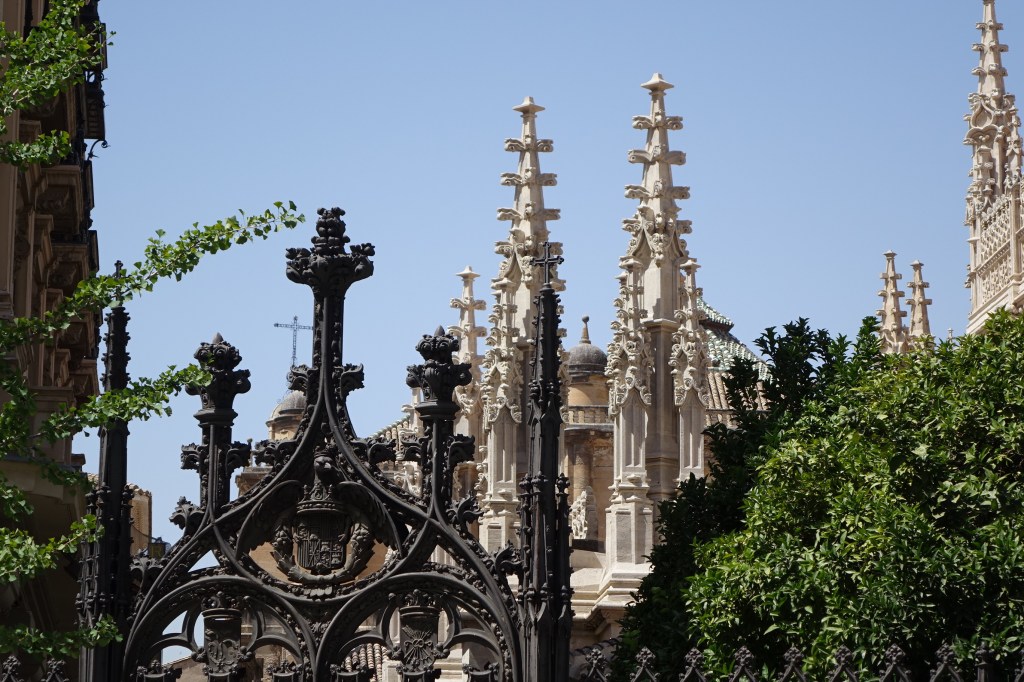
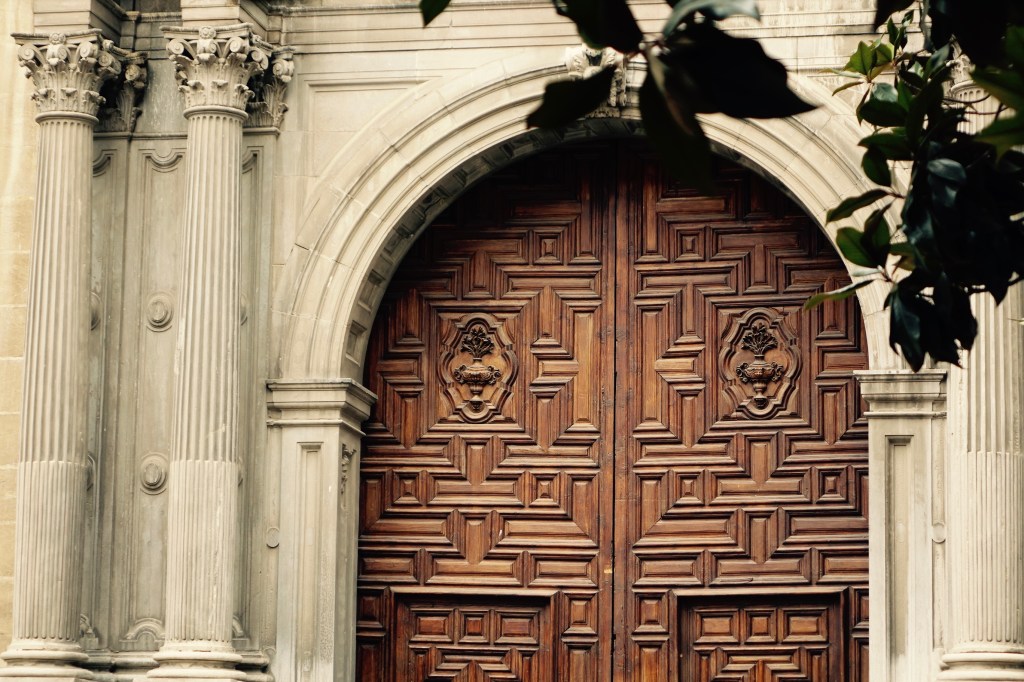
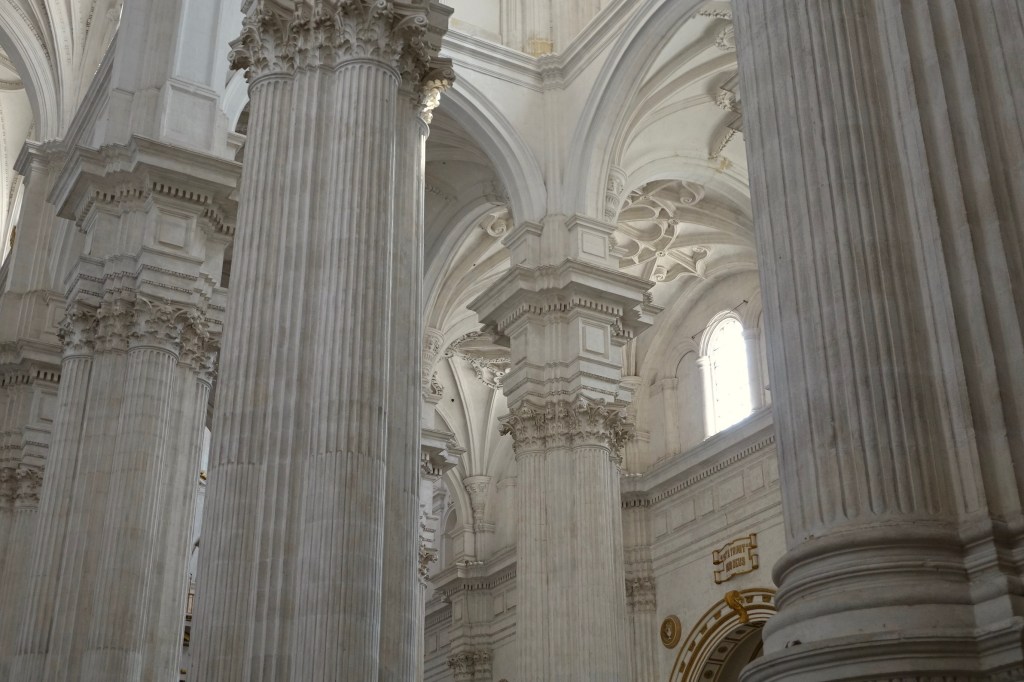
However a visitor to Granada today will likewise note that the city is bounteous in its Christian relics too. Constructions such as the vast Cathedral of the Incarnation are every bit as glorious an architectural gem of the city as the Alhambra, and were no doubt contrived to be all the more beautiful owing to the need for the Christians to show-off their creative prowess in the aftermath of the reconquest.

DSC04005 DSC04009 DSC04202 DSC04185 DSC04178 DSC04199 DSC04182 DSC04204 DSC04187 DSC04200 DSC03988 DSC04006 DSC04197 DSC04179DSC04189 DSC04012

Happily, the dual identity of Granada is one which has returned to the city, long after the terrible years when all non-Christians were expelled from Granada. While much of the Arabian shops and bizarres are laid on for the tourists, there is a very evident presence of a renewed muslim population in the city, allowing visitors – us included – to enjoy the wealth of their religious and social culture alongside the distinctive Spanish culture which has emerged from the years of more recent Catholic rule. These photos are testament to our discovery of both cultures.

All photos and written content are strictly the copyright of Nicholas de Lacy-Brown © 2016 and The Daily Norm. All rights are reserved. Unauthorized use and/or duplication of the material, whether written work, photography or artwork, included within The Daily Norm without express and written permission from The Daily Norm’s author and/or owner is strictly prohibited. 

My Granada Sketchbook: Alhambra, viewed from the Albayzín

I have just returned from Andalucia in Southern Spain. It’s an annual pilgrimage to a place which inspires me deep from within its passionately romantic soul. While the old town of Marbella, in a house radiated by the fragrant perfume of jasmine, is always my base, each year I try to embellish my trip with a sampling of the region’s rich cultural offerings. This year it was the turn of Granada, a true jewel of the Iberian Peninsula, a city so rich in cultural and religious heritage that from one street to another you find yourself whisked across different centuries and richly divergent cultures.

A combination of 4 nights in Granada followed by 12 in Marbella meant for a trip front-loaded by inspirational madness, and a fortnight which then provided ample opportunity to live out the fruit of those ideas. This meant that my trusty sketchbook went with me not just in Granada, where I would sketch sat in shady plazas, and in the echoing gardens of the Alhambra, but also in Marbella, where every morning I got into the habit of finishing off my Granada sketches over a rich coffee and a slice of spongy bizchoco.

Granada Mirador Alhambra

The Alhambra viewed from the Mirador San Nicolas, Granada (2016 ©Nicholas de Lacy-Brown, pen on paper)

Today, I considered this sketch to be the best way to start my Granada tales, for it shows perhaps the most famous Granada view – the stunning Alhambra palace as viewed from the Mirador de San Nicolas, with the might of the Sierra mountains behind it. I’m not going to talk too much about the Alhambra for now… that time will surely arise as I share my Granada adventure with you. But for now I hope you enjoy this first of 9 works created on this very inspirational trip. I look forward to sharing them all with you.

© Nicholas de Lacy-Brown and The Daily Norm, 2001-2016. Unauthorized use and/or duplication of the material, whether written work, photography or artwork, included within The Daily Norm without express and written permission from The Daily Norm’s author and/or owner is strictly prohibited. For more information on the work of Nicholas de Lacy-Brown, head to his art website at www.delacybrown.com
Inspired by my surroundings: Paseo Mallorca 2

I am on a mission. To capture the beauty that is all around me. Sometimes it feels like an impossible task… the ever changing light and the relentless choice of angles makes my head spin. I feel like Monet rushing between canvases trying to capture haystacks at different times of the day. Yet I plough on, aiming to capture (in however many canvases it takes) the essence of my Palma neighbourhood: the Paseo Mallorca

My second effort in this regard is a painting of the bridge which crosses from Jaume III, Palma’s principle shopping street, stretching over to Santa Catalina, the cool kids left bank-styled area of town. The bridge itself is fairly decorative, albeit that it is somewhat simplified in this interpretation. But what struck me more than the bridge was the sweeping great curve of the white block of flats which sits at the centre of this view. Never a major fan of mass construction, especially in these kind of Mediterranean landscapes, for me there is a real space-age elegance about these 70s style blocks, glowing in the sun against the unchangeably blue skies, especially when contrasted with the soft edges of the many trees below.
Paseo Mallorca 2 FINAL

Paseo Mallorca 2 (2016 ©Nicholas de Lacy-Brown, acrylic on canvas)

© Nicholas de Lacy-Brown and The Daily Norm, 2001-2016. Unauthorized use and/or duplication of the material, whether written work, photography or artwork, included within The Daily Norm without express and written permission from The Daily Norm’s author and/or owner is strictly prohibited. For more information on the work of Nicholas de Lacy-Brown, head to his art website at www.delacybrown.com