Skip to content

Posts tagged ‘Bay of Naples’

From Napoli to Capri, Part 2: Pompeii

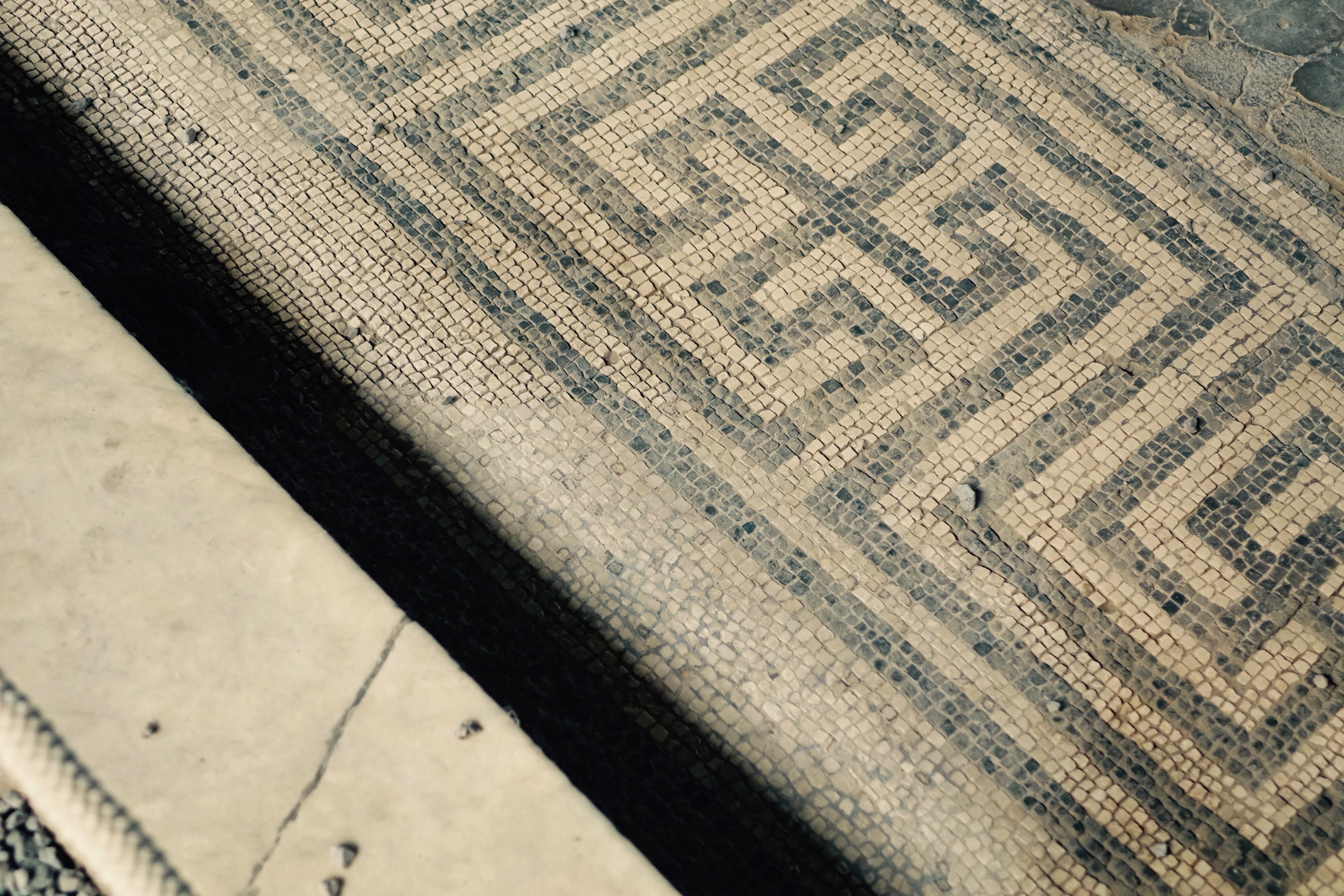
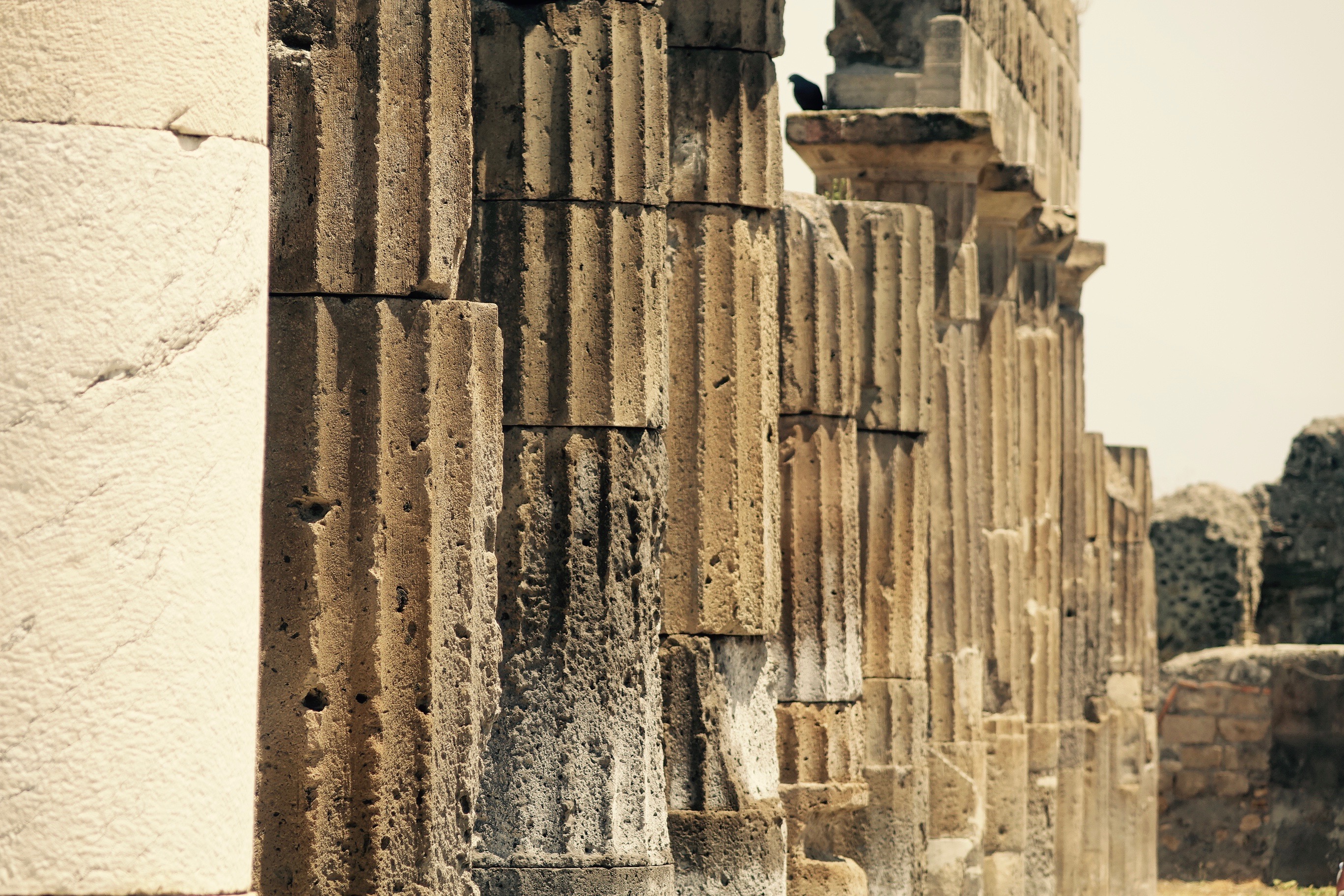
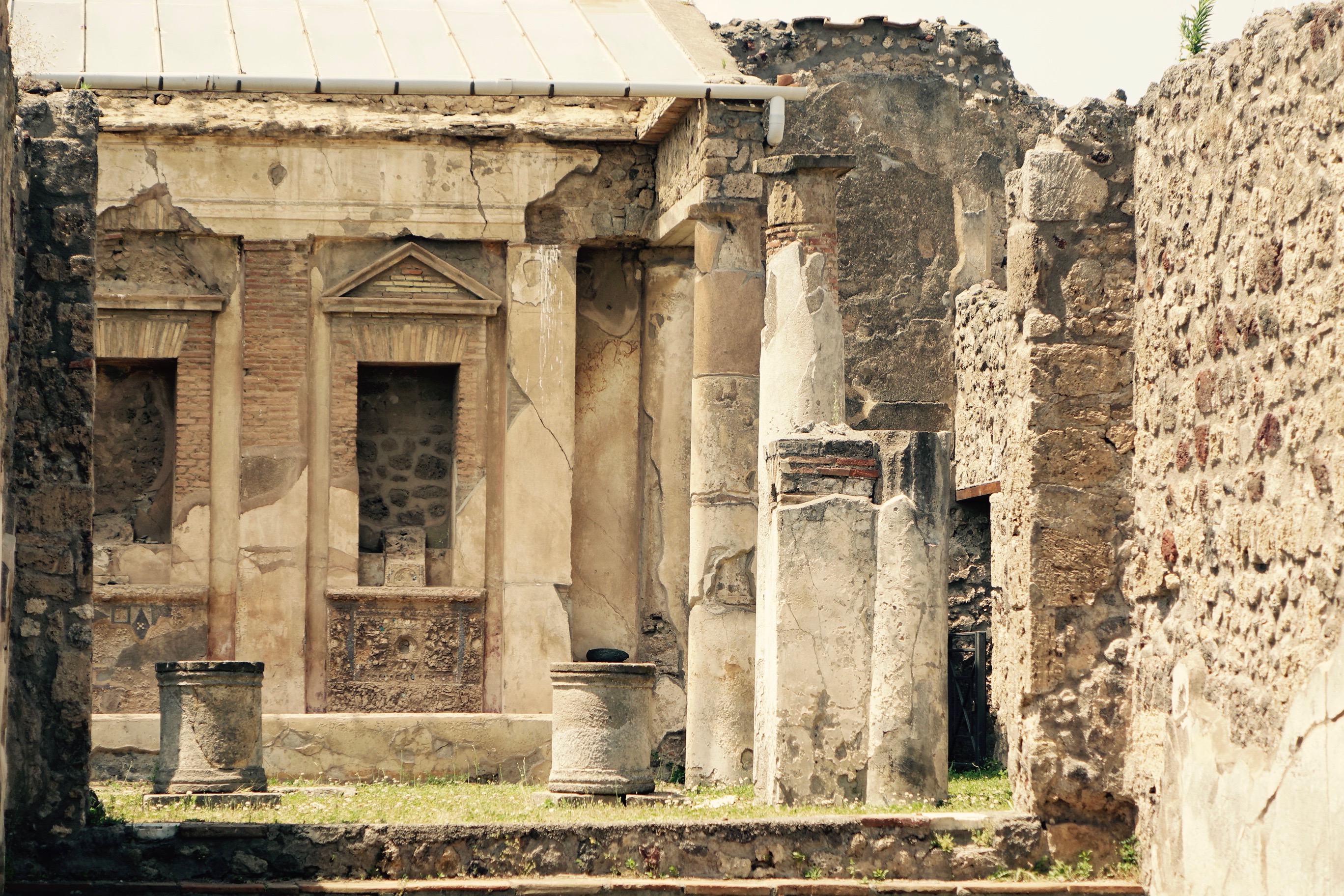
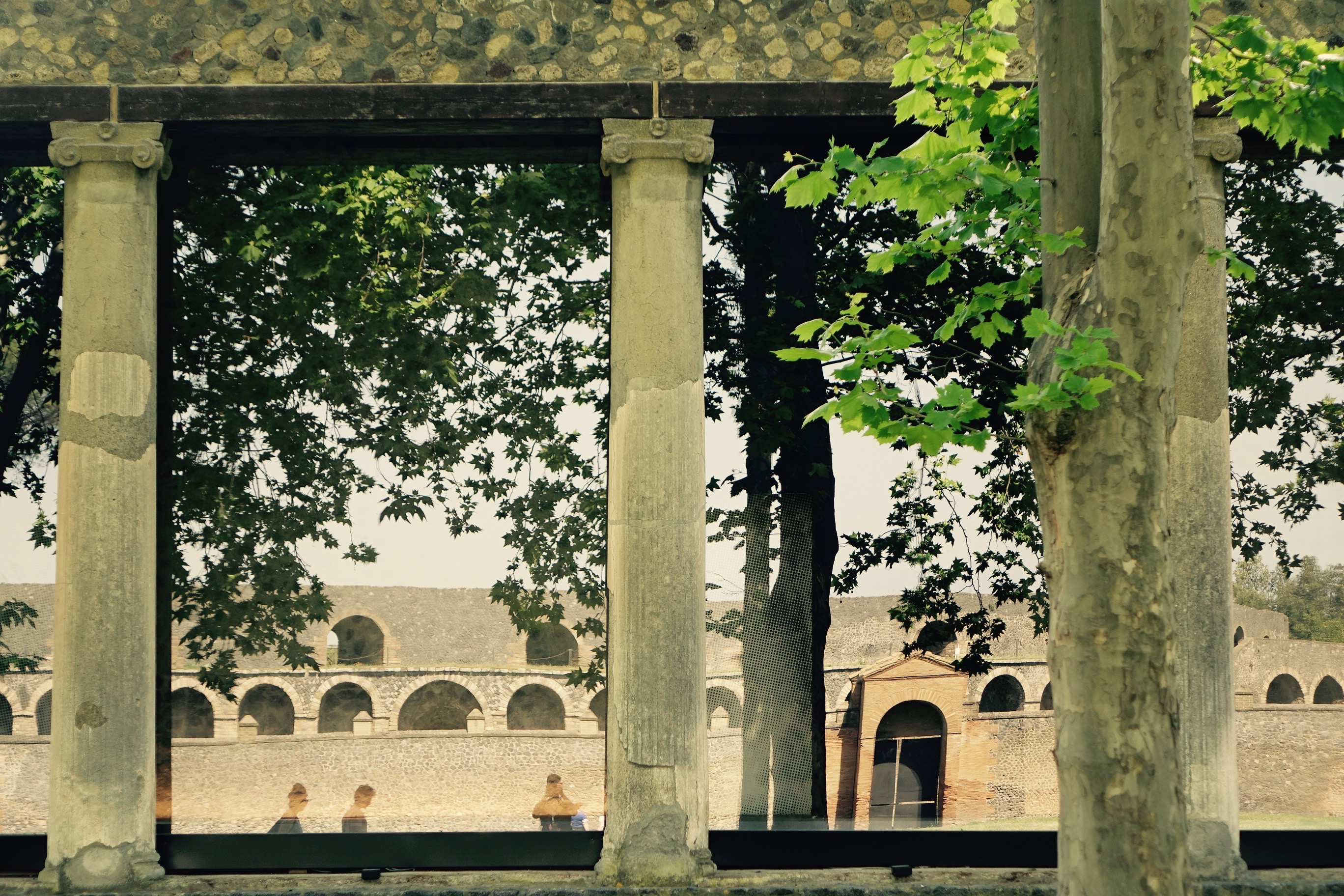
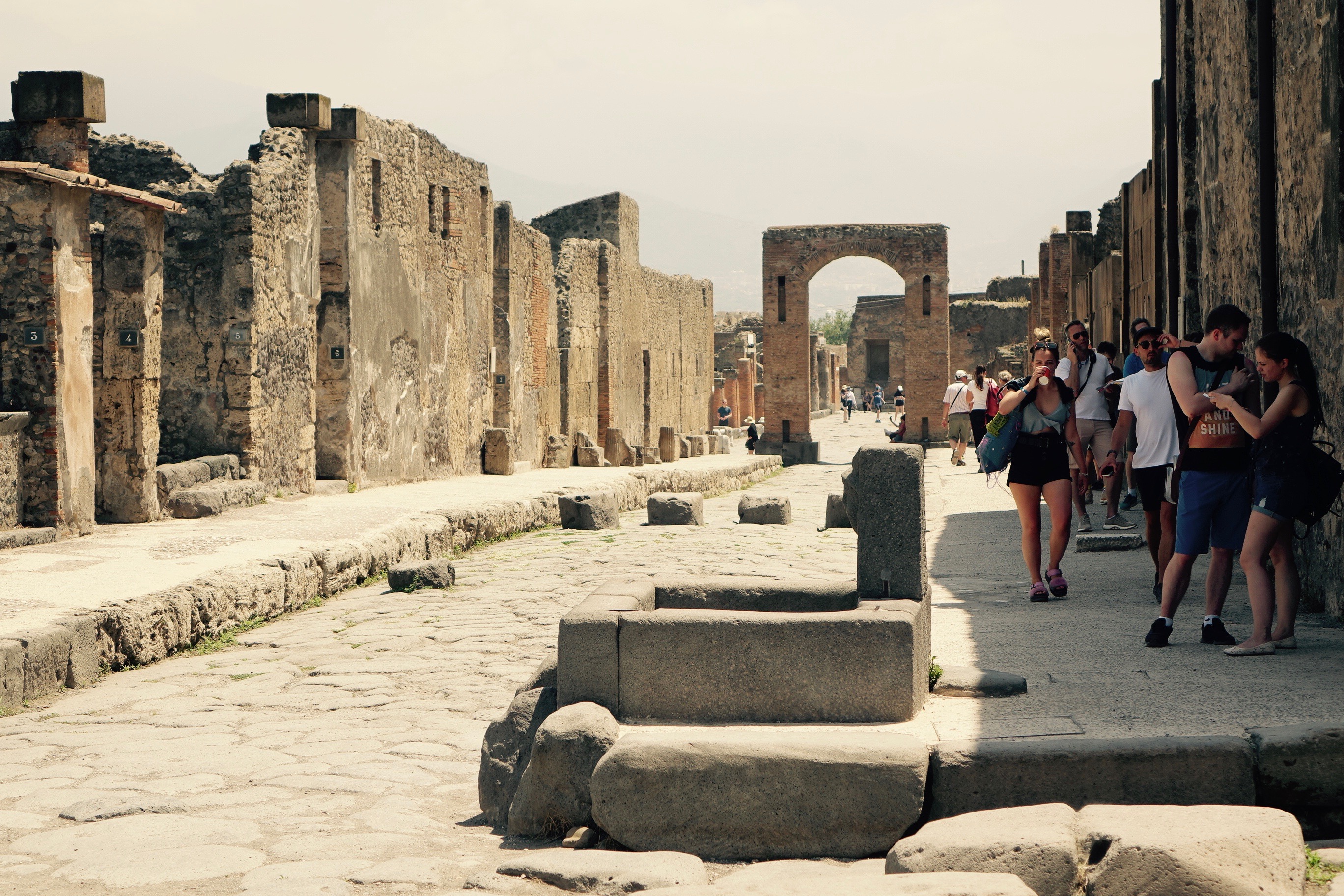
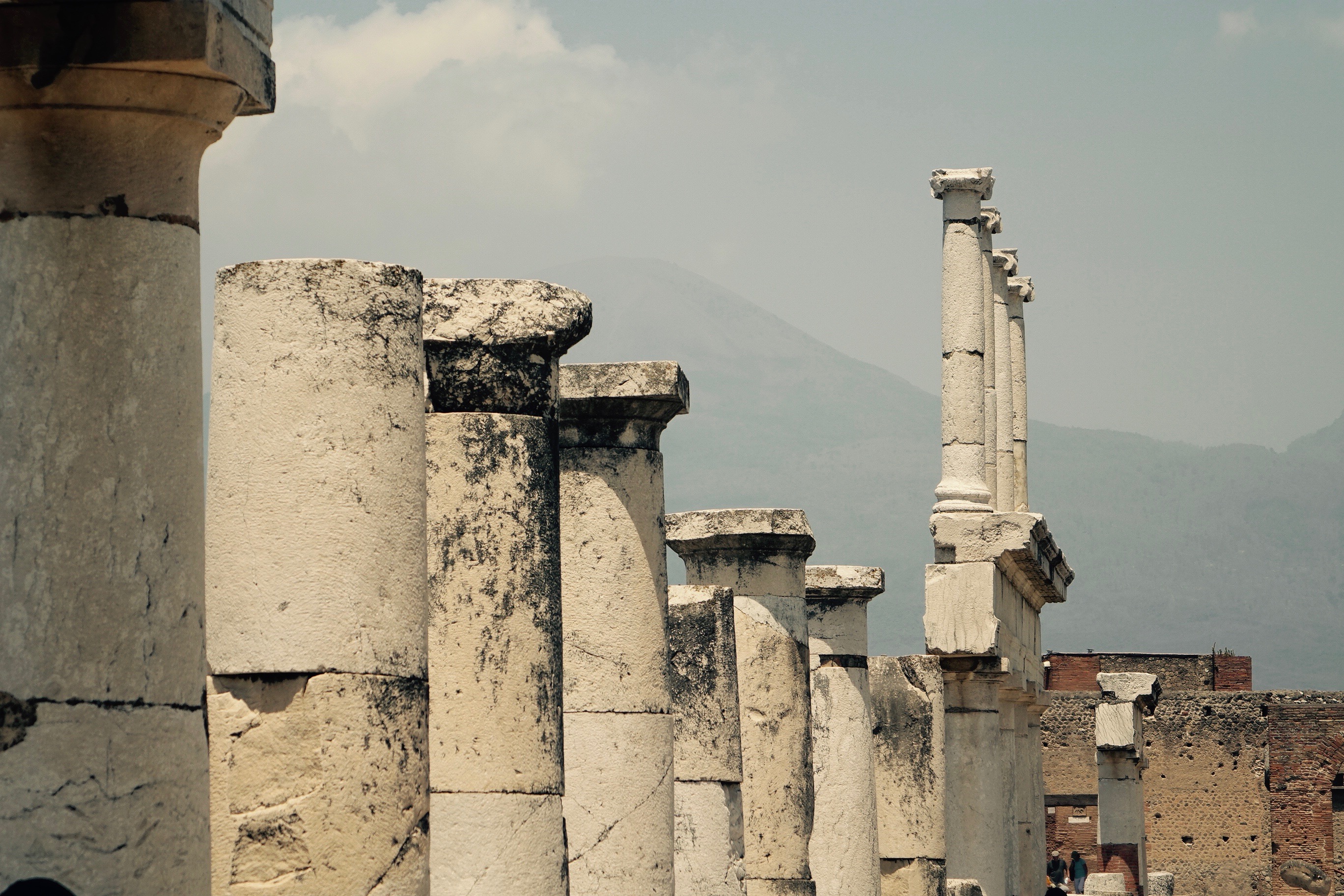
Pompeii: It’s a story which almost everybody knows, an eruption of such violent magnitude that it has fascinated writers, artists, poets and film-makers throughout the ages, making it a volcanic event more famous than any other. But the reason why Pompeii is so famous is not because of the eruption that destroyed a city in AD79, but because of the ghost of the city that was left behind. For beneath the ashes, the pumice and the multiple strata of volcanic material emerges the perfect footprint of a true Roman town, that gives us a compelling glimpse into the world of ancient Rome, its town planning, society and its people.

DSC02455DSC02503DSC02499DSC02685DSC02684DSC02543DSC02584DSC02656DSC02418DSC02612

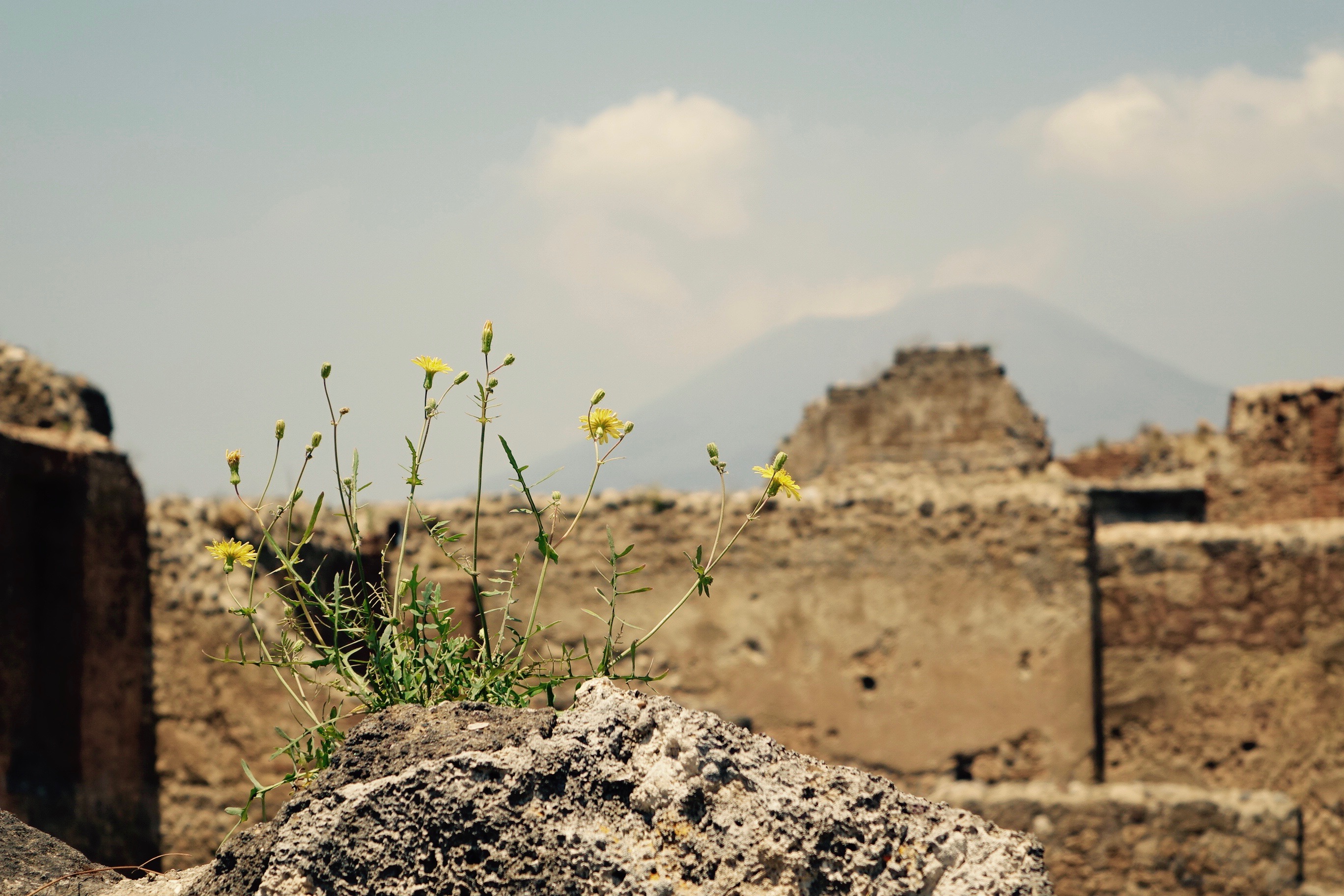
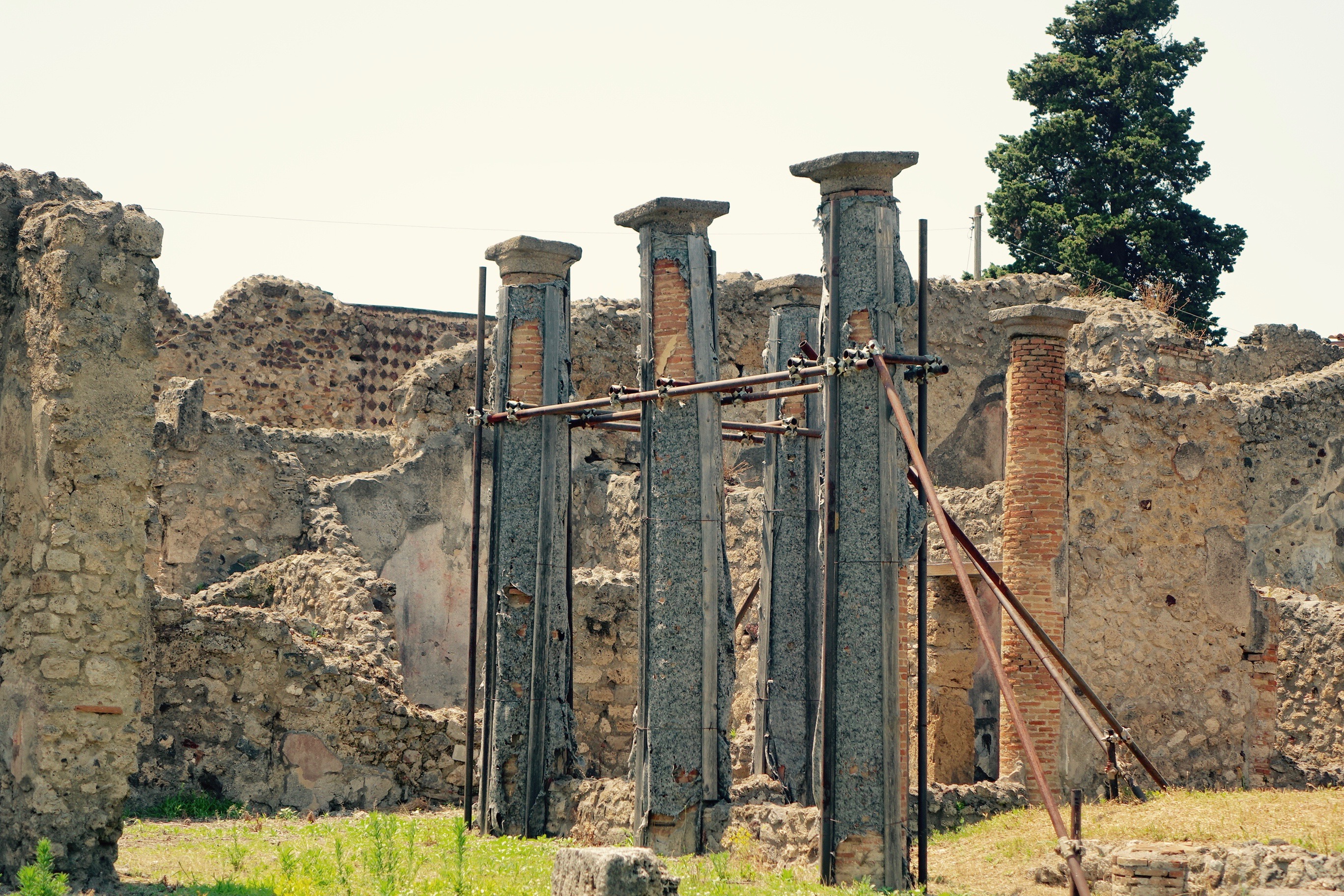
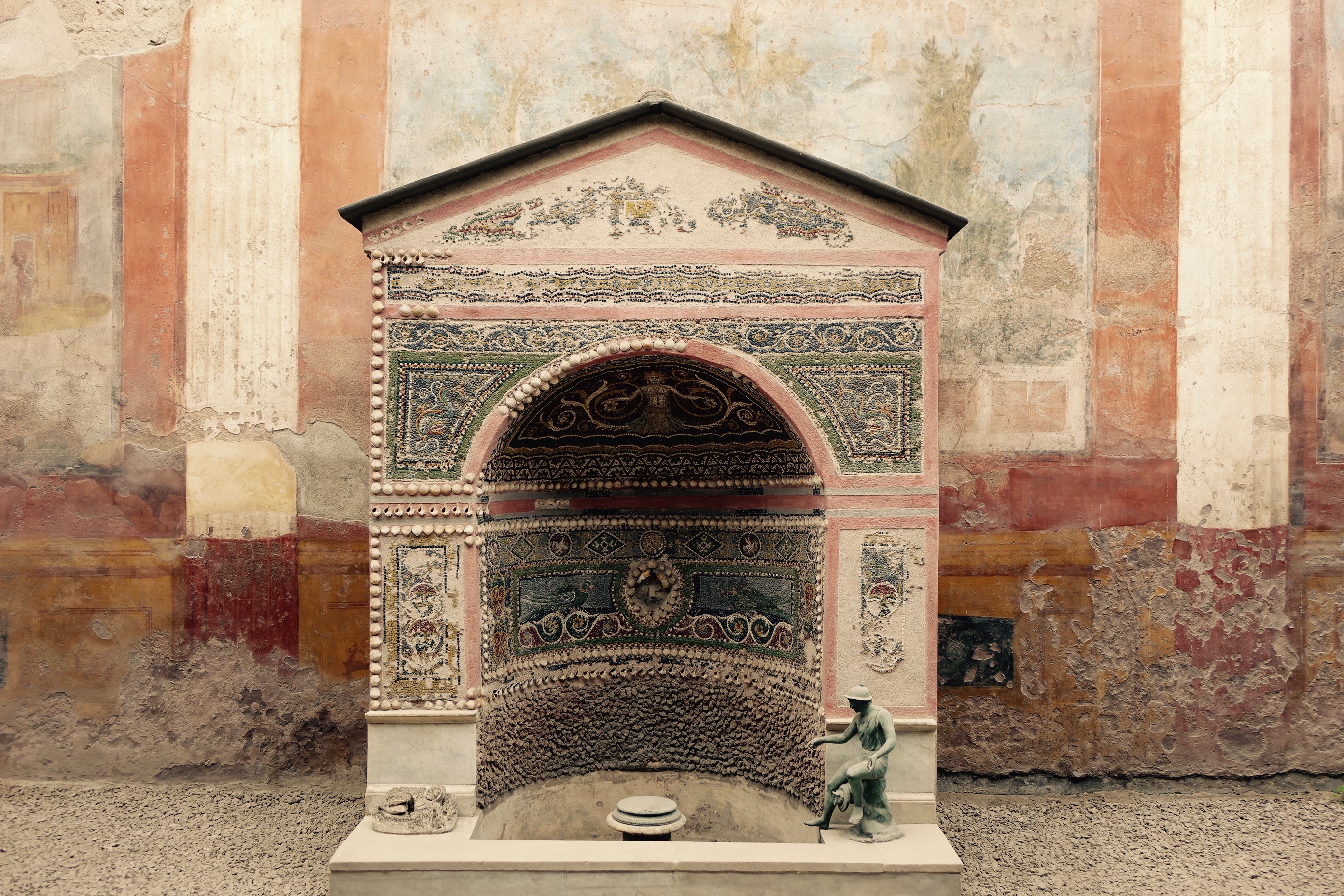
Today’s Pompeii is deeply romantic. The remnants of this ancient world, cast in semi-dereliction but clinging onto mere glimpses of its fully resplendent past, are tinged with the melancholia of the romantic imagination, as weeds and wildflowers grown amongst rubble and the remains of once grand palaces and temples. It all feels rather like a idyllic pastiche from an 18th century imagined landscape… one half expects a giggling maid to sweep into the scene on a flower-strung swing tied onto a nearby tree, her rococo dress shimmering in the setting sun.

DSC02461DSC02442DSC02672DSC02621DSC02609DSC02453DSC02576DSC02524DSC02542DSC02474

Yet beneath the beauty of decay lies a far sadder truth – the reality of Pompeii’s end. Time is healer, but we should not forget how the people of Pompeii met their end: in an agony of excruciating burning and suffocation as the scalding gases of a pyroclastic surge swept through the town literally boiling people to death. It would have been a truly horrific way to die. Reminders of this cruel ending are all around in Pompeii: figures cast from plaster and created from the vacuum left in layers of volcanic ash as bodies have withered away demonstrate people contorted in pain, their hands rolled into tight fists as their bodies flex against the searing heat and agony, lovers clinging to one another, parents embracing their child in a final embrace.

DSC02521DSC02506DSC02657DSC02571DSC02539DSC02548DSC02529DSC02519DSC02617DSC02586

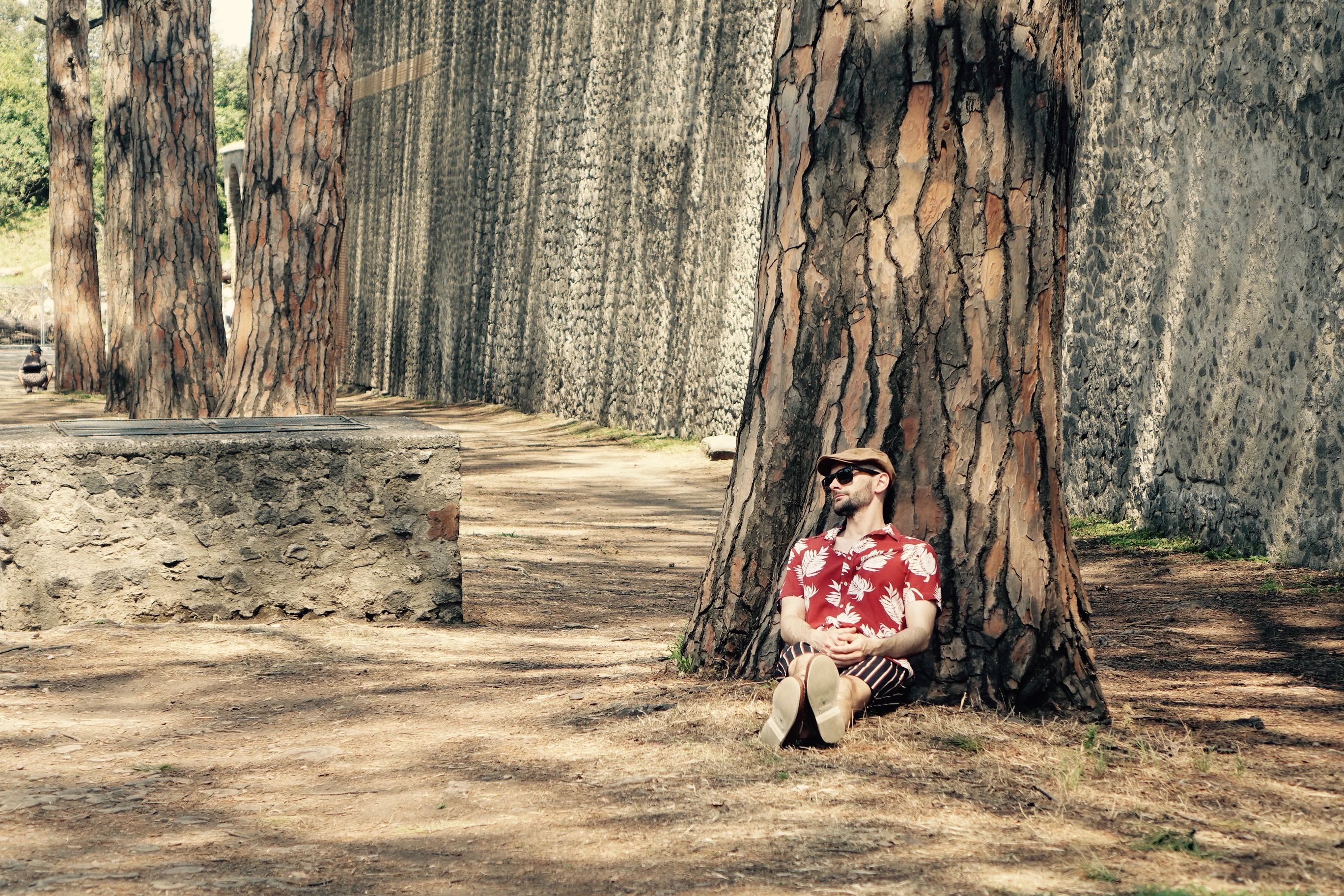
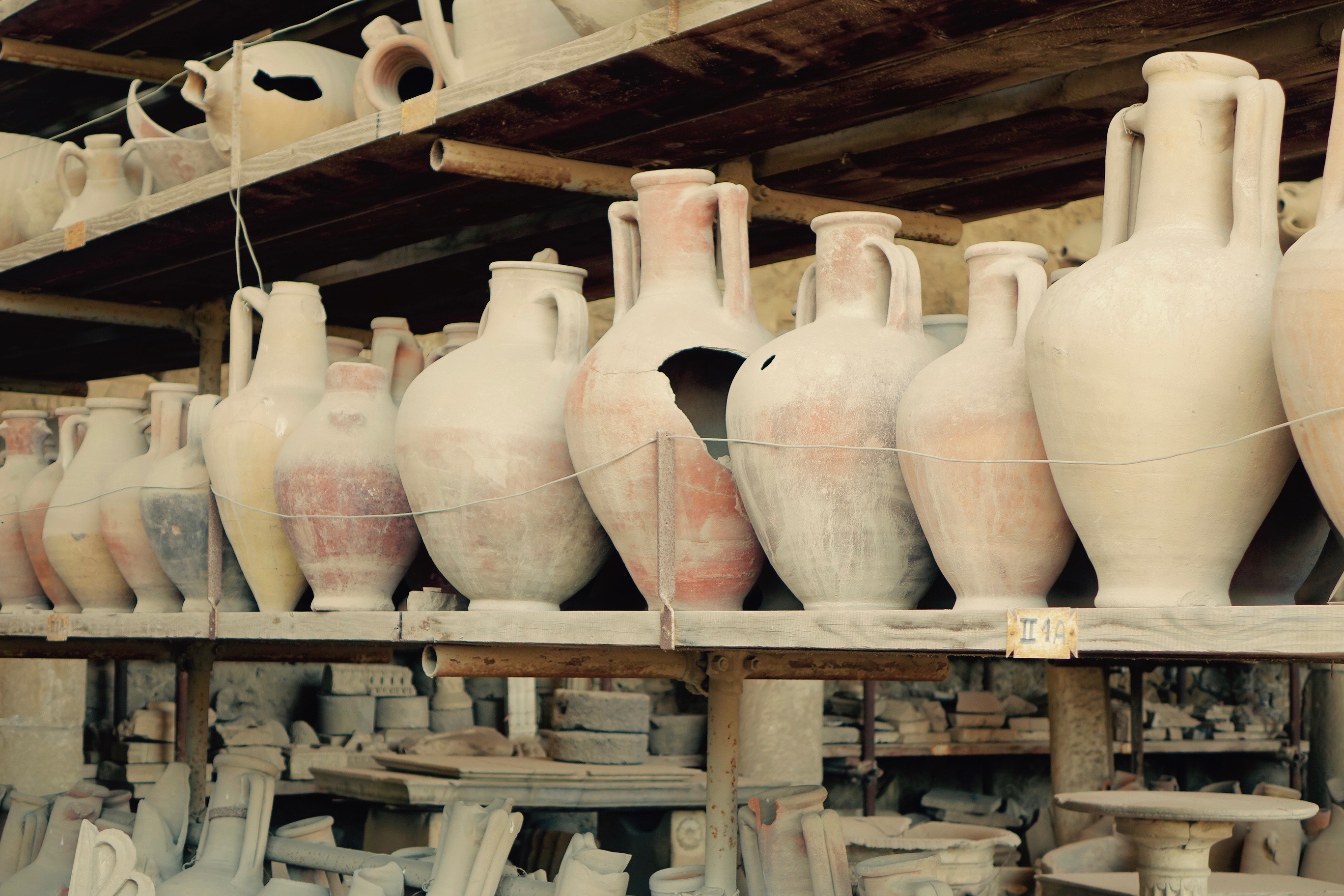
It was this tragic demise, and reminders of Pompeii’s daily life in the form of takeaway food bars, piles of bottles, jewellery, brothels, theatres and houses, which filled my mind as we visited Pompeii one very hot afternoon last June. True, I was fascinated by this ancient Roman world which we had so easily and transformatively stepped into. But I was also struck by the great tragedy which this vast archaeological site represents, and by the great irony that without the scale and extent of that vast eruption and its tragic consequences, we would never have had the opportunity to so totally immerse ourselves in a rare slice of the ancient world. For that alone we must be happy.

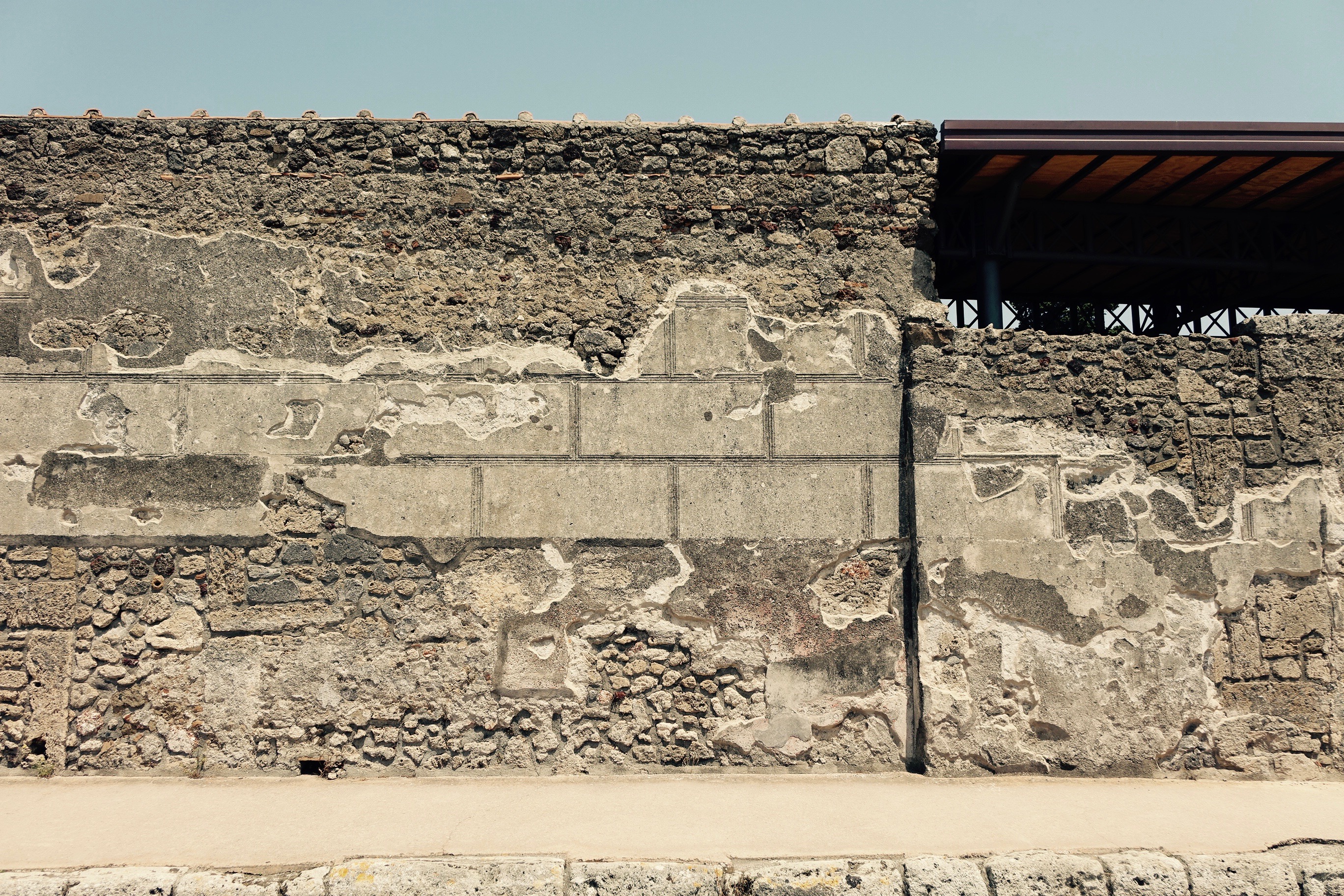
These are some of my photos from our day, in Pompeii.
DSC02469DSC02508DSC02422DSC02523DSC02530DSC02515DSC02520DSC02505DSC02430DSC02421

© Nicholas de Lacy-Brown and The Daily Norm, 2019. Unauthorised use and/or duplication of the material, whether written work, photography or artwork, included within The Daily Norm without express and written permission from The Daily Norm’s author and/or owner is strictly prohibited.

Honeymoon and Hotels: Mareluna Napoli

Four years ago, I started what was to become a collection of gouache images of hotels. From my first image painted during our honeymoon, of our pretty pink little bedroom in the ravishing Colombe d’Or Hotel in Saint-Paul-de-Vence, with the iconic Calder mobile visible through the window and my painting tools spread on the wooden desk, a story of images was born – images which have since gone on the capture countless bedrooms and views from the many incredible hotels which have played host to us on our holidays.

As we arrived in Naples and looked onto the most ravishing views of the sea and the Castel dell’Ovo, I knew that the next chapter in my narrative of honeymoon and hotels was just around the corner, and I painted this work: Mareluna Napol, named after the hotel of the same name.

Mareluna Napoli FINAL

Mareluna Napoli (©2019 Nicholas de Lacy-Brown, gouache on paper)

This small painting is no traditional capture of the Neapolitan landscape, but in its haphazardness drunkenness, vivacity and freshness of colour, and that centralised seaside view, it is a very much a homage to Naples. All that is missing is a pizza! But true to form, this is very much an image of our hotel room in the Mareluna Suite de Charme, whose wooden floor and ceiling contrasted dramatically with the fresh white walls and retro curved plastic ceiling light, while its wrought iron balcony so perfectly framed that resplendent view in all its Mediterranean majesty.

© Nicholas de Lacy-Brown and The Daily Norm, 2019. Unauthorised use and/or duplication of the material, whether written work, photography or artwork, included within The Daily Norm without express and written permission from The Daily Norm’s author and/or owner is strictly prohibited.

From Napoli to Capri, Part 1: It Started in Naples

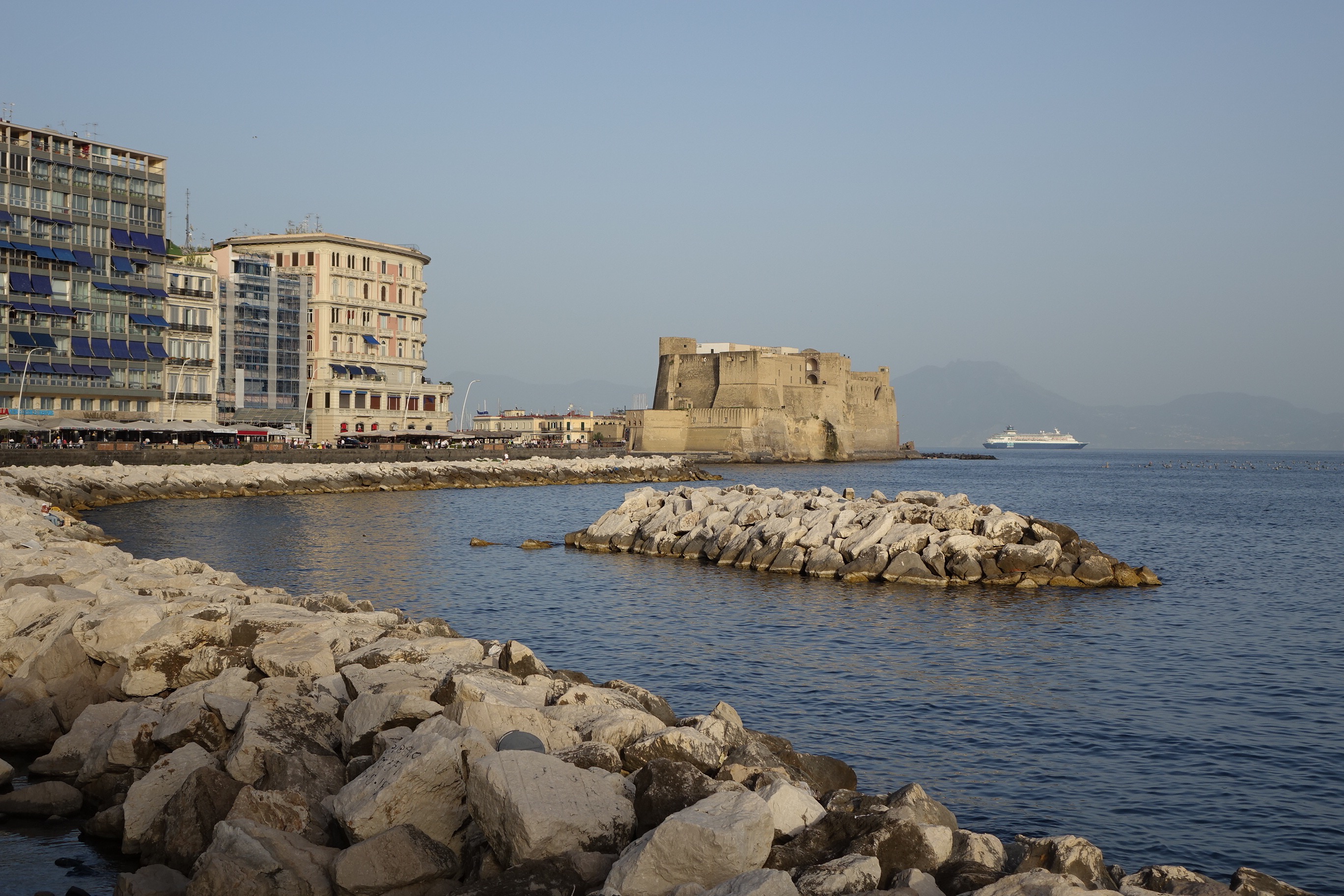
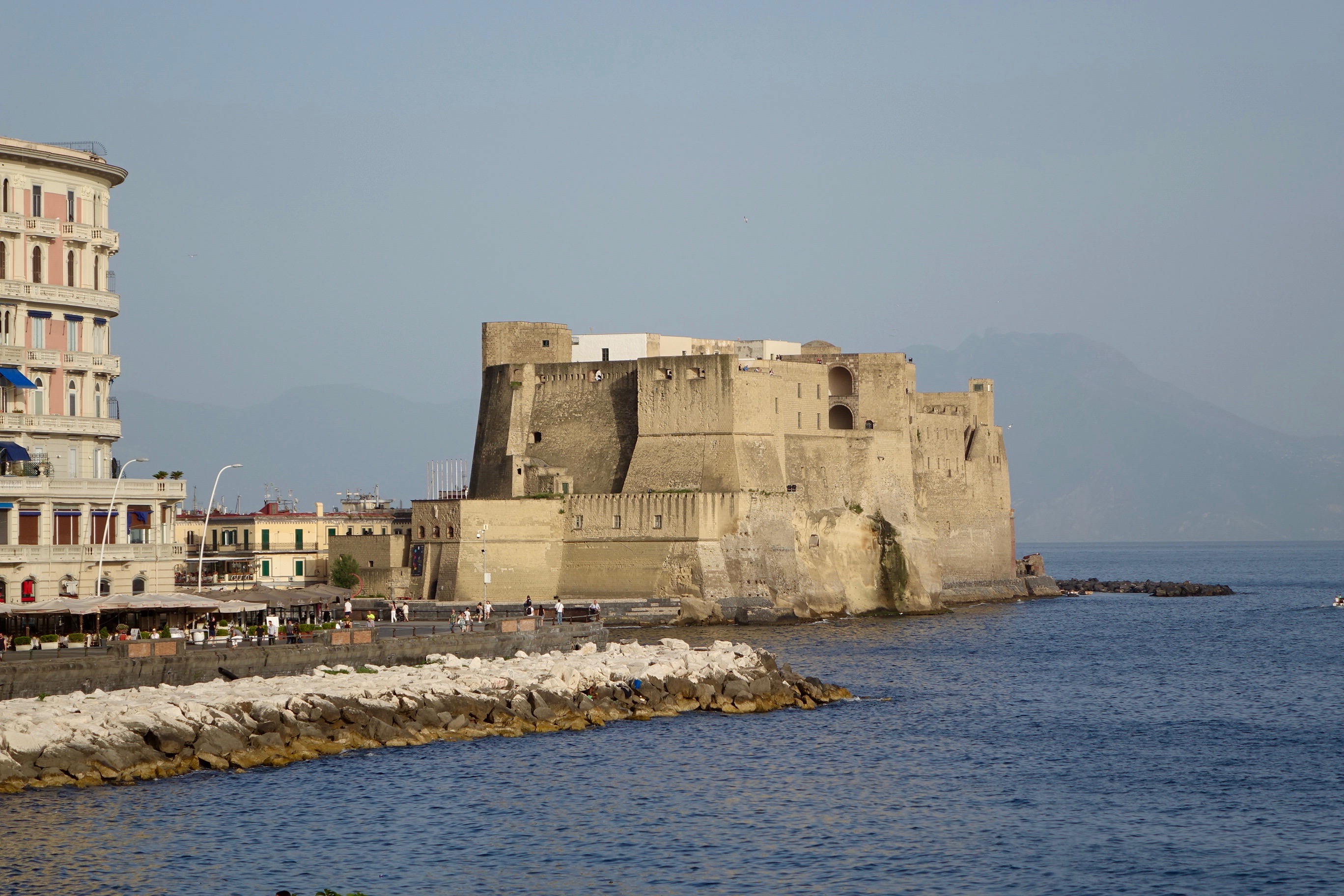
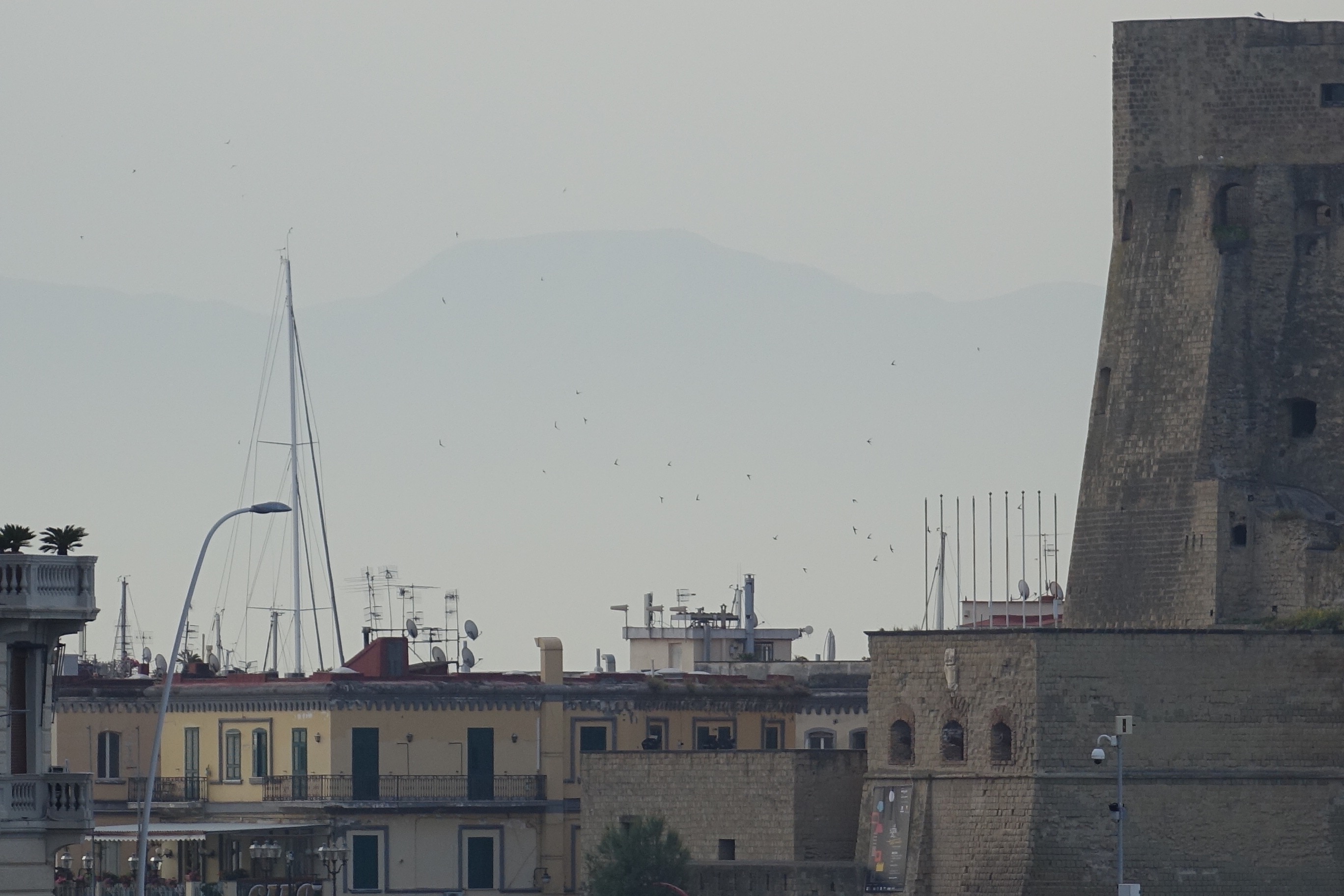
Just like the opening scenes of our favourite Sophia Loren/ Clark Gable film, It Started in Naples (1960), our magnificent trip from Napoli to Capri also began in Naples, on the Bay of Naples in fact. And in parallel with the first scene of that film, our first view of Naples was over the iconic Castel dell’Ovo with the silhouette of the mighty Vesuvius looming up behind it, and the silky blue waters of the Mediterranean sea flowing in around it.

This was to be the beginning of a mighty adventure in what must be one of the most beautiful areas of the world; a stretch of mountainous, fertile, stunning scenery full of contrast: from the bustling, sometimes menacing but beautiful Campanian capital of Naples, to the tranquil paradise of Ischia, and the fashionista’s paradise of Capri.

DSC02309DSC02379DSC02706DSC02719DSC02992DSC02319DSC02689DSC02727DSC02385DSC02329DSC02330DSC03005DSC02723DSC02701DSC02325

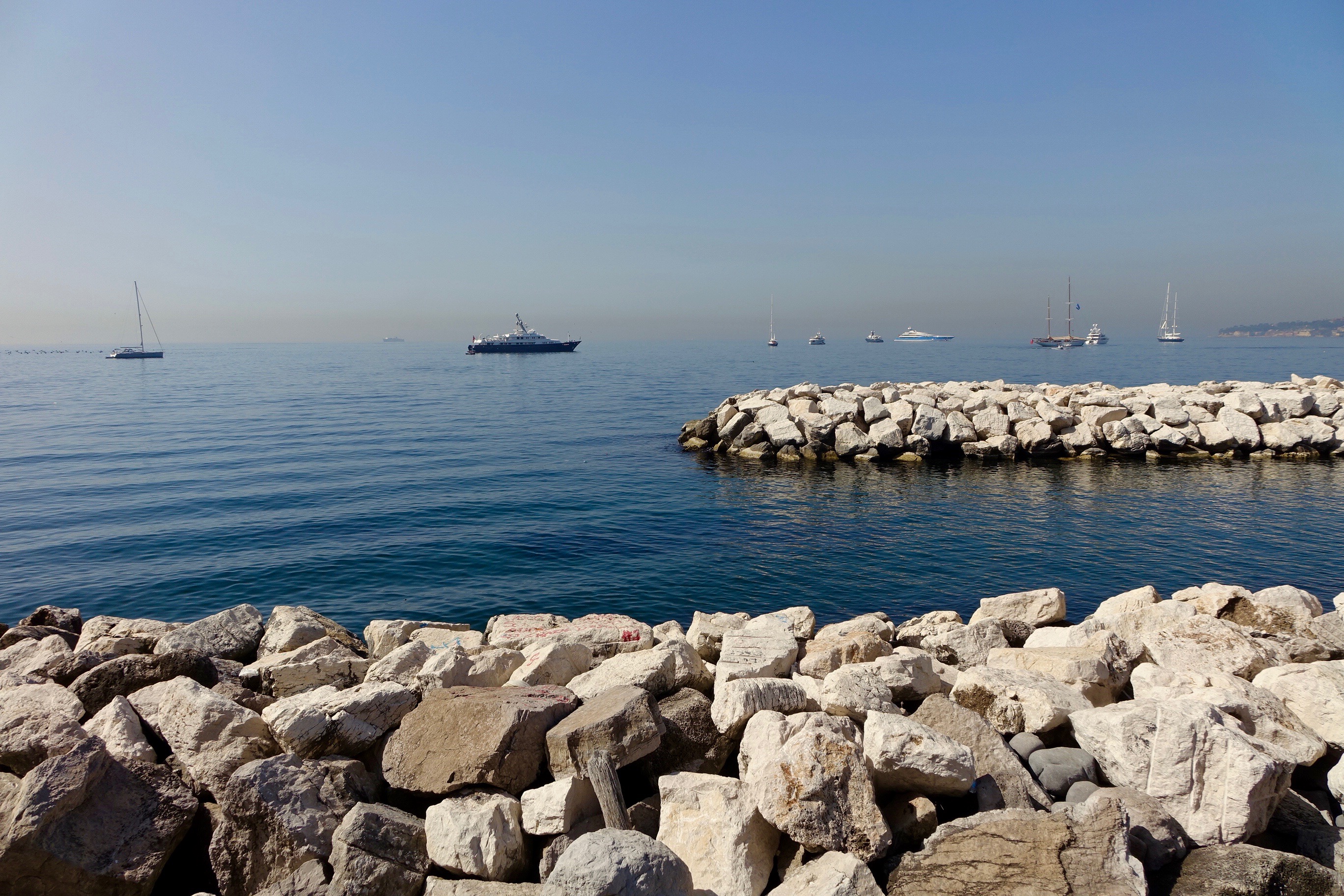
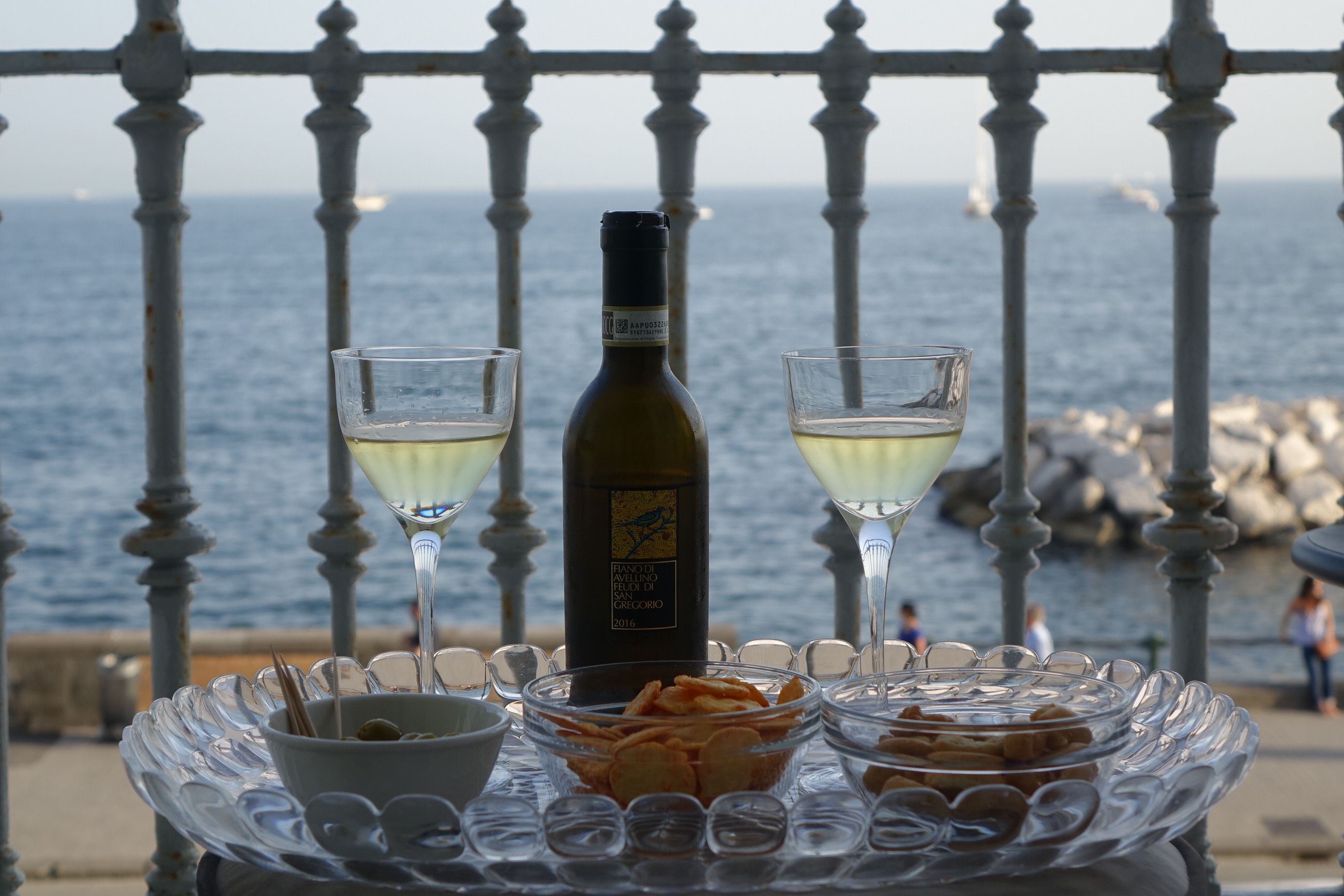
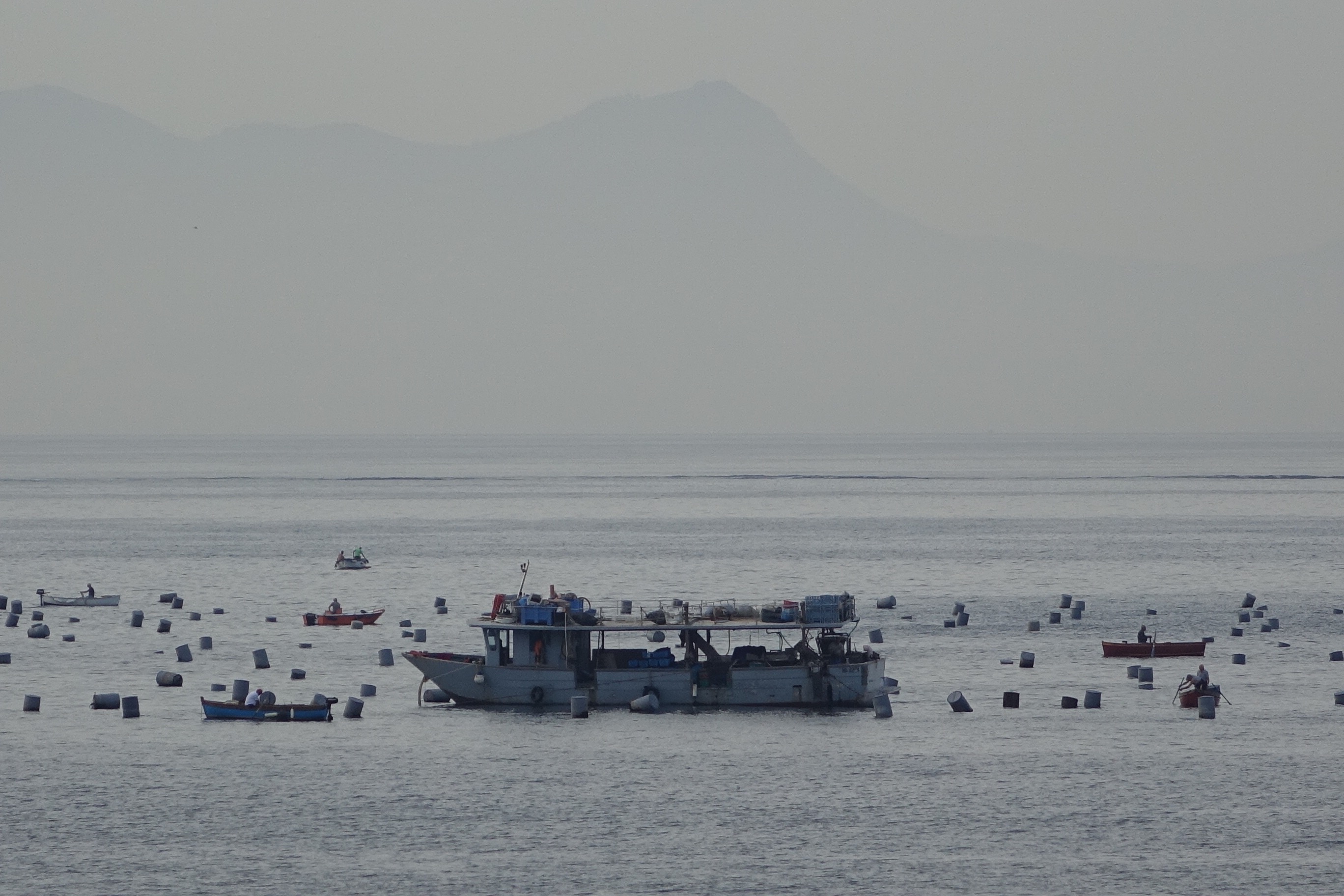
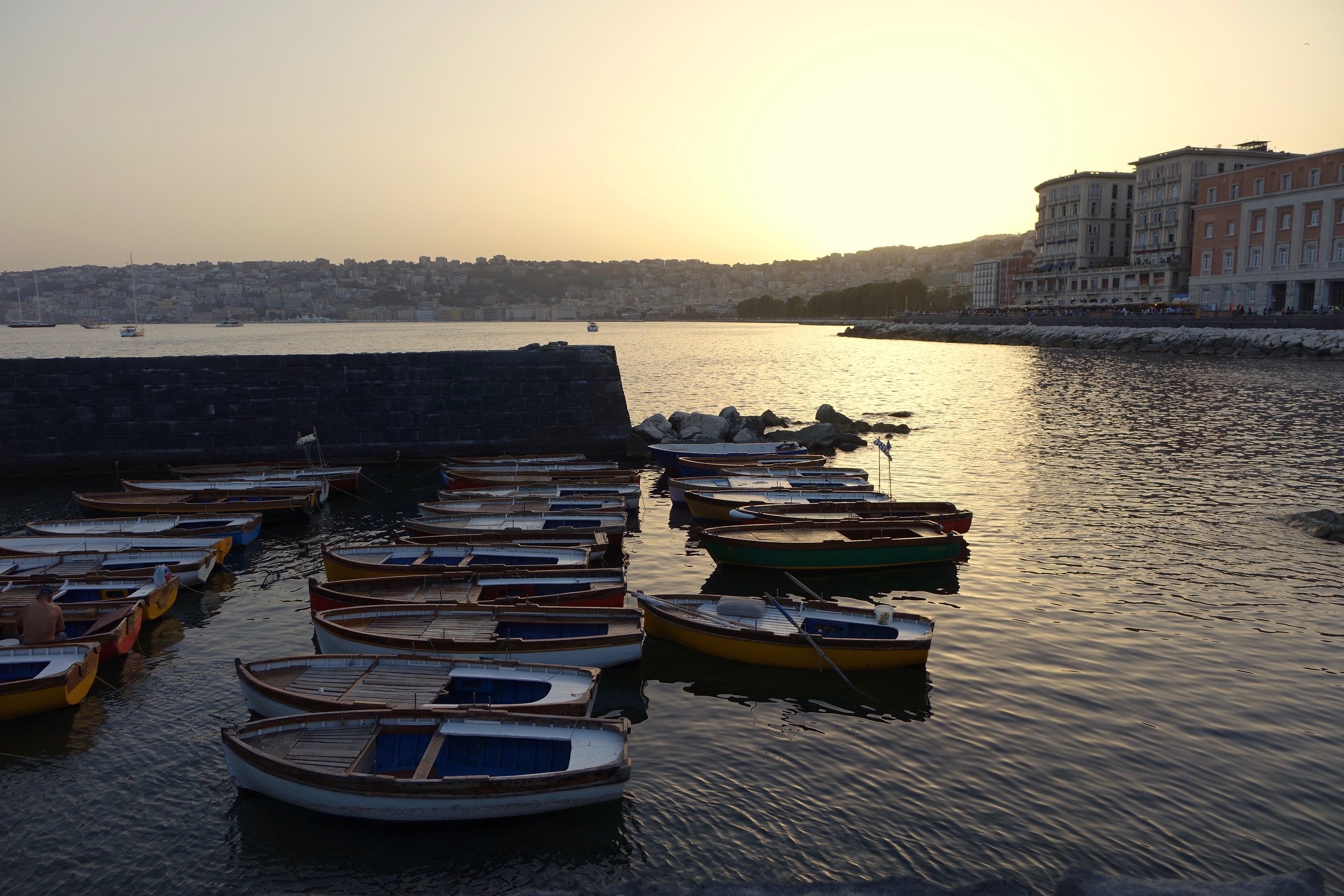
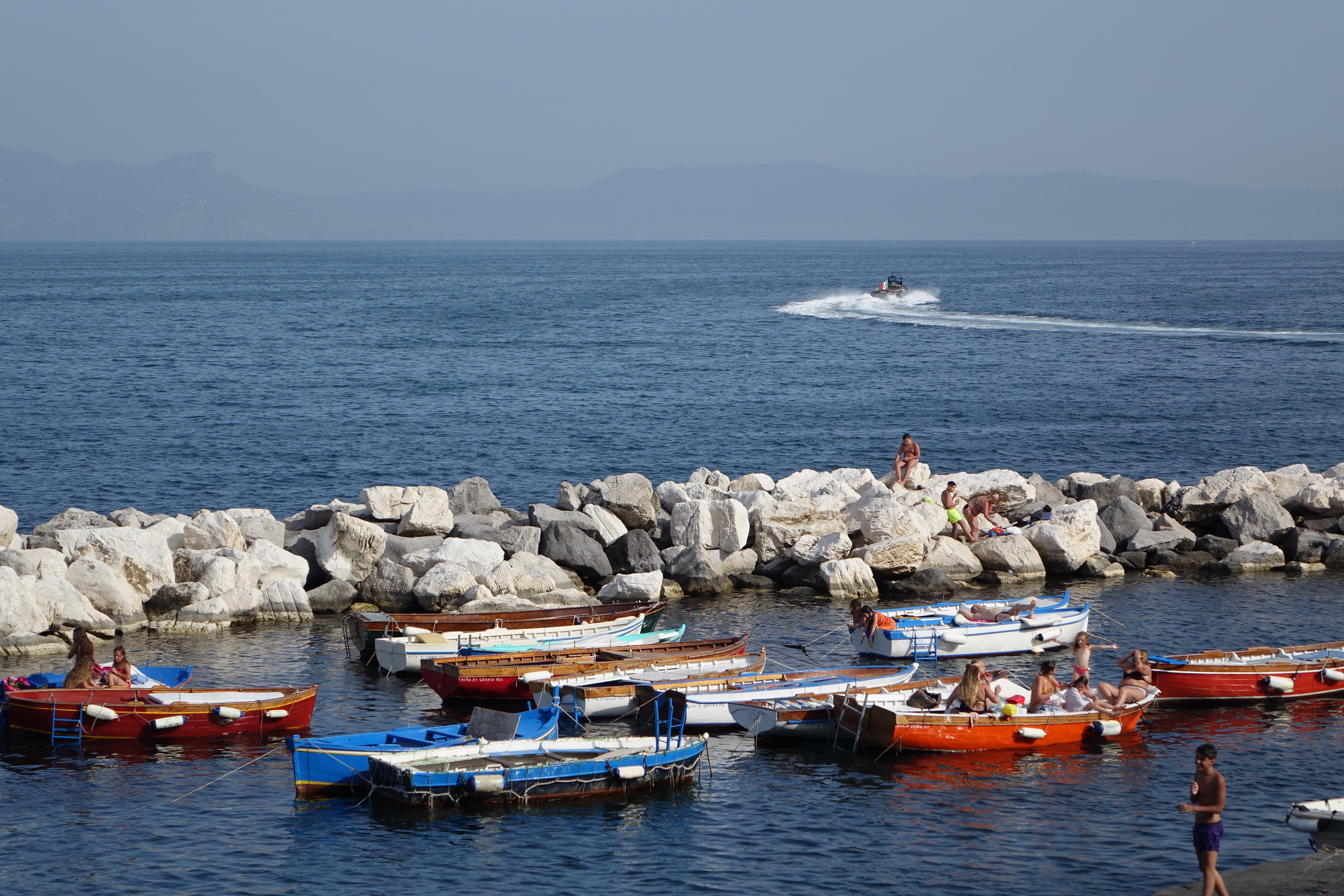
Yet it all started in Naples, and that opening scene was framed, liked the most dramatic of theatrical montages, by the drapery of curtains and a proscenium arch, namely the window (and balcony) of our very own room with a view. That room was to be enjoyed at the Mareluna Suite de Charme, a charming little boutique hotel stationed on the first floor of an old Neapolitan palazzo, and from there, we could indulge in the daily blockbuster of the Bay of Naples awakening, the sea glistening, and the outline of Capri emerging out of the mist of the horizon, while in the closer foreground, locals would take a morning dip in the warm waters, and chat/ yell along the seaside promenade.

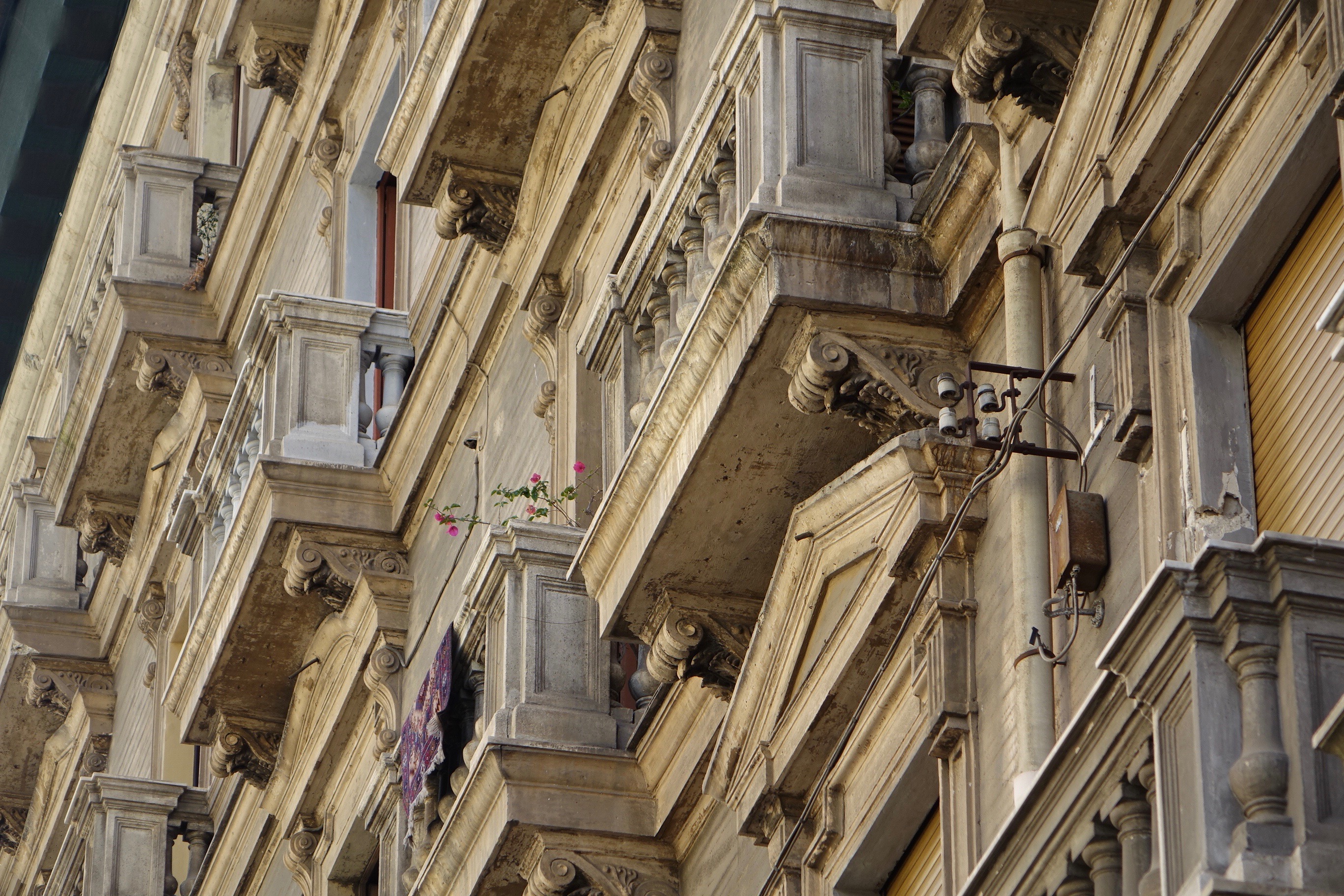
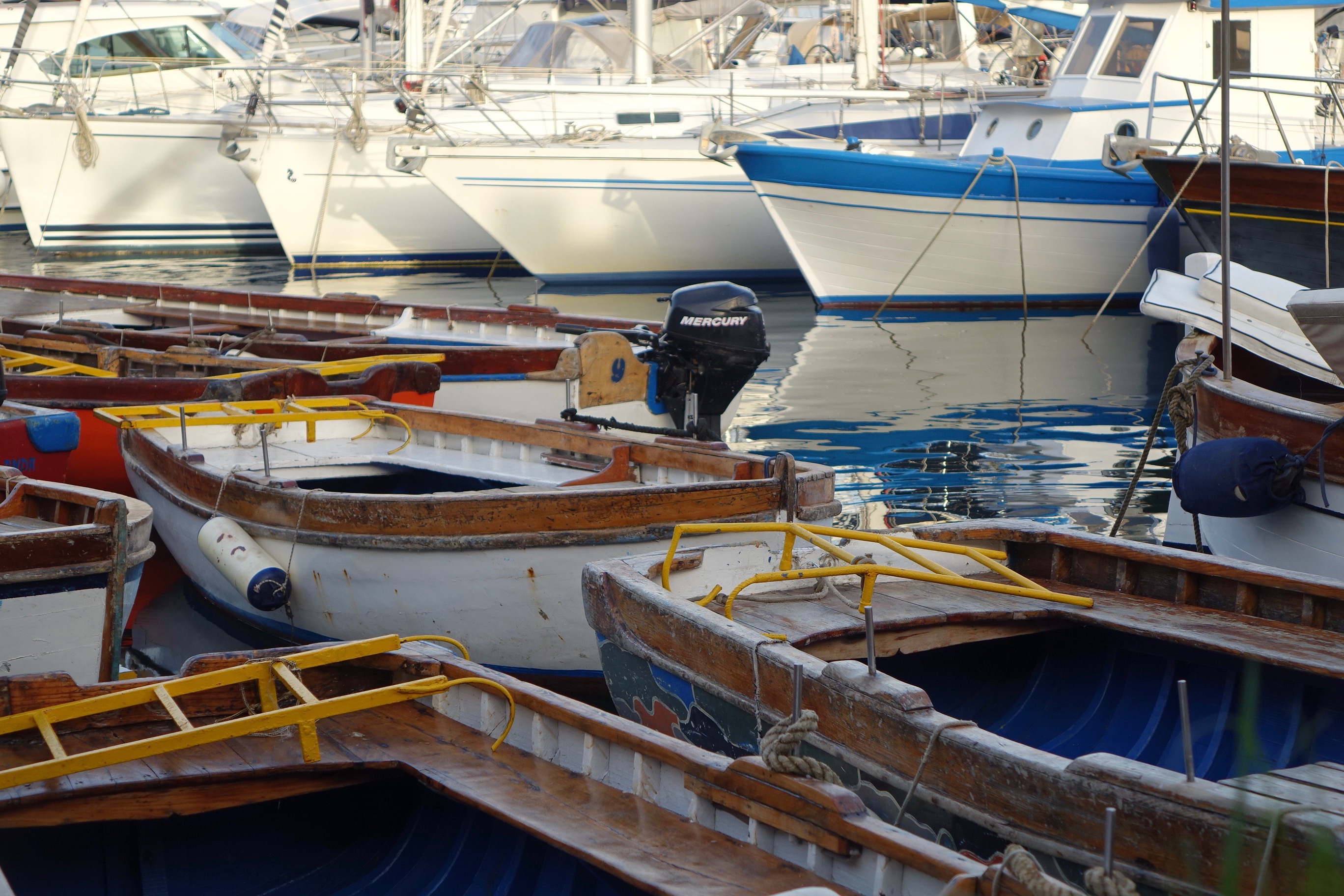
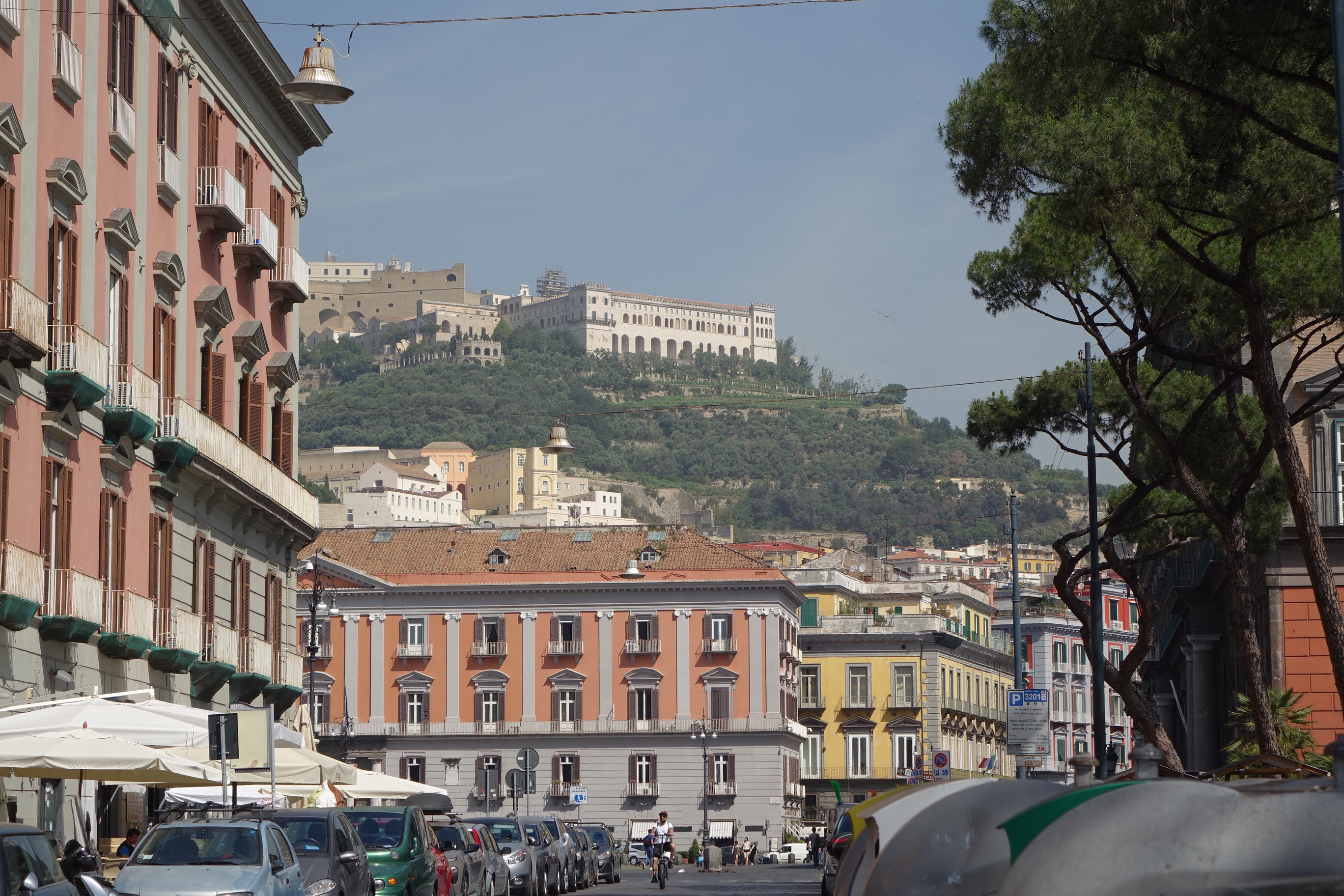
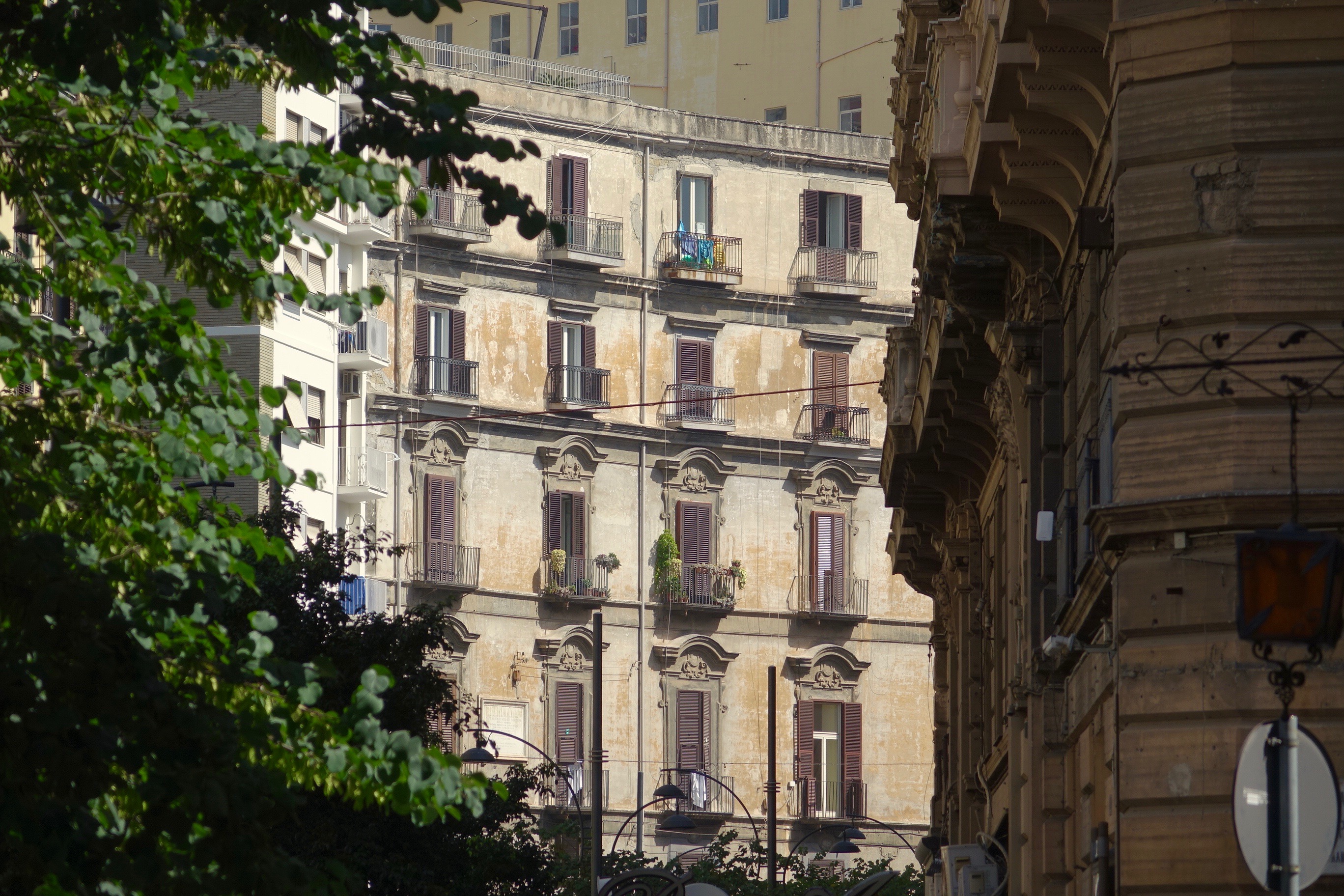
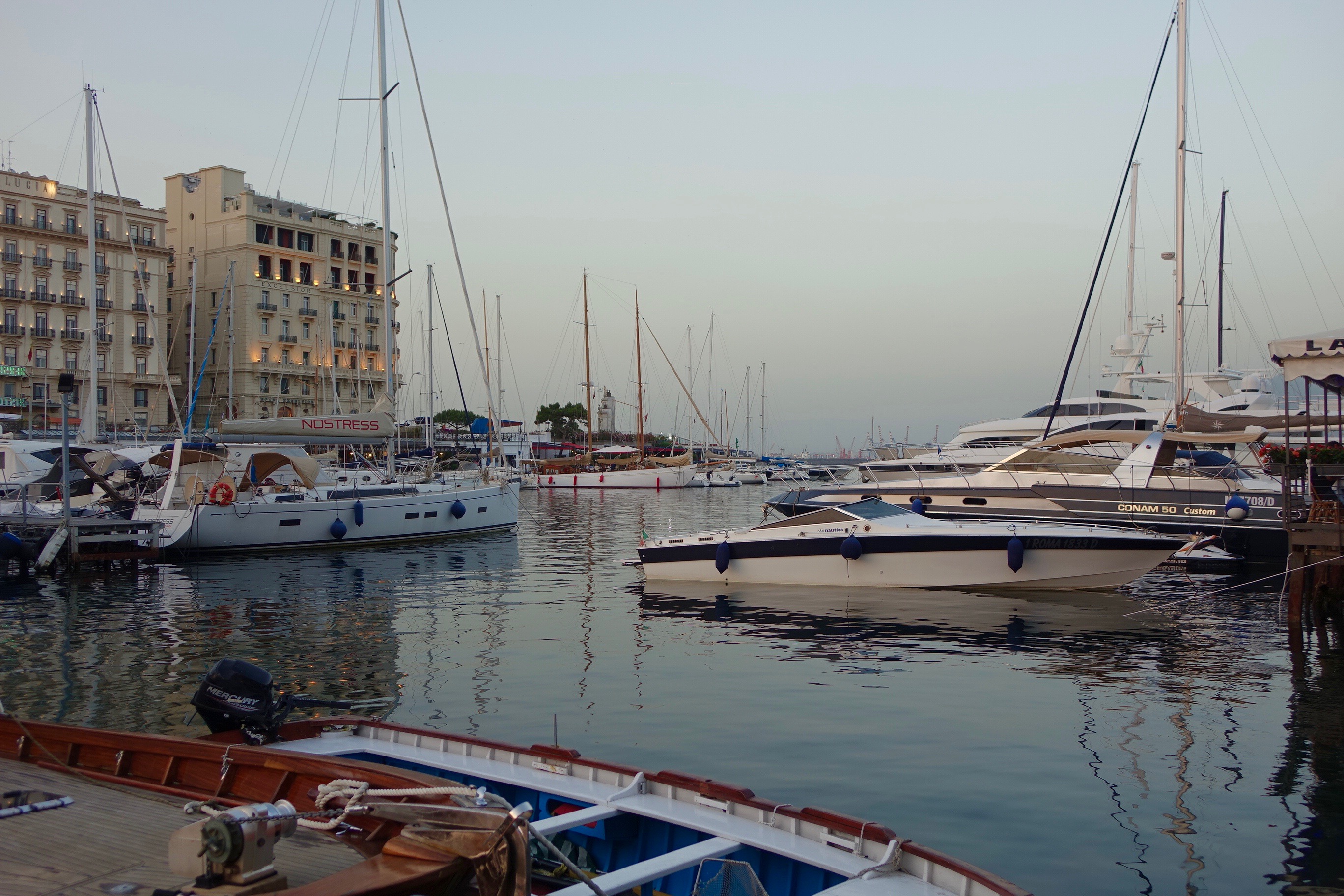
That same scene was to occupy a prominent place in our admiration of Naples, and this first, photographic post from our holiday is something of a prologue to the story that will follow. It is a collection of our first impressions – the view by sunset, and in the morning; the nearby Castel dell’Ovo and the Port of Santa Lucia, and the tenement blocks clinging precariously to steep hillsides nearby. And of course that looming, dramatic shadow of Vesuvius, an omnipresent backdrop to a city which thrives on its fertile soils, but is always living on the edge of disaster, knowing that a volcanic end is, like the sword of Damocles, a constant and real risk.

DSC02295DSC02716DSC02989DSC03006DSC02994DSC02307DSC02377DSC02316DSC02331DSC02321DSC02310DSC02301DSC02299DSC02999

Perhaps the presence of Vesuvius is why Naples feels both dangerous but alive, full of hot fiery tempers but a tangible vivacity for life. It’s a feeling which energises Naples, and makes it one of the most interesting cities to visit in Italy. Come back soon to the Daily Norm, to find out what happened when we made Naples our base for a few days.

© Nicholas de Lacy-Brown and The Daily Norm, 2019. Unauthorised use and/or duplication of the material, whether written work, photography or artwork, included within The Daily Norm without express and written permission from The Daily Norm’s author and/or owner is strictly prohibited.