Skip to content

Posts tagged ‘food’

Miro’s Chocolateria: the C’an Joan de S’Aigo

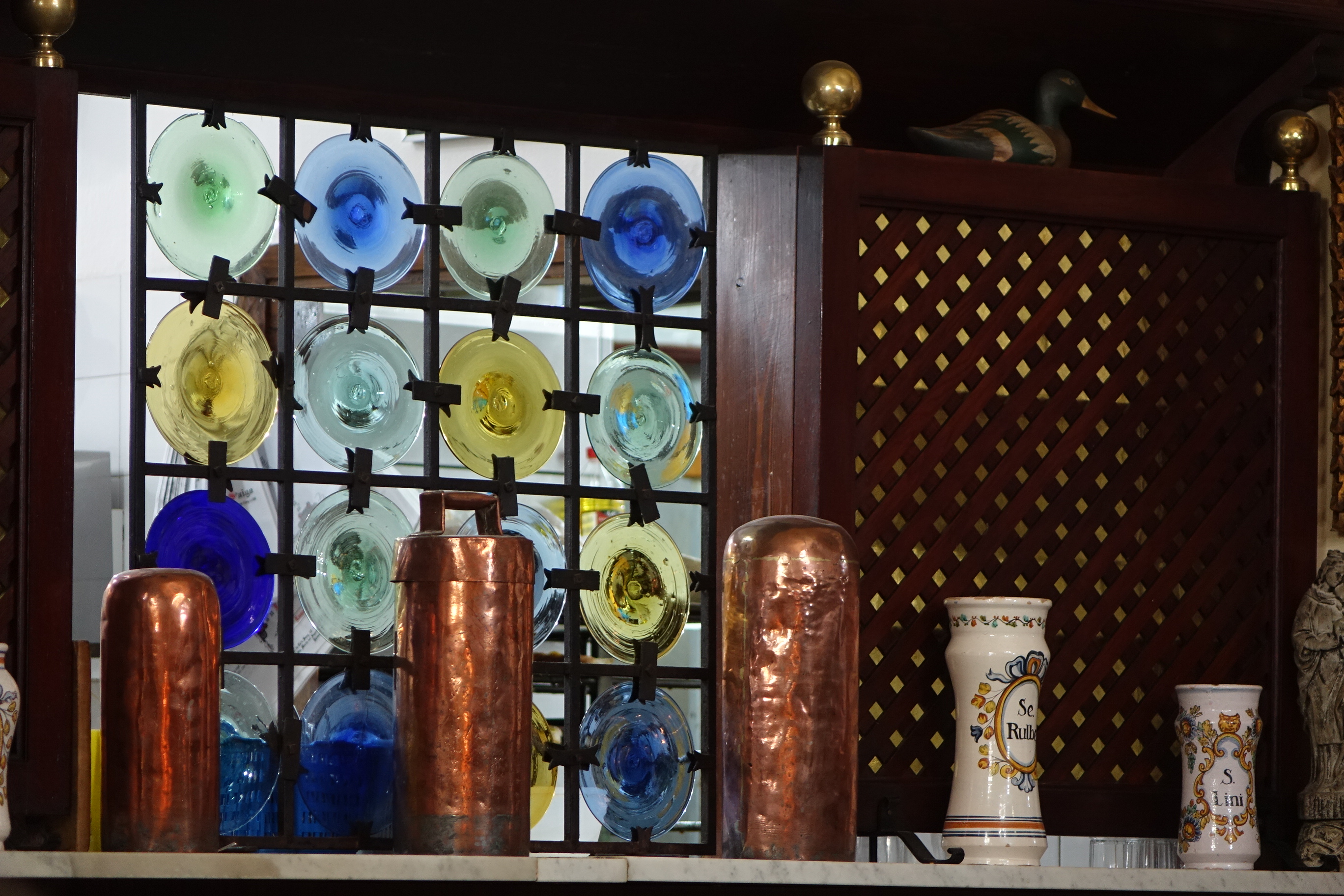
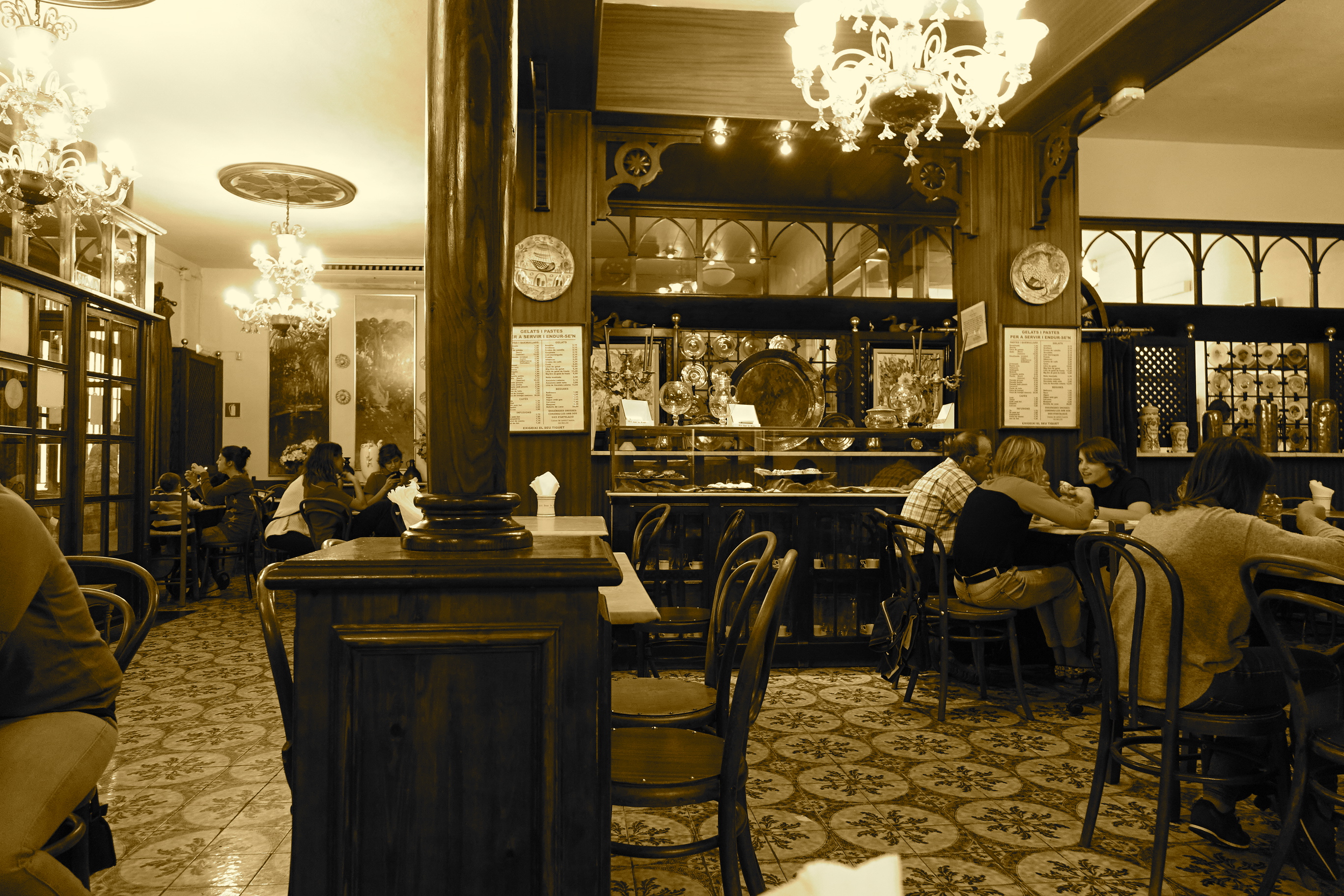
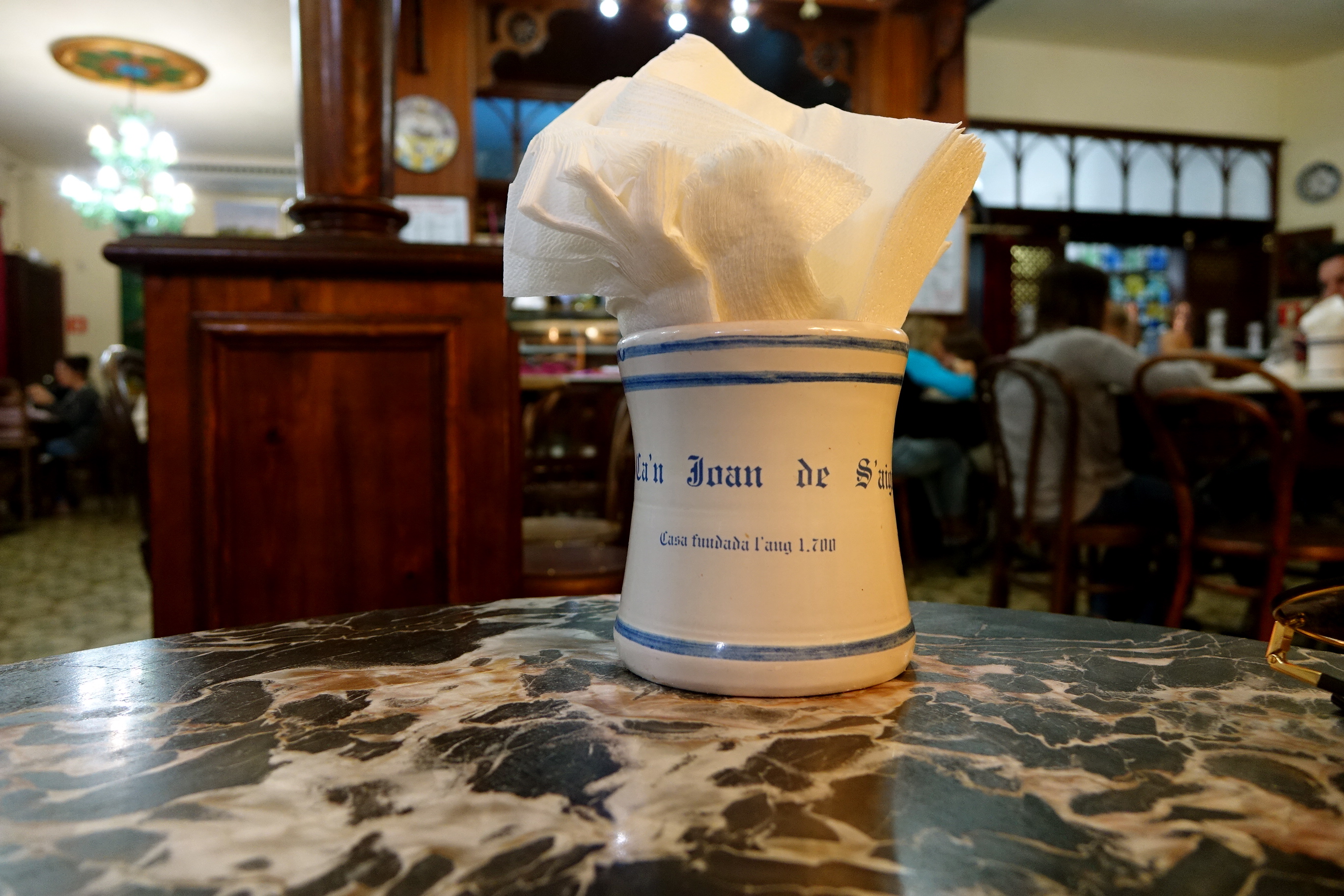
If it was good enough for Joan Miro, then it is certainly good enough for me… For the C’an Joan de S’Aigo is a café with a venerable history and a list of clientele past and present so long that it can probably count all of Mallorca’s most famous residents among its number, including the great artist Miro himself. Nestled within the maze of nostalgic alleyways which make up the oldest core of Palma’s centre, the C’an Joan de S’Aigo was founded in 1700 and as such is Palma’s oldest eatery. Founded when the cafe’s namesake had the idea of bringing down ice from the Tramuntana mountains and serving it richly flavoured in the earliest form of ice cream, the C’an Joan de S’Aigo is today equally famous for its rich pickings of local pastries and steaming hot chocolate.

DSC00626 DSC00624 DSC00606 DSC00605 DSC00603 DSC00599 DSC00595 DSC00591

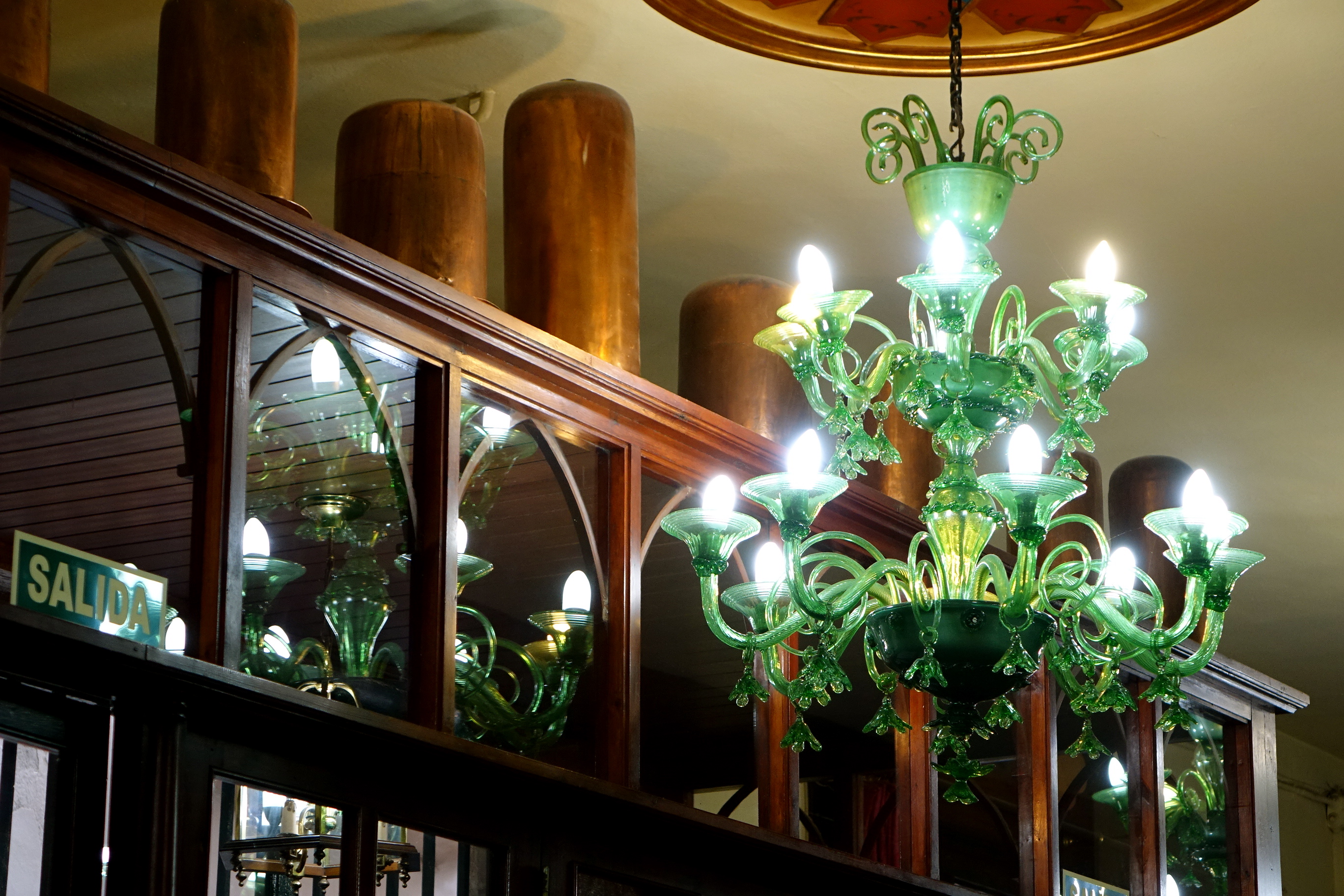
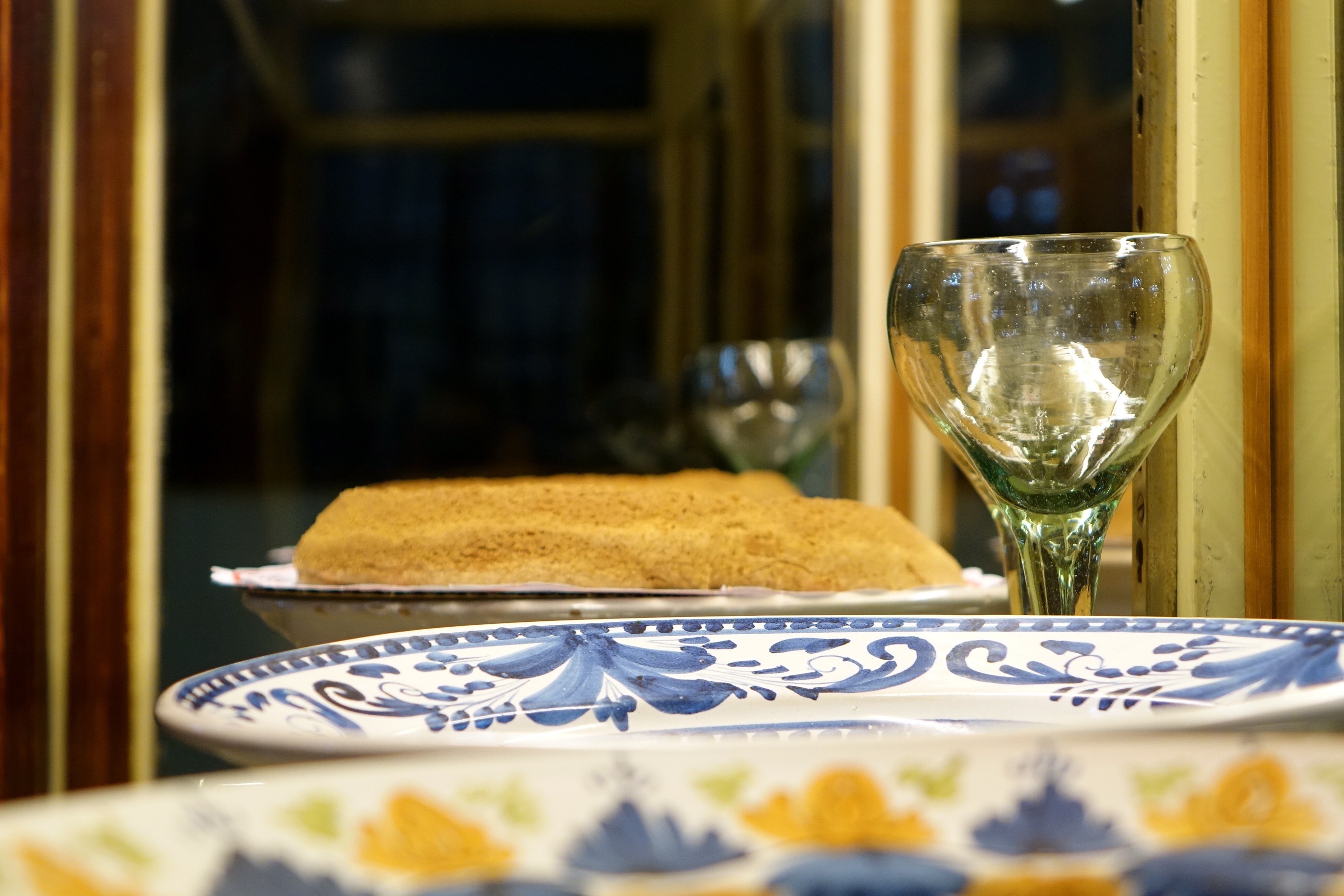
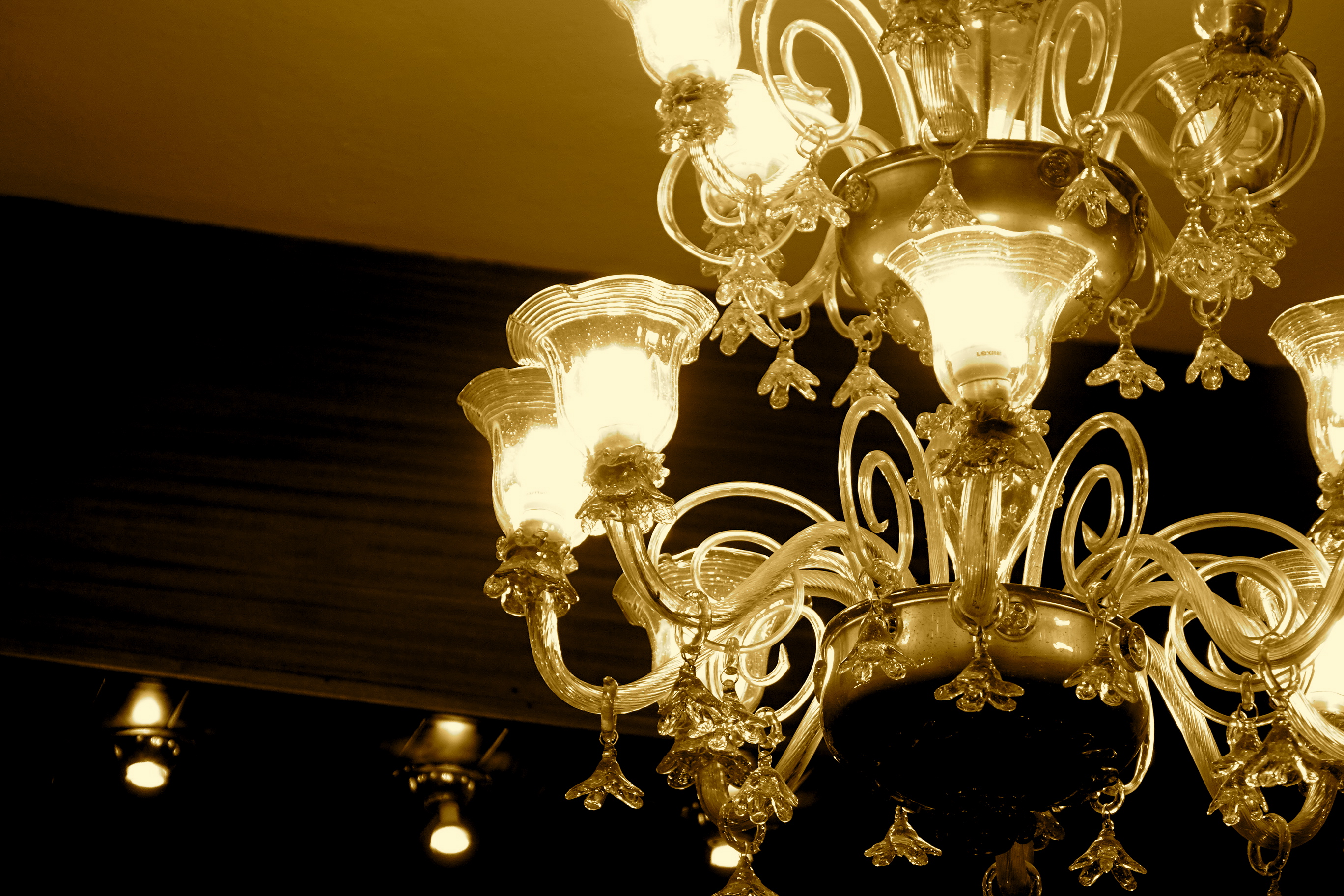
Despite the age of this quaint faded café, the locals of Palma have never allowed it to go out of fashion: When we sampled the café after our dip in the sea last weekend, it came after several failed attempts to visit previously – for each time we have been along, the place has heaved with locals who head to the café at the traditional merienda hour to sample ice cream piled high from small glasses and creamy indulgent hot chocolate. But it was worth the wait. Sat amongst the traditional interiors packed with blue and white ceramics, colourful glass chandeliers, copper kettles, filigree vases and wooden thrones, we feasted greedily on a sampling of the cafe’s local pastries, all of which tasted all the better when coated with a velvety layer of that legendary hot chocolate.

For Dominik, a sweet bun made, surprisingly, of potatoes (coca de patata) was a light and fluffy counter to the liquid silk of chocolate steaming in a cup before him. For me, a richer, creamier ensaïmada – the local specialist pastry which you can find all over town and which tourists buy in their plenty in what resemble giant hat boxes. Made in Mallorca even before the C’an Joan de S’Aigo was founded, the ensaïmada is made from dough which has been repeatedly folded with pork fat – much like puff pastry – and then either served sprinkled with sugar, or filled with other such goodies. And my filling of cold custard oozed and melted as it dipped into the hot chocolate with as much unctuous delight as melted butter on a warm crumpet. 

DSC00610 DSC00594 DSC00621 DSC00588 DSC00590

Thoroughly disgusted by our self-indulgence, but rather rewarded by our dip into local culture, we swiftly decided that a visit to C’an Joan de S’Aigo must become a weekly tradition. How else can one become integrated into Mallorquin society?

The C’an Joan de S’Aigo café can be found hidden away just off from the church of Santa Eulalia on the Carrer Can Sanc 10. It’s open daily 8am-9pm except Tuesdays.

Tahini Marbella: Dedication to the Sea

As the name of the town suggests, the sea is the heart and soul around which the whole of Marbella is Southern Spain revolves. Its calm cerulean waters sensuously stroke and steadily sculpt the length of long sandy beaches which attract thousands of visitors to the town every year; its sparkling steady waves reflect lovingly on the gleaming white sides of the super-chic yachts which habitually pack Marbella’s various marinas; and it provides the wealth of super-fresh, mouth wateringly delicious seafood which is at the apex of Marbella’s breadth of superb gastronomic offerings.

And of course few would disagree that the best way to sample that seafood is barely cooked and fresh out of the waters, served simply and elegantly so that its full flavours and textures can shine through. Consequently, it would be hard to find a cuisine better able to capitalise upon this fresh Mediterranean cuisine than sushi, but until now, few restaurants in Marbella have managed to create sushi which offers a fitting tribute to the wealth and quality of Marbella’s seafood offerings. Until now.

Marbella Tahini

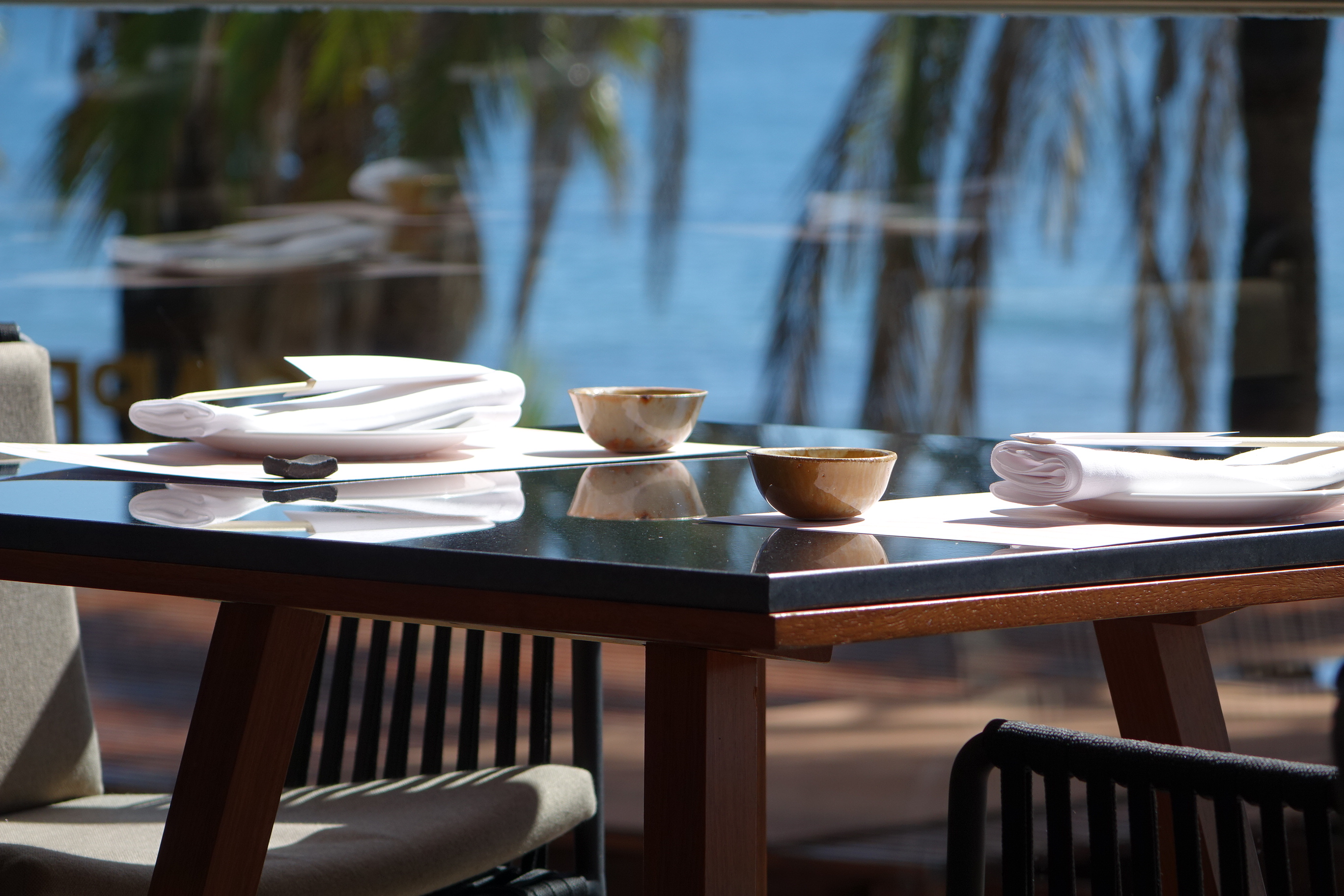
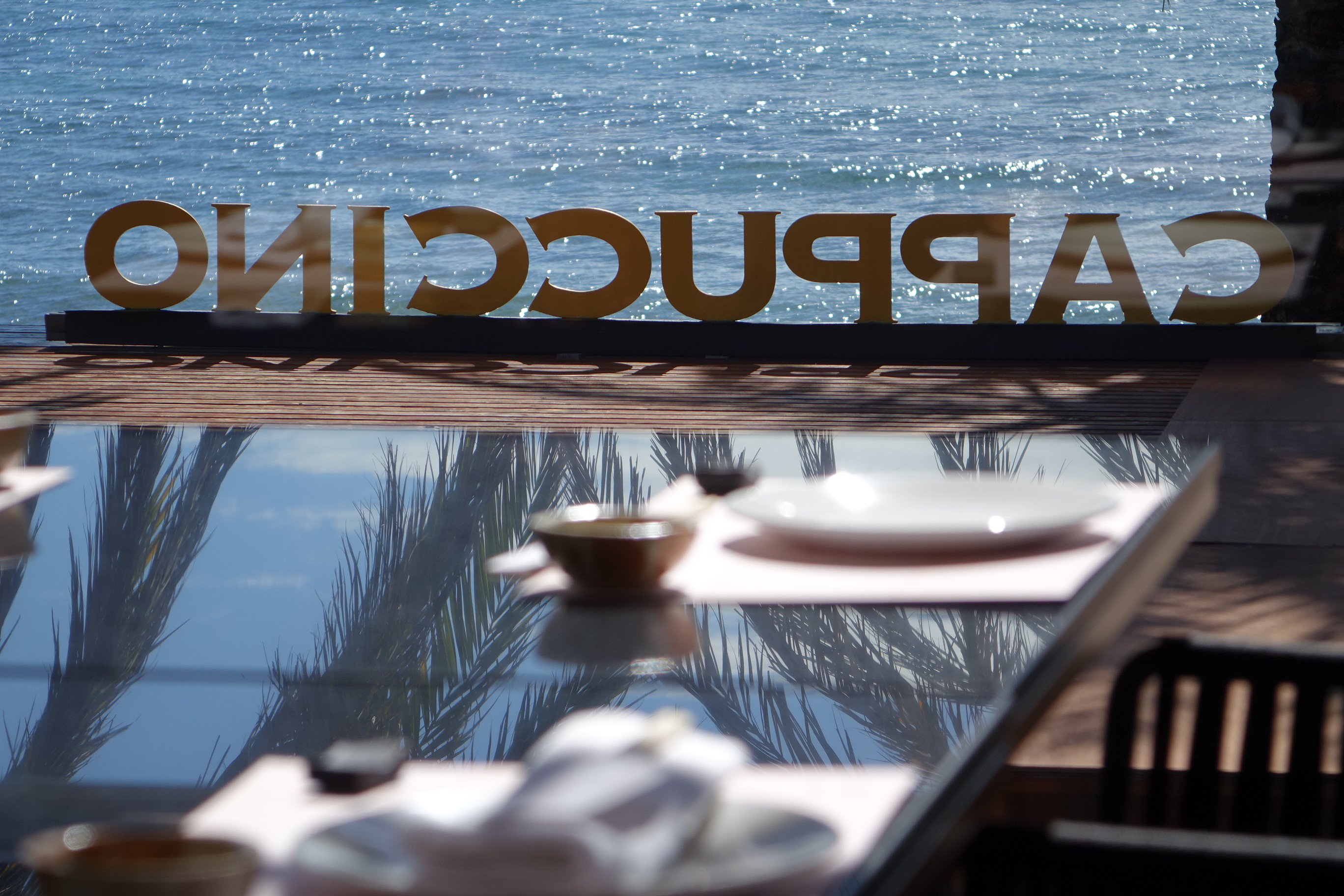
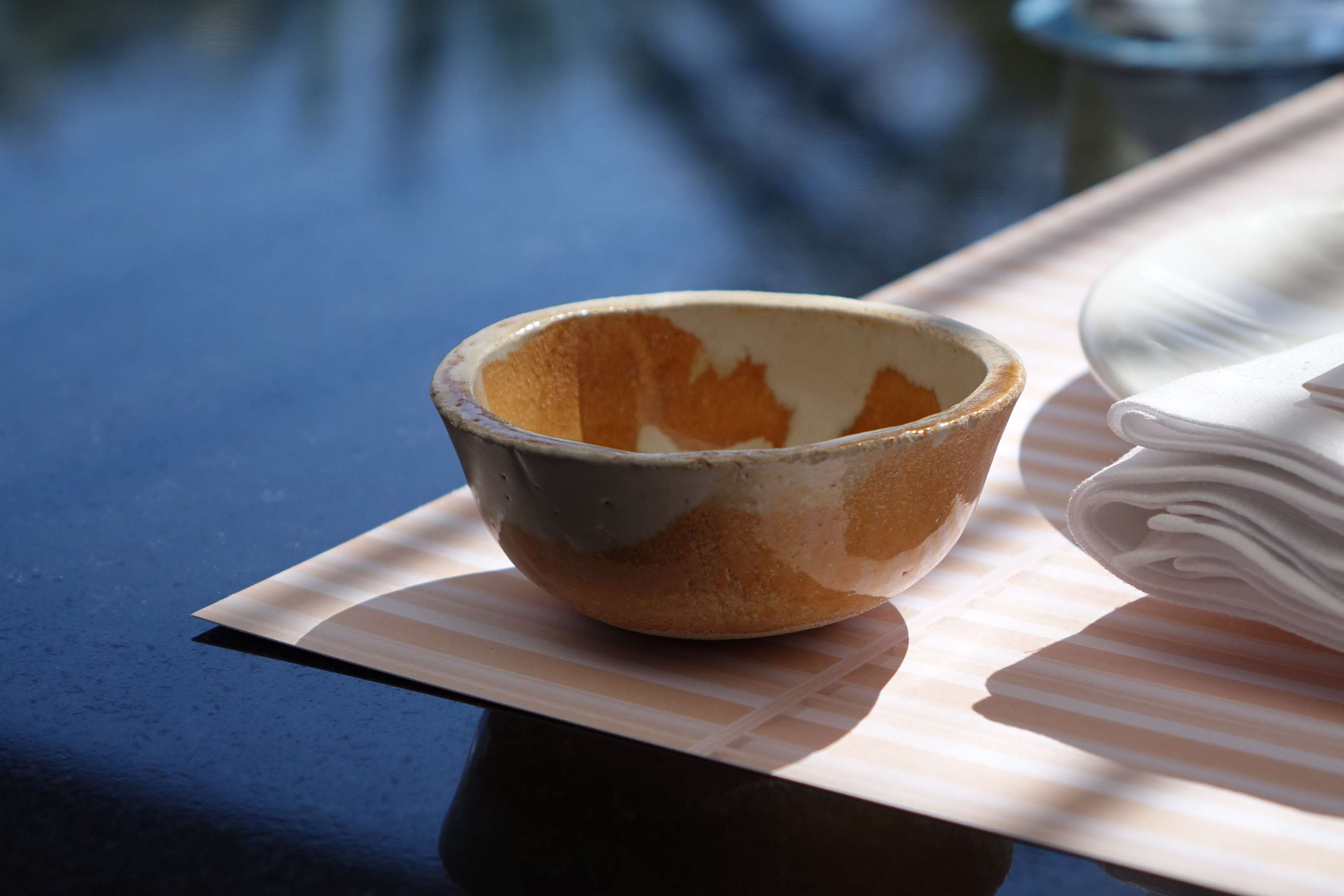
DSC09743 DSC09734 DSC09738 DSC09834 DSC09741 DSC09835

Following hot on the heals of the unrivalled success of Grupo Cappuccino’s first Marbella Cappuccino Grand Cafe in 2011, set within the lush surroundings of pine tree covered gardens at the foot of the Gran Melia Don Pepe hotel, the group have now opened their first Tahini restaurant, a mere stone’s throw from Cappuccino, in the same Eden of pine trees, palms and unbeatable Mediterranean views. Situated just above Cappuccino, Tahini is the younger sister of the sensational Mallorca restaurant of the same name. Nestled just off the harbour side of the fashionable Puerto Portals, the Mallorca Tahini is like a secret garden paradise. My first visit there in May 2013 opened my eyes so wide as I took in the magical wonder of its low lit restaurant and picture-perfect candlelit garden, and tantalised my mouth so thoroughly with the exquisite freshness of its cuisine, that it has remained utterly unrivalled by all subsequent sushi experiences both in Spain and around the world.

The interior

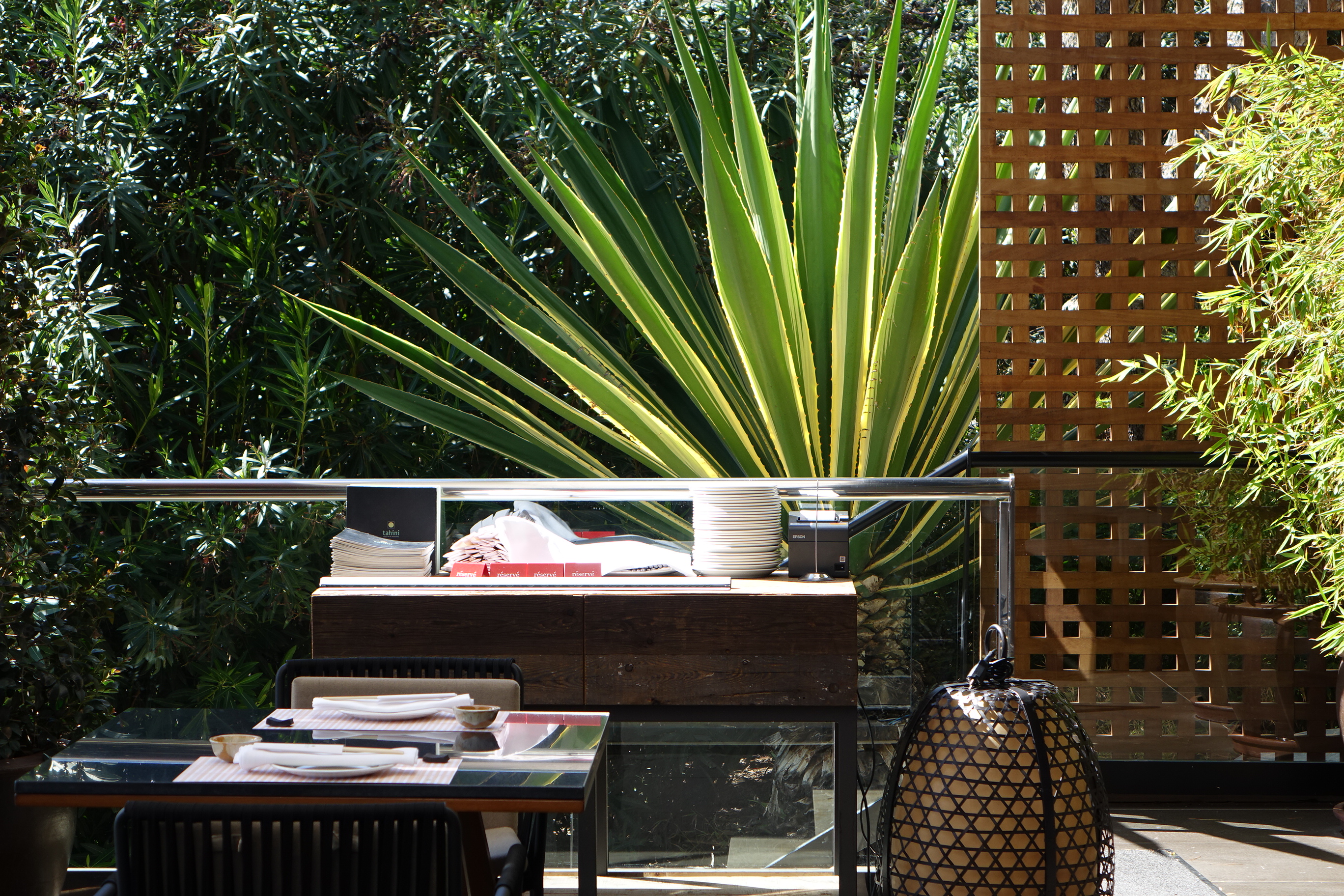
DSC09804 DSC09822 DSC09818 DSC09797 DSC09786 DSC09813

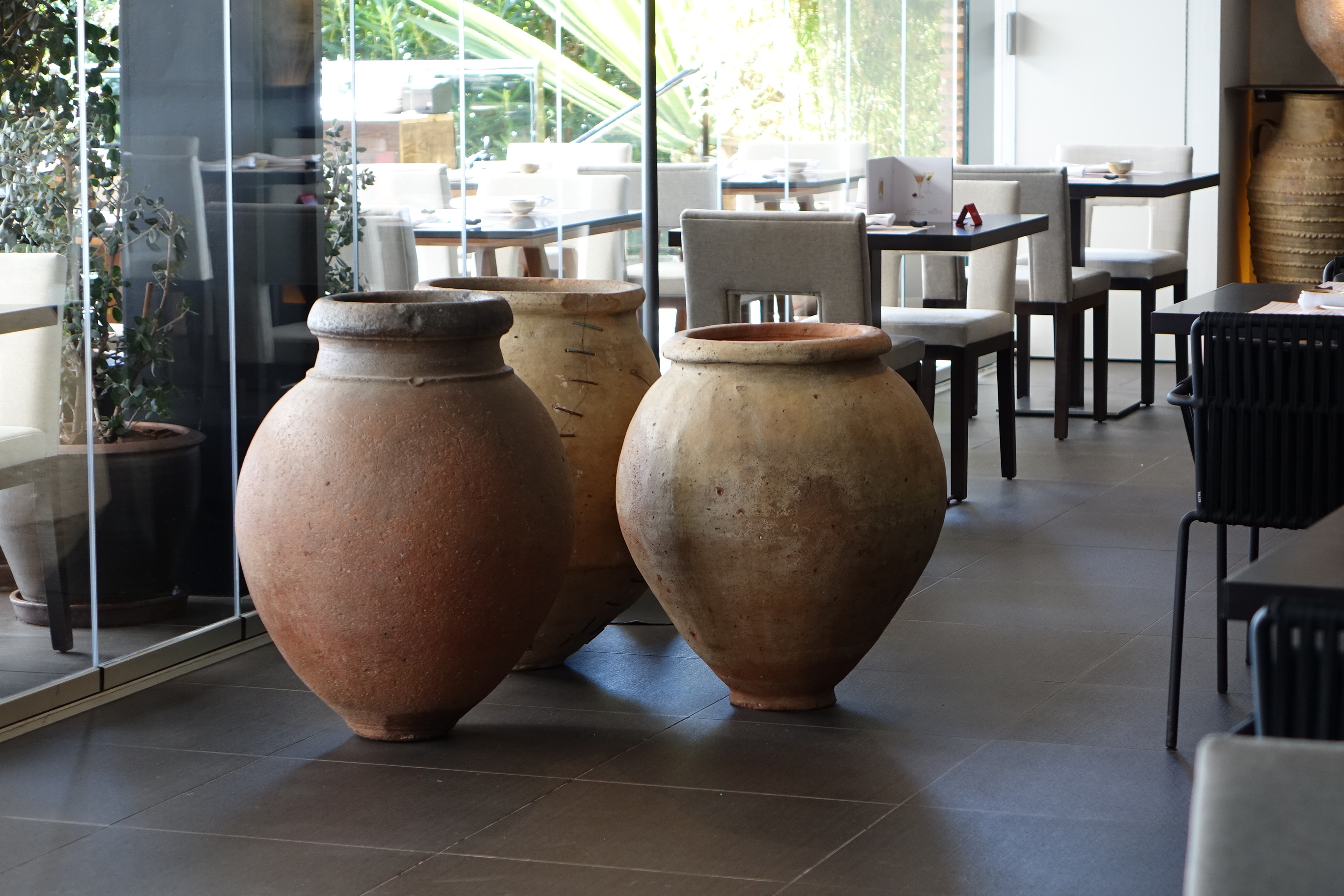
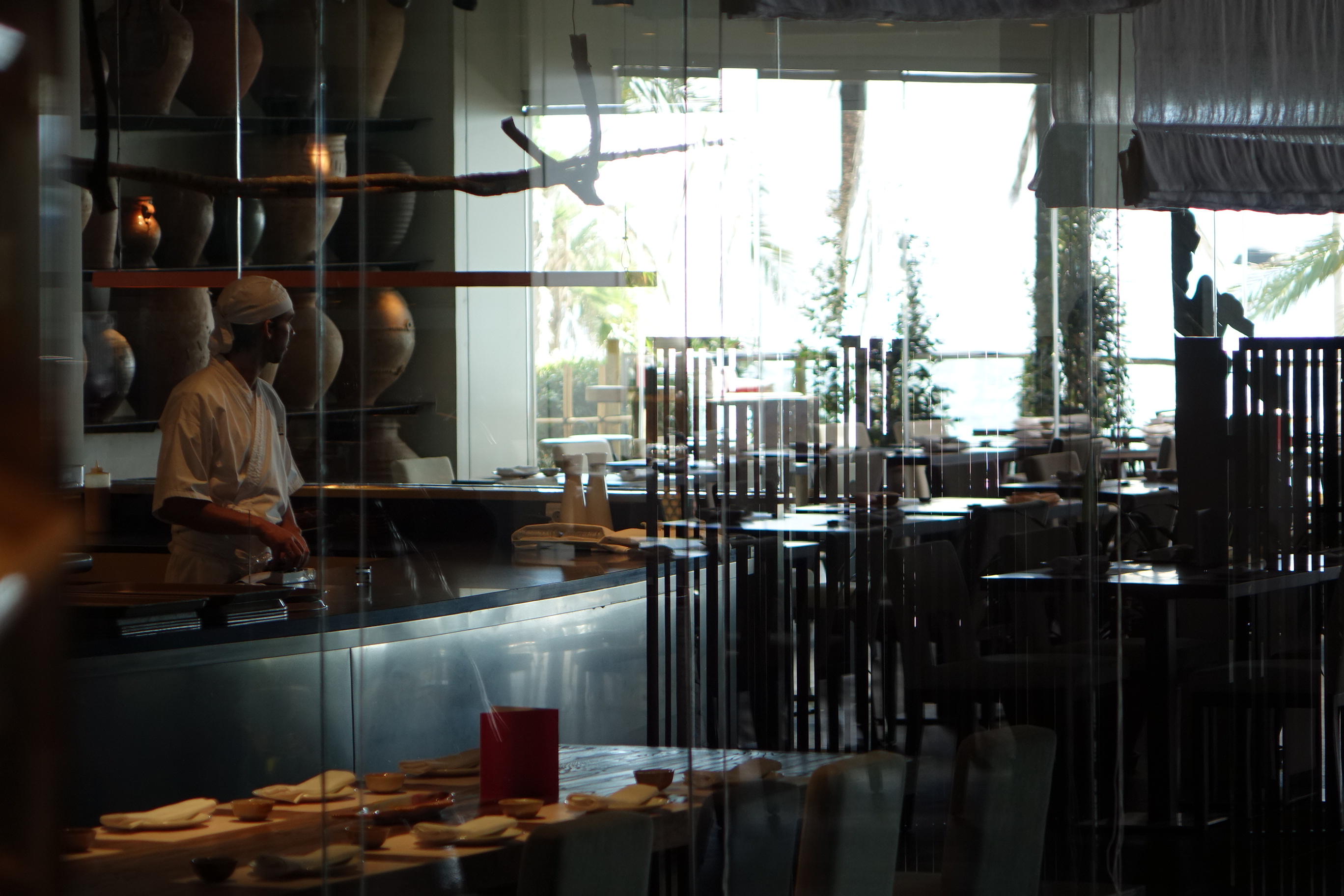
But happily, Tahini’s success is now being replicated a second time, with the same stunning quality of sushi being offered to diners in Marbella in so spectacular a setting that each of their senses will be tickled and enticed with equal measure. Outside on the terrace, polished minimalist tables reflect the abundance of palm trees which hang proudly over the marble-lined paseo maritimo just outside the restaurant, while every seat provides that perfect sea view overlooking the Straights of Gibraltar to Africa. Inside the restaurant, a cosy elegance suffuses the atmosphere, as diners eat alongside walls loaded with Mediterranean pottery of every shape and size, while a glass cube at the heart of the restaurant offers an unrivalled view of the Tahini chefs, plying their trade and ensuring that every detail of this note-perfect menu is taken care of. And don’t miss the corridor out to the toilets at the back of the restaurant: lined with crates and boxes filled with what looks like ice and every variety of fresh fish, it is in fact a clever recreation of a market scene, with glass ice and ceramic fish, emphasising that only the best and freshest of ingredients will be used by the chefs at Tahini. And was it my imagination or could I hear the bustle of a market subtly sounding in the background as I walked through this make-believe fish market?

The Tahini “market”

DSC09770 DSC09776 DSC09781 DSC09777

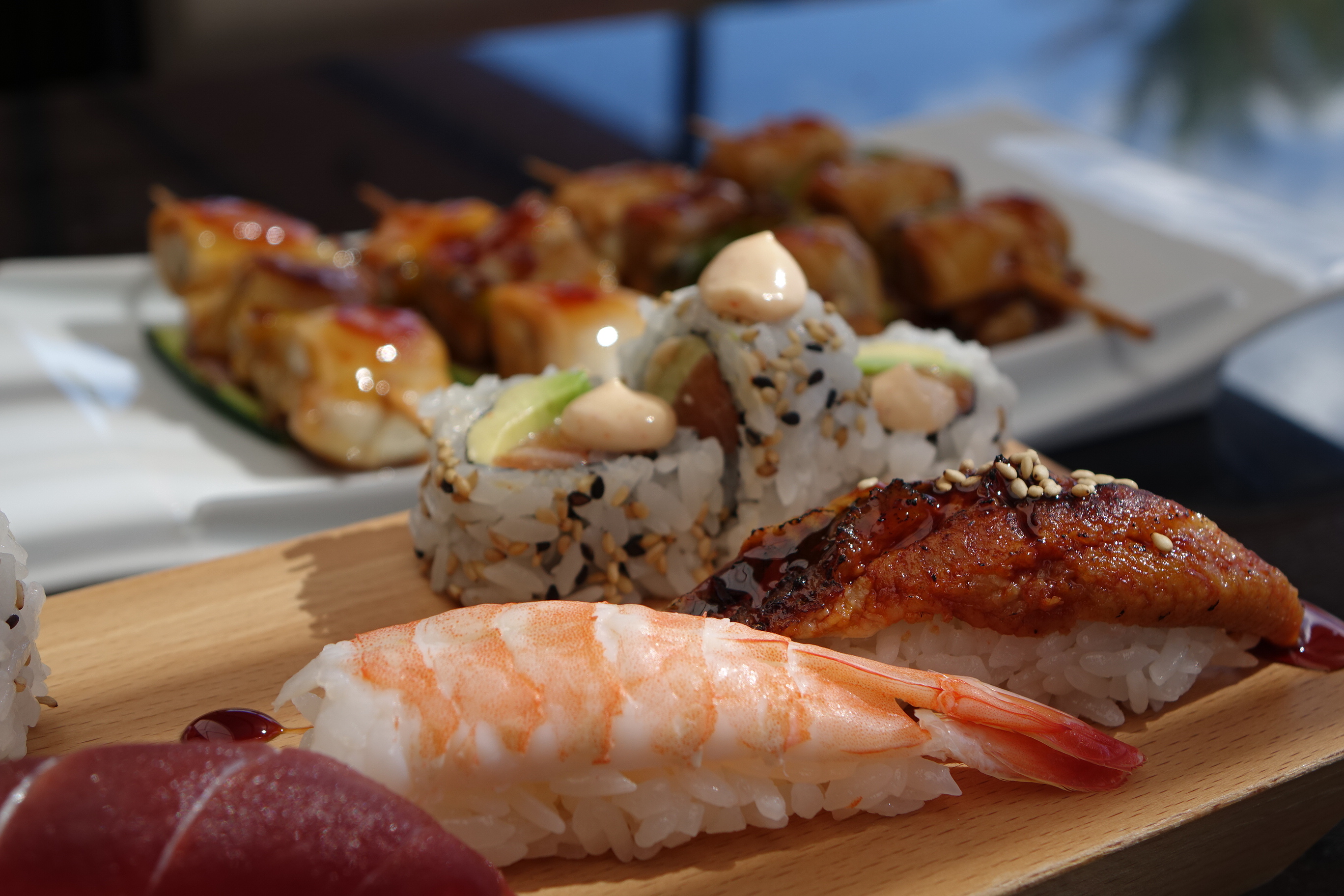
But beyond this incredible setting, Tahini’s success comes down to that food – cuisine which is not only apt dedication to the sea from where it came, but a brilliantly sophisticated take on the sushi concept, with fish so fresh that it melts on the tongue, and food so beautifully presented that, like me, you will probably spend more time taking photographs than enjoying the flavours as they dissolve so lovingly into every corner of your mouth.

A true dedication to the sea

DSC09750 DSC09759 DSC09758 DSC09760

Tahini’s new family member more than lives up to the standards set down by its Mallorca sister, and is a glittering new jewel standing proudly in Marbella’s ample gastronomic crown. For more information, see the Tahini website.

All photos and written content are strictly the copyright of Nicholas de Lacy-Brown © 2014 and The Daily Norm. All rights are reserved. Unauthorized use and/or duplication of the material, whether written work, photography or artwork, included within The Daily Norm without express and written permission from The Daily Norm’s author and/or owner is strictly prohibited.

Tuscan Town Triple: Numero Tre – Monteverdi and the Vineyards of Donoratico

Monteverdi Marittimo is, on the map at least, mere kilometres from the little Tuscan Town of Castagneto where we journeyed on yesterday’s Daily Norm. But as the name suggests, Monteverdi rests atop a very green mountain, and the map does little to betray the extensively meandering length of road which takes a good half an hour to wind round and round the ascent of that mountain to reach the town on the top. As you do so, it is interesting how the air becomes yet clearer still, and the surroundings greener and more forested than ever – this is after all the terrain of the wild boar and the various huntsmen who annually go in their pursuit. 

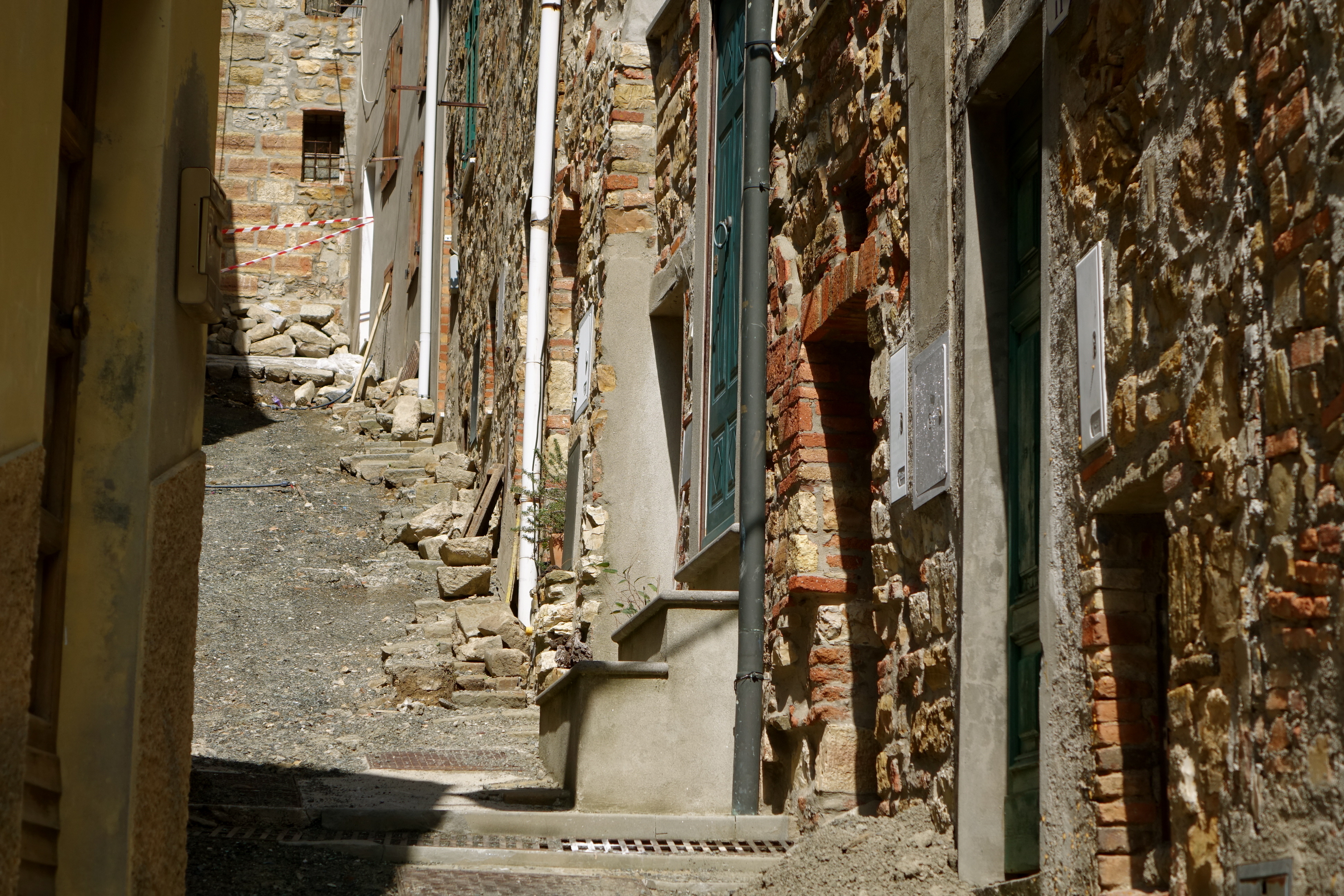
Upon our eventual arrival in this tiny town, the spirit and feel of the hunt was very much in the air. The town has an altogether more “gamey” feel to it. Take away the sun and you might have been in Scotland, its old stone cottages and streets looking somewhat hardened by the elements. In fact I half expected to find stags heads and hunting rifles at every turn. Instead I found a atypical Tuscan town metamorphosed into an altogether more robust version of its normal romanticised cliche.

DSC08572 DSC08586 DSC08569

Here the green shutters of the lower towns had been painted a muddy shade of brown; from here the views of the surrounding Tuscan countryside were so much lower down in altitude that they had become misty with distance. But despite the very beautiful results of old town against winning views, the town lacked soul. It’s streets were empty – we didn’t see a soul – almost as though the whole population had heard of an oncoming disaster, something of which we remained blissfully unaware, that is at least until we had lunch at the Trattoria del Pettirosso whereupon a disaster really did unfold – a gastronomic catastrophe of chewy badly cut ill cooked steak tagliata and a vino rosso so foully fizzy that the thousands of local wine growers around the town must have had a moments reflex of stomach-churned disgust. 

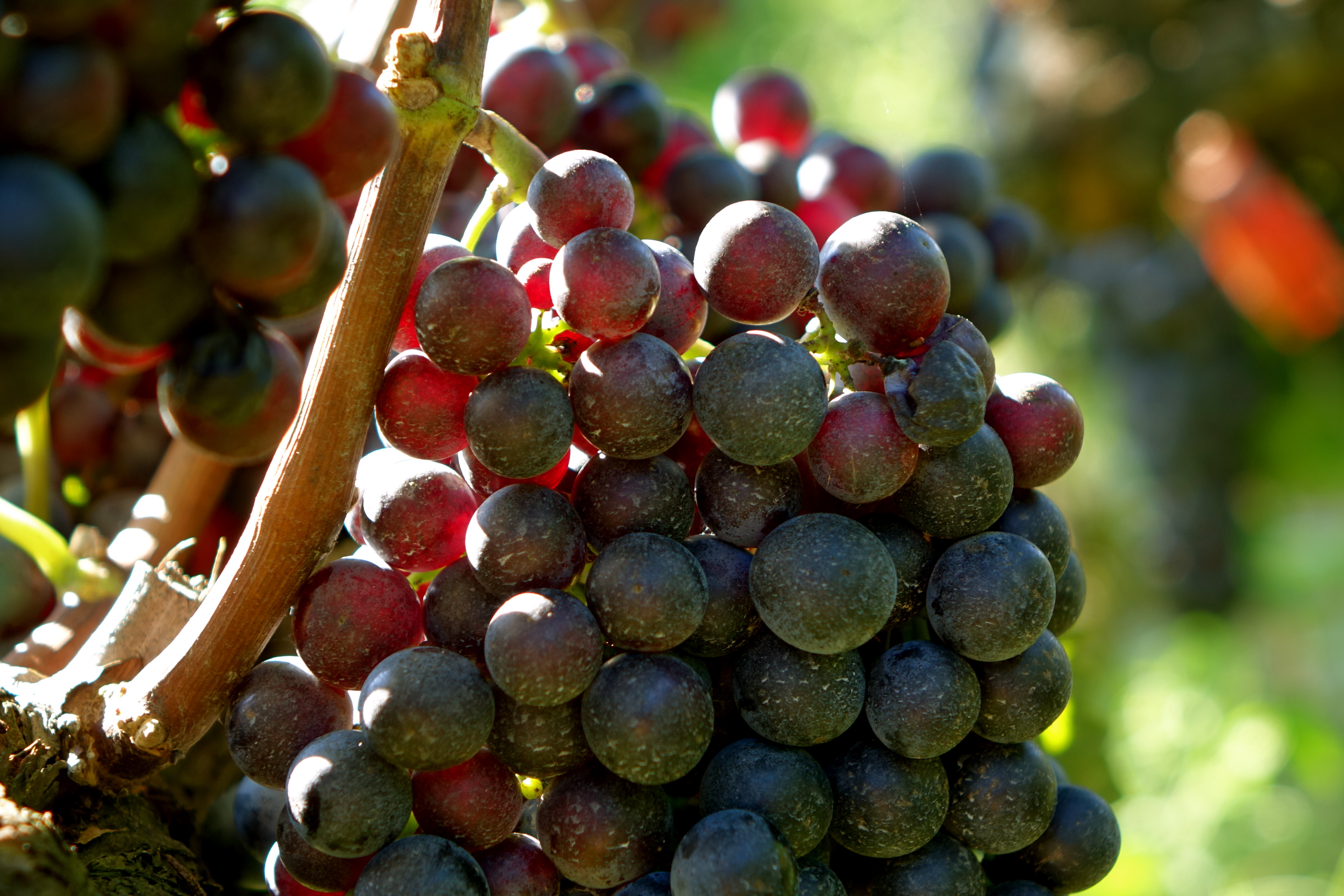
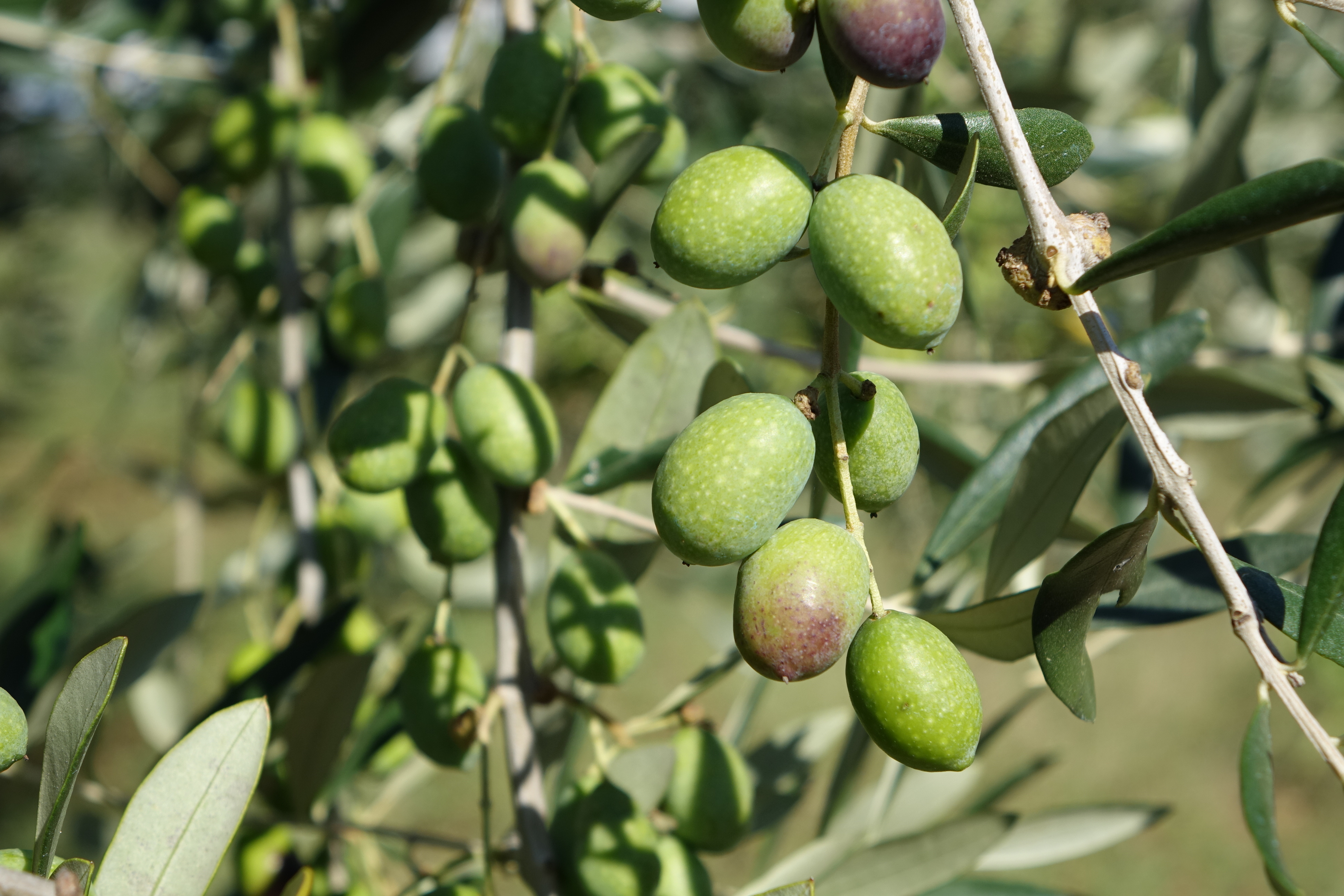
Still, there was no denying the abundance of verdant countryside between Monteverdi and the sea, and as we descended back to ground level, we had the opportunity to wander amongst olive groves and vineyards full of the plumpest sweet grapes, taking the opportunity to sneakily taste one or two – for any day now these will be picked and harvested to make their way into a hopefully far superior wine than the horror which had ensued at lunch. 

DSC08646 DSC08616 DSC08622

All photos and written content are strictly the copyright of Nicholas de Lacy-Brown © 2014 and The Daily Norm. All rights are reserved. Unauthorized use and/or duplication of the material, whether written work, photography or artwork, included within The Daily Norm without express and written permission from The Daily Norm’s author and/or owner is strictly prohibited.

Es Baluard: A fine way to enjoy lunch

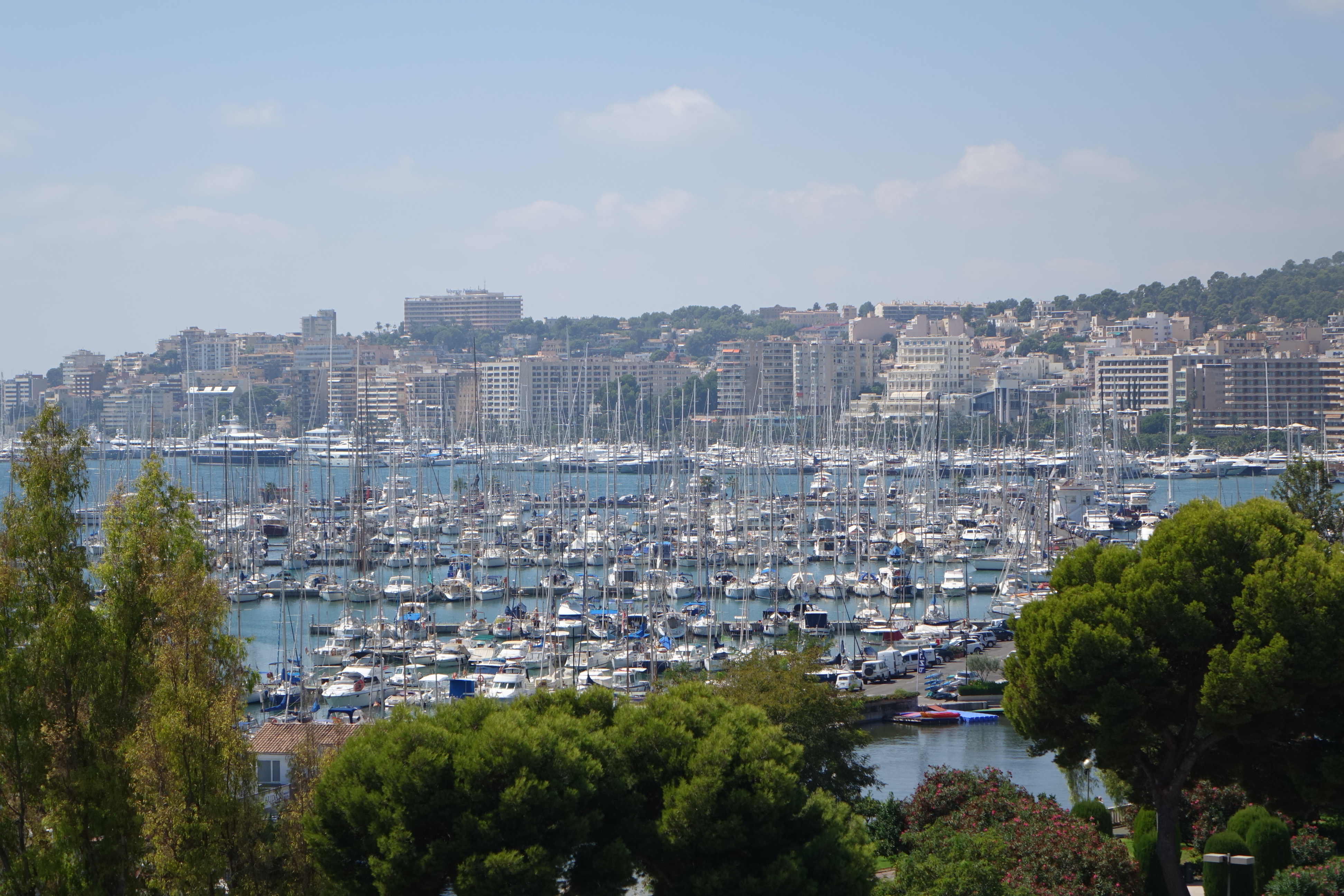
While Northern Europe starts to edge ever so slowly towards the onset of Autumn, with leaves starting to litter the streets, and the mornings and evenings already getting darker, down in the fine sheltered waters of the Mediterranean, it’s still very much the height of summer, and in fact for some places, the temperatures in September are even exceeding what was enjoyed in July and August. Mallorca, prime island of the Balearics, is chief amongst those places enjoying an extended summer, and when I ventured out there only a week ago, the temperatures were roasting. They were so hot in fact that our many plans to stroll around the thriving Metropolis of the island’s capital, Palma, and its wide expansive port were quickly ditched in favour of the cooler options. And as cool goes, it doesn’t get much better than Es Baluard.

Es Baluard is in fact a superb contemporary art museum set within the Sant Pere bastion, part of the Renaissance wall that surrounded the city of Palma until the beginning of the 20th Century. Perhaps because of its outer stone casing, or perhaps because of the chic concrete and glass renovation masterfully fitted within these old ramparts ten years ago, Es Baluard is certainly a chillier hangout, with comfortable inside temperatures which leave you decisively less flustered, leaving you with energy to browse the excellent permanent collection which includes only the Spanish greats, such as Miro and Picasso. 

Es Baluard and its surroundings

DSC07897 DSC07887 DSC07894 DSC06240 DSC07910 DSC07888 DSC07912 DSC07889

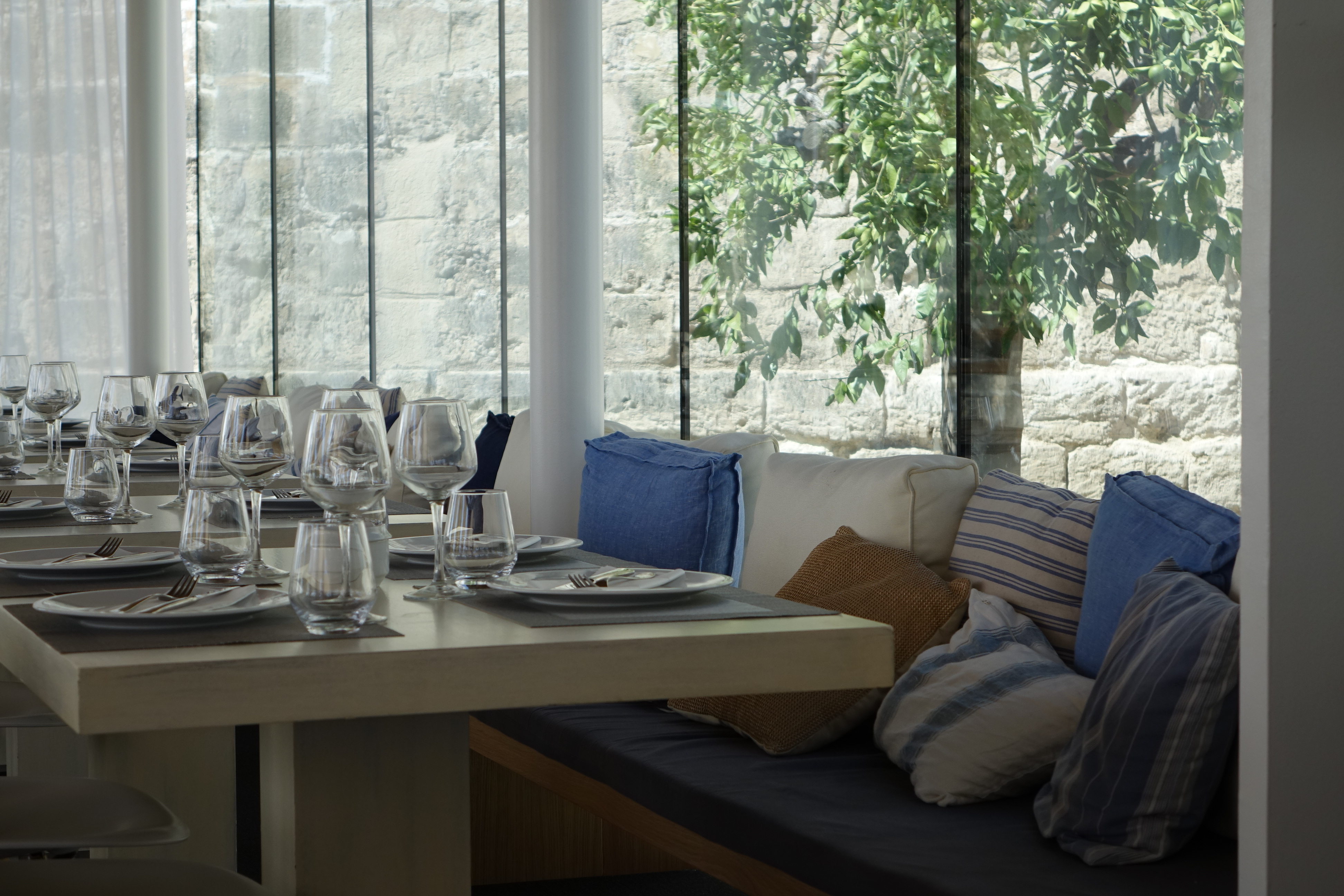
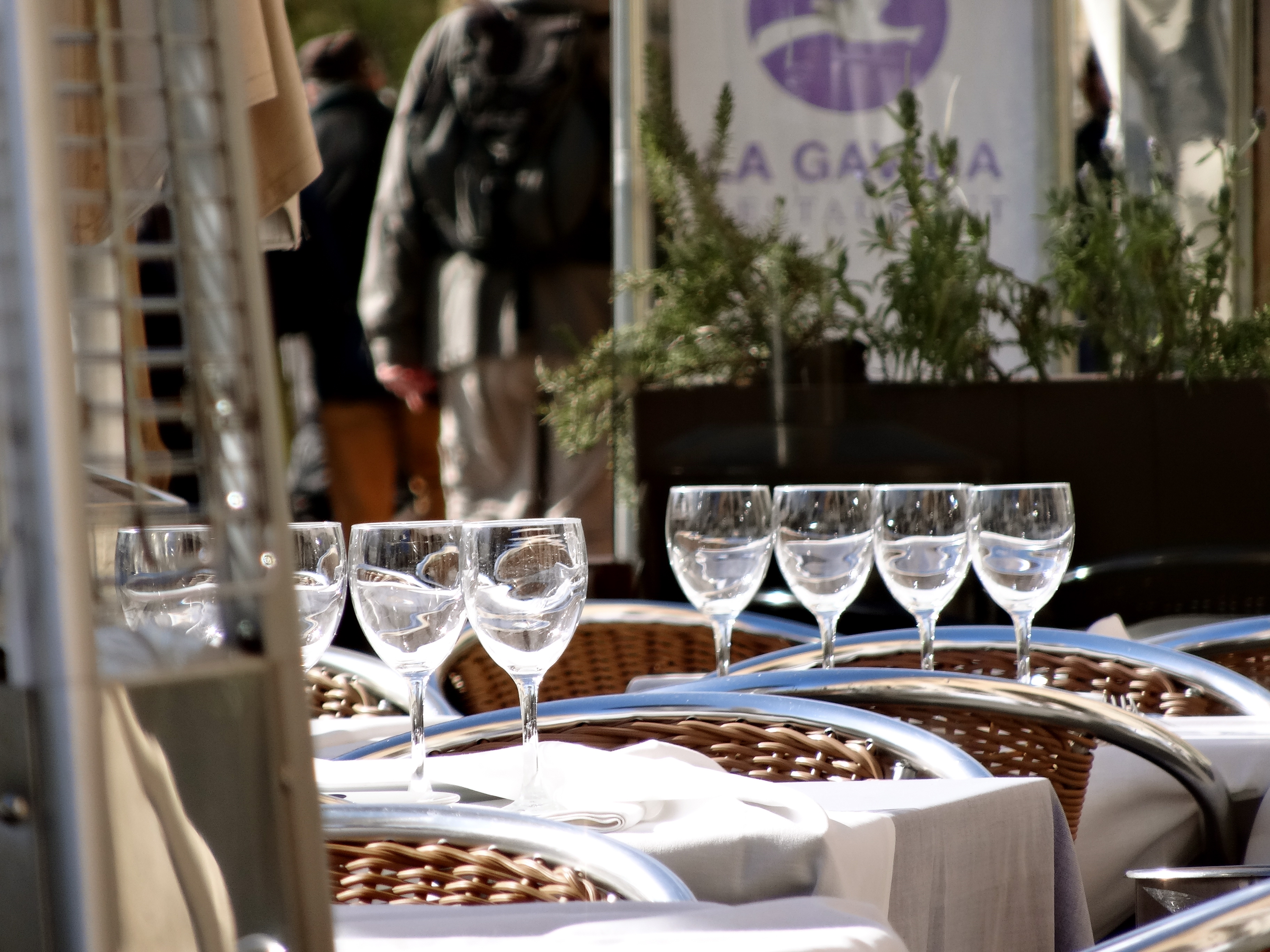
But when the sun is hot, but you still want to benefit from the ultimate in views of Palma’s extensive waterfront, from Bellver Castle across to the city’s magnificent cathedral, you need to head to the super chic café-restaurant attached to the Southern-most wall of the Es Baluard complex. With a broad terrace criss-crossed with shade from a line of well-appointed shade sales, you can choose to lounge out adjacent to those winning views in comfy basket chairs, a cocktail or a cup of tea in hand. Meanwhile, next in line, a cluster of simple wooden dining tables mark the more formal dining spot, with perfectly polished wine glasses glinting in the sun, and contemporary white seating reflecting the style and period of art residing in the building next door. Finally behind these tables, there’s a separate dining area, all encased in a glass cube containing further tables and a little sofa runner packed with cushions showcasing the best in handmade Mallorcan fabrics.

Es Baluard’s well-appointed terrace restaurant

DSC07900 DSC07906 DSC07903 DSC06240 DSC07905 DSC07898 DSC07902 DSC06232

It’s not my intention in this photo essay to talk to you about the food, but rather the extol the virtues of the location and design of this great Mallorcan eatery. However, rest assured that the food is every bit as good as the restaurant’s design, and their trendy lounge soundtrack a perfect accompaniment as you chill besides the seaside. Thinking that I have now extolled those virtues enough, I think it’s time to sign off and let you enjoy the photos. Until next time.

All photos and written content are strictly the copyright of Nicholas de Lacy-Brown © 2014 and The Daily Norm. All rights are reserved. Unauthorized use and/or duplication of the material, whether written work, photography or artwork, included within The Daily Norm without express and written permission from The Daily Norm’s author and/or owner is strictly prohibited.

Naturaleza Muerta

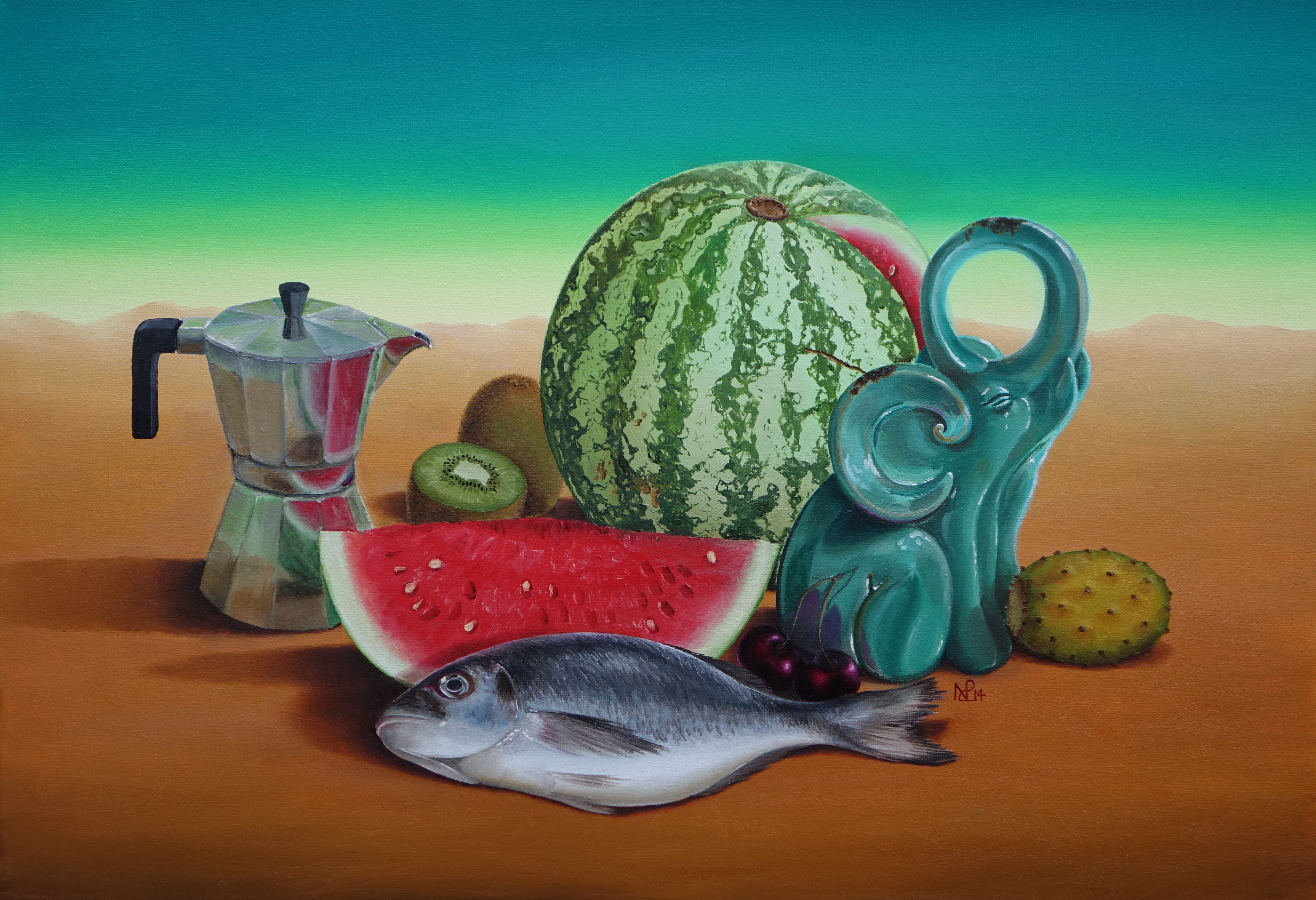
Despite many years of painting, drawing and (most recently) printmaking, and just as much time treading the boards of art galleries around Europe, I have been guilty of a great crime: I forgot all about still lifes. Subconsciously I have somehow discounted them, despite knowing them to be a great staple of art history and art collections around the world, and having enjoyed still life masterpieces such as Cezanne’s various compositions of oranges and apples, and the brilliantly photorealistic depictions of bouquets of flowers and lavish feasts from the Dutch golden age. Yet when I went to the Joaquin Peinado museum in Ronda last month, what really struck me above and beyond the majority of his wonderfully original cubist-inspired paintings, were his still lives. In particular I noticed his deceptively simple depictions of fruit and the odd household item such as a coffee pot, and an idea struck in my head: why don’t I paint a still life?!

By coincidence, before we left for Ronda from Marbella, I had already begun an oil painting – a surreal looking desert landscape which was to be the base of another germ of an idea which was developing in my head. But as soon as my still life idea struck, I realised that the combination of collected objects on a somewhat surreal deserted background would make for the perfect twist on the traditional still life composition. So as soon as we got back from Ronda, I started work.

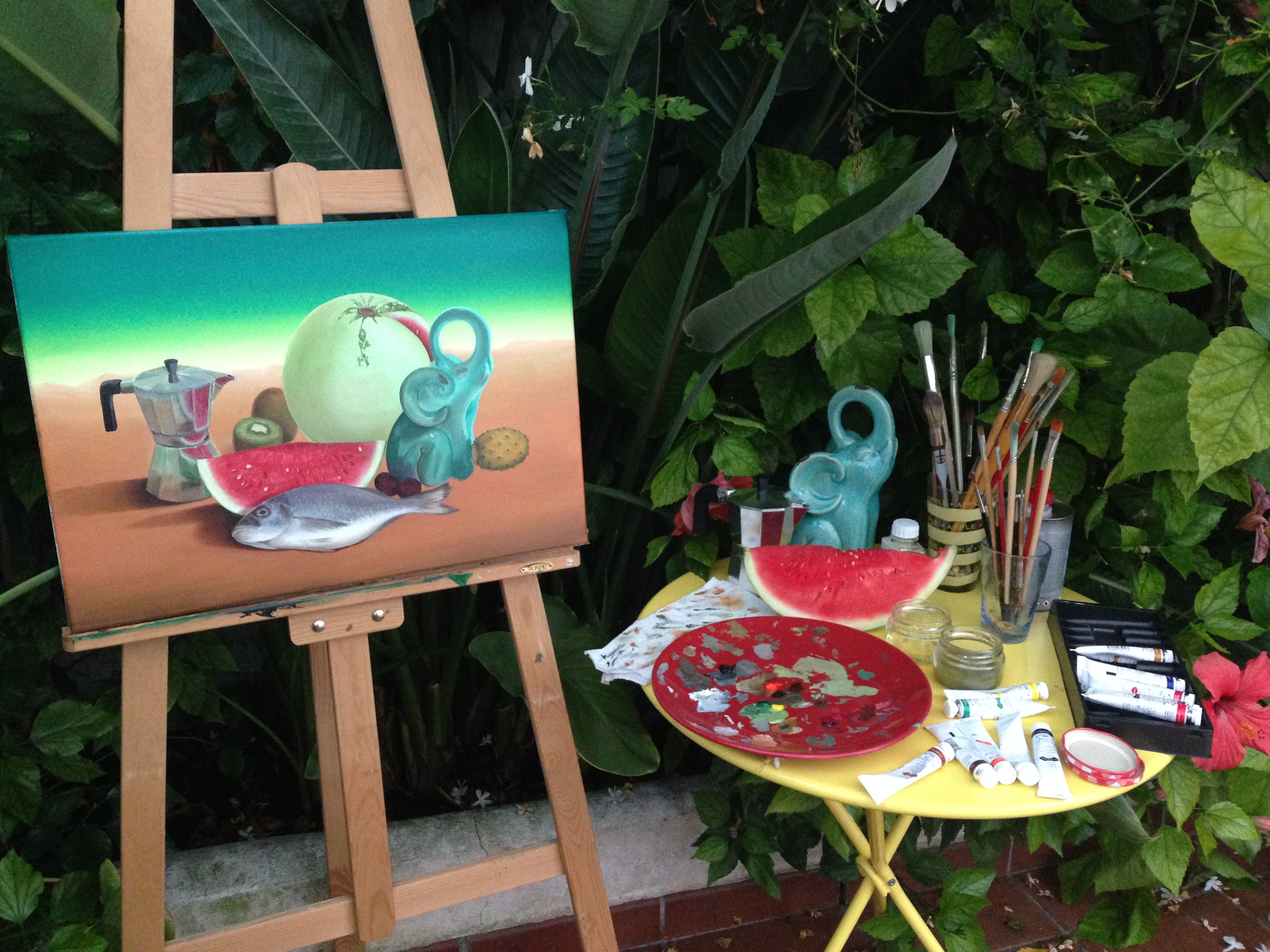
Naturaleza Muerta: Still life with coffee pot, dorada, tropical fruits and a ceramic elephant (2014 © Nicholas de Lacy-Brown, oil on canvas)

Naturaleza Muerta: Still life with coffee pot, dorada, tropical fruits and a ceramic elephant (2014 © Nicholas de Lacy-Brown, oil on canvas)

The objects I collected for my work were not really the result of coincidence. Rather, I carefully planned my selection so that I could achieve a colour balance within the two main colours of the palette chosen for this work: red and green. The ceramic elephant was already a feature of the garden in which I was doing my painting, and the various fruits were chosen specifically for their colour, shape and what they represented: the watermelon represents the global profile of Marbella; the elephant our time out on the terrace. The kiwis represent our constant furry travelling companions Fluffy and Bilbao, and the cactus fruits represent the extensive work we did on redecorating our Marbella terrace. The beautiful silvery sea bream represents all the pleasure we took in eating out; while the cherries represent my partner and I, never separated, coming as a pair. Finally the coffee pot is there in homage to Peinado who gave me the idea of a still life; and because coffee culture is surely one of the most enjoyable aspects of life in Marbella.

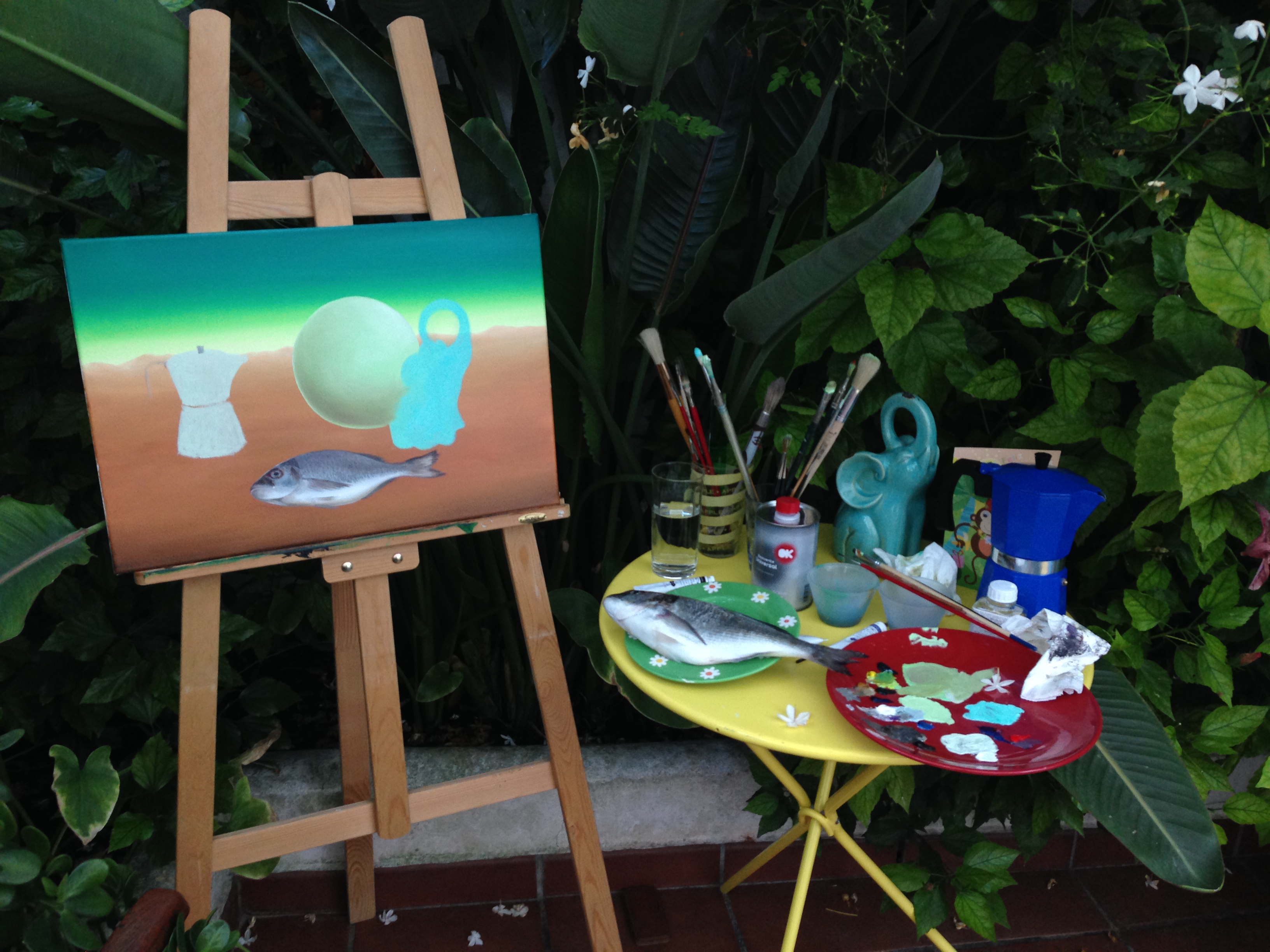
So after several days painting this work in instalments after visits to the beach, my first Still Life was complete. Now I’m hooked on the idea and can already imagine doing so many more. The question is, what will I paint in my next Still Life?

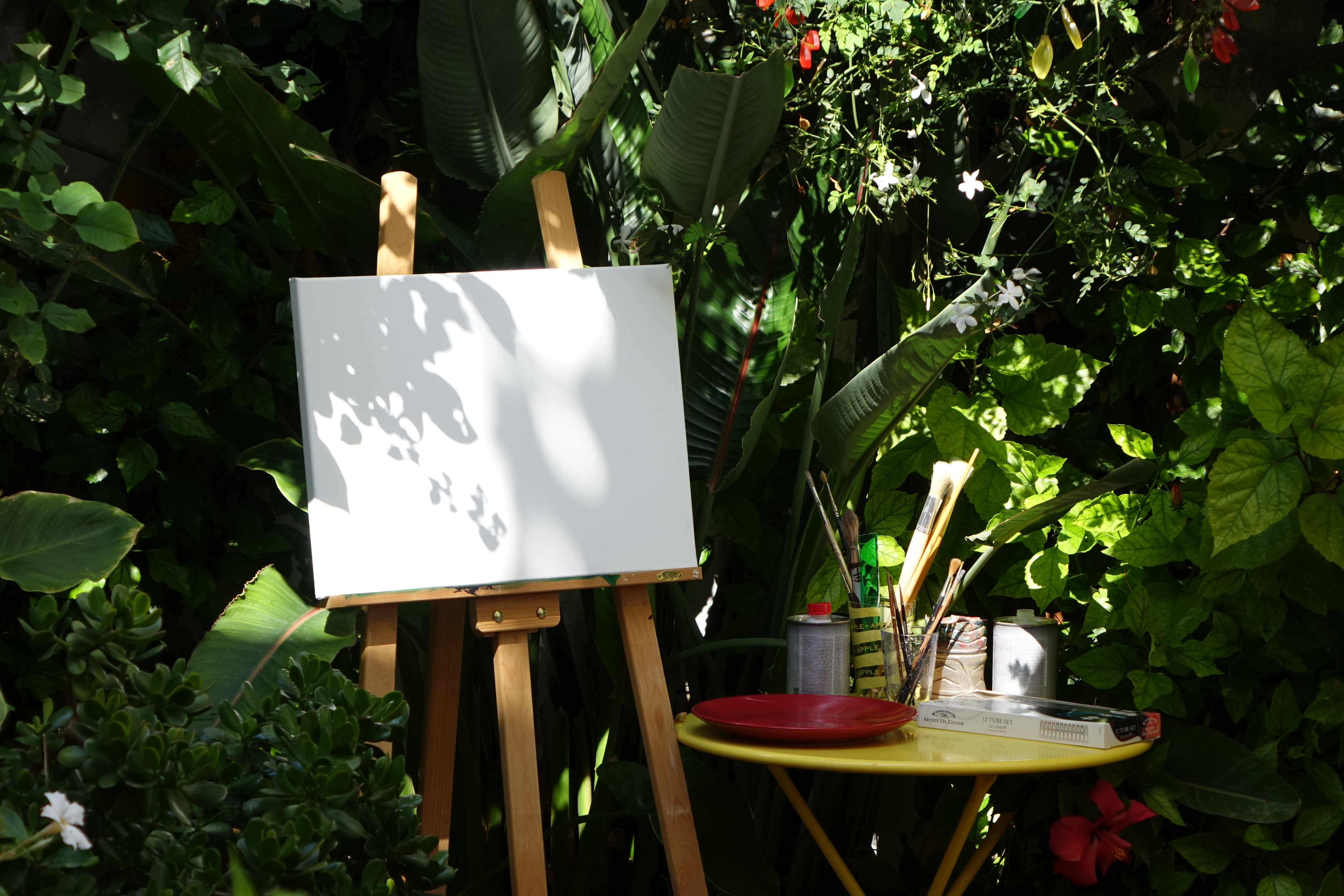
Creating my still life in our garden in Marbella

DSC04746 IMG_9667 IMG_9736

© Nicholas de Lacy-Brown 2000-2014. Unauthorised use and/or duplication of the material, whether written work, photography or artwork, included on this website without express and written permission from Nicholas de Lacy-Brown is strictly prohibited. For more information on the work of Nicholas de Lacy-Brown, head to his art website at www.delacy-brown.com

Prague (Part 3): Buddha-Bar Chic and delectable places to eat

When a city trip is turning into something of a damp squib and you’ve realised you should have brought a winter coat despite its being late summer, sometimes all you need is a little luxury to make things right again. When the squares and museums are packed to the rafters with no-budge tourists and the cafes are full of larger-lout British stag parties, it’s the escape to the finer side of things that will put a smile back on your face. And so it was, when my partner and I ventured recently to Prague in the Czech Republic, that ever optimistic of having a happy holiday experience, we were able to turn round the somewhat disappointing experience of an ever so cold, damp weekend in tourist-packed Prague into two nights of luxurious hedonism, thanks to the hotel where we were staying, and some of the great restaurants we were lucky enough to find during the trip.

Our hotel of choice was the 5 star Buddha Bar hotel situated a few minutes from the centre of Prague’s Old Town. Being what it suggests on the tin – a concept hotel with a strongly oriental-influenced twist – it was an unusual choice for us. We love chic little boutique hotels, but I would usually go for something that at least resembled the local culture. But Buddha Bar are a long established brand that stands for the quintessence of cool: of dark chic surroundings, of sumptuous self-indulgent luxuries, all pulled together by the classic asian-inspired lounge-bar melodies of the famous Buddha bar soundtrack. Consequently when I discovered that there was a hotel of the brand so well situated in Prague, and probably half the price what a 5 star would cost in capital cities elsewhere, I was seduced and decided to take the plunge into the orient. And I’m so glad we did.

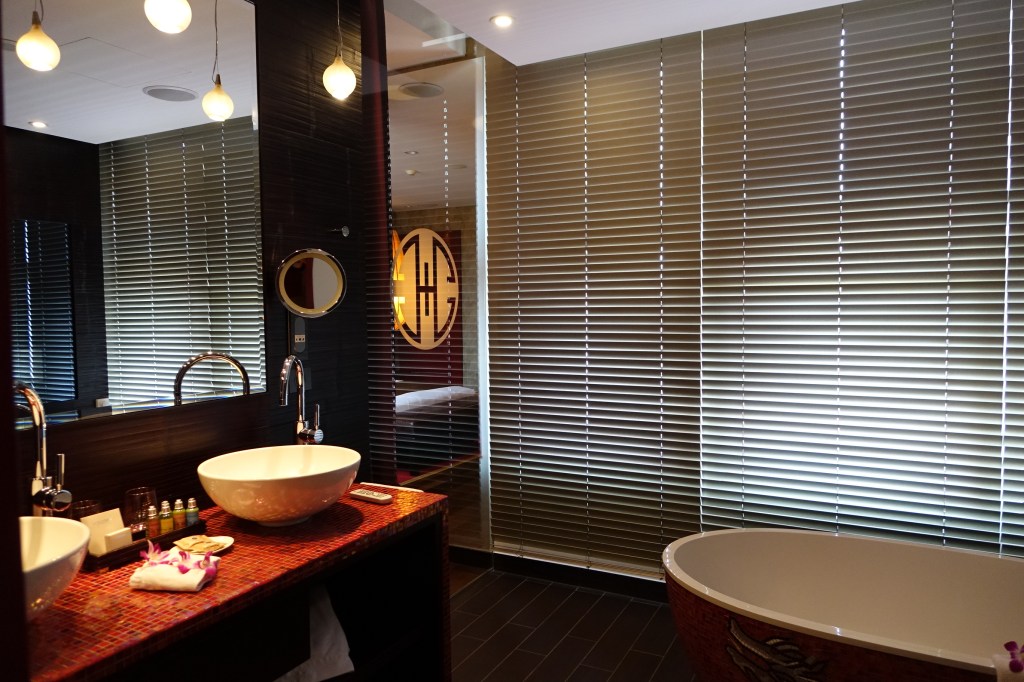
Our room at the Buddha Bar Hotel

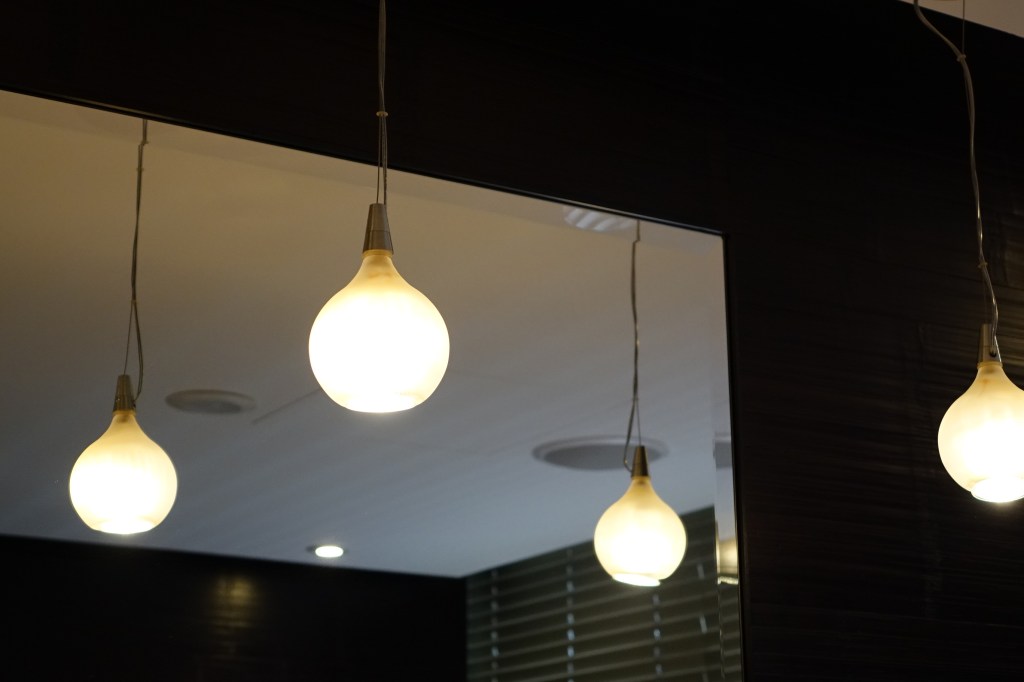
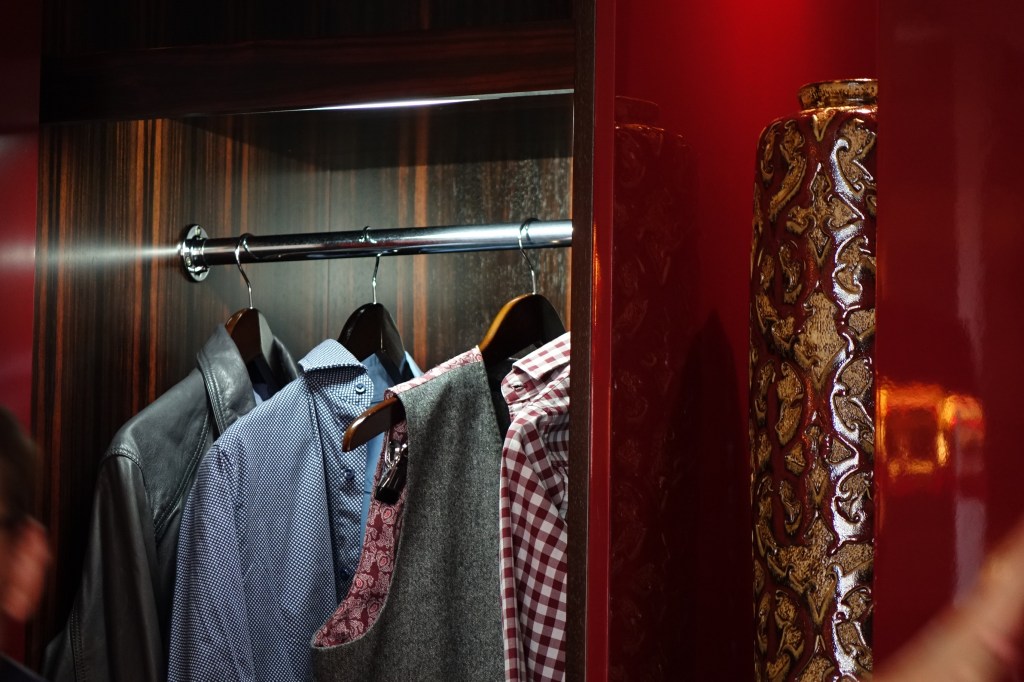
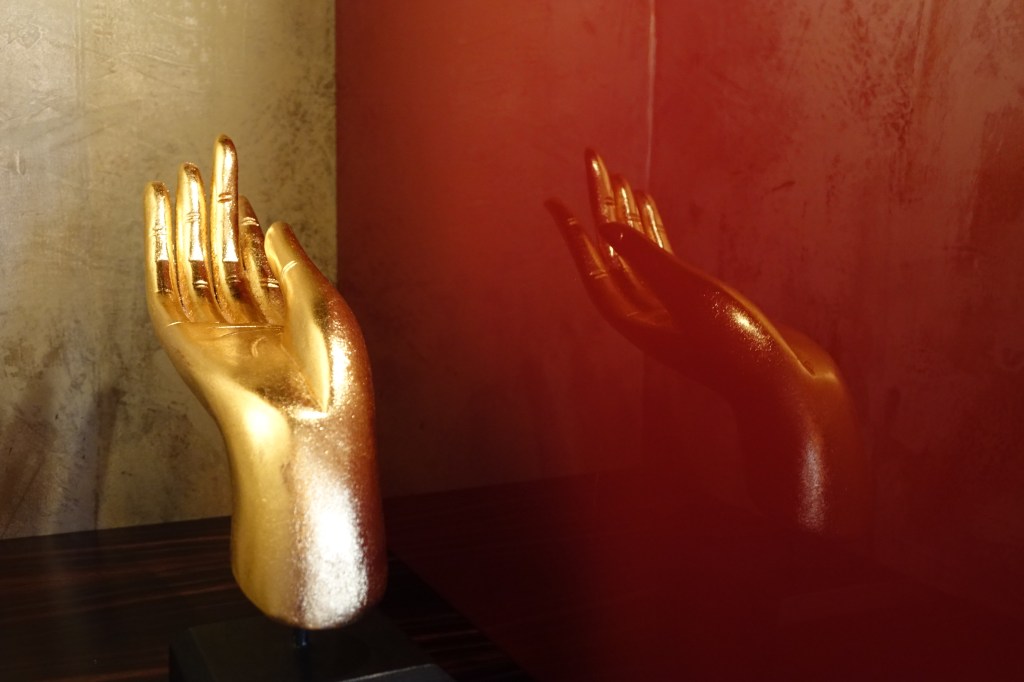
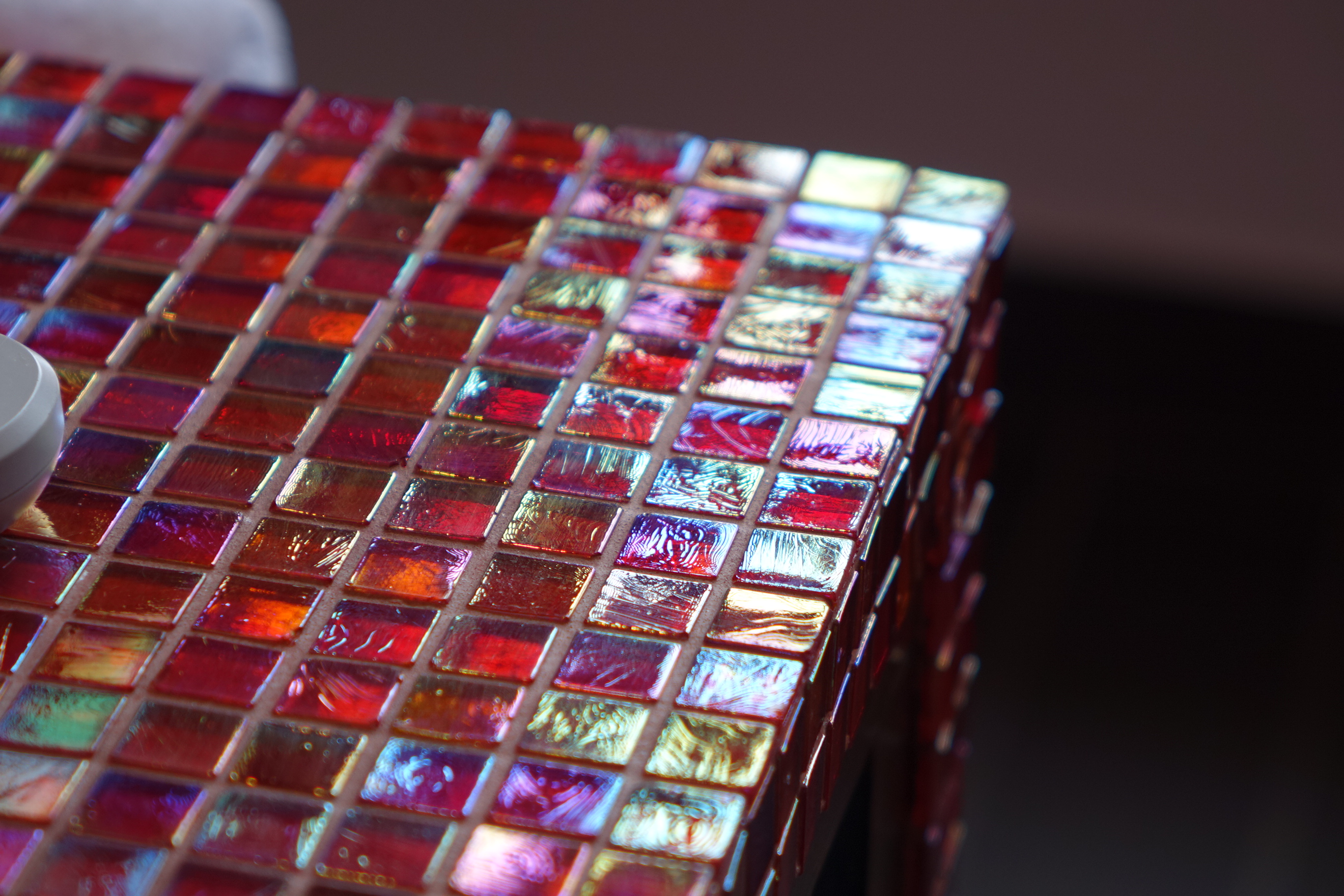
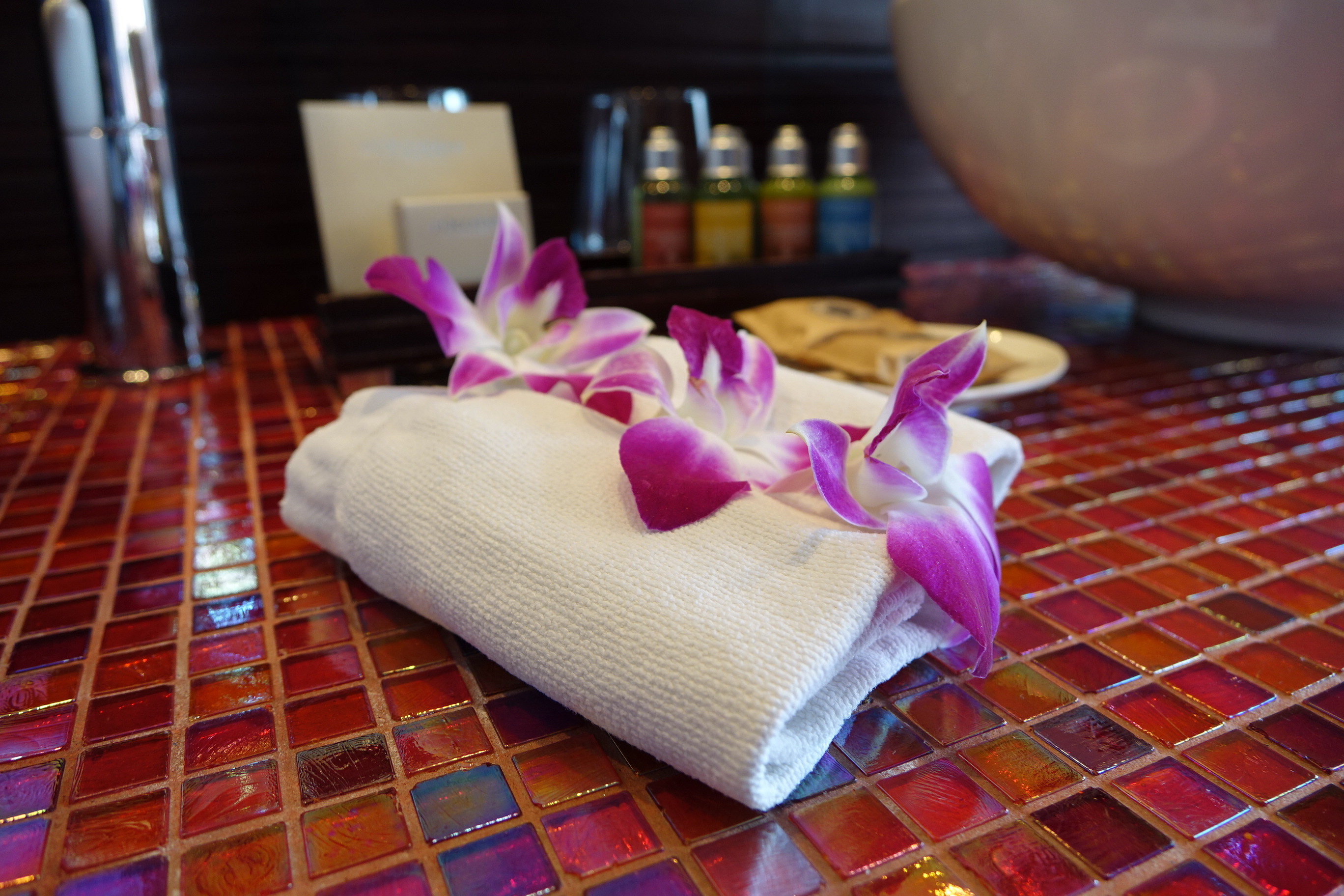
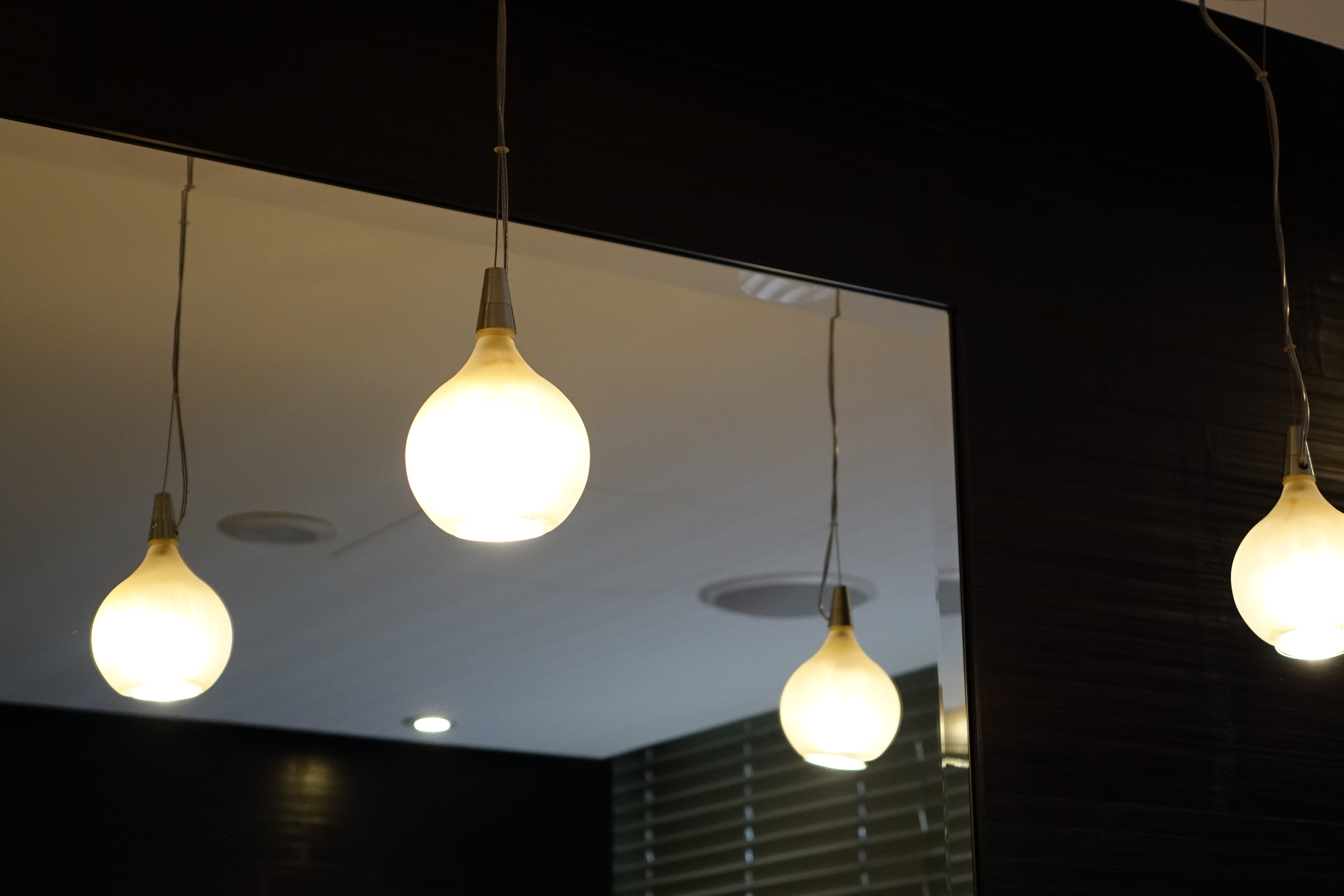
DSC06289 DSC06299 DSC07342 DSC06284 DSC06287 DSC06297 DSC06309 DSC06281 DSC06308 DSC06270 DSC06271 DSC06306 DSC06268 DSC07332 DSC06280

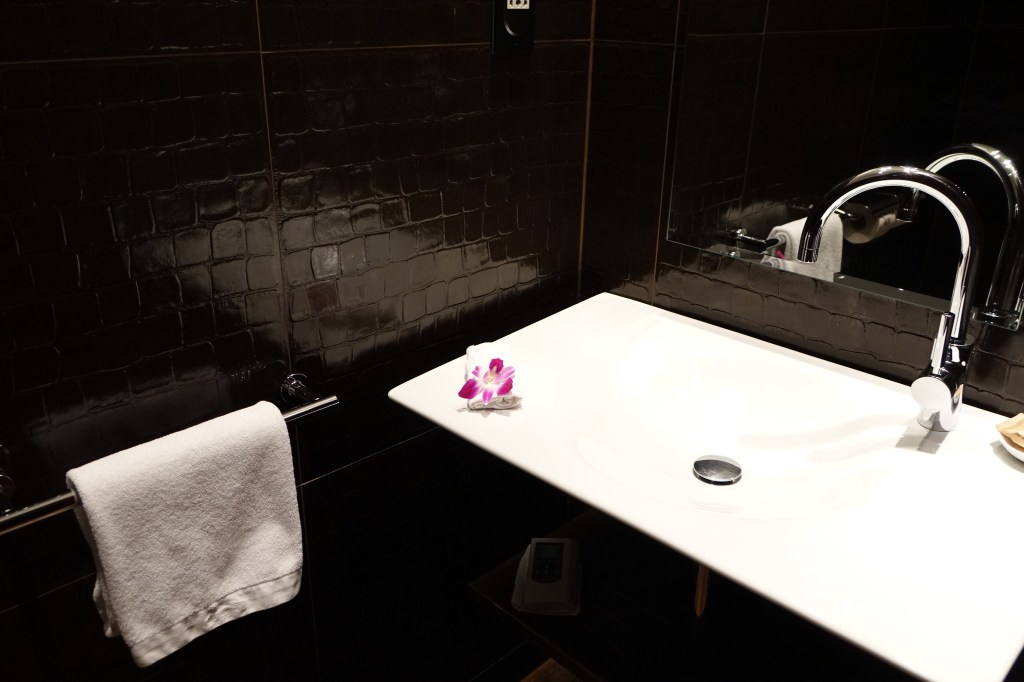
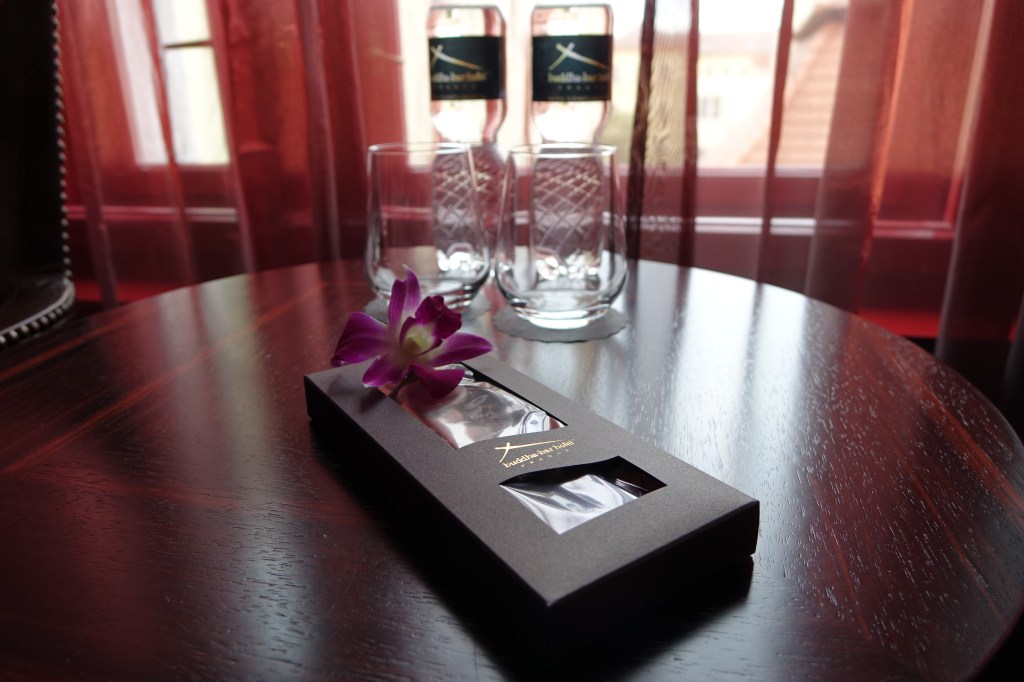
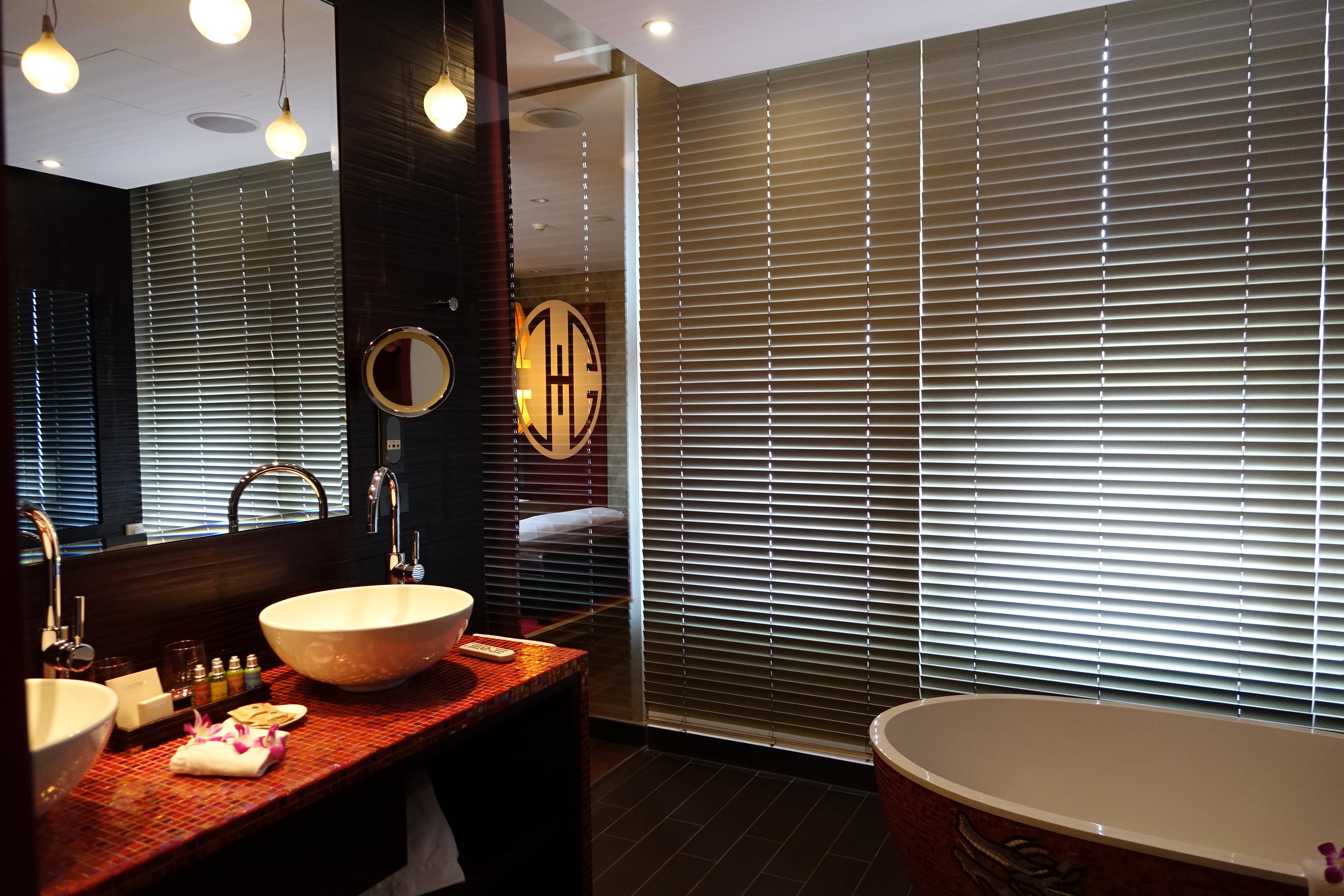
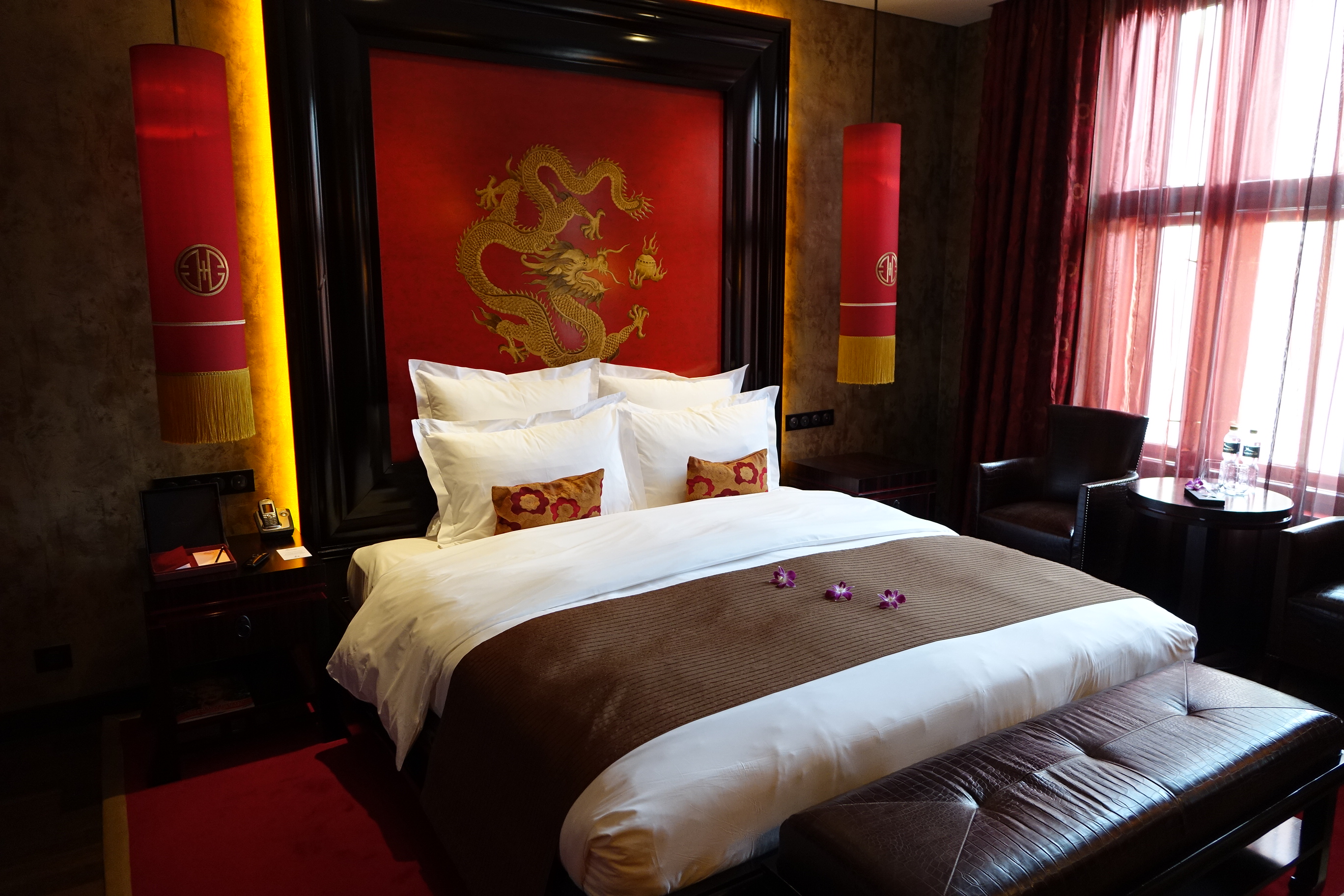
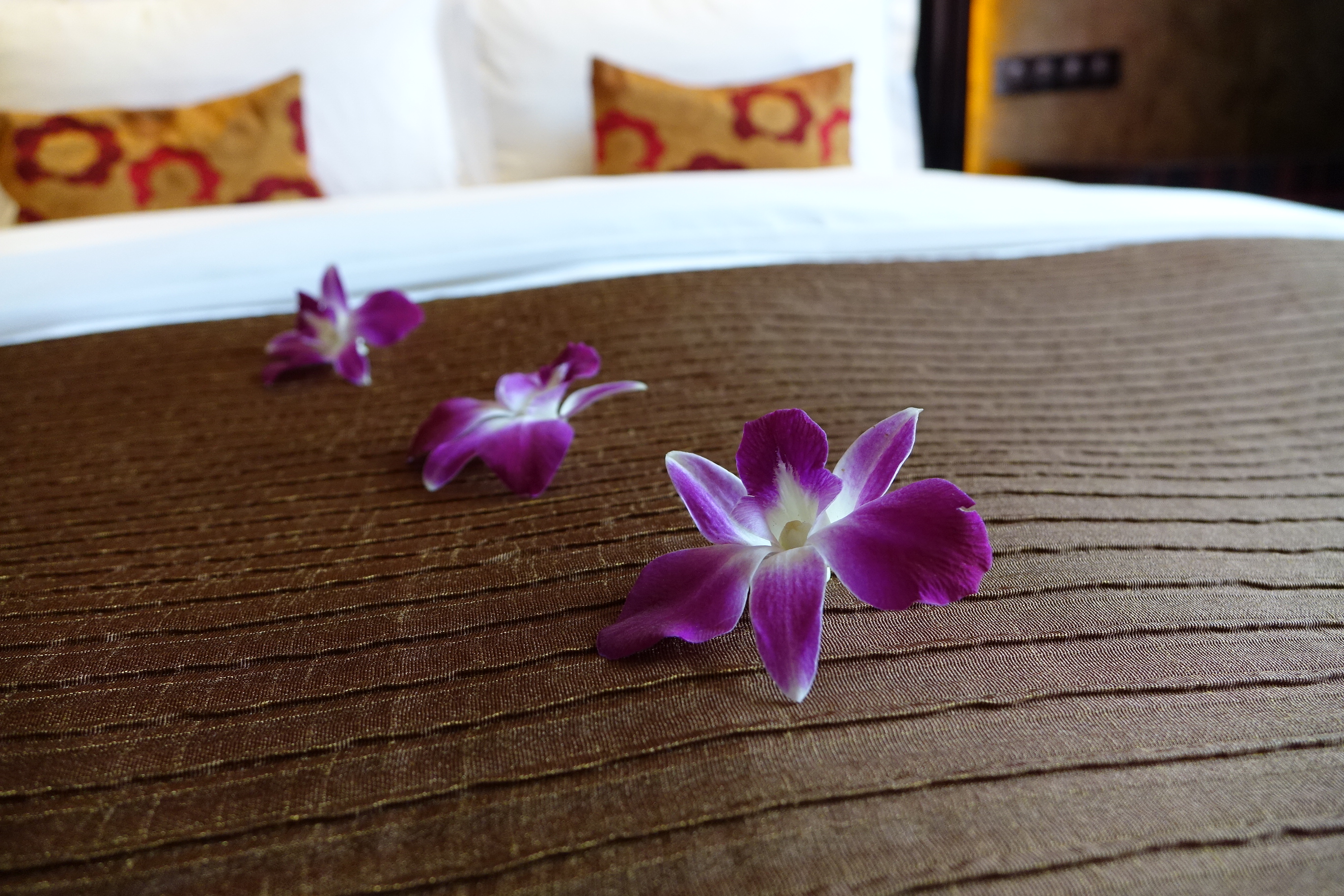
In our luxuriously pampered room, every detail had been taken care of. On the wall, a Bang & Olufsen TV pumped out a selection of Buddha Bar groves through expertly mastered surround sound speakers extending to all parts of our room. In our extensive bathroom, a free standing bath benefitted from its own dedicated TV, floor to ceiling windows overlooking Prague, and remote controlled electric blinds should you prefer a little privacy from amongst your bubbles; while the his and hers sinks were accompanied by a panoply of l’Occitane branded bath products. In the bedroom, an indulgently soft bed was plied high with luxurious throws and cushions, while beside it, a seating area already came fully stocked with gifts of chocolate and a complementary cocktail each – the perfect antidote to the tourist scrum outside. Meanwhile, across the room, on the surfaces and alongside notes and information booklets, little fresh orchids had been delicately placed – the height in attention to detail, which followed through to the whole hotel experience.

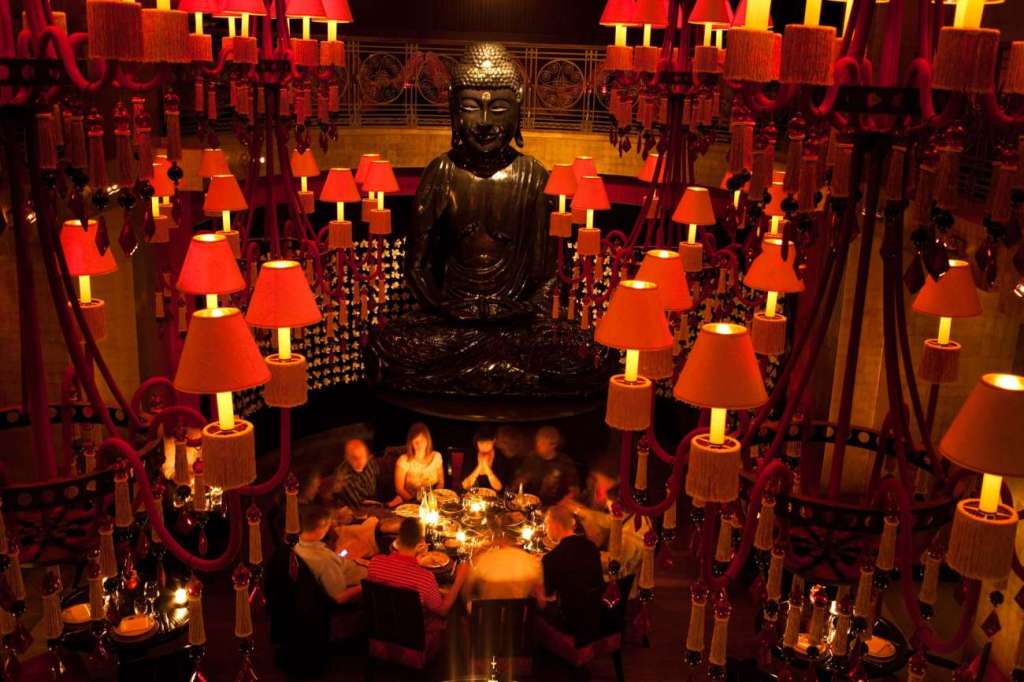
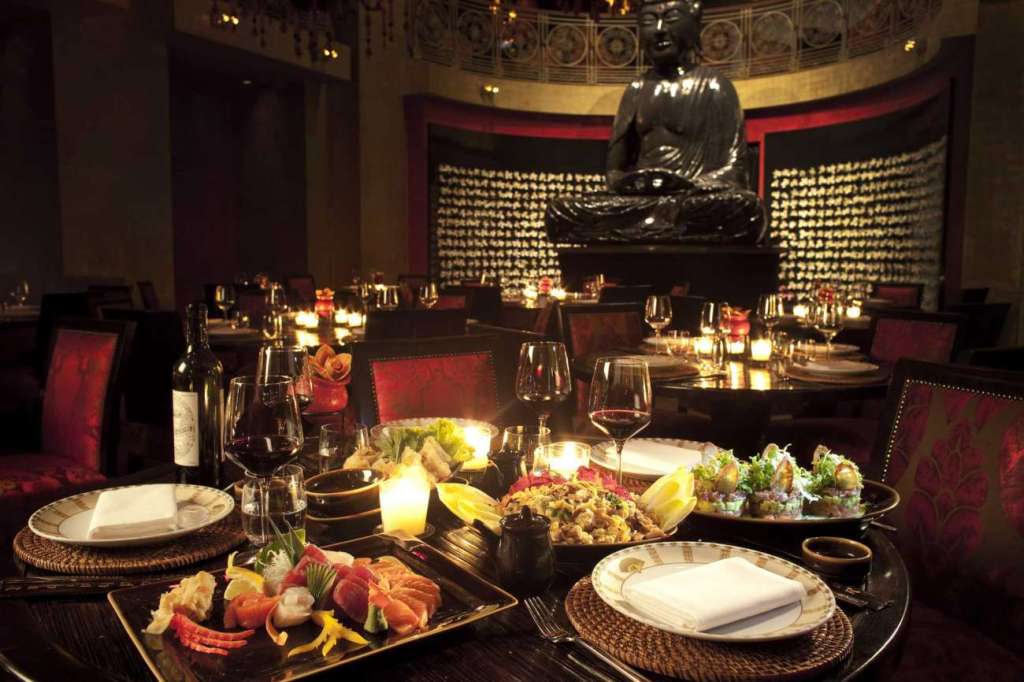
For beyond our room, the hotel of course enjoyed its own Buddha Bar restaurant, a large cavernous place camped up with a huge oversized golden Buddha around which densely candlelit tables glittered in an otherwise dark and seductive atmosphere. We enjoyed an abundance of creative sushi whose innovative flavour combinations buzzed and zinged in a way that the bog standard California role could never hope to replicate. Meanwhile upstairs, a daily breakfast combining buffet treats and a choice of hot dishes always came accompanied with a glass of chilled prosecco. Now that’s my kind of breakfast.

The Buddha Bar restaurant – images courtesy of www.buddhabarhotelprague.com
buddha-bar-restaurant-gal-11-1300x867 buddha-bar-restaurant-gal-06-1300x867

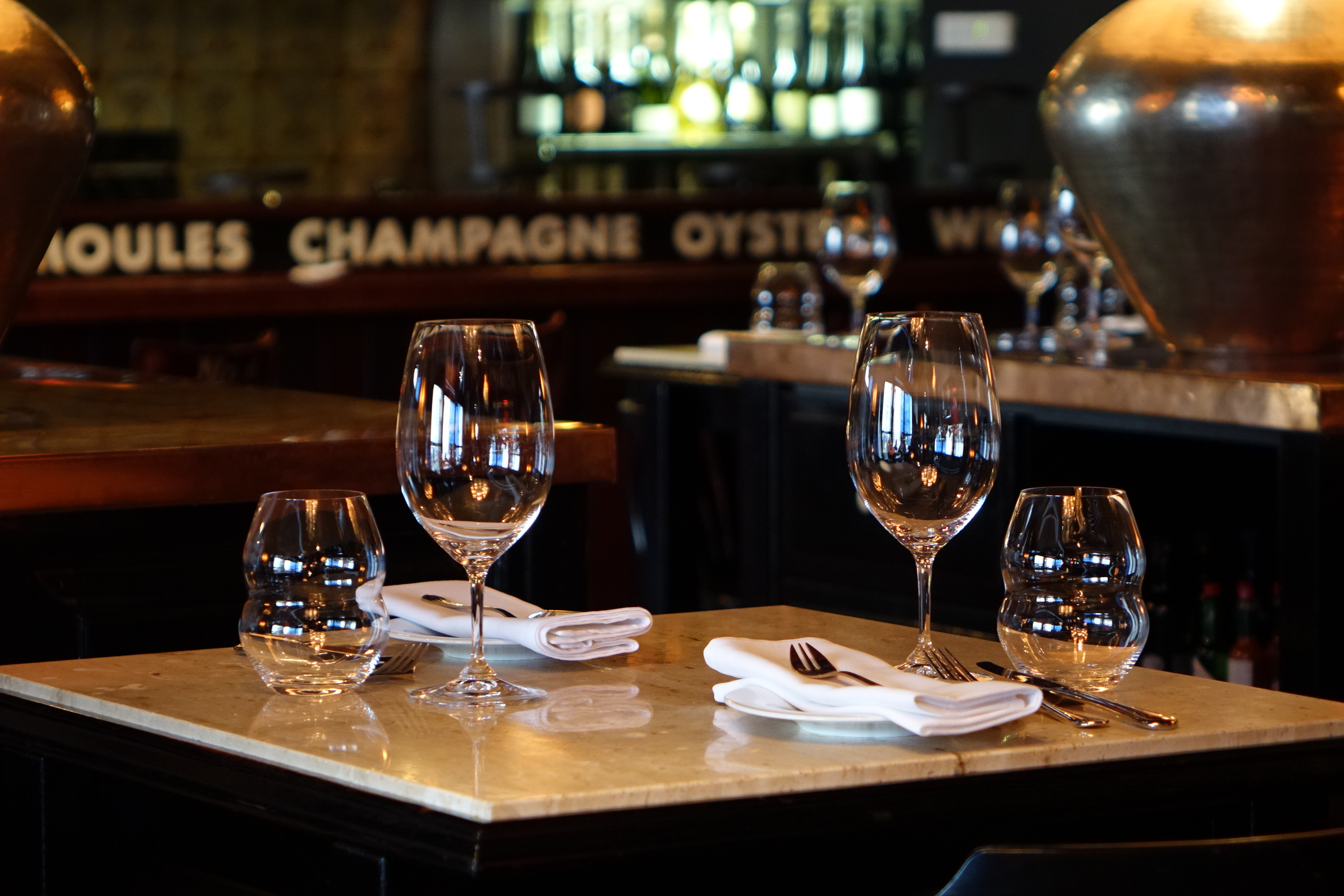
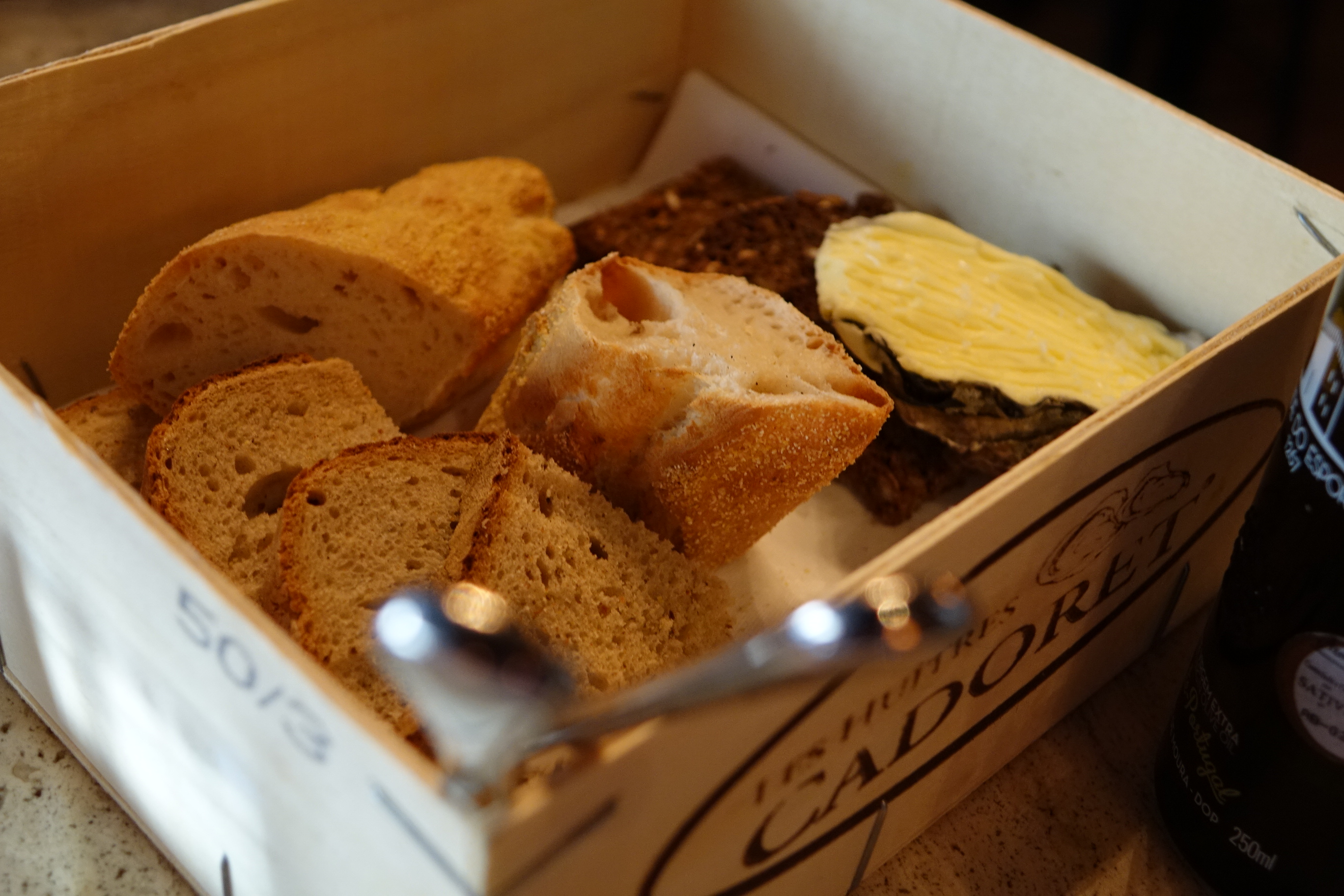
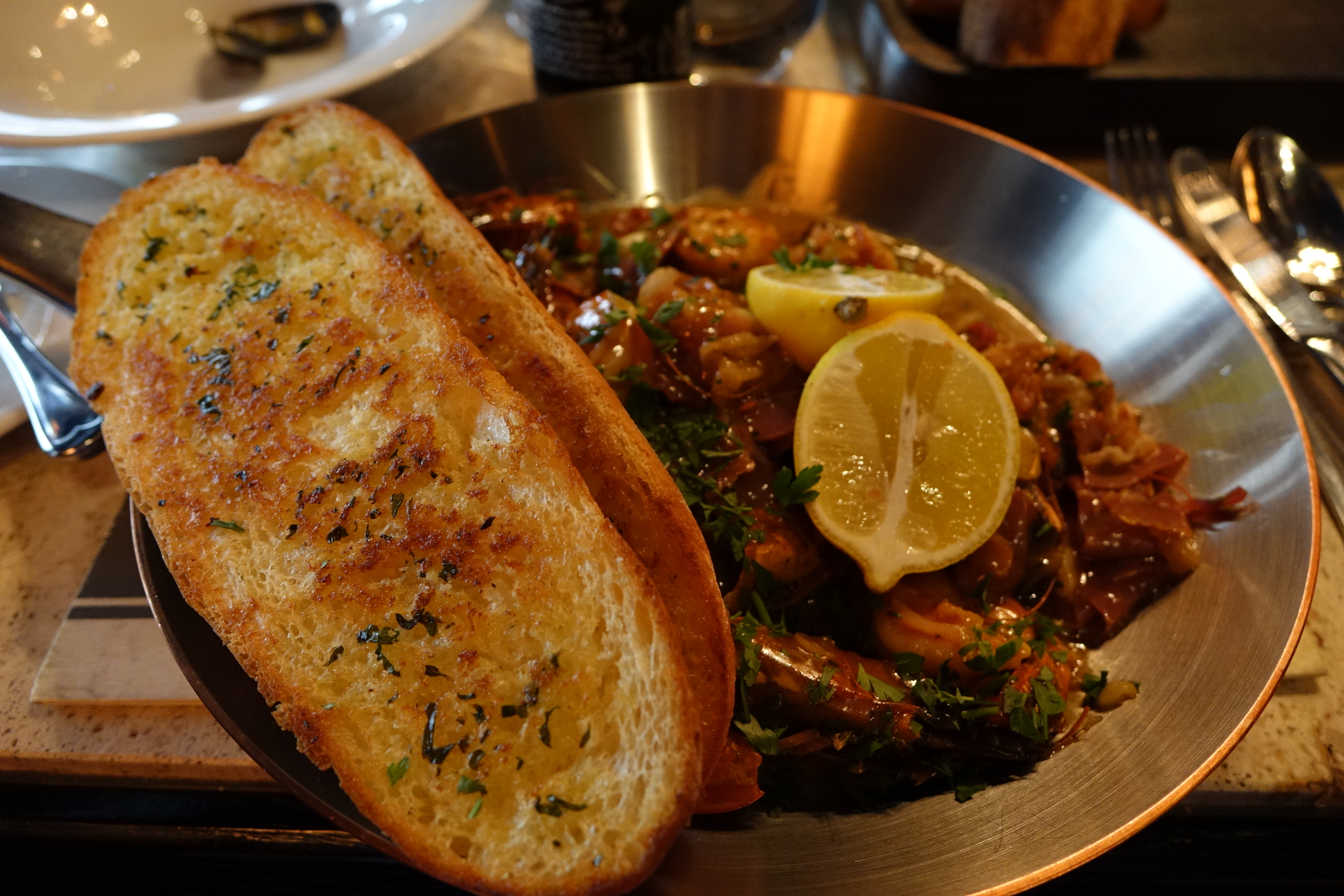
But of course we had to leave the hotel sometimes, and when sightseeing got too much, we managed to find two equally exquisite restaurants in which to enjoy the classier side of life. The first, a discovery quite by accident, was Zdenek’s Oyster Bar, an exceptionally chic little place, filled with brass fittings and lamps made from champagne bottles, that more closely resembled an upmarket Parisian bistro than a traditional Czech eatery. Being as Prague is very much inland, we were at first sceptical of a seafood restaurant in the heart of the city, but our doubts were put to rest by a main of succulent grilled prawns in a creamy sweet peppery rich sauce, with buttery toasted brioche served to be dipped into the tasty liquor. Never have I lavished so enthusiastically over a dish of prawns. I was completely won over on the one dish alone, let alone the other details which made the meal so special – an oyster shell filled with creamy salted butter; delicious crisp local white wine, and steaming muscles each ripe and juicy and a joy to eat.

Zdenek’s Oyster Bar

DSC06341 DSC06347 DSC06343 DSC06350 DSC06344 DSC06349

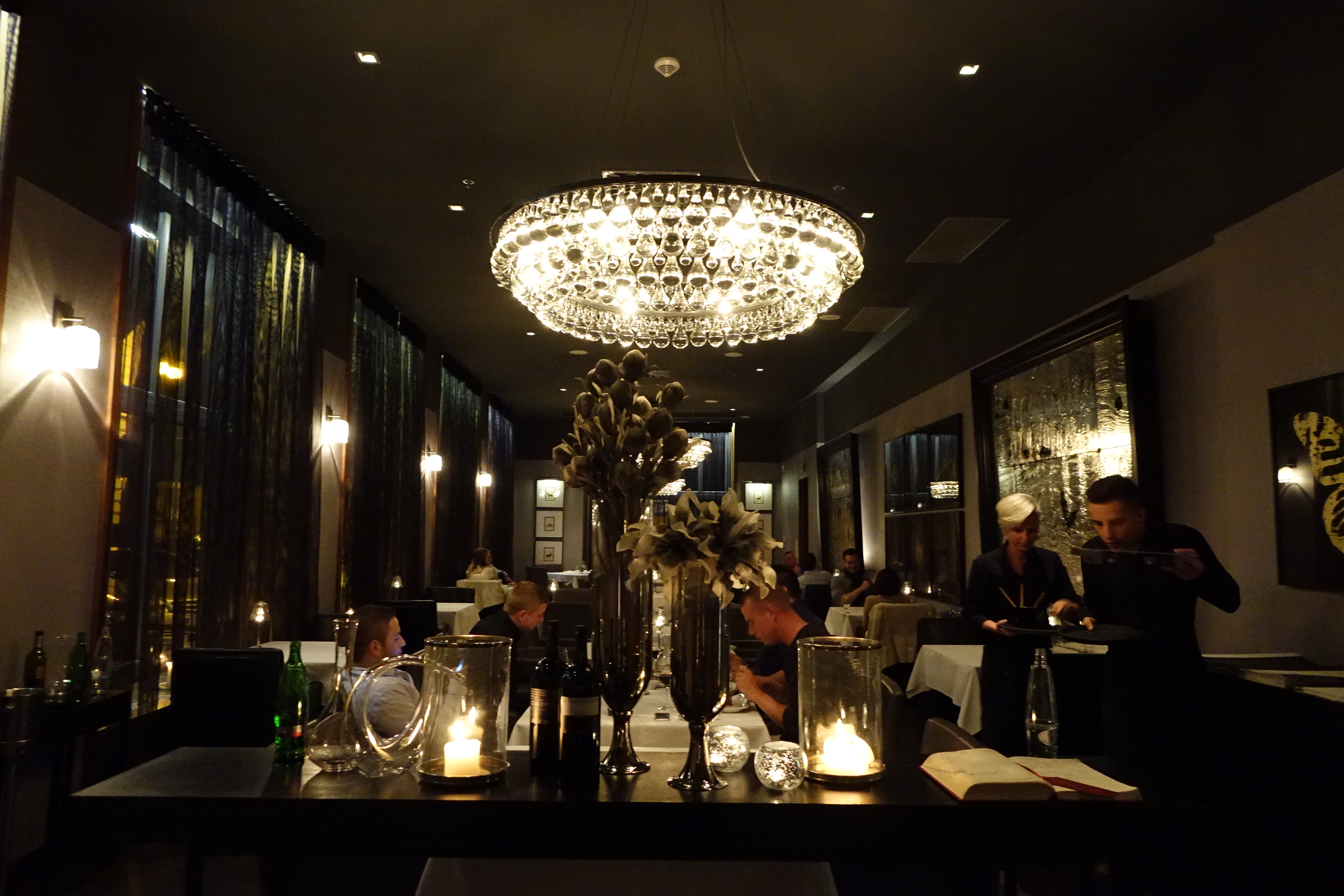
The second of our restaurant successes was likewise a departure from the Czech theme – this time George Prime Steak, which was less traditional steak house than a high class boudoir decked out with highly polished chrome and black lacquer interiors all made to sparkle with modern chandeliers and low lighting. The only real nod to America was the extensive Californian wine list, one of which we enjoyed to the full, despite the waiters leaving the bottle on a far away table and then neglecting to refill our often empty glasses. But they can be forgiven – for the real star of the show was the steak. We opted for fillet which, they told us, was fried in temperatures so hot that it immediately caramelised the outside into a rich sweet crust – a delectable exterior encasing soft tender flesh. It was almost certainly one of the best steaks I have ever eaten.

My only drunken picture of George Prime Steak’s opulent interior…

DSC07316

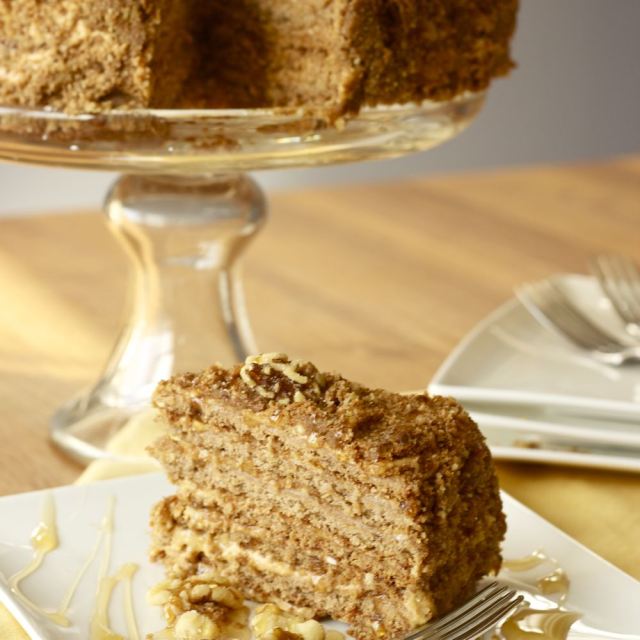
But we were in the Czech republic after all, and my final nod of this post has to go to what must be my favourite aspect of Prague gastronomy – the multi layered Czech honey cake “Medovnik”. Without looking at a recipe, I can only guess that this cake comprised thin layers of honeyed sponge interlaid with a honey and gently spiced gingery, cinnamon cream. Oh it was truly to die for, hence why I must have eaten around 5 slices before the trip was out. Now that really was worth fighting the tourist scrum for.

and that honey cake to die for

medovnik

All photos and written content are strictly the copyright of Nicholas de Lacy-Brown © 2014 and The Daily Norm. All rights are reserved. Unauthorized use and/or duplication of the material, whether written work, photography or artwork, included within The Daily Norm without express and written permission from The Daily Norm’s author and/or owner is strictly prohibited.

Two Mackerels

Fish have always fascinated me. It’s not just how beautiful they look, with their silvery scales and feathered tails, their glassy marble eyes and their silky pink mouths, but they’re delicious too. There is nothing better than some plump fresh fish, simply cooked and eaten with a glass of white wine and a lot of sunshine, preferably in Mediterranean surroundings. And it is largely because I live so far from the Mediterranean but want to recreate that precise moment of bliss that I buy so much fresh fish from my local London fishmongers.

On one recent occasion, I went in wanting sardines, and came out with two mackerels. I had no idea what I was going to do with them, but their beautiful black and silver bodies, with a almost zebra pattern towards the top of their scales so enticed me that I had to buy them. In the end we ended up eating them well seasoned with catalan pan con tomate, but not before I had taken a load of photographs by way of admiration of their beauty.

DSC02019

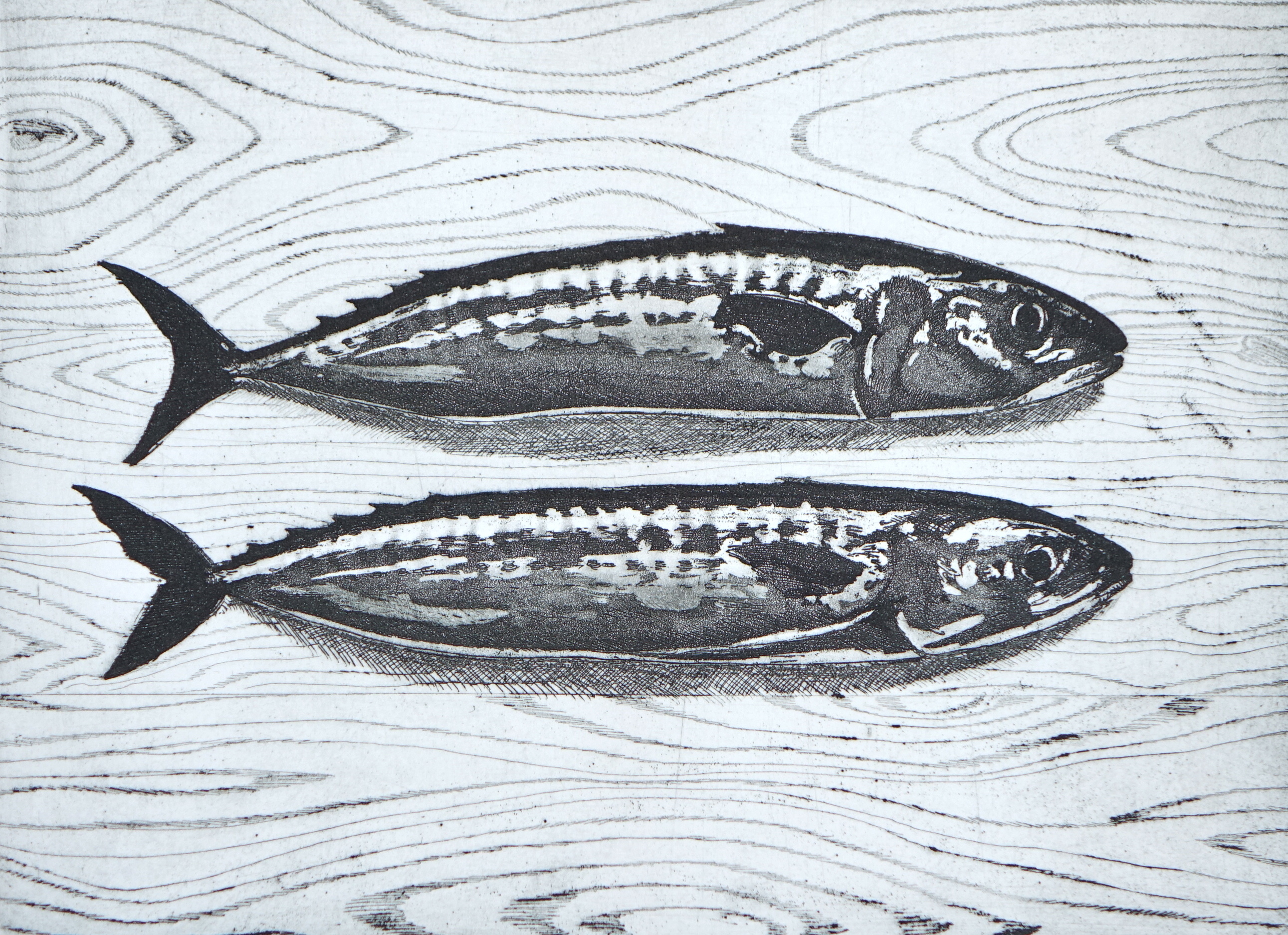
Two Mackerels (2014 © Nicholas de Lacy-Brown, etching and aquatint)

Two Mackerels (2014 © Nicholas de Lacy-Brown, etching and aquatint)

Before long, these photos sewed the seeds of creation in my mind, and when I decided the time was right to start another etching project, I decided the stark simplicity of these two mackerels would make a perfect etched image. And here is the result – etched into Zinc, including the woodgrain which is, in reality, just small scratches onto the plate but which is meant to represent a chopping board upon which the mackerels lie in wait, ready to take centre stage in some culinary feast.

So that’s the etching done. Now for the exhibition. I’m hoping this one will go on show with others this September when I exhibit alongside the East London Printmakers – more details to follow. In the meantime, should you wish to buy one of my Mackerel prints, get in touch through the contact page on my website

© Nicholas de Lacy-Brown and The Daily Norm, 2001-2014. Unauthorized use and/or duplication of the material, whether written work, photography or artwork, included within The Daily Norm without express and written permission from The Daily Norm’s author and/or owner is strictly prohibited. Excerpts and links may be used, provided that full and clear credit is given to Nicholas de Lacy-Brown and The Daily Norm with appropriate and specific direction to the original content. For more information on the work of Nicholas de Lacy-Brown, head to his art website at www.delacy-brown.com

Perfect in every way: Caperuza Bistro, Marbella

It’s very rare that you will ever get to enjoy a restaurant meal when every single dish is completely perfect. Even when I’ve had the most delicious high end tasting menus, there’s always been at least one dish which hasn’t quite hit the mark. But in the completely unassuming new little restaurant, Caperuza Bistro, which by complete coincidence is located a mere 100 metres from my home in Marbella, I recently had a dinner which was just that: perfect in every way.

The restaurant is small (just one small room with an open plan kitchen facing onto the narrow old town Calle Aduar) and perfectly formed. With a small team of staff, you get a friendly smile and attentive home-spun service right from the first moment of entering, while cosy candlelight makes the otherwise contemporary interior feel authentic and comfortable. The menu is said to work like tapas, although in reality, it’s more like a tasting menu than tapas, because the restaurant, considerate of the need to savour the complex flavours and stunning presentation of each dish, serve dishes one by one, so that every element can be enjoyed and you never feel overwhelmed (as is so often the problem with the traditional tapas format).

DSC04033

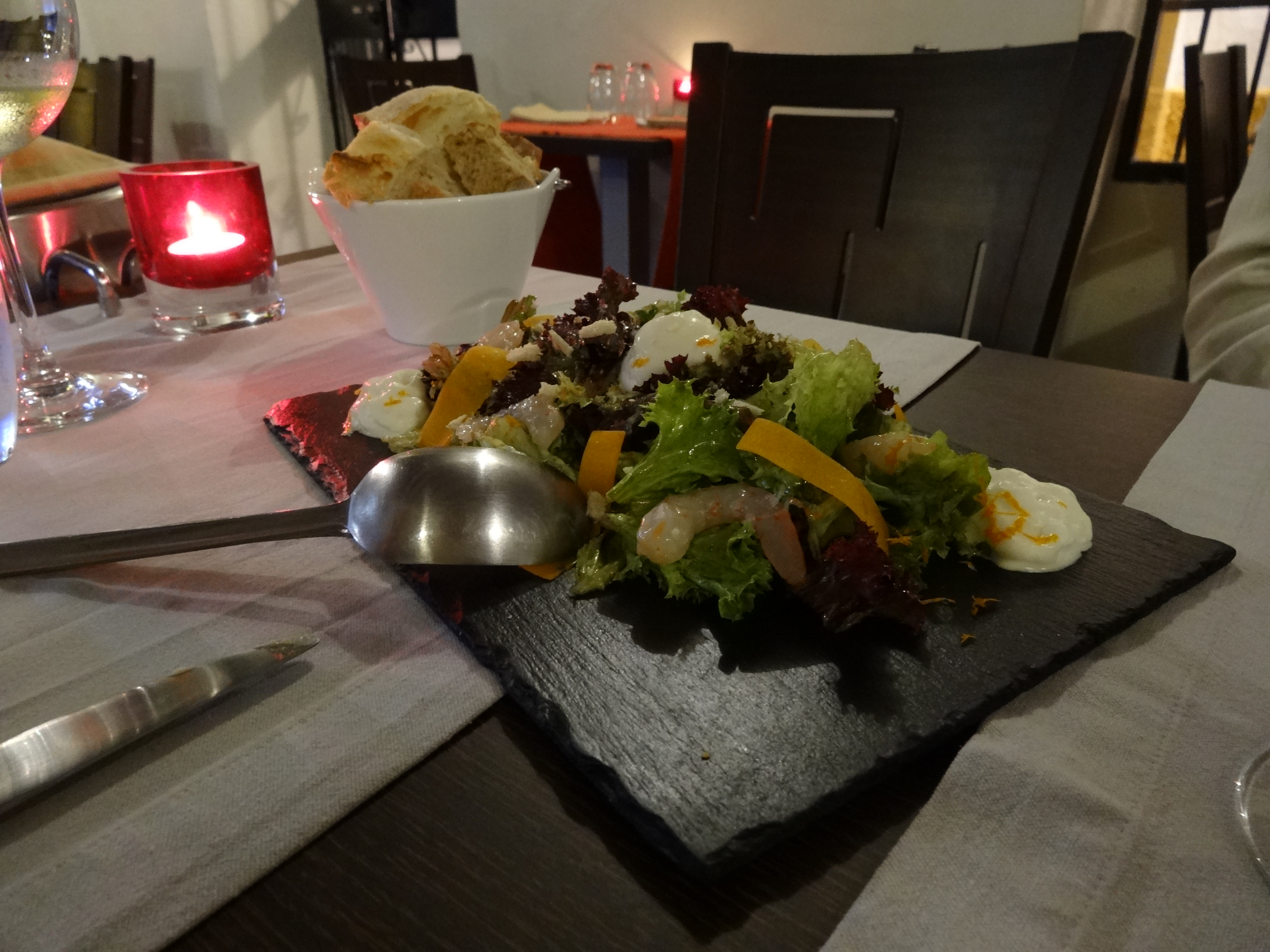
On the recommendation of the amiable waitress, we went for 6 dishes each shared between the three of us. The dishes were served consecutively, with perfect timing and small but adequate pauses between each. We started with a salad of super fresh raw prawns in a smokey foam with sensationally seasoned leaves dressed in orange and what I think was soy. The balance was so delicately and expertly executed that every taste bud in my mouth was tantilised. I can still remember every satisfying flavour now. It was a sensation that was to continue.
DSC03915

Our second dish was a chicken liver pate, beautifully presented in little glass jars with wafer thin bread. While the pate was rich and creamy, it was not overdone. The portion was a perfect size and the elegant crunch of the bread a perfect accompaniment.

DSC03916

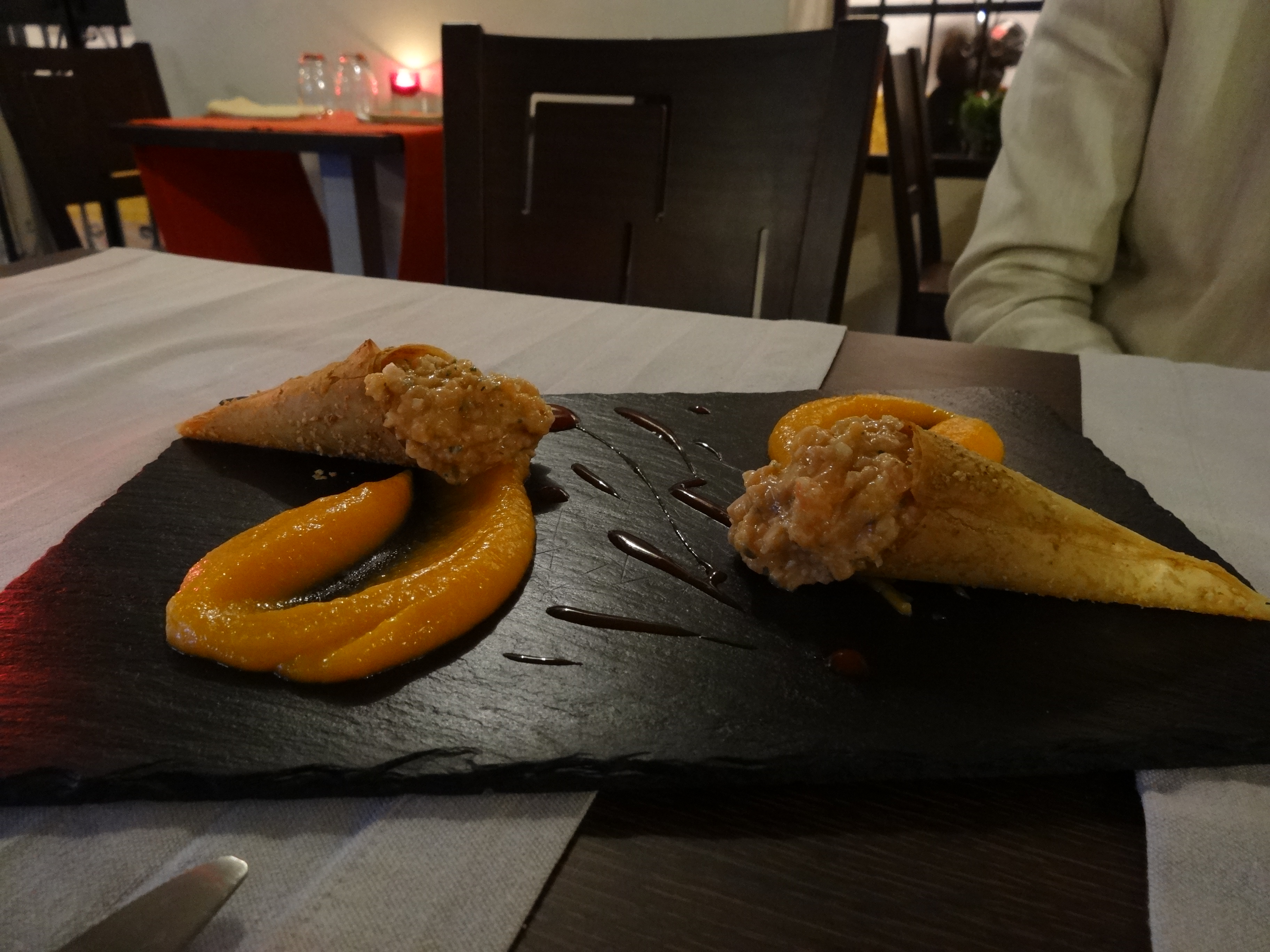
Onto a dish of salmon tartar, spilling out of little crunchy cornets draped over an unforgettable ginger and carrot purée. Balance, balance, balance – this place had it all, with this dish another prime example which lasted but seconds before we finished it up – all washed down with the delicious bottle of Rueda chosen for us by the dedicated staff.

DSC03917

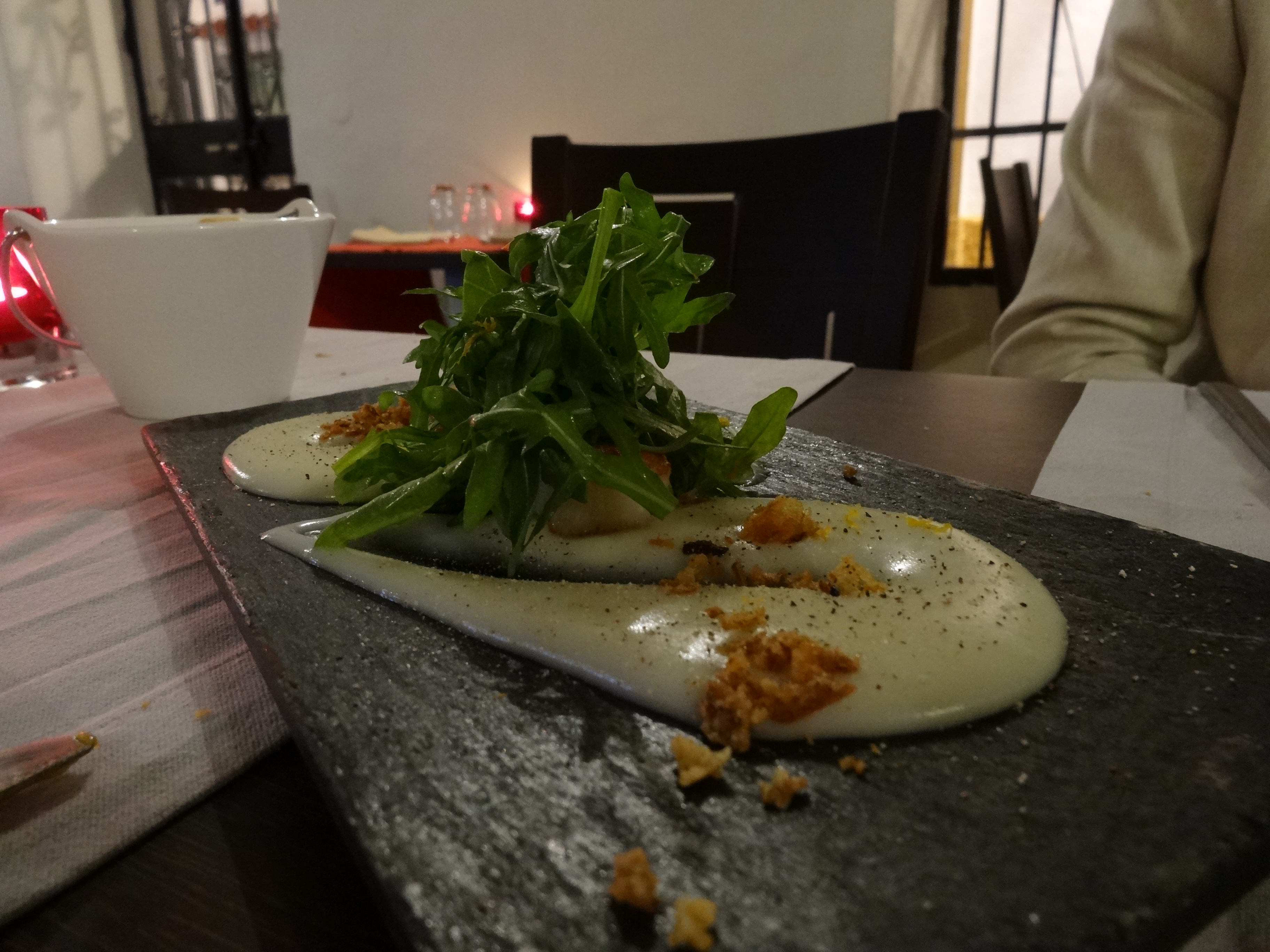
Could it get any better? Why yes, for up next was a dish of scallops hiding within another ample helping of seductively seasoned rocket salad whose peppery bitterness contrasted perfectly with an exquisite lemon and potato puree which brought the lemon groves of Sorrento alive in my mouth. Such freshness of flavour was countered only by the sweet and delicious caramelisation of the scallops. My only complaint – that this dish did not go on forever.

DSC03918

Thankfully, what I now consider to be the best dish of all was still to come. A dish of sweet sticky vermicelli noodles, with juicy big prawns, toasted almonds and garlic. I can’t tell you how delicious this dish was, nor properly communicate just how well the crunch of the almonds contrasted with the silky noodles, and how the delicate shellfish stock had caramelised into a golden sweet pasta sauce. Oh sensational.

DSC03919

Finally we dug into an equally successful dish of asian inspired duck served with a little creamy peanut puree. Need I say more about the excellence of this cuisine? (I forgot to take a photo of that one!)

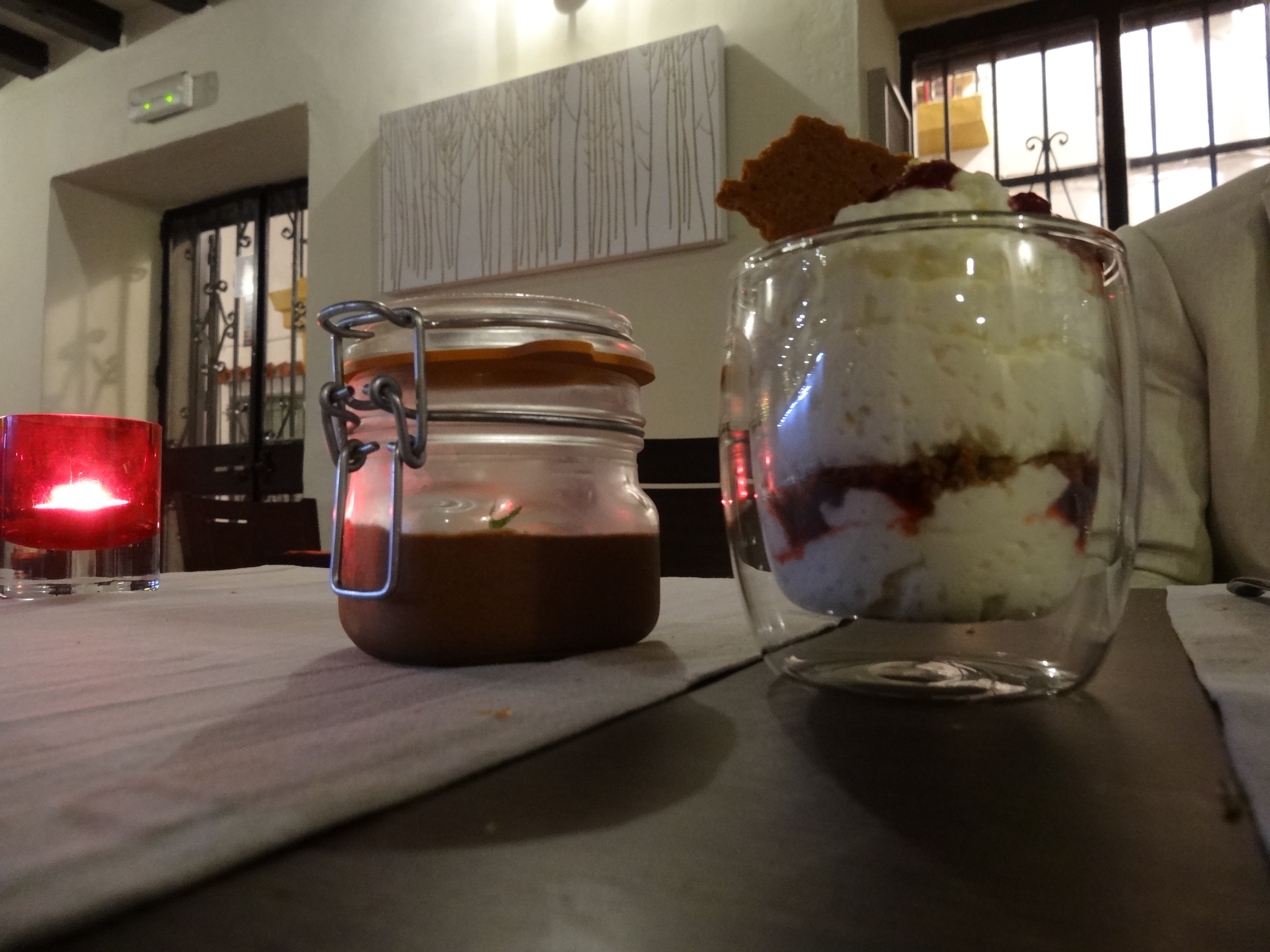
Well yes actually, because dessert was to follow. And just when we thought the mains could never be beaten, along came a cheesecake mousse – I mean for god’s sake, can life get any better than this? Puffy little clouds of the most satisfyingly delicious mousse served with a little buttery biscuit on the side. And then there was the super fresh pineapple sorbet with a creamy smooth mango soup. I was in heaven.

DSC03920 DSC03922

My only hope now is that this little restaurant, which is relatively understated and slightly off the tourist track, remains open to serve this sensational cuisine for a long time to come. The quality of the food was out of this world, and simply could not have been anticipated from the outside of the restaurant, nor from the menu whose prices were so reasonable that one wonders how the restaurant can make any profit at all. But take advantage of those while you can, because if the chef continues cooking this well, they’re bound to rise fairly swiftly in turn.

Caperuza Bistro is at 22 Calle Aduar in the Old Town (Casco Antiguo) of Marbella, Spain. Tel: (+34 951 395 593)


Marzipans for Mother’s Day

While for some, marzipan sweets are the domain of Christmas time, for whatever reason, I always start yearning for marzipan around Easter time. It might be that the Spanish origin of these sweet little treats (mazapan originates from the stunning city of Toledo where the various monasteries still make bucket loads today) is the reason for my Spring-time yearning, as the summer grows closer and my desire to be back in the Spanish sunshine increases. Whatever the reason, this year I couldn’t even wait for Easter to get my ground almonds whizzing around my food processor. Easter falls unreasonably late this year after all, and being as it is almost April, I thought it was about time to get baking. But treats of this deliciousness deserve an occasion, so what better excuse than yesterday’s Mothering Sunday to make a few marzipan sweets as a treat for my mother.

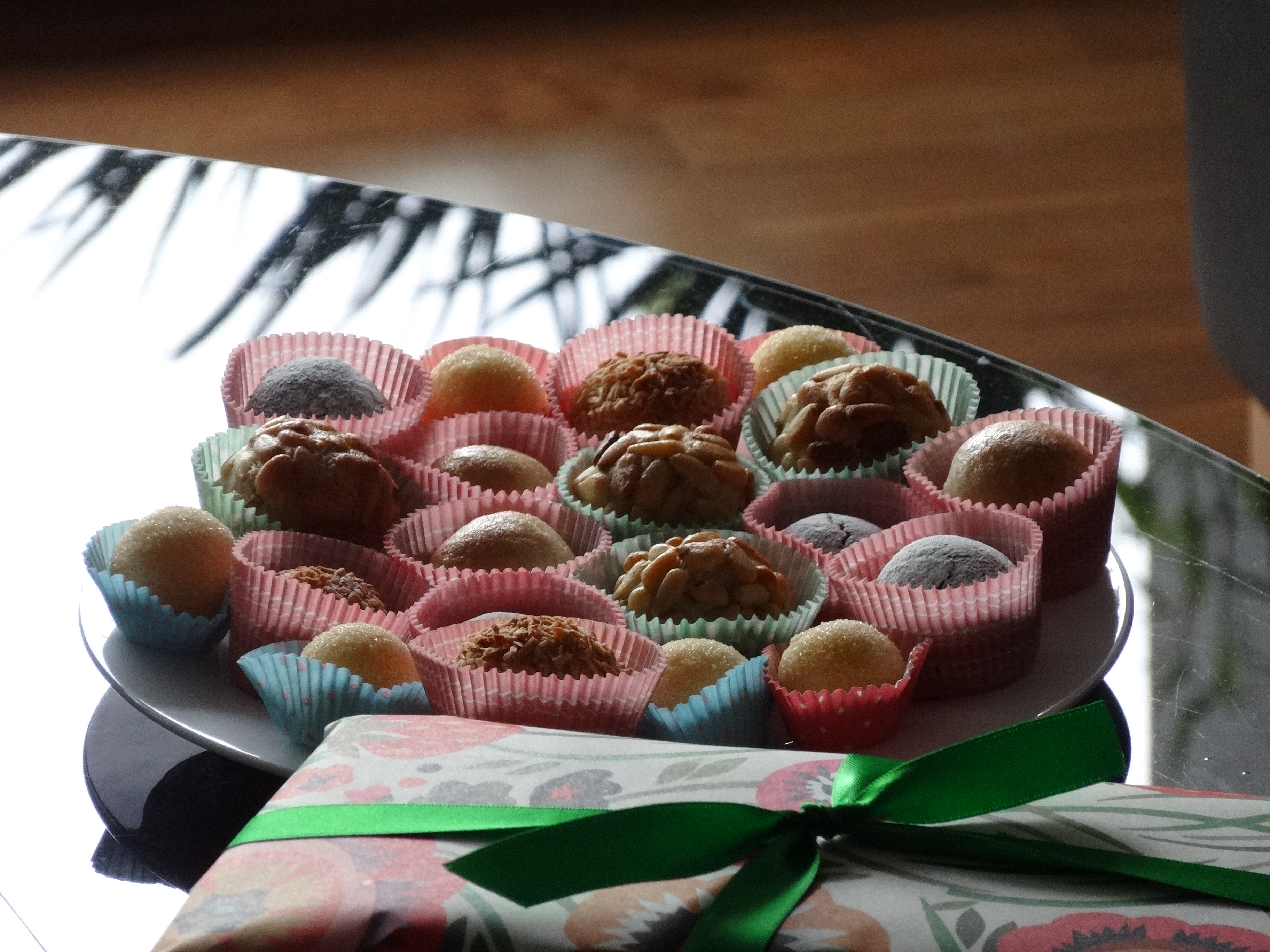
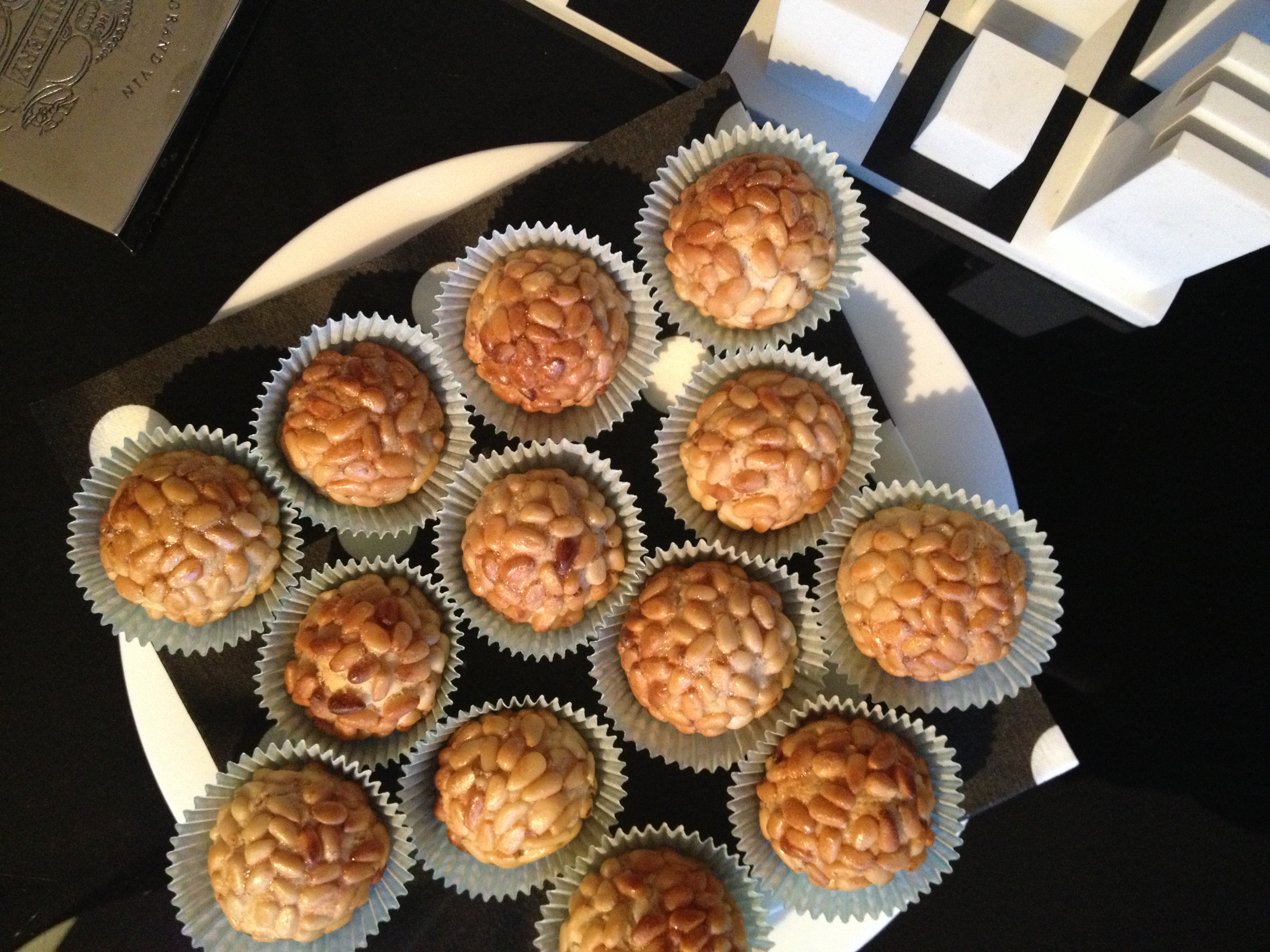
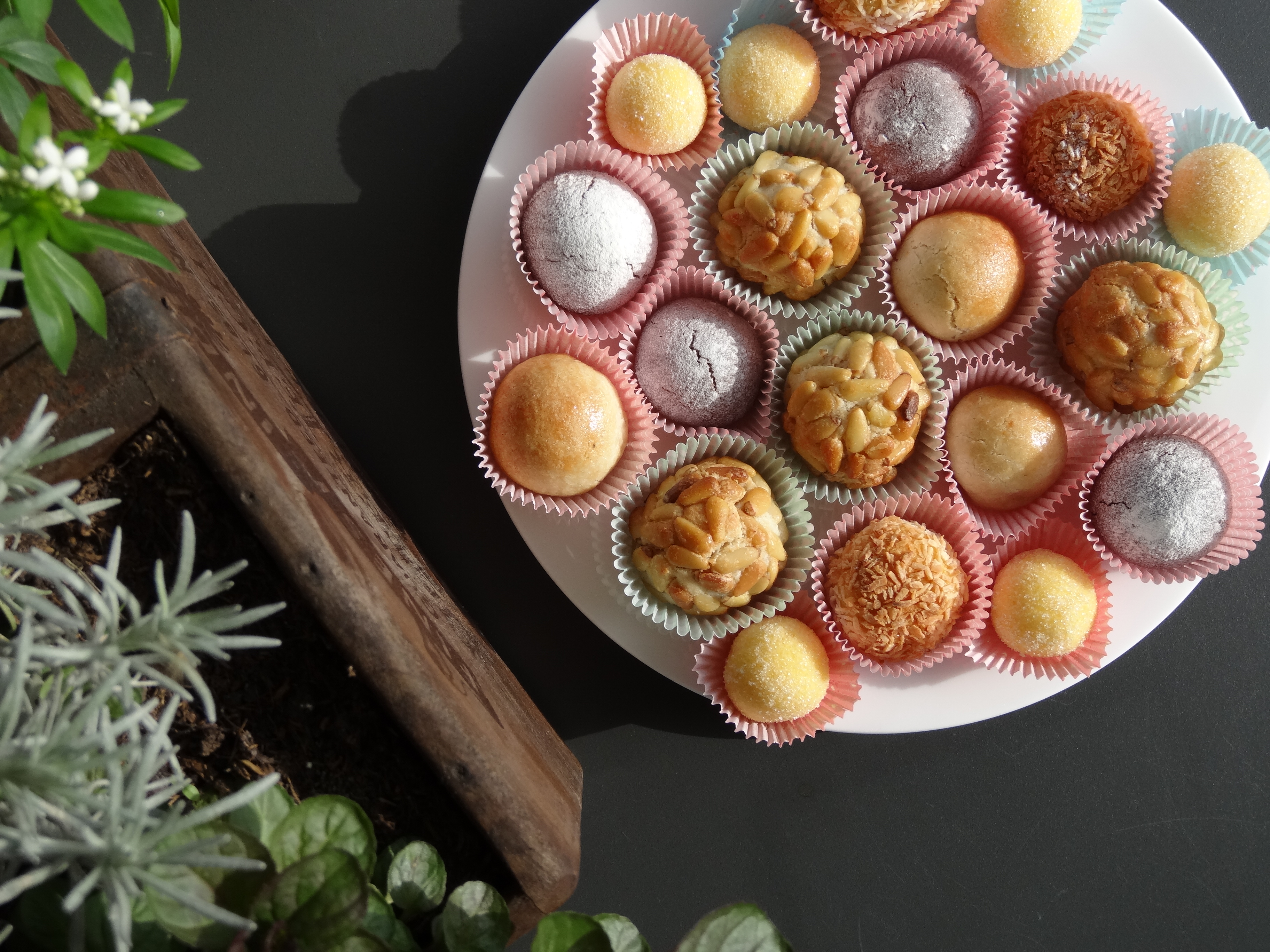
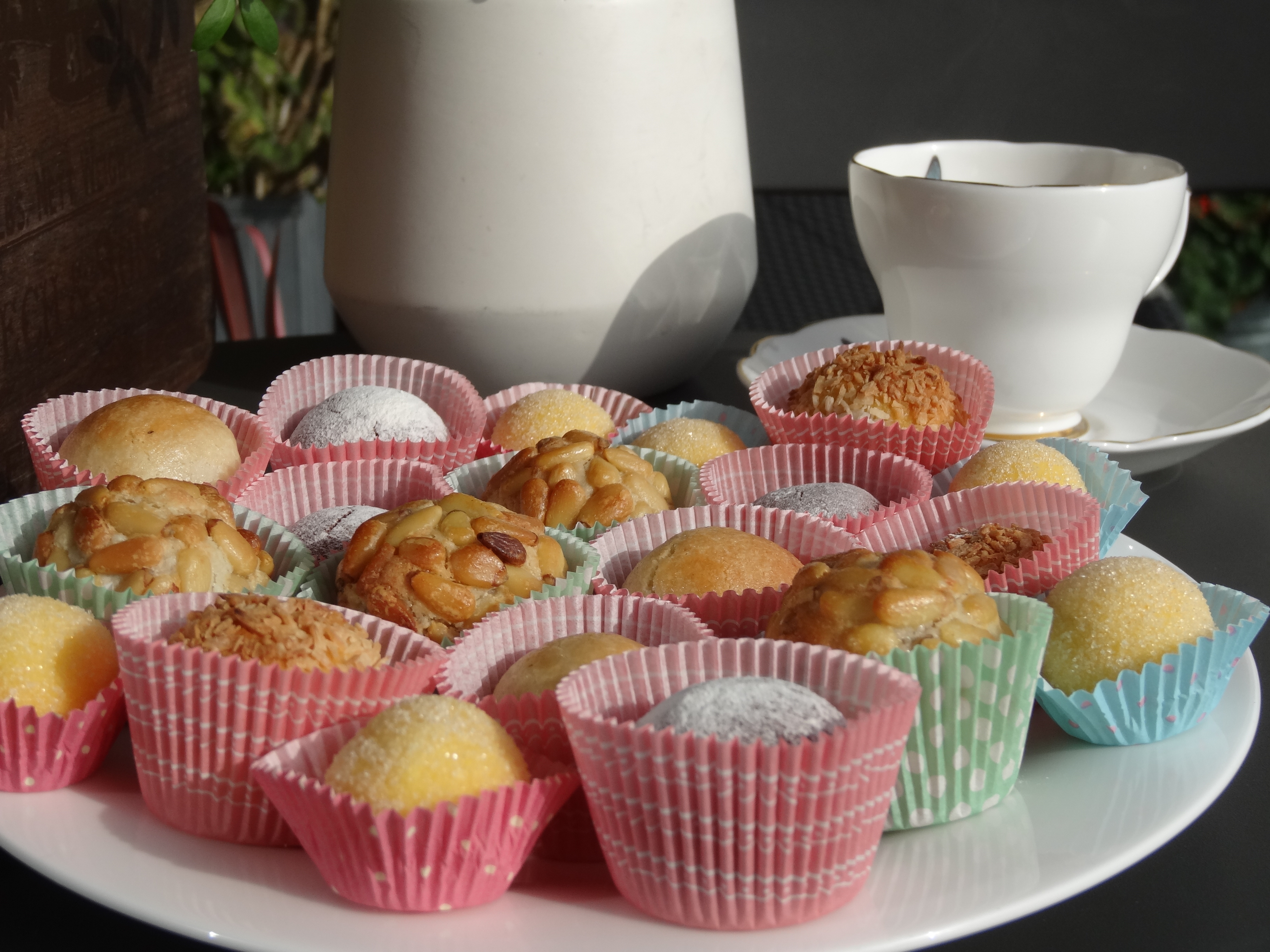
As these photos show, I didn’t just stick to one type of marzipan. And I didn’t just stick with marzipan either, this year adding Yemes de Santa Teresa to my repertoire (egg-yolk sweets).

DSC03709 DSC03736 DSC03725

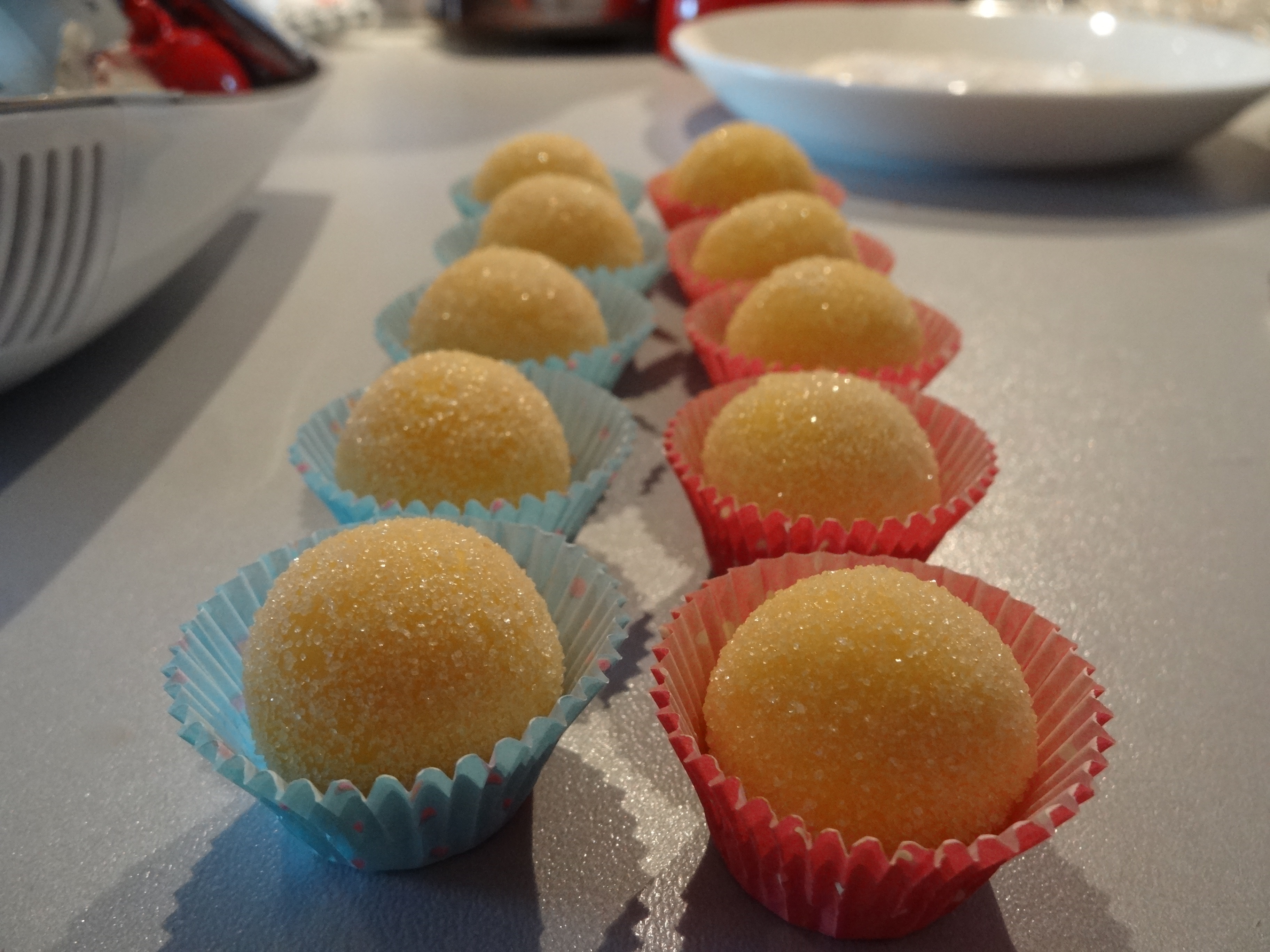
Yemas de Santa Teresa

My recipes for these sugary eggy treats are taken from The Food of Spain by Claudia Roden. To make, you need to bring 100g sugar and 4 tablespoons of water to boil before simmering for around 10 minutes until the syrup coats the back of a spoon. Leaving the syrup to one side to cool slightly, you then whist up 6 large egg yolks by hand, but vigorously, before gradually whisking this into the sugar syrup. This combination should then be returned to a low heat and stirred continuously with a wooden spoon until the mixture thickens to a paste and comes away from the sides of the pan. It’s a tedious exercise, taking around 10-20 minutes, but so worth it.

Place your paste in the fridge for at least 6 hours or overnight. Then, after the cooling period it’s simply a case of taking a small spoonful of the mixture, rolling up in your hands and then in some caster sugar to give that sweet sparkly finish. Place in little paper cases for that petit four effect.

DSC03703

Panellets de piñones

The next lot of sweets to be taken from Claudia Roden’s book, and the first of my marzipan creations, are the pine-kernel covered marzipans, panellets de piñones. These panellets are a delicious, slightly more complex version of plain marzipans, but the method is similar. Whizz up 200g ground almonds with 150g caster sugar and the grated zest of 1 lemon, with 2.5 tablespoons of water. Plend for a few minutes until the almond oils start to really bind the paste. This should be refrigerated for around an hour before breaking into equal sized pieces and rolling into balls (I got around 16 at around 4 cm in diameter each). Then comes the tricky bit. Roll the balls in a lightly whisked egg white and then into a bowl of around 200g of pine nuts. Press as many as you can into the marzipan in the palms of your hands. But inevitably some with fall off so you’ll have to fill the gaps with the nuts by hand, pressing them in slightly. This is slightly time consuming and fiddly, but SO worth the effort. Once you have a complete “shell” of pine nuts, roll again in egg white and set out on a baking tray.

Once all your balls are all covered, pop them into an oven at 200C for 10 minutes until slightly golden. Once done, you’ll need to leave them to cool slightly before taking them off the tray, or they will quickly break apart.

IMG_3667

Catalan marzipans

While the traditional marzipan recipe tends to stick to almond as its basis, catalan marzipans often use sweet potato in addition to the almond. Intrigued to try this addition, I turned to the marzipan recipe by Sophie Ruggles in her book, My Barcelona Kitchen. I started by making a basic marzipan recipe: I peeled and chopped one large sweet potato, cooking it in boiling water until soft, and then mashed and cooled slightly. This was added to 350g of ground almonds, 250g caster sugar,  and 1 egg and whisked up in the food processor. I then split the resulting paste into two batches, adding a tablespoon of cocoa powder to one lot to make a chocolatey marzipan, and a tablespoon of desiccated coconut to the other.

These mixtures, like the yemas paste above, were refrigerated for around 6 hours. I then rolled into balls, coating the coconut paste in more desiccated coconut before placing both lots of balls onto a lined baking tray and baking for around 30 minutes at 180C. Once cooled I finished off the chocolate balls by dusting with icing sugar.

The result of all this baking was a selection of very different sweets, but all with the subtle flavourings which characterise these traditional Spanish sweets. The sweet potato added an interesting textural variant and some subtle, natural sweetness. I particularly liked the chocolate marzipans which taste more like little chocolate cakes than traditional marzipan. All this shows that you can do lots with the basic marzipan recipe, whether rolling in nuts, in different flavoured sugars, into different shapes, or just leaving them plain. The marzipan is, as they say, your oyster.

DSC03716 DSC03715 DSC03724

Catalan shellfish orzo paella

Nothing continues the memories of a wonderful holiday better than bringing the food of that holiday destination home. There is nothing quite like the process of cooking, and eating international food to tease each of the senses with memories of the good times. So one of the first things I did after my return from my recent weekend in Barcelona was to recreate that exquisite noodle paella which I had so enjoyed on the quayside of the Port Vell over our last lunch. Using durum wheat pasta noodles rather than the traditional rice resulted in a delicious textural twist on the normal paella, while cooking without moving any of the ingredients so as to caramelise the fish stock into a golden crunch at the edges made this paella something to die for.

DSC03583 DSC03581 DSC03582

I found a similar recipe in a new cook book I have recently picked up, My Barcelona Kitchen by Sophie Ruggles. Unfortunately my supermarkets were less in tune with the noodle paella approach, and finding something similar to the recommended short durum wheat noodles required by the recipe turned out to be the first hurdle to cross. So thinking laterally, I decided to go for a durum wheat orzo instead – for these little beads of pasta very nearly replicated the short length and texture of the noodles we had hungrily devoured in Barcelona. As for the rest, buying myself a good heap of different shell fish, from tiger prawns to langoustines, as well as plenty of squid, mussels and some mixed fish, meant that I was plying my paella with as much fish as it deserved, and in probably more generous portions than had ever been lavished upon us in a restaurant.

First up was to make the fish stock, which is an important element to the dish since it is this which really gives the paella its distinctive flavour and ensures that that caramelisation is as rich and delicious as it deserves to me. However, I admit to cheating just a little bit, as I started off with 1 litre of fresh supermarket-bought fish stock to use as my base, before further enrichening this with a chopped and wilted white onion, 1 crushed garlic clove, 1 diced tomato, half a teaspoon of smoked (sweet) pimenton, a pinch of saffron threads, a whole load of prawn shells, heads – you name it. This was left to simmer away for a good 45 minutes or so to ensure full development of the flavours before being sieved to remove all of the chunky bits, leaving behind a flavoursome stock.

IMG_7814 IMG_7816

Then came the paella itself. I started off by coating the base of what should have been a paella pan, but in my case had to be a wok (I am yet to own a paella pan, but I will change this) and in that oil cooking 6 unpeeled garlic cloves for 2-3 minutes. I then added the uncooked orzo and coated in the oil before cooking, tossing frequently, for around 5 minutes until golden brown. I then removed the orzo and garlic and set aside, before then cooking the prawns and langoustines and again setting aside.

Finally, bringing everything together, I cooked my calamari for a few minutes (until the liquid had disappeared), threw in some pieces of mixed fish, my orzo, mussels and all of that delicious stock, and scattered the rest of the seafood including all of the prawns on top. I then cooked untouced over a medium heat for around 10 minutes to gently caramelise. I cheated on this aspect too, placing the whole paella under the grill for a few minutes at the end to further enhance the caramelised area – I just can’t get enough of that caramel!

And there we have it – my orzo paella, which can also be made with noodles, and just calls to be varied with all the different kinds of fish and shellfish that you desire. Buen provecho!