Skip to content

Posts tagged ‘Photography’

The Greatness of Granada, Part 5: Final reflections

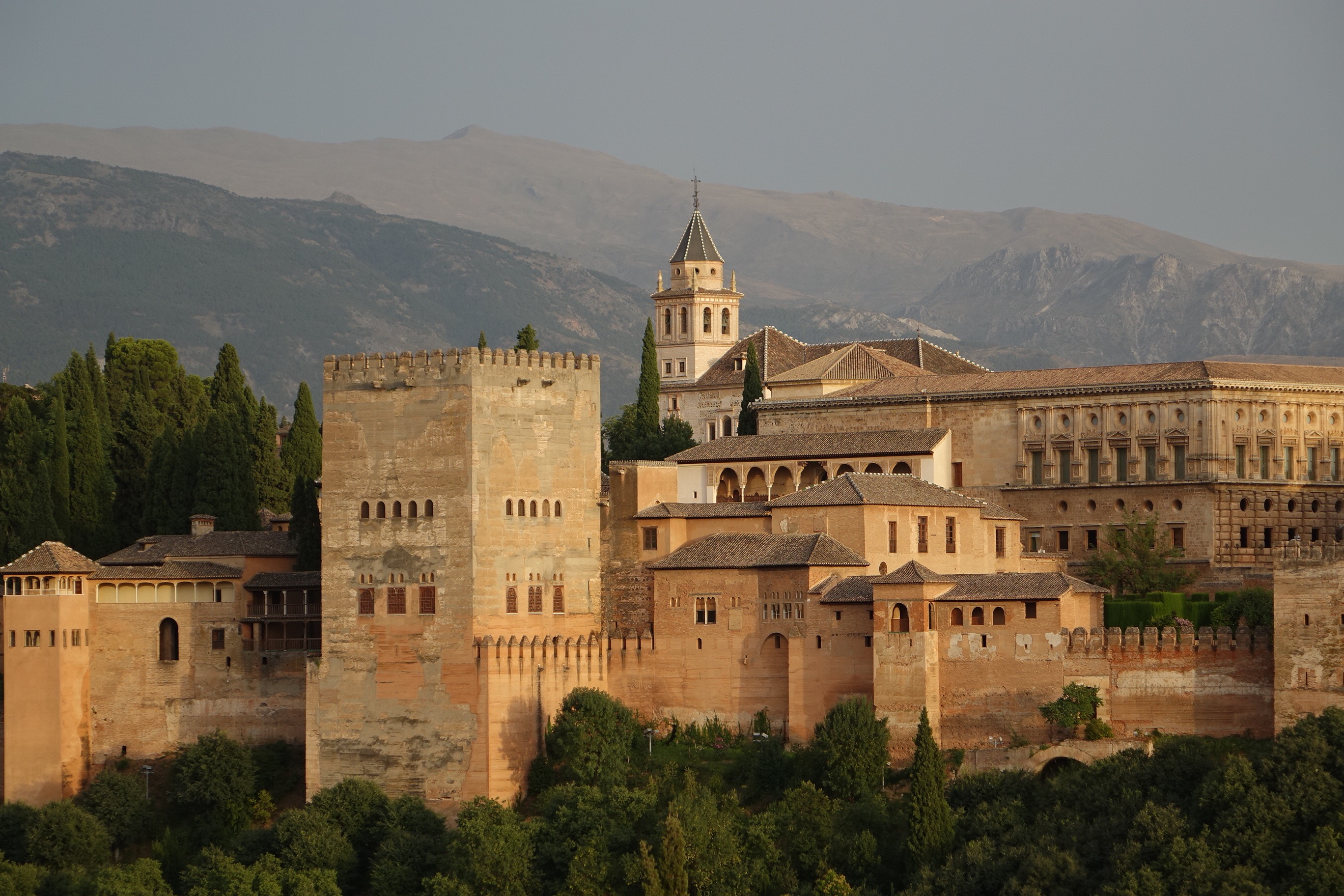
It’s funny, because when I think back to our time in Granada it feels like a different time and place, even though as I sit here contemplating the holiday, I do so still surrounded by Spain. Of course I always knew that Mallorca was very different from Andalucia, but Granada has something about it which marks it out from the rest. It might be that very distinctive perfume of arabia which wafts around the street full of oriental musk and spices. Or perhaps it is the fact that wherever you turn, the imposing ochre silhouette of the Alhambra is never far from view. Granada is a city whose surroundings are baked like the crunchy top of a Crema Catalana, but whose inner heart beats with a lazy vivacity, and whose lifeblood is the range of mountains whose outline is like a theatrical backdrop to the city-show, and whose icy heights provide the fresh water which runs through Granada like a god-given lifeline.

dsc04886dsc03998dsc04075dsc04362dsc04912

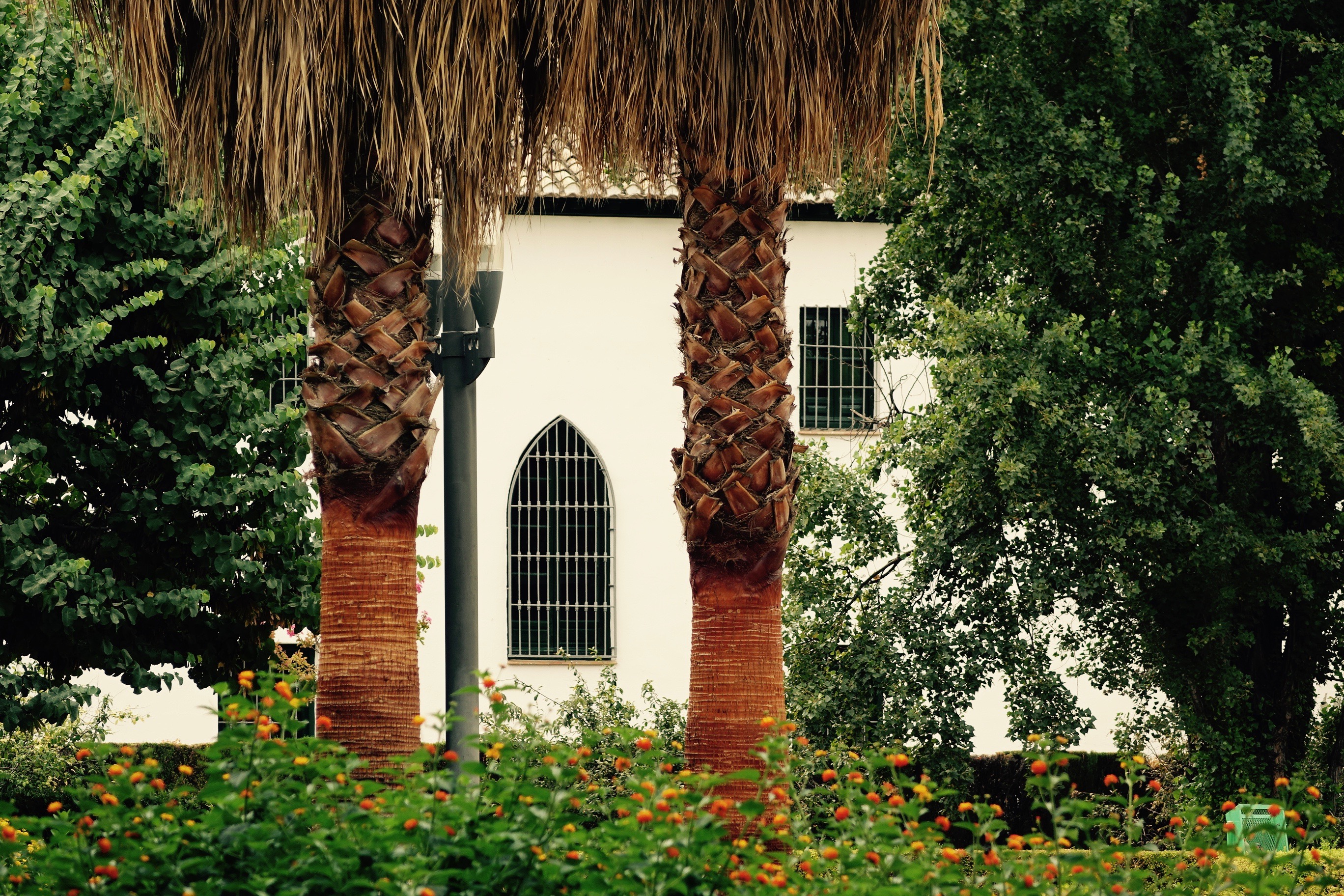
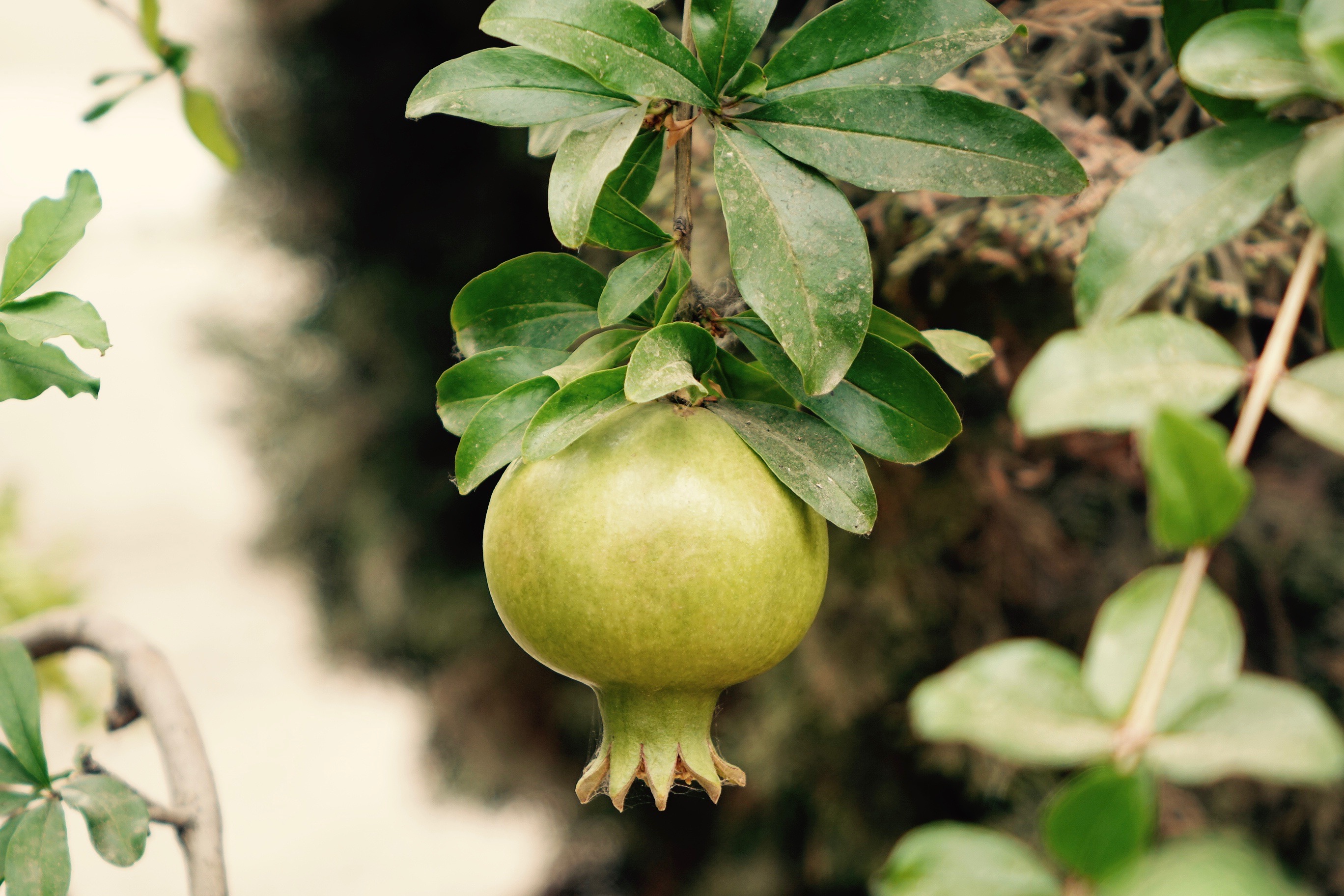
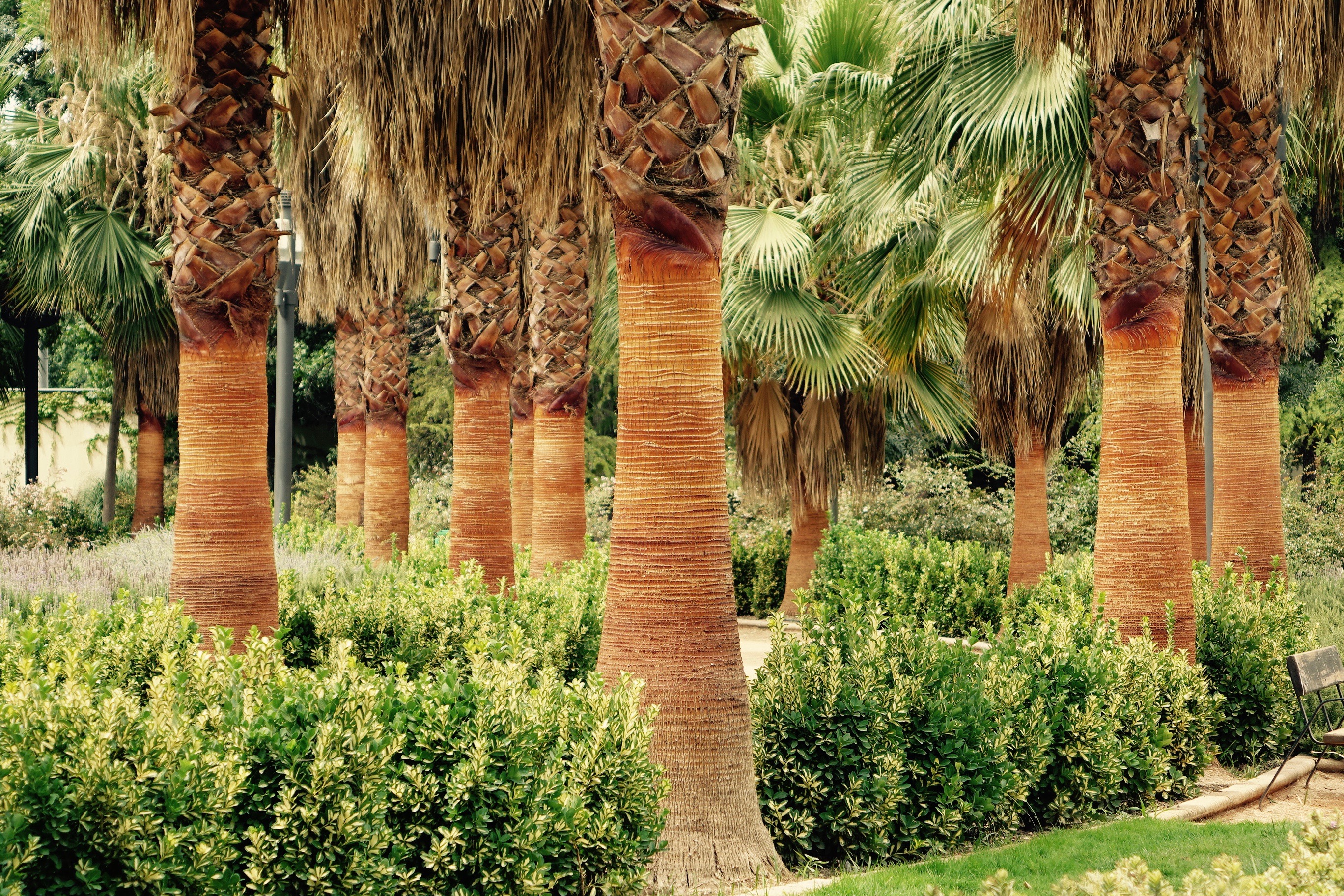
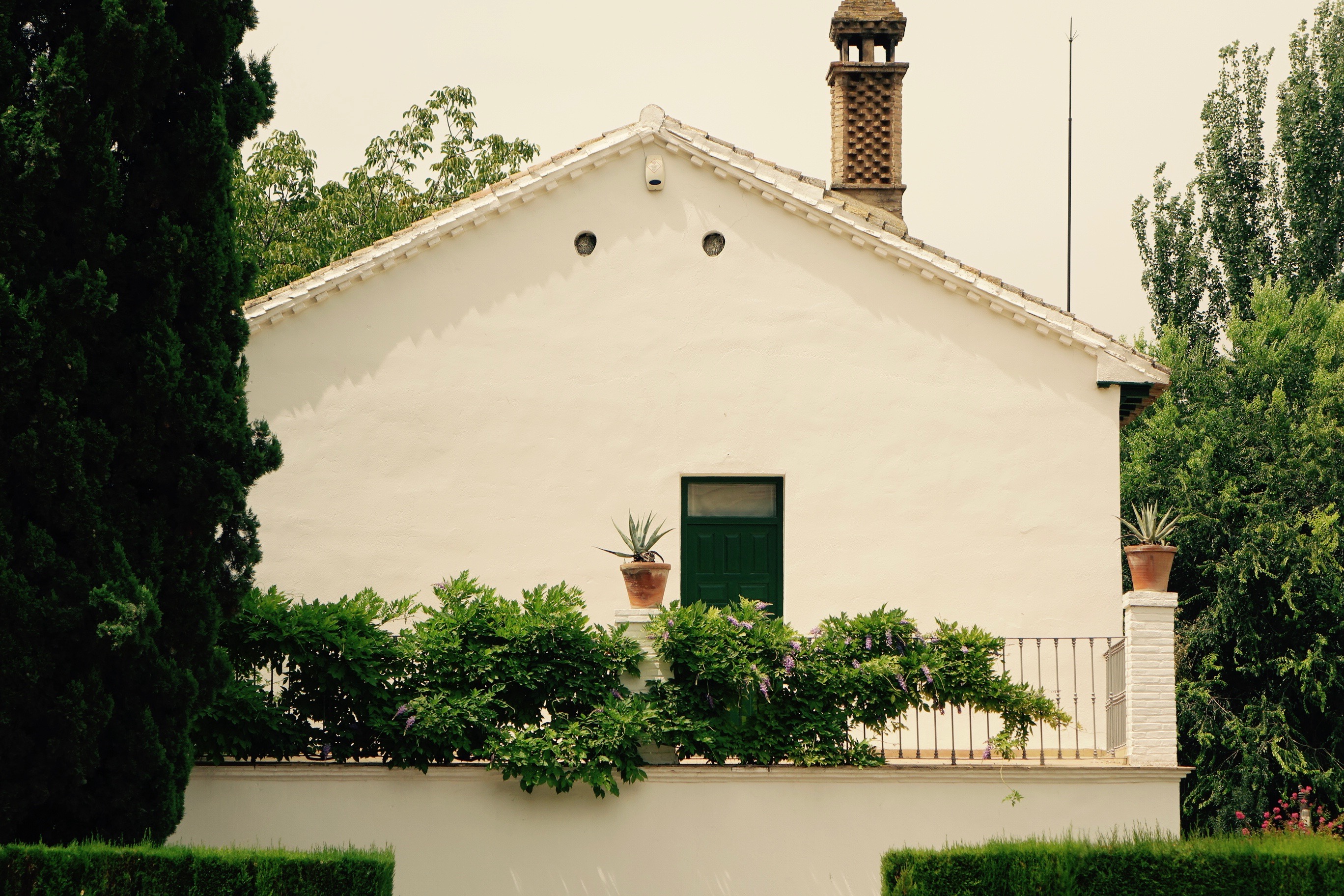
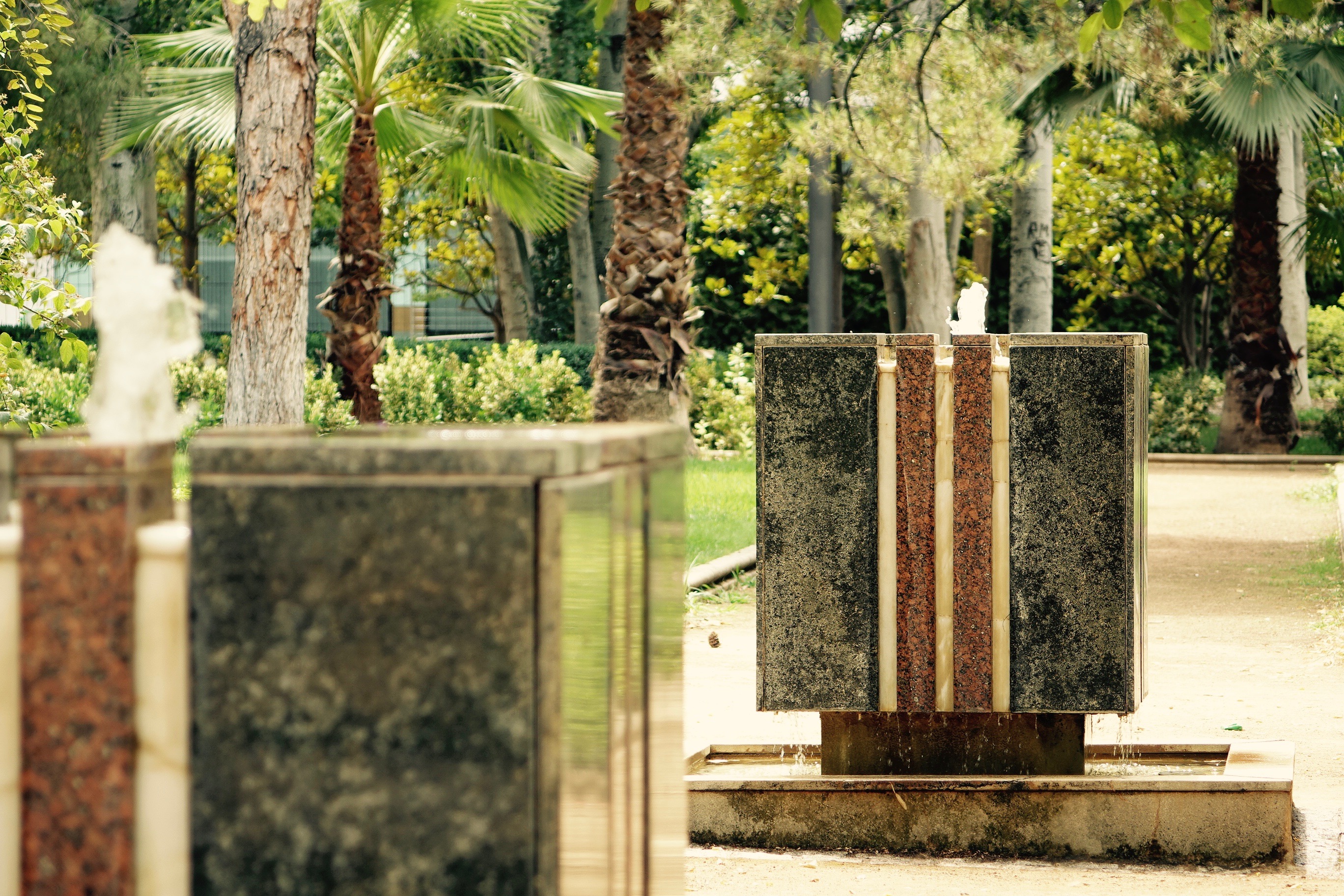
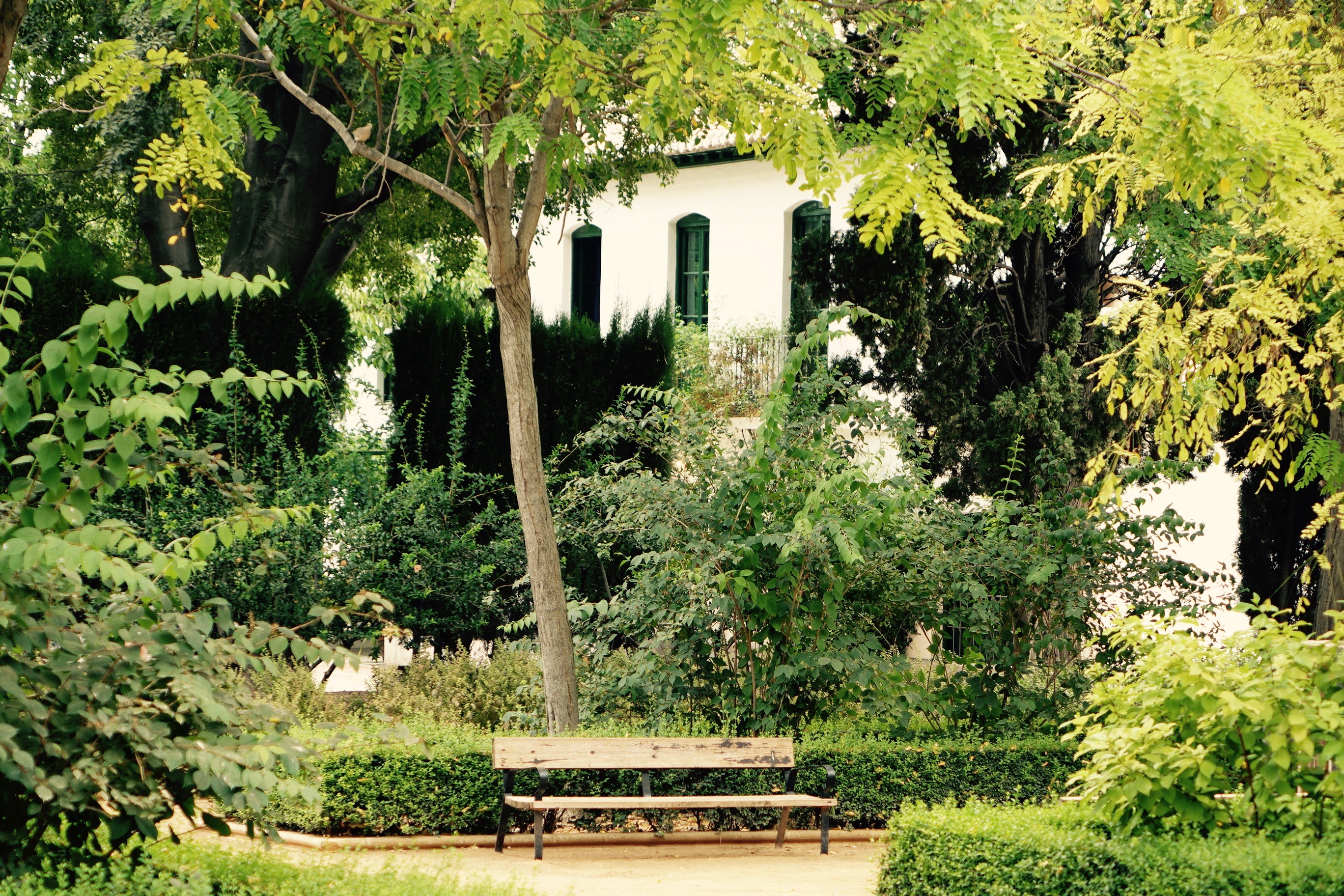
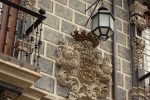
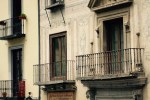
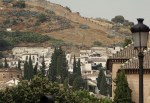
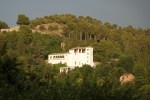
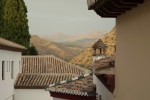
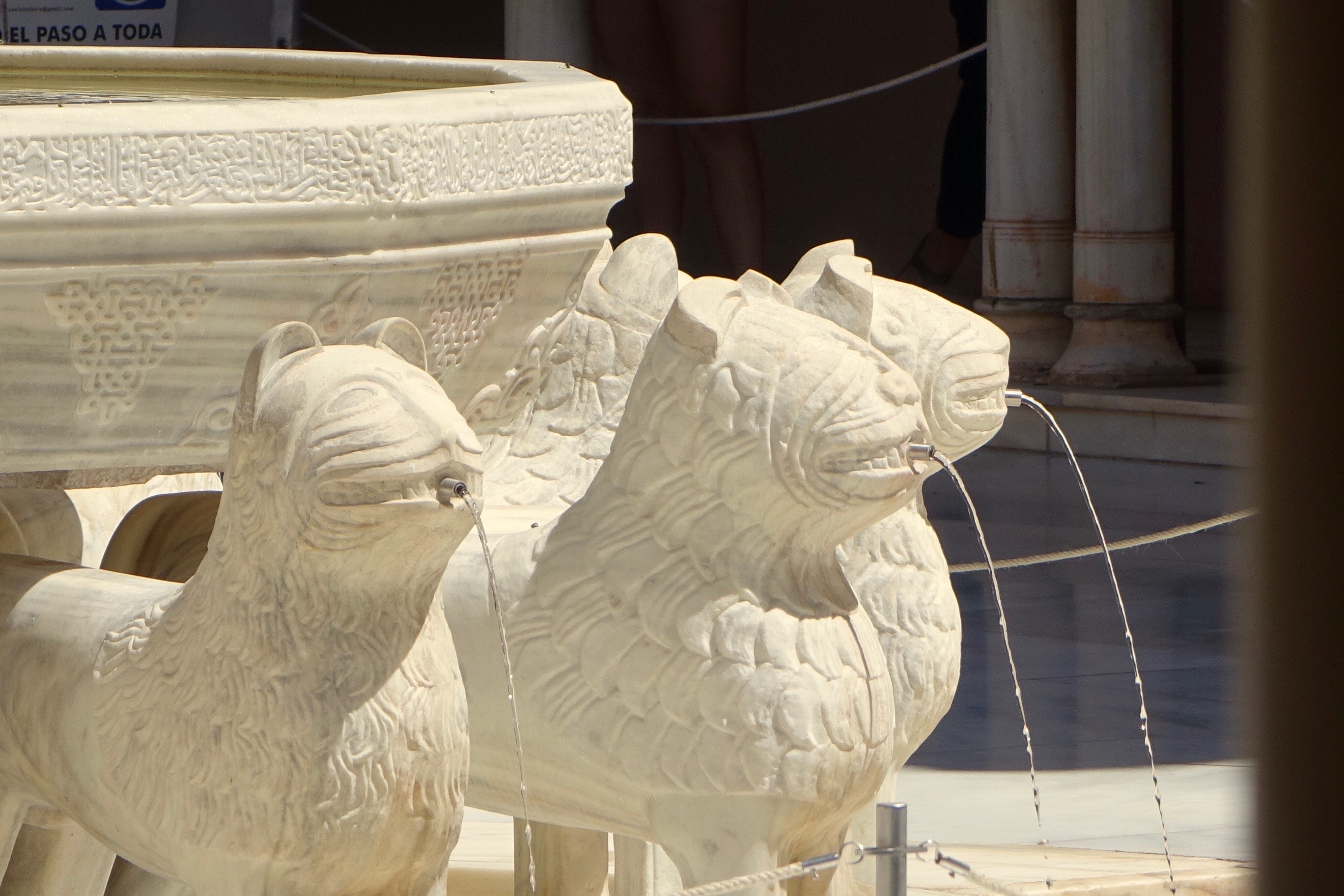
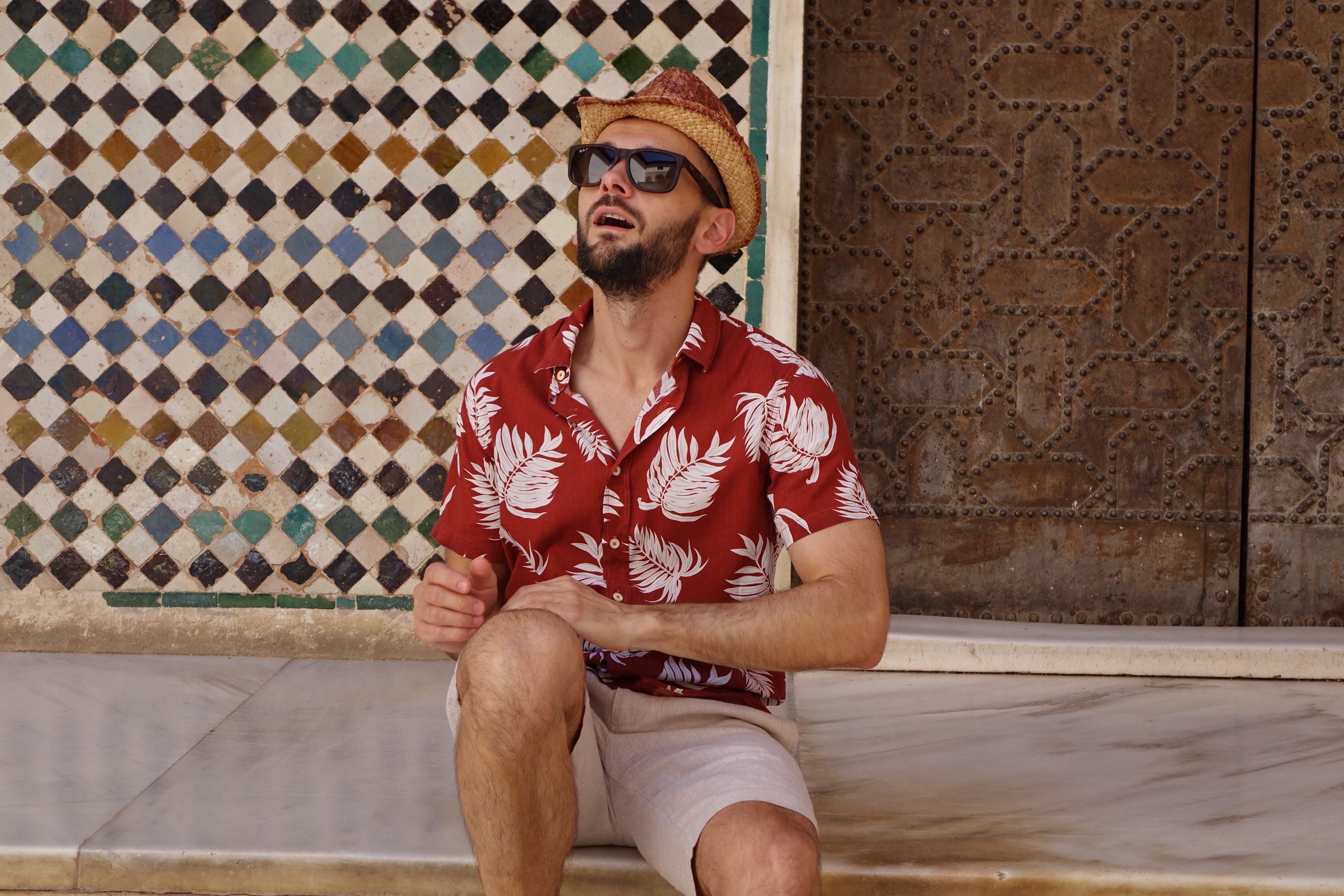
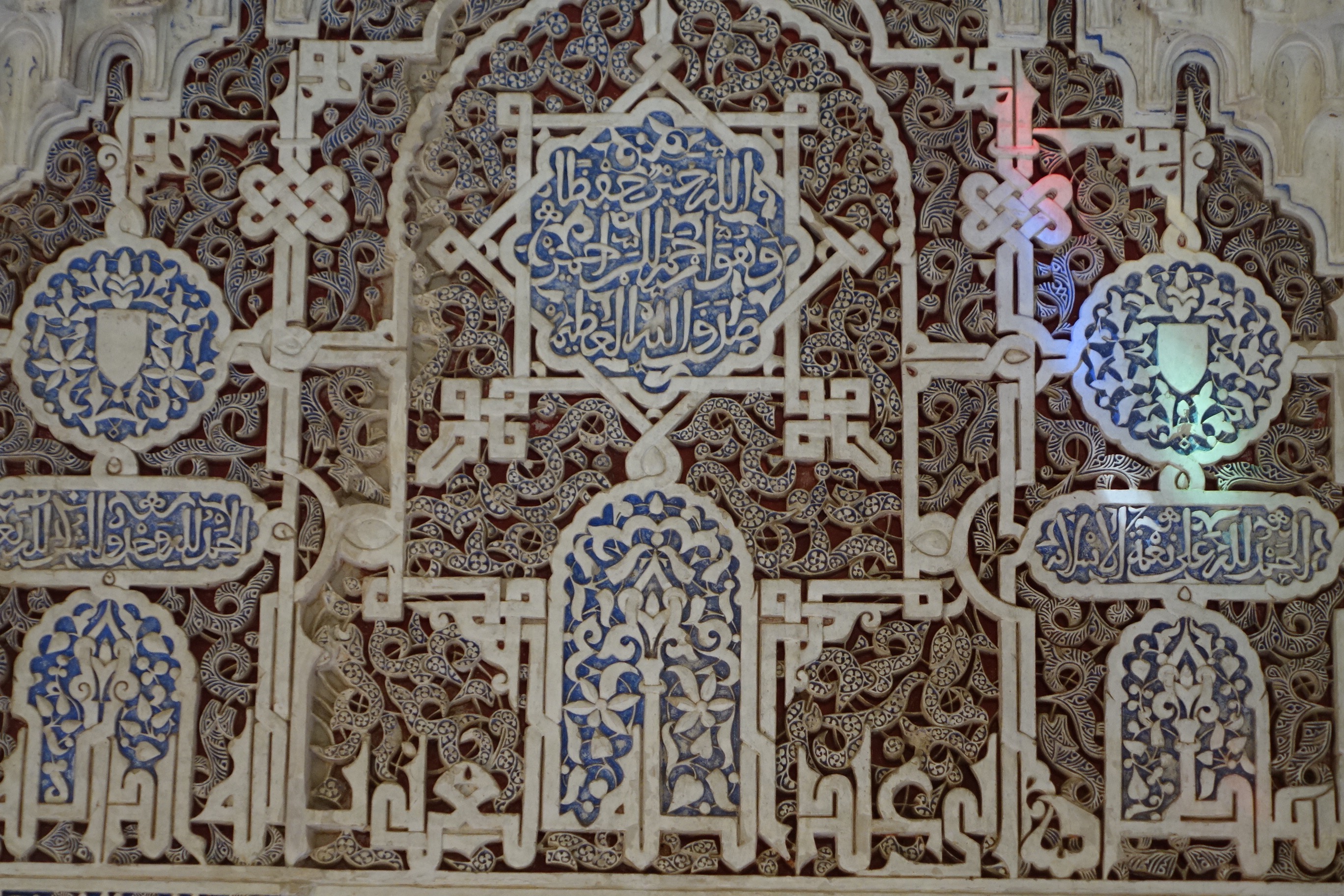
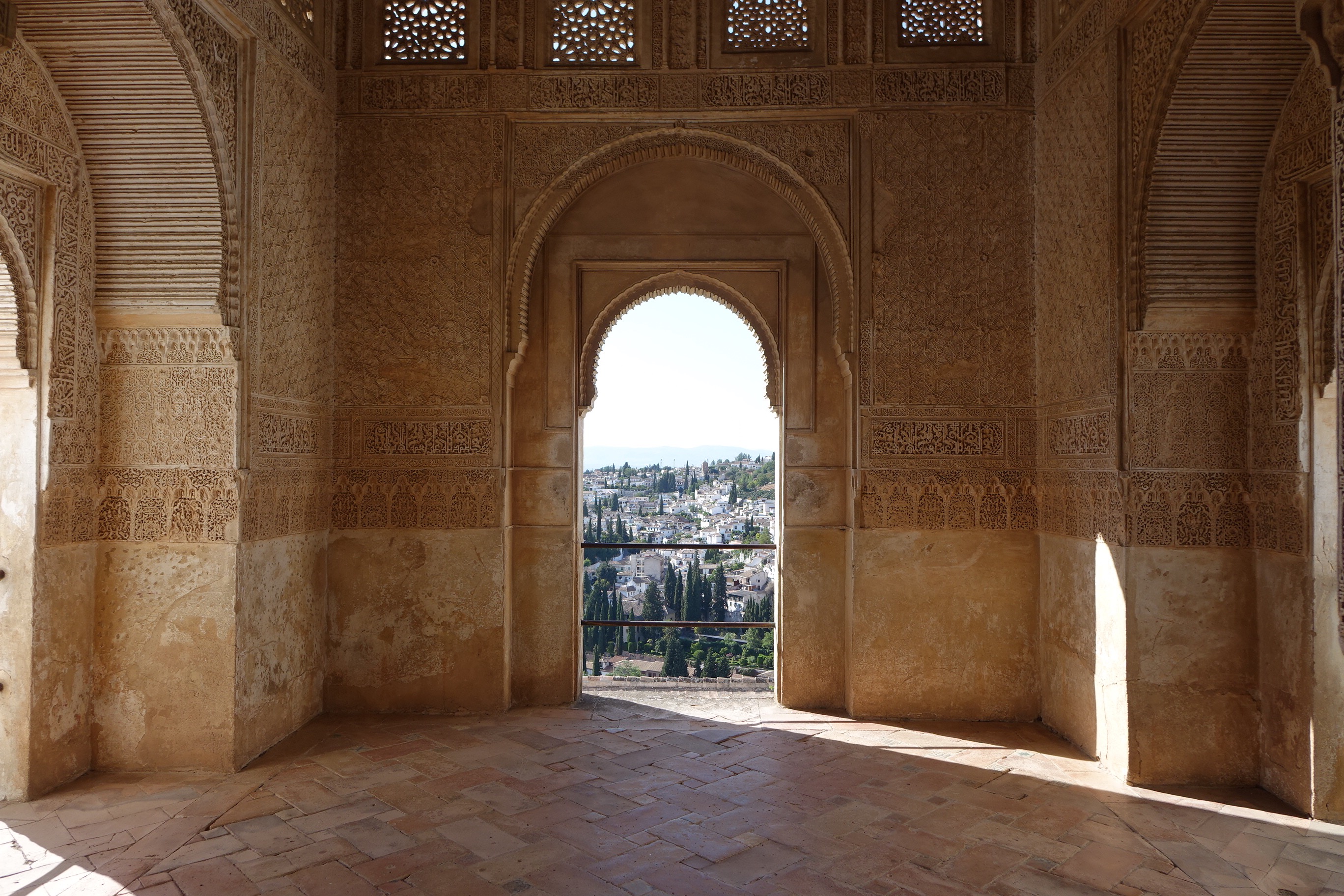
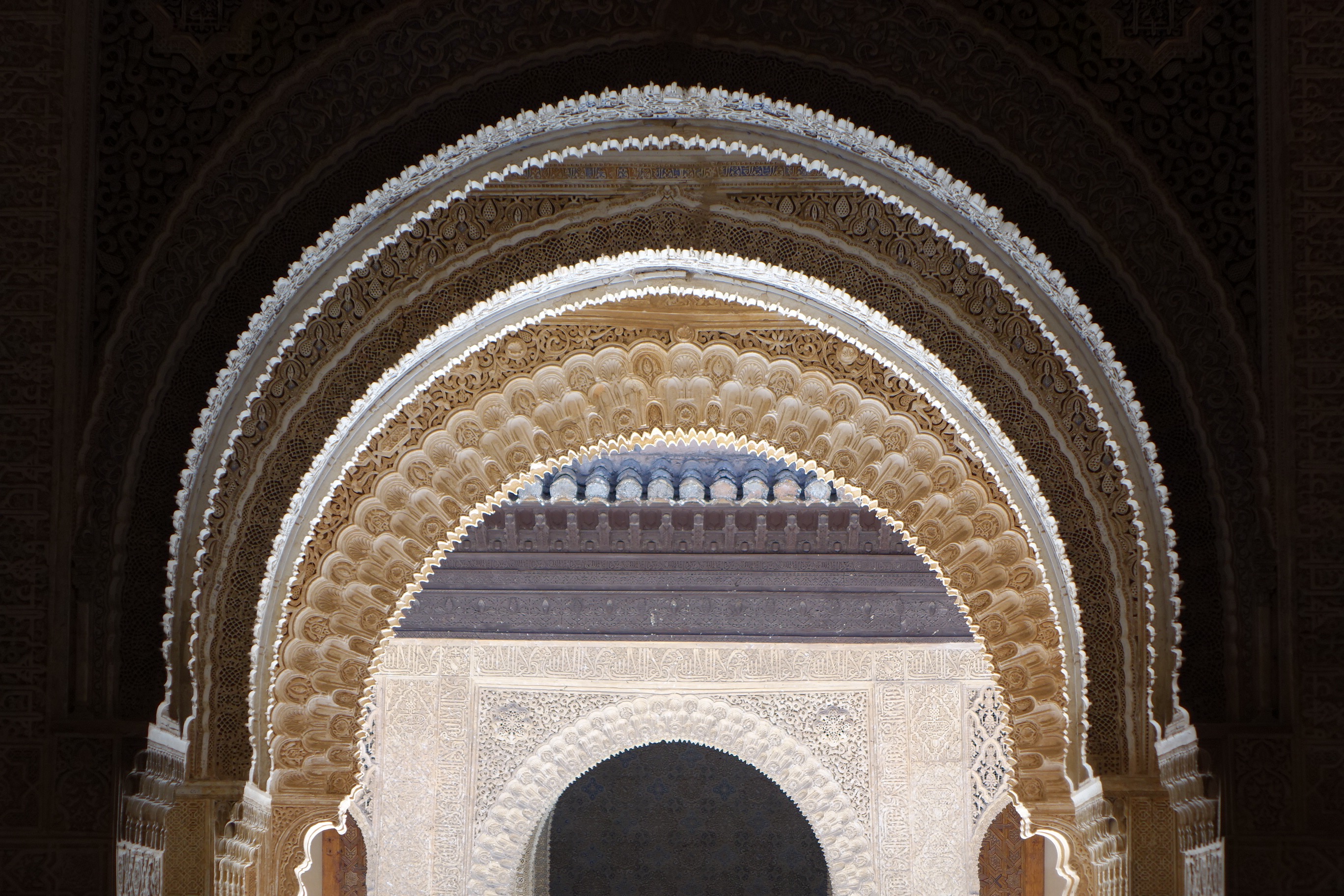
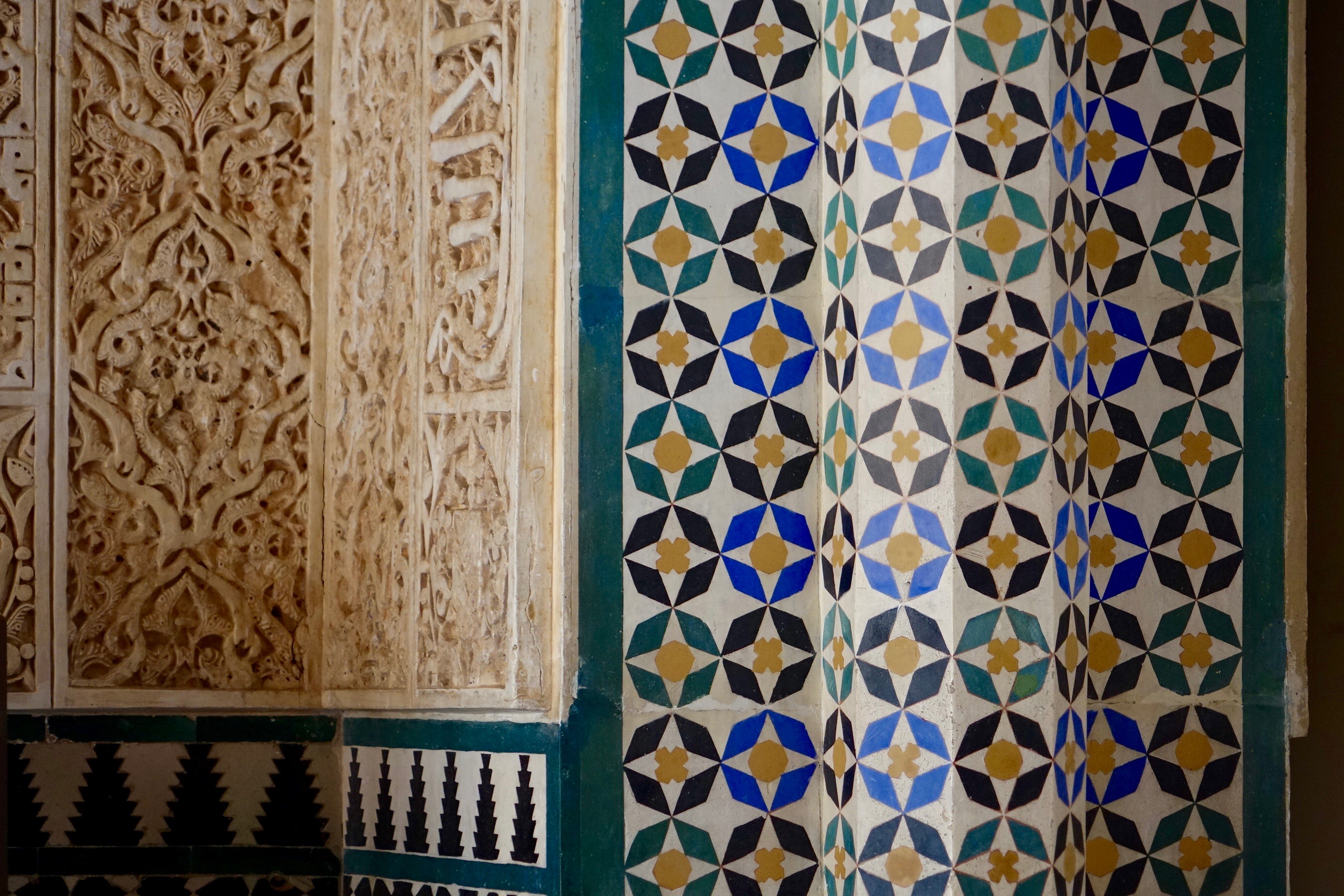
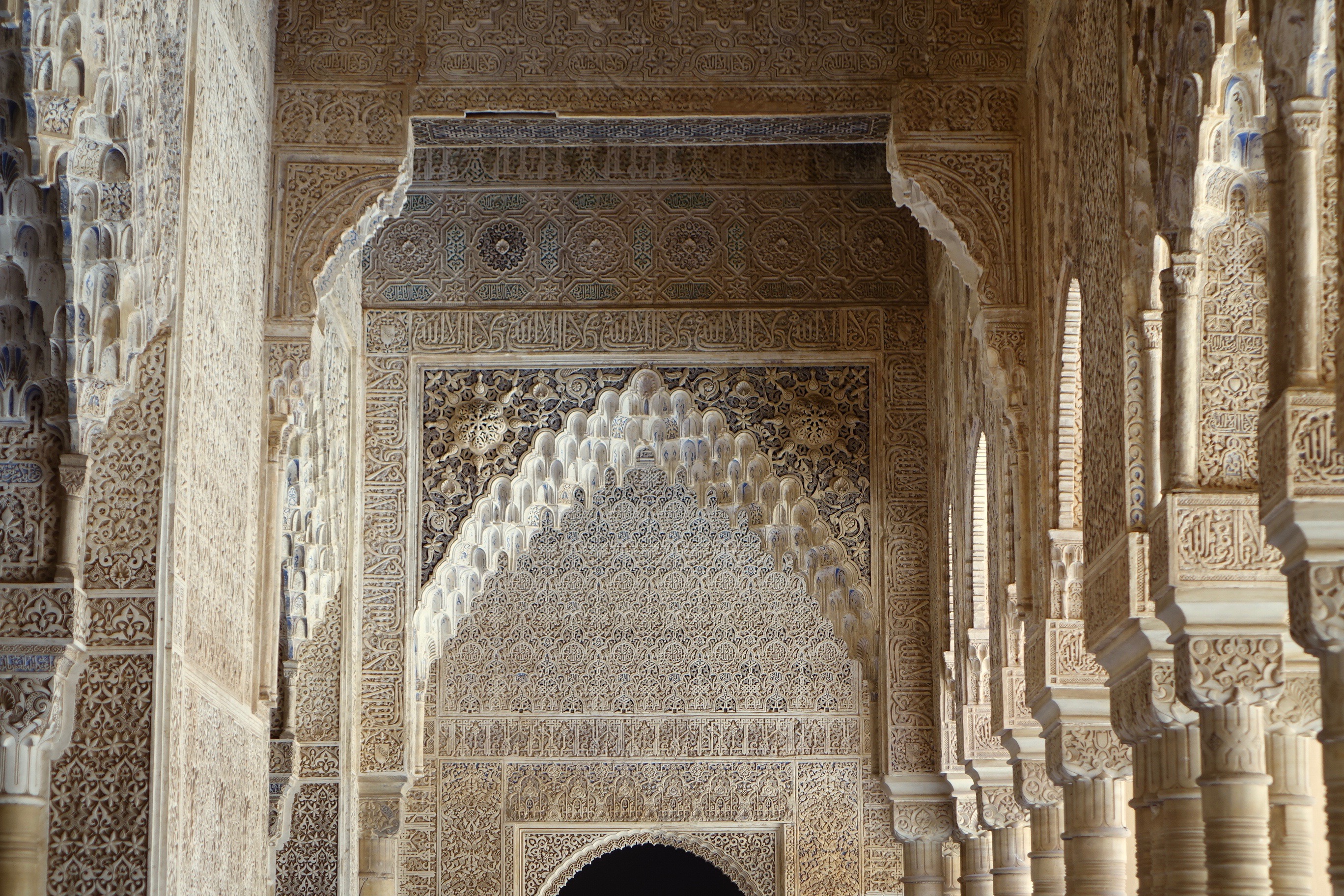
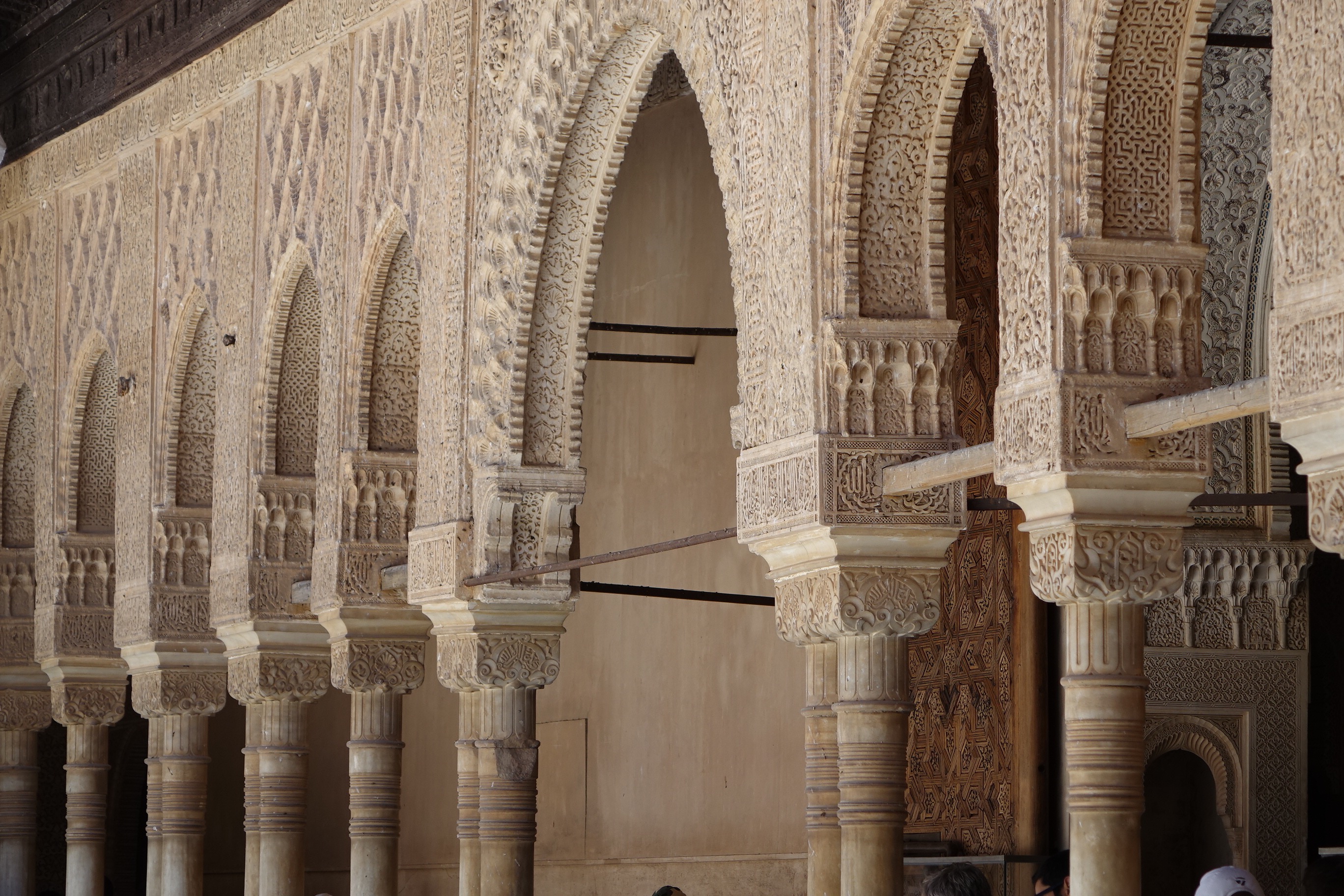
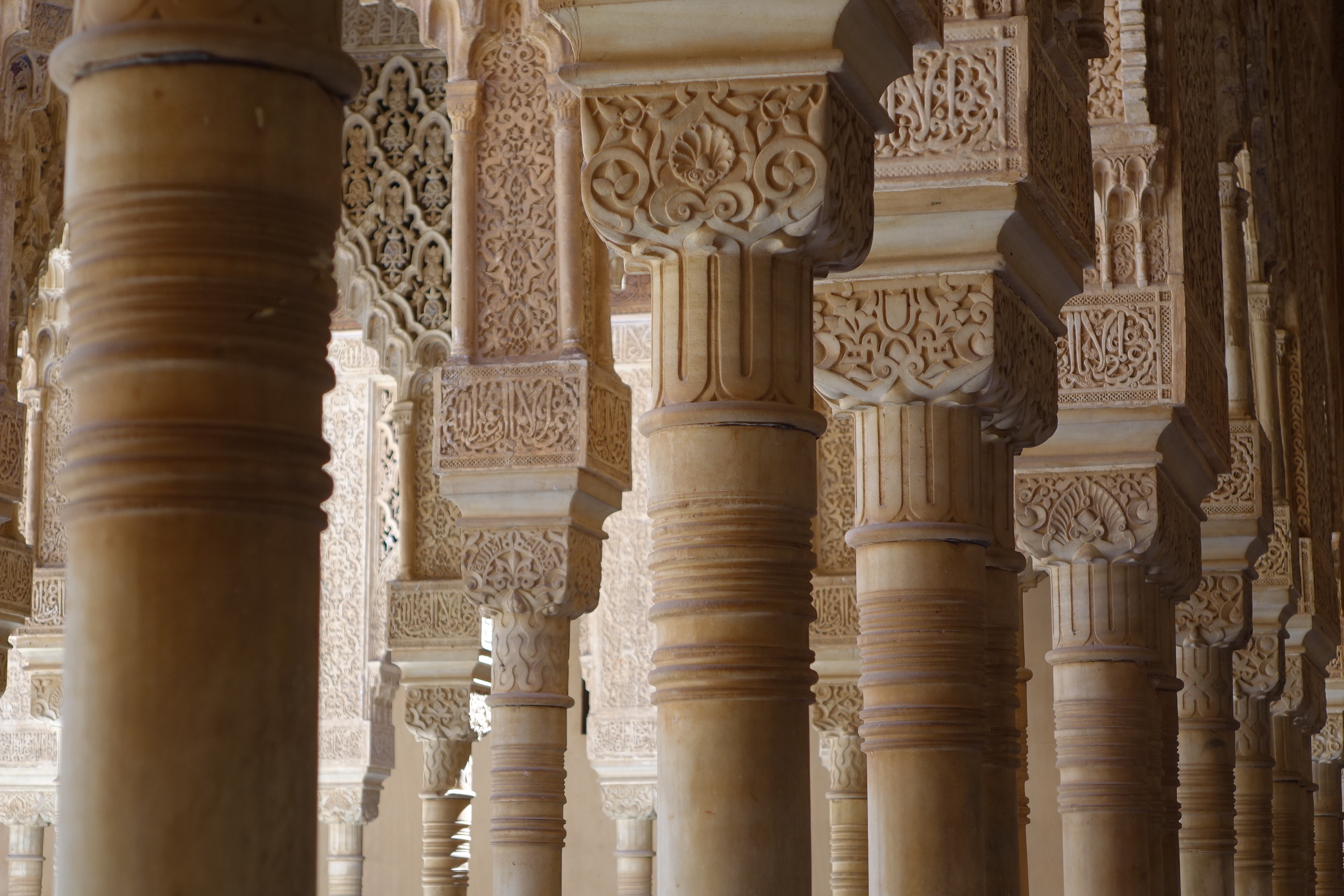
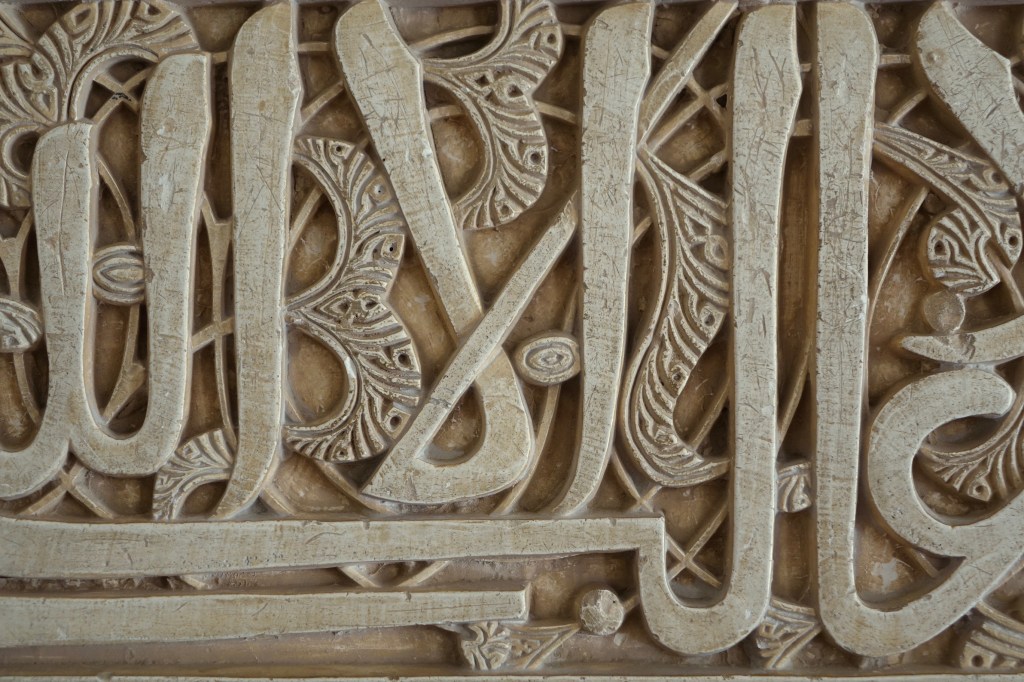
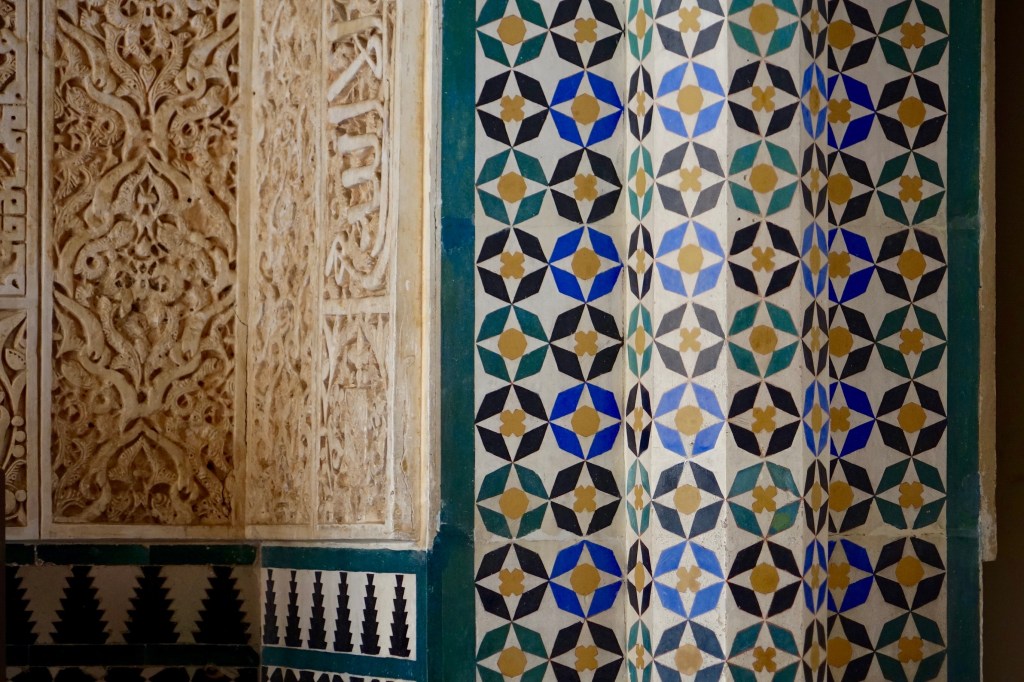
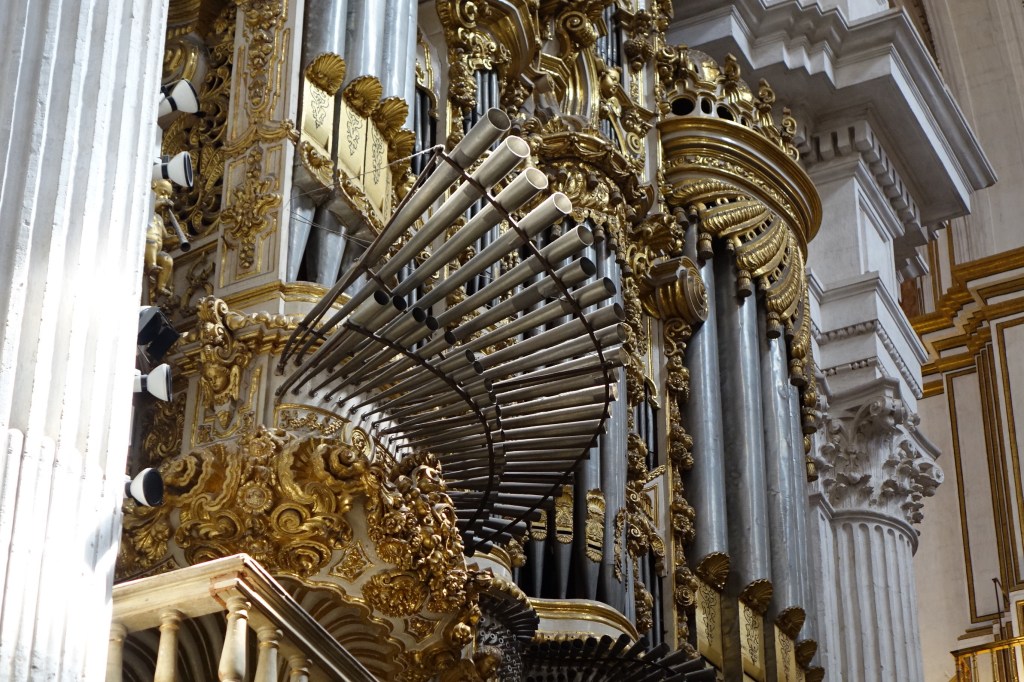
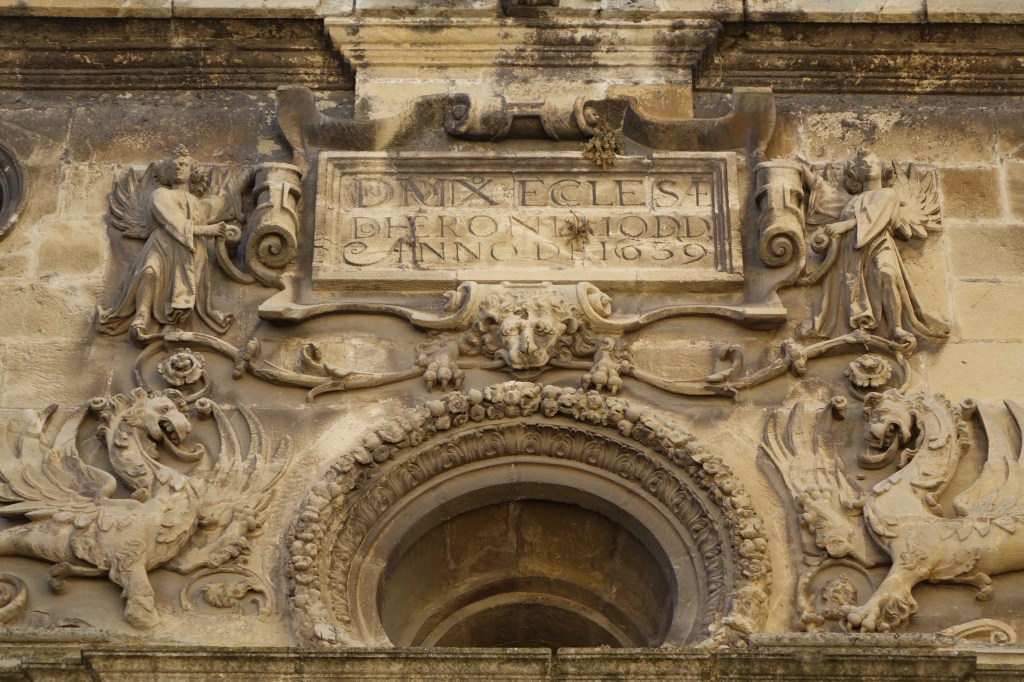
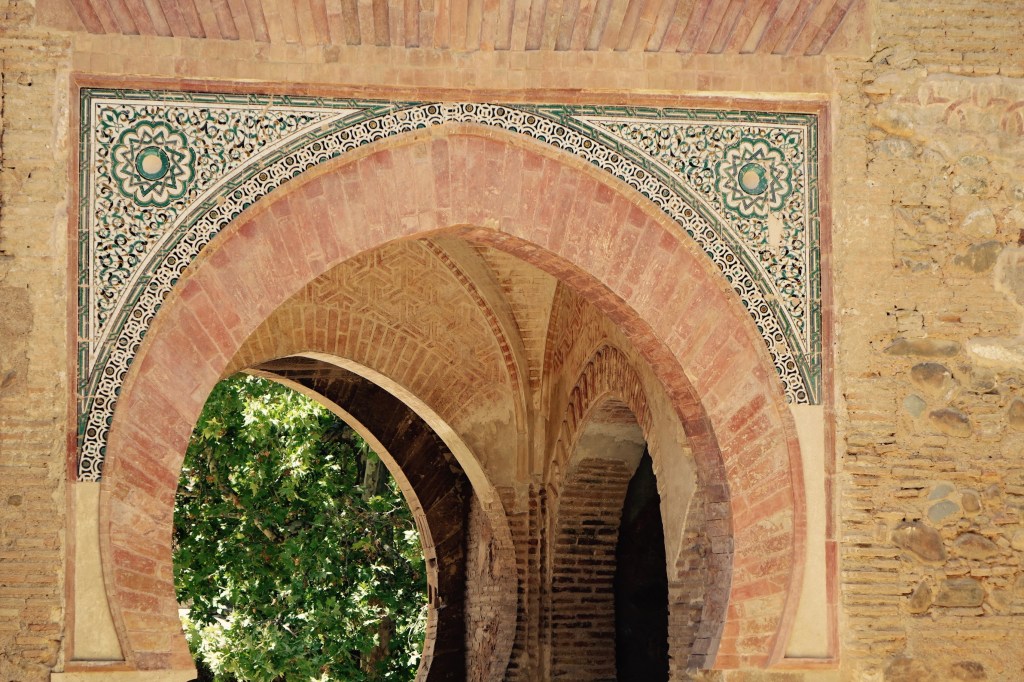
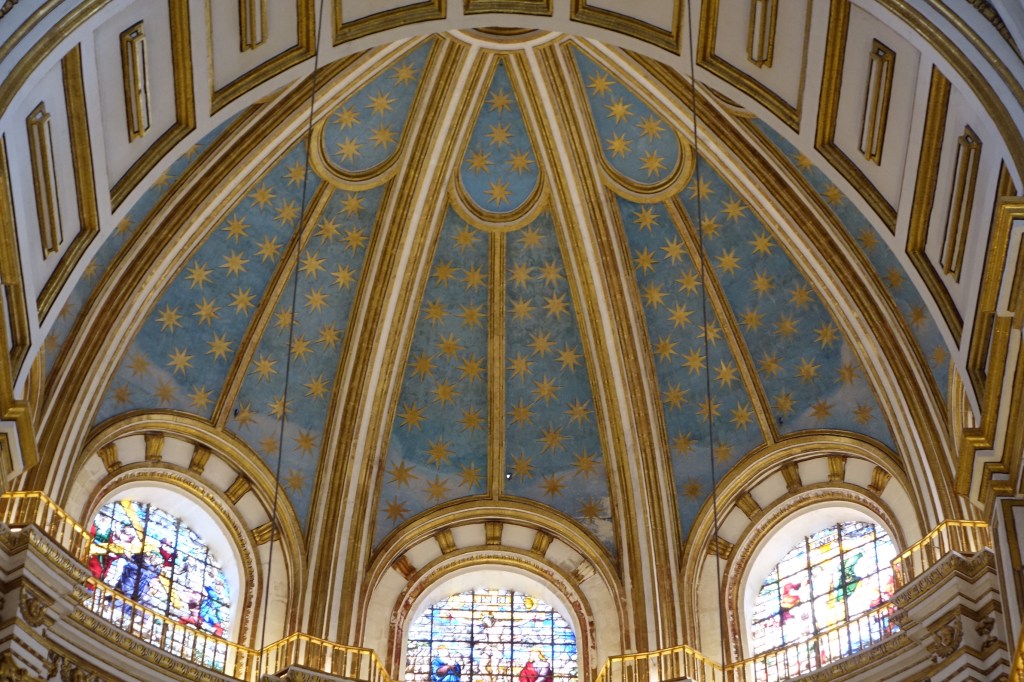
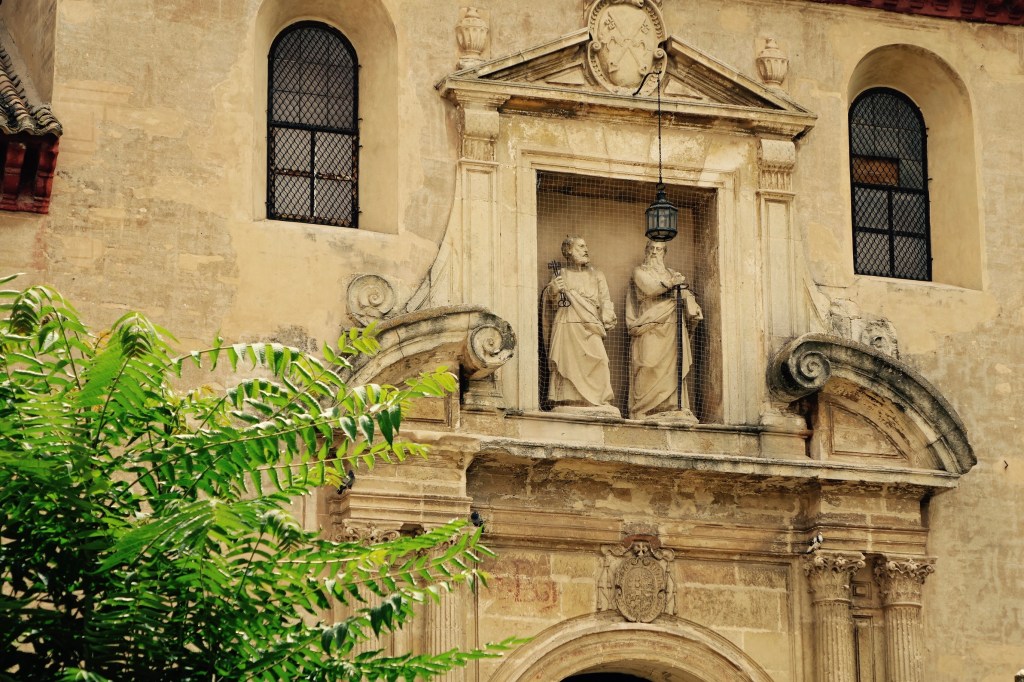
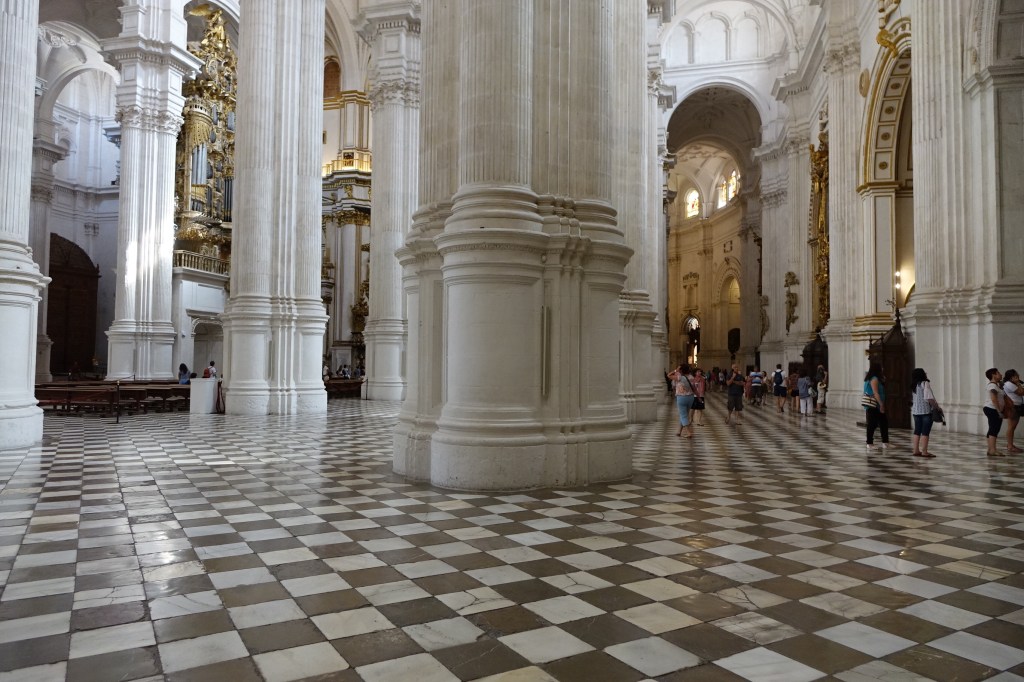
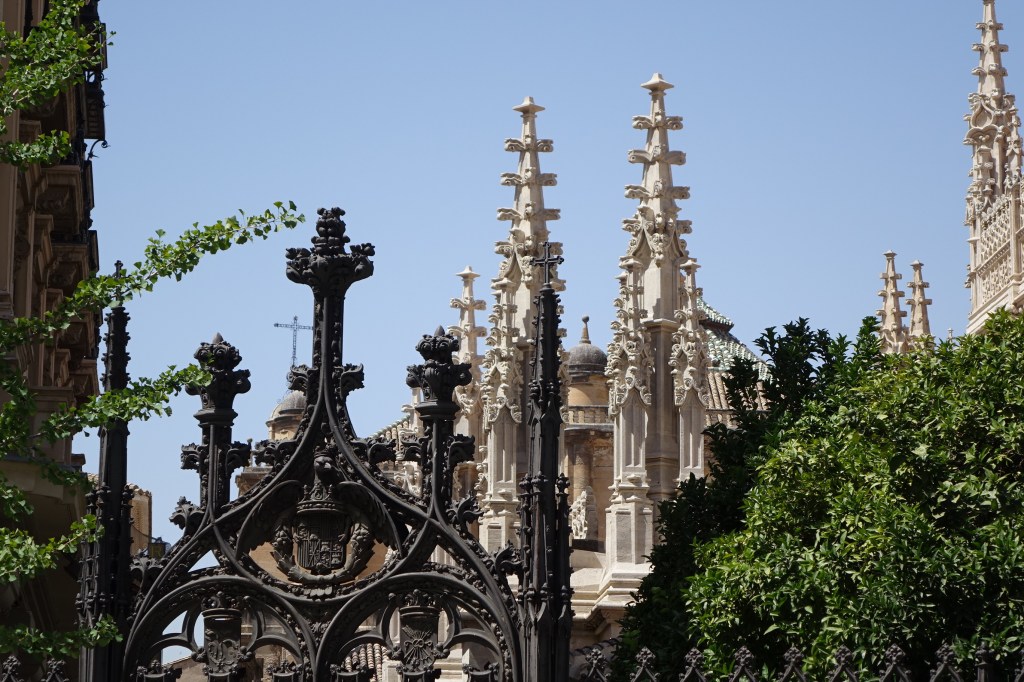
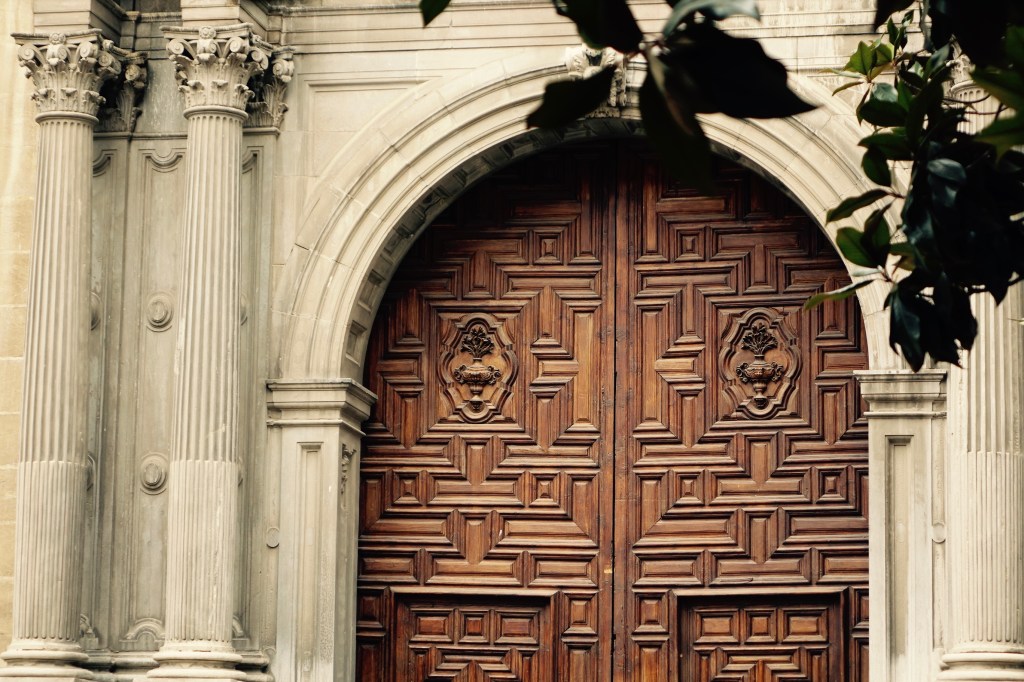
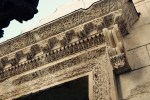
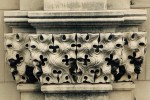
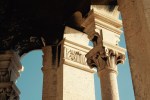
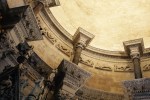
This final post of my Granada adventure is more of a reflective musing, sharing those photos which I like, but which somehow never slotted into my otherwise tidy rendering of our city trip story. So here you will find a few ghoulish gargoyles, plenty of sunbaked landscapes, a fountain or two, and a panoply of architectural details. All combined they are the well-spiced ingredients that make up the visually rich, exotically perfumed city of Granada.

All photos and written content are strictly the copyright of Nicholas de Lacy-Brown © 2016 and The Daily Norm. All rights are reserved. Unauthorized use and/or duplication of the material, whether written work, photography or artwork, included within The Daily Norm without express and written permission from The Daily Norm’s author and/or owner is strictly prohibited. 

The Greatness of Granada, Part 4: Lorca’s Legacy

Federico Garcia Lorca was easily one of Spain’s greatest ever creative talents, and his premature death at the hands of Franco’s fascists one of its greatest tragedies.

Lorca was many things. Artist, poet, playwright, musician, but across the board he was a true Andalucían, a man whose sensitive heart was worn on a sleeve embroidered from the sun of the south, and whose soul was moved by Granada’s gypsy cry. Reading Lorca’s poetry in both Spanish and even in English is to take a path across the heat-baked planes of the South of Spain. His words resonate with the visceral emotion which Andalucía lays bare. His verses are characterised by a spirit lifted free by the pure power of the sun’s optimism and the darker mysteries of the night.

Gardens of the Huerta de San Vicente today

DSC04115DSC04143DSC04129DSC04098DSC04127DSC04120DSC04100DSC04114DSC04110

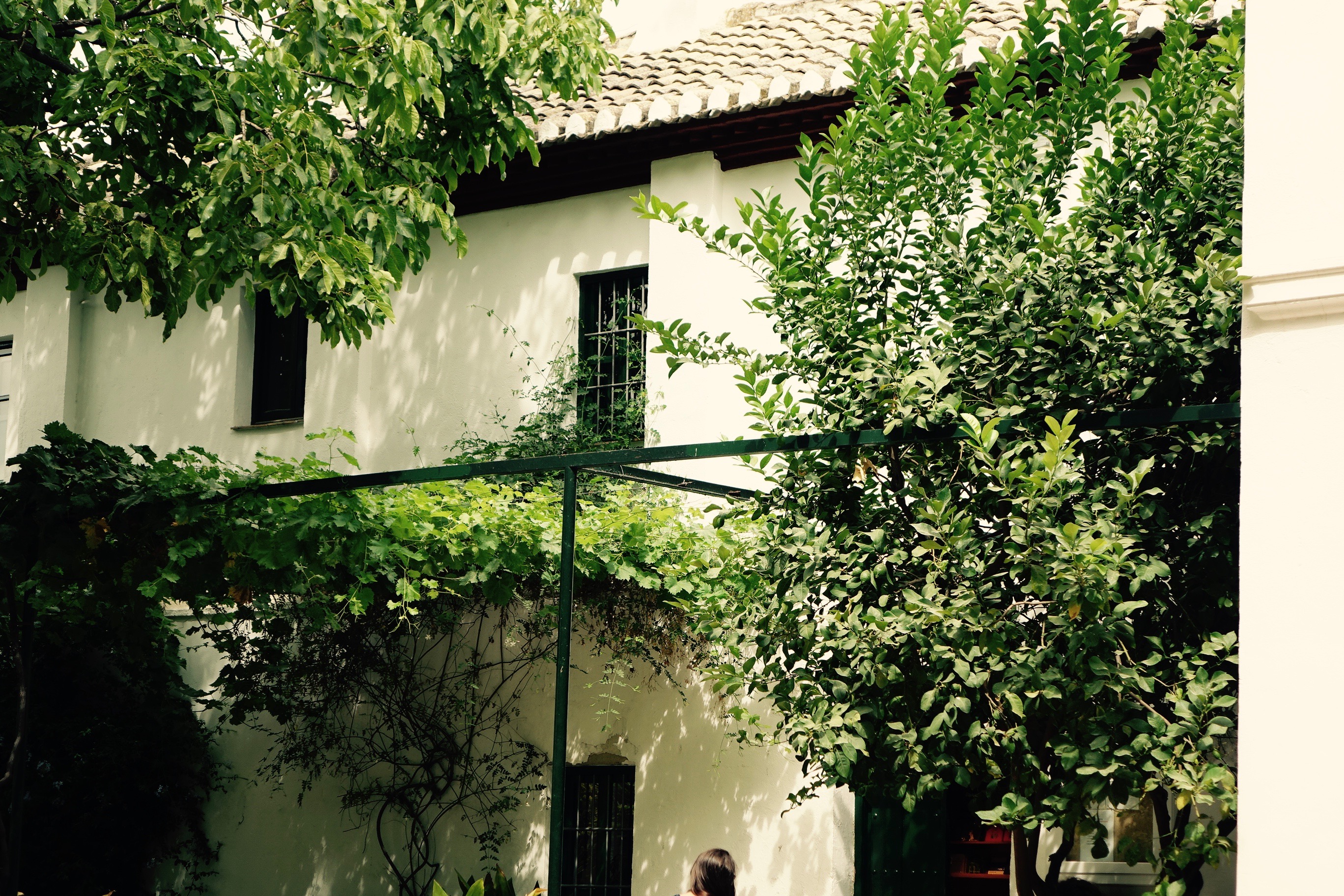
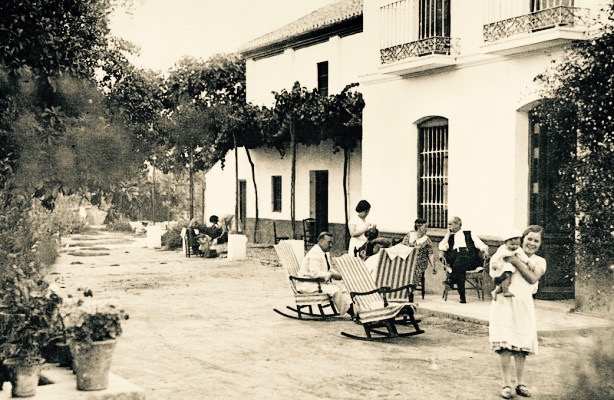
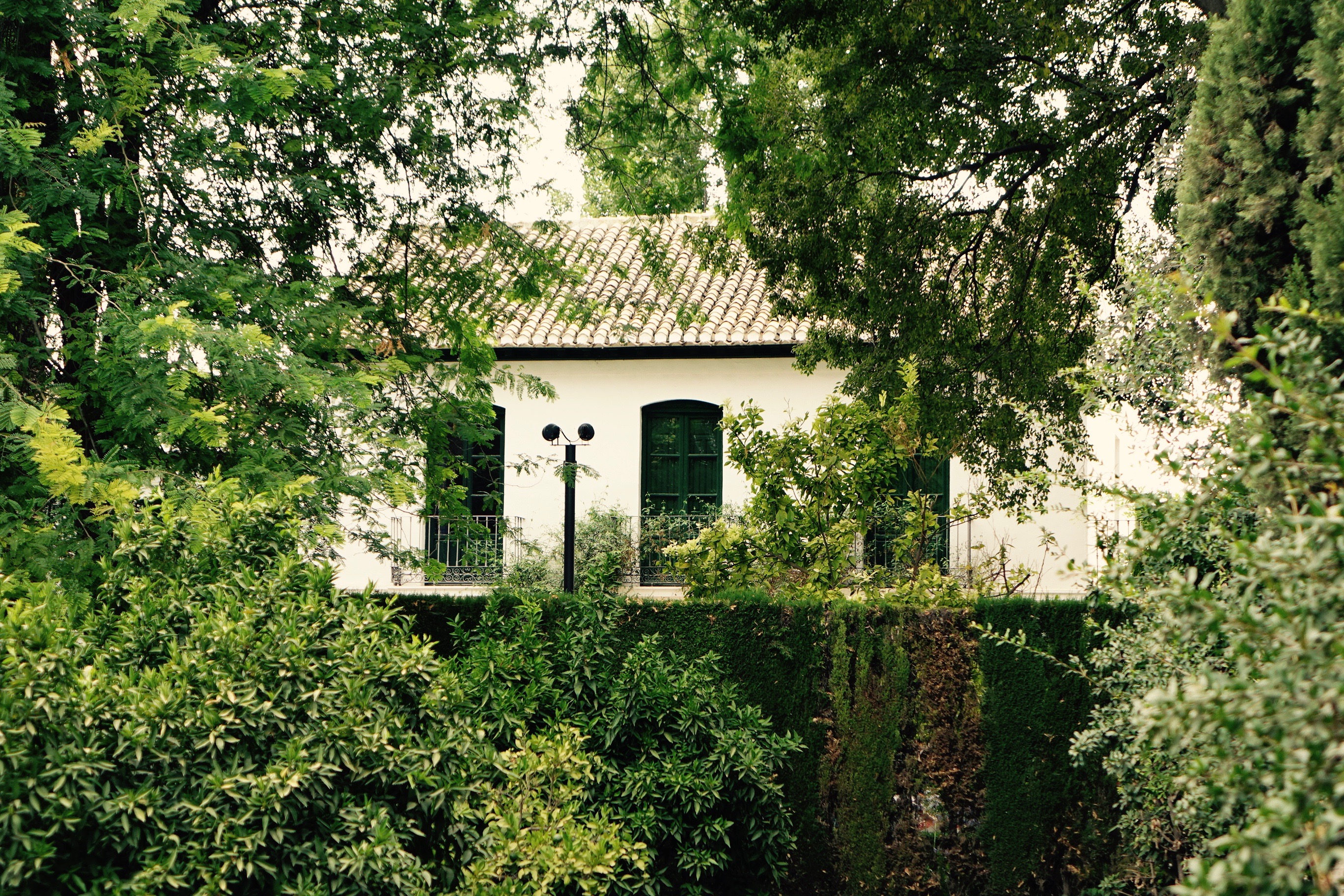
Lorca, Granada’s favourite son, is everywhere in the city. He was the fresh human face of a city otherwise characterised by its ancient history. And today his forward thinking mind and bohemian spirit fits perfectly with the 21st century manifestation of Granada. While his tragic loss in the early months of the Spanish Civil War took Lorca from the city long ago, a reminder of his life in his most devoted home town remains in the form of the Huerta de San Vicente, the Lorca’s happy holiday home on the city’s outskirts. The pretty little white house would once have been surrounded by open countryside. Today, it remains a bucolic enclave in a concrete jungle, but happily the land immediately surrounding it has been converted into a park.

The Huerta de San Vicente in Lorca’s day
lfgl_1935_2lorca2015081722063827189

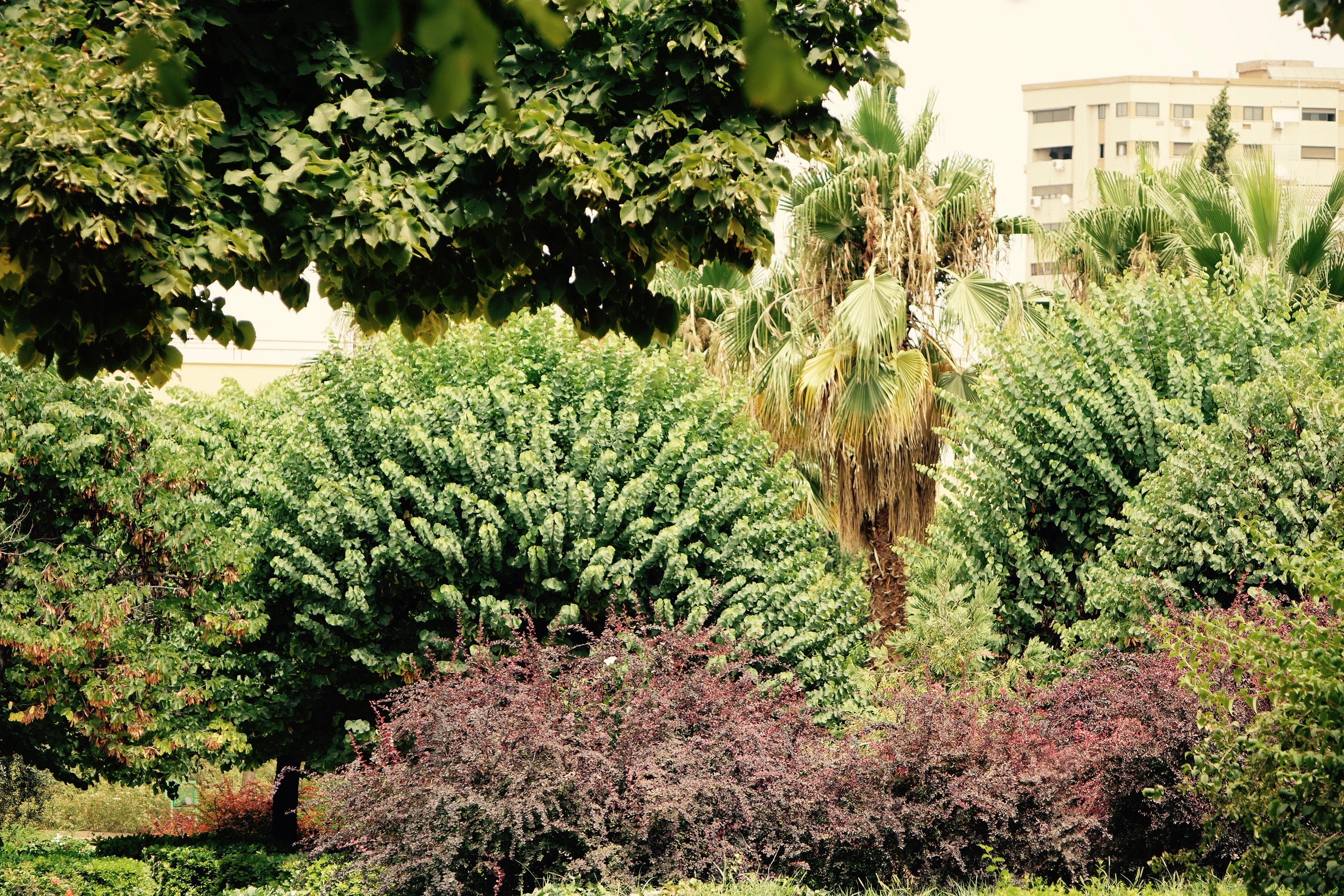
Lavishly planted with roses and agapanthus, cypress trees and palms, it a garden of reflection whose mood is somehow rendered all the more romantic by association with the home of a poet who used to find so much inspiration here. In fact Lorca was so moved by the Huerta that he used to refer to it as his “Poetry factory”. The energy which drove him to write the most spectacular poetry ripples through the house today, and the ability to walk within and around this space remains for me a true highlight of any Granada trip. It is a home exuding the creative energy and the familial love which was so clearly integral to Lorca’s writing, and the foundation of his overflowing love for the city which continued to inspire him right up until the end.
DSC04104DSC04102DSC04128DSC04109DSC04095DSC04105DSC04106DSC04107DSC04113DSC04091

That inspiration resulted in the most stunning body of written works which today is Lorca’s lasting and most precious legacy. Moved by our visit to the Huerta, Dominik and I would sit up at night, both in Granada and then besides our jasmine tree in Marbella, reciting his verses, first in Spanish and then in English, loving how the sound of his verses would run over the tongue like water bubbling over a mountain brook, full of free sentiment and the most mellifluous melody.

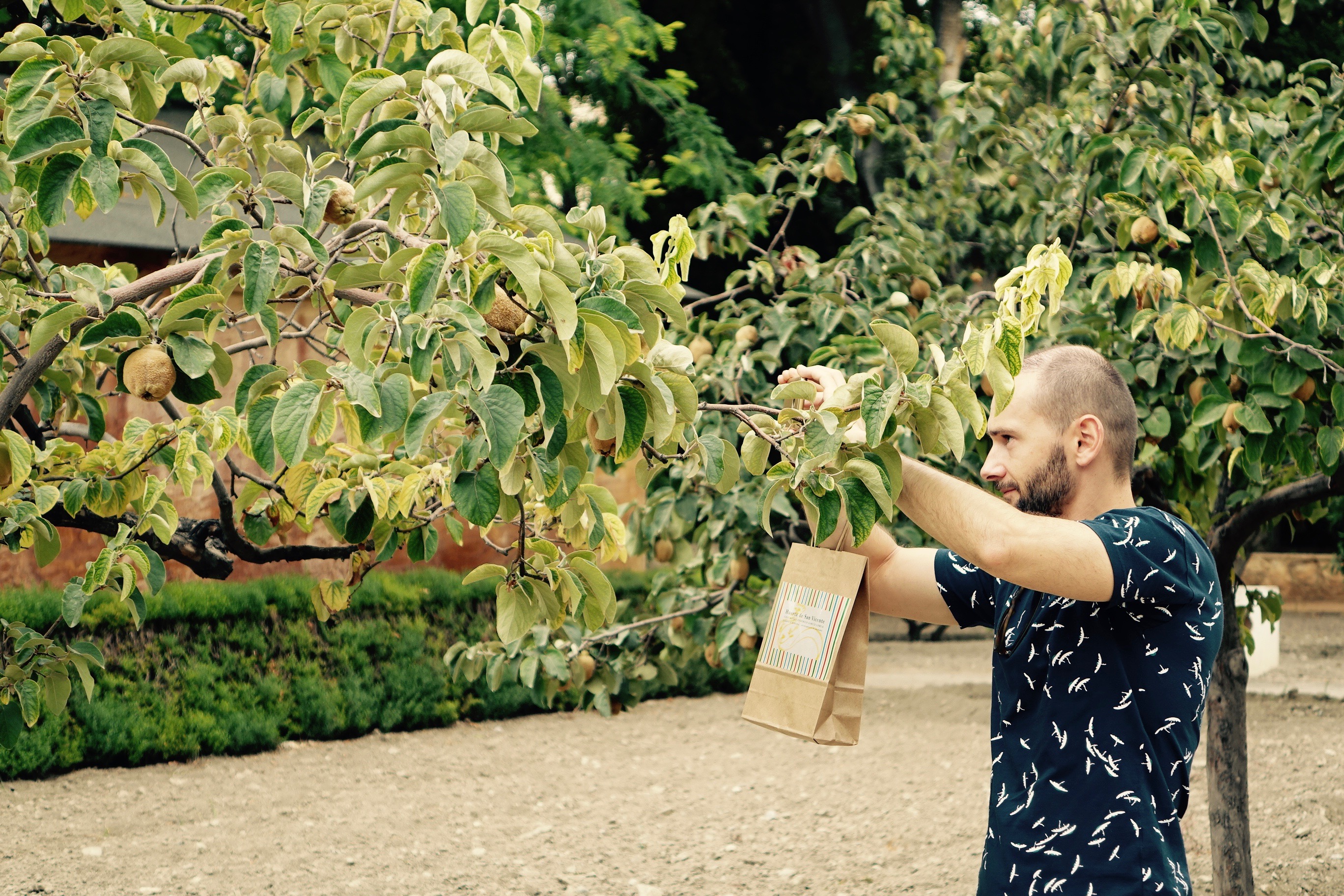
This post includes my photos of the gardens surrounding the Huerta de San Vicente (photos inside the house were prohibited) as well as a glimpse of how the house, and of course Lorca himself, had looked. But it wouldn’t be complete without a few of his words too. Chosen at random from my precious anthology of his work, it was a coincidence that the page should fall open at a poem written in evident homage to both Granada and nearby Córdoba. It is a perfect demonstration of Lorca’s love for Andalucía, and his ability to capture its soul in just a few expertly chosen words.

lorca_portrait_full

Alba / Dawn

Campanas de Córdoba / Bells of Córdoba
en la madrugada. / in the early hours.
Campanas de amanecer /Bells of dawn
en Granada. / in Granada
Os sienten todas las muchachas / They hear you,
que lloran a la tierna / all the girls who cry
Soleá enlutada. / for the tender Soleá in mourning.
Las muchachas / The girls
de Andalucía la alta / of Andalucía the High
y la baja. / and the low
Las niñas de España, / Young girls of Spain
de pie menudo / with tiny feet
 y temblorosas faldas, / and trembling skirts
que han llenado de luces / who’ve filled the crossroads
las encrucijadas. / with light. 
¡Oh campanas de Córdoba / Oh bells of Córdoba
en la madrugada, / in the early hours
y oh campanas de amanecer / and oh, bells of dawn
en Granada! / in Granada!
 DSC04097

Own photos and written content are strictly the copyright of Nicholas de Lacy-Brown © 2016 and The Daily Norm. All rights are reserved. Unauthorized use and/or duplication of the material, whether written work, photography or artwork, included within The Daily Norm without express and written permission from The Daily Norm’s author and/or owner is strictly prohibited. 

The Greatness of Granada, Part 2: The Alhambra

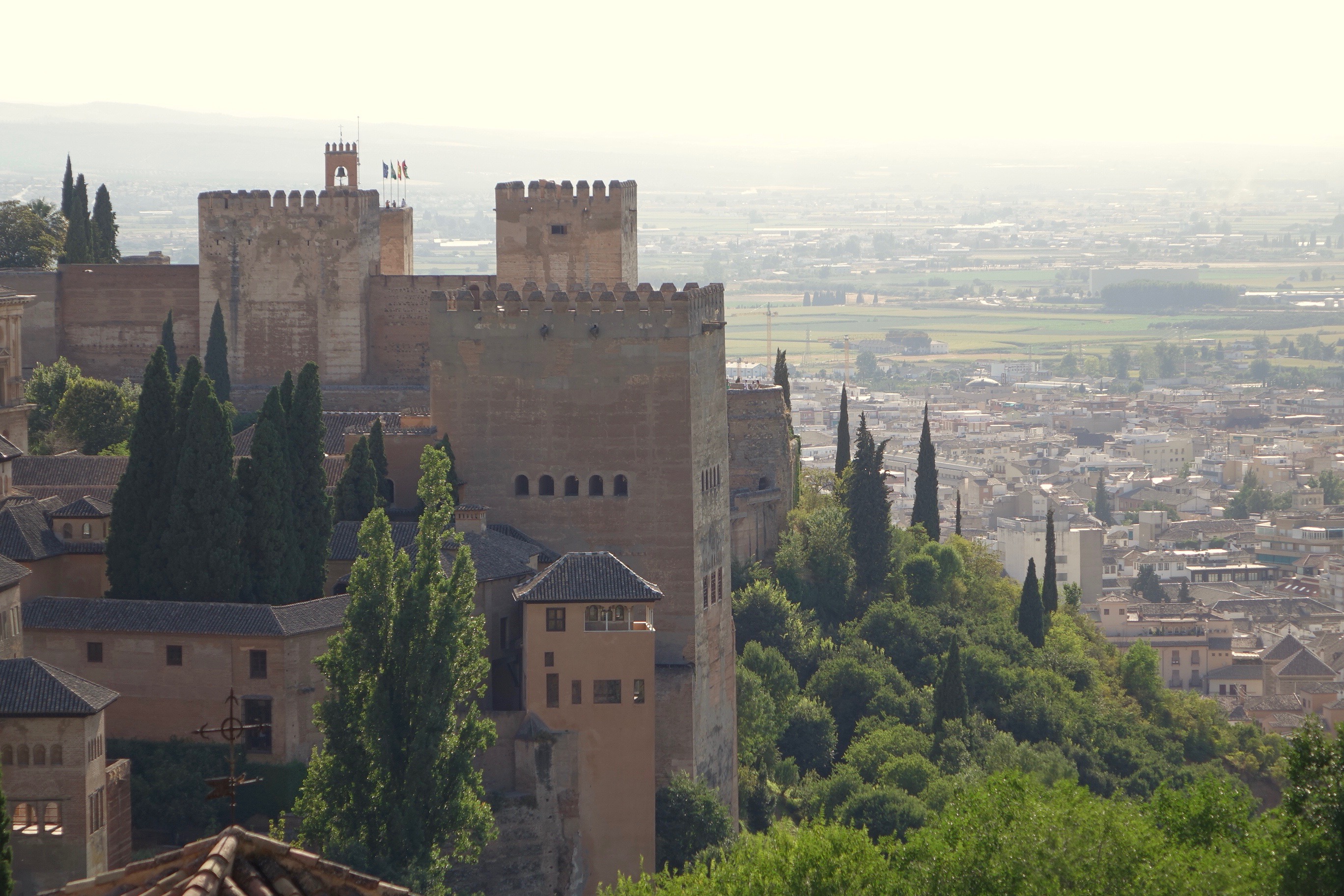
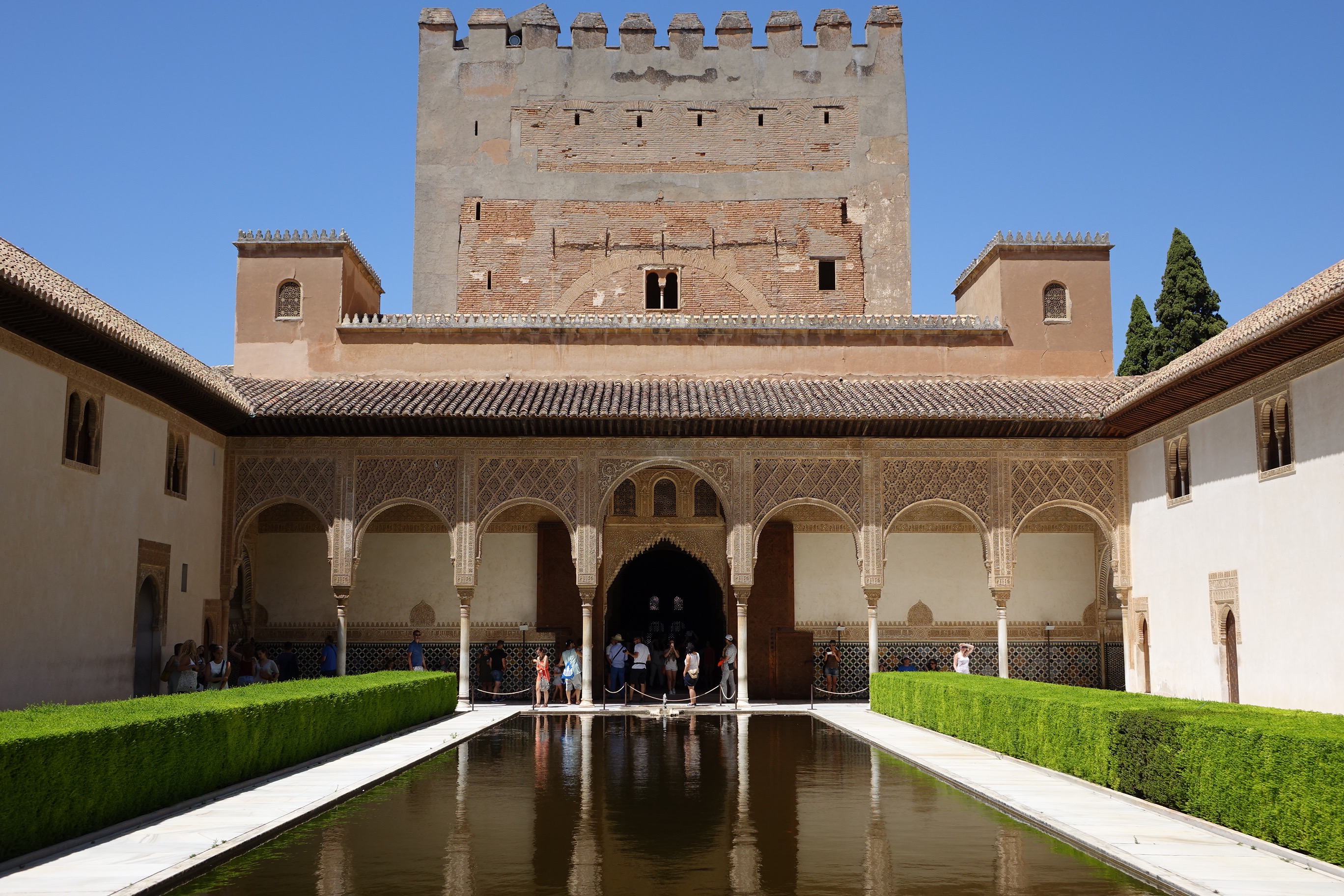
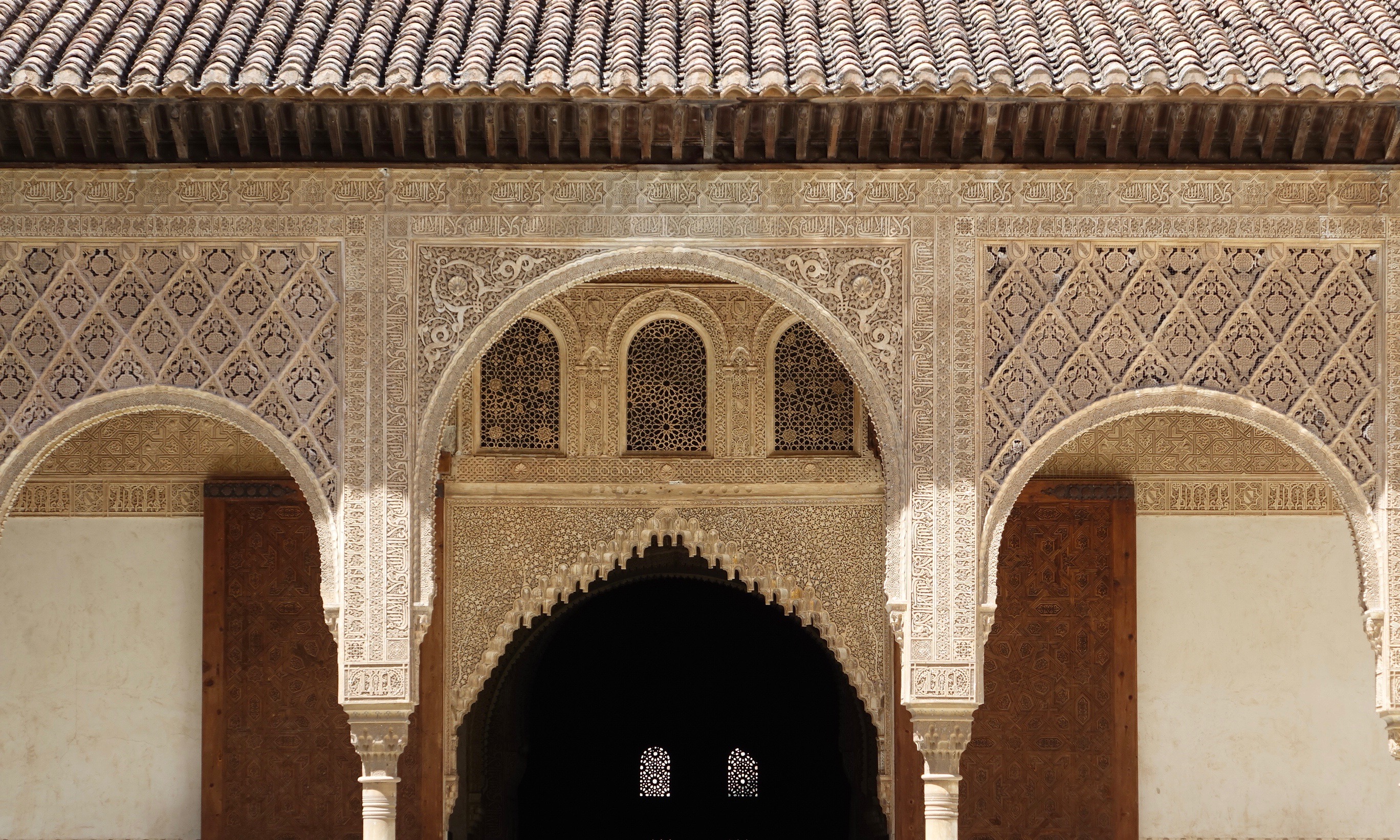
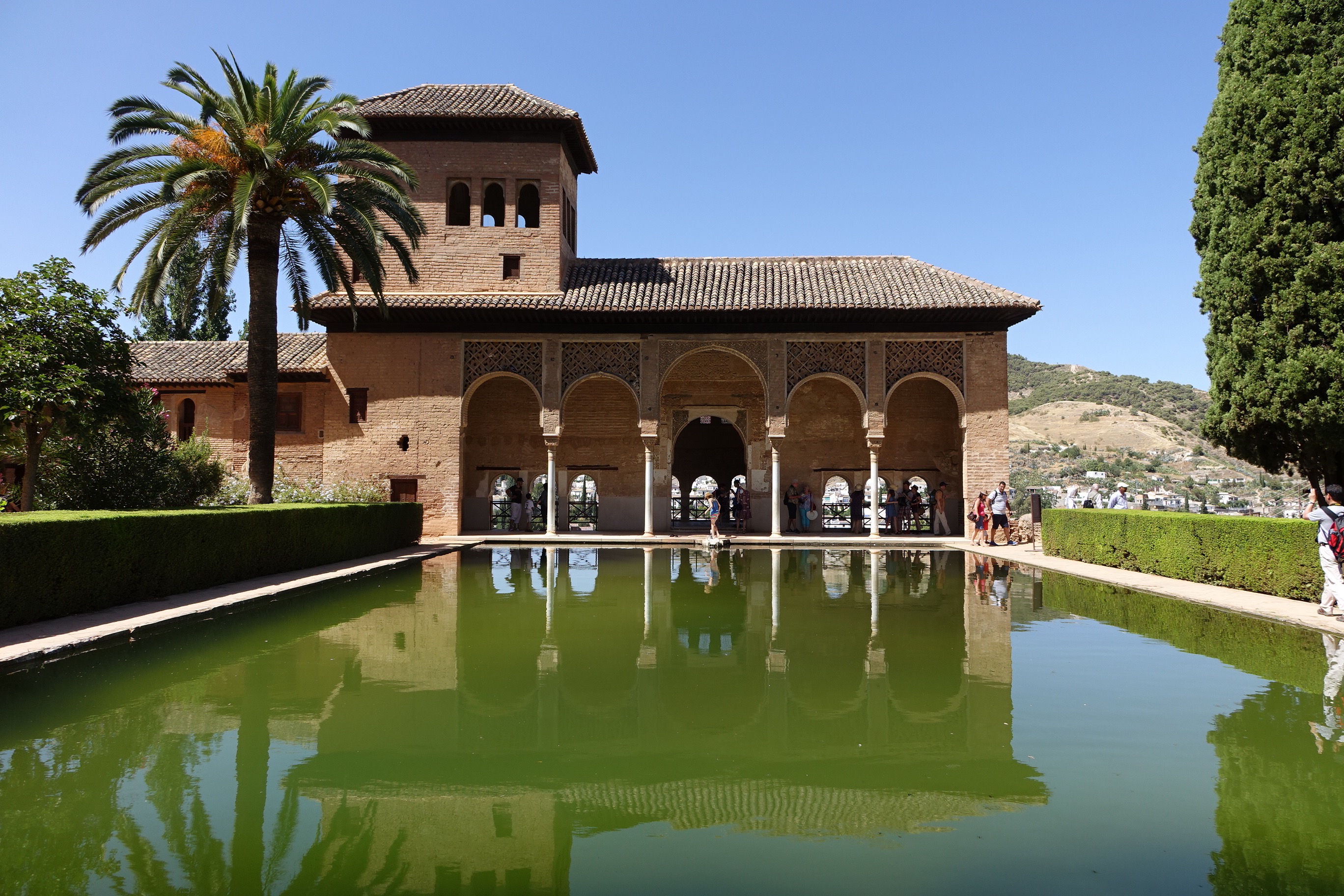
Few places in all the world have the power to arrest the eyes and ensnare the heart quite like the Alhambra in the foothills of the Sierra Nevada. Glowing every shade of ochre, and pale gold through to deep russet and coral red, it is no wonder that in arabic, the name of the fortress like construct means “The Red One”. But the true treasures of the Alhambra lie in wait inside, where room after room of twisting, tangling geometric patterns, forests of marble columns, and incredibly carved honeycomb like domes seem to reach up into infinity. It is a place which offers visitors a vision from paradise, even when it is (as always) hosting its daily quota of tourists, a sensation augmented by the plethora of pools and trickling waterways, magnifying the space with reflection and filling its stone halls with the gentle harmony of trickles and splashes.

DSC04254DSC04524DSC04540DSC04512DSC04541DSC04576DSC04598DSC04566DSC04575DSC04869

Originally constructed as a small fortress in AD 889 on the remains of Roman fortifications, the complex was constructed into its current state of glory by the Emirate of Granada in the 13th century. Converted into the most lavish royal palace the world had ever seen, it was revered by the reconquering Christians when they took the city in 1492, becoming part of the Royal Court of Ferdinand and Isabella and subsequent monarchs. While they embellished the site in turn with Renaissance-style palaces which didn’t quite live up to the beauty of the Moorish offerings, they did so at least in the same glowing gold stone thus creating the complete whole which now permanently characterises the landscape of Granada. Shockingly, the palace was later allowed to fall into disrepair for centuries, until it was rediscovered following the defeat of Napoleon, becoming the favourite of Romantic-age travellers and inspiring generations of artists, poets, and writers since.

DSC04530DSC04548DSC04532DSC04793DSC04626DSC04816DSC04597DSC04562DSC04579DSC04573

Today, unsurprisingly, the site is UNESCO protected and is a ravishing complex of echoing courtyards and colonnaded porticos each enjoying the most incredible views over to the Albayzín below. Lucky then that these hallowed halls should be salvaged for generations to come, where we can but imagine the lives of kings and their hareems languishing in the finest coloured silks by reflective pools and in throne rooms built for the imperial best. Beyond, of course, are the gardens, perhaps the most sensually lavish spectacles of all. But those wonders of nature and man’s creative touch I will leave for another day.

DSC04538DSC04544DSC04553DSC04557DSC04546DSC04528DSC04508DSC04543DSC04595DSC04584

All photos and written content are strictly the copyright of Nicholas de Lacy-Brown © 2016 and The Daily Norm. All rights are reserved. Unauthorized use and/or duplication of the material, whether written work, photography or artwork, included within The Daily Norm without express and written permission from The Daily Norm’s author and/or owner is strictly prohibited. 

The Greatness of Granada, Part 1: Dual Faith, Double Identity

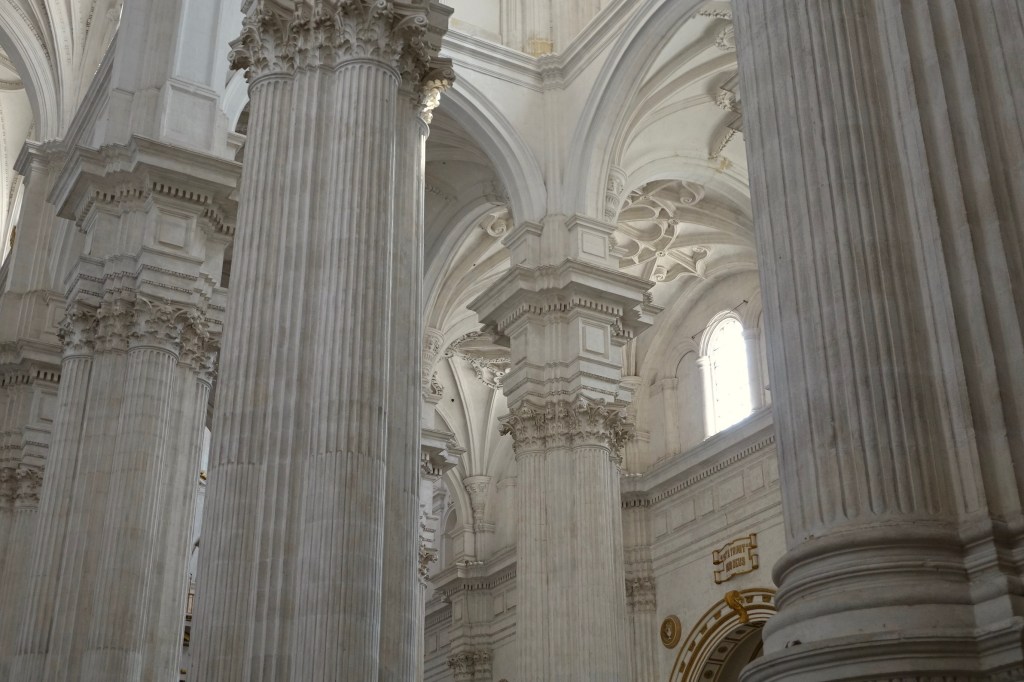
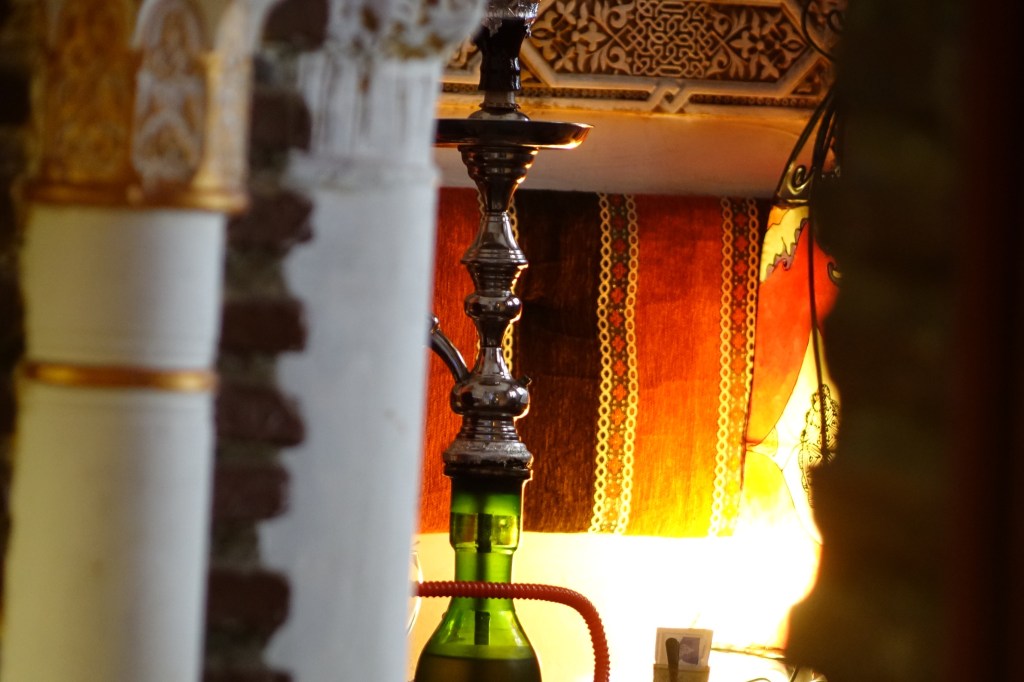
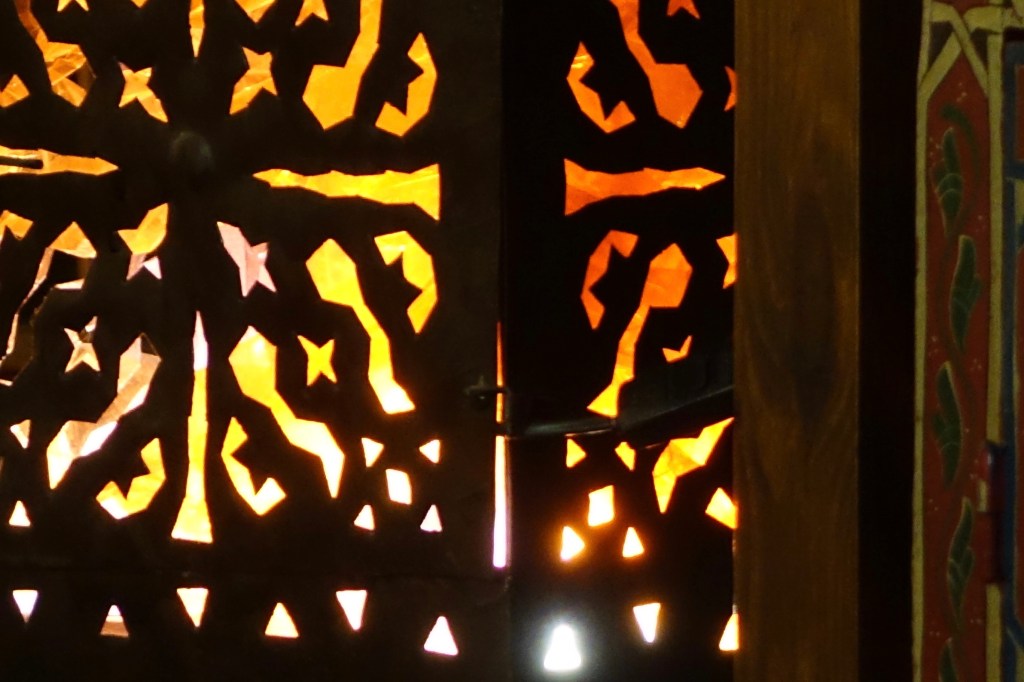
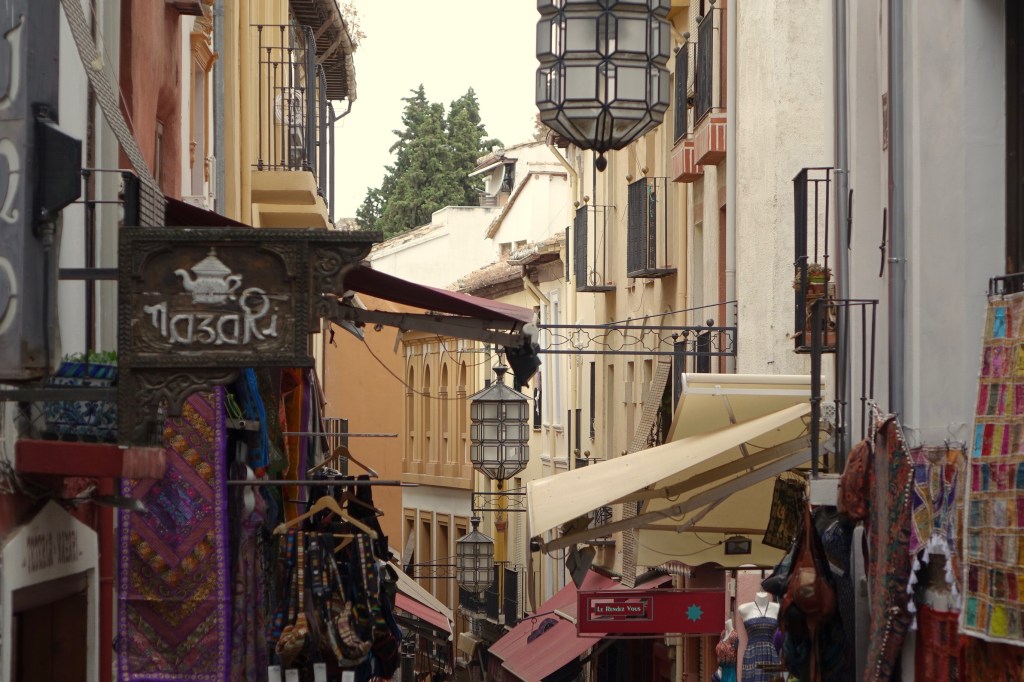
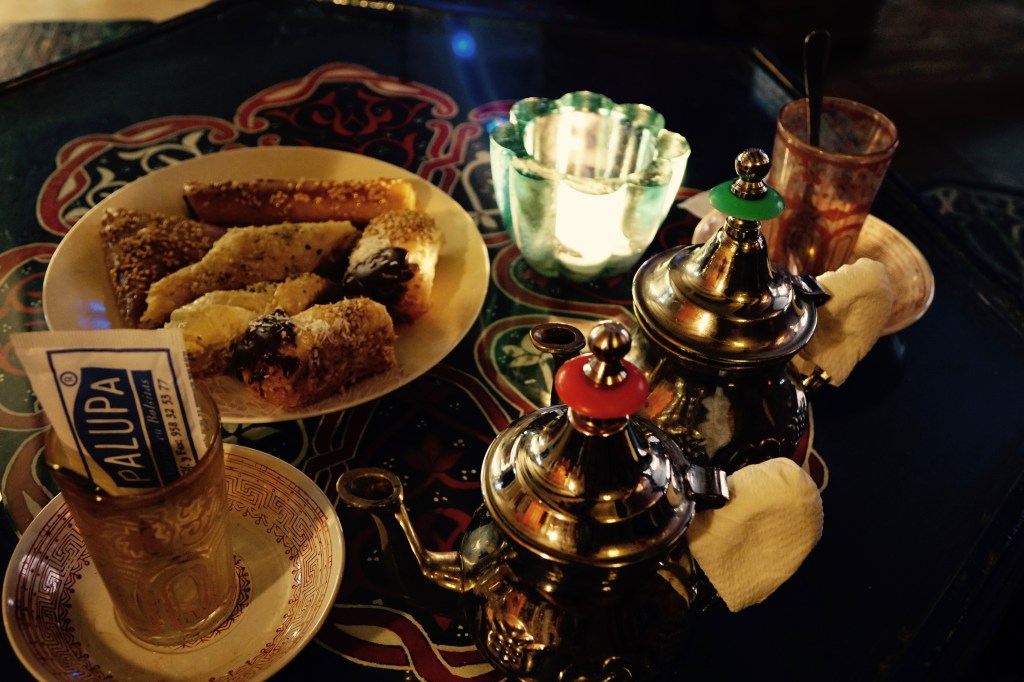
Granada in the heart of Spanish Andalucia is a city deeply characterised by the historical vicissitudes of its religious and political identity. On one street you may confidently conclude that you are in a richly embellished bastion of Catholicism; mere metres away, you feel as though you have been magically relocated to Marrakech. In Granada, you can find shisha pipes being smoked and moroccan mint tea being sipped with baklava right next door to where, in one of Europe’s biggest and most imposing cathedrals, the bells of a campanile call the Catholic faithful to prayer, and incense is swung majestically before a statue of the Virgin Mary. It is a stark contrast which can be noted across the city, recalling the turbulent but glorious history which has made Granada truly unique in the modern world.

DSC04460 DSC04507 DSC04927 DSC04579 DSC04912 DSC04567 DSC04924 DSC04498 DSC04346 DSC04398 DSC04440

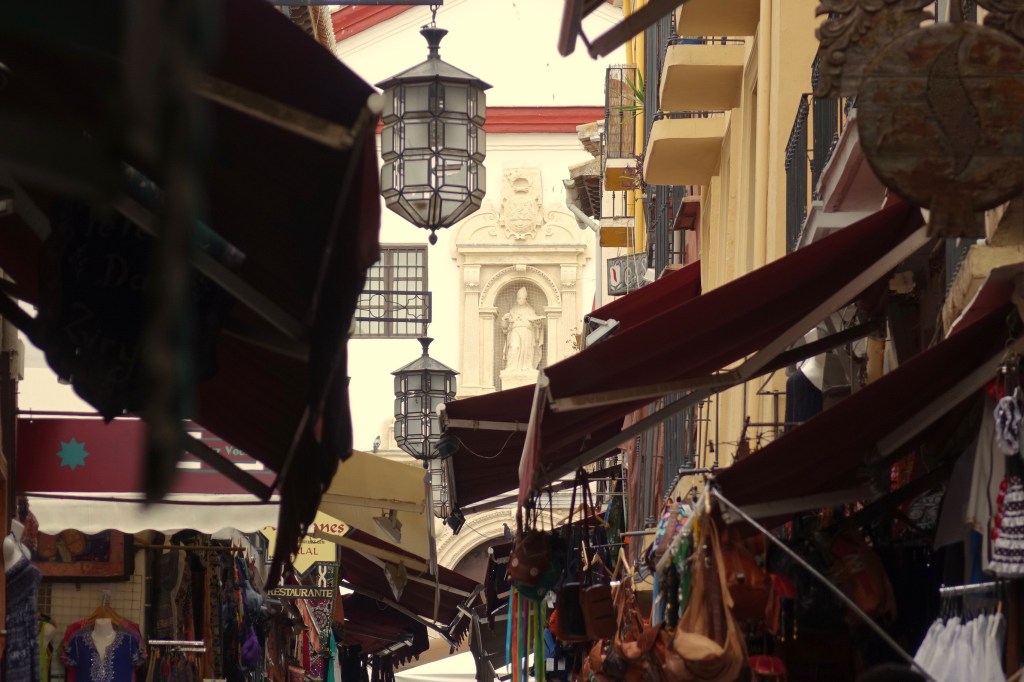
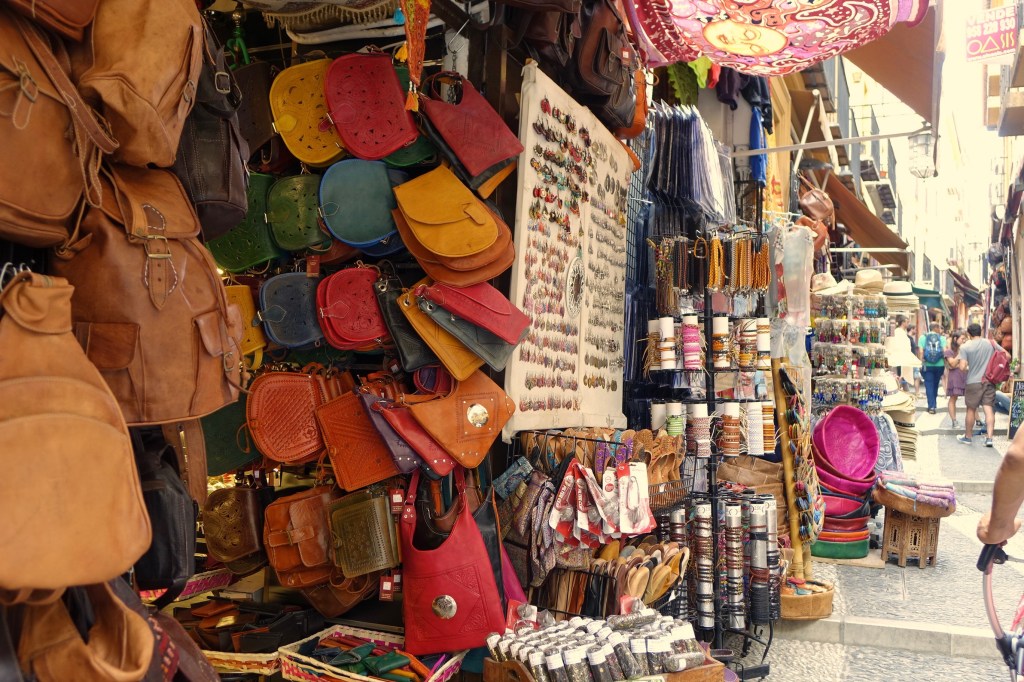
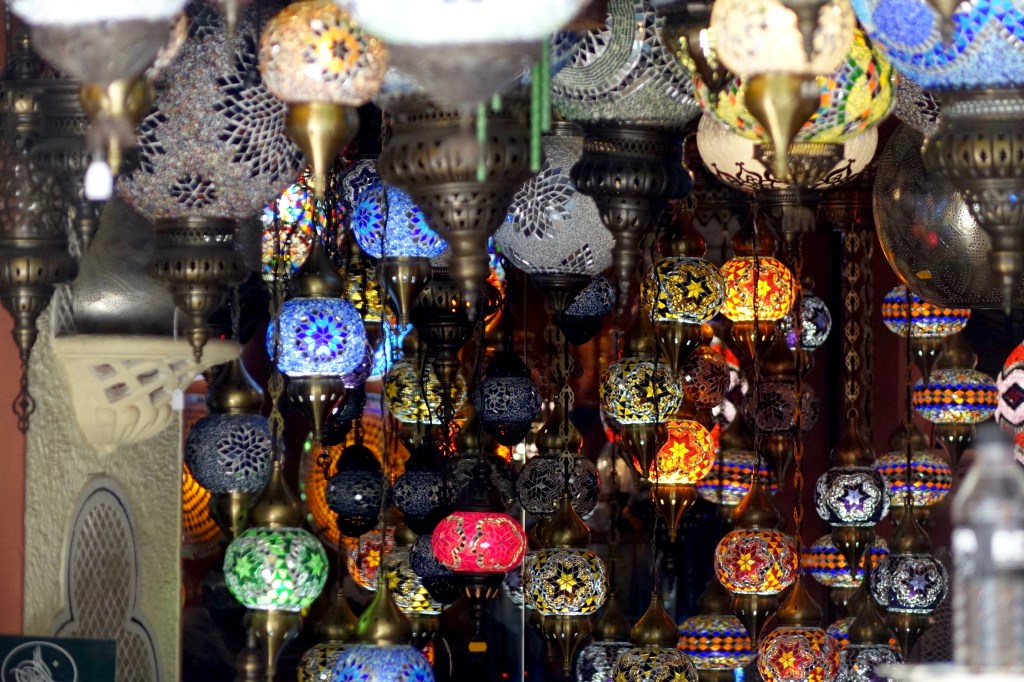
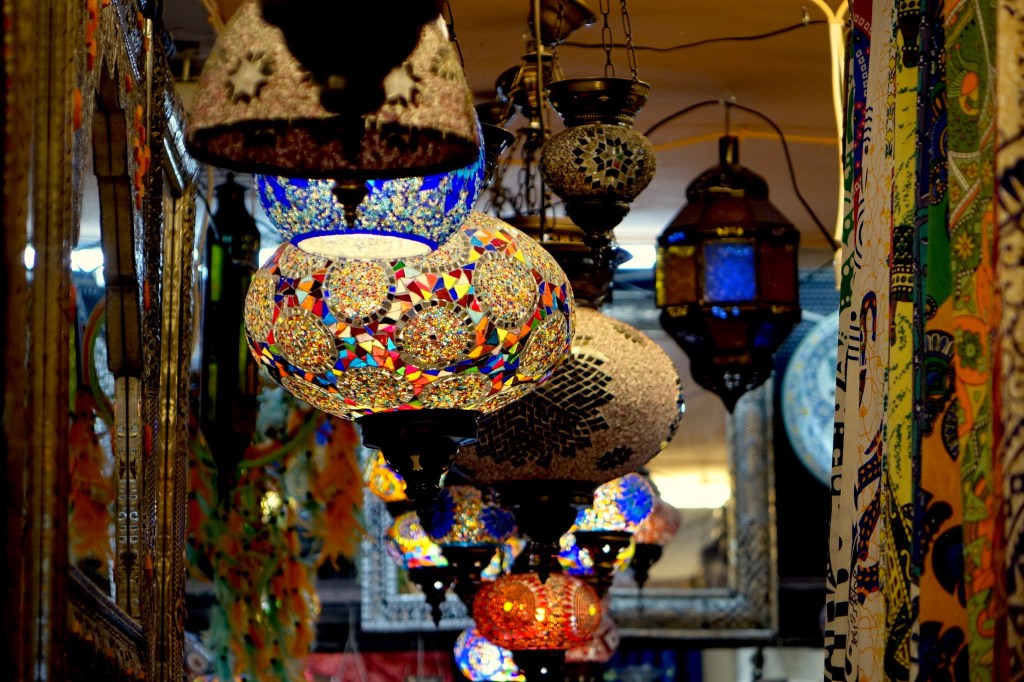
Of course much of what you see today has a ring of Disneyland about it, The tightly packed streets full of arabic wears and shops clustered with so many glittering glass lamps, silks and leather goods that you feel as though you have entered Aladdin’s cave, are all somewhat contrived for the tourists. But they are nonetheless deeply rooted in a past which begun in the early 700s, when the muslims crossed the narrow Straits of Gibraltar and swiftly conquered the Iberian Peninsula, founding Al Andalus, a kingdom of such rich prosperity and harmonious living that it was the nearest any civilisation had come to the Roman Empire before it. But the State’s precarious location encircled by Catholic countries meant that it was never destined to last for ever. One by one, a Catholic reconquista swept through the Iberian Peninsula, reclaiming Spain for the Christian world, until only one citadel of Al Andalus remained, the strongest of all – Granada.

Granada’s magnificent Catholic face

DSC04925 DSC03983DSC04920 DSC04951 DSC04928 DSC04344 DSC04169 DSC04160 DSC04334 DSC04918 DSC04945 DSC04052

It took some 250 years of negotiations, wrangling and final all out war before Ferdinand and Isabella, the “Catholic Monarchs” were able to complete the Christian reconquest of Spain, take Granada, and banish the Muslims for good. But they were never able to banish the heritage they had left behind. Spectacular monuments such as the Alhambra Palace remained as a clear testament to the stunning creativity of the artisans of Al Andalus, and remain today because their beauty was such that the Christian’s could not bear to destroy them.

However a visitor to Granada today will likewise note that the city is bounteous in its Christian relics too. Constructions such as the vast Cathedral of the Incarnation are every bit as glorious an architectural gem of the city as the Alhambra, and were no doubt contrived to be all the more beautiful owing to the need for the Christians to show-off their creative prowess in the aftermath of the reconquest.

DSC04005 DSC04009 DSC04202 DSC04185 DSC04178 DSC04199 DSC04182 DSC04204 DSC04187 DSC04200 DSC03988 DSC04006 DSC04197 DSC04179DSC04189 DSC04012

Happily, the dual identity of Granada is one which has returned to the city, long after the terrible years when all non-Christians were expelled from Granada. While much of the Arabian shops and bizarres are laid on for the tourists, there is a very evident presence of a renewed muslim population in the city, allowing visitors – us included – to enjoy the wealth of their religious and social culture alongside the distinctive Spanish culture which has emerged from the years of more recent Catholic rule. These photos are testament to our discovery of both cultures.

All photos and written content are strictly the copyright of Nicholas de Lacy-Brown © 2016 and The Daily Norm. All rights are reserved. Unauthorized use and/or duplication of the material, whether written work, photography or artwork, included within The Daily Norm without express and written permission from The Daily Norm’s author and/or owner is strictly prohibited. 

From Illyria to Italy, Part 5: The Colours of Rome

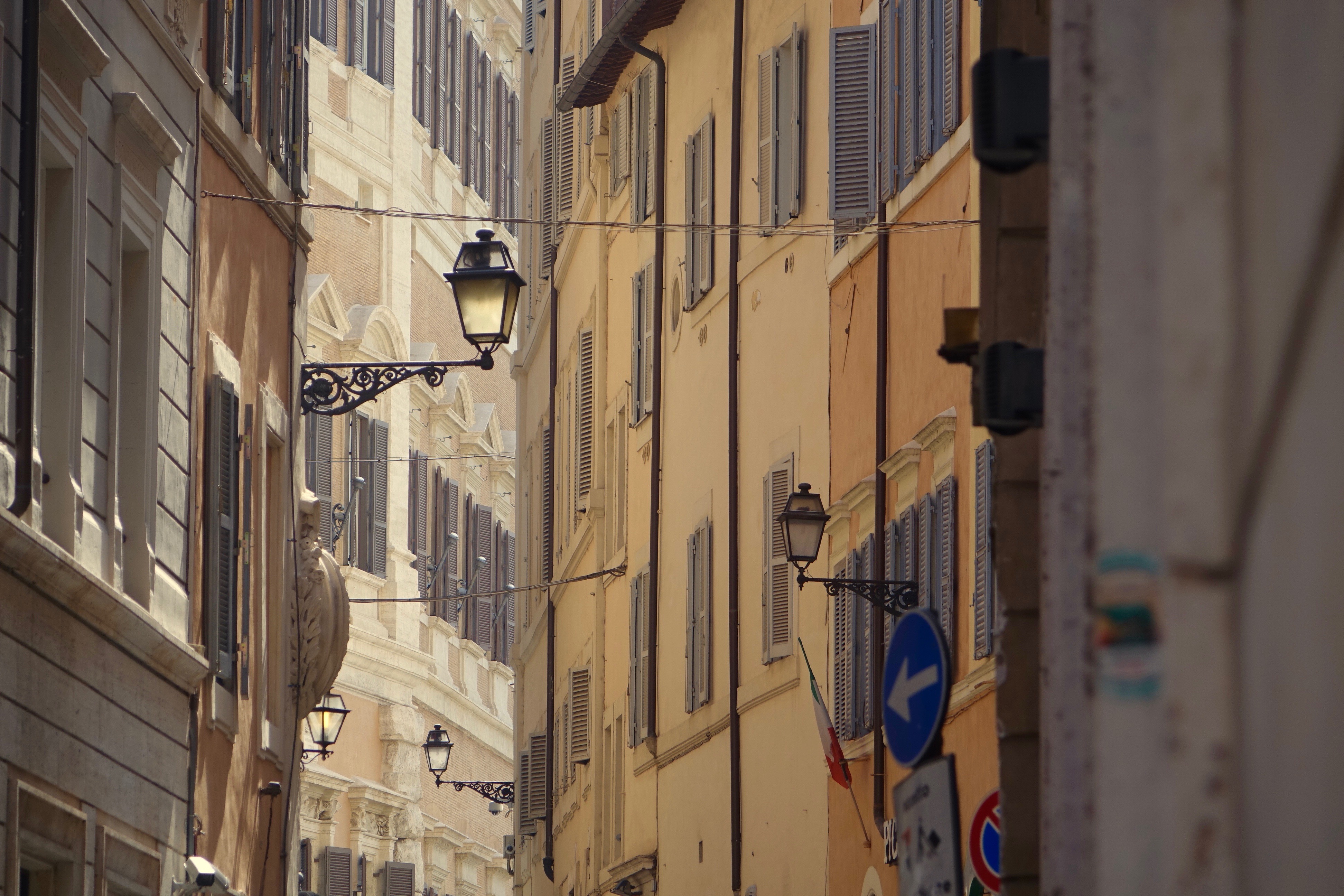
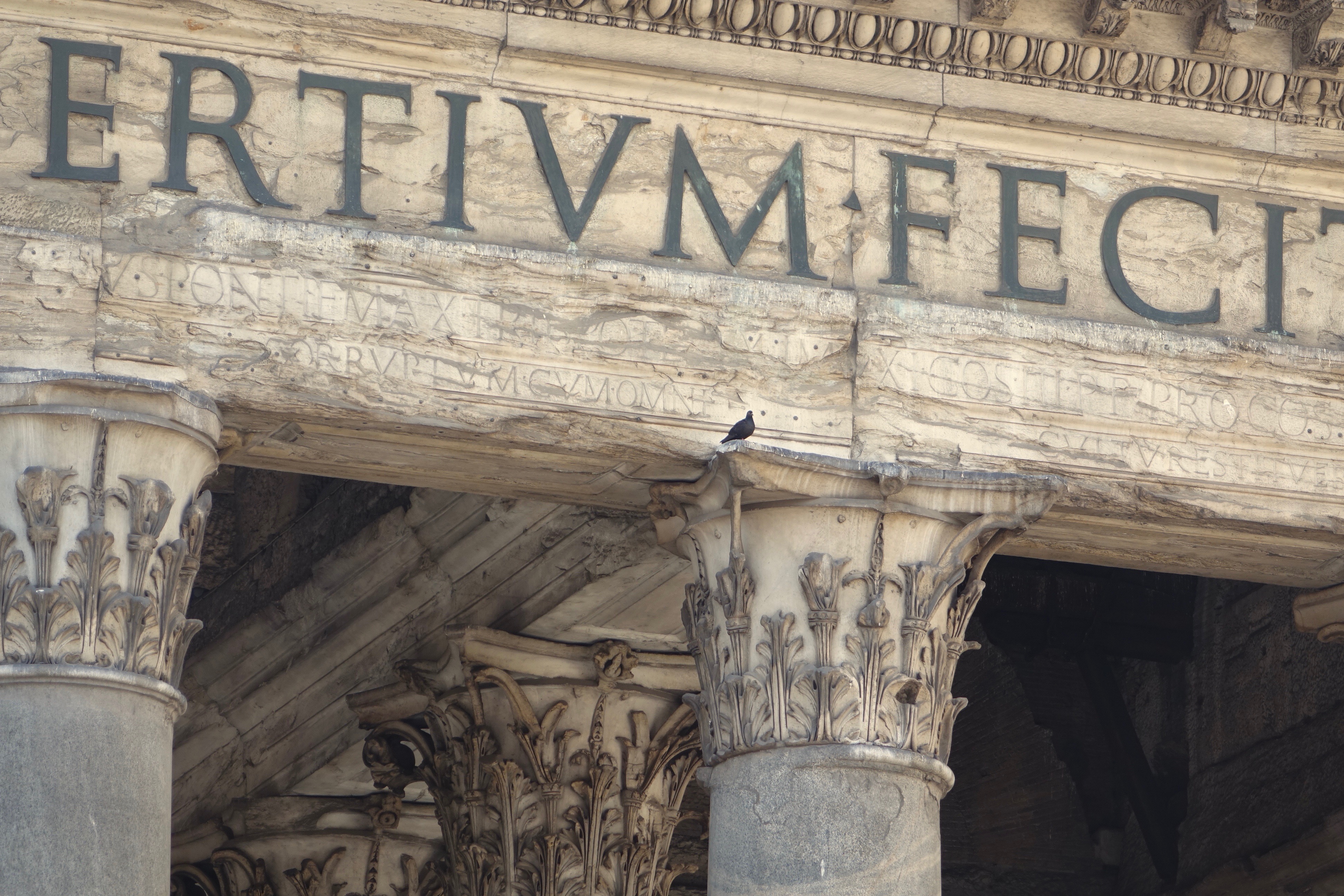
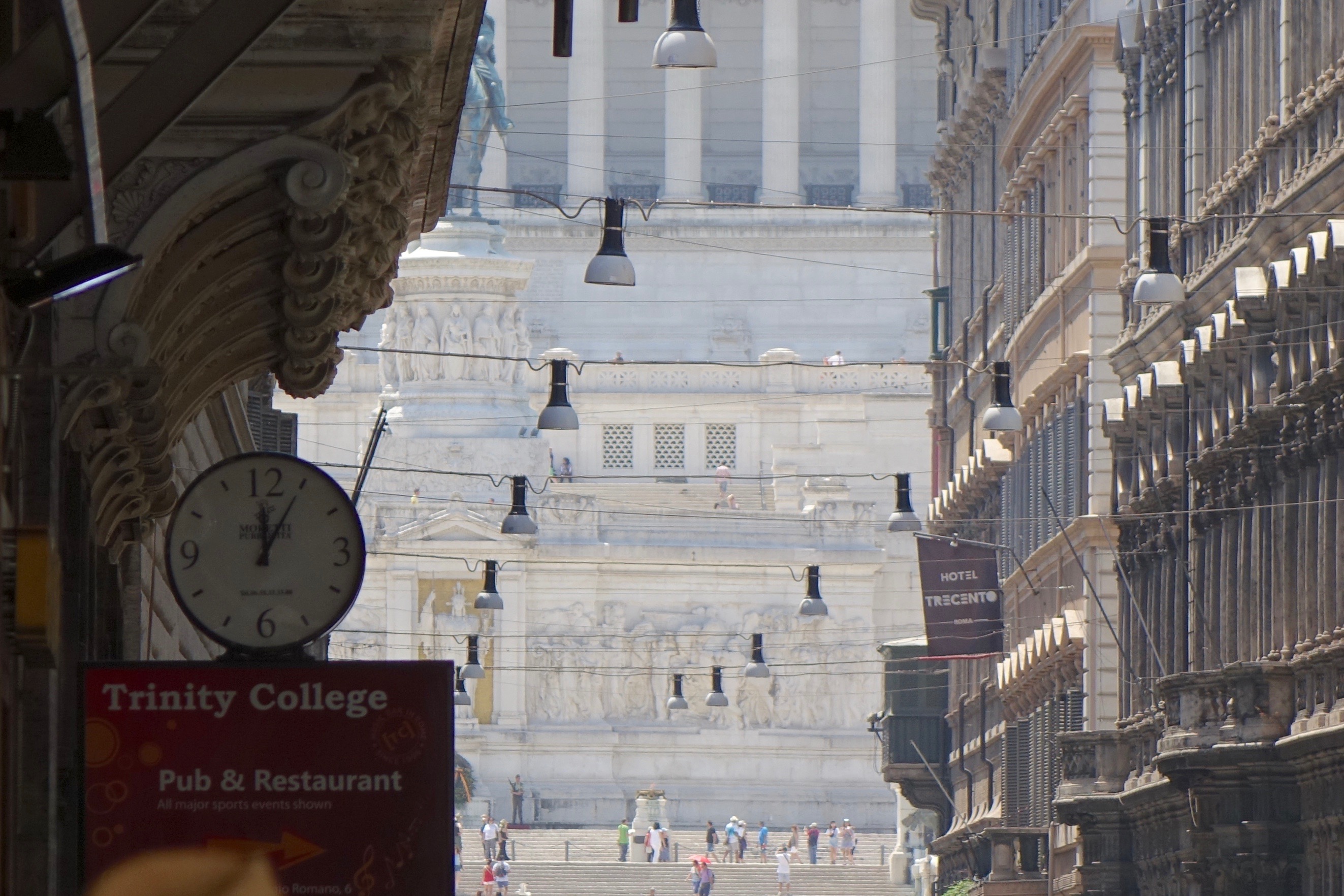
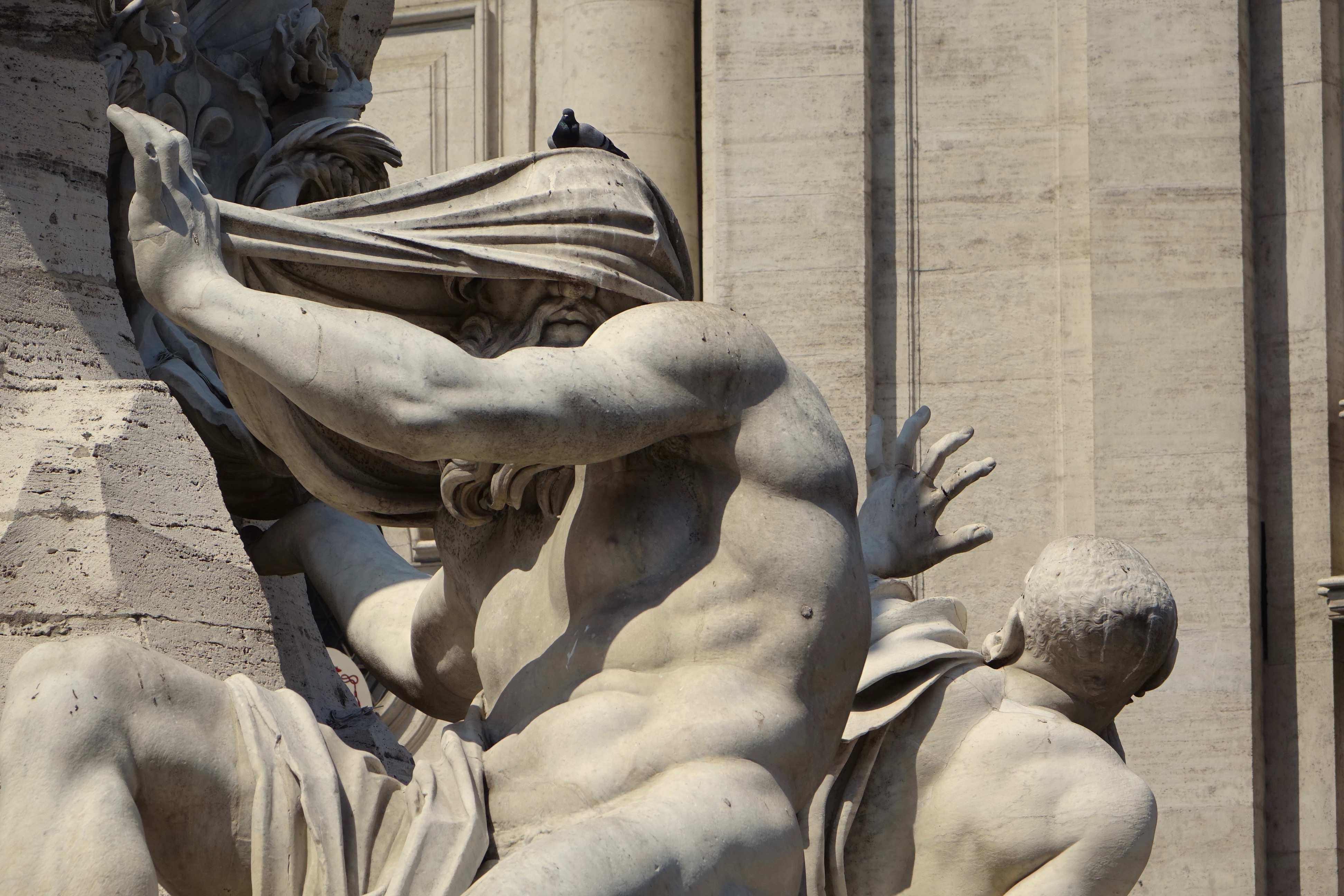
Campo dè Fiori, Piazza della Rotonda, the Via del Corso and the Lungotevere. The names of Rome’s russet coloured streets resonate with the same romantic euphony which make the city unique. Uniquely ancient, with the potency of history bleeding from every crack and cobble; uniquely passionate, its tempers flared by the heat and its vivacity for living played out in its food, its art, and in its attitude. Roma. Even the name’s mellifluous voyage across the tongue recalls a thousand stories of Emperors and Popes, Michelangelo and Bernini, pomp and glory, ascent and fall.

DSC03323DSC03285DSC03299DSC03360DSC03336

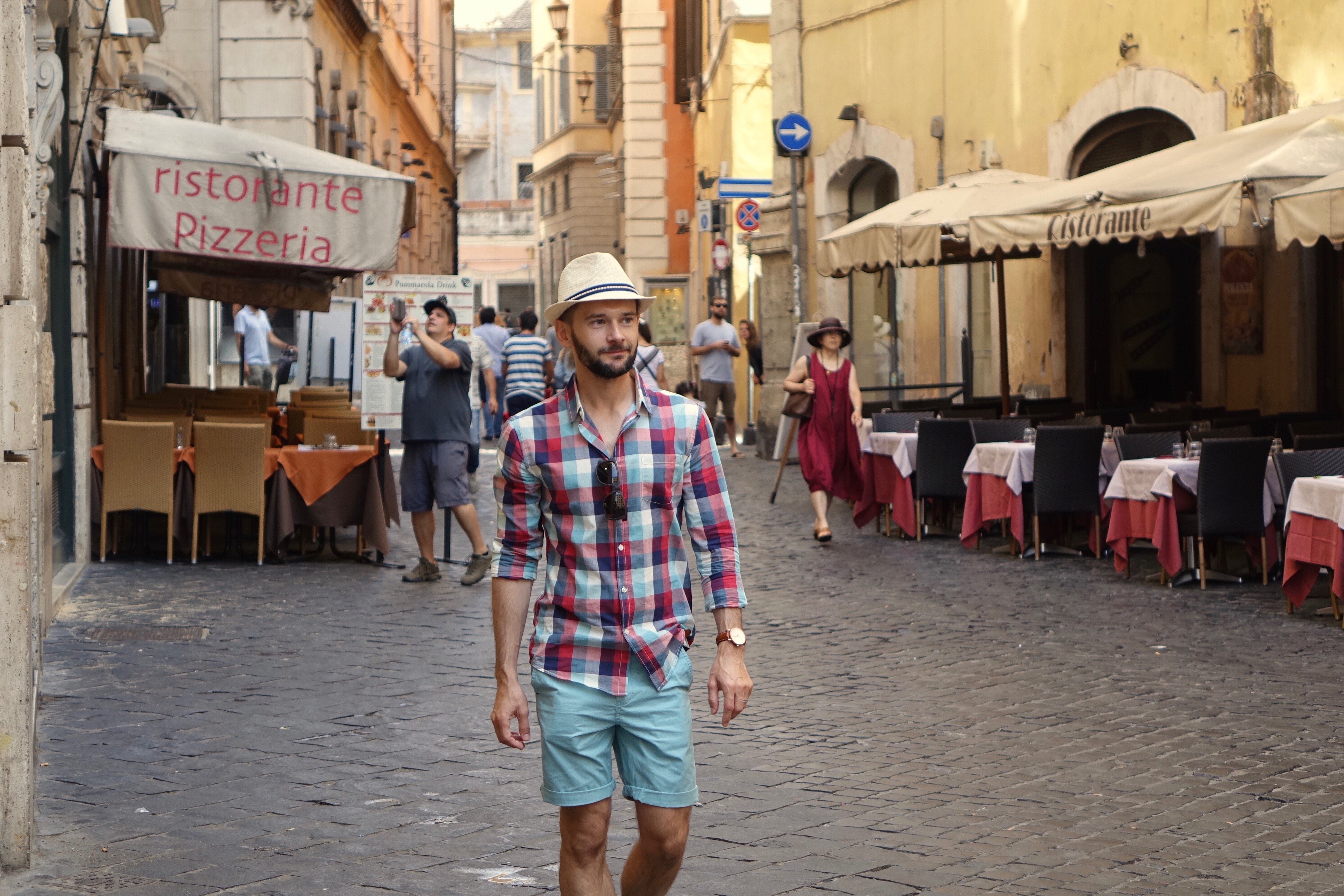
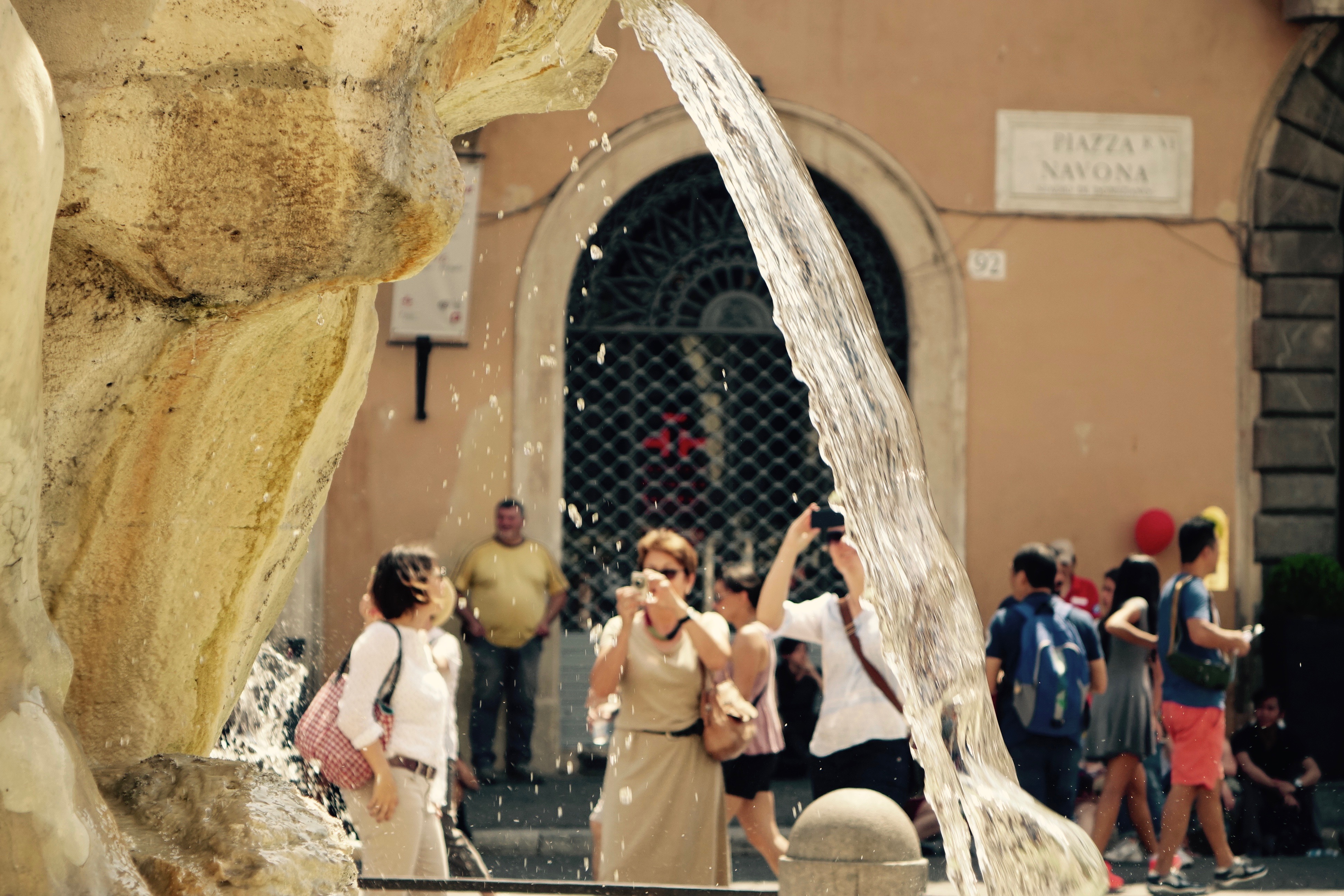
Rome has an energy which infects and conquers. It’s tiring for sure, manic in places, rammed full of tourists and trying to cross its roads is frankly a deathly pursuit. But who cannot be seduced by the smell of freshly ground coffee wafting through the streets; by the fashionista ragazzi slowly wafting through the strada of Spagna with their newest accessories on show; by the slowly melting gelati, the magnificent marble fountains and the restaurants spilling out onto Piazzas with their red Vichy tablecloths and mountains of spaghetti.

DSC03381DSC03645DSC03648DSC03692DSC03416DSC03795DSC03305

But perhaps above all things, Rome is a city of art. On every corner, at the centre of every square, and in even the smallest of chapels, there sits a masterpiece whose magnitude marks out an entire chapter in the pages of art history. Rome is for art what Manhattan is for skyscrapers. A living museum with an astonishing collection at every turn.

DSC03339DSC03428DSC03723DSC03825DSC03616

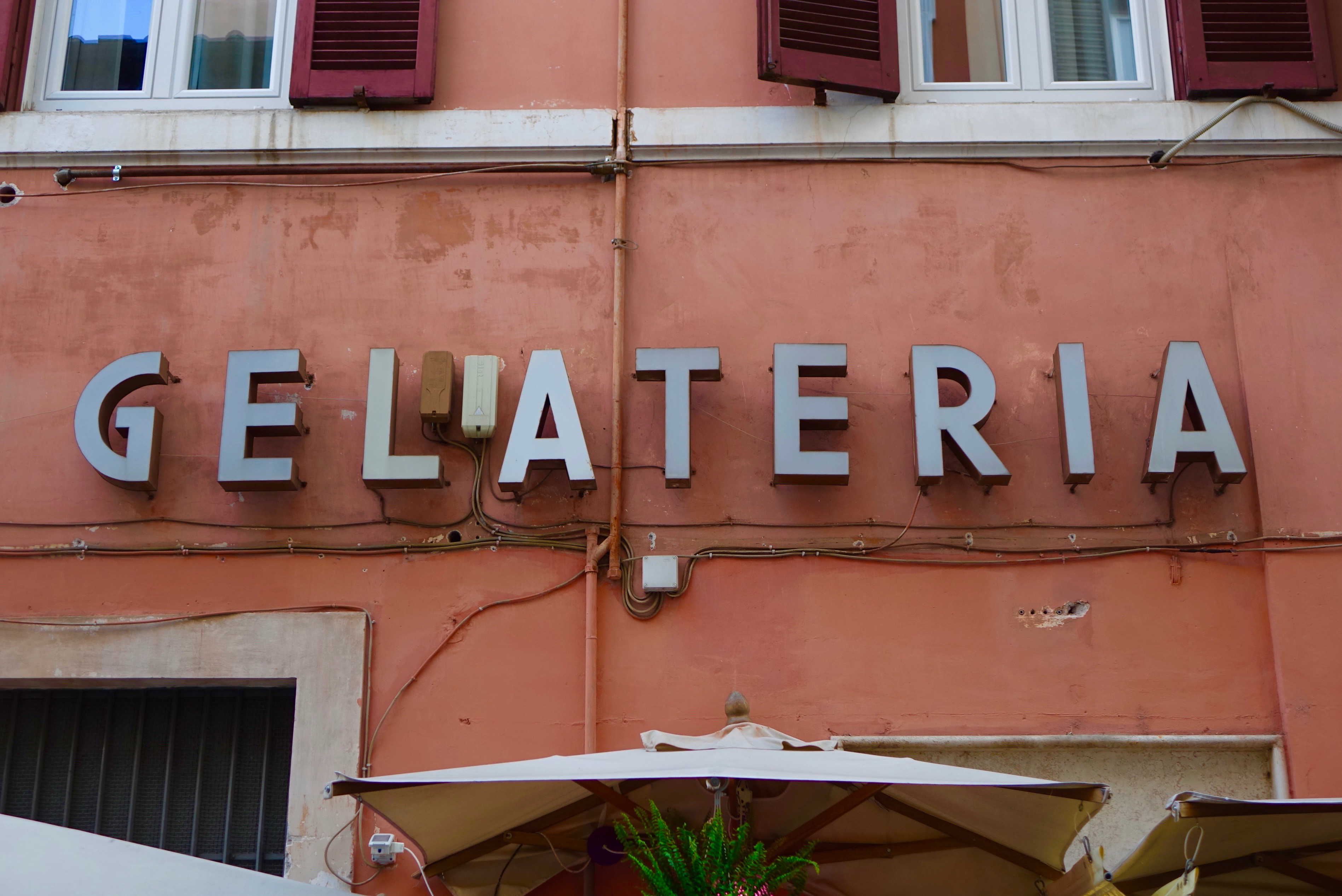
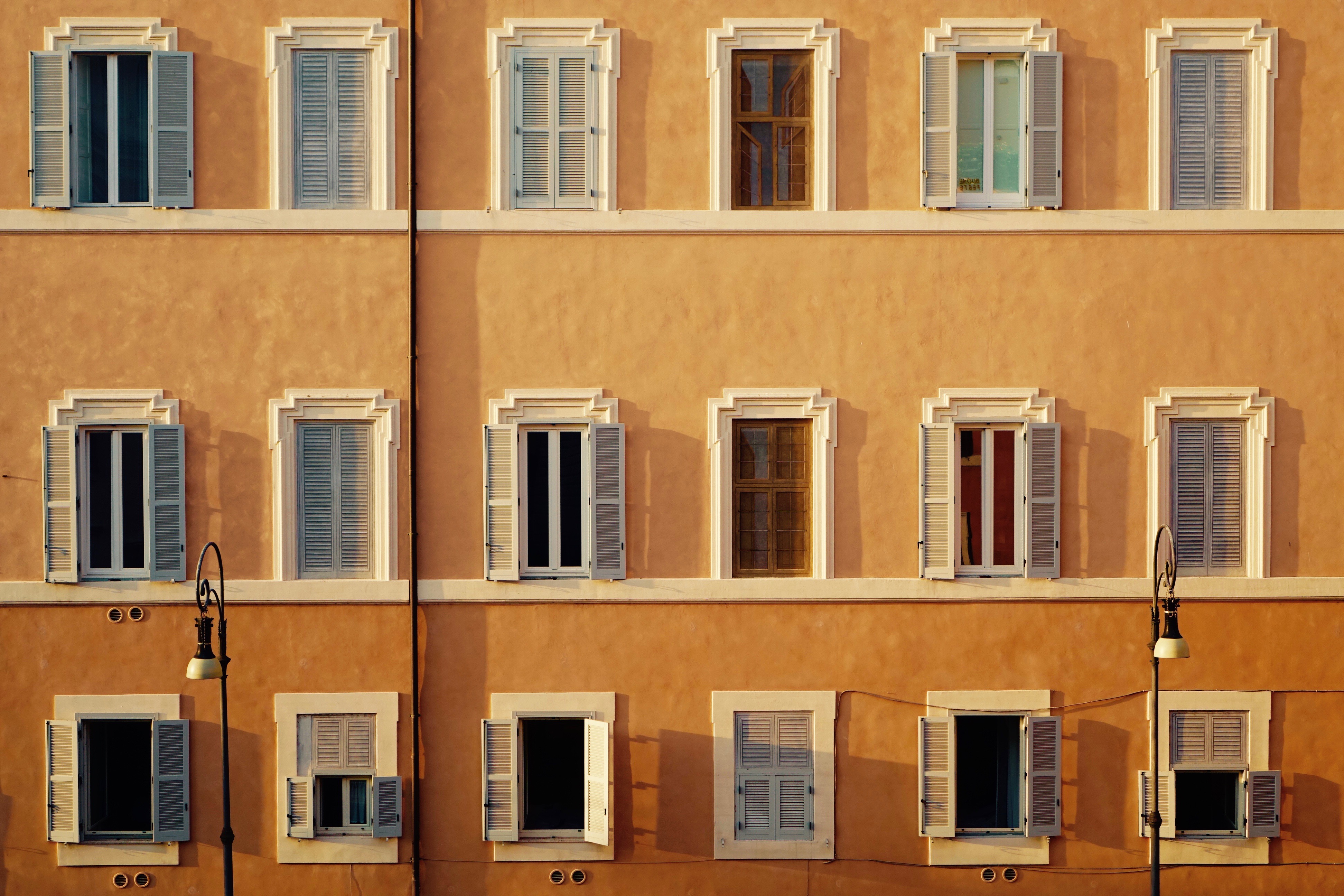
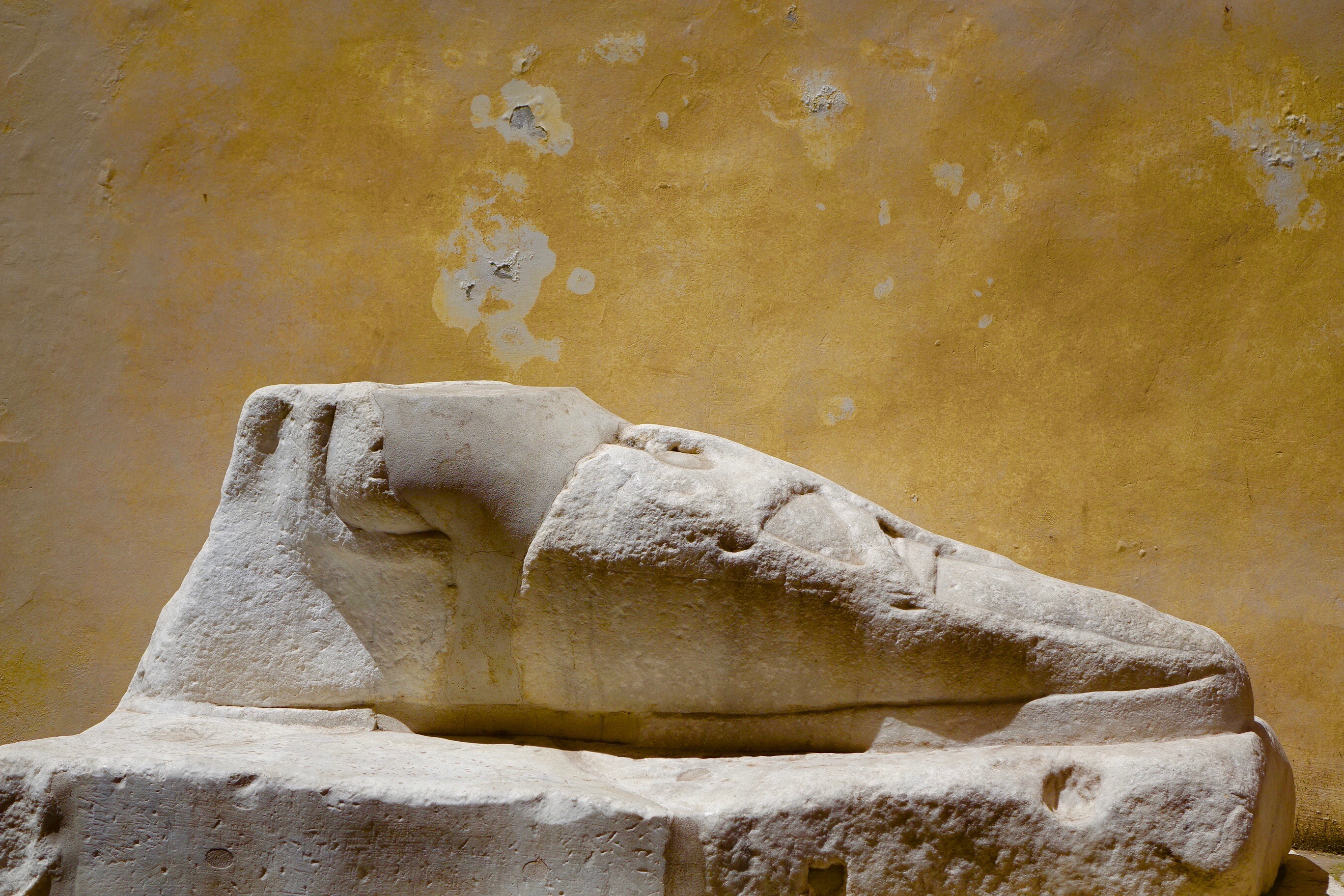
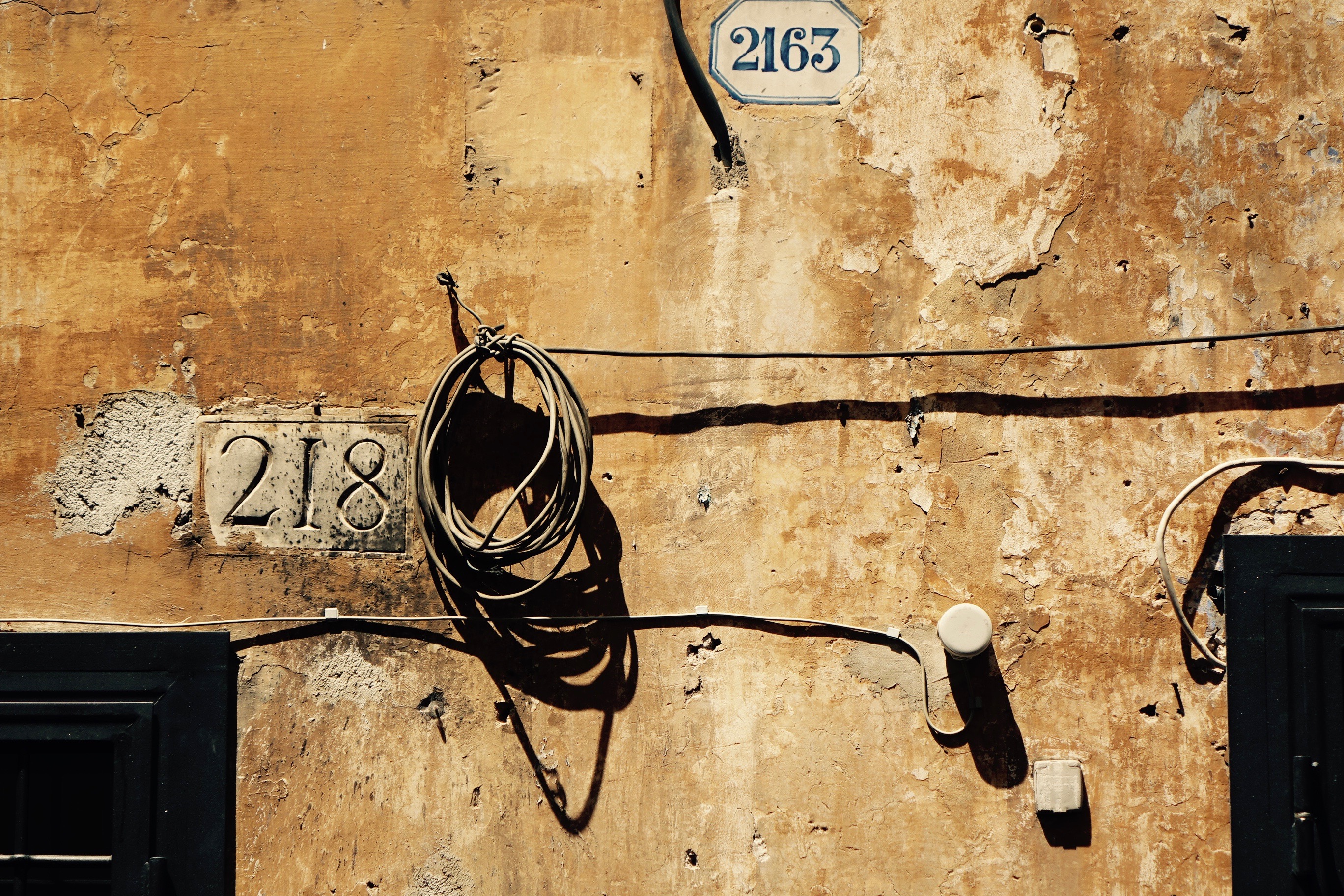
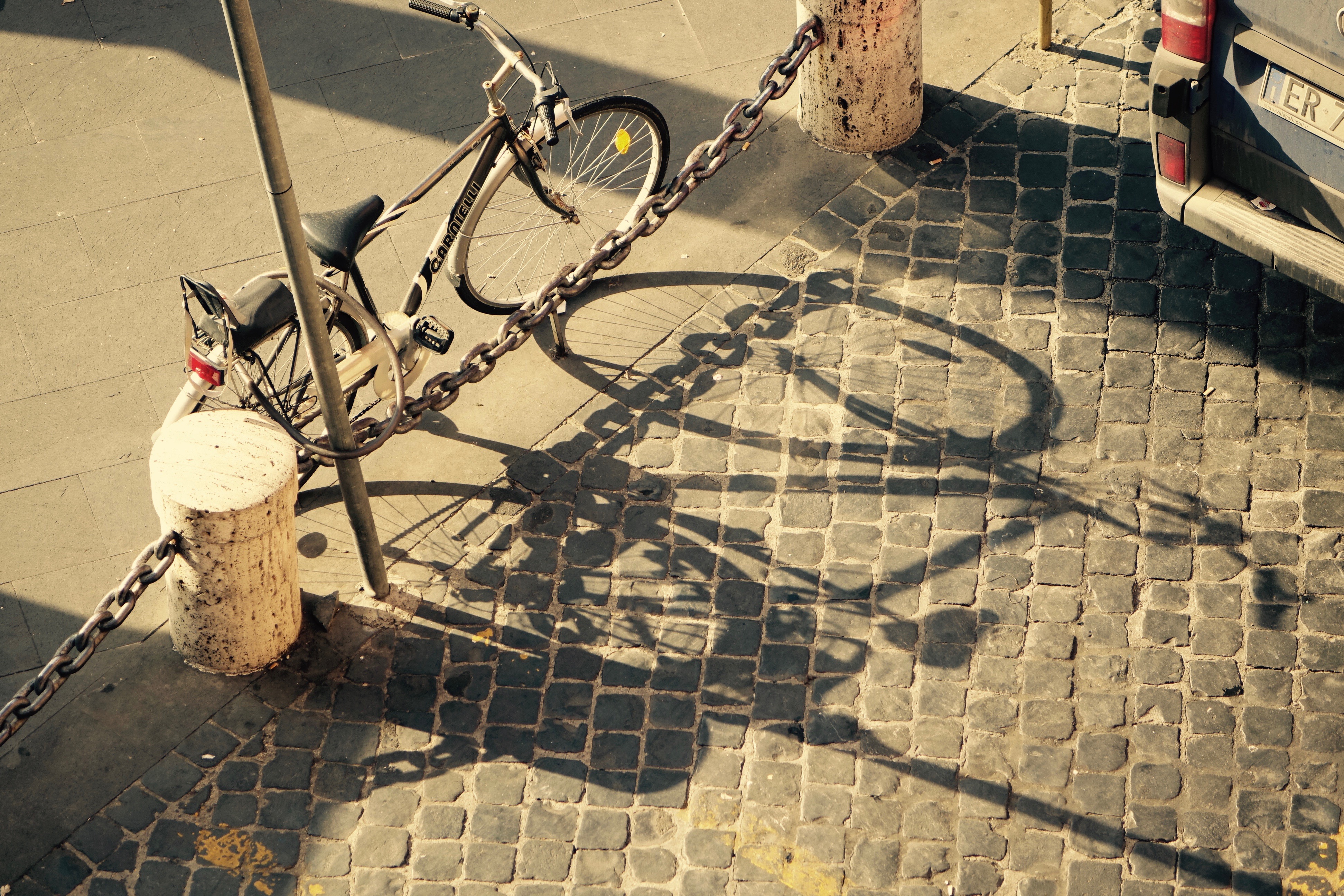
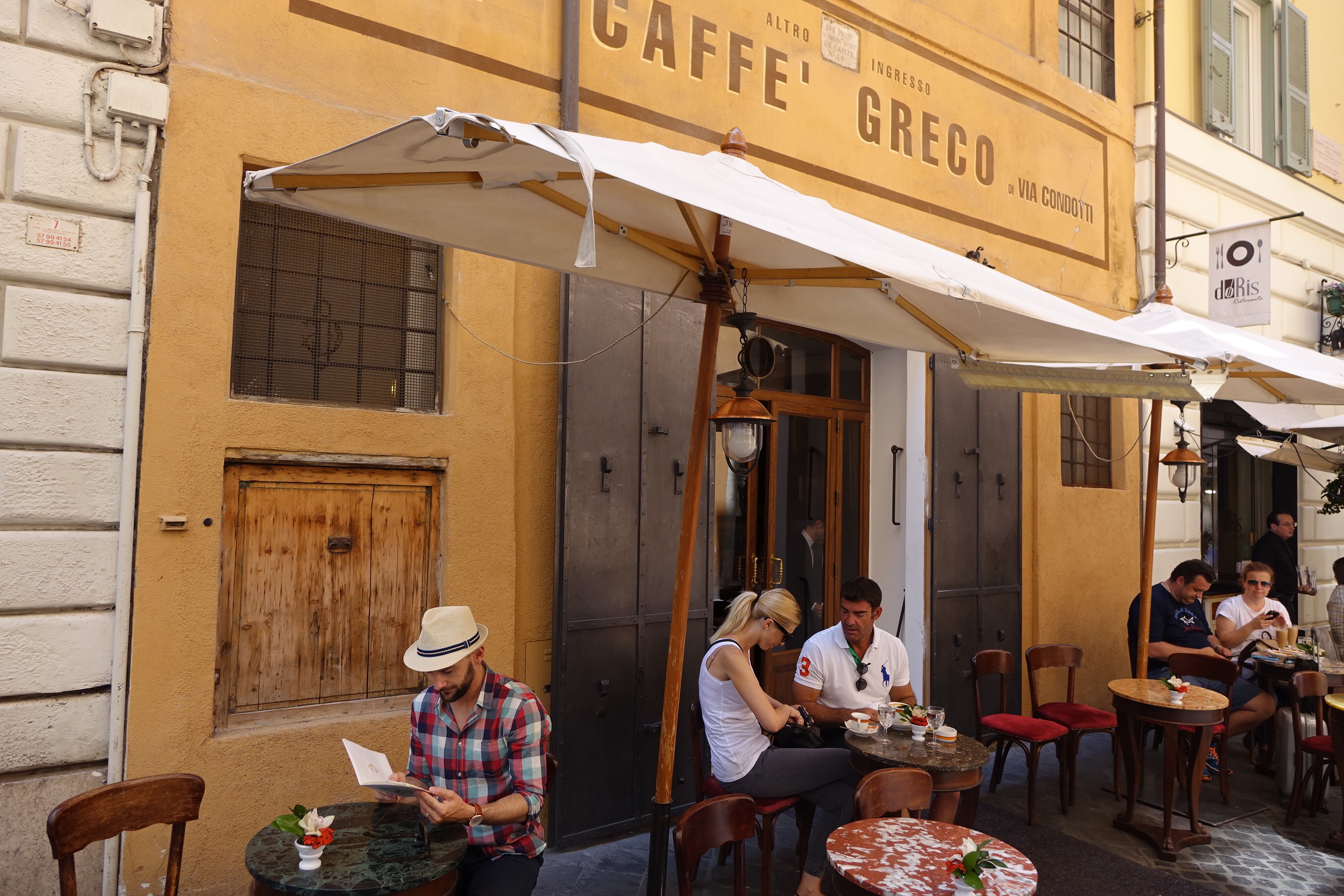
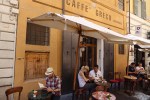
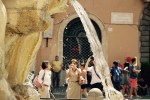
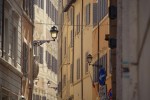
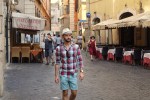
So when we eventually made it from Croatia to Italy, from Split to Rome, we drunk in the infectious atmosphere of Rome like someone devoid of water after a week in the desert. We went to galleries, we went to cafes, we even endured the coach-party crush of the Vatican Museum. But our favourite pursuit was simply to be in Rome. To wander the streets and let the city wash over us, tantalising each of the senses in turn. Smell: a rich creamy coffee propped up at the bar of the Tazza d’Oro or outside the illustrious Caffe Greco. Taste: dinner by candlelight on the Via Condotti. And for our eyes, the simple feast of colour which adorns every street and building. It is this palette of colour, the terracottas and ochres, deep sanguine red and golden custard, which is the focus of this post. A collection of photos which need say nothing more than narrate the story of a city whose heart is worn so explicitly on its multi-coloured sleeve.

All photos and written content are strictly the copyright of Nicholas de Lacy-Brown © 2016 and The Daily Norm. All rights are reserved. Unauthorized use and/or duplication of the material, whether written work, photography or artwork, included within The Daily Norm without express and written permission from The Daily Norm’s author and/or owner is strictly prohibited. 

From Illyria to Italy, Part 4: The island of Hvar

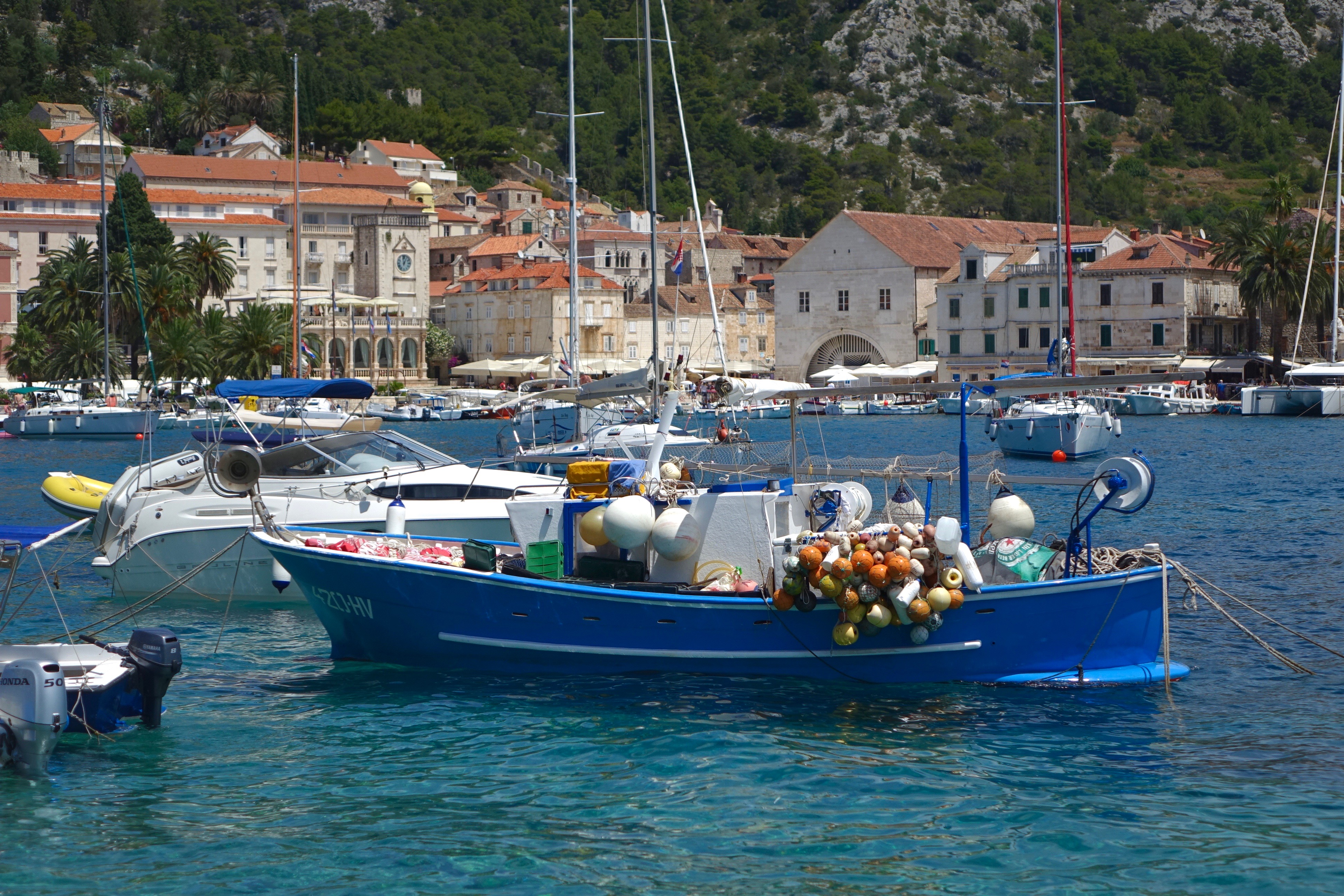
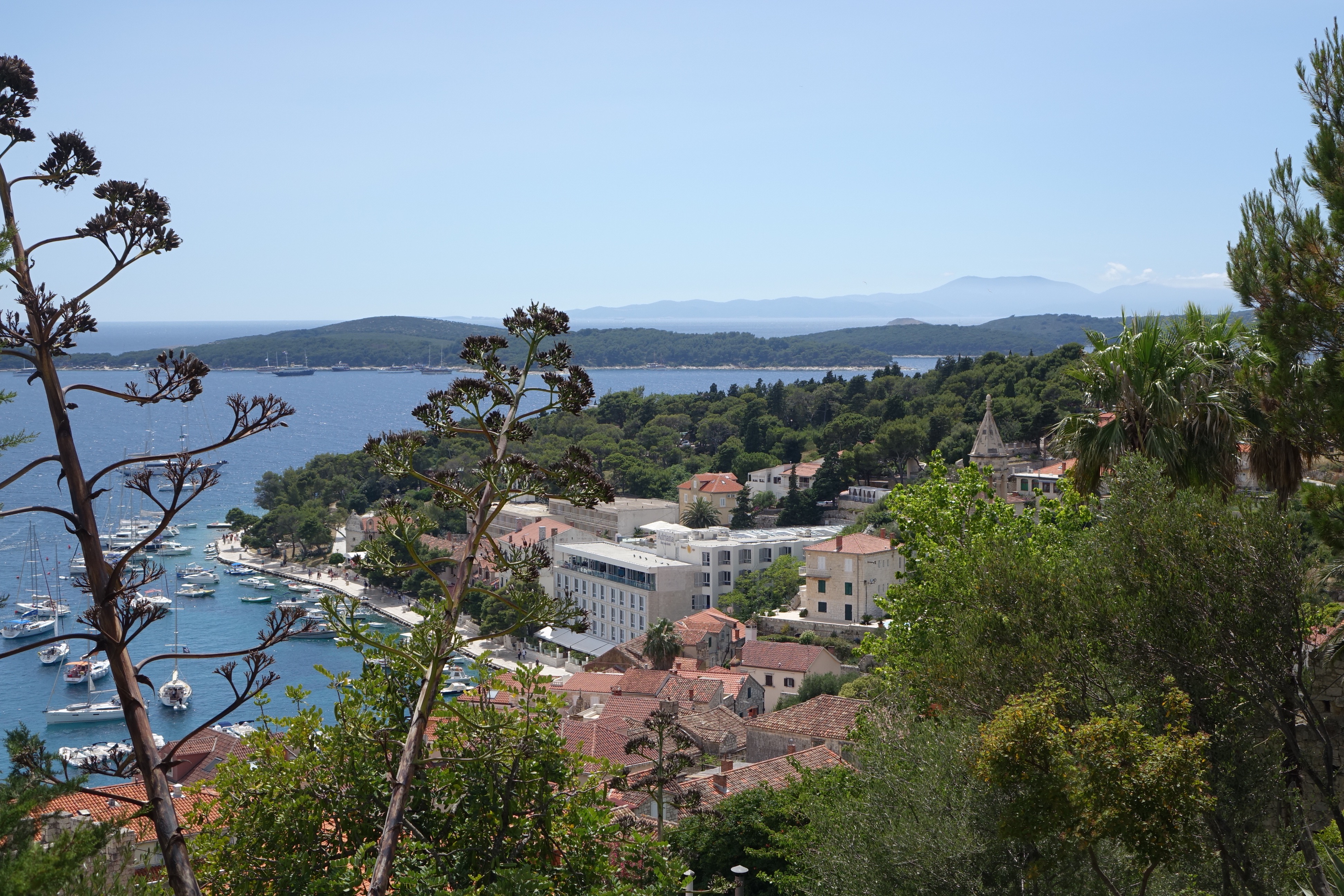
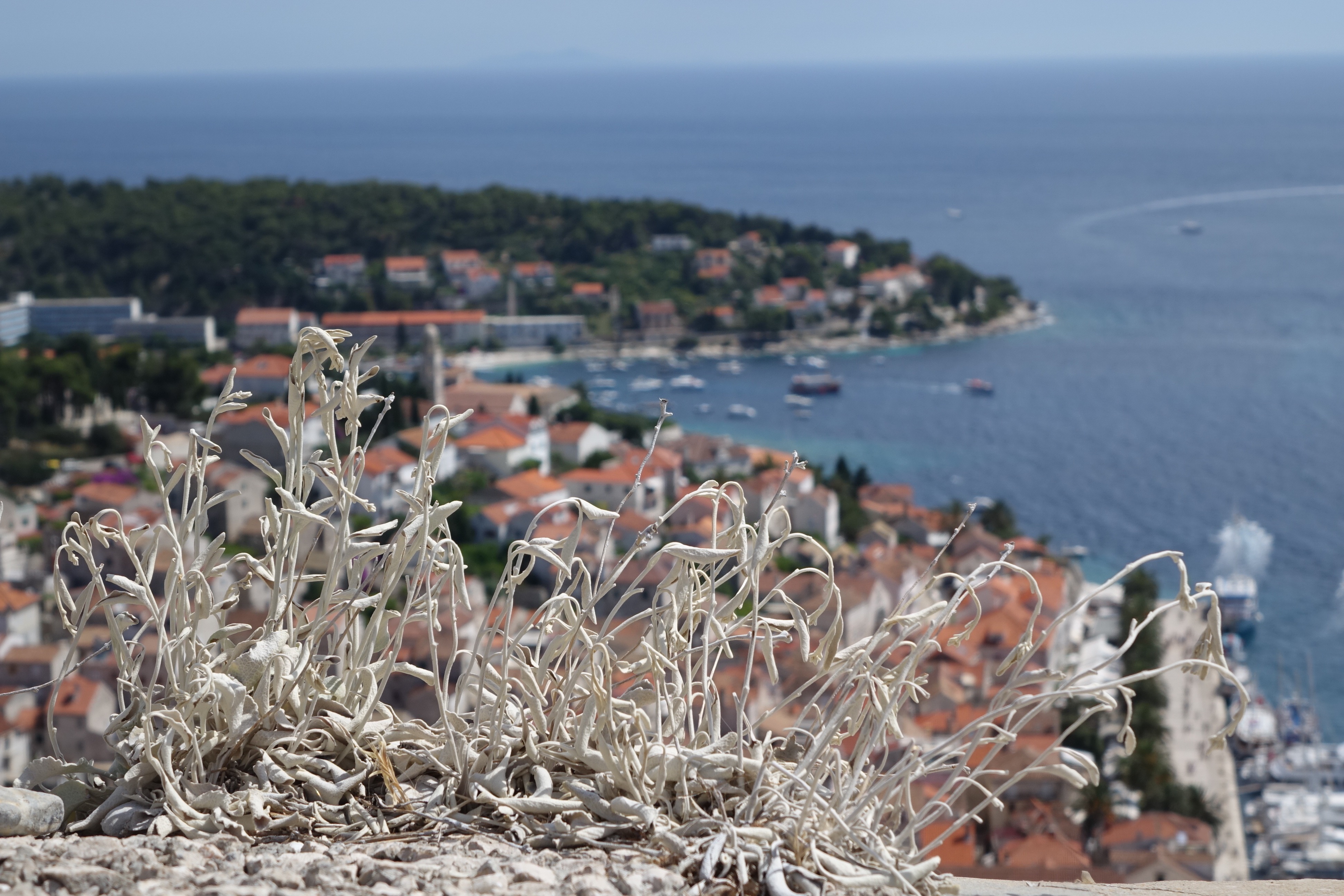
I’d heard of the island of Hvar before I even knew about Split. With its uniquely mild climate, art treasures, beautiful beaches including many hidden spots on its panoply of little adjacent islands, and fields full of scented lavender, the island is well known to be one of the jewels of the Adriatic. However, as the luxury yachts have gradually started to make themselves at home in its crystal clear waters, the island has slowly become a haven for the well to do, and the island is quickly earning itself the reputation of the St Tropez of Illyria.

DSC02976DSC03105DSC02975DSC02973DSC02982DSC03017

The proximity to Split of this rather difficult to pronounce island made it a must-visit destination on our Dalmatian adventure. Taking a catamaran full of enthusiastic backpackers from the sulphur-scented port of Split (somewhat off putting so close to breakfast) we reached Hvar in just over an hour of calm(ish) sea travel. First impressions were very good. The quayside of Hvar Town seemed to exhibit all of the characteristics of a Riviera style cafe-lined promenade, with pristinely pruned and plucked palm trees perfectly lined up alongside carefully maintained Venetian-style palazzos.

DSC03026DSC03029DSC03014DSC03072DSC03089DSC03086DSC02994DSC03004DSC02991DSC03000DSC03012DSC03076

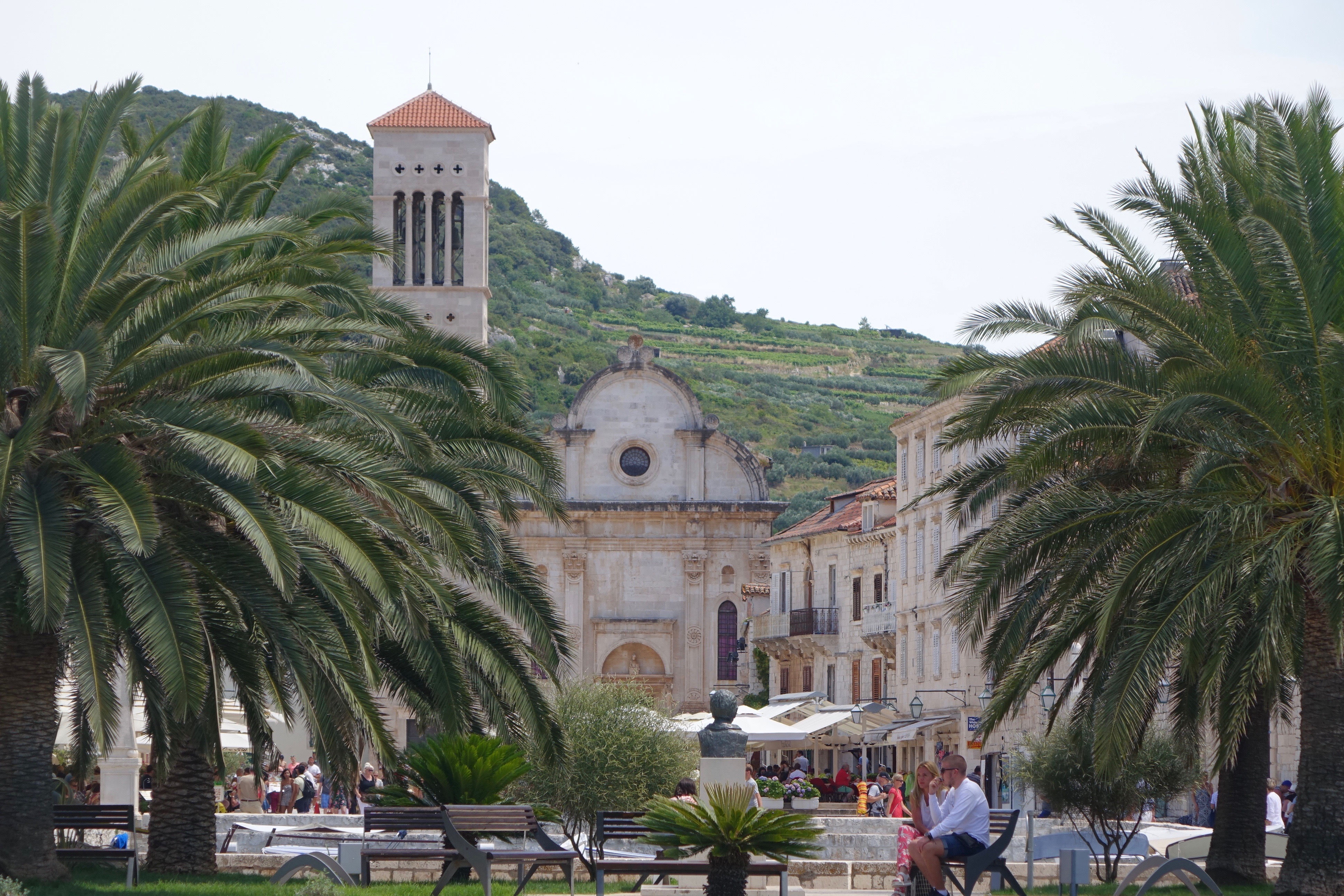
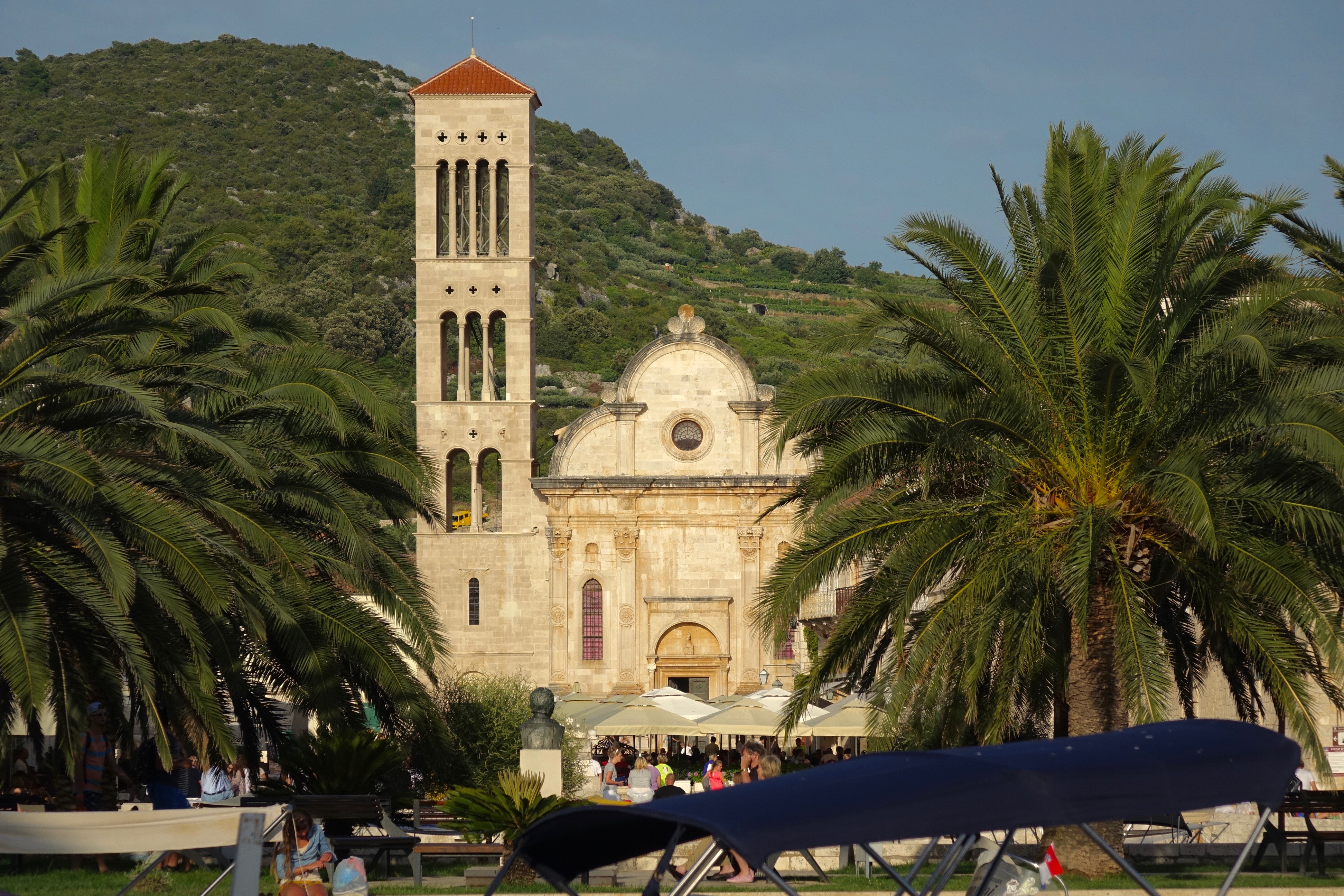
Evidently characterised by the influence of its past Venetian rule, when the island was a key stop-over point for Venetian merchants returning from the Orient, Hvar Town bears all of the hallmarks of its cultivated past, including one of the first theatres ever built in Europe, and the splendid little Cathedral of St Stephen perfectly located with a sprawling piazza before it, and a rolling green mountainside behind.

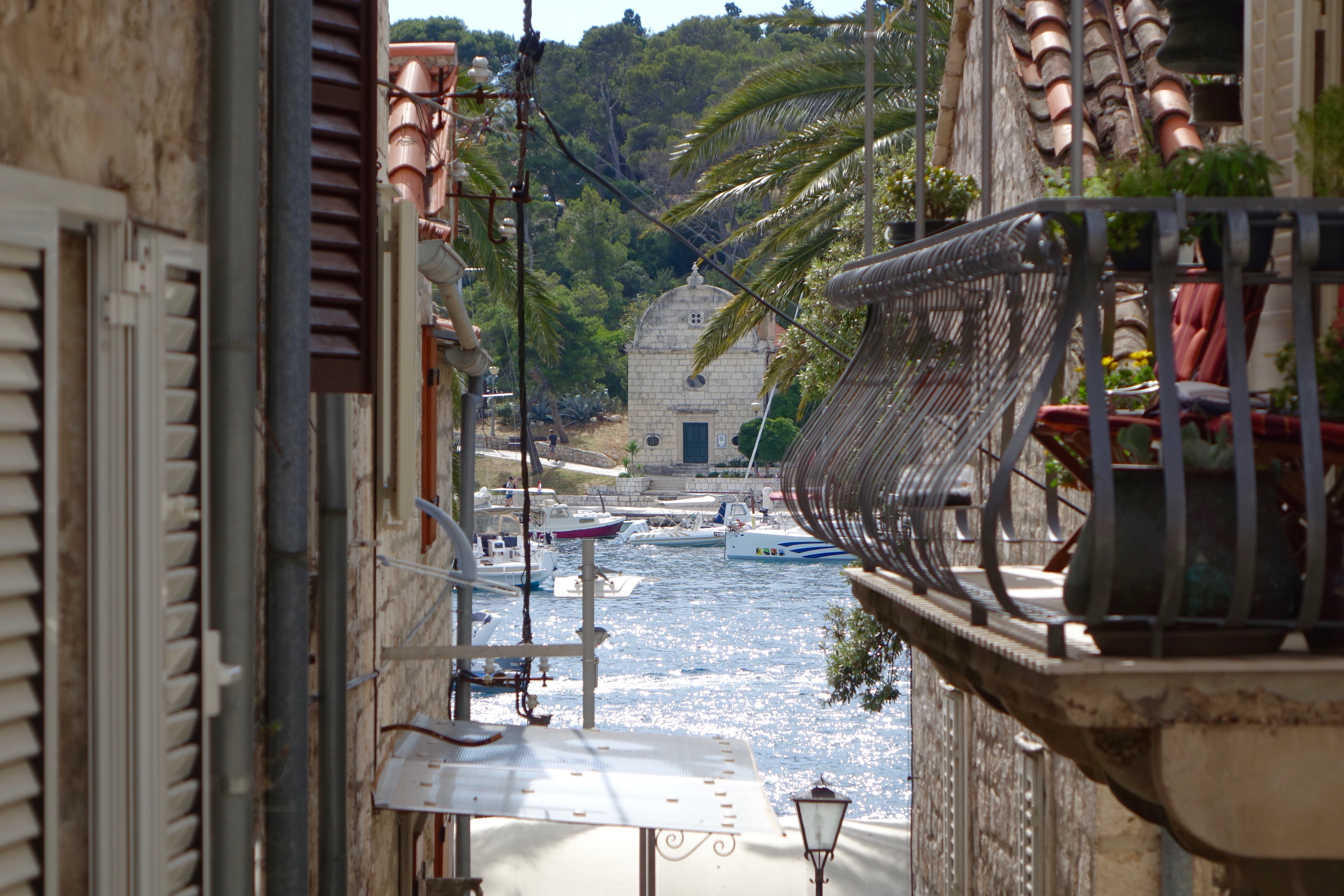
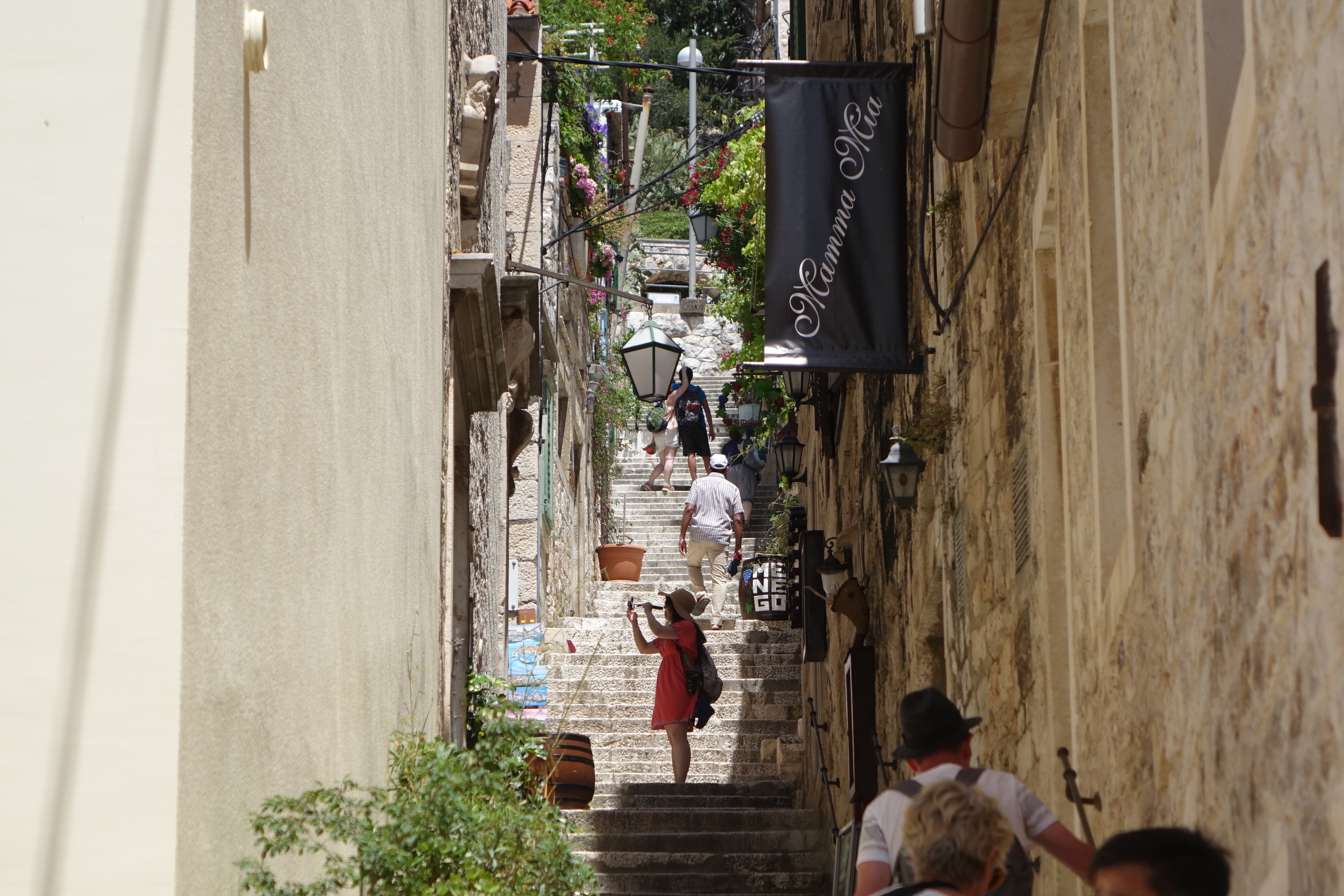
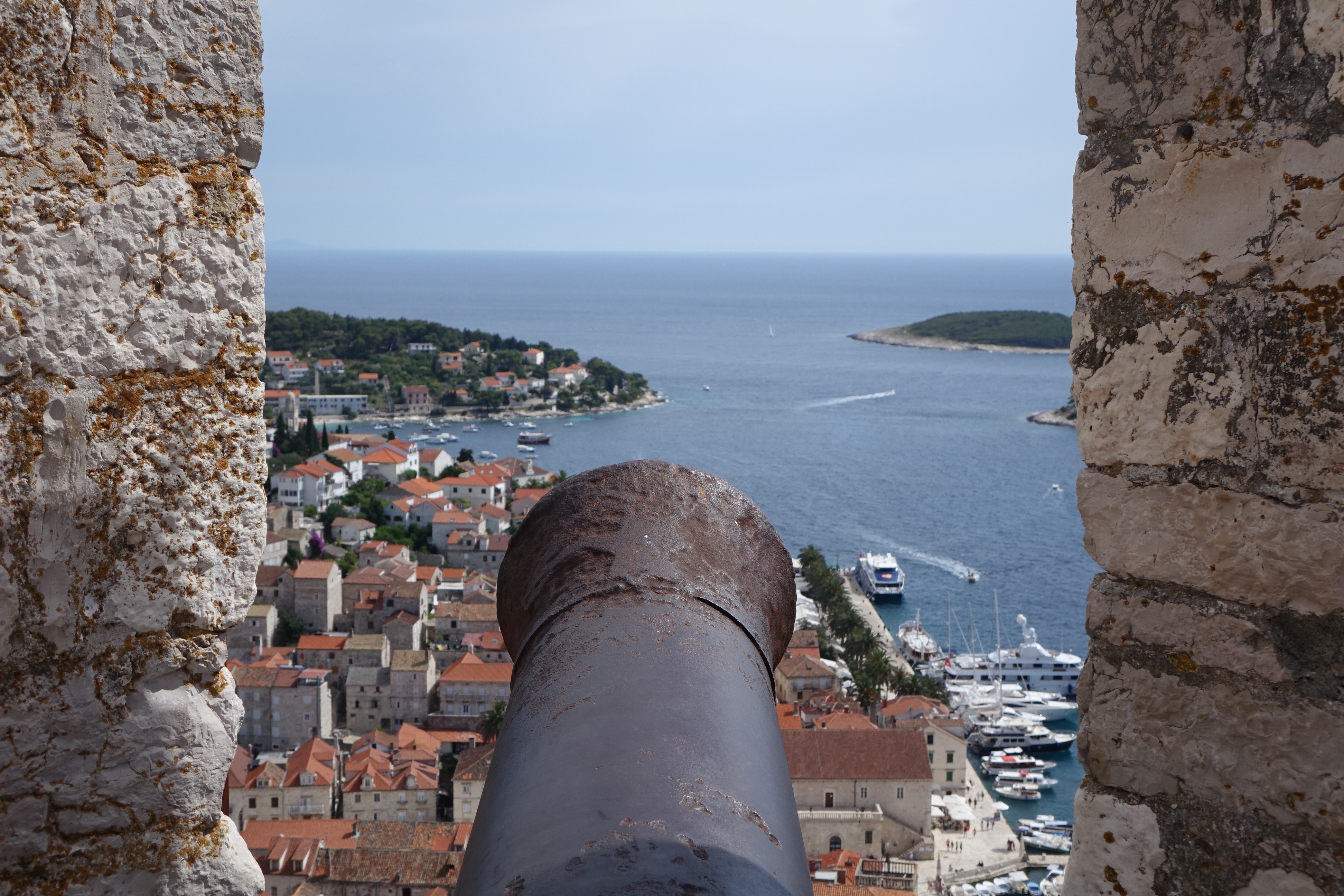
Set around a natural harbour, the town was one of those places whose aspect improved from every angle. Walking around the port, a picture-postcard view could be enjoyed from across cerulean waters peppered with colourful fishing boats, or from small shady gardens set alongside the Renaissance Civic Loggia characterised 15th Century Venetian Gothic windows. Up a steep staircase, past one of the town’s monasteries, the views improved yet further, as appreciated from the heights of the Napoleonic Fort which casts a protective fatherly glance across the town from the steep hills rising up behind it.

DSC03062DSC03049DSC03067DSC03033DSC03037DSC03059

We only had a few hours between ferries to enjoy the island, and in reality we kept ourselves limited to the treasures of Hvar Town. And while from there, we may not have run amongst fields of fragrant lavender, nor enjoyed the unspoilt beaches of the island’s craggy coastline, our brief acquaintance with Hvar was nonetheless one of the highlights of our trip to Croatia. Tranquil, elegant and unpretentious despite its natural attractiveness, Hvar Town felt as exclusive as the French Riviera but without the hype. And while the quaint beauty of the Town was evident at all times of the day, I think you would have to go far to beat the town at sunset, as the sun turned a milky honey hue. In that calm meditative light, we were at serious risk of missing our ferry home, as we sat on the quayside slowly contemplating the facade of St Stephen’s turn a rich honeycomb gold, and ancient walls of the Arsenale a warm ginger.

Alas the ferry came, and we returned to the welcoming lights of bustling Split. But oh how I could have stayed in that moment forever.

DSC03143DSC03150DSC03155DSC03148DSC03102DSC03130DSC03141DSC03131DSC03111DSC03154

All photos and written content are strictly the copyright of Nicholas de Lacy-Brown © 2016 and The Daily Norm. All rights are reserved. Unauthorized use and/or duplication of the material, whether written work, photography or artwork, included within The Daily Norm without express and written permission from The Daily Norm’s author and/or owner is strictly prohibited. 

From Illyria to Italy, Part 3: The Riva and the Water

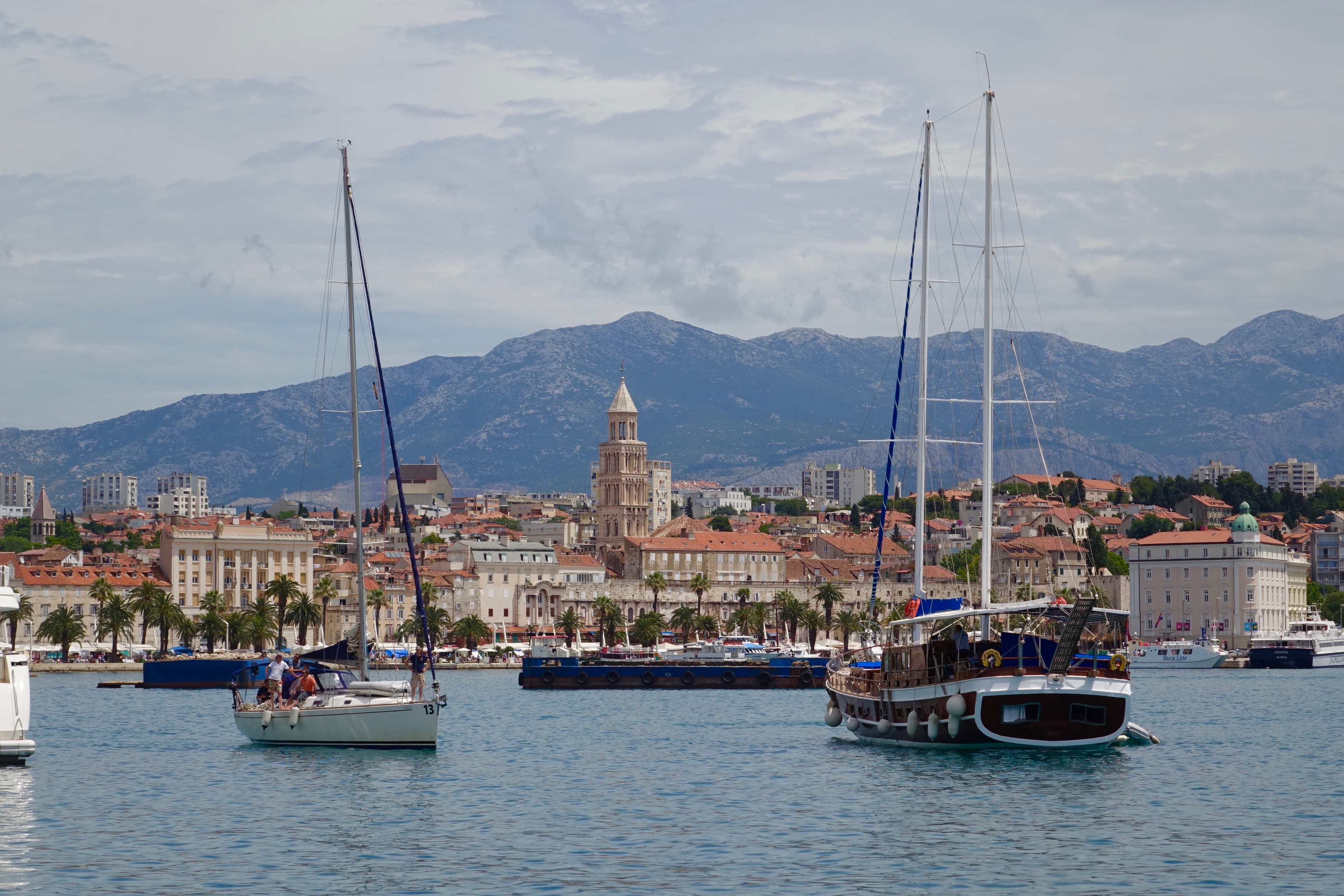
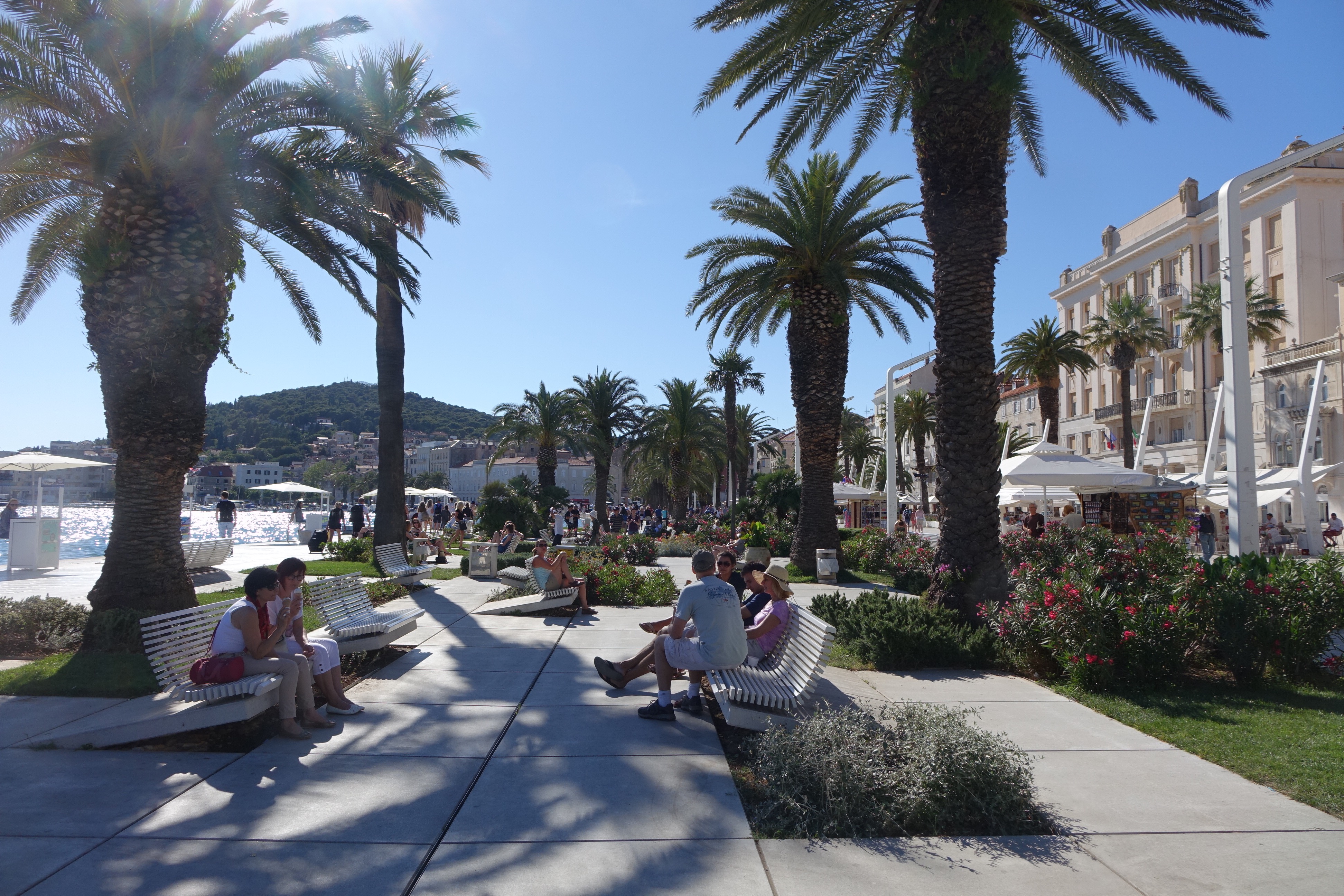
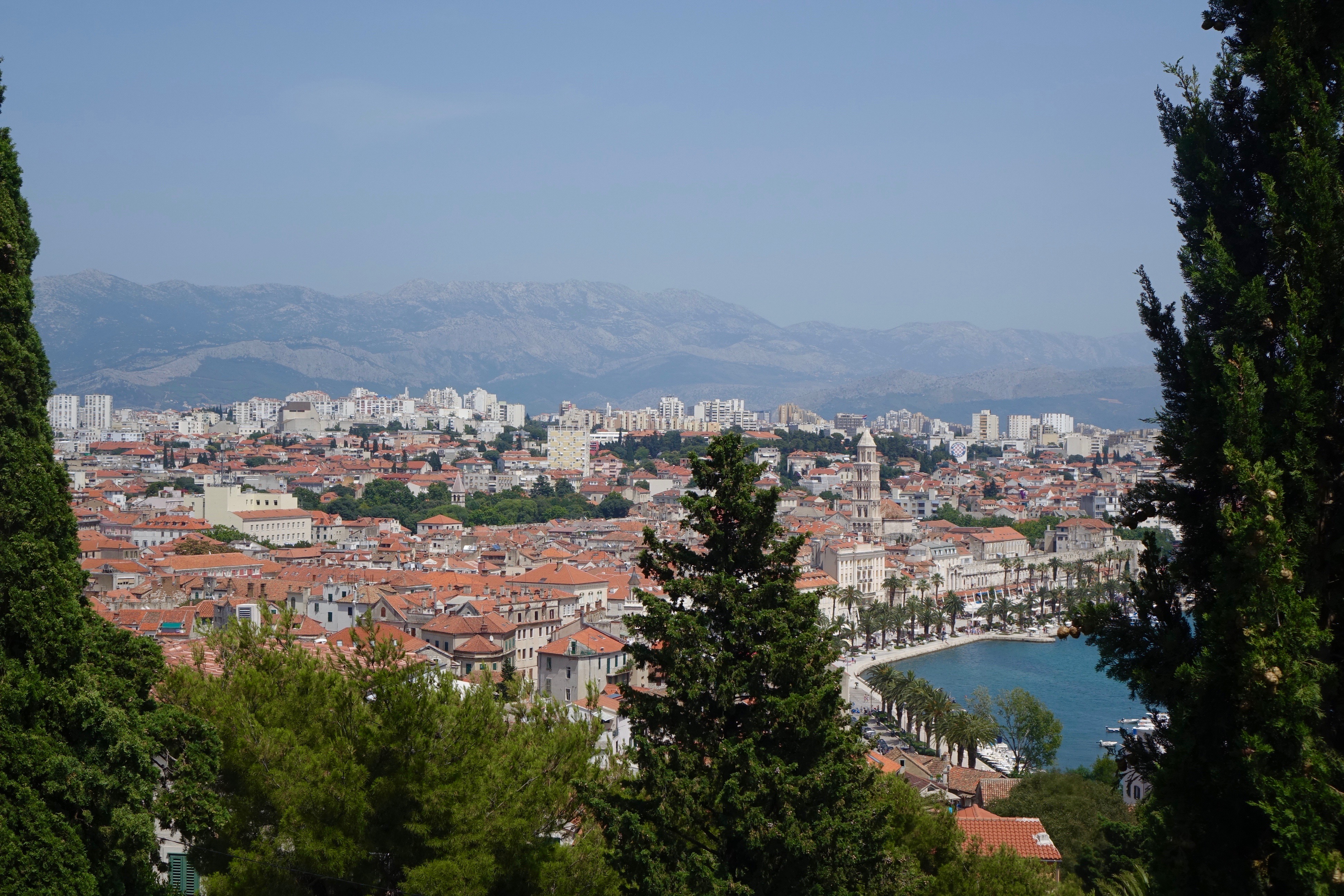
There is such a glorious panoply of architectural treasure to consume the mind in Split in Croatia that you would be excused for forgetting that the city lies on one of the most beautiful coastal stretches of the Adriatic sea. With an archipelago of little islands dotted all along the horizon as far as the eye can see, and a skyline of imposing mountains backing up the city, Split’s coastal views are stunning whichever way you look, no more so than from the Riva, the city´s bustling seaside promenade. The Riva stretches along the southern facade of Diocletian’s palace, and exhibits the laid back, chic French Riviera essence which no doubt remains a left over of the era of Napoleonic rule in Croatia, the time of its construction.

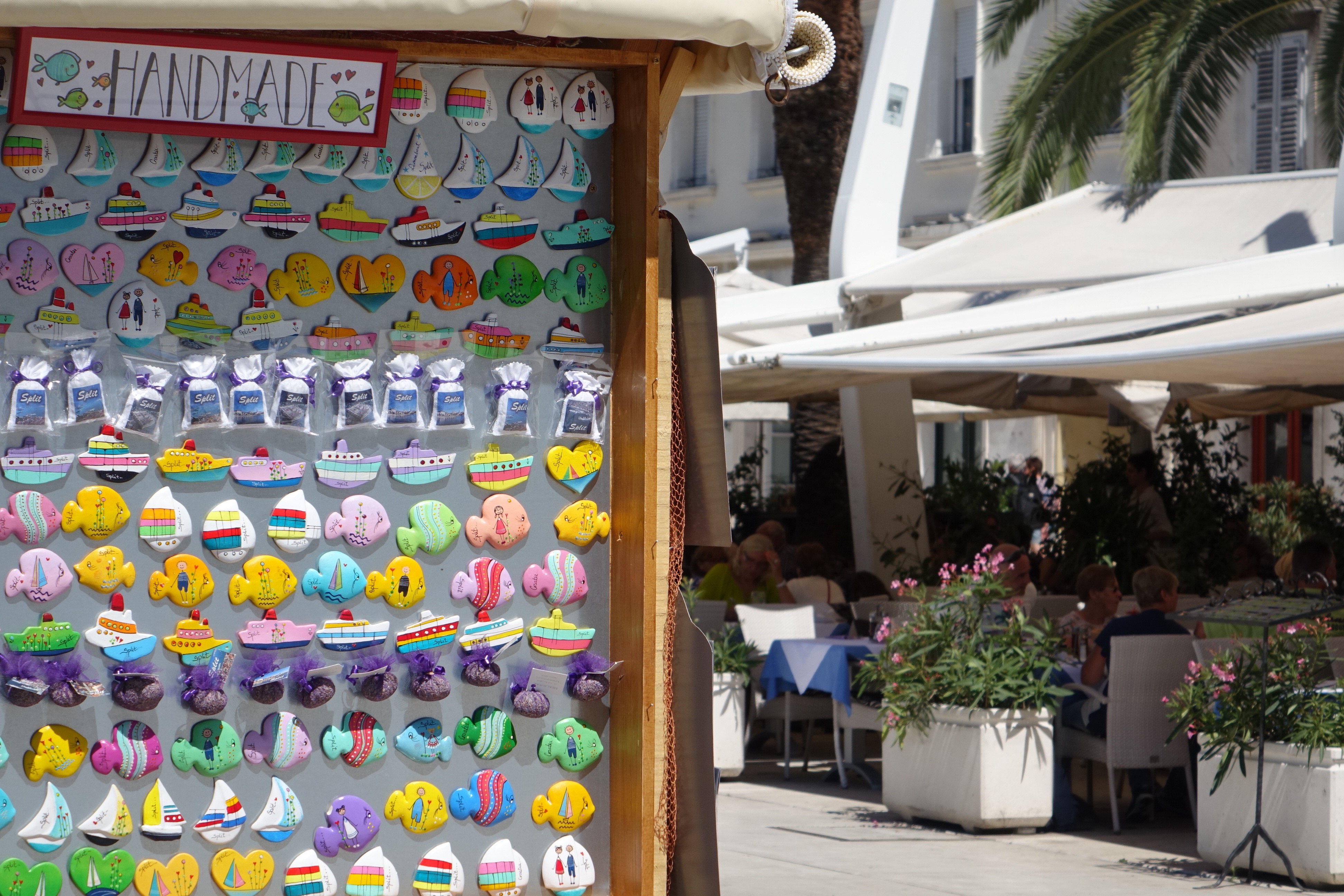
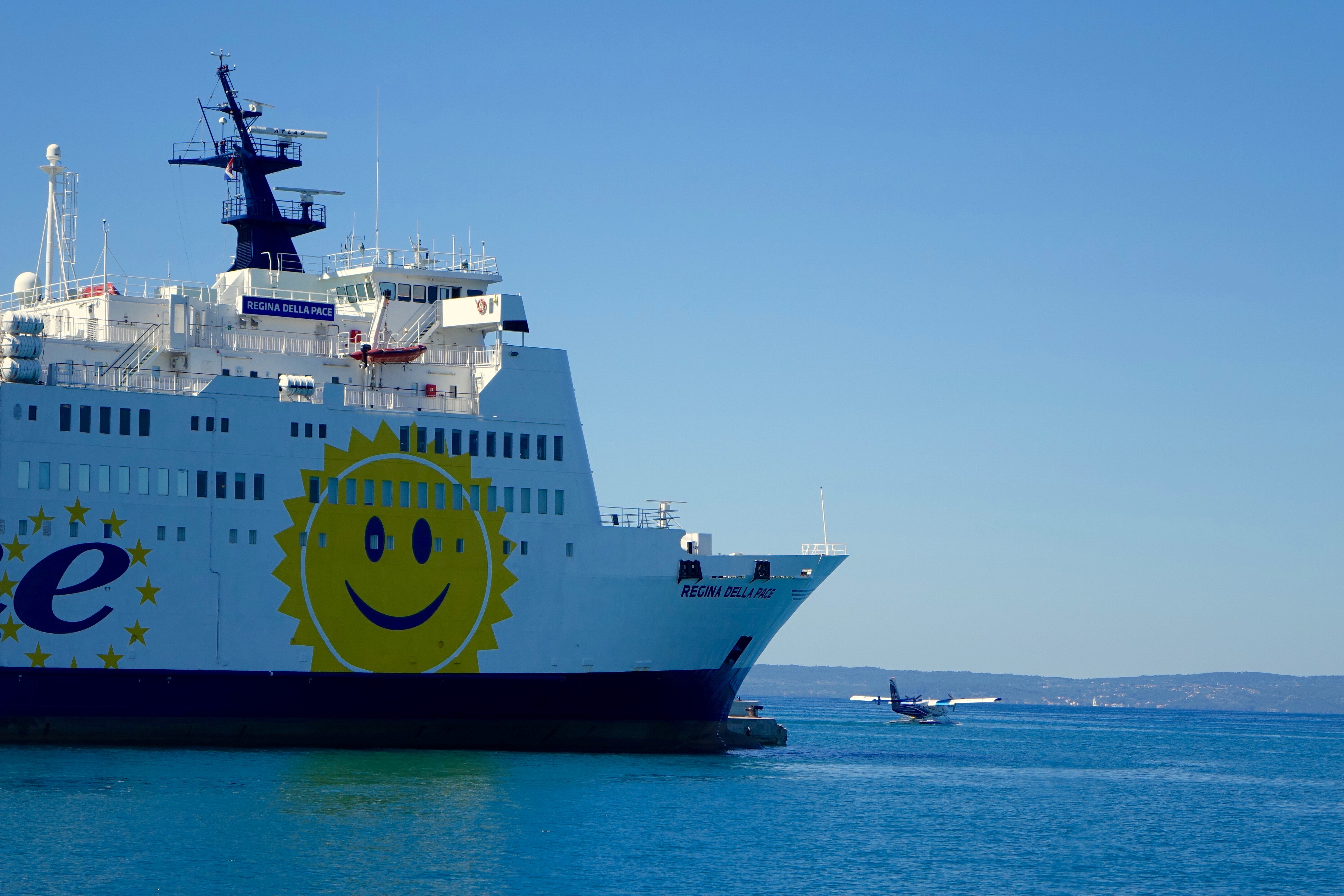
Today the Riva is arguably one of the centre points of the town, and although it is not a place to dip into the sea (not least because of the fairly off-putting smell of sulphur which pervades the area – apparently owing to the natural supplies of the mineral in the area, said to be one reason why Diocletian set up home here), it is certainly a place to stroll, sit on one of many flower-fringed benches, and take a coffee or a cocktail in crowded cafes squeezed into every inch of the pavement space.

DSC02586DSC02832DSC02770DSC02763DSC02856DSC02577DSC03167

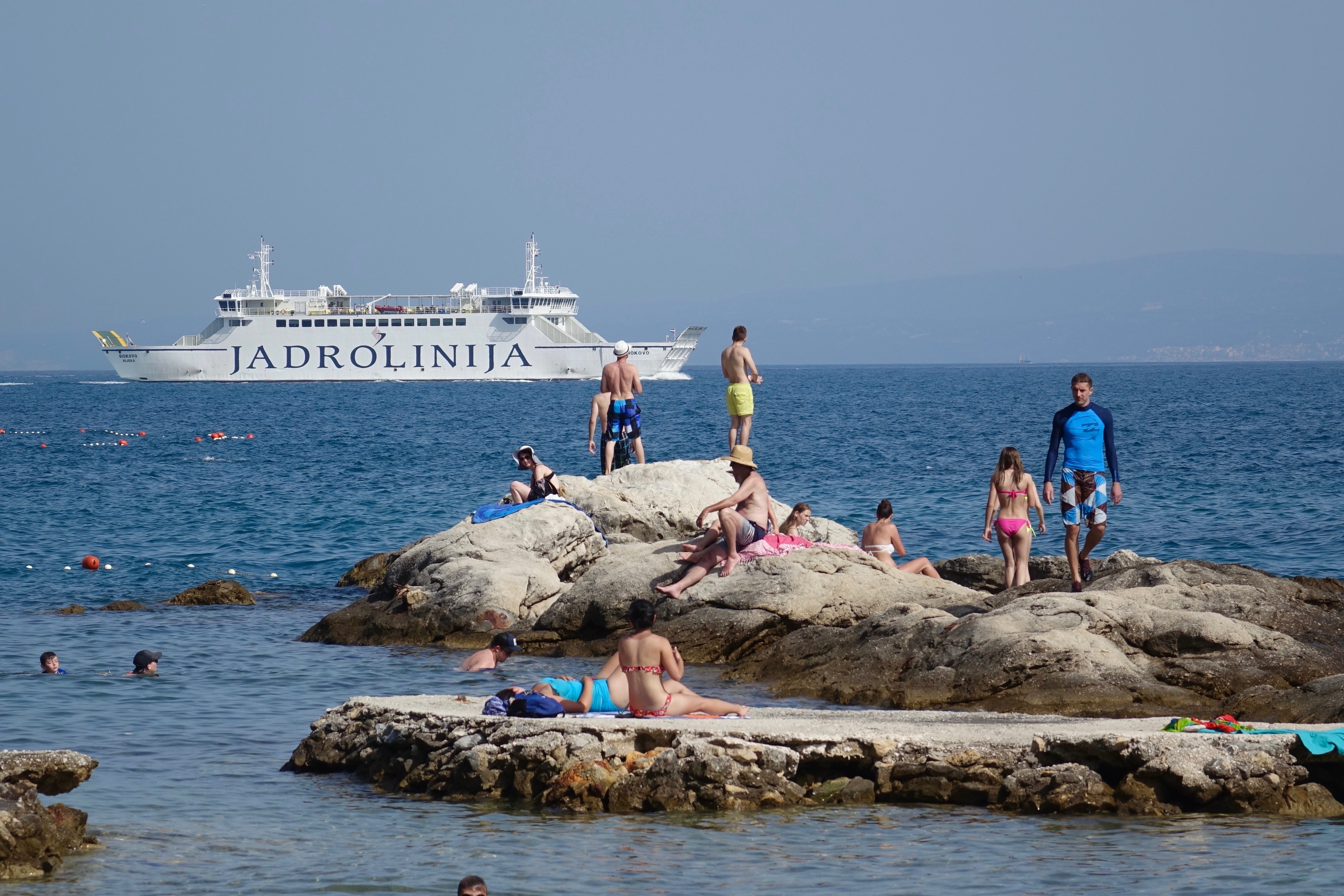
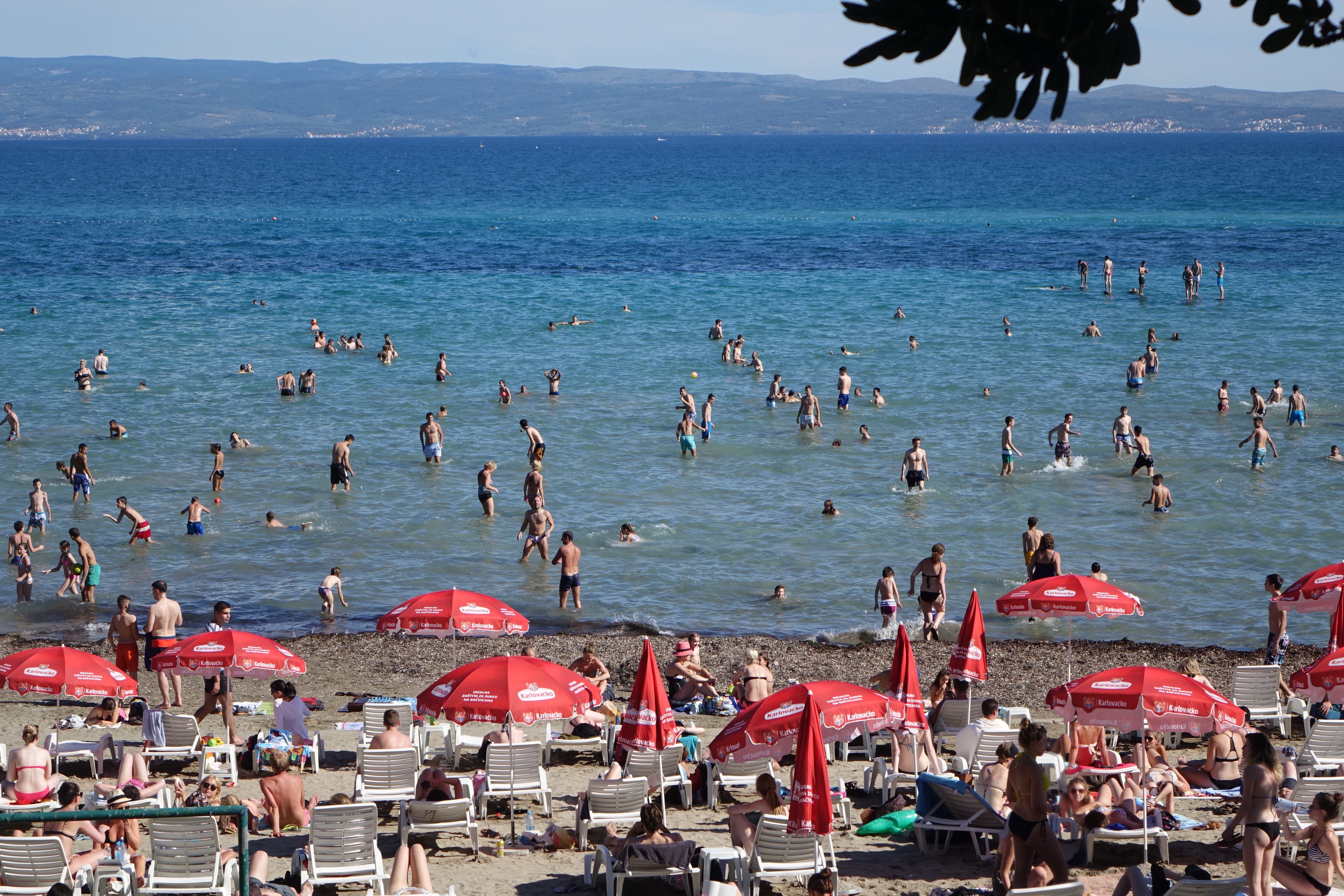
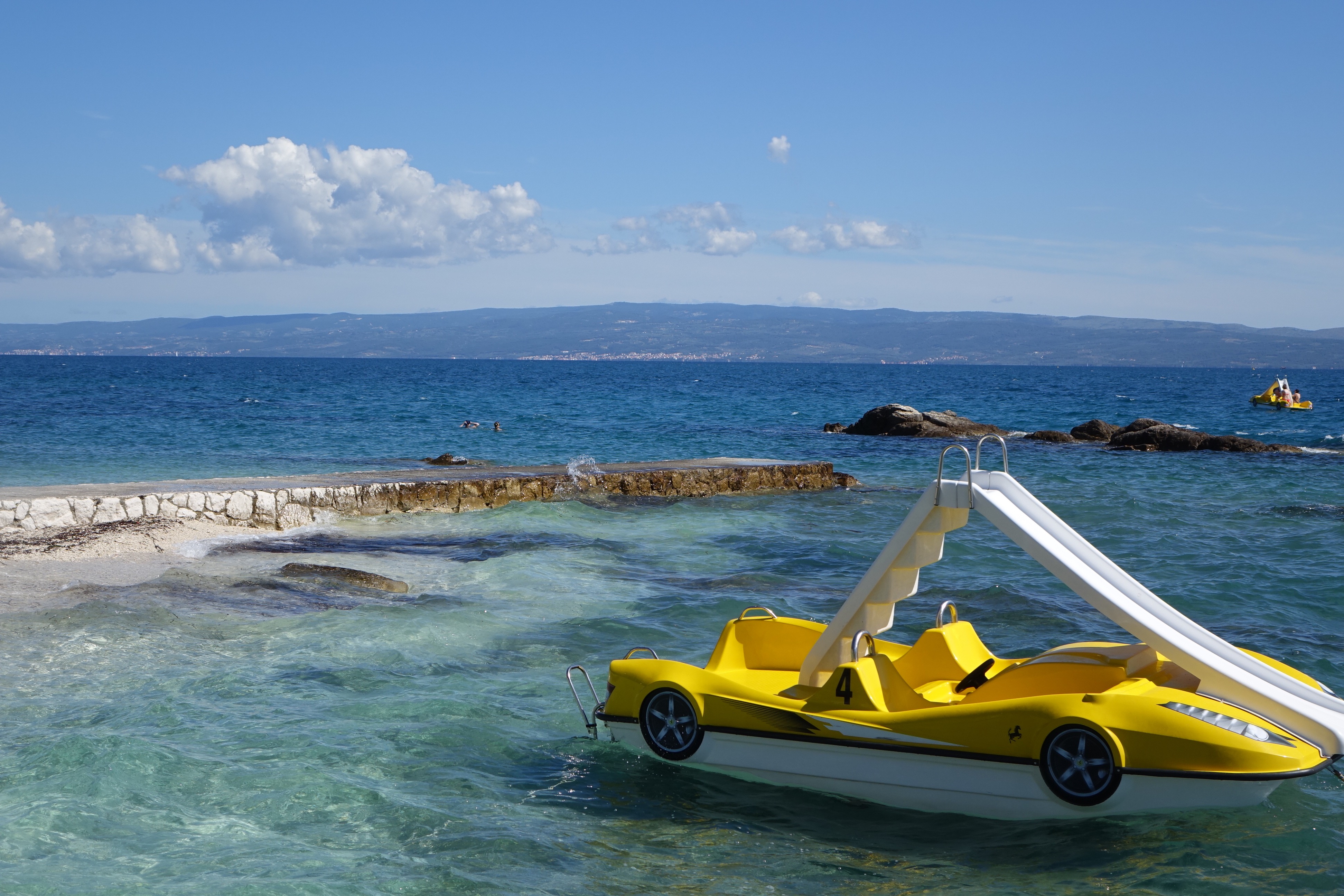
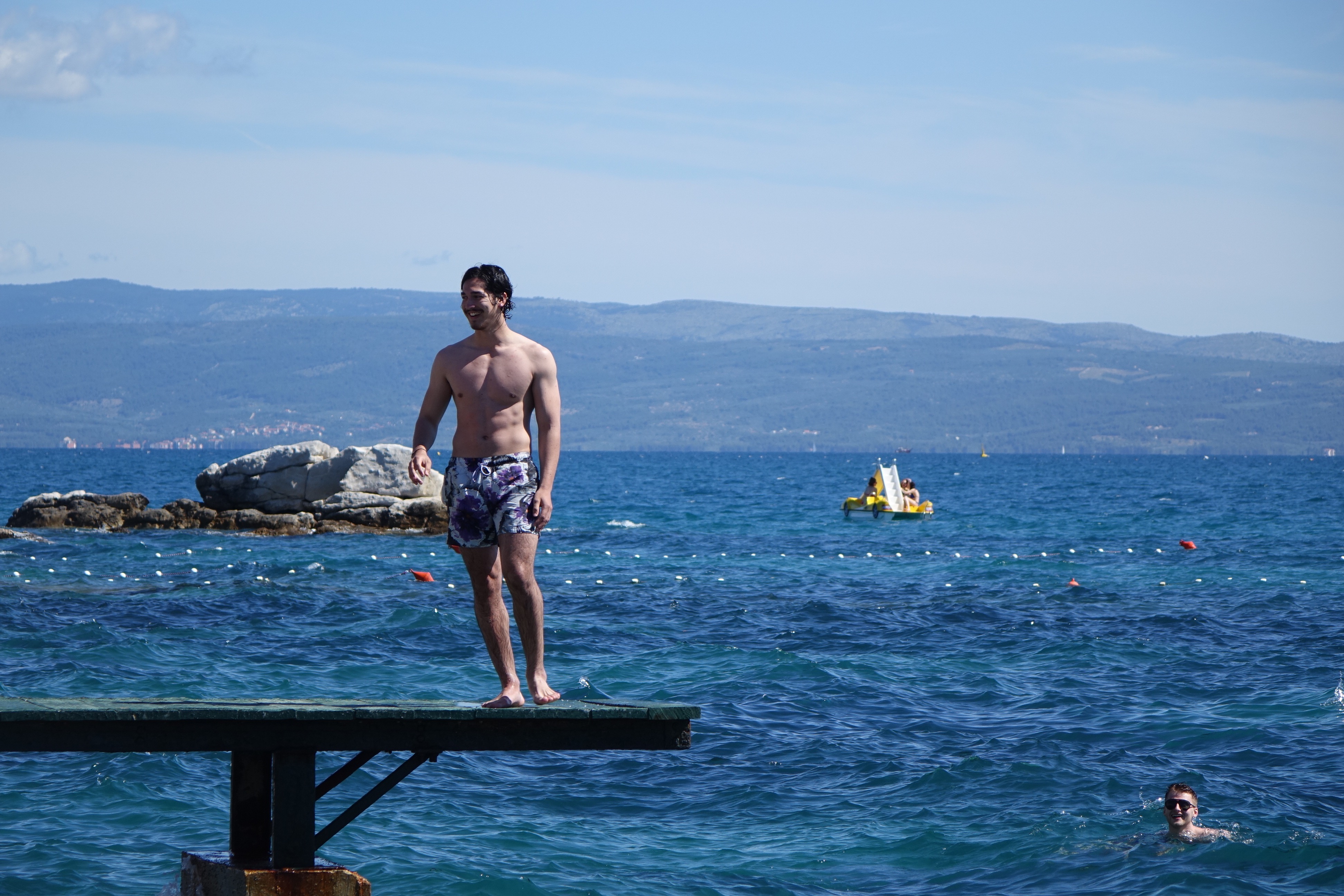
Beyond the Riva, Split does have its fair share of beaches. Living in Mallorca, I am somewhat spoilt when it comes to the choice of paradise beaches, and compared with those, we found Croatia’s offerings to be all a little hard underfoot… we discovered either beaches constructed from concrete, or others made naturally from stones. Nonetheless, few could deny the beautiful cerulean waters nor the warm clean currents which finally enticed us into the sea. They may not be sandy, but these beaches are popular… I’m not sure I’ve ever seen such a crowded beach in my life!

DSC03175DSC03171DSC02847DSC02838DSC02837DSC02845DSC02951DSC03174DSC02960

All photos and written content are strictly the copyright of Nicholas de Lacy-Brown © 2016 and The Daily Norm. All rights are reserved. Unauthorized use and/or duplication of the material, whether written work, photography or artwork, included within The Daily Norm without express and written permission from The Daily Norm’s author and/or owner is strictly prohibited. 

From Illyria to Italy, Part 2: Muzeji Ivan Meštrović

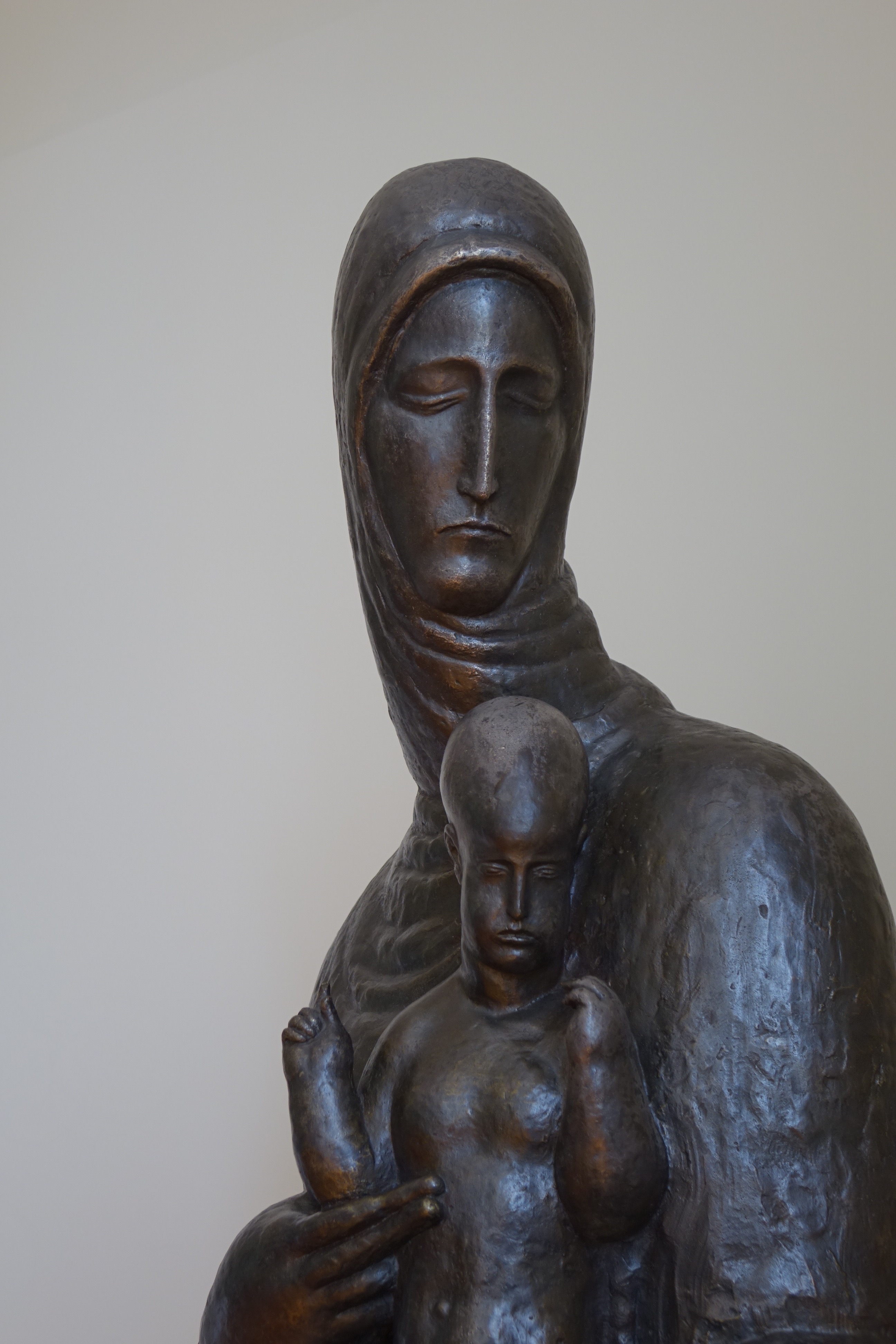
Day two of our holiday in the beautiful Adriatic city of Split on the Croatian coast, and scandalously, it started cloudy. Panic stricken at the lack of blue skies, our first question to our hotel receptionist, after choosing a hearty dish of fresh pancakes for breakfast (a recurring gym-body busting pattern I might add) was to ask what we could do in such weather. For culture vultures like ourselves, she recommended the Muzeji Ivan Meštrović, that is the museum of the renowned Croatian sculptor, a fine cultural beacon in the city where he made his name.

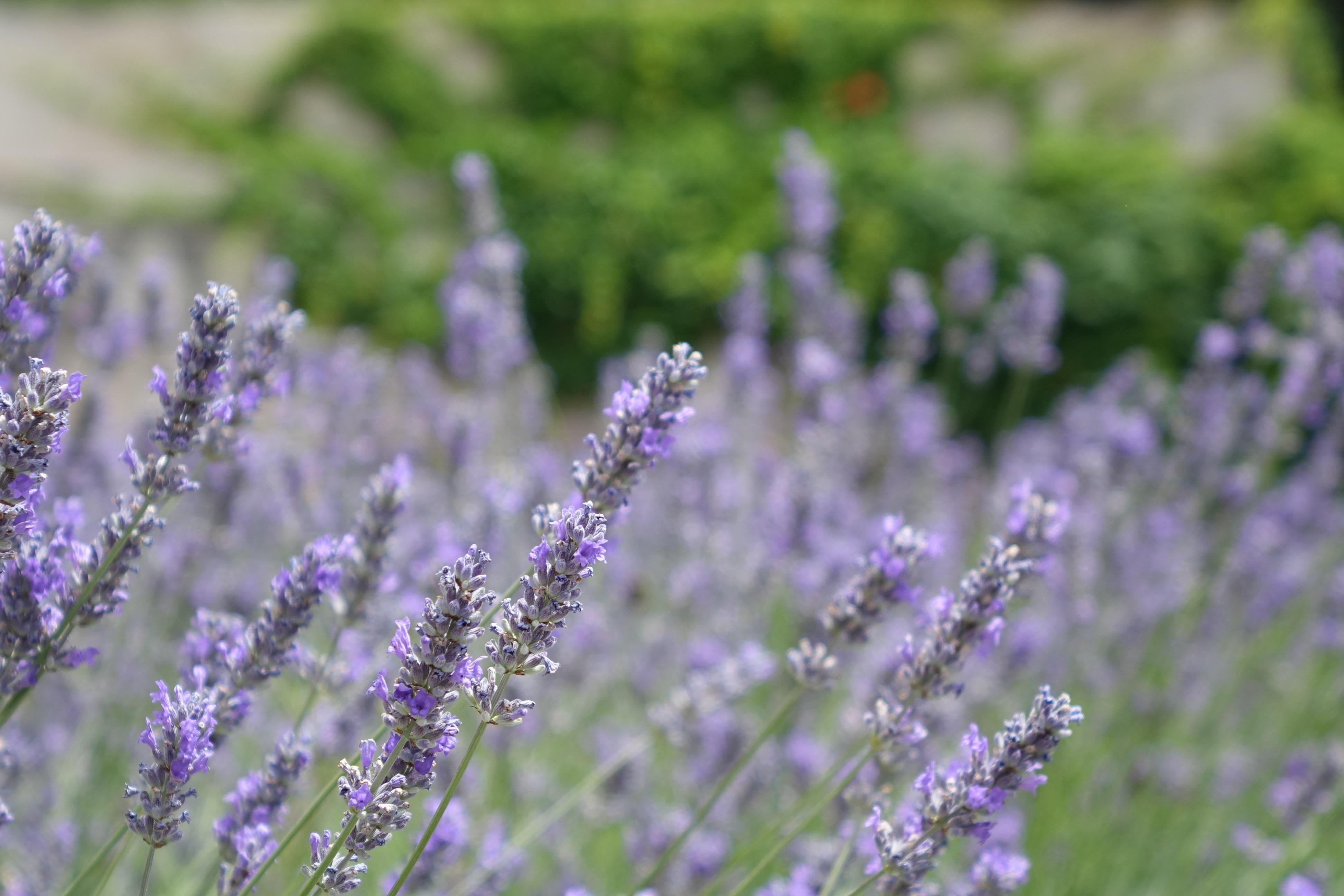
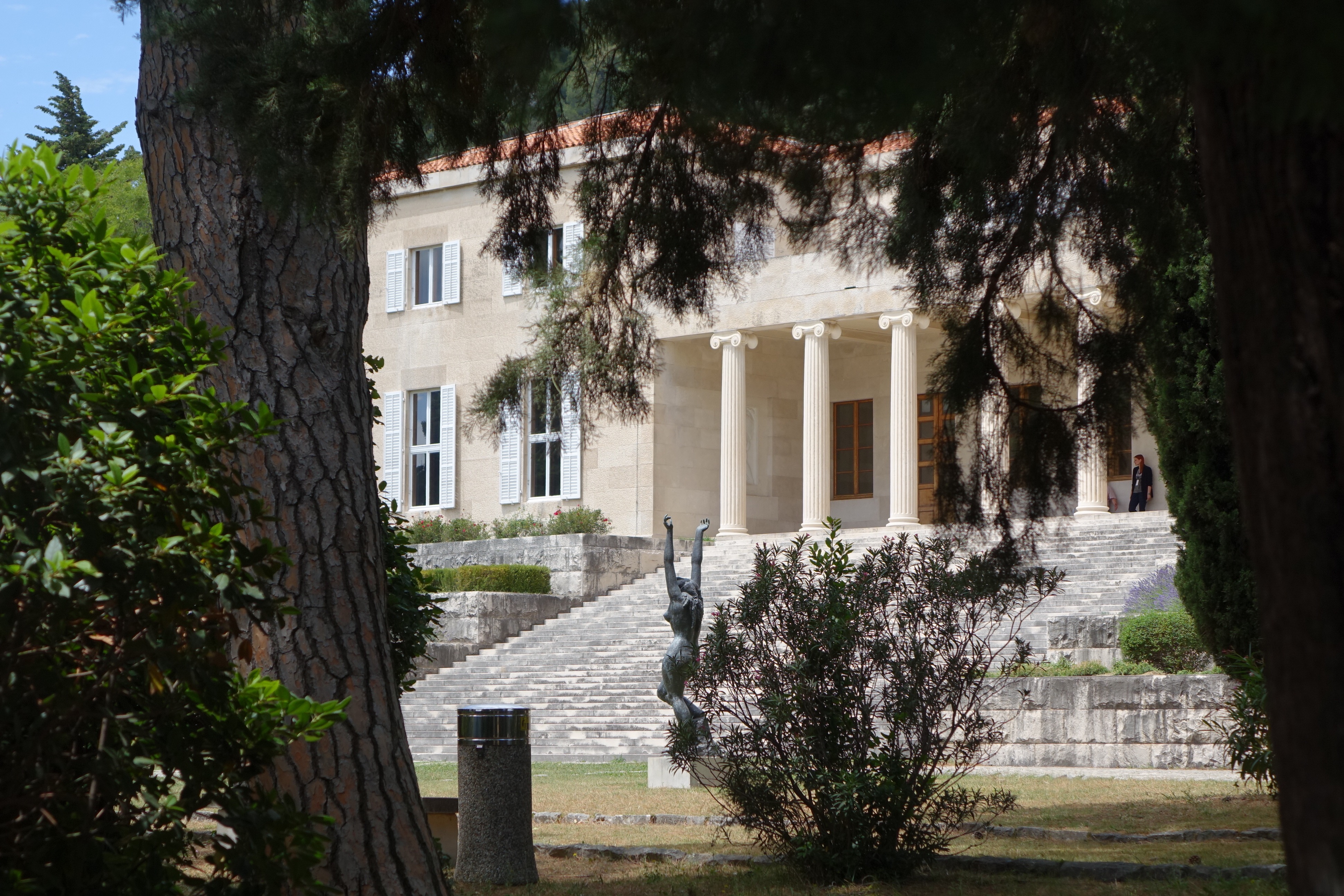
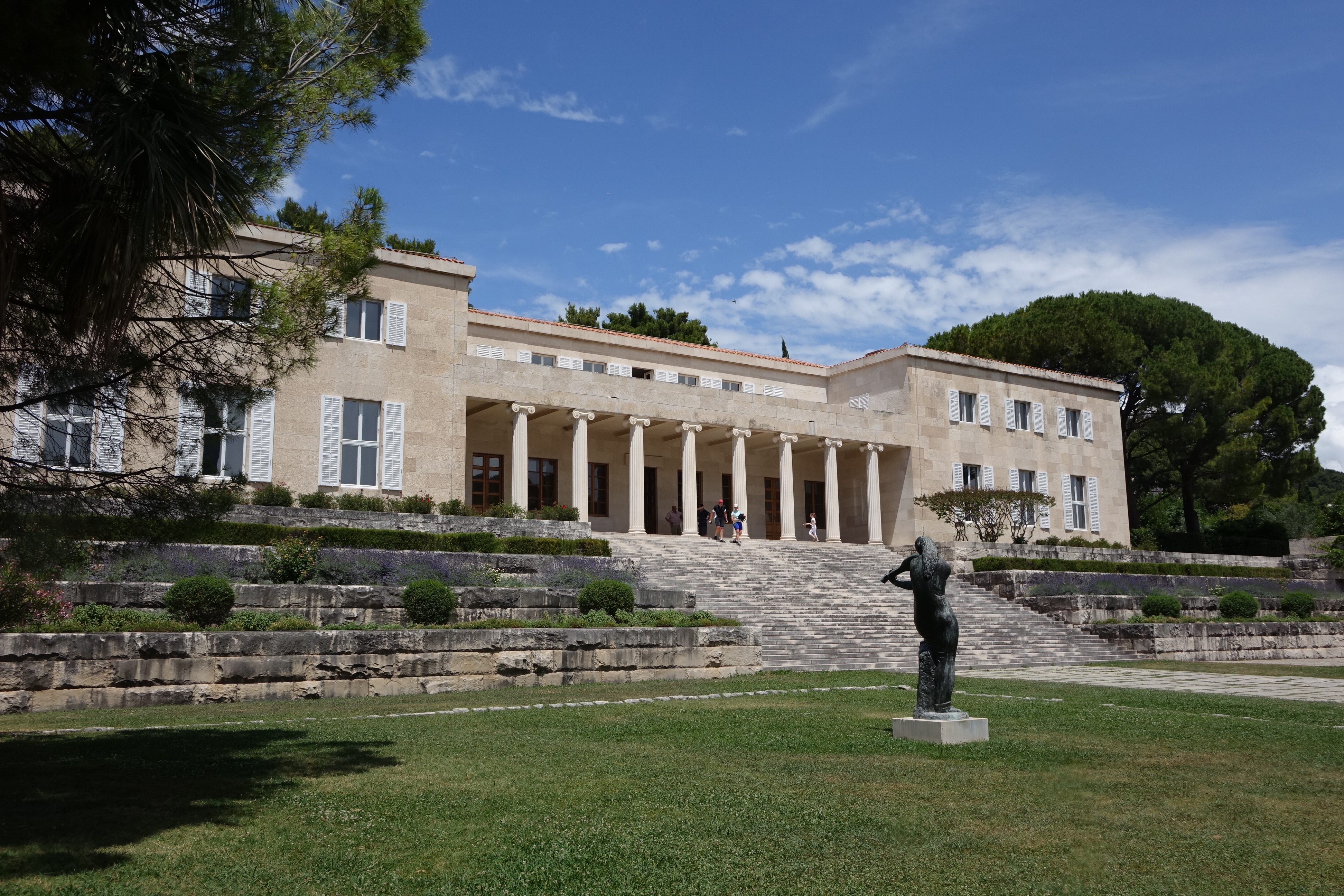
The sun had actually come out again by the time we walked along Split’s sunny promenade and made it to the museum set within the lush leafy suburbs of the city. But just as well, or we might have missed out on enjoying the exteriors of the museum which are every bit as stunning as the inside. Surrounding the impressive facade of the perfectly imposing museum building (I tried to find out the history of the building… to me it looks like a fine palace from the Communist era, but it’s hard to tell exactly when it was built) were gardens bounteous in dancing lavender, aromatic pine trees, and a ground scattered with a bed of pine needles, and the best surprise of all, baby little tortoises!

DSC02637DSC02629DSC02625DSC02649DSC02643DSC02647DSC02674DSC02651DSC02609DSC02588

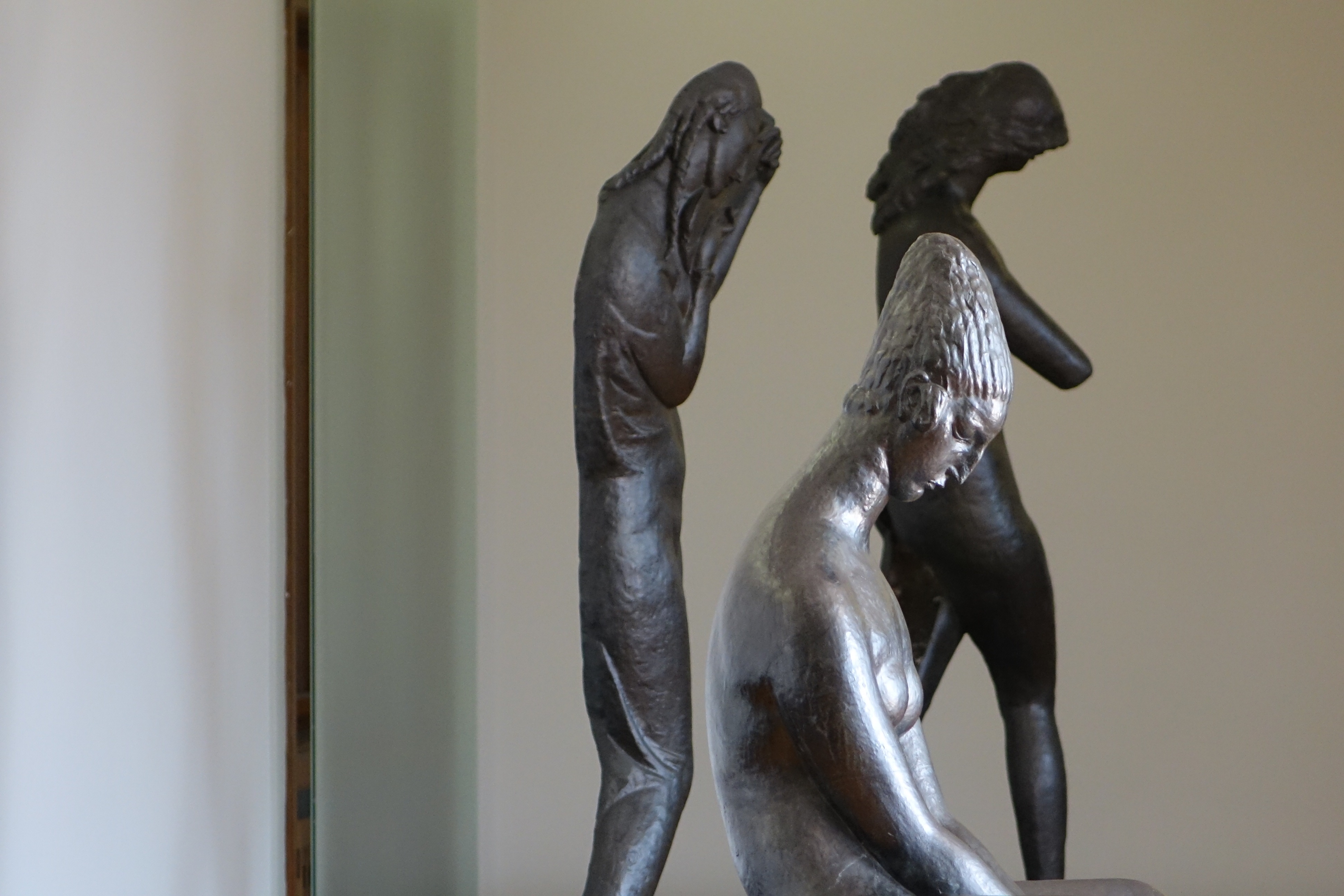
Much charmed by these garden residents, we almost forgot what we had come to see, however the various sculptures created by one of Croatia’s most renowned creatives led us up through the garden, and into the museum itself. Born in 1883 in the small village of Vrpolje, Meštrović completed his artistic training at the Academy of Fine Arts in Vienna, where he fell under the influence of the art nouveau era, and debuted in the first Secessionist exhibition.His work quickly became popular, even with the likes of Auguste Rodin who is reported to have declared Meštrović to be the greatest phenomenon among sculptors and, with characteristic modesty, an even greater sculptor than he was. This early popularity sewed the seeds of his career success, and the sculptor was soon exhibiting internationally as well as setting up home in the city of Split.

His success in the city was not enough to guarantee his safety during the Second World War, and after a brief spell in jail in order to prevent his escape from Croatia, Meštrović eventually secured himself a visa via friends in the Vatican and in Switzerland, emigrating to the US where he was to remain for the rest of his life, unwilling to live under communism. However upon his death he remembered his country, leaving a legacy of some 400 works to Croatia, many of which today form the collection of the Meštrović museum.

DSC02604DSC02601DSC02603DSC02619DSC02596DSC02597DSC02617DSC02620DSC02616DSC02621DSC02615DSC02607

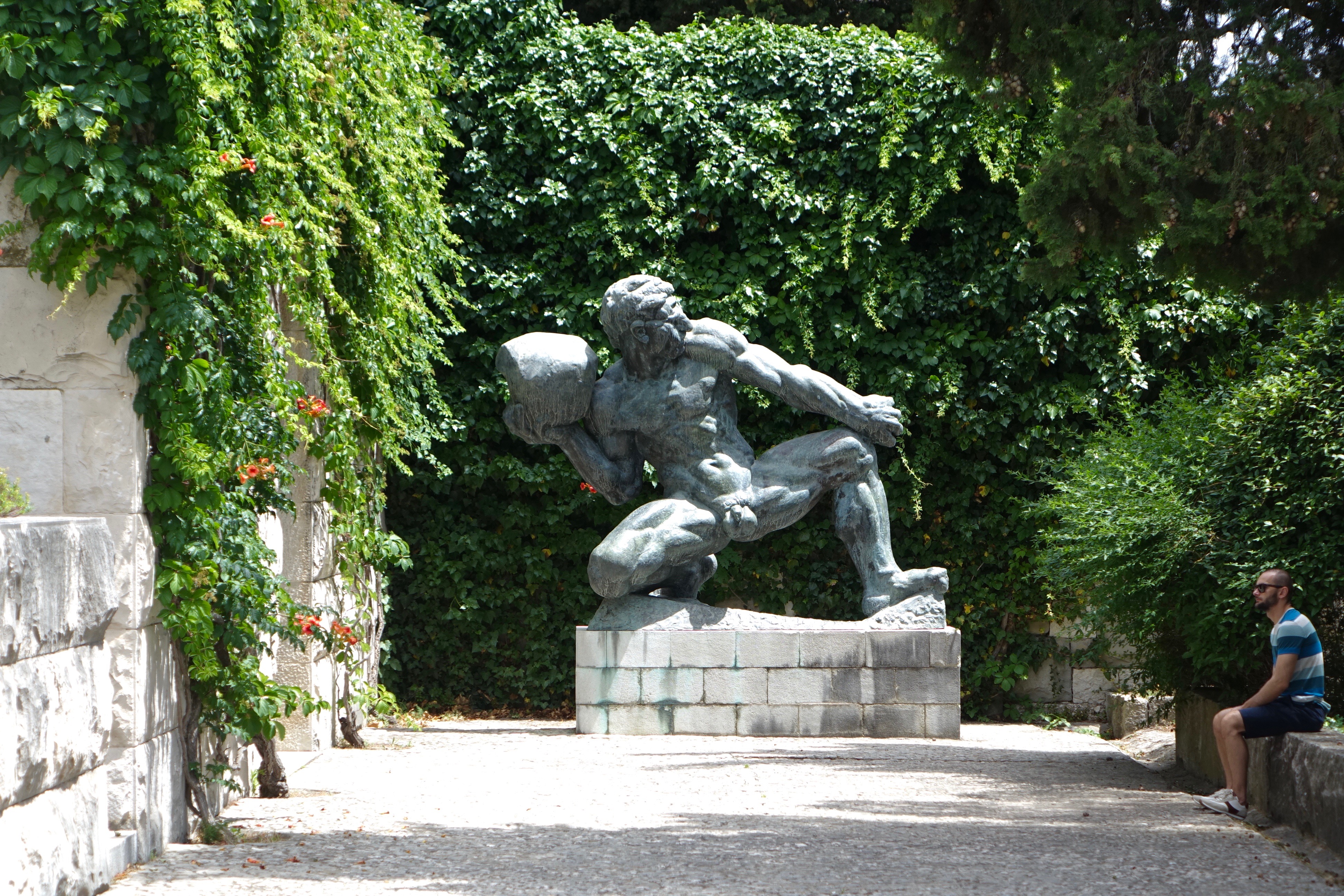
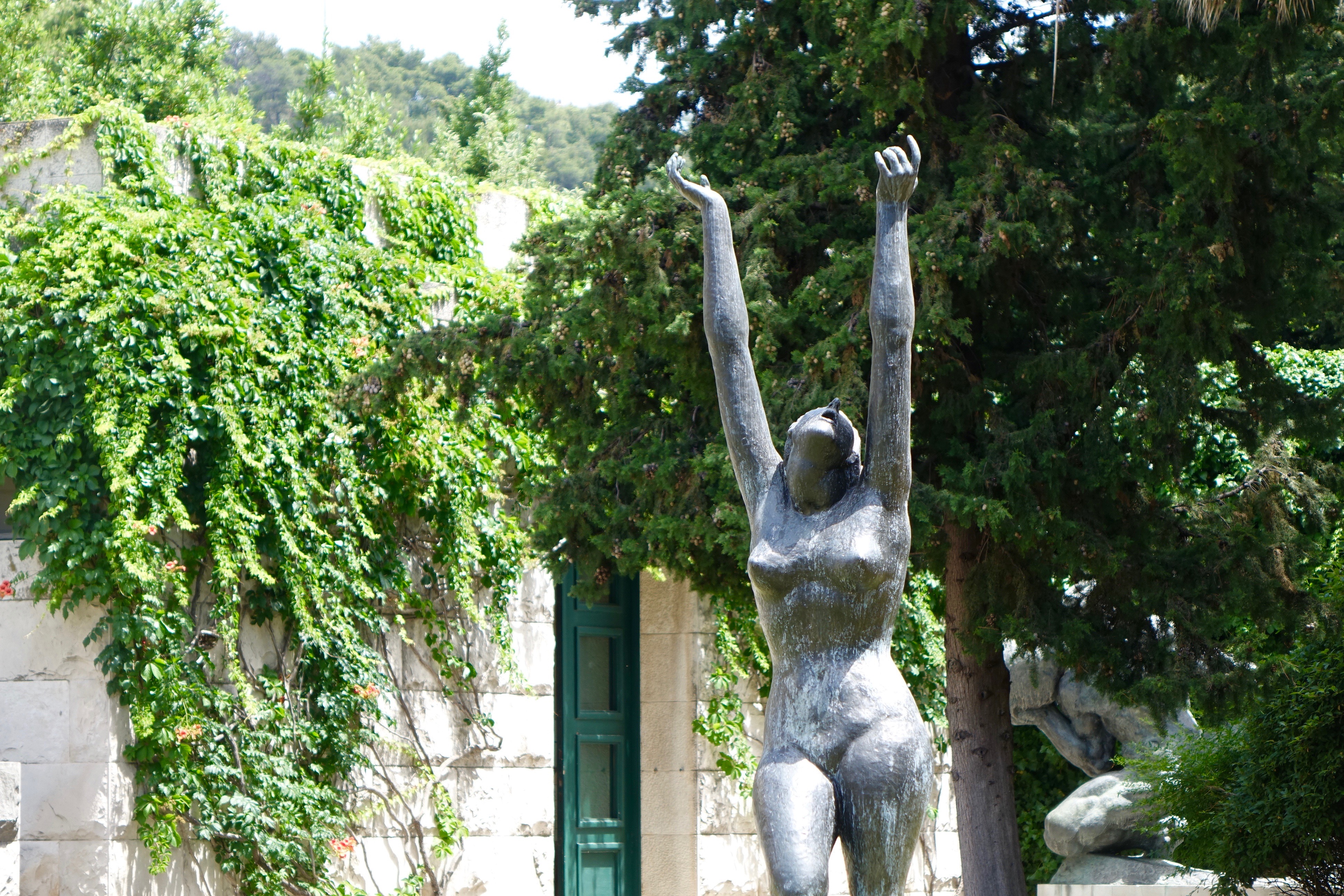
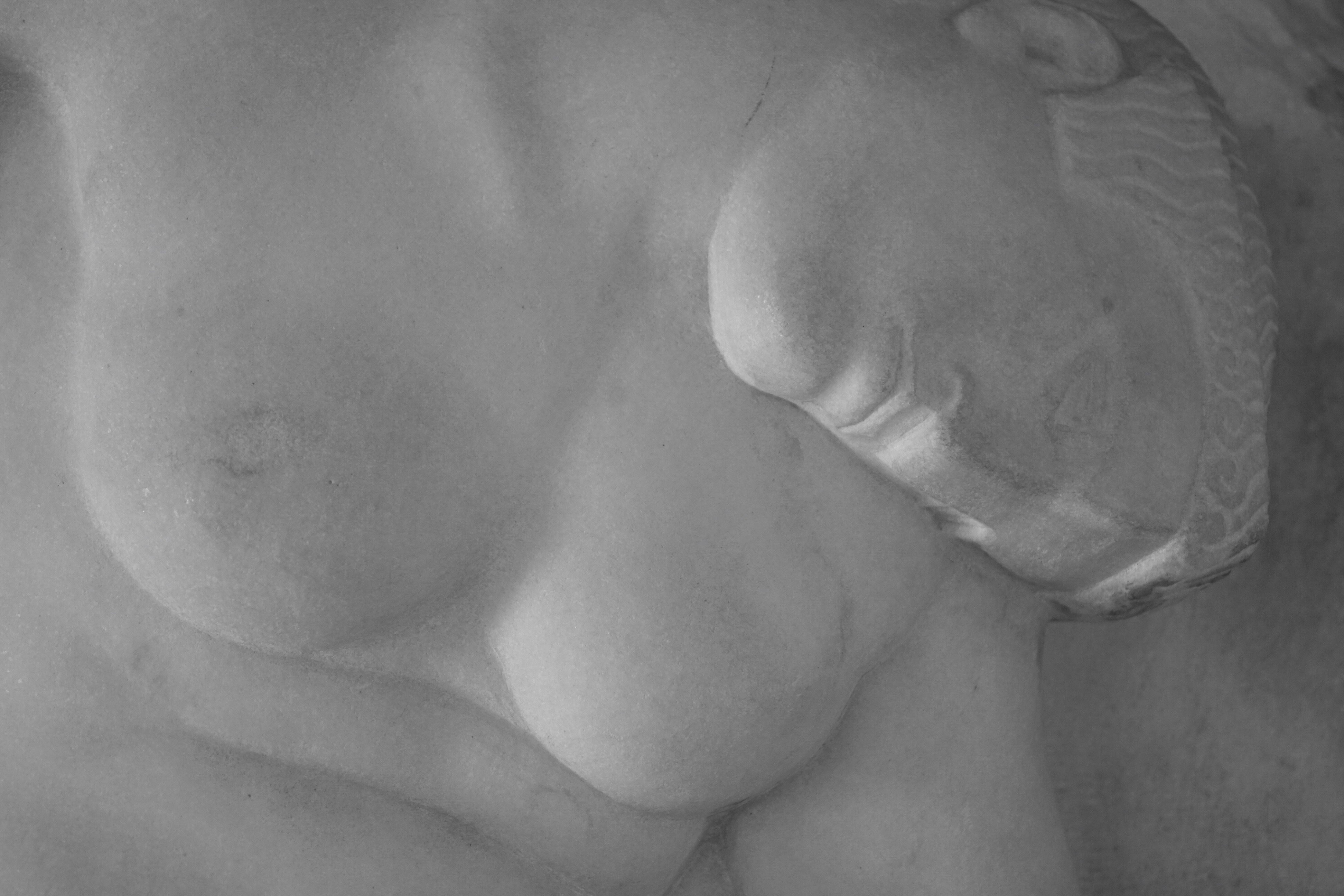
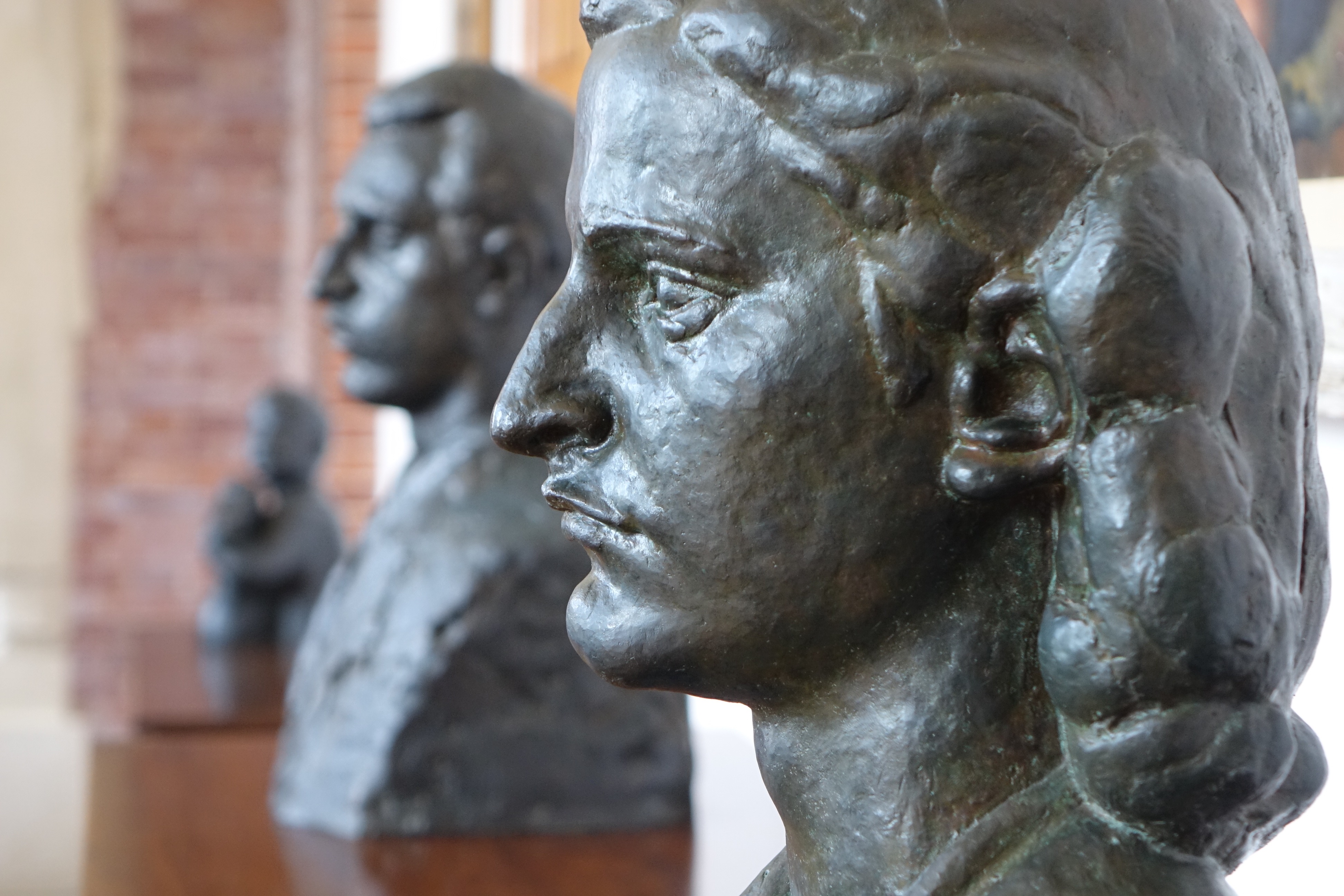
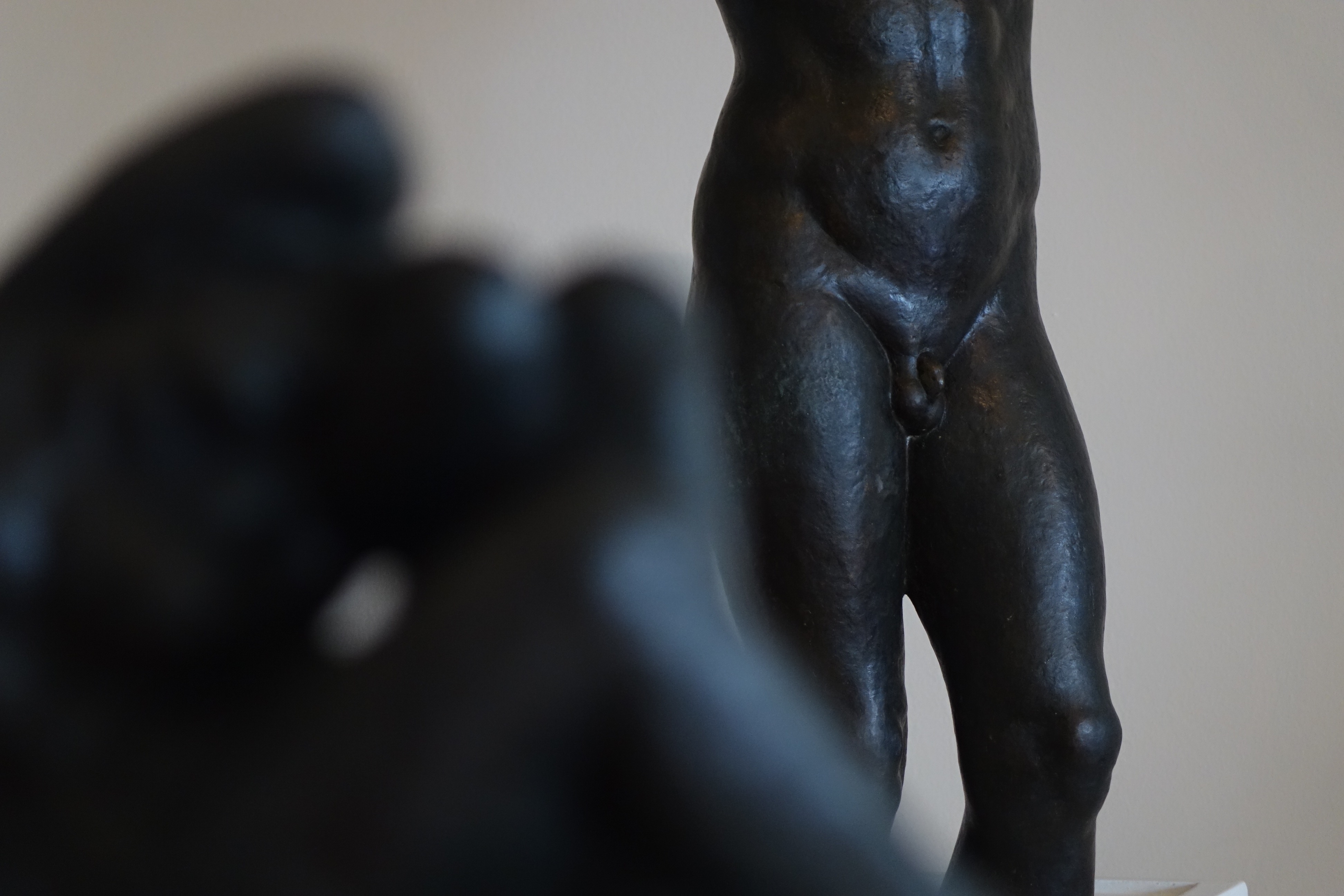
What struck us as we traversed the lofty space of this palatial museum were the viscerally real emotions the sculptor managed to capture in sculptures made of plaster and bronze. In the faces of Christ, or Mary, or in the portraits he made of friends, you are struck by an intensity of emotion, as though metal could talk, or scream, or cry. There is a sensitivity to these sculptures which is truly hyperreal even though, with their elongated heads and exaggerated features, there is a very painterly, interpretative aspect to the works.

We didn’t know the work of Meštrović before our hotel suggested we visit the museum, but as the days in Split continued we started to notice the presence of his work all around the city. And enjoying those works both in his museum, its gardens and in stunning locations in and around Split, it was not at all difficult to imagine why the city has adopted Meštrović as its favourite adopted son.

DSC02652DSC02669DSC02658

All photos and written content are strictly the copyright of Nicholas de Lacy-Brown © 2016 and The Daily Norm. All rights are reserved. Unauthorized use and/or duplication of the material, whether written work, photography or artwork, included within The Daily Norm without express and written permission from The Daily Norm’s author and/or owner is strictly prohibited. 

From Illyria to Italy, Part 1: Diocletian’s Palace

We’ve just got back from a Roman adventure, a trip back in time some 2 millennia, both in terms of the cities visited, and the antiquated service received from Veiling airlines who lost our luggage on the first day (but more about that vexation another time). For our double-dose city tour took us from the ancient Roman ruins which form the centrepiece of the beautiful Croatian town of Split, to both the ancient and the modern manifestation of the Roman world in the city of Rome herself.

DSC02738DSC02807DSC02818DSC02740DSC03189DSC02923

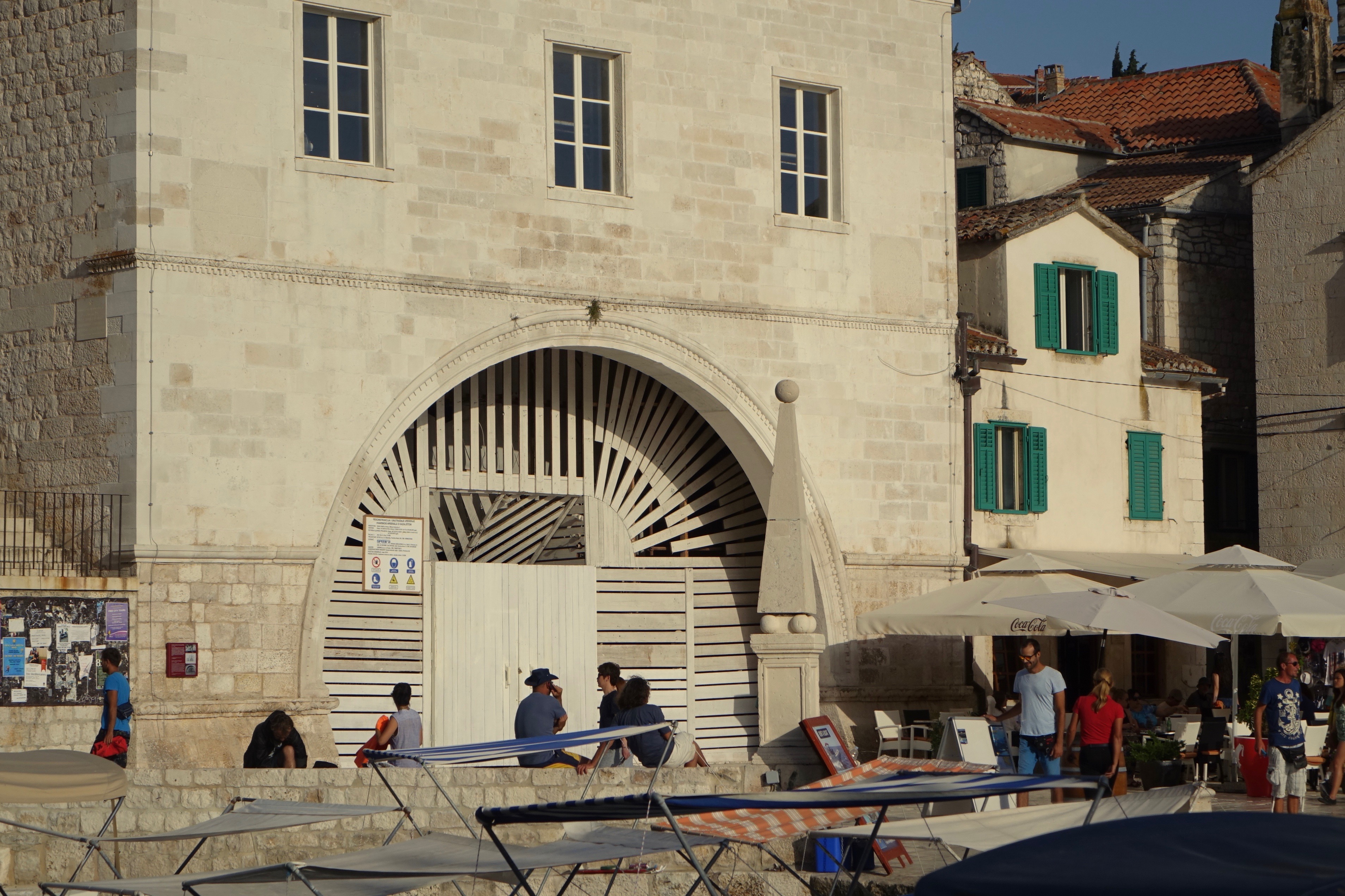
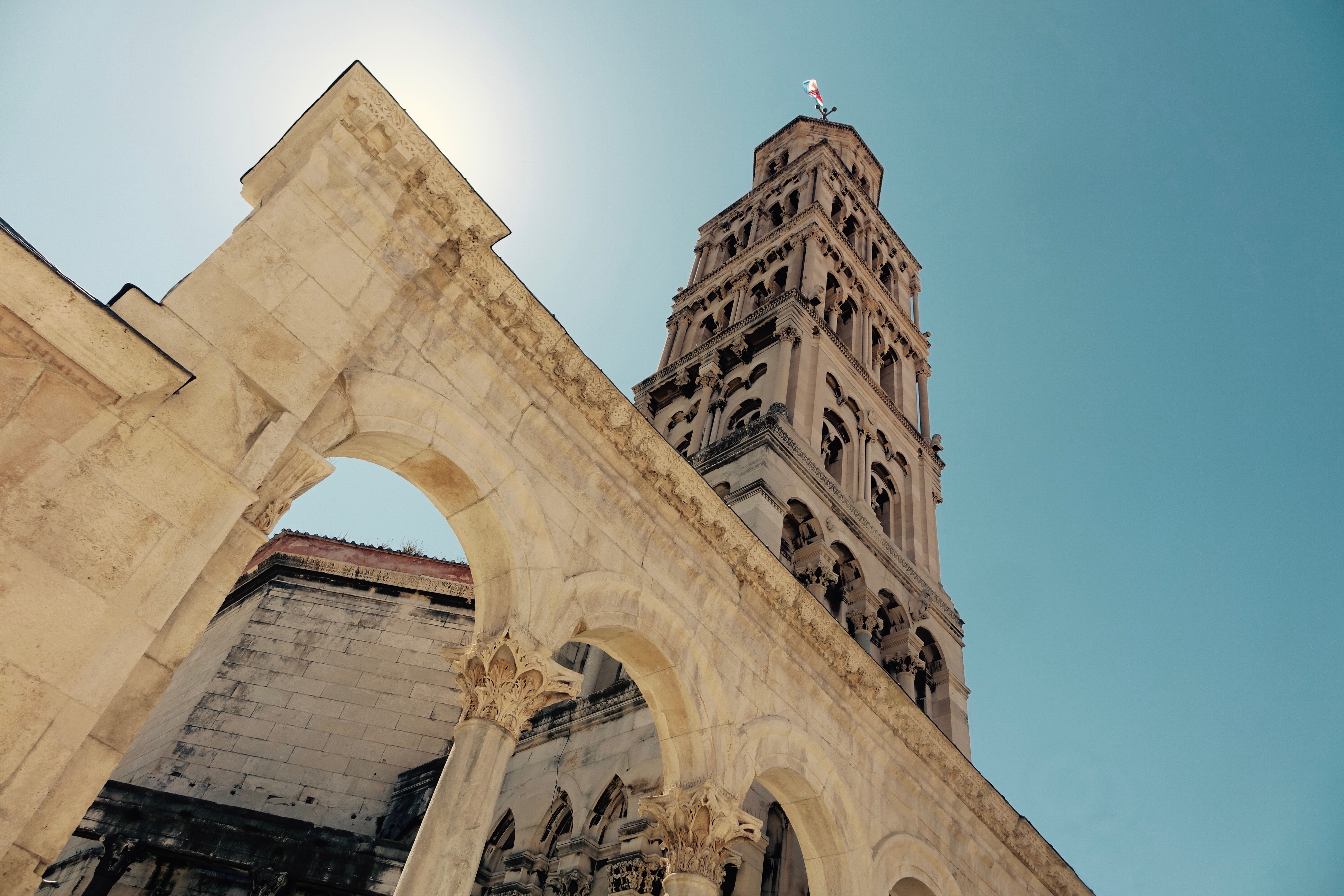
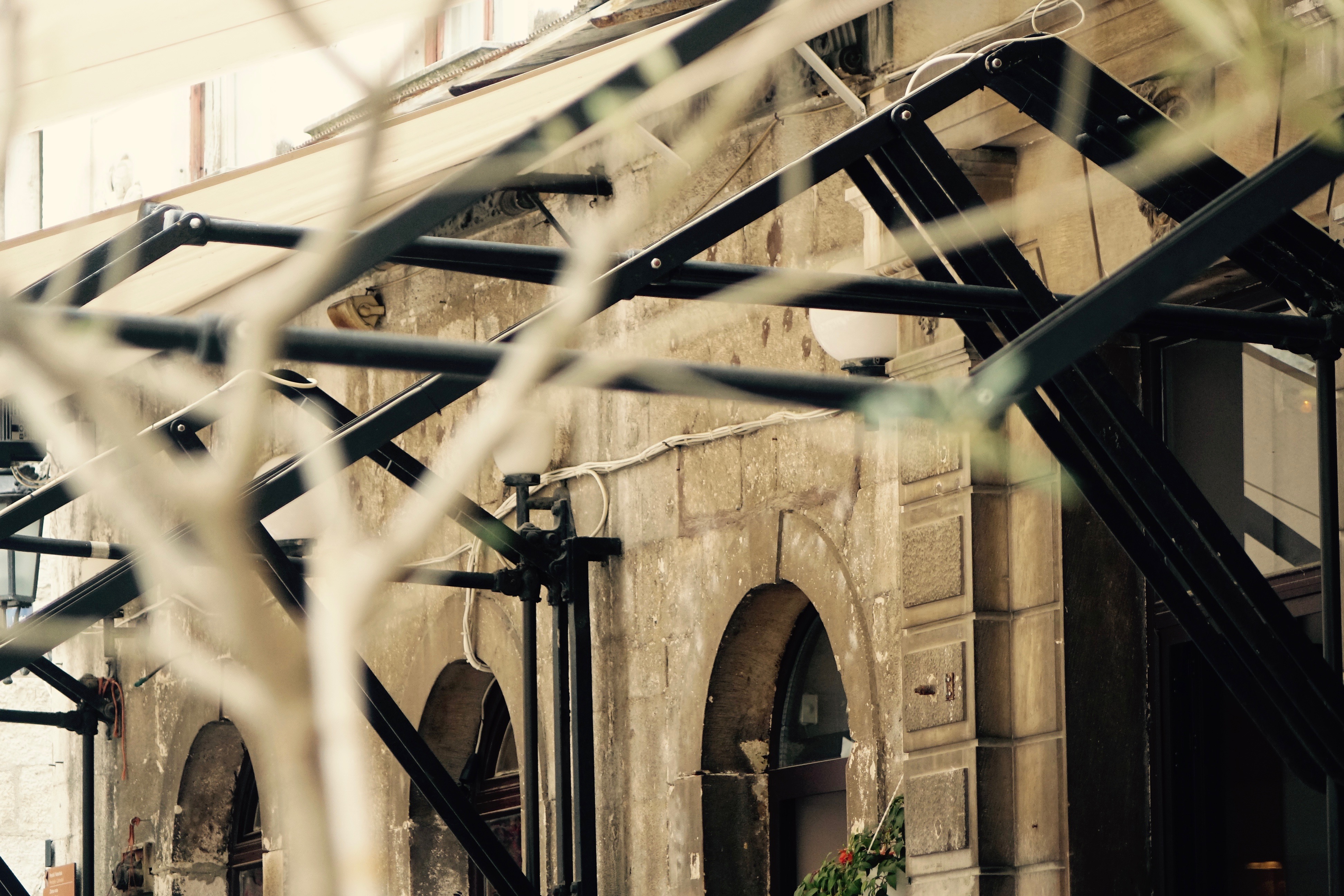
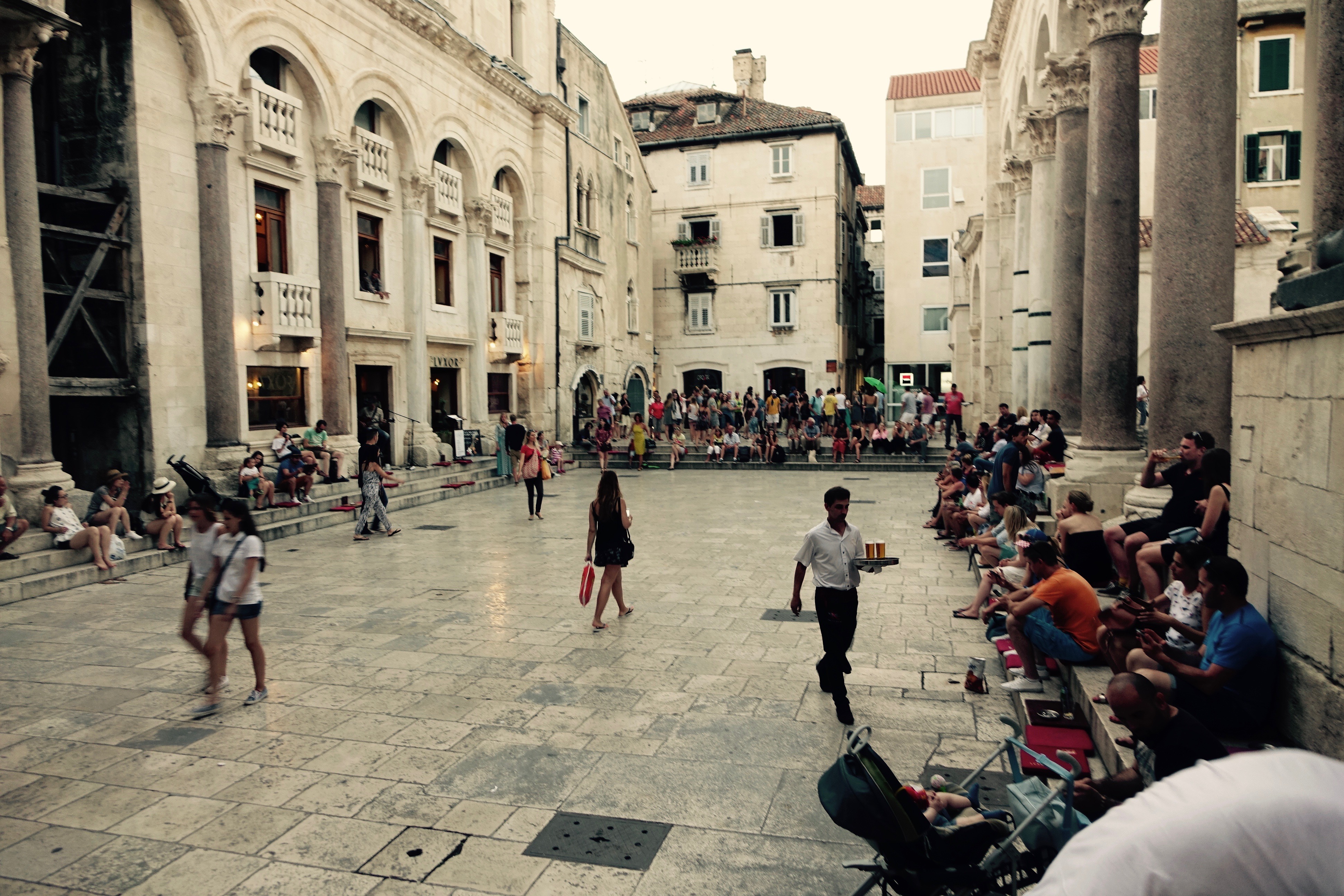
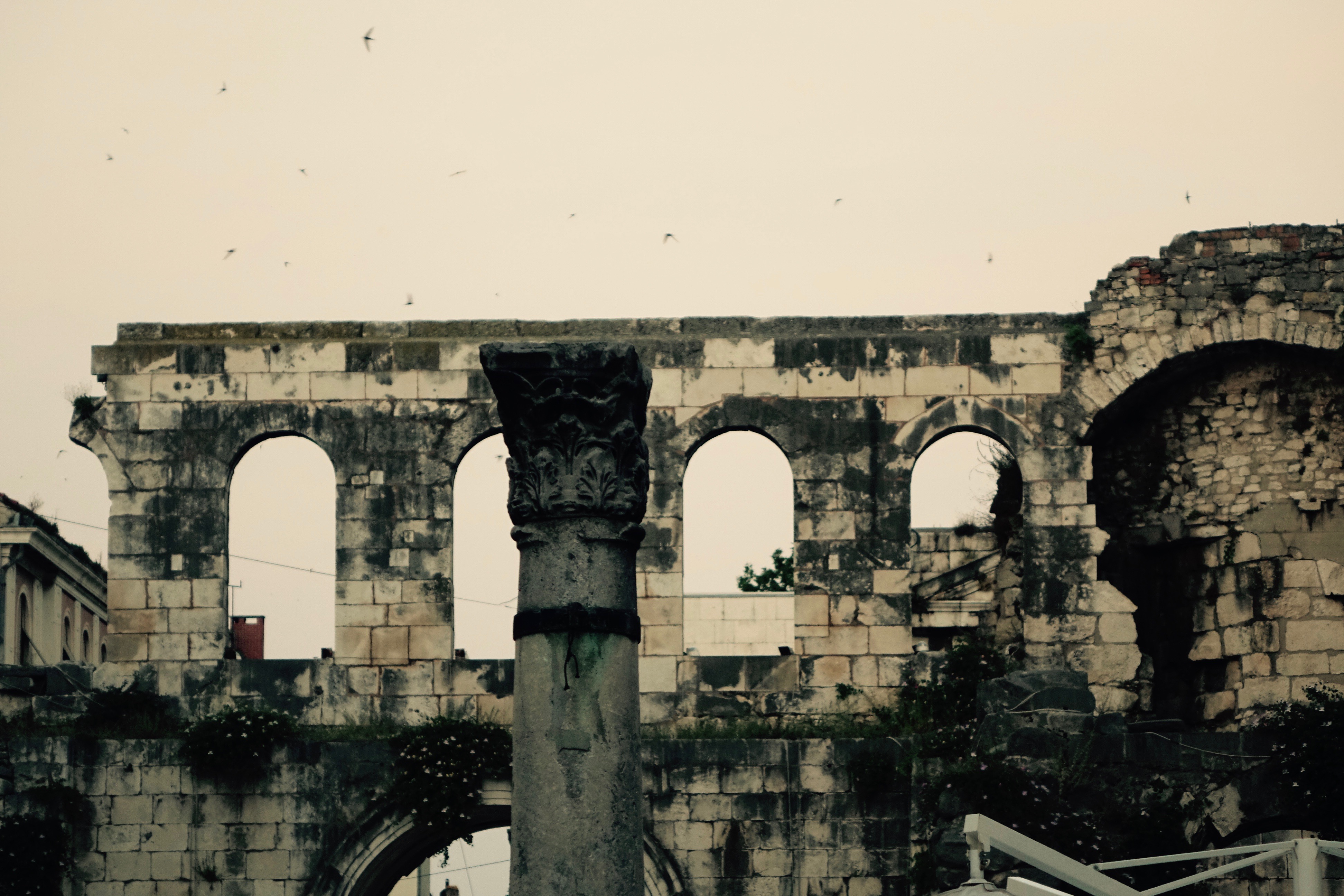
So first let me sweep you over along the graceful Adriatic coast, to the coastline of Croatia littered with an archipelago of dalmatian spotted-islands, stopping at Split, one of the most splendid cities of old Illyria. The city has an illustrious history, but the man who truly placed it on the map was Emperor Diocletian who, attracted to the city because of its naturally occurring sulphur springs amongst other things, constructed a vast palace complex in the city to which he retired in 305AD. It is that very palace, still incredibly well preserved, which sits at the centre of today’s modern but manageably sized city. However unlike the standard Roman ruins sitting apart and cordoned off in most modern cities, these actually form part and parcel of daily life, since the Medieval city was actually built on, and expanded within, the old palace remains.

DSC02490DSC02522DSC02922DSC02683DSC02547DSC02456

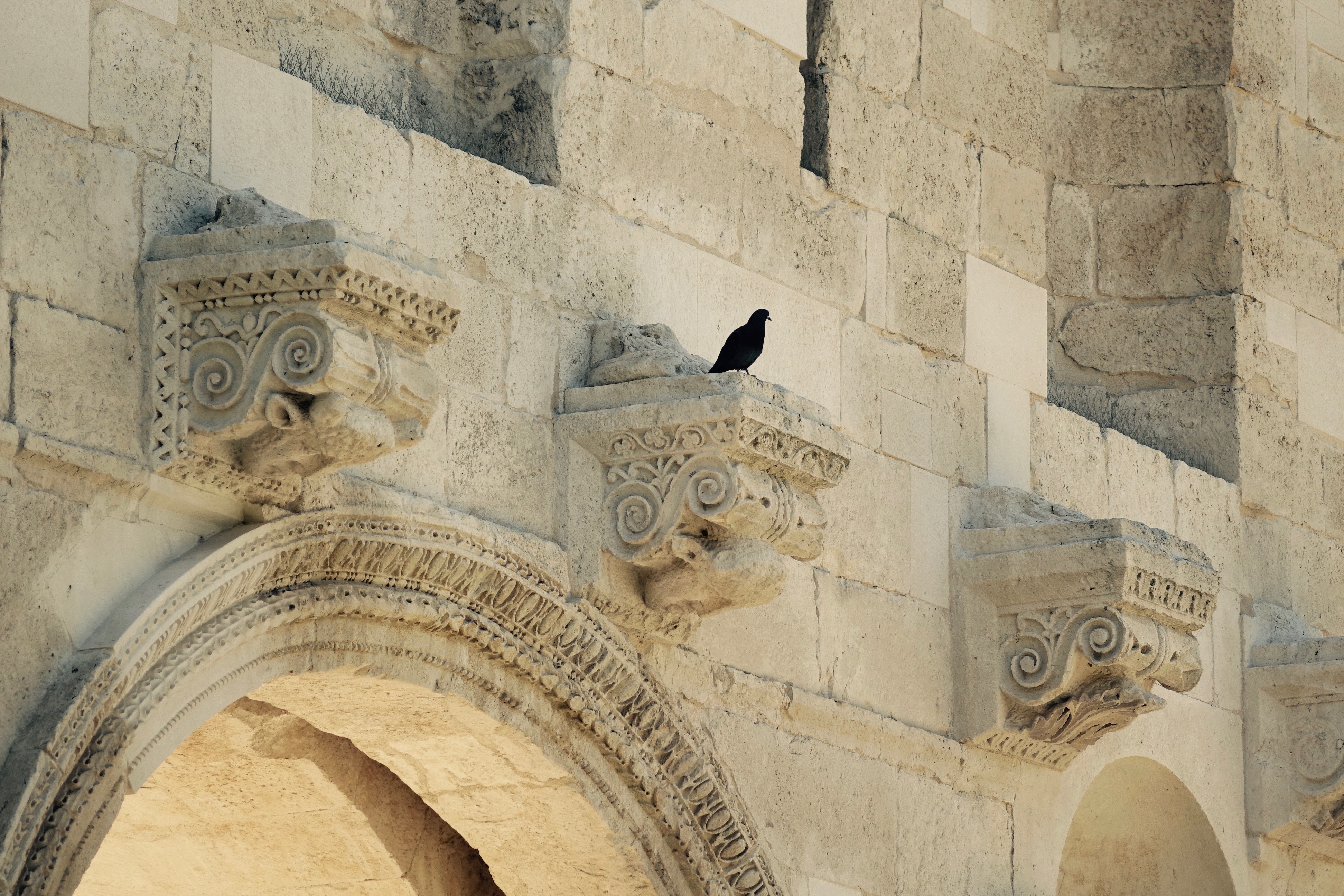
Thus it was that in around 615AD, long after the collapse of the Roman Empire, refugees from Salona settled in the palace, gradually building within its walls, and changing the fabric of its interior. Such is the history which gives Split it’s inherently unique character – a city of ancient cobbled stones, Roman pillars and ancient temples coupled with superimposed Medieval houses, early-Christian churches and later Venetian-gothic touches.

DSC02948DSC03205DSC03206DSC02483DSC03217


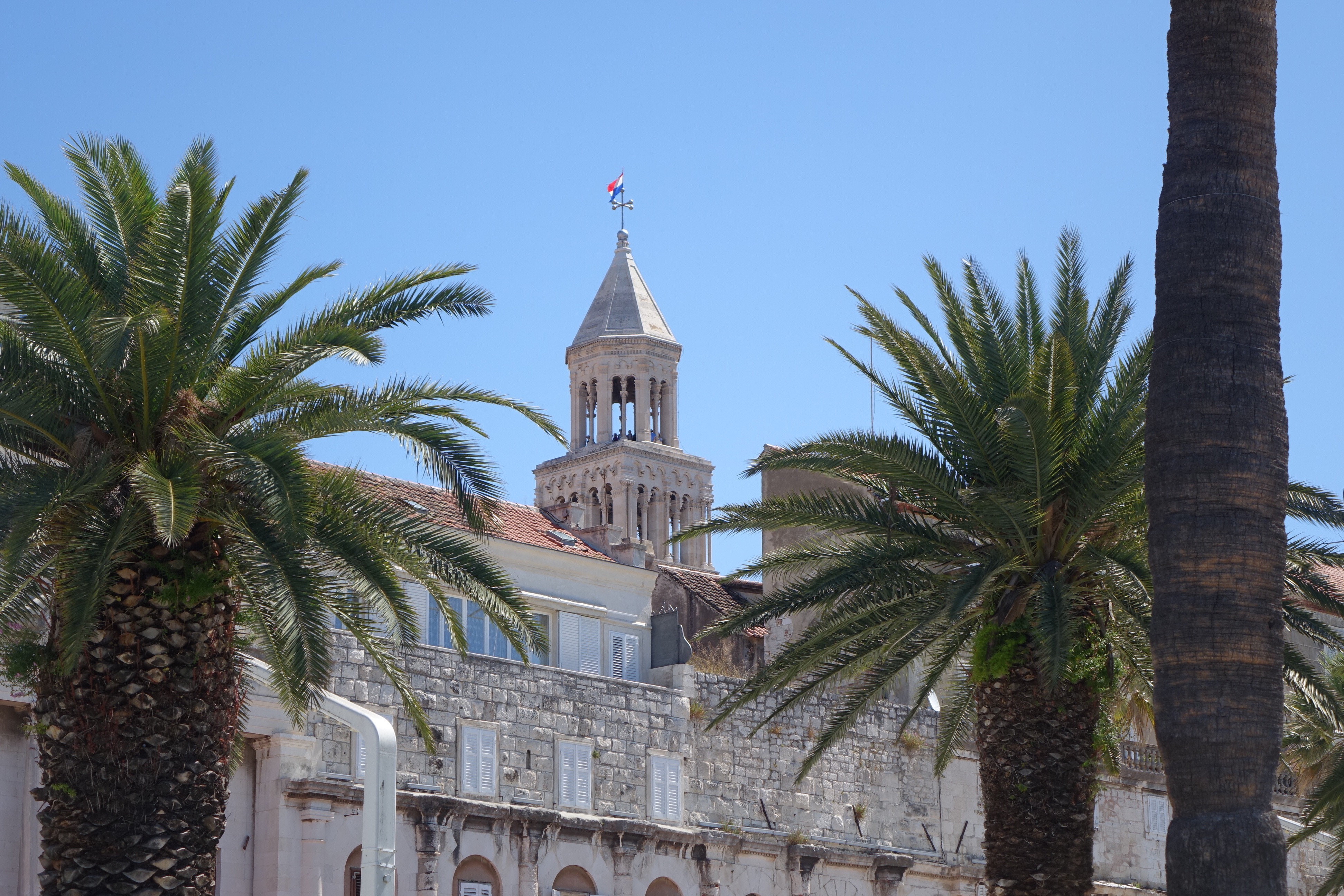
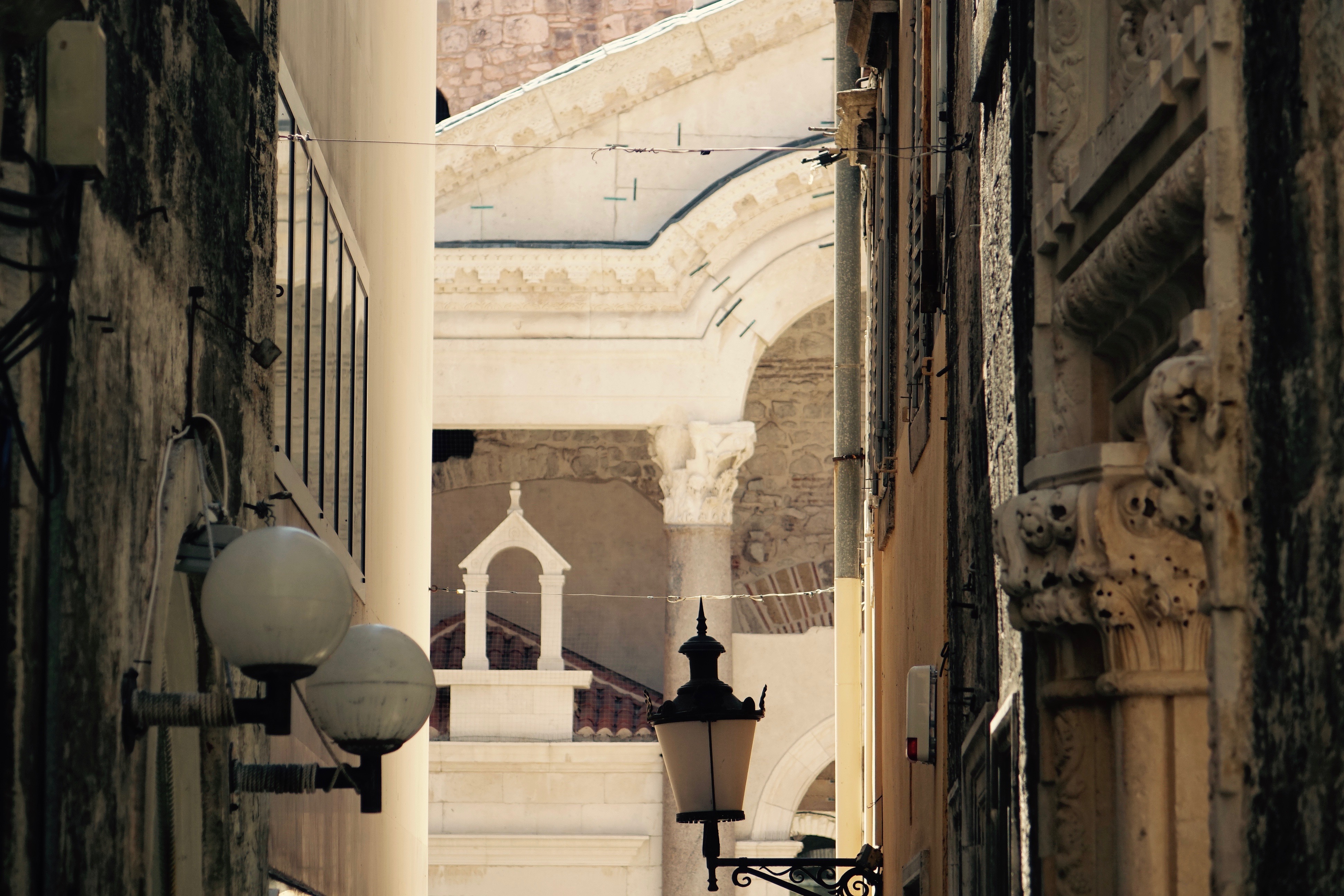
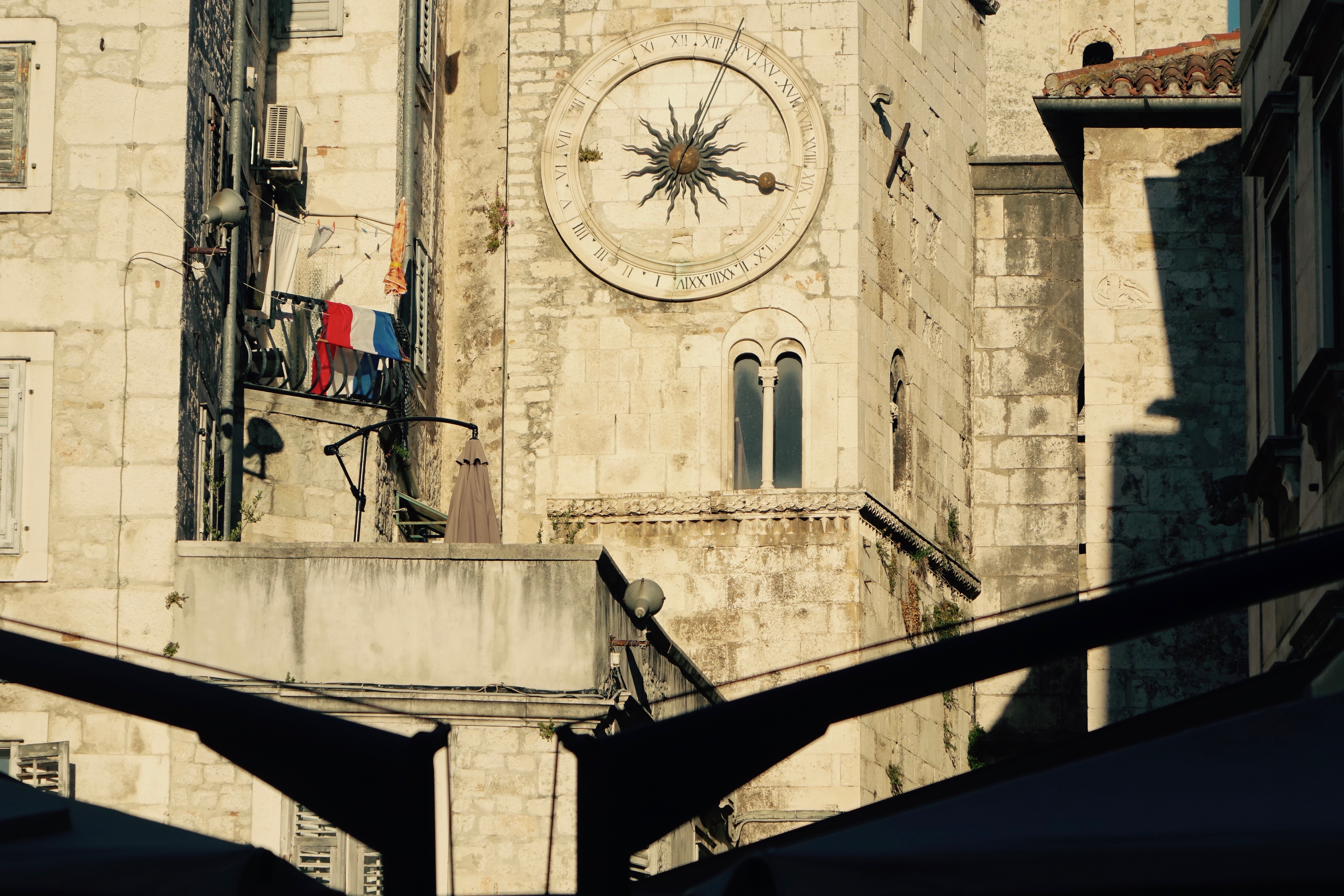
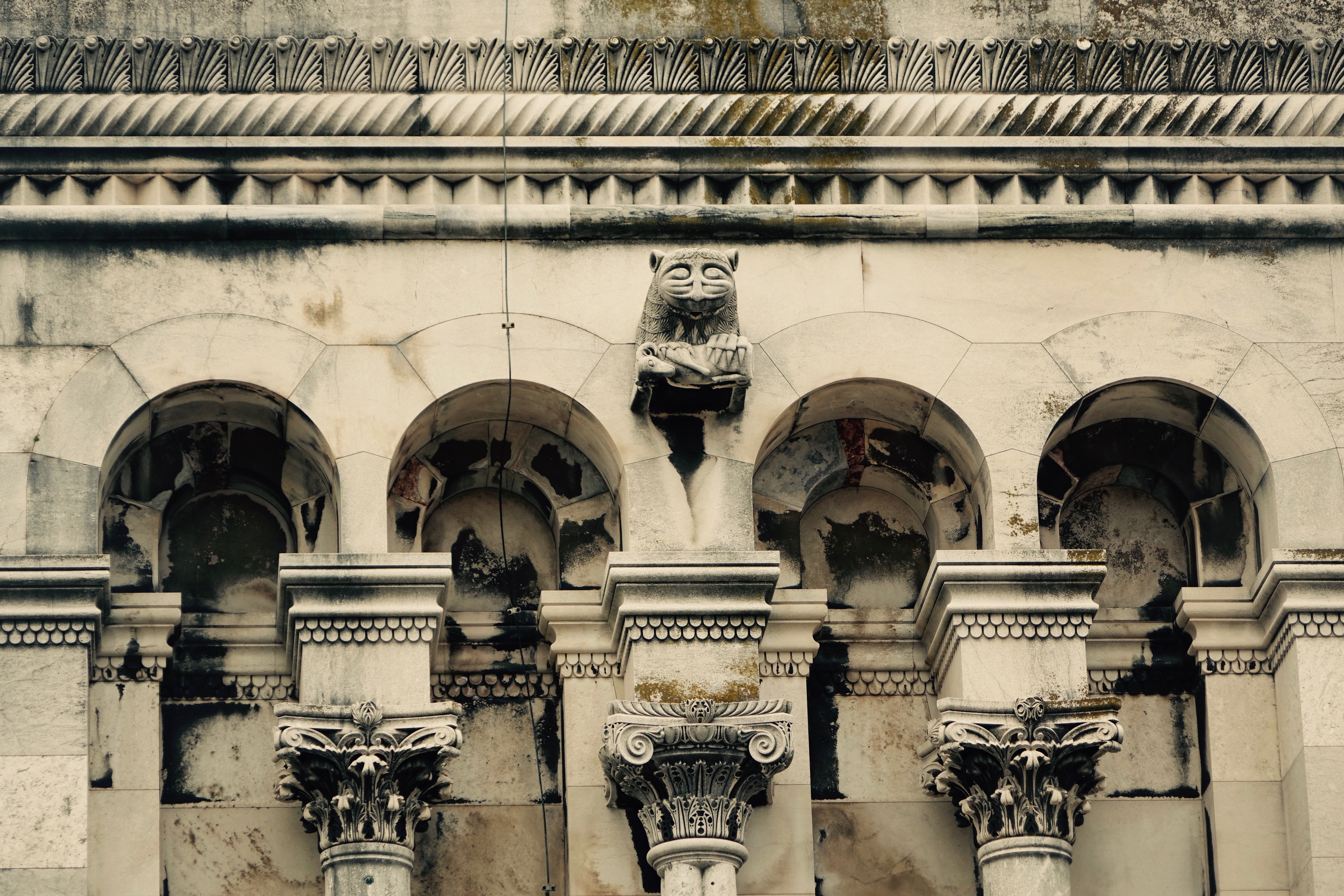
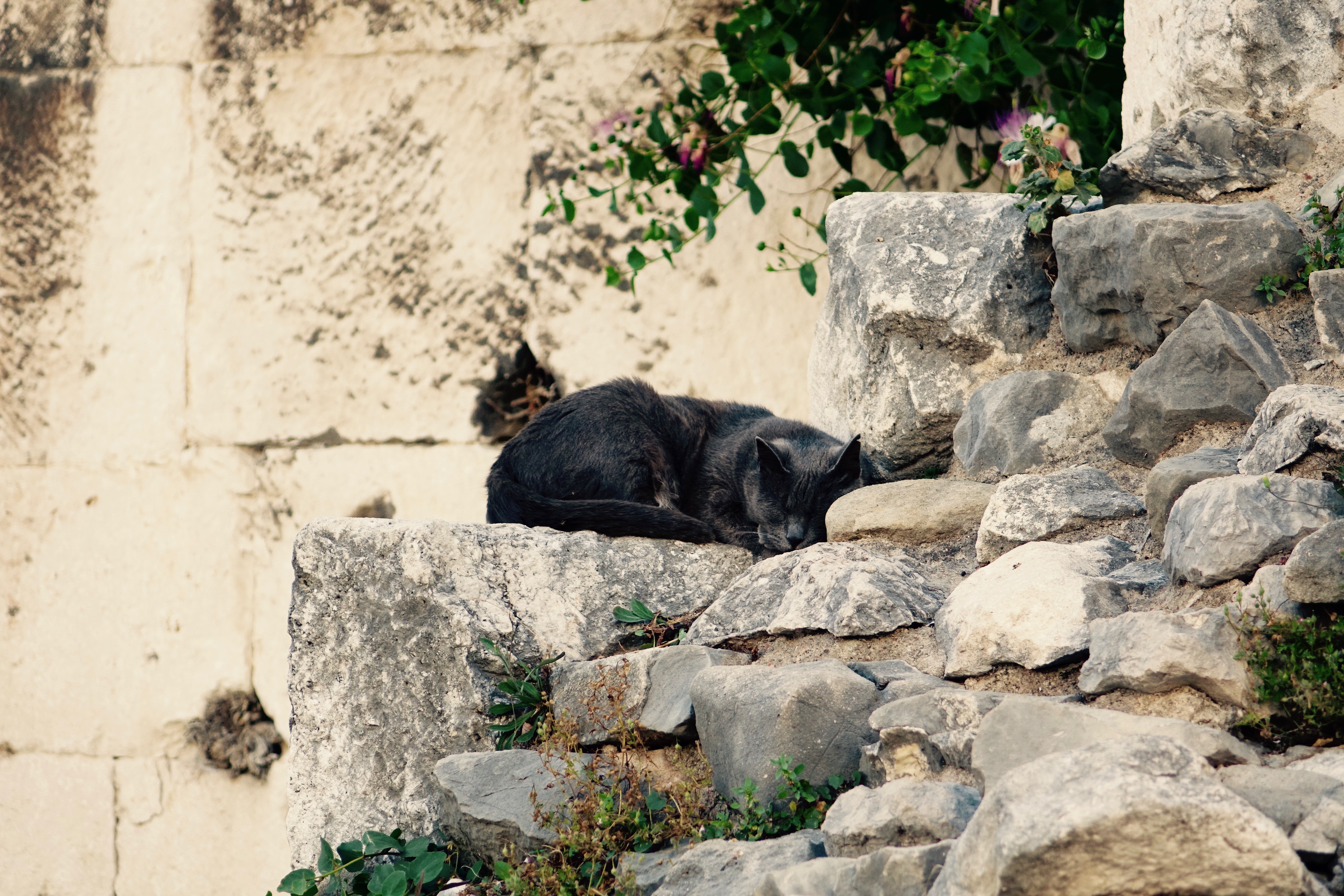
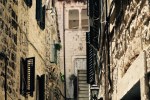
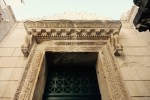
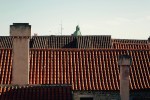
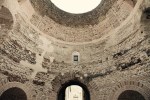
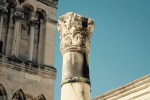
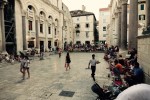
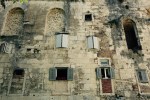
This architectural medley is the focus of this first post of photos from my holiday in Split. Staying bang in the centre, with the most incredible views onto the Cathedral of St Dominus which itself was built on the old sight of Diocletian’s mausoleum, we were ideally situated to make the most of this UNESCO protected marvel. With its hodgepodge of styles, bustling narrow streets, and Roman columns, archways and temples at every turn, the city made for an easy photographic target, as this small selection of a very large collection of photos suggests.

All photos and written content are strictly the copyright of Nicholas de Lacy-Brown © 2016 and The Daily Norm. All rights are reserved. Unauthorized use and/or duplication of the material, whether written work, photography or artwork, included within The Daily Norm without express and written permission from The Daily Norm’s author and/or owner is strictly prohibited. 
Across the Water to Menorca, Part 4: Virgin Beaches

So after all the sun shone on our weekend in Menorca, and while our stay saw its fair share of grey skies tumbling across the island, the times of sunshine were all the more remarkable by contrast. And for my final post of my little Menorca season, I am sharing photos captured on a long sunny Sunday afternoon, where the sun did nothing so well as to magnify the sheer stupefying beauty of Menorca’s natural scenery.

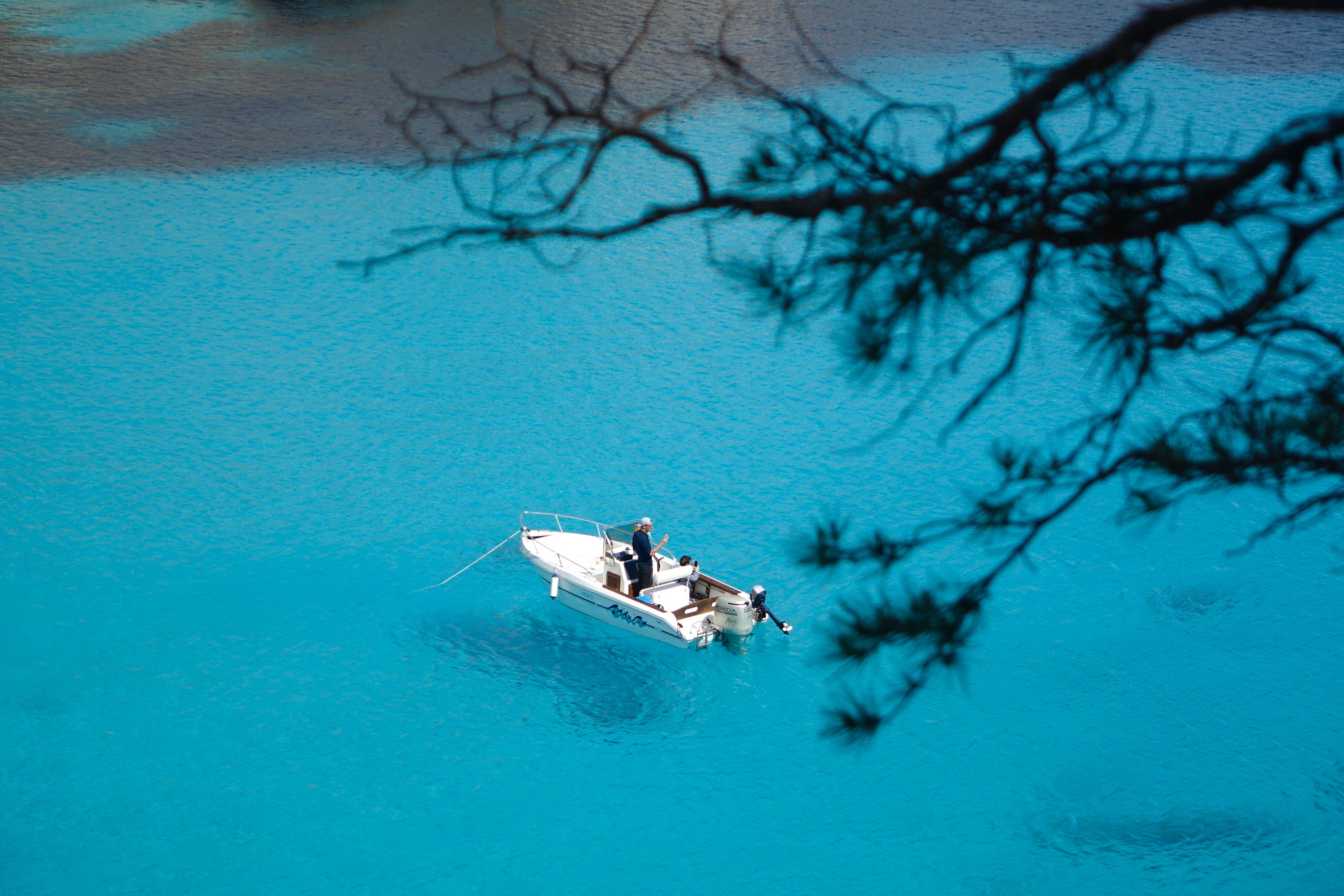
For where Menorca lacks in the city buzz of Palma here on its neighbouring island of Mallorca, it gains in the untouched virgin landscape which nature has left for us humble visitors to enjoy. Just as I thought Mallorca’s beauty could not be beaten, along came the calas (coves) of Menorca whose colours just blew my mind. There, the sands were so white, so pure and unsullied by the slightest hint of humans, that as they slowly descended beneath the fringe of the mediterranean coastline, they did so creating a paradisal cerulean blue melting into darker azure tones. Across the waters, the crystal clear seas shone and glimmered, and just underneath the surface, one could admire the camouflage effect of the odd rocky outcrop contrasting against the golden surface of the seabed.

DSC01220DSC01245DSC01253DSC01212DSC01246DSC01204DSC01249DSC01207DSC01232DSC01213

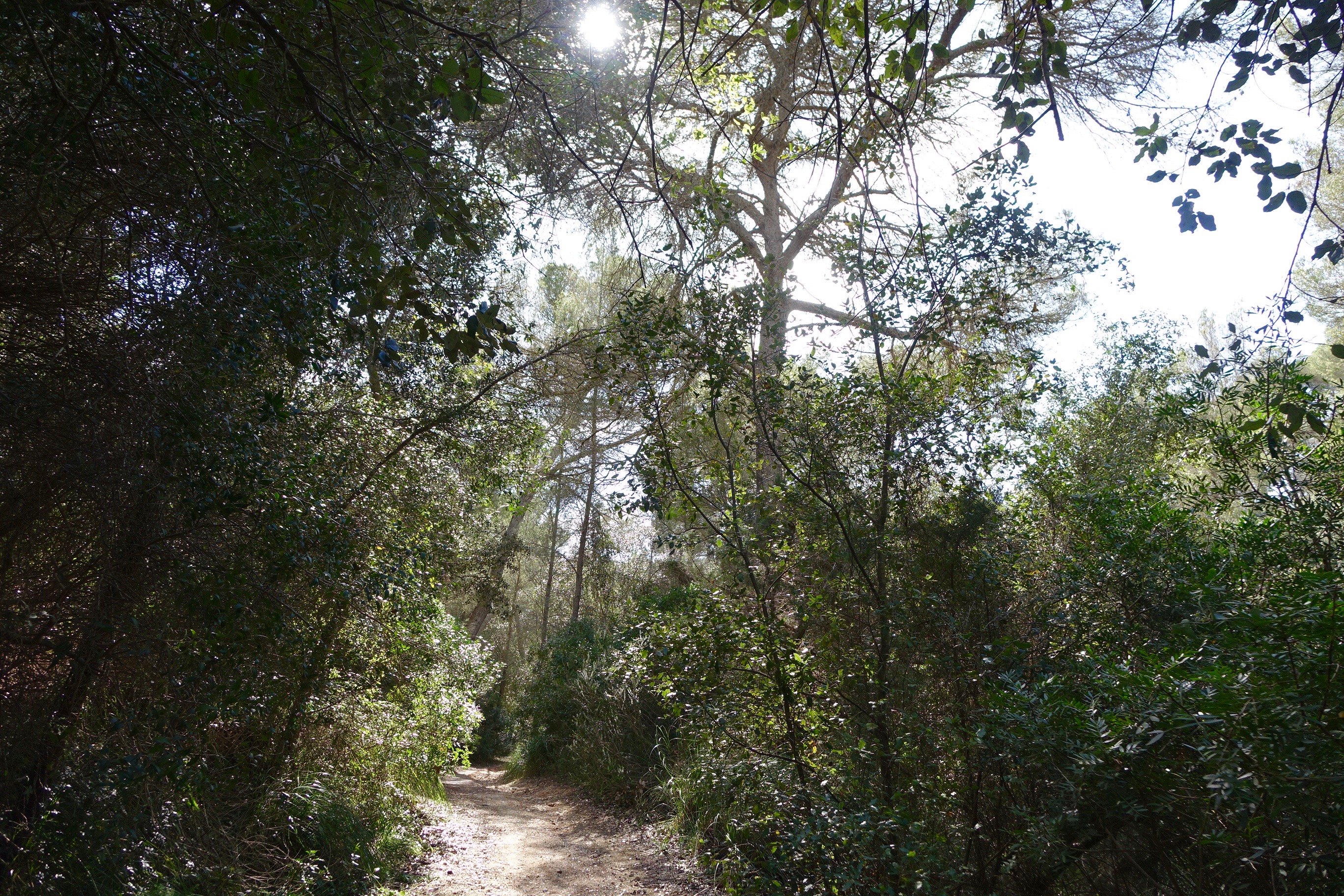
We could have quite easily spent months visiting the many calas which pepper Menorca’s coastline, such are their number, but we satisfied ourselves with the double whammy of the Cala Macarella and its smaller even more beautiful sister, the Cala Macarelleta, just around the corner. Approached through a densely planted aromatically fragrant pine forest, both beaches are a sight to behold and a treat for all the senses. The waters are every bit the match of the Caribbean, untouched, unspoilt and in the month of May blissfully underpopulated (save for the odd nude bather).

DSC01210DSC01244DSC01216DSC01192DSC01255DSC01203DSC01227

Here in the Mediterranean, paradise always feels very close at hand, but in the calas of Menorca, I feel we had practically made it.

All photos and written content are strictly the copyright of Nicholas de Lacy-Brown © 2016 and The Daily Norm. All rights are reserved. Unauthorized use and/or duplication of the material, whether written work, photography or artwork, included within The Daily Norm without express and written permission from The Daily Norm’s author and/or owner is strictly prohibited.