Skip to content

Posts tagged ‘Photography’

The Honeymoon Chronicles, Part VIII: Antibes

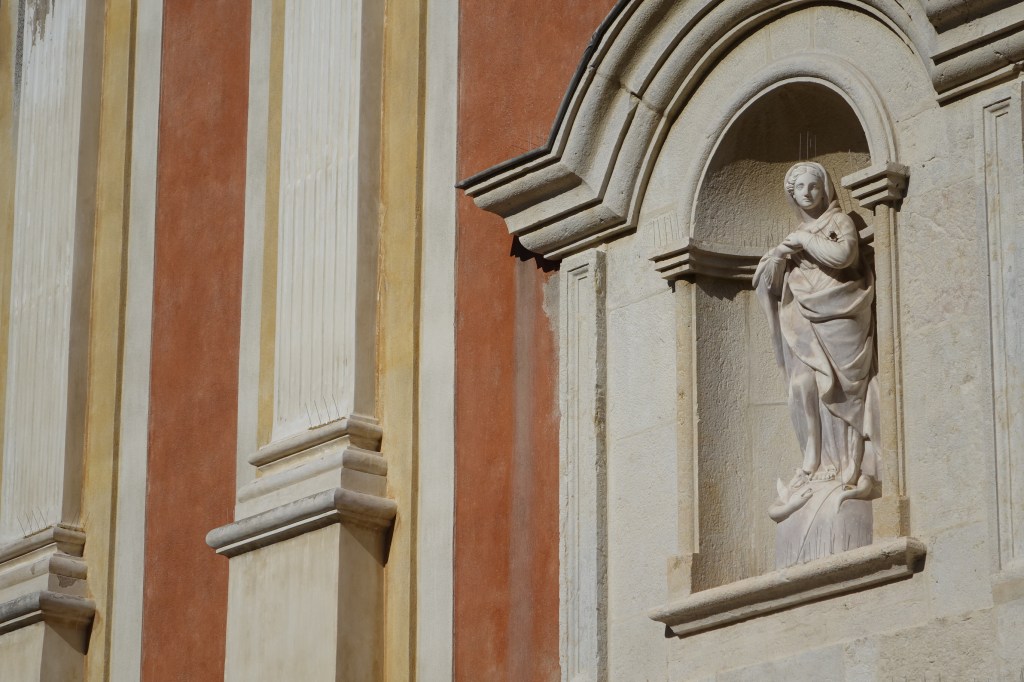
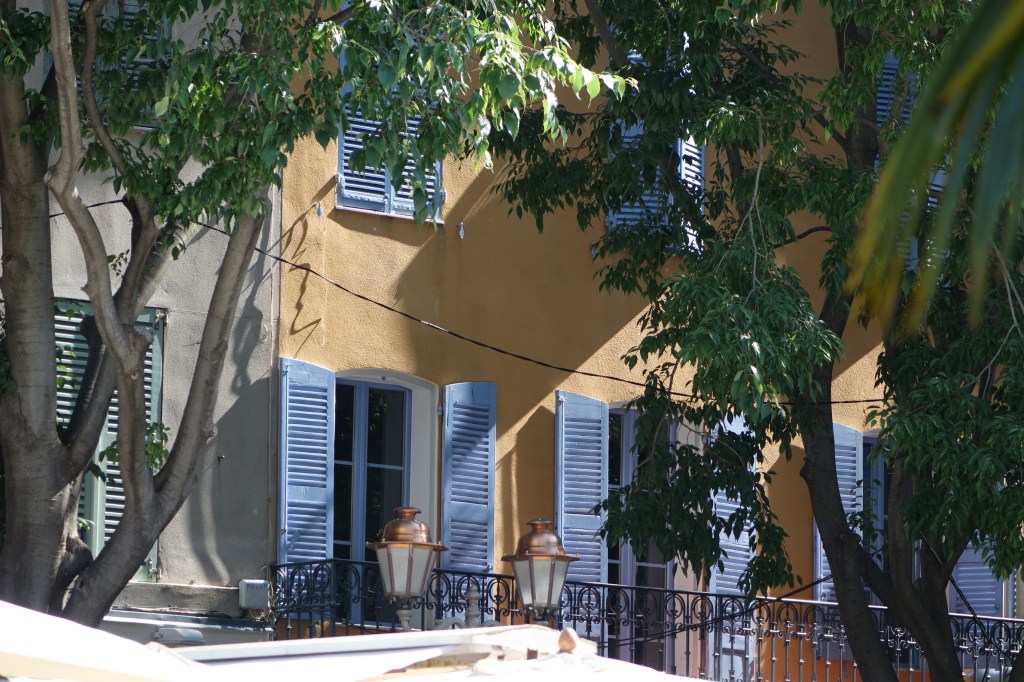
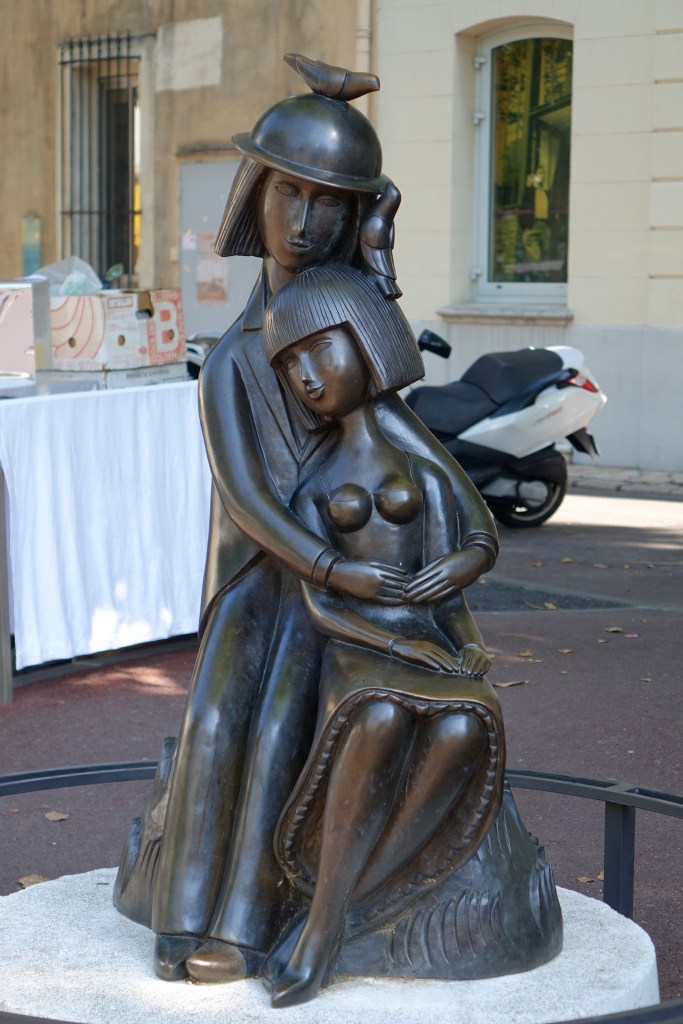
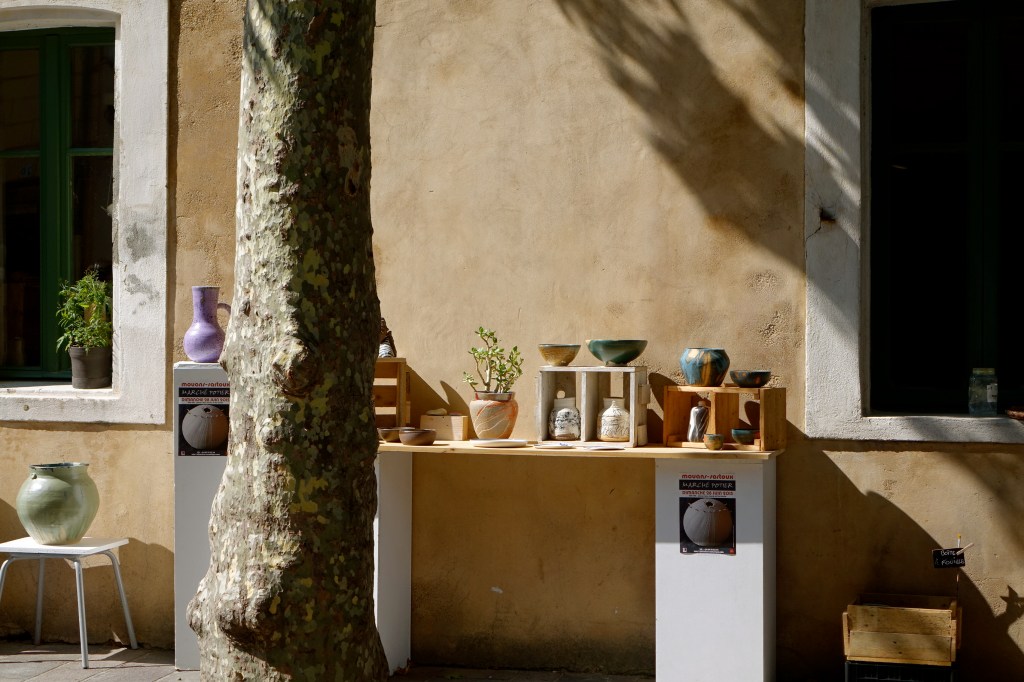
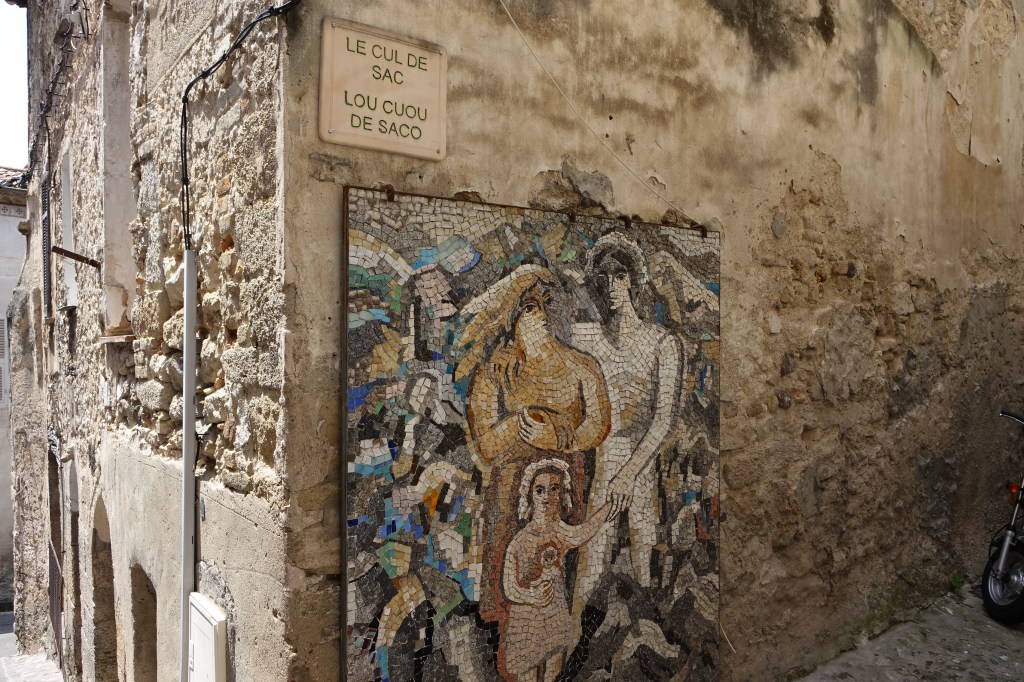
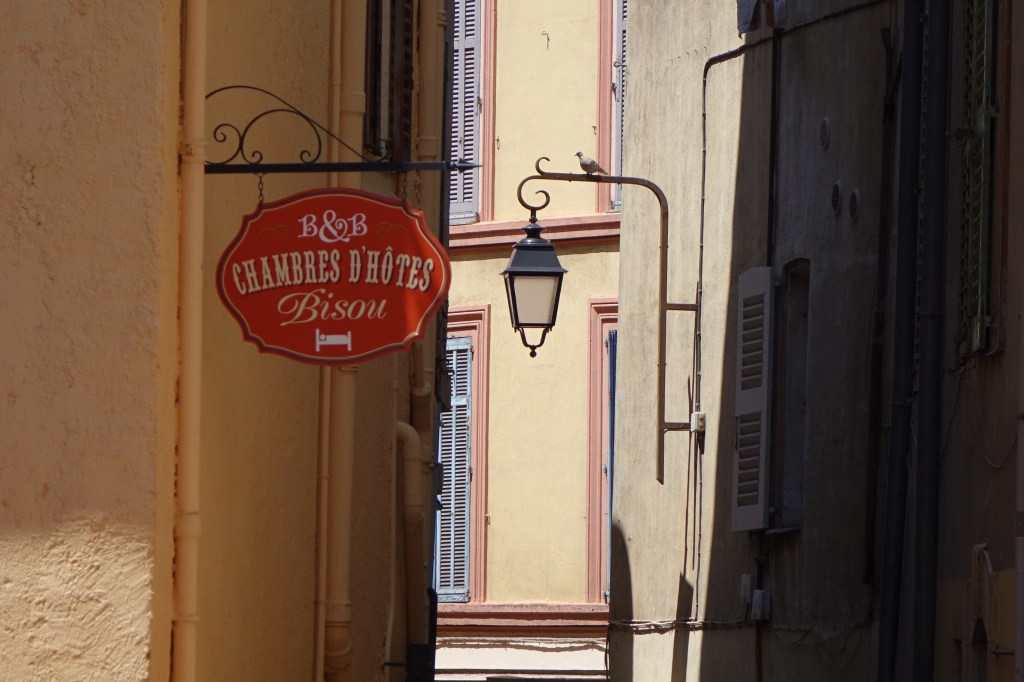
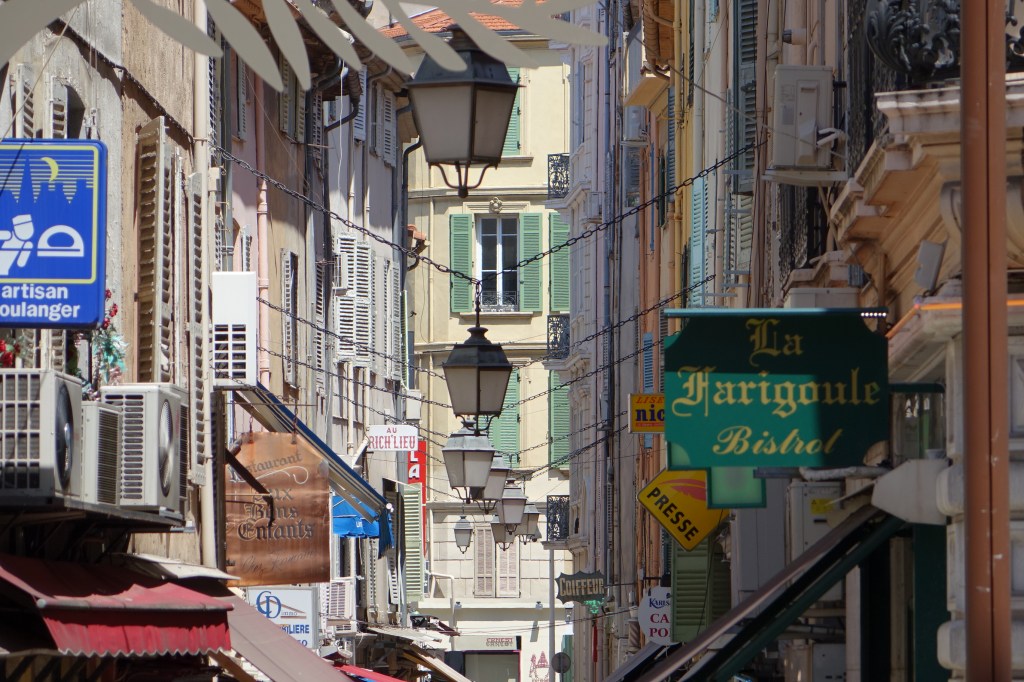
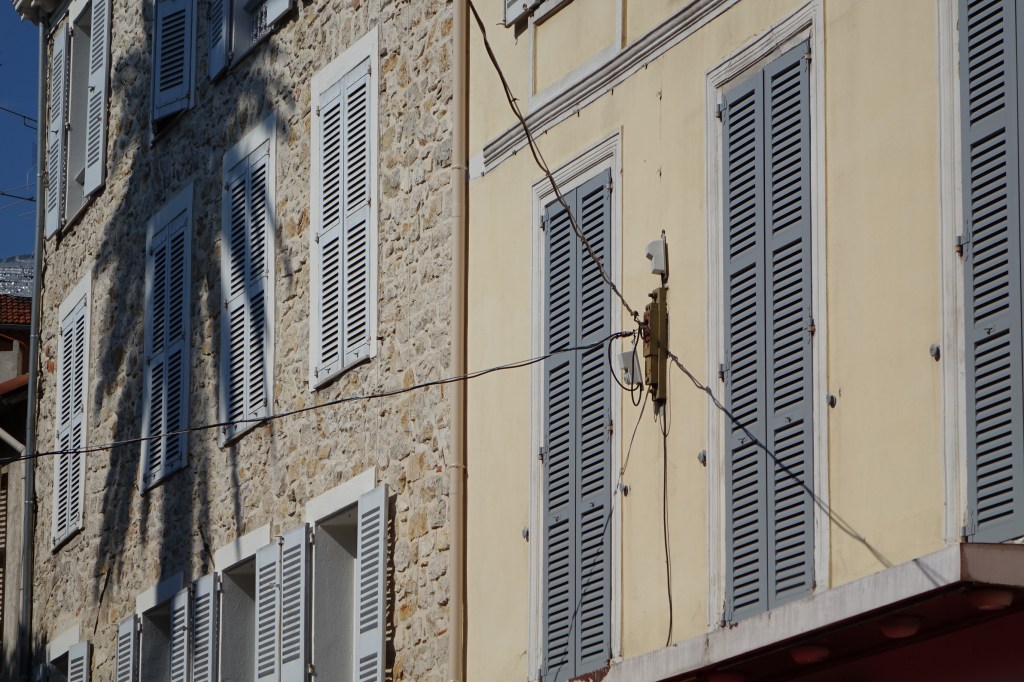
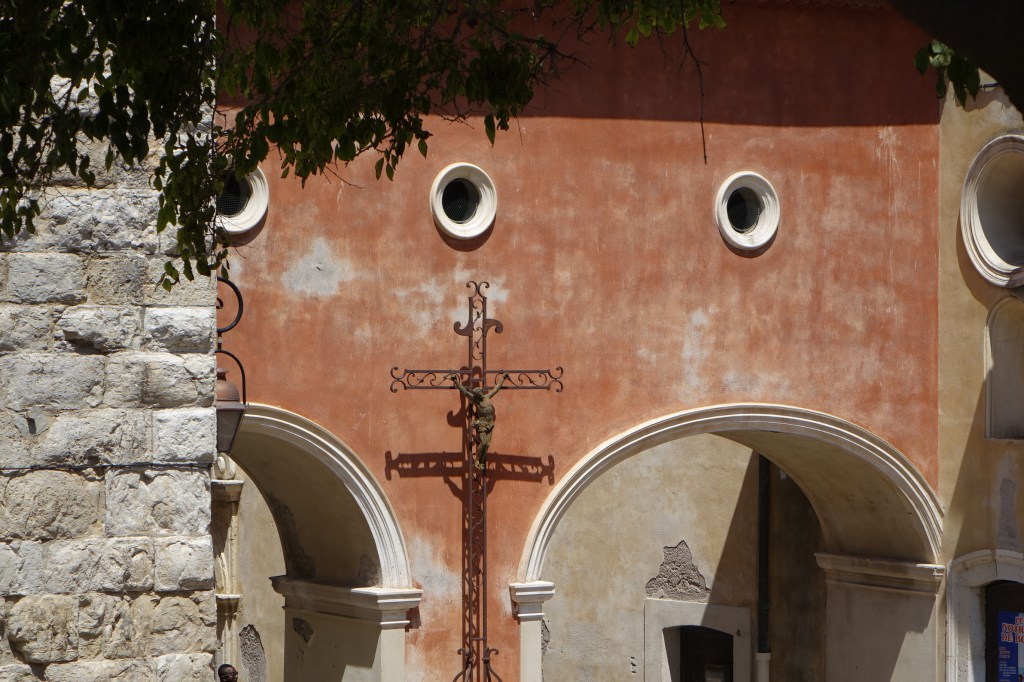
Of all the places we visited on the French Riviera, I think Antibes was most probably my favourite. Drawn to the old coastal town by its arty reputation, and in particular by its well known connection with Picasso and the museum which now bears his name, we didn’t ultimately end up going to the Picasso museum at all, such were the alternative attractions the town had to offer. For Antibes was all about the atmosphere of its street life – its bustling covered market place, its squares full of cafes and its ancient city walls today imbedded with art galleries – and to enjoy this, one could do no better than to simply stroll. And that is precisely what we did.
DSC07820 DSC07726 DSC07706 DSC07849 DSC07714 DSC07800DSC07855

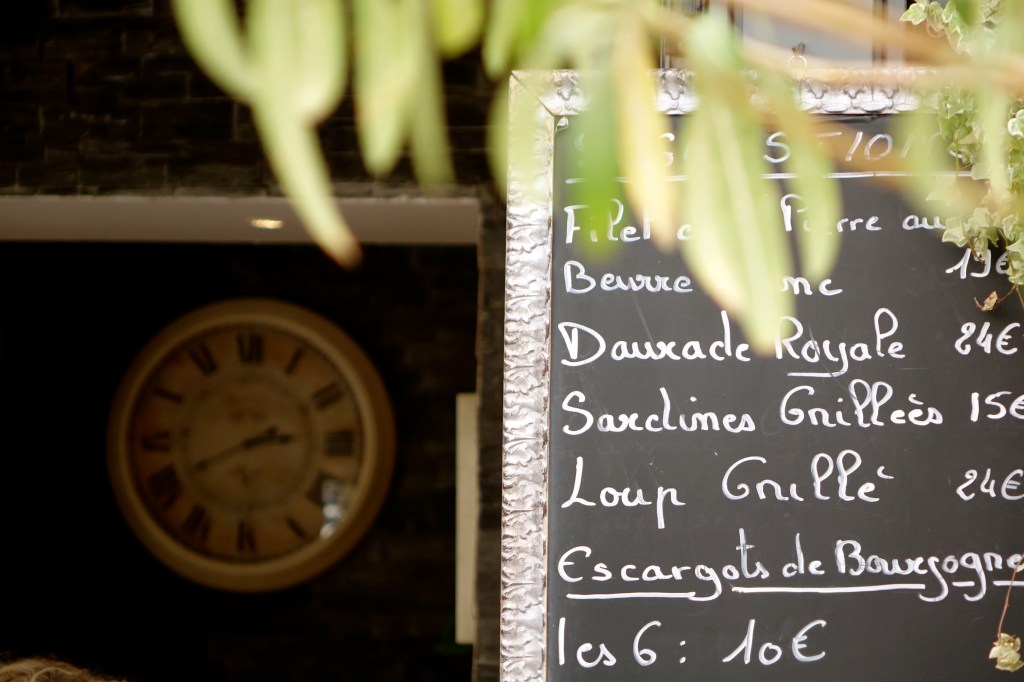
Beginning our visit in the more modern spread of the town, we gasped in delight as we walked along the sandy beach to see the old town in the distance, its silhouette characterised by the rising tower of the Picasso museum, by the old roof of the terracotta and yellow Church of the Immaculate Conception, and by the ancient ramparts which encircle the town. Moving inside those ancient walls under a series of arches and along various beautiful streets, we entered a centre teeming with life, colourful houses, and cafés spilling out onto the pavements.

DSC07850 DSC07839 DSC07737 DSC07827 DSC07819 DSC07822 DSC07756

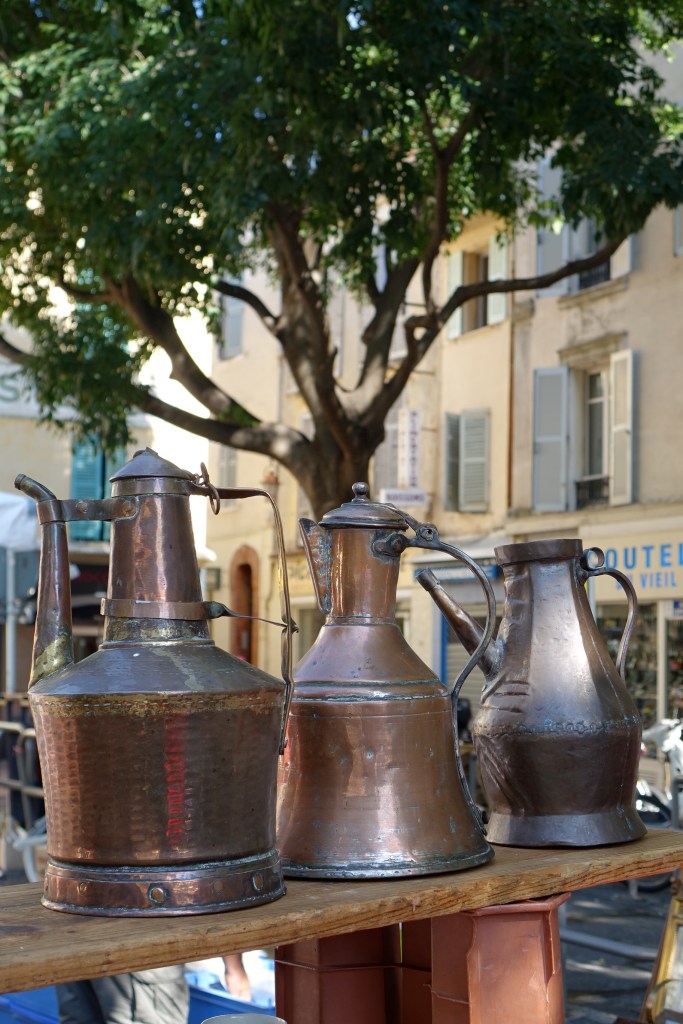
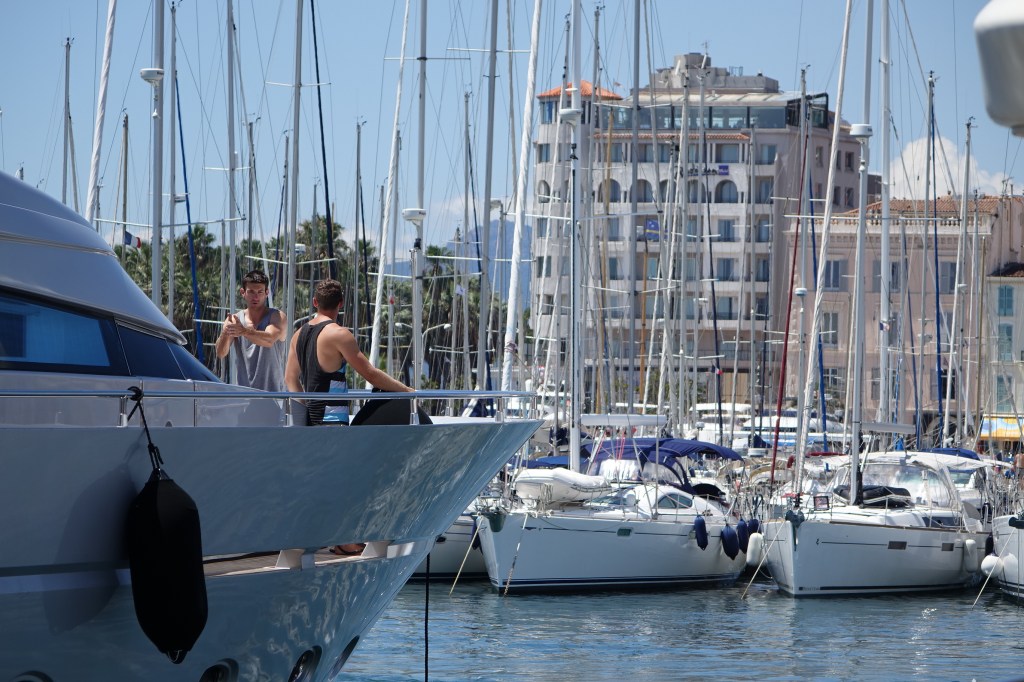
Having sampled one such elegant café all decorated in soothing shades of grey, olive and white, we moved out of the town slightly to tour its amply sized marina, full of yachts and sailing craft, and then spent some time on the little beach which is perfectly nestled within the curve of the ancient walls, like a mother’s arm, scooping up sand enough for her child to play in. It was back to the cafés after that, via a multitude of art galleries, colourful shops selling local produce, and sandy squares where locals played pétanque. In the Place Nacionale, we found Antibes’ beating heart in the form of a shady square lined with cafés, bistros and brasseries, and playing host to a busy antiques market, and there, around a fountain which reminded me of the stunning street fountains we had discovered in Aix, we ended the day with a well deserved ice coffee and a glass of wine. Santé!

DSC07818 DSC07735 DSC07719DSC07821 DSC07835 DSC07788

All photos and written content are strictly the copyright of Nicholas de Lacy-Brown ©2015 and The Daily Norm. All rights are reserved. Unauthorized use and/or duplication of the material, whether written work, photography or artwork, included within The Daily Norm without express and written permission from The Daily Norm’s author and/or owner is strictly prohibited.

The Honeymoon Chronicles, Part VII: Biot

Admittedly there wasn’t all that much to see in the tiny little Riviera village of Biot in the South of France. We were drawn to the area by the magnificent retrospective museum of Fernand Léger which was located just down the road, and would otherwise have likely overlooked this little hilltop village as we ventured along the coast to the more prominent neighbours of Cannes and Antibes. We had very little interest in the famous “bubble” glass which is made in the village and is at least partly credited with placing the village on the map (the glass has not quite made it into the kind of style echelons that would make it vaguely chic in a contemporary interior design). Nonetheless, we considered Biot worth a quick stroll.

DSC07679 DSC07680 DSC07690 DSC07676 DSC07652 DSC07638 DSC07633

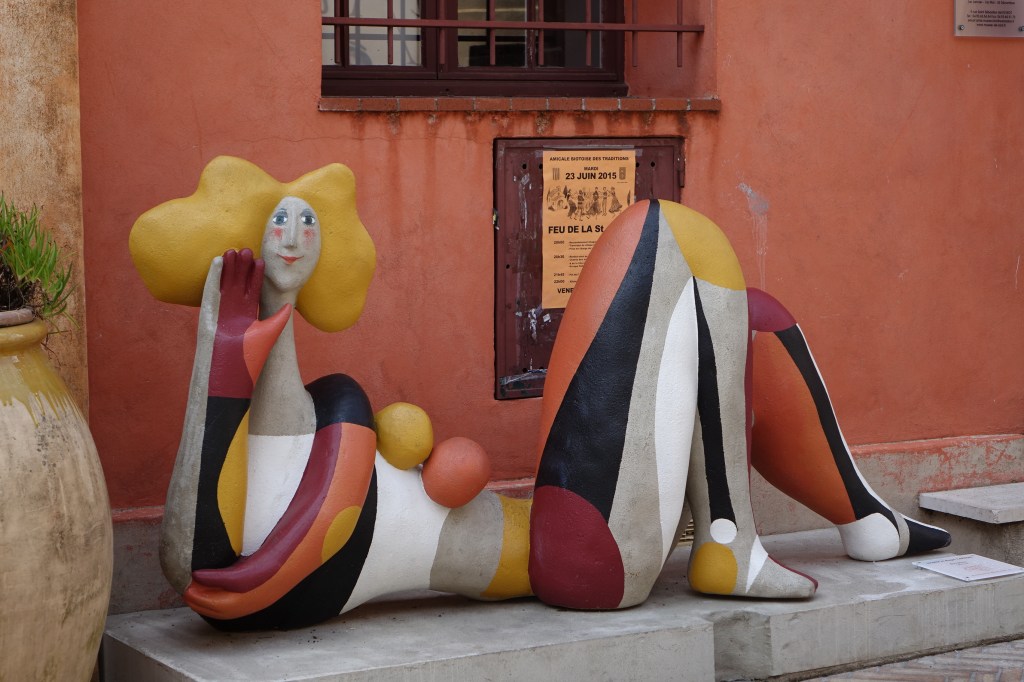
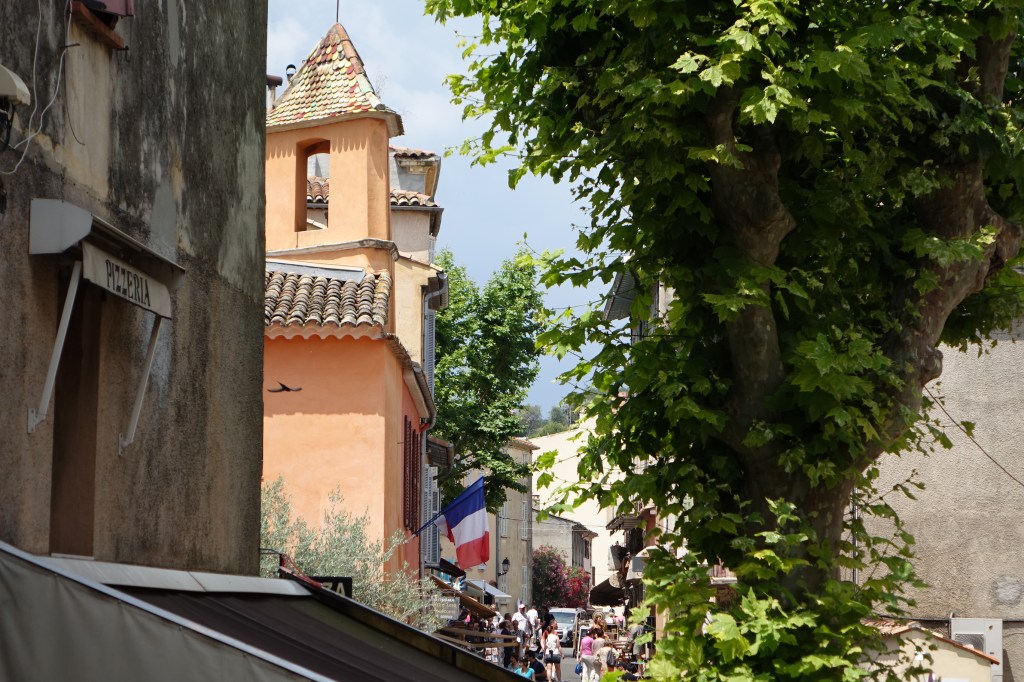
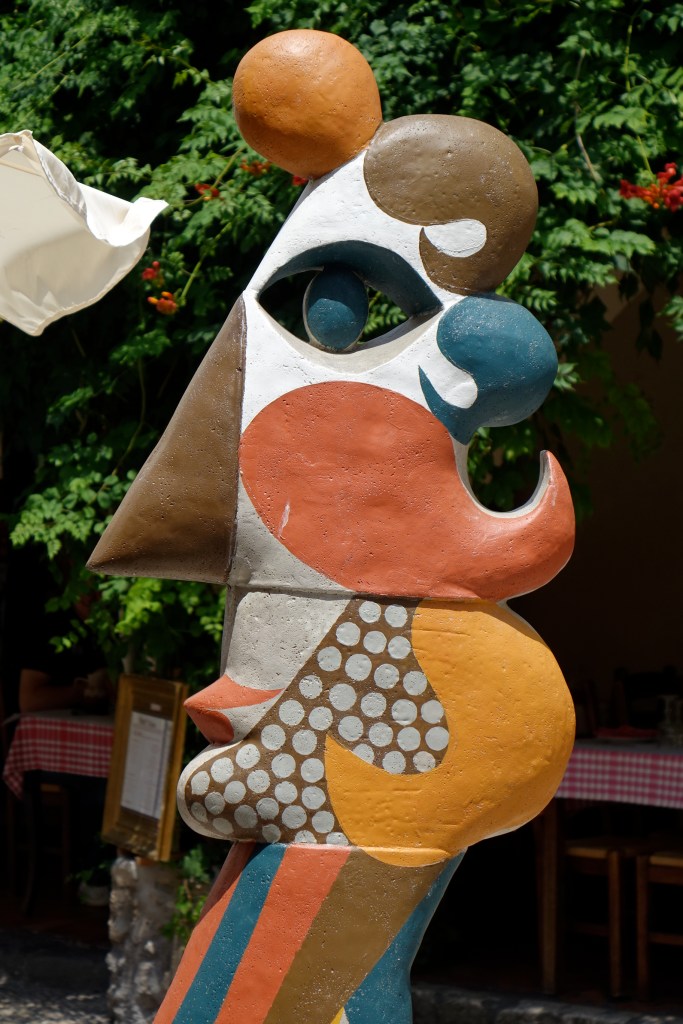
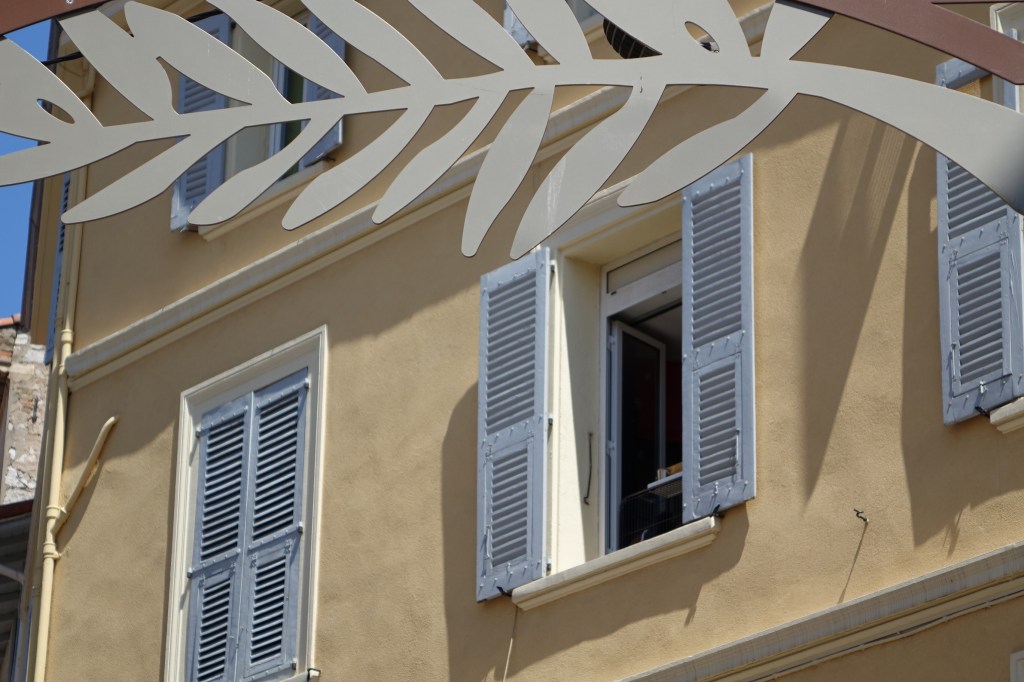
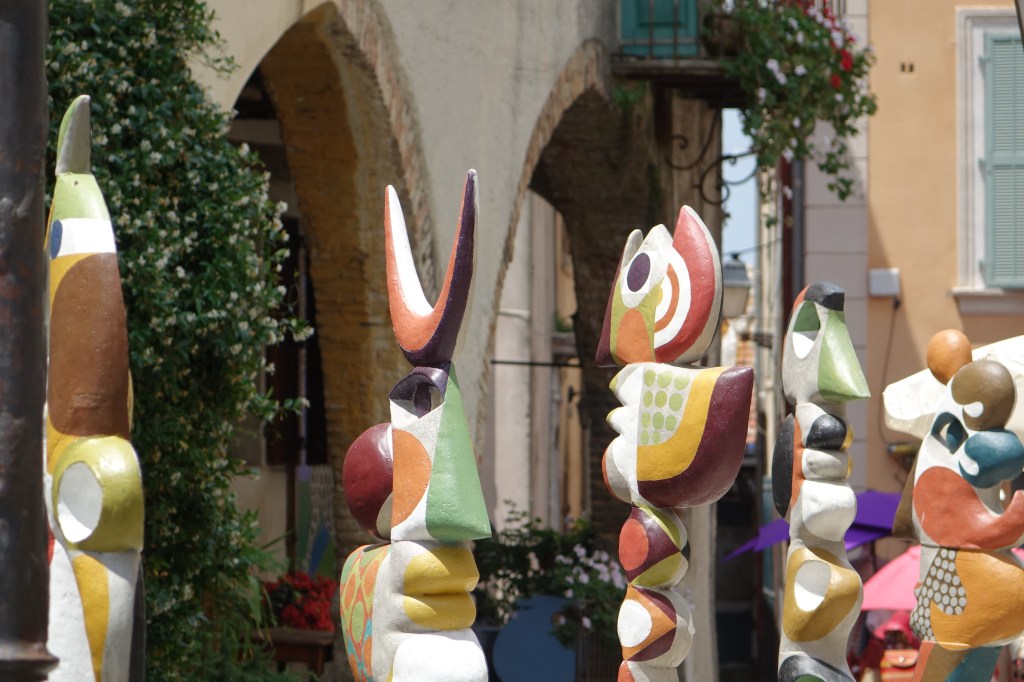
And indeed it was. For in common with so many others of its neighbouring Riviera villages, Biot is eye-achingly picturesque with its little coloured shutters, village squares and a cute little church to match. Certainly worth a few camera shots, not least because this village distinguishes itself from the masses with a collection of vibrantly curvaceous papier mâché  sculptures placed throughout the town.

Once again, the artistic spirit of the Riviera was omnipresent, and disarmingly beautiful.

DSC07643 DSC07692 DSC07630 DSC07642 DSC07641 DSC07632 DSC07688

All photos and written content are strictly the copyright of Nicholas de Lacy-Brown © 2015 and The Daily Norm. All rights are reserved. Unauthorized use and/or duplication of the material, whether written work, photography or artwork, included within The Daily Norm without express and written permission from The Daily Norm’s author and/or owner is strictly prohibited.
The Honeymoon Chronicles, Part V: Vence

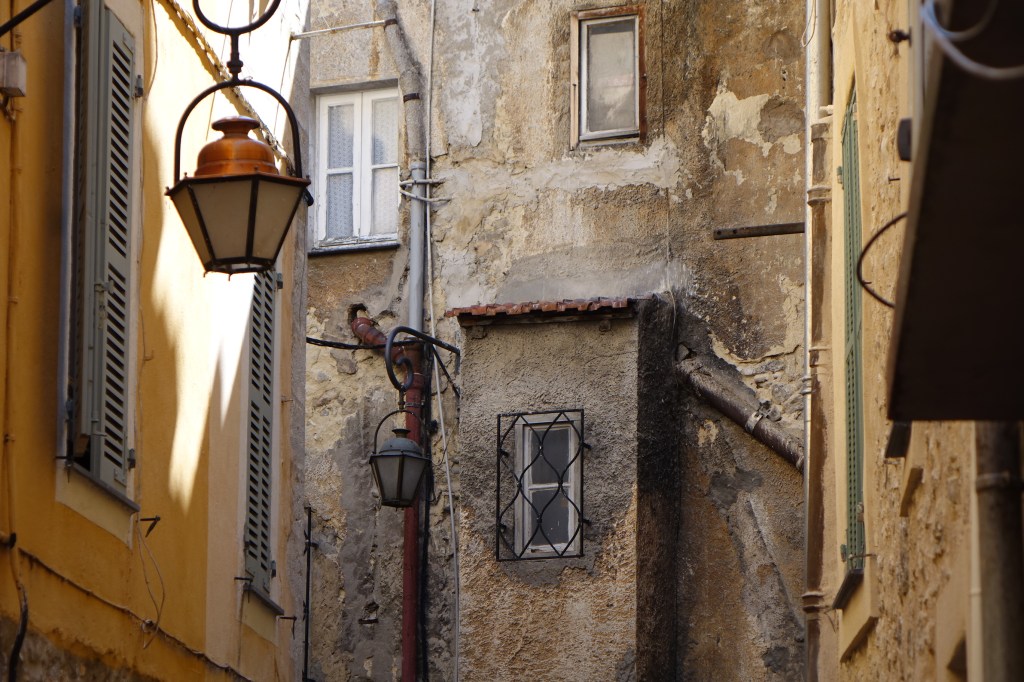
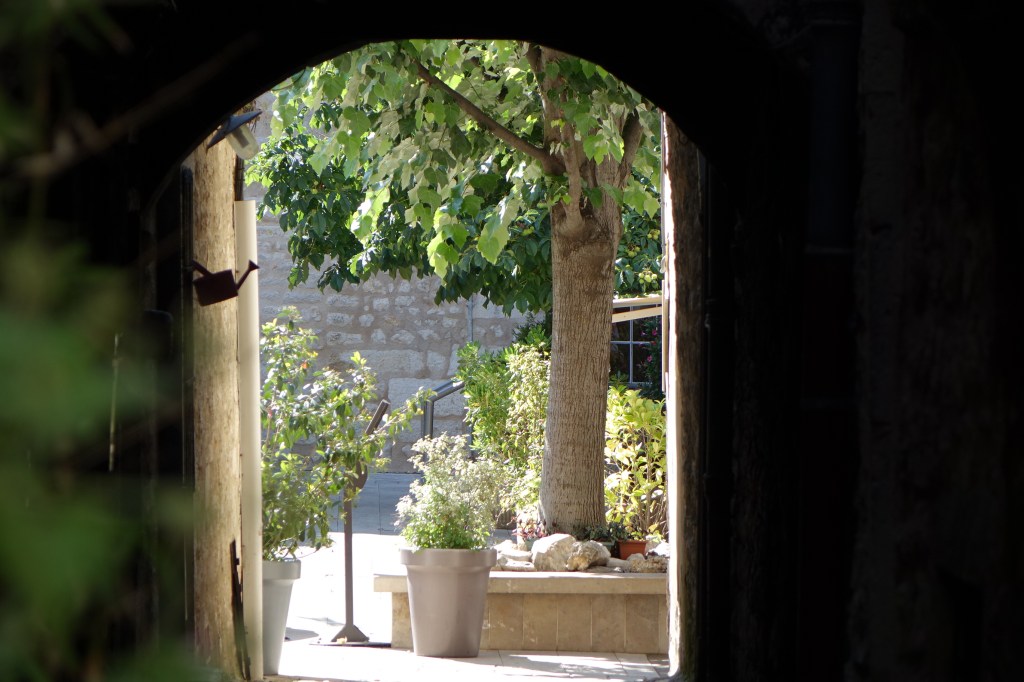
Just up a lush winding mountain road from the beautiful little village of St-Paul de Vence resides its bigger sister, the no less pretty town of Vence. Despite having spread into quite a substantial modern town, not all of which exhibited the most picturesque of sights, the core little old town, nestled within a tight ring of medieval walls and set up on a high hill above a cool mountain spring in the valleys below, is the very epitome of a quaint Riviera gem.

DSC07143 DSC07133 DSC07119 DSC07206 DSC07200 DSC07134 DSC07152 DSC07158 DSC07154 DSC07190 DSC07116

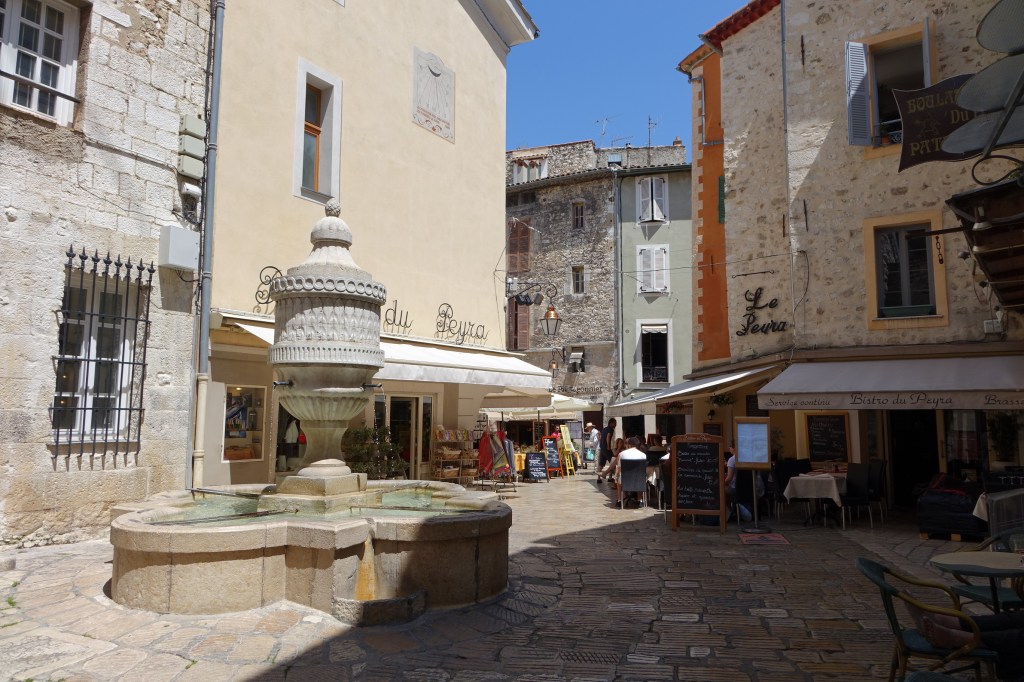
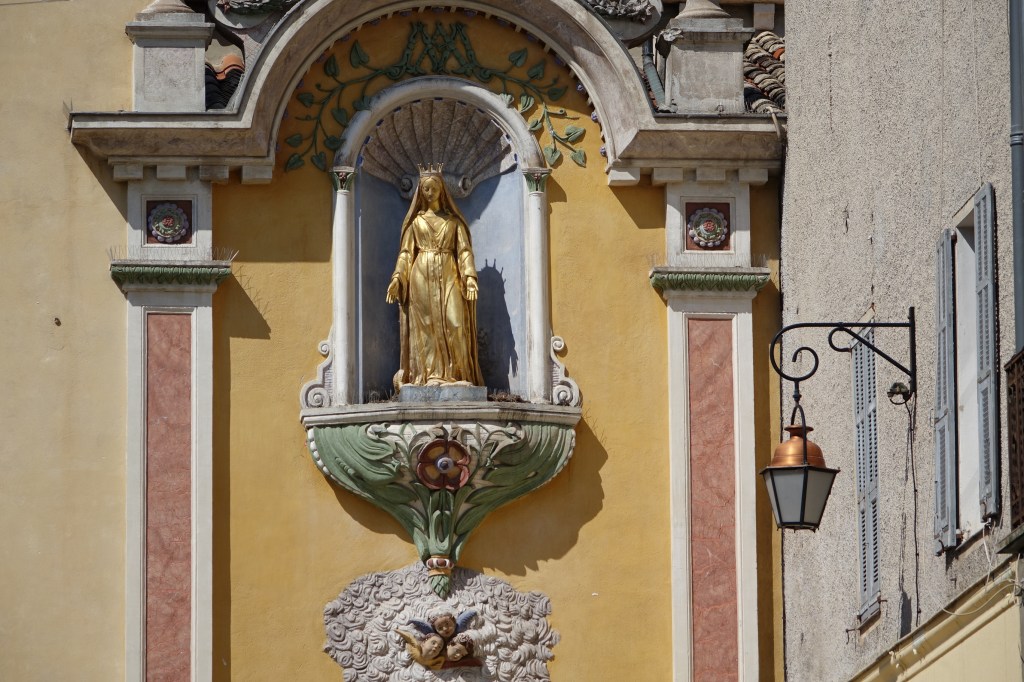
Through the ancient Peyra Gate into the pastel-coloured square bearing the same name, we entered a medieval fairytale of a town whose shuttered houses, little gift shops and typically French restaurants spilling out onto the cobbled streets and squares made for the most idyllic of scenes. Photographing the picturesque sights as rapidly as I took steps to discover them, I was completely enamoured by this beautifully appointed little gem of a town, from the grand Peyra fountain at the entrance dating back to the early 1800s, to the stunning Place Clemenceau, whose baroque little cathedral is allegedly the smallest Cathedral in France.

DSC07153 DSC07191 DSC07177 DSC07118 DSC07168 DSC07198 DSC07150 DSC07121 DSC07173 DSC07124 DSC07115

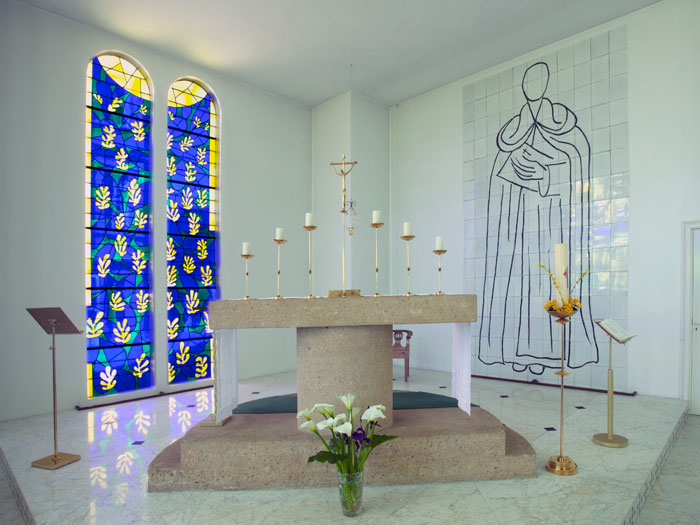
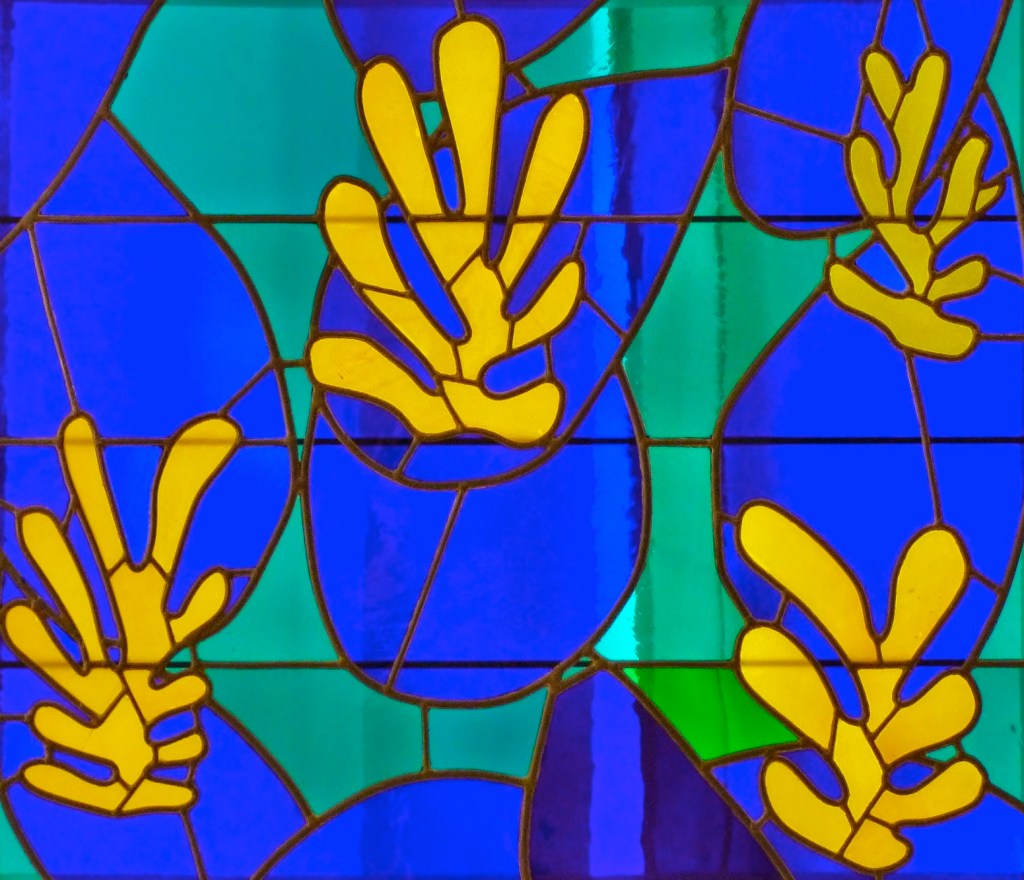
However in addition to the little old town, Vence boasts another attraction which we trekked the 20 minute hot walk out of town to see – the Chapelle du Rosaire designed by Matisse himself. I remember extolling the originality of Matisse’s designs for this little chapel when I visited his cut-outs retrospective at Tate Modern last year. But nothing in that exhibition came close to seeing the Matisse Chapel in reality, with the light shining through his vivid blue and yellow stained glass and bouncing off the white walls of the interior. I wasn’t as sure about the rather sketchy ceramic tiles which otherwise dominate the interior and fell somewhat flat compared to the magnificence of the windows, nor the exorbitant entrance free for such a small space, but seeing Matisse’s chapel surely made our visit to Vence complete.

Chapelle du Rosaire, by Matisse

DSC07145 Matisse interior 1 Matisse window Matisse interior 2

The Honeymoon Chronicles, Part IV: Cannes

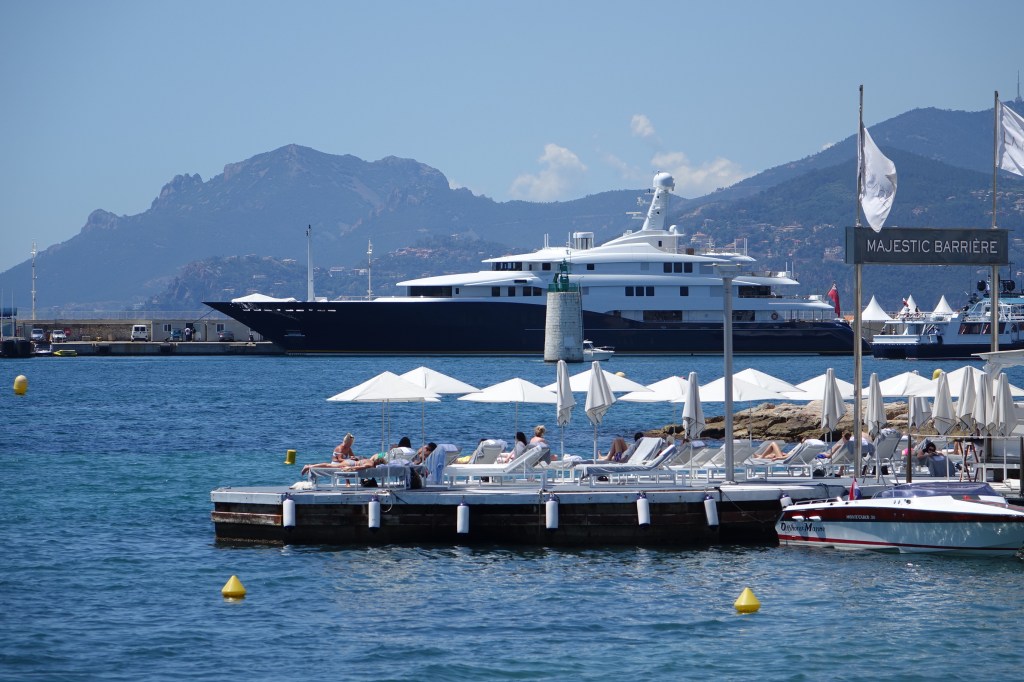
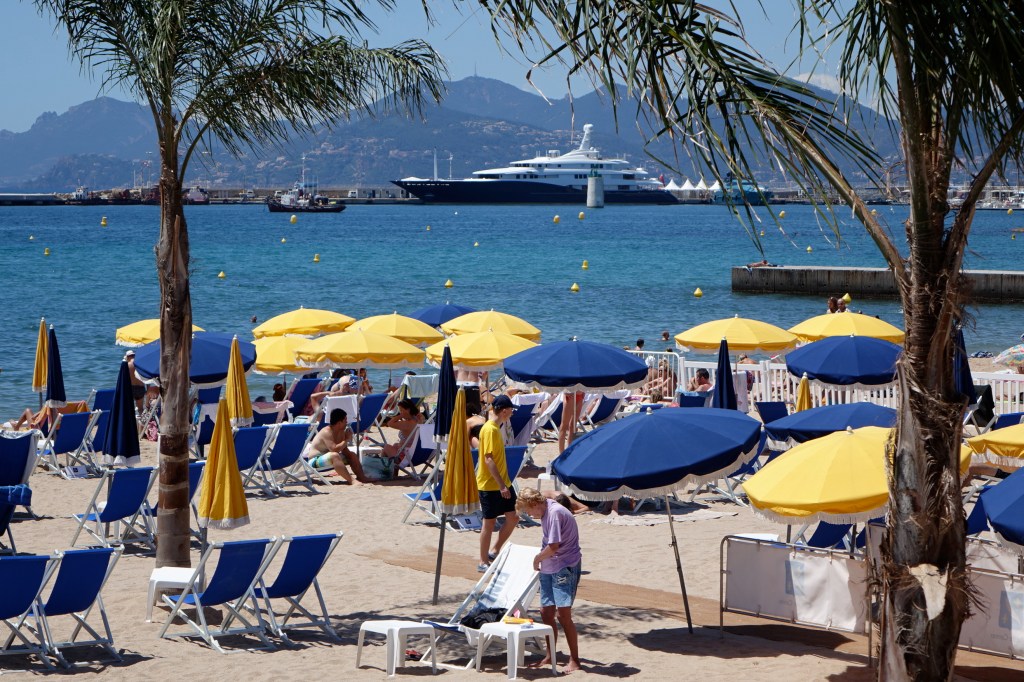
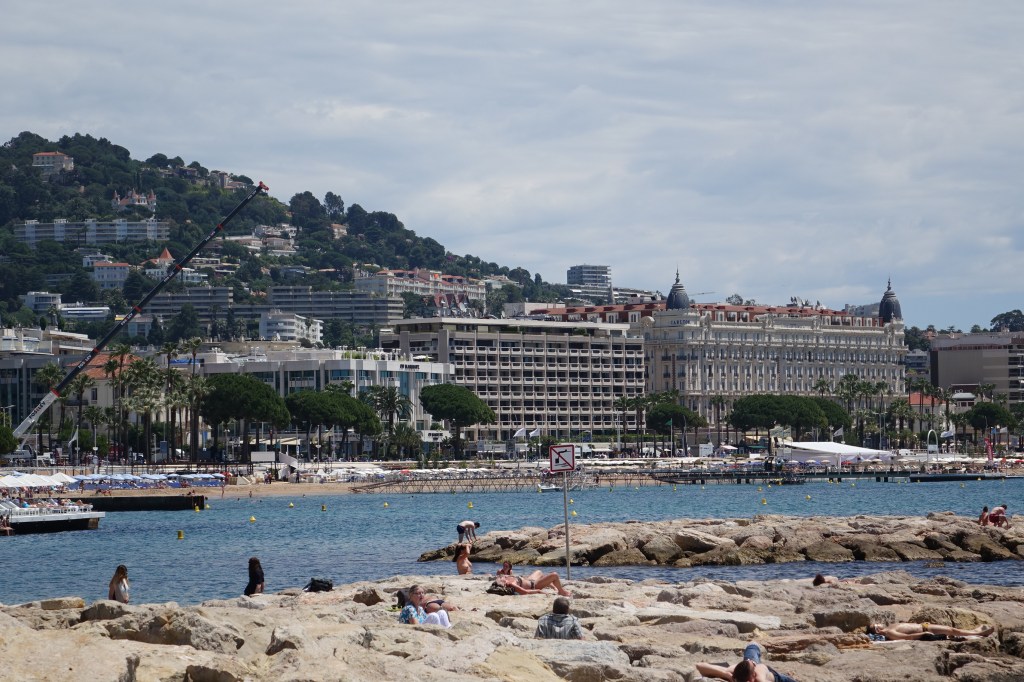
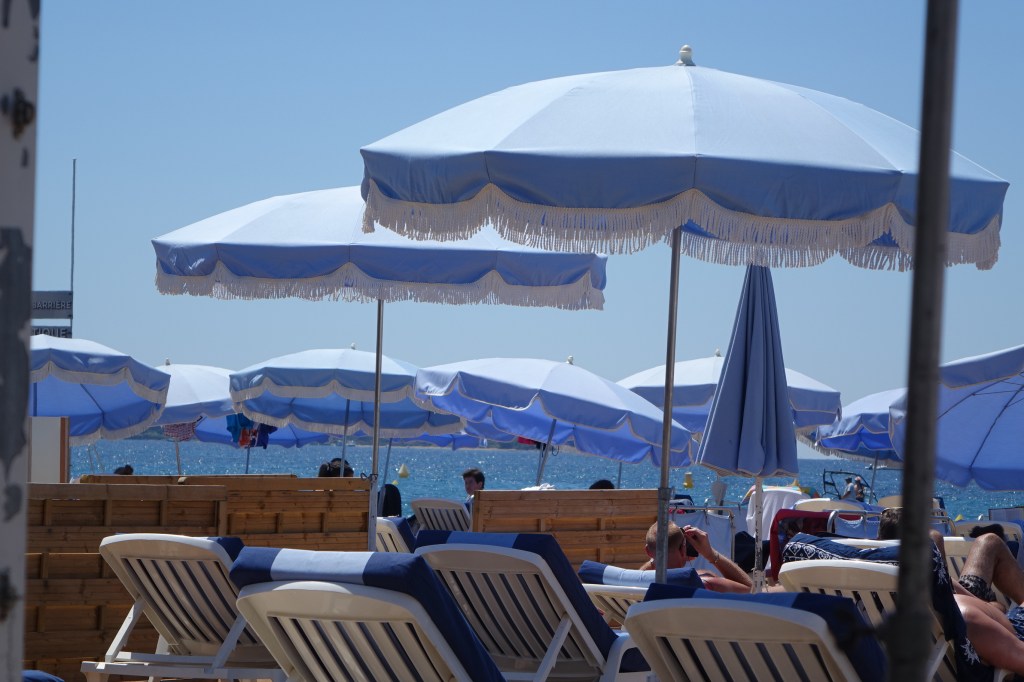
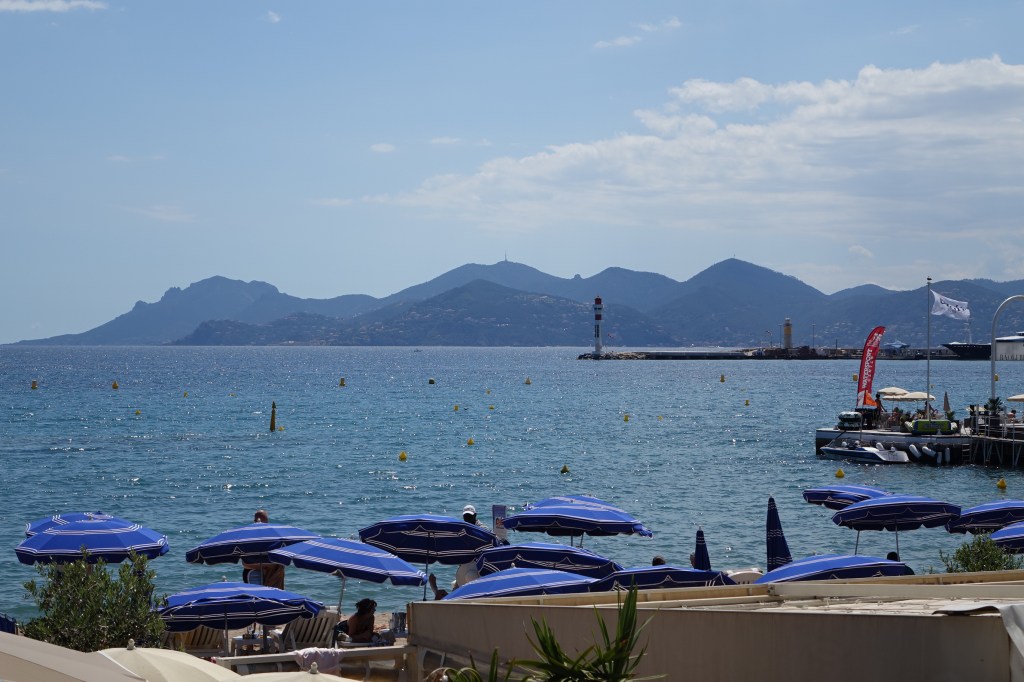
Cannes. The very name inspires a thousand tales of glitzy summer nights spent alongside yachts overbrimming with champagne, of film festivals with the stars, and dining in the famous Carlton Hotel alongside the palm-fringed parasol-filled beach of the French Riviera. Having long soaked up the reputation of this celebrity hot-spot, we could not resist the temptation to pay a visit to the city, staying as we were mere kilometres away. And while our visit there involved several rather unenviable encounters with the feral French roads and the even worse drivers impersonating something akin to driving upon them, we were excited to arrive in this much reputed city, filled as it was with all of the thrills and frills of the high life.

Cannes sur la plage

DSC06748 DSC06743 DSC06746 DSC06765 DSC06737 DSC06857

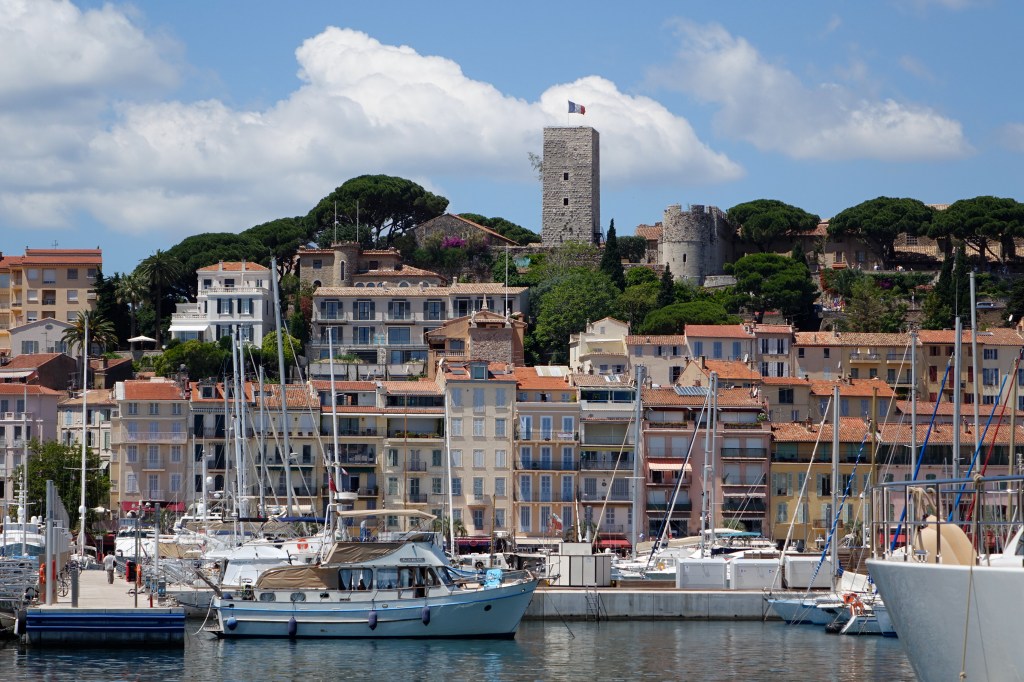
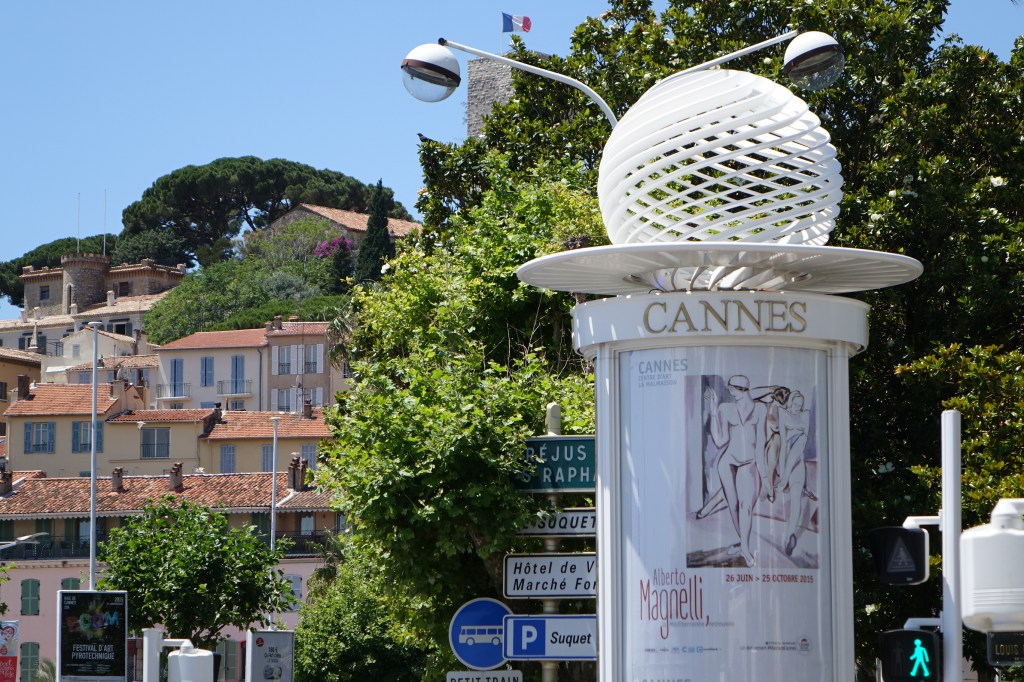
The sophisticated life which brand-Cannes sells was obvious as soon as we arrived. Ladurée macarons sat alongside Dior which in turn neighboured Chanel, which faced Lacoste. Walking onto the beach, the famous domed silhouette of the Carlton Hotel glimmered in the haze of summertime heat, and beyond a rather grotesque film festival cinema building, the charming old town stood quaintly alongside a luxury harbour glimmering in the sunshine.

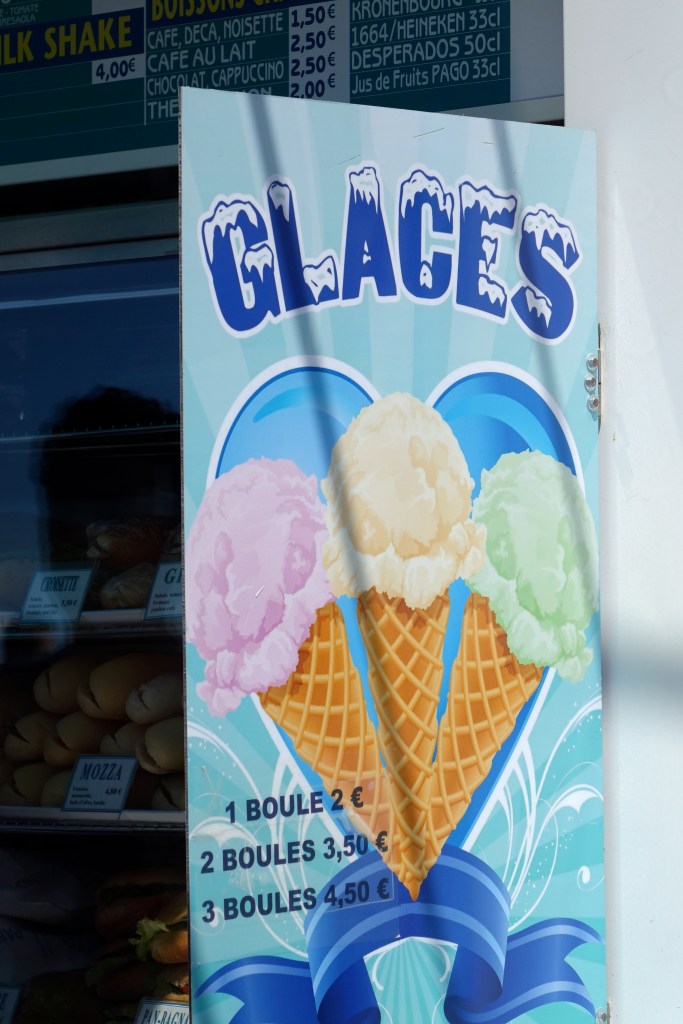
In the old town restaurants, prices were commensurate with the reputation of the city, and in the shops one quickly got the impression that a lack of money was not easily tolerated in this playground of the rich and famous. So very French Riviera, so very Cannes.

Old town Cannes

DSC06764 DSC06837 DSC06822 DSC06782 DSC06798 DSC06841 DSC06789 DSC06823 DSC06827 DSC06840 DSC06795 DSC06812 DSC06852

For us, it was a day of mixed emotions. We were charmed by the old town, with its pastel colours, soap-filled souvenir shops and a little church nestled upon a hill overlooking the luxury liners below. We were equally enamoured by the Carlton Hotel, or the outside at least, which we gazed upon with a knowing nostalgia as we remembered scenes of Grace Kelly and Cary Grant from our favourite Hitchcock film, To Catch a Thief. 

But beyond these charms, the town was altogether too developed and too busy to be truly admired. True luxury comes from exclusivity, and the exclusivity of Cannes felt superficially imposed by its prices, rather than by the inaccessibility or unspoilt beauty of its location. Rather it was a location spoilt by development, by tourism, and by the ravages of money… the charms of Grace Kelly and the golden age of Hollywood seemed very lacking here. True, with money, Cannes might have its illusions still, but for those with less, being shut out on the outside is less fun. There simply isn’t enough beauty there to keep you enchanted for free.

The famous Carlton

DSC06855 DSC06875 DSC06879 DSC06885 DSC06861 DSC06870

All photos and written content are strictly the copyright of Nicholas de Lacy-Brown © 2015 and The Daily Norm. All rights are reserved. Unauthorized use and/or duplication of the material, whether written work, photography or artwork, included within The Daily Norm without express and written permission from The Daily Norm’s author and/or owner is strictly prohibited.

The Honeymoon Chronicles, Part II: Calder’s Pool

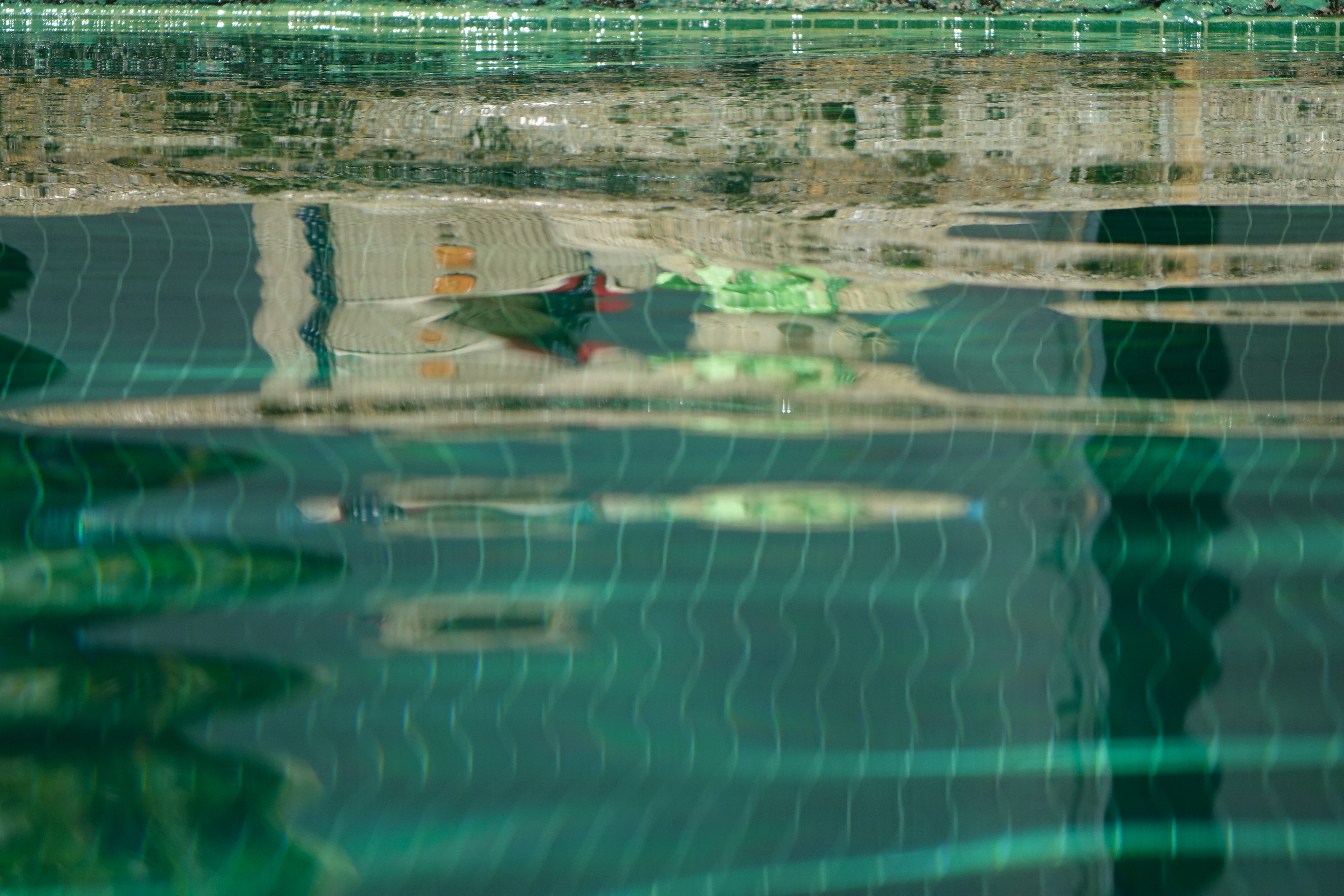
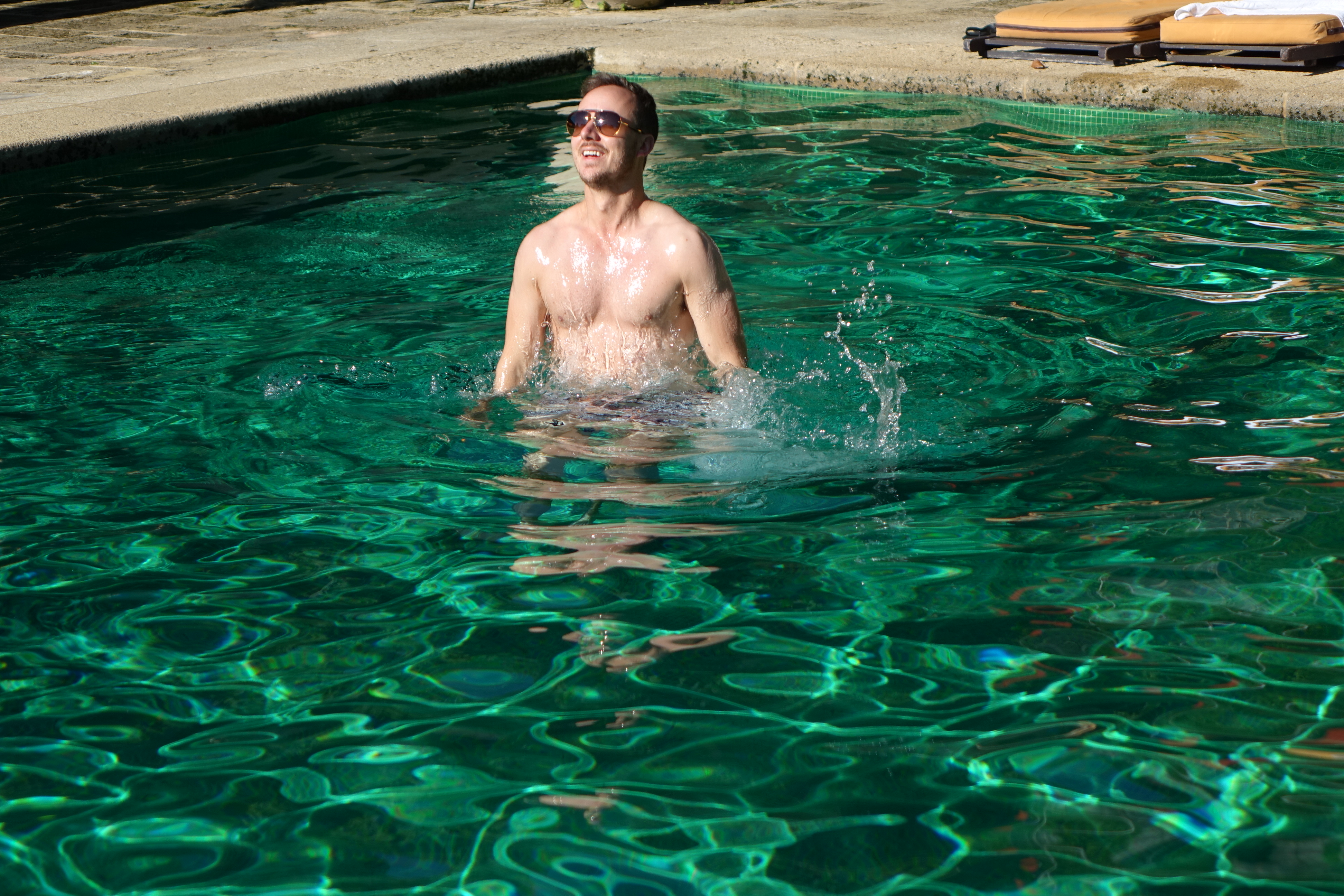
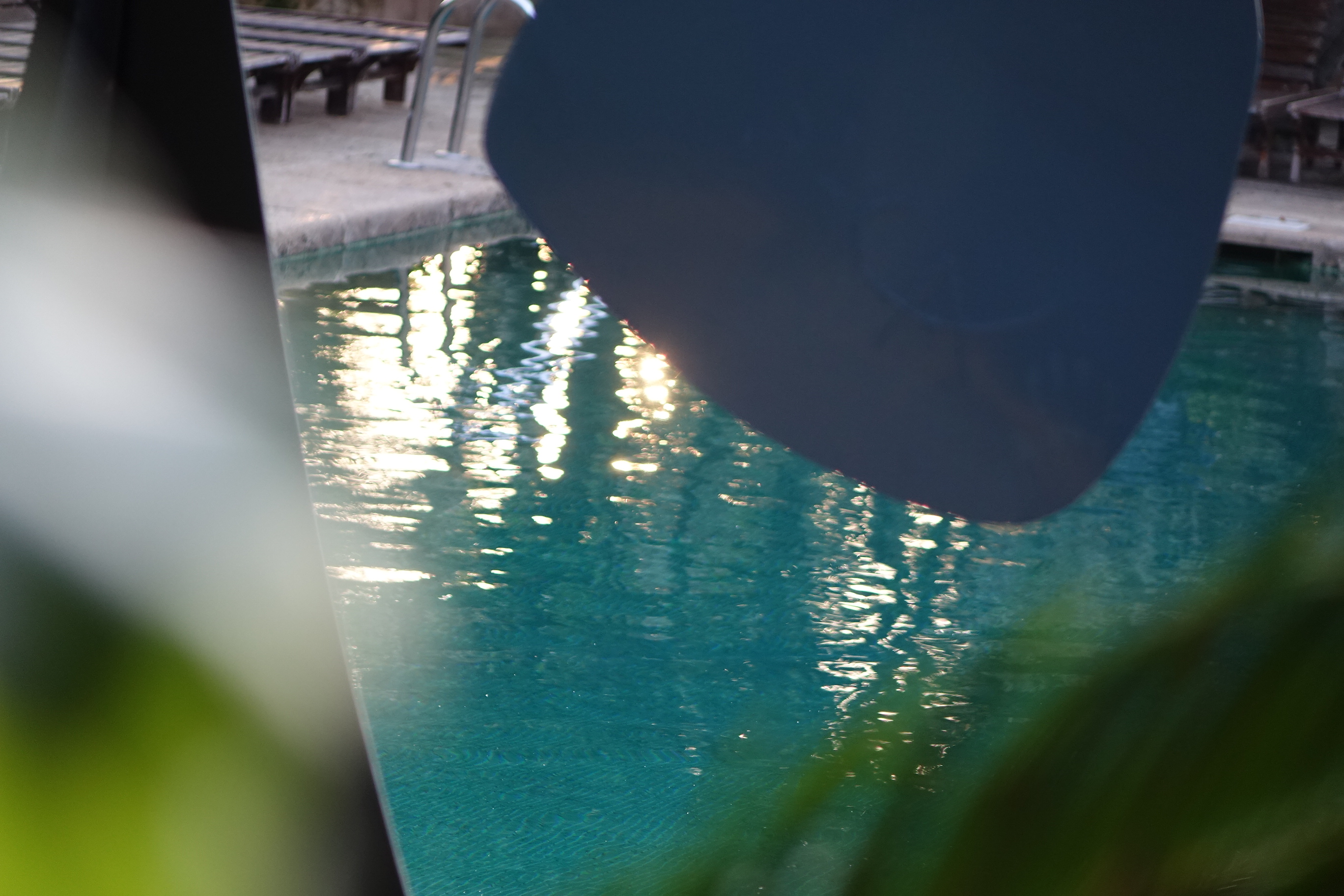
On Wednesday I told you all about the earthly paradise that is La Colombe d’Or, and yesterday I shared my first artwork inspired by this epicentre of the arts. And yet I would do La Colombe an injustice if I stopped there. For combine my relentless enthusiasm for all things Mediterranean, with my love of art, and my complete obsession with the effect of light on water, and ripples, and you will be unsurprised that during our stay at that little Provençal Inn, I fell head over heels in love with the swimming pool which languishes at the centre of the hotel.

DSC07077
DSC06704 DSC06294 DSC06241 DSC06268

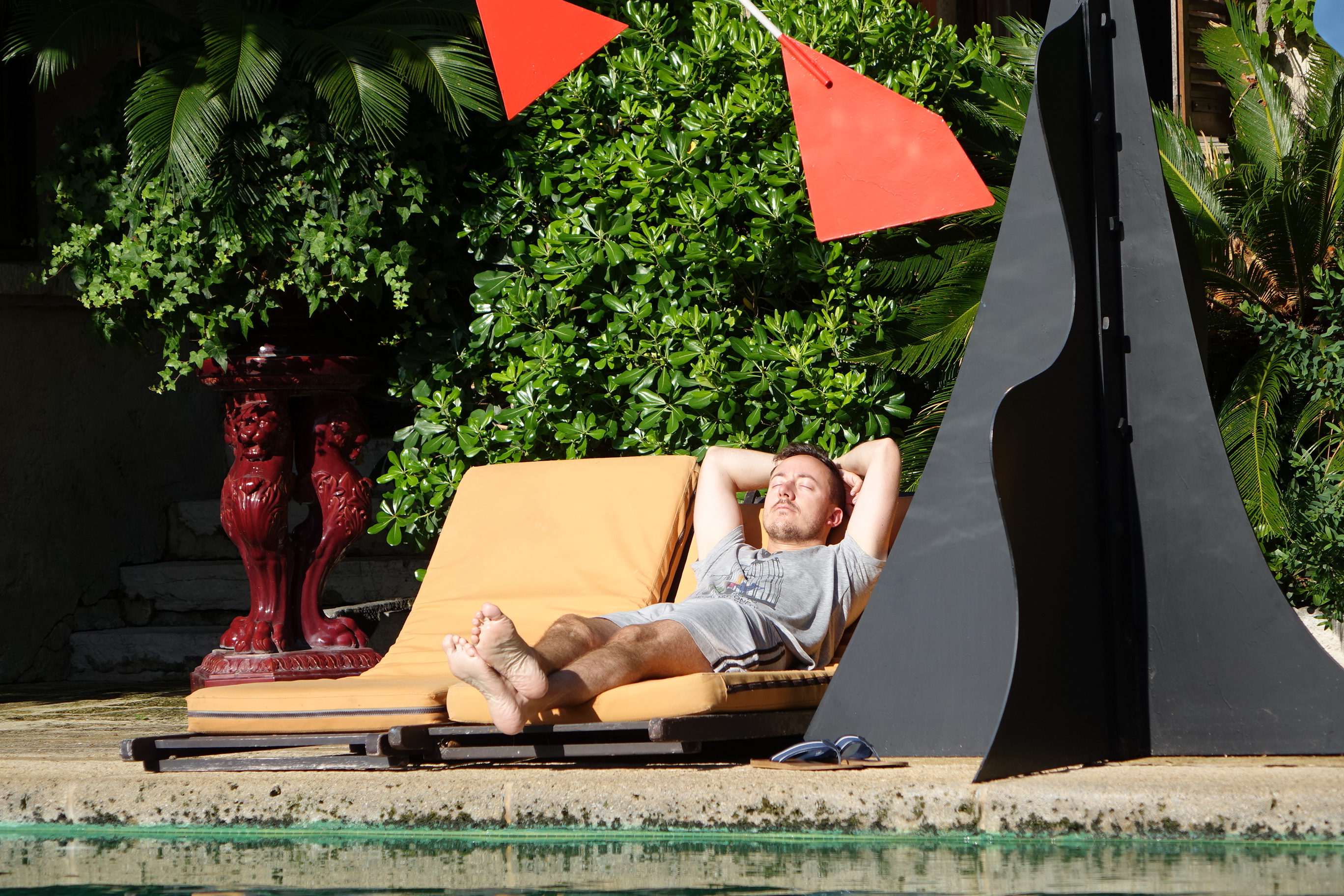
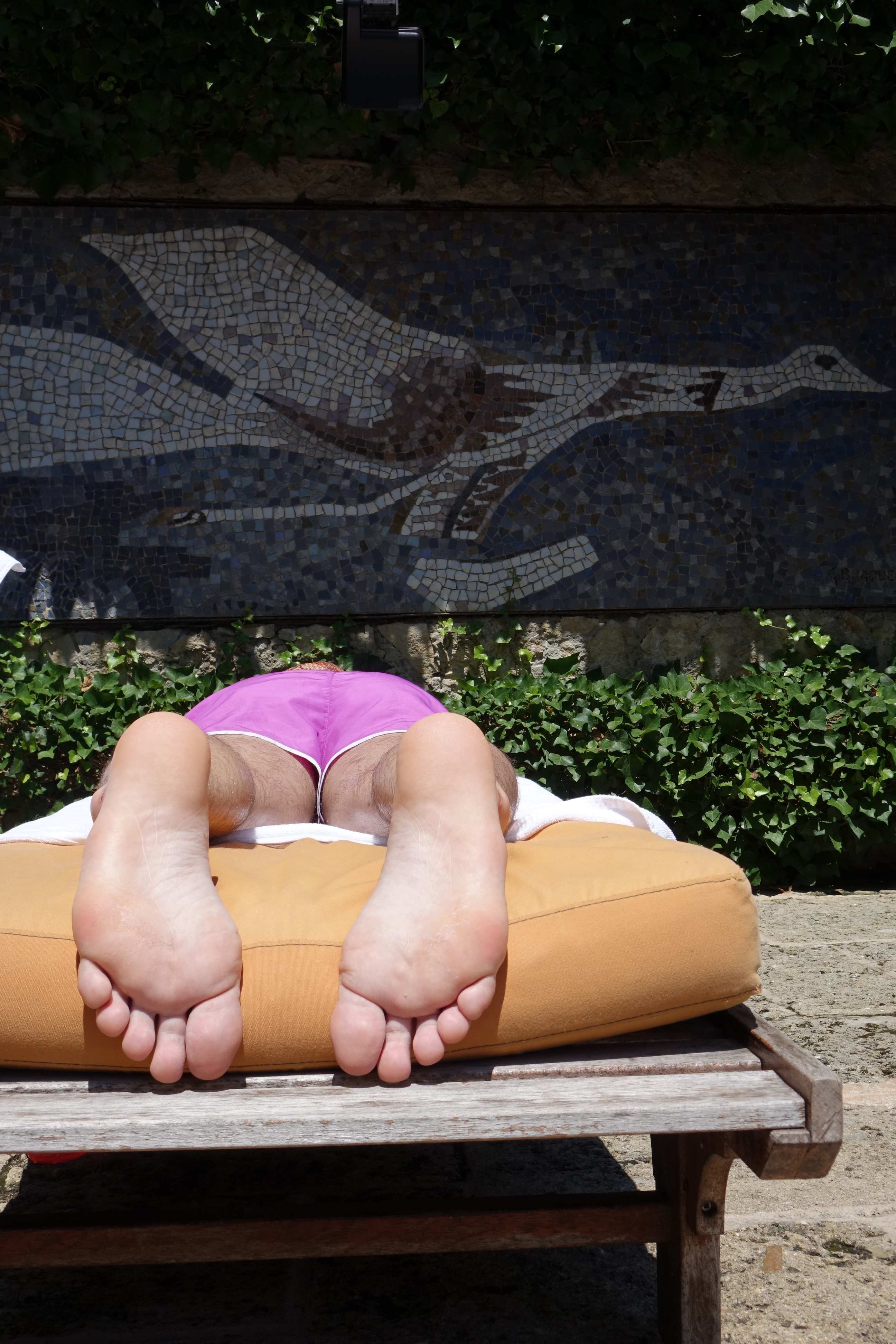
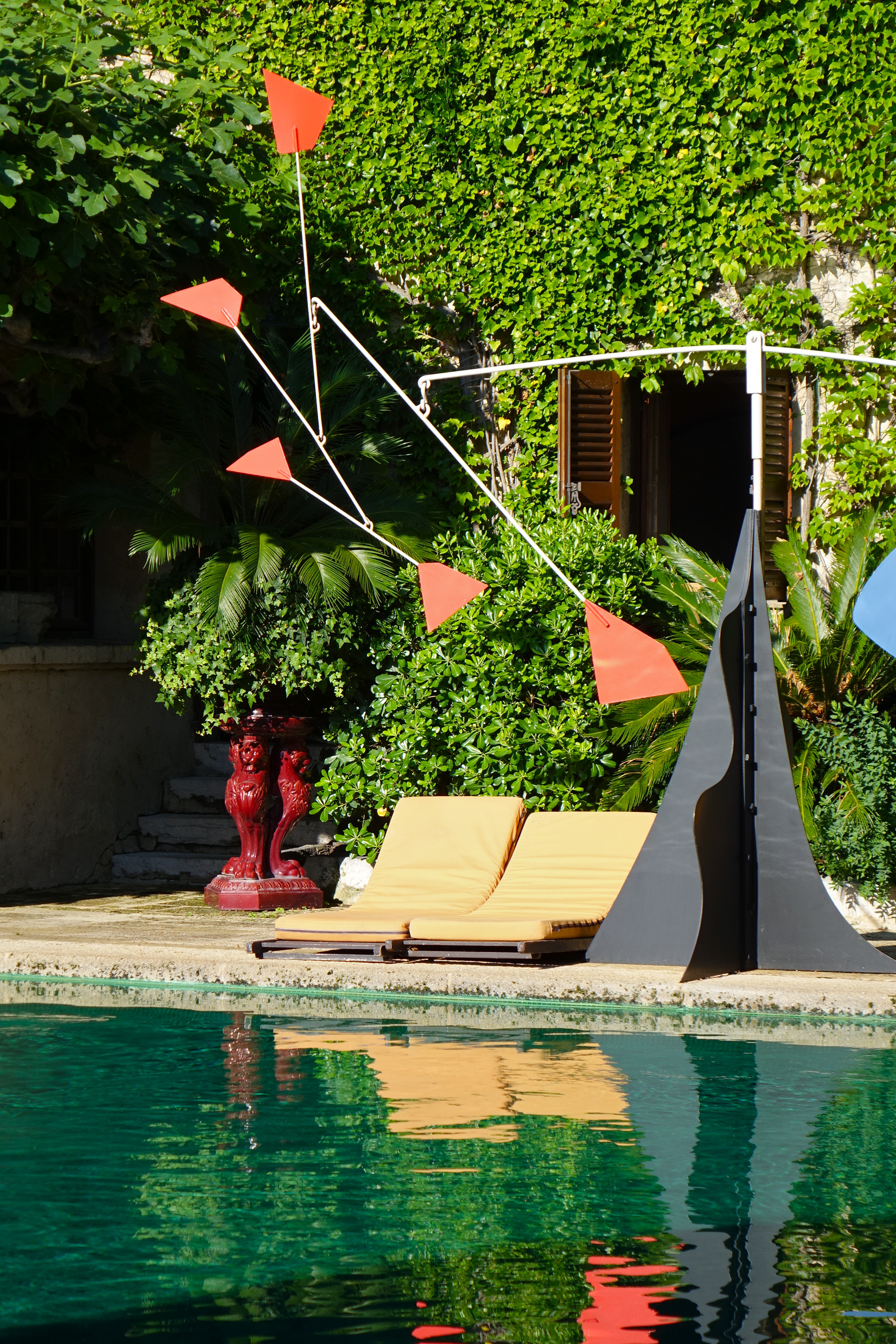
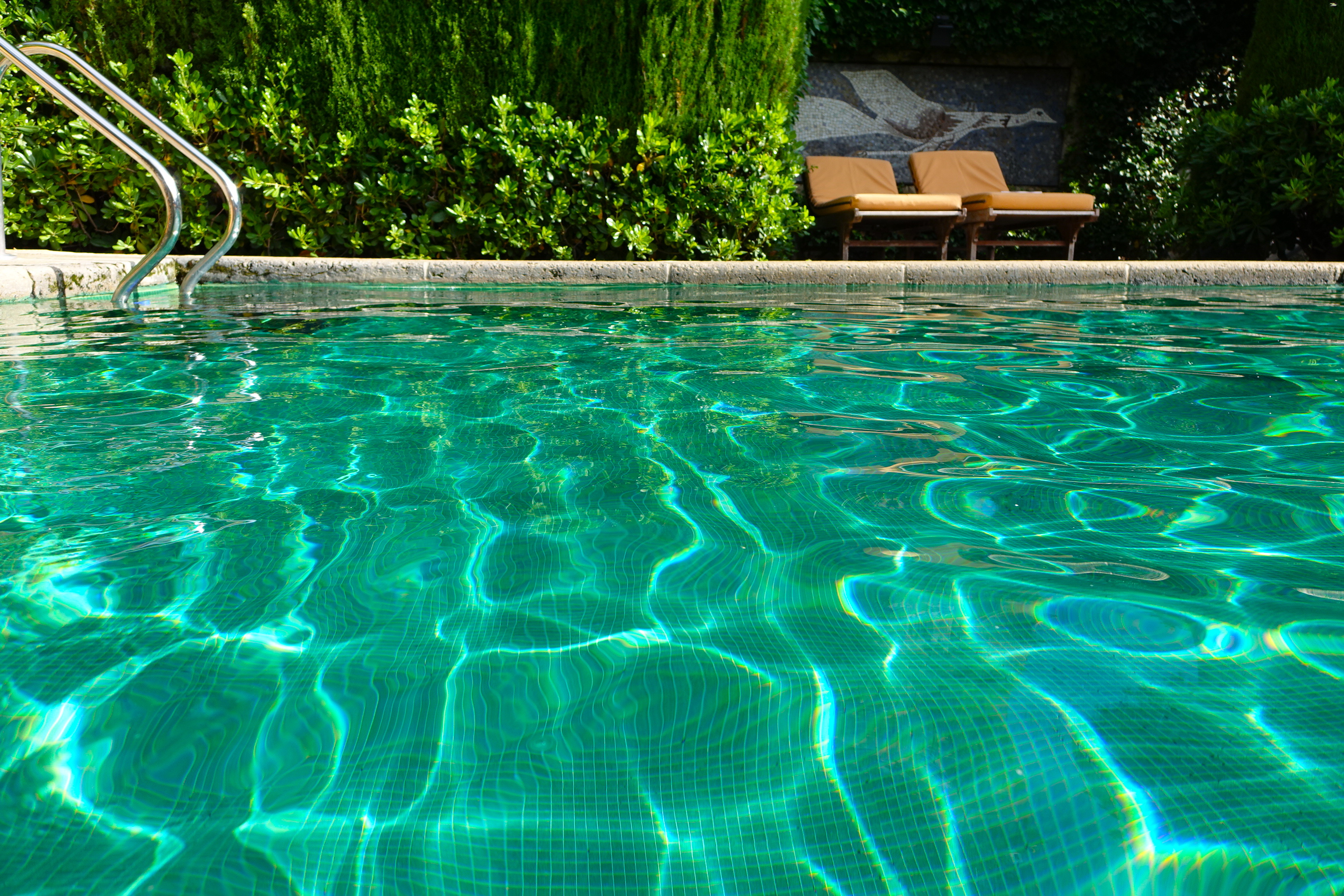
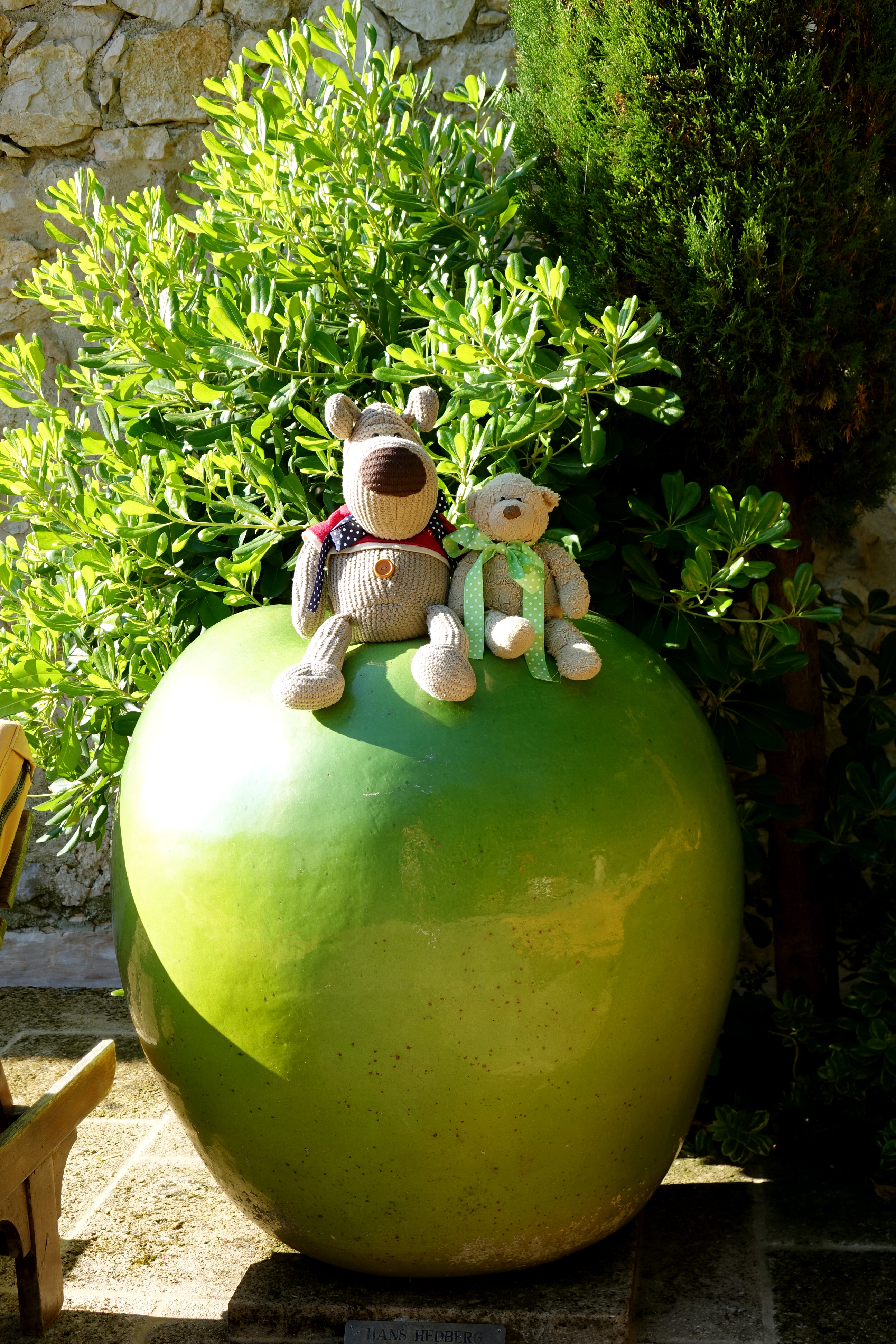
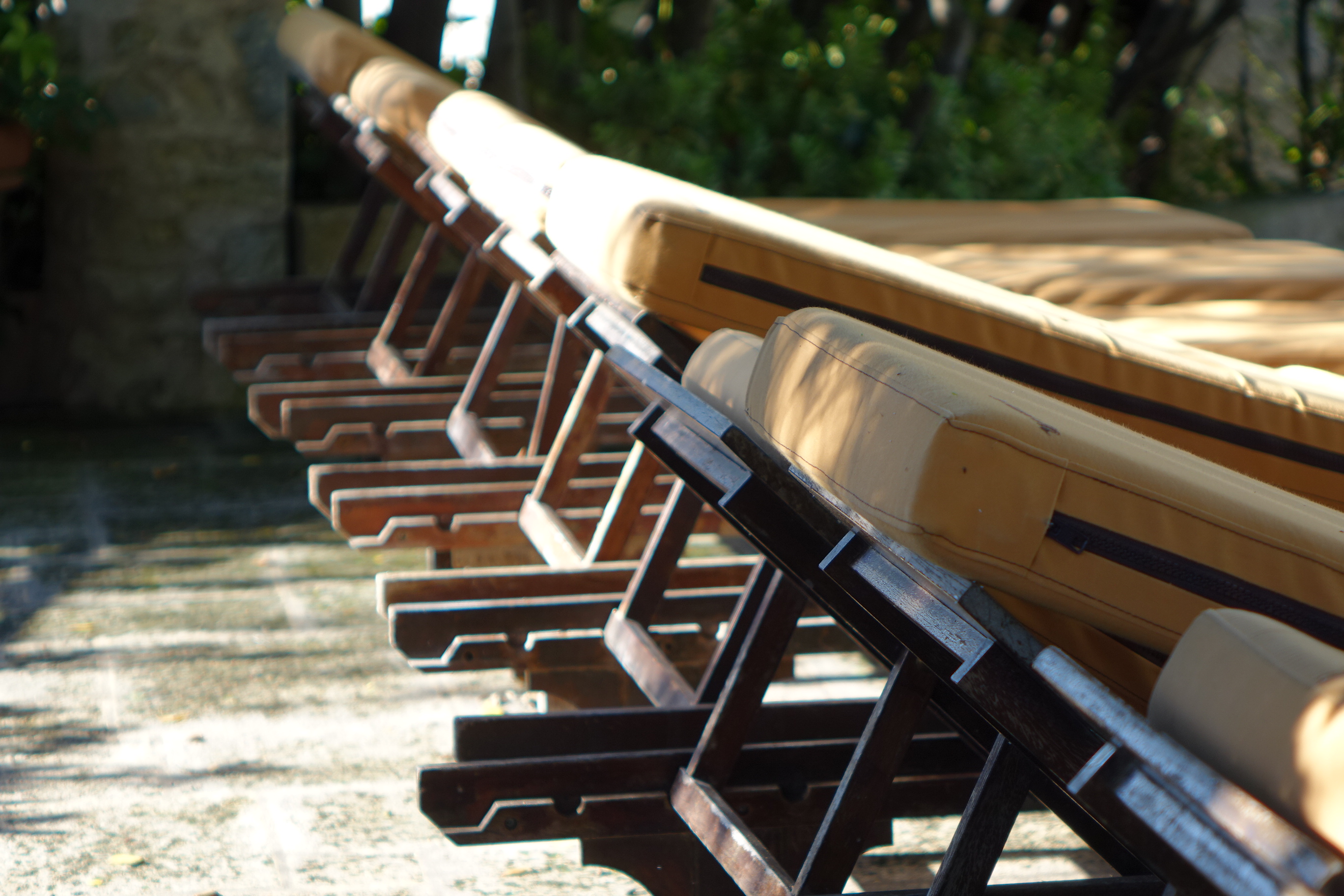
Surrounded on three sides by the old stone residences which make up the charming accommodation of La Colombe, and on the other with a spectacular view of the rolling hills around St-Paul de Vence, the swimming pool benefits from lush planting, cypress trees clipped into perfectly curvaceous almost anthropomorphic forms, ancient ceramic pots overflowing with palms and flowers, and quaint wooden loungers each fitted with a distinctive apricot cushion for the ultimate in comfort.

DSC07112 DSC06683DSC07107 DSC06649 DSC07021DSC06278

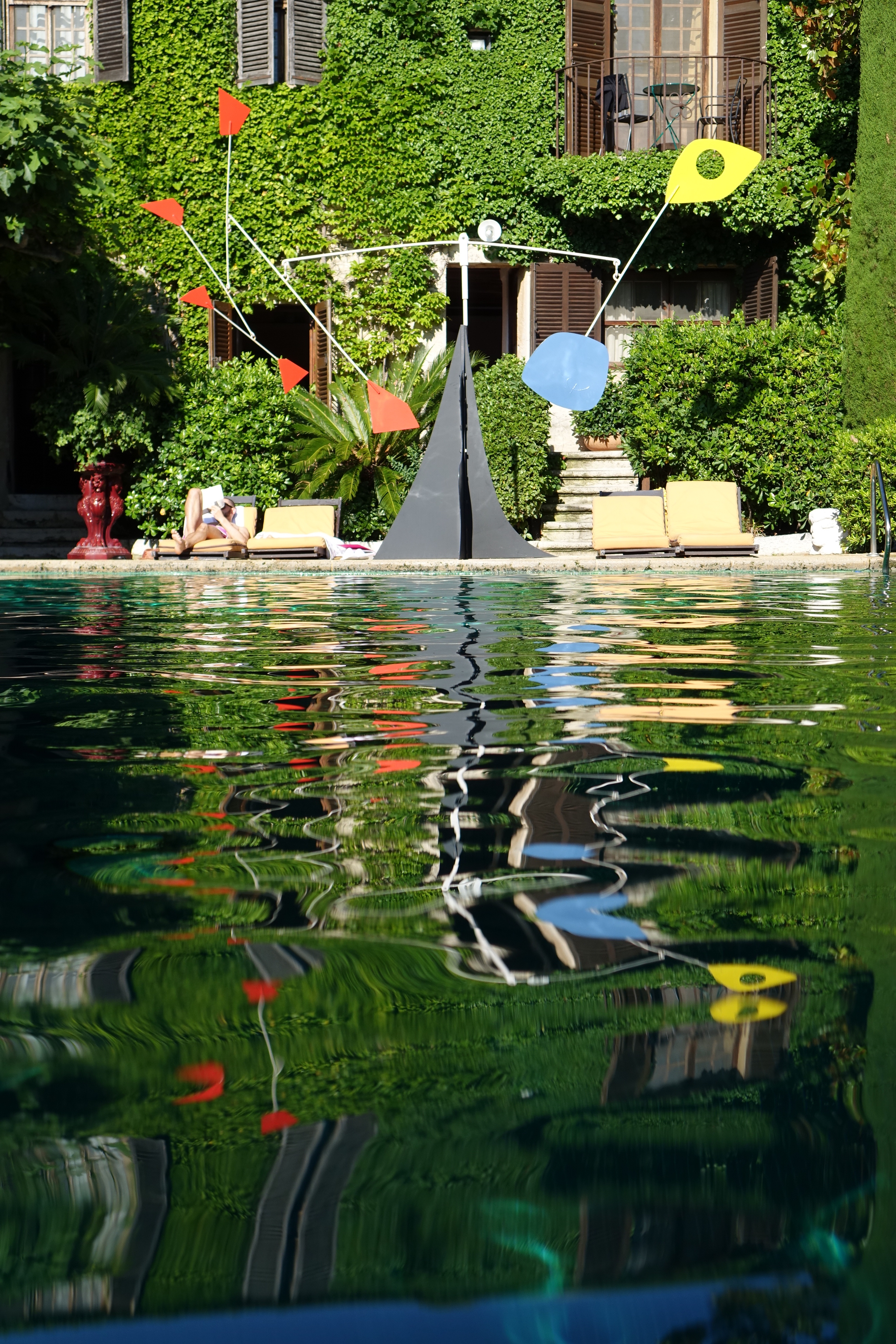
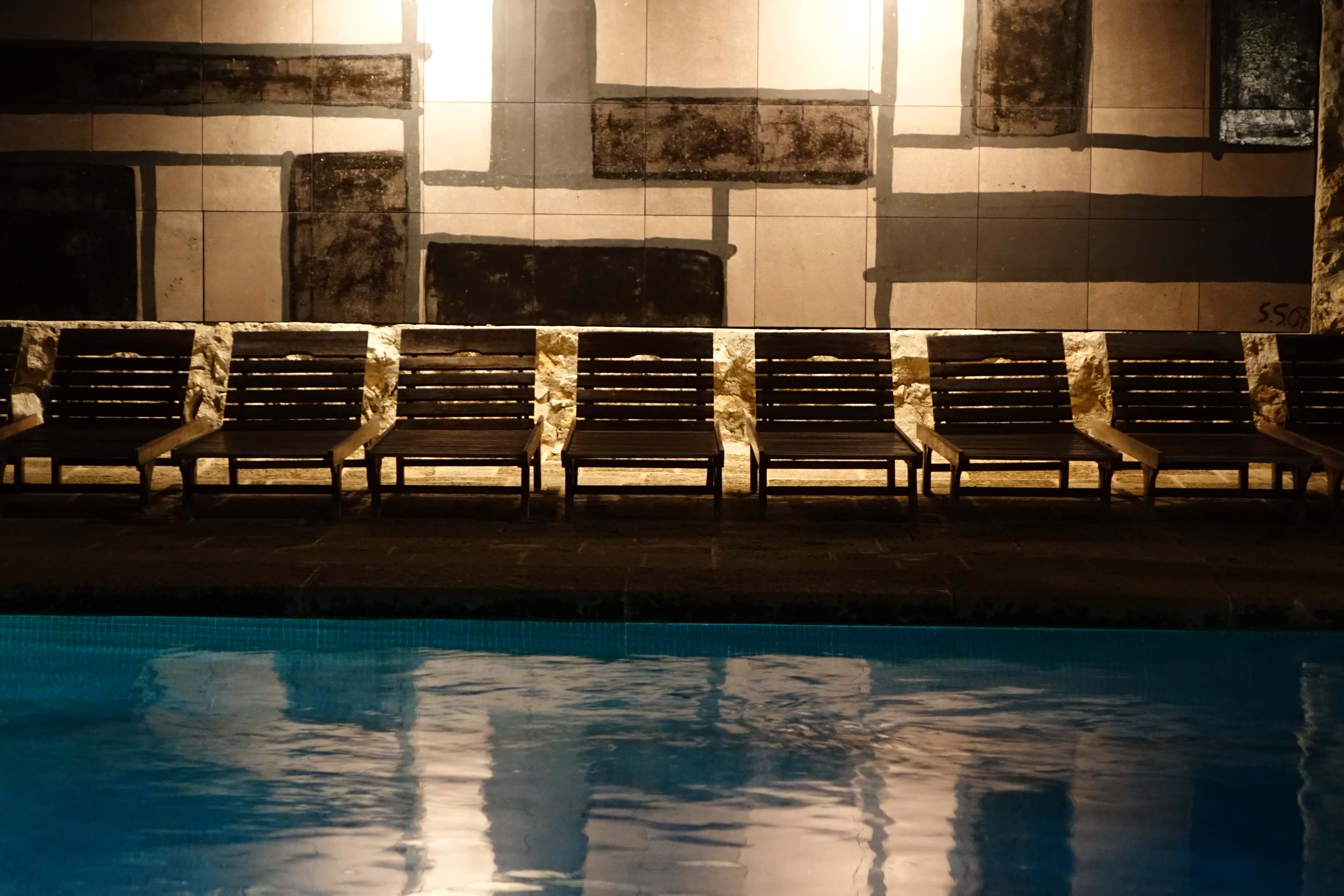
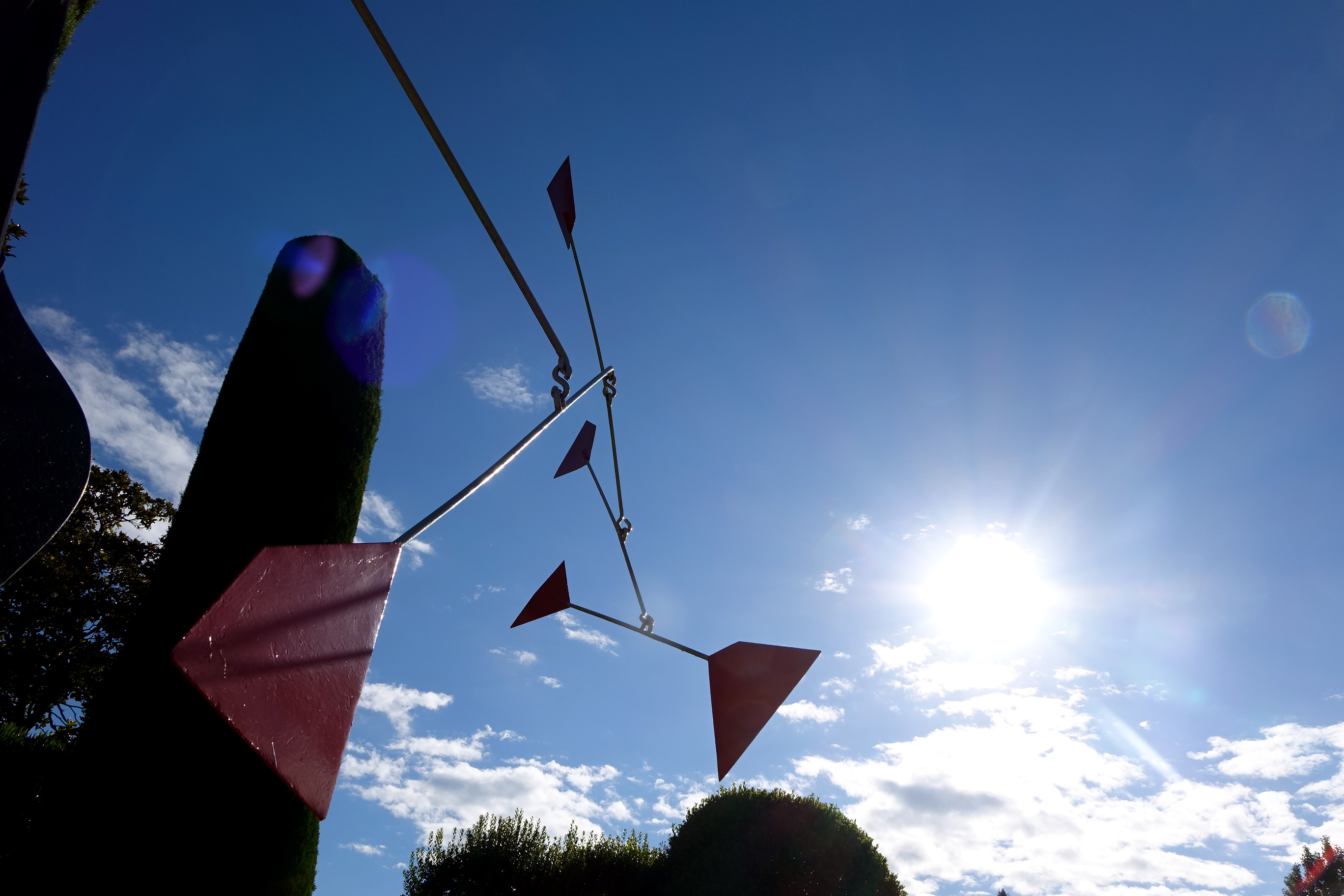
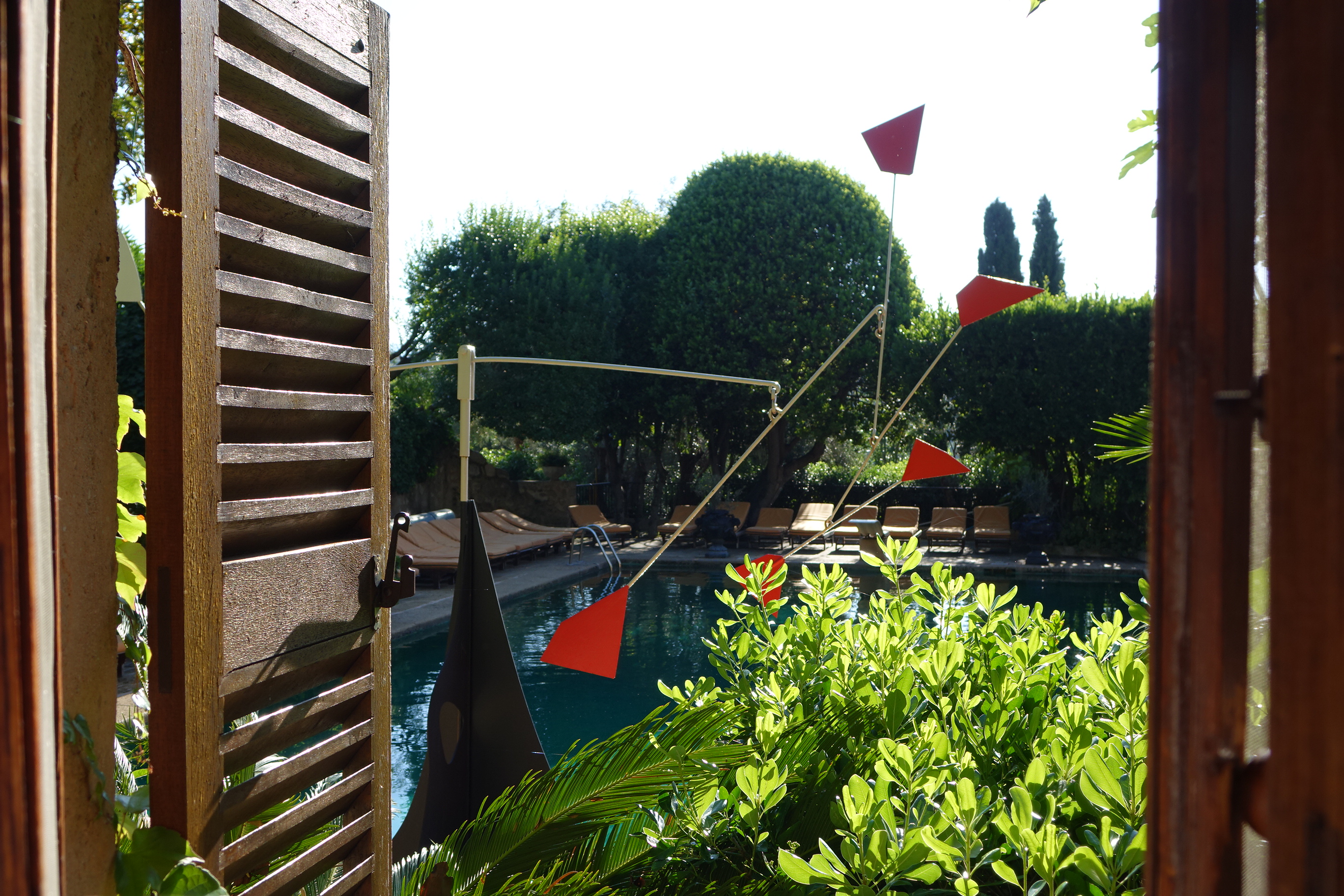
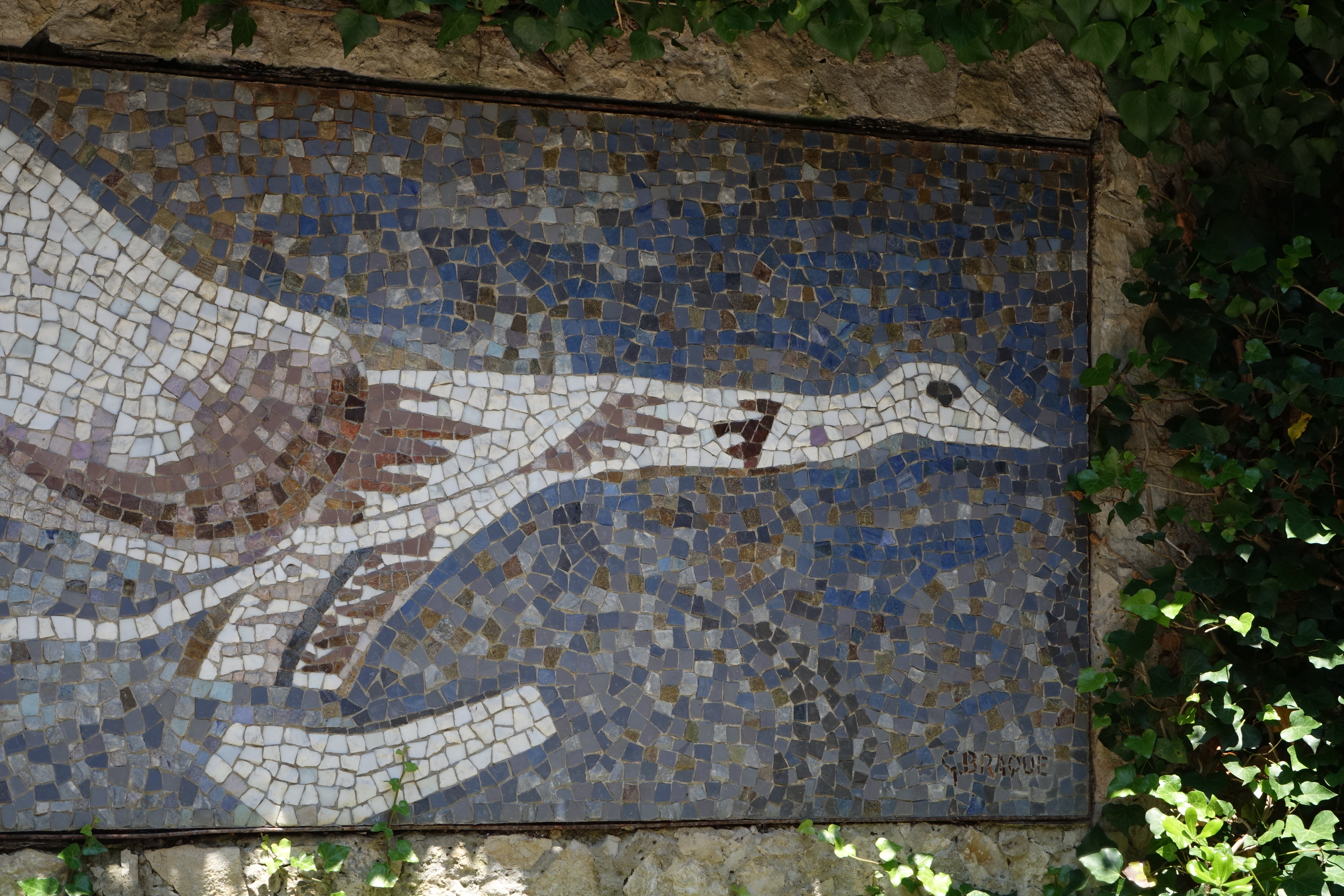
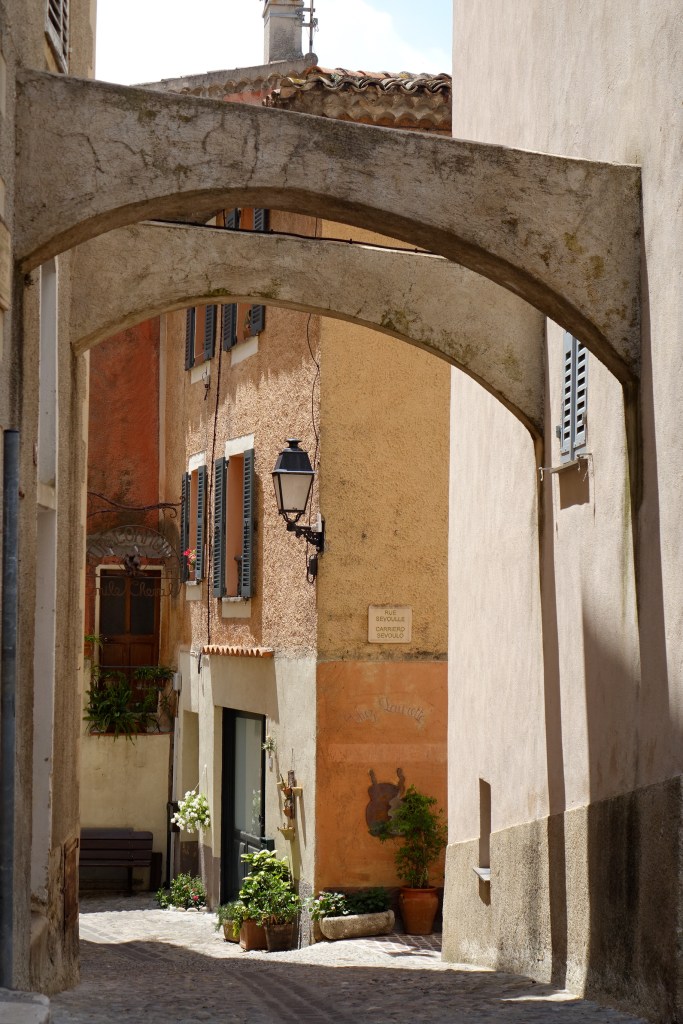
But above all of the charms of this magical pool is the original art which surrounds it. On the one side, a dark contemplative piece by contemporary geometric artist Sean Scully sounds all wrong on paper, but the dark colours perfectly complement the zing of orange of the sun loungers lined up against it. Opposite, the bird mosaic by Georges Braque fits perfectly harmoniously with the lush vegetation surrounding it, peeking out from behind the cypress trees as though wary of the tourists taking their places alongside the pool. And best of all – that stunning Alexander Calder mobile, whose fast metal arms swing slowly and silently in the still Riviera air, and whose base stands majestically on the water’s edge.
DSC06705 DSC06255 DSC07104 DSC07100 DSC06651

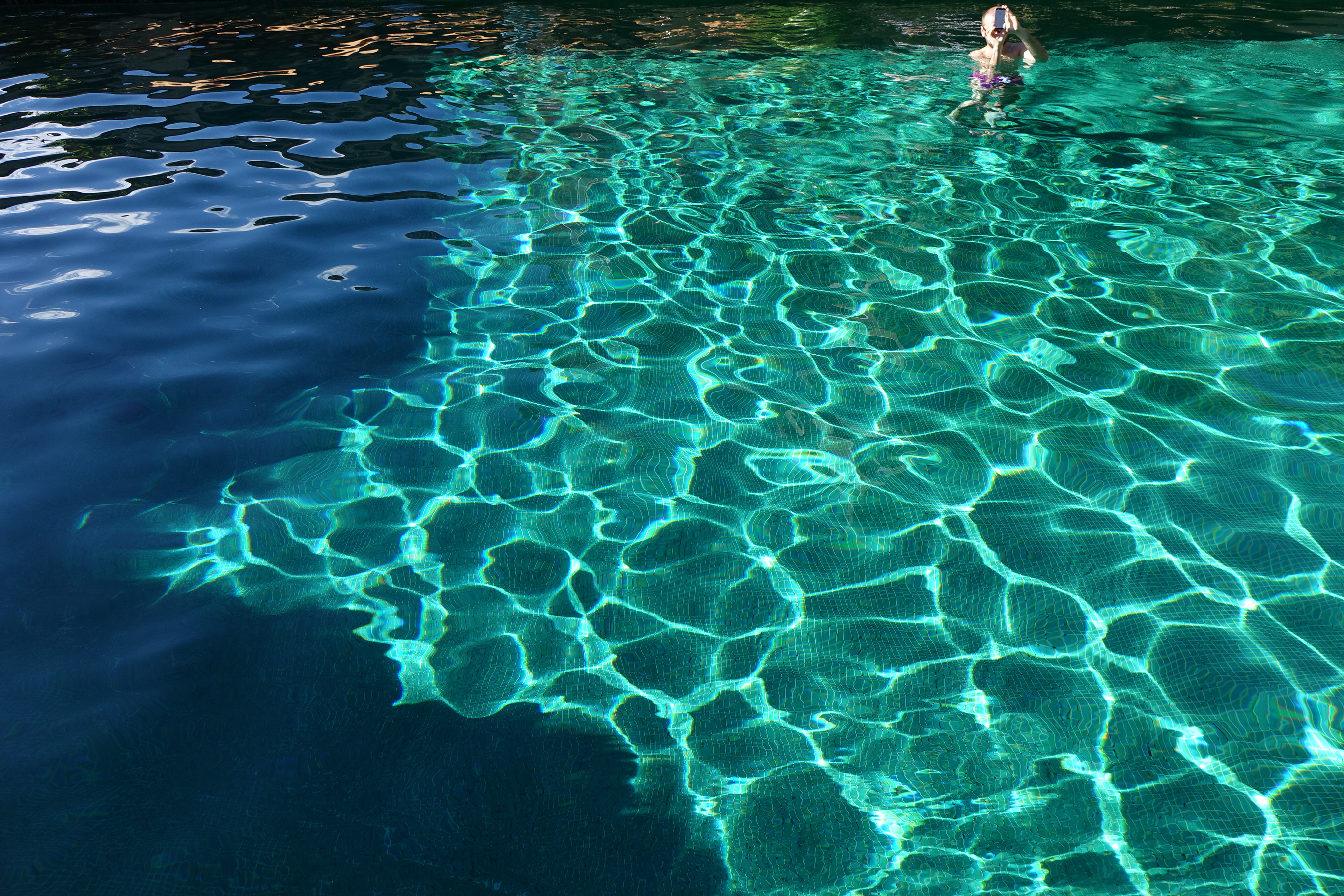
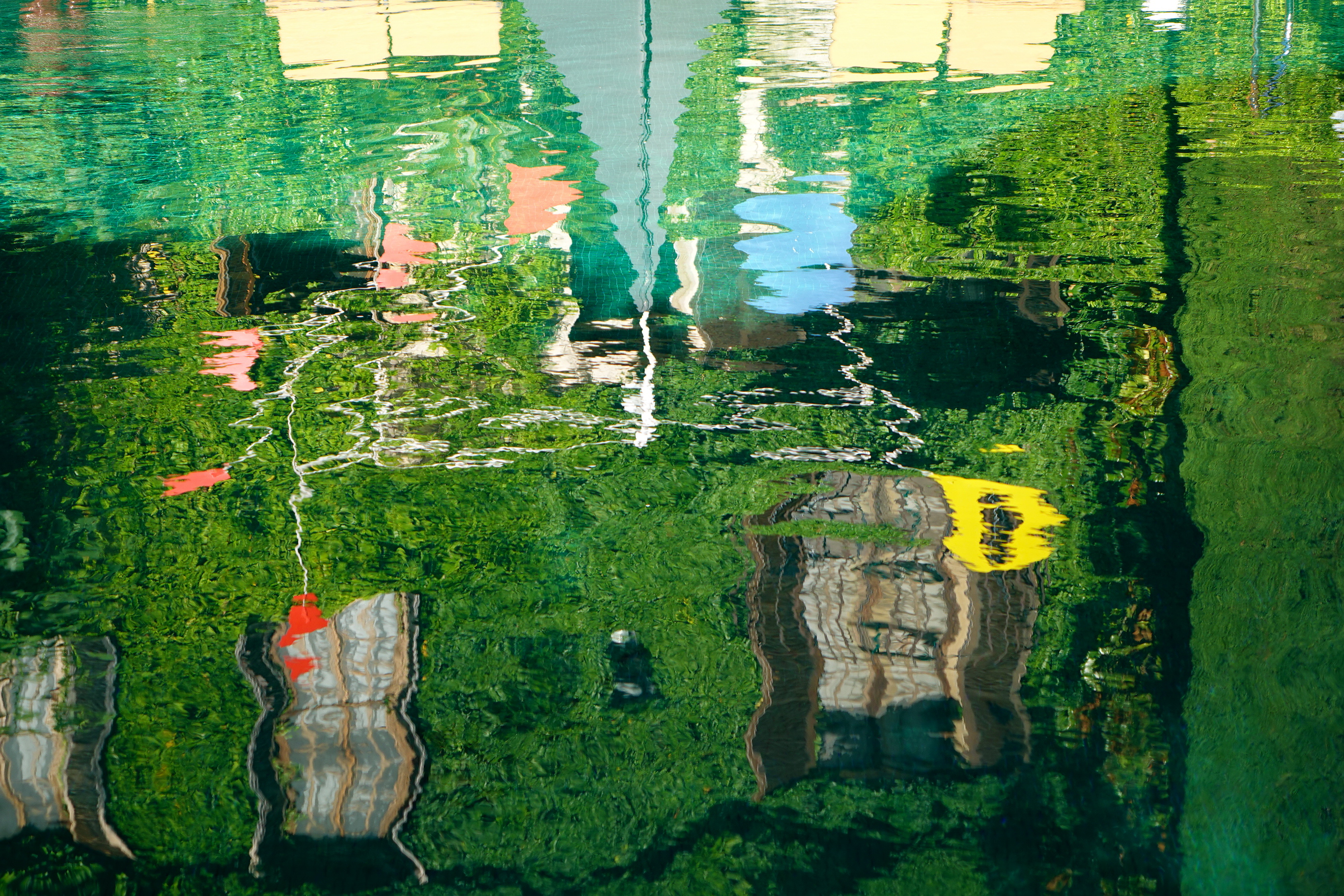
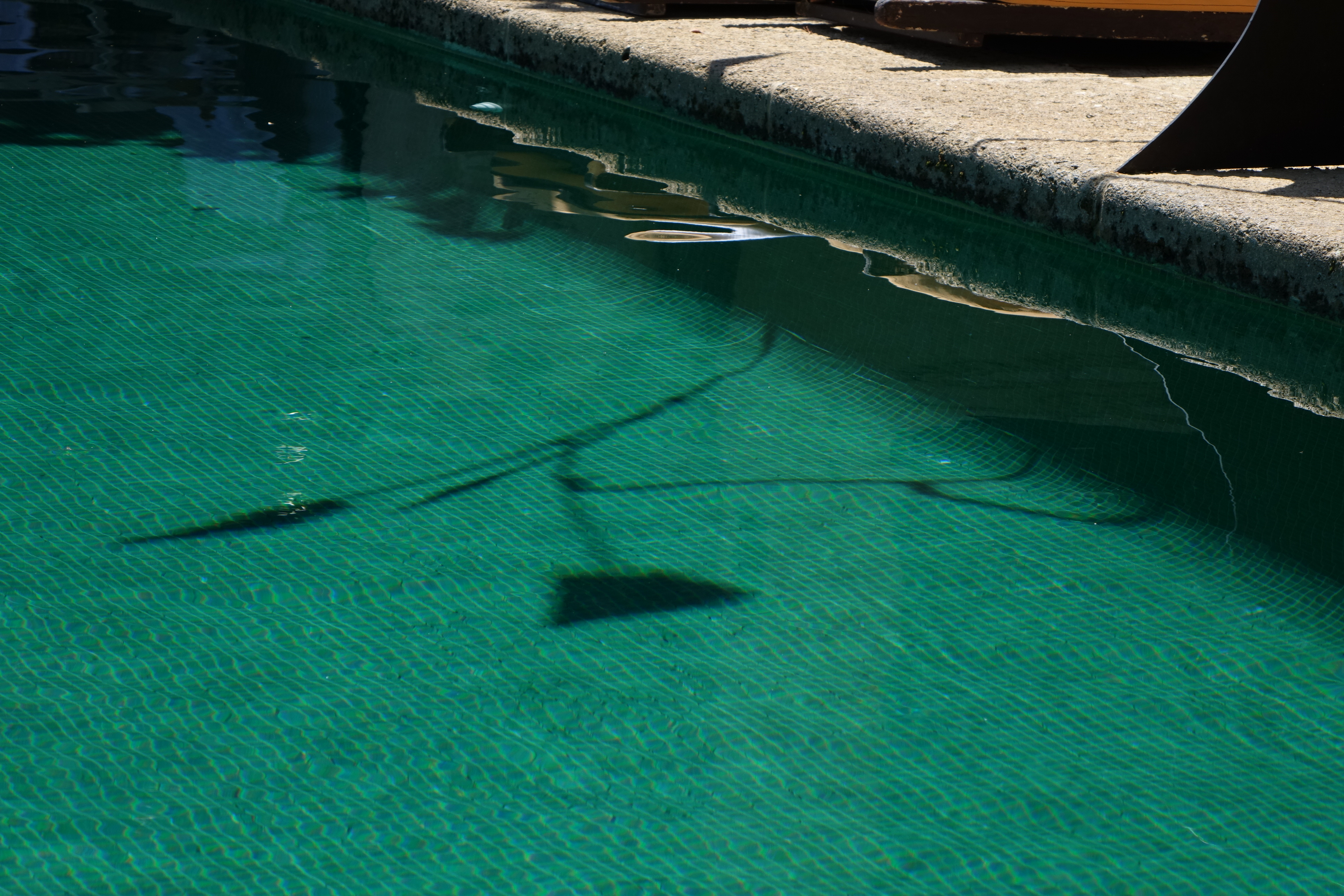
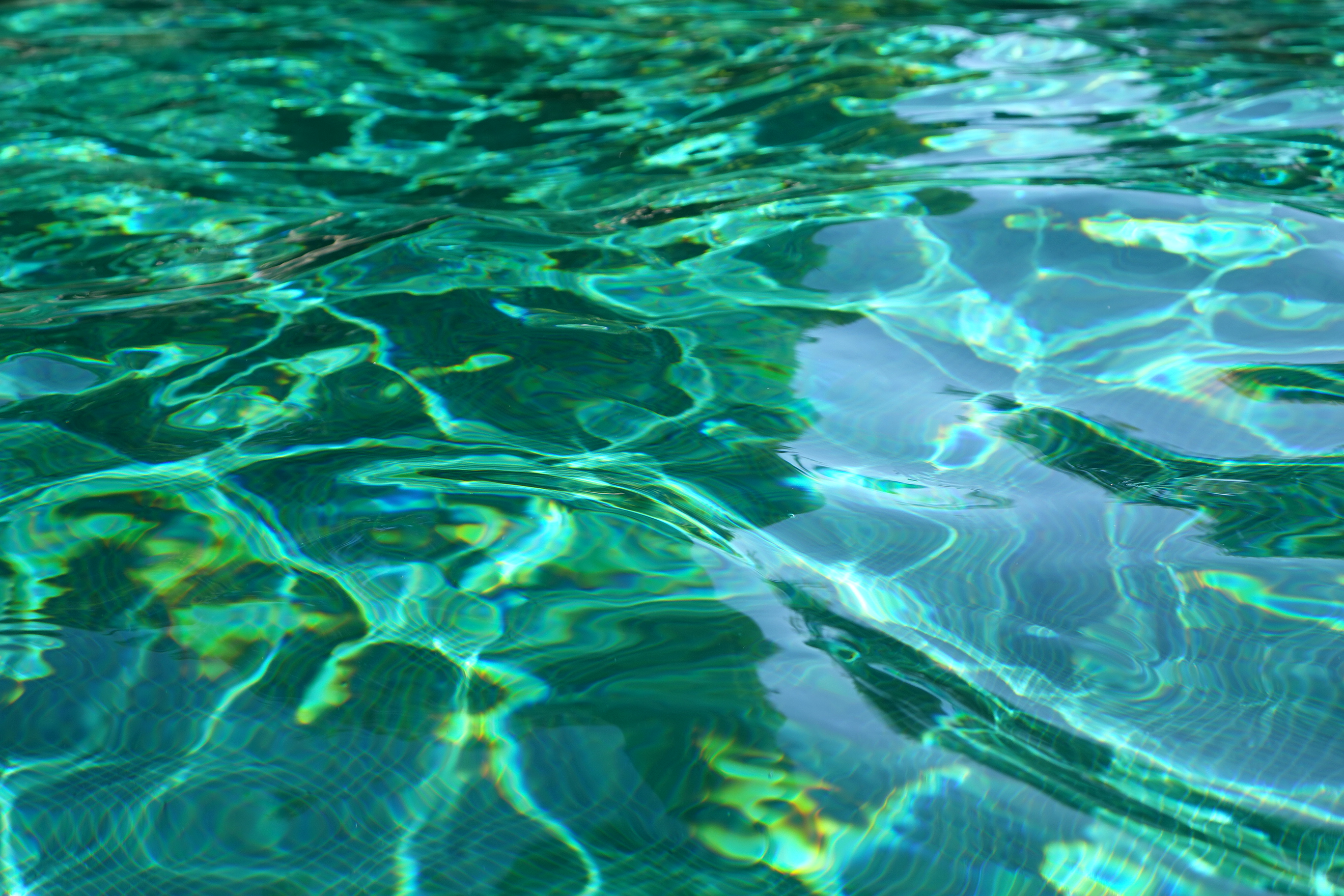
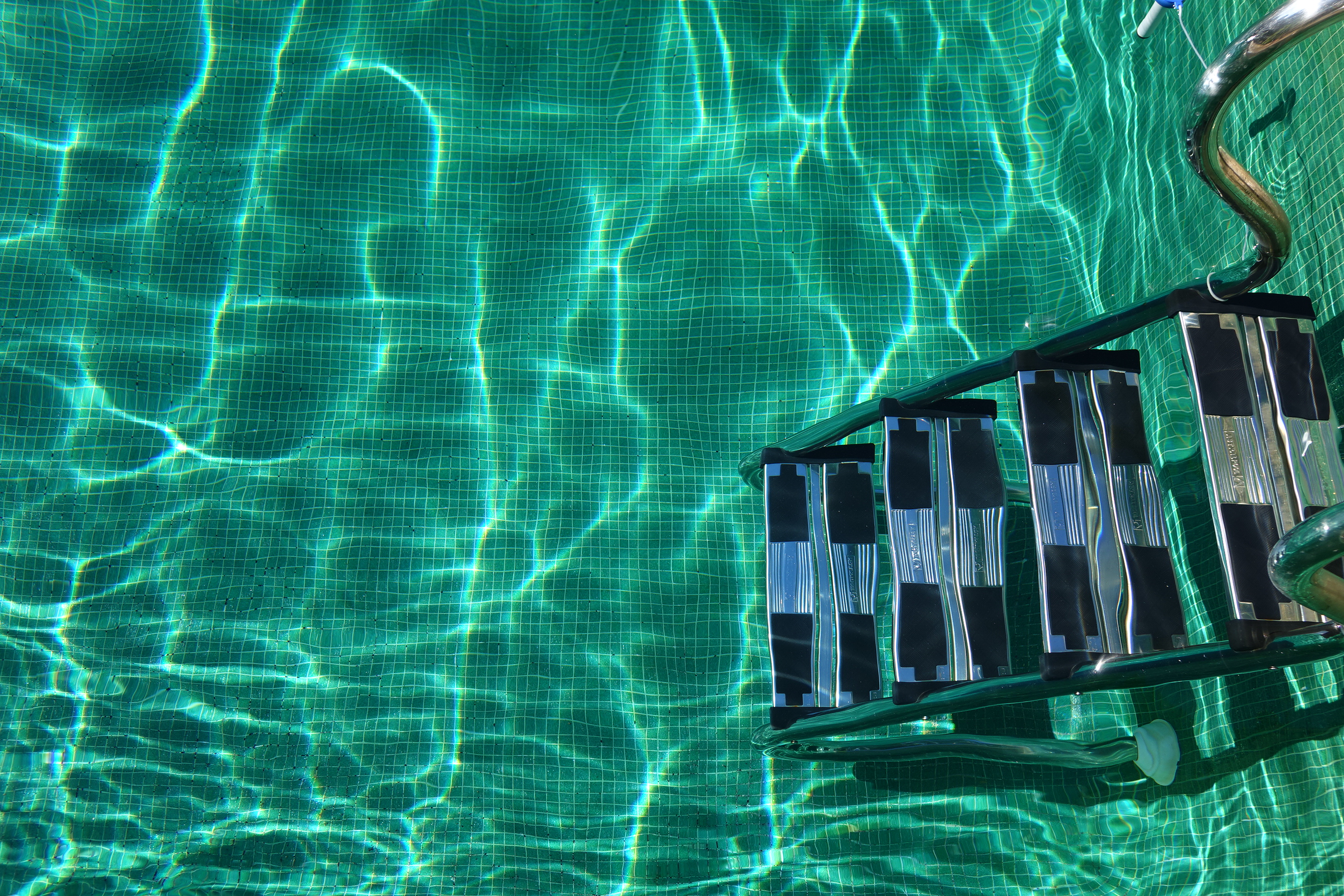
All combined like the colours mixed on an artist’s palette in ripples moving across the delicate green waters whose depths were punctuated with light manifested in every shade of cerulean blue and forest green. I became fascinated, dazzled by the interplay of colour on the water, and took so many photos that a post dedicated to this phenomenon of La Colombe d’Or was a must.

DSC06312 DSC06442 DSC07056 DSC07079 DSC06673DSC07298

All photos and written content are strictly the copyright of Nicholas de Lacy-Brown © 2015 and The Daily Norm. All rights are reserved. Unauthorized use and/or duplication of the material, whether written work, photography or artwork, included within The Daily Norm without express and written permission from The Daily Norm’s author and/or owner is strictly prohibited.
The Honeymoon Chronicles, Part I: La Colombe d’Or

To say that my wedding and the honeymoon which followed was a whirlwind of emotions would be no exaggeration. Within minutes of cutting our sensational ombre wedding cake in Chelsea, we were whisked off in the old fashioned style, straight to our honeymoon, leaving our guests behind, and sadly no tied up cans trailing our vehicle. Our destination was the French Riviera, and with only further wedding cake to keep post-wedding hangovers at bay, we tried to prepare ourselves mentally for this further change in circumstances as we were whisked through the night to the South of France.

DSC07374

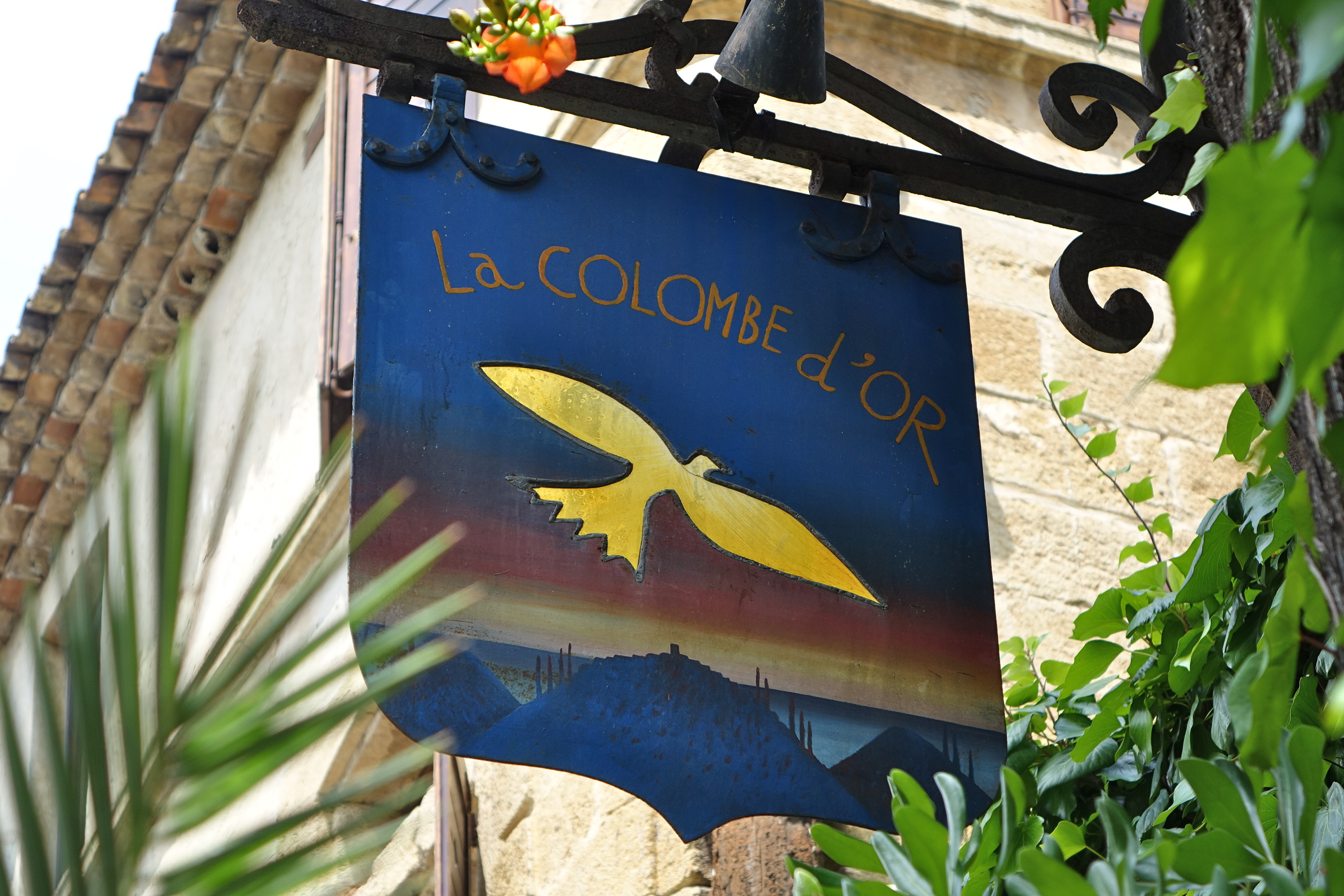
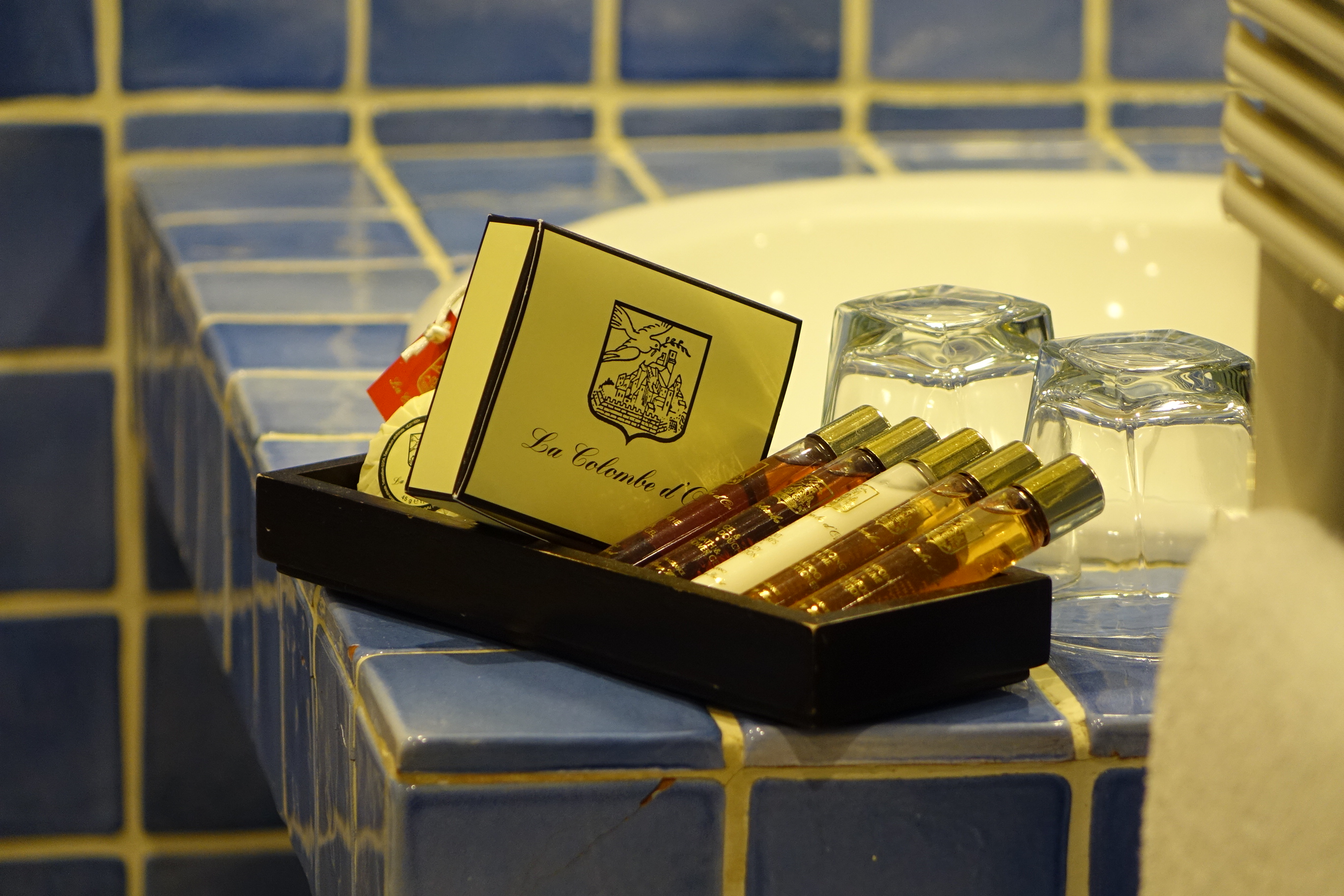
Our arrival in the tiny village of Saint-Paul de Vence near Nice could not have been more different from the city we had departed. Utterly at peace, with a distinctive fragrance of pines and cypresses freshening the air. As darkness had already descended, the village was permeated by little yellow street lamps, subtly illuminating the central plaza where pétanque balls lay in wait for the following day’s play. And amidst the darkness, one sign glowed more than any other: Lighting a golden dove on a blue and yellow sky, it was the sign of La Colombe d’Or – we had arrived.

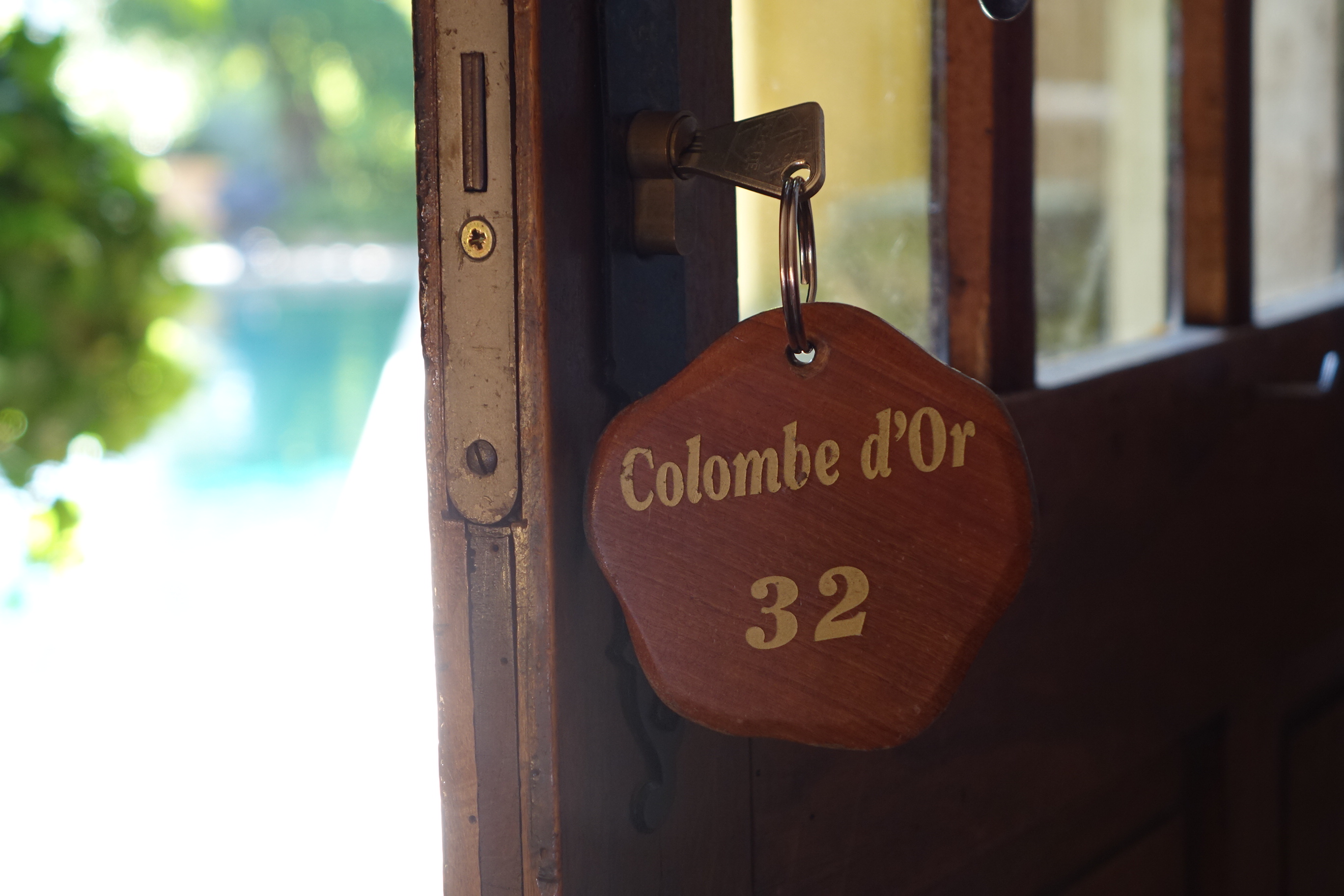
Our bedroom at La Colombe d’Or

DSC06256 DSC07040 DSC06332 DSC06238 DSC06226 DSC06247 DSC06237 DSC06234

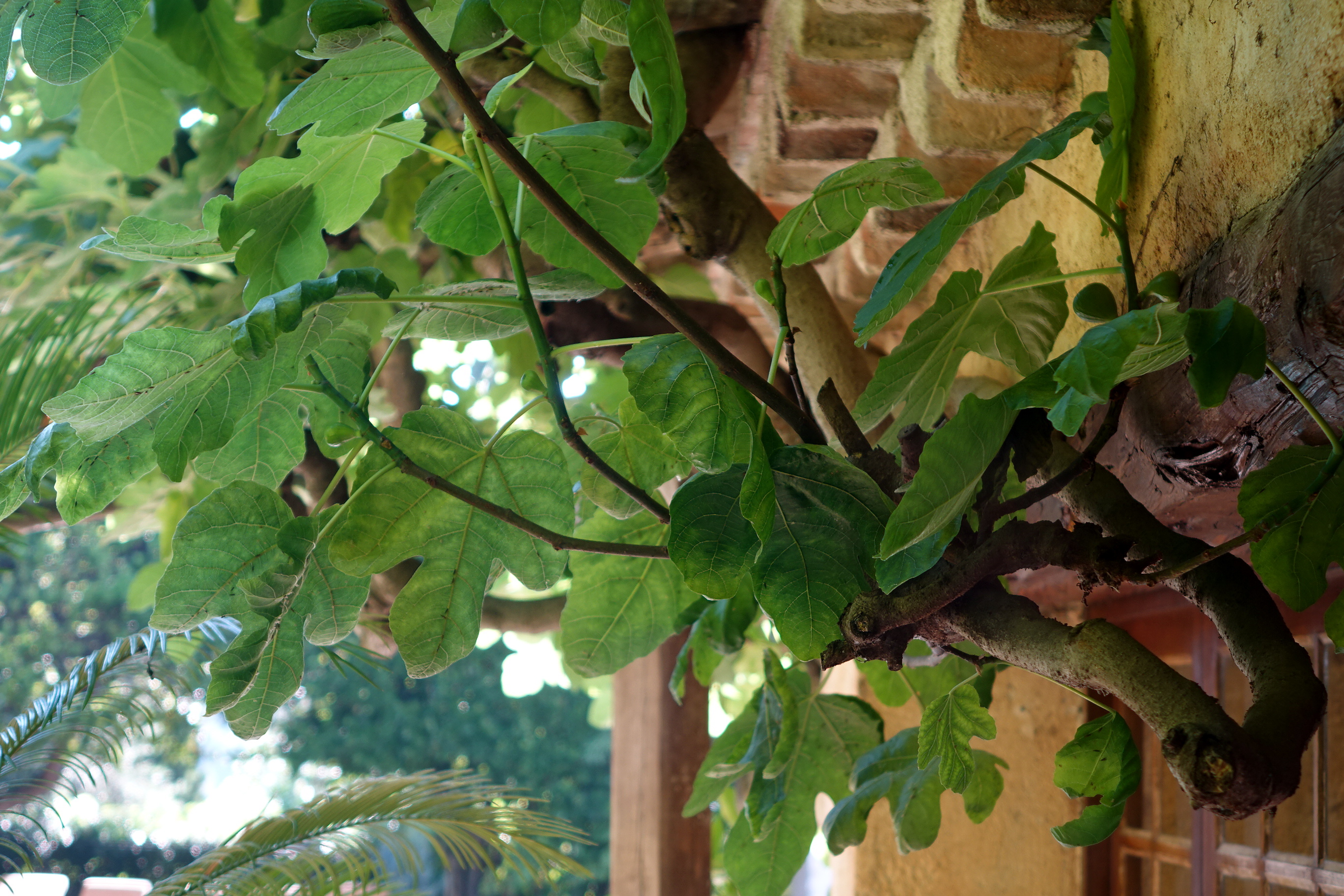
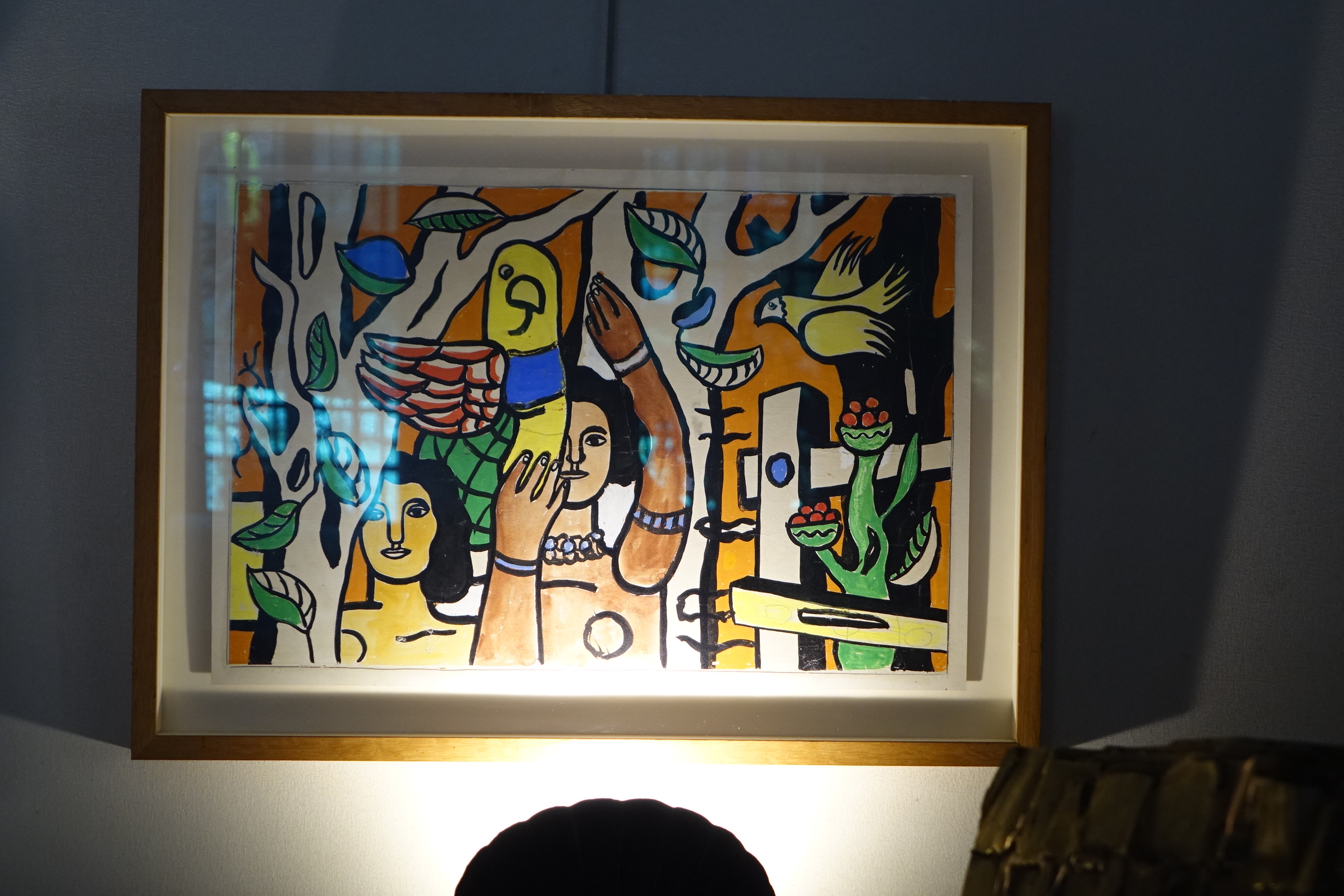
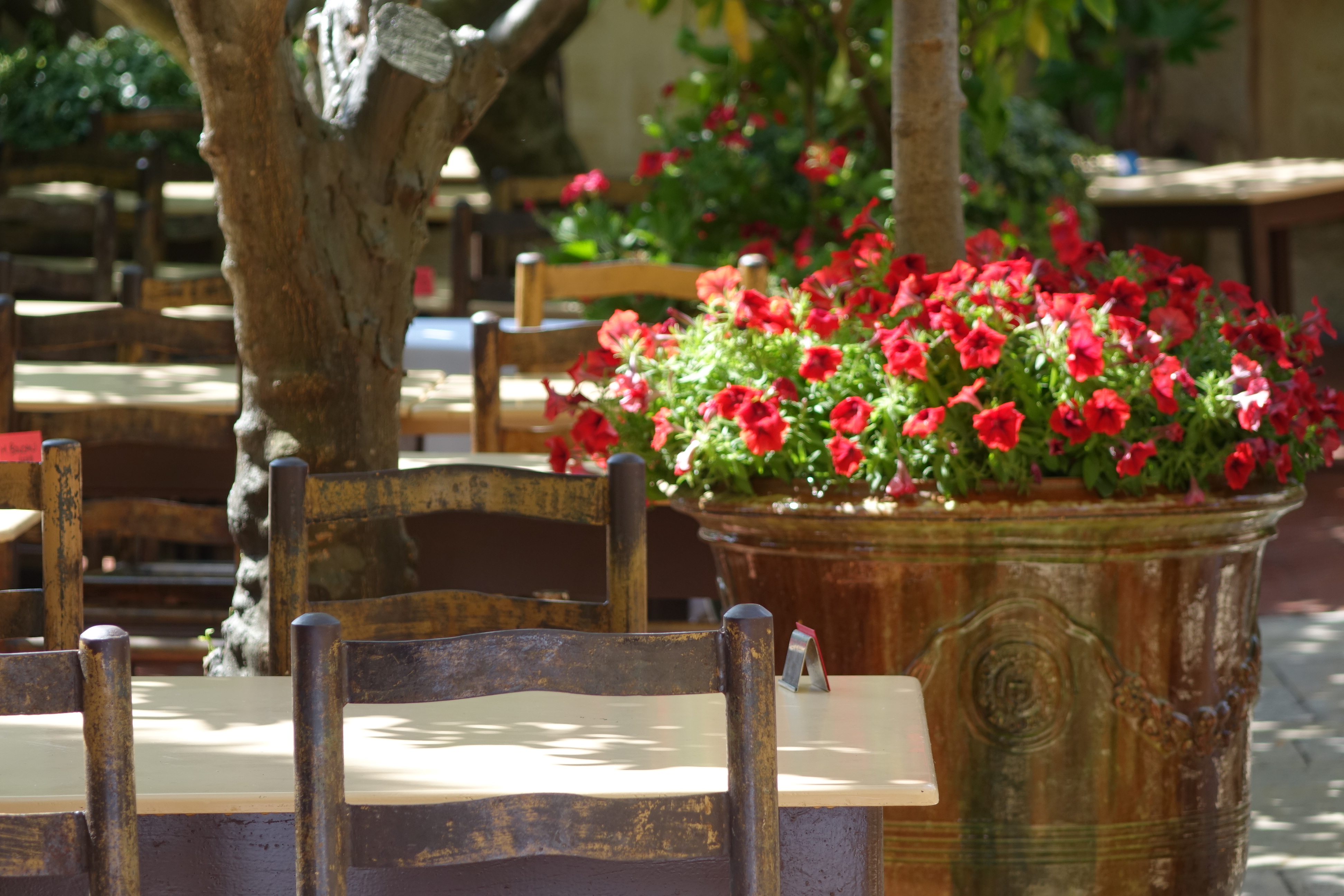
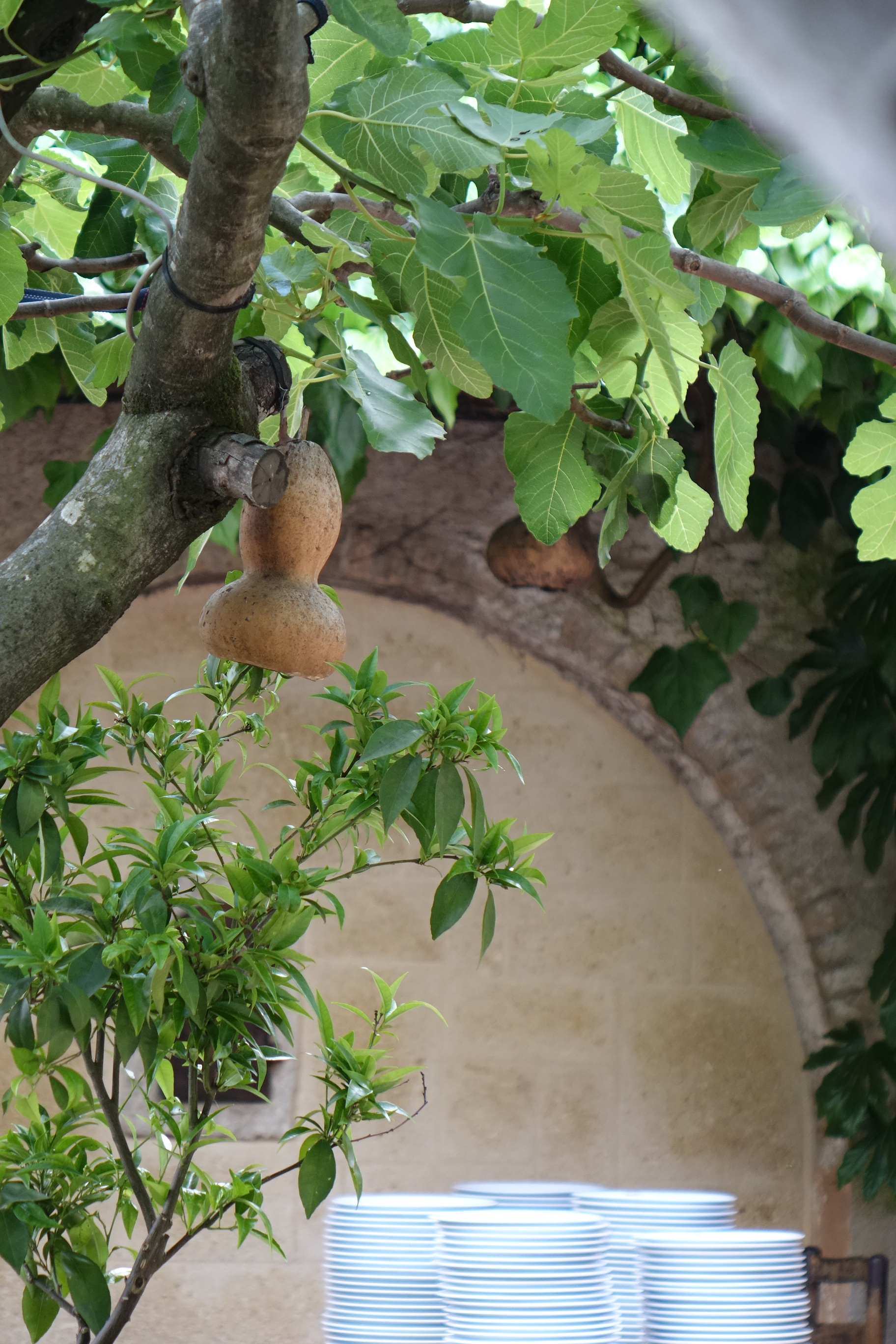
La Colombe d’Or (the golden dove) is a legendary destination in the South of France. First opened in the 1920s by Paul and Baptistine Roux, it began life as a quaint little inn nestled against the magnificent ancient ramparts of the village of Saint-Paul de Vence. Its stunning garden terrace abundant in shady fig trees together with its cosy restaurant interior soon began to attract a faithful clientele, and as the French Riviera became progressively more a centre for thinkers and artists, so too did La Colombe become a gathering place for the crème of the artistic set.

Around the pool and in the gardens

DSC06269 DSC07105 DSC06401 DSC06402 DSC07111 DSC06407 DSC06272 DSC07050 DSC06276 DSC06371 DSC06390 DSC06697 DSC06369 DSC06376

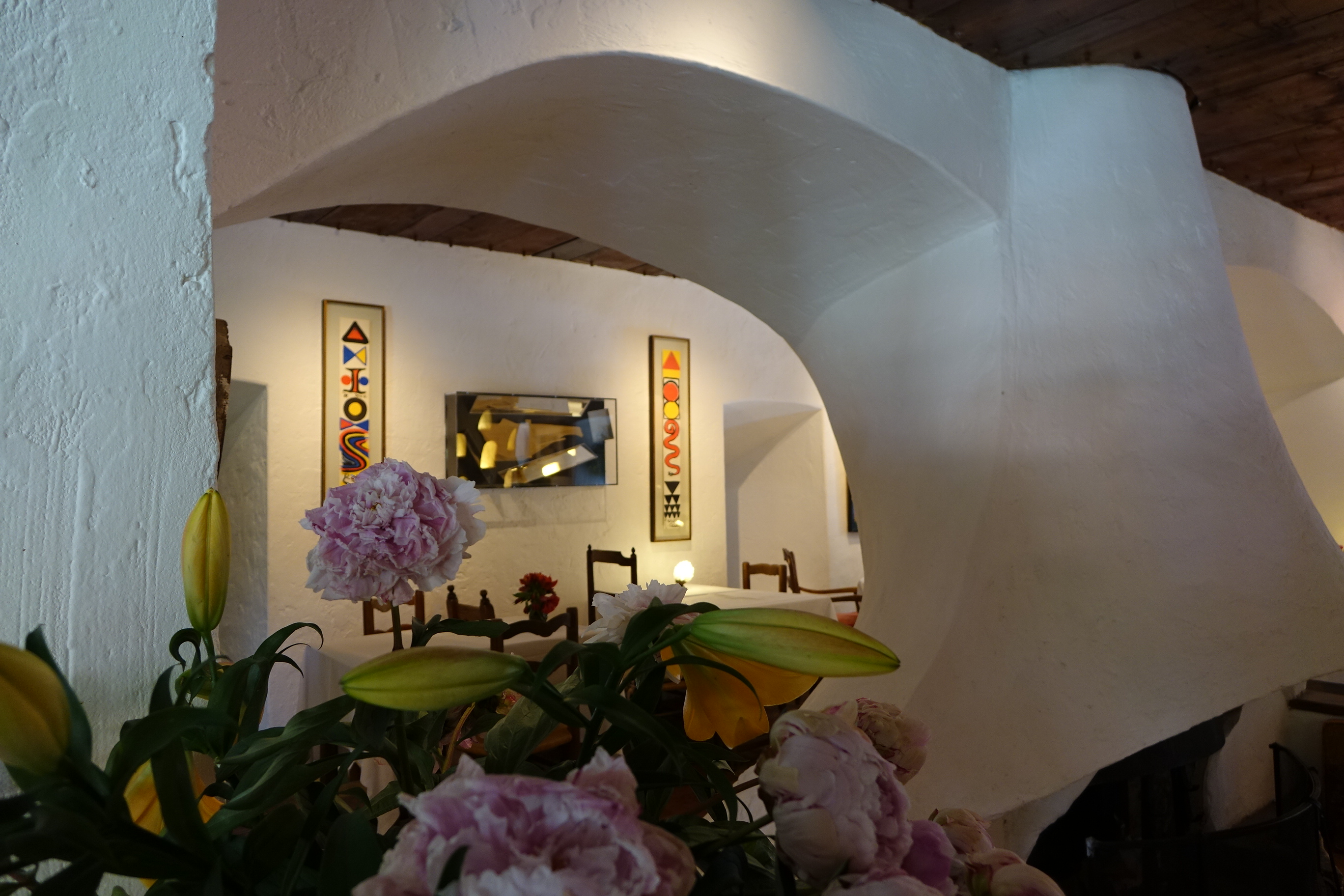
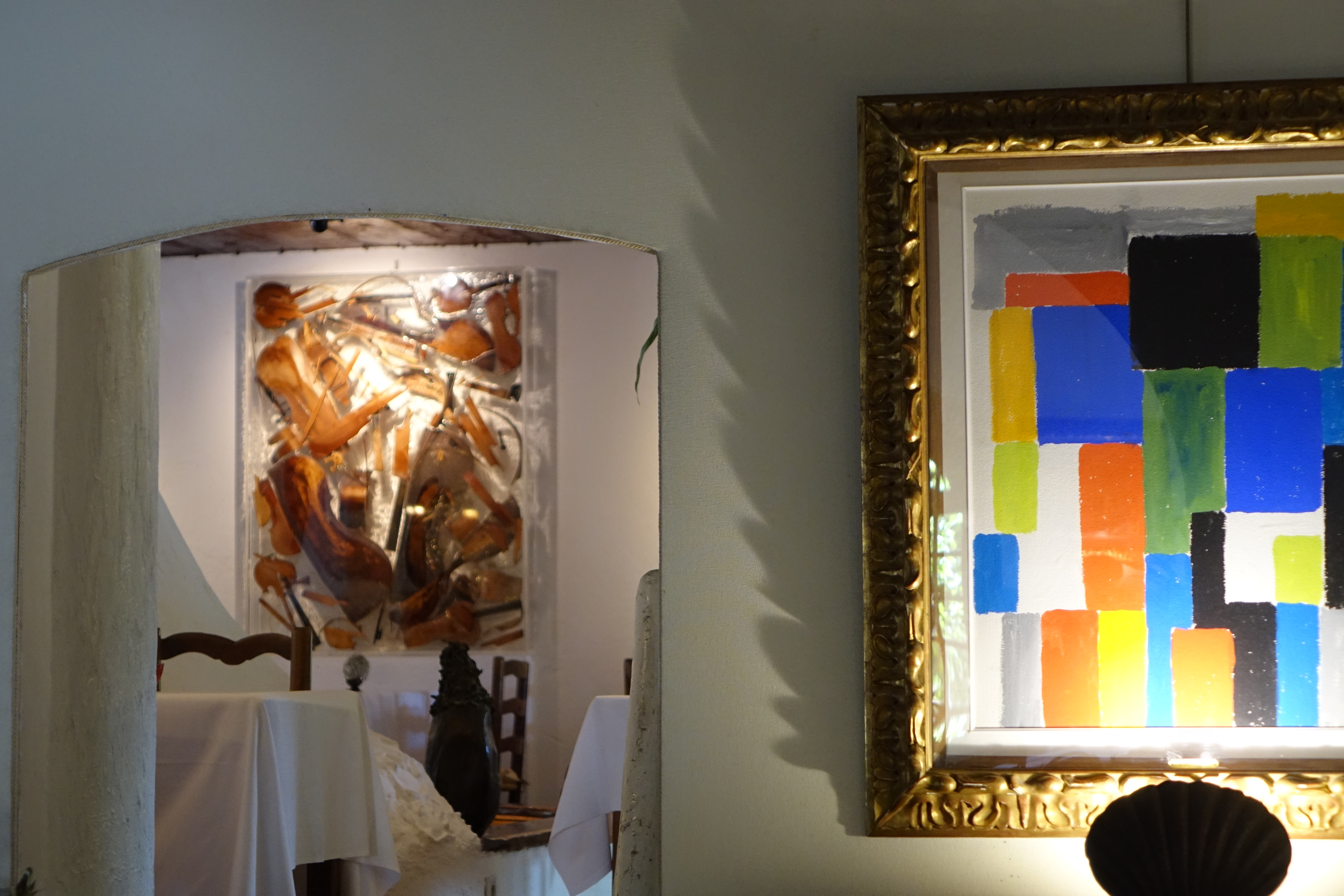
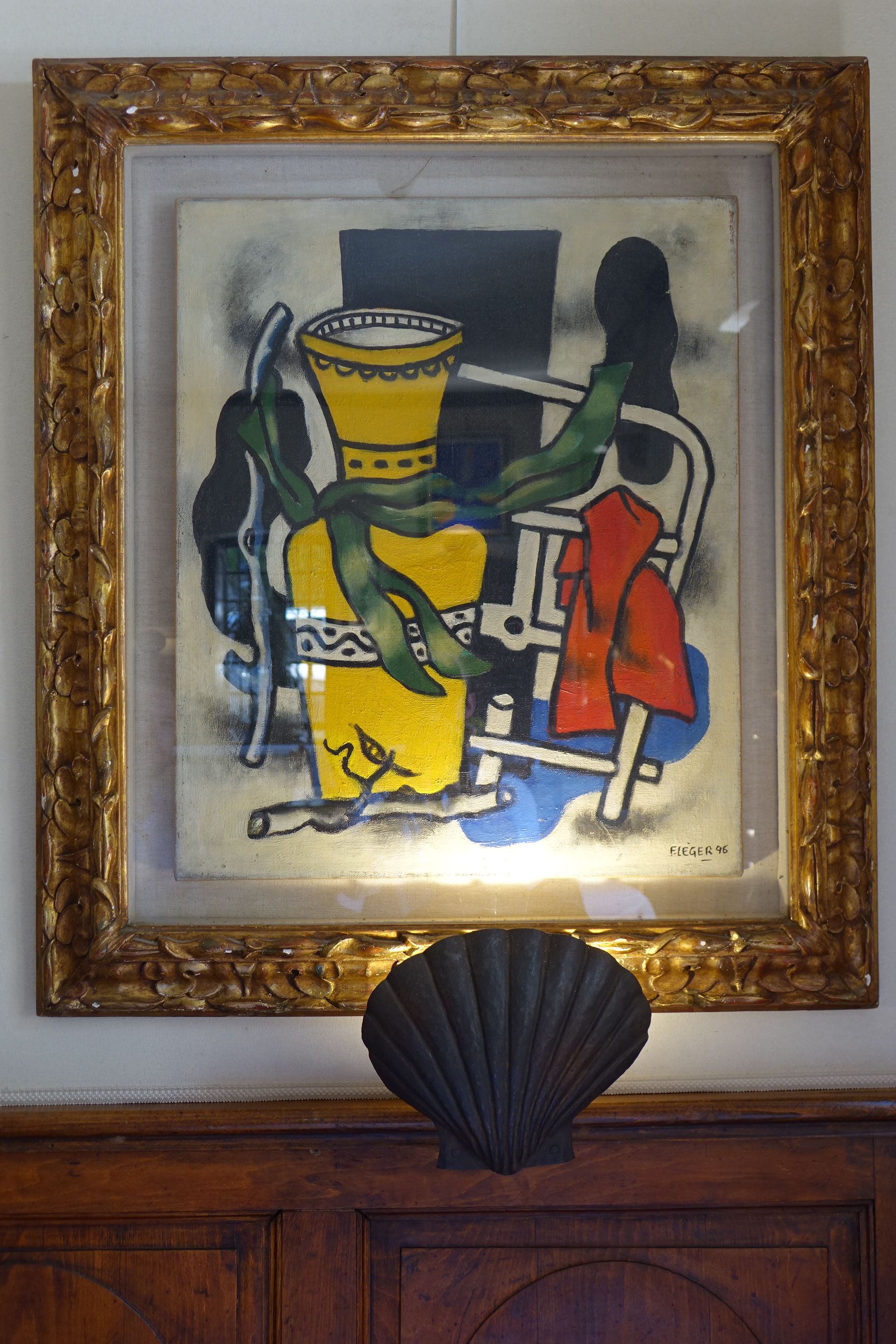
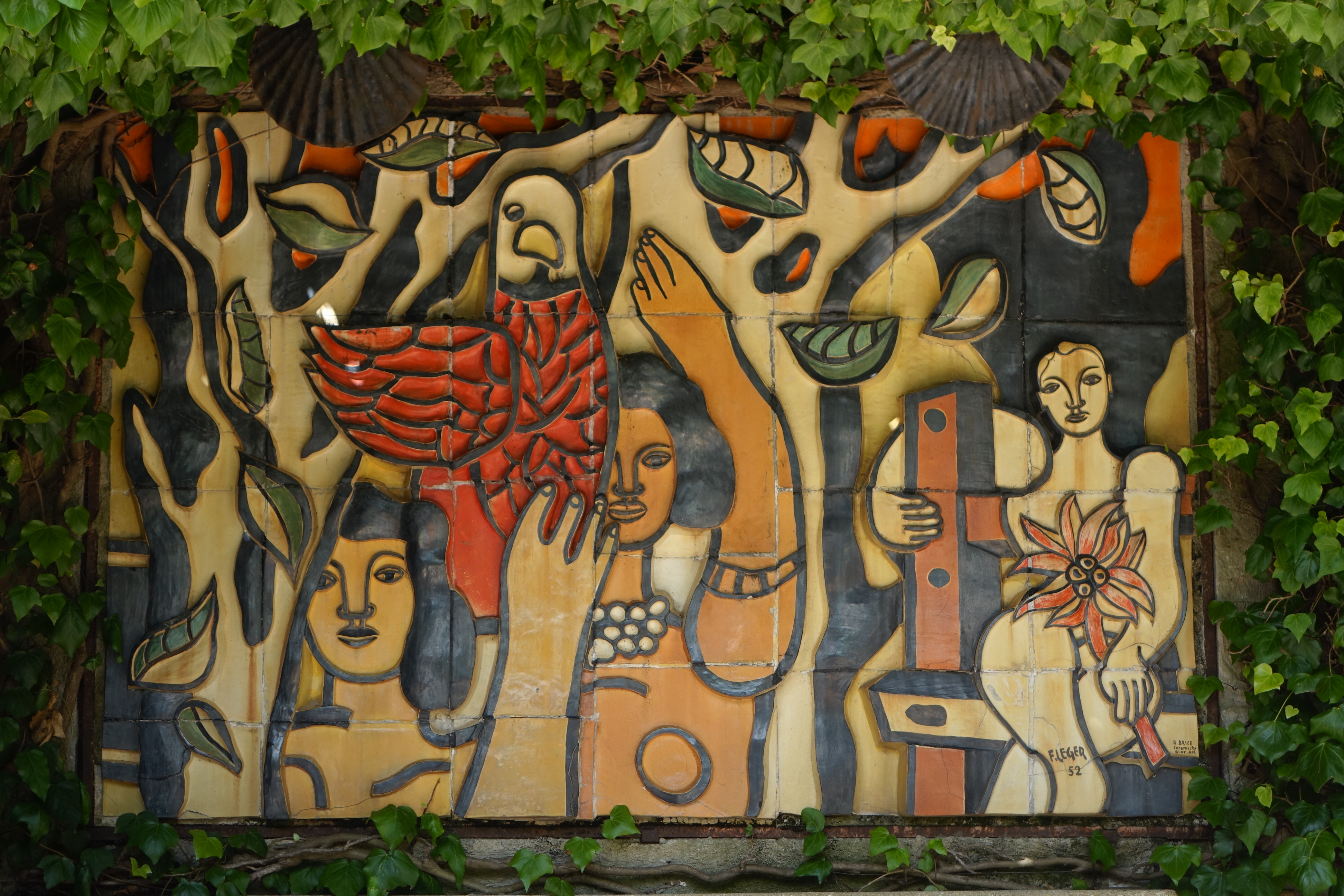
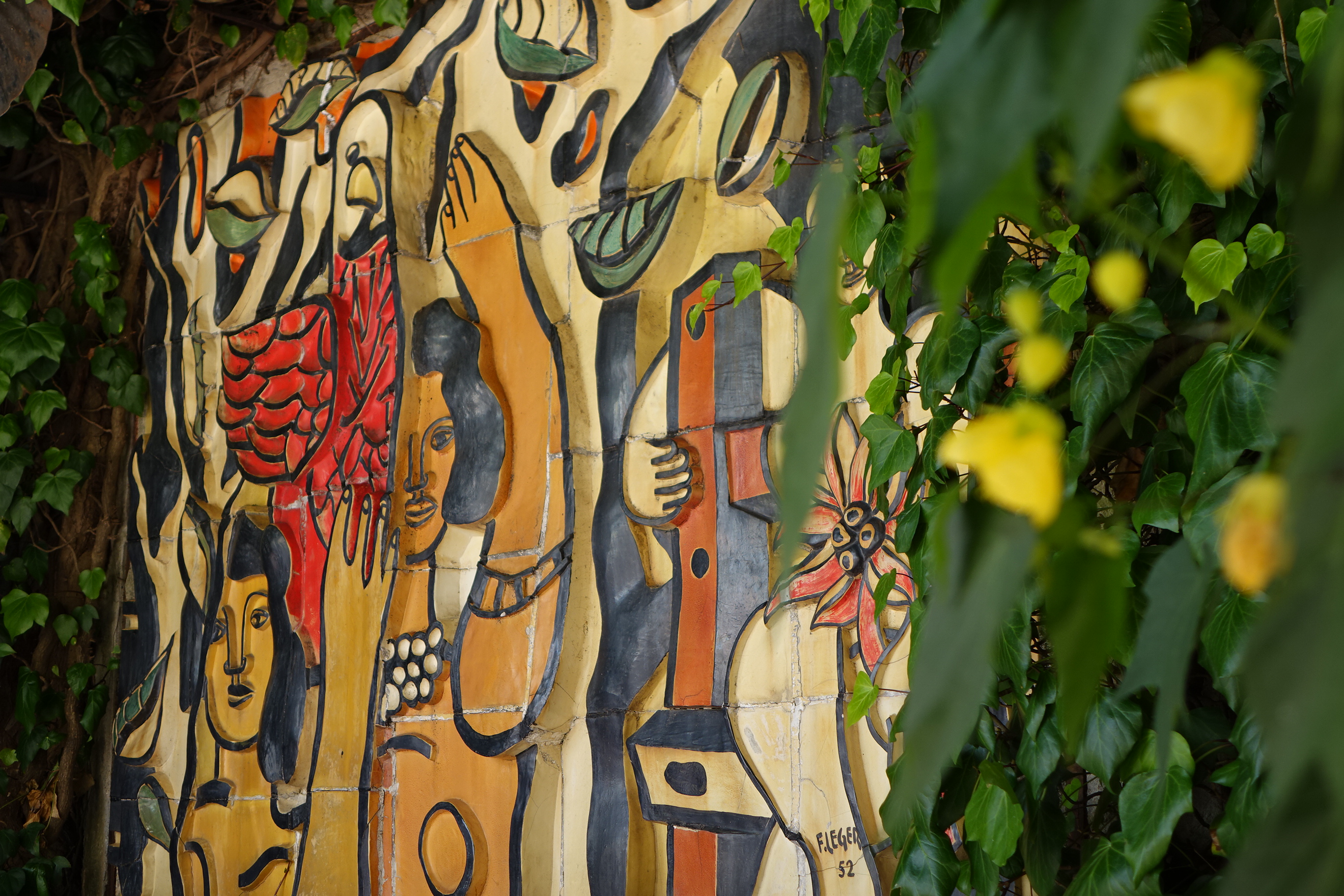
As the years went on, and the Roux family continued to welcome and befriend some of the world’s most famous artists and intellectuals, so too did La Colombe’s remarkable collection of modern art grow, much of which was swapped in exchange for accommodation and their famously delicious Provençal cuisine. So La Colombe d’Or grew, both physically (gradually subsuming neighbouring buildings) and reputationally, and its art collection today stands as one of the most staggering private collections of modern art you could ever hope to see. On its walls, original works by Picasso, Braque, Sonia Delaunay, Calder, Miro, Chagall, Cesar and so many others hang; its leafy terrace is dominated by a stunning ceramic mural by Fernand Leger; and its most stunning swimming pool languishes alongside a remarkable Calder Mobile, a mosaic by Braque, and a recently installed ceramic mural by Sean Scully.

Interiors, and La Colombe’s incredible collection of modern art

DSC06427 DSC07346 DSC07373 DSC07355 DSC06434 DSC07352 DSC06435 DSC07344 DSC07347

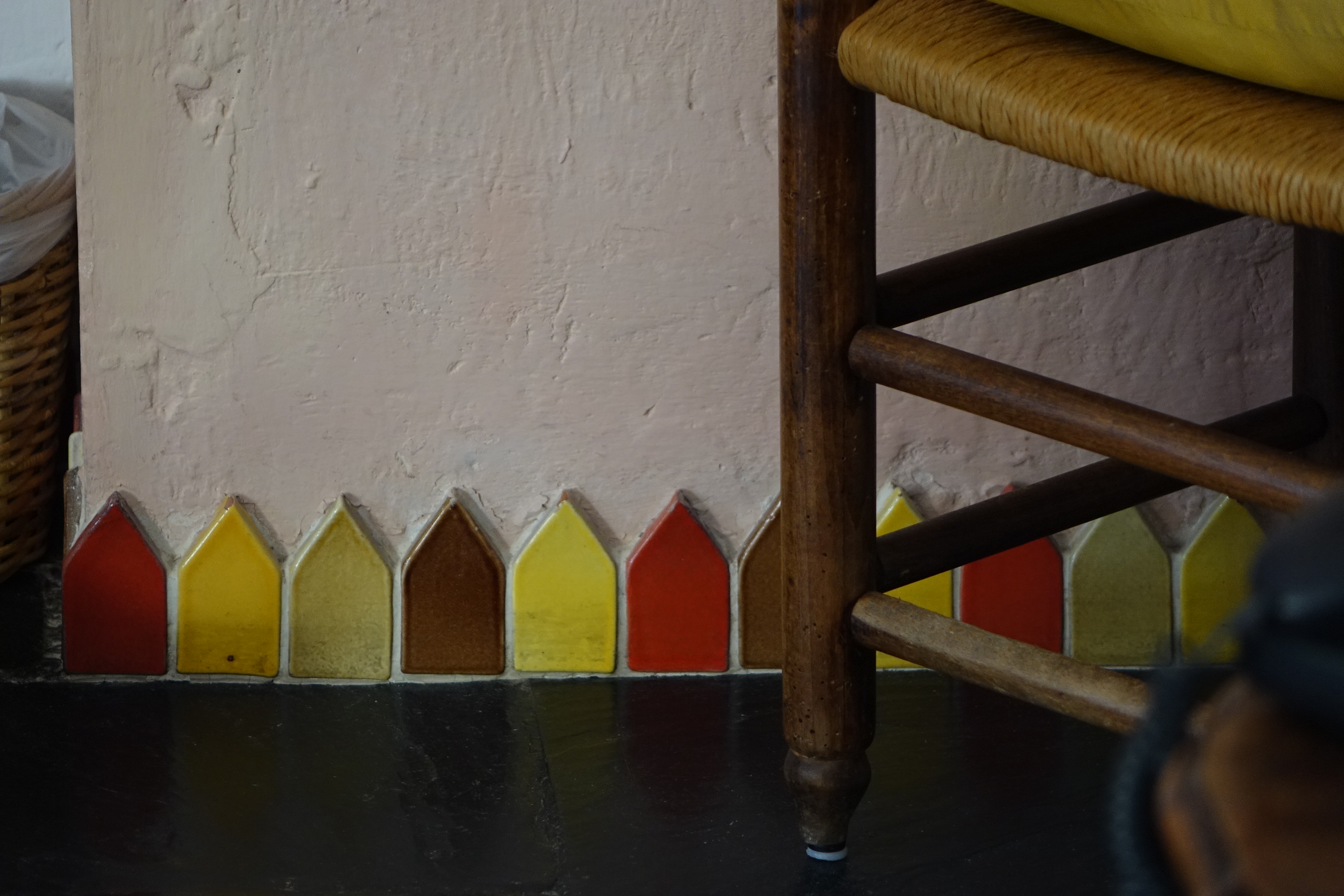
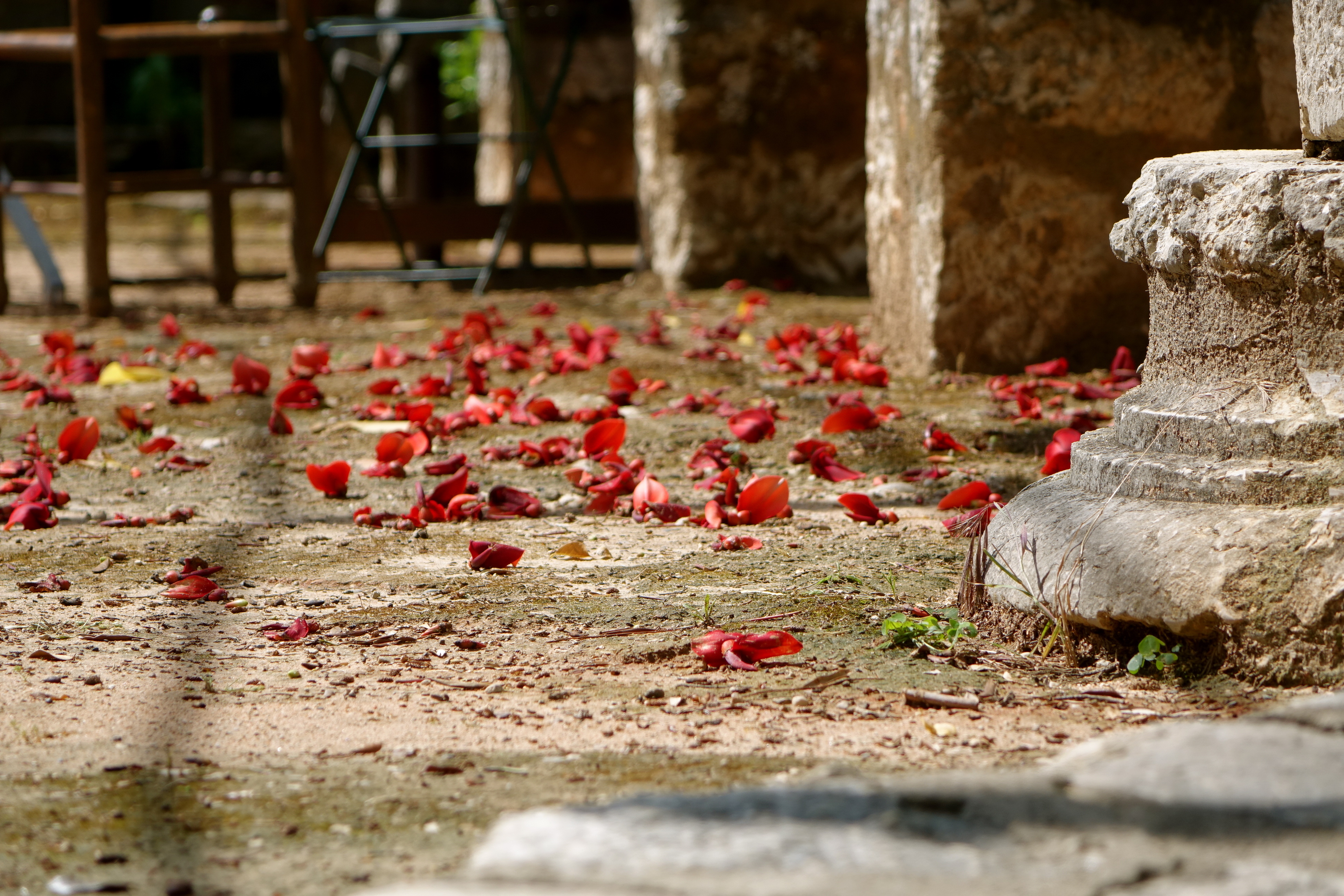
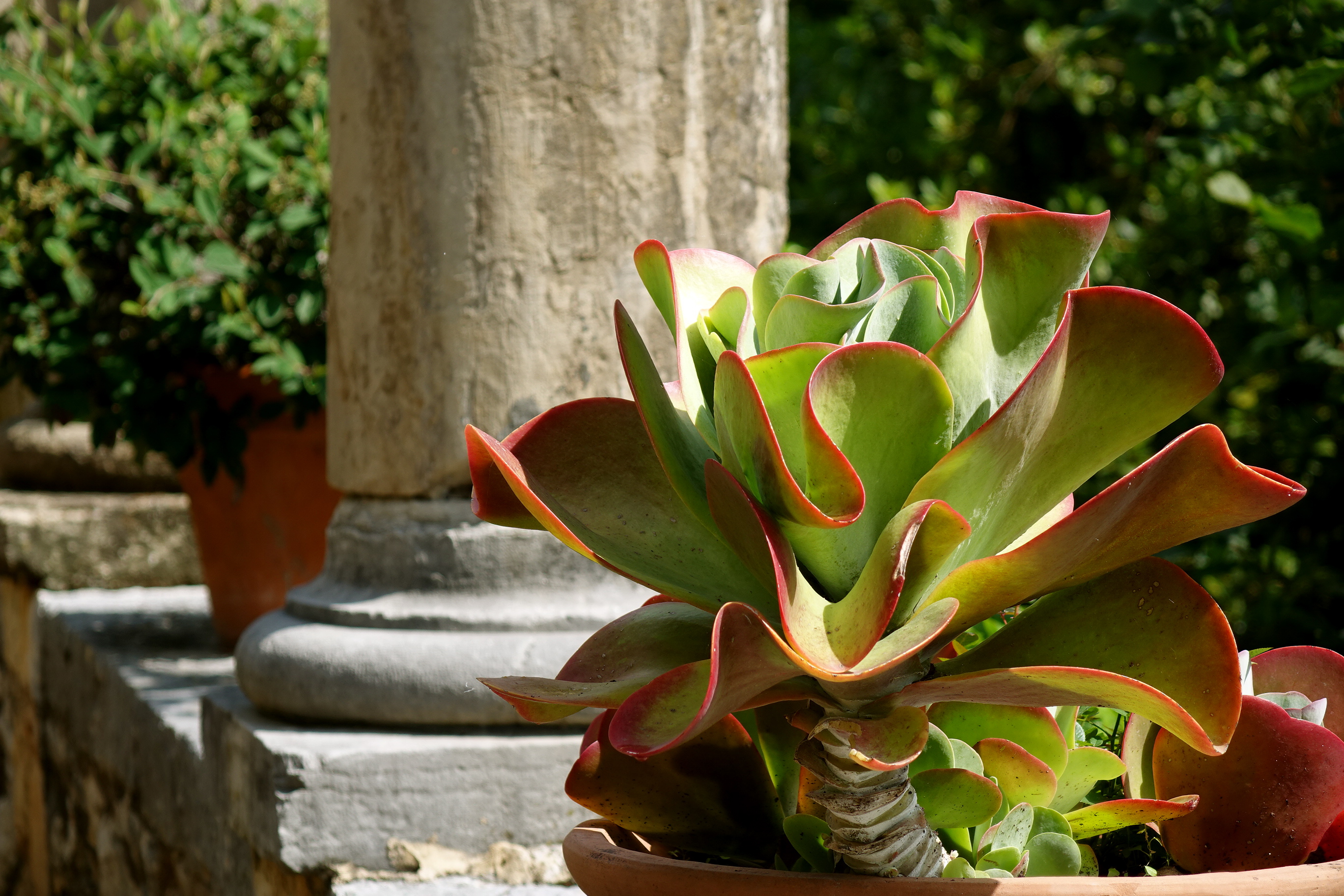
For any enthusiast of 20th century art, or indeed for anyone beloved of the utmost aesthetic tranquility, La Colombe d’Or is a paradise on earth, beyond mere description – it has to be experienced. In the unpretentious little chairs which are clustered on its restaurant terrace, one can see the ghosts of the famous writers and artists who used to sit there in the shadows of the fig trees Jacques Prévert, Yves Montand, James Baldwin, Pablo Picasso… In the unapologetically rustic walls and furniture, you feel as though invited into the warmest of family homes. And in its paradisal gardens, fringed by pillars and scattered with fallen blossom, and alongside that most sensational of swimming pools, you feel as though you have entered some kind of parallel world. Utterly at peace. This was paradise found.

La Colombe’s stunningly cosy restaurant terrace

DSC06333 DSC07367 DSC06410 DSC06421 DSC06352 DSC06349 DSC06354 DSC06350 DSC07370 DSC06412 DSC06335 DSC07360

And so in La Colombe d’Or, we happily stationed ourselves for the first four days of our honeymoon. And so the rush of emotions which had commenced at our wedding continued. It was to be the most sensational few days imaginable.

All photos and written content are strictly the copyright of Nicholas de Lacy-Brown © 2015 and The Daily Norm. All rights are reserved. Unauthorized use and/or duplication of the material, whether written work, photography or artwork, included within The Daily Norm without express and written permission from The Daily Norm’s author and/or owner is strictly prohibited.

Appreciating the everyday: Waking up to Palma

It’s all too easy to be complacent, to get used to the good things in life and stop appreciating them, and here in Palma de Mallorca, where we are literally surrounded by the utmost of urban and then rural beauty at every stretch I am constantly reminding myself just how lucky I am. Such complacency resides more than anywhere else in the home, where we enjoy the same stunning surroundings every day, but the constantly changing beauty of our immediate environment provides a frequent reminder that it should be appreciated afresh every day.

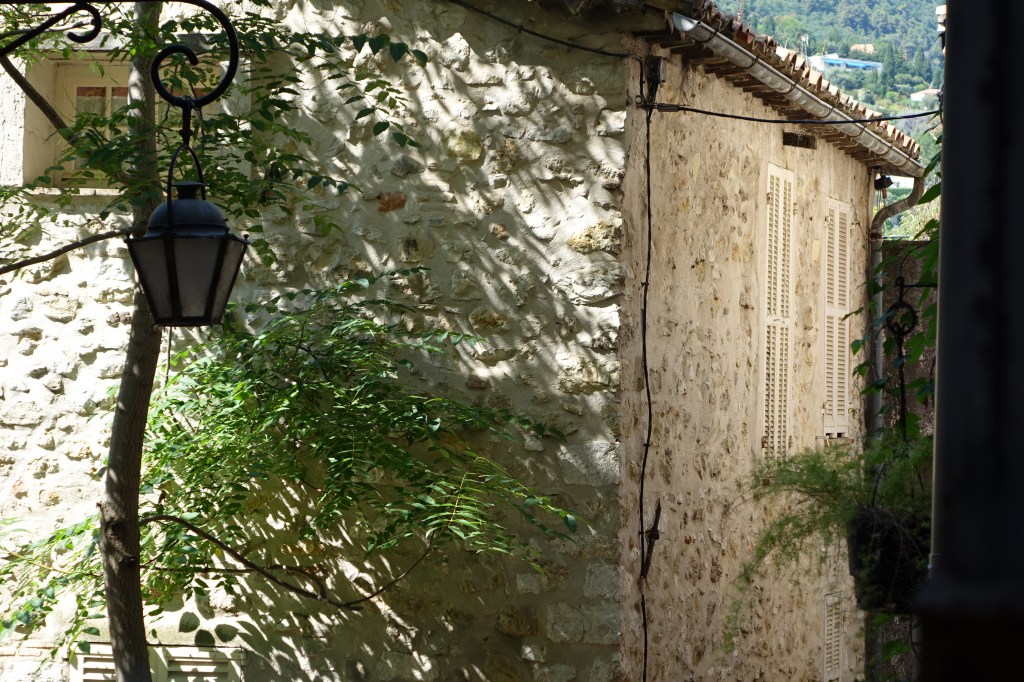
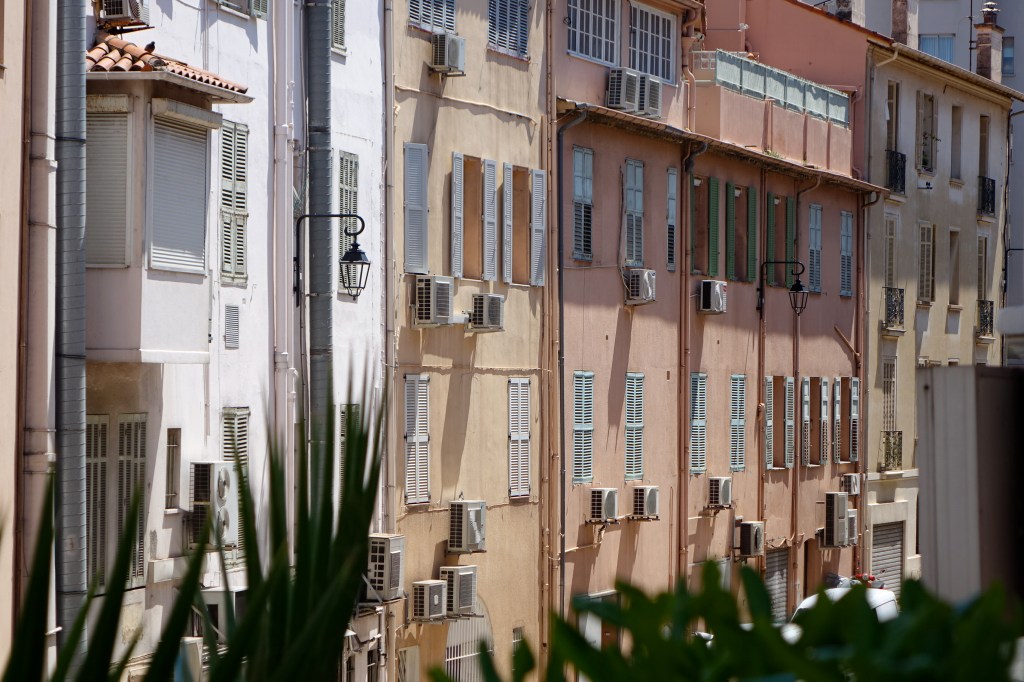
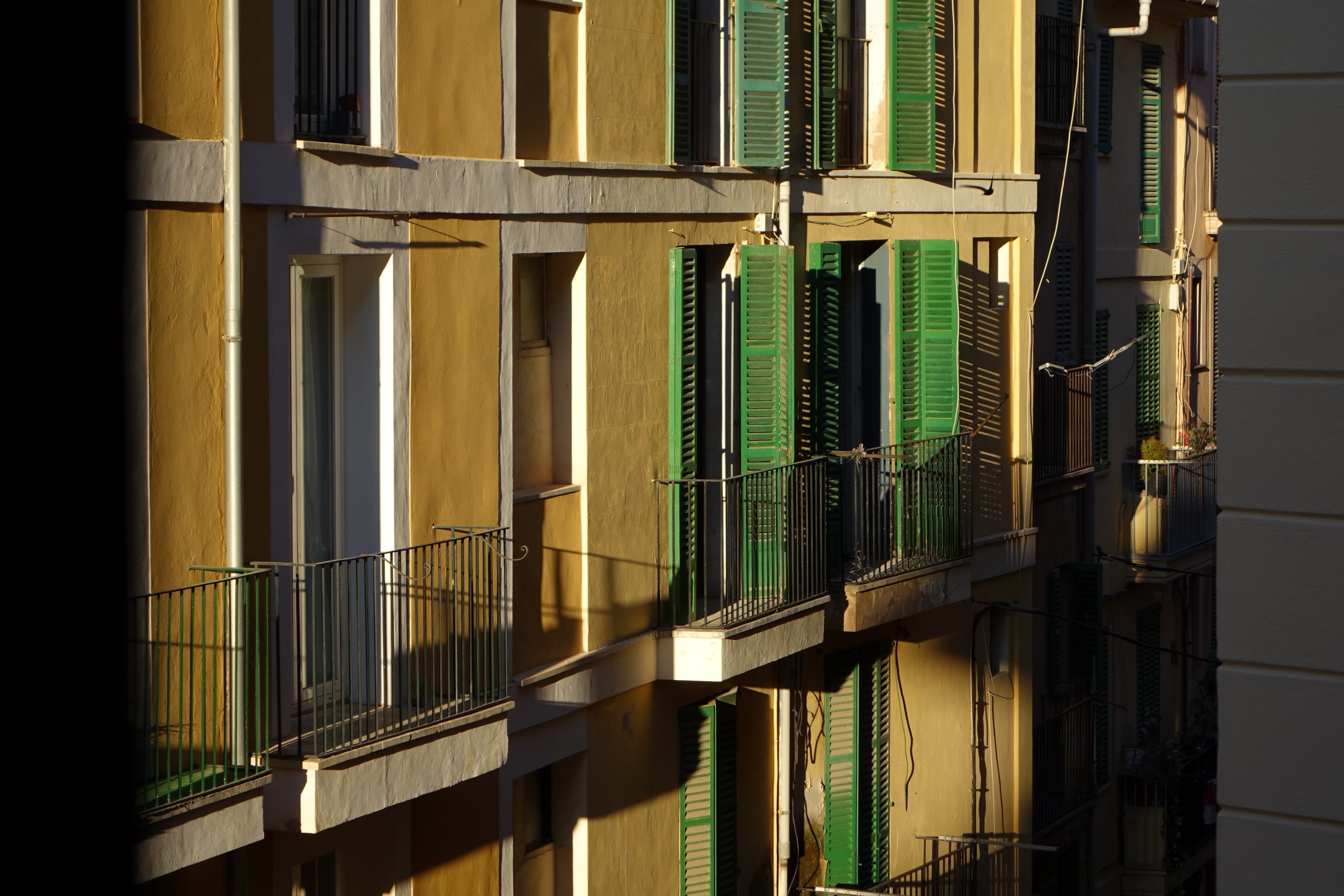
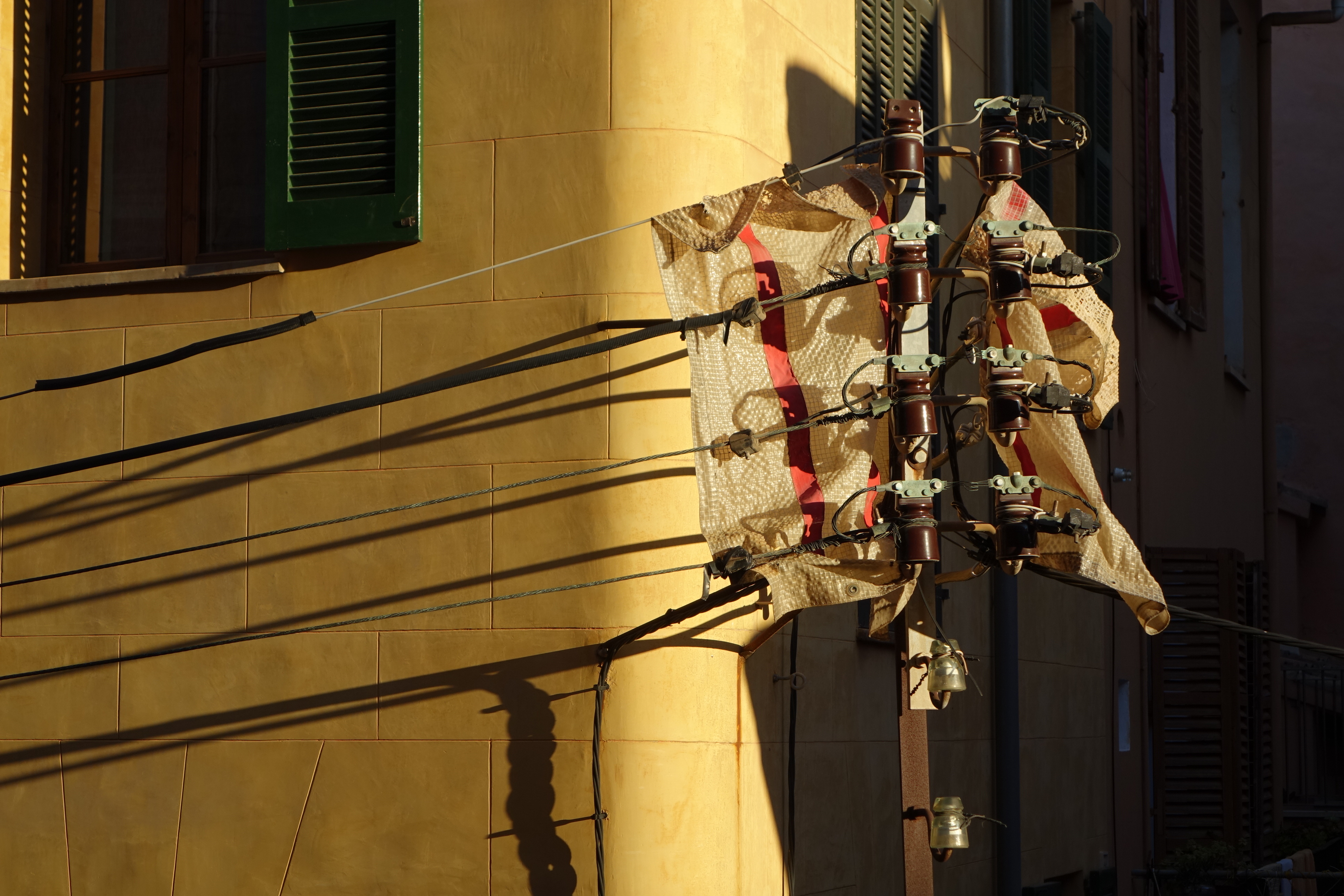
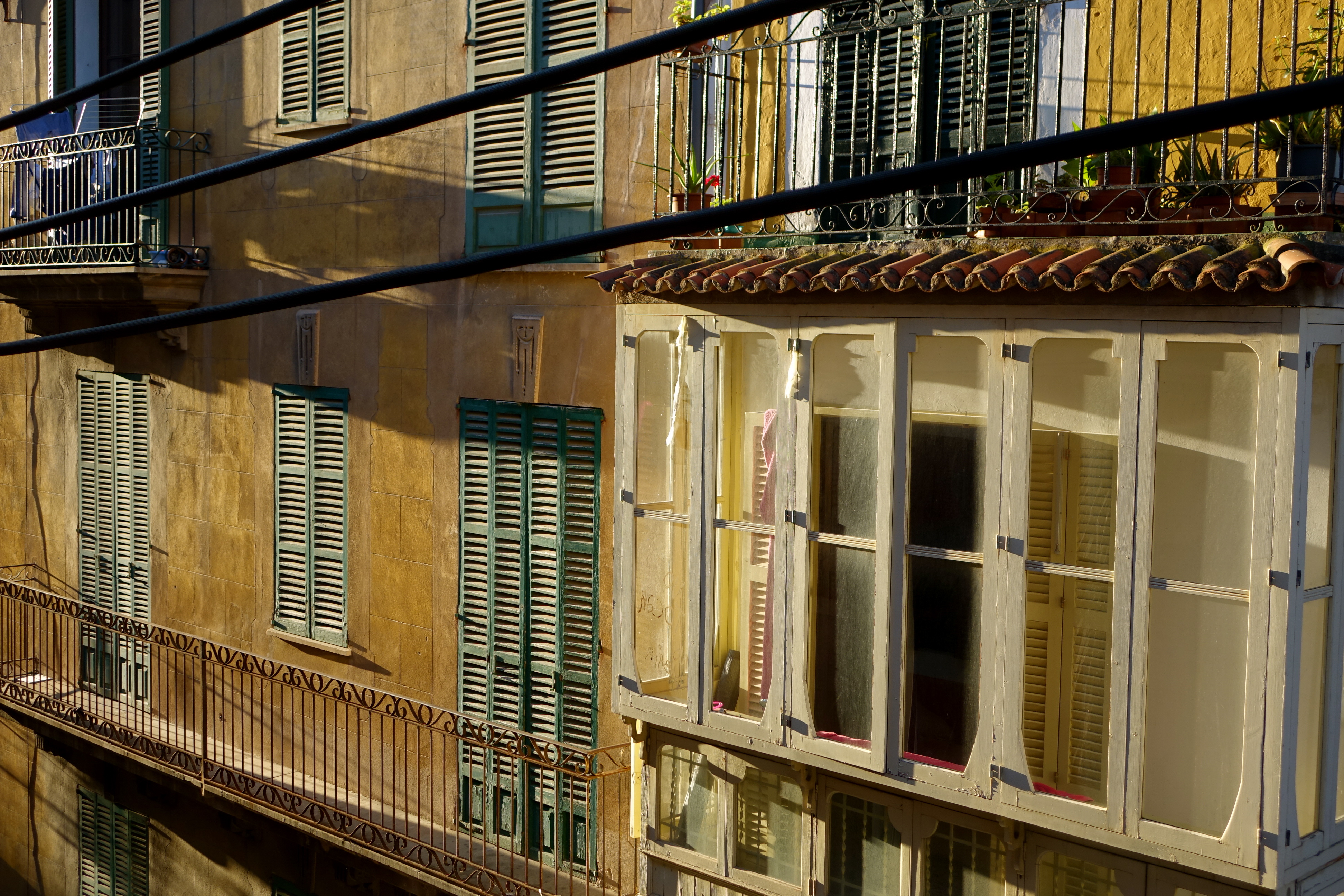
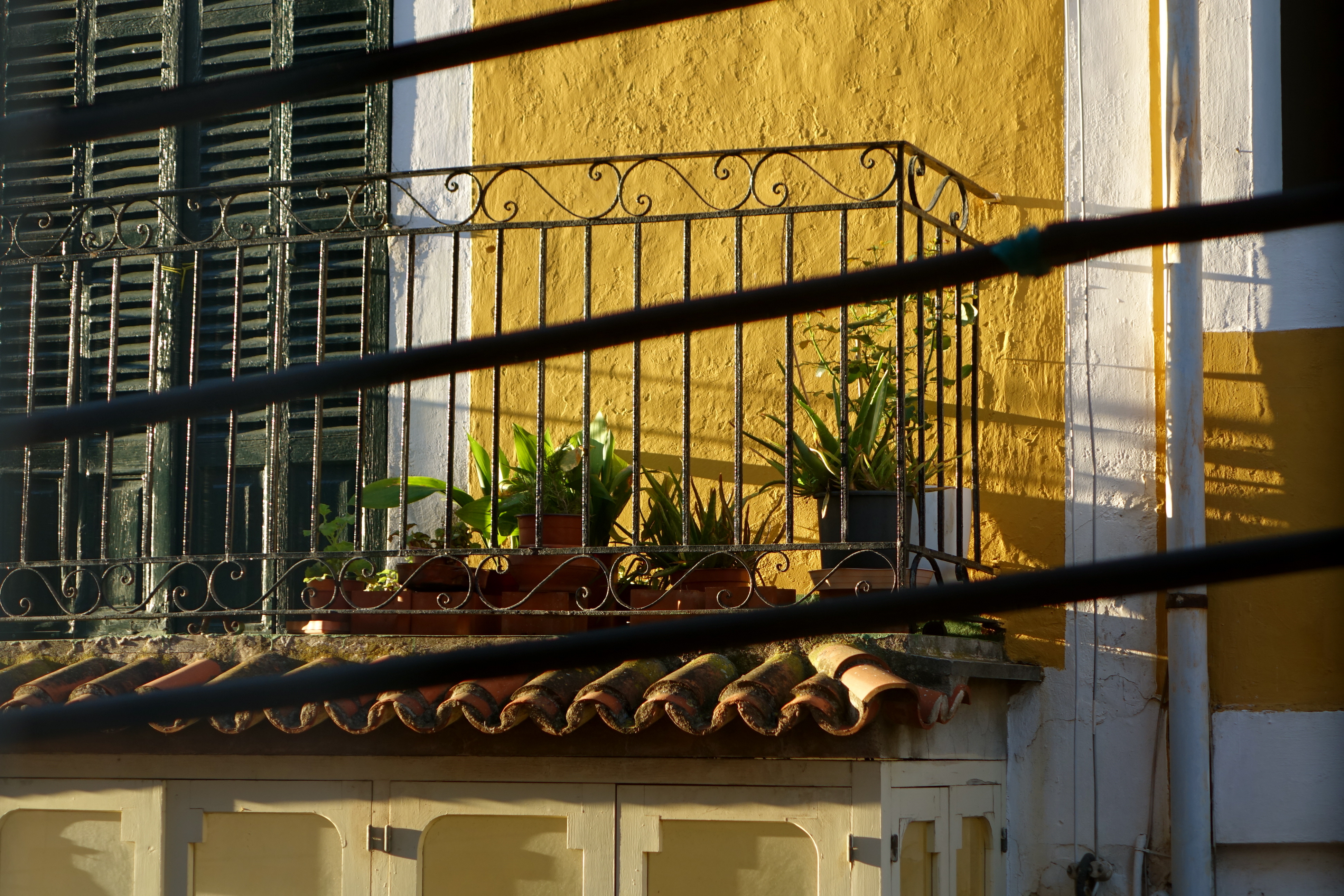
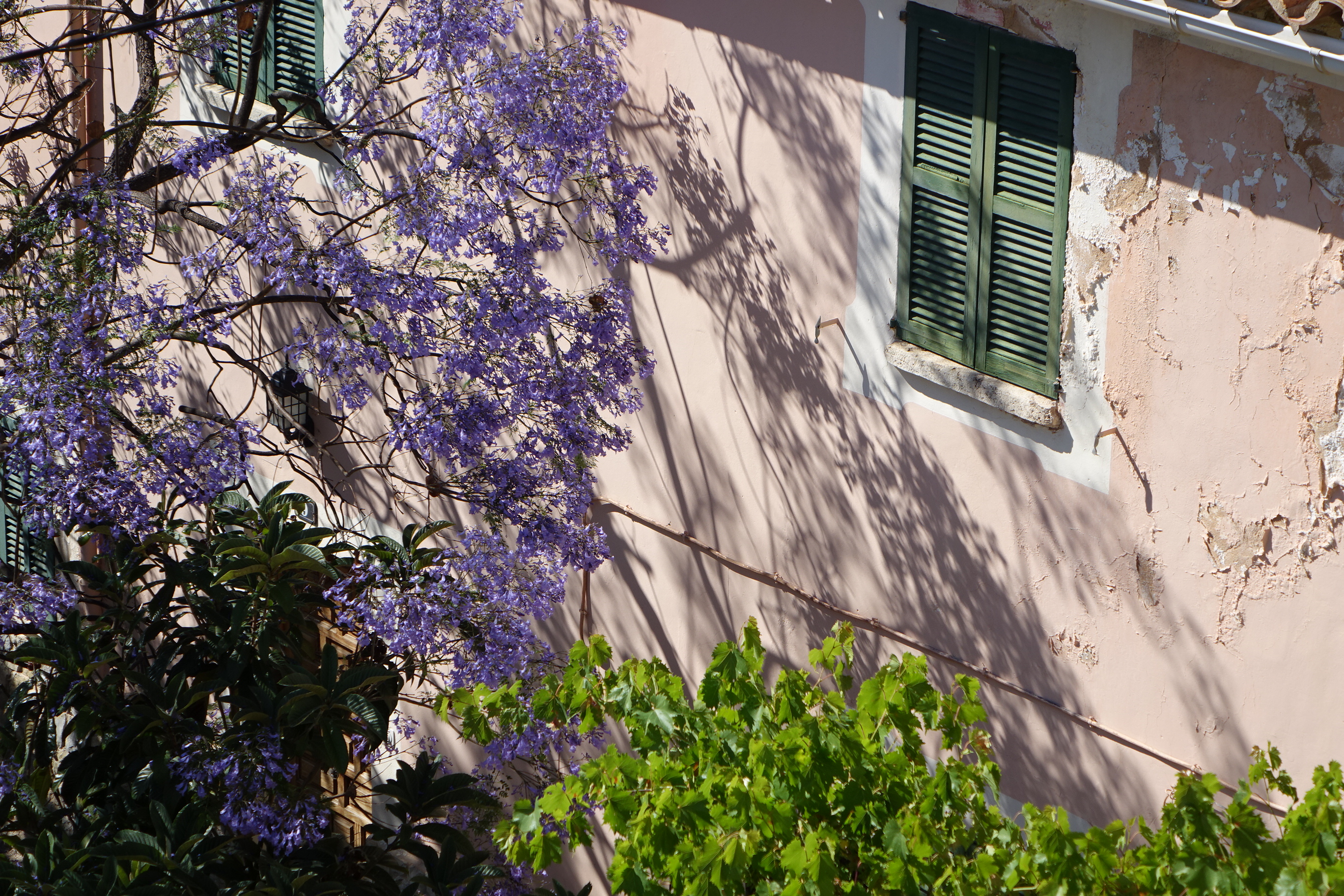
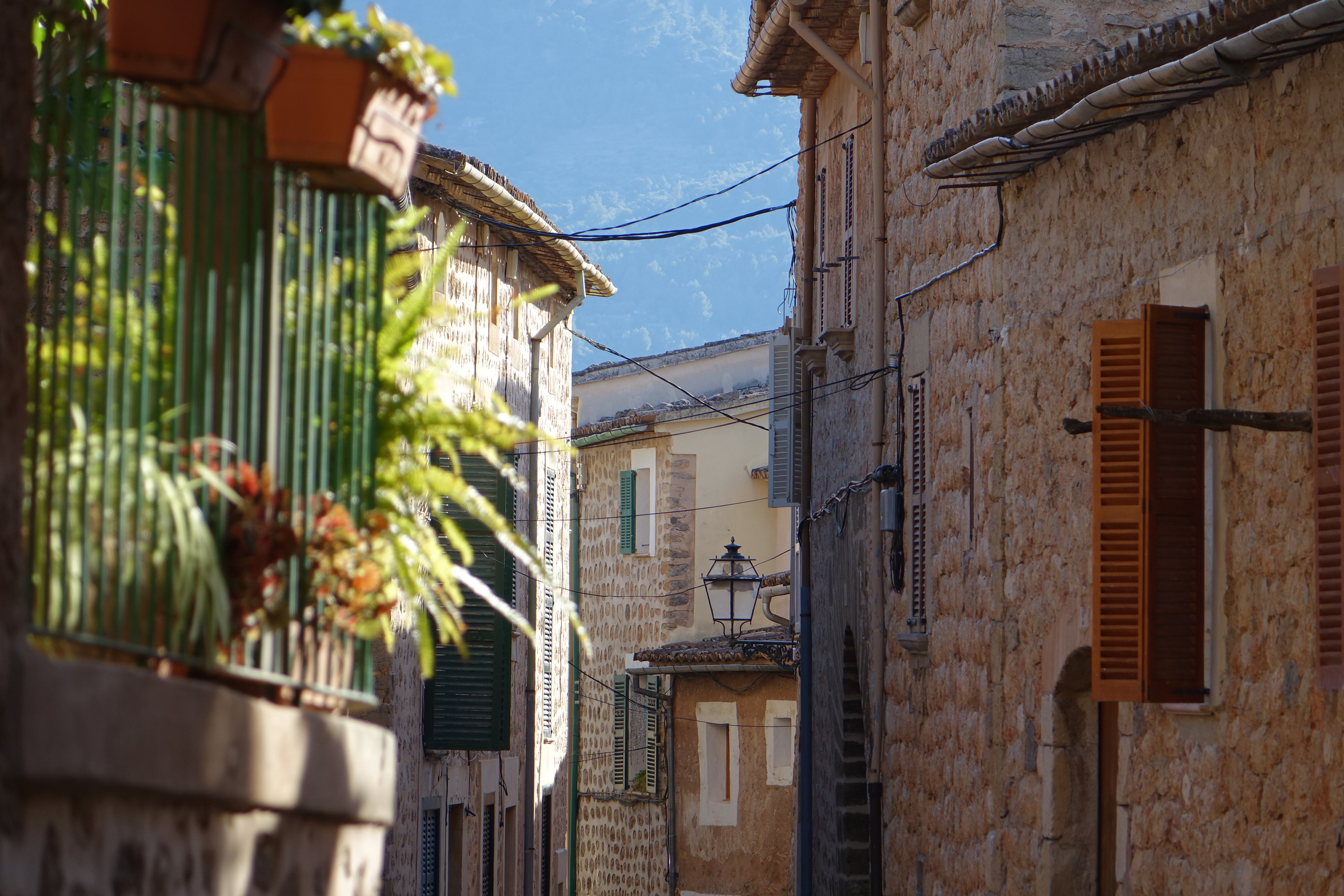
Such were my musings when I got up one early morning a few days ago, and looked out of the window onto the multi-coloured panoply of old town streets which surround our apartment. Radiant in warm yellows, terracottas and greens, the nearby streets are archetypally Mediterranean, and look simply resplendent under the golden morning and evening sun rays. But what enchants me even more is the length of the early shadows, adding fresh stripes to an already linear landscape which move across the facades with the sun.

DSC05729 DSC05737 DSC05502 DSC05732 DSC05740 DSC05731

This small set of photos was snapped quickly before work, when in a sudden moment of realisation, I was made to stop and appreciate my daily views afresh. Even my sculpted model, made during my first ever sculpture attempt in London back in 2011, appears to be captivated by the view she now enjoys on a daily basis. And who can blame her.

All photos and written content are strictly the copyright of Nicholas de Lacy-Brown © 2015 and The Daily Norm. All rights are reserved. Unauthorized use and/or duplication of the material, whether written work, photography or artwork, included within The Daily Norm without express and written permission from The Daily Norm’s author and/or owner is strictly prohibited.

Discovering Mallorca: The sleepy wonders of little Biniaraix

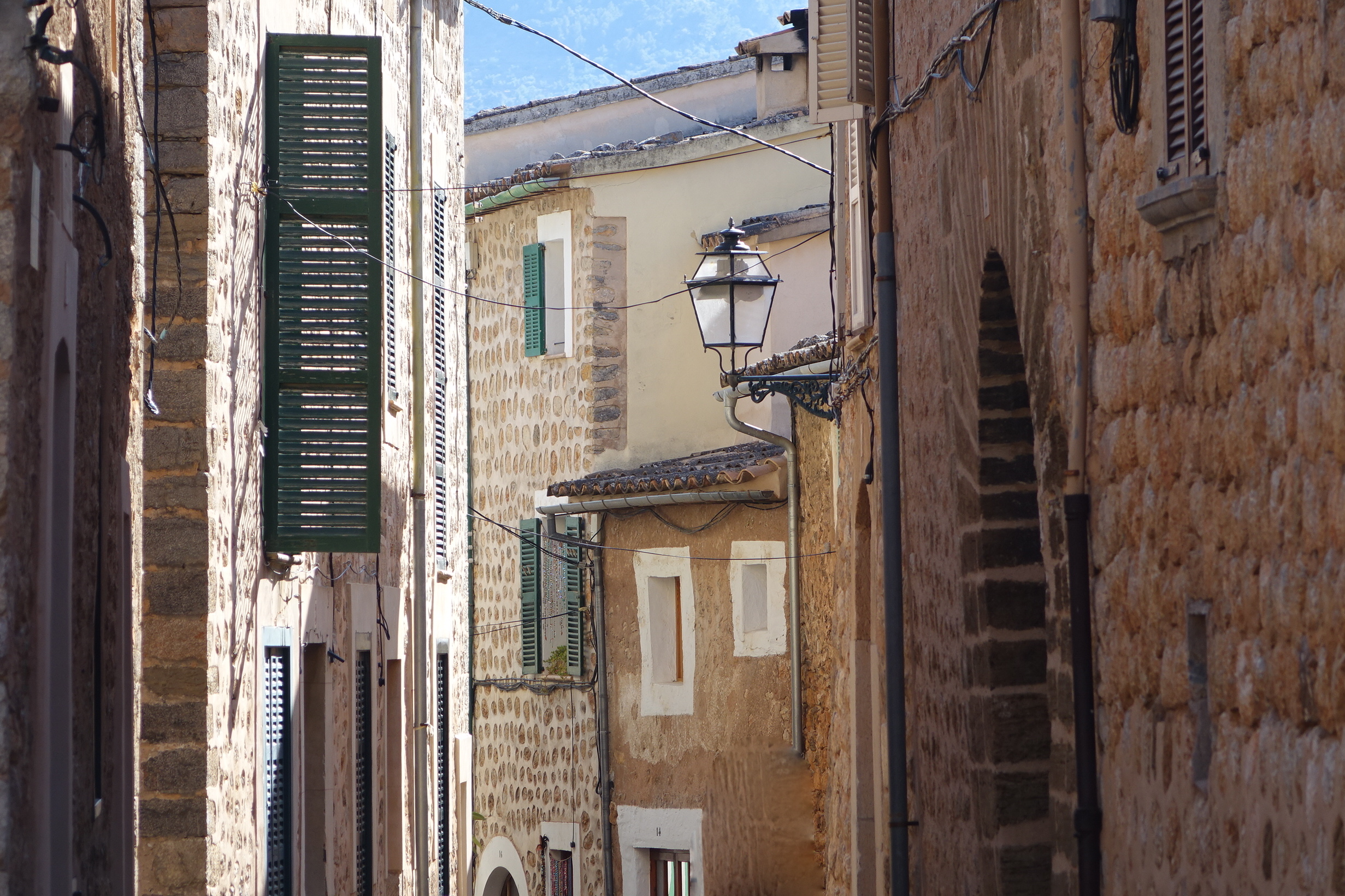
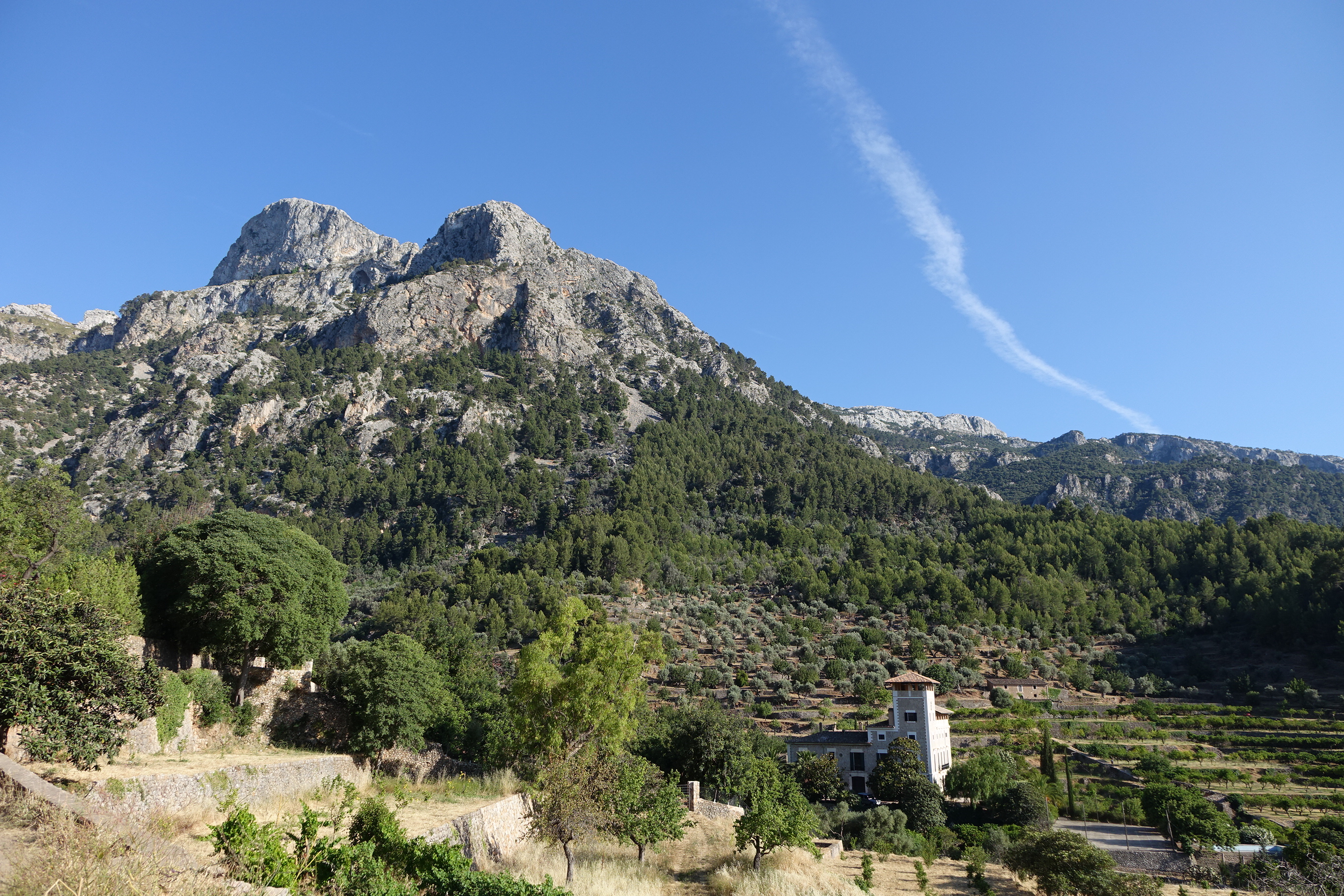
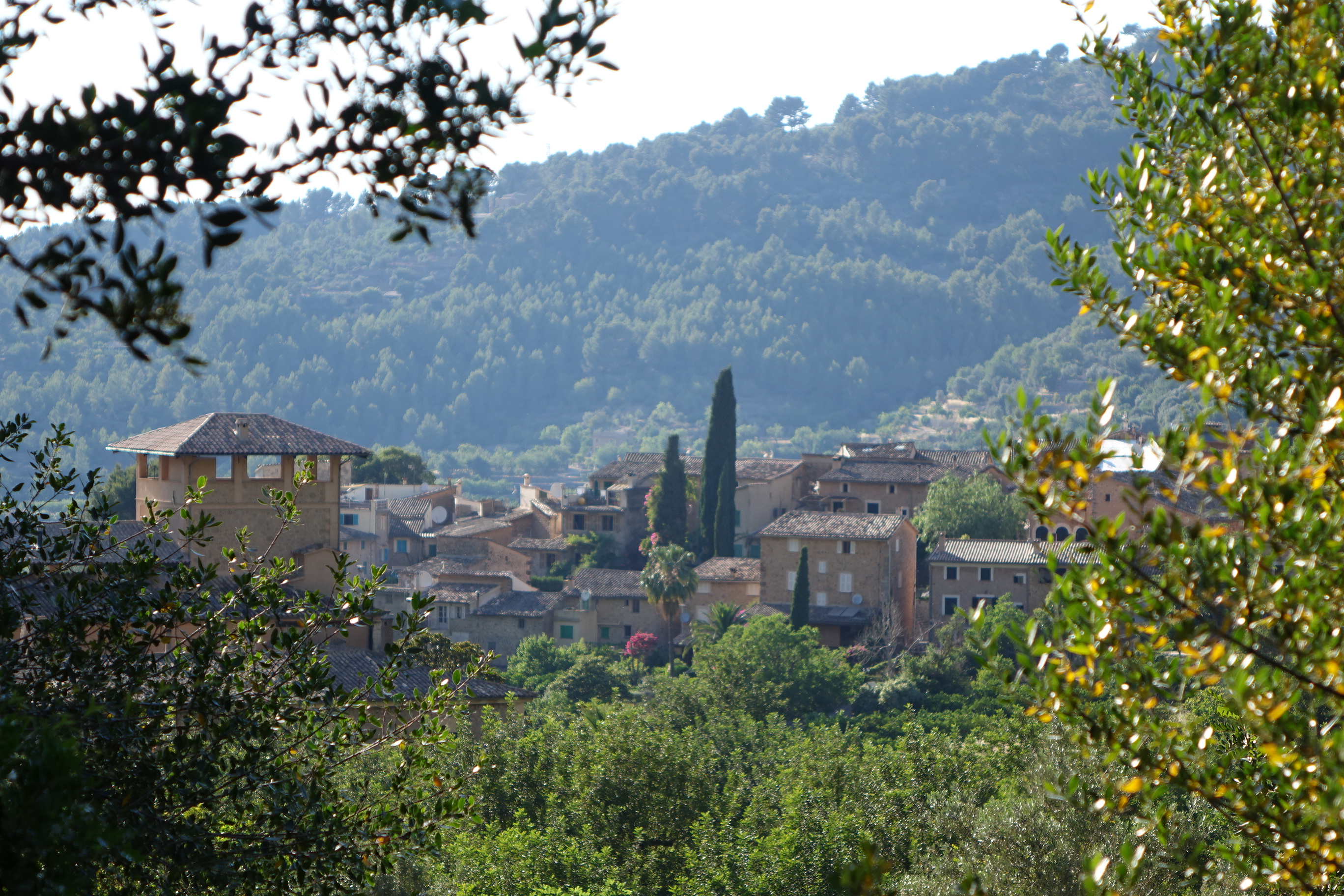
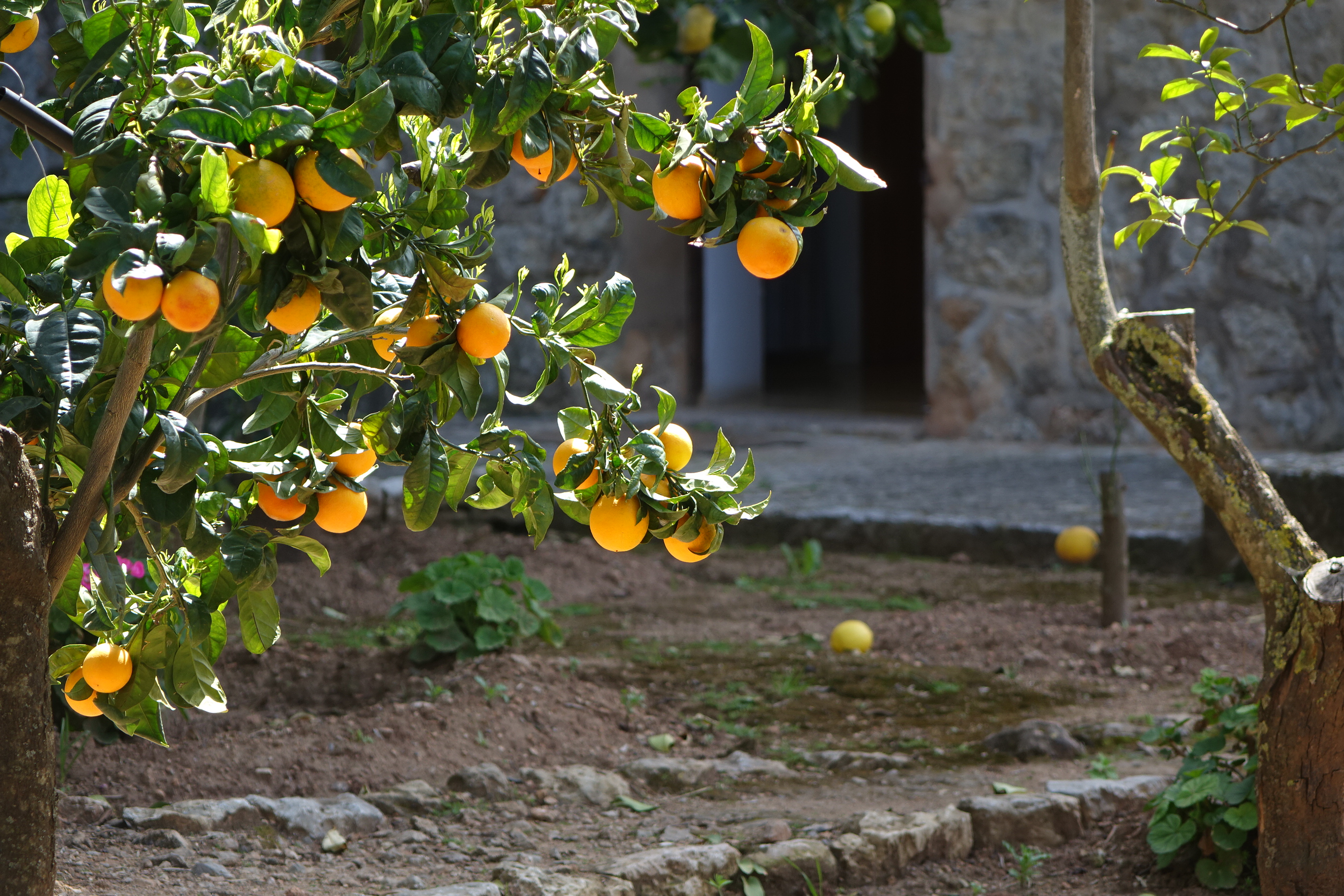
They say that the best things in life come in small packages, and this adage could not be better evidenced than in the form of the tiny village of Biniaraix in Mallorca. Nestled amongst the ripples and folds of the Tramuntana mountains, a few kilometres North East of the magnificent town of Soller, Biniaraix is urban living on a miniature scale dominated by the gigantic mountain landscape and extensive citrus groves that surround it.

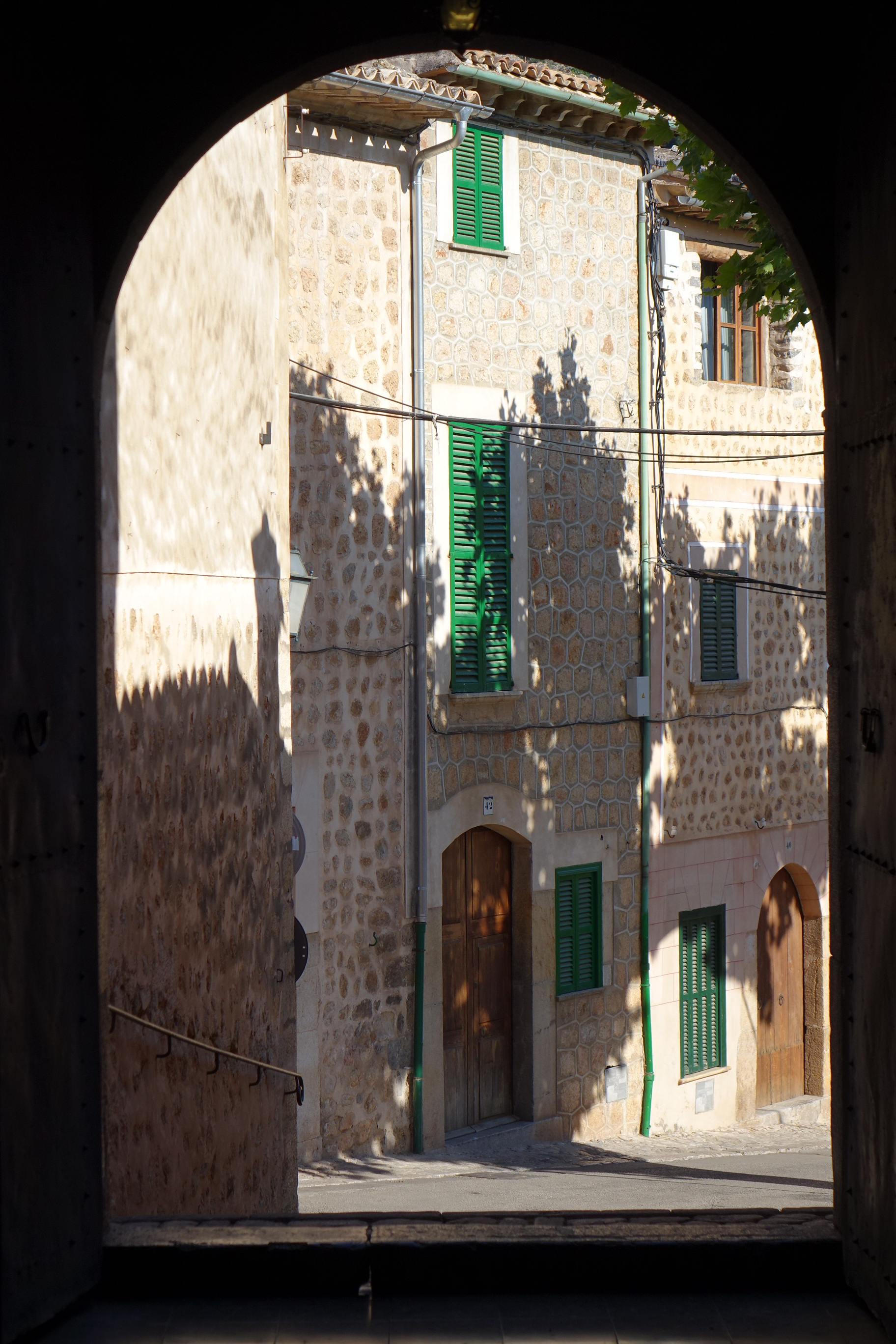
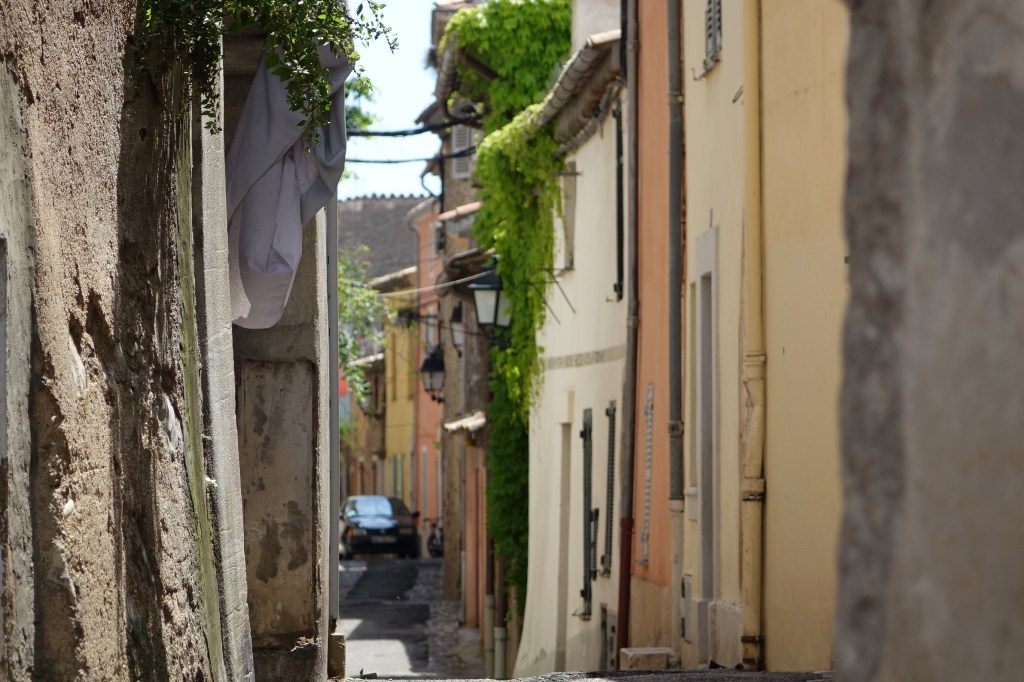
With only some 150 residents, and roads between the town and Soller which make it difficult for even one car to squeeze through, let alone two side by side, Biniaraix maintains a feel of a village constructed for the horse and cart age. With one main street and various beautiful off-shoots, a single white-peaked church at its centre and a token cluster of cafes and shops straight out of another era, the village is the epitome of cosy.

DSC05967 DSC05999 DSC05941 DSC05968 DSC06045 DSC06039 DSC06019 DSC05958 DSC06035

But Biniaraix also marks the start of the Barranc de Biniaraix, one of the most emblematic dry-stone walks climbing through the Tramuntana mountain range right to the Monastery in Lluc, a walk which is probably one of the most beautiful in all the world, but which we were only able to do the first 10 minutes of before giving up and heading to the Port of Soller for dinner. Still, we were able to get great photos of the village from afar, and even more colour-filled wonders when back in the village.

DSC06029 DSC06023 DSC06048 DSC05993 DSC06032 DSC05974 DSC05981 DSC06037 DSC06005

All photos and written content are strictly the copyright of Nicholas de Lacy-Brown © 2015 and The Daily Norm. All rights are reserved. Unauthorized use and/or duplication of the material, whether written work, photography or artwork, included within The Daily Norm without express and written permission from The Daily Norm’s author and/or owner is strictly prohibited.
Mallorca Moments: Cala Deia as the sun descended

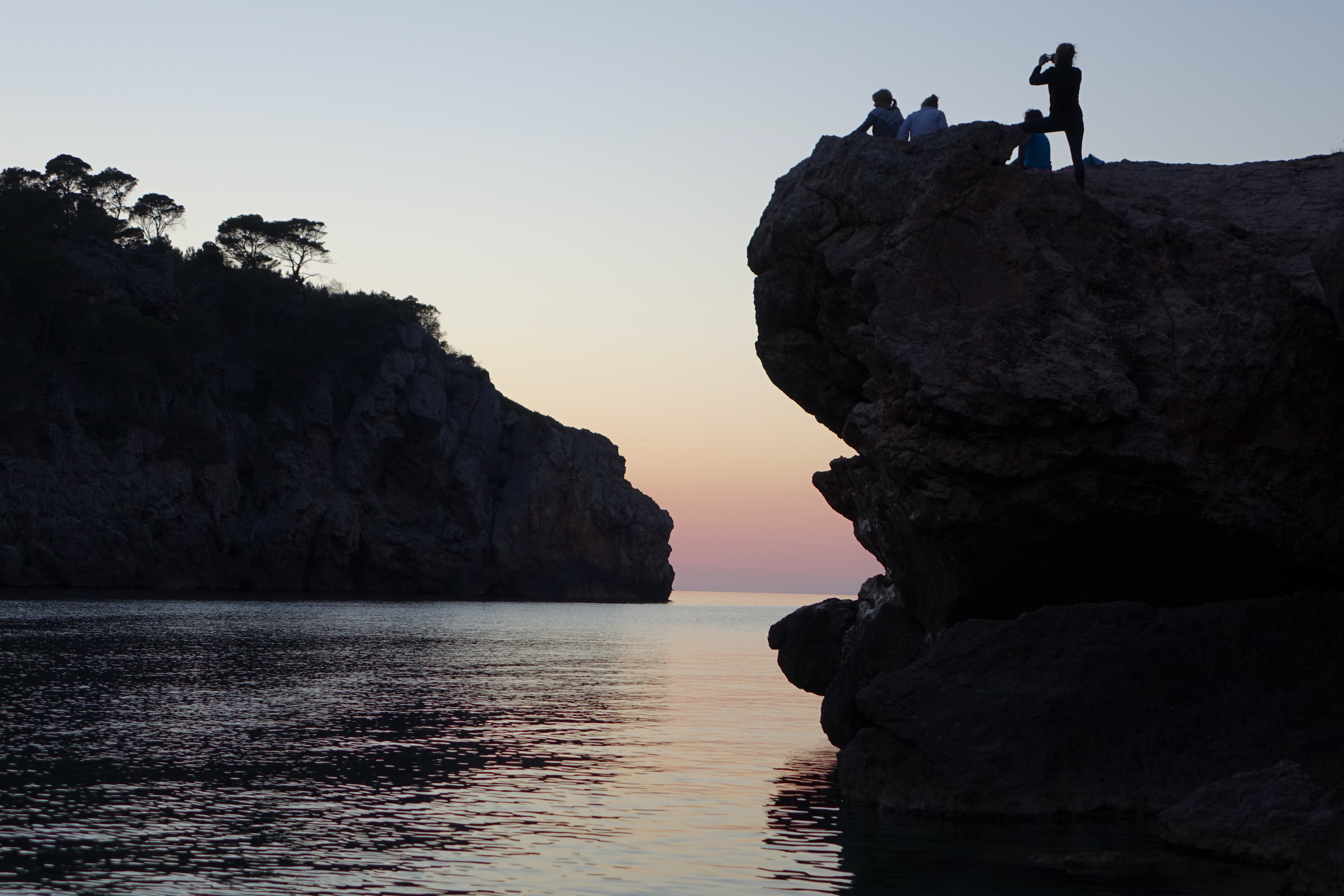
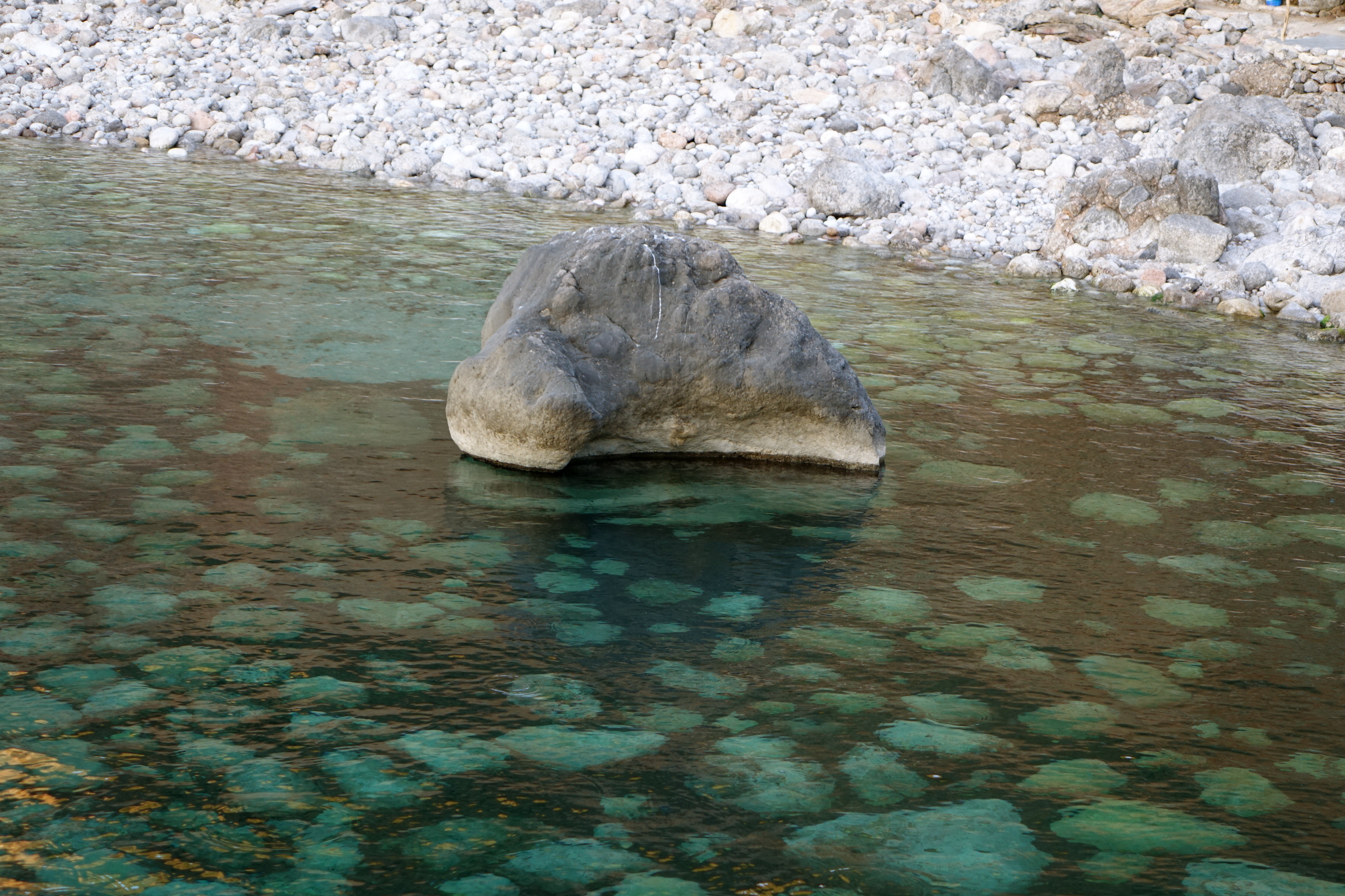
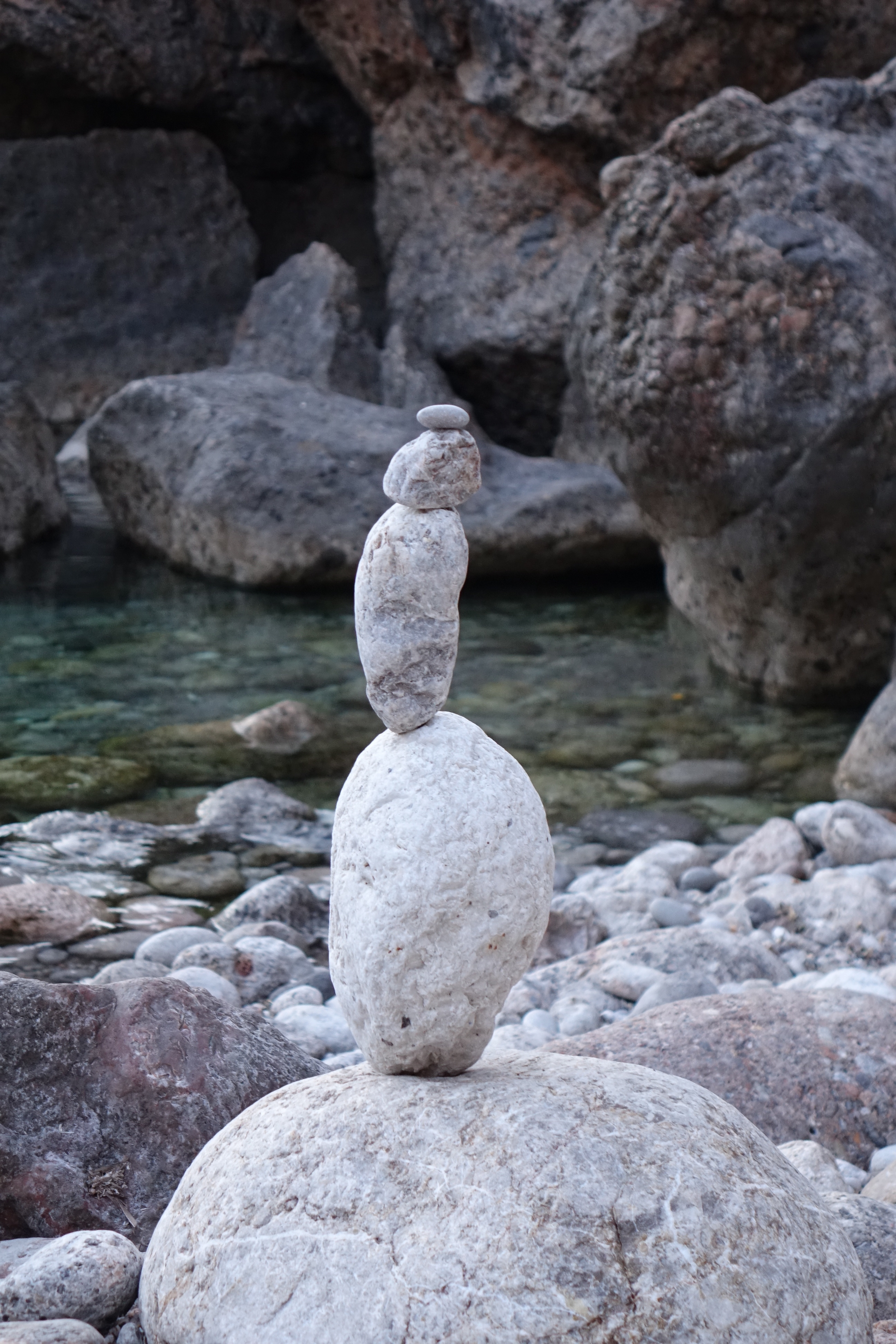
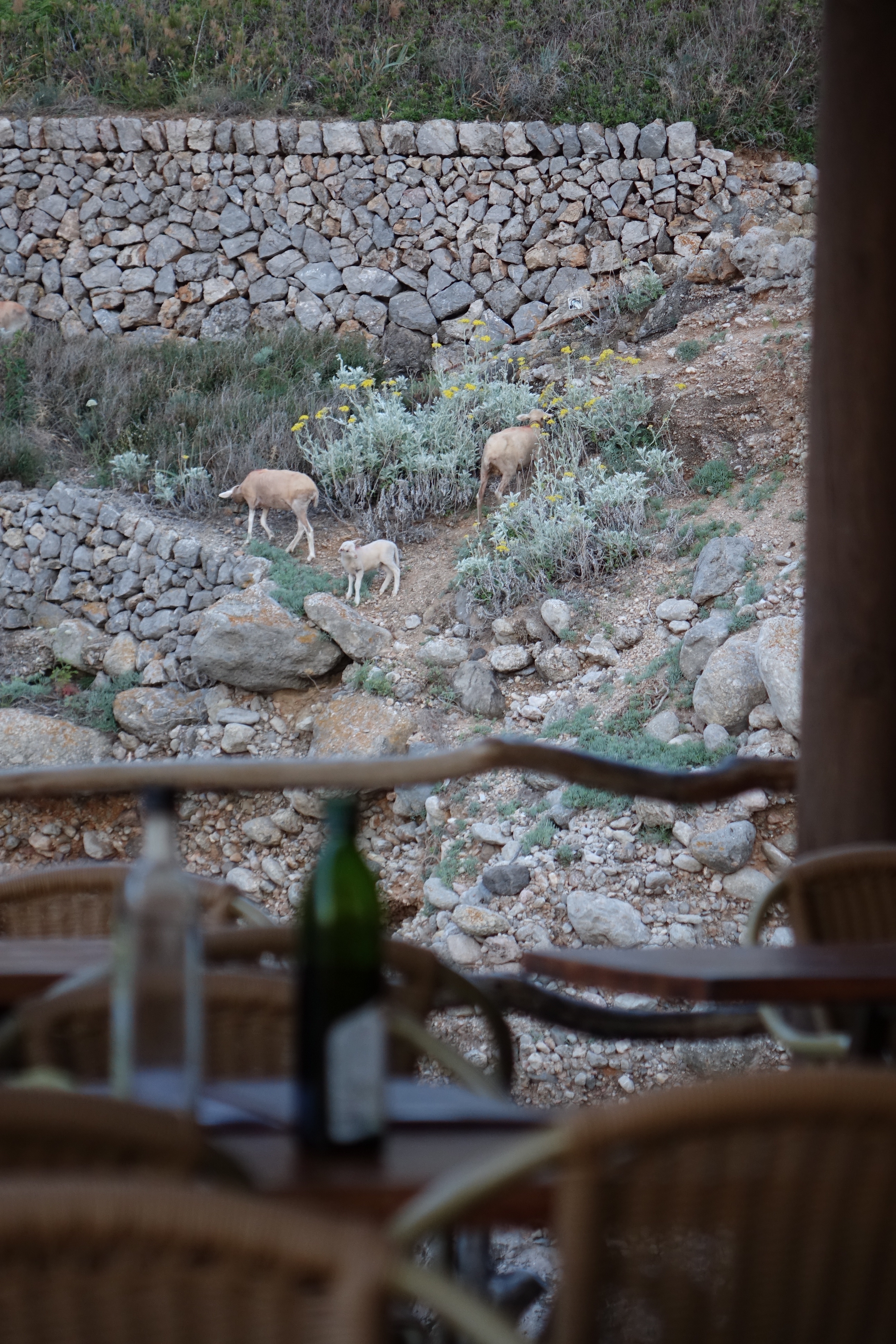
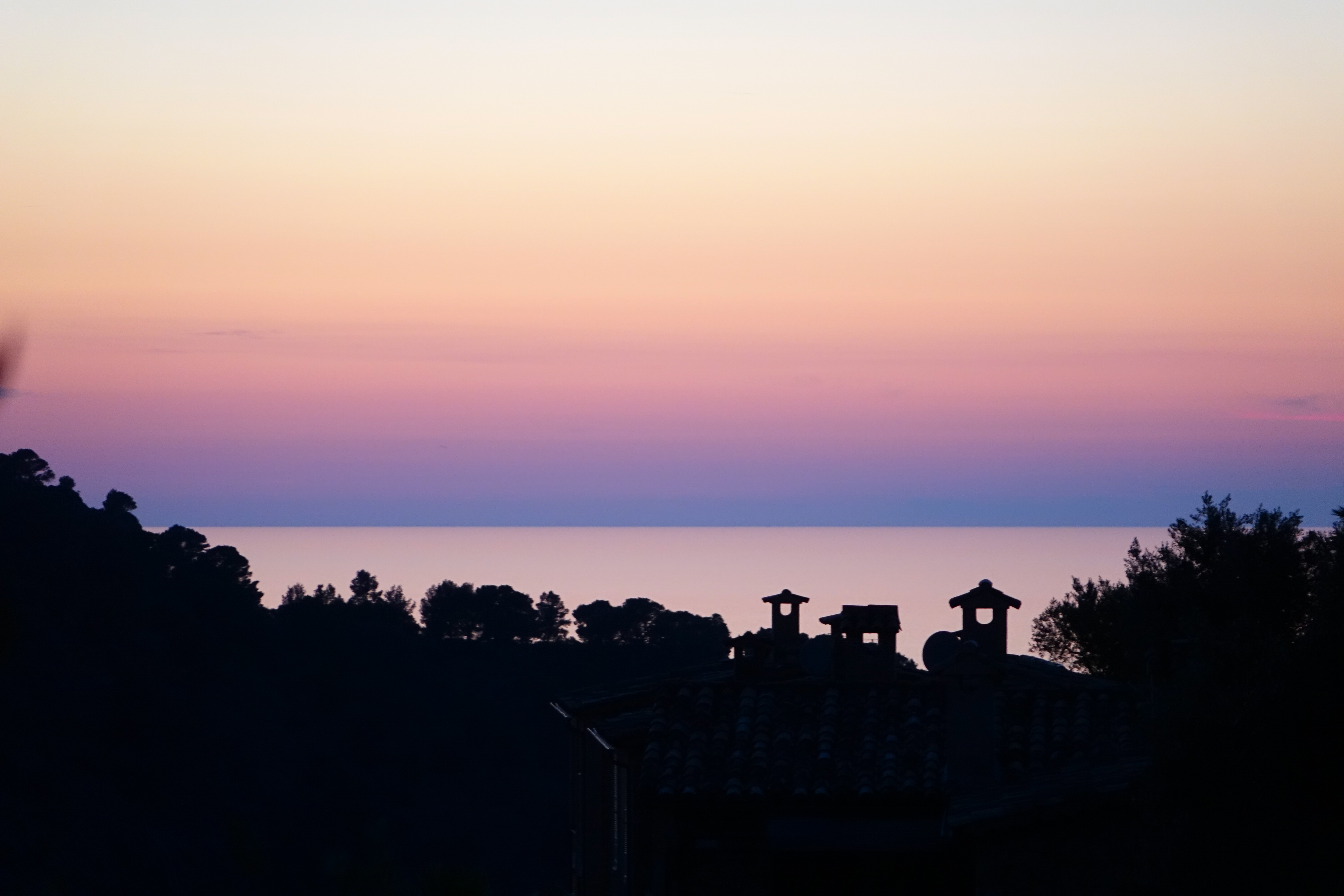
A certain mystery filled the air as we sat amongst the rocks besides the lapping Mediterranean sea in the Cala Deia the other night. As the sun descended, and the sky turned from yellow to pink to purple to cobalt blue, the shapes of this stunning rocky Mallorca cove seemed to take on a life of their own, as the rocks in silhouette were anthropomorphised into a gruesome masquerade. And as we walked on amongst the rocks, avoiding where we could little landslides caused by mountain sheep bravely traversing the cliff face in search of food, we stumbled upon even more mysterious forms – groups of small towers built from stones, as though some other visitor to the beach had marked out their destiny in an incantation made from rock.

DSC05658 DSC05659 DSC05651 DSC05668 DSC05641 DSC05568 DSC05609 DSC05530 DSC05610 DSC05538 DSC05614 DSC05525 DSC05649 DSC05528 DSC05557 DSC05583 DSC05546

Such was the atmosphere as we returned to this glorious little cove, just a few kilometres down a winding road from our favourite village of Deia. It was an evening which commenced as the sun began its descent, and grilled squid was thoroughly enjoyed with a glass of wine, and ended as the sky’s luminescence was slowly drained and replaced by a soft blanket of dark blue velvet. The strangely formed stones, the silently lapping shore, and even a seagull waiting atop an island rock modelling perfectly as though in premonitory anticipation of some significant occurrence, all coincided to create an evening characterised by the kind of magic which is unique to the Tramuntana mountains, and to the incredible little rocky coves they envelop in their craggy folds as they plummet dramatically down to the sea.

DSC05682 DSC05673 DSC05728 DSC05714 DSC05710 DSC05706 DSC05721

All photos and written content are strictly the copyright of Nicholas de Lacy-Brown © 2015 and The Daily Norm. All rights are reserved. Unauthorized use and/or duplication of the material, whether written work, photography or artwork, included within The Daily Norm without express and written permission from The Daily Norm’s author and/or owner is strictly prohibited.

The house of Robert Graves

They say that once in a while you will read a book that changes your life. A story of DH Lawrence’s obsession with the inspirational light of the Mediterranean read while I soaked up the sun on the Amalfi Coast last summer came very close (Lady Chatterley’s Villa by Richard Owen). After all, I surely followed his mantra in moving to the Mediterranean. But more powerful still was The White Goddess: An Encounter by Simon Gough.

Telling the real life story of his time with great uncle Robert Graves on the island of Mallorca, it was a story which more than inspired me to move to the Balearic paradise in which I now find myself; it injected my very heart with a passion for the island which formed the genesis of the life I now live; it transported me to a golden era in a utopian island and made me deeply conscious of the life and work of Robert Graves, the English writer and poet who probably did more for Mallorca than any other Englishman before or since when he moved to Deia in the 40s.

The house of Robert Graves

DSC00979 DSC01026 DSC01036 DSC01028 DSC01013 DSC01020 DSC01015 DSC01031 DSC01039 DSC01040 DSC01030 DSC01038

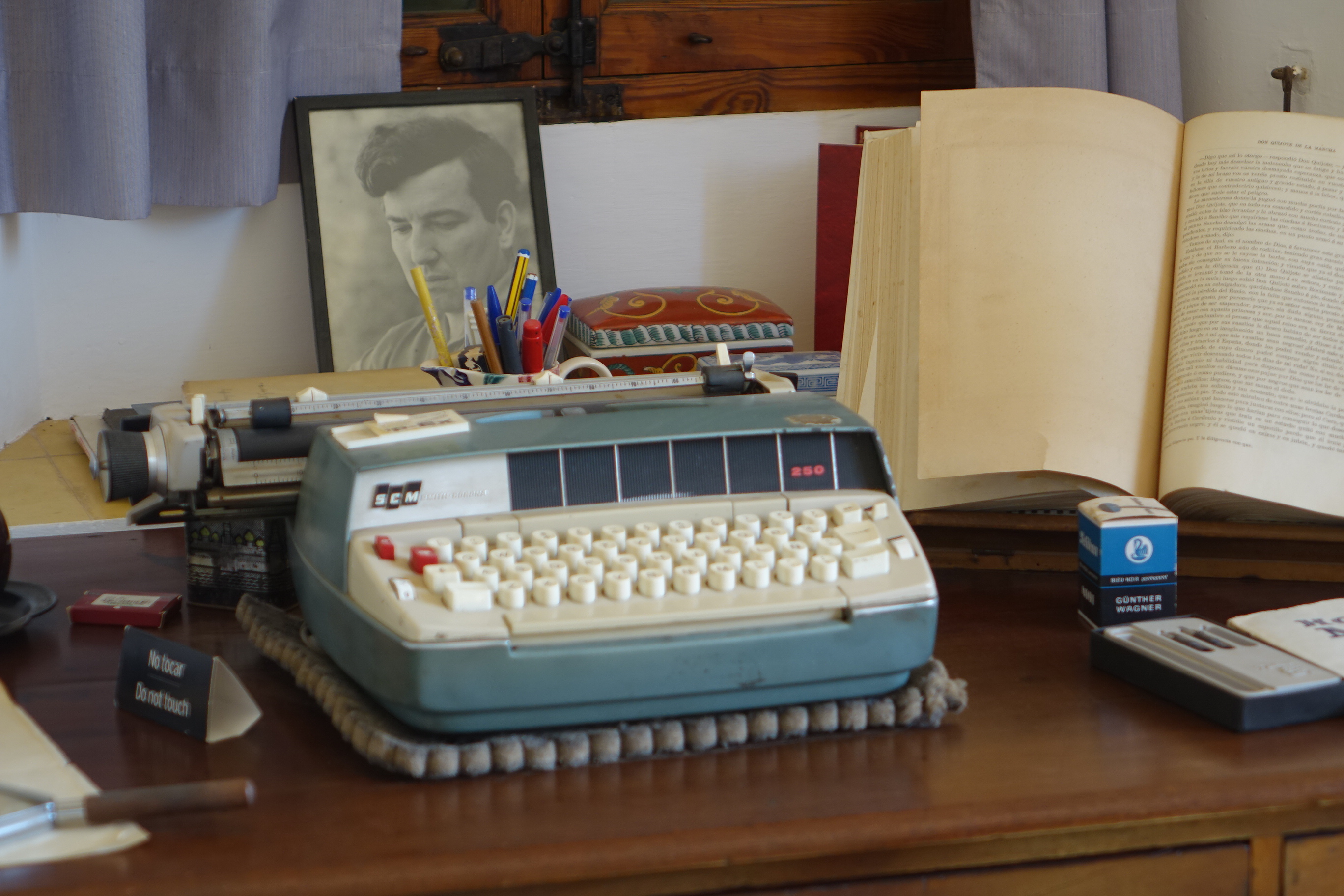
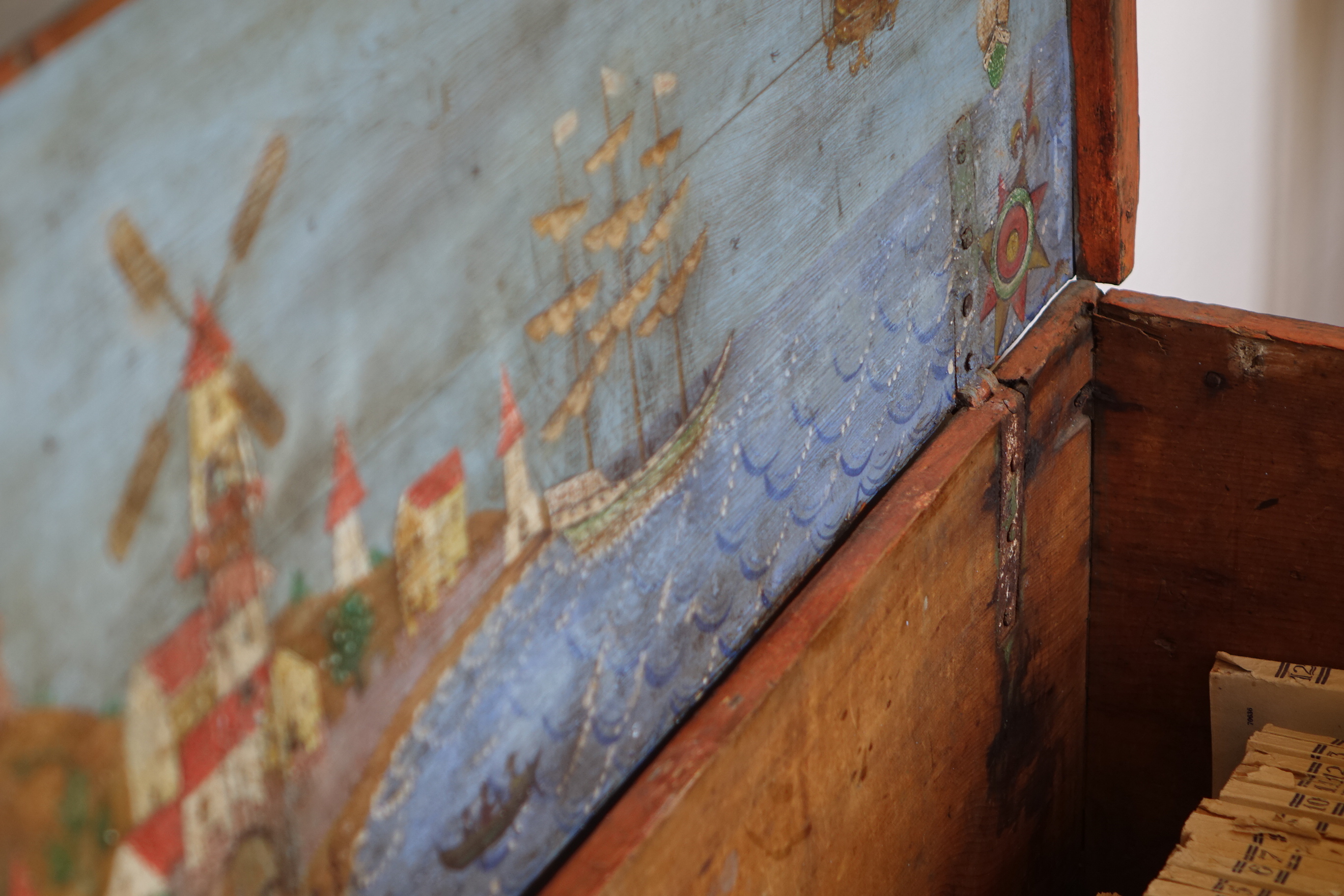
A few weeks ago, I had the opportunity to visit the house of Robert Graves and his family just outside my beloved Tramuntana village of Deia. Replicating exactly how the house would have been in Robert’s day as brought to life again with the help of his son, William Graves, my visit to the house had the power to bring the book I had so admired fully to life. From the glasses laid nonchalantly on the poet’s desk, to the garlic hung anticipating a feast in the little sun-drenched kitchen, the house was every inch the familial idyll I head read about.

…and the gardens he so loved

DSC01010 DSC01043 DSC01004 DSC00987 DSC00989 DSC01003

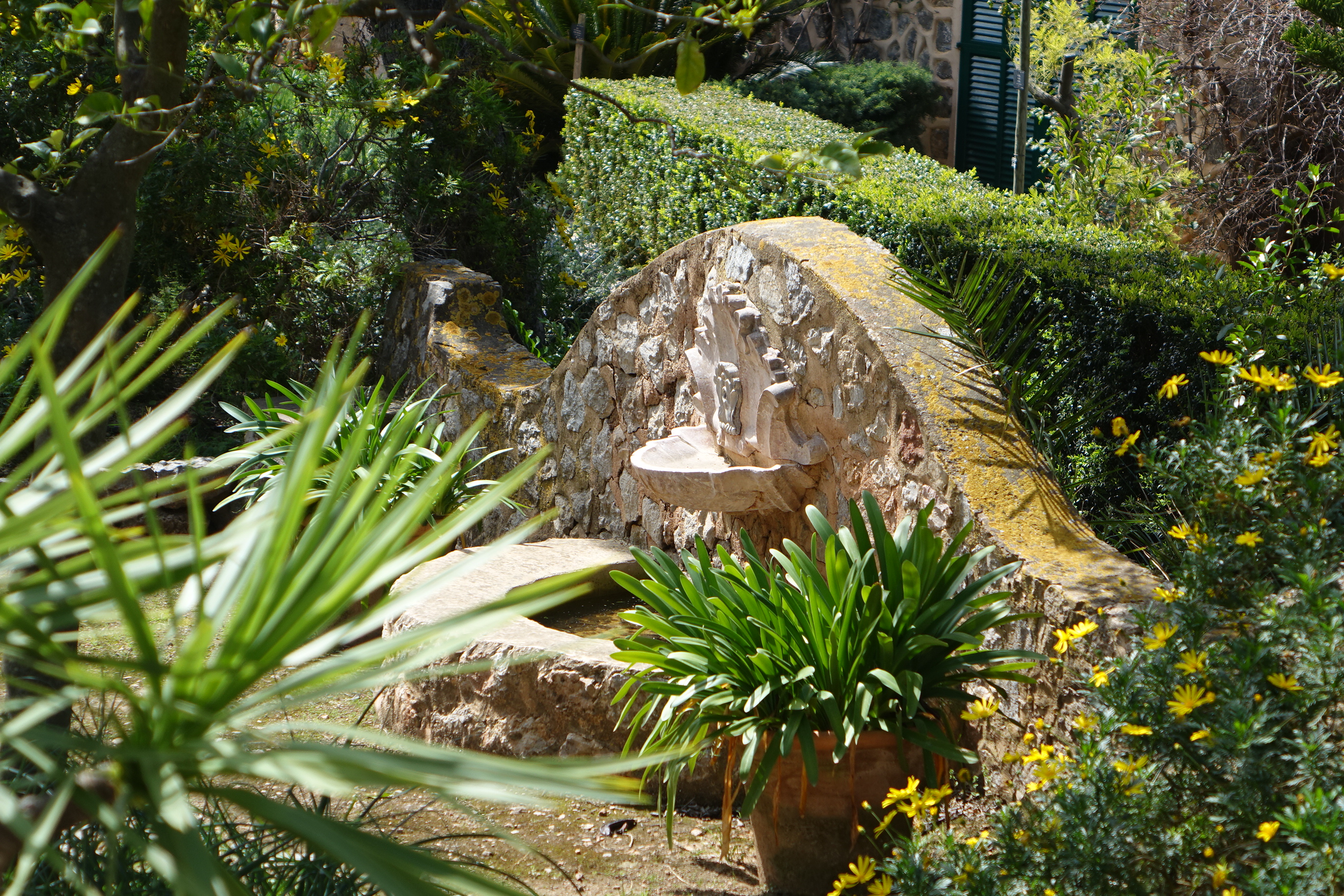
Only the now busier road alongside the house had the power to transport me back to reality. For no more does the family donkey pass sleepily along its dusty path. But that brief interruption asides, with its garden still abundant and the stunning coastal views ever present, Robert Graves house at Deia remains every inch the paradise which drew him to remain on the island and in his house for the remaining decades of his life, and which inspired him to write his life’s best work. I can only hope that Mallorca will continue to inspire me to my greatest work. In the meantime I plan to reopen the pages of Simon Gough’s stunning novel, to relive the idyll which brought me to Mallorca. 

All photos and written content are strictly the copyright of Nicholas de Lacy-Brown © 2015 and The Daily Norm. All rights are reserved. Unauthorized use and/or duplication of the material, whether written work, photography or artwork, included within The Daily Norm without express and written permission from The Daily Norm’s author and/or owner is strictly prohibited.