Skip to content

Posts tagged ‘Tourism’

Marseille to Marbella, Part V: Cassis

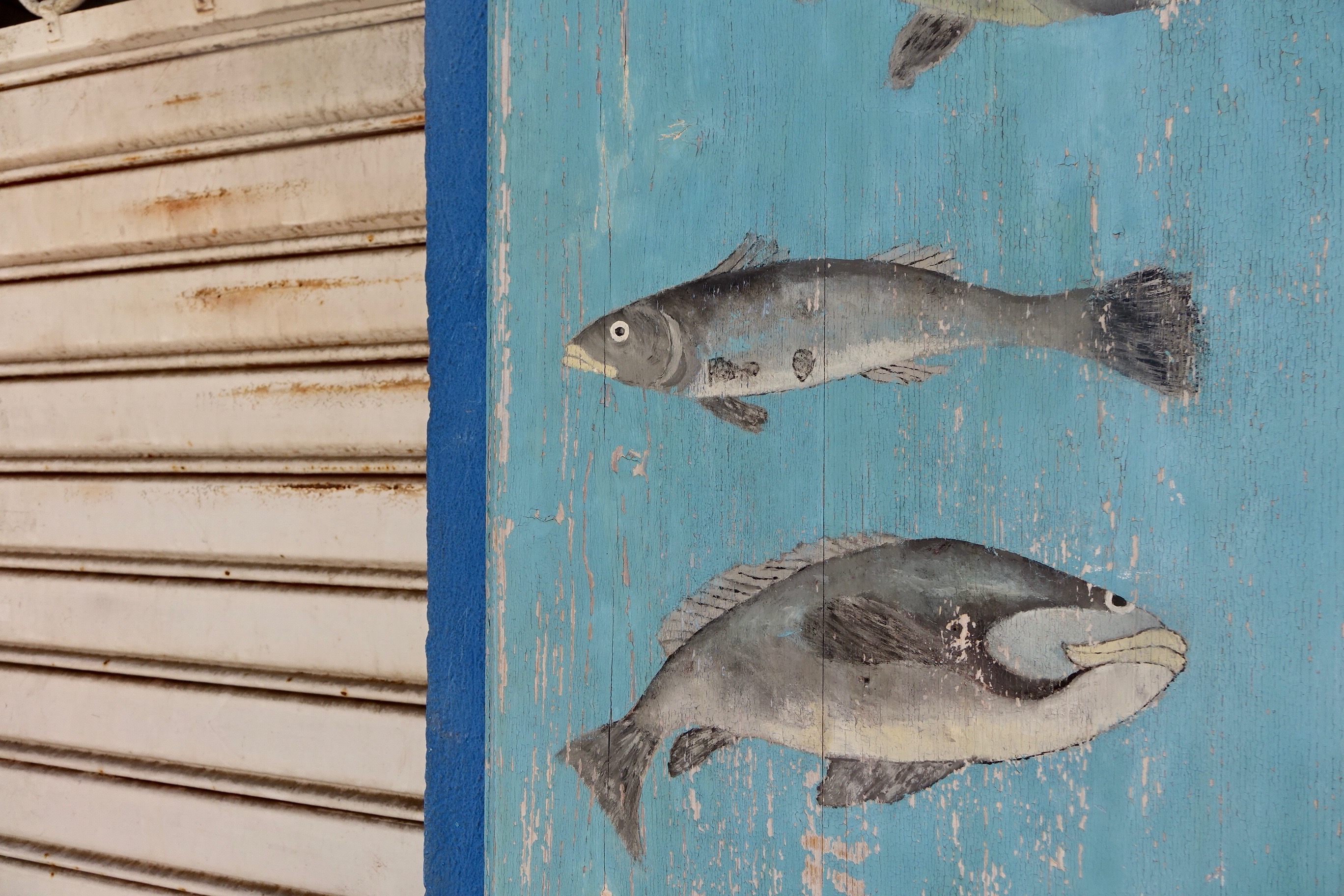
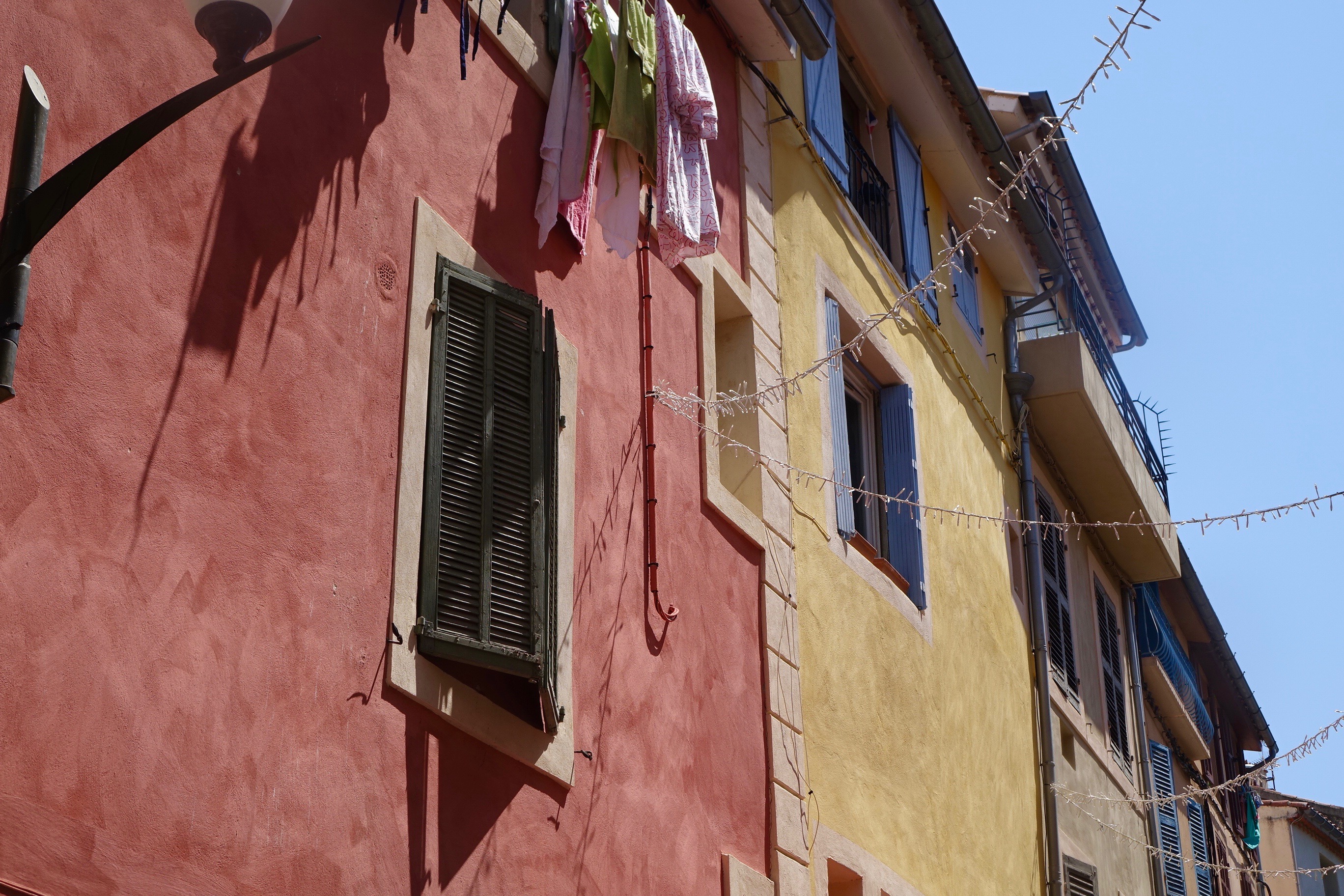
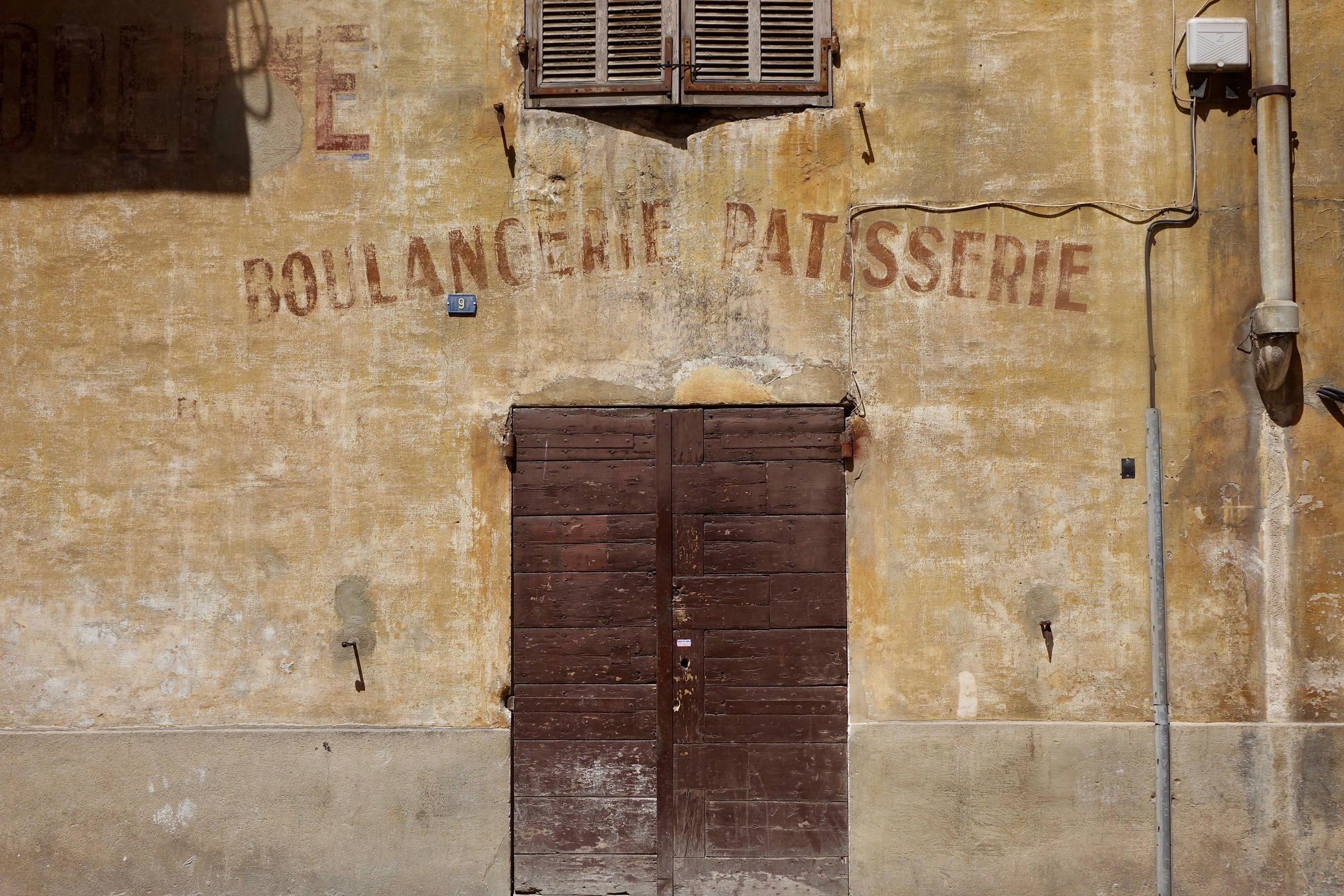
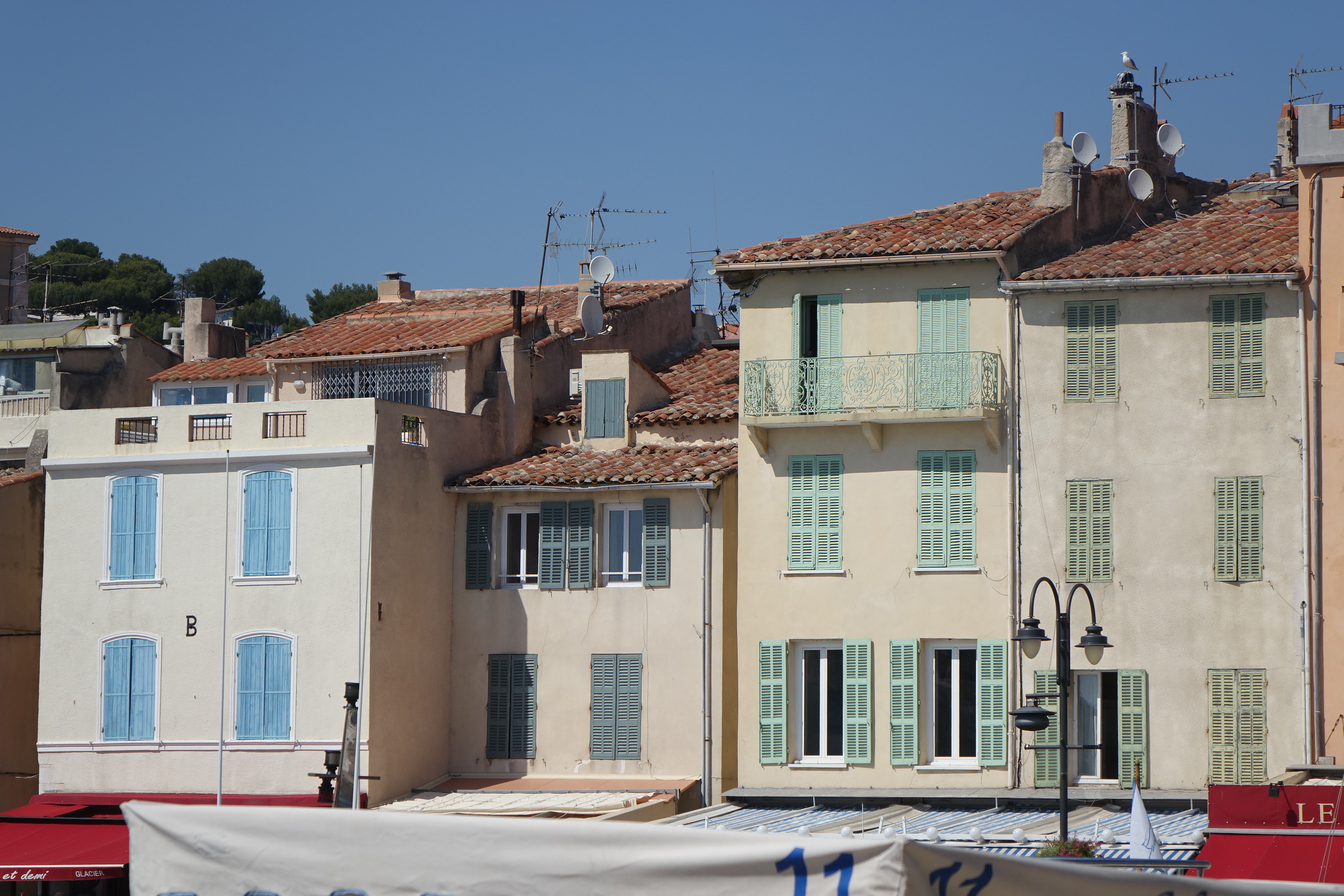
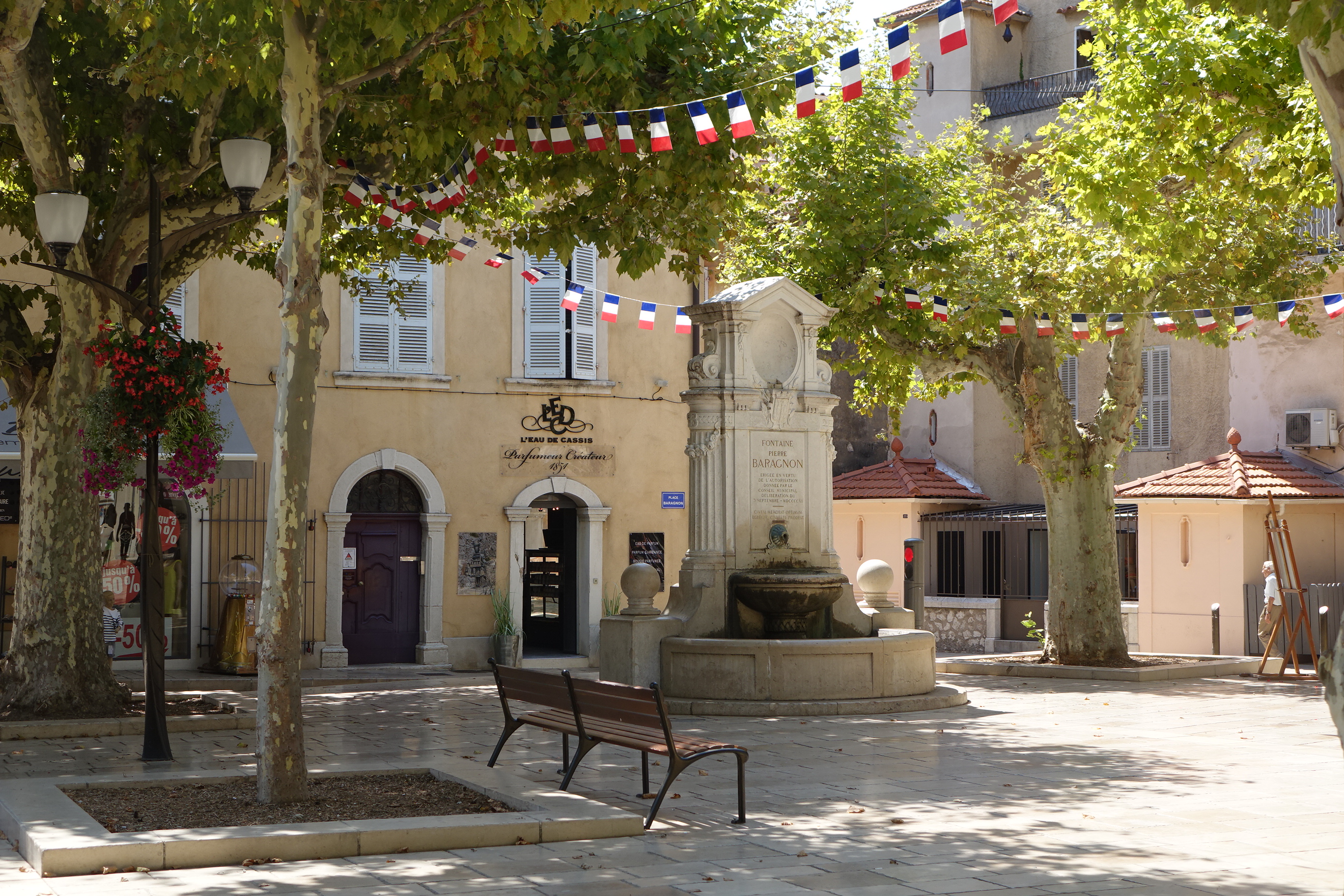
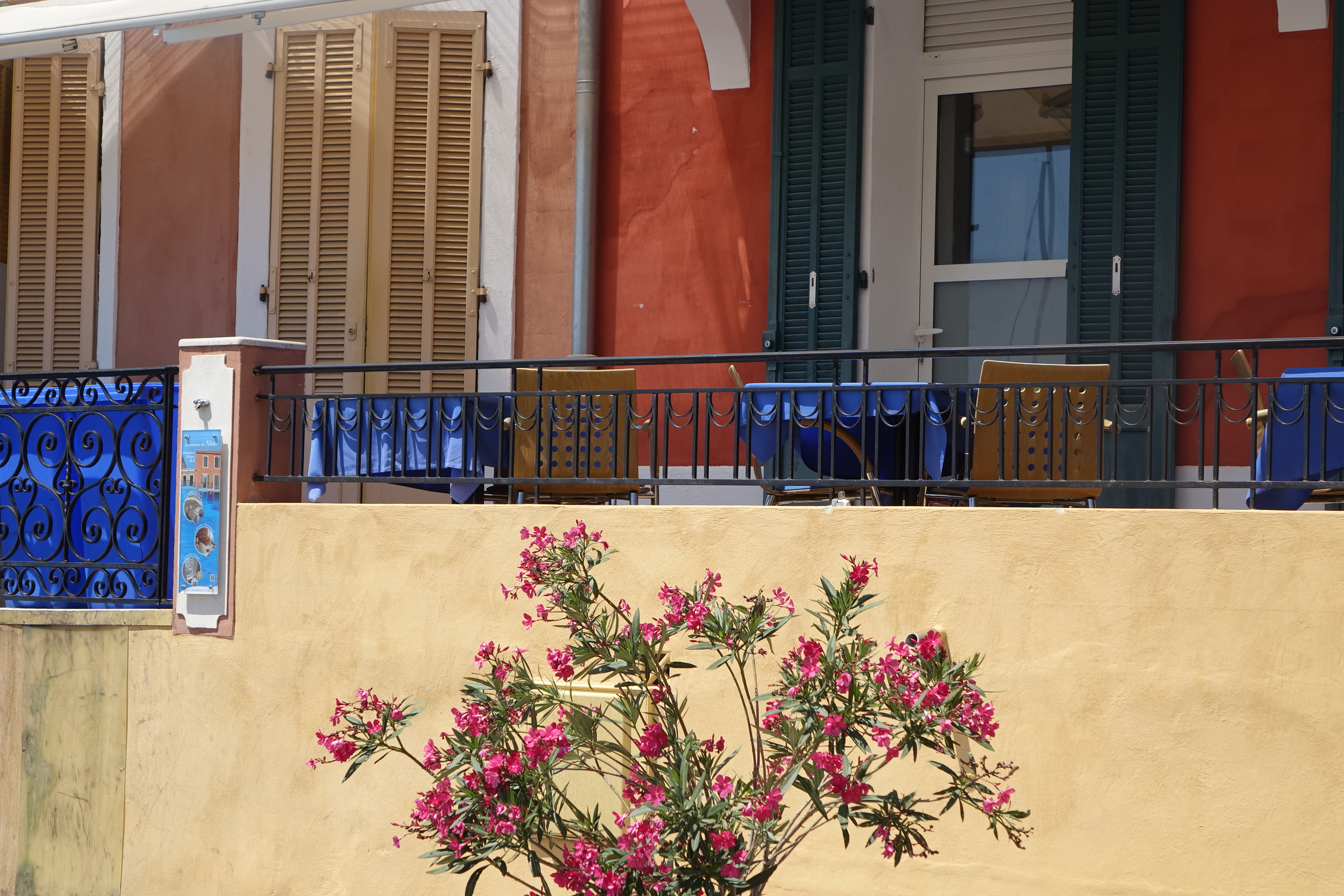
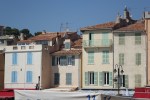
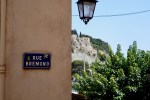
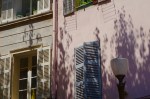
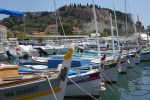
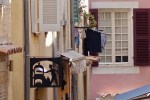
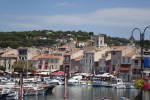
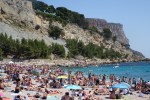
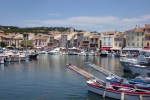
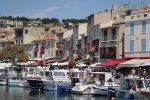
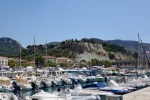
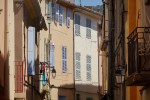
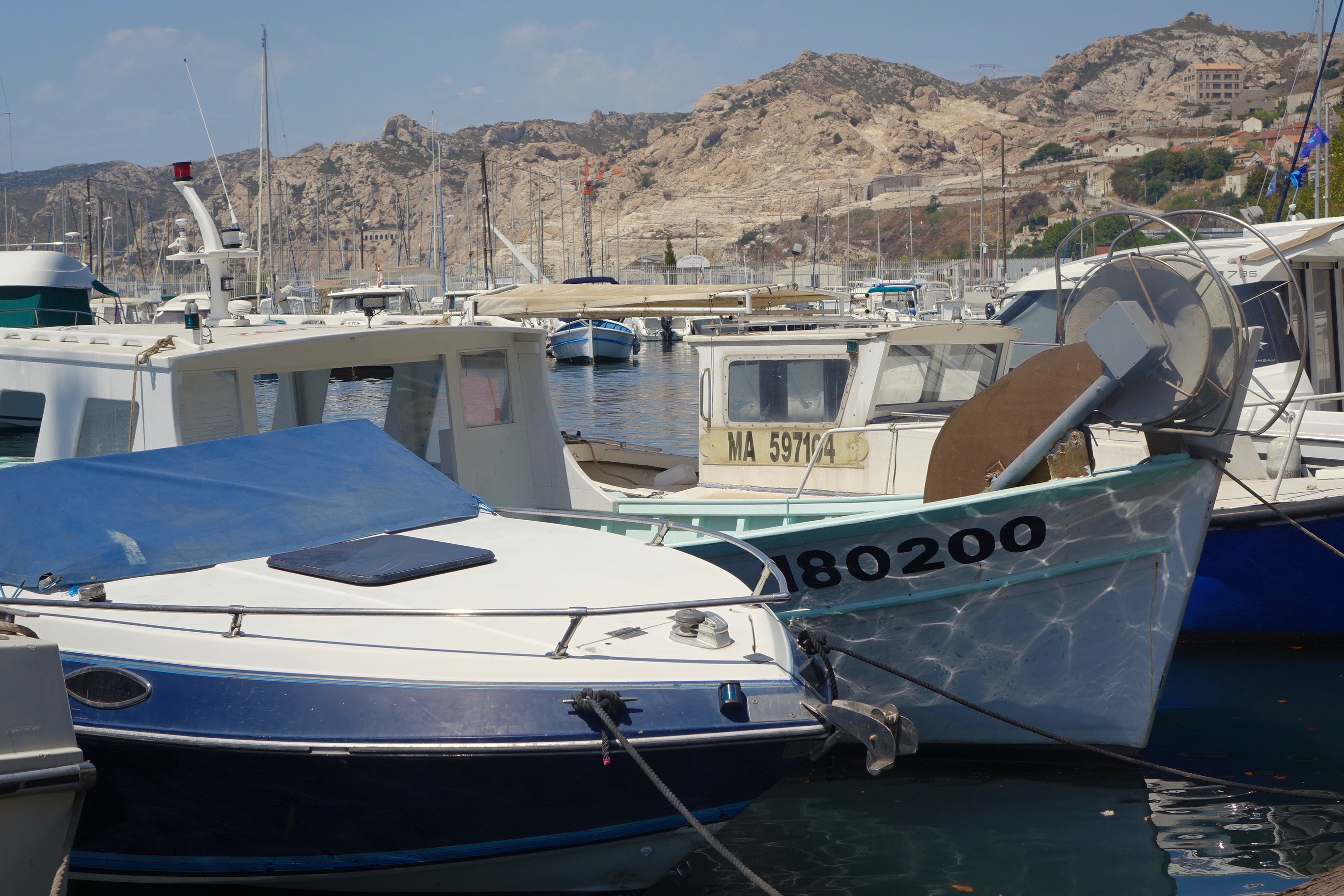
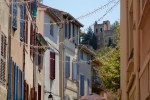
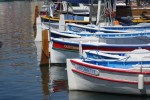
As soon as we stepped out of the train station at Cassis, the little port town a few kilometres East of Marseille, I declared that I was in love. The smell of heated pines, coupled with the accompaniment of persistently chirping cicadas was confirmation that we had entered a kind of Mediterranean paradise. That conclusion was further fortified as we made our way closer to the coast, and found plunging into a slightly opaque dazzlingly turquoise sea steeply cast mountains rippling with shades of terracotta and violet. But best of all was the harbour itself, a kind of St Tropez in miniature, with splendidly multi-coloured houses in every shade of pastel lining the waterfront, while before them, a veritable collective of fishing boats and yachts added luxury to the scene.

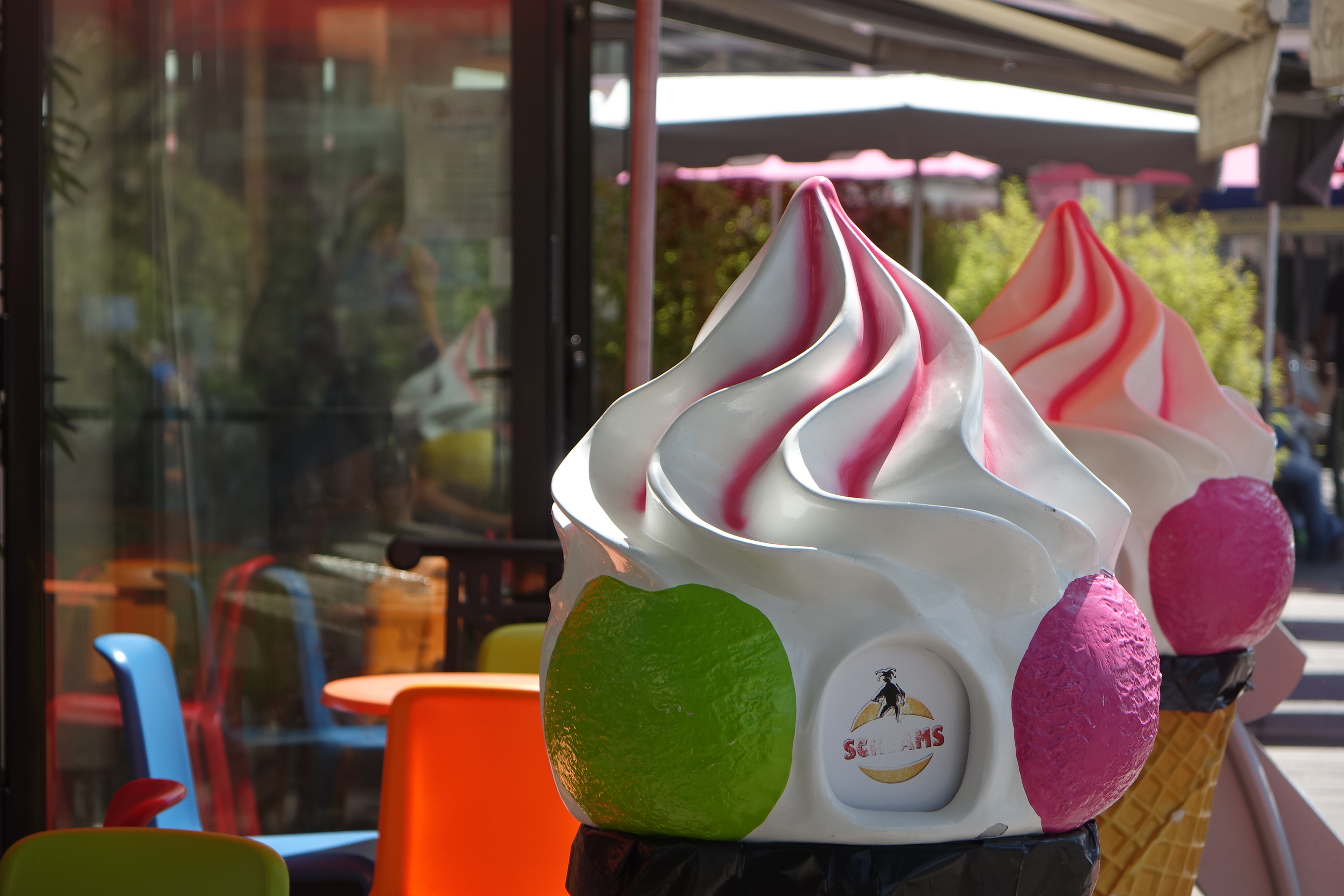
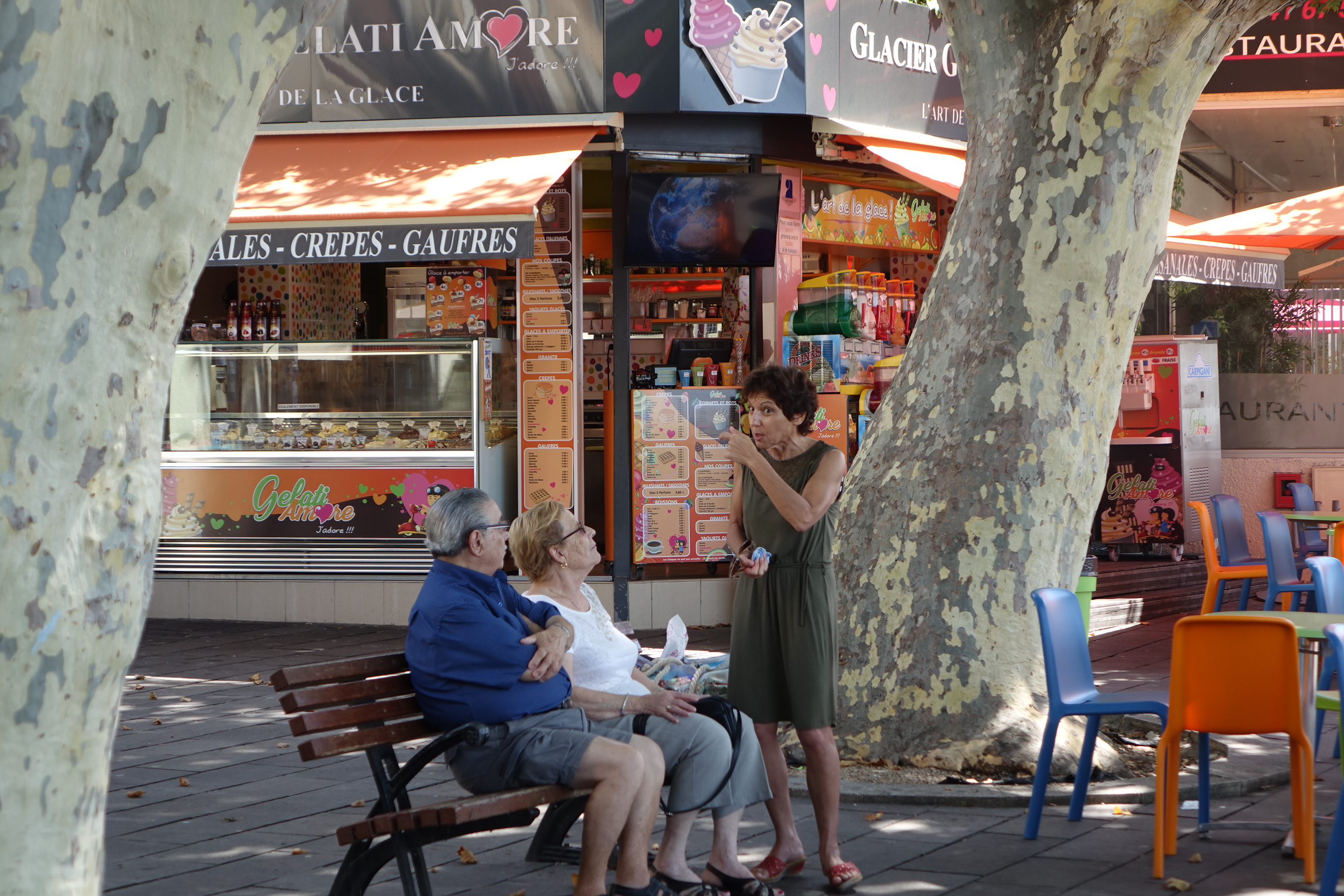
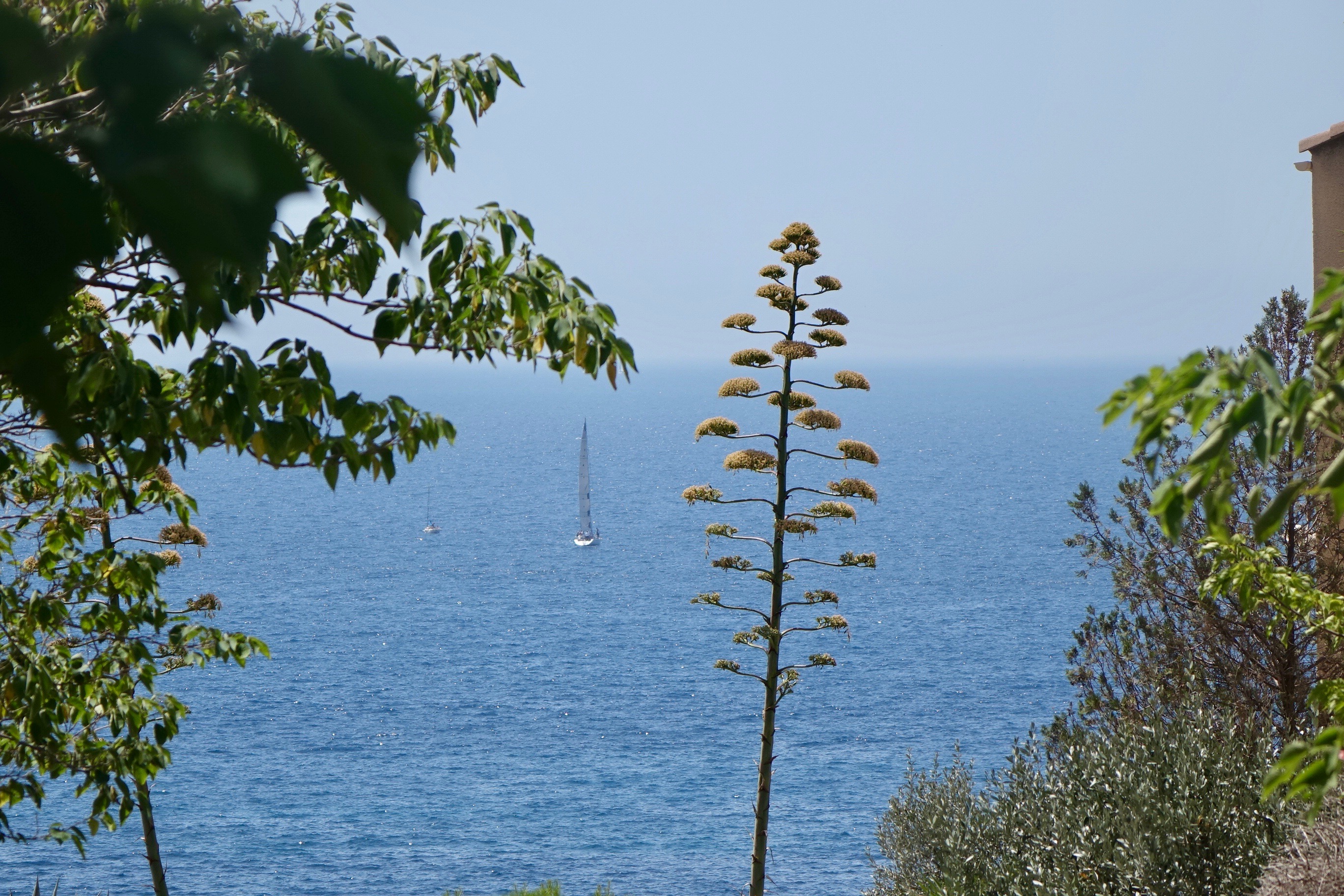
DSC04577DSC04593DSC04613DSC04545DSC04554DSC04521DSC04639

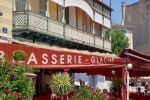
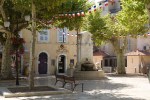
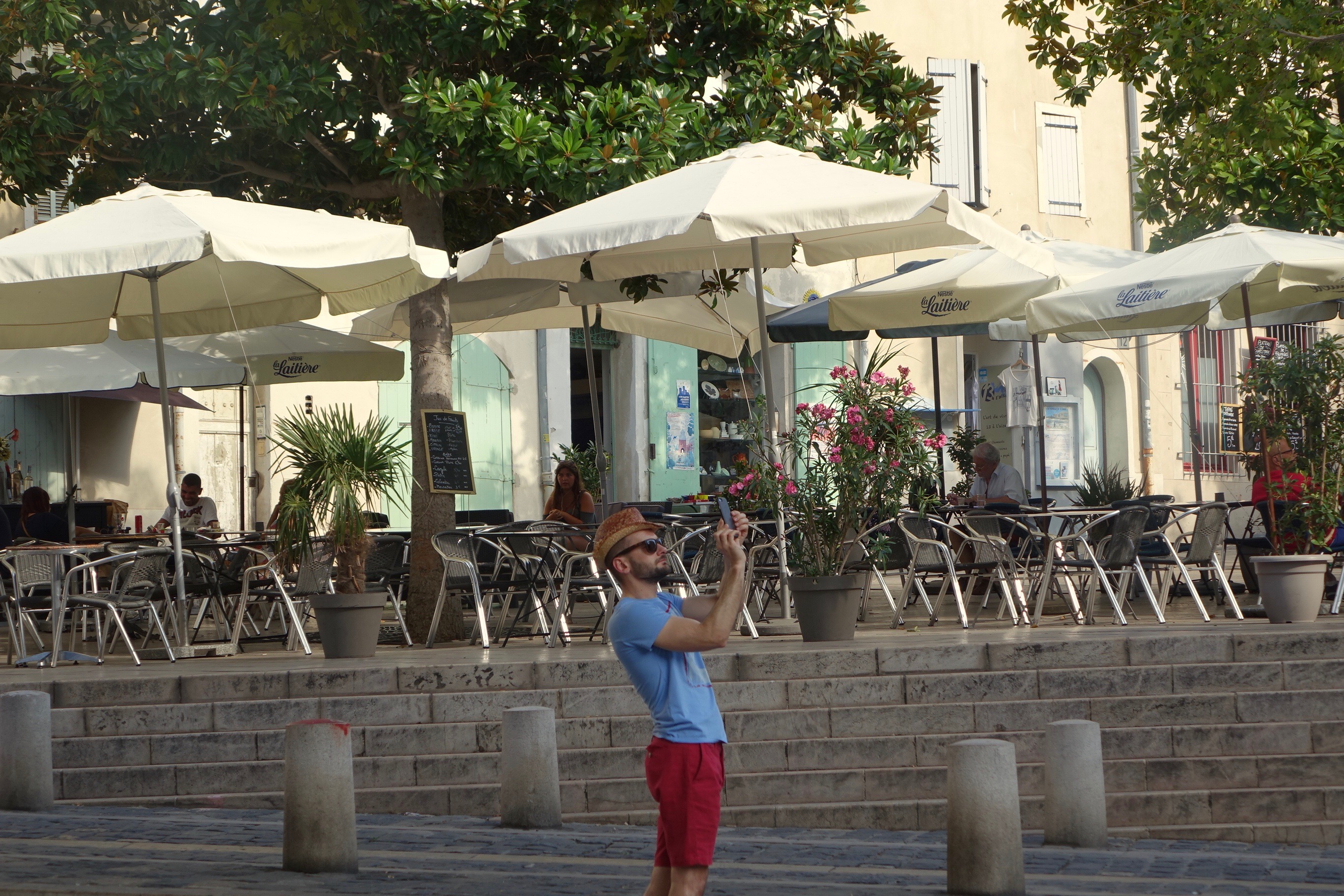
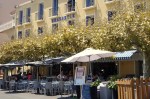
Living in Mallorca for close on 3 years means that this kind of glittering seaside scene is no stranger to me. Yet there is something about a port in the French Riviera that exudes a kind of innate elegance which is somewhat less tangible elsewhere in the Med. Maybe it’s the old men gathered drinking pernod and exchanging gossip in the tree-lined squares which neighbour the harbour. Or perhaps it’s the perfume of Marseille soap and lavender which manages to pervade and harmonise with the delicate scent emanating from the sea. Or maybe it is the cafes and bistros, whose location affords them the very freshest of seafood and extravagant shell fish, and of course the very best in chilled Provencal rose. I’m not sure I can truly put my finger on what it is that singles out these Riviera havens, but I know that Cassis is as insuperably handsome as it gets.

DSC04503DSC04513DSC04585DSC04580DSC04589DSC04494DSC04607DSC04563

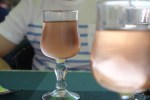
A few minutes was all we needed to located the best table alongside the waterside, a large plate of gigantic grilled prawns and several glasses of rose so cold that ice clung to the side of the gently perspiring wine glass. Somewhat heady on all that peach-coloured elixir, we wafted around the port like fallen bourganvilla petals dancing in a light summer’s breeze, utterly caught up in the aesthetic delights of the place. That momentum pushed us towards the emerald sea, and there in water frothed up by a robust Mediterranean current, we plunged into the ambient waters from where Cassis appeared all the more stunning.

Compared with the urban cacophony of Marseille, Cassis proved the ultimate Riviera balm; a true treasure of the French Mediterranean whose soft palette and pervasive elegance ensnared our senses and charmed our imagination, long after the Riviera train scooped us back into the smoggy fold of Marseille.
© Nicholas de Lacy-Brown and The Daily Norm, 2001-2017. Unauthorised use and/or duplication of the material, whether written work, photography or artwork, included within The Daily Norm without express and written permission from The Daily Norm’s author and/or owner is strictly prohibited.

Marseille to Marbella, Part IV: L’Estaque

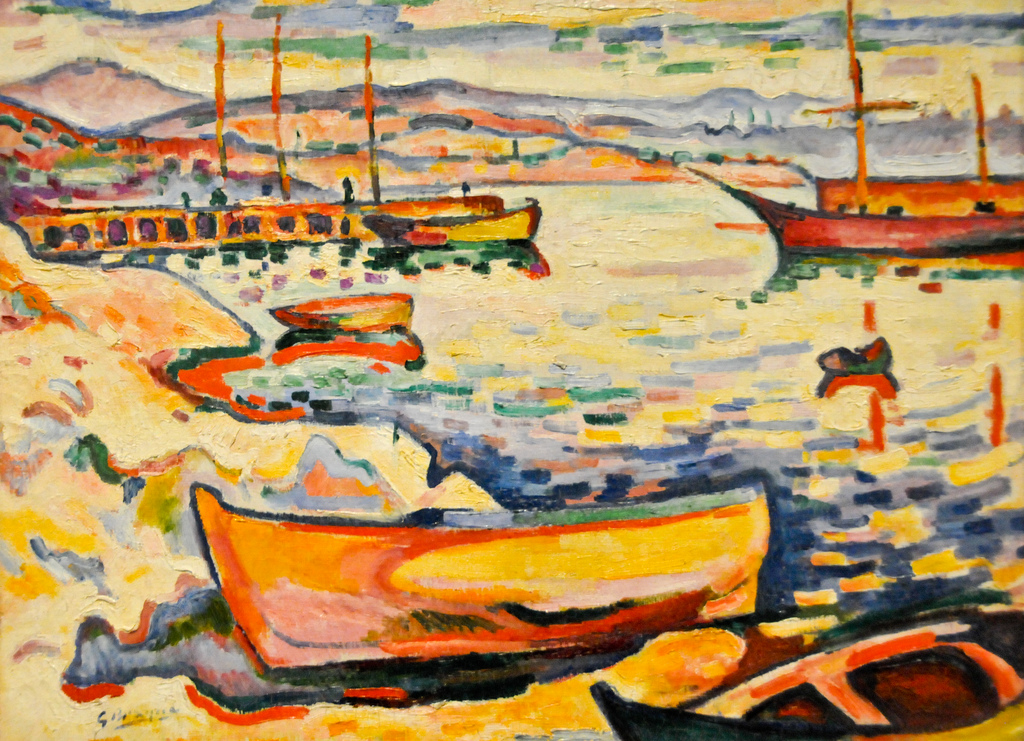
Any art historian or Impressionist aficionado will recognise the name L’Estaque even if they cannot bring a vision of the place immediately to mind. Today, this small fishing village could be easily missed. It is now but one suburb merged involuntarily into the insuperable urban sprawl of Marseille. Yet 100 years ago it was at the centre of an artistic movement. Not only did the port and the surrounding landscapes inspire some of the most preeminent forefathers of Impressionism, but it is also credited as being instrumental to the birth of the Cubist movement.
DSC04256DSC04253DSC04277DSC04288DSC04251DSC04269DSC04312

How and why cubism came about here is unclear, but Cezanne, a forerunner of the movement, was evidently as inspired by the geometric volumes of the railway bridges and houses clinging to the hills as he was by the hard-edged stone quarries near his birth city of Aix. But it was perhaps the contributions of Georges Braque which were to be the most significant. While his initial response to the landscape was a fauvist expression in a multi-coloured palette of startling bright tones, it was his decidedly cubist landscapes depicting L’Estaque’s house-filled hillsides which really put the town, and cubism, on the artistic map.

L’Estaque by Braque and Cezanne

largerGeorges Braque - The Port of L'Estaque, 1906 at Summerset House London Englandl-estaque-view-through-the-pines-1883article_image_3_cezanneGeorges_Braque,_1908,_Maisons_et_arbre,_oil_on_canvas,_40.5_x_32.5_cm,_Lille_Métropole_Museum_of_Modern,_Contemporary_and_Outsider_Art

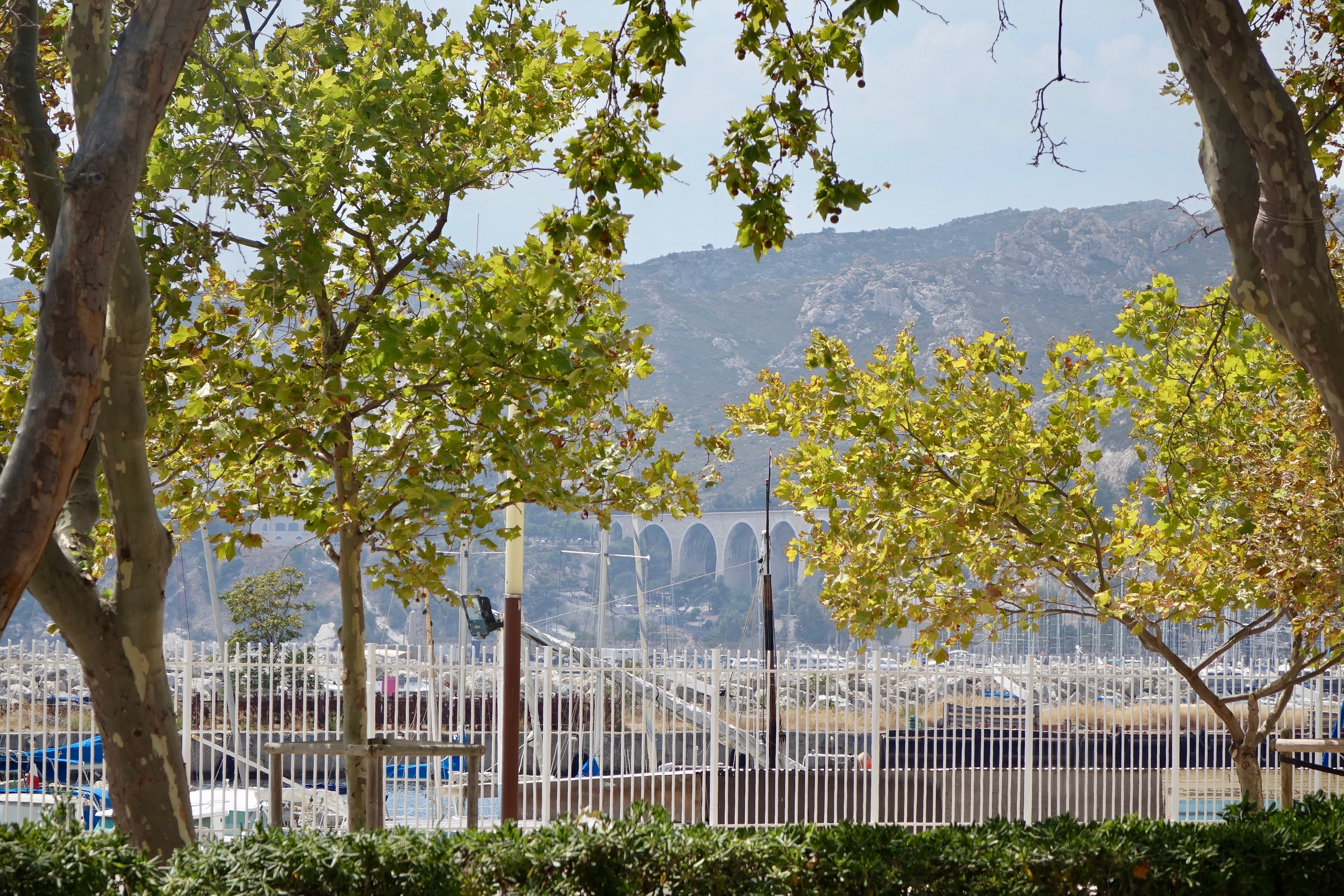
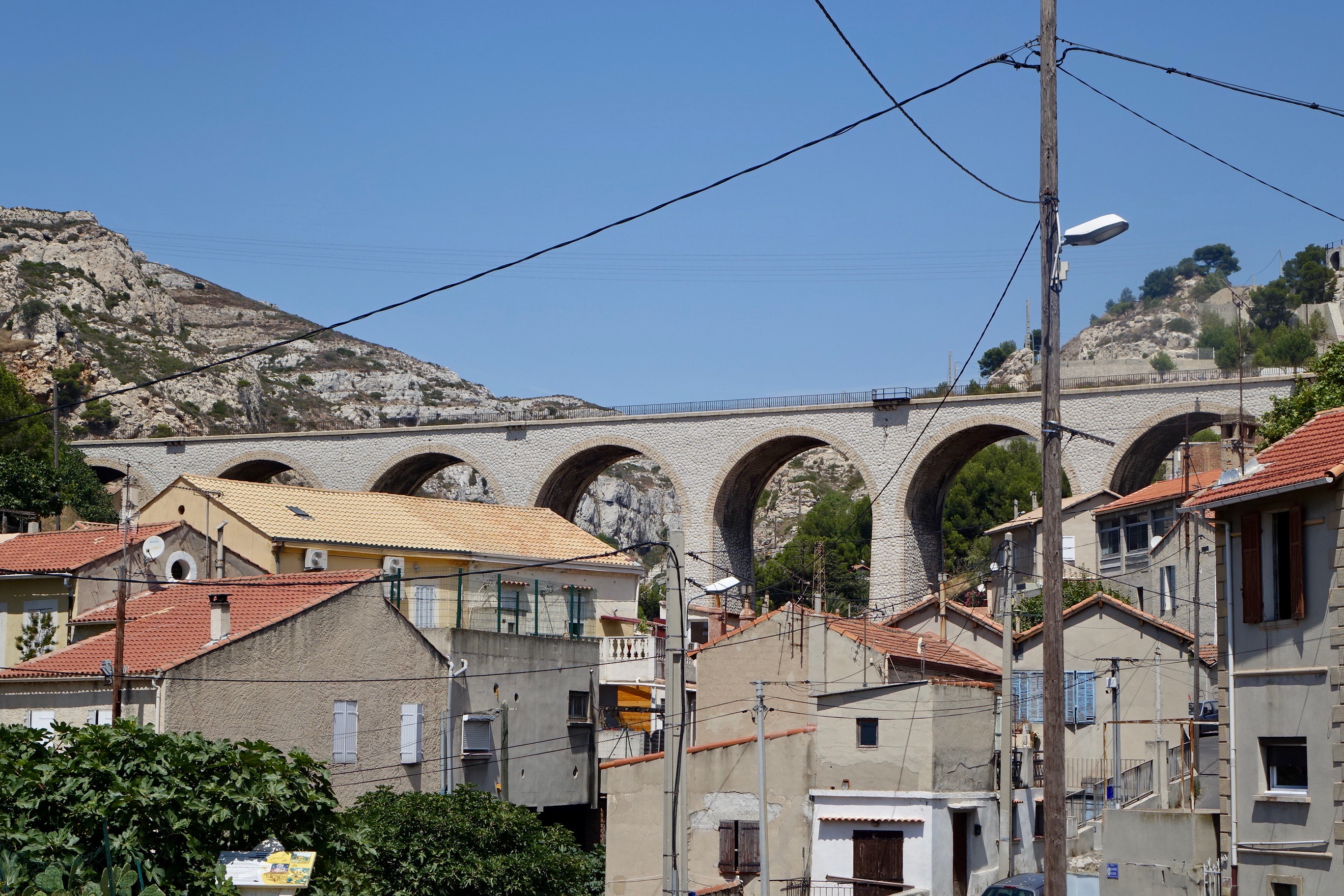
Given its place in art history, I felt that this little former village had to be on our Marseille itinerary, even though for many, it may go unnoticed. Happily we were able to take a boat the 30 minutes along the bay – a far preferable trip to the alternative of a sweaty commuter train out of the Gare St Charles – and this approach gave us  the advantage of seeing the hillsides of L’Estaque from afar, characterised as they are by the arched railway bridges which feature so predominantly in Cezanne and Braque’s landscapes.

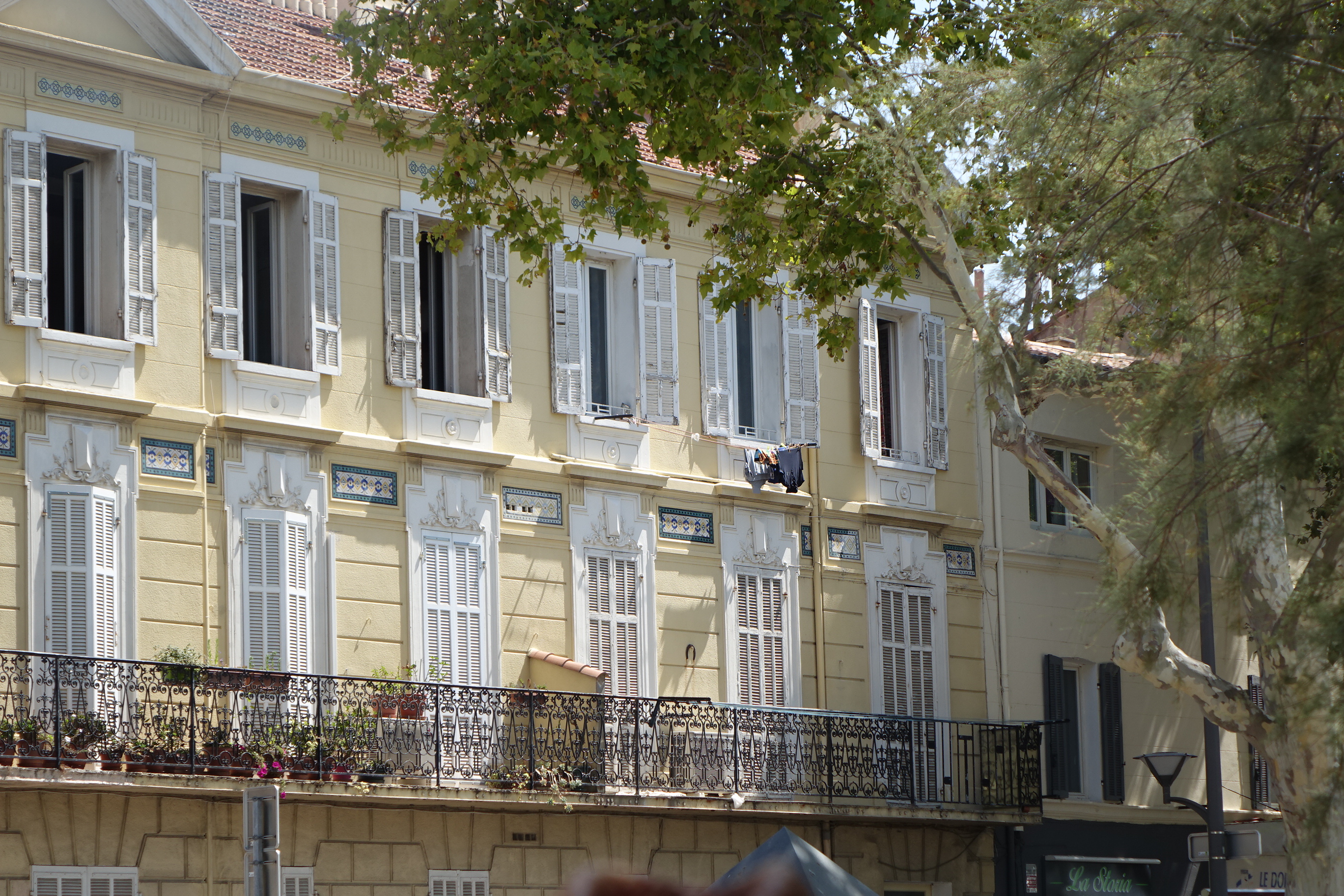
I would be lying if I said that we were blown away by the town. It is, in essence, a very simple seaside village with a hand-full of bars and a port packed with fishing boats. It is also somewhat difficult to imagine the quaint village which Braque and Cezanne might have discovered when they arrived years ago, free from the modern industrial structures which sit just outside the town, and the tall wire fencing which closes off much of the port from view. However, once we strolled up into the higher streets, and looked across both the port and the rooftops of the gradually ascending town, suddenly the shapes and volumes which must have inspired that new cubist way of depiction fell into place, and the true artistic significance of L’Estaque gained clarity.

DSC04350DSC04319DSC04313DSC04305DSC04273DSC04301

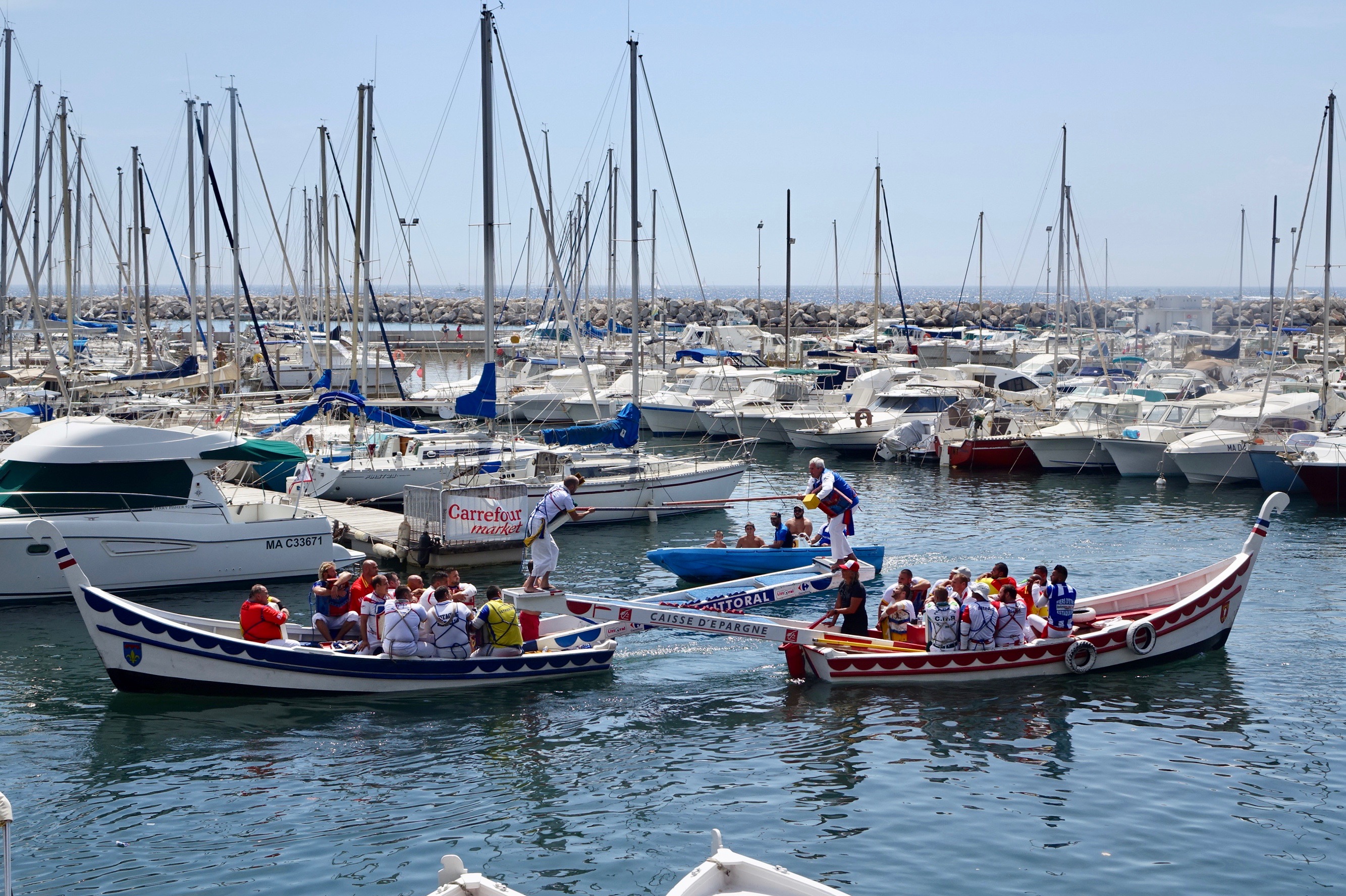
Satisfied, therefore, by our trip and the insight it provided into the birth of cubism, we grew fonder of L’Estaque, a notion which a few glasses of rosé on the sunny portside promoted. And then, as though reminding us that a contemporary society also lives today in this town of cubist history, a bugle call and a loudspeaker announced the commencement of Le Joute – a form of water based jousting which captured our attention for the remainder of the afternoon. Only then did we head back onto the water, gliding away from L’Estaque in a boat bound for Marseille, watching behind us as the forms of houses and rail bridges grew smaller until they resembled mere cubes on a craggy hillside…

DSC04250DSC04340DSC04267DSC04282DSC04321DSC04295

© Nicholas de Lacy-Brown and The Daily Norm, 2001-2017. Unauthorised use and/or duplication of the material, whether written work, photography or artwork, included within The Daily Norm without express and written permission from The Daily Norm’s author and/or owner is strictly prohibited.

Marseille to Marbella, Part II: Le Panier

It’s a story which is far from unique: European city, ravaged by the horrors of war, its architectural and cultural heritage trampled into dust by the unforgiving swathe of brutal violence – territory grabs without sensitivity nor foresight, all in the name of victory. Many of Europe’s ancient treasures were destroyed this way, when mass invasions and forced occupations brought with them a path of historical vandalism from which a full recovery has never been made. And Marseille is no exception. For on on the old Vieux Port, only the Renaissance style Hotel de Ville and the Hotel de Gabre remain as a reminder of what the grand old Marseille waterfront would have been in its golden age. The rest was cleared in mass explosions executed by Nazi occupiers who feared the uncontrollable warren of Marseille’s ancient streets, and the potential for hiding in them the “undesirables” they sought to eradicate.

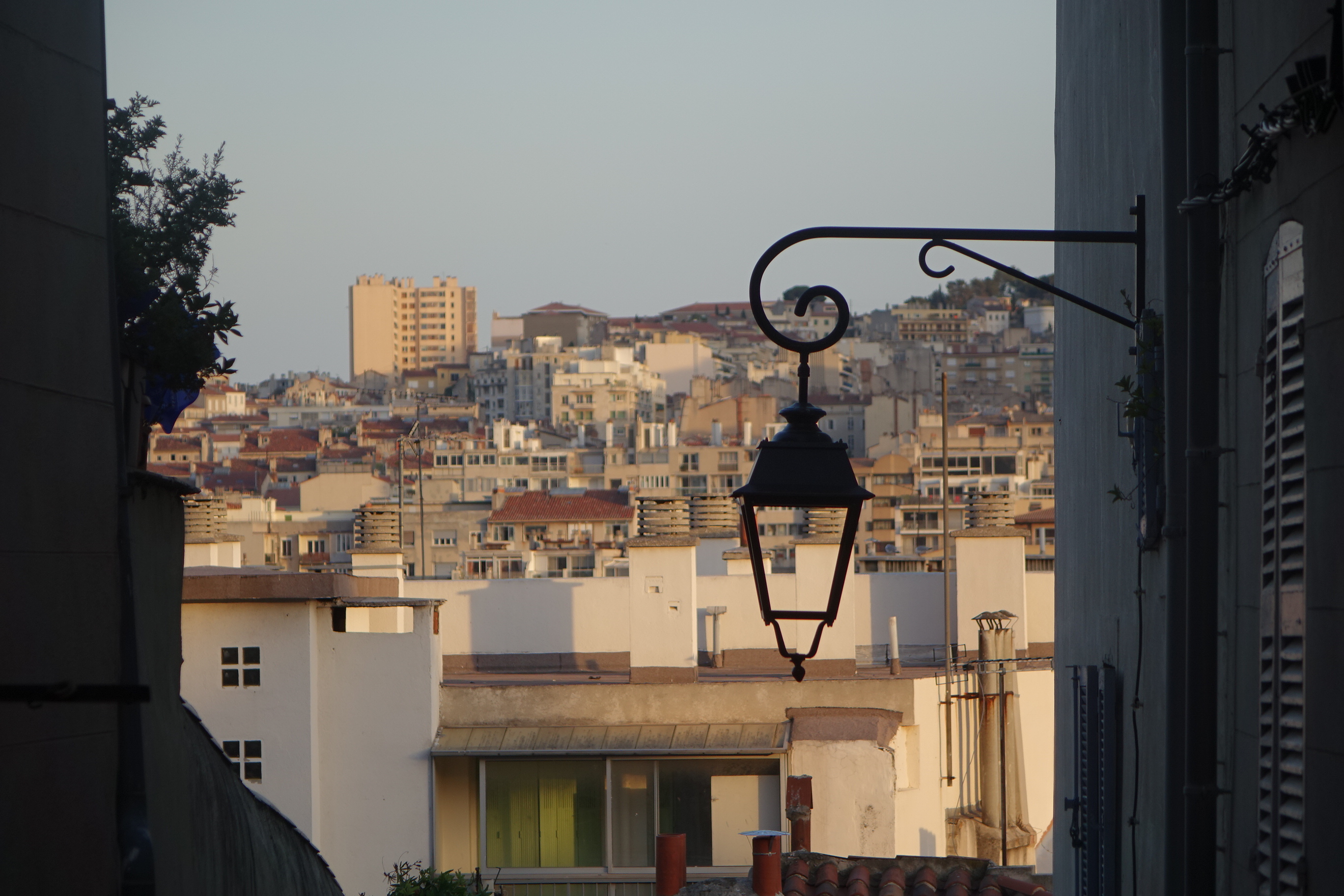
And so, of this uniquely charismatic area of ancient Marseille, Le Panier, only the upper town remains today. Its previous quaint waterside was eradicated in one devastating act of destruction, only to be replaced by the horribly charmless art deco apartment blocks which remain to this day. Yet behind the port, up on the slopes of ancient Marseille, the old core of Le Panier remains, the merciful survivor of Nazi occupation, and clear example of how the city would at one time have looked.

DSC03903DSC03851DSC03821DSC04652DSC03905DSC03840DSC03870DSC03829DSC03860

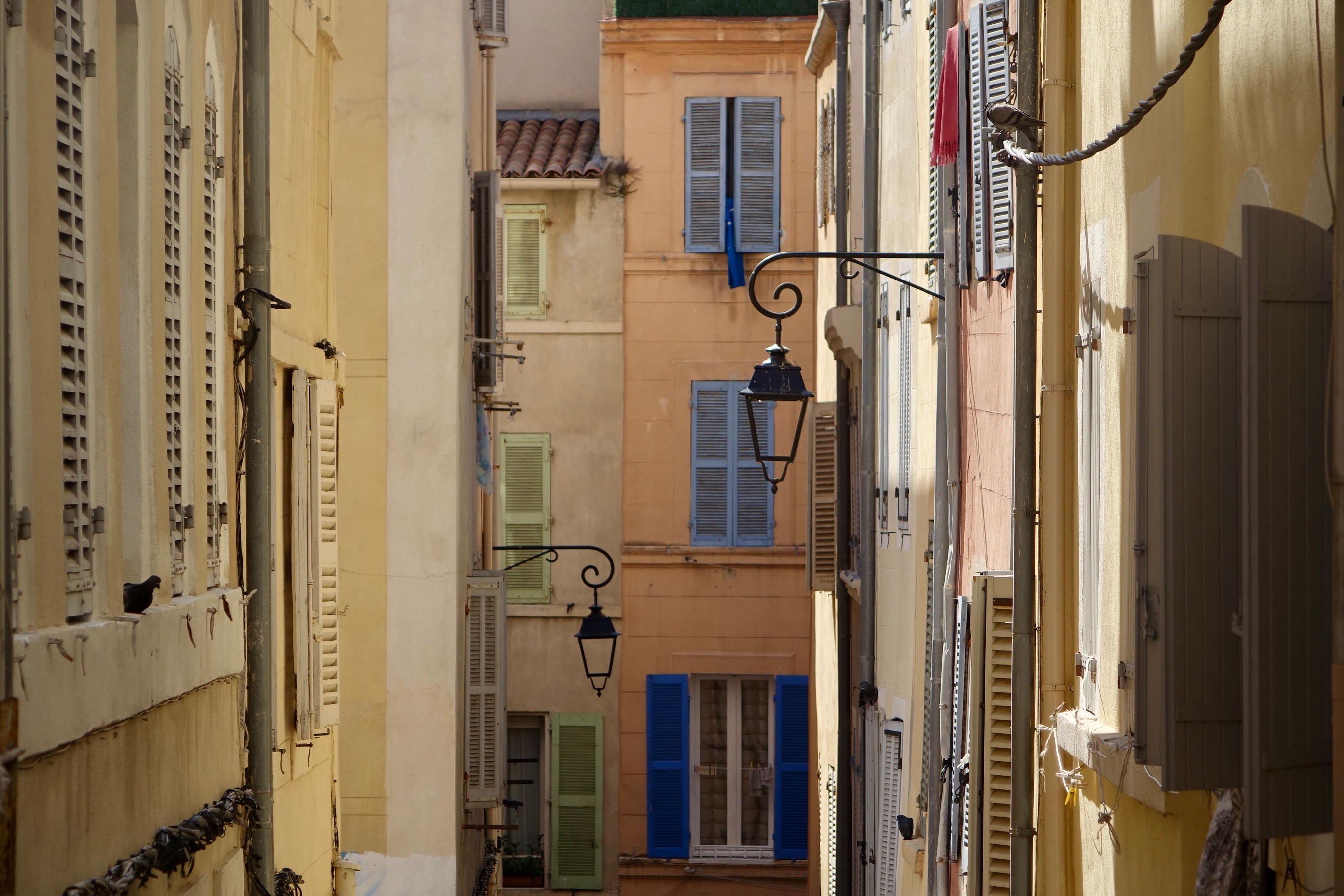
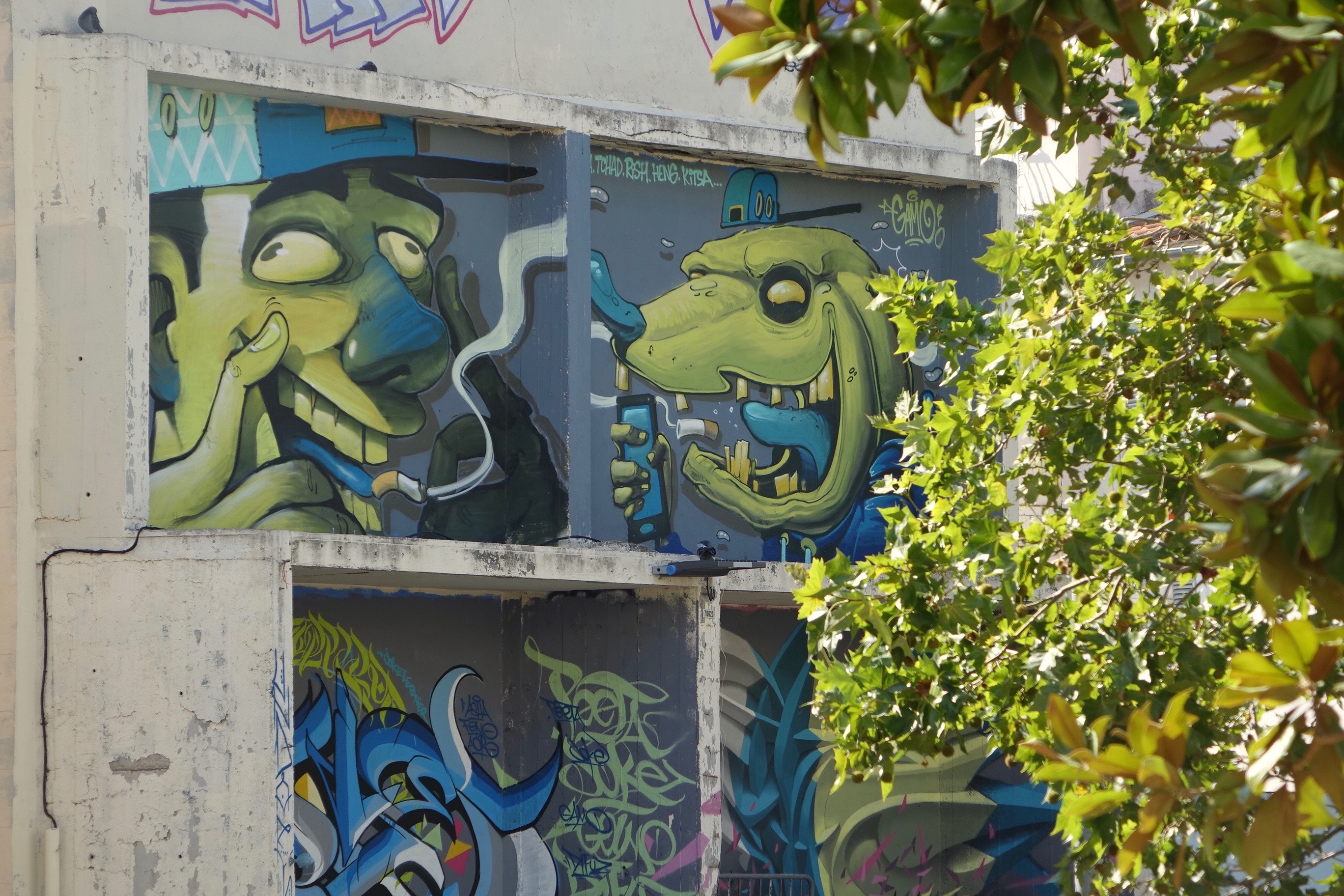
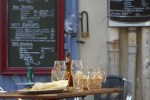
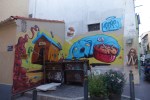
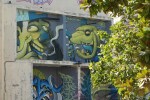
The streets of Le Panier carry a lazy, bohemian milieu characterised by a clearly artistic streak and a decidedly gritty, urban edge. Streets lined by painted shutters and washing hung out to dry are also decorated by large graffiti murals which give an indication of the creatively rebellious inhabitants who occupy the area. Steep slopes give way to quaint restaurants, and the area’s bars and shops are simple and unassuming. Streets are unplanned, cobbled and hilly, but they bare the signs of centuries of unceremonious habitation – the cracks of age and the scars of competing modes of expression.

While resembling something of the charm that the surrounding area of Provence exudes in bucket loads, Le Panier is as authentically urban as it gets. This is the hard edge to the Riviera’s soft, lavender-scented tourist-friendly facade, and is a quintessential representation of a modern Mediterranean city anchored in its history.

© Nicholas de Lacy-Brown and The Daily Norm, 2001-2017. Unauthorised use and/or duplication of the material, whether written work, photography or artwork, included within The Daily Norm without express and written permission from The Daily Norm’s author and/or owner is strictly prohibited.

The Sicily Series | Part VIII – Ortygia of Syracuse, the Venice of the South

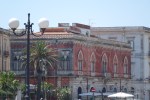
The legend of Ortygia had come to us through the bathroom. Not that this should be misread as something smutty. For Ortigia the brand of timelessly elegant bath products, room fragrances and soaps is today one of the most prestigious purveyors of bathroom accessories on the market, with stores on Marylebone High Street and Sloane Square in London alone. And while the company, which hails from Sicily and whose packaging awash with leopards and palm trees is the very essence of the Il Gattopardo period, spells it’s name with the Italian ‘I’ it is otherwise the perfect ambassador for this equally stylish stunning little city in Sicily.

DSC03405DSC03478DSC03312DSC03341DSC03434

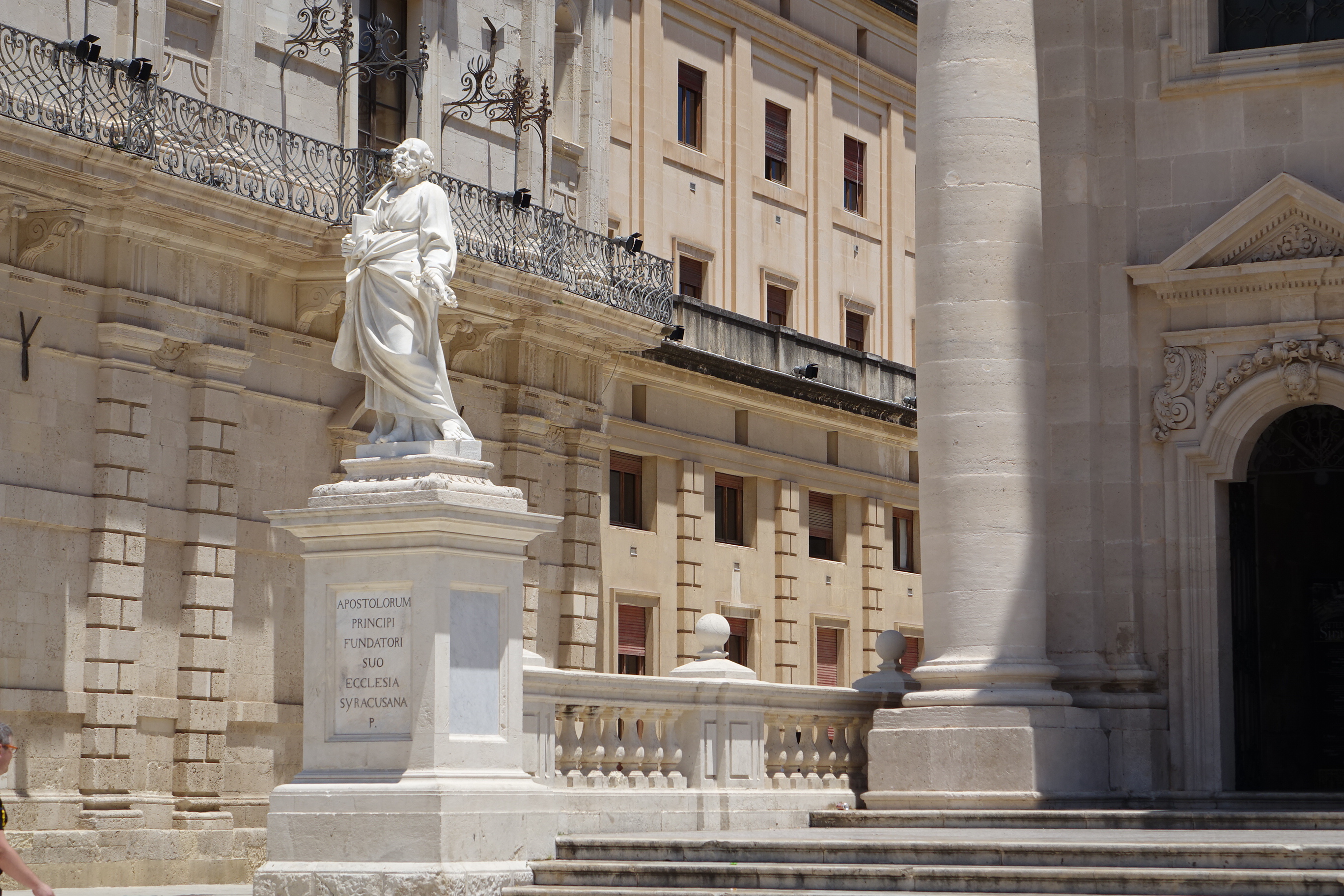
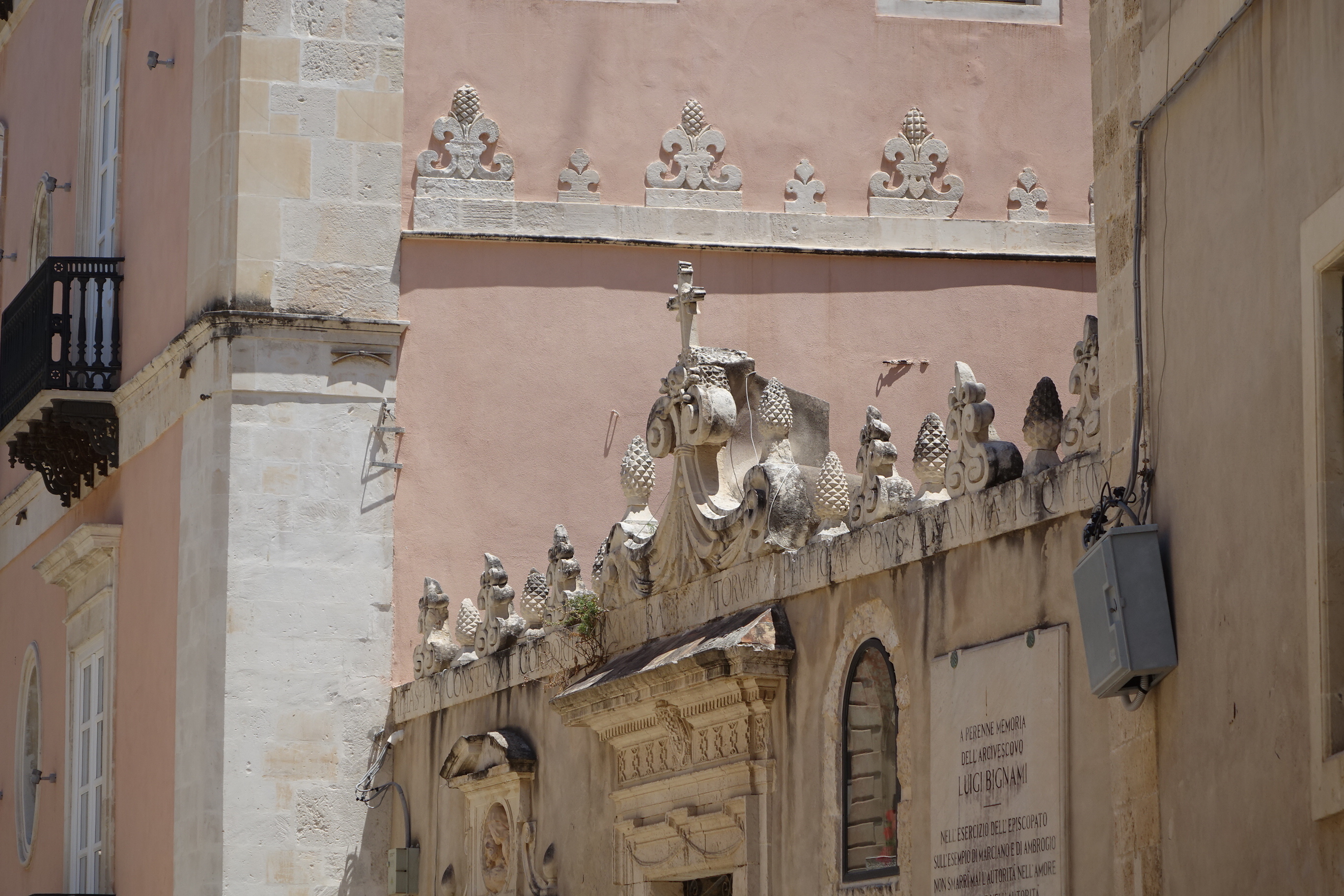
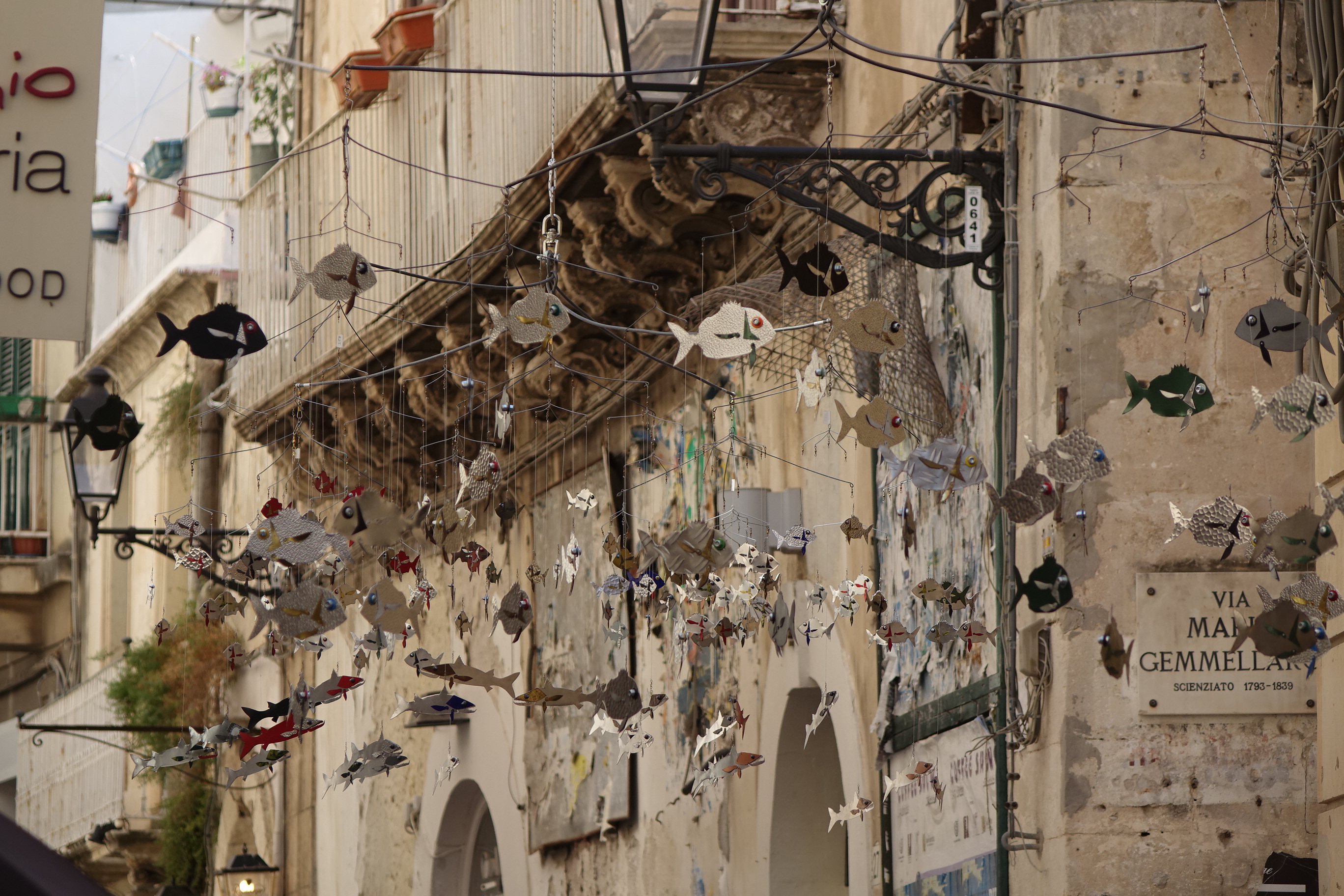
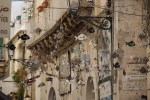
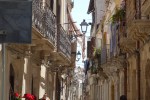
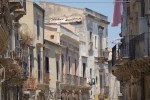
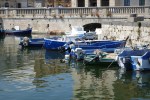
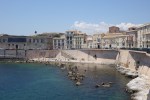
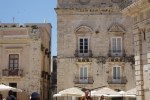
Ortygia is more of an island than a city, connected to the bigger city of Syracuse by two narrow bridges. With few cars, plenty of picturesque narrow streets, and surrounded on all sides by the sea, Ortygia has often been called the Venice of Sicily and it’s not difficult to see why. For in place of Florian’s cafe are a host of cosy little eateries with pale striped cushions, blue glass and understated elegance. In the place of ancient treasures sacked from Constantinople you have multiple ruins dating way before the roman times and literally peppering the streets (the incredible ruins of the Temple of Apollo being the first to greet you when you cross the bridge). And instead of Saint Mark’s the main Duomo of Ortygia is a masterpiece mix of the most ravishing Baroque with an ancient Athenian temple.
DSC03466DSC03439DSC03433DSC03380DSC03408

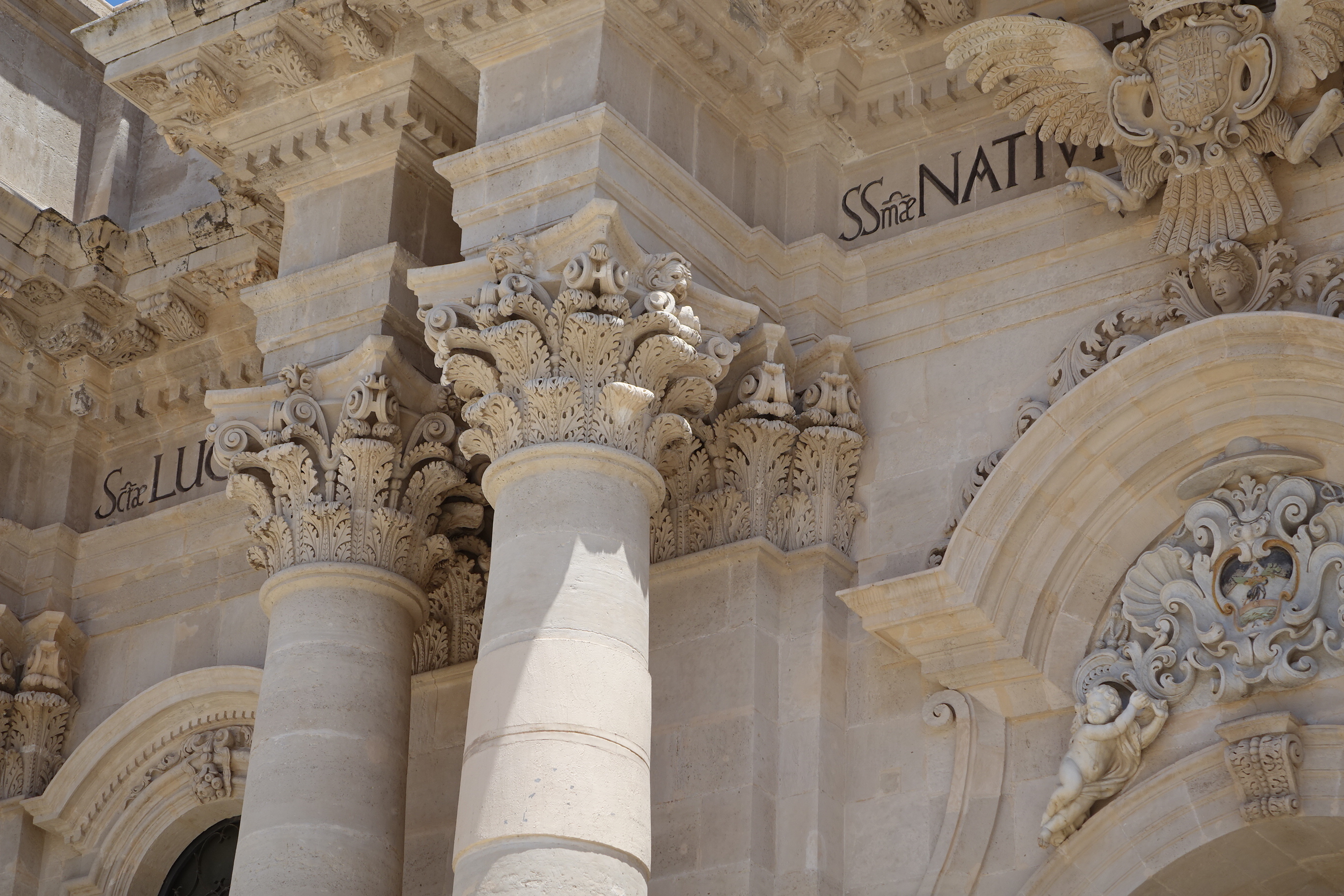
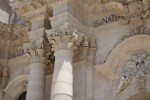
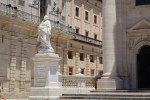
For me the Cathedral (not to mention the dazzling showpiece square surrounding it) is undoubtedly the highlight of Ortygia. With its elaborately decorated marble facade, the Cathedral shows but one face of an indelibly rich history which oozes from within. For one walk inside and you find an ancient interior not characterised by the Baroque at all. Rather the Cathedral is essentially a remanifestation of the ancient Temple of Athena which has always stood on this spot. It is not just built on the same foundations but is actually constructed over and amongst the original ancient columns which made up the temple. All they have done is filled in the space between the columns, put a roof on top, and that marvellous facade at the front. The effect is to receive an incredible immersion into the most ancient of civilisations, and really gain insight into what a temple back in the times of Ancient Greece would have been like.
Alas we could not spend too long in Ortygia. The sun bounced down on those ancient palazzos and that fine white marble which dazzled all around, and as the afternoon drew on, temperatures rose in unison. We therefore escaped to the air conditioning of our car and the promise of a prosecco back in Noto. But we left Ortygia with a real sparkle in our eyes, and, naturally, a little complementary purchase from its world renowned cosmetics store.

© Nicholas de Lacy-Brown and The Daily Norm, 2001-2017. Unauthorized use and/or duplication of the material, whether written work, photography or artwork, included within The Daily Norm without express and written permission from The Daily Norm’s author and/or owner is strictly prohibited. 

The Sicily Series | Part V – The views that put Taormina on the map

Despite the chic which characterises the burgeoning boutique-lined streets and bustling café-filled piazzas of Sicily’s Taormina, the attraction which really put the town on the map was in situ long before the fashionistas took up residence. For the picture-postcard undisputed highlight of Taormina is its ancient Greek Theatre, a stone semi-circular auditorium which benefits from a stunning altitude which gives its stage the most enviable of backdrops of the sea, the coast and the magnificent silhouette of Mount Etna beyond.

Taormina’s Ancient Theatre

DSC02677DSC02664DSC02667DSC02676DSC02652DSC02675DSC02648DSC02679DSC02644

Imagine the scene: a balmy summer’s night, a bustling old theatre, a chorus of masked greek players performing Antigone or Media, and beyond, the silhouette of Etna, cloud slowly smoking from its crater like a wise old onlooker smoking a pipe in the distance. Yes your bottom might be a little sore from the stone seats, but imagine the view, and the naturally occurring brilliant acoustics which somehow manage to transport the voice of the actors on the stage to the very highest seat, despite there being no speakers nor modern day technological intervention. Sadly our trip to Taormina’s theatre did not coincide with one of the festivals when this magnificent theatre is put back to use, but that did nothing to dispel the magic of the place which was omnipotent across its ancient structure.

But the ancient theatre is not the only place from which Taormina’s trademark views can be enjoyed. From the Municipal Gardens, crafted as they were by Florence Trevelyan along another ridge of high hillside, the views of Etna and the coast are uninterrupted, and delightfully framed by the bounty of cypress trees and pines, flowers and topiary which fills the happily verdant gardens.

The Municipal Gardens

DSC02407DSC02396DSC02371DSC02381DSC02387DSC02377DSC02401DSC02395DSC02369DSC02354DSC02385DSC02336

Taormina’s location is undoubtedly the reason for its historical roots and its current popularity, and views are by far the town’s most ravishing feature. But ultimately it’s the happy combination of history, views, boutique shopping and café-culture-comfort which makes the town such a pleasure to visit. After all, what better way is there to contemplate a view than with an aperol spritz in one hand, and a few bags of shopping in the other?

© Nicholas de Lacy-Brown and The Daily Norm, 2001-2017. Unauthorized use and/or duplication of the material, whether written work, photography or artwork, included within The Daily Norm without express and written permission from The Daily Norm’s author and/or owner is strictly prohibited. 

The Sicily Series | Part IV – Beaching at Isola Bella

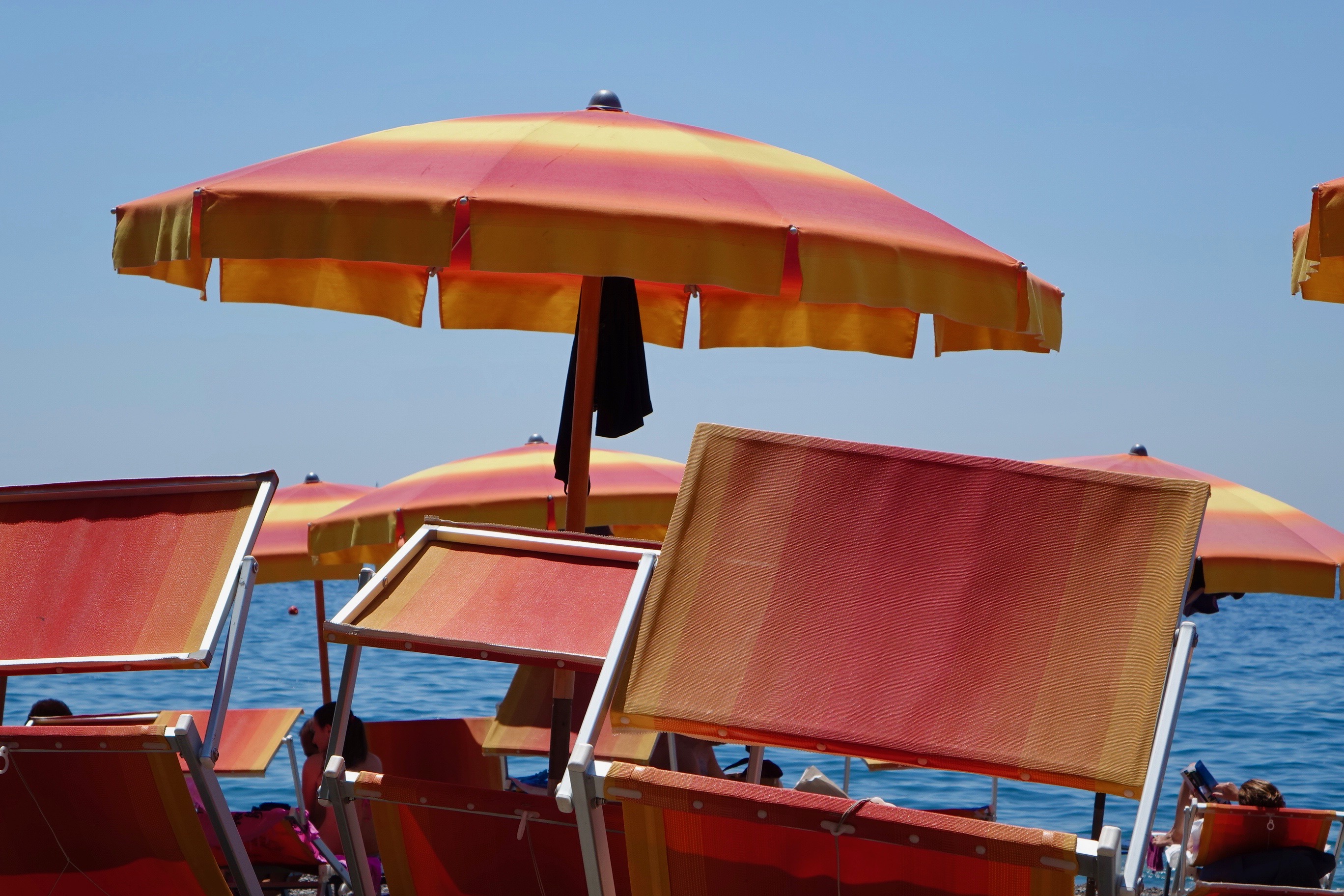
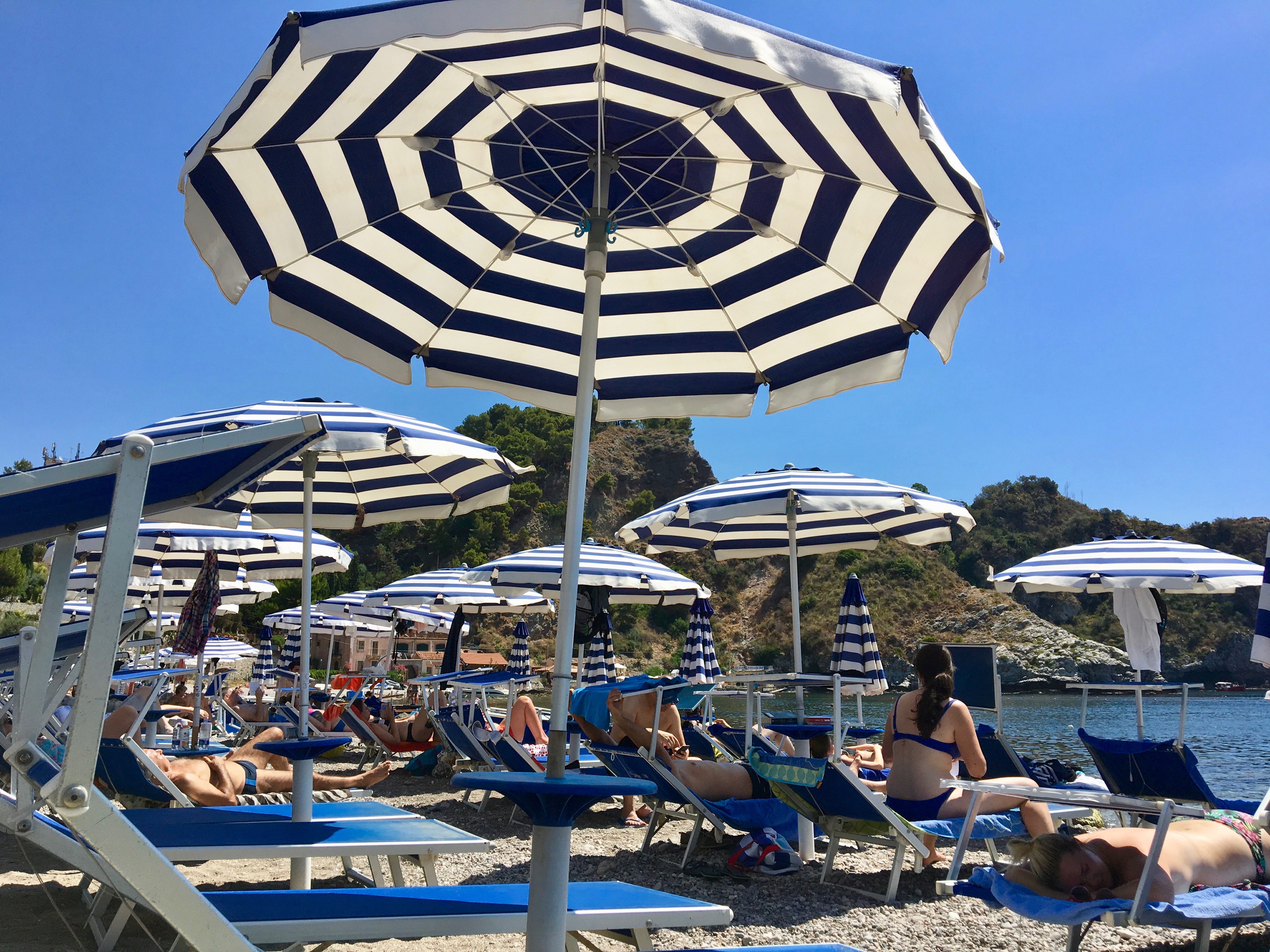
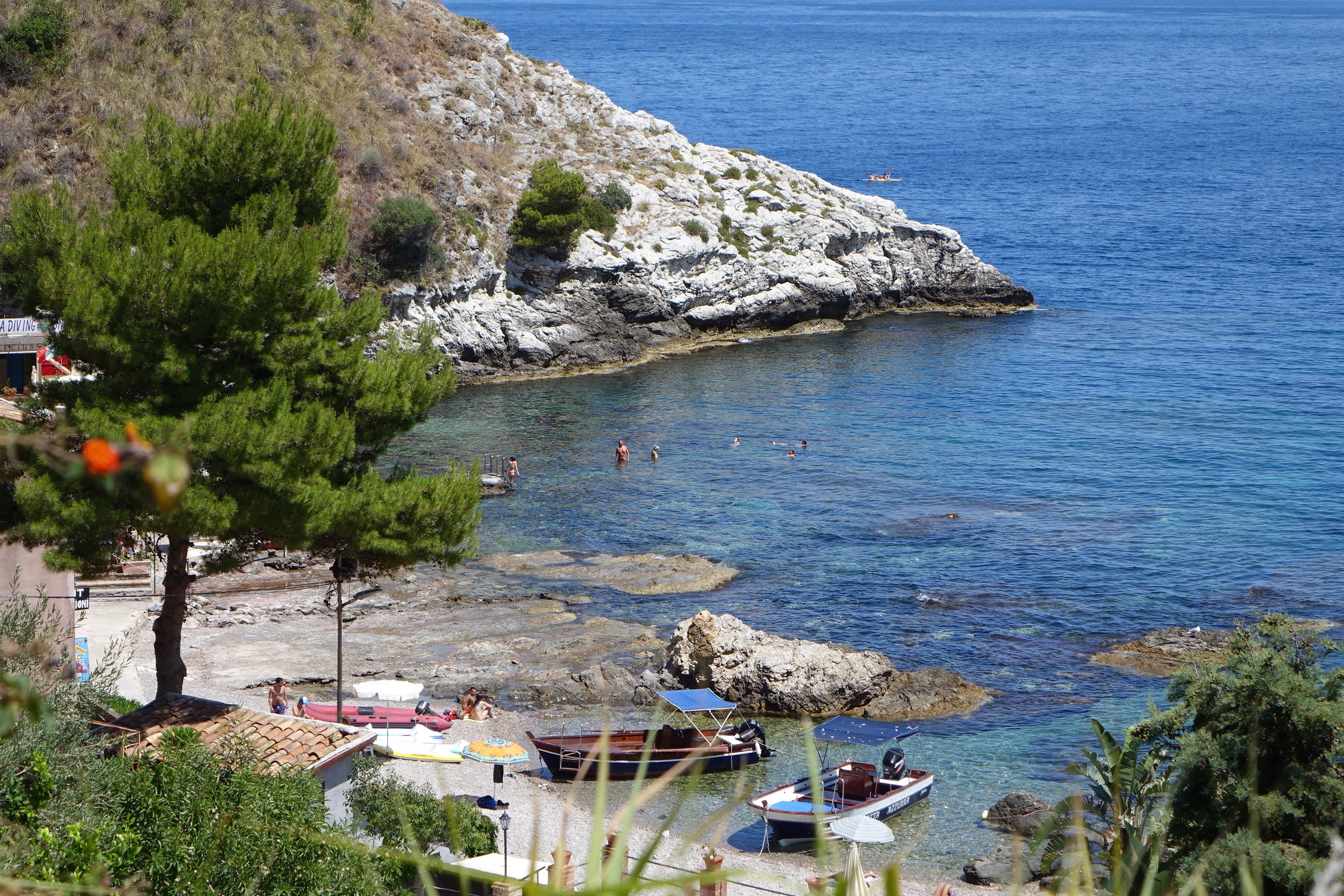
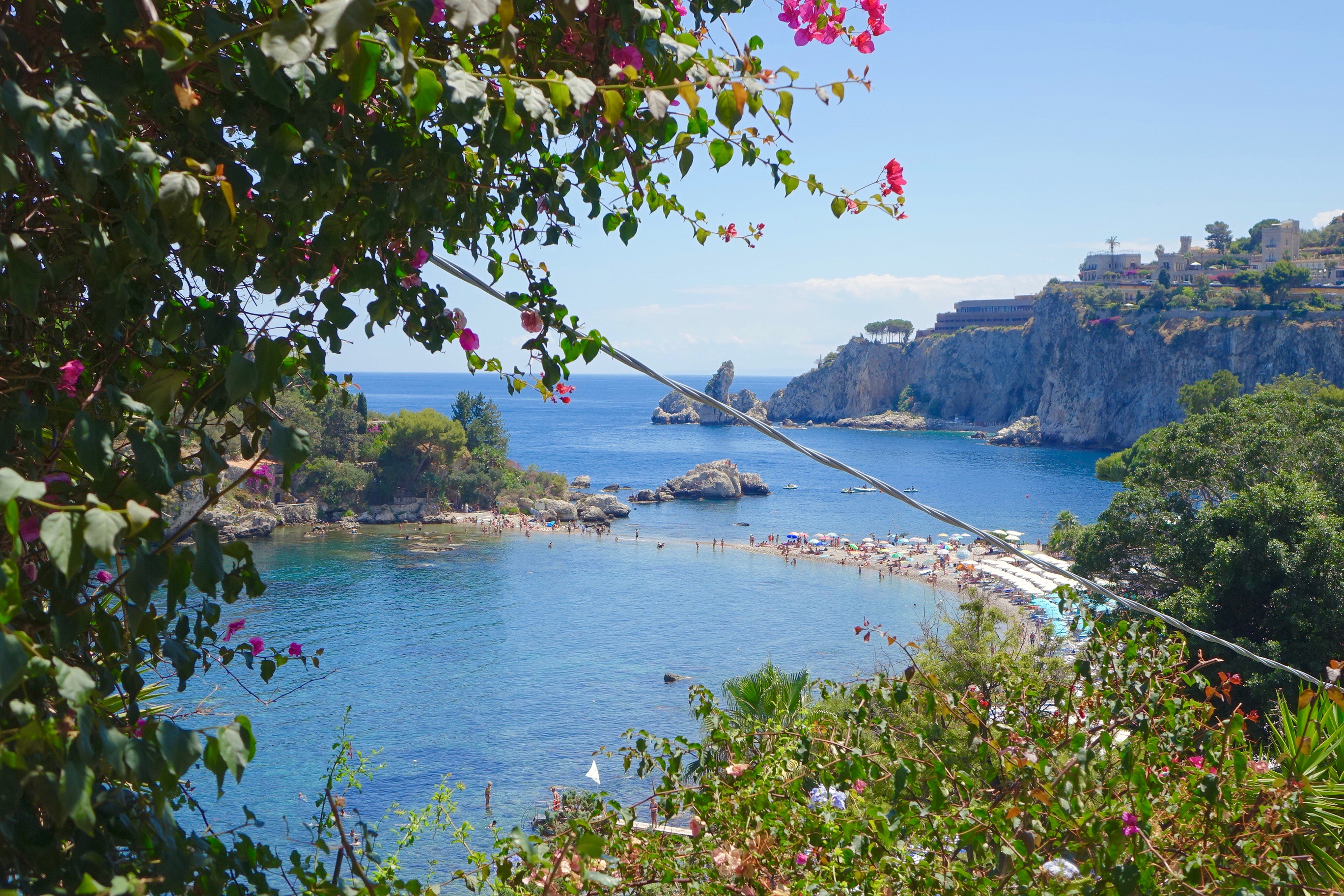
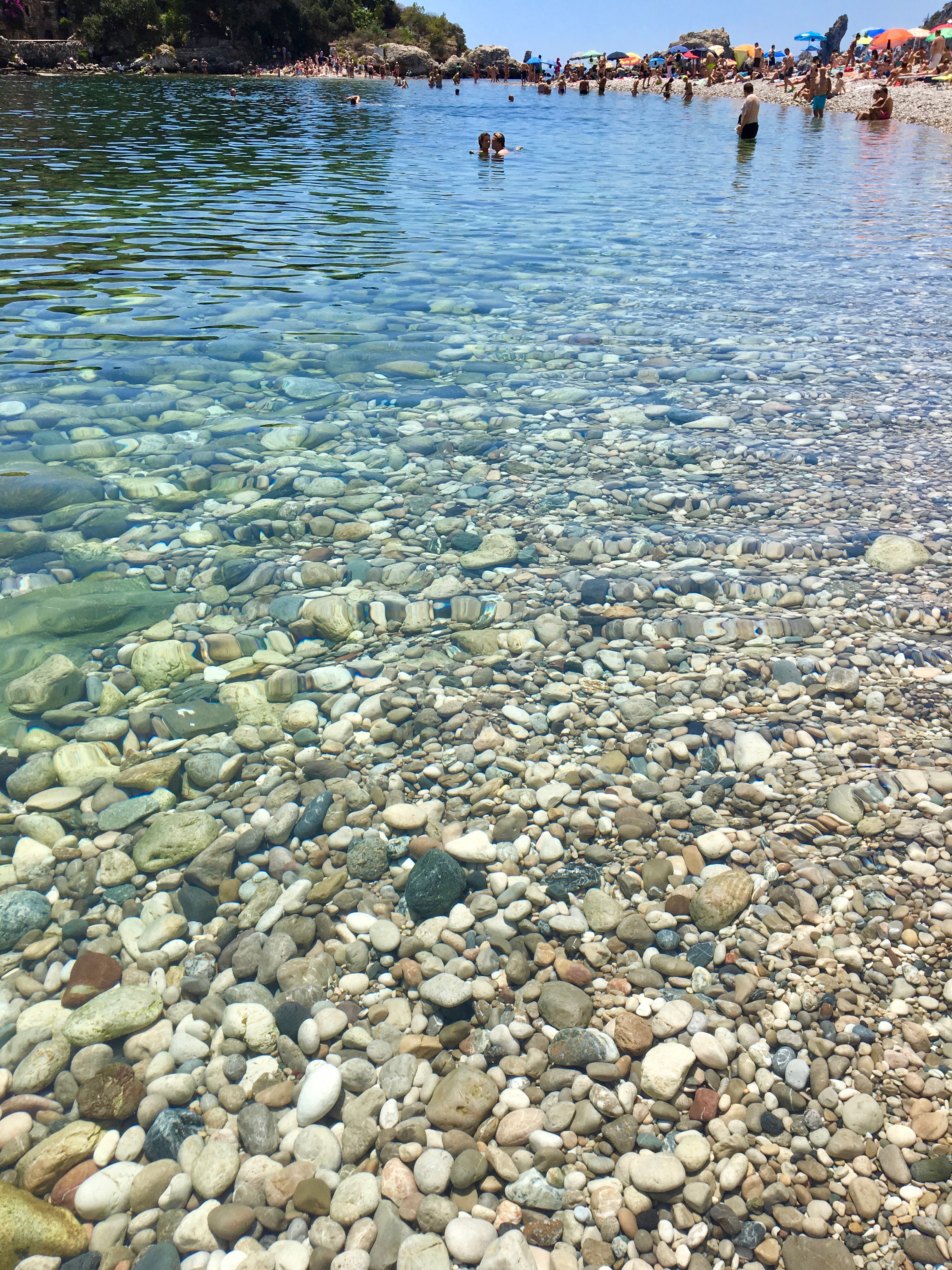
I am something of a lucky Mediterranean beach regular. Whether it be hanging out on the beaches of the Costa del Sol at my parents’ house, or whiling away the hours during almost 3 years residency on the stunning island of Mallorca, the beach and I have become firm friends. I was even born by the sea in England, and lived by the coast my whole pre-adult life. But every beach, and every coast has its own character, never more so than the Italian Riviera which is synonymous with carefully raked sand, striped umbrellas, and sunbeds usefully fitted with a kind of head shade contraption. Genius. I don’t spend all that much time on Italian beaches, so it was with some delight that I passed some brief hours on the beach of Isola Bella, the stunning little semi-circular inlet which, as the name suggests, has a “beautiful island” at its centre. That island, rumoured to have once been the home of long term English Taormina resident, Florence Trevelyan, is today a natural habitat, but retains a cute little house and a pebbly walkway which, when the tide is low, allows access to those beachgoers wanting a stroll around a mysterious feature of this otherwise very Italian beach.

DSC02551DSC02323IMG_1621DSC02617IMG_1609DSC02620DSC02768DSC02555DSC02548

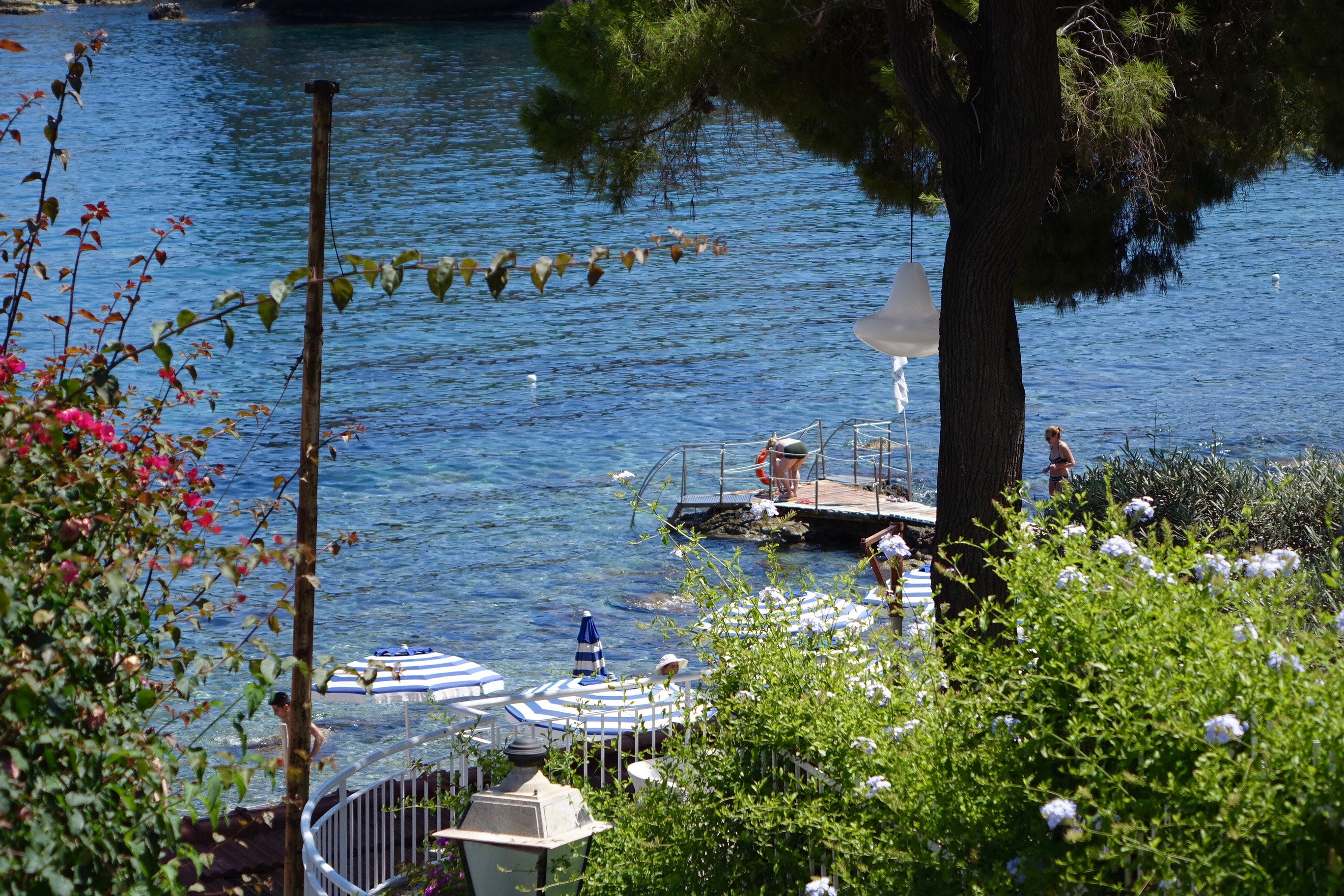
Having explored the island ourselves, a venture which required a carefully balanced walk across countless pebbles and the urgent purchase of jelly shoes to protect our battered feet soles, we spent the rest of our time on this beach lounging amongst striped umbrellas aplenty, reading calmly as the sound of waves gently nudged the shore, and best of all, breaking for lunch, where a beach side café served up grilled squid with a picture perfect view of the sea from whence it came. However perhaps my favourite experience at this splendid Sicilian beach came not from our daytime sampling, but from a walk at night, when the hoards had gone, and only the moonlight remained, casting an eerie silvery glow upon Trevelyan’s island sanctuary and the calmly rippling waters. Lying on the pebbles, feeling the heat of the day slowly reflect off their surface, and listening to the water and is popped and sploshed against the larger rocks made for one of the most memorable, and romantic, moments of our trip. It wasn’t so much the time for admiring the beauty of this beach, but one in which the senses of sound and smell were tantalised like never before.

DSC02549DSC02310DSC02547DSC02317DSC02545IMG_1428IMG_1626DSC02553DSC02566

© Nicholas de Lacy-Brown and The Daily Norm, 2001-2017. Unauthorized use and/or duplication of the material, whether written work, photography or artwork, included within The Daily Norm without express and written permission from The Daily Norm’s author and/or owner is strictly prohibited. 

The Sicily Series | Part III – Taormina Town

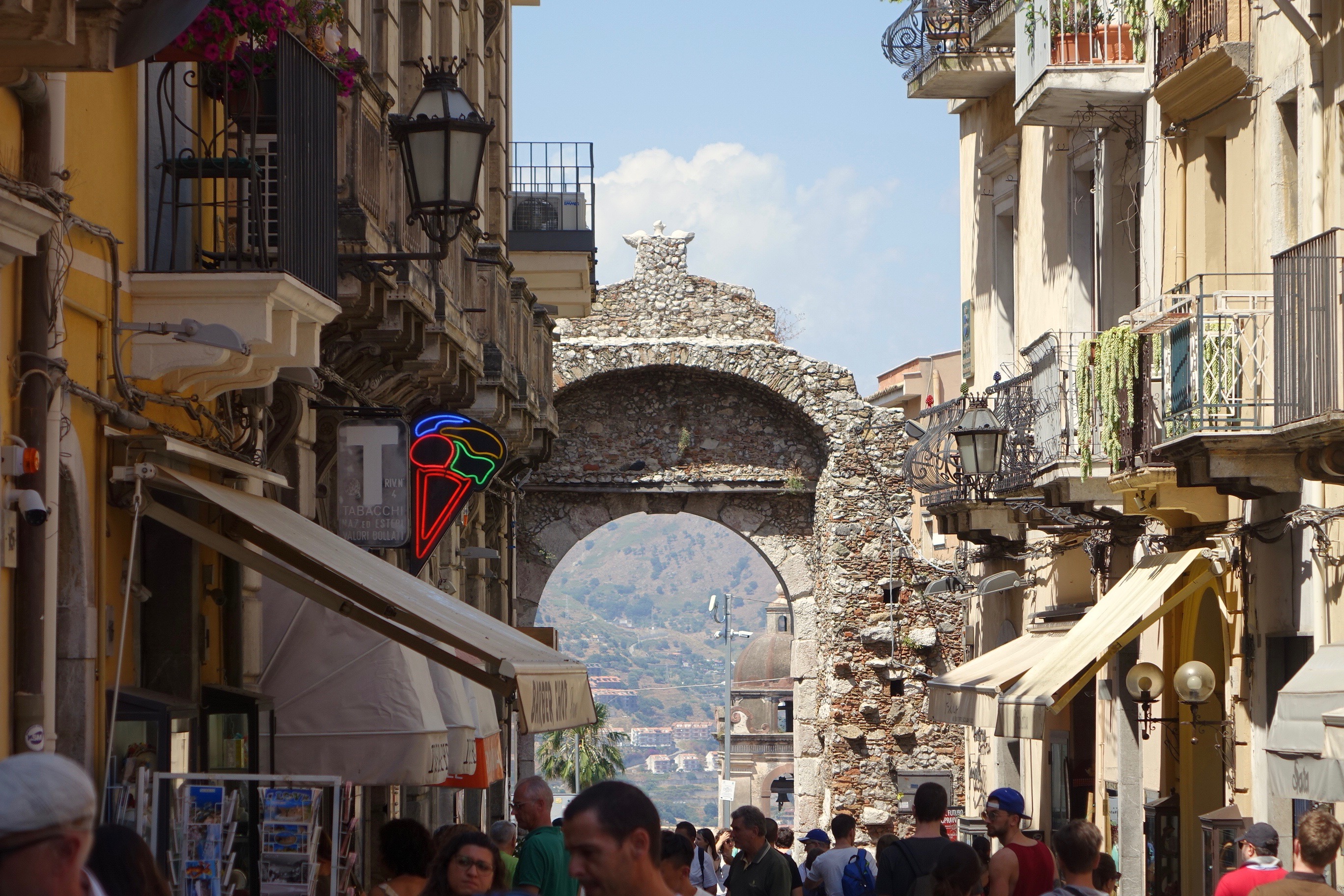
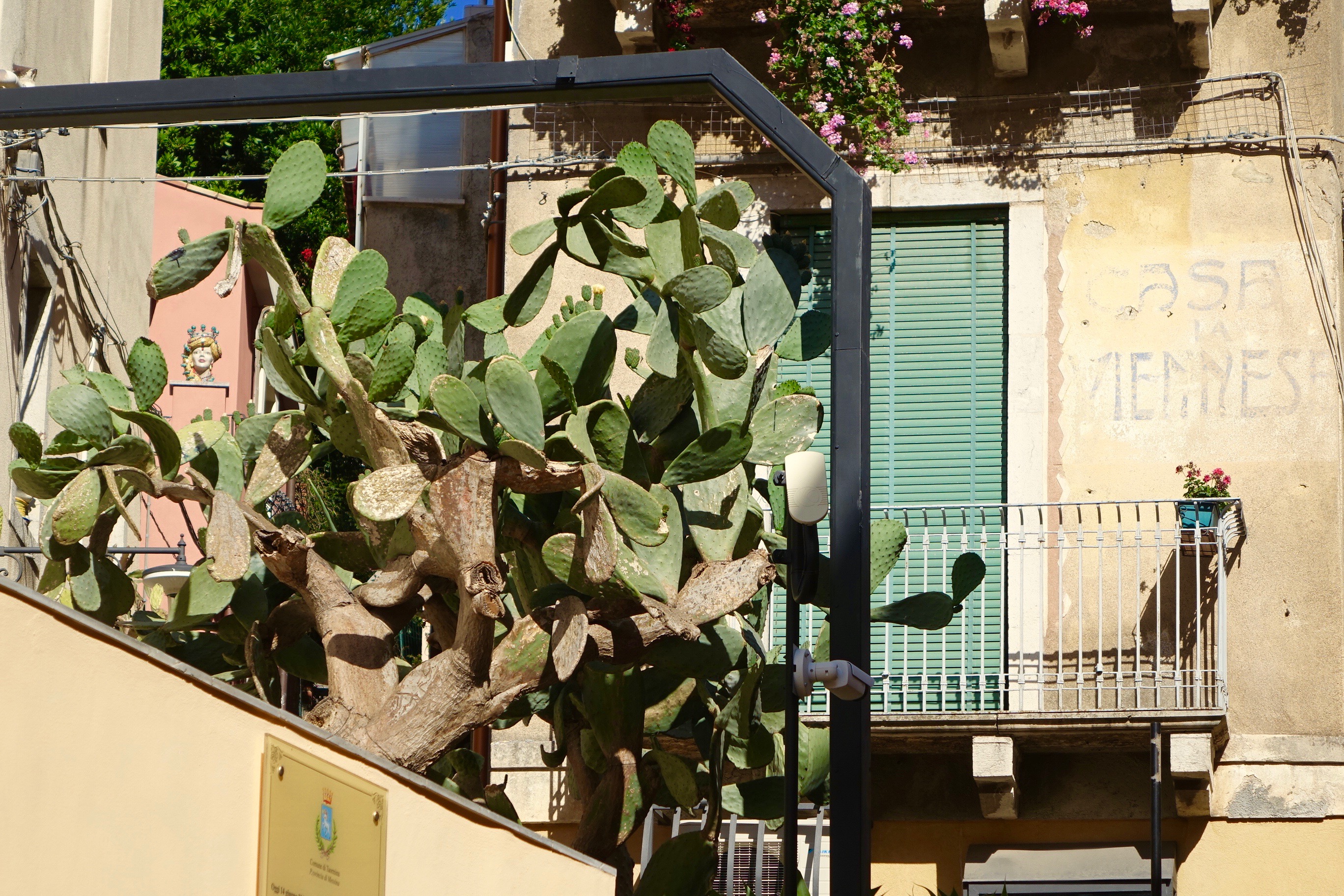
From the dusty, bustling and chaotic streets of Catania, we moved upwards and outwards along Sicily’s Eastern Coast to the popular tourist town of Taormina. Situated in a delightful apartment by the sea, which benefitted from both an extensive green garden, full of lizards and ferns, and an incredible sea view over the beach of Mazzaró, we were only metres from the cable car station which led us straight to Taormina, perched upon its rocky heights. There was something about the quaint little cable cars which took us up from the coast to this ancient town which reminded very heavily of the set-up in Capri, and indeed the town of Taormina also had something of the Capri style about it.

DSC02229DSC02257DSC02686DSC02264DSC02285DSC02286DSC02630

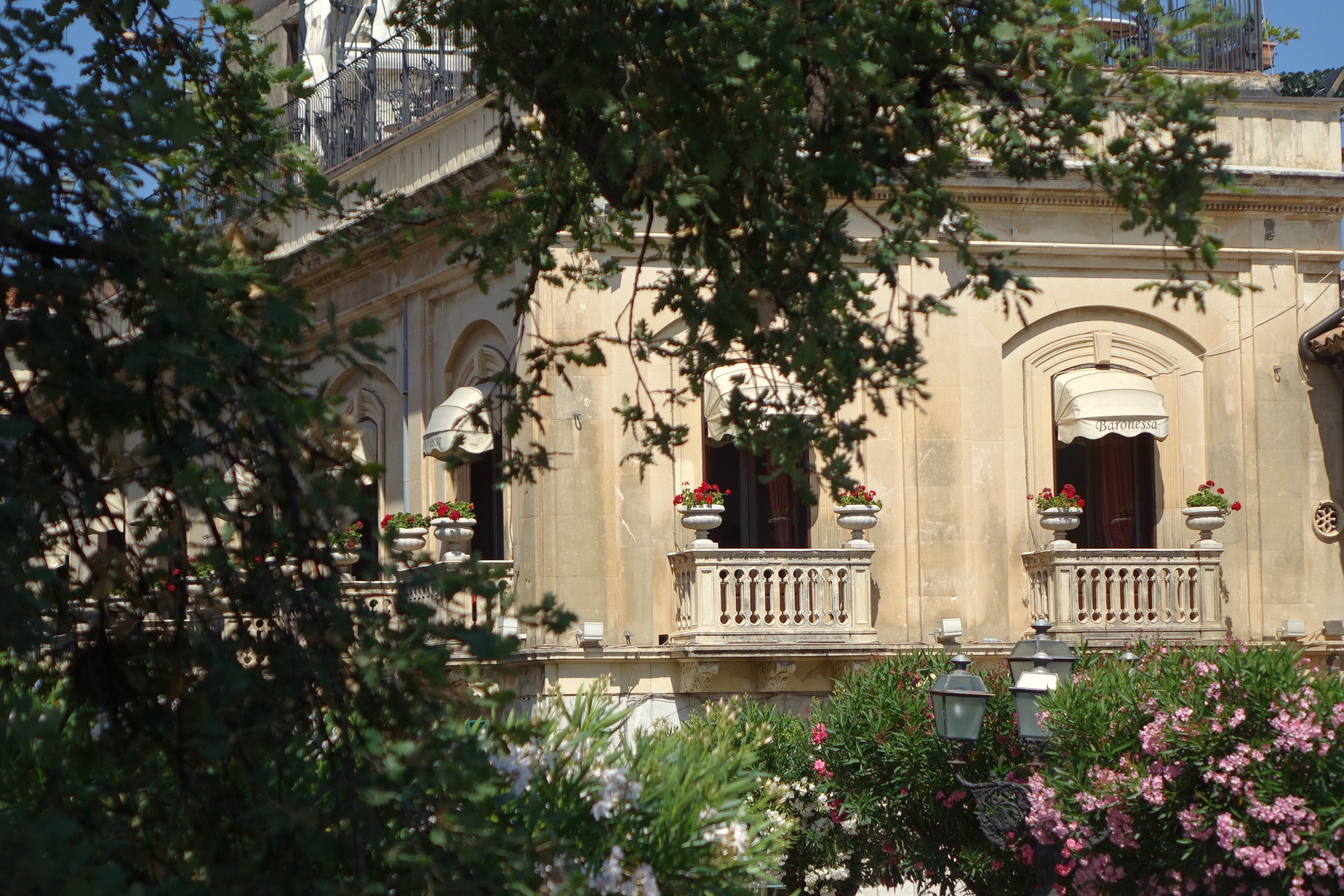
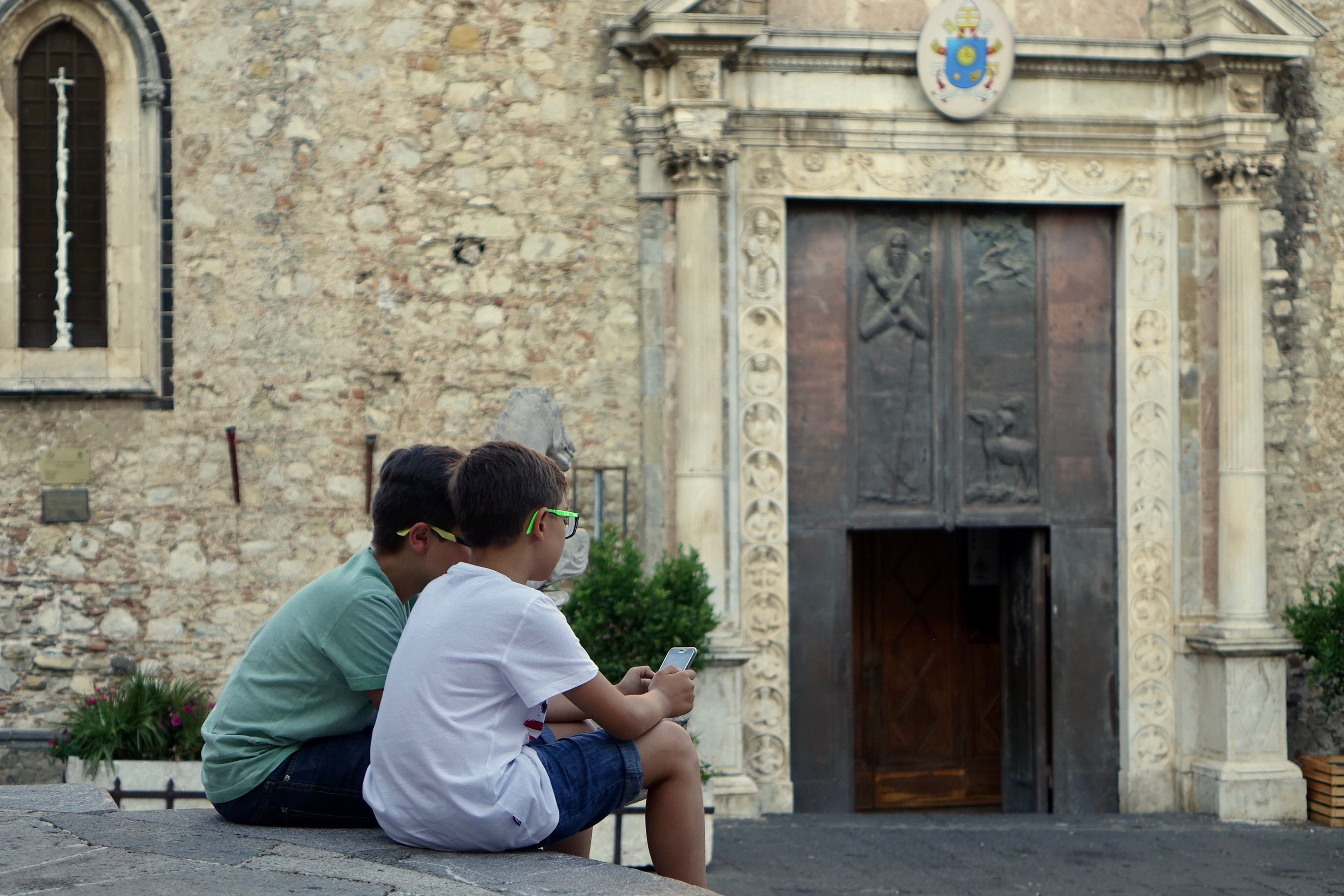
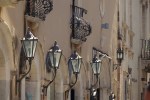
While the popularity of the town of Taormina has very much hinged upon the presence of its stunning Greek theatre and its dramatic Etna backdrop (more about that next time), no doubt the heritage of having taken its rightful place as a stop on the Grand Tours of old has contributed to the somewhat classy breed of tourism which characterises Taormina today. Of course you’ll see the odd inappropriately vested tourist ambling along the salubrious Corso Umberto, but you’ll also notice that he looks out of place. For today’s Taormina is a town of quaint old streets and pricey boutiques, of people-watching cafes and streets adorned with fountains and churches and marbled pavements. In short, everything that in combination makes for my favourite kind of holiday destination.

DSC02628DSC02278DSC02245DSC02711DSC02318DSC02323DSC02631

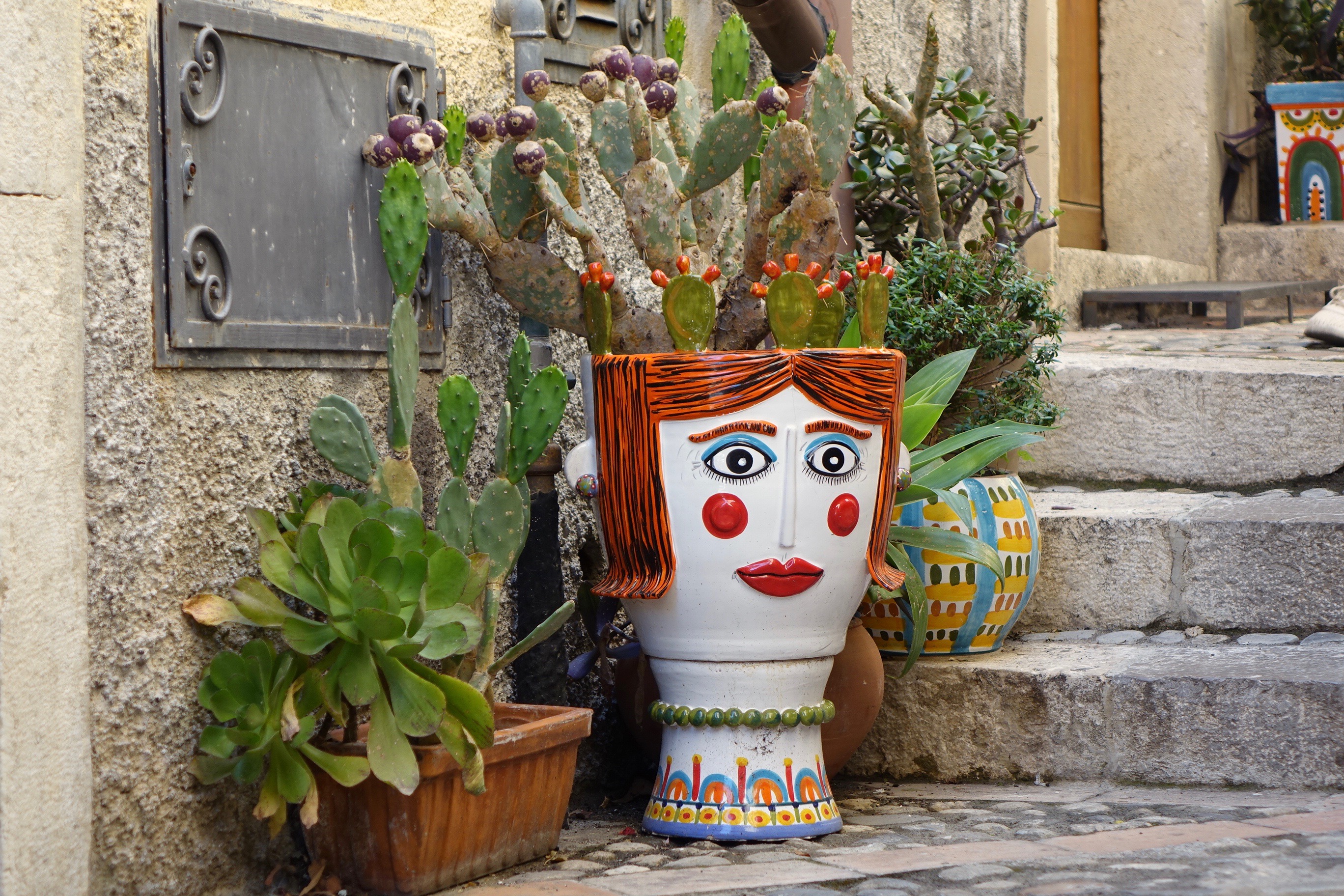
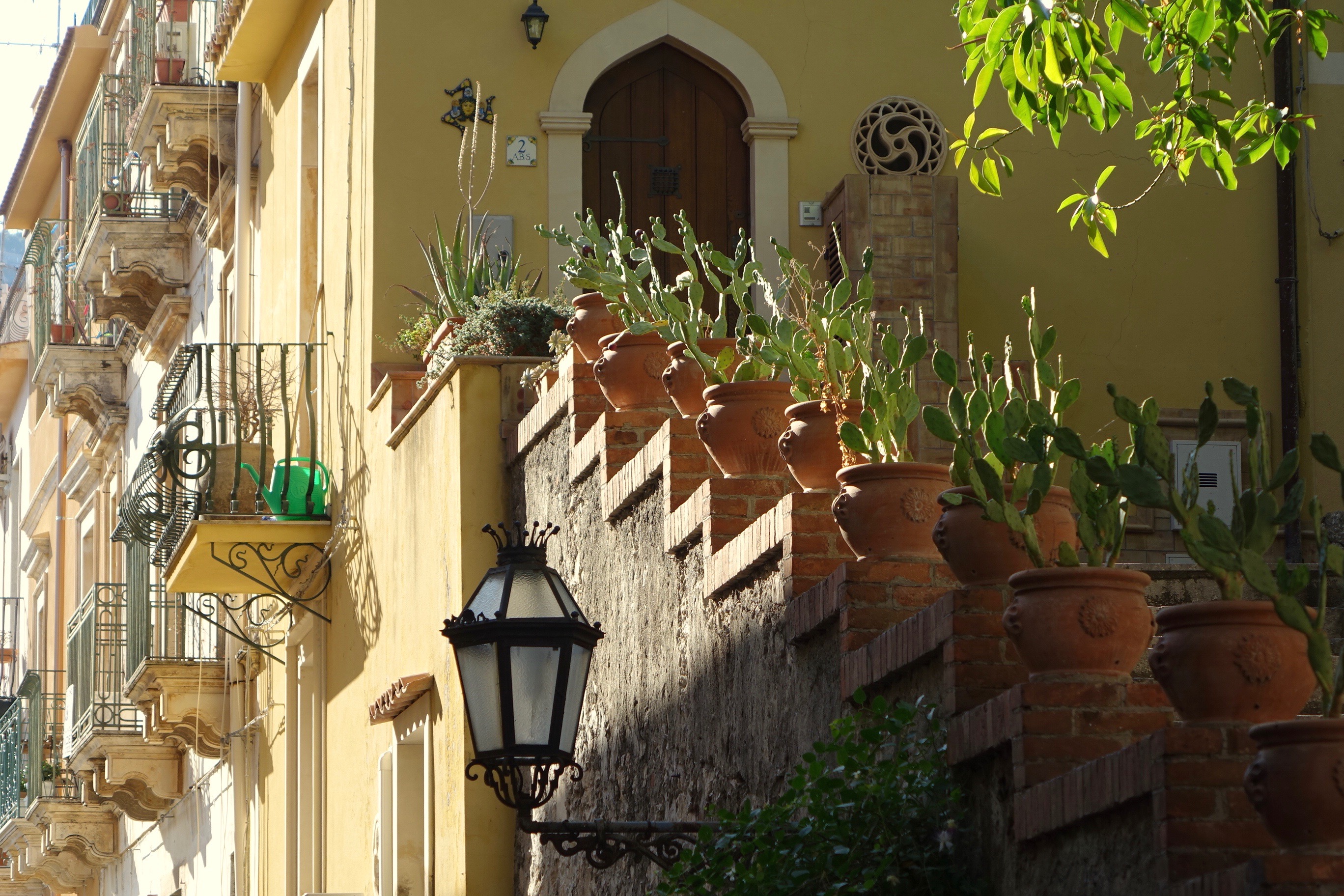
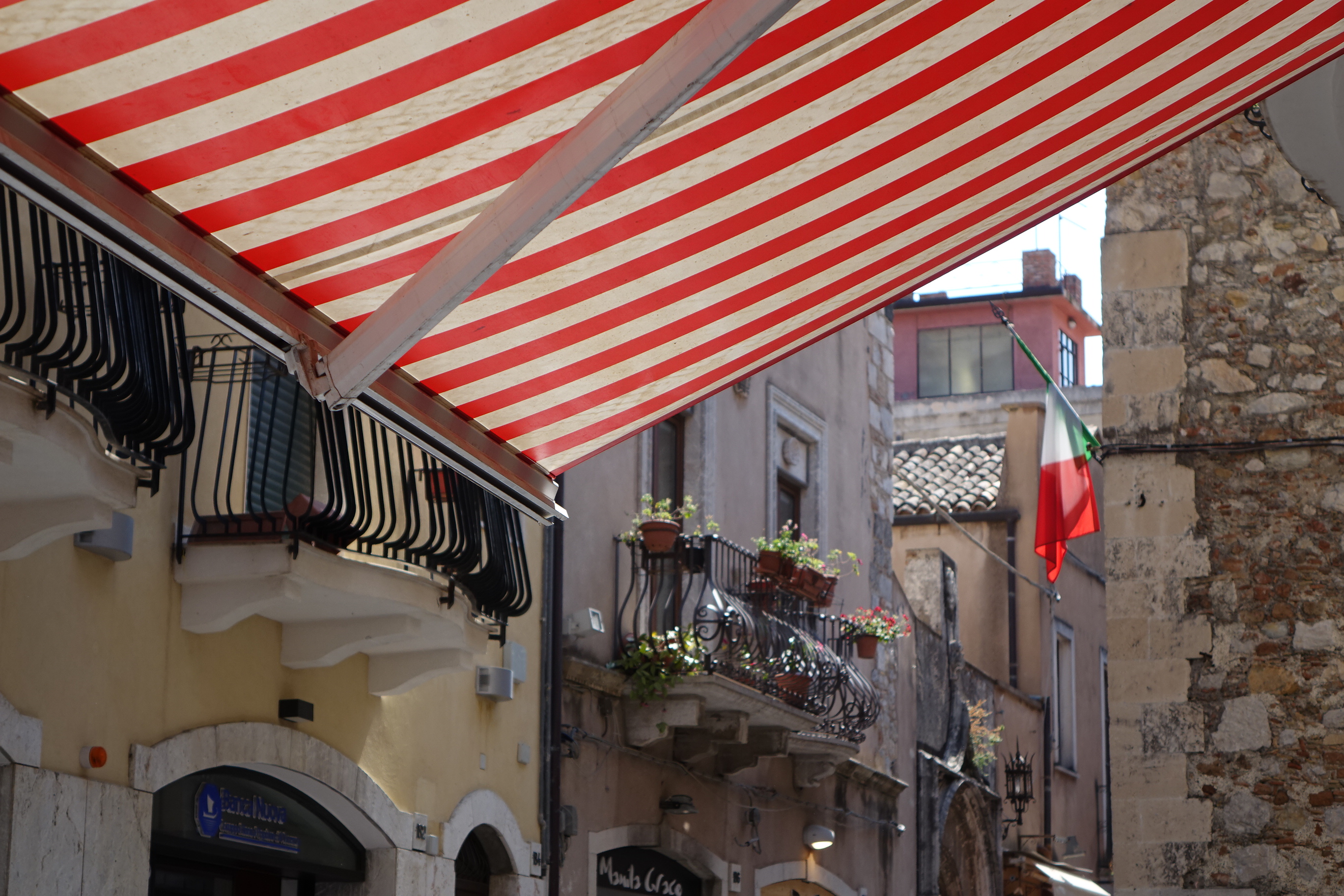
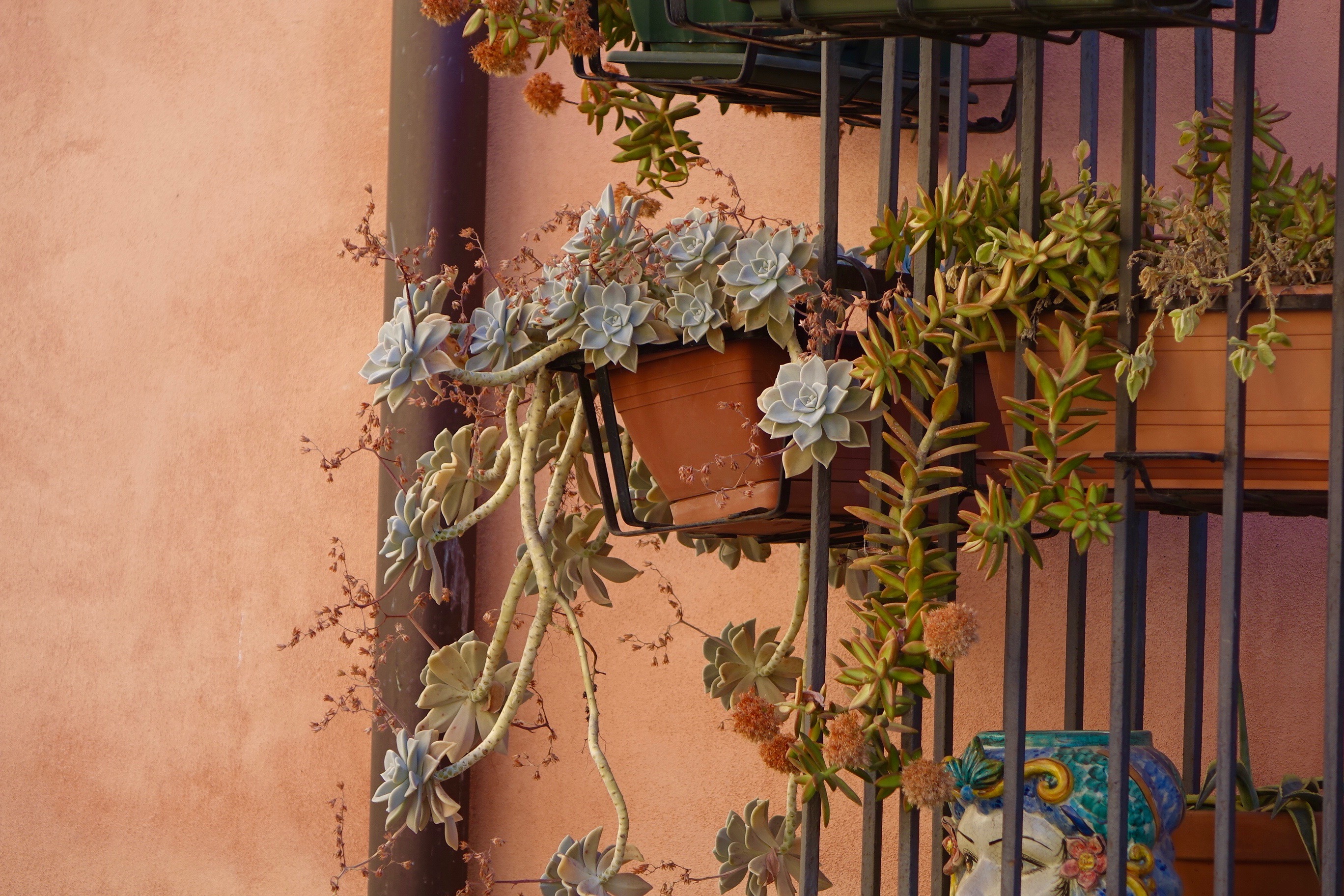
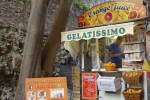
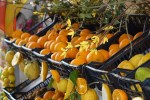
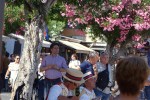
So the town of Taormina very quickly became our favourite Sicilian haunt, to enjoy an Aperol Spritz, to listen to the many street musicians frequently assembled, to watch as the milky afternoon sunshine bounced of glittering carts serving gelato and granita di limone, and to admire the breathtaking views which offered a vista across the long Eastern coast, sprawling hillsides and of course the mighty silhouette of Etna beyond. The photos on this page offer something of the wonderful atmosphere of Taormina. A place to see, and to be seen in.

© Nicholas de Lacy-Brown and The Daily Norm, 2001-2017. Unauthorized use and/or duplication of the material, whether written work, photography or artwork, included within The Daily Norm without express and written permission from The Daily Norm’s author and/or owner is strictly prohibited. 

The Sicily Series | Part I – Catania, Black City

Over the last few weeks, the Daily Norm was all about Marrakech, and the highly spiced rose city will resonate long in the minds of Norms and the Daily Norm writer. But now this blog has headed back to European shores, albeit not far from the desert sands of Morocco. For one of the Mediterranean’s most southern points, and its largest island, is the Italian island of Sicily, known for some as the ball being carefully nudged by the point of Italy’s toe. Famous for its volcanoes, its mafia, its voluminous seafood and rolling agricultural land, for its ruins and its baroque splendour, Sicily is a veritable melting pot of historical and cultural highlights, and the perfect location for any aesthete on holiday.

DSC01998DSC02084DSC01918DSC02016DSC01959DSC01994DSC02125DSC01893

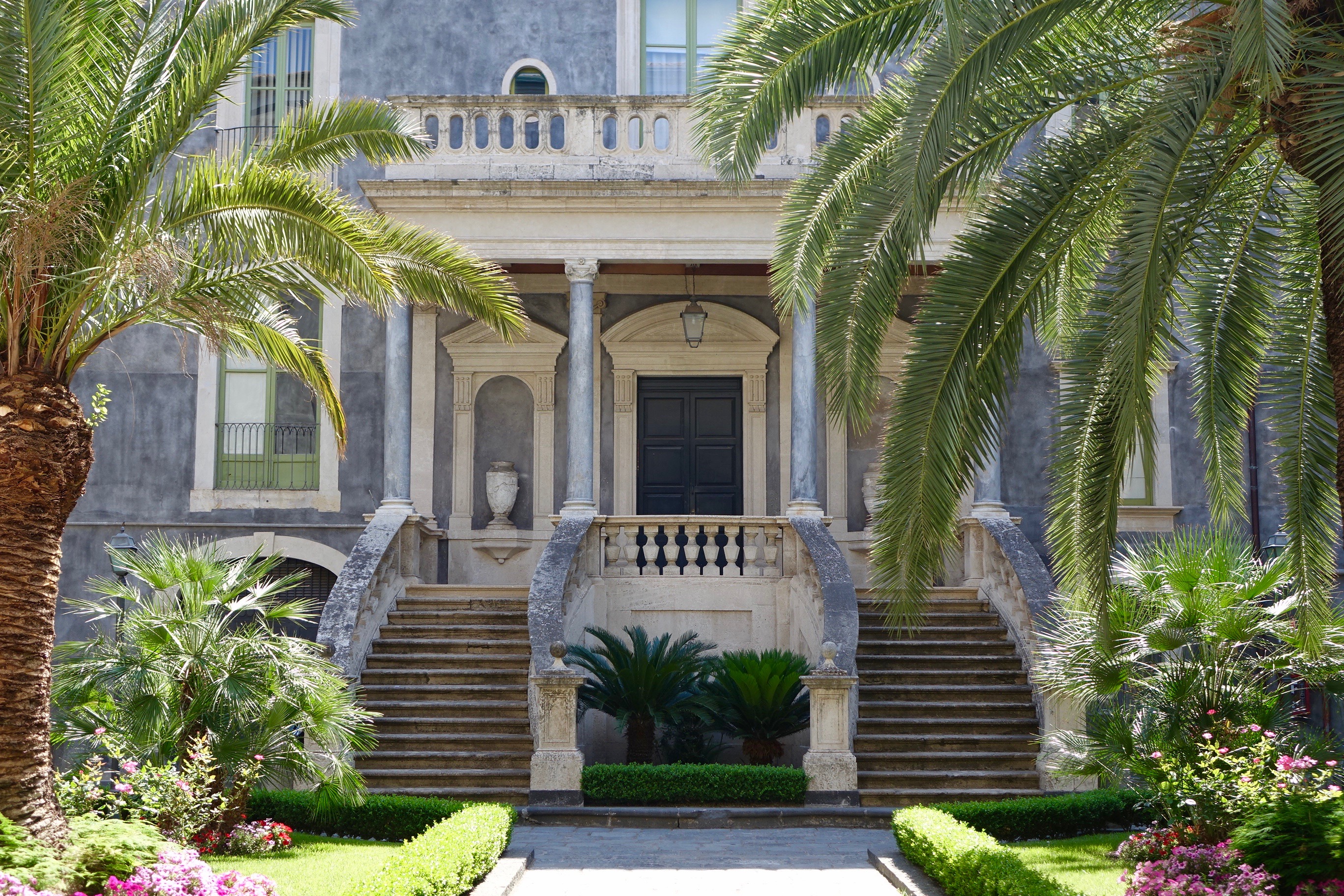
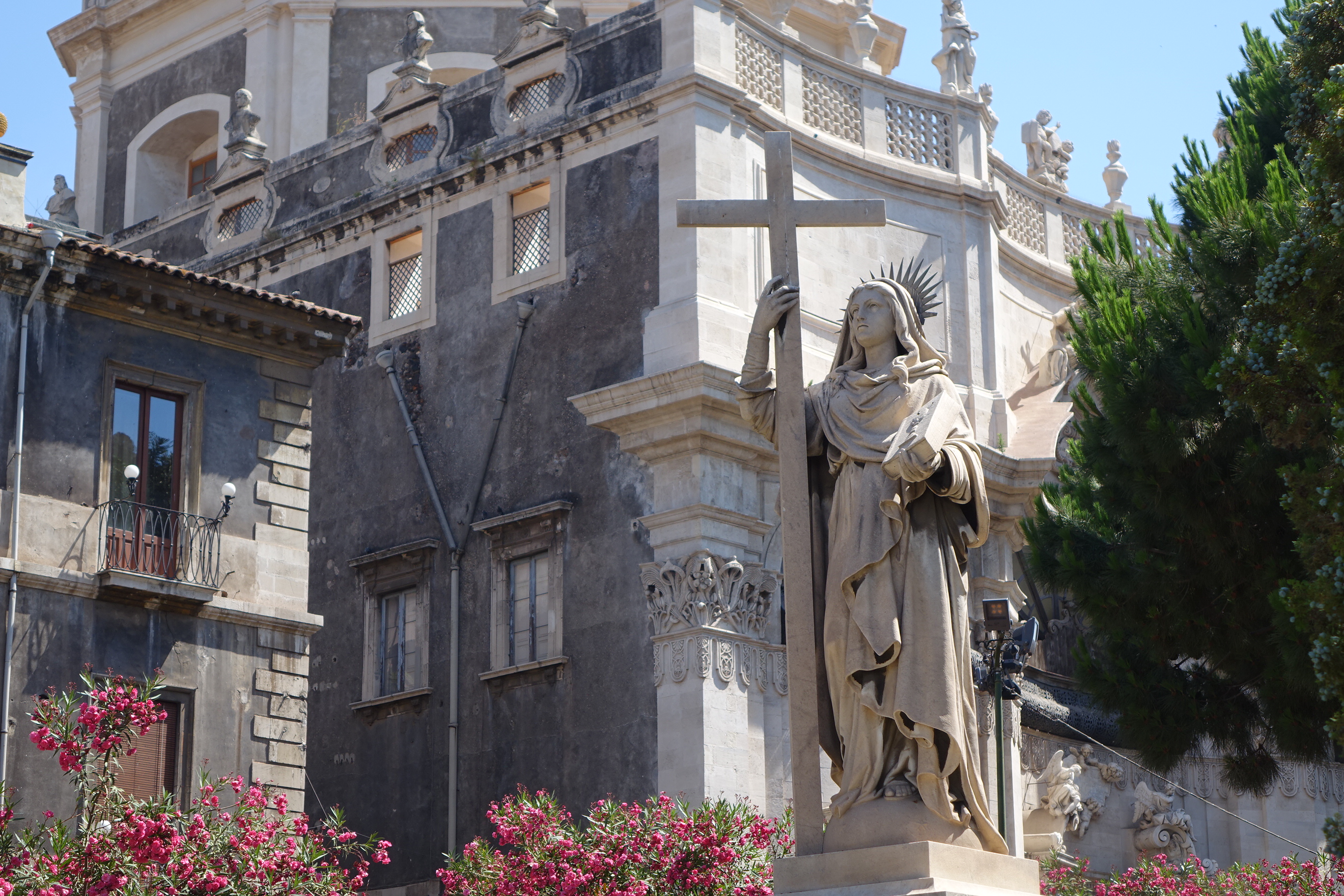
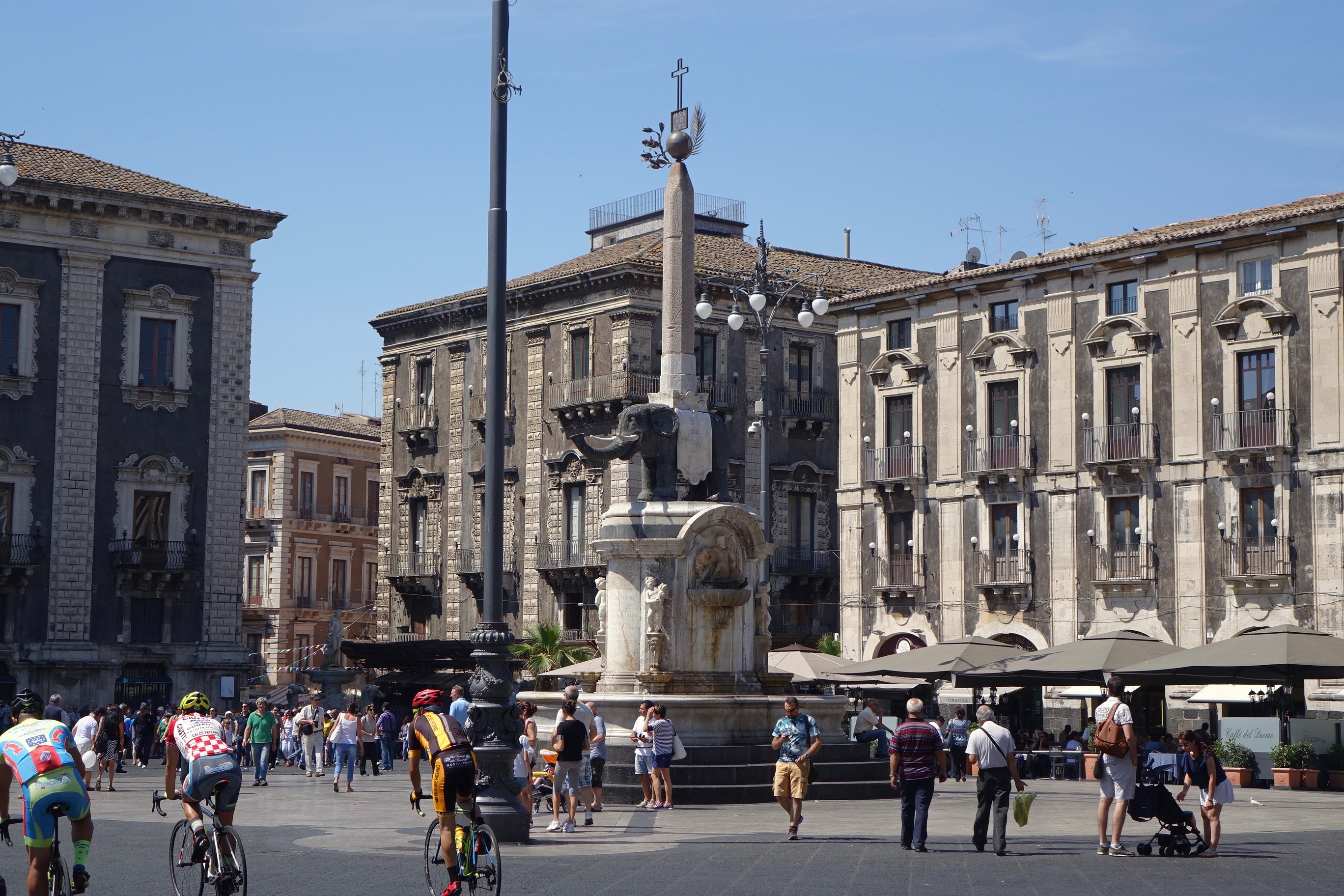
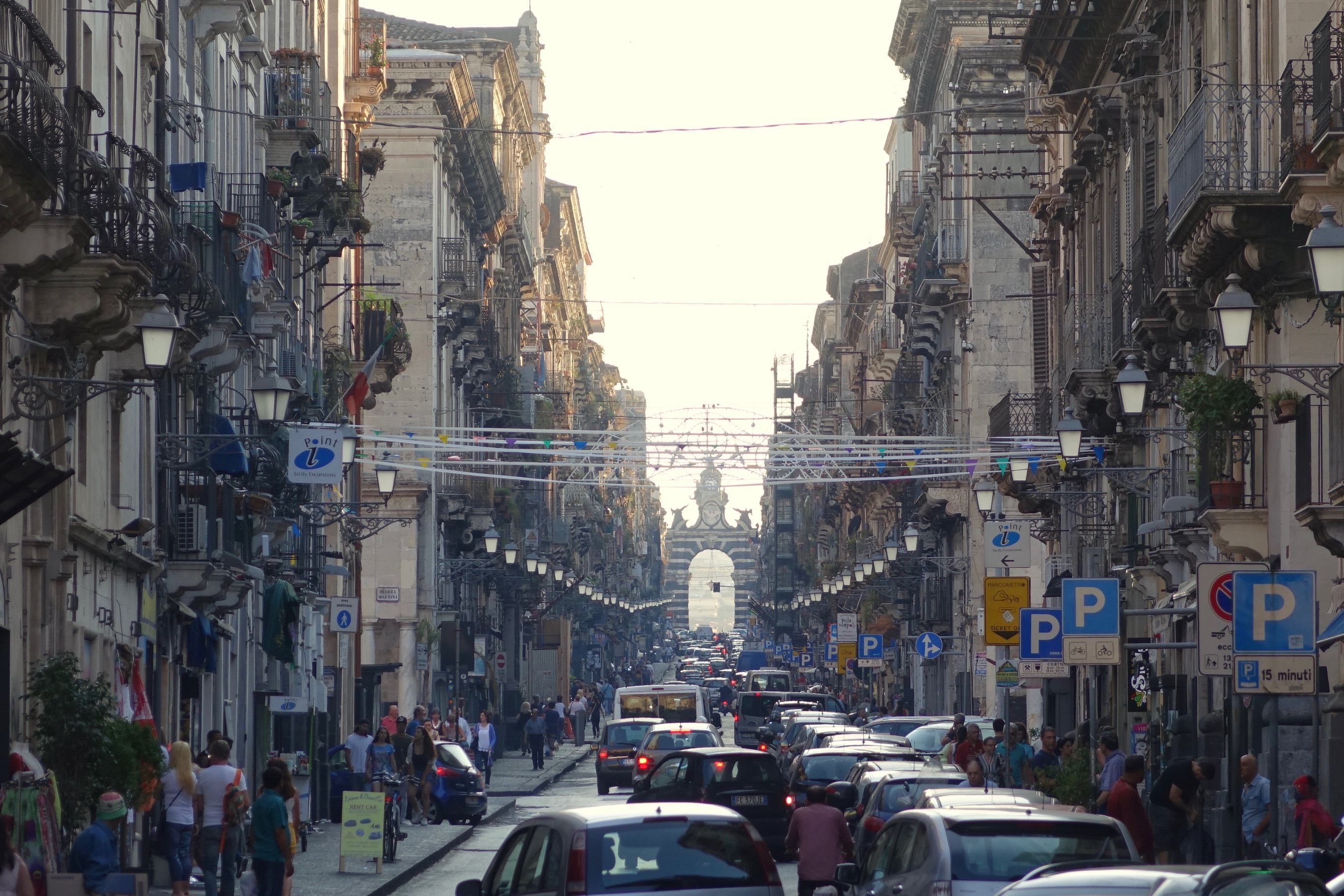
But Sicily is a large island and we would be pushed to do it all in the time available. So with only a little over a week at our disposal, we concentrated our energies on the Eastern coast, and the lands above and beneath the mighty shadow of Mount Etna, one of Europe’s most active and prominent volcanoes. With its proximity to Greece as well as Italy, the Eastern side of Sicily is one heavily characterised by a history of both Greek as well as Roman civilisations, not to mention the Arabic and Spanish influences which also made their mark during their respective occupations. All of these influences were clear to see upon our first stop in Sicily, in its second biggest city and the tenth largest in Italy: Catania.

DSC02133DSC02122DSC01969DSC01996DSC01954DSC01952DSC01941DSC01927

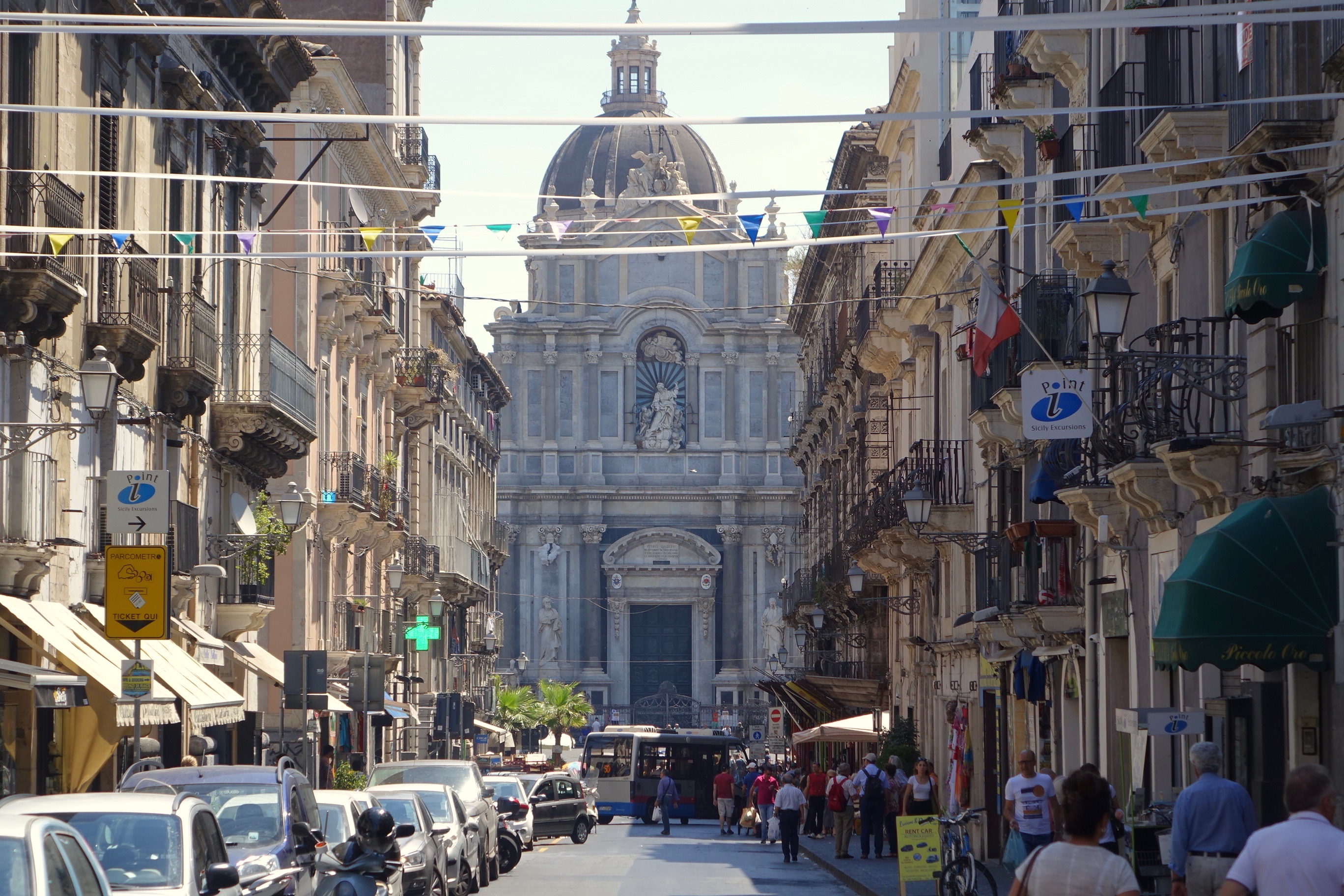
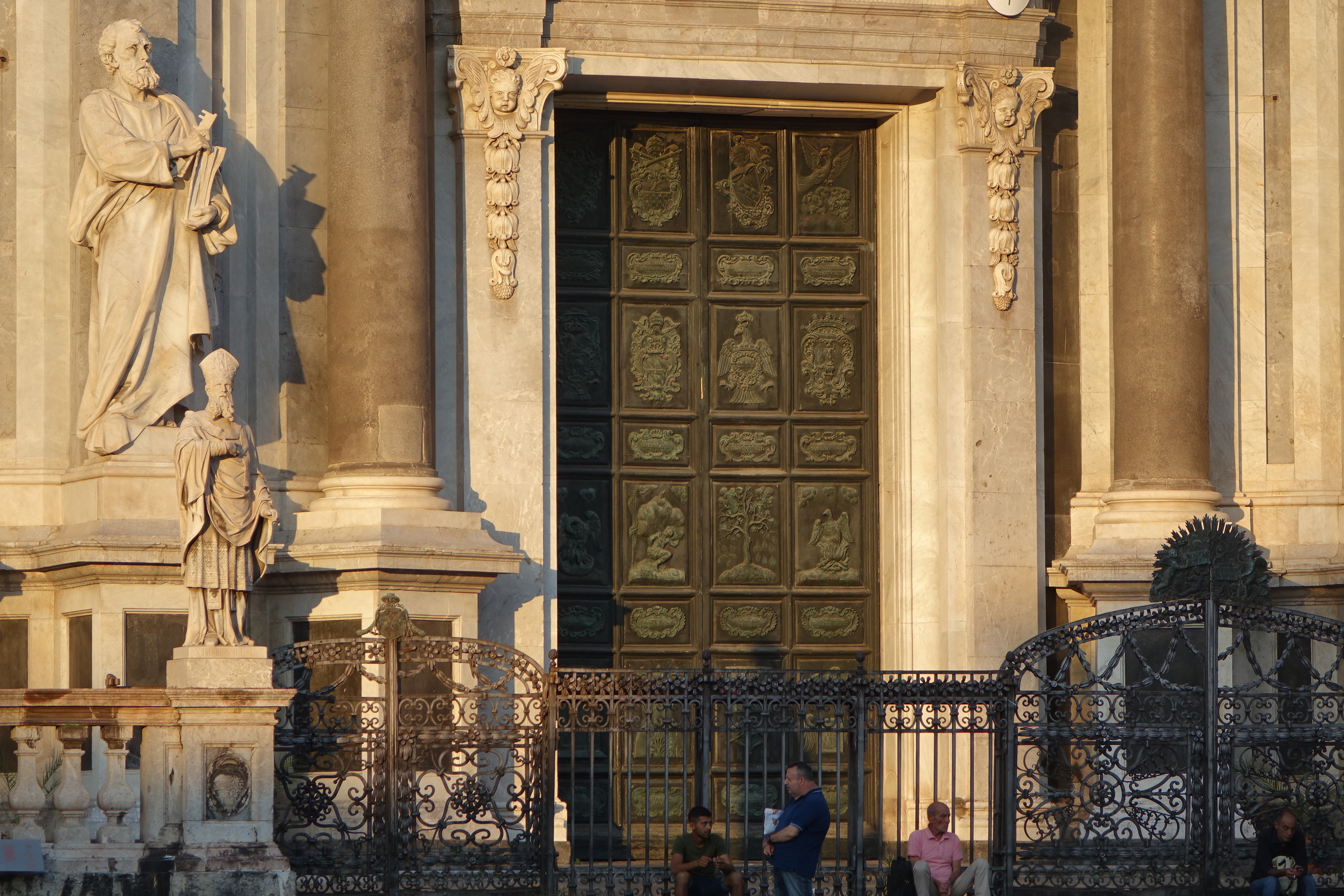
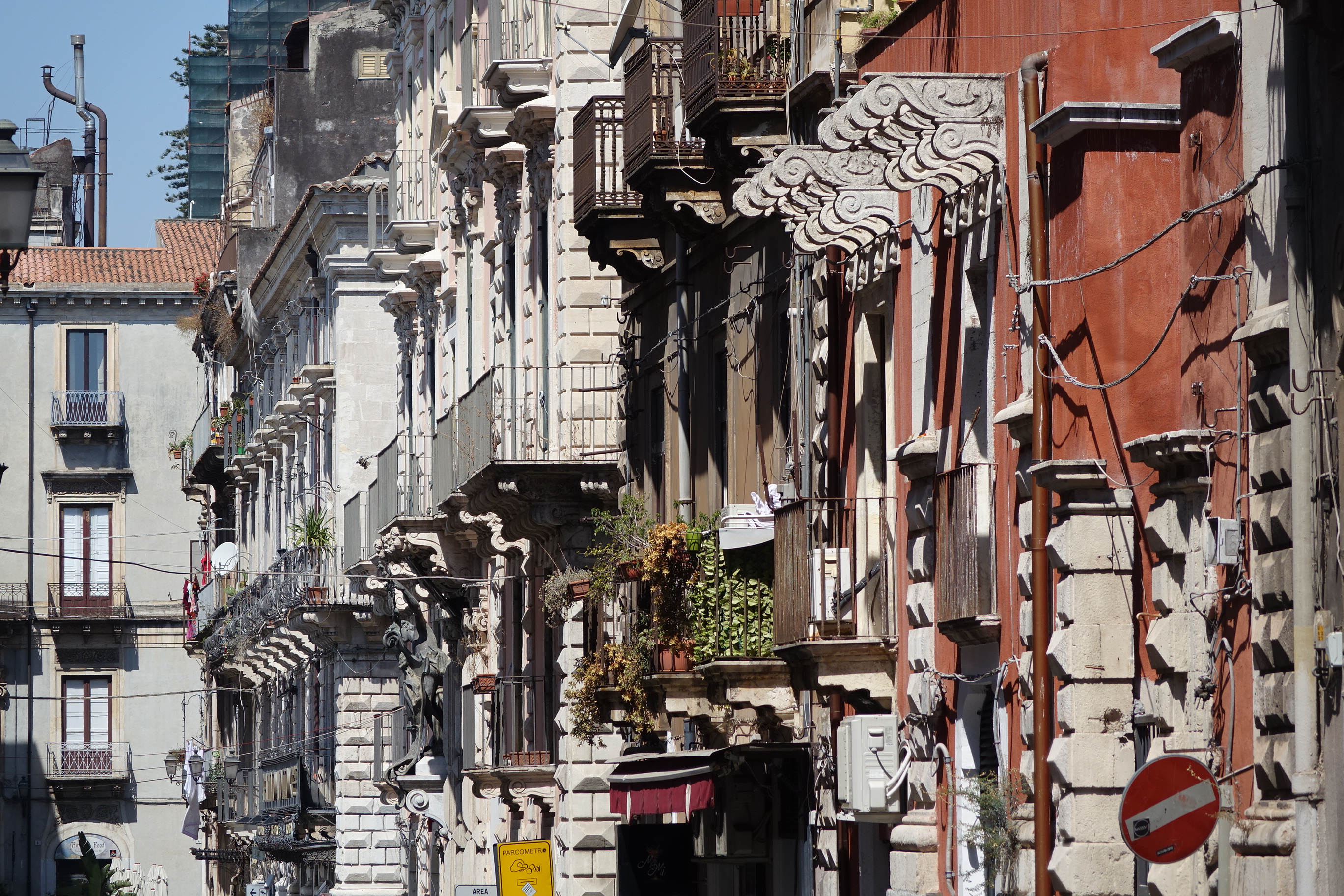
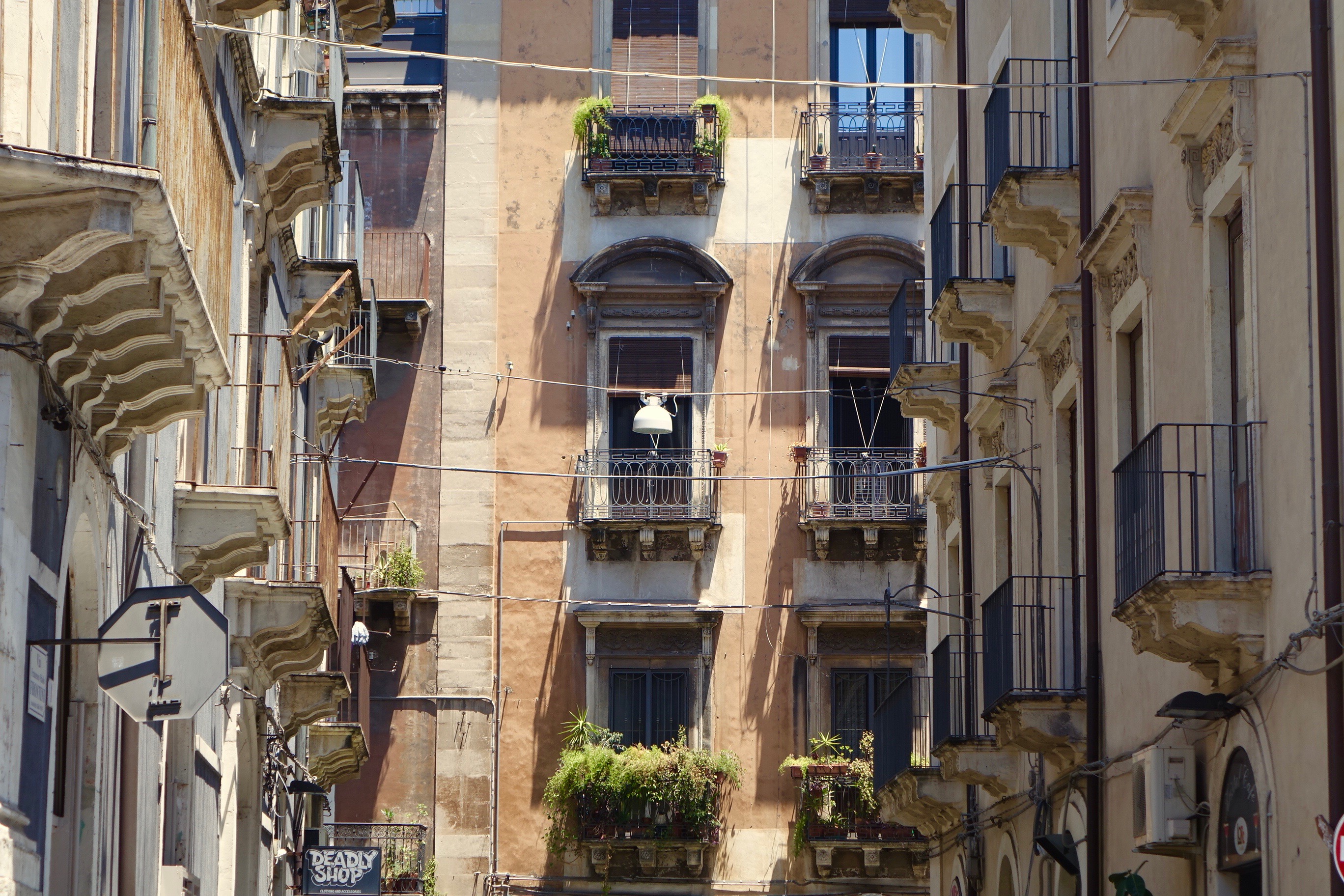
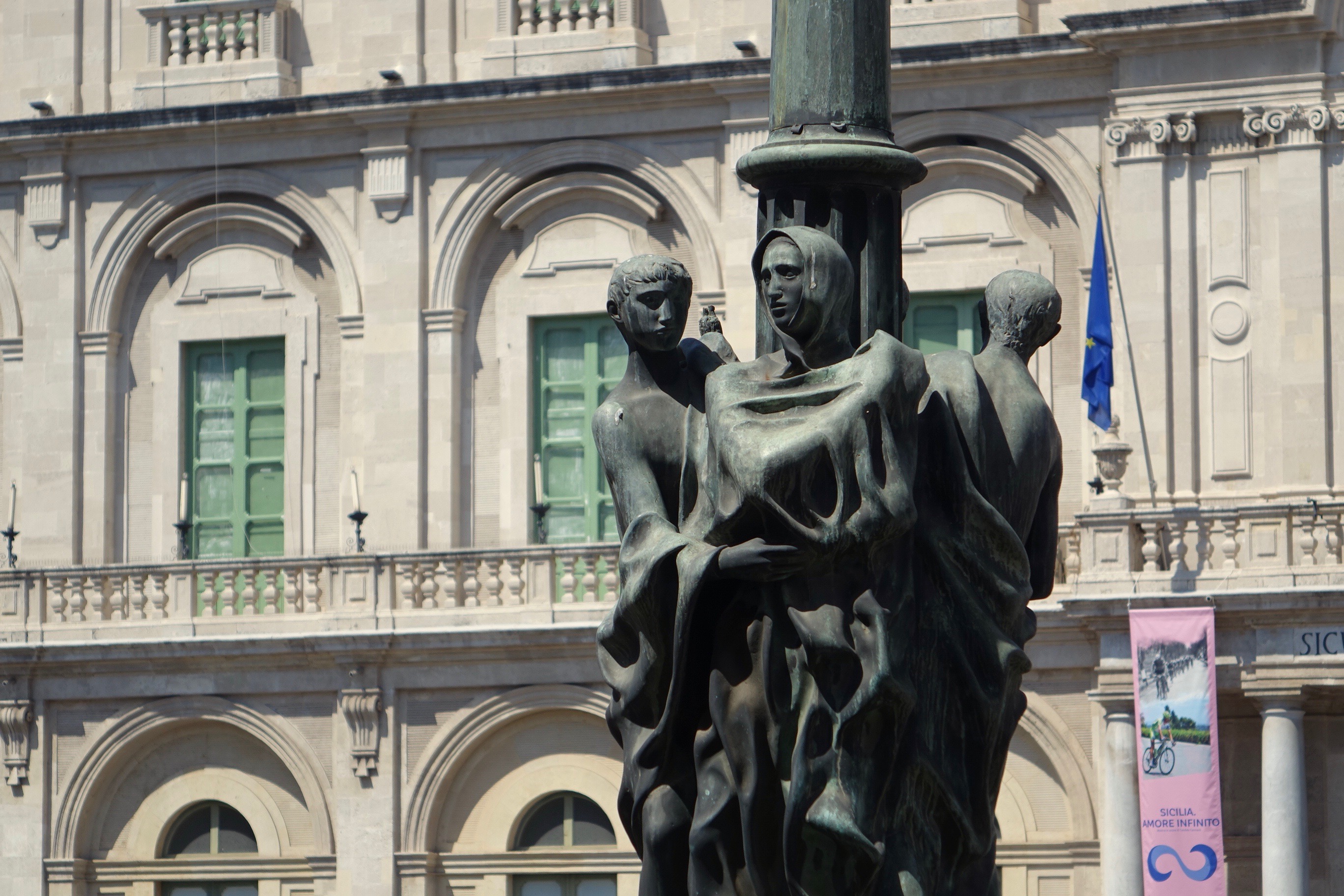
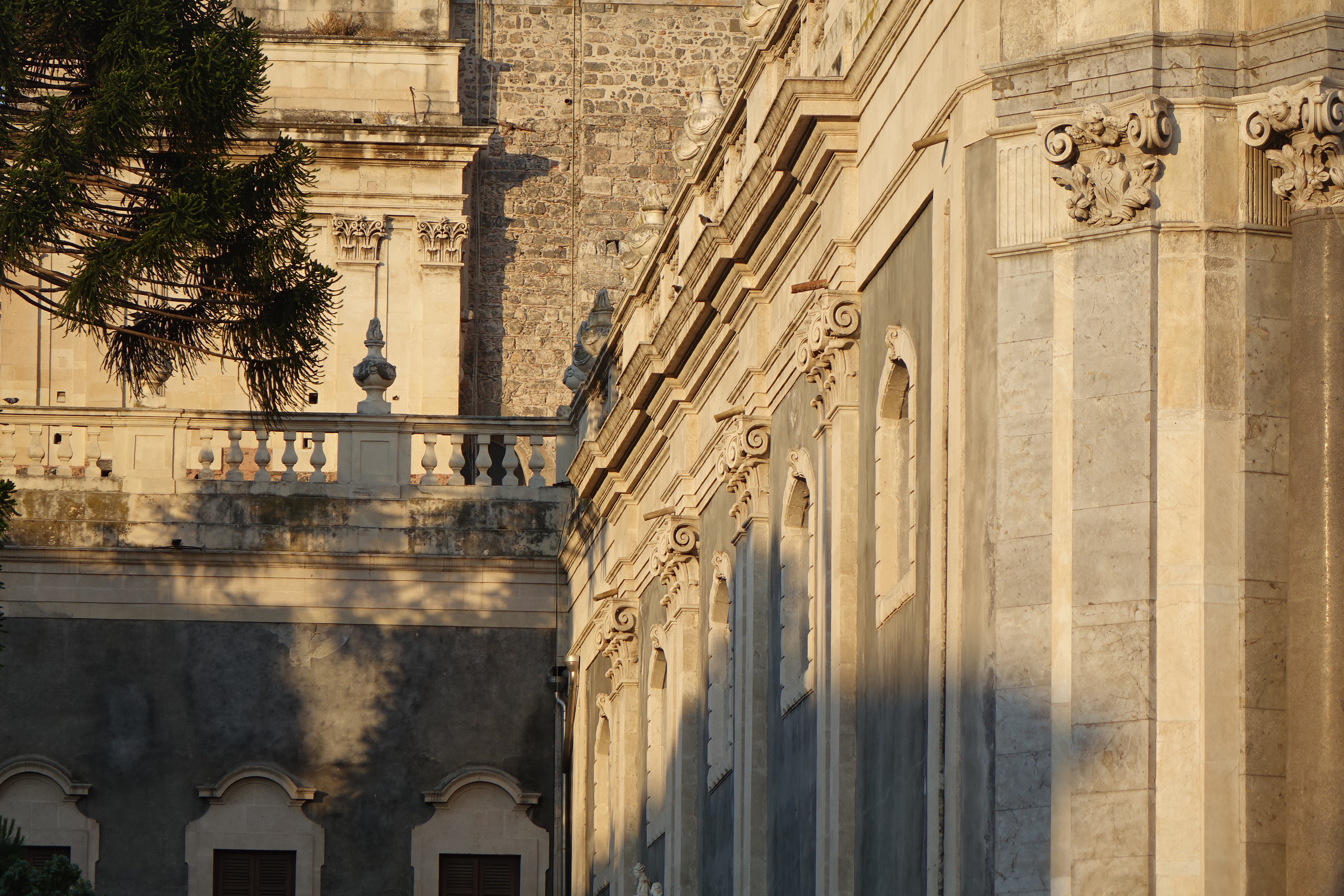
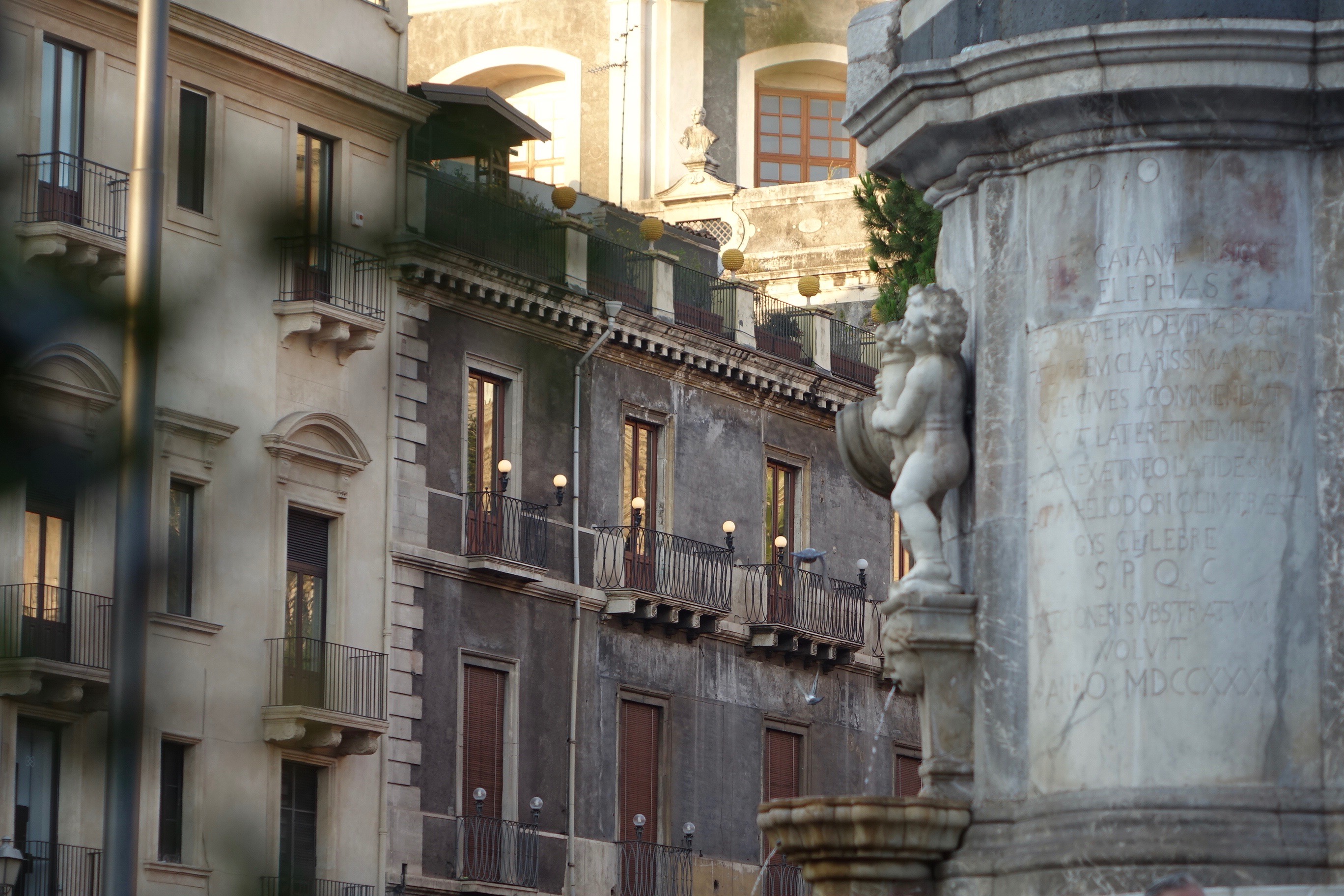
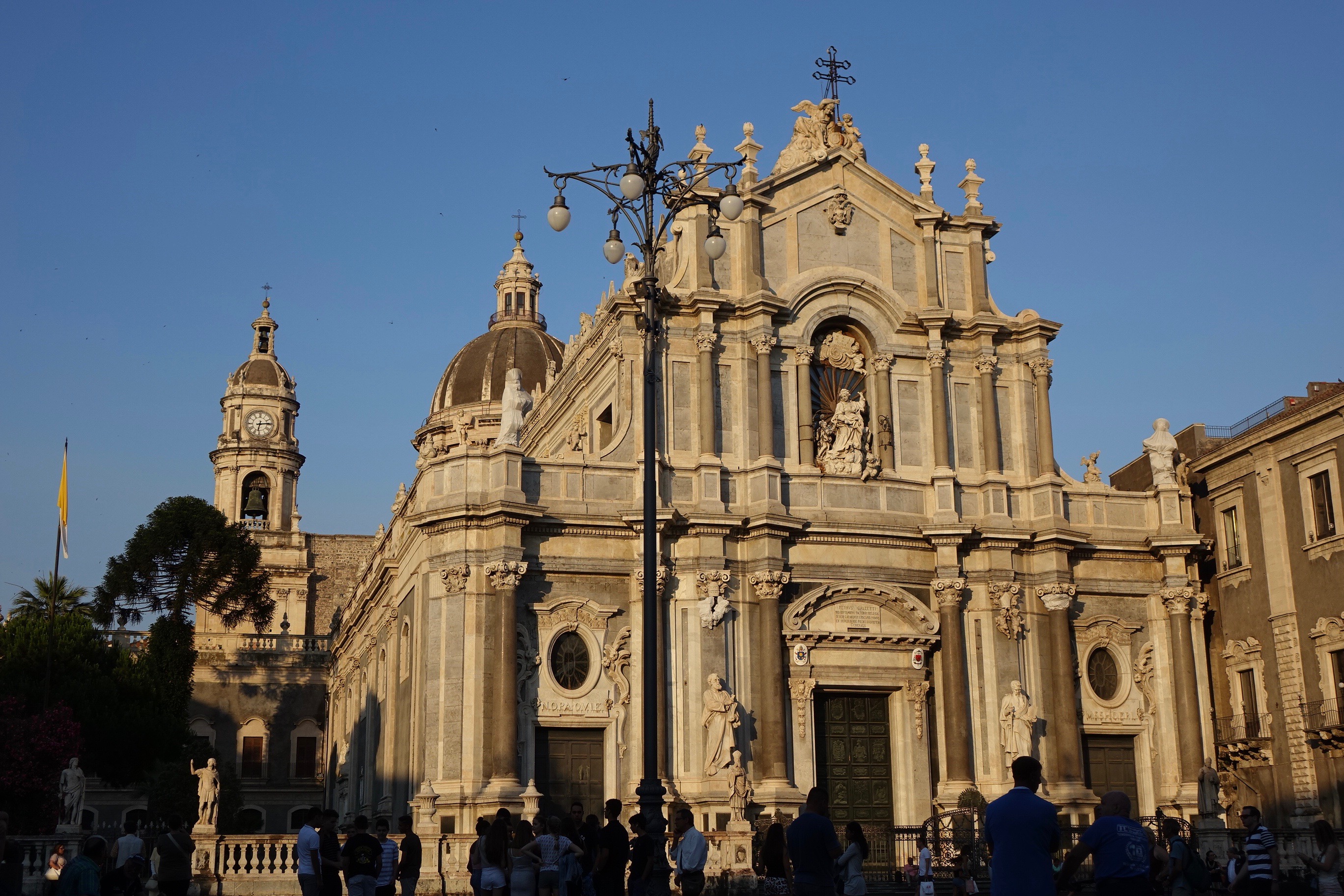
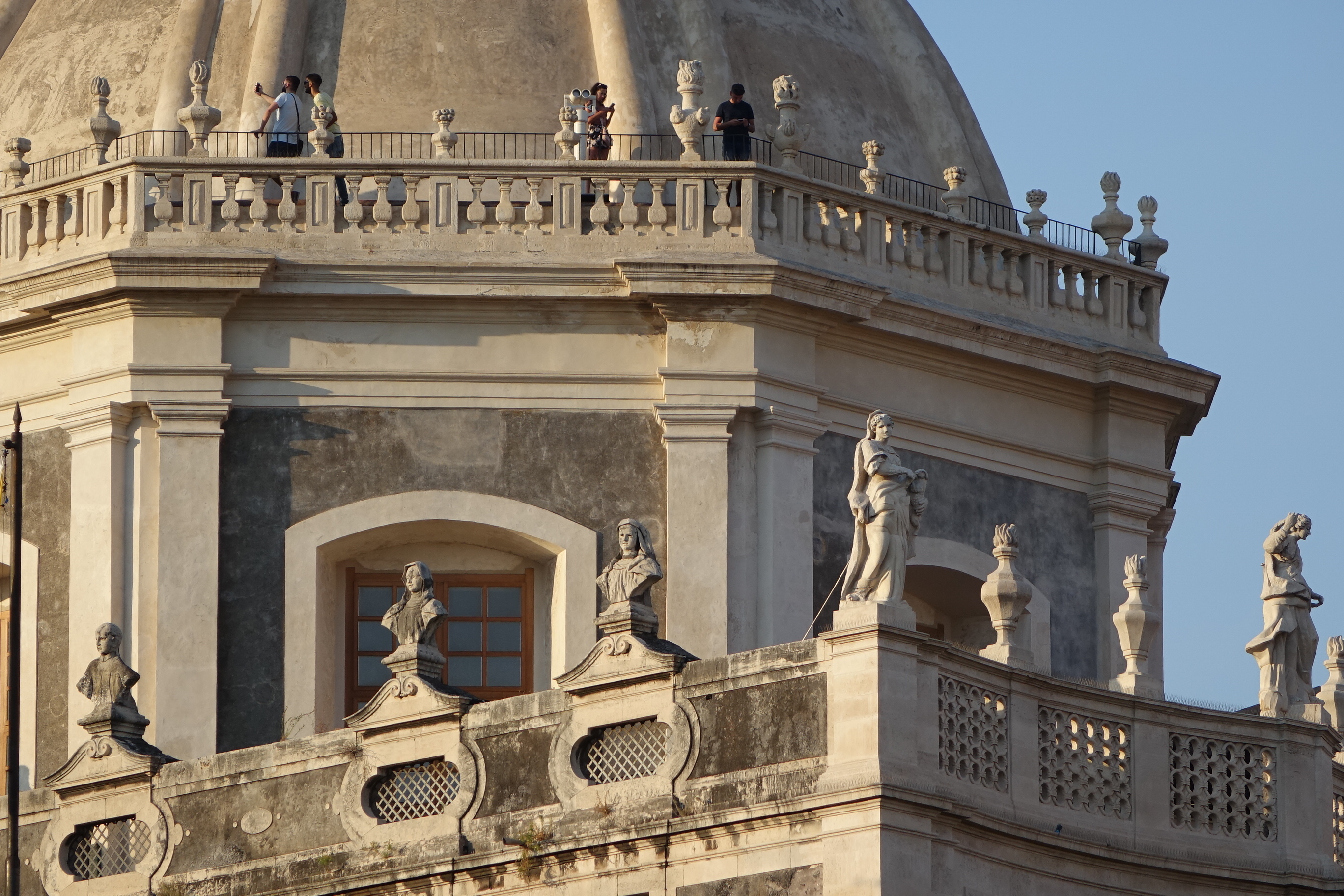
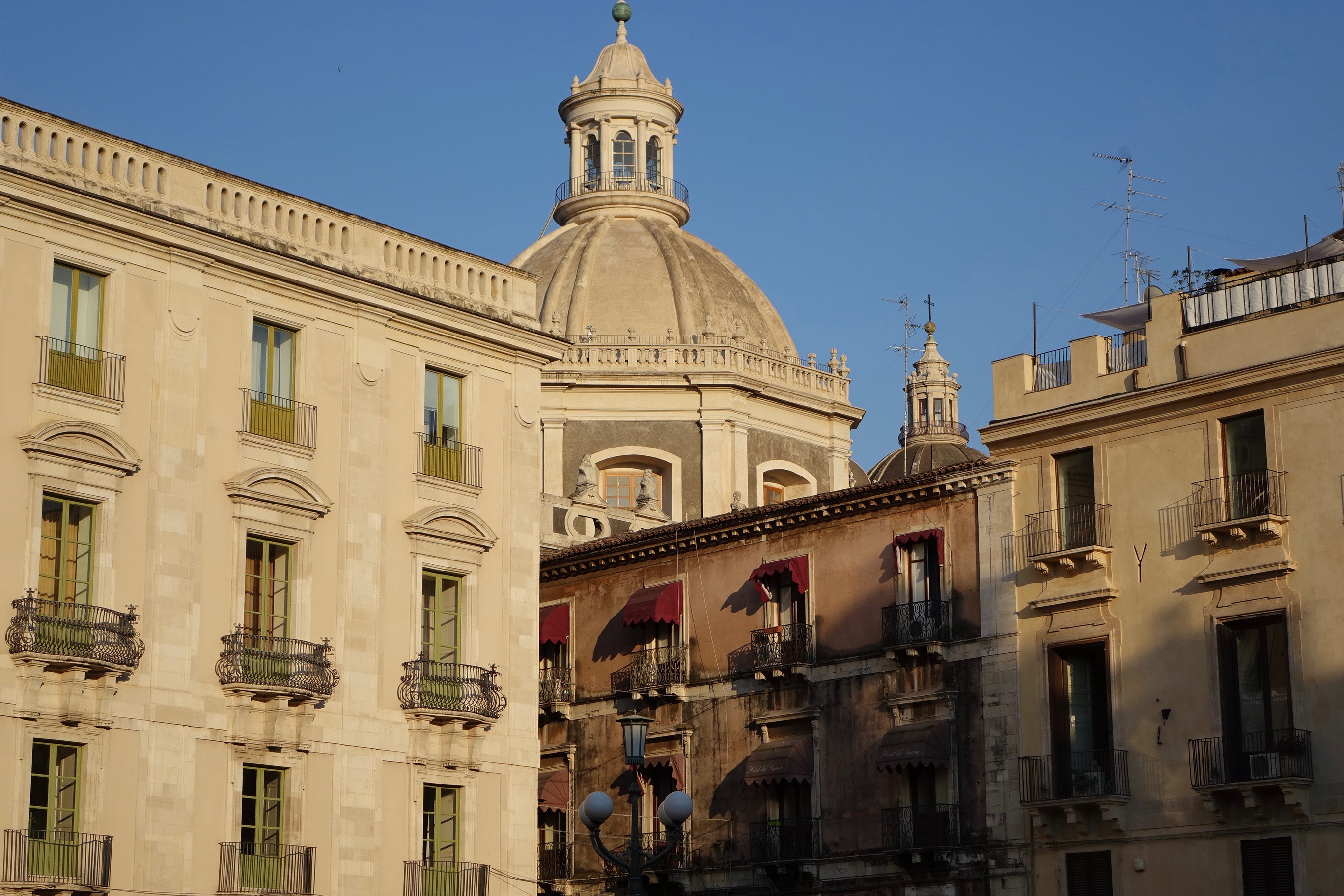
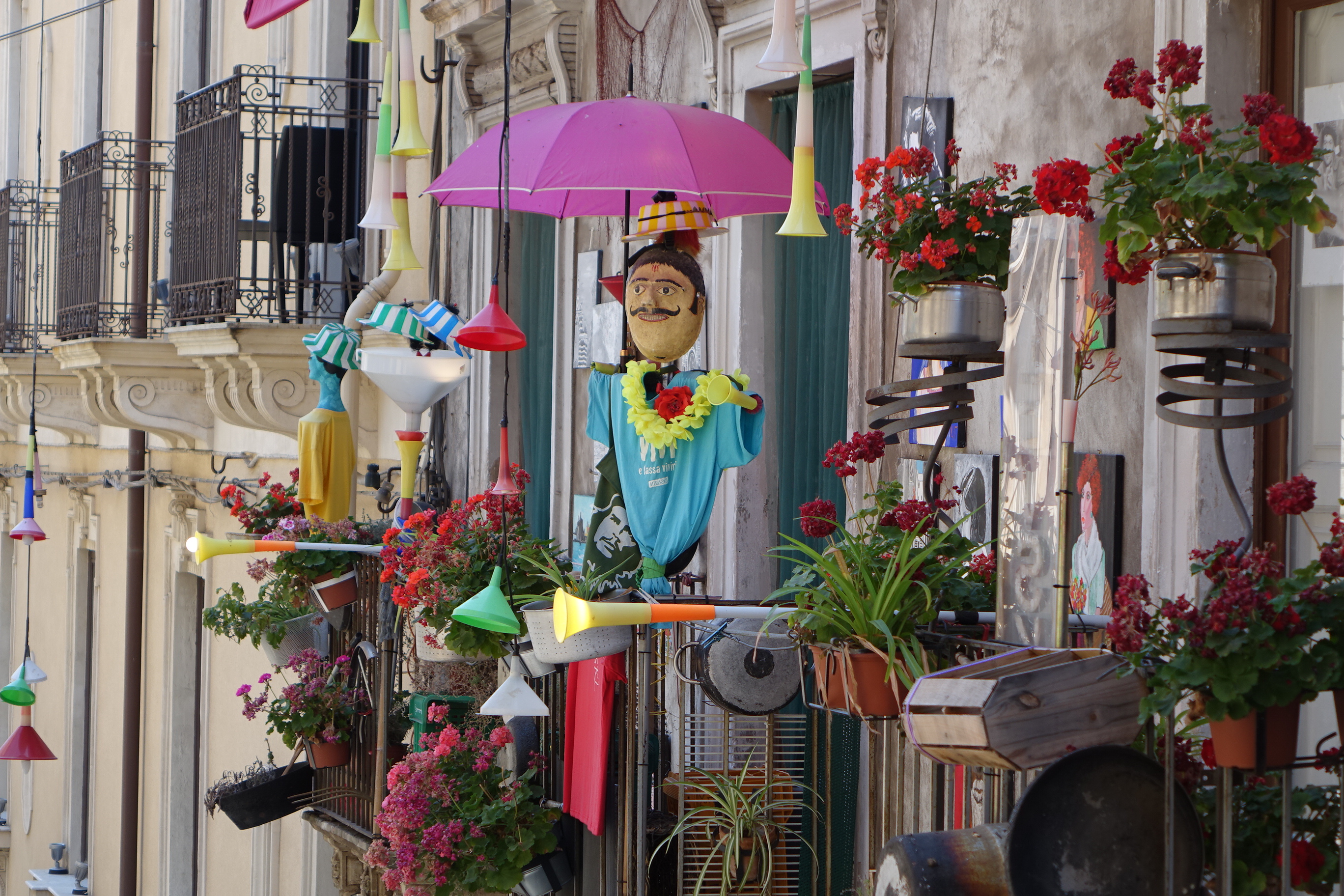
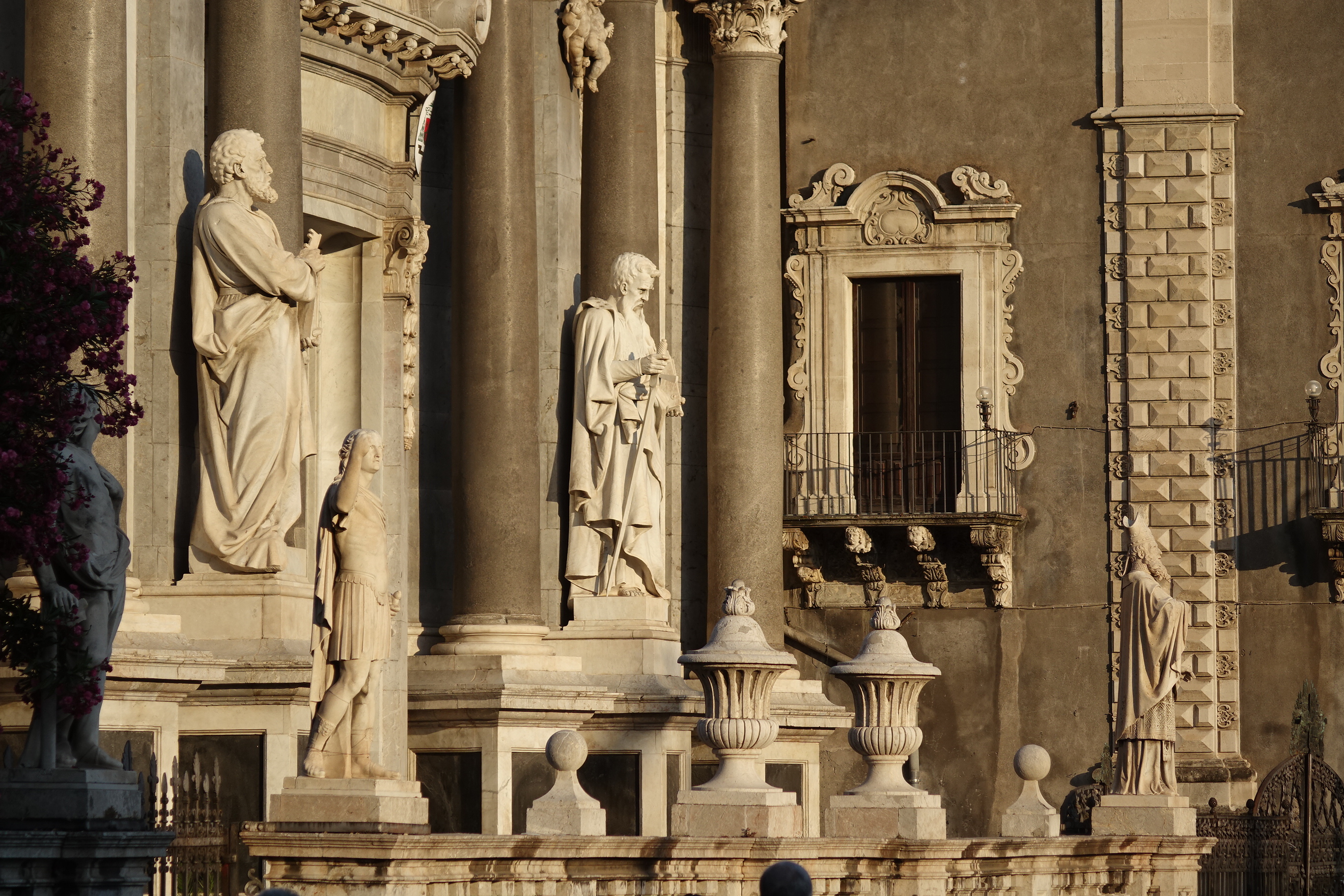
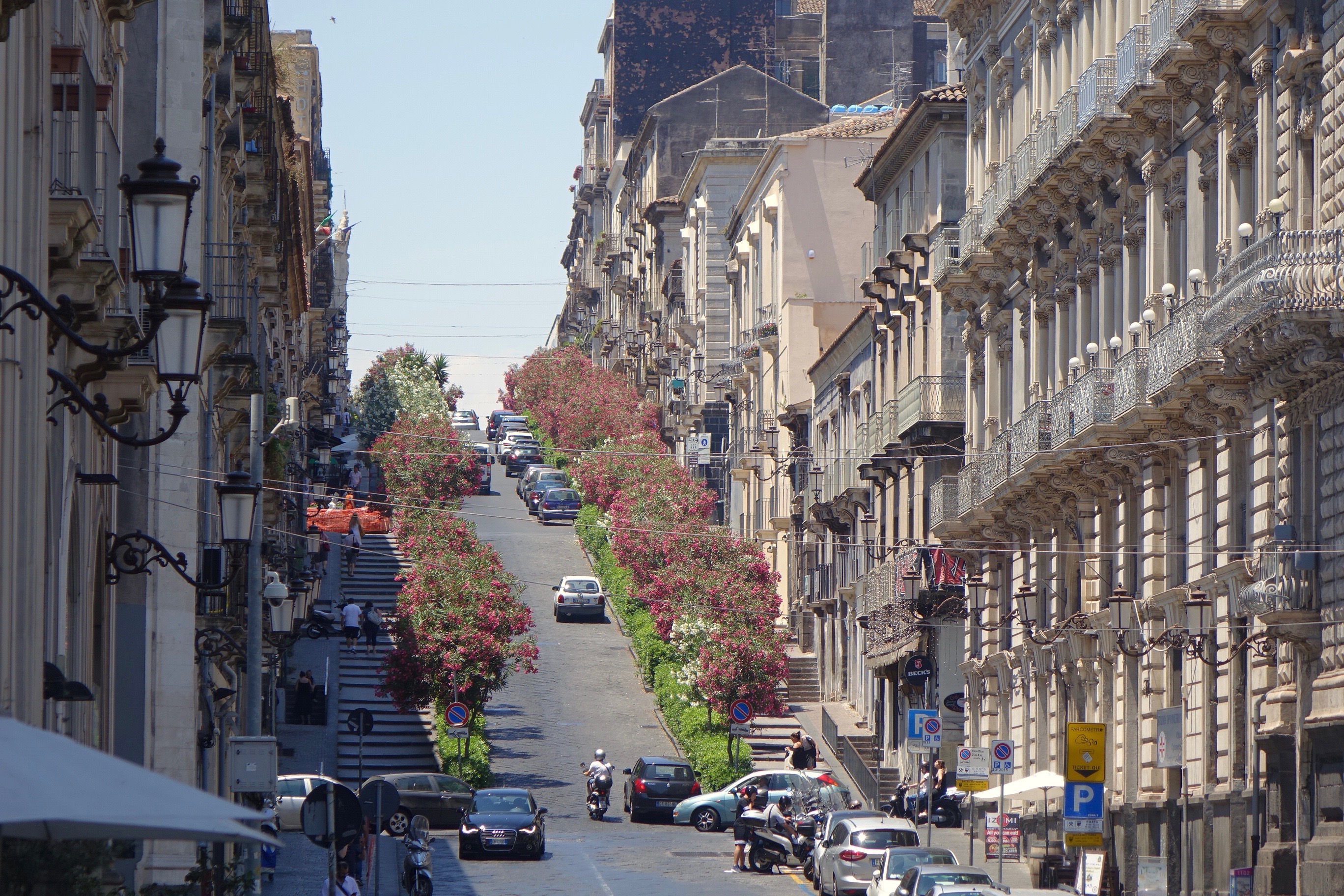
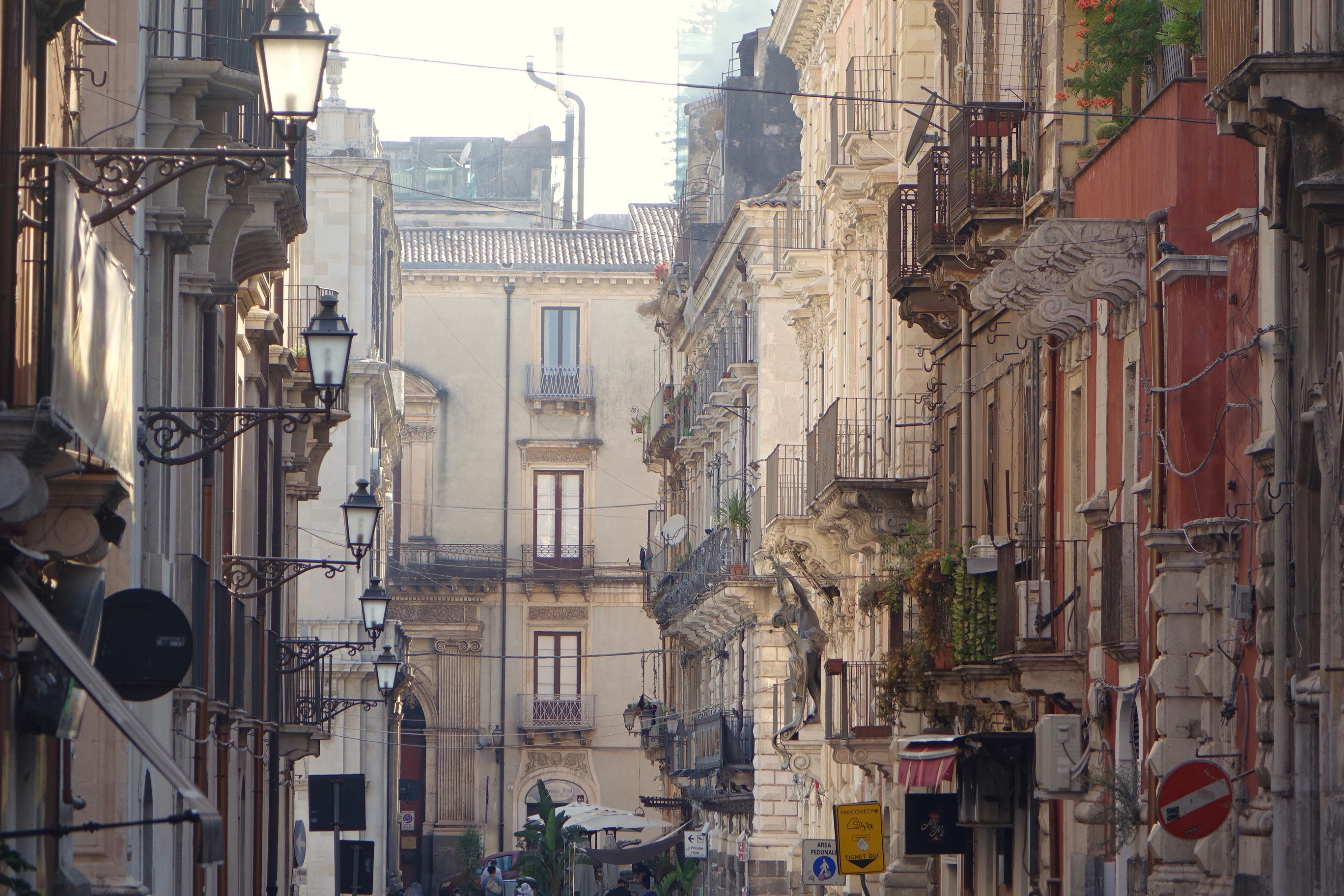
Both the scale of this bustling city, as well as its historical and geographical influences were immediate upon arrival in Catania. Bracing ourselves behind the wheel of an all-too-new hire care, our first encounter with Catania was with its wild roads, filled with drivers, irritated by the heat and paying little attention to generally accepted driving rules. Mercifully unscathed, it was only when we parked that we were able to calmly appreciate Catania, a city whose roads seemed to stretch off into an eternity of traffic jams sparkling like slowly moving jewels, whose streets are crammed with more churches than there are shops, and whose landscape is rendered tiny by comparison with the mighty silhouette of Etna which is omnipresent in the background, wherever you look.

DSC02143DSC01890DSC02142DSC01904DSC02135DSC02087DSC02004

For me, Catania was a city with much of the hectic disorder of Naples, but with the refinements of Rome. It is one characterised by the breadth of its architectural splendour, from frequently arising Roman and Greek remains squeezed between more modern houses, to the exquisite quality of its baroque architecture. And above all, it is one which has earned its epithet: “black city”, forged as it is from the lava stone which nearby Etna has regularly granted the city, Surprisingly hard but tellingly cratered, the lava stone from which Catania is built is a true testament to this city’s unavoidable relationship with its nearby volcano – both the source of its wealth, and the constant threat of its destruction.

DSC02085DSC02014DSC02009DSC01944DSC01935DSC01919DSC01842DSC01840

Perhaps it is this vulnerability which gives Catania the undeniable spirit which pervades it. Its residents can be excused for living by the ethos: carpe diem. After all, Etna is continuinuously erupting, and no one can ever be sure just when the next large eruption will reach this heavily inhabited Sicilian city. So seize the day we certainly did, passing 24 hectic hours in Catania in what was a relentless conveyor of churches, coffees, aperol spritz and lots of pasta. And what a great beginning to our Sicily trip it was!

© Nicholas de Lacy-Brown and The Daily Norm, 2001-2017. Unauthorized use and/or duplication of the material, whether written work, photography or artwork, included within The Daily Norm without express and written permission from The Daily Norm’s author and/or owner is strictly prohibited. 

Marrakech Moments: Cocktails at the Mamounia

Marrakech is a place of extremes. In the Medina, its ancient heart, you could so easily be transported back 200 years as donkeys and horses take the place of cars, and chickens, cats and small dirty looking children roam the streets. Yet outside the old city walls, you’ll find an airport, brand-spanking new, so shiny and dazzling that it makes Heathrow T5 look like an interim solution. But what marks the extremes more than anything is the evident wealth gap which exists in the society. No more obvious is this than at the Mamounia, one of the world’s great old hotels, situated just beyond the main Koutoubia Mosque but so different from its surroundings. For while the dusty streets outside are filled with beggars and tradesmen scraping to make a living, inside the hotel you find a world resplendent in its lavishness, with levels of luxury perhaps higher than I have ever seen before.

DSC01410DSC01451DSC01415DSC01440DSC01444IMG_0293DSC01435DSC01424

No wonder then that the place was not easy to get into. One grumpy doorman at first refused us entry, since he obviously judged our joint worth to be far less than the average guest. But a confident swagger, sunglasses donned and a second attempt got us through the grand entrance. We were after all determined to visit the hotel. Not only is it renowned as one of the most luxurious in all of Africa, it was also the location for some of the most famous scenes of Hitchcock’s The Man Who Knew Too Much, where Doris Day sang her famous hit, Que Sera Sera for the first time.

DSC01456DSC01405DSC01448DSC01409DSC01430DSC01412DSC01411

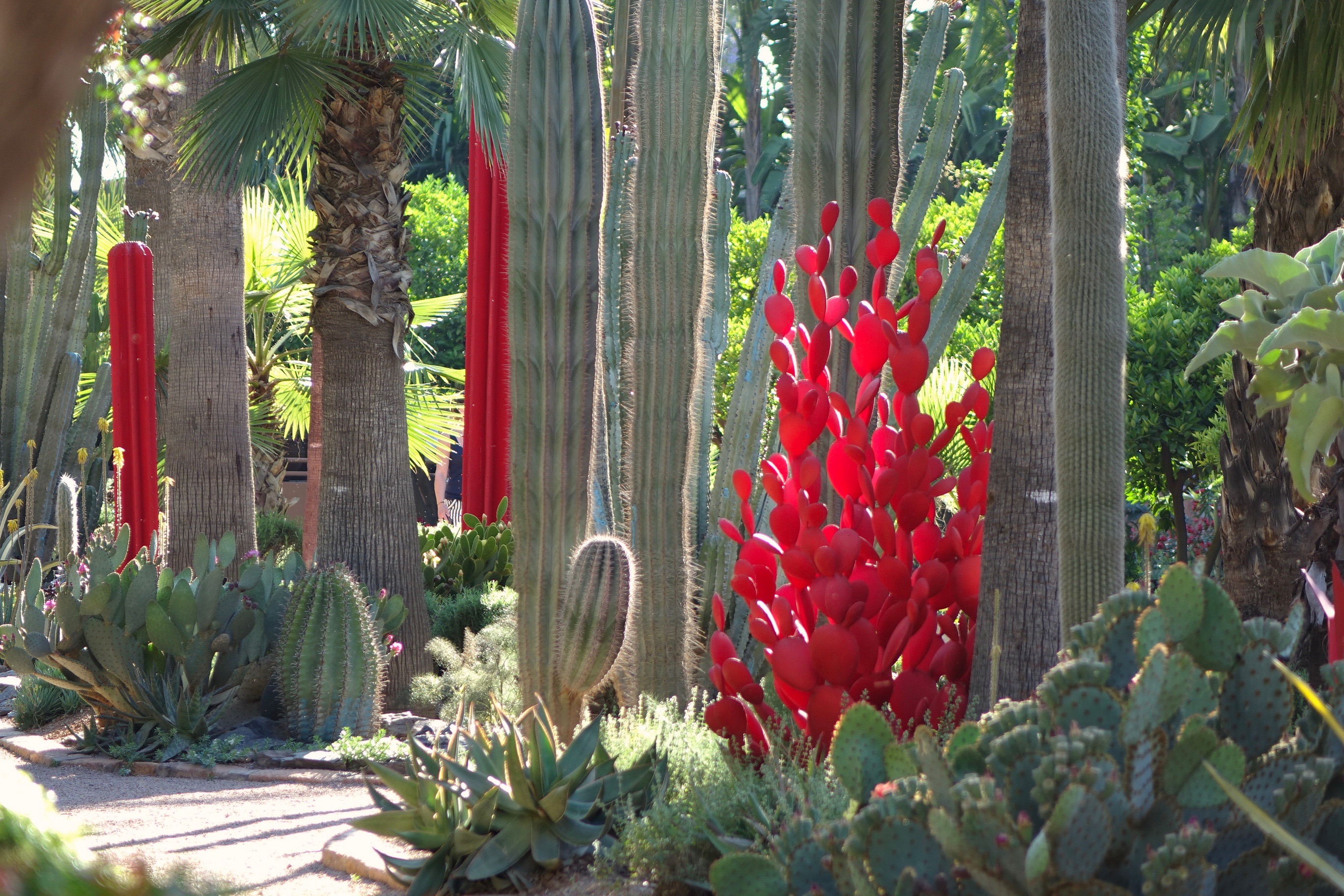
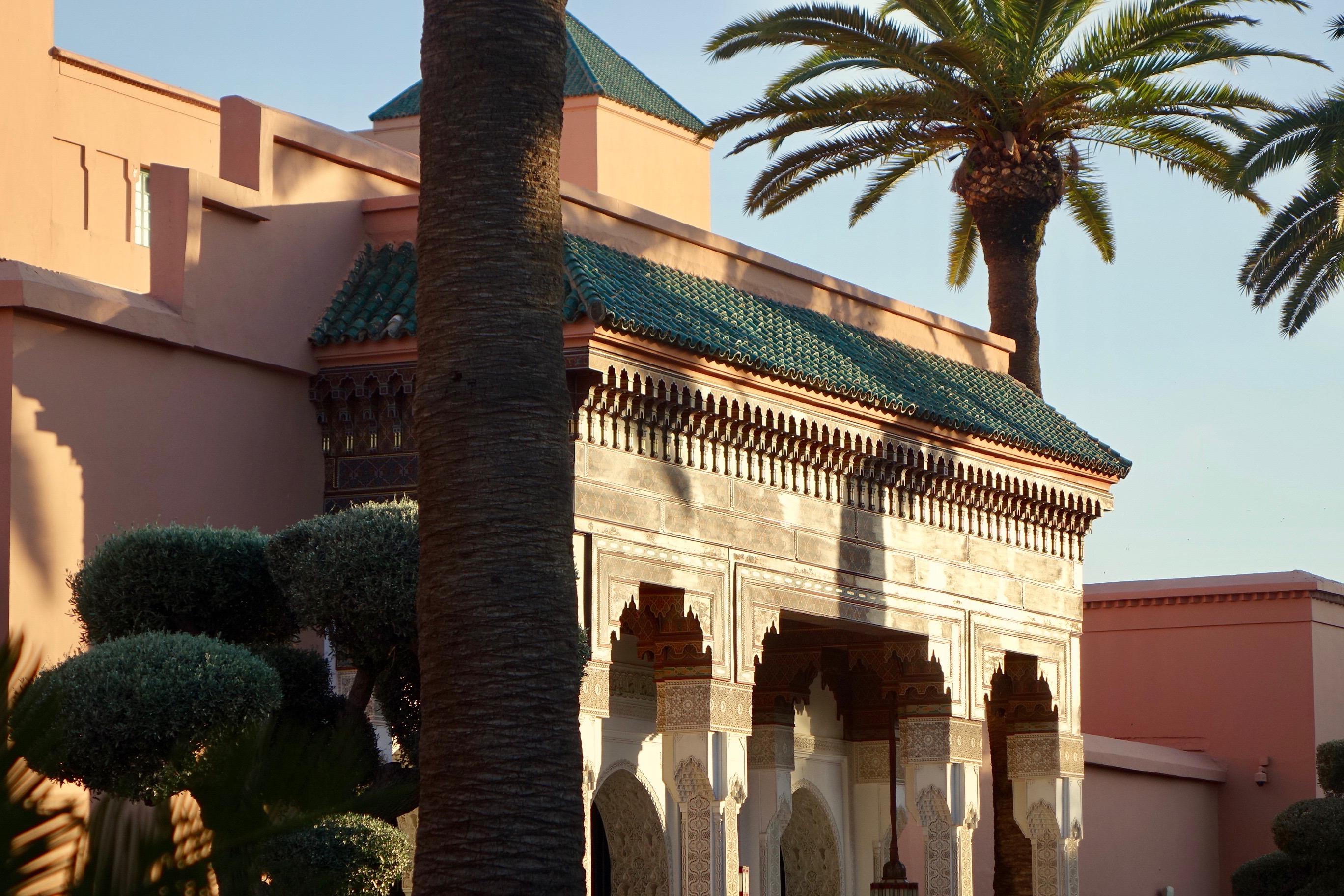
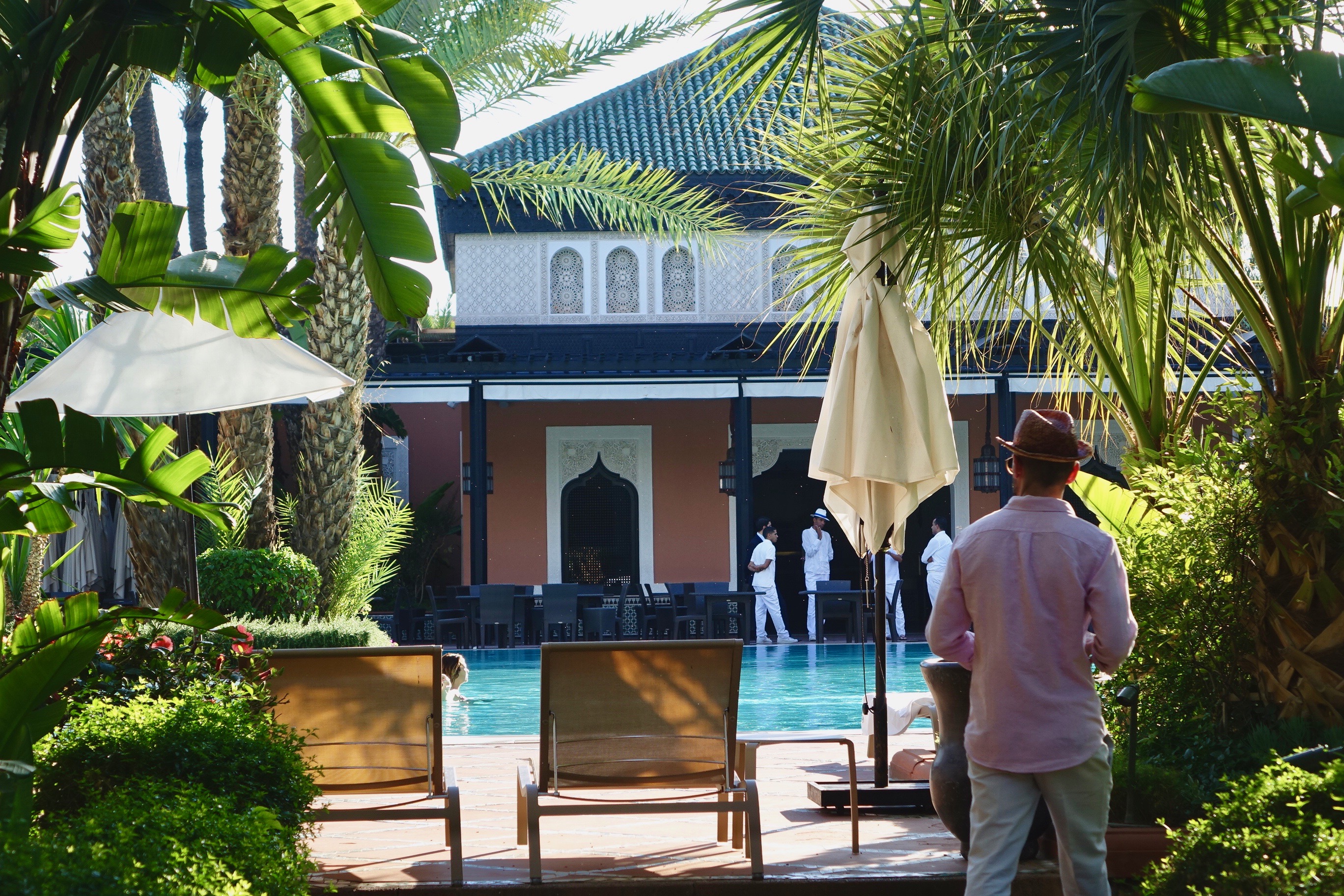
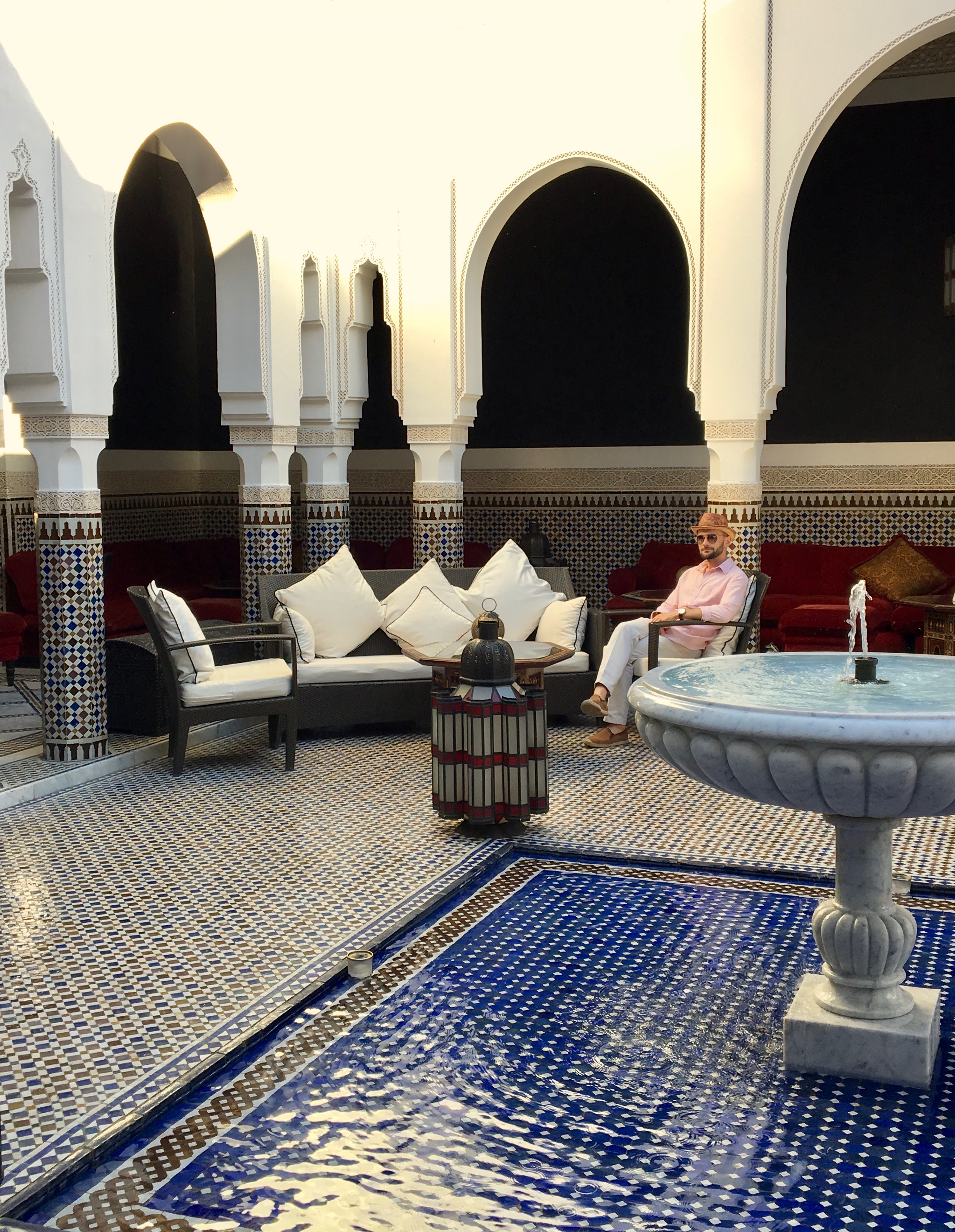
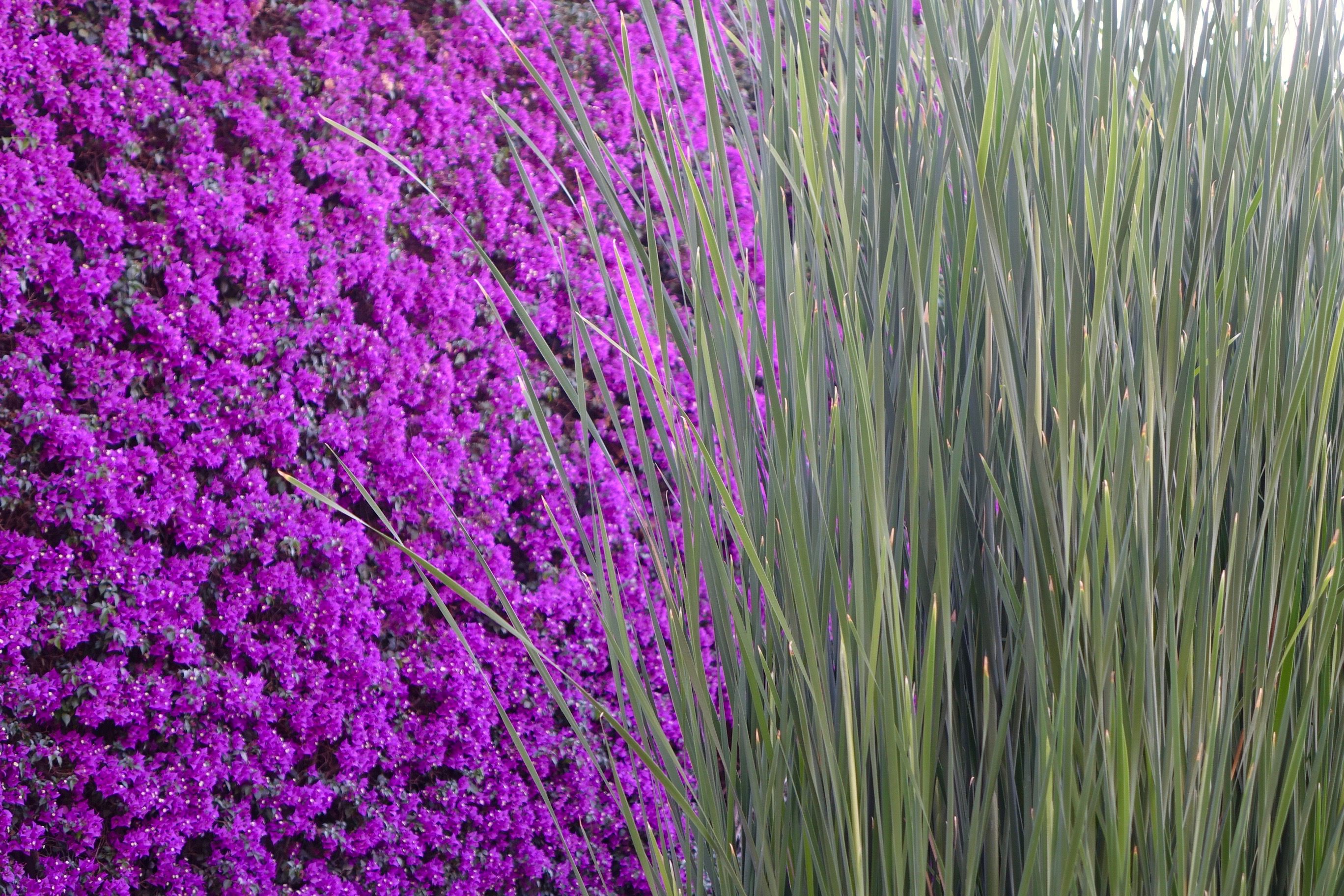
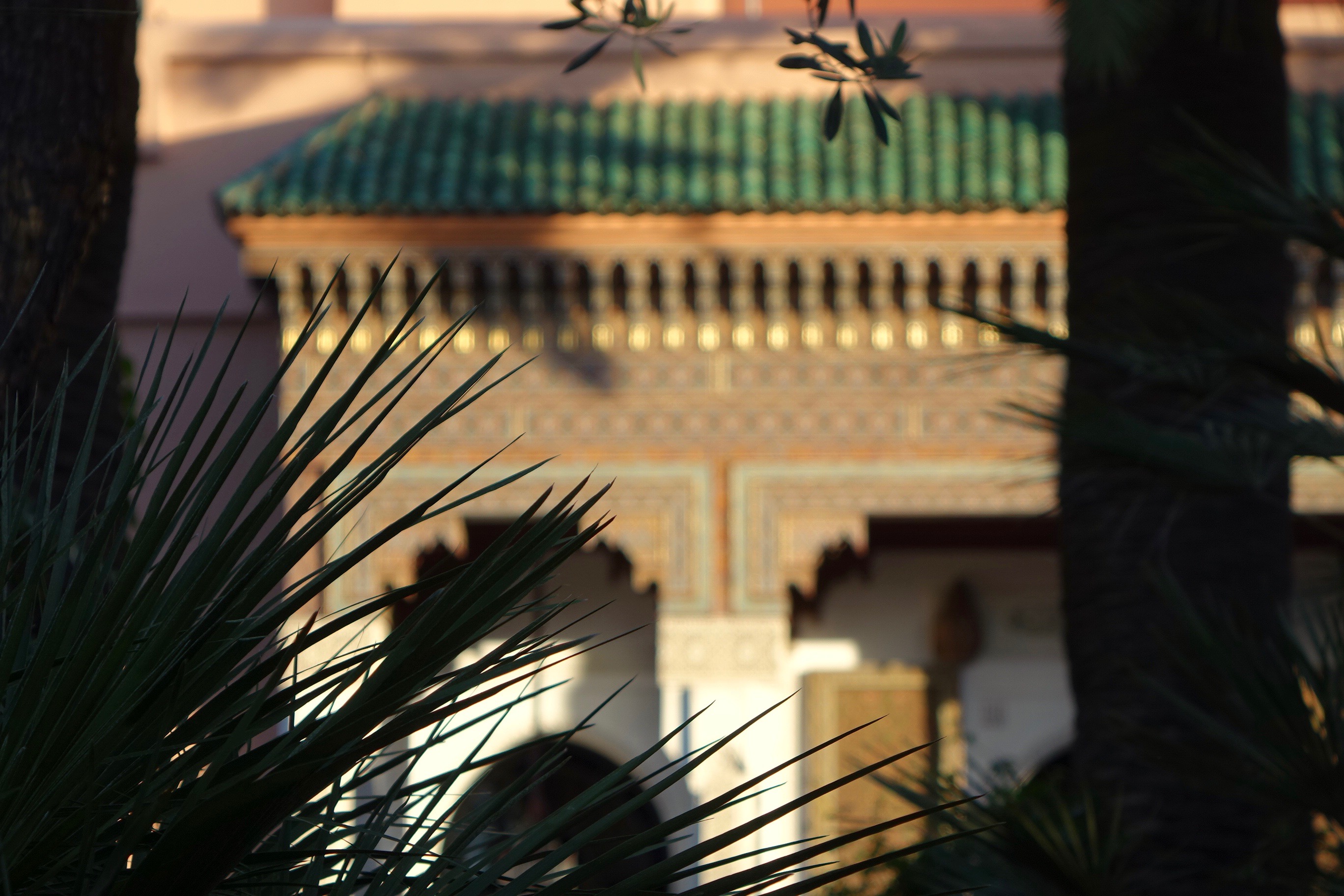
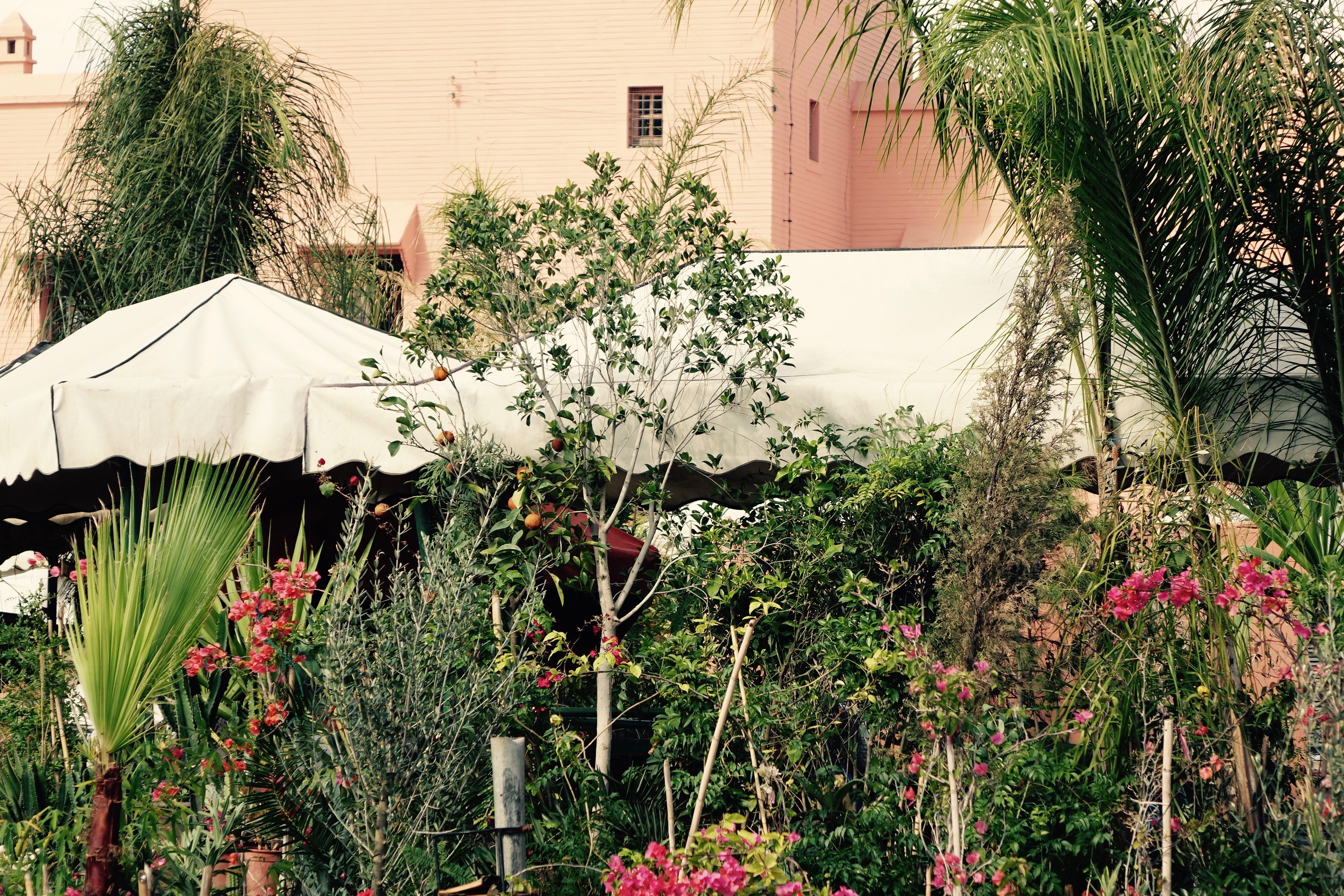
Once in we were understandably dazzled by the sheer extent of the opulent interiors and  expansive gardens which we were able to enjoy to full while waiting for a table to become free on the elegant terrace of the Italian Bar. In those grounds, so large they were used to film scenes from Alexander, we found tennis courts, pools, loungers aplenty, herb gardens, Arabic lounges and an entire wall brimming with bougainvillaea. There was even a pavilion at the garden’s centre just built for afternoon tea. But we had cocktails on the mind, and when our stroll was over, our table lay in wait, and we quenched our thirst with a well earned G&T and a Strawberry Daiquiri. It wasn’t the cheapest of occasions, but it was a hallmark moment of our trip. While it may have been a very different world from the city of Marrakech just outside its mighty walls, there was something about the grandeur of this 92 year old hotel which made us feel very at home.

IMG_0305

© Nicholas de Lacy-Brown and The Daily Norm, 2001-2017. Unauthorized use and/or duplication of the material, whether written work, photography or artwork, included within The Daily Norm without express and written permission from The Daily Norm’s author and/or owner is strictly prohibited.

The Colours of Marrakech, Part 4: Multi-coloured Souks

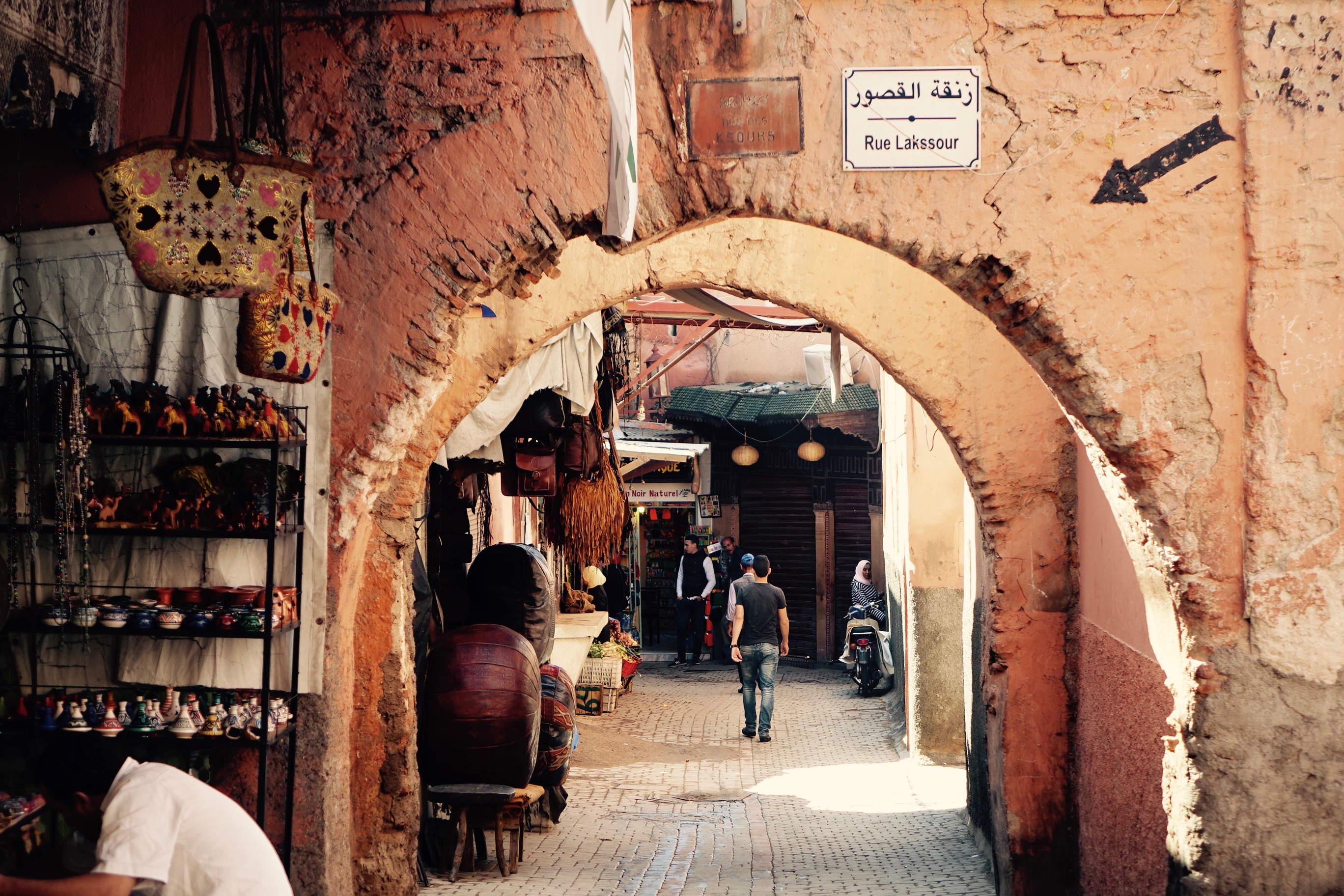
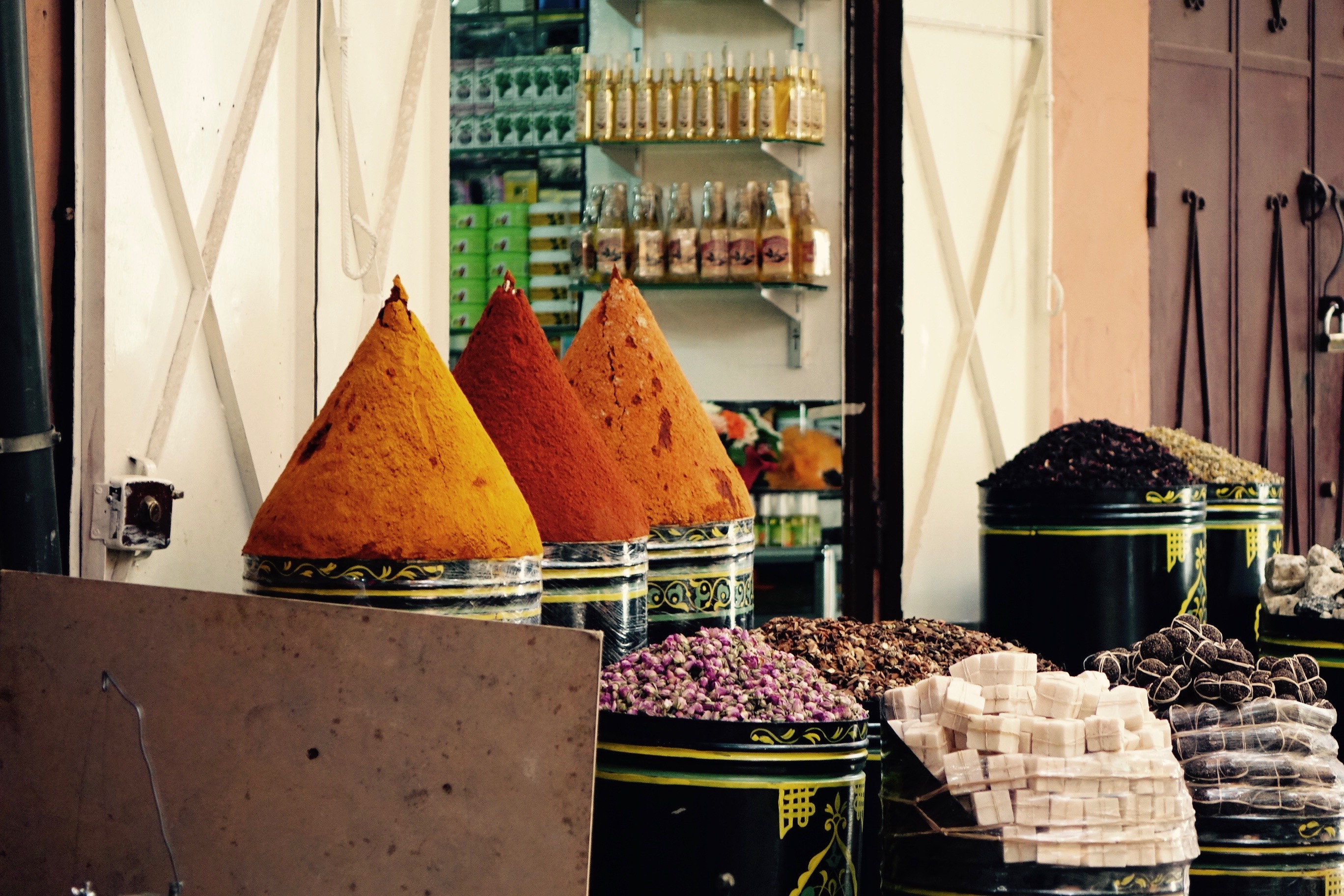
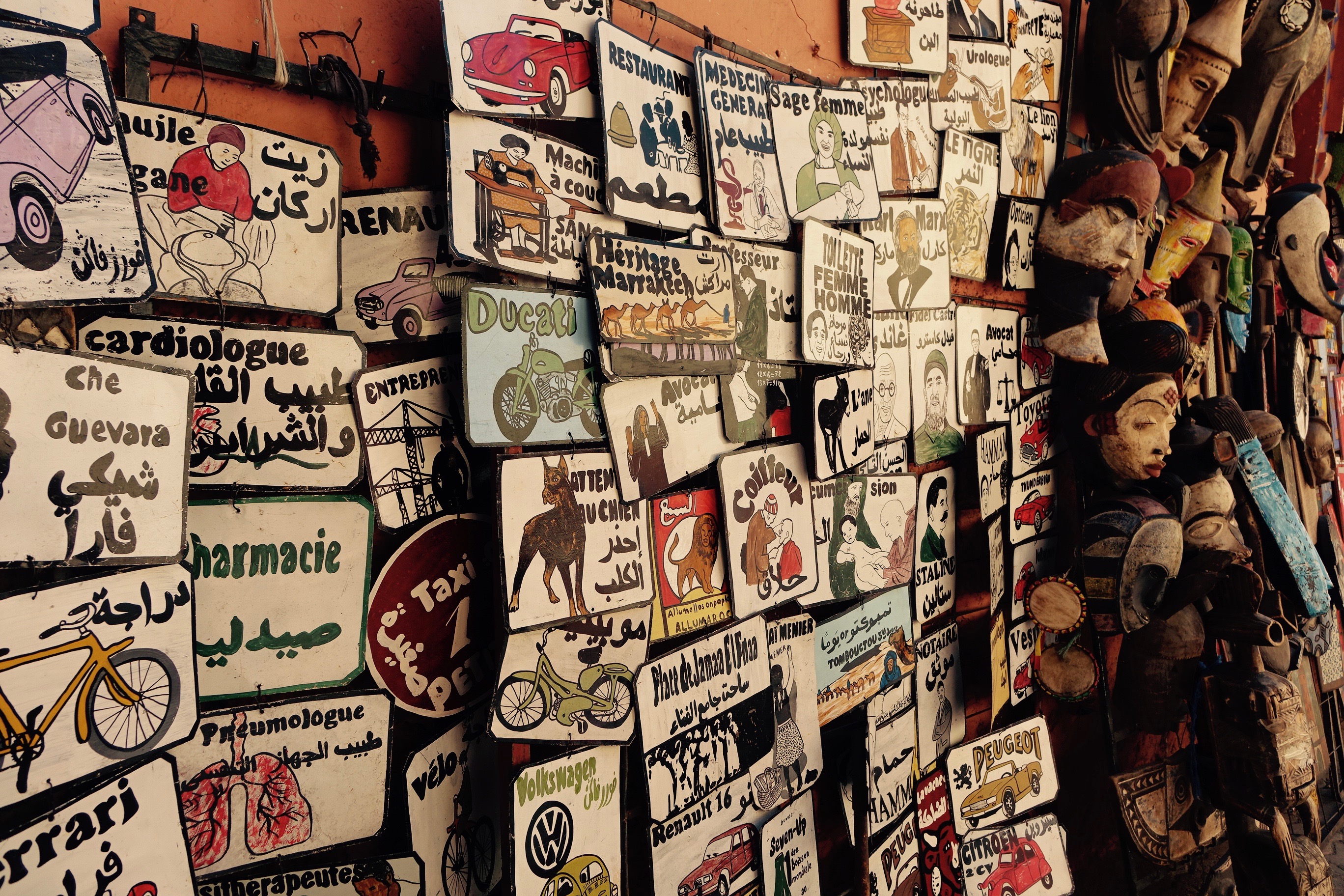
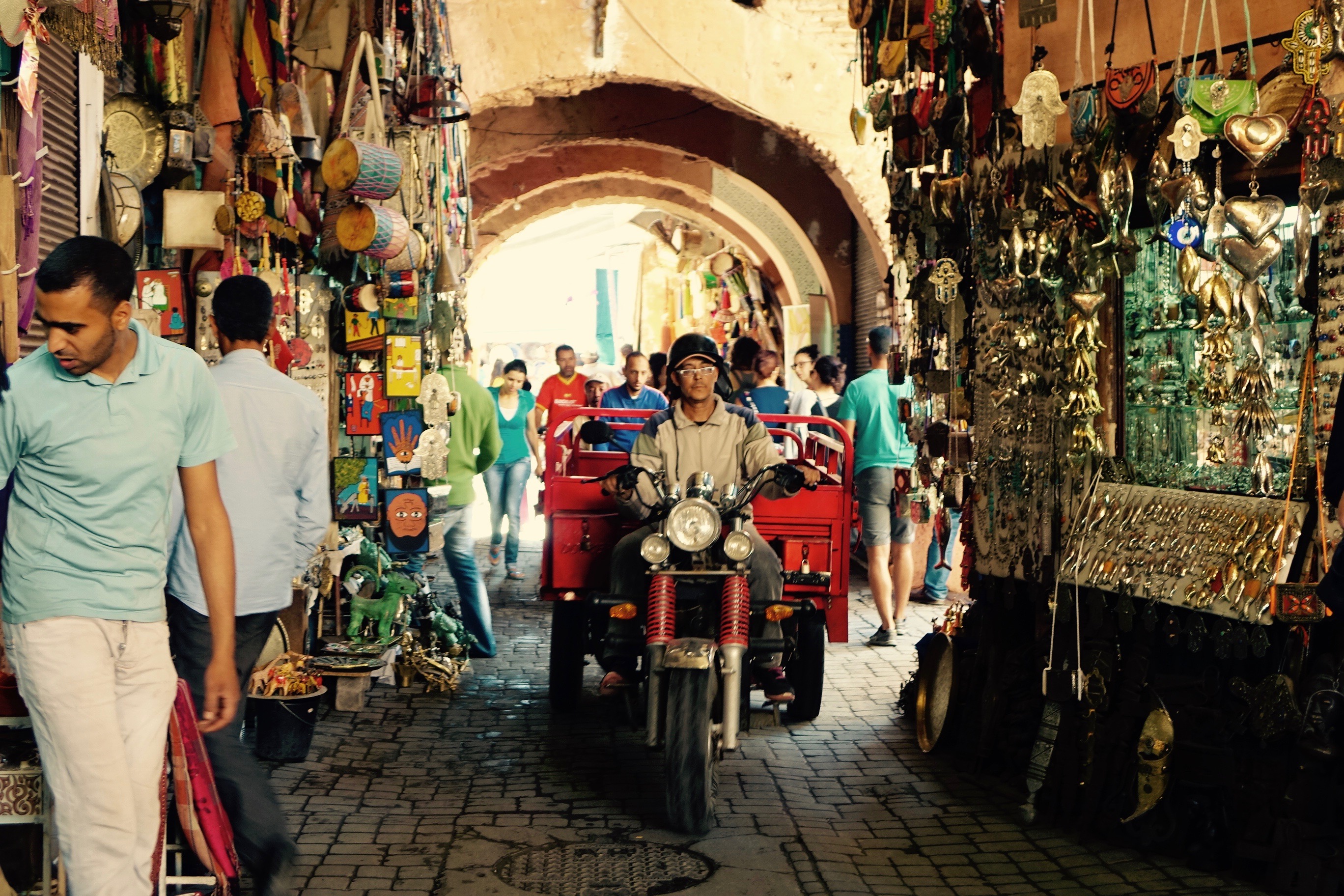
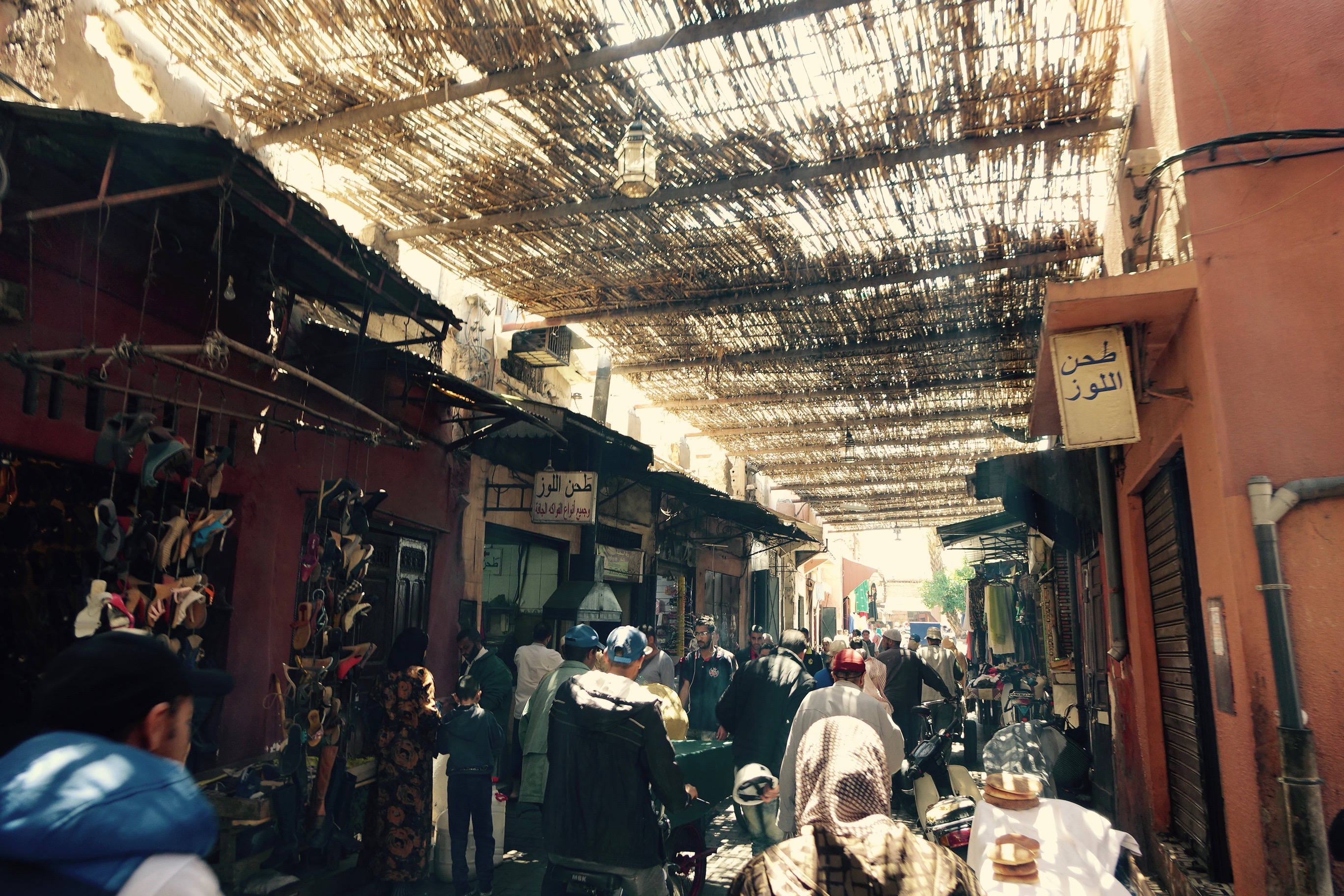
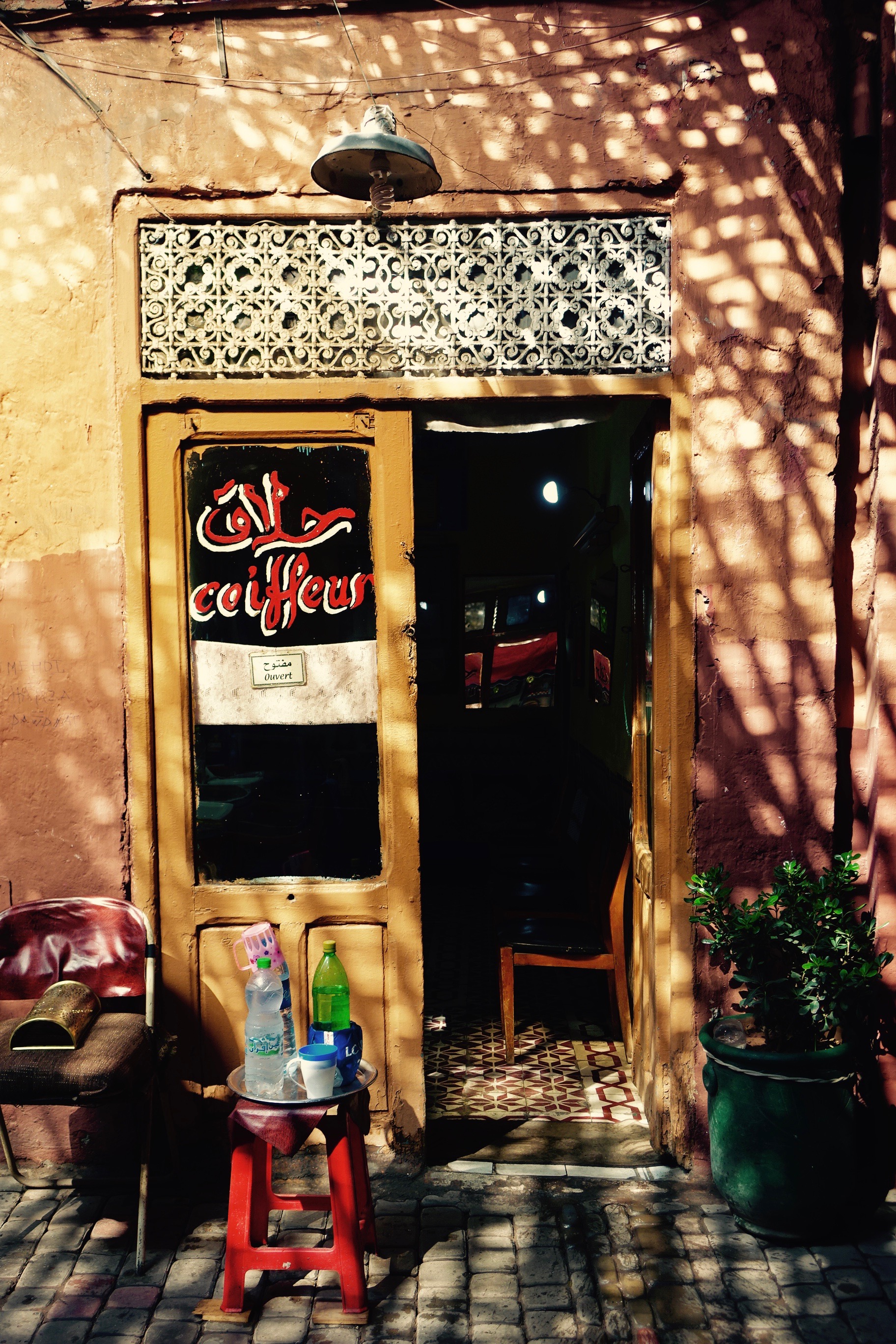
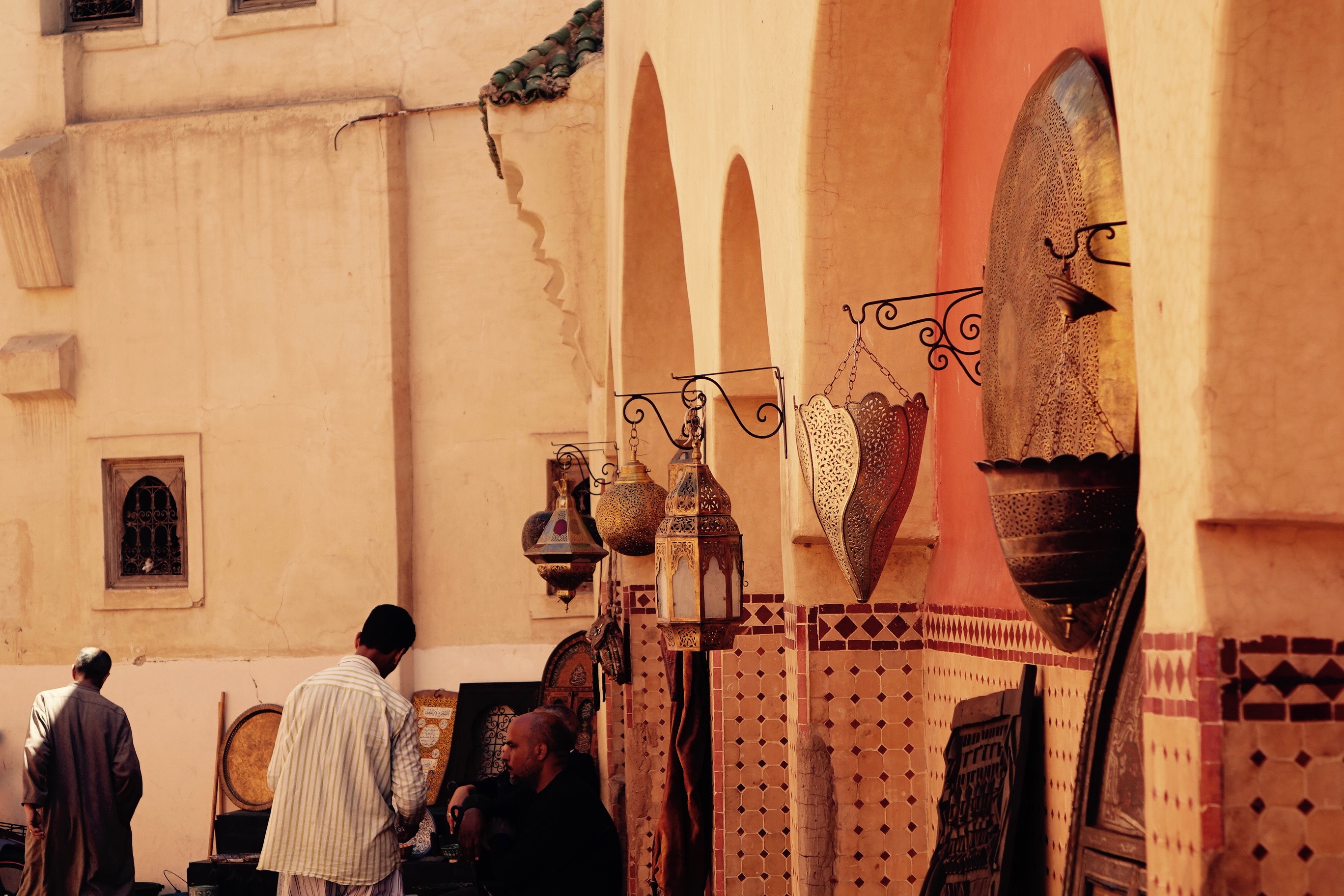
Winding, uneven, disorientating streets, packed with every kind of sight and sound and smell. A maze of chaotic, pulsating brilliance, cross crossed with shards of light as the boiling heat penetrates awnings made of grass and bamboo. These are the Souks of Marrakech, the utterly mesmerising completely confusing labyrinth of tightly packed market streets which sit at the heart of the city’s ancient Medina, and of its inhabitants. For trade has always been central to the functioning of Marrakech, which grew up around its perfect positioning for business with Spain and the rest of mighty Africa. Today the Souks remain the ancient location for the thousands of craftsmen eking out an existence selling their handmade wares, and easily the most fascinating place to visit.
DSC00766DSC00186DSC00575DSC00183DSC00428DSC00609DSC00362DSC00190DSC01081DSC01350DSC00196

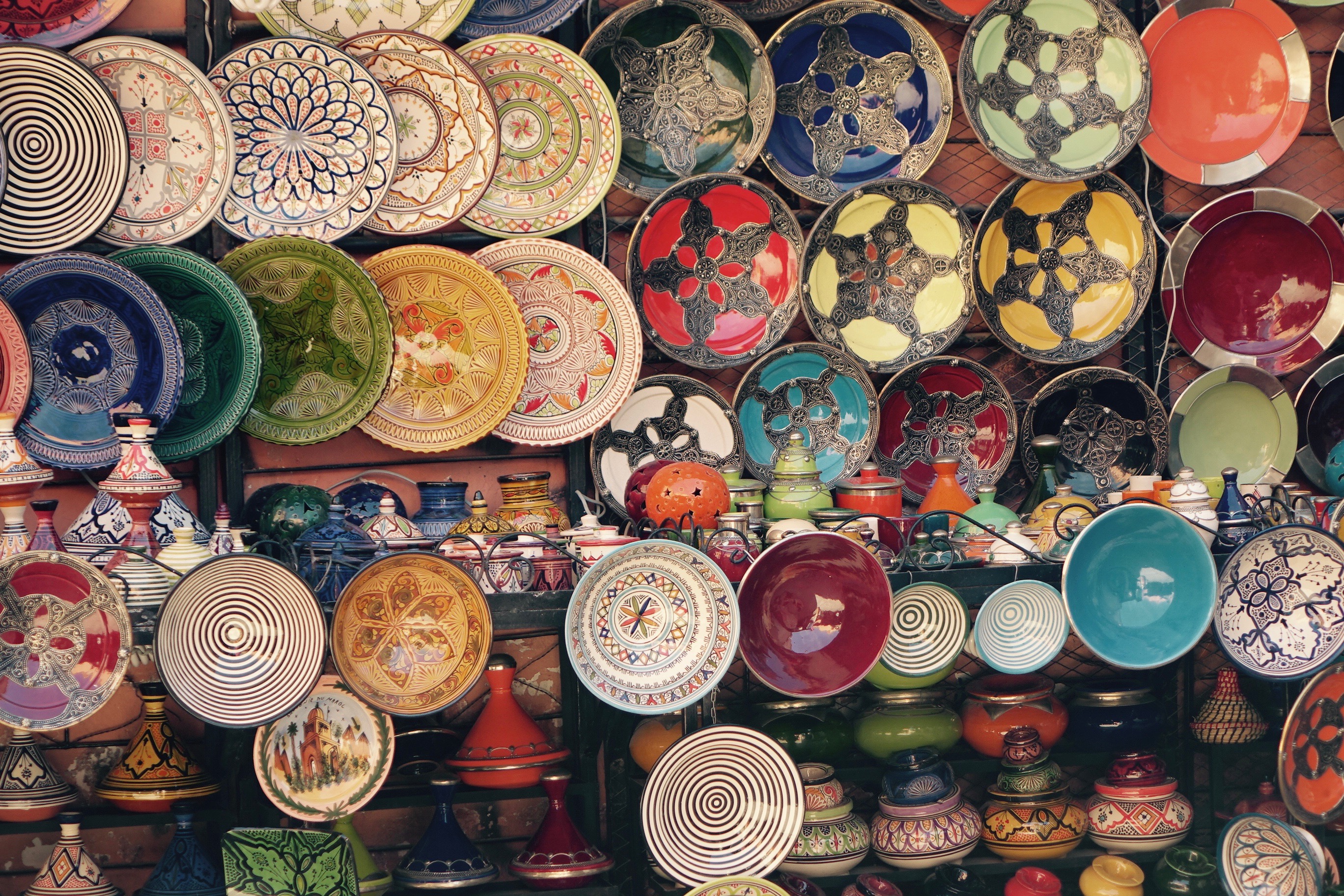
The Souks are intrinsically beautiful. Packed with gold and ivory, leather and metalwork, great piles of spices, others of candied fruits, stalls loaded high with magical carpets, they are a real sight to be seen, as well as to smell. But be under no illusion. A visit to the Souks is an endurance test and a hard often intimidating slog for any westerner (since, lets face it, we stick out like a sore thumb against the more traditional dress of the locals). Wherever you go, you draw attention. Many see money, others see a nuisance, but almost everyone will want something from you and every 5 seconds you will need to handle an approach or a plea. Walking along those precariously narrow streets is no stroll in the park – locals use the same narrow lanes to drive like maniacs on mopeds, weaving as they do so in and out of poor donkeys, still heaving along heavy carts like a rewind back 200 years, and chickens who meander around clucking, unaware of their forthcoming bloody fate. For those on foot, you must get used to jumping out of the way, being careful not to fall into one of those precariously balanced spice piles as you do so. Then there’s the merchants. Catch their eyes, and like spiders they will ensnare you in their web. Look at their produce, take an interest in their wares, and they will lure you further still until the trap closes in. Try to get out without purchasing something I dare you! And don’t even think of looking at a map. Suggest for one second you are lost and you will be surrounded by mischievous teenagers who will try to persuade you to take them on as a tour guide. Their tricks are well known. They will get you all the more lost, taking you deeper into the Souks, before demanding money for your release.

DSC00192DSC00898IMG_0930DSC01397DSC00893DSC01353IMG_0927DSC00888DSC00599DSC00611DSC00608DSC00595DSC00583

It all sounds rather terrifying, I know. And going to the Souks is never exactly comfortable. But there is something so utterly mesmerising about this magical world that you cannot help but go back for more and gaze in sheer wonder at this incredible picture of a wonderfully different life. Until you go to the Souks, you will never truly appreciate what is Marrakech, nor Morocco. This is where the cultural differences are at their most extreme. The authenticity of the scene makes the so-called Moroccan shops in Southern Spain look like a sham. And the beauty of the place is such that you will want to photograph until your camera battery is exhausted – but be careful with this too. The locals hate being photographed and those less shy will demand money for the privilege.

DSC00431DSC00587DSC00198DSC00372DSC00594DSC00590DSC00365DSC00358DSC00203DSC00353DSC00880

So those are the Souks that ensnared our souls, scaring us aplenty but which provided the most memorable experiences of our trip. And we came away with some Saharan pottery, a metal lion, a miniature red tagine and some orange blossom essence. Not bad, especially as we were required to barter as part of the process, something which is inherently uncomfortable for the polite English. Long will I remember this maze of plenty, its exotic smells and hardened people. Most of all I will remember the multiple colours which characterise this dazzling place.

© Nicholas de Lacy-Brown and The Daily Norm, 2001-2017. Unauthorized use and/or duplication of the material, whether written work, photography or artwork, included within The Daily Norm without express and written permission from The Daily Norm’s author and/or owner is strictly prohibited.