Skip to content

Posts tagged ‘Travel’

Prague (Part 1): Iron behind the Velvet Curtain

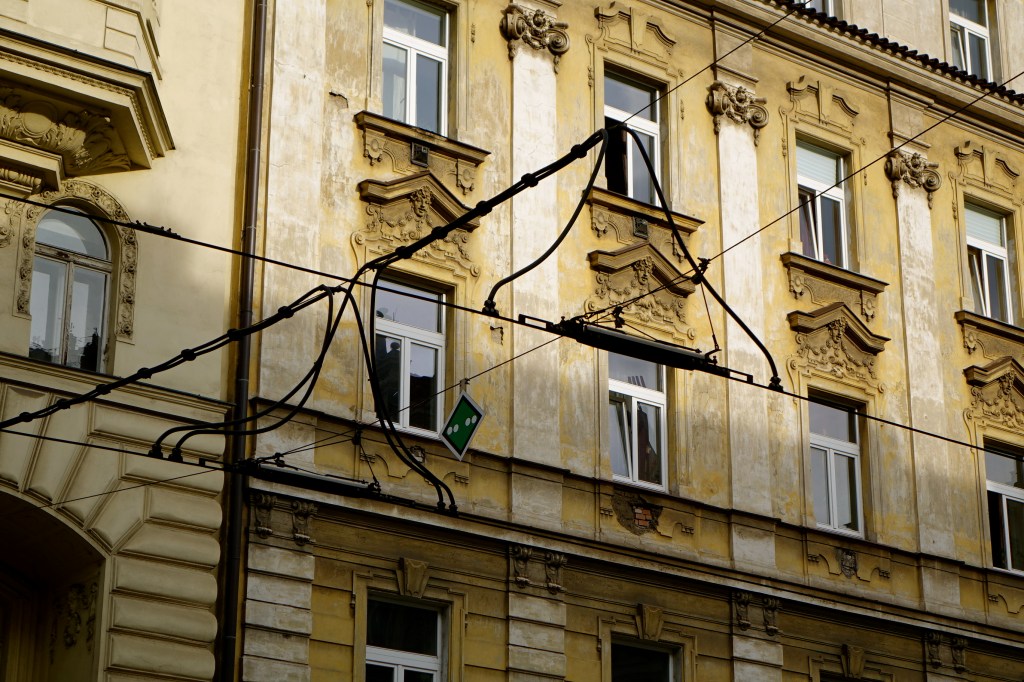
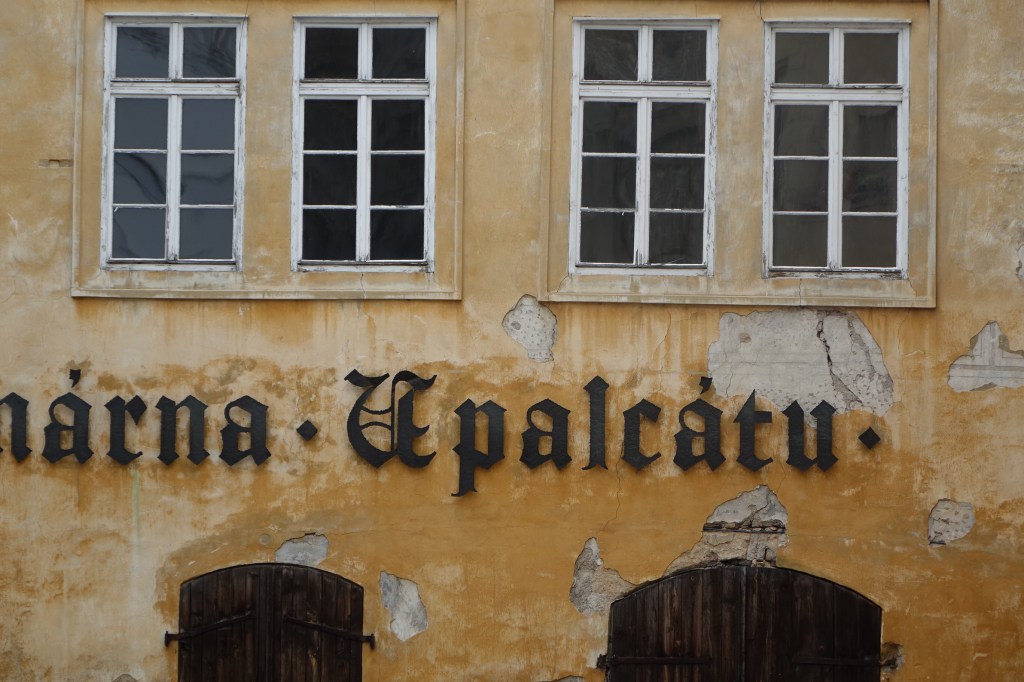
When you mention the Czech city of Prague to anyone, their eyes turn a little gooey as a child’s might before a sparkling Christmas tree. They will tell you about the beauty of the architecture, “like a fairytale” they say. They will extol the baroque virtues of the Charles Bridge, and recount memories of evenings drinking local beers in the great Old Town square. And perhaps I will remember Prague for a city of fantastical beauty – which it surely is – when I look back on the place in years to come. But now, freshly returned from this capital city of the Czech Republic, another more overriding sensation of disappointment dominates.

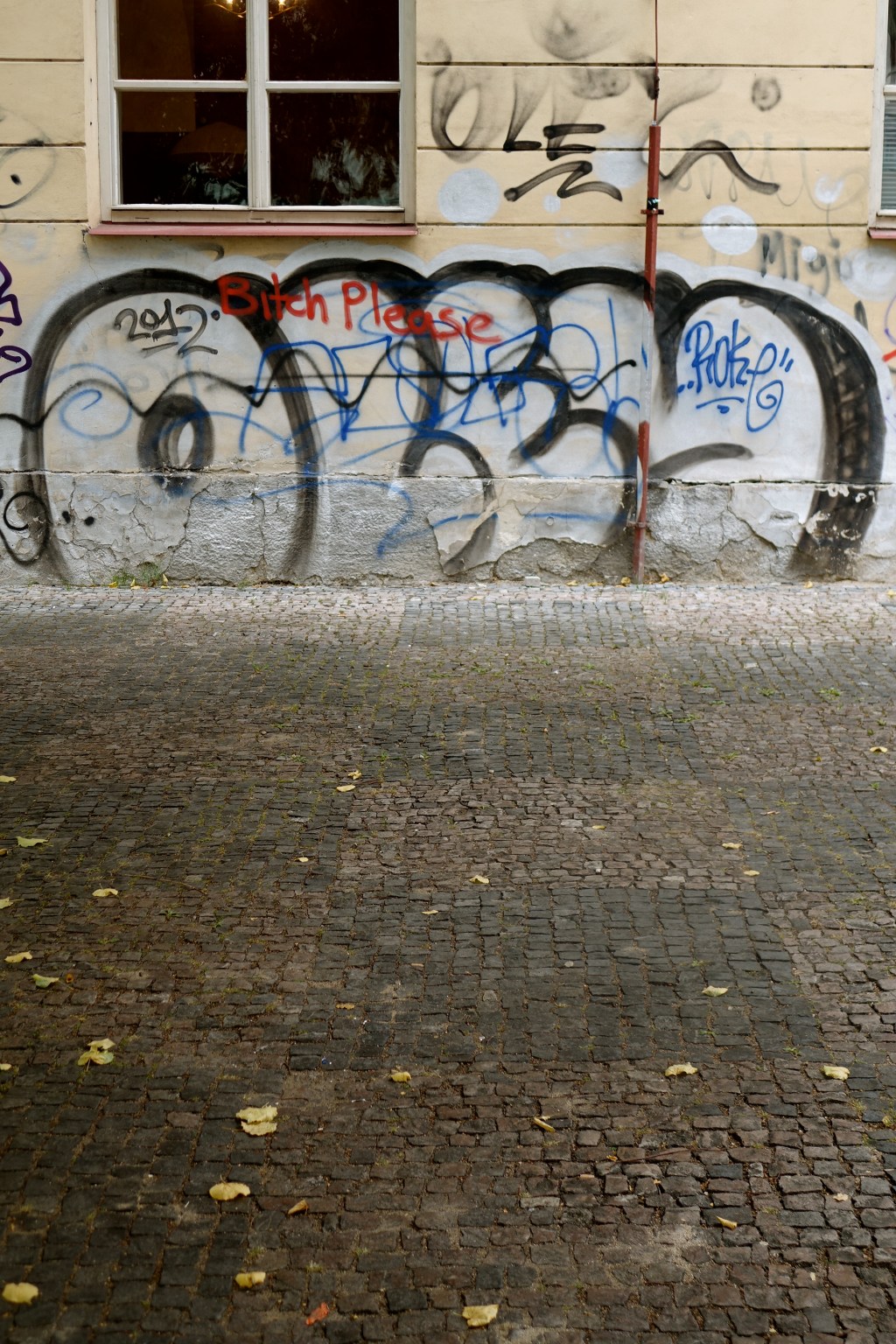
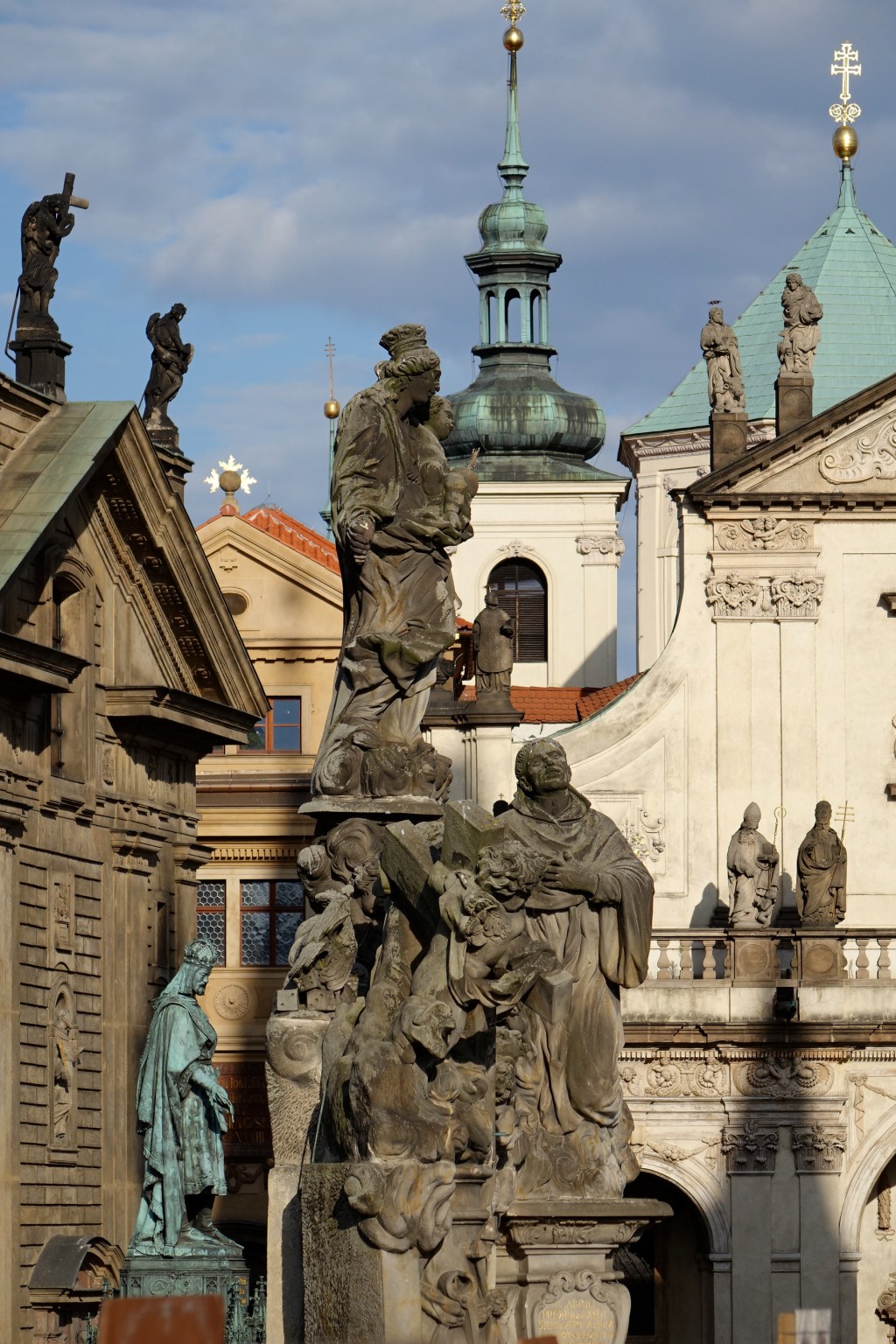
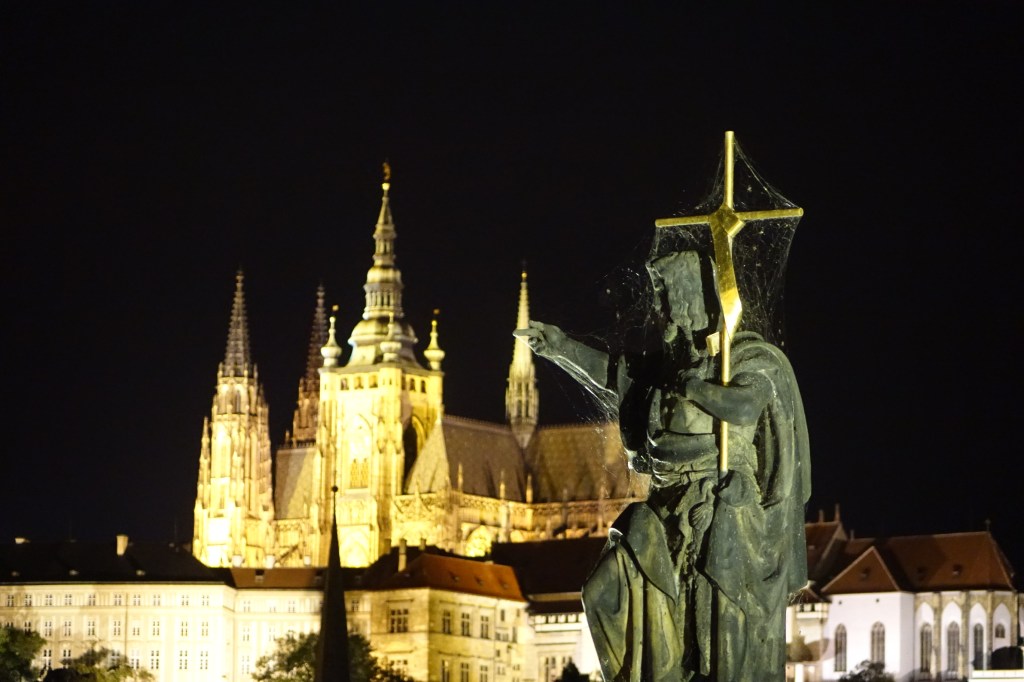
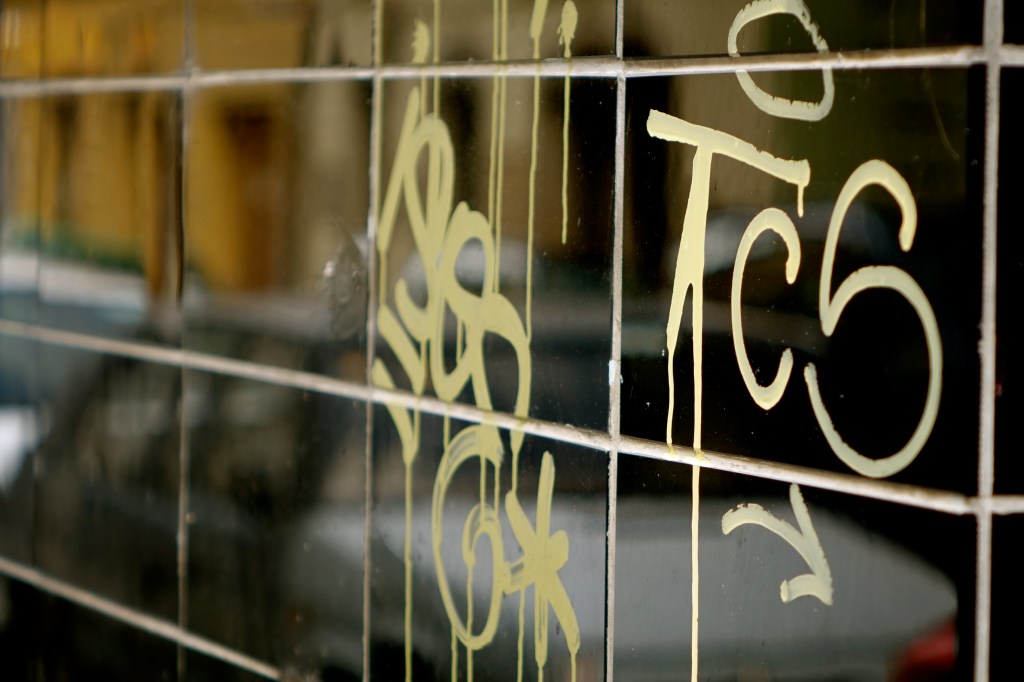
Disappointment because in Prague I did not feel welcome by the locals, whose complete lack of customer service caused me to feel on edge, and sometimes angry throughout my stay. Disappointment because the beauty of the city was constantly polluted by the sound (and sight) of drunk English stag parties collapsing all over the cobbled squares of the old town, dressed in t-shirts carrying loutish slogans and indecent images, their rowdy conversations following a similar vibe. Disappointment because, despite what is indeed a town with all of the ingredients of beauty, the Czechs have allowed it to fall woefully into decline. Case in point: the statues and lamps on the Charles Bridge, covered with cobwebs, looking as though they last received a clean close to the time when they were first installed, so darkened by dirty and pollution that you can barely make out their features; or what about the graffiti littering the streets of the old town – that was not something which featured in the fairytales I read when I was a child.

DSC07162 DSC06377 DSC06458 DSC07165 DSC06609 DSC07155 DSC06459 DSC07056 DSC07150 DSC06478 DSC06472 DSC06375

It’s difficult to pinpoint exactly what has gone wrong in Prague. On the one hand it’s surely a symptom of the city being ravaged by tourism. The squares and streets of the old town, the Charles Bridge and the Prague Castle area are so overrun by tourists that the local businesses and attractions and the people who work in them have become complacent, and worse: irritable. Perhaps it was the consequence of visiting the city near the end of the summer high season, but in almost every attraction we visited, we received attitude from the staff, who tutted when asked a simple question, and made it clear that being asked where the entrance was, or where the gift shop is was far too much of a hassle for them to answer.

In the cafes we received a similar reception. In one café on the main square, we asked the waitress, who demanded we pay upon ordering and took a 15% tip upfront out of our change, to bring us milk for our coffee. 5 minutes later, no milk. We asked again. Another 5 minutes past. No milk. On the third time of asking, she cleared a dirty table next to ours, took the half-used dirty milk jug from the table and deposited it on our table. Looking at her in disbelief, we asked for fresh milk. She went away and 5 minutes later brought us back two capsules of long-life milk. Was she having a joke at our expense? We were in no mood to laugh and left. Our still black coffee had gone cold by then in any event.

The famous Charles Bridge in need of a clean-up

DSC06581 DSC06669 DSC06589 DSC07218 DSC06591

Of course it could be that the Czechs are thoroughly fed up with tourists, and not least the English, the nationality which tends to comprise the majority of the drunken babble of stag-do parties which have imposed their anti-social egocentric beer-soaked weekend brawls on the city. That inexcusable arrogance is shameful for England, and a complete impediment on decent tourists from enjoying the sights nearby. But I am not a drunken English “stag” – I am a polite enthusiastic visitor. Why treat me with such disdain?

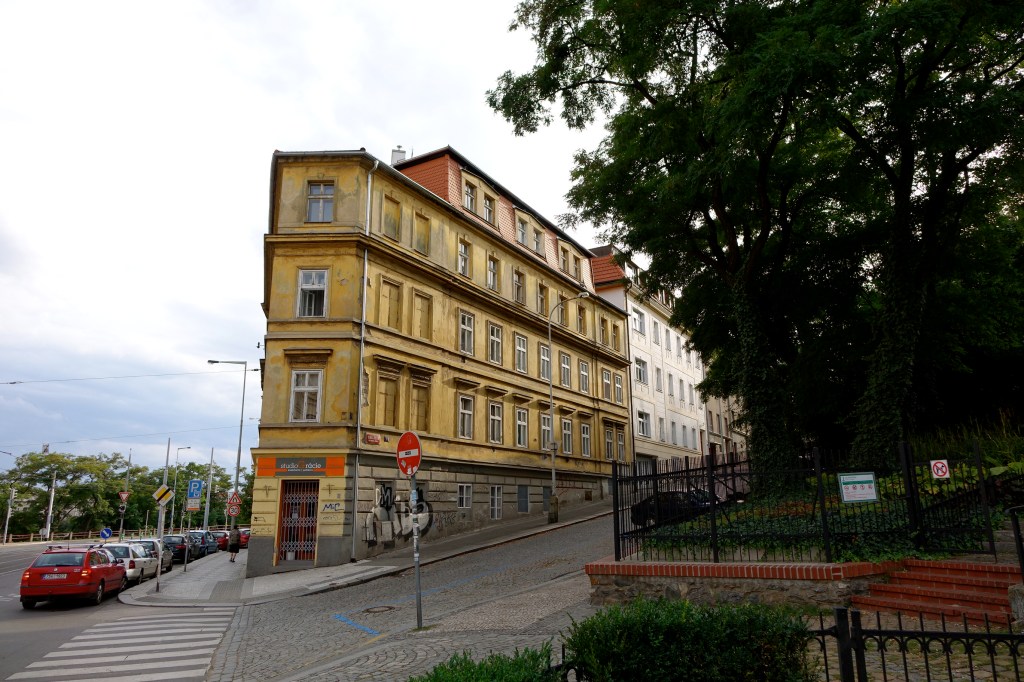
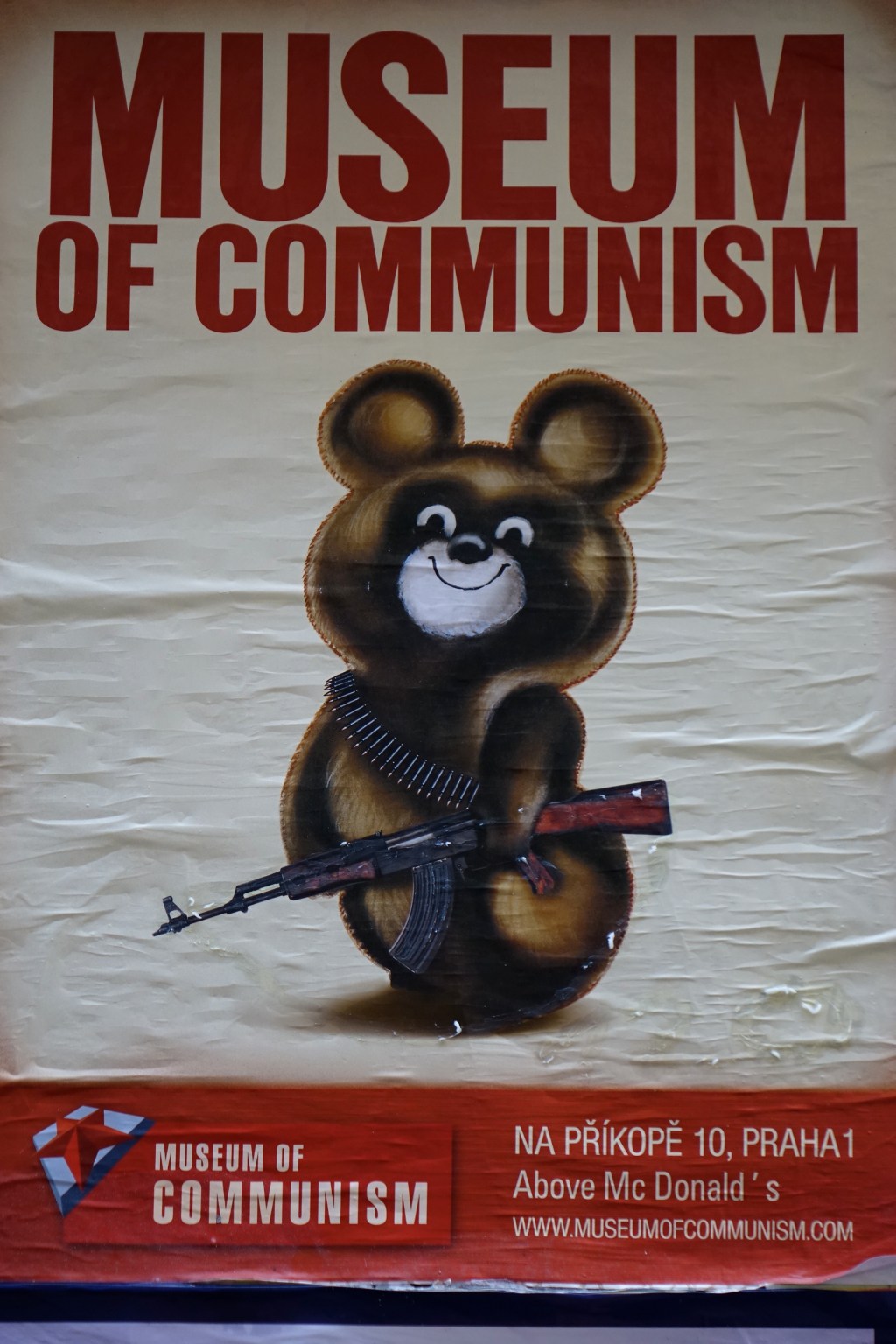
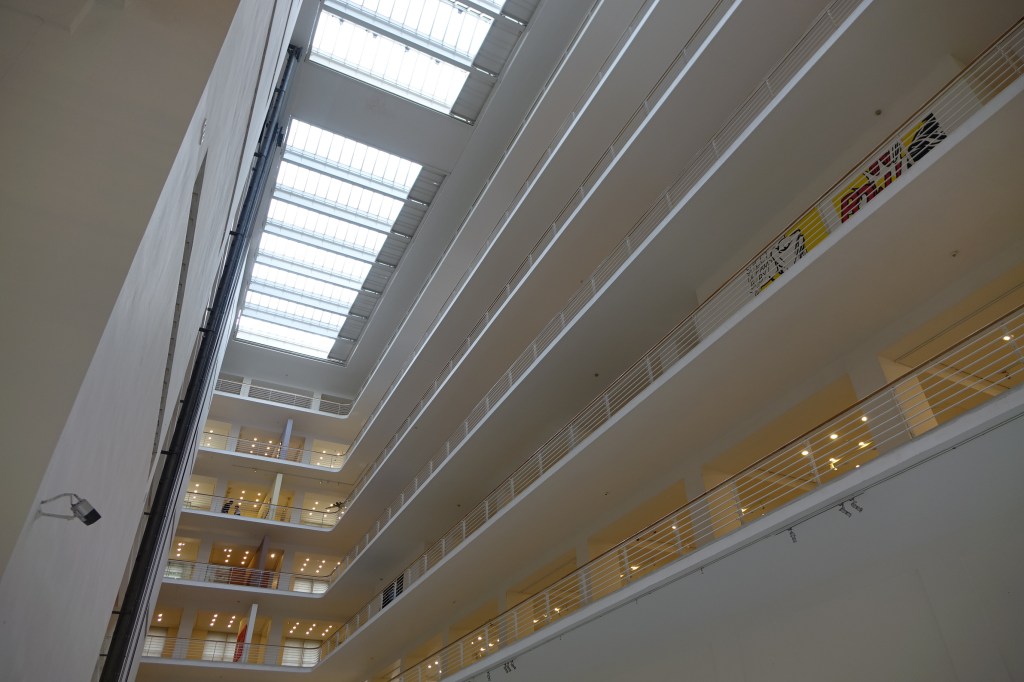
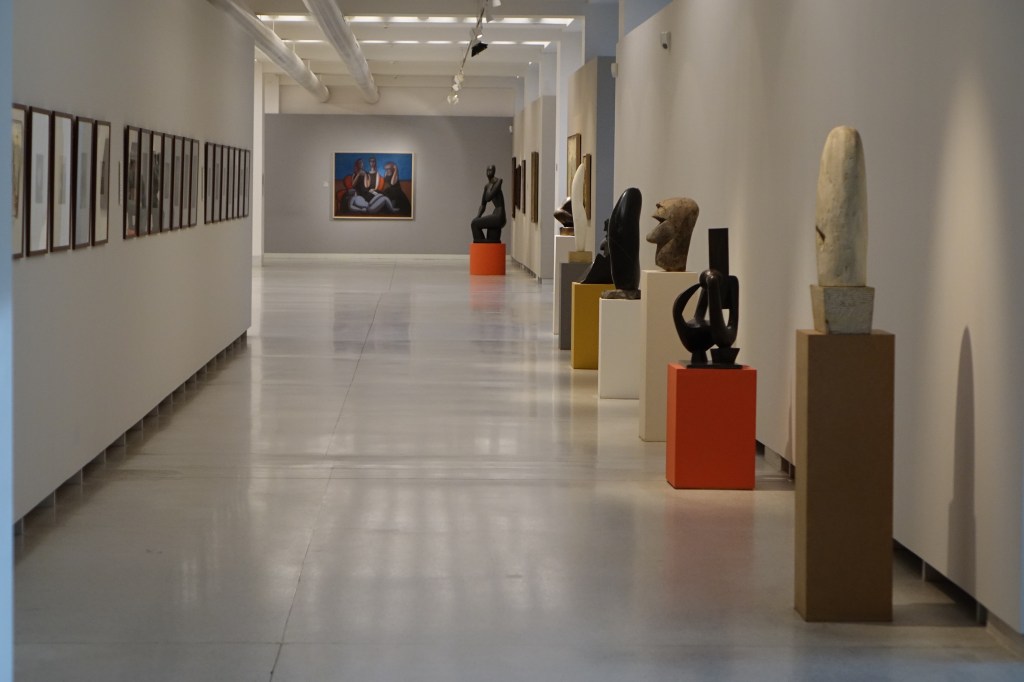
The second possible reason for the attitude of the Czechs is revealed when you scratch just slightly beneath the surface and wander out of the old town. Beyond the velvet curtain – the showpiece that is Prague’s historical tourist centre – is a jarring throwback to reality. A reminder that only one generation back this city, like the whole country, was firmly ensconced behind the iron curtain of Communism – a period of hardship which still appears to rub off on generations of Czechs, and perhaps feeds their general attitudes and behaviours today. In the area of the National Gallery’s modern art museum for example, you can still find huge geometric monuments to the Communist era set alongside wide industrialised roads and ugly concrete bridges, now largely the haunt of the homeless. The art museum itself is set within a vast Communist building, the Veletrzni palac, with all of the characteristics of concrete pre-fab architecture which we have come to associate with the era.

Throwback to Communism

DSC06396 DSC06384 DSC07498 DSC07284 DSC06448 DSC07059

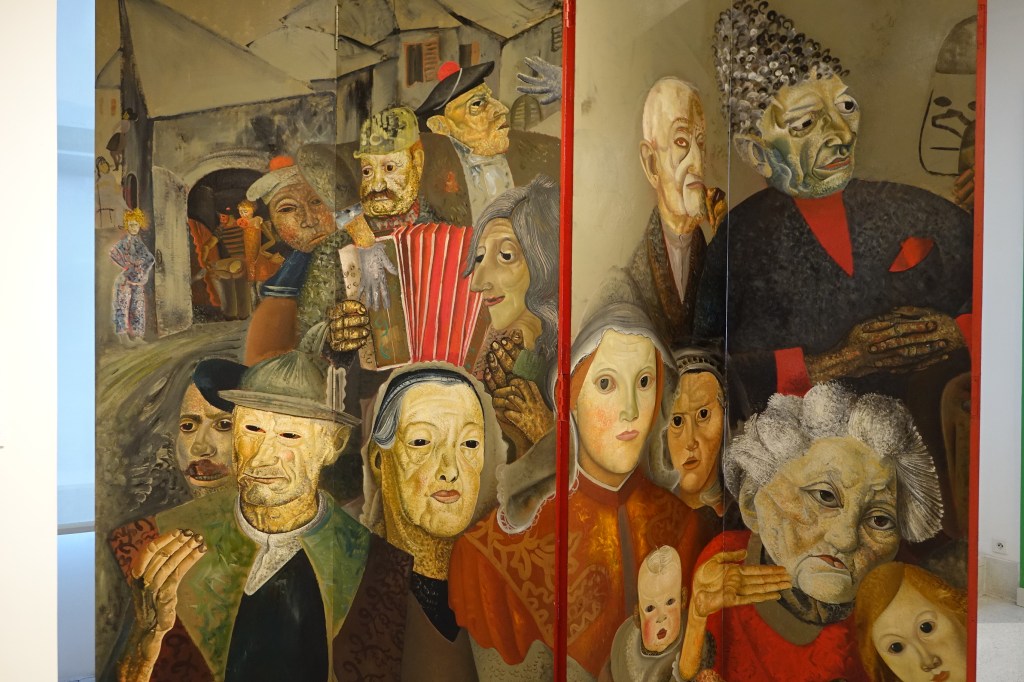
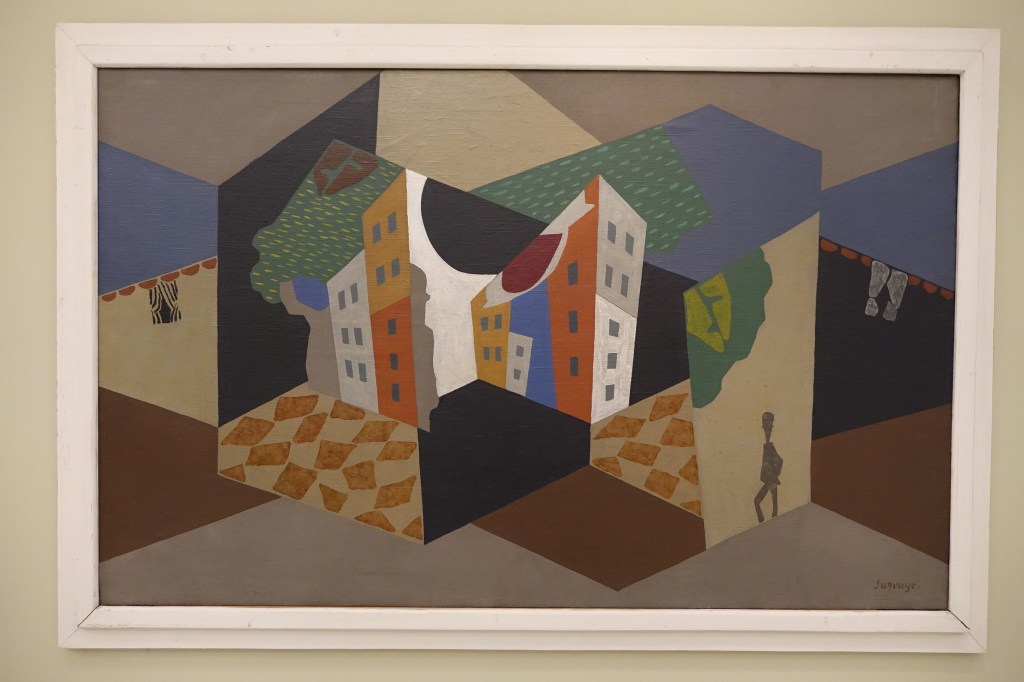
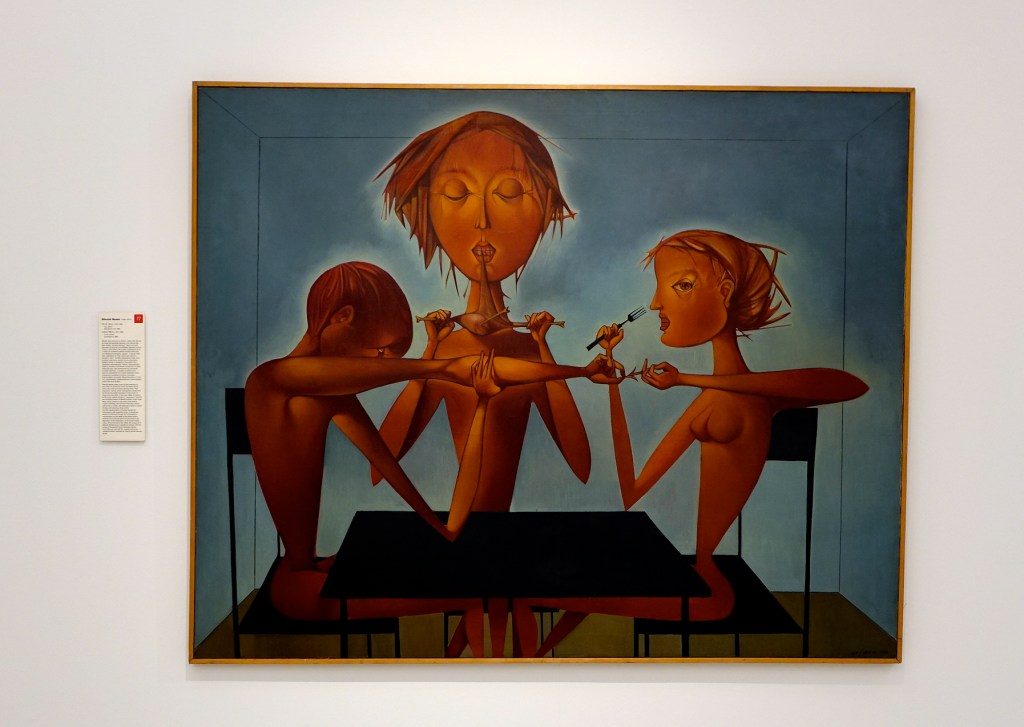
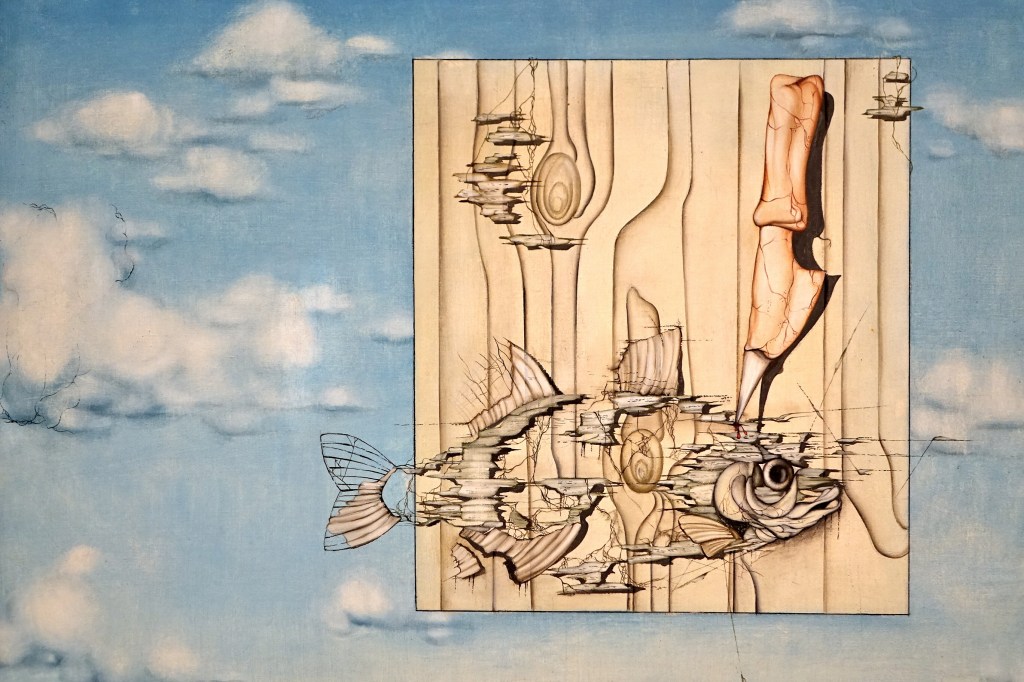
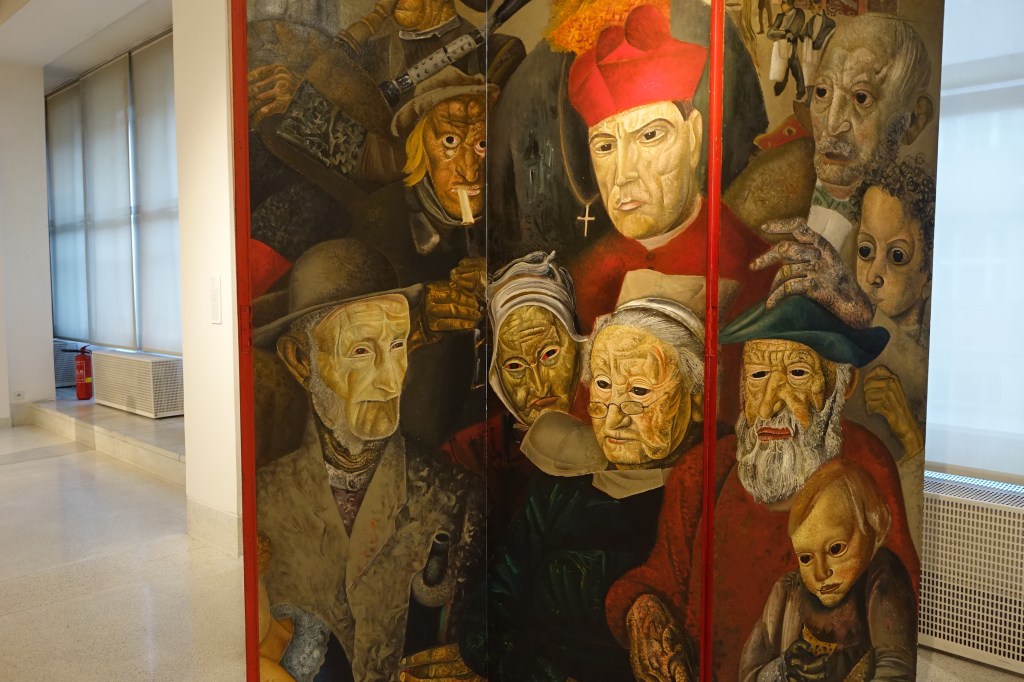
But heading inside that slight intimidating Community palace, I found a collection of art so incredible that my previous disillusionment with the city was completely suspended. In amongst a collection of Czech contemporary art was a platform for innovative expression almost without comparison in the art of so many other countries during that time. Jan Zrzavy’s painting of Cleopatra, for all its simplicity and vibrancy of colour was a complete masterpiece, while the work of Mikulas Medek with a family ripping apart their dinner was at once unsettling and uncompromisingly aggressive as it was utterly captivating and brilliant. I adored Bohumil Kubista’s cubist rendition of Saint Sebastian and couldn’t get enough of the odd Klimt and Schiele on show. But beyond these excellent works, the museum also contains some absolute gems of late 19th and early 20th century art: a whole room full of Picassos, works by Gauguin and Rousseau and Toulouse Lautrec. A Ferdinand Leger and several Cézannes – a superb collection almost hidden away in these depressing still suppressed suburbs of the city.

Artworks from the collection of the National Gallery

DSC06437 DSC06415 DSC06429 DSC06402 DSC06409 DSC06422 DSC06418 DSC06397 DSC06427 DSC06401

Which just goes to show that sometimes the best of a city can be found where the tourists do not go, where the scenery may be bleaker, but history is richer and the environment more authentic. Away from the tourist masses, the raw reality of Prague’s chequered history packs a bigger punch, but it is not allayed by the frustrations which are inherent with the tourist industry. Instead we find a Prague recently free of the iron shackles by which it was bound for several hard decades in the mid 20th century; reminders of hardship and the reasons why its citizens are perhaps not so friendly as we might otherwise expect. But there also you can find a truer Prague, a real city, and in its midst’s, an art collection worth travelling to Prague for.

All photos and written content are strictly the copyright of Nicholas de Lacy-Brown © 2014 and The Daily Norm. All rights are reserved. Unauthorized use and/or duplication of the material, whether written work, photography or artwork, included within The Daily Norm without express and written permission from The Daily Norm’s author and/or owner is strictly prohibited.

Finding inspiration from Marbella’s final resting place

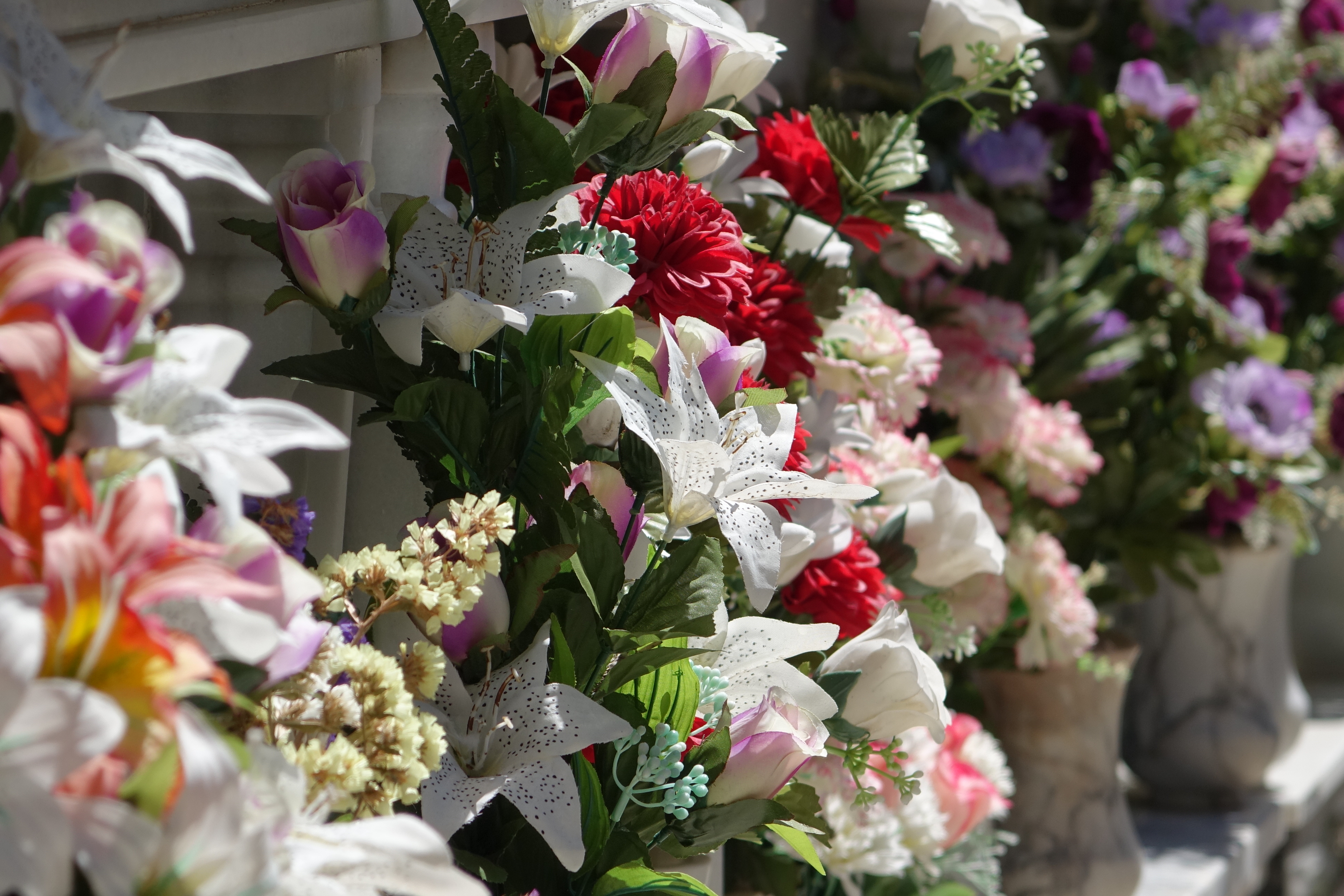
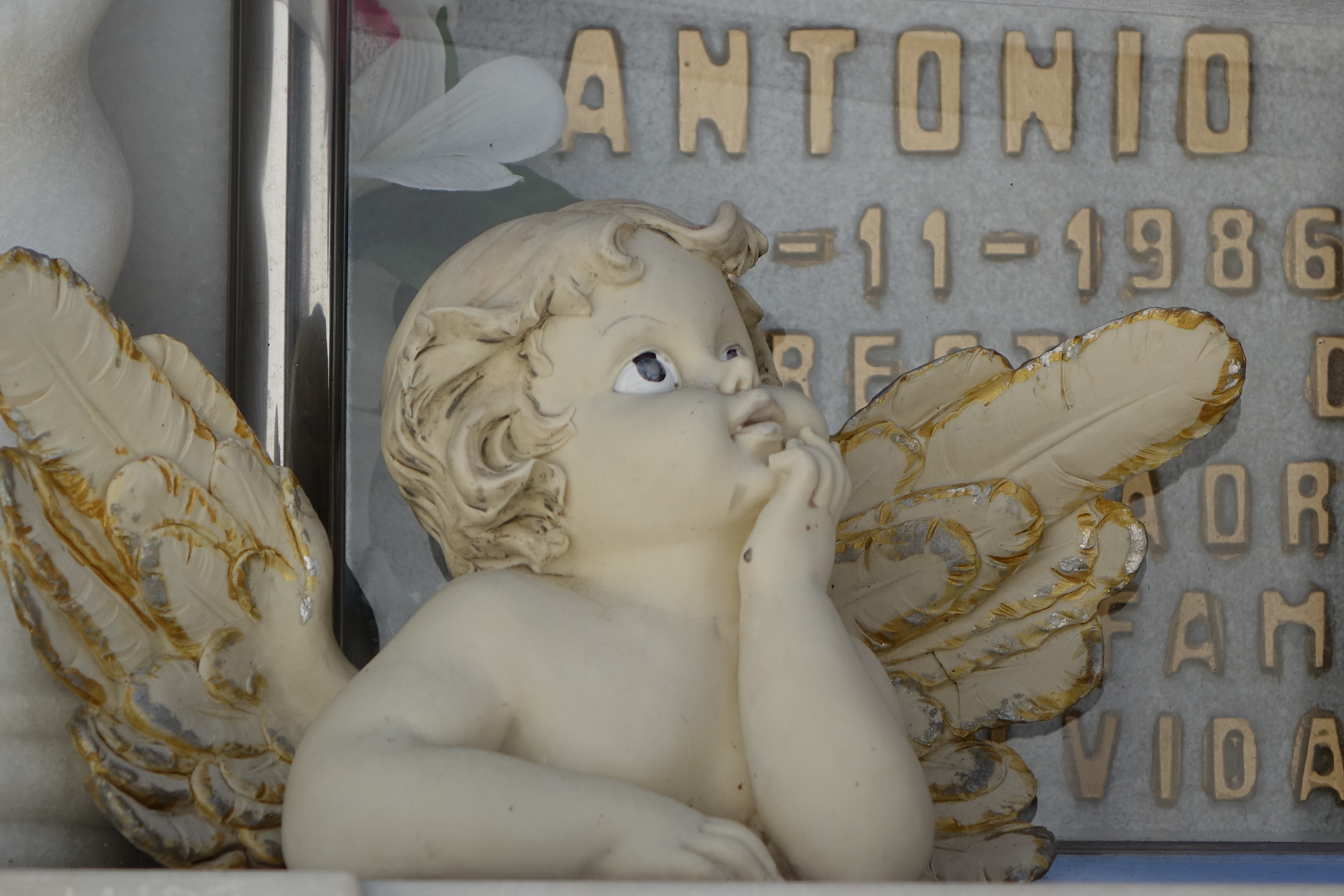
There’s something inherently beautiful about a cemetery. It’s not just the peace and quiet, which is of course an inevitable feature of every cemetery or graveyard, but the tangible demonstration of human emotion shown by the care taken by those living for the memories of their beloved dead. This can be seen through the wording of a grave, through the flowers carefully laid alongside it, and through the regular cleaning of the stone with as much care as would be taken for a feature of a living household. There is also something innately civilised about caring for the dead and paying homage to the past, not least because it can make us more appreciative of our life and the lives of others still around us.

While I do like an English graveyard, headstones tilting in all directions and covered in moss and decay, my favourite type of cemetery is a Spanish cemetery, whose tranquil atmosphere is more than embellished by the regular presence of sunshine filtering through the large dark cypress trees which are a regular inhabitant of such places. But I also love how seriously Spanish society takes its dead, and whenever I take a stroll in Marbella’s cemetery in Southern Spain, I am always touched by the number of locals visiting their family graves, with rubber gloves and cleaning products to hand, ensuring that all looks clean and well maintained. It’s a bit like the beginning scene from Pedro Almodovar’s brilliant film, Volver, when a visit to the family grave is both a family tradition and a time to gather and reminisce.

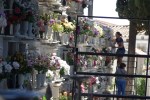
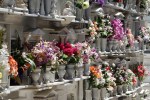
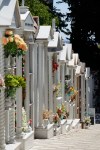
DSC05934 DSC05910 DSC05928 DSC05935 DSC05939

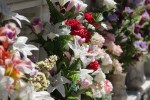
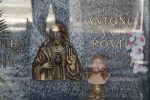
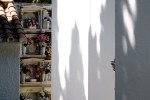
Of course it will come as no surprise to regular readers of this blog that my overriding reasons for visiting a Spanish cemetery are artistic ones, and Marbella’s has more than once inspired me to take many a photograph of the scene. For in the sheer volume of marble fronted graves, both within private family mausoleums and piled up on top of one another like bookshelves in neat rows, these graves make for an excellent photographic subject, not least because of the variety and dedications, flowers, family memorabilia and photos. And on top of all of that, the sunshine is always on hand to provide warmth to the photographs and plenty of contrast between light and shade.

So here are the photos I took on my recent stroll around Marbella’s cemetery. Hopefully like me you will see the inherent beauty of the place, which far from being morbid, is a place of tranquillity, devotion and hope.

All photos and written content are strictly the copyright of Nicholas de Lacy-Brown © 2014 and The Daily Norm. All rights are reserved. Unauthorized use and/or duplication of the material, whether written work, photography or artwork, included within The Daily Norm without express and written permission from The Daily Norm’s author and/or owner is strictly prohibited.
Interpretation No. 9: The Gorge and the Puente Nuevo

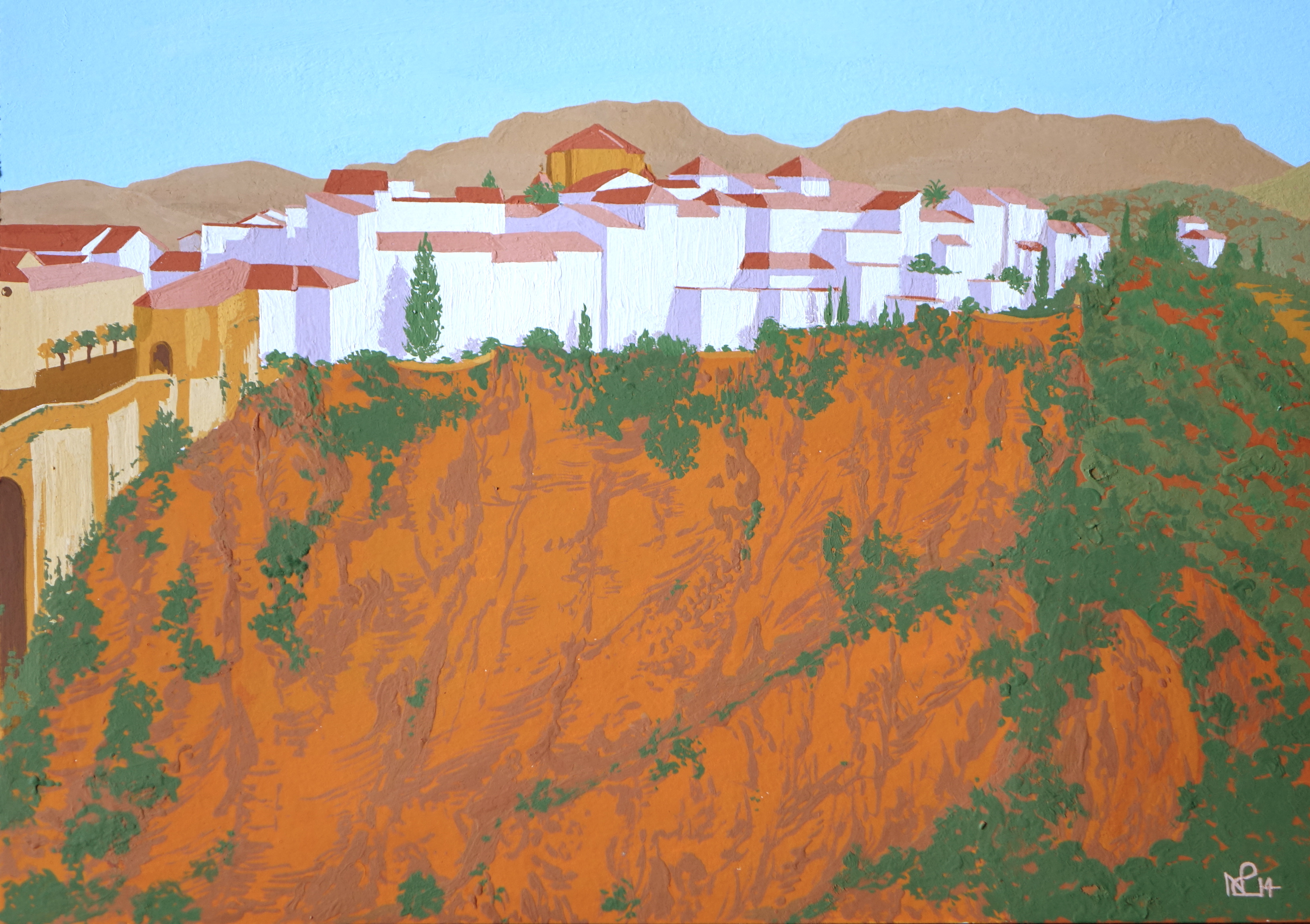
It would have been hard to stop my artistic appreciation of the city of Ronda with a single painting, and having completed Interpretation no.8, my interpretative landscape of Ronda, no.9 followed hot on its heels. This time the same fusion of the arid amber gorge and crisp white buildings predominates, but this painting focuses more on the great imposing El Tajo gorge, together with the bridge (albeit only a small slice of it) that links the two sides of ancient Ronda. In this painting I hope to have emphasised the sheer drama which the teetering positioning of Ronda’s houses on the top of a vast plunging gorge provides, as well as capturing some of the more iconic sights of the city, from the Puente Nuevo to the old cathedral sitting at its centre. 

Interpretation No. 9 (2014 © Nicholas de Lacy-Brown, gouache on paper)

Interpretation No. 9 (2014 © Nicholas de Lacy-Brown, gouache on paper)

© Nicholas de Lacy-Brown and The Daily Norm, 2001-2014. Unauthorized use and/or duplication of the material, whether written work, photography or artwork, included within The Daily Norm without express and written permission from The Daily Norm’s author and/or owner is strictly prohibited. Excerpts and links may be used, provided that full and clear credit is given to Nicholas de Lacy-Brown and The Daily Norm with appropriate and specific direction to the original content. For more information on the work of Nicholas de Lacy-Brown, head to his art website at www.delacy-brown.com

Ronda Roundup

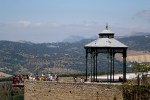
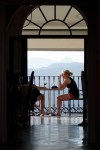
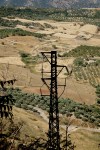
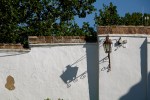
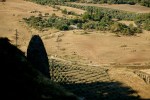
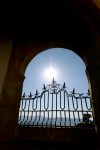
If one is to weigh up beauty in proportion to blog content, I haven’t written about Ronda in Southern Spain all that much. And I surely haven’t had enough opportunities to post the wealth of photos I took on my two day trip to the city either (a quantity you could say is also out of proportion to the length of the trip, but there you go). But happily with each new day comes a new excuse to write about Ronda, and today I’ve put together a group of miscellaneous photos which act as a kind of sample from my 48 hours in that picture-perfect hill top town. 

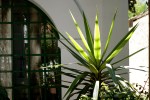
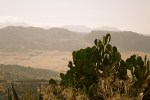
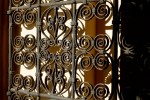
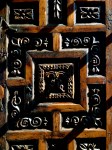
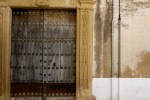
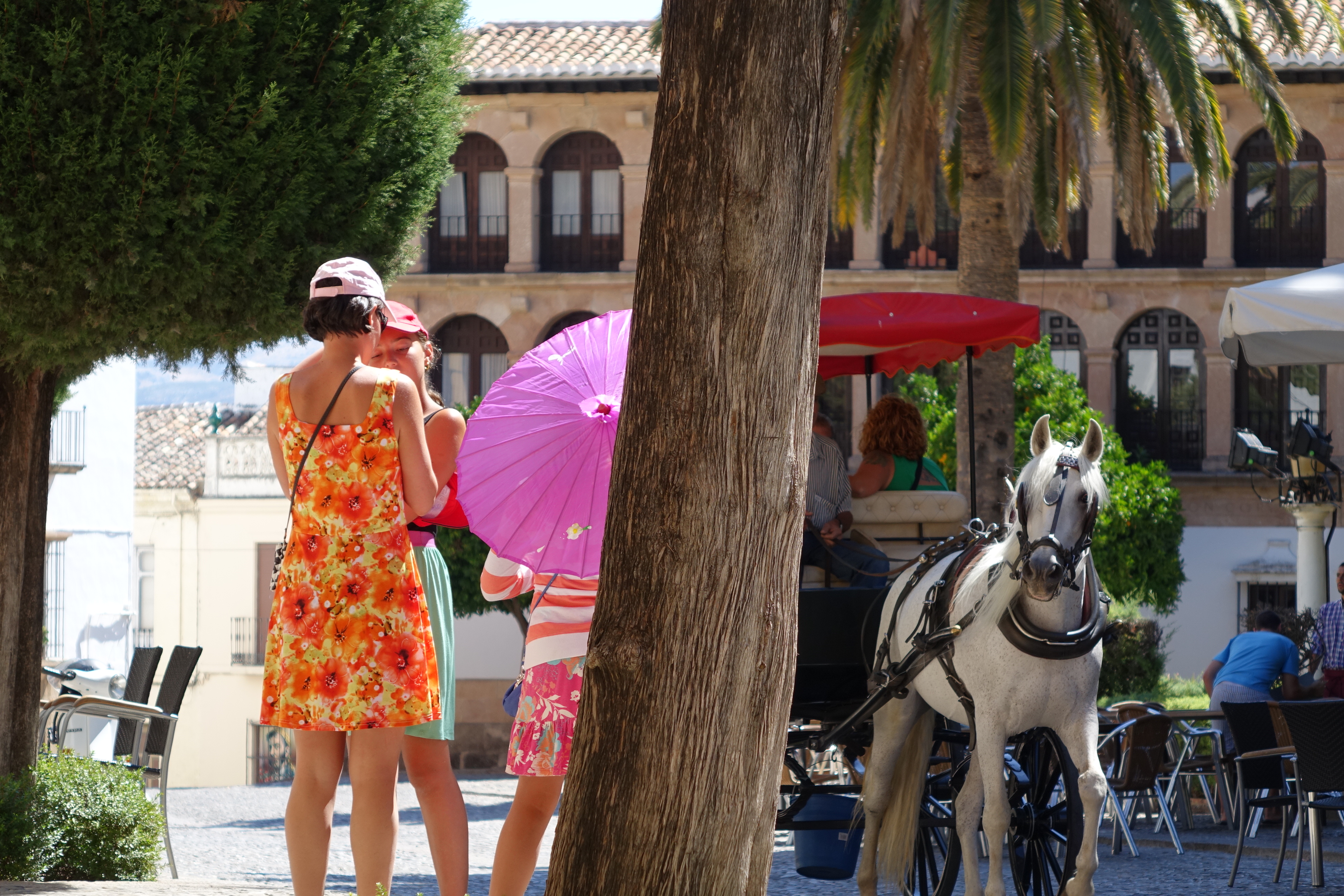
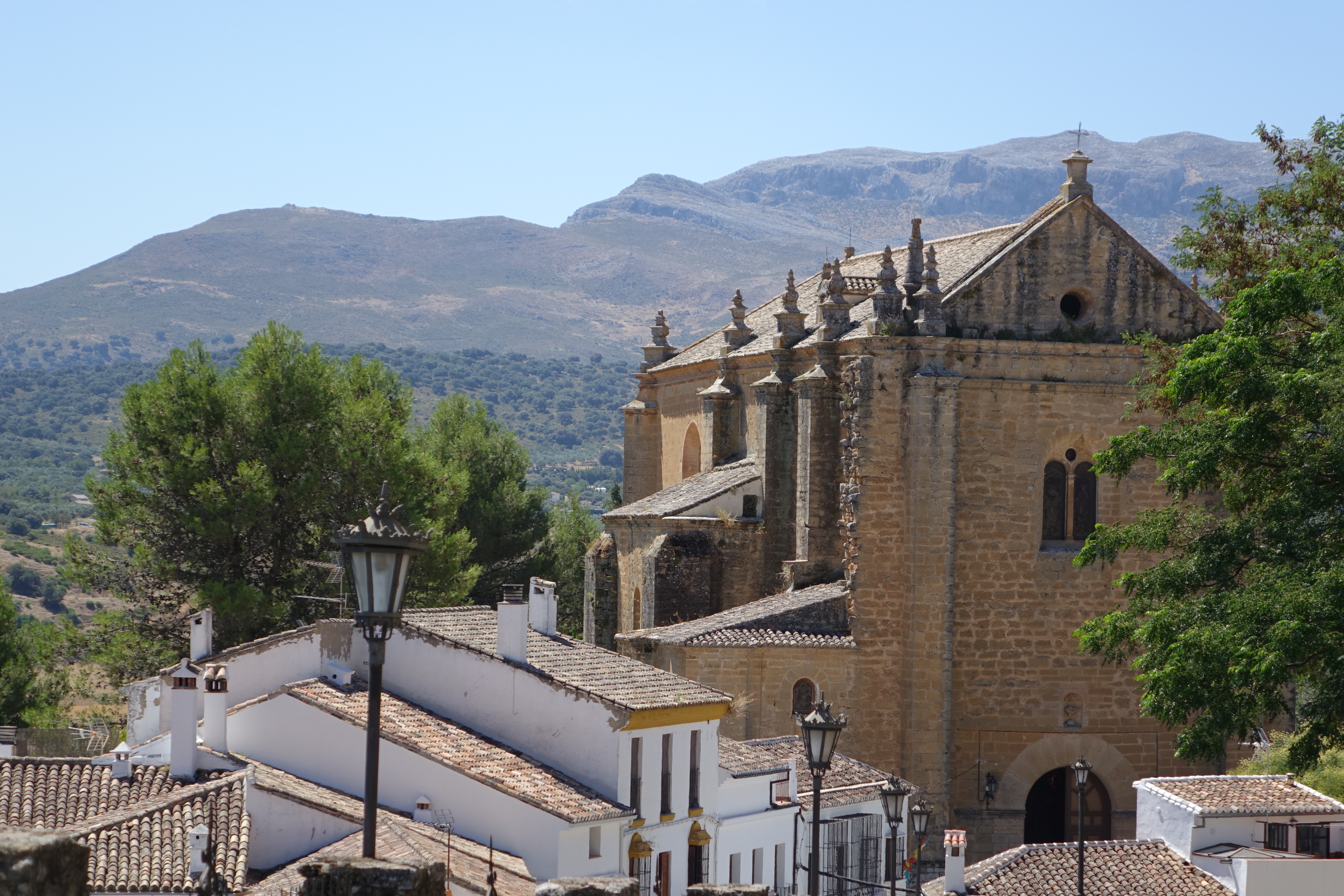
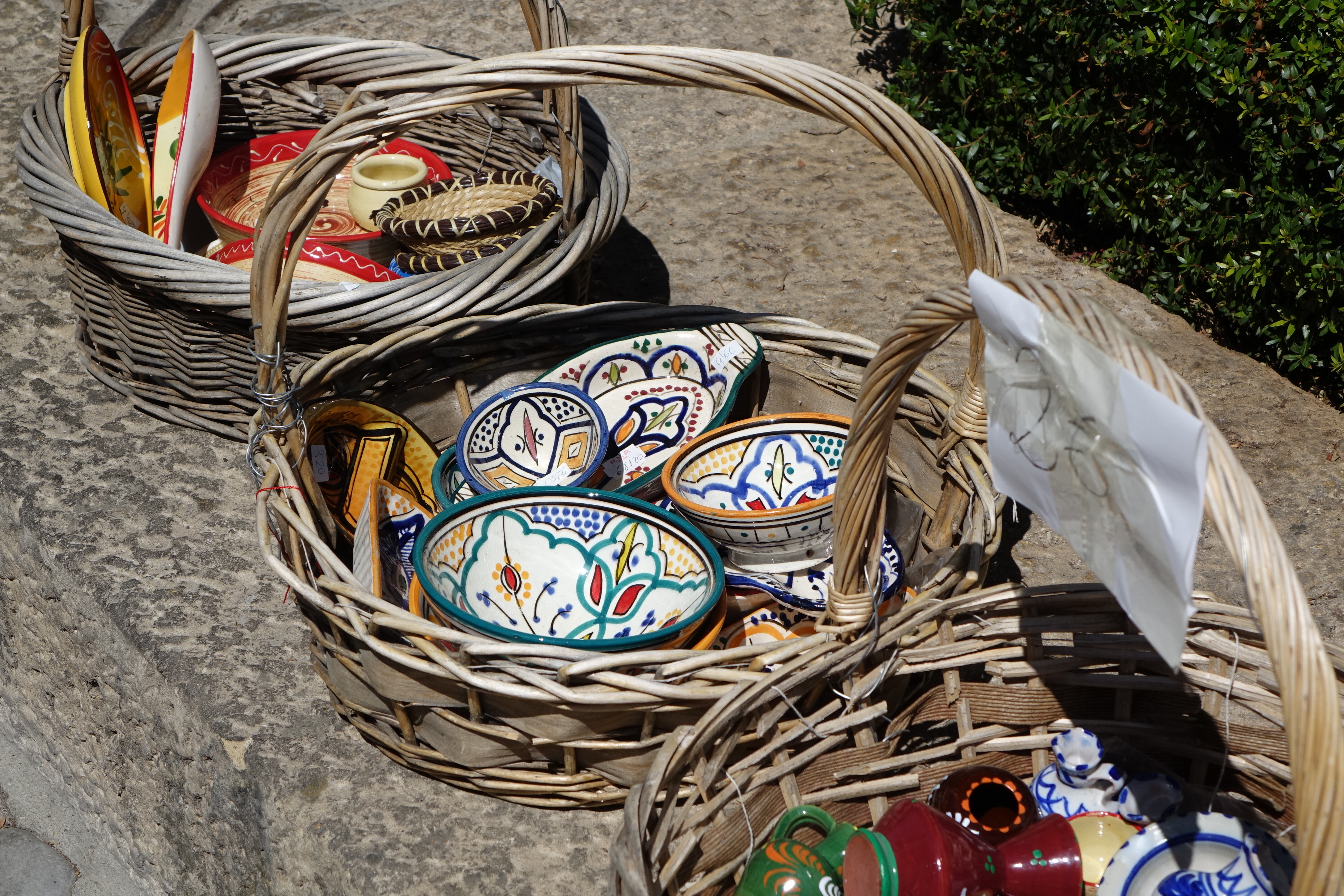
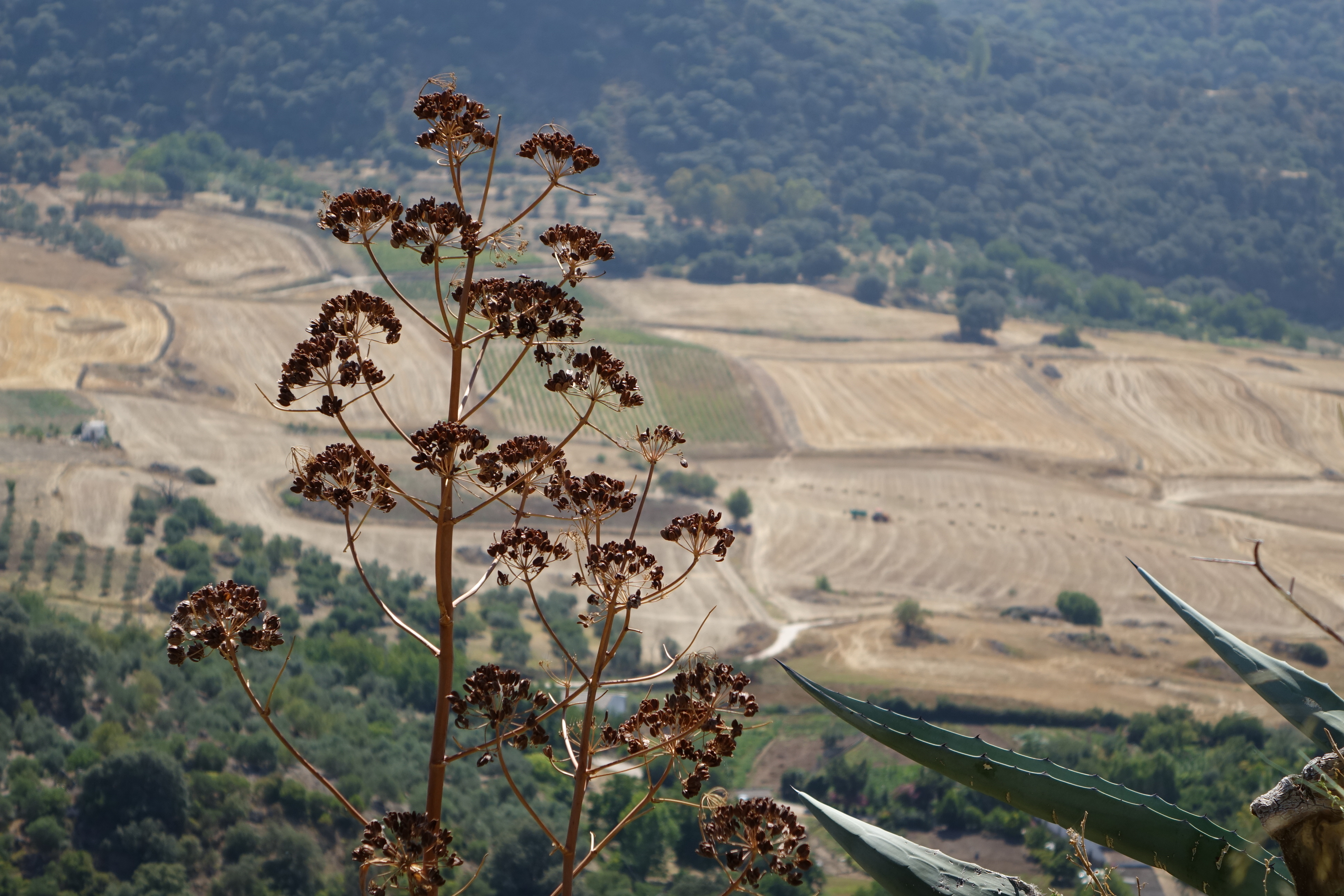
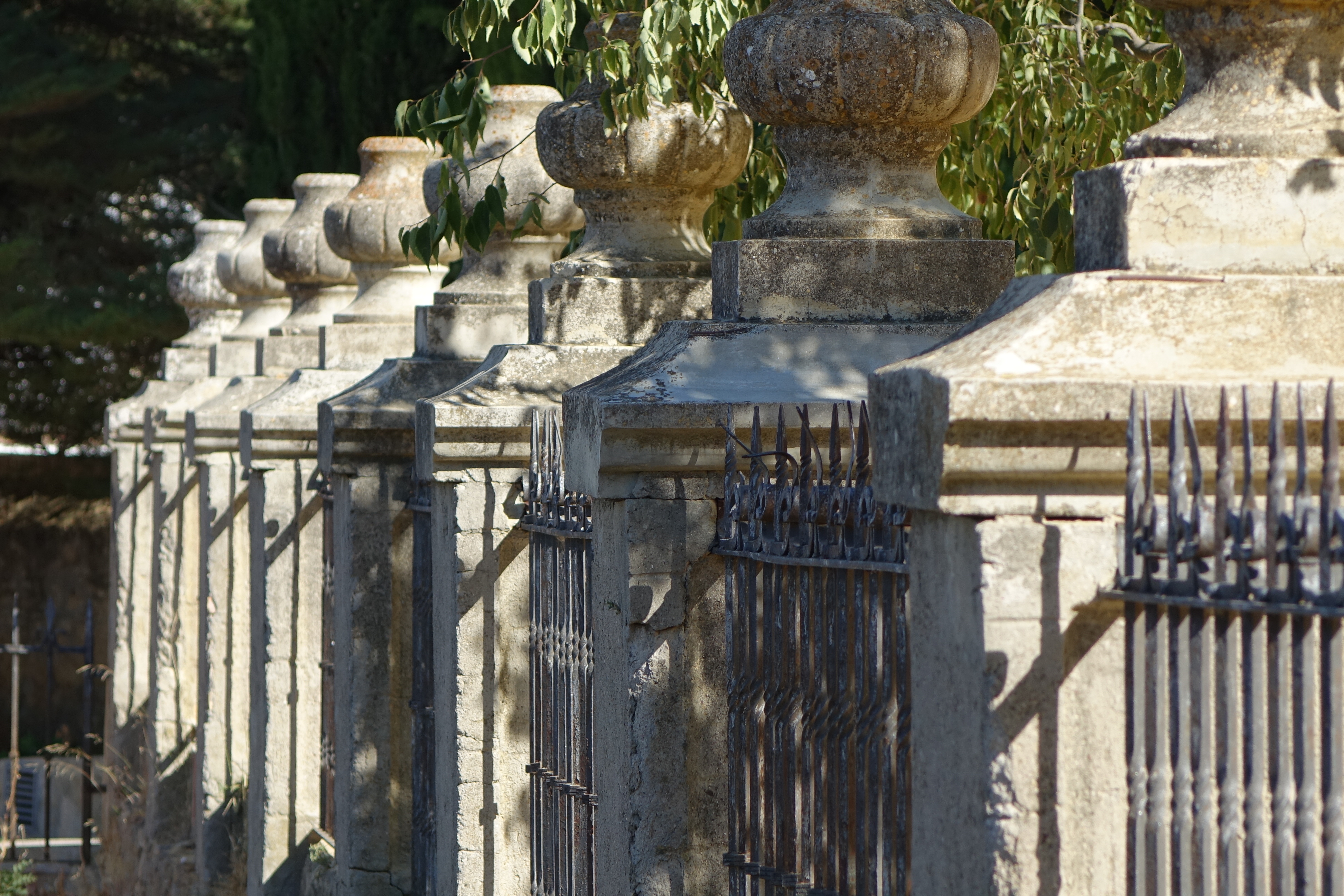
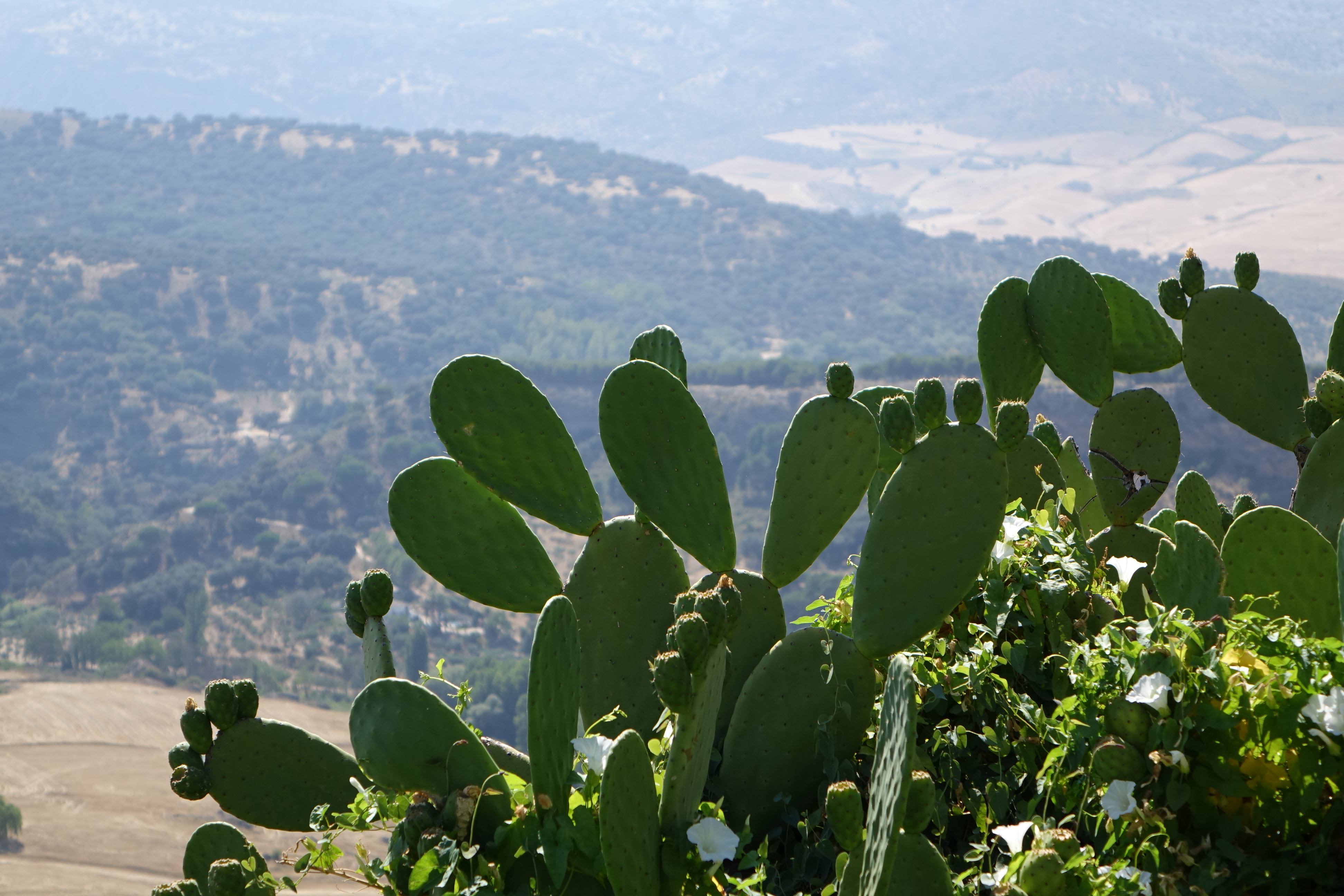
As has become somewhat the norm of my photography, I have concentrated more on architectural and urban details in exploring the town with my SLR bridge camera, making the most of soft focus capabilities when taking group shots, as well as the ability of the camera to excel under conditions of both light and shadow. But I have also used the frame of each photo to capture little vignettes of the city, such as the little horse and carts which ferry tourists around the old town, or the large succulent cactus which so beautifully compliments the arid golden landscape beyond it. 

DSC05105 DSC05171 DSC04908 DSC04996 DSC05033

I of course realise that this blog has become more of a homage to travel than to art in recent times. But as these photos will hopefully show, there is no greater inspiration for an artist than travel, and no greater art than that which captures the beauty which is so much easier to appreciate when the eye is not accustomed to it.

All photos and written content are strictly the copyright of Nicholas de Lacy-Brown © 2014 and The Daily Norm. All rights are reserved. Unauthorized use and/or duplication of the material, whether written work, photography or artwork, included within The Daily Norm without express and written permission from The Daily Norm’s author and/or owner is strictly prohibited. 

My travel sketchbook: Swimming Pool at the Paradores, Ronda

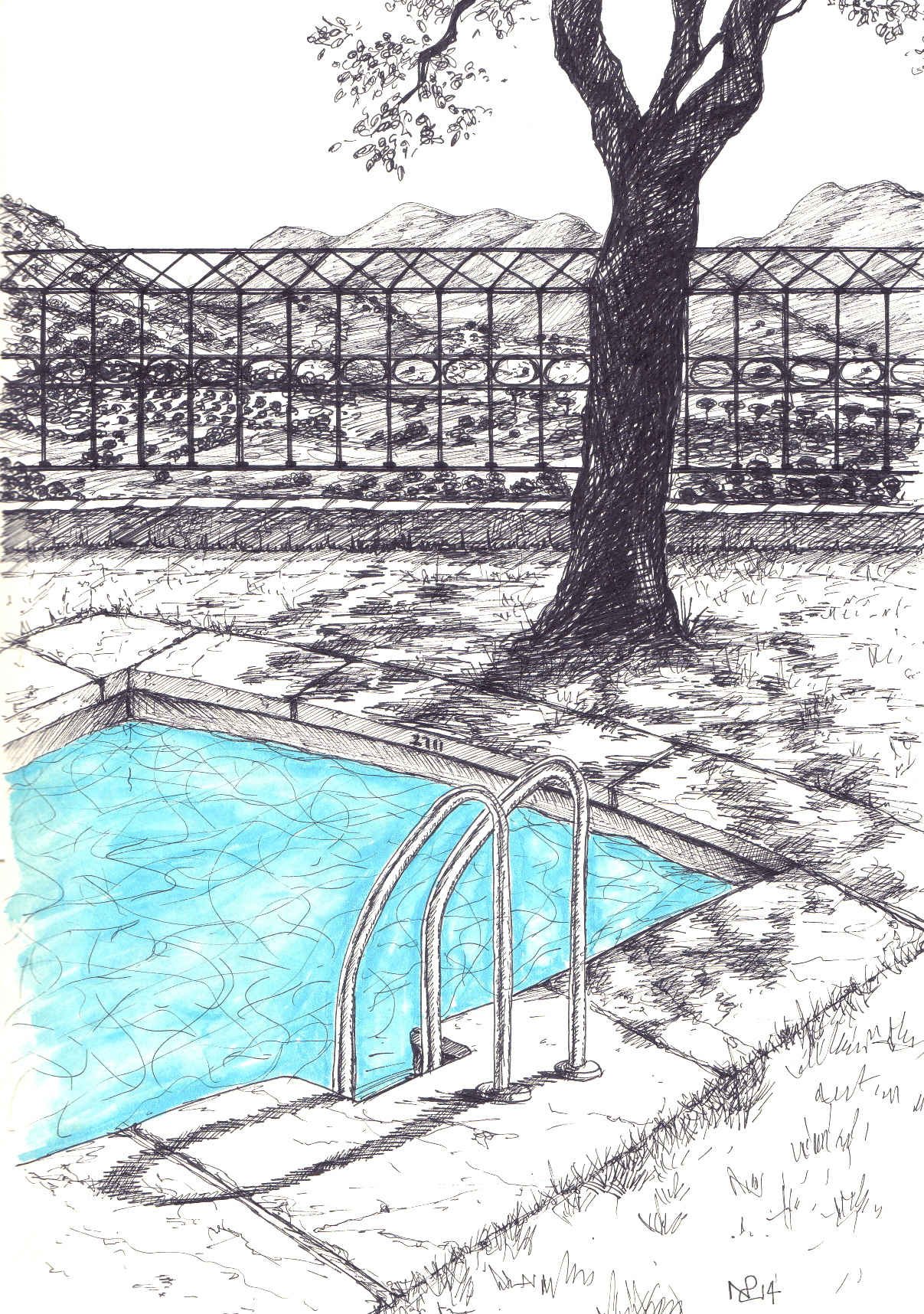
My third sketch of Ronda marked something of a departure from my two views of the gorge. I had taken my sketchbook down to the hotel pool with me on the afternoon of my birthday, half expecting to capture another glimpse of the sensational hotel views over the surrounding landscape. And while I did begin to draw in a little of that landscape, I soon realised that what was exciting me most about the scene before me wasn’t the landscape at all, but the electric blue swimming pool set within a lush garden dappled with sunlight through sheltering trees. And so in something which recalls the dolce vita represented in the early LA paintings of David Hockney, I made the swimming pool of the hotel Paradores the focus of this sketch, even returning to the completed black and white work to add the same electric blue that had so entranced me. Together there is not only a striking contrast of monochrome and blue, but the very vision of a summer’s holiday afternoon. Bliss. 

Ronda Sketch 3 - Paradores Pool (2014 © Nicholas de Lacy-Brown, pen and ink on paper)

Ronda Sketch 3 – Paradores Pool (2014 © Nicholas de Lacy-Brown, pen and ink on paper)

© Nicholas de Lacy-Brown and The Daily Norm, 2001-2014. Unauthorized use and/or duplication of the material, whether written work, photography or artwork, included within The Daily Norm without express and written permission from The Daily Norm’s author and/or owner is strictly prohibited. Excerpts and links may be used, provided that full and clear credit is given to Nicholas de Lacy-Brown and The Daily Norm with appropriate and specific direction to the original content. For more information on the work of Nicholas de Lacy-Brown, head to his art website at www.delacy-brown.com
Ronda | Day Two: Ronda Joy for the Birthday Boy

Being a proponent of self-indulgence in all forms I am a great lover of birthdays. And being a great lover of birthdays I very often get disappointed when they are anything less than perfect. Which is most of the time – after all, when one is hoping for perfection you will almost certainly be on the look out for problems. But this year’s birthday, my 31st I am loathe to admit was, perhaps because it was so unplanned and unexpected (original plans to go to Cadiz being abandoned) utterly and in every way perfect. For how could it be otherwise, waking up in the glorious Spanish city of Ronda to some of the most spectacular views the country has to offer. 

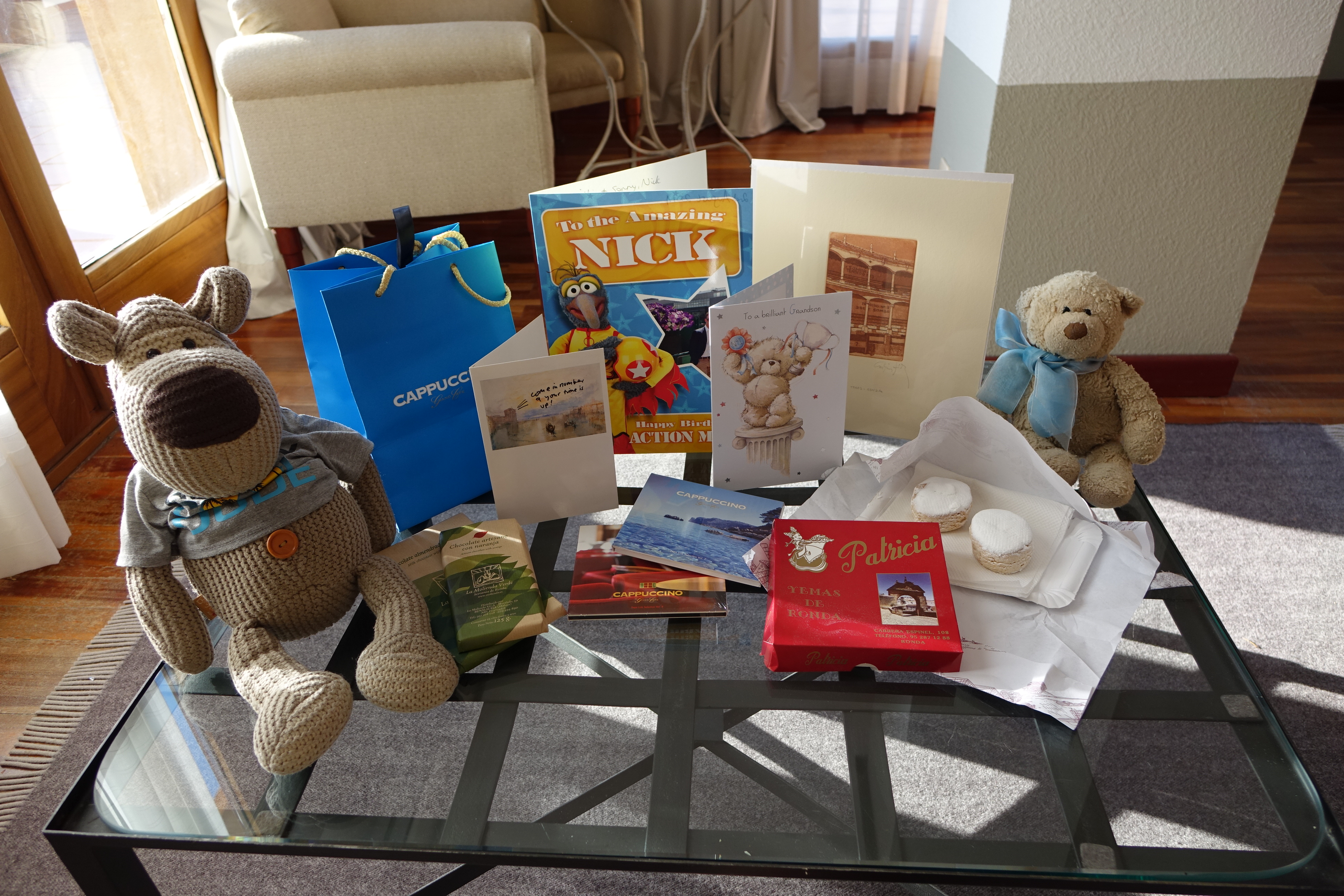
Those views, of golden fields, red rocky outcrops, white washed houses dazzled by the sun, and the vast imposing structure of the New Bridge, accompanied me throughout the early exciting stages of my birthday: admiring the views, taking a bath still admiring the views, unwrapping those few presents and cards I had brought with me from the UK, eating breakfast in the hotel restaurant still admiring the views, and finally getting my fill of those same stunning views as we strolled through the morning tranquility of the Almeda Park. 

Opening up my birthday presents and walking out into Ronda’s delightfully sunny morning

DSC05179DSC05673 DSC05370 DSC05724 DSC05405 DSC05361 DSC05542 DSC05398

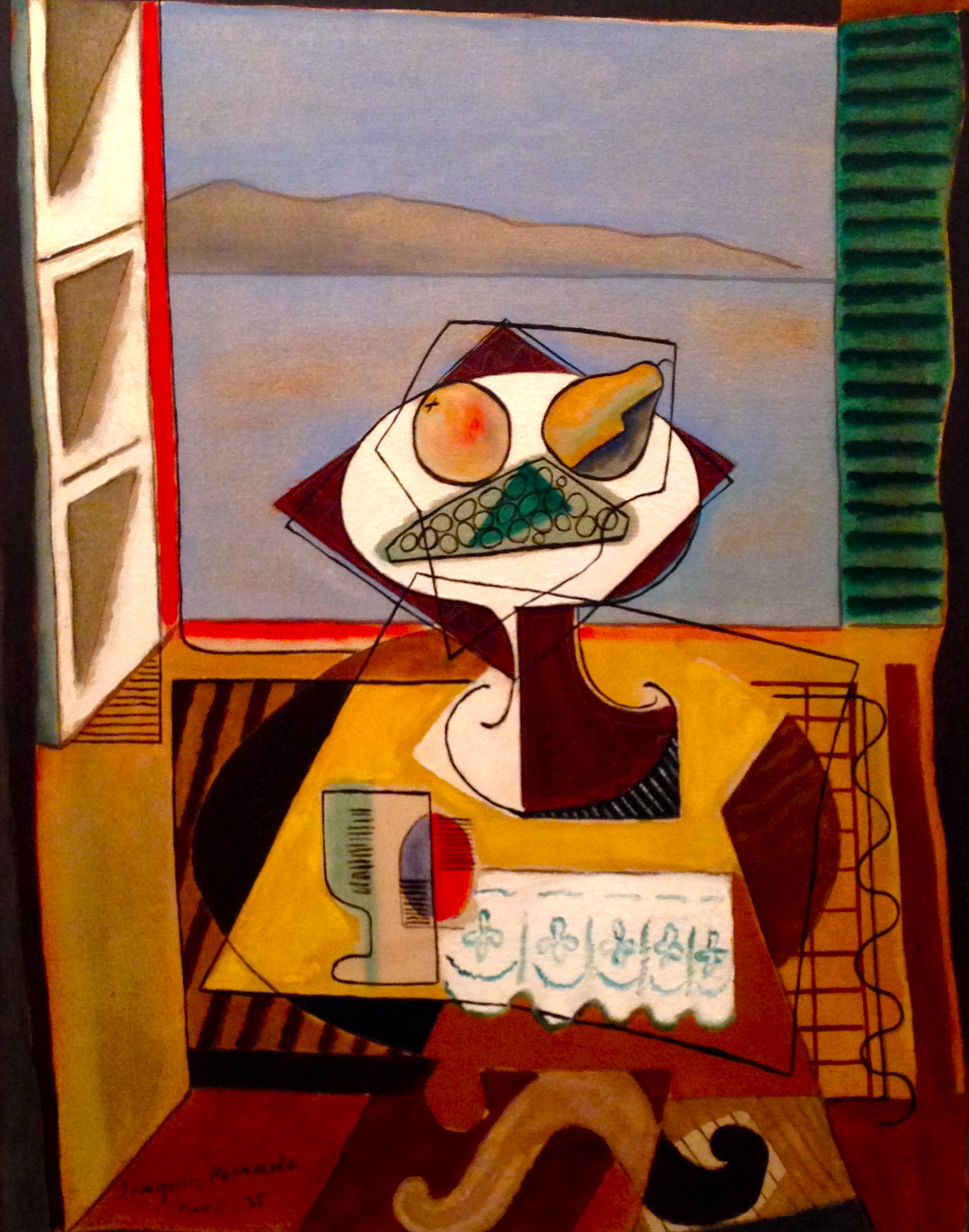
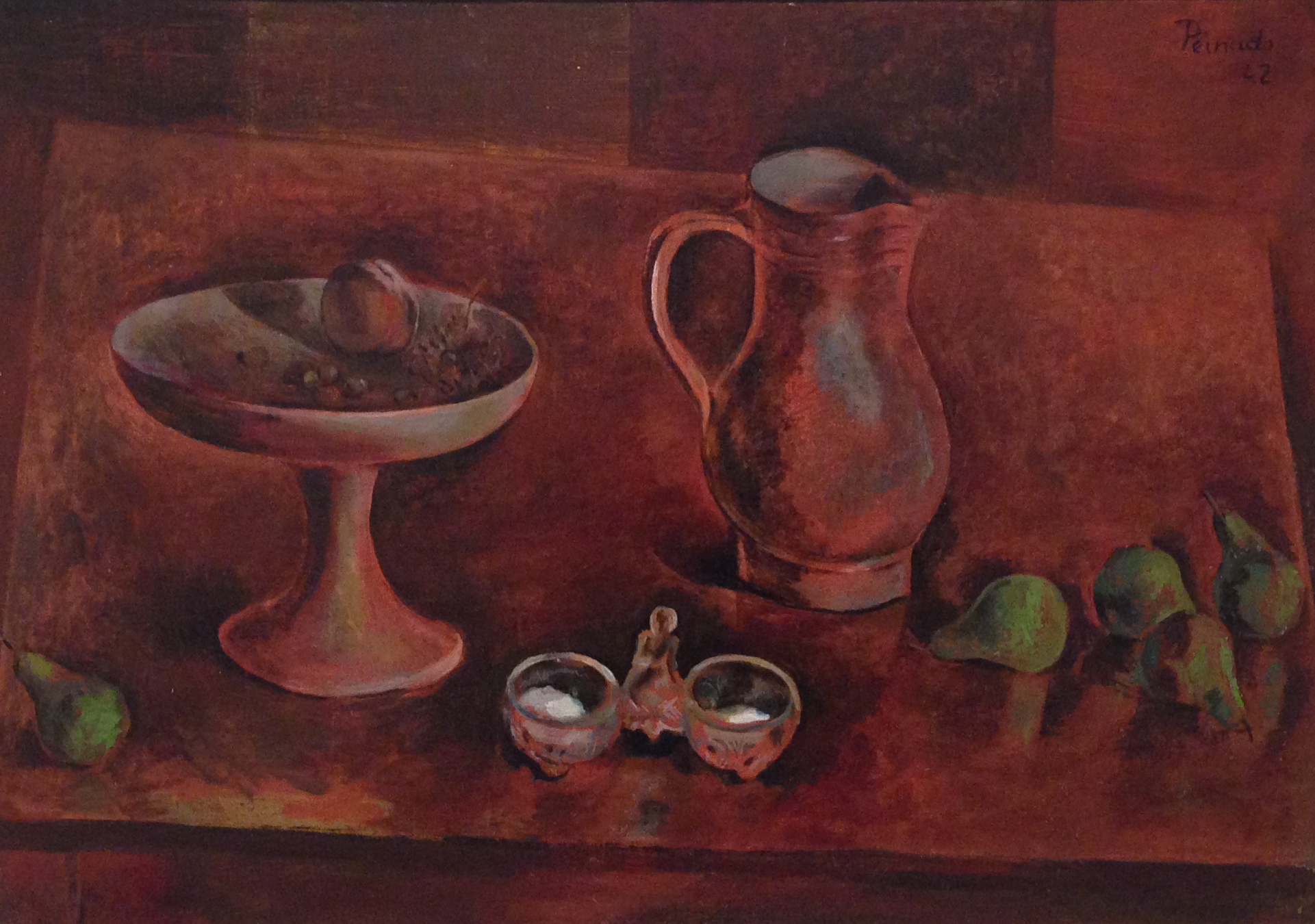
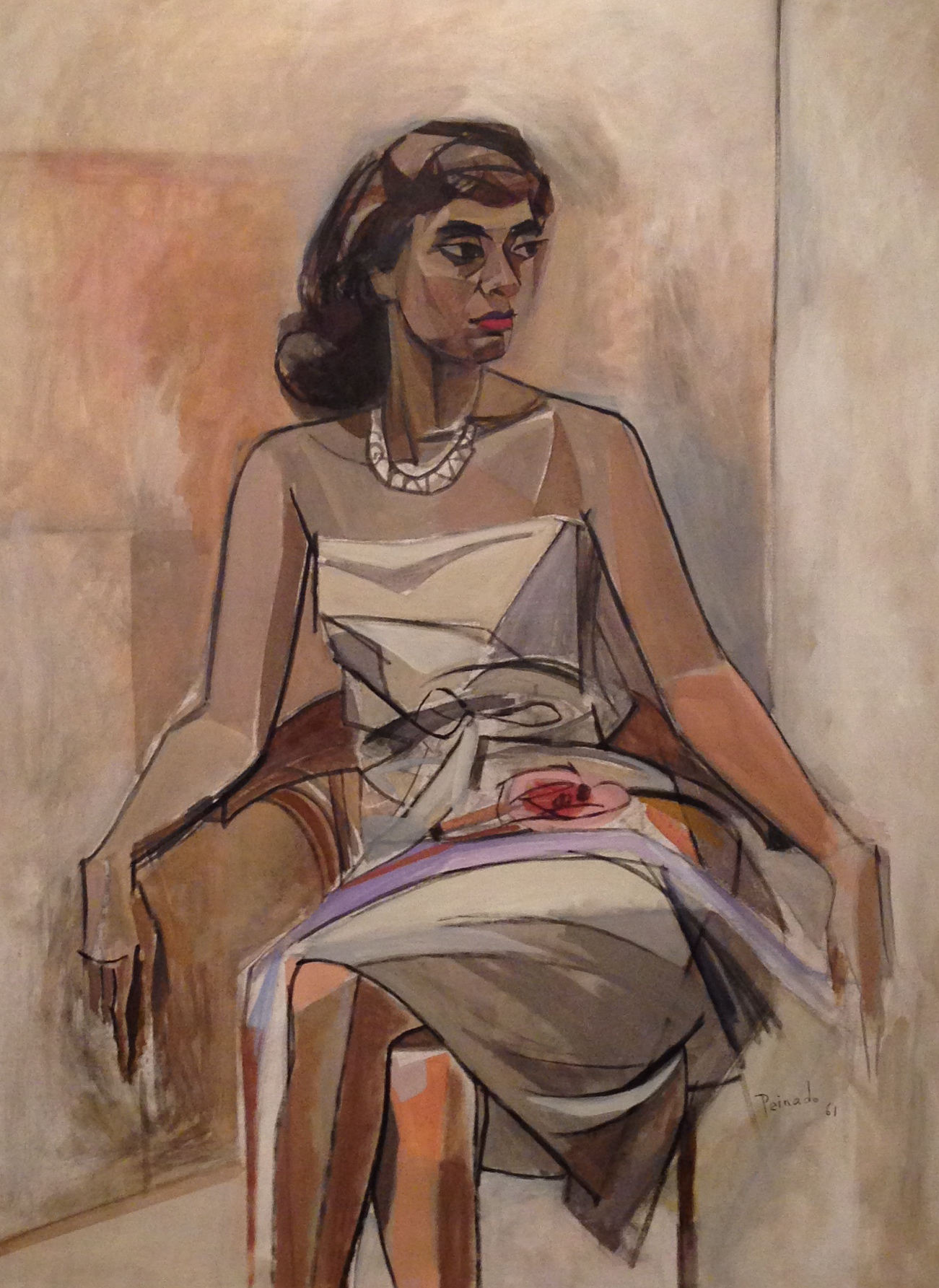
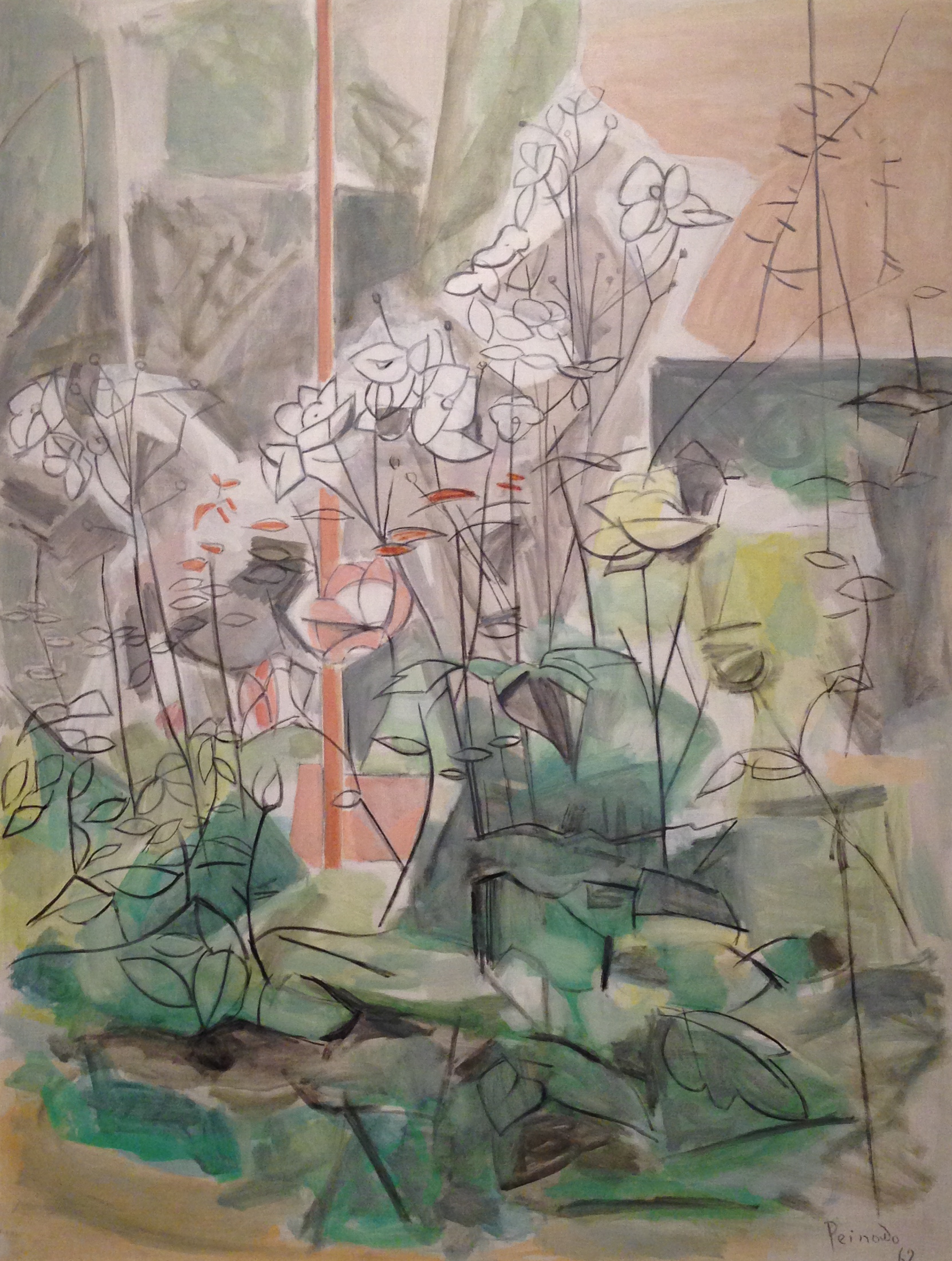
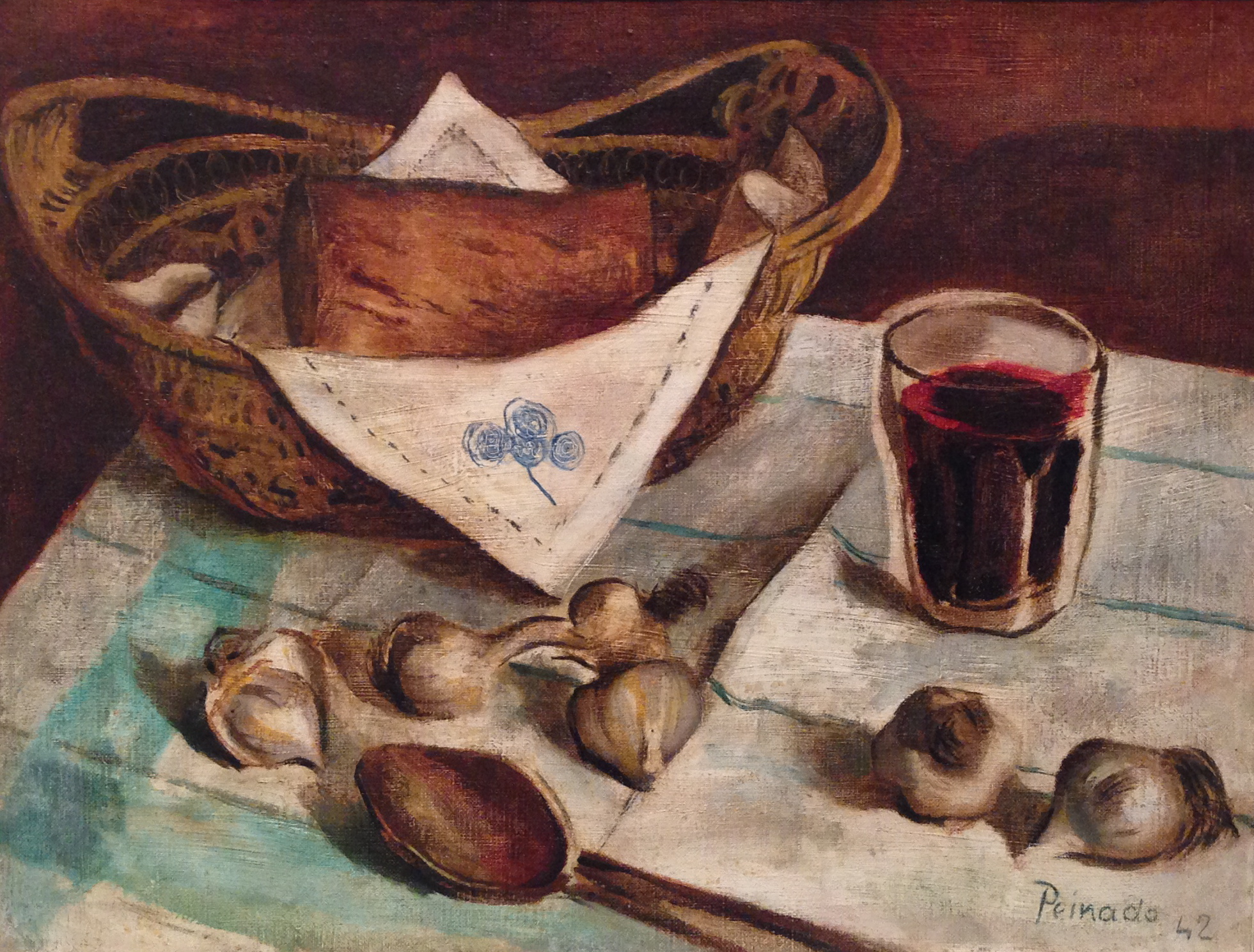
All that set me up in perfect stead for the day to come, energy levels sky rocketing inspired by the beauty all around us. We headed straight over the vast gorge to the fairly new museum of another artist who had been inspired by these landscapes as well as the wealth of art historical references boasted by Spain: Ronda born Joaquin Peinado. His works, largely figurative moving into cubism, all wonderfully colourful and full of energising geometric forms, are contained in the beautifully converted Moctezuma Palace which is today owned by the Unicaja Ronda Foundation. The conversion makes for the perfect meditative surroundings where art is appreciated at its best: marble floors, clean white walls and incredibly detailed ancient mudejar ceilings. And just in case the building itself does not do it for you, the paintings on show are comprehensive and varied: Not only was a plentiful collection of the work of Peinado himself on show, but the museum was also hosting a temporary exhibit of Picasso’s Voillard Suite of around 100 prints. Those works, which are mainly crafted in etchings and lithographs and depict themes of the minotaur and the sculptor and model, demonstrate once again the versatility of Picasso and how prolific he was in the field of print.

Highlights from the Peinado Museum

IMG_9492 IMG_9501 IMG_9507 IMG_9500 IMG_9493 IMG_9494 IMG_9503 IMG_9497 IMG_9496 IMG_9505

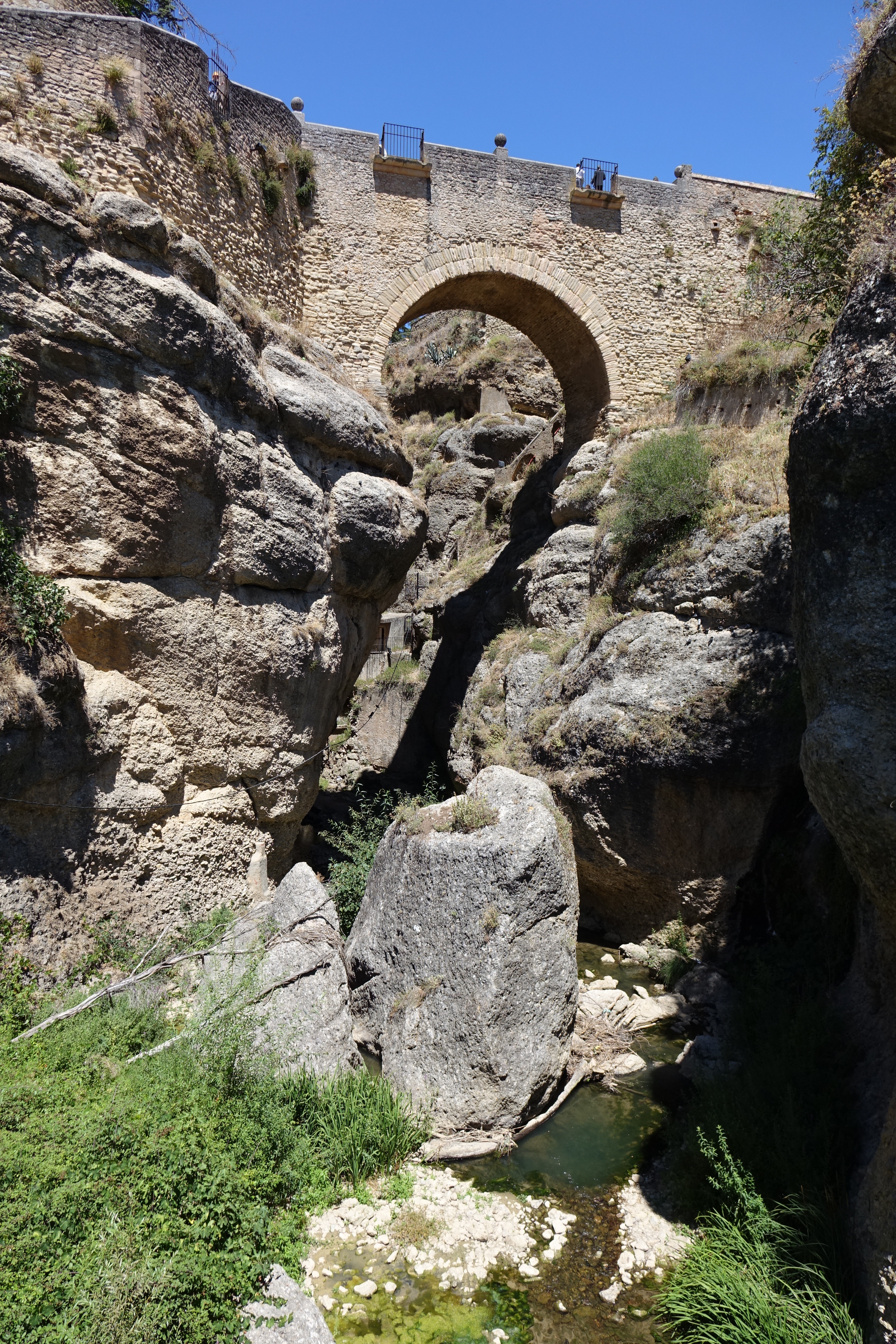
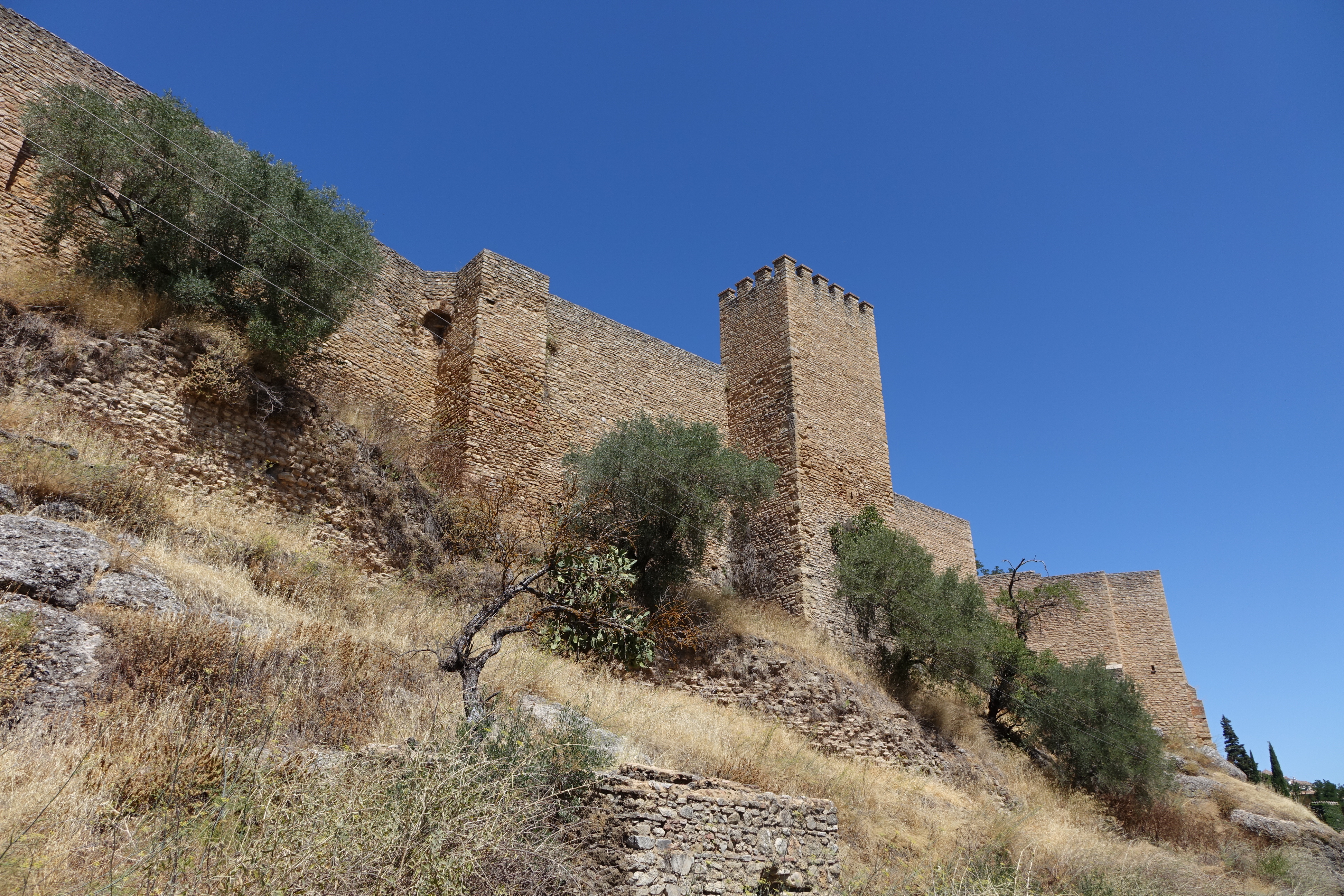
If my birthday had ended there, stepping out after that wonderful art gallery experience, I would have been happy, but it was far from over. Next the compulsory coffee, enjoyed in the heart of the old town in the Plaza Duquesa de Parcent, after which a quite random walk took us quite accidentally but fortuitously down around the outskirts of the old arab ramparts of Xijara and to the Islamic remains of the city. Chief among them are the almost fully intact Arab Baths, which today make for an atmospheric visitor’s attraction with sunlight flooding through the small star shaped holes in the stone ceiling, even though the water is today long gone. Then, just outside the baths, the incredible Old Bridge (so called) crossing the El Tajo gorge is likewise a supposed remnant to the old arab civilisation in the city. Today it makes for a stunningly impressive sight.

Arab Ronda

DSC05464 DSC05501 DSC05424 DSC05495 DSC05448 DSC05467 DSC05430 DSC05453

Read more

Interpretation No. 8: Ronda cluster above the El Tajo Gorge

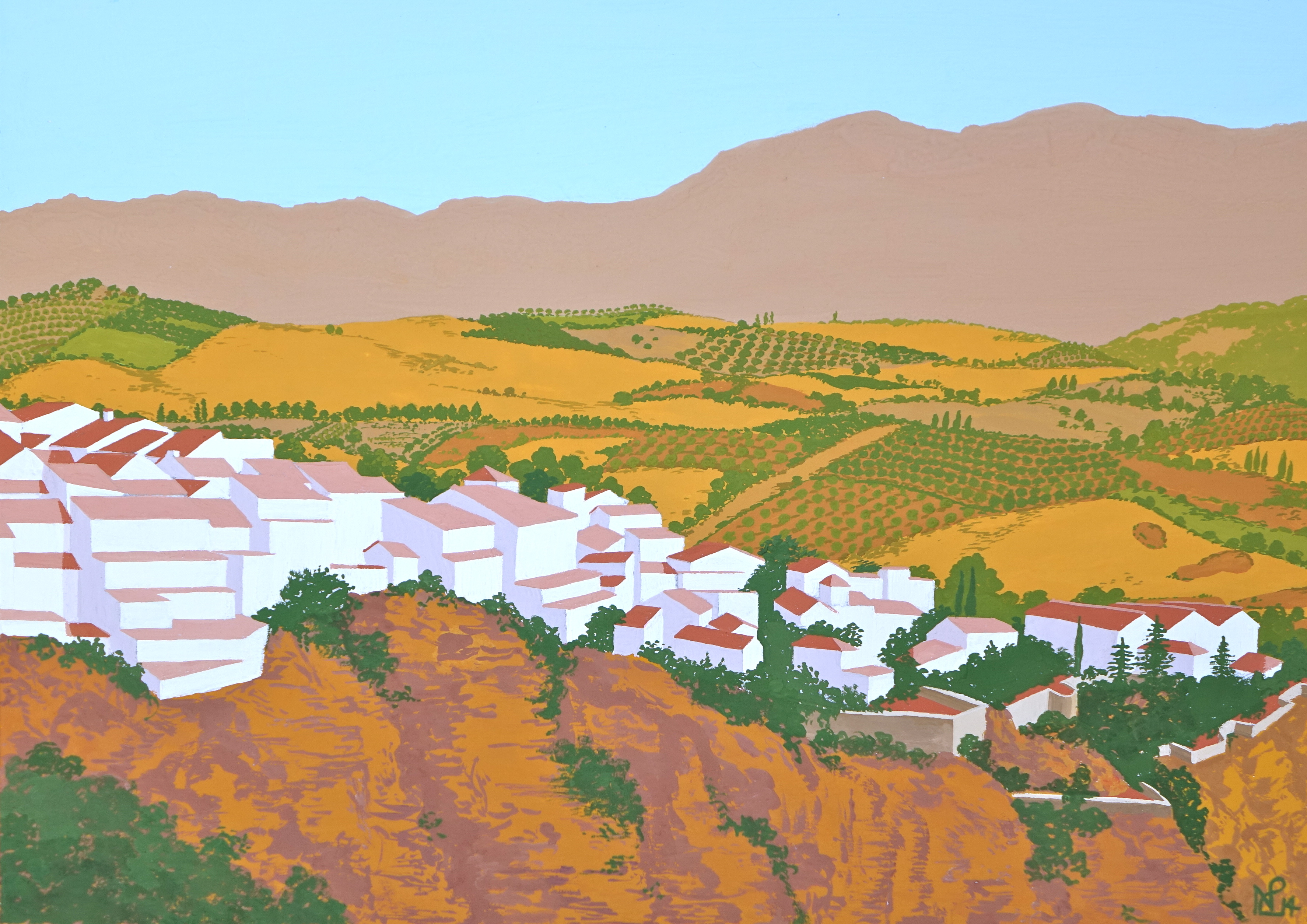
Readers of the Daily Norm will know that following my beautiful trip to the Amalfi Coast in June, I embarked on a series on new gouache paintings. I have loosely labelled the collection “interpretations” because they are not so much landscapes as interpretations of a landscape – a simplified landscape with the details of urban structures stripped away so that the focus of the audience can be placed on the general shape made by a town or a cluster of buildings, rather than the details. This is particularly striking where generations of people have built up towns in the most hostile of landscapes, such as the cliff edges of the Amalfi Coast. The result is the development of a group of buildings which look almost out of place and surreal when set against the harsh unapologetic backdrop of nature. It is this contrast which my interpretations seek to emphasise.

Interpretation No. 8 - Ronda (2014 © Nicholas de Lacy-Brown, gouache on paper)

Interpretation No. 8 – Ronda (2014 © Nicholas de Lacy-Brown, gouache on paper)

There was no doubt that having been inspired by the vast rocky coastal crags of Amalfi, I would be likewise moved to paint by the mountainous planes and combination of town versus harsh seemingly unconquerable landscape which characterises the small urban sprawl of Ronda. I set about working on my first Ronda “interpretation” almost as soon as I caught eyes on the views. This first work is the result, a painting which, unlike the Italian works which have gone before it, loses the blues and purples of the Amalfi Coast, and is instead painted in the warm reds, ochres, bronzes and russets for which the arid Southern Spanish landscape is famous. And these colours are not works of fiction – for the El Tajo gorge on which Ronda stands is very much a fiery orange colour, which glows ever more robustly red as the sun sets upon it. It’s an awesome sight, and made for the perfect inspiration for this continuation of my Interpretations collection.

All photos and written content are strictly the copyright of Nicholas de Lacy-Brown © 2014 and The Daily Norm. All rights are reserved. Unauthorized use and/or duplication of the material, whether written work, photography or artwork, included within The Daily Norm without express and written permission from The Daily Norm’s author and/or owner is strictly prohibited. Excerpts and links may be used, provided that full and clear credit is given to Nicholas de Lacy-Brown and The Daily Norm with appropriate and specific direction to the original content. For more information on the work of Nicholas de Lacy-Brown, head to his art website at www.delacy-brown.com

My travel sketchbook: El Tajo Gorge, Ronda

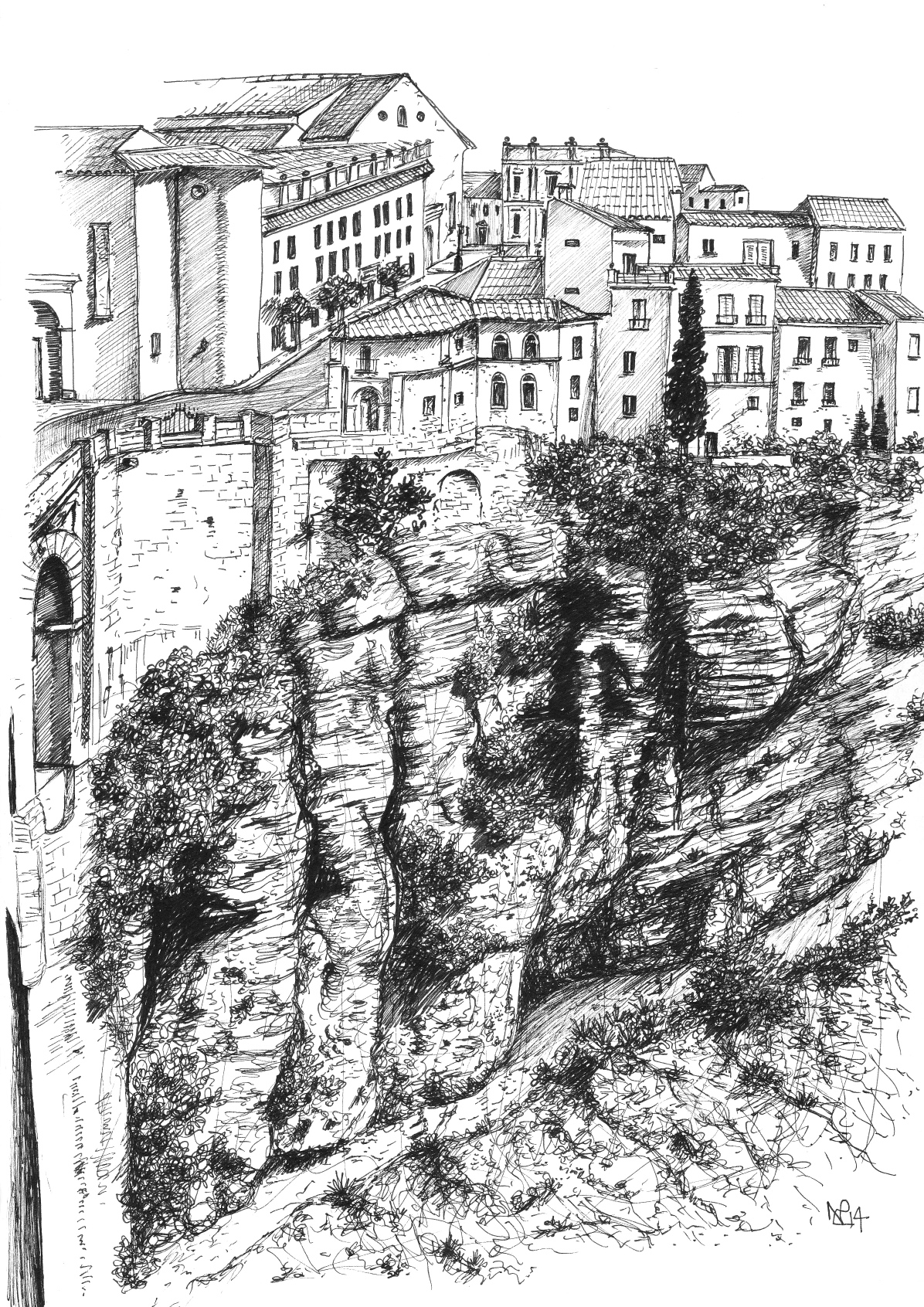
I could have sketched Ronda, the sumptuous Spanish city in Southern Andalucía, forever. Not only were the clusters of white terracotta-roofed old buildings more than easy on the eye, but the great El Tajo gorge upon which the city is precariously built is itself a feast for the eyes, and for a sketchbook. With its multiple craggy rocks, rounded by centuries of weather beatings and the expanse of plant life which has crept over its surface, the steep sided cliffs of the gorge are a picture of complex shapes, angles and shadows, and taken as a whole almost appear to defy gravity, such is the vertical, and in places almost inversed top heavy standing of these vertiginously high cliff faces. All this of course makes for a sensational drawing subject, and within hours of moving into our sumptuously large bedroom and terrace in the Paradores Hotel, I began two pen sketches of the incredible view which we could see from every part of our room.

Ronda 1 - Buildings above the Tajo Gorge, Ronda (2014 © Nicholas de Lacy-Brown, pen on paper)

Ronda 1 – Buildings above the Tajo Gorge, Ronda (2014 © Nicholas de Lacy-Brown, pen on paper)

The two sketches are fairly similar, hence why I am posting them together. They concentrate on the same section of the gorge, with a view onto the oldest quarter of Ronda with its main church stood proudly at the centre. However, one focuses more on a cluster of buildings showing just a little of the gorge below, while the other shows more of the gorge and just a thin slice of the bridge, helping the audience to appreciate just how small the buildings of Ronda appear when perched on the full expanse of this rocky canyon. And this is only what I could see from the hotel – the gorge plummeted deeper still, showing just how dramatic this scenery is.

Ronda 2: The Tajo Gorge (2014 © Nicholas de Lacy-Brown, pen on paper)

Ronda 2: The Tajo Gorge (2014 © Nicholas de Lacy-Brown, pen on paper)

I am delighted with the capacity of these sketches to have captured that drama, along with the great contrast between violently brutal rock face and highly civilised historical architecture which makes Ronda – and now these sketches – so interesting to see.

© Nicholas de Lacy-Brown and The Daily Norm, 2001-2014. Unauthorized use and/or duplication of the material, whether written work, photography or artwork, included within The Daily Norm without express and written permission from The Daily Norm’s author and/or owner is strictly prohibited. Excerpts and links may be used, provided that full and clear credit is given to Nicholas de Lacy-Brown and The Daily Norm with appropriate and specific direction to the original content. For more information on the work of Nicholas de Lacy-Brown, head to his art website at www.delacy-brown.com
Ronda | Day One: Matadors, Miradores and Multiple Moments of Epiphany

I am going to say something potentially controversial. I think that the experience of a moment of epiphany is the preserve of artists and creatives. Not because other people can’t be placed in the often emotional, sense-tantilising circumstances that give rise to such a moment, but because they do not have the creative mentality which makes them aware of it, or at least of just how sensational are the surroundings giving rise to it. Not everyone therefore will necessarily understand me when I say that in Ronda, a small mountain-top city in Spain’s Andalucia, the surroundings were so bone-achingly beautiful that I experienced multiple moments of epiphany – times when situation, atmosphere and inspiration combine into a powerful fusion of mood and moment; when creative ideas pop and flow from my head like bubbles out of a fast-moving fountain. (The blogosphere does however tend to me full of creatives, and I therefore retain high hopes that most of my readership will be able to flow effortlessly along with me as I describe the happening of those moments under the hot sunny skies of a summer-baked rolling Spanish landscape). 

The Spanish City of Ronda

The Spanish City of Ronda

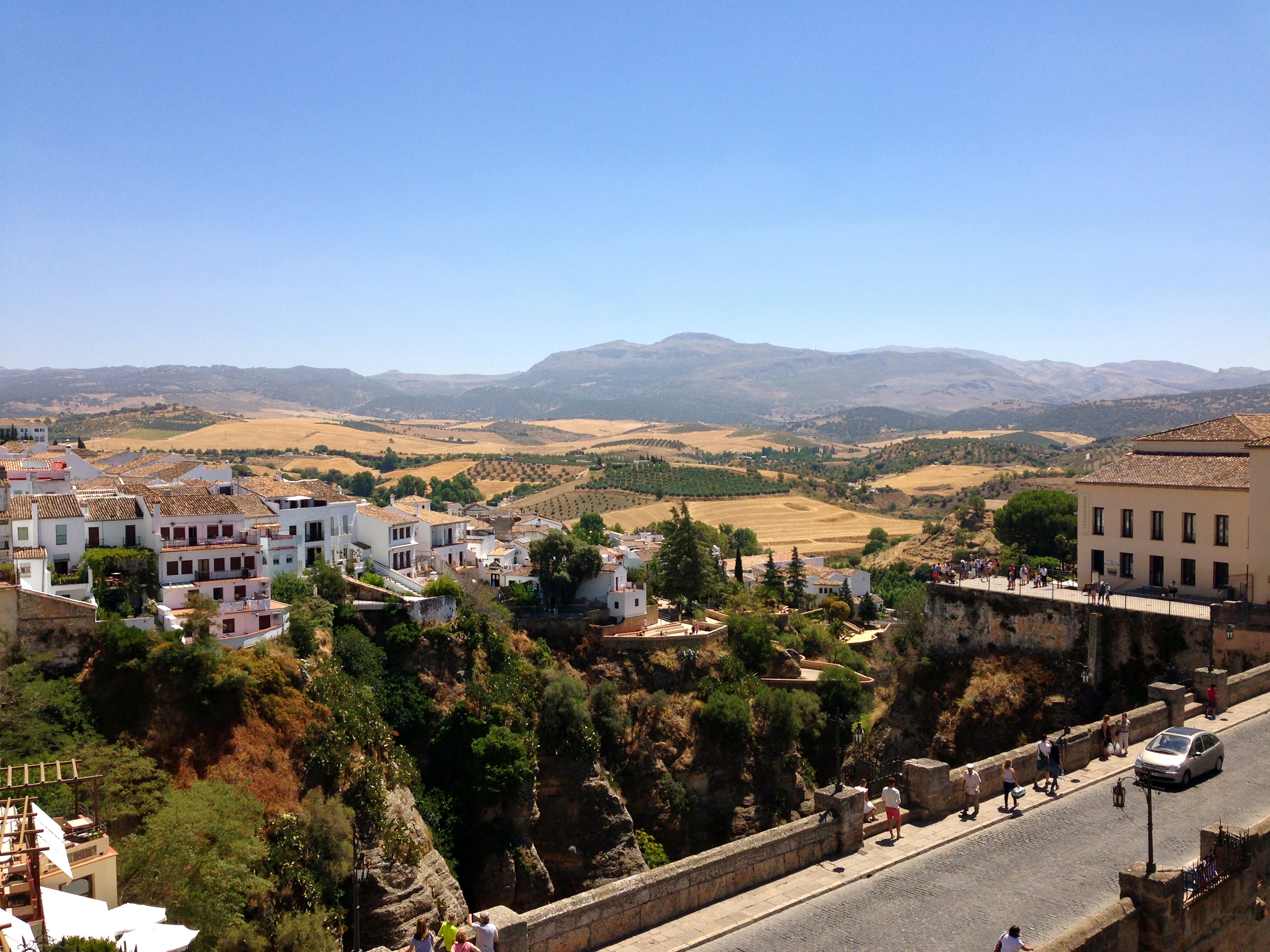
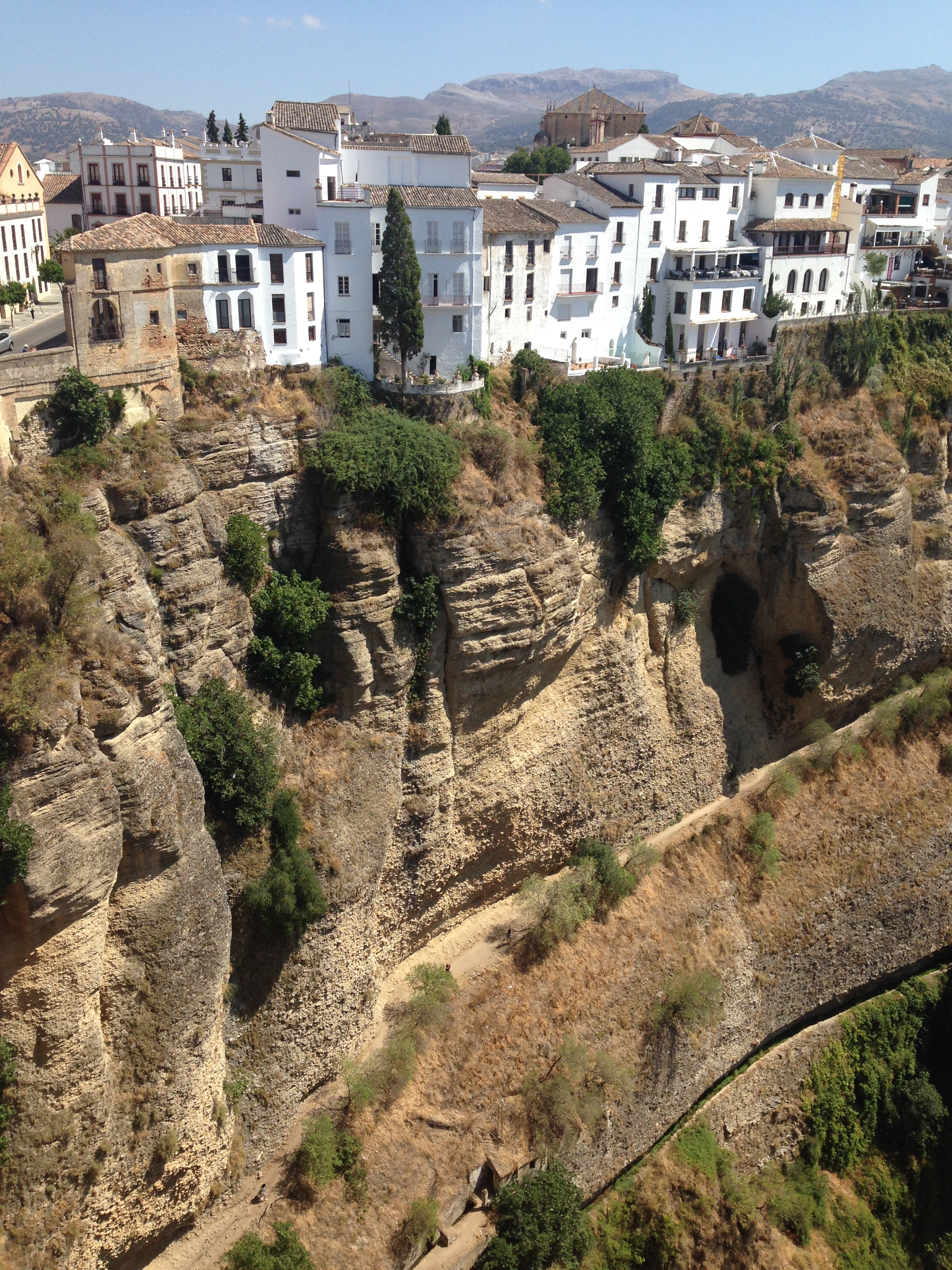
The first of those moments occurred shortly after our arrival in this incredibly placed city up in the vast mountain ranges that sit behind Marbella. As if the incredible view of vertiginous mountain passages on the wildly meandering road from Marbella to Ronda weren’t enough, but up in the city itself, our hotel (and one of the town’s best) – the Paradores – was so sensationally located as to give us the very best views wherever in the hotel we happened to be situated. Located bang next door to Ronda’s iconic Puente Nuevo, the newest and largest of three bridges that span the 120-metre-deep chasm that carries the Guadalevín River and divides the city, the hotel has an enviable location right on the edge of the vast El Tajo gorge on which the whole city is precariously perched. 
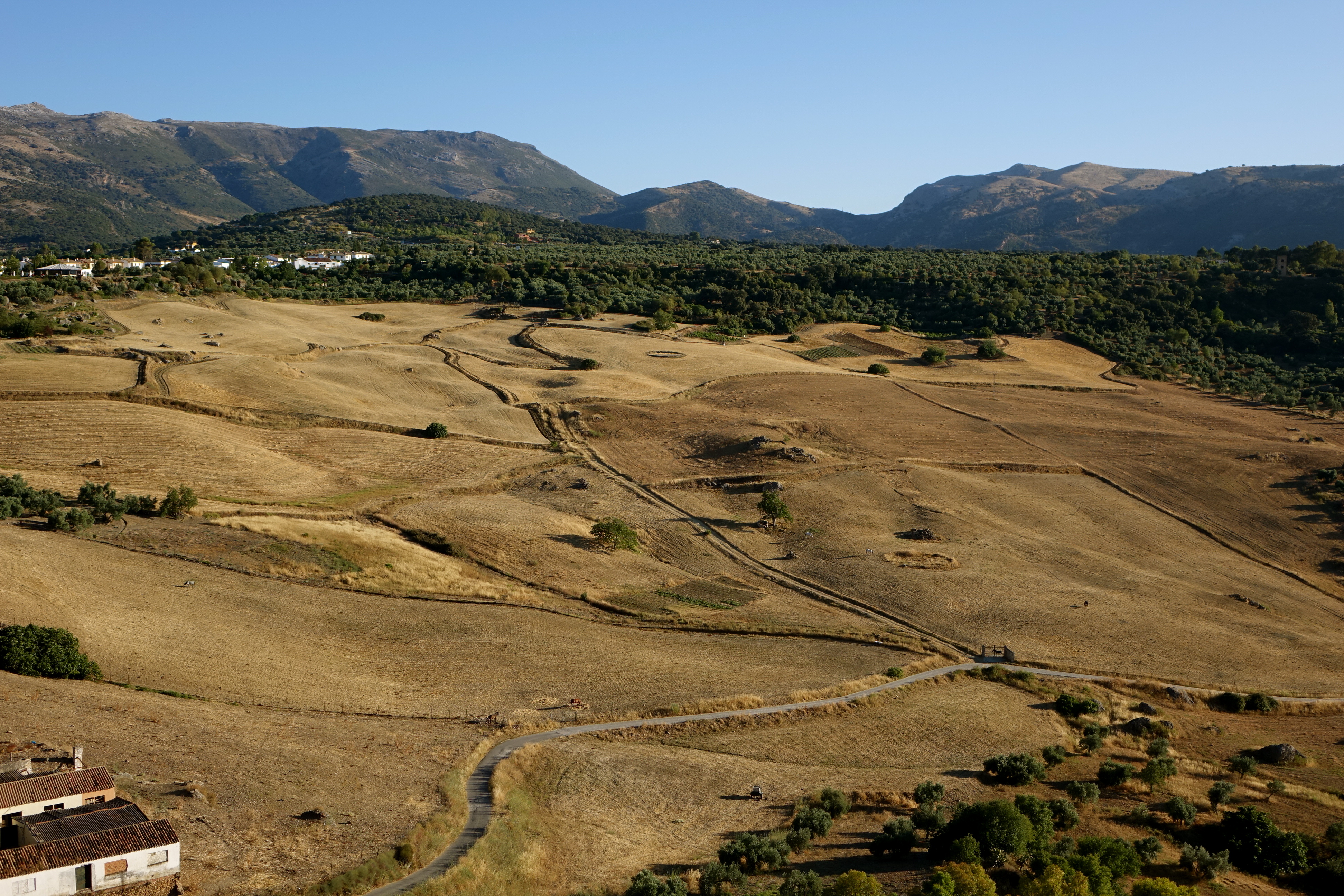
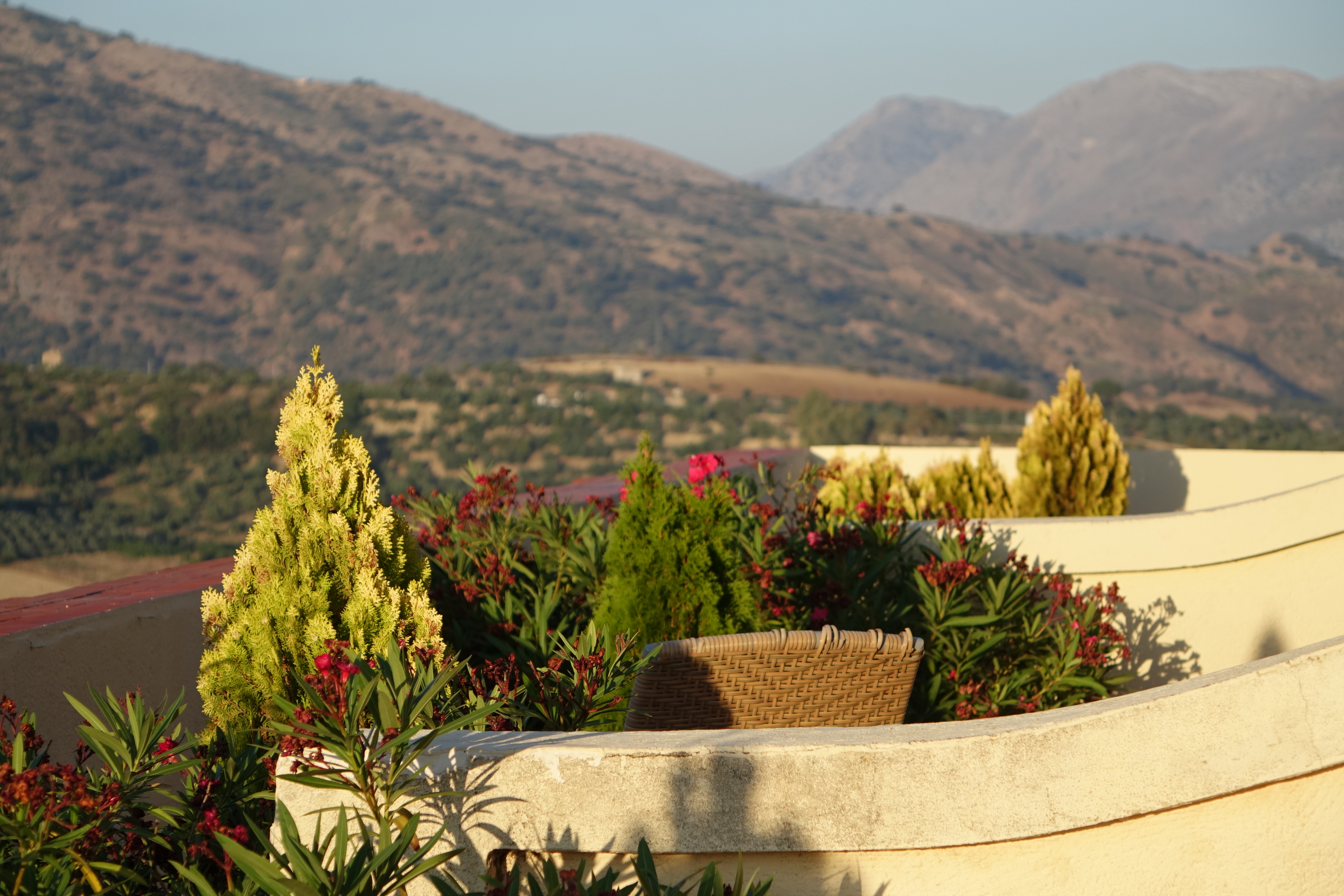
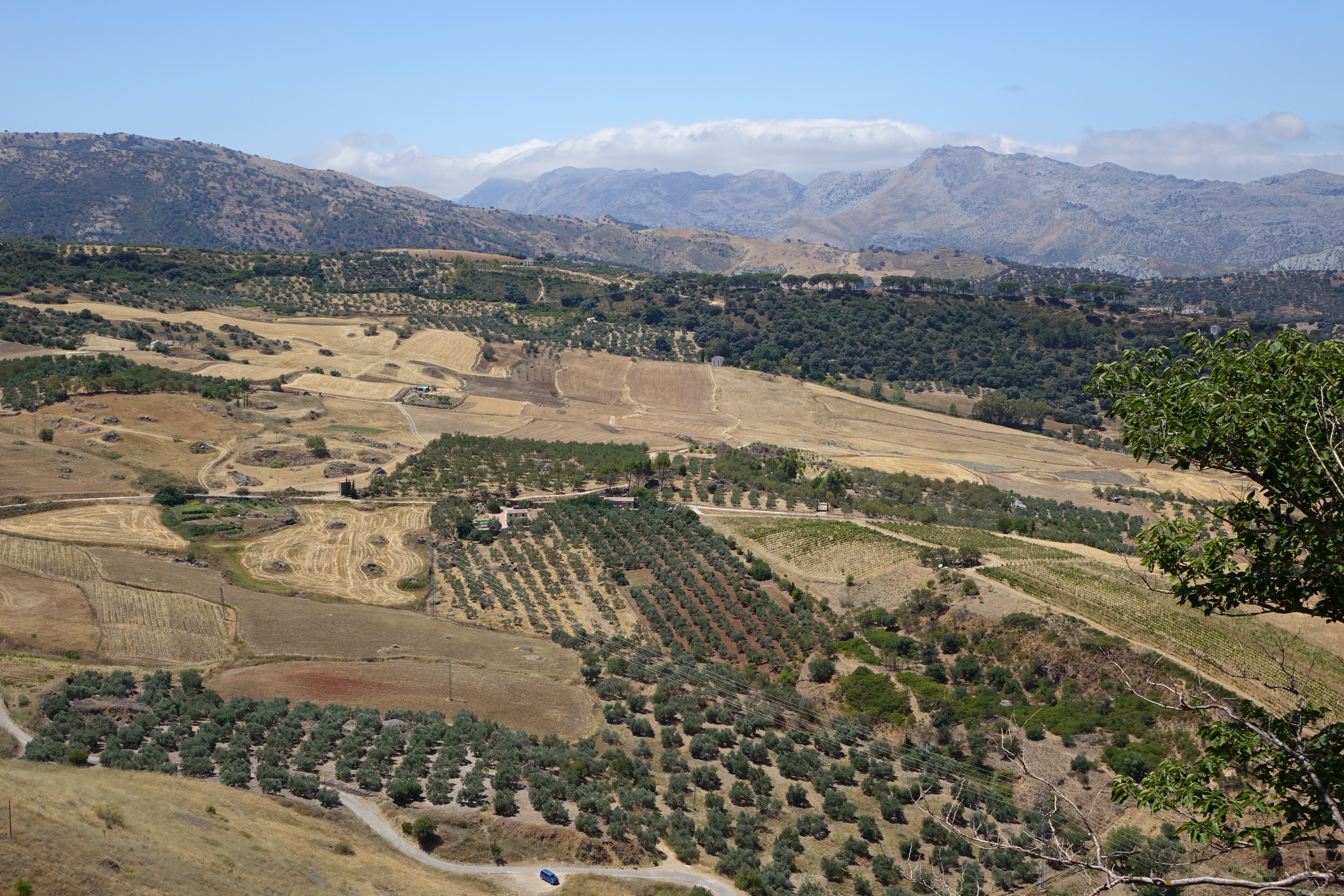
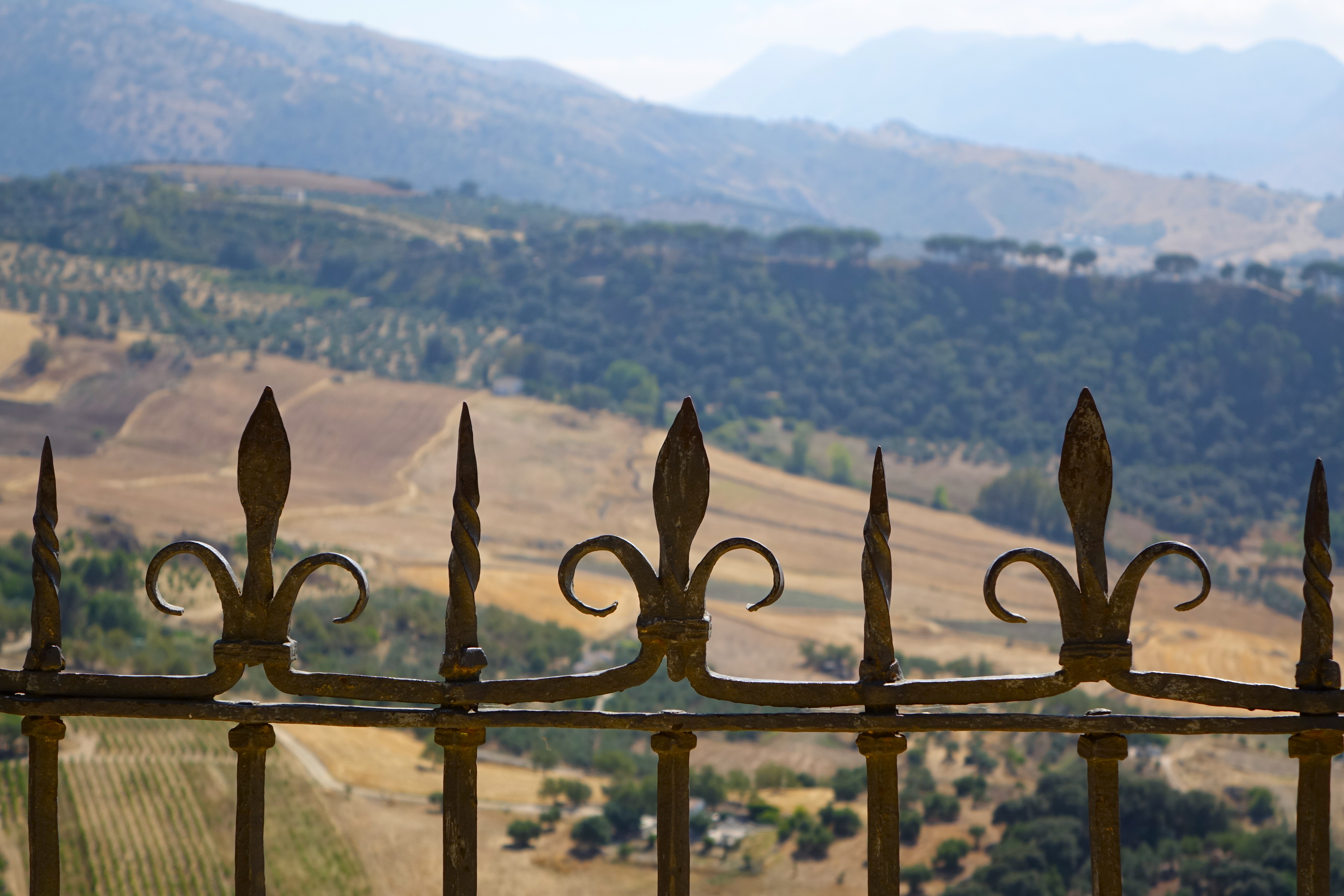
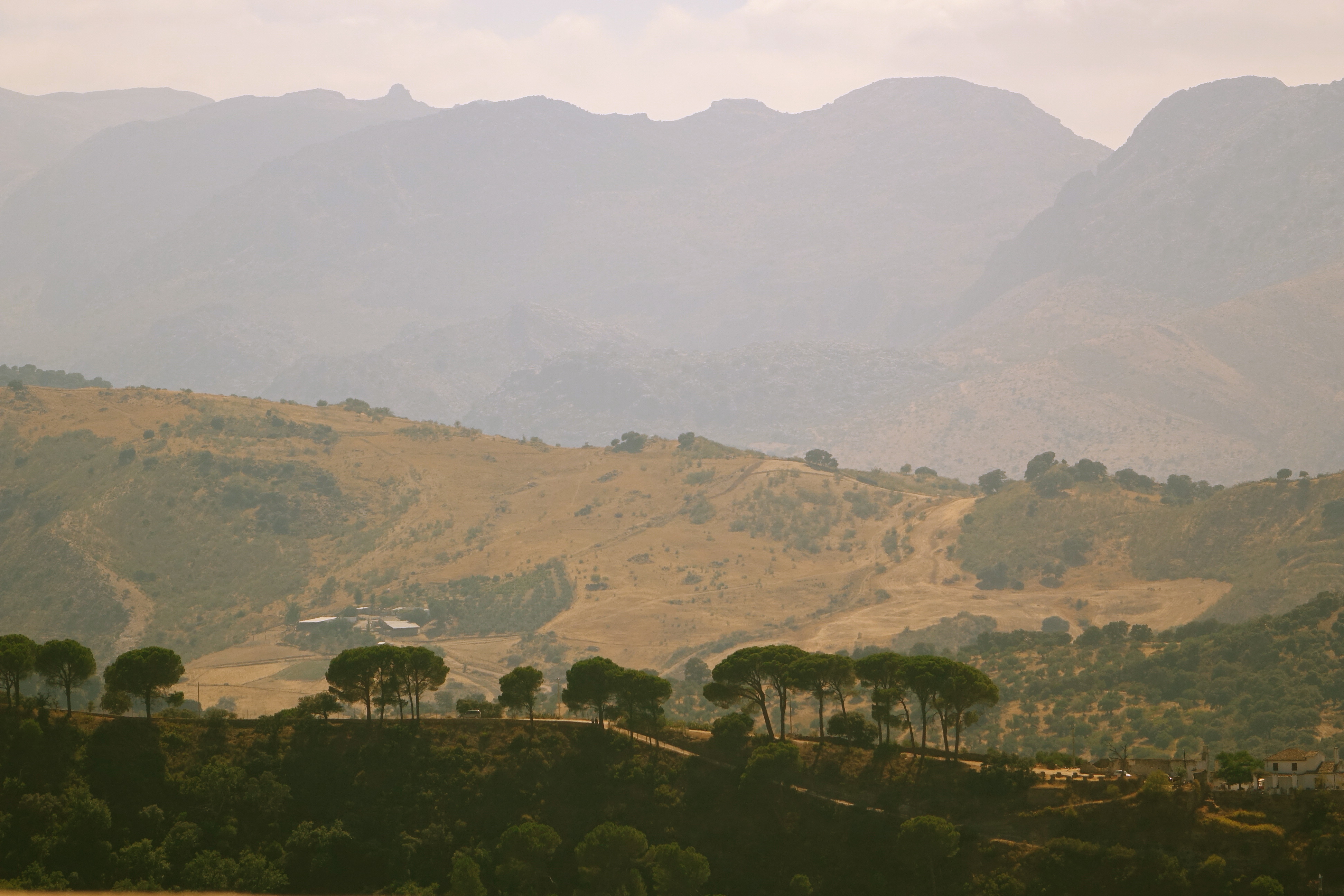
But my moment of epiphany came not in the hotel lobby, or in its well appointed restaurant or swimming pool gardens, but in our own room which we had, with great fortune, been allocated with a vast hotel terrace spanning one whole corner of the hotel and presenting the most sensational almost 360 degree views of Ronda, the El Tajo gorge, the bridge and the mountainous valleys and hills beyond. Looking over the variously angled terracotta rooftops of Ronda’s old town houses, across the rocky gorge and over to vast planes in a tapestry of sun-burnt browns, coppers, umbers and olive greens, we could see hints of Tuscany, moments of Malta, the green verdancy of lush tropics, but predominating over all the unmistakable russet richness of a Spanish landscape. In those fields were every conceivable shade of orange and red; pastures haphazardly placed and others neatly planted with olive trees; curving meandering roads lined with cypresses and Spanish firs, and exposed hard-edged rocky outcrops with birds of prey flying overhead. 
What a view…the Paradores Hotel, our terrace, and the landscape beyond

DSC05709 DSC04834 DSC05152 DSC05108 DSC04912 DSC04815 DSC05155 DSC04884 IMG_9461 DSC04832 IMG_9465

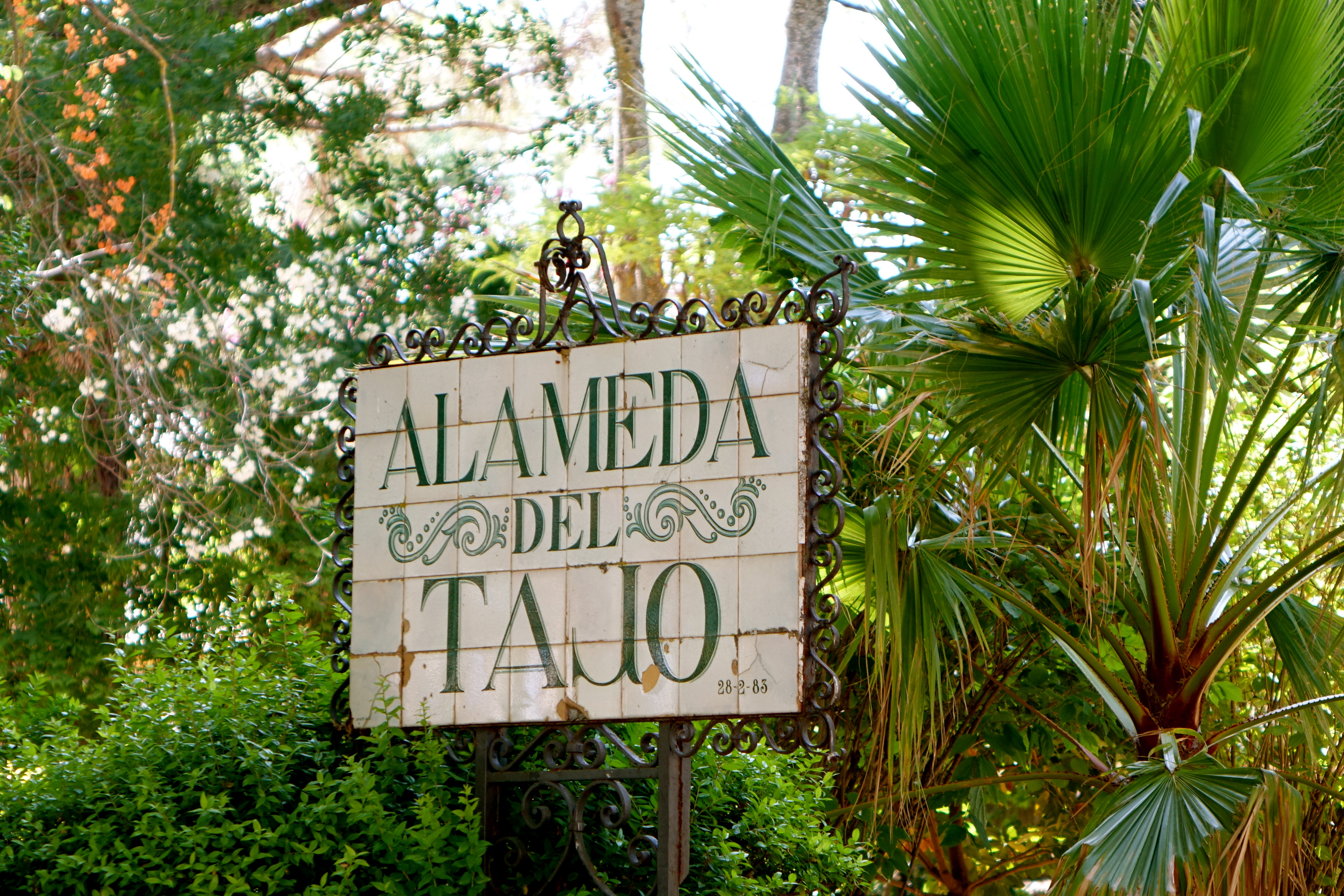
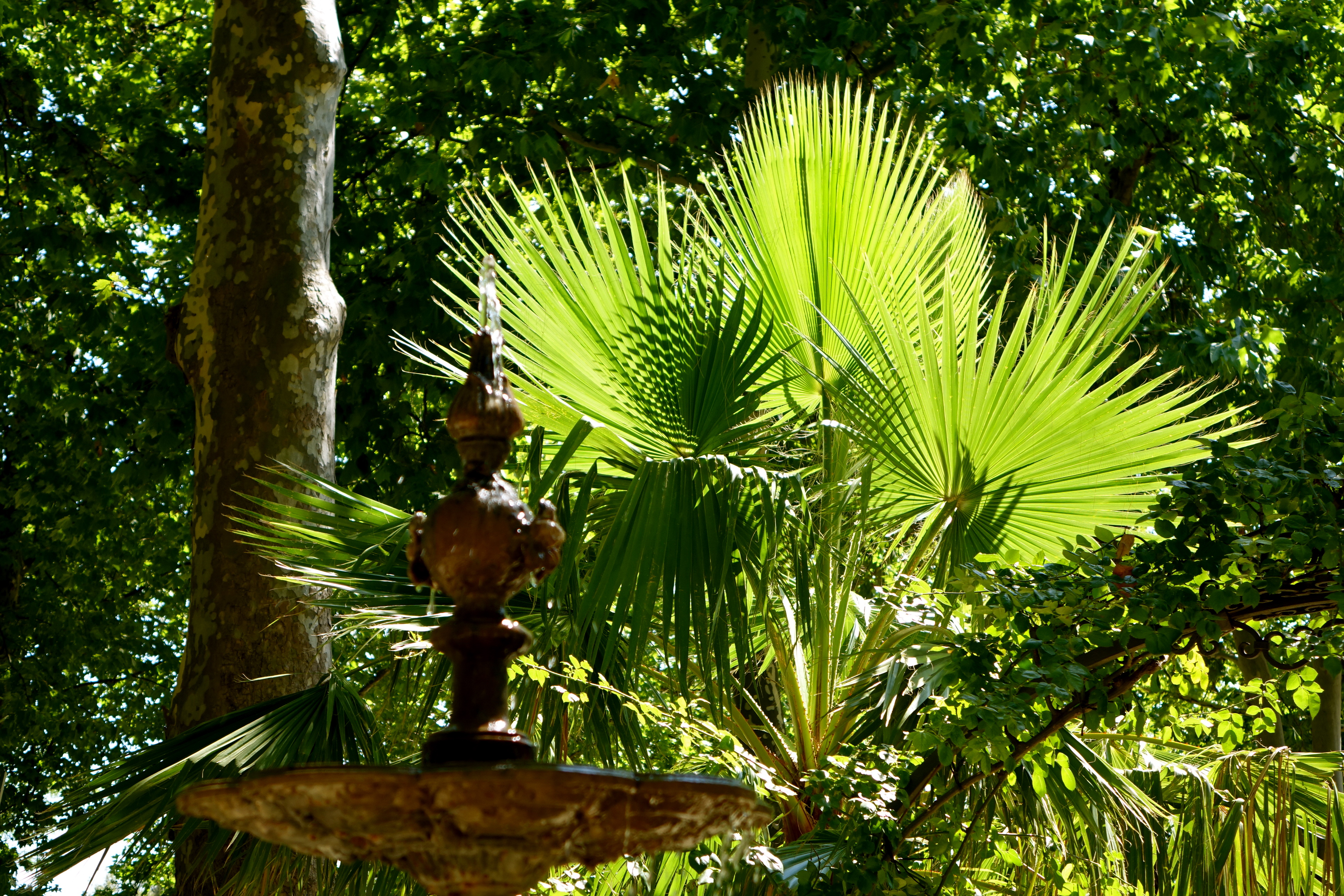
From the hotel, we were but moments away from the Alameda Park; lush botanical gardens whose beauty would themselves make for a view worthy of lavished attention, but which are largely overlooked because of the incredible mountain views which span the entire length of the gardens at the bottom of their sun dappled paths. This reminded me of those sensational gardens at the Villa Cimbrone in Ravello – stunning gardens, much overlooked by visitors who rush to the Terrazzo dell’lnfinito (Terrace of Infinity) to see the unbeatable views of the Mediterranean which the terrace affords. 

The stunning Alameda Park

DSC04865 DSC05287 DSC04859DSC04864 DSC05299 DSC04873 DSC04870 DSC04880 DSC05004 DSC04902 DSC04899 DSC05291 DSC05253

Read more

Photo Focus: Marbella Mix

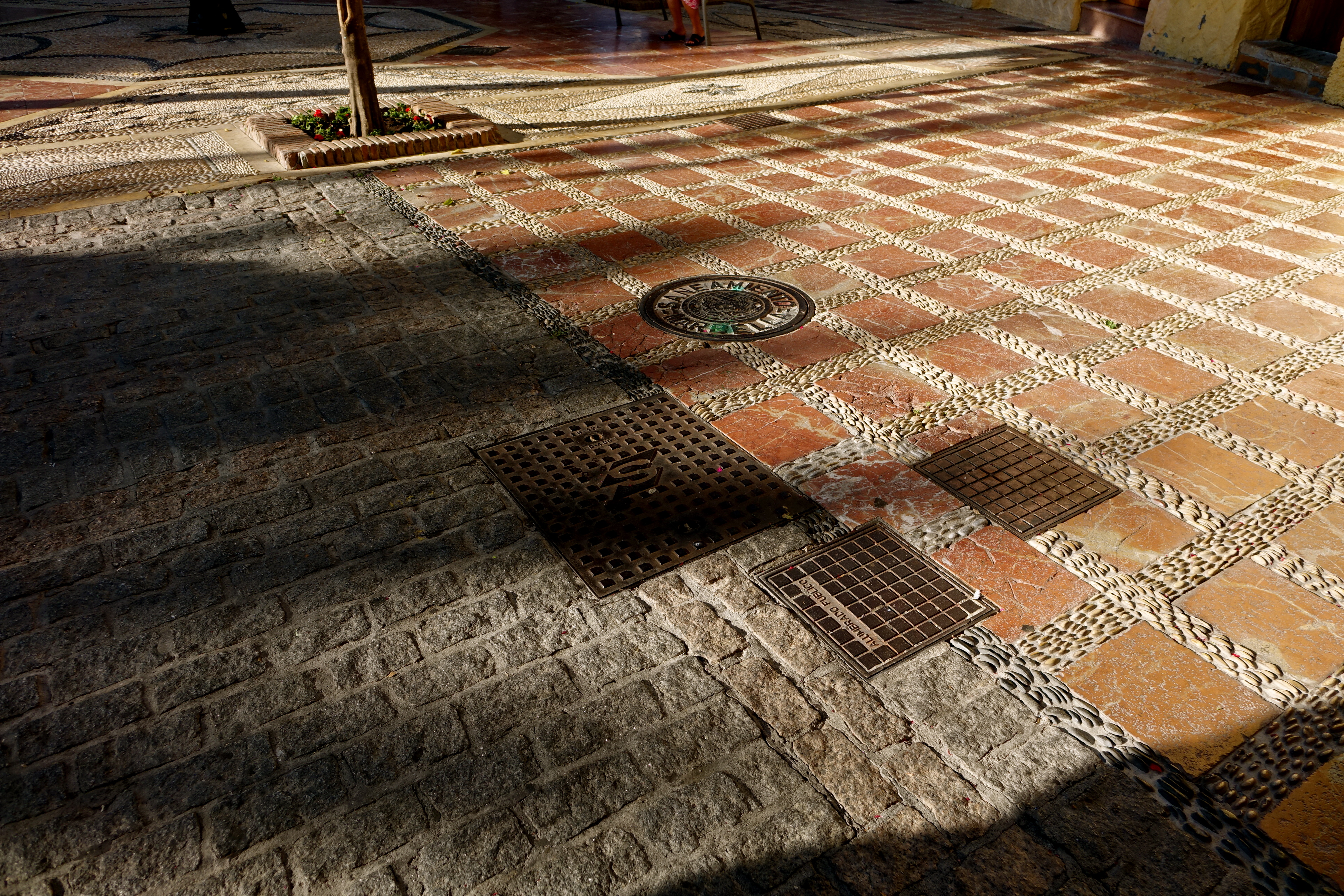
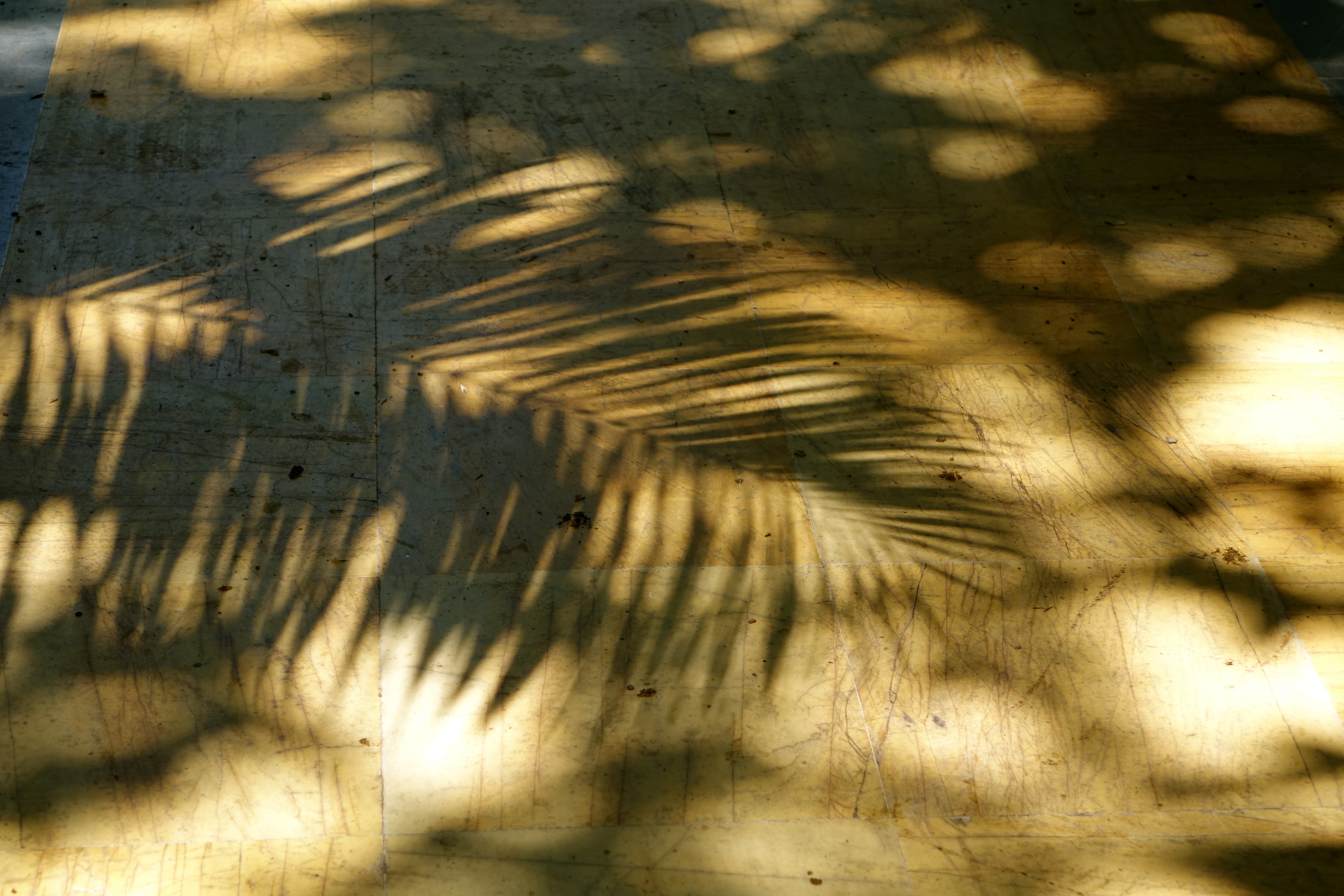
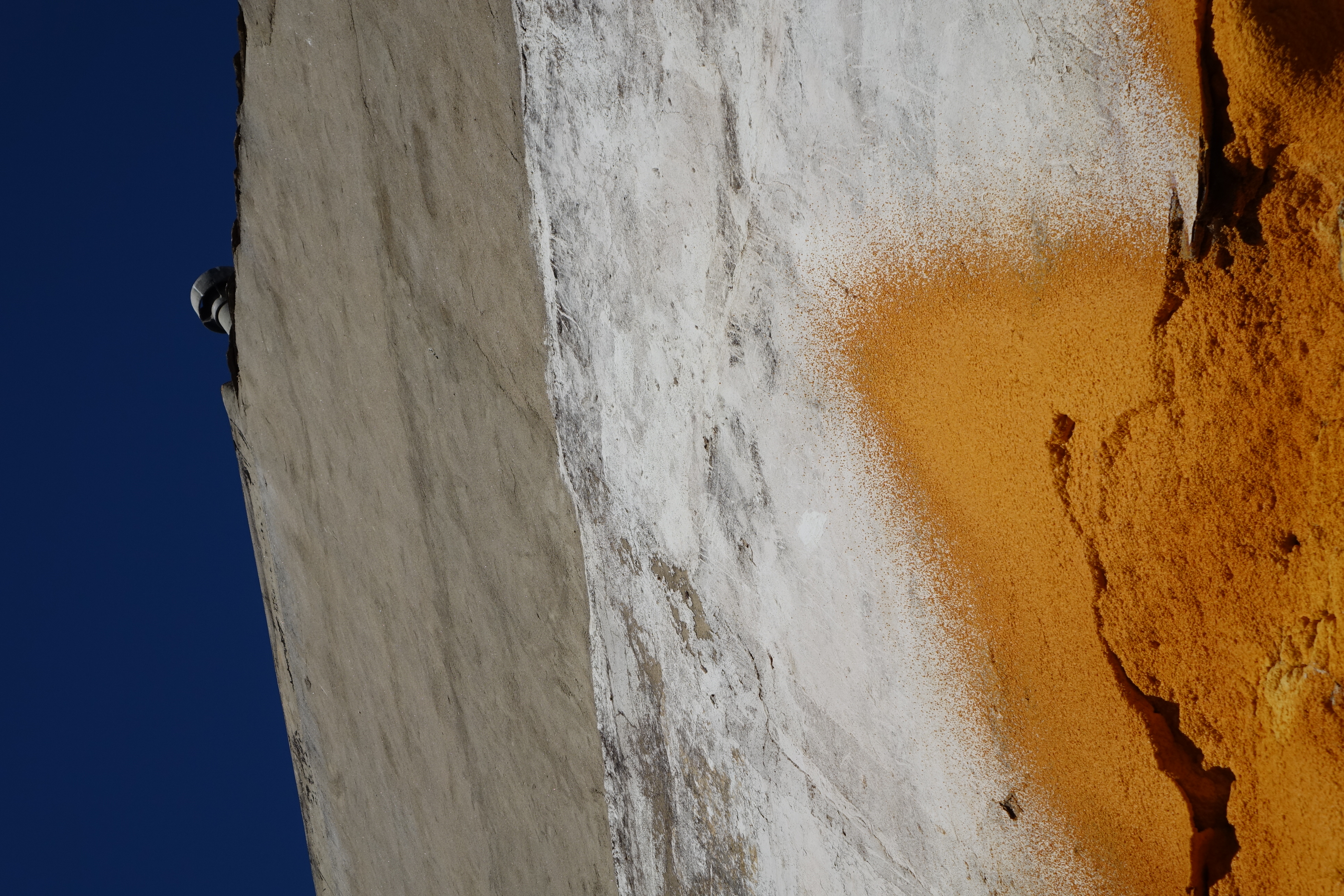
It’s Marbella week on The Daily Norm, a blog which has become progressively taken over by a summer of Mediterranean (and Adriatic!) travel as I seek to pursue the only true source of a man’s spiritual and creative happiness: La Dolce Vita itself. And back in Marbella, the place which has been my family home for over decade and which has given birth to so many of my most successful creative moments, the typically Andalucian charming little old town which inspired me from my first visit in the year 2000 continues to do so these 14 years later. Still, when I walk around the town, I take my camera with me, for the excitement that this Spanish beauty instils in me continues to inspire creativity of every form, and a camera is a necessary tool in those moments.

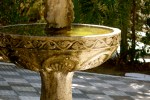
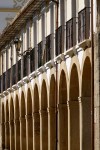
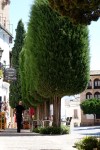
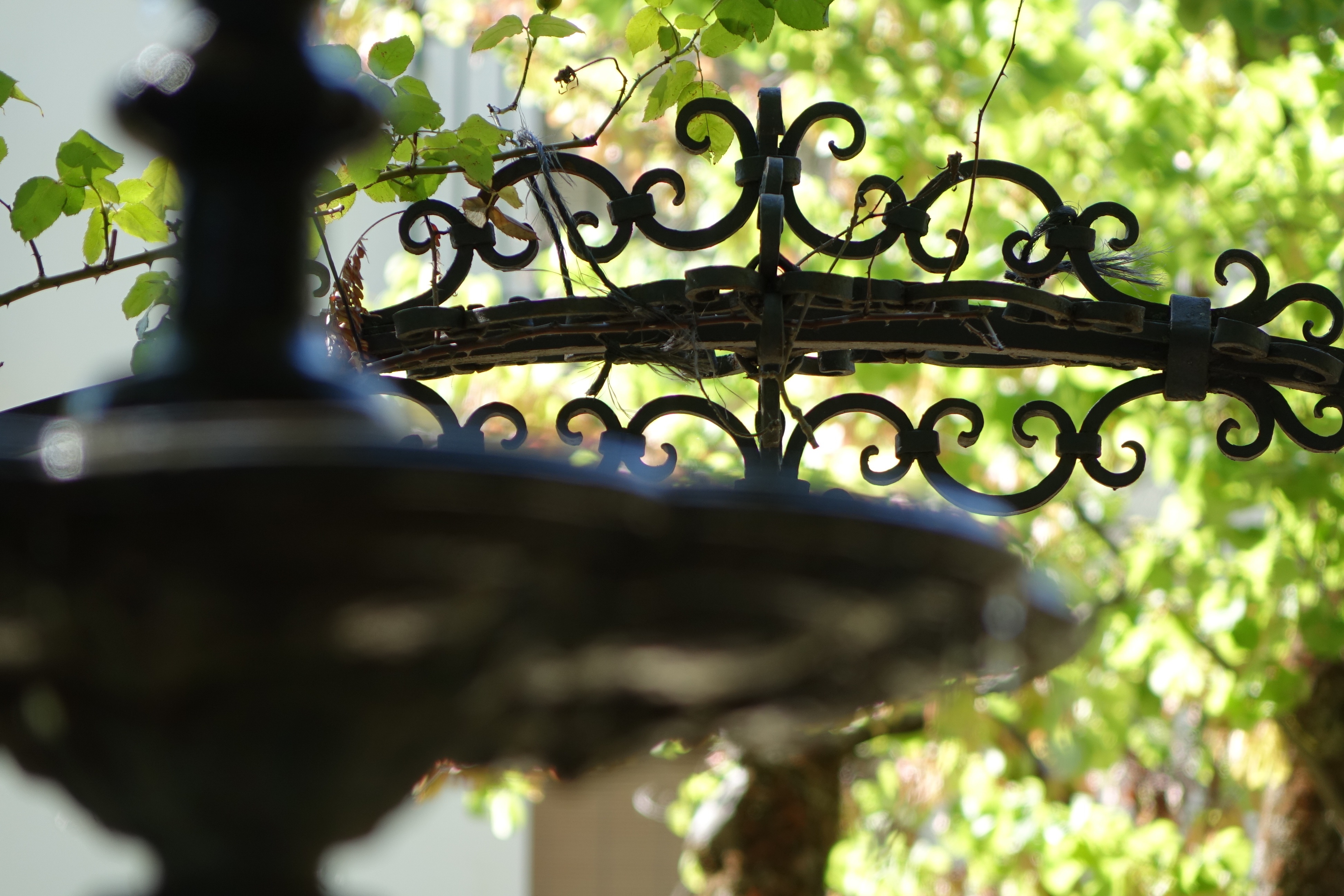
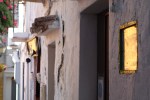
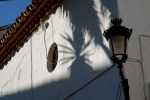
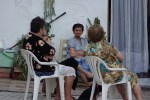
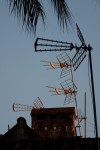
So this post contains just a few of the Marbella shots I took while I spent two wonderful weeks recently ambling down its little narrow alleyways, through large cobbled squares, and around its lush gardens and seaside promenades. In this mixed old bunch of shots, you’ll enjoy energetic bursts of fountains glittering in the hot afternoon sun, you’ll see old Spanish locals creating a picture-postcard grouping as they gather together out in the warm balmy evening air to gossip; and you can share in the burst of optimism which the long shadows and sharp sunshine of an early Spanish morning can bring – when hope itself goes out for a promenade. Amongst the Marbella locals, you’ll see a rather friendly pigeon enjoying those ample fountains, you can meet the rather handsome patron saint cast in bronze outside the Iglesia de la Incarnacion, and, like the lady in one photo, you’ll want to sit out in an Andaluz square reading while the sun breaks out around you.

DSC06140 DSC06024 DSC05989 DSC06177 DSC06144

These photos are very much an expression of the true authentic heart of one of Andalucía’s most overlooked historical centres. For as I’ve said so many times before, Marbella is not just about the superficial glitz of Puerto Banus – it has a heart and soul too.

All photos and written content are strictly the copyright of Nicholas de Lacy-Brown © 2014 and The Daily Norm. All rights are reserved. Unauthorized use and/or duplication of the material, whether written work, photography or artwork, included within The Daily Norm without express and written permission from The Daily Norm’s author and/or owner is strictly prohibited.