Skip to content

Posts tagged ‘Travel’

Lisbon – Day Three: The Prince of Belém

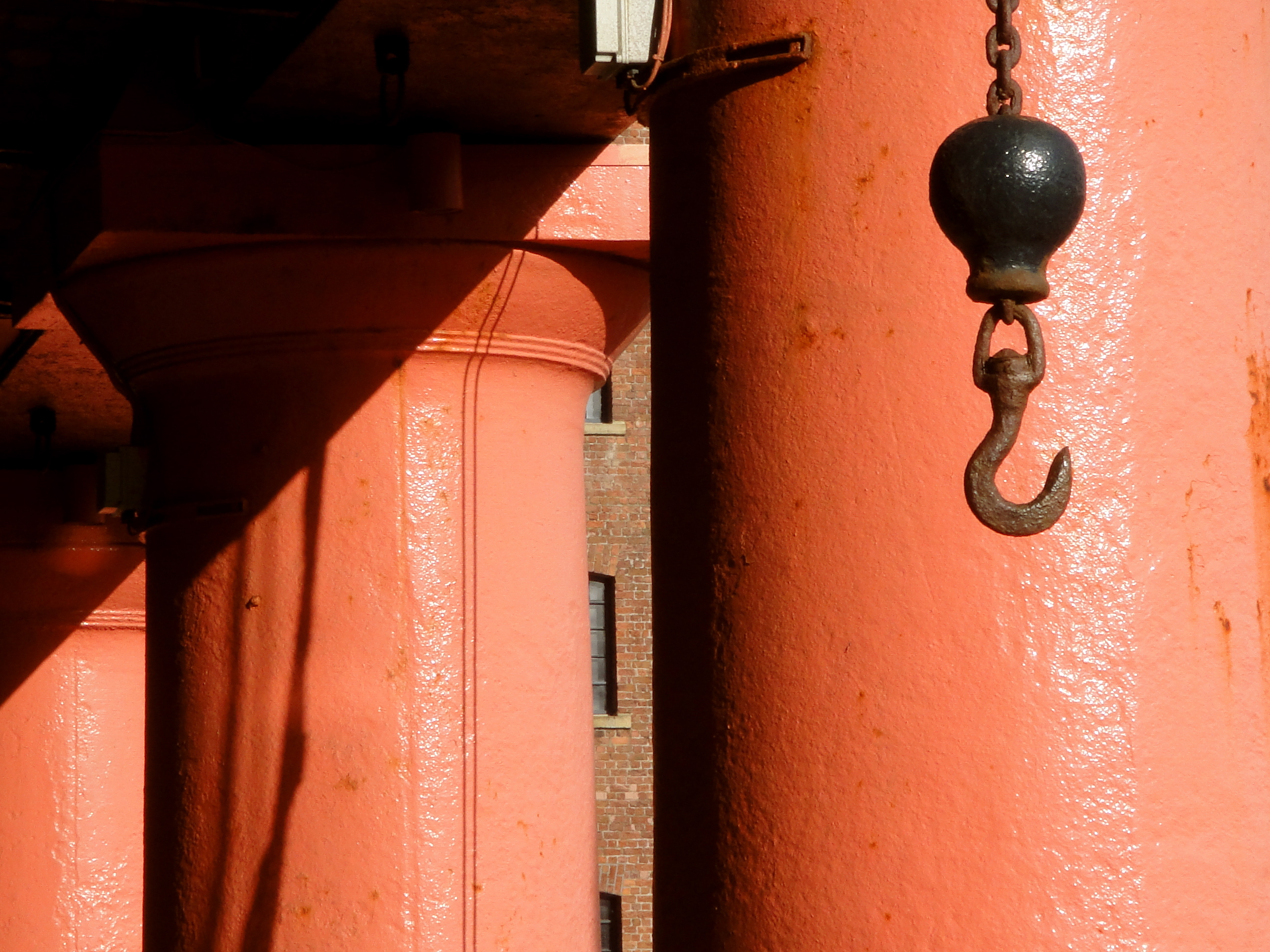
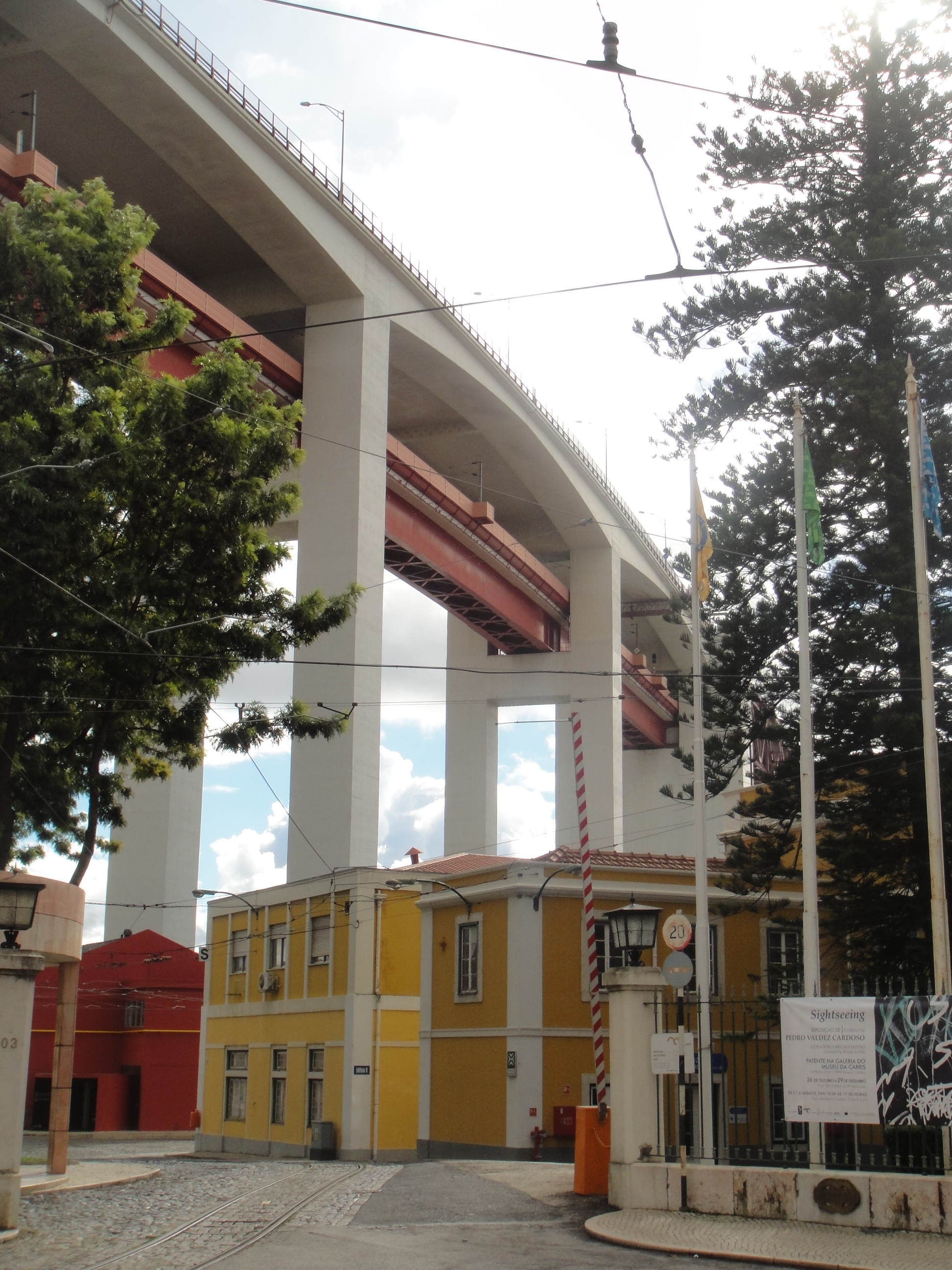
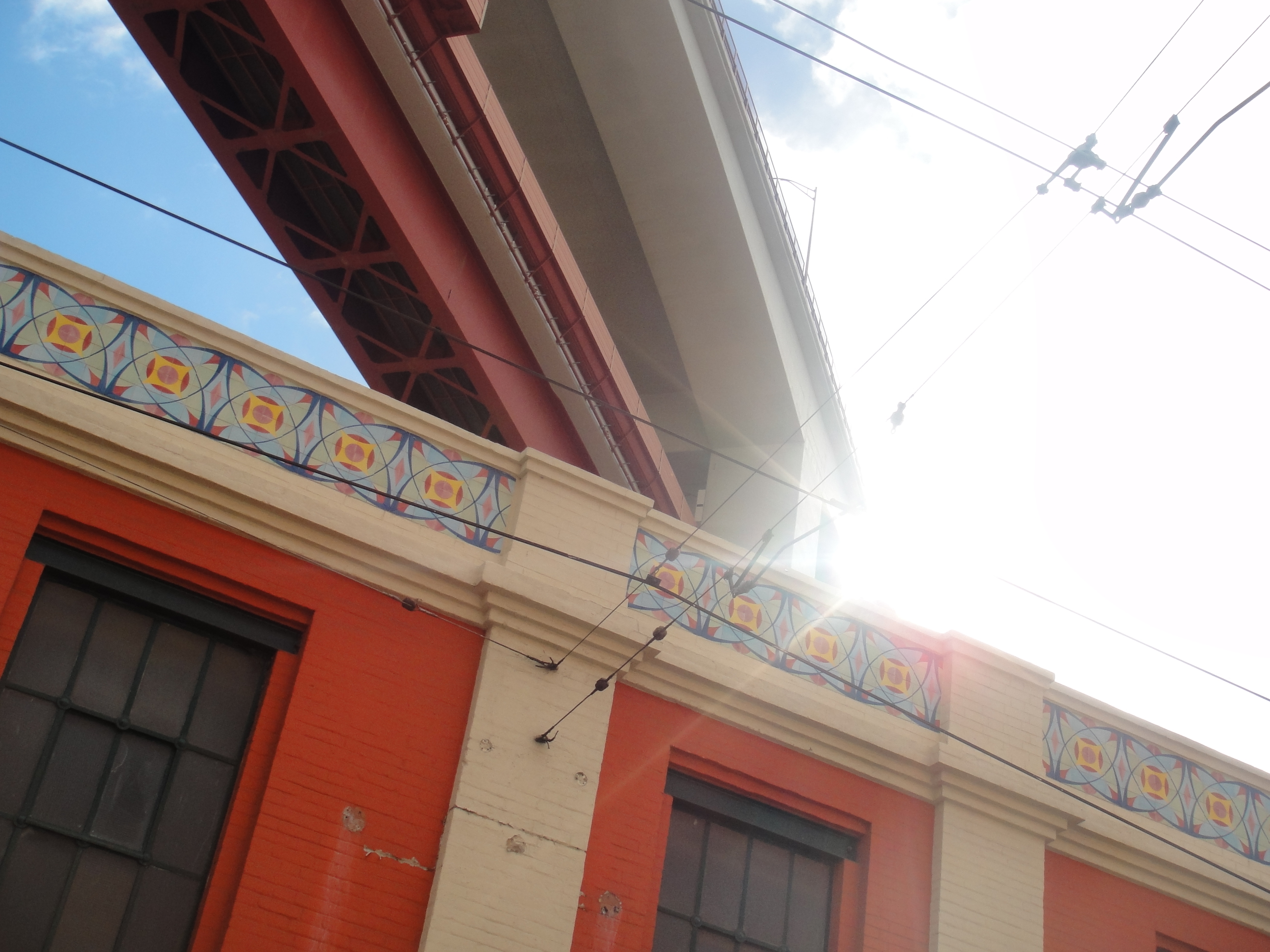
West of central Lisbon, in an area separated on the tourist map by a large swathe of un-chartered city (at least by the travel guides – presumably the neighbourhood is deemed unattractive to tourists) is the area of Belém. It’s quite a hassle to get to. You need to take a tram (or a taxi which actually, so we found, doesn’t cost all that much more) which, sadly, is not one of the rickety old pre-war types, but a modern sleeker affair (well I say sleek by way of comparison, but in fact most were covered with graffiti, their seats falling apart at the seams and the polythene sponge falling out). The tram journey we embarked upon was not altogether successful. The tram was rammed like the sardines for which Portugal is so famous, but the journey didn’t take us far. We got almost as far as the Ponte 25 de Abril before the tram stopped, without reason, and we were all unceremoniously ejected from the tram. Not knowing an alternative way to travel, and being literally shooed away by the driver of the equally packed tram behind, we set out on foot. This took us under the mightly Ponte 25 de Abril which literally towered above the streets of this Lisbon suburb. In fact it looked as though the various concrete plinths holding up the bridge were planted in people’s gardens, as the huge red metal form soared right above an entire residential district. It made for quite a paradoxical sight.
Having walked past the bridge, and with Belém still some distance away, we were lucky enough to coincide with the arrival of another, much emptier tram as it approached a bus stop. We were away. And we even got a seat, albeit no longer cushioned by the long disintegrated polythene padding that once sat upon it.

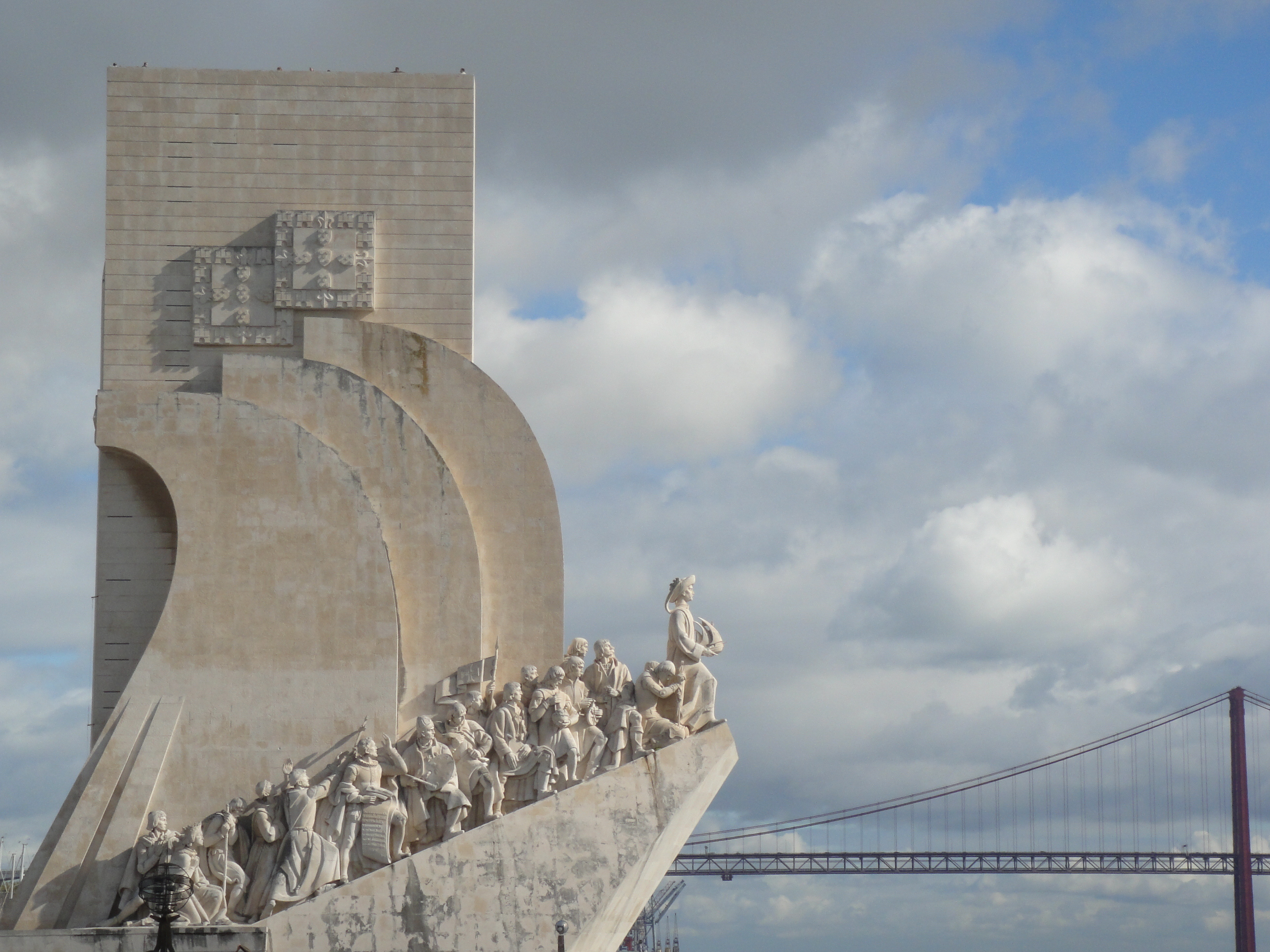
In no time we had arrived at Belém. Situated at the mouth of the River Tagus, where the river opens out into the vast Atlantic Ocean and the end of continental Europe, the region is inextricably linked with Portugal’s golden age of travel and discovery. As a result, the area has sprung up with a surprising wealth of monuments, churches and gardens despite its distance from central Lisbon, and is consequently a must of the tourist trail. Amongst those many monuments is the more contemporary and yet no less striking Monument to the Discoveries (Padrão dos Descobrimentos). Standing prominently on the Belém waterfront, the immense angular monument was built in the 1960s to mark the 500th anniversary of the death of Henry the Navigator and features likenesses of many of Portugal’s great Discoverers, including Vasco de Gama and Pedro Alvares Cabral (the discoverer of Brazil). Having been commissioned by the Salazar regime, it’s not surprising that it is quite blatantly arrogant in its prominence and unapologetic  historical propaganda, and it has something of a look of a communist monument about it. Still, there’s no denying its impact, nor the splendour of its location, overhanging the Tagus against a backdrop of the 25 de Abril bridge.
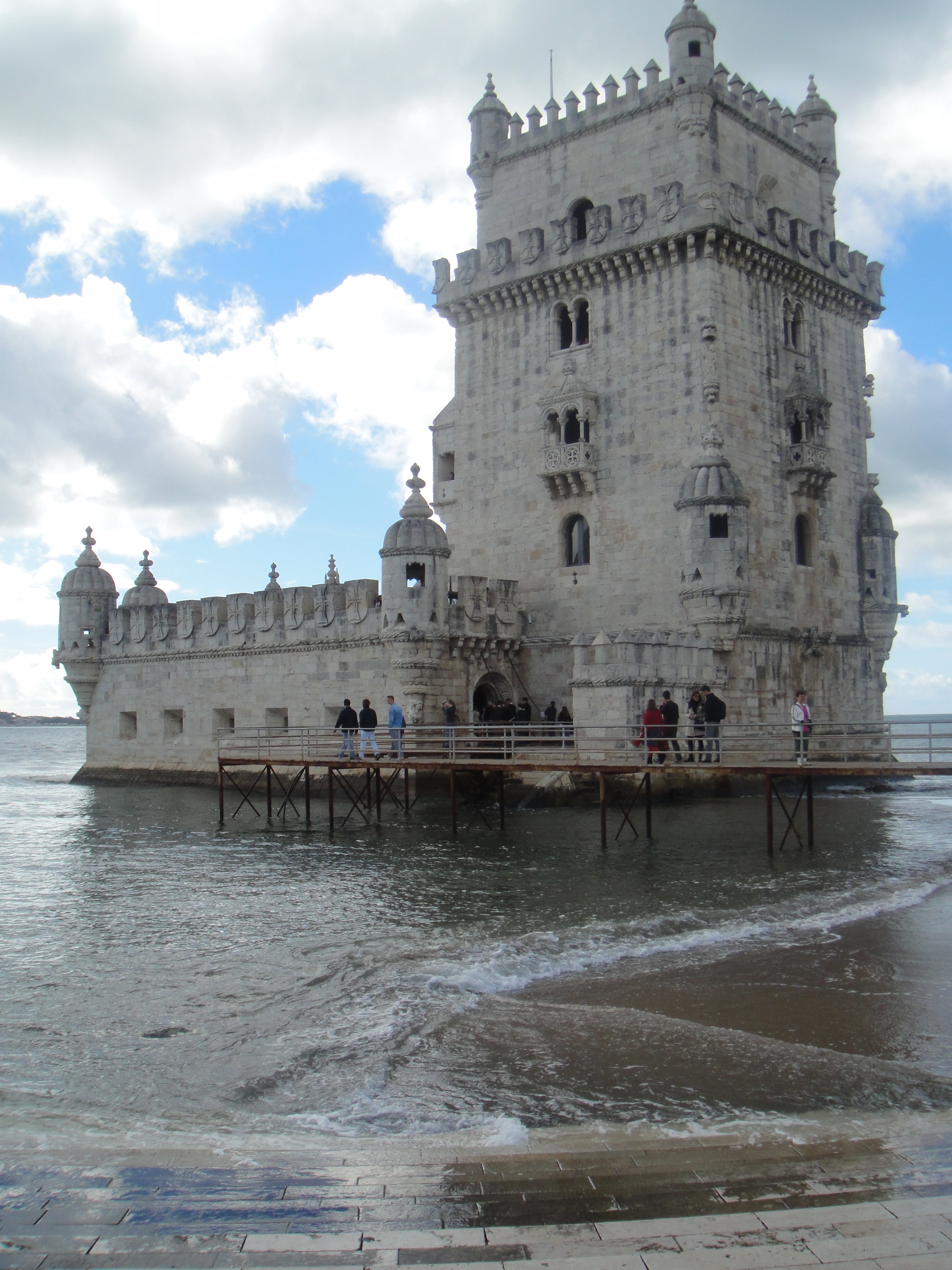
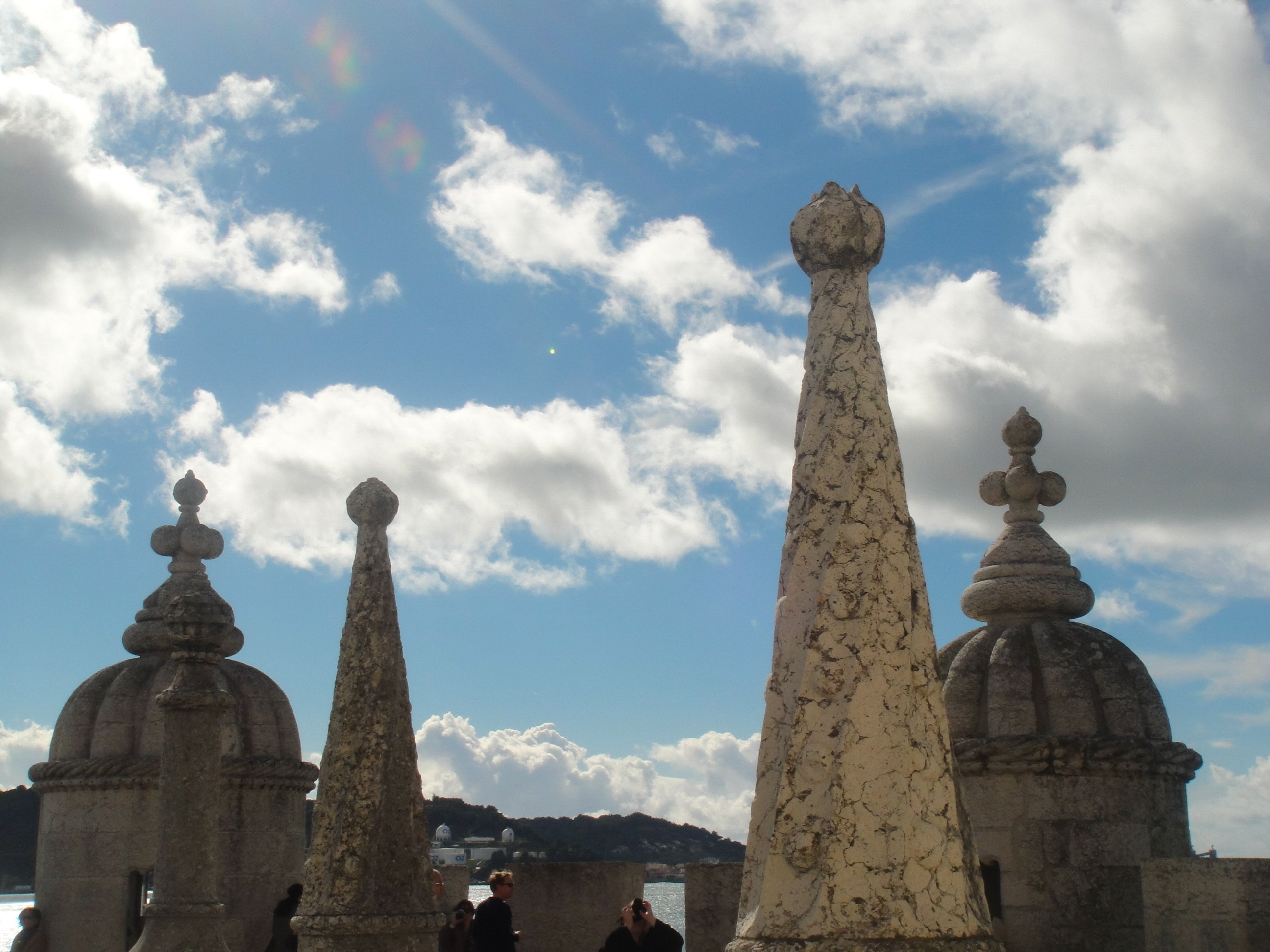
Bolstered by the good weather, and having gawped to our satisfaction at the Discoveries monument, we headed on a pleasant river-side stroll, stopping off at an Ibiza-esk all white chic waterfront bar for a requisite morning coffee and a touch of sun-inspired abandon. Next on the agenda though was the Torre de Belém, a little fortress emerging straight out of the sandy beach like a child’s sandcastle, but with all of the strength of the war machine and guardian of the city which was its design and purpose. For a fortress, the tower was surprisingly elegant in its intricate stone work and heavily adorned terrace, whose balustrades and battlements were of such varying shapes and sizes that they reminded me of the chimneyed rooftop of Gaudi’s Casa Mila in Barcelona.

Up a very steep and very narrow winding staircase, with regular stops as tourists attempted to squeeze past each other with unfortunate proximity (there was sadly no one-way system – these castles weren’t built for tourists, after all) we eventually made it to the top terrace. Ahh, up there with the sun on my face and the brisk ocean wind ruffling my hair, with a view across the Atlantic, sweeping down towards central Lisbon and the vibrant red suspension bridge beyond, I felt like the Prince of Belém, guardian of the city, King of the Castle.
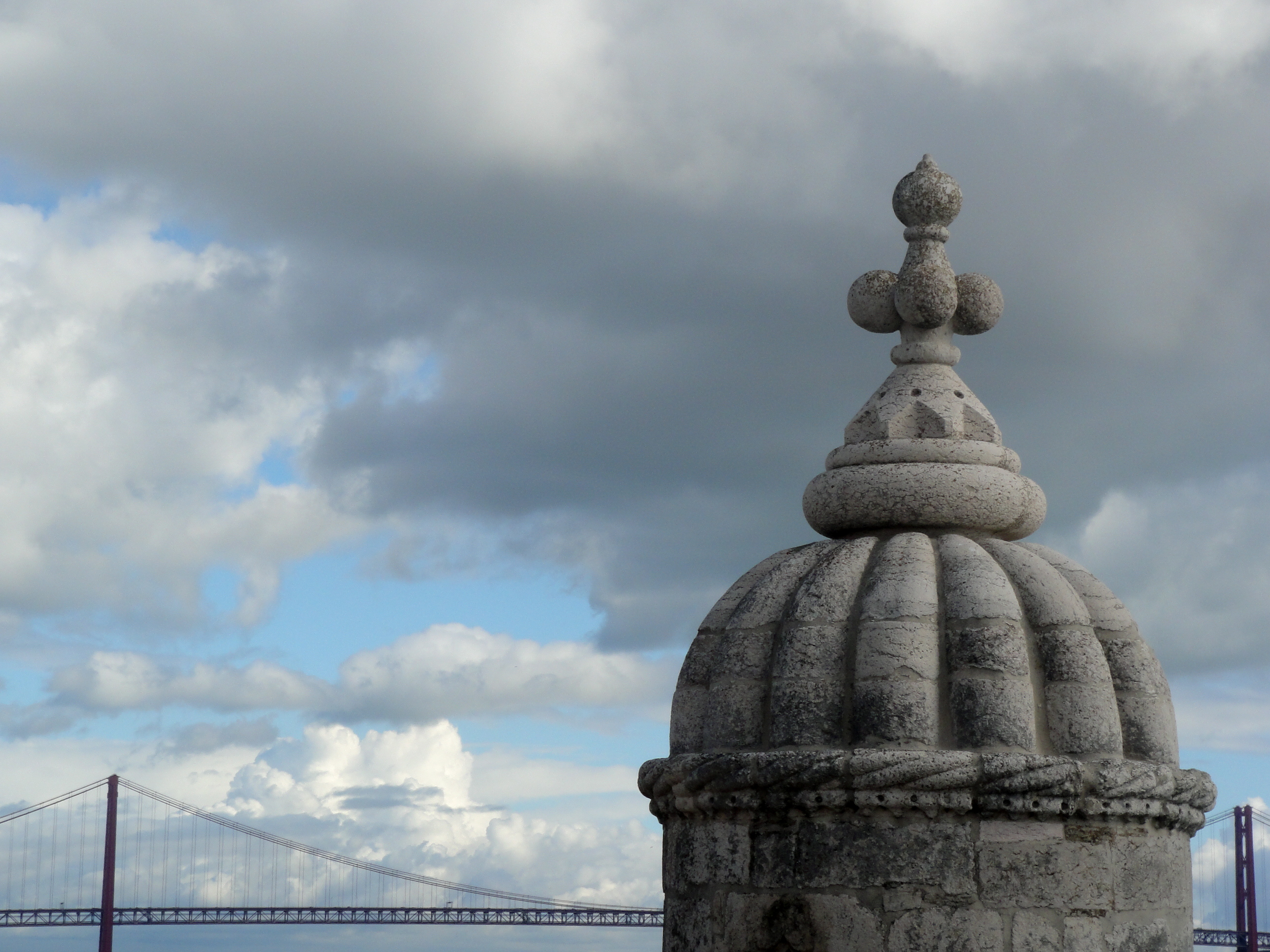
But of course all dreams must come to an end. I was, after all, being butted in the back by the large cameras of the bustle of overzealous tourists nearby, each one leaning over the battlements attempting to capture the best view of Lisbon and the Monument of Discoveries in the foreground. Time to leave, and back along the river, where a luncheon at Portugalia, a traditional affair, ensued, but with a picture perfect view of the Monument and a face full of sun. One can’t moan.

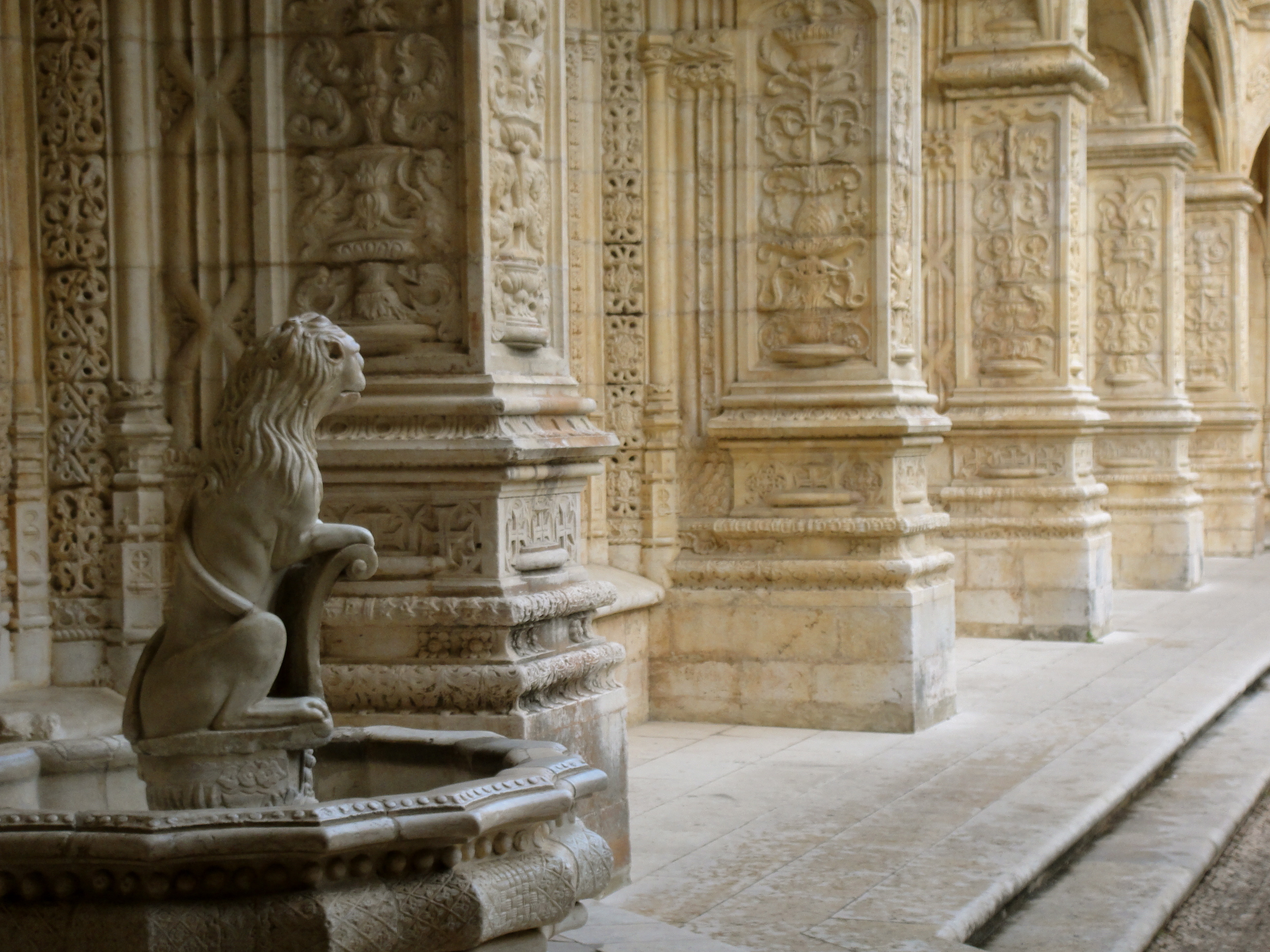
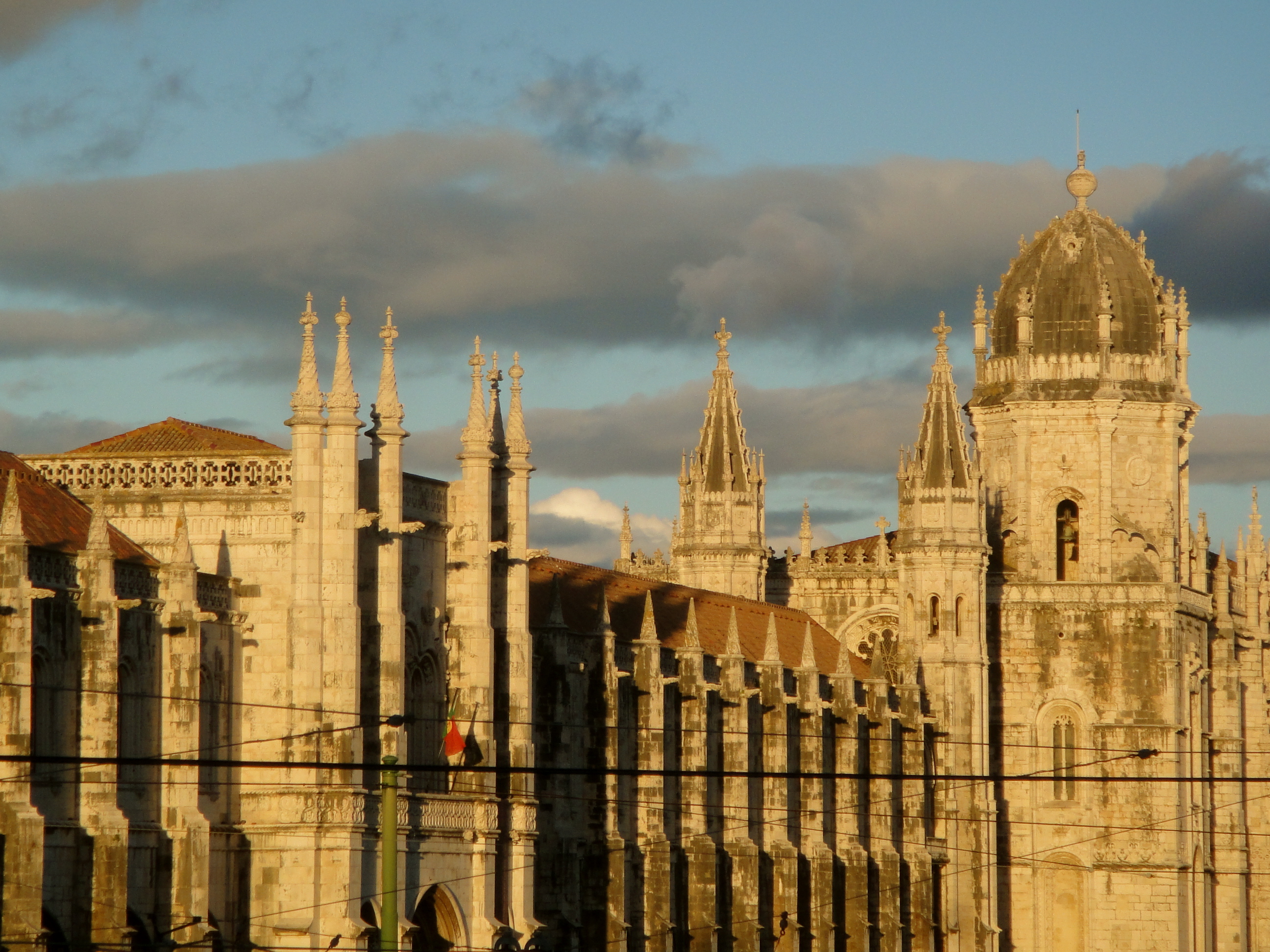
Belém is like a tourist paradise. There’s so much to see and do, and with light fading fast, we did not repose unduly. For the soaring towers and the elaborately crafted Mosterio dos Jerónimos awaited, a vast monastery complex which also benefited from the riches brought back to Portugal during the Age of Discovery, and rather appropriately hosting the burial place of one of the greatest discoverers of them all, Vasco de Gama. The Nave and the Portal of the large adjoining church were undoubtedly stunning, but my favourite area was the sun-soaked tranquility of the stone-wrought cloisters, engraved with a multitude of carved creatures and plants, geometric patterns and soaring gothic arches. Also there was the cute little lion-shaped fountain (dried up, like many of Lisbon’s water features), heraldic animal of St Jerome.

Almost ready to drop, but with one place more to go. The Museu Colecção Berardo Arte Moderna e Contemporânea is another cruicial stop on Lisbon’s art trail, an impressive collection of art from the business mogul and collector José Manuel Rodrigues Berardo which boasts some 1000 works and provides a rich compendium of a century of modern and contemporary art including Picasso, Dali, Warhol, Francis Bacon, Henry Moore, Jeff Koons and, to my great pleasure, a huge swinging mobile by Calder. The gallery could easily compete with the almost unconquerable Tate Modern, not least because in guiding visitors through a chronologically curated ordering of modern art, it presented all visitors with a visually interactive education of the multifaceted changes which rocked the world of contemporary aesthetics.

Henry Moore

The Museum of Modern Art
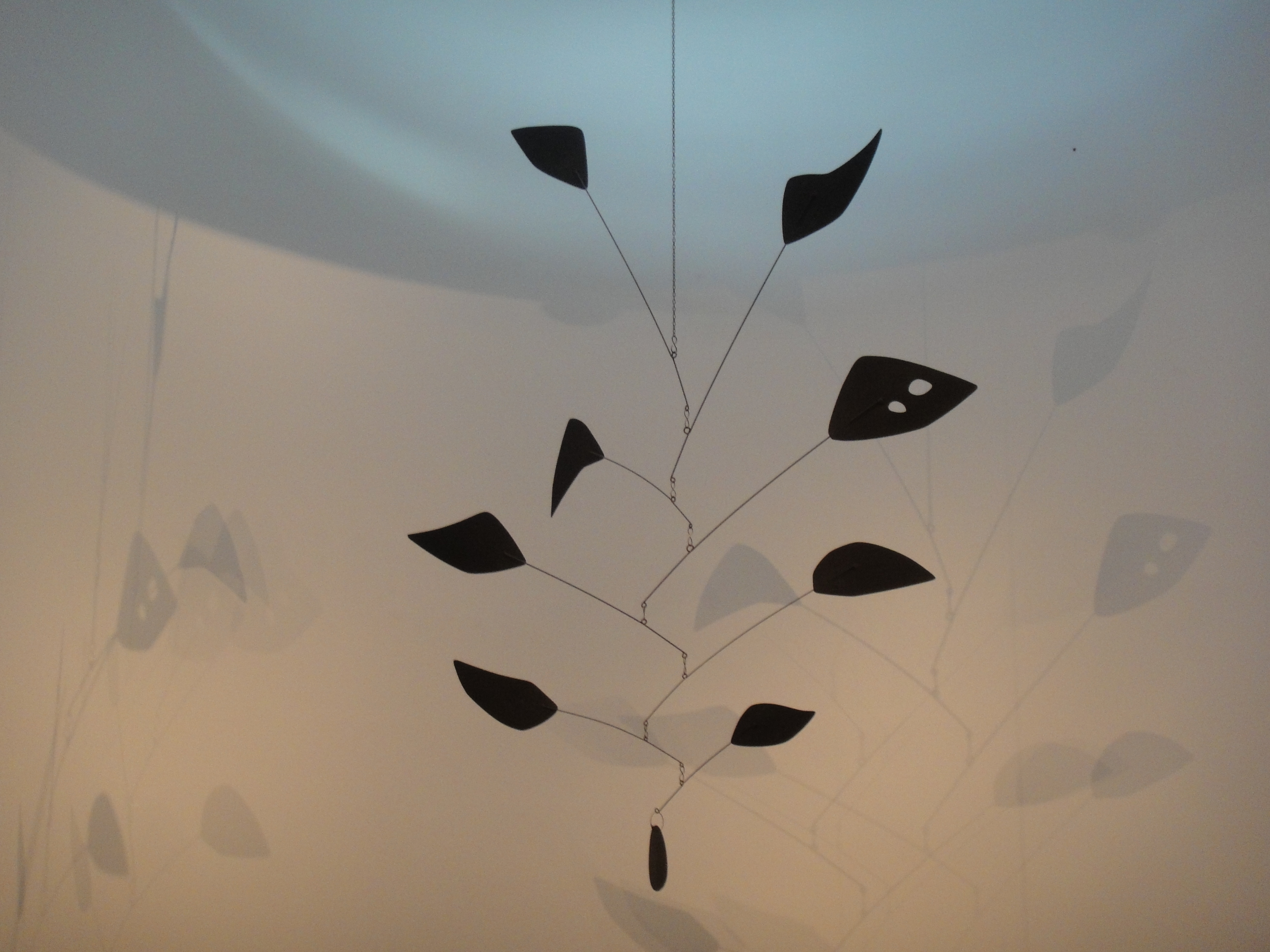
Calder Mobile

Quite exhausted, we were in no mood for the tram. Leaving a sunset-softened Monument of Discoveries behind us, we rushed off along the riverfront in a taxi which cost us only 20 centimos more than the tram, and refreshed by the comparative convenience of the journey were much buoyed to find opposite our hotel a bar of utterly indulgent romantic boudoir-resembling beauty. Draped with lavish scarlet damask wallpaper, and crammed full with gilt-framed mirrors, chandeliers and art nouveau lighting of every size and variety, statuettes, an amplitude of armchairs, flickering candles and all species of paraphernalia straight out of the Versailles court,  this bar (appropriate called the Pensão Amorlooked more like a Moulin Rouge brothel, but was so excessively indulgent that as I sat there drinking tea, and then (inevitably) port, I began to redesign my entire hallway in my head to emulate it.
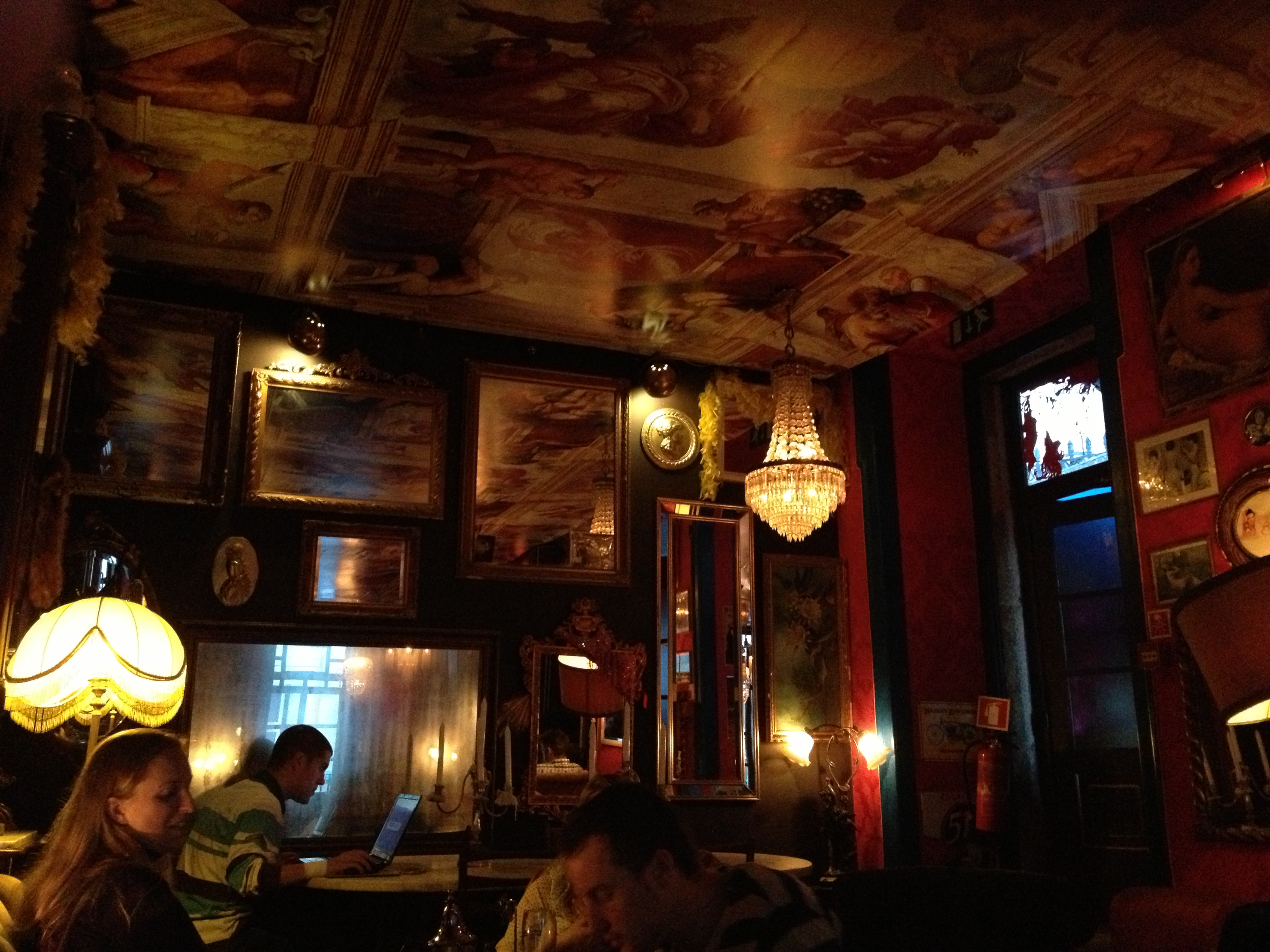
The lavish darkness of the Love Pensão

Can things get any better than this? Well they did at dinner – a feast fit for the Prince of Belém himself, in the restaurant of celebrity chef Henrique Sa Pessoa – AlmaBut let me lavish praise no further – that exquisite dinner needs a post all of its own. Until then… Let Lisbon sleep, and our feet recover in time for Day 4 of our own age of discoveries.

Photographs and content © Nicholas de Lacy-Brown and The Daily Norm, 2001-2012. Unauthorized use and/or duplication of the material, whether written work, photography or artwork, included within The Daily Norm without express and written permission from The Daily Norm’s author and/or owner is strictly prohibited. Excerpts and links may be used, provided that full and clear credit is given to Nicholas de Lacy-Brown and The Daily Norm with appropriate and specific direction to the original content.

Lisbon – Day One: Decadence and Decay

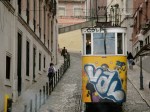
The time had come to escape the freezing London cold; the dark afternoons and the desolate faces; the post-winter desperation of the human races; coughing and sneezing spread between packed commuters on the tube; time to head south for the sun, for warmth, for good food. Swapping London for that other great European ‘L’, we abandoned the swift descent into winter and gathering approach to Christmas. We have come to the land of rich tawny-deep port wine, the ceramic cockerel and the vibrant yellow tram; where life is a little slower and architecture decadent and tired. We’ve come to Lisbon, the rolling, rambling hilly maze of streets which adjoins the grand Tagus river and sits at the heart and soul of Portugal as its capital.

As a regular to the Spanish side of the Iberian peninsular, there is something familiar about Portugal, which I now visit for the first time, but also something tangibly different. Wafts of garlic, of almonds and the thick smoke of strong cigarettes fills the air as it does in neighbouring Spain. However here there is something altogether more hardened, more real; you look into the faces of the Portuguese and you can read a thousand tales, of toil and struggle, of monotony and difficulty; you feast upon the pungent flavours of the food, noting the strong, crudity of the elements, the untempered brilliance of the colours, and the sharp contrasts of the flavours. In Lisbon, the Portuguese do not so much fiesta by night – rather, walking the streets of Lisbon at night, as we did shortly upon our arrival, we felt there was something close to menace in the air – something unsettling and almost unforgiving or discordant echoing off the cracked decaying buildings and shady streets.

Lisbon’s streets are littered with photographic inspiration…

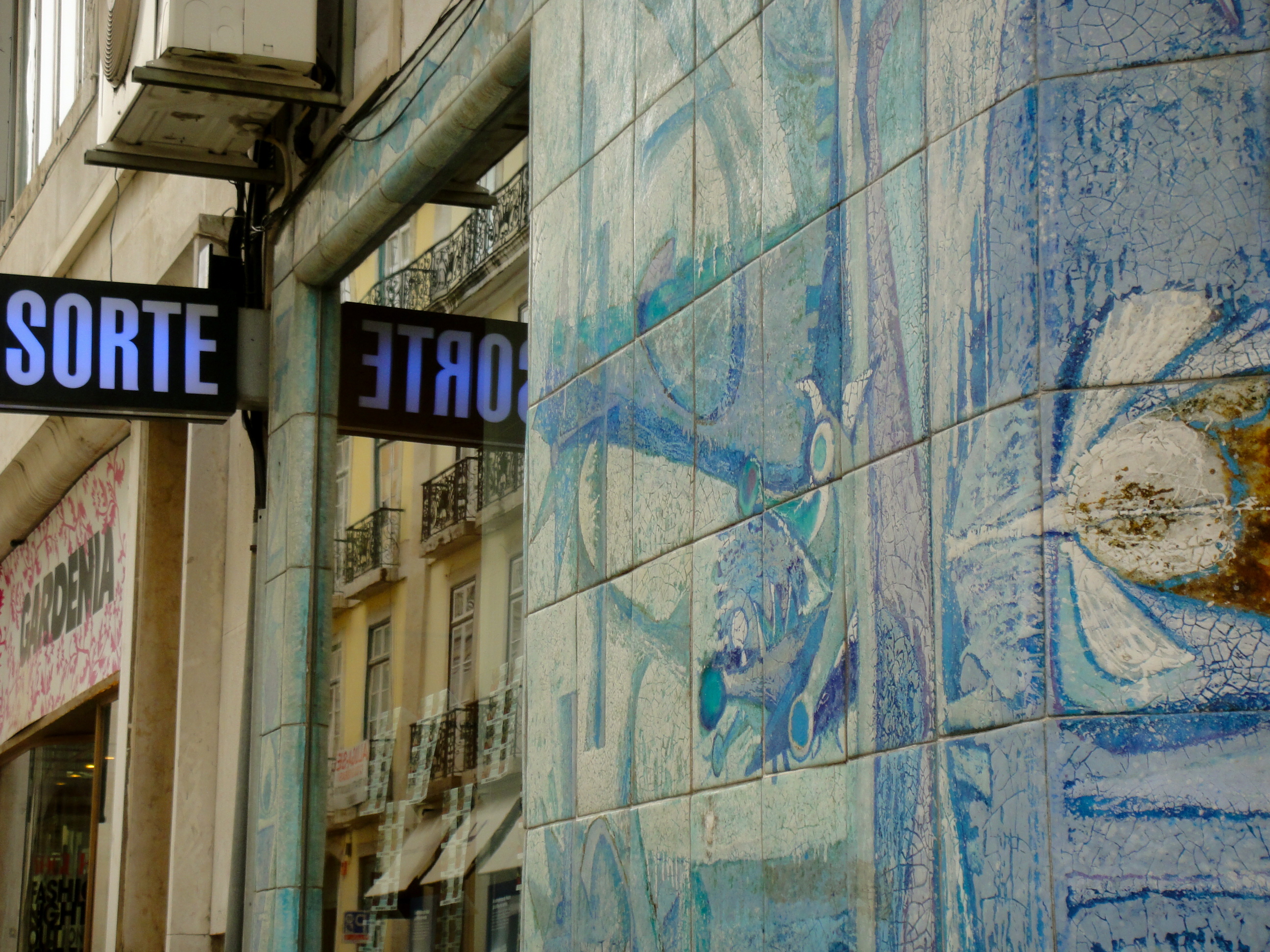
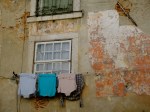
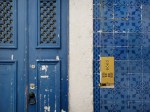
I could not help but notice on our arrival a resilient attitude and a robust confidence, as though the country, which stands on the edge of Europe has hardened itself to the battering forces of the Atlantic ocean spread all along its Western coast. Portugal’s struggles are not just geographical however. The well-known financial woes of the country are tangible all around its capital. We were immediately struck by the huge number of empty properties right in the centre of town. Huge decadent palaces, abandoned to disrepair; once gloriously colourful tiles chipped at the corners or missing great sequences; elegant iron balconies left to rust, and plaster, paint and concrete cracking and falling apart; many of the buildings are covered with graffiti, and some have been left to the elements to such an extent that grasses and moses have started growing over the walls and in between great cracks growing deeper every day.

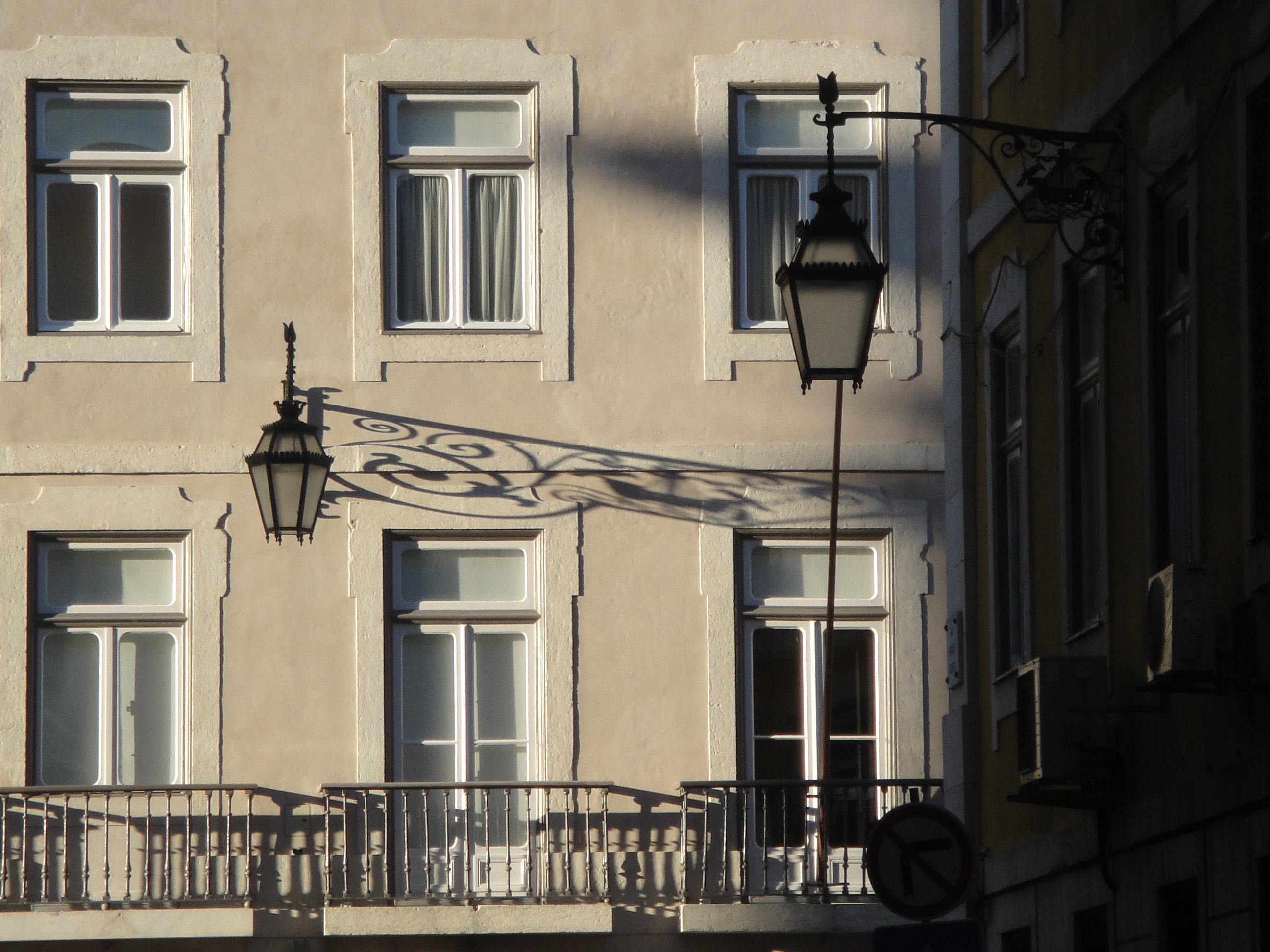
This is the Lisbon of today, a city of fading grandeur, whose geographical location and undulating topography provides a breathtaking backdrop to a European city which was once, clearly, a city of exceptional elegance and architectural glamour, but which in time has been left to slowly deteriorate and wither, a once pert fresh rose left to stagnate in the brown waters of a once crystal clear vase. But for all this, Lisbon has lost very little of its beauty. In its fading glory, it is a withering beauty, a tired duchess whose wrinkles grow deeper everyday, but whose innate elegance is lost on no one. The bigger the cracks, the more excited I became – for my camera, this decay is like a gold mine of sparkling inspiration, and Lisbon lets set to provide plenty of that.

Lisbon’s glamour is not all faded…

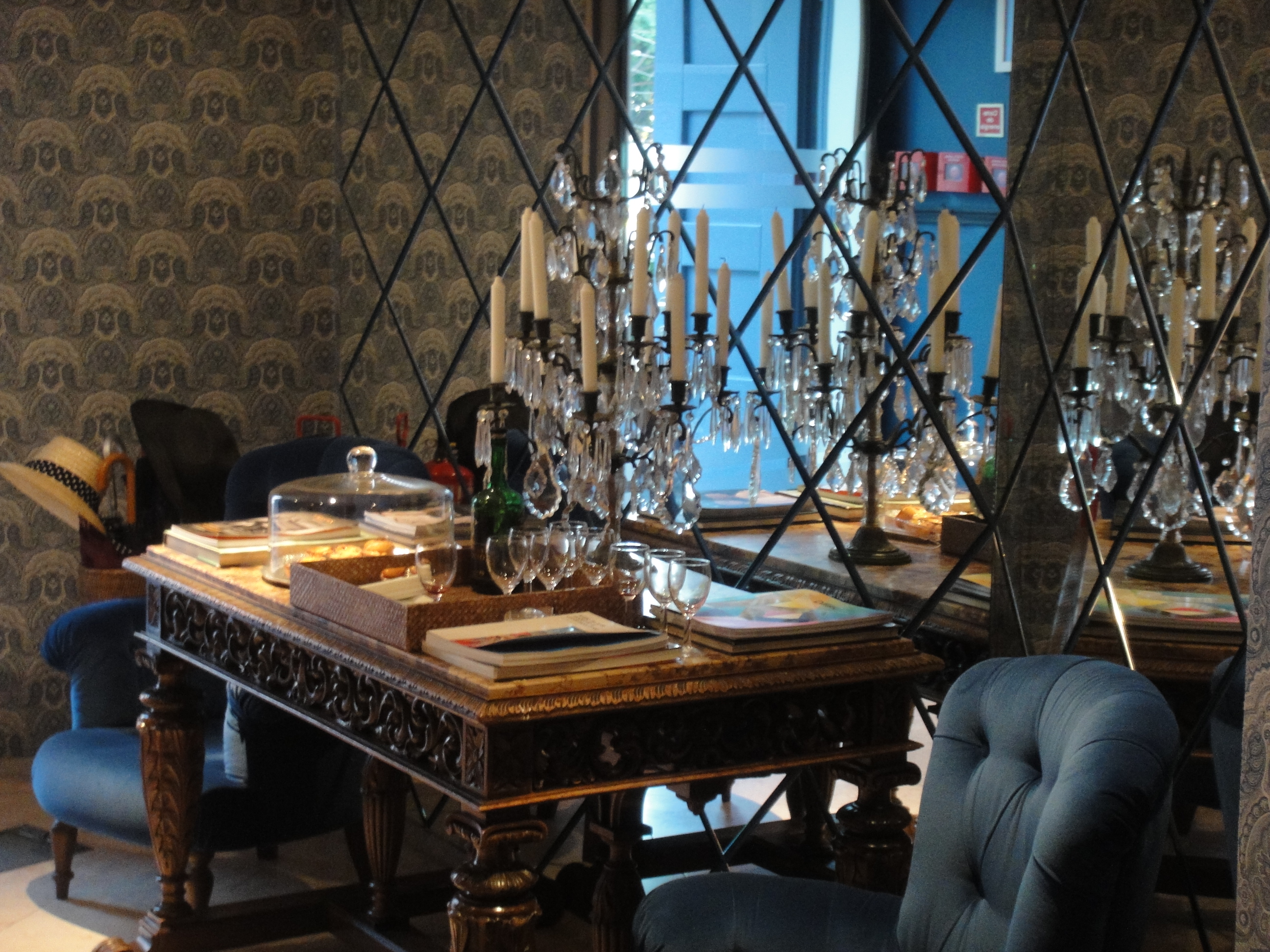
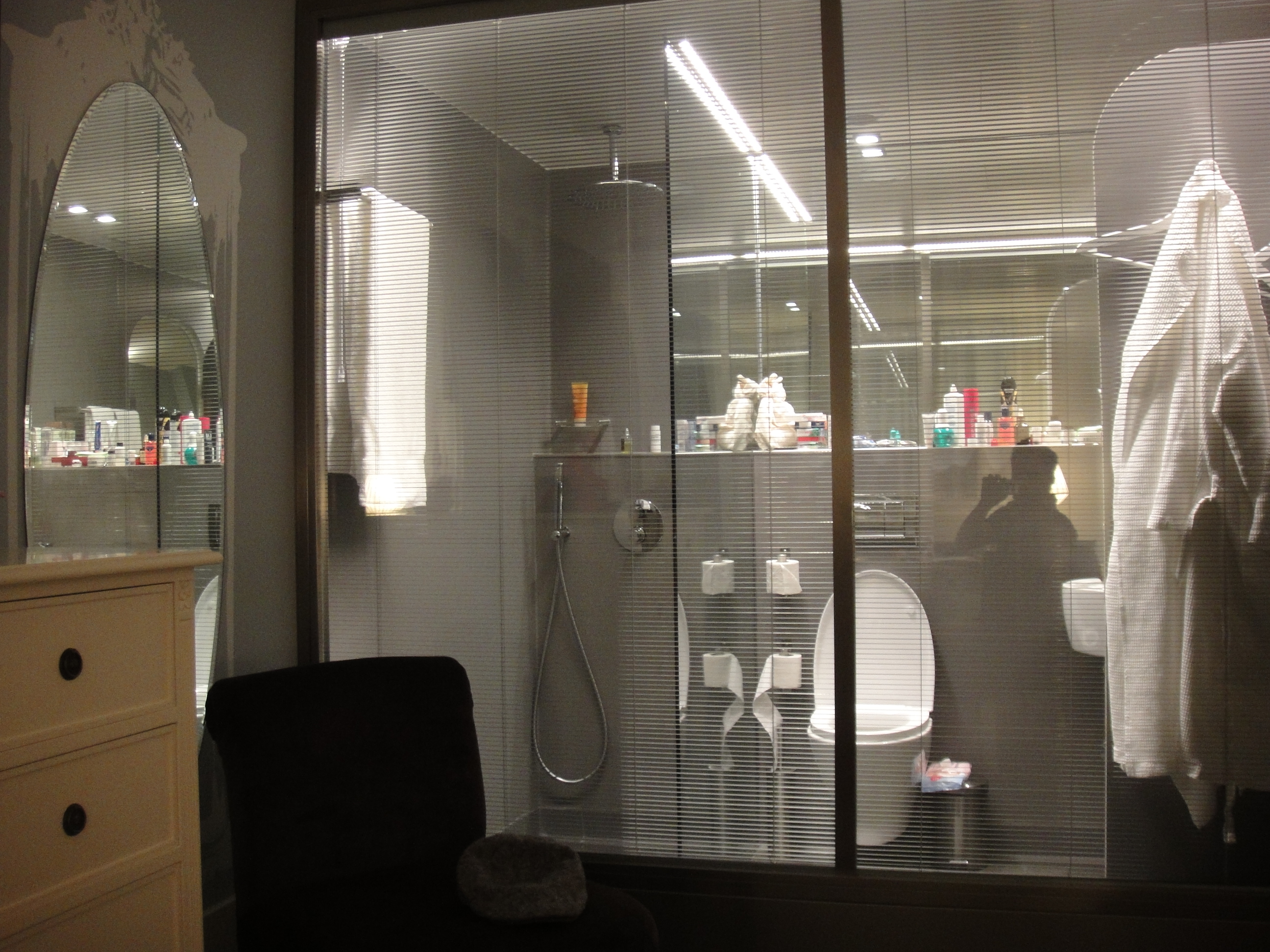
But for all the sadness, the financial misfortunes and the architectural deterioration, Lisbon is a city with a strong undercurrent of creativity and panache. We found this immediately in the guise of our hotel – the Lx Boutique Hotel, which exudes boutique sophistication from each of its photograph-covered, wallpaper lined walls. Our bedroom, with views over the Tagus, oozes Parisian chic, with oversized frames, velvet armchairs and wall stickers emulating contemporary baroque. Meanwhile our bathroom is a glass prism, stood, self-contained to one side of the room, complete with handy blinds set within the glass for the purposes of a little privacy. Meanwhile, conveniently located adjacent to the hotel is the Restaurante Confraria Lx where we headed for sushi and where, feasting upon a plate of some 34 sushi pieces, we ate sashimi  so fresh that the fish almost melted away on our tongues and evaporated like a cloud.

The Lx Boutique Hotel

Our bathroom cube

The hotel’s reception

Day One in Lisbon is over, but already we have discovered the best of two worlds – decadence combined with contemporary style. Looks like Lisbon has vintage chic done to a tee.

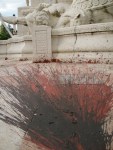
More tomorrow! But in the meantime, here are my photos of the deterioration visible on many of Lisbon’s streets, from graffitied walls and filled in windows of empty houses, to marble monuments left to turn a slimy shade of green – yet through it all there is beauty and character – the great contradiction of decadence and decay.

Photographs and content © Nicholas de Lacy-Brown and The Daily Norm, 2001-2012. Unauthorized use and/or duplication of the material, whether written work, photography or artwork, included within The Daily Norm without express and written permission from The Daily Norm’s author and/or owner is strictly prohibited. Excerpts and links may be used, provided that full and clear credit is given to Nicholas de Lacy-Brown and The Daily Norm with appropriate and specific direction to the original content.

York’s Stained Glass Sensation

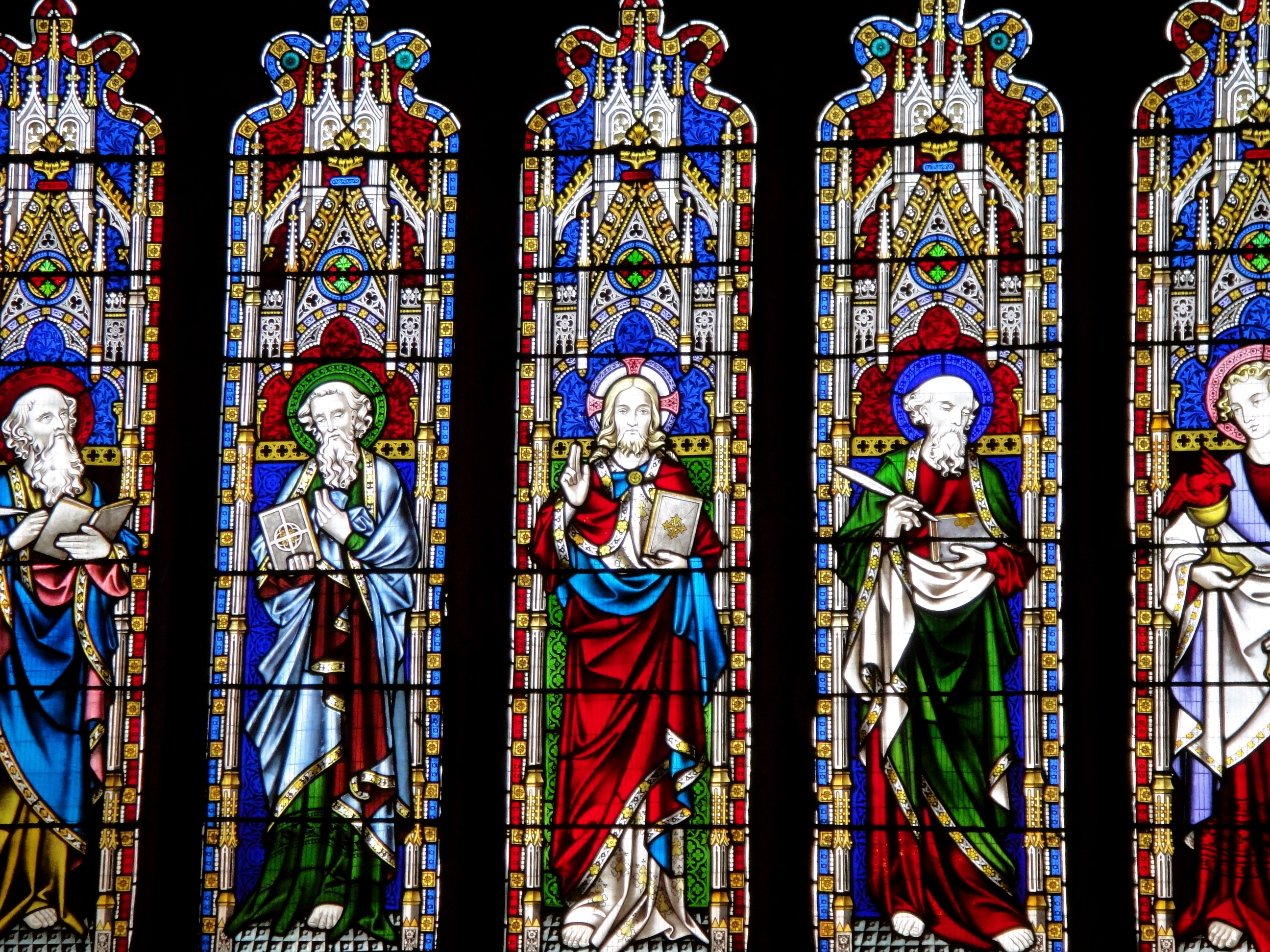
My love affair with Yorkshire stained glass started in St Helen and the Holy Cross in the little Yorkshire town of Sheriff Hutton. I was attending the wedding of my dear friend Celia and her husband to be, Tarquin. Asides from being dazzled by the highly unsurprising beauty of the bride, and the elegance of a church bursting with autumnal flowers, berries and warming candles, I was mesmerised by the occasional burst of multi-colour flooding into the little stone church through its wonderfully intricate stained glass windows. Depicting biblical tales with exquisite attention to detail, I stared in wonderment at this unexpected artistic gem set within the ancient walls of very small local church.

The Sheriff Hutton windows

But this was only the start. The following day, drunk on the exuberance of the blissful wedding celebrations of the previous day, I stumbled into the cobbled idyllic streets of York’s medieval centre. The town is a chocolate-box paradise of Dickensian British charm – there were little teddybear shops in creaky crooked houses, oak-framed windows glittering with Halloween and Christmas paraphernalia, and the world famous Betty’s tearoom, with its delightfully old fashioned shop downstairs, manned by two perfectly polite, tie-wearing shop assistants, straight out of Victoriana. But wherever you go in this picturesque little town, the imposing gothic structure of the immense York Minster is never far away.

Having had our fill of Betty’s tea room, and of course a requisite Yorkshire pudding, we headed straight for the Minster. The Minster is an impressively sized and decorated Cathedral, and one of the largest of its kind in Europe. It is in  fact the second largest Gothic cathedral in Northern Europe, with its present architecture dating back from 1230. Unsurprisingly, the cathedral is rich in its gothic decorations, its medieval carvings of creatures and kings, its shrines and chapel, its intricate choir stalls and equally sumptuous organ pipes. But above all things the Minster is famous for its exquisite stained glass, and of those there are many.

Upon entering the Minster, we initially gawped at the entrance fee – £9, not including a tour of the tower, although owing to the gloom which had descended upon the city, we thought it was probably safe to give that a miss. Having bought our tickets, and swallowed the cost, we began to understand why the admission price was so high. Not only is the cathedral brilliantly preserved, with interactive displays for the visitor and a host of curiosities and architectural splendor to view, the Minster is undergoing a major renovation of those very same windows for which it is so famed.

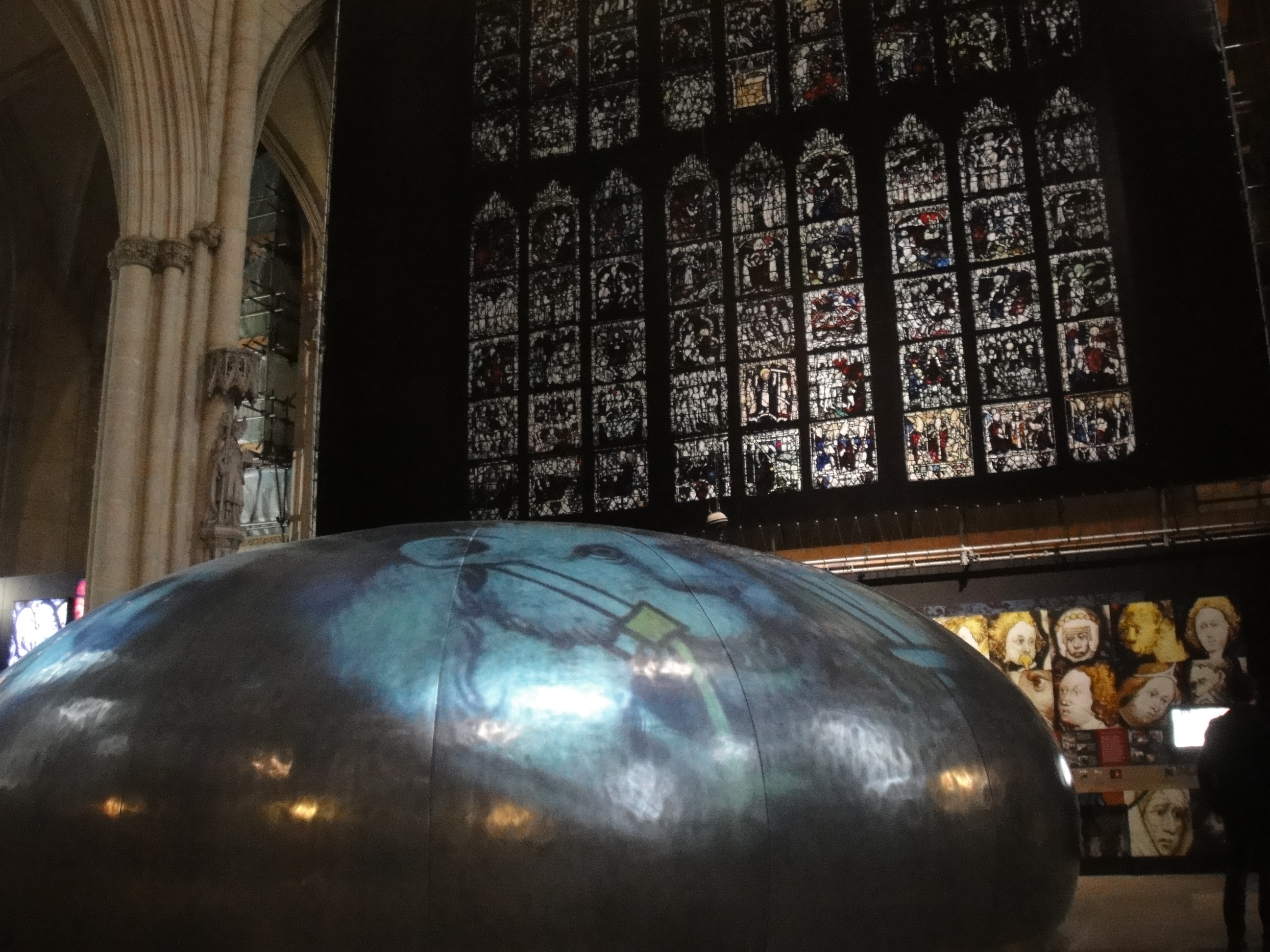
The “orb”

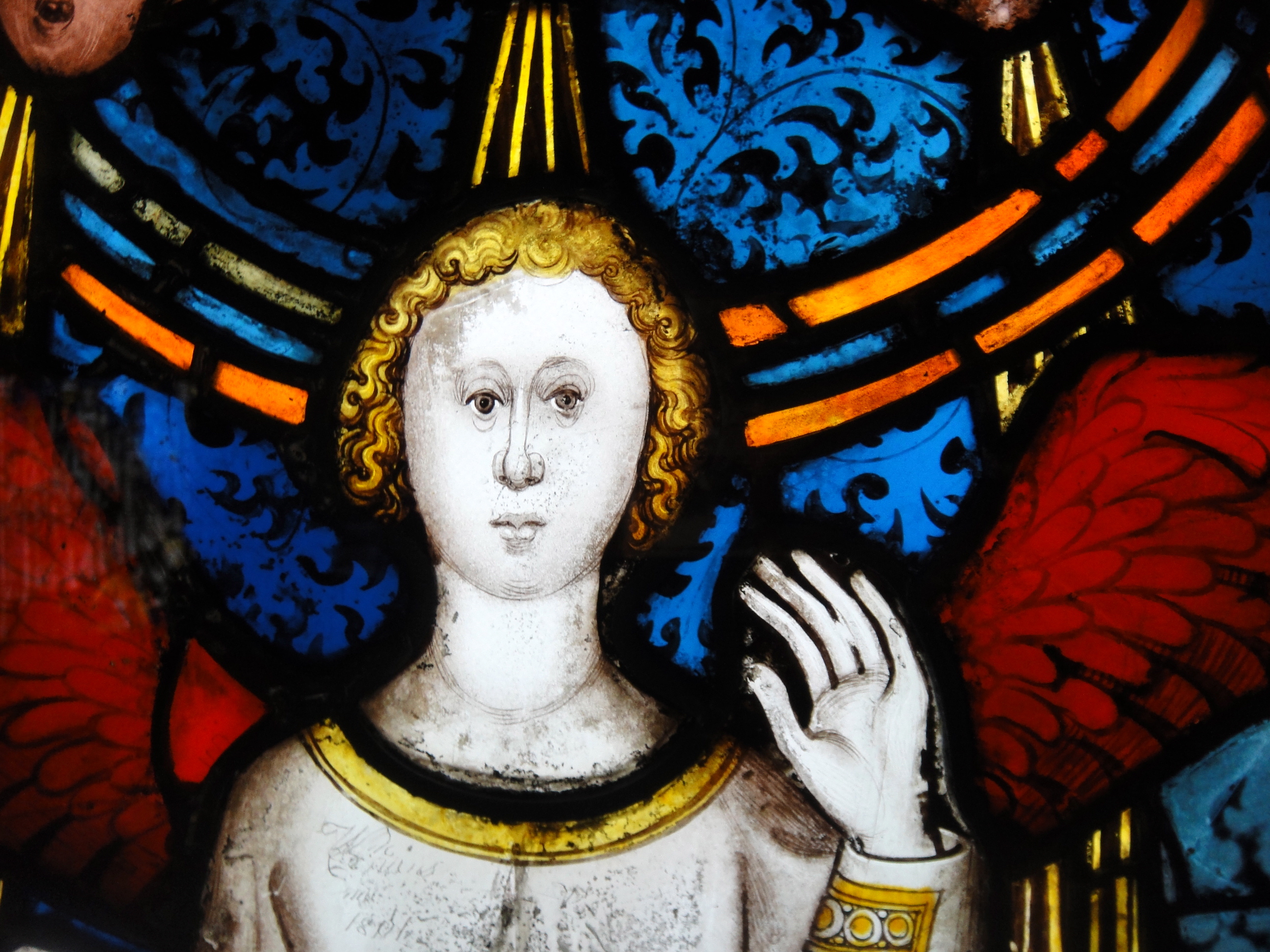
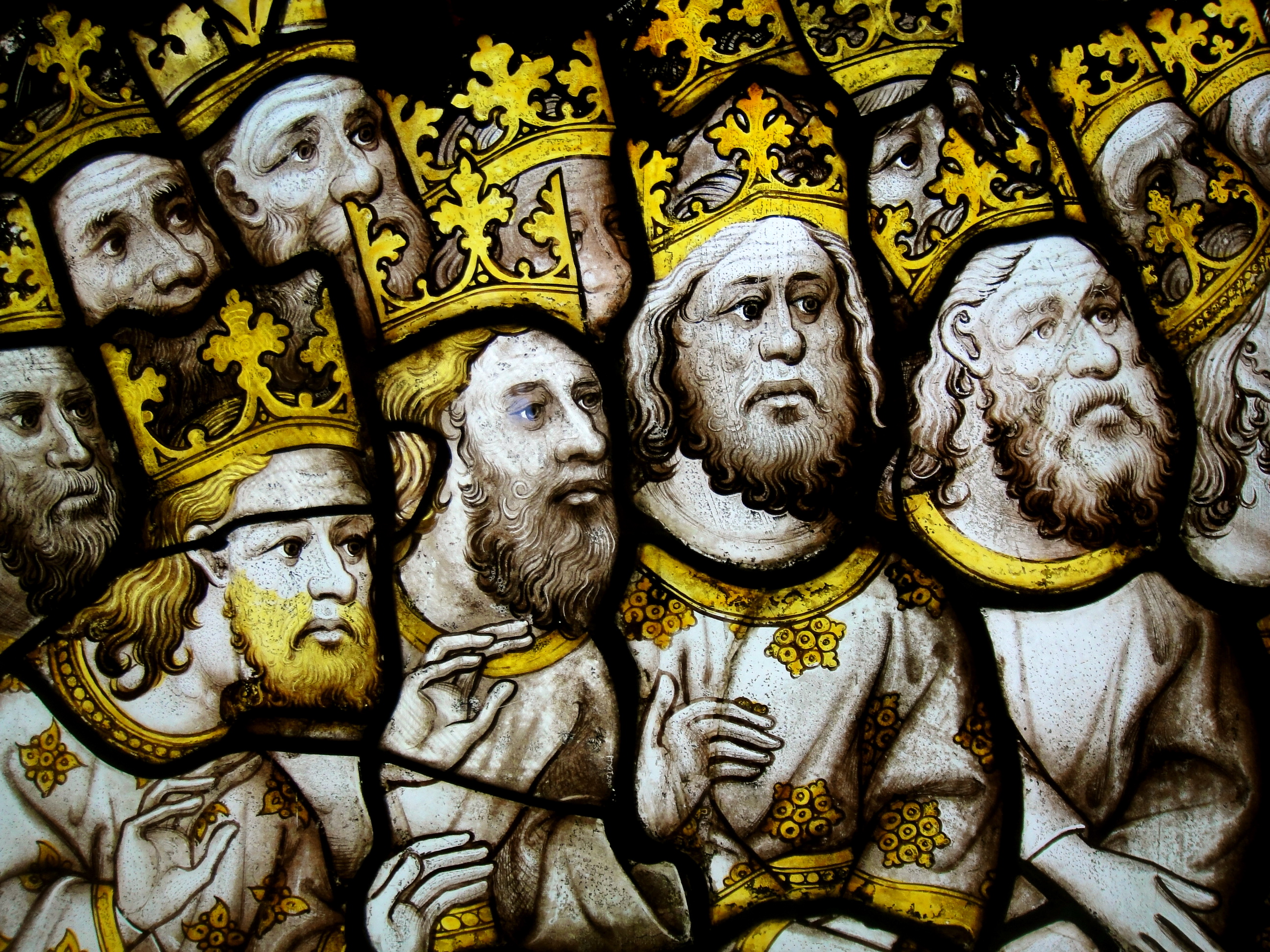
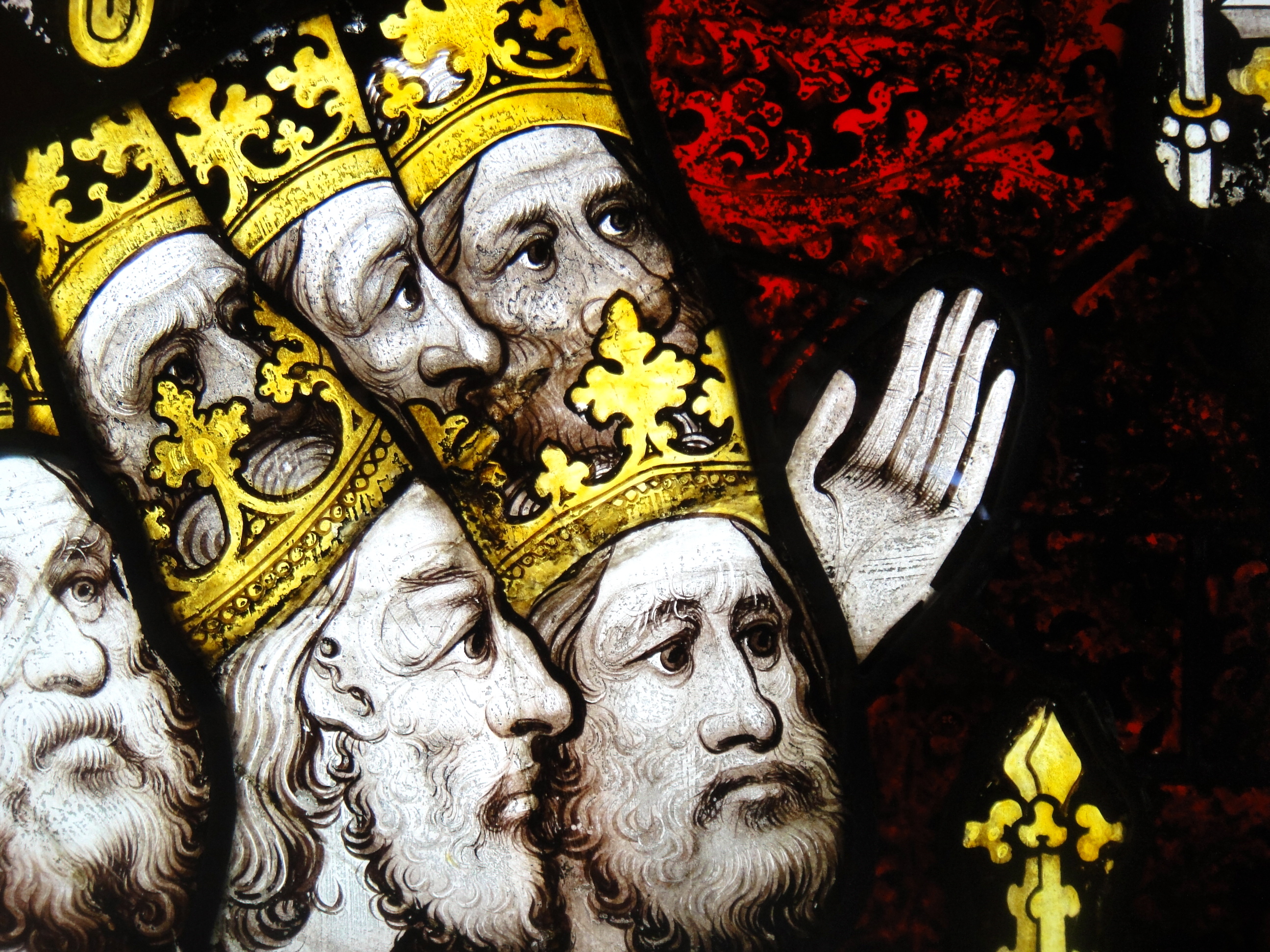
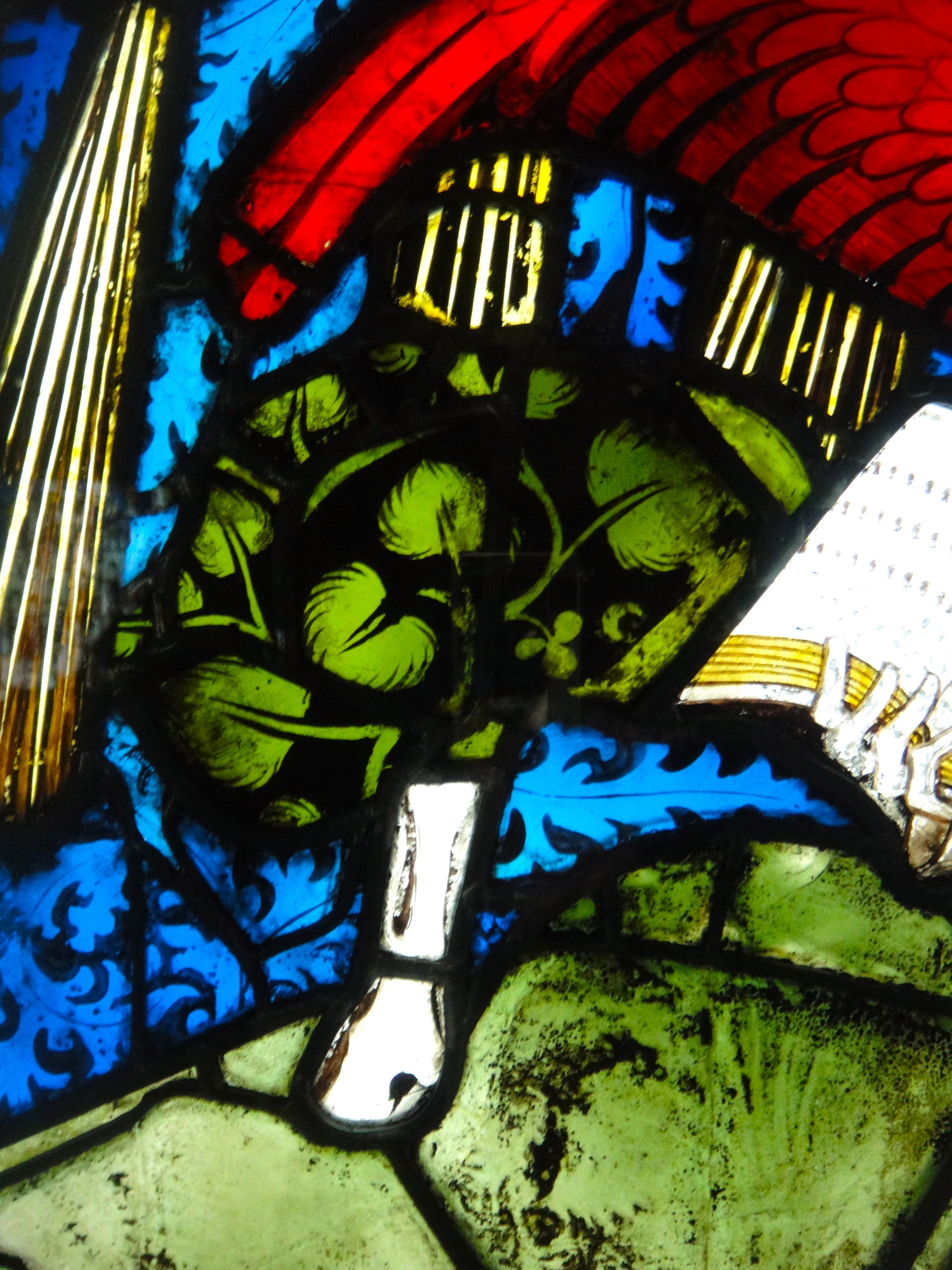
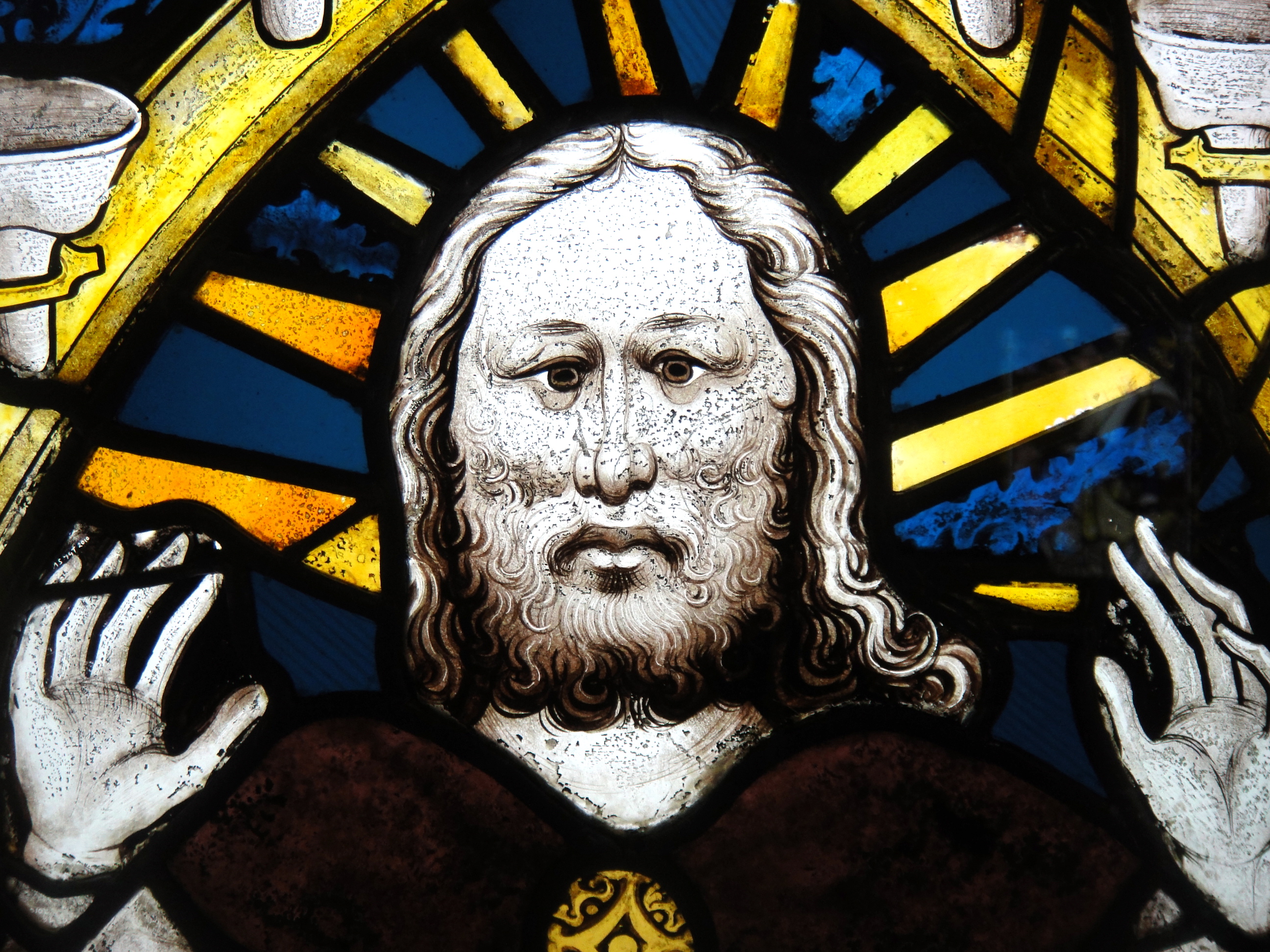
The windows, which are the largest examples of surviving medieval stained glass windows in the world, are a spectacular display of medieval craftsmanship. Some 2 million individually painted pieces of glass make up the cathedral’s 128 stained glass windows which need constant renovation and cleaning in order to preserve the masterpieces for future generations. However, so often it is impossible to fully appreciate the true intricate beauty of a window on this scale, from the ground. On our visit however, we were in luck. Of all the windows, the most stunning is the Great East Window, the likes of which was undergoing renovation when we visited. Usually this would be cause for complaint, but not so on our visit – rather, having opened a new “orb” to display freshly renovated panels from the great window, we were afforded the invaluable opportunity to study the intricacies of the windows, lit from behind, in all their detailed beauty.

The results can be seen from these photos I took inside the orb. It’s hard to believe that these intrinsically contemporary images stem from the medieval period, with their gorgeous details such as leafy damask backgrounds, radiant angelic faces, and the use of vibrant coloured glass which, when cleaned, gleams to stunning effect. I was so overawed by the beauty of these windows that I felt compelled to devote an entire post to their glory – how sad that the entire window cannot always be so admired in its details. But without a stairwell allowing visitors to reach the top of the window and the various levels in between, there will inevitably be beautiful panels such as these which will forever be confined to the sky-like heights of the cathedral, viewed in detail only by those charged with the window’s renovation. How fantastic then was this opportunity to see a few of those panels up close. Suddenly that £9 entrance fee seemed excellent value.

The orb will remain at York Minster until 2015. The restoration of the Great East Window is expected to be completed by the summer of 2016.

Architectural Innovation in Liverpool

Coming as I do from the South Coast of England, my move to London 10 years ago seemed like quite a long way north to go. And living as I do in South London, I find any journey further north in the city than Bloomsbury to be a slight disorientating prospect. The idea therefore of going to Northern England, as I did last weekend, let alone finding a wealth of cultural and artistic gems up there was simply never conceivable. Which just goes to show how wrong I was.

Too often the rest of the UK is left in the very long shadow left by London’s worldwide glory. When tourists come to England, they head to London, and maybe Brighton if you’re lucky – they probably don’t even know the names of many of our other major cities. Having said this, the city of Liverpool has always been one step ahead. Not only was it a major shipbuilder of the past, putting its name to ships as famous as the Titanic, but it was also birthplace of the Beatles, the foursome who were inextricably linked with their hometown throughout their careers.

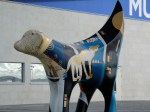
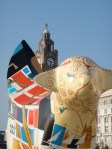
But today, Liverpool has gone so much further than being just the birthplace of the Beatles, and the name painted on the fated Titanic, and has proved itself to be a self-standing centre of artistic excellence, ready to shine in its own right. In fact, Liverpool is already being recognised as the UK’s new cultural capital: In 2008 it was the European Capital of Culture, and there can be little surprise why the city was chosen above the likes of London – it is literally bursting at the seams with culture, offering a cornucopia of superb art works hanging in the Walker Gallery including Pre-Raphaelite favourites and works by the likes of Hockney and Banksy, playing host to the biannual John Moores Painting Prize, and supporting innovative street art and sculpture like the now iconic Lambanana sculpture by Taro Chiezo which has very quickly become a symbol of the city. However, above all things, it is in its architecture, in my opinion, that Liverpool really shines.

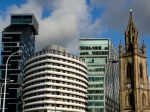
An amazing mix of architectural styles

Old meets new

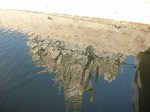
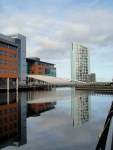
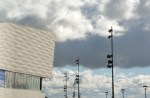
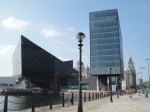
The Albert Docks reflected in the window of Danish-designed Museum of Liverpool

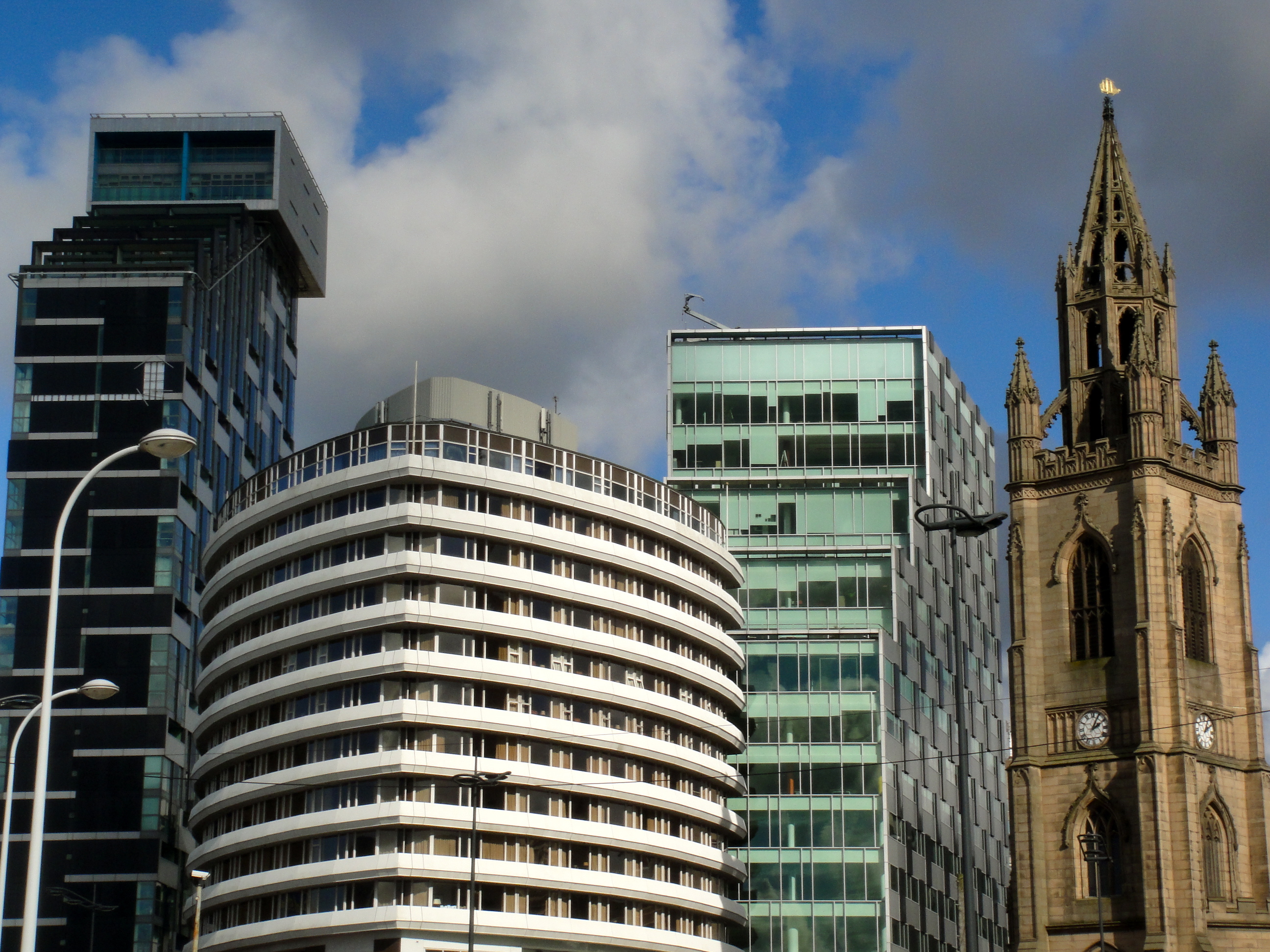
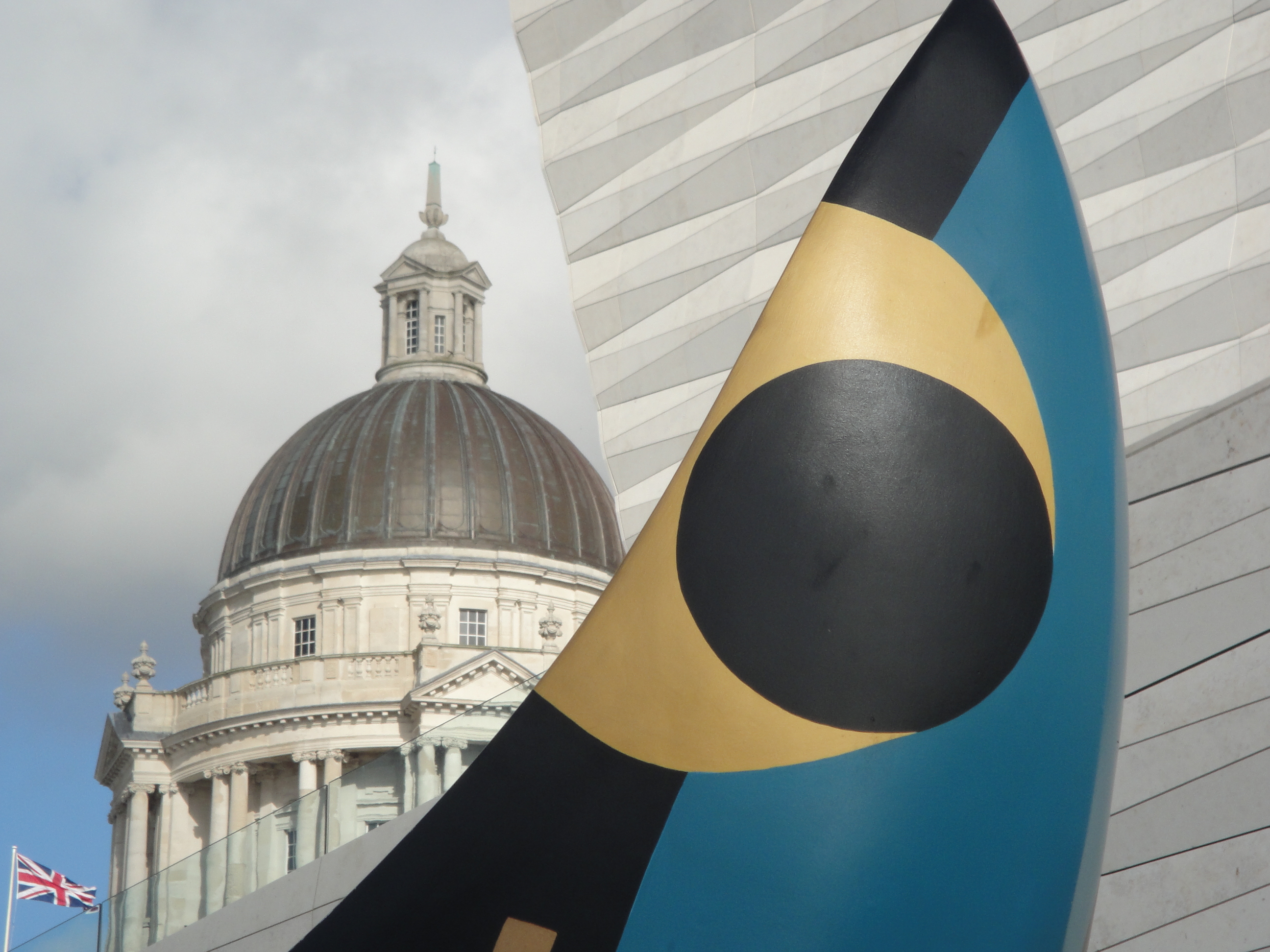
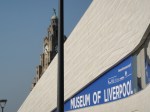
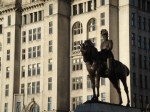
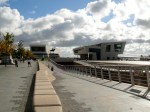
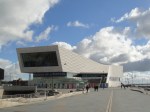
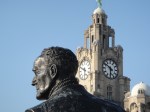
The architecture of the city is so fantastically mixed, so innovative in places and classical in others that one feels disbelief that planning permission was ever granted, and at the same time great relief that it was. So often, when in front of the likes of Bilbao’s Guggenheim by Frank Gehry, or on seeing the incredible curves of the vineyard building of Marquez de Riscal in the Rioja region of Spain, I have bemoaned the lack of British imagination when it comes to installing creative new architectural projects. Most of the new buildings going up in London are pretty standard skyscrapers, and not very exciting at all. Yes, so the Shard is tall, but it’s not all that interesting besides. Yet in Liverpool, you have a superb array of new architectural projects which fill the city with contemporary relevance and an air of bold innovation and creative exploration. From the beauty of the UNESCO protected “Three Graces” (the Liver Building, the Cunard Building and the Port of Liverpool Building) full of neo-classical extravagance and art-deco sophistication, you have the wonderfully regulated but faultlessly reinvigorated Albert Docks, and the brilliant new iconic creation of the curvaceous yet cubic  Museum of Liverpool (by Danish architect Kim Nielson) and the geometric and irregular Pier Head Ferry Terminal by Belfast architects, Hamilton’s.

The result is a brilliant mix of old and new; the old reflected in the sheer glass of the modern, the contemporary lines balancing out the elaborate facades of the old. Liverpool gives you hard industrial edges with refined cultural collections. Serious maritime history with playful Japanese sculptures. And all this some 2 hours north of London – it’s about time the spotlight of the world switched north and showed those European architectural innovators that the UK can do contemporary design too.

I leave you with some of my photos from the weekend. Enjoy!

© Nicholas de Lacy-Brown and The Daily Norm, 2001-2012. Unauthorized use and/or duplication of the material, whether written work, photography or artwork, included within The Daily Norm without express and written permission from The Daily Norm’s author and/or owner is strictly prohibited. Excerpts and links may be used, provided that full and clear credit is given to Nicholas de Lacy-Brown and The Daily Norm with appropriate and specific direction to the original content.

Marbella en Realidad: True charm behind the gloss

You must excuse what has been a far from daily Daily Norm of late… for I have been away on my holidays, happily installed far away from the plummeting temperatures of England in the 30s of Southern Spain, desperately gripping onto the last rays of summer, enjoying my ultimate fill of vitamin D, wafting carelessly in the warm clemency of Spanish evenings before, with autumn descending, my body becomes bedecked in layer upon layer of winter woolies.

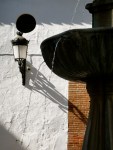
Yes, I’ve been back in Marbella, the town on the Costa del Sol renowned for its jetset reputation, for its yachts, designer stores, fake boobs and fast cars. And yet this reputation, while perhaps not the worst one can bestow, is far from justified, and certainly misses the point of what this town has to offer. For from the first minute I wandered into the old town of Marbella – the Casco Antiguo – a good 5 miles or so from Puerto Banus and the ritzy hotels and bars of tabloid fodder, I was totally entranced by a historic centre which exudes a cornucopia of Andalucian charm, whose tranquil silence is broken only by the dapple of water splashing from their old stone fountains, or the chirping of birds flitting from one orange tree to another, whose air is fragranced with the sweet seductive notes of Brugmansia trumpets and jasmine buds, and whose white washed buildings are in turn spattered with the vibrant colours of bourganvilla, terracotta pots containing bursts of red geraniums, balconies framed by intricately curled wrought iron balconies, and exquisitely painted local ceramics.

Marbella’s old town is undeservedly overshadowed by the superficial seductions of its modern suburbs, and perhaps this is what helps to maintain its charm and relative exclusivity. But as an artist, and being lucky enough to call the Casco Antiguo my second home, I cannot help but extoll the exquisite aesthetic virtues of this picture-perfect Andalucian town. I’m a resident, not a tourist, so my photos, perhaps sadly, do not depict the obvious – the squares, the cobbled narrow streets, the flamenco dancers or the restaurants. But hopefully through this selection of some of the little details which interested me on this, my early Autumn return to the town, you will gauge some idea of the idealistic charm of Marbella, and in so doing share in a cyber-shot slice of the beauty exuded from the heart of this very misunderstood town.

© Nicholas de Lacy-Brown and The Daily Norm, 2001-2012. Unauthorized use and/or duplication of the material, whether written work, photography or artwork, included within The Daily Norm without express and written permission from The Daily Norm’s author and/or owner is strictly prohibited. Excerpts and links may be used, provided that full and clear credit is given to Nicholas de Lacy-Brown and The Daily Norm with appropriate and specific direction to the original content.

Autobiographical Mobile: My painting diary – Day 1: Mallorca

Since I started The Daily Norm last year, in those unenriched days when my interaction with the abundant world of the blogosphere was only just beginning, I have featured a fair number of my own paintings on my blog, attempting, as I have posted their photos, to explain some of the meaning behind what are often quite complex painted images. For my latest painting, I am changing tack.

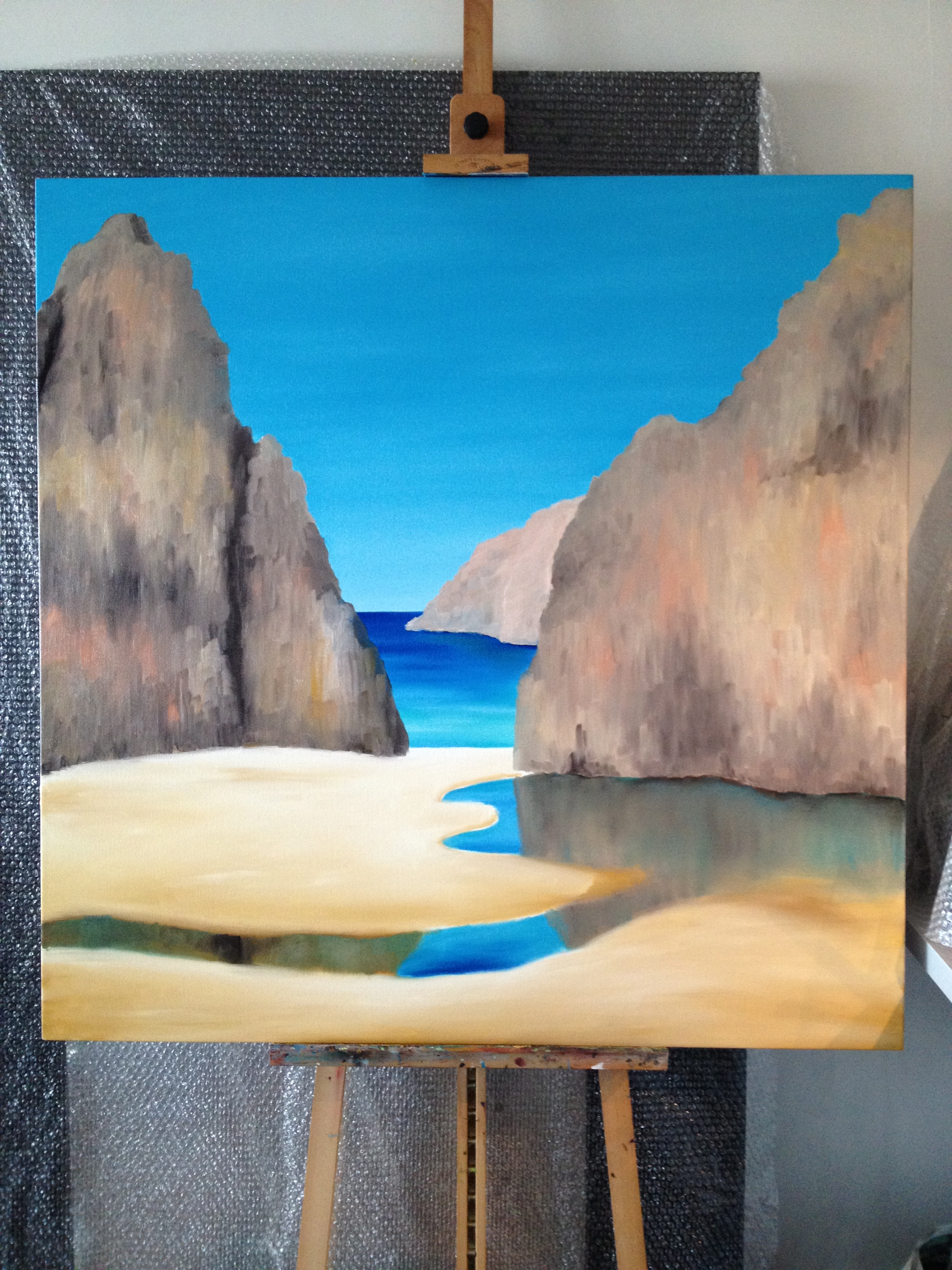
In my current  work, which has now been sitting upon my easel for some weeks, I am exploring an autobiographical subject matter on a grand scale (the canvas is 120cm x 120 cm, so a fair size for my lounge-come-studio to take when you consider that when I paint, I basically take over my kitchen – leading to some interesting food results when the paint gets too close to the oven top). Because the work is essentially a self-portrait albeit explored through a catalogue of symbols on a large Mediterranean background, I anticipate working on the canvas for some time before it is finished, particularly as painting is not my day job. Since that will mean a sparsity of artwork available for Daily Norm consumption in the foreseeable future, and because I plan to paint a plethora of details, I thought it would be equally relevant to blog about the painting as it progresses, rather than ramble at length when it is eventually finished.

First layer done – the Mallorcan inspired background

You join me then in what is the first post of my painting diary, a set of hopefully regular accounts cataloguing my progress on the work. In my first instalment, I present the background of my work. I decided to set the piece on a quiet, rocky beach, somewhere on the island of Mallorca. The background is far from finished – this is just a sketch of where the finished scenery will be set, but it provides enough structure, allowing me to build the details of the painting on top of it, layer by layer.

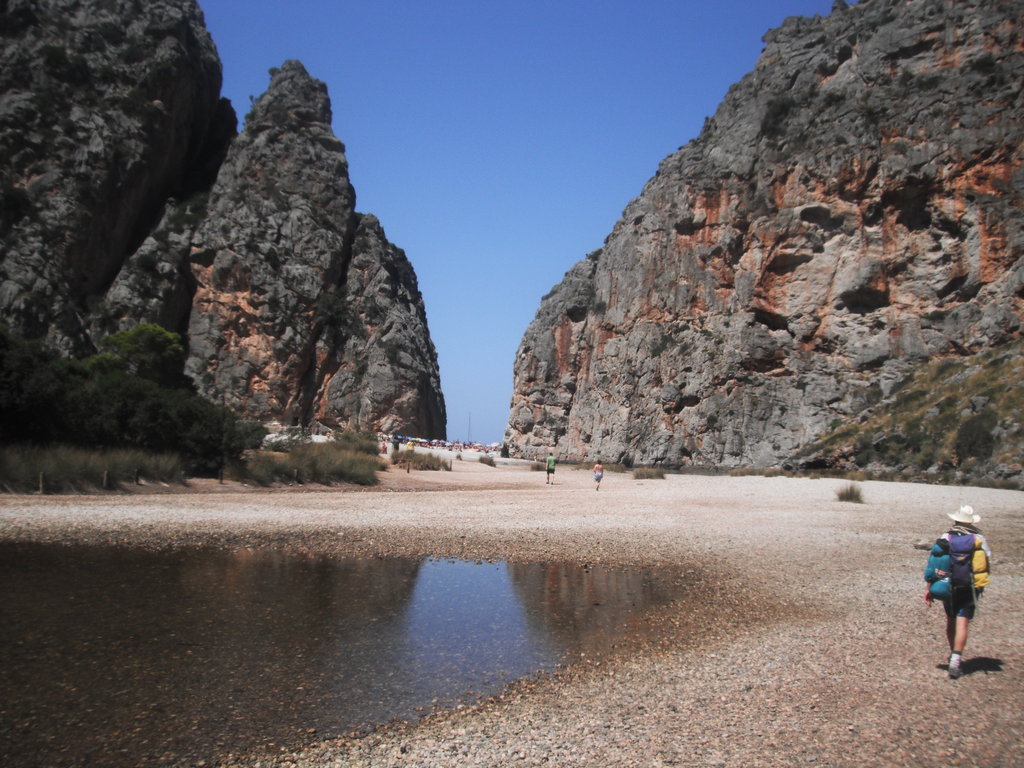
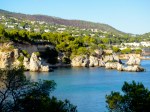
The background is loosely based on Torrent de Pareis, a beach in Northern Mallorca which provides stunning natural scenery but which, for the purposes of my painting, provides the right balance of solitary surrealism to cast the perfect backdrop to my self-analysing piece.

The Torrent de Pareis in reality

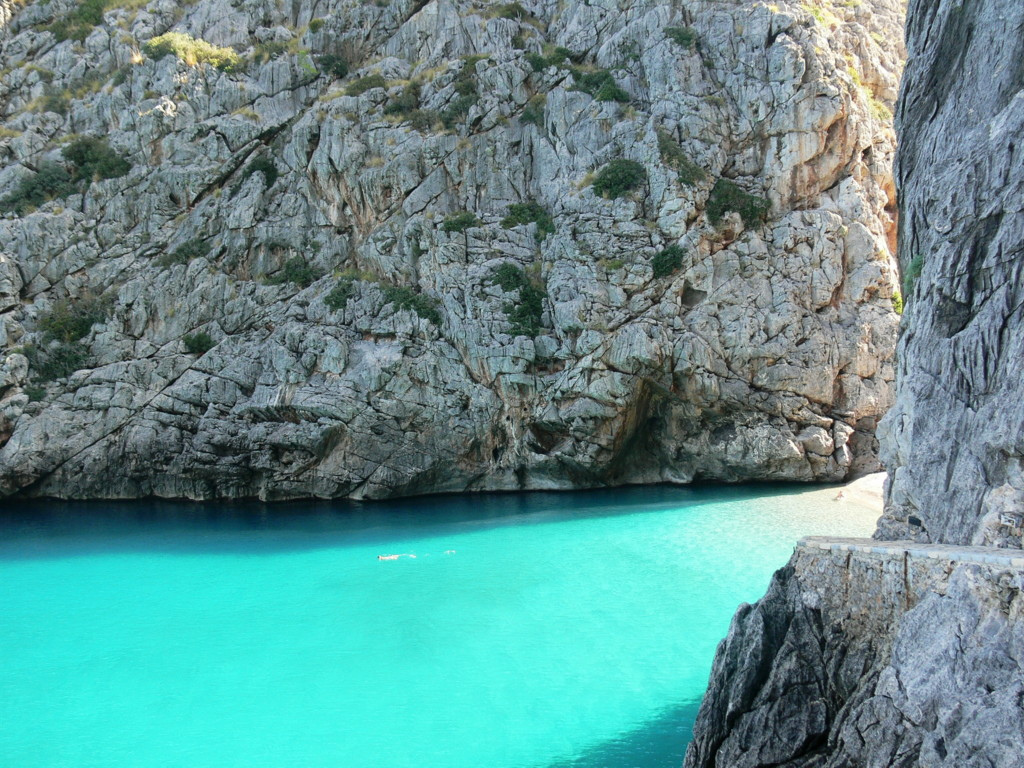
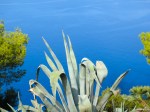
And its crystal clear waters

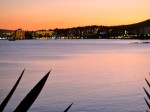
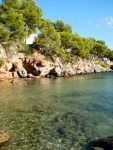
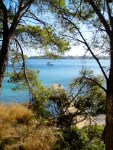
Since the painting will be a take on my story, it’s only appropriate that I should set it in the Mediterranean and on Spanish soil since Spain has, for most of my life, proved to be a consistent inspiration in my art and in my aspirations for life. While I have spent the majority of my time in Andalucia, my trip to the island of Mallorca this time last year inspired me more than any other. Expecting an island full of package holiday tourists and English menus, I was surprised, if not stunned by the incredible coastal scenery to be found around the island (once we fled from the ugly shadows cast by Magaluf and other tourist dystopias). The waters are such an incredible shade of blue, and the rocky covey beaches so idyllic and colourful, that seeing is believing. I accordingly enclose just a few of the shots I took of Mallorca’s incredible coastal scenery last summer – the colours alone are an art form in themselves. I just hope that my painting does Mallorca justice, even as just a background to a far deeper work.

See you for the next instalment of my painting diary.

© Nicholas de Lacy-Brown and The Daily Norm, 2001-2012. Unauthorized use and/or duplication of the material, whether written work, photography or artwork, included within The Daily Norm without express and written permission from The Daily Norm’s author and/or owner is strictly prohibited. Excerpts and links may be used, provided that full and clear credit is given to Nicholas de Lacy-Brown and The Daily Norm with appropriate and specific direction to the original content.

The Daily Sketch: Norms at the Musée Rodin

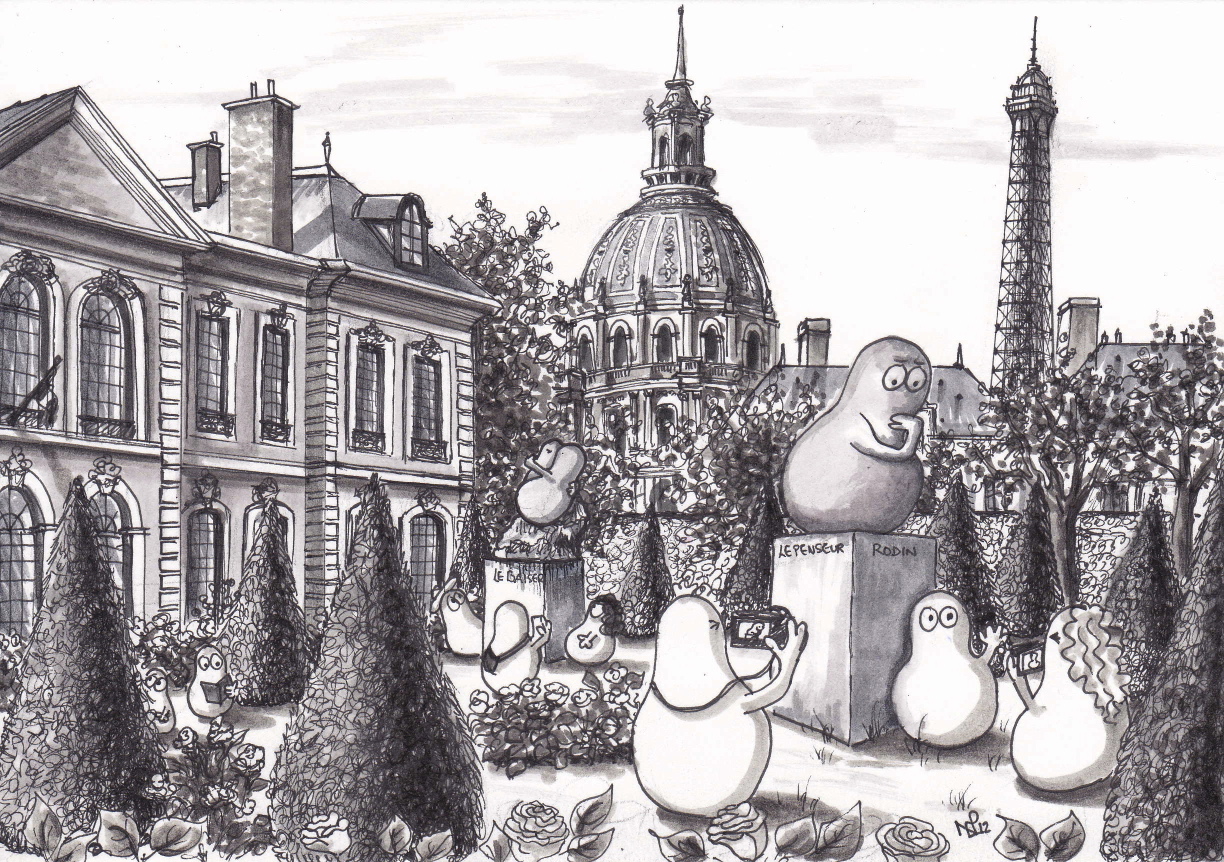
The London 2012 olympics are over, and the Norms have a heavy dose of iPod (“I’m Post-olympically depressed”) syndrome. Where better then to go and while away the days before the glorious paralympics begin than to cross La Manche and to head to London’s sister city, the glamorous centre of all things aesthetically superior, the city of light, Paris. And as it’s summer, the Norms are naturally attracted to the outside – to the passage of time amongst trees and well tended lawns, amongst grand houses and elegant roses, where the butterflies flutter and the birds sing their summer song.

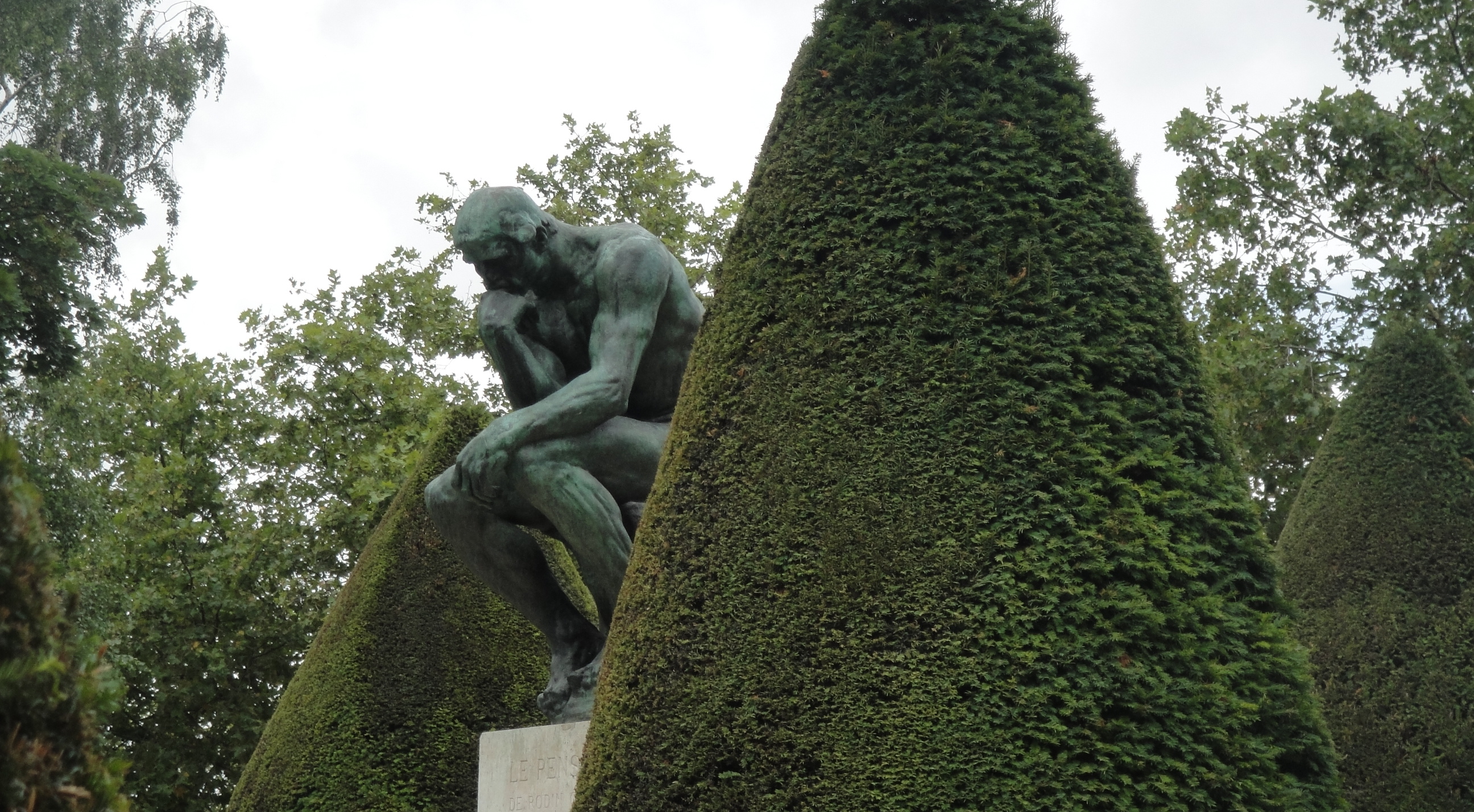
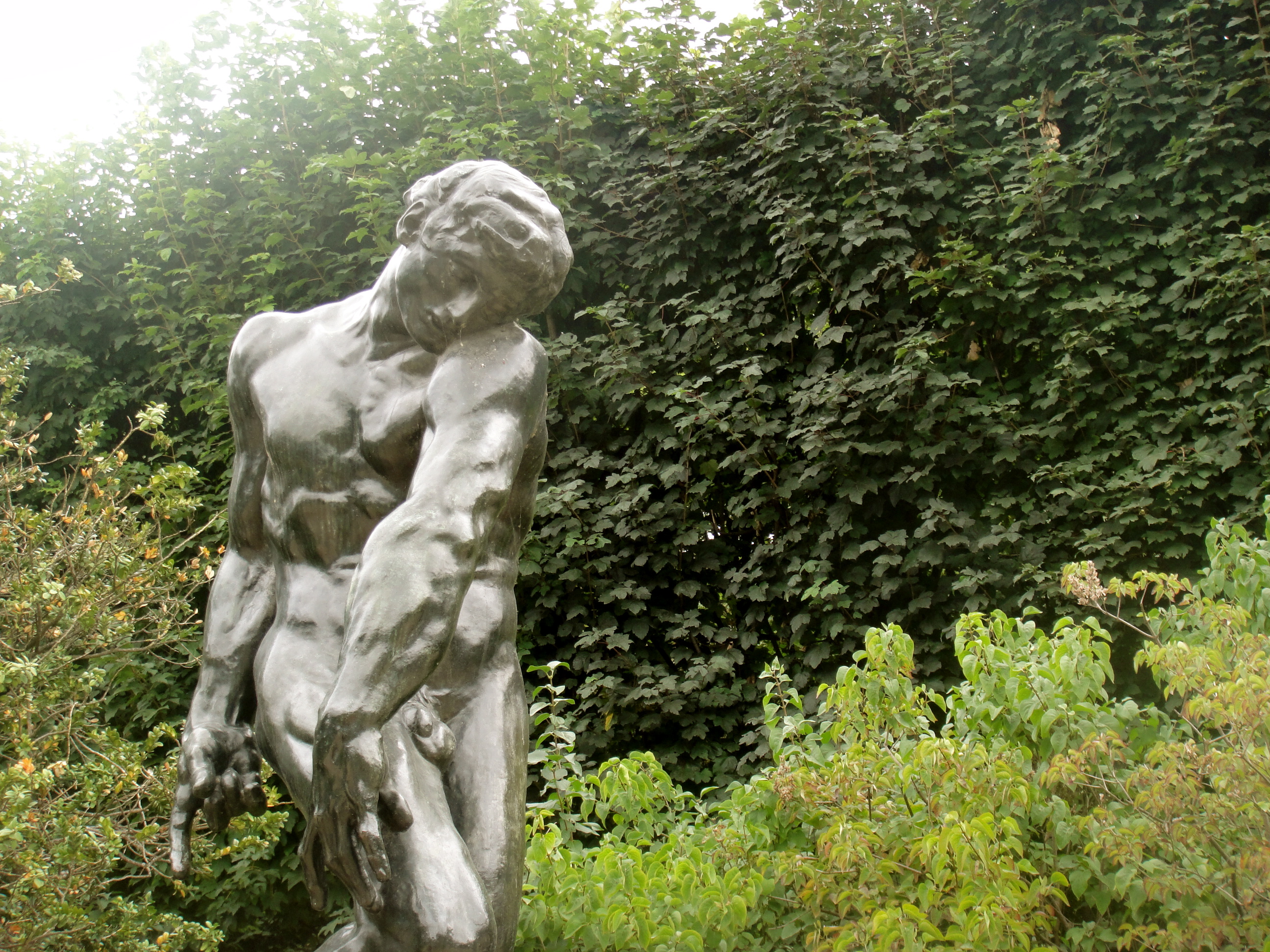
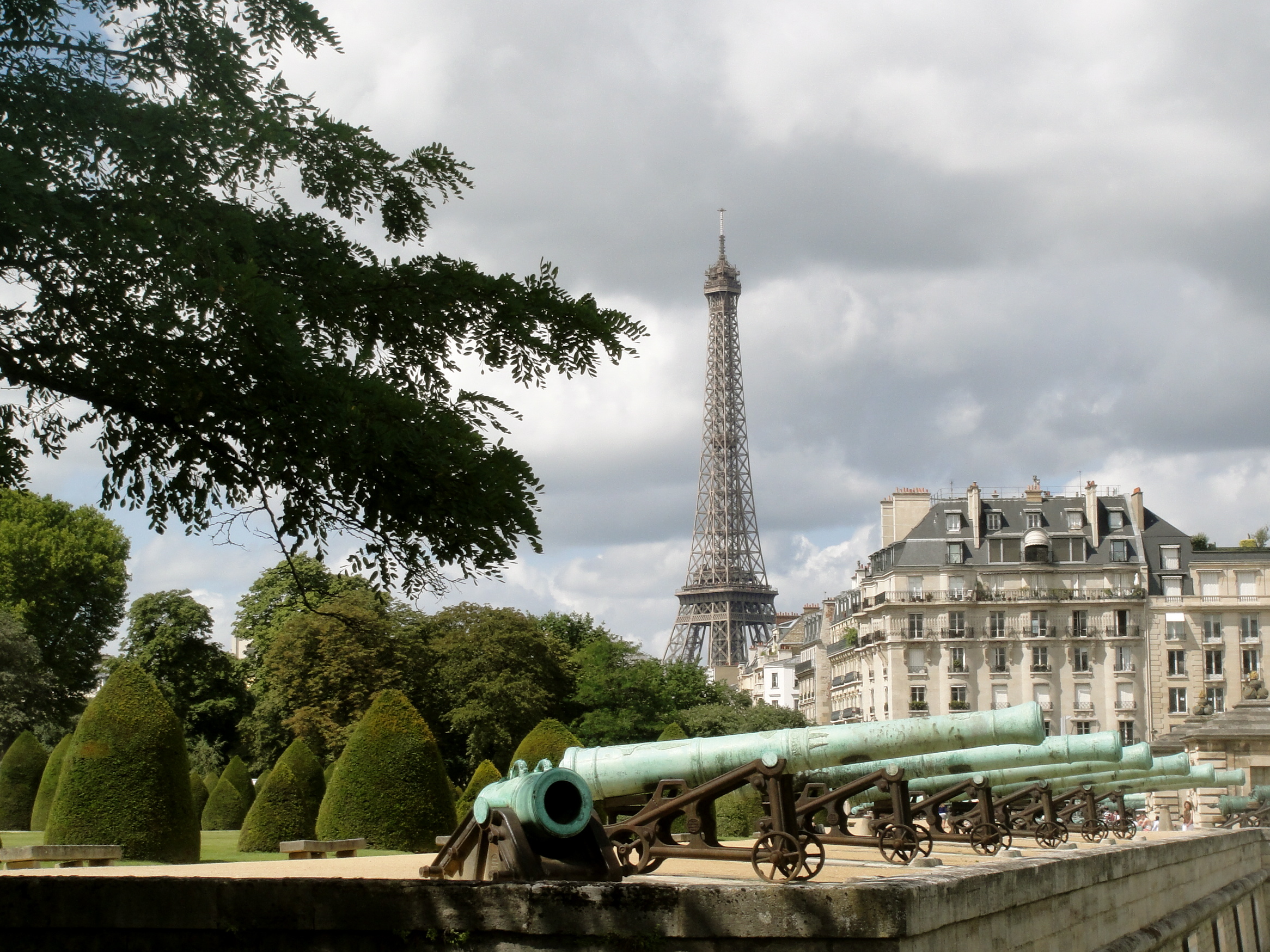
But the Norms are a cultured folk, and they like to pass their days with a heavy dose of art to boot. Where better then than the Musée Rodin, home of the pensive Le Penseur Norm and the ever romantic The Norms Kiss sculptures, created by that great 19th century sculptor, Norm Rodin himself. Perfectly trimmed topiary and beautifully tended gardens with a backdrop of the decadent Hôtel Biron and a picture perfect view of Les Invalides and the Tour Eiffel herself. Who could ask for more? Vive Les Norms a Paris!

Norms at the Musée Rodin, Paris (2012 © Nicholas de Lacy-Brown, pen on paper)

© Nicholas de Lacy-Brown and The Daily Norm, 2001-2012. Unauthorized use and/or duplication of the material, whether written work, photography or artwork, included within The Daily Norm without express and written permission from The Daily Norm’s author and/or owner is strictly prohibited. Excerpts and links may be used, provided that full and clear credit is given to Nicholas de Lacy-Brown and The Daily Norm with appropriate and specific direction to the original content.

24 hours in Paris: Part 2

08:00 hrs

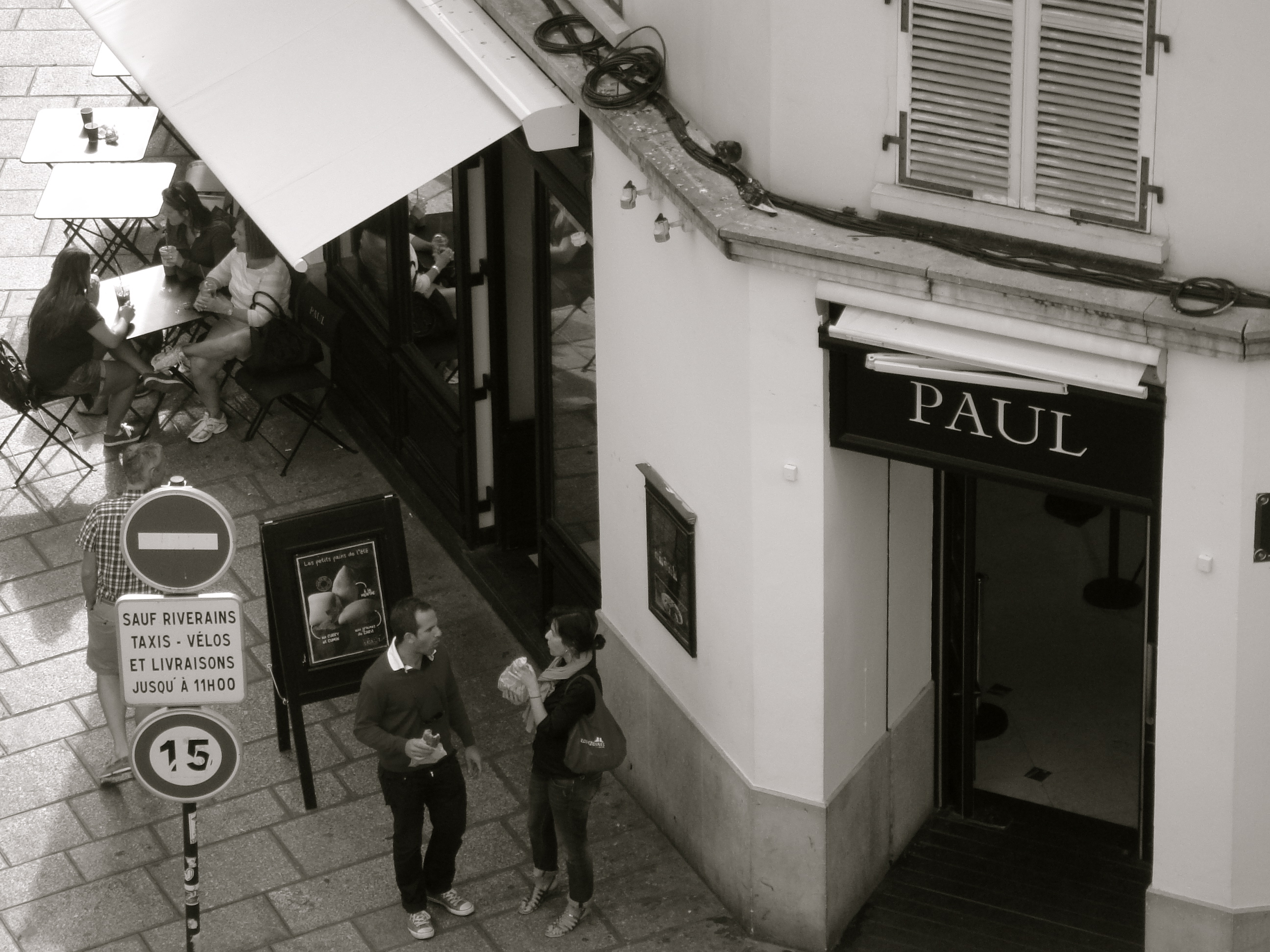
The bustle of Paul patisserie opening on the street below, Parisians arriving early to collect their daily share of baguettes placed in a cosy group of 5 or 6 in a brown paper bag, tourists catching a quick petit dejeuner in the first rays of morning sun and the local green grocer accepting deliveries of vibrant ripe fruits et légumes – these were the sounds that greeted us as the daylight of my birthday Parisian morning flooded into our little bijoux boudoir in the heart of the Rive Gauche. As is birthday tradition, I sat up in bed, stretched out a yawn and gathered together the modest stack of birthday cards I had brought with me on the trip – not that there was anywhere to display them here, but it was good to have the birthday wishes of loved ones and colleagues to kickstart my 29th birthday. Bon Anniversaire a Moi.

09:30 hrs

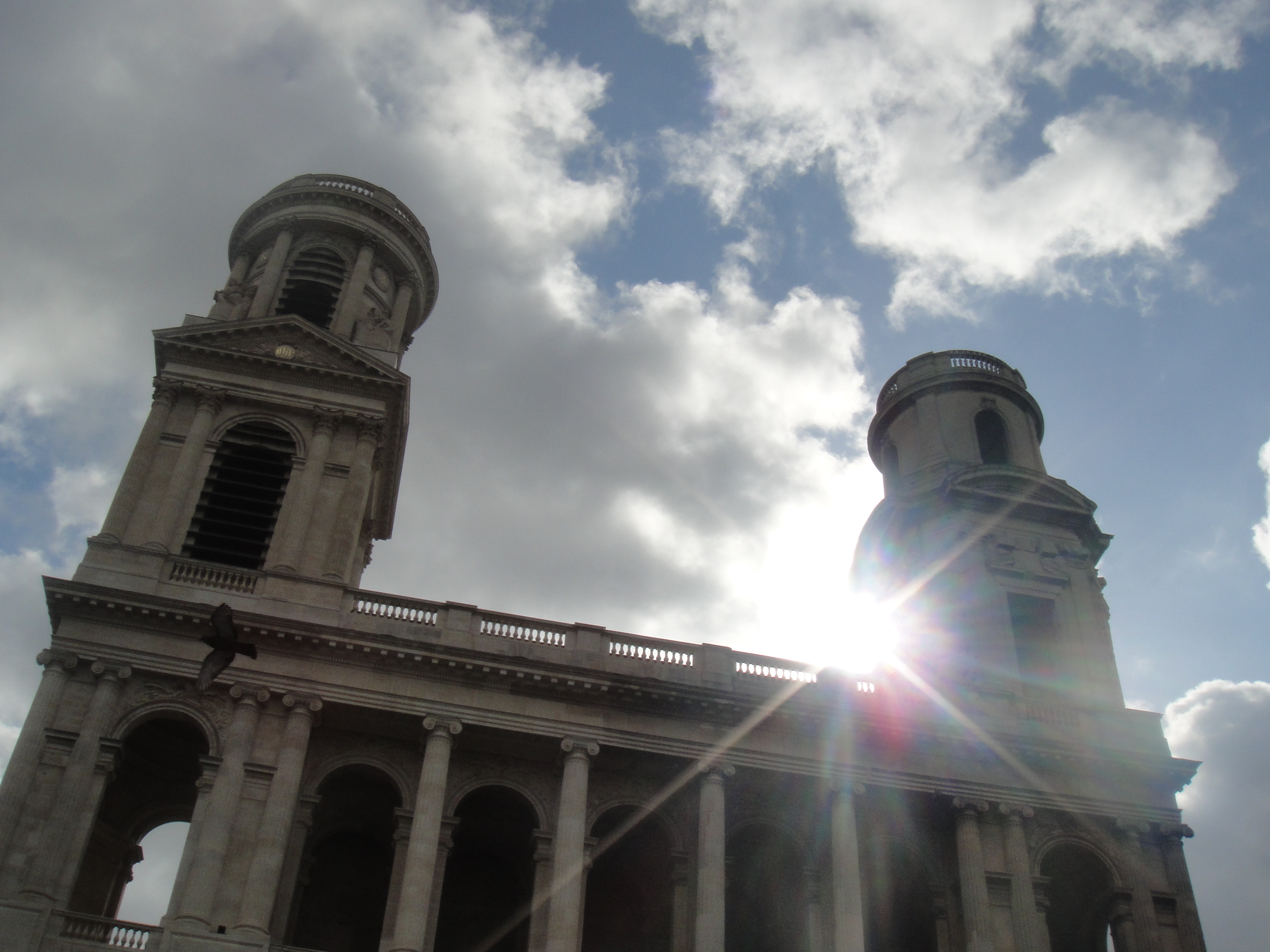
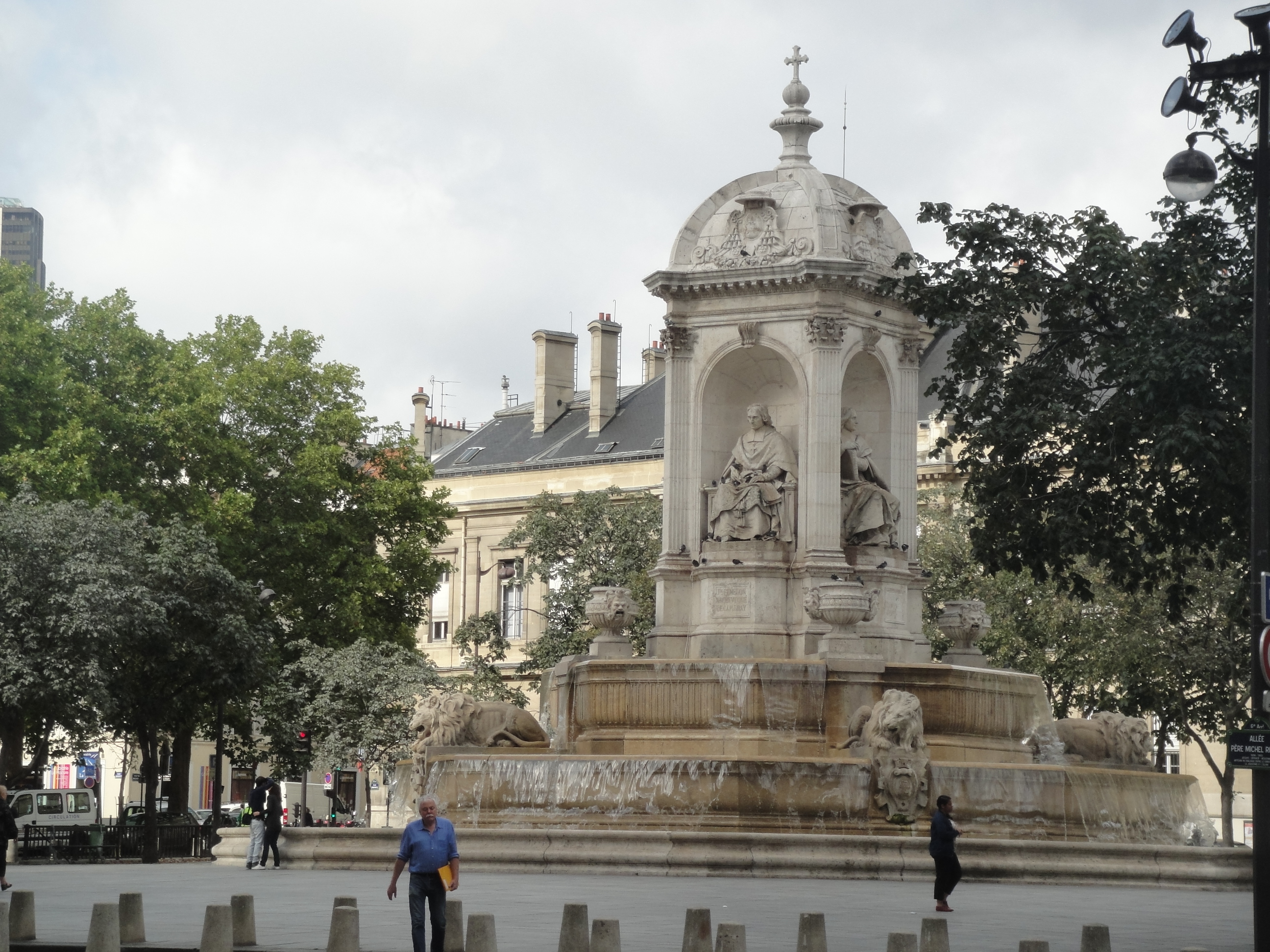
After a leisurely shower, the receipt of a few more birthday messages on my phone (birthday cards for the modern generation) and having packed up our bags, we checked out, all too soon, of the Hotel de Buci, leaving our bags and heading for the often over-looked wonders of Saint Sulpice church nearby. Finding none of the bustling cafes promised in my Paris guidebook, we headed back to the Rue de Buci where it turns into the Rue St Andre des Arts. I feel at home there. In the Rue des Grands Augustins round the corner, Picasso painted his masterpiece Guernica which has been such an important influence in my own work. There, for only 10 euros each, we had a gloriously French petit dejeuner – freshly squeezed jus d’orange, a buttery crispy croissant, a super crunchy French baguette and a large cappuccino. Yum.

Saint Sulpice

and the huge fountain opposite

Le Petit Dejeuner

11:00 hrs

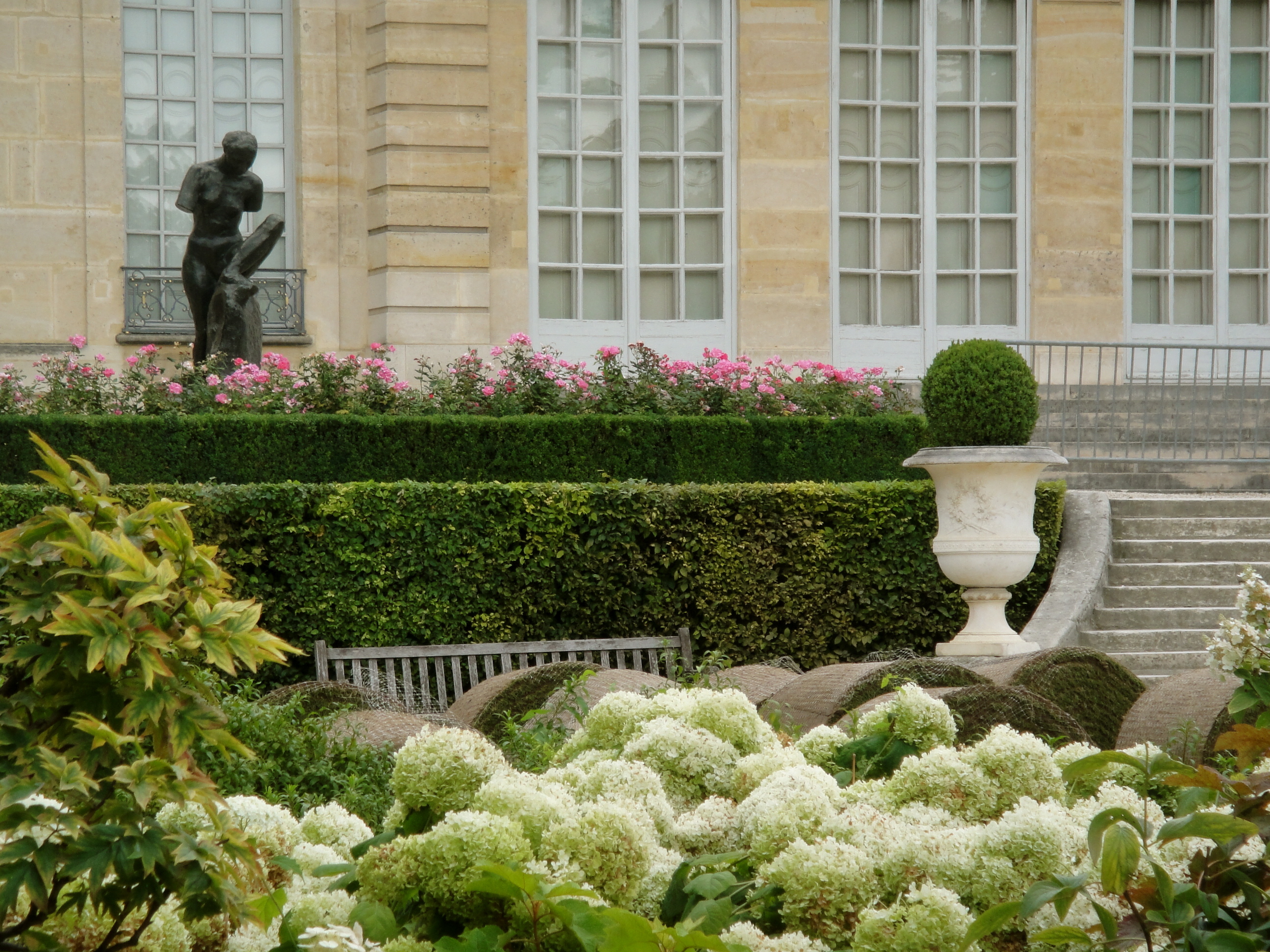
So used are we to visiting Paris in the winter that I was intent on doing some jardins. Where best to start off then than to mix art with gardens at the Musée Rodin. There, the works of Auguste Rodin are showed off to spectacular effect, including the most famous of them all – The Gates of Hell, The Thinker and The Kiss – set amongst countless perfectly trimmed conical shaped hedges which remind of Alice in Wonderland in the perfectly pruned court of the Queen of Hearts. The sculptures are displayed in and outside the gorgeous Hôtel Biron where the artist, along with several others, rented a flat towards the end of his life. He was obviously doing well. The museum does not captivate me in the same way that the d’Orsay does for example. Once I’ve seen a few figure sculptures, I stare blankly and the rest, seeking something more, looking for something to grab hold of my attention. This is unlike the challenging shapes of Henry Moore for example, which activate my imagination in the same way that an abstracted portrait by Picasso ignites my mind compared to a formal state portrait. For me Rodin was on the brink of doing something stunningly modern, but probably because of the time he worked in, he didn’t quite push the boundaries enough. Still, for morning tranquility despite the tourist throngs, the Musée Rodin was spot on.

13:00 hrs

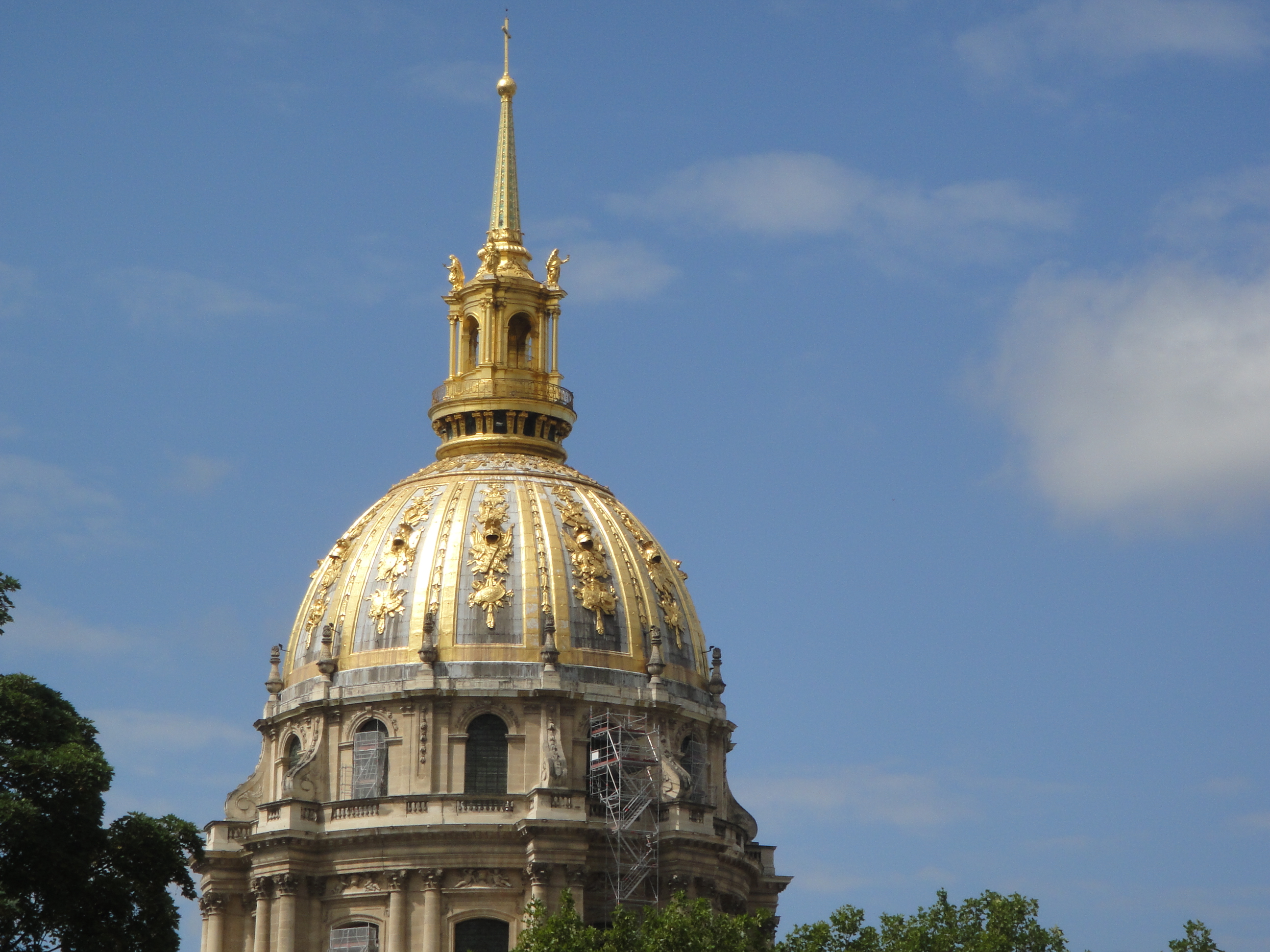
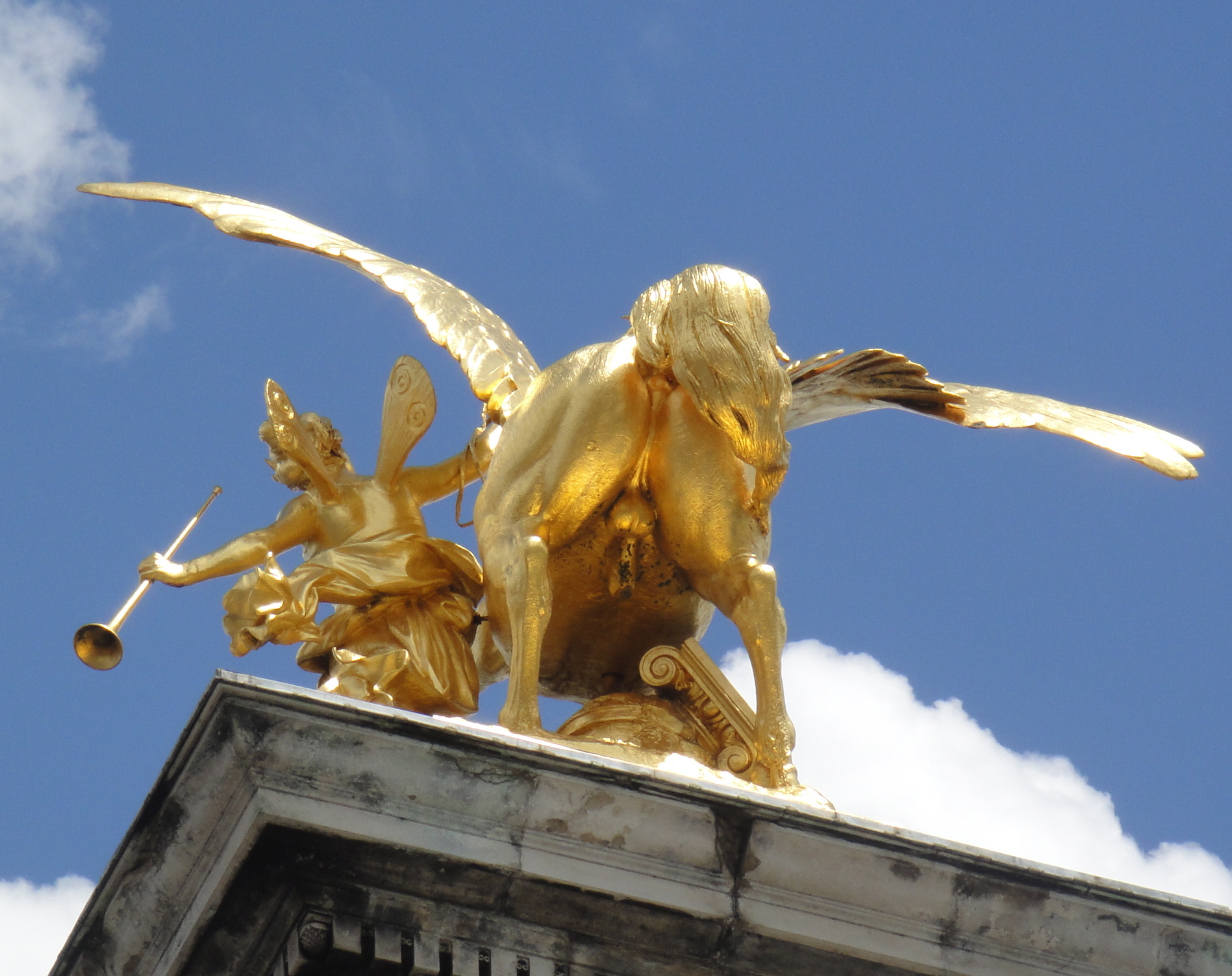
Heading over towards the spectacular gold-fringed Pont Alexandre III, we stopped off briefly to awe at Les Invalides with its similarly extravagant gilded domed roof, and the amazing view of the Tour Eiffel beyond it. Was a city ever so perfectly pretty as Paris?

13:30 hrs

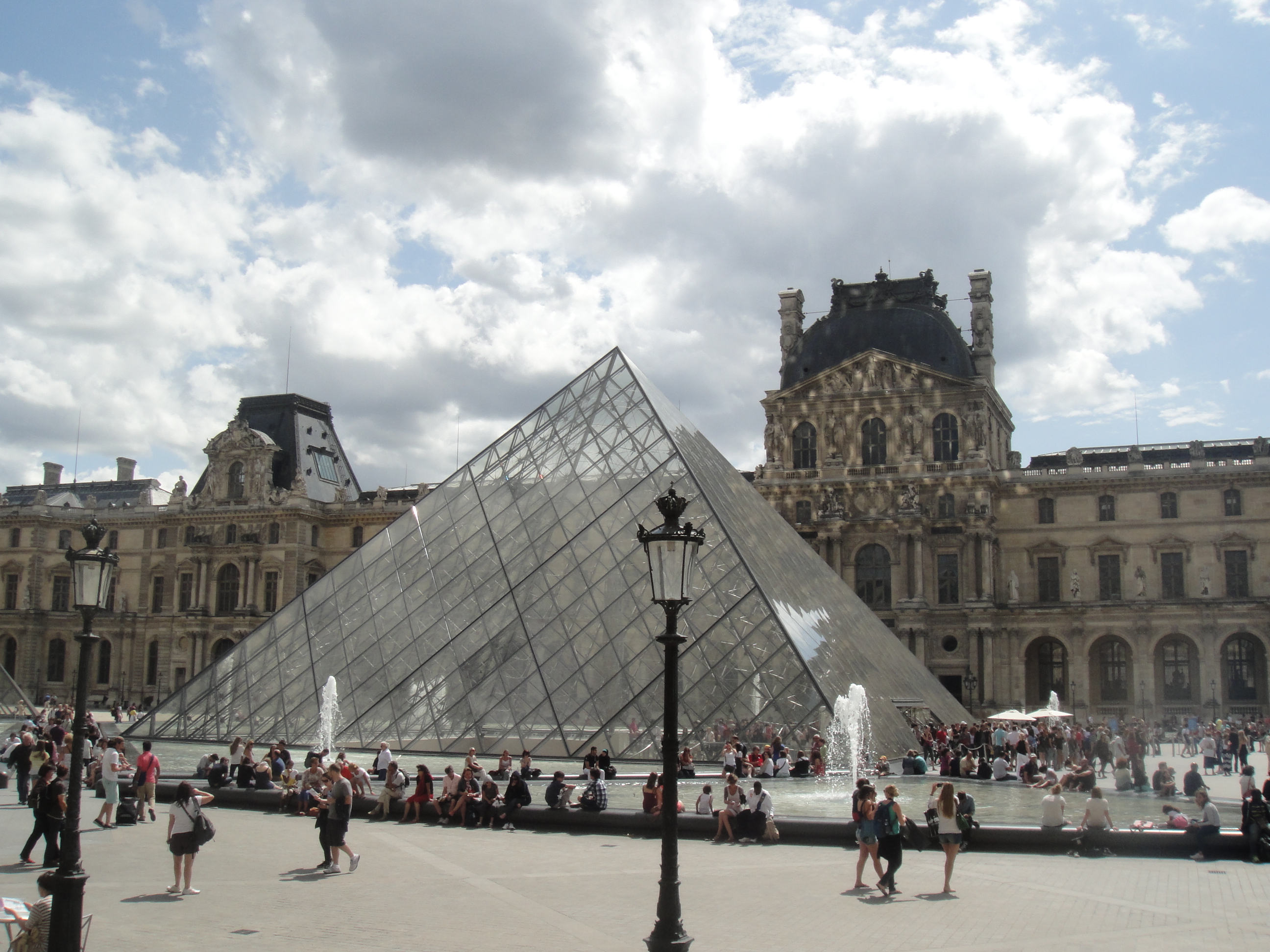
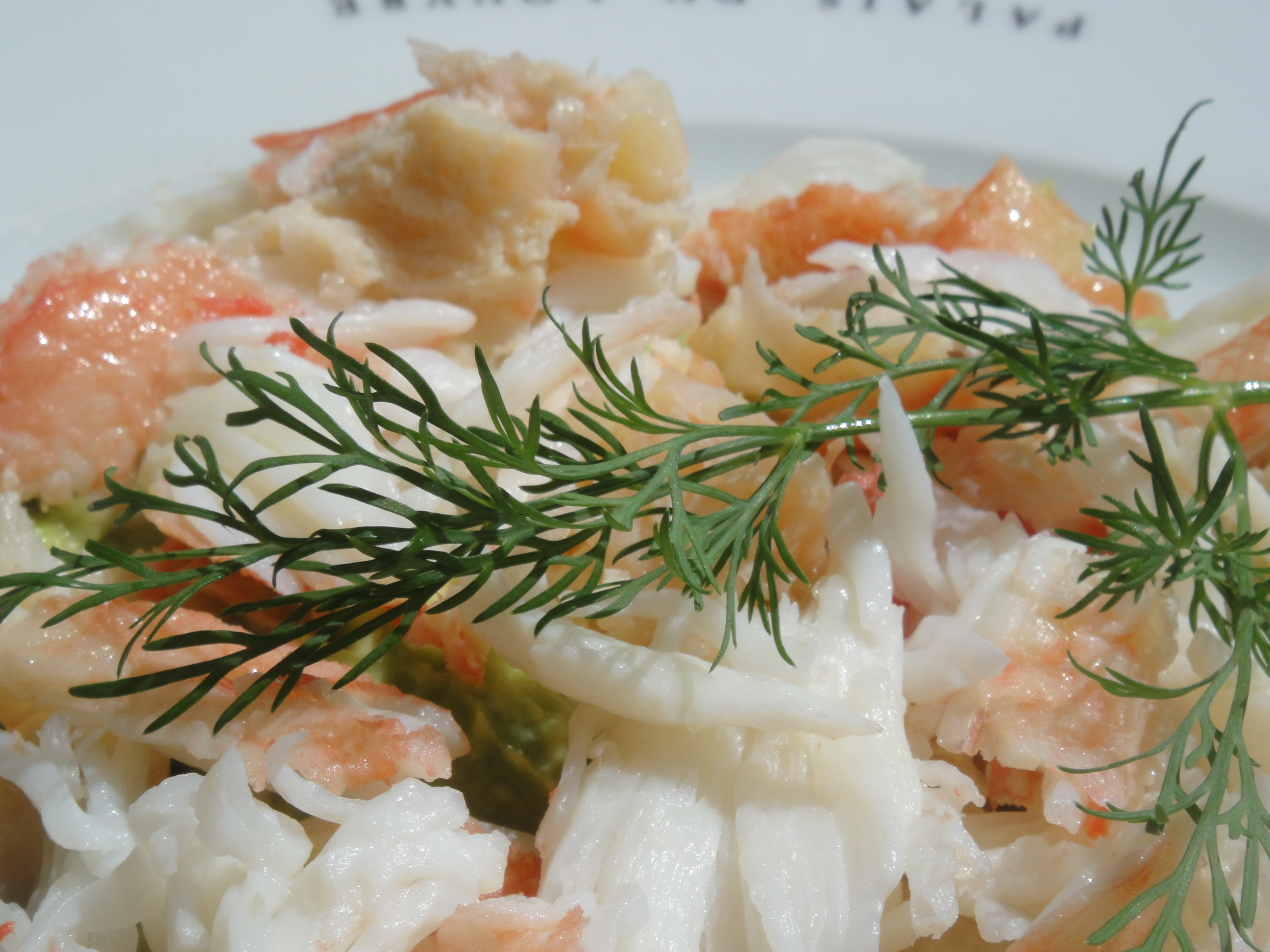
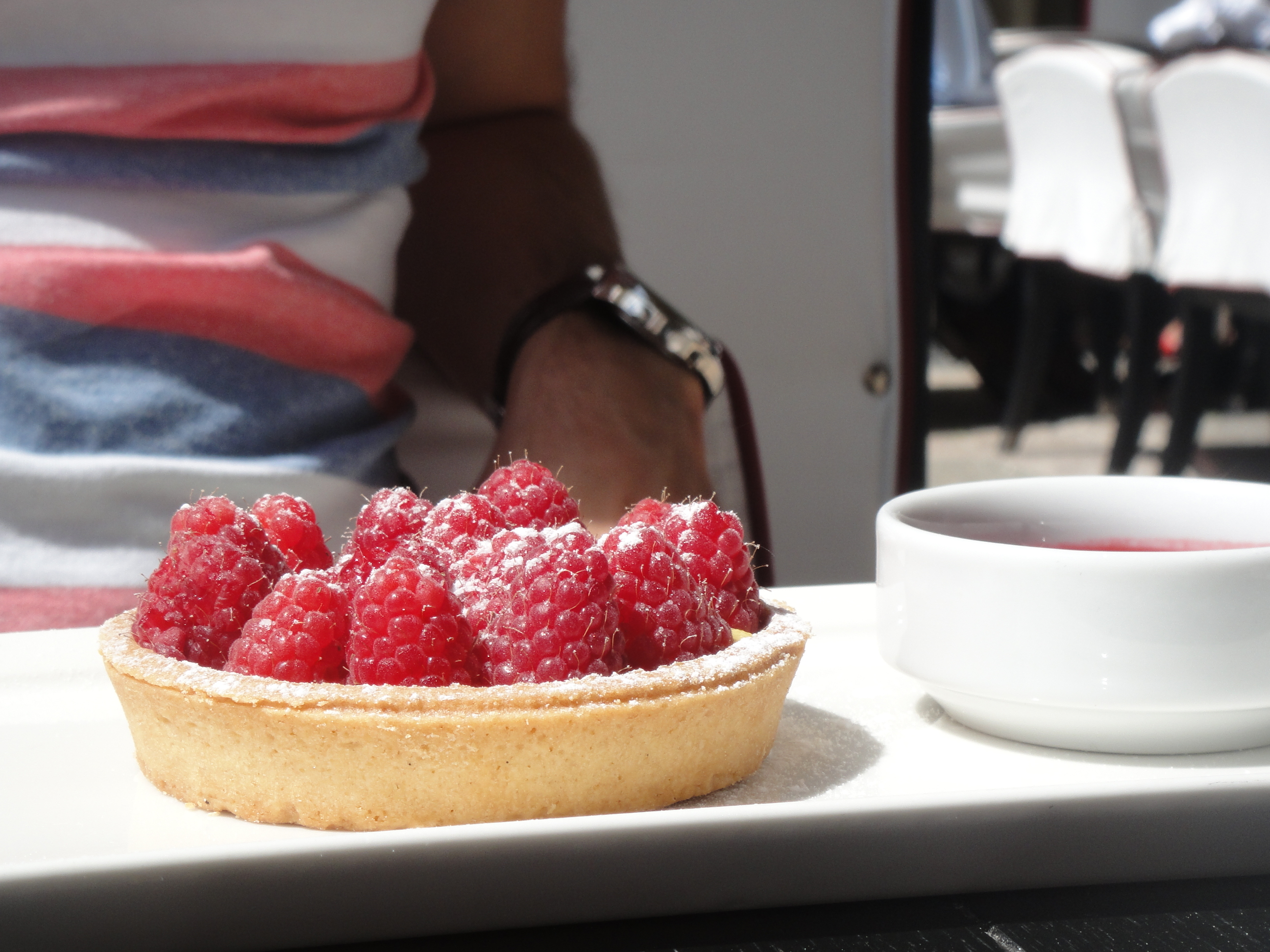
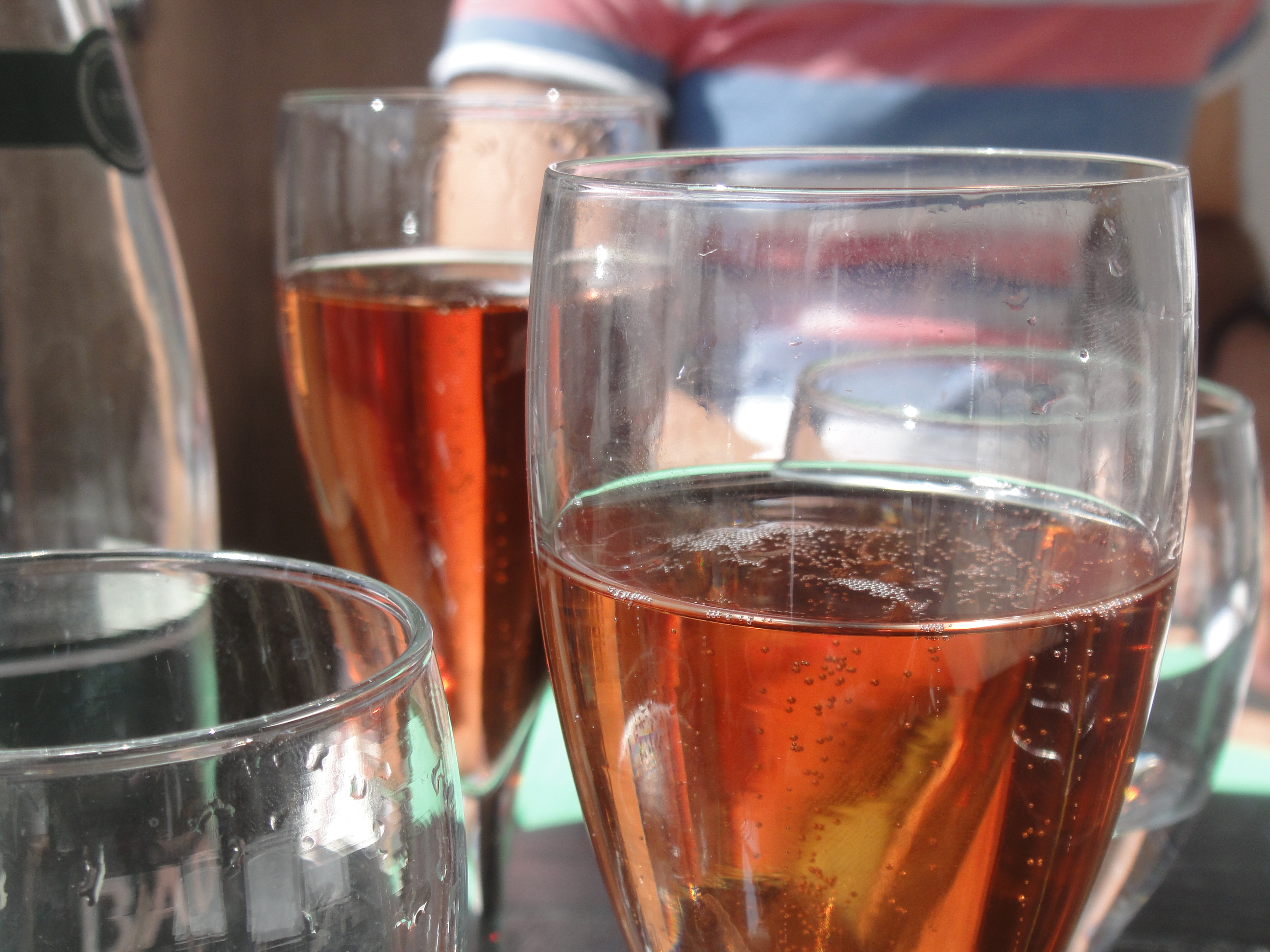
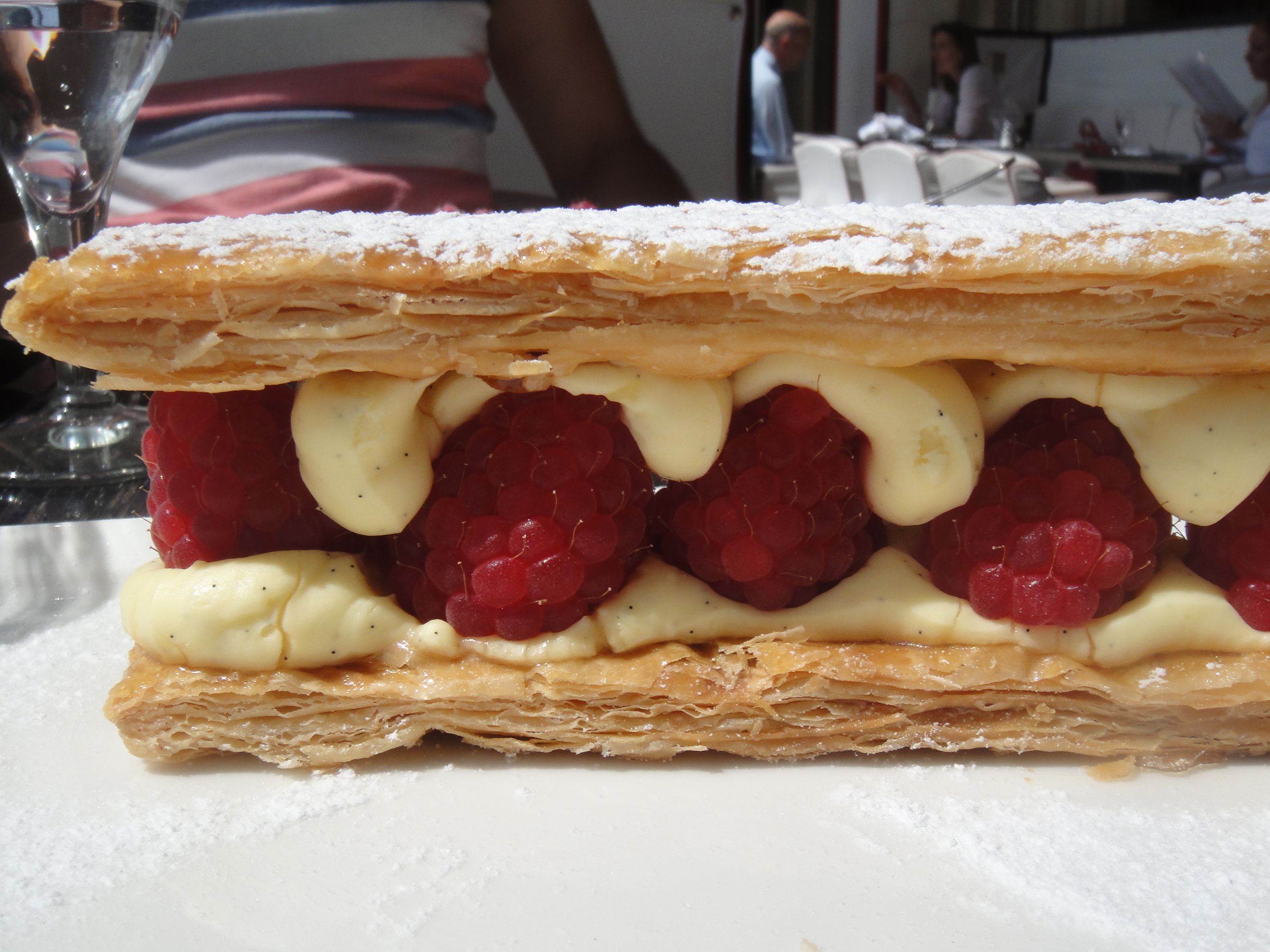
Despite the continuous temptation to stop and take photos of this beautiful city (although the I must have around 10,000 at home) we arrived on time for our reservation at the Café Marly under large portico terrace along the side of the Louvre courtyard. With views right over the spectacular Louvre pyramid, this café can’t be beaten for its incredible vista and its elegant surroundings. The prices aren’t cheap, but they are reflected in the quality of the food. We opted for two light dishes – a crab and avocado salad (the avocado was so creamy it was divine) dressed in a refreshing lime and chilli, and a melon with san daniele ham (the melon was incredibly sweet, juicy and unctuous, and the ham perfectly soft and salty). This was washed down with two glasses of chablis, followed by two more of pink Moët & Chandon (well it was my birthday after all). For dessert we had two combinations of raspberry deliciousness – a lemon tart with raspberries atop it, and a raspberry mille feuille. Café Marly comes well recommended – but ensure you make a reservation in advance.

15:30 hrs

We stumbled down the Rue de Rivoli next, towards our regular haunt of the Marais, cute boutique-lined district, favourite of the chic-set. Here we were on a search for some French vintage posters, but all of our leads came to nothing. If shops weren’t closed “pour les vacances” they failed to exist. We had better luck however when we passed over the river, traversing the cute little Ile St Louis (where we found another print shop – closed for the holidays) and Ile de la Cité and finding on the left bank opposite the Notre Dame a huge selection of old book and print sellers. Usually I pass these stalls, assuming they contain tourist tack – not so. True, the prints are all reproductions, but who cares. The quality looks great and you could buy 3 for 20 euros. I think we ended up with 9!

17:00 hrs

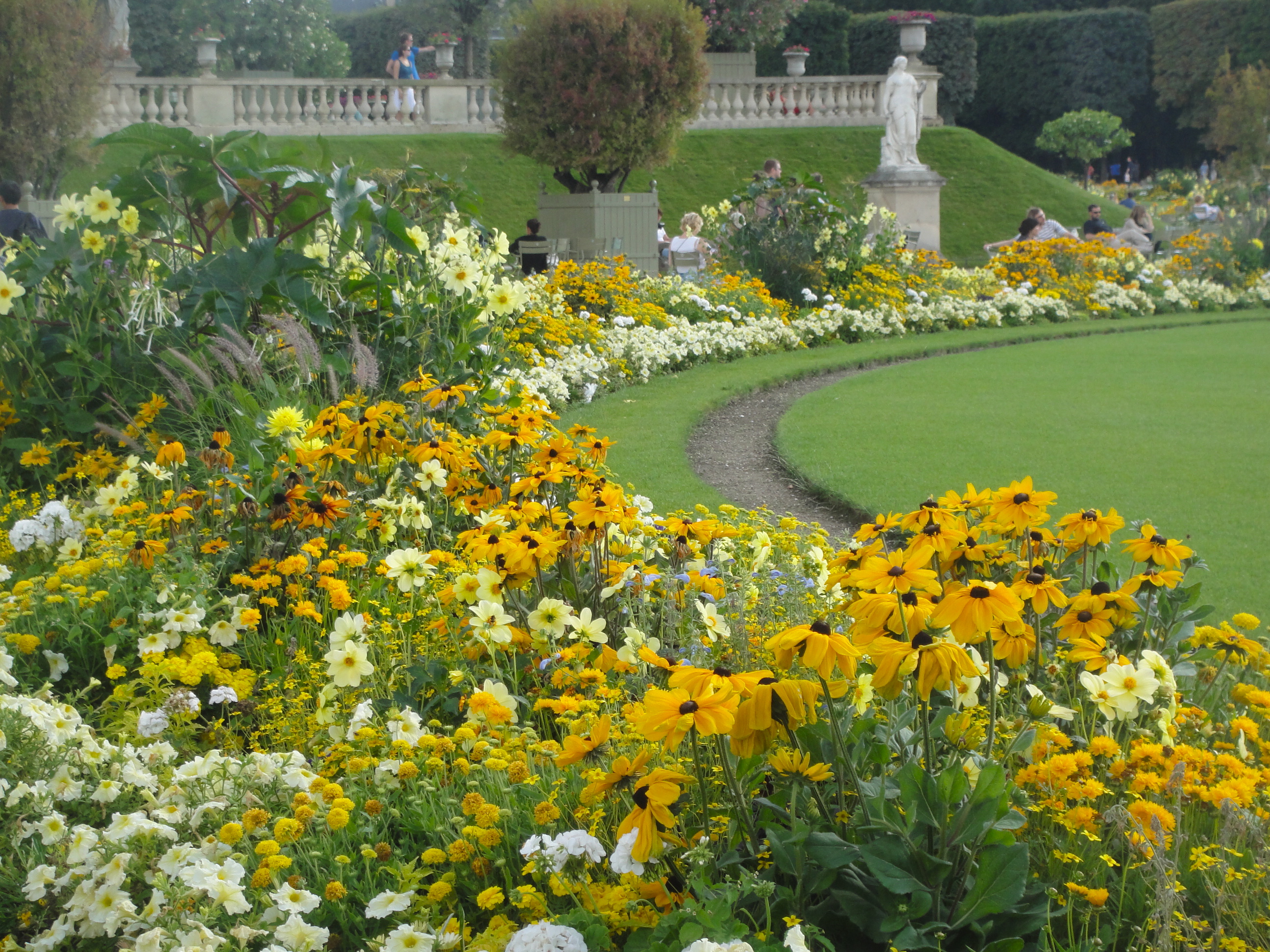
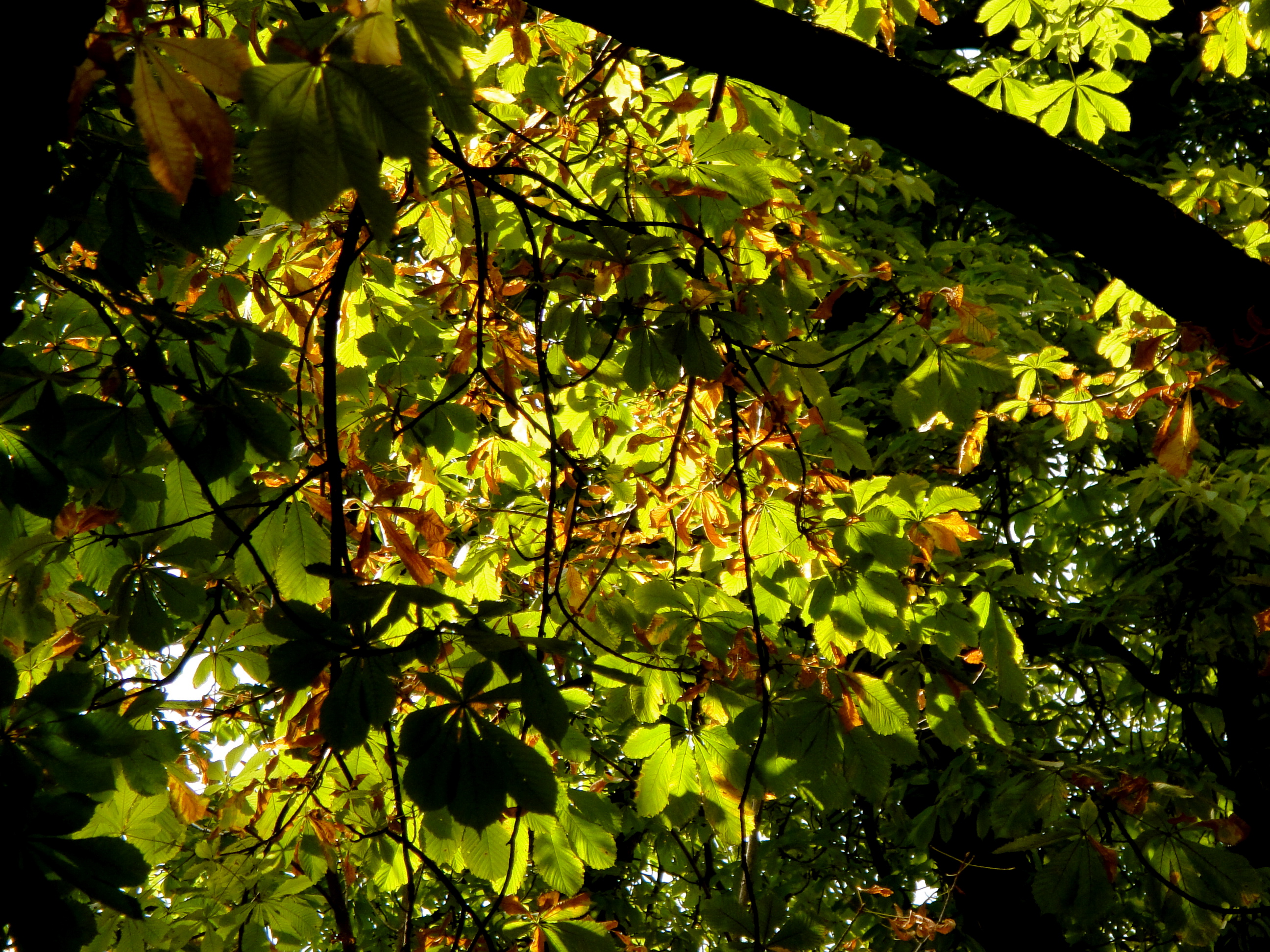
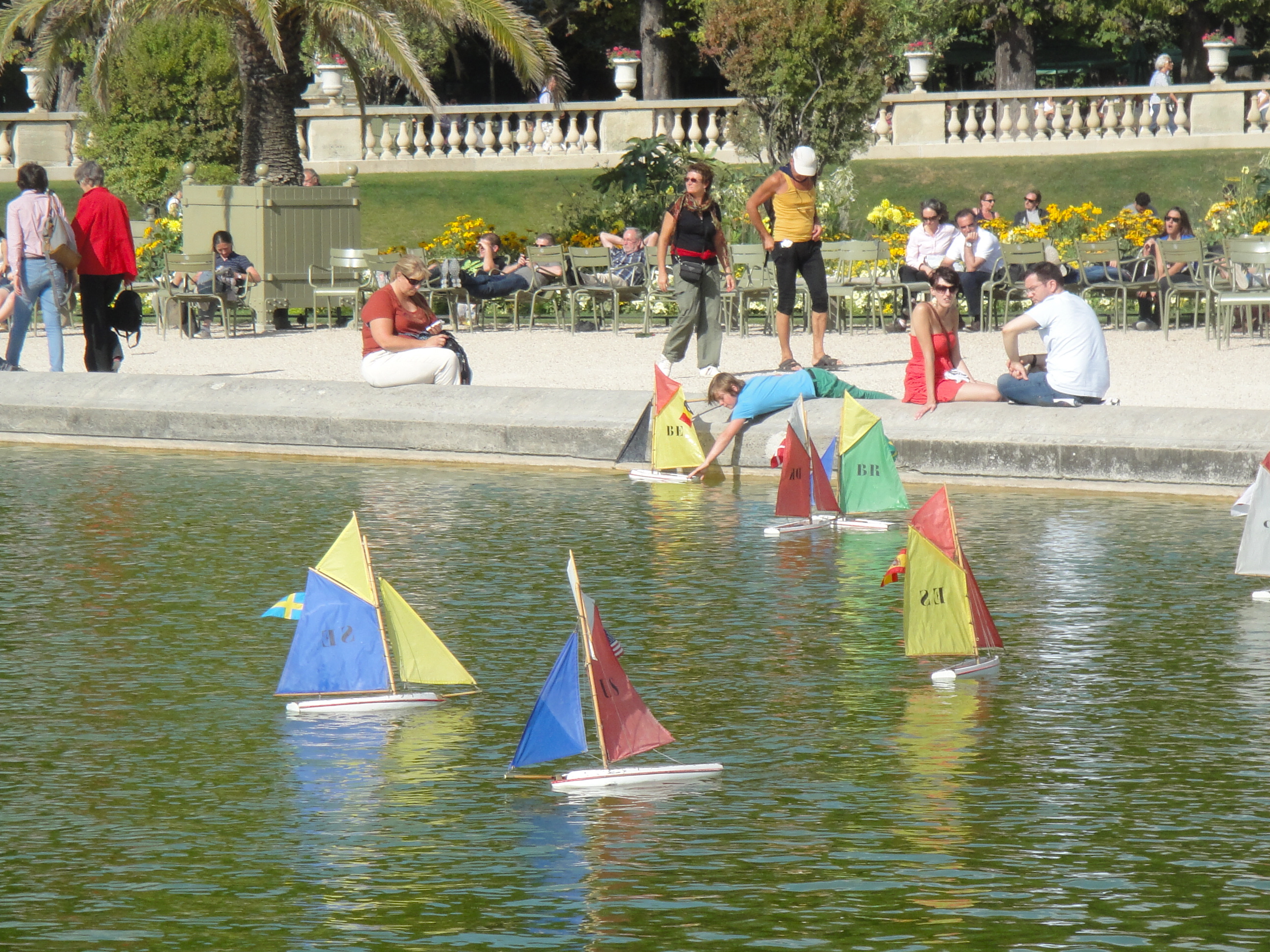
Back on that garden trail now, and we headed, almost full circle, back to the 6th and into the magnificent Jardins du Luxembourg. Never before have I seen these gardens look so good – the flower beds were beautiful coordinated in every conceivable shade of yellow, those few Parisians remaining in the city lounged in the shade provided by large leafed chestnut trees, creating as they did a beautiful impressionistic dapple of sunlight over the cafes and little loose benches placed haphazardly all over the park. There too, families were at play – little children ran enthusiastically around the large central pond, pushing miniature sailing boats from one side to the other while parents, basking in the August sunshine, looked on contentedly. Once we sat down in one of those little reclining metal chairs, there was almost no moving us until the clock struct 6 and our return journey began to claw us back to the train tracks.

18:30 hrs

Resiting the pull of the train in our final hour of freedom, we headed back to the Rue de Buci and indulged in a massive plate of charcuterie and fromage, with two little glasses of overly warm Bordeaux on the side and a basket full of holey French bread. There we reflected upon our 24 hours in Paris – how is it that in a time so short, we felt like we had been in the city for so many days? Is it because we know it so well, that we are easily re-embraced back into the fold? Or is it because our senses had been overloaded with the beauty all around? Whatever the reason, it all went to show how easy a little trip to this quasi-London suburb can be – 2.20 hrs on the train and another world awaits. Who could resist? I won’t be.

© Nicholas de Lacy-Brown and The Daily Norm, 2001-2012. Unauthorized use and/or duplication of the material, whether written work, photography or artwork, included within The Daily Norm without express and written permission from The Daily Norm’s author and/or owner is strictly prohibited. Excerpts and links may be used, provided that full and clear credit is given to Nicholas de Lacy-Brown and The Daily Norm with appropriate and specific direction to the original content.

Bologna: La Grassa – Phenomenal food without a Spaghetti Bolognese in sight

I’m going to pardon myself inadvance of a post which will be an unapologetic engorgement upon food glorious food. Bologna is after all the city that brought us Spaghetti Bolognese, tagliatelle, tortellini and mortadella among other Italian favourites. In fact, without Bologna, half of your standard Italian restaurant menu would disappear. And true to form, the city whose third and perhaps most appropriate epithet is La Grassa – the fat – delivered, delivered and delivered again. We made no plans, instead opting to wander into restaurants randomly as they took our fancy. And yet on every occasion we were surprised, enthralled and deeply satisfied by one consistently high quality meal after another. No wonder then that Mr Artusi, great master of culinary arts once wrote, “When you hear about Bologna’s cuisine, make a bow, for it deserves it”. I could eat in Bologna for ever – it may make me grassa, but hell, it’s worth it.

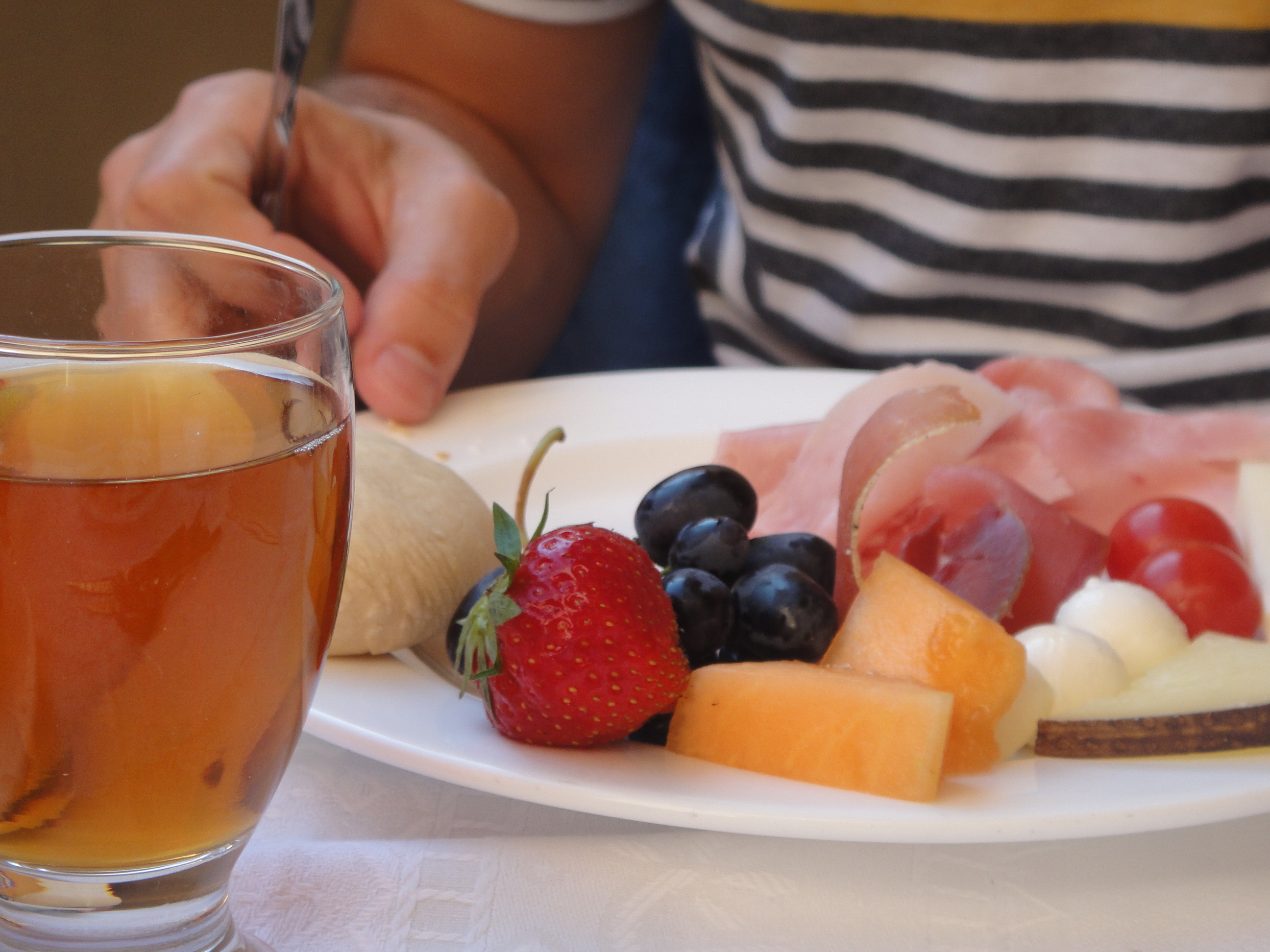
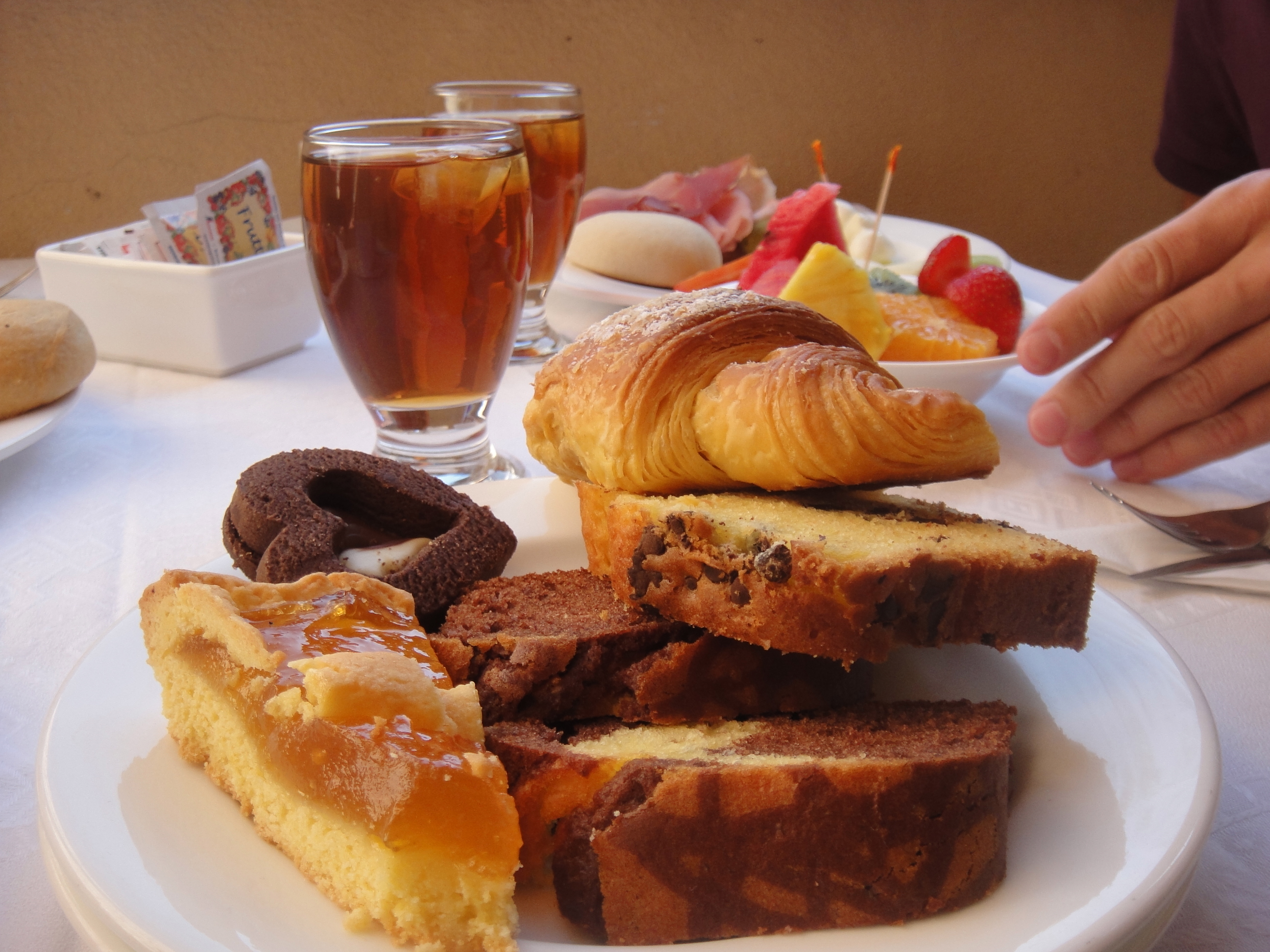
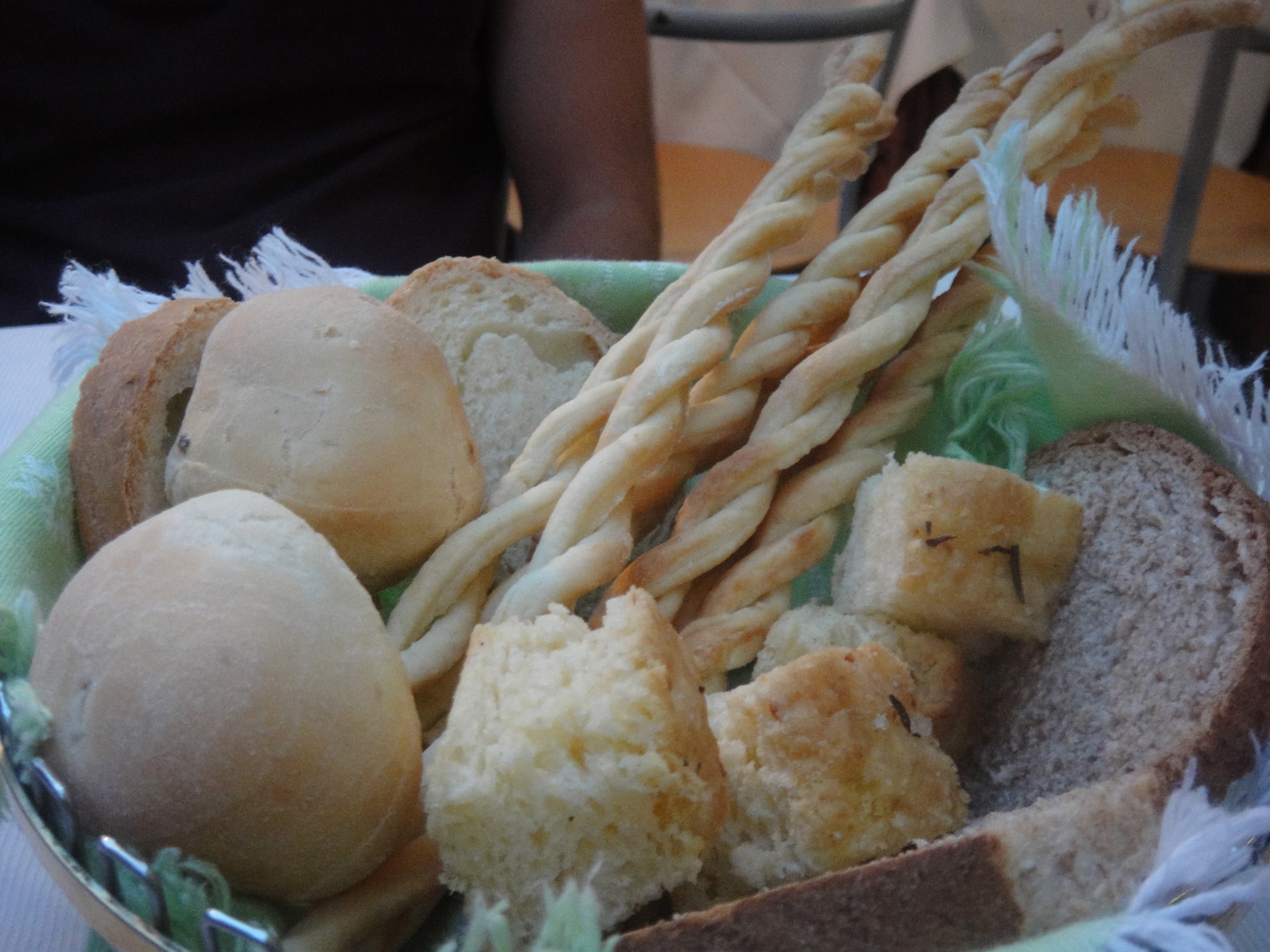
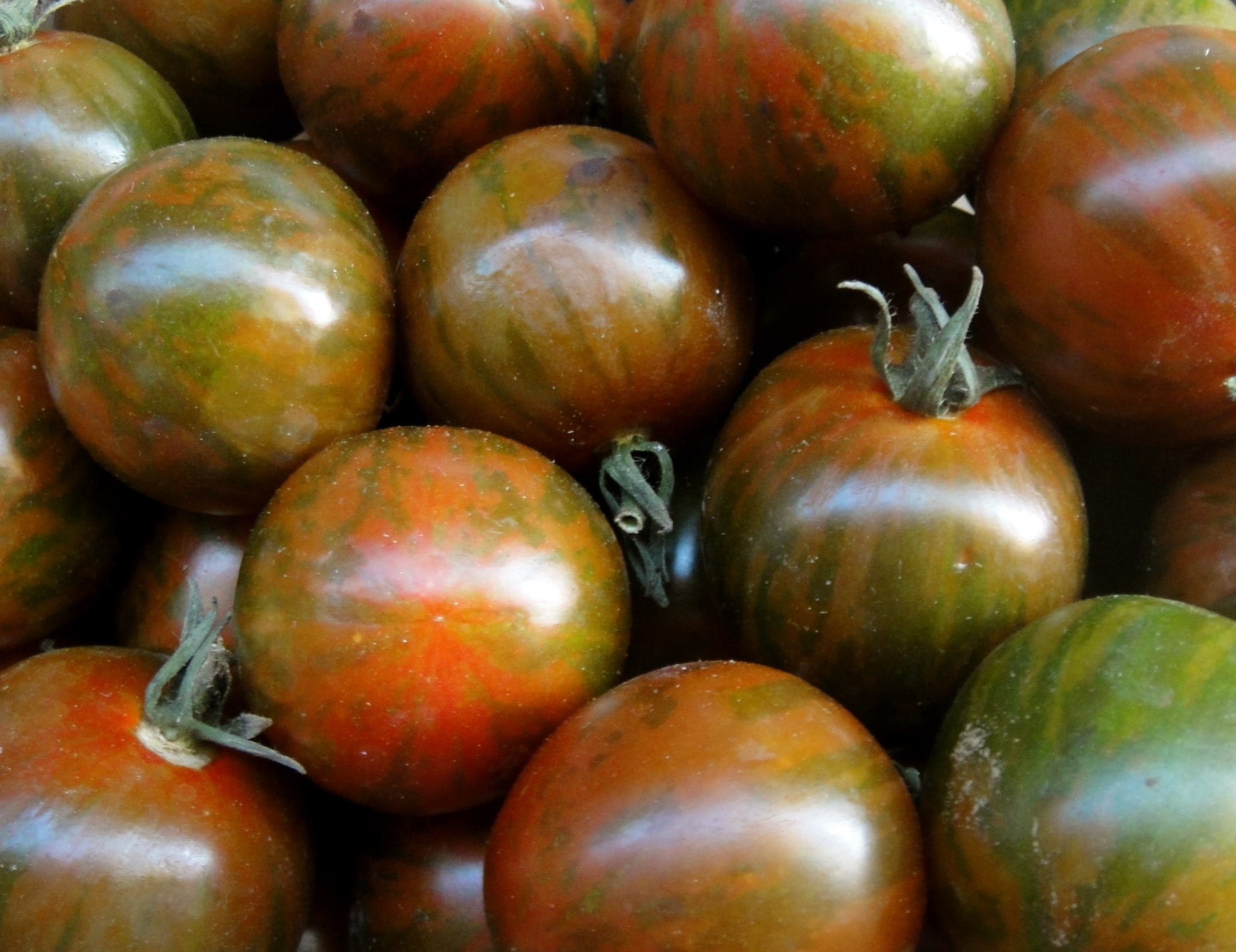
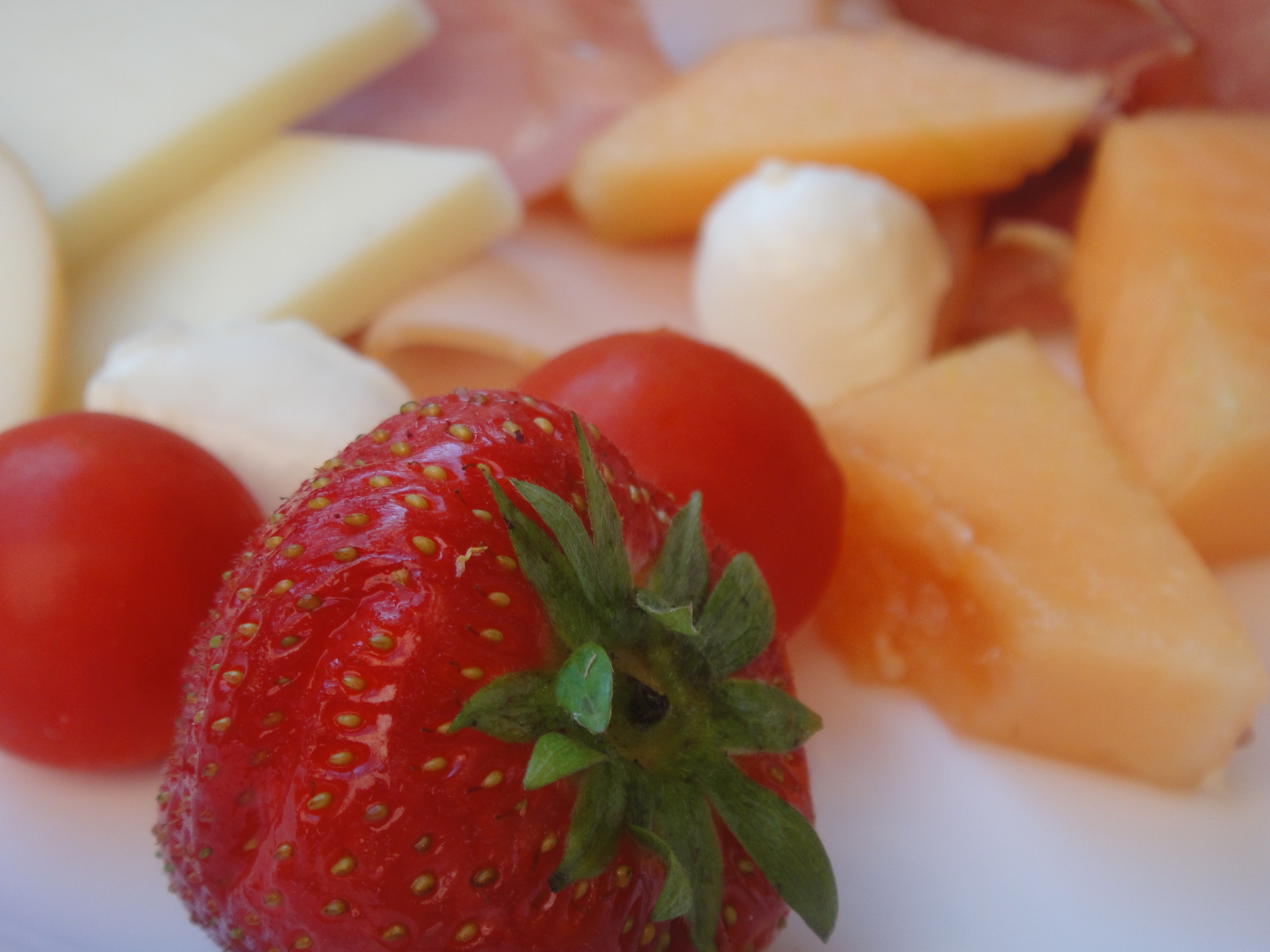
So where to begin. Well, breakfast I guess, a multi-coloured kaleidoscope of colour, as fresh ingredients collided into a cocktail of fruits and meats, soft greasy breads and sweet spongey cakes, all succulently fresh, strawberries as red as La Rossa herself, and mortadella, straight from the manufacturers, limply reclining across our plate. And we didn’t have to go far either. Breakfast was served upon our little terrace at the faultlessly stylish, centrally located  Art Hotel Novecento, a perfect start to each of our four days in Bologna.

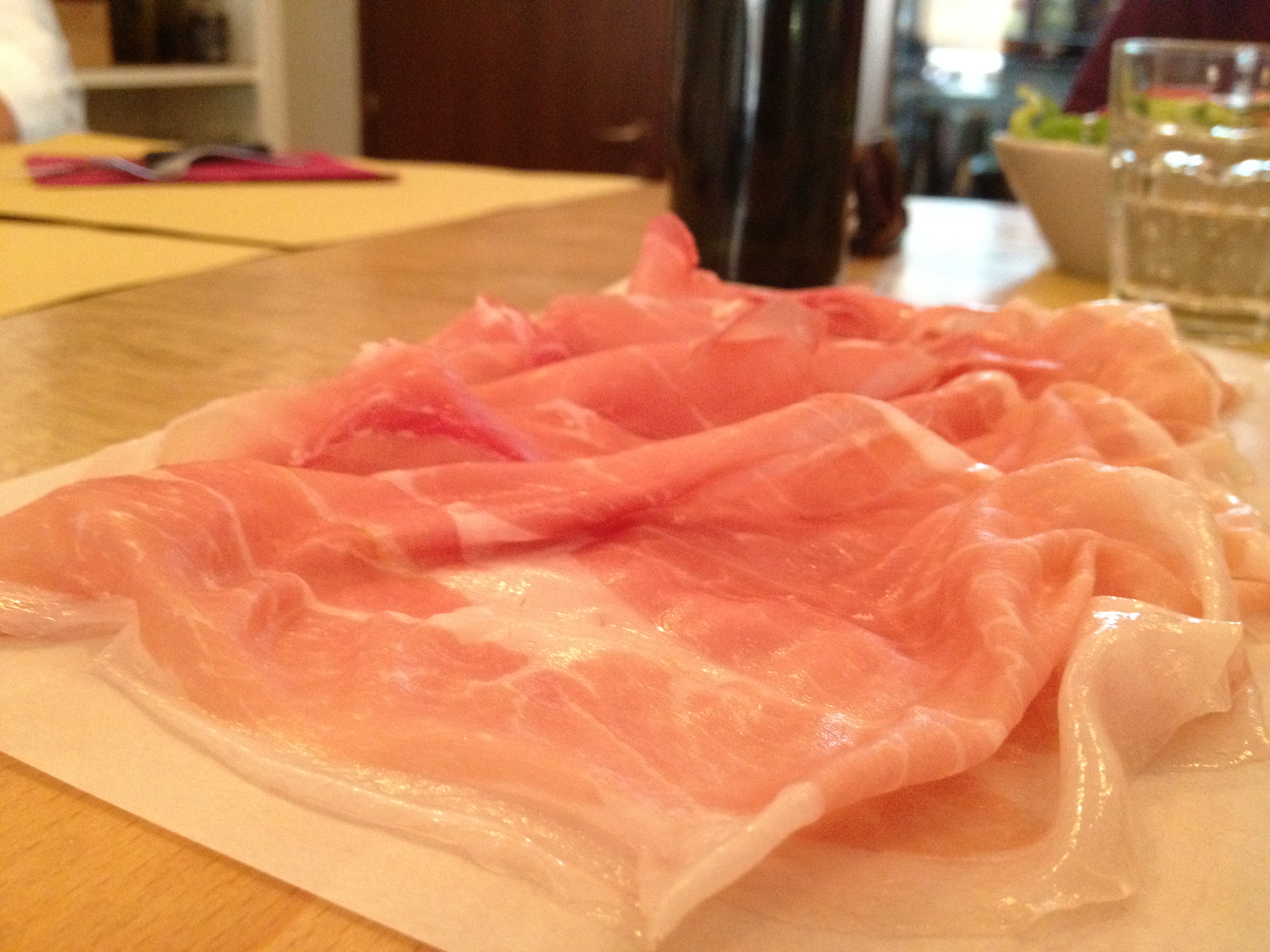
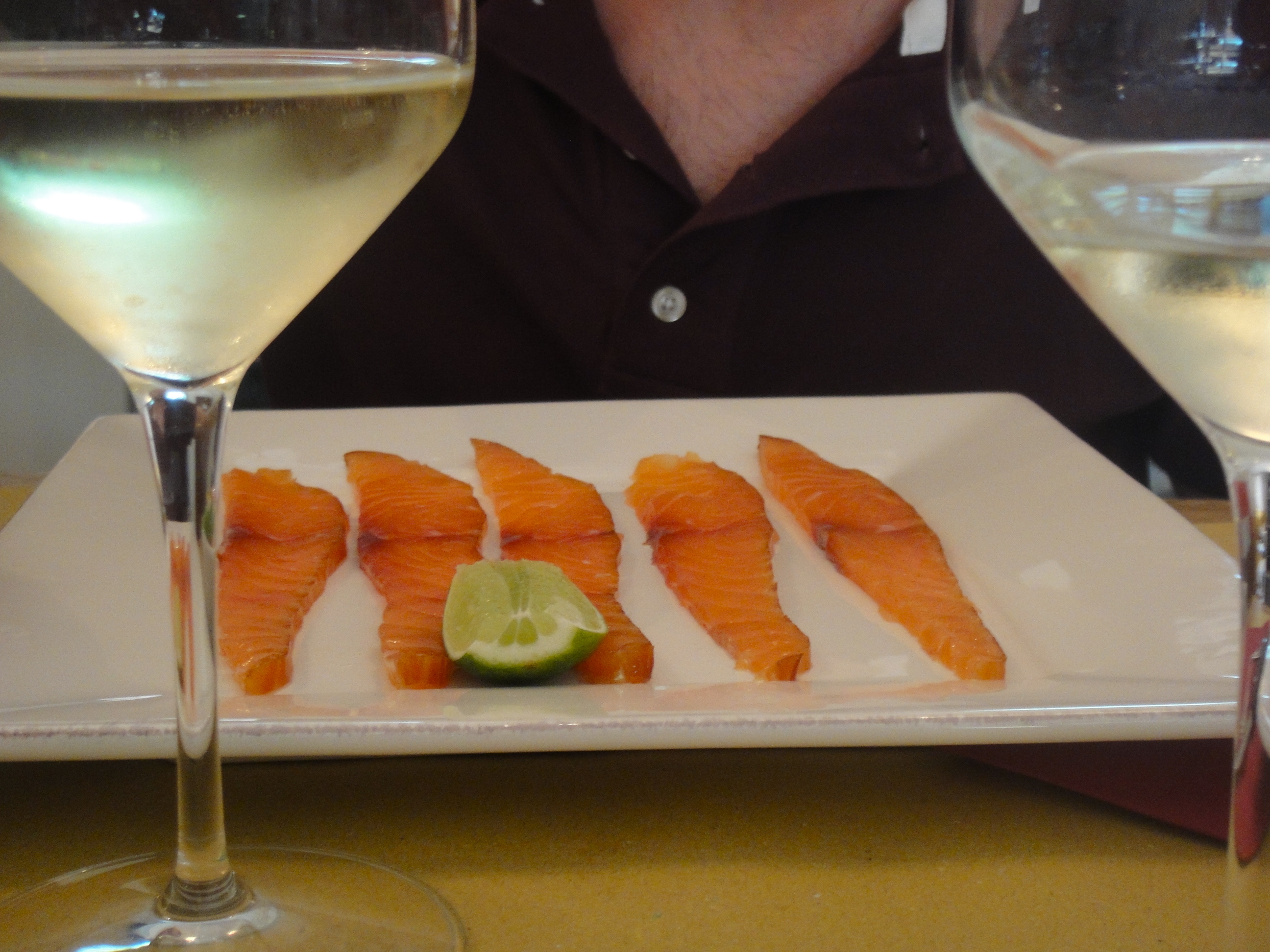
Next, lunch. We stumbled upon this place, Banca del Vino (Via Mantana), on the outskirts of the rough and tumble of Bologna’s ghetto. Here the pizza was amongst the best I have had in Italy. So fresh, so thin and crispy, with a plate of soft silky parma ham served on the side, so that it could be added to the richly endorsed buffalo mozzarella pizza at will. In the meantime, my partner sampled the delights of an equally fresh, thickly cut home-smoked salmon, with a palate-pleasing glass of local white wine on the side. This was rounded off with a rich chocolate parfait with accompanying white chocolate chunks.

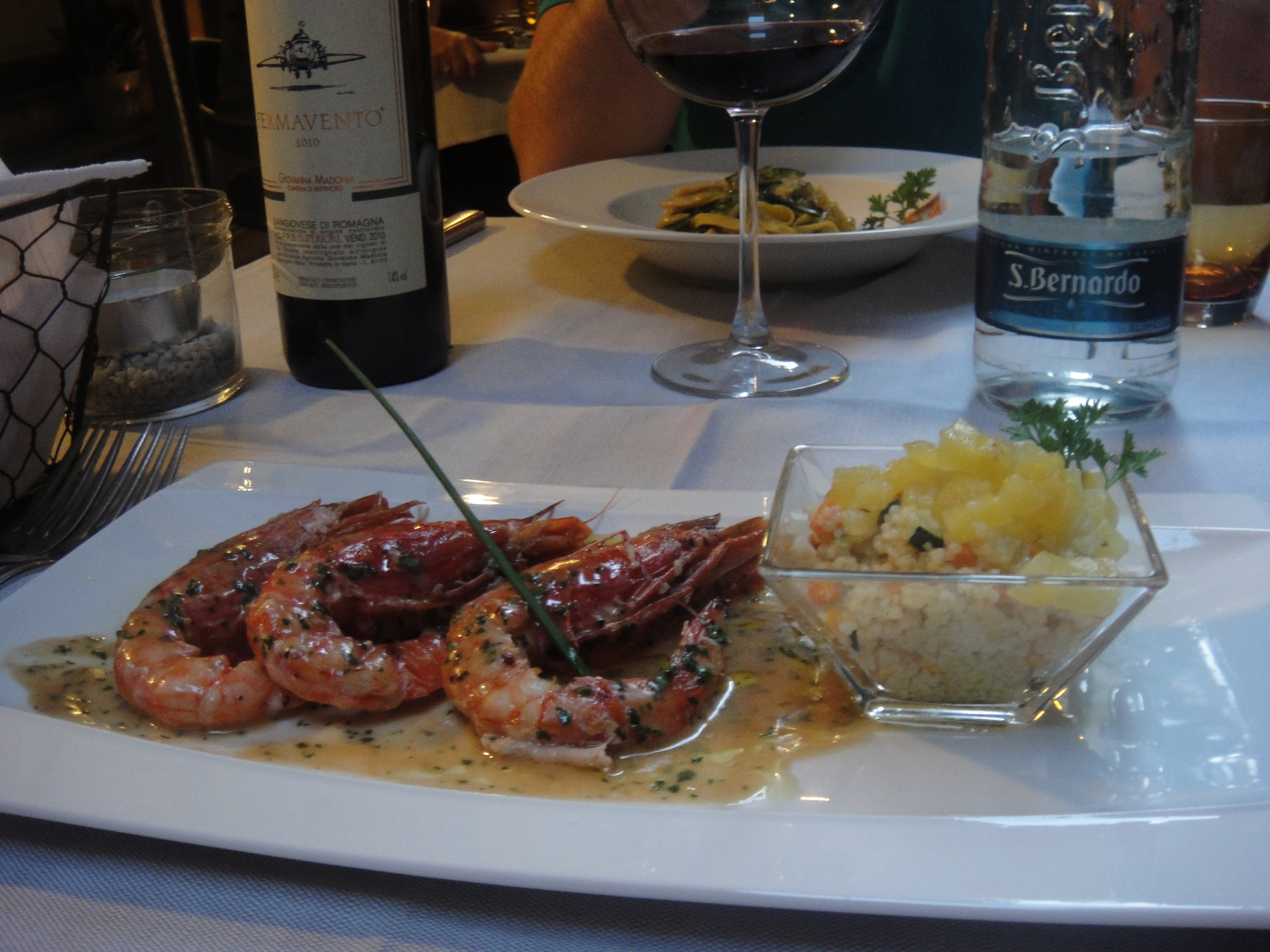
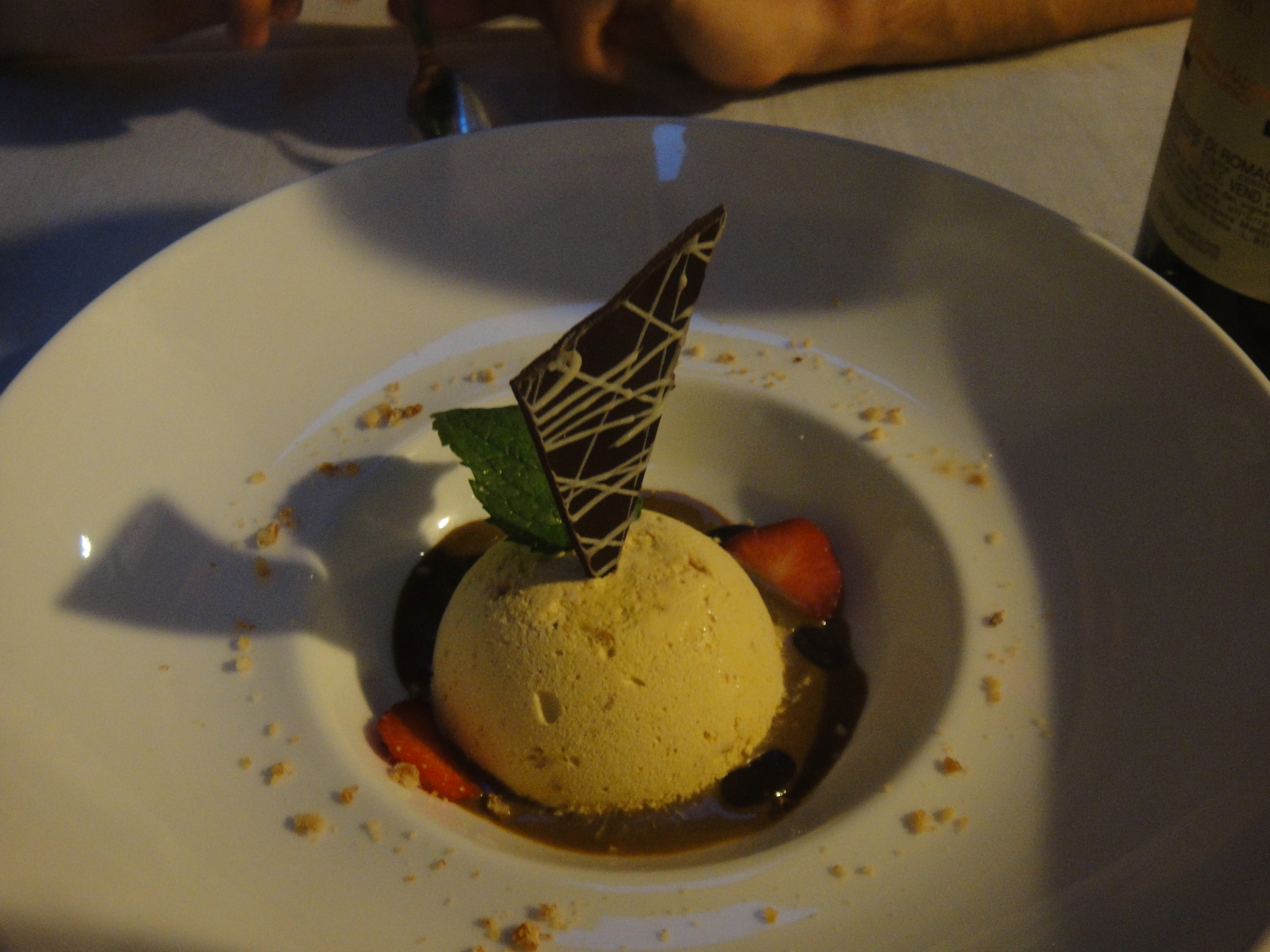
Our first dinner was at the stylish Trattoria Battibecco (Via Battibecco, 4), found down a tiny side street, just off the Piazza Galileo. The food was highly stylised and delicately balanced. I started with the Sformatino di ricotta con cuore di bacon e zucchine su crema di nocciole, a kind of ricotta-enrichend risotto cake, with courgette, bacon and the cream of nuts. Gamberoni rossi in padella leggermente piccanti con cous cous all’ananas was to follow for mains – lightly cooked prawns with pineapple couscous and a chilli hot sauce to balance, while for dessert, a semifreddo with cherry chocolate and a strawberry on the side foretold of the spectacular dinners which were to come.

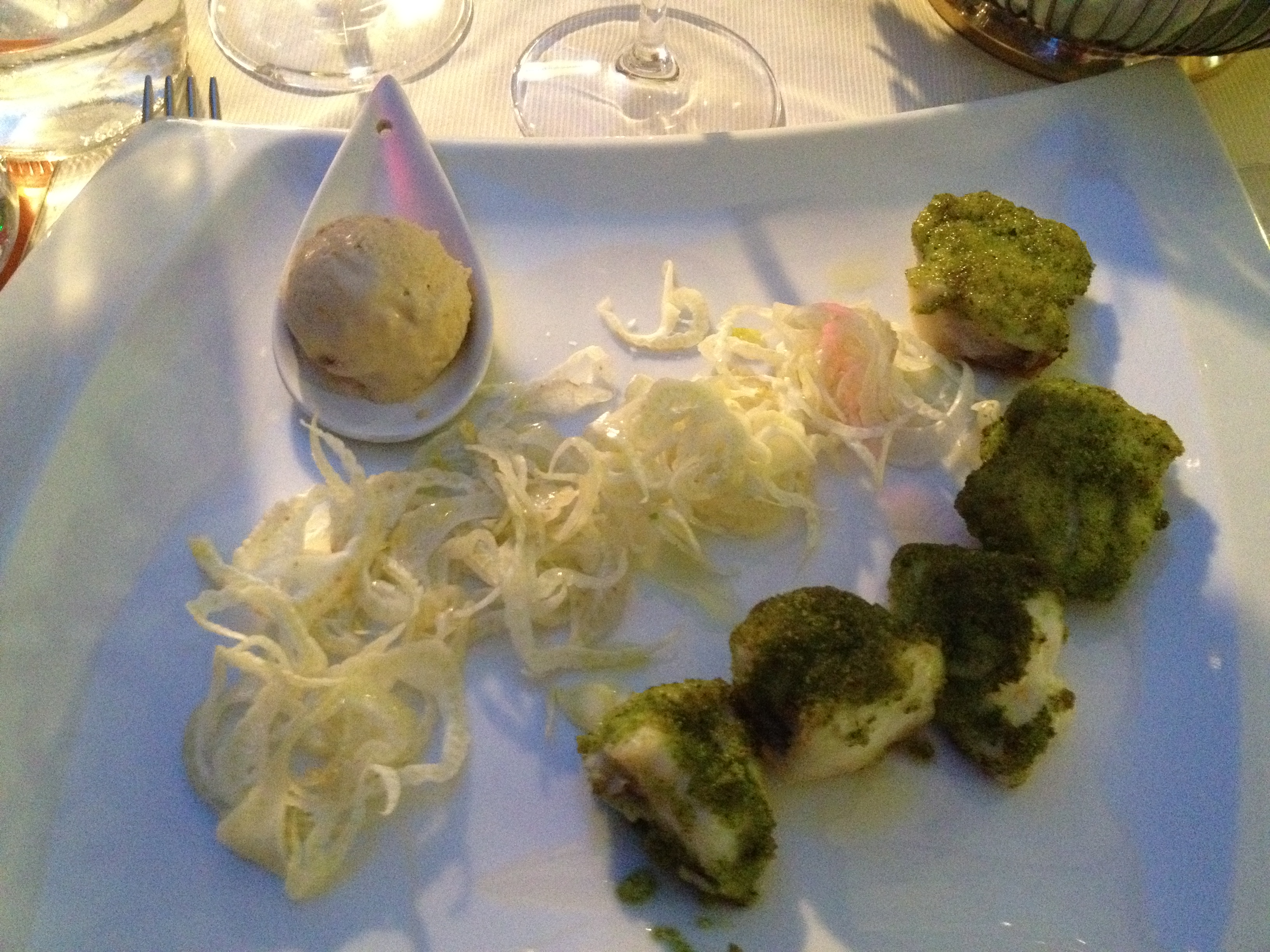
Our second dinner was at the Ristorante Ciacco (Via San Simone), another off-street secret which we stumbled upon having escaped the more tourist-focused affairs of the central Piazzas and cheaper offerings of the university quarter. Here we were treated to an innovation of ice cream, as almost every dish was served with some form of welcomingly-cool ice cream accompaniment. With my warm foie gras, an ice cream flavoured with orange and thyme provided both a sweet and sharp contrast to the rich meaty flavour of the foie, while my partner’s starter (a prawn and scallop club sandwich) was similarly accompanied with an ice cream of wholegrain mustard. For main course, I was treated to a dish of monkfish with liquorice flavoured ice cream – while the monkfish was, inevitably, a little lacking in flavour, the liquorice gave a punch to the dish, helped out in this objective by a light salad of finely sliced fennel. Unsurprisingly, there were innovative ice creams aplenty on the dessert menu, but we instead opted for a white chocolate parfait, accompanied by a vivid green fresh-mint coulis.

Our third dinner was at the super cute Ristorante Teresina di Fuggetta Sebastiano (Via Oberdan, 4), not so much on a side street as much as in a side alleyway – the tables were artfully squeezed in between one leaning old palazzo and another, and the affect was truly cosy and unique, and the later addition of a harp player added a further garnish of romance to the air. Sadly I neglected to take any photos capable of public consumption – the wine caused significant blurring on the old camera – damn that tempting Sangiovese! However the food was super-tempting too. We started with a pea and mint garnished prawn dish, followed by a succulent steak tagliata accompanied by rosemary potatoes. Dessert was a creme caramel of sorts, which my partner declared, with some audacity (clearly bolstered by the Sangiovese) to be better than mine! He was clearly drunk.

Our final instalment of Bolognese dining (as if there was any space left in our significantly lined stomachs by now) was the Ristorante Cesarina (Via Santa Stefano), a more traditional affair, set in the heart of one of Bologna’s most beautiful squares. What this place lacked in innovation, it excelled in traditional cuisine cooked with excellence. We’re talking stuffed Zucchini flowers, faultlessly grilled seafood and all washed down with a mega-strong bottle of Sangiovese. But never mind all of that. The starter I had was simply mind-blowing. I mean, we’re talking a world-stopped-turning moment of culinary ephiphany. And we’re only talking ravioli – and a pumpkin ravioli at that (and from the photo, it doesn’t look all that much either). But OMG, I can’t even begin to explain how good that pasta was – perfectly al dente, giving way to a salty-sweet pumpkin centre topped with a buttery sauce and – the crowning glory – a kind of marzipan/ caramalised/ honeycomb crumb which just set my mouth alight. If I could get the recipe for that dish and bring it back to the UK I could retire early.

It tasted so much better than it looks.

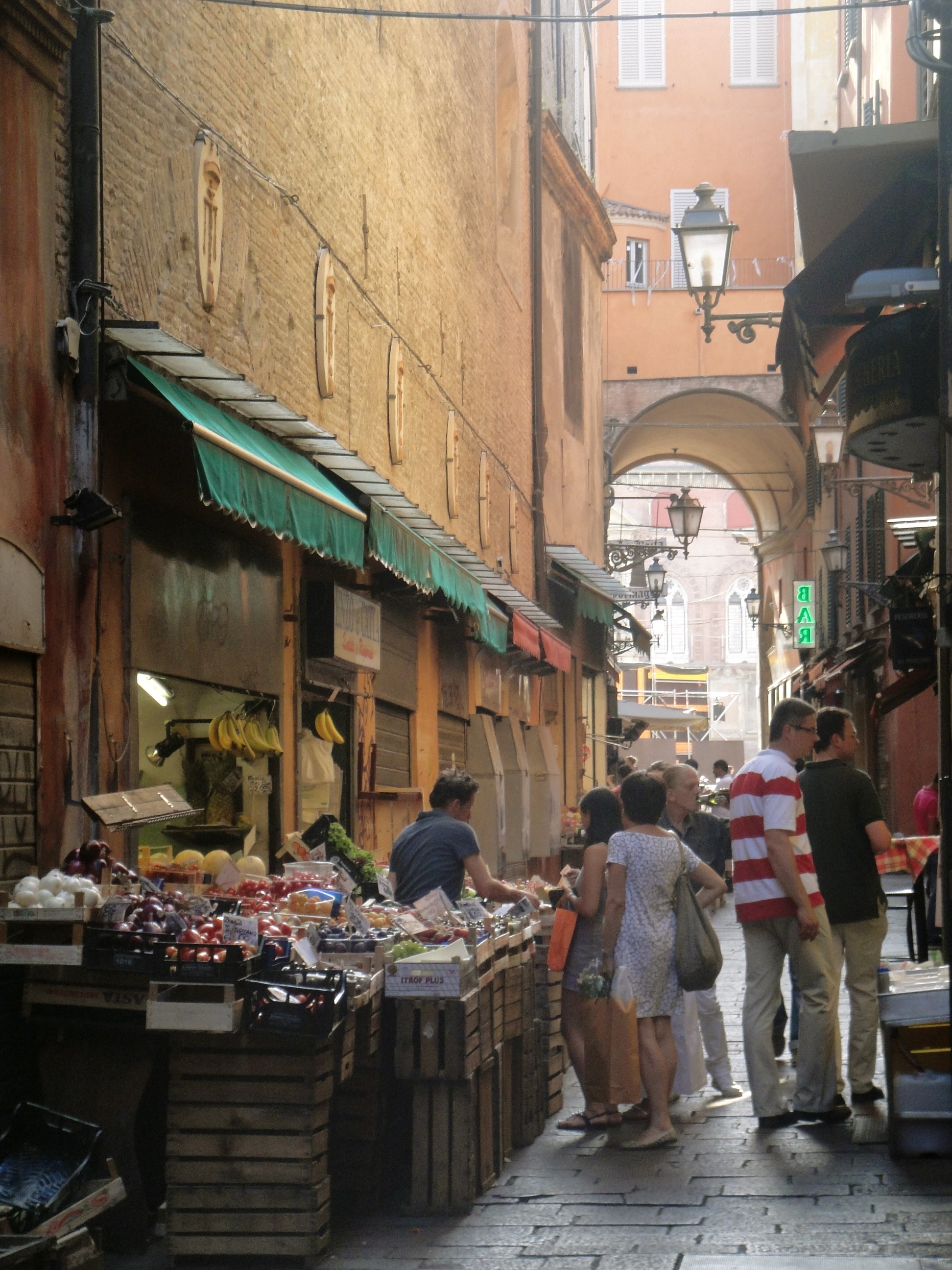
So there you go, a food explosion well worthy of all the fuss. There is no doubt in my mind that Bologna lives up to its reputation of food capital of Italy. And it’s not just the restaurants either. A short walk off the Piazza Maggiore, and you find yourself on the quaint Via Pescherie Vecchie, where a bustling food market continues to thrive and tempt passers by with the fragrant scent of ripe fruits, sea-fresh fish and sweet juicy cold meats. Meanwhile, head to any half-descent cafe, and we’re talking an affogato worth writing home about.

All this talk of food has made me hungry. I’m off to raid my nearest Italian deli. Hey, it’s not Bologna, but I will leave that crowning glory firmly where it belongs, carefully rested upon Bologna’s culinary pinnacle, amongst the perfect colonnades, the cinema under the stars and the perfectly leaning red-bricked towers. Bologna La Grassa, La Dotta, La Rossa: Te adoro.

All photos are strictly the copyright of Nicholas de Lacy-Brown © 2012 and The Daily Norm. All rights are reserved.

Bologna: La Dotta – Learned city where the profane is sacred, and the sacred is mundane.

As far as outward appearances go, Bologna holds its own amongst the crowd. For beautiful buildings, magnificent public monuments, fading Renaissance elegance and vast central piazzas, Bologna is undaunted by its more celebrated rival cities of Florence, Milan and Rome. But behind the facade, in mind, Bologna is quite different. In Rome, for example, the dominant influence of the church, and in particular of the Vatican looming close by, is evident all around. You only need to turn a corner to find another vast church, stuffed to saturation full of the most exquisite baroque sculpture, euphoric painted ceilings, depicting heaven and hell with startling realism and artistic virtuosity, gold-dripping altars, elaborate side chapels, and 100% fresco coverage throughout. In Florence, the green, pink and white marble covered Duomo and its baptistry dominates the city’s central piazza, while just around the corner, the equally stunning Santa Croce and Santa Maria Novella dominate their own respective squares.

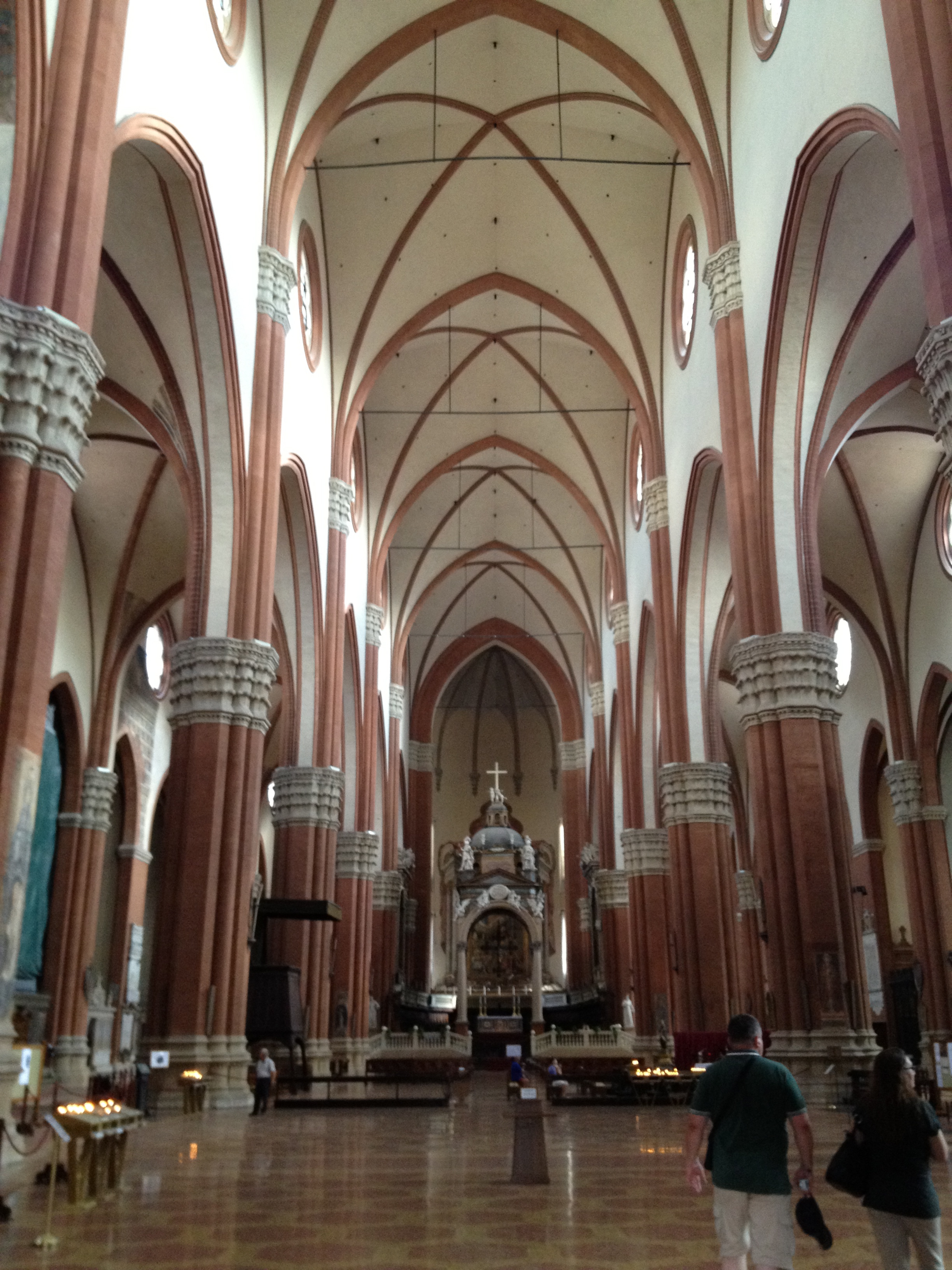
In Bologna, by contrast, there is a sense that the church plays second fiddle. True, the Piazza Maggiore is at least partially dominated by the looming presence of the Basilica San Petronio, but its vast marble facade has been left unfinished, as though the Bolognese started the expensive task of covering the brown bricks with marble, only to decide that the money could be better spent on other things. Meanwhile, on the inside, the church has a vast gothic interior, rising almost endlessly into the sky, yet compared with other Italian cathedrals, this interior is stark and austere, exhibiting the same lack of embellishment as is all too obvious on the exterior.

San Petronio’s unfinished exterior

And its impressive but austere gothic interior

In Bologna too is the iconic church of Santo Stefano, which is actually comprised of a hodge-bodge of some 8 older churches all linked together. However the rather plain brick-facade of this church is easily dominated by the stunning collonades of the neighbouring buildings, and all of the guide books of Bologna refer not to the beauty of the church, but of the square itself, with its fine Merchant mansions, shopping arcades and perfectly-proportioned palazzos.

Overshadowed: Santo Stefano

That’s not to say that the Bolognese are a population of heathens, rejecting the church and pursuing a life of hedonistic profanity and over-indulgence. The Basilica of San Petronio is, in fact, a mere shadow of its original design, which was intended to be a vast religious temple when designs were drawn up in the 16th century, but which were promptly interrupted by the Vatican who feared that the resulting cathedral would overshadow St Peter’s in Rome. As it is, the cathedral is the 15th biggest in the world. While the intention was there, you can’t help but notice that in spirit, Bologna’s priorities lie elsewhere. For the second of Bologna’s three renowned epithets is La Dotta: the Learned, and the great prevailing buttress of Bologna’s cultural foundation is intellect and learning – and you can see it all around.

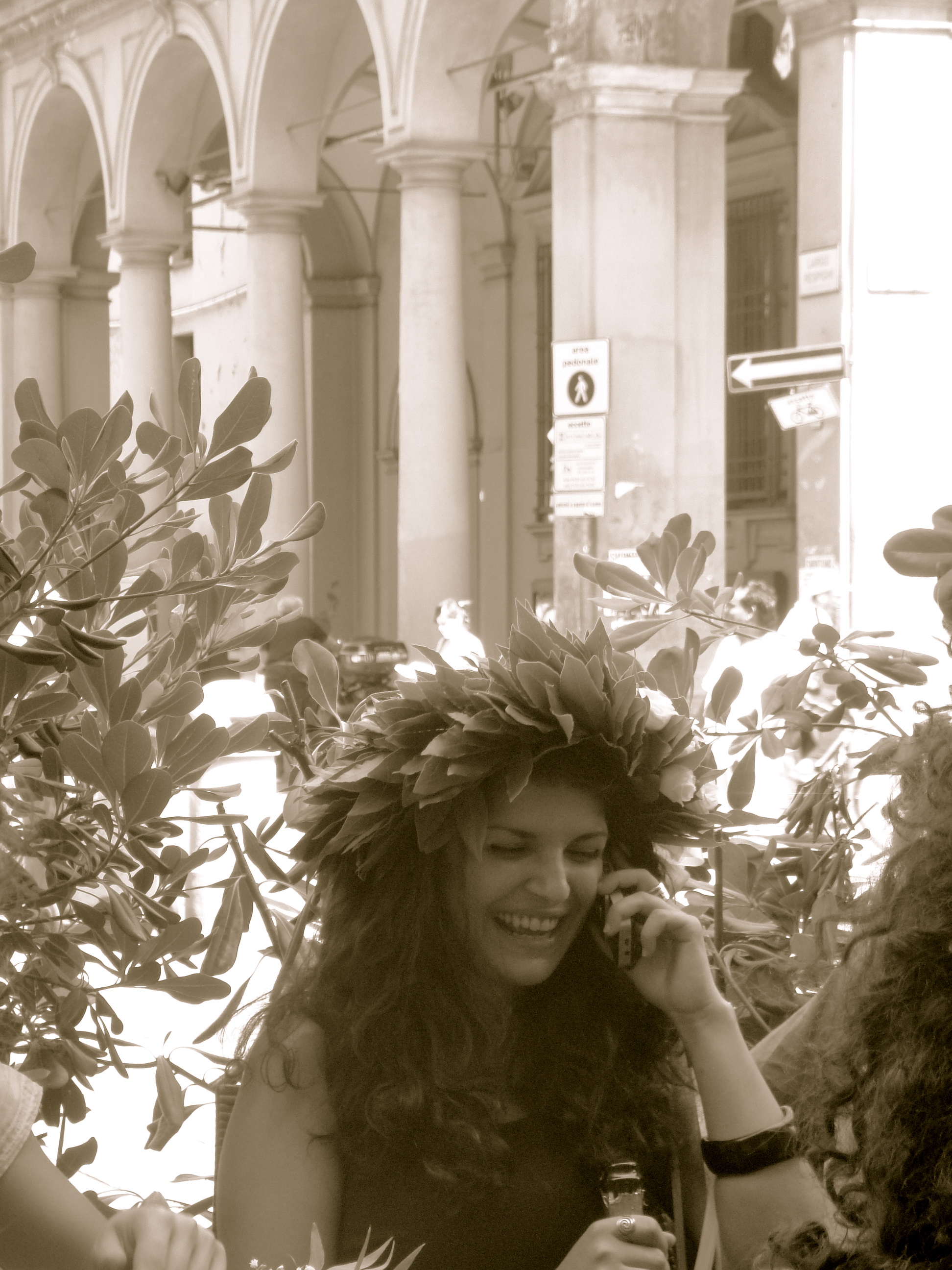
A happy Bologna graduate on her graduation day

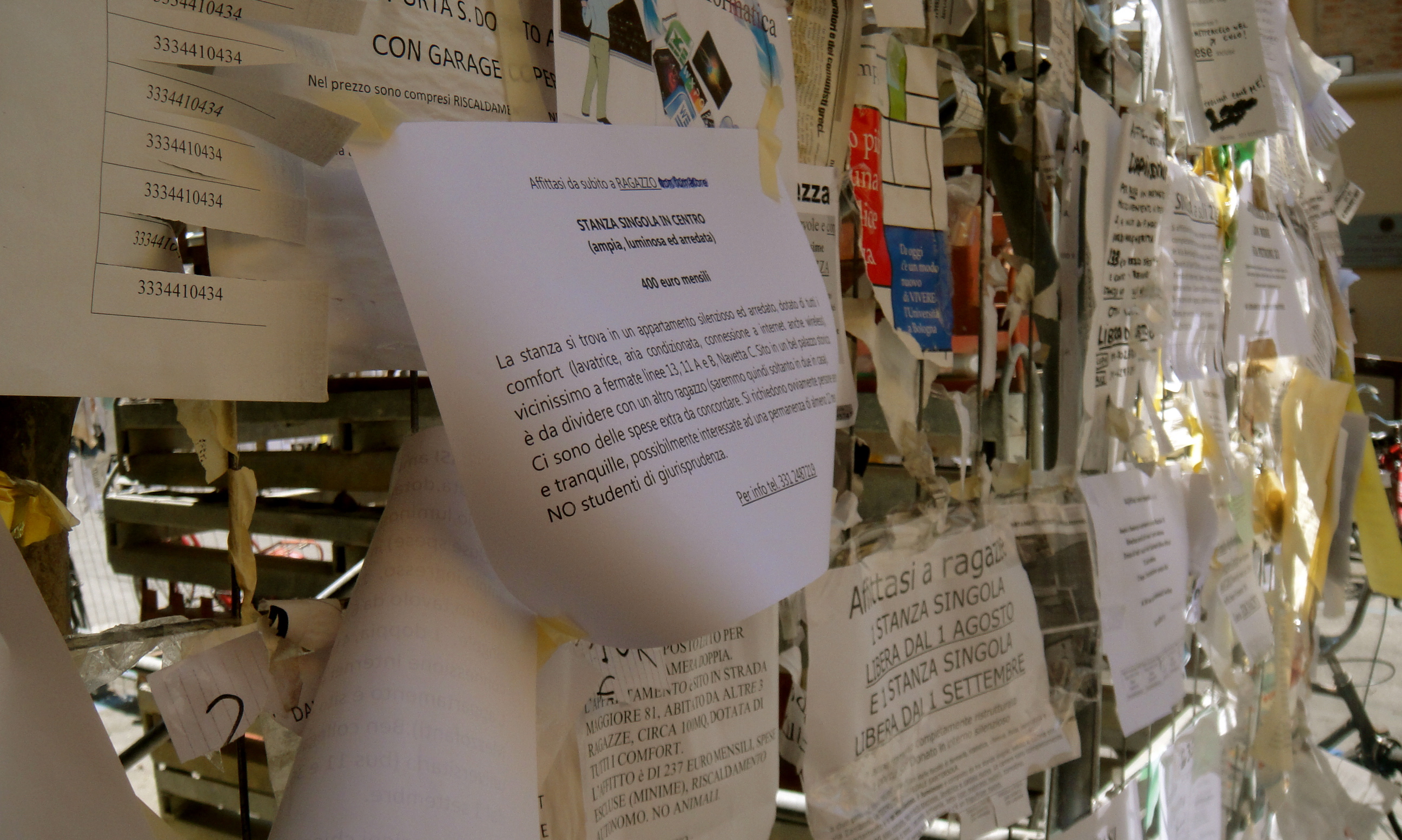
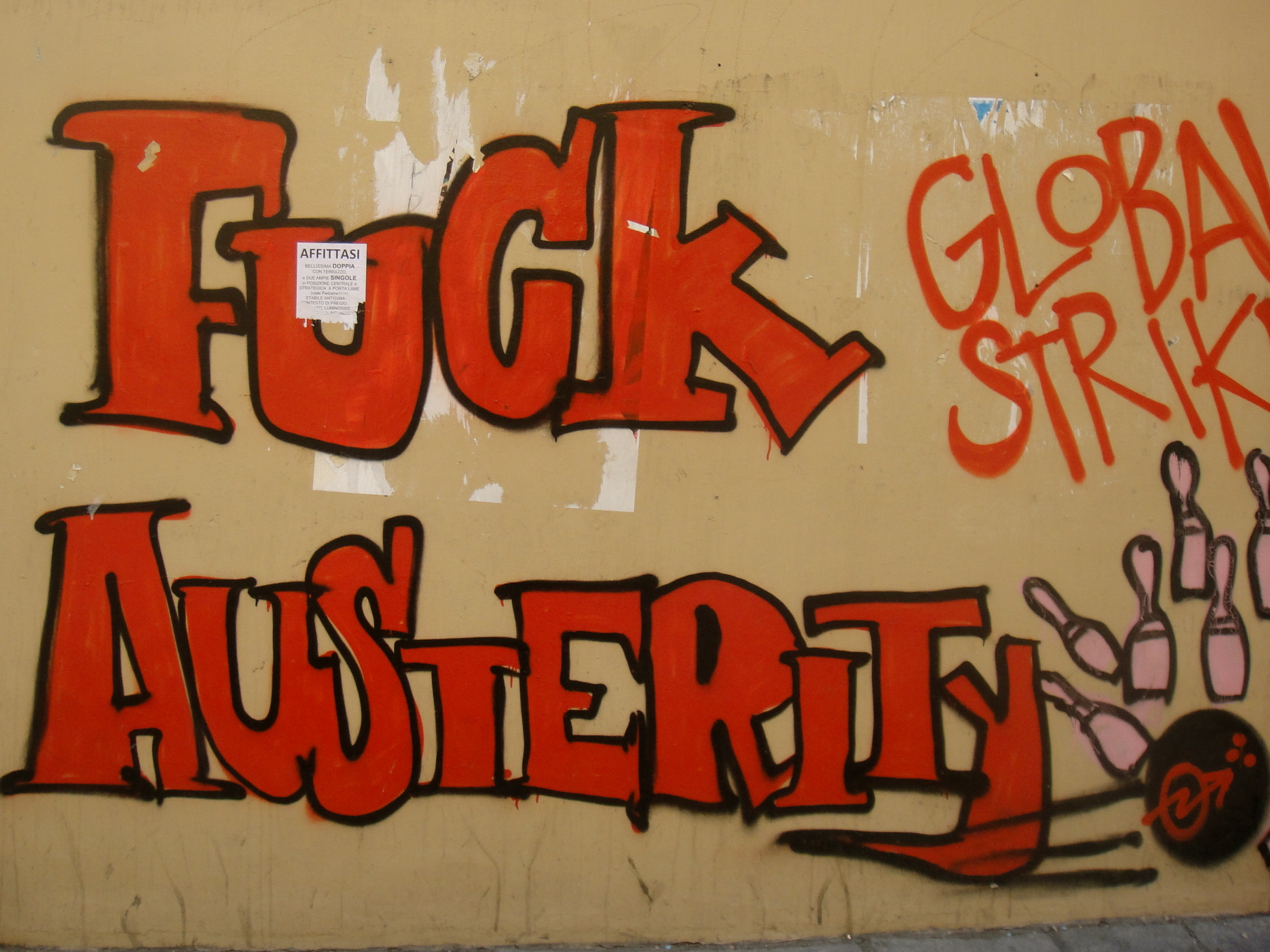
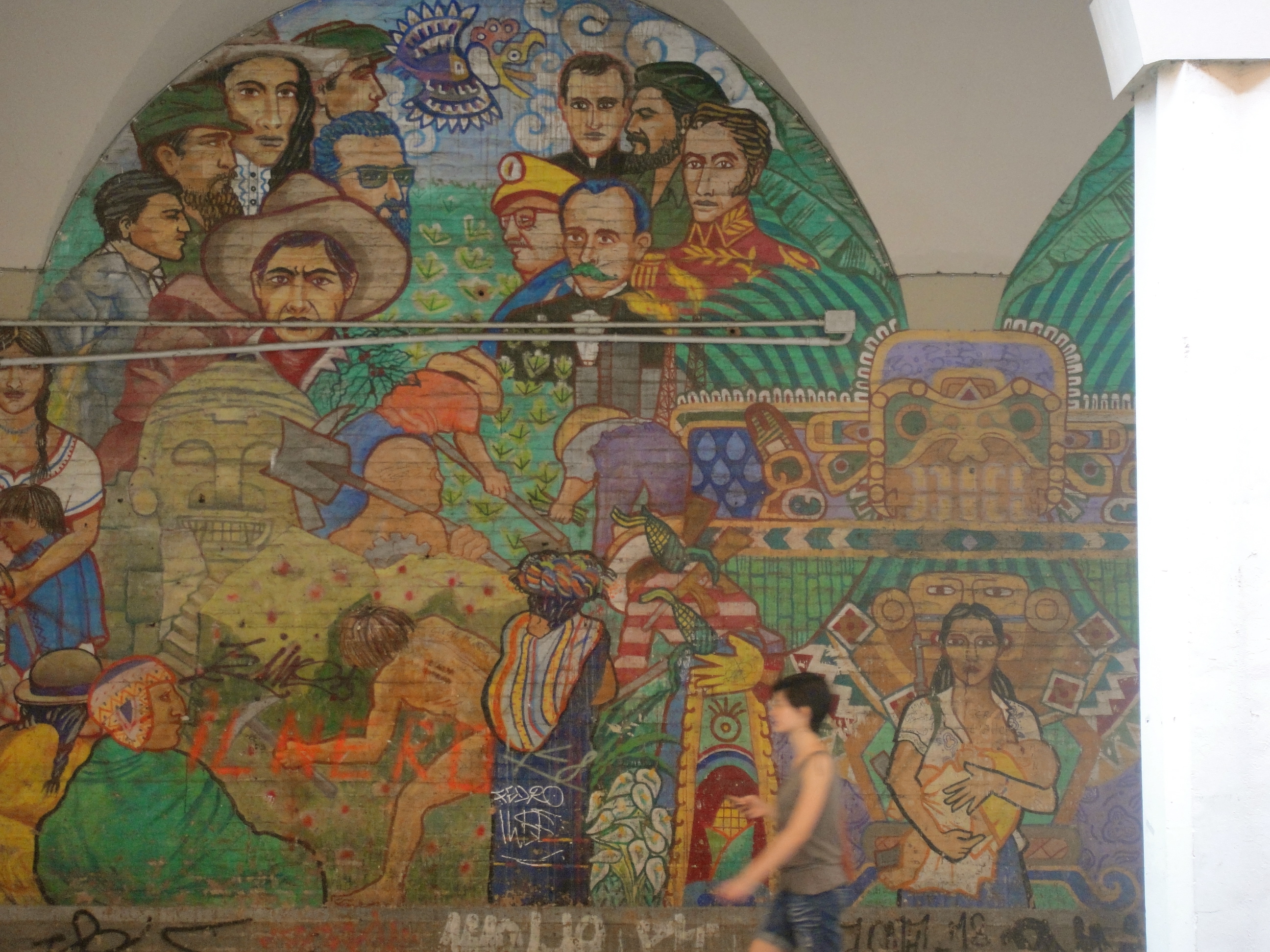
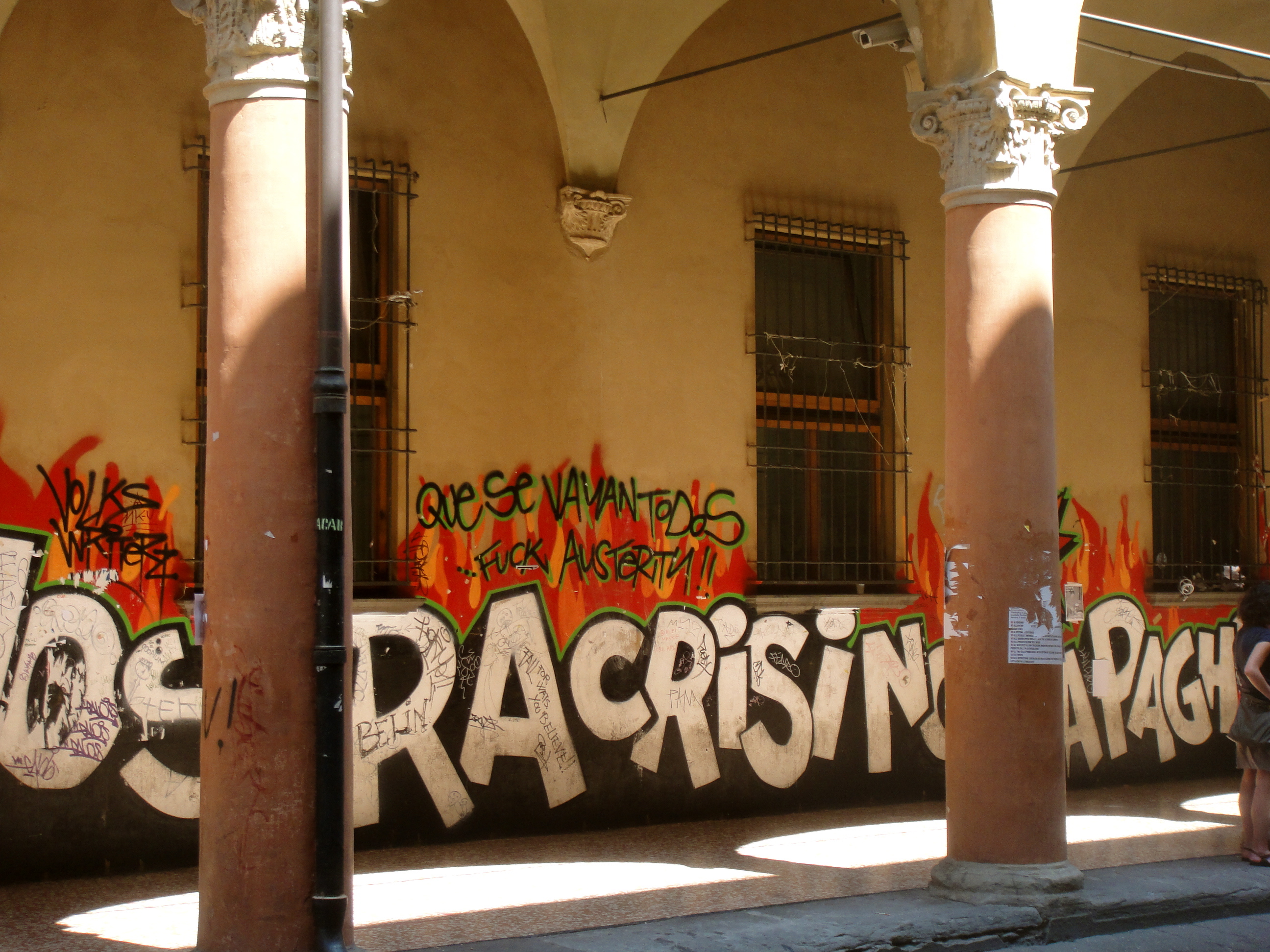
For starters, Bologna boasts what is said to be Europe’s oldest University, going back some 900 years, and the vivacious influence of the city’s still-thriving university population can be seen all around. On our first morning in the city, we wandered into the university district, just north of the central leaning towers, and there we found a district which was markedly alive with a thriving cafe culture, with campuses and libraries and a predominant feeling of youth and exploration. There, the elegant porticos of the southern city had been replaced by vast graffiti murals, protesting against austerity, opposed to Gaddafi and debating other modern polemics in technicoloured spray-paint. Instead of frescos, here the walls were covered with posters promulgating student presidential campaigns, advertising rooms to rent and promoting concerts and lectures. And instead of tourists, here the students dominated, and in fact on our visit were in the midst of a great summer graduation, for which the macabre mortar-board was replaced with a garland made from olive leaves and ribbon.

But the spirit of learning extended beyond the university. In the Piazza Maggiore we past a group of ordinary locals, energetically debating the state of the economy, some berating the influx of immigrants, others bemoaning the lack of jobs, and the rare few wishing Berlusconi was back in power. The debate went round and round, and views differed widely, but it was wonderful to see these people, vocalising their views, no matter how extreme, in a jocular environment, rather than building up resentment as is so often the case in reserved England. Meanwhile, around the Piazza, a wide range of impressive museums demonstrates Bologna’s thirst for global culture, art and history: We visited the beautiful archeological museum, where a courtyard stuffed full of Roman relics was an awesome sight, and the Pinacoteca Nazionale Bologna, where sadly the most famous works – a Giotto altarpiece and a Raphael had been hidden away owing to the double-bill of earthquakes which hit the Emilia-Romagna region in the last year.

The archeological museum

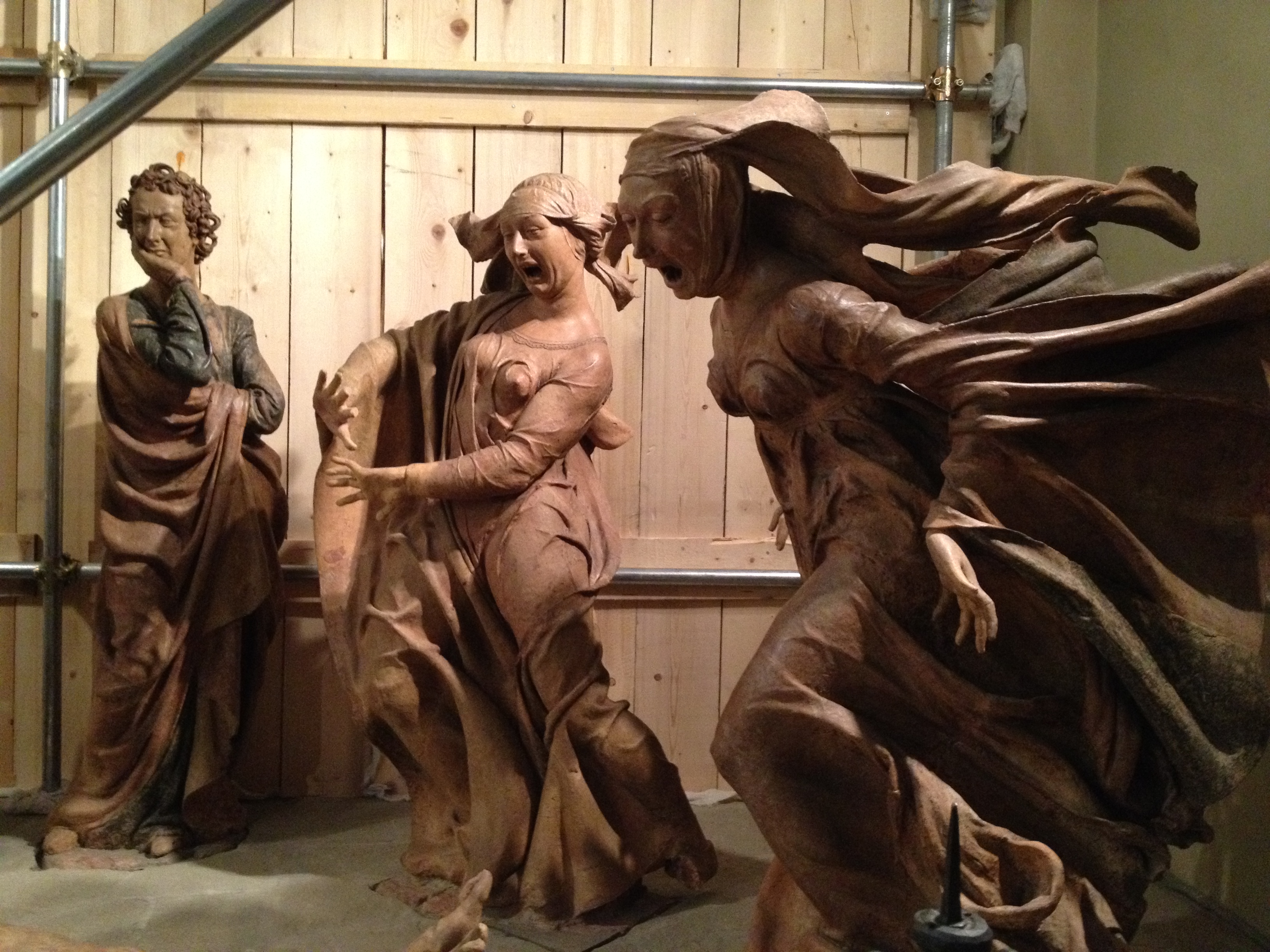
It would be unfair however to dismiss Bologna’s religious heritage all together. Seek and ye shall find, or so they say, and when you head away from the major Piazzas, there are some religious gems still to be found. The church of Santa Maria della Vita for example was quite a sight to behold. Tucked away in a side street off the Piazza Maggiore, a small door led to an interior which simply took my breath away. You can see from these photos why without further description. Also held in the church were the equally enthralling terracotta sculptures by Niccolo dell’Arca of the dead Christ and surrounding mourners. The sculptures exuded incredible dramatic pathos, the expressions of grief and torment of the figures intensified by the realism of their dramatic facial details.

Santa Maria della Vita

The Niccolo dell’Arca sculptures (protected from earthquakes, hence all the ugly wood)

Meanwhile, head out beyond the city, following the world’s longest continuous arcade (4km long, comprising an ominous 666 arches) from the centre of the city and at its end you will find the stunning sanctuary of the Madonna di San Luca, perched atop a hill, glowing orange, looking over the city for which it was appointed ultimate guardian.

San Luca

The uphill end of the world’s longest continuous arcade (we took the trenino rather than suffer those steps…)

So at the end of it all, Bologna, with its fiercely independent spirit and pursuit of intellectualisation and cultural superiority has captured a perfect balance. It has not sacrificed religious influence, nor morality, but it has cast the perfect equilibrium between moral precedent and intellectual and cultural freedom. In that respect Bologna has perfected a model which must surely be envied throughout the world.

All photos are strictly the copyright of Nicholas de Lacy-Brown © 2012 and The Daily Norm. All rights are reserved.