Skip to content

Posts tagged ‘Travel’

Bologna: La Rossa – Red hue of a left-leaning towered city

Of the three epithets for which it is known: La Rossa (the red), La Dotta (the learned) and La Grassa (the fat), it was the first of the three which became immediately obvious upon our early evening arrival in Bologna, capital of the Emilia Romagna (after a stuffy long train journey along the Tuscan coast with a change in Firenze): Not only did the city exhibit a searing red-hot temperature of near 40 degrees centigrade, even at 7pm, but its buildings were tinged with hues of reds, terracottas, and russets for as far as the eye could see. And what a rich, red spectacle our eyes had in store as we unloaded our luggage at the hotel (by this time full to near-combustion with olive oils, pastries and wine from Toscana) and headed straight out into the town.
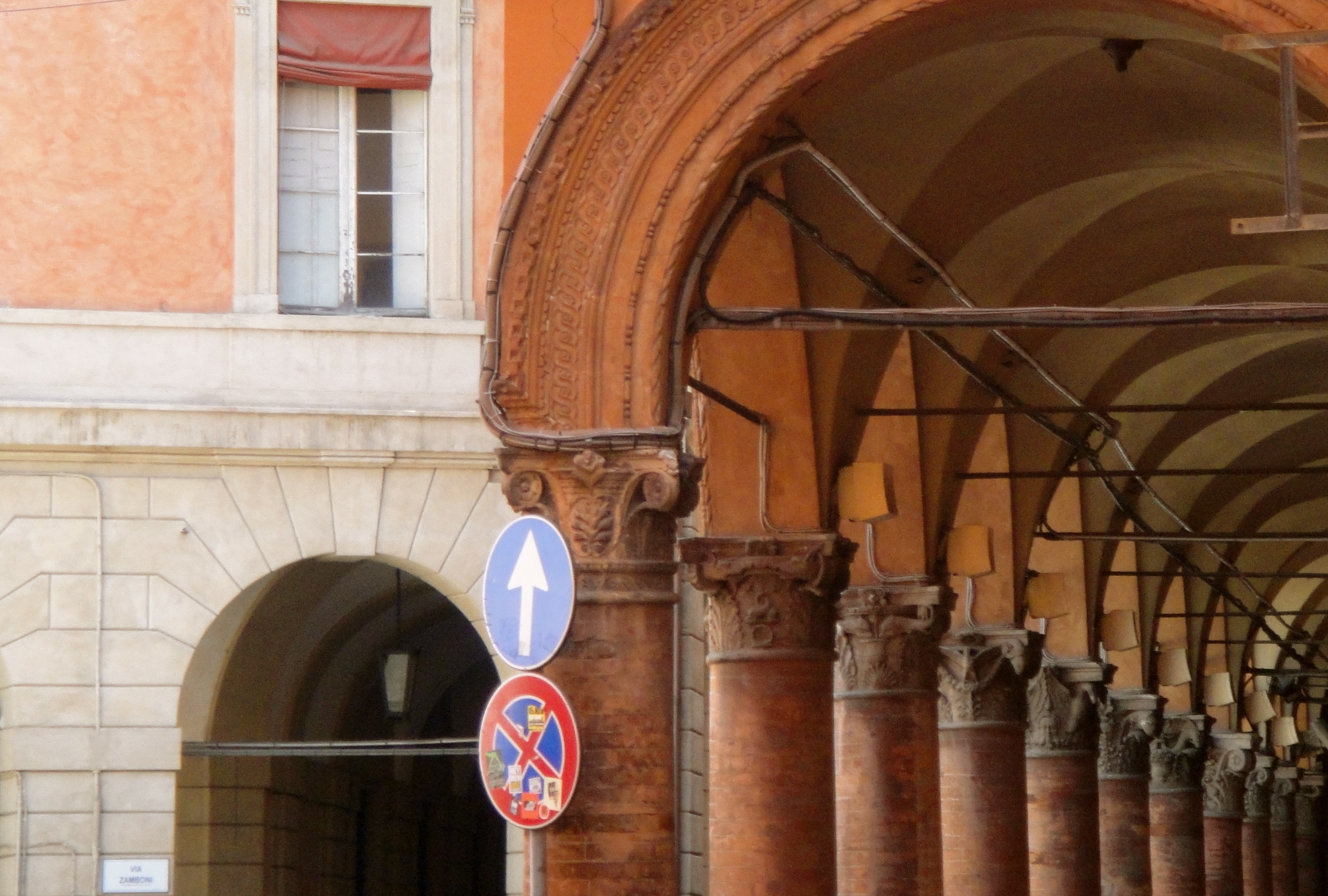
Red as far as the eye can see…

Bologna is stunning. It’s a living, breathing, pulsating city. It is not like Florence – a beautiful town whose heritage and architectural splendour cannot be doubted, but which is so full of tourists that the whole place feels a bit like a theme park. By contrast Bologna, often overlooked by Florence, just 30 minutes south by train, is a city equally rich in architectural heritage for which exhaustible superlatives are simply not sufficient, but which at the same time is alive with its university students, with a diverse population of engaging chic Italians rather than tourist throngs, with high-end restaurants and boutique shops, with cultural spectacle and a vibrant cafe culture.

For Bologna does not just celebrate its architectural wealth, but with an infamous liberal attitude, celebrates all aspects of life too. Here, none of the Catholic constraints traditionally centralised in the Vatican and strictly executed to control the moral values of nearby cities can be seen. In fact, the epithet La Rossa, traditionally used to describe Bologna’s multitude of red-shaded buildings, has, in more modern times, been used to describe the Communist-dominated local government which has been in power in the city ever since WW2. The city has never looked back, and having now morphed into a left-wing coalition, the Bologna administration has imposed an individualistic, modern vision on the city. In fact, so successful has this vision been that Sociologists from around the world have studied the so-called “Bologna model” of political and social governance, and Bologna now regularly tops the polls for where to enjoy the best quality of life in Italy. Moreover, with its liberal leanings, Bologna is the centre of civil rights and communal culture, a bastion of social democracy and the centre of Italy’s gay-rights movement. How terribly refreshing! No wonder then that as recently as the papacy of Pope John Paul II, the Vatican condemned the Bolognese as degenerates, and the city’s own archbishop lambasted his flock for loose morals and godlessness.

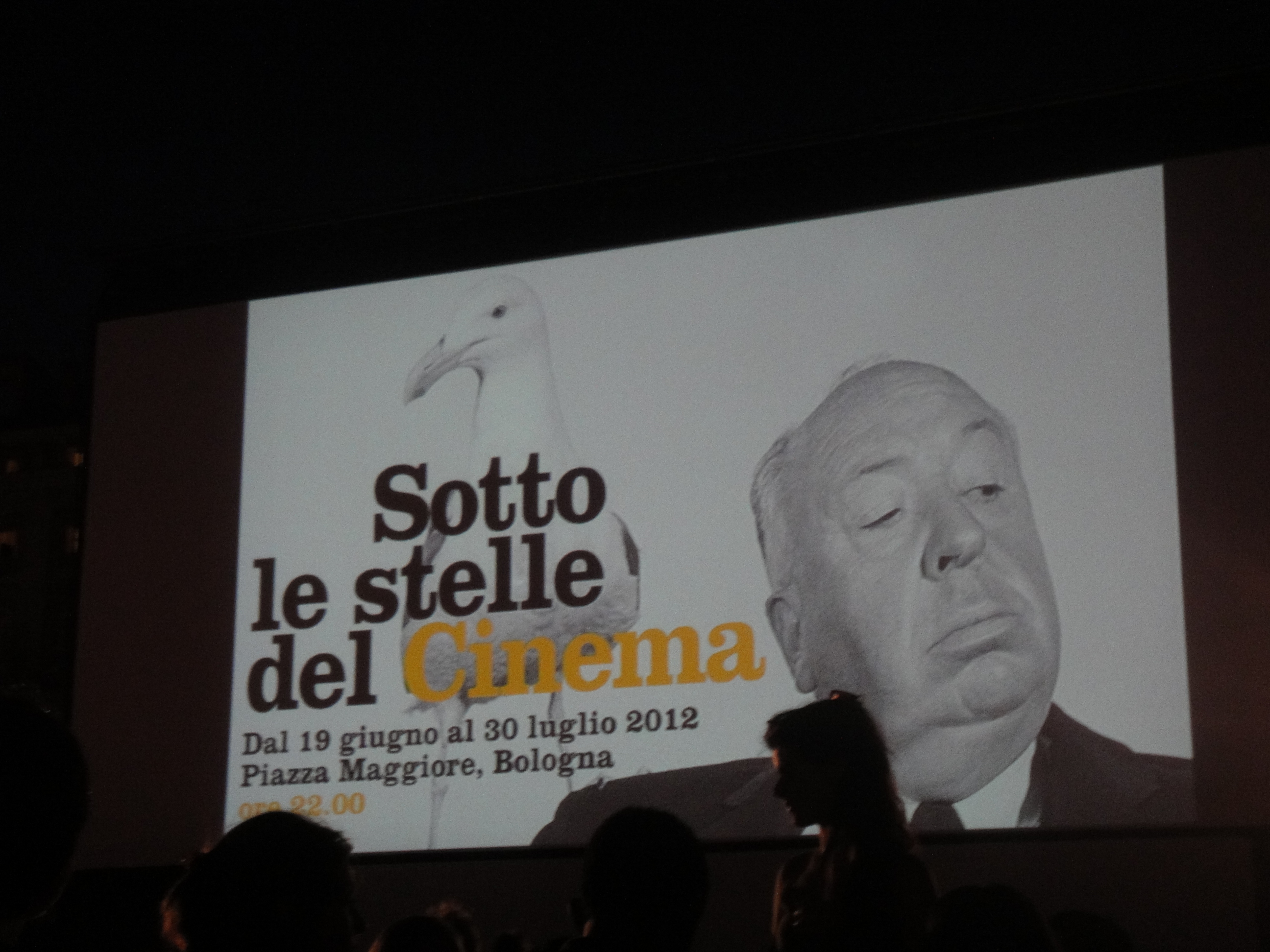
The film festival, for which Hitchcock films played a major part

If this is degeneration, I’m all in. The atmosphere of convivial city living could be seen by the bucket load as we entered the grand Piazza Maggiore on our first evening: There, under the stars, was set up a huge cinema projection screen, almost as big as the cathedral facade it neighboured, and before it, hundreds of seats, already filled with a bustling Bolognese crowd, a sense of excitement tangible in the air. As the square began to fill and people started sitting all over the warm pavements, the chairs already being full, we decided to join in with the crowd, and looked up at the huge screen in anticipation. Suddenly the screen came to life, and projected on this huge screen, for the whole square to see, as well as some surrounding Bologna streets, was the old crackling Hitchcock masterpiece: North by Northwest. We were entranced, and it was in fact only some hour and a half into the film, just before the characters relocate to Mount Rushmore, that we realised that our backsides and legs were becoming progressively paralysed from sitting on the hard stone of the pavement for so long.

Crowds gather for the start of the film

Opting to enjoy the rest of the film on foot, we witnessed a spectacle like I have never seen before. Practically the whole city must have been out in that square, faces tilted towards the screen, utterly engaged, the light of the projection reflected in their faces, and the rest of this city so dark around them that the stars sparkled in the sky as brightly as electric lighting. All around, the crowd had swelled. In cafes, people crammed around tables to watch the film, waiters had paused in the midst of their work and stood, entranced, yet still holding their tray full of empties, and at the back of the crowd, a load of Bolognese cyclists had rested to catch some of the film, still upon their bicycles. I’m not sure why, but there was something about this feeling of unification and togetherness, watching a film under the stars, that made me feel so emotional. It was so beautiful so see so many people from the town having come together on this warm summers evening, to watch Hitchcock under the night sky. And there was something about those old polished 1960s voices reverberating around the old facades of Renaissance and medieval architecture that sent a shiver down my spine. Incredible. And what was more, this showing was part of the Sotto le stelle del Cinema festival (‘cinema under the stars’) which runs from 2-30 July. We, therefore, were able to enjoy the spectacle every night of our stay. Bonus!

The Piazza Maggiore and the edge of the huge cinema screen

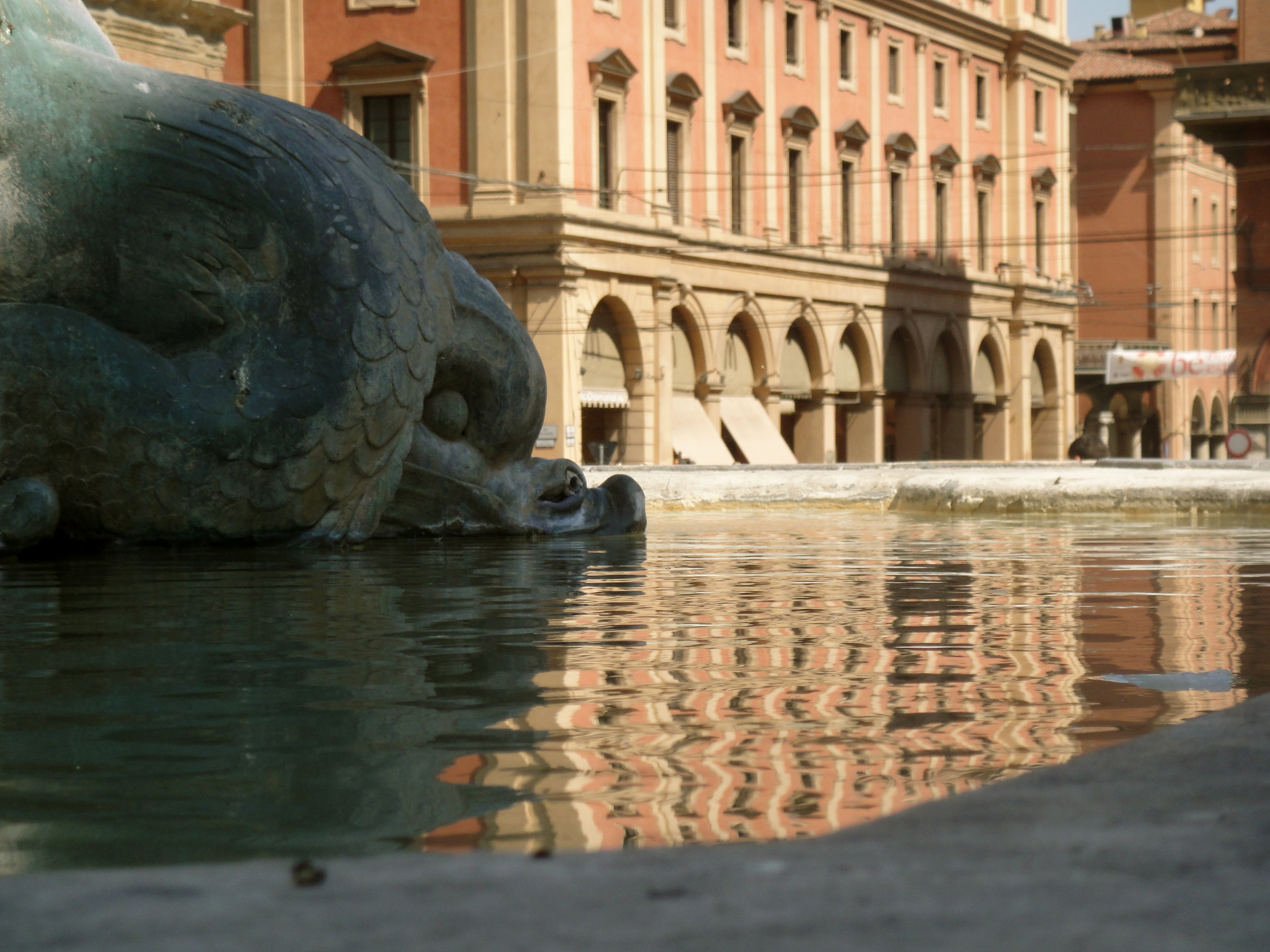
I could go on forever about this vivacious city, but it’s best not to overindulge all in one post. I shall leave you instead to gaze at the photos on this post, emblematic as they are of what makes this city truly La Rossa – endless rows of elegant colonnades and porticos, lining almost every street, providing shade and ease of walking for pedestrians across the city. Stunning old buildings, decadent in their decay, embellished with elaborate architectural details, with sculptures and with fine arcades, all demonstrating the wealth of previous occupants, who, through their architecture sought to compete with their nearest neighbour. And finally, who can forget the famous towers, which numbered some 200 in medieval Bologna – towers which got higher and higher as that same competitive spirit encouraged more splendid construction than the previous model. Only 60 are left now, with the two most famous, Asinelli and Garisenda leaning precariously at Bologna’s centre, emblematic perhaps of Bologna’s character, its non-conformist political leanings, and moreover its spirited refusal never to fall into line, but to stand out as a individualistic and creative city, running from the norm and chasing adventure. No wonder the population are so happy here – I’m ready to pack my bags and move to La Rossa myself.

The famous Bologna towers

More tomorrow. Ciao for now!

All photos are strictly the copyright of Nicholas de Lacy-Brown © 2012 and The Daily Norm. All rights are reserved. 

Tuscany Part III: Picture-perfect Populonia, and other hilltop idylls

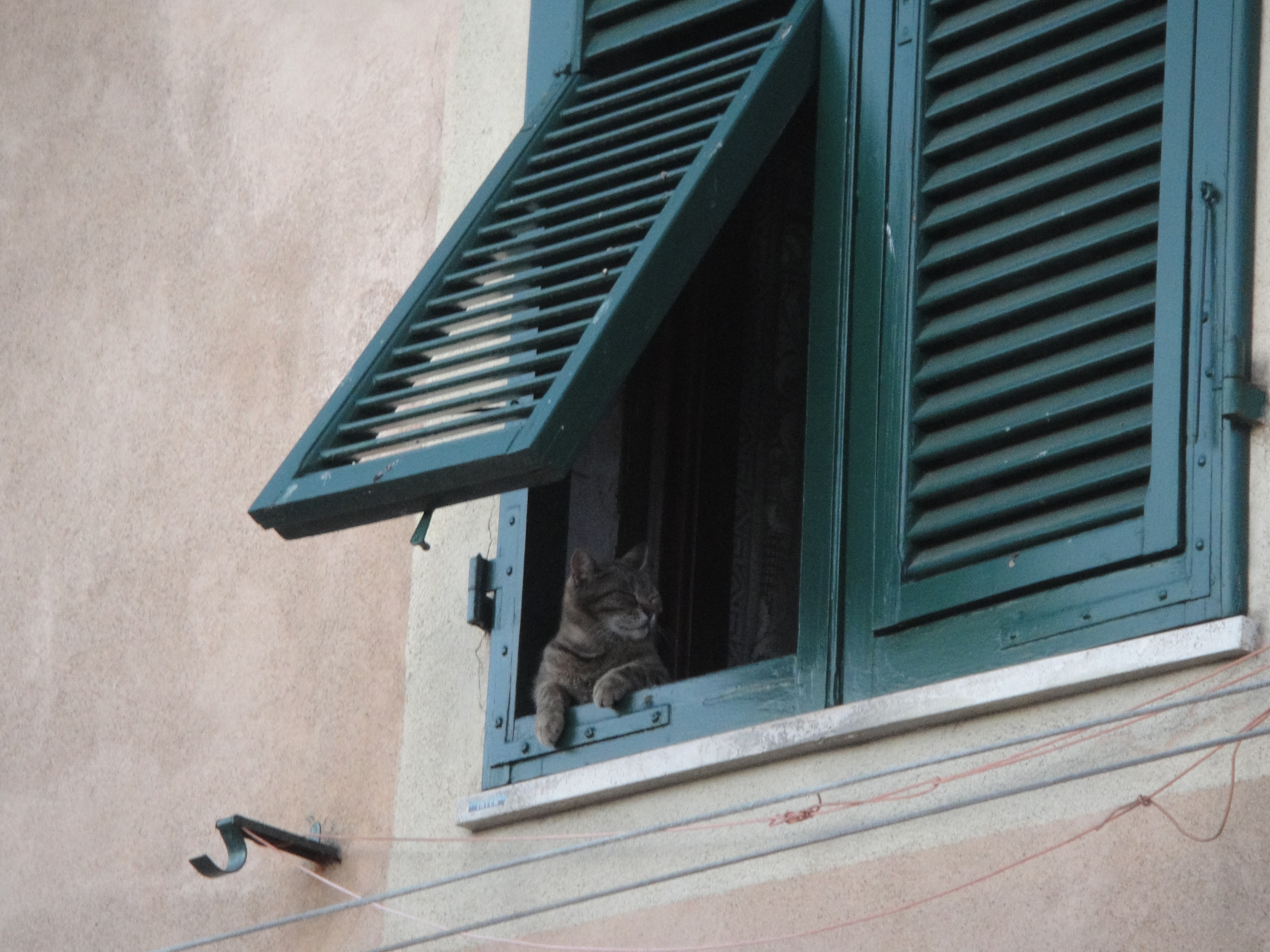
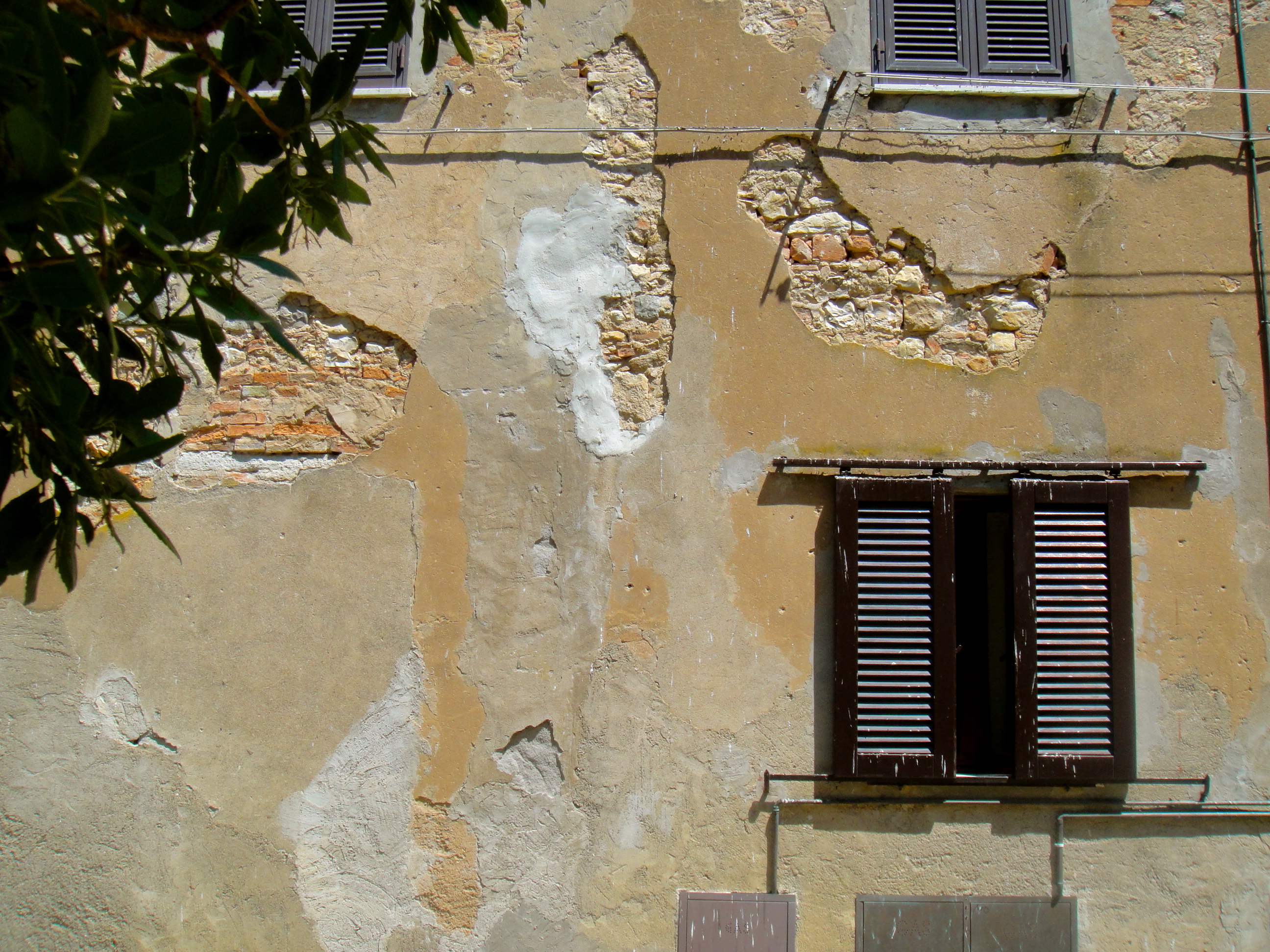
If there’s one thing that Tuscany does well, it’s idyllic little hilltop towns, framed by castle walls, boasting sensational views of surrounding rolling countryside, and offering picture-postcard views of medieval stonework, cute tavernas aplenty, slowly decaying buildings adorned with cracking window shutters, pots overflowing with geraniums and more often than not, a cat sleeping in the sunshine. You know the scene – it’s postcard land after all, for who could resist these honeypot utopias, to which every tourist, artist and hedonist will flock in their thousands every year.

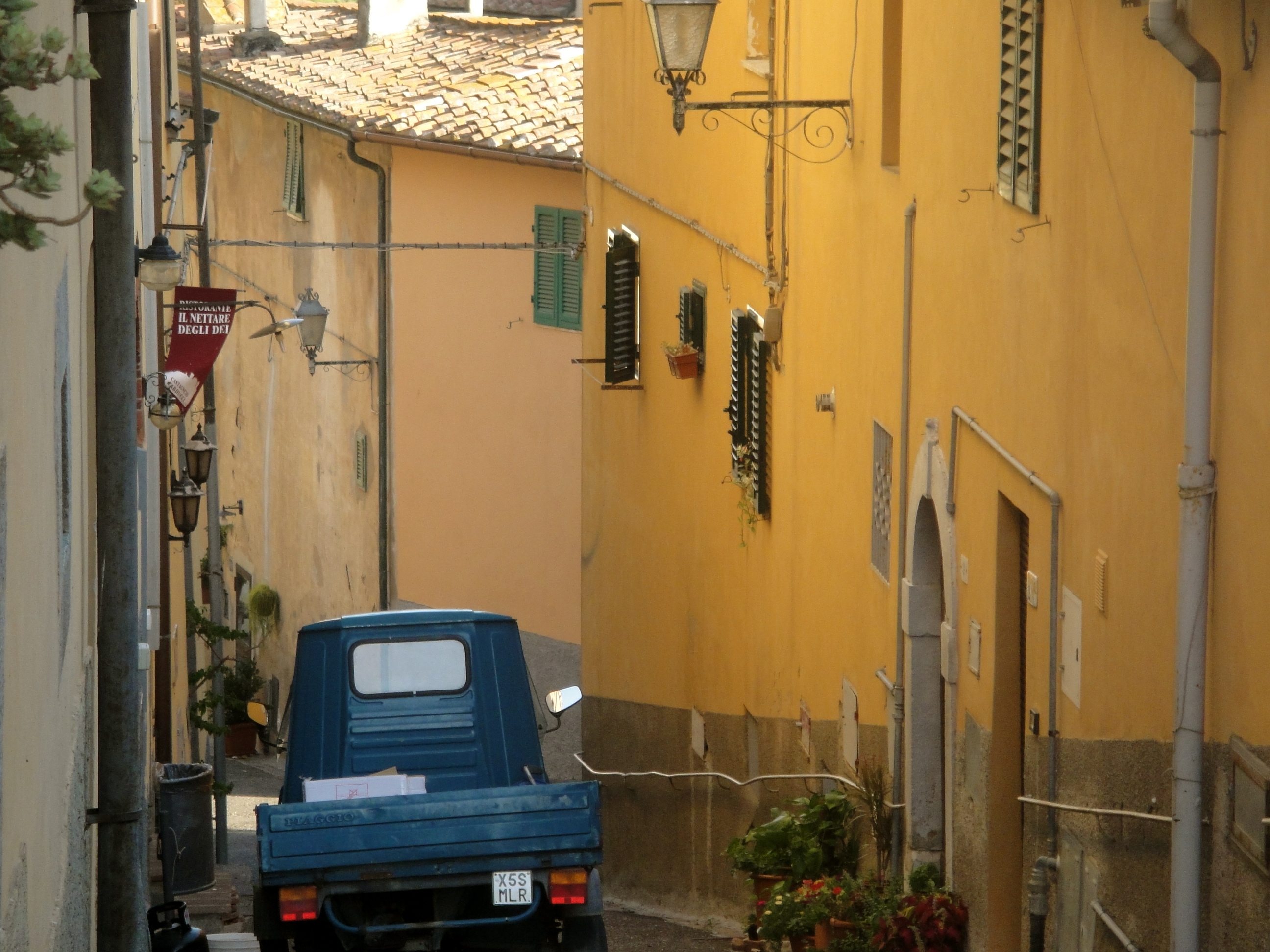
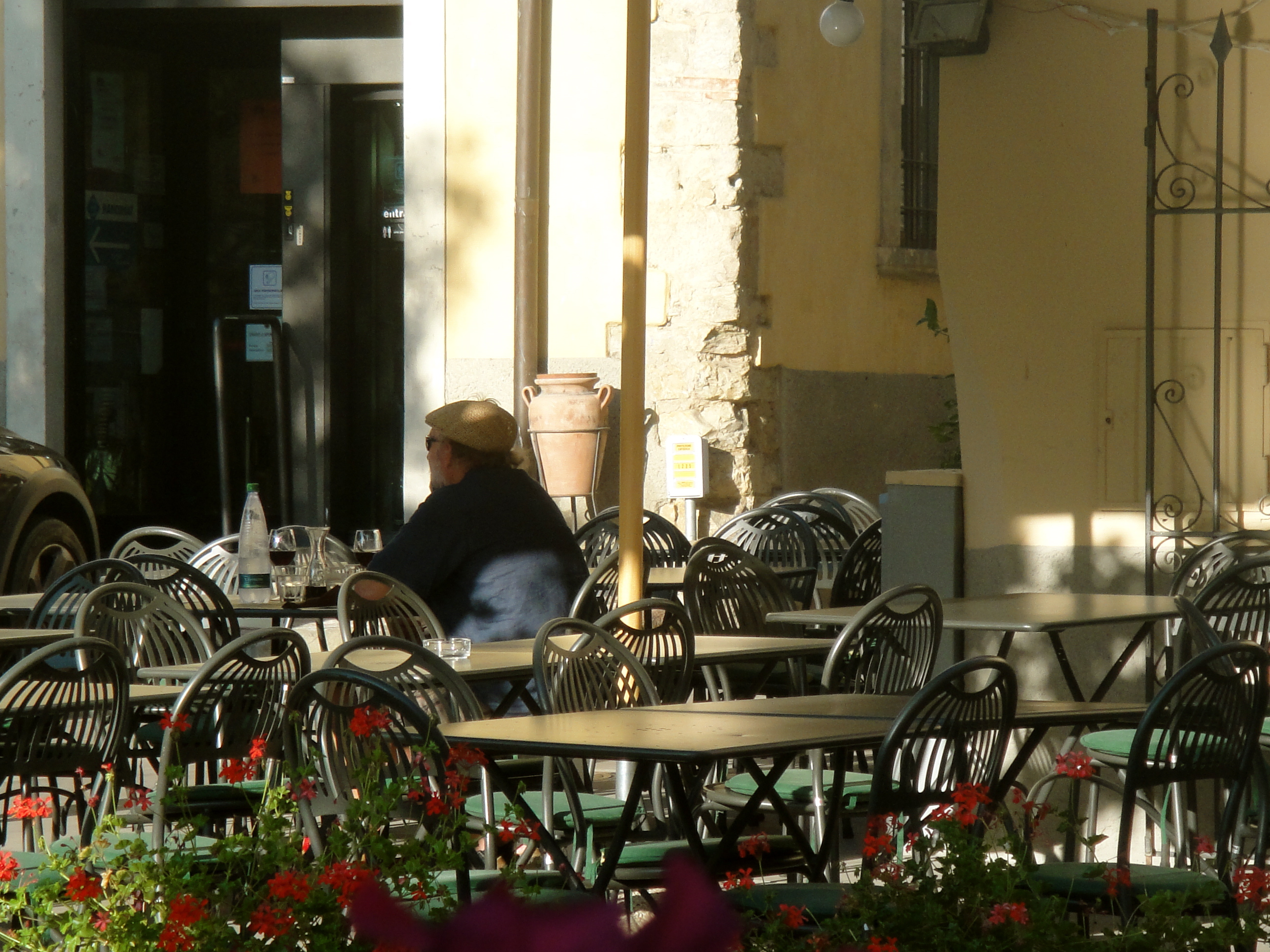
Yet what makes the towns so idyllic is the fact that far from pursuing a Disneyland level of commercial exposure, as is no doubt the temptation, life goes on in these little villages, just the same, irrespective of the camera-clicking tourists emerging at every corner. The best photos, for me, are the shots capturing locals gossiping in little piazzas, or old couples catching the evening breeze on stools out in the street. I adore the little grocery shops, which continue to sell fresh, vividly coloured produce to the locals, and whose offerings are yet to feel the effects of the supermarket spread. The haphazard park of a little bicycle or a retro-red scooter against an old cracking wall represents ordinary life to them – but to me it’s art dripping in decadence and charm in all its imperfect beauty.

Not far from Donoratico, where I was staying by the sea, a cluster of small towns, each one atop a hill and each, stunningly, idyllically beautiful, can be found amongst the vineyards and the pine forests. My favoruite, Castagneto Carducci, is a Tuscan Elysium, perched upon the hills above Donoratico, with views over the coast and vineyard-covered rolling hills to die for, while within the town, pastel pink walls, green painted shutters, and elegantly deteriorating plaster work, old lamps and ageing locals exude charm and decadent beauty.

Castagneto Carducci

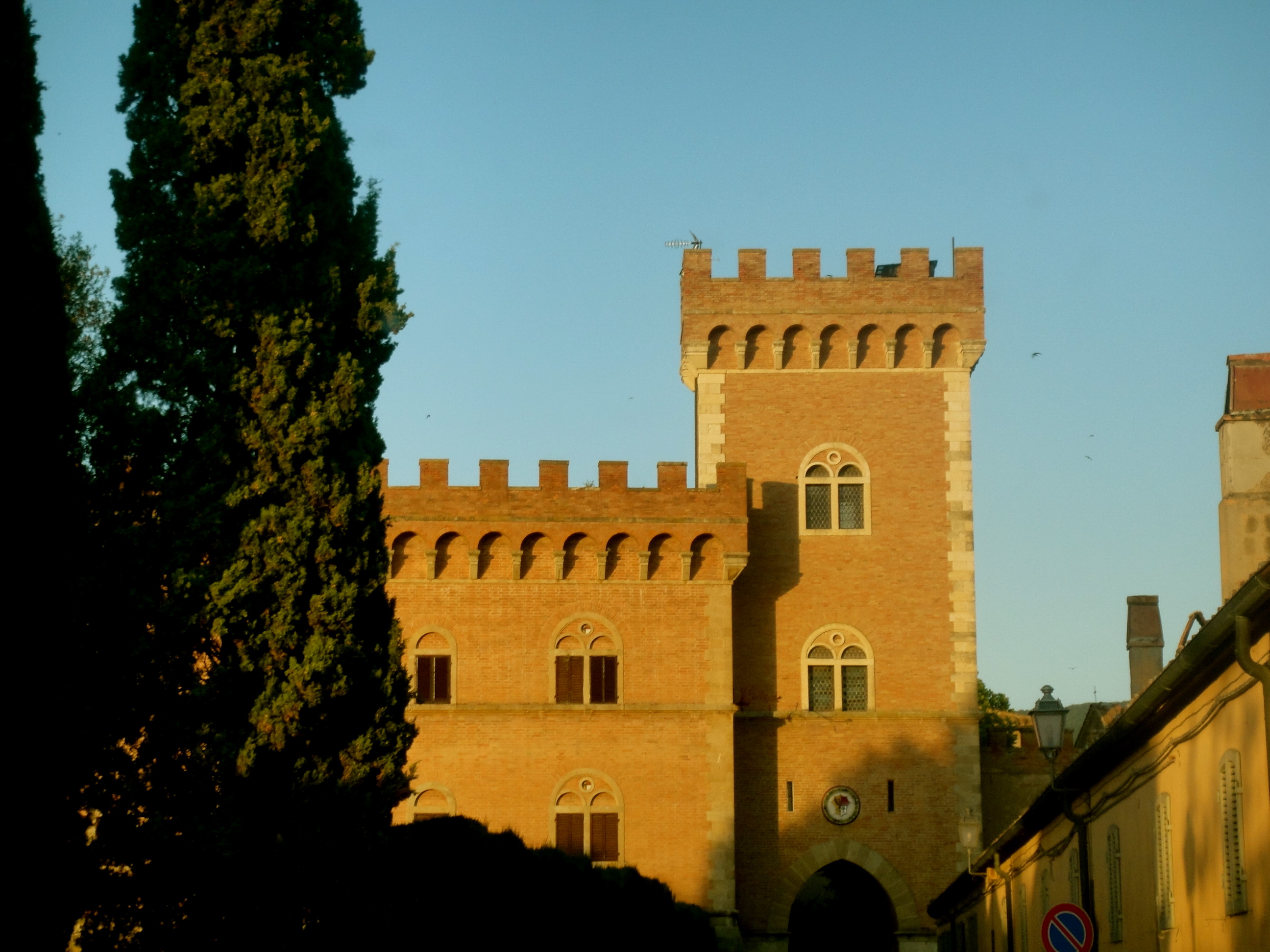
Meanwhile, just ten minutes along the coast towards Pisa, the tiny town (we’re talking two streets only) of Bulgheri can be found at the end of a perfectly straight Roman road, continuously bordered with cypress trees, the result of which is a scene of such wonderful symmetry that it appears on at least 2 out of every 5 postcards sold across Tuscany. Meanwhile the town is another chocolate-box paradise – little restaurants with red-checked tablecloths, lit by lanterns at night and benefiting from the dappled shadows of nearby pine trees during the day, a minuscule central piazza adorned with flowers aplenty, and cute little shops selling art and crafts and fresh local produce.

Bulgheri

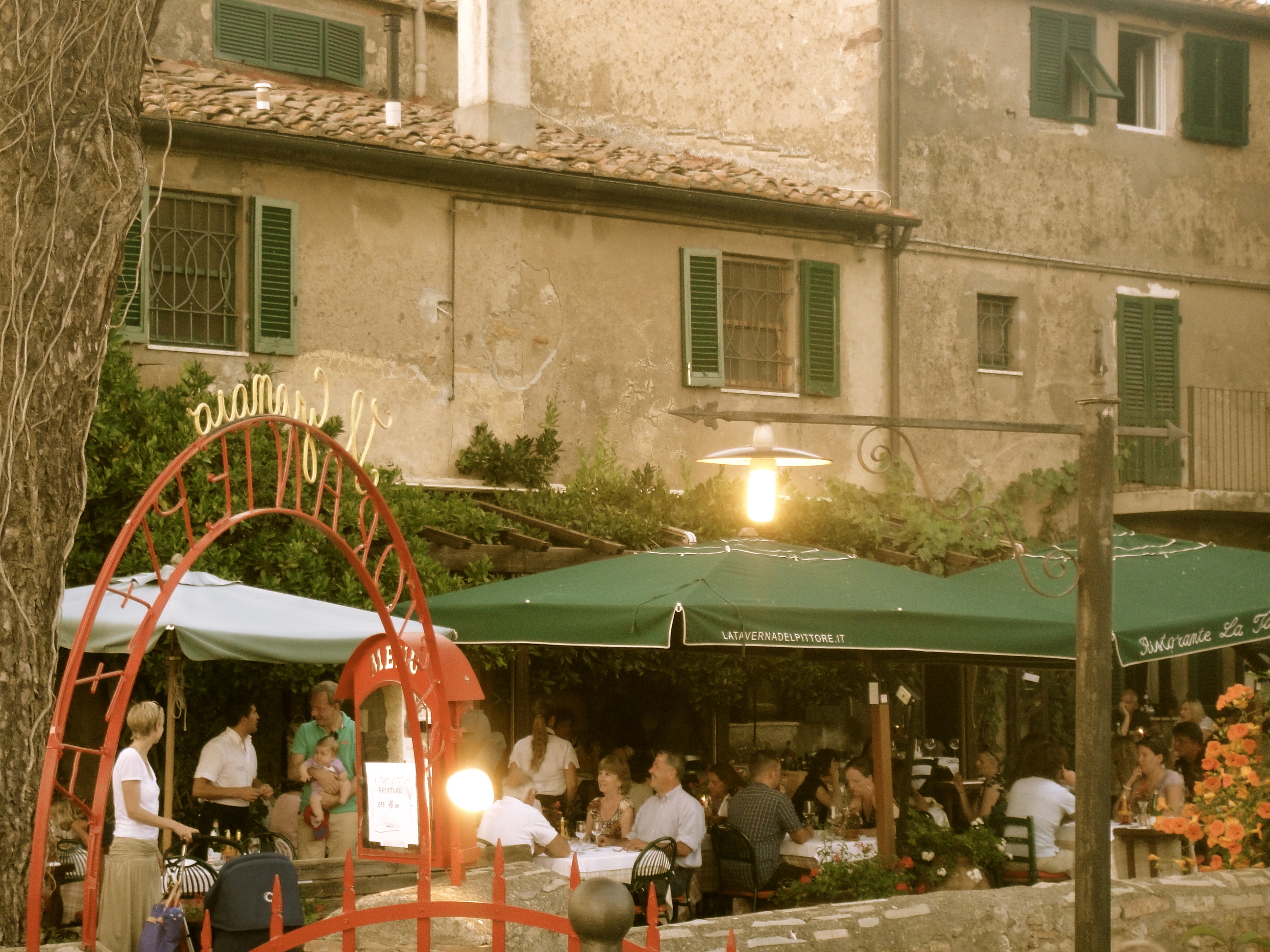
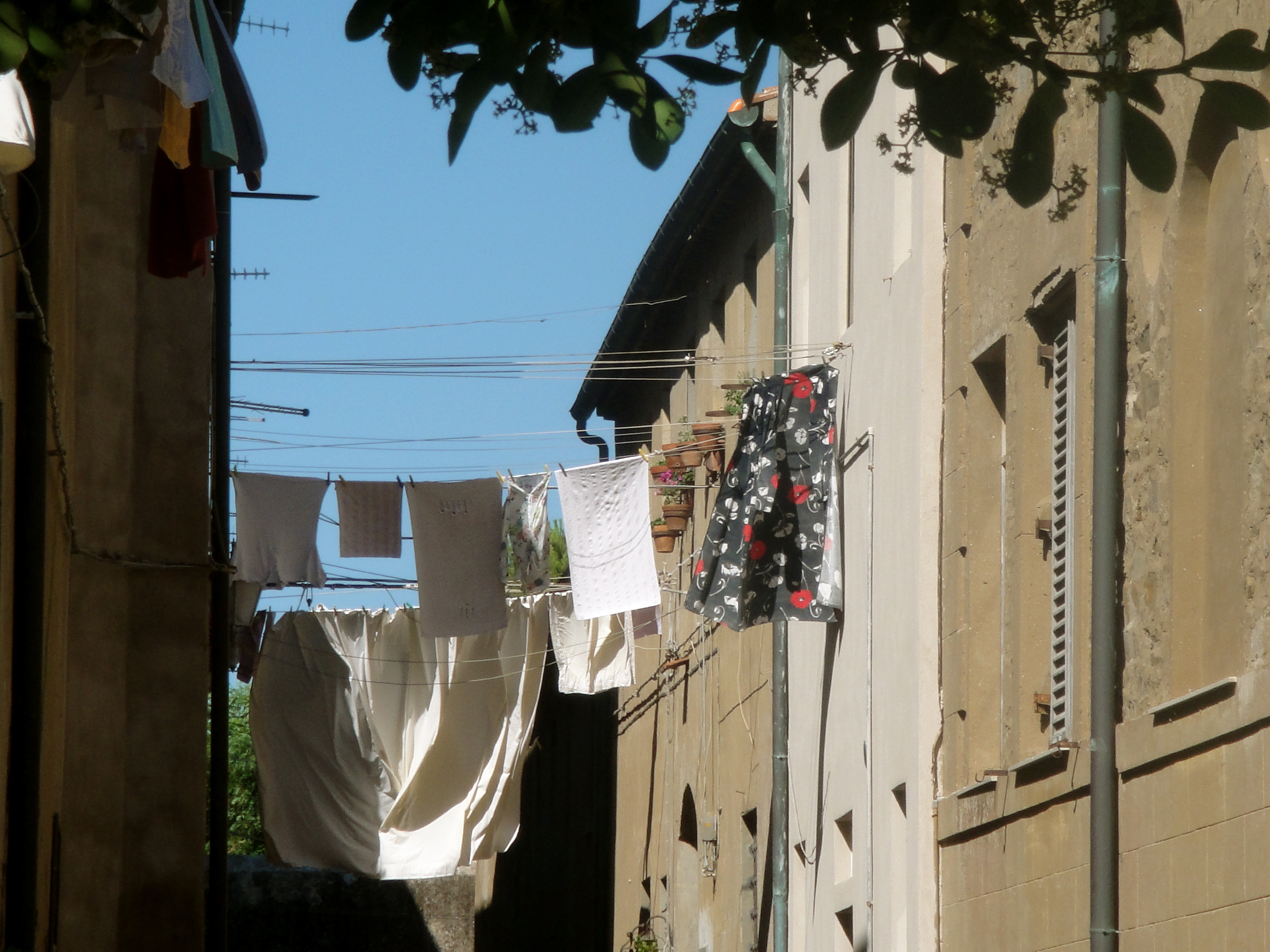
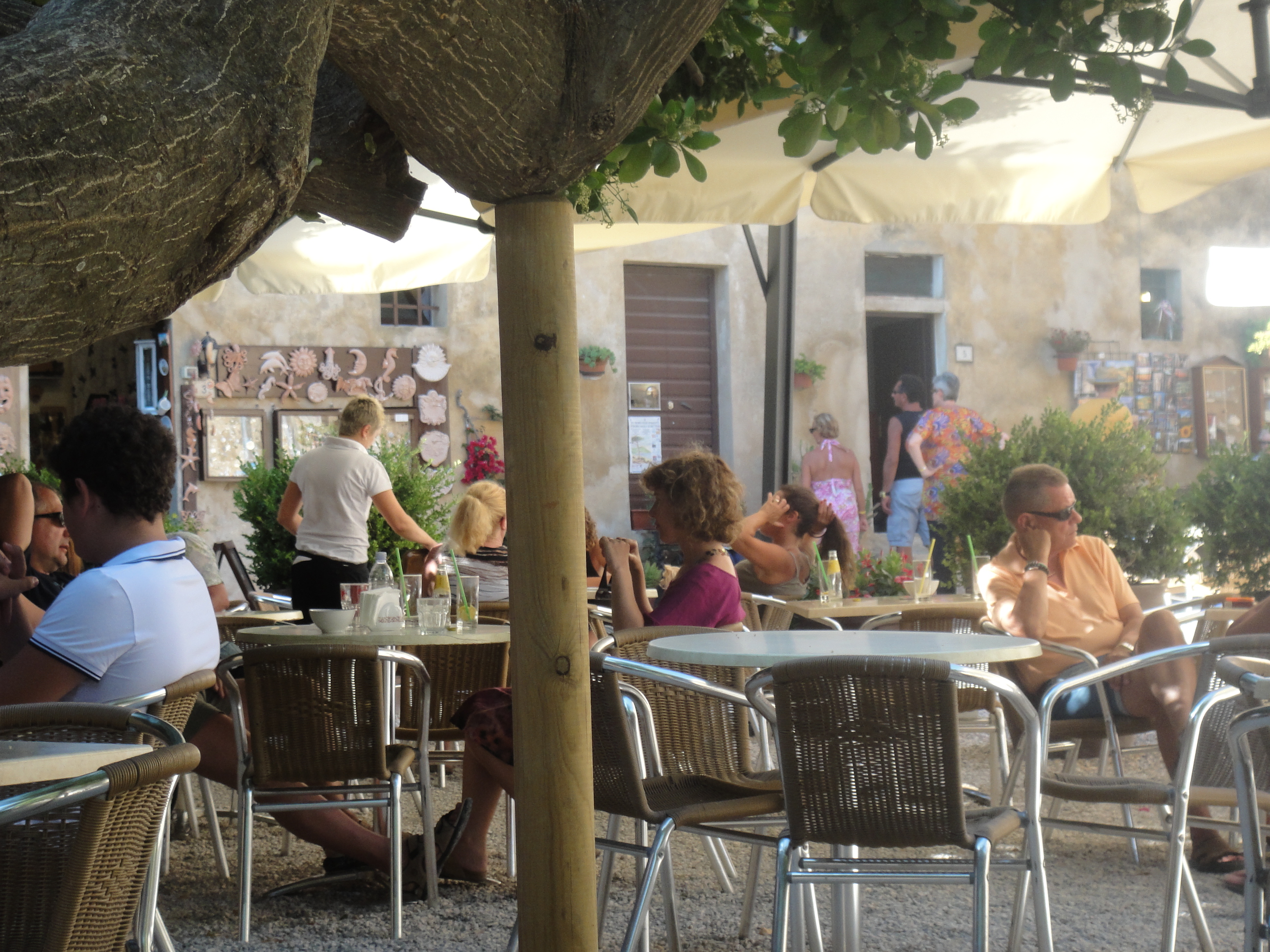
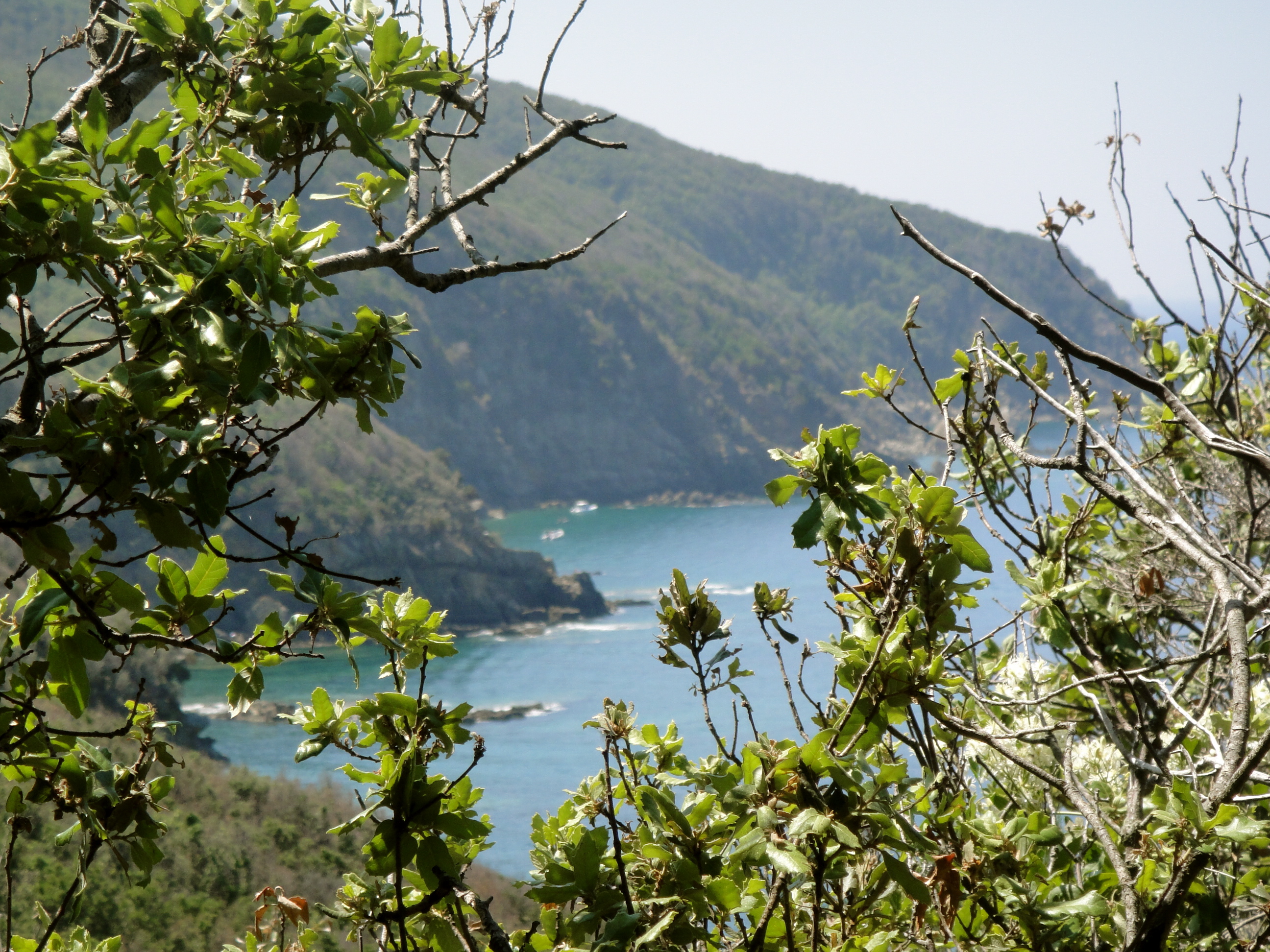
But by far my favourite discovery of this Tuscan adventure was to be found in the region of another hilltop idyll, the town of Populonia, not because of the beautiful town itself (which, with devastating views of the port below, laundry hanging across the streets, and a single cafe set out beneath lush trees atop ancient castle walls, is a true contender for postcard-fame) but because of the truly awe-inspiring natural beauty subsisting beyond its forest surroundings. Taking a sharp turn left off the winding road heading up to the hilltop town, my Partner had a surprise for me. Walking through metres of densely packed pine-tree forest, I wondered where on earth we were going, that is, until we reached an opening in the thick coating of pines, and the most incredible view of a cove beach below came into sight.

Populonia

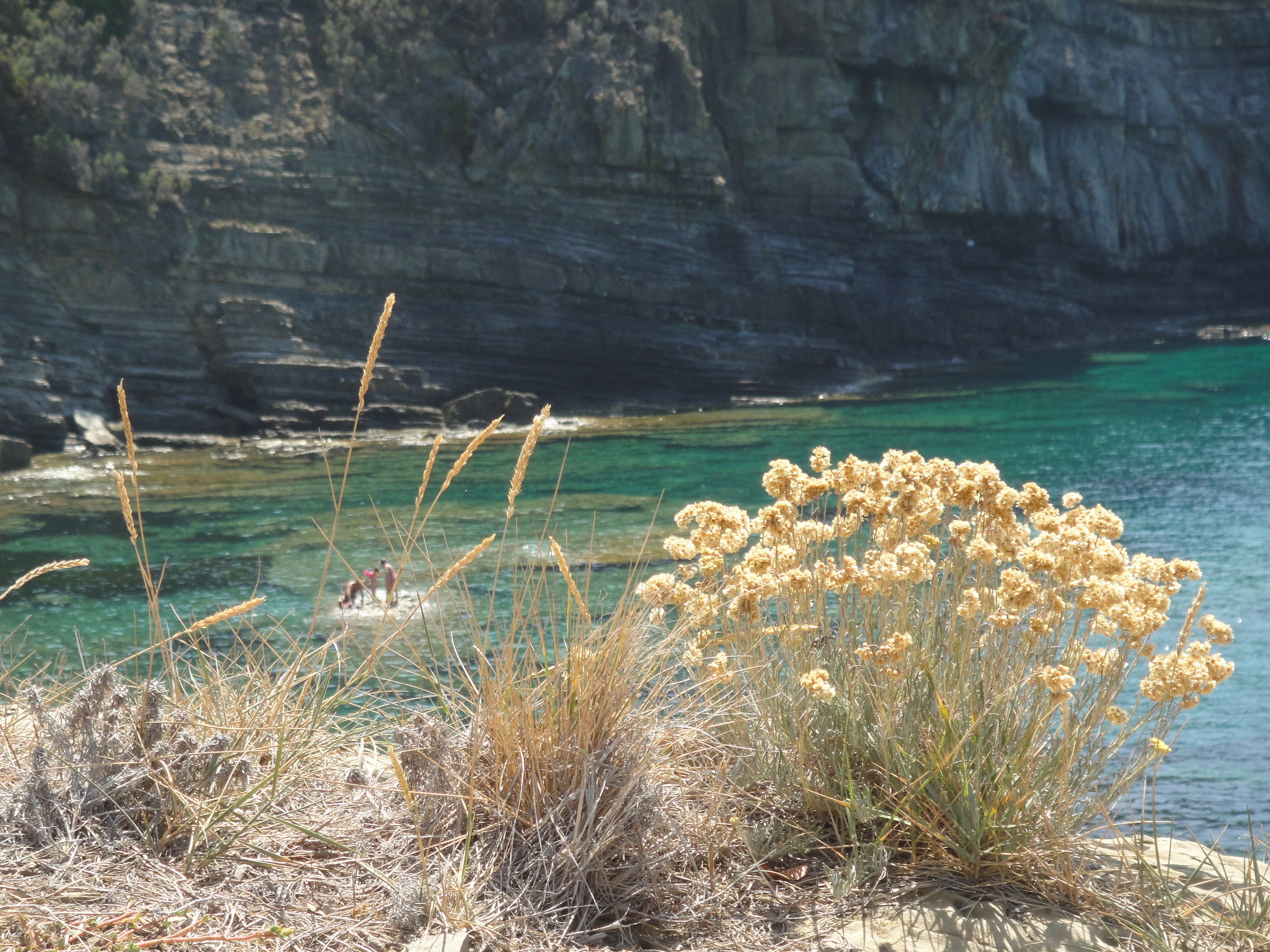
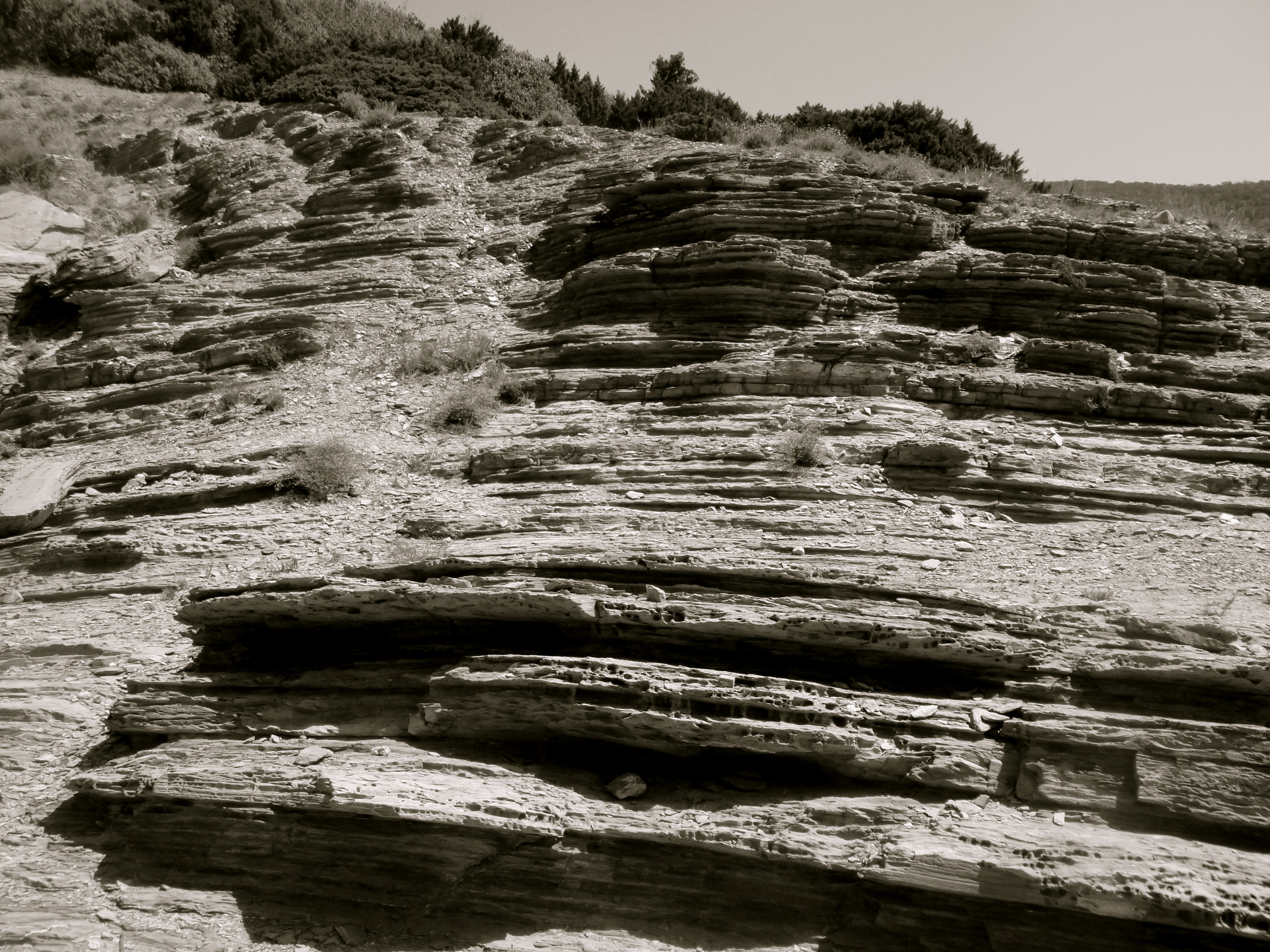
What followed was a sharp descent down magnificently formed geologically stunning rock forms, almost like spiderman upon the vertical facade of a Manhattan skyscraper, but with each and every perilous step taking us a few inches closer to the paradise below. This slightly dangerous adventure (not least for my partner, attempting to traverse the cliff face in flip-flops) was well worth the effort – the cove beach was truly awe-inspiring, nature at its very best, and our afternoon spent swimming around in those  sometimes hostile but vigorously exciting and stunningly beautiful waters, pursuing further coves and prickling our hands and feet on every kind of mussel and sea urchin imaginable, was among the happiest afternoon of my year so far.

First view of the cove emerges from the cliff-top forest

The stunning cove below

Those incredible cliffs

Which just goes to show, while historical towns provide steadfast charm and a consistent source of timeless beauty, it is the transient, often less-accessible beauty of nature that still has the edge, and whose discovery is all the more thrilling as a result.

(Disclaimer: if you too decide to head down to this very beautiful cove (and, looking at the photos, why wouldn’t you) you go at your own risk – don’t blame me if you prick your hands, feet or any other part of your body on a bed of mussels or some other vicious sea life, or if you trip, slip, get squashed by a falling rock or otherwise and unsuitably manage to kill yourself. It’s not my fault).

All photos are strictly the copyright of Nicholas de Lacy-Brown © 2012 and The Daily Norm. All rights are reserved. 

Tuscany Part II: Cooling pines, perfect vines and fine Tuscan wines

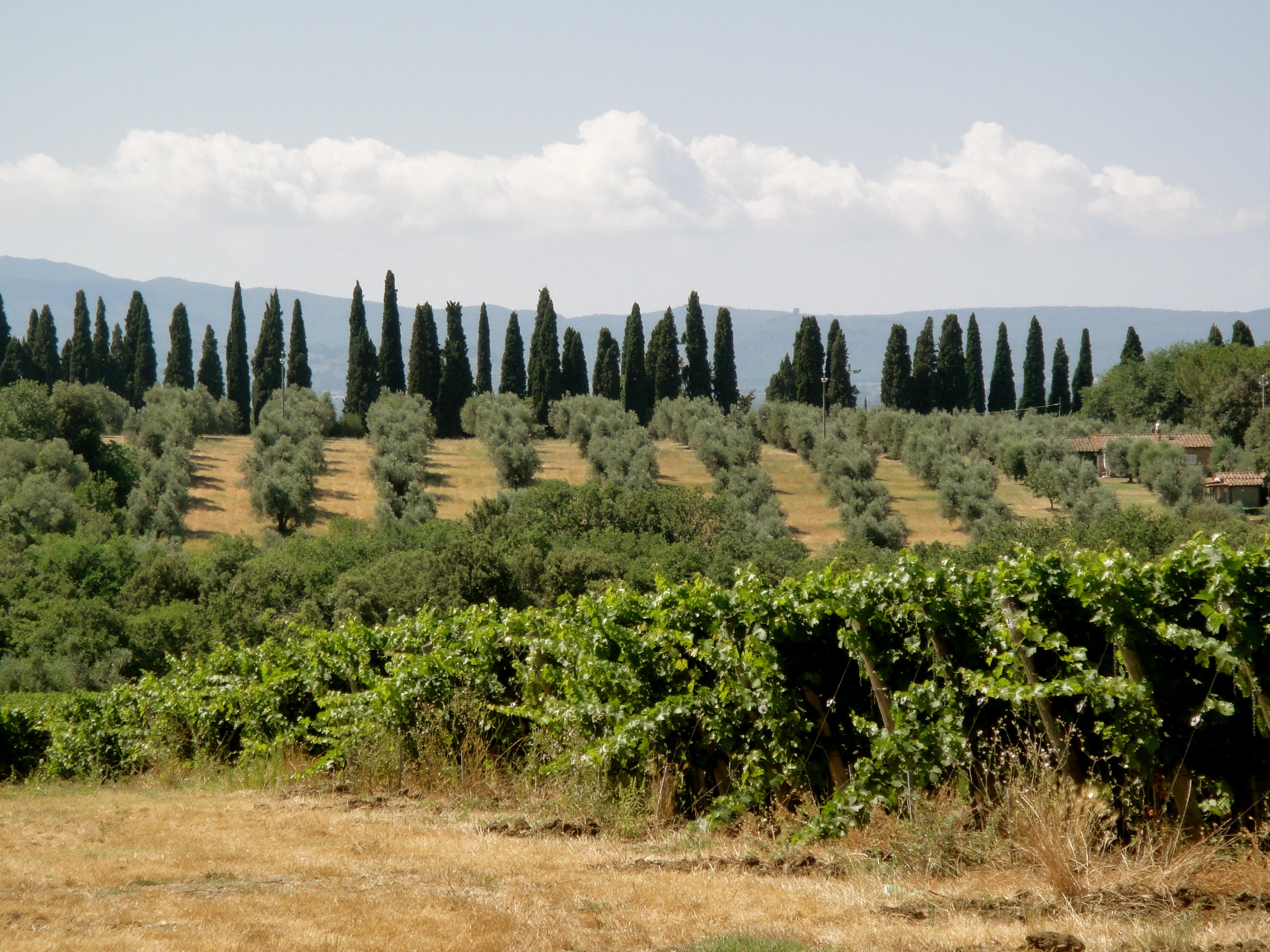
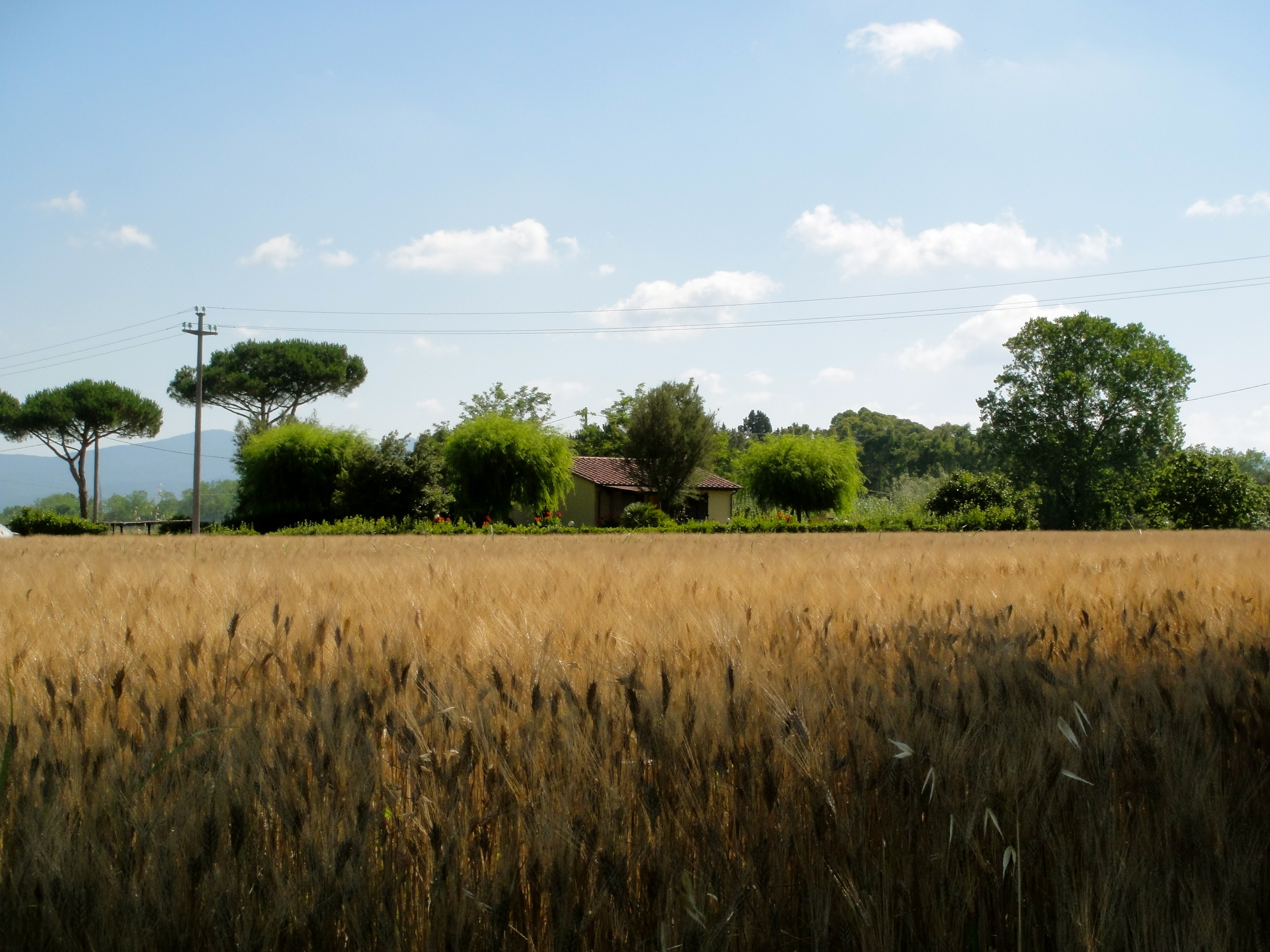
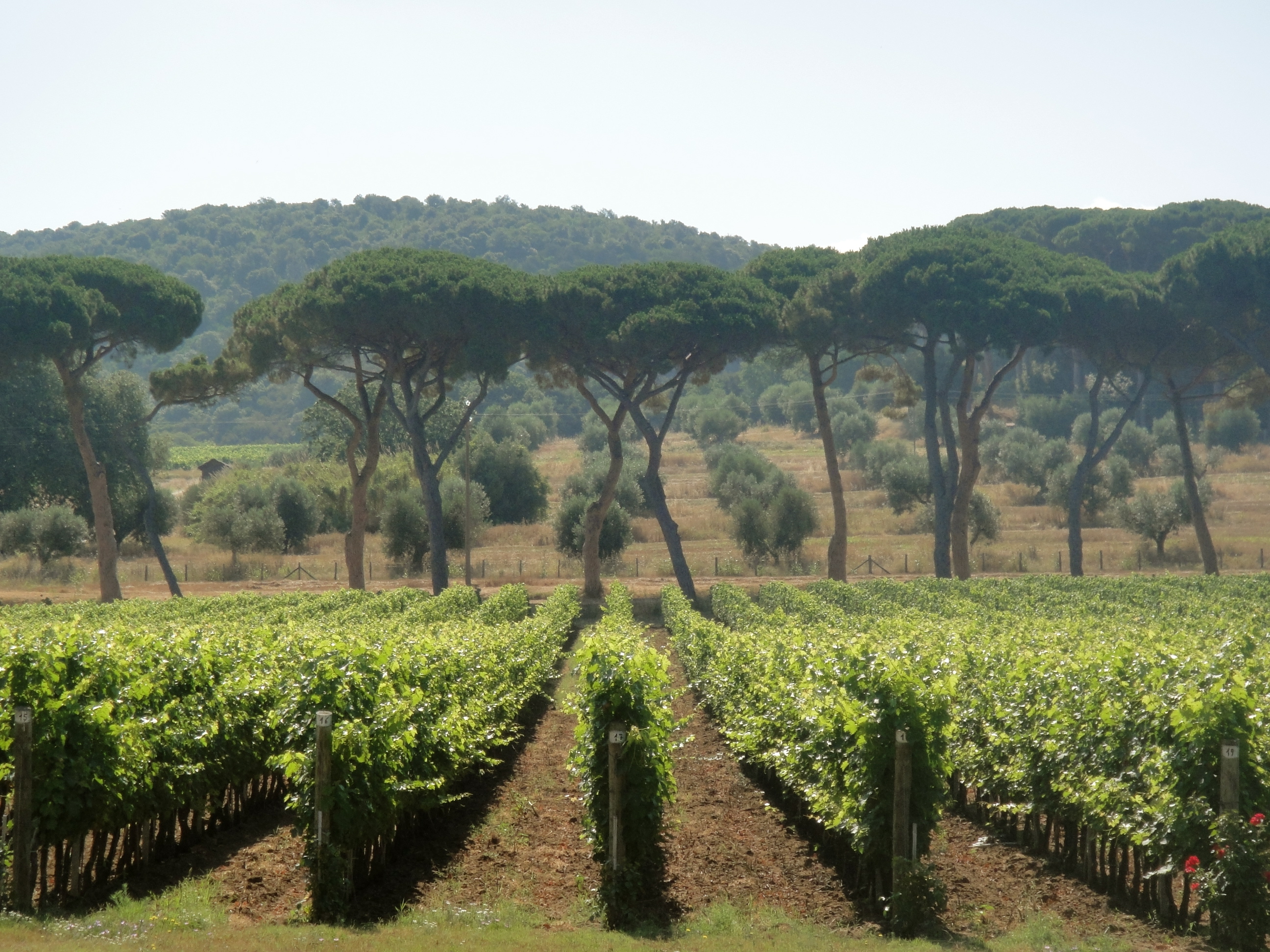
While the sea may refresh and the sand bounce sunlight upon pleasure seekers and sun worshipers, the real attraction of Tuscany for me is its stunning countryside. Rolling green hills interspersed with meandering roads and picture-perfect villas, extensive vineyards painstakingly laid out across slopes and valleys with mathematical precision, and pine trees and cypresses majestically crowning the landscapes, proudly lining driveways and cross-country roads, and providing visitors and residents alike with a naturally regal sunshade unsurpassed by the multi-coloured parasols along the coast. This greenery is emblematic of lush, bucolic Tuscany, playing host to the hundreds of cicadas whose relentless chirp readily informs that you are enjoying the hotter climes of continental Europe and presenting, at each turn of its snake-like roads, a vast array of sensational vistas and uplifting, awe-inspiring views.

The cypress trees of Bolgheri

A typical Tuscan landscape

Such is my obsession with the countryside spectacles all around the Tuscan region, that my partner’s family became all too accustomed to my relentless requests to stop the car so that I could take countless photos, both for their own sake and as pictorial research for the Tuscan paintings already building in my head. Having been fully satisfied of my desire to mingle amongst sunflowers, my next wish was to fully immerse myself in the vineyards for which the region is so famous. Often closed off behind large elegant wrought-iron gates, and cordoned off from the public, more to prevent the feasting ravage of the local wild-boars than the trespass of passers-by (I’d get in if I could!), I have gazed in wonder at so many perfectly-planted vineyards, but never been able to walk amongst them. This year however, I realised my wishes and more.

On our first vineyard outing, to a vinery close to the tiny castle-topped town of Bolgheri, I was treated to sensational views of the rolling vineyards below, from a platform build under the shade of a magnificent old oak-tree which, in Harry Potter style, bore the scar of an attack of lightening some years before.

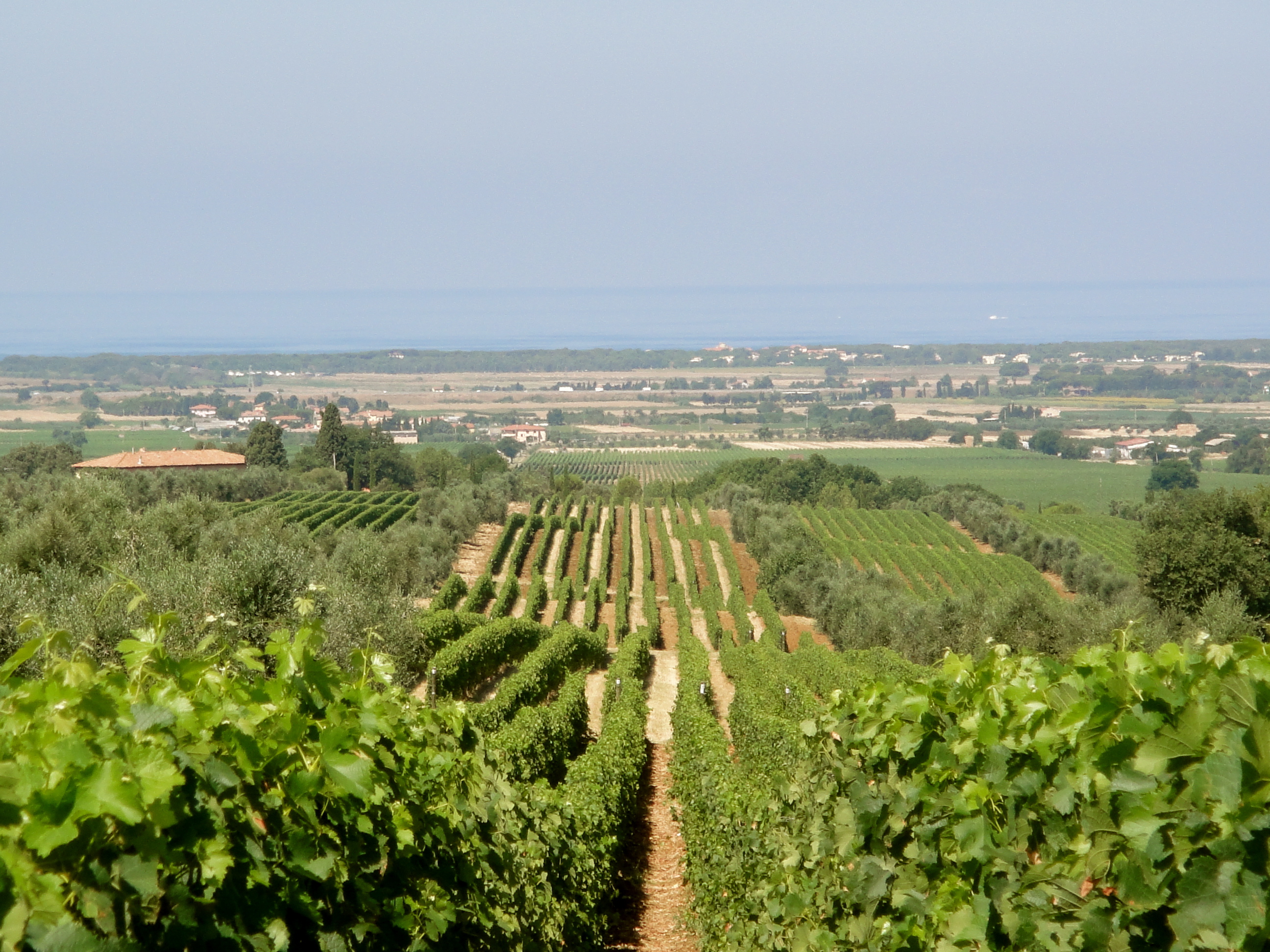
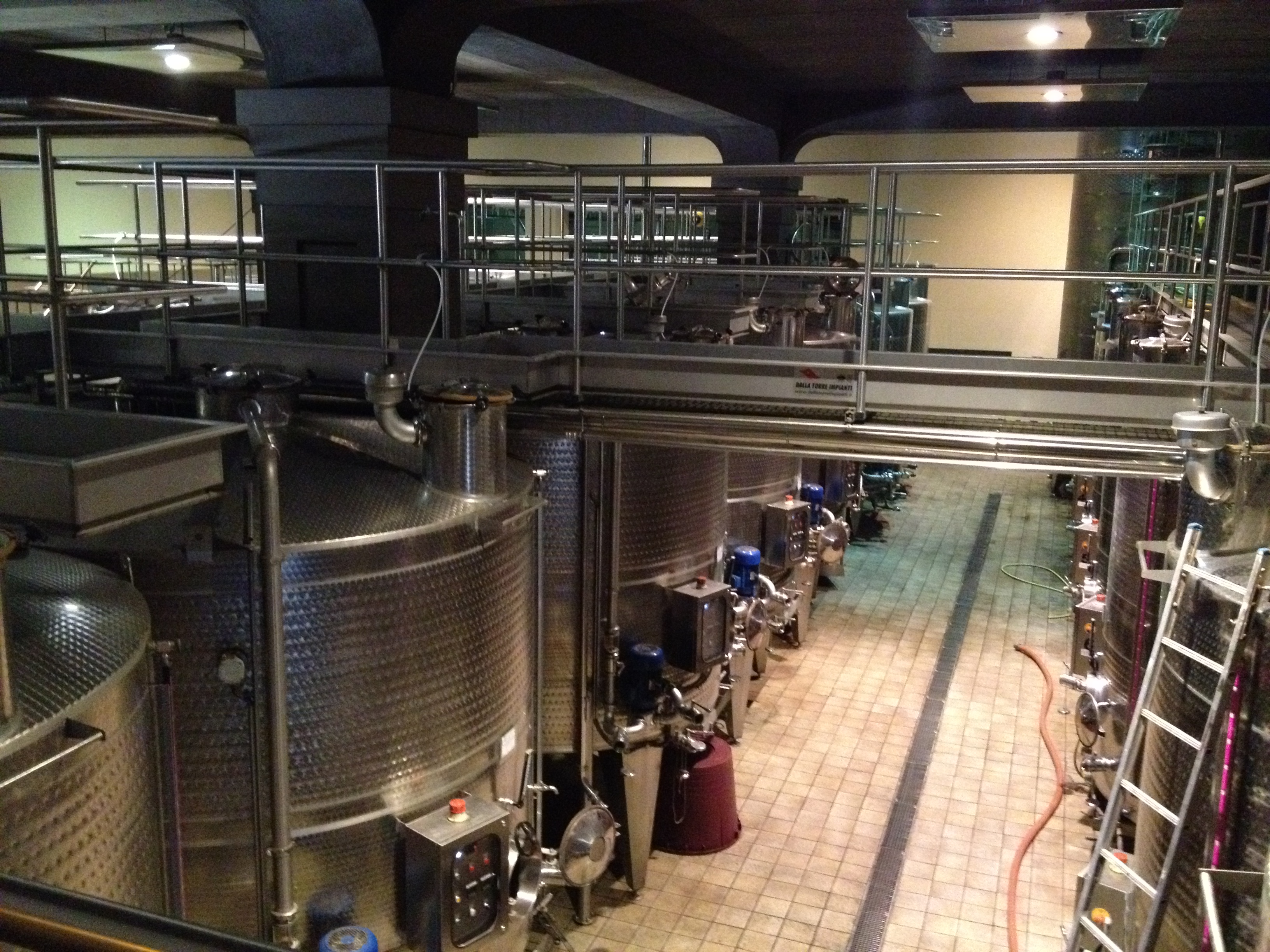
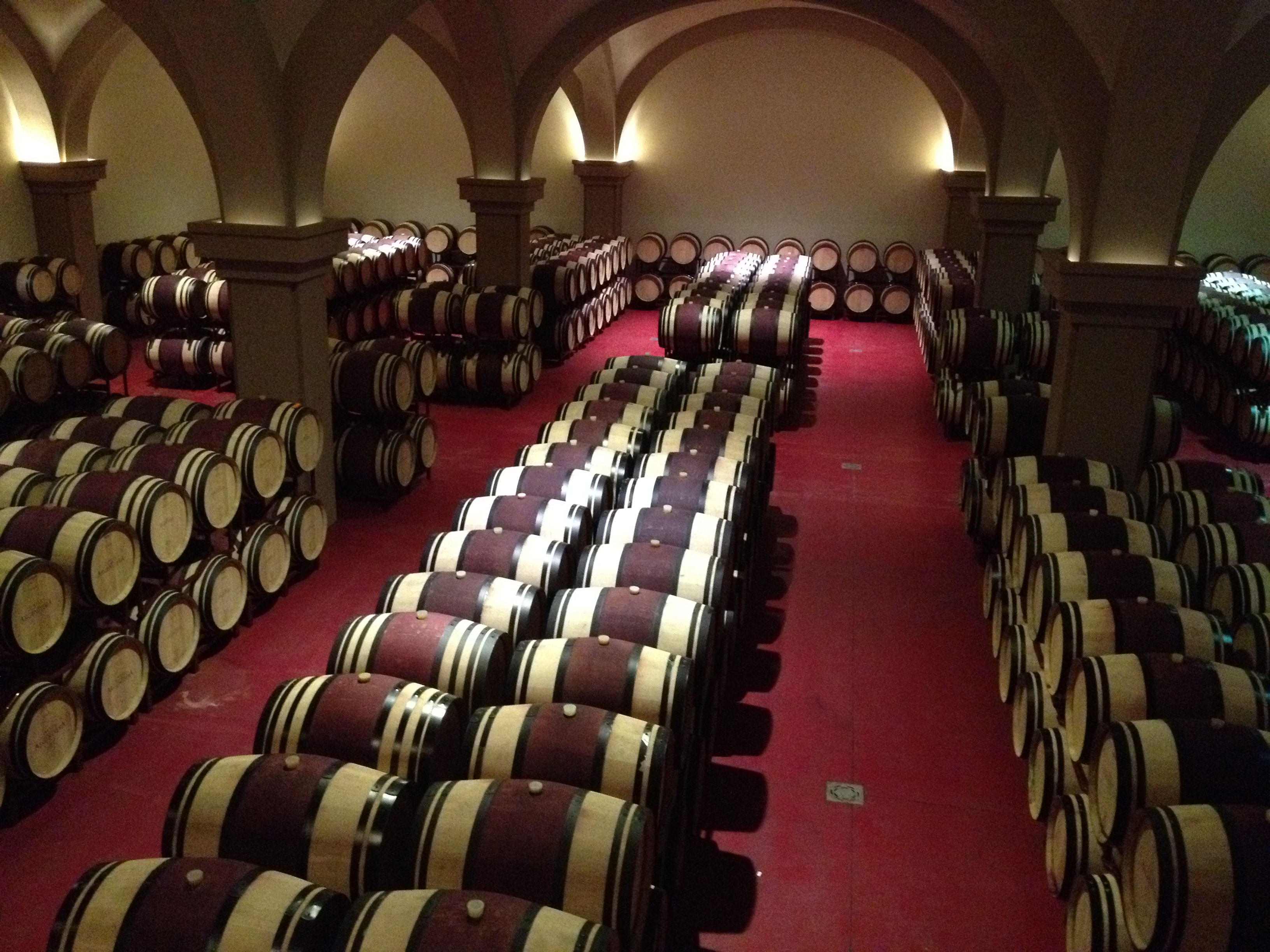
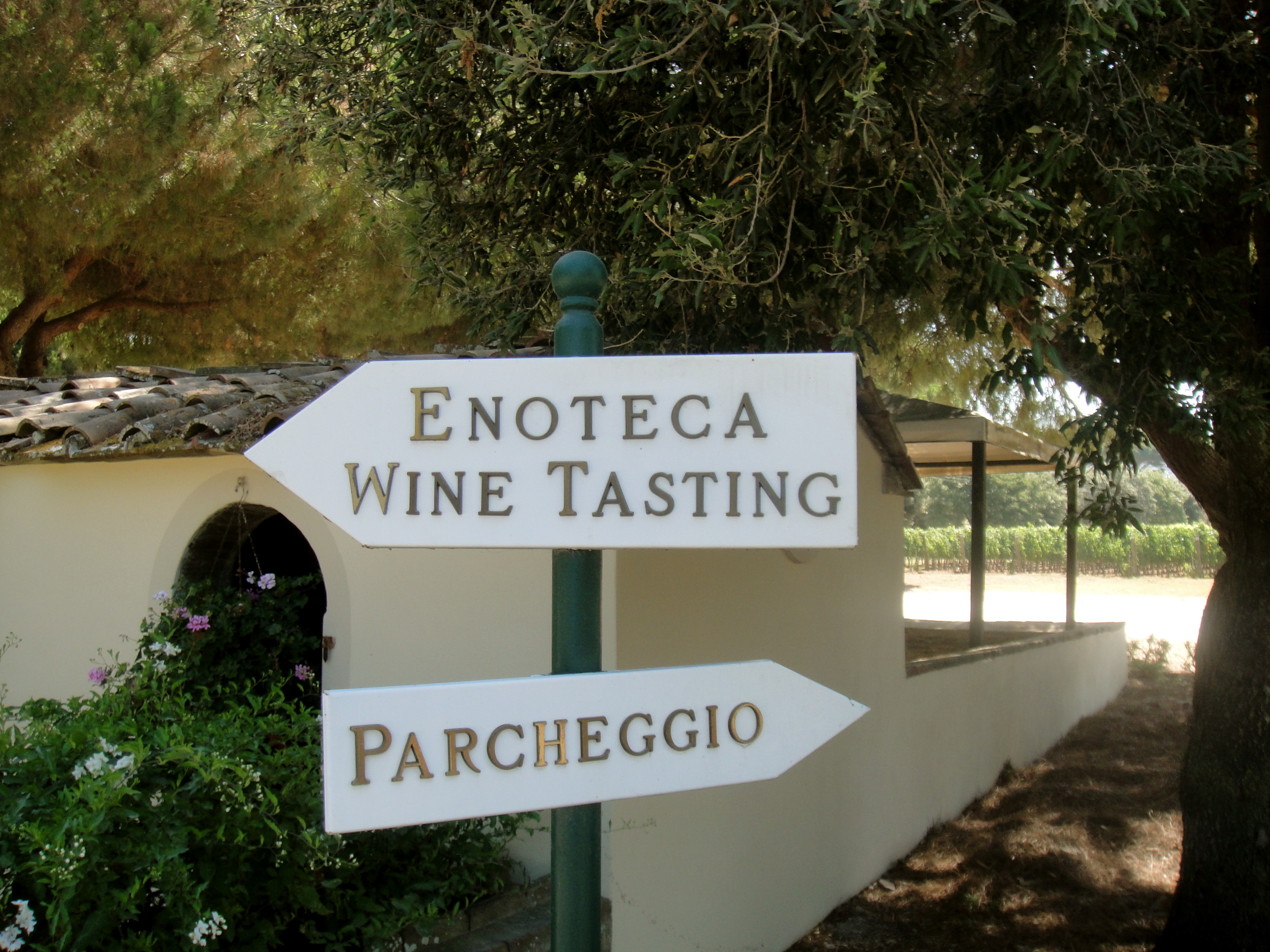
On our second vineyard outing however, we were treated to the ultimate in winery indulgence – a personal tour around the vineyard, the vast cellar where they make the wine, and an exclusive tasting of some of the vineyard’s most celebrated wines. The vineyard which played host to this unique insight into the manufacture of Tuscan wine was the Tenuta Argentiera estate, situated above the Alta Maremma coast just along from Donoratico and owned by brothers Corrado and Marcello Fratini. As wine manufacturers go, the Tenuta Argentiera estate is fairly new. As recently as fifteen years ago, the estate was all but barren. However, only a few years after acquiring the land, some 60 hectares was cultivated with row upon row of Cabernet Sauvignon, Cabernet Franc, Merlot and Syrah, grape varieties which are said to achieve outstanding quality in the Bolgheri area. But that quality is assured not just by local conditions. The estate now boasts a fit-for-purpose stunning fortress-like cellar, with huge thick walls guaranteeing the natural thermoregulation of the cellars. Inside, huge stainless steel tanks ferment and macerate the freshly-picked grapes which reach these sifi-resembling machines within 20 minutes of picking. Thereafter the wine is stored in French oak Barriques, where the vinification process is completed, bottled and sent out across the world.

Vineyards with a stunning sea view

The intricacies of this process, and the care taken in the manufacture, is obvious from the sublime flavour of the wine. Our tasting enabled us to indulge in three truly thrilling wines, from the highly drinkable entry wine Poggio ai Ginepri, to the smooth, fresh Villa Donoratico and the deep and complex Argentiera Bolgheri Superiore as well as a sample of an exquisite extra vrgin olive oil, also manufactured from produce grown on the estate.

The wine making process revealed

Those immaculate barrels

We left Tenuta Agrentiera with bags several bottles heavier and our heads certainly, indulgently, lighter, to face another afternoon in the intense but all-embracing Tuscan sunshine. La Dolce Vita? Indisputably so.

All photos are strictly the copyright of Nicholas de Lacy-Brown © 2012 and The Daily Norm. All rights are reserved. 

The Daily Sketch ITALIA – Norms in Sicily

It’s been a long and varied trip which has seen the Norms traverse the boot of Italy and cross the Med to the funny shaped ball the boot appears to be kicking – Sicily. Sicily is famous for various things. It has its juicy large lemons, its very hot climate, its ever omnipotent grumbling volcano, Mount Etna, and the very sinister undercurrent of Cosa Nostra, the Sicilian Mafia. Consulting their guidebooks, our tourist norms sensibly opted for the obvious sightseeing choice of Sicily – the stunning ruins of a Greek theatre in the little picturesque town of Taormina. There they were treated to an incredibly preserved ancient architectural artefact, as well as the beautiful view of the coast below, and an ever smoking, snow-capped Mount Etna lording over the landscape beyond. What they did NOT expect to stumble across was this sinister scene – two members of the Sicilian Mafia teaching one poor Norm the tragic lesson of what happens when you cross Cosa Nostra. Having stumbled across this ghastly operation, the Norms have made up their mind – it’s time to pack up their bags and head home for Blighty… if they get out alive, that is.

(Gosh I do like a good cliff hanger)

Norms in Sicily (2012 © Nicholas de Lacy-Brown, pen and ink on paper)

© Nicholas de Lacy-Brown and The Daily Norm, 2001-2012. Unauthorized use and/or duplication of the material, whether written work, photography or artwork, included within The Daily Norm without express and written permission from The Daily Norm’s author and/or owner is strictly prohibited. Excerpts and links may be used, provided that full and clear credit is given to Nicholas de Lacy-Brown and The Daily Norm with appropriate and specific direction to the original content.

The Daily Sketch ITALIA – Norms in Rome

Travelling southwards, down the Mediterranean coast of Tuscany and taking a sharp inland turn from Civitavecchia, the Norms have finally found themselves in the renowned capital city of Italy, the one and only Roma. And what a city it is. Crammed full of antiquity, artistic and cultural heritage from centuries of history played out within its seven famous hills. From the great Roman Empire which once ruled the western world, and the remnants of which still litter the city unapologetically, to the great Religious heritage flowing from the foundation of the Catholic Church in the nearby Vatican City, and the catholic fervour and religious architectural splendour which has no doubt resulted. With its chic café culture near the Spanish Steps, the romantic brilliance of the Trevi Fountain, and the grandeur of the “wedding cake” Altare della Patria building, Rome is a city offering everything.

For the Norms, the centre of their visit (being that Gladiator is by far their favourite film) has to be Rome’s most famous symbol, the Coliseum, the spectacular amphitheatre straight out of Ancient Rome. Not so directly linked to Rome, but inspired, nonetheless by that great age, are the tourist-touting “centurion” dressed Norms who collect outside the great arena, posing for photos for a few extra coins in their purse. This less than soldierly activity has nonetheless attracted the attention of these tourist Norms who have their photo taken with one said Centurion with the great Coliseum providing the perfect Roman backdrop, alongside a sculpture of the founders of the great city, Romulus and Remus (Norms) suckling upon their mother wolf as tradition demands. You’ve gotta love it.
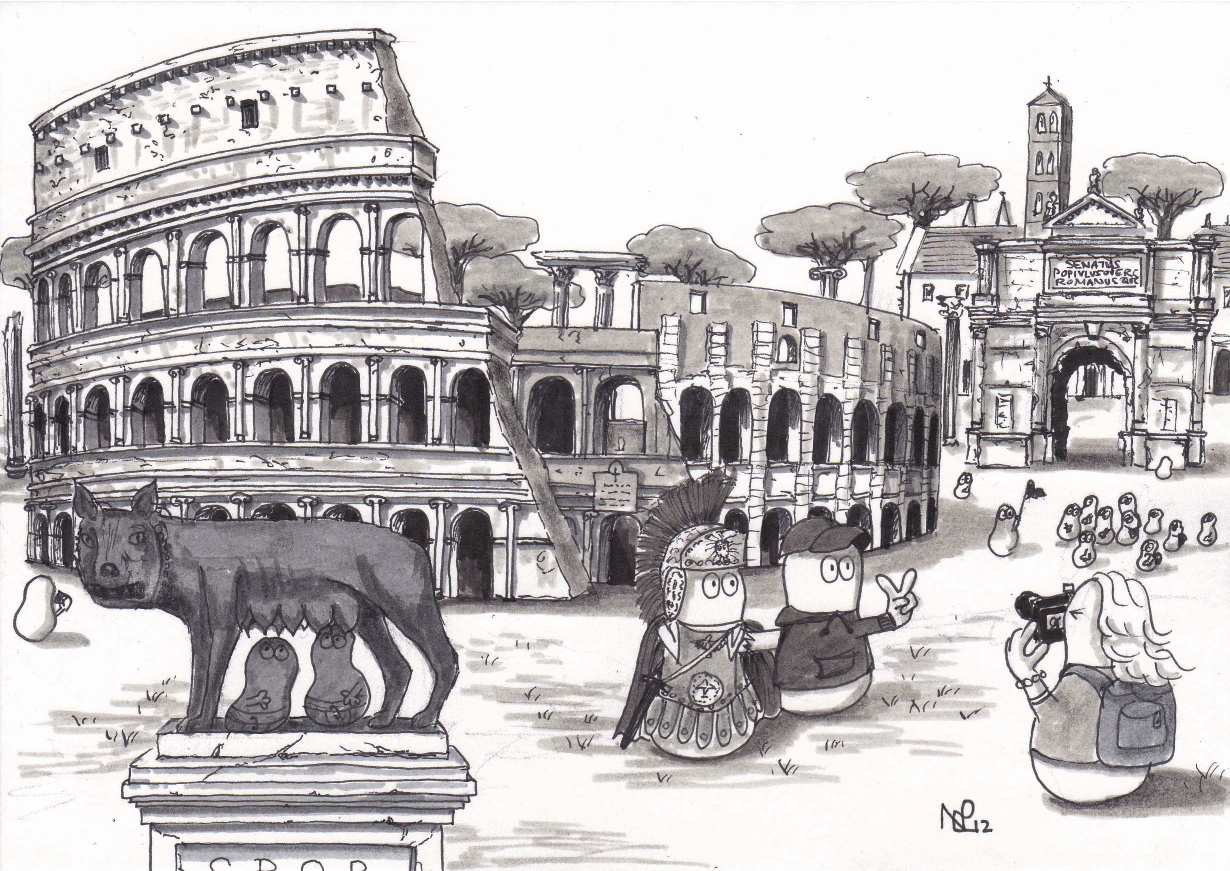
Norms in Rome (2012 © Nicholas de Lacy-Brown, pen and ink on paper)

© Nicholas de Lacy-Brown and The Daily Norm, 2001-2012. Unauthorized use and/or duplication of the material, whether written work, photography or artwork, included within The Daily Norm without express and written permission from The Daily Norm’s author and/or owner is strictly prohibited. Excerpts and links may be used, provided that full and clear credit is given to Nicholas de Lacy-Brown and The Daily Norm with appropriate and specific direction to the original content.

ITALIA Season – Rome: My Photographs

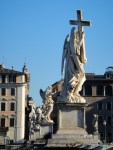
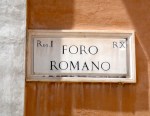
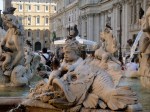
Rome: City of passion, where waves of heat flow ruggedly through bustling streets, where raised Italian voices and sustained hooting from haphazardly driven cars are the harmony and the melody, where painted church ceilings bring heaven to its closest interaction with the earth, and the Roman ruins all around remind the current thriving generation that on this same soil, a grand imperial history is sewn deep into the rich tapestry of Rome’s foundations. In Rome you can take a coffee in the shade of the Borghese gardens, or a people-watching cocktail by the Spanish steps. You can join the throng of tourists strolling around the Piazza Navona and the Coliseum, and you can tread the steps of Emperors as you gaze upwards to an almost fully intact Pantheon temple. Rome is living history – a city struggling to move forward while treading on the cherished egg shells of its past, but one which prioritises the Joie de Vivre, the good times, the passion of life. Rome: city of art, of colour, of culture, of style, of religious fervour, of architectural heritage, or pure Italian gastronomic brilliance. Rome – a city so unique that words alone will not suffice, and only photos, now, will do.

© Nicholas de Lacy-Brown and The Daily Norm, 2001-2012. Unauthorized use and/or duplication of the material, whether written work, photography or artwork, included within The Daily Norm without express and written permission from The Daily Norm’s author and/or owner is strictly prohibited. Excerpts and links may be used, provided that full and clear credit is given to Nicholas de Lacy-Brown and The Daily Norm with appropriate and specific direction to the original content.

The Daily Sketch ITALIA – Norms in Pisa

You don’t have to travel far from Firenze to hit the city’s Mediterranean neighbour: Pisa. These days everyone travels to Pisa for one reason – a certain leaning tower, built as the campanile to an equally stunning cathedral and baptistry all situated in the Piazza del Duomo of this otherwise basically nondescript city. The tower, which was built with only 3 metres of foundations on weak sub-soil, tilts some 5.5 degrees and is without a doubt probably the most famous symbol of Italy next to Rome’s Coliseum.

No wonder then that the Norms decided to give the tower a visit on their tour through Italy, but they did not anticipate quite how much the tower leans. In fact, when they stood in the tower’s shadow, they could have sworn that the tower was actually starting to lean closer and closer towards them. As other tourist Norms look by in shock and bemusement, some taking photos, others staring at the unique angle of the building, we are left to wonder, will the tower topple and squash those poor norms under the weight of its colonnaded majesty? Like all good stories, we are left on a cliff-edge at the point of this sketched snap-shot, with the leaning tower still intact to inspire the admiration and incredulity of us all.

Norms in Pisa (2012 © Nicholas de Lacy-Brown, pen and ink on paper)

© Nicholas de Lacy-Brown and The Daily Norm, 2001-2012. Unauthorized use and/or duplication of the material, whether written work, photography or artwork, included within The Daily Norm without express and written permission from The Daily Norm’s author and/or owner is strictly prohibited. Excerpts and links may be used, provided that full and clear credit is given to Nicholas de Lacy-Brown and The Daily Norm with appropriate and specific direction to the original content.

ITALIA Season – Florence and San Gimignano: My photographs

I have no qualms in declaring that Italy was the making of me. When I embarked upon a Gap Year trip studying art history across the main focus points of artistic Italy in 2001, it opened my eyes to a realm of creativity that I had never before imagined could exist in such abundance. Growing up in Sussex, the limits of my art education had been trips to see recreated plastic Victorian seaside scenes in the local Worthing museum, and a Monet exhibition at the Royal Academy which, having been hyped up on TV, I dragged my parents up to London to see.

Italy changed all of that, and the city which really began my love affair with Italia was the city of Firenze. It is a city so richly overflowing with beautiful cobbled streets, consistently charming buildings, stunning architectural gems such as the Duomo and the Ponte Vecchio, and a wealth of artistic treasures, that it is hard not to become utterly seduced, not to mention that it sits at the centre of a vast plain of equally lovely Tuscan countryside.

When I returned to Florence some years later, my visit was brief, but the city had lost none of its charm. Staying only a few days, old sights were revisited as I tried to recreate those carefree days of 2001, trying to stumble upon those once-loved haunts while following my mental recollected map of the city (which did not always prove to be correct!). But my time in Florence was short, as the nearby city of San Gimignano beckoned, a city which is so complete in its preserved medieval heritage that UNESCO has ring-fenced the whole town and marked it with its rubber stamp of protective approval. No wonder the place was so overloaded with tourists.

In the mood of Italia Season here on The Daily Norm, I enclose some of my favourite shots from that trip. They’re not your typical photos of the cities, but small, detail shots of little items of life that amused or interested me. Enjoy!

© Nicholas de Lacy-Brown and The Daily Norm, 2001-2012. Unauthorized use and/or duplication of the material, whether written work, photography or artwork, included within The Daily Norm without express and written permission from The Daily Norm’s author and/or owner is strictly prohibited. Excerpts and links may be used, provided that full and clear credit is given to Nicholas de Lacy-Brown and The Daily Norm with appropriate and specific direction to the original content.

Sunday Supplement: Achean adventure and Cruise thru Cubes

I’m in Greece mode. It all started the other night when I was channel flicking in a desperate attempt not to go to bed which means the inevitable rise the following morning for work. In the process, I staggered upon the film version of Captain Corelli’s Mandolin starring Nicholas Cage and Penelope Cruz and I was entranced. Despite having the film on DVD in my cabinet and having seen it at the cinema when it first came out, I’ve always dismissed the film to some extent because, like many other fans of the sensational Louis De Bernieres original novel, I was pretty upset about how much the film changed the charm, and crucially the ending of the book. I wasn’t best pleased about the casting of Cage as Captain Corelli either, who I had always imagined to be a short, rotund charismatic fellow.

Nevertheless, when I caught a glimpse of the film, it entered my flat, descended with the rest of the UK into a renewed wintery gloom, with a much needed breath of fresh summery air. Who cannot be seduced by the stunning cinematography of the film which was set exclusively on the island of Cephalonia, as De Bernieres had intended.

So all of this has sparked off a Greek revival in my flat. Greece has been getting a lot of bad press recently, what with financial disaster threatening to instigate a total collapse of the single European currency, and countless violent strikes and protests reacting against the suffocating austerity budgets imposed across the county. But while its coffers may be found wanting, what Greece does have is a wealth of cultural and historical richness which is almost unrivalled, not to mention a cluster of beautiful island destinations, each with their own individuality and incredibly picture-postcard views.

The beaches of stunning Cephalonia

I was lucky enough to  visit the Greek islands twice during my gap year back in 2001/2, first piggybacking with my sister upon my parents’ wedding anniversary celebratory cruise around the Aegean Sea, and later in the year, joining two very good friends for a little island hopping around the Ionian Islands of which Cephalonia is one. While I would love to return to these gorgeous lands, where empty beaches and crystal clear waters can be found in their plenty, along side charming crumbling houses, and dry arid landscapes and mountain passes, I have in the meantime satisfied myself by grabbing the Captain Corelli DVD and watching the film through not once, but twice. I have also been cooking dish after dish of Greek treats (hopefully to be featured on my blog sometime this week) and now, for your viewing pleasure, I’m featuring two of the paintings I completed back in my gap year, at the ripe age of 18, when I first visited Greece on my parents’ anniversary cruise.

Shot from the film of Captain Corelli’s Mandolin

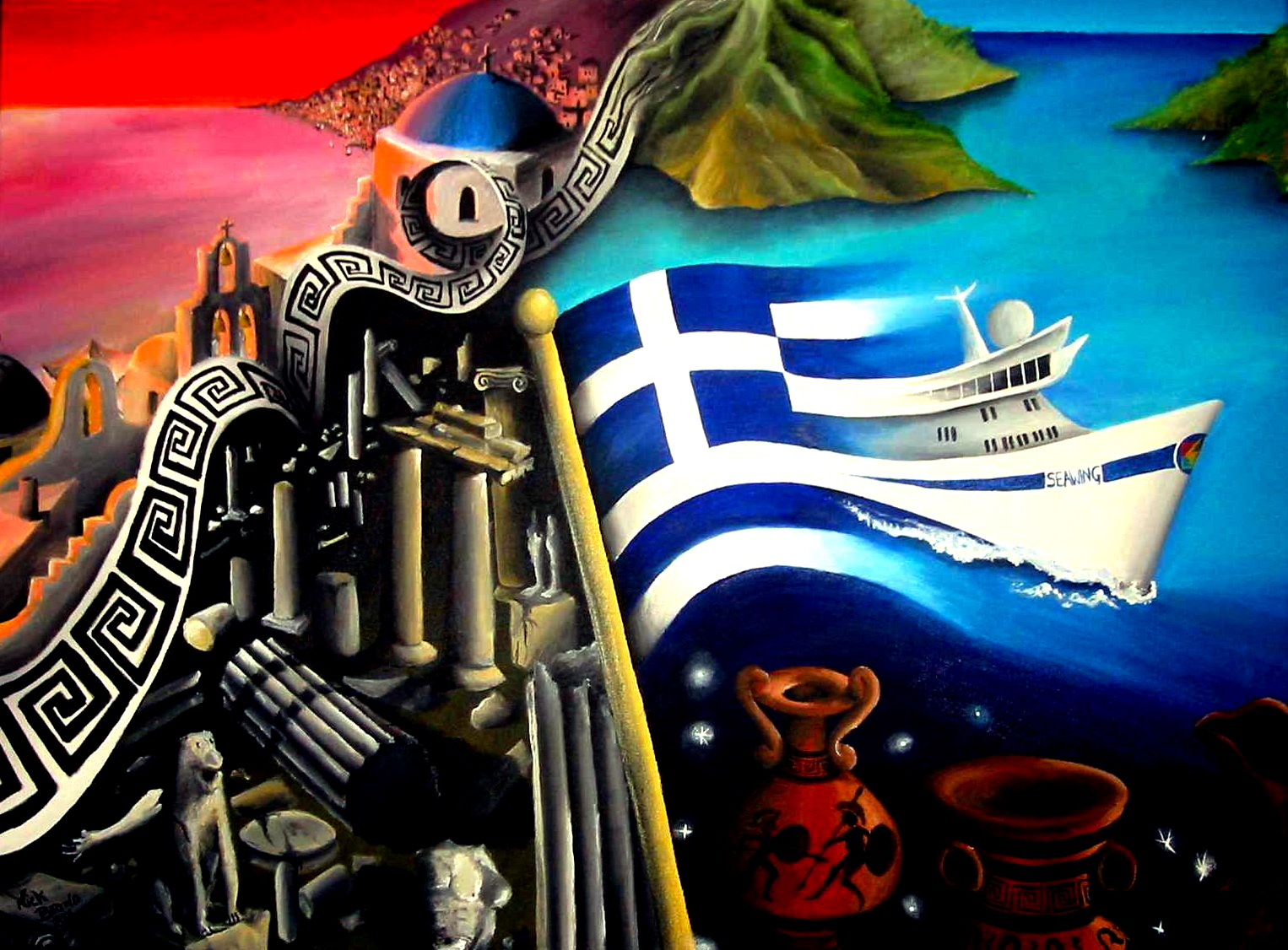
The first painting, Achean Adventure (2001), reflects not only upon the cruise liner, which can be seen emerging from the Greek flag, but also the antiquity which features predominantly across Greece (and which had a particular fascination for me having just completed my A-Level classics studies at the time) and the beautiful Grecian landscapes such as this one, of the island of Santorini.

Achean Adventure (2001 © Nicholas de Lacy-Brown, acrylic on canvas)

The second painting, Cruise Thru Cubes (2001) works like a multilayered exploration of our cruise around the Aegean Sea. Uncover various layers of the painting, and you see the cruise liner having docked and sailed in a variety of different destinations across the cruise, amongst them Mykonos (on the right) and Santorini (on the left).

Cruise thru Cubes (2001 © Nicholas de Lacy-Brown, acrylic on canvas)

It’s good to give these paintings a good airing. Completed over ten years ago, they were some of my earliest painting attempts, and Achean Adventure was sold shortly after I painted it when it was first exhibited in Sussex.

Hopefully this post will bring a little mediterranean sunshine into your Sunday especially if, like mine, it’s gloomy like hell. I’d better sign off now… I feel the need to shop around for a cheap trip to Cephalonia…

© Nicholas de Lacy-Brown and The Daily Norm, 2001-2012. Unauthorized use and/or duplication of the material, whether written work or artwork, included within The Daily Norm without express and written permission from The Daily Norm’s author and/or owner is strictly prohibited. Excerpts and links may be used, provided that full and clear credit is given to Nicholas de Lacy-Brown and The Daily Norm with appropriate and specific direction to the original content.

Madrid-Salamanca Part IV: Not so new – Art nouveau and the towers of the Catedral Nueva

Our second full day in Salamanca took us beyond the typical university-cathedral-scallop shell-plaza mayor tourist trail to the more niche offerings of the city – such are the benefits of spending a few days in a city rather than just one, thus enabling an escape from the same old tourist faces you see cropping up at every attraction with the inevitability of a bee seeking honey.

First on the list was the very unique Museo Art Nouveau y Art Deco which is an unexpected treasure set within Salamanca’s old city walls. The real stand out is the house, Casa Lis, originally a small private palace built at the beginning of the 20th Century at the request of Don Miguel de Lis, a merchant from Salamanca who was in love with Art Nouveau. The resulting house, designed by architect Don Joaquin Vargas, is a sensational crystal palace formed of multi-coloured stained glass reflected within shiny marble floors creating a kaleidoscope of rainbow luminescence as multicoloured rays of light dance a foxtrot across the palace’s polished interiors. This house rivals the very best of Barcelona, and has the sophisticated stamp of Lalique and Tiffany glass all over it. A particular highlight was undoubtedly the Café Lis, where one can sit back in the owner’s original mahogany furniture overlooking Salamanca’s Tormes River through floor-to-ceiling stained glass, sipping coffee and palmiers to a soothing soundtrack of 20s jazz.

Casa Lis' art nouveau cafe

The Casa Lis

The museum itself contains an impressive collection of decorative arts from the art deco and art nouveau era. This includes a large selection of early 20th century toys, tin toys, wind up toys and the like, characterised ornaments which play on the new social class of the bourgeoisie which emerged in the 20th century, a number of paintings by 19th and 20th century Catalan artists, and some stunning examples of sophisticated art deco figurines, as well as glassware by Laliqu and Emile Gallé.  There was also a comprehensive collection antique dolls, but I did find these to be rather freaky, dressed in their elaborate costumes, all staring out from behind their glass cases with huge glass eyes, some distinctively sinister in their stares. There is no way I would want to find myself amongst all those dolls late at night…

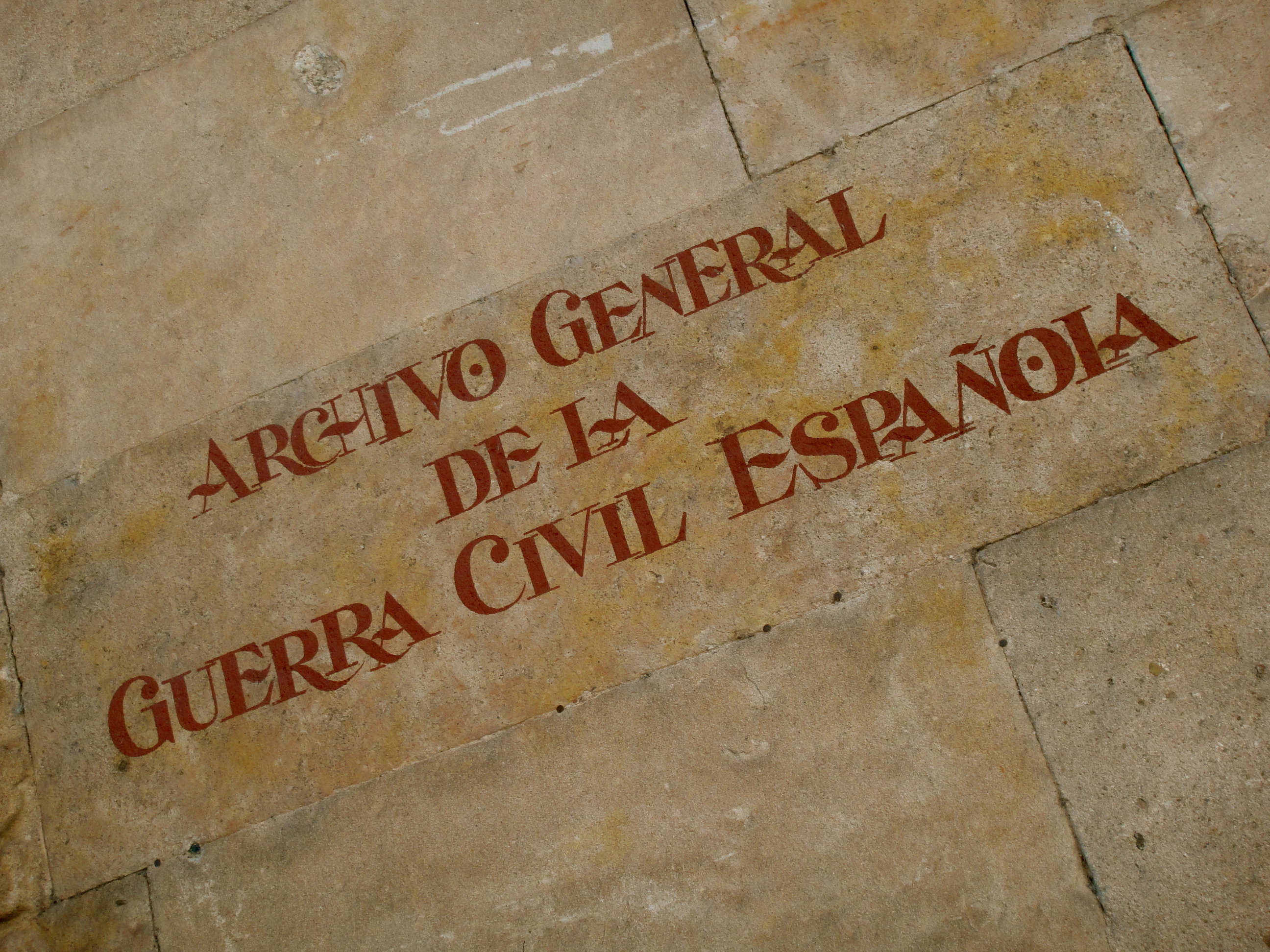
Next door to the Art Nouveau museum was a small exhibition to another event of the 20th Century, but one with cataclysmic results – the Spanish Civil War. The Archivo General de La Guerra Civil Española is Spain’s primary Civil War archive, and it is appropriately hosted by the city of Salamanca, centre of learning and close to the History faculty of the great University which had been a hotpot of anti-war demonstration during the Civil War years, not to mention during the Franco years, when the intellectual advancement and spirited free thinking advocated by the university proved to be a relentless thorn in Franco’s suppressive traditionalist side. The exhibition, largely focusing on civil war propaganda, was a little sparse and hodge-podge, with no central organising themes and no translations for foreign visitors. However I gather that a larger, purpose-built exhibition venue is planned for the future, something to which I look forward with a high degree of excitement. In the meantime, the archive did, rather bizarrely, contain an additional exhibition of the rules and rituals of the Freemasons. This included the recreation of a typical Masonic Lodge, the likes of which had me thinking that I had turned up in a Dan Brown novel. I’m not entirely sure how this exhibition relates to the Civil War, although, since the Freemasons were actively persecuted during Franco’s dictatorship, I’m assuming that the various Masonic articles on show were gathered up by Franco’s men.

Towers of the old cathedral

From 20th century finesse and disaster to a cathedral whose foundations were laid some 900 years before, we headed next to the medieval cathedral towers of Salamanca’s old and new cathedrals, the likes of which are entered separately (and with a separate entrance fee) from the main cathedrals. Surprisingly, the tour of the towers is not just a climb up one big spiral staircase to the top of the bell tower and down again. Rather, the tour comprises a number of exhibitions reflecting various points in the cathedral’s history such as the Lisbon earthquake some 250 years ago which caused huge damage to the fabric of both cathedrals, and a focus on Jeronimo de Perigeaux who was a key figure during the Reconquista and who, as Bishop of Salamanca in 1102, laid the foundations for the construction of Salamanca’s first cathedral.

Cracks in the Cathedral...

The age of these buildings really showed, and I was particularly amused (as well as a little scared, admittedly) by the look of fear in my Partner’s face when we noticed, upon standing on a tiny viewing balcony VERY high up in the Catedral Nueva’s interior, how many huge cracks had formed in the walls of the building and how, at various sections of the balcony, its floor and very construct appeared to slump and sag dangerously downwards. I’m pretty sure that the UK’s health and safety officers would have closed this route off some time ago.

Out alive, and after late lunch on the Plaza Mayor, our final step into Salamanca’s historical past was a visit to the Convento de las Dueñas. Much like the Convento San Esteban visited the previous day, this convent provided sustained calm and an opportunity to slow down and reflect. Its cloisters were smaller than San Estebans, but the stone masonry far more elaborate, with a multitude of cherubs and devils, angels and monsters appearing to come to life, crawling and spiraling out of the villamayor sandstone as they overlooked the cloister and reminded contemplative visitors of mortality, morality and all number of useful life lessons.

Cloister of the Convento de las Dueñas

Elaborate stonemasonry in the Convento de las Dueñas

Salamanca's branch of Zara

Enough of the history – now it was off to the shops for a well-needed dose of contemporary living and an escape from all that frog-based tourist tat. Our souvenir of Salamanca is a beautiful brass astronomy globe which reflects Salamanca as a centre of learning and will fit in perfectly with my vintage-chic theme at home. But even as we wandered from Zara, to Massimo Dutti, to H&M and all the other high street shops, we noticed how the historical character of Salamanca continues to infiltrate into the city’s contemporary life – Salamanca’s chain of Zara is a perfect example, comprising a multi-floored glass box, floating in the shell of a vast old church. But where an altar once stood, a catwalk of mannequins showcasing Zara’s latest collection now stands. Is this a savage misuse of a sacred place or testament to the role of religion in modern day society? I like to think of it as the preservation of history for the greater benefit of contemporary society and future generations. Even as a clothes shop, history looks great. And as a monument to a multi-layered historical and cultural matrix, Salamanca is surely King.