Skip to content

Posts tagged ‘Travel’

My Sicily Sketchbook: An Aperol in Taormina

Just when it looked like the Daily Norm’s Sicily series was at a close, I have a few final hurrahs to add to the collection, in the form of Sicily inspired artworks, naturally. The first is this one, a further page of the second volume of my trusty travel sketchbook, which was started in Catania and went with me along my travels across the south east of Italy’s most inspiring island. This sketch depicts the Piazza 9 Aprile in the bustling little hilltop town of Taormina.

Taormina Sketch

Drinks on the Piazza 9 Aprile, Taormina (© Nicholas de Lacy-Brown, 2017, pen on paper)

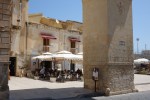
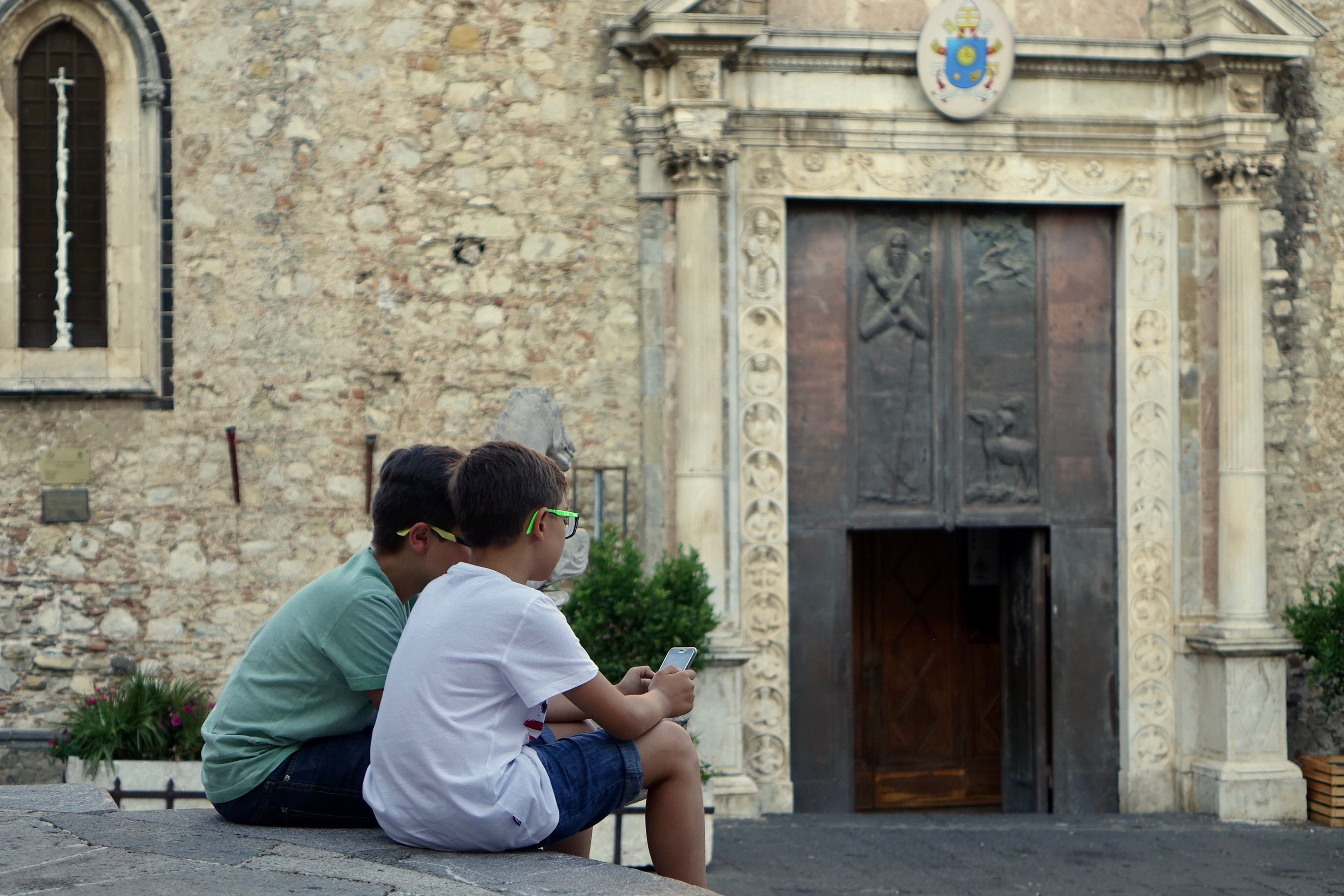
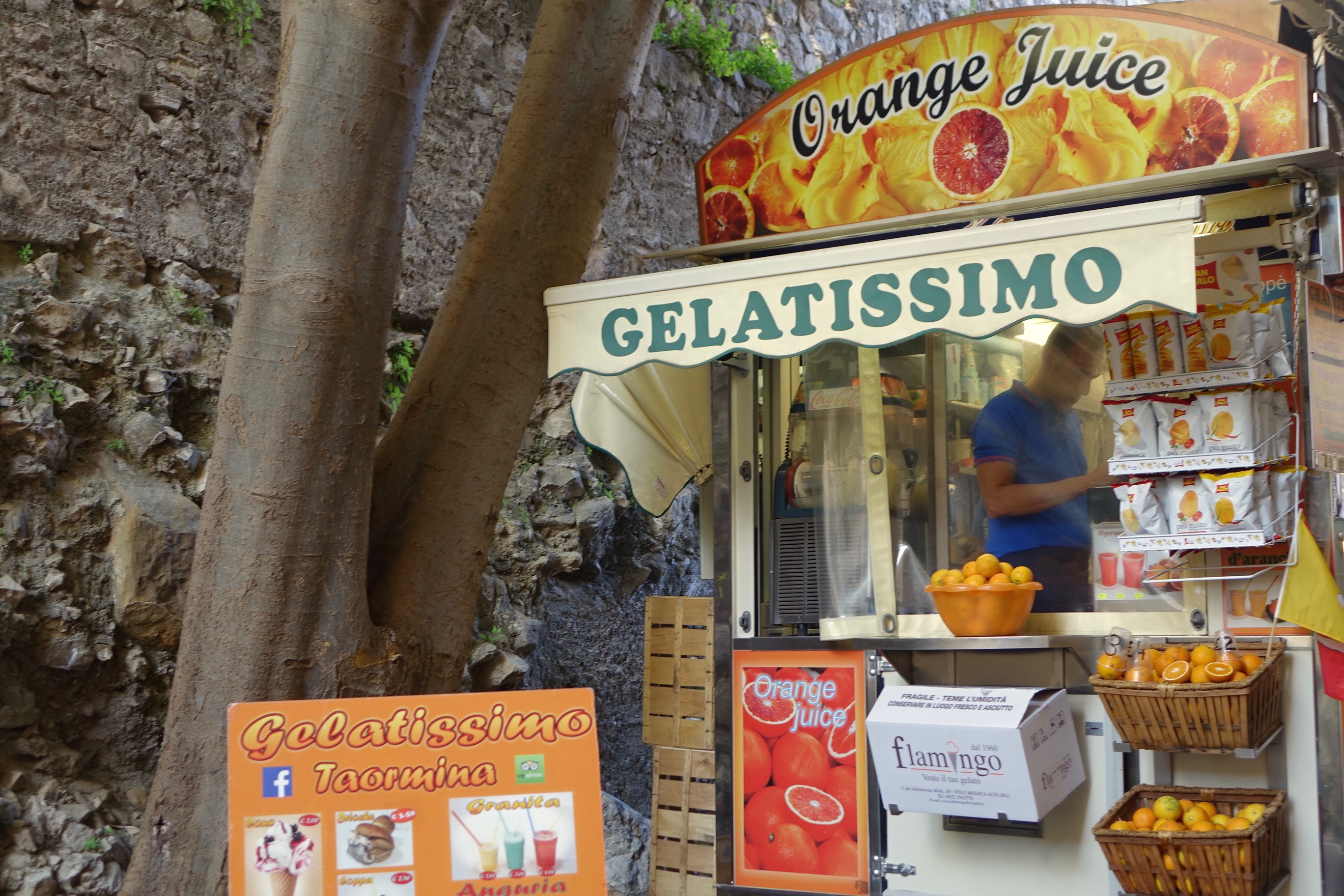
Given its reputation as the Capri of Sicilia, Taormina is a town aptly peppered with plenty of boutique designer stores, baroque embellished houses and a panoply of cafes, their tables spilling out onto the black and white chequerboard pavements. It was in one such café that I began this sketch, an aperol spritz appropriately placed on the table before me, while around us, street musicians provided the perfect accompaniment to a wonderful afternoon moment. But the aperol did not last long, and soon enough we were off to dinner. The completion of this sketch had to wait, therefore, until many weeks later back in a decidedly less Sicilian UK… hence its delayed publication on The Daily Norm. But as they say, better late than never…

© Nicholas de Lacy-Brown and The Daily Norm, 2001-2017. Unauthorized use and/or duplication of the material, whether written work, photography or artwork, included within The Daily Norm without express and written permission from The Daily Norm’s author and/or owner is strictly prohibited. For more information on the artwork of Nicholas de Lacy-Brown, visit http://www.delacybrown.com 

The Sicily Series | Part VIII – Ortygia of Syracuse, the Venice of the South

The legend of Ortygia had come to us through the bathroom. Not that this should be misread as something smutty. For Ortigia the brand of timelessly elegant bath products, room fragrances and soaps is today one of the most prestigious purveyors of bathroom accessories on the market, with stores on Marylebone High Street and Sloane Square in London alone. And while the company, which hails from Sicily and whose packaging awash with leopards and palm trees is the very essence of the Il Gattopardo period, spells it’s name with the Italian ‘I’ it is otherwise the perfect ambassador for this equally stylish stunning little city in Sicily.

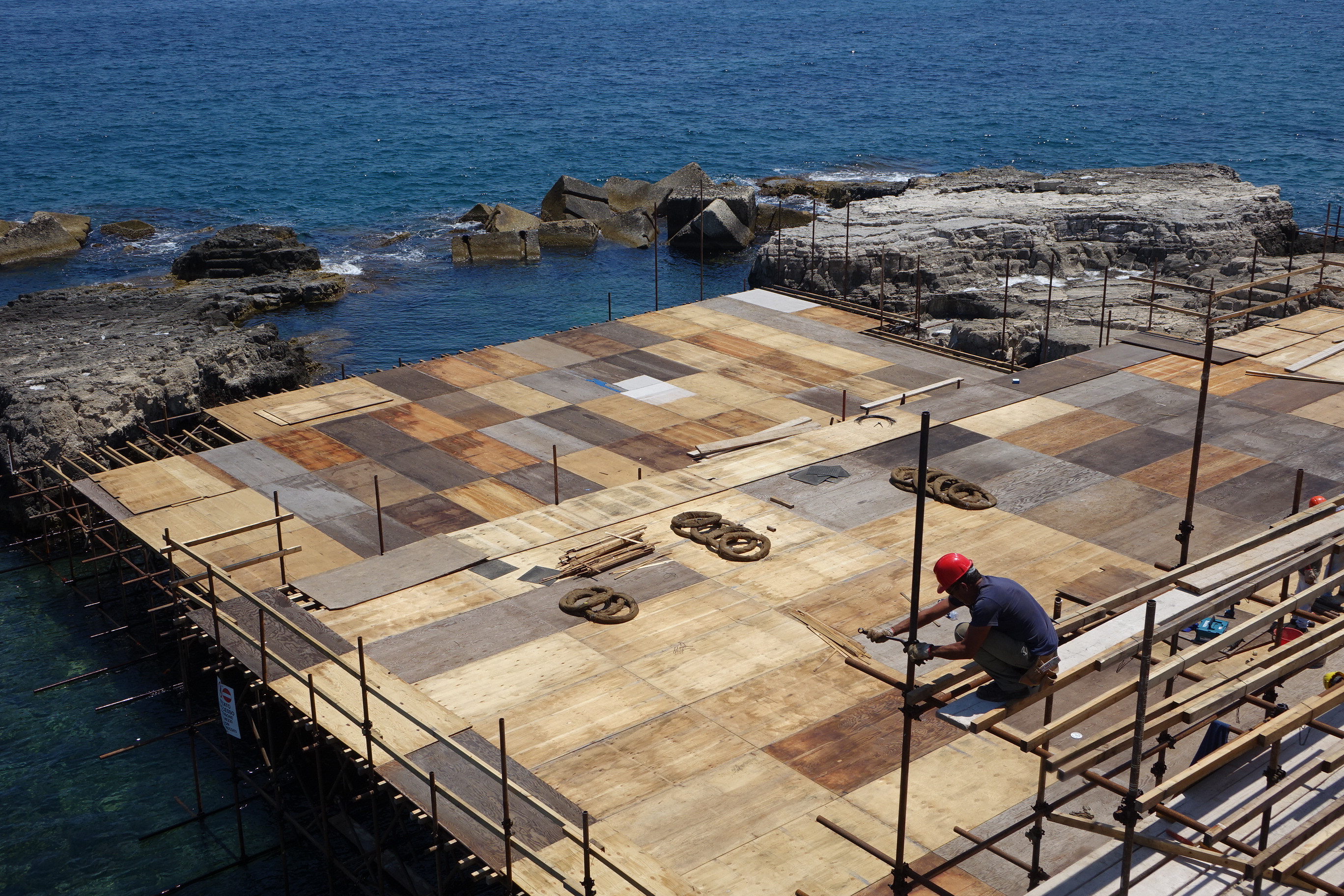
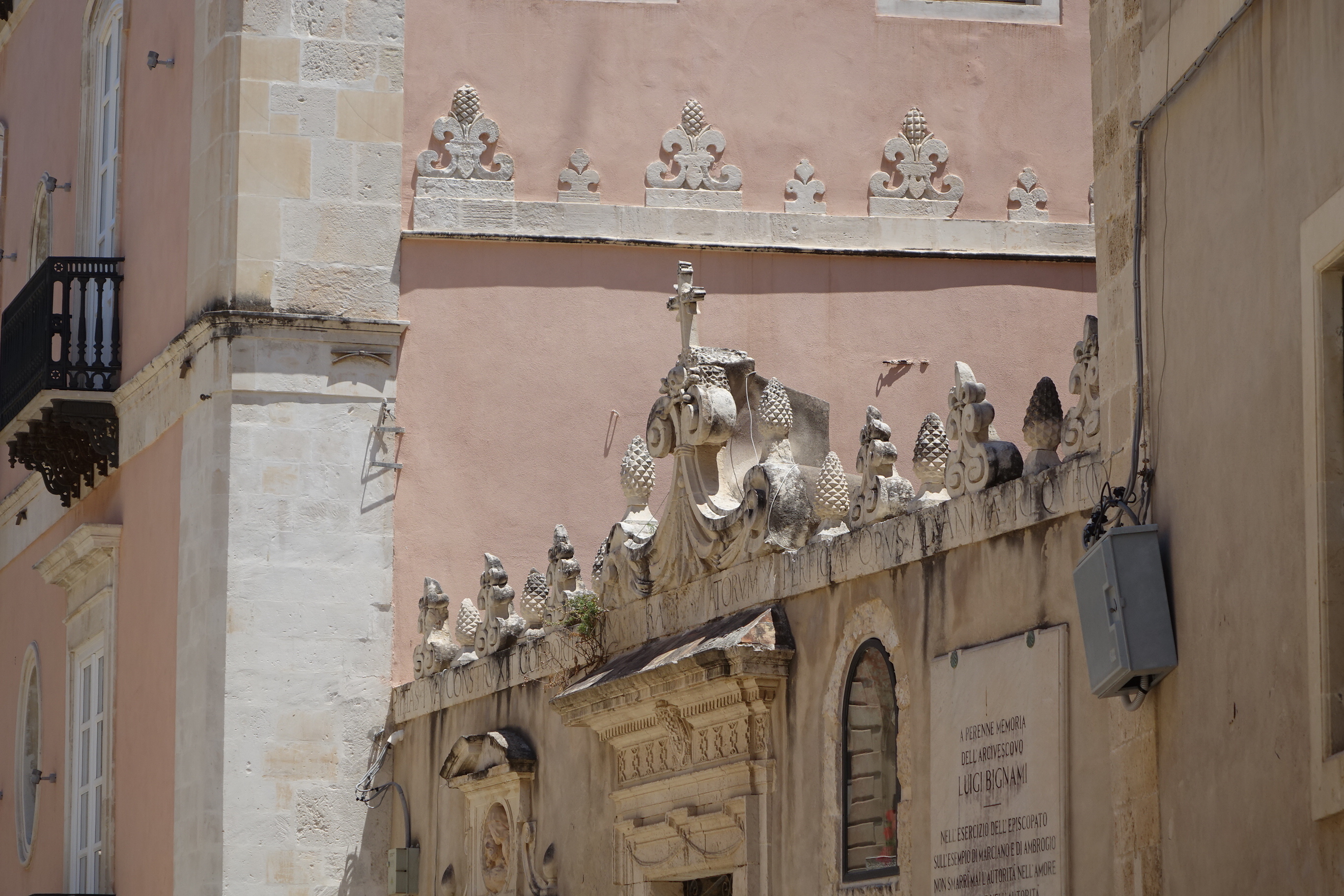
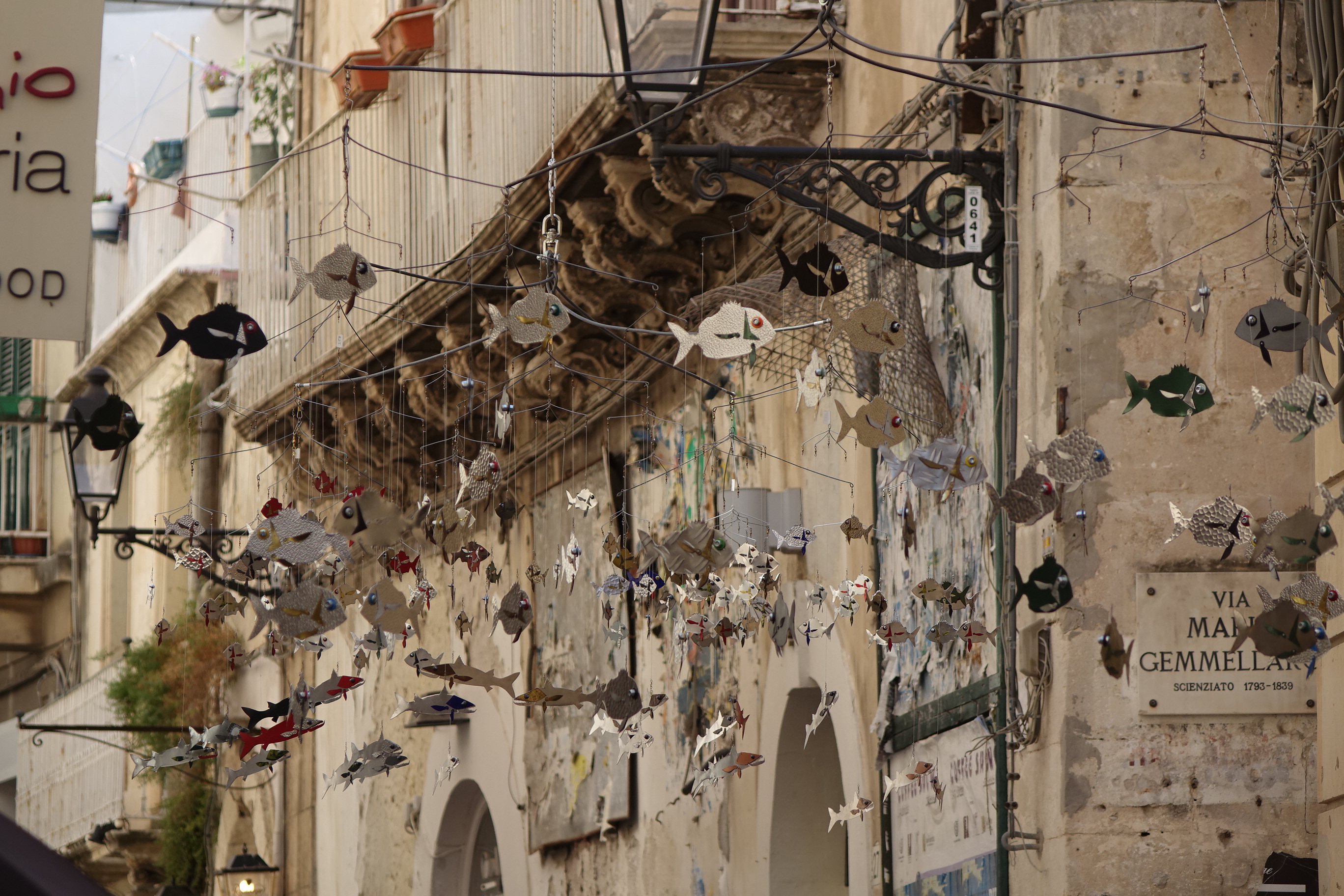
DSC03405DSC03478DSC03312DSC03341DSC03434

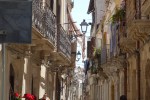
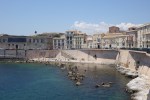
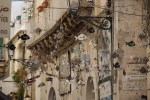
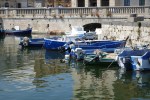
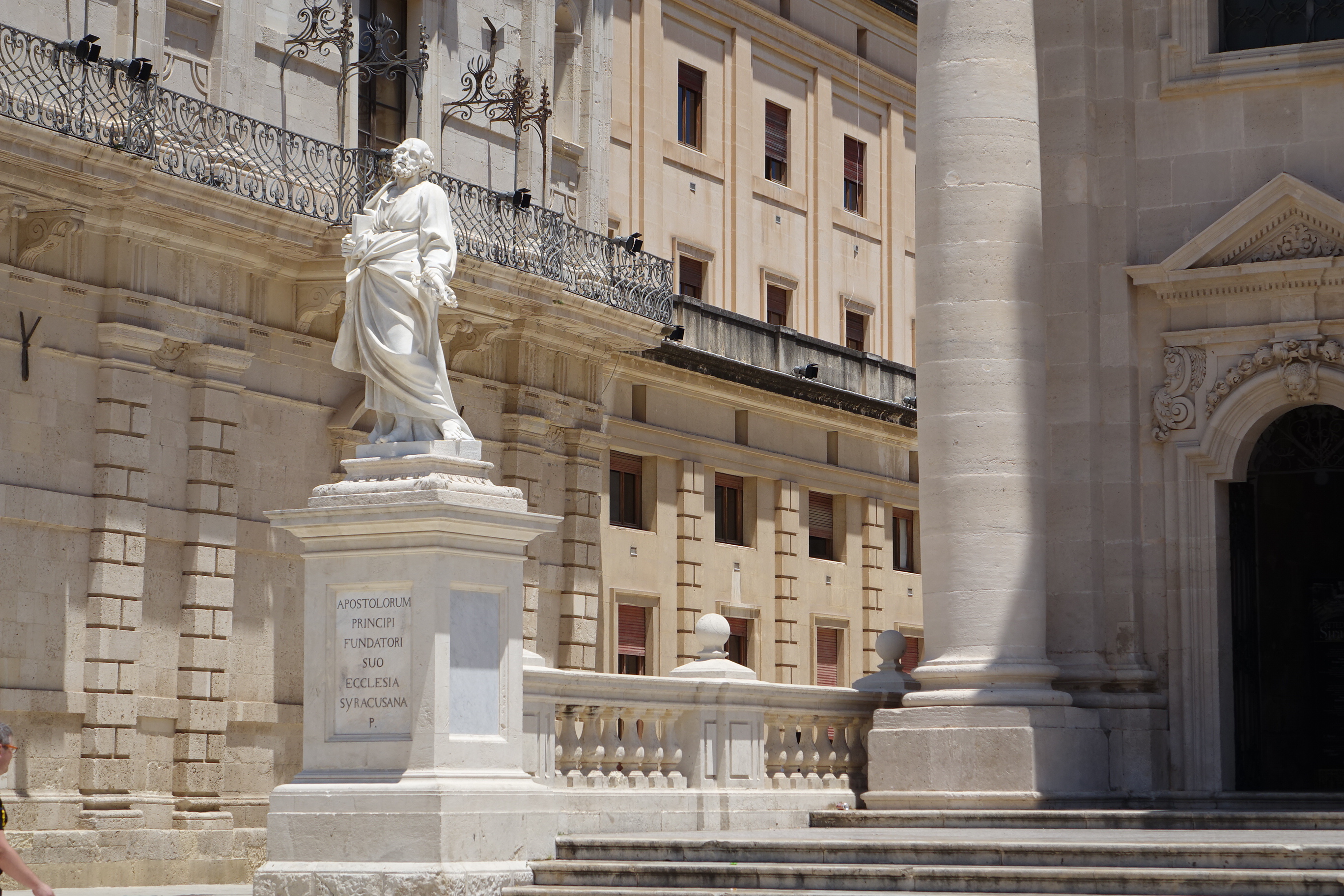
Ortygia is more of an island than a city, connected to the bigger city of Syracuse by two narrow bridges. With few cars, plenty of picturesque narrow streets, and surrounded on all sides by the sea, Ortygia has often been called the Venice of Sicily and it’s not difficult to see why. For in place of Florian’s cafe are a host of cosy little eateries with pale striped cushions, blue glass and understated elegance. In the place of ancient treasures sacked from Constantinople you have multiple ruins dating way before the roman times and literally peppering the streets (the incredible ruins of the Temple of Apollo being the first to greet you when you cross the bridge). And instead of Saint Mark’s the main Duomo of Ortygia is a masterpiece mix of the most ravishing Baroque with an ancient Athenian temple.

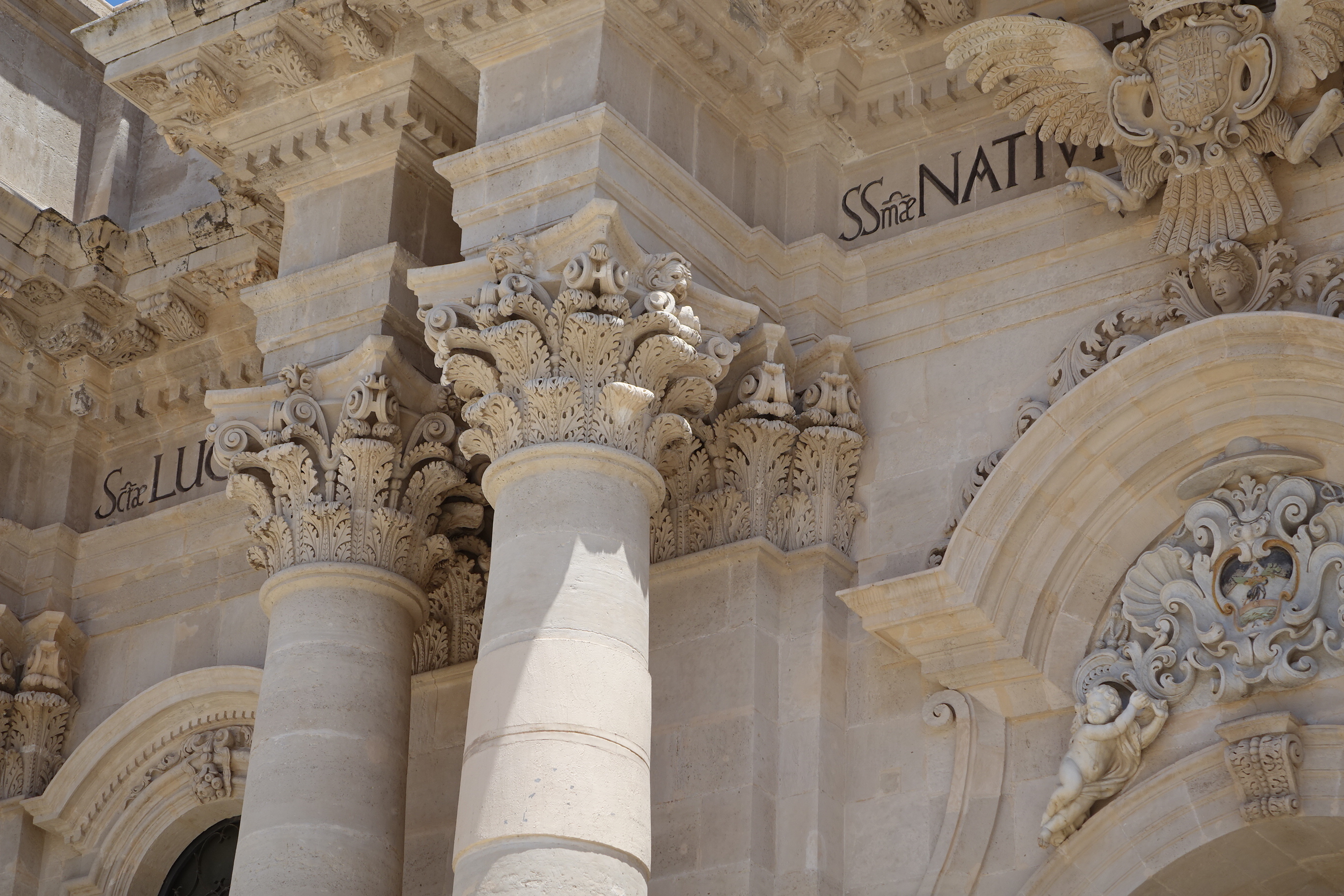
DSC03466DSC03439DSC03433DSC03380DSC03408

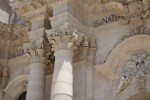
For me the Cathedral (not to mention the dazzling showpiece square surrounding it) is undoubtedly the highlight of Ortygia. With its elaborately decorated marble facade, the Cathedral shows but one face of an indelibly rich history which oozes from within. For one walk inside and you find an ancient interior not characterised by the Baroque at all. Rather the Cathedral is essentially a remanifestation of the ancient Temple of Athena which has always stood on this spot. It is not just built on the same foundations but is actually constructed over and amongst the original ancient columns which made up the temple. All they have done is filled in the space between the columns, put a roof on top, and that marvellous facade at the front. The effect is to receive an incredible immersion into the most ancient of civilisations, and really gain insight into what a temple back in the times of Ancient Greece would have been like.

Alas we could not spend too long in Ortygia. The sun bounced down on those ancient palazzos and that fine white marble which dazzled all around, and as the afternoon drew on, temperatures rose in unison. We therefore escaped to the air conditioning of our car and the promise of a prosecco back in Noto. But we left Ortygia with a real sparkle in our eyes, and, naturally, a little complementary purchase from its world renowned cosmetics store.

© Nicholas de Lacy-Brown and The Daily Norm, 2001-2017. Unauthorized use and/or duplication of the material, whether written work, photography or artwork, included within The Daily Norm without express and written permission from The Daily Norm’s author and/or owner is strictly prohibited. 

My Sicily Sketchbook: Cattedrale di Noto

It was the evenings in Noto that we enjoyed the most. Strolling down the Corso Vittorio Emanuele with the sun sinking straight ahead to the West lent an ephemeral golden light to the time of the passeggiata stroll, touching people’s heads with a radiant halo, and reflecting wonderfully across every shiny surface, each café table top, ice cream kiosk and resplendent baroque building.

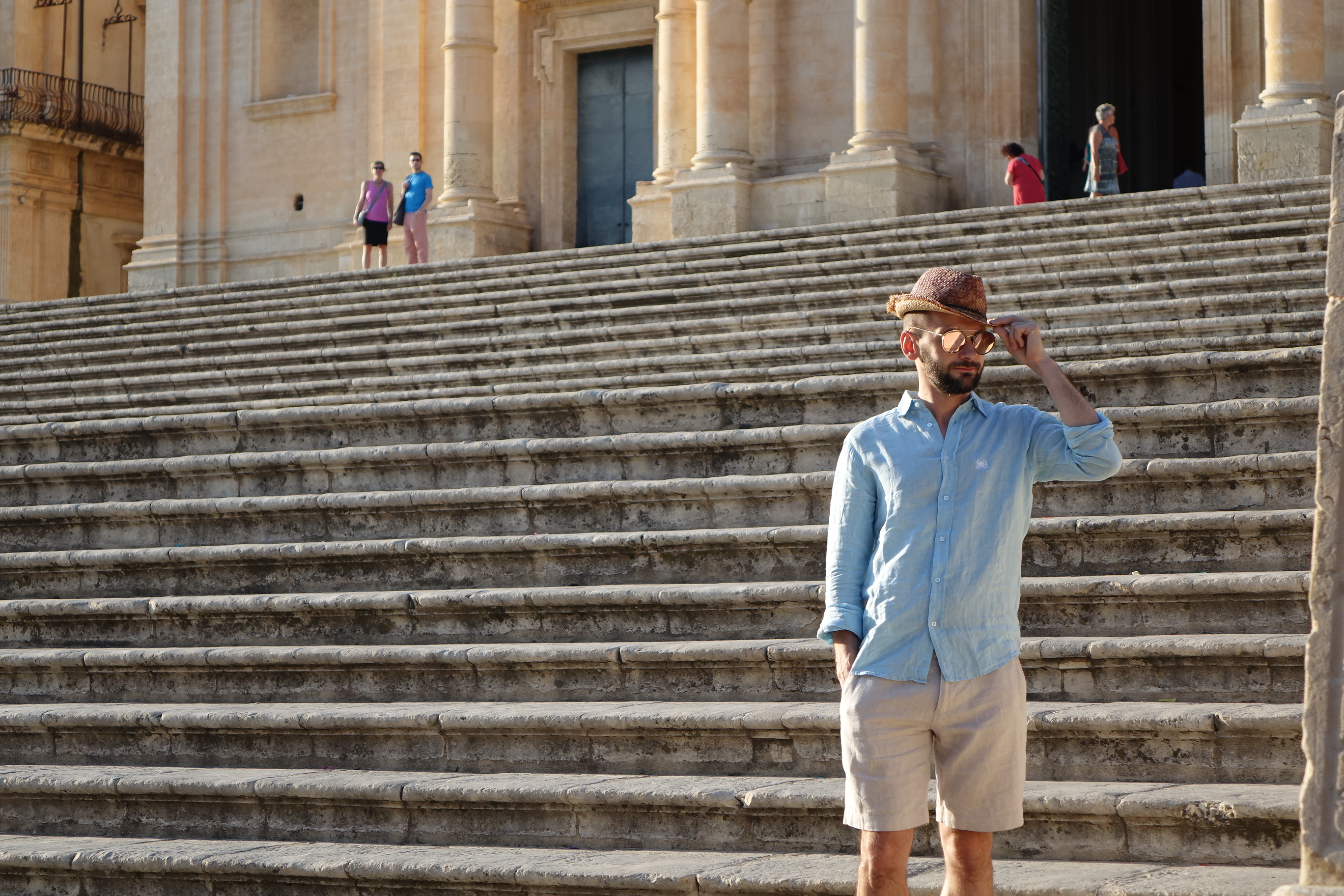
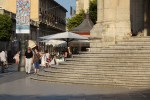
From the first of these euphoric evenings onwards, we found ourselves a local haunt. The Chiosco della Cattedralle was a cafe sprawling out of an old fashioned gelato kiosk which benefitted from an unrivalled position in front of the sweeping staircase leading up to Noto’s Cathedral of Saint Nicholas. Appropriate, give the name, that I should feel so comfortable there, although my partner was likewise a fan – for there we could enjoy the best affogato al caffe in town, while the prosecco packed a mean punch too.

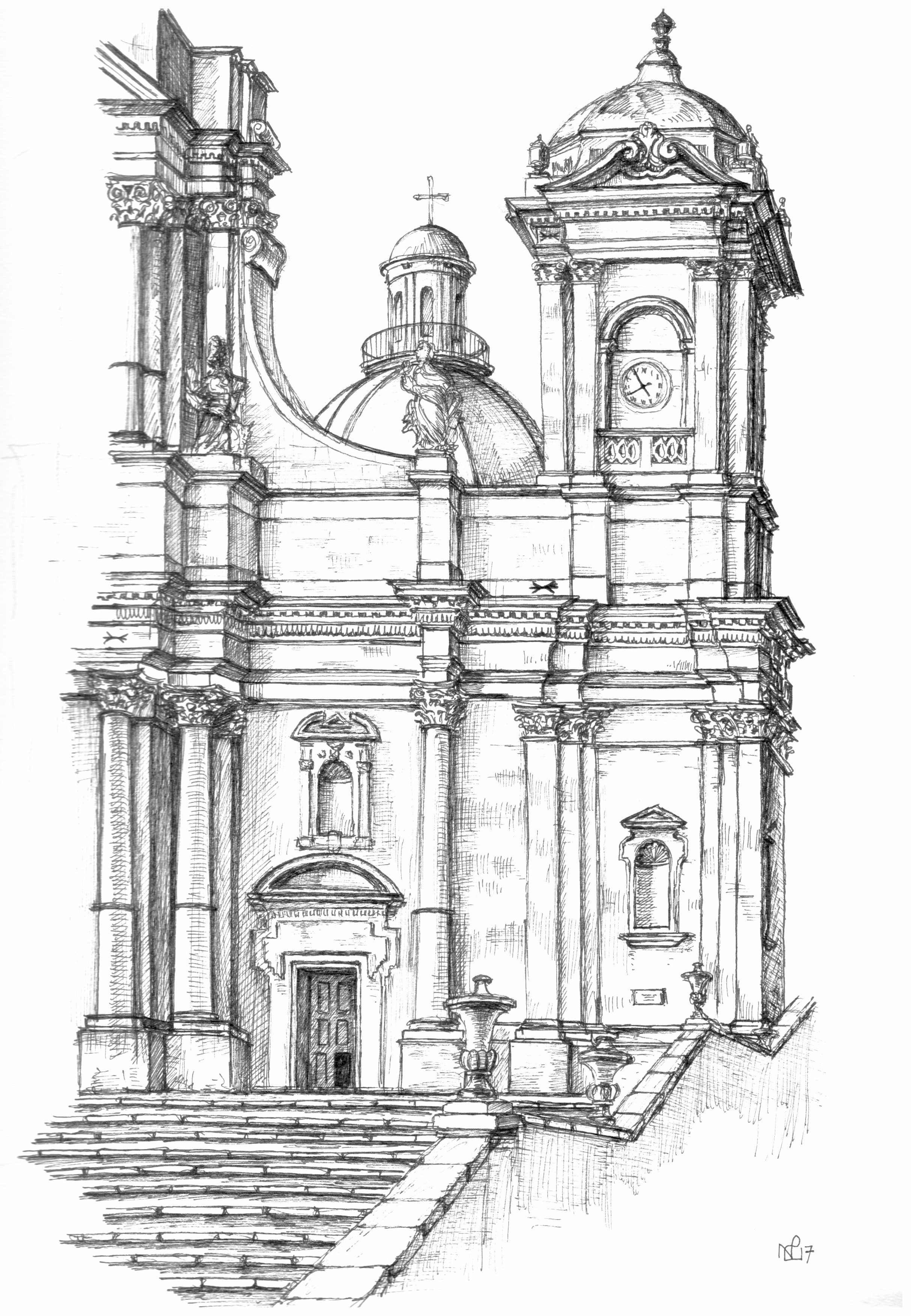
Cattedrale di Noto 2

Cattedrale di Noto (Pen on paper, ©2017 Nicholas de Lacy-Brown)

So with affogato, prosecco, a book (for Dominik) and a sketchbook (for me) we would hang out each evening in front of our favourite cathedral view, and it was in those delirious moments of complete calm that I set about sketching the marvellous vista before us. Of course being baroque, the facade of Noto’s cathedral is pretty much as complex as they get, and there was no way I was going to attempt to capture it all. Contenting myself instead to a small portion of the mighty facade, I created this work, a sketch which remained mercifully free of drips of melted affogato, but which nevertheless retains for me the beautiful spirit of those golden summer evenings in one of the most beautiful towns in Italy.

IMG_1826

Sketching in Noto…

© Nicholas de Lacy-Brown and The Daily Norm, 2001-2017. Unauthorized use and/or duplication of the material, whether written work, photography or artwork, included within The Daily Norm without express and written permission from The Daily Norm’s author and/or owner is strictly prohibited. For more information on the artwork of Nicholas de Lacy-Brown, visit http://www.delacybrown.com 
The Sicily Series | Part VII – Rocky, Resplendent, Regal Ragusa

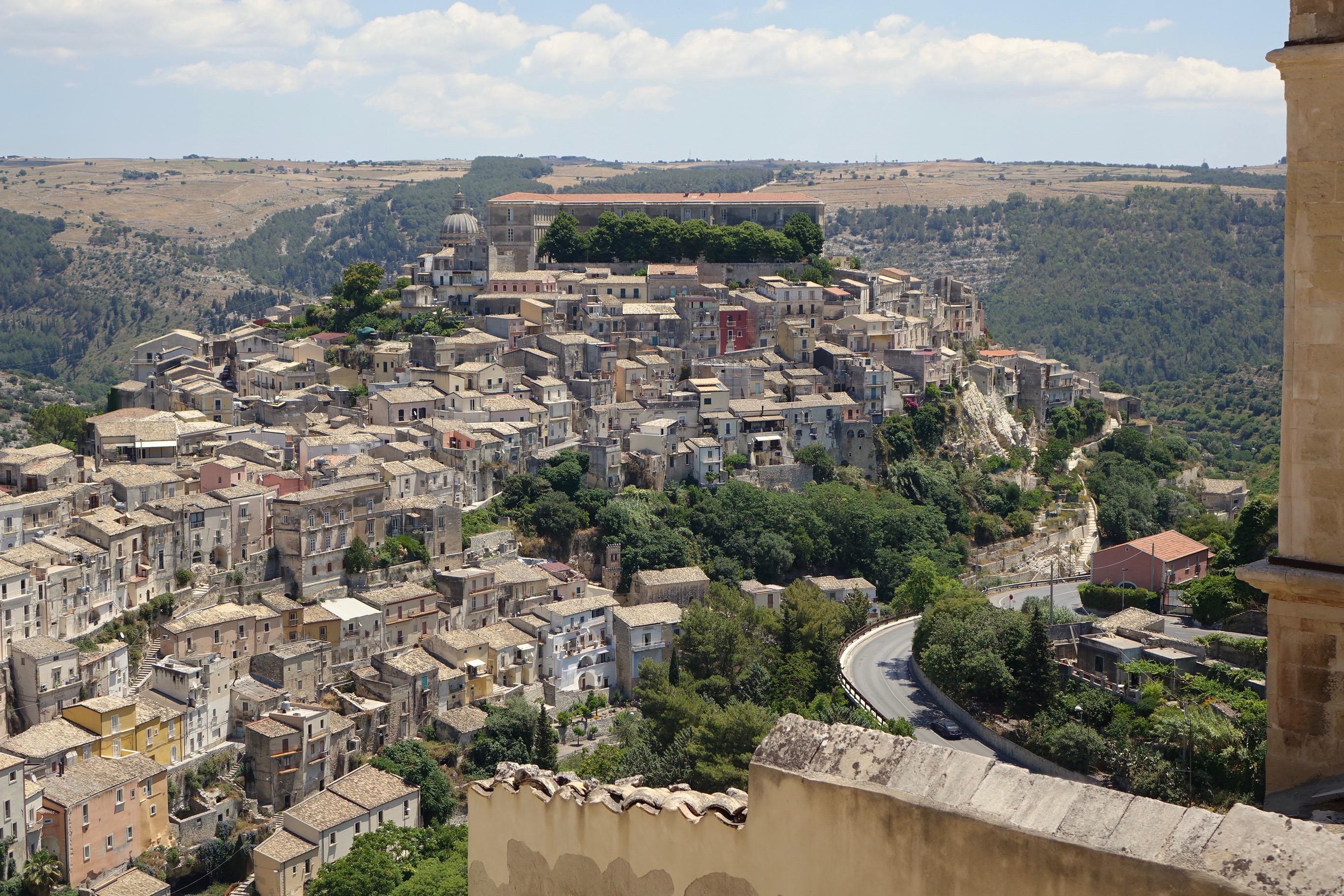
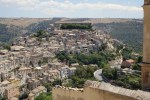
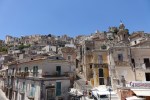
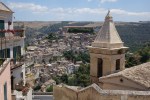
It was a fair old drive from Noto to Ragusa, although the fact that our satnav tried to turn us right into a mountain ravine did not help. But when we arrived we felt a little disappointed. Sure, it had a grand looking cathedral and some nice-ish streets but what was it worth the near-death experience on the journey? It was only when we sat down at a local cafe, coffee needs predominating, that I opened my Baedeker and realised that Ragusa is actually a town split geographically in two. And we were in the wrong bit. For the real star of Ragusa, and well worth the fuss, is Ragusa Ibla, its ancient town, built on a steep hilltop across the other side of a rocky mountain valley which splits the town in two.

Of course we were parked on the wrong side of the divide, but the walk at least offered us the best possible vistas of Ragusa Ibla: a cluster of houses and churches which appear to defy gravity in their precarious positioning upon the steep slopes of the hill, and which collectively takes the breath away for the sheer feat of this human intervention upon the Sicilian landscape.

DSC02971DSC02963DSC02945DSC02986DSC02968

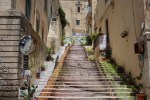
There were many steps down to the crevice which carves Ragusa in two, and many slopes within the old town itself, but the climbing and panting and general opposition to the heat was both a necessity in this car-defying town, and a very useful mode of calorie consumption. It came, after all, just before our arrival in the Piazza del Duomo, where lunch next to a deliciously somniferous trickling fountain provided me with the star dish of the holiday as far as I was concerned: spaghetti with local Bronte pistachios, hard pecorino cheese and gamberetti. Washed down with a little local Etna wine and heaven descended, and that was before the typical ricotta desert of cannoli deconstructed into a mass of creaminess and crumbling texture.

DSC02989DSC03046DSC02970DSC03013DSC03095

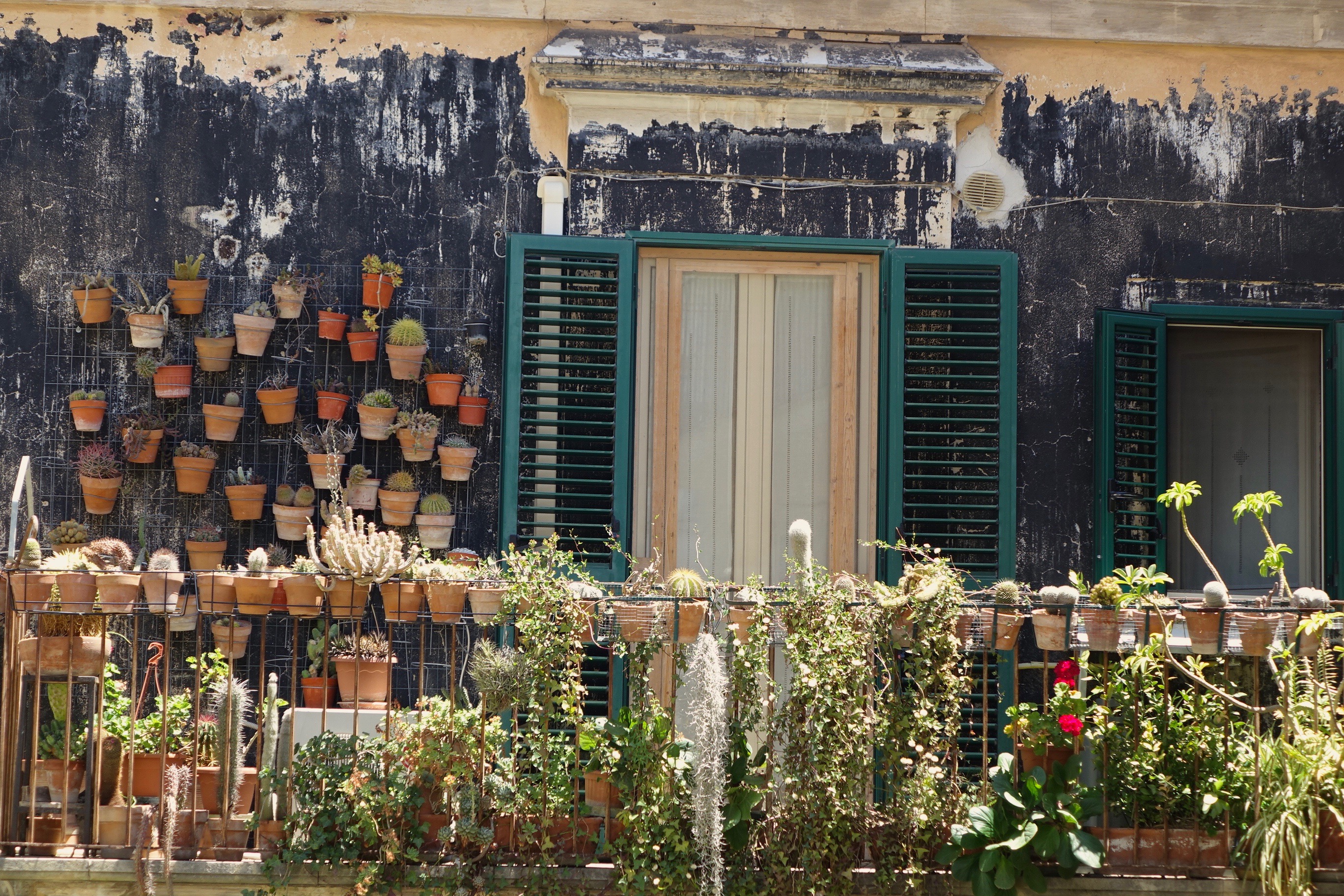
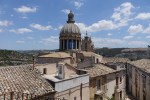
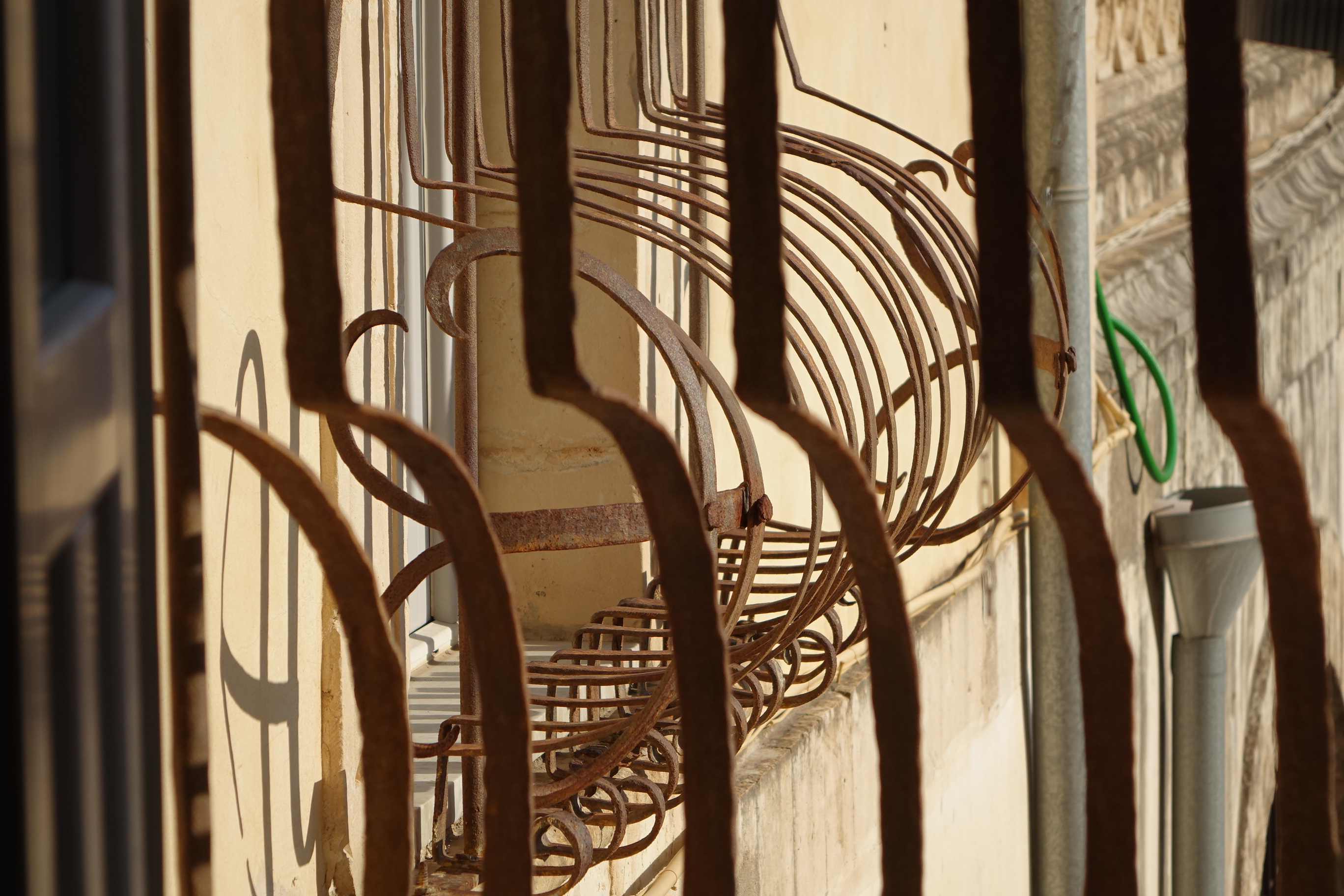
Stamina recovered, we were able to discover the quaint nature of this beautiful town, another with its fair share of fairytale like Baroque brilliance but on a somewhat more compact scale. Walking the narrow streets provided an inescapable exposure to wafts of garlic and pistachio, and to the perfume of herbs drooping from pots crammed onto wrought iron balconies. Some streets were so narrow as trigger maze-like disorientation. Others gave way onto stunning vistas, such as the great glass dome of the Cathedral of San Giorgio which rises above the old town, or the views across the arid mountainous landscape.

But for all those views, and the indelible beauty of Ragusa Ibla, gosh how we bemoaned its location as we made the hike up hundreds of steps, in full 30-something degrees of heat, back to our car parked in the other half of the city. But as we all know, it’s the inaccessible places that are often the greatest gems, and that was certainly the case with the treasure of Resplendent Ragusa.

© Nicholas de Lacy-Brown and The Daily Norm, 2001-2017. Unauthorized use and/or duplication of the material, whether written work, photography or artwork, included within The Daily Norm without express and written permission from The Daily Norm’s author and/or owner is strictly prohibited. 


The Sicily Series | Part VI – Noble Noto, treasure of the Baroque

I had heard much about Noto, the small town in the South Eastern corner of Sicily, before going. In fact the promise of a radiant Baroque treasure so intact that it has been granted UNESCO protection was what persuaded me that this would make the perfect base for the second half of our trip to Sicily. Yet as we approached the town, nerves started to take over. Not only were the surrounding landscapes devoid of civilisation, but the immediate outskirts of the town were anything but baroque. However there came a point when we crossed the brow of a hill and suddenly the landscape transformed; when what stood before us was an urban panorama which literally dazzled. Here was a horizon peppered with cupolas and embellished roof tops, with extravagant decoration and exquisite carvings. But above all things one imbedded with glowing tones of a creamy honey coloured yellow. This was the notorious Noto to which all the guidebooks had referred.

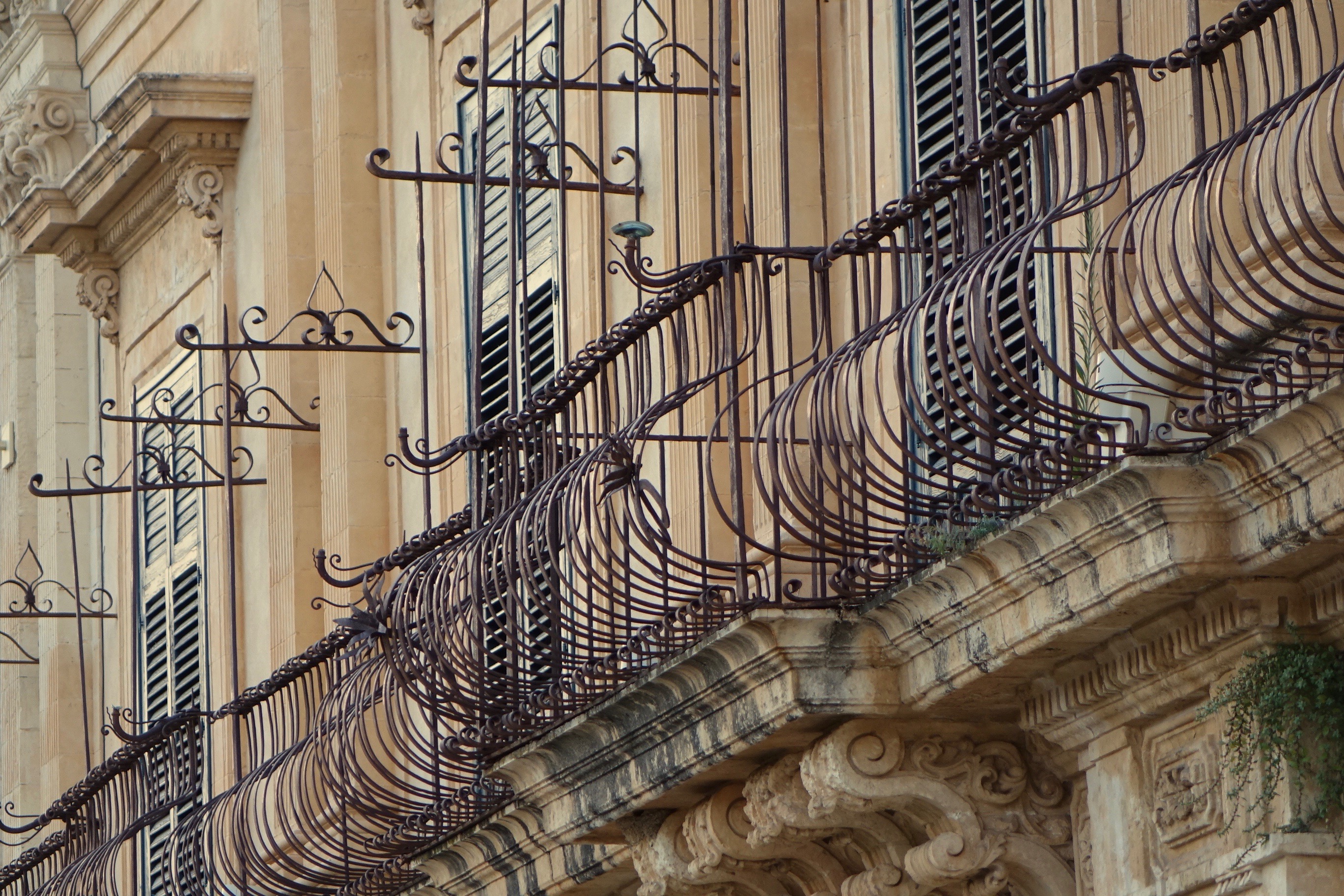
DSC03129DSC02813DSC02894DSC02906DSC03487

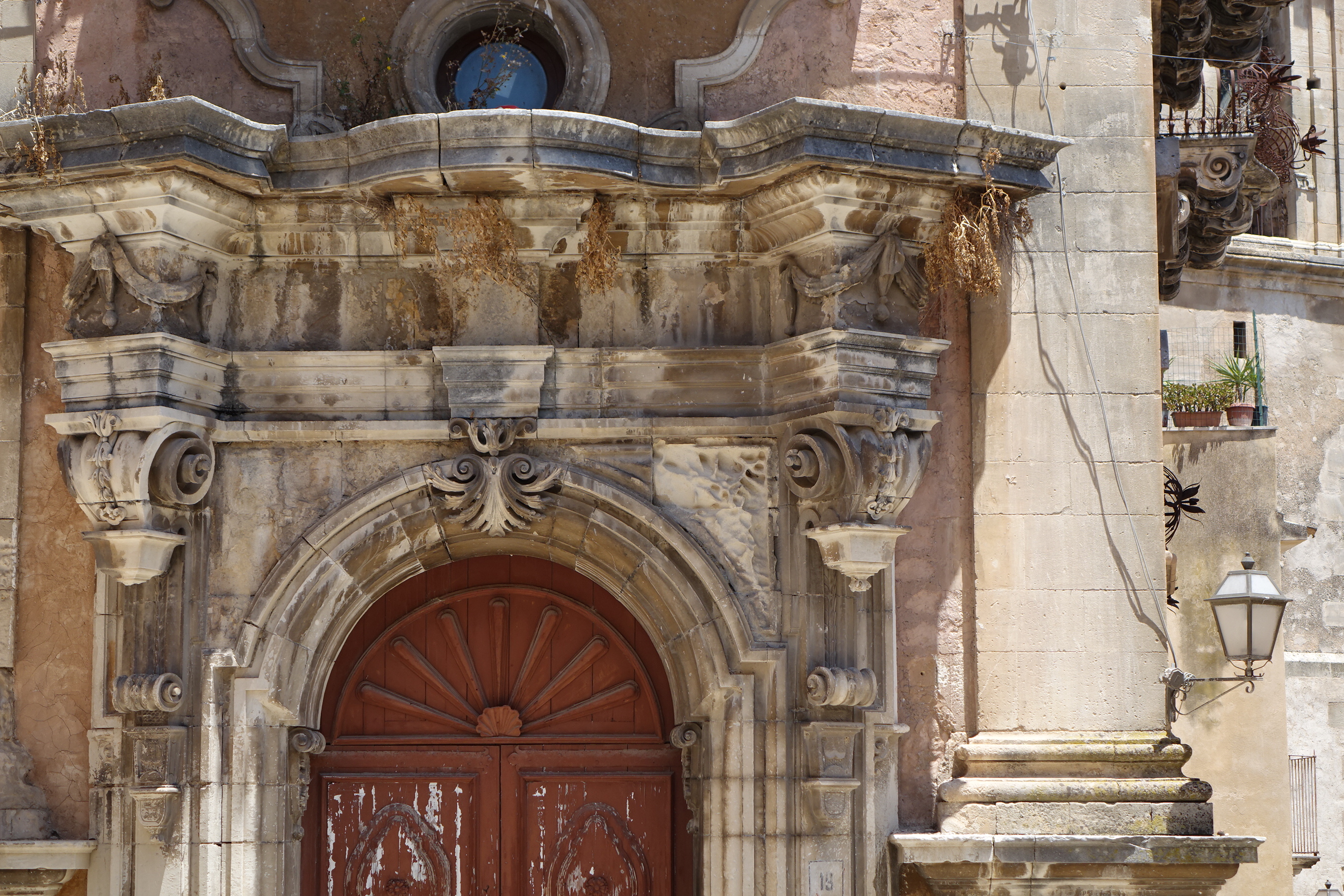
Built in the early 1700s almost entirely in one go when the former town of Noto was destroyed by an earthquake, the Noto we see today is inherently characterised by the baroque fashions which dictated its construction. The result is a town almost perfectly intact in its baroque splendour. Every building is elaborated with architectural flourishes, with putti and angels, with classical columns and vast sweeping staircases. But while the Baroque of Catania is darkened through the use of Etna stone, Noto’s constructions are luminescent in their creamy vanilla yellow turning a deeper shade of gold.

Thus the town glows and dazzles like a jeweller’s window or an architectural showroom from another century. But beyond its obvious splendour, it is a town which feels alive with a spirit of recreational indulgence and amenable sociability. As the sun descended each day, the swallows would swoop through the air, and the temperatures fell to a more bearable level. In this moment, Noto’s principle Corso Vittorio Emanuele would become  a veritable magnet to residents and tourists alike.

DSC03237DSC03115DSC02819DSC02786DSC03224DSC02824DSC03134

As the great caramelised sun descended, the stone of Noto transformed into a heavenly shade of creamy ochre, and the best way in which to enjoy la bella vita was to sit in sidewalk cafes, sip on an affogato al cafe or drink a sparkling prosecco. Reclining back in the evening sun, the great silhouette of Noto’s grand spectacles warming the eye, it was truly possible to bask in the town’s reflected glory, and to become as resplendently baroque as the ravishingly theatrical town itself.


© Nicholas de Lacy-Brown and The Daily Norm, 2001-2017. Unauthorized use and/or duplication of the material, whether written work, photography or artwork, included within The Daily Norm without express and written permission from The Daily Norm’s author and/or owner is strictly prohibited. 

The Sicily Series | Part V – The views that put Taormina on the map

Despite the chic which characterises the burgeoning boutique-lined streets and bustling café-filled piazzas of Sicily’s Taormina, the attraction which really put the town on the map was in situ long before the fashionistas took up residence. For the picture-postcard undisputed highlight of Taormina is its ancient Greek Theatre, a stone semi-circular auditorium which benefits from a stunning altitude which gives its stage the most enviable of backdrops of the sea, the coast and the magnificent silhouette of Mount Etna beyond.

Taormina’s Ancient Theatre

DSC02677DSC02664DSC02667DSC02676DSC02652DSC02675DSC02648DSC02679DSC02644

Imagine the scene: a balmy summer’s night, a bustling old theatre, a chorus of masked greek players performing Antigone or Media, and beyond, the silhouette of Etna, cloud slowly smoking from its crater like a wise old onlooker smoking a pipe in the distance. Yes your bottom might be a little sore from the stone seats, but imagine the view, and the naturally occurring brilliant acoustics which somehow manage to transport the voice of the actors on the stage to the very highest seat, despite there being no speakers nor modern day technological intervention. Sadly our trip to Taormina’s theatre did not coincide with one of the festivals when this magnificent theatre is put back to use, but that did nothing to dispel the magic of the place which was omnipotent across its ancient structure.

But the ancient theatre is not the only place from which Taormina’s trademark views can be enjoyed. From the Municipal Gardens, crafted as they were by Florence Trevelyan along another ridge of high hillside, the views of Etna and the coast are uninterrupted, and delightfully framed by the bounty of cypress trees and pines, flowers and topiary which fills the happily verdant gardens.

The Municipal Gardens

DSC02407DSC02396DSC02371DSC02381DSC02387DSC02377DSC02401DSC02395DSC02369DSC02354DSC02385DSC02336

Taormina’s location is undoubtedly the reason for its historical roots and its current popularity, and views are by far the town’s most ravishing feature. But ultimately it’s the happy combination of history, views, boutique shopping and café-culture-comfort which makes the town such a pleasure to visit. After all, what better way is there to contemplate a view than with an aperol spritz in one hand, and a few bags of shopping in the other?

© Nicholas de Lacy-Brown and The Daily Norm, 2001-2017. Unauthorized use and/or duplication of the material, whether written work, photography or artwork, included within The Daily Norm without express and written permission from The Daily Norm’s author and/or owner is strictly prohibited. 

The Sicily Series | Part IV – Beaching at Isola Bella

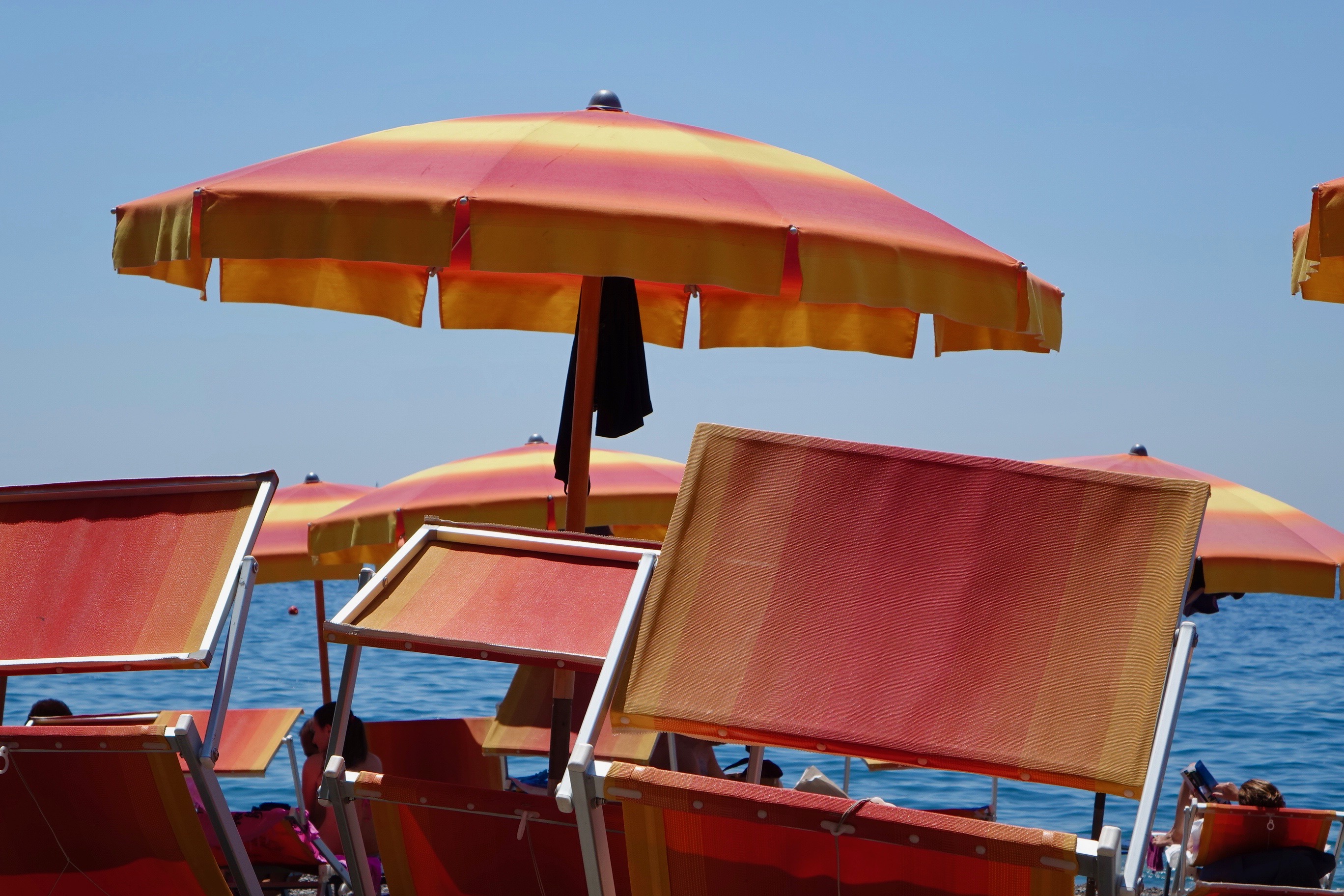
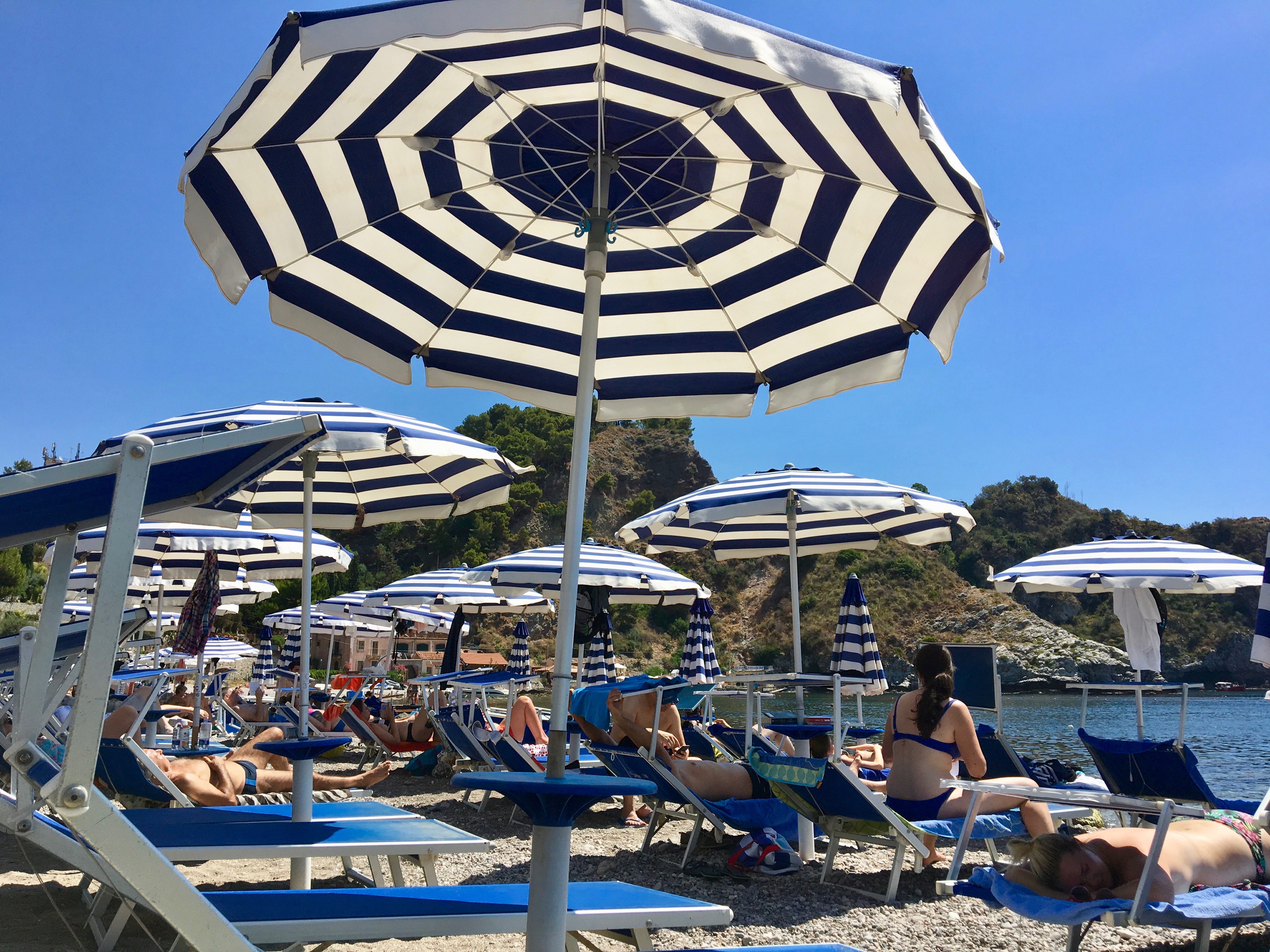
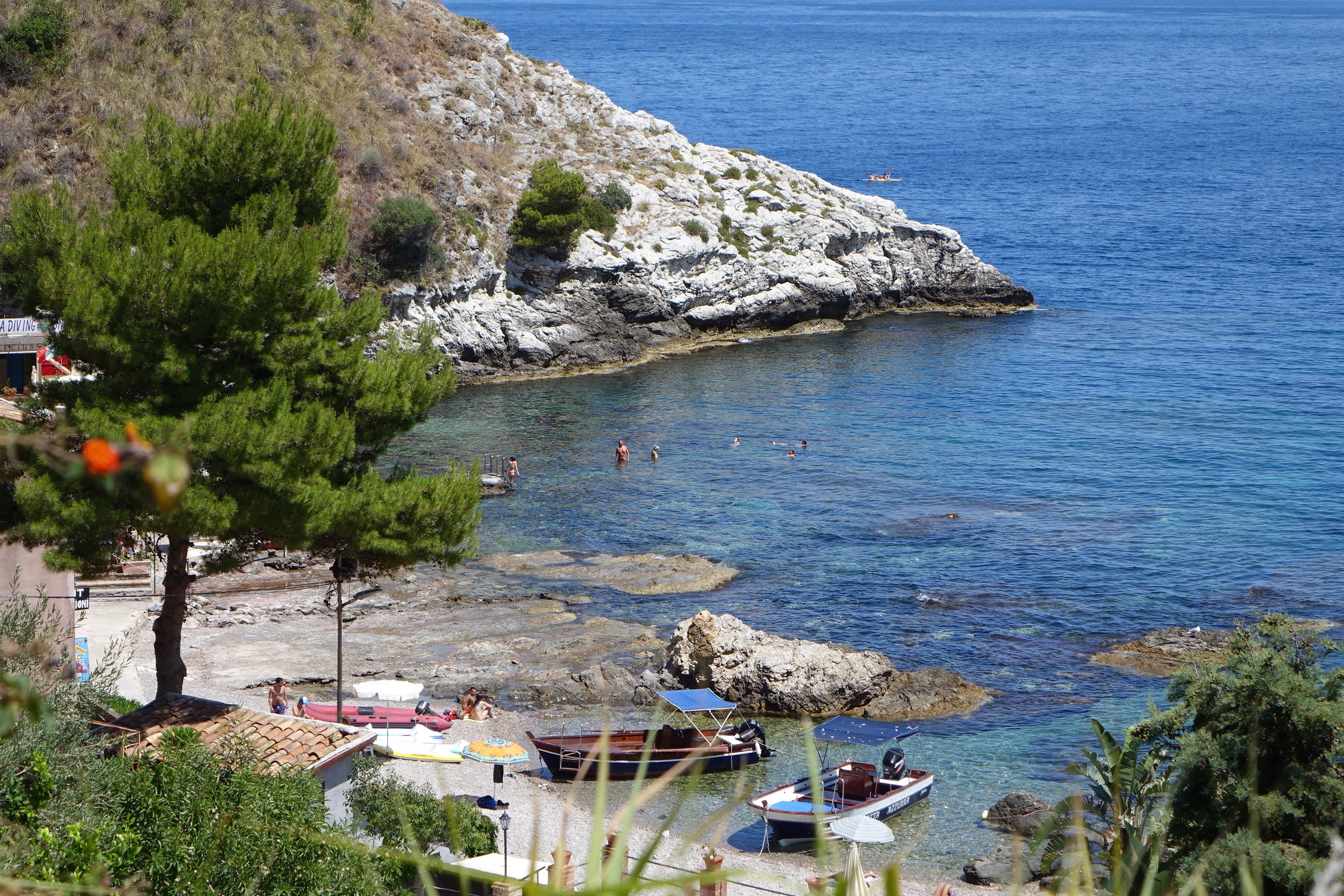
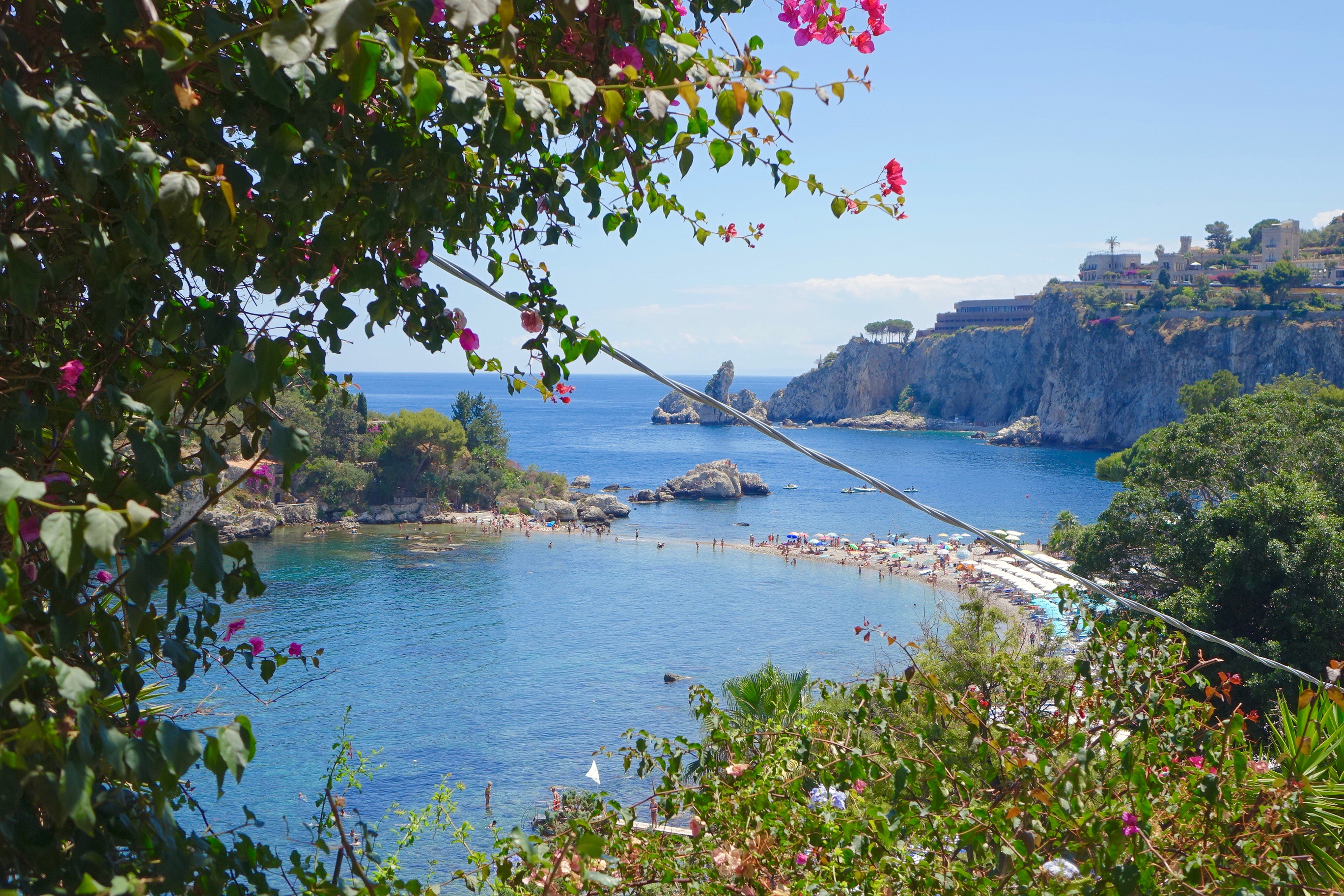
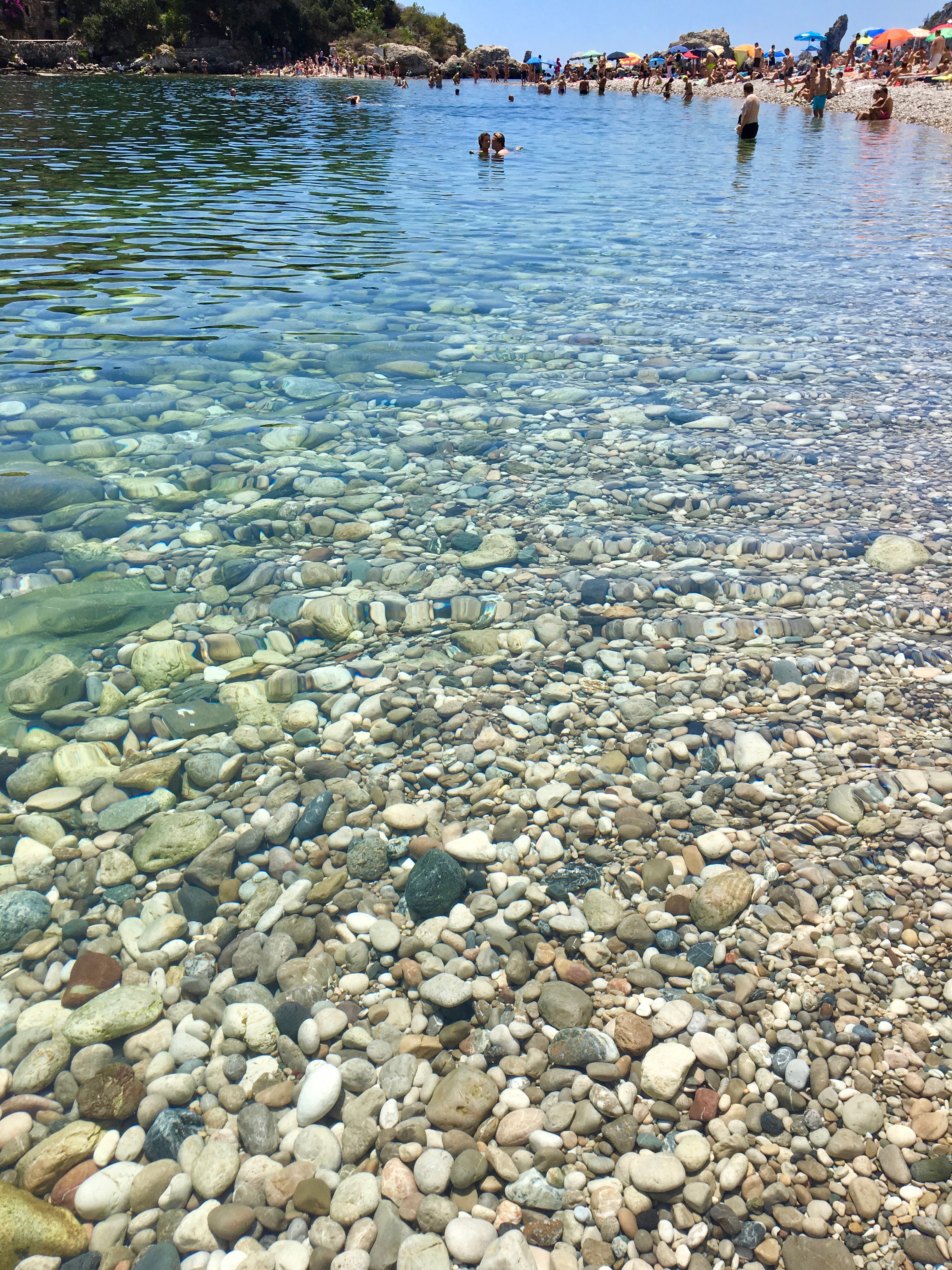
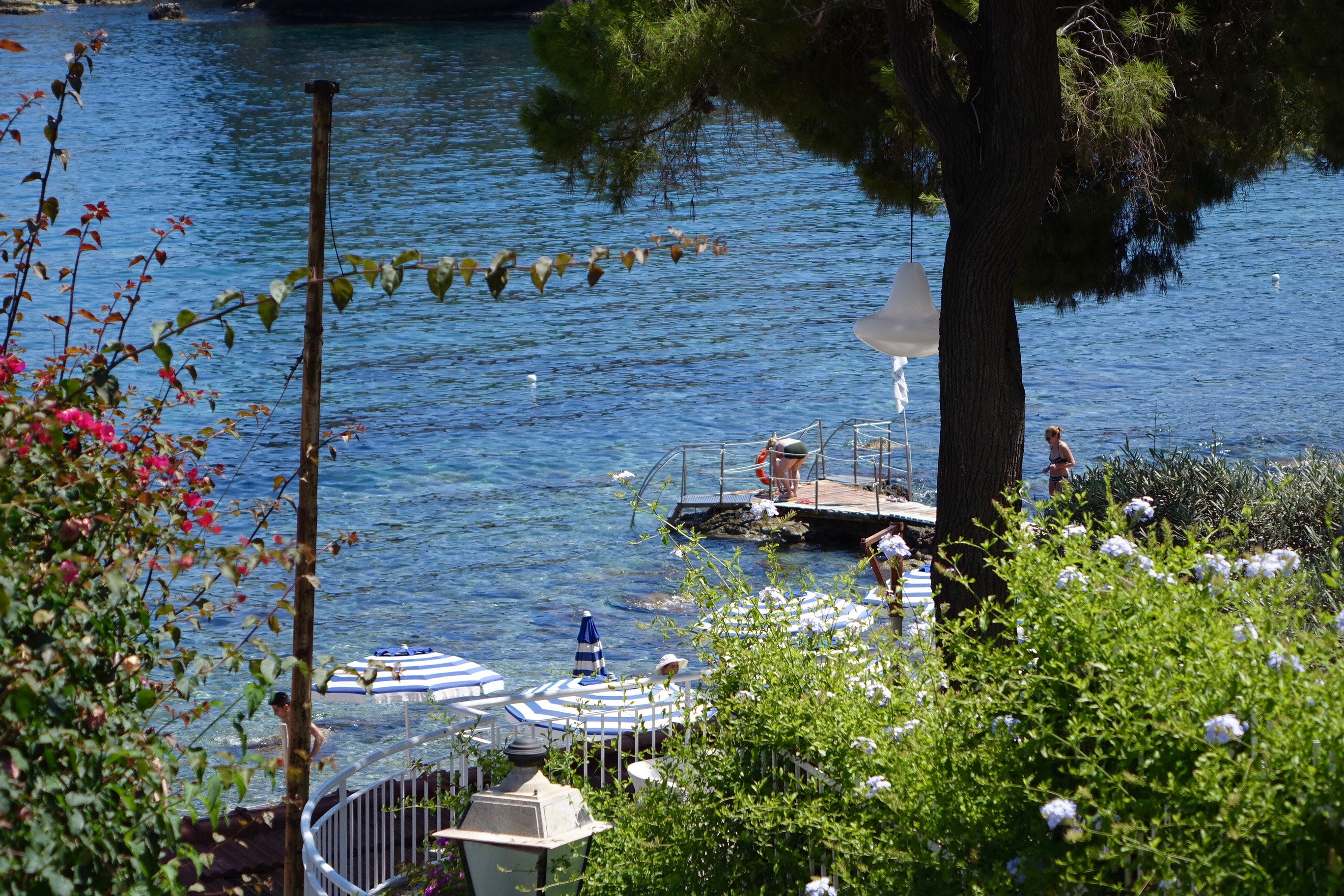
I am something of a lucky Mediterranean beach regular. Whether it be hanging out on the beaches of the Costa del Sol at my parents’ house, or whiling away the hours during almost 3 years residency on the stunning island of Mallorca, the beach and I have become firm friends. I was even born by the sea in England, and lived by the coast my whole pre-adult life. But every beach, and every coast has its own character, never more so than the Italian Riviera which is synonymous with carefully raked sand, striped umbrellas, and sunbeds usefully fitted with a kind of head shade contraption. Genius. I don’t spend all that much time on Italian beaches, so it was with some delight that I passed some brief hours on the beach of Isola Bella, the stunning little semi-circular inlet which, as the name suggests, has a “beautiful island” at its centre. That island, rumoured to have once been the home of long term English Taormina resident, Florence Trevelyan, is today a natural habitat, but retains a cute little house and a pebbly walkway which, when the tide is low, allows access to those beachgoers wanting a stroll around a mysterious feature of this otherwise very Italian beach.

DSC02551DSC02323IMG_1621DSC02617IMG_1609DSC02620DSC02768DSC02555DSC02548

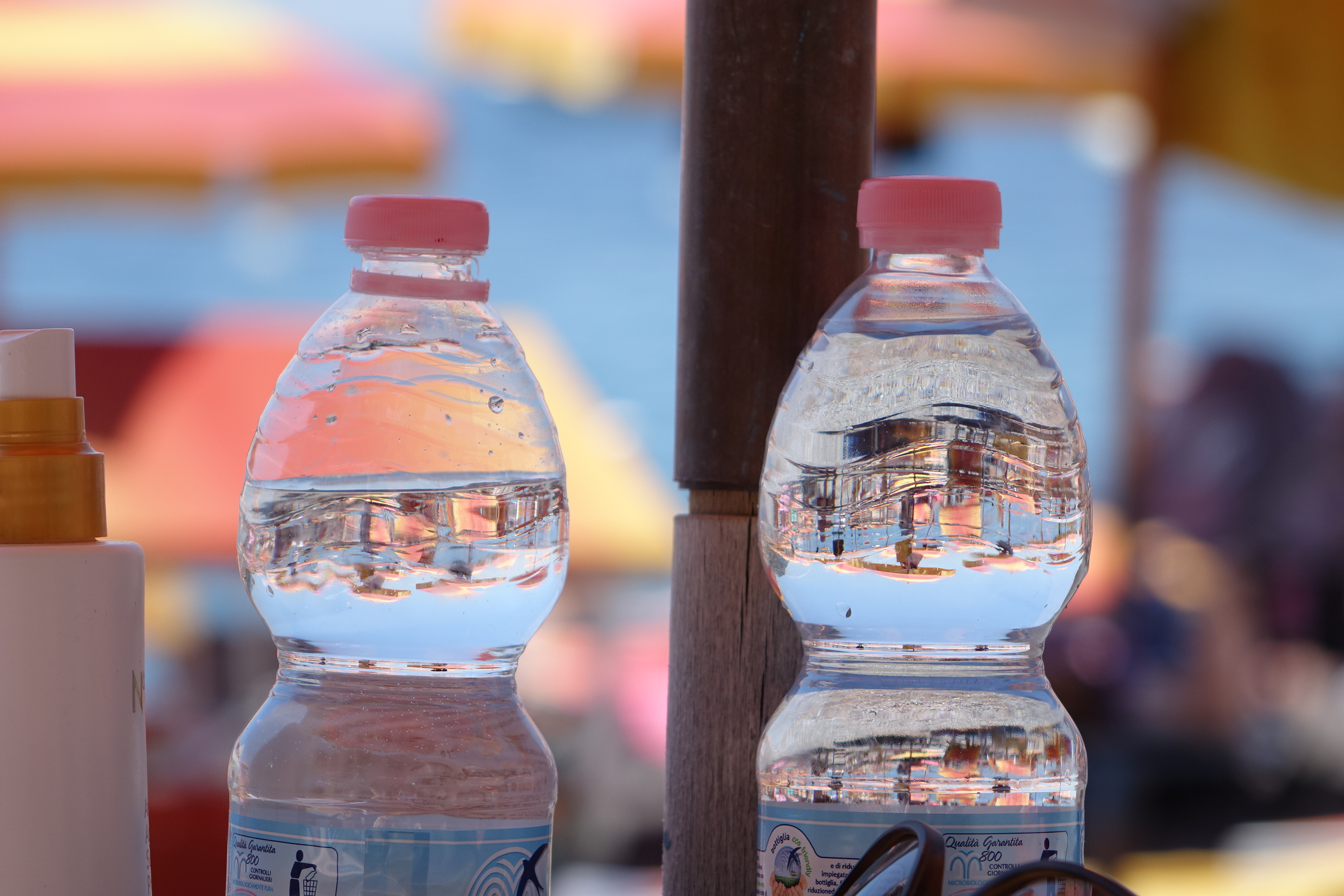
Having explored the island ourselves, a venture which required a carefully balanced walk across countless pebbles and the urgent purchase of jelly shoes to protect our battered feet soles, we spent the rest of our time on this beach lounging amongst striped umbrellas aplenty, reading calmly as the sound of waves gently nudged the shore, and best of all, breaking for lunch, where a beach side café served up grilled squid with a picture perfect view of the sea from whence it came. However perhaps my favourite experience at this splendid Sicilian beach came not from our daytime sampling, but from a walk at night, when the hoards had gone, and only the moonlight remained, casting an eerie silvery glow upon Trevelyan’s island sanctuary and the calmly rippling waters. Lying on the pebbles, feeling the heat of the day slowly reflect off their surface, and listening to the water and is popped and sploshed against the larger rocks made for one of the most memorable, and romantic, moments of our trip. It wasn’t so much the time for admiring the beauty of this beach, but one in which the senses of sound and smell were tantalised like never before.

DSC02549DSC02310DSC02547DSC02317DSC02545IMG_1428IMG_1626DSC02553DSC02566

© Nicholas de Lacy-Brown and The Daily Norm, 2001-2017. Unauthorized use and/or duplication of the material, whether written work, photography or artwork, included within The Daily Norm without express and written permission from The Daily Norm’s author and/or owner is strictly prohibited. 

The Sicily Series | Part III – Taormina Town

From the dusty, bustling and chaotic streets of Catania, we moved upwards and outwards along Sicily’s Eastern Coast to the popular tourist town of Taormina. Situated in a delightful apartment by the sea, which benefitted from both an extensive green garden, full of lizards and ferns, and an incredible sea view over the beach of Mazzaró, we were only metres from the cable car station which led us straight to Taormina, perched upon its rocky heights. There was something about the quaint little cable cars which took us up from the coast to this ancient town which reminded very heavily of the set-up in Capri, and indeed the town of Taormina also had something of the Capri style about it.

DSC02229DSC02257DSC02686DSC02264DSC02285DSC02286DSC02630

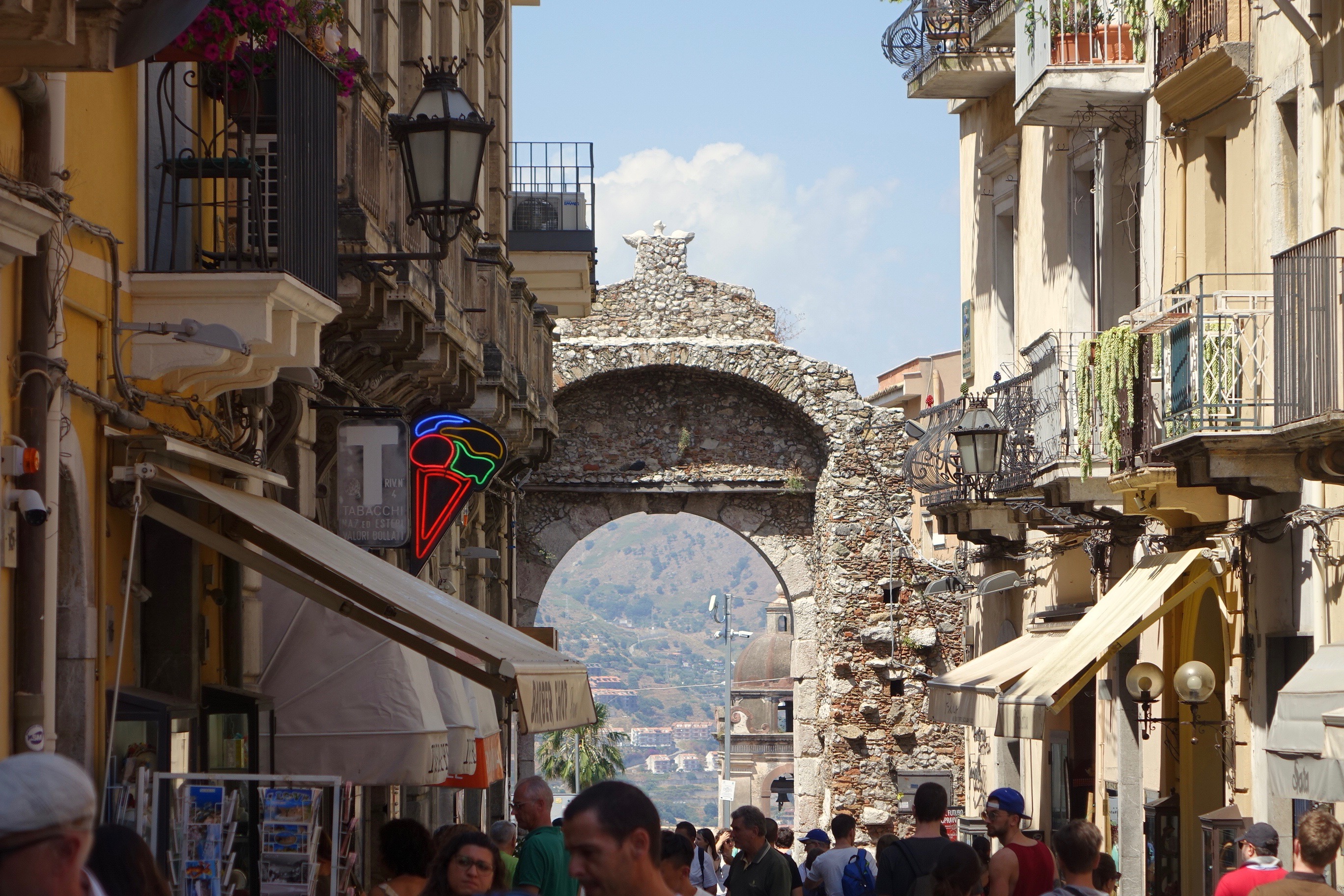
While the popularity of the town of Taormina has very much hinged upon the presence of its stunning Greek theatre and its dramatic Etna backdrop (more about that next time), no doubt the heritage of having taken its rightful place as a stop on the Grand Tours of old has contributed to the somewhat classy breed of tourism which characterises Taormina today. Of course you’ll see the odd inappropriately vested tourist ambling along the salubrious Corso Umberto, but you’ll also notice that he looks out of place. For today’s Taormina is a town of quaint old streets and pricey boutiques, of people-watching cafes and streets adorned with fountains and churches and marbled pavements. In short, everything that in combination makes for my favourite kind of holiday destination.

DSC02628DSC02278DSC02245DSC02711DSC02318DSC02323DSC02631

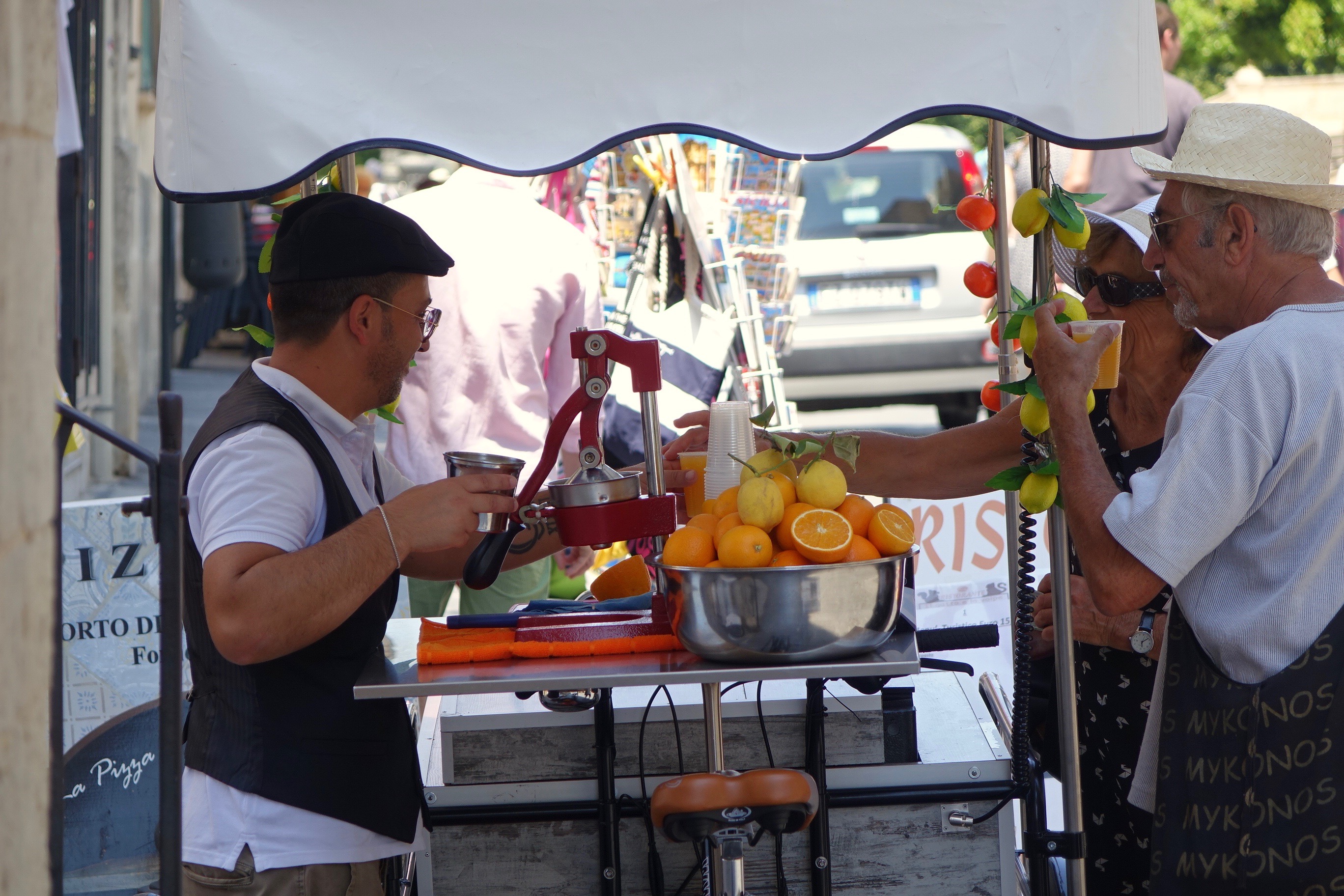
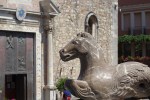
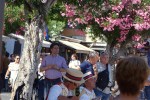
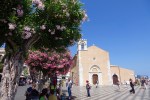
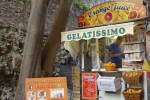
So the town of Taormina very quickly became our favourite Sicilian haunt, to enjoy an Aperol Spritz, to listen to the many street musicians frequently assembled, to watch as the milky afternoon sunshine bounced of glittering carts serving gelato and granita di limone, and to admire the breathtaking views which offered a vista across the long Eastern coast, sprawling hillsides and of course the mighty silhouette of Etna beyond. The photos on this page offer something of the wonderful atmosphere of Taormina. A place to see, and to be seen in.

© Nicholas de Lacy-Brown and The Daily Norm, 2001-2017. Unauthorized use and/or duplication of the material, whether written work, photography or artwork, included within The Daily Norm without express and written permission from The Daily Norm’s author and/or owner is strictly prohibited. 

My Sicily Sketchbook: Bellini’s Fountain, Catania

It’s been a while since I last opened the pages of my travel sketchbook. I believe the last time was in sunny Granada, almost one year ago, when I sat in Andalucian cafes, happily sketching away at views of the Alhambra and the rooftops of the Albayzín. In fact part of the problem (asides from a vast international house move from which I am still recovering) is the fact that with my last sketch, I filled the final page of my first travel sketchbook, and there was something about starting a new volume which I found daunting, especially because this one is a sexy Fabriano sketchbook, with a ravishing red cover designed to resemble the tiles of San Marco’s basilica in Venice.

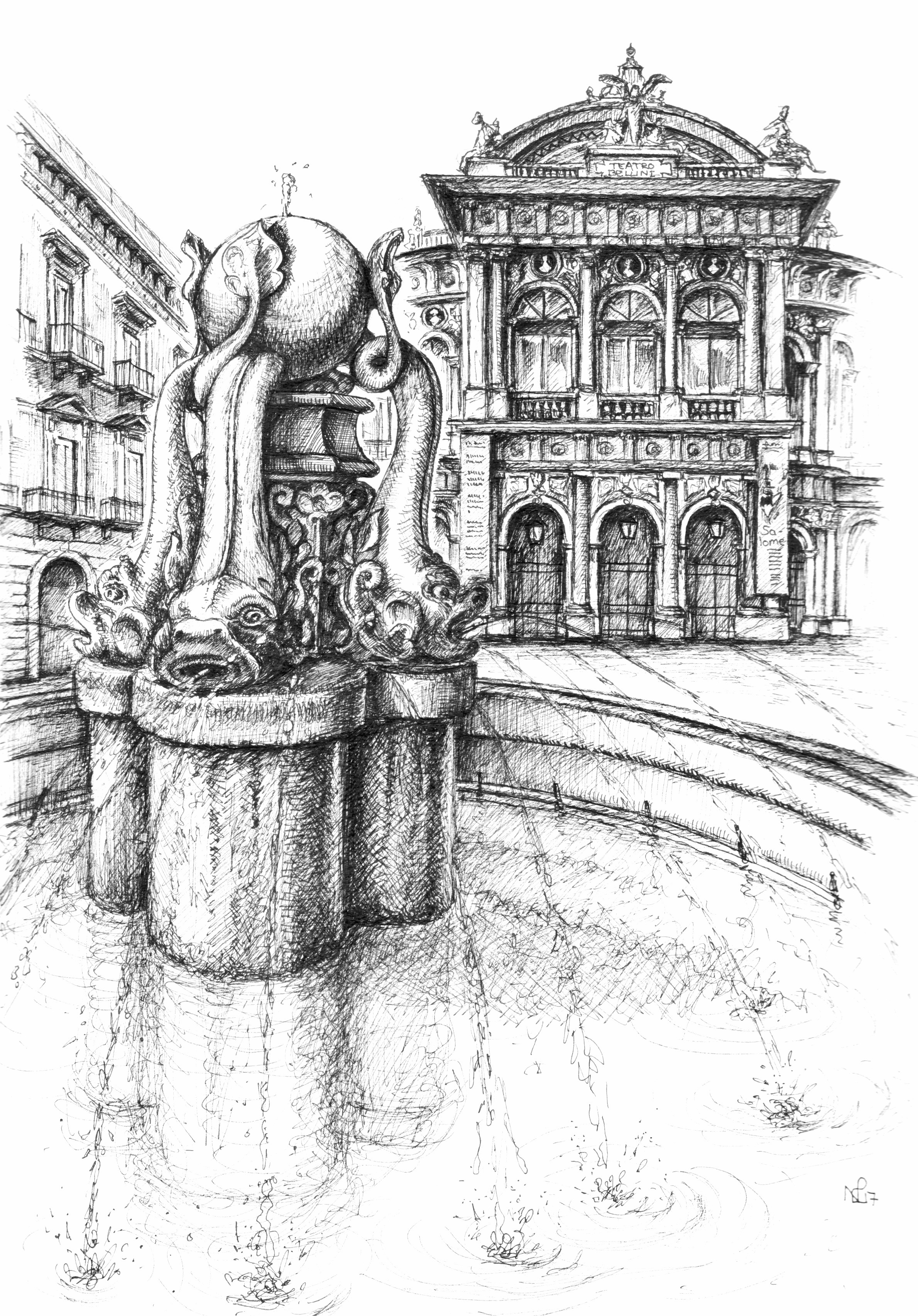
But as I suppose was inevitable, it was the bright light and the perfumed air of the Mediterranean which had me taking out my sketching pens once again to create this first creation of my new travel sketchbook vol.2. This deliciously baroque fountain, with four handsome dolphins spitting water across a round stone pool, sits at the centre of the Piazza Vincenzo Bellini in the heart of Catania, Sicily. Celebrating the life of Catania’s favourite son, opera composer Vincenzo Bellini, the Piazza is also the location of the resplendent Teatro Bellini, which can be seen to the right of the fountain.

Catania Sketch

Bellini’s Fountain, Catania (©2017, Nicholas de-Lacy-Brown, pen on paper)

Requiring an awful lot of details and the challenge of drawing water to boot, this sketch was my first lesson in how tricky the baroque details of Sicily can prove. But it made for an enjoyable and meditative experience, and is a welcome first page of my new travel sketchbook.

© Nicholas de Lacy-Brown and The Daily Norm, 2001-2017. Unauthorized use and/or duplication of the material, whether written work, photography or artwork, included within The Daily Norm without express and written permission from The Daily Norm’s author and/or owner is strictly prohibited. For more information on the artwork of Nicholas de Lacy-Brown, visit http://www.delacybrown.com 

The Sicily Series | Part II – La Pescheria, Soul of the City

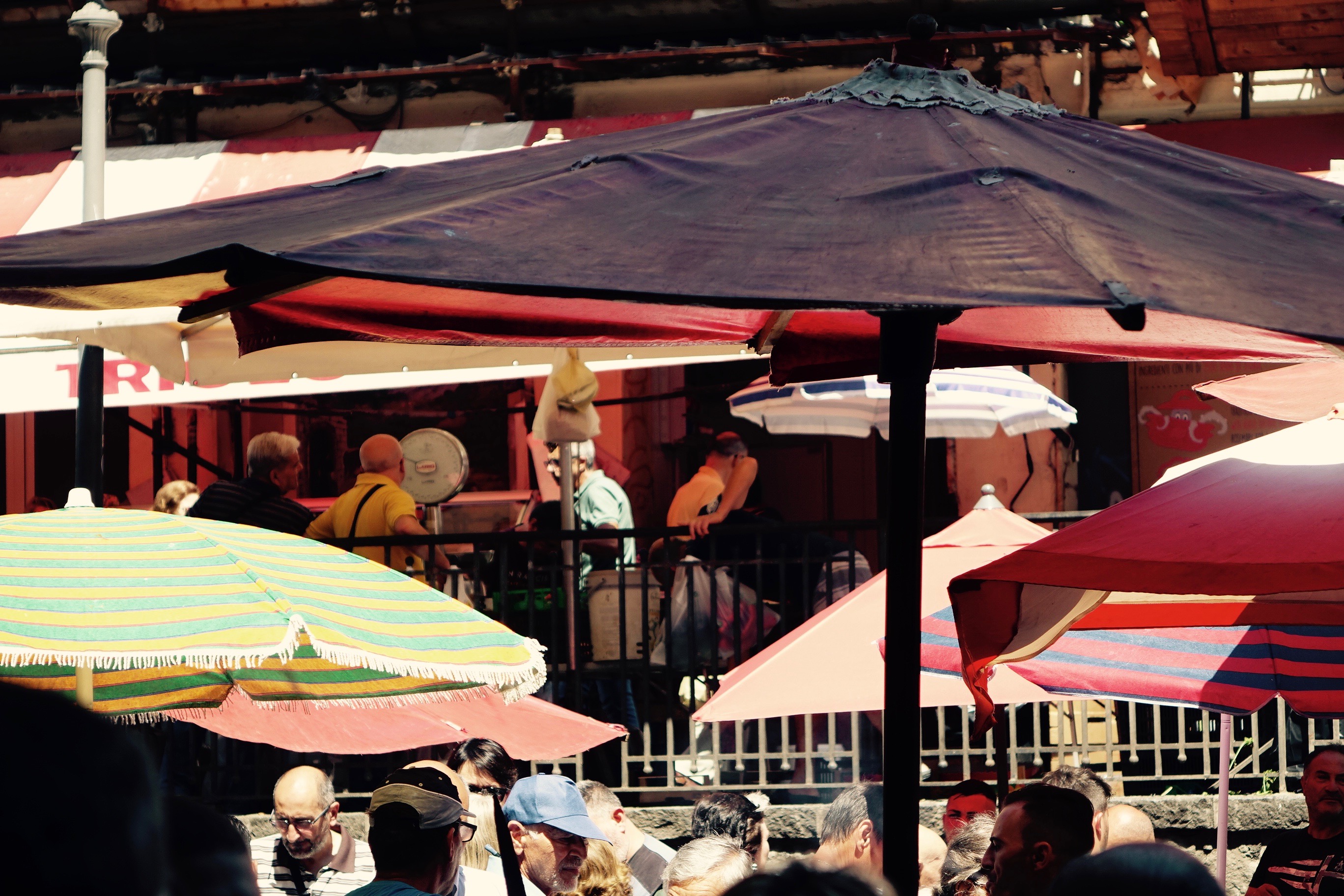
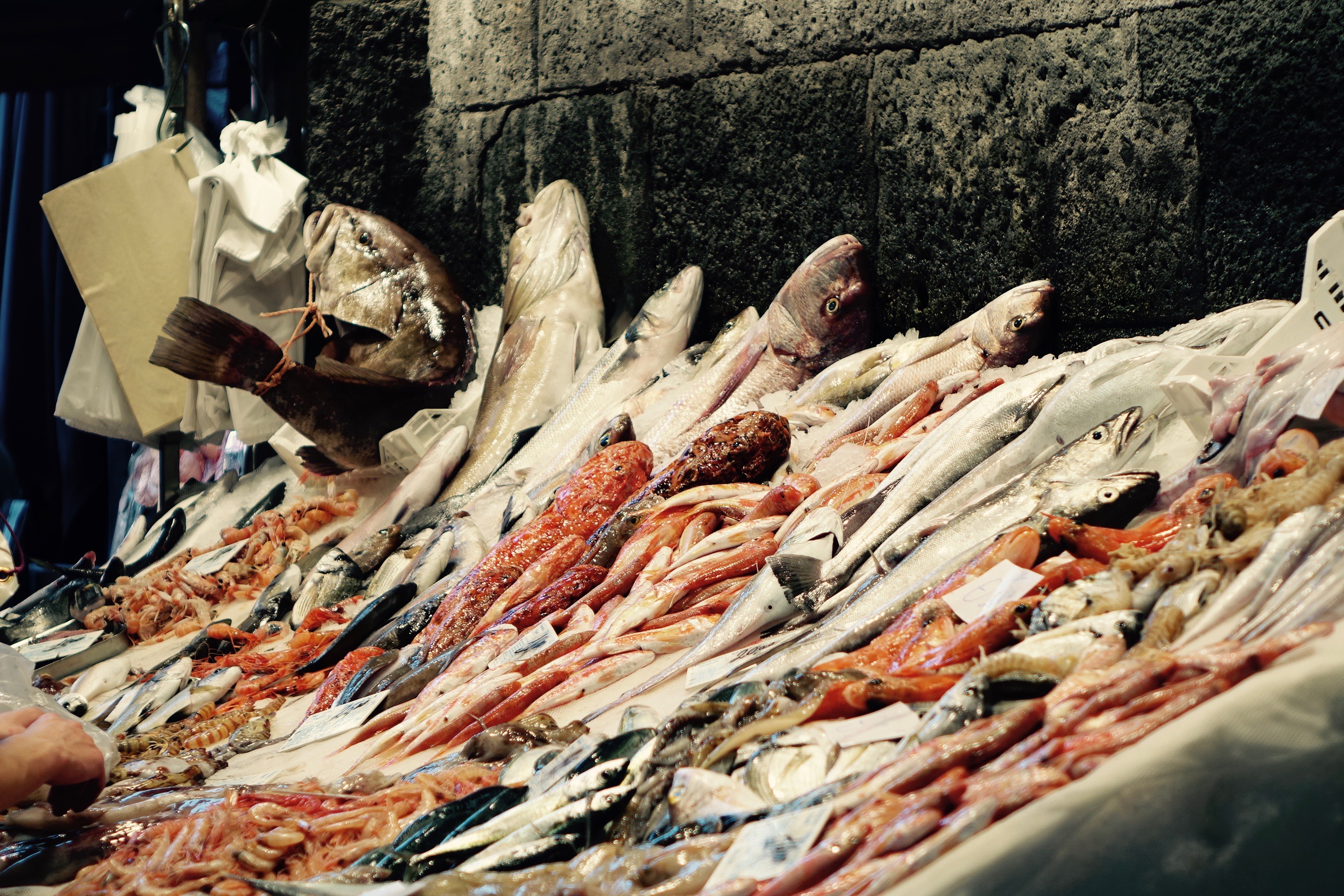
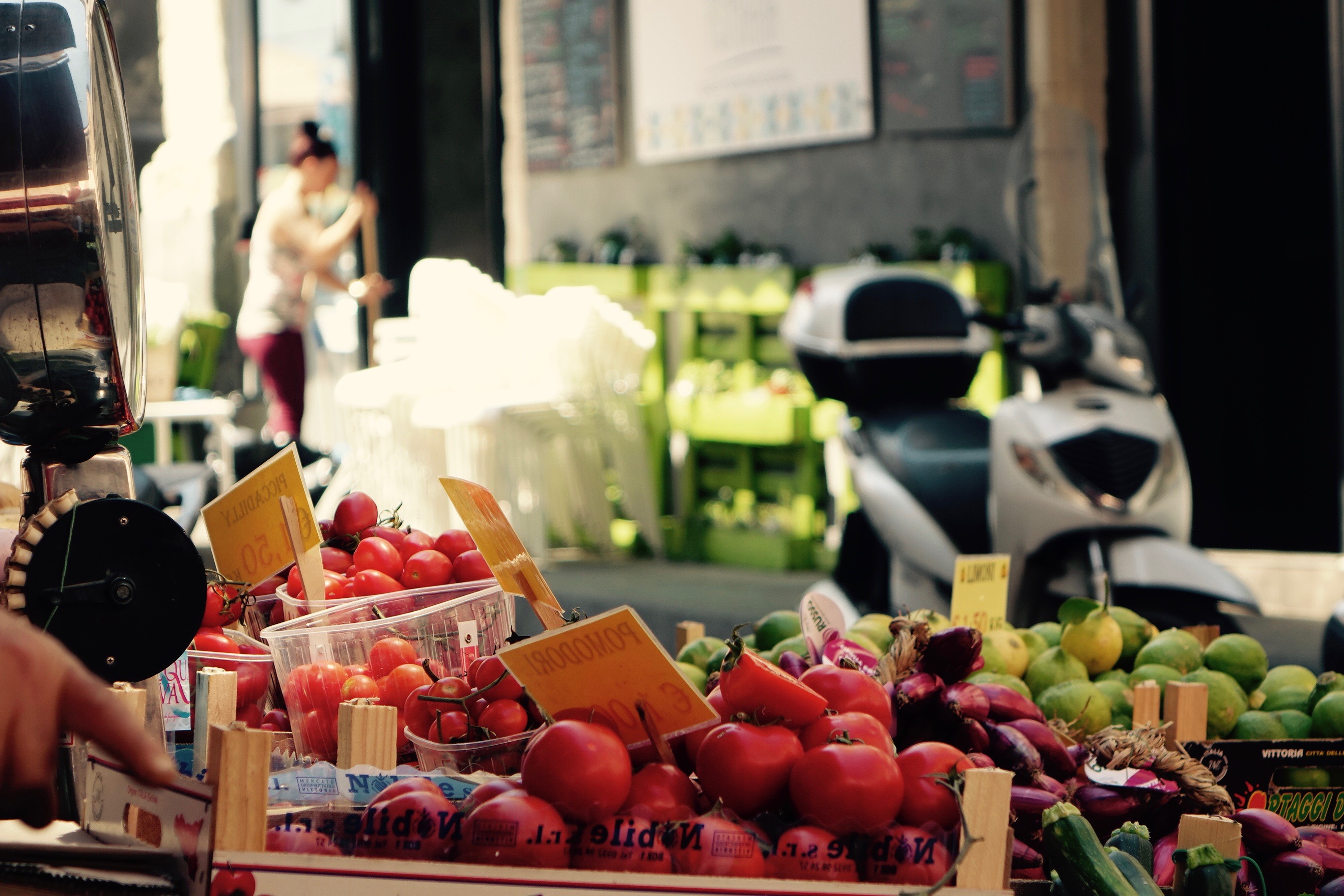
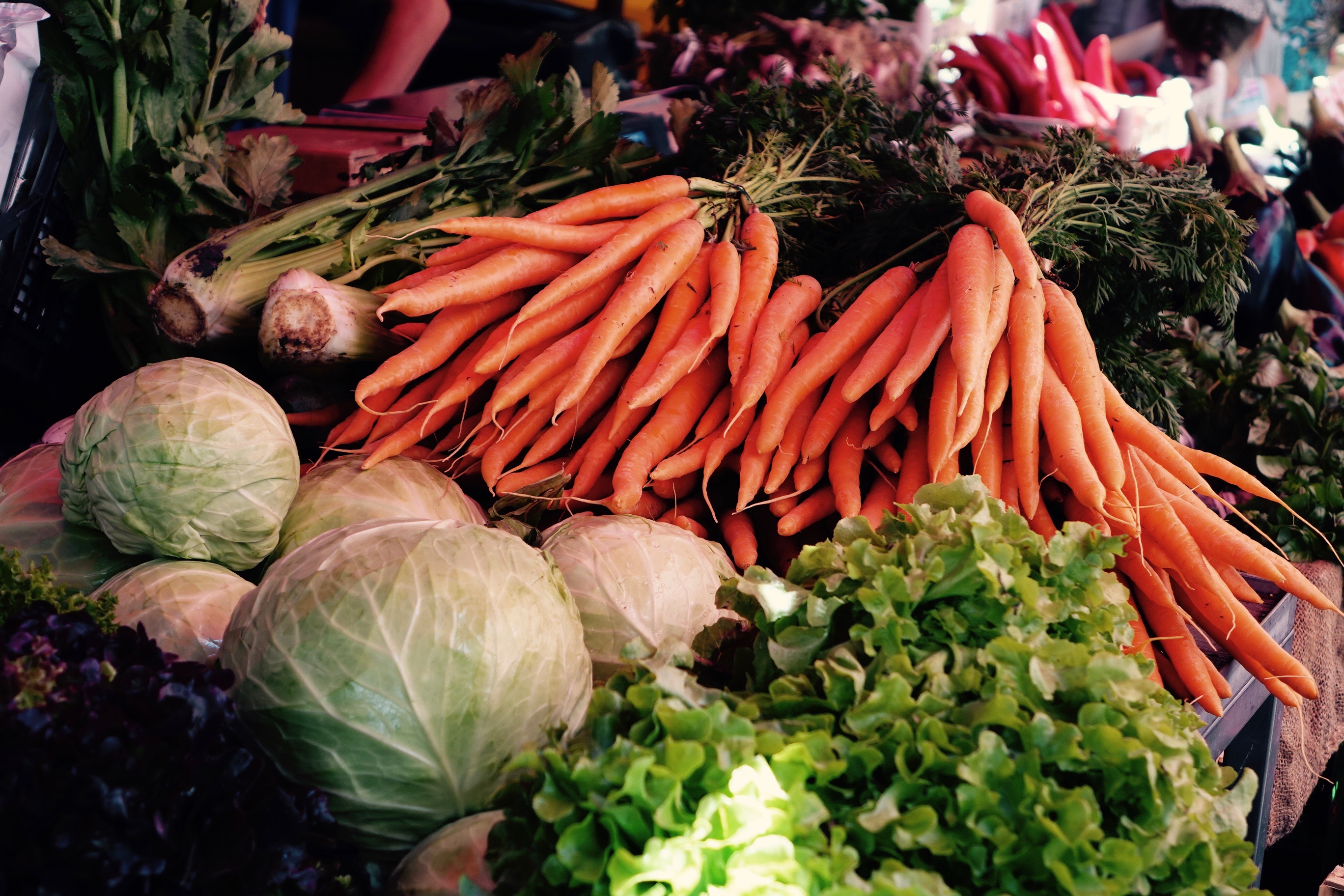
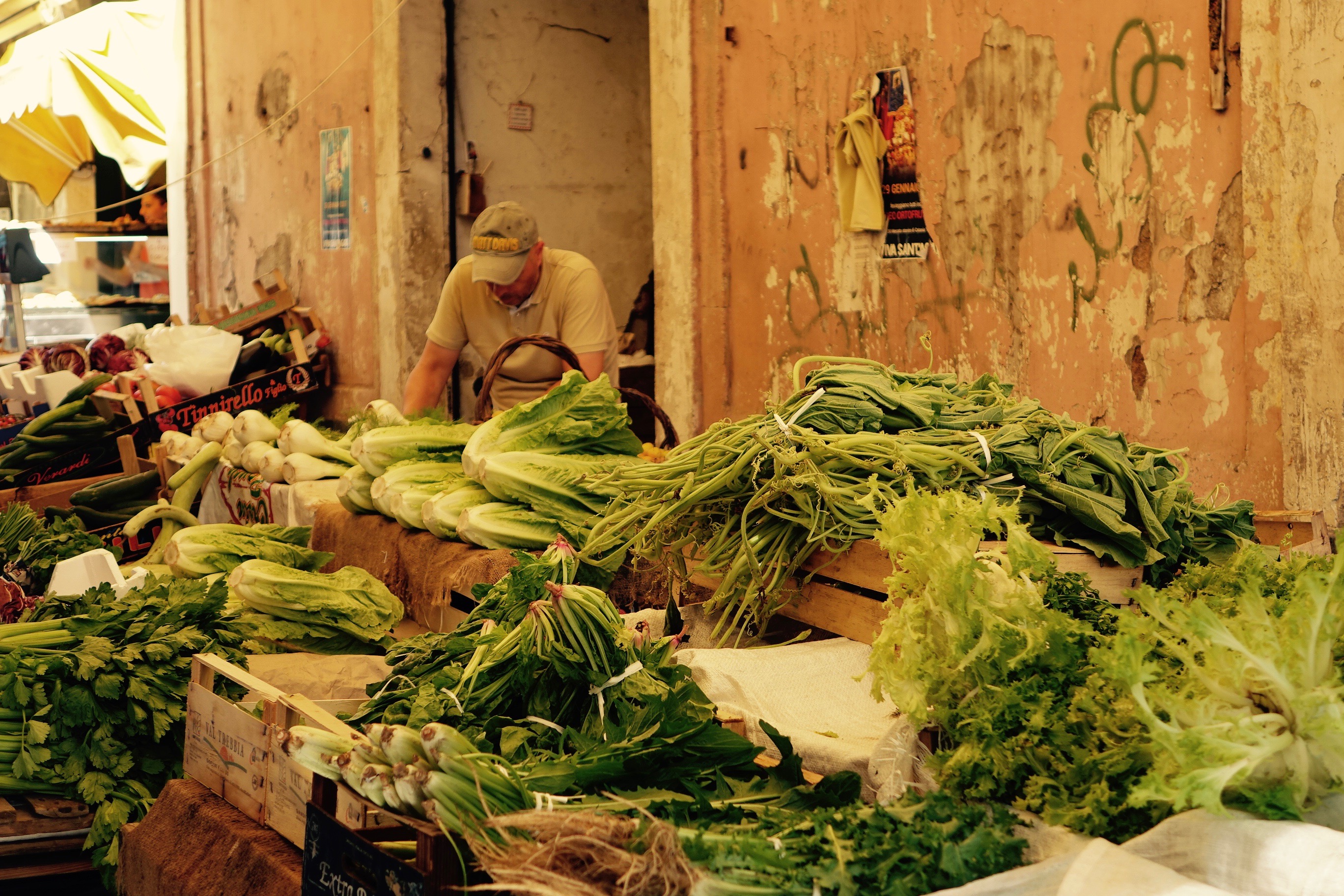
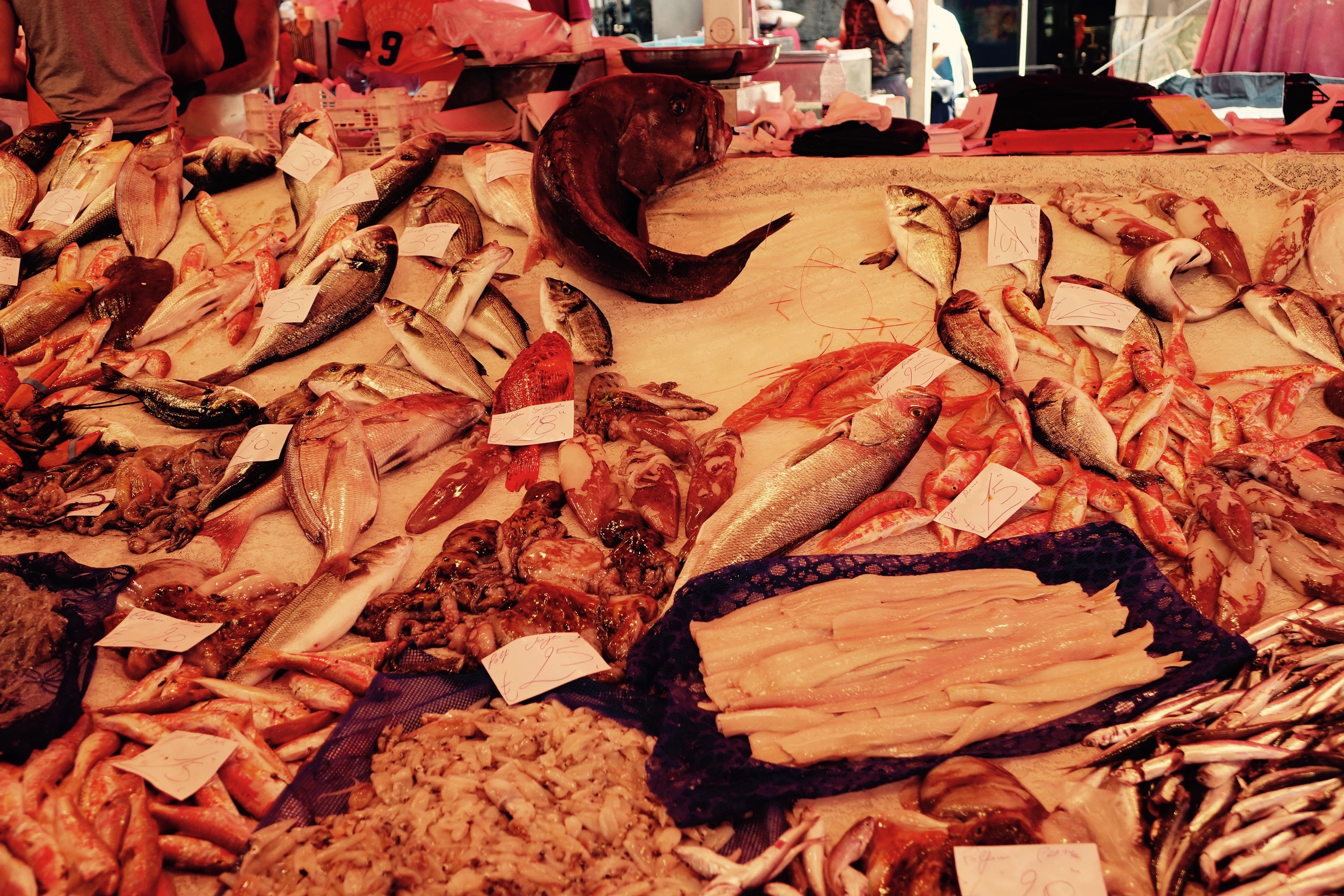
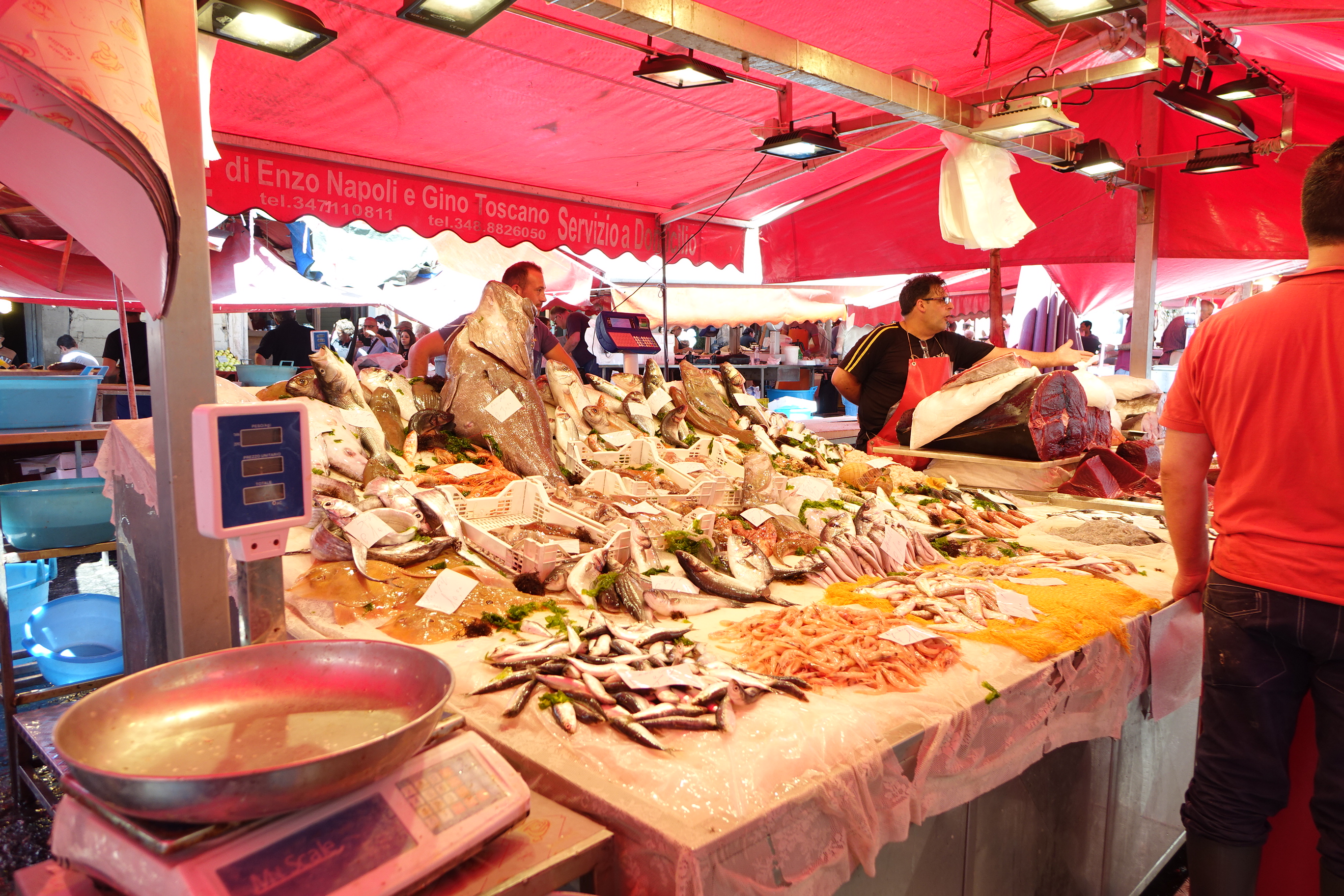
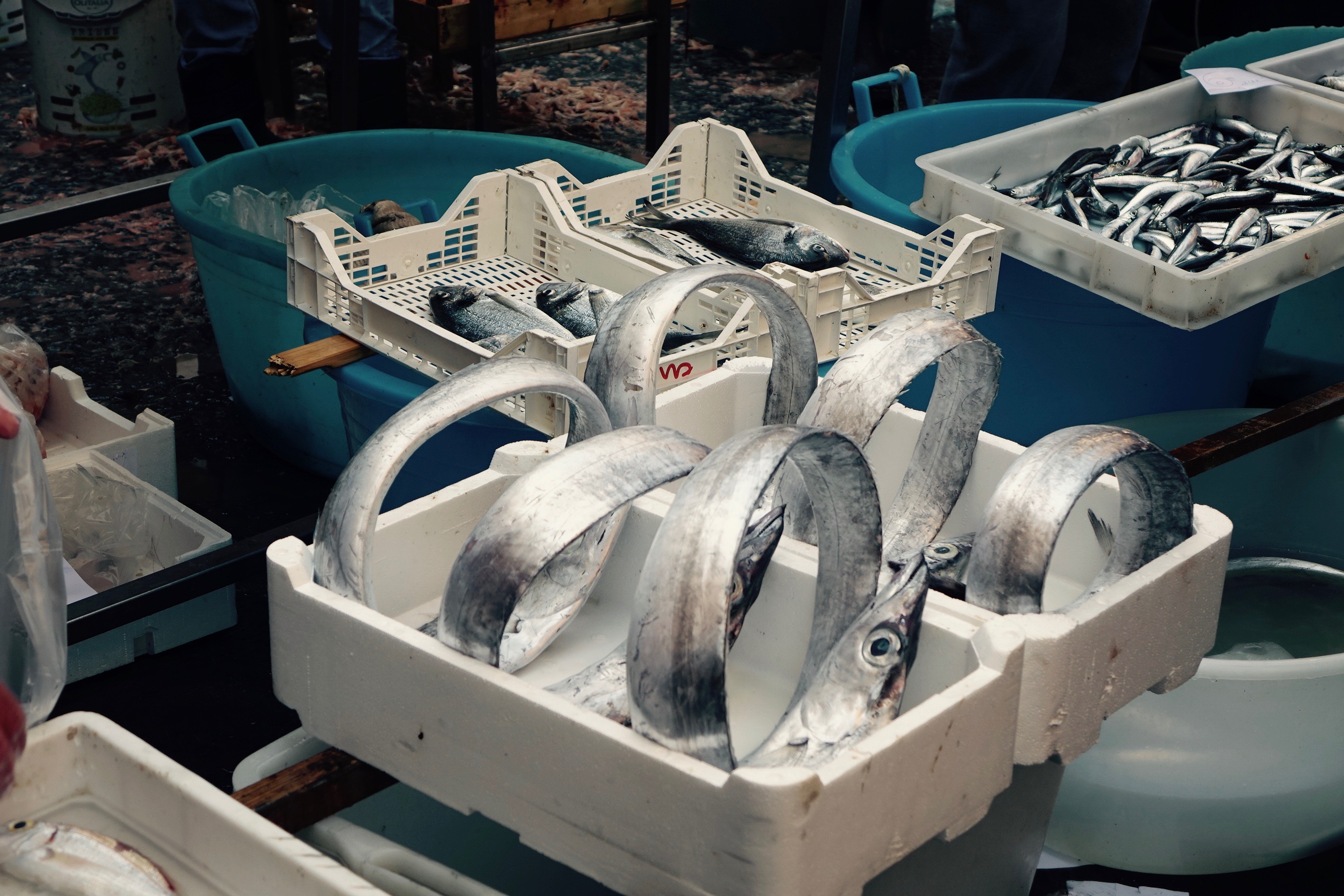
You can smell Catania’s famous daily fish market, Le Pescheria, long before you approach it… that unmistakable smell of the sea tinged by an ever so decipherable pungency of putrid flesh together with the fresh zing of lemon, the fragrant perfume of fresh herbs and the pure scent of water, the neutral base note which both reflects and is imbued with the distinctive nature of the surrounding area. In Catania, that is a smell which is characterised by the scorching heat absorbed into and evaporating off the dark lava stone walls of its ancient Etna-born palazzos. Follow the scent, past the resplendent Baroque Duomo, and you find yourself in Catania’s burgeoning and frankly raucous market, starting with the abundance of locally caught fish, and spreading outward into the streets beyond where stalls loaded with fruit and vegetables, herbs and spices, bread and cheeses populate every spare inch of the pavements.

The famous fish market

DSC02056DSC02037DSC02043DSC02044DSC02047DSC02035

I have been to many wonderful European markets. Each have their own character, and every one of them is utterly captivating for the breadth of fresh produce and characterful salesmen. But Catania’s market feels more historical and more authentic than any I have visited. Gathered together among the foundations of ancient Roman ruins and decaying Medieval walls, the stalls of the fish market are collectively transportative, with the power to recall the bustle of a Roman Forum or a scene from the Renaissance. The market takes us back to the roots of modern civilisation, stripping back our senses to a basic appreciation of nature at its best: enviably fresh fish, sensationally plump vegetables, none of them the result of quality control but a product of nature’s caprice. And beyond the produce, perhaps the best thing about Catania’s market is its people, the fishermen and stall holders who are so full of passion, who will declare strong and loud that their fish is the best, outdoing one another to see who can attract the most attention, and secure the quickest sales of their freshly acquired catch.

To be accompanied by some super-fresh fruit and veg… (and cheese)

DSC02070DSC02064DSC02066DSC02068DSC02063DSC02079DSC02074DSC02075DSC02077DSC02072

All of this combines to make a visit to Catania’s market an ultimately thrilling experience, full of noise, of smells, and of colour; shades of pink and red and green and blue whose vibrancy truly shines against a backdrop of black lava stone. This is street theatre at its thrilling best, as fishermen slice open slithering fish and proudly display their decapitated fish heads while elegantly dressed women totter in heels, neatly stepping over pools of water stained with blood. Catania is a city with real spirit and an abundance of outwardly expressed emotion, but it is perhaps in its market where Catania’s soul truly resonates.

…and some more fish

DSC02038DSC02055DSC02034DSC02052DSC02033DSC02032DSC02030

© Nicholas de Lacy-Brown and The Daily Norm, 2001-2017. Unauthorized use and/or duplication of the material, whether written work, photography or artwork, included within The Daily Norm without express and written permission from The Daily Norm’s author and/or owner is strictly prohibited.