Skip to content

Posts tagged ‘Vacation’

The Sicily Series | Part IX – Momentous Modica: the Churches and the Chocolate

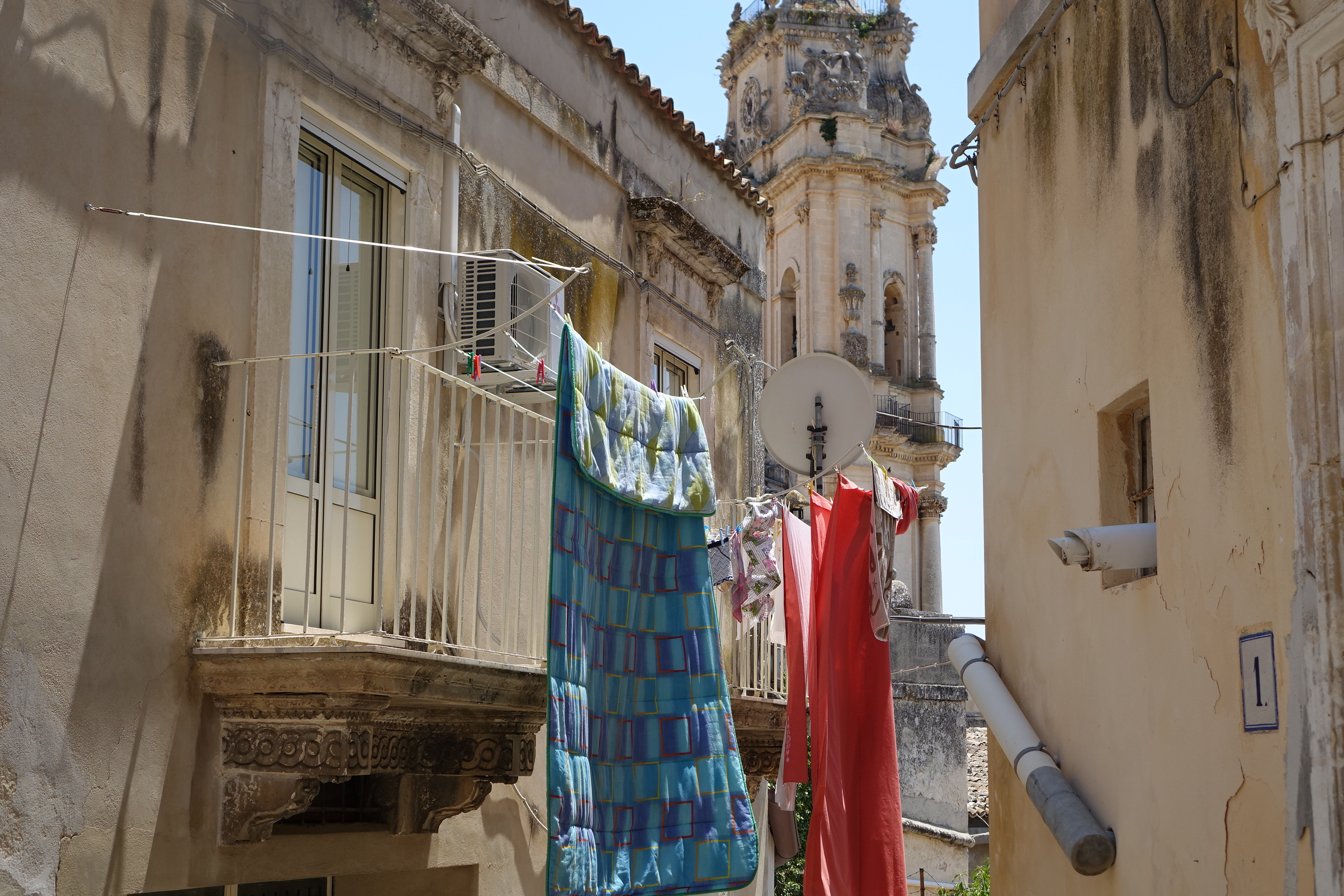
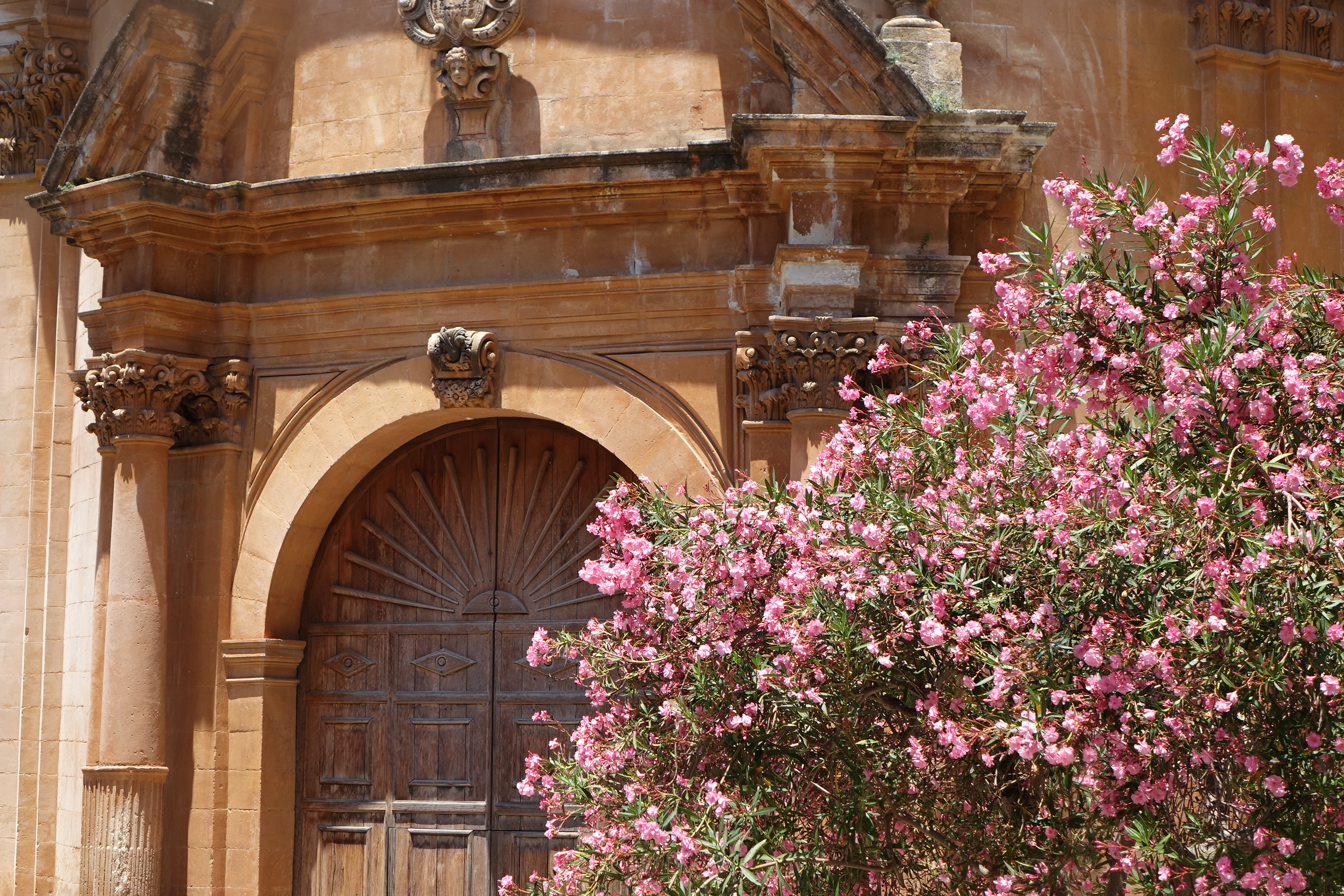
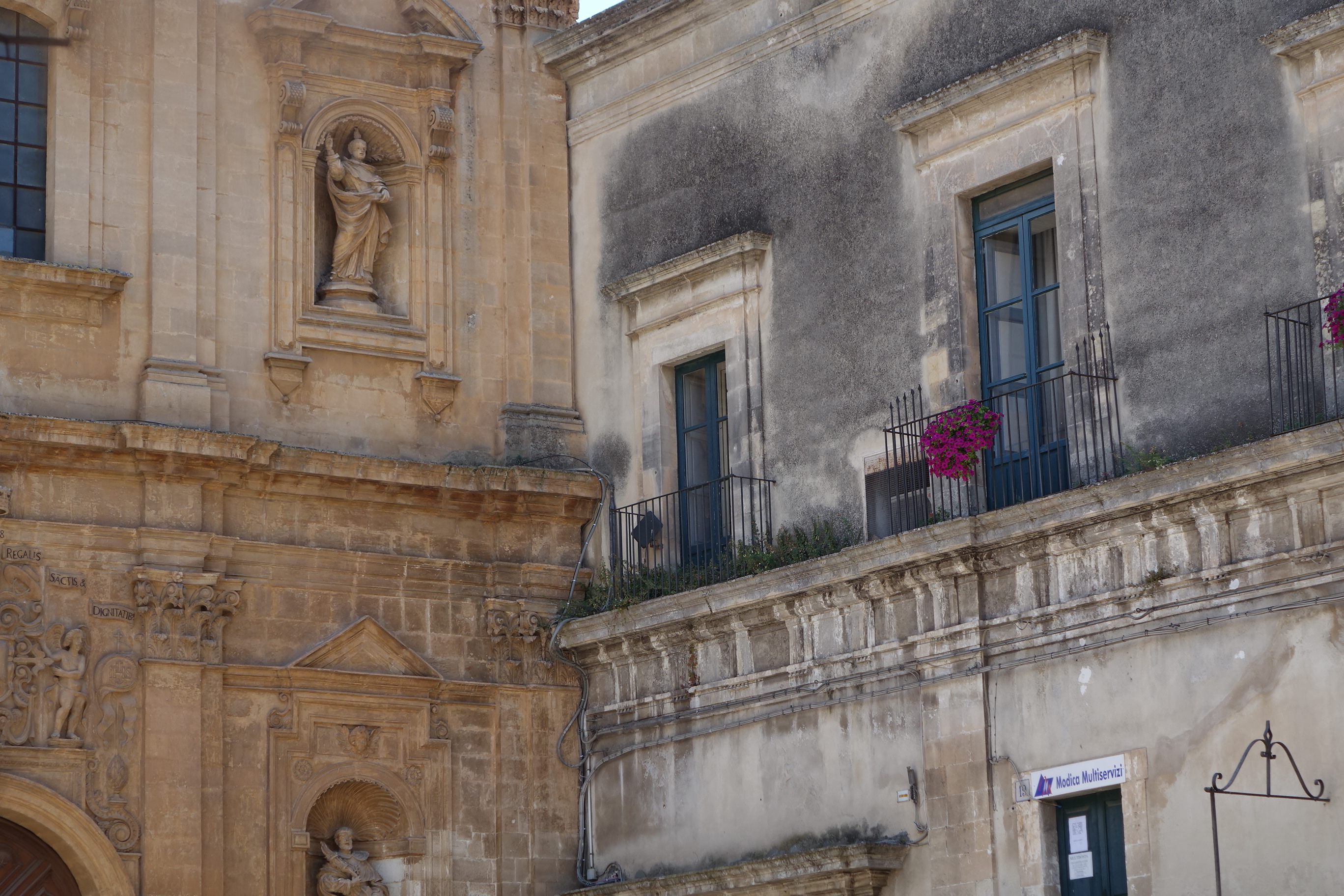
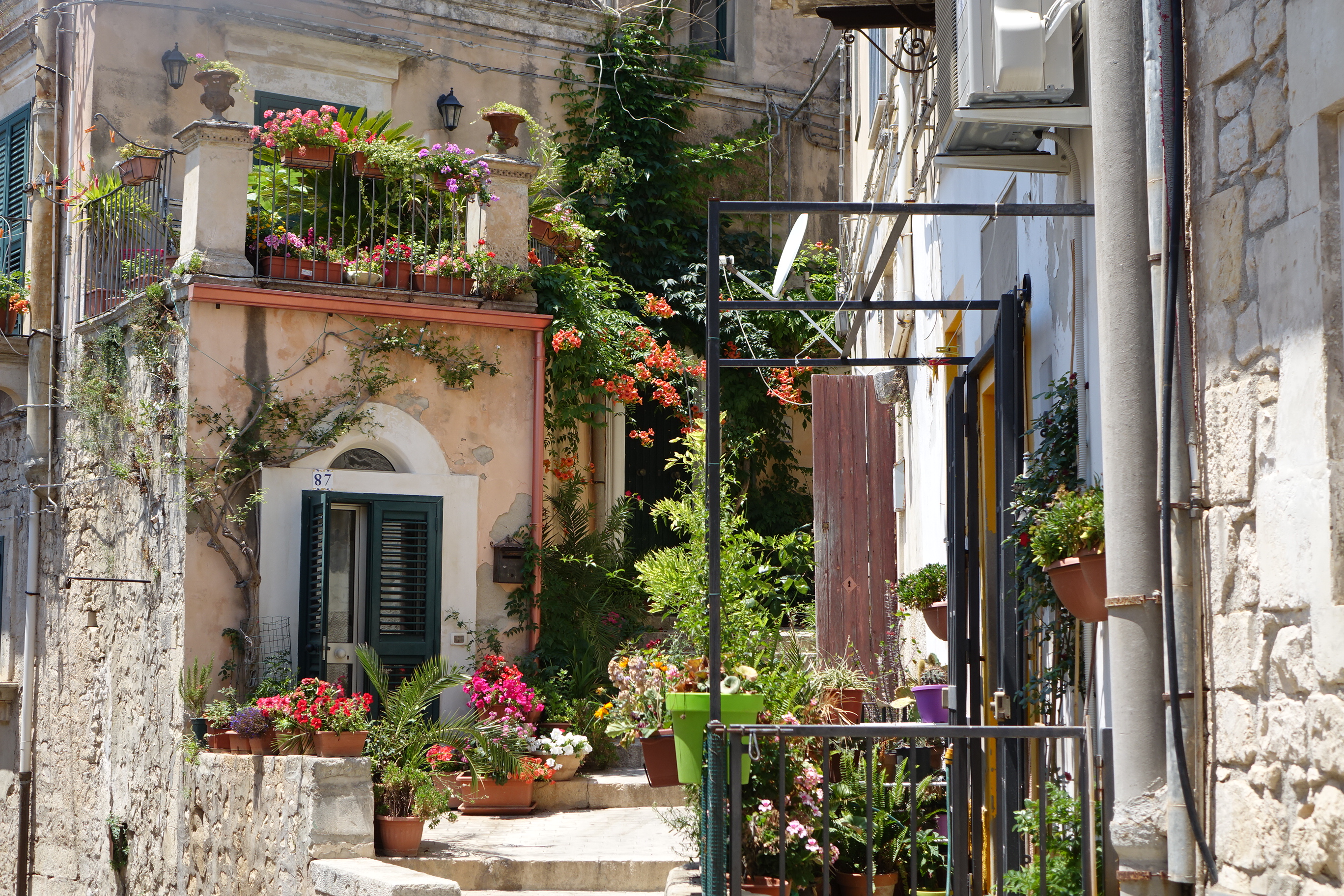
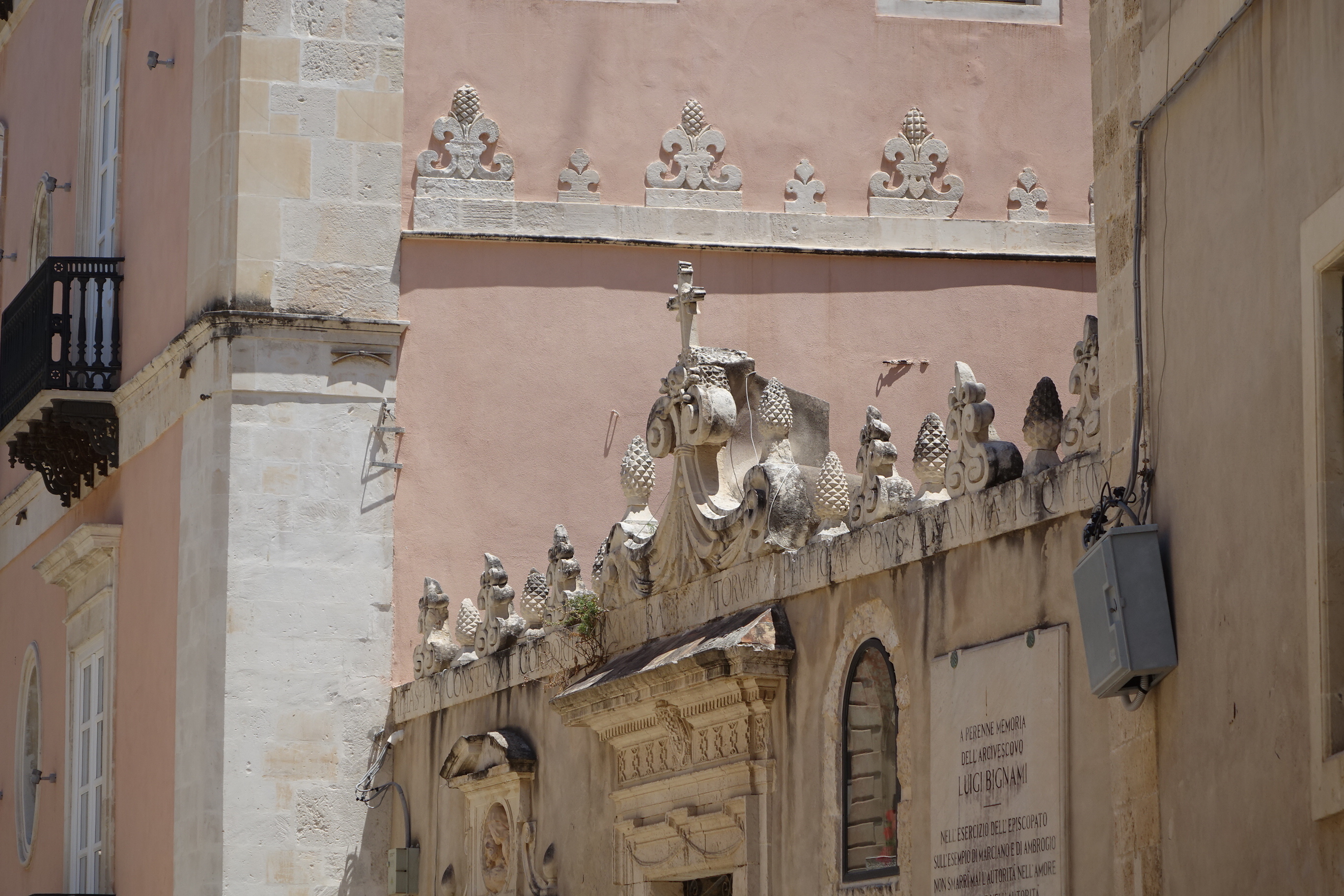
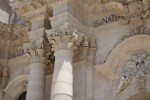
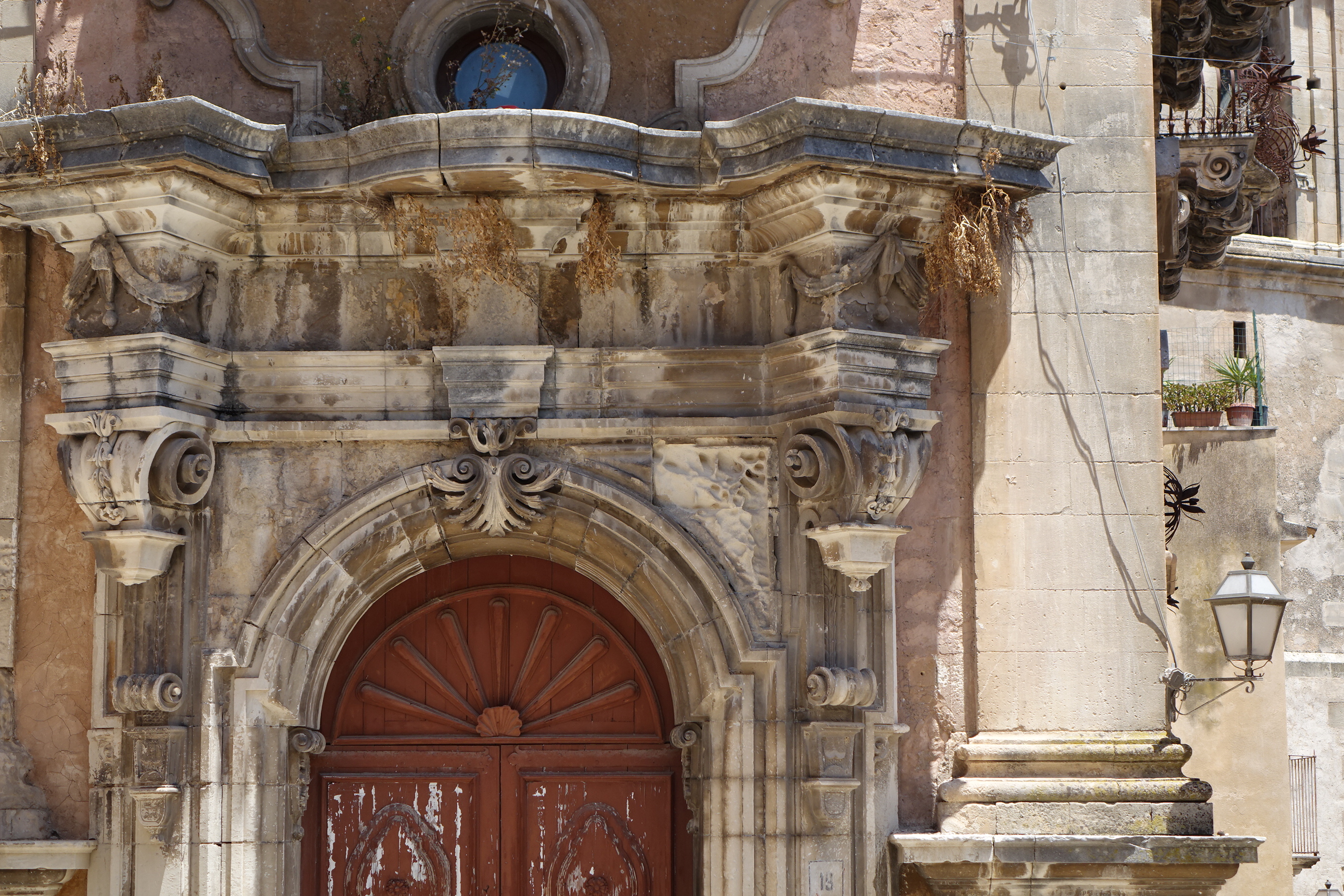
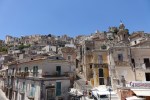
Modica, the momentous mountainous town lying somewhere in the craggy landscape between Ragusa and Noto, was the last visit of our multiple Baroque exposure during just a few days in the south of Sicily. Who knew that there could be such a concentration of putti and angels, of curling stone foliage and grandiose capitals, all to be found in comparatively tiny towns heavily overshadowed by these architectural masterpieces. But just as Noto had been notable for its golden yellow consistency, Ragusa for its hillside spectacle, and Ortygia for its elegance on water, Modica impressed us with the sheer magnificence of its churches, and for the unique quality of its famous chocolate.

DSC03667DSC03640DSC03623DSC03581DSC03606

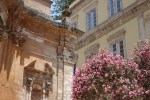
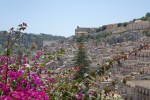
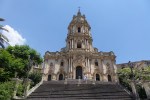
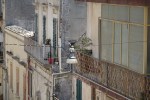
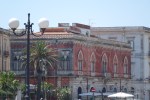
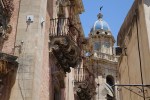
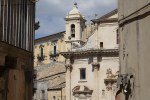
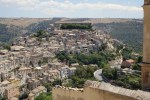
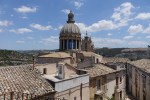
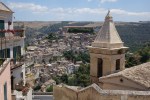
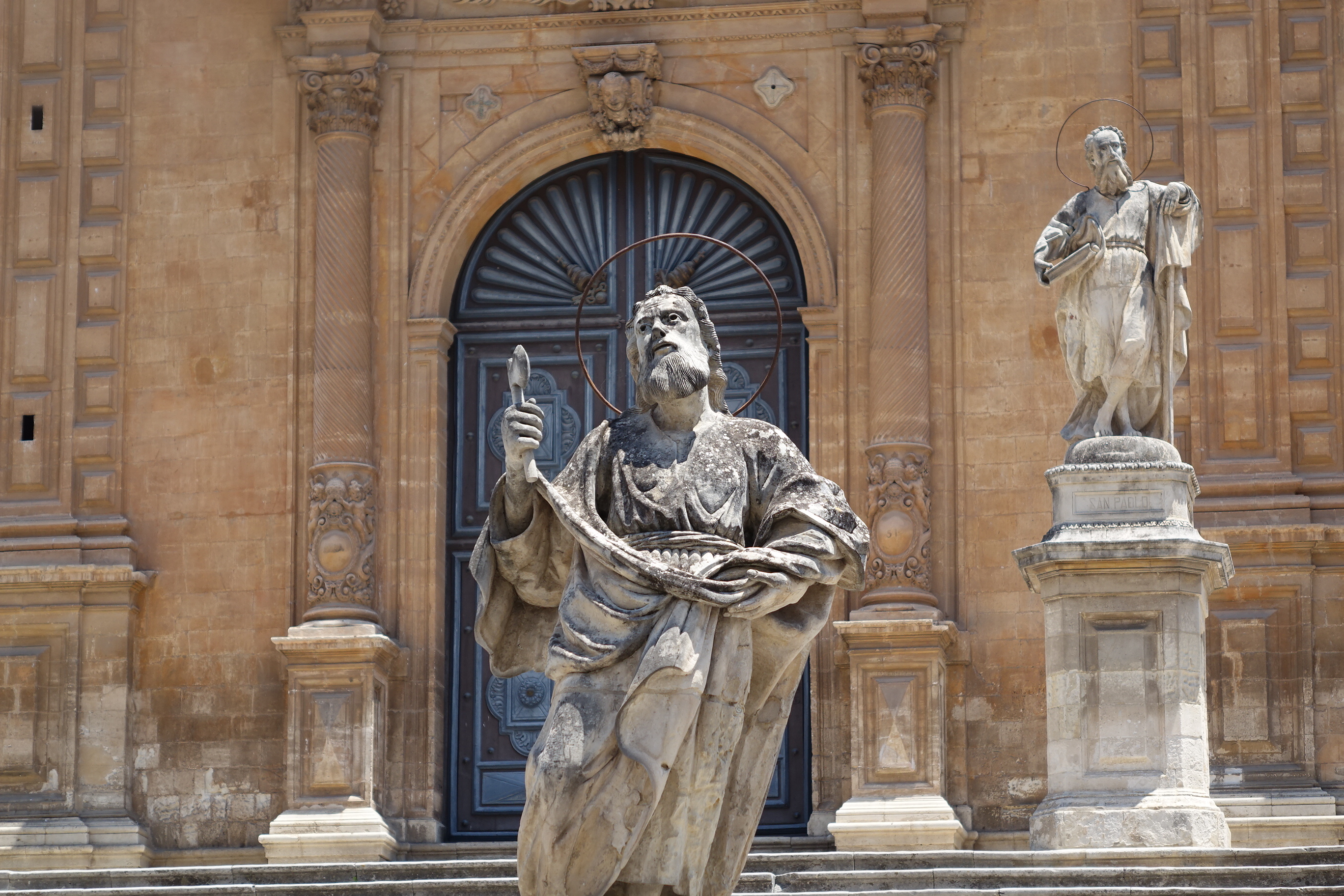
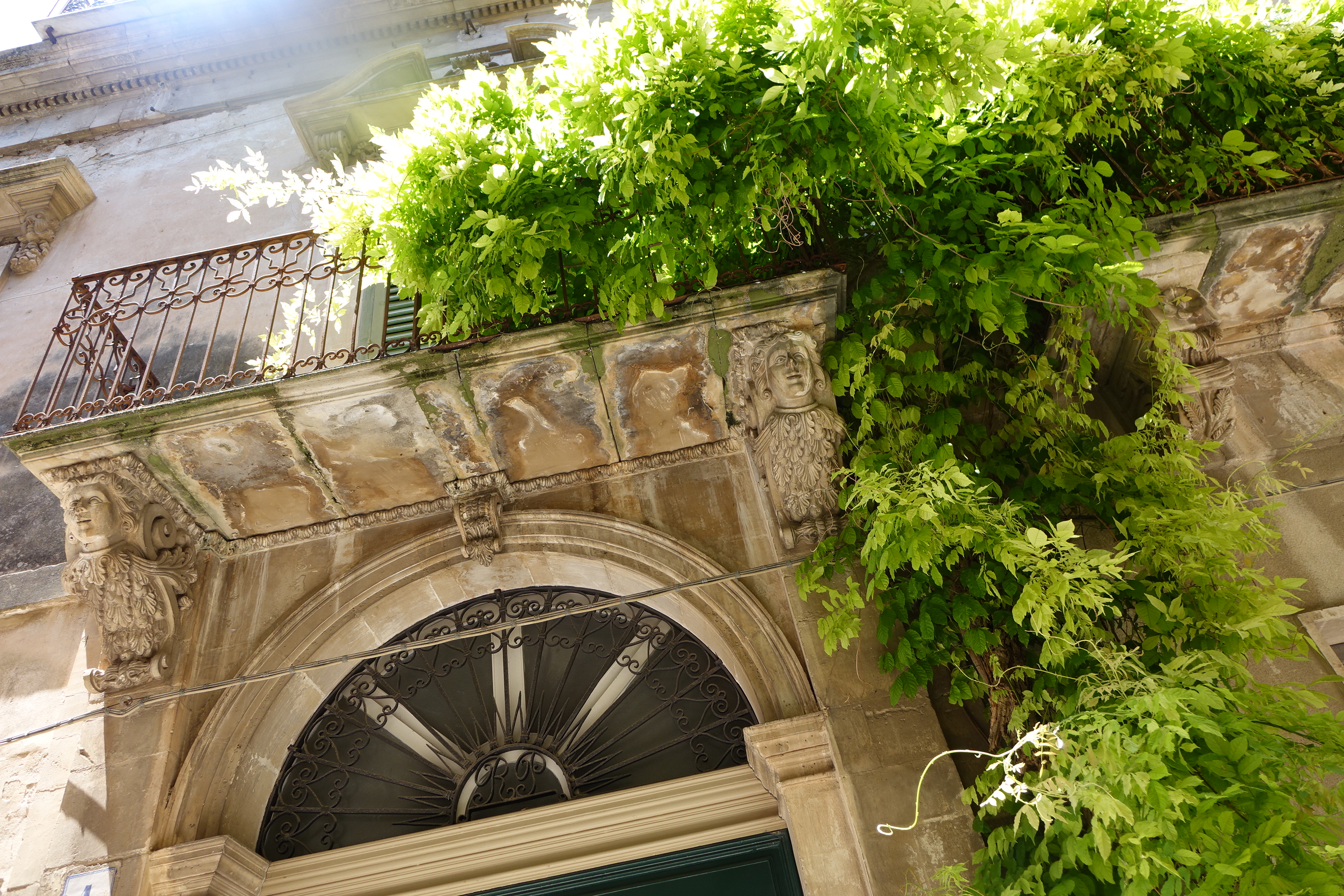
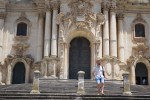
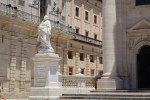
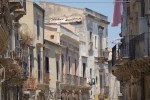
Modica, like Ragusa, is a town clustered around several steep hillsides before filling, in a dense mass of stone coloured houses and richly decorated public buildings, the lower town below. It is so tightly packed into and around the natural valley carved into steeply sloping hillsides that Modica is almost like shanty towns of South America, only much richer in its decoration. For amongst this swathe of little stone houses are two spectacular churches which just take the breath away. The first, the Chiesa di San Pietro, is framed by a series of fully lifelike, wonderfully detailed statues which line the grand staircase leading to its vast iron doors and another ridiculously over the top facade comprising an opulent broken pediment and rusticated pilasters. But if this church was to win the prize for its excesses of sculpture, the church of San Giorgio would carry away the award for theatre. For sat atop of sweeping soaring multi layered staircase, this masterpiece of the baroque is like the hotly anticipated starlet descending onto the stage from on high, a veritable wedding cake sitting abreast a multi-tiered display stand from which she demands the respect and astonishment of all who come before her.
DSC03546DSC03644DSC03535DSC03625DSC03601

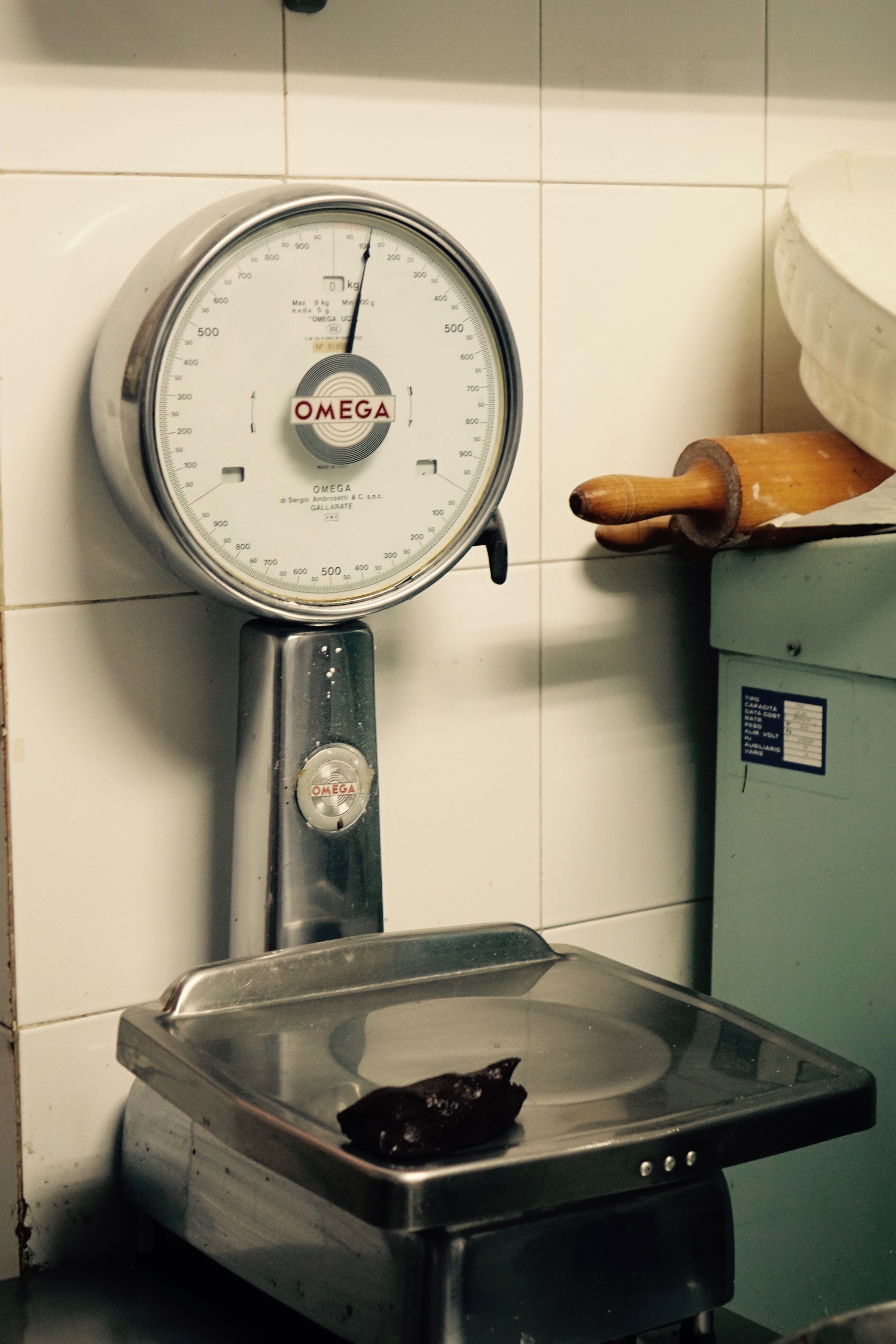
But Modica is not just a place which is inspiring for the eyes. The tastebuds will get a good tickle too. For Modica has another defining feature too: its chocolate which, usefully in this climate, never melts. Reticent to indulge too heavily (this was the end of the holiday after all, and the pasta carb-count was already at an all time high), we were nevertheless dragged into the chocolate dream that Modica presents so well by a very charming shop keeper from whom we had bought a parking voucher in his Pasticceria Frisby on the Via Vittorio Veneto (n.38). Generous to the full, he not only allowed us to taste the uniquely granular chocolate, but took us out to his kitchen and showed us how to make it too. Comprised essentially from bitter dark chocolate heavily sweetened with a coarse sugar which is not allowed to melt (hence the grainy texture) and various dried ingredients to make different flavour variations, the resulting chocolate paste is essentially banged into shape in a series of traditional moulds before being set in the refrigerator, traditionally wrapped and sold.

Learning the trade: Chocolate making in Pasticceria Frisby

DSC03672DSC03675DSC03676DSC03686DSC03688DSC03690DSC03692

In that chocolate shop, we had our share of banging the chocolate, of tasting the various stages (pure bitter chocolate not to be recommended) and generally enjoying the utmost hospitality of this wonderful shopkeeper and his wife. Of course we left their store with far too much chocolate at frankly stupidly cheap prices. But above all things we left with a warmth in our heart founded on the great kindliness shown by those two chocolatiers. We arrived to Sicily thinking it would be a hard land full of mafiosi and moody islanders. We left touched by the hospitality we had been shown, and determined to return to this island of plenty.
© Nicholas de Lacy-Brown and The Daily Norm, 2001-2017. Unauthorized use and/or duplication of the material, whether written work, photography or artwork, included within The Daily Norm without express and written permission from The Daily Norm’s author and/or owner is strictly prohibited. 

The Sicily Series | Part VIII – Ortygia of Syracuse, the Venice of the South

The legend of Ortygia had come to us through the bathroom. Not that this should be misread as something smutty. For Ortigia the brand of timelessly elegant bath products, room fragrances and soaps is today one of the most prestigious purveyors of bathroom accessories on the market, with stores on Marylebone High Street and Sloane Square in London alone. And while the company, which hails from Sicily and whose packaging awash with leopards and palm trees is the very essence of the Il Gattopardo period, spells it’s name with the Italian ‘I’ it is otherwise the perfect ambassador for this equally stylish stunning little city in Sicily.

DSC03405DSC03478DSC03312DSC03341DSC03434

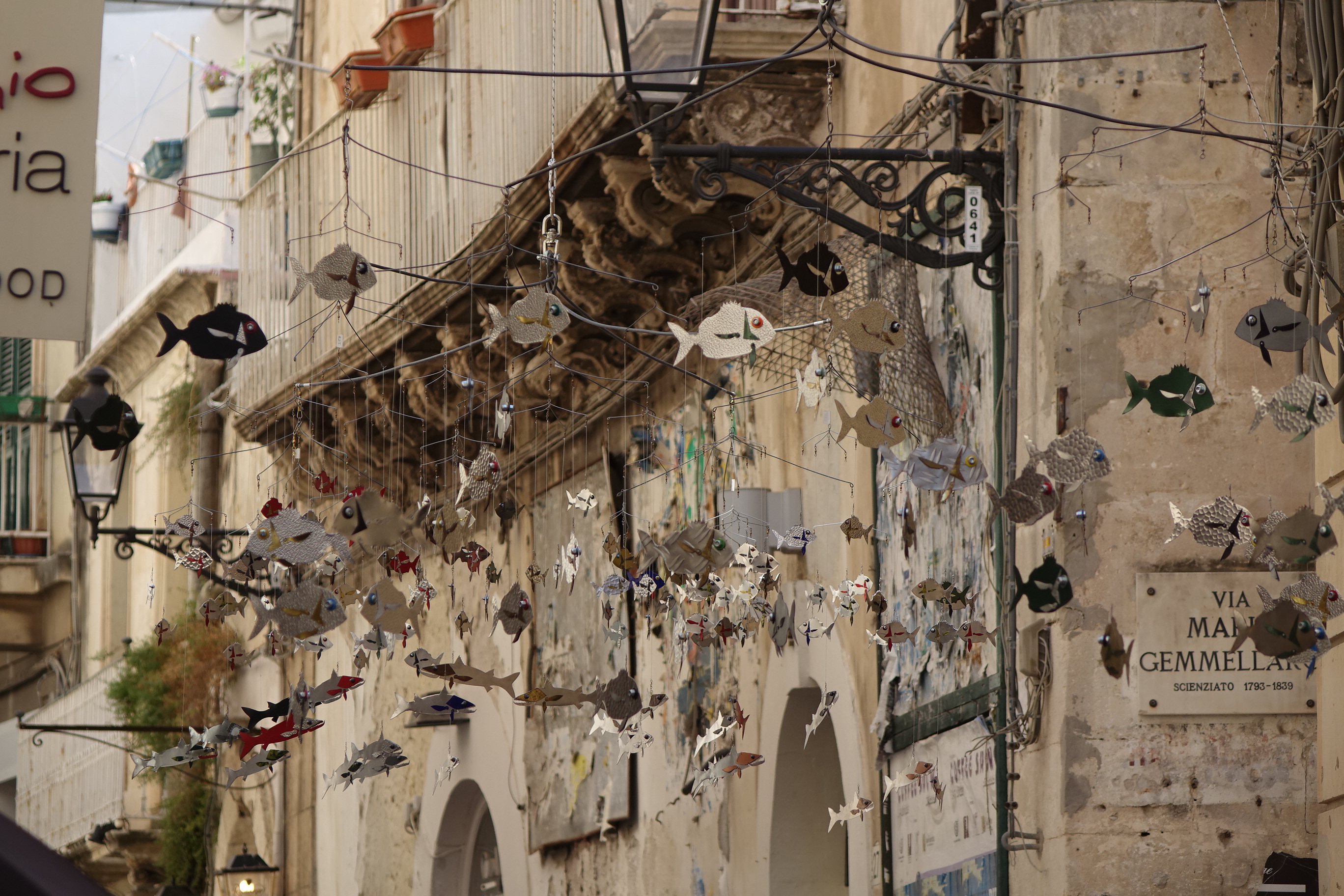
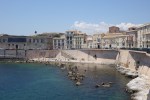
Ortygia is more of an island than a city, connected to the bigger city of Syracuse by two narrow bridges. With few cars, plenty of picturesque narrow streets, and surrounded on all sides by the sea, Ortygia has often been called the Venice of Sicily and it’s not difficult to see why. For in place of Florian’s cafe are a host of cosy little eateries with pale striped cushions, blue glass and understated elegance. In the place of ancient treasures sacked from Constantinople you have multiple ruins dating way before the roman times and literally peppering the streets (the incredible ruins of the Temple of Apollo being the first to greet you when you cross the bridge). And instead of Saint Mark’s the main Duomo of Ortygia is a masterpiece mix of the most ravishing Baroque with an ancient Athenian temple.

DSC03466DSC03439DSC03433DSC03380DSC03408

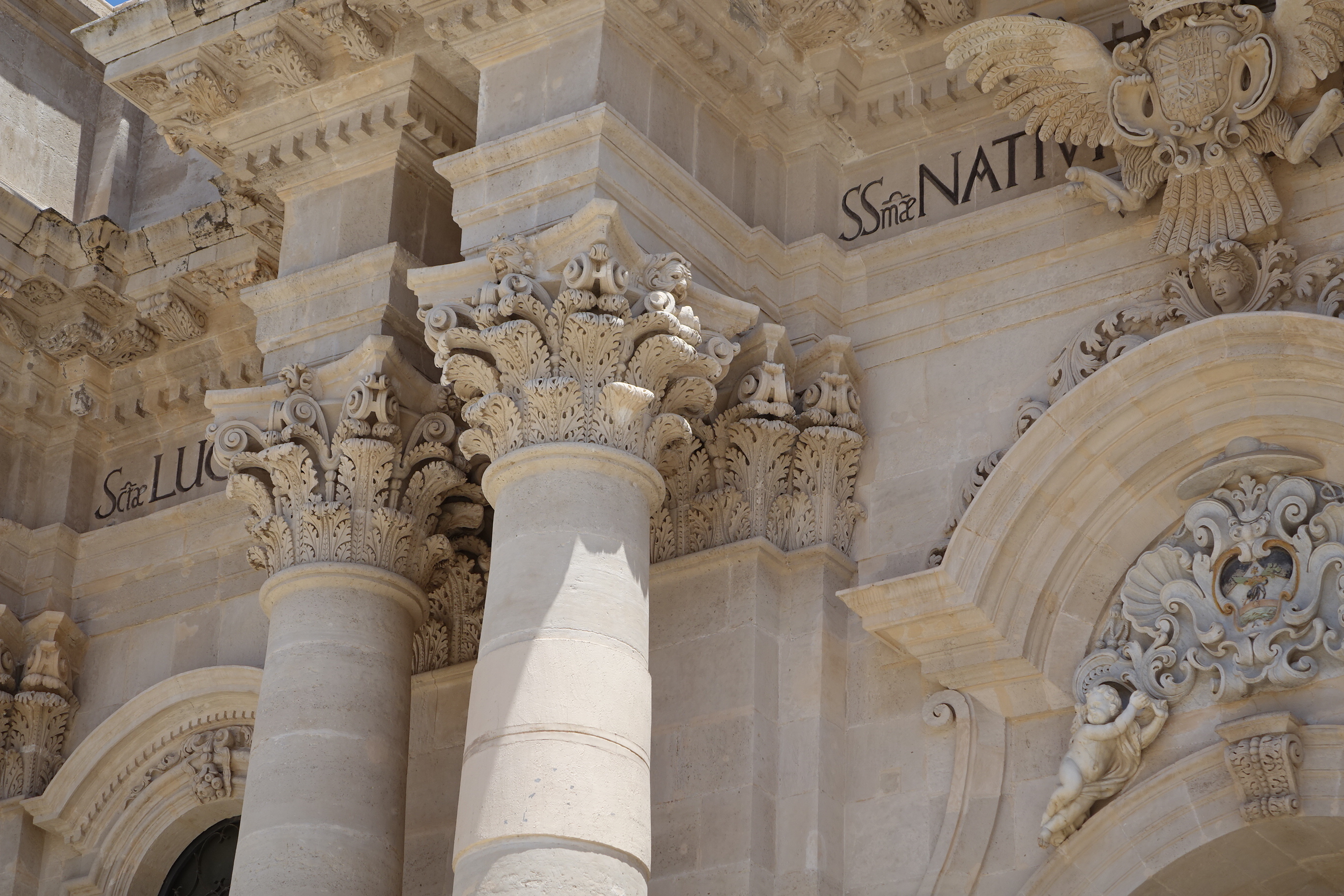
For me the Cathedral (not to mention the dazzling showpiece square surrounding it) is undoubtedly the highlight of Ortygia. With its elaborately decorated marble facade, the Cathedral shows but one face of an indelibly rich history which oozes from within. For one walk inside and you find an ancient interior not characterised by the Baroque at all. Rather the Cathedral is essentially a remanifestation of the ancient Temple of Athena which has always stood on this spot. It is not just built on the same foundations but is actually constructed over and amongst the original ancient columns which made up the temple. All they have done is filled in the space between the columns, put a roof on top, and that marvellous facade at the front. The effect is to receive an incredible immersion into the most ancient of civilisations, and really gain insight into what a temple back in the times of Ancient Greece would have been like.

Alas we could not spend too long in Ortygia. The sun bounced down on those ancient palazzos and that fine white marble which dazzled all around, and as the afternoon drew on, temperatures rose in unison. We therefore escaped to the air conditioning of our car and the promise of a prosecco back in Noto. But we left Ortygia with a real sparkle in our eyes, and, naturally, a little complementary purchase from its world renowned cosmetics store.

© Nicholas de Lacy-Brown and The Daily Norm, 2001-2017. Unauthorized use and/or duplication of the material, whether written work, photography or artwork, included within The Daily Norm without express and written permission from The Daily Norm’s author and/or owner is strictly prohibited. 

The Sicily Series | Part VII – Rocky, Resplendent, Regal Ragusa

It was a fair old drive from Noto to Ragusa, although the fact that our satnav tried to turn us right into a mountain ravine did not help. But when we arrived we felt a little disappointed. Sure, it had a grand looking cathedral and some nice-ish streets but what was it worth the near-death experience on the journey? It was only when we sat down at a local cafe, coffee needs predominating, that I opened my Baedeker and realised that Ragusa is actually a town split geographically in two. And we were in the wrong bit. For the real star of Ragusa, and well worth the fuss, is Ragusa Ibla, its ancient town, built on a steep hilltop across the other side of a rocky mountain valley which splits the town in two.

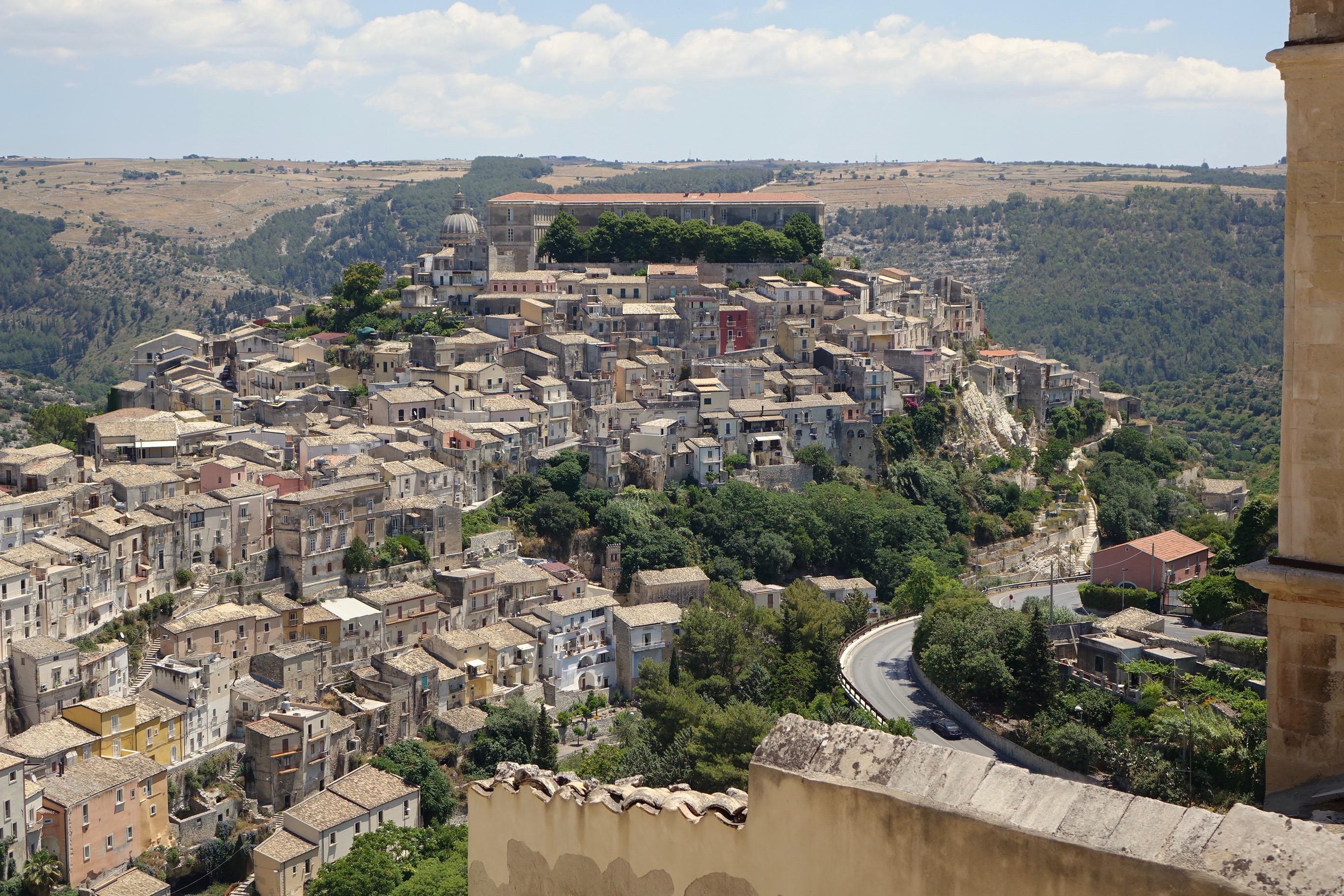
Of course we were parked on the wrong side of the divide, but the walk at least offered us the best possible vistas of Ragusa Ibla: a cluster of houses and churches which appear to defy gravity in their precarious positioning upon the steep slopes of the hill, and which collectively takes the breath away for the sheer feat of this human intervention upon the Sicilian landscape.

DSC02971DSC02963DSC02945DSC02986DSC02968

There were many steps down to the crevice which carves Ragusa in two, and many slopes within the old town itself, but the climbing and panting and general opposition to the heat was both a necessity in this car-defying town, and a very useful mode of calorie consumption. It came, after all, just before our arrival in the Piazza del Duomo, where lunch next to a deliciously somniferous trickling fountain provided me with the star dish of the holiday as far as I was concerned: spaghetti with local Bronte pistachios, hard pecorino cheese and gamberetti. Washed down with a little local Etna wine and heaven descended, and that was before the typical ricotta desert of cannoli deconstructed into a mass of creaminess and crumbling texture.

DSC02989DSC03046DSC02970DSC03013DSC03095

Stamina recovered, we were able to discover the quaint nature of this beautiful town, another with its fair share of fairytale like Baroque brilliance but on a somewhat more compact scale. Walking the narrow streets provided an inescapable exposure to wafts of garlic and pistachio, and to the perfume of herbs drooping from pots crammed onto wrought iron balconies. Some streets were so narrow as trigger maze-like disorientation. Others gave way onto stunning vistas, such as the great glass dome of the Cathedral of San Giorgio which rises above the old town, or the views across the arid mountainous landscape.

But for all those views, and the indelible beauty of Ragusa Ibla, gosh how we bemoaned its location as we made the hike up hundreds of steps, in full 30-something degrees of heat, back to our car parked in the other half of the city. But as we all know, it’s the inaccessible places that are often the greatest gems, and that was certainly the case with the treasure of Resplendent Ragusa.

© Nicholas de Lacy-Brown and The Daily Norm, 2001-2017. Unauthorized use and/or duplication of the material, whether written work, photography or artwork, included within The Daily Norm without express and written permission from The Daily Norm’s author and/or owner is strictly prohibited. 


The Sicily Series | Part V – The views that put Taormina on the map

Despite the chic which characterises the burgeoning boutique-lined streets and bustling café-filled piazzas of Sicily’s Taormina, the attraction which really put the town on the map was in situ long before the fashionistas took up residence. For the picture-postcard undisputed highlight of Taormina is its ancient Greek Theatre, a stone semi-circular auditorium which benefits from a stunning altitude which gives its stage the most enviable of backdrops of the sea, the coast and the magnificent silhouette of Mount Etna beyond.

Taormina’s Ancient Theatre

DSC02677DSC02664DSC02667DSC02676DSC02652DSC02675DSC02648DSC02679DSC02644

Imagine the scene: a balmy summer’s night, a bustling old theatre, a chorus of masked greek players performing Antigone or Media, and beyond, the silhouette of Etna, cloud slowly smoking from its crater like a wise old onlooker smoking a pipe in the distance. Yes your bottom might be a little sore from the stone seats, but imagine the view, and the naturally occurring brilliant acoustics which somehow manage to transport the voice of the actors on the stage to the very highest seat, despite there being no speakers nor modern day technological intervention. Sadly our trip to Taormina’s theatre did not coincide with one of the festivals when this magnificent theatre is put back to use, but that did nothing to dispel the magic of the place which was omnipotent across its ancient structure.

But the ancient theatre is not the only place from which Taormina’s trademark views can be enjoyed. From the Municipal Gardens, crafted as they were by Florence Trevelyan along another ridge of high hillside, the views of Etna and the coast are uninterrupted, and delightfully framed by the bounty of cypress trees and pines, flowers and topiary which fills the happily verdant gardens.

The Municipal Gardens

DSC02407DSC02396DSC02371DSC02381DSC02387DSC02377DSC02401DSC02395DSC02369DSC02354DSC02385DSC02336

Taormina’s location is undoubtedly the reason for its historical roots and its current popularity, and views are by far the town’s most ravishing feature. But ultimately it’s the happy combination of history, views, boutique shopping and café-culture-comfort which makes the town such a pleasure to visit. After all, what better way is there to contemplate a view than with an aperol spritz in one hand, and a few bags of shopping in the other?

© Nicholas de Lacy-Brown and The Daily Norm, 2001-2017. Unauthorized use and/or duplication of the material, whether written work, photography or artwork, included within The Daily Norm without express and written permission from The Daily Norm’s author and/or owner is strictly prohibited. 

Tuscan Towns #2 – Bolgheri

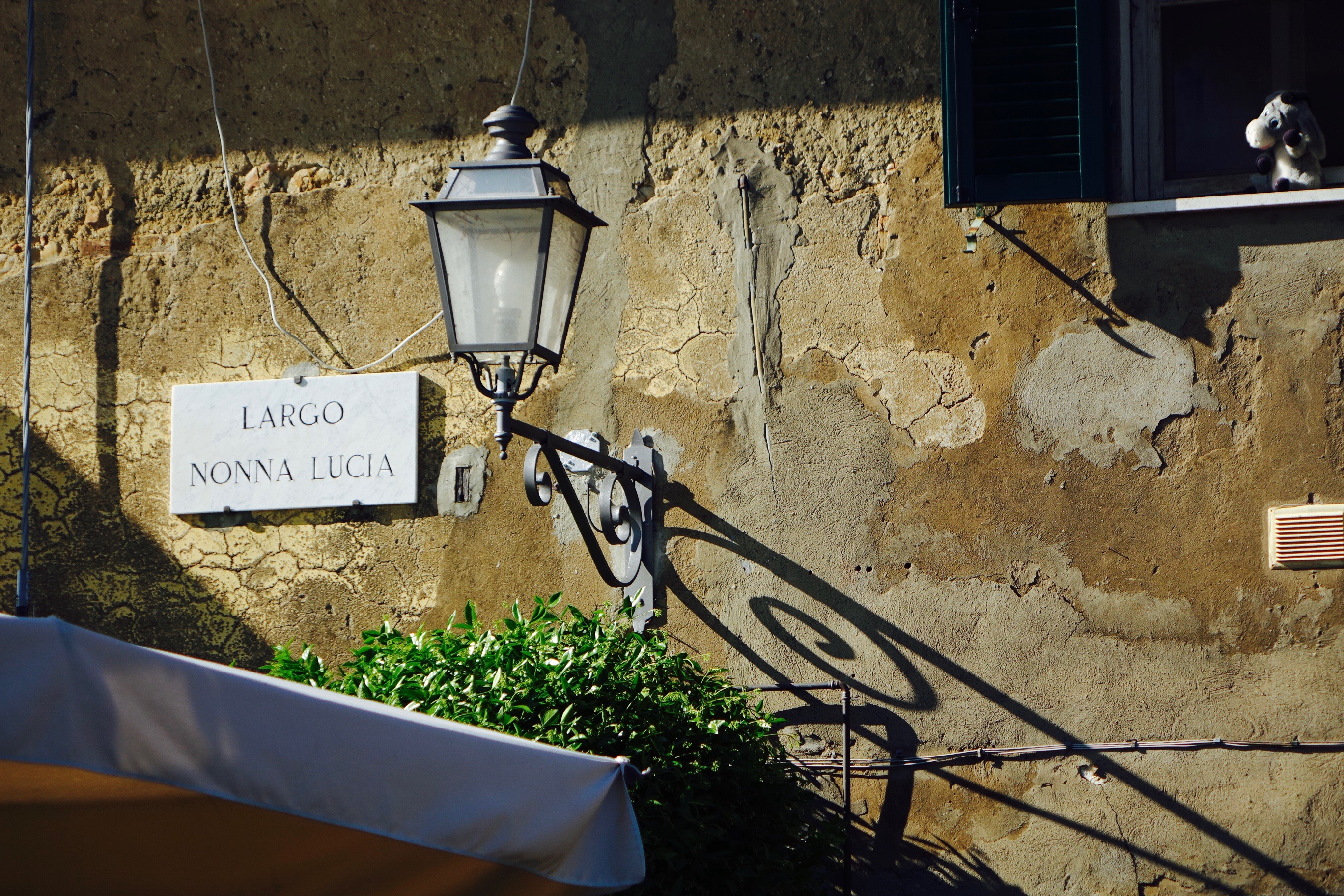
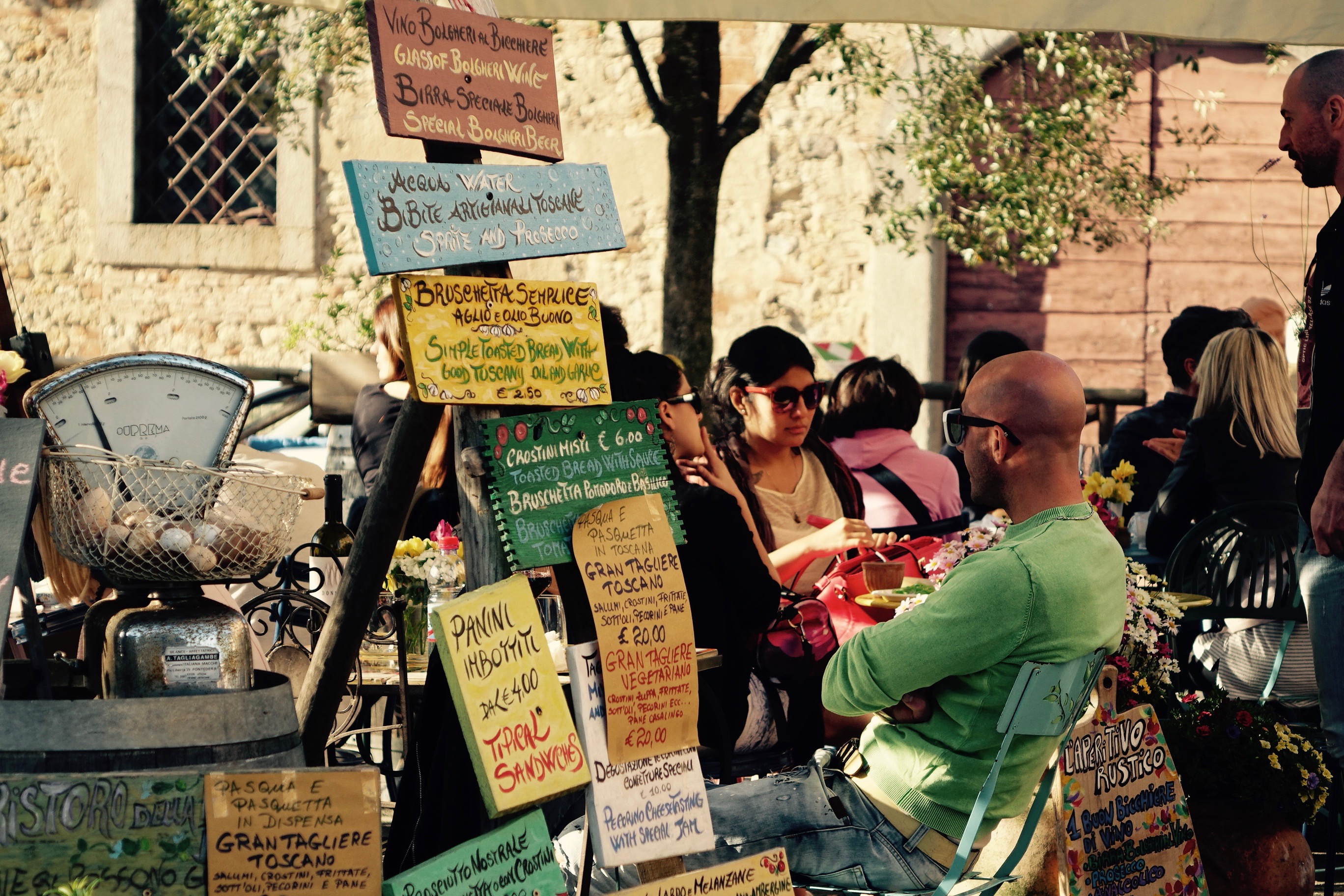
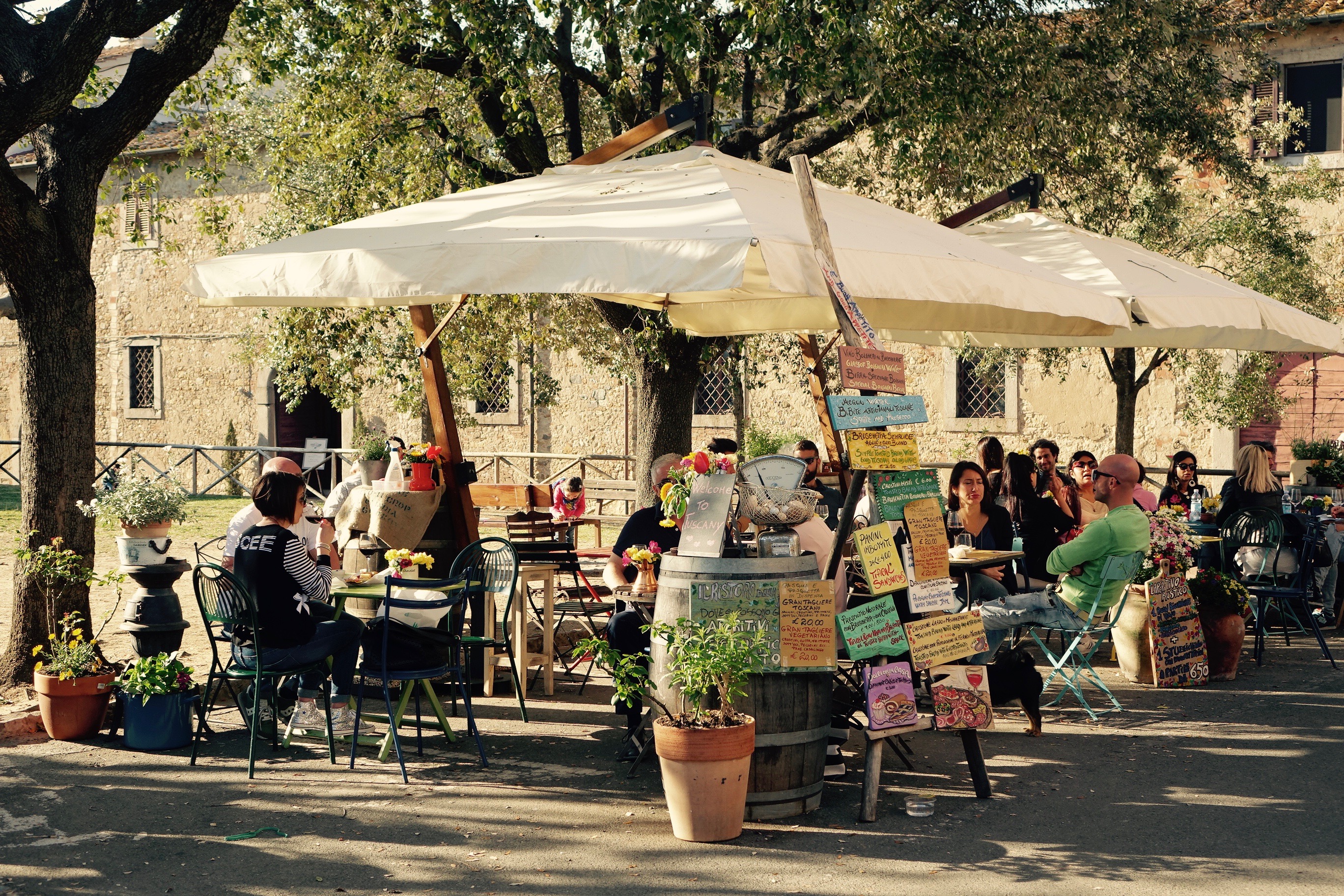
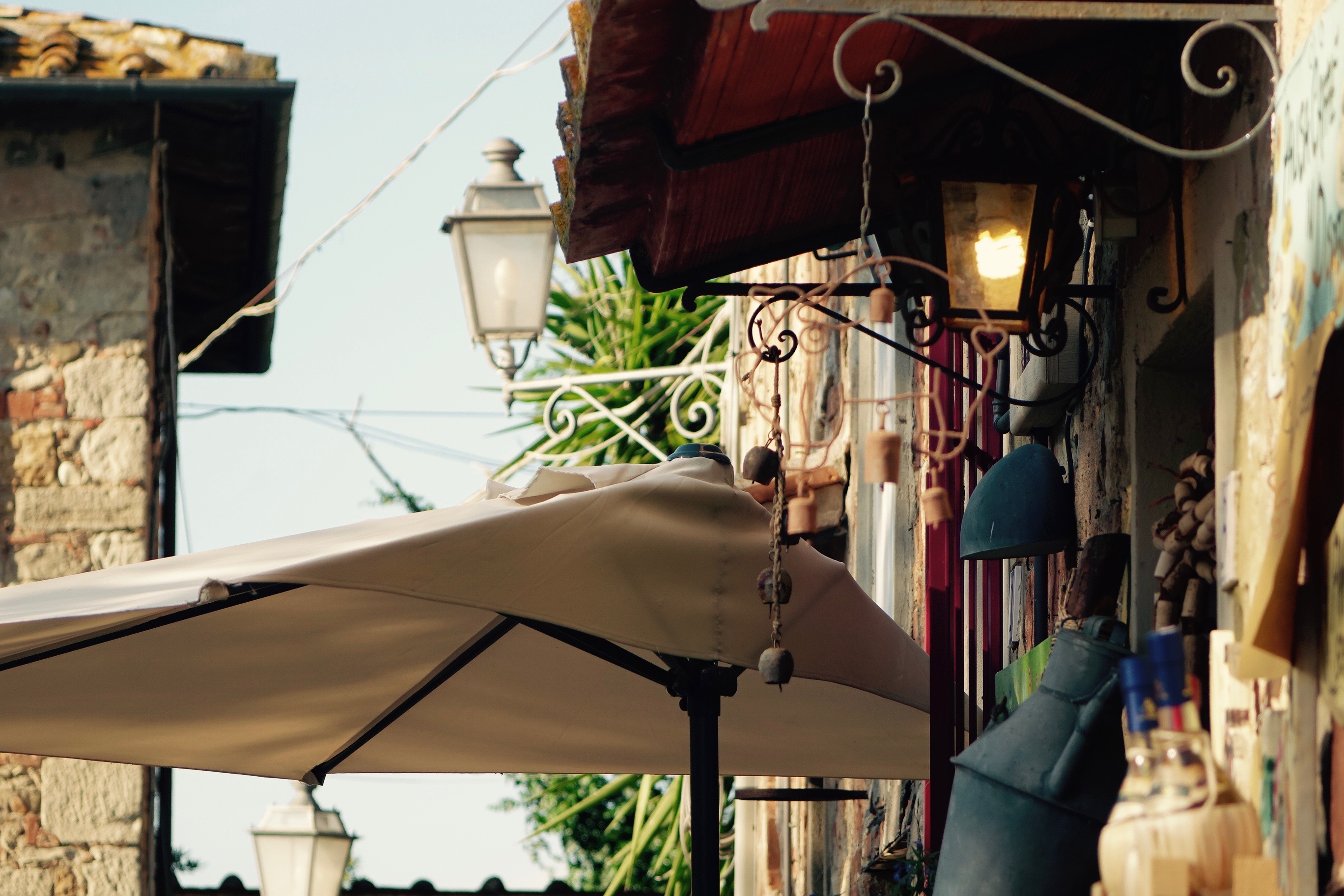
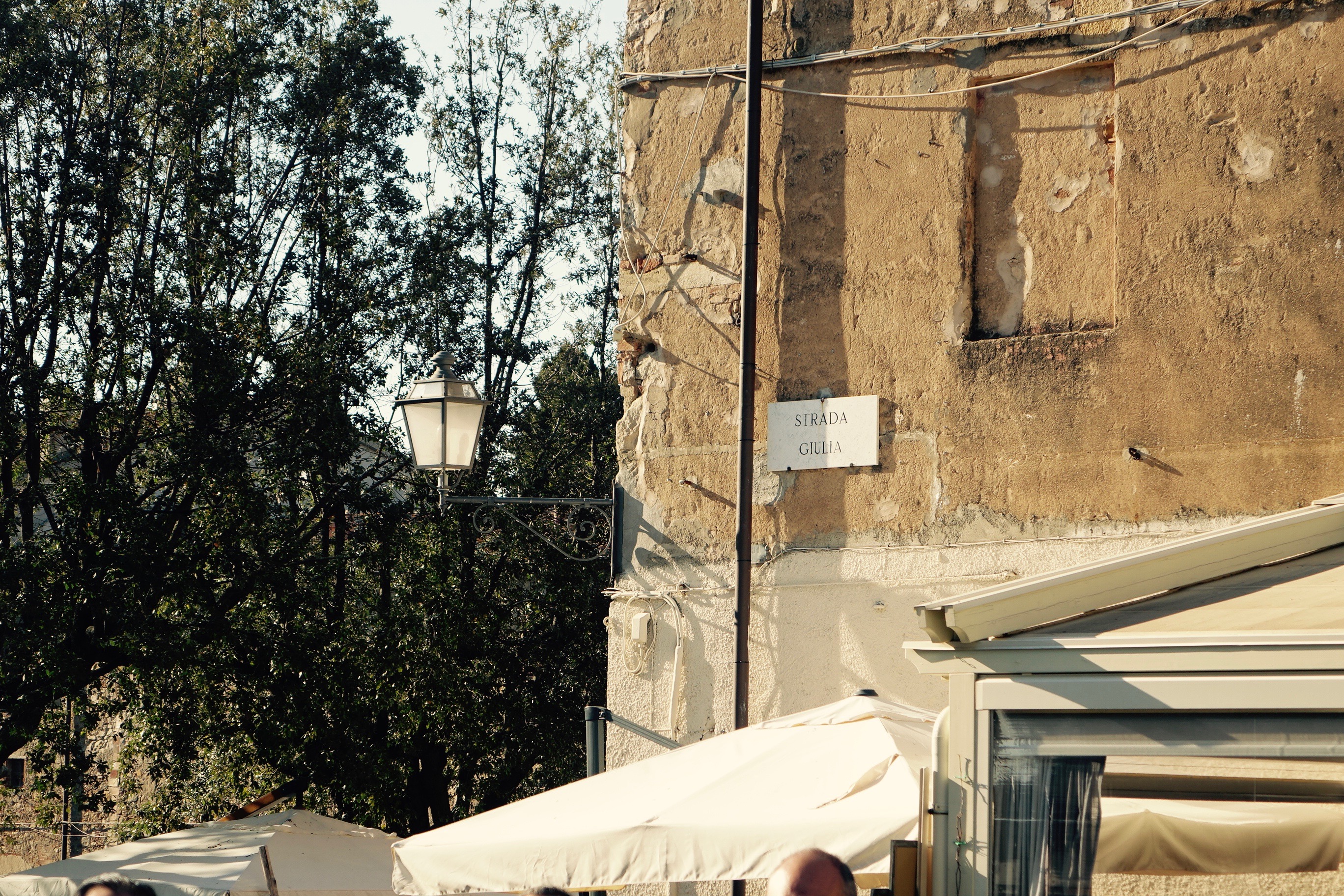
Bolgheri is a tiny town, more of a hamlet really, based as it is along one main street which latterly converges into two, a sunny square and a row of delightful little houses and restaurants precipitating the divide. For the majority, the closest they will come to knowing Bolgheri will be to read its name upon one of the plethora of nectarean bottles of wine produced by the region every year. Yet for the lucky few, who are led, magnetised, down the perfectly straight cypress-lined Roman road to the tiny little village, finding Bolgheri will feel like stumbling upon a hidden jewel.

DSC09719DSC09726DSC09666DSC09721DSC09711DSC09665DSC09664DSC09695DSC09697DSC09692DSC09677DSC09722DSC09709DSC09712DSC09714

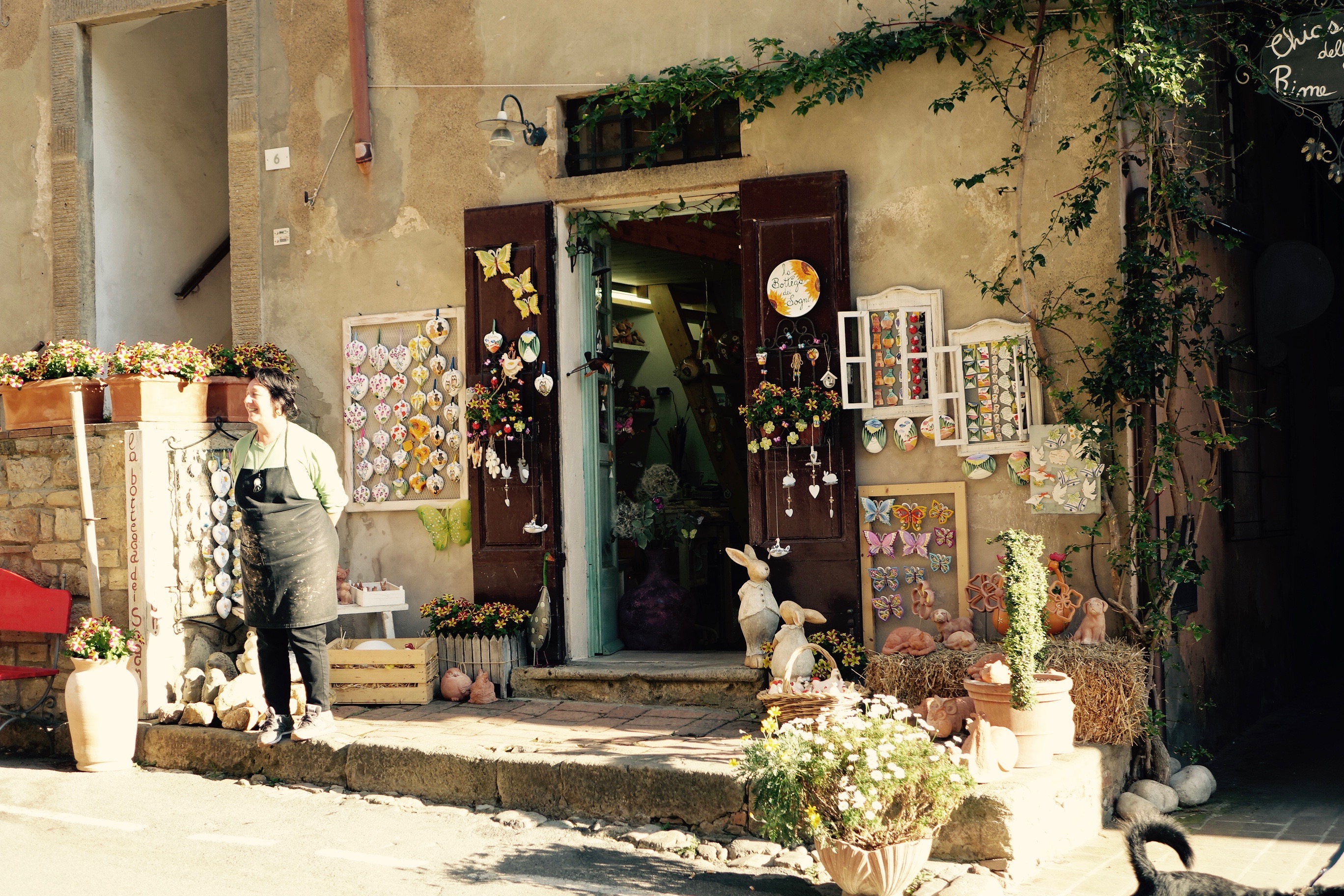
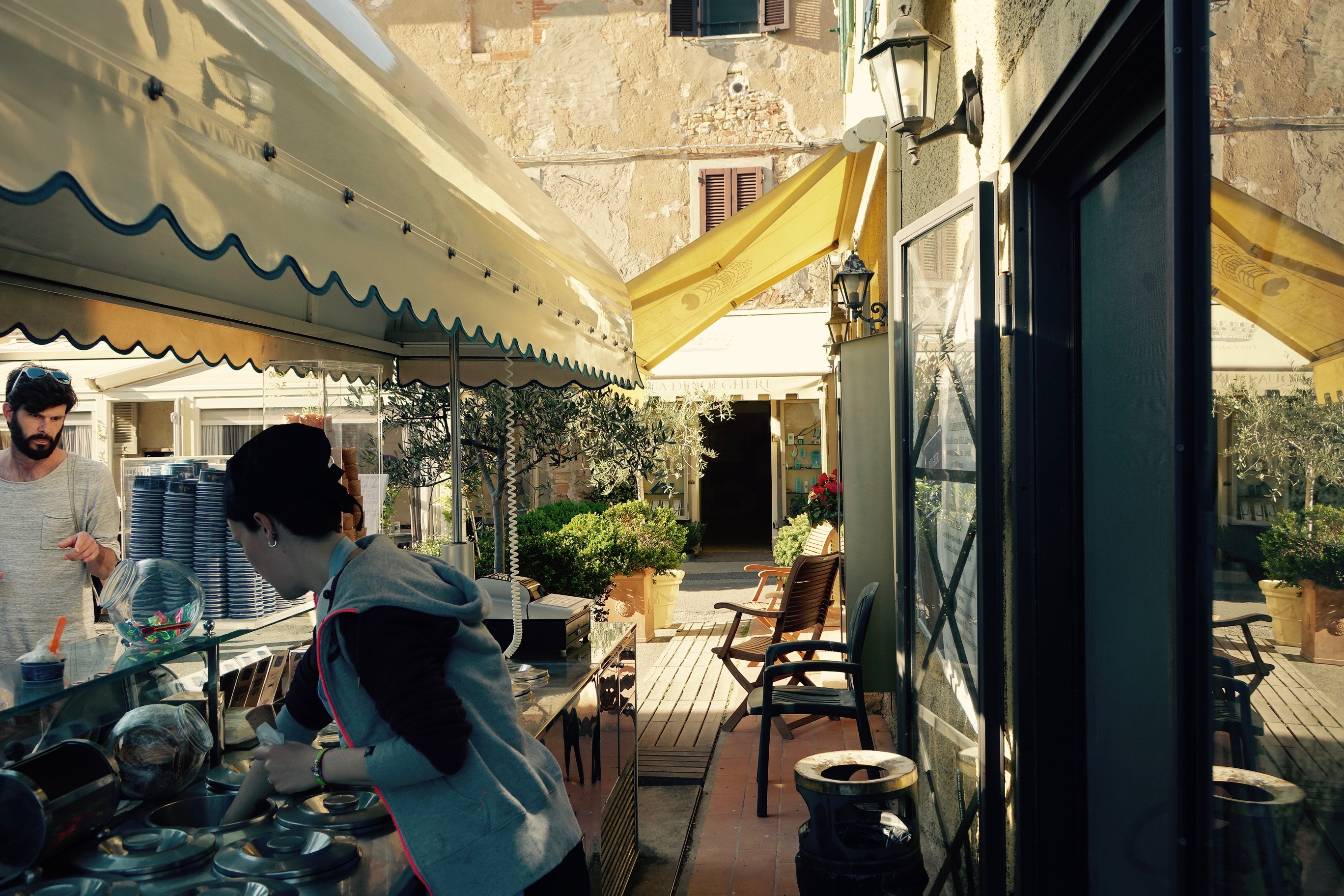
While Bolgheri has a castle, it is as proportionately small as the village. It is not a place for museums, nor a city for those wishing to stroll endlessly from one new corner to another. No, the real attraction of Bolgheri is its atmosphere. It is enchanting. While a visit at any time of the day will be enthralling enough, there is a poetic grace about Bolgheri in the late afternoon, as the sun starts to set over the vineyards and rolling hills to the West, and every cafe and shop and house seems to fling open its shutters greedily urging the peach coloured light to spill into its small little terracotta buildings.

DSC09710DSC09672DSC09703DSC09716DSC09728DSC09690DSC09699DSC09675DSC09729DSC09733DSC09702DSC09694DSC09693DSC09688DSC09687DSC09676

Bolgheri in the afternoon is a place in which to sit and close your eyes, feeling the sunlight spill across your face. It is a village where sipping upon an aperol spritz takes on new majesty, and where an ice cream glimmers with a precious golden aura. It is a time which is all about relaxing, chatting, strolling, thinking, and if I wanted to do anything when I set out to take these photos, it was to capture this time of utopia. So apologies in advance to the fellow visitors who ended up in the photos on this post, but without the look of sheer pleasure and relaxation written all over their faces, I don’t think I could ever have properly expressed the blissful experience of an afternoon in Bolgheri.

© Nicholas de Lacy-Brown and The Daily Norm, 2001-2017. Unauthorized use and/or duplication of the material, whether written work, photography or artwork, included within The Daily Norm without express and written permission from The Daily Norm’s author and/or owner is strictly prohibited. 

Across the Water to Menorca, Part 4: Virgin Beaches

So after all the sun shone on our weekend in Menorca, and while our stay saw its fair share of grey skies tumbling across the island, the times of sunshine were all the more remarkable by contrast. And for my final post of my little Menorca season, I am sharing photos captured on a long sunny Sunday afternoon, where the sun did nothing so well as to magnify the sheer stupefying beauty of Menorca’s natural scenery.

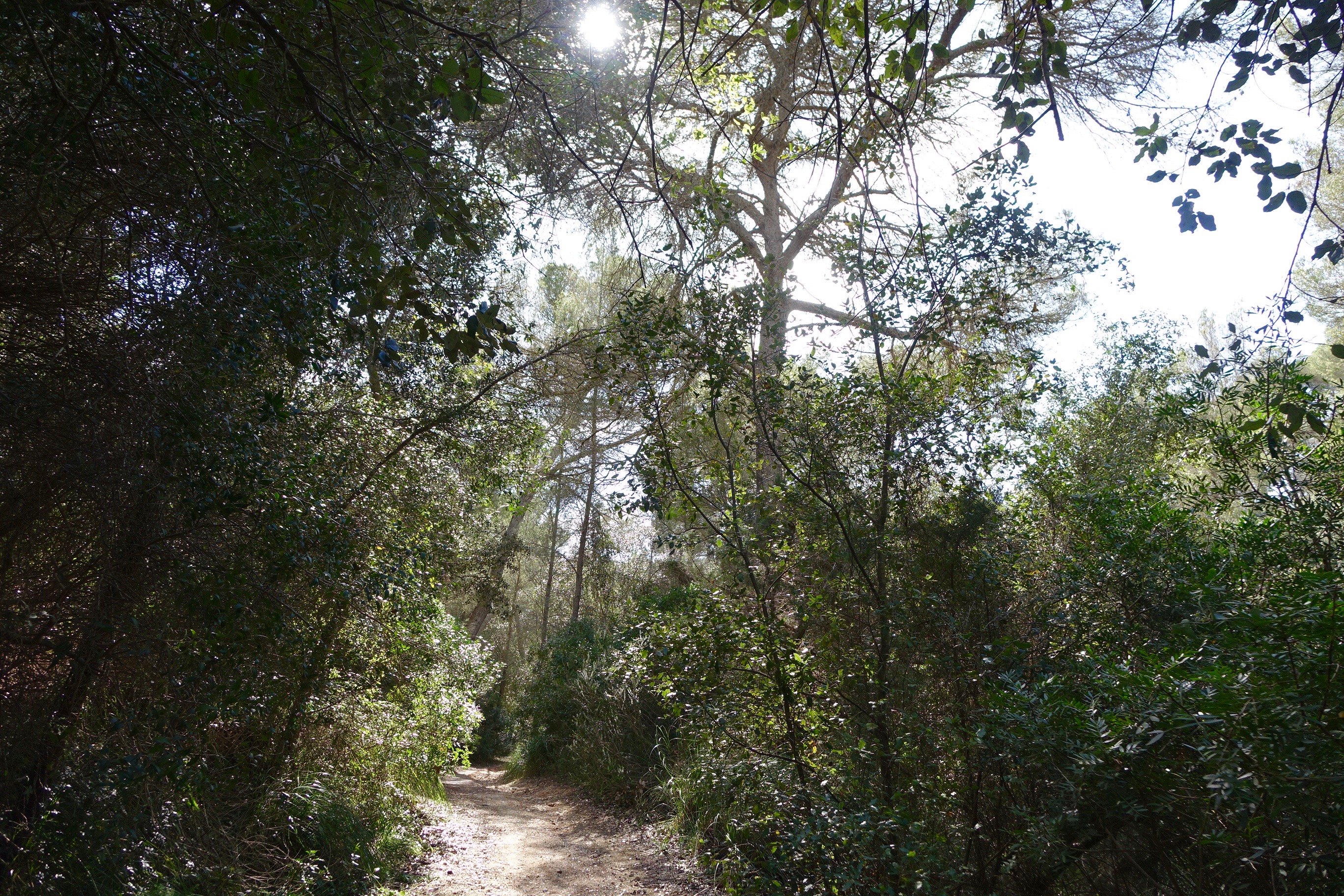
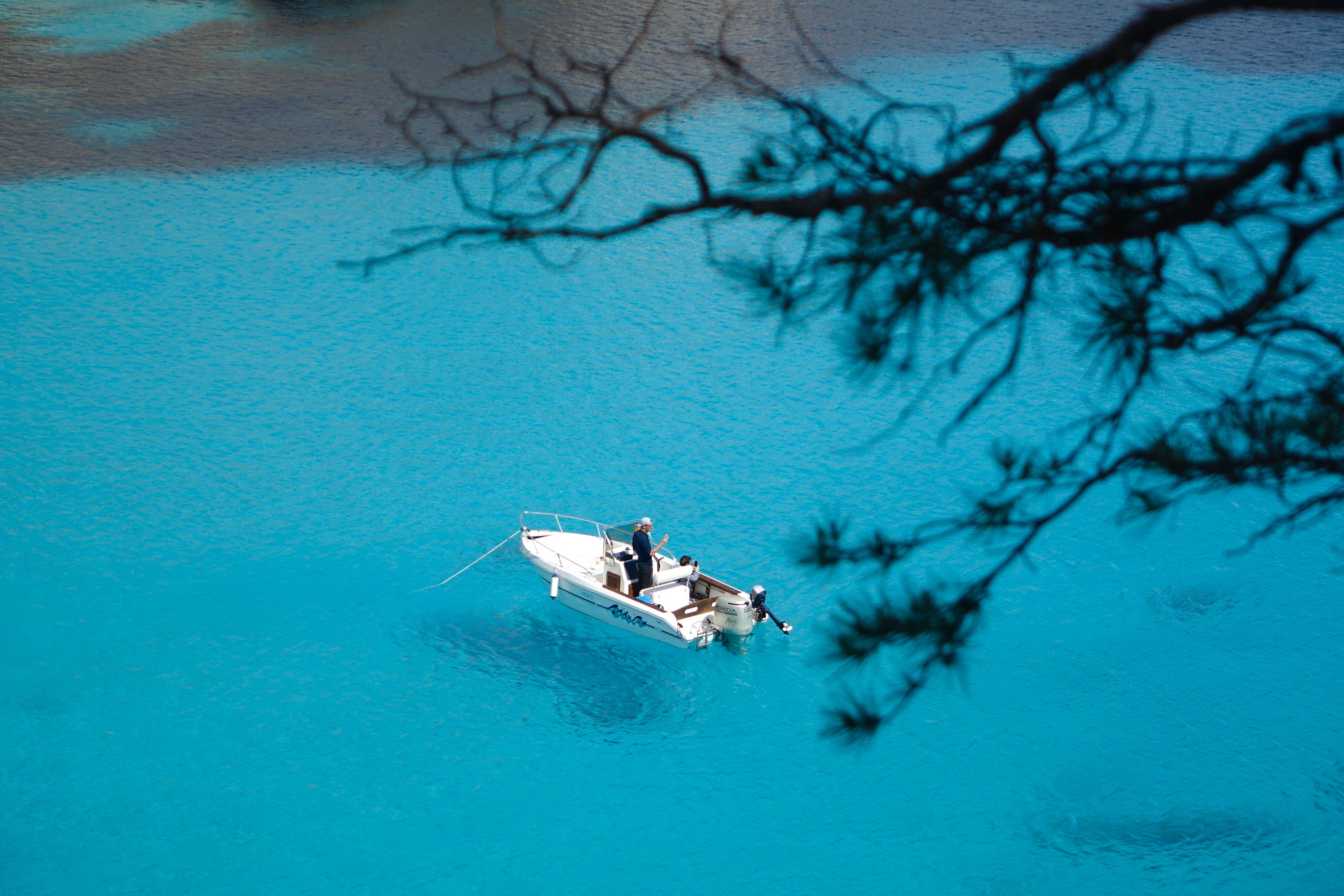
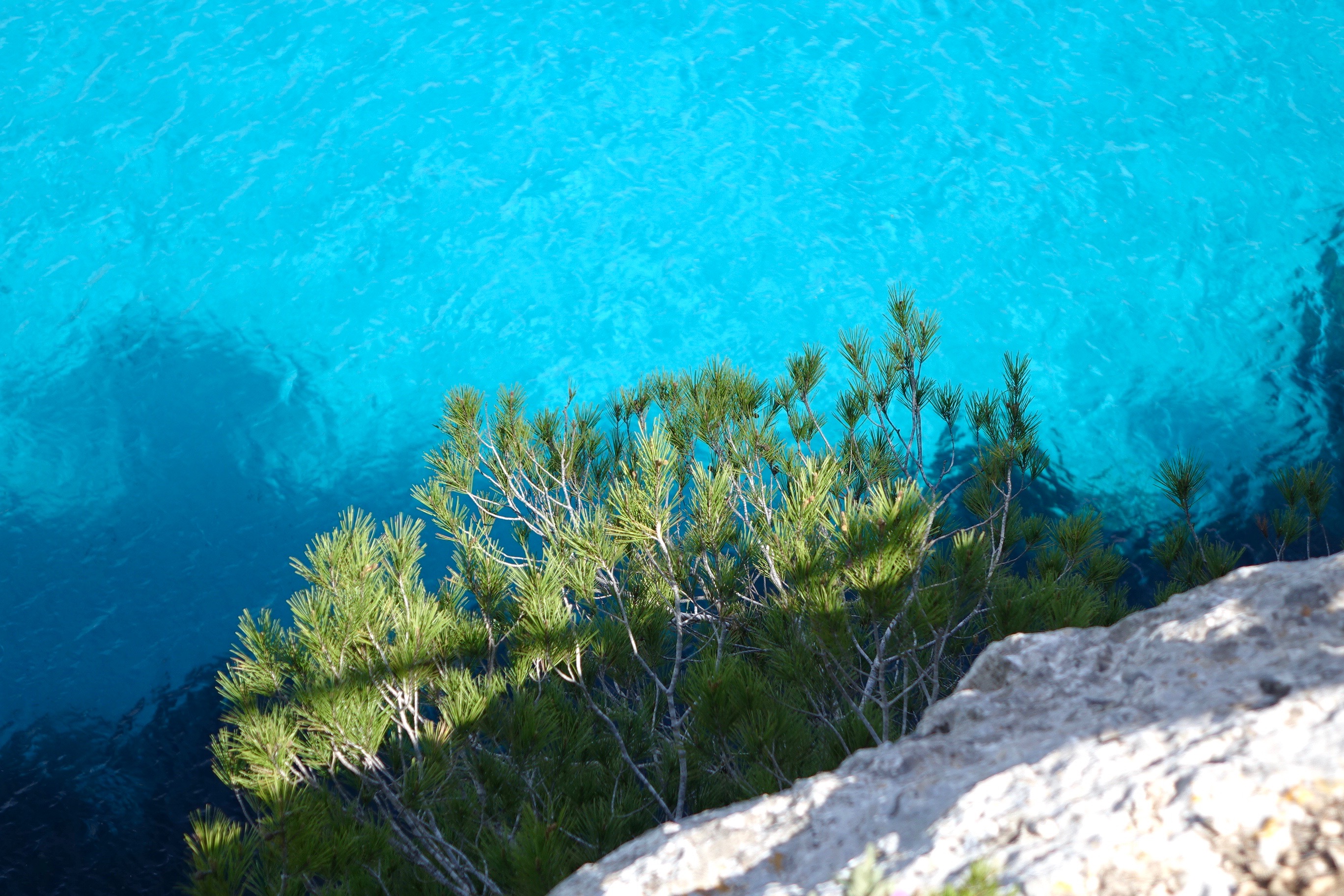
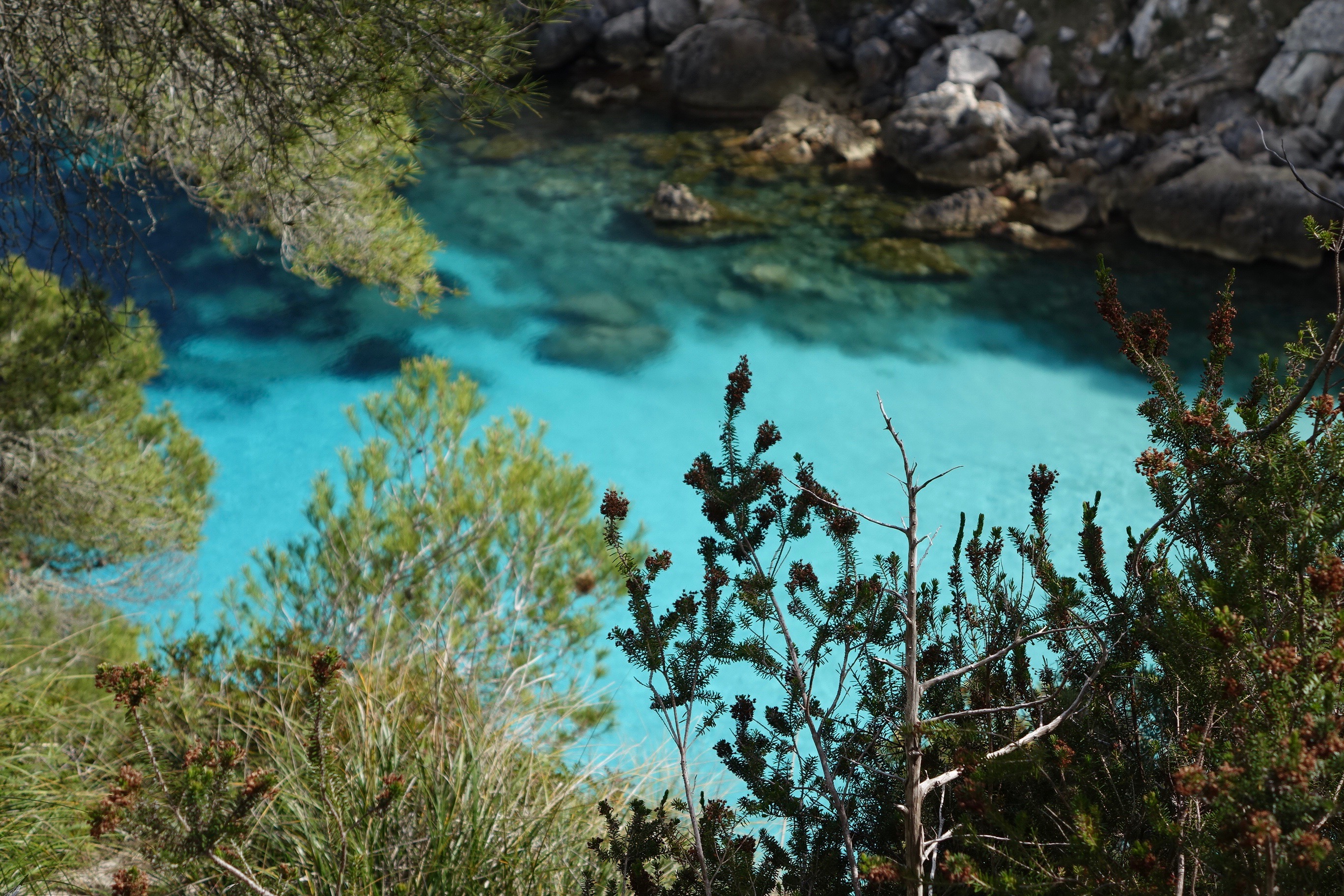
For where Menorca lacks in the city buzz of Palma here on its neighbouring island of Mallorca, it gains in the untouched virgin landscape which nature has left for us humble visitors to enjoy. Just as I thought Mallorca’s beauty could not be beaten, along came the calas (coves) of Menorca whose colours just blew my mind. There, the sands were so white, so pure and unsullied by the slightest hint of humans, that as they slowly descended beneath the fringe of the mediterranean coastline, they did so creating a paradisal cerulean blue melting into darker azure tones. Across the waters, the crystal clear seas shone and glimmered, and just underneath the surface, one could admire the camouflage effect of the odd rocky outcrop contrasting against the golden surface of the seabed.

DSC01220DSC01245DSC01253DSC01212DSC01246DSC01204DSC01249DSC01207DSC01232DSC01213

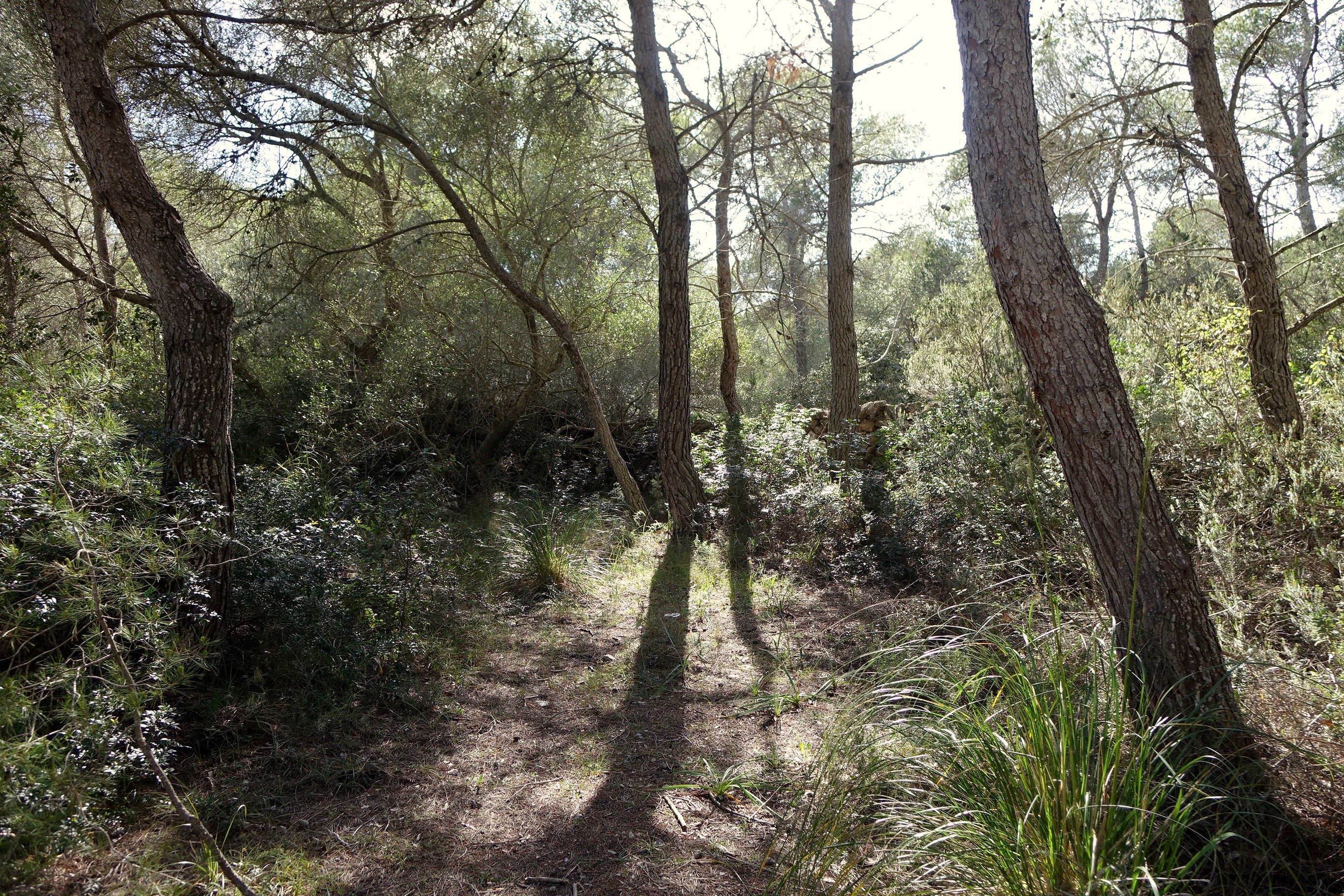
We could have quite easily spent months visiting the many calas which pepper Menorca’s coastline, such are their number, but we satisfied ourselves with the double whammy of the Cala Macarella and its smaller even more beautiful sister, the Cala Macarelleta, just around the corner. Approached through a densely planted aromatically fragrant pine forest, both beaches are a sight to behold and a treat for all the senses. The waters are every bit the match of the Caribbean, untouched, unspoilt and in the month of May blissfully underpopulated (save for the odd nude bather).

DSC01210DSC01244DSC01216DSC01192DSC01255DSC01203DSC01227

Here in the Mediterranean, paradise always feels very close at hand, but in the calas of Menorca, I feel we had practically made it.

All photos and written content are strictly the copyright of Nicholas de Lacy-Brown © 2016 and The Daily Norm. All rights are reserved. Unauthorized use and/or duplication of the material, whether written work, photography or artwork, included within The Daily Norm without express and written permission from The Daily Norm’s author and/or owner is strictly prohibited.

Memoirs from Venezia, Part 2: Sestiere di Castello

Venice is not just any city for me. It was present at the inception of my teenage renaissance, when at the age of 18 I travelled to Italy with 20 likeminded young people to study art history. Venice was the first stop, and it was in that city that I felt myself transform, like a butterfly whose wings burst forth upon a mega-wave of sights, images and inspirations. So whenever I return to the city, there is always a part of me which yearns to revisit all of the sites which gave birth to that transformative experience. But at the same time I always want to see something new, and despite its compact size, the intricate labyrinth of the city always provides a new surprise around every corner.

On this trip, I was determined to discover some of the areas which I do not know so well, and there to expose myself to some of the lesser-known gems of the city. One such area is the Sestiere di Castello, which, tucked just behind San Marco, sprawls eastwards from the Rialto across to the Arsenale and beyond.

Gems of the Sestiere di Castello

DSC05085DSC05545DSC05522DSC05516DSC04936DSC04948DSC04981DSC04897DSC04933DSC04914DSC04912DSC04915DSC04885DSC04874DSC05531

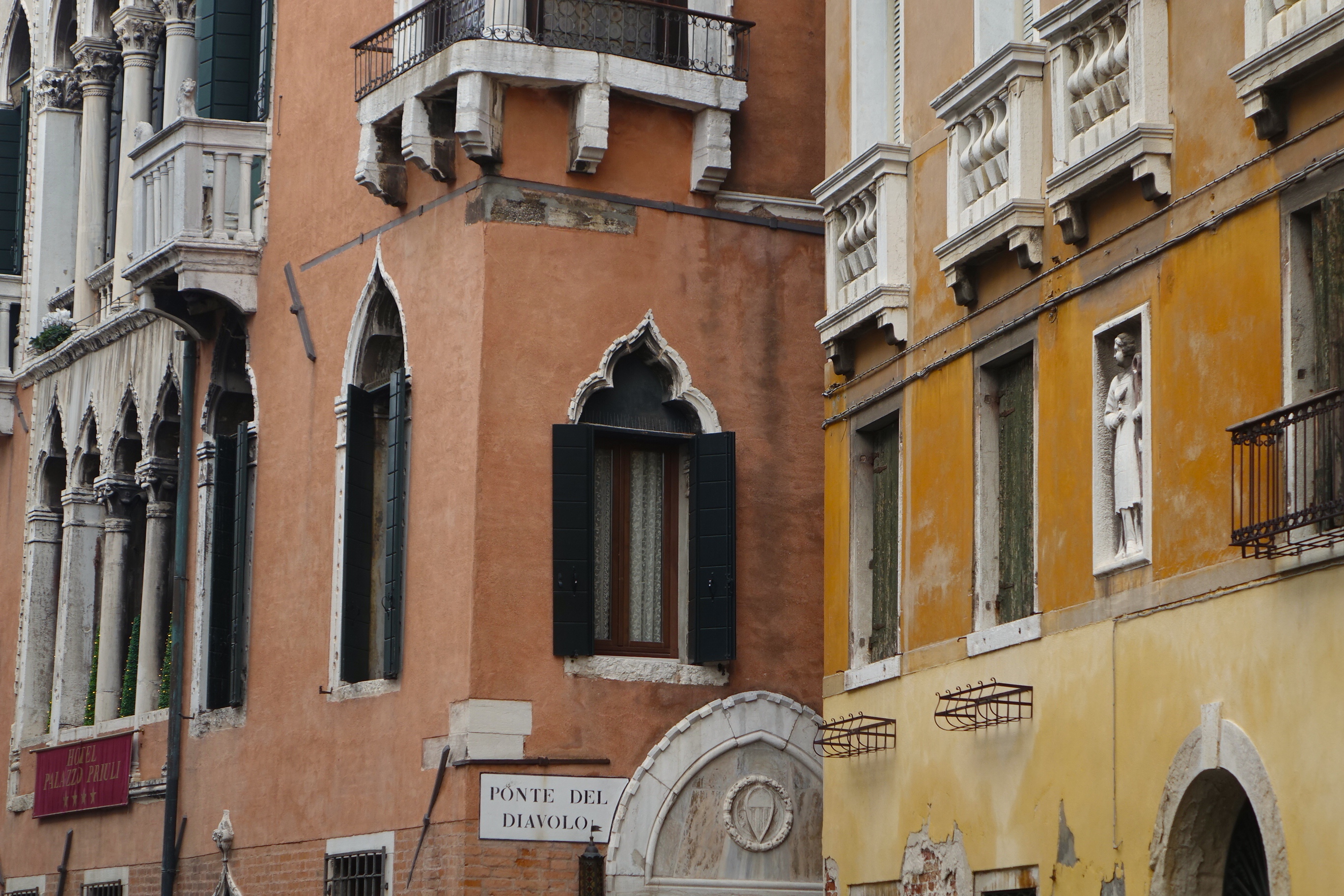
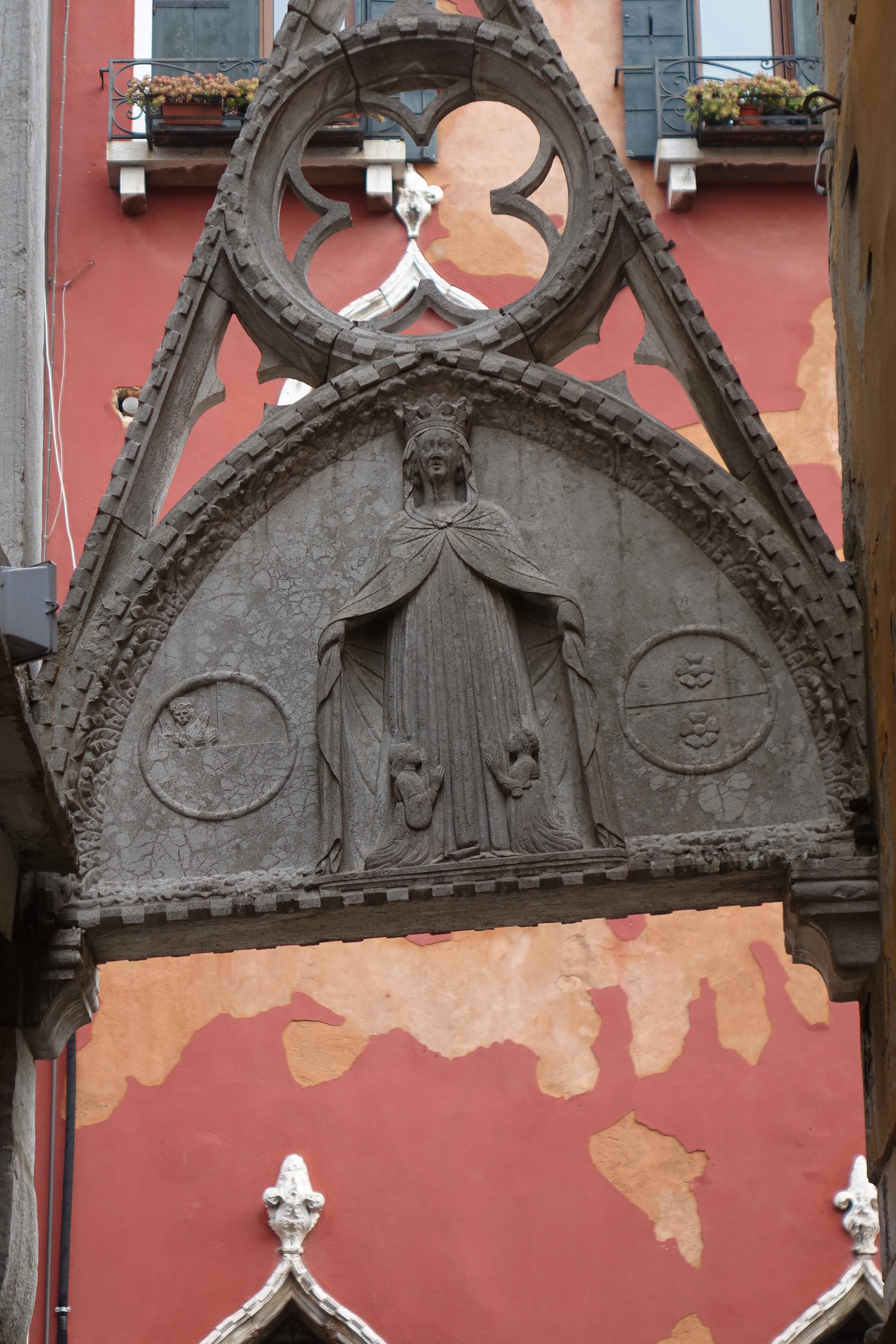
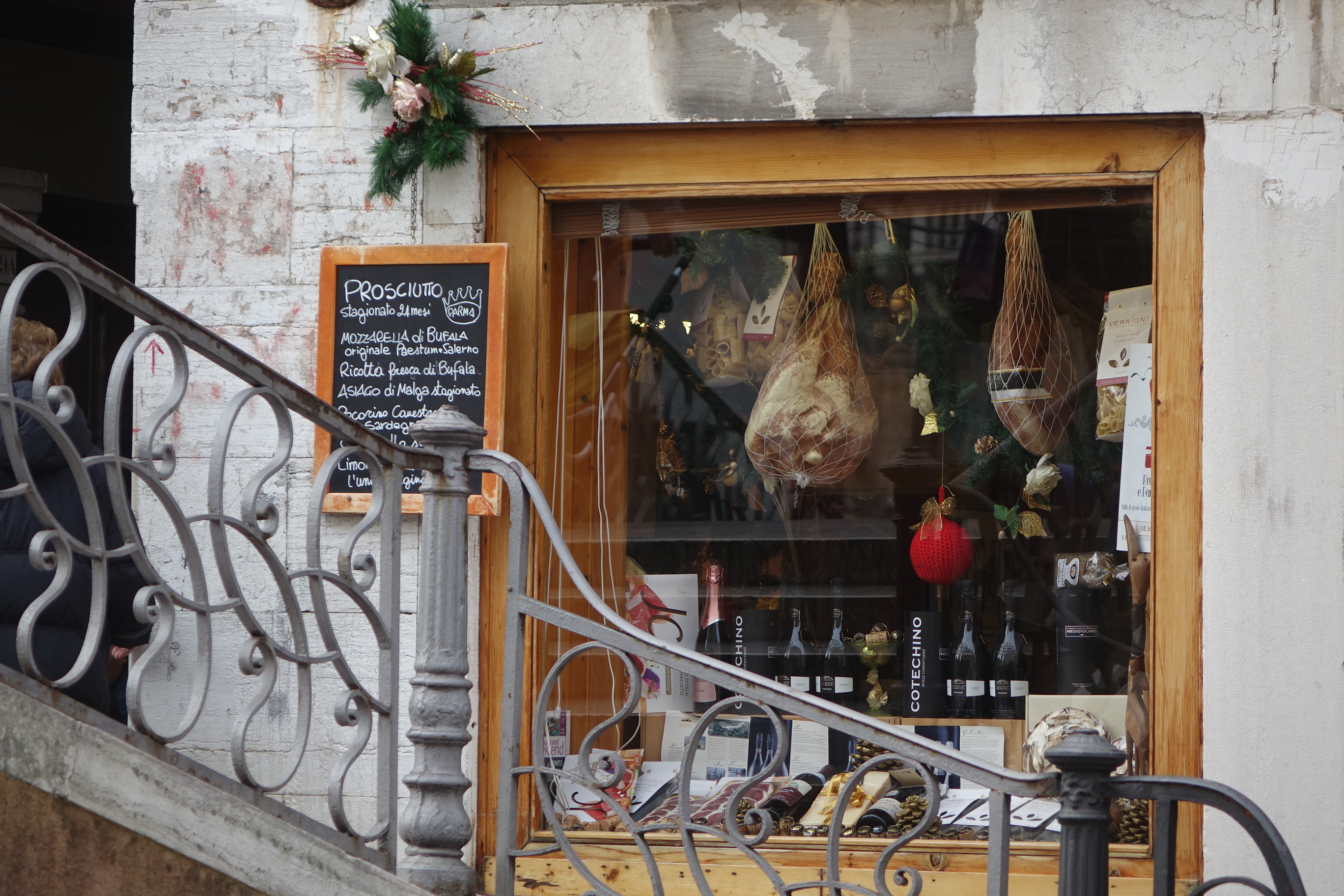
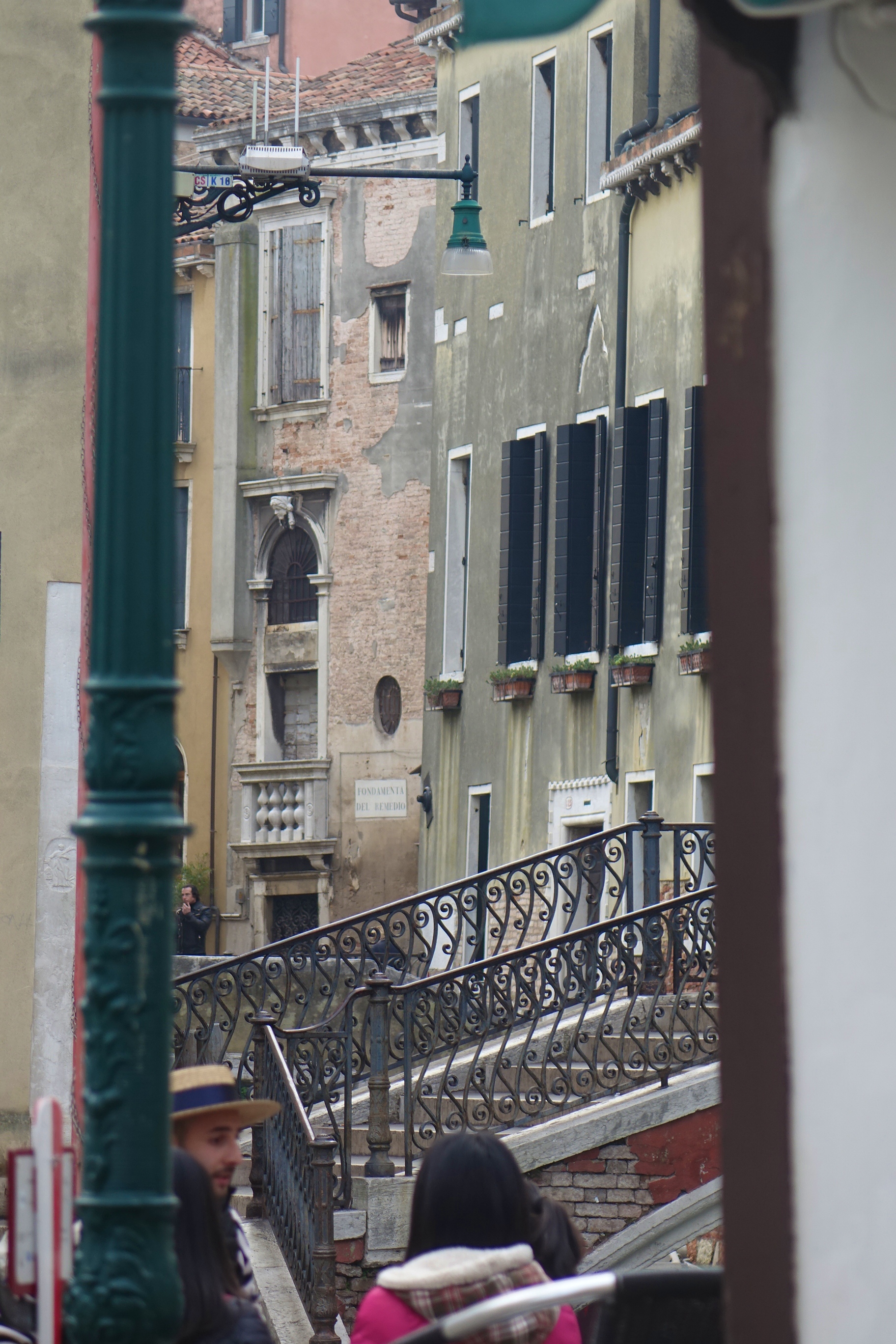
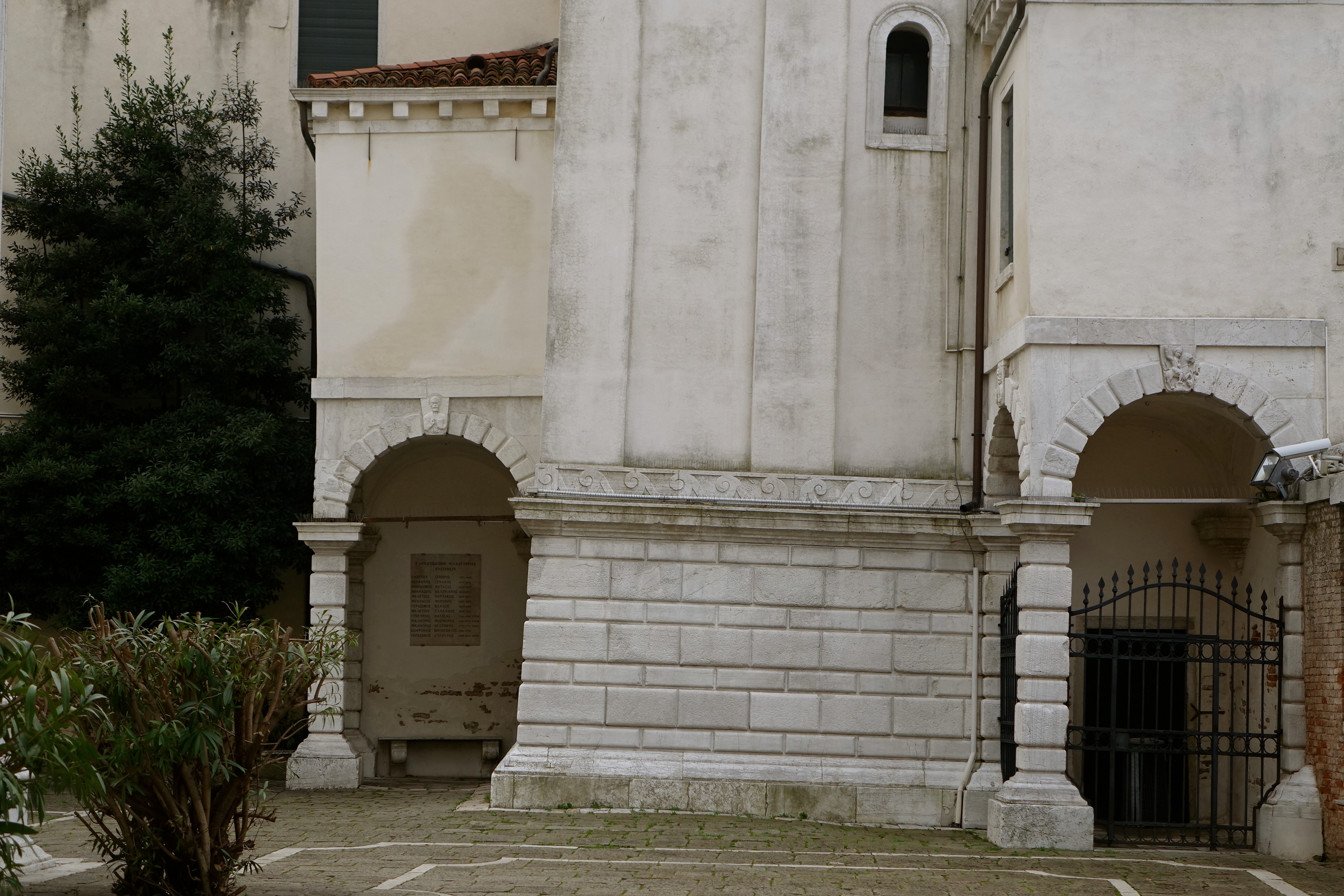
It is easy to tire of the repetitiveness of central Venice, with every shopfront loaded with mass-produced masks and tacky souvenirs, but walk just a few canals beyond the centre, and a more quaint, authentic city is ripe for the discovery. Such is the case with the Castello, from the grand Campo Santa Maria Formosa with its curving church, to the impressive square in front of the Zanipolo church, the size and scale of which makes it a clear rival to St. Mark’s itself. All this we explored as we traversed the area on foot, gawping at the stunning stone mausoleums of the doges set within the walls of the Zanipolo, as well as being mesmerised by the haunting chants of a Greek Orthodox service on the Rio del Greci in a beautiful little church which has its very own leaning tower.

The Zanipolo and the Chiesa di San Giorgio dei Greci

DSC05510DSC05497DSC05505DSC05495DSC04960DSC04961DSC04967

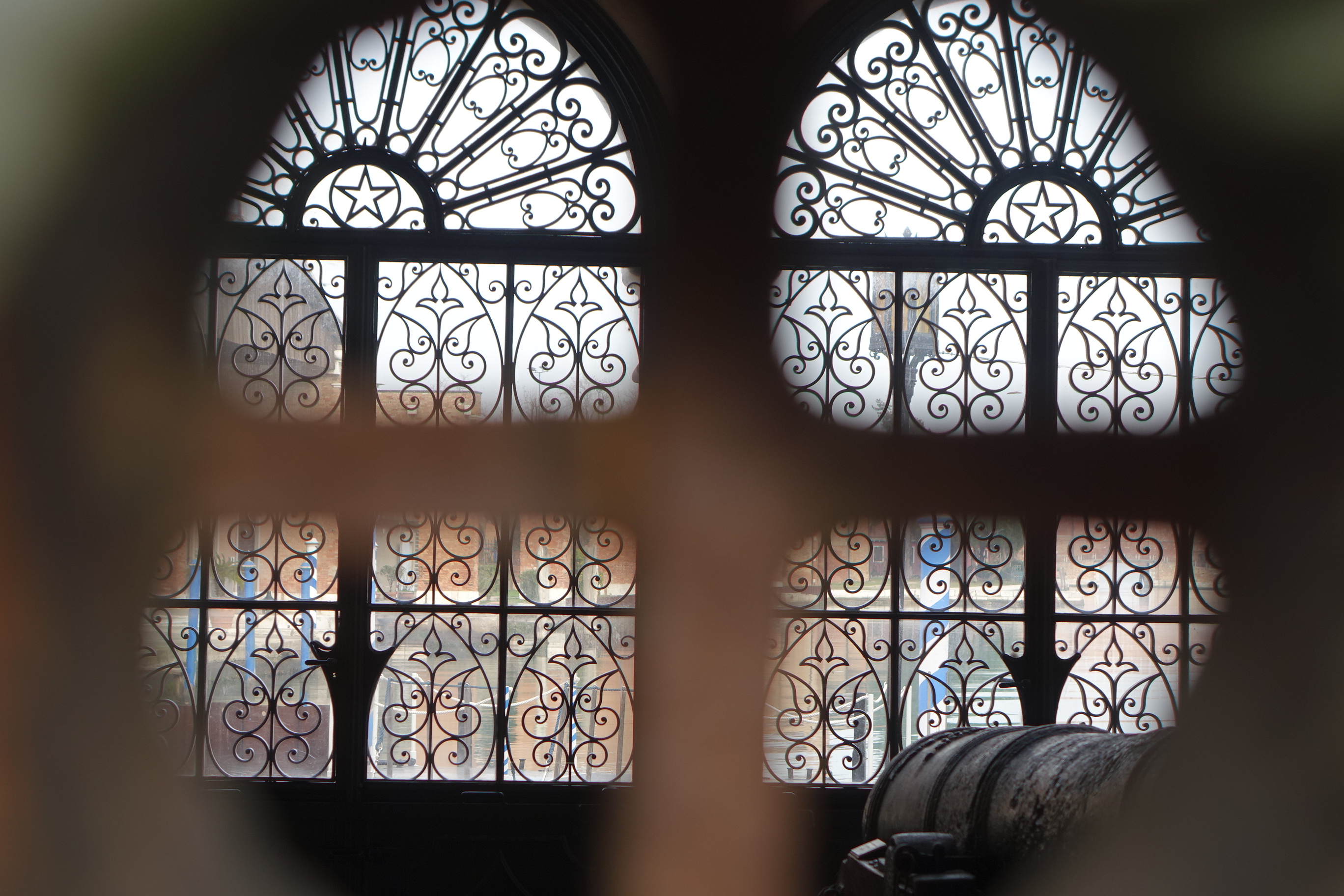
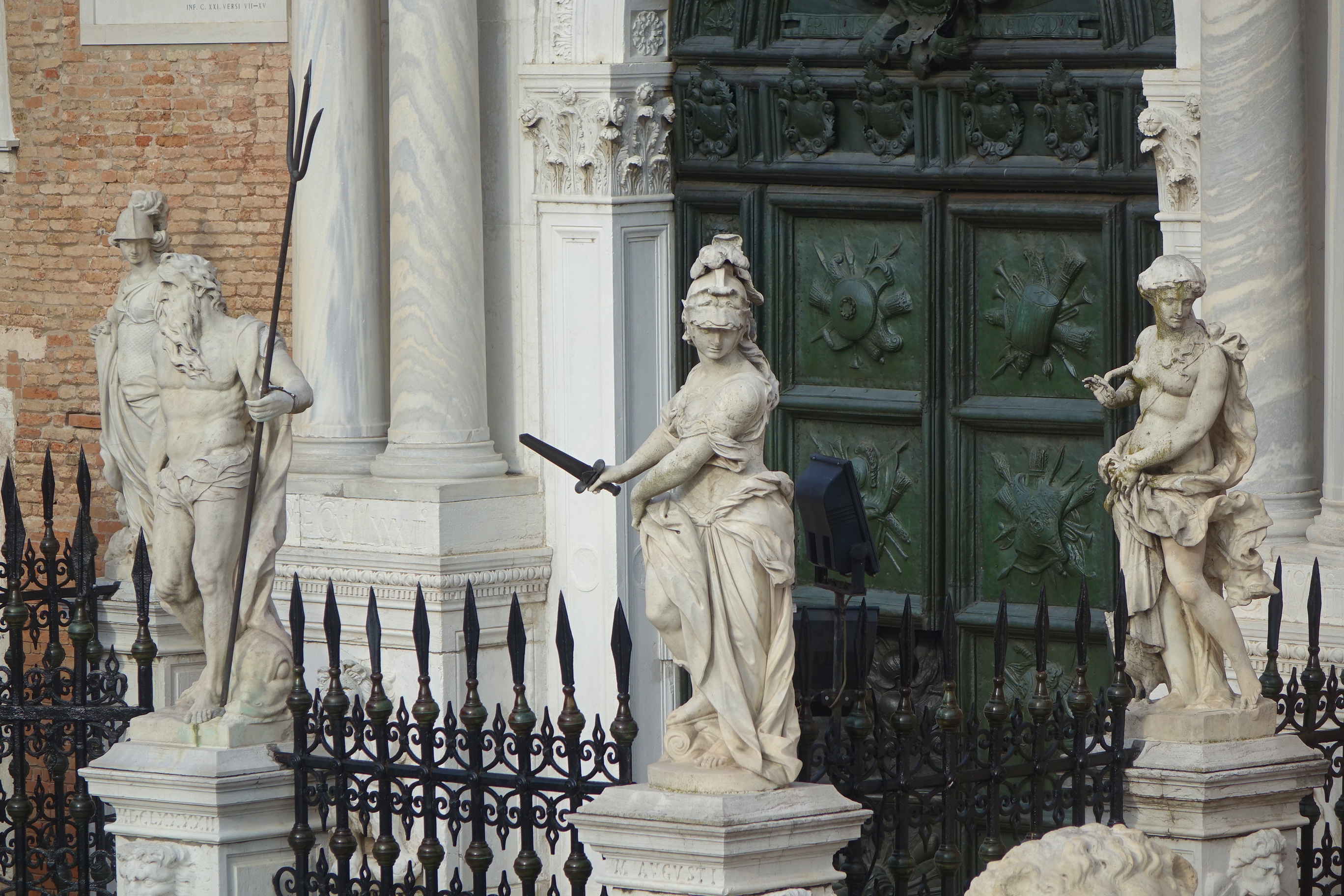
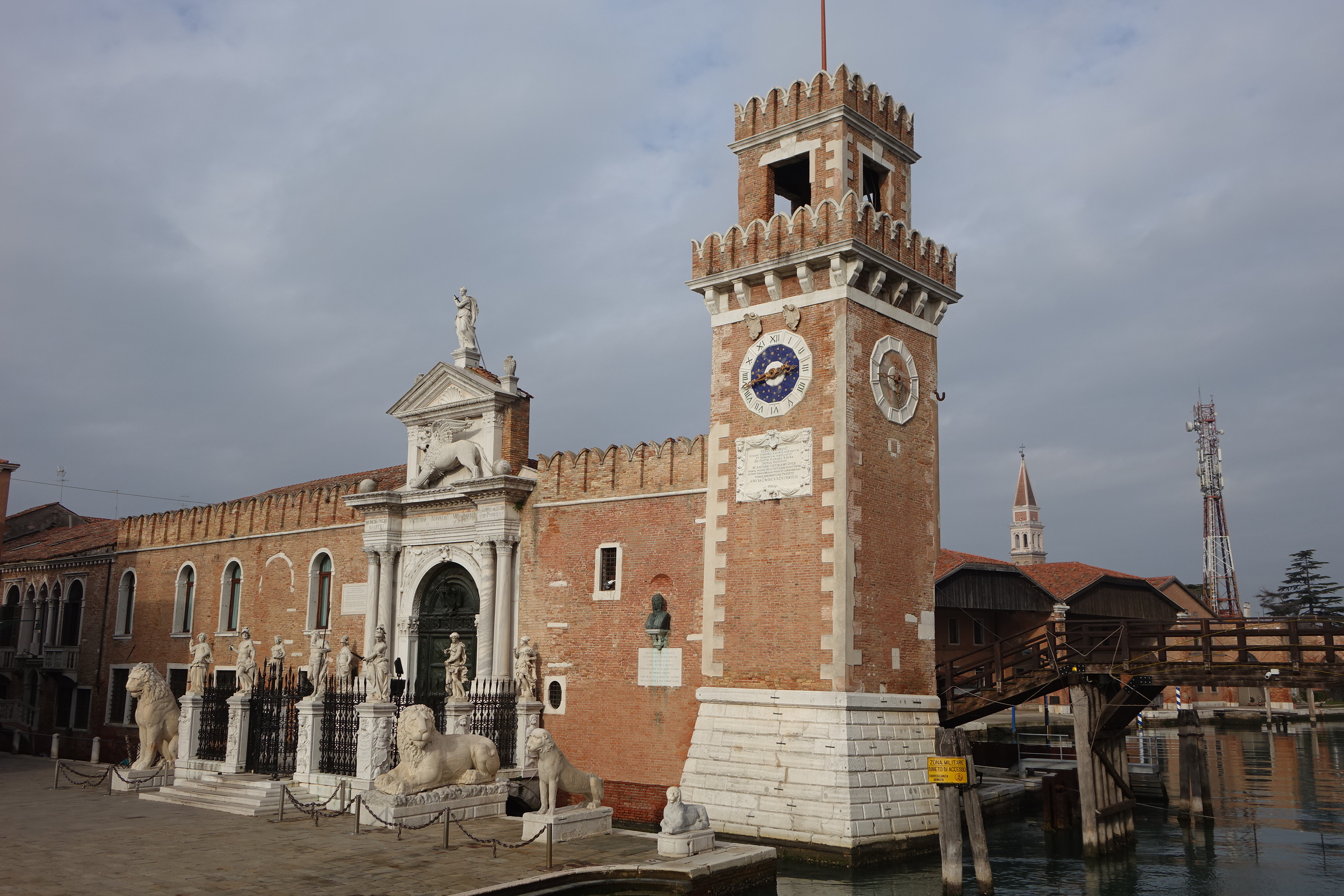
But for me, the real star of the region is the Arsenale, this massive former industrial site which would have been the heart not only of the Venetian Republic’s economy, but also of its military prowess. Although sadly unused today, from the mammoth encircling walls, and the huge classical gates at its entrance, once can still feel the might and power of the place. For Arsenale was not only large, taking up some 1/15th of Venice’s entire landmass and giving employment to a huge proportion of the city’s population, but it was also a place of innovation, being the first to mass-manufacture boats with the kind of conveyor-belt style product output which can only be dreamed of by car factories of today.

The Arsenale

DSC04989DSC05003DSC05042DSC05017DSC05018DSC05029DSC04984DSC05010DSC05038DSC05032

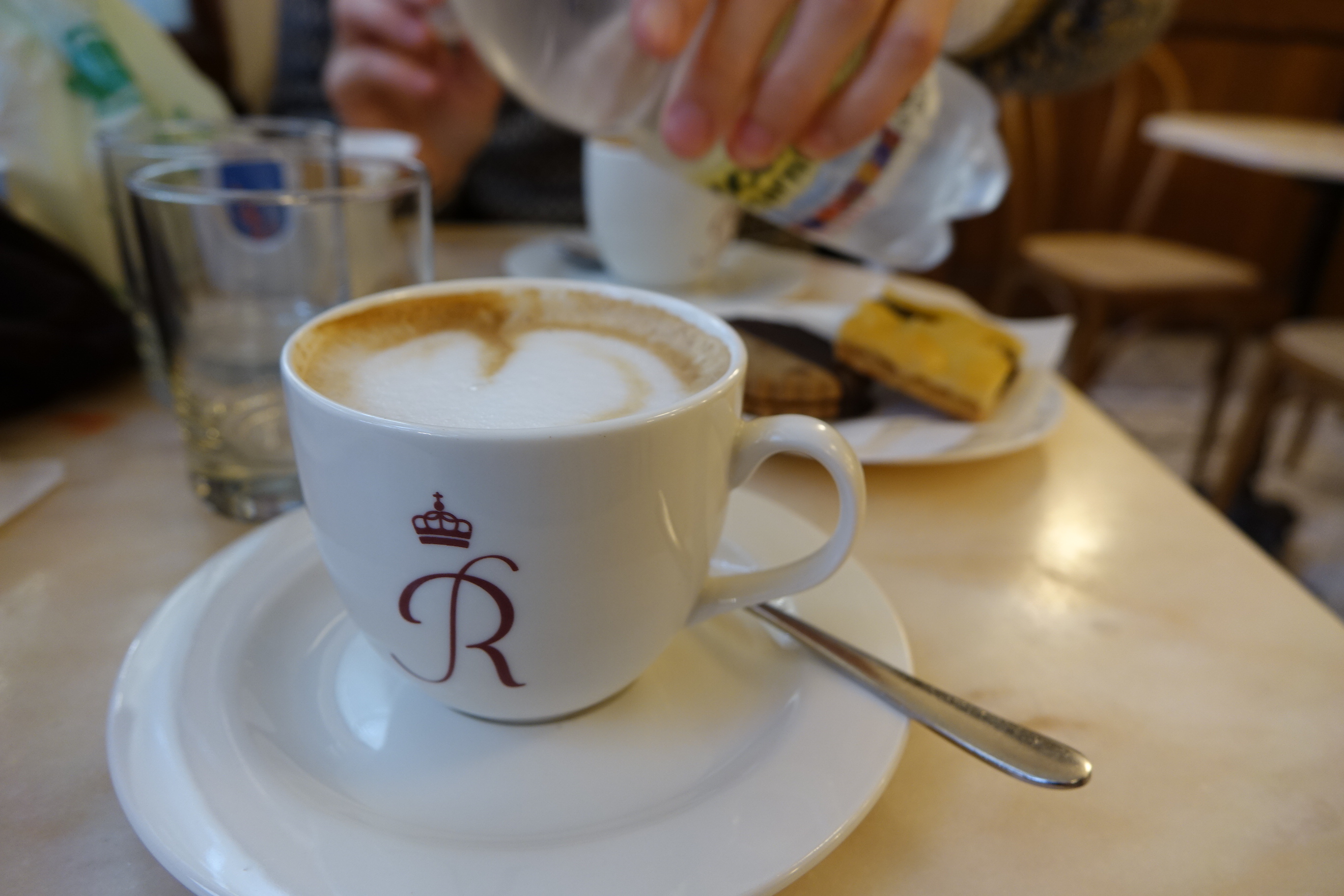
But beyond the hard lines of the Arsenale, a stunning city of view is always just around the corner, and as our day came to an end, we were treated to a glimpse of sunshine (in an otherwise foggy visit) over the lagoon, where Palladio’s masterpiece, San Giorgio Maggiore glistened in the light, and along the lagoon, the warm cosy interior of Harry’s Bar lay in wait. Most expensive amaretto known to man? It was surely so, but an apt treat at the end of an impressive day exploring the real Venice.

The lagoon and a rest in Harry’s Bar

DSC05097DSC05049DSC05052DSC05050DSC04829DSC04827DSC04828

All photos and written content are strictly the copyright of Nicholas de Lacy-Brown © 2016 and The Daily Norm. All rights are reserved. Unauthorized use and/or duplication of the material, whether written work, photography or artwork, included within The Daily Norm without express and written permission from The Daily Norm’s author and/or owner is strictly prohibited.  

Mallorca’s ultimate eden: The Son Viscos Bed & Breakfast

Many may smirk when the inhabitants of paradise complain, but even we locals of Mallorca know when enough is enough. And having lived now for almost two months of temperatures in excess of 35 degrees, every so often, one just has to get away from it all. Nothing extreme mind you – I’m not talking the 20 degrees drop which a visit to London may entail, but rather a drive up into the stunning Tramuntana mountains where, at night at least, the air is notably fresher than city life in Palma and sumptuously comfortable. And as this very hot weather happened to coincide with my 32nd birthday (yesterday!) it seemed like the perfect excuse to treat ourselves a little, and book a little night away in a cooler, lusher paradise.

The location we chose could not have been more perfect. Located in the footfalls of the Tramuntana in the valley which gives the magical town of Valldemossa its name, the Son Viscos Bed and Breakfast was like a home from home, but we’re talking the kind of home which only the most avid readers of interior design magazines could wish for.

Interiors of the Son Viscos

DSC00407 DSC00374 DSC00413 DSC00507 DSC00369 DSC00510 DSC00424 DSC00372 DSC00373 DSC00381 DSC00367

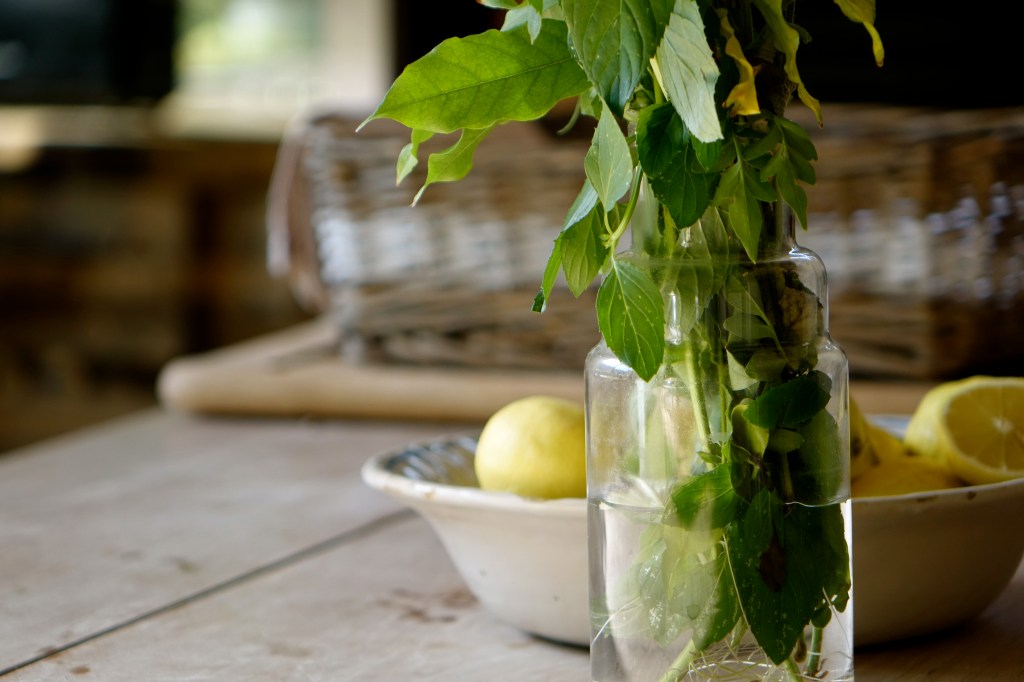
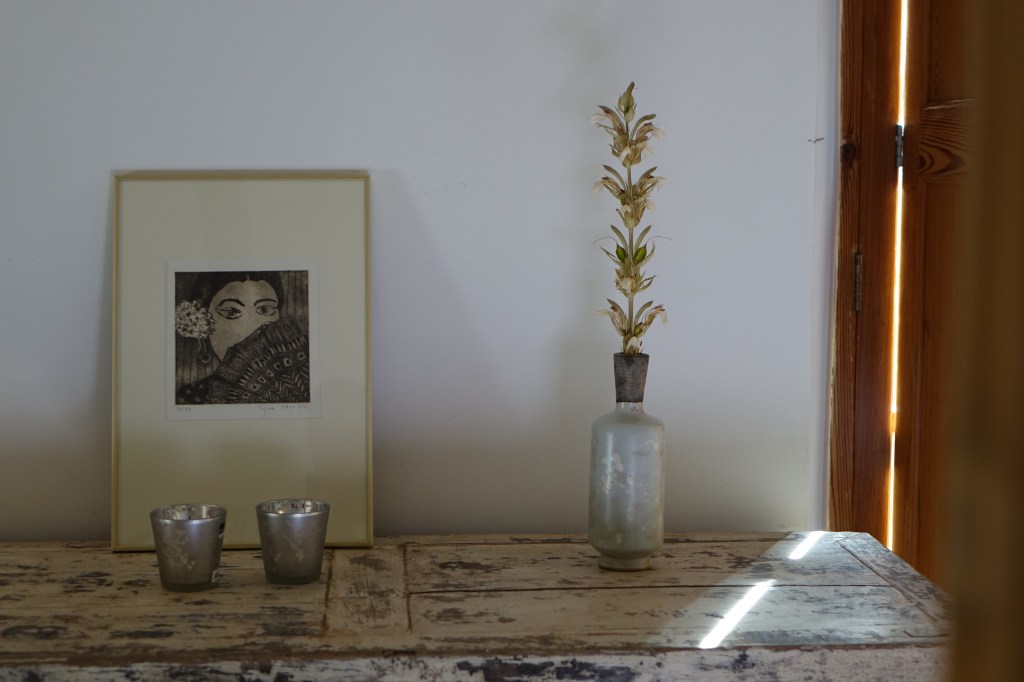
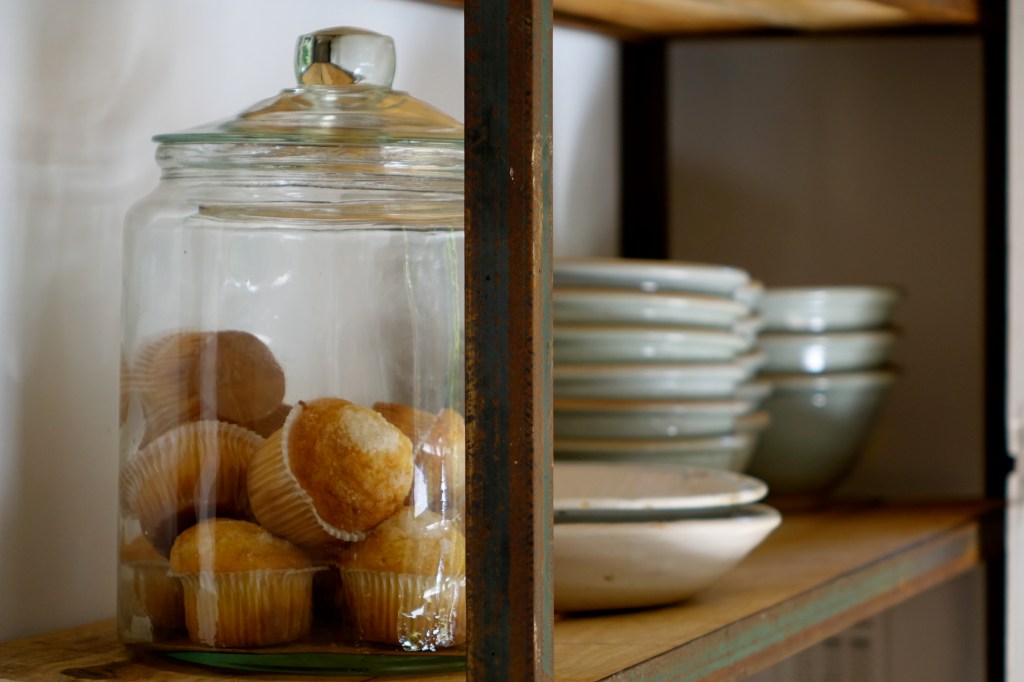
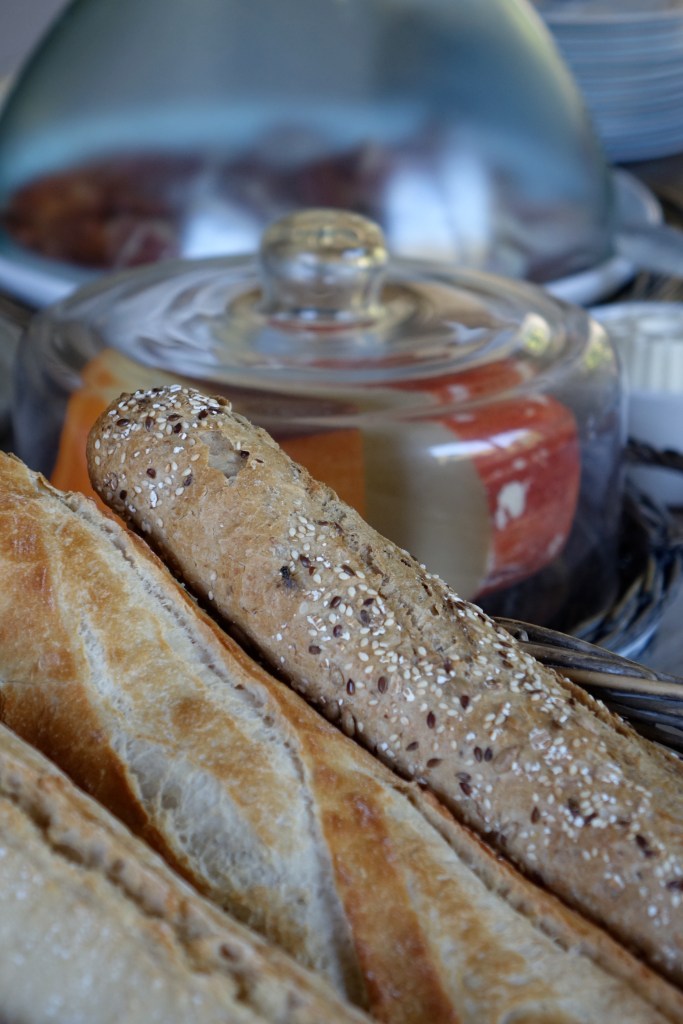
Owned by the proprietors of the popular interior design store, Mosaic, located in cool Santa Catalina in Palma, the Son Viscos hotel is a euphoria of design harmony, with understated muted tones and natural woods offsetting perfectly amongst carefully chosen rustic antiques and ceramic items. The west-facing kitchen, which was flooded with light in the afternoon, and filled with a bounteous feast of the freshest breakfast produce in the morning, was the beating heart of a guesthouse which maintained all of the characteristics of the most welcoming of family homes.

The Son Viscos garden

DSC00389 DSC00533 DSC00398 DSC00396 DSC00388 DSC00485 DSC00382 DSC00434

Our room, the Menta suite, offered the very best of comfort with a lavish but pared down minimalist wooden four poster bed, together with haphazardly placed original art, design arm chairs and super soft towels. Flooded with light from an ample terrace, the room boasted enviable views of the Valldemossa monastery, and benefited from all of the freshness of the lush mountains opposite.

And it was precisely that fresh air which so loving nurtured us as we settled down for our night at the Son Viscos, finally able to escape the suffocating heat which had tampered with our dreams for months. Waking enlivened and refreshed, we had yet more pleasures to discover, for opposite the Son Viscos, the hotel’s extensive grounds extended to sun dappled woods hugging the side of the valley, and included fresh water streams, ancient moorish mills and even a dainty stone bridge which had more than survived the tests of time.

The Son Viscos’ sumptuous grounds

DSC00618 DSC00535 DSC00588 DSC00566 DSC00486DSC00549 DSC00521 DSC00532 DSC00550 DSC00586 DSC00580 DSC00579 DSC00525 DSC00612 DSC00600

The Son Viscos hotel was frankly an experience in a million, for its meticulously conceived design, its perfectly bucolic location, and for the sheer welcoming comfort it offered. As I sit here now, back in hot Palma, recounting my time there I long to return. Something tells me it won’t be long.

All photos and written content are strictly the copyright of Nicholas de Lacy-Brown © 2015 and The Daily Norm. All rights are reserved. Unauthorized use and/or duplication of the material, whether written work, photography or artwork, included within The Daily Norm without express and written permission from The Daily Norm’s author and/or owner is strictly prohibited.

The Honeymoon Chronicles, Part III: Saint-Paul de Vence

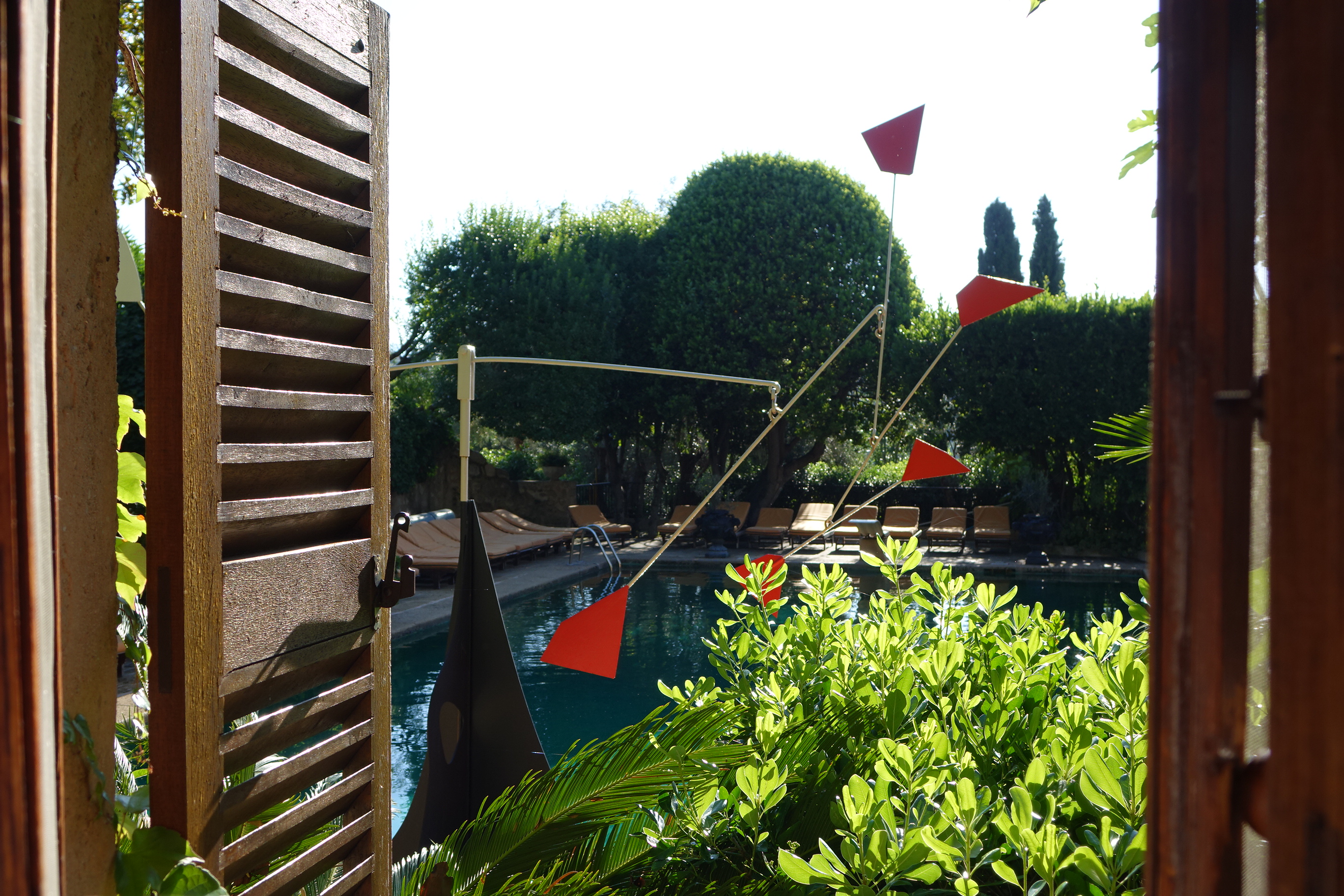
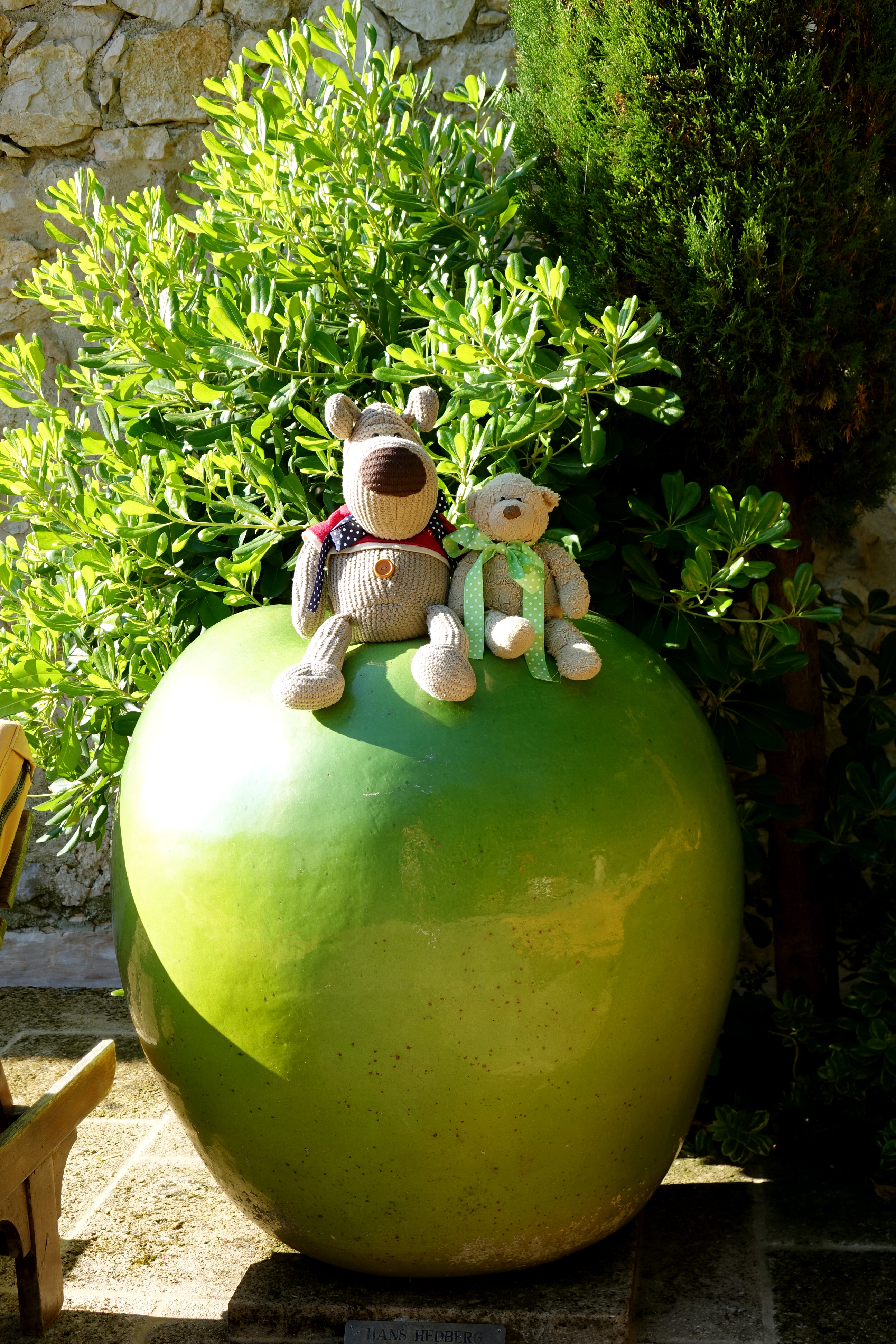
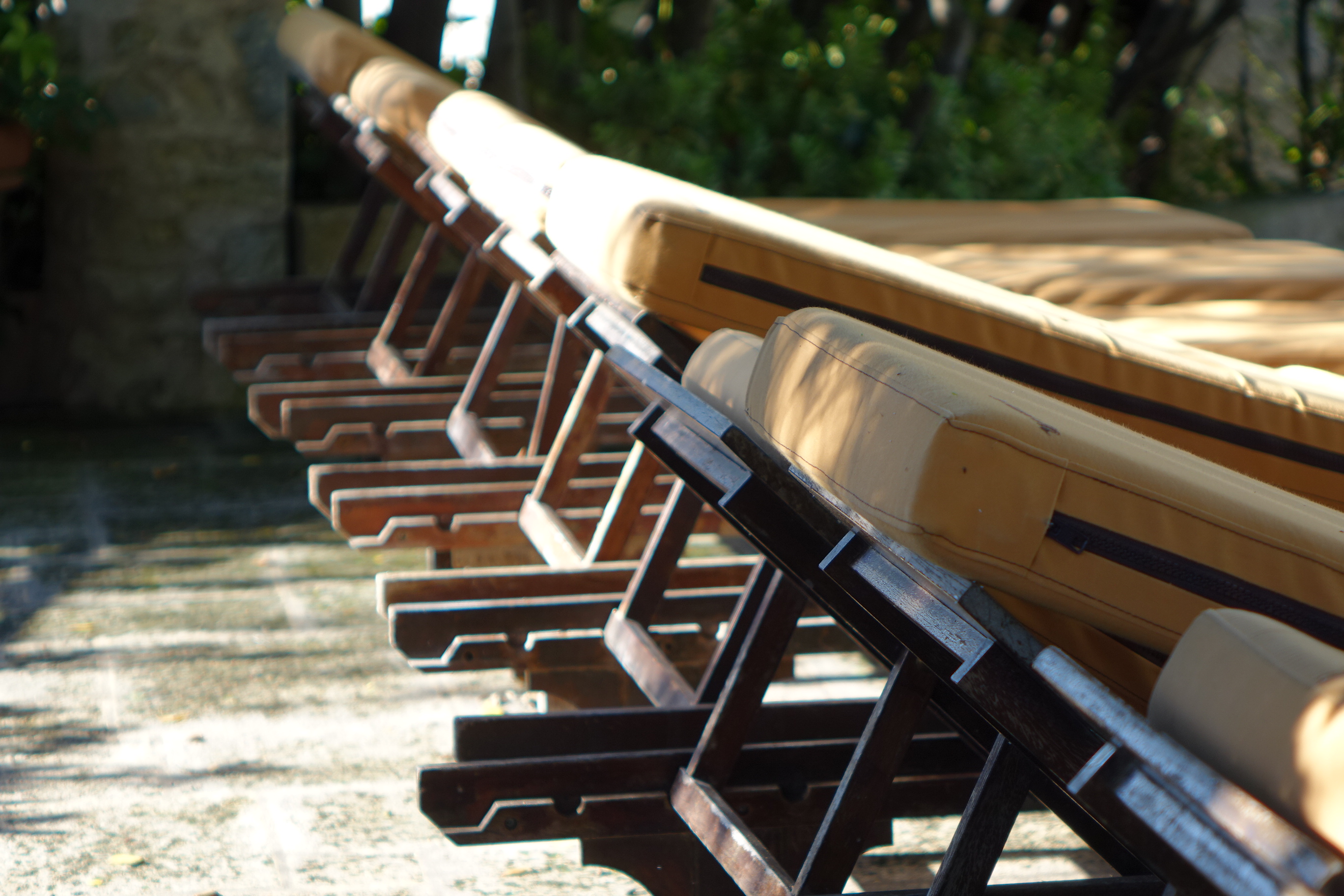
There would be few who would have blamed us if we had never left the sensational tranquility which can be found within the stone walls of La Colombe d’Or. And yet the hotel is itself nestled against the ancient stone walls of the tiny village of St-Paul de Vence in the South of France, and within those mighty ramparts can be found a tiny little village so utterly picturesque that it was worth the struggle of leaving our well-appointed loungers beneath La Colombe’s Calder mobile.

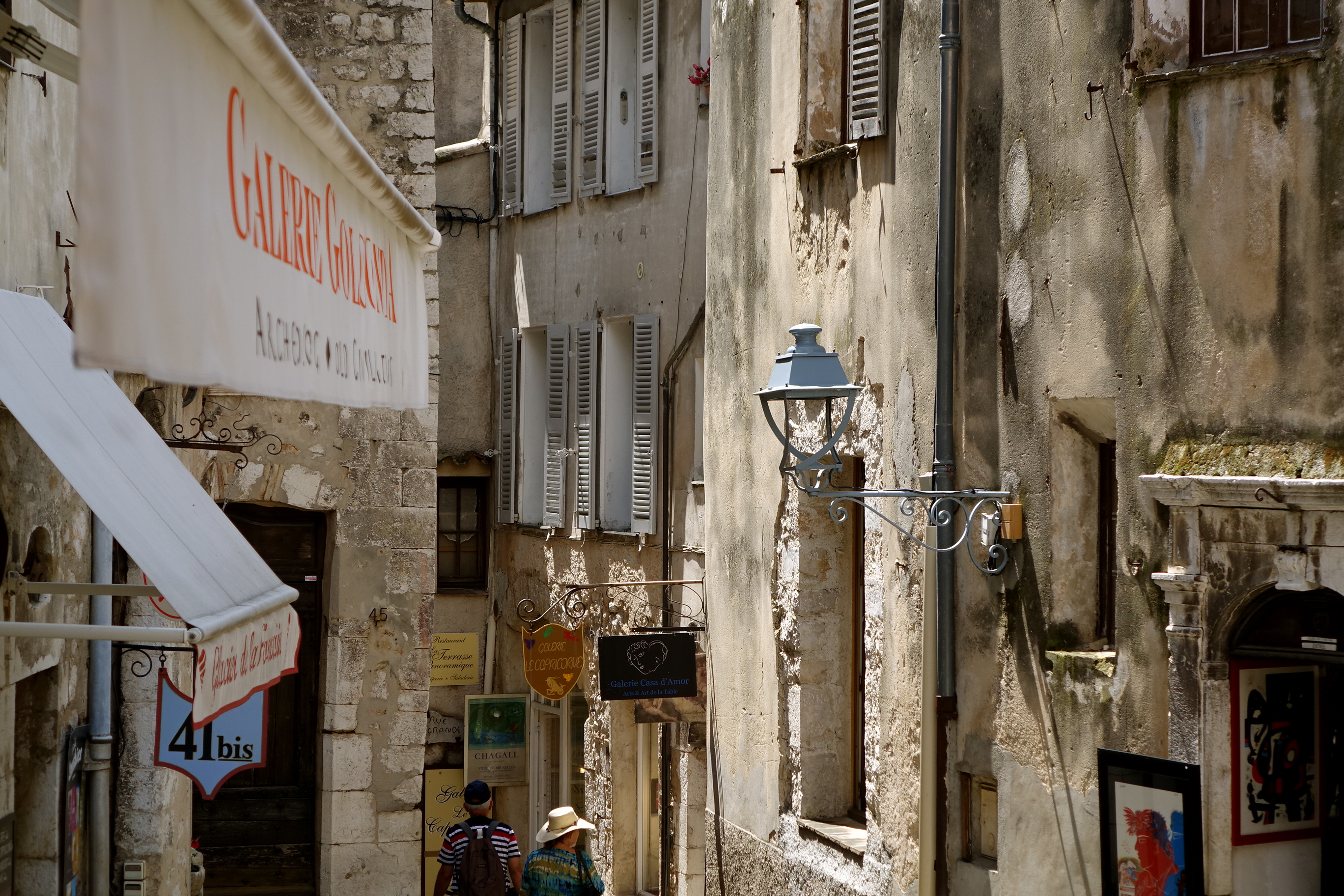
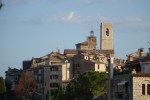
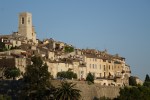
While Saint-Paul is visibly ancient and utterly medieval with its maze of cobbled steep streets nestled within large protective ramparts, its reputation ballooned largely owing to the fame of La Colombe d’Or and the increasingly famous jet set of artists and intellectuals who stayed there. What then followed was the opening of the Fondation Maeght, one of Europe’s most significant collections of modern art installed in a museum created by Marguerite and Aimé Maeght just up the road from La Colombe d’Or. Consequently, with some of the most important art of the modern era on its doorstep, it is no wonder that the fame of St-Paul has magnified, nor indeed that the village itself has become a mainstay of art. For besides the usual offerings of Provençal soaps and local olive oils, the village is crammed full of art galleries.

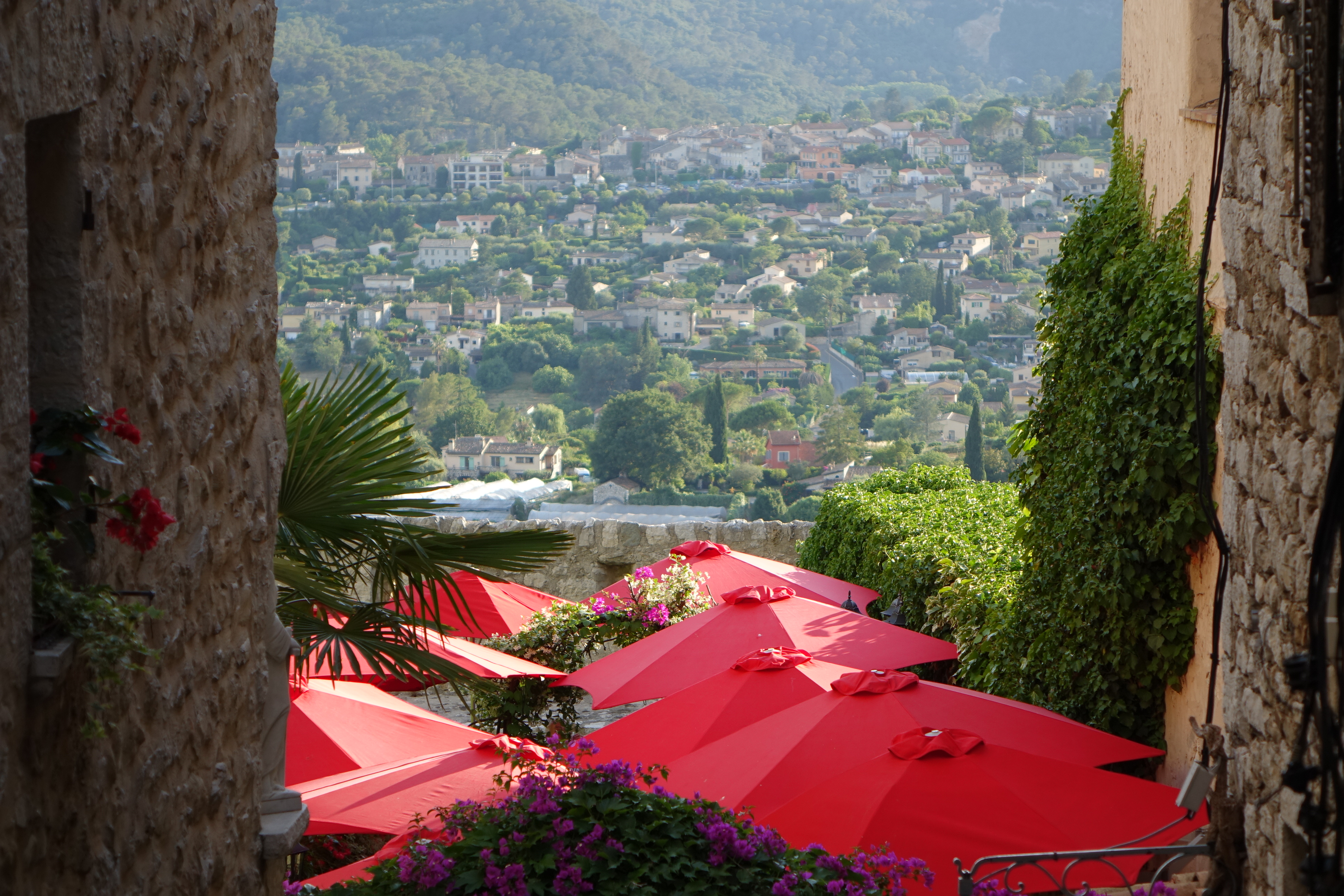
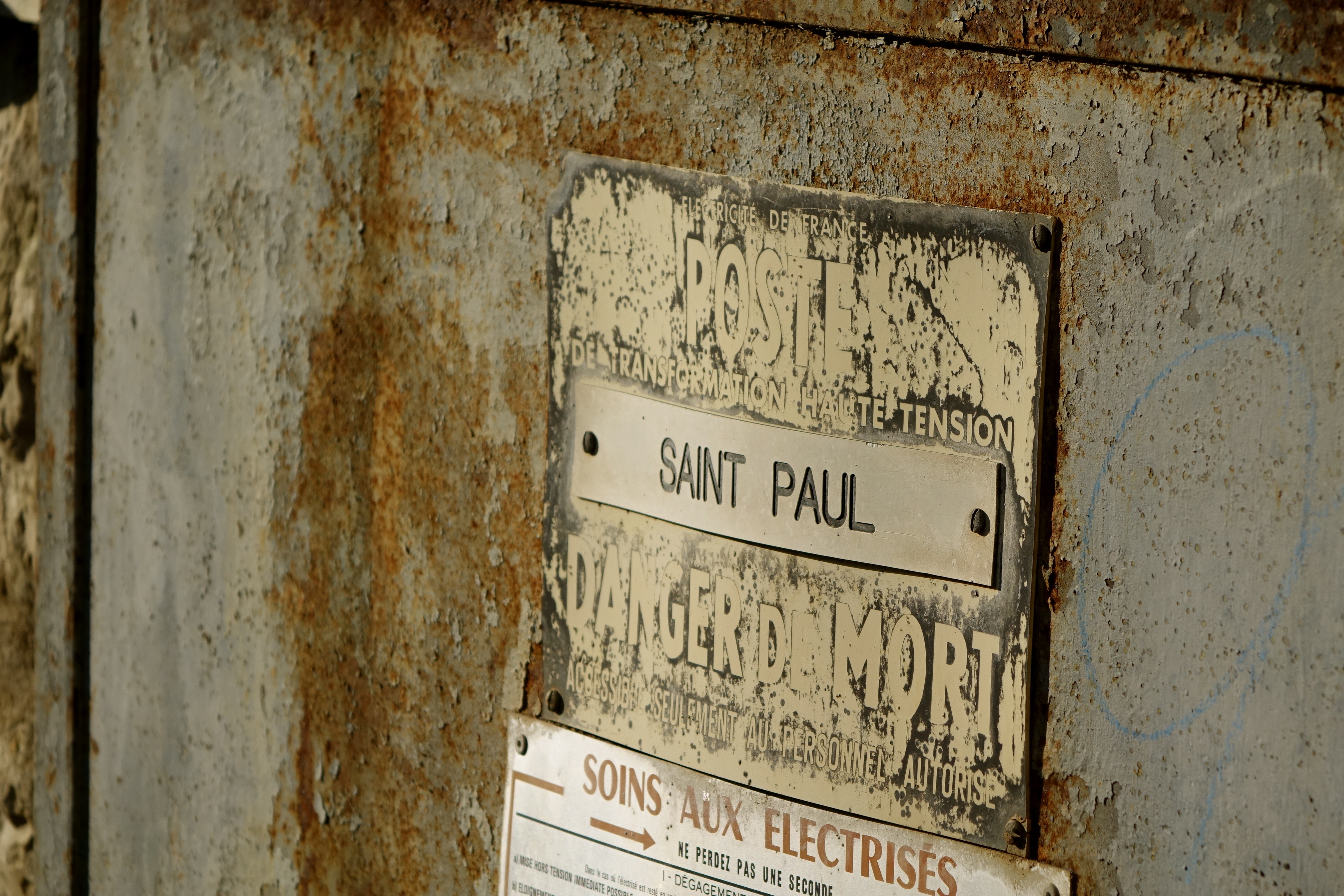
DSC06456 DSC06948 DSC06540 DSC06930 DSC06903

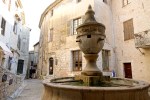
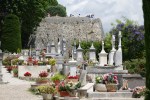
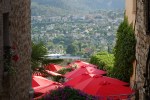
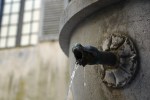
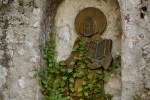
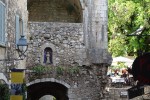
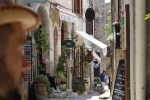
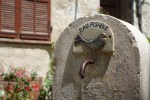
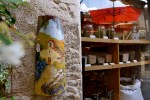
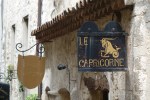
St-Paul is a tiny village with a little church located at the peak of the hill, and the remainder of the streets spiralling around downwards from that centre point. It was a place in which to stroll, and photograph; to soak in the ambient shady streets filled with little shop signs and flowers; to peruse the little shop windows and the multi-coloured offerings of the art galleries; and to breathe in the local perfumes of lavender and soap. And with the village right on our doorstep, we made good use of St-Paul as a destination to shop, stroll and dine. Here are some of the photos I made during our time in the town.

All photos and written content are strictly the copyright of Nicholas de Lacy-Brown © 2015 and The Daily Norm. All rights are reserved. Unauthorized use and/or duplication of the material, whether written work, photography or artwork, included within The Daily Norm without express and written permission from The Daily Norm’s author and/or owner is strictly prohibited.
The Honeymoon Chronicles, Part I: La Colombe d’Or

To say that my wedding and the honeymoon which followed was a whirlwind of emotions would be no exaggeration. Within minutes of cutting our sensational ombre wedding cake in Chelsea, we were whisked off in the old fashioned style, straight to our honeymoon, leaving our guests behind, and sadly no tied up cans trailing our vehicle. Our destination was the French Riviera, and with only further wedding cake to keep post-wedding hangovers at bay, we tried to prepare ourselves mentally for this further change in circumstances as we were whisked through the night to the South of France.

DSC07374

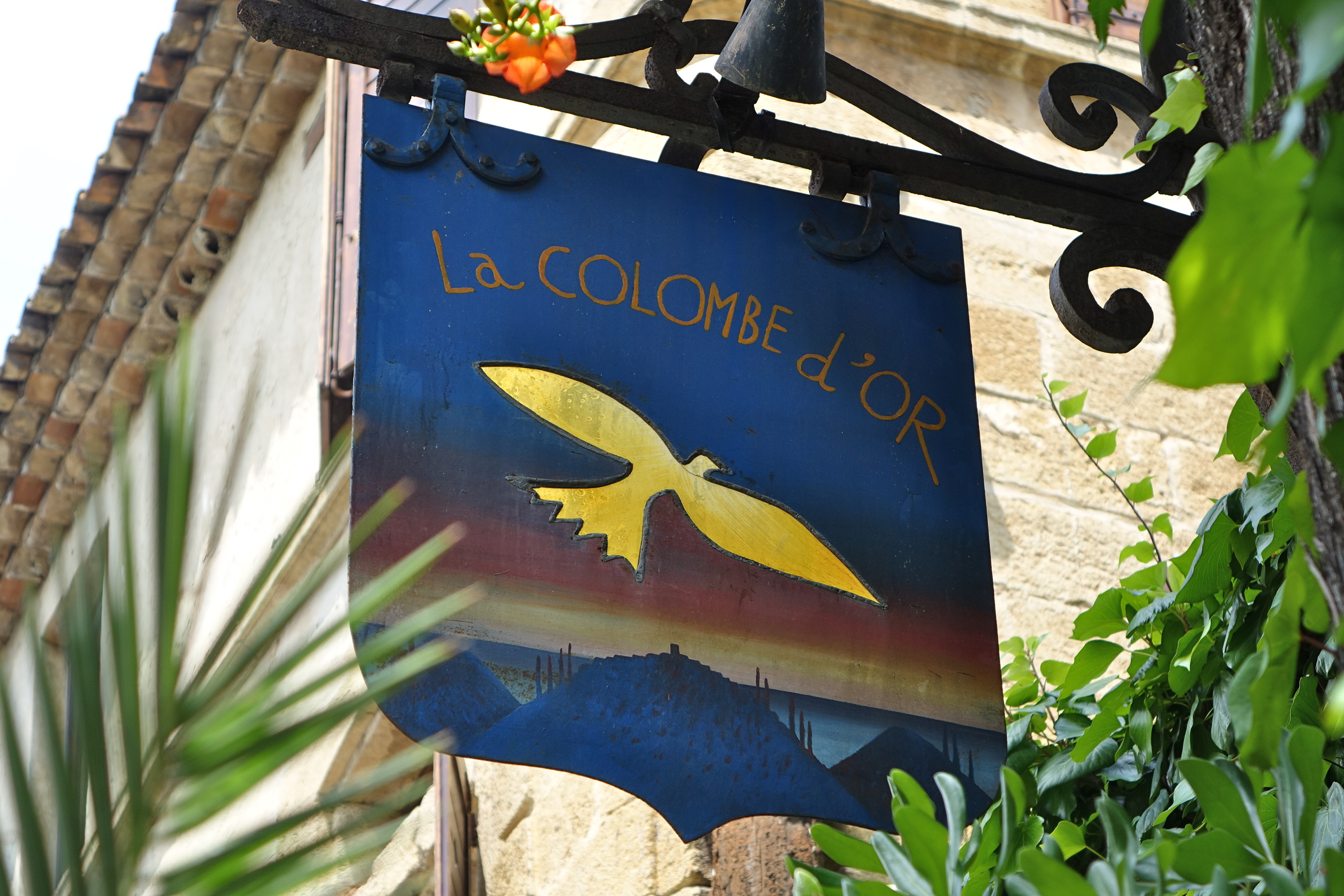
Our arrival in the tiny village of Saint-Paul de Vence near Nice could not have been more different from the city we had departed. Utterly at peace, with a distinctive fragrance of pines and cypresses freshening the air. As darkness had already descended, the village was permeated by little yellow street lamps, subtly illuminating the central plaza where pétanque balls lay in wait for the following day’s play. And amidst the darkness, one sign glowed more than any other: Lighting a golden dove on a blue and yellow sky, it was the sign of La Colombe d’Or – we had arrived.
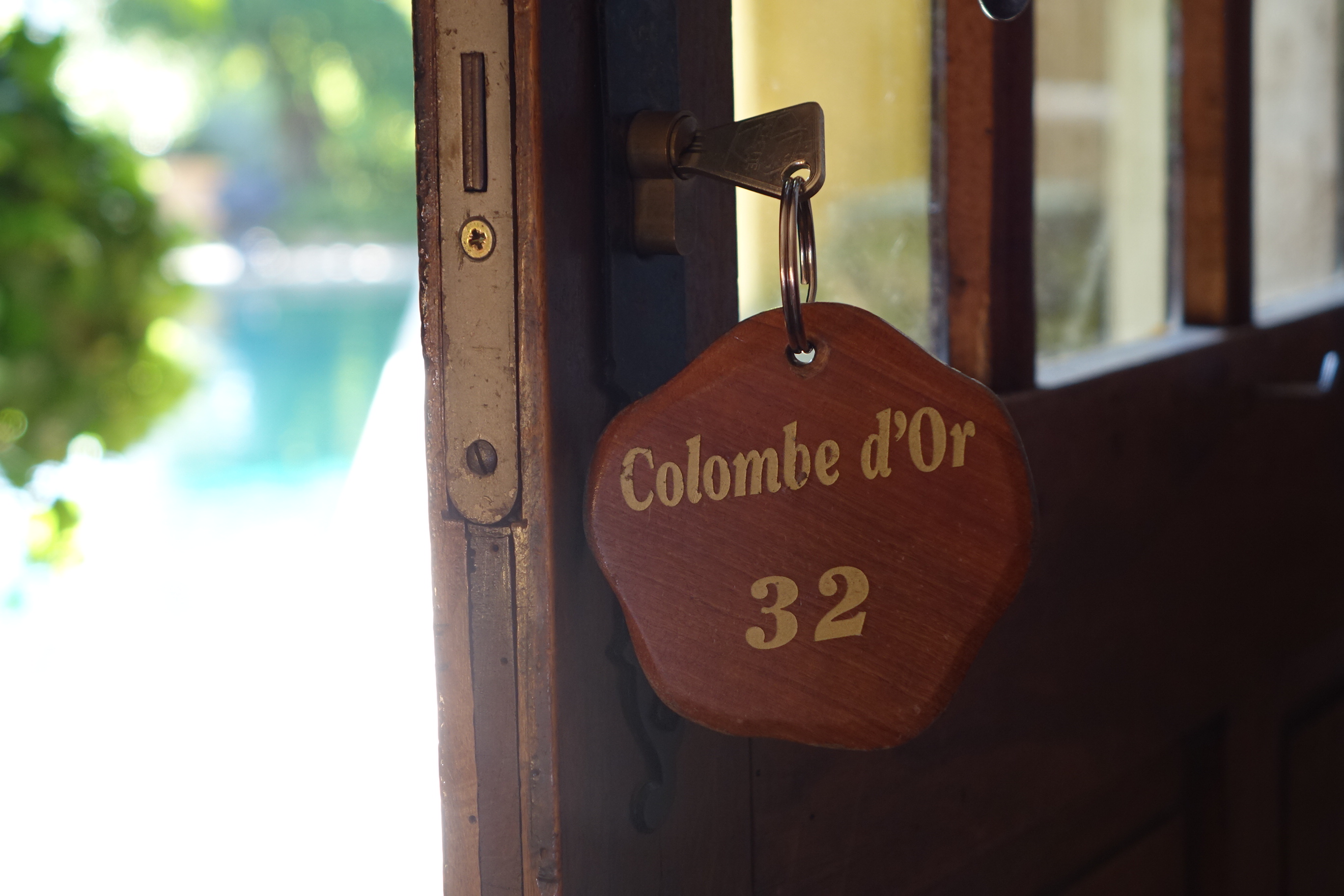
Our bedroom at La Colombe d’Or

DSC06256 DSC07040 DSC06332 DSC06238 DSC06226 DSC06247 DSC06237 DSC06234

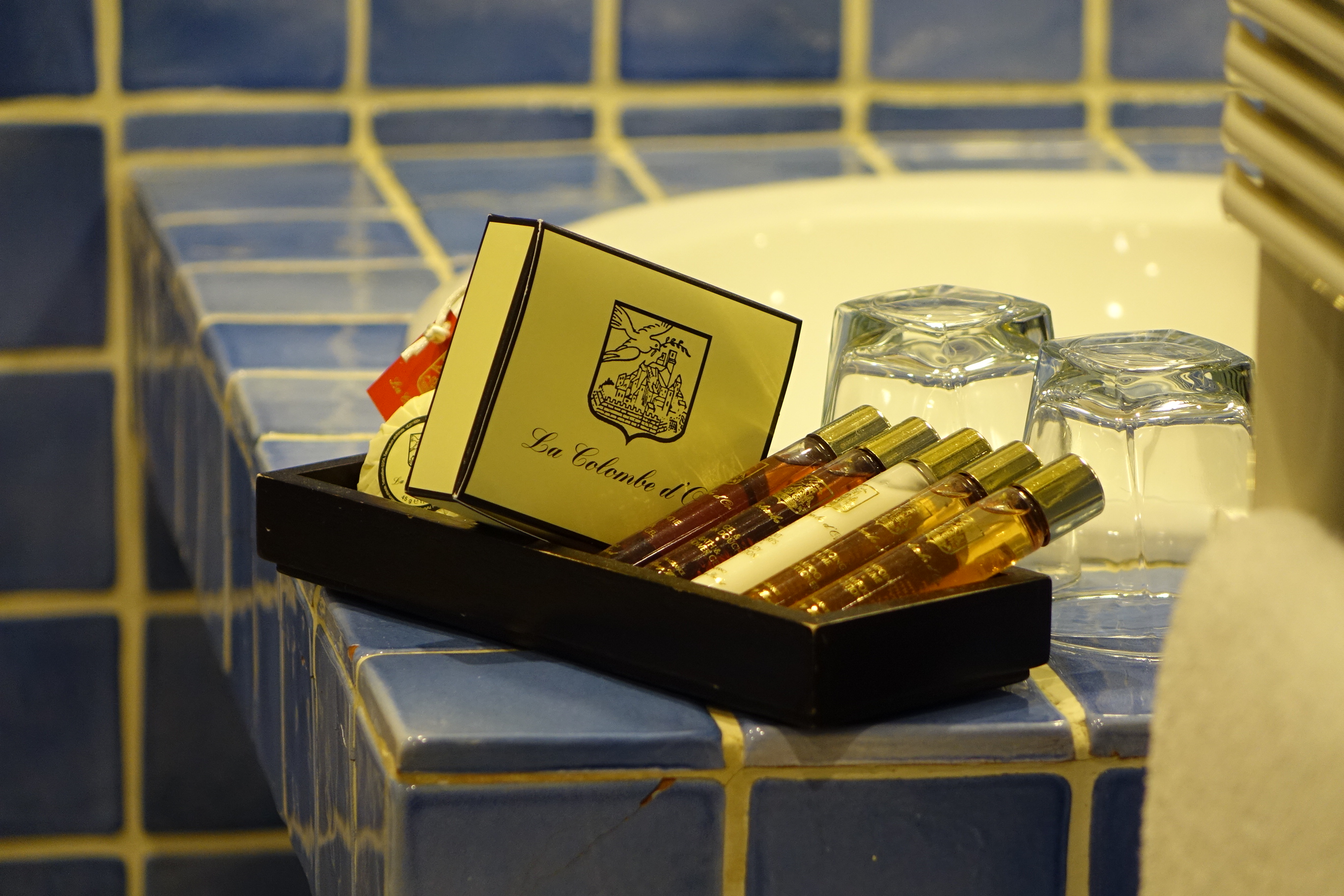
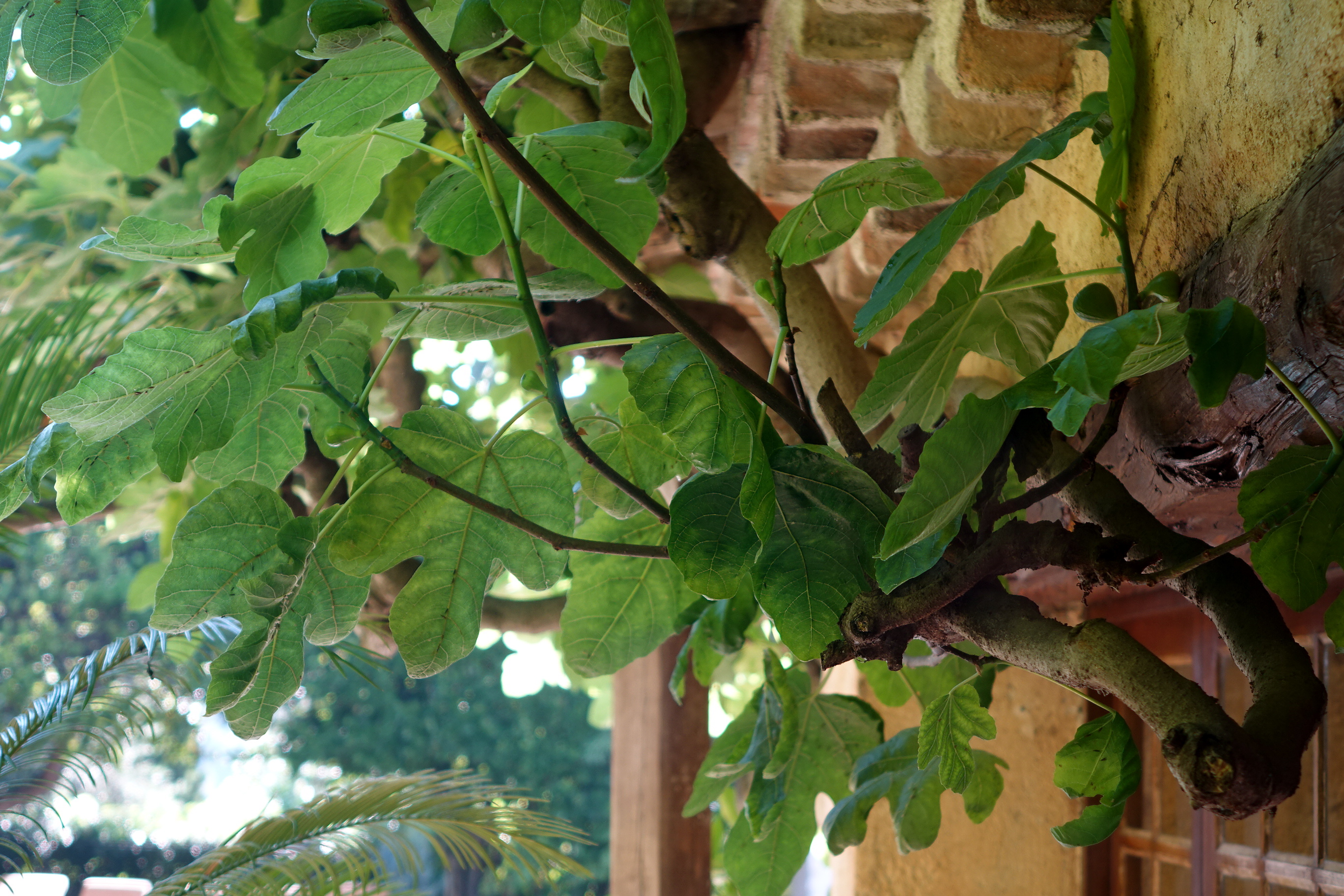
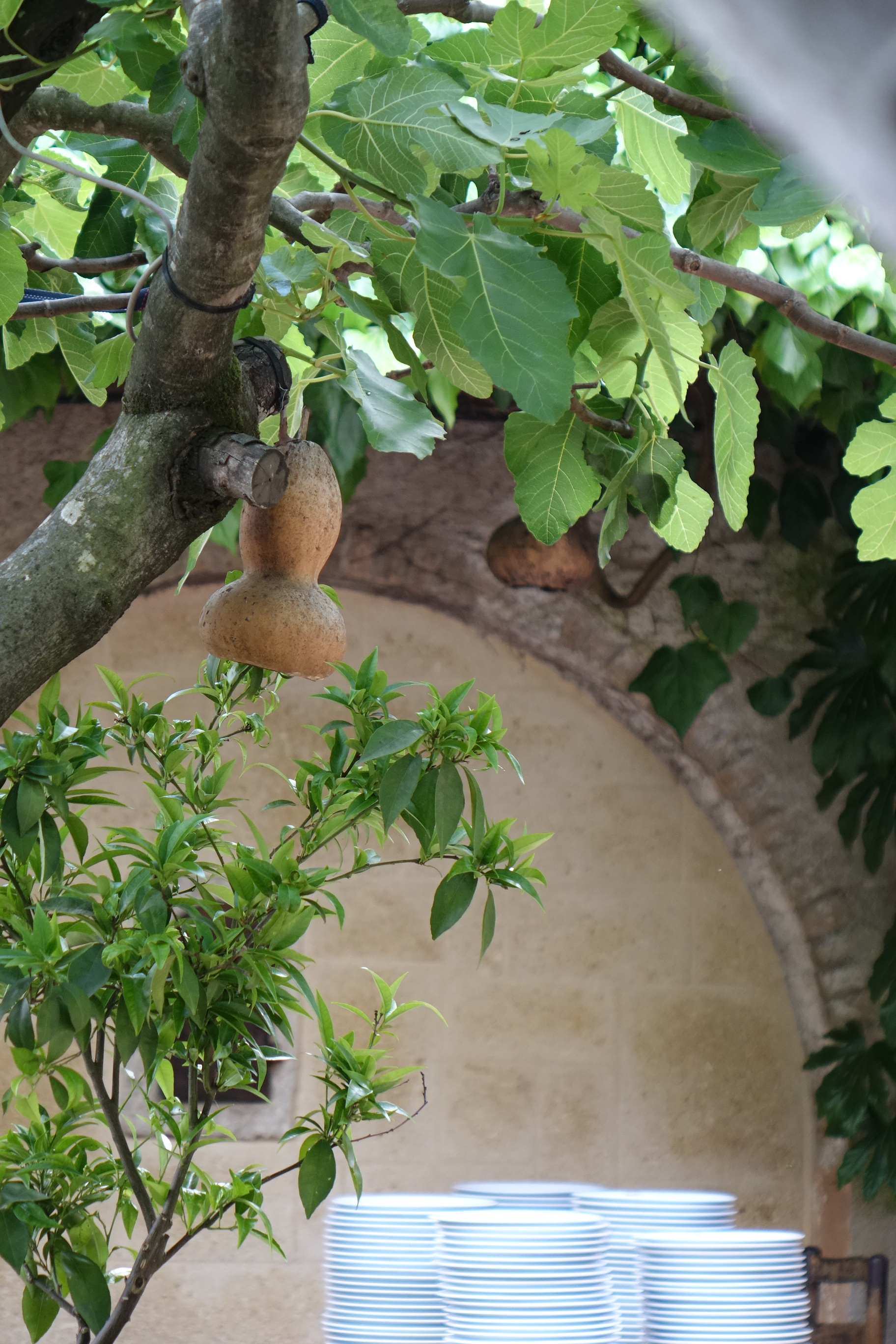
La Colombe d’Or (the golden dove) is a legendary destination in the South of France. First opened in the 1920s by Paul and Baptistine Roux, it began life as a quaint little inn nestled against the magnificent ancient ramparts of the village of Saint-Paul de Vence. Its stunning garden terrace abundant in shady fig trees together with its cosy restaurant interior soon began to attract a faithful clientele, and as the French Riviera became progressively more a centre for thinkers and artists, so too did La Colombe become a gathering place for the crème of the artistic set.

Around the pool and in the gardens

DSC06269 DSC07105 DSC06401 DSC06402 DSC07111 DSC06407 DSC06272 DSC07050 DSC06276 DSC06371 DSC06390 DSC06697 DSC06369 DSC06376

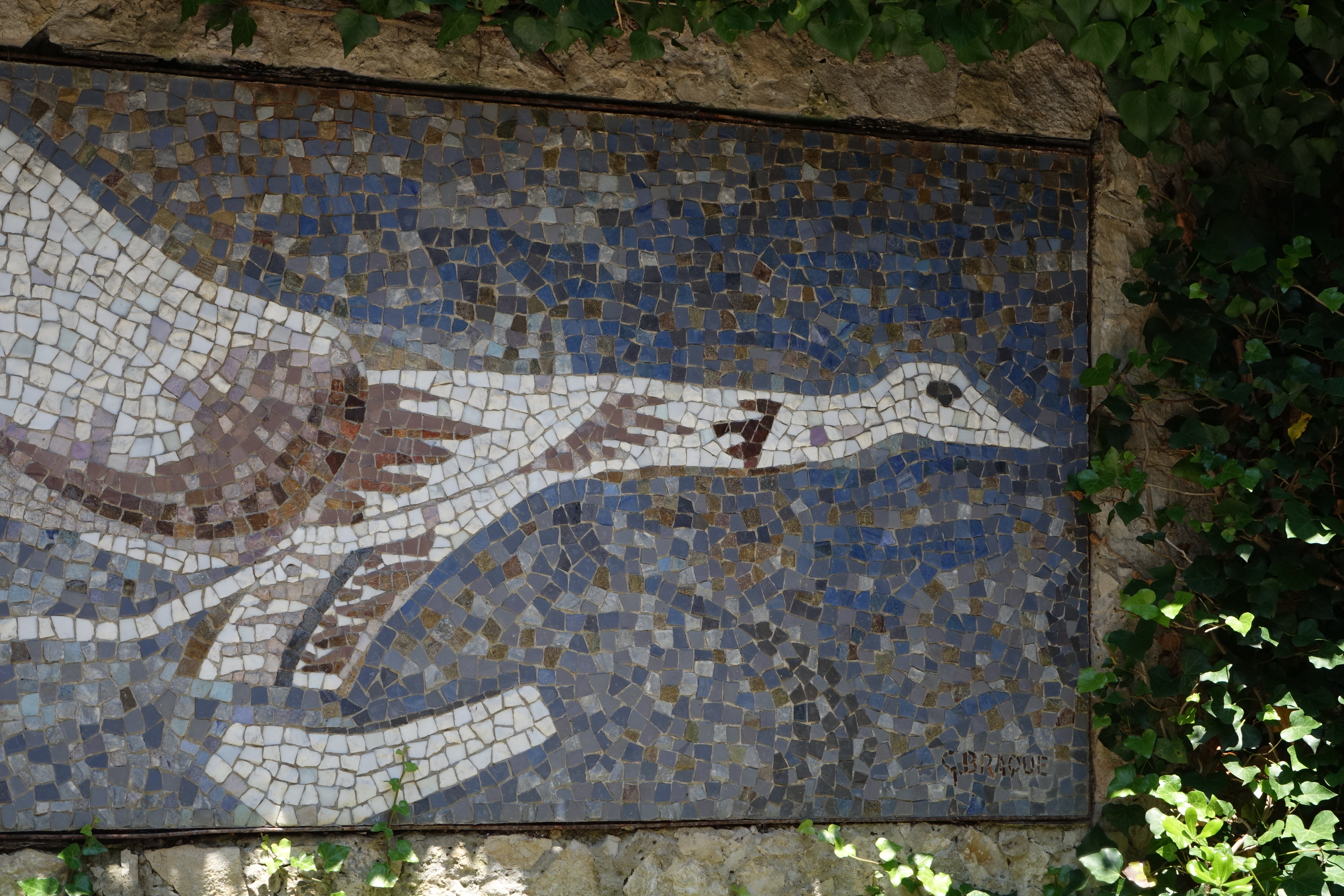
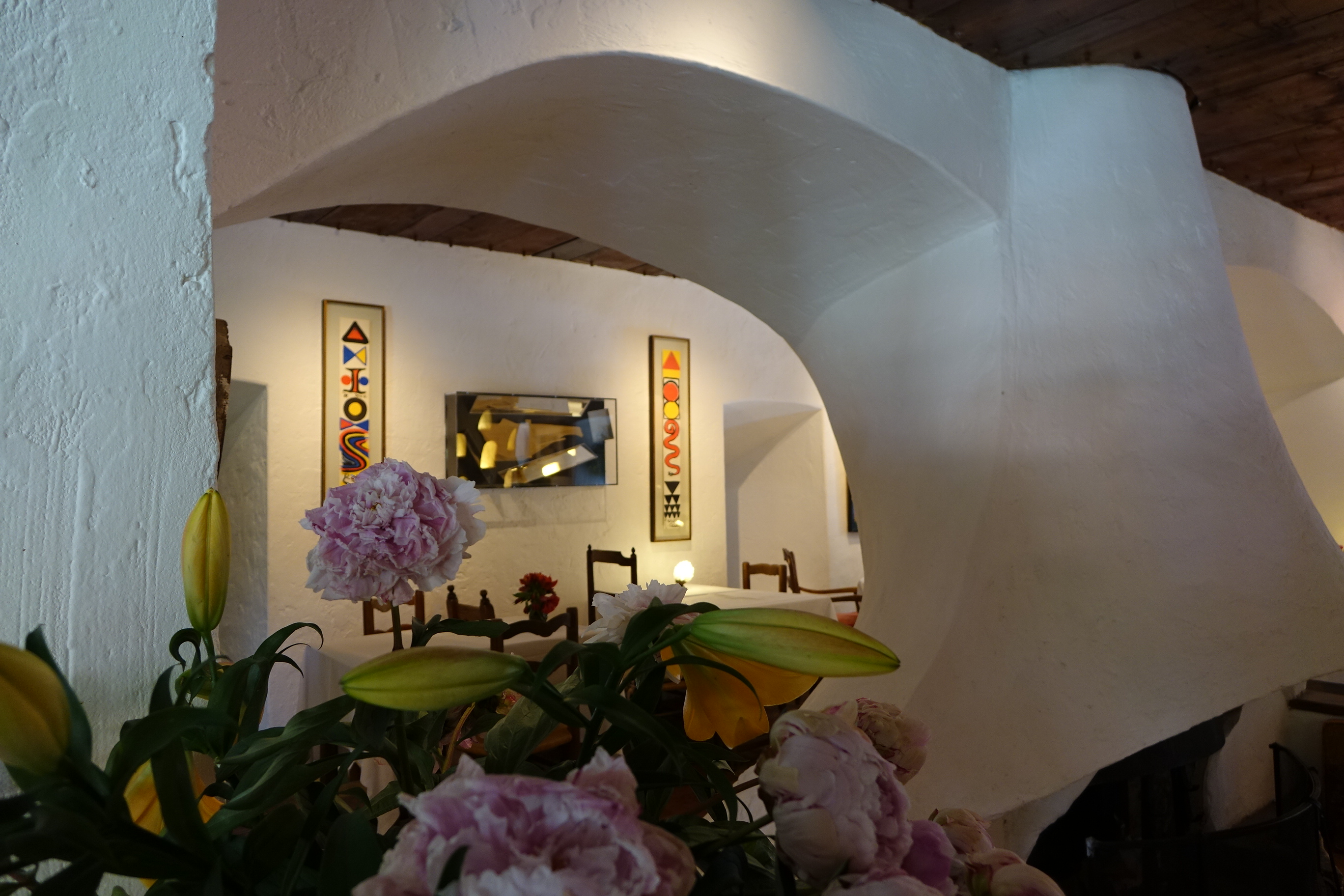
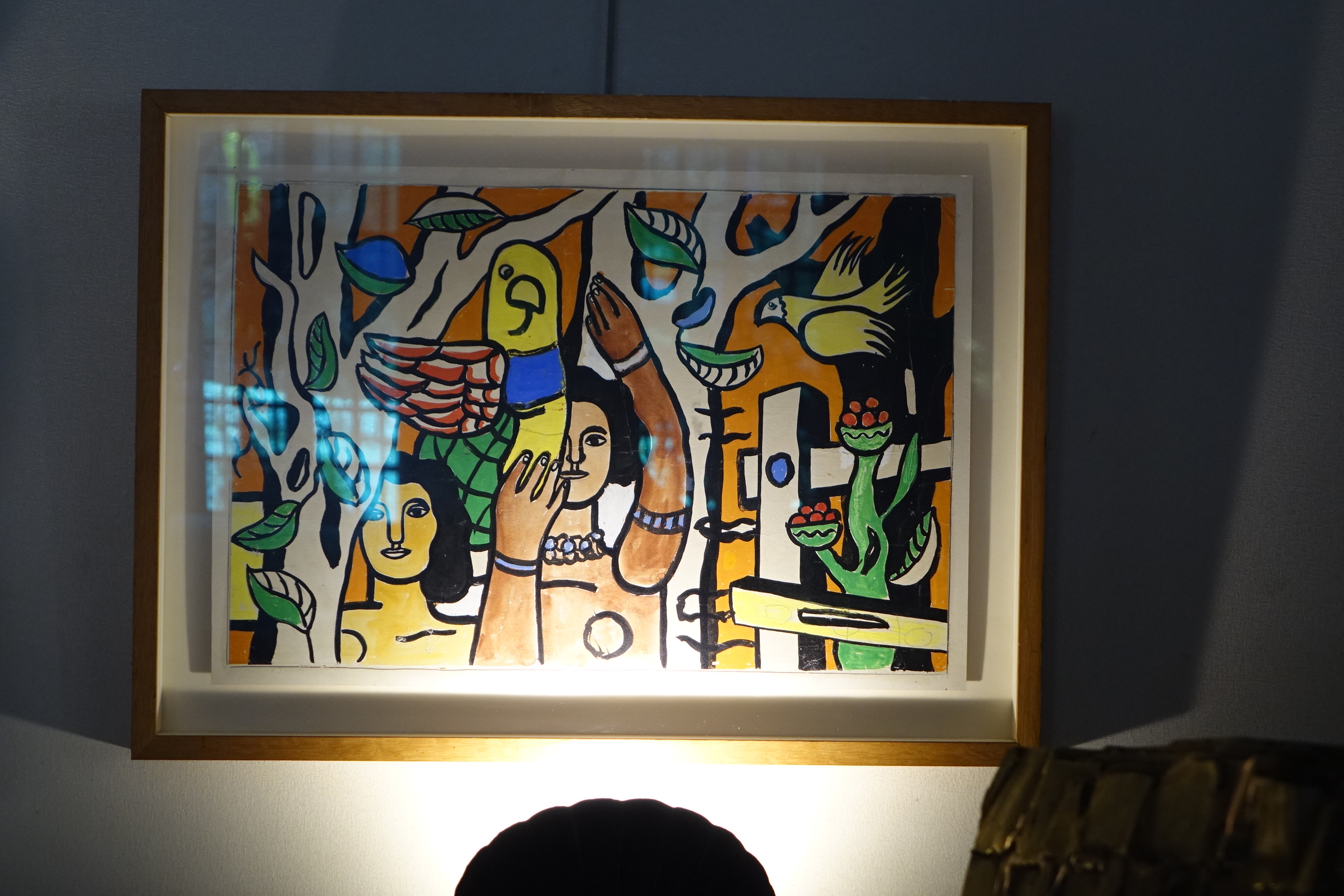
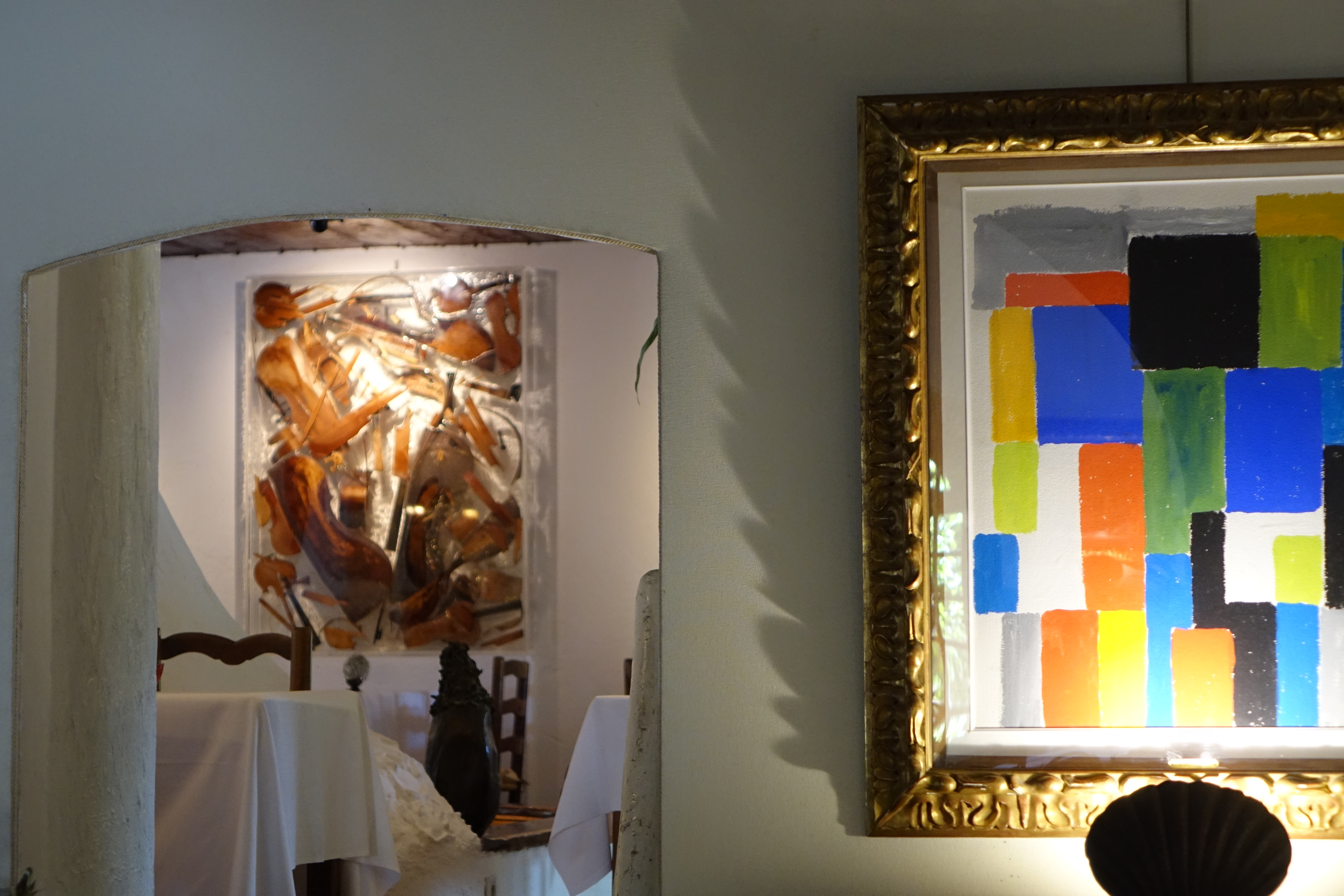
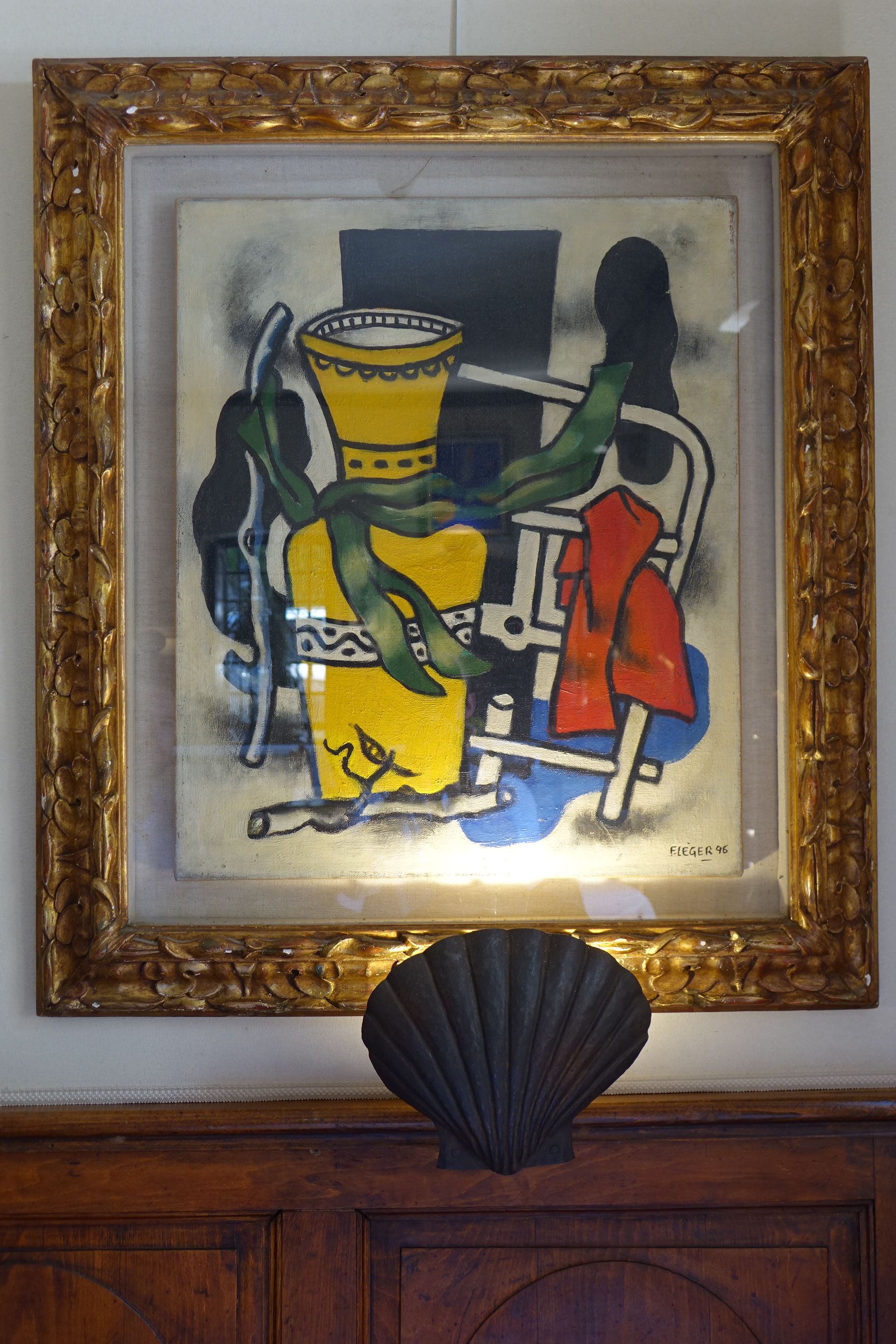
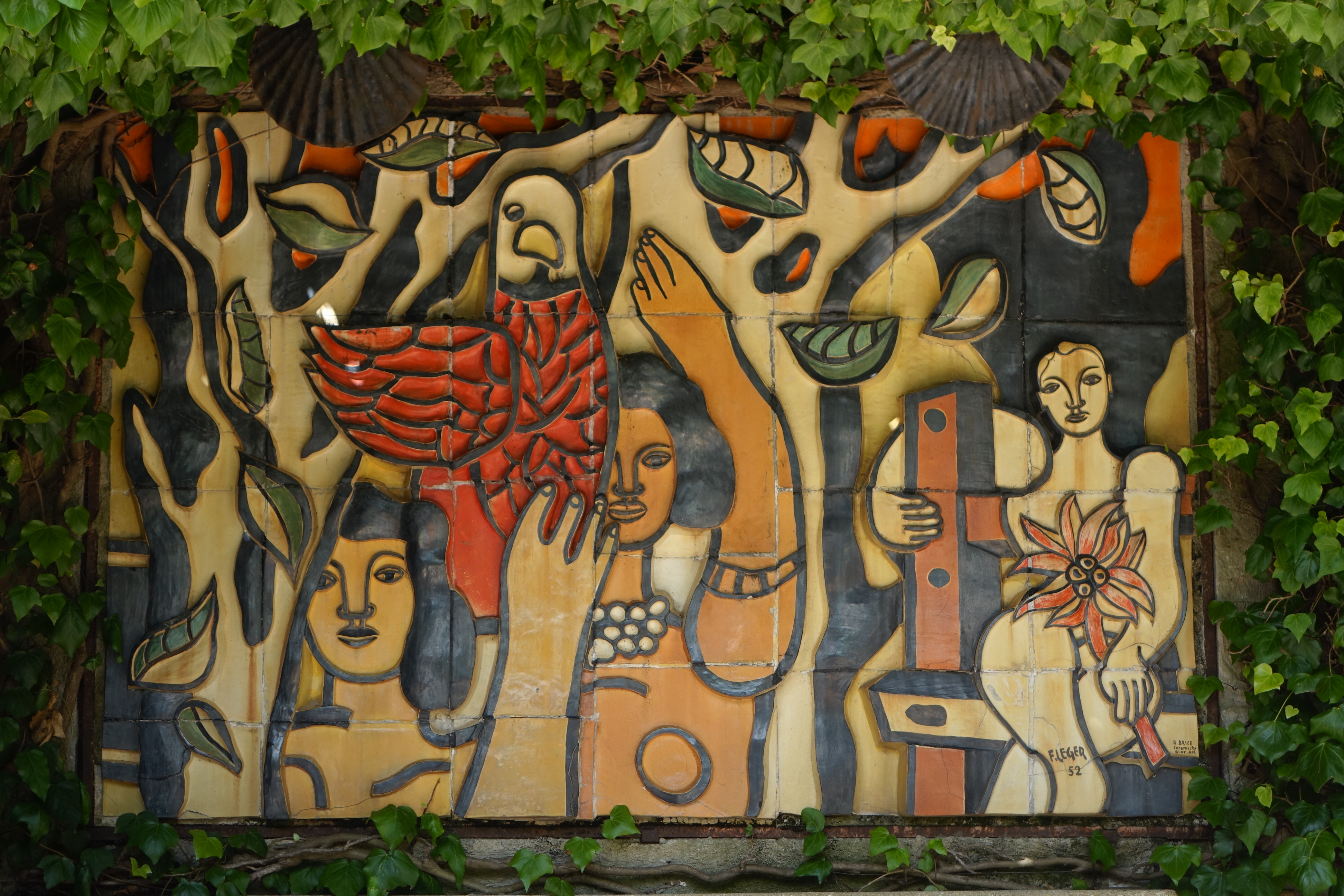
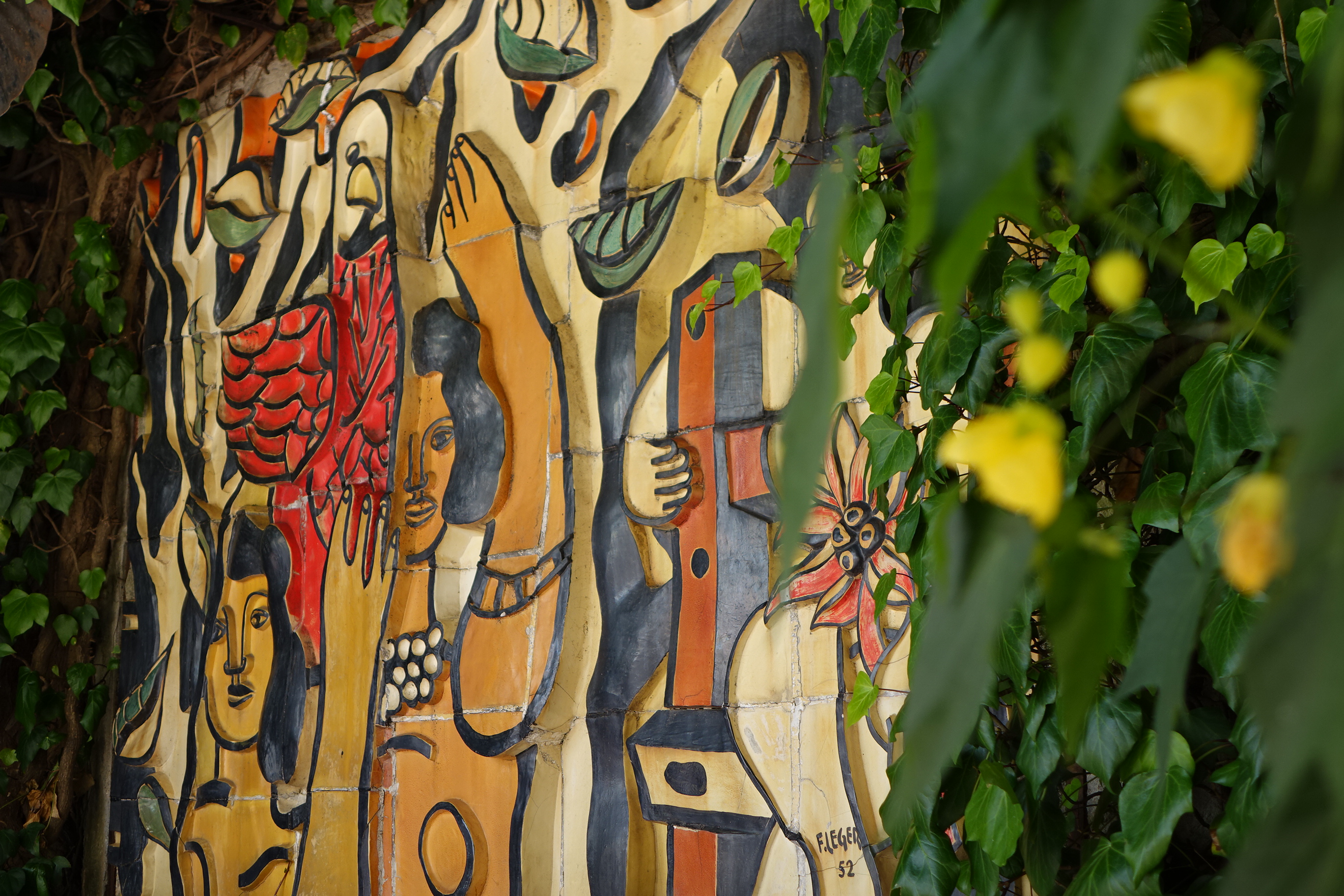
As the years went on, and the Roux family continued to welcome and befriend some of the world’s most famous artists and intellectuals, so too did La Colombe’s remarkable collection of modern art grow, much of which was swapped in exchange for accommodation and their famously delicious Provençal cuisine. So La Colombe d’Or grew, both physically (gradually subsuming neighbouring buildings) and reputationally, and its art collection today stands as one of the most staggering private collections of modern art you could ever hope to see. On its walls, original works by Picasso, Braque, Sonia Delaunay, Calder, Miro, Chagall, Cesar and so many others hang; its leafy terrace is dominated by a stunning ceramic mural by Fernand Leger; and its most stunning swimming pool languishes alongside a remarkable Calder Mobile, a mosaic by Braque, and a recently installed ceramic mural by Sean Scully.

Interiors, and La Colombe’s incredible collection of modern art

DSC06427 DSC07346 DSC07373 DSC07355 DSC06434 DSC07352 DSC06435 DSC07344 DSC07347

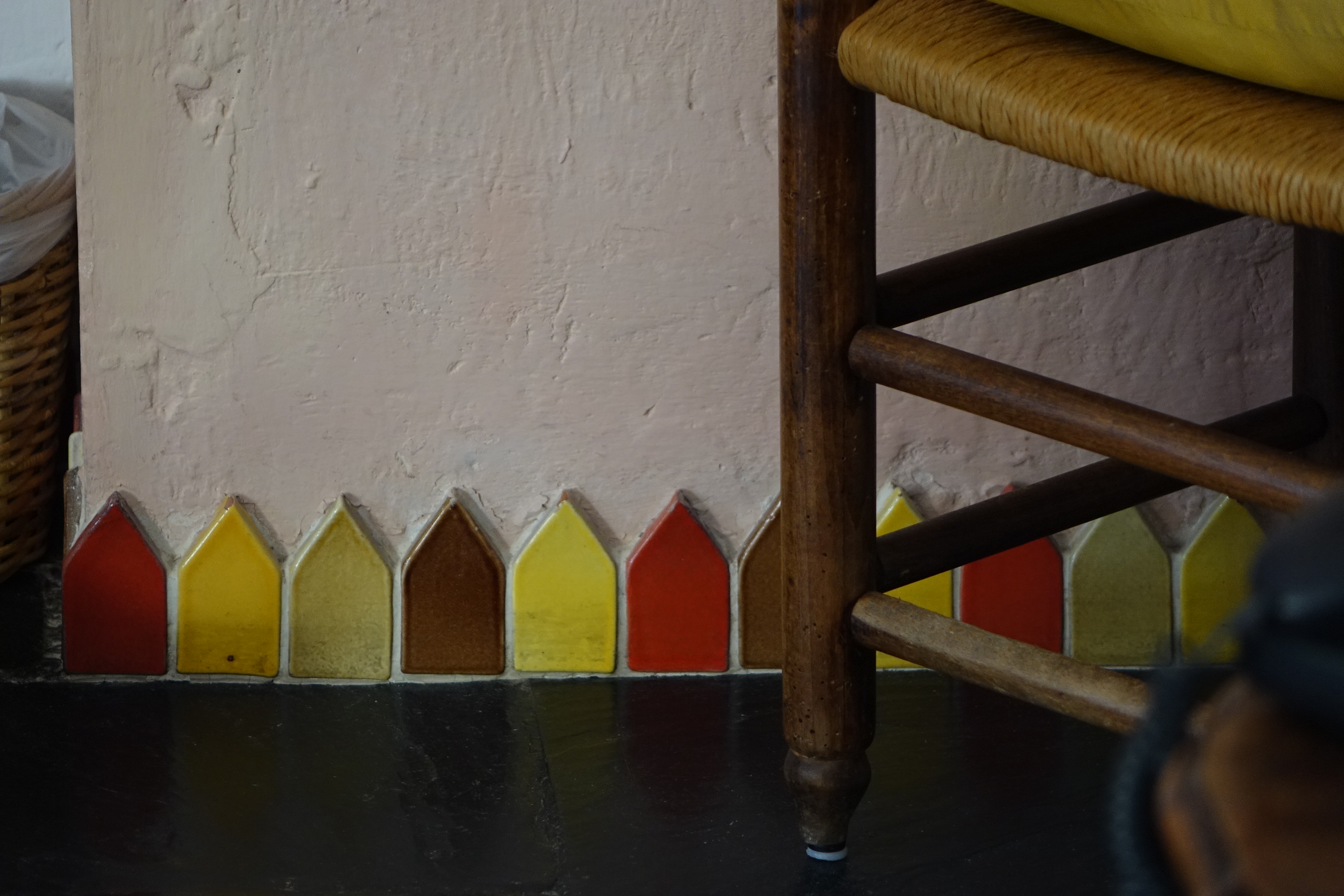
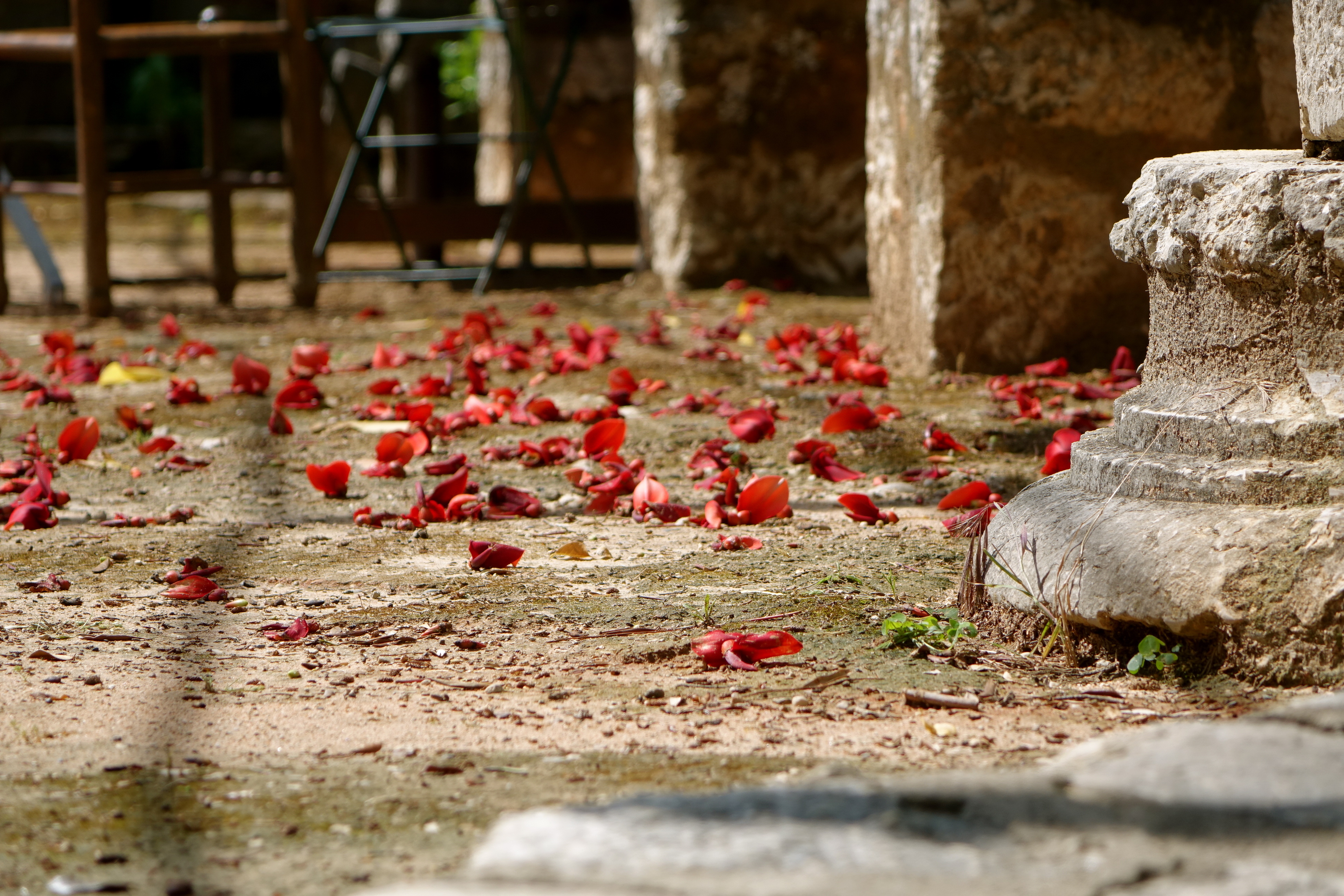
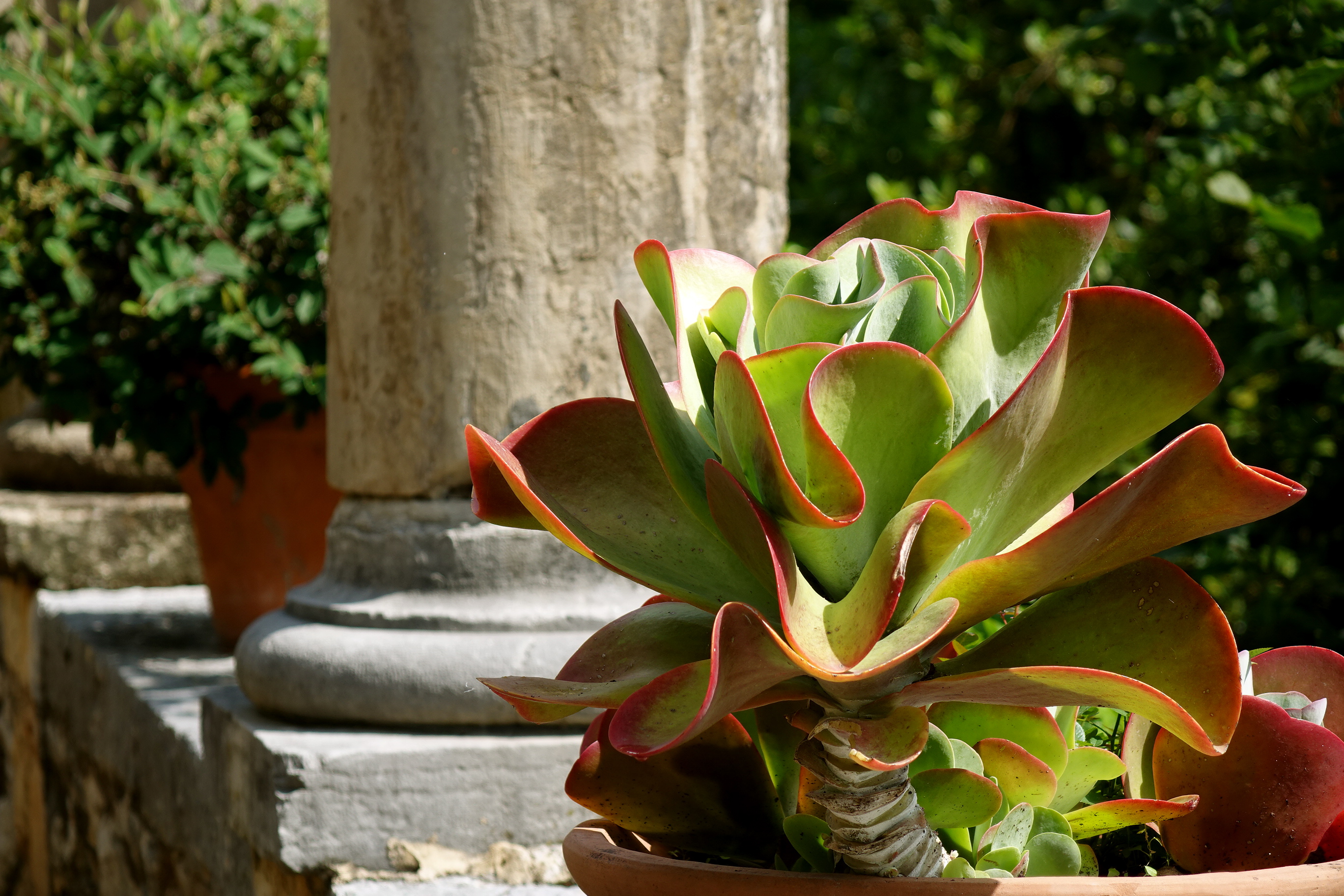
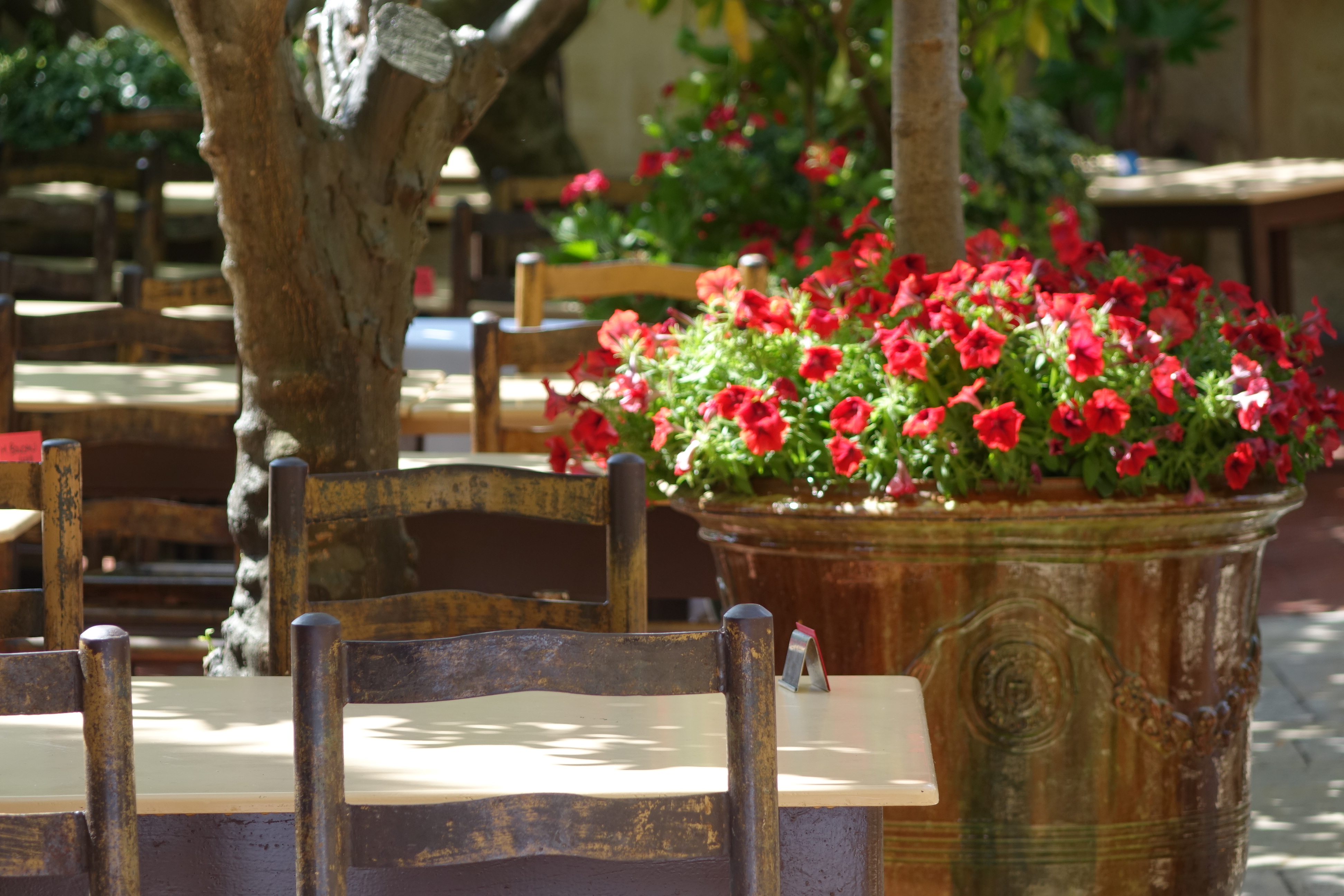
For any enthusiast of 20th century art, or indeed for anyone beloved of the utmost aesthetic tranquility, La Colombe d’Or is a paradise on earth, beyond mere description – it has to be experienced. In the unpretentious little chairs which are clustered on its restaurant terrace, one can see the ghosts of the famous writers and artists who used to sit there in the shadows of the fig trees Jacques Prévert, Yves Montand, James Baldwin, Pablo Picasso… In the unapologetically rustic walls and furniture, you feel as though invited into the warmest of family homes. And in its paradisal gardens, fringed by pillars and scattered with fallen blossom, and alongside that most sensational of swimming pools, you feel as though you have entered some kind of parallel world. Utterly at peace. This was paradise found.

La Colombe’s stunningly cosy restaurant terrace

DSC06333 DSC07367 DSC06410 DSC06421 DSC06352 DSC06349 DSC06354 DSC06350 DSC07370 DSC06412 DSC06335 DSC07360

And so in La Colombe d’Or, we happily stationed ourselves for the first four days of our honeymoon. And so the rush of emotions which had commenced at our wedding continued. It was to be the most sensational few days imaginable.

All photos and written content are strictly the copyright of Nicholas de Lacy-Brown © 2015 and The Daily Norm. All rights are reserved. Unauthorized use and/or duplication of the material, whether written work, photography or artwork, included within The Daily Norm without express and written permission from The Daily Norm’s author and/or owner is strictly prohibited.