Skip to content

Archive for

Lisbon – Day Two: The Ages of the Sea

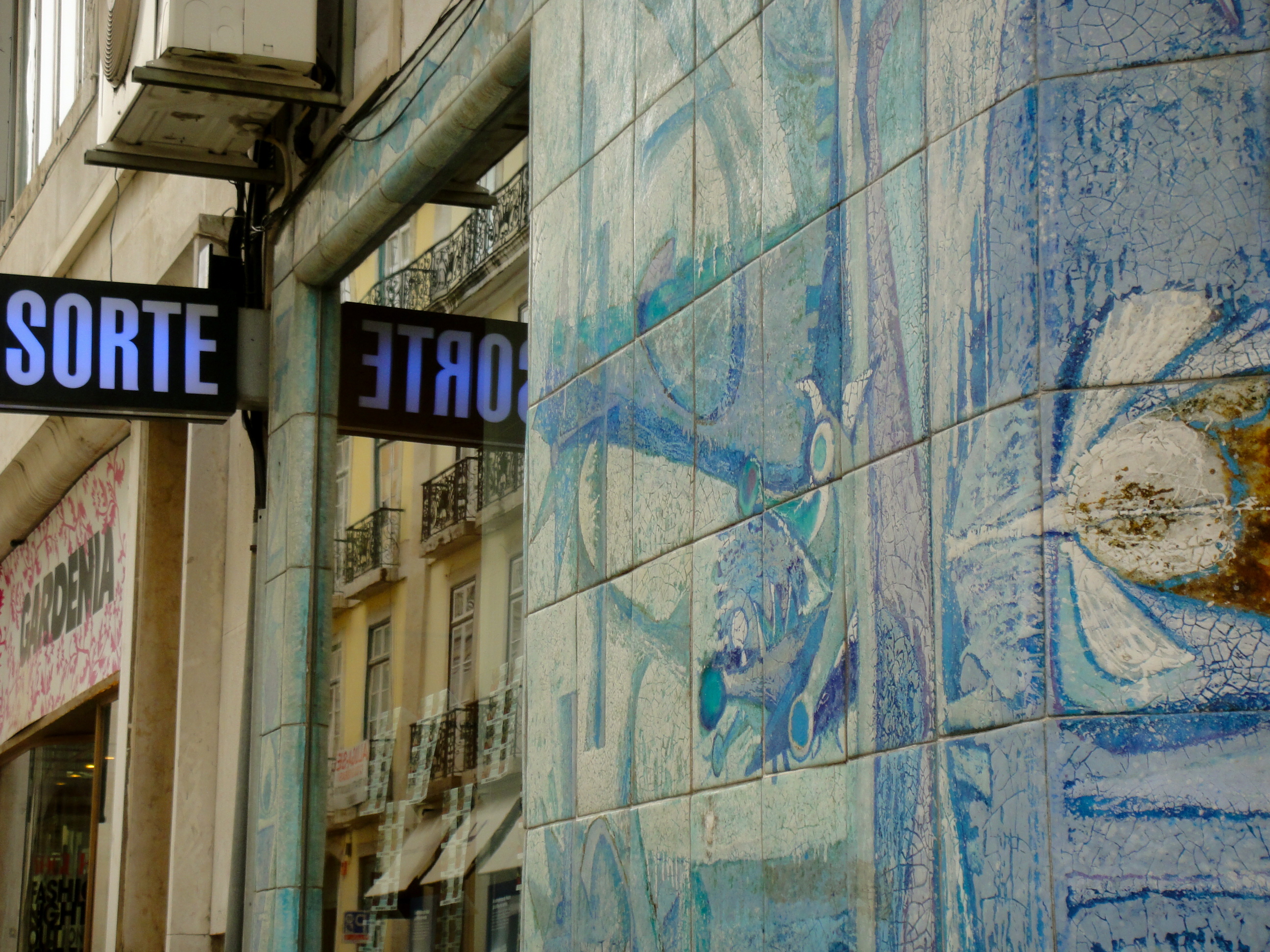
The super-soft bedding of the Lx Boutique Hotel made getting up difficult, even though one 90 degree tilt upwards would reveal a picture-postcard view across the city of Lisbon, over the Tagus towards the San-Francisco inspired scarlet-red suspension bridge, the Ponte 25 de Abril and the Rio inspired giant statute of Jesus puncturing the landscape beyond. Having made the leap of faith and breathed in the yellow-hued light of this bright new city, energy levels were replenished by a nourishing breakfast, back in the Japanese restaurant of the night before (which happens to double up as the hotel’s breakfast room) but (perhaps mercifully?) was not Japanese-themed for the morning shift. Rather a few pastries (but a decided lack of the Portuguese speciality pastel de nata) later and we were on our feet, making the climb up the steeply undulating streets of the Bairro Alto (high quarter), the cobbled and bustling shopping district atop one of Lisbon’s two central hills.

Cristo-Rei, seen from our room

And once the mist has cleared

The Lisbon of the morning is a different place to the Lisbon of night. By day, the city gains a vibrancy all of its own, as rickety old pre-war yellow and red trams rumble along the endless grid of tram lines crisscrossing the cobbled streets, making that characteristic metallic screech at every bend and corner, locals hang out at little cafe kiosks catching up on the often miserable news, shop keepers linger out on the pavement trying to drum up trade (which, they tell us, is limited) and workers and visitors alike bustle about with energy, but not stress.

We joined that popular bustle, heading around the Bairro and taking in the very juxtaposed landscape, from the bright red walls of the Teatro da Trindade and the intricately pained tiled facades of many a house and shopfront, to the decadent art deco exterior of the Tavares restaurant and the eery skeletal arches of the Igreja do Carmo, once a Carmelite church and one of the largest in Lisbon, but now, as a half collapsed shell, a poignant reminder of the earthquake which destroyed so much of the city in 1755. Delicate details were all around these streets for the drinking – I loved the statue of Eça de Quieros by Teixeira Lopes, showing a novelist inspired by a scantily veiled muse, and the street lamps whose ironwork features the ship which is today the emblem of Lisbon, a boat which, so legend dictates, carried the remains of the martyred St Vincent safely to Lisbon protected by ravens.

Pastel de nata

While the Bairro Alto could no doubt have amused us all day, our central aim was dedicated to art. North of the city, close to the  sprawling Parque Eduardo VII is the Museu Calouste Gulbenkian, which houses the vast art collection of Armenian oil magnate, Calouste Gulbenkian and which was bequeathed to the city by the multi-millionaire in the 1960s. The museum comprises a surprisingly rich collection, boasting Picasso, Manet, Turner, Gainsborough and Constable amongst its prized exhibited artists, and including a truly beautiful collection of Lalique glassware by the art nouveau genius René Lalique. This hat pin (below) depicting a dragon fly morphed into the elegant female figure of the belle époque was just stunning. Meanwhile, for the more modern works including Robert Delaunay and José de Almada Negreiros, you only have to head across a very tranquil park to explore this extension of the same collection, all housed within a super-cool iconically 60s designed gallery which also provides visitors with a welcome retro little cafe and those famous pastel de nata which must feature on every self-respecting Portuguese menu.

Lalique’s jewellery

But for a museum which just keeps on giving, the real highlight from the Gulbenkian foundation, for me, was the temporary exhibition, The Ages of the Sea, which runs from 26 October 2012-27 January 2013. Containing some 109 paintings brought together from across the world, the show, which is supported by the Musée d’Orsay in Paris, is based on an historical survey of the visual representation of the Sea and seeks to identify the major themes which led to its extensive and recurrent depiction in Western Painting. Across themes split into six sections – myths, power, labour, shipwrecks, the ephemeral and the quest for infinity, the collection was not short of big names, including Van Goyen, Lorrain, Turner, Constable, Friedrich, Courbet, Boudin, Manet, Monet, Signac, Fattori, Sorolla, Klee, De Chirico, Hopper. The result was an exhibition which literally exuded the salty-sweet freshness of the sea, the bright feeling of freedom when one stands on the edge of a vast sunny coastline, the feeling of trepidation when met with an ocean stirred up by the forces of weather, wind and rain, and the feeling of awe when the land ends and only a vast watery mass spreads from the beach to the very edges of the horizon. Walking around the exhibit was like looking through a hundred windows on the coast from all over the world. It was like taking a hundred holidays all at once, a hundred walks along a beachside promenade, a hundred embraces of the ocean’s advances.

Of the many masterpieces on show, it was the fresher, more modern works which caught my eye. In particular I adored Luís Noronha da Costa’s From Subnaturalism to Supernaturalism, which in close up was such a simple work – one layer of semi-transparent paint over another – but stepping away revealed a peaceful seascape at sunset; I loved too Amadeo de Souza-Cardoso’s  The Sloop, an unusual take on a ship wreck in a stormy sea; and I was captivated by the unusual coastal scene painted by Edward Hopper, better known for being the painter of introspective loners in cafes.

Luís Noronha da Costa, From Subnaturalism to Supernaturalism (Cold Painting), 1988

Amadeo de Souza-Cardoso, The Sloop, 1914

Edward Hopper, Square Rock, 1914

But perhaps the greatest picture of them all was the real landscape of Lisbon with which we ended our day. Heading back down to the centre, through the impressive expanse of the Praça dos Restauradores (albeit littered as it is with drug sellers who approached us 8 times) and up the steep slope of the Calçada da Gloria (up which a popular tourist tram climbs slowly at fairly regular intervals) we were greeted with the greatest of all rewards for our exhausting trek up hill – in the Miradouro de Sao Pedro de Alcantara, we found a little fountained square which presented such a stunning vista across the Baixa and over to the Castelo de Sao Jorge that it was worth a thousand paintings.

So what way to end this day packed full of such new discovery that we felt like Vasco da Gama himself? Why, two glasses of that other Portuguese speciality of course – Port – which we enjoyed in the elegant surroundings of the Solar do Vinho do Porto, a Port bar with some 200 ports on the menu, set within a grand 18th century mansion. We went for the tried and tested method of selecting port by the names which most prominently jumped out at us – and it worked a treat. Our first choice, a 10 year old tawny port was delicate on the palate and golden in colour, while a vintage ruby to follow was dark, deep and rich. No wonder then that one port led to another, and then a deliciously decadent dinner followed in the Restaurante Olivier just down the road, with a 10-course tasting menu as a starter and another bottle of the good stuff. I could get used to this.

Photographs and wording © Nicholas de Lacy-Brown and The Daily Norm, 2001-2012. Unauthorized use and/or duplication of the material, whether written work, photography or artwork, included within The Daily Norm without express and written permission from The Daily Norm’s author and/or owner is strictly prohibited. Excerpts and links may be used, provided that full and clear credit is given to Nicholas de Lacy-Brown and The Daily Norm with appropriate and specific direction to the original content.

Lisbon – Day One: Decadence and Decay

The time had come to escape the freezing London cold; the dark afternoons and the desolate faces; the post-winter desperation of the human races; coughing and sneezing spread between packed commuters on the tube; time to head south for the sun, for warmth, for good food. Swapping London for that other great European ‘L’, we abandoned the swift descent into winter and gathering approach to Christmas. We have come to the land of rich tawny-deep port wine, the ceramic cockerel and the vibrant yellow tram; where life is a little slower and architecture decadent and tired. We’ve come to Lisbon, the rolling, rambling hilly maze of streets which adjoins the grand Tagus river and sits at the heart and soul of Portugal as its capital.

As a regular to the Spanish side of the Iberian peninsular, there is something familiar about Portugal, which I now visit for the first time, but also something tangibly different. Wafts of garlic, of almonds and the thick smoke of strong cigarettes fills the air as it does in neighbouring Spain. However here there is something altogether more hardened, more real; you look into the faces of the Portuguese and you can read a thousand tales, of toil and struggle, of monotony and difficulty; you feast upon the pungent flavours of the food, noting the strong, crudity of the elements, the untempered brilliance of the colours, and the sharp contrasts of the flavours. In Lisbon, the Portuguese do not so much fiesta by night – rather, walking the streets of Lisbon at night, as we did shortly upon our arrival, we felt there was something close to menace in the air – something unsettling and almost unforgiving or discordant echoing off the cracked decaying buildings and shady streets.

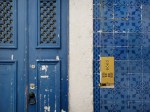
Lisbon’s streets are littered with photographic inspiration…

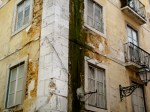
I could not help but notice on our arrival a resilient attitude and a robust confidence, as though the country, which stands on the edge of Europe has hardened itself to the battering forces of the Atlantic ocean spread all along its Western coast. Portugal’s struggles are not just geographical however. The well-known financial woes of the country are tangible all around its capital. We were immediately struck by the huge number of empty properties right in the centre of town. Huge decadent palaces, abandoned to disrepair; once gloriously colourful tiles chipped at the corners or missing great sequences; elegant iron balconies left to rust, and plaster, paint and concrete cracking and falling apart; many of the buildings are covered with graffiti, and some have been left to the elements to such an extent that grasses and moses have started growing over the walls and in between great cracks growing deeper every day.

This is the Lisbon of today, a city of fading grandeur, whose geographical location and undulating topography provides a breathtaking backdrop to a European city which was once, clearly, a city of exceptional elegance and architectural glamour, but which in time has been left to slowly deteriorate and wither, a once pert fresh rose left to stagnate in the brown waters of a once crystal clear vase. But for all this, Lisbon has lost very little of its beauty. In its fading glory, it is a withering beauty, a tired duchess whose wrinkles grow deeper everyday, but whose innate elegance is lost on no one. The bigger the cracks, the more excited I became – for my camera, this decay is like a gold mine of sparkling inspiration, and Lisbon lets set to provide plenty of that.

Lisbon’s glamour is not all faded…
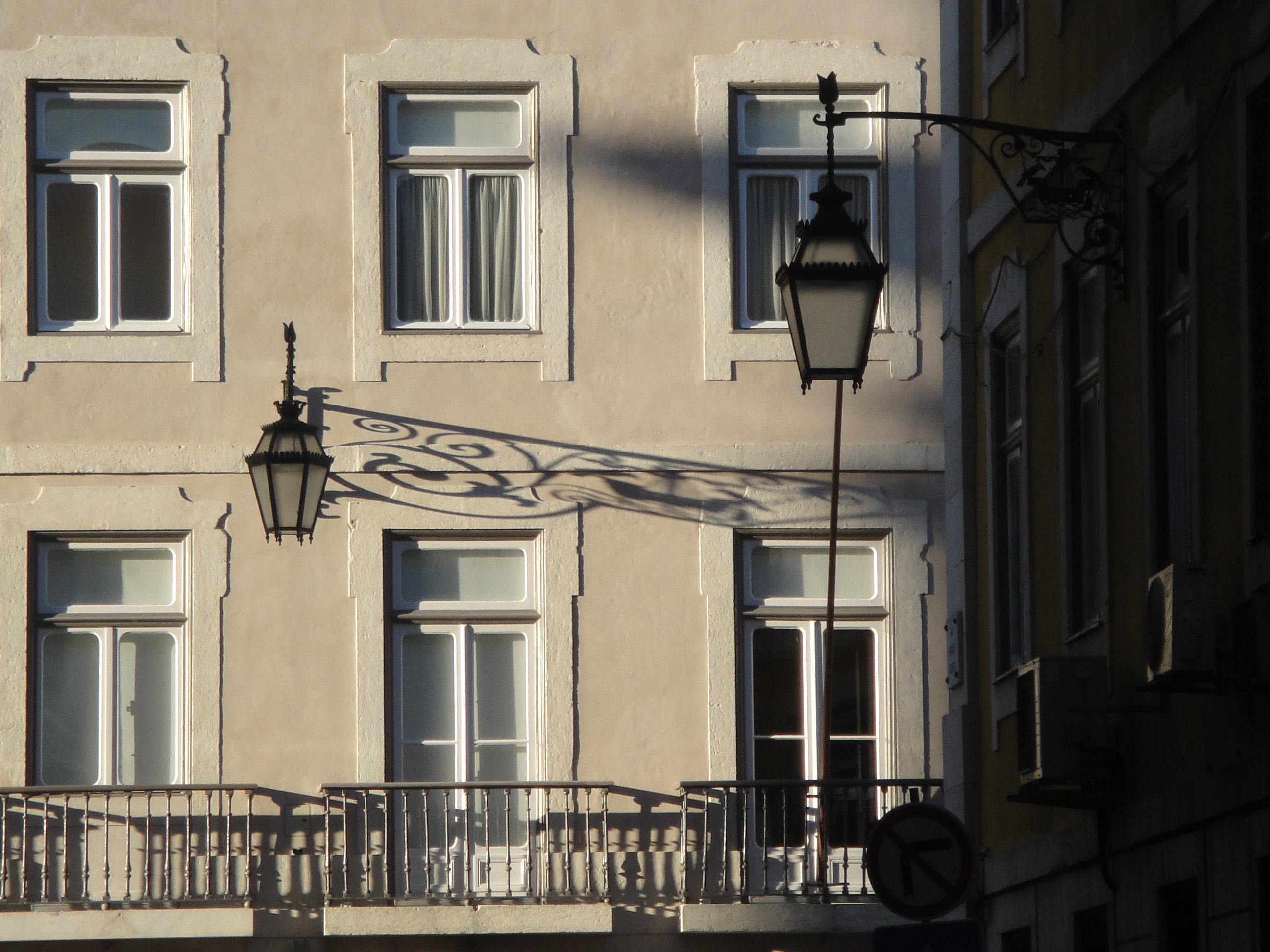
But for all the sadness, the financial misfortunes and the architectural deterioration, Lisbon is a city with a strong undercurrent of creativity and panache. We found this immediately in the guise of our hotel – the Lx Boutique Hotel, which exudes boutique sophistication from each of its photograph-covered, wallpaper lined walls. Our bedroom, with views over the Tagus, oozes Parisian chic, with oversized frames, velvet armchairs and wall stickers emulating contemporary baroque. Meanwhile our bathroom is a glass prism, stood, self-contained to one side of the room, complete with handy blinds set within the glass for the purposes of a little privacy. Meanwhile, conveniently located adjacent to the hotel is the Restaurante Confraria Lx where we headed for sushi and where, feasting upon a plate of some 34 sushi pieces, we ate sashimi  so fresh that the fish almost melted away on our tongues and evaporated like a cloud.
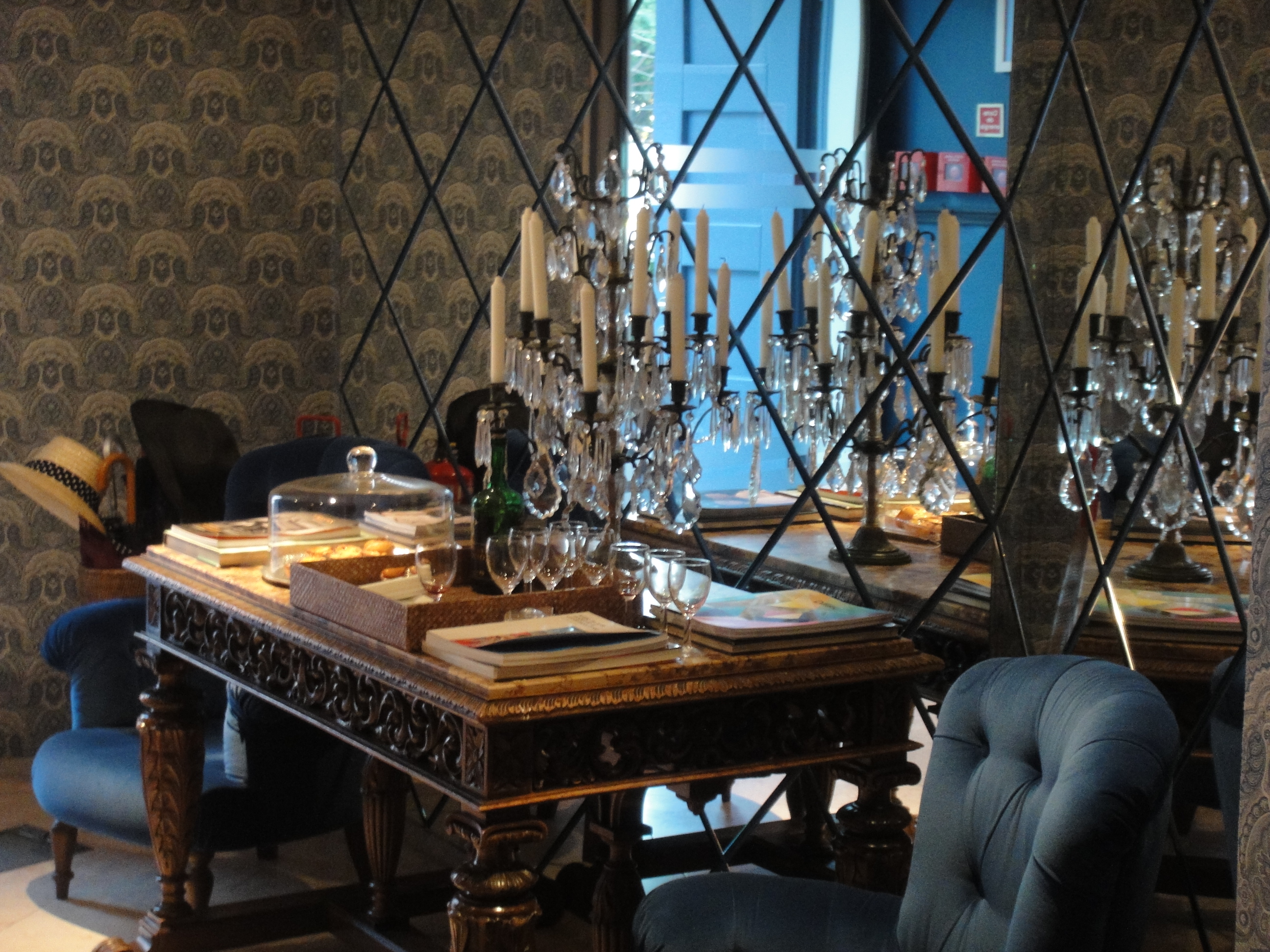
The Lx Boutique Hotel
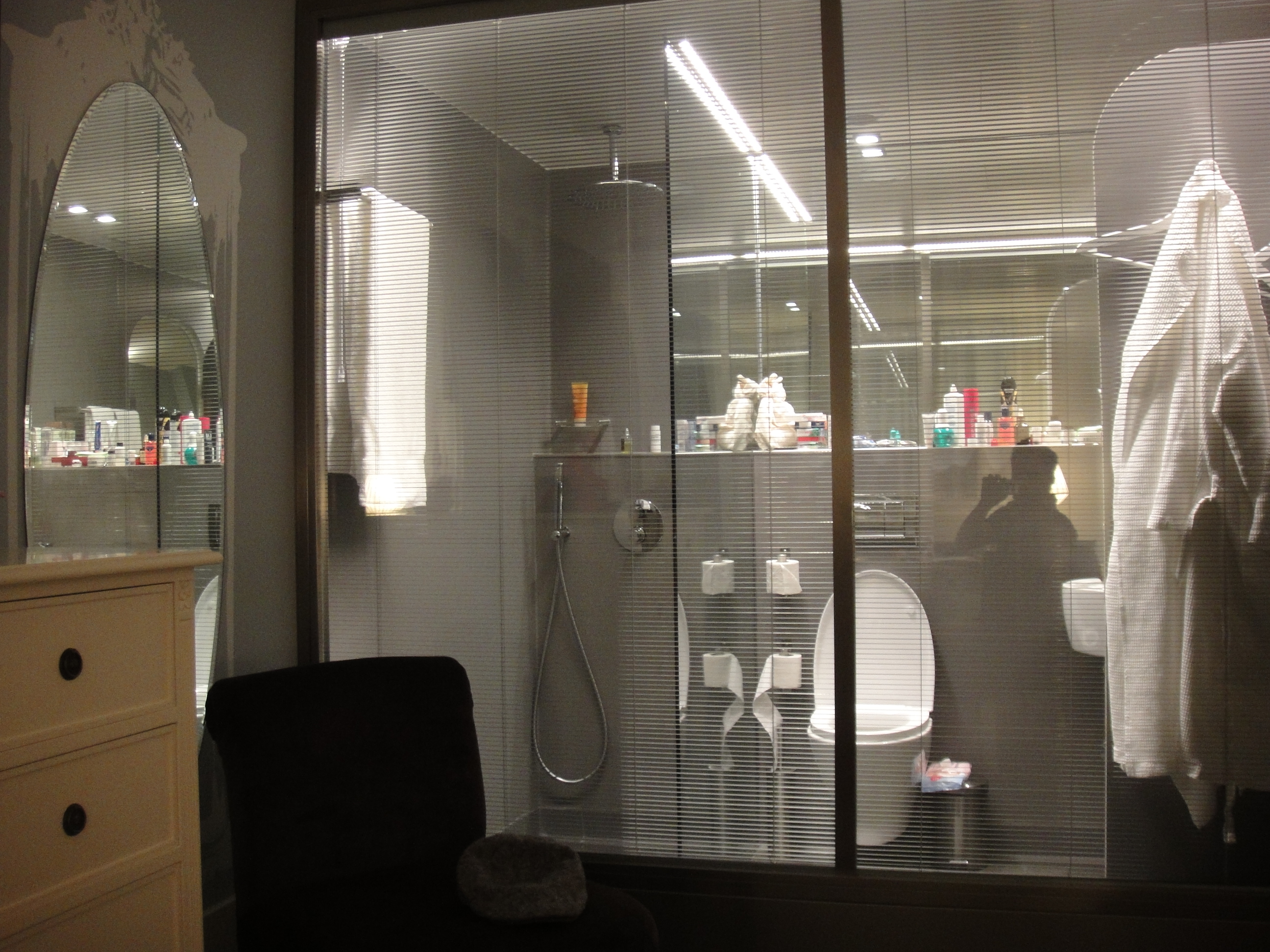
Our bathroom cube

The hotel’s reception

Day One in Lisbon is over, but already we have discovered the best of two worlds – decadence combined with contemporary style. Looks like Lisbon has vintage chic done to a tee.

More tomorrow! But in the meantime, here are my photos of the deterioration visible on many of Lisbon’s streets, from graffitied walls and filled in windows of empty houses, to marble monuments left to turn a slimy shade of green – yet through it all there is beauty and character – the great contradiction of decadence and decay.
Photographs and content © Nicholas de Lacy-Brown and The Daily Norm, 2001-2012. Unauthorized use and/or duplication of the material, whether written work, photography or artwork, included within The Daily Norm without express and written permission from The Daily Norm’s author and/or owner is strictly prohibited. Excerpts and links may be used, provided that full and clear credit is given to Nicholas de Lacy-Brown and The Daily Norm with appropriate and specific direction to the original content.

Happy First Birthday to The Daily Norm!!

Where has a year gone? When I sat down to write my first ever article for The Daily Norm one year ago today, I typed my first words with trepidation. I had chosen my wordpress theme, uploaded some artwork, and now wondered 1) what on earth I would write about and 2) whether people would be interested in what I had to say. One year later, and with 240 posts written, liked and responded to, with 180,099 total views and counting, and with some 510 current followers, I have to wonder why I was so scared. My initial misgivings soon turned to passion, as I caught the blogging bug big time.

Thanks to my blog, I see the world through new eyes – I see the polish and shine in everyday monotony, I appreciate the finer details of an exhibition or a show, I take greater note of names and situations, and I paint and photograph as though my very legacy depended on it. I no longer walk away from an event thinking – what a good show. Now I think – I can’t wait to write about this on my blog. My attitude has changed from solitary satisfaction, to a passion for sharing. I believe it’s worth writing a good post, even if one other person reads it – even if none do at all – for the process of writing about an experience, recalling the light and shade of an occasion, and immortalising an event in words and pictures gives the writer, to my mind, a tremendous sense of satisfaction. It makes you appreciate your life, encourages you to pack every hour with new and worthwhile activities, it installs a fantastic discipline of review and reflection, and it enables small experiences, which may be commonplace in one part of the world, to be shared across the globe.

The Daily Norm office celebrates its first birthday (2012, Nicholas de Lacy-Brown, pen on paper)

The Norms (my little white blobs, who were of course the source of and inspiration for this blog) and I would like to thank you all so much for your support, for your readership and for your comments over the last year. We want to thank my dear friend Cassandra who, if she is reading, knows only too well that it was she who suggested I start a blog at that time when I was so down in my life. And we would also like to thank all of those who have kindly nominated the blog for a variety of awards including the “Blog on Fire Award”, the “HUG award” (Hope Uniting Globally), the “Very Inspiring Blogger Award” and the “Versatile Blogger Award”. Your support makes me want to go on blogging, and for that I am truly grateful.

Here’s to another year of the Daily Norm!

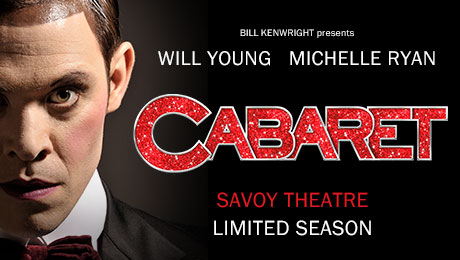
Cabaret returns in style to London’s Savoy Theatre

I’ve always adored Cabaret and I really don’t understand why it has taken so long to come back onto the London stage. With its unforgettable score, including classics such as Wilkommen, Maybe This Time, and the title song Cabaret, and a vivid, contrasting, and unsettling historical setting of 1930s Berlin just before the Nazi stranglehold on the city made its sinister debut, the musical is one of the all time greats. Of course, the spectacle is engrained upon the minds of most musical-lovers in the guise of Liza Minelli’s show-stopping performance of Sally Bowles in Bob Fosse’s 1972 film spectacular, but as a theatrical showpiece, it is every bit as enjoyable. Why then isn’t Cabaret a long-running favourite like the composing team (Kander and Ebb)’s other musical great, Chicago? The mind boggles.

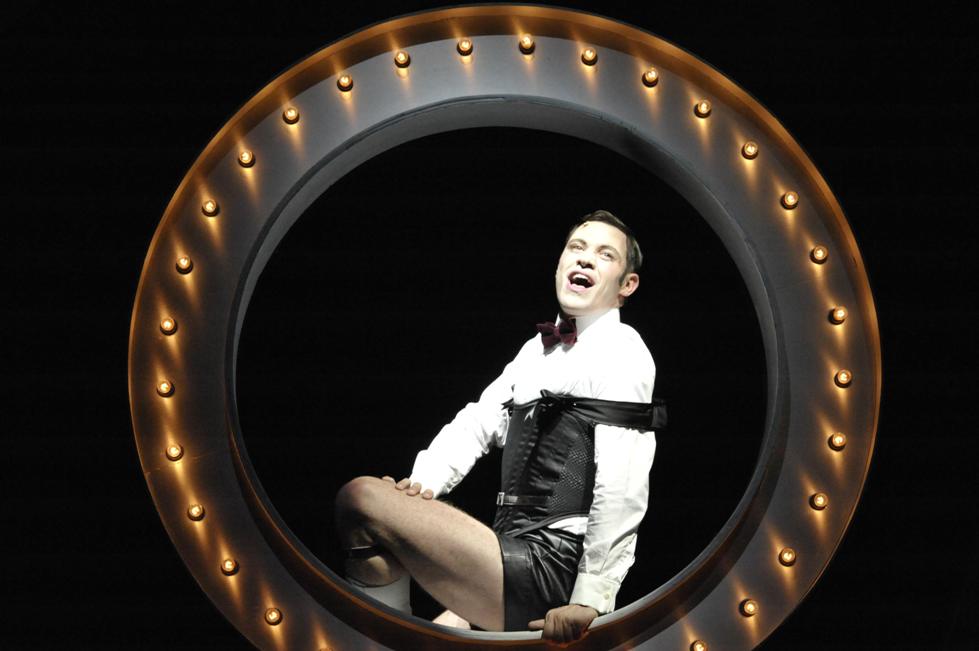
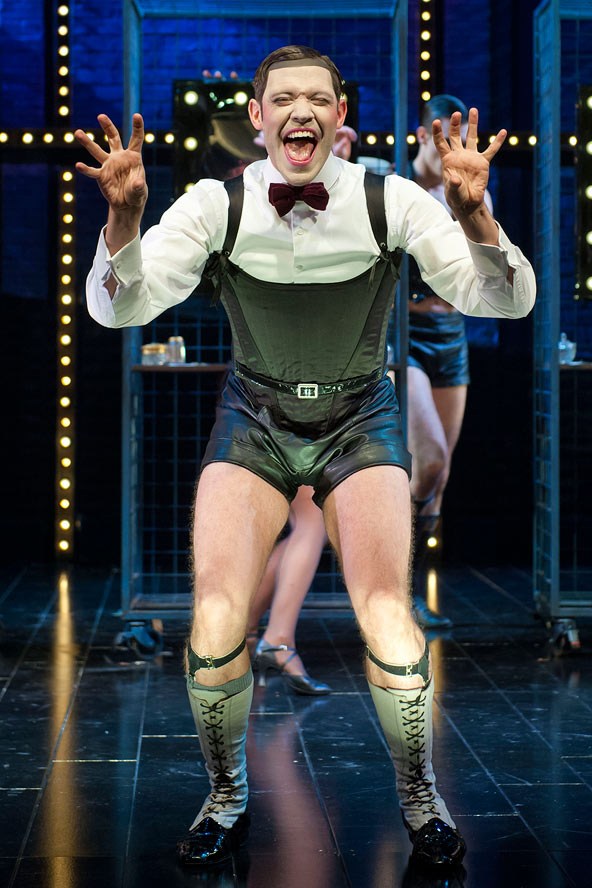
The current showing, directed by Rufus Norris, is sadly only set to run until 19 January – so when I heard that the show was making a swift return to London’s Savoy Theatre, I bought tickets as soon as I could get myself onto ticketmaster. The main attraction for many will be the 2001 Pop-Idol winner, Will Young, cast in the role of Emcee. Will Young was born to play this role. He was nothing short of superb in the overtly exaggerated, flamboyant and at times menacing role of the Cabaret’s Master of Ceremonies. Young’s voice, which shot him to fame as the winner of the first major talent contest of the current millennium, was predictably mesmerizing – he didn’t sing a note out of tune. His performance played notable homage to Joel Grey’s famous imagining of the role in the Fosse film version, but also brought the character to life with fresh and abundant energy, with greater versatility in adapting the role of cabaret host into an effective historical narrator of the social changes happening outside of the Cabaret’s doors but whose poisonous potency was leaking more and more into the lives of the Cabaret’s showmen as each day of the Nazi uprising went on.

Will Young as Emcee

Puffed up for “Money makes the world go round…”

Indeed, while Will Young was easily the star of the show, the other real success of Norris’ direction was his use of the pre-existing score and story line to import an altogether more menacing historical narrative into the piece. The terror which was trickling and then stampeding onto the once sexually liberal, permissive and hedonistic Berlin streets was tangible throughout the show, and this allowed the audience to partake in the very real tension which pervaded the age, climaxing in a stunningly poignant ending which, while not giving it away for those of you who may still have an opportunity to see the show, hinted at the terrorising fate which lay in store for the “alternatives” of Berlin’s Cabaret underworld once the Nazis took control. It left one both chilled, moved and surprised at the end of a show which, in previous manifestations, had maintained a fairly light-hearted atmosphere throughout. In fact in Fosse’s film, the only tangible reference to the fate of the Cabaret is the presence of a swastika armband subtly reflected in the mirror of the Kit-Kat club as the film’s credits come down. Here, the impending doom of Nazi destruction is far more prevalent. My favourite scene was probably Will Young’s performance of the Hitler Jungen marching song, Tomorrow Belongs to Me, in which Young, latterly affixed with the emblematic moustache of Hitler, controls all the surrounding dancers on huge puppet strings, the handles of his puppetry manifesting into large red swastikas which can only be viewed at the climax of the scene, when Young’s singing moves from a demure politicised aria into the increasingly erratic screams of Hitler’s rally rantings. Meanwhile the puppets’ choreography swings from sexualised movement to the regimented marching of gun-wielding soldiers – a brilliant testimony to the mass manipulation of the Nazi propaganda machine and the social changes which swept through the nation.
Michelle Ryan as Sally Bowles

For me, the only real disappointment was Eastenders actress Michelle Ryan in the role of Sally Bowles. Minelli’s shoes are big ones to fill, and the role of Sally Bowles must be a daunting prospect for even the most adroit of singer-actresses. And yet such is the complexity of the role – a second-rate show star with an overtly familiar manner hiding a destructive, and at times desperate personality – that it would come as a challenge which most actresses would relish. But in Ryan’s interpretation, that depth and complexity of character was insufficiently prevalent. The eccentricity of the characterisation appeared a little forced and contrived, while the emotional breadth of the role was only scantly explored. Sally’s big ballad, Maybe This Time, lacked the integral desperation of the character who gives the audience this rare glimpse into the true insecurities lying beneath the bravado. Ryan’s performance seemed more concentrated on hitting the high notes – which she failed to do with any confidence. And while her singing was not at all bad, it appeared to be heavily reliant on amplification so that it could carry with anything resembling gusto. I understand that theatres want to attract audiences by casting celebrity stars, but Will Young will have been enough to pull in the crowds here. Sally Bowles is a superb opportunity for a budding actress to make it big, and I think it’s a real shame that this opportunity was not afforded to a deserving young star in the making.
Overall, Norris’ Cabaret is a brilliant reimagination of this piece of classic musical theatre which is given new life and a potent historical re-examination. Its success is however highly dependent on the captivating role played by Will Young, and for that reason is inherently unstable as an ongoing production, with a quickly evaporating shelf-life and a near disaster if Mr Young catches the flu. Let’s hope he keeps on pleasing audiences right through to January 19th.

York’s Stained Glass Sensation

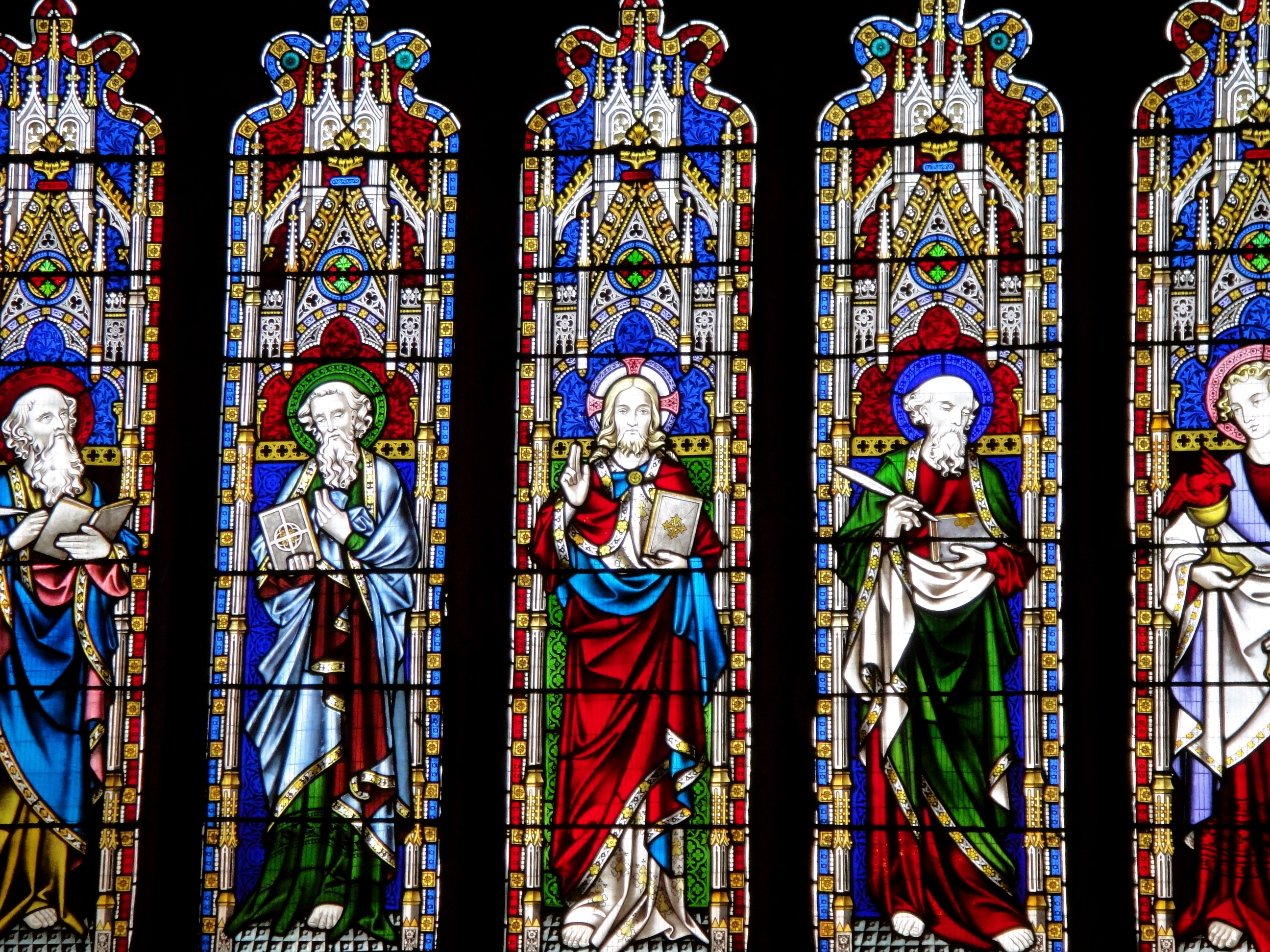
My love affair with Yorkshire stained glass started in St Helen and the Holy Cross in the little Yorkshire town of Sheriff Hutton. I was attending the wedding of my dear friend Celia and her husband to be, Tarquin. Asides from being dazzled by the highly unsurprising beauty of the bride, and the elegance of a church bursting with autumnal flowers, berries and warming candles, I was mesmerised by the occasional burst of multi-colour flooding into the little stone church through its wonderfully intricate stained glass windows. Depicting biblical tales with exquisite attention to detail, I stared in wonderment at this unexpected artistic gem set within the ancient walls of very small local church.

The Sheriff Hutton windows

But this was only the start. The following day, drunk on the exuberance of the blissful wedding celebrations of the previous day, I stumbled into the cobbled idyllic streets of York’s medieval centre. The town is a chocolate-box paradise of Dickensian British charm – there were little teddybear shops in creaky crooked houses, oak-framed windows glittering with Halloween and Christmas paraphernalia, and the world famous Betty’s tearoom, with its delightfully old fashioned shop downstairs, manned by two perfectly polite, tie-wearing shop assistants, straight out of Victoriana. But wherever you go in this picturesque little town, the imposing gothic structure of the immense York Minster is never far away.

Having had our fill of Betty’s tea room, and of course a requisite Yorkshire pudding, we headed straight for the Minster. The Minster is an impressively sized and decorated Cathedral, and one of the largest of its kind in Europe. It is in  fact the second largest Gothic cathedral in Northern Europe, with its present architecture dating back from 1230. Unsurprisingly, the cathedral is rich in its gothic decorations, its medieval carvings of creatures and kings, its shrines and chapel, its intricate choir stalls and equally sumptuous organ pipes. But above all things the Minster is famous for its exquisite stained glass, and of those there are many.

Upon entering the Minster, we initially gawped at the entrance fee – £9, not including a tour of the tower, although owing to the gloom which had descended upon the city, we thought it was probably safe to give that a miss. Having bought our tickets, and swallowed the cost, we began to understand why the admission price was so high. Not only is the cathedral brilliantly preserved, with interactive displays for the visitor and a host of curiosities and architectural splendor to view, the Minster is undergoing a major renovation of those very same windows for which it is so famed.

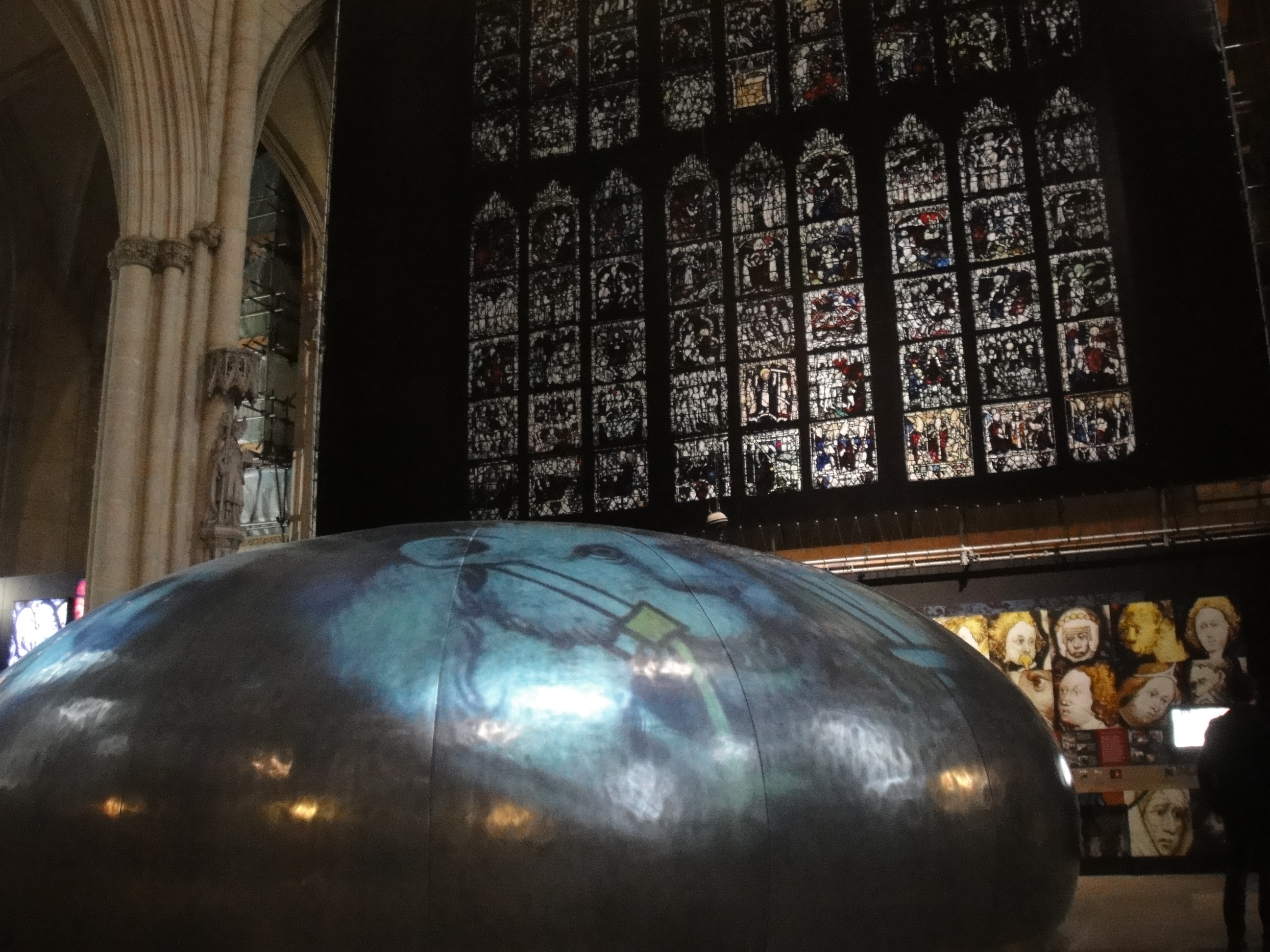
The “orb”

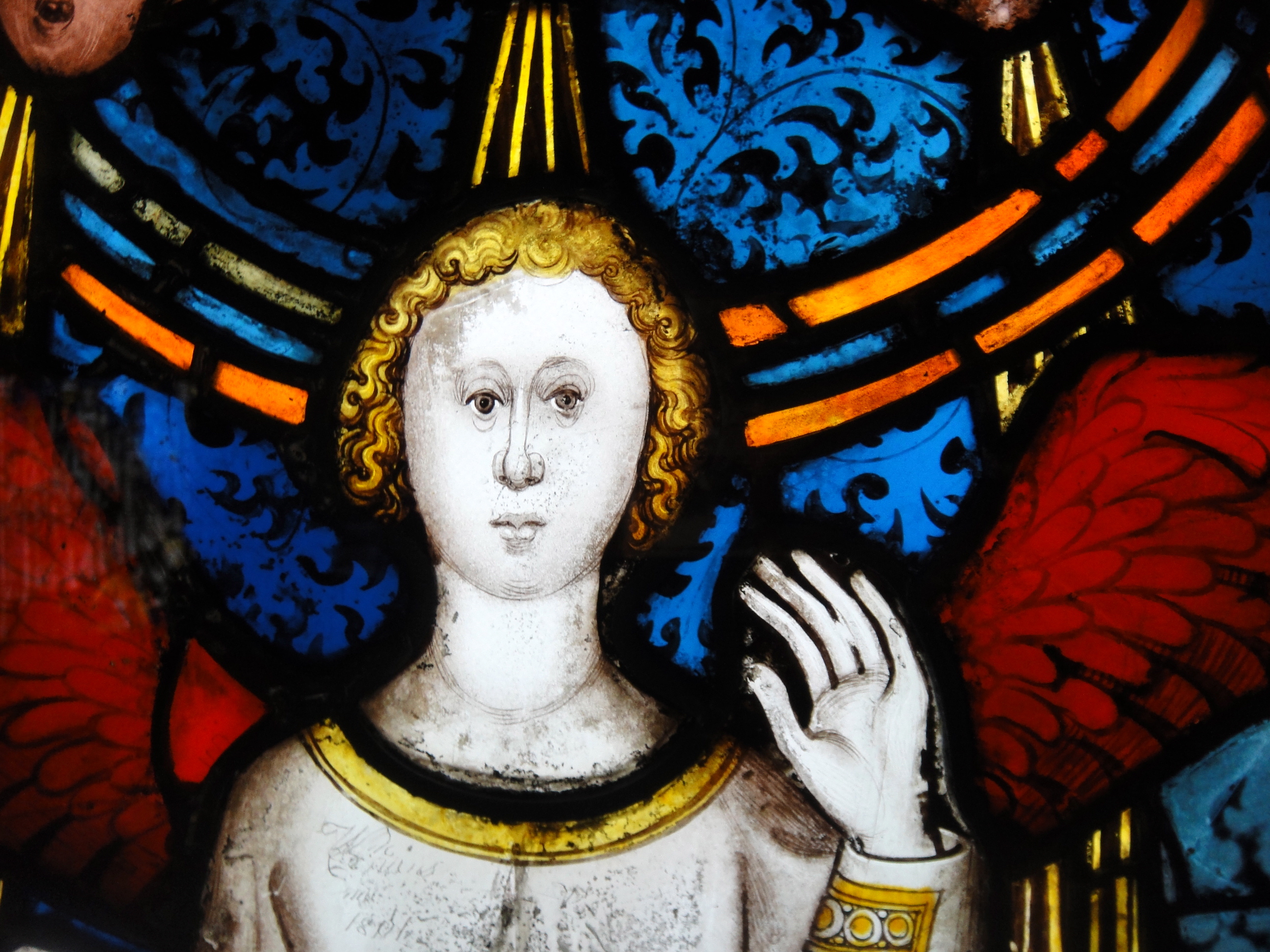
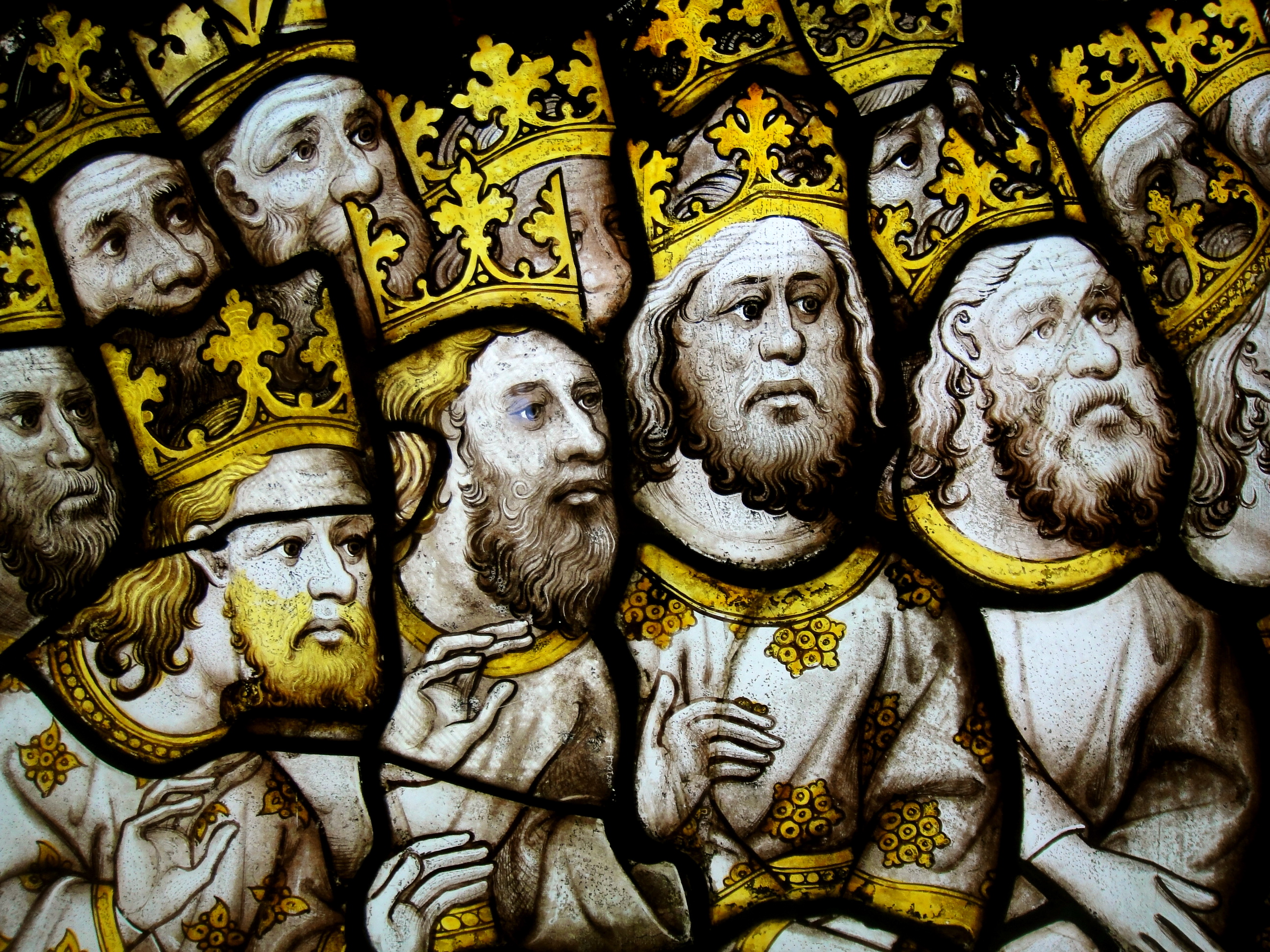
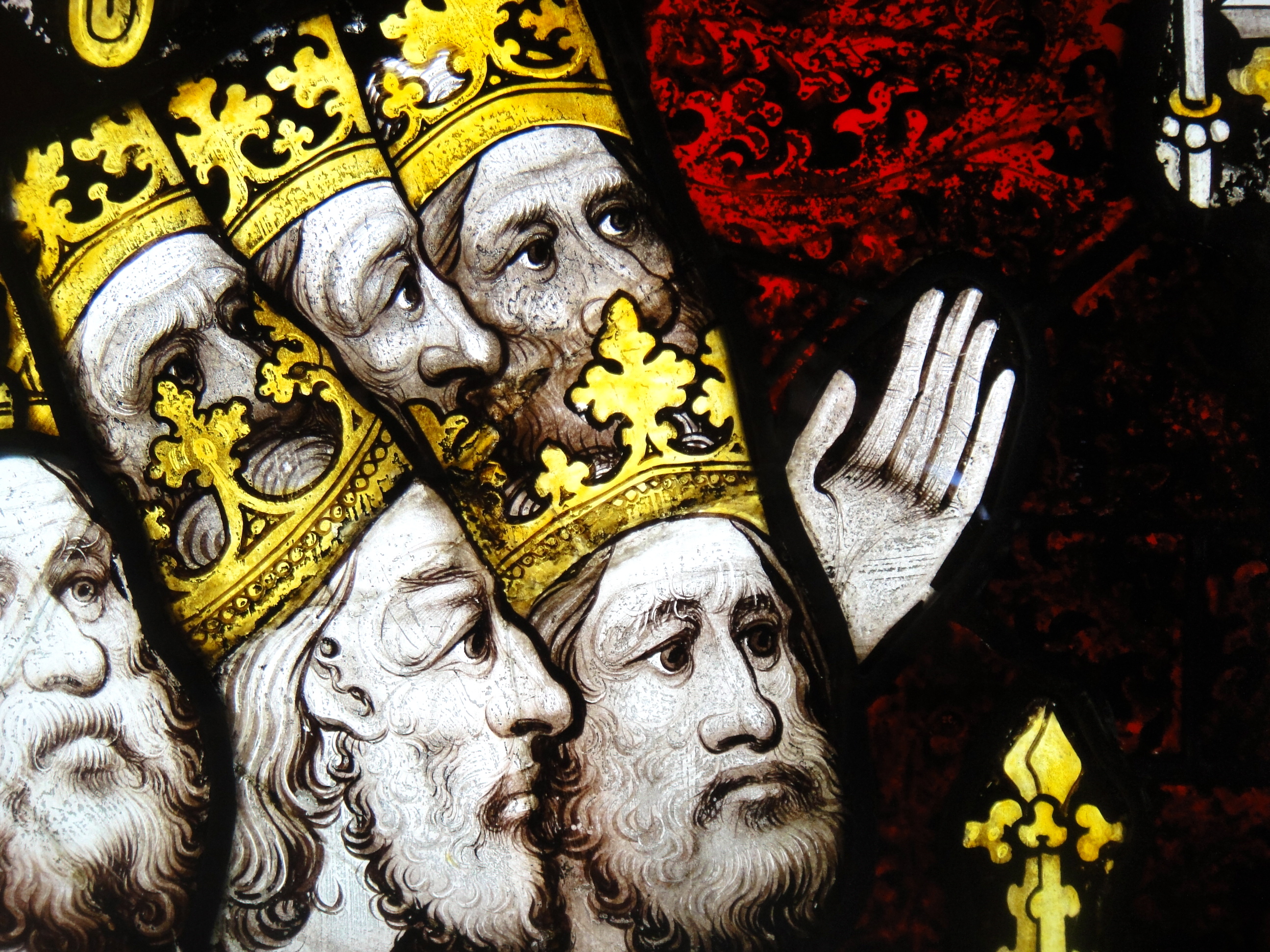
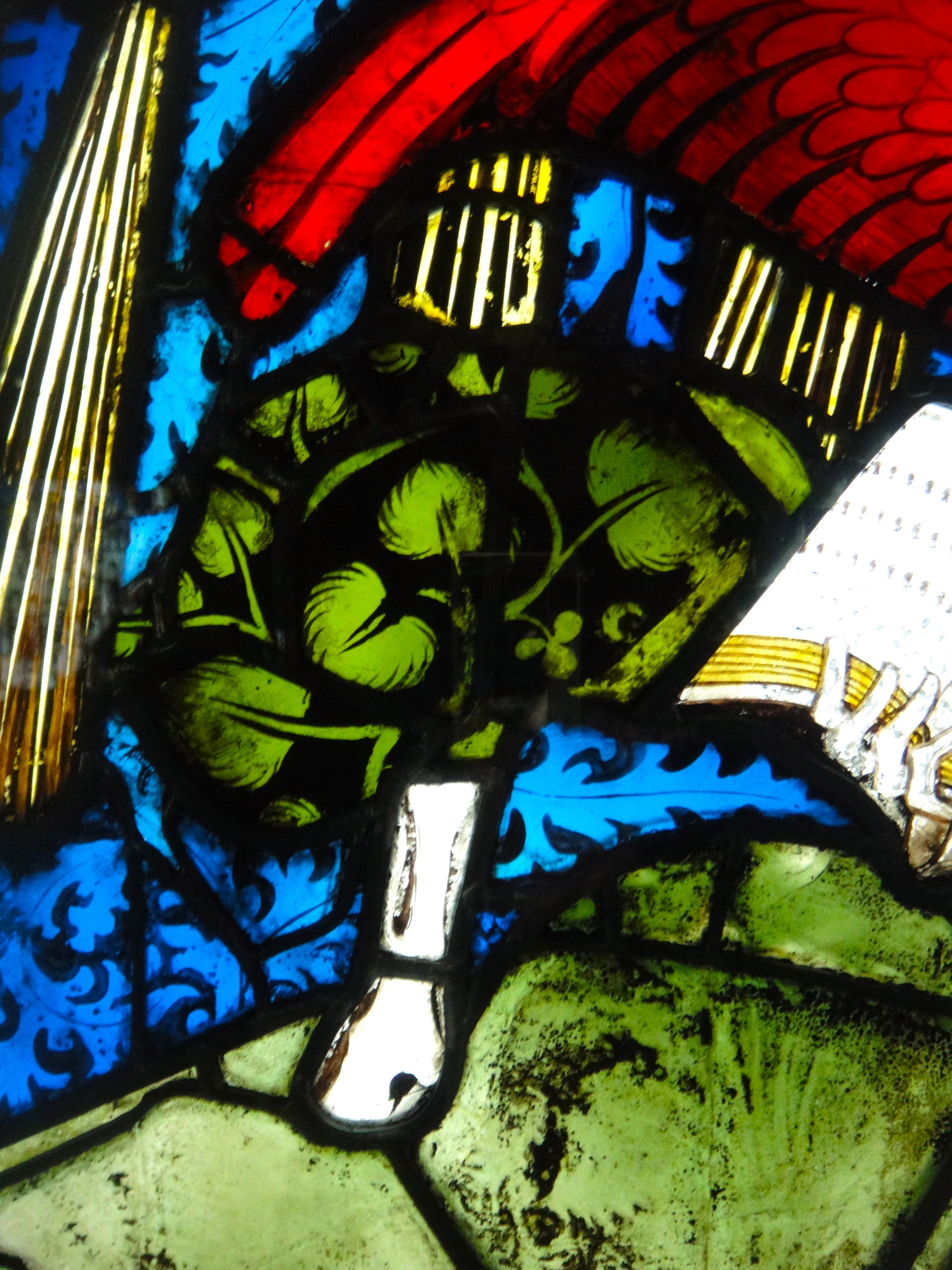
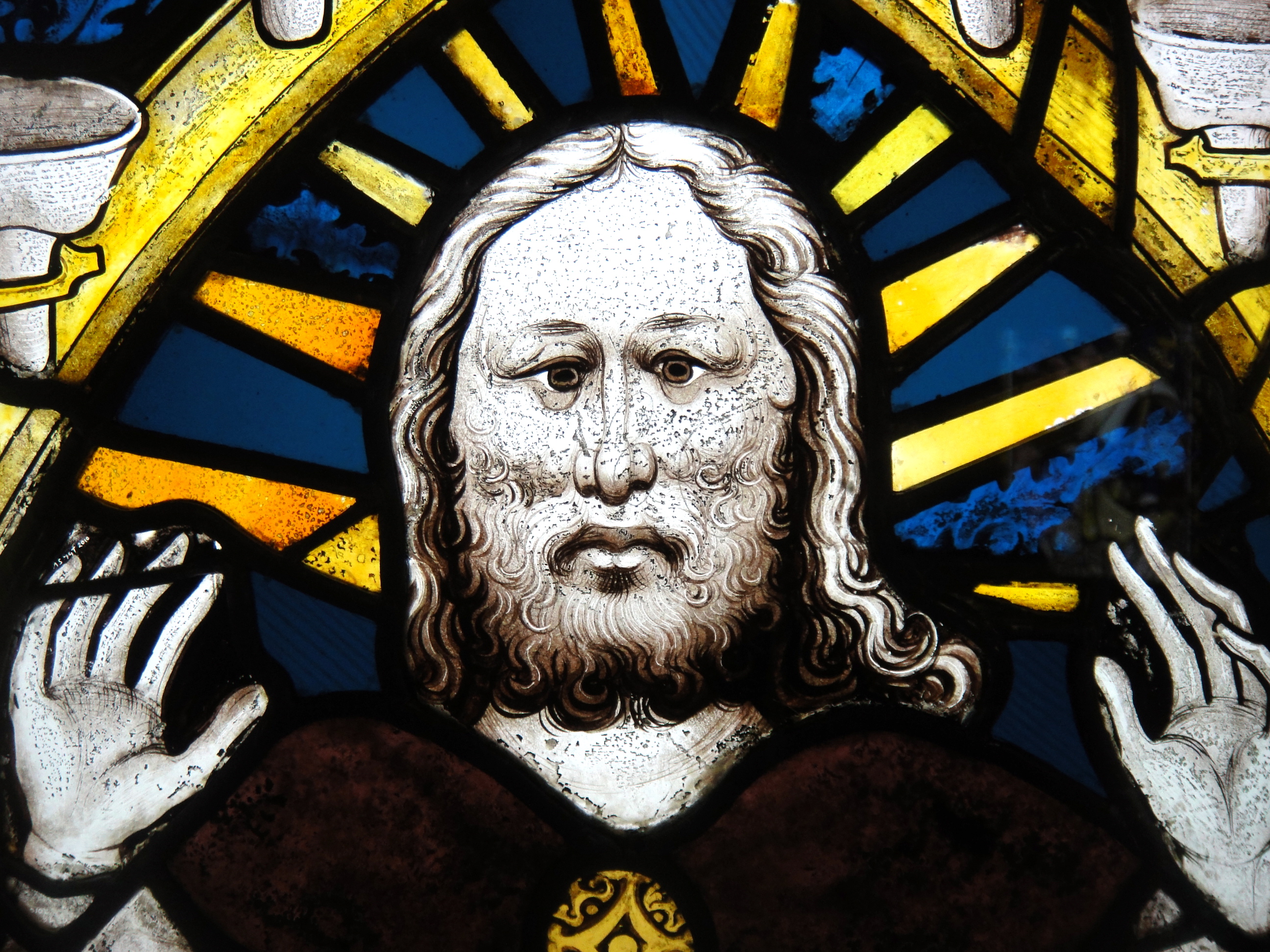
The windows, which are the largest examples of surviving medieval stained glass windows in the world, are a spectacular display of medieval craftsmanship. Some 2 million individually painted pieces of glass make up the cathedral’s 128 stained glass windows which need constant renovation and cleaning in order to preserve the masterpieces for future generations. However, so often it is impossible to fully appreciate the true intricate beauty of a window on this scale, from the ground. On our visit however, we were in luck. Of all the windows, the most stunning is the Great East Window, the likes of which was undergoing renovation when we visited. Usually this would be cause for complaint, but not so on our visit – rather, having opened a new “orb” to display freshly renovated panels from the great window, we were afforded the invaluable opportunity to study the intricacies of the windows, lit from behind, in all their detailed beauty.

The results can be seen from these photos I took inside the orb. It’s hard to believe that these intrinsically contemporary images stem from the medieval period, with their gorgeous details such as leafy damask backgrounds, radiant angelic faces, and the use of vibrant coloured glass which, when cleaned, gleams to stunning effect. I was so overawed by the beauty of these windows that I felt compelled to devote an entire post to their glory – how sad that the entire window cannot always be so admired in its details. But without a stairwell allowing visitors to reach the top of the window and the various levels in between, there will inevitably be beautiful panels such as these which will forever be confined to the sky-like heights of the cathedral, viewed in detail only by those charged with the window’s renovation. How fantastic then was this opportunity to see a few of those panels up close. Suddenly that £9 entrance fee seemed excellent value.

The orb will remain at York Minster until 2015. The restoration of the Great East Window is expected to be completed by the summer of 2016.

Autumn Harvest II – Surrey and Yorkshire

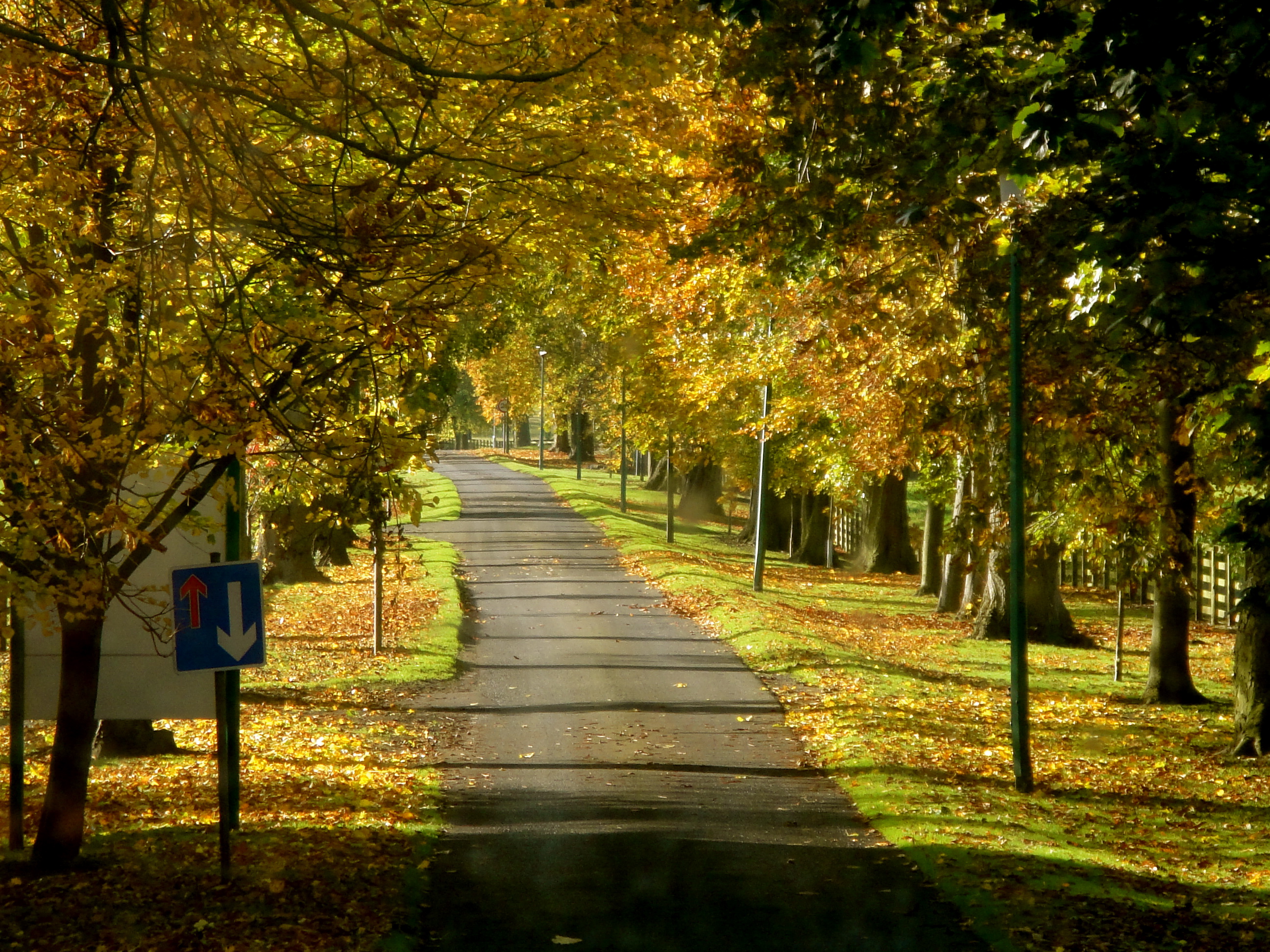
A couple of weeks ago I extolled the virtues of crispy cold auburn-gold autumn, and the voluptuous harvest of fine photographic fodder it provides. From elegant mushrooms and rosy red leaves, to strange wirey bare branches and deep orange sunsets. Since writing that post, autumn has born more photographic fruit.

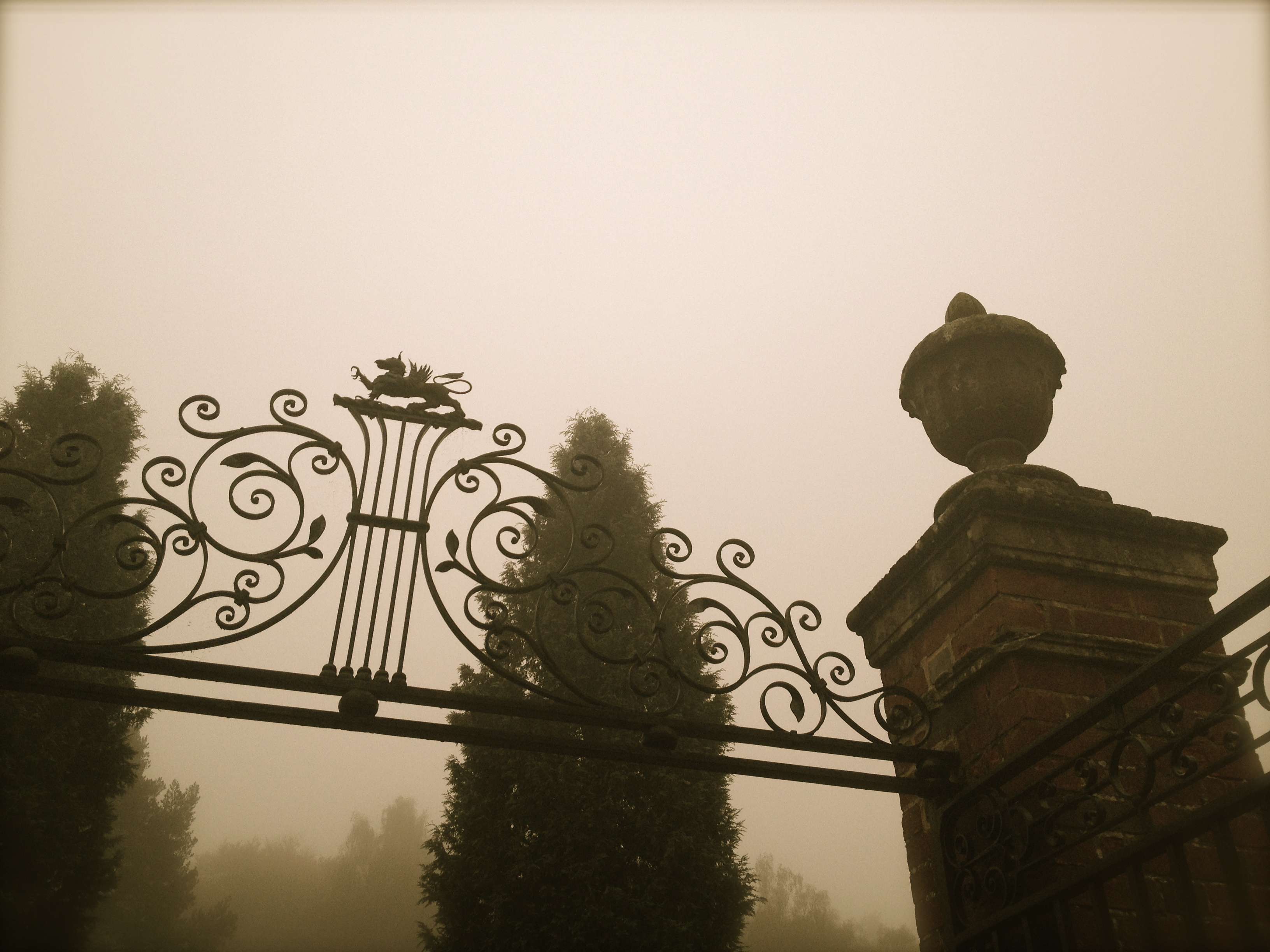
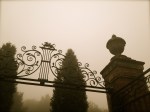
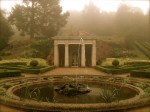
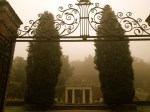
The first opportunity for Autumnal appreciation presented itself, surprisingly, in the form of a work-related residential course in Surrey. Staying in the deep Surrey countryside, in a country house hotel at first shrouded in a thick mysterious fog, it felt like we were characters in a Victorian melodrama, confined by the fog to the immediate surrounds of a great grand house, unable to see what lay beyond. This made for some particularly decadent photographic shots, not least of the old cast iron railings and topiarian garden emerging from amidst the mist.

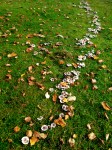
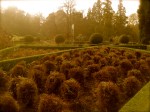
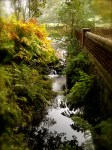
On the third day however, that thick smog cleared, and what revealed itself were magnificent far-reaching lush verdant grounds, tinged golden by a gently autumn sun, and revealing amongst their treasures REAL red toadstools! I thought these were just the things of fairytales – I was so excited to stumble upon these glorious red treasures in reality – it felt like stumbling upon a pile of rubies in the rough.

The second opportunity for autumnal admiration was a trip up North to cold crisp Yorkshire, the land of rolling dales, dry stone walls, pleasant farmland and old crooked towns, in other words the idyllic scenes of old England which appear to exist no where except annually upon a Christmas card. These surroundings were the location of the wedding of my very dear friend Celia, author of the Lady Aga blog no less, not to mention award winning cake baker extraordinaire. As soon as I breathed in the fresh crisp air of Yorkshire, I was in love. Those rolling hills looked never better than on a cool Autumn day, when the long shadows formed stripes across the countryside, and the crisp auburn trees dressed York’s imposing gothic Minster in a colourful autumn wardrobe.

Enough of all my ramblings, here are the photos, glimpses on a changeable english climate, from fog to sunshine, in warmth and in cold, all quintessentially autumn.

Norm Christmas Cards – now for sale on Etsy!

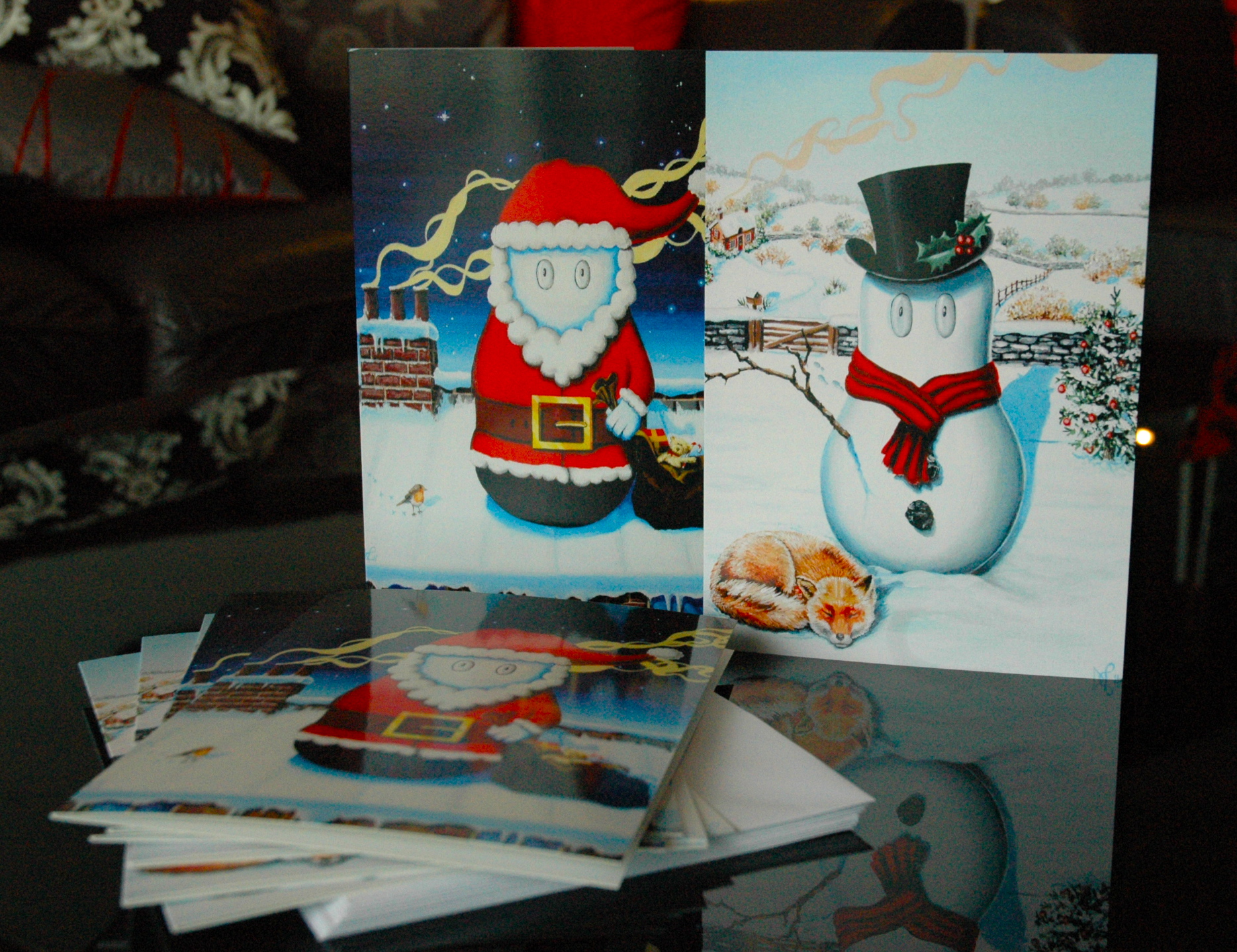
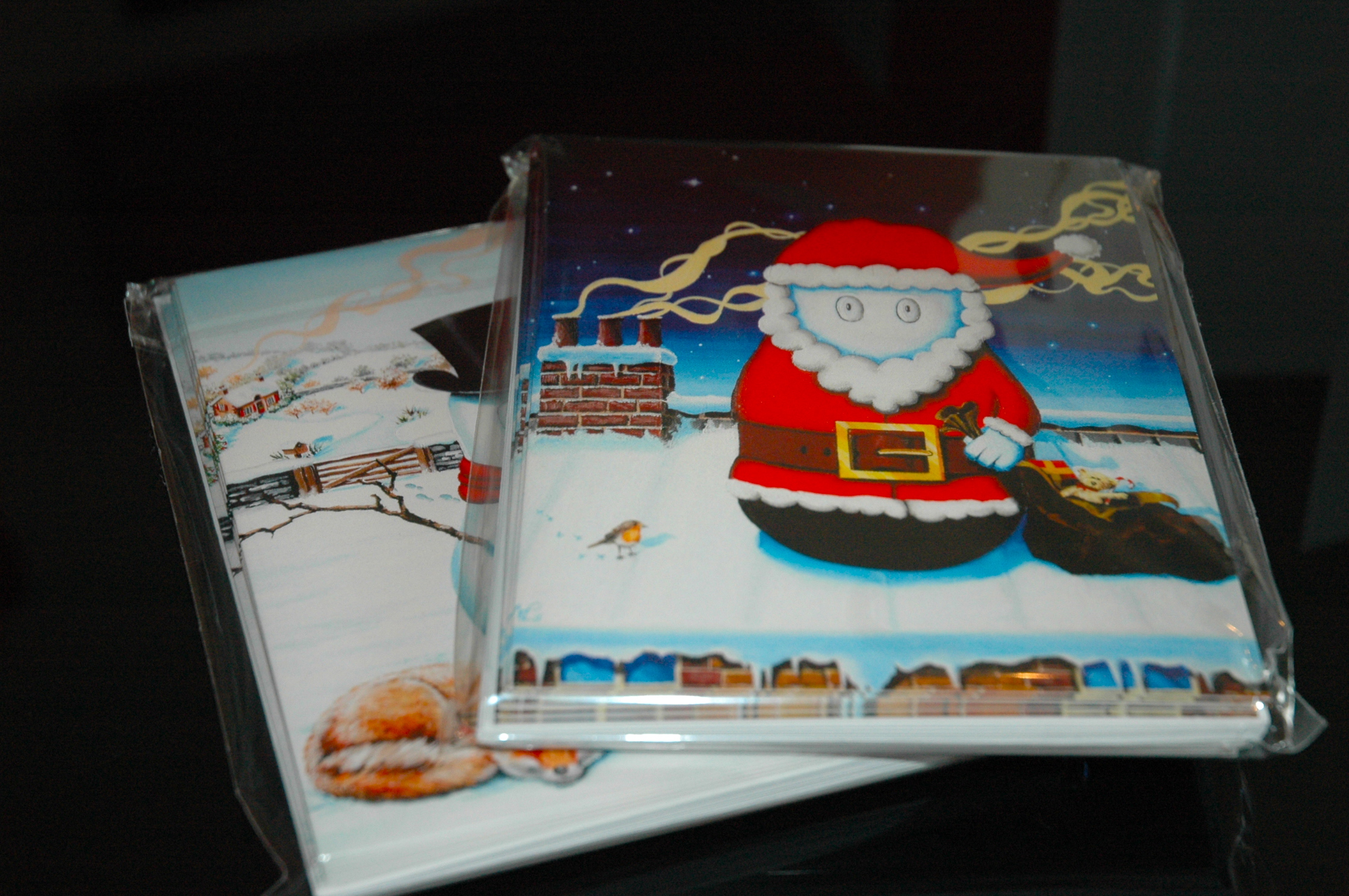
Halloween is over, the evenings are quickly darkening, and there are only 7 weeks until Christmas – so the time has surely come to get your Christmas cards in order. Here on the Daily Norm, we like to help out with these little things, and in the spirit of spreading the Norms’ reach criss-crossing around the globe this festive season, the Norms have printed their very own Christmas cards in the hope that readers of the Daily Norm from around the world will also help to spread a little Norm festive cheer this year.

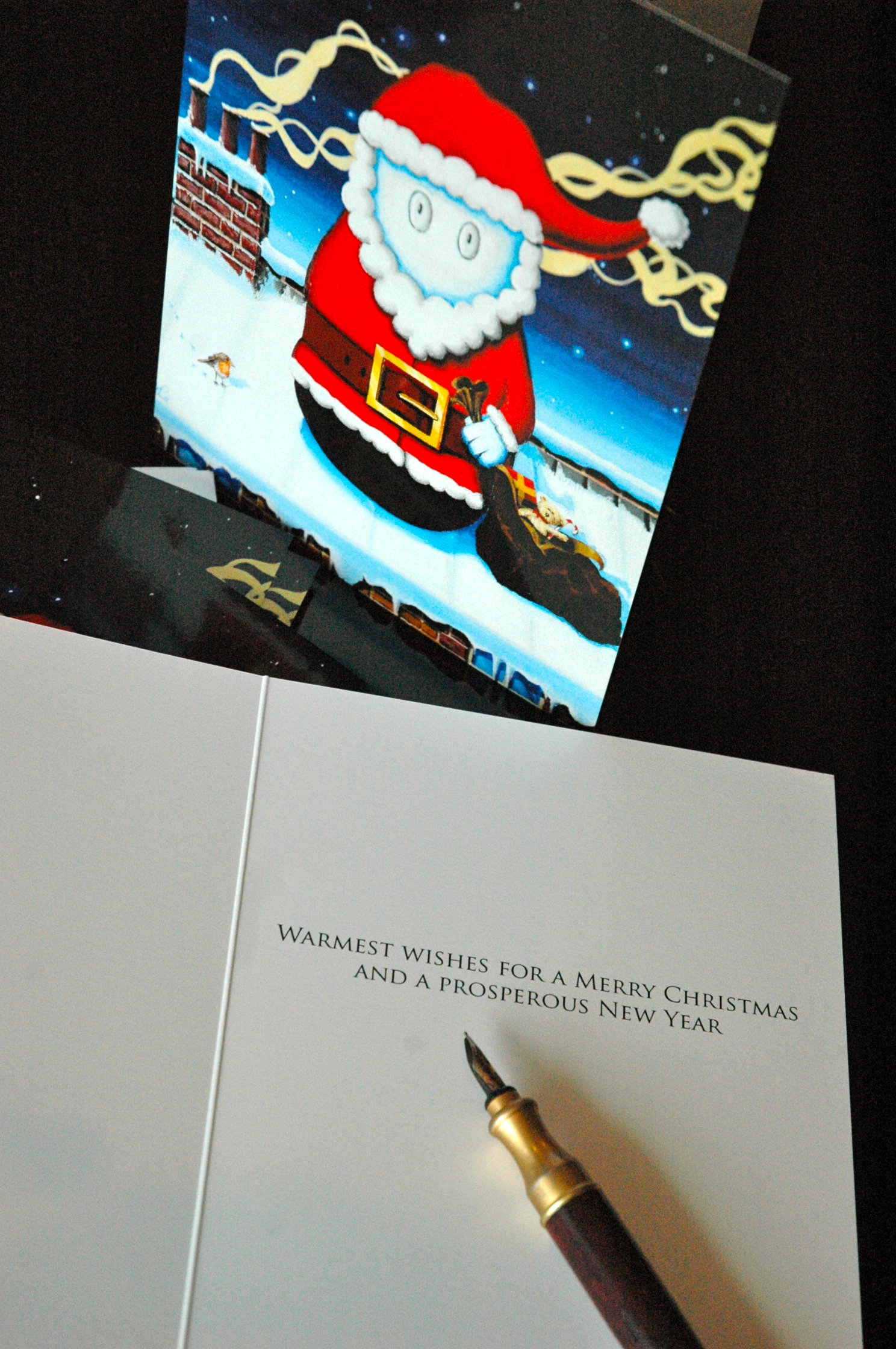
Hot off the press, these Christmas cards are prints of my 2011 paintings, Santa Norm and Snowman Norm. With whimsical, quirky, colourful and Christmasy artwork, these cards are both original and artistic ways of wishing your friends, family and associates a very Happy Christmas. With these cards, you will truly be sending a work of art this Christmas!

The Cards consist of a high quality, semi-gloss image printed onto sizeable A5 cardboard (148 x 210 cm/ 8.3 x 5.8 inches). Each cellophane wrapped pack of 10 cards comes with 5 cards of both the Snowman and Santa Norm design and 10 matching white envelopes. The inside of the cards reads: “WARMEST WISHES FOR A MERRY CHRISTMAS AND A PROSPEROUS NEW YEAR”.

And most importantly of all, they are available on my Etsy shop right here!

Now I don’t mean to turn my blog into a sales room, but since Norm is the new Holly (not to mention the Ivy), these cards are pretty much a must for those in the know this year. Need I say more?

Seasons greetings from the Norms (it’s early I know, but Norms are very organised creatures).

Sunday Supplement – The Spanish Double

For the last few weeks on a Sunday, I have been exploring the collection of 10 paintings I created during my convalescence from an accident between 2008-2010. True, the subject matter is not easy to write about, nor, possibly, easy to read, but I hope you will agree that these paintings are amongst the most worthy of my works for further exploration and examination. They are, after all, a representation of a potent threshold in my life. When I underwent not just physical change but mentally was forced to mature and re-evaluate life in a way I have never before considered necessary.

In today’s Sunday Supplement, I am featuring two of my accident paintings which almost formed a sub-category of their own. Both were painted, unlike the other 8, when I was convalescing in Spain, both have Spanish titles, both are painted with acrylic paints, rather than oil, and the result of the colours used makes them, in my opinion, a bit more “pop art” in finish.

Desayuno del Norte

Desayuno del Norte (2008 © Nicholas de Lacy-Brown, acrylic on canvas)

In the first of the two, Desayuno del Norte (“Breakfast of the North”), I cross-referenced a Lowry-inspired Northern industrial landscape with symbols of breakfast “desayuno”, while mixing in images direct from the legal world to which, at the point of painting this work, I had prematurely returned. Of all my accident paintings, this is perhaps the hardest to explain. It was a mood, a time experienced – a collection of various representations which at that time drove me to paint. In the purple-grey background, a sense of my depression and frustration at that time is shown, a time which is appropriately catalogued as Christmas by the holly on a jug of sticky dark gravy which pervades the piece. The industrial landscape is proliferated with an abundance of mauve smoke, while from one of the bigger chimneys in the foreground, the question “why me?” looms large.

While in the accident paintings before this one, I had painted feet, here, I paint a trainer – the specially fitted trainers which were integral to enabling me to travel into work and get around each day, along with the crutch, whose presence cuts across the canvas on the right. Meanwhile, in referencing breakfast throughout the painting, the eggs mark a note of the fragility of my recovery, the blood-like jelly pouring from the trainer suggests my continuing pain, the orange represents my location at the time of painting – Marbella in Southern Spain – and the Marmite gives a clue as to my fading appetite and loss of weight  – it was the only thing I could often bring myself to eat, spread on the toast hovering somewhere below it. Meanwhile, running throughout the painting are the double yellow lines of road markings – these representing prohibition and interdiction – a cessation of my liberty, both physically and in my profession in the overtly constrictive legal world of London’s Bar.

La Marcha de los Champiñones 

La Marcha de los Champiñones (2009 © Nicholas de Lacy-Brown, acrylic on canvas)

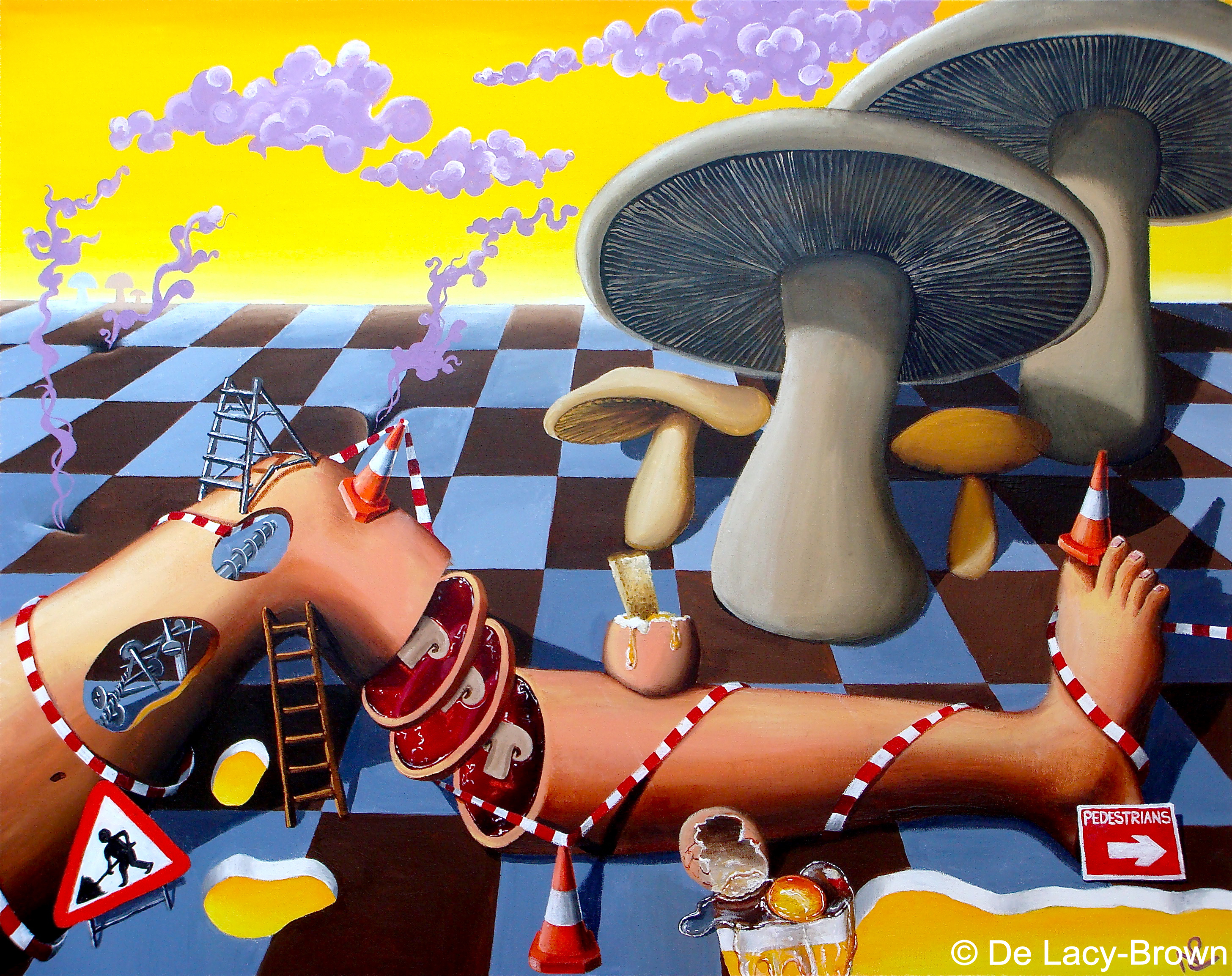
Road traffic symbols are continued in the second painting of this series, La Marcha de los Champiñones (“The March of the Mushrooms”), which represents two major events of my continuing convalescence a year after the original accident – first the fact that my leg became wracked with infection, and secondly that I was required to have my leg re-broken, in order to correct a fixed flexion deformity which had occurred during the healing process (in other words, the leg had healed at a fixed angle, and was unable to lie straight). In this work, I show my leg being re-broken, cut here into slices, each slice revealing, by way of the mushroom-symbol, the spread of infection throughout the limb. Meanwhile, on the outside, huge mushrooms loom over the slightly surreal scene, as the spread of infection becomes worse.

The road traffic symbols in the meantime become more prevalent in this piece. The leg is cordoned off behind road-works ribbon and a road-works warning sign, while the tools and paraphernalia of the workman are all around, including the various pins which were, in reality, holding my leg together (as shown by “windows” allowing the viewer to peer into my metal-ridden leg). A sign diverts pedestrians past the works, but also reminds viewers that throughout my convalescence, one of the worst experiences encountered was the continuous stares of pedestrians on the street, forever gawping at my leg encased in its pins and illizarov frame and covered with dressings and scars.

Meanwhile, the egg which was solid in Desayuno del Norte, has now cracked. The fragility of my steady recovery had given way, and I was back to square one.

© Nicholas de Lacy-Brown and The Daily Norm, 2001-2012. Unauthorized use and/or duplication of the material, whether written work, photography or artwork, included within The Daily Norm without express and written permission from The Daily Norm’s author and/or owner is strictly prohibited. Excerpts and links may be used, provided that full and clear credit is given to Nicholas de Lacy-Brown and The Daily Norm with appropriate and specific direction to the original content.