Skip to content

Archive for

Autobiographical Mobile: My painting diary – Day 24: A family tragedy

I set out painting my Autobiographical Mobile in June last year, and wrote my first post on the painting (once I realised it would take me some time to complete) back in August. The intention was to paint a mobile like structure, balancing from its various offshoots both the good and bad experiences of my life so far. In this way, the mobile would tell my story, acting as a autobiographical self-portrait through symbolism alone. Yet when I was planning out the painting back in the summer of last year, I could never have known that when designing how to represent the bad experiences of my life so far that a further, horrendous family tragedy would occur, rocking my world and the lives of my family forever.

Three days before Christmas last year, my brother in law was killed – hit by a car. He left behind my sister and their three children: two year old twins and a 4 year old – all boys. It’s not been something I’ve addressed directly on this blog: before now it felt too soon to address so traumatic an experience on this platform. And even now it’s too tender to describe in words. Yet as with my own road traffic accident five years before, there is no underestimating the relief which artistic representation has given me in being able to work through the pain that tragedy brings.
DSC07639

When his death occurred, Christmas died. The sparkle, the light, the glory and excitement of Christmas was automatically extinguished like a glass of water poured suddenly over a candle. The continuing presence of the decorations around us felt somehow awkward, almost insulting, like someone wearing bright pink at a funeral. And once those decorations were packed away, the world left behind was in so many ways changed from what it had been when we had taken them out, full of the spirit of Christmas only a few weeks before.

In my home what remained after Christmas had been packed away was my Autobiographical Mobile painting, sat on my easel still incomplete, but already including what I had previously considered to be a completed “bad experiences” side of the mobile. Staring at the painting it dawned on me, that no aspect of this work, like a living breathing organism in our home, was ever going to be finished until the last brushstroke had been applied – in the meantime it was a continuing record of my life, and this grave family tragedy would now have to have its place on the canvas.

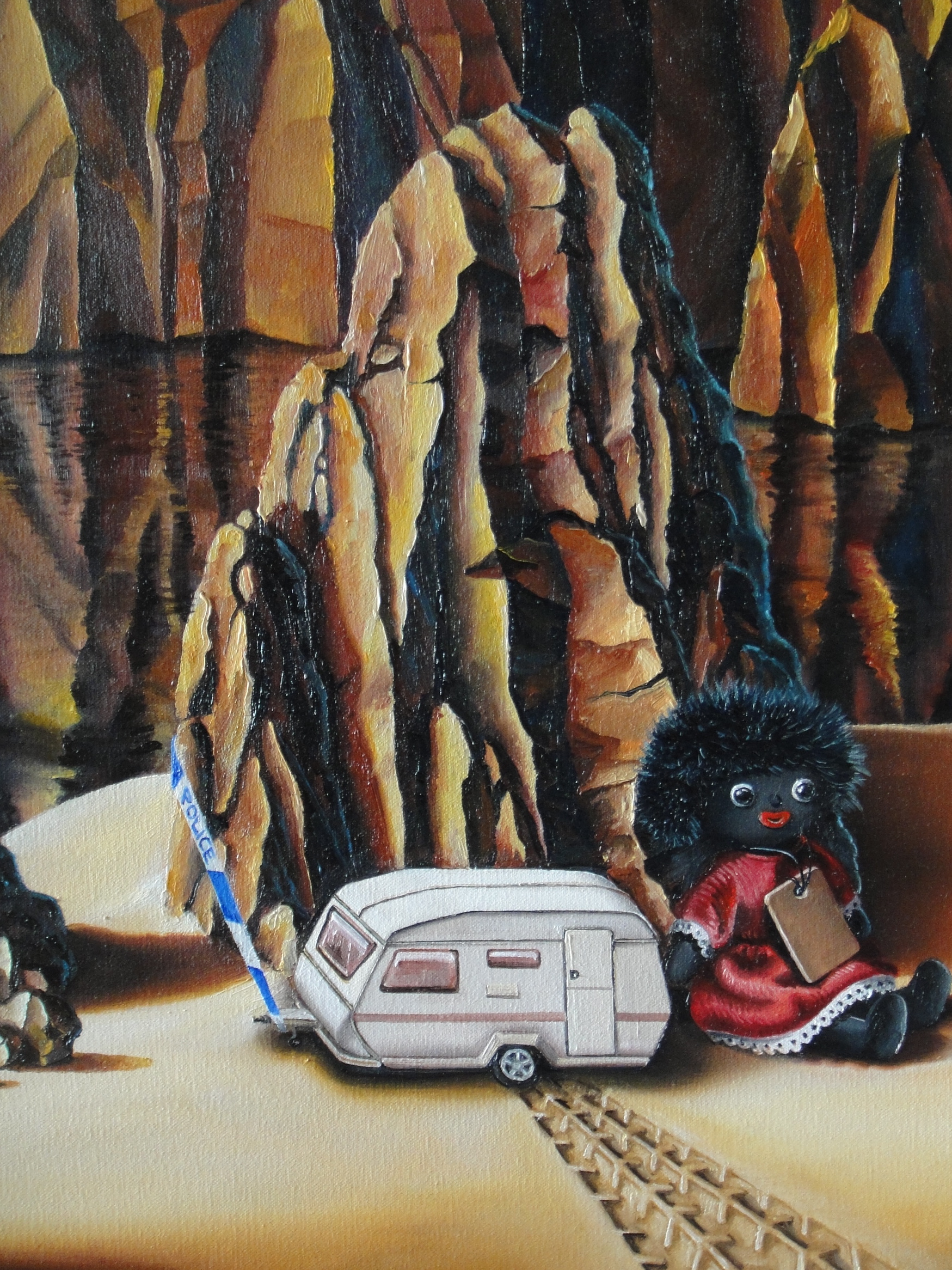
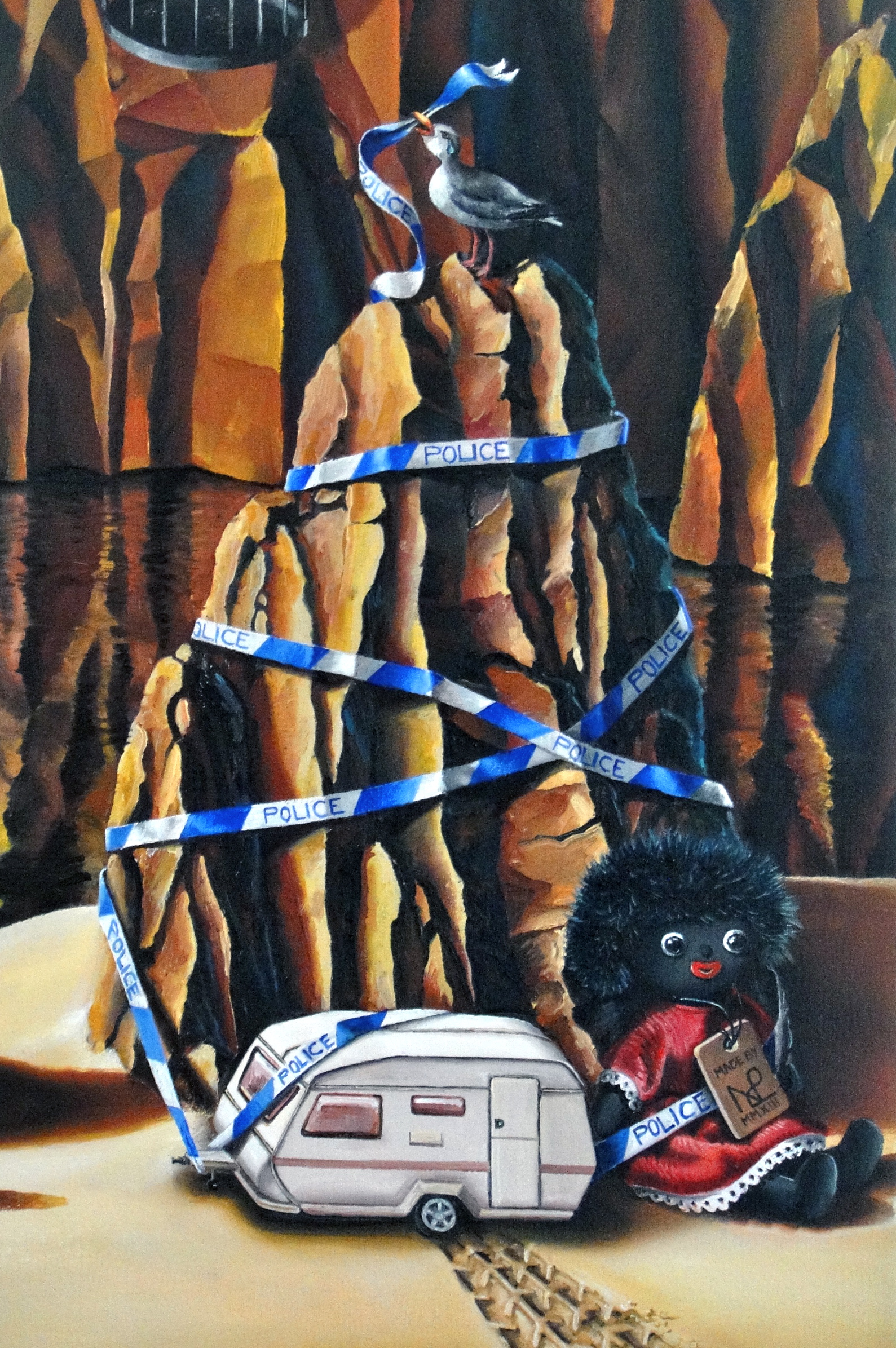
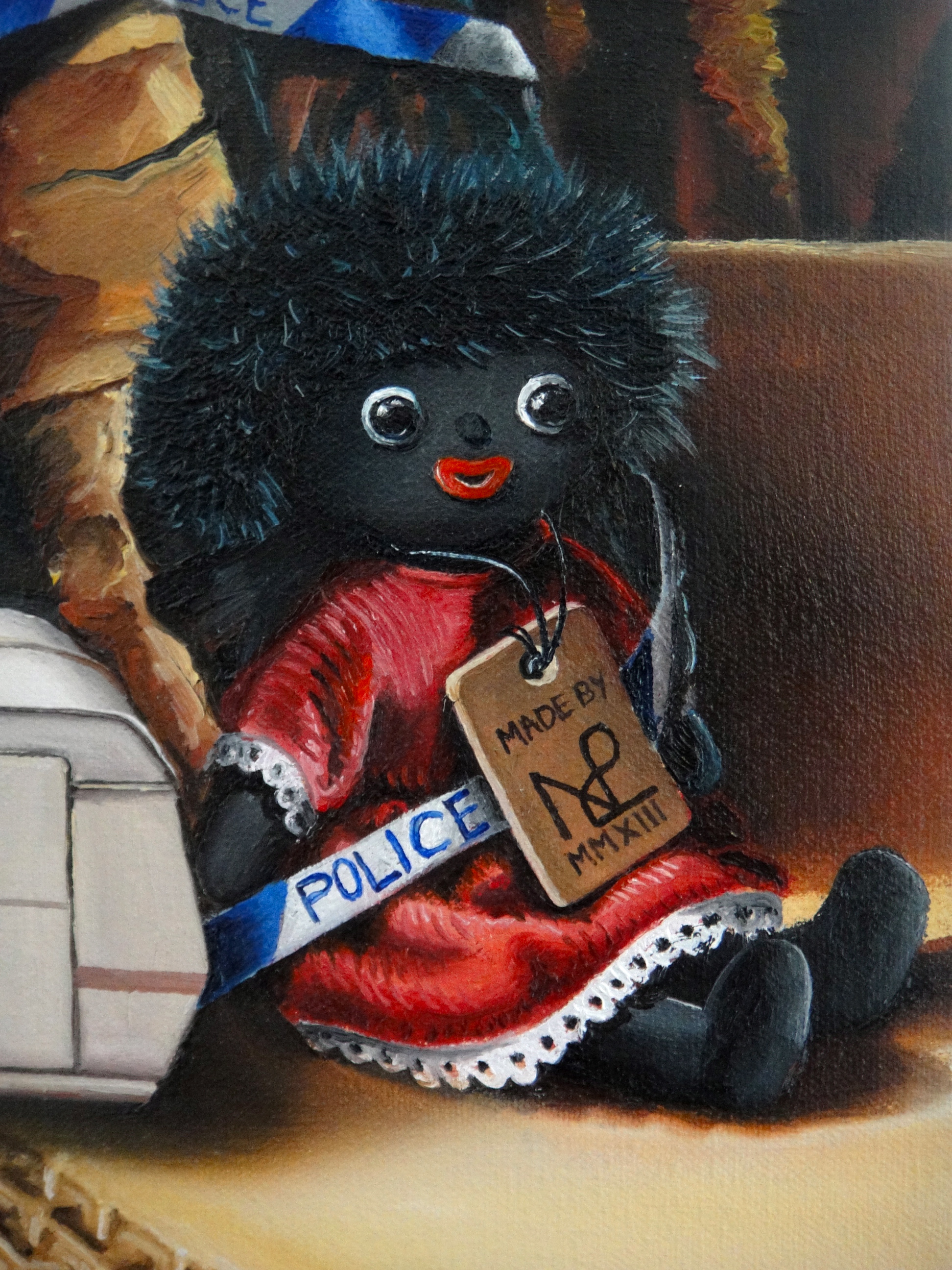
Already painted pre-Christmas was what I had thought of as the “family rock” – a large rock in the bottom right of the canvas, against which a small golly-doll, representing my mother, and a caravan representing family childhood holidays are placed. Those representations remain, but now in a different guise. For wrapped around the rock, ensnaring, entangling the family, the doll, and the caravan in its sinuous web is a police ribbon taken straight from an accident scene. Nothing in the family is free from its reach – it is all-encompassing, a symbol of the inescapable consequences of a family death, a loss of life which affects so many, irreparably, now and into the future.
DSC07444 DSC07582

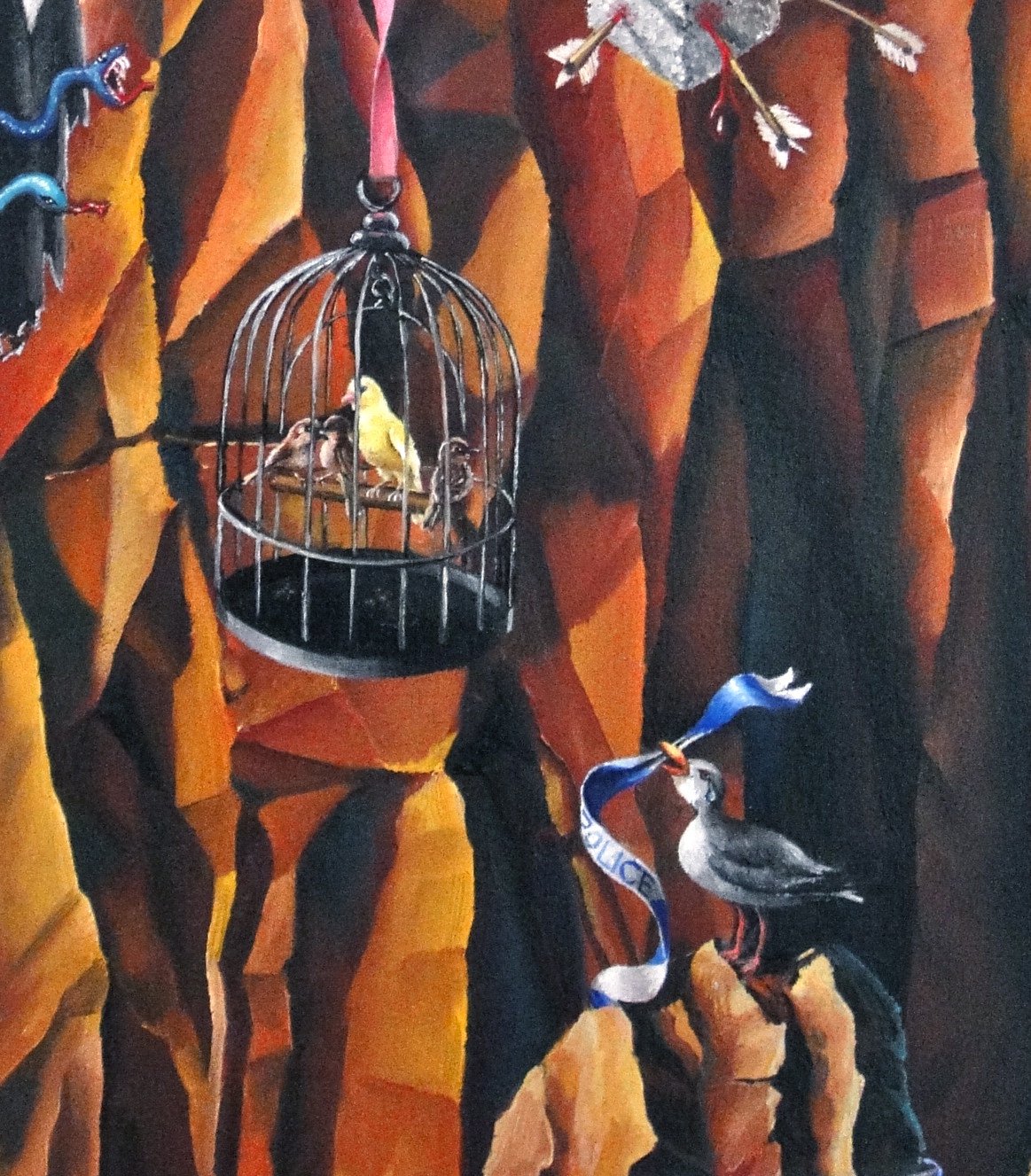
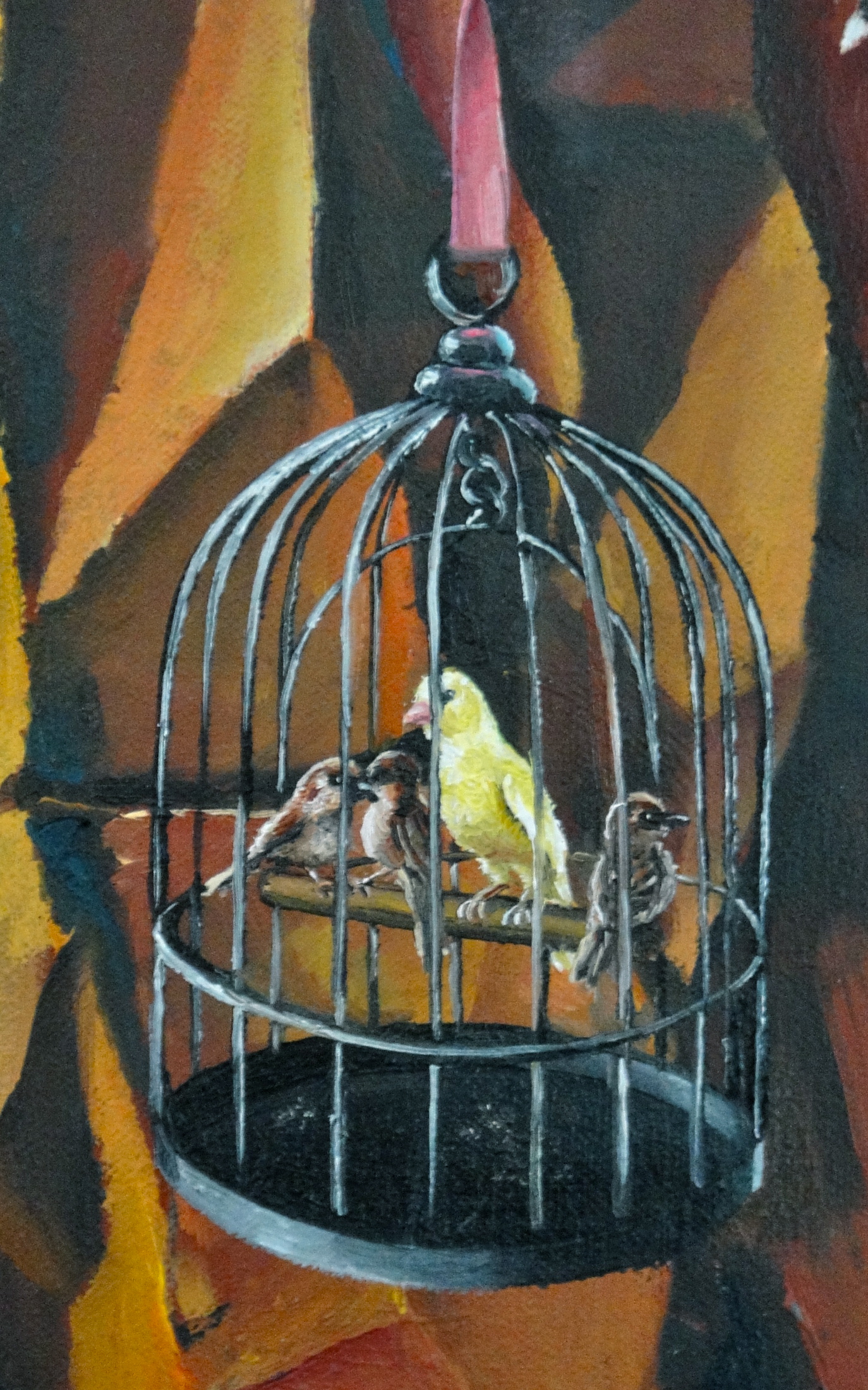
But the image goes further. Atop the rock, a seagull is standing, trying, hard as it might to break the ribbon away, a tear rolling from its eye as it comes to terms with the struggle. The seagull is my sister. We always used to call seagulls “Cathy’s friends” because they always seemed inexorably attracted to her when we were on beach holidays – maybe something to do with the snacks she was eating! The seagull – my sister – looks upwards in the direction of a cage, and in that cage is a bright yellow bird, trapped with three small babies, imprisoned within the confines of its own destiny: responsibility enclosing the bird with an iron fist.
DSC07634

Meanwhile, down at the bottom of the painting, a tire track has imprinted itself through the sand, plunging directly into the rock – the impact of the accident, hitting my family hard. None can escape, although some of us got off lighter than others – around the golly (my mother), a manufacturing certificate hangs outside the confines of the police ribbon. It bares a signature. It’s mine.
DSC07661

© Nicholas de Lacy-Brown and The Daily Norm, 2001-2013. Unauthorized use and/or duplication of the material, whether written work, photography or artwork, included within The Daily Norm without express and written permission from The Daily Norm’s author and/or owner is strictly prohibited. Excerpts and links may be used, provided that full and clear credit is given to Nicholas de Lacy-Brown and The Daily Norm with appropriate and specific direction to the original content.

Printmaking Progress I

I headed along to the Royal Academy of Arts yesterday for the London Original Print Fair. According to the website, it’s the longest-running specialist print fair in the world and yet, I am embarrassed to admit, I’d never heard of it before. Having been abundantly inspired by the prints room at last year’s Royal Academy Summer Exhibition, I never realised that only two months before, the whole Academy is veritably given over to the heterogenous medium of printmaking. And it couldn’t have come at a better time – as I unveiled on The Daily Norm last week, I am now a very eager printmaking student myself, having completed a weekend’s beginners intaglio and etching, and now enrolled upon the intermediate course, with esteemed printmaker Victoria Browne my very enthusiastic and gracefully patient teacher.

©Trevor Price - The Feast II

©Trevor Price – The Feast II

Wondering around the fair, which comprised some 50 galleries and print dealers selling an array of prints from £100 works by lesser-known artists, to 5-figure editions by the likes of Lichtenstein and Francis Bacon (and what I wouldn’t do for one of those), it dawned on me just how fantastically versatile the medium of print really is. While after only 3 days in the attempt, I now feel sufficiently versed in lino printing and etching to at least understand the basics of the medium, I haven’t even got started on dry point, on lithographs, on soft-ground etching, on screen printing. Yet with a beginner’s understanding of at least some print techniques, I was able to enjoy this comprehensive show of prints with a knowing and enthusiastic eye, taking inspiration from the array of prints on offer, and even making a small purchase of a beautiful Cornish-inspired supper scene by distinguished print-artist Trevor Price which was relief-printed and priced mercifully at the lower end of the scale!

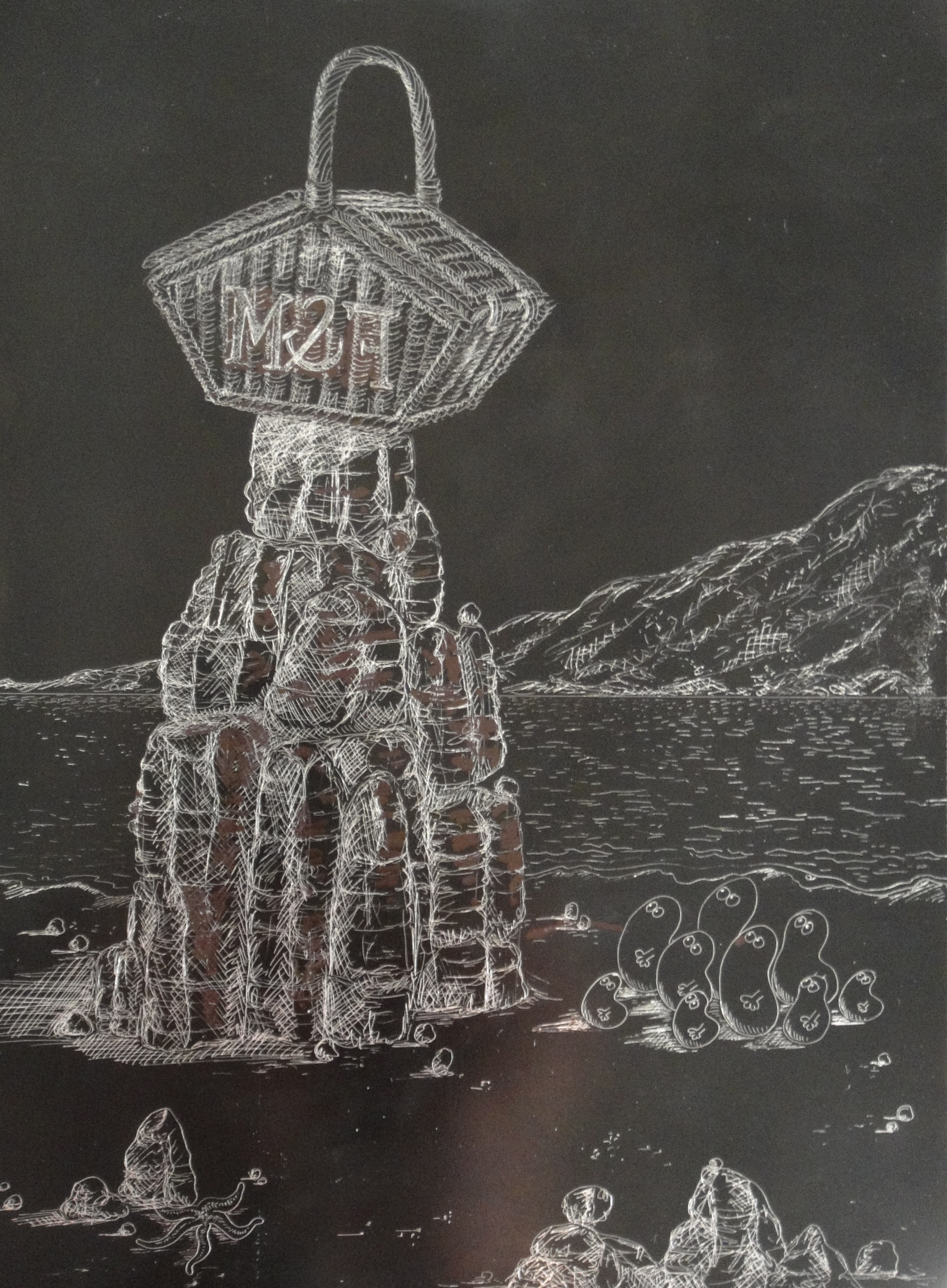
Meanwhile back at home my head is awash with ideas for my own future print creations and an eagerness to learn new techniques. This week I’m due to learn aquatint, a method by which tone is added to the basic lines of an etching. I’ll be adding aquatint to my current etching plate which I can now very proudly unveil. As something of a follow up to my first etching, this one is also set out a Mallorcan beach, and borrows form my Autobiographical Mobile painting in its motif of a Fortnum and Mason’s hamper atop a rock. Meanwhile. down below, a group of perplexed Norms look up at the hamper, as much confused by its appearance as they are slightly scared by its precarious placing upon the rock’s peak.

My second etching pre-aquatint stage (© Nicholas de Lacy-Brown)
My second etching pre-aquatint stage (© Nicholas de Lacy-Brown)
The etching drawn into the  black "ground" pre-exposure to acid

The etching drawn into the black “ground” pre-exposure to acid

I hope to be able to show you an aquatinted version of this plate very soon! In the meantime, I cannot extol the virtues of printmaking enough – fill your homes, check out the print works of the great artists and attend print fairs everywhere – original canvases are so yesterday.

Autobiographical Mobile: My painting diary – Days 20-23: Rock pools

It’s hard to believe that this post represents only days 20-23 of this painting. Something surely has to have gone wrong with this account, for in only now approaching the end of this vast project, it feels like I have been painting for months. I have, in fact, been working on this canvas for sometime – since June last year in fact (albeit intermittently) which just goes to show how little time I actually have to paint now that I am a full time lawyer, blogger and new found sketcher and printmaker.

All the same, sometimes the best results are achieved with a little patience and plenty of hard work, and this aphorism is no better proved than with the latest additions to my autobiographical canvas – 4 days painting rock pools. Hard to believe that they would take so long, but each of the little rock forms, which create balance at the foot of my canvas, reflecting the large mountainous forms above in the sandy stretch below, has its own peculiar shape and character. And since each rock comes straight from my imagination, this isn’t a simple case of painting what’s in front of me. Rather, a process of trial and error commences as I try to paint rocks straight from the soul, with a lightness of approach at first as I allow the naturalistic forms to almost metamorphose innately from a wider brush stroke. Then once I feel and see a shape begin to form, I start filling in the painstaking details with a small brush.

This slideshow requires JavaScript.

The result is a satisfying swathe of rocks and water which add shape and texture to the lower foreground of my work. Reminding me of the hours spent climbing in amongst the various rock pools of the beaches of Jersey in the Channel Islands every summer throughout my childhood, collecting little shells which I later made into little models of snails, these rock forms are an important reflection on the younger years of my life as I explore my story so far on this autobiographical canvas.

© Nicholas de Lacy-Brown and The Daily Norm, 2001-2013. Unauthorized use and/or duplication of the material, whether written work, photography or artwork, included within The Daily Norm without express and written permission from The Daily Norm’s author and/or owner is strictly prohibited. Excerpts and links may be used, provided that full and clear credit is given to Nicholas de Lacy-Brown and The Daily Norm with appropriate and specific direction to the original content.

A Prelude to Printmaking – Part 2: Linocut

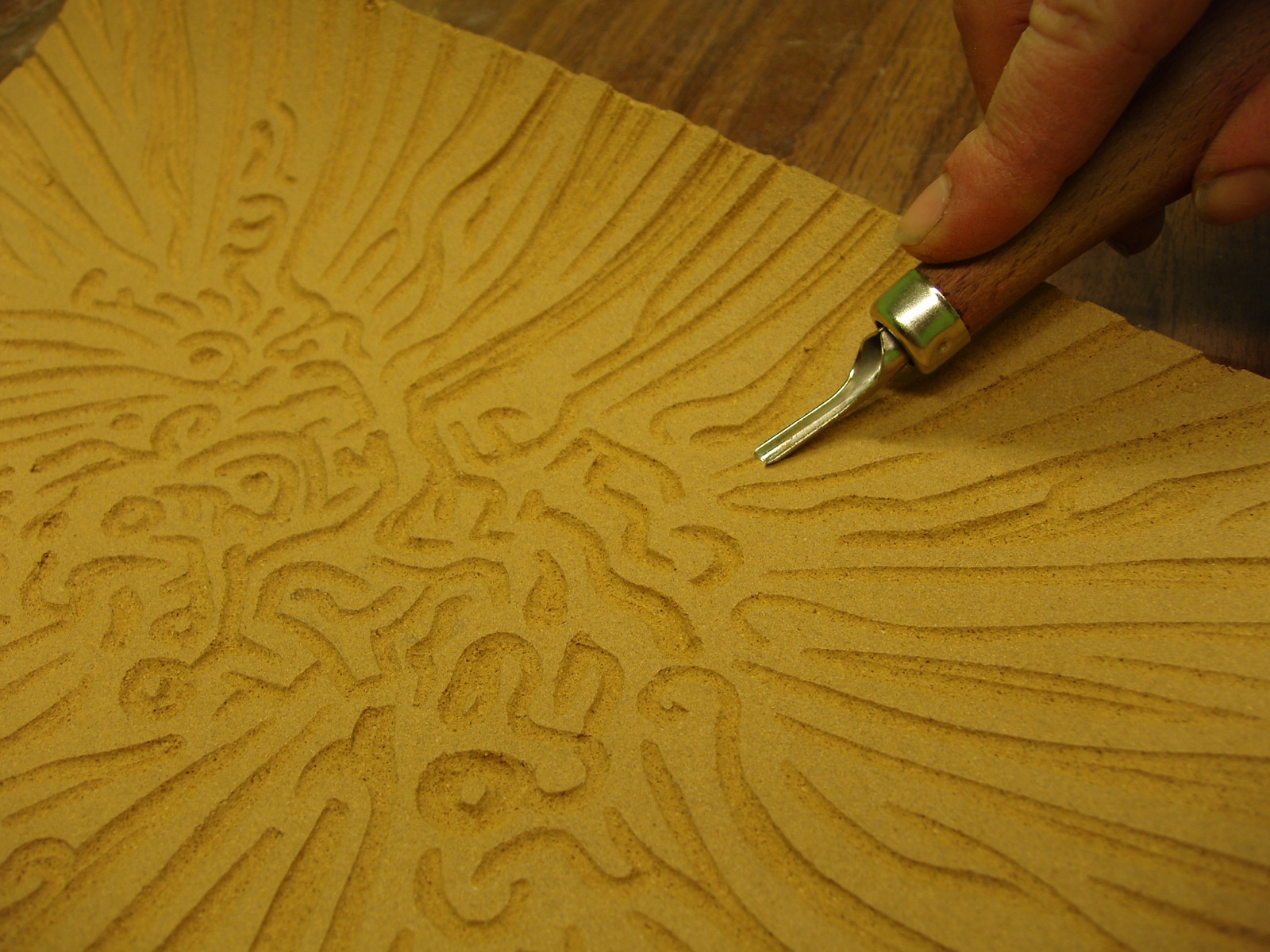
Following yesterday’s post, introducing my first ever attempt at etching to the world, here is my first ever attempt at lino cutting. Linocut, which is a form of relief printmaking, involves cutting into linoleum, which, while originally conceived for flooring, has been used by printmakers for almost as long because of its soft surface for cutting while retaining a sufficient durability for printing.

Linocutting is perhaps even trickier to get your head around than etching. This is because you use the same piece of lino to make a print of various colours. In order to “protect” each colour, you cut away at the lino further between prints, going from light to dark because light colours will never show up when printed over darker inks.

Cutting into lino

Cutting into lino

So to explain further, you first cut away from the lino anything you want to remain white. This is because the ink will never touch those cut away areas when the ink is rolled over the lino, so once applied to paper, the paper will remain white where the cuts are. Once you’ve got the hang of that and printed your first colour, the same then applies again to that colour – once you roll a darker colour over the lino, it will simply print on top of the first colour unless you cut more of the lino away to protect it. And so it continues for each layer of colour.

We worked with three colours, but with no forward planning on the details of my image, it was extremely difficult to work backwards and think of the image in terms of light going into shadow, and what colours needed to be preserved and what cut away. The lino also proved difficult to cut in a controlled manner.

The result is something a little coarse, but it’s a finish which I think works really well with the theme – Mexican Norm! Here is the finished print (I printed an edition of 5):

Mexican Norm (linocut print)

Mexican Norm (linocut print)

…and here is the lino after it’s final cut.

DSC07300

Linocutting was not a technique I loved as much as etching, largely because I find the process of making the image in etching easier to control. Nevertheless I was delighted with the results achieved through linocutting and would certainly like to give it a go again.

Norm prints a plenty, here we come…

© Nicholas de Lacy-Brown and The Daily Norm, 2001-2013. Unauthorized use and/or duplication of the material, whether written work, photography or artwork, included within The Daily Norm without express and written permission from The Daily Norm’s author and/or owner is strictly prohibited. Excerpts and links may be used, provided that full and clear credit is given to Nicholas de Lacy-Brown and The Daily Norm with appropriate and specific direction to the original content.

A Prelude to Printmaking – Part 1: Etching

I’ve never really paid much attention to prints, and still less black and white prints which, in a gallery full of paintings never seemed to capture my attention. All of this began to change around last summertime. The first trigger was the Royal Academy’s annual Summer Exhibition where, amongst the numerous galleries full of paintings of often rather questionable quality, I found myself inexorably drawn to the print gallery, a room packed to the rafters with prints of every conceivable style, technique and colour (and in fact bought two!).

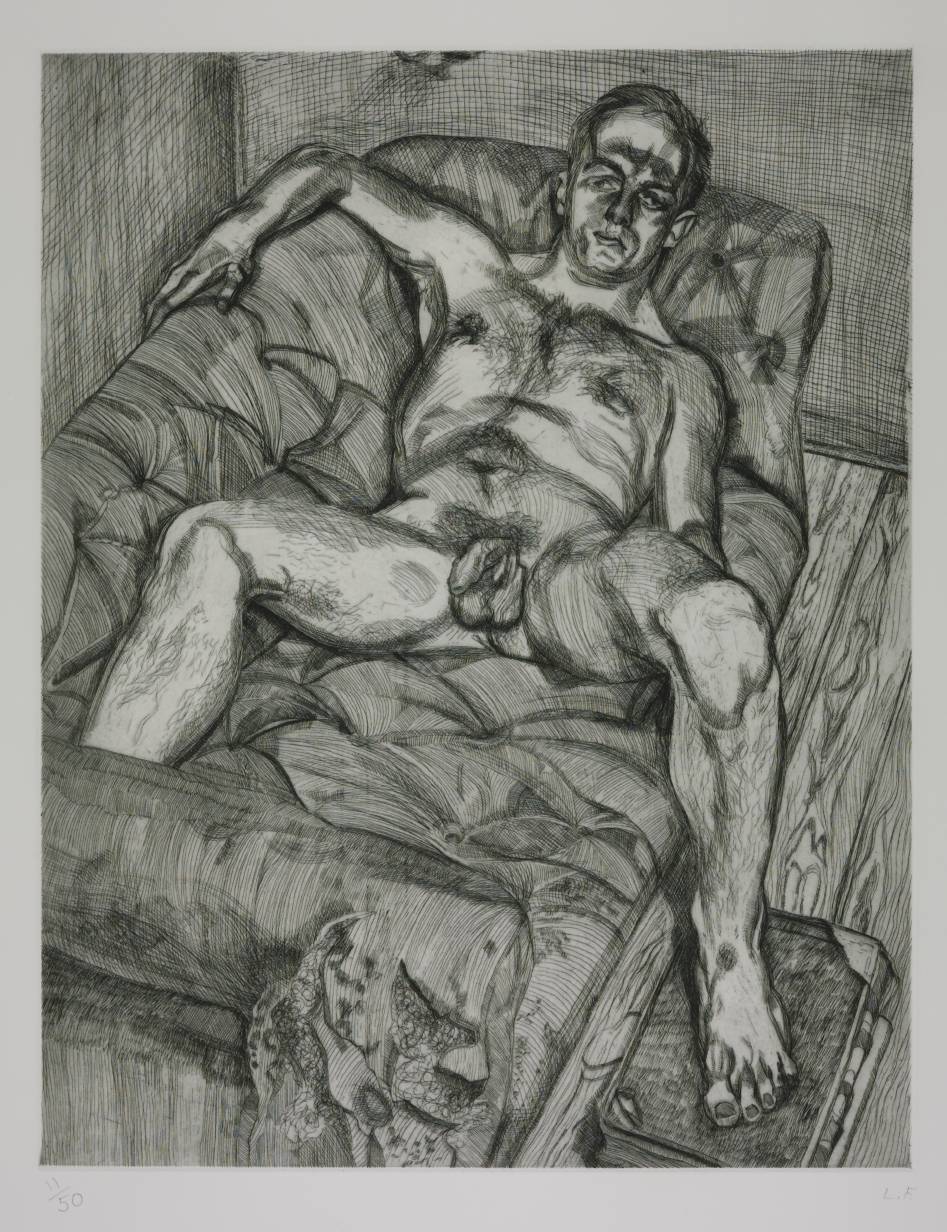
Lucian Freud, Man Posing (1985)

Lucian Freud, Man Posing (1985)

The second trigger came on a visit to the Courtauld Gallery at London’s Somerset House, where a newly acquired collection of Lucian Freud etchings had been hung. I was completely entranced by these works, which, in their monotone black and white seemed to shift focus from what is usually Freud’s fleshy textured paintwork to the almost visceral, fervid lines and cross hatchings by which Freud had reimagined many of his painted portraits in this new medium. In particular I adored Freud’s etching Man Posing (1985) in which the use of etching as a medium seemed to me so artfully applied to capture every hair, muscle and contour of the figure’s naked body.

Completely captivated, I went home and that very evening researched the internet for tips on how to etch. I very soon realised that unlike painting, etching would not be so easy to self-teach, and promptly enrolled myself for a printmaking course at the Art Academy in London Bridge (there being no introductory course dealing exclusively with etching).

Having now done this short weekend course, I can unconditionally say that I am hooked on printmaking, and on etching in particular. On the course we undertook two techniques – one was relief work (we used lino cutting – which I’ll tell you all about in Part 2 of this post); the other was the much anticipated etching technique, something which I found every bit as enjoyable to execute as I had taken delight in looking at Freud’s finished prints.

Another favourite etching - Edward Hopper, Night Shadows (1921)

Another favourite etching – Edward Hopper, Night Shadows (1921)

The process of etching is surprisingly fiddly. Of a whole day’s work in the studio, I probably spent a maximum of around 45 minutes actually drawing out my image onto plate – the remainder of the time was engaged in preparation and printing. Etching uses metal (we used zinc) and an image is etched into the plate using acid. That plate is then plied with ink and used to print an edition. So how does it all work? Well basically, once you’ve got yourself a metal plate (and carefully degreased it), you apply a dark “ground”. This is the layer which protects the metal when it is placed in acid. Once applied, you use a needle to draw your image. It is this process which reveals the metal underneath which will then be “etched” into the metal once acid is applied. So the process of drawing into the ground is a somewhat perplexing one – not only do you have to plan the image in reverse, but you’re also working in the colour negative, cross-hatching into metal to create shadows on your print, when what you end up drawing appears to be light on dark.

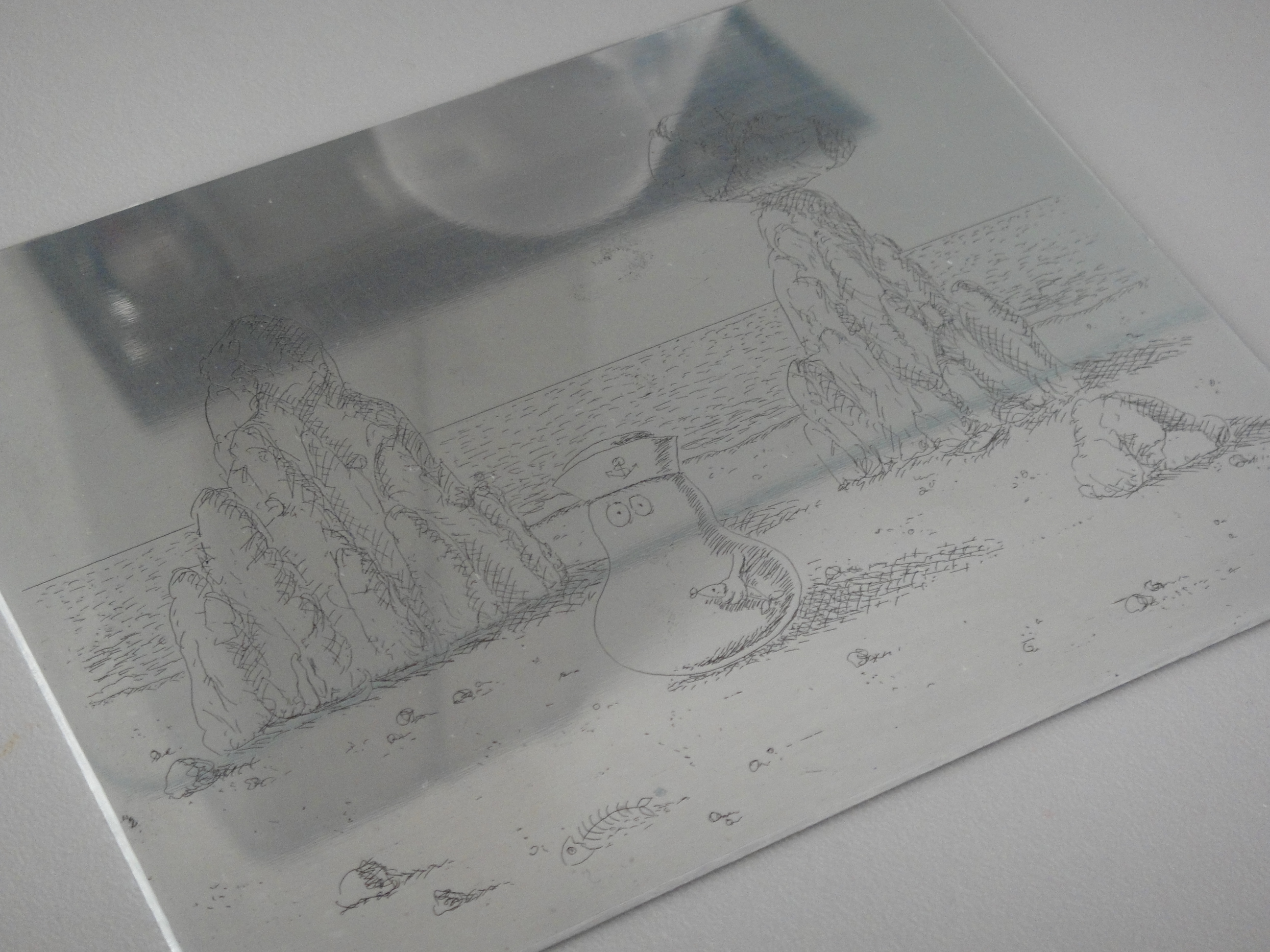
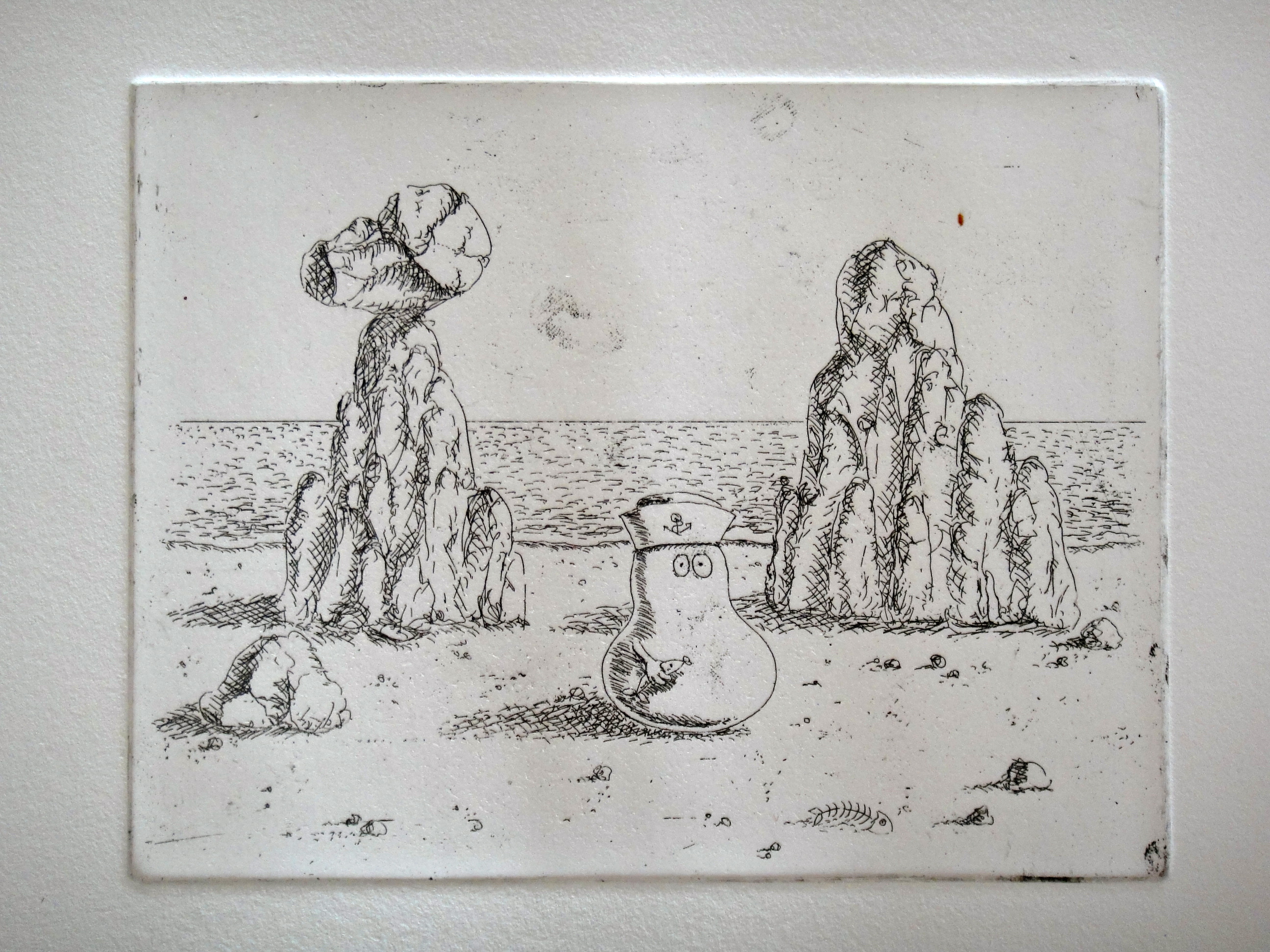
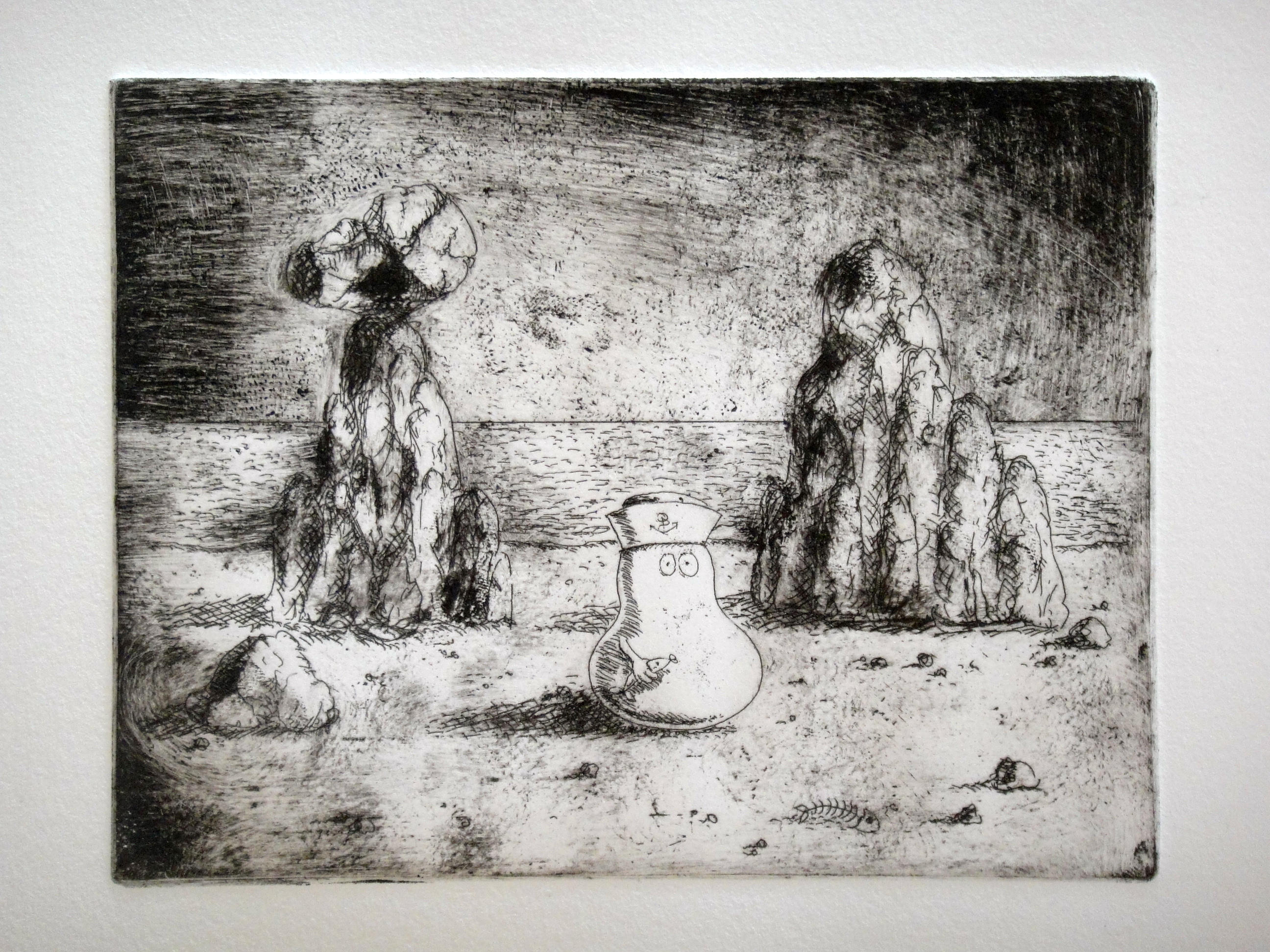
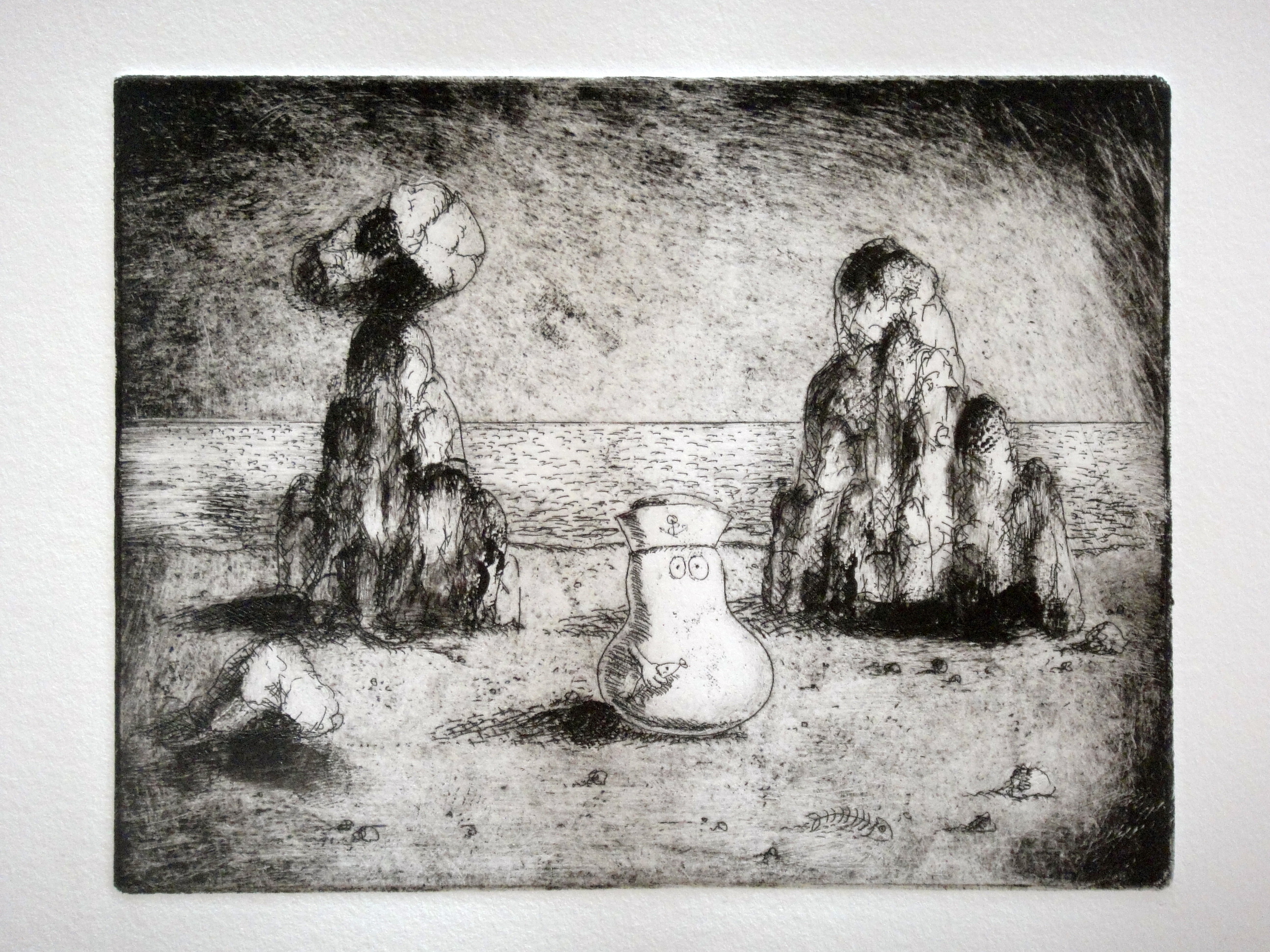
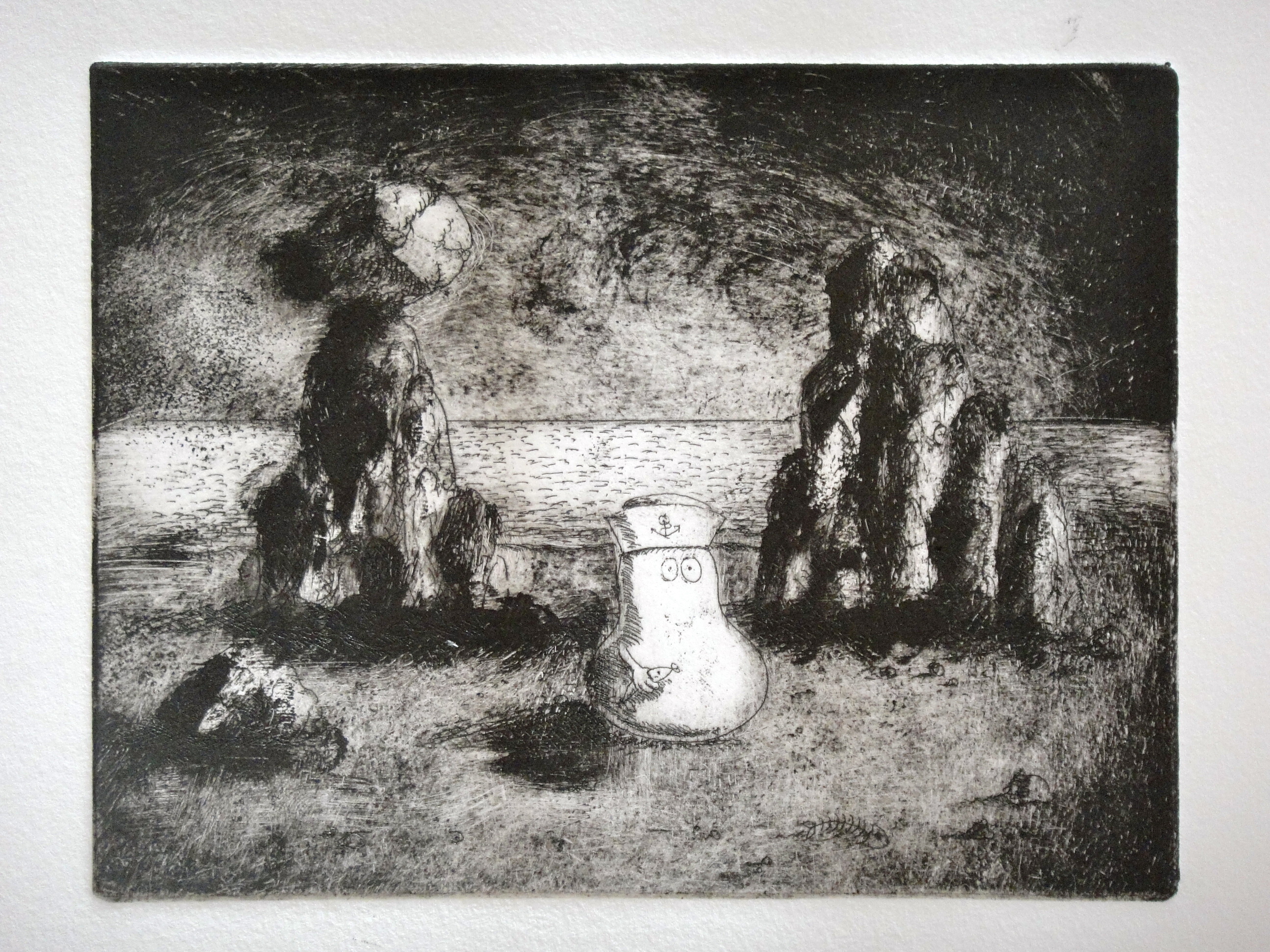
Anyway, I’m getting a little techy and I’m sure what you actually want to see is the result. And here it is: Sailor Norm on a beach in Mallorca (holding a fish). I probably ought to think of a better title, so any suggestions are welcome.

Here’s the metal plate with the image etched into it.

DSC07310

Then below, you can see what it looks like once printed: a series of prints which shows me experimenting with ink removal. In the first, I removed all the ink off the plate apart from the application of ink to the narrow etched lines. In the second, I left a little ink on the plate to create a moodier effect, and for the third and fourth left more and more, specifically targeting certain areas where I wanted more shadow. My favourite is probably the second or third. What do you think?

Sailor Norm on a beach in Mallorca (holding a fish) - print 1

Sailor Norm on a beach in Mallorca (holding a fish) – print 1

Sailor Norm on a beach in Mallorca (holding a fish) - print 2

Sailor Norm on a beach in Mallorca (holding a fish) – print 2

Sailor Norm on a beach in Mallorca (holding a fish) - print 3

Sailor Norm on a beach in Mallorca (holding a fish) – print 3

Sailor Norm on a beach in Mallorca (holding a fish) - print 4

Sailor Norm on a beach in Mallorca (holding a fish) – print 4

So that’s my first etching done, and with an intermediate course now booked, I cannot wait to create more and explore this new medium further. The etching is truly my oyster…

© Nicholas de Lacy-Brown and The Daily Norm, 2001-2013. Unauthorized use and/or duplication of the material, whether written work, photography or artwork, included within The Daily Norm without express and written permission from The Daily Norm’s author and/or owner is strictly prohibited. Excerpts and links may be used, provided that full and clear credit is given to Nicholas de Lacy-Brown and The Daily Norm with appropriate and specific direction to the original content.

Sunny Sunday Morning

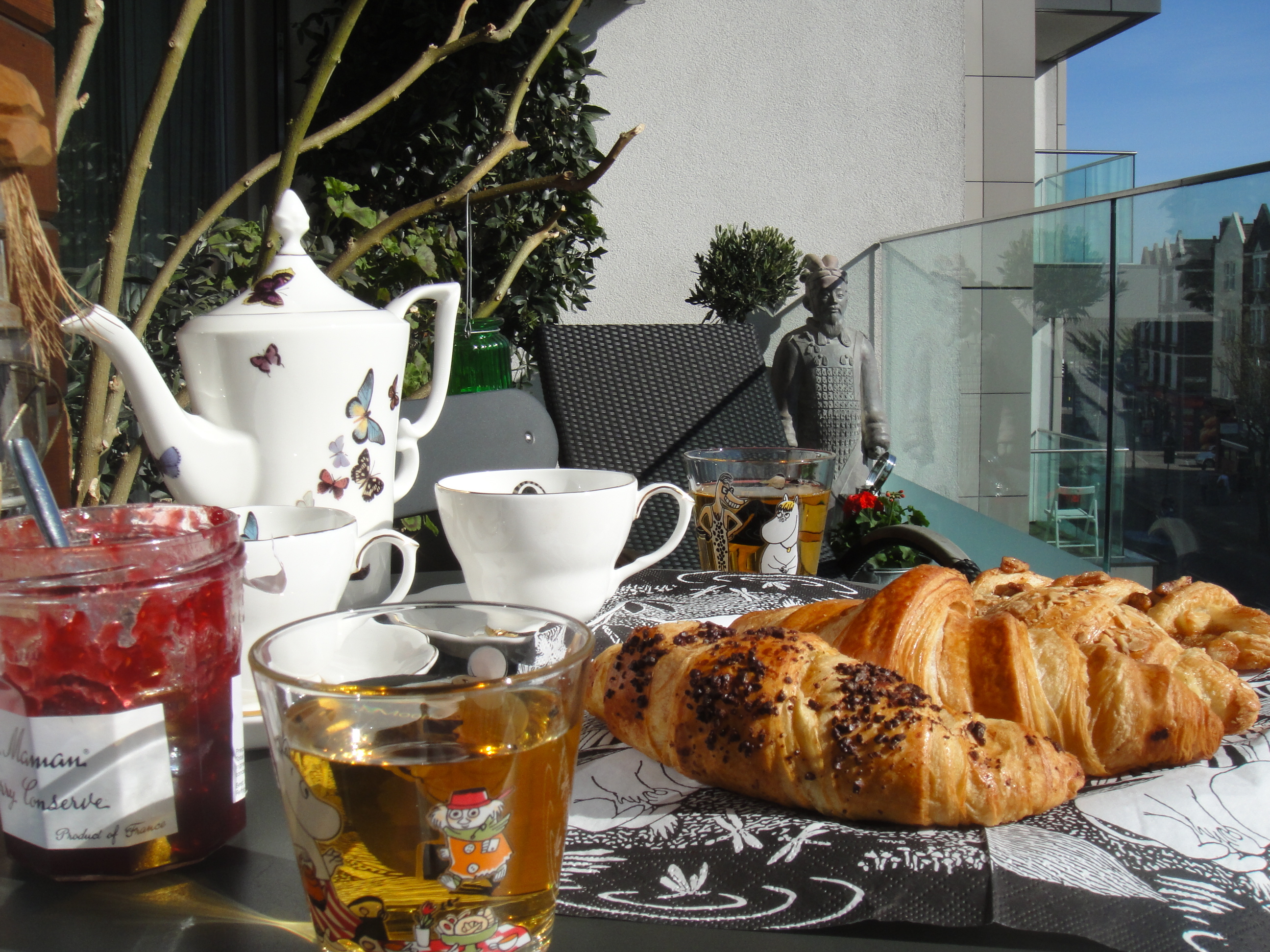
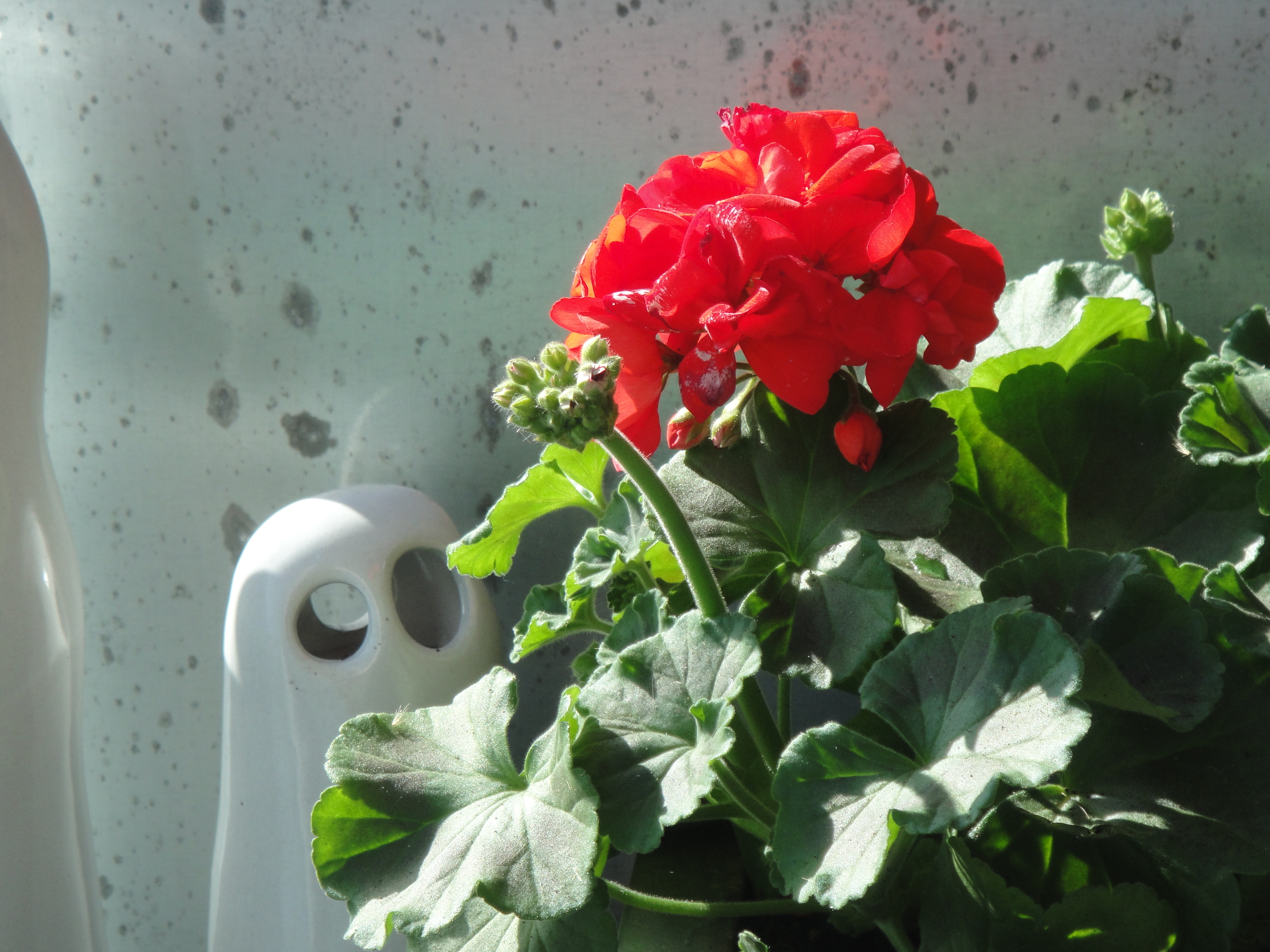
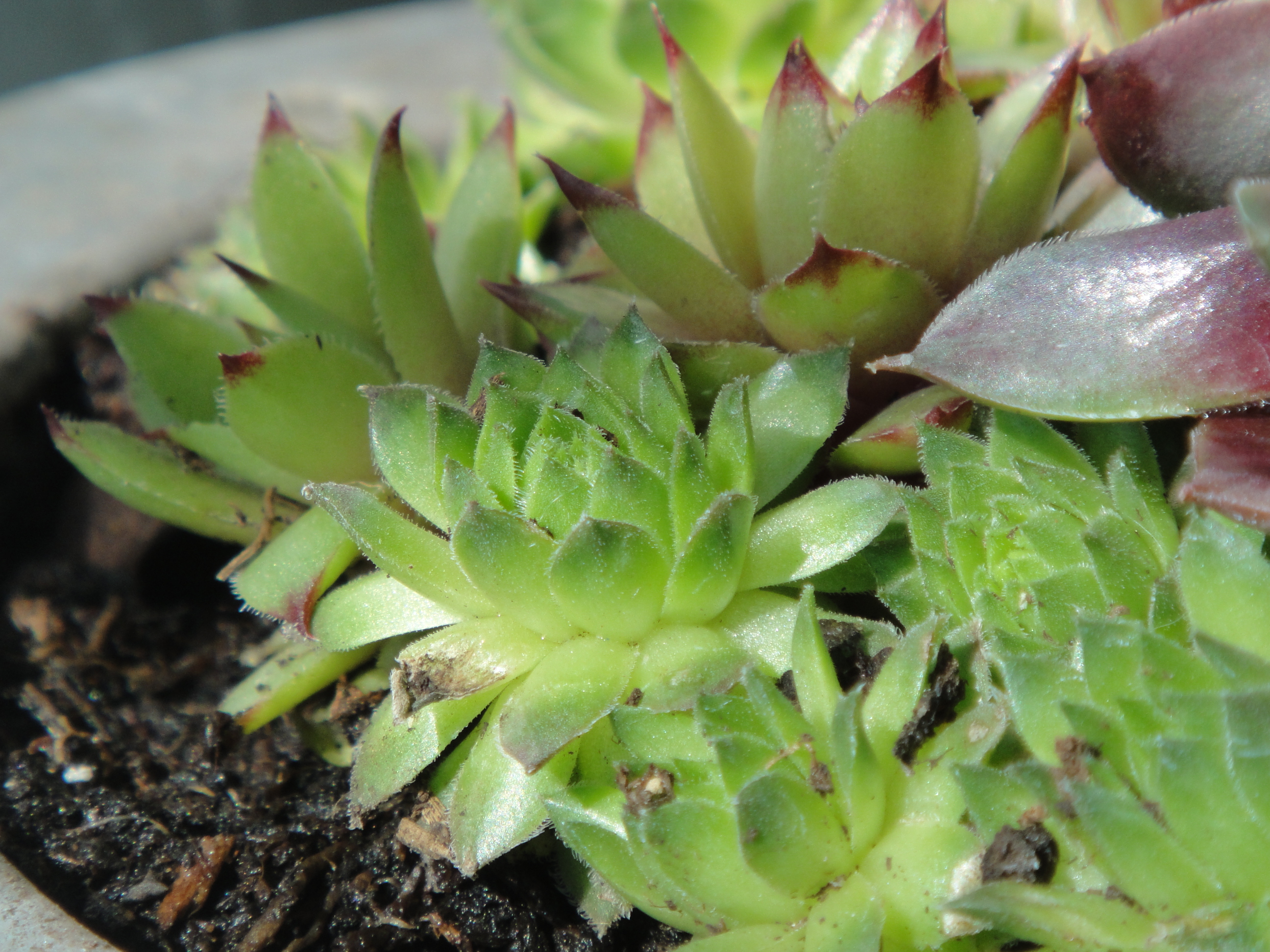
Fresh pastries, a pot of aromatic earl grey tea, the Sunday paper packed with supplements on culture and style and food, fruit juice sparkling as the sun throws long shadows across my little city balcony, a sun which finally possesses sufficient strength to cut through the chilly stubborn wintery air which has dogged the UK weather for the last 6 months. Spring has arrived, my balcony is getting green, and surrounded by newly potted plants purchased from a little garden centre squeezed politely alongside North Dulwich’s train station, my partner and I sat down yesterday morning to a Sunny Sunday morning. Every day should begin this way, but as today’s sardine-squished tube journey has reminded me, very few do. Hence why I felt it only appropriate to share the momentous morning that kicked off yesterday’s Sunday so well, instilling hope into us both that the Summer is on its way.

DSC07425 DSC07440 DSC07439 DSC07438 DSC07434

Wishing you all a good week 🙂

Springtime debuts in Dulwich

Waking up on Saturday to the sun streaming into my room and what looked like the faint glimmer of blue sky seen through a crack in my blinds was an odd sensation. Not having to rush up to turn the heater on before swiftly re-burying myself back into the warmth of my duvet was another. For this kind of good weather just doesn’t happen here in the UK, where winter appears to have reigned for so long that most of us had given up any hope of ever having a summer, the assumption being that the White Witch of Narnia was obviously back in power again. Indeed after the coldest March for over 40 years, and an equally chilled start to April, the final debut of Spring this weekend, right at the end of April, was not an event that could be allowed to pass unmarked.

Better late than never I say, and how better to celebrate this sunny saturday than by behaving as a tourist in my own city? Yes, it was to the London suburb of Dulwich, in the south east of the city, and more specifically to the village thereof that we headed to mark the arrival of Spring, a village which, despite some 10 years as fully fledged resident of London, I have never visited. The reason for this? Generally speaking the fact that there is no tube there – but as we found out today, the village is well connected by both bus and train. We took the no. 37 from Clapham Common, which got us to Dulwich, via Brixton and Herne Hill in around 20 minutes.

DSC07336 DSC07374 DSC07352 DSC07370 DSC07339 DSC07378

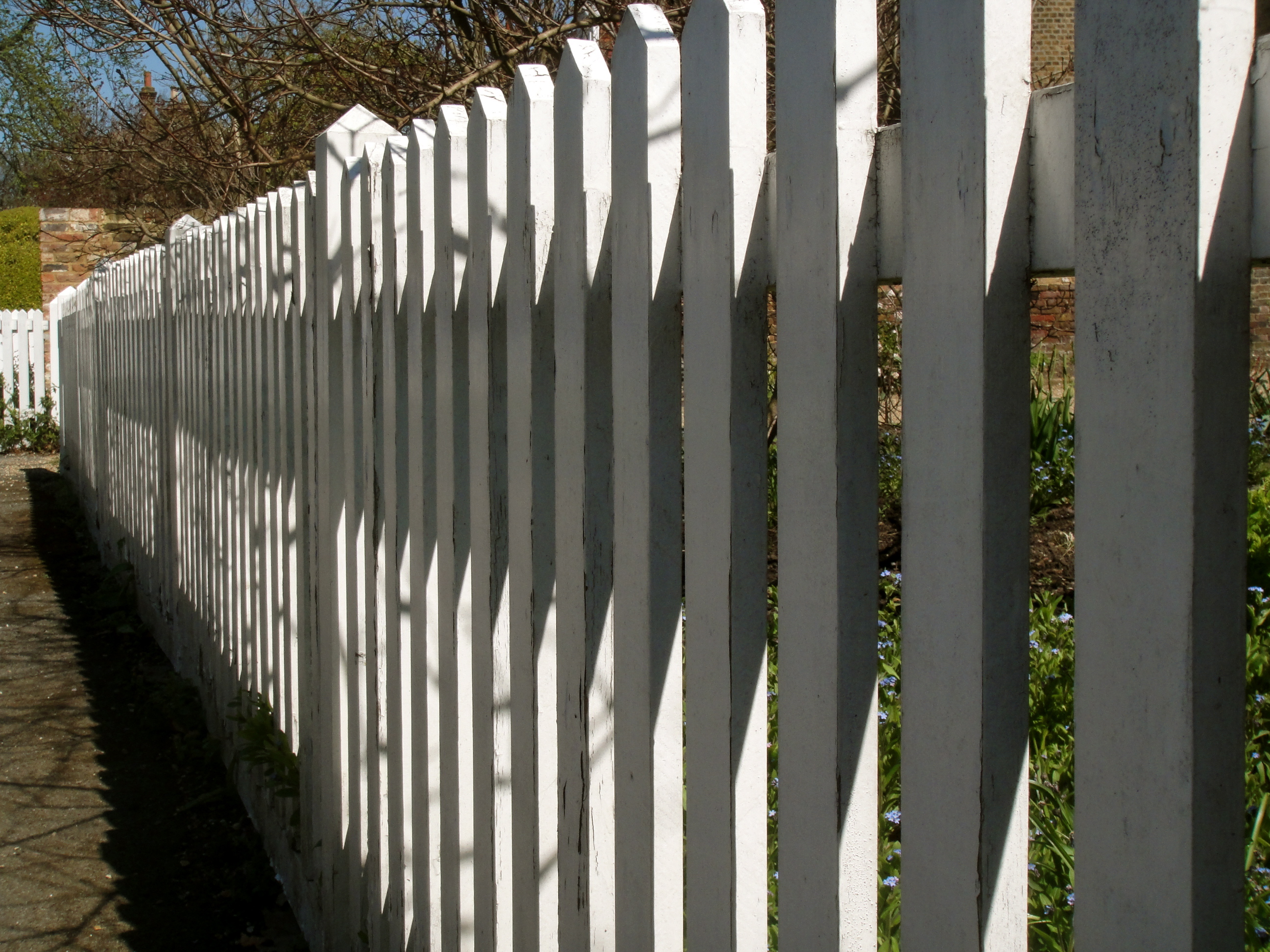
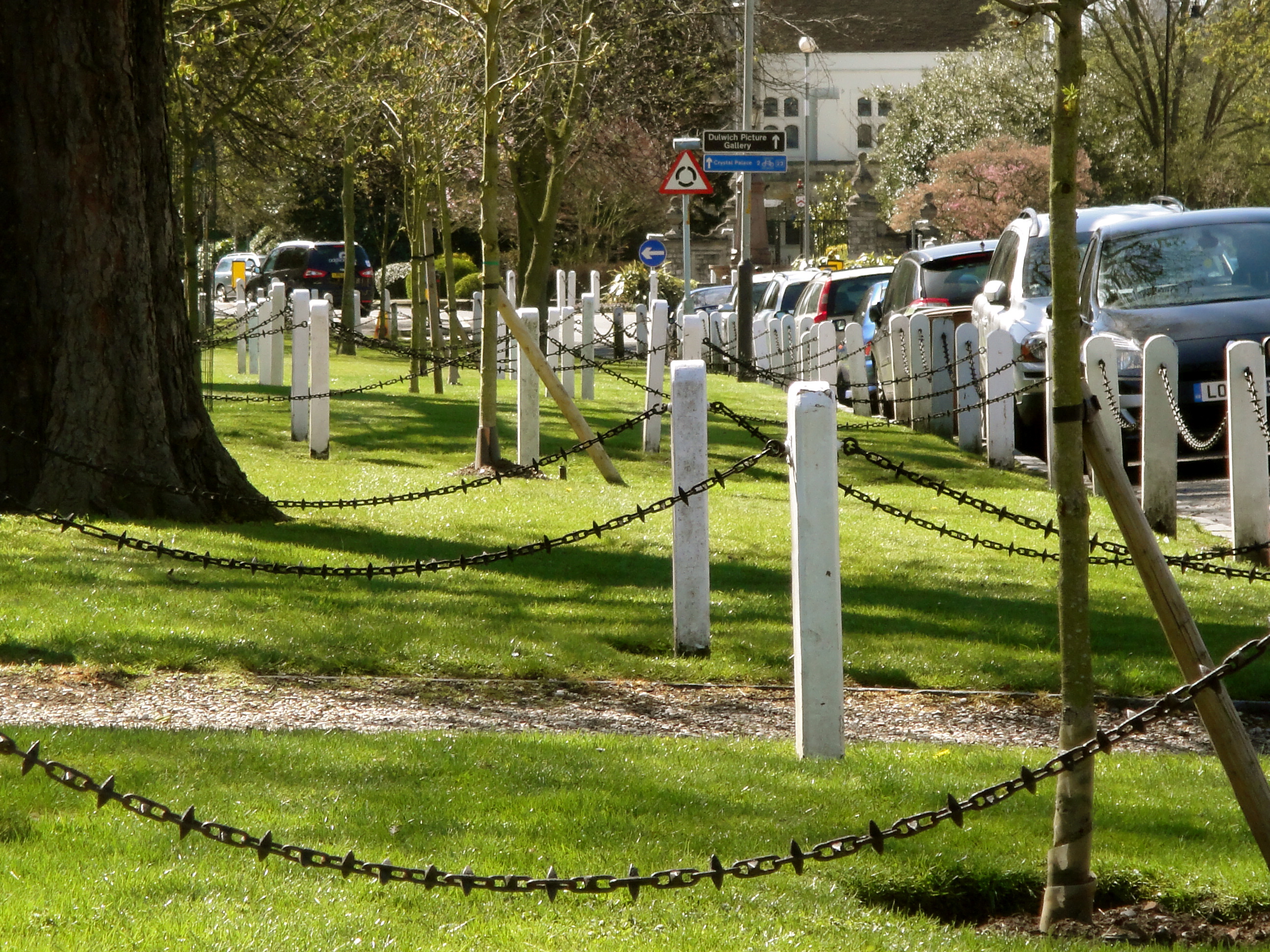
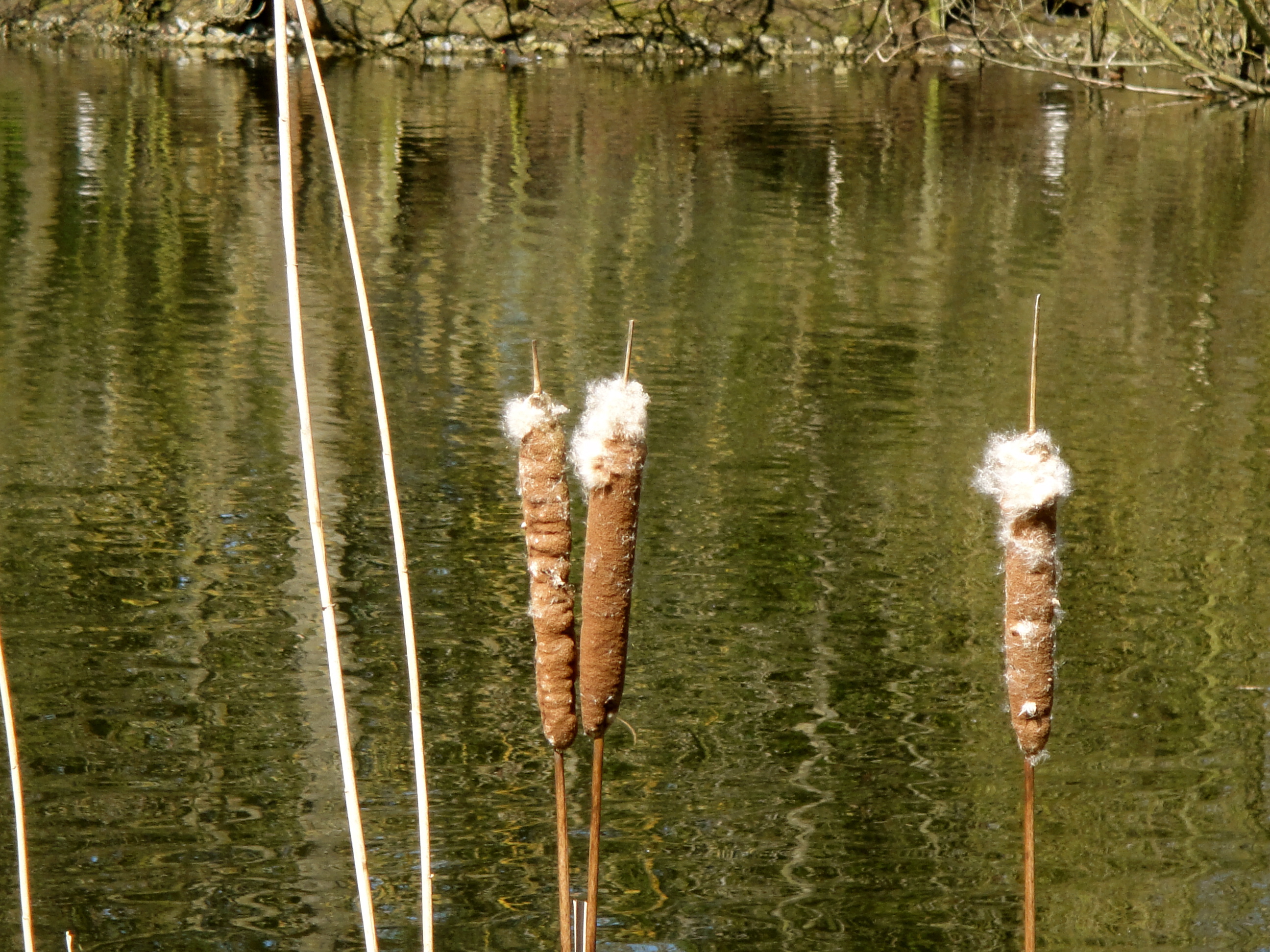
Dulwich Village is, as my photos will demonstrate, a secluded and rather affluent little enclave, full of picket fences, young families of well-oiled business men and plenty of “ladies that lunch”, yummy mummies and the like. Best of all, what with all the wealth and the family living, together with the rather large expenses houses and spacious gardens, the area of Dulwich is particularly green, full of blossoming trees and robust lawns as well as large open spaces such as Dulwich Park which has its very own boating lake, tennis courts and well-manicured gardens. All very civilised. And of course perfect surroundings for a day which felt ripe with the first inklings of Spring.

DSC07347 DSC07368 DSC07344

The main purpose of our visit was to visit the Dulwich Picture Gallery, a gallery which is so well-established (and is in fact the oldest public gallery in the UK, opening in 1811 at the bequest of Sir Francis Bourgeois RA) that again I wonder why on earth I haven’t visited before. The gallery, which boasts in its permanent collection a singularly impressive selection of notable artists from Velazquez and Gainsborough, to Rembrandt and Canaletto, is quite small but perfectly formed. This first visit to the gallery had been moreover prompted by a temporary exhibition, Murillo & Justino de Neve: The Art of Friendship,  which, as the name suggests, explores the work of a master of the Spanish golden age, Bartolomé Esteban Murillo (1618-1682), and in particular the particularly prolific body of work he created under the patronage of collector Justino de Neve.

DSC07364

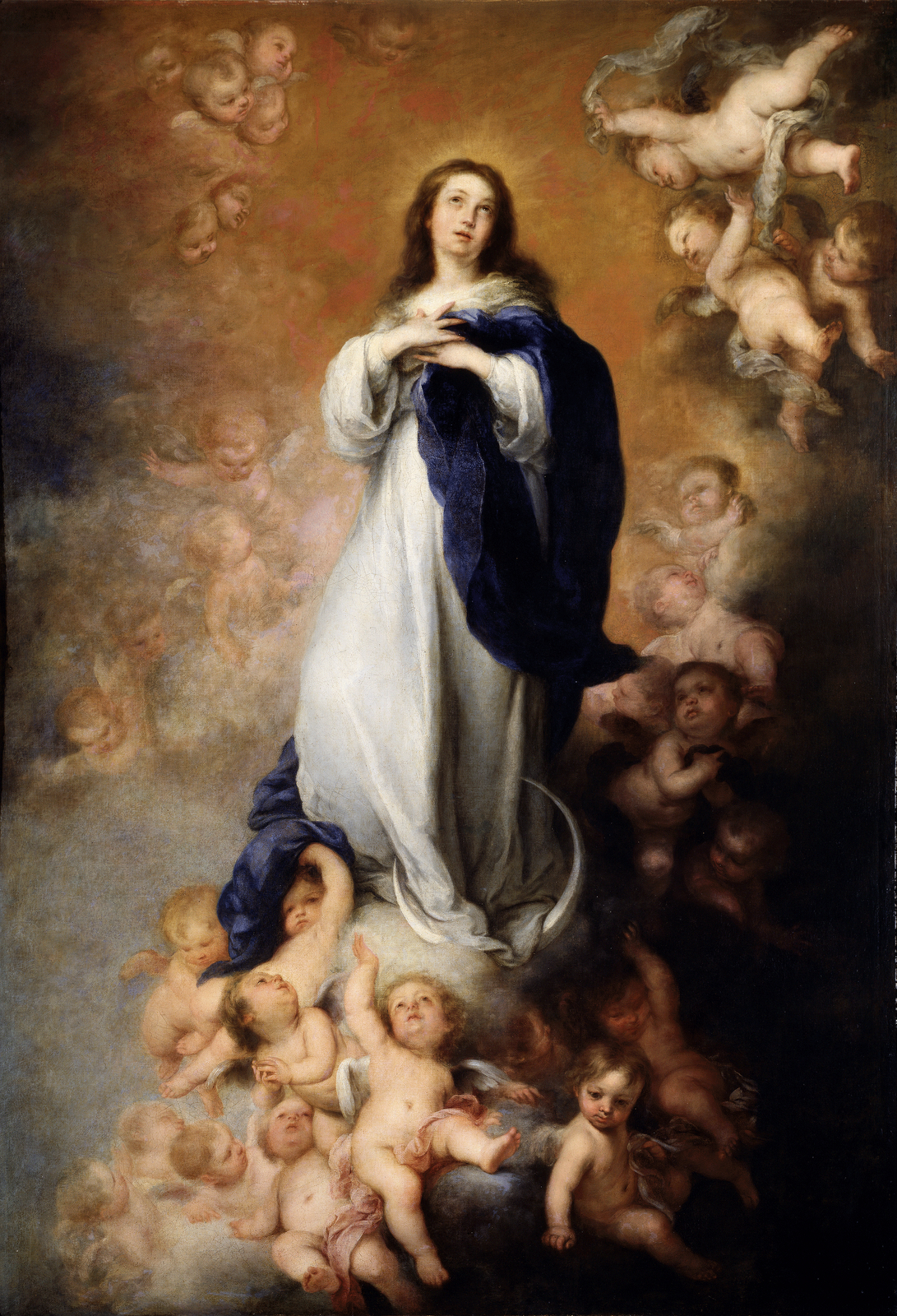
De Neve was a man with some not insignificant sway in 17th century Seville, the city of Murillo’s birth, and managed to secure for Murillo a number of high profile commissions, including works for Seville Cathedral like The Baptism of Christ whose exhibition in this show marks the first time the painting has been removed from Seville Cathedral since it was put there in the 1600s. There are various others of those commissioned religious set pieces in the show which has been curated to represent something of a gloomy baroque atmosphere, with darkened walls, and a central “nave” to the exhibition, lined with large lunette canvases and culminating with the star of the show, the Inmaculada Concepcion de los Venerables, a stupendously ephemeral, light infused portrait of the immaculate conception, boasting all of the trademarks for which Morillo became famous, such as the vaporescent light, idealised figures and soft melting forms. The painting, exhibited for the first time back in the sumptuously carved frame for which it was originally intended, is an incredibly well executed work, with its cascade of angels fading gradually into the distance, and its radiant golden light off-set against the blue of Mary’s robes. Yes, it’s a little saccharine for some tastes, but when seen in the right light, it’s an undeniably impressive almost awe-inspiring piece. Sadly, correct lighting was not something that this gallery did particularly well, with so many of the darker paintings being almost eclipsed by reflective light with the result that one could only see the painting by standing at a very specific and distant angle – it’s luckily the gallery was not busier or I fear everyone would have been vying for the same spot.

Murillo, Inmaculada Concepcion de los Venerables (1678)

Murillo, Inmaculada Concepcion de los Venerables (1678)

Murillo, The Baptism of Christ (1967-8)

Murillo, The Baptism of Christ (1967-8)

After a stroll around the Dulwich Picture Gallery’s fine accompanying gardens, complete with a winding path suitable for a contemplative perambulation, and various sculptures to tempt the eye, we headed back into Dulwich Village, where the bustling restaurant Rocca seemed a batter choice than the chain fodder of Pizza Express and Cafe Rouge across the way. As the name suggests, the restaurant presents italian fair, but its menu is depressingly anglicised. Pasta with peas and cream, spaghetti bolognese and tagliatelli carbonara – it doesn’t get much more cliché – and the pizzas, which came in a range of ingredient combination, also lacked the innovation (and the requisite crispy thin base) that comes to be expected of modern Italian cuisine. Nonetheless, we started the meal with a delicious octopus carpaccio (pictured) which was well seasoned and marinaded in chilli and oil, while a lemon and orange tart for dessert, in a rich buttery pastry went down particularly well.

DSC07375

We ended our day by strolling around Dulwich Park, another of the vast green areas of which London so can proudly boast to be one of the greenest cities in Europe. Here the sense of familial civility reached its height, with young families and loved-up couples enjoying the warmth and serenity of a first day of Spring, bobbing around in the peddle-boats of the boating lake as they did so; a scene of such unabashed idealism that I  thought for one moment that I could see the golden glow of Murillo’s paintings emanating into the ephemeral space above.

DSC07386 DSC07356 DSC07393 DSC07353

Murillo & Justino de Neve: The Art of Friendship is on at the Dulwich Picture Gallery until 19 May.

© Nicholas de Lacy-Brown and The Daily Norm, 2001-2013. Unauthorized use and/or duplication of the material, whether written work, photography or artwork, included within The Daily Norm without express and written permission from The Daily Norm’s author and/or owner is strictly prohibited. Excerpts and links may be used, provided that full and clear credit is given to Nicholas de Lacy-Brown and The Daily Norm with appropriate and specific direction to the original content.

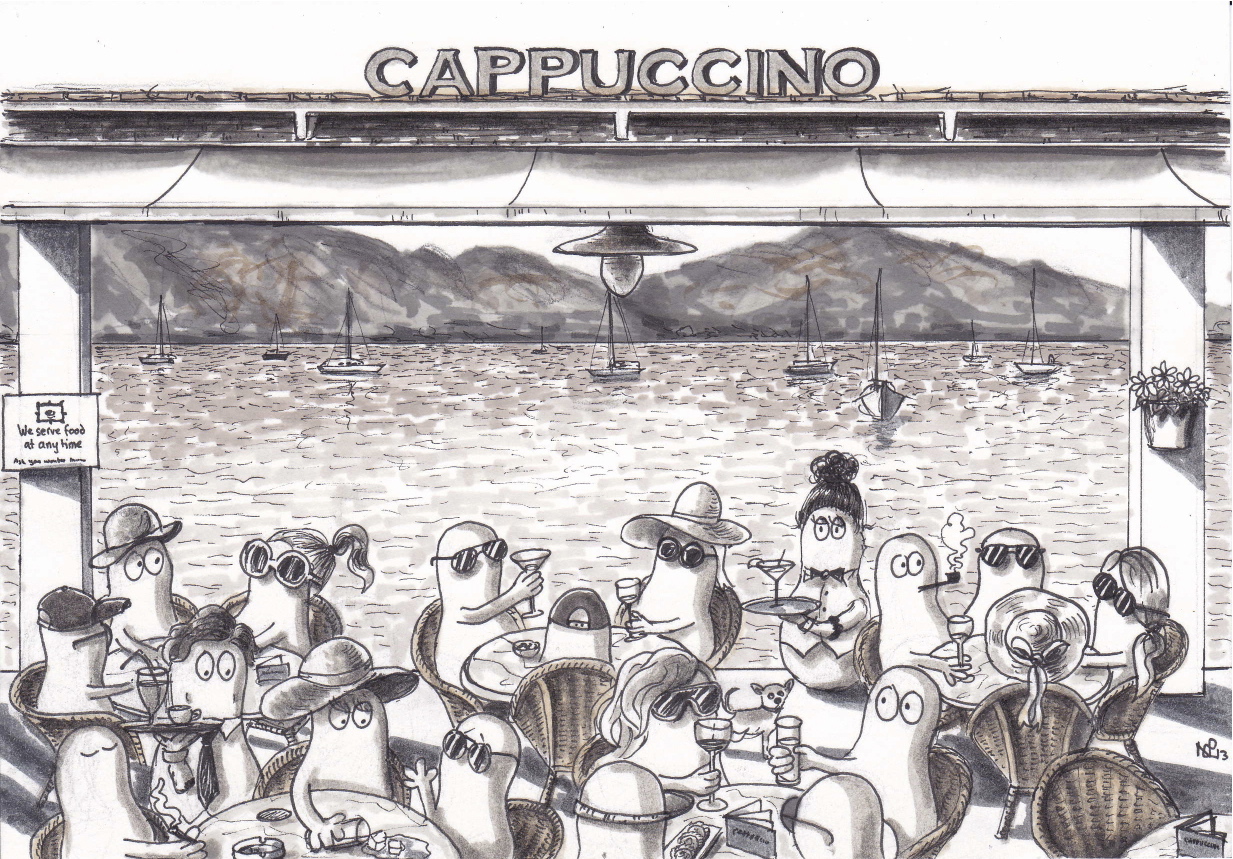
Norms at Cappuccino Pollença

Having spent Easter in Mallorca and the last subsequent weeks indulging in every cherished memory of my time on the island, it’s only right that I should send the Norms out to experience the very same island paradise in my wake. Now Norms are very unassuming fellows – you’d barely even notice them if you came across a bunch on a busy street – but what they do like is a bit of quality, and a fair dose of hedonistic indulgence at that. And despite not actually having noses, these friendly little blobs have a real nose for the good things in life.

It’s hardly surprising then that no sooner had the Norms landed in Mallorca than they headed straight for the stunning little elysian port of Pollença. And of course having found themselves in this natural little harbour, with its picture-perfect and utterly unique fusion backdrop of sparkling cerulean sea and imposing mountains stretching along the horizon, it’s only right that they should have headed straight for the real gem of the port – the café to see and be seen, the inexorably chic, perfectly located, exceptionally stylish café that names itself after the sumptuous frothy coffee which we know and love – Cappuccino Grand Café.

Norms at Cappuccino Pollença (2013, © Nicholas de Lacy-Brown, pen on paper)

Norms at Cappuccino Pollença (2013, © Nicholas de Lacy-Brown, pen on paper)

Sat on the very edge of the perfect marina, waited upon by faultless waiters decked in crisp white shirts, black arm bands and always a winning smile (Norms smile with their eyes, I should point out), listening to the mellifluous relaxed soundtrack compiled by resident DJ Pepe Link, lunching upon super-fresh sushi and an oozing creamy banoffee pie, and perfectly located to gaze in wonder at the stunning harbour-side views, what Norm could ask for more? I have a feeling these Norms could be at Cappuccino for some time…

© Nicholas de Lacy-Brown and The Daily Norm, 2001-2013. Unauthorized use and/or duplication of the material, whether written work, photography or artwork, included within The Daily Norm without express and written permission from The Daily Norm’s author and/or owner is strictly prohibited. Excerpts and links may be used, provided that full and clear credit is given to Nicholas de Lacy-Brown and The Daily Norm with appropriate and specific direction to the original content.

Life and Death in Pompeii and Herculaneum

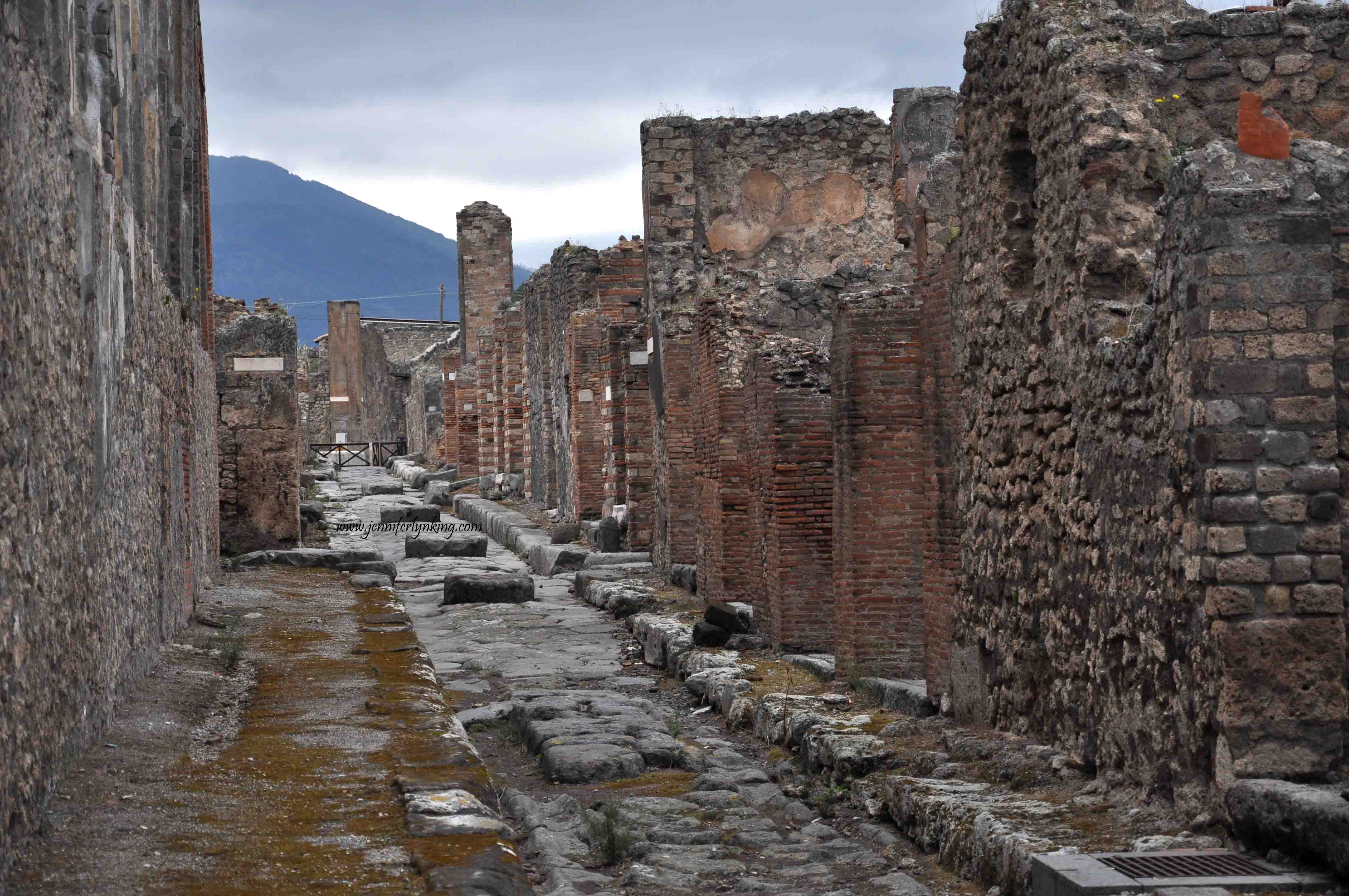
The stories of Pompeii and Herculaneum are renowned throughout the world. The very mention of their names is synonymous, not with the towns standing on their site today (Ercolano, in the case of the latter), but with the catastrophic volcanic eruption from Mount Vesuvius in Southern Italy which totally obliterated these small Roman cities on 24 August, AD 79. It is an eruption which has gone down in tectonic history as one of the most devastating eruptions in the last two millennia, an event whose very details were captured in the contemporary writings of Pliny the Younger, as well as in the rich geological history which the layers of ash and pumice which spouted out of the volcano can now provide. However, perhaps the greatest irony of this eruption was that in causing the total destruction and devastation of two Roman cities, and then blanketing the burnt urban carcass in several metres of dense ash and pumice, the eruption had the converse effect of actually preserving, sometimes perfectly, a imprint of Roman urban life, providing one of the largest ever discovered archaeological hauls of Roman remains so rich and diverse in its breadth that it provides 21st century audiences with a truly unique insight into societal life some 2,000 years ago.

Pompeii today

Pompeii today

It is this rich collection of excavated artefacts around which the British Museum’s latest blockbuster exhibition, Life and Death in Pompeii and Herculaneum, is centred, a singularly unique exhibition and a first of its kind, because so many of the pieces on show have never been seen outside of Italy before. The exhibition results from the direct collaboration between the British Museum and the Archaeological Superintendancy of Naples and Pompeii, and consequently some absolute gems of Pompeian and Herculenean society are now in London for the first time.

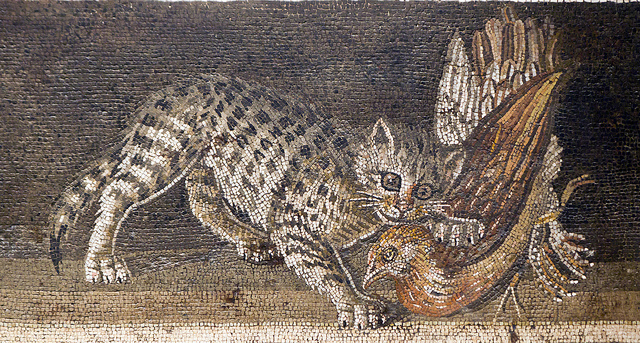
7581646784_0e07b3c010_zConcentrating on the daily lives of the Romans living in these doomed cities, the exhibition is cleverly curated so that the various items on display are grouped thematically into the rooms of a “house” in which they would have been found. In meeting this objective, the layout of the show is based on a reconstructed idea of what a real Pompeian house (the so called “House of the tragic poet”) would have looked like. Consequently, after a large cinematic presentation which provides a well-animated introduction to the show, you start off in what would have been a Roman street, where various paraphernalia of trading life can be seen. Then, heading inside, you enter the atrium, the hall way of a Roman house which would have been flooded with light owing to the skylight which plunged through the centre of most Roman atriums. In this room, the objects on show included some stunning marble statues with barely a chip or scratch in sight, mosaics which would have lined the hallway floor reminding visitors to “Beware of the Dog”, and frescoes depicting the possible Roman occupants of the houses – here what is thought to be the baker Terentius Neo and his wife.

b01r5pxl_640_360

To the right of the atrium, a gallery set out as the bedroom included some quite incredibly preserved Roman wooden furniture, including a rocking baby crib and a stool, as well as an elaborately carved bed stead (all now heavily carbonated). Meanwhile to the left, what would have been the salon area for entertaining included an explanation of what has since become known as the “Pompeian style” of interior design, which comprises exquisitely detailed mosaic flooring, and walls painted with highly realistic and often stylised frescoes in four principal styles, all sharing common themes of richly elaborate pattern together with boxes showing pastiches and scenes from life or mythology, as well as the use of deep colours, generally rich reds and golds and blues. detailI was completely awestruck at just how sophisticated Roman art was – the shadows and tone of human skin as painted on these frescoes rivals anything done in the renaissance, and makes the art of the medieval era, which of course came along hundreds of years after the Roman empire fell, look completely childish and naïve. As for the mosaics, some of the pieces on show were nothing short of astounding, not least a mosaic depicting sea creatures, with its incredibly realistic depiction of fish and other ocean creatures of every size and variety – I love the powerful composition with a staring octopus at the centre appearing almost to enter into battle with the lobster.

fishmosaicnaples 800px-Nilotic_scene_MAN_Napoli_Inv9990_n04 6572054559_b91ac9b238_ztheatre mask

But perhaps my two favourite rooms of this “house” were the garden area, which came decked with some luscious garden frescoes, and the kitchen, which was packed with some incredibly contemporary looking cooking paraphernalia. I loved the tranquillity of the garden space, and can imagine how beautiful it must have been to stroll around colonnaded walkways, painted with these verdant green frescoes, depicting birds and lush plants, while at the centre a fountain would trickle, a sign of ultimate wealth in its extravagant use of precious water for entertainment.

Art-mainpic_2474008b pompeii_garden Art-bird_2474096b

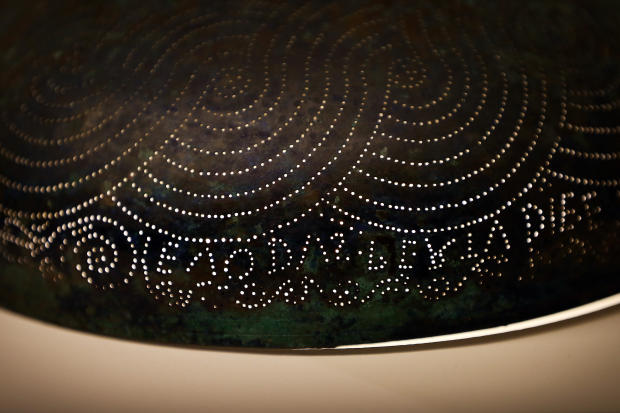
As for the kitchen, I was astounded to see what had been discovered from Pompeii and Herculaneum – actual figs, ripe on the day of the eruption, now preserved as carbon forms under the ash; and a loaf of bread, still imprinted with the name of the slave who baked it! The utensils too were fascinating to see – what looks like a colander for straining vegetables, but punctured with holes forming their own elaborate pattern into the metal; and there too was a pot ingeniously conceived just for the fattening up on dormice (which would then be roasted and ate dipped in honey).

Colander detail

Colander detail

Carbonated bread

Carbonated bread

But after this fascinating stroll through Roman life, the inevitable ending to the story follows suit, like the inescapable tide of history washing over Roman life like the pyroclastic surge catapulted down the volcano, wiping out city life in seconds. The “death” part of the exhibition is as poignant as the “life” section is revealing. Particularly startling are the plaster casts of the dead, found in Pompeii. These casts were made from filling in the gap left in the hardened ash once the bodies underneath rotted away. What we had before us then wasn’t an actual body, but a shadow of one; a poignant and again unique insight into the death of these now faceless humans, cowering away from the extreme heat at that moment of their instant death. Who could not be saddened by the sight of a whole plaster cast family, with the baby still shown laden in its blanket. And don’t forget the dog – that poor animal met his fate in the same way too. Incredibly and moving stuff, that brings us face to face with the tragedy that was Pompeii and Herculaneum, AD 79.

123764081_Pompeii_398154b BRITAIN-ITALY-HISTORY-ARCHAEOLOGY-POMPEII Pompeii and Herculaneum at the British Museum Pompeii1

This exhibition is a must see for anyone living in London or soon to visit. On until 29 September 2013, it still has a fair stretch to go, but be not complacent – it’s extremely popular and advance booking is essential. You can get your ticket on the British Museum website. Unless you’re heading Italy-way anytime soon, this exhibition comes highly recommended as a unique insight into a civilisation now dead, but not lost.

Mallorca (Part X) – Photography Focus 3: Favourite Shots

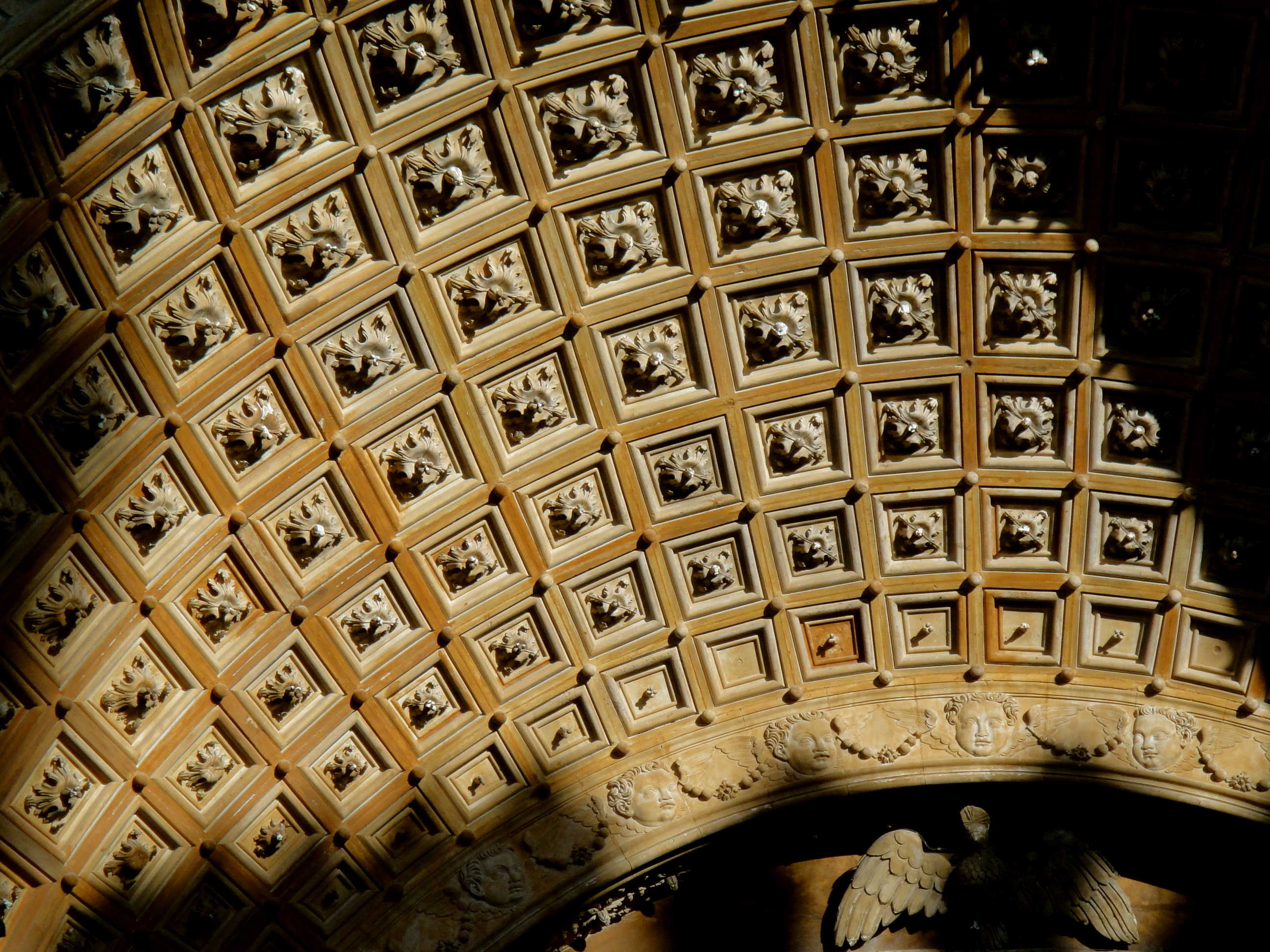
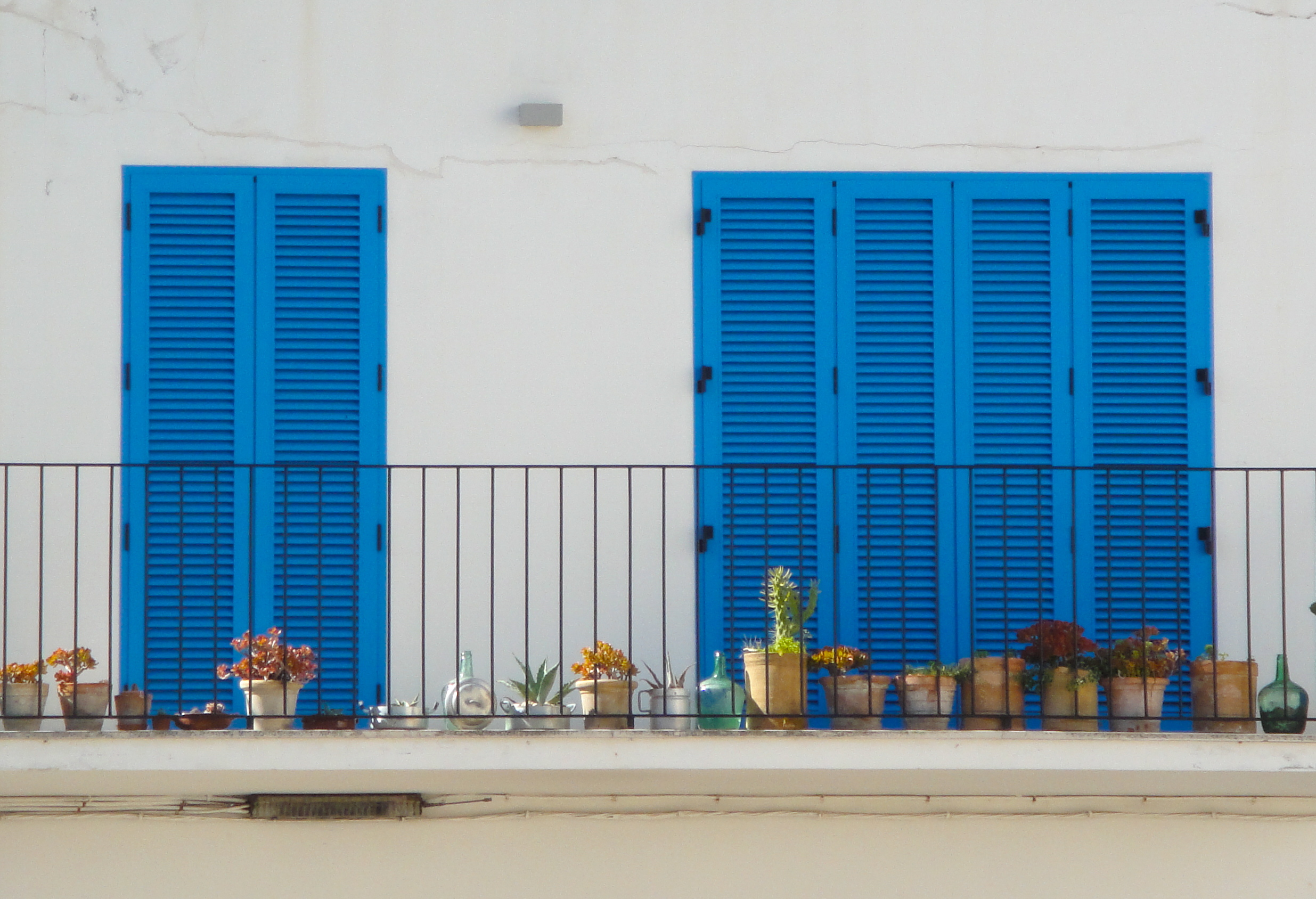
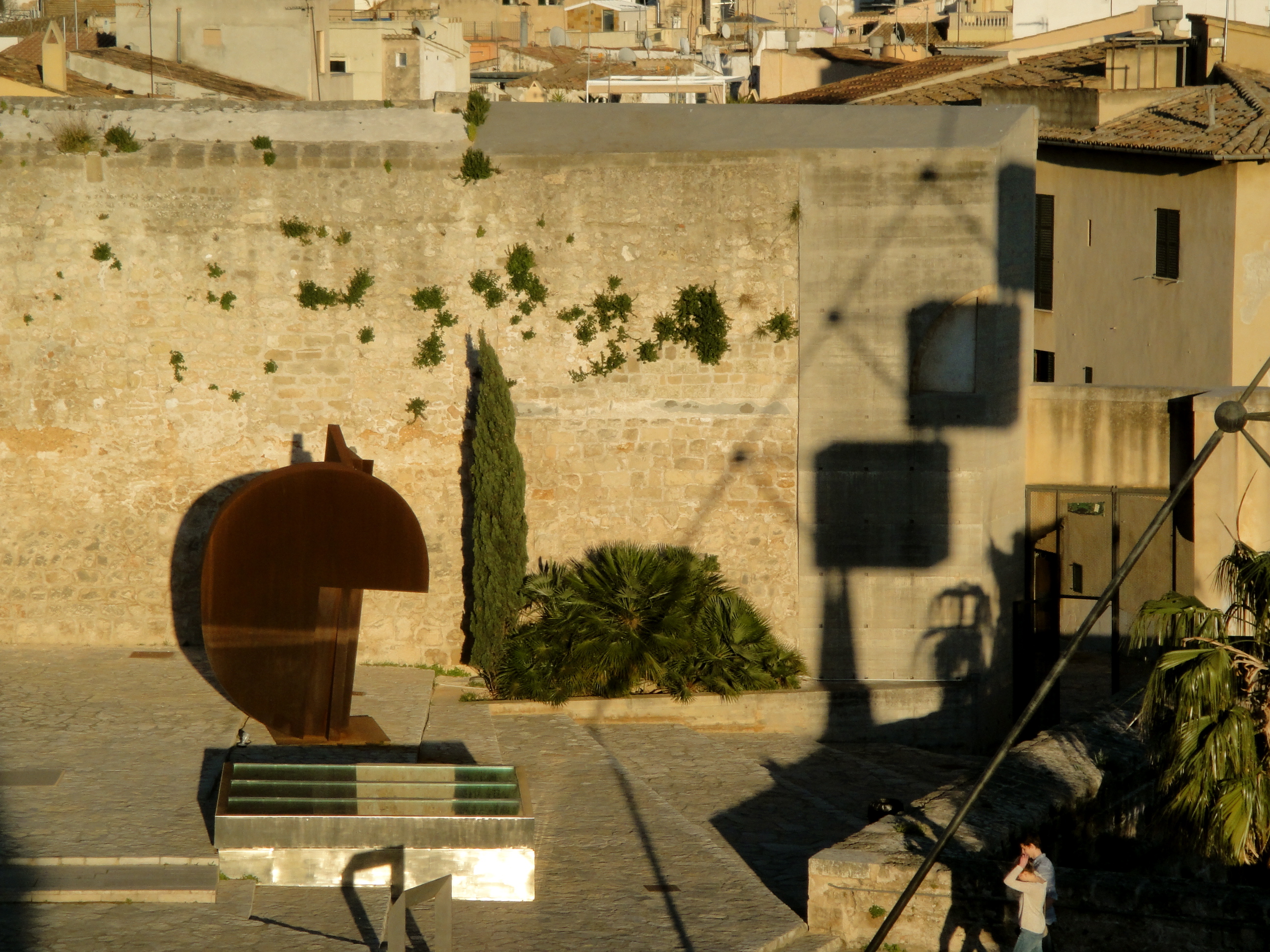
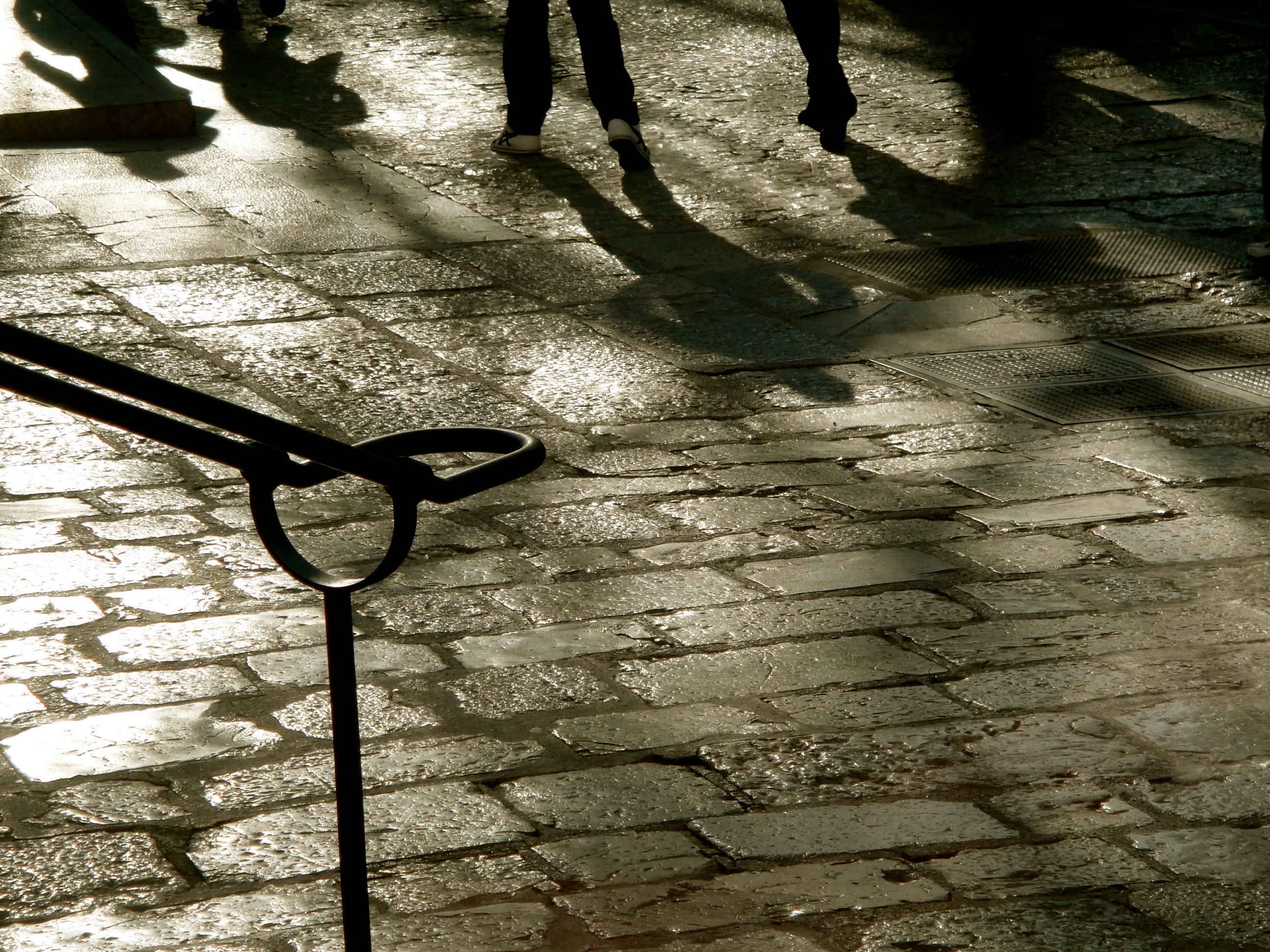
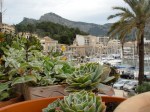
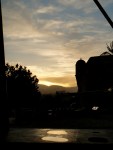
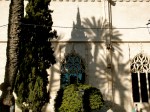
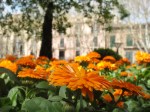
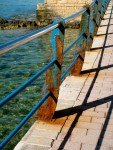
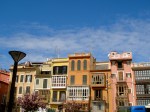
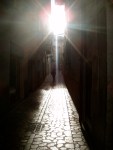
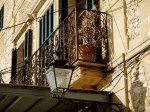
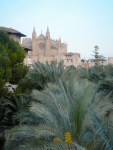
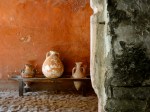
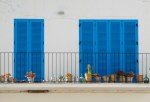
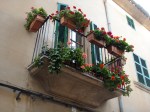
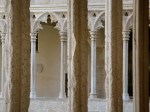
A super-season of Mallorca posts closes with a collection of some of my favourite photographs of the bunch. Consistent with the photographs posted with my 9 previous Mallorca posts, these shots are characterised by the indefatigable spread of resplendent colour across the island, by the elegant historical streets of Palma and by the luscious coastal scenery. They exude the caressing warmth of an early summer’s sunshine, creating complex images interlaced with delicate shadows which add a second dimension to the subject captured; they are a manifestation of the tradition and charm which is inherent within every narrow street or cracking green shutter, in the ritualistic Easter parades, and the dominating influence of religious ideals; and they are a an assemblage of now cherished memories, tastes and sensations, collected together for prosperity.

DSC05749 DSC07136 DSC06231 DSC07130DSC05714

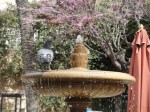
From lush cacti by the dazzling Mediterranean sea and sundrenched geraniums in a picturesque patio garden, to the perfectly geometric classical architecture of the Cathedral and the palaces of Palma, to sunsets, and plant pots and fountains and street furniture, these are the details of Mallorca which caught my eye, small hidden gems which can so often be lost in the spread of a wider landscape or ignored by comparison with the grand spectacles on offer all around: Art in themselves, but made all the more desirable within the carefully measured composition of a photograph. I hope you enjoy them as much as I did taking them.

Thanks to everyone who followed my Mallorca trip on the Daily Norm. For now, it’s back to England, the land of the Norms who are surely due a post or two. But coming soon not too long down the line: Provence. See you then!

All photos and written content are strictly the copyright of Nicholas de Lacy-Brown © 2013 and The Daily Norm. All rights are reserved. Unauthorized use and/or duplication of the material, whether written work, photography or artwork, included within The Daily Norm without express and written permission from The Daily Norm’s author and/or owner is strictly prohibited.