Skip to content

Posts from the ‘Mallorca’ Category

The Money shot: Beach Volleyball 4 days before Christmas

It may be hard to feel Christmasy when instead of ice cold streets, shop windows misted up from condensation, and fireplaces crackling with log fires to keep out the cold, you have instead summer-like sunshine and beach life, but I think I can live with the change. For here in Palma de Mallorca, my new home town, we have been blessed with incredible December temperatures, and this past weekend, there was not a single cloud in the sky nor a breath of wind to make anyone think of Winter. In fact the weather was so good that for most local residents, Christmas wrapping was left to one side, and enjoyment of the outside was top on the agenda.

Amongst those enjoying the amazing conditions were these beach volleyball players. Stripped down to their shorts, enjoying the unseasonable heat on the beach immediately adjacent to Palma, these players not only made for an iconically summery sight, but their location meant that any photograph was bound to be dazzling. And this photo, taken in a split second as one of the players leapt for the ball, is certainly the money shot and deserved a Daily Norm post all of its own. Not only is it a spectacular shot, with the incredible view of Palma Cathedral immediately behind the player frozen mid-play, but it is also the very epitome of a summer’s day. Would you ever have guessed that this was taken 4 days before Christmas?

DSC02992

It’s a Winter weather change I can well get used to.

All photos and written content are strictly the copyright of Nicholas de Lacy-Brown © 2014 and The Daily Norm. All rights are reserved. Unauthorized use and/or duplication of the material, whether written work, photography or artwork, included within The Daily Norm without express and written permission from The Daily Norm’s author and/or owner is strictly prohibited.

Christmas Corona to Crown a Seasonal Soirée

I love nothing more than a Christmas party, and as I write, the excitement is building for the first soirée to be held in our new Palma apartment. It’s become something of annual tradition to light the candles, give the baubles an extra polish, stack up the bubbles and smoked salmon, and host a party for friends just before Christmas. Those nearest and dearest  to me in London will be sadly absent this year, but Palma is a very friendly place, and already friends made through my  new job here in Mallorca will be only too welcome at our 2014 fiesta.

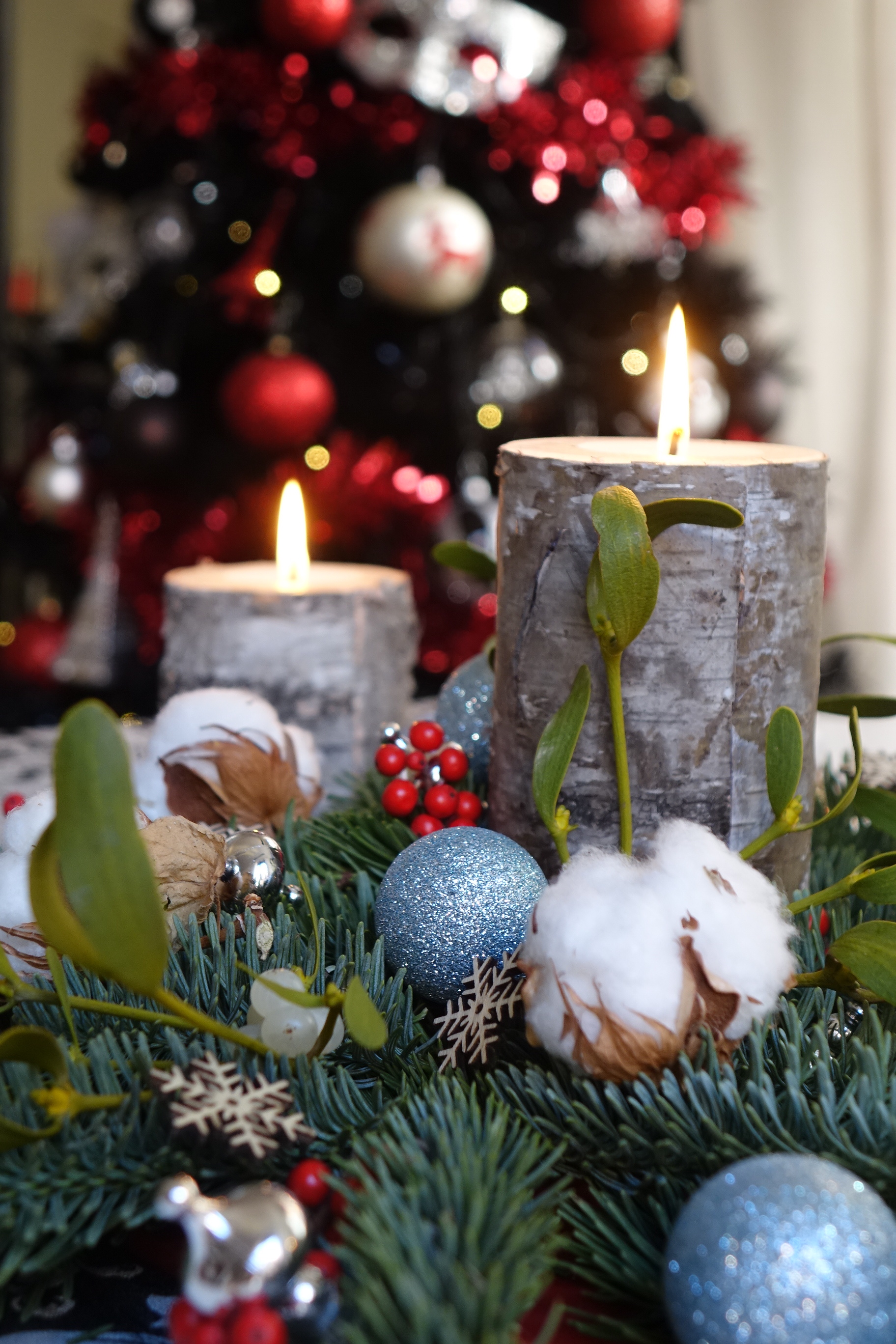
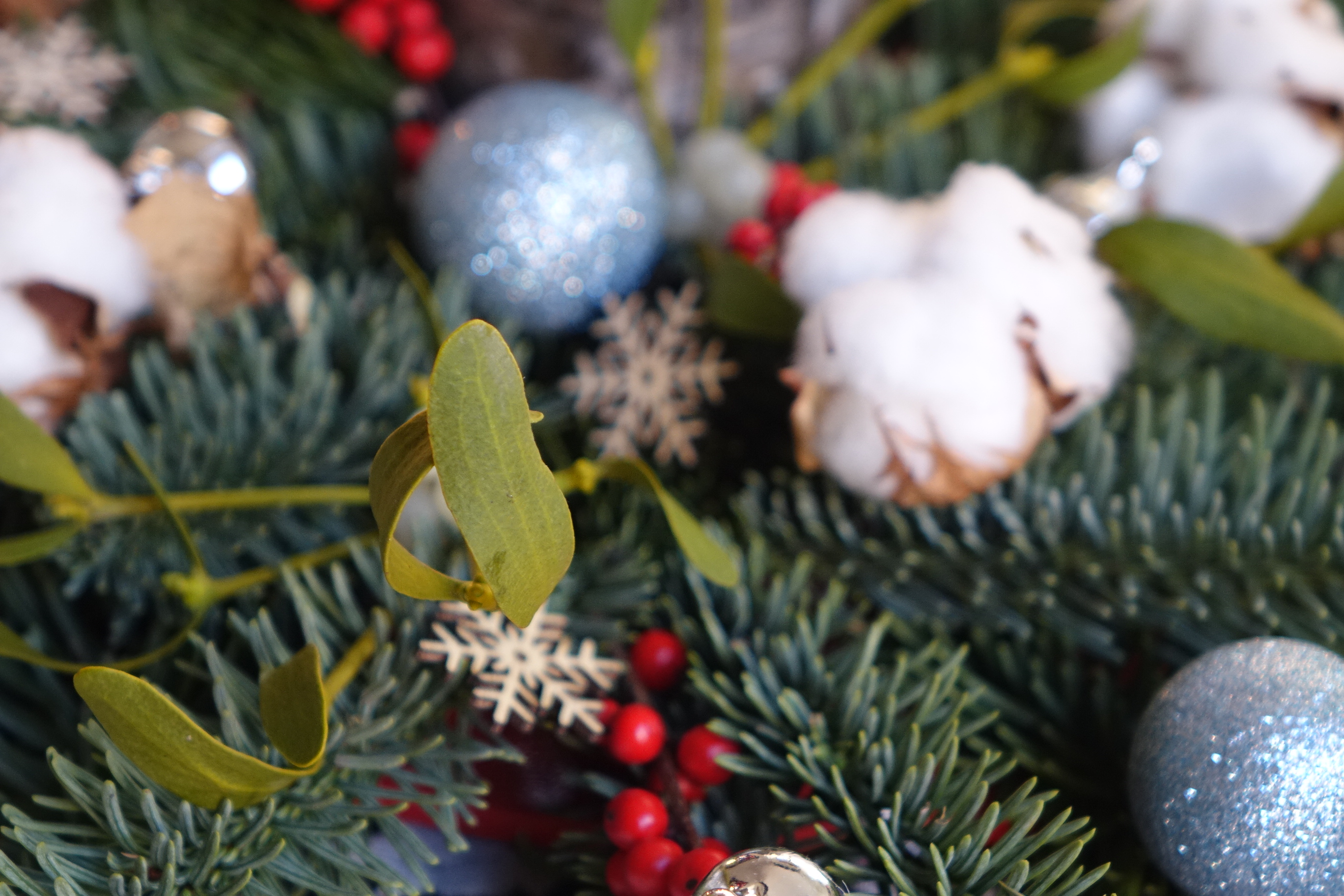
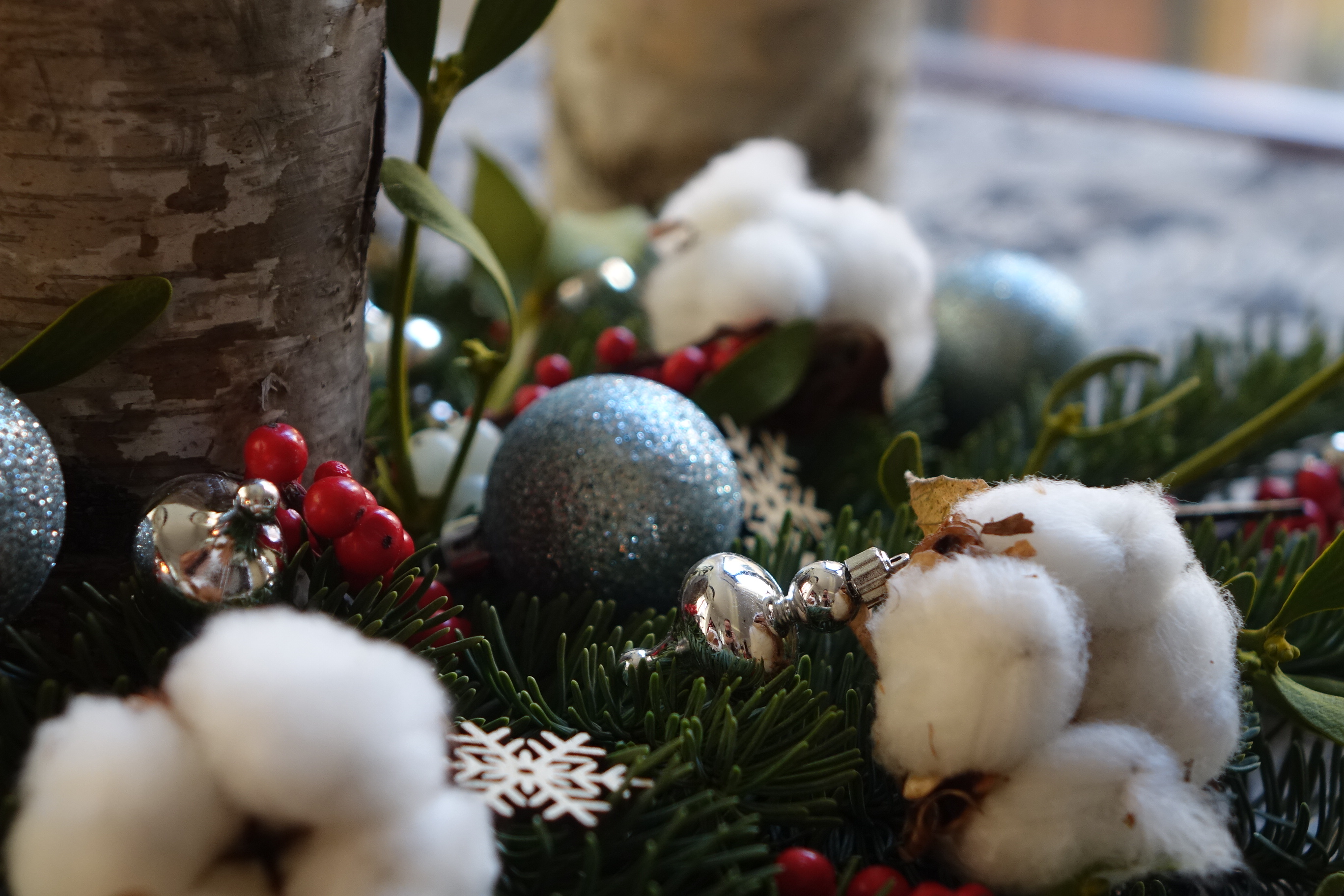
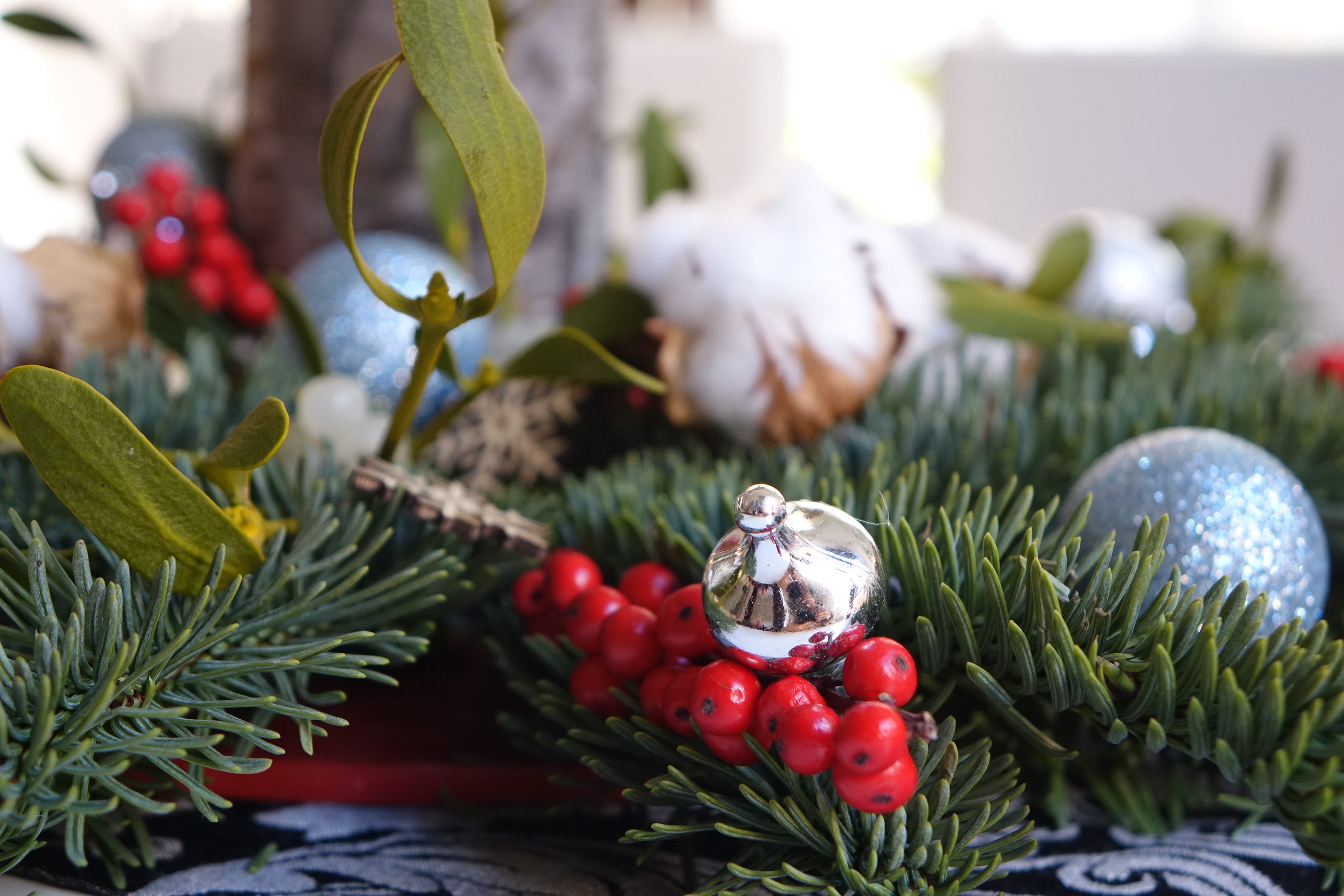
But pride of place at this year’s party will be the latest addition to my Christmas decor. Gathered from the abundant stalls of flowers and foliage sold at Palma’s flower market along the leafy boulevard, La Rambla, this wreath or corona as the Spanish call it (meaning crown) has truly brought the outside evergreen in. Packed with fragrant fir tree branches, red berries, mistletoe and this year’s special touch – cotton, this foliage display is truly Christmasy, and brings the very essence of a Scandinavian Christmas directly into the heart of my Spanish home. The Scandinavian feel is even further emphasised with these amazing birch tree candles I’ve placed at its centre – wrapped with real tree bark, they look like something straight out of a snowy forest.

My Christmas “Corona”

DSC02934 DSC02939 DSC02948 DSC02949 DSC02946 DSC02941 DSC02951

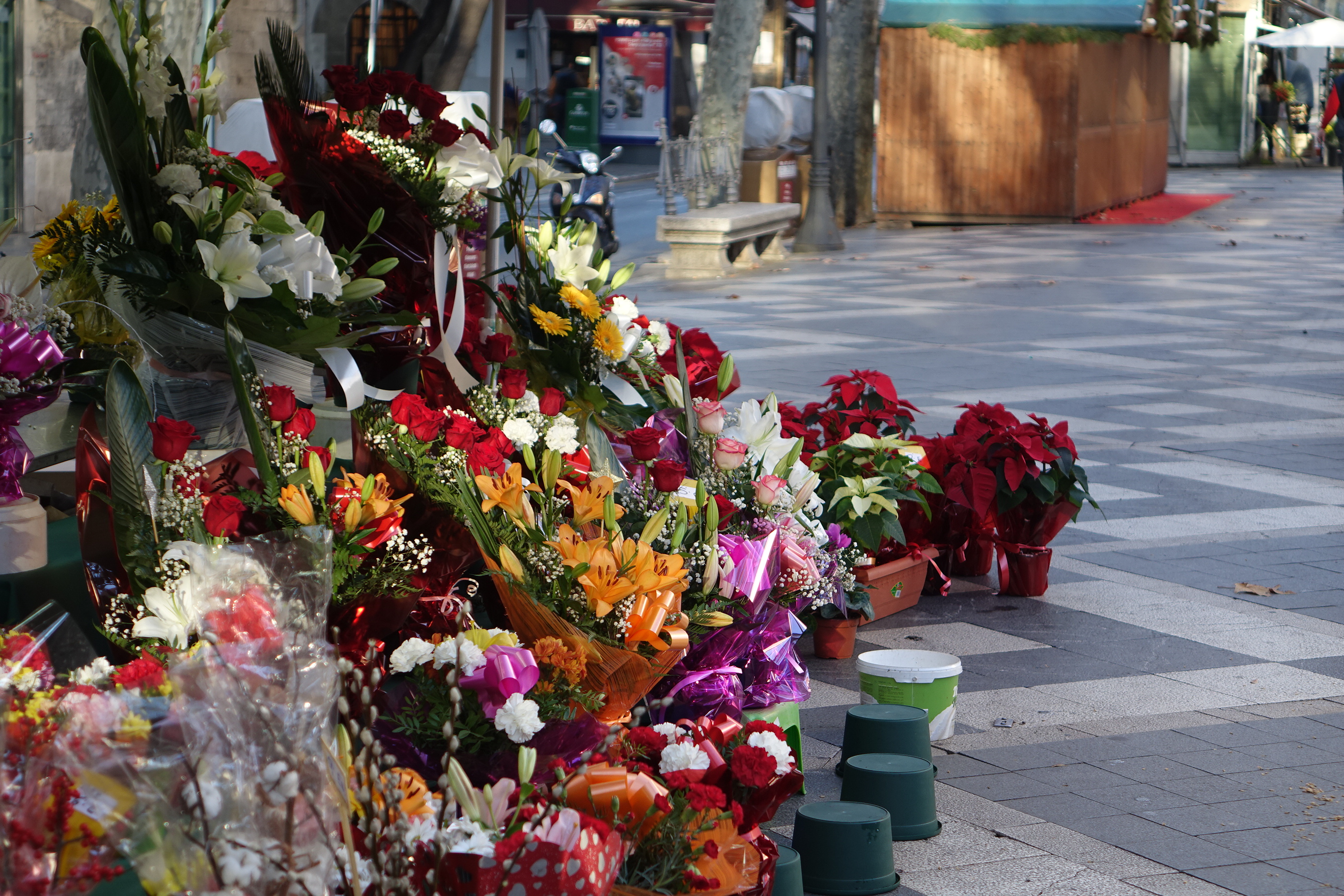
I should not end this post however without paying due homage to the flower market itself. For La Rambla in Palma is truly one of the most beautiful streets in the city. Boasting a central pedestrianised avenue nestled between two roads,  and overhung with huge leafy plane trees which always seem to retain many of their leaves, even now in December, it truly is a spectacular place to walk, take a coffee, and breath in the fragrant smell emanating from all of the fresh flowers. And with a special Christmas market also currently in situ, we have discovered it also makes a great place for mulled wine too!

La Rambla

DSC02892 DSC02895 DSC02891 DSC02901 DSC02893 DSC02889

Happy Christmas everyone!

All photos and written content are strictly the copyright of Nicholas de Lacy-Brown © 2014 and The Daily Norm. All rights are reserved. Unauthorized use and/or duplication of the material, whether written work, photography or artwork, included within The Daily Norm without express and written permission from The Daily Norm’s author and/or owner is strictly prohibited.

Mallorca Photo Folio: The blues and the beiges

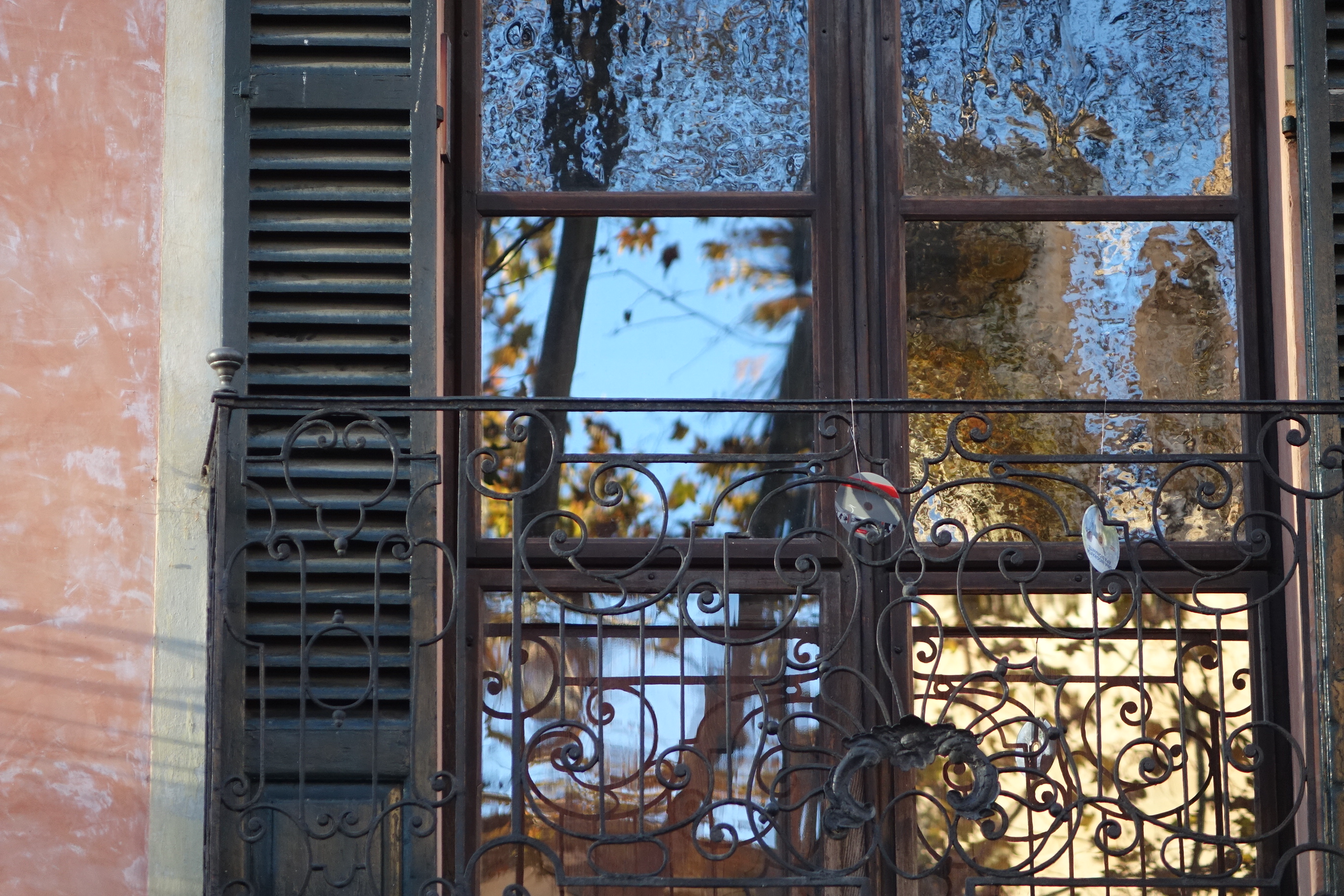
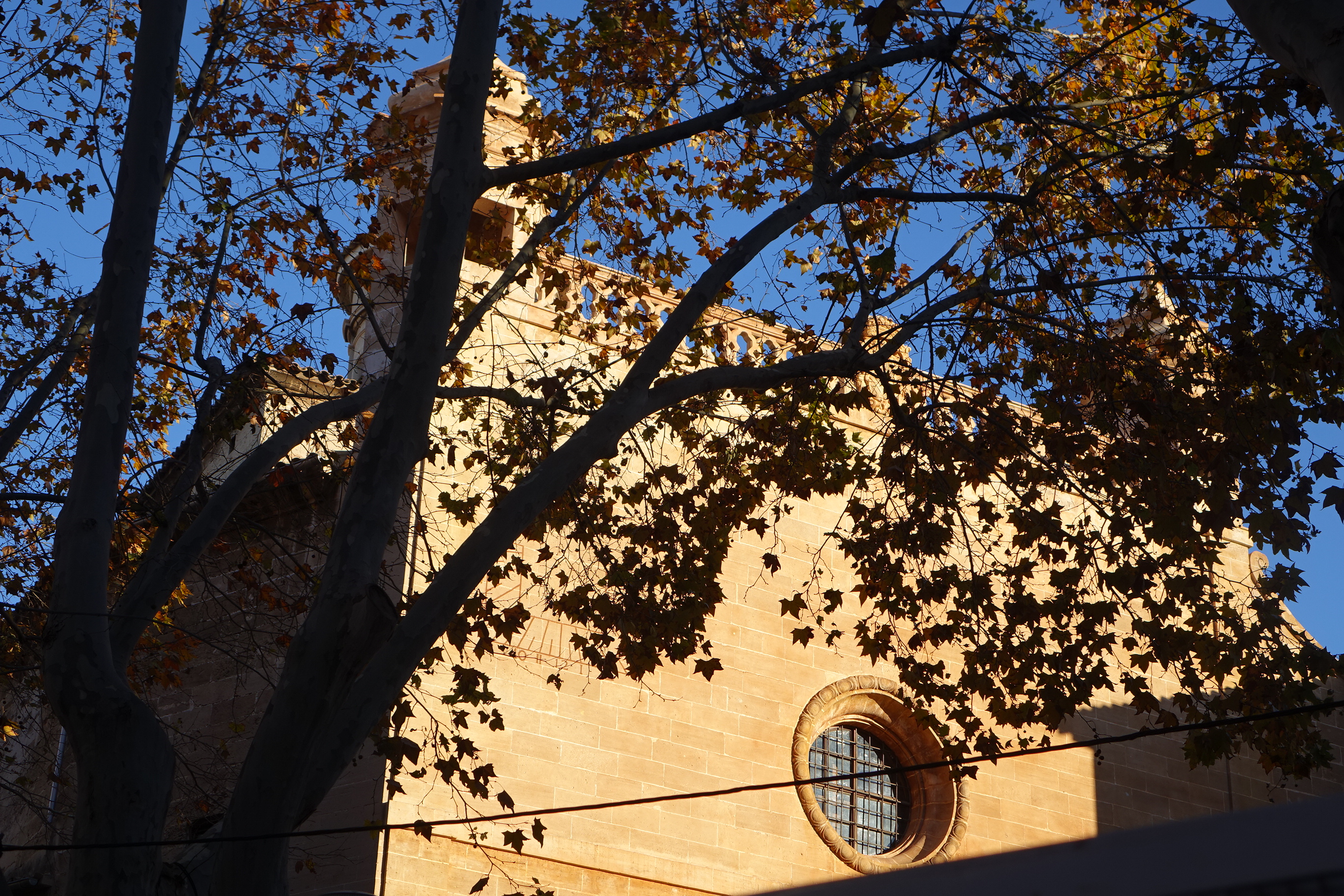
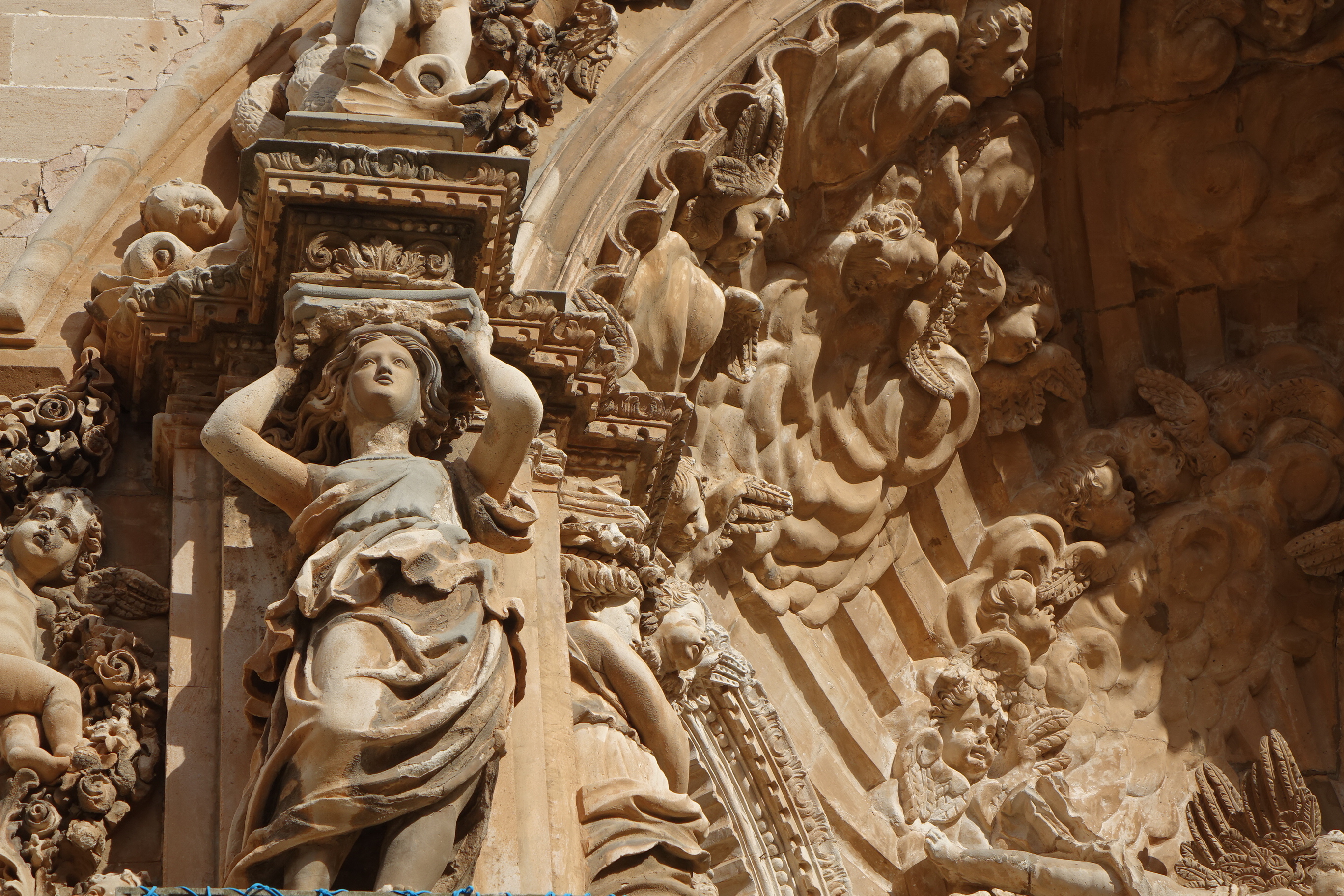
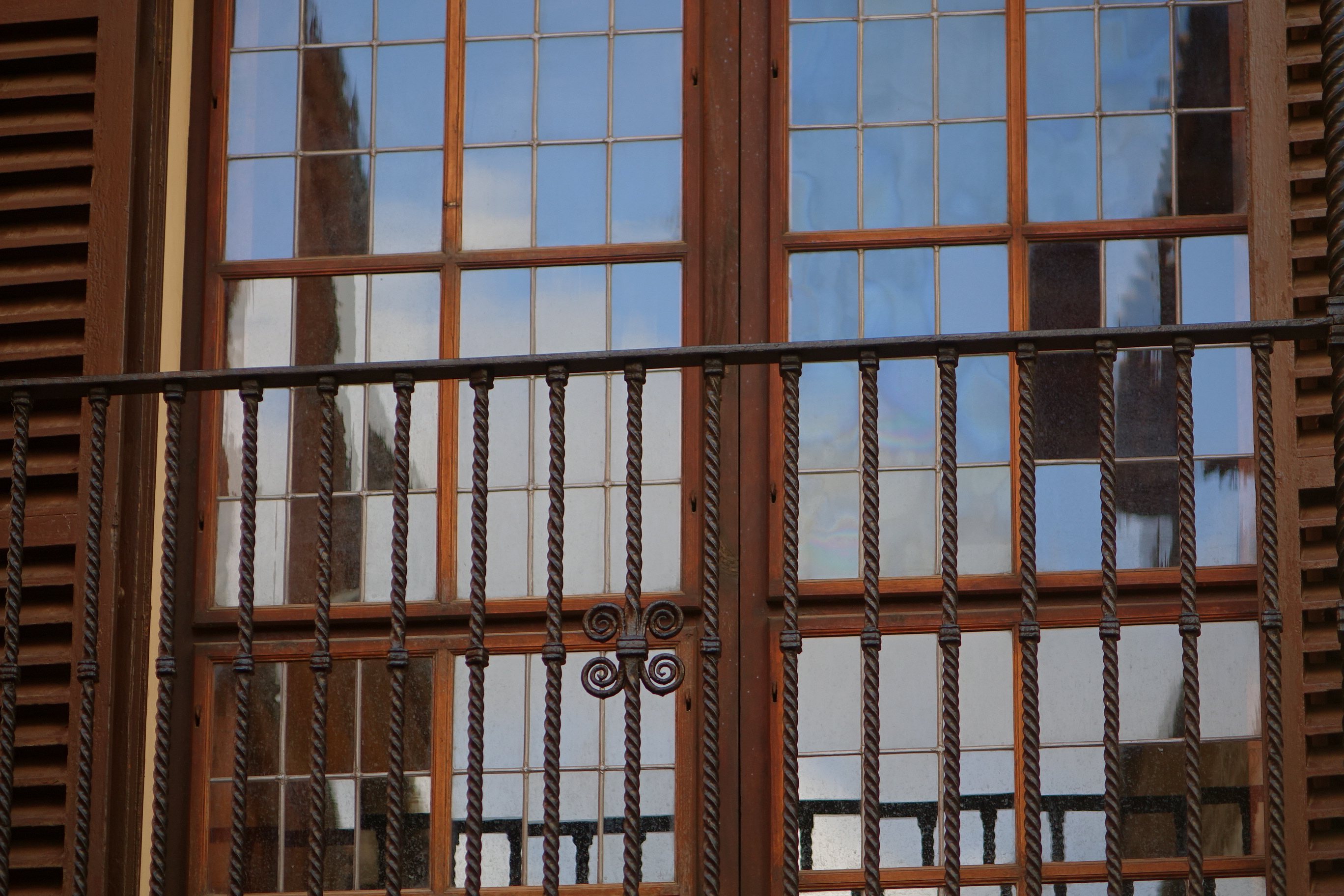
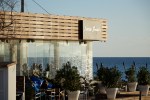
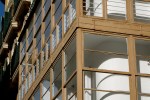
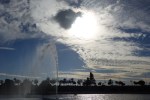
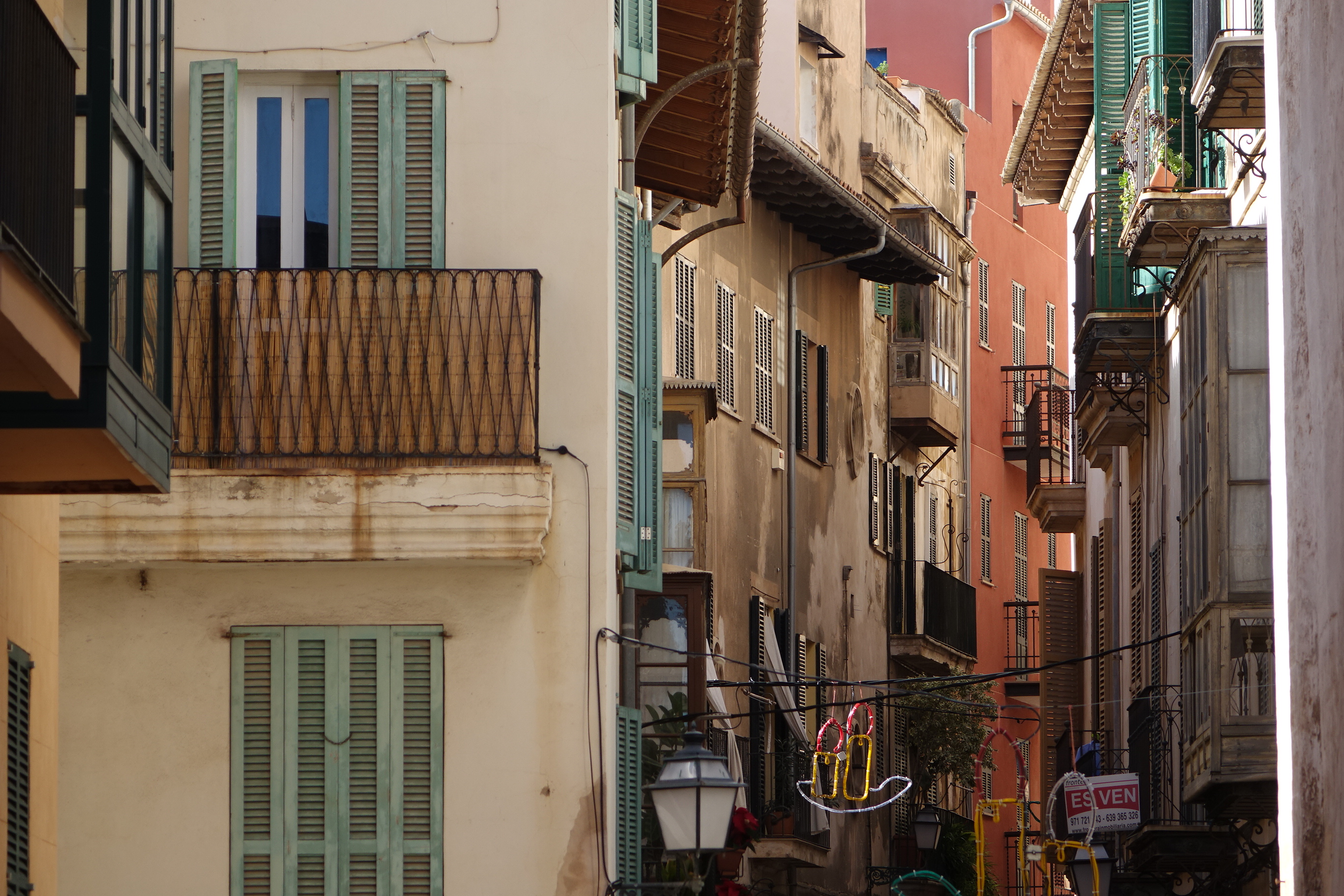
Having done the silver, and posted the greens and reds, it’s onto the blues and the caramalised gold-tinged beiges in my exploration of the colour palette of Palma de Mallorca, and perhaps of all the colours I have collected, these two are the easiest to represent. For Palma de Mallorca’s old town is a unison of golden ochres glowing from its old historical palaces and churches, and blues, which sparkle back from the expanse of sea which runs alongside the city, and the cerulean sky which shines so brightly above its many horizons. Here, the blues glow in the wood framed windows of the ancient town houses, while the beiges reflect like caramel in the molten water of the Mediterranean. These colours may be opposite ends of a colour spectrum, but in the Mediterranean, they are a fully harmonised affiliation.

DSC02181 DSC02472 DSC02219 DSC02301 DSC00905

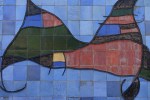
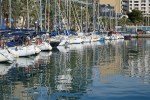
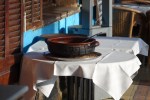
So here are my photos which show these two colours at their very best. The glorious golden cathedral of Palma de Mallorca glowing against a bright blue sky; an old much used earthenware pot standing in readiness full of food against a painted blue cafe wall; the multi-tiled tribute to the sea by Mallorcan resident Juan Miro. The modern blues buildings and the ancient beige stone; the yellow sun reflected through windows and the windows reflected in the blue sea. Blue and beige: a happy symphony.

All photos and written content are strictly the copyright of Nicholas de Lacy-Brown © 2014 and The Daily Norm. All rights are reserved. Unauthorized use and/or duplication of the material, whether written work, photography or artwork, included within The Daily Norm without express and written permission from The Daily Norm’s author and/or owner is strictly prohibited.
No detail too small: the intricate spectacle of a Neapolitan Nativity

In a large number of countries the Nativity scene (Belem in Spain, Presepe in Italy) is as big a part of the Christmas festivities as the lights switch-on in London’s Oxford Street or the Christmas tree at the centre of a family home. Having gone to Catholic school as a boy, I still remember the prominence with which the Nativity set was placed in the front entrance, and how perplexed I was (and remain) that the teachers remained insistent that the Jesus figure should not be placed in the manger until Christmas Day: but this is a school I thought – who on earth is going to see it during the holidays?

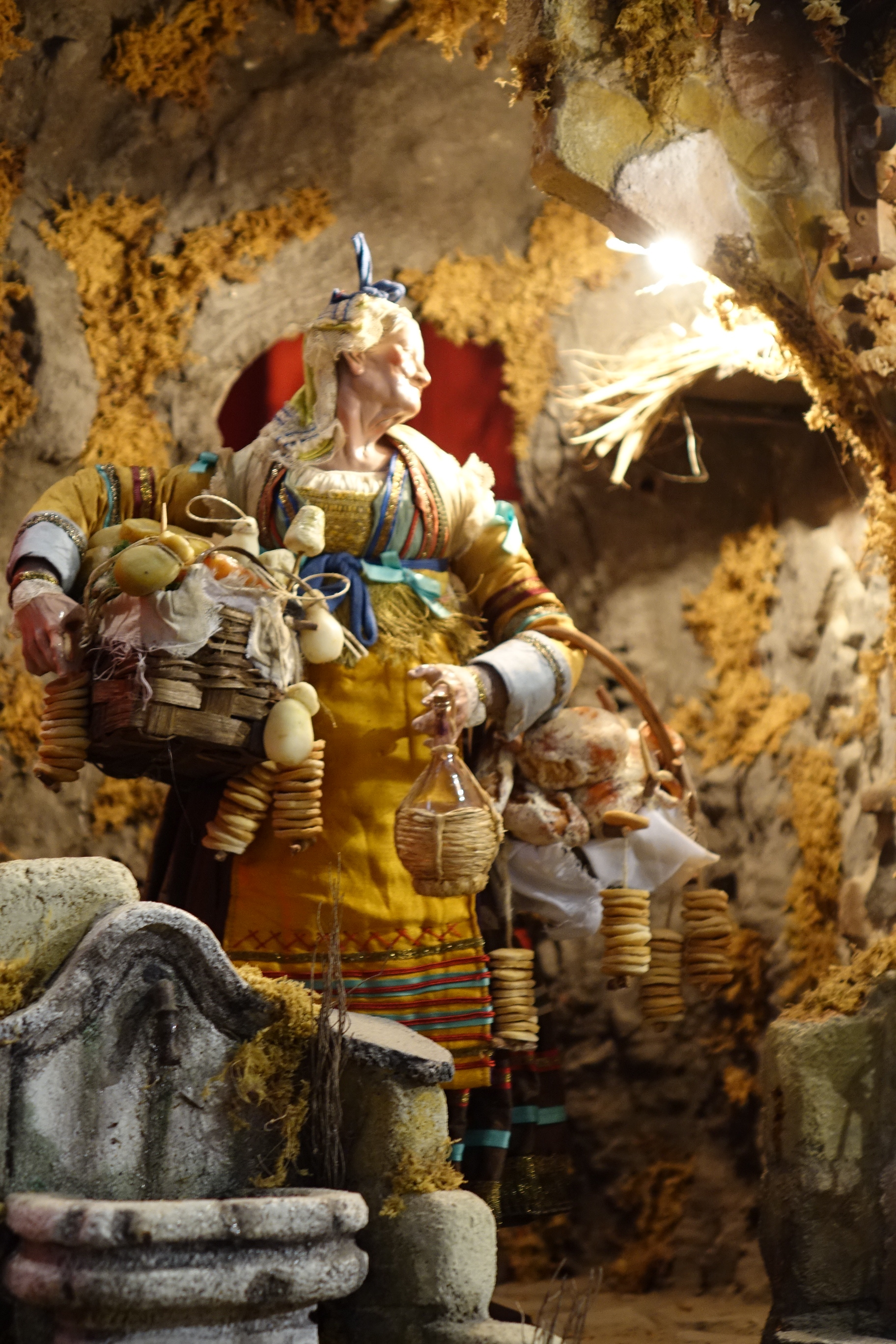
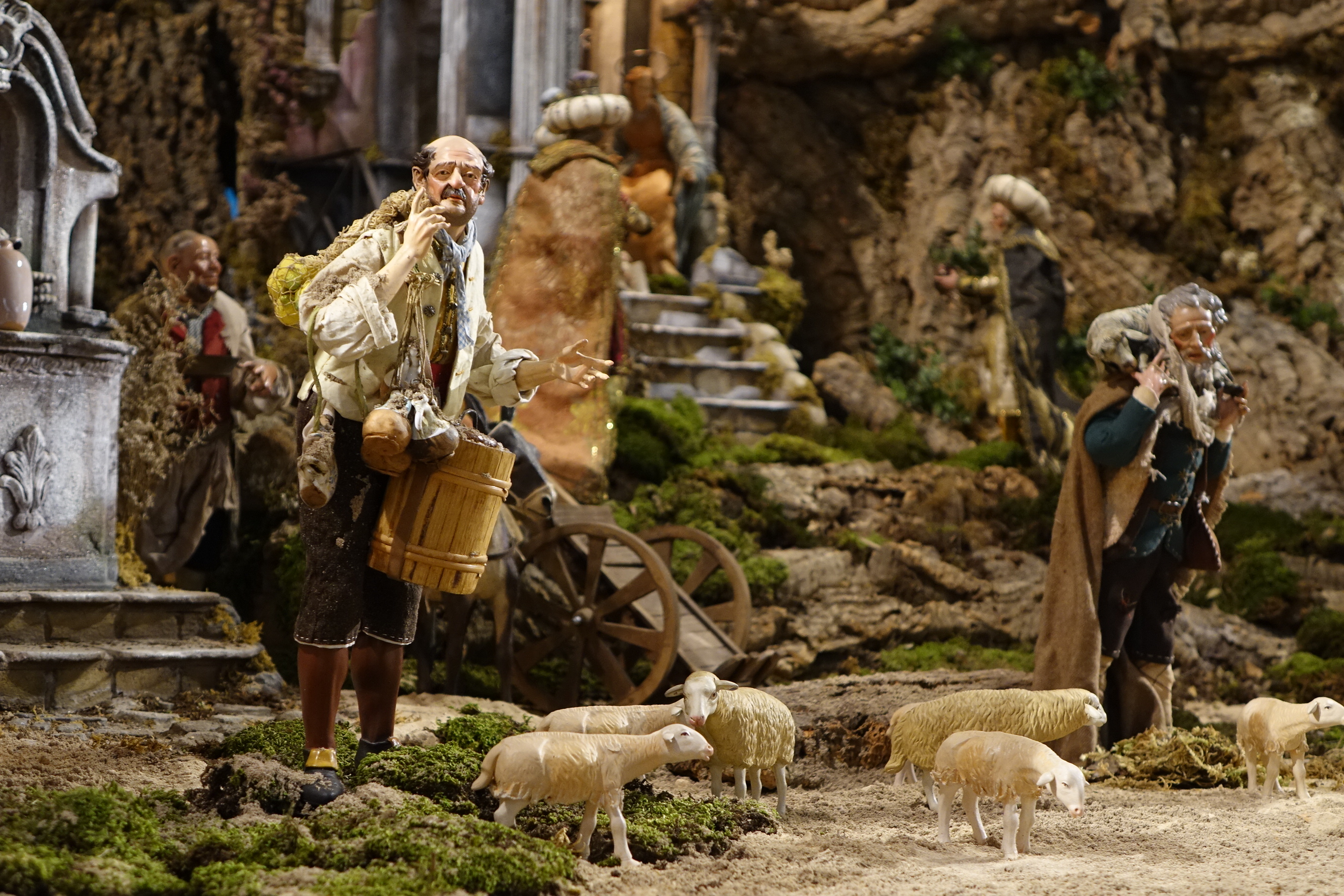
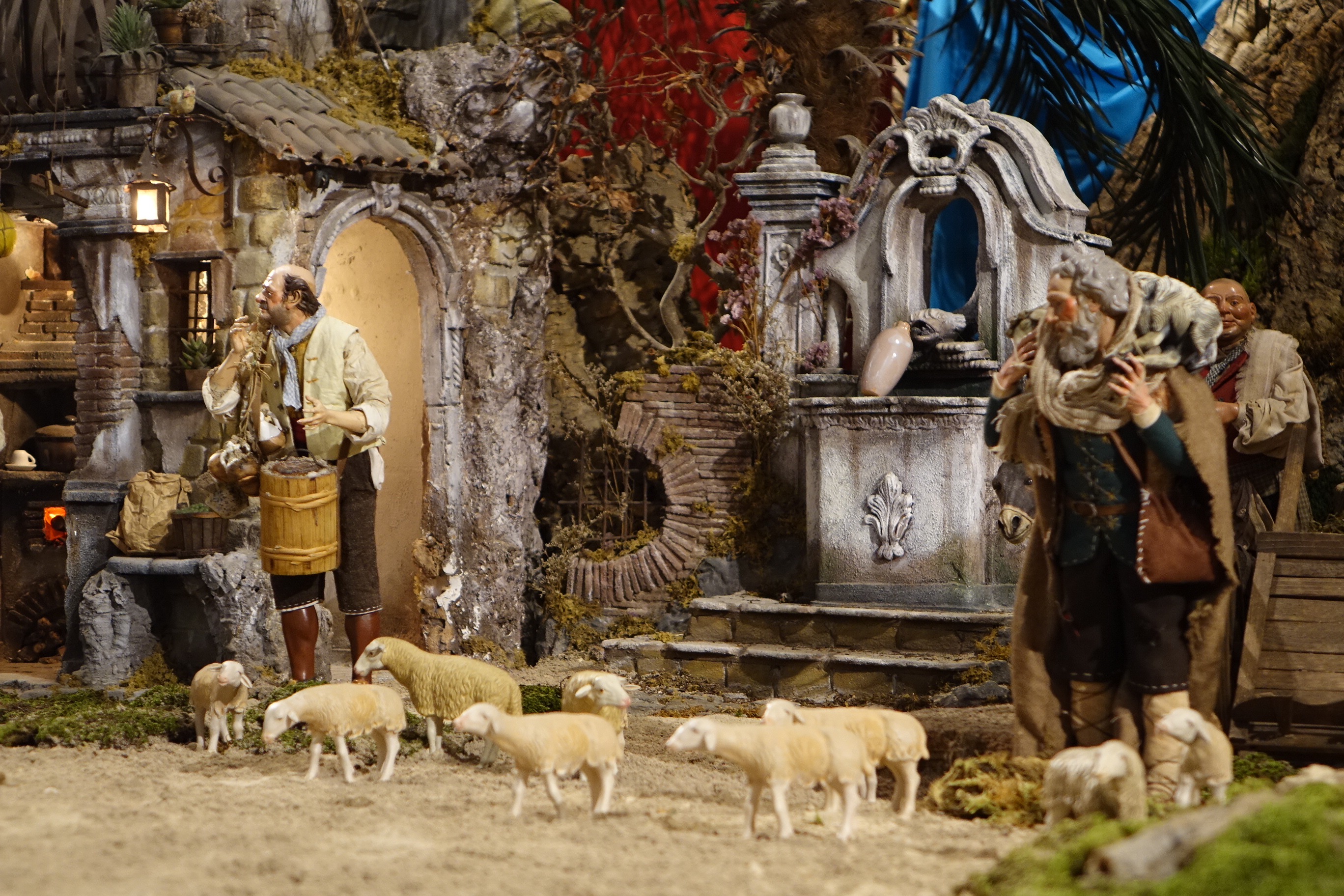
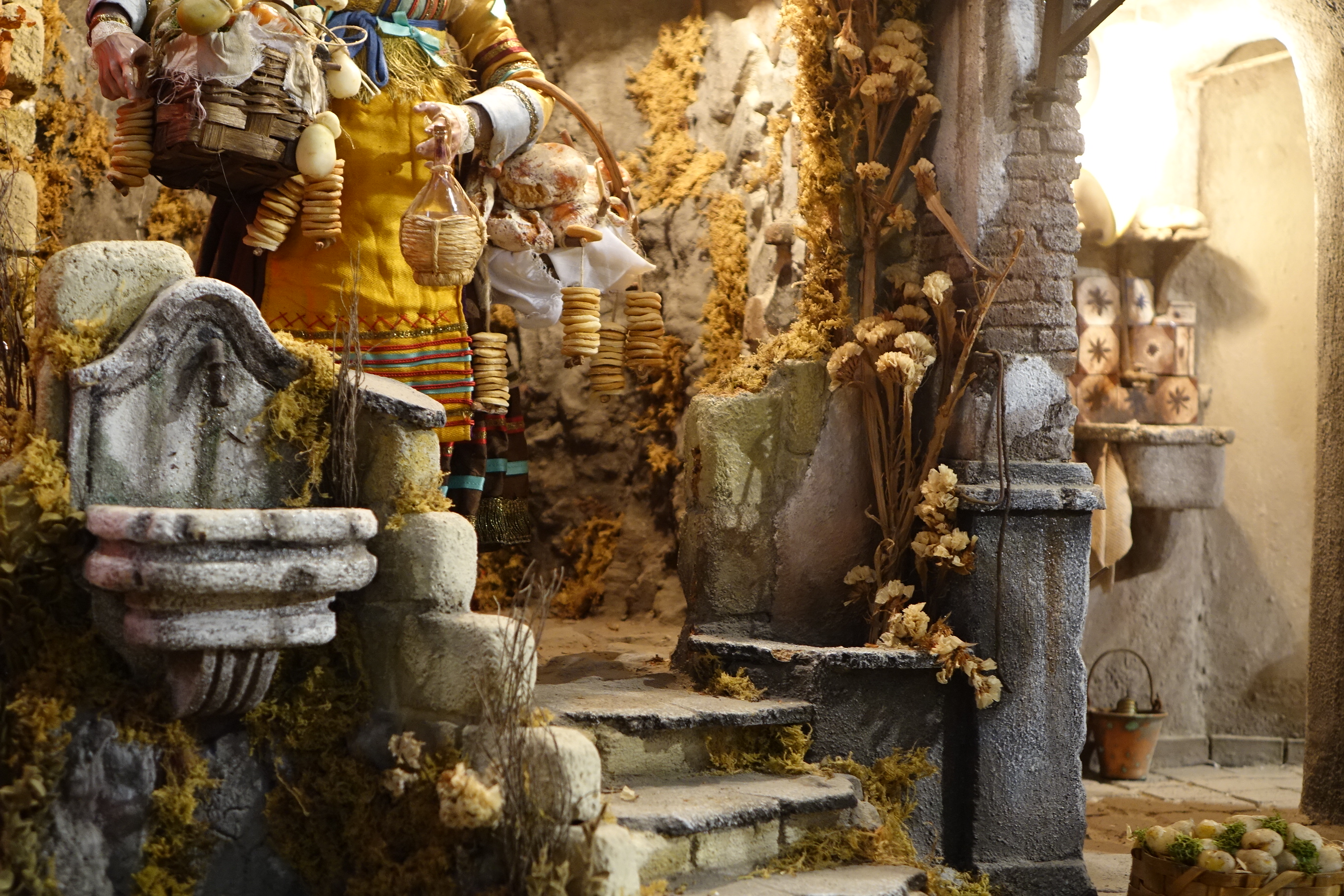
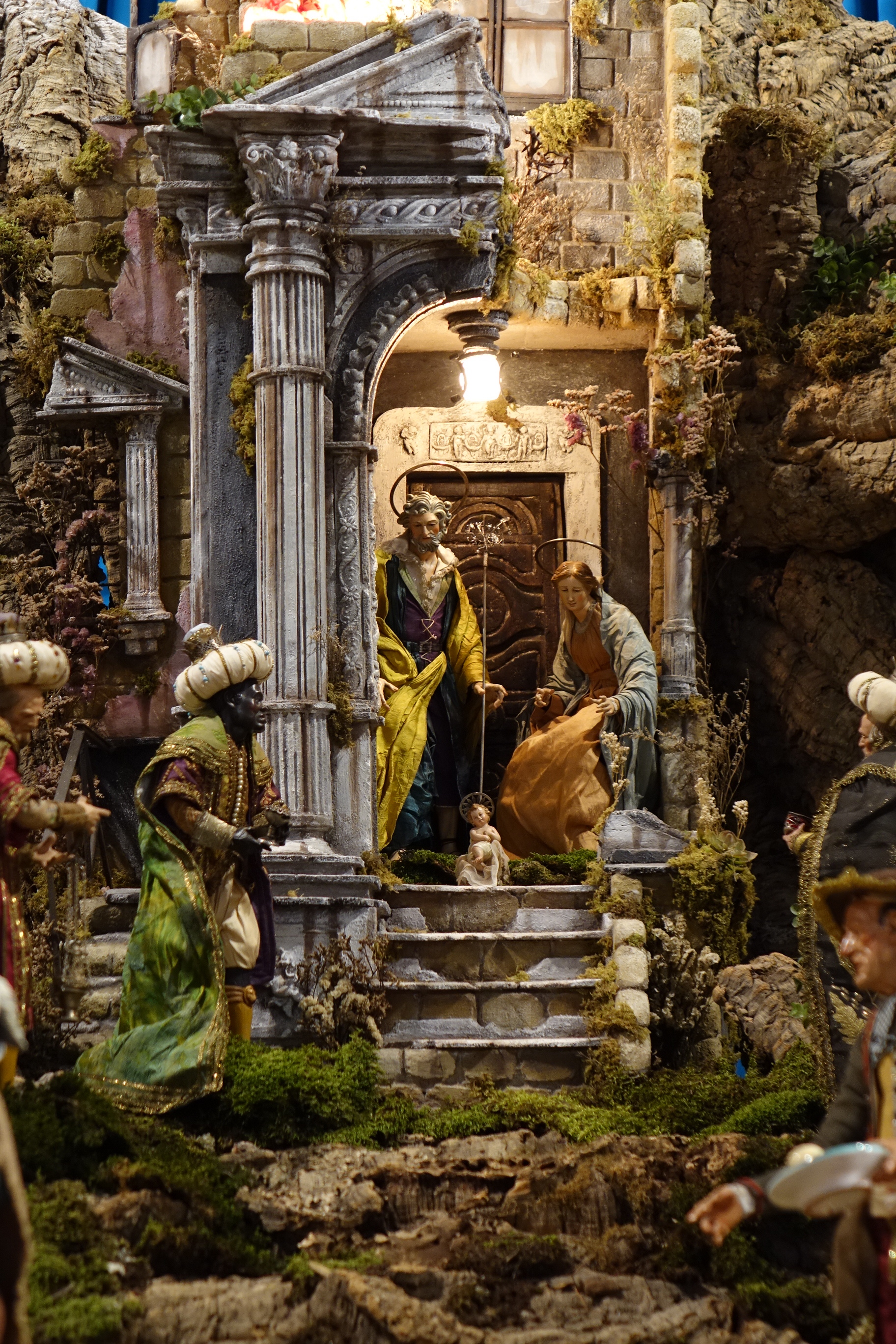
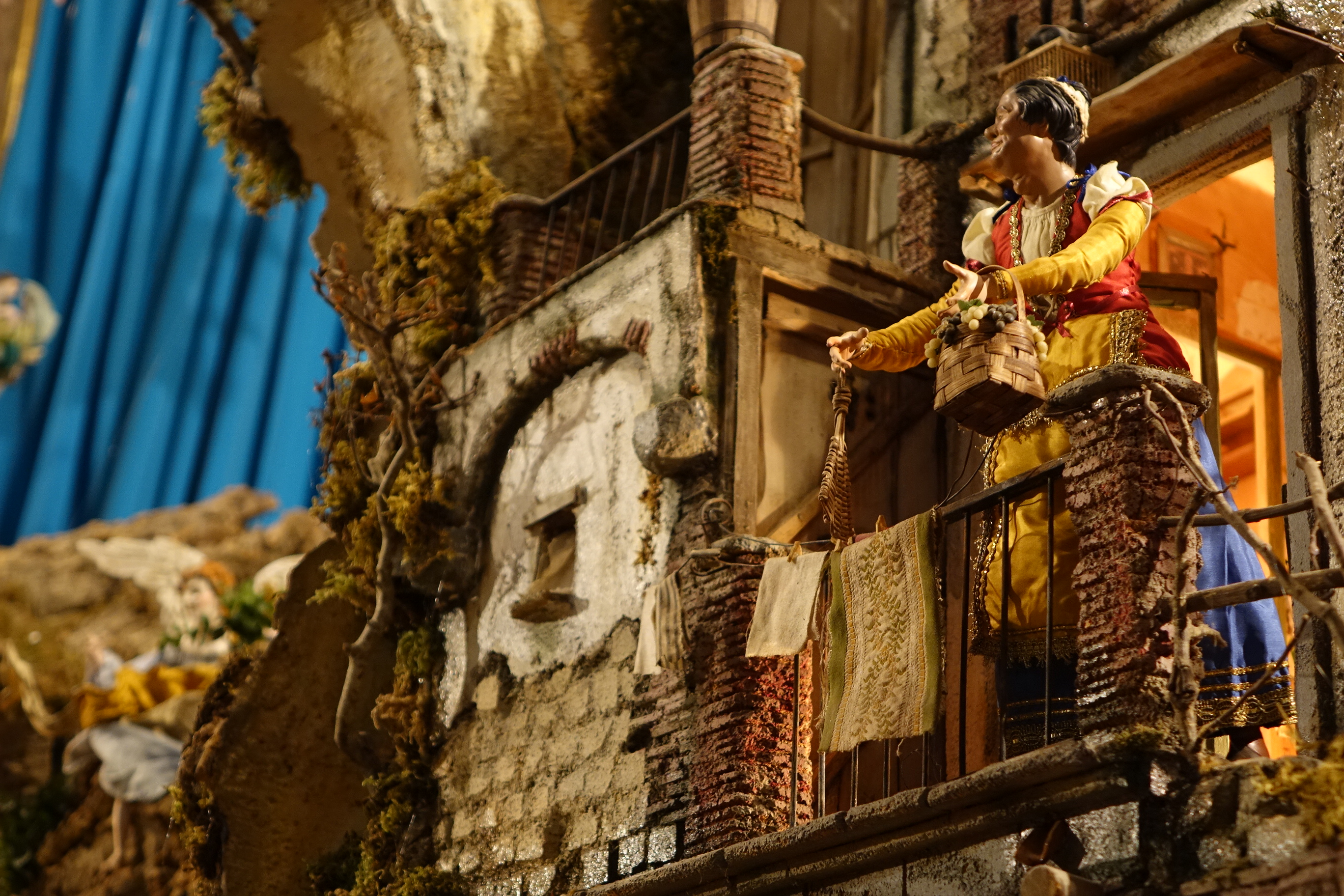
Despite the fact that the tradition of setting out a nativity is centuries old in many a catholic country, the general belief is that it all began in Italy where St Francis of Assisi is credited with creating the first nativity scene in 1223 at Greccio, Italy. There he is said to have recreated the birth of Christ through placing people dressed in the various nativity roles in a cave. A tradition was born, and perhaps for this reason, it is arguable that Italy has remained the predominant master of the nativity craft. This is not least in Naples where, in the famous Via San Gregorio Armeno, the entire street is given over to the craftsmen who make every intricate detail of the characters and setting of the Neapolitan presepe. 

DSC02526 DSC02529 DSC02532 DSC02548 DSC02545 DSC02560 DSC02558 DSC02535

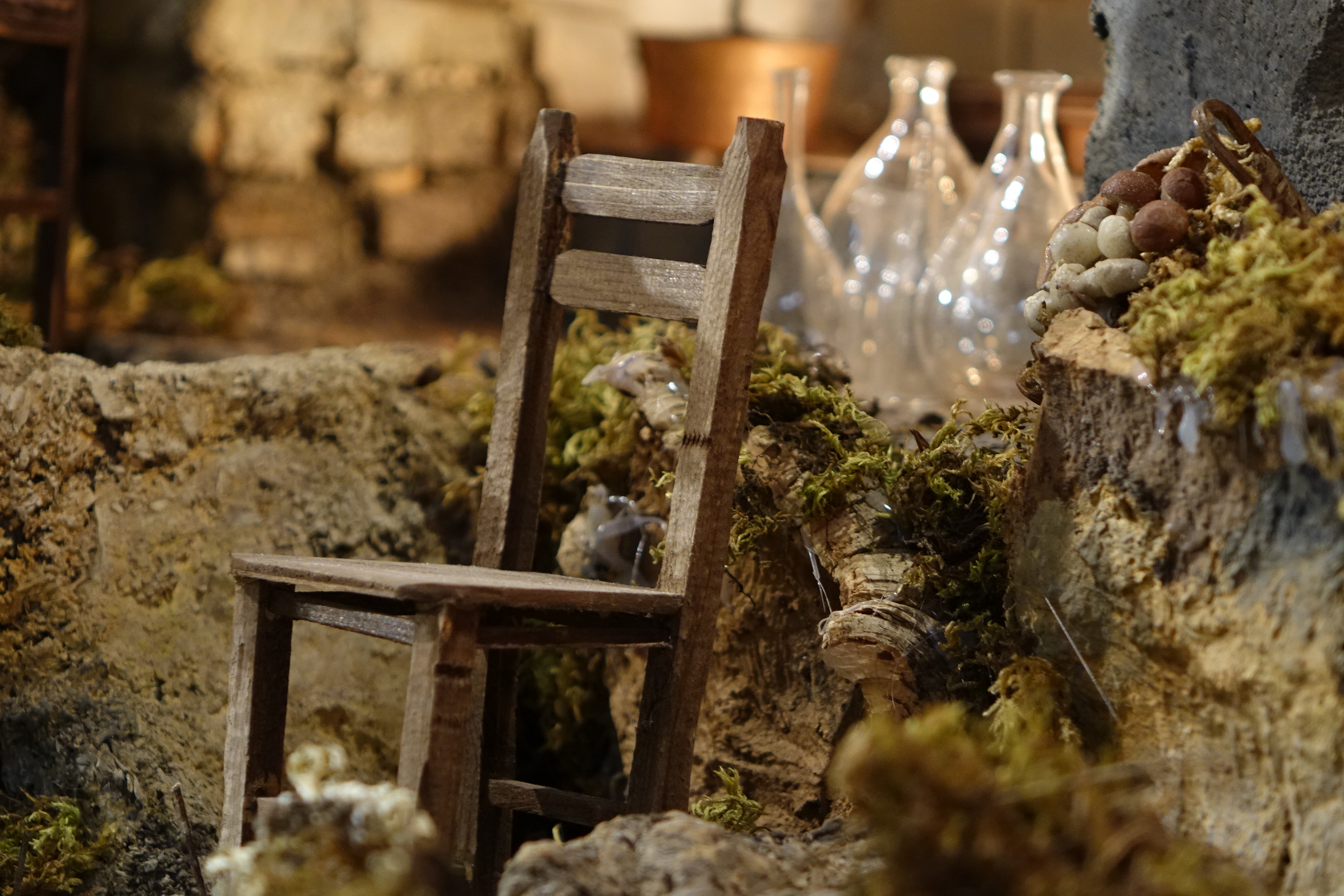
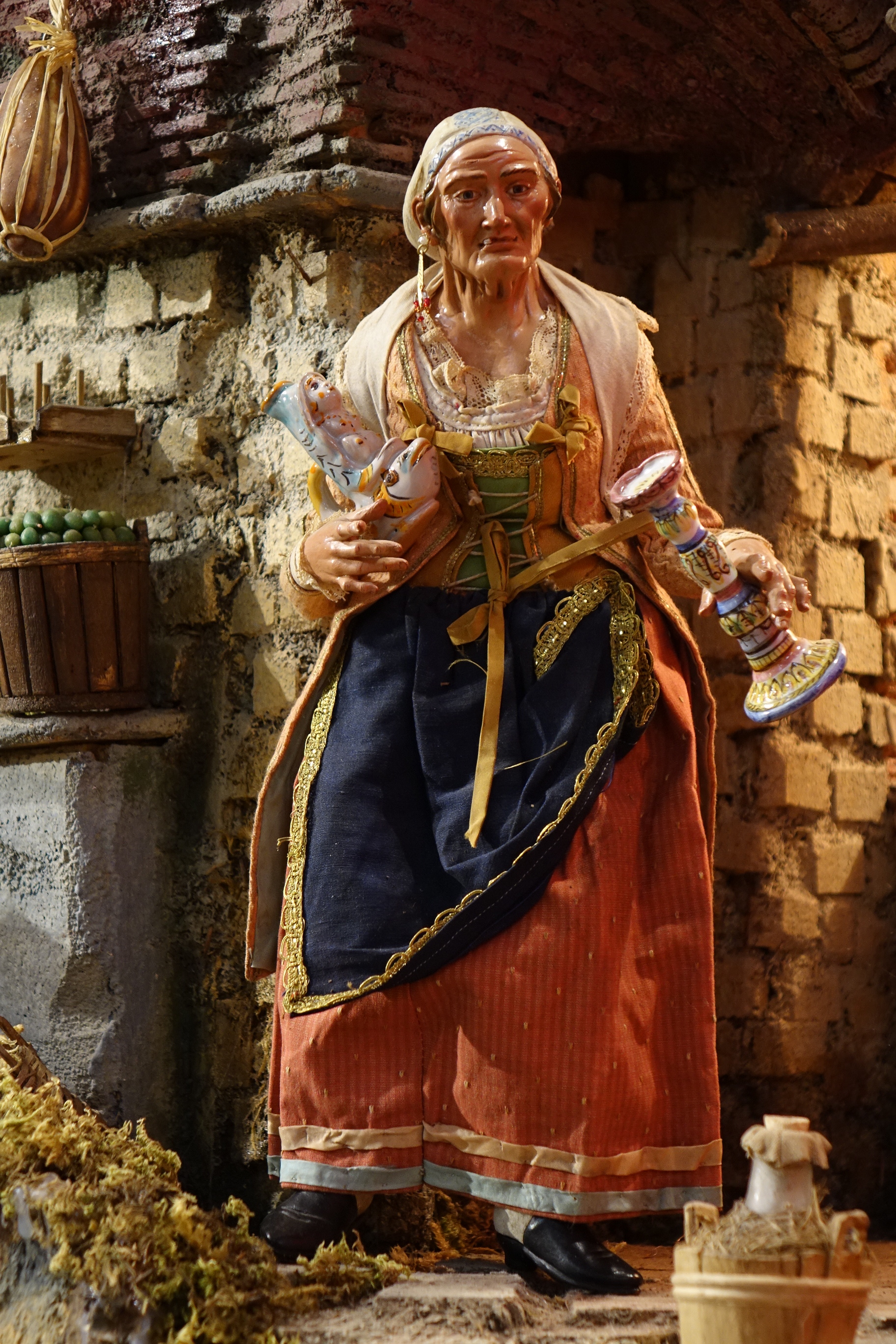
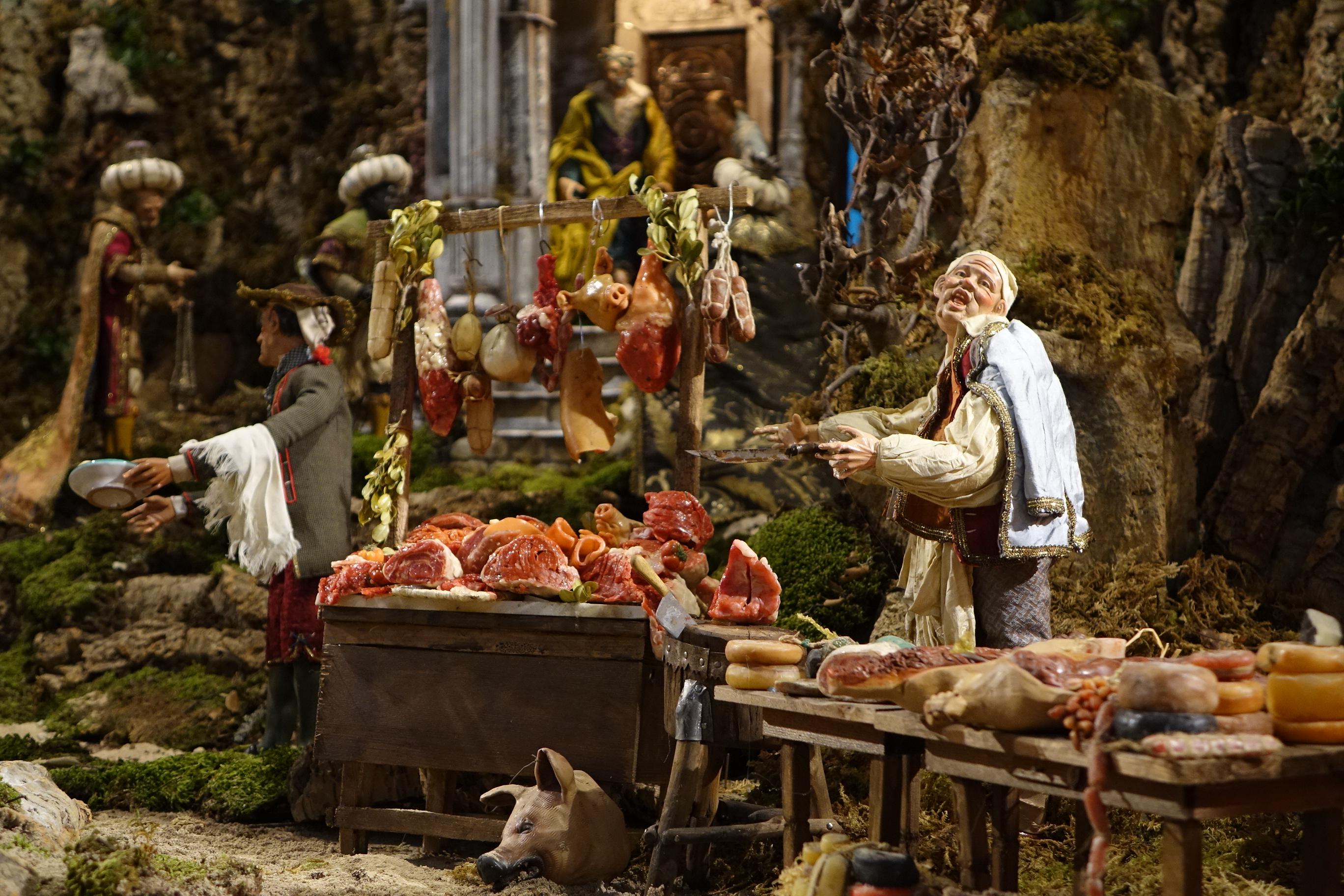
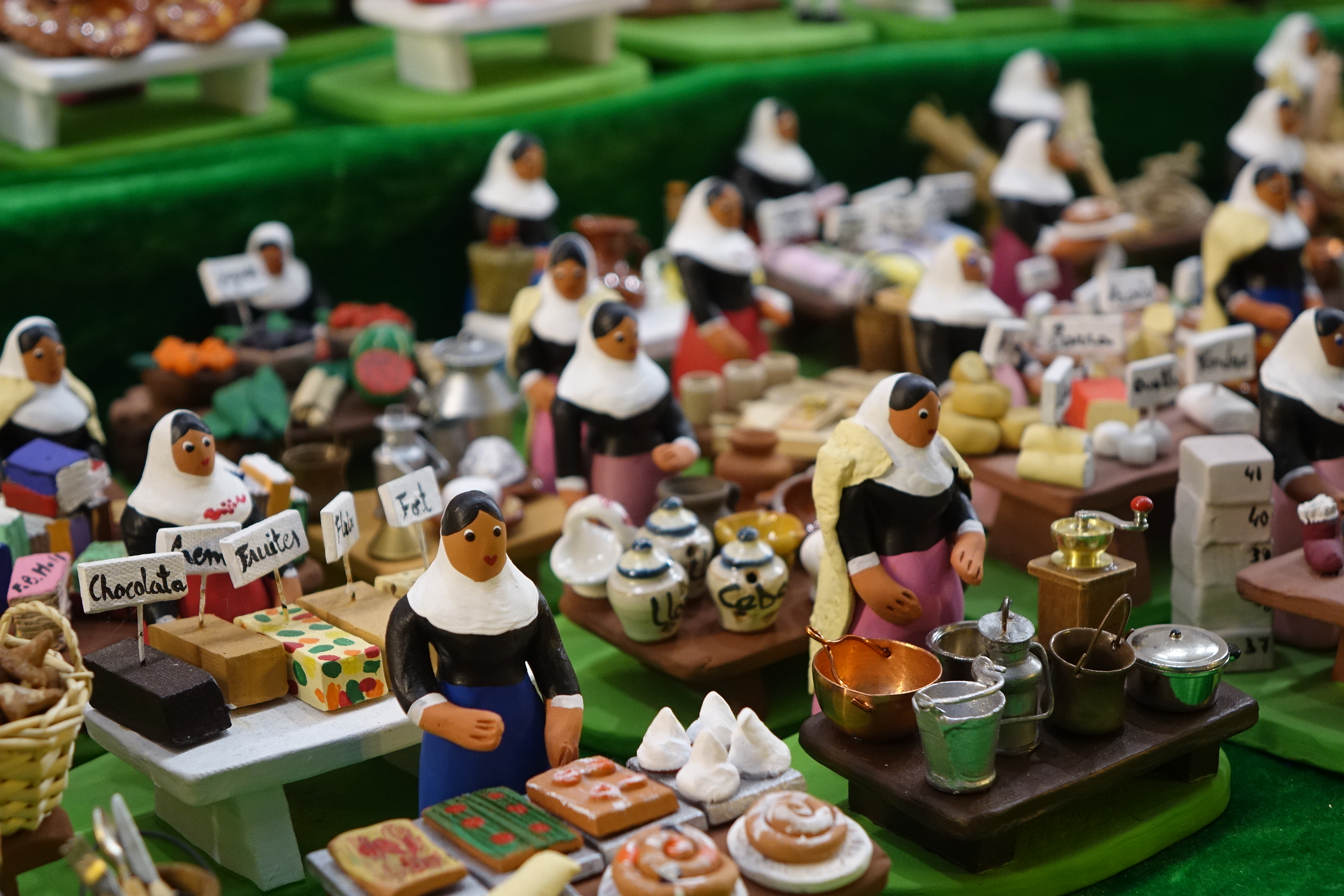
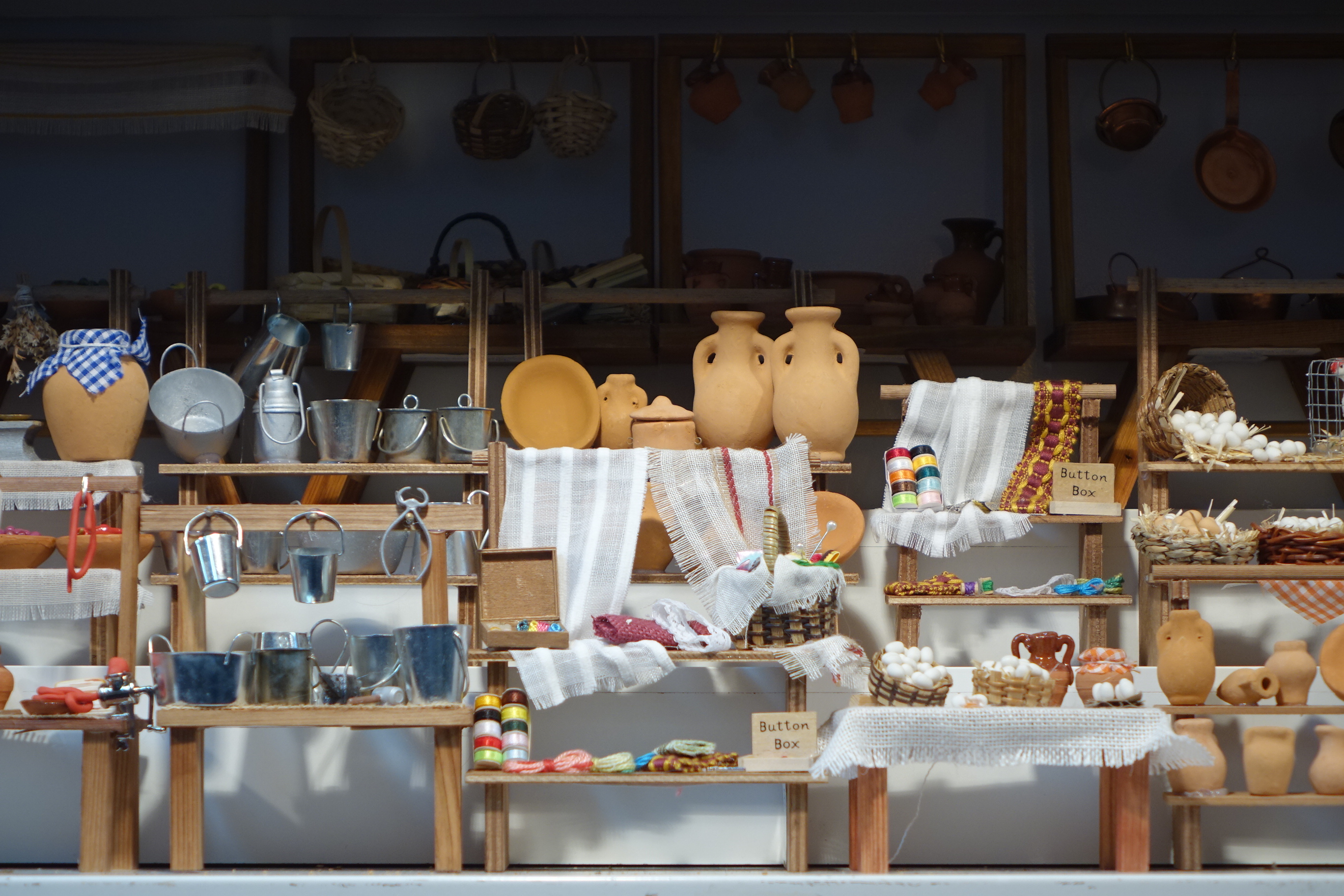
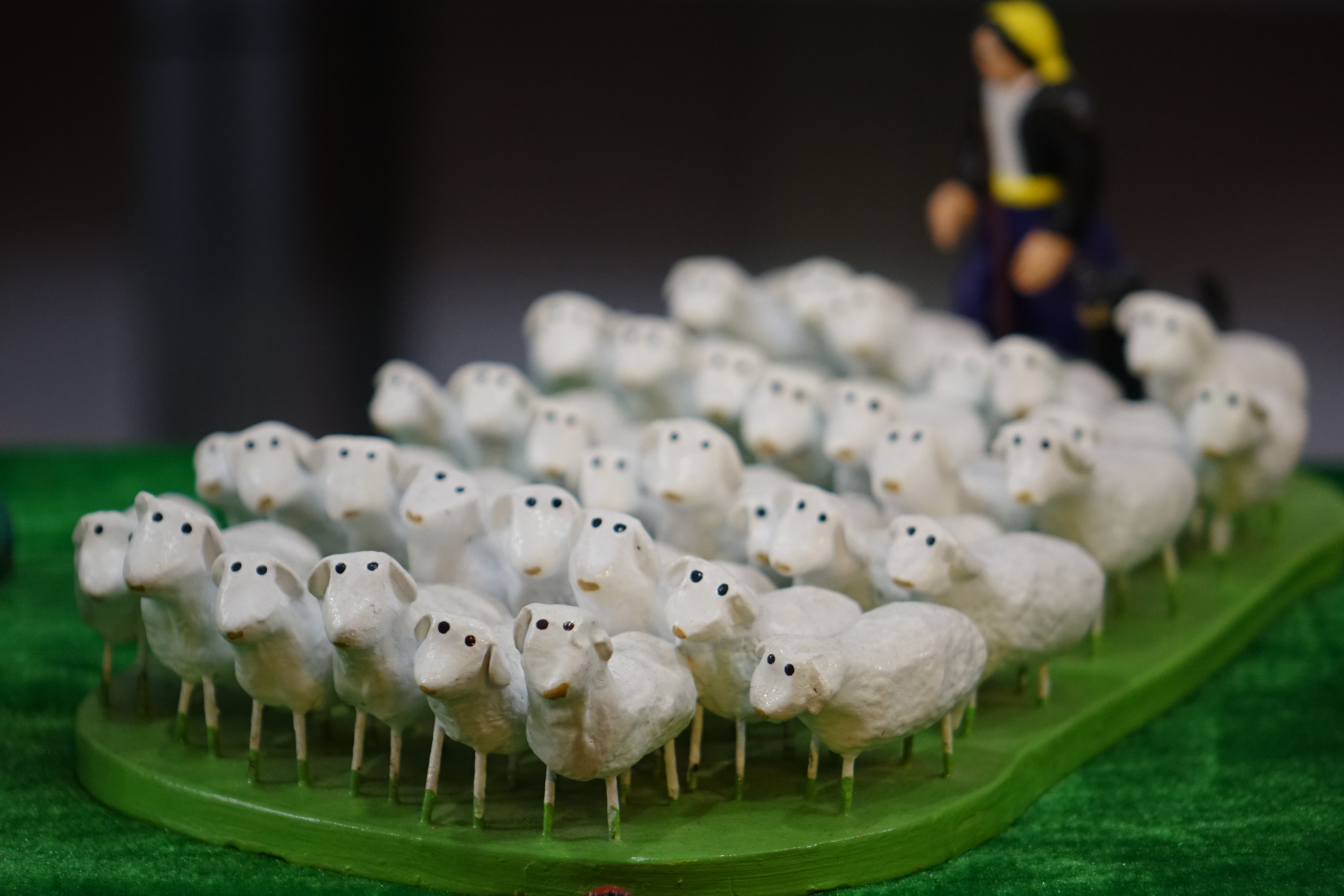
While last Christmas I braved the crowds who had crammed their way up the dark side streets of the Spaccanapoli to get a view of this famous Neapolitan craft, this year I have had the fortune to see their masterpieces at far closer a proximity. For here in Palma de Mallorca, but 2 minutes from my flat in an inconspicuous church on the Carrer de San Miquel, there is a Neapolitan gem of its own. Set out across a mountain plane simulated from the supple bark of a cork tree, and comprising a phenomenal range of architectural features and carefully characterised figures, this Nativity demonstrates why the Neapolitan craft remains so renowned. Not a single detail of street life has been missed, from the slimy pig’s head sold by the Butcher, to the bag of eggs swung by the old housewife. What tickles me are the gruesome details of their lined faces, and their masterful expressions – so full of personality you’d swear they were alive. 
DSC02567 DSC02564 DSC02562 DSC02555 DSC02537 DSC02540 DSC02527

In fact Palma de Mallorca holds the nativity or Belem dear to its heart, with a trail tracing once fantastic Belem to another across the city. But few could deny that the real brilliance of Belem craft has been mastered by the Neapolitans, as the nativity photos above demonstrate so well. 

All photos and written content are strictly the copyright of Nicholas de Lacy-Brown © 2014 and The Daily Norm. All rights are reserved. 
Santa Lucia and the Joy of Rialto Living

To be honest, it didn’t take me much to make up my mind to move from London to Mallorca. After a sustained period of dissatisfaction with the big city in the smoke, the comparative paradise of Palma de Mallorca took little persuasion. And yet I think I can pinpoint the exact moment when my mind was made up as being the moment when my partner and I discovered Rialto Living.
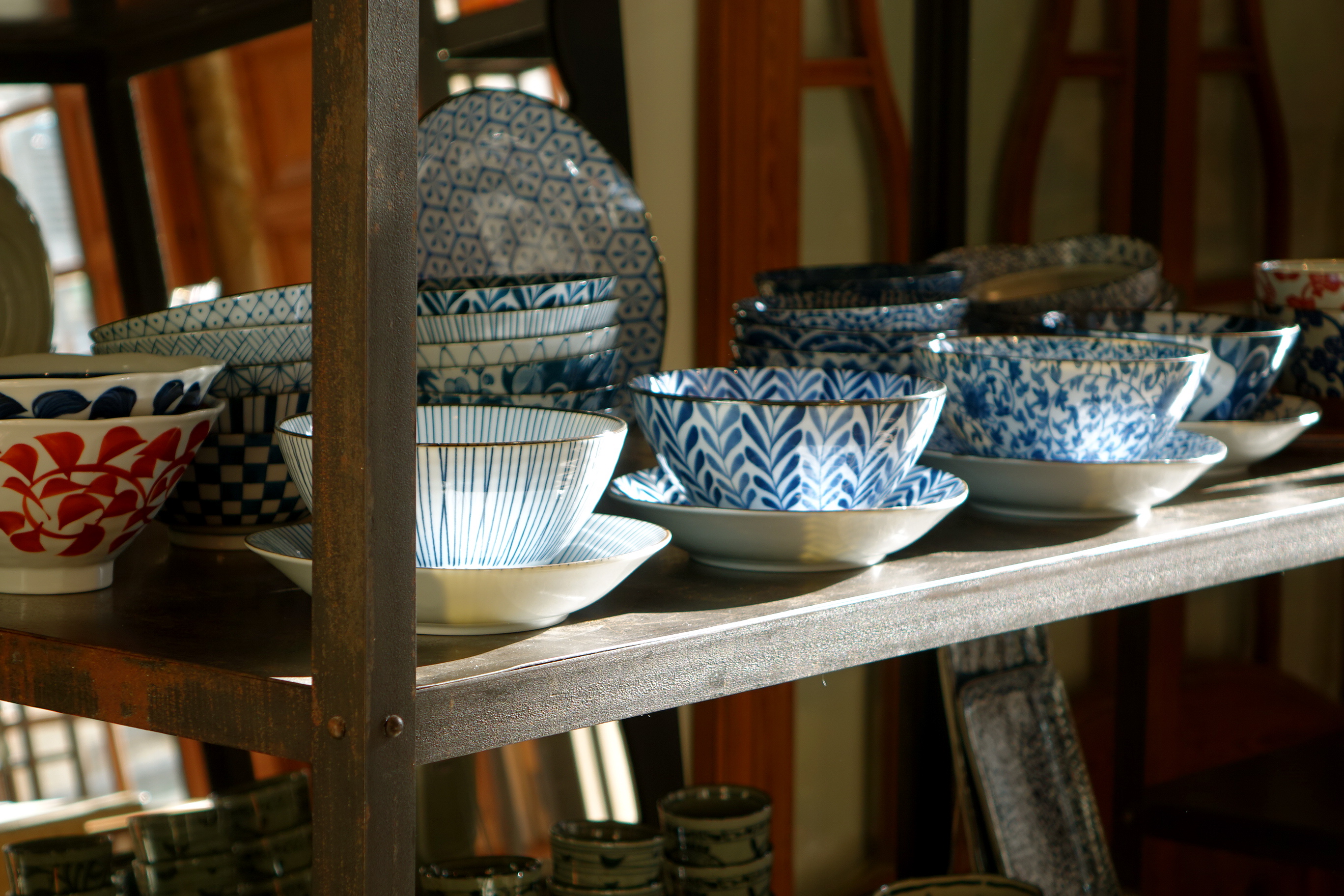
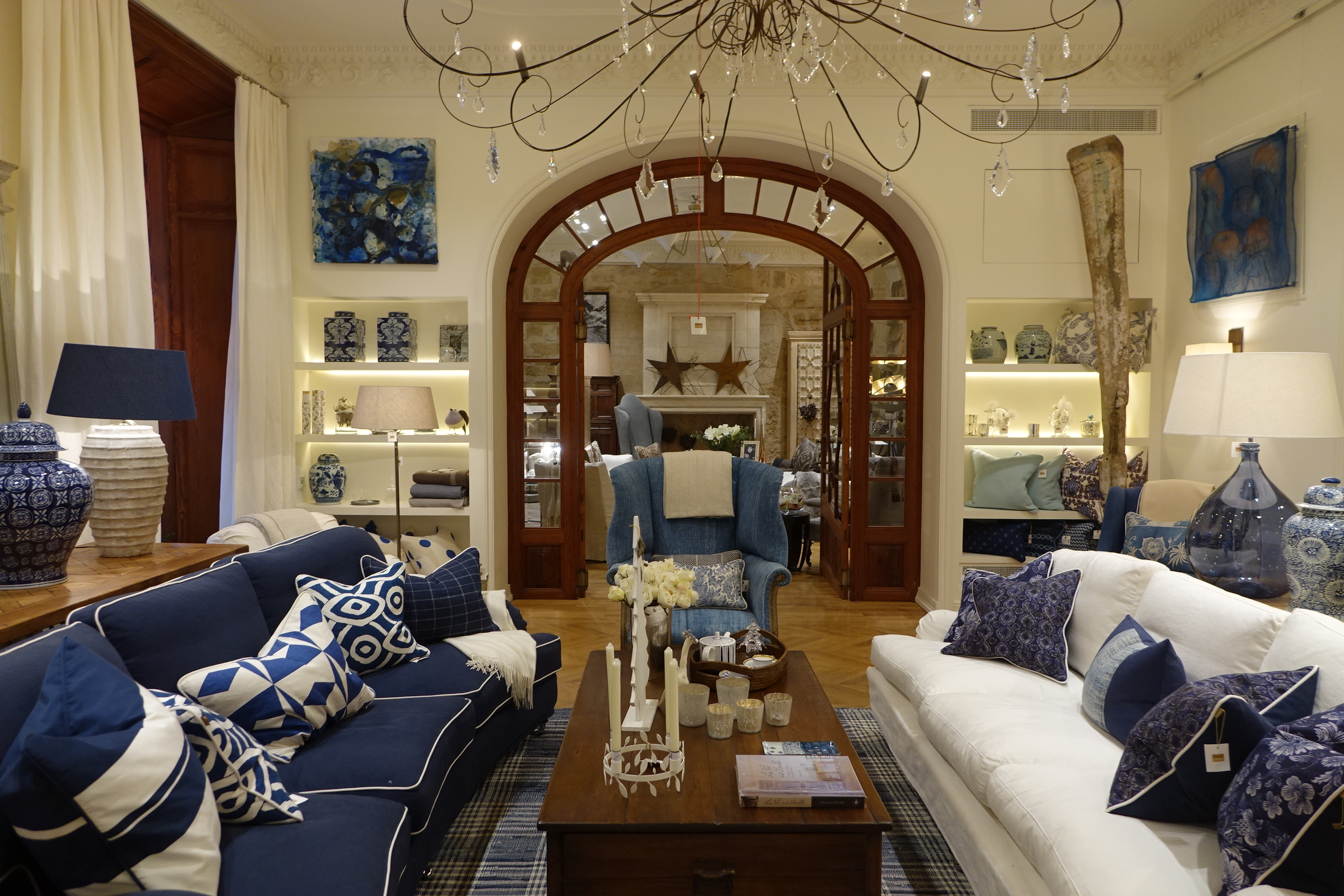
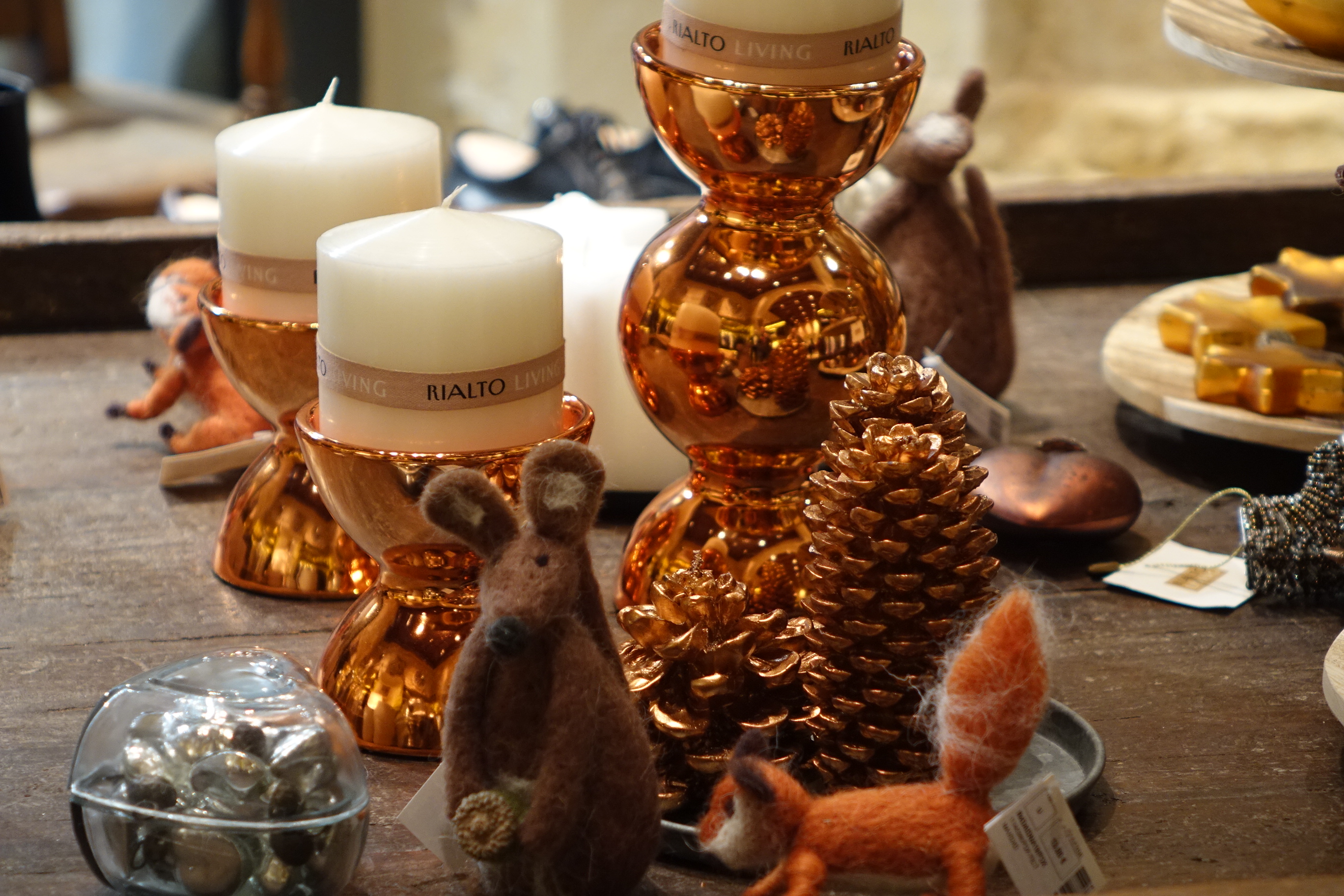
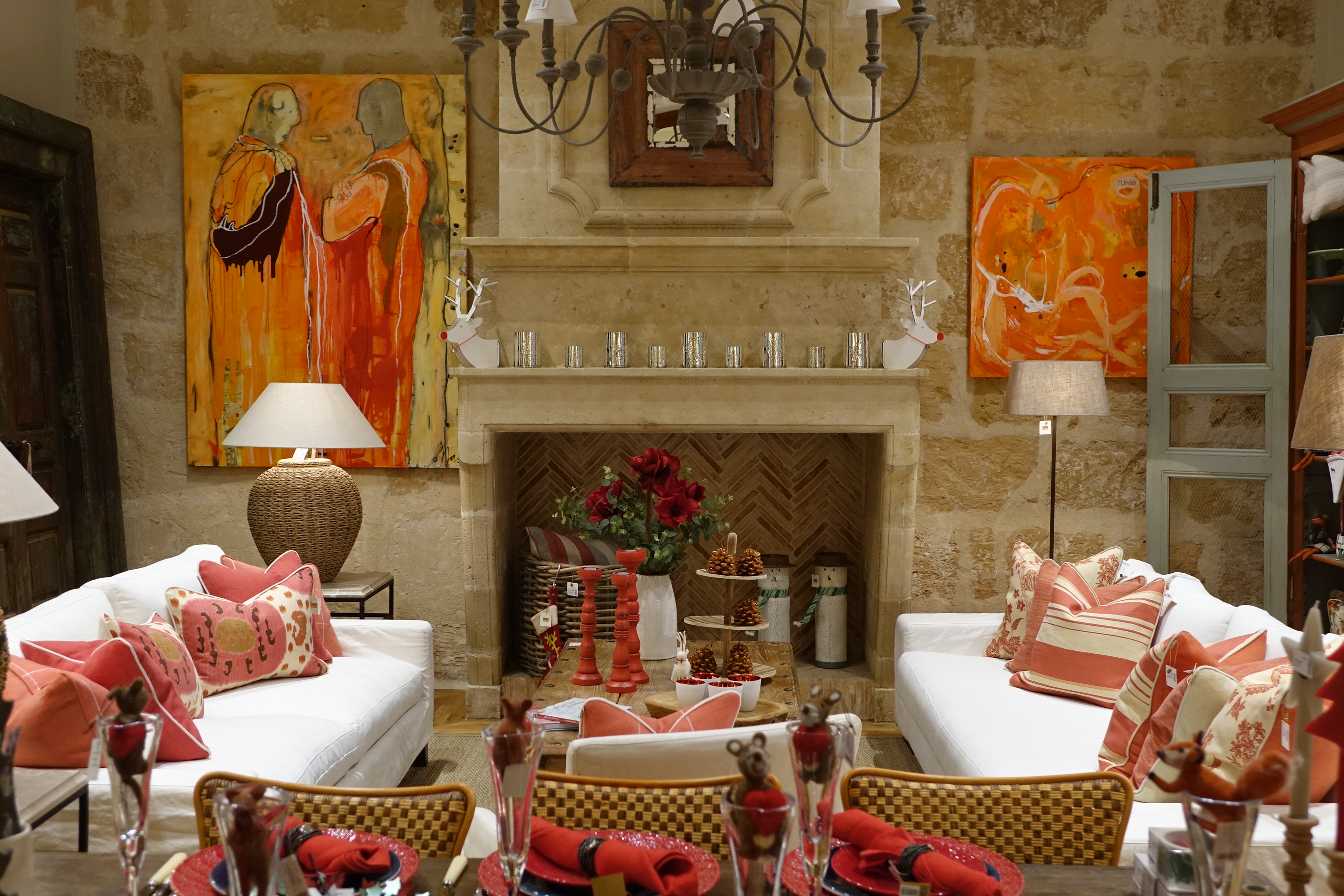
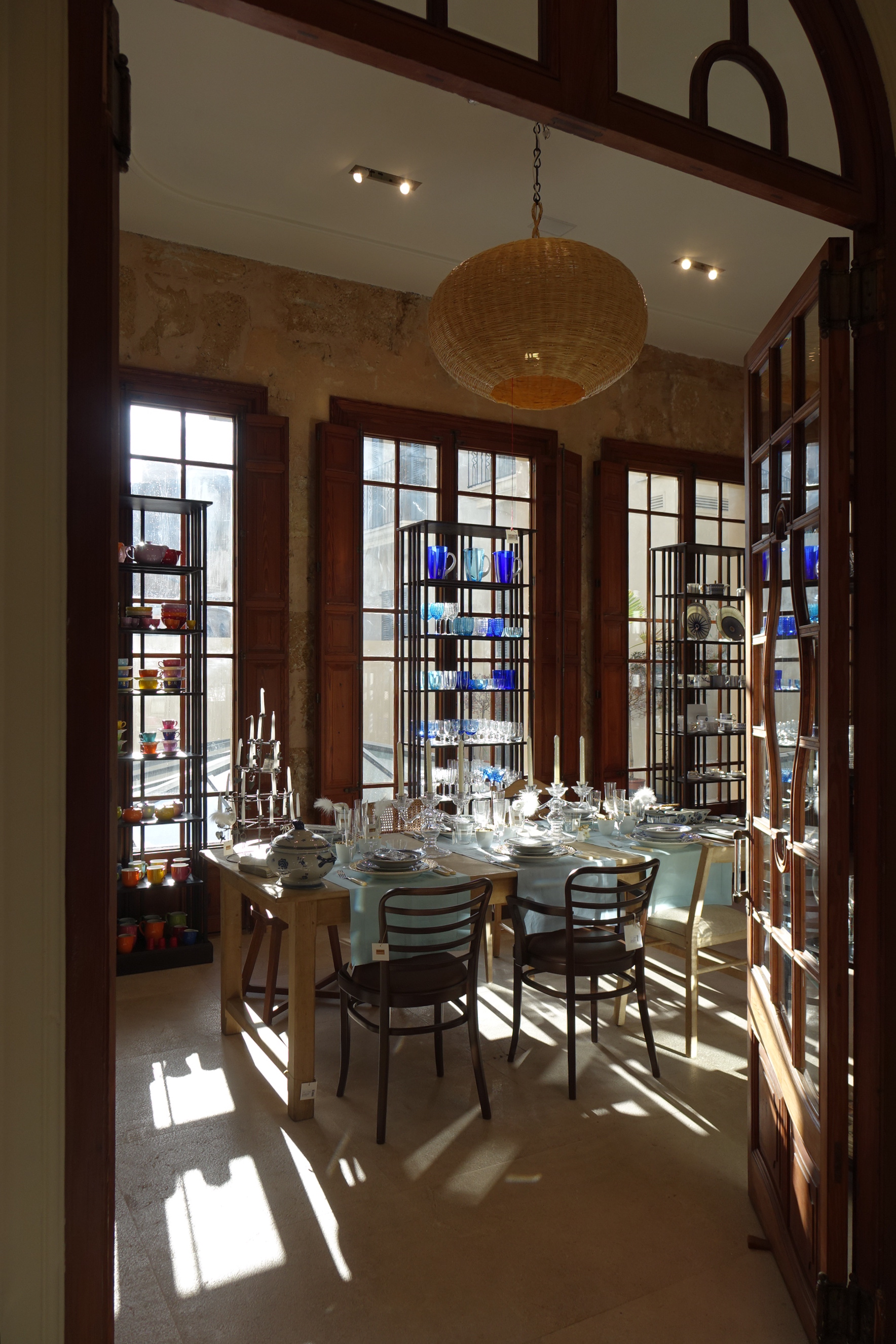
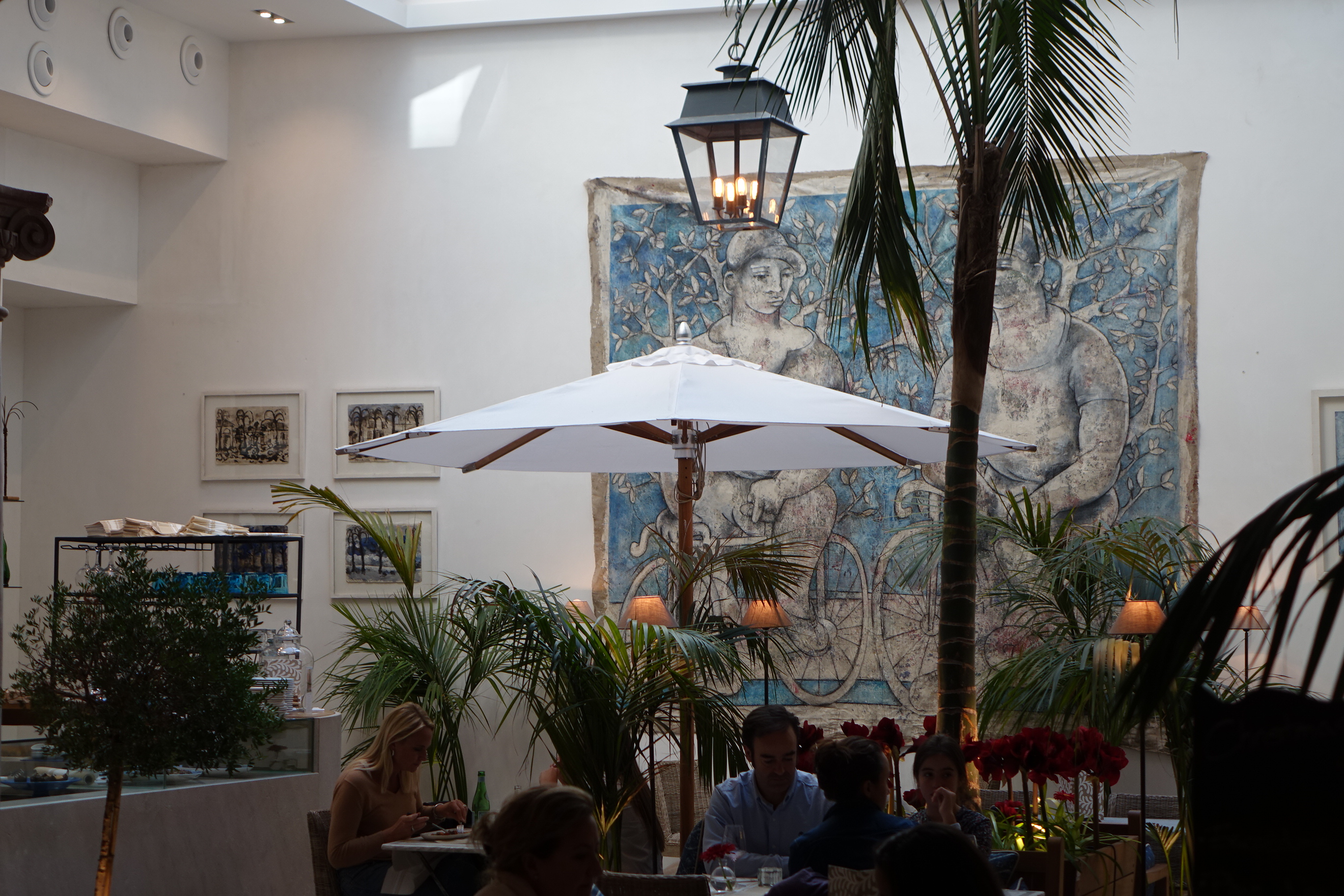
Situated in the Carrer Sant Feliu, a dark cobbled street in the heart of Palma’s old town and lined with the very best of Palma’s old palaces, Rialto Living is a lifestyle concept store which sells the very best in interior design, art, and fashion. Happily for us it also contains one of the cafe hot spots in Mallorca, a blue and white symphony of open space and high couture eating, all set within a stunning renovated palace. In short, Rialto Living is a sumptuous, stunning shop. The kind of place where you could happily while away the hours as though it were your own home (I should be so lucky), and it was upon finding this place that we knew Palma had the kind of mentality which meant that we could make the city our new home.

A paradise of interior design

DSC02121 DSC02154 DSC02159 DSC02153 DSC02123 DSC02126 DSC02641 DSC02138 DSC02125 DSC02152 DSC02135 DSC02150 DSC02116 DSC02131 DSC02129 DSC02119 DSC02122 DSC02134 DSC02164 DSC02141 DSC02162

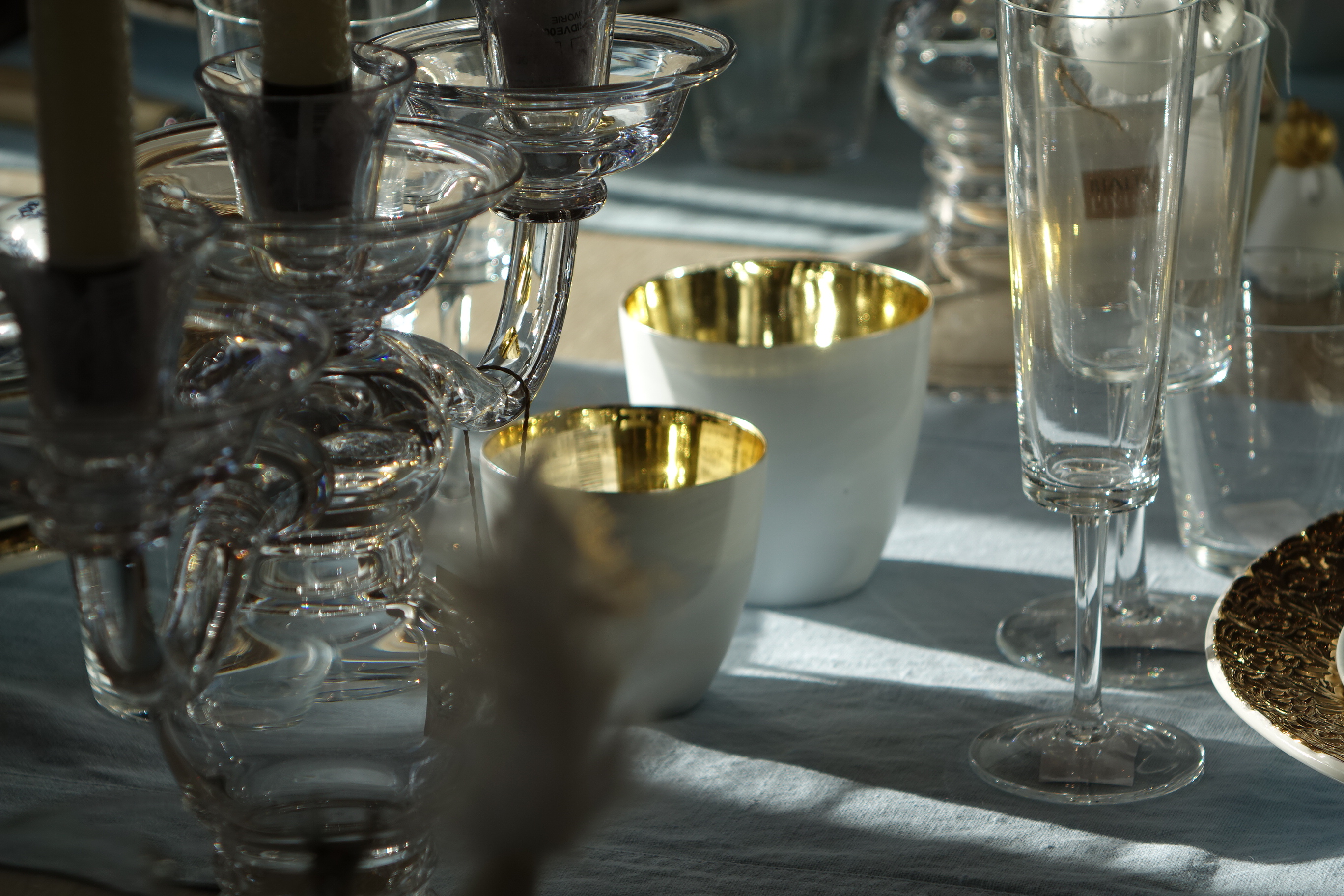
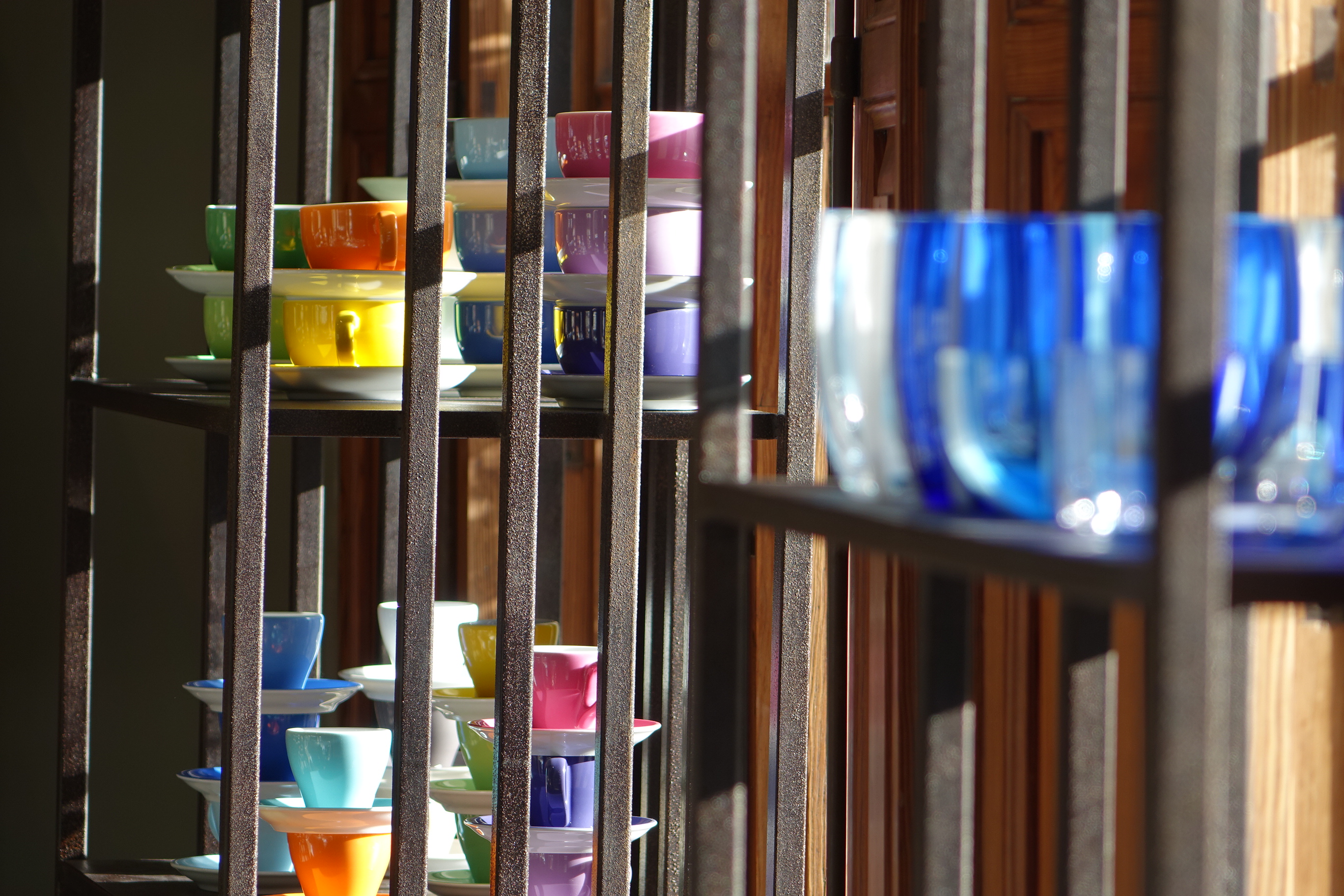
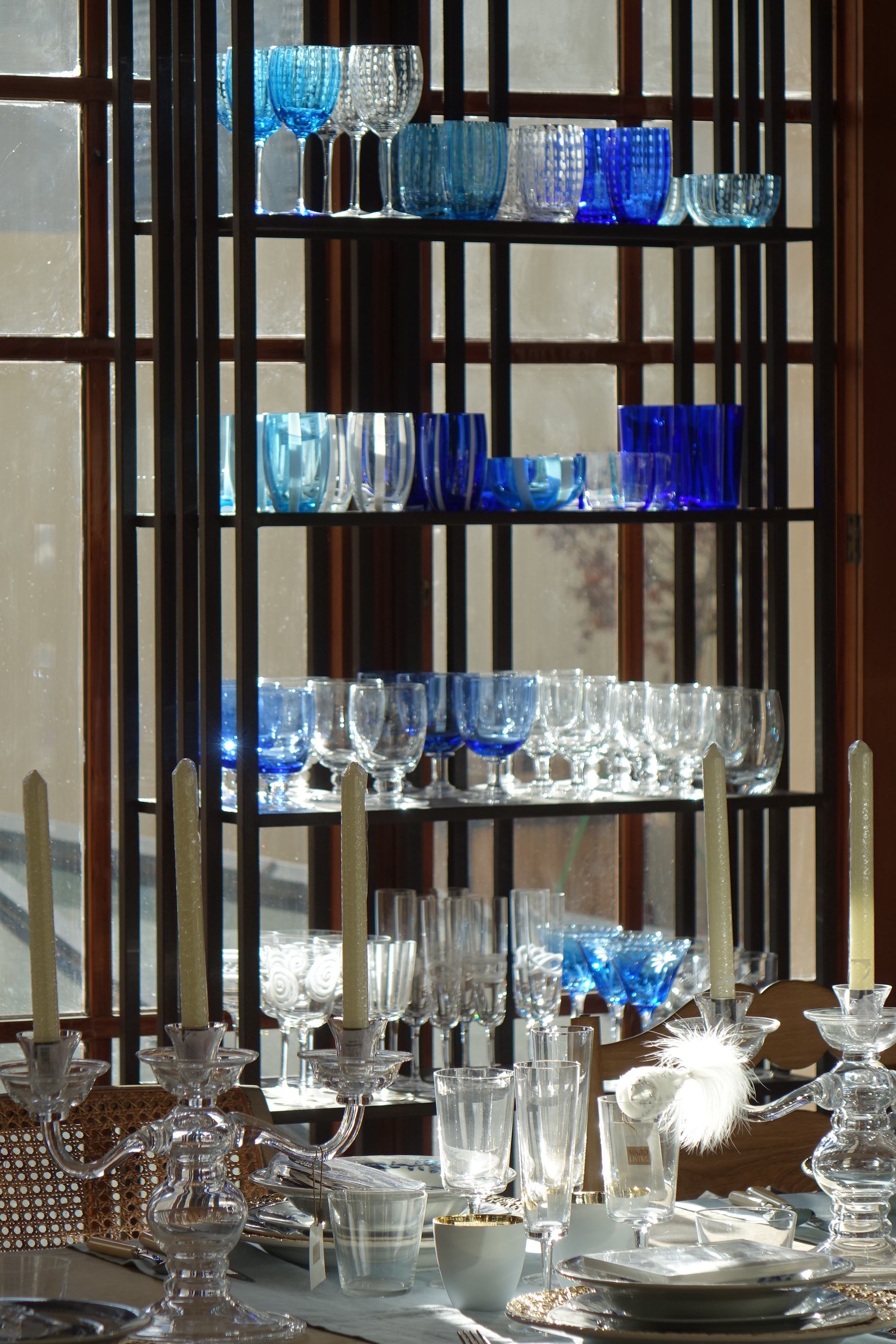
Harking from Scandinavia, and founded by one of the three founders of Gant, Klas Kall, along with grafic designer Barbara Bergman, it is no wonder that Rialto Living is such a temple of interior chic. Here you will find a magazine shot in every corner, furniture to die for, and quality which bounces and glides and glitters in one’s hands. Its many sections are a delight for the eyes. Its clothes section is so chic and welcoming that it makes you want to discard your old clothes there and then for something delightfully fluffy and new. Its home section is like a paradise of design; my favourite section has to be the Alhambra recreation within whose moorish arches roll after roll of colourful material unfold; I also adore the dining area, where sun floods through the south facing windows to illuminate the multicoloured glassware.

Rialto Living’s fresh blue café

DSC02664 DSC02168 DSC02667

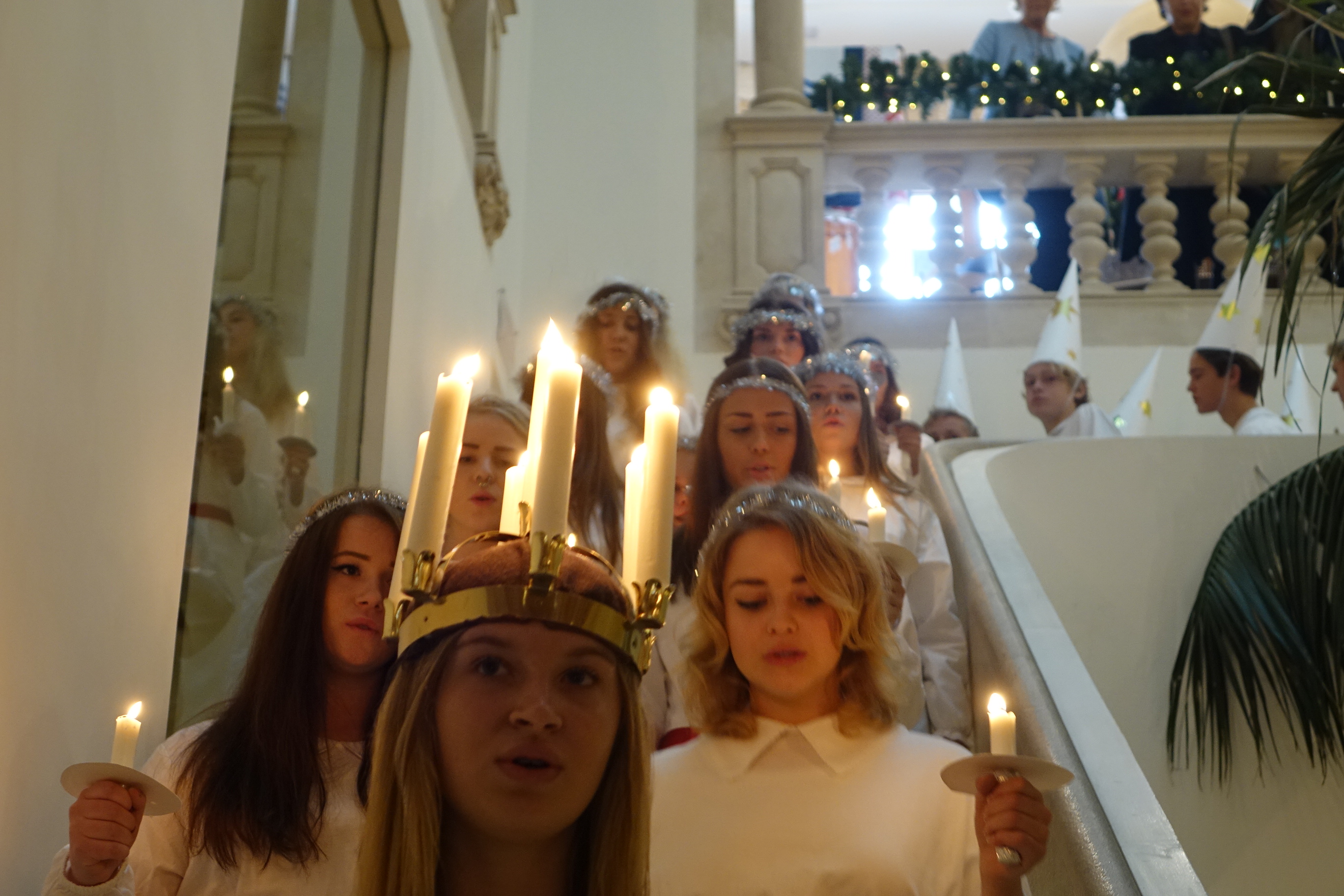
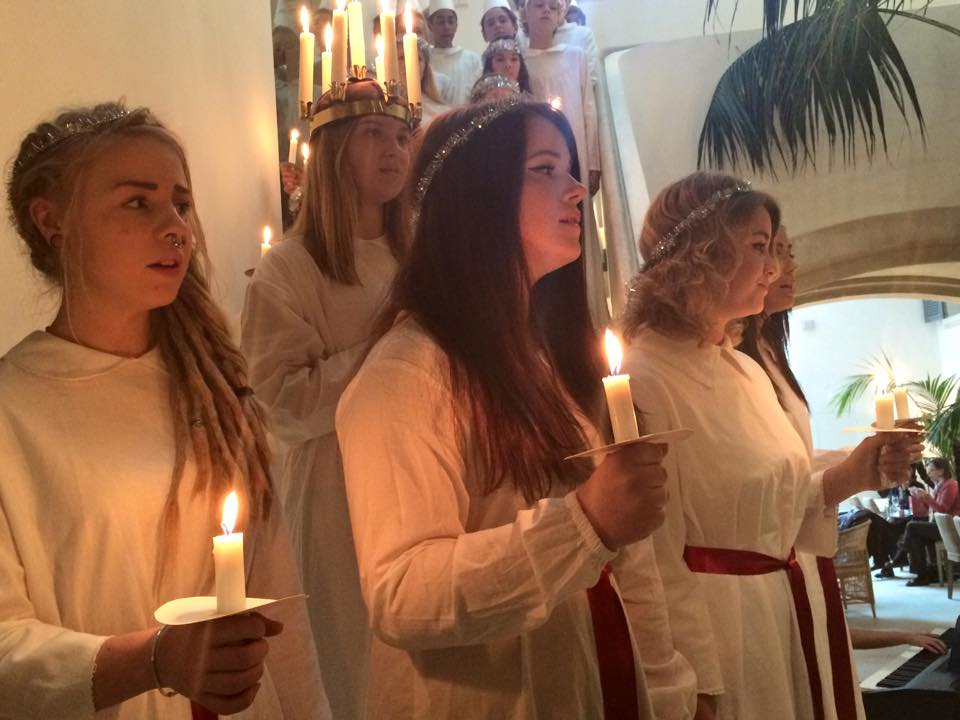
Yet despite its inherent sophistication, Rialto Living is utterly welcoming, as demonstrated last weekend when customers were welcomed to the store on Saturday lunchtime to join in carols and glogg (mulled wine) in a celebration of Santa Lucia’s day. They even had an angelic choir fitted with all of the regalia of Santa Lucia festivities, the likes of which inspired both my Norm sketch yesterday, and brought tears to my eyes.

Rialto’s celebration of Santa Lucia

10678755_10152488794170846_9009388286336939585_n DSC02654 DSC02646 1503912_10152488794435846_8435992689803210401_n DSC02653

So this long overdue post on Rialto Living is both a dedication to the sumptuously sophisticated palacial surrounds of my favourite shop, and a record of last weekend’s very Christmassy affair. Rialto Living: you truly are an inspiration. As long as you are in Palma, I too will remain.

Mallorca Photo Folio: The reds and the greens

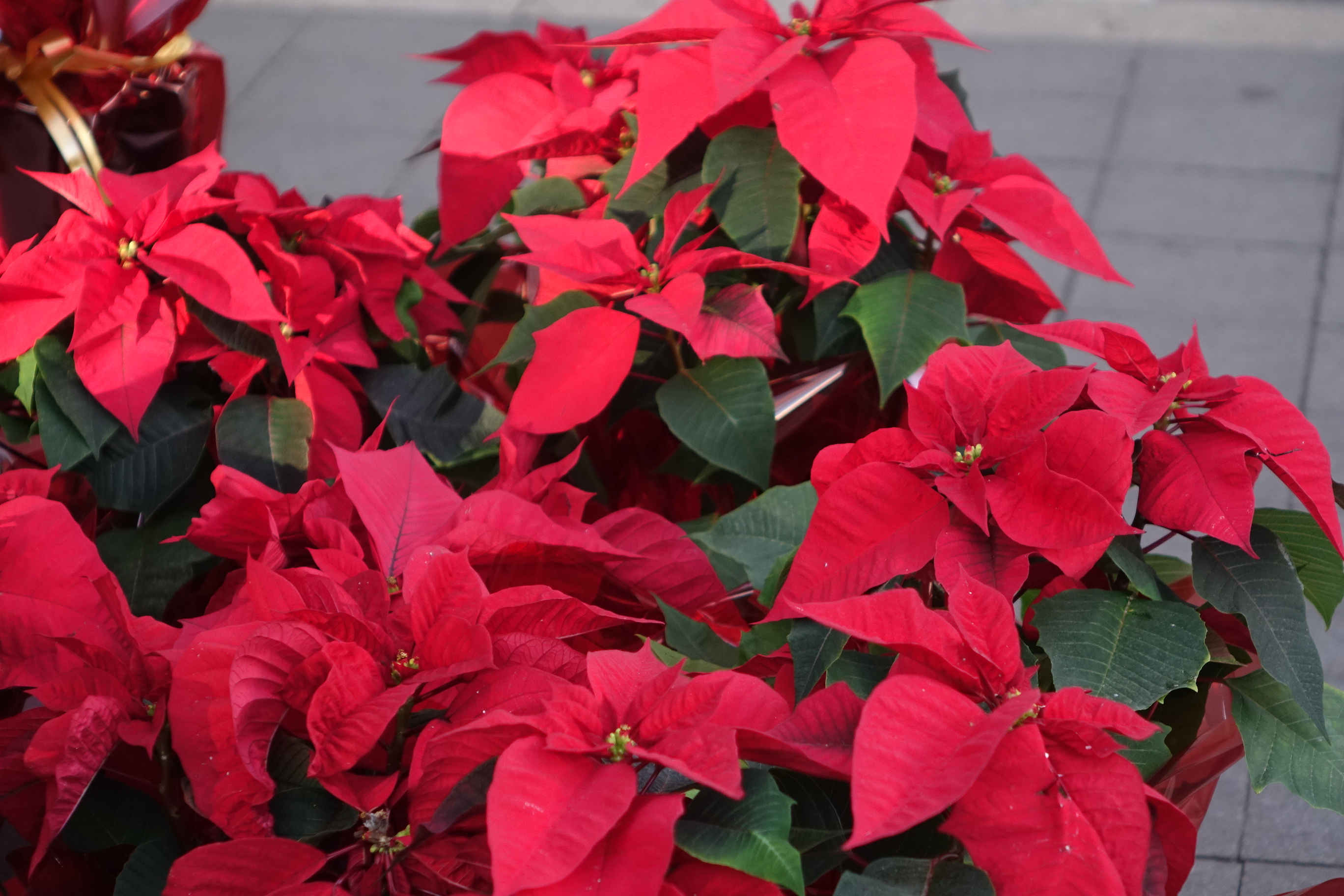
Last week I took you on a whistlestop tour around the city of Palma but only through the narrowest application of my artist’s palette. For the focus of my photo folio selection was shades of glittering silver – the kind of metallic sparkle which we now see regularly when the sun breaks free of wintery clouds and reflects over the expansive Mediterranean sea. This week’s folio selection follows the trend of the moment: Christmas, and as such concentrates on the colours of the season: the reds and the greens, and much in between.

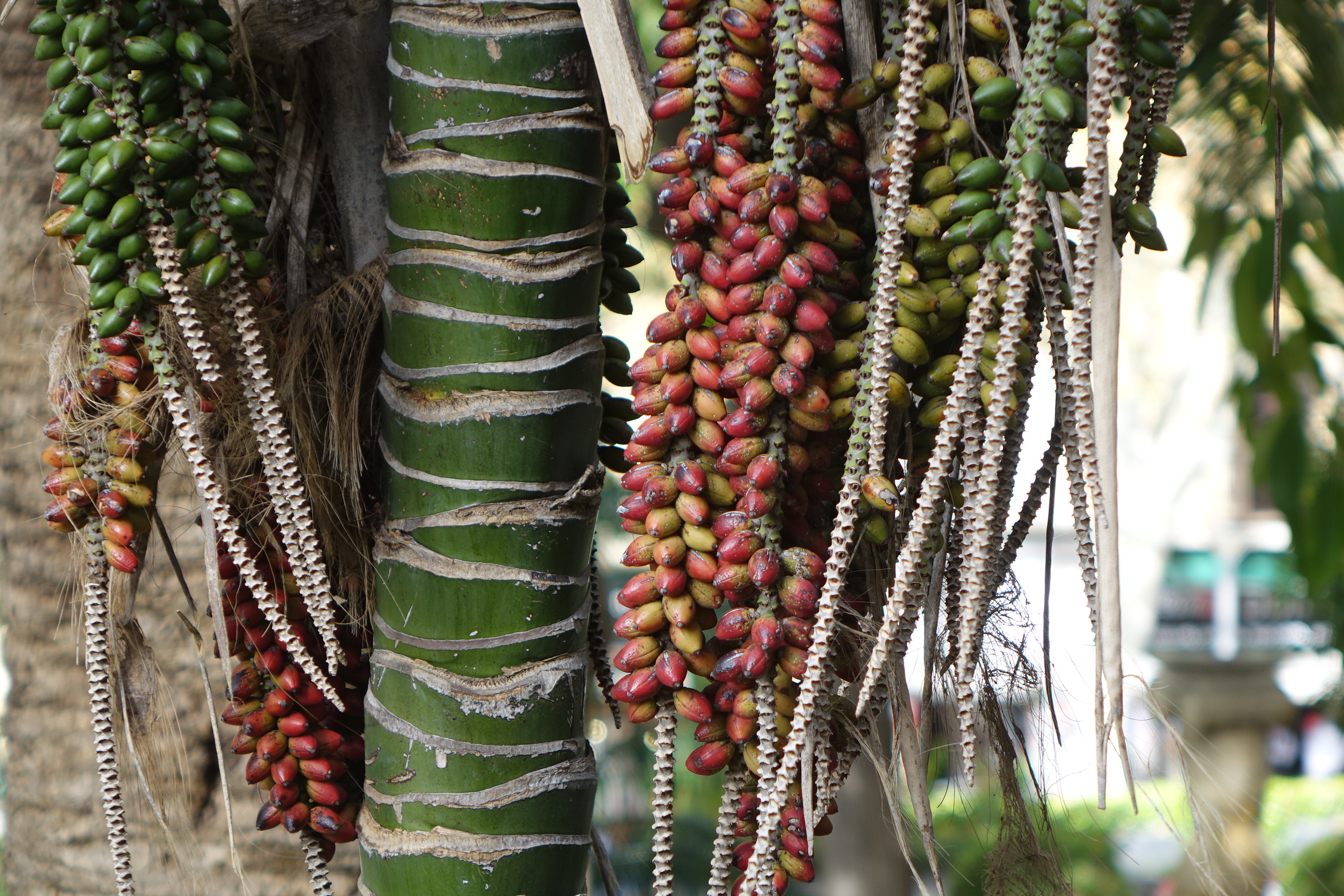
Ironically, despite their being the colours of Christmas, red and green have a prominent presence here in Mallorca all year around, where the sight of green wooden shutters on sunbaked terracotta walls is amongst the most common on the island, and where tropical green leafed plants are abundant in rotund red fruits. So far from being Christmassy, these colours actually inject a feeling of the tropical into this photo collection, reminding me of paintings by the likes of Gauguin, whose earthy red paintings fringed with green tropicana were the staple of his Tahiti collections.

DSC02013 DSC01067 DSC00407DSC02430DSC01073

Back in the urban jungle of Palma, these photos are reflections on a city ripe with life, leisure and lovely, lovely views. They feature the colourful abundance of painted palaces, the plants which are lustrous and healthy even at this time of the year, and the little characterful features which make Palma such an inspirational place to live in.

All photos and written content are strictly the copyright of Nicholas de Lacy-Brown © 2014 and The Daily Norm. All rights are reserved.
Discovering Palma: The ancient and the sacred

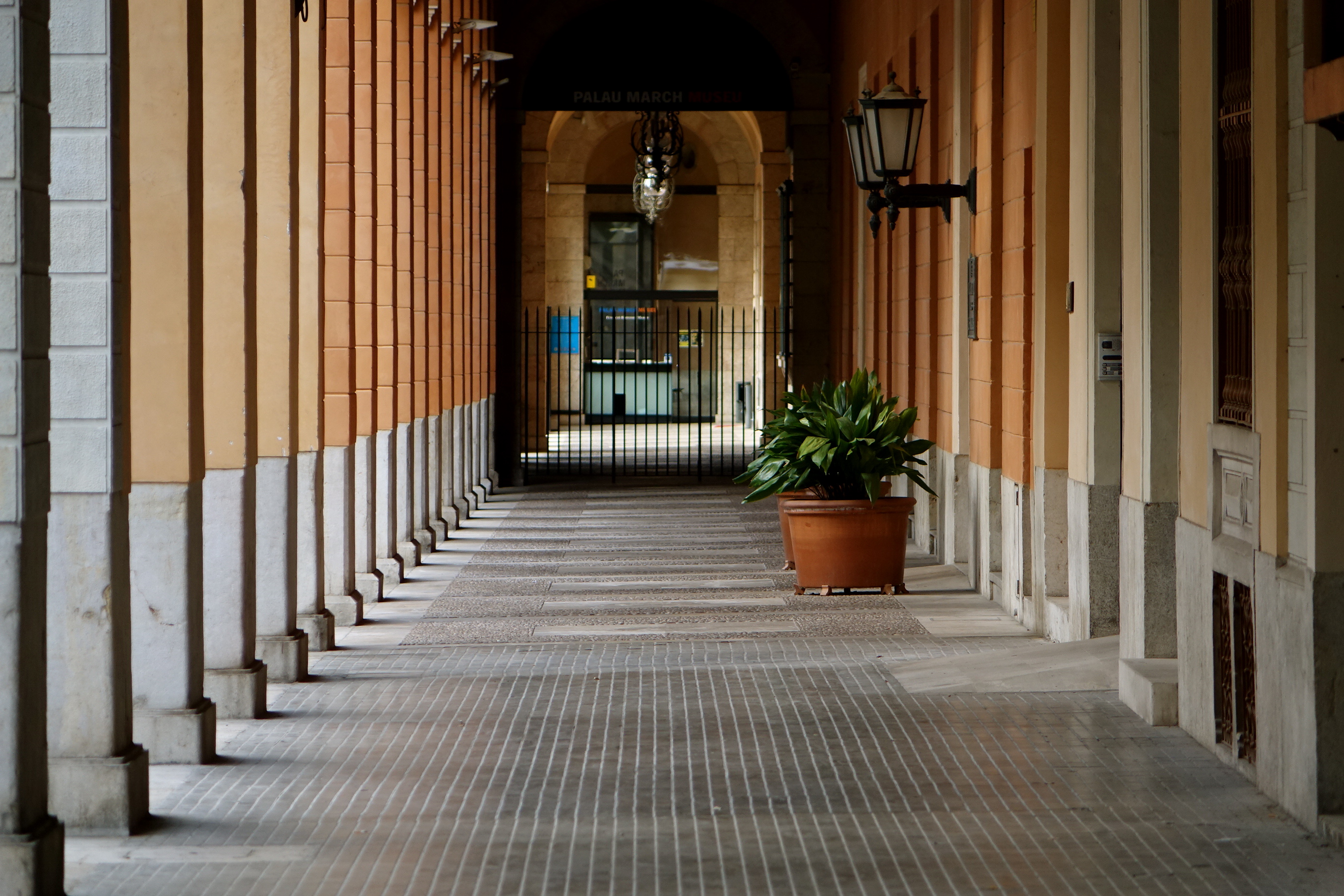
With my mother in town this last weekend, it was time to go back to tourist status, a role I slip into particularly well having only been a fully fledged resident of Palma de Mallorca for less than a month. As such I am still very much in the discovery stages, and already I have ascertained that the sprawling and ancient old town of Palma contains as many hidden corners as it does winding multi-directional streets. And by far the most sprawling, seemingly unplanned and historically rich of all the quarters is that to be found immediately behind and to the East of the Cathedral: the old moorish heart of the city.

DSC01812DSC06907 DSC01845 DSC01834 DSC01844

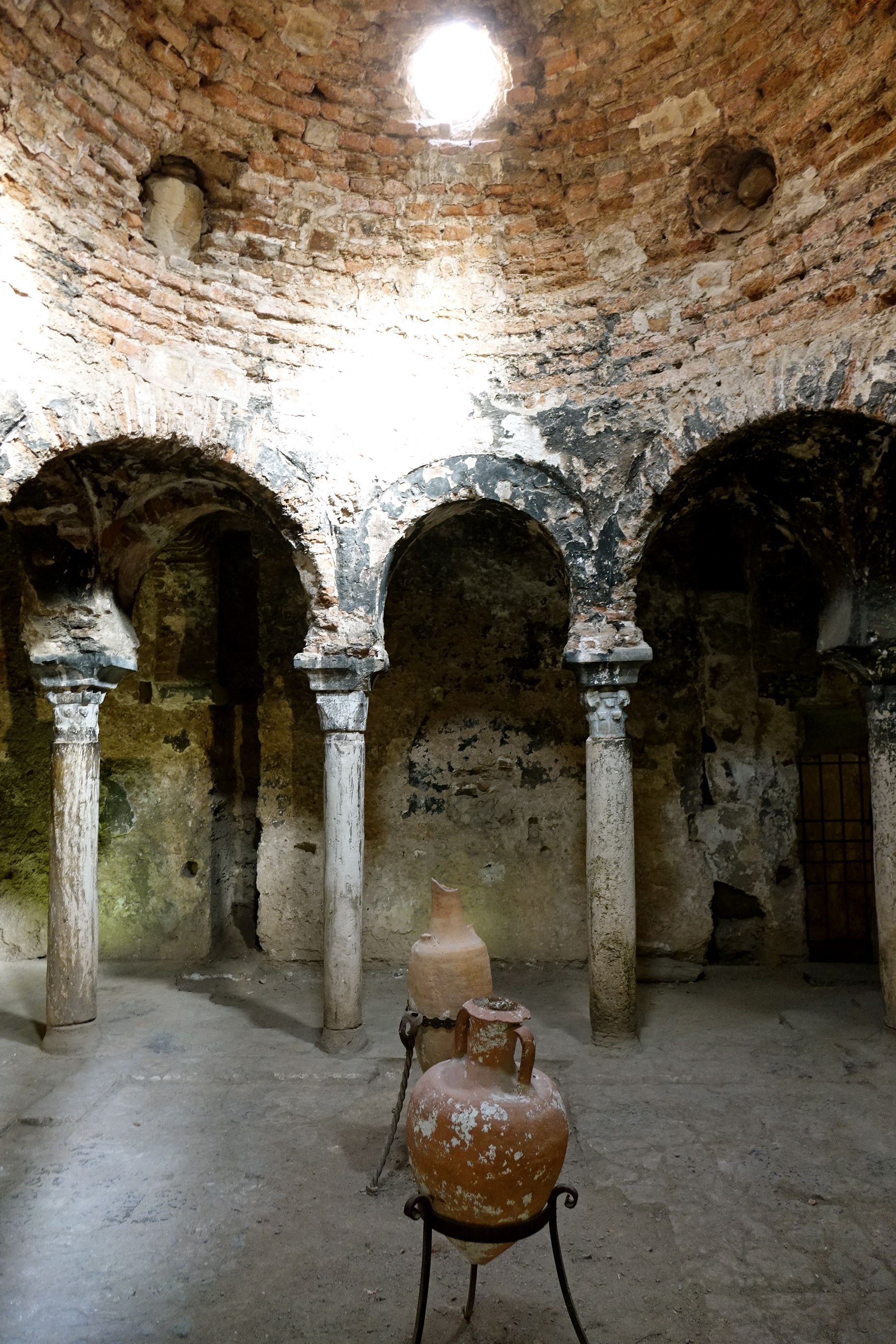
With the weekend’s festivities meaning closure of many of the main sites, we began our whistlestop tour of the city with one of the attractions that was open: the old Arabic Baths. And thus began a tour which focused on the ancient, and the sacred. The Arab Baths are not as fine and complete a monument to the previous moorish rulers of Spain as, say, La Mesquita in Cordoba or the baths in Ronda, but they are still a beautiful and historically poignant monument to a bygone age. Dating back to the 11th century and containing two halls – one for hot steaming and the other a warm ante-room, today the baths are little more than a stone archive, although one can easily decipher the moorish arches whose antiquated stone is dappled with the sharp light filtering through holes built into the domed ceiling. The best part of the baths for me however is the gardens of the adjacent Can Fontirroig manor – a lush spot which looks as beautiful in the winter as in the spring, especially when graced with the sun which happily accompanied our weekend.
DSC01866 DSC01820 DSC01886 DSC01864 DSC01873 DSC01863 DSC01868

Leaving the baths and unfurling one further winding street after another, we came upon the Convent of Santa Clara, a romantically austere building and church whose side chapels are filled with the gilded floats which will be paraded in the city’s Easter processions, and whose nun inhabitants bake traditional convent sweets for sale. Naturally we couldn’t resist the purchase of a marzipan, nor a bag of our favourite polverones – a fragile powdery biscuit named after the dusty nature of its constitution.

DSC01904 DSC01918 DSC01914

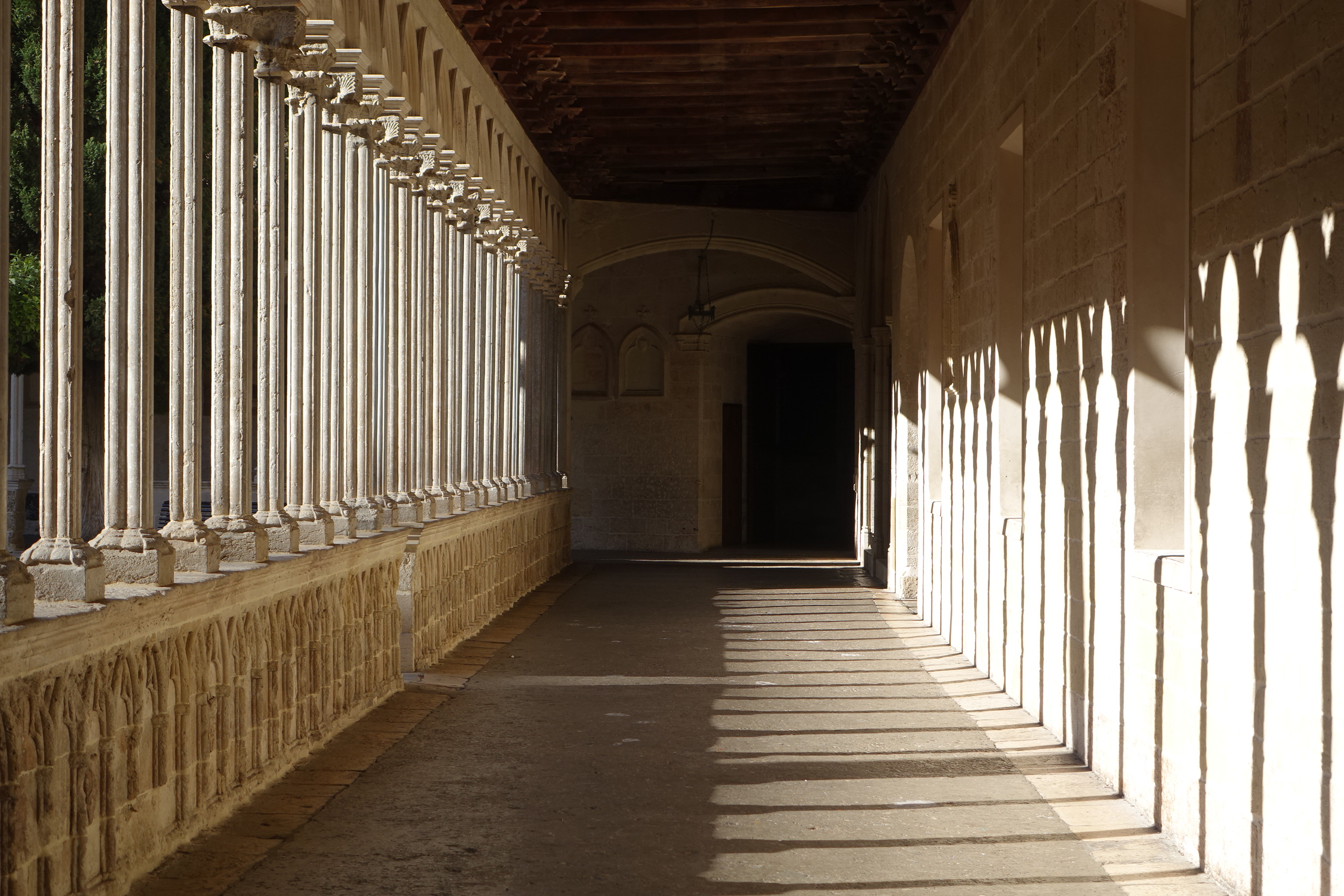
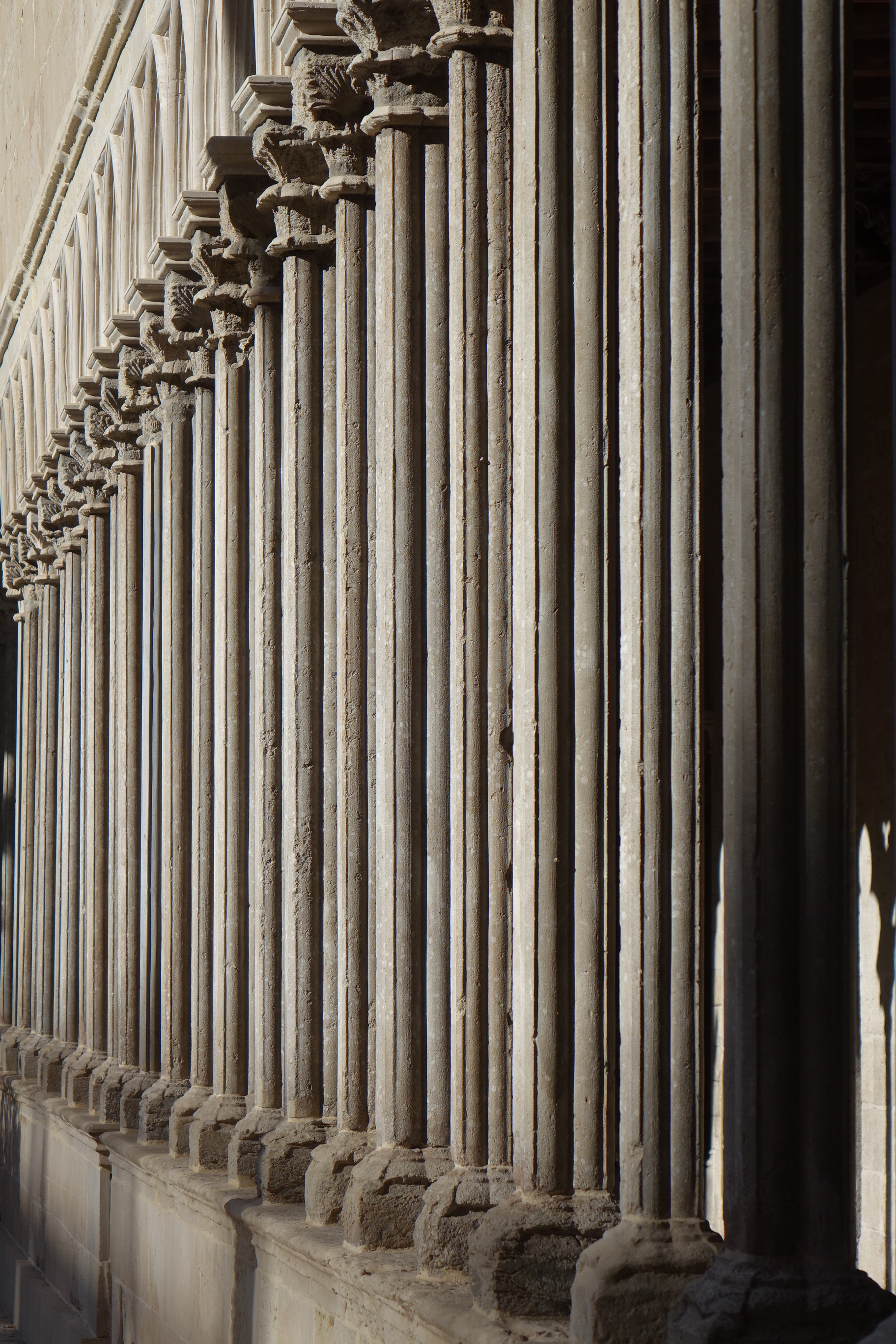
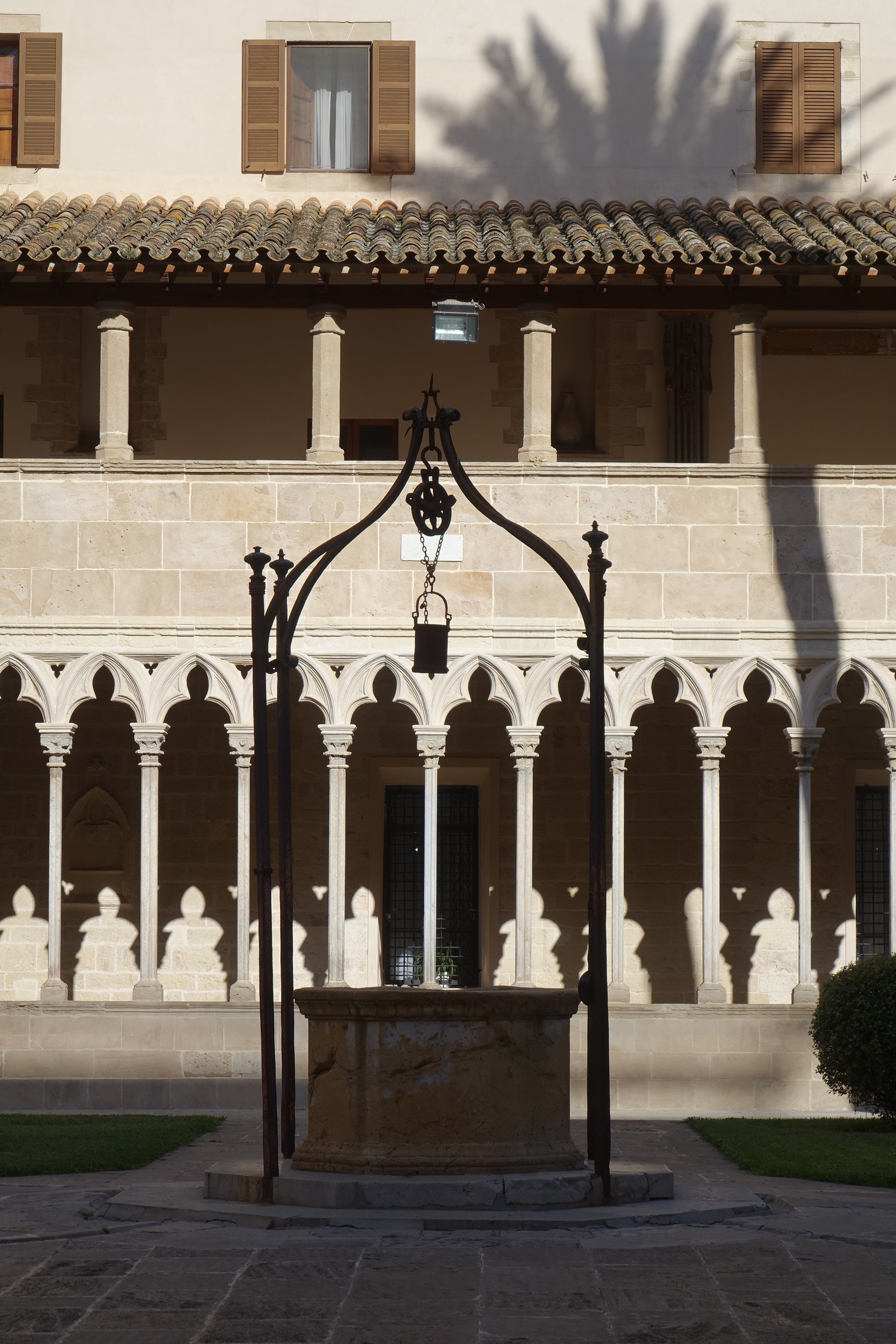
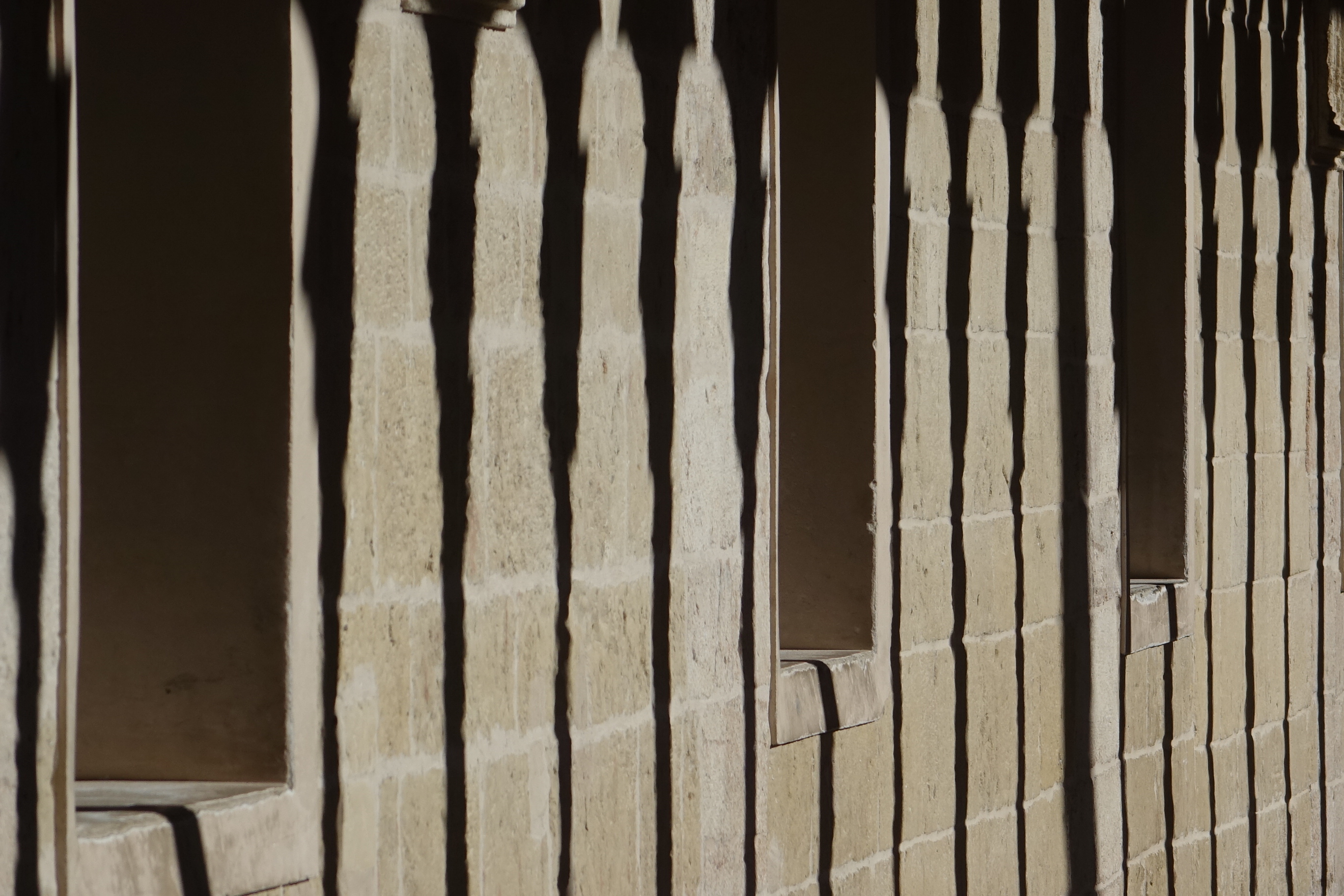
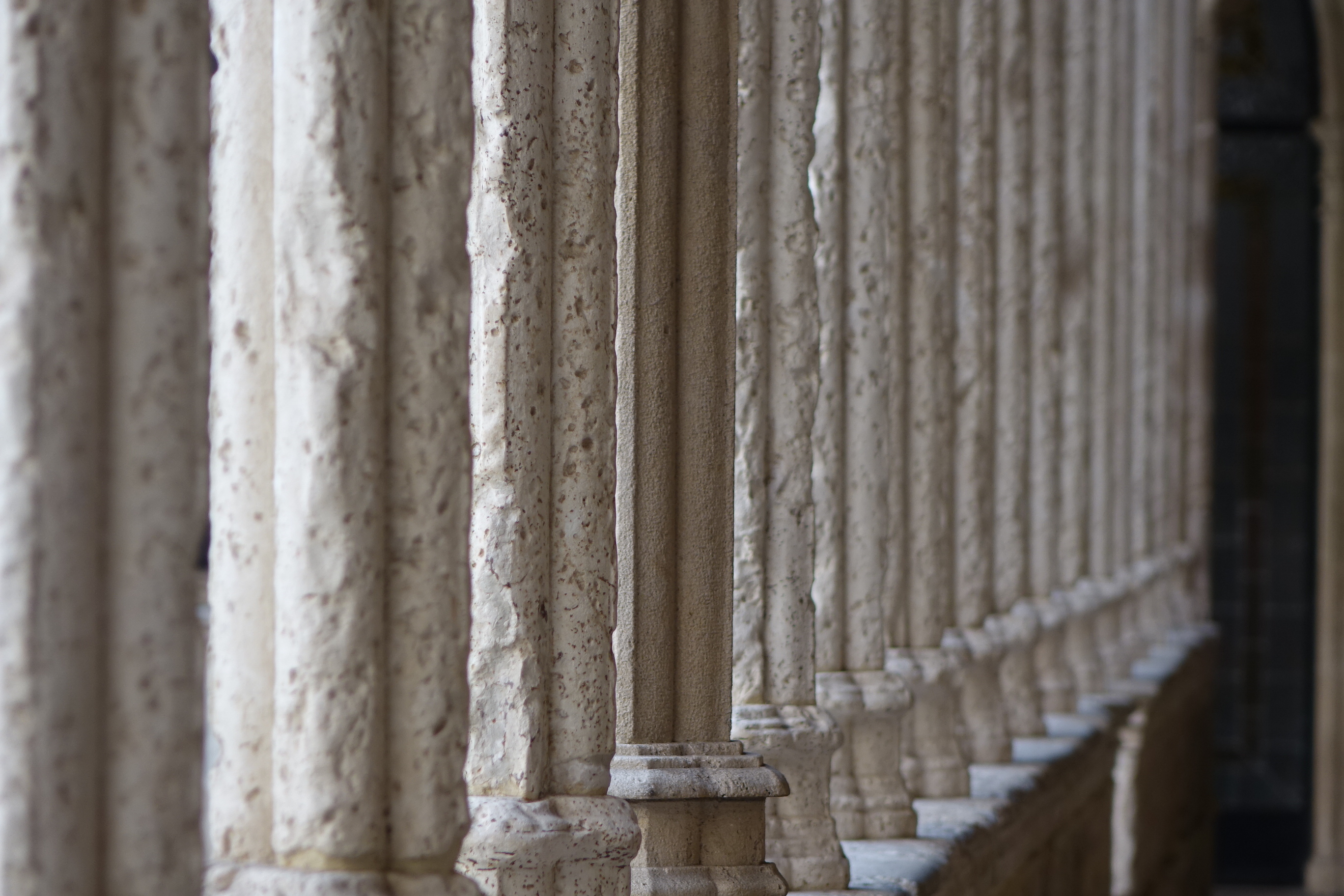
This led us swiftly onwards to yet another of Palma’s religious hot spots: the Franciscan Monastery whose stunning baroque facade dominates the Plaça de Sant Francesc with its exquisitely detailed depiction of the immaculate conception  crowned with Saint George and the Dragon. But the Monastery’s greatest asset has to be the significant cloister set alongside the large main basilica. Drenched with sunshine, the multiple thin columns are amongst the most elegant I have seen in any of Spain’s many monasteries, and lend the cloister a special airyness which made our visit on this sunny afternoon especially hypnotic.

DSC02107 DSC02059DSC02054 DSC02106 DSC02052 DSC02038 DSC02102 DSC02105 DSC02034 DSC02088 DSC02351 DSC02354 DSC02346 DSC02353

Happily those sugary sweets purchased a little earlier from the nuns of Santa Clara gave us the pick me up we needed – at least until we were able to end a thoroughly illuminating day’s sightseeing with a much needed authentic chocolate stop at Can Joan de S’Aigo – surely the perfect traditional way to end our dip into Palma’s history.

All photos and written content are strictly the copyright of Nicholas de Lacy-Brown © 2014 and The Daily Norm. All rights are reserved.

Christmas comes to Palma

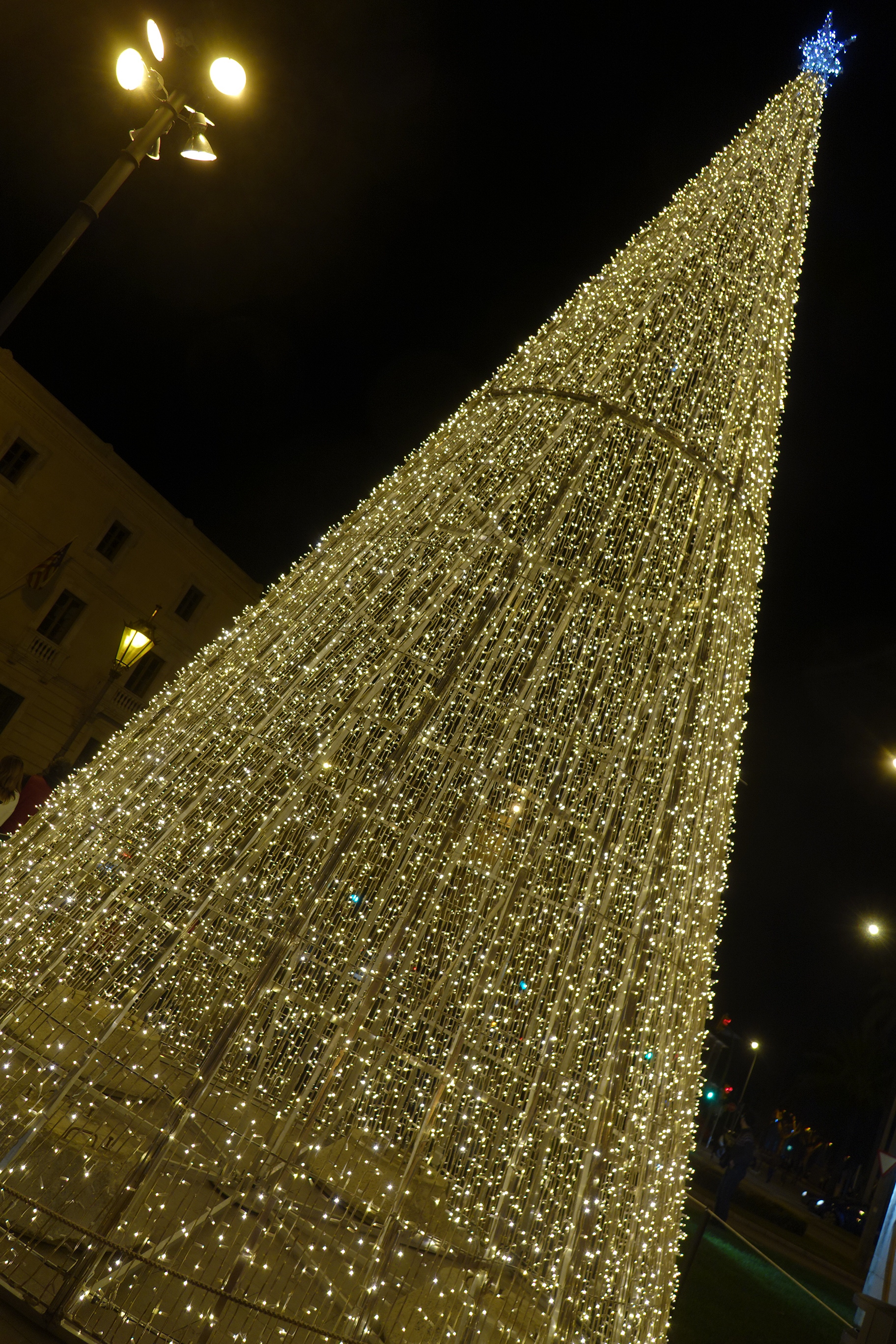
I feel like I am living in something of a hybrid world. By day, Palma feels at worst like a day in early autumn, with freshly fallen leaves still scattering the pavement; at best it could be late summer or spring. However by night, when log fires burn within the old town houses and the late-opening shops glow from outside and in, it can feel very Christmassy. But any doubts that I may enter into the Christmas spirit following my relocation to the Mediterranean were completely dispelled last Friday when Palma de Mallorca initiated the great switch-on of its Christmas lights.

Switch-on in the Plaça de Cort

DSC01214 DSC01224 DSC01215 DSC01252 DSC01234 DSC01239 DSC01422 DSC01218 DSC01240

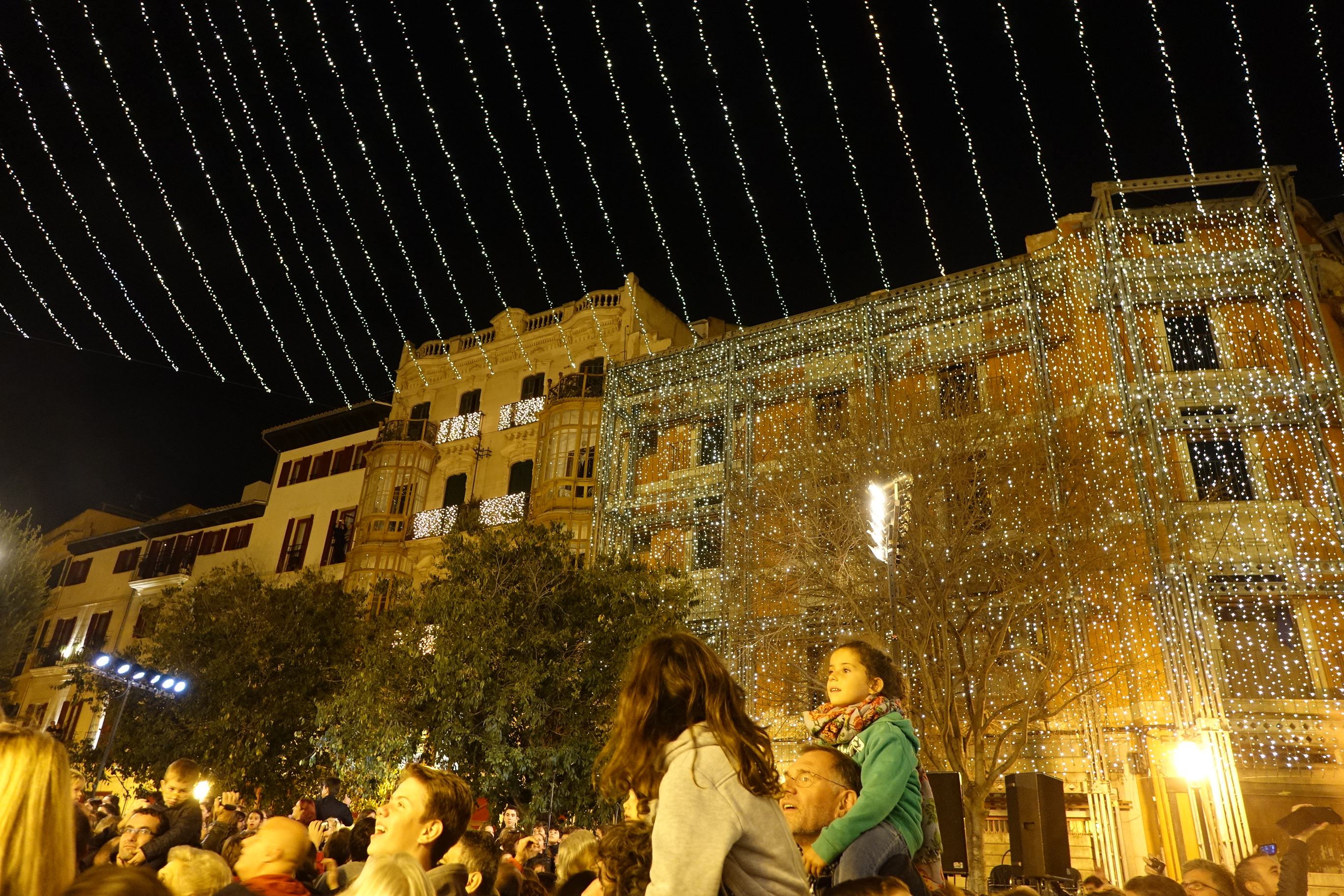
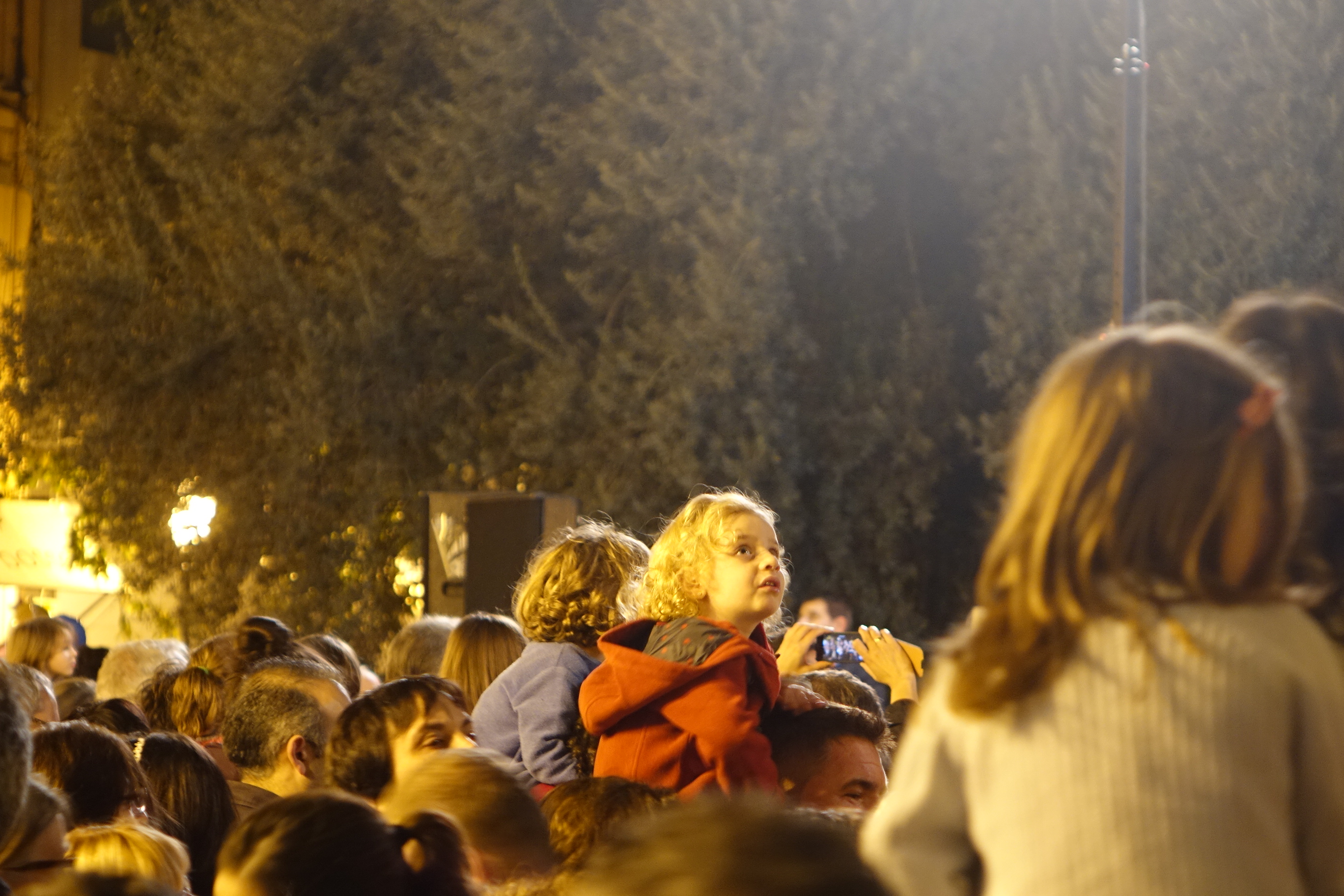
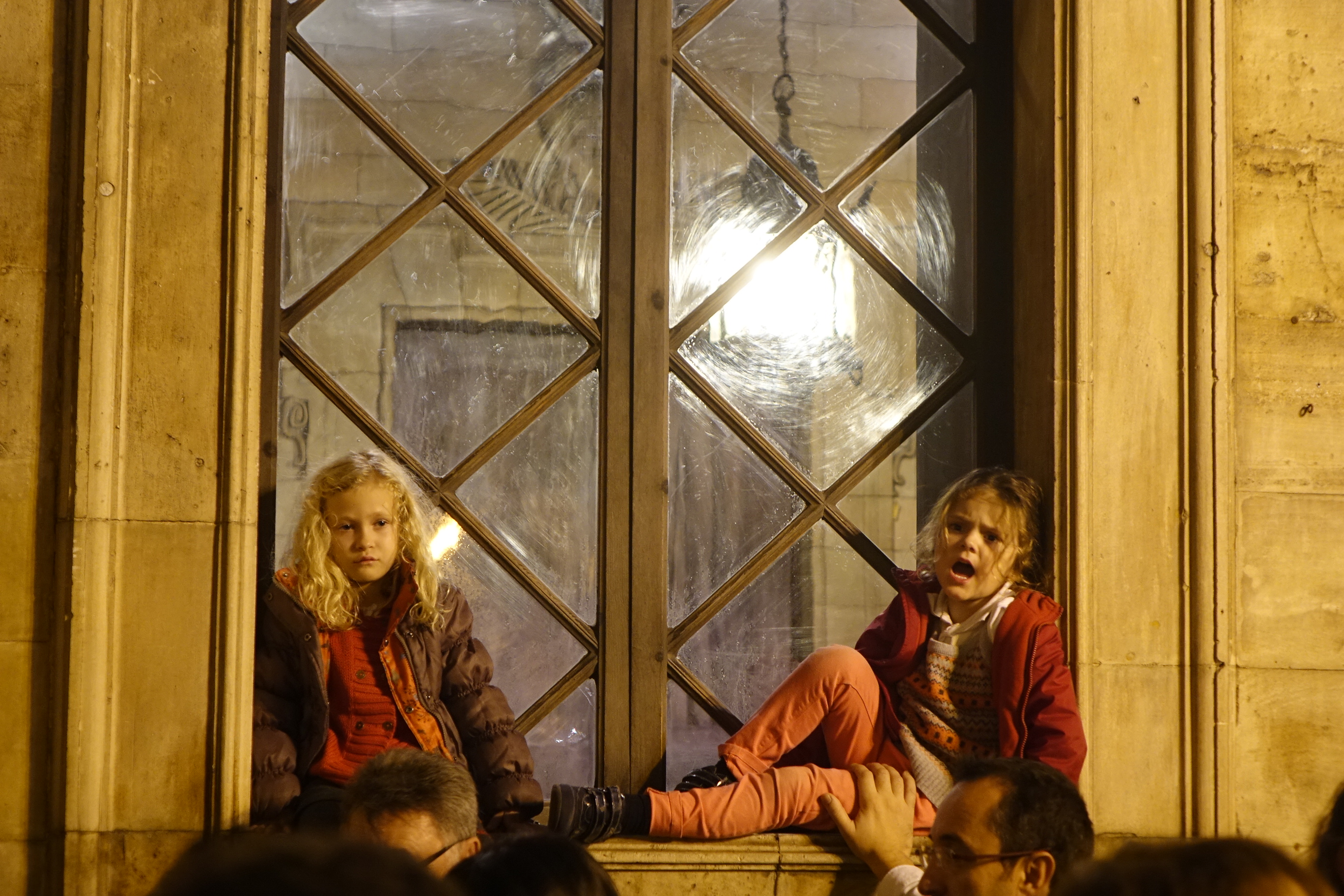
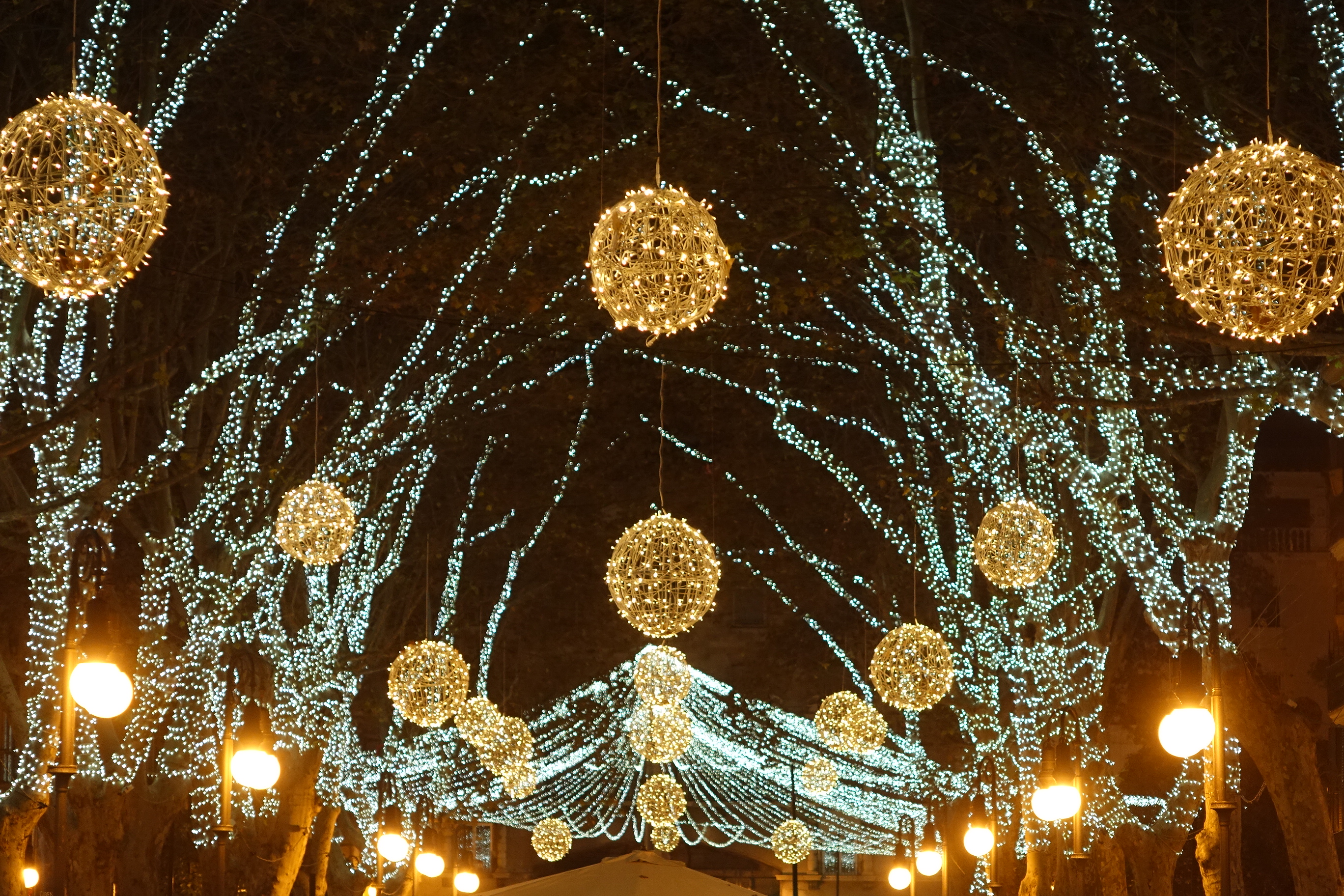
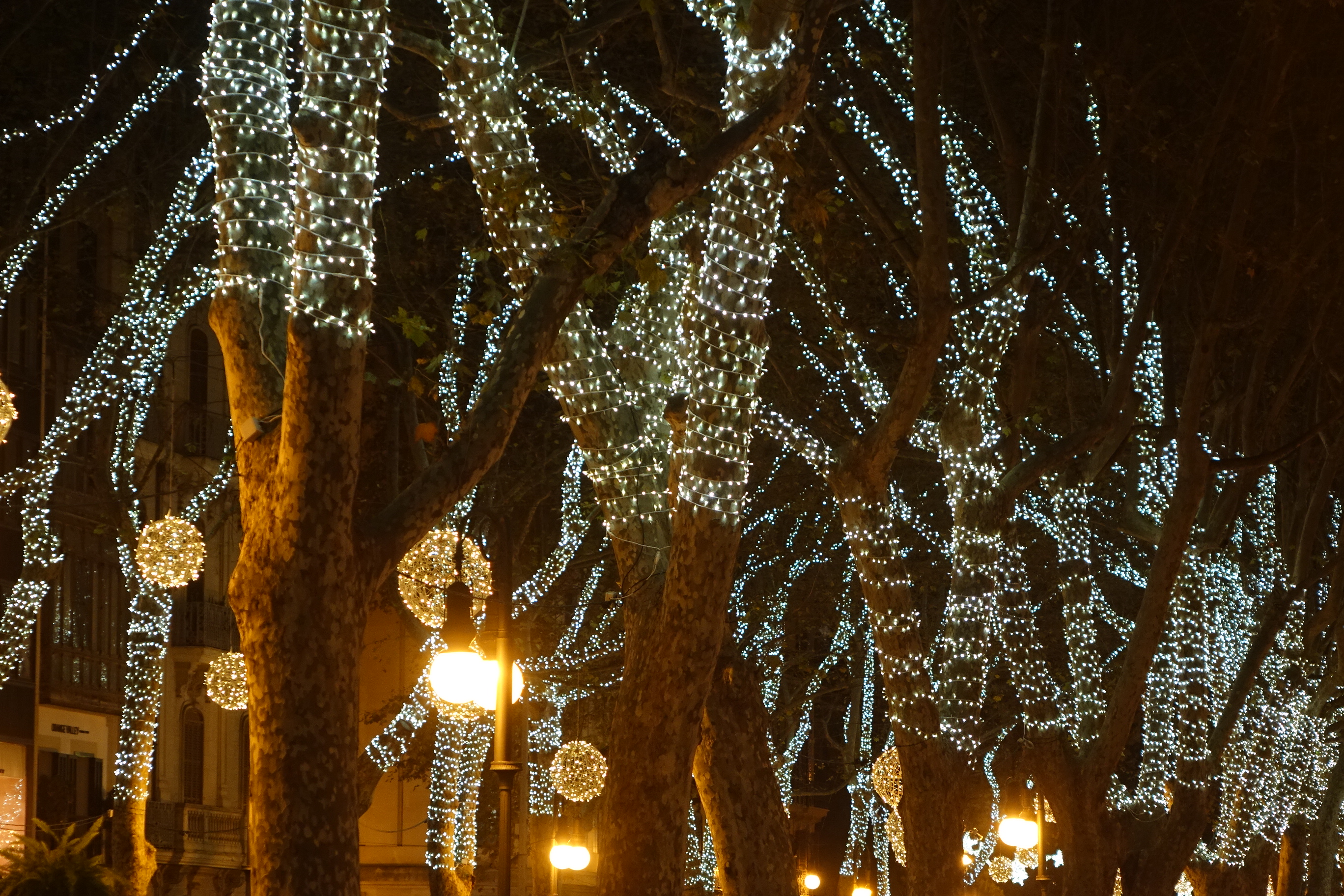
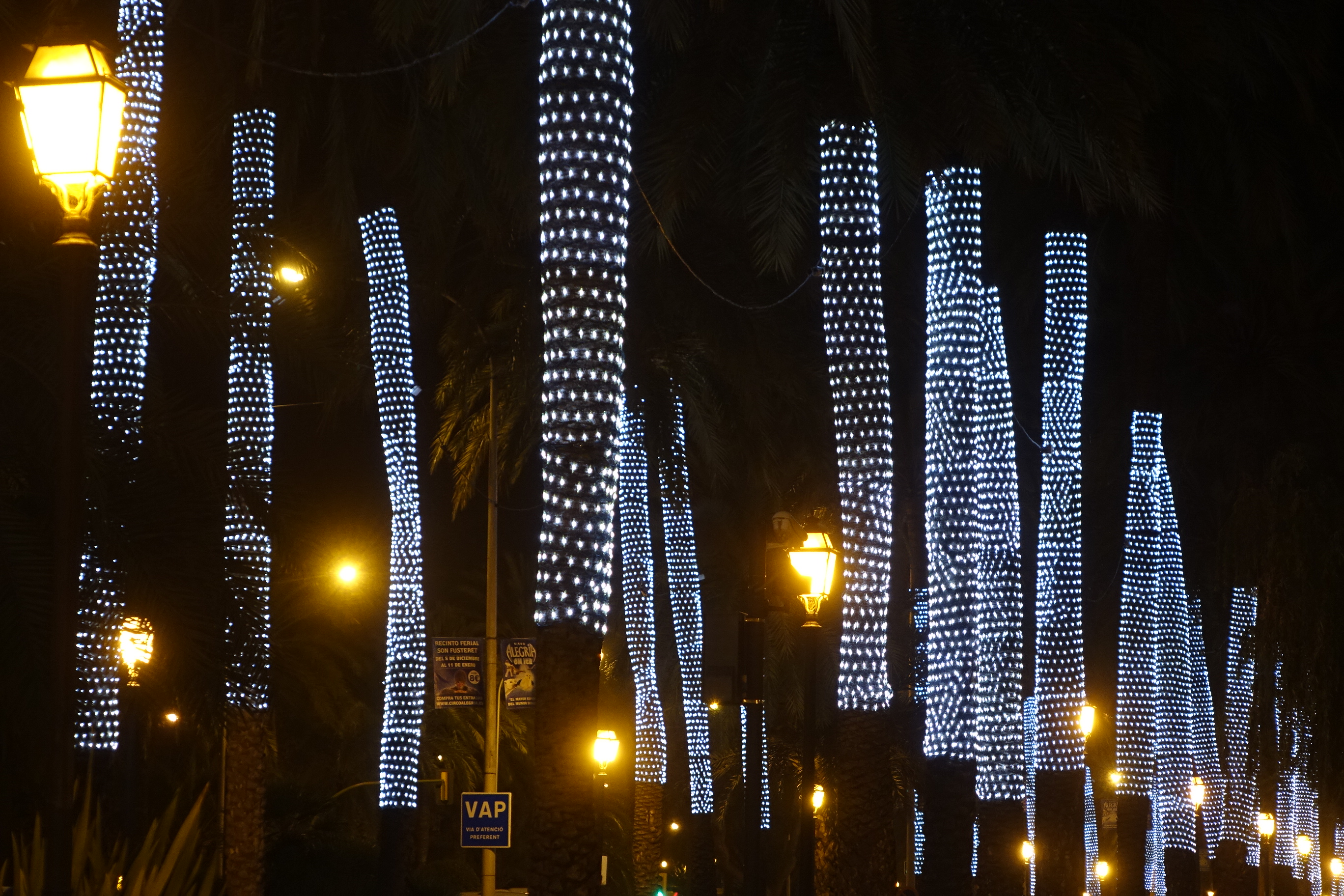
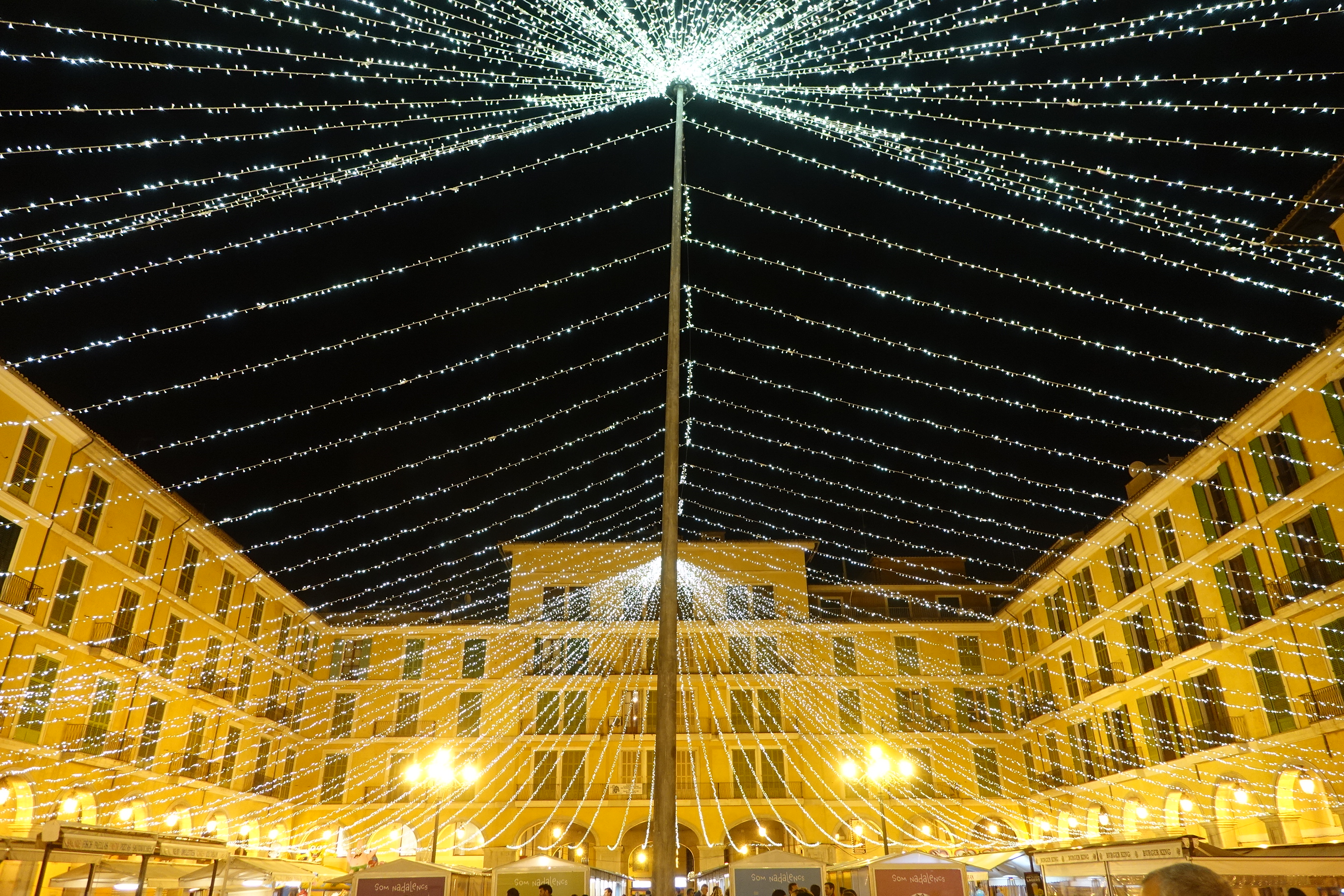
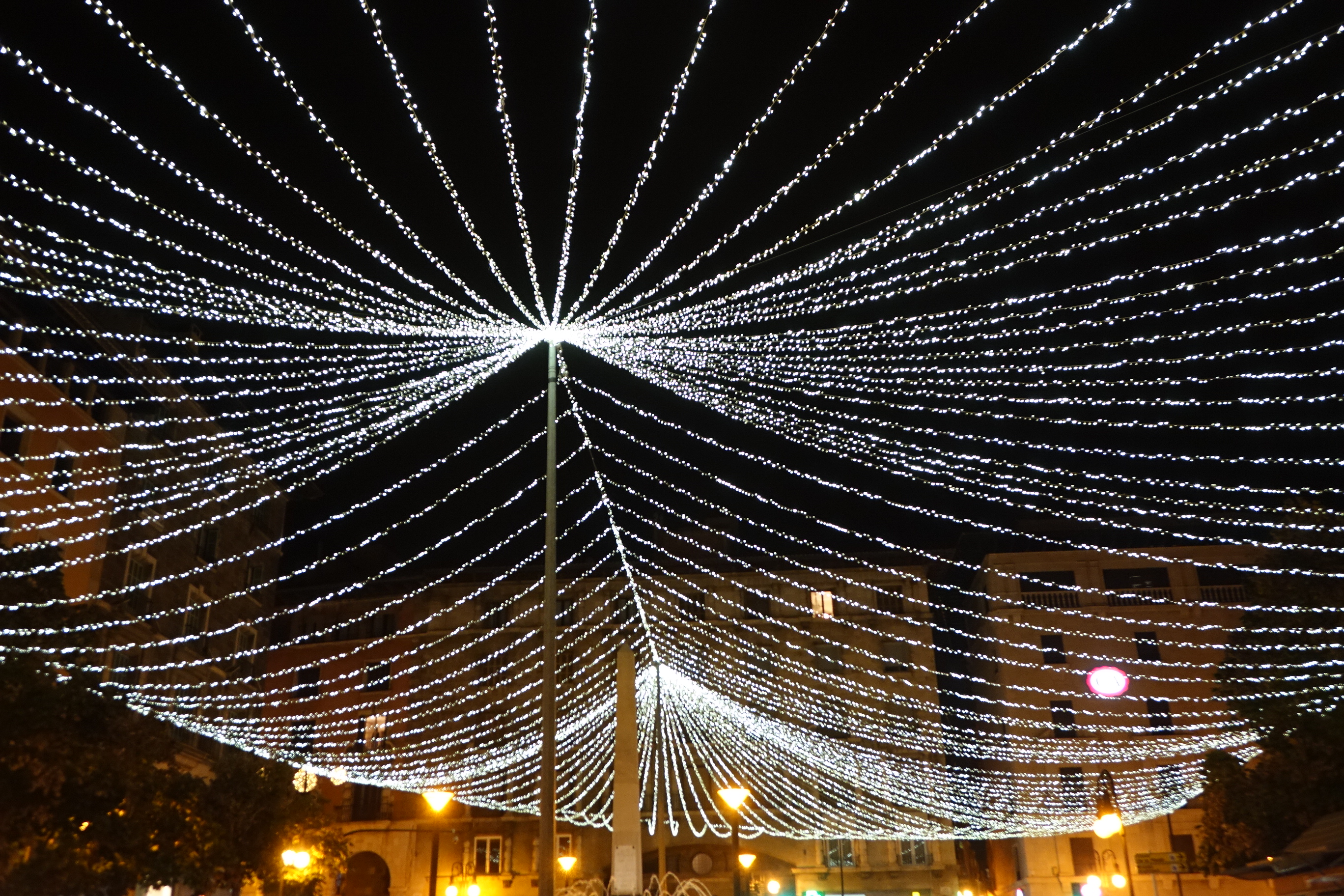
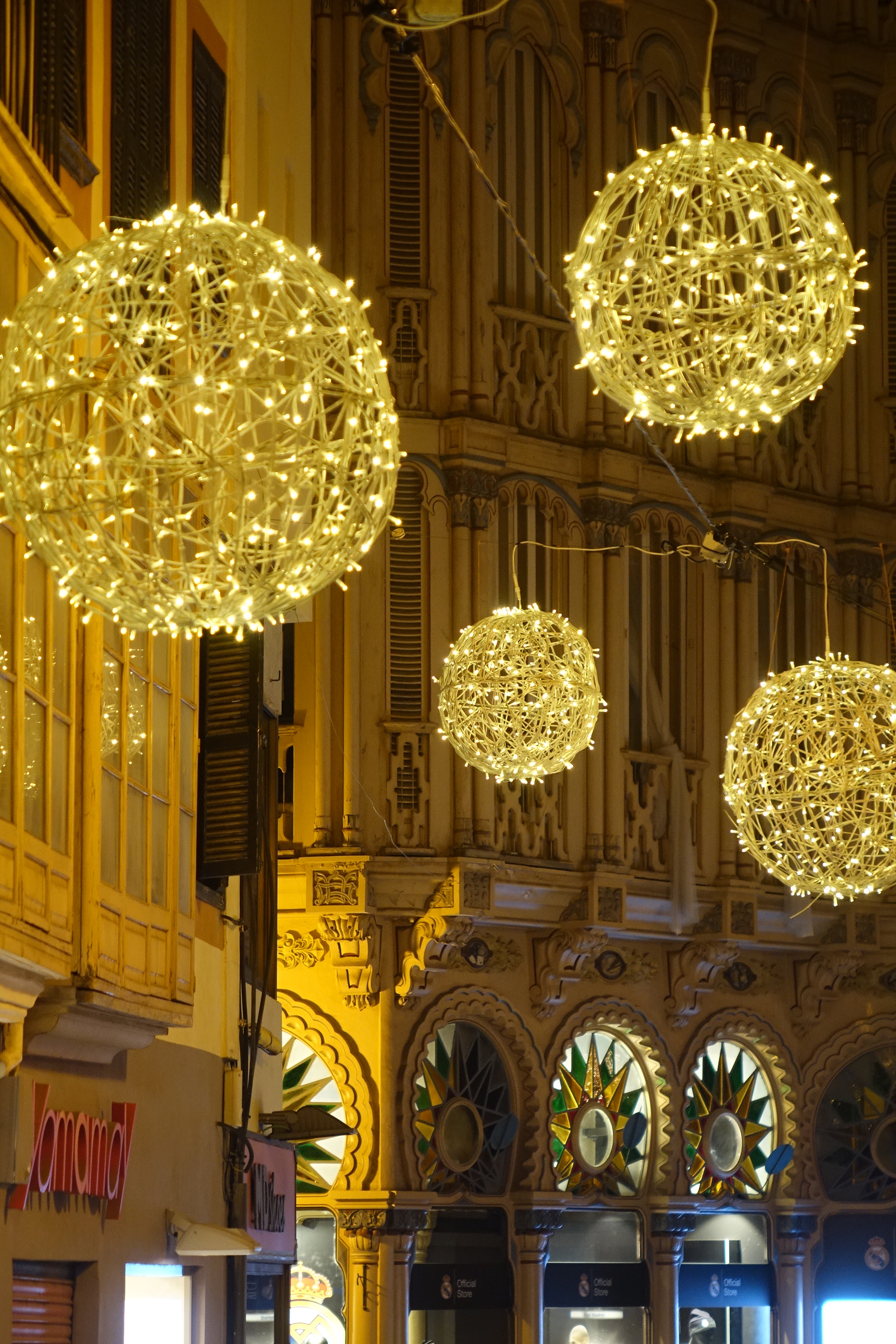
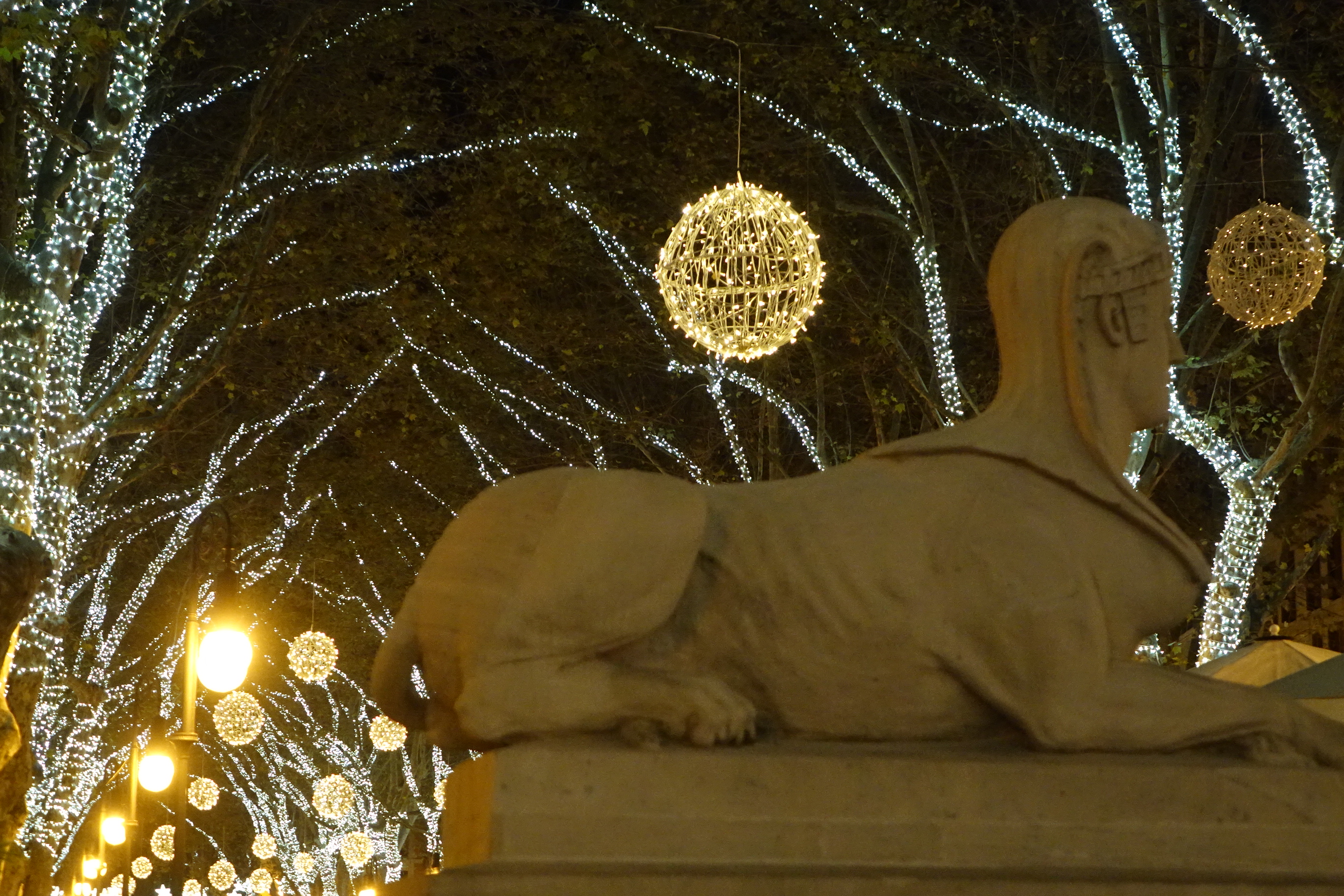
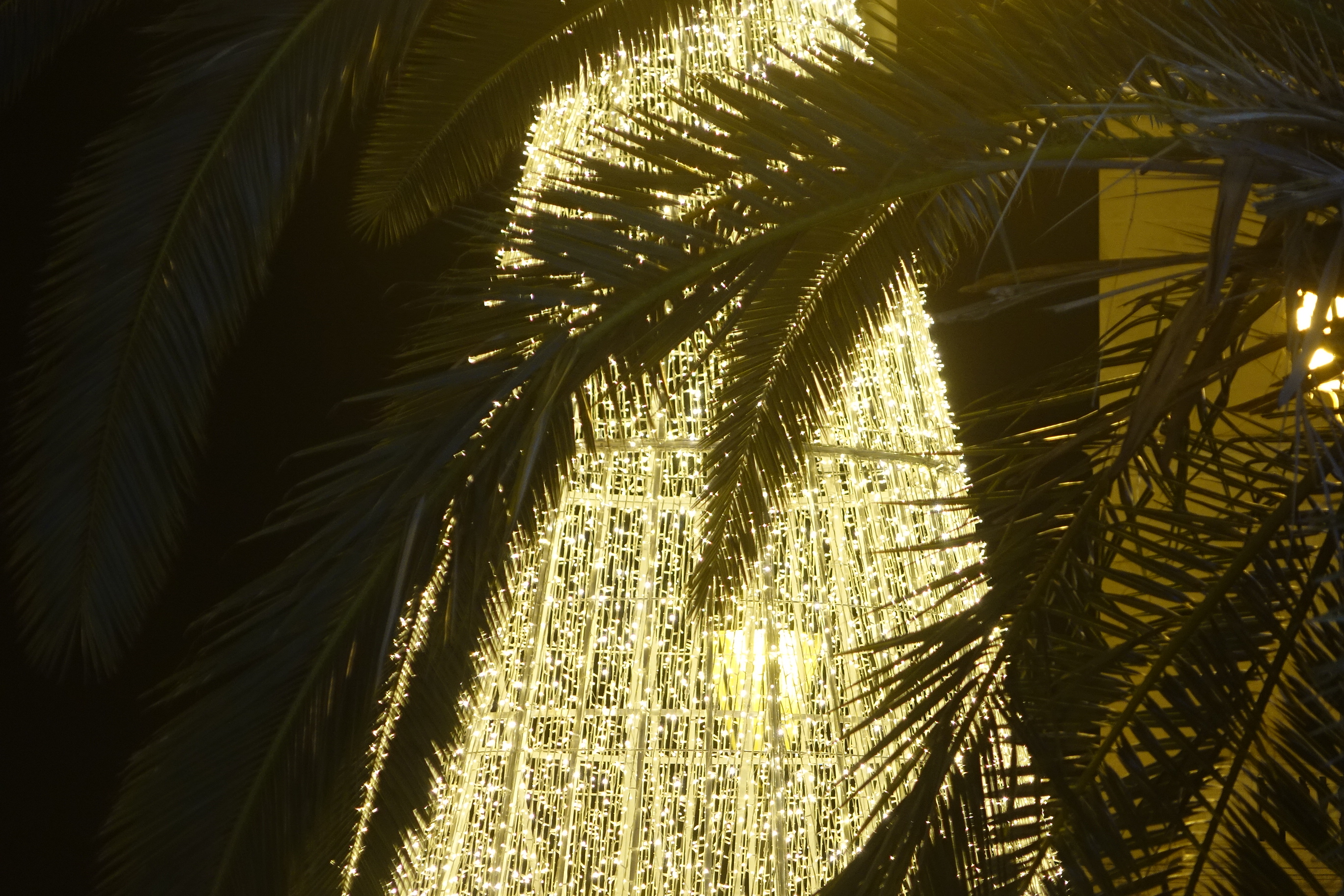
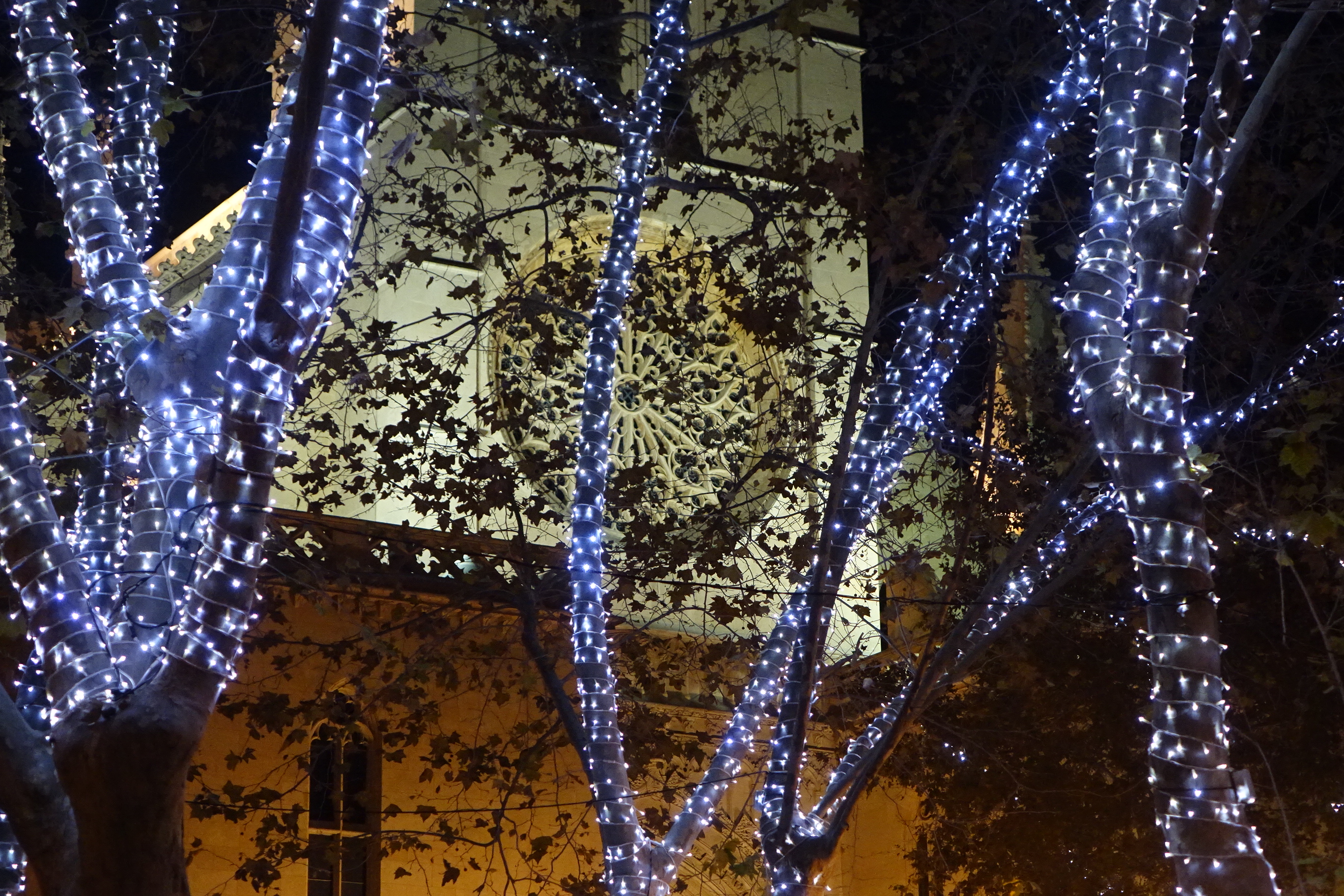
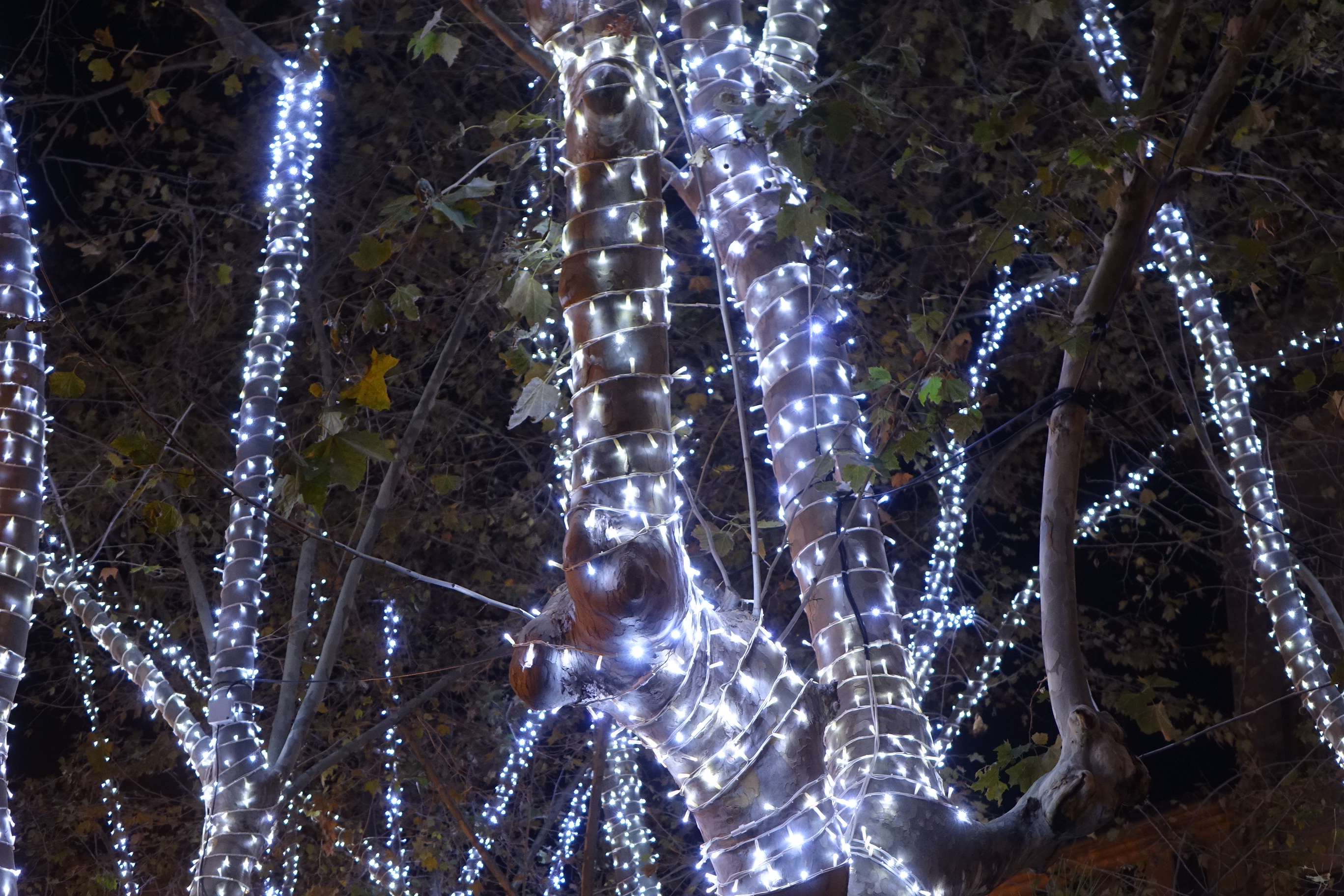
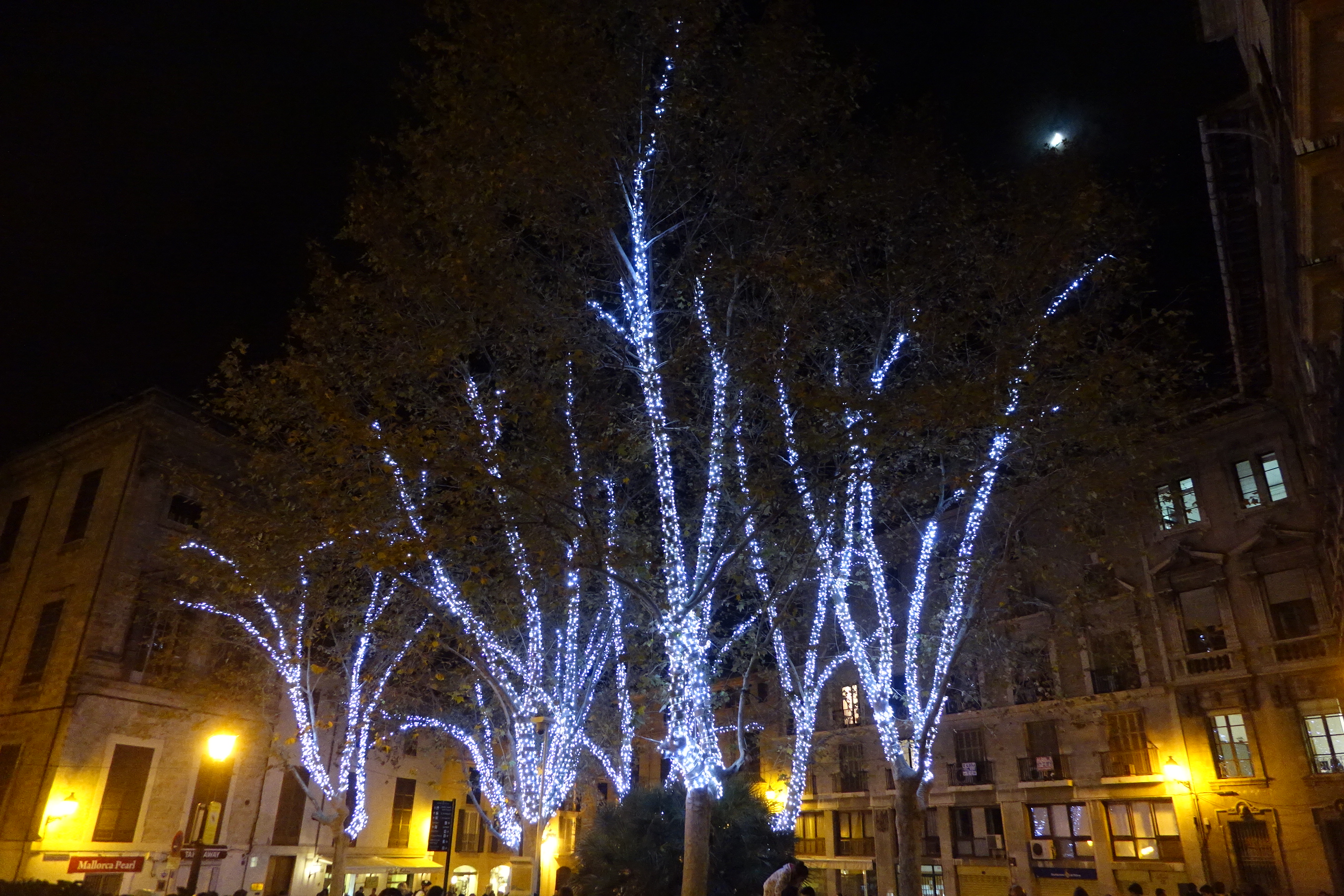
In the Plaça de Cort at the heart of Palma’s old town, so many people gathered that it was as if the whole of Mallorca had descended to witness the city leap into the Christmas season. Excited children sat up on the shoulders of their parents, while on a stage set up for the event, school choirs sung Christmas carols angelically. Then finally just after 7pm, the mayor appeared on the balcony of the majestic renaissance town hall and switched on the lights. Gasps of pleasure rippled across the crowd as we saw the walls of nearby houses, balconies, and even the skies come alight with Christmas light. Thousands of lights had been strung across the spaces between buildings, over squares, and even wrapped around tree branches so that the trees seem transformed into magical forests. Even palm trees, normally synonymous with tropical beaches and summer sunshine, had their trunks dressed in Christmas lights forming illuminated pillars lining Palma’s waterfront.

DSC01352 DSC01373 DSC01280 DSC01414 DSC01282 DSC01341 DSC01374 DSC01383 DSC01401 DSC01441 DSC01375 DSC01439 DSC01291 DSC01292 DSC01263 DSC01253 DSC01281 DSC01247

The city looks nothing short of stunning. Walking around its lit up streets is like being in an open air winter wonderland – a fairytale come to life before our eyes. And it’s not just the children whose eyes are widened by this spectacle. Adults too are visibly excited by the arrival of Christmas, frequently posing for photos before this array of light, and strolling around full of the festive cheer it brings.

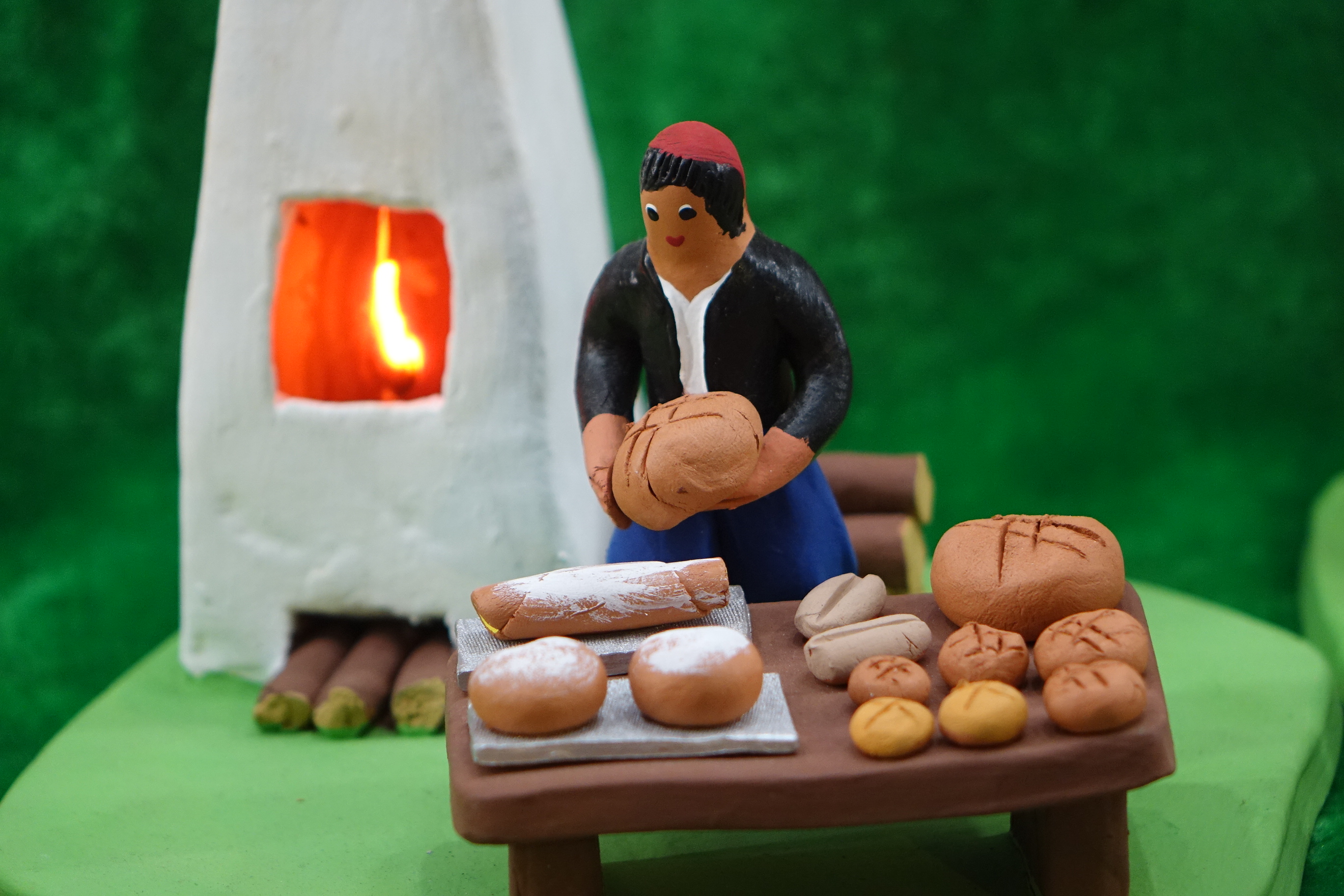
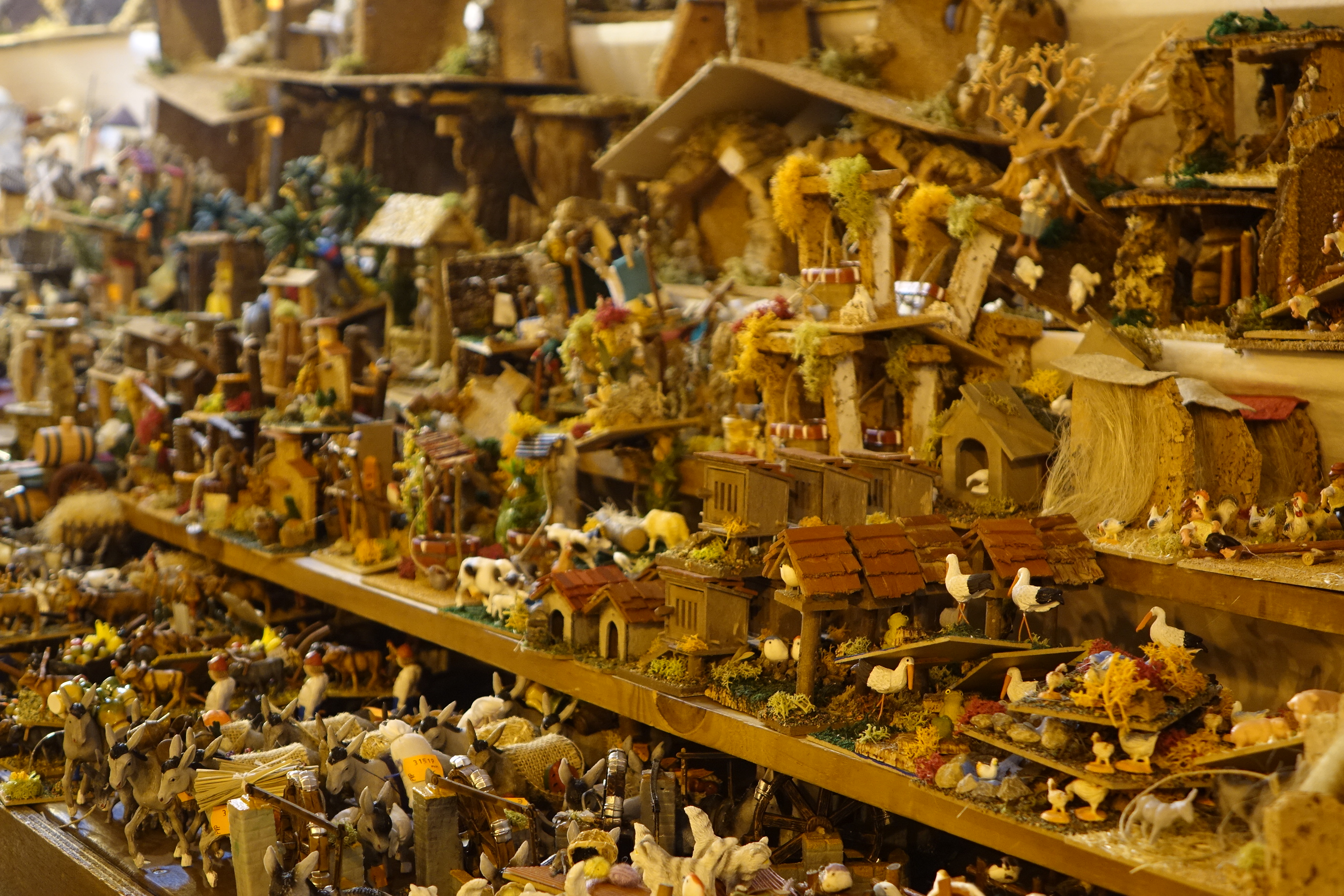
And with the lights have arrived Christmas markets in many of the city’s squares and streets, most notable of which can be found in the brilliantly lit Plaza Mayor. There, stalls in their plenty sell nativity figures both traditional and more handmade to be placed within the Spanish “Belenes” – the most important of the traditional Spanish Christmas decorations. There is nothing that has not been thought of when it comes to building a Belen, from little water-running fountains to mechanical blacksmiths and plants and trees of every variety.

DSC01430 DSC01402 DSC01428 DSC01406 DSC01407 DSC01434

So Christmas has truly come to Palma, and I can’t deny that despite the warmer climes, I am starting to feel the Christmas spirit take me over…Time to decorate!

All photos and written content are strictly the copyright of Nicholas de Lacy-Brown © 2014 and The Daily Norm. All rights are reserved.

Zeno Brains and Oracle Stones: Jan Fabre at La Llotja

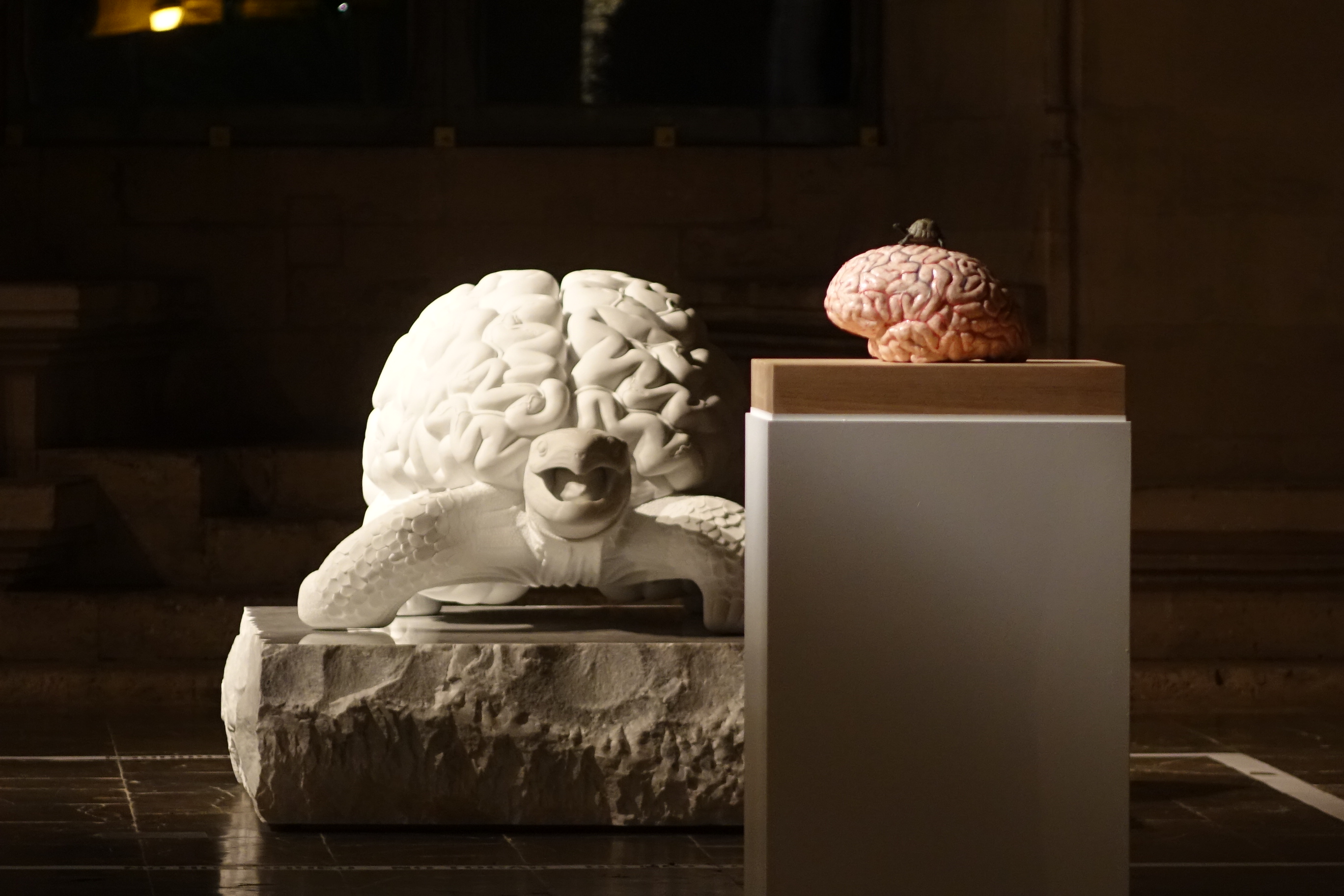
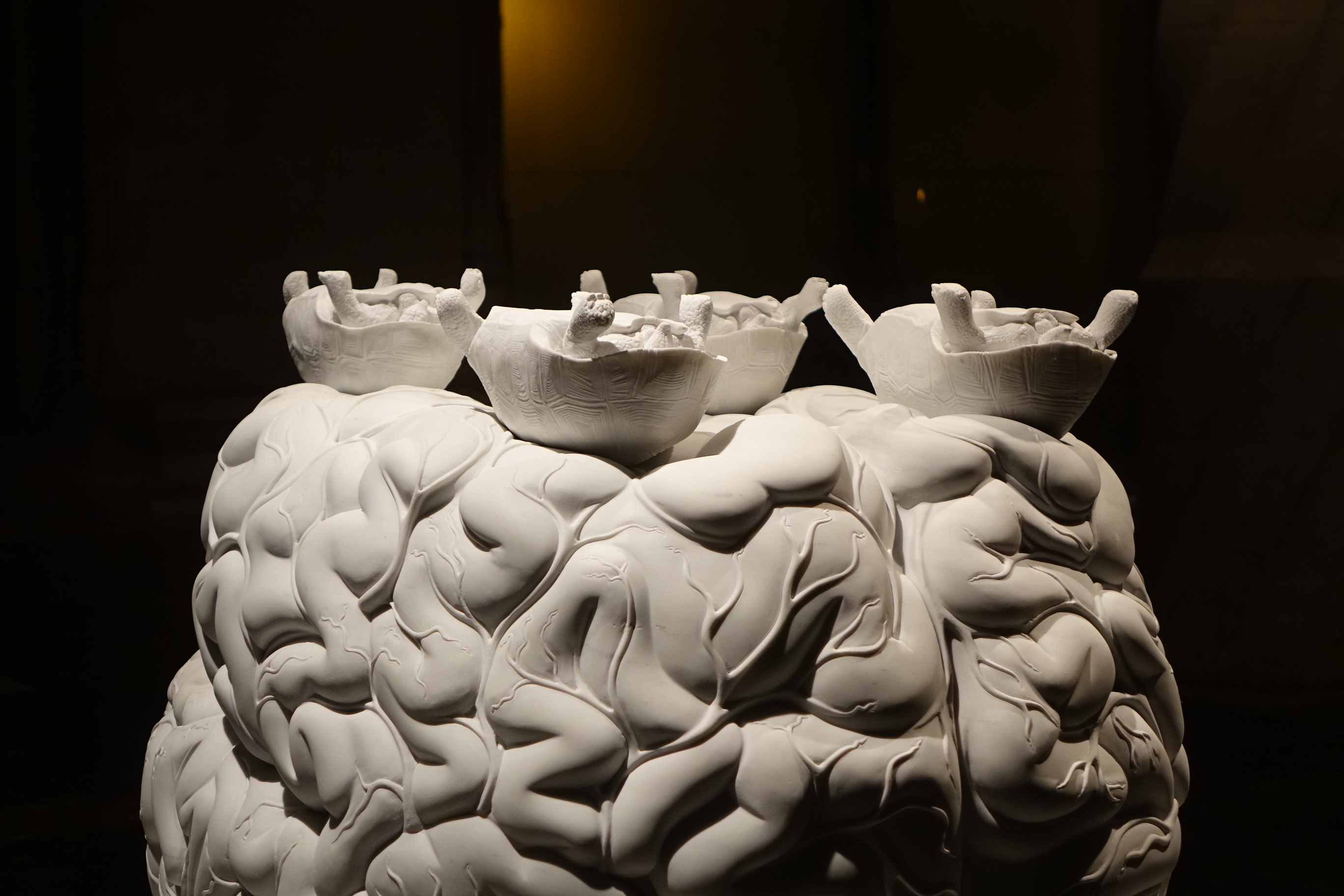
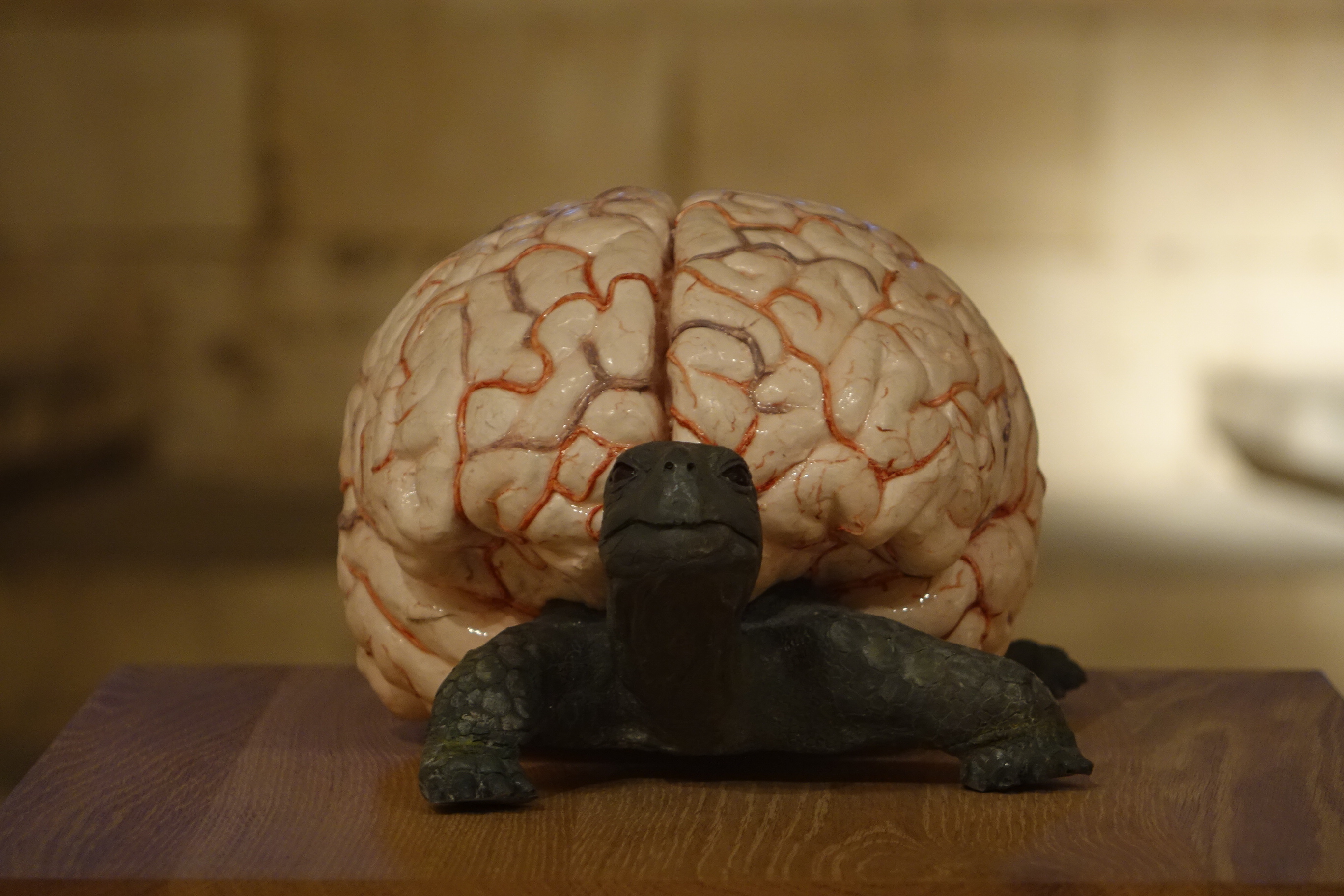
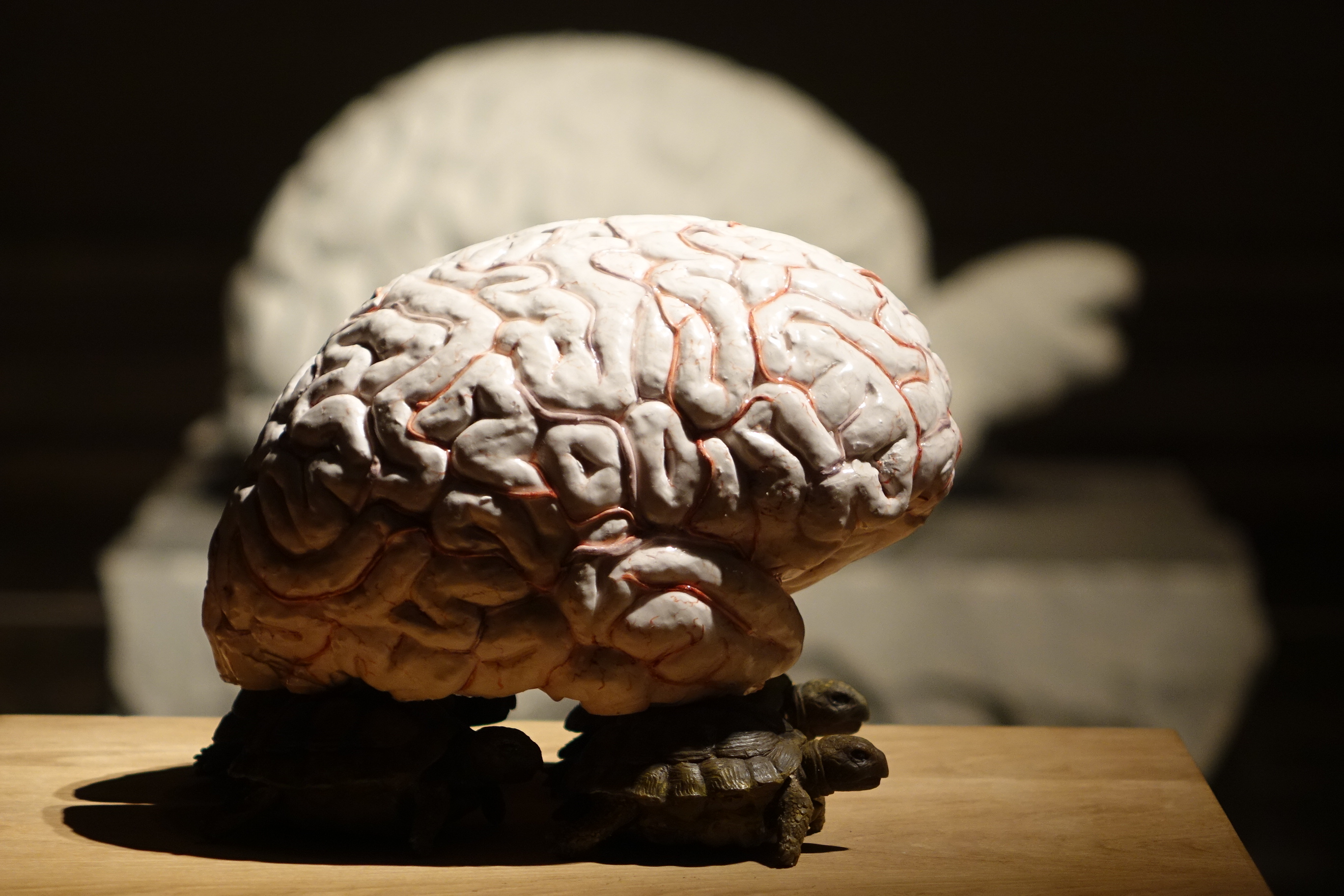
Jan Fabre is a multitalented creator. Having successfully dappled in writing, performance, and screenplays, he has also shown himself to be a prolific artist, skilled in drawings and installations quite asides from his stunning sculpture work. He is also tremendously successful. He was the first contemporary artist to be given a solo exhibition at the Louvre in Paris (“L’ange de la métamorphose”) and has participated several times in the Venice Biennale, and twice in the Kassel Documenta. Yet most importantly of all (for me at least), his incredible thought-provoking works are now on show in Palma, in the haunting lofty space that is La Llotja – the old 15th century maritime exchange, on the city’s waterfront.

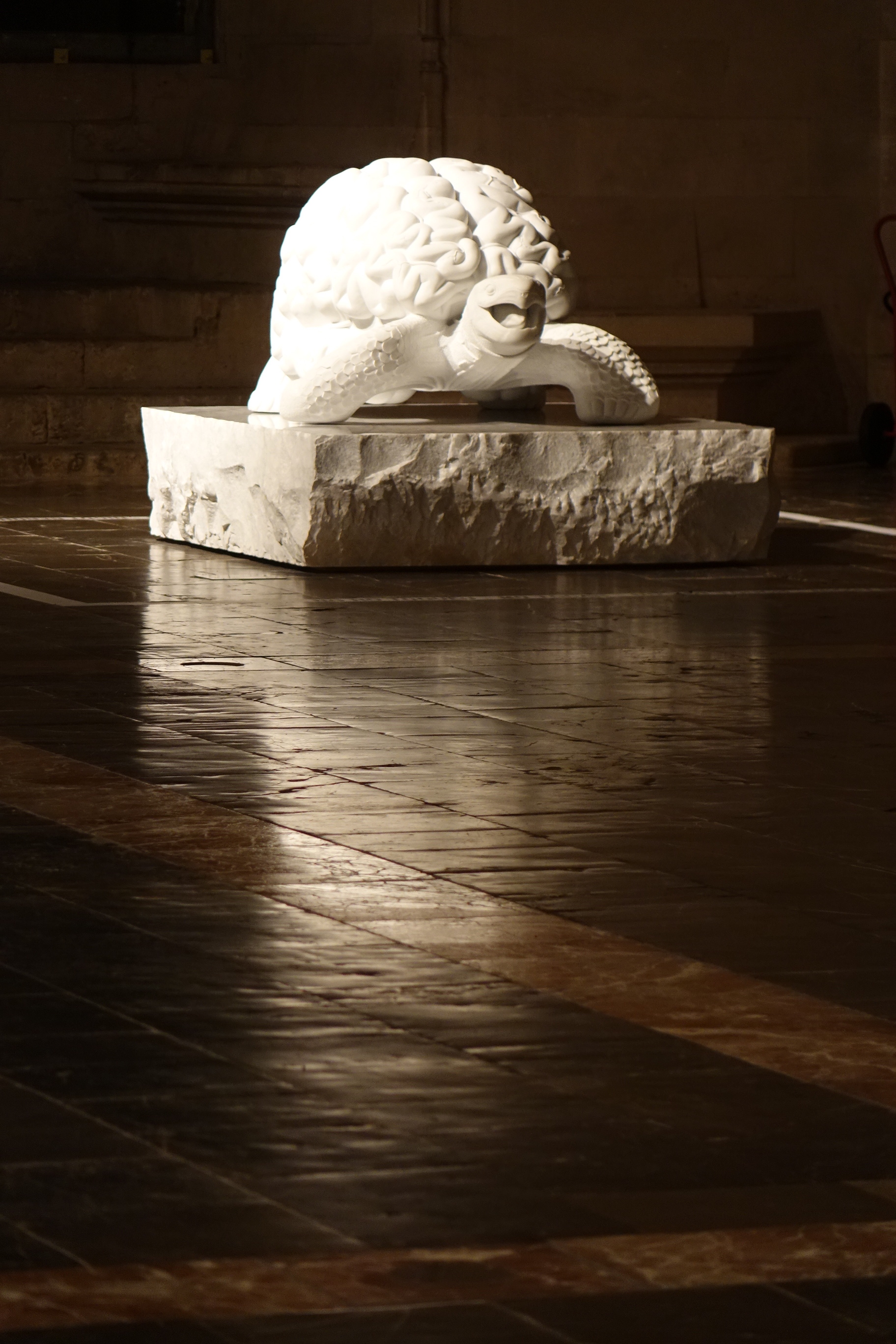
His Palma exhibition, Zeno Brains and Oracle Stones, is as enigmatic as it is enticing. After perusing the internet for some time, I have found myself quite unable to find any coherent explanation of what the exhibition is about, nor what the artist intended to represent. And yet the show, which comprises some 9 sculptures revolving around the same theme: the tortoise and the brain, makes for a stunning sight. This is not least because of the space: given over to these simple sculptures in marble and stone, illuminated powerfully in the otherwise dark cavernous space, the whole installation feels almost spiritual as each sculpture sits soulfully in wait, a focused spotlight falling upon its cold stone surface in the darkness. But the sculptures themselves are so enigmatic that they call out for engagement and interpretation.

DSC01305 DSC01309 DSC01321 DSC01315 DSC01302

Fabre gives us tortoises on a brain, tortoises under a brain; a tortoise whose shell is made out of a brain, and another who carries a brain precariously on its shell. There are tortoises lying upside down atop a brain, and others pushing a brain away as though in an attempt to alleviate the world of this unnecessarily complex organism. So why the brain and why the tortoise? Well they are both as old as time, and perhaps both inexplicable as a manifestation of nature’s creativity. They also look pretty similar working in unison – a partnership evidently explored by Fabre in these various sculpted manifestations. But there is almost something sinister and monstrous about the works, and while I am not completely invested with an understanding of how the works reflect Kafka’s Metamorphosis, as is suggested by the brochure accompanying the exhibition, I can see the plight of Gregor Samsa in the upturned tortoises, reminding of how that poor man awoke one fated morning finding himself unable to get up from his back which had metamorphosed into the shell of a hideous beetle.

DSC01330 DSC01319 DSC01318 DSC01311 DSC01325

But as ever, the enigma of this work is integral to its power, and much of the reason why I love it. And if you wish to see it you must be quick, for the exhibition will end on 21 December 2014. Yet another reason to get yourselves to Mallorca before the year is out.

Mallorca Moments: Sunset over the Docks

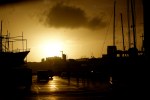
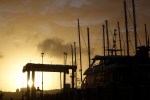
Another day in Palma, another sunset. And this one was a true spectacle. It started with a walk down to the marina. The port of Palma is so big that it fills the entire bay of the city, yet it seems to be so impenetrable, fringed as it is with gates and cordons and goodness knows what. Yet unperturbed, Dominik and I have set ourselves the challenge of exploring as much of it as we can. Thus walking down what appeared to be a rather industrial road leading to what must be the main docks and boat repair industry, we found ourselves exploring yet another area of the port which we hadn’t found before, ending up at a beautiful café out on the harbour arm overlooking the undisputed icon of the city: the Cathedral.

DSC00670 DSC00808 DSC00780 DSC00829DSC00743

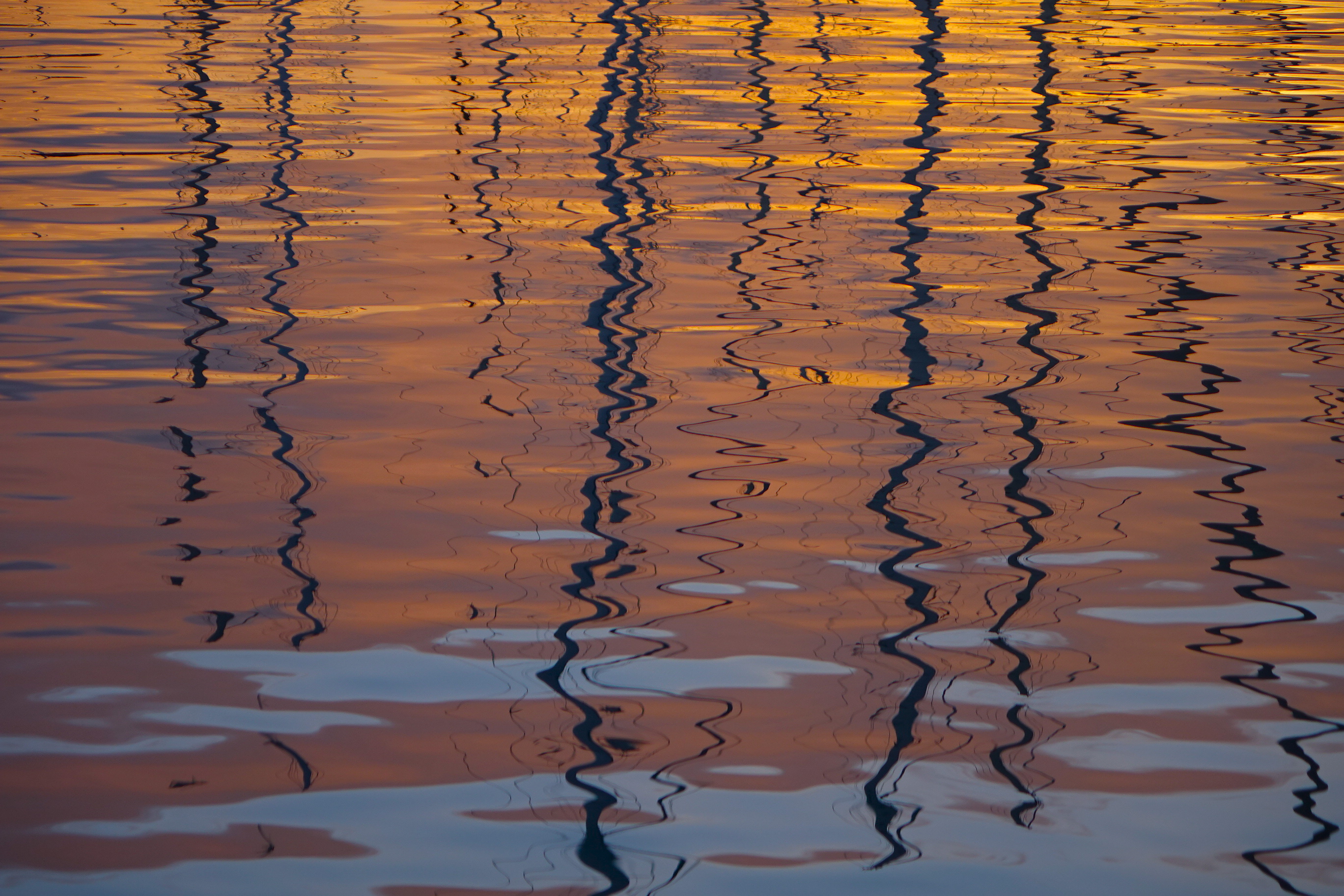
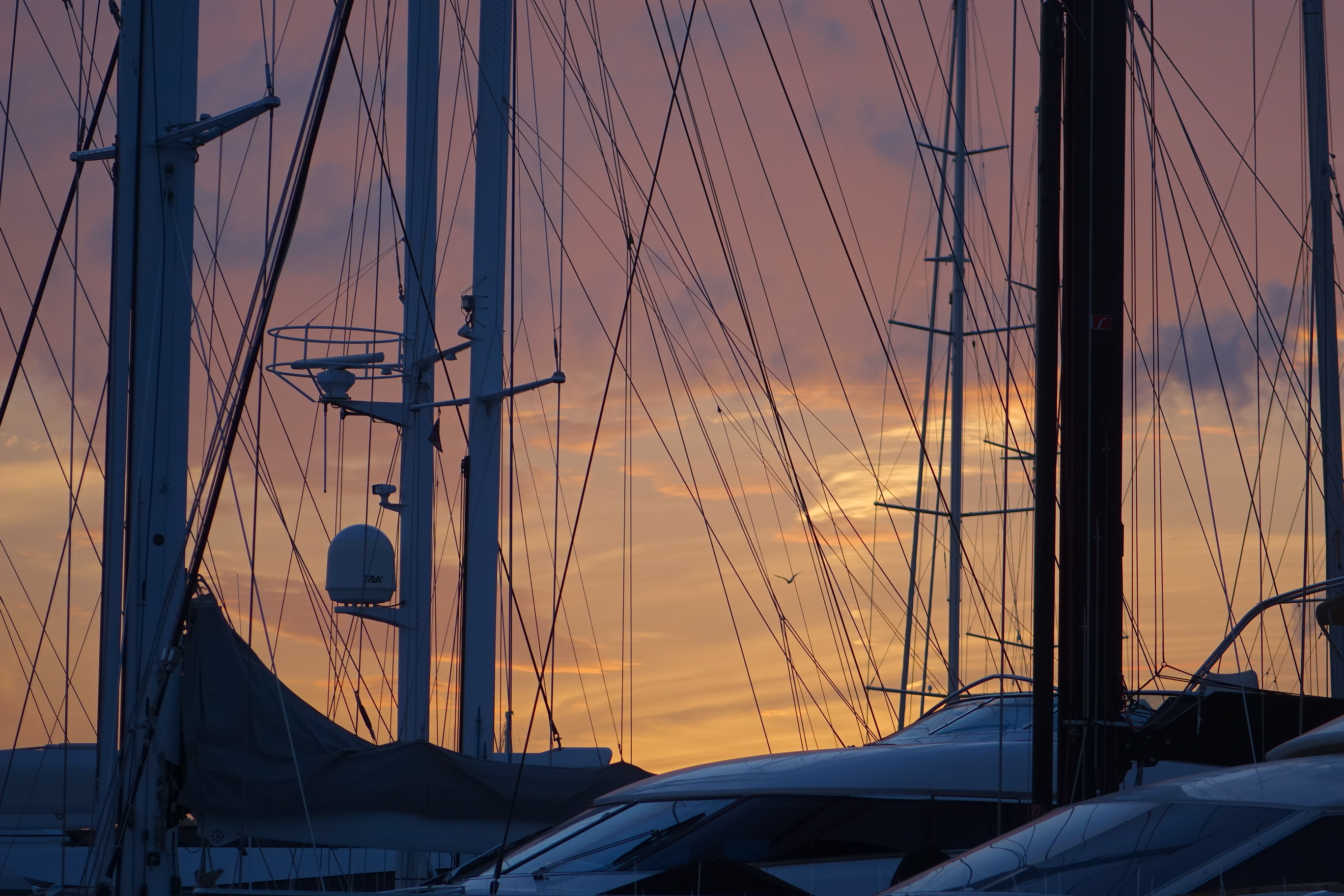
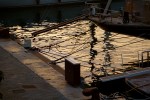
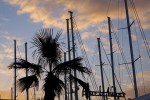
There we had our fill of taking industrial photos of the machinery in the port and the workers retreating from the port back to the city at sundown (it reminded me a little of the factory paintings of the North of England by Lowry, although the scenery was somewhat more beautiful…) before heading back to the less industrialised pleasure port where huge shiny yachts rest gracefully by the harbour edge. It was there that ultimately, as the sun plummeted to its lowest visible point, we bore witness to the most stunning sunset which, when interspersed with the clouds scattered across the horizon, made for an incredibly sumptuous visual feast. And as is so often the case with sunsets over the coast, the interplay with the still waters of the marina was incredible. I have never seen ripples so lavishly shot through with rich tones of orange and blue.

So excuse me if I bore you with post after post of these natural spectacles, but with sunsets as good as these, what other aesthetic fix could you possibly need?

All photos and written content are strictly the copyright of Nicholas de Lacy-Brown © 2014 and The Daily Norm. All rights are reserved.