Skip to content

Posts from the ‘Marseille to Marbella’ Category

Marseille to Marbella, Part II: Le Panier

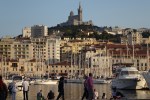
It’s a story which is far from unique: European city, ravaged by the horrors of war, its architectural and cultural heritage trampled into dust by the unforgiving swathe of brutal violence – territory grabs without sensitivity nor foresight, all in the name of victory. Many of Europe’s ancient treasures were destroyed this way, when mass invasions and forced occupations brought with them a path of historical vandalism from which a full recovery has never been made. And Marseille is no exception. For on on the old Vieux Port, only the Renaissance style Hotel de Ville and the Hotel de Gabre remain as a reminder of what the grand old Marseille waterfront would have been in its golden age. The rest was cleared in mass explosions executed by Nazi occupiers who feared the uncontrollable warren of Marseille’s ancient streets, and the potential for hiding in them the “undesirables” they sought to eradicate.

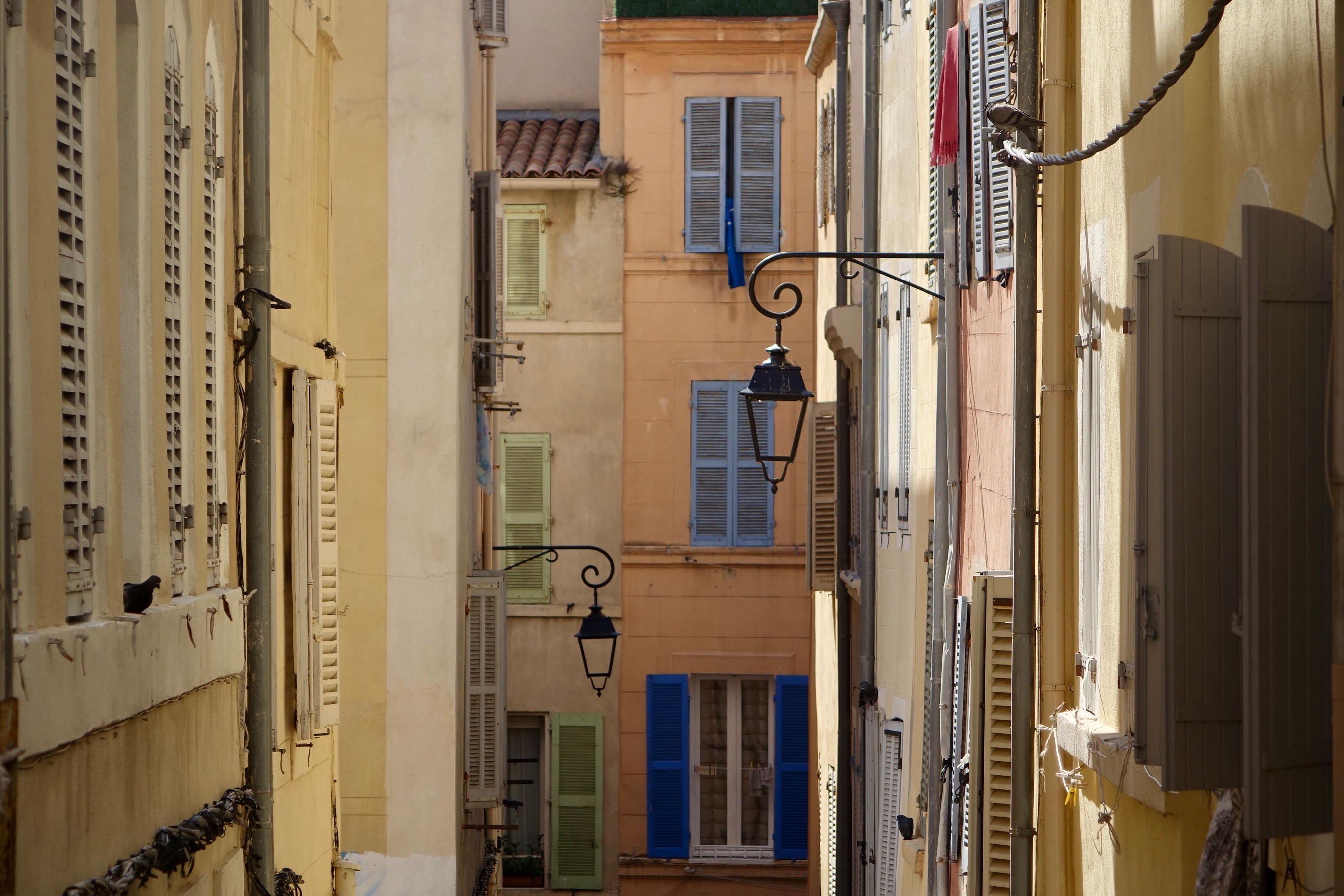
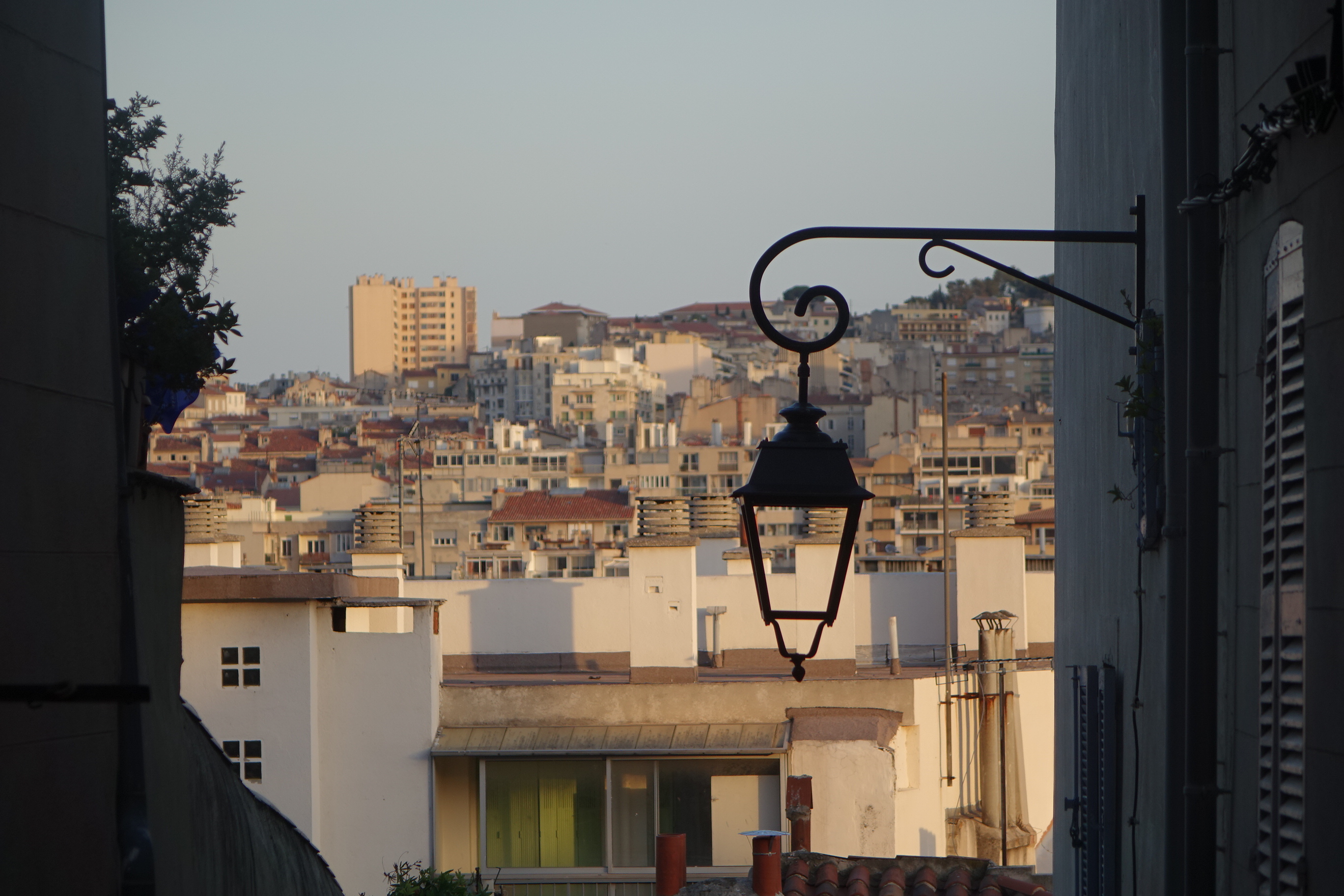
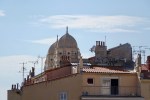
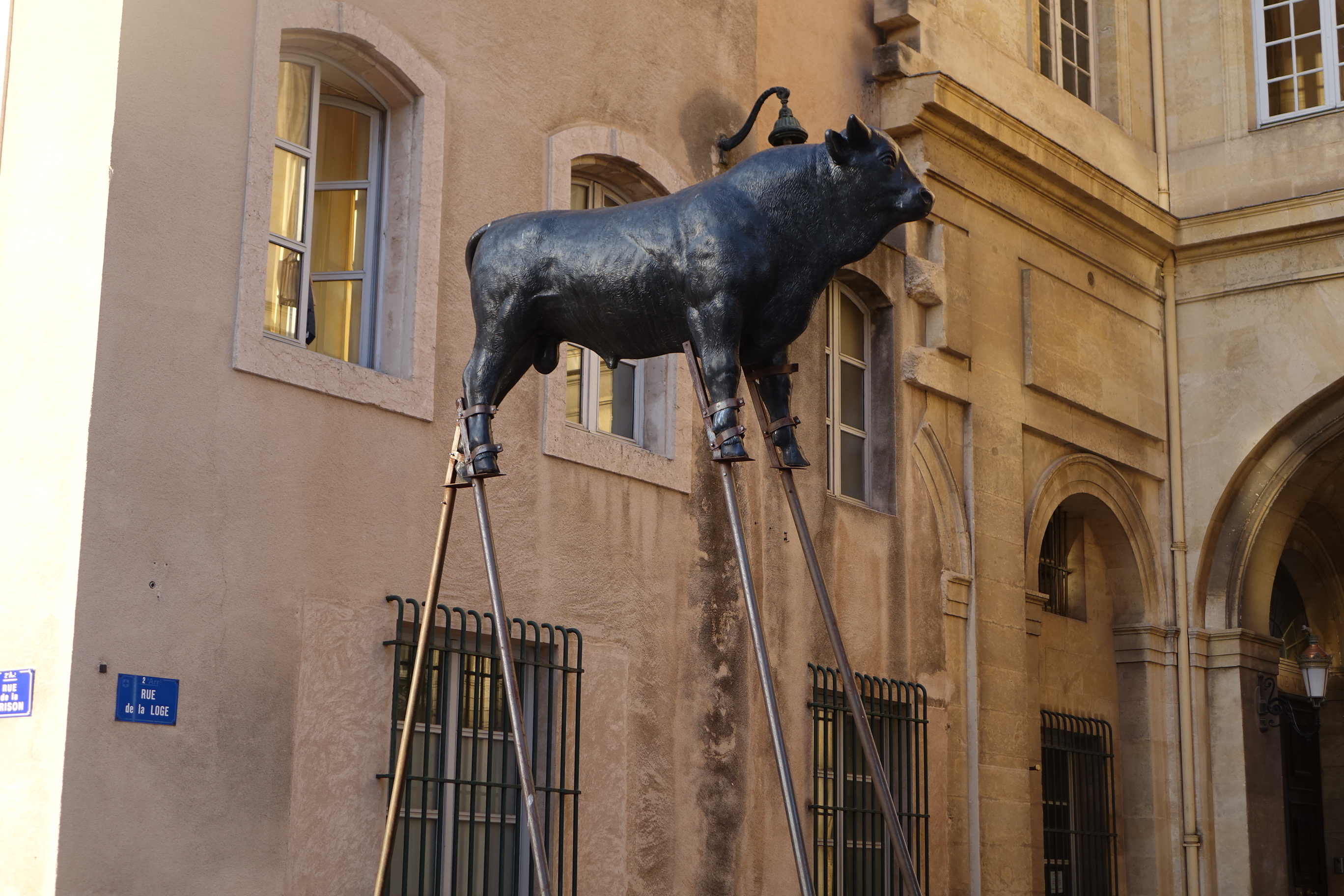
And so, of this uniquely charismatic area of ancient Marseille, Le Panier, only the upper town remains today. Its previous quaint waterside was eradicated in one devastating act of destruction, only to be replaced by the horribly charmless art deco apartment blocks which remain to this day. Yet behind the port, up on the slopes of ancient Marseille, the old core of Le Panier remains, the merciful survivor of Nazi occupation, and clear example of how the city would at one time have looked.

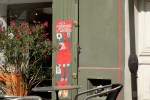
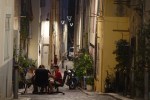
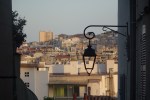
DSC03903DSC03851DSC03821DSC04652DSC03905DSC03840DSC03870DSC03829DSC03860

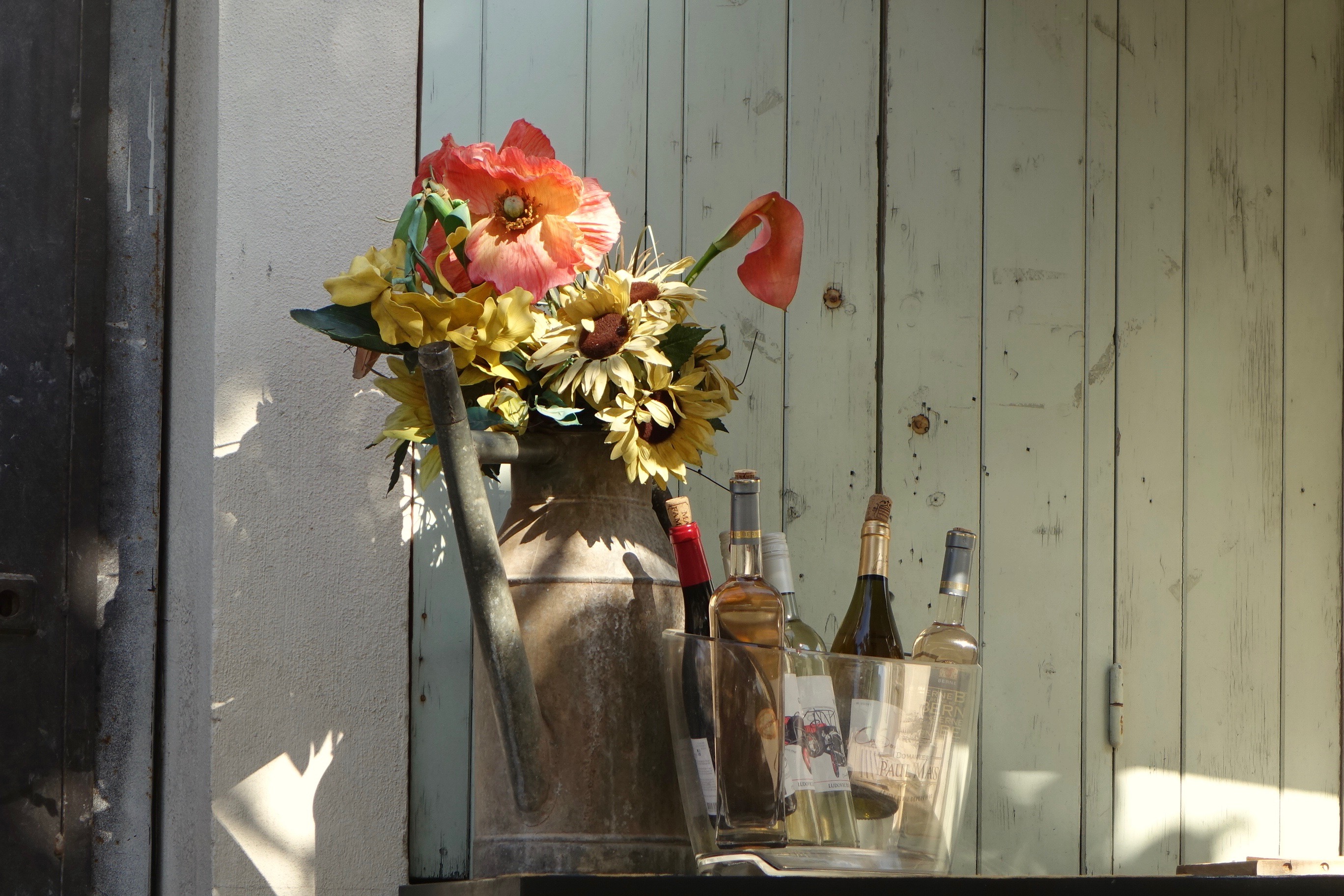
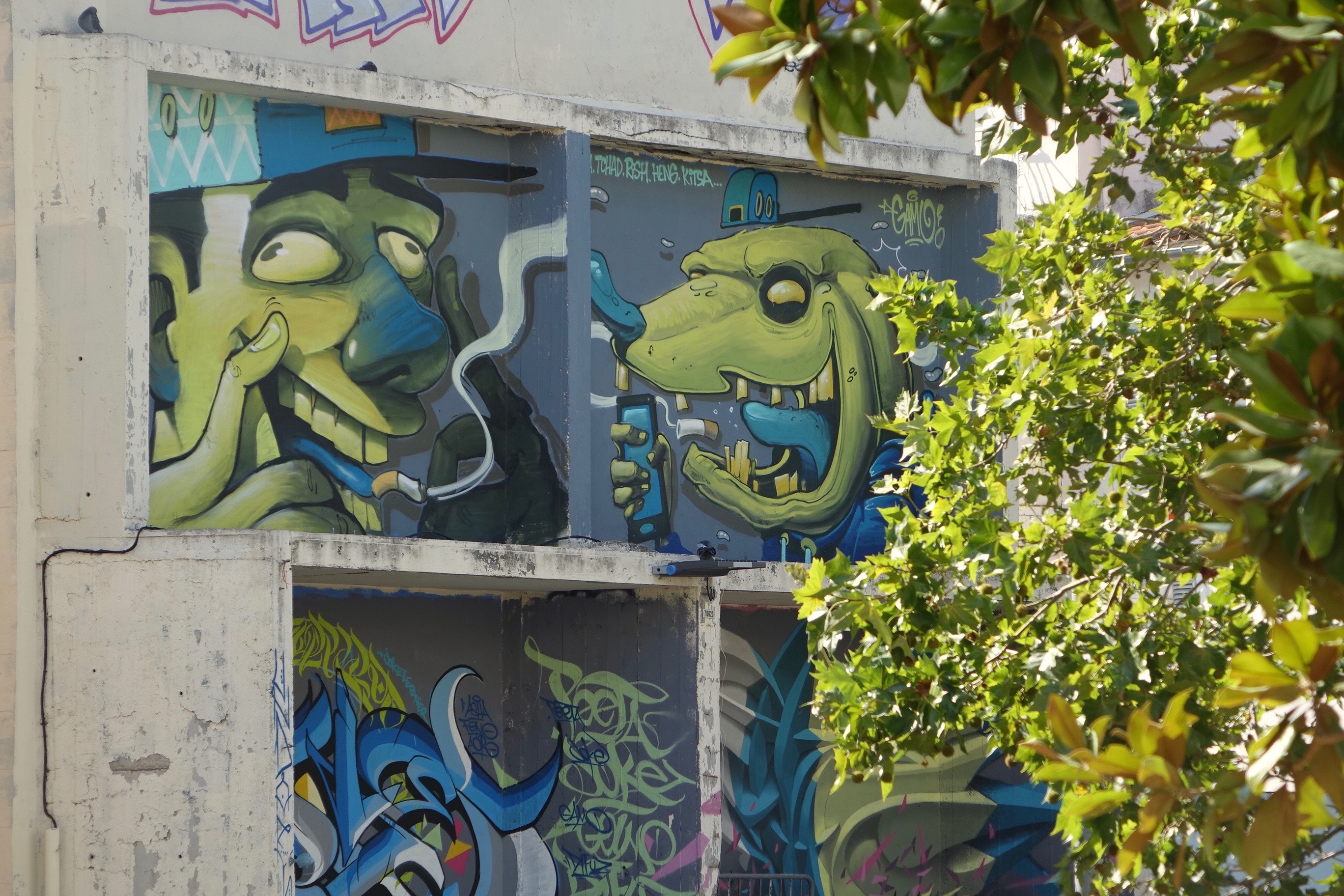
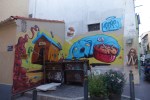
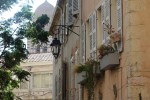
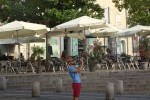
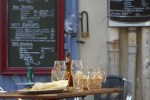
The streets of Le Panier carry a lazy, bohemian milieu characterised by a clearly artistic streak and a decidedly gritty, urban edge. Streets lined by painted shutters and washing hung out to dry are also decorated by large graffiti murals which give an indication of the creatively rebellious inhabitants who occupy the area. Steep slopes give way to quaint restaurants, and the area’s bars and shops are simple and unassuming. Streets are unplanned, cobbled and hilly, but they bare the signs of centuries of unceremonious habitation – the cracks of age and the scars of competing modes of expression.

While resembling something of the charm that the surrounding area of Provence exudes in bucket loads, Le Panier is as authentically urban as it gets. This is the hard edge to the Riviera’s soft, lavender-scented tourist-friendly facade, and is a quintessential representation of a modern Mediterranean city anchored in its history.


© Nicholas de Lacy-Brown and The Daily Norm, 2001-2017. Unauthorised use and/or duplication of the material, whether written work, photography or artwork, included within The Daily Norm without express and written permission from The Daily Norm’s author and/or owner is strictly prohibited.

Marseille to Marbella, Part I: Downtown City

Marseille is one of those cities that’s got a bit of a reputation. Like Naples and Palermo, (and even Barcelona before its Olympics regeneration), Marseille is characterised by an idyllic location which has been both its enemy and its friend. For with popularity has also come rapid growth, and the result is an uncontrolled urban sprawl where street crime has taken the place of riviera recreation, and the high temperatures have combined with a generalised lethargy to improve what are often grave social divides and ever evident crime and economic issues. Yet for all that, Marseille is a city with an undeniable arresting quality; which is so historically wealthy and with so vibrant and diverse a population that you cannot help but be mesmerised.
DSC04094DSC04487DSC04083DSC04426DSC04113DSC04079

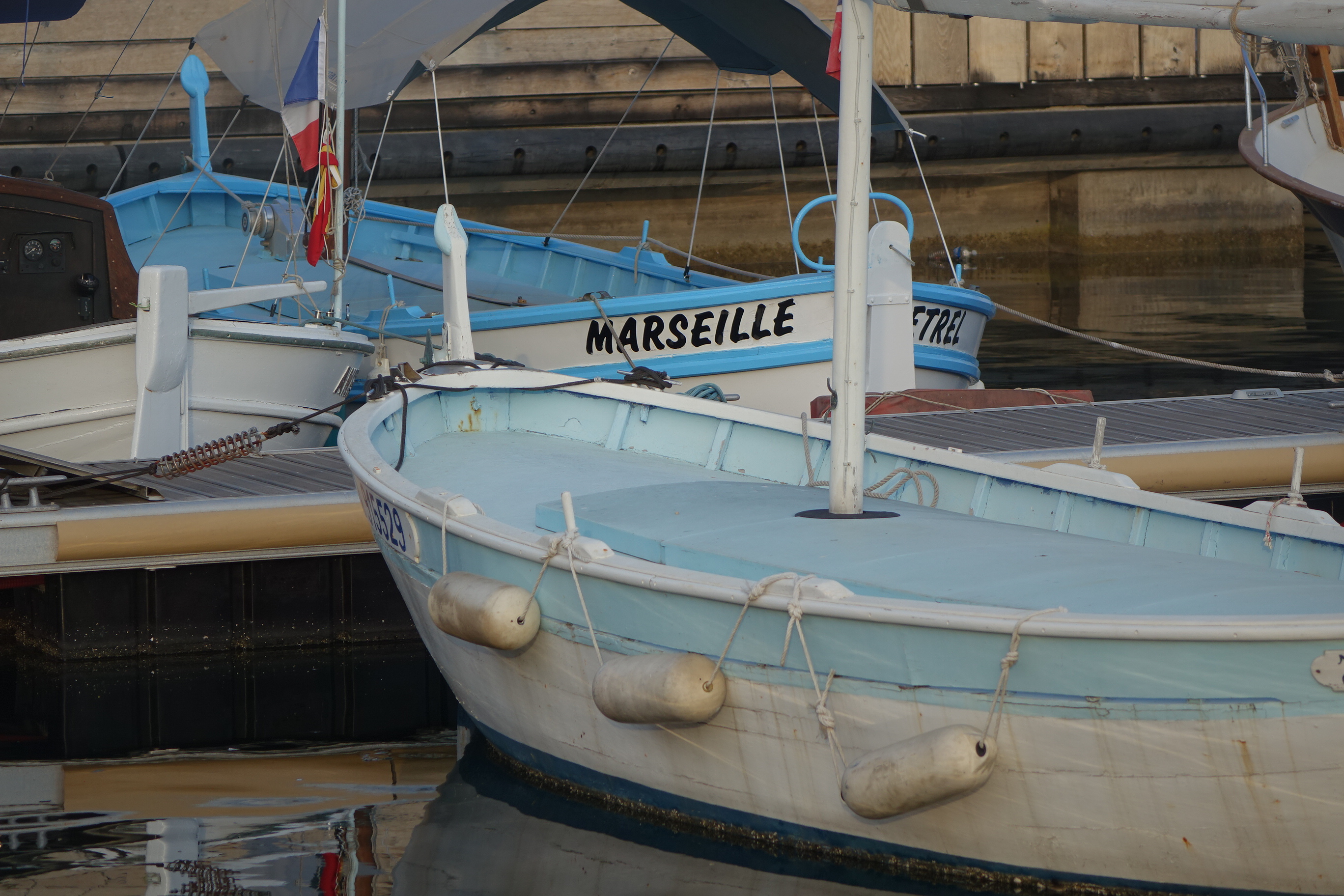
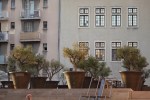
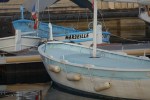
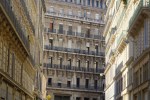
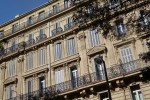
Such is Marseille, France’s second city, and in many respects like Paris by the sea, except that in Marseille the social divide is perhaps even more visible. Here, Haussmann mansions have been given a graffiti facelift, and where the Seine would cut through Paris with all its luxuriant wateriness, in Marseille the sea, and all its accompanying ship building industrial heritage and fishing paraphernalia, predominates all.
This first look at our summer trip from Marseille down to Marbella takes the Daily Norm back a few weeks, to the sunny days of August when temperatures were at an all time high. Our arrival, on the Eurostar train from London into Marseille’s Gare St Charles, was one greeted by temperatures close to the 40s. Yet this was no blue-shuttered port or seaside retreat in which to enjoy the summer weather at ease. Marseille hit us with the full impact of its teeming urban sprawl which literally shimmered in the heat as the fumes of traffic and food and generalised humanity combined with fresh sea breezes and an awful lot of sunshine.

DSC04047DSC04099DSC03785DSC04068DSC04146DSC04465

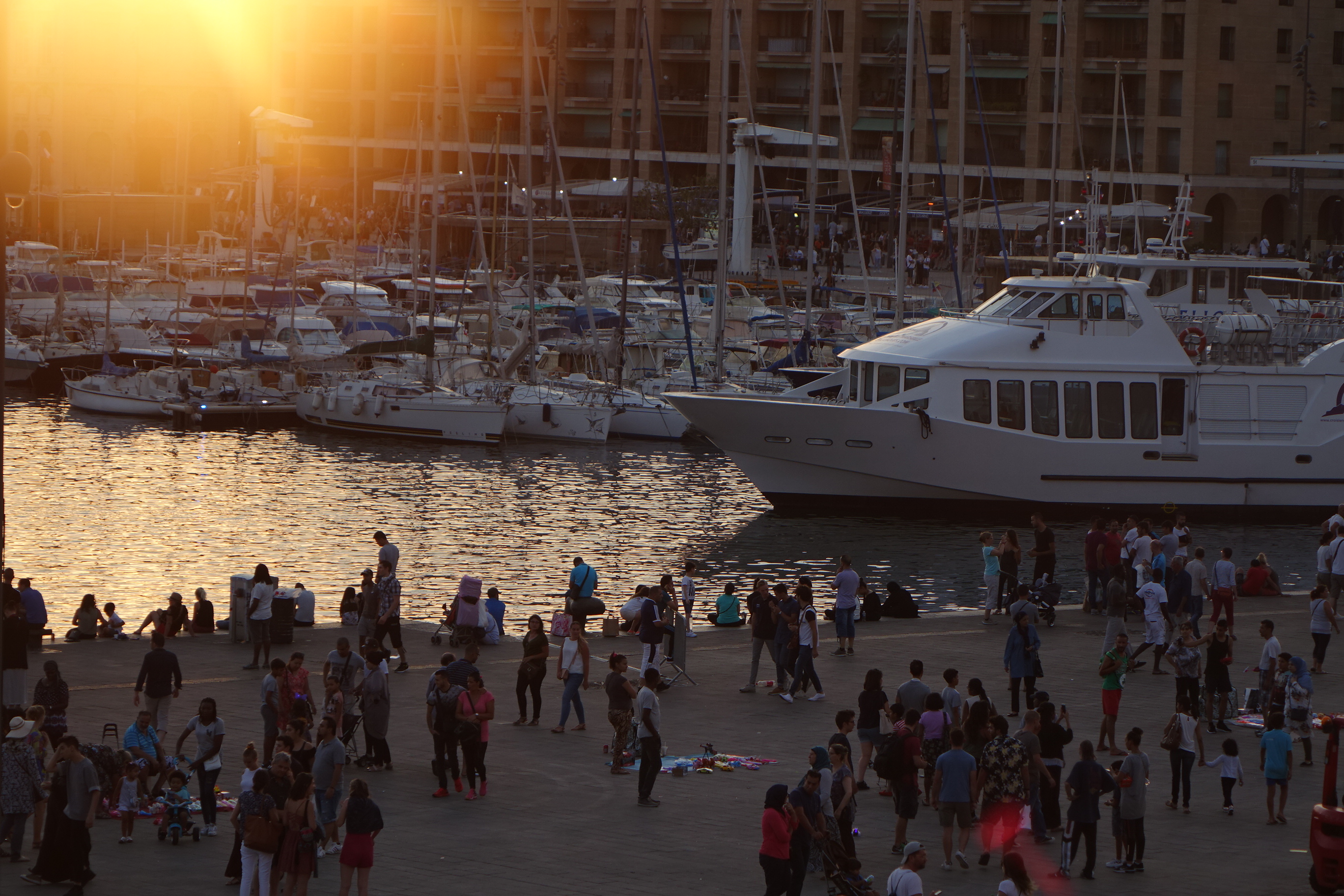
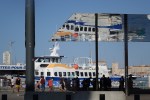
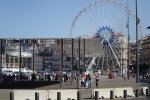
From streets crammed with shops and markets, and bustling with faces from across the world, to the city’s true heart, the Vieux Port, where people milled to watch boats stride in and out of the harbour, it wasn’t hard to get to know Marseille: a city which wears its heart on its sleeve and is emotionally, viscerally real.

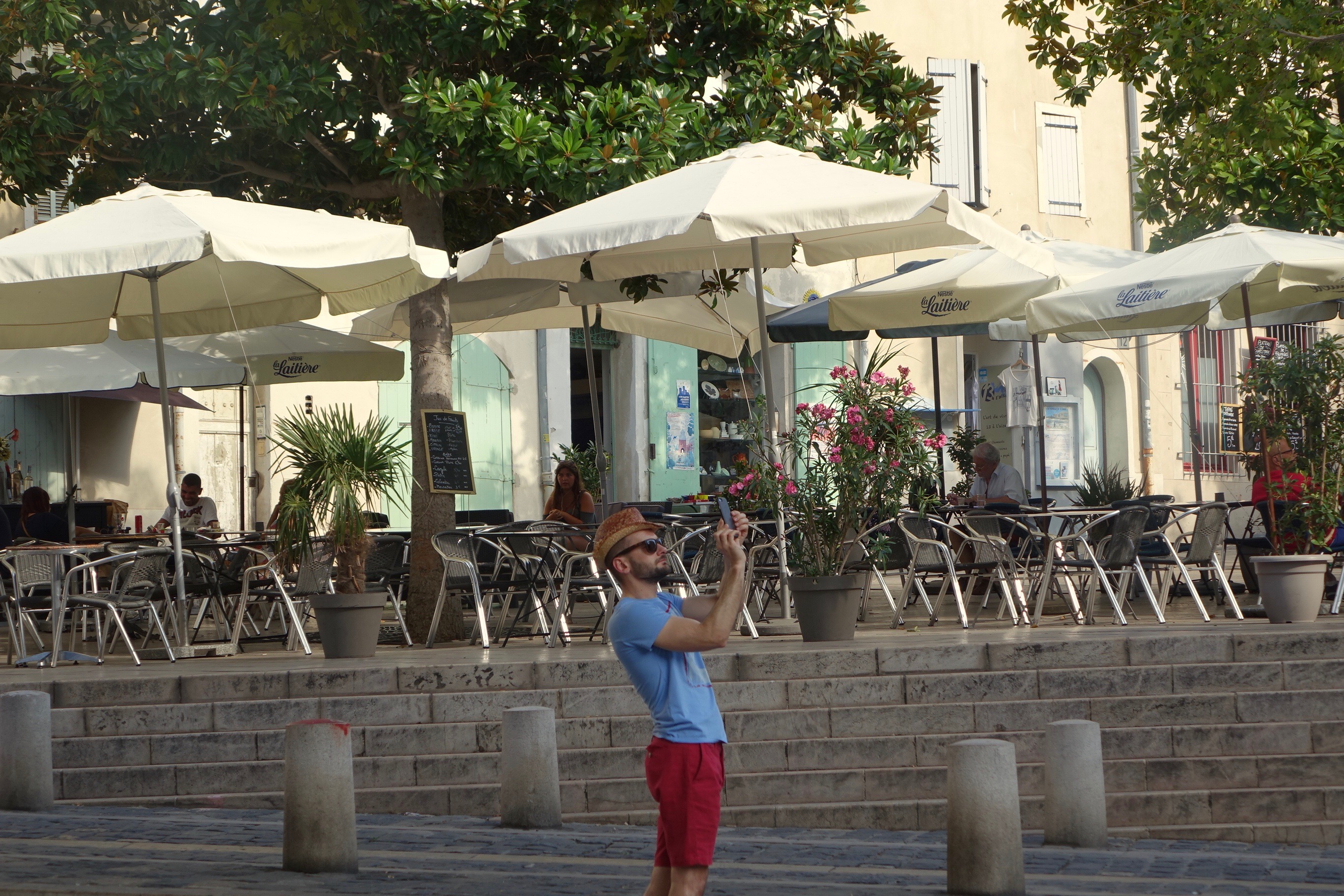
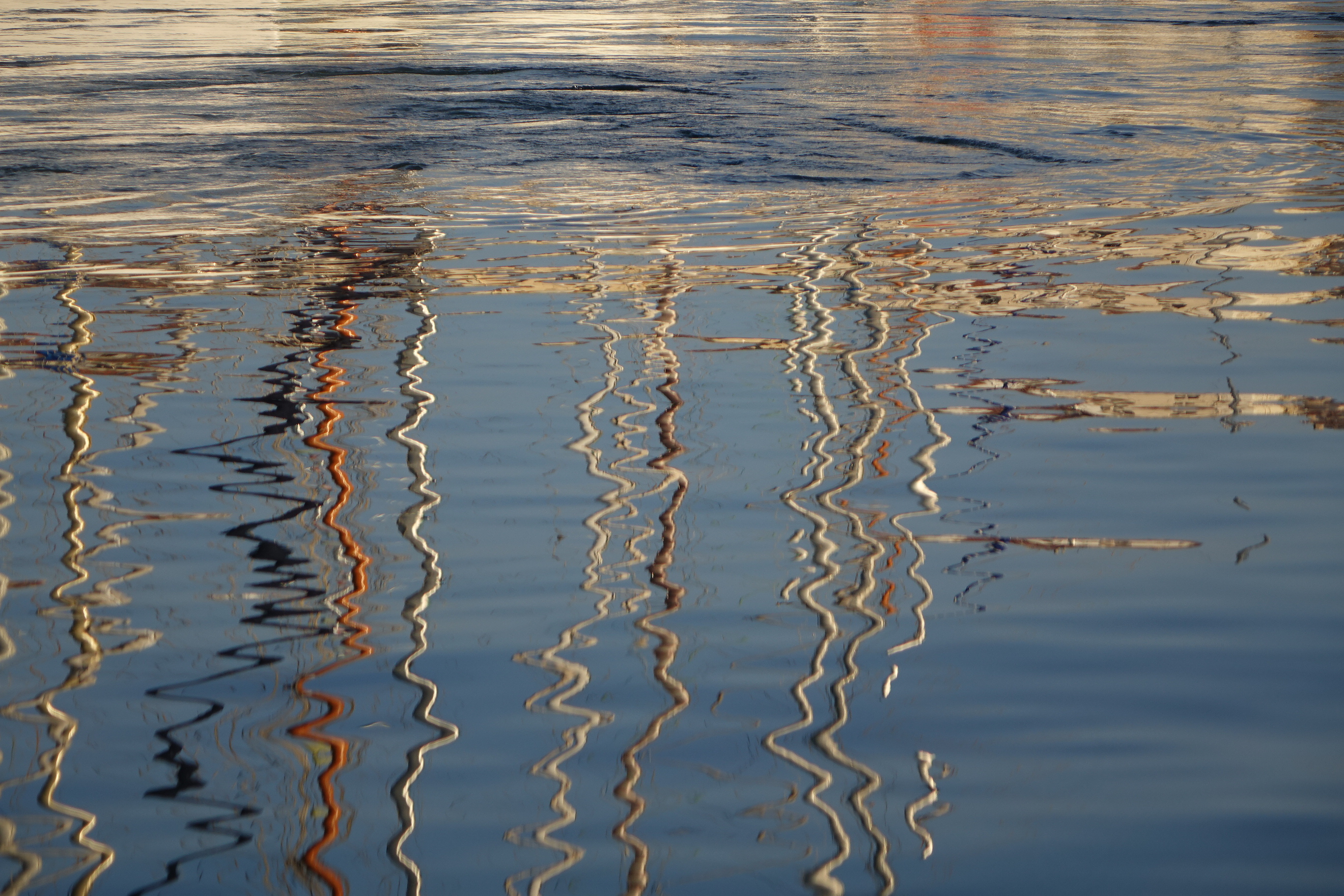
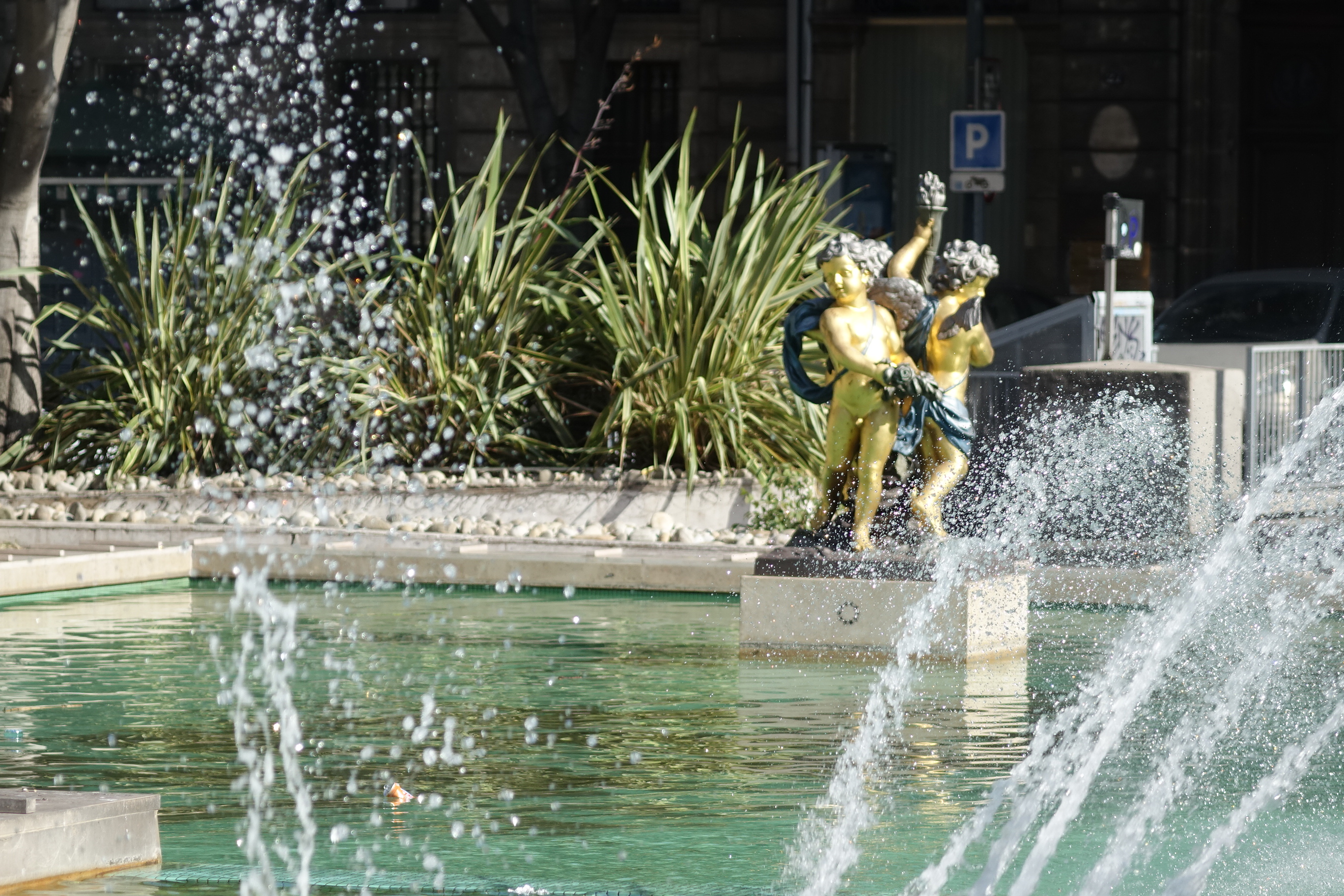
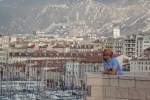
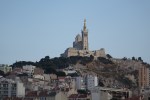
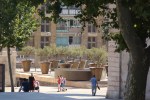
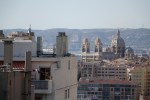
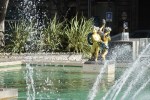
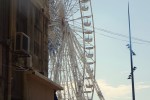
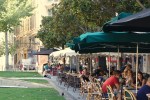
Marseille may be the capital of the French Riviera but St Tropez it is not. Rather, this thriving metropolis combines elements from across France and its ancient empire: it is a true world city with an evidently international demographic. What it lacks in luxury, it makes up for in spirit. And as you can see from this first raft of photos, it is a city of a not insignificant aesthetic appeal.

Bienvenue à Marseille!

© Nicholas de Lacy-Brown and The Daily Norm, 2001-2017. Unauthorised use and/or duplication of the material, whether written work, photography or artwork, included within The Daily Norm without express and written permission from The Daily Norm’s author and/or owner is strictly prohibited.