Skip to content

Across the Water to Menorca, Part 2: Pedreres de s’Hostal

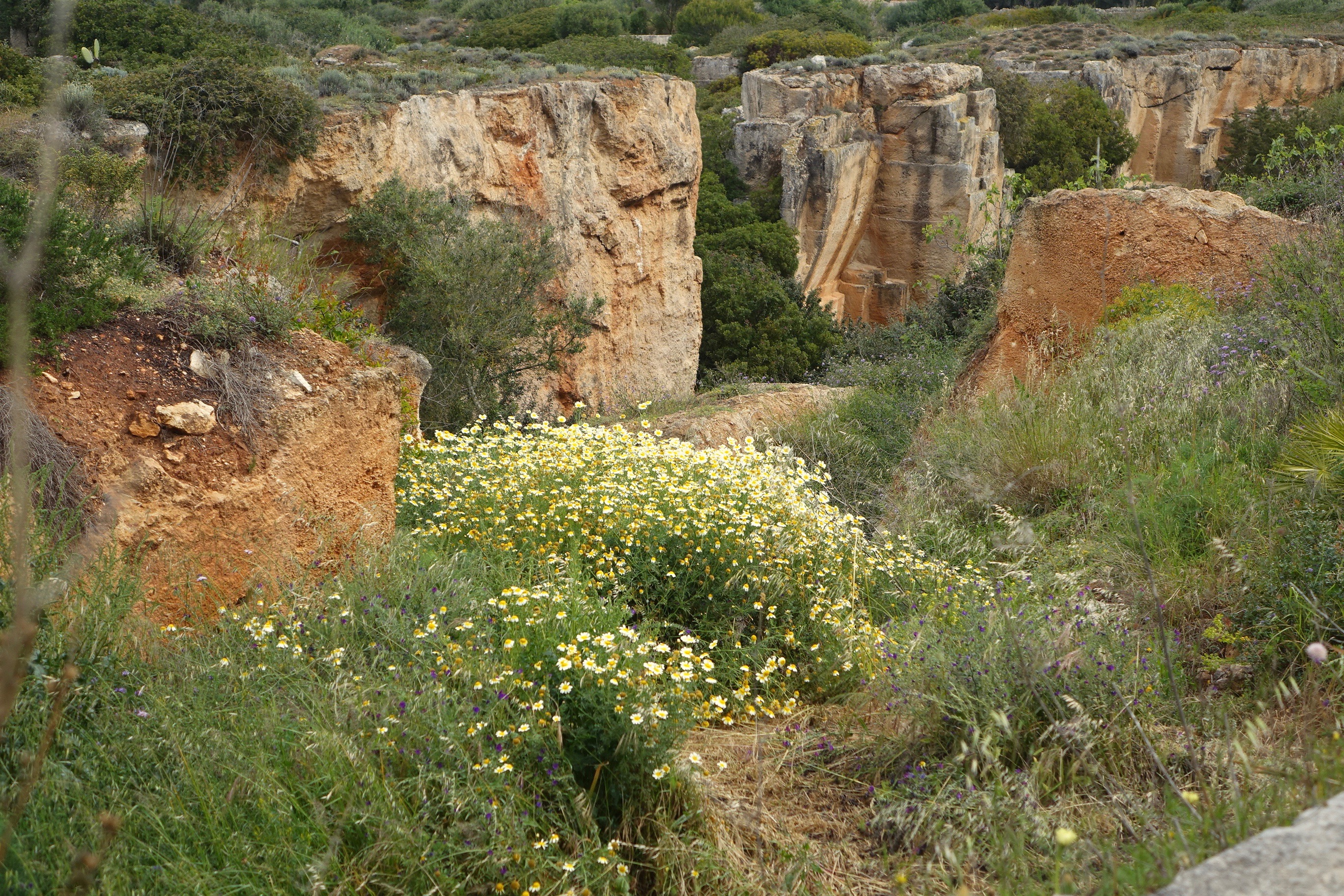
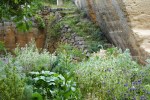
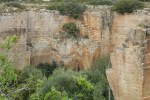
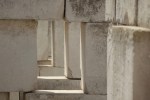
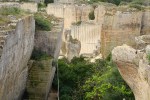
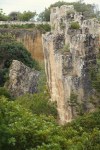
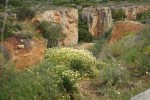
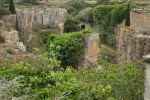
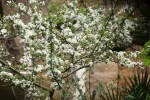
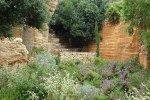
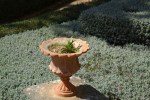
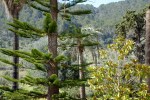
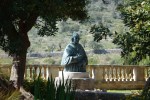
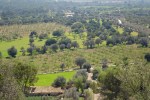
There is something about the largely uninhabited central landscape of Menorca that gives it a mystical enigmatic quality like a magical bucolic setting for Tolkien’s hobbits or something out of Wonderland. But this sensation was deeply magnified at Pedreres de s’Hostal just outside the small city of Ciutadella. Formed out of a vast landscape of old and not-so-old sandstone quarries, the organisation Lithica has done the impossible, transforming what could have been an industrial waste land into the most stunningly unique gardens you are likely to see.

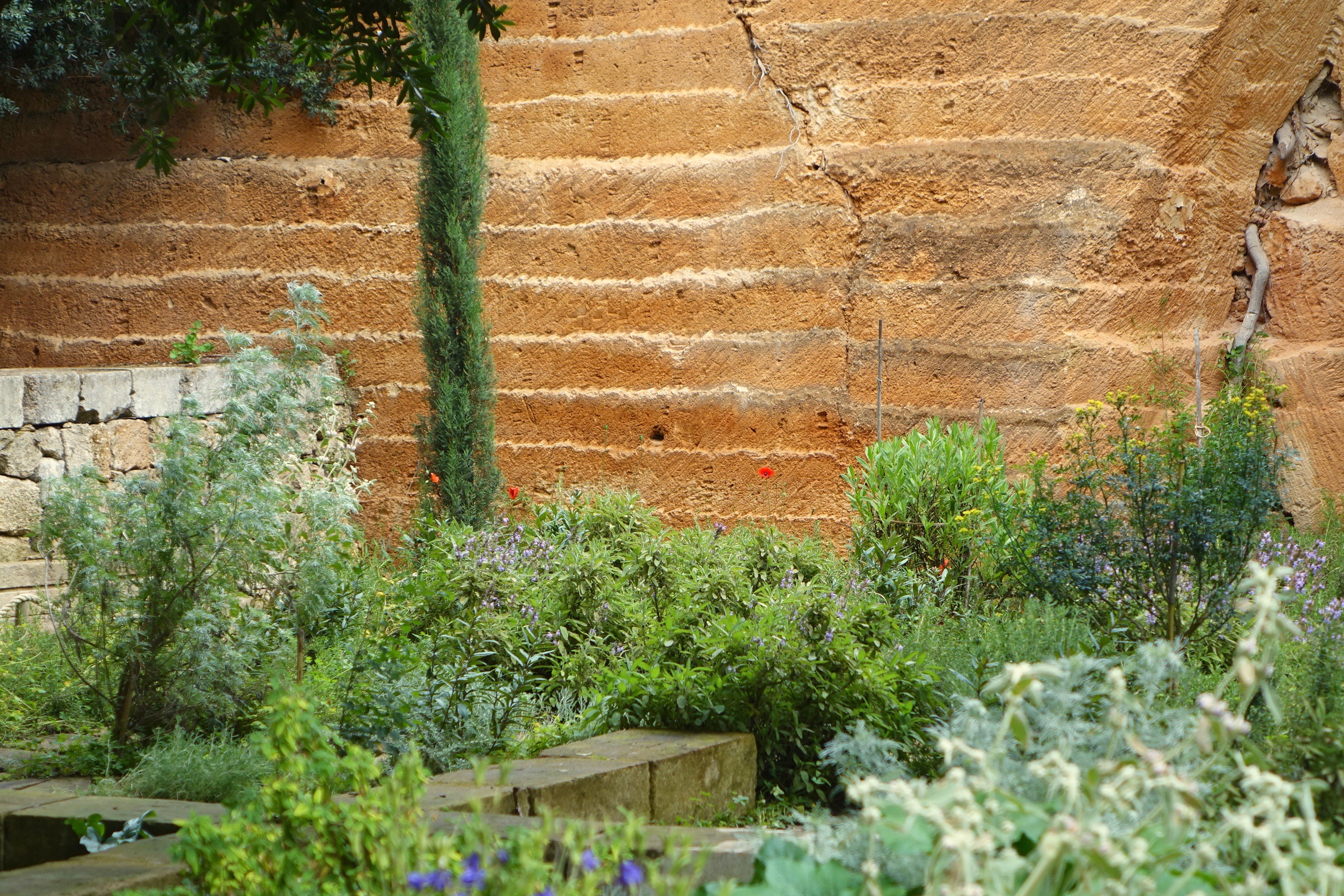
DSC01122DSC01062DSC01108DSC01048DSC01021DSC00982DSC00963

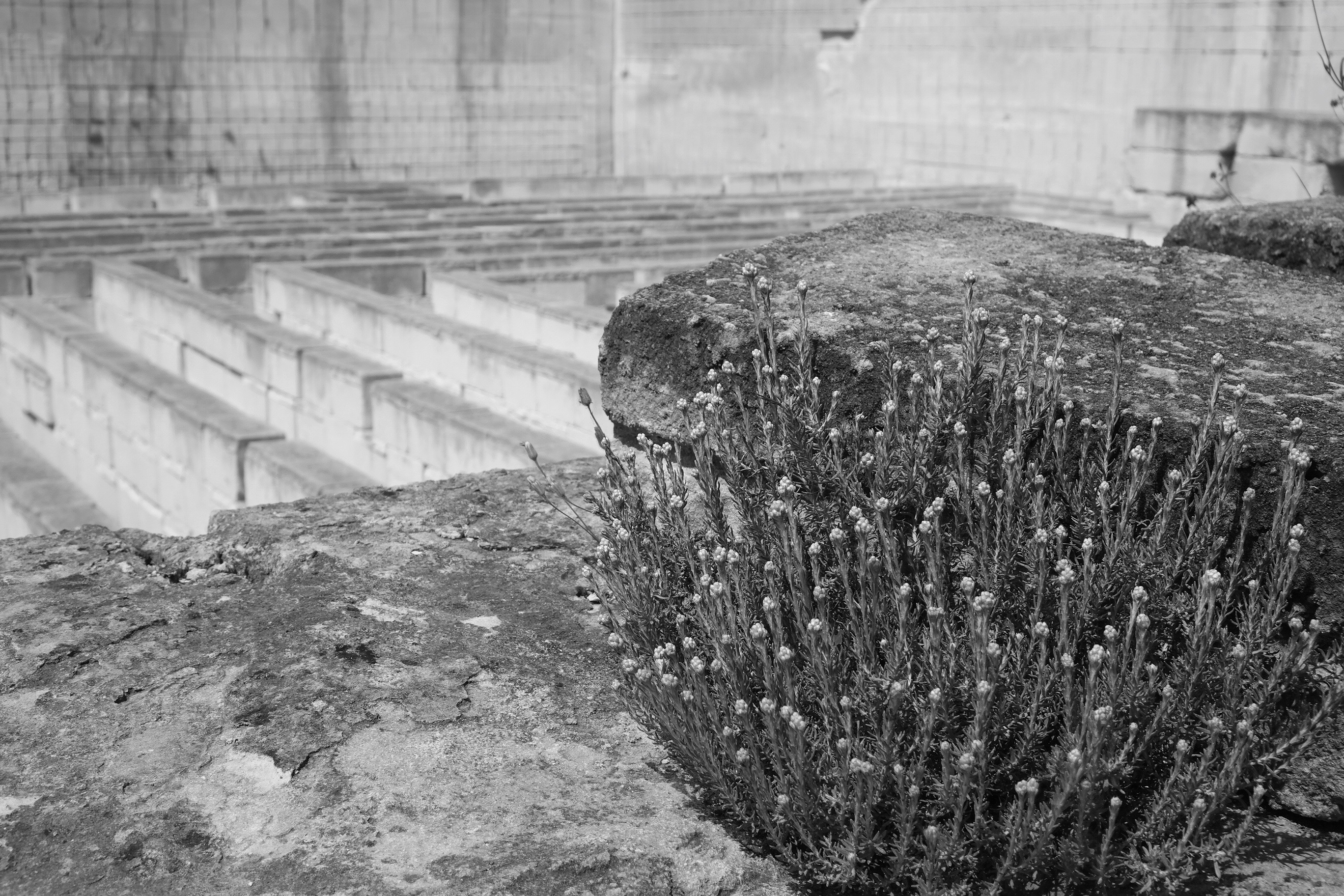
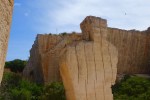
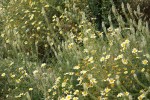
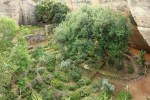
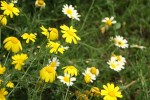
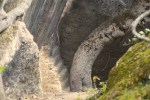
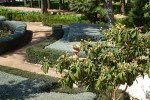
What makes the gardens so unique is the landscape. The shapes left my stone cutters long ago are surreal to say the least. In sharp angular spaces of yellow rock, plants and flowers of every Mediterranean variety appear to have reclaimed the land from the hand of man as they twist and turn across the rock’s surface. Amongst unique anthropomorphic shapes, trees scatter light and herbs their heady aroma. My favourite two gardens were a pristine medieval courtyard garden set within one of the deepest mines like the cloister of a monastery, and a medicinal herb garden planted amongst a twisting path of stone.

DSC01125DSC01096DSC01110DSC01090DSC01086DSC01087DSC01084DSC01103

At the centre of it all are two vast mines more recently quarried, in the largest of which a labyrinth has been crafted from stone. Led into the maze by the challenge of finding the centre, we felt almost mythical in amongst a near Minoan landscape of ochre, half expecting the Minotaur to rear up before us at any turn. With the walls soaring up around us at the most peculiar angles, it was truly like being in a fantasy world.

Sadly the weather that graced our visit was for the most part vexingly cloudy. Nevertheless the photos I took are full of the magical spirit of this place, and when, at the end, the sun finally shone, it was like the golden reward bestowed upon us as the centre of the labyrinth was reached.

More information on the gardens can be found at www.lithica.es

All photos and written content are strictly the copyright of Nicholas de Lacy-Brown © 2016 and The Daily Norm. All rights are reserved. Unauthorized use and/or duplication of the material, whether written work, photography or artwork, included within The Daily Norm without express and written permission from The Daily Norm’s author and/or owner is strictly prohibited.

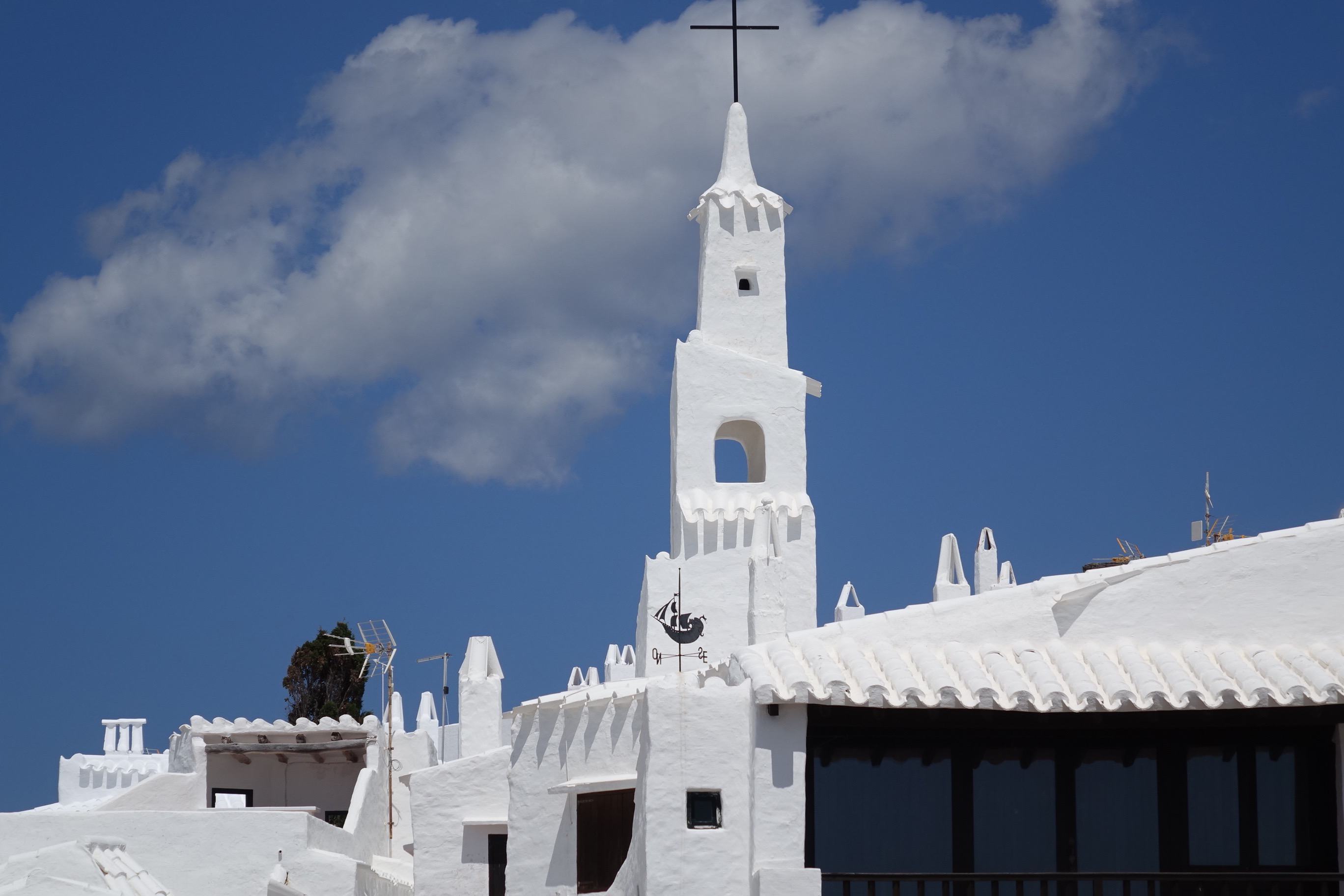
Across the Water to Menorca, Part 1: Binibèquer Vell

It’s just a small stretch across the water. Reach out your hand from the bay of Alcudia, and you can almost touch the island across the bay, and certainly see its gentle profile floating upon the horizon. Menorca is the little sister of Mallorca, an island which shares much of Mallorca’s Balearic history and culture, but which likewise has its own personality, and much more of the unspoilt beauty which Mallorca too would have retained were it not for the tourism boom. It is an island altogether more tranquil and sedate, with its rolling hills and flattened floral landscape, and with residents so apparently laid back that at times you wonder if they are falling asleep as they charm you with their somniferous tones.

DSC01504DSC01457DSC01471DSC01460DSC01509DSC01481DSC01505

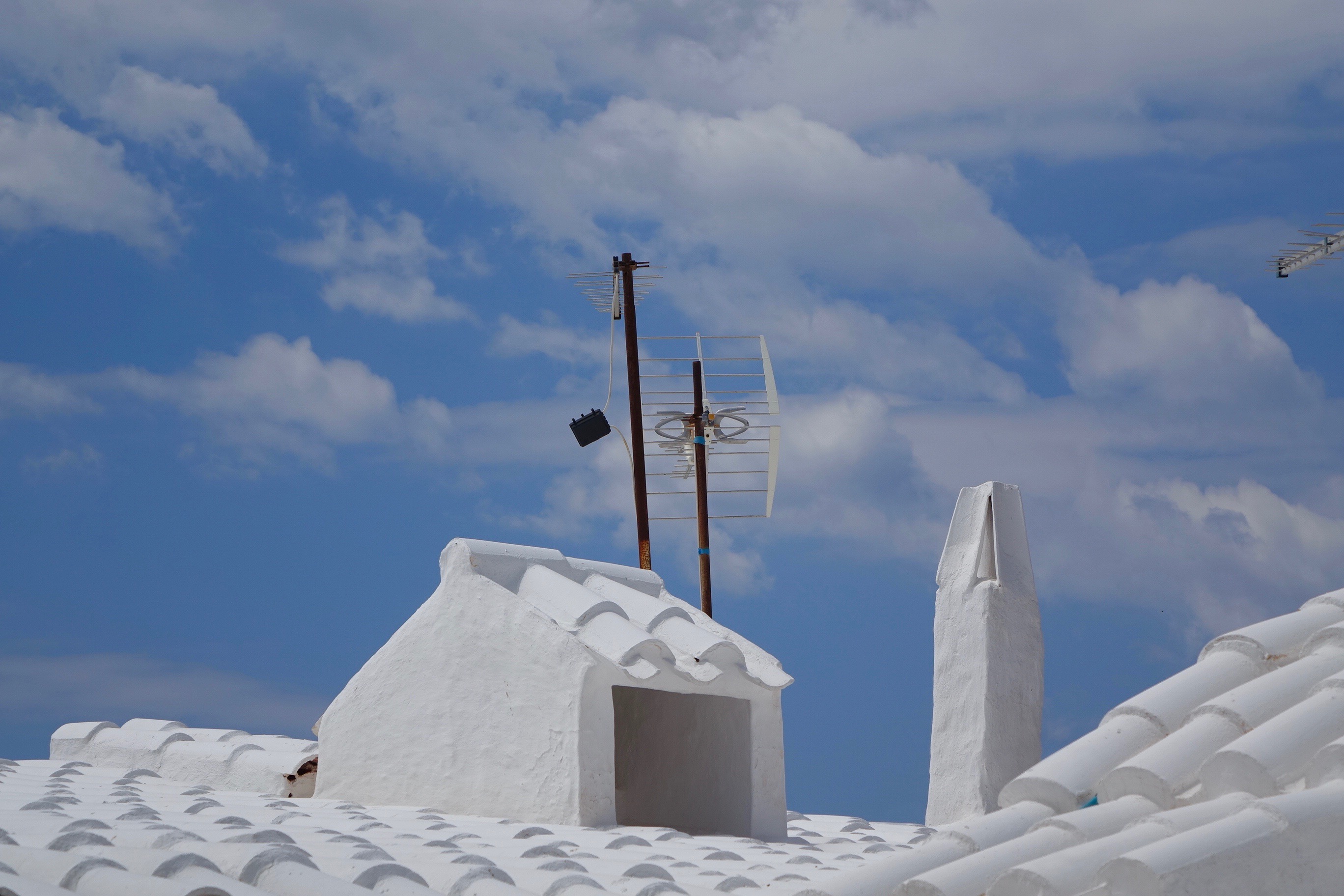
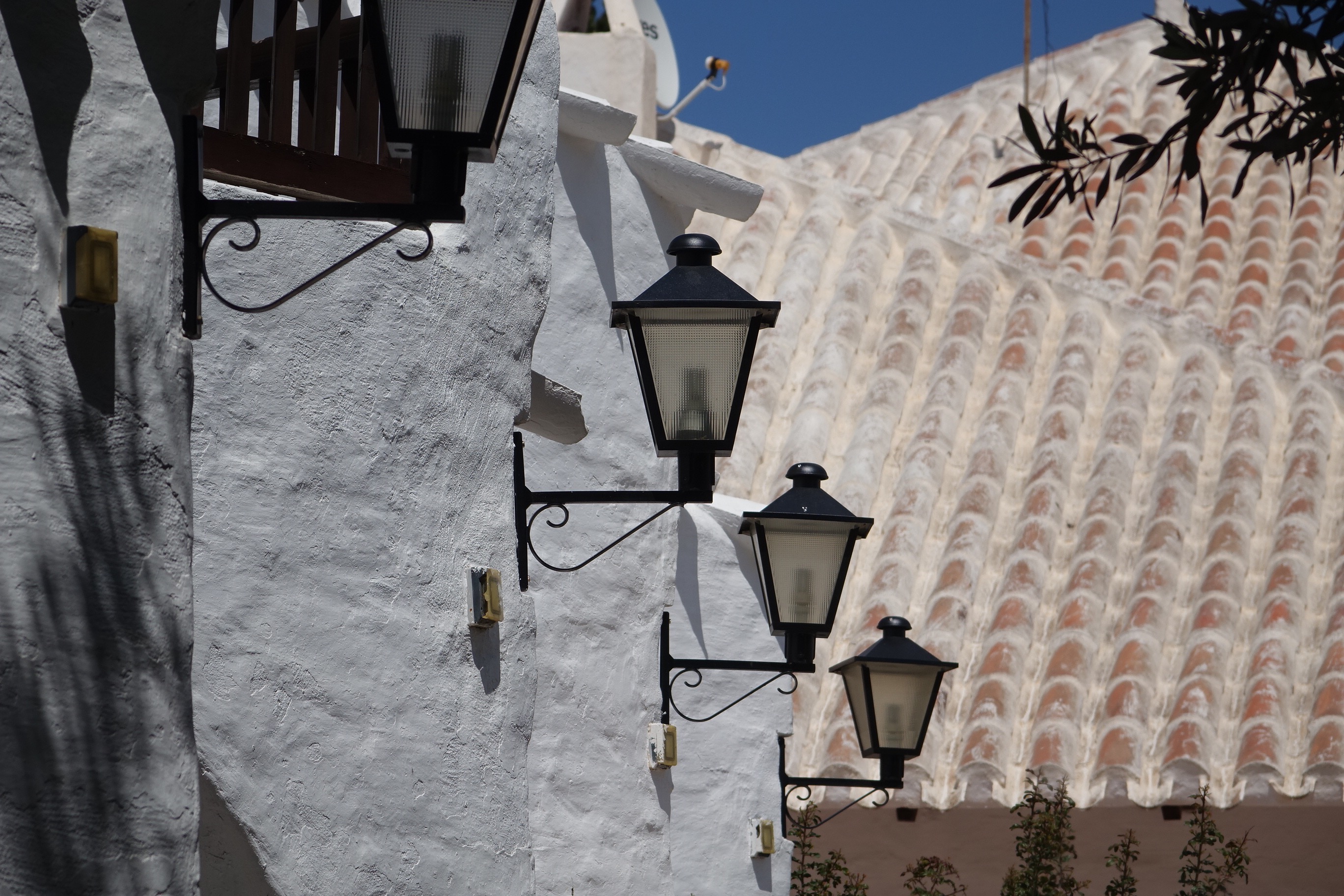
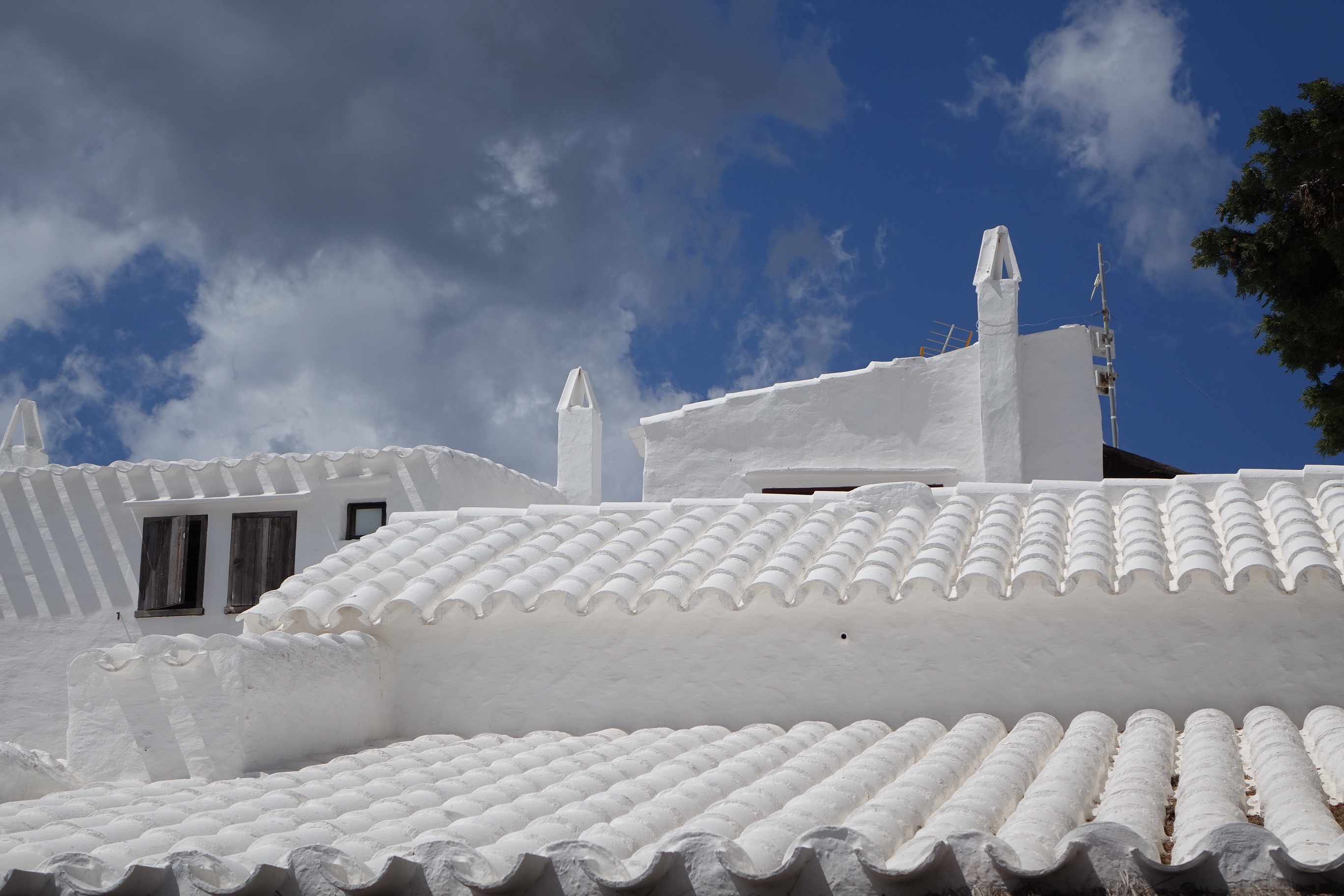
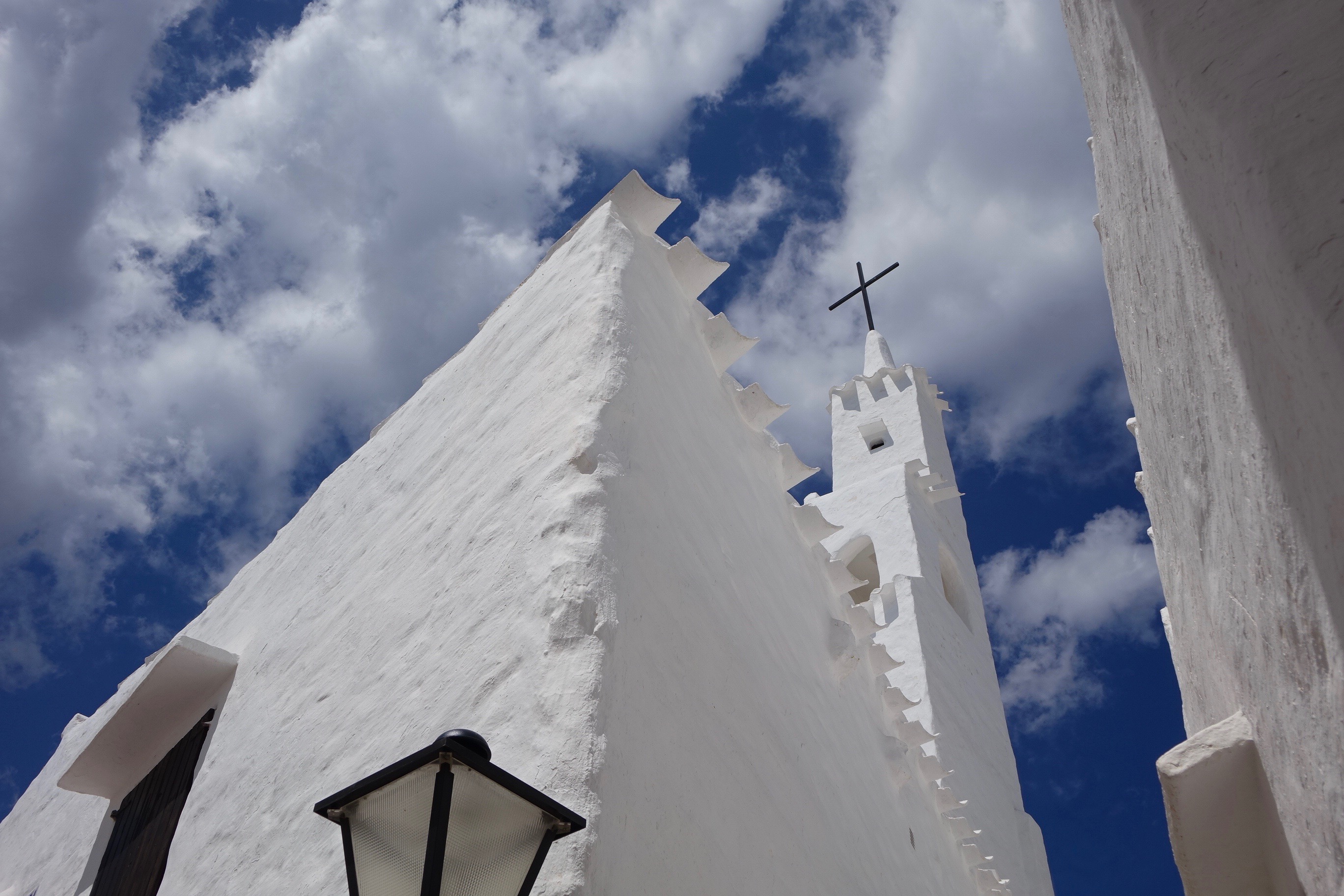
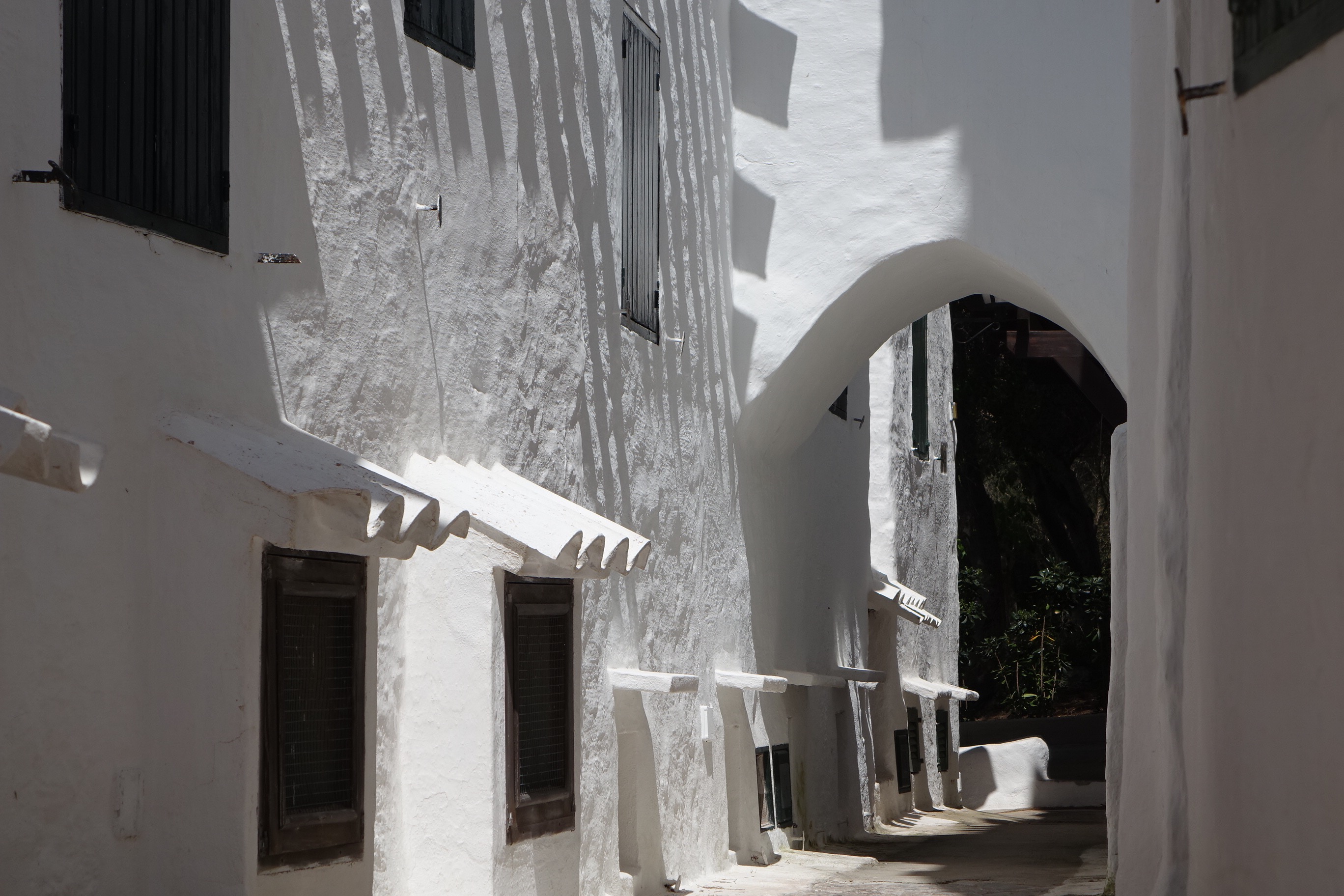
Last weekend we headed, for the first time, to our neighbouring island of Menorca, and while I have several tales from that trip to relay to you hereafter, I am starting somewhat back to front with the last place we visited, just before we returned on our 20 minute hop through the skies. For in visiting Binibèquer Vell, a tiny little whitewashed village by the sea, it felt as though we were seeing in manifest form the very epitome of this island, unravaged and virginal, a place of pure light and clean simplicity.

DSC01513DSC01478DSC01472DSC01473DSC01541DSC01526DSC01490

Situated on the southern coast of the island some 15 minutes from the capital Mahon, the “Vell” in Binibèquer Vell connotes its age compared with its more modern counterpart. However, as some commentaries would have it, the village isn’t old at all – rather constructed in the 70s as a kind of reproduction idyll to entice the tourists. I’m not overly sure whether this is as much a myth as the commentators declare the village to be. All I know is that we were both enticed to visit, and enamoured by the whitewashed quaint shapes of this incredibly cute cluster of fishermen’s houses. Caught somewhere between a smurf village idyll and a museum piece, few could deny the charm of this place, with its pure white forms radiating against the almost neon blue skies, and the kind of simplicity which makes the island of Menorca beautiful.

DSC01516DSC01546DSC01536DSC01526DSC01531

All photos and written content are strictly the copyright of Nicholas de Lacy-Brown © 2016 and The Daily Norm. All rights are reserved. Unauthorized use and/or duplication of the material, whether written work, photography or artwork, included within The Daily Norm without express and written permission from The Daily Norm’s author and/or owner is strictly prohibited.

Wholemeal lemon and rosemary cake

I was sitting just next to my little blooming lemon tree, breathing in the subtle perfume of its abundant blossom one morning before work when I saw the recipe for a lemon polenta loaf cake go up onto the blog of my phenomenally talented (and heavily pregnant!) blogger friend Lady Aga. It was undoubtedly the heady combination of lemon blossom and her tantalising looking photos which immediately inspired in me the certain knowledge that I was going to make this cake at the first opportunity. And last weekend, lemon, rosemary and olive oil at the ready, I did! Sadly for Lady Aga’s wonderful recipe, and perhaps also for my resulting cake, I was a little too keen on the uptake. Midway through, I realised I lacked polenta and a loaf shaped tin. It quickly became clear that I might have to disembark from the Lady Aga road slightly.

DSC00597DSC00672DSC00648DSC00617DSC00647DSC00638DSC00619

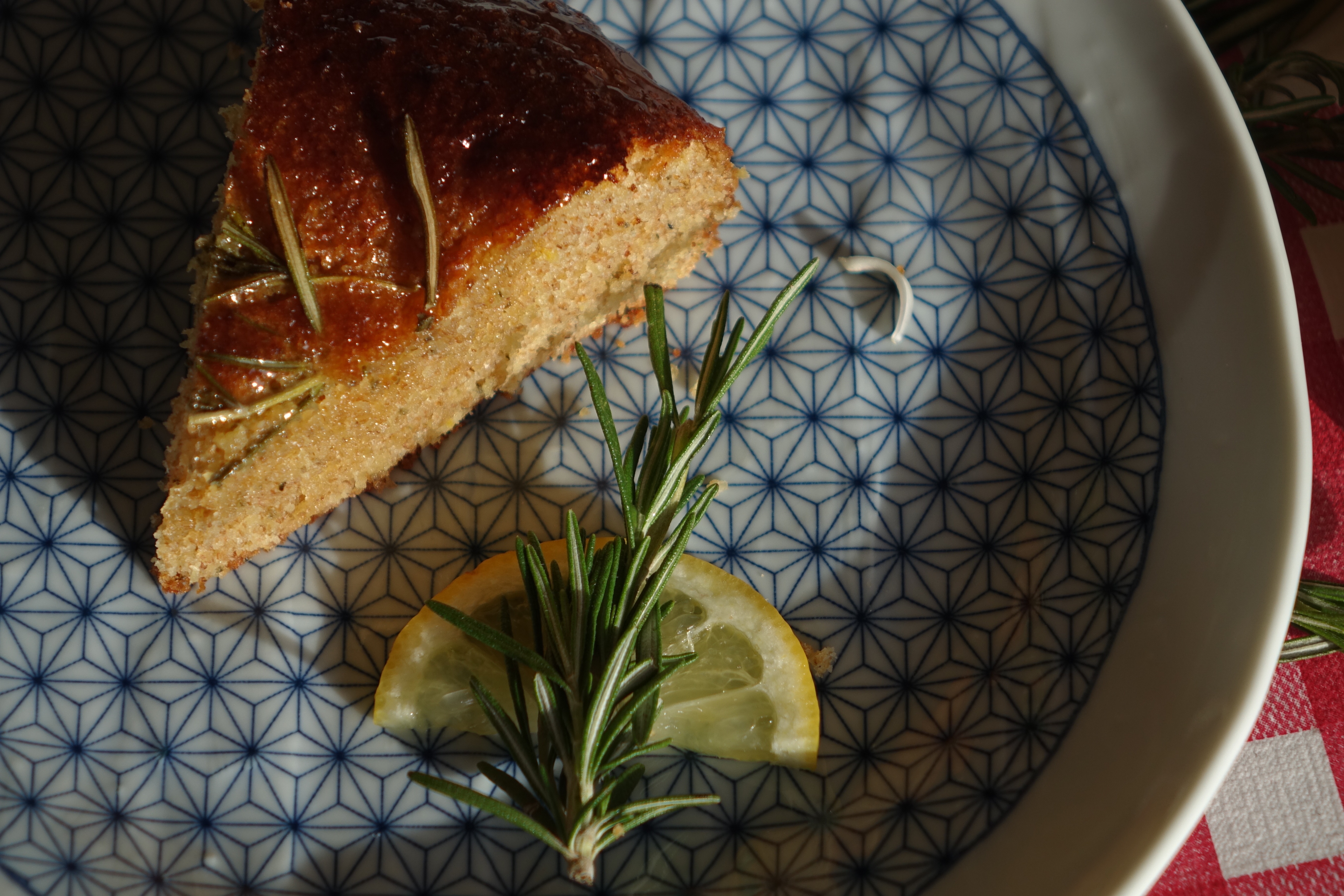
So recipe a little altered, and a round cake tin employed for the purpose, I opted instead for  wholemeal not-so-loafish cake using the integral flour which we have in stock in an attempt to be healthy. I also blended a load of his trusty breakfast porridge oats as Lady Aga suggests, and with the rosemary growing fresh on our terrace, it worked a treat. I won’t recite the recipe here seeing as Lady Aga has it penned so well, but whether you decide to go with my wholemeal approach or the undoubtedly better polenta recipe, this cake is surely exquisite.

DSC00618DSC00650DSC00607DSC00644DSC00658DSC00610

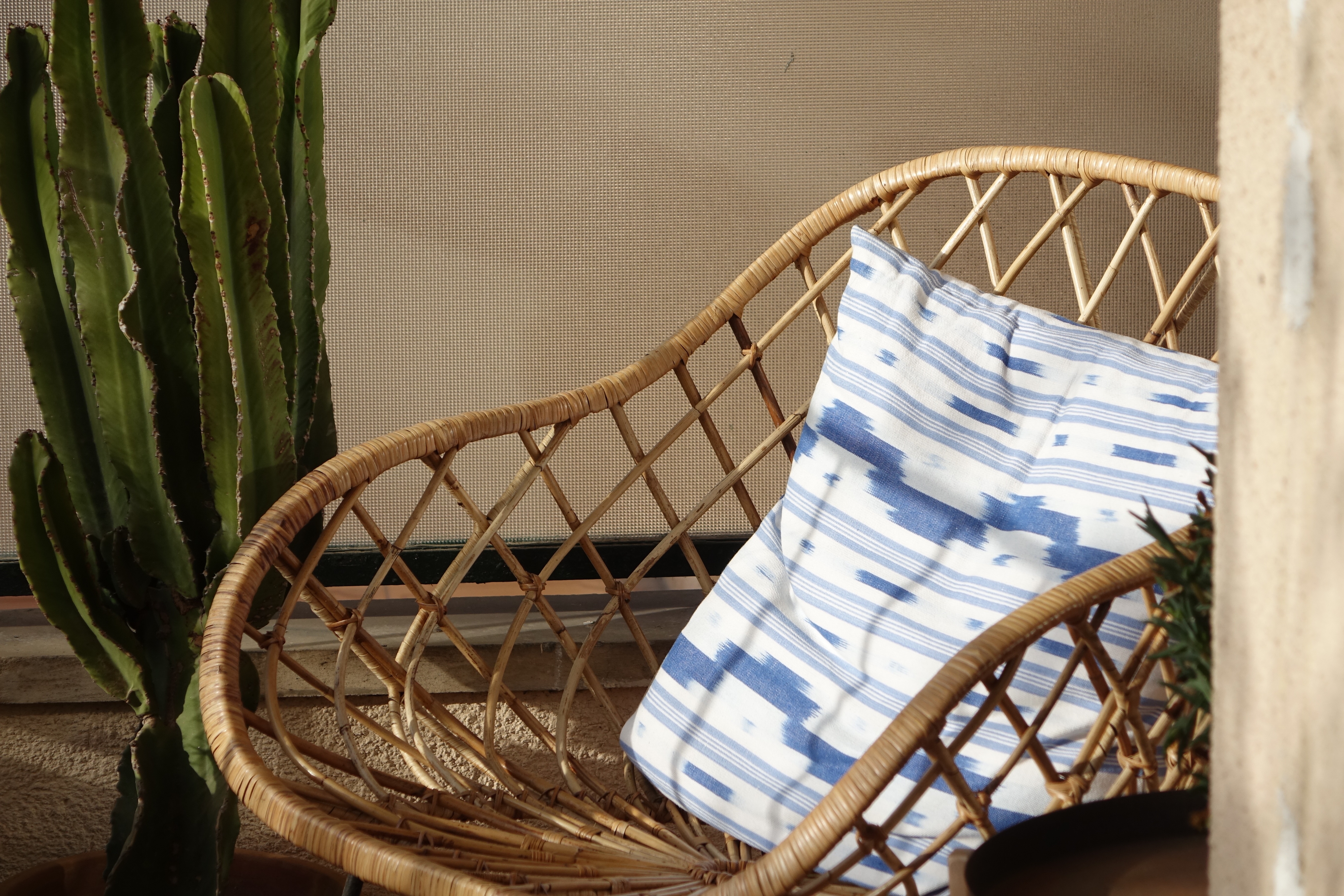
Fresh out of the oven, its sugary lemon juice drizzle still a little sticky, we eagerly devoured a slice or two of this delicious cake in the creamy afternoon (terrace photos happily intermingled with model-shots of cake above). Accompanied by a steaming earl grey, the lemon and rosemary flavour couldn’t have made for a better British-Mallorquín afternoon tea, and as for the wholemeal flour, while I worry that it may have made the cake slightly drier than the polenta version, the result is a cake which made every appearance of a morally highbrow, persuasively healthy teatime treat. Thank you Lady Aga!

Discovering Mallorca: Arty Artà

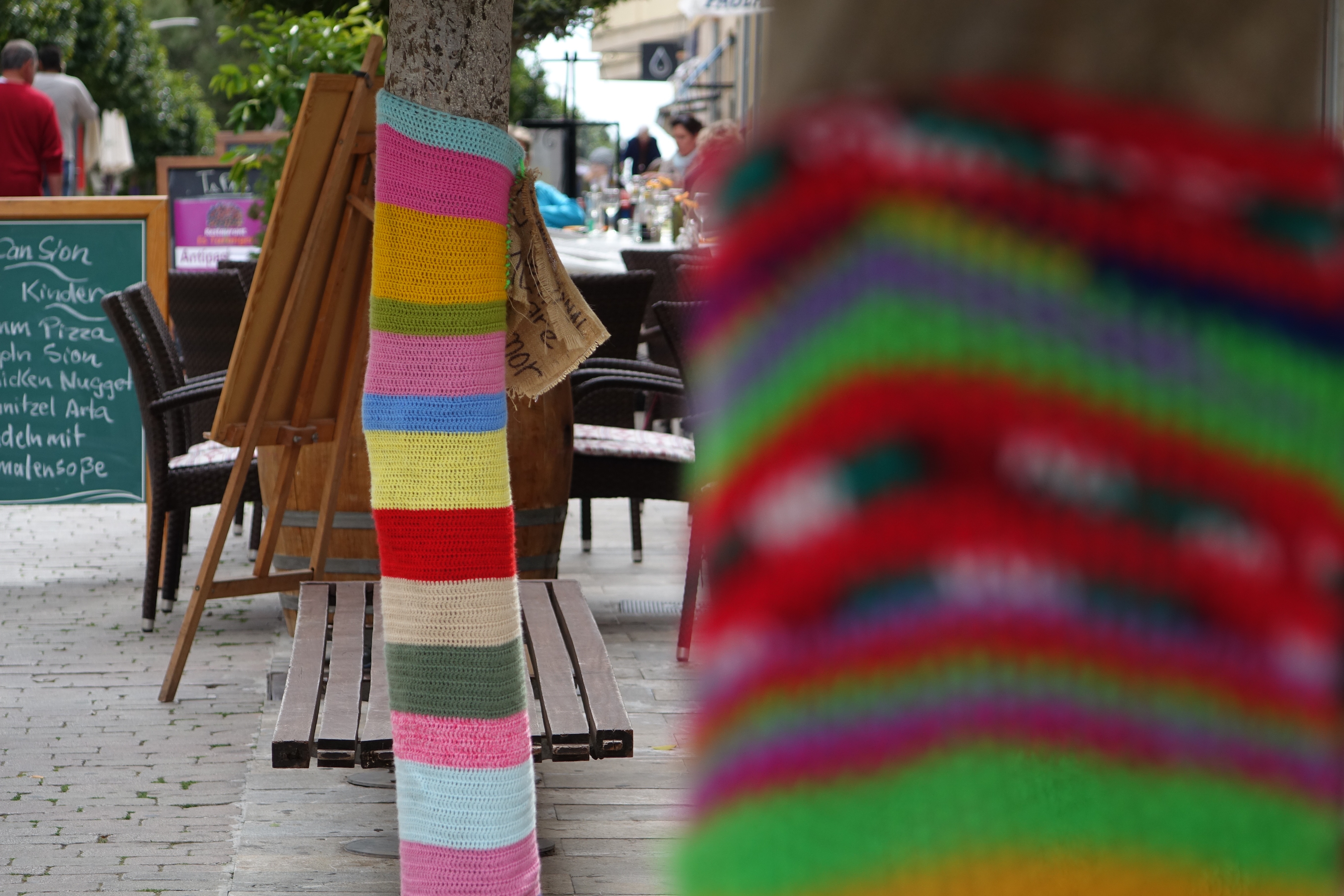
I’m not sure whether somewhere in my subconscious I was influenced by the name, but the moment I entered Artà, the little town nestling on top of a hill deep in the countryside in the North Eastern corner of Mallorca, I felt that it had something inherently arty about it. Not that the place was full of galleries – far from it – but rather the town had a kind of avant-garde artistic spirit which could be seen in the small touches added by locals to characterise the town, such as the knitted socks placed on the tree trunks like winter warmers or tea caddies, and the little shops and cafés, each of which appeared to have their own whimsically creative character.

DSC00486DSC00481DSC00394DSC00502DSC00484DSC00365DSC00362DSC00364DSC00361

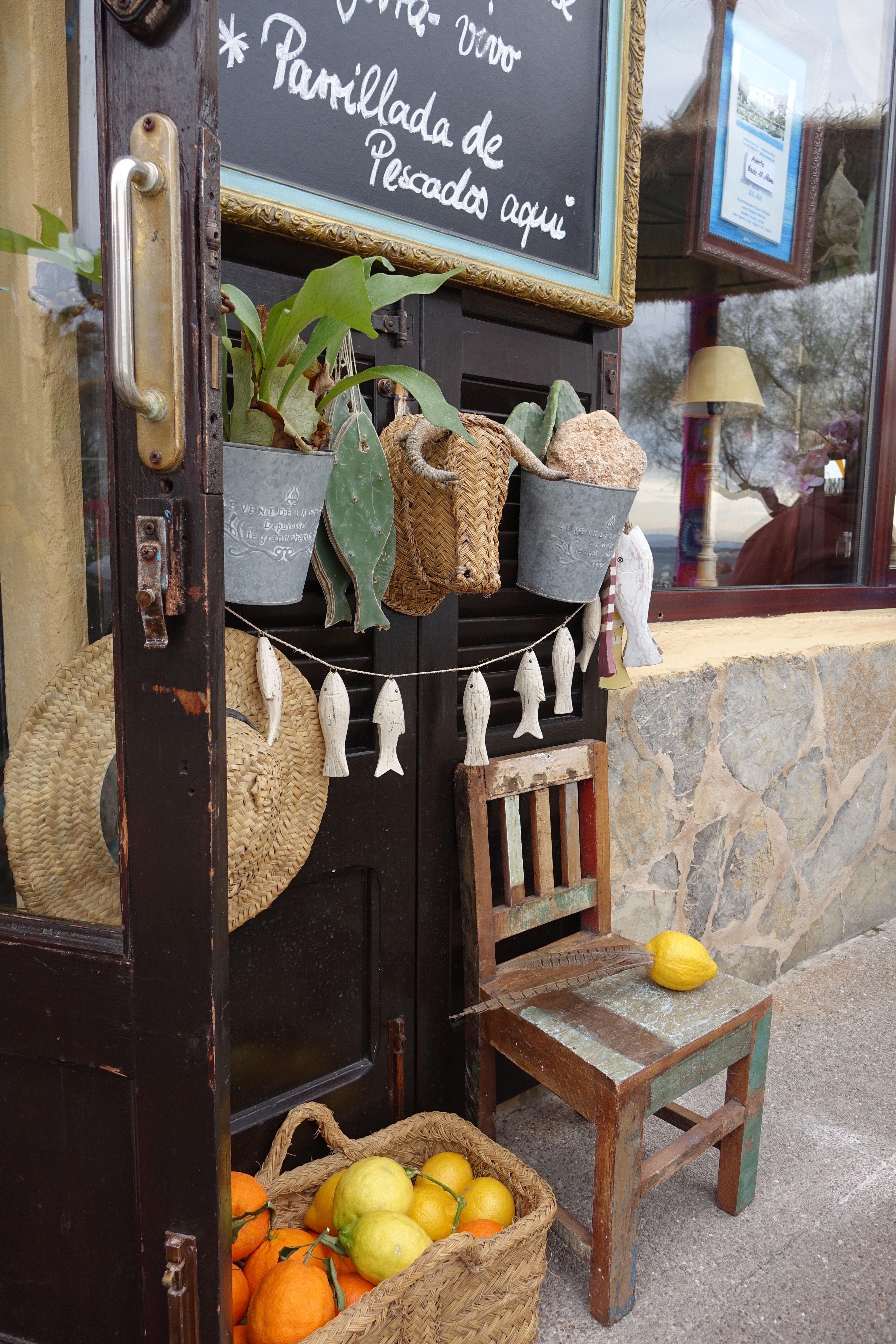
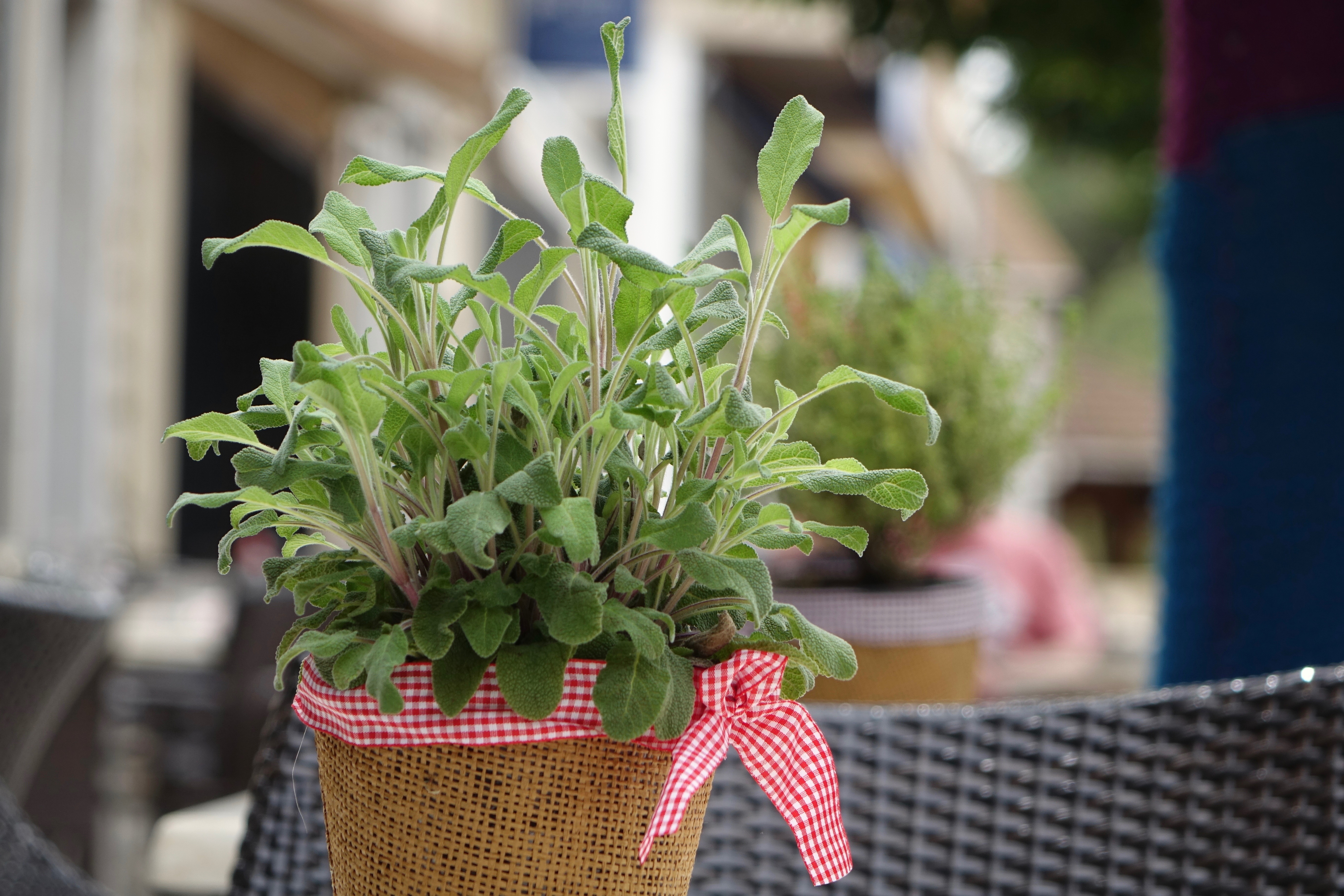
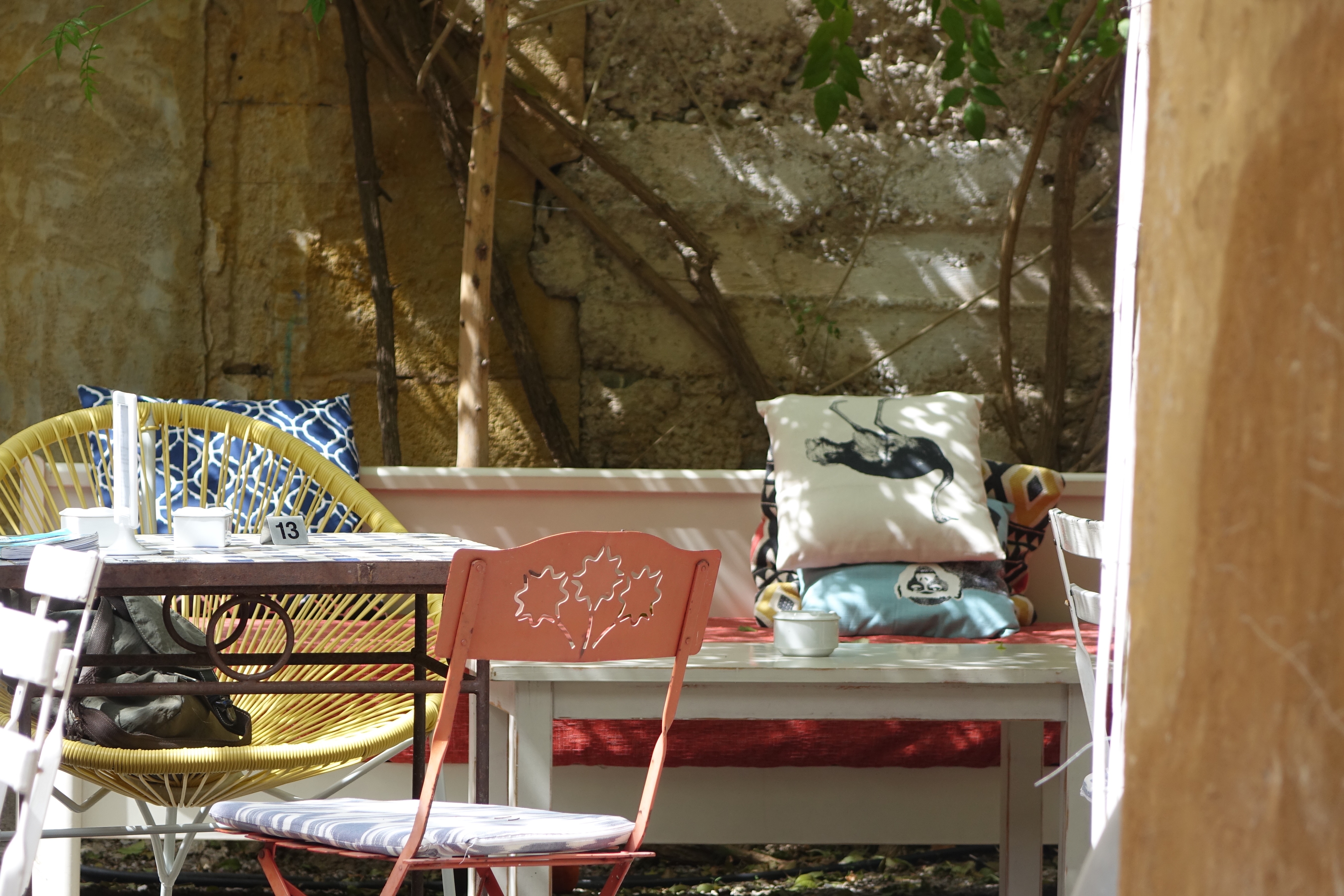
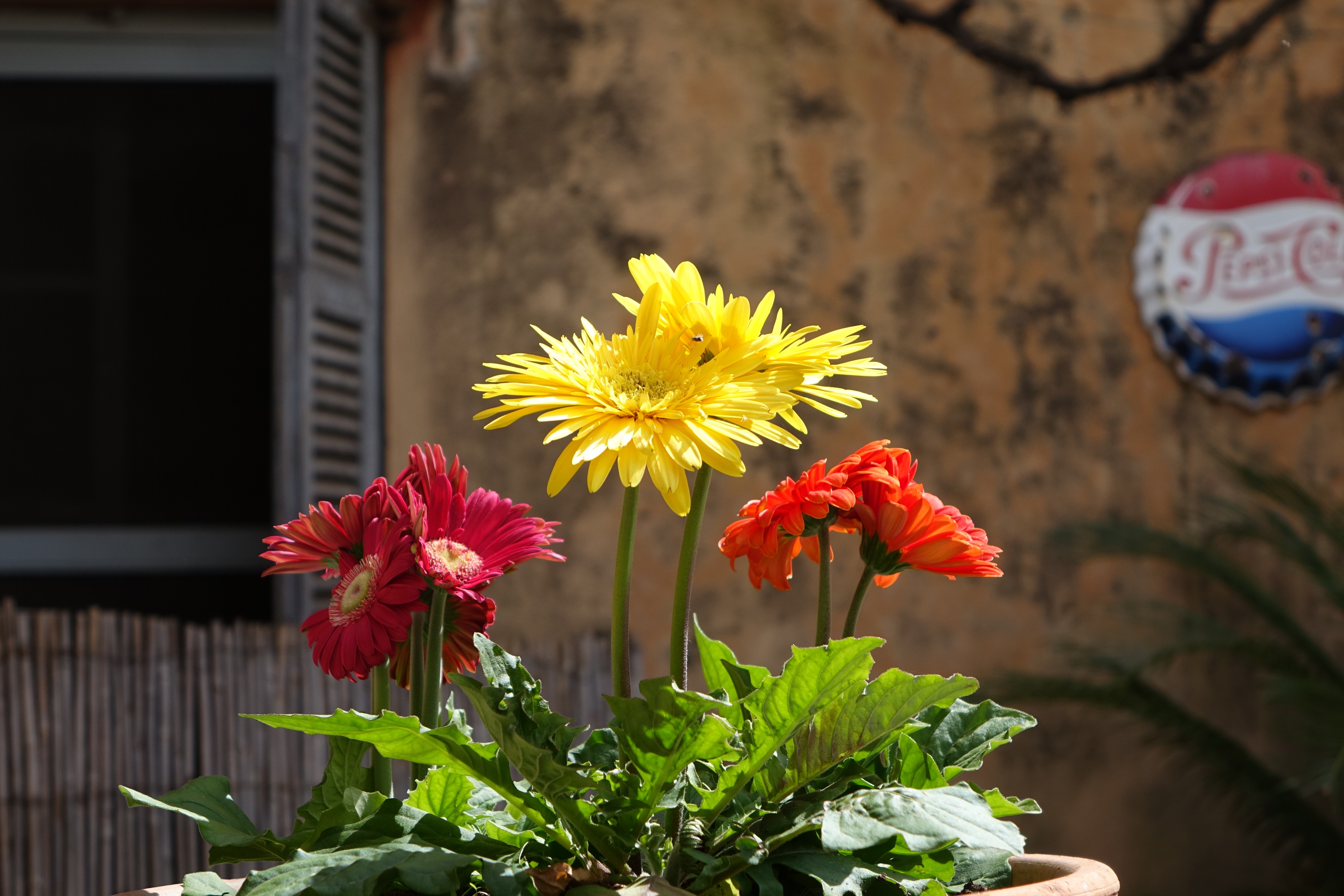
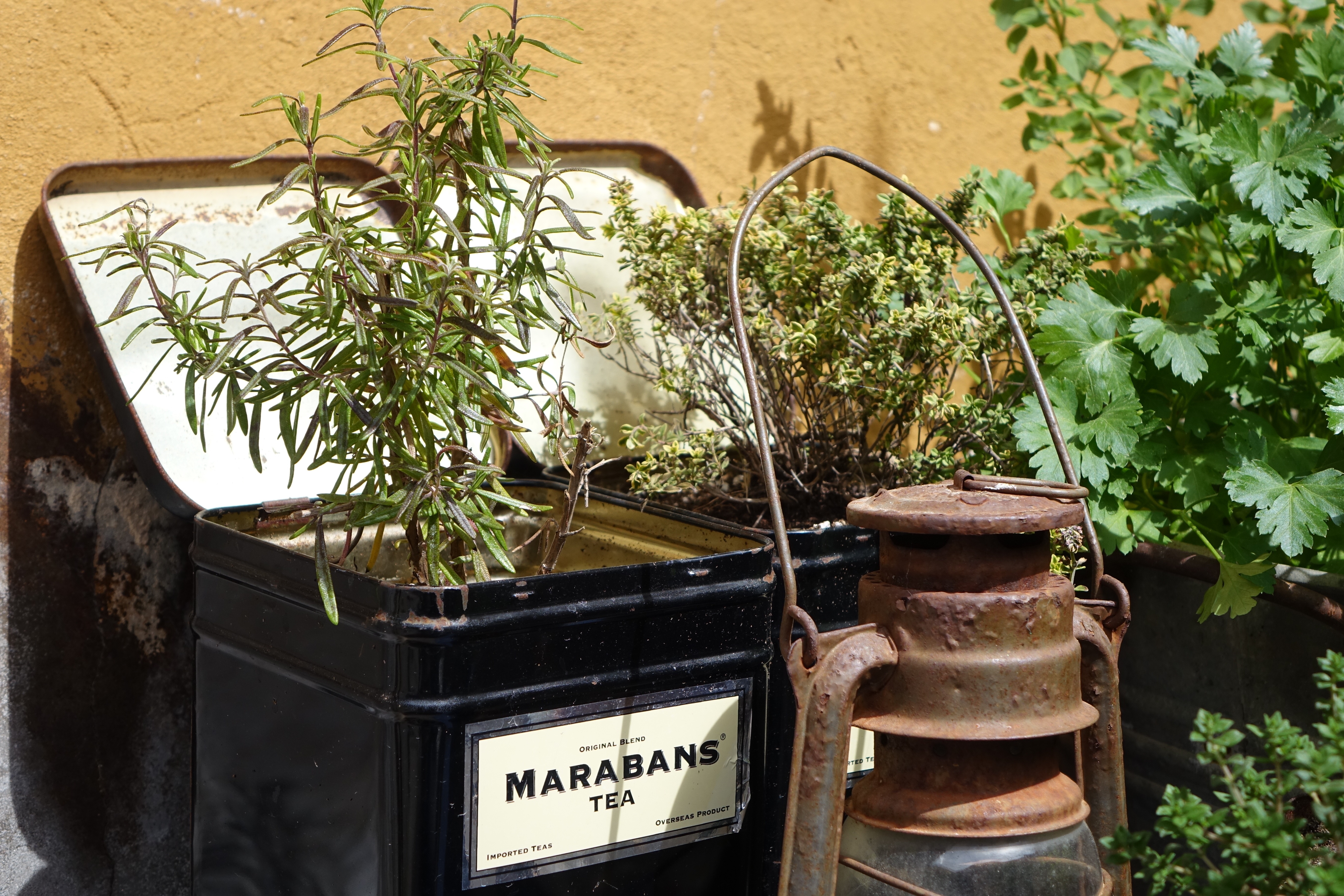
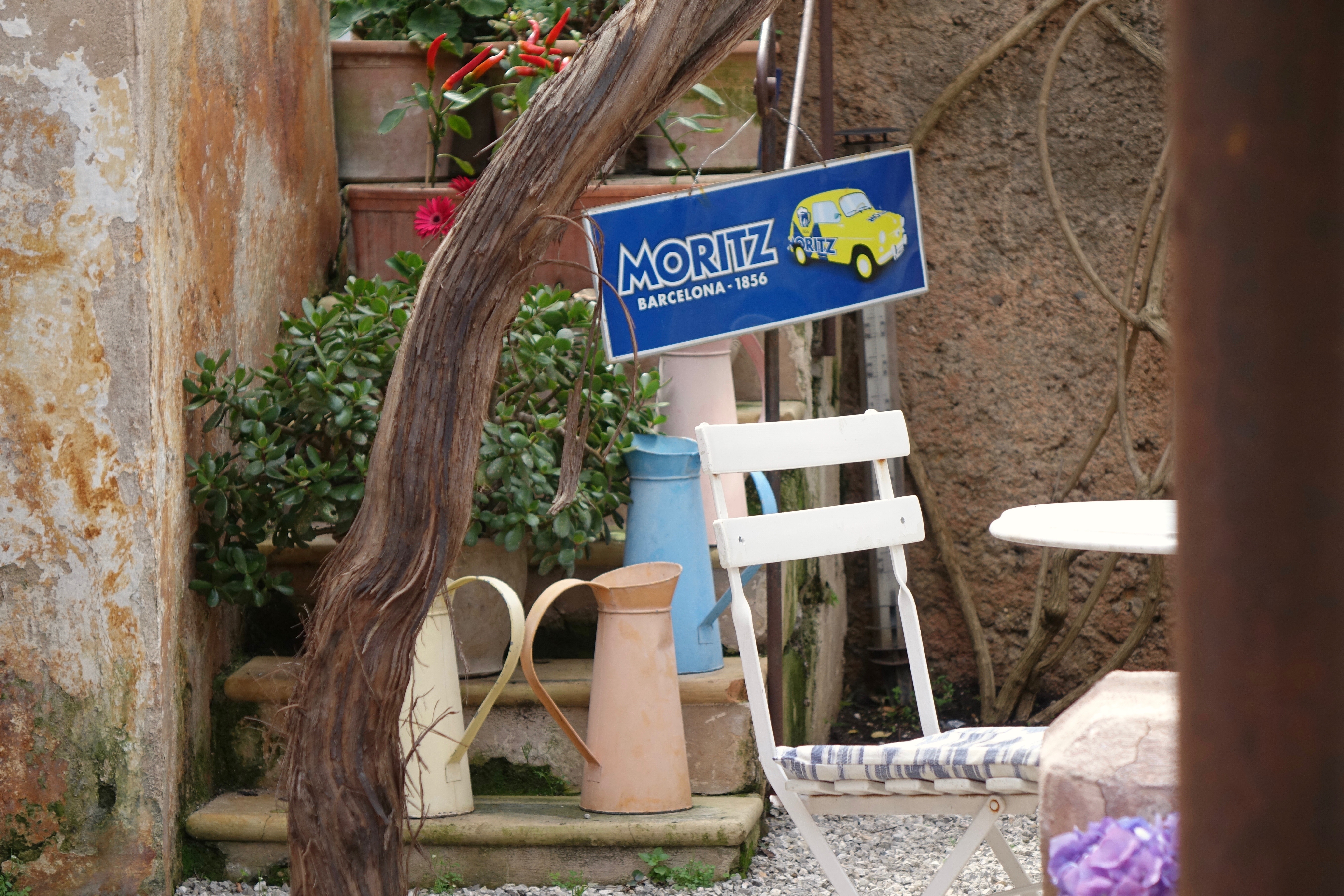
This was no more so than in the Café Parisien, our first stop as we entered the town, and a fine place to rest after the long drive across the island from Palma to Artà for a spot of lunch in a sun-dappled patio courtyard garden perfumed with jasmine and filled with herbs and other aromatics. Sitting on a juxtaposition of differently designed chairs, eating off rustic tables, the paint peeling from years exposure in the sunshine, and surrounded by a panoply of old advertising paraphernalia, pots, plants and a carnival of flowers, it was rather like being welcomed into the garden of an ageing artist after years of taking inspiration from the natural world. It felt old and at the same time freshly bohemian. The food was great too.

The Café Parisien

DSC00382DSC00393DSC00385DSC00388DSC00386DSC00379DSC00380DSC00389DSC00376DSC00368

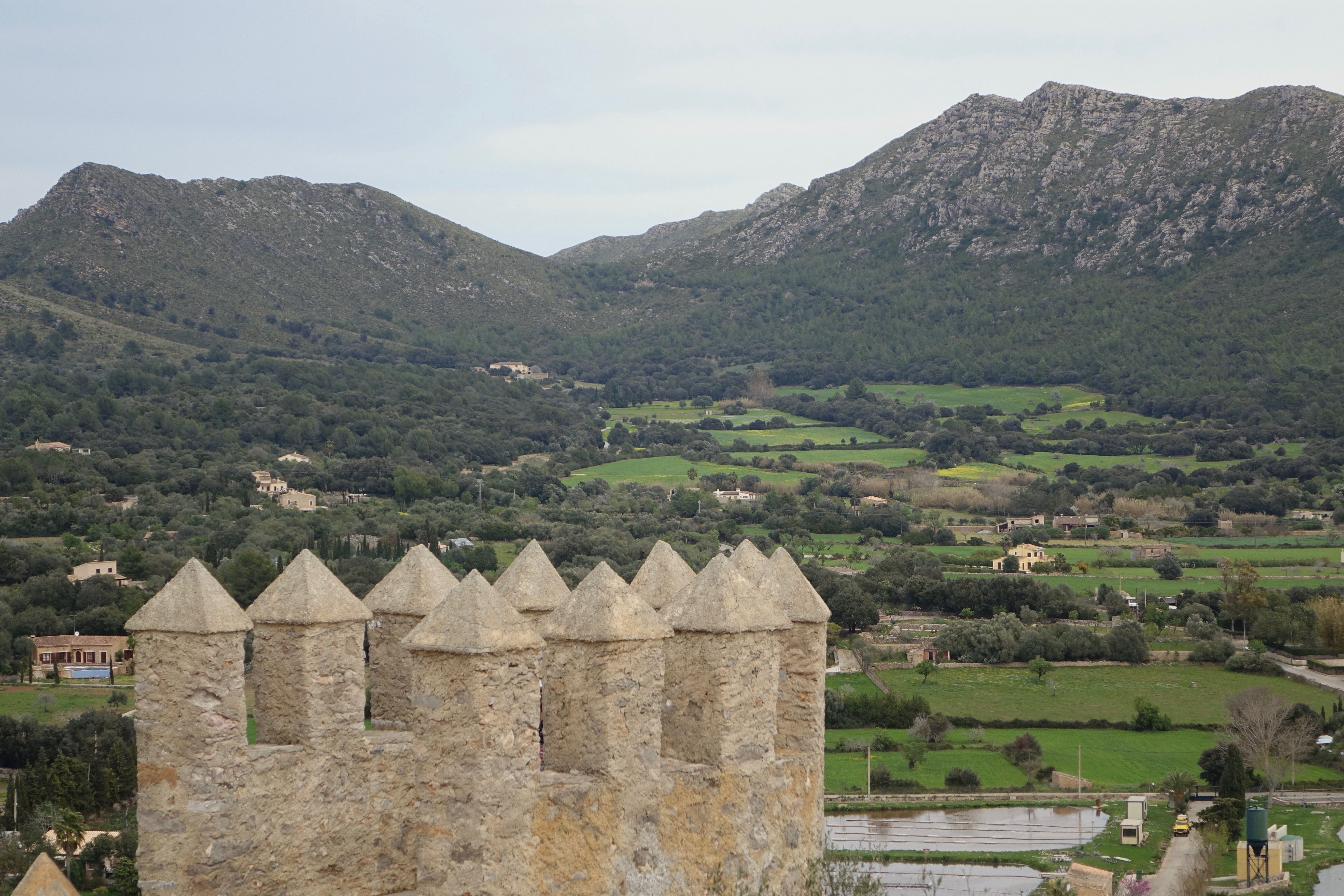
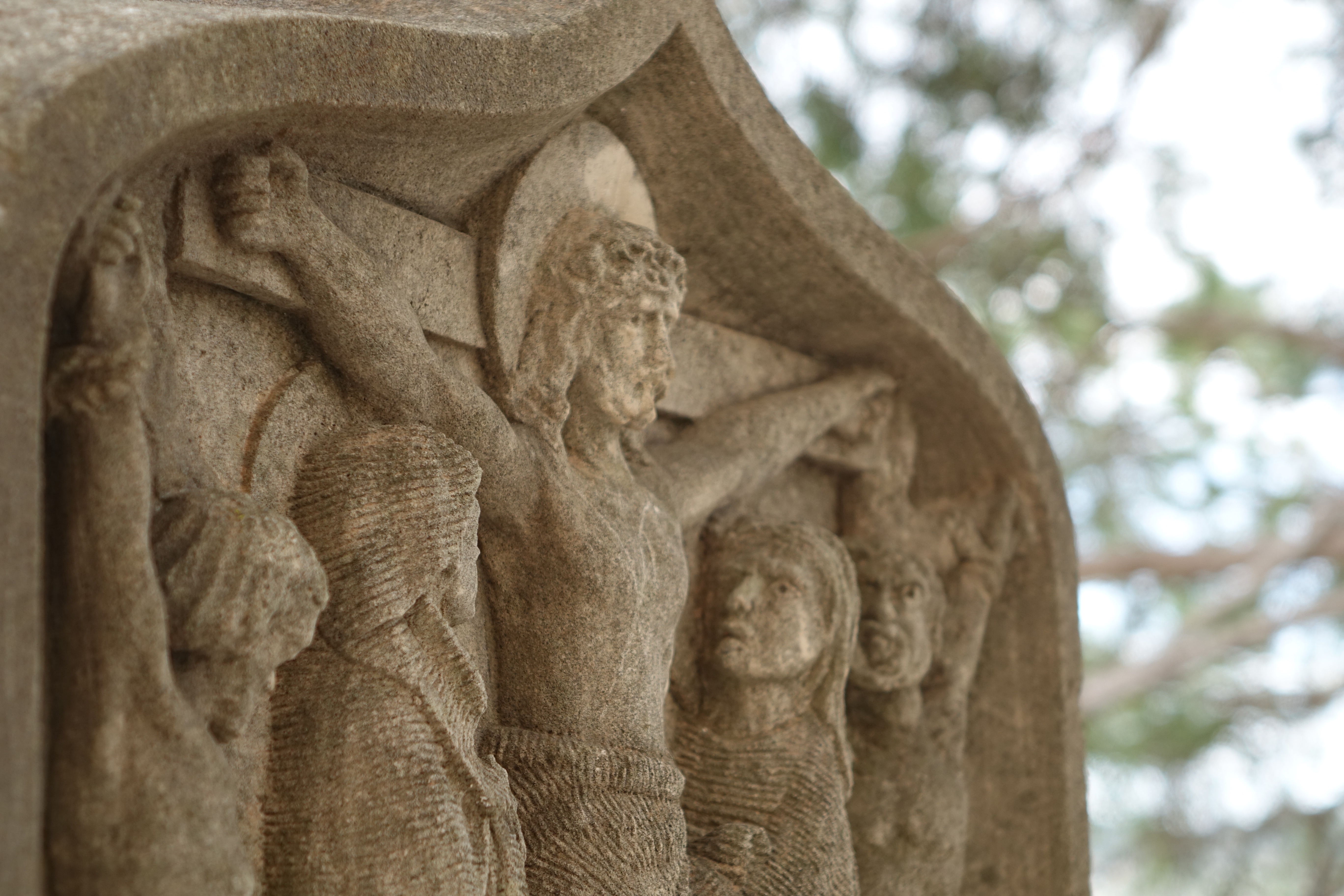
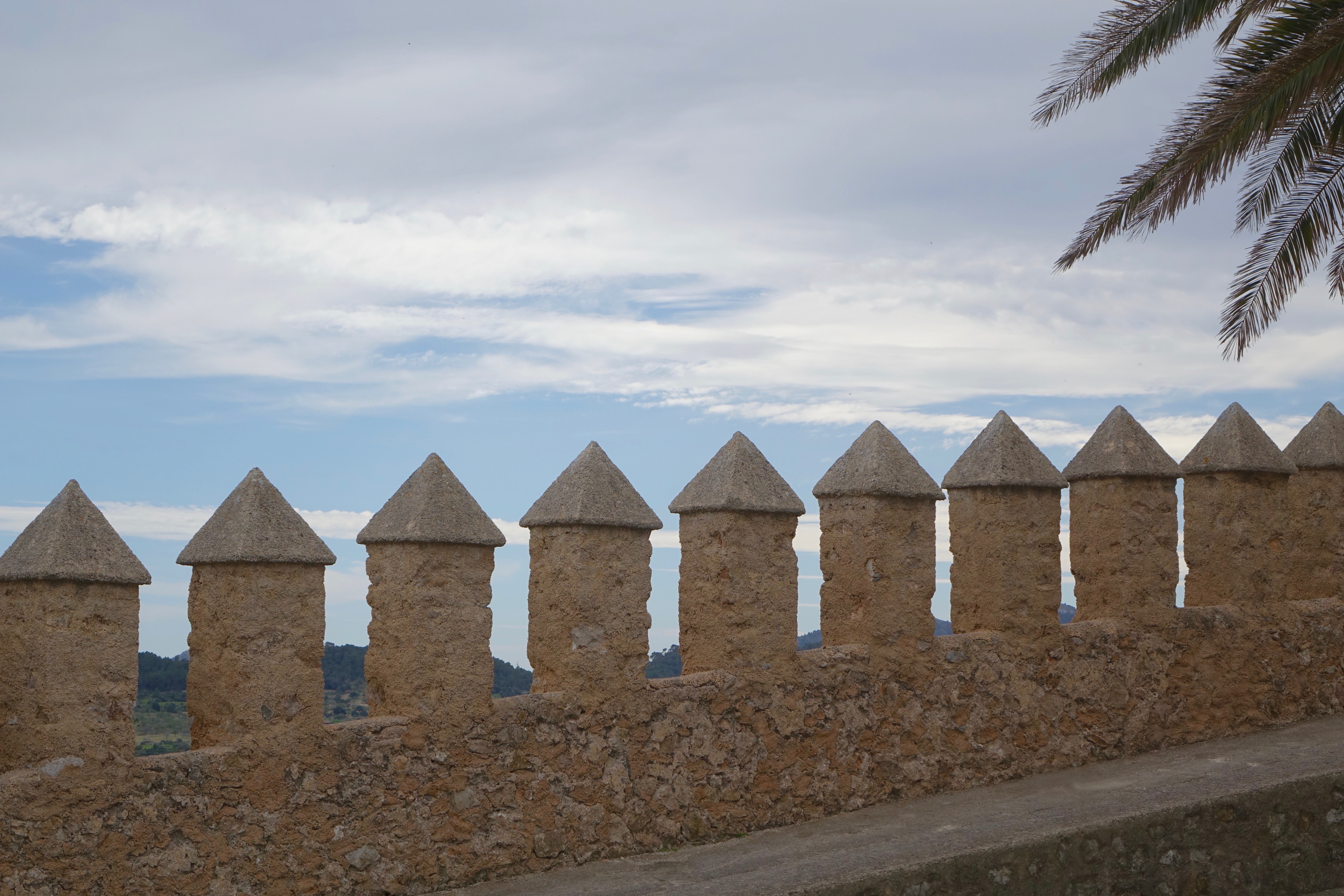
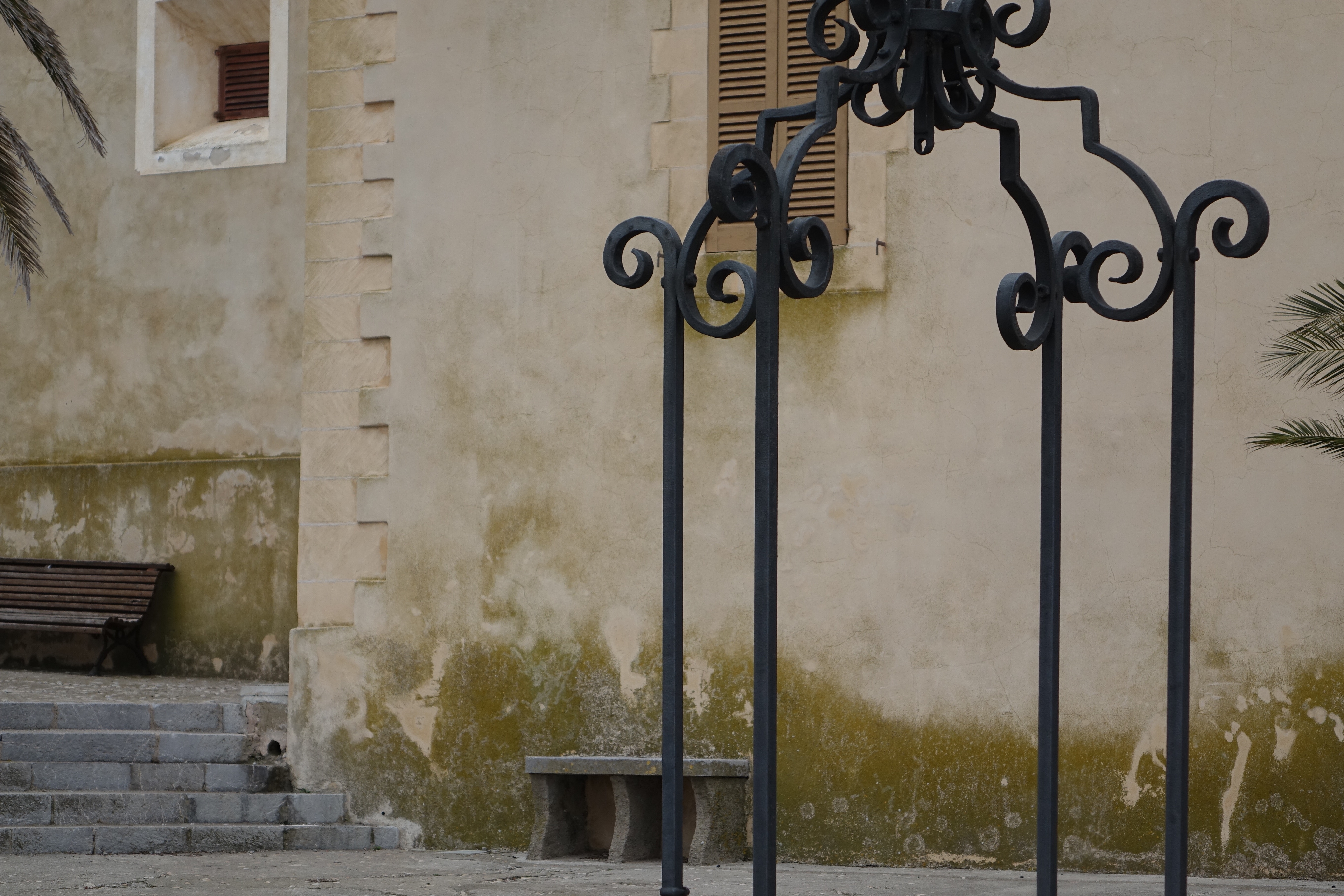
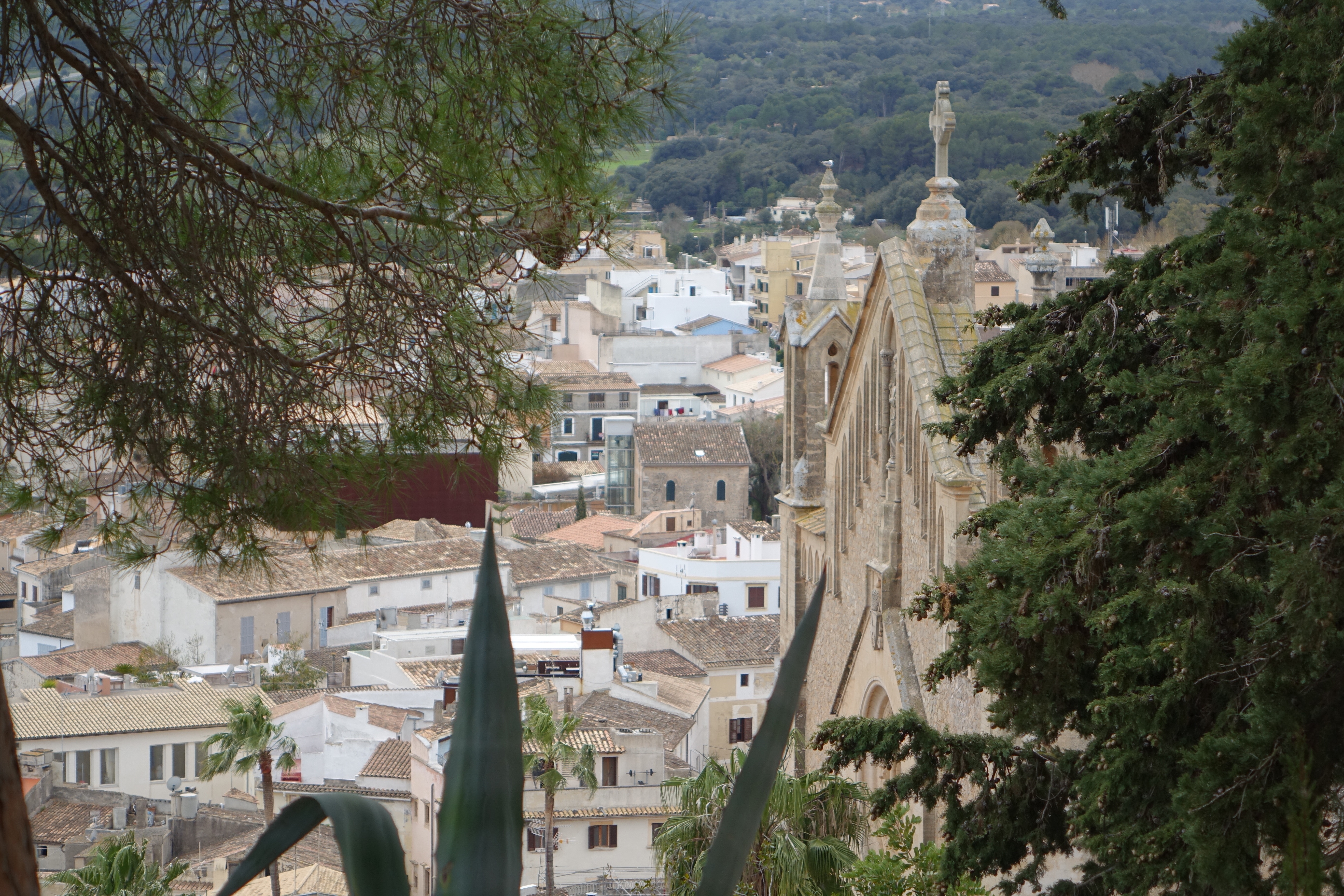
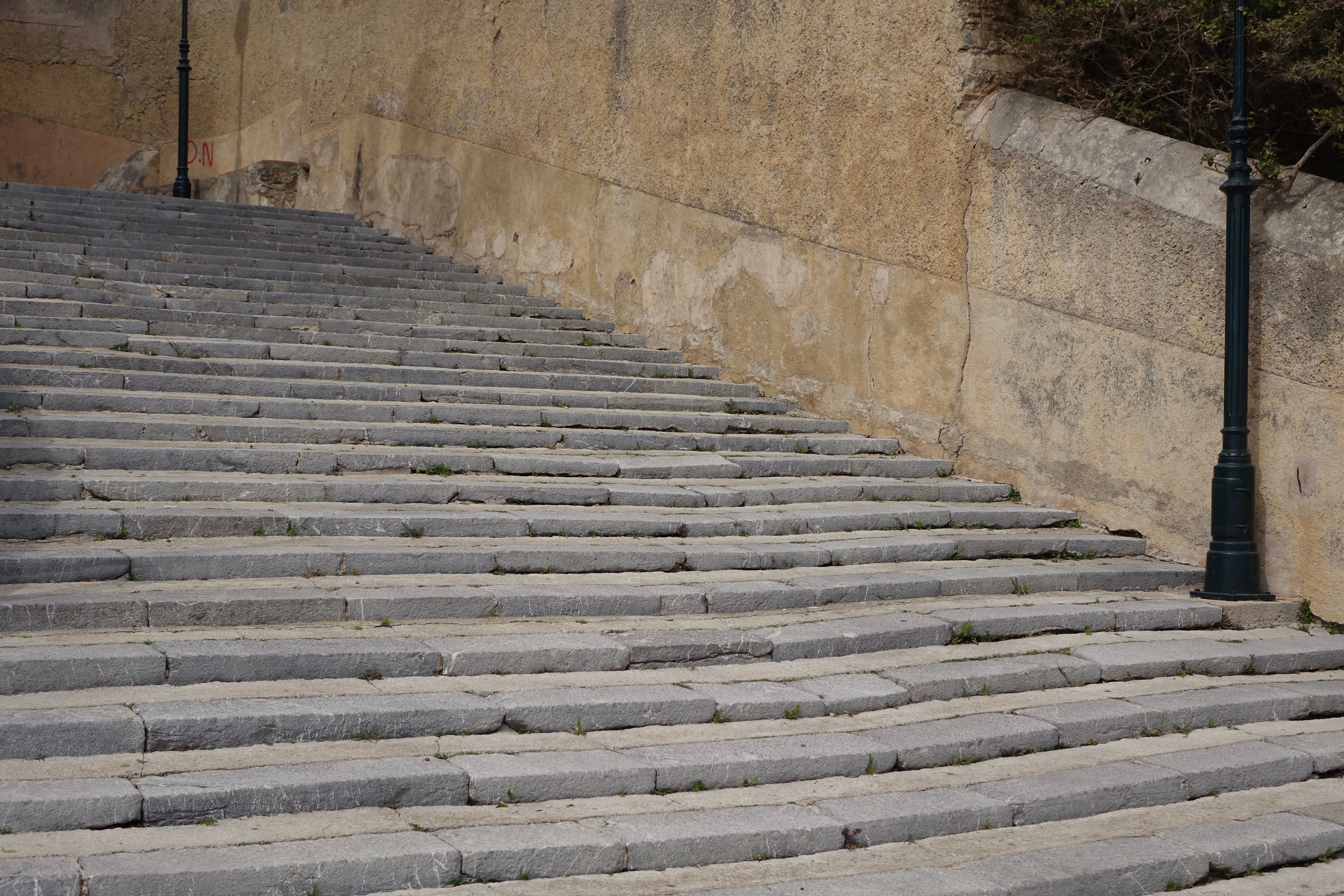
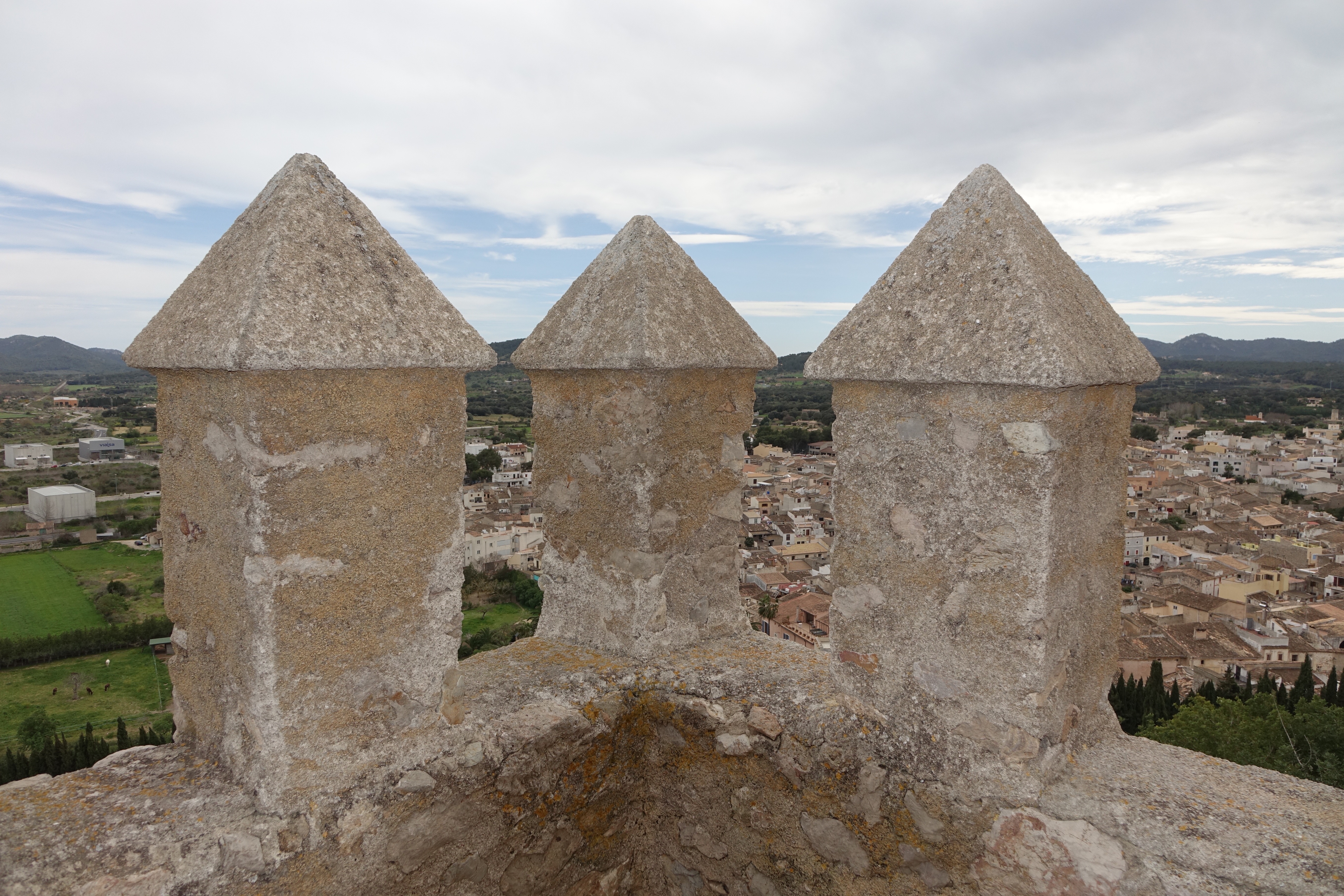
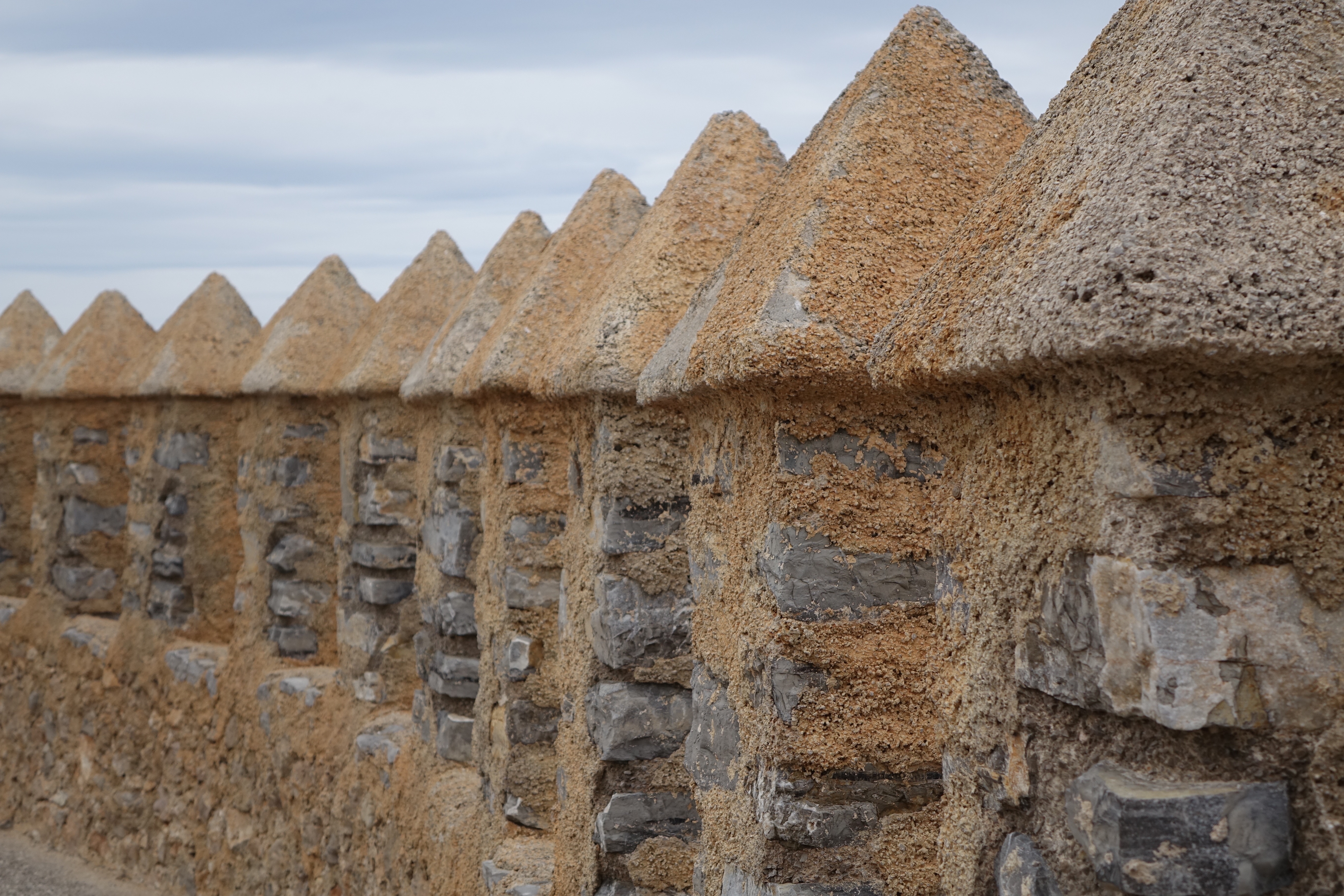
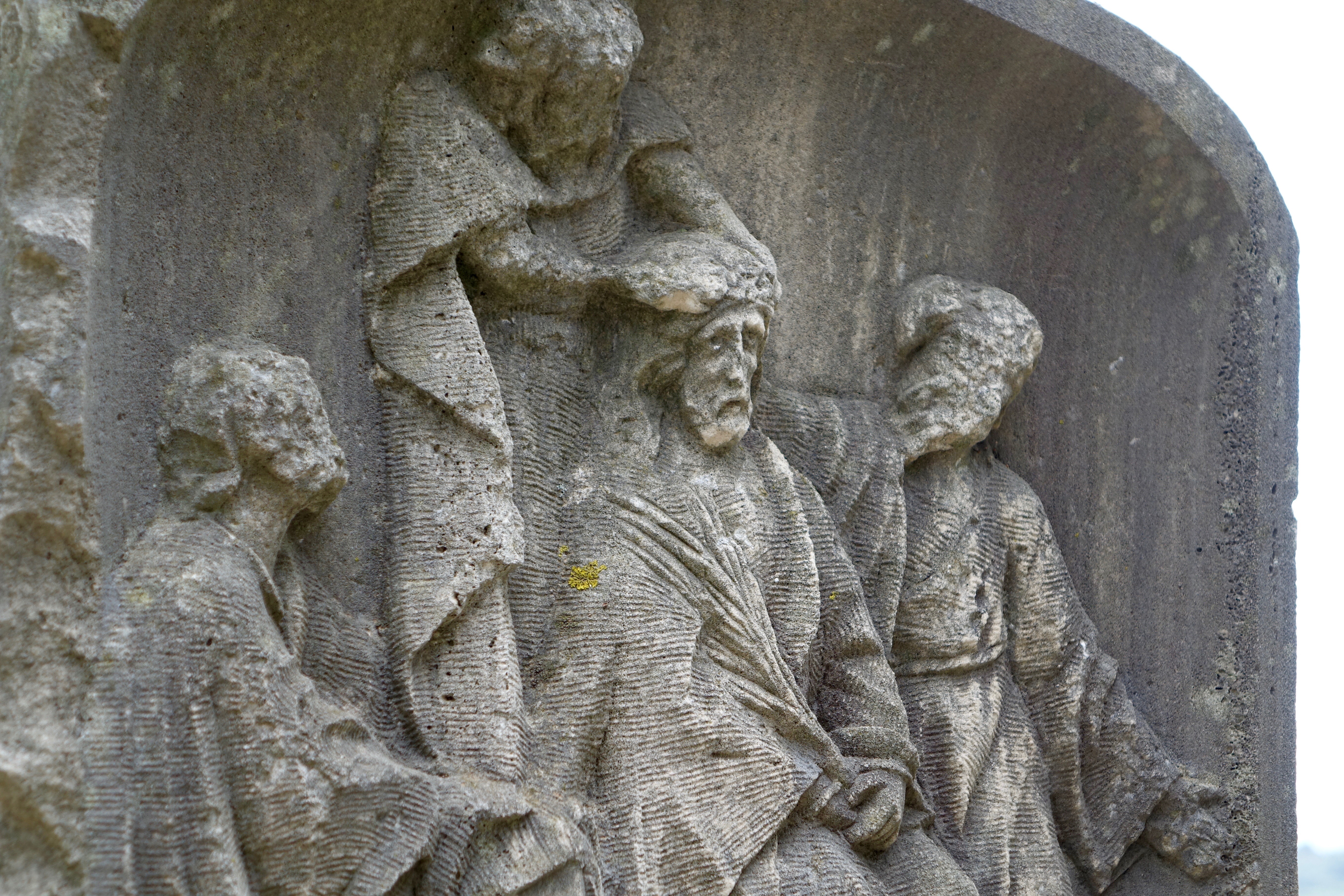
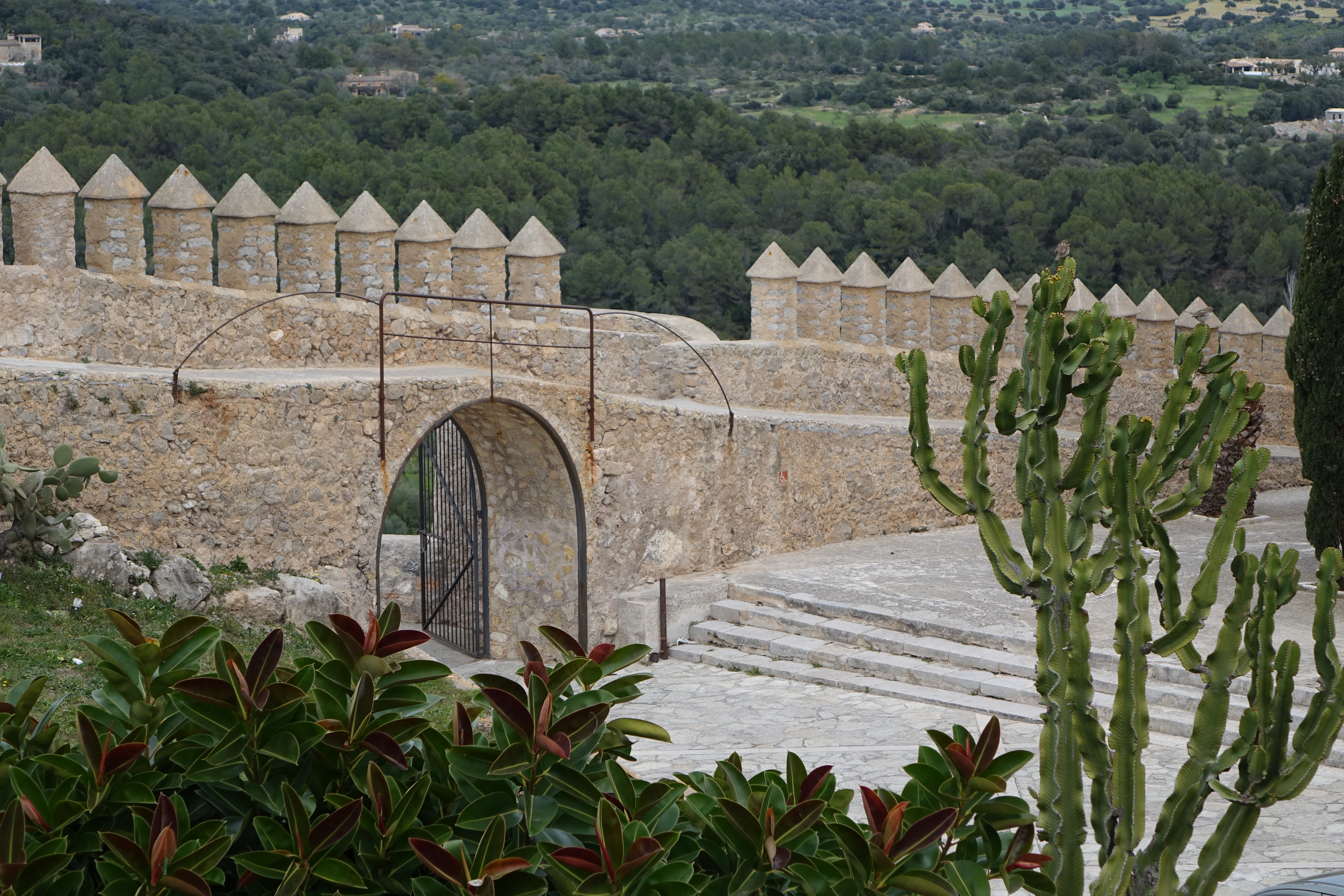
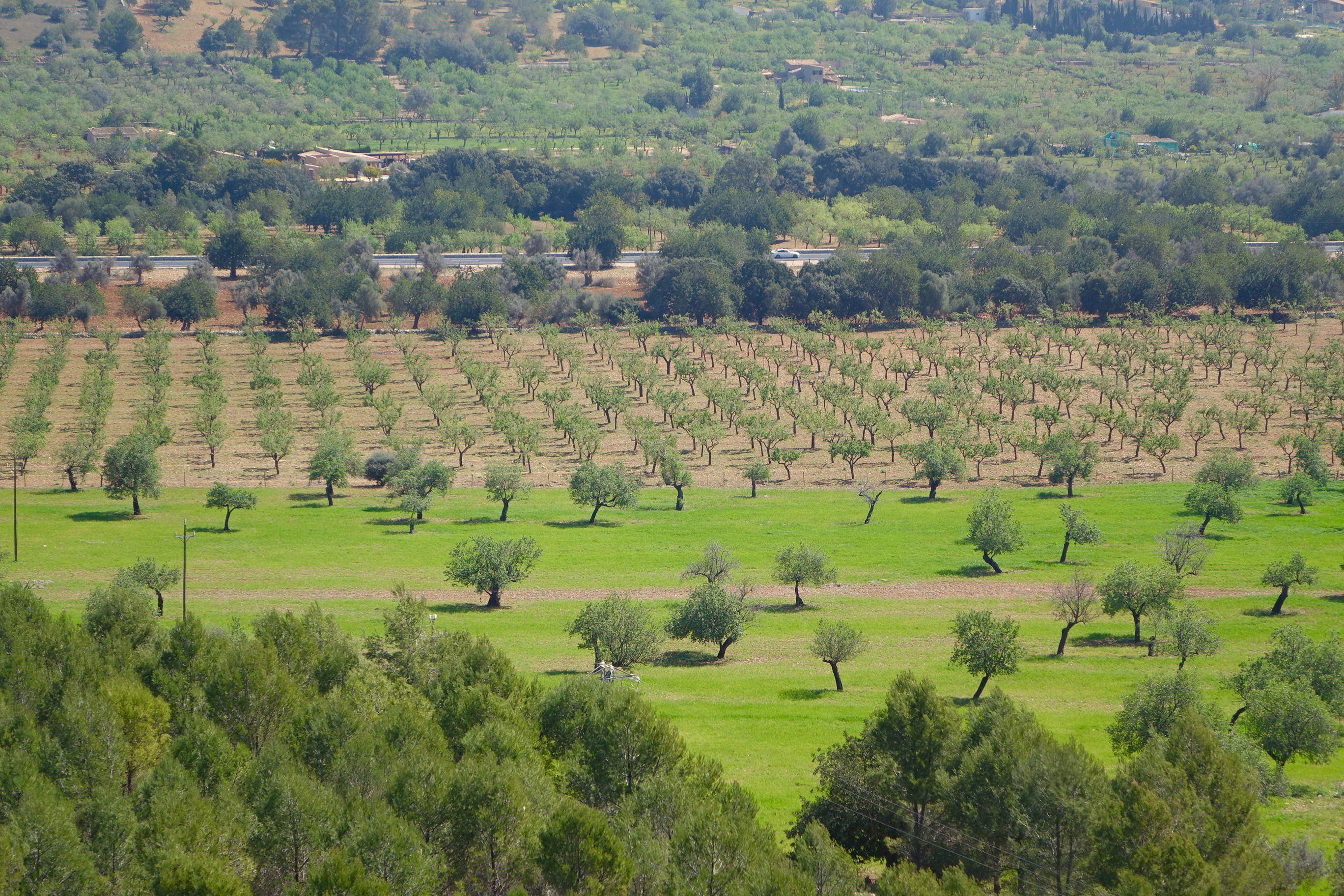
But the real age of Artà was to be found not in the old café gardens, but up on the hill which dominates the town. Up through winding streets and climbing a gently rising but extensive stone staircase, we headed up to the Sanctuary of Sant Salvador, a site oozing the history of this ancient town which has been occupied for some 3,000 years. With a charming small church at its centre, with its tiny ageing Madonna looking like a porcelain doll glowing above the altar, and an outer ring of authentically moorish ramparts offering stunning views over the surrounding mountainous countryside, the hill was the high point of the visit, not just in geography but in experience. It was like taking a trip to Granada and Salamanca, in the time of the Moors and the Medieval conquistadors, all rolled into one.

DSC00437DSC00432DSC00452DSC00456DSC00447DSC00431DSC00416DSC00417DSC00436DSC00451DSC00424DSC00468

Thus we concluded that little Artà, this town almost lost in the mountains so far from Palma down in the south, was well worth the drive from one corner of the island to the other and made for a perfect little visit, and a fascinating insight into the history of Mallorca.

All photos and written content are strictly the copyright of Nicholas de Lacy-Brown © 2016 and The Daily Norm. All rights are reserved. Unauthorized use and/or duplication of the material, whether written work, photography or artwork, included within The Daily Norm without express and written permission from The Daily Norm’s author and/or owner is strictly prohibited.

Interpretative Abstract: Cala Sant Vicenç

After some months now of pursuing a new artistic style, I think I’ve finally hit upon a way to describe it. In cleansing my forms and decluttering my method of expression, there is something decidedly abstract about my new work. But by its nature, painting the abstract is to strip an image of almost any recognisable qualities, and instead to create something entirely without figuration. My paintings do not do that –  more often than not they aim to reinterpret something recognisably visual, whether it be an famous painting from the history of art, or an Easter parade. Yet those interpretations are in many ways decidedly abstract – simplistic, geometric. And therefore I think that the best way to describe them would be to call them Interpretative Abstracts. That way, at least, I feel I am on my way to understanding what it is I am setting out to create.

Interpretative Abstract: Cala Sant Vicenç (2016 ©Nicholas de Lacy-Brown, acrylic on canvas)

Interpretative Abstract: Cala Sant Vicenç (2016 ©Nicholas de Lacy-Brown, acrylic on canvas)

This week I am featuring the newest work off my easel, in which I have attempted to extend my new interpretative abstract style to the simple landscape. Taking one of the most generic views in Mallorca, the jagged rocks of the Cala Sant Vicenç, and simplifying every aspect of the landscape, the result is a painting which is at once a place, and at the same time a simple composition.

 Nicholas de Lacy-Brown and The Daily Norm, 2001-2016. Unauthorized use and/or duplication of the material, whether written work, photography or artwork, included within The Daily Norm without express and written permission from The Daily Norm’s author and/or owner is strictly prohibited. For more information on the work of Nicholas de Lacy-Brown, head to his art website at www.delacybrown.com


Abstract #26: Todos Rectos

I have long been inspired by the Semana Santa parades which fill the streets of Spain with their melancholic processions at Easter time. Too many times I have berated the confusion of ignorant outsiders who see the parades as anachronistic, or worse still, reminiscent of the unthinkable 3Ks. In truth, they make for a stirring spectacle, no matter that their devotional repercussions are undoubtedly far weaker than they might have been 100, even 50 years ago. Yet with the sinister pointed masks of the nazareños, the swinging thrones lifted on high allowing a precious statue of Jesus or the Madonna to make its annual outing into the streets, and their moving brass band harmonies resonating throughout cobbled streets, Spain’s Easter parades are for me a highlight of the annual calendar.

Readers familiar with my blog will know that this will not be the first time I have painted Spain’s Easter parades. They feature in my Seville Triptych, my study of Domingo de Ramos, my Semana Santa code, and my painting Catholicism CatholicismBut these solemn spectacles never fail to move me, and it was during the afternoon in the week immediately preceding the parades that a moment’s reflection on what was to come brought this image sweeping before my eyes. That same evening I bought my canvas and set to work.

Abstract #26: Todos Rectos (2016 ©Nicholas de Lacy-Brown, acrylic on canvas)

Abstract #26: Todos Rectos (2016 ©Nicholas de Lacy-Brown, acrylic on canvas)

Featuring all of the various characteristics of the parades; the pointed hats of the nazareños, the enthroned statues of Jesus and Mary, the candles, trumpets and incense smoke, this new painting encapsulates Semana Santa, with each aspect reduced into an abstract form typical of my new style, and with a highly limited colour palette of deep blood red, yellows and touches of blue.

Asides from the forms, the title of the piece is something of a play on words. Todo recto in Spanish means straight on, like the direction of the parade, led by the trumpet. But to be todos rectos is to be literally all right, referring not only to the moral righteousness of those involved in the procession, but also eluding to the right wing politics with which the Spanish Catholic church was always historically associated. And of course to be recto is also to be straight. Enough said.

It’s a painting with which I am wholeheartedly delighted. A finely balanced addition to my new collection, and the many of my works which have been inspired by Easter in Spain.

© Nicholas de Lacy-Brown and The Daily Norm, 2001-2016. Unauthorized use and/or duplication of the material, whether written work, photography or artwork, included within The Daily Norm without express and written permission from The Daily Norm’s author and/or owner is strictly prohibited. For more information on the work of Nicholas de Lacy-Brown, head to his art website at www.delacybrown.com
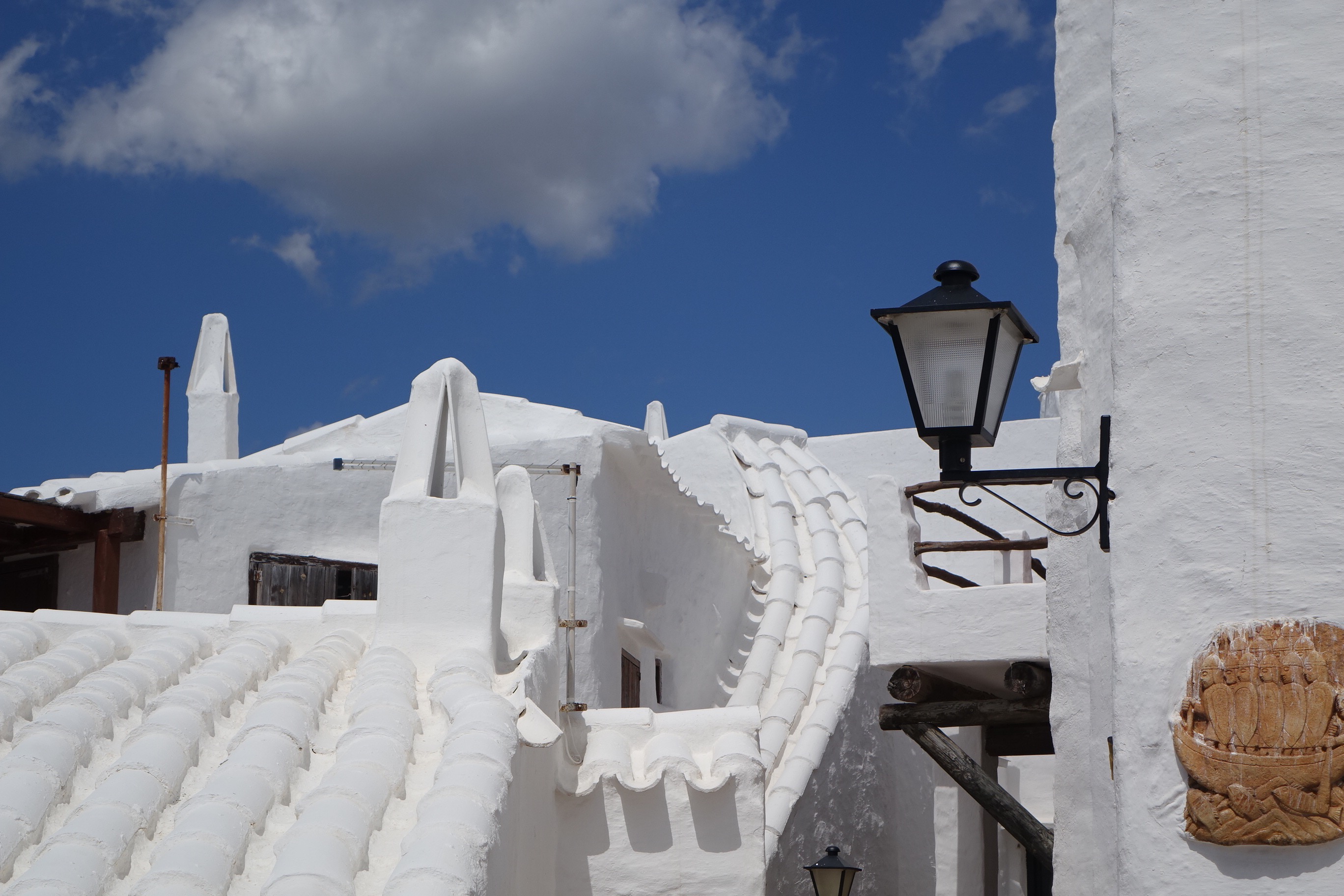
Discovering Mallorca: Ravishing La Raixa

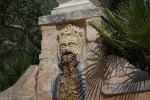
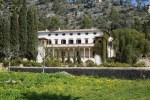
Just when I thought that Mallorca had unfurled its many hidden gems, another came into view as I drove down a dirt track off the main Palma to Soller road last week. At the end of the dusty bumpy path, my car a little worse for wear in the cleanliness stakes, a stunning country manor came into view. Perfectly appointed in the immediate foothills of the Tramuntana Mountains, and using those very mountainous slopes to mount its stunning renaissance style terraced gardens, I had arrived at the incredible Raixa estate, surely one of the most stunning former private residences on the island.

And indeed the palatial residence, which is today open for all the public to enjoy, was built to impress. Purposefully fashioned in its latest renovation by Cardinal Antoni Despuig in the late 18th century to instantly impress visitors with its magnificence both inside and out, La Raixa is a residence which remains a knock-out beauty seen from afar and up close, an unrivalled vision of Italianate whitewashed perfection which dazzles against its rugged but manicured mountainous grounds.

DSC00094DSC00129DSC00266DSC00249DSC00131DSC00240DSC00184

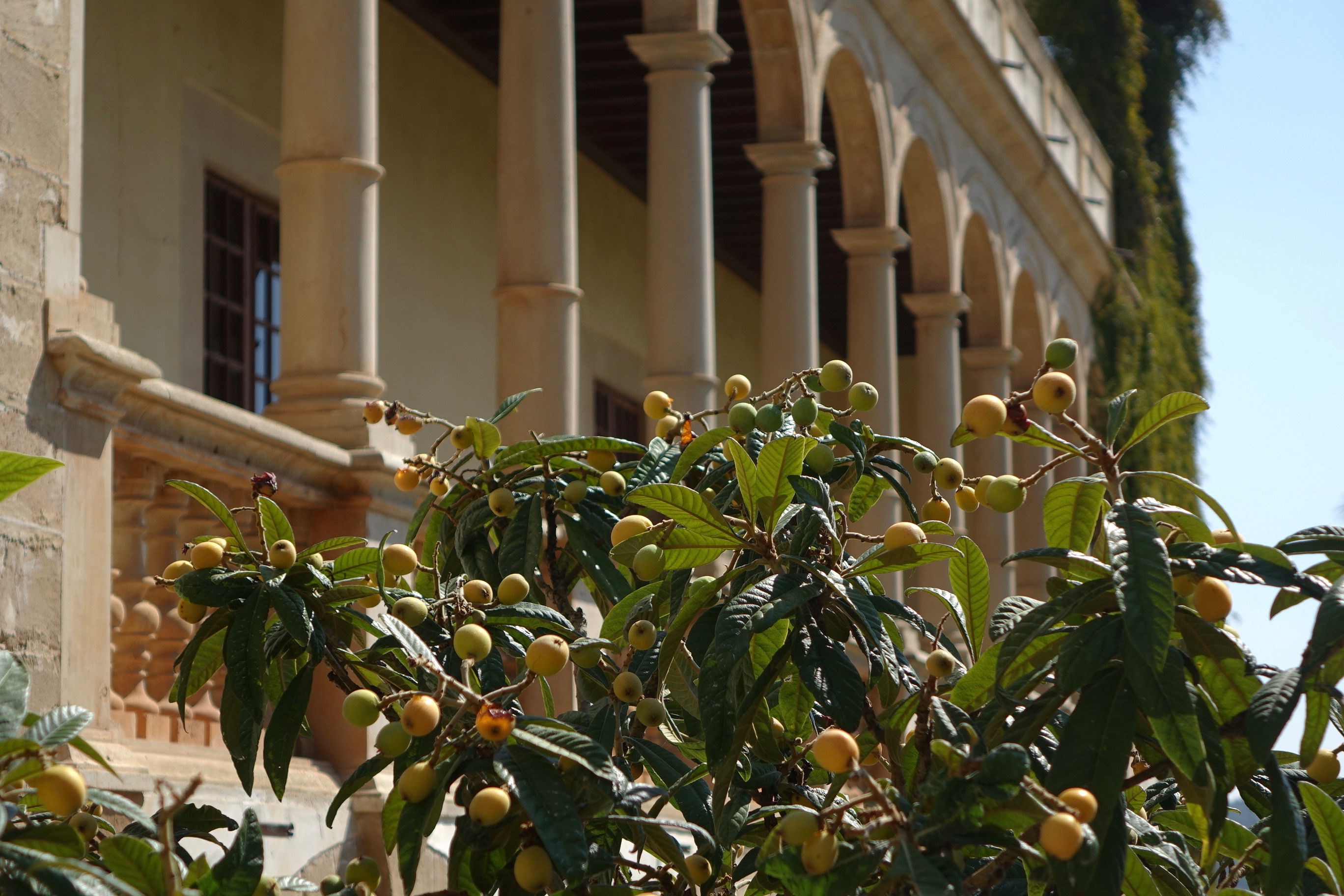
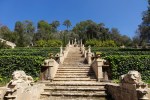
Little is left today of the house’s former internal grandeur, with the interiors largely given over to a natural-history-style exhibit focused on the geography and geology of the Tramuntana mountains. However the real treasure is undoubtedly the pleasures that lie in wait outside the manor, not just the exterior of the house itself, whose magnificent arched colonnade and white washed walls recall the romantic opulence of a Tuscan estate, but the gardens beyond whose construction was also heavily influenced by the Italian Renaissance and later Baroque styles. This is no better expressed than in the tiered gardens to the rear of the property, with their impressive central staircase accompanied by the four muses, and a panoply of pastiched ancient ruins peppering the landscape to stunning effect.

They are muses which are well appointed, for in these voluptuously floral, brilliantly landscaped, utterly tranquil surroundings, I was very quickly and utterly inspired, and very reluctant to leave.

All photos and written content are strictly the copyright of Nicholas de Lacy-Brown © 2016 and The Daily Norm. All rights are reserved. Unauthorized use and/or duplication of the material, whether written work, photography or artwork, included within The Daily Norm without express and written permission from The Daily Norm’s author and/or owner is strictly prohibited.

Soller: First touch of summer

Although, as I write, some clouds have descended over Mallorca, this moment is the first in a long time when the sun has not shone. And while the sunshine in March often came accompanied by a chilly wind, reminding of winter, last weekend an intensity of heat seemed to welcome in the first touch of summer.

The moment I really felt it was when I was sitting with my family at a sunny table on the Port of Soller. As sun rays bounced across the water of that tranquil marina, through my glass of chilled white wine and onto my face, I became truly entranced by the elysium of summer. Around me, I was enveloped by one of the most beautiful harbours in Mallorca – a natural almost 360 degree inlet ringed by spectacular mountains and packed with a few rows of little white washed houses which to me recall the French Riviera.

Soller FINAL

Soller (2016 ©Nicholas de Lacy-Brown, acrylic on canvas)

It was in that moment that this painting clarified as a mental vision in my mind. I jumped up, asked the waitress for a pen and paper, and on the back of a till receipt made a sketch. A few days later the painting is done. Its key is its simplicity of composition, which allows the viewer the space to breath and reflect on a work filled with the soft colours of the Mediterranean, and to think of their own encounters with this most wonderful part of the world, when the sun first touched them after a long dull winter…

© Nicholas de Lacy-Brown and The Daily Norm, 2001-2016. Unauthorized use and/or duplication of the material, whether written work, photography or artwork, included within The Daily Norm without express and written permission from The Daily Norm’s author and/or owner is strictly prohibited. For more information on the work of Nicholas de Lacy-Brown, head to his art website at www.delacybrown.com

Discovering Mallorca: Botanicactus

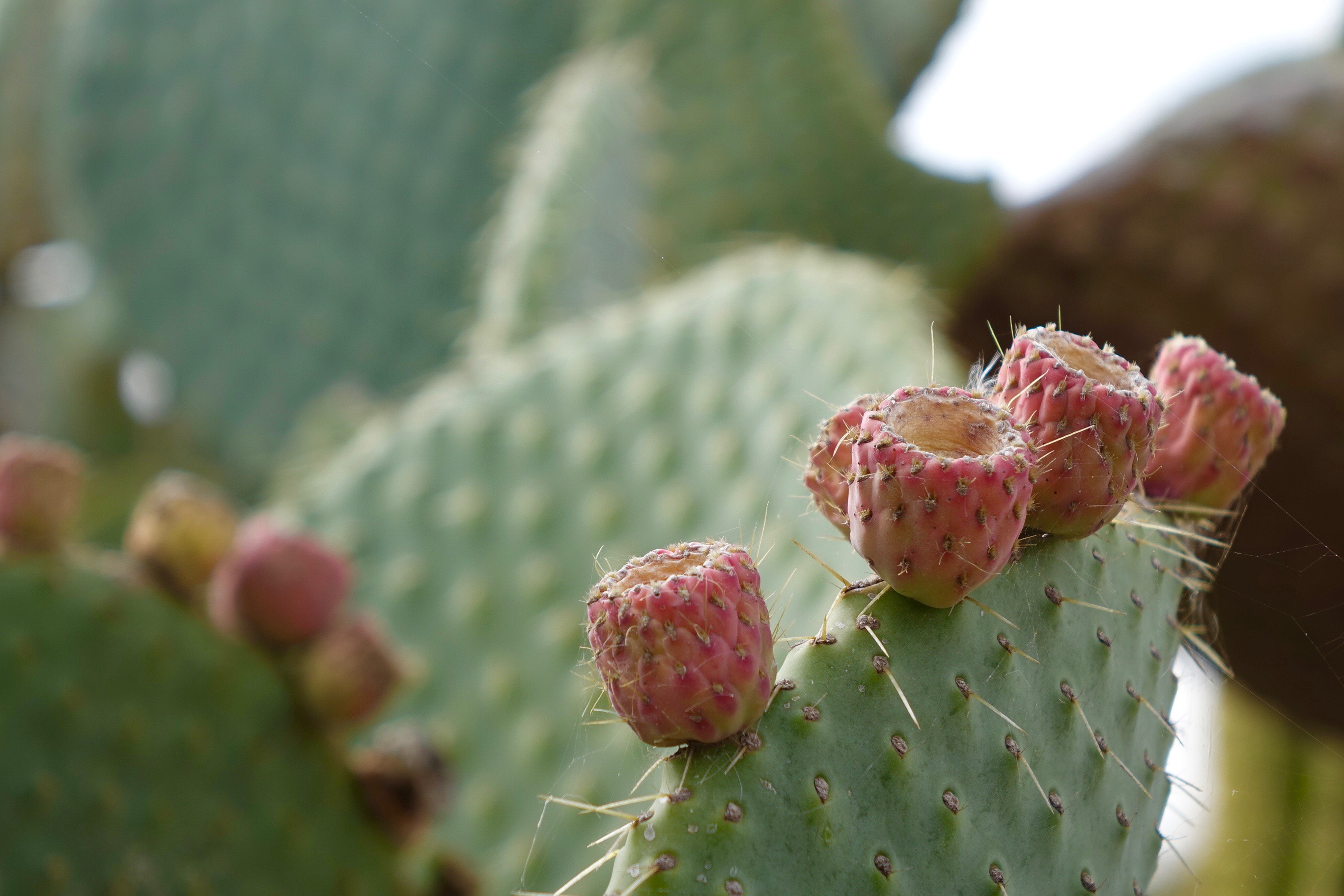
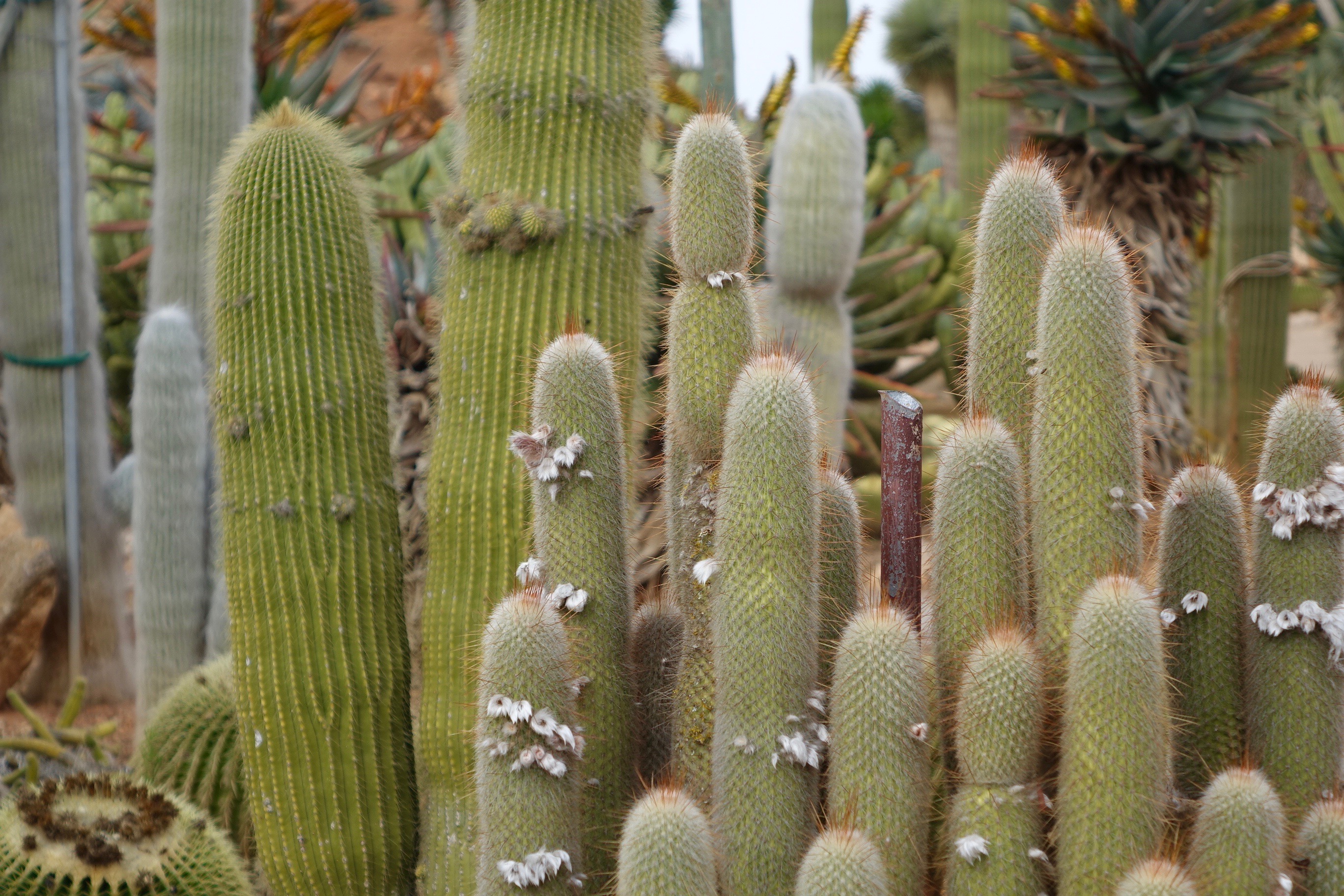
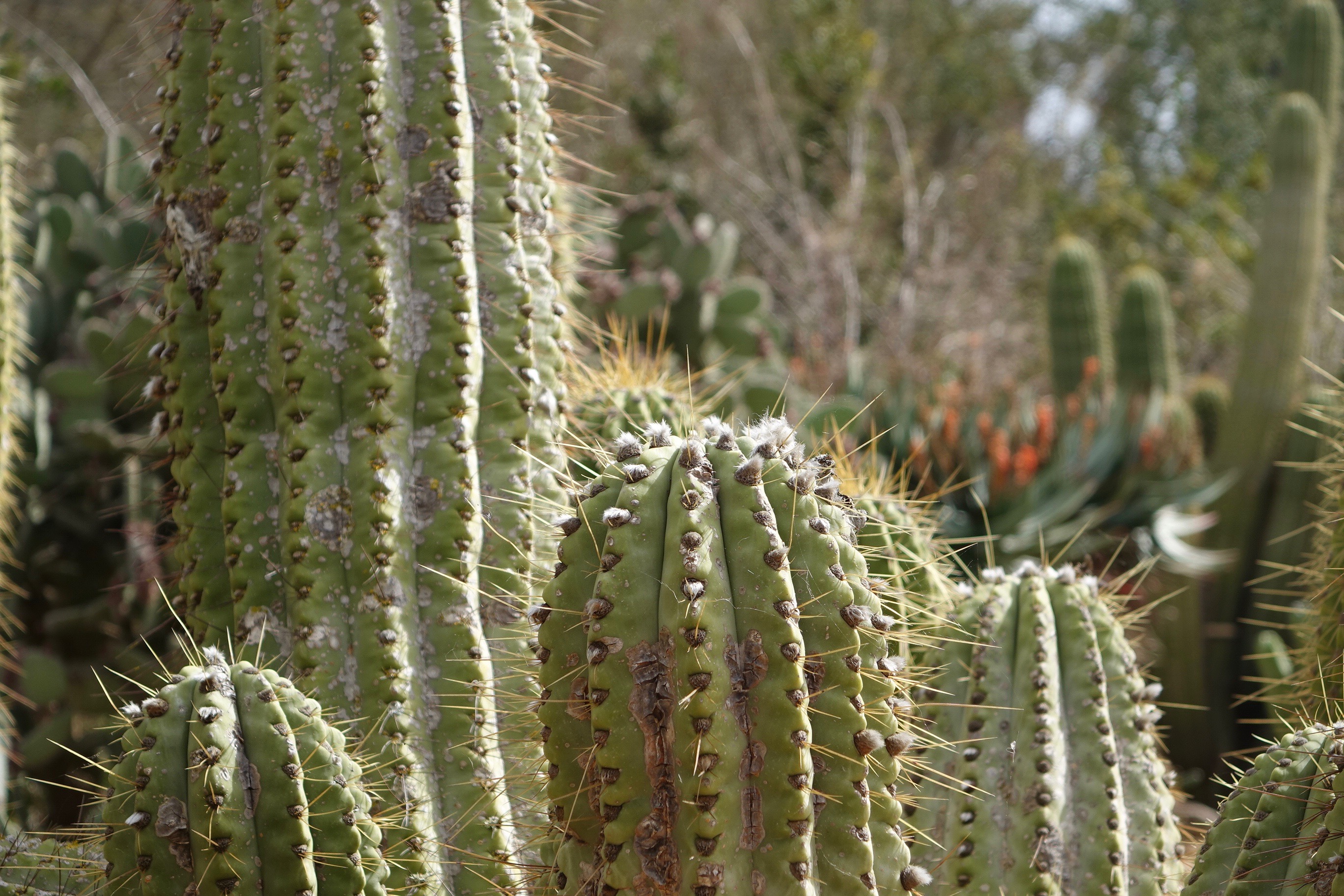
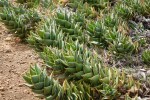
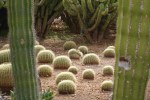
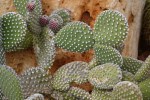
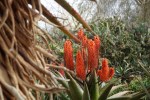
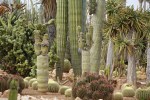
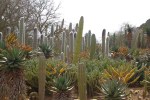
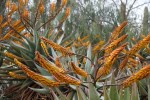
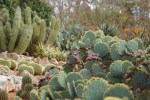
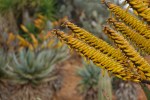
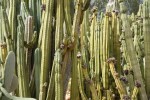
Botanicactus, on the outskirts of Mallorca’s quaint little town of Ses Salines, does what it says on the tin. That is, it’s a large botanical garden with an even greater collection of cacti, and was a true highlight of Easter’s recent weekend of new discoveries on this island of plenty. The collection of plants is indeed so great that it covers some 150,000 square metres of land and features some 12,000 incredible cacti with a staggering 1,000 different species.

DSC09871DSC09818DSC09855

Entering the cactus garden, ringed within an expansive Mexican style tiled-wall, made for an experience quite unlike any other I have had before. This shouldn’t be a surprise, for I have never before been surrounded by such a vast collection of these spiky species, and when cacti grow so huge and tall, and with such an eclectic mix of varieties, the overall effect is to wander into an alien like world, a planet unlike the earth we know so well. The extremes of shapes and colours, all covered by hostile spikes and poisonous looking flowers feels fictional, menacing, and yet immeasurably beautiful.

DSC09856DSC00020DSC09834

What struck me most of all was the beauty of the layering – the complex strata of different species set over and infant of rolling hills which had an overall effect of lavish abundance without equal. Seeing those cacti towering above us, I was unable to believe that these gardens had only been founded some 26 years ago. That just goes to show what some rich Mediterranean soil and a little Mallorcan sunshine can do. Fingers crossed it has the same effect on the cacti we installed on our terrace last autumn…

All photos and written content are strictly the copyright of Nicholas de Lacy-Brown © 2016 and The Daily Norm. All rights are reserved. Unauthorized use and/or duplication of the material, whether written work, photography or artwork, included within The Daily Norm without express and written permission from The Daily Norm’s author and/or owner is strictly prohibited.

Mallorca in the Springtime: An island in bloom

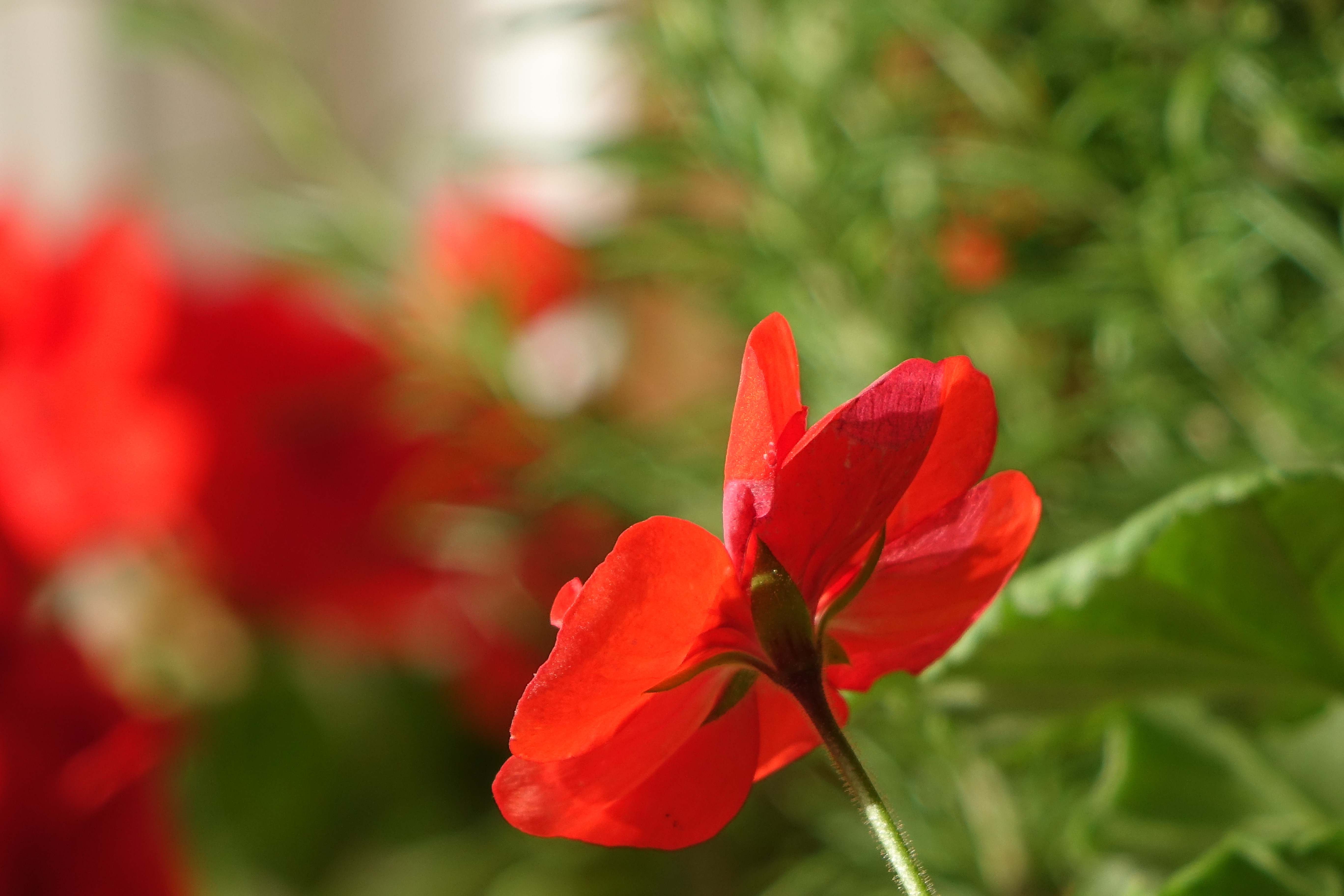
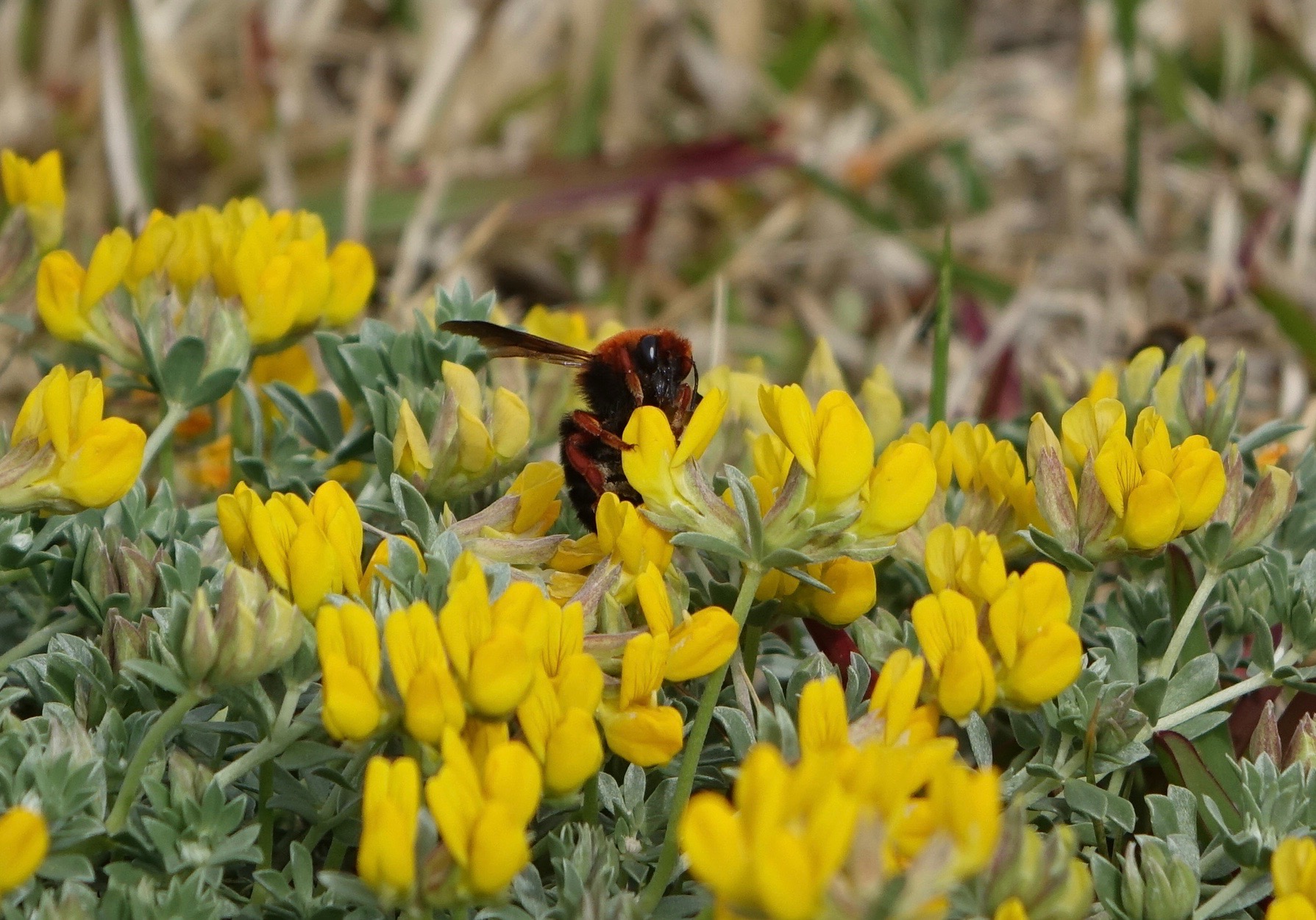
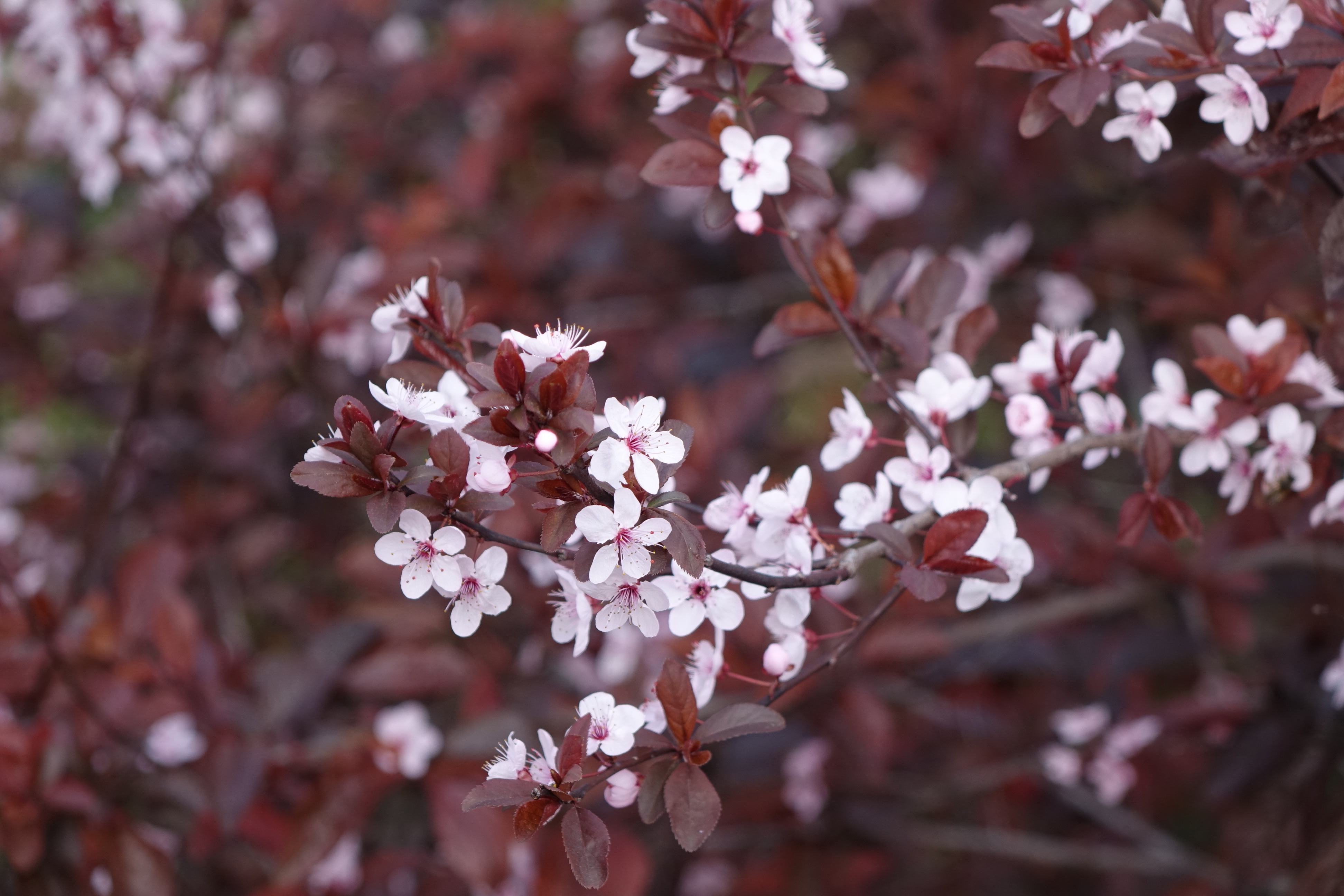
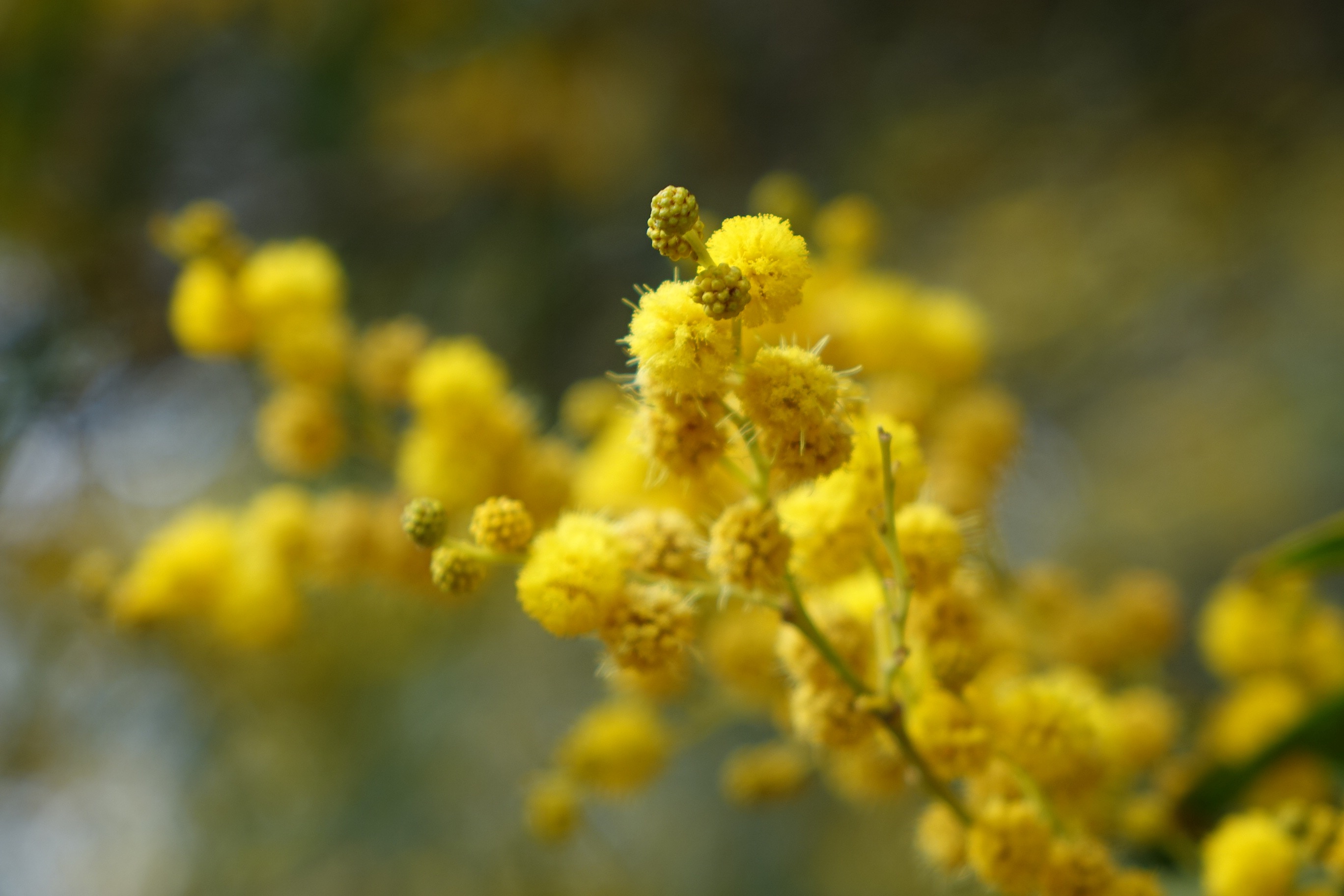
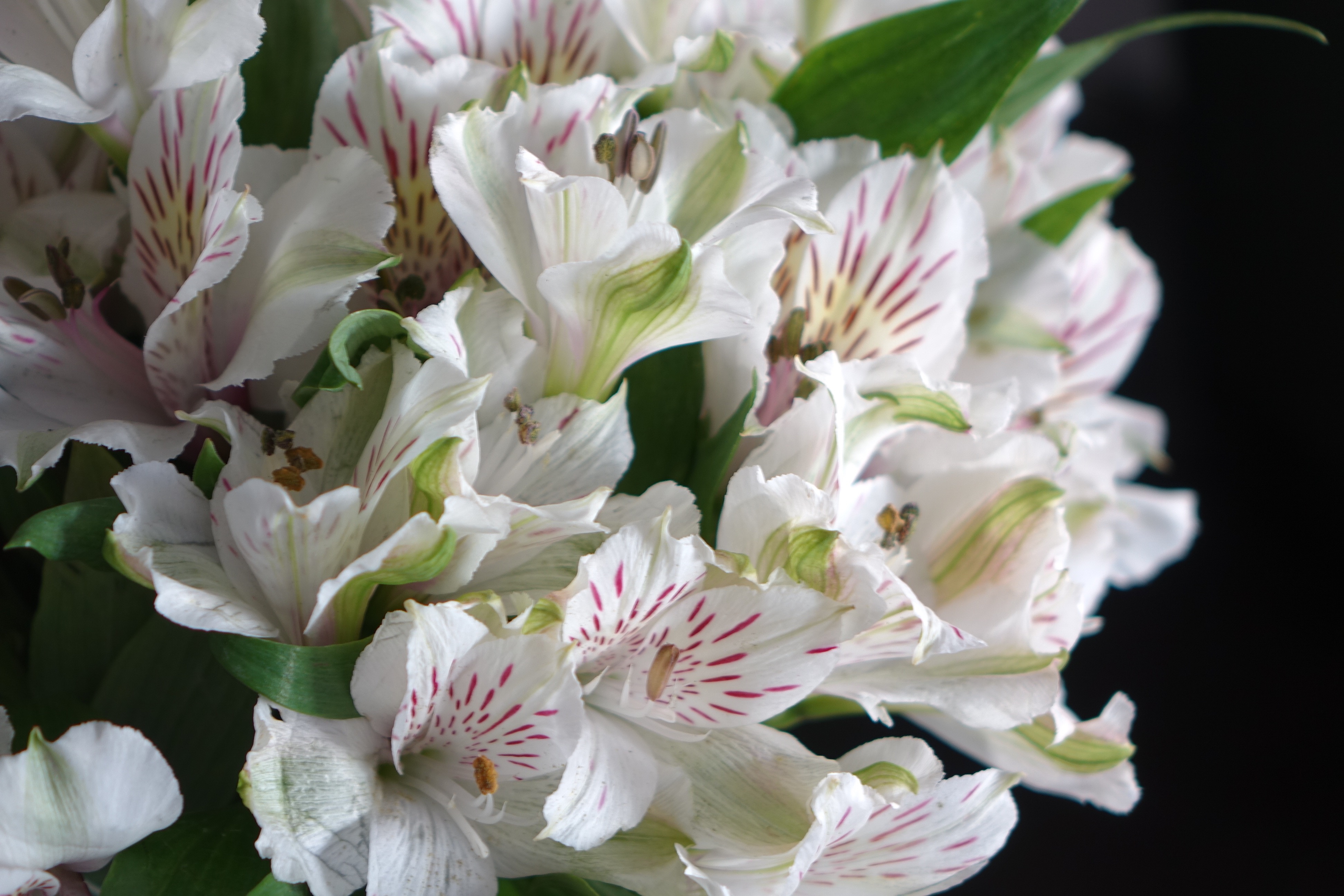
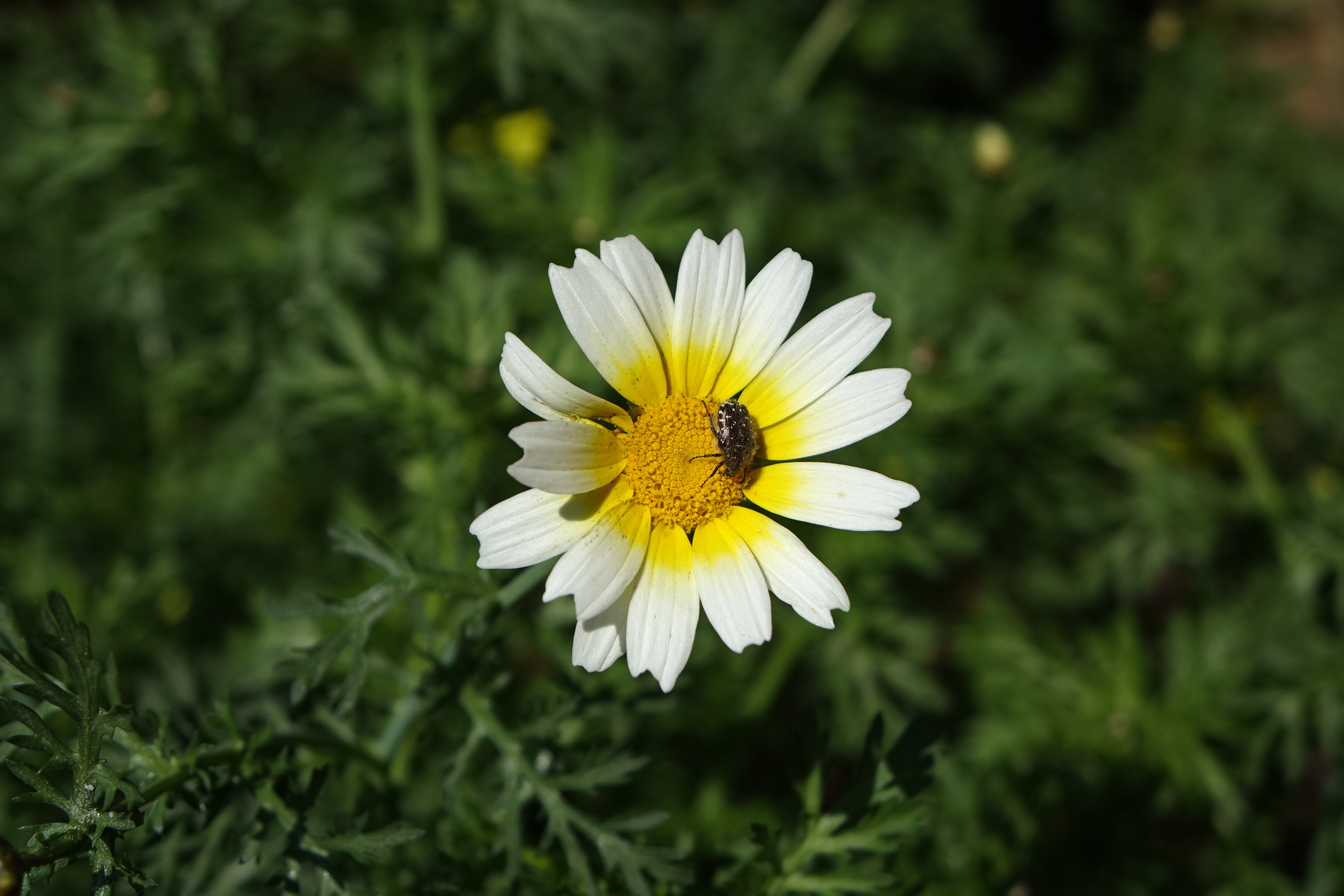
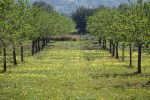
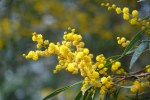
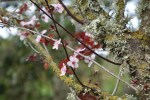
Living in Mallorca is not like being on a continuous holiday, as much as I might wish it were so. Working full time means reliance on the weekends to enjoy this beautiful land around me. But when my free time comes, and the weather graces us with its welcome presence, the landscapes around me are always a welcome treasure, and no more so than at this time of Spring. For as my recent travels around Mallorca this past Easter weekend have shown, Mallorca in the Springtime is a veritable paradise – an island overflowing with an abundance of flowers and blossom, petals and perfumes. It is quite truly a Springtime Arcadia.

DSC09922DSC09675DSC00104DSC00060DSC00035

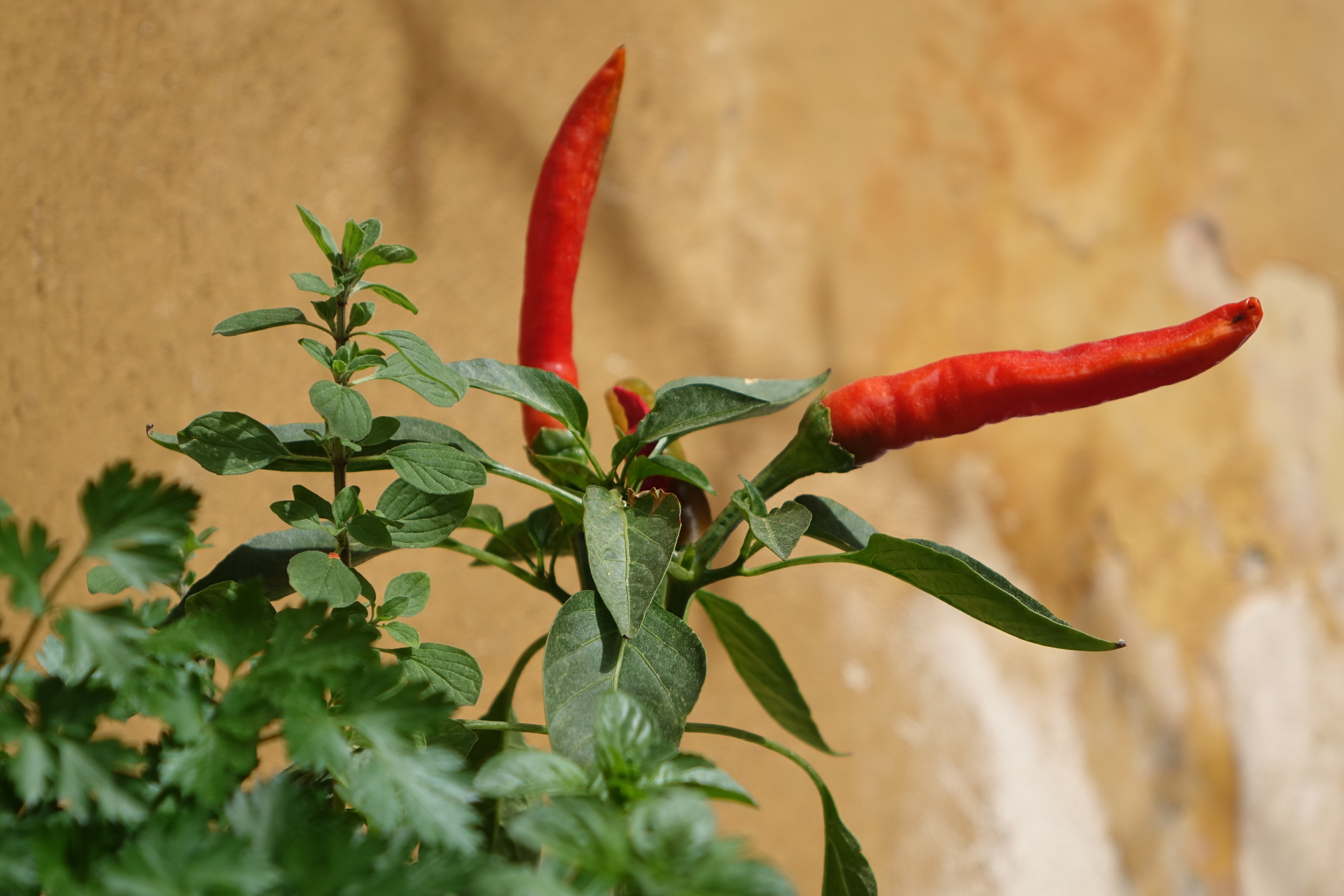
Driving around Mallorca can be deeply distracting. Even the main roads are lined by wild flowers of ever tone and colour – yellow buttercups and red poppies, fields alive with colour and trees abundant in blossom. And these views are all the more precious knowing that they will be short-lived – a few weeks at the most before green again dominates. Yet they are difficult to get to (stopping my car mid-motorway could be precarious in innumerable ways) and consequently I haven’t managed to capture on camera nearly as many views as I would have wished. But the photos I am posting today will hopefully give an idea of this floral wonderland, just as it reaches its annual highpoint.
DSC09664DSC09905DSC00156DSC00061DSC00153

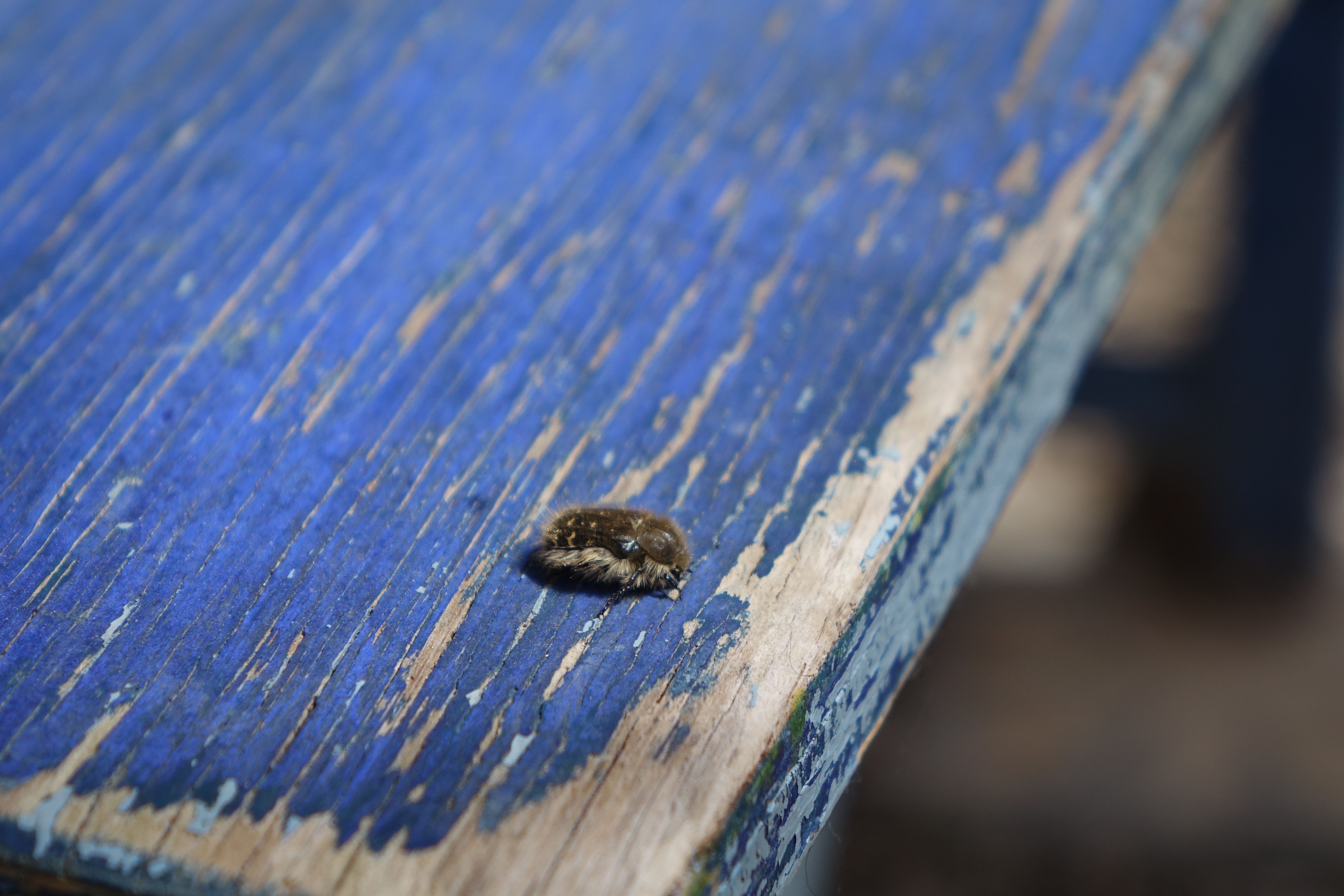
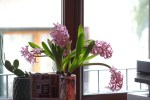
Amongst these photos are some lovely shots of insects – occasionally captured by accident, other times with painstaking patience. They also include a few shots from inside my home – for what greater joy can there be than bringing the Spring inside too. I hope you enjoy them.

All photos and written content are strictly the copyright of Nicholas de Lacy-Brown © 2016 and The Daily Norm. All rights are reserved. Unauthorized use and/or duplication of the material, whether written work, photography or artwork, included within The Daily Norm without express and written permission from The Daily Norm’s author and/or owner is strictly prohibited.