Skip to content

The Honeymoon Chronicles, Part IX: Barcelona

The Honeymoon Chronicles have been long and mighty: 4 weeks of photographic reportage of an 8 day holiday which could so easily have gone on for longer, before the blissful bubble of our own private paradise was burst by the onset of reality. Nonetheless, we were given a small opportunity to extend our trip just a little longer, when the necessary flight change from Nice to Mallorca presented us with the idea to stay two more nights in the place of that change: Barcelona.

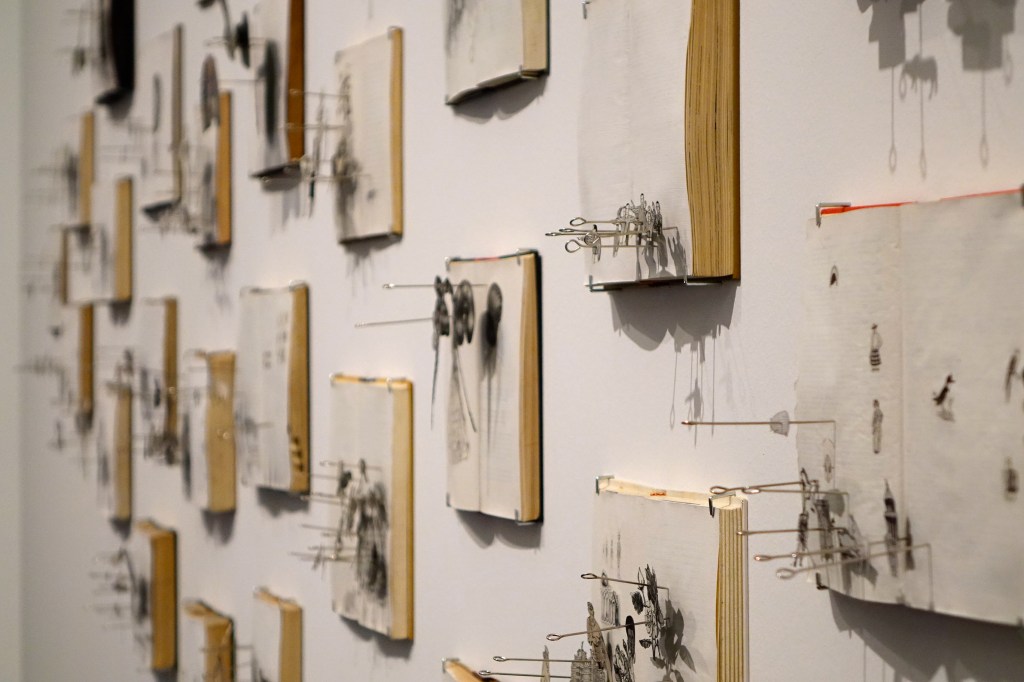
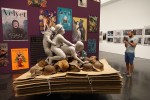
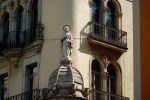
Barcelona is not new to either of us, but it remains one of our favourite of all cities. Exhibiting all of the modernist charm and coastal advantages of Palma de Mallorca, coupled with the cosmopolitan buzz of London, Barcelona is for me probably the most perfect city in the world, and certainly in Europe. And while our time there this time was short, it gave us ample opportunity to stroll the iconic streets of the gothic and Eixample districts, to attend the controversial Beasts and Sovereign exhibition at the Museum of Contemporary art, and to seek out the shade in the roasting sun of the beach.

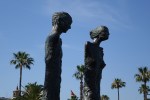
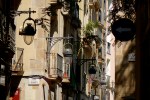
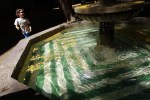
DSC08238 DSC07913 DSC08166 DSC08076 DSC08066 DSC08149

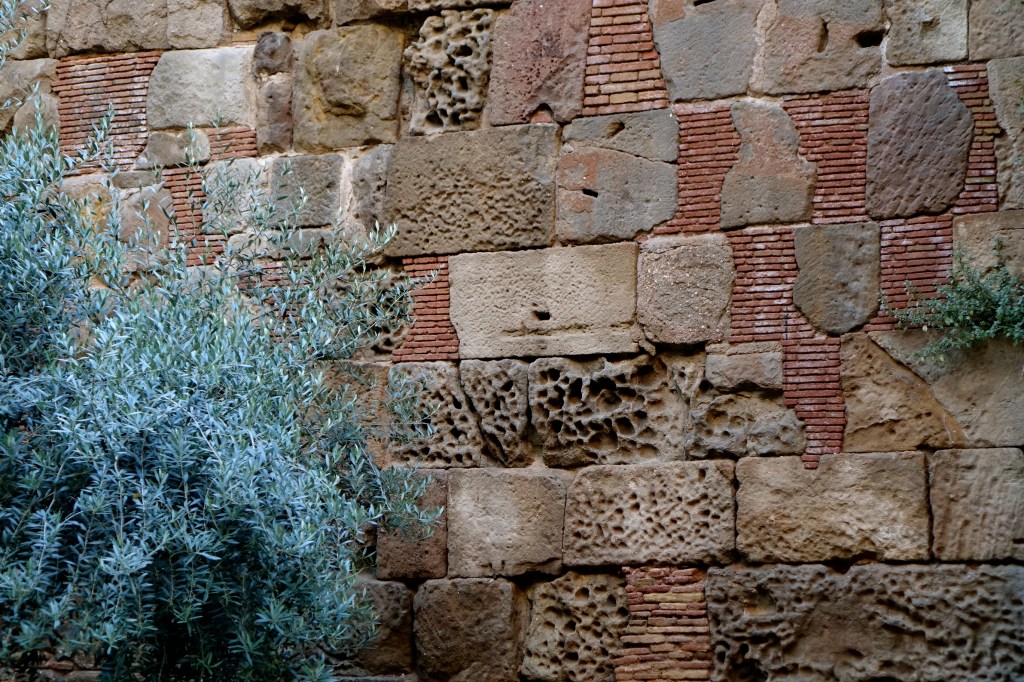
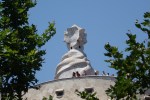
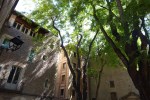
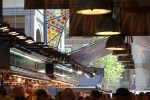
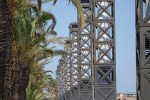
The photo collection which follows is something of a miscellany, with shots taken from our perambulations and from the highlights of our visit: the assault of multi-coloured produce at Santa Catalina Market; the elegant facades of the Plaça Reial and the gothic quarter; the magical atmosphere which diffused the Plaça de Sant Felip Neri; and the modernist brilliance of the Exiample. A small selection of photos offering just a hint of the many fantastical faces of one of my favourite cities, and the perfect ending to our honeymoon.
All photos and written content are strictly the copyright of Nicholas de Lacy-Brown ©2015 and The Daily Norm. All rights are reserved. Unauthorized use and/or duplication of the material, whether written work, photography or artwork, included within The Daily Norm without express and written permission from The Daily Norm’s author and/or owner is strictly prohibited.

My travel sketchbook: The beach at Antibes

We didn’t spend long in Antibes… no more than 5 hours in fact, but that was time enough to sample the essence of the place, and it wasn’t all time spent on the move either. Sometime after lunch, when the sun is at its height and the heaviness of lunch feels like it is pulling your eyes closed for a siesta, we took a break on the little beach we found nestled in the rampart walls of the old town. There, sitting on a rock, I felt that I may as well get the most out of the sketchbook I had been dragging around with me all day, and opened its pages to make this simple sketch of the beach, and the familiar Antibes skyline behind it.

The beach at Antibes (2015 © Nicholas de Lacy-Brown, pen on paper)

The beach at Antibes (2015 © Nicholas de Lacy-Brown, pen on paper)

© Nicholas de Lacy-Brown and The Daily Norm, 2001-2015. Unauthorized use and/or duplication of the material, whether written work, photography or artwork, included within The Daily Norm without express and written permission from The Daily Norm’s author and/or owner is strictly prohibited. Excerpts and links may be used, provided that full and clear credit is given to Nicholas de Lacy-Brown and The Daily Norm with appropriate and specific direction to the original content. For more information on the work of Nicholas de Lacy-Brown, head to his art website at www.delacy-brown.com

The Honeymoon Chronicles, Part VIII: Antibes

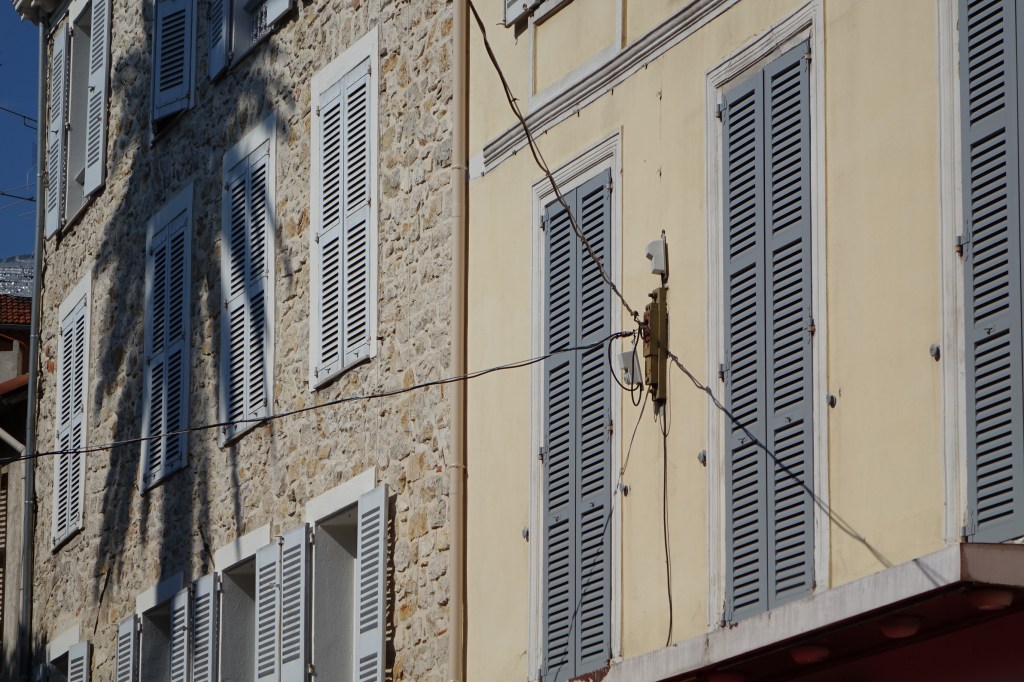
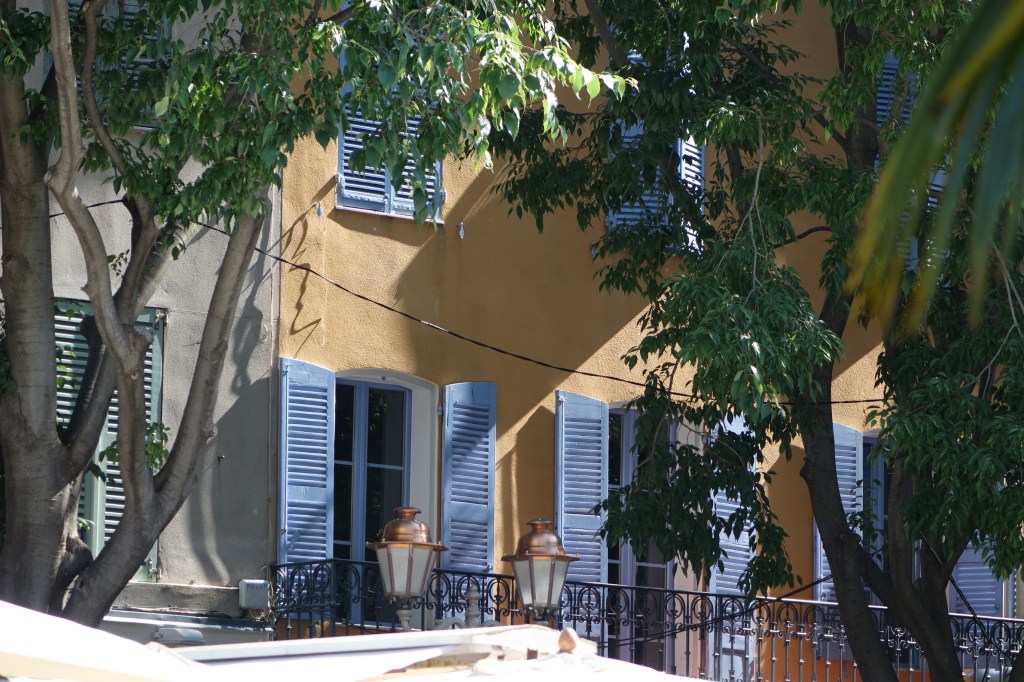
Of all the places we visited on the French Riviera, I think Antibes was most probably my favourite. Drawn to the old coastal town by its arty reputation, and in particular by its well known connection with Picasso and the museum which now bears his name, we didn’t ultimately end up going to the Picasso museum at all, such were the alternative attractions the town had to offer. For Antibes was all about the atmosphere of its street life – its bustling covered market place, its squares full of cafes and its ancient city walls today imbedded with art galleries – and to enjoy this, one could do no better than to simply stroll. And that is precisely what we did.

DSC07820 DSC07726 DSC07706 DSC07849 DSC07714 DSC07800DSC07855

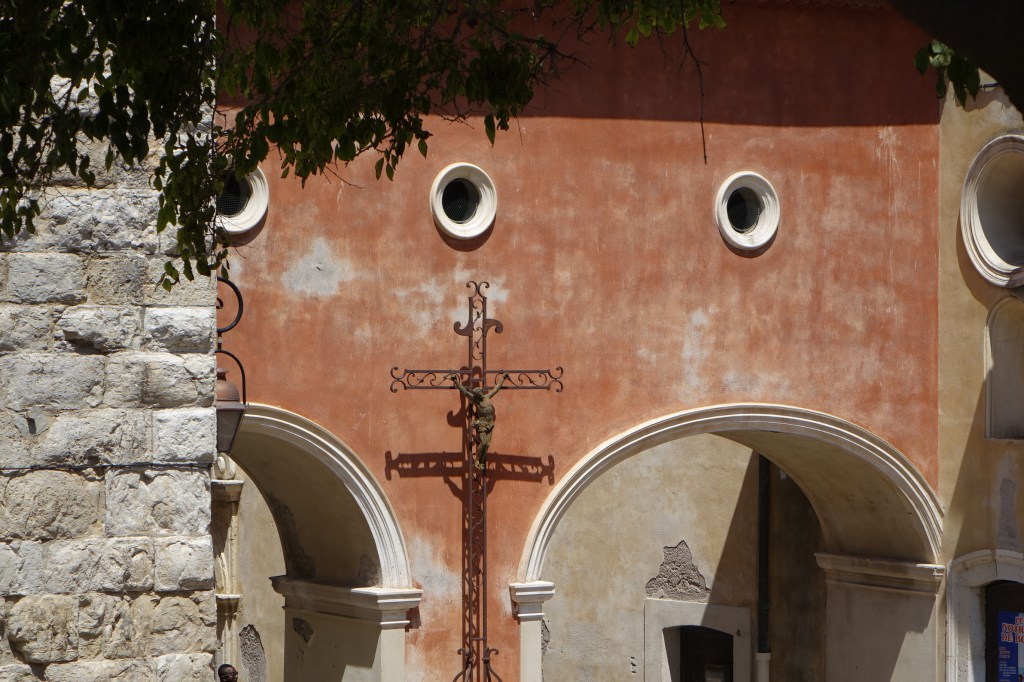
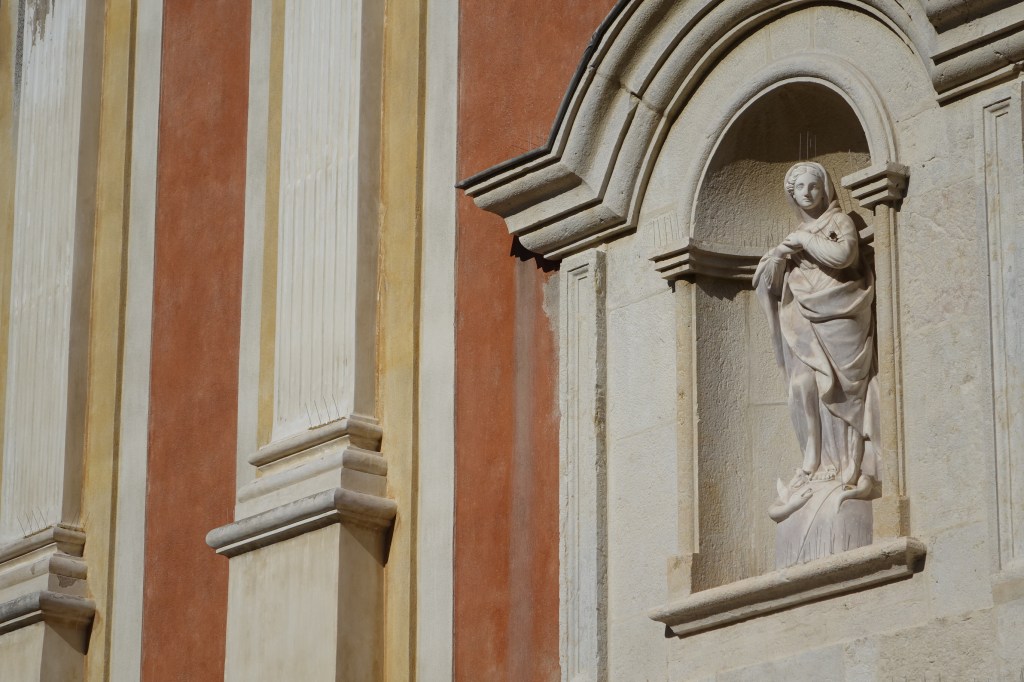
Beginning our visit in the more modern spread of the town, we gasped in delight as we walked along the sandy beach to see the old town in the distance, its silhouette characterised by the rising tower of the Picasso museum, by the old roof of the terracotta and yellow Church of the Immaculate Conception, and by the ancient ramparts which encircle the town. Moving inside those ancient walls under a series of arches and along various beautiful streets, we entered a centre teeming with life, colourful houses, and cafés spilling out onto the pavements.

DSC07850 DSC07839 DSC07737 DSC07827 DSC07819 DSC07822 DSC07756

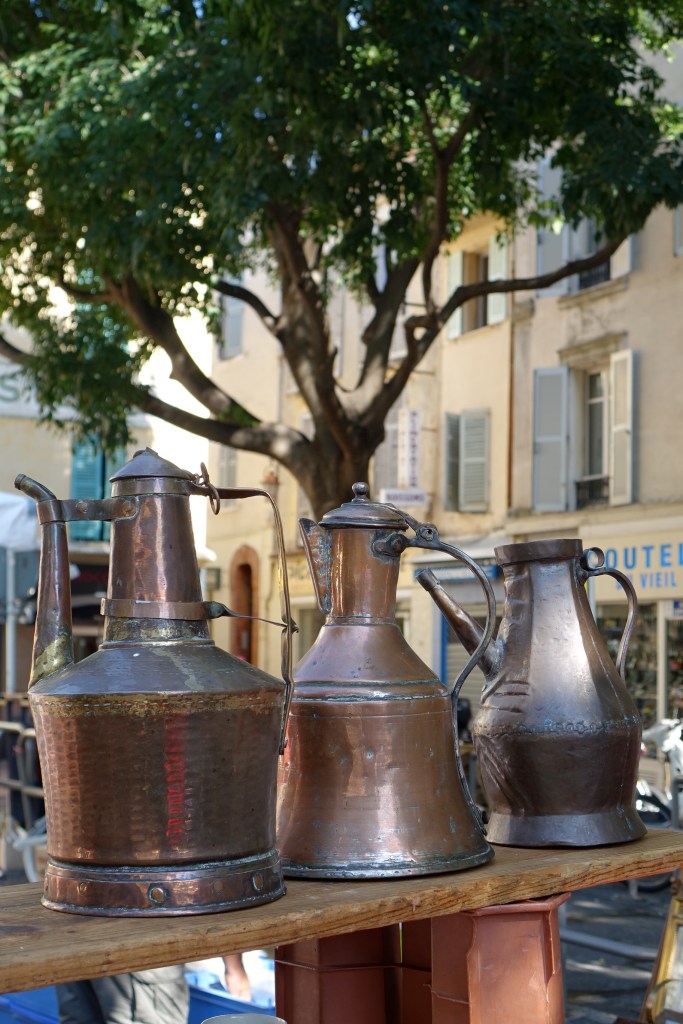
Having sampled one such elegant café all decorated in soothing shades of grey, olive and white, we moved out of the town slightly to tour its amply sized marina, full of yachts and sailing craft, and then spent some time on the little beach which is perfectly nestled within the curve of the ancient walls, like a mother’s arm, scooping up sand enough for her child to play in. It was back to the cafés after that, via a multitude of art galleries, colourful shops selling local produce, and sandy squares where locals played pétanque. In the Place Nacionale, we found Antibes’ beating heart in the form of a shady square lined with cafés, bistros and brasseries, and playing host to a busy antiques market, and there, around a fountain which reminded me of the stunning street fountains we had discovered in Aix, we ended the day with a well deserved ice coffee and a glass of wine. Santé!

DSC07818 DSC07735 DSC07719DSC07821 DSC07835 DSC07788

All photos and written content are strictly the copyright of Nicholas de Lacy-Brown ©2015 and The Daily Norm. All rights are reserved. Unauthorized use and/or duplication of the material, whether written work, photography or artwork, included within The Daily Norm without express and written permission from The Daily Norm’s author and/or owner is strictly prohibited.

The Honeymoon Chronicles, Part VII: Biot

Admittedly there wasn’t all that much to see in the tiny little Riviera village of Biot in the South of France. We were drawn to the area by the magnificent retrospective museum of Fernand Léger which was located just down the road, and would otherwise have likely overlooked this little hilltop village as we ventured along the coast to the more prominent neighbours of Cannes and Antibes. We had very little interest in the famous “bubble” glass which is made in the village and is at least partly credited with placing the village on the map (the glass has not quite made it into the kind of style echelons that would make it vaguely chic in a contemporary interior design). Nonetheless, we considered Biot worth a quick stroll.

DSC07679 DSC07680 DSC07690 DSC07676 DSC07652 DSC07638 DSC07633

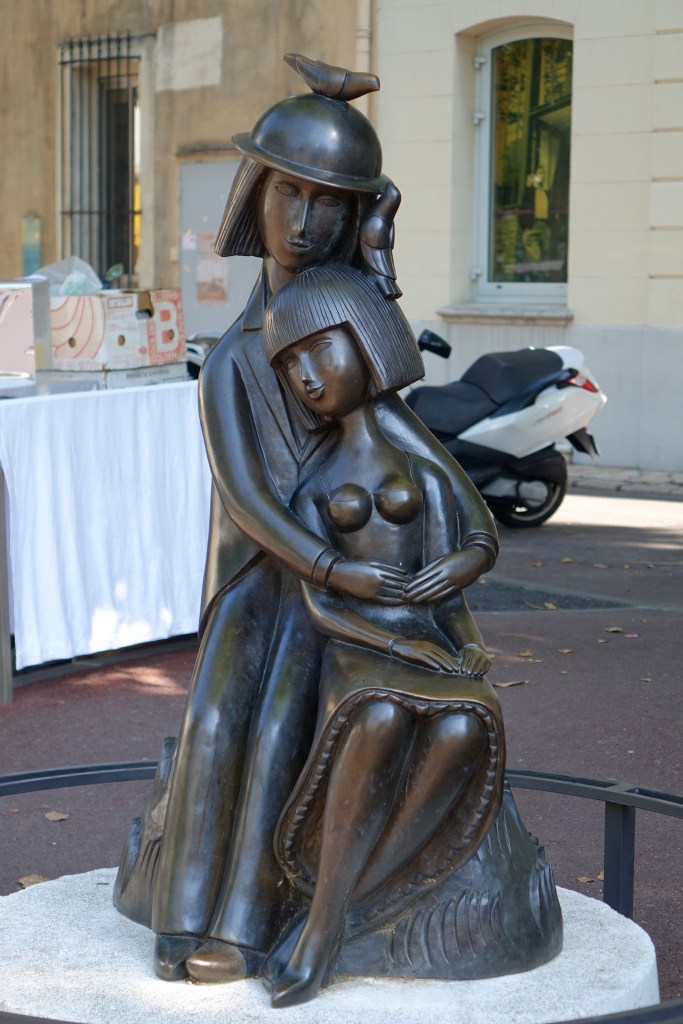
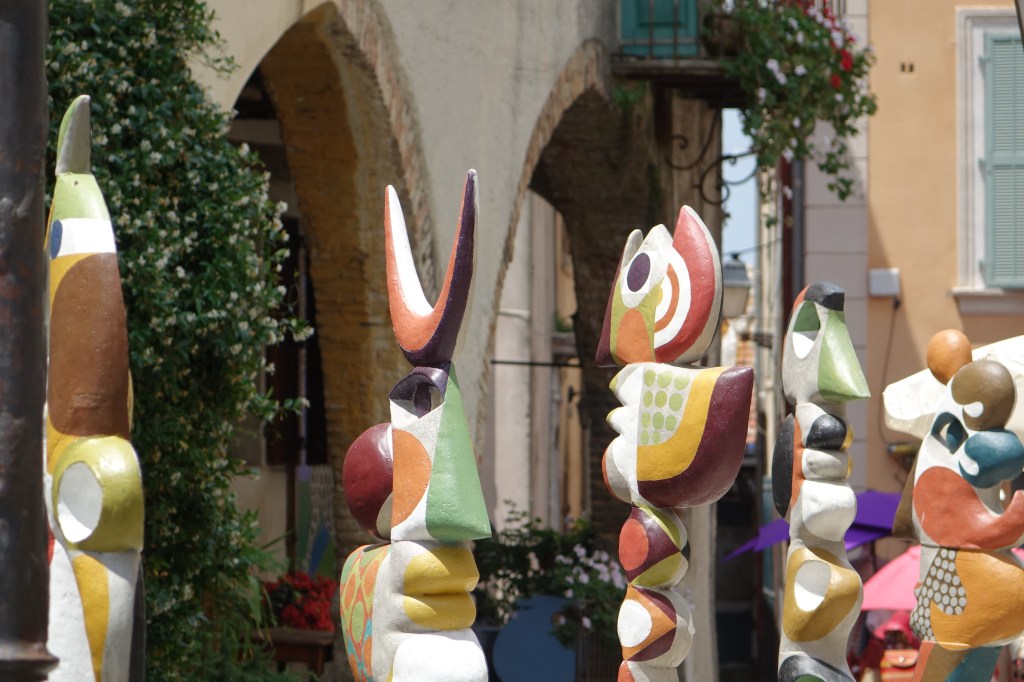
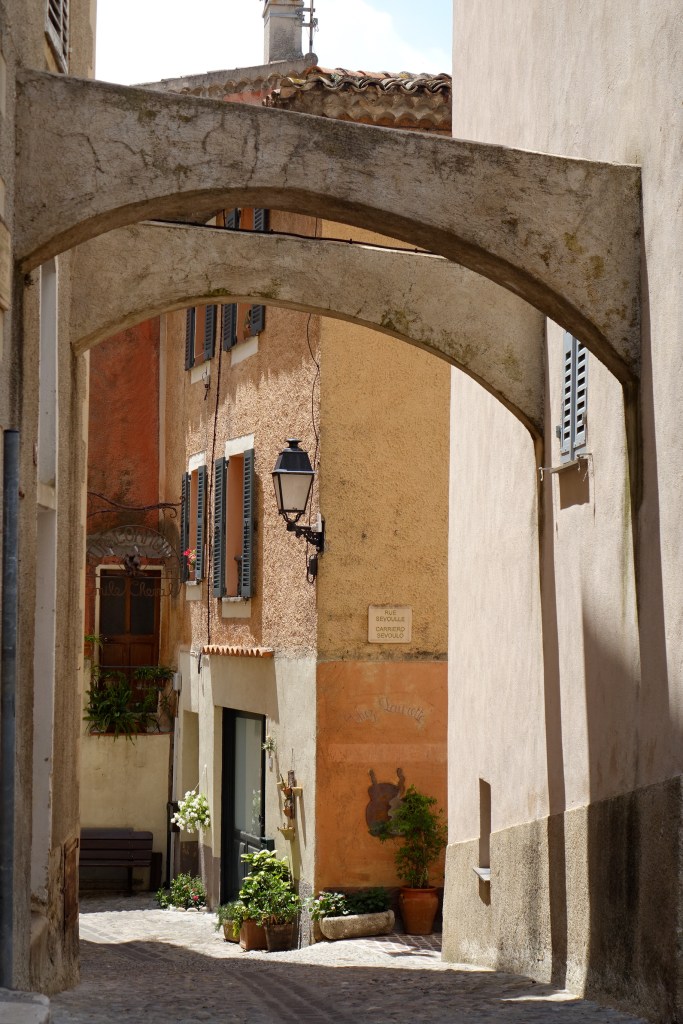
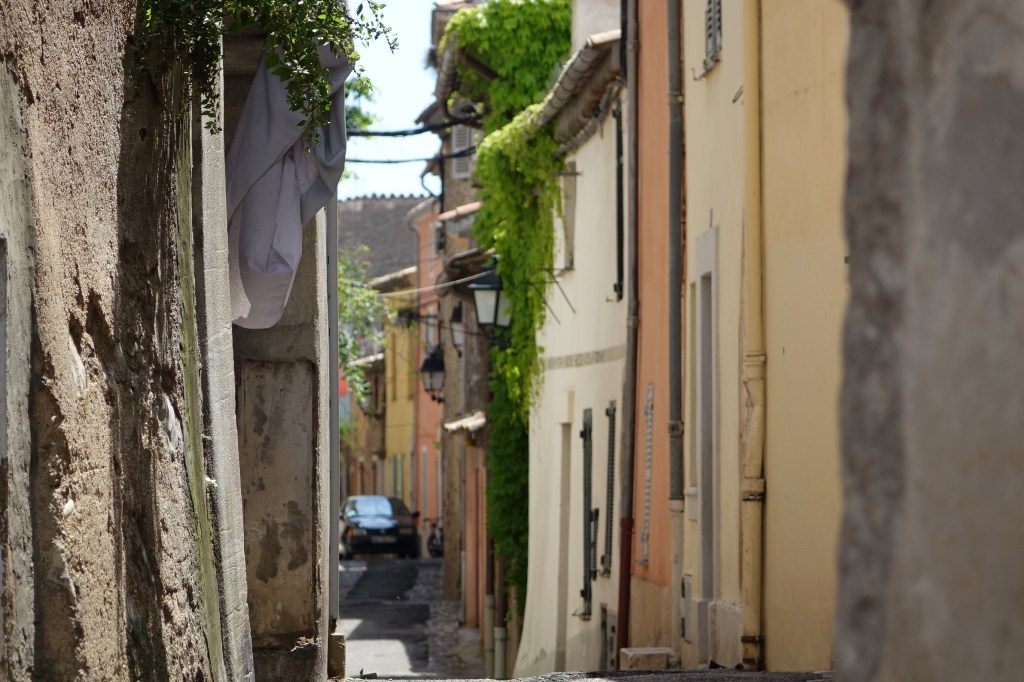
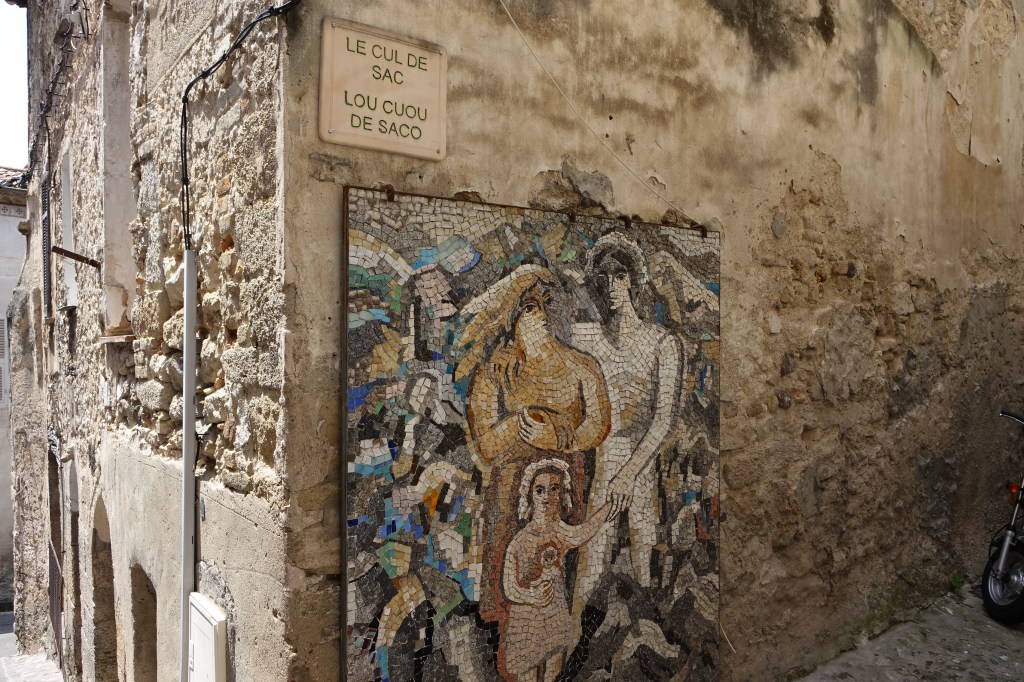
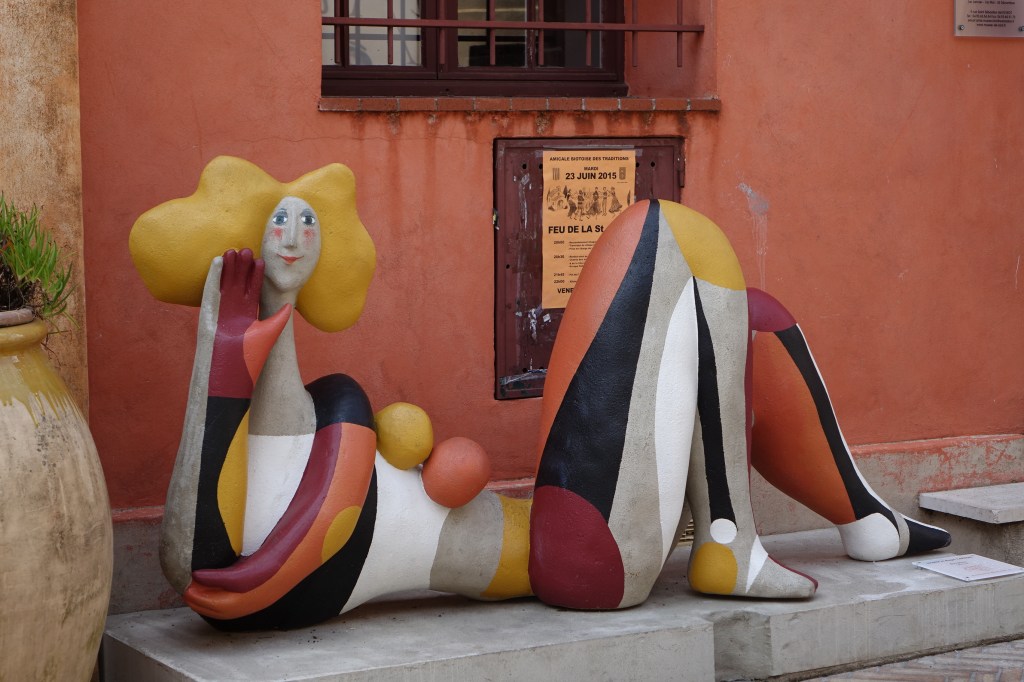
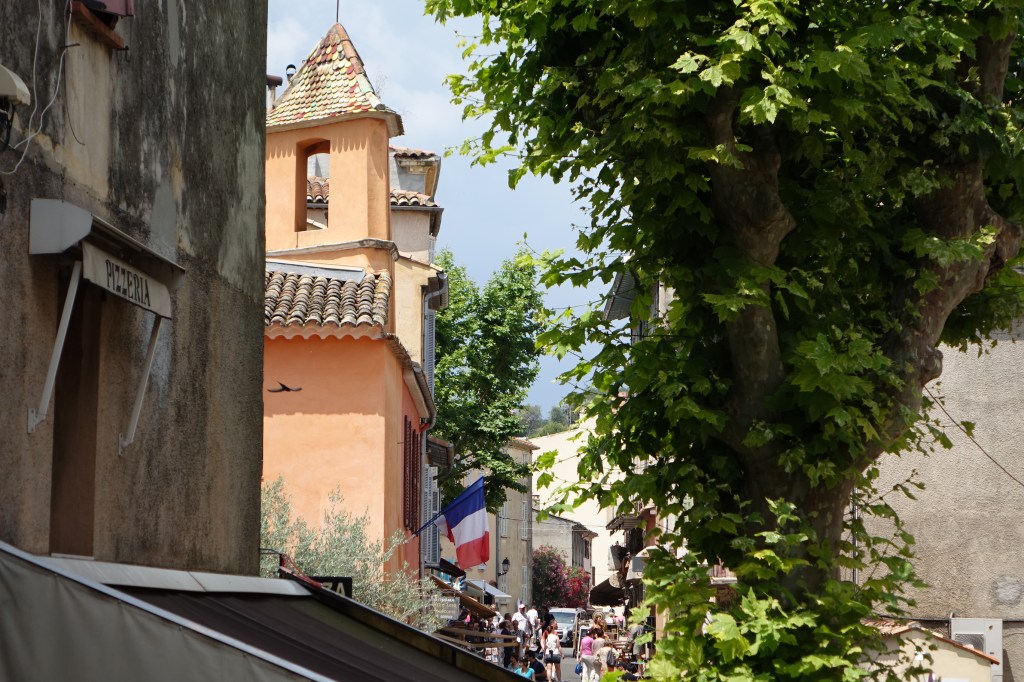
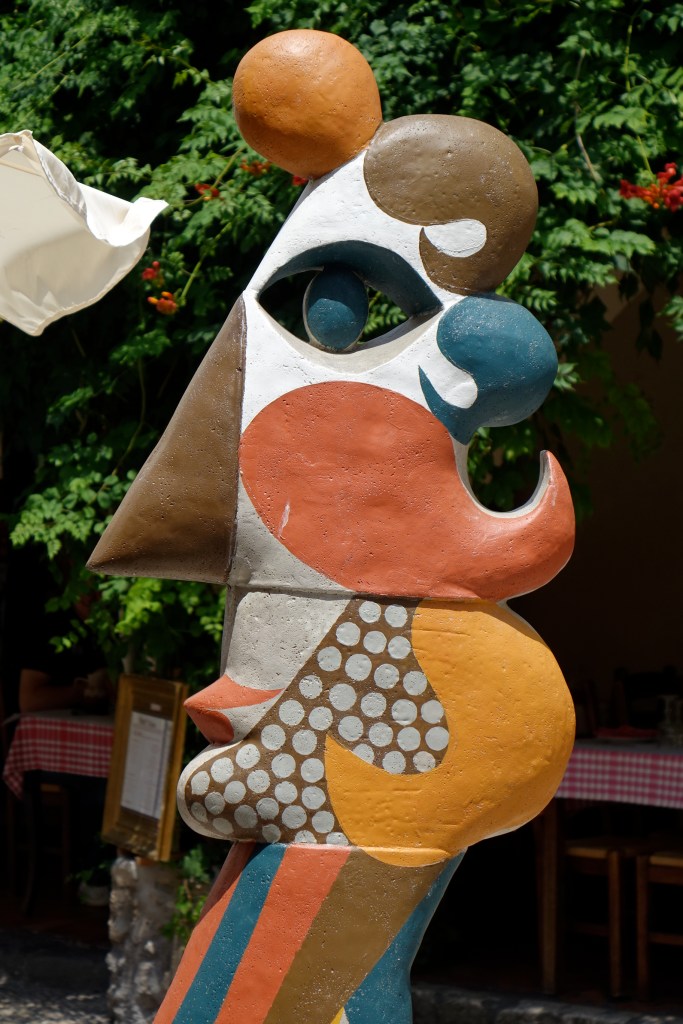
And indeed it was. For in common with so many others of its neighbouring Riviera villages, Biot is eye-achingly picturesque with its little coloured shutters, village squares and a cute little church to match. Certainly worth a few camera shots, not least because this village distinguishes itself from the masses with a collection of vibrantly curvaceous papier mâché  sculptures placed throughout the town.

Once again, the artistic spirit of the Riviera was omnipresent, and disarmingly beautiful.

DSC07643 DSC07692 DSC07630 DSC07642 DSC07641 DSC07632 DSC07688

All photos and written content are strictly the copyright of Nicholas de Lacy-Brown © 2015 and The Daily Norm. All rights are reserved. Unauthorized use and/or duplication of the material, whether written work, photography or artwork, included within The Daily Norm without express and written permission from The Daily Norm’s author and/or owner is strictly prohibited.

The Honeymoon Suite II: Bedroom at the Château Le Cagnard

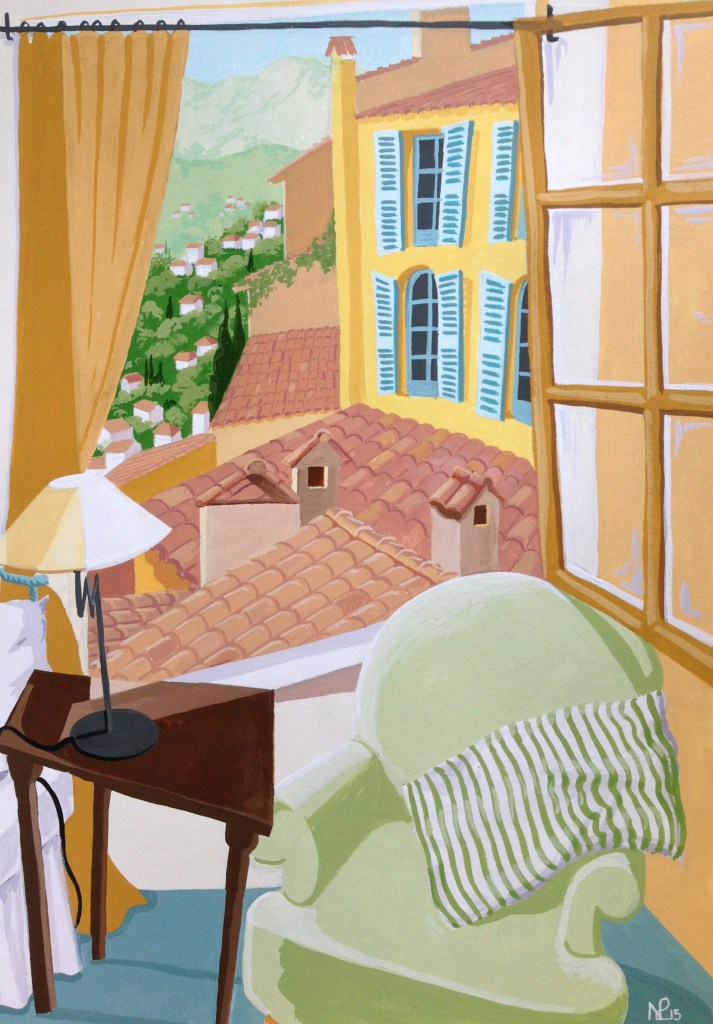
The inspiration which, at La Colombe d’Or, had filled the artist within me with a renewed vitality to paint did not leave me when we departed. Having painted the view from our bedroom there, complete with a small slice of our abode, I became intrigued by the prospect of doing so afresh each time we moved hotels and so, when we moved to the hotel Château Le Cagnard in Cagnes-sur-Mer, and when we discovered to our delight a room with an equally stunning view over the mountains north of the Riviera, I started work immediately.

The second of what I have now termed my Honeymoon Suite is therefore painted in the same line as no. 1 of the series, with a unity between the bedroom in which we stayed, and the view we enjoyed daily. From the cosy sage-tinted armchair happily appointed alongside the window, one could enjoy a view not only of the surrounding landscape, but of countless terracotta rooftops upon pastel-coloured houses. It was the very definition of the Provençal landscape.

Honeymoon Suite II: Bedroom in the Chateau de Cagnard (2015 © Nicholas de Lacy-Brown, gouache on paper)

Honeymoon Suite II: Bedroom at the Château Le Cagnard (2015 © Nicholas de Lacy-Brown, gouache on paper)

© Nicholas de Lacy-Brown and The Daily Norm, 2001-2015. Unauthorized use and/or duplication of the material, whether written work, photography or artwork, included within The Daily Norm without express and written permission from The Daily Norm’s author and/or owner is strictly prohibited. Excerpts and links may be used, provided that full and clear credit is given to Nicholas de Lacy-Brown and The Daily Norm with appropriate and specific direction to the original content. For more information on the work of Nicholas de Lacy-Brown, head to his art website at www.delacy-brown.com

The Honeymoon Chronicles, Part VI: Cagnes-sur-Mer

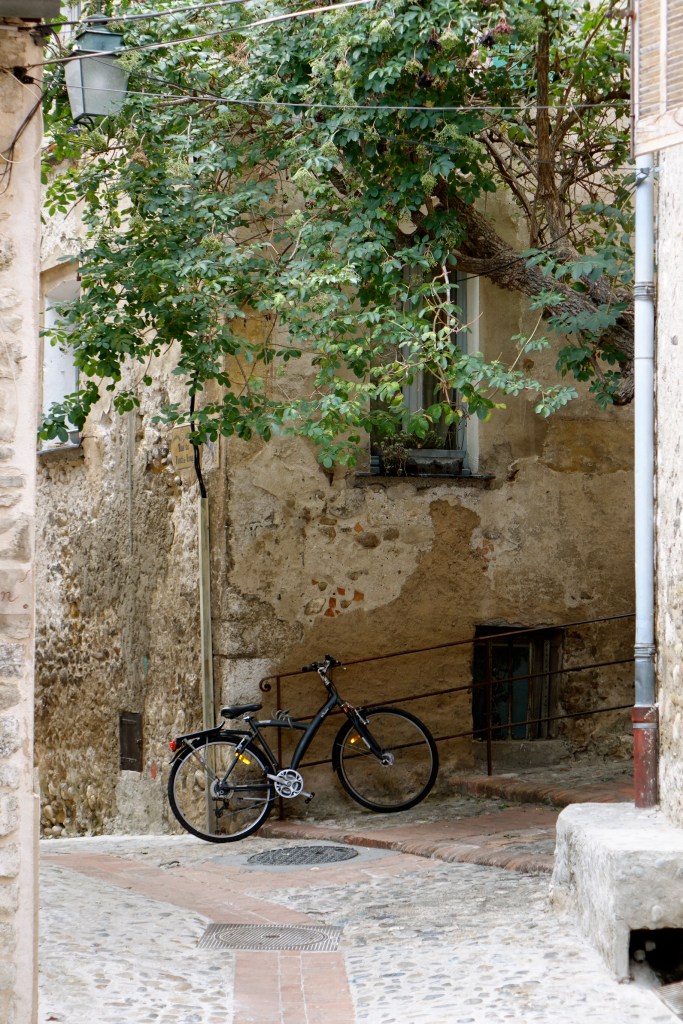
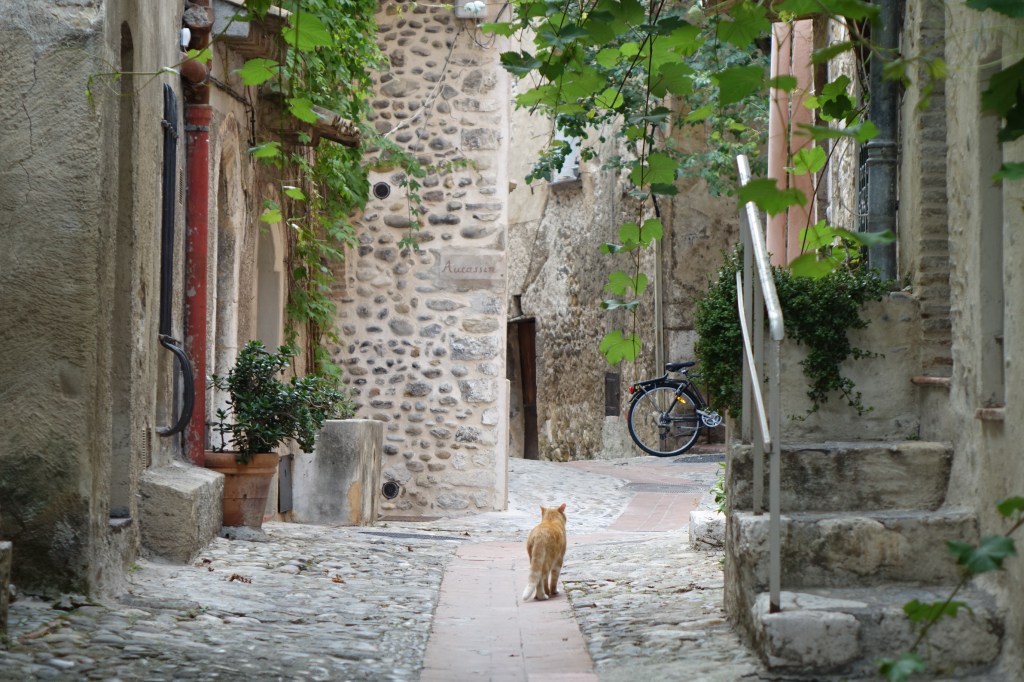
Sadly our stay at La Colombe d’Or could not last forever, and for our last remaining two days on the French Riviera, we packed up our things and moved a 20 minute ride or so towards the coast to the unique little old town of Cagnes-sur-Mer. As the name suggests, it’s a town which is well appointed alongside the sea, and also handily close to Nice airport. Split more or less into three parts, it has a coastal town, and upper main town, and an ancient little old town atop a hill (le Haut-de-Cagnes). We had no interest in the first two parts of the triptych, these having been very much ravished by the overdevelopment which in my opinion has cast a horrible shadow over the French Riviera. But the old town, which could never be easily redeveloped such is the character of its ancient steep streets crammed into ramparts hanging on precariously to the edge of a rising highland, was certainly worth further exploration. And luckily it was also where our hotel was situated.
The cemetery of Cagnes-sur-Mer

DSC07381 DSC07383 DSC07378 DSC07390 DSC07385 DSC07388 DSC07376 DSC07379

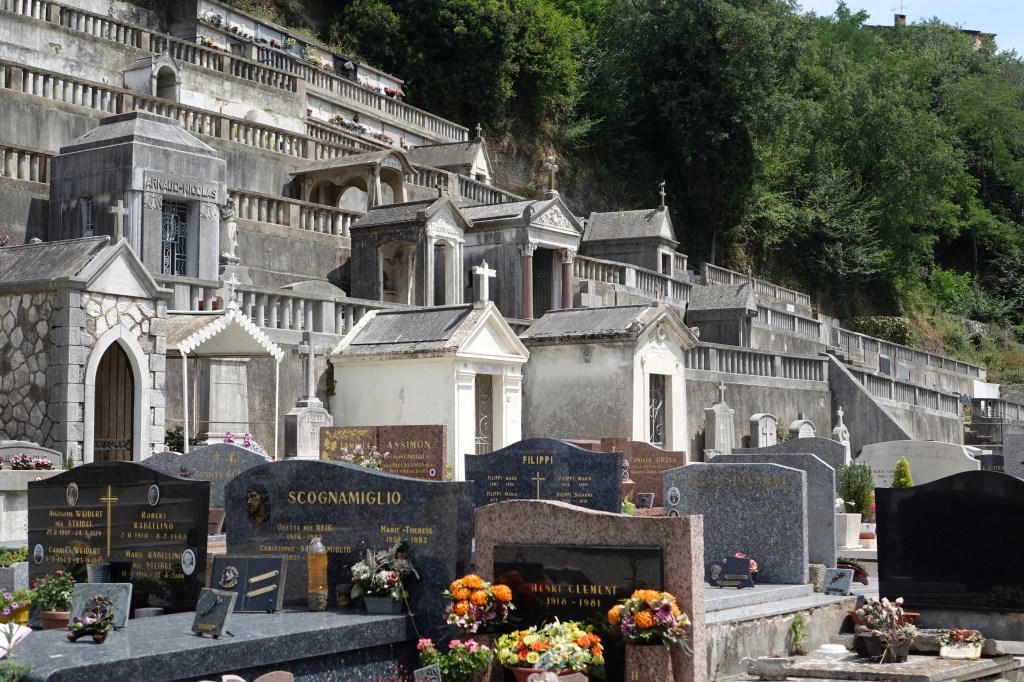
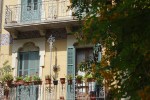
We entered Le Haut via a beautiful cemetery, also clustered steeply up hill in rising tiers of decorative stones, crosses and angels. We knew that there was something familiar about it, and were excited to discover that this was the very same graveyard used for scenes of Cary Grant and Grace Kelly in Hitchcock’s To Catch a Thief. Having then explored the site, and had our fill reenacting said scenes from this, one of our favourite films, we headed steeply up hill to the old town.
Le Haut-de-Cagnes

DSC07427 DSC07420 DSC07438 DSC07457 DSC07450 DSC07435 DSC07467 DSC07423 DSC07433 DSC07465 DSC07469

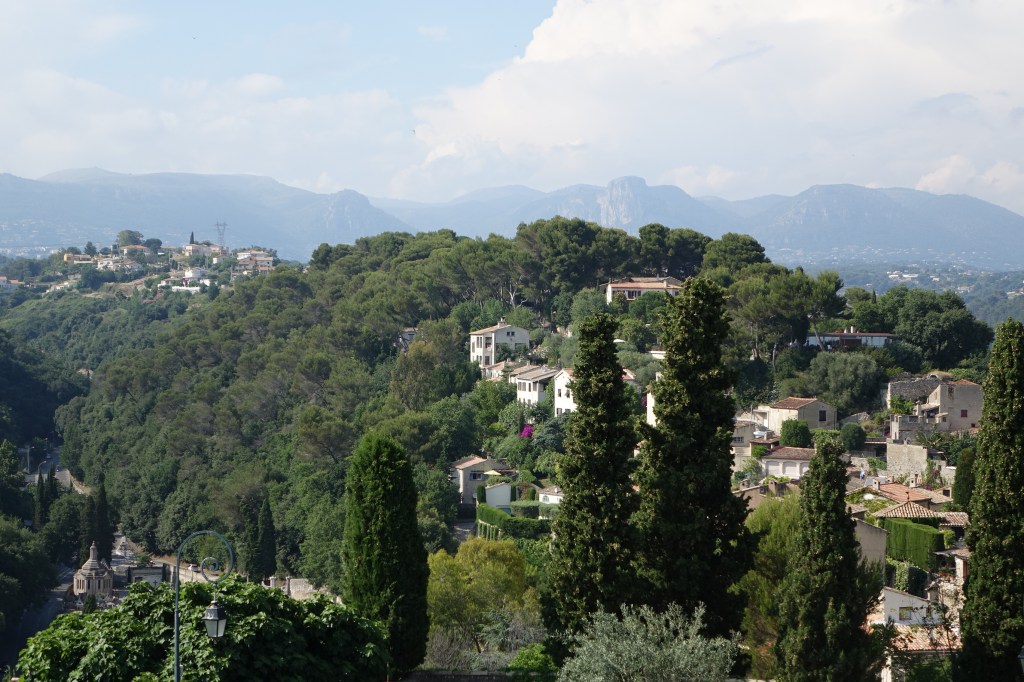
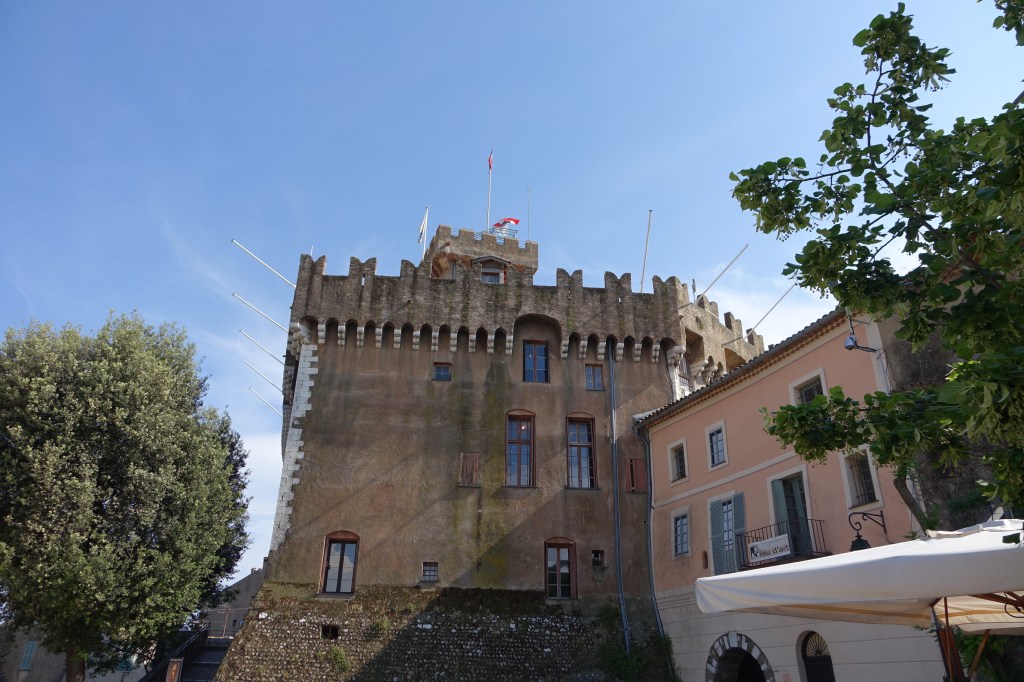
Le Haut-de-Cagnes is a uniquely medieval other-worldly kind of place whose streets appeared even narrower and steeper than those we had enjoyed in Vence and St-Paul. Somewhat shedding the Riviera vivacity of pastel colours, the houses here were altogether more sombre, with stones and beiges dominating with an innately historical result. At times it felt like we were in the world of King Arthur, not least when we got to centre of town, whose huge square castle can be seen for miles around. However lighter relief could also be found in the main Place Grimaldi, which offered beautiful views Northwards to the stunning mountain range which dominates the region.

Rosy views as the sun went down

DSC07524 DSC07520 DSC07515 DSC07512

However all in all, this historical richness was somewhat spoilt by the inevitable creep of modernity and development, not in the old town itself, but by the views looking south, west and east. For the French Riviera is nowadays far from the wild paradise which tempted the likes of Auguste Renoir to move south to the Riviera, and in fact to the town of Cagnes where he later lived. Today, it is a sprawling metropolis of busy roads, hotels, and villas crammed one upon another. This did not feel like a coast of luxury, but rather one of the busiest tourist destinations I have experienced outside of London. Sadly, the golden years of the world’s greatest artists discovering a ripe Riviera seem to be long past. But at least we have their paintings, to look upon that lost paradise once more.

All photos and written content are strictly the copyright of Nicholas de Lacy-Brown © 2015 and The Daily Norm. All rights are reserved. Unauthorized use and/or duplication of the material, whether written work, photography or artwork, included within The Daily Norm without express and written permission from The Daily Norm’s author and/or owner is strictly prohibited.


Art on the Riviera: Musée Fernand Léger

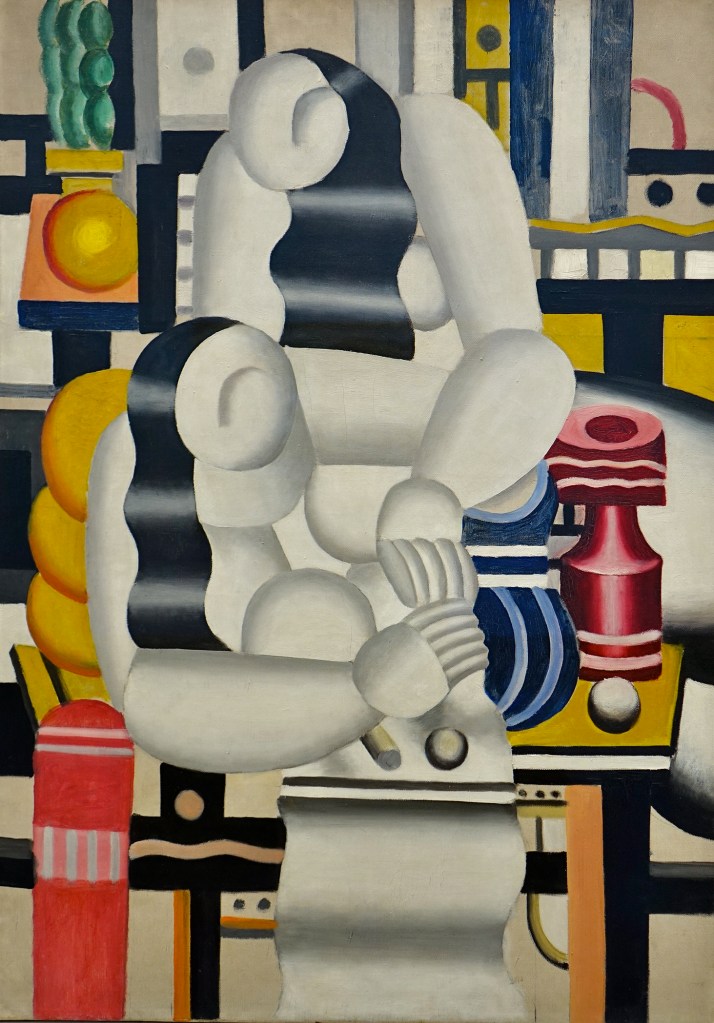
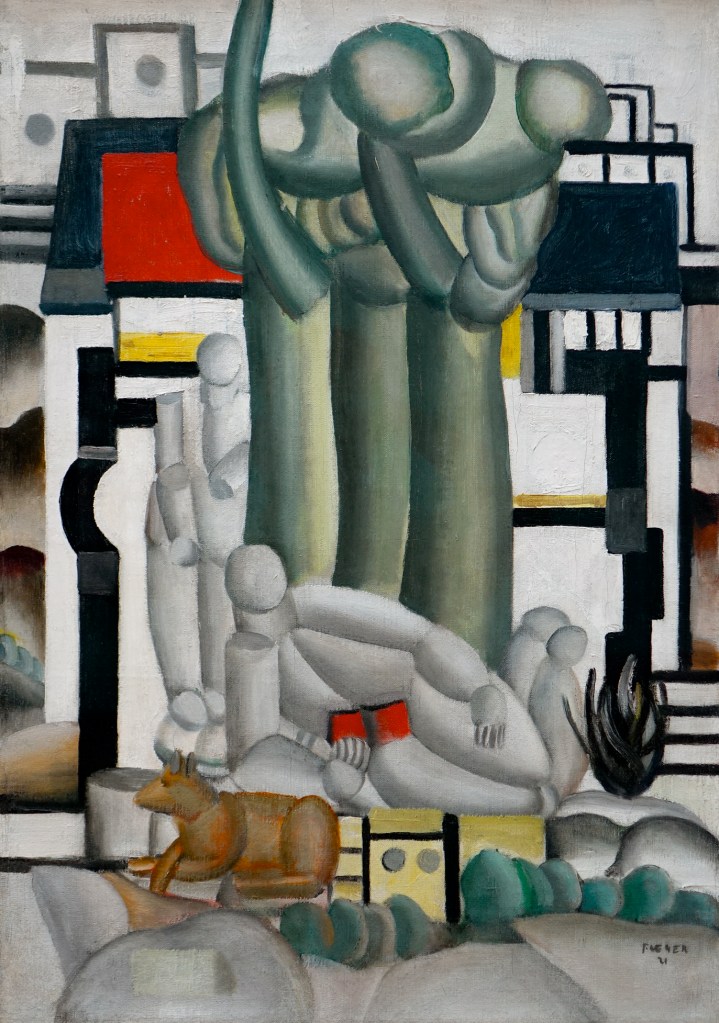
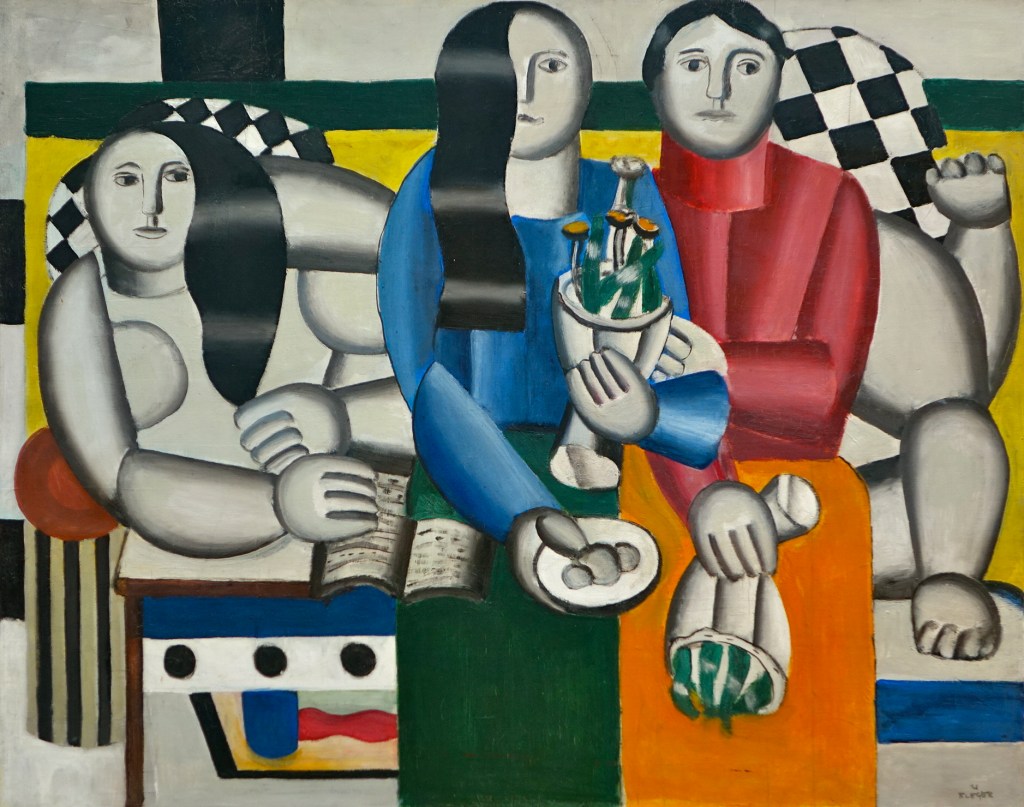
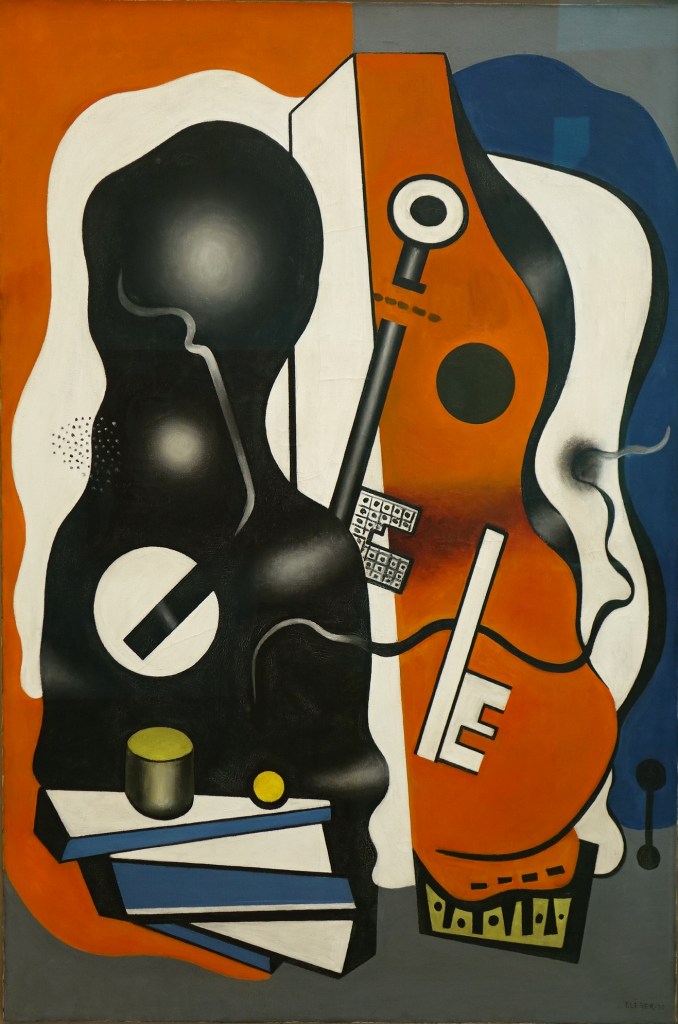
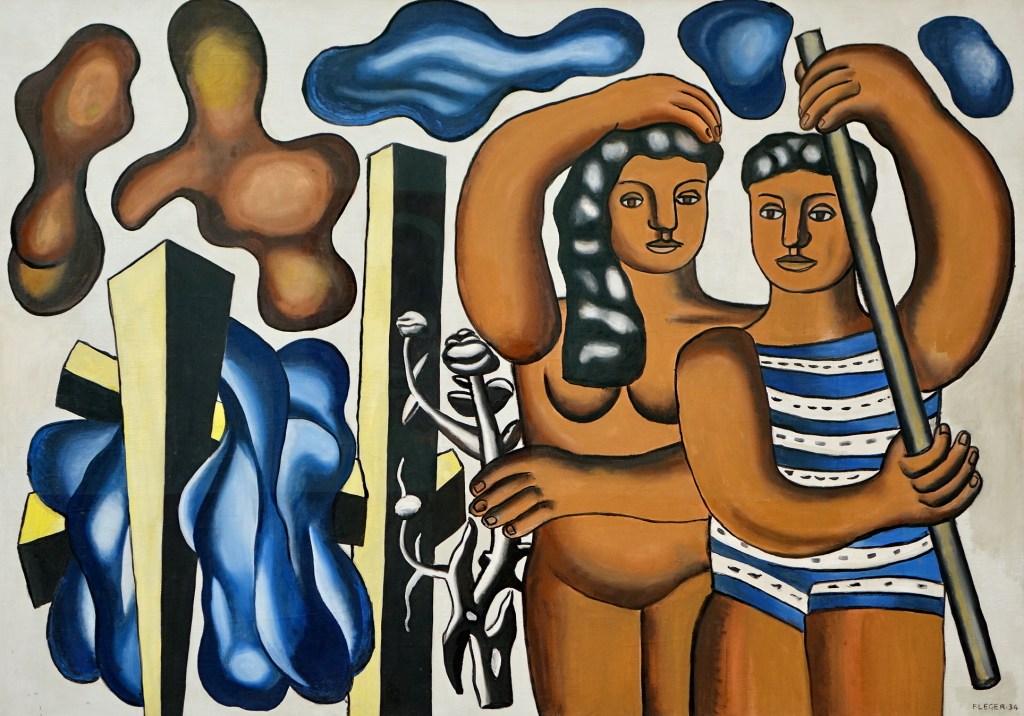
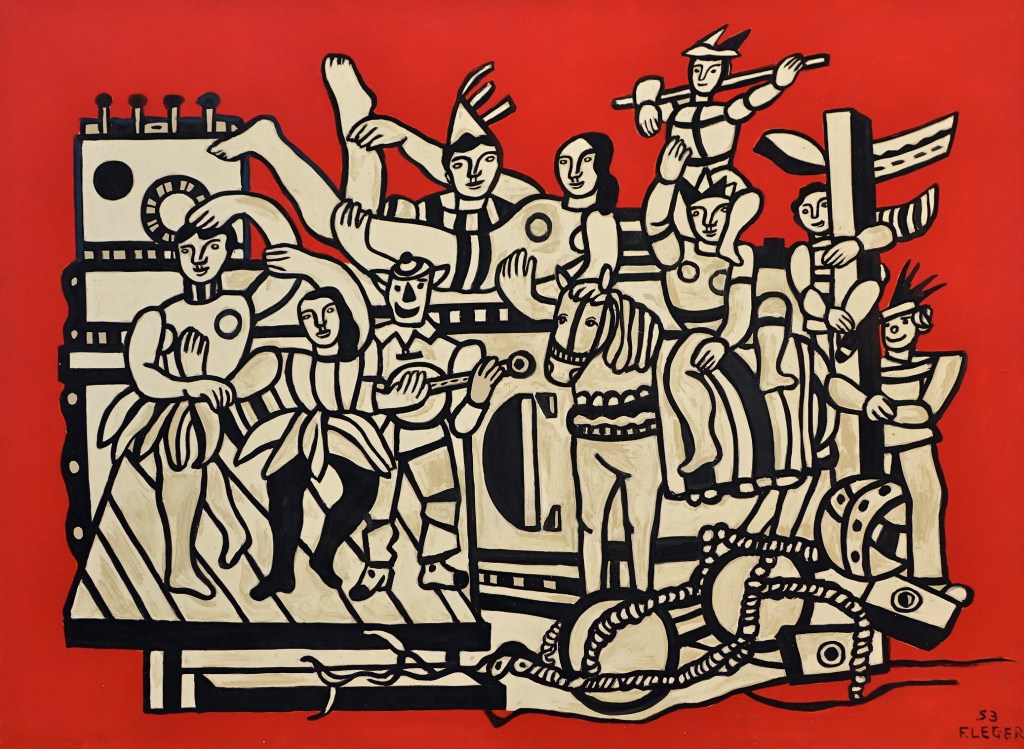
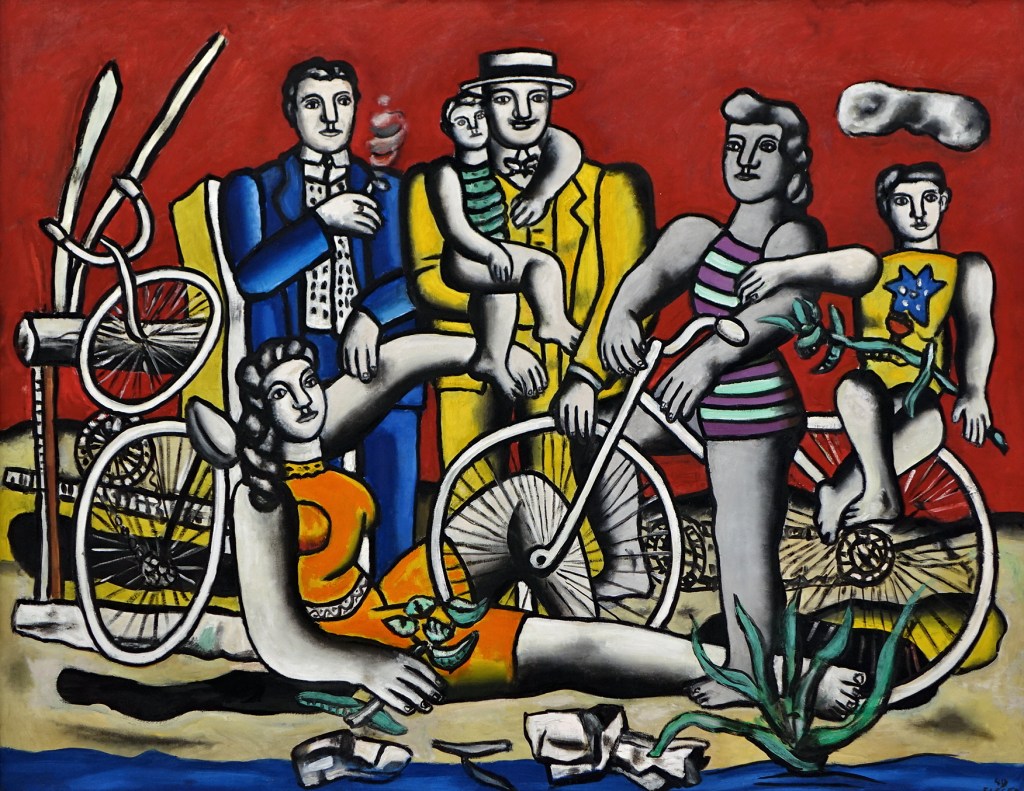
I would be the first to admit that I largely overlooked the work of French artist, Fernand Léger. Although I was aware of his uniquely colourful works characterised by simplified figures painted with shaded tones and outlined in black, I had never really seen enough of them to heed Léger much significance. That grave error was to come to an abrupt end on my honeymoon when I attended the Musée Nacional Fernand Léger in the little town of Biot on the French Riviera. Seeing this artist’s magnificent work en masse, grouped together in a chronological retrospective of his life’s work, left me feeling uplifted and awashed by colour, and deeply, deeply satisfied by the sleek finish and positive subject matter depicted in his work.

Enjoying the Biot museum

DSC07570 DSC07571 DSC07601 DSC07594

Born in 1881 in Normandy, Léger’s early work was characterised by a personal form of cubism, and human forms were reduced and simplified; curling curvaceous hair became what looked like undulating metal sheets, and his paintings drew clear influence from the Futurist movement. Gradually losing people from his works, Léger’s paintings became even more abstractive before an about turn saw the reintroduction of the figure alongside often floating disorientated objects such as keys and blobs of sky and clouds.

Early cubist work leading back into figurative depictions

DSC07572 DSC07577 DSC07573 DSC07575 DSC07579 DSC07582

From this point onwards, Léger adopted a gradually more figurative, populist style as he sought to use art as a means of attracting not just the cultured set, but the whole of society into galleries, attracted by paintings depicting every day life in bright, happy colours, as well as working life, for example in his masterfully conceived works featuring labourers on scaffolding.

Later works

DSC07587 DSC07586 DSC07588 DSC07593 DSC07589

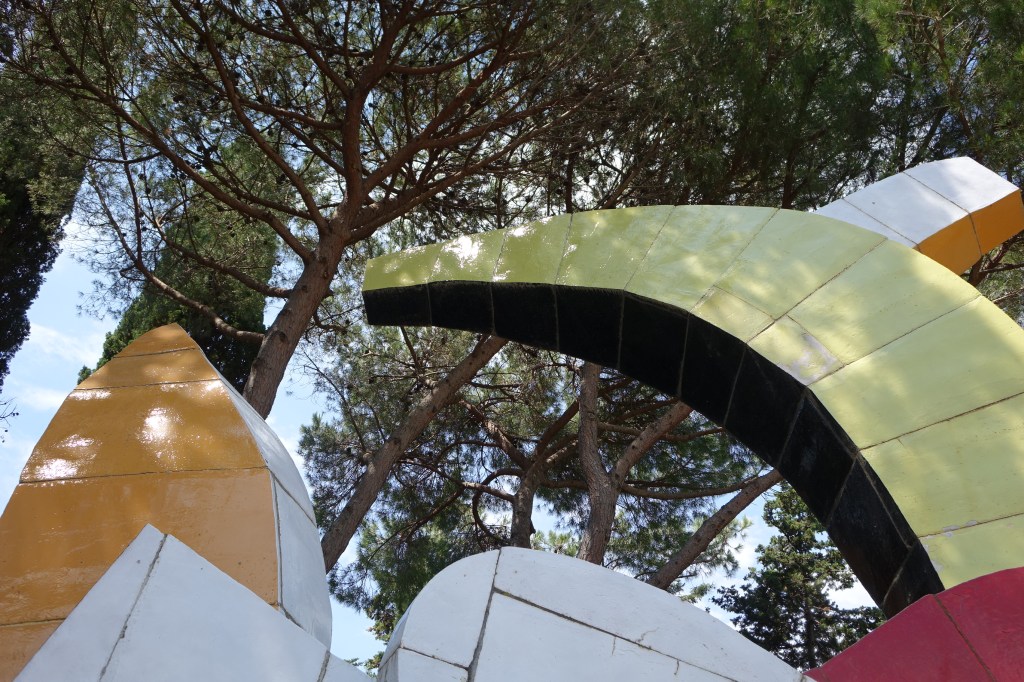
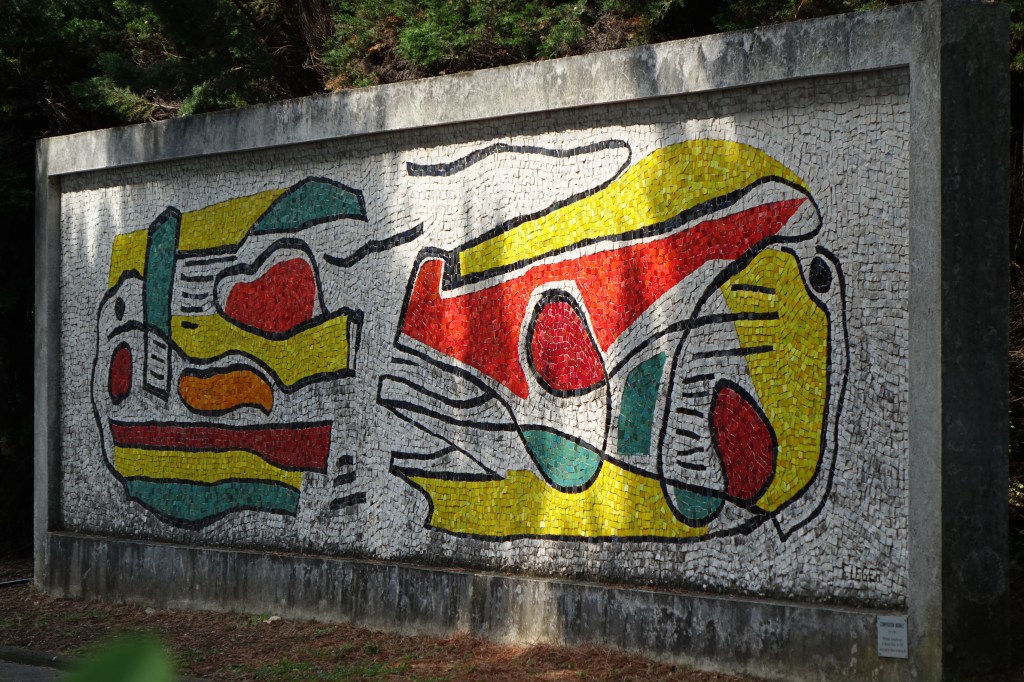
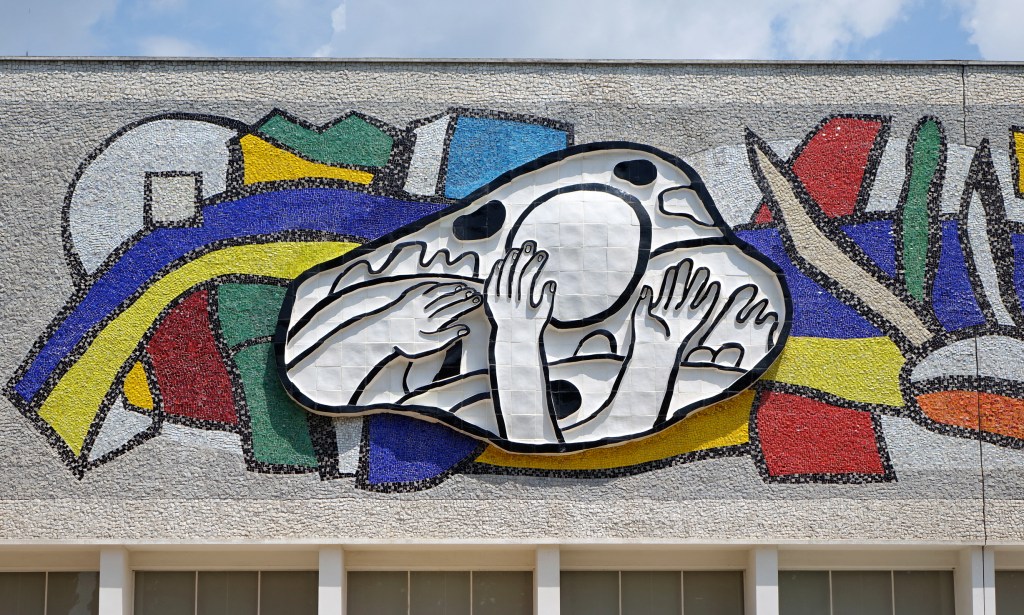
Beyond the galleries, the Biot museum offers an immersive grand-scale opportunity to discover some of the artist’s incredible sculptural, ceramic and mosaic works as demonstrated by the immense mosaics which envelop the building, constructed shortly after the artist’s death by his wife and business partner. In a garden laden with pine trees, Léger’s candy coloured sculptures are dazzling in the Riviera sunshine, while the mosaics explode in the landscape with all of the force deserved by this brilliant 20th century artist.

The museum’s exterior and its gardens

DSC07621 DSC07616 DSC07556 DSC07562 DSC07564 DSC07613 DSC07608 DSC07615 DSC07618

With his boldly simplified treatment of modern subject matter, Léger is rightfully regarded as a forerunner of pop art, and for me an absolute inspiration. I will never underestimate the work of Fernand Léger again.

All photos and written content are strictly the copyright of Nicholas de Lacy-Brown © 2015 and The Daily Norm. All rights are reserved.

My travel sketchbook: The Peyra Gate, Vence

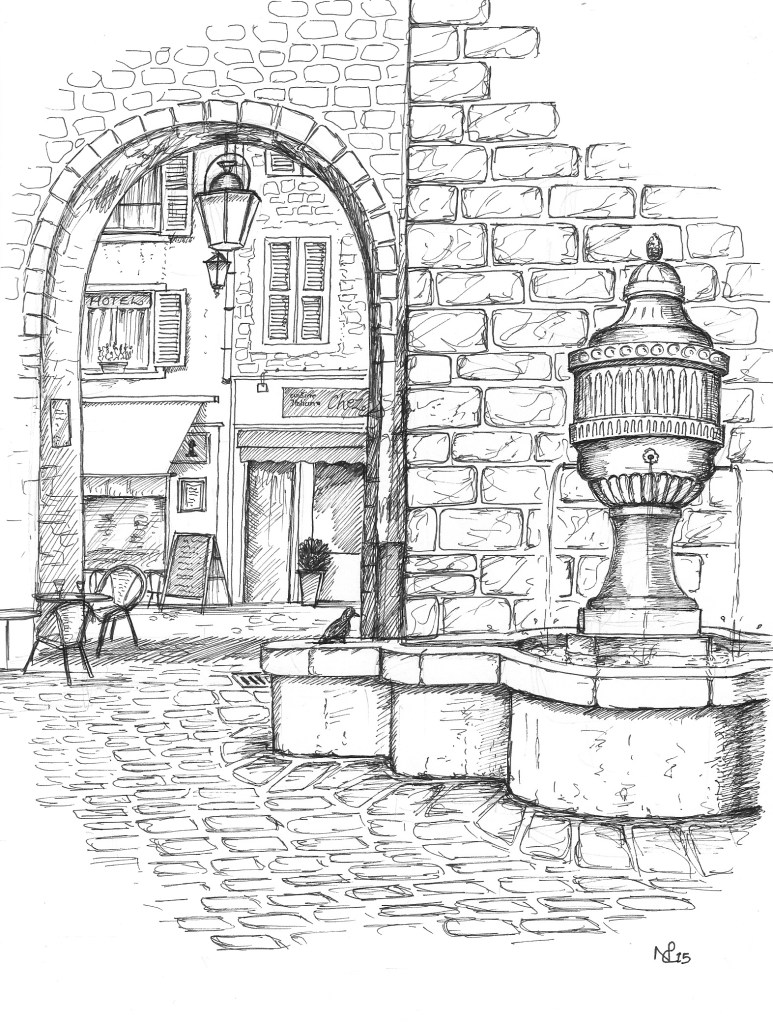
I was more than grateful, when we visited the little mountain town of Vence in the South of France, for my own sense of foresight which had prompted me to take along my black bound moleskin sketchbook with me on our trip. For the town was so idyllically beautiful with its pastel-coloured shuttered houses and little cafe-filled cobbled streets that I knew that I would be promptly inspired to create an artwork there. And so it was that after a little exploration around the old town, and a trip to Matisse’s chapel, we settled down for a very english afternoon tea and ice cream besides the ancient Peyra Gate and its equally historic fountain, two such monuments which provided the inspiration for this quick sketch completed in situ.

The Peyra Gate, Vence (2015 © Nicholas de Lacy-Brown, pen on paper)

The Peyra Gate, Vence (2015 © Nicholas de Lacy-Brown, pen on paper)

© Nicholas de Lacy-Brown and The Daily Norm, 2001-2015. Unauthorized use and/or duplication of the material, whether written work, photography or artwork, included within The Daily Norm without express and written permission from The Daily Norm’s author and/or owner is strictly prohibited. Excerpts and links may be used, provided that full and clear credit is given to Nicholas de Lacy-Brown and The Daily Norm with appropriate and specific direction to the original content. For more information on the work of Nicholas de Lacy-Brown, head to his art website at www.delacy-brown.com

The Honeymoon Chronicles, Part V: Vence

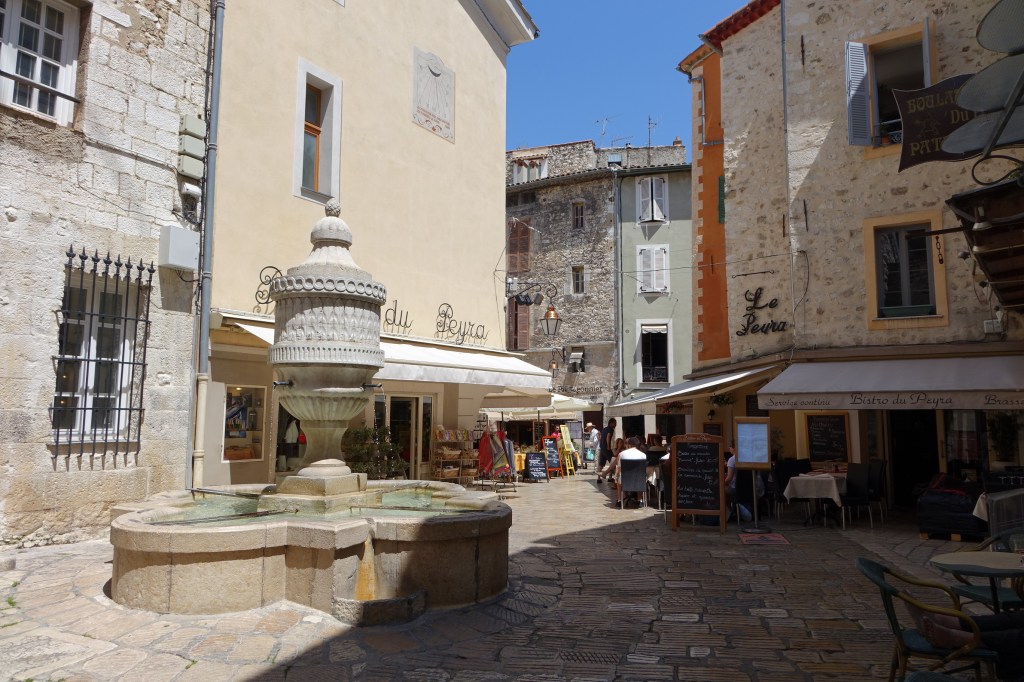
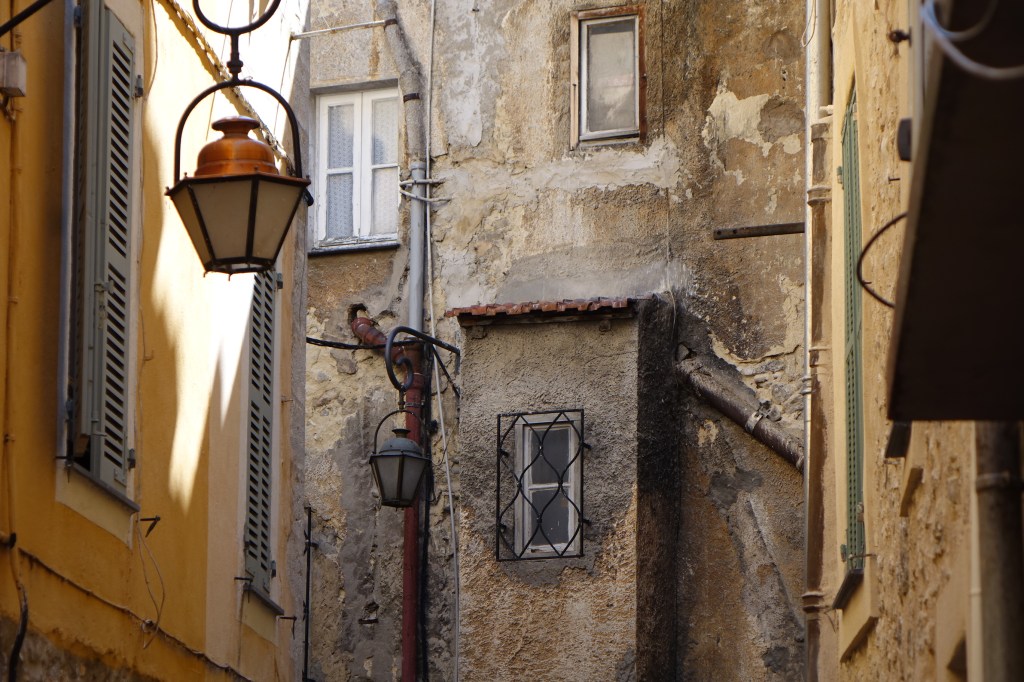
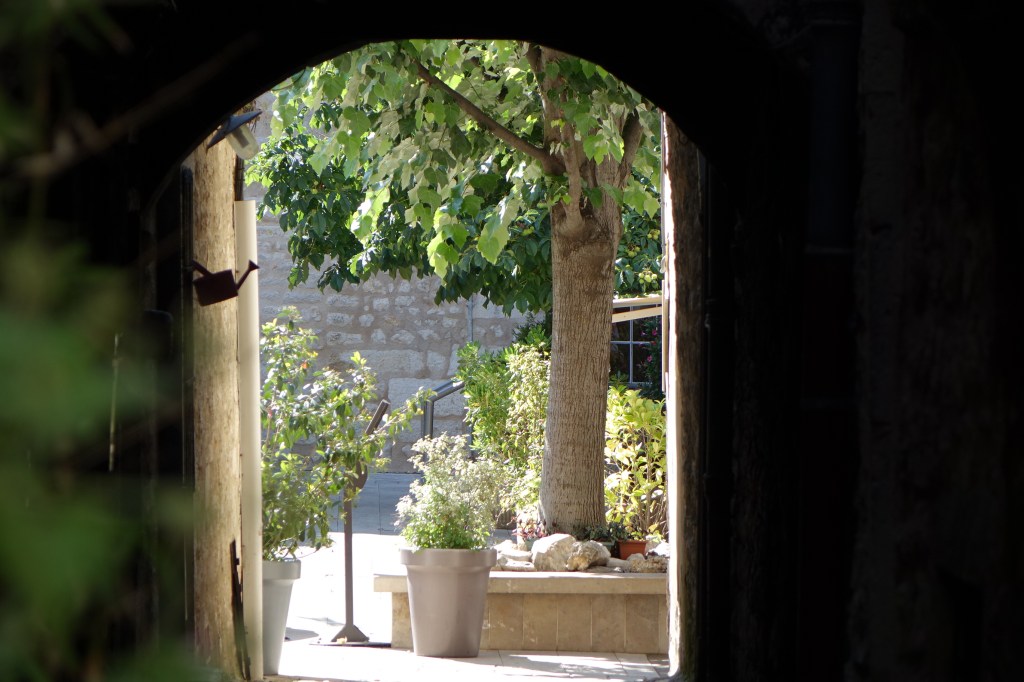
Just up a lush winding mountain road from the beautiful little village of St-Paul de Vence resides its bigger sister, the no less pretty town of Vence. Despite having spread into quite a substantial modern town, not all of which exhibited the most picturesque of sights, the core little old town, nestled within a tight ring of medieval walls and set up on a high hill above a cool mountain spring in the valleys below, is the very epitome of a quaint Riviera gem.

DSC07143 DSC07133 DSC07119 DSC07206 DSC07200 DSC07134 DSC07152 DSC07158 DSC07154 DSC07190 DSC07116

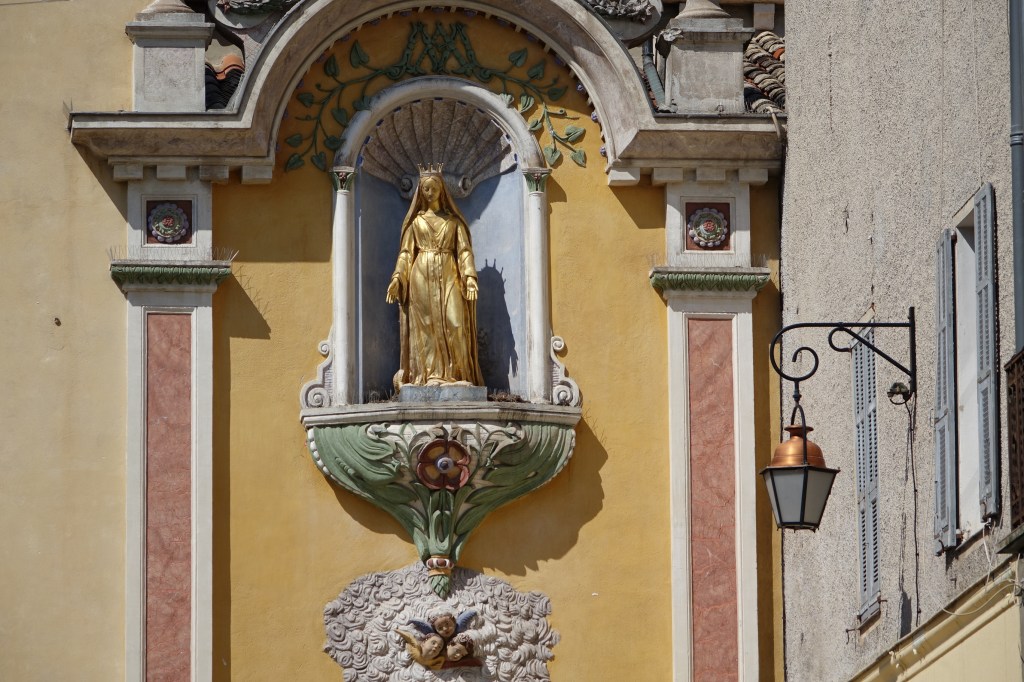
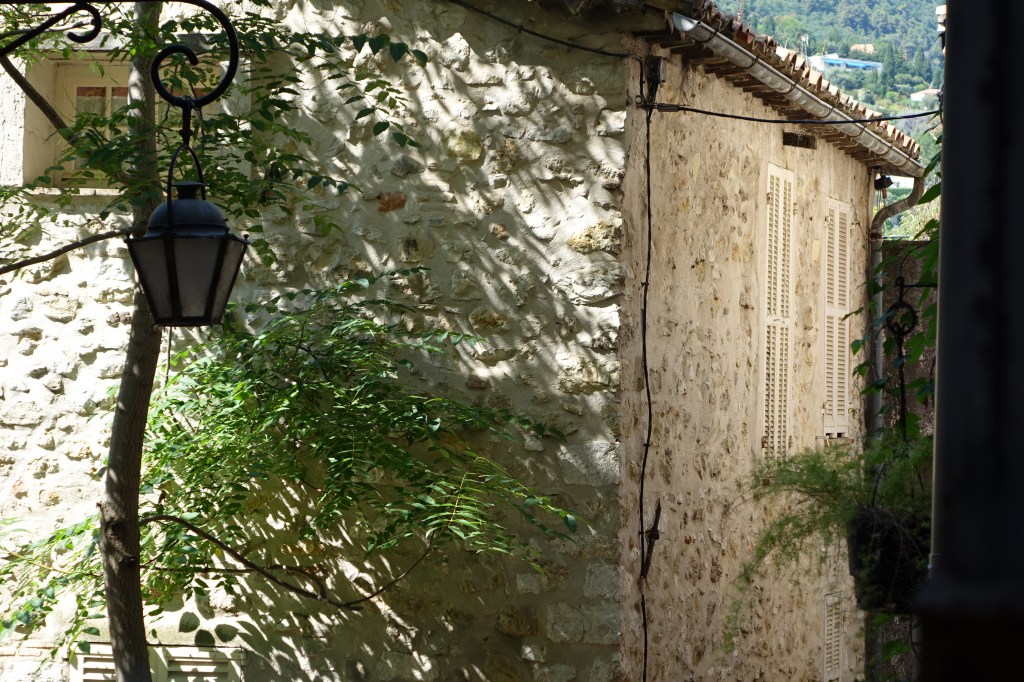
Through the ancient Peyra Gate into the pastel-coloured square bearing the same name, we entered a medieval fairytale of a town whose shuttered houses, little gift shops and typically French restaurants spilling out onto the cobbled streets and squares made for the most idyllic of scenes. Photographing the picturesque sights as rapidly as I took steps to discover them, I was completely enamoured by this beautifully appointed little gem of a town, from the grand Peyra fountain at the entrance dating back to the early 1800s, to the stunning Place Clemenceau, whose baroque little cathedral is allegedly the smallest Cathedral in France.

DSC07153 DSC07191 DSC07177 DSC07118 DSC07168 DSC07198 DSC07150 DSC07121 DSC07173 DSC07124 DSC07115

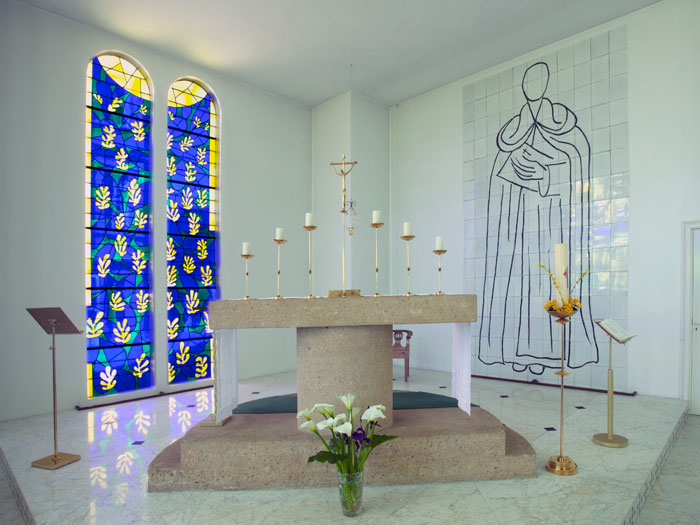
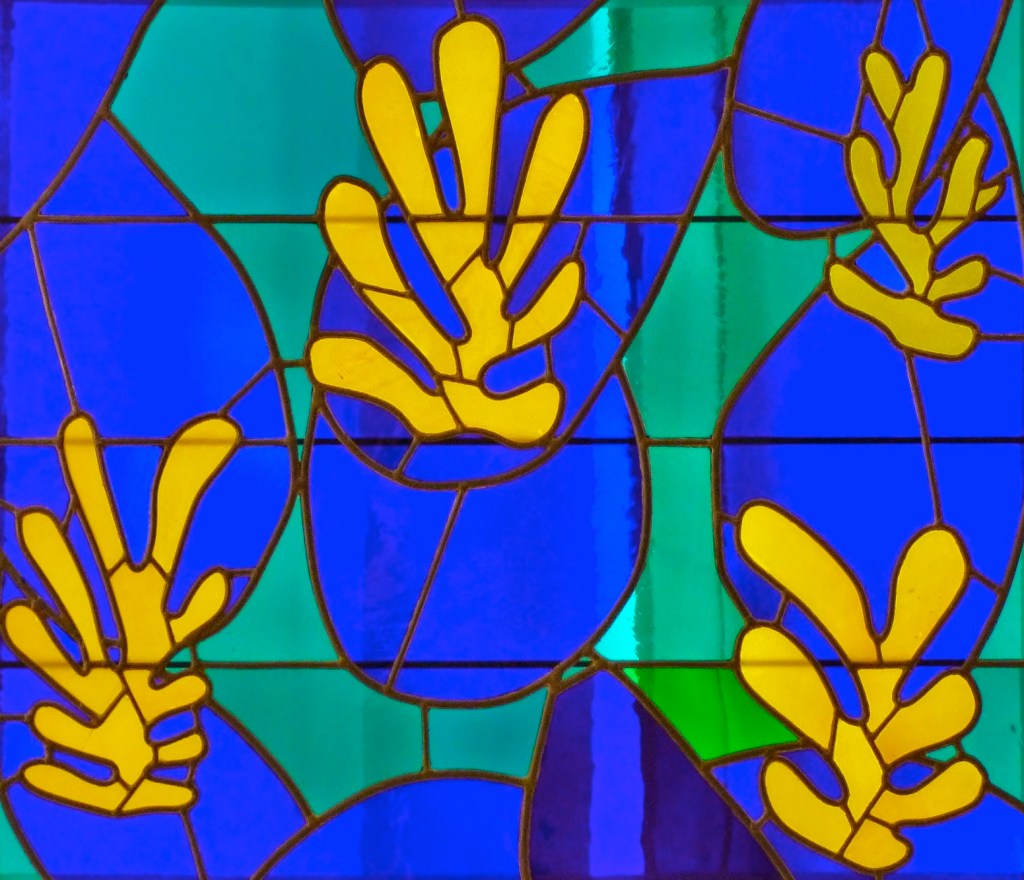
However in addition to the little old town, Vence boasts another attraction which we trekked the 20 minute hot walk out of town to see – the Chapelle du Rosaire designed by Matisse himself. I remember extolling the originality of Matisse’s designs for this little chapel when I visited his cut-outs retrospective at Tate Modern last year. But nothing in that exhibition came close to seeing the Matisse Chapel in reality, with the light shining through his vivid blue and yellow stained glass and bouncing off the white walls of the interior. I wasn’t as sure about the rather sketchy ceramic tiles which otherwise dominate the interior and fell somewhat flat compared to the magnificence of the windows, nor the exorbitant entrance free for such a small space, but seeing Matisse’s chapel surely made our visit to Vence complete.

Chapelle du Rosaire, by Matisse

DSC07145 Matisse interior 1 Matisse window Matisse interior 2

Art on the Riviera: Breakfast at La Colombe d’Or

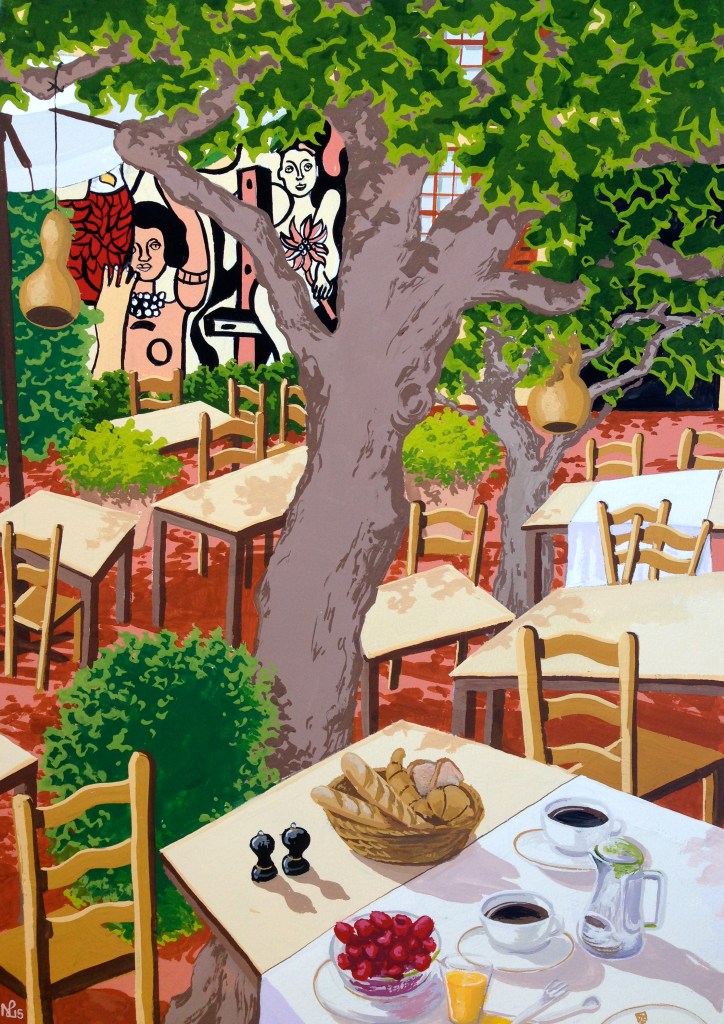
I wish I could claim to enjoy the kind of artistic notoriety and talent of those celebrated artists exhibited in the stunning collection of La Colombe d’Or and the Fondation Maeght, the latter being the feature of my last Art on the Riviera post. In the second feature of this series, allow me to indulge myself a little by featuring not the work of an artist great, but a painting created by myself.

Except that is not perhaps strictly true… for in sharing with you another of my honeymoon artworks, completed while we stayed at the blissful Colombe d’Or hotel, I am also sharing something of the work of much more famous artist, Fernand Léger. This is because in painting a work devoted to our experience of eating breakfast in the garden of La Colombe d’Or, I could not do so without featuring the stunning 1950s ceramic mural by Léger which is famously installed in the garden.

Breakfast at La Colombe d'Or (2015 © Nicholas de Lacy-Brown, gouache on paper)

Breakfast at La Colombe d’Or (2015 © Nicholas de Lacy-Brown, gouache on paper)

Breakfast at La Colombe d’Or captures the random cosiness of the beautiful restaurant terrace as it was set up for breakfast on those sunny Riviera mornings. Still recovering from a heaving night of fine dining, and before preparation of the terrace for lunch, the restaurant at breakfast had much more of a relaxed feel, like a star of the stage before her makeup was applied. The old rusty tables around which Picasso once sat were scattered haphazardly without a tablecloth – this was only placed on the table when a guest chose from amongst them and sat down to eat petit dejeuner in a dappled spot. Likewise the little vintage metal chairs were randomly placed, their normal cushions not yet affixed.

Amongst this friendly scene, the ceramic mural by Léger continued to glimmer in the morning sunshine filtered through the large leaves of the garden’s fig trees, and on the table, an exquisite breakfast of rich coffee, pastries and fruit was served in La Colombe’s iconic branded porcelaine. Breakfast bliss.

© Nicholas de Lacy-Brown and The Daily Norm, 2001-2015. Unauthorized use and/or duplication of the material, whether written work, photography or artwork, included within The Daily Norm without express and written permission from The Daily Norm’s author and/or owner is strictly prohibited. Excerpts and links may be used, provided that full and clear credit is given to Nicholas de Lacy-Brown and The Daily Norm with appropriate and specific direction to the original content. For more information on the work of Nicholas de Lacy-Brown, head to his art website at www.delacy-brown.com