Skip to content

Marbella en Realidad: True charm behind the gloss

You must excuse what has been a far from daily Daily Norm of late… for I have been away on my holidays, happily installed far away from the plummeting temperatures of England in the 30s of Southern Spain, desperately gripping onto the last rays of summer, enjoying my ultimate fill of vitamin D, wafting carelessly in the warm clemency of Spanish evenings before, with autumn descending, my body becomes bedecked in layer upon layer of winter woolies.

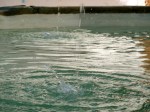
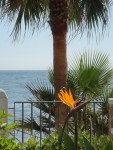
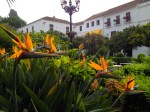
Yes, I’ve been back in Marbella, the town on the Costa del Sol renowned for its jetset reputation, for its yachts, designer stores, fake boobs and fast cars. And yet this reputation, while perhaps not the worst one can bestow, is far from justified, and certainly misses the point of what this town has to offer. For from the first minute I wandered into the old town of Marbella – the Casco Antiguo – a good 5 miles or so from Puerto Banus and the ritzy hotels and bars of tabloid fodder, I was totally entranced by a historic centre which exudes a cornucopia of Andalucian charm, whose tranquil silence is broken only by the dapple of water splashing from their old stone fountains, or the chirping of birds flitting from one orange tree to another, whose air is fragranced with the sweet seductive notes of Brugmansia trumpets and jasmine buds, and whose white washed buildings are in turn spattered with the vibrant colours of bourganvilla, terracotta pots containing bursts of red geraniums, balconies framed by intricately curled wrought iron balconies, and exquisitely painted local ceramics.

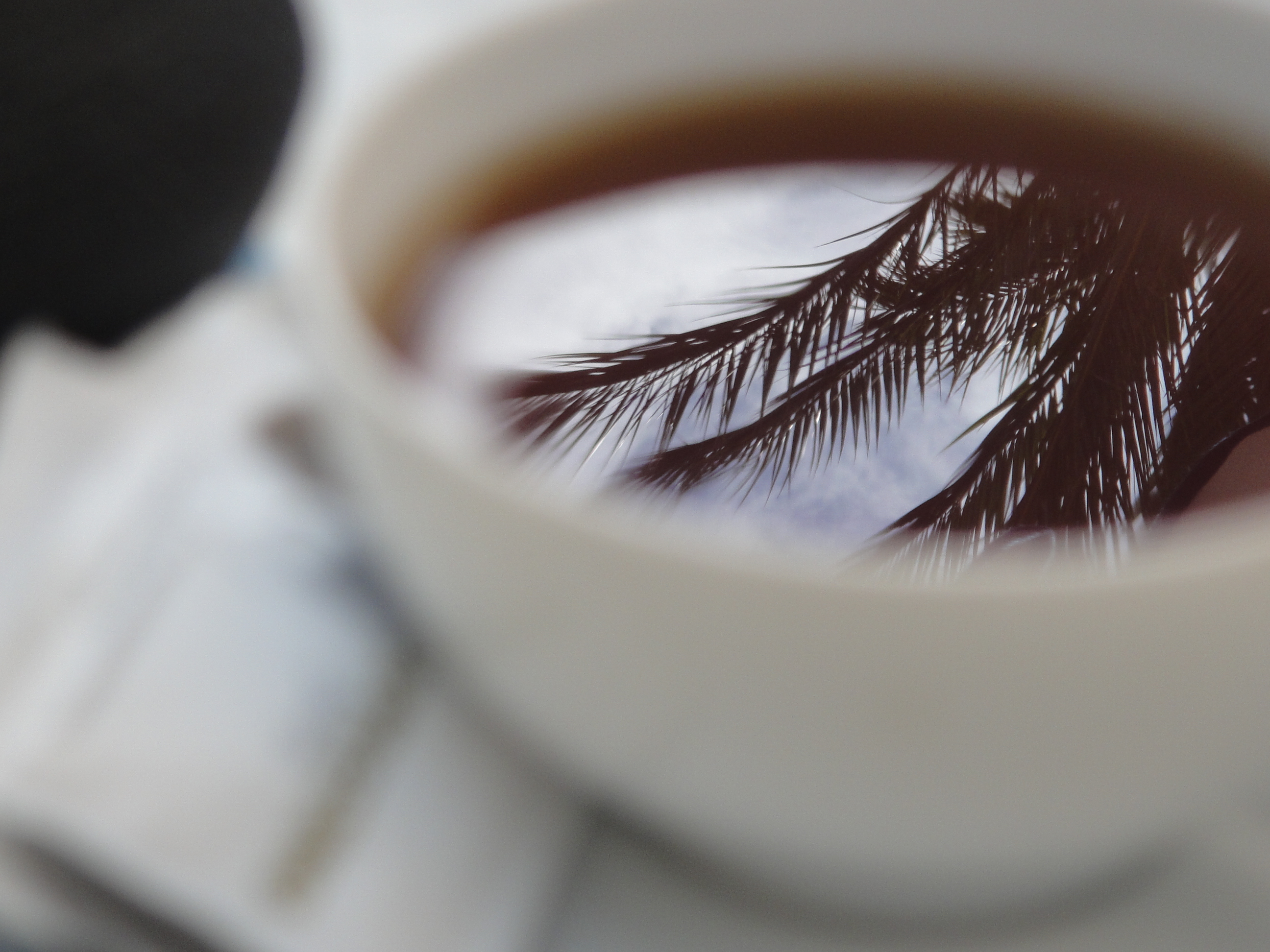
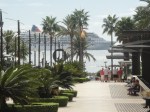
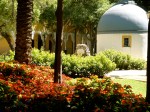
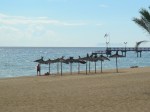
Marbella’s old town is undeservedly overshadowed by the superficial seductions of its modern suburbs, and perhaps this is what helps to maintain its charm and relative exclusivity. But as an artist, and being lucky enough to call the Casco Antiguo my second home, I cannot help but extoll the exquisite aesthetic virtues of this picture-perfect Andalucian town. I’m a resident, not a tourist, so my photos, perhaps sadly, do not depict the obvious – the squares, the cobbled narrow streets, the flamenco dancers or the restaurants. But hopefully through this selection of some of the little details which interested me on this, my early Autumn return to the town, you will gauge some idea of the idealistic charm of Marbella, and in so doing share in a cyber-shot slice of the beauty exuded from the heart of this very misunderstood town.

© Nicholas de Lacy-Brown and The Daily Norm, 2001-2012. Unauthorized use and/or duplication of the material, whether written work, photography or artwork, included within The Daily Norm without express and written permission from The Daily Norm’s author and/or owner is strictly prohibited. Excerpts and links may be used, provided that full and clear credit is given to Nicholas de Lacy-Brown and The Daily Norm with appropriate and specific direction to the original content.

The Daily Sketch: Milkmaid Norm

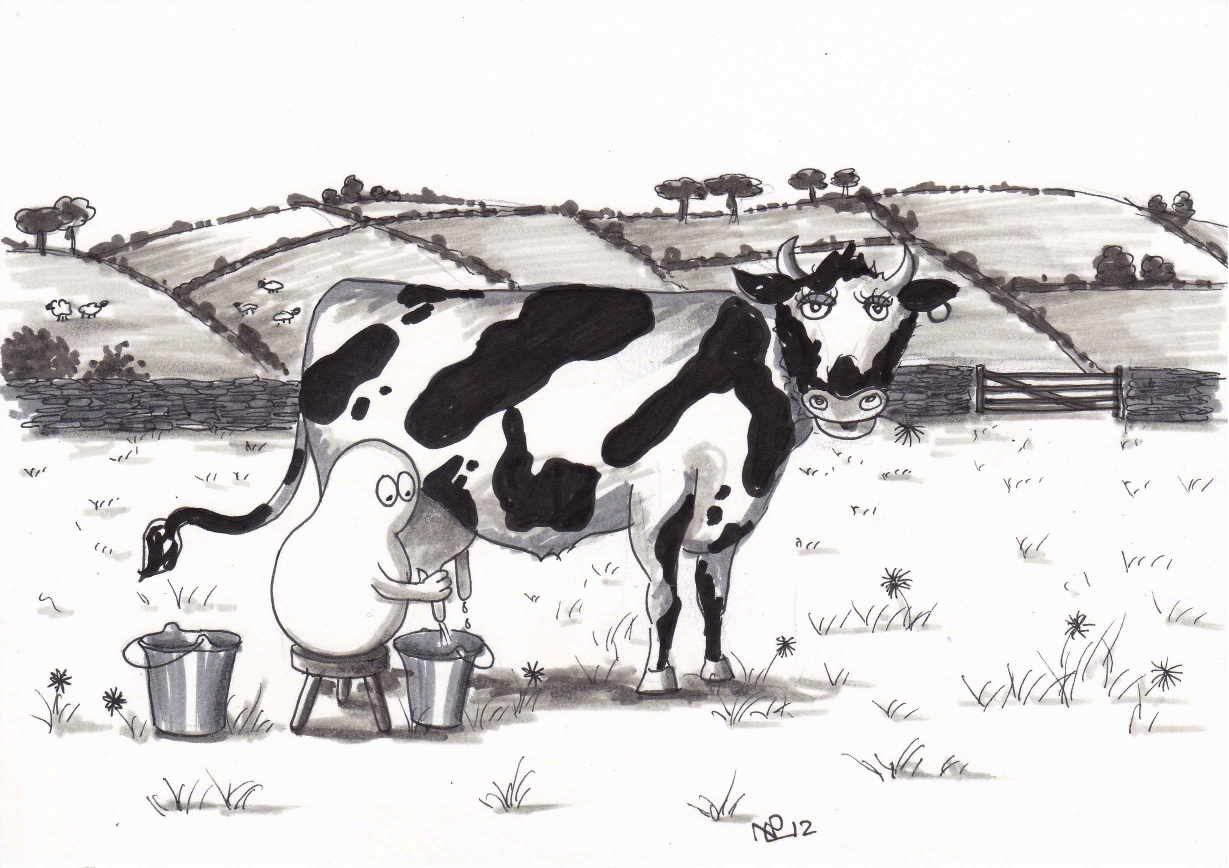
Now you see admittedly there’s a problem with this title. To call this Norm a Milkmaid is a little misleading, because he’s not a maid at all. But call him a Milkman, and you’d expect this little Norm to be driving around in an electric-powered milk van making his early morning deliveries around the towns and suburbs of Britain. He may go on to do that later of course (farms are generally short of staff these days – you know, what with all the reduced EU farming subsidies and all) but that’s hardly the point. I suppose as an alternative, I could call him a MilkNorm, but that just gives all the wrong ideas. Norms are white enough as they are, let alone being confused for a globule of milk (and it’s not as if they haven’t tried to tan, but it tends to turn them a kind of unattractive vertiginous purple rather than a butterscotch brown).

Milk(maid) Norm (2012 © Nicholas de Lacy-Brown, pen on paper)

So there we have it. It’s a dilemma which may serve to overshadow this otherwise bucolic scene of pastures green and an attractive friesian cow being milked by her proud milkmai…man…Norm… Here we go again. I give up. Enjoy the sketch while remembering an apparently important lesson in life – not everyone can be labelled. Some Norms just want to be themselves.

© Nicholas de Lacy-Brown and The Daily Norm, 2001-2012. Unauthorized use and/or duplication of the material, whether written work, photography or artwork, included within The Daily Norm without express and written permission from The Daily Norm’s author and/or owner is strictly prohibited. Excerpts and links may be used, provided that full and clear credit is given to Nicholas de Lacy-Brown and The Daily Norm with appropriate and specific direction to the original content.

Autobiographical Mobile: My painting diary – Day 6: The Calder Mobile

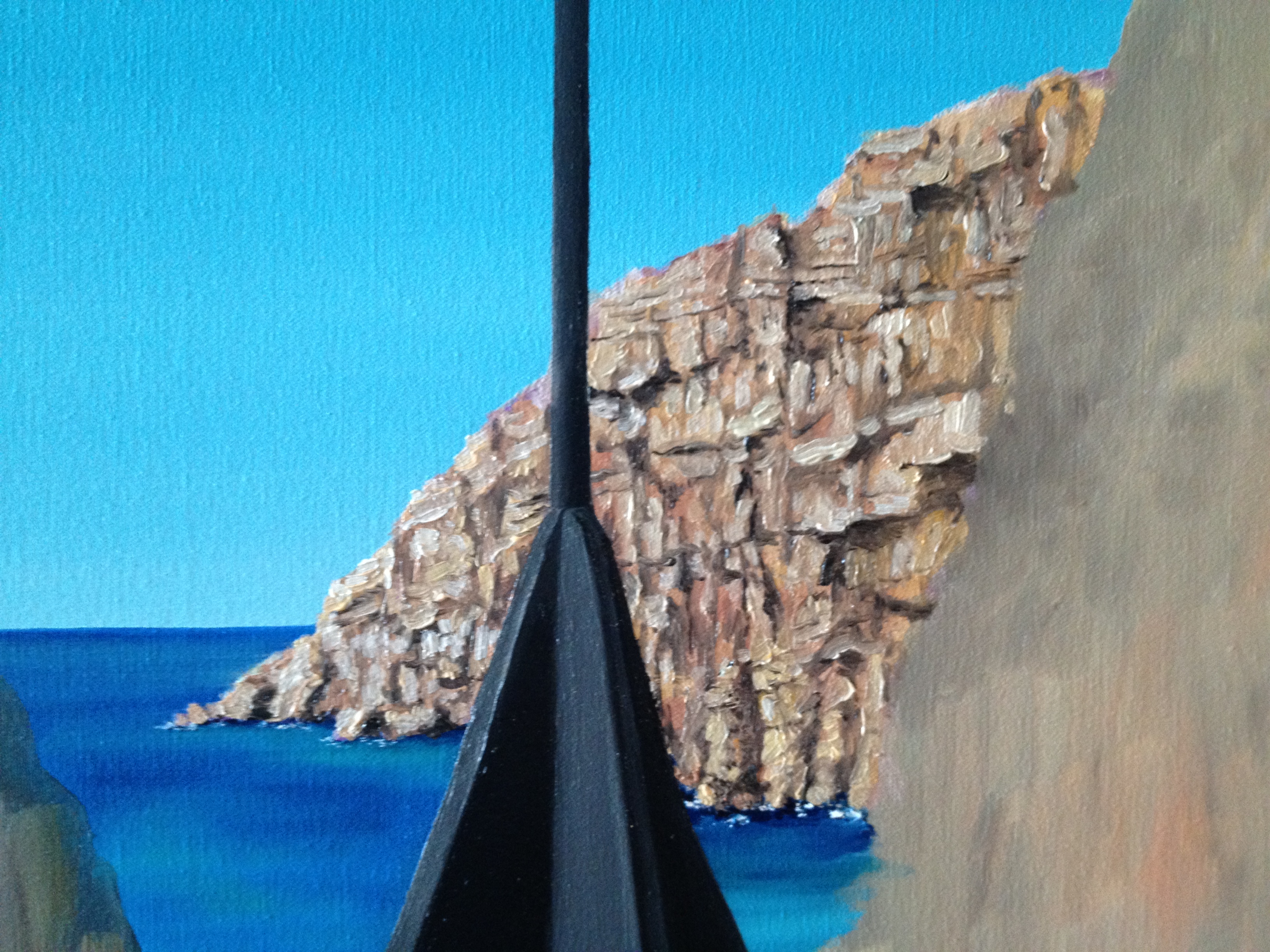
The main pretext of my new autobiographical paintings is the mobile which sits at its centre. Stranded in the middle of my coved Mallorcan beach, a large mobile sits surreally on 3 metal legs, and from its iron frame will hang the symbols which, on my autobiographical mobile, represent what significant events have both enhanced and damaged my life, all having a changing impact, whether for better or for worse. In this way, my mobile seeks to balance out the good with the bad, demonstrating the idea of equilibrium in life, the silver lining to every cloud, taking the rough with the smooth, while in undertaking the balancing act, the mobile resembles a scales of justice. Which is no coincidence – I am a qualified lawyer after all.

The Calder room at Washington DC National Gallery

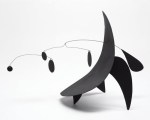
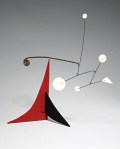
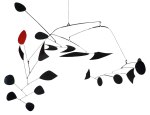
My mobile takes inspiration from one of my all time favourite artist/ sculptors: Alexander Calder. American born Calder (July 22, 1898 – November 11, 1976) was best known as the originator of the mobile. His works were graceful, kinetic structures, delicately balanced or suspended, their components moving in response to the environment in which they were situated (or occasionally by motor). The word “mobile” is said to have originated from Duchamp who, as a friend to Calder during the 20s in Paris, named Calder’s sculptures such to reflect their continuous movement and mobility. In 1929 Calder held his first show of wire sculptures and never looked back. His works are now regarded as being amongst the earliest manifestations of an art that consciously departed from the traditional notion of the art work as a static object and integrated the ideas of motion and change as aesthetic factors. His mobiles contained elements of largely abstract, monochrome shapes and plain colours, creating beauty in shape rather than detail. As his popularity grew, so did his mobiles become greater, and more and more appeared in public places all over the world, from JFK Airport (1957) to UNESCO in Paris (1958) and the Olympic Stadium for the Mexico games (1968). Needless to say, they are now a staple of early 20th century art history.

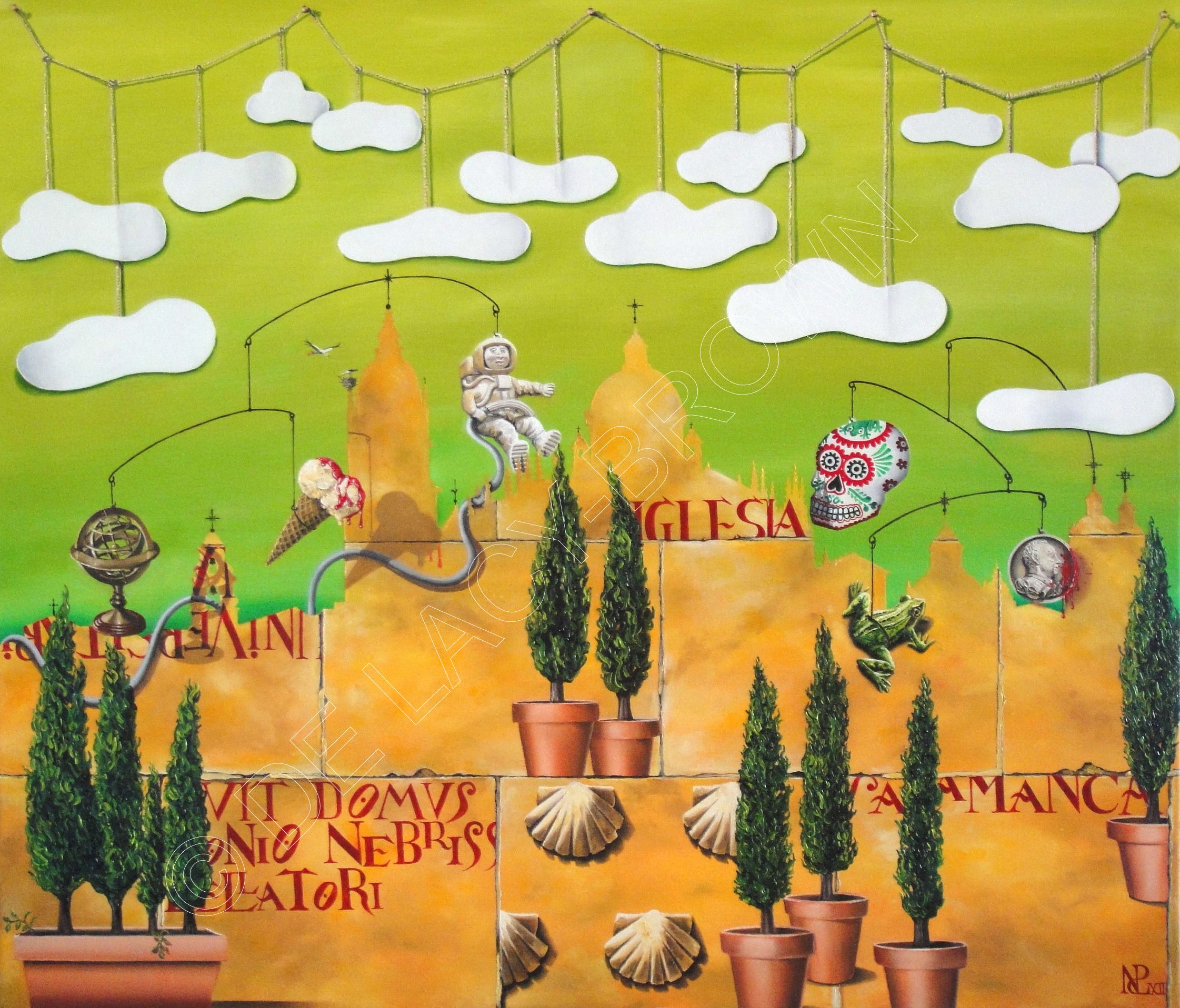
I first imported the notion of the mobile into my paintings earlier this year when I set about painting the city of Salamanca following my visit there in the Spring. There were so many features of the city which I wanted to represent, but to simply paint them without purpose or context would have been, to my mind, an artificial exercise. I therefore decided to paint the features of the city suspended from mobiles which in turn metamorphosed out of the iron crosses atop both the Cathedral and the University. In this way I was able to paint the various images of the city upon two competing mobiles, representing the age-long conflict between the traditionalist Church and the Enlightenment.

Salamanca (2012 © Nicholas de Lacy-Brown, oil on canvas, 105 cm x 90 cm)

This painting in turn inspired my current work which will centralise the idea of the mobile yet further, promoting it as a balancer of my life’s story so far. It is perhaps ironic that the mobile, beautiful by reason of its three dimensional form and capacity to move is, in my paintings, fixed in time. Yet the beauty of this slender armature loses none of its grace by reason of its immobility.

I painted the base of the mobile first, and then the arms. It was so difficult to paint those black lines straight. My hand was shaking all over the place. Oh, I also painted the little rocky cliffs in the background too.

Up next will be the various items hanging from the mobile. I move onto them this week.

In the meantime, here is a gallery of some of my favourite Calder mobiles. Until next time…

© Nicholas de Lacy-Brown and The Daily Norm, 2001-2012. Unauthorized use and/or duplication of the material, whether written work, photography or artwork, included within The Daily Norm without express and written permission from The Daily Norm’s author and/or owner is strictly prohibited. Excerpts and links may be used, provided that full and clear credit is given to Nicholas de Lacy-Brown and The Daily Norm with appropriate and specific direction to the original content.

The Daily Sketch: Pirate Norm

As Pirate Norms go, Captain Normook the Grizzly is pretty cheesed off. He used the be the big wig. The hook armed Captain of the Pirate Norms who had waged wars on soldiers and sailers, merchants and mermaids around the seven seas, stolen treasure aplenty, sold it and drunk his way into oblivions fantastic. No one crossed him, all were in awe, and only his parrot dared to answer back.

Imagine his displeasure then when this summer, suddenly all those who were in awe of him, afraid of his authority  and most of all of his ghastly sharp hook, started to rebuff him altogether. Hook for hand? That no longer impressed. Once his fellow pirate Norms caught sight of the brilliant Paralympic Norms in a newspaper discovered somewhere in a Coca-cola bottle floating around somewhere in the South Pacific, they suddenly realised that a hook for an arm was nothing – these Paralympians had lost their bounce and for countering that they deserved real respect. Thus it was that one afternoon, after far too many rum cocktails on the island of Hoopalulu, Captain Normook the Grissly was deserted by his own crew and left only to his treasure and his parrot and a few measly palm trees.

Pirate Norm (2012 © Nicholas de Lacy-Brown, pen on paper)

Let this be a lesson to you… complacency killed the cat… or something like that (appropriate adage wanted – answers on a postcard please).

© Nicholas de Lacy-Brown and The Daily Norm, 2001-2012. Unauthorized use and/or duplication of the material, whether written work, photography or artwork, included within The Daily Norm without express and written permission from The Daily Norm’s author and/or owner is strictly prohibited. Excerpts and links may be used, provided that full and clear credit is given to Nicholas de Lacy-Brown and The Daily Norm with appropriate and specific direction to the original content.

Sunday Supplement: Clapham Common

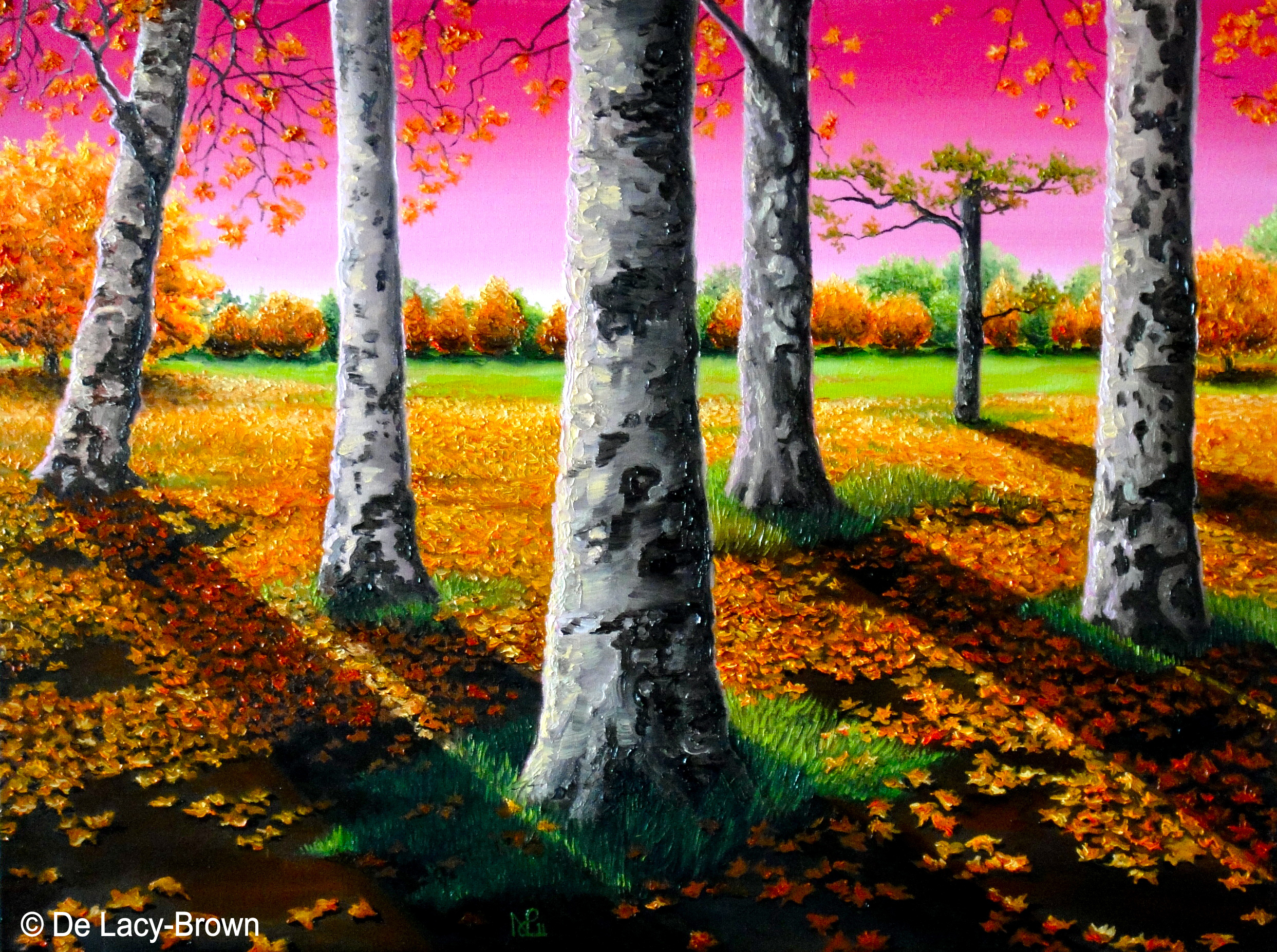
Autumn is coming. It’s inescapable. When we are lucky enough to enjoy the sun, we notice that its heat is no longer so all embracing, and that a chilly breeze is never far behind. All around, the lush green of verdant England is turning slowly paler, then yellow, and then auburn, as the trees slowly relent to the weather forces around them, tired after a summer’s efforts to grow and sustain thousands of new leaves, now letting them drop to the floor as the tree retreats into its winter slumber.

Autumn is a time of death and decay, but also a time of great beauty, as summer fades away, and the canvas of colours all around changes perceptively from blues and greens, to deep oranges, umbers and reds. I love autumn, and no more so in the large parks for which London is so famed. Just around the corner on Clapham Common, the trees scatter such a bounty of leaves all about them that often a carpet of golden curls is all that can be seen for miles around. This is all the more enhanced when the long rays of the autumn sun cast long shadows upon them, allowing the shades of orange and red to dance around the park like wild fire.

Clapham Common (2010 © Nicholas de Lacy-Brown, oil on canvas)

It was on one such sunny afternoon that I was inspired to paint this scene – a vivid painting capturing light and shadow across fallen leaves in Clapham Common. Now I come to think of it, it’s a bit Hockney in its bold colours, although this wasn’t the intention. Rather I set about demonstrating how vivid and eye-catching are the hues of autumn, and how beautiful this time of fading summer can be.

Have a good Sunday.

© Nicholas de Lacy-Brown and The Daily Norm, 2001-2012. Unauthorized use and/or duplication of the material, whether written work, photography or artwork, included within The Daily Norm without express and written permission from The Daily Norm’s author and/or owner is strictly prohibited. Excerpts and links may be used, provided that full and clear credit is given to Nicholas de Lacy-Brown and The Daily Norm with appropriate and specific direction to the original content.

Quick canapés to impress your colleagues

Apologies in advance for the rather fuzzy quality of my photos. As with the food featured, the photos were created in something of a rush. And this is the nature of my feature today – for in making up some canapés which don’t look half bad on a plate (they certainly look better than a packet of crisps and some sausage rolls) when you have neither the time nor skill to cook up a storm, party food doesn’t come much easier or quicker than this.

When my team at work decided that we should have a little drinks gathering to wave goodbye to a colleague of ours, I decided that some canapés were in order. But with only a few hours to spare the evening before, and with the prospect of travelling with said canapés on the London underground the following morning I had to think simple.

I came up with the following canapés which were a resounding success, are deceptively simple to make and which despite the ease of their creation, have the ability to seduce both in appearance and flavour.

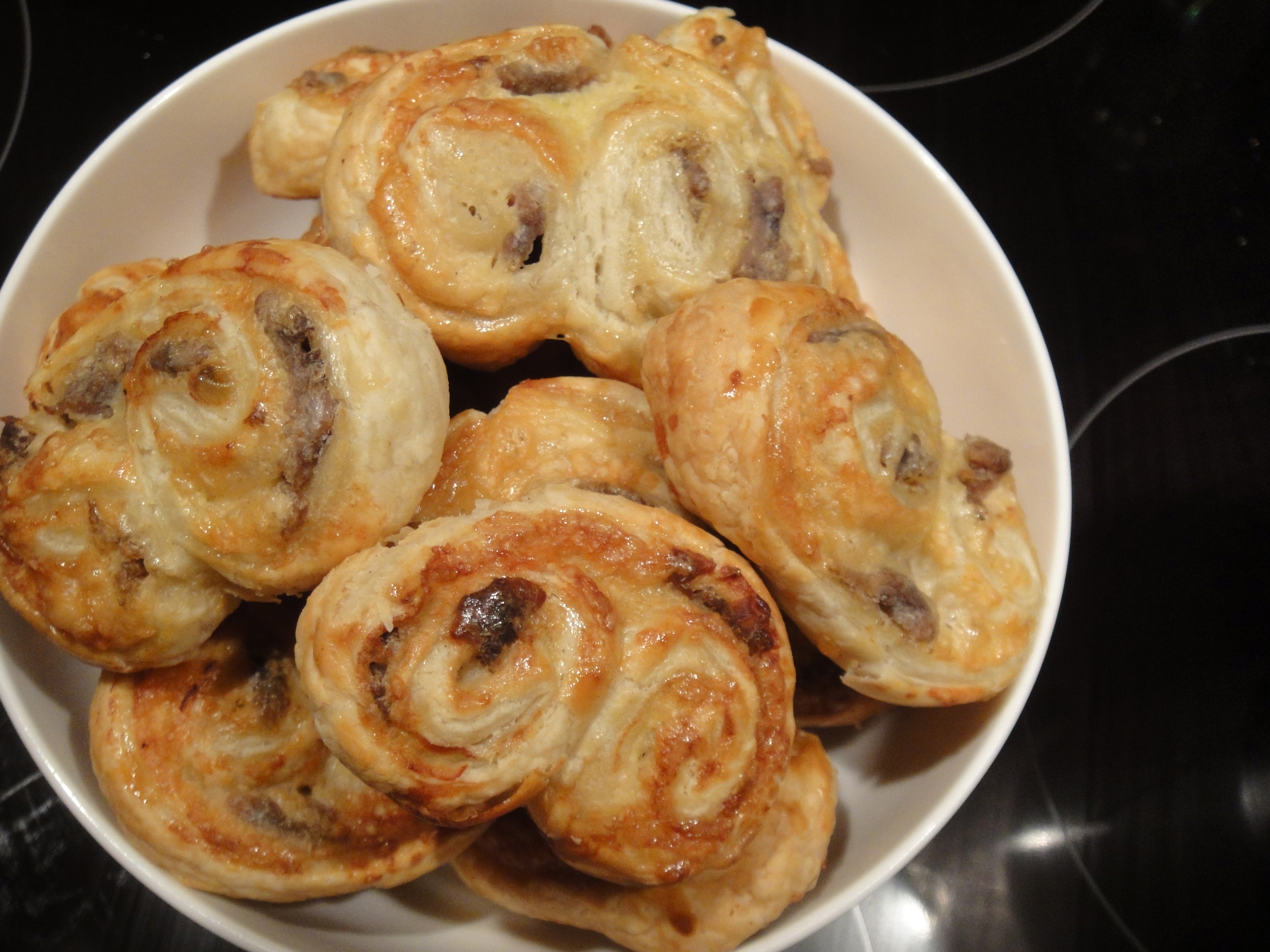
My canapés

Slightly less glam – the canapés set out on paper plates and tupperware at work

Anchovy and parmesan palmiers

These are a simple savoury variation on my previously posted sweet palmiers recipe. Simply replace the sugar with a handful of freshly grated parmesan and four rows of anchovies laid out parallel to the long sides of the puff pastry (which you roll inwards). Then freeze for 10 minutes before cutting into slices and cooking in an oven at around 200 degrees centigrade for around 20 minutes. These treats are salty but mega moorish.

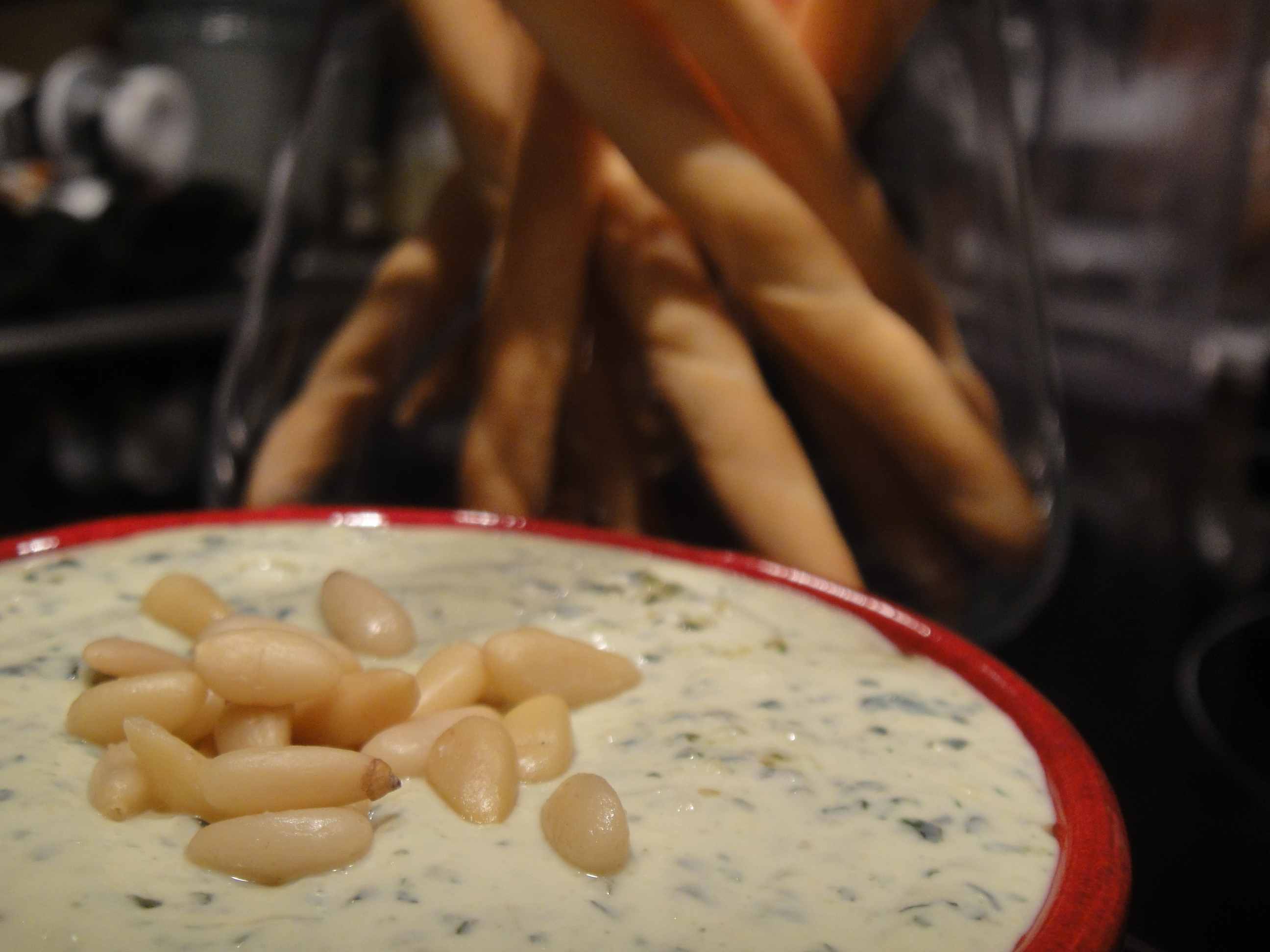
Proscuitto-wrapped grissini with a home-made pesto dip

Such an easy treat, but this one went down the best. Simply wrap one end of some Italian grissini (bread sticks) with proscuitto or parma ham. For the dip make some pesto – I wizzed up half a clove of garlic, four large handfuls of fresh basil with a handful of lightly toasted pine nuts and the same amount of freshly grated parmesan, a good dose of salt and enough olive oil to loosen up the mixture once blitzed in a mini food processor – there’s nothing quite like the smell of freshly made pesto to evoke the pleasant green lands of Roma, picnicking outside the Coliseum – and that was my pesto. I only used about 2 heaped tablespoons of this, adding those to 300g of soft cheese and there was my dip – creamy, with the exquisite flavour of the mediterranean.

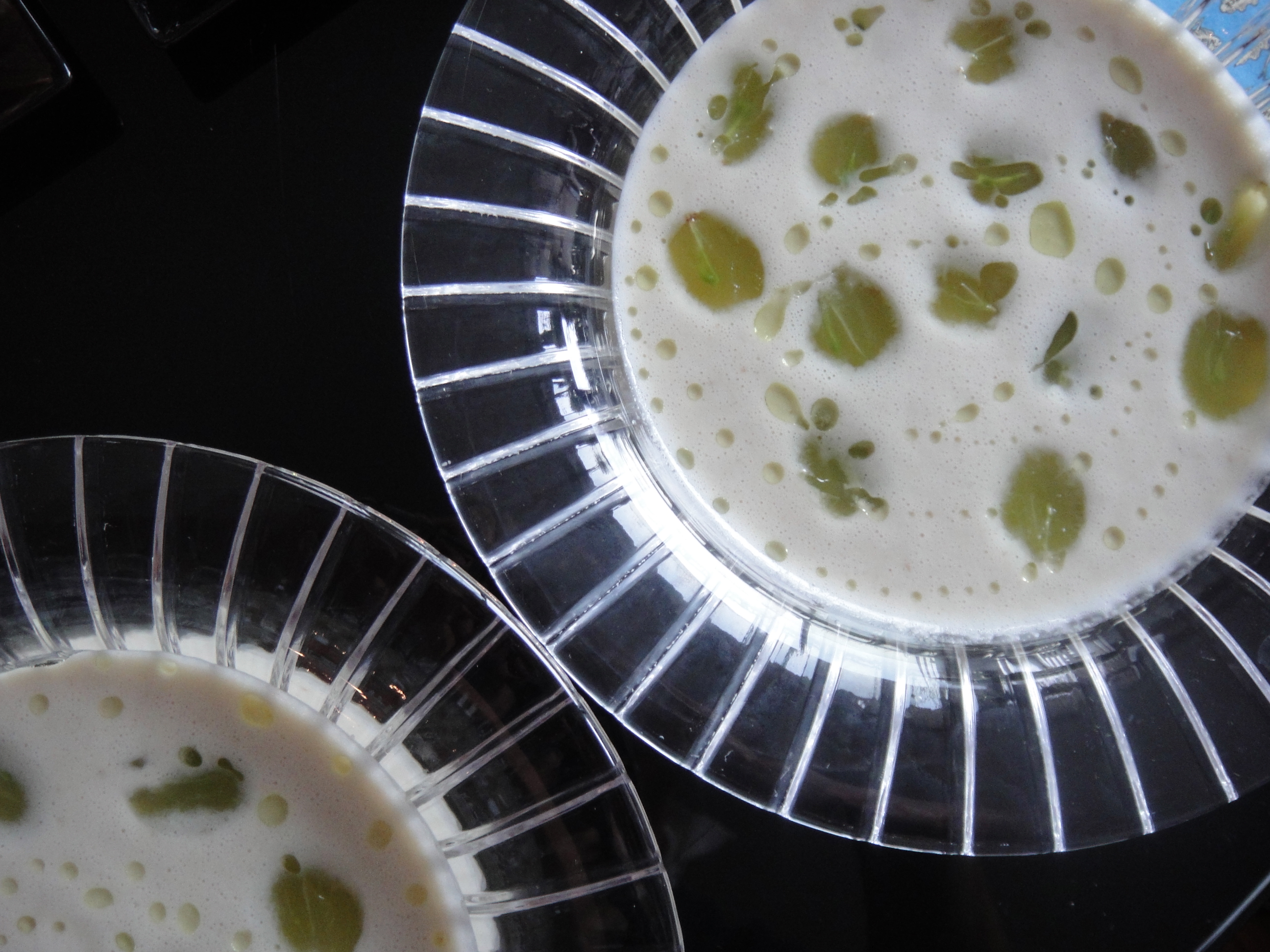
White gazpacho

This is one of my favourite Rick Stein recipes and works great as a starter (in larger portions) or as a canapé in small shot glasses or flutes with a few white grapes scattered into the mix. It’s a creamier more indulgent version of the typical Andalus tomato gazpacho and is so easy to make. Simply soak 200g of stale white crustless bread in 400ml of cold water for around 30 minutes. Place this soggy bread mixture into a liquidizer with 100g of blanched almonds and 1-6 cloves of garlic depending on how strong you like your garlic (I only use one, and I think that’s strong enough) and whizz this up into a smooth paste. With the motor still running, gradually add 150m of good quality olive oil and 4 tablespoons of sherry vinegar. Then add around 400m of more water – more if the soup is too thick. Check the seasoning and add salt if necessary. Then the key is to get the soup nice and cold, so refrigerate for at least 4 hours – overnight preferably. Serve with white grapes and a drizzle more of oil.

White gazpacho as a starter

Smoked trout dip

This one is slightly more controversial as it’s meant to be a mousse, but for some reason mine wouldn’t set. However, it turned out very well as a dip for the variety of crackers we had at the party, so why not add it in here. All I did was to whizz up 165g of smoked trout in a food processor with 225 g of creamed cheese, a squeeze of lemon juice, a sprinkle of dill (to taste) and 2 tablespoons of cream (it could be the cream which prevents it from setting – perhaps try without – I didn’t have time). If you have the time to chill the mixture and get it into a neat piping bag, you will probably succeed where I failed in piping little individual canapes of the mousse onto a blini or even a slice of cucumber. This looks great with some caviar on top. But failing that, serve it up as a simple dip – it’s delicious, especially when eat with the anchovy palmiers.

Figs stuffed with dolcelatte

Finally, and for the easiest of them all, a load of plump dried figs, slit them open as though you are performing a delicate surgical operation, get messy by breaking off some creamy dolcelatte and lovingly stuff each fig with your own fair hands – it’s sticky work, but strangely satisfying. You can seal the deal with some proscuitto wrapped around the fig, or leave it off for veggies (I do however find that a strand of ham makes these canapés looks lightly less poo-like). They’re not the most attractive canapés in the world admittedly, but for ease of method, and for richness of flavour, they don’t come better than this.

Tis soon the season to be jolly, so canapé season is just around the corner – these recipes are perfect for the kitchen shy host with the most – and these will enhance any bash with minimum skill or time required. Enjoy!

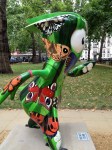
Wenlock and Mandeville – the Mascots that got London walking

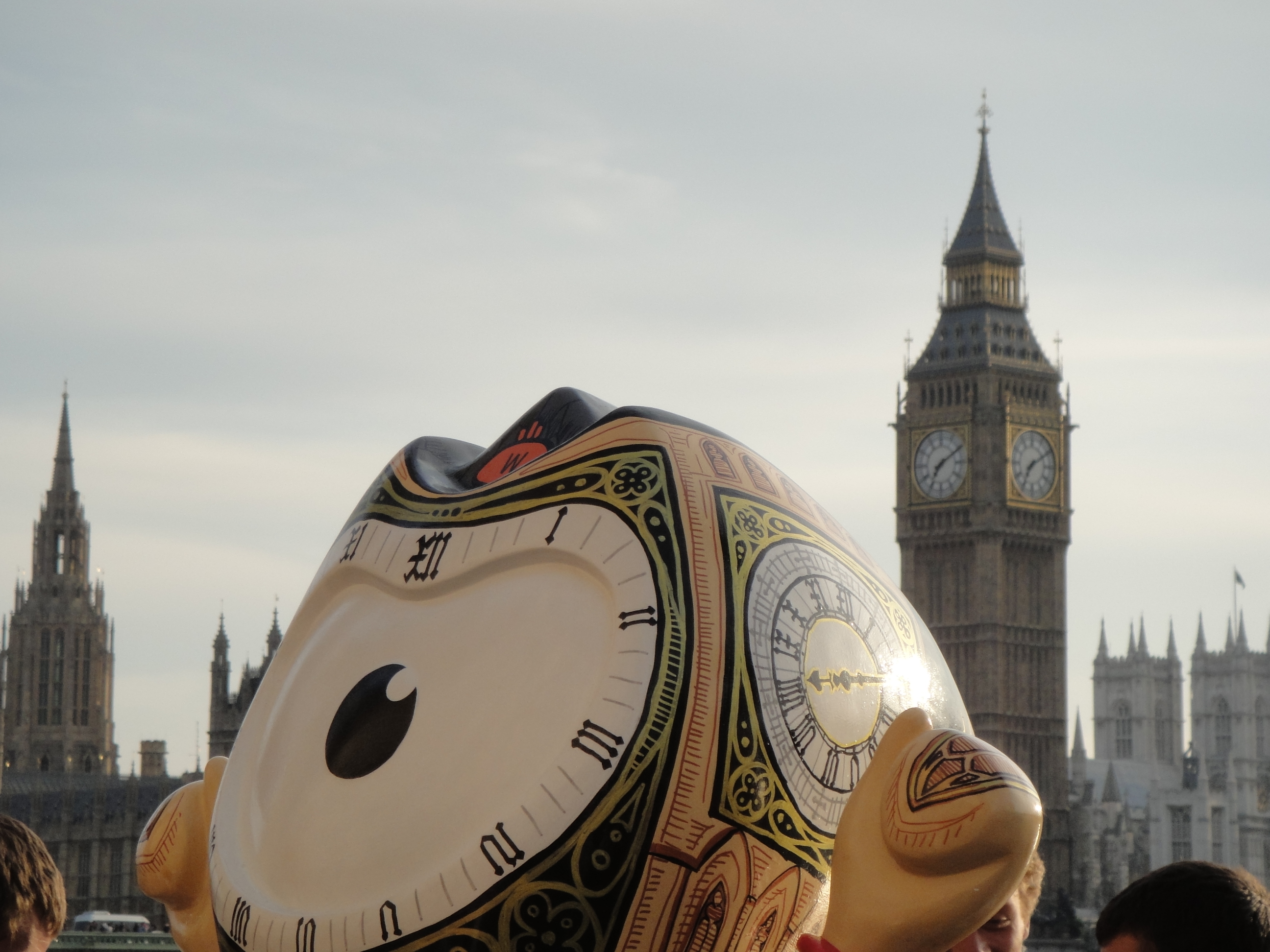
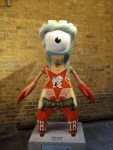
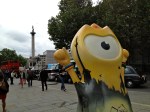
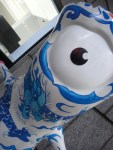
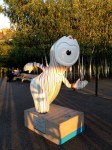
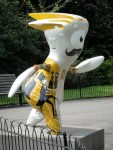
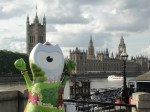
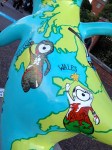
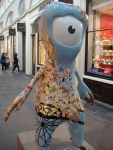
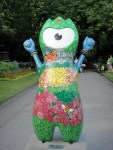
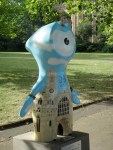
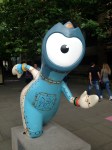
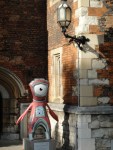
If there’s one thing I will miss in London now that our “golden summer of Sport” has come to an end, it’s the pleasurable sight of the Olympic and Paralympic mascots dotted all over the city. The mascots, with their one eye (the design of which is apparently something to do with a camera topped by the light of a London black cab) and curvaceous organically shaped bodies (meant to resemble drops of iron left over from the construction of the Athletics Stadium) have become synonymous with the playful spirit of the games.

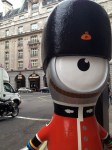
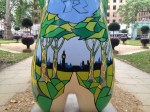
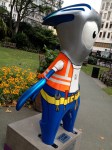
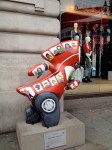
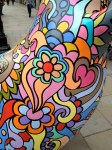
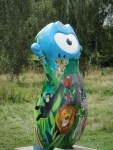
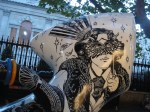
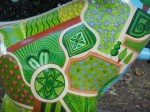
Just a few days before the games begun, life-size statues of the twosome began to appear all over London, painted up by a host of different artists to reflect both different characters (soldiers, a business man, a beefeater and so on) and the location where the statues are standing. As artistic creations, they were not always painted with faultless skill, but for imagination, and playful depiction of the theme at hand, these painted statues are surely worth a mention on this art-based blog.

Big Ben Wenlock

One of my favourites – a Soldier of the Horse Guards

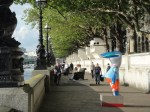
And not only did the statues have some artistic merit. They were also designed to mark out “strolls” around London, pointing the way to points of interest across the city so that tourists and Olympic visitors alike could make the most of our great city while visiting for the games. Ingenious.

Once I had seen one, I wanted to see them all. Of the 80 odd on offer, I got to see around 50 enjoying seeking out each statute in turn like a mass treasure hunt of capital city proportions. Not bad, although I wish I had had the time and energy to see them all. Here are a host of photos showing the mascots I befriended, and which, any day now, will disappear off to the homes of the anonymous bidders who have been buying them up for 4 figure sums on the London 2012 memorabilia website. The prices were a bit steep for me, otherwise I would have been tempted to have moved one of these figures into my flat 🙂

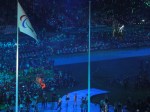
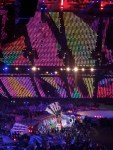
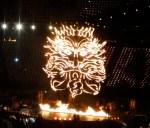
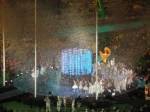
Licence to thrill 2: The Paralympic Closing Ceremony

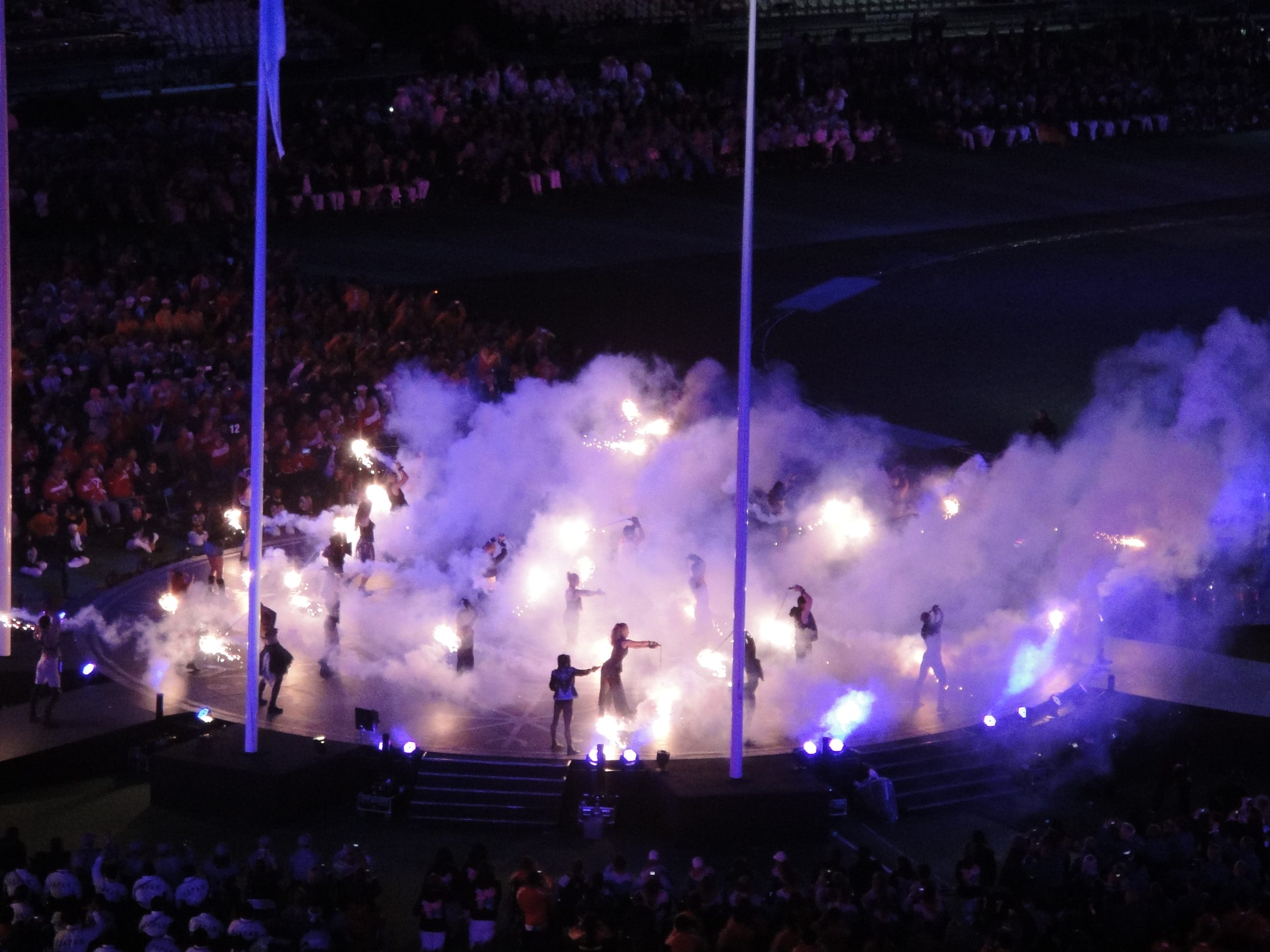
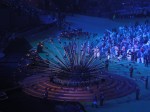
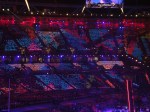
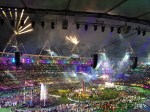
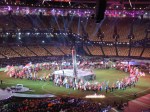
To say that the London 2012 Paralympic Games went out with a bang is something of an understatement. Headlined by Coldplay, and featuring Rihanna and Jay Z, the Closing Ceremony, entitled “Festival of the Flame” was a spectacular technological feat of such artistic genius that no single superlative will do. I’ve watched all three previous Olympic and Paralympic ceremonies on television, but nothing can ever prepare you for how different, how utterly awe-inspiring these ceremonies are when you’re sat in that magnificent stadium.

In front of me the incredibly well-designed LED lighting affixed to each seat glowed with such vibrant multi-pictorial technologically unfathomable brilliance when lit as a whole (all 800,000 odd lights are controlled by a single computer, which uses the lights like pixels to create huge moving images around the stadium) that my brain could barely keep up with the sensation offered up to it for interpretation by my wide incredulous eyes. Underneath, the music vibrated with such depth of base, and the crowd cheered with such a resounding harmony that I became utterly immersed in this spectacle, at one with its brilliance.

The innovation of the lighting, the use of the audience as part of an every changing theatre set, of eccentrically designed mechanical creatures, of fantastical costumes, of feathered characters falling from the air bringing with them candelabras dazzling above the stadium like the Hall of Mirrors in Versailles – everything tantalized the senses in its originality, wonder and vibrancy. I left utterly stunned, in awe of London, of spectacle, of theatre and again of the superiority of British culture and design which worked in perfect union with our heroic athletes to present to the world the best Olympics and Paralympics ever.

I can say no more. Take a look at my photos. Sadly I was not well equipped with a powerful zoom or a camera well suited to nighttime and plenty of activity in low light. But hopefully these photos will go some way in demonstrating just how dazzling a show this was.

The Daily Sketch: Paralympic Norms at London 2012

After 7 years of preparation and even more before that of imagination, London 2012 will officially reach its grand finale tonight as the petal cauldron is extinguished for the final time, and fireworks fill the skies in celebration of what has surely been the most spectacular Olympic and Paralympic games known to man.

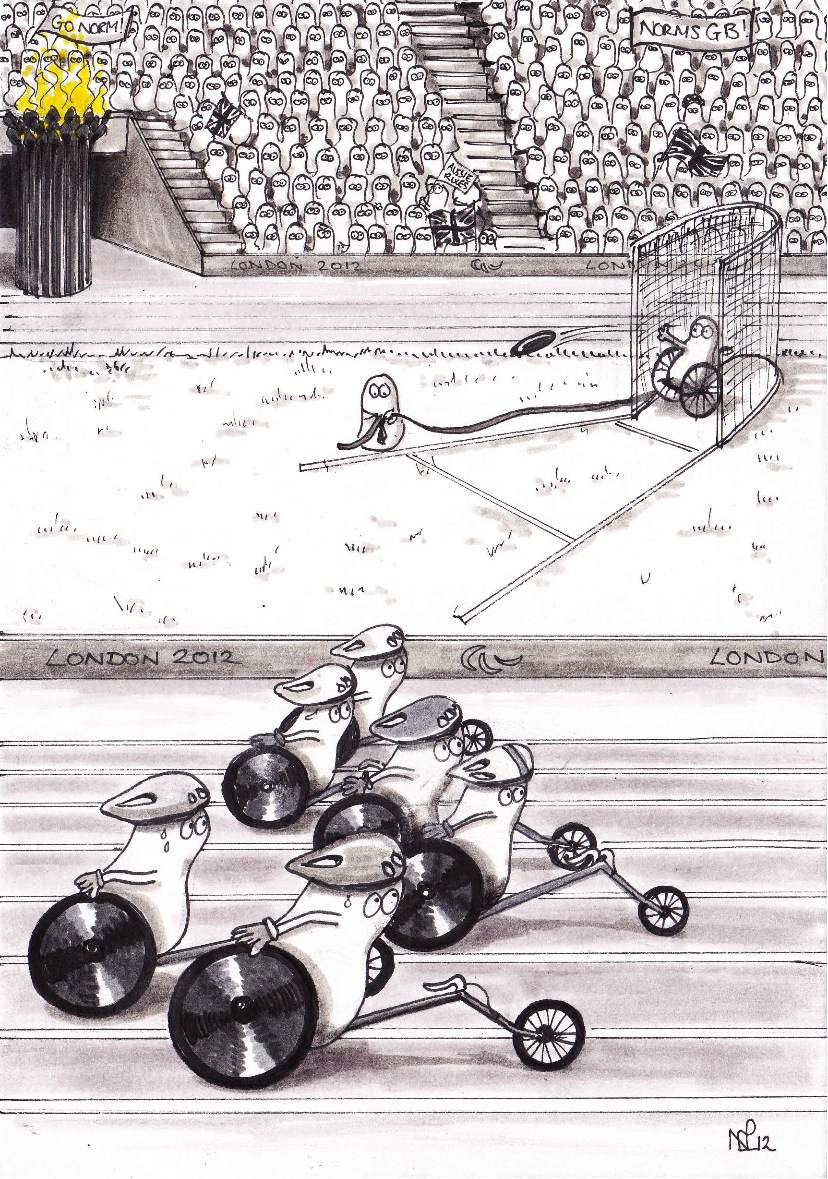
In the parallel olympiad celebrated in Norm world, the Norm Paralympic Games have been a roaring success. Here we see the paralympic stars of the wheelchair 1500km. It’s the final lap, and crowd favourite, Normi the Brit, is on the outside lap, neck and neck for second place but doing everything in his Norm power to overtake Normski, the Russian paralympian currently taking the lead. Will the crowd spur Normi on to victory?

Meanwhile in the background, another paralympian Norm takes their turn in the wheelchair discus. These sporting achievements are a fantastic accomplishment for the paralympian Norms who, by reason of their bodies’ lost ability to bounce properly, have been rendered disabled and reliant upon a wheelchair for their transportation. Yet despite this obvious disadvantage in life, they have proved that any obstacle, no matter how severe, can be overcome with perseverance and strength of will. In this respect the Paralympic games have been a lesson for us as, and their legacy, rising from the ashes of the extinguished flame tonight, will surely live on for generations to come.

Paralympian Norms in the Wheelchair 1500km (2012 © Nicholas de Lacy-Brown, pen on paper)

© Nicholas de Lacy-Brown and The Daily Norm, 2001-2012. Unauthorized use and/or duplication of the material, whether written work, photography or artwork, included within The Daily Norm without express and written permission from The Daily Norm’s author and/or owner is strictly prohibited. Excerpts and links may be used, provided that full and clear credit is given to Nicholas de Lacy-Brown and The Daily Norm with appropriate and specific direction to the original content.


Too twee for me: The Sterling-Clark Impressionism collection at the RA

The problem, in my view, with Impressionism is not the fact that its most renowned images are regularly plastered across every kind of tourist paraphernalia and household object you can possibly imagine – often the most iconic images are icons for a reason – because they broke boundaries, they inspired, they recalled an essence of something past, a nostalgic ambience, a time of great creative fluidity.

Rather, the problem with Impressionism is that having begun as an artistic revolution, breaking new boundaries, taking art from the confines of bourgeois society, the closed-class snobbery of  institutionalised selection committees and the drawing rooms of the aristocracy and using it to celebrate the lives of the ordinary, of the downtrodden, of the true foundations of society, and steering draftsmanship from perfectly executed depictions to looser, more energetic and living impressions, much of Impressionism became the victim of its own success.

Renoir started painting ghastly portraits of rotund, rosy-cheeked women, twee, floral-sweet pictures which would fit nicely onto a chocolate box were they not so likely to induce the viewer to vomit. Monet, meanwhile, became overly obsessed with his damn lillies, to the extent that in trying to capture the subtle pinks and purples of mist over a pond, he ended up painting canvas after canvas which were reminiscent of the kind of floral fabric preferred by members of the WI and other polite conservative society. Van Gogh’s work became clumsier and clumpier, Cezanne’s became repetative, Degas started dabbling in pictures of nude women which were almost sadist, and Manet, poor thing, was confined to painting flowers, although to be fair, he was too ill to work on bigger canvases.
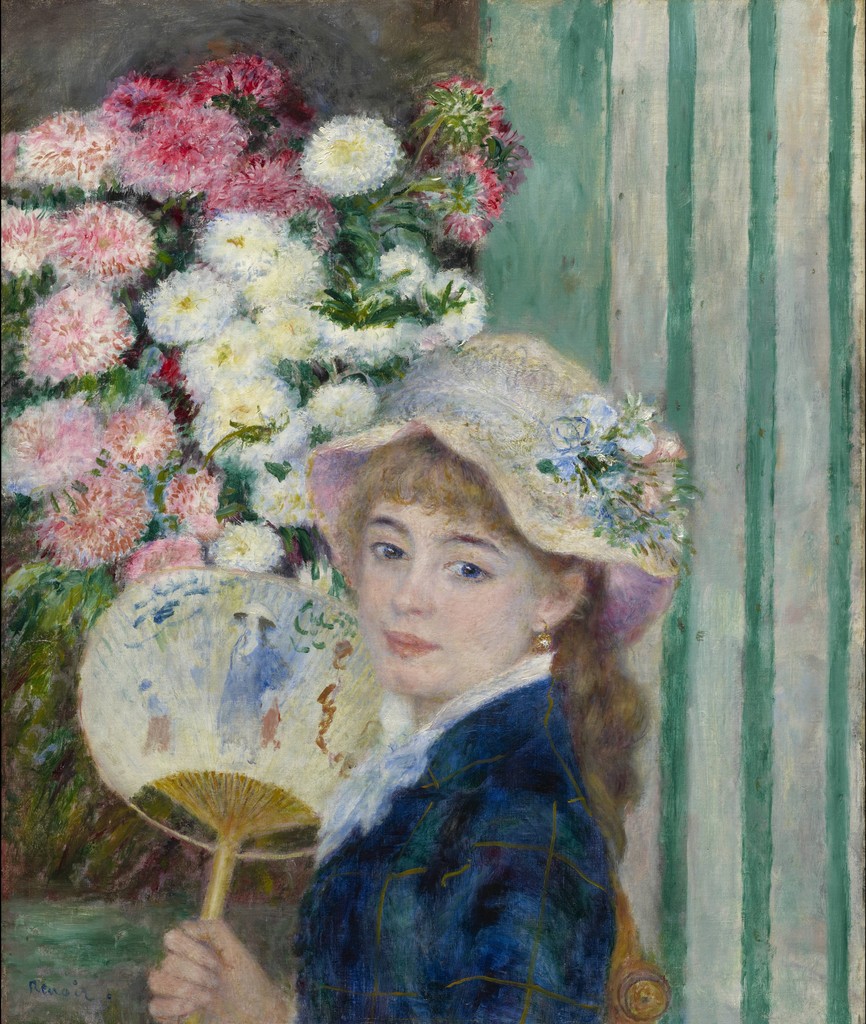
Pierre-August Renoir, Girl with a Fan (1879)
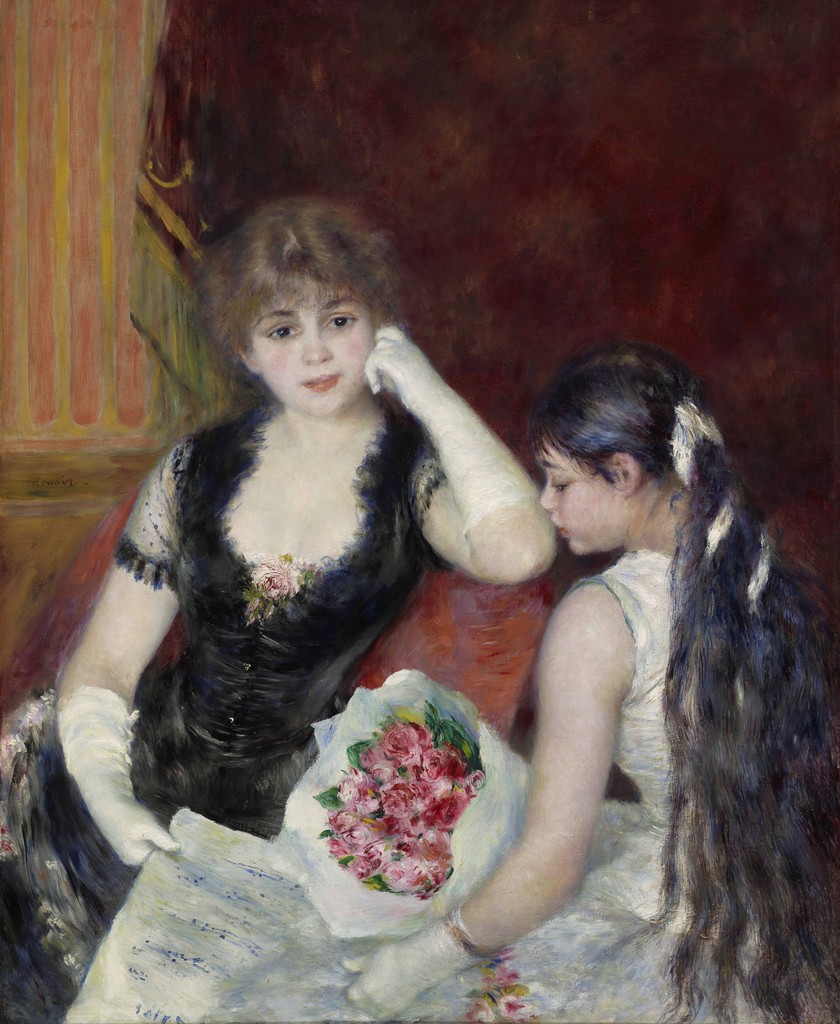
Pierre-August Renoir, A box at the Theatre (1880)

Anyway, the point I am making is that for the most part, having started off as revolutionaries, the Impressionists’ later work all too often conformed to a new form of the conservatism they were trying to escape in the first place – placating their former critics with twee works of flowers, pink-tinged landscapes, and pretty women, nude or in flowing dresses. And it is exactly these works which were the favourites of Sterling and Francine Clark and which, as a result, are the focus of the Royal Academy’s latest show in London, which showcases some major works from the Sterling and Francine Clark Art Institute in Williamstown, Massachusetts (I believe because the Sterling-Clark is undergoing some form of renovation).

Henri de Toulouse Lautrec, Waiting (1888)

Those who have raved about this exhibition tend to have been on the older, more conservative side. And it is easy to see why they are seduced – some of these works may even feel a bit racy for a few of them – just look at Toulouse Lautrec’s Waiting, with a woman leaning despondently over her glass of absinthe. Quite the scandal compared with Renoir’s pleasant smiley female offerings hanging close by. But not to worry, that’s about as lascivious as this show gets. Sadly.

Robert Sterling Clark (1877-1956) came from a wealthy New York Family whose fortune derived from the Singer sewing machine company. He began collecting art after he settled in Paris in 1910 and where he soon became the chum of famous art dealers Knoedler and Durand-Ruel who introduced him to the innovative work of the Impressionists which had finally broken into the mainstream at that time. In fact Renoir, whose works Clark adored (he eventually collected some 39, 21 of which are at the RA) was by that time so popular that looking around at the sales receipts interestingly exhibited by the RA, you can see that Clark was paying astounding sums such as 100,000 dollars for Renoirs, even then. As the collection, added to with the help of his French wife, Francine, grew, Clark had it in mind to open a museum. He did this in 1955, in Massachusetts, providing a permanent home for his many Impressionists works including Monets, Manets, Toulouse Lautrecs as well as various more classical pieces. Disappointingly, his collection is very experimental – he had one Gauguin on show, and even that was a traditional(ish) portrait of a woman.

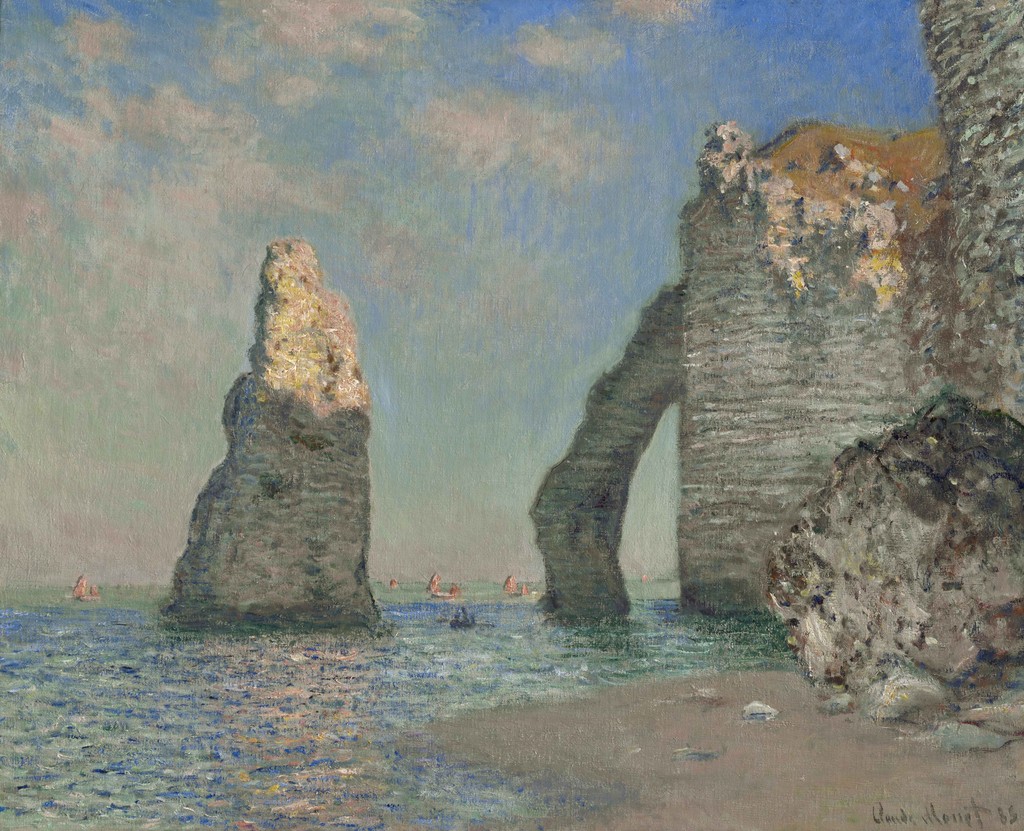
Claude Monet, The Cliffs at Etretat (1885)
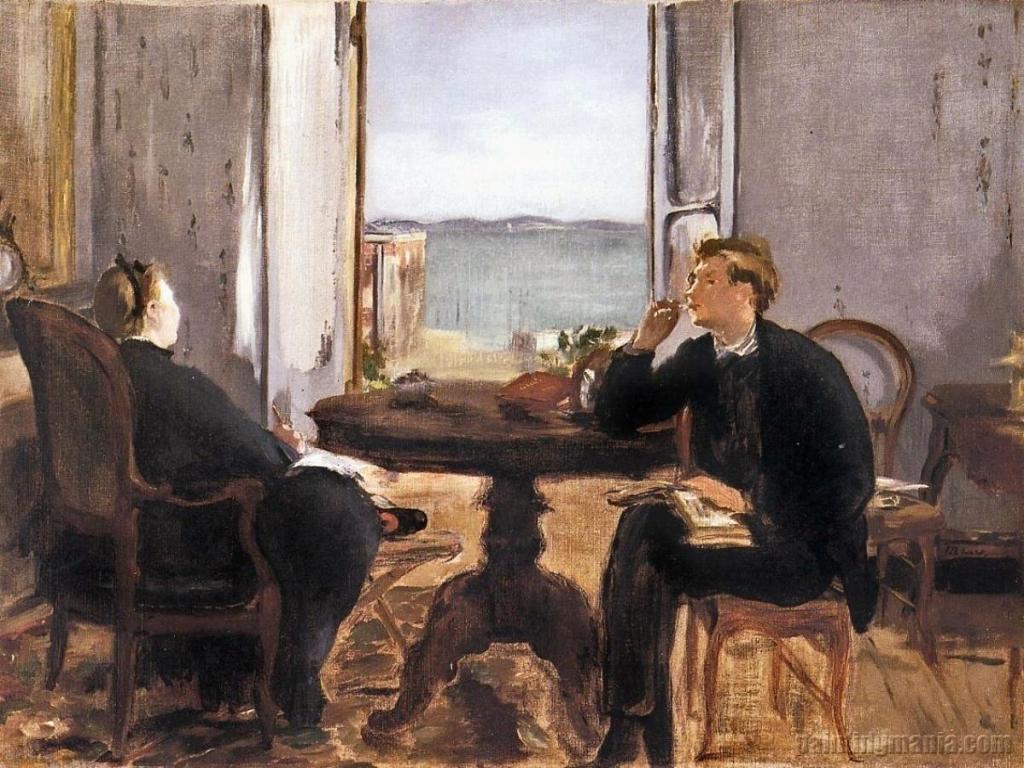
Edouard Manet, Interior at Arcachon (1871)
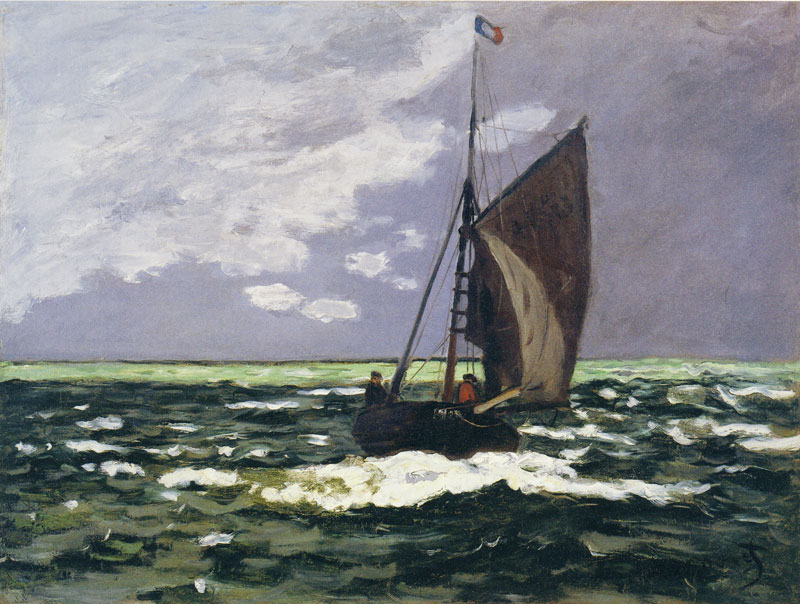
Claude Monet, Seascape: Storm (1860-67)

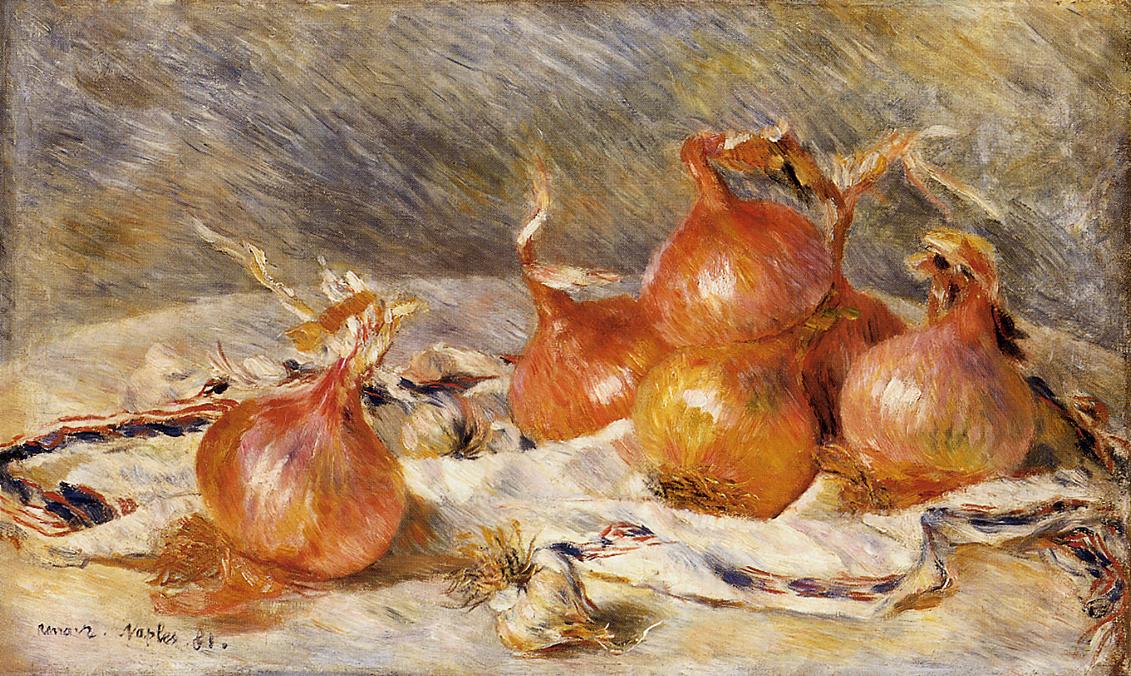
In fact Clark obviously had a penchant for paintings of women. After the initial gallery of flowers, onions and various fairly dull landscapes by Pissarro and Monet, the main bulk of the small exhibition are portraits of women. Asides from the insipid offerings of Renoir, there are, mercifully, some far more enticing works by other artists, both big-wig impressionists and less well-known painters. Two incredibly evocative Toulouse-Lautrec works are on show, both offering quite stark views of a woman in the shady quarters of Montmartre, one, Carmen, who confronts the viewer straight on, while the other, nameless, is just waiting – what for, we don’t know. From the hunched over pose and the glass of absinthe before her, are we to assume she is waiting for luck to come her way, or even death to end her suffering?

Of the other portraits of women, my favourite had to be Crossing the Street by Giovanni Boldini. Boldini, an Italian artist who settled in Paris, loved painting the sights and sounds of the salacious neighbourhood of Pigalle on his doorstep, and this beautiful portrait of a woman, raisng the hem of her petticoat as she crosses the cobbled street, is so wonderfully evocative, and brilliantly painted, exhibiting both an impressionistic, roughly painted background, and a precise and focused detailed and sympathetically painted portrait. I also adore the little details – the shop sign, the dog, the Dandy in the carriage – it’s a wonderful turn back in time to a Paris of bohemian romance and delightful decadence mixed with poverty and decay.

Giovanni Boldini, Crossing the Street (1873-75)

James Tissot, Chrysanthemums (1874-76)

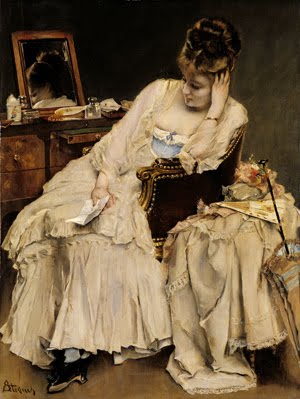
Likewise mention has to go to the lesser known artists who nevertheless created two portraits really worth visiting this show to see – James Tissot’s Chrysanthemums, a brilliant depiction of a woman, looking at the audience as though disturbed, surrounded by a great swathe of multicoloured hairy-headed flowers painted with great fantastic technical skill. Also check out Alfred Steven’s Memories and Regrets, in which a woman, as the name suggests, appears to have been sent into a daydream of remembering prompted by the letter in her hand, a personal and private moment interrupted only by the presence of we, the viewer, introduced to the scene thanks to the technical rendering of Steven’s portrayal.

Alfred Stevens, Memories and Regrets (1874)

Like any show, this one has its highlights, and whether it be that the paintings of the lesser known artists exhibit the most skill in their execution, or just because, since they are not tourist fodder like their more well known impressionist colleagues, they represent something of a breath of fresh air, those paintings by the likes of Boldini, Tissot and Steven are definitely, for me, the stars of the show.

As for the other impressionist works on show – well these paintings are all very safe, and for that reason I find them boring. But for lovers of the chocolate box impressionism which is so firmly engrained onto the consciousness of every tourist and gallery visitor around the world, this show gives you impressionist staple which you will undoubtedly enjoy. But don’t forget your Renoir souvenirs on the way out.
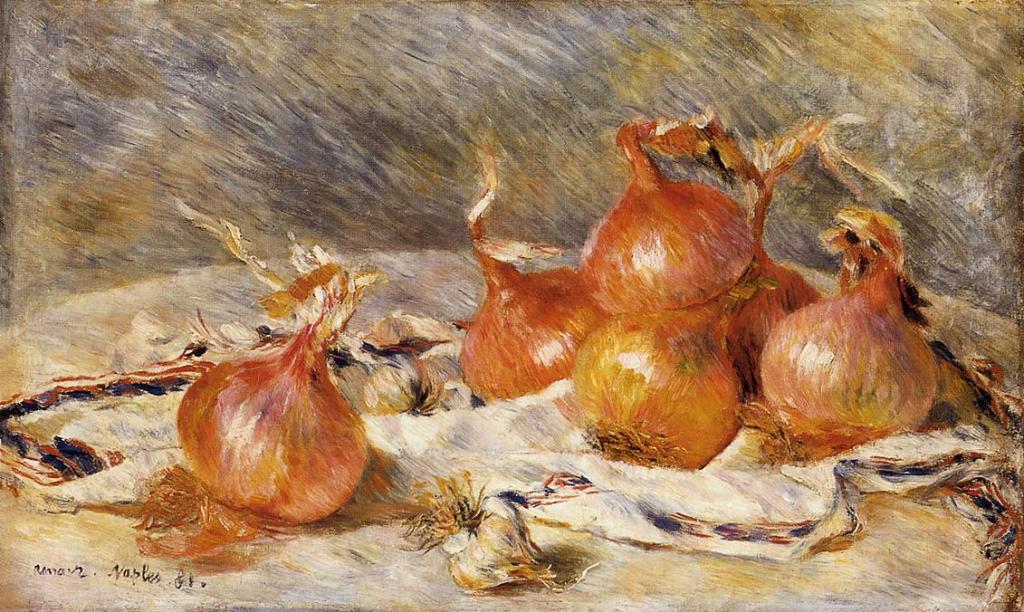
Pierre-August Renoir, Onions (1881)

From Paris: A Taste for Impressionism continues in the RA’s Sackler Wing Galleries until 23 September 2012.