Skip to content

Posts tagged ‘Architecture’

Discovering Palma: Bellver and the Bosque

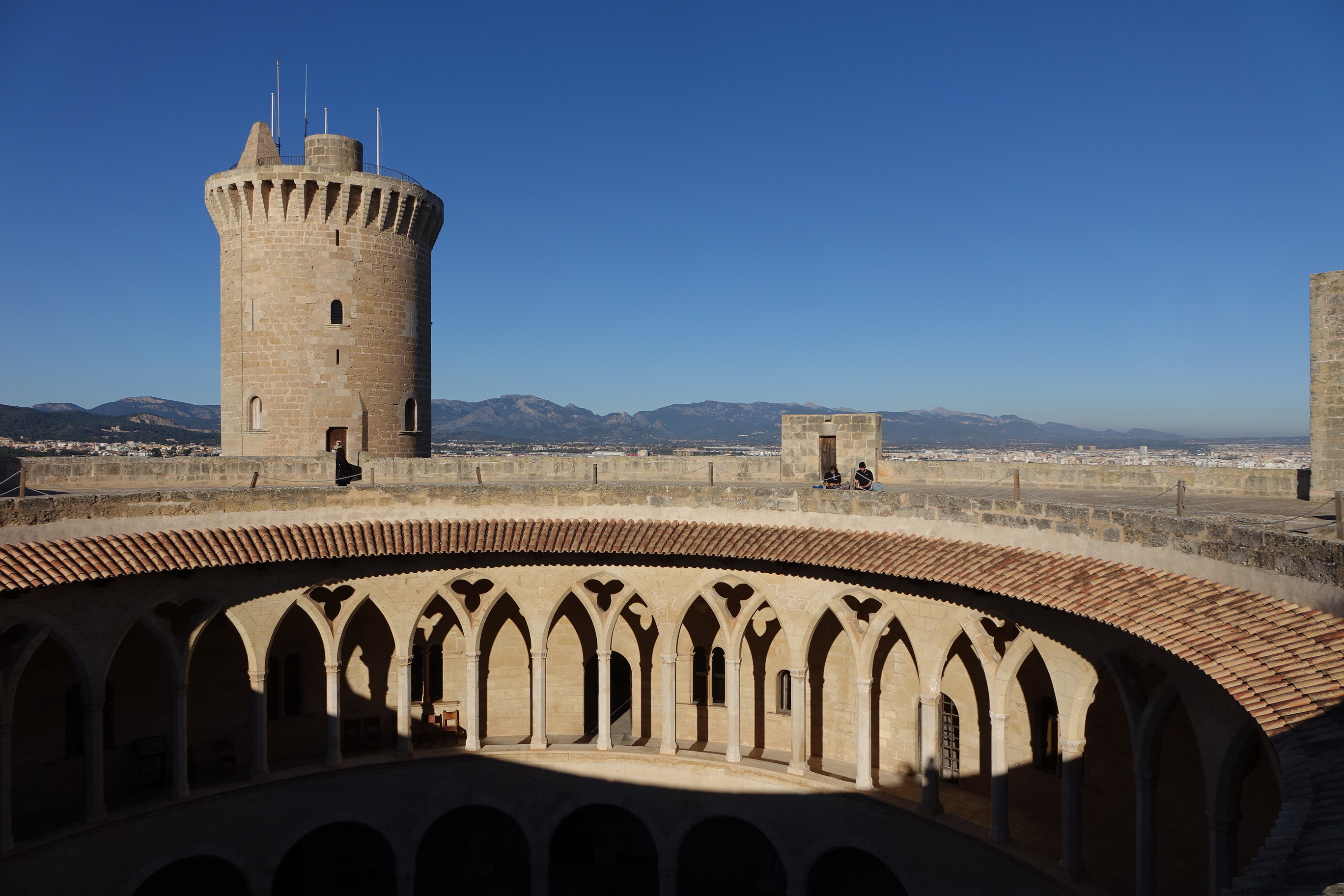
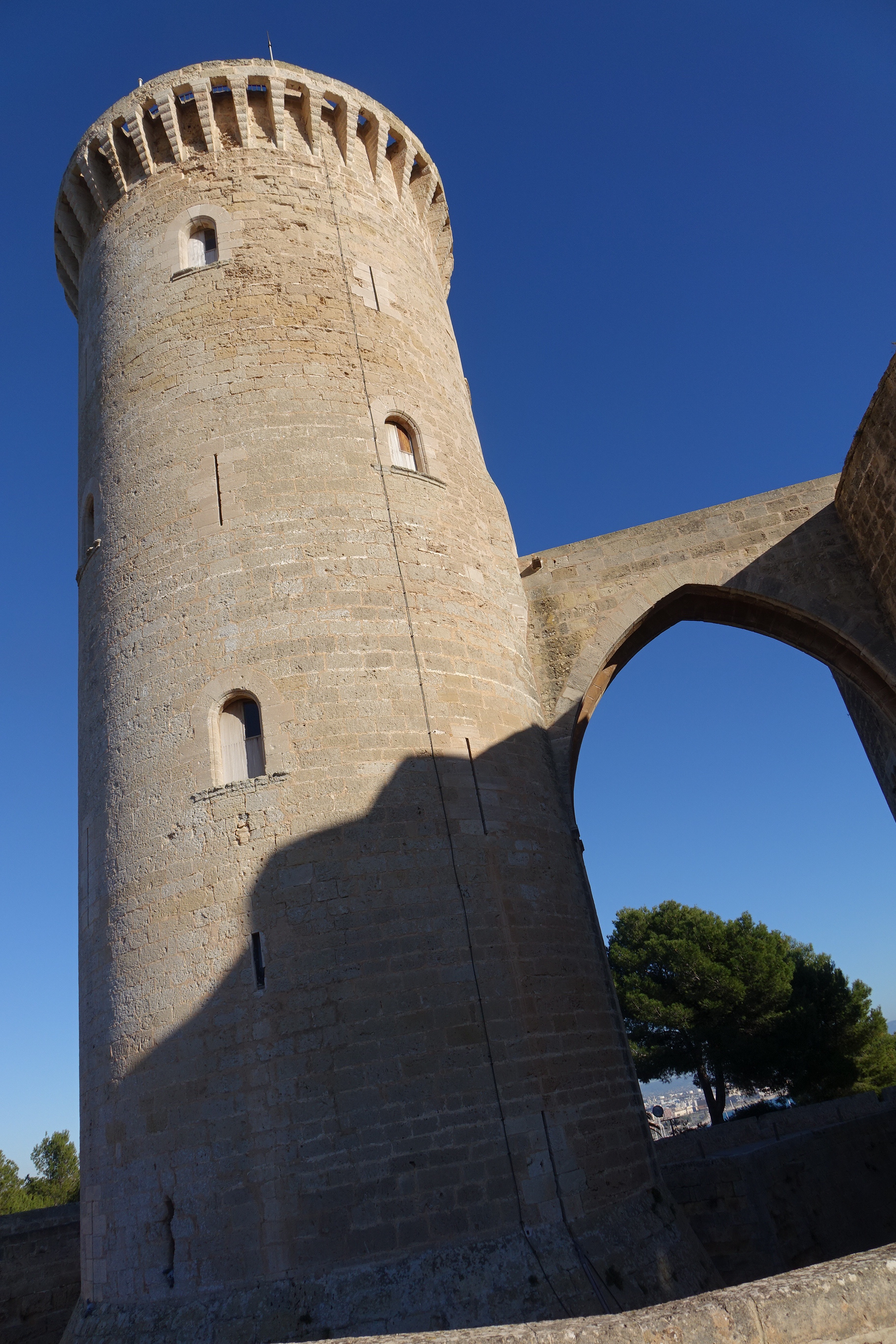
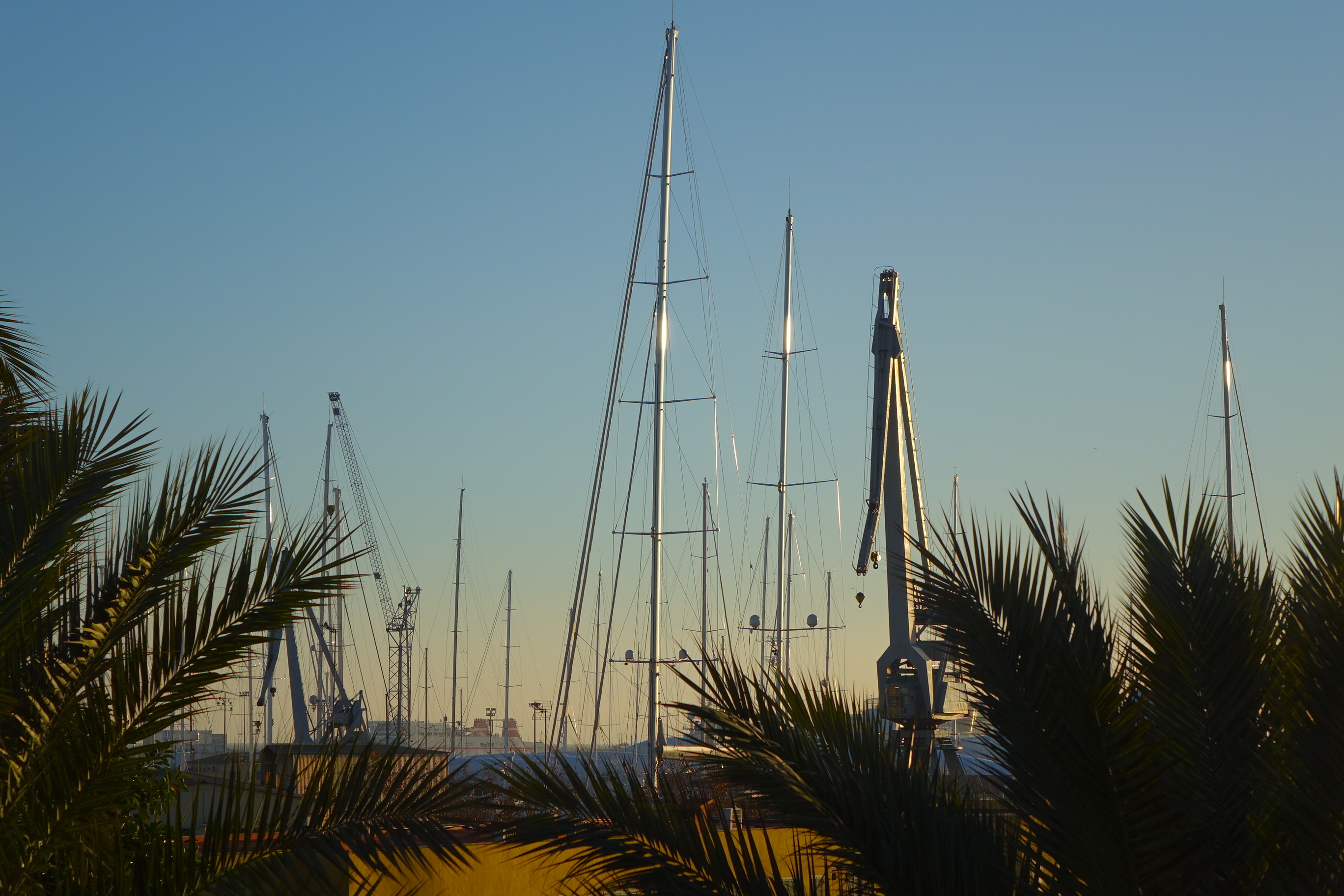
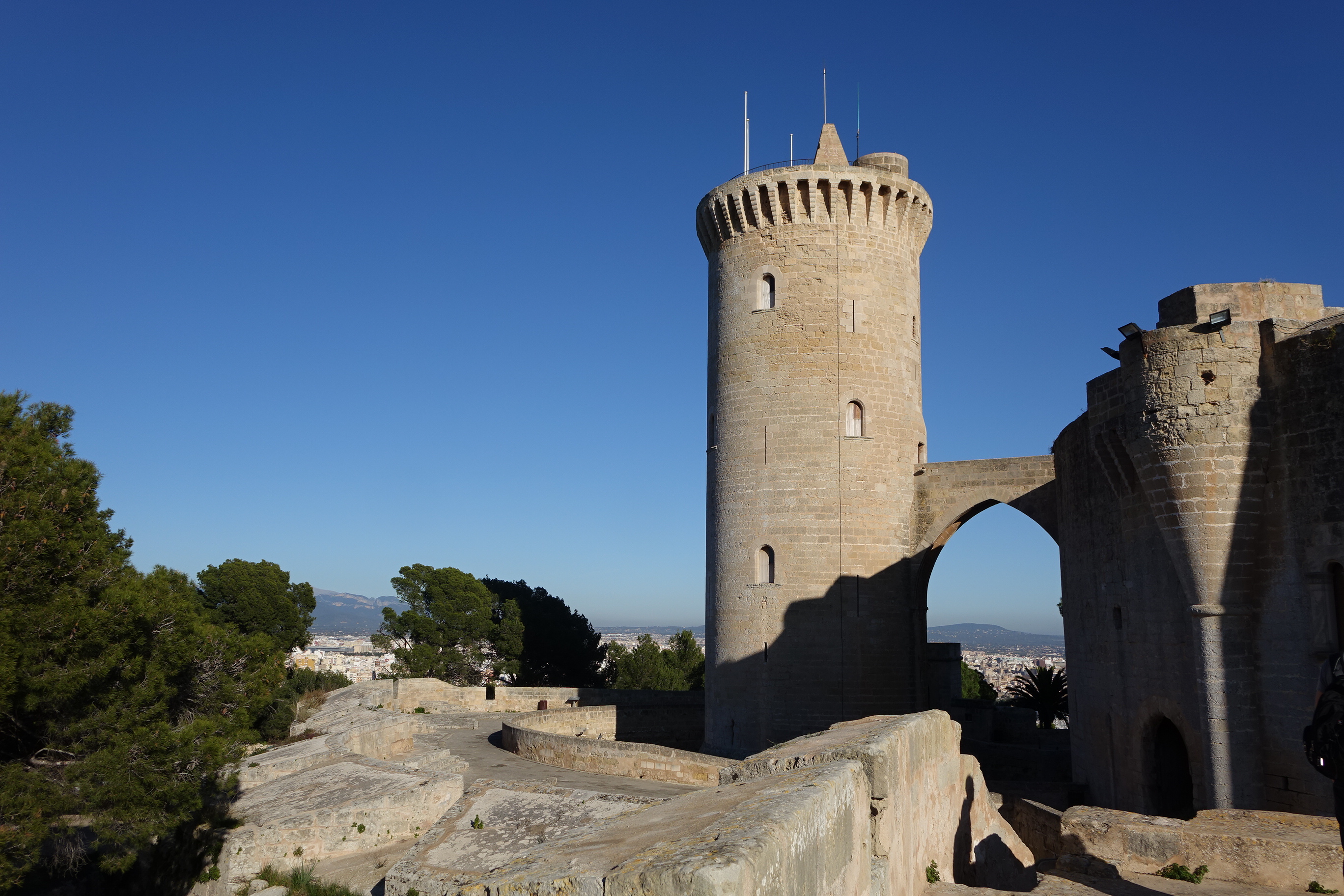
Palma de Mallorca is a city as diverse as the entire island of Mallorca itself. From stunningly unspoilt medieval and modernista old town to sprawling industrial port and modern suburbs, Mallorca is a city with many faces. But asides from its iconic cathedral, its second most distinctive landmark is surely its castle, the Castell de Bellver, sat majestically upon the most westerly of hills overlooking the city. I never fail to enjoy casting my eyes in a westerly direction on any random afternoon, for always silhouetted against the sinking sun in this most satisfyingly shaped of castles: one of the best remaining examples of a rounded gothic castle left in Europe, and featured in my most recent (and first) of Palma paintings.

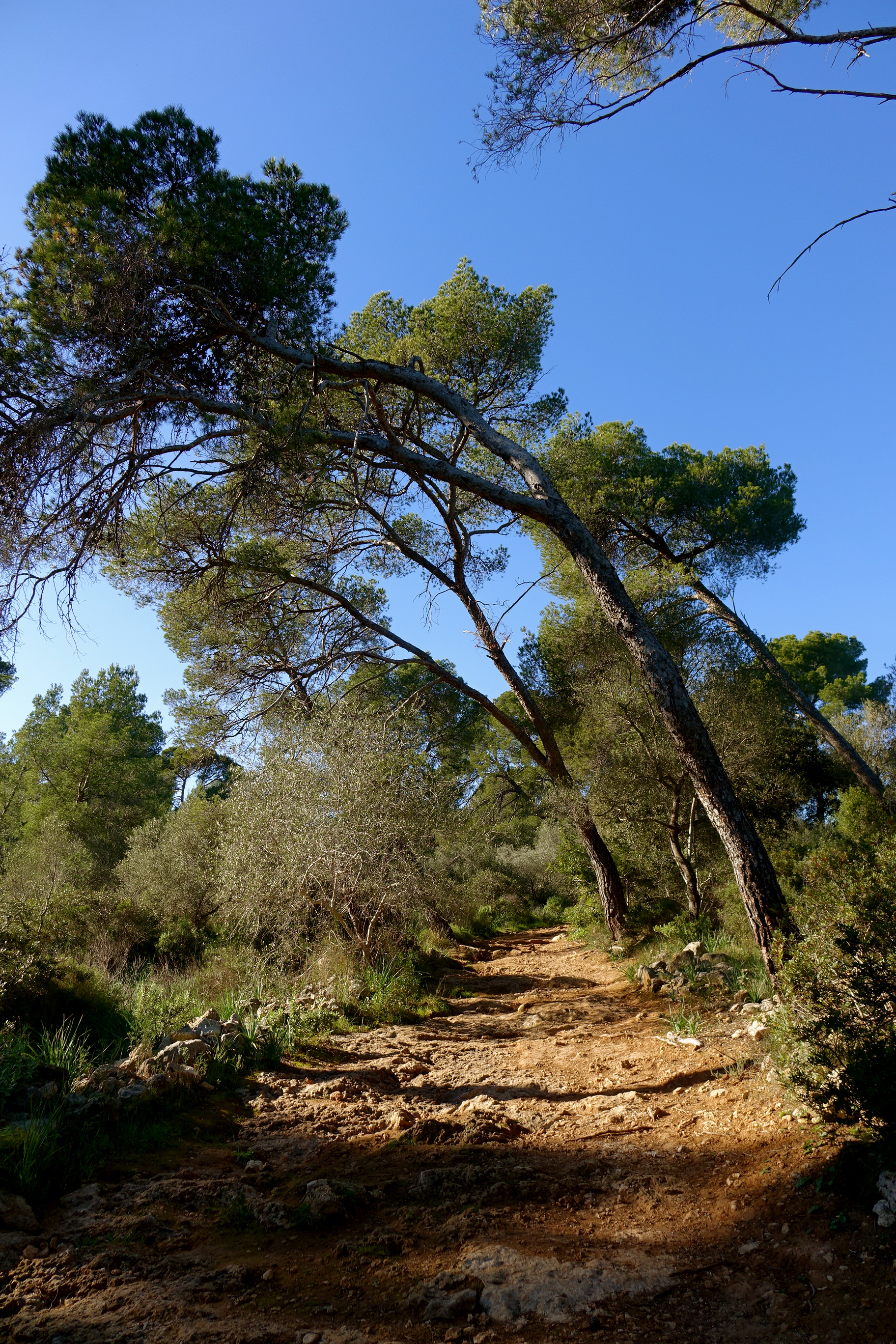
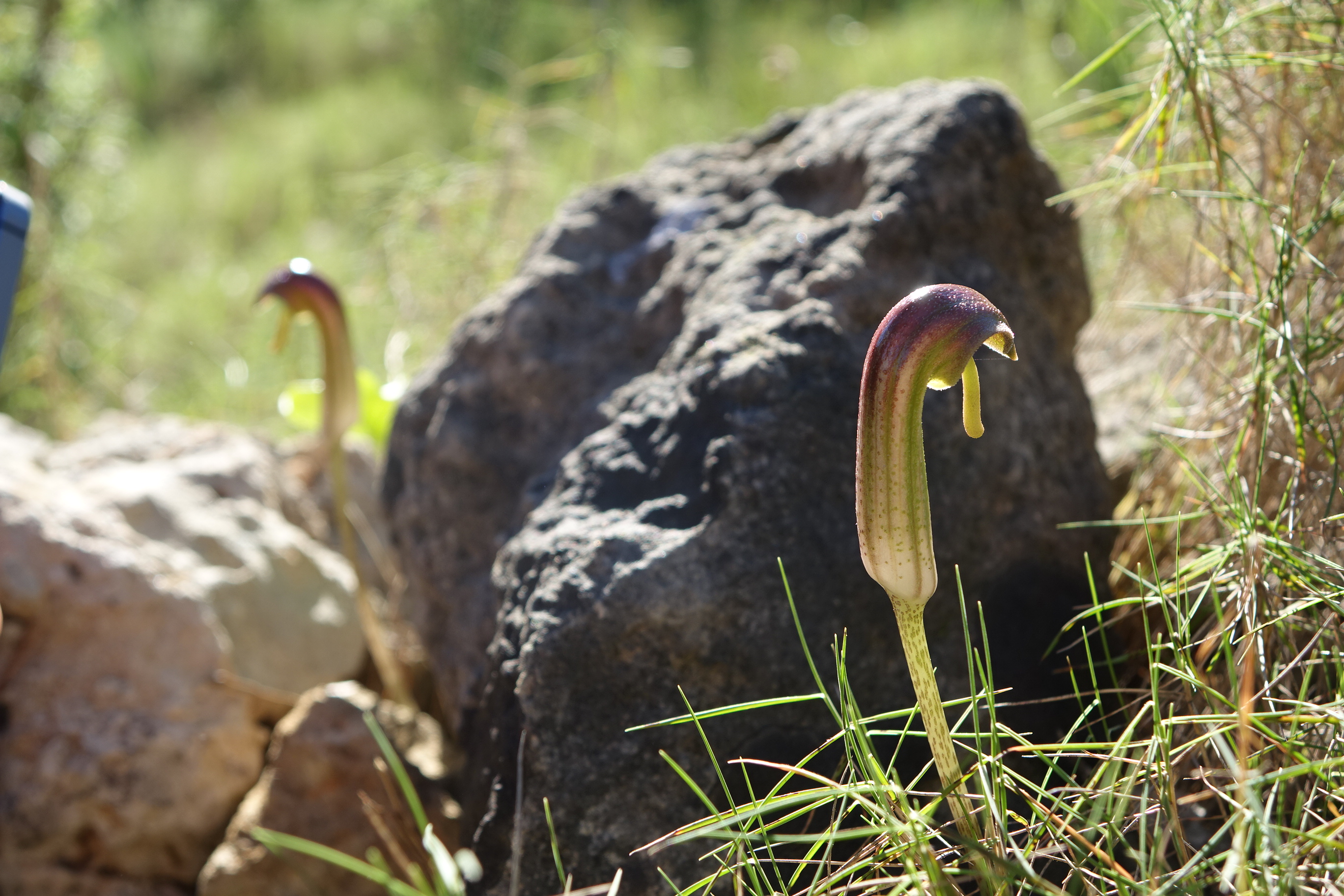
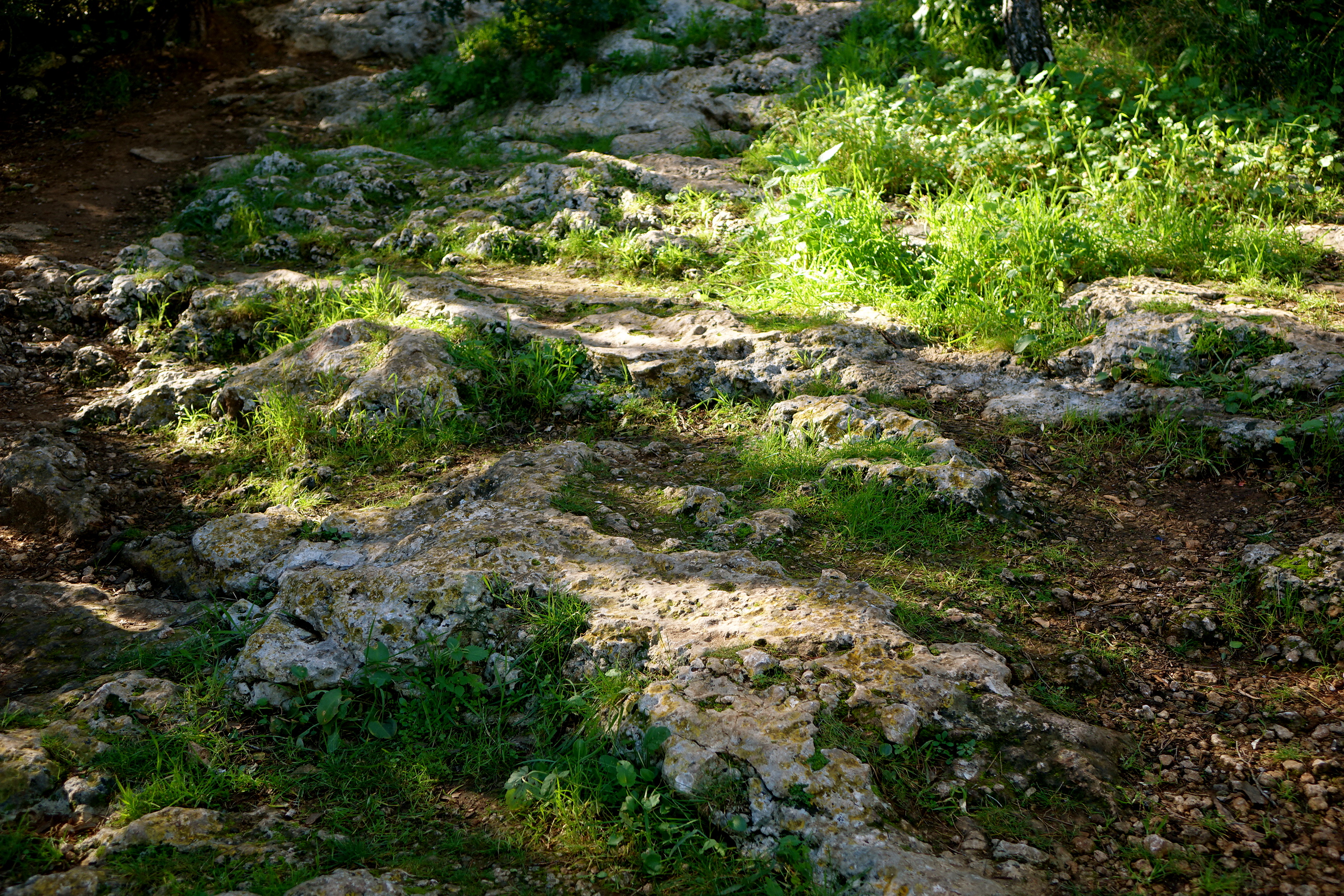
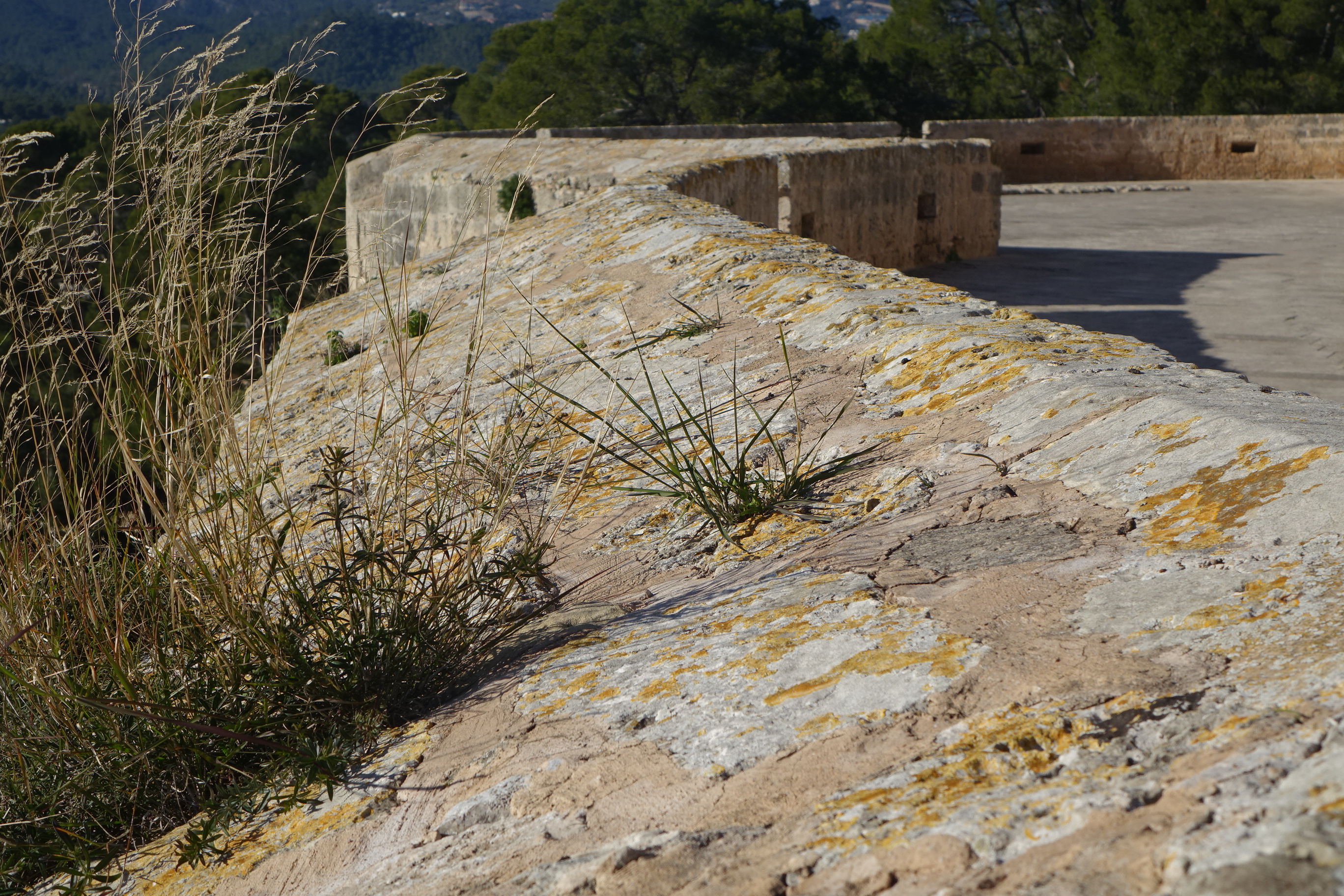
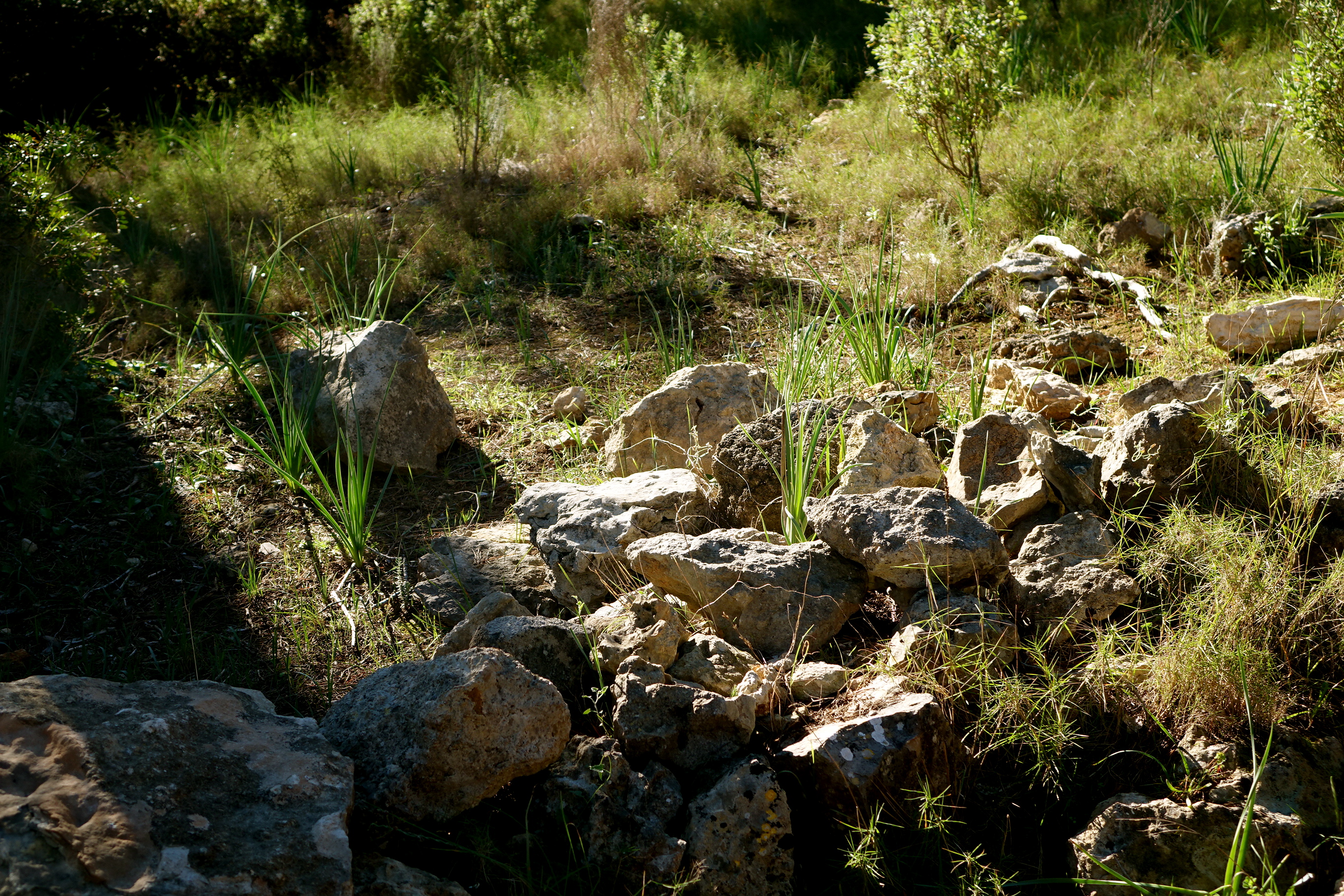
Taking time, as we do, to explore this magnificent new city we now call home, my partner and I recently headed to the castle of Bellver, attracted not only by its rich historical heritage, but also by the lush forest or bosque which surrounds it. Extending for acres around the castle and covering the hill like drizzled icing atop a moist victoria sponge, the bosque is by far the greenest expanse available for Palma locals to enjoy, and with its dense vegetation and rocky untouched landscape, it is a bucolic paradise in the midst of a sprawling metropolis.

The bosque
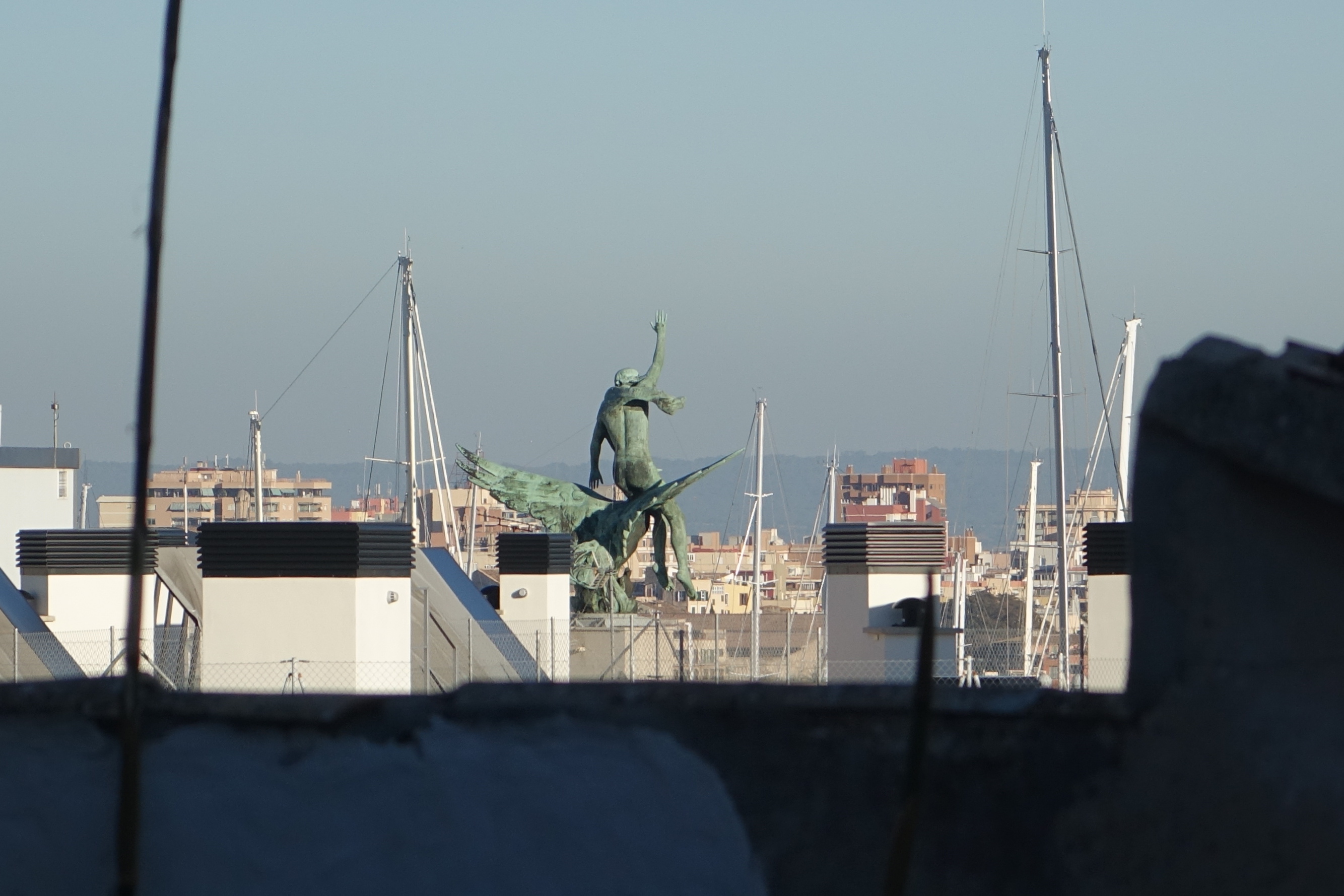
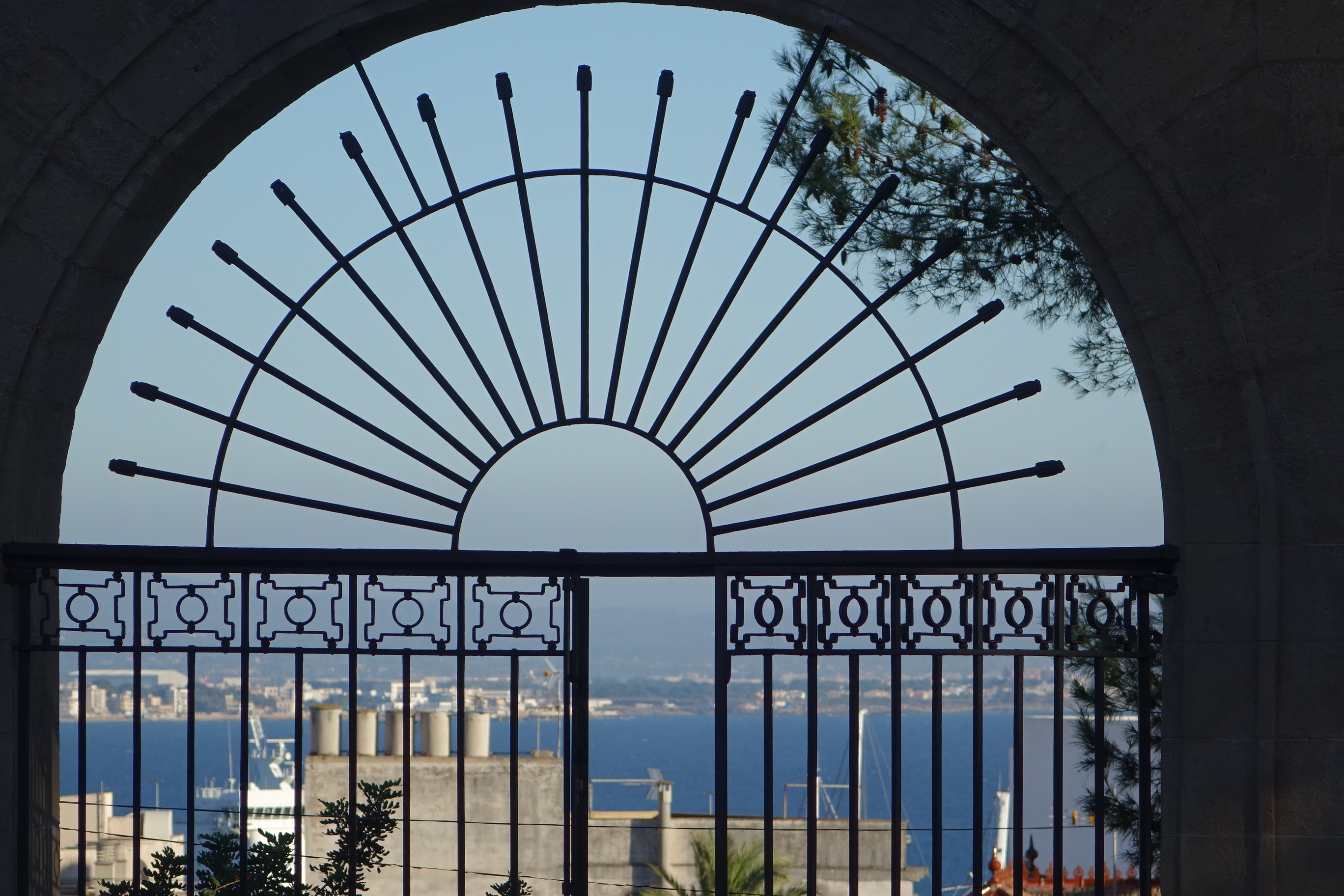
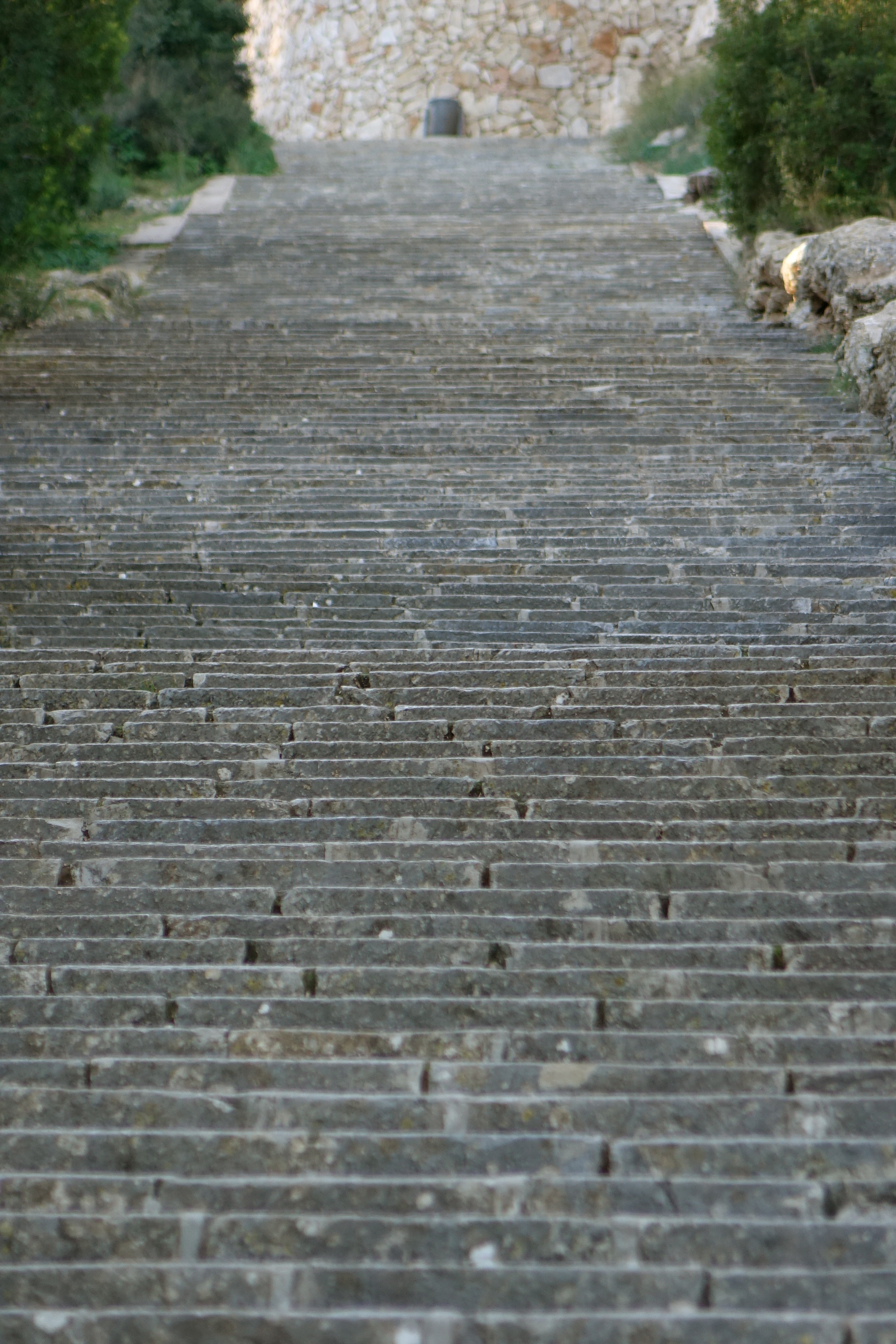
DSC04008 DSC04020 DSC04002 DSC04016 DSC04030 DSC04003 DSC04004

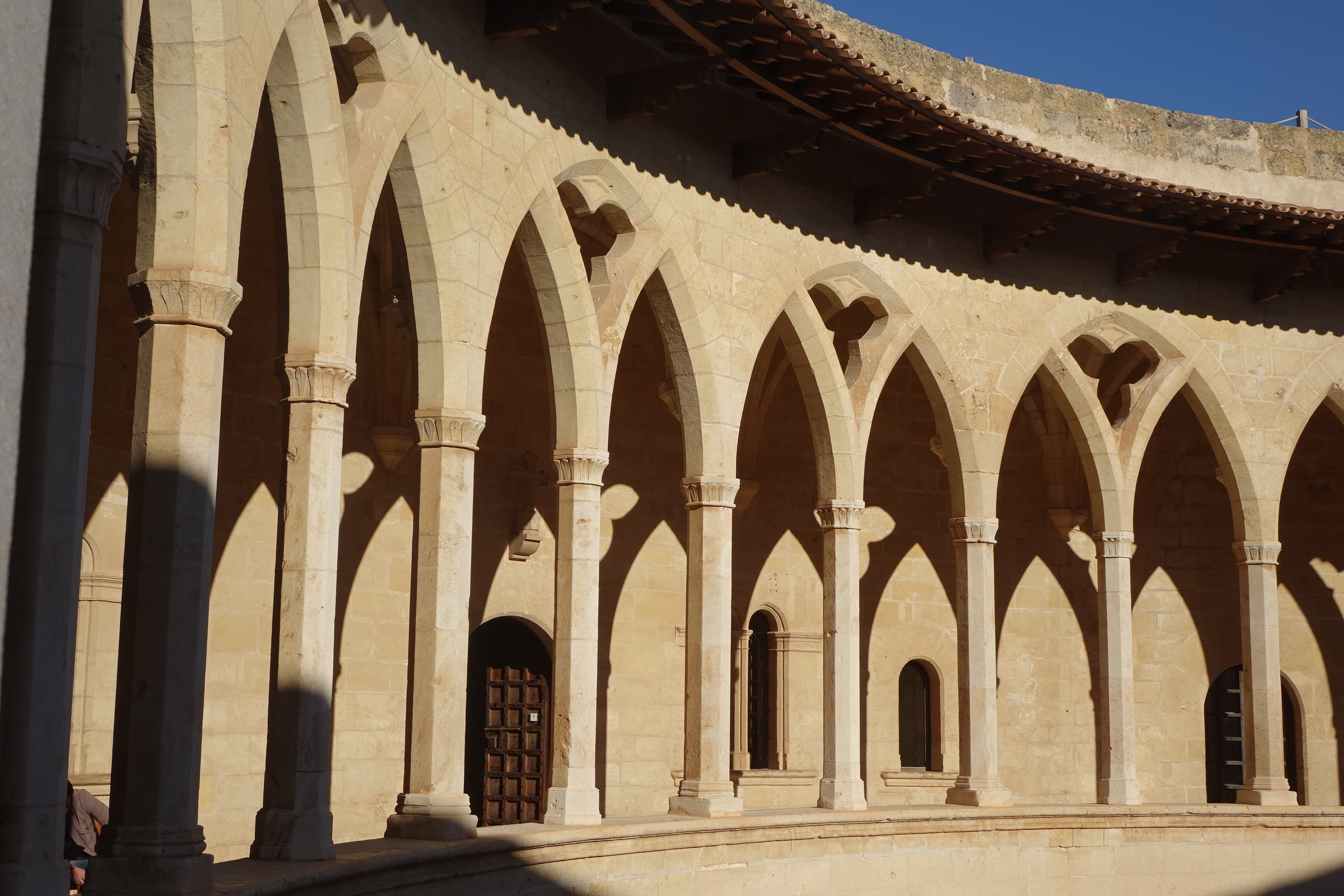
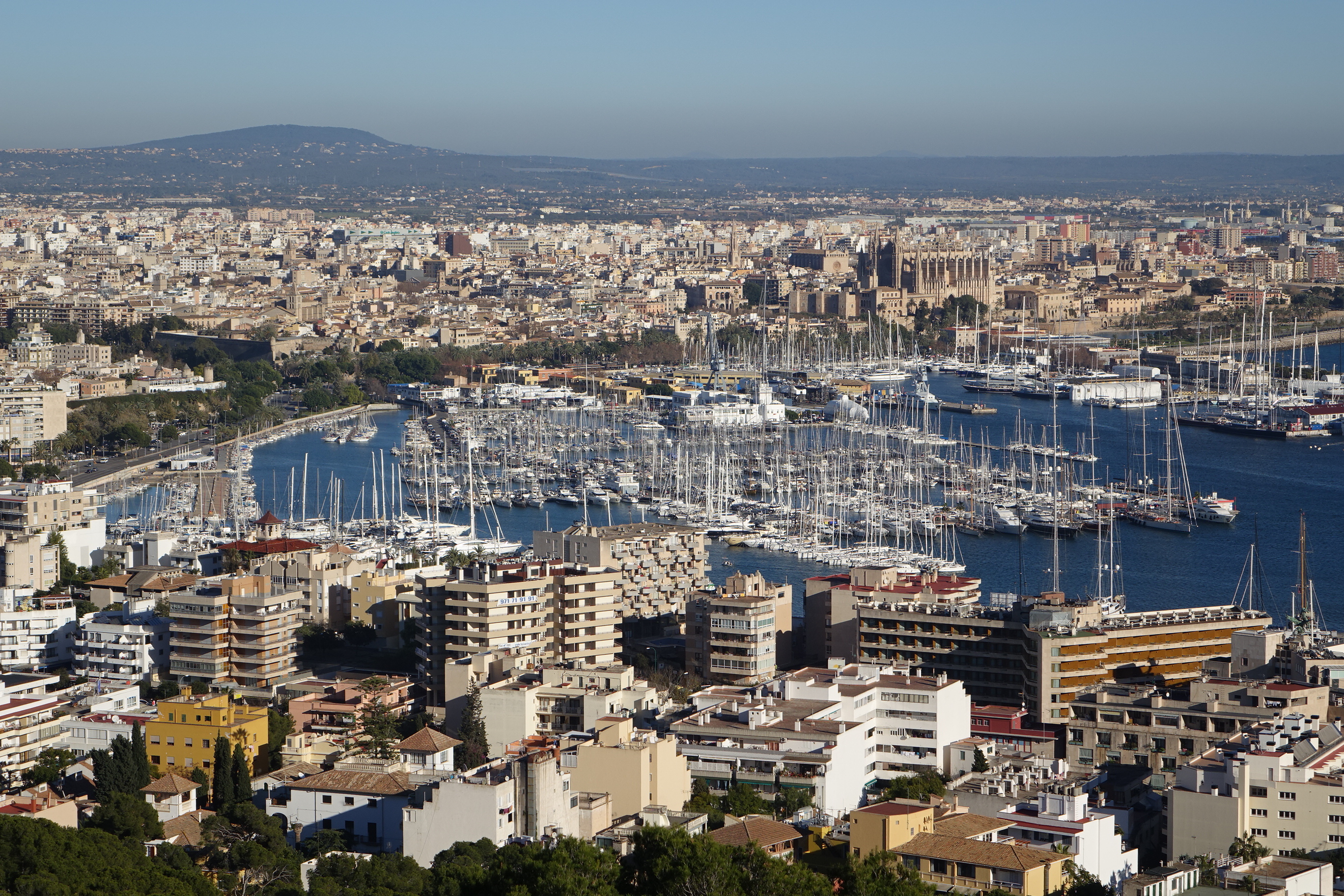
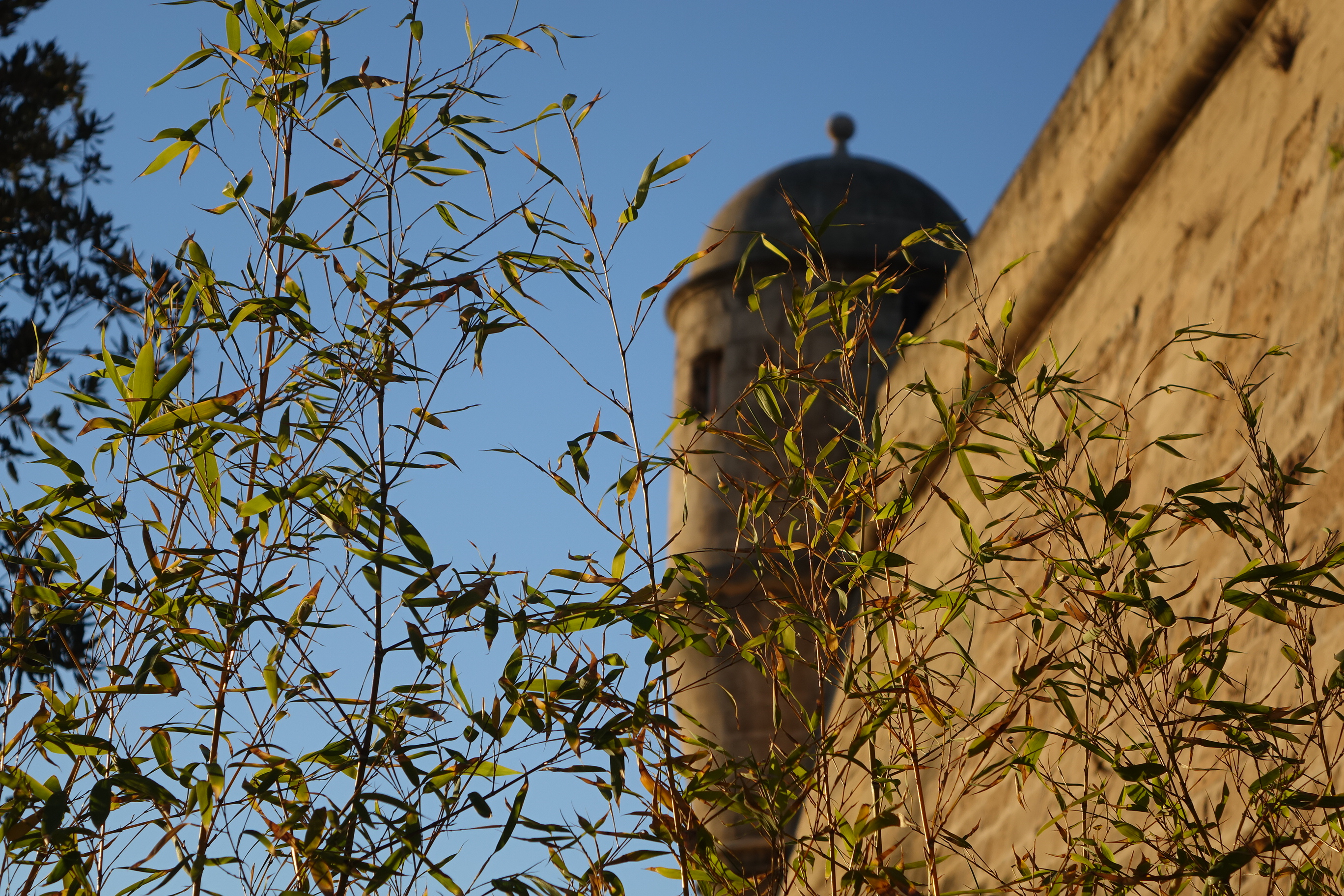
Having walked through the forest, enjoying dappled sunshine and all number of naturally occurring mediterranean plants, we reached the castle which looked even more stunning close up, with an unbeatable blue sky its harmonious backdrop. Asides from admiring the castle’s unique rounded architecture and the uniquely slim arched bridge which joins its main turret with the main structure of the building, the best aspect of this visit had to be the views afforded from the castle. Bellver indeed – for these are beautiful views of Palma which simply cannot be equalled from down at sea level.

Bellver Castle: inside and out
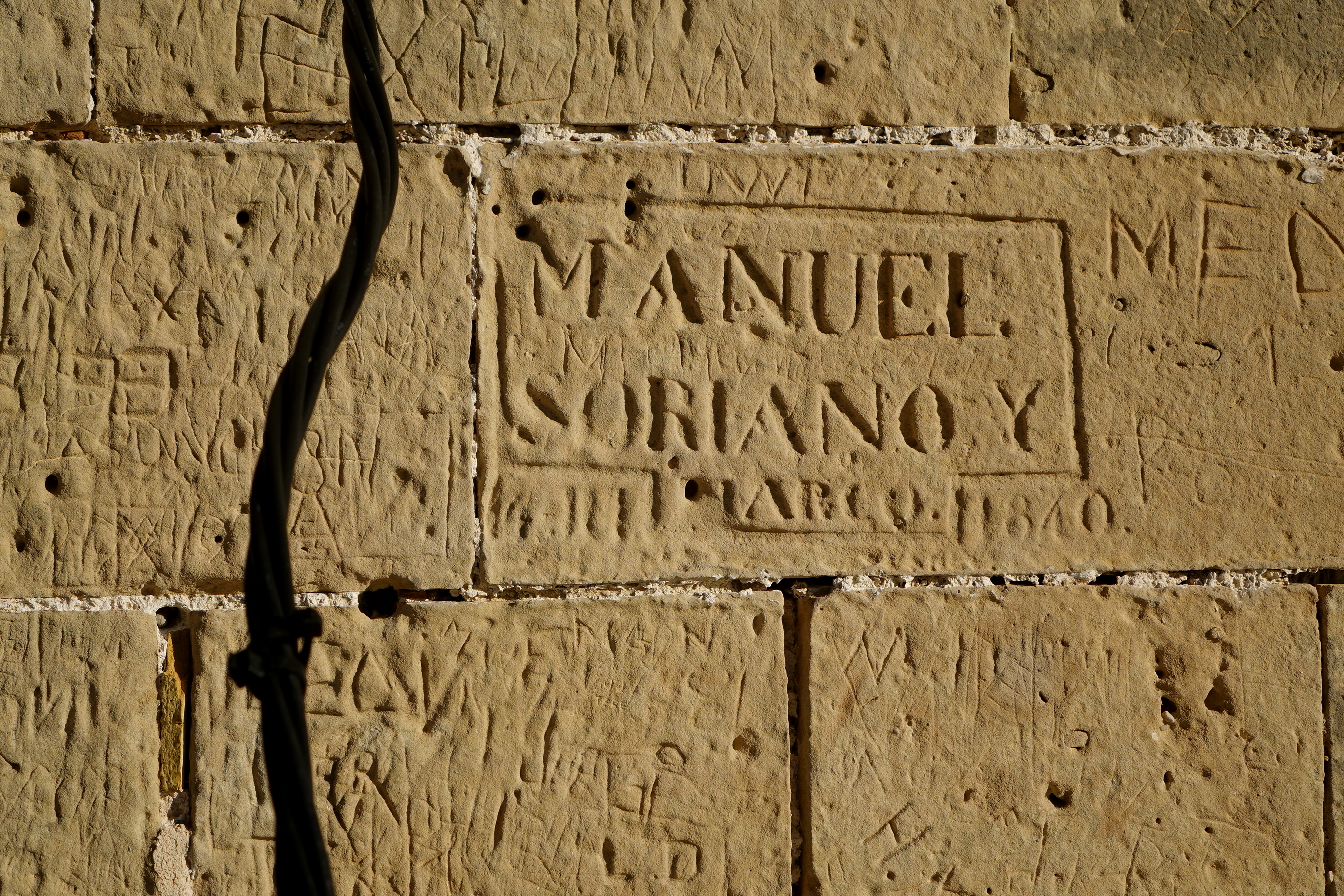
DSC04097 DSC04126 DSC04143 DSC04089 DSC04095 DSC04141 DSC04091 DSC04087 DSC04075

Views to write home about

DSC04197 DSC04133 DSC04063 DSC04045

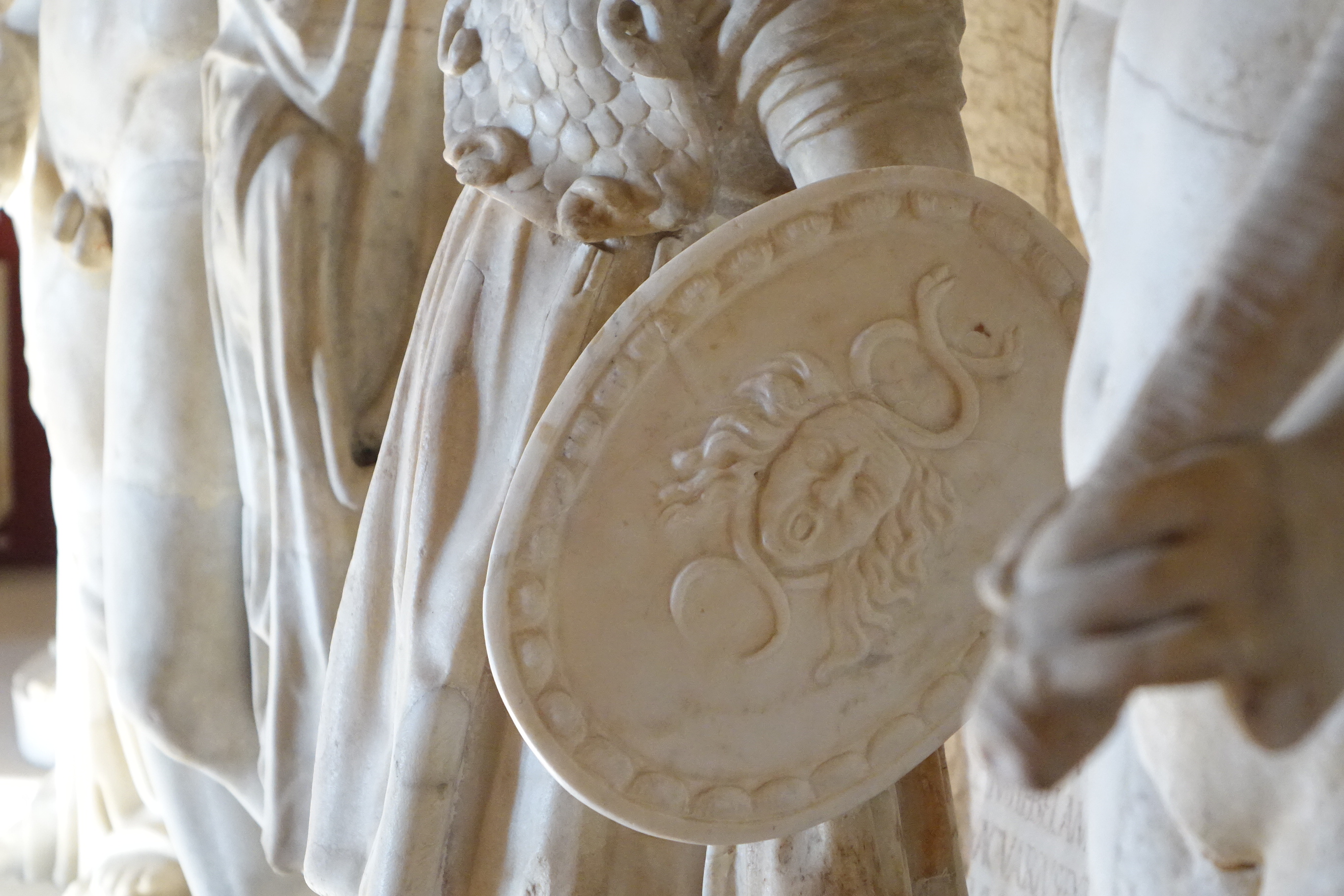
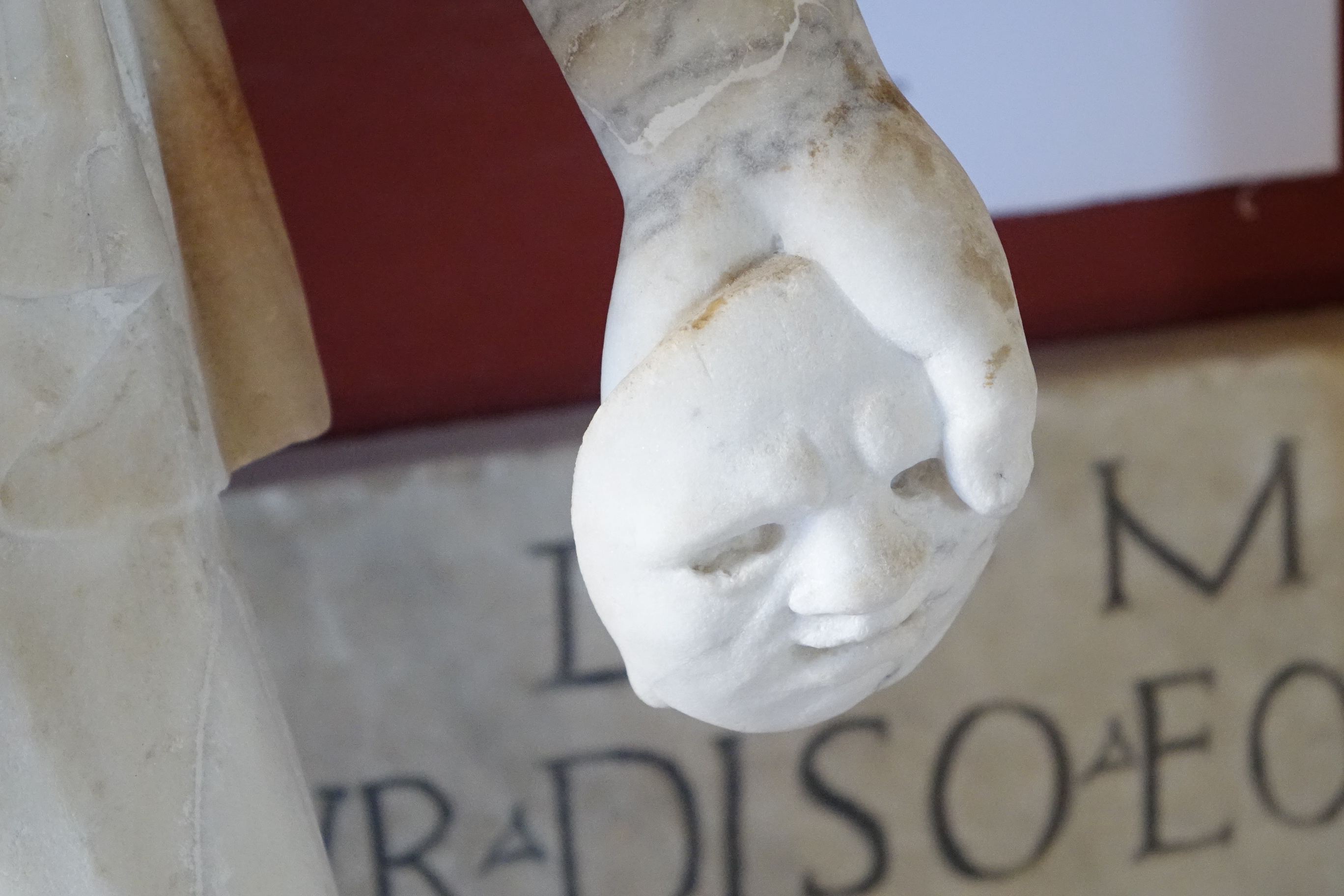
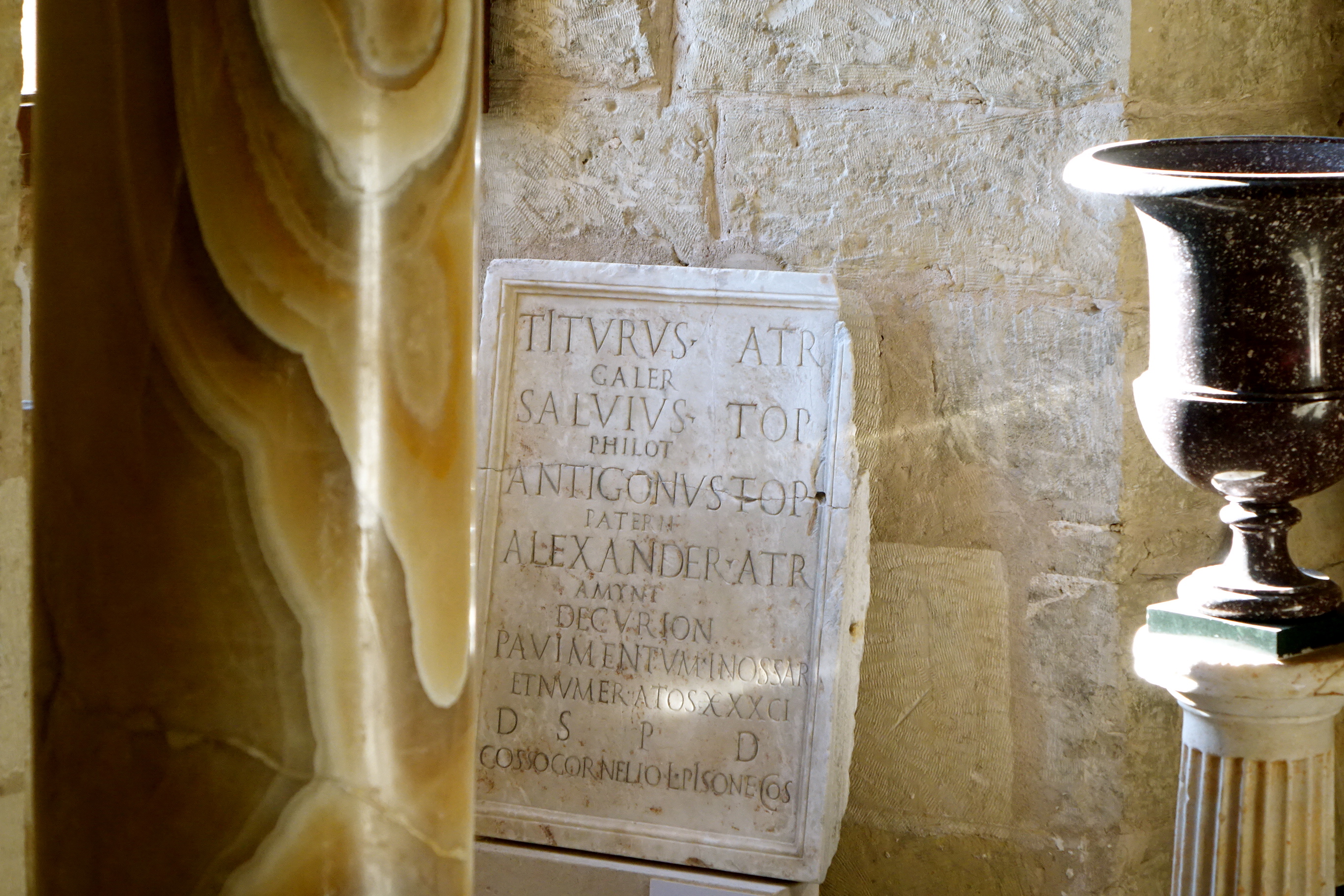
Collections of Roman sculpture inside Bellver castle

DSC04187 DSC04174 DSC04191 DSC04189 DSC04179 DSC04177

Nonetheless, down from the hill we eventually trekked, only to find Palma’s old centre every bit as beautiful from up close as it had been from up on that hill. The cathedral’s ocre structure glowed peach like in the dying sun, and before it the blue sea sparkled as it transformed into a steady golden mass. Beautiful Palma – I could carry on admiring you forever. And I hope to do just that.

A city to be admired, from up close, far away and especially at sunset

DSC04231 DSC04227 DSC04211 DSC04212 DSC04208 DSC04207 DSC04204 DSC04213 DSC04206 DSC04217

All photos and written content are strictly the copyright of Nicholas de Lacy-Brown © 2015 and The Daily Norm. All rights are reserved. Unauthorized use and/or duplication of the material, whether written work, photography or artwork, included within The Daily Norm without express and written permission from The Daily Norm’s author and/or owner is strictly prohibited.

Mallorca Photo Folio: The reds and the greens

Last week I took you on a whistlestop tour around the city of Palma but only through the narrowest application of my artist’s palette. For the focus of my photo folio selection was shades of glittering silver – the kind of metallic sparkle which we now see regularly when the sun breaks free of wintery clouds and reflects over the expansive Mediterranean sea. This week’s folio selection follows the trend of the moment: Christmas, and as such concentrates on the colours of the season: the reds and the greens, and much in between.

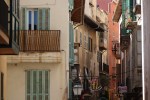
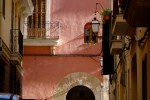
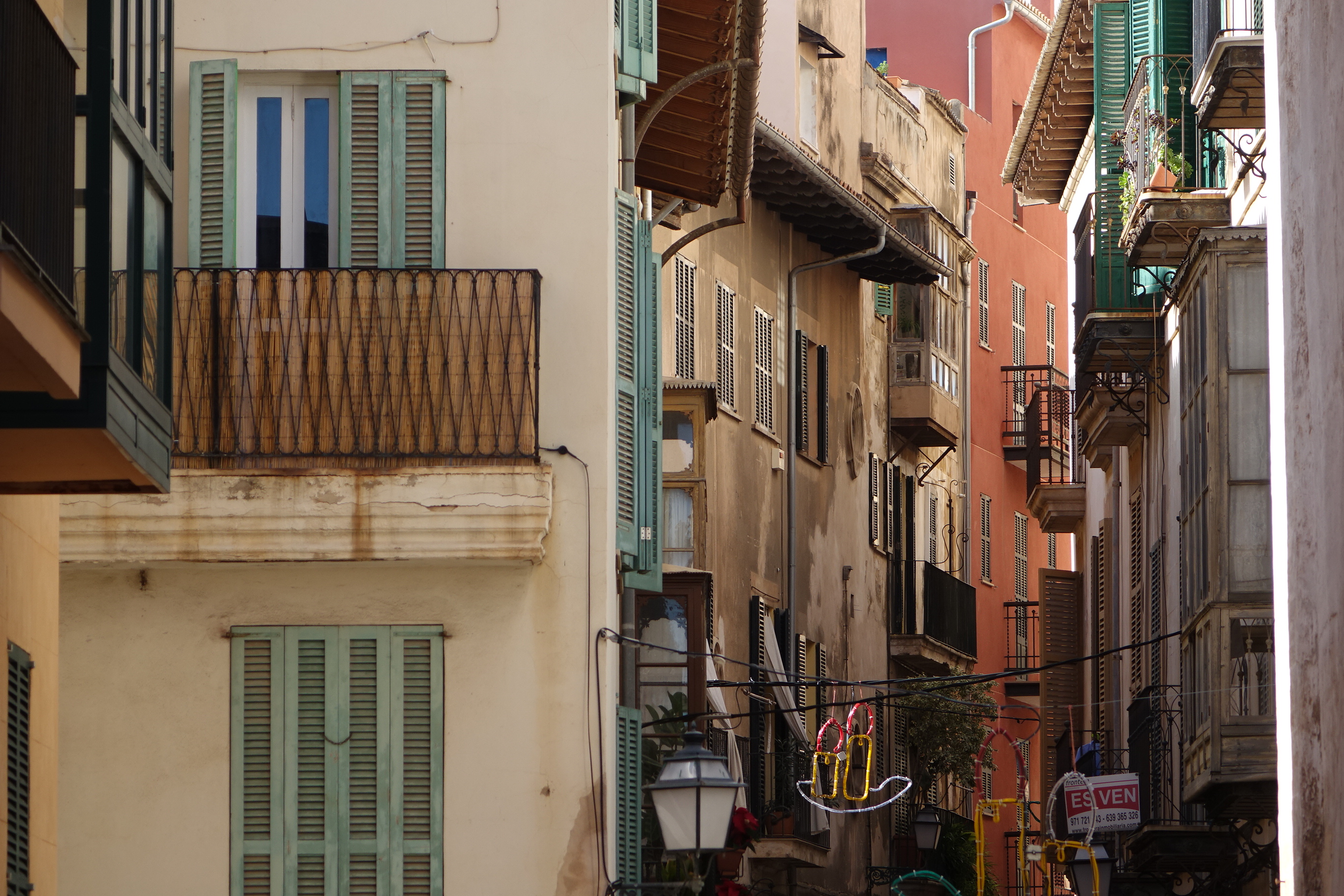
Ironically, despite their being the colours of Christmas, red and green have a prominent presence here in Mallorca all year around, where the sight of green wooden shutters on sunbaked terracotta walls is amongst the most common on the island, and where tropical green leafed plants are abundant in rotund red fruits. So far from being Christmassy, these colours actually inject a feeling of the tropical into this photo collection, reminding me of paintings by the likes of Gauguin, whose earthy red paintings fringed with green tropicana were the staple of his Tahiti collections.

DSC02013 DSC01067 DSC00407DSC02430DSC01073

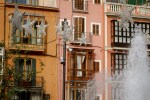
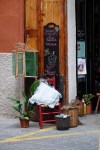
Back in the urban jungle of Palma, these photos are reflections on a city ripe with life, leisure and lovely, lovely views. They feature the colourful abundance of painted palaces, the plants which are lustrous and healthy even at this time of the year, and the little characterful features which make Palma such an inspirational place to live in.

All photos and written content are strictly the copyright of Nicholas de Lacy-Brown © 2014 and The Daily Norm. All rights are reserved.

The Barbican Triptych

It was around 16 months ago when, following a work social function held within the Barbican Estate in the City of London, my colleague, who also lives there, commissioned me to depict the Barbican on canvas. 

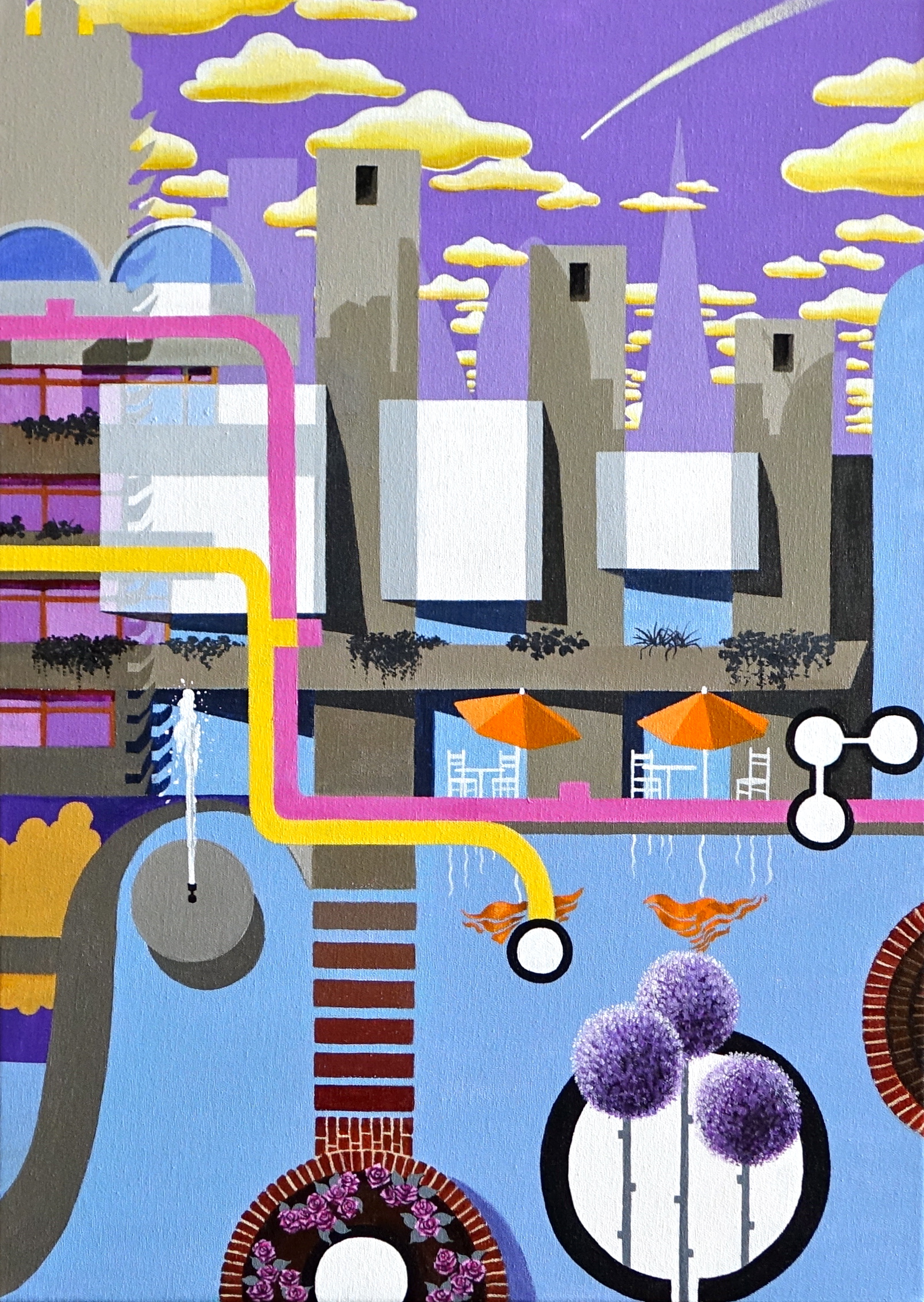
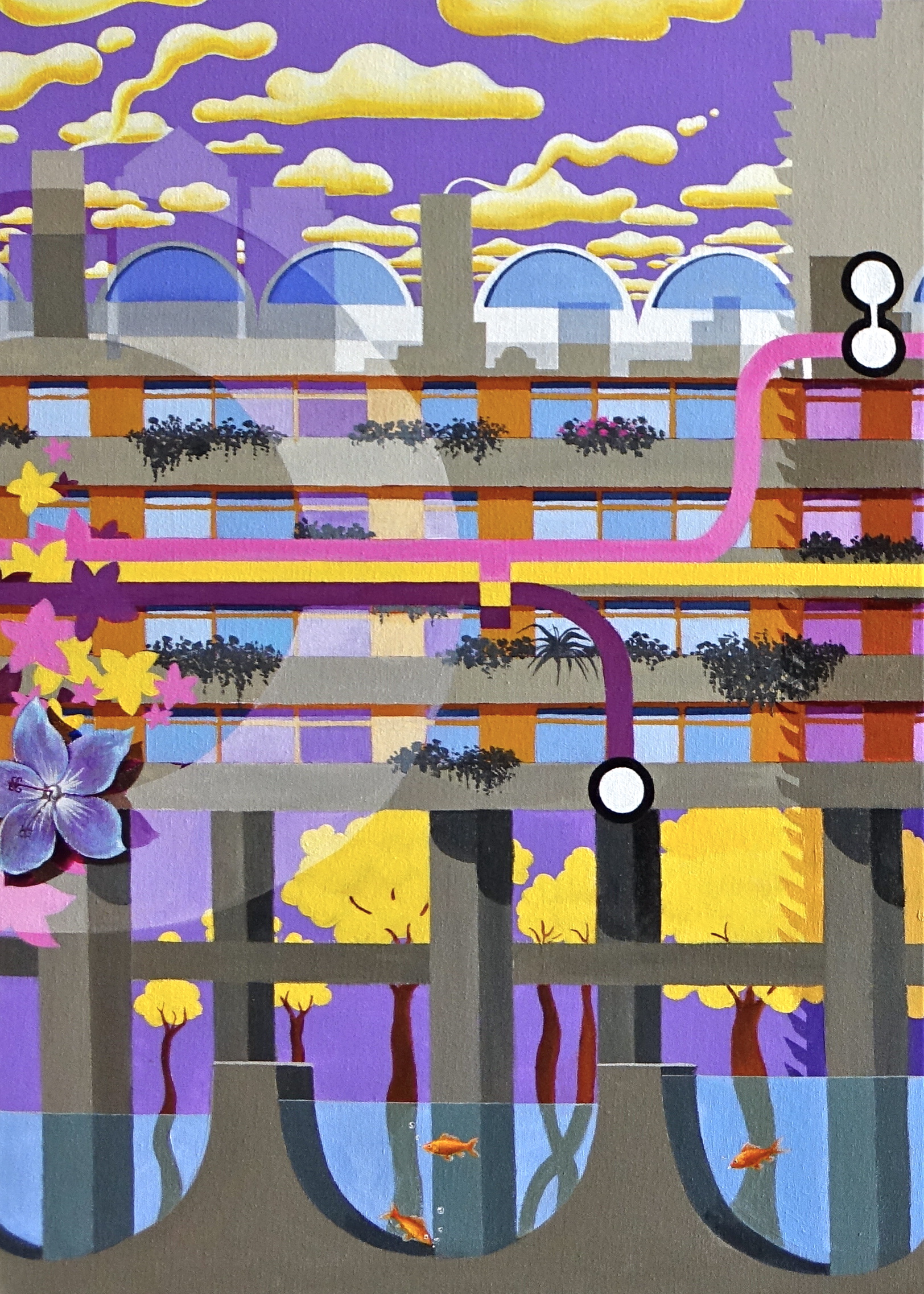
It was something of a challenge. Chief amongst the challenges was the scale of the piece – a hefty triptych to feature on a large blank wall – exciting in prospect, but less so when I was already working full time with only evenings and the occasional weekend free to paint. Second was the problem of inspiration. The Barbican does not fall under what one would ordinarily term “beautiful”. Built in the style typical of the 60s and now given the rather unflattering title “brutalist architecture”, the Barbican estate is all grey concrete, sharp jagged edges and high rise. However, the site, built to fill in one of many huge expanses of the City devastated by the Blitz in WW2, is undoubtedly iconic, and as I started to muse upon a possible approach to capturing the architecture on canvas, I noticed how the architecture formed a harmony of shapes, from a variety of circles and semi circles, as well as straight horizontals and the teeth like edges of its famous three towers. And then it came upon me – what other London icon is comprised of simplistic lines and circles? Why the Underground. An idea was born. 

The Barbican Triptych (2013-14 © Nicholas de Lacy-Brown, acrylic on canvas)

The Barbican Triptych (2013-14 © Nicholas de Lacy-Brown, acrylic on canvas)

My Barbican Triptych is both a homage to the architectural shapes of the Barbican and the city in which it is located. Along the horizon of all three canvases, the famous skyline of the City can be seen, while across the piece, another London icon dominates: the famous map of the Underground. Taking the idea further, I chose to paint the work in predominant shades of purple, pink and yellow, these being the likes (Metropolitan, Hammersmith & City and Circle) that pass through the tube station at the Barbican, while occasionally where round sunken flower beds would ordinarily be found in the Barbican’s waterways, these have been replaced with the famous black ringed circle stops of the tube map. 

The painting not only reflects the architecture of the Barbican but channels the plentiful water which can be found at the Estate, starting from the waterfall on the right and flowing up through fountains and past the main cultural centre of the Estate to the fish ponds on the far right. It also includes the plentiful flowers which today make the architecture less brutal, and the plants which flow from the various residential balconies there. 

The Barbican Triptych = Canvas 1 (2013-14 © Nicholas de Lacy-Brown, acrylic on canvas)

The Barbican Triptych – Canvas 1 (2013-14 © Nicholas de Lacy-Brown, acrylic on canvas)

The Barbican Triptych - Canvas 2 (2013-14 © Nicholas de Lacy-Brown, acrylic on canvas)

The Barbican Triptych – Canvas 2 (2013-14 © Nicholas de Lacy-Brown, acrylic on canvas)

The Barbican Triptych - Canvas 3 (2013-14 © Nicholas de Lacy-Brown, acrylic on canvas)

The Barbican Triptych – Canvas 3 (2013-14 © Nicholas de Lacy-Brown, acrylic on canvas)

It may have taken well over a year to complete but I am so proud of the final result. And somewhat appropriately, this painting was the last of many I have completed while living in London. How apt then that rather than the Mediterranean setting which tends to be the staple of my work, this painting should be made in homage to the city which, up until last weekend, was my home of 12 years. My final swan song to London. 

© Nicholas de Lacy-Brown and The Daily Norm, 2001-2014. Unauthorized use and/or duplication of the material, whether written work, photography or artwork, included within The Daily Norm without express and written permission from The Daily Norm’s author and/or owner is strictly prohibited. Excerpts and links may be used, provided that full and clear credit is given to Nicholas de Lacy-Brown and The Daily Norm with appropriate and specific direction to the original content. For more information on the work of Nicholas de Lacy-Brown, head to his art website at www.delacy-brown.com
 

Transforming the Gothic – colour sensation in the Cathedral of Palma de Mallorca

Some of architecture’s most stunning successes can be found in religious buildings. The eternal repetition of the forest of pink and white marble pillars in Cordoba’s La Mesquita is one of the most enthralling sights of the ancient Islamic world, while at the centre of the Catholic world, the sheer scale and magnificence of St Peter’s Basilica in the Vatican makes it clear to all who come close that this place is the all powerful centre of Christianity. In Roman times, religion was the instigator of some of the most brilliant of all architectural creations, such as the ground-breaking single expanse dome of the ancient Pantheon temple in Rome, while in more modern times, it has inspired some of the most jaw-dropping creations ever made by man, such as the stunning realisation of a creative genius: Gaudi’s Sagrada Familia in Barcelona.

Nevertheless, when you think about the religious treasures of the world, you will find that proportionately few of them are gothic. The reason for this is  clear:  the gothic style is largely synonymous with austerity, with its soaring naves and high-winged buttresses leading to vast expanses of cold space; gothic churches are more often places of fear, with their grim faced gargoyles and sinister dark angels, and even Paris’s Notre Dame, surely one of the most famous examples of gothic architecture, is better associated with the haunting tale of a hunchback living within the cathedral’s inhospitable bell towers than with any illusion that the church is in any aesthetic sense a thing of beauty. Yet while this idea of the gothic has long lingered in my mind, all of my pre-held conceptions about gothic architecture were challenged last weekend when in Palma de Mallorca, capital of Spain’s Balearic Islands, I realised just how stunning the gothic can be.

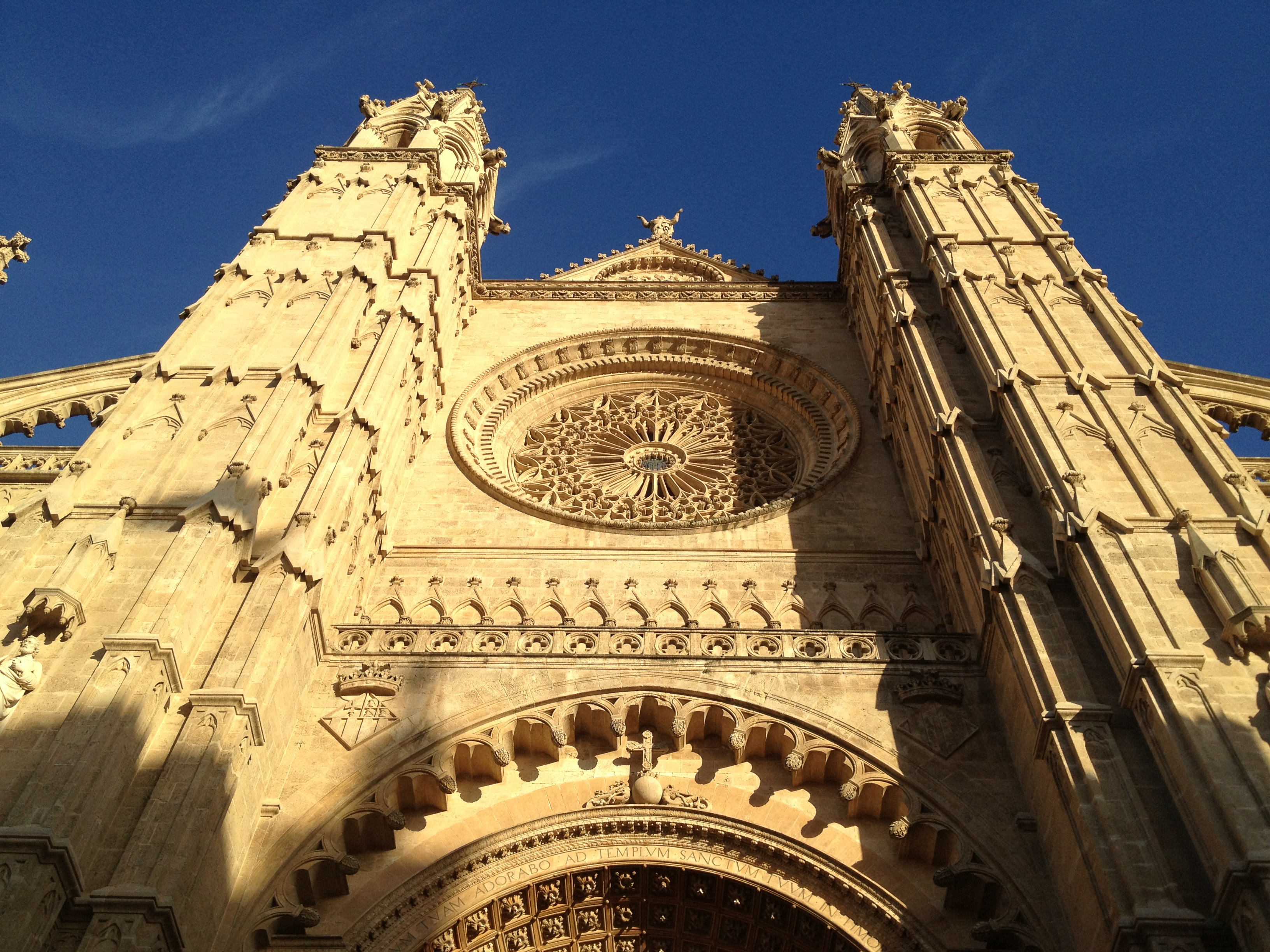
La Seu’s imposing gothic exterior

DSC06034 DSC05749 IMG_3708 DSC01109 DSC06190

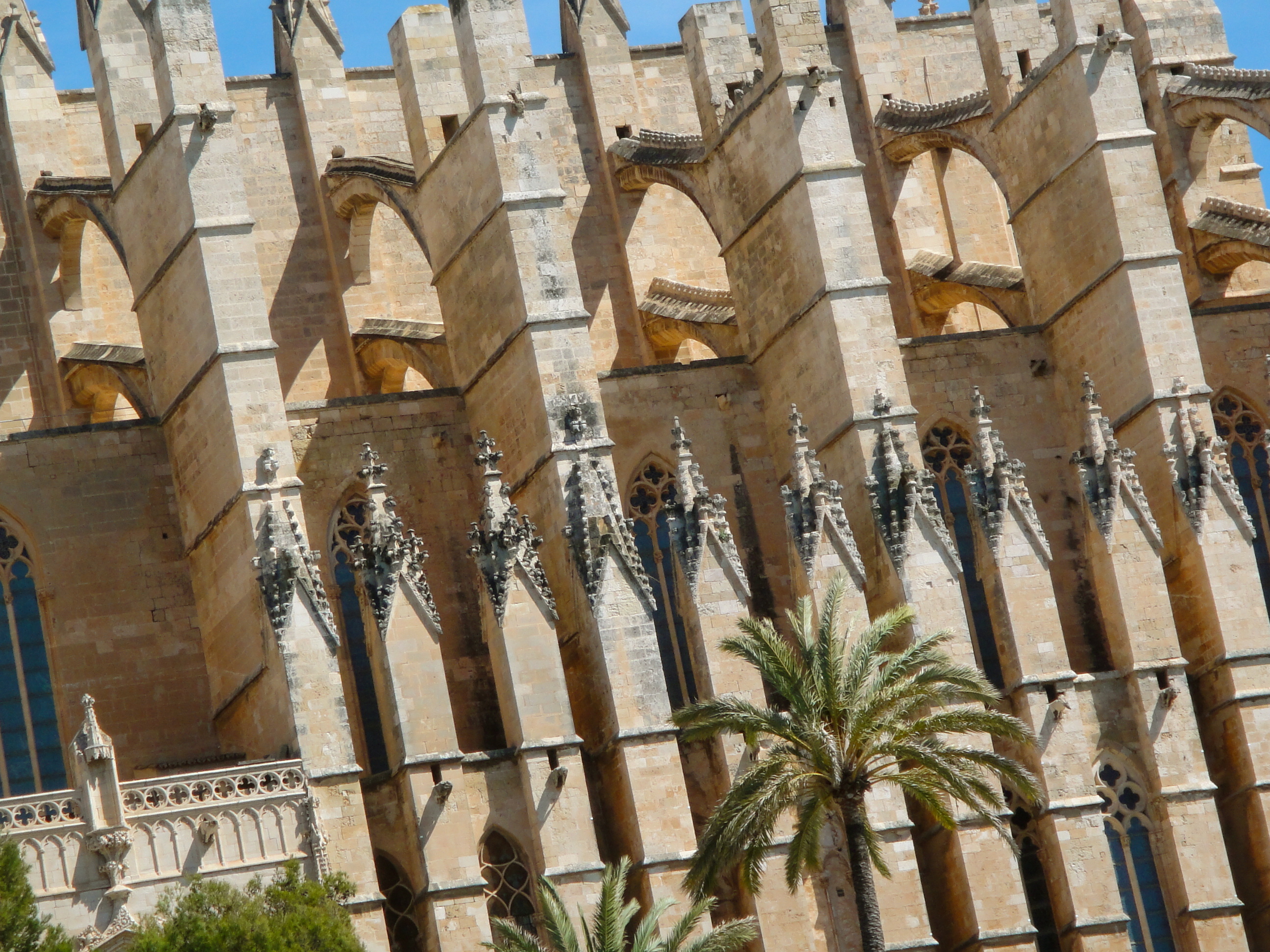
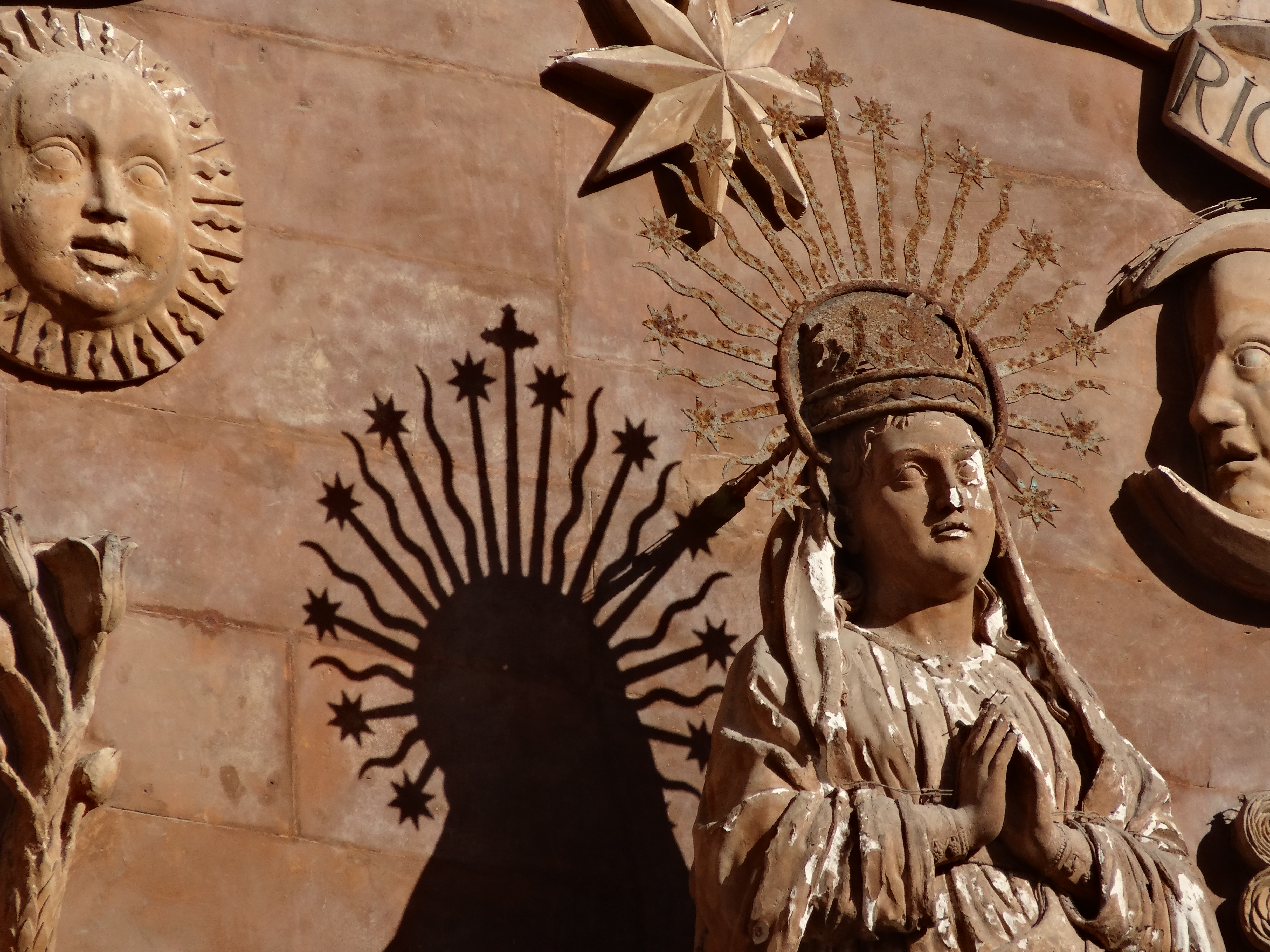
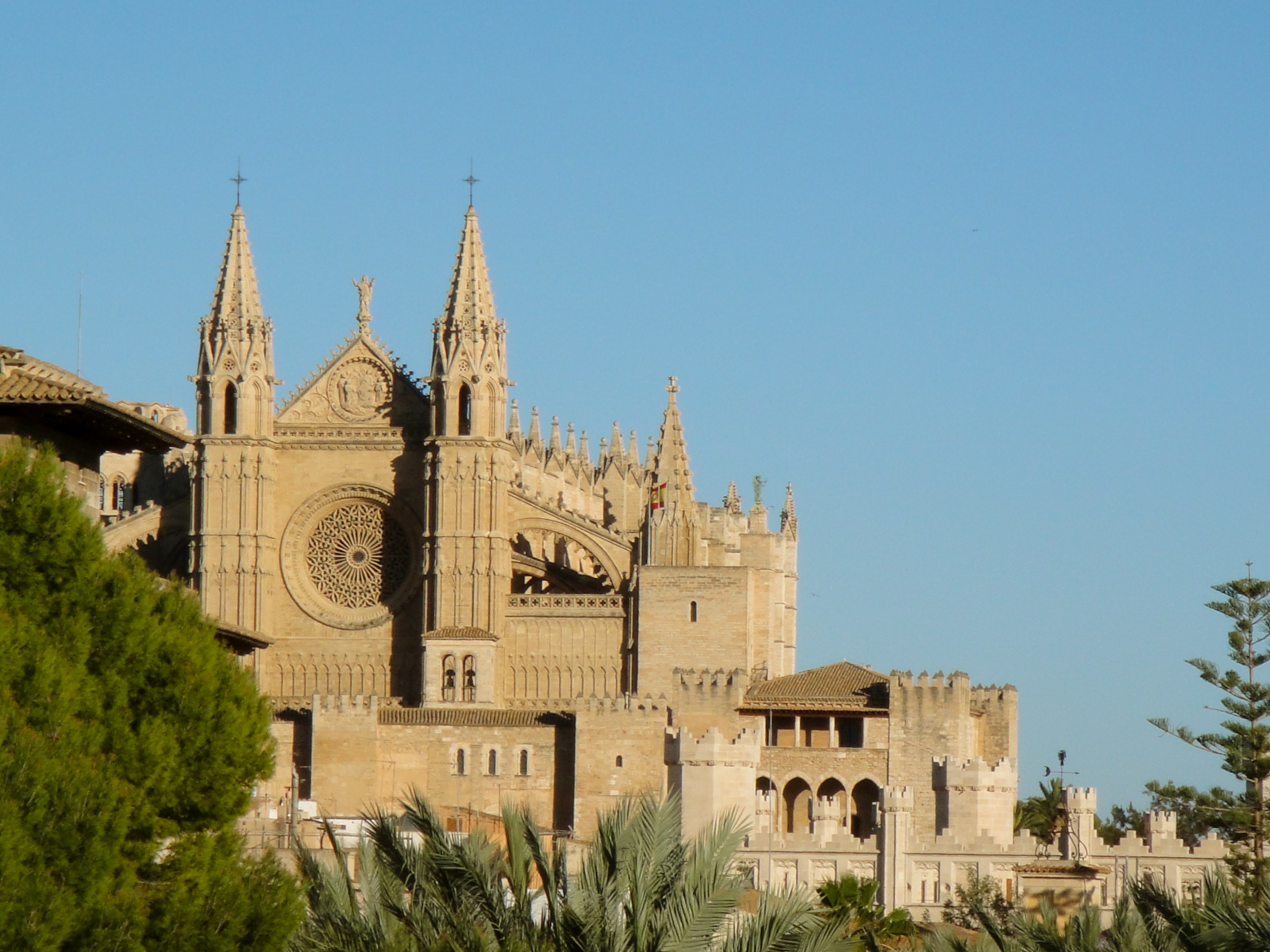
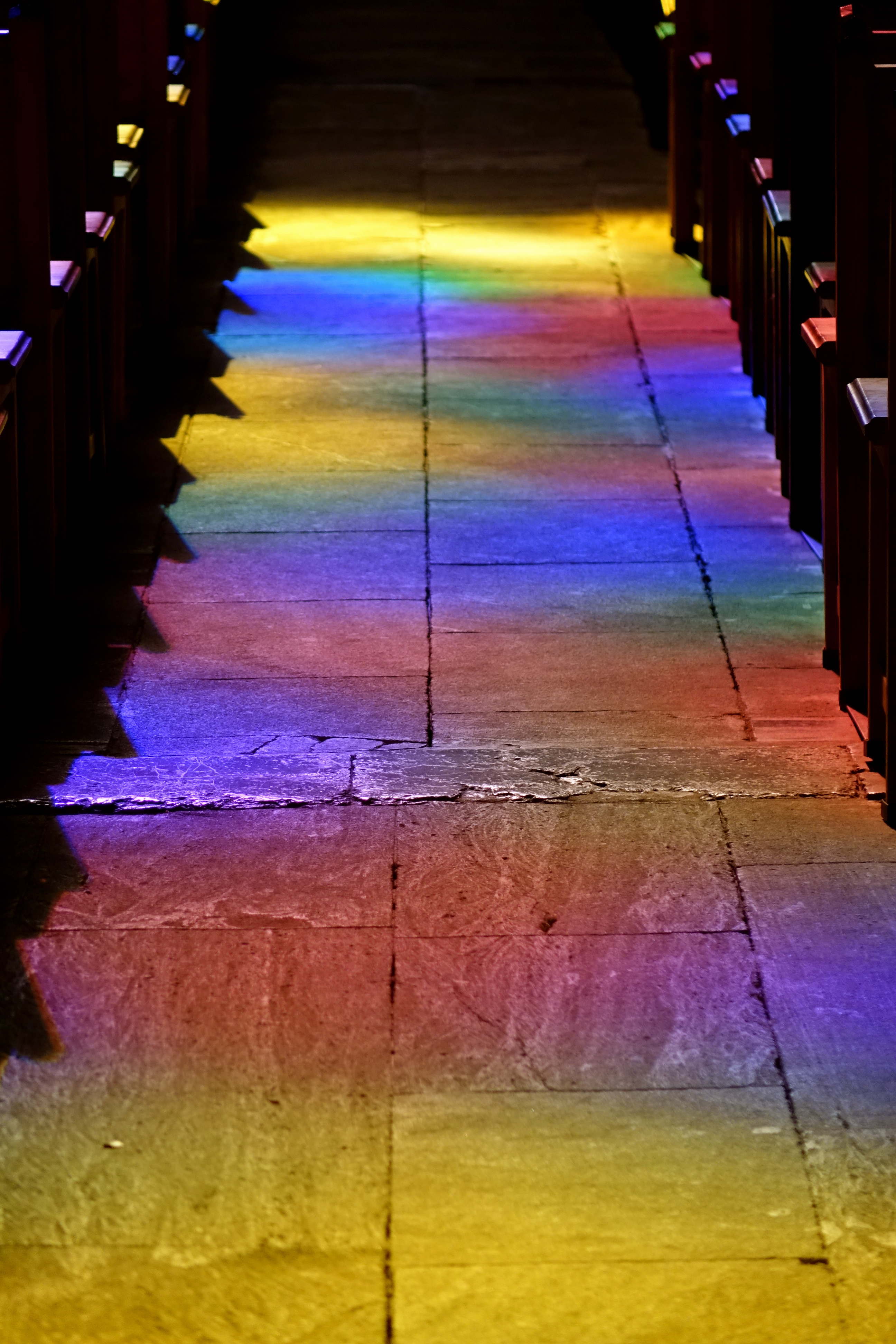
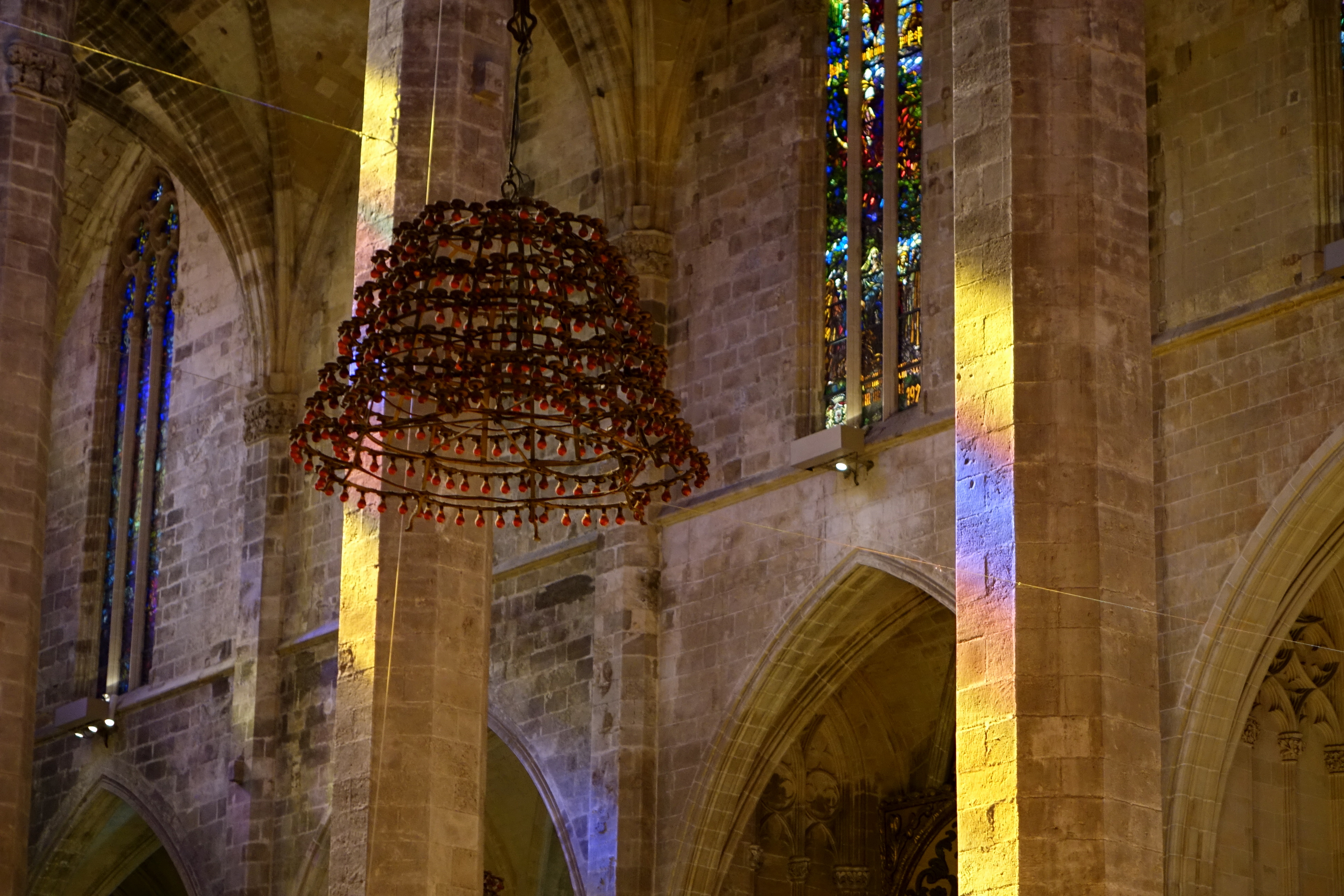
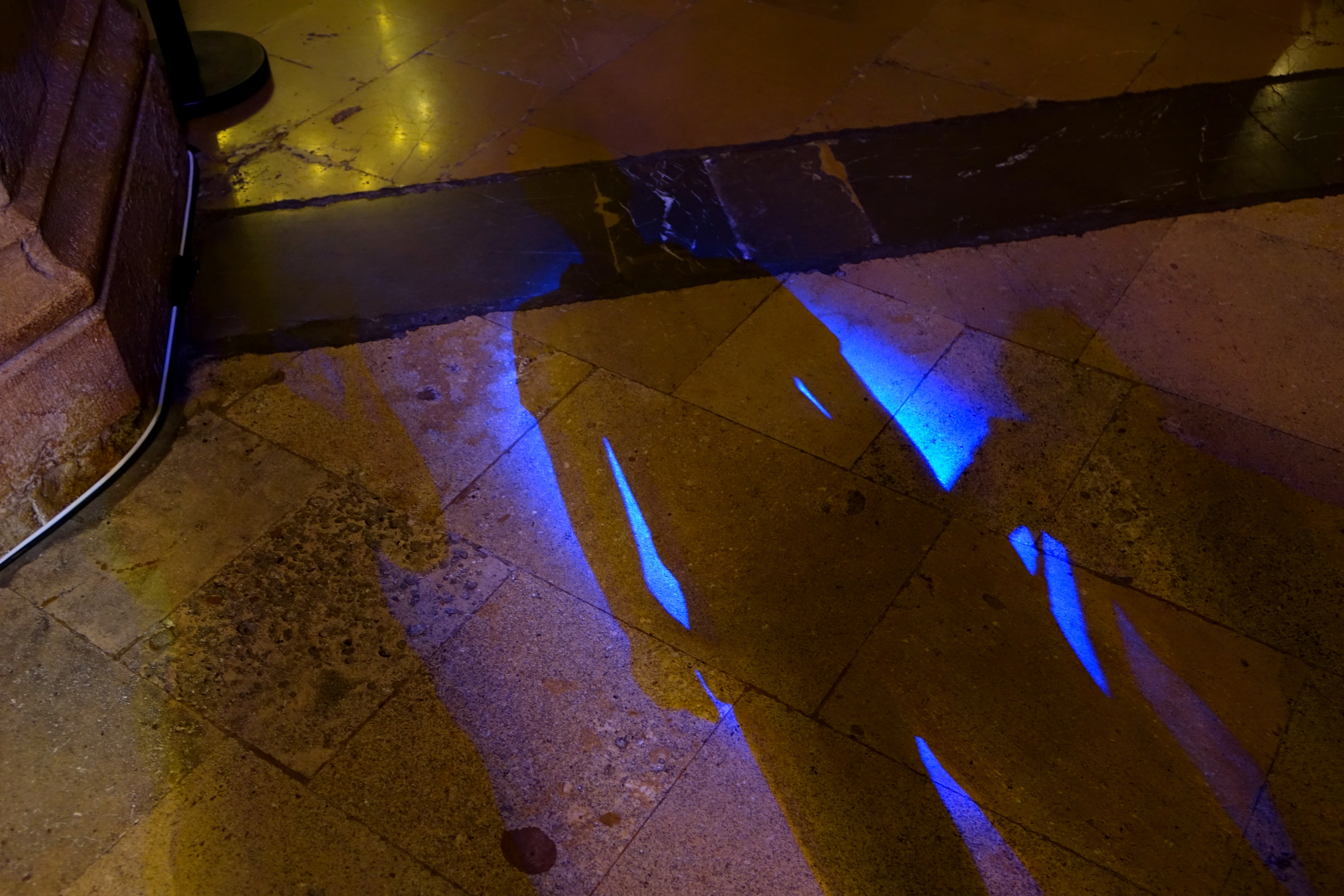
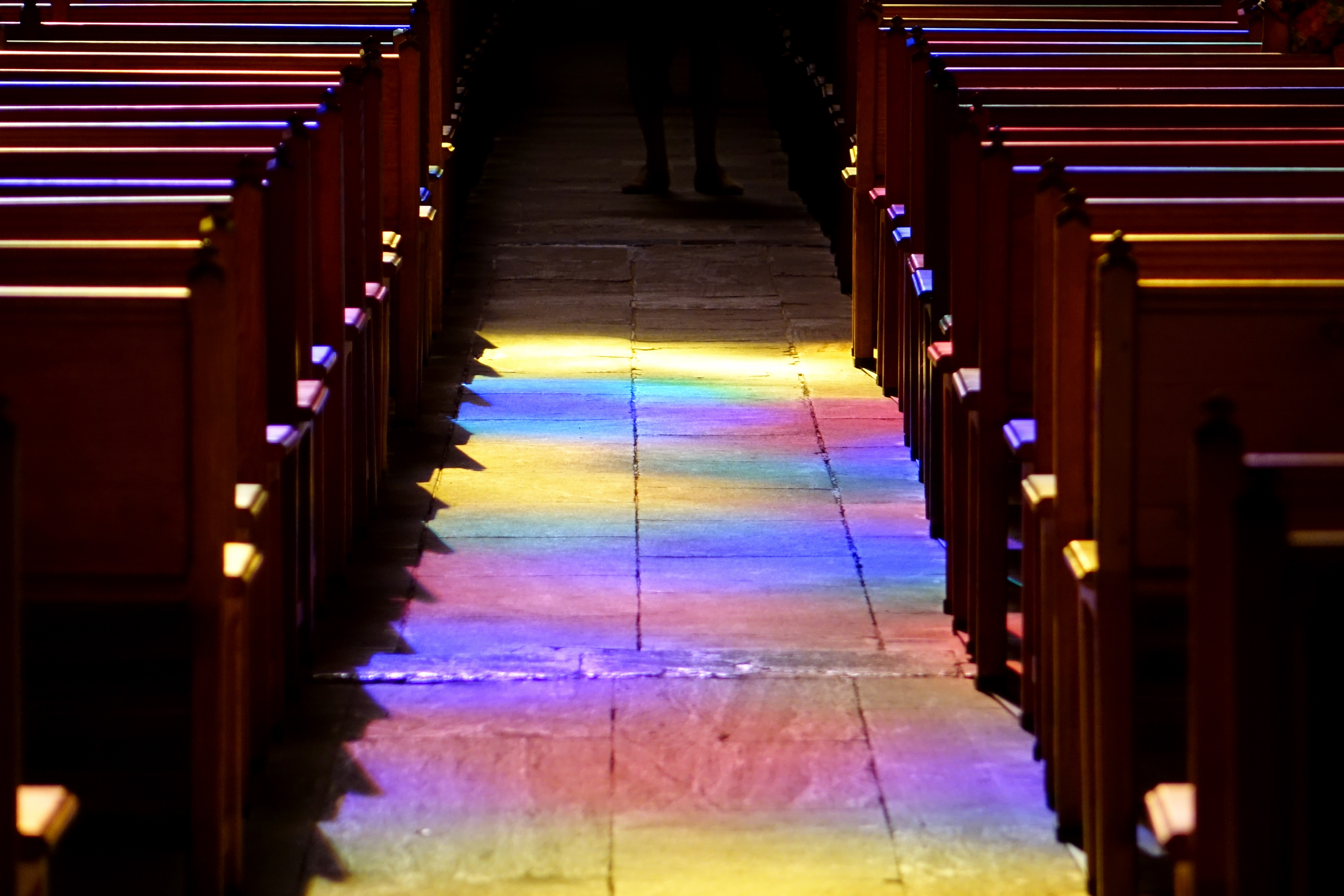
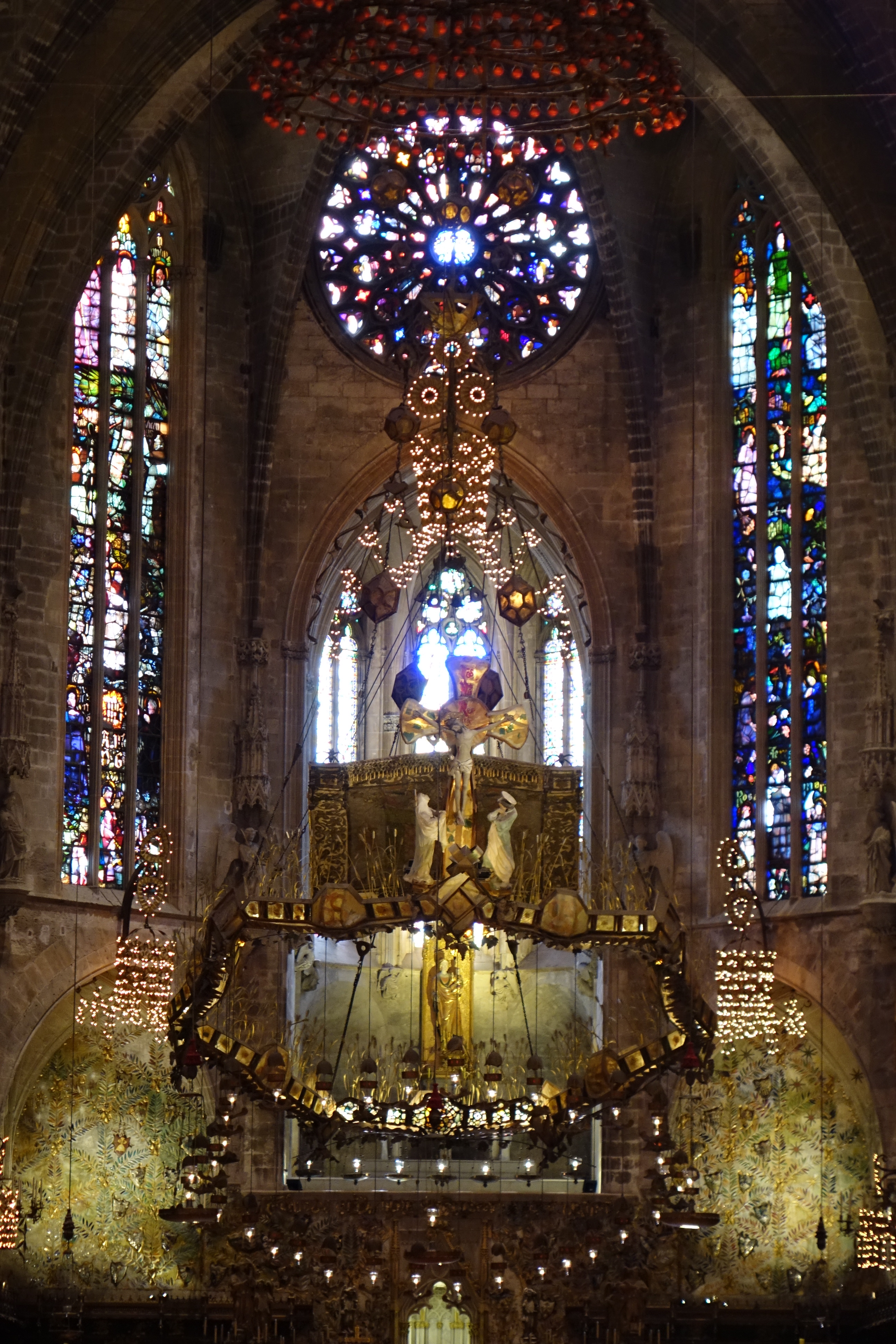
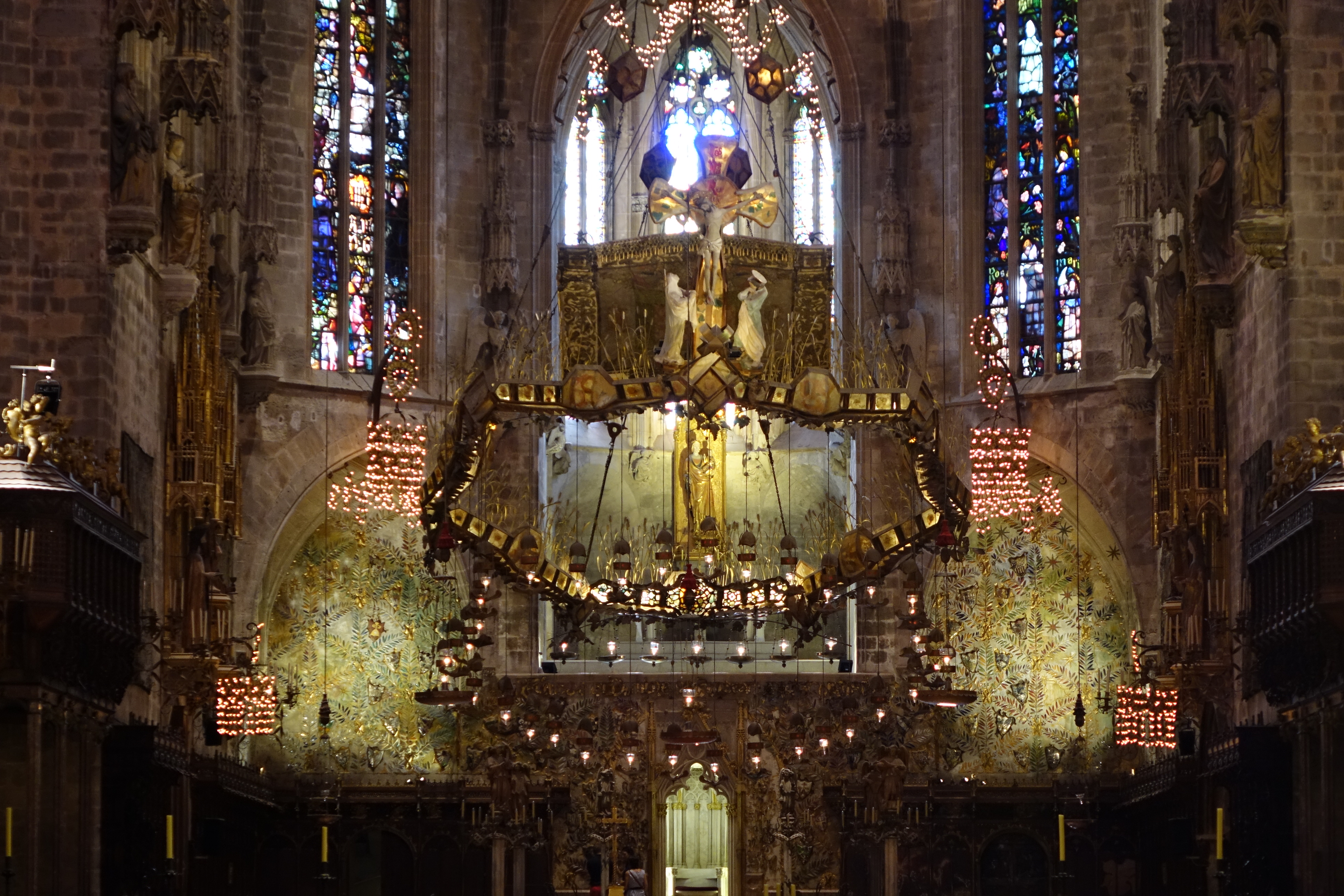
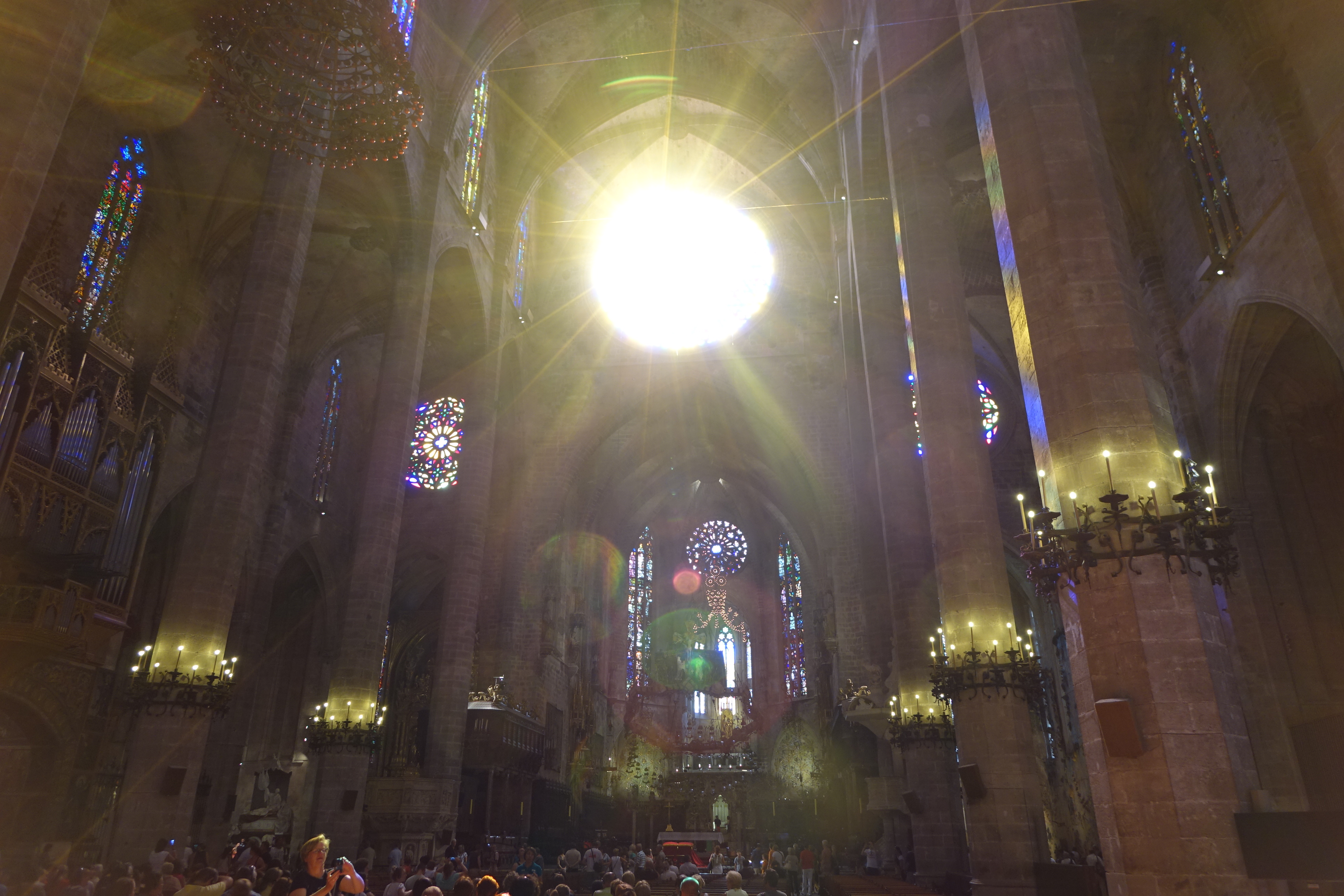
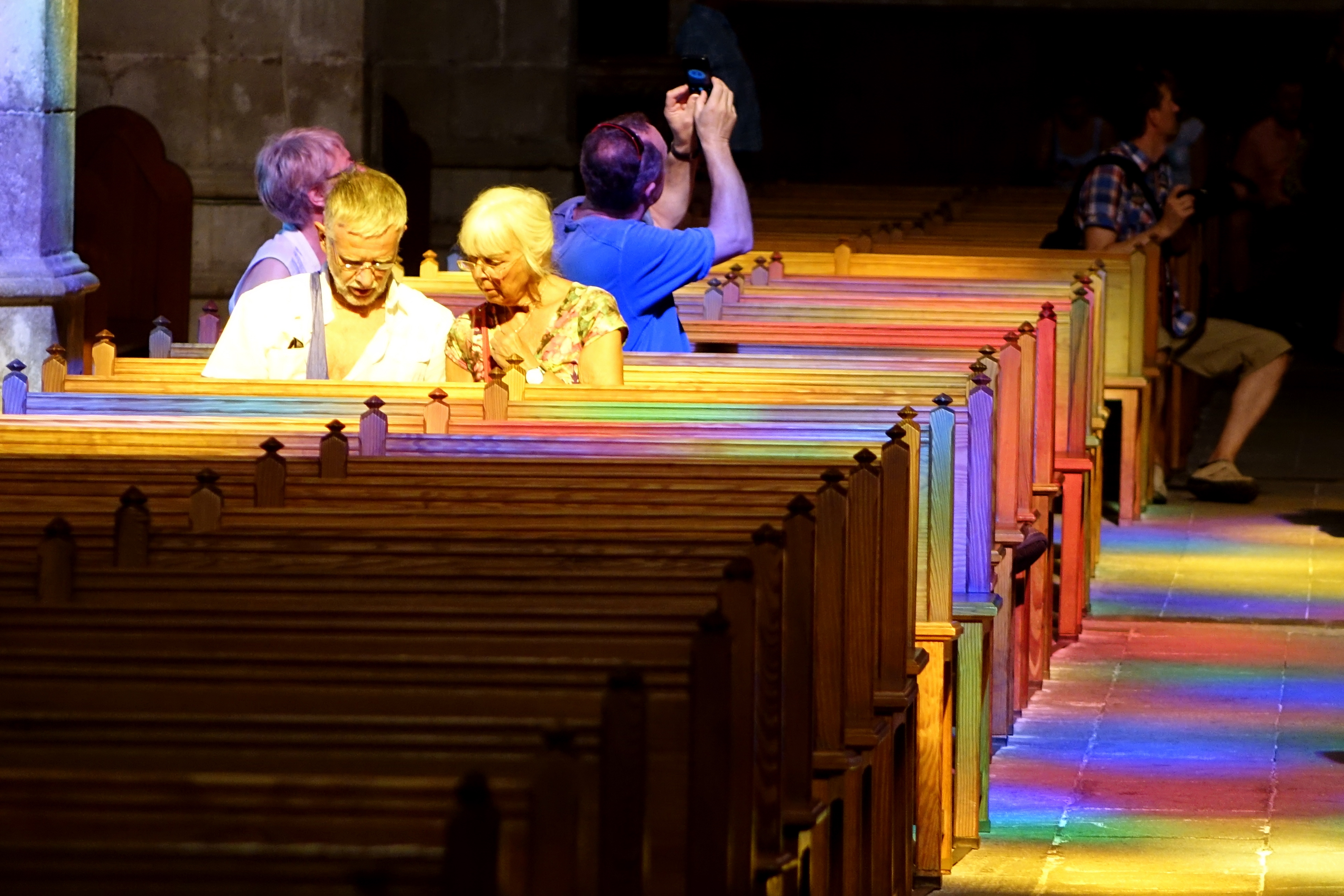
Palma’s Cathedral, known locally as La Seu, is indeed a masterpiece of the catholic gothic style. Completed in 1601, it is a soaring vast temple to christianity, with a dominant position over the waterfront of Palma, and comprising the 7th highest nave in the world. But what makes this palace of gothic architecture different from all of the other churches of the genre, enabling it to dispel the associations of dark, dank solemnity which is inherent in the gothic style, is colour. Pure, dazzling, multi-coloured samplings from every stretch of the rainbow. For in Palma’s Cathedral, there is not a single clear pane of glass. Rather, its many windows are fitted with coloured stained glass so rich in its vivacity and complexity, that when the sun shines on the outside of the cathedral (which it invariably does in Mallorca), the result on the inside is to fill every gothic stone and structure, ever eave and buttress, every flag stone and pew with the most dazzling multi-coloured light.

DSC07721 DSC07686 DSC07683 DSC07681 DSC07688 DSC07715 DSC07692 DSC07718 DSC07694 DSC07708 DSC07726 DSC07700 DSC07680 DSC07675 DSC07732

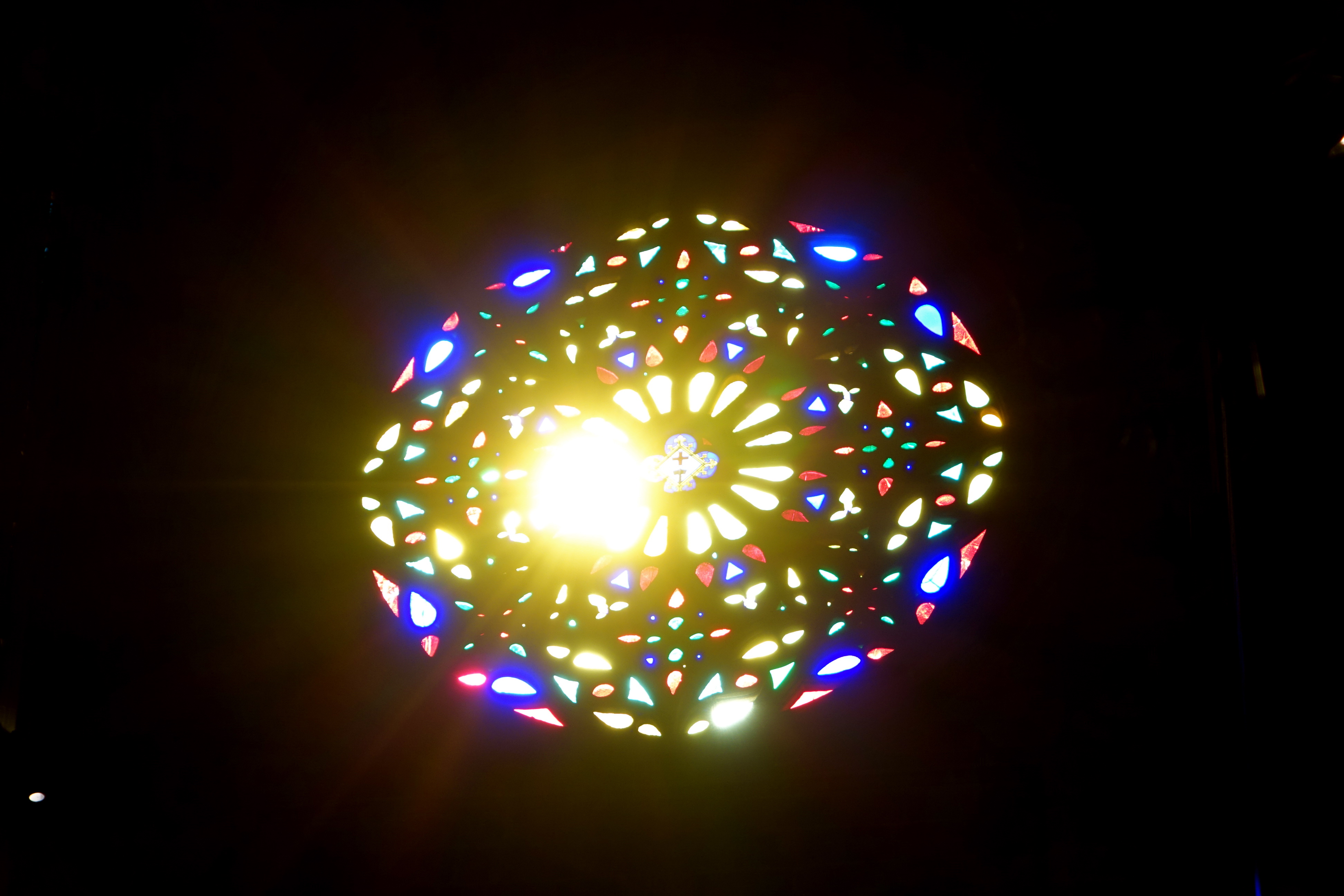
The effect is astounding, and dispels every known stereotype about gothic architecture, which is utterly transformed under the warming dazzle of a hundred shades of multi-coloured light. At times, when you are looking directly into the light as it shines through one of the cathedral’s impressive stained glass windows, a moment of epiphany overcomes you, as everywhere you look you see shards of colour bouncing across the vast space. If that was the intention of the architects, it is an objective universally achieved, so that you leave the cathedral if not religiously converted then certainly spiritually touched.

All photos and written content are strictly the copyright of Nicholas de Lacy-Brown © 2014 and The Daily Norm. All rights are reserved. Unauthorized use and/or duplication of the material, whether written work, photography or artwork, included within The Daily Norm without express and written permission from The Daily Norm’s author and/or owner is strictly prohibited.
Prague (Part 6): Photoblog Epilogue

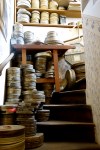
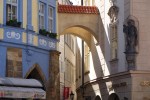
My closing photographic miscellany of my series of Prague posts is all about variety. From crunchy caramelised pretzels, hung out on cafe table to further tempt diners, and a troop of soldiers, dressed up in baby blue, to spooky looking decapitated dolls and a stack of dusty old film reels on a staircase in the Golden Lane, this is a selection of photos that bear no common thread other than the fact that they are some of the smaller little details that can be found in the capital of the Czech Republic.

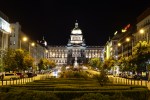
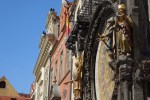
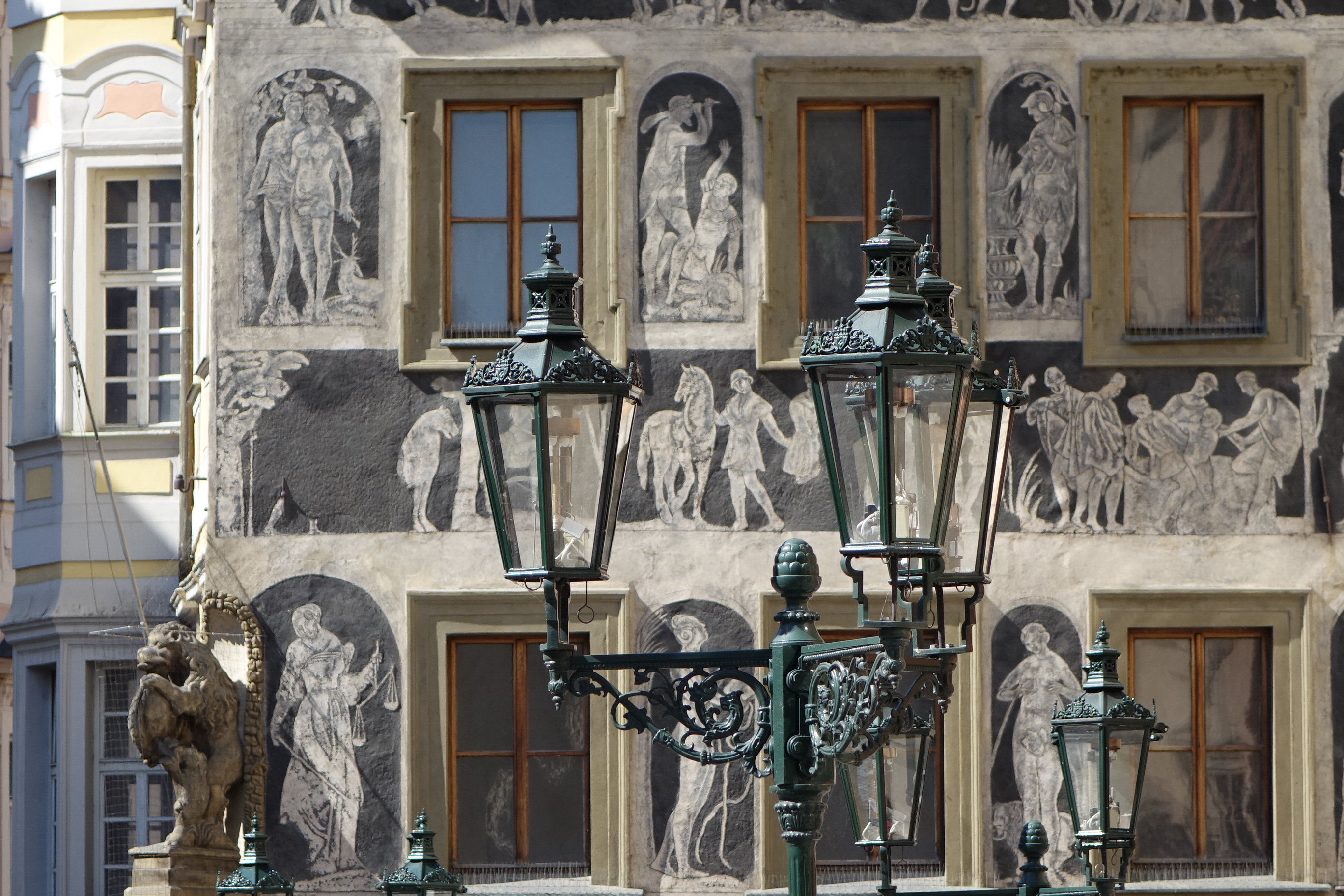
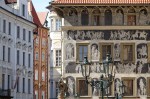
Amongst the shots on show are what have become something of a staple in my photographic oeuvre: street lamps aplenty and reflections in glass; fancy ironwork and keyholes, and shadows cast onto a sunny wall. But here too are some of the more typical views which a tourist may seek to capture on their handheld: the unbroken expanse of the grand Wenceslas Square and the astronomical clock set upon the face of the old town hall tower, its moving apostles and little model bell-tollers delighting tourists on the hour, every hour.

DSC07533DSC07365DSC07143 DSC06389 DSC06474

And so with this post, I bid my farewell to Prague. My experience of the city was not always great – the feeling that I was more of a nuisance to locals than a welcome guest always pervaded my experience leaving me slightly on edge and unable to enjoy the city to the full. But there’s no denying the rich historical beauty which the city exudes from its every glamourous feature and facade, and for that alone, it’s worth the trip.

All photos and written content are strictly the copyright of Nicholas de Lacy-Brown © 2014 and The Daily Norm. All rights are reserved. Unauthorized use and/or duplication of the material, whether written work, photography or artwork, included within The Daily Norm without express and written permission from The Daily Norm’s author and/or owner is strictly prohibited.
Prague (Part 5): City of a Thousand Spires

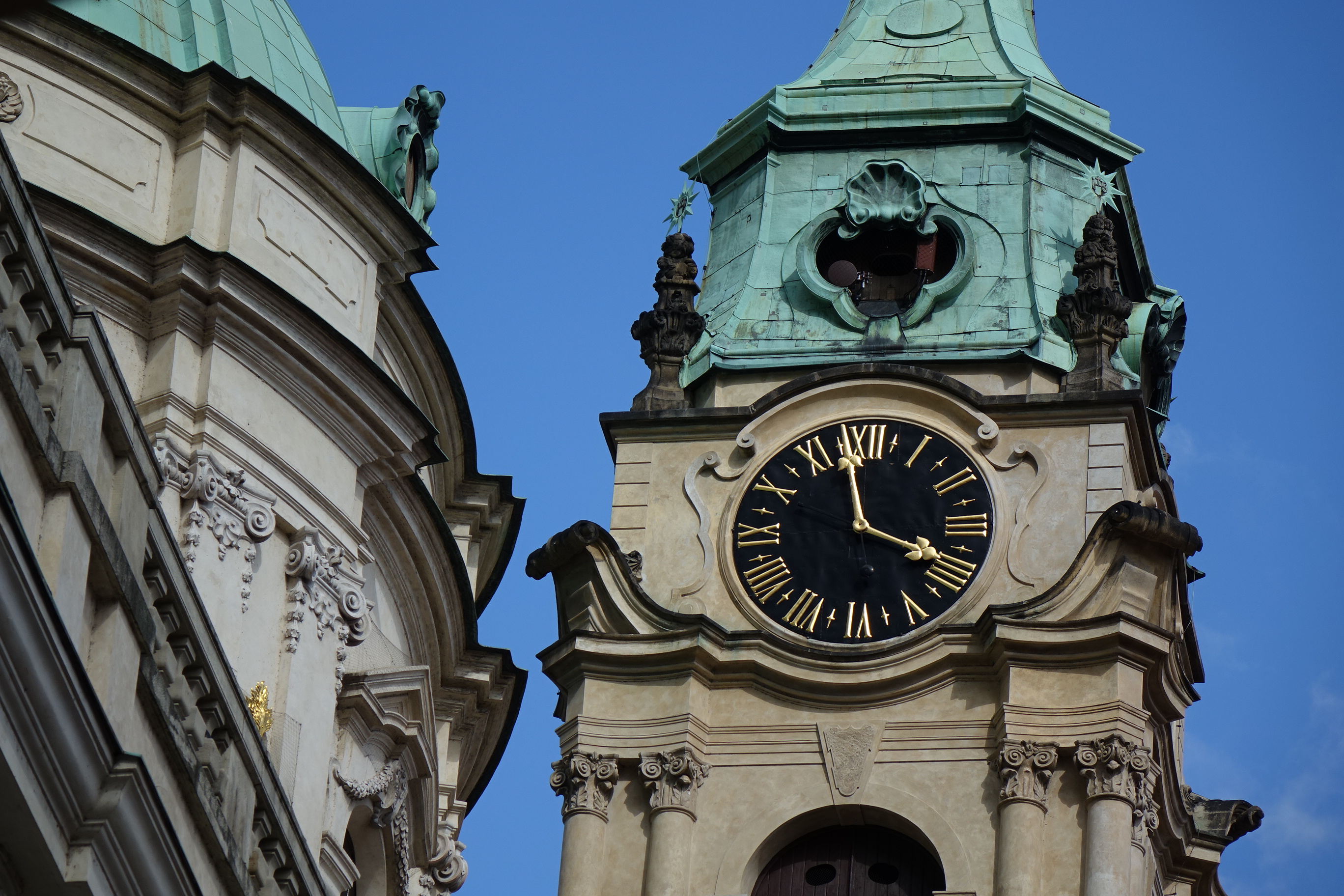
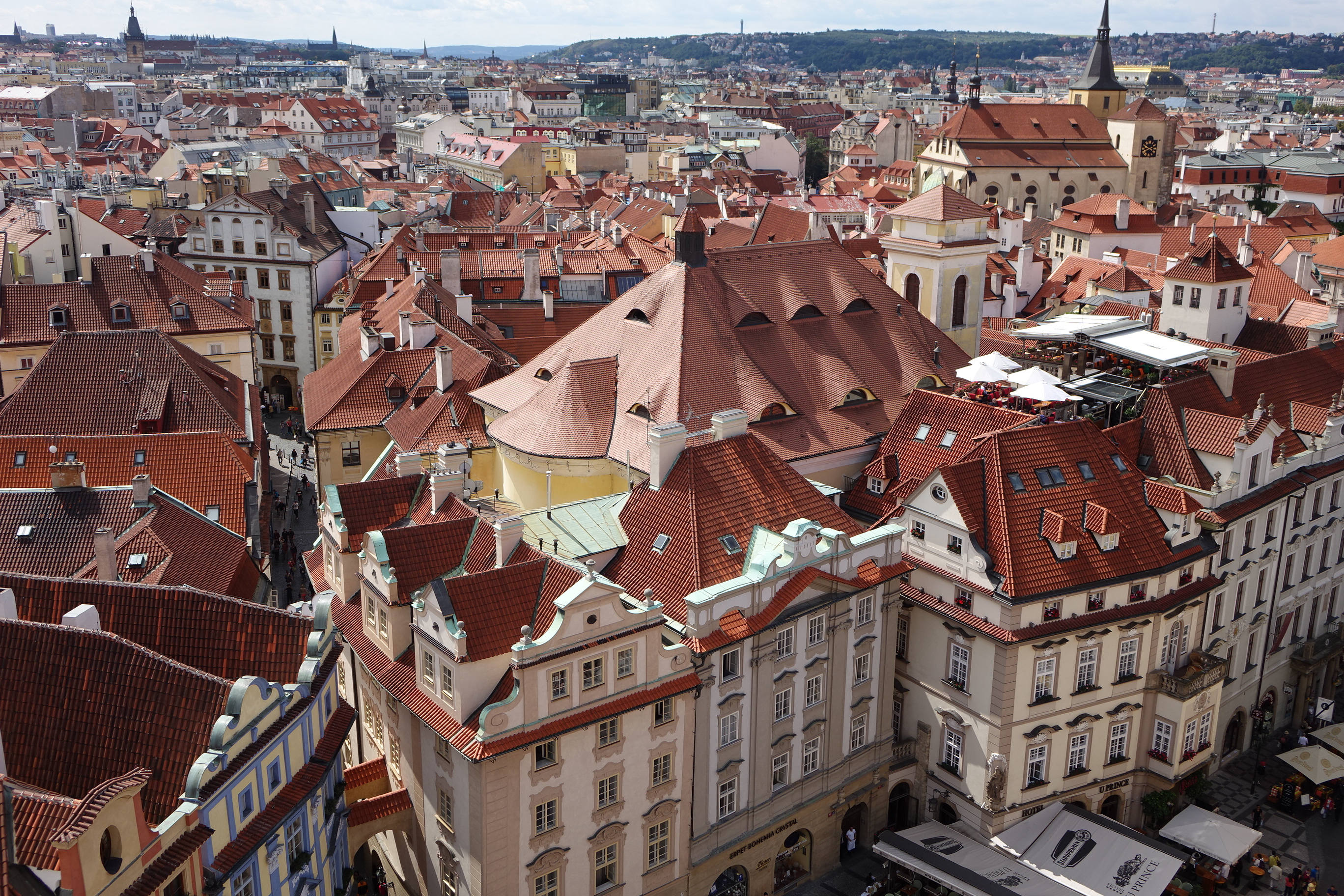
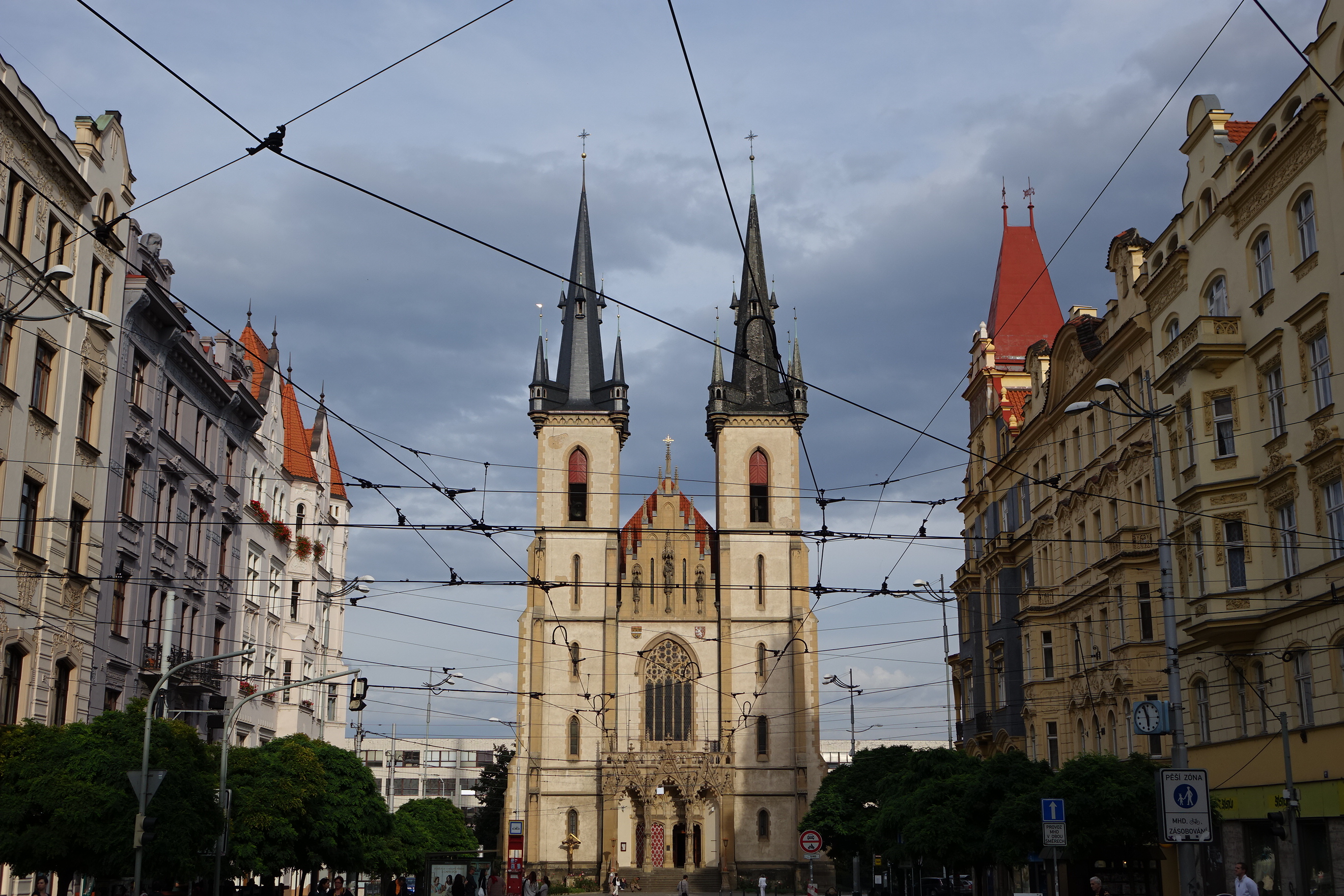
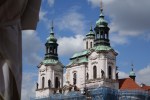
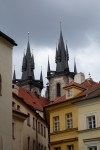
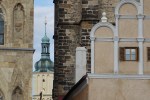
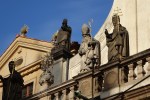
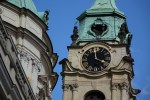
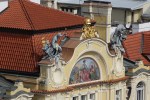
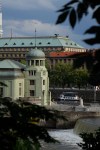
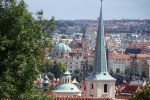
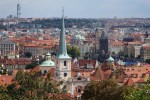
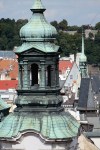
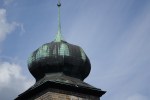
They call Prague the city of a thousand spires, and while I’m sure that a thousand may be a slight exaggeration, it’s probably not too far from the truth. For Prague’s skyline is like a venerable jewellery box of glinting treasures: tall spires, small spires, fat spires and ornate spires; cupolas embellished in gold, and turrets laced with ornate iron work. Some are grey and others the warm terracotta which populates most of Prague’s rooftops; but perhaps the most common are those copper spires, whose metal has turned a pleasing shade of aquamarine. Set amongst this sea of variously shaped ornaments are the baroque treasures which yesterday’s post explored; and so in any one square metre of the city, you may have a delicious overlap of a dome, several spires, gold details, copper coloured tiles, a blackened statue, and a slightly cleaner one – in other words a feast for the eyes.

DSC07064 DSC07441 DSC06948 DSC06464 DSC07223


It is in an attempt to serve that banquet of architectural delicacies up into manageable bite-size pieces that I devote a whole post on today’s Daily Norm to the seductive skyline ofPrague. For while the city at ground level, with its tourist hoards and stag parties may do your head in, keep on looking up and you may well find that Prague fairytale that all the guidebooks have promised you.

All photos and written content are strictly the copyright of Nicholas de Lacy-Brown © 2014 and The Daily Norm. All rights are reserved. Unauthorized use and/or duplication of the material, whether written work, photography or artwork, included within The Daily Norm without express and written permission from The Daily Norm’s author and/or owner is strictly prohibited.

Prague (Part 2): Photo focus – An ode to Art Nouveau

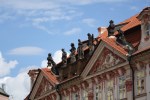
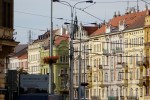
Yesterday I had a good old moan about Prague – its lack of customer service; the hideous proliferation of British loutish stag parties (for which all of England should be ashamed); and the general state of decline which much of its treasures have been left to fall into. And yet, while I stand by everything I said in that post, the fact remains that Prague is an unusually beautiful city, unusual to the extent that its architectural treasures are consistently spread, and barely interrupted by even the slightest hint of modernity. Indeed, unlike so many European cities which have been rendered patchy or obliterated in their entirety by the ravages of 20th century warfare, Prague is a city of architectural constancy, with street after street boasting beautifully intact period architecture full of embellished details, pointed roofs, gold leaf and pastel coloured facades.

Of the many architectural styles on offer, one of the most prominent and surely most beautiful is Prague’s wealth of art nouveau. It’s everywhere: up the grand central boulevard comprising Wenceslas Square; adorning the outside of the Hotel Central and the central railway station; in the elegant tiled and painted frescoes on apartment block facades; and of course in the artwork of the much famed Czech-born artist Mucha, whose flamboyantly graceful posters of theatre stars and society icons were the very quintessence of the art nouveau style. According to my guidebook, the reason why there is such a proliferation of art nouveau in Prague is for the simple reason that whole swathes of the city were demolished and rebuilt at the very time when the style was in its ascendancy, and the result is streets crammed full of the elegant curved lines and aesthetically perfect adornments which characterise the period.

DSC07354 DSC07491 DSC06488 DSC07419 DSC06451

As if it weren’t obvious already, Prague’s art nouveau and similar architectural embellishments are the subject of this first photo-focus post arising out of my recent Prague trip, and should give you an excellent idea of the variety and extent of art nouveau offerings in the Czech capital. And these are only the features I noticed. For in the course of concentrating on finding my way around the city, I would so often forget to look up to note the detailed embellishments which pepper the buildings, especially further up near the top of the elegantly crafted facades, and consequently I have surely missed many of the city’s great gems. But those I did see proved highly satisfying, along with a visit to the Mucha museum featuring some 100 or so posters, paintings and sketches by the great artist. His work is not to all tastes – it’s surely the height of chocolate box prettiness – but it remains, in my view, the very archetype of an era when beauty and elegance were at the forefront of everyone’s imaginations. If only the same could be said of today.

All photos and written content are strictly the copyright of Nicholas de Lacy-Brown © 2014 and The Daily Norm. All rights are reserved. Unauthorized use and/or duplication of the material, whether written work, photography or artwork, included within The Daily Norm without express and written permission from The Daily Norm’s author and/or owner is strictly prohibited.

A weekend in Kraków | Photography Focus 2 – Architectural elegance

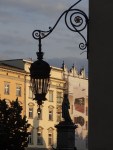
In my first post of this now concluding Kraków series, I described how the Kraków I first set eyes upon was like a gleaming jewellery box, so complete was its skyline with opulent, intricate architectural features, from bright green onion-shaped copper cupolas and elegantly curved wrought iron art nouveau domes, to neo classical pillars and extravagantly baroque church facades. In fact so abundant in architectural elegance is the old town of Kraków, that when I recently collected together sketches of every dome and cupola I had seen in the city into a single composition (a work which I am currently painting – I hope to finish the somewhat ambitious project this week), my Partner, who studied in Kraków for years, actually thought I must have invented a few, such was the proliferation of diverse architectural splendour assembled out of the Kraków skyline.

DSC07295 DSC07763 DSC07280 DSC06995 DSC07349

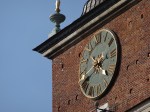
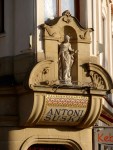
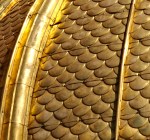
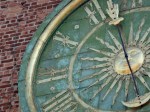
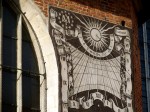
Well, with this final post and my last set of Kraków photographs, you can start to see just a few of the dazzling features which characterise the city, filling its skyline with glittering details and ensuring that from every approach and angle, the city looks like a work of art – a masterpiece of historical wealth and architectural diversity. From stunning gold tiles, so complete in their sheen and opulence that you feel diminished before their glorious spectacle, to clocks and door knockers which render even a cracking door or ageing building facade a masterpiece of design; these are a set of photos which pretty much sum up Kraków , jewel-box city in a single set – beautiful, decadent, charming, unspoilt – a city to be seen; a spectacle intended to wow. So, with the stage set for a dazzling photographic gala, I’ll let my photos of Kraków  do the talking. Enjoy.

All photos and written content are strictly the copyright of Nicholas de Lacy-Brown © 2013 and The Daily Norm. All rights are reserved. Unauthorized use and/or duplication of the material, whether written work, photography or artwork, included within The Daily Norm without express and written permission from The Daily Norm’s author and/or owner is strictly prohibited. 
Mallorca (Part VIII) – Photography Focus 2: Modernista Architecture

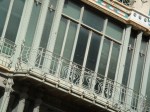
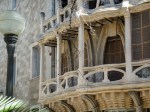
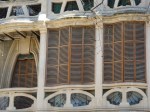
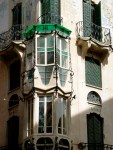
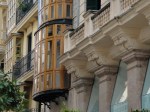
As readers of my Valencia series of posts back in February will know, I am a huge admirer of architecture, both ancient and modern. But perhaps my favourite style of architecture is a period sitting somewhere in between – an era when curved decorative lines replaced rigid linear forms, when natural forms such as flowers, leaves and waves appeared to sprout, almost like nature has regained supremacy over man, from the plasterwork and wrought iron of buildings, and when aesthetic considerations reigned over calculations of cost and practicality. I am of course talking about the era of the art nouveau, which, in a progressively more industrialised Catalonia at the beginning of the 19th Century, had its very own, perhaps more eccentric off-shoot – modernisme.

While perhaps not as abundant as the prized examples of modernismo architecture which can be found in the city of Barcelona, a lesser known collection of what are quite frankly gems of the period are ripe for discovery in Palma de Mallorca. Palma was developing a wealthy and increasingly outward-looking bourgeoisie by the end of the 19th century, and come the 1900s, the development of wealth and industry, as well as an increased awareness and pride in Catalan identity, encouraged the rich of Palma to display their wealth in a progressive and concrete form – through the construction of modernist palaces.

DSC06449 DSC07239The Cassayas apartmentsWindow detailing on the Can ReiWindow of L'Aguila

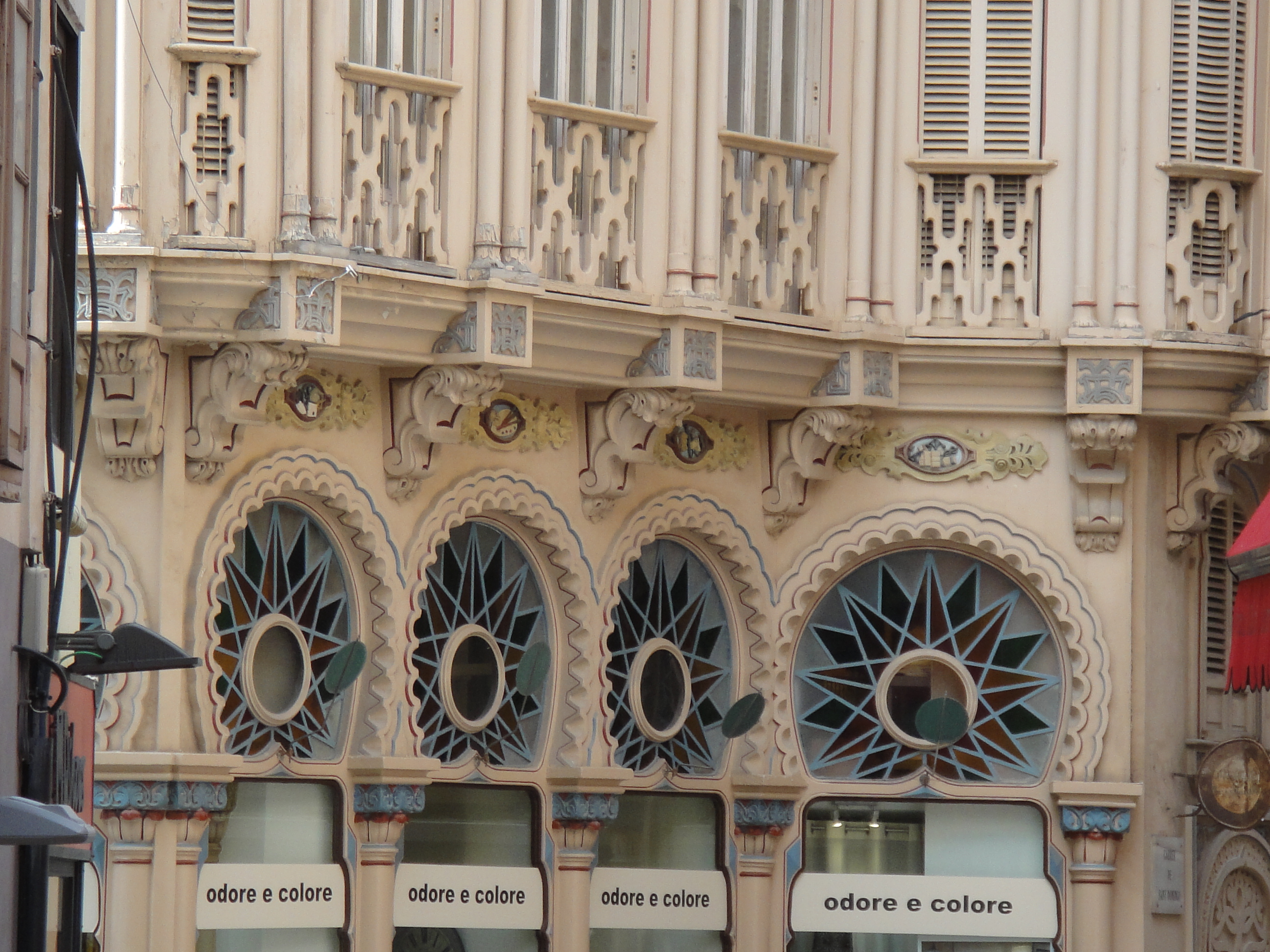
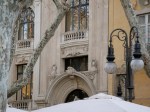
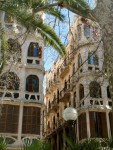
The result is a central core of Palma (from the Passeig de Born Eastwards to the Placa Major) which is full of surprisingly rich examples of modernismo, surely second only to Barcelona, who’s most famous proponent of modernismo, Antoni Gaudi, himself spent time in the city of Palma, overseeing the restoration of Palma’s cathedral. While Gaudi did not add any of his infamous weird and wonderful architectural creations to the streets of the city, many of his rivals in Modernisme did. These included Lluis Domenech i Montaner, who built the lavish Gran Hotel (which is today the home of the Fundacio La Caixa), and Josep Cassayas who built two exquisitely curvaceous twin apartment buildings on the Placa Mercat, just opposite the Gran Hotel. I love in particular the detailing of these apartments, for example the curved window shutters which seamlessly align with the curves of the building’s delicate facade.

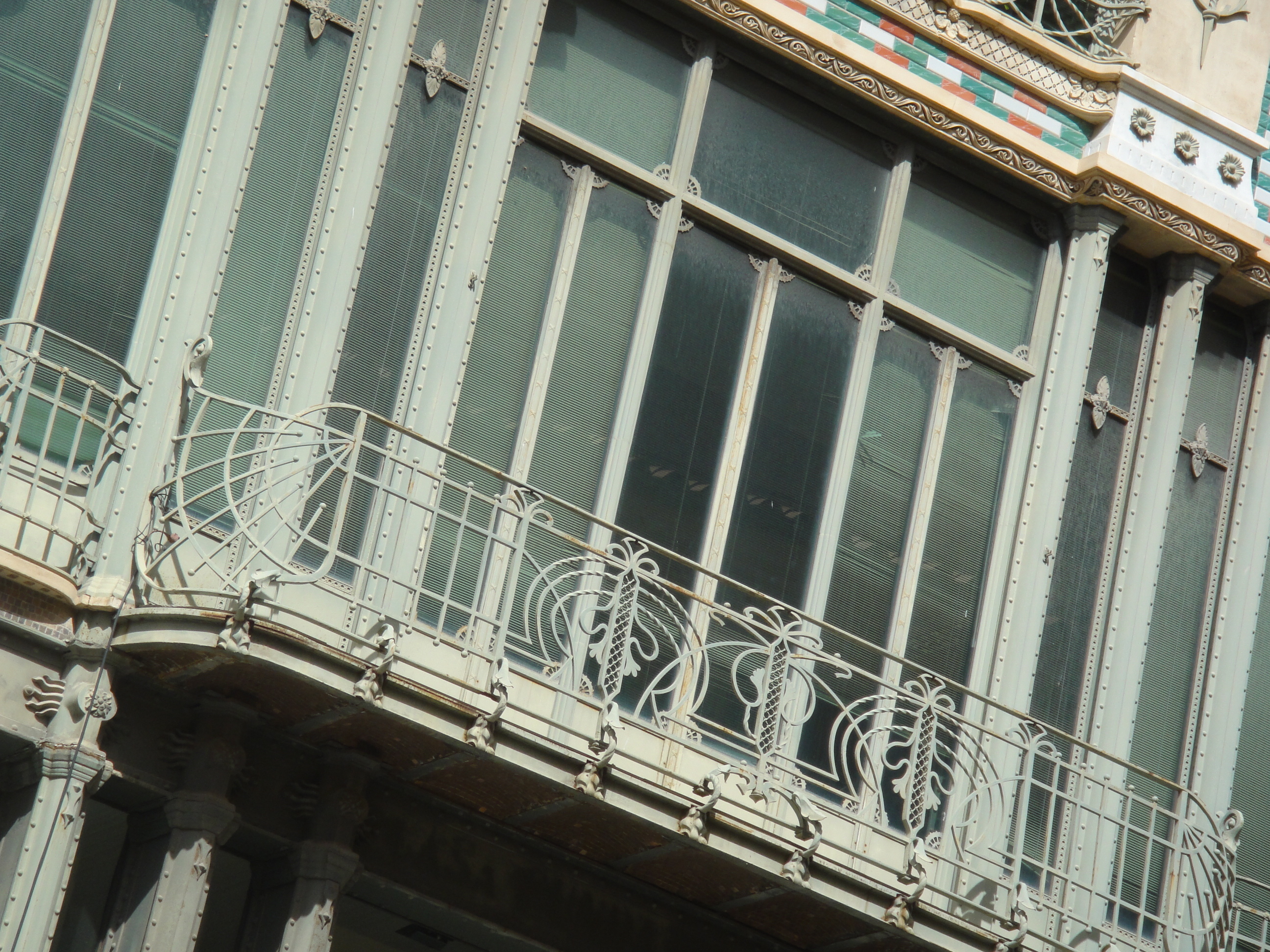
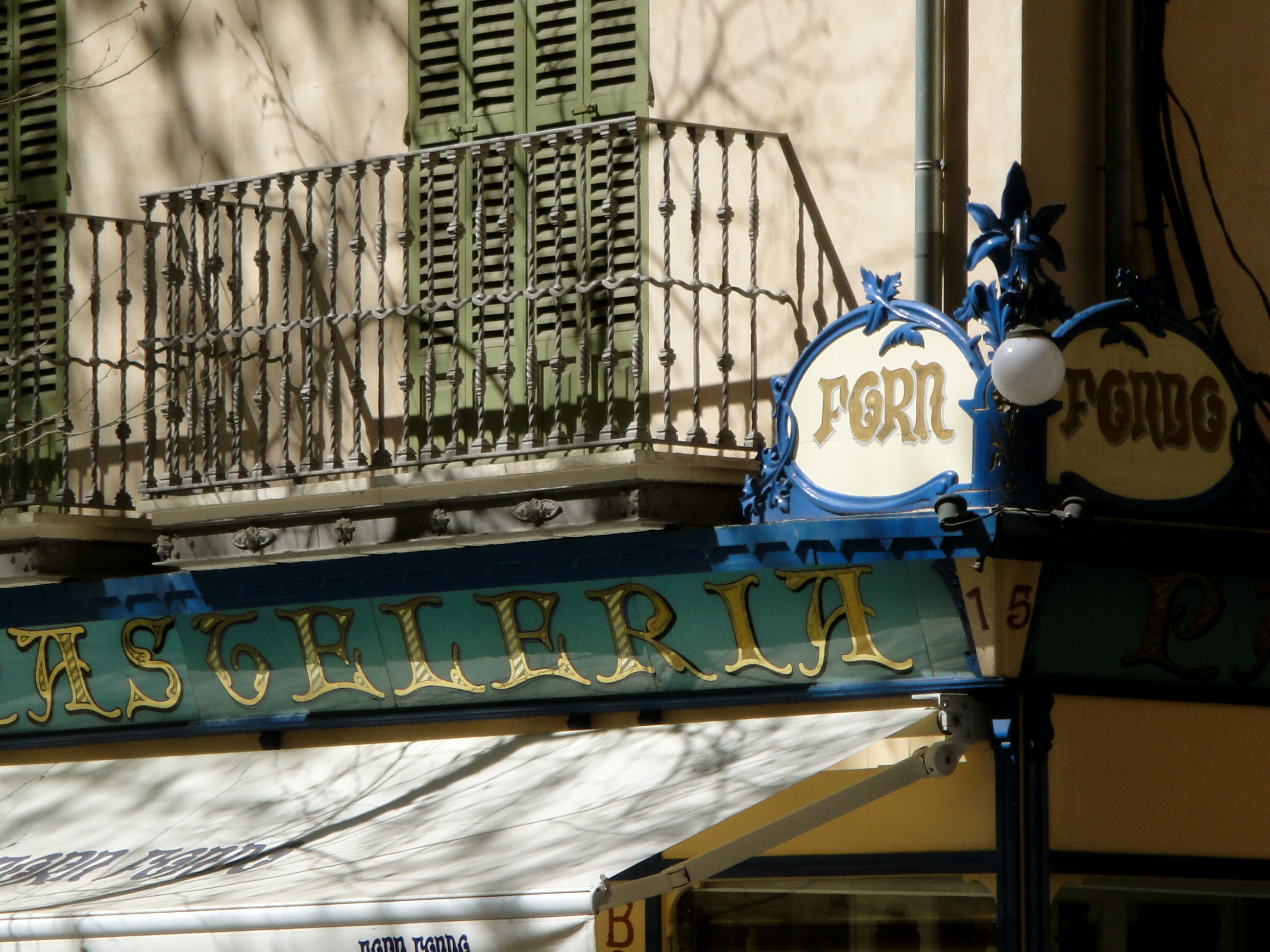
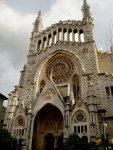
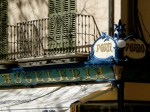
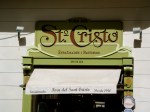
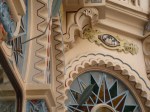
Meanwhile, just south of the Placa Mayor, the Can Rei, which today houses a takeaway of my beloved Cappuccino Grand Cafe, bears the closest resemblance to the great masterpieces of Gaudi, the use of ceramics and floral motifs, as well as balconies flanked with dragons reminding me of Gaudi’s Casa Batllo in Barcelona, while next door, the former department store L’Aguila by Gaspar Bennassar features beautiful geometric windows which appear to forecast the move towards the more linear art deco. Further afield beyond Palma in Soller, the pupil of Gaudi, Joan Rubio i Bellver, made his mark, building the astonishingly original and imposing facade of Sant Bartomeu church, while next door, he constructed the fortress-like structure of the C’an Prunera, which includes a wonderful twin corner balcony and some beautifully complex wrought iron window grilles.A Modernismo shop frontDSC07233Window grill in SollerDSC06789 DSC05757

I leave you with a selection of my photos of these stunning feats of architecture, and in particular many of the details which make the buildings so utterly unique, and aesthetically superior to anything built before or since. In addition, these photos include a few shop fronts which appear to slot seamlessly into the Modernist mood. Palma’s modernist profile is just another facade to this captivating creative city, but one which to my mind is too often overlooked when compared with cities such as Barcelona. As these photos will show, this is yet another reason why Palma should be proclaimed a priority destination of artistic pilgrimage for art and architecture lovers everywhere.

All photos and written content are strictly the copyright of Nicholas de Lacy-Brown © 2013 and The Daily Norm. All rights are reserved. Unauthorized use and/or duplication of the material, whether written work, photography or artwork, included within The Daily Norm without express and written permission from The Daily Norm’s author and/or owner is strictly prohibited. 

Valencia (iii) – Photography Focus 1: Modernista architecture

Regulars to my blog will not be at all surprised to know that I was never far from my camera(s) as I traversed the quaint streets, wide esplanades and picturesque squares of Valencia. Photography, like art, is like an inseparable part of my inner personality, almost like an extra limb by which I can capture the compositions which line up and freeze into photo form in my mind’s eye as I look around me. Valencia was, unsurprisingly, ripe fodder for my photographic expressionism, and so many photos have resulted, that I thought it would be prudent to post my body of work thematically.

First up is a concentration on Modernista architecture, the movement of architecture which paralleled, and to some extent expanded our own art nouveau style, an artistic drive which embellished buildings with floral, leafy detail, replaced straight lines with daring curves and undulations, and generally rewrote the rules of conservative architectural standards.

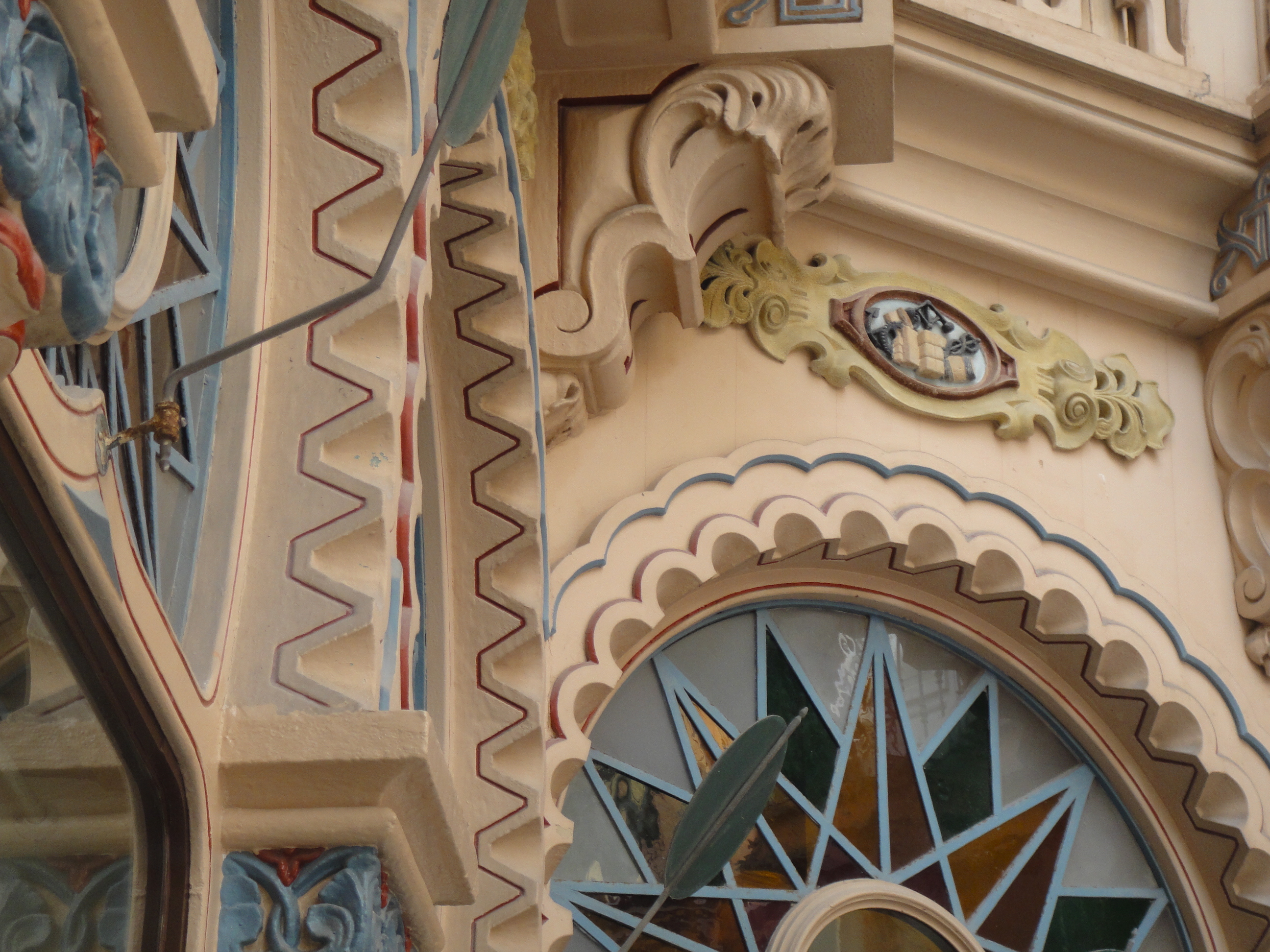
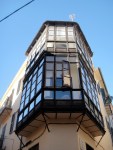
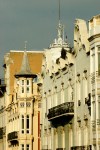
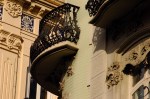
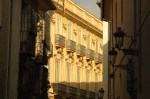
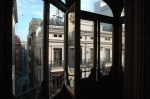
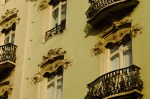
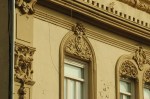
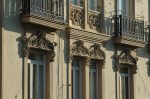
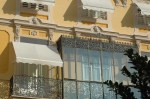
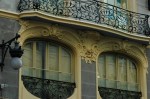
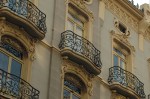
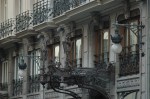
Valencia’s offerings of Modernismo are not as abundant or over the top as the prized examples of Barcelona’s Gaudi-led architecture, but there are nonetheless plenty of buildings to rave about. As a starting point, I was delighted to learn, upon arriving out our hotel, the Vincci Palace, that the hotel itself is set within one of Valencia’s most admired Modernista offerings, complete with elaborate miradores (corner balconies) of which (I was even more excited to discover) our room boasted one of two. In the same street (the Calle de la Paz), various other buildings overflow in Modernista detailing, from plaster rendering which looks almost alive with curving creeping plant details, to equally elaborate ironwork, but all combined with something of a Valencian focus as plaster and stone combines with softly-toned ceramic tiles.

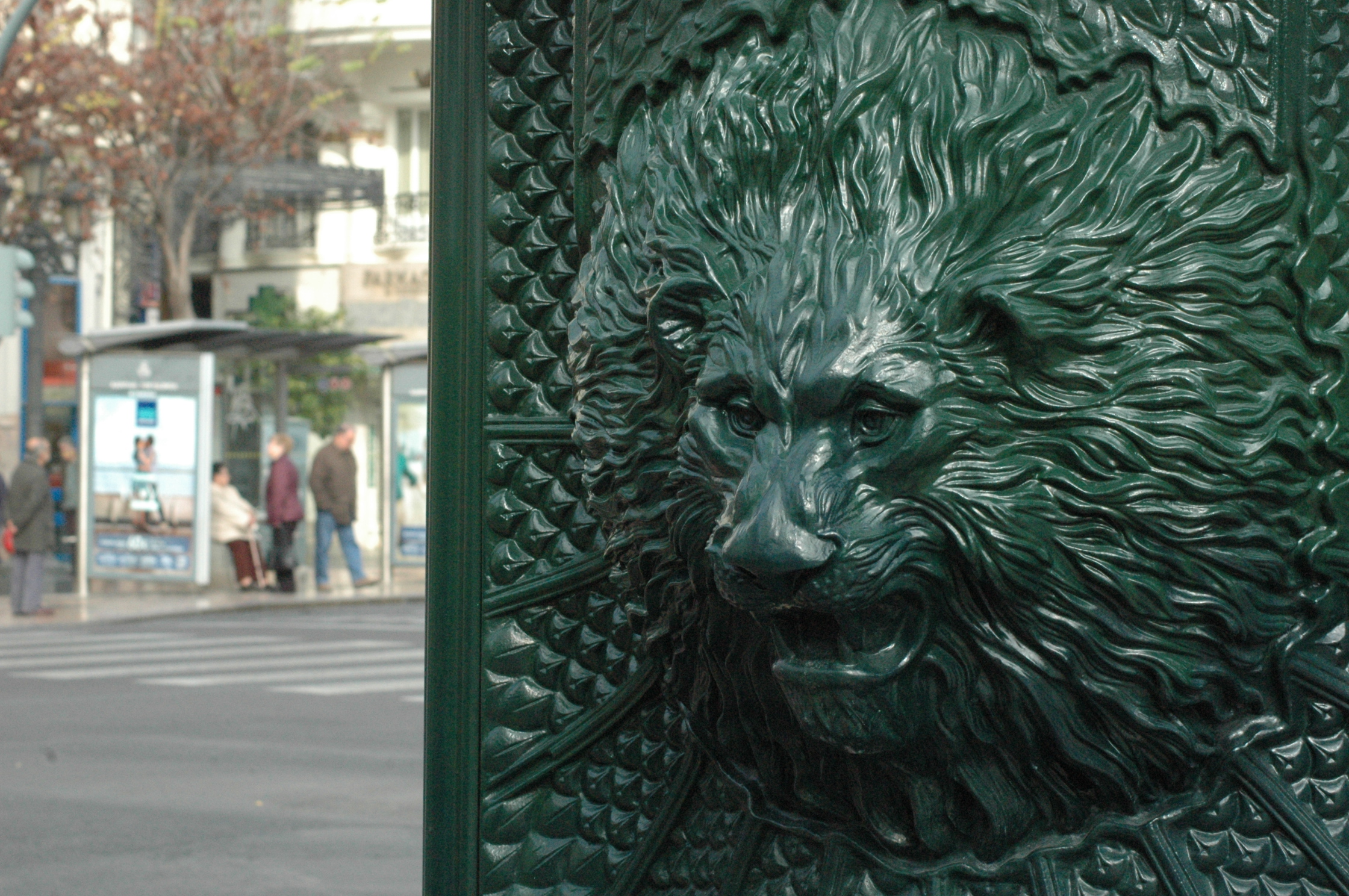
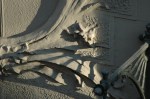
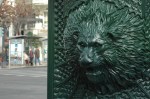
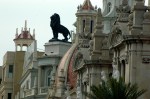
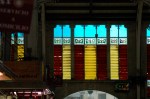
Green ceramic tiling with modernista stonework overlappingLion detailing on an advertising postPlant detailing appearing to emerge from the renderingCeramic detailing on the modernista mercadoDSC_0812

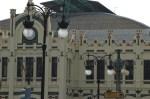
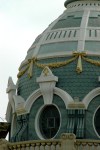
Beyond the Calle de la Paz, examples of Modernismo are sprinkled across the city’s historic quarter, as wooden miradores, rounded windows, and examples aplenty of differing building shapes and styles standout from the more conventional linear architecture all around. In the impressive Plaza  del Ayuntamiento, a plethora of decorated domes, statues and curving, meandering details are scattered across the architecturally diverse central square, while beyond, the Modernista facade of the grand central station, the Estacion del Norte, makes for an impressive entrance to the city’s main transport hub. Also in the centre, the grand Mercado Central is built in the Modernista tradition, with elaborate ironwork, coloured stained glass and more ceramic detailing proclaiming a central food market place for the people built in the Modernismo style.
It is without further ado that I share a gallery of the garlanded, stucco-covered, elaborately decorated buildings and street furnishings which make Valencia’s historic quarter a must-see centre of the Modernista movement.

All photos are strictly the copyright of Nicholas de Lacy-Brown © 2013 and The Daily Norm. All rights are reserved.