Skip to content

Posts tagged ‘Art History’

Rembrandt’s Late Works: Better seen, and never forgotten

While the works of Rembrandt, Dutch master and one of the most applauded artists in the history of art, are instantly recognisable for their energetic brush strokes, moody lighting, undeniable intensity and rich umber colour palate, there is nothing like seeing his paintings in reality to truly appreciate the virtuosity of his work.

The National Gallery London’s new blockbuster on Rembrandt, The Late Works, provides just the opportunity to do that. In the dark bowels of the Sainsbury Wing of galleries, in rooms purpose-designed with dark walls and sharp focused lighting perfectly offsetting the brilliance of Rembrandt’s mastery over light, one enters the exhibition to come face to face with not one, but a whole room of Rembrandt self-portraits. Each demonstrates a startling honesty in self-examination, as the artist becomes visibly older and more saggy. But in as much as this room shows that a Rembrandt self-portrait is far from a rareity  (he made some 80 painted, drawn or etched self portraits in the course of his career), it immediately demonstrated that there is nothing like seeing these famous works in reality: for only then can you appreciate the brilliant layering of the paint, and the masterful use of brushwork to build an aging texture of skin which appears so realistic as it catches the light against a dark mocha background, that it almost feels as though Rembrandt has cast himself in three dimensions, ready to climb out of the frame when the many visitors to the exhibition have gone home.

Self-Portrait (1669)

Self-Portrait (1669)

Self-Portrait (1669)

Self-Portrait (1669)

Self Portrait with Two Circles (1665-9)

Self Portrait with Two Circles (1665-9)

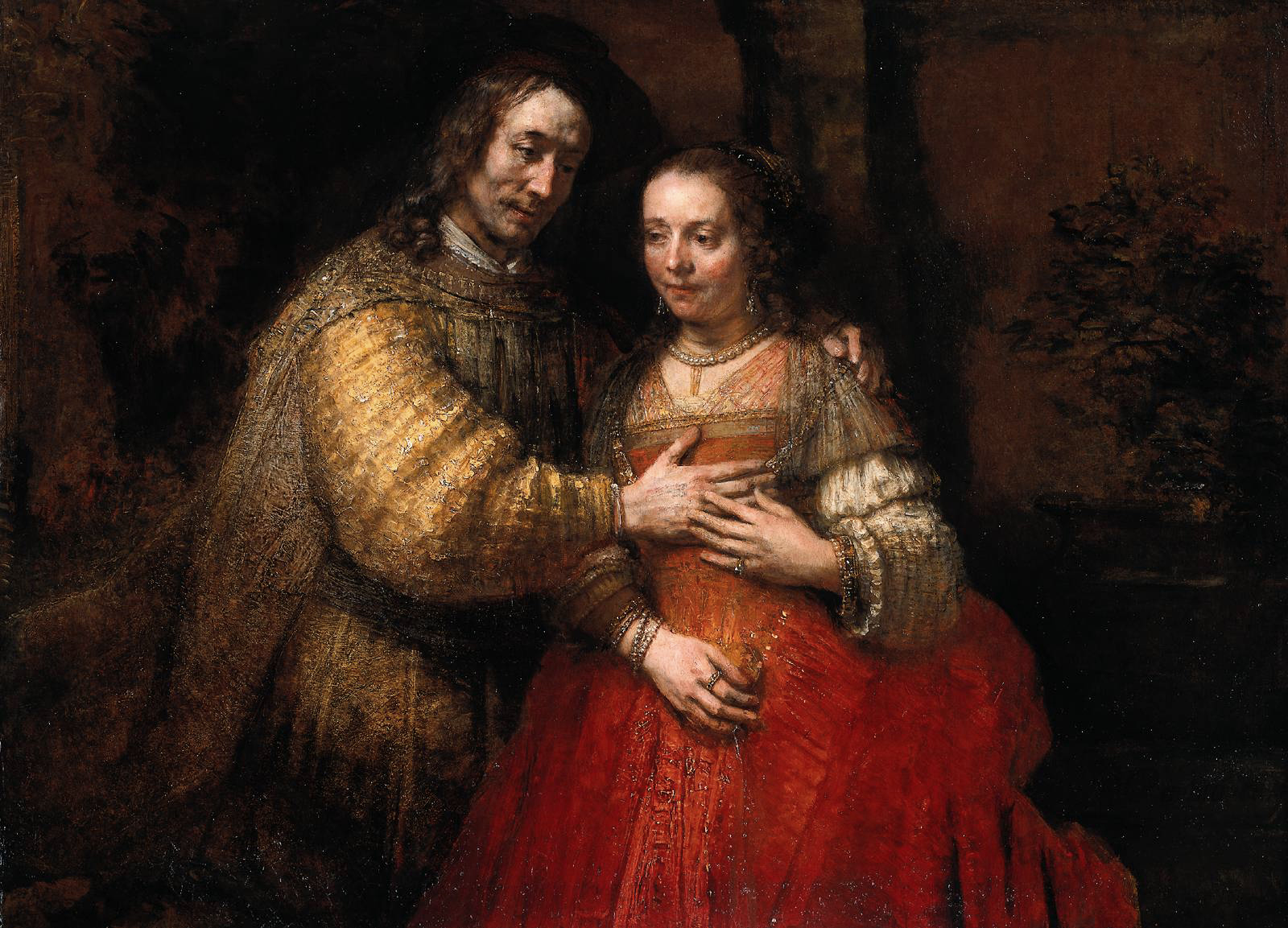
Such was the main impression that this excellent new exhibition left on me as I departed. I felt thrilled to have had the opportunity to see so many brilliant works executed at the tail end of Rembrandt’s career, when his personal fortunes were in decline, but when the product of his paintbrush was more fantastic than ever. But so too was I struck by the breadth and significance of the collection on show, testament no doubt to the National Gallery’s partnership in organising the exhibition with the Rijksmuseum in Amsterdam, who either own or have access to much of the works on show. The result is the chance to come face to face with famous works such as the Jewish Bride – a subtly romantic painting which held Van Gogh so spellbound that he declared he would give up 10 years of his life for a few moments before the painting – and the masterful group portrait, The Syndics, a superb work on a huge scale, surely surpassable only by The Night Watchmen, perhaps Rembrandt’s most famous work.

The Syndics (1662)
The Syndics (1662)

The Jewish Bride (1665)
The Jewish Bride (1665)

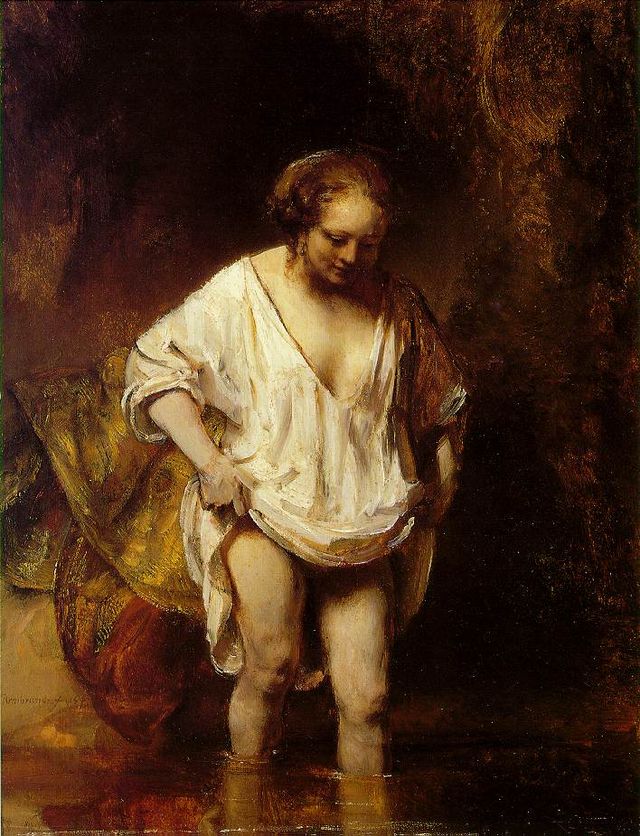
A Woman Bathing in a Stream (1654)

A Woman Bathing in a Stream (1654)

The Consipiracy of the Batavians under Claudius Civilis (1661)

The Consipiracy of the Batavians under Claudius Civilis (1661)

The other thing that struck me was how bloody popular this exhibition is. Even when you have a timed ticket, you need to queue. Admittedly I went along at the weekend, but that does not mean to say that this show will be any quieter during the week, such is the appetite no doubt for a sensational London art show after a year consisting largely of flops and unknowns (I do not include Tate Modern’s brilliant Matisse or Malevich shows in this otherwise scathing review). What this then means is something of a struggle throughout the show, something which is felt less when gazing upon huge works such as the rather questionable Conspiracy of the Batavians under Claudius Civilis, a portion of Rembrandt’s less than successful painting for Amsterdam’s new Town Hall. It is however annoying when trying to study the stunning intricacies of Rembrandt’s print works. I never knew that he was such a skilled printmaker, and his drypoint etchings were, in particular, worth elbowing the odd visitor out of the way.

The Three Crosses (1653)

The Three Crosses (1653)

Christ Presented to the People (1655)

Christ Presented to the People (1655)

Christ Presented to the People

Christ Presented to the People

Christ Preaching (1652)

Christ Preaching (1652)

But what these crowds all go to show is how superb this show is – a final hurrah for 2014, and the first great show to come out of The National Gallery, in my view, since the Da Vinci sensation in 2011/2012. Whether it be the intense forlorn gaze of Lucretia at the point of her honour suicide, the sensationally melancholic Man in Armour thought to be Alexander the Great, or the knowledgeable calm grace of Margaretha de Geer depicted wearing her ginormous lace ruff, there are masterpieces aplenty to keep you hooked to this show, and resilient to the many crowds around you.

Rembrandt_lucretia

Portrait of Margaretha de Geer (1661)

Portrait of Margaretha de Geer (1661)

A Man in Armour (Alexander the Great?) 1655

A Man in Armour (Alexander the Great?) 1655

Rembrandt, the Late Works is on at  the National Gallery until 18th January 2015.

Radical and a little racy… Schiele’s nudes at the Courtauld

They’ve done it again! Short, sweet, brilliantly focused, the Courtauld Gallery in London has once again mounted a brilliant temporary exhibition with a sharp focus on a particular artist and theme. And following on from the gallery’s scintillating study of the single most important year in the development of Picasso’s career, this time the Courtauld is looking at the prolific work of an Austrian artist who sadly never lived out the full career his talent so obviously deserved: Egon Schiele. Instead, almost as though he had a premeditation of the Spanish flu that would kill him at the end of the First World War at the age of only 28, Schiele worked frantically, producing in the few short years of his career such a virtuosity of artwork that even after that short time he has been declared a pillar of Austria’s Expressionist art movement. 

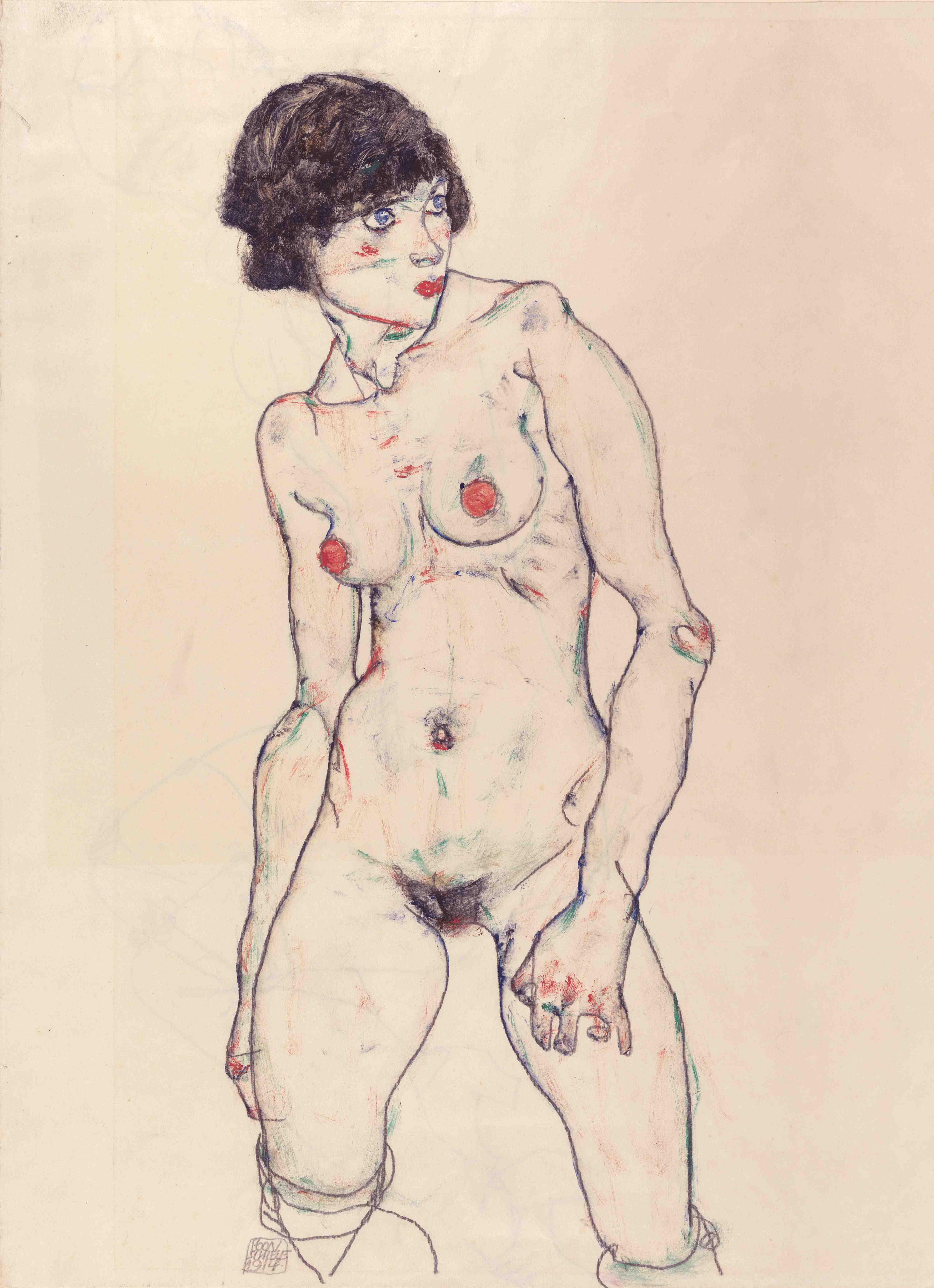
Such was Schiele’s prolific output that the Courtauld had the luxury of being able to chose to focus in on one distinct element of his work: his depiction of the nude. And in doing so they have surely touched on perhaps the most memorable and striking chapter of his oeuvre. For in his depictions of the nude, Schiele was indeed very much the radical, just as the show suggests. Depicting his models with an angular and uncomfortable frame, and raw and visceral colouring, Schiele’s nudes are at once uncompromising and vulgar, while being completely fascinating and electric to the eye. 

Standing Nude with Stockings, 1914

Standing Nude with Stockings, 1914

Egon Schiele, Male Lower Torso, 1910

Egon Schiele, Male Lower Torso, 1910

Nude Self-Portrait in Gray with Open Mouth, 1910

Nude Self-Portrait in Gray with Open Mouth, 1910

Squatting Female Nude, 1910

Squatting Female Nude, 1910

Schiele wasn’t exactly one to keep with the confines of classical approaches to depicting the nude. Far from it. As well as colouring in his heavily lined nudes with a raw almost skinless muscular palate of dark bloody pinks and bruised purples and ambers, he also strayed very close to the pornographic frontier, depicting women in an unflinchingly abrupt and exposed fashion. I don’t think I ever saw so many views of what lies between a woman’s thighs on a gallery wall! And yet these paintings are not porn. They do not depict a promise of pleasure, but a deeply exposed portrait of the sitter. Yes these women look seductive and often slutty, but it’s as though Schiele is inviting us to read that as part of their story rather than to have an aroused response at what they are offering. 

And of course this exhibition is far from being about the naughty bits. For what these 30 or so paintings demonstrate is the brilliance and apparent confidence of Schiele’s line work as well as the originality of his depiction. These are bodies like we have never seen them before. Distorted, and occasionally out of proportion, bulging and contorting where they shouldn’t and often with sharp edges where supple skin should be, these are nudes taken up a level to an almost abstract exploration; poses which are almost impossible to hold; limbs seemingly amputated from the torso in order to focus the audience on a particular present part of the body; and expressions which are both exposing and intensely emotional: this is uncompromising portraiture. 

Seated Female Nude with Raised Arm (Gertrude Schiele), 1910

Seated Female Nude with Raised Arm (Gertrude Schiele), 1910

Crouching Woman with Green Kerchief, 1914

Crouching Woman with Green Kerchief, 1914

Two Girls Embracing (Friends), 1915

Two Girls Embracing (Friends), 1915

Erwin Dominik Osen, Nude with Crossed Arms,1910

Erwin Dominik Osen, Nude with Crossed Arms,1910

So is this small but perfectly formed show worth braving the growing queues for? It undoubtedly is. For this is an unprecedented chance to focus in on the bold feverish creative output of a quickly lost genius and almost certainly one of the most important shows of London’s artistic year. The only complaint you may have is that this sharp focus doesn’t go on longer. 

Egon Schiele: the Radical Nude runs until 18 January. But beware – the show contains some explicit images and may not be deemed suitable for all. 

Prague (Part 4): Baroque Brilliance and a Stained Glass Symphony

Having spent my first day in Prague thoroughly put out at the bad customer service, the horrendous gangs of British stag parties cluttering up the best squares and cafes, and the poor state into which the city has so often been left to decline, I started my second day afresh, determined to focus on the beauty for which the city is otherwise famed. For you don’t need to look far beyond the tourist hoards and the badly serviced cafés to find what everyone is making all the fuss about: a city filled with beautiful bubbling baroque sculptures, elegant architectural amplifications, pastel coloured building facades and a skyline littered with turrets and cupolas of every shape and size.

While last week’s photo post concentrated on the art nouveau which replaced vast swathes of the “new” town and Jewish Quarter at the turn of the 20th century, today’s turns more to the predominant feature of the city – the endlessly extravagant, unapologetically dramatic artistic showpiece that is the Baroque.

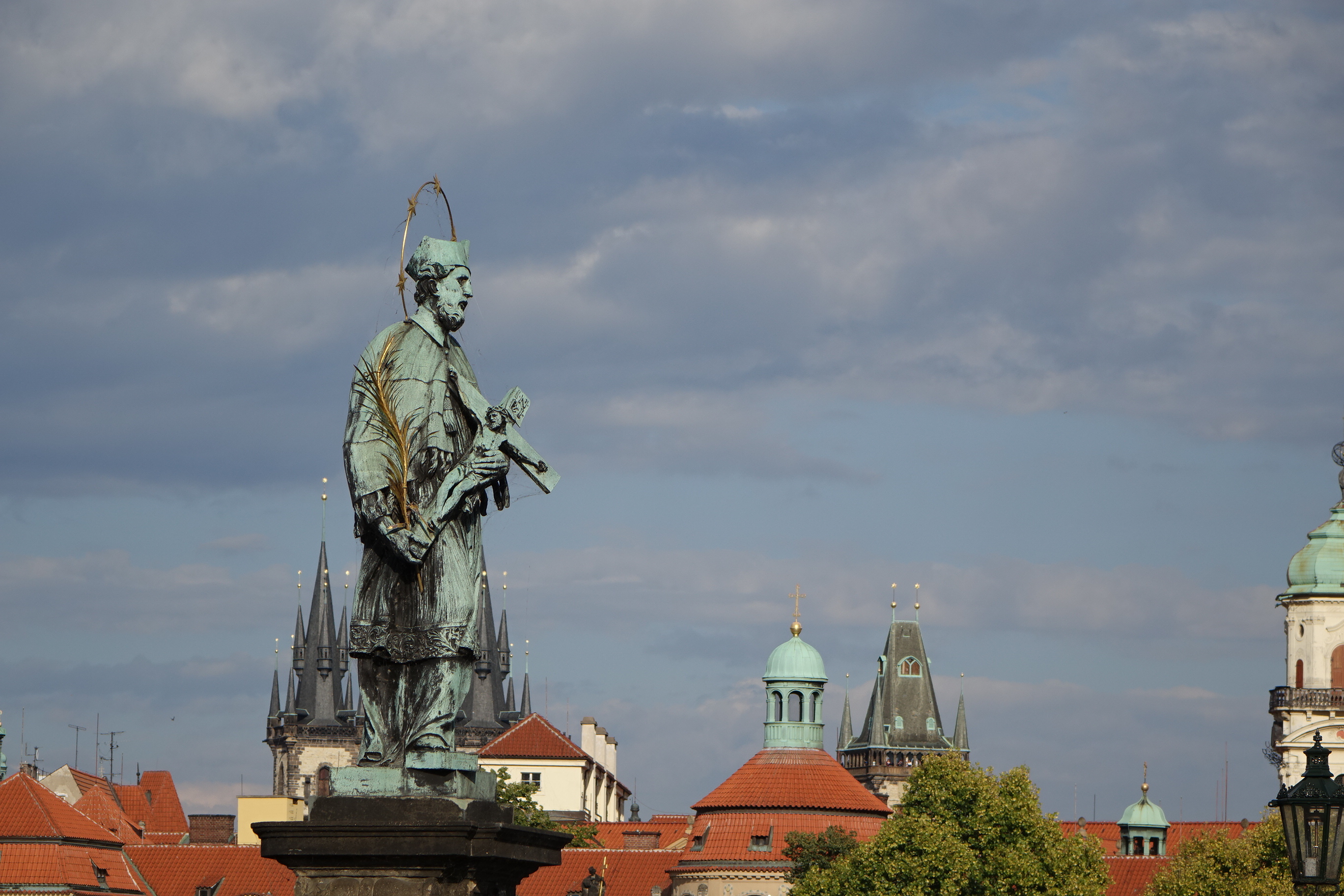
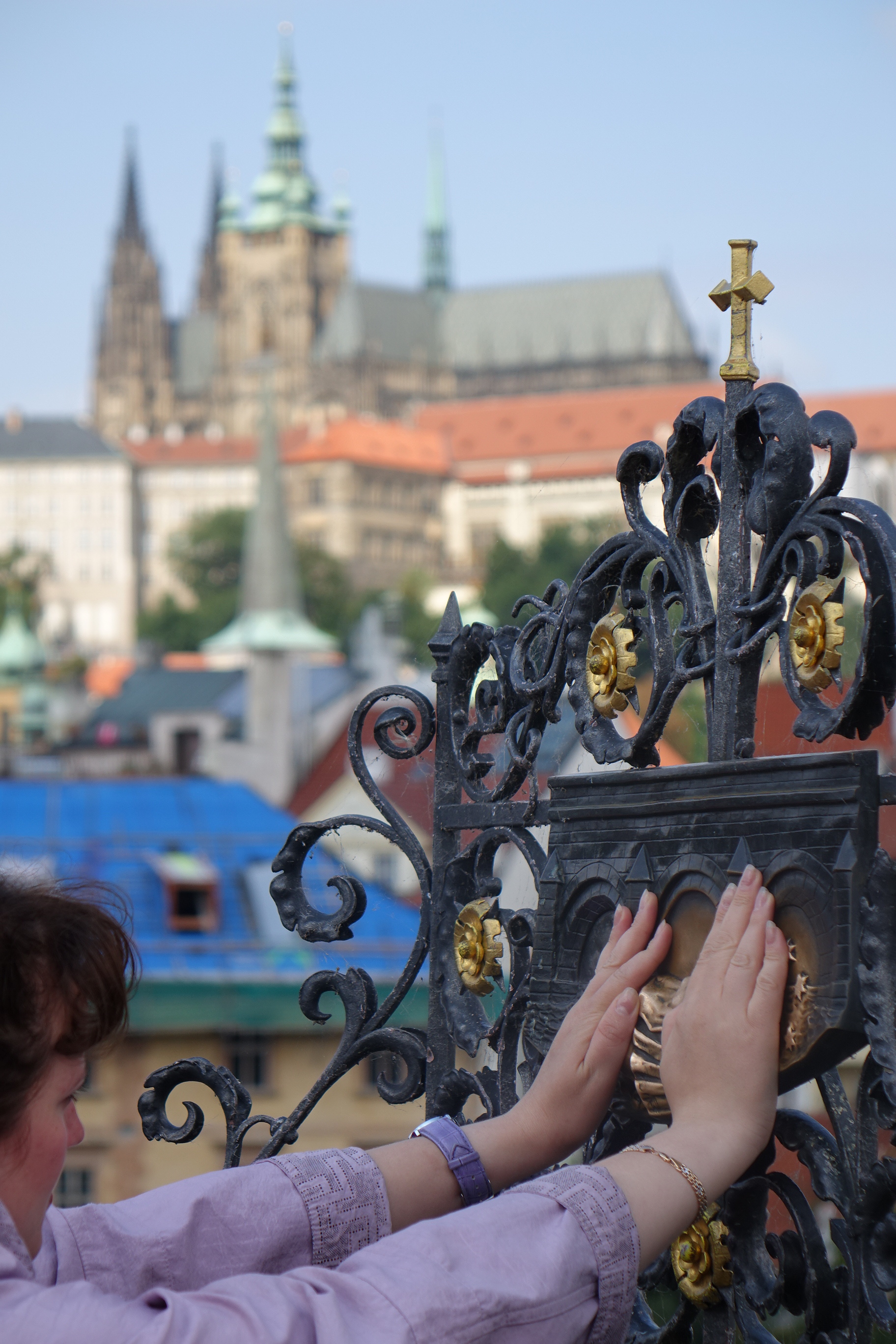
And it is everywhere. Perhaps the most famous sight of the city’s baroque virtuosity is the Charles Bridge. This pedestrianised bridge harks from the 14th century, and is a mecca for tourists and street musicians, artists and souvenir sellers; and there is little surprise why that may be. For on each of its 30 pillars stands a statue so superbly executed in the baroque fashion that it is more than rival for the Ponte Sant’Angelo in Rome, whose Bernini sculptures this collection was intended to emulate. With depictions ranging from the patron saint of the city, St Wenceslas, to a 17th century crucifixion adorned by hebrew words forcibly paid for by a Jew as punishment for blasphemy, the bridge is an art gallery to some of history’s best sculpture. It’s just a shame they are all too filthy to be properly appreciated. Yet two of the sculptures in particular are in need of less cleaning, so polished are they by the hands of tourists who touch them repeatedly in the hope of the luck they may bring.

The Charles Bridge

DSC07581 DSC06675 DSC07194 DSC06664 DSC07188 DSC07583 DSC06671 DSC06639 DSC06651

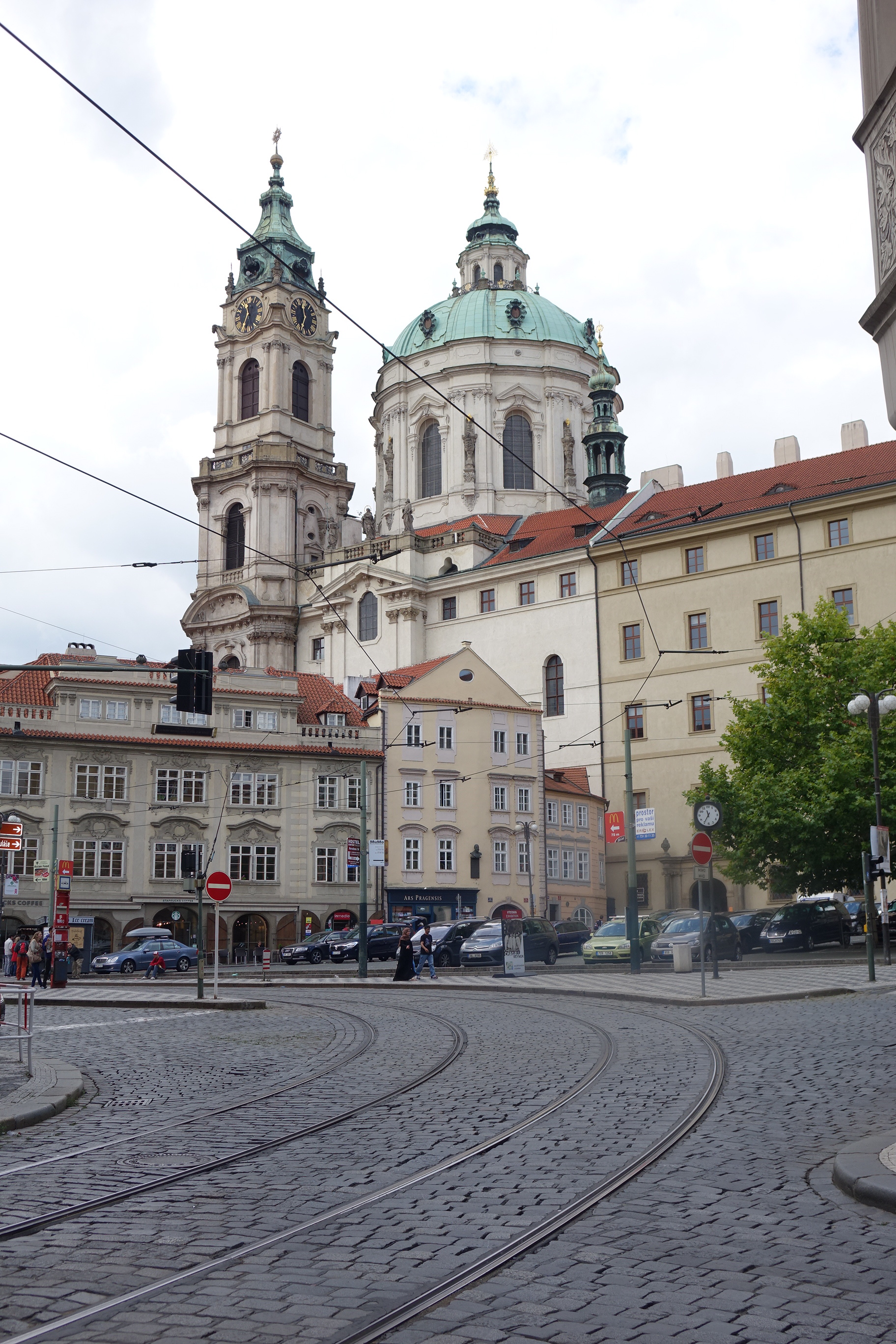
We resisted touching the sculptures – the queues to do so would have taken up half the day after all, and instead crossed over the bridge to the area of Prague they call “the Little Quarter”. The Little Quarter (Mala Strana) is indeed quite little in terms of scale compared with the grander “new town” across the Charles Bridge with its multi-storey classical faces and gilded theatres and boulevards. Here, the streets are all together more charming, with shorter pastel coloured buildings, cobbles and even little canals which separate the mainland from the little Kampa Island. There in turn are little relaxed gardens from which views of the city can be caught from shady benches, and beyond those, small cobbled squares are gently decaying as their paint flakes away and the whole place feels laid back and somniferous.

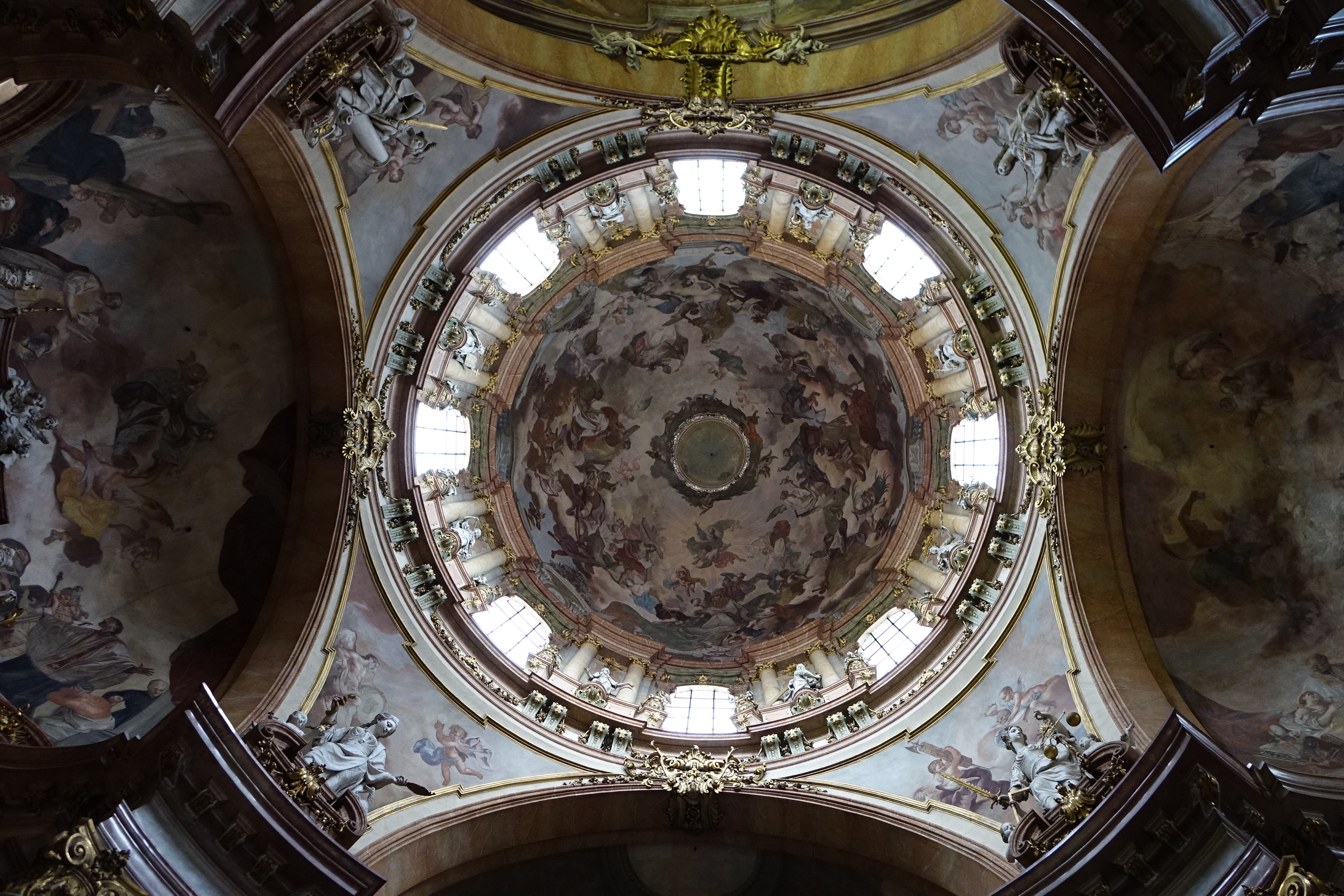
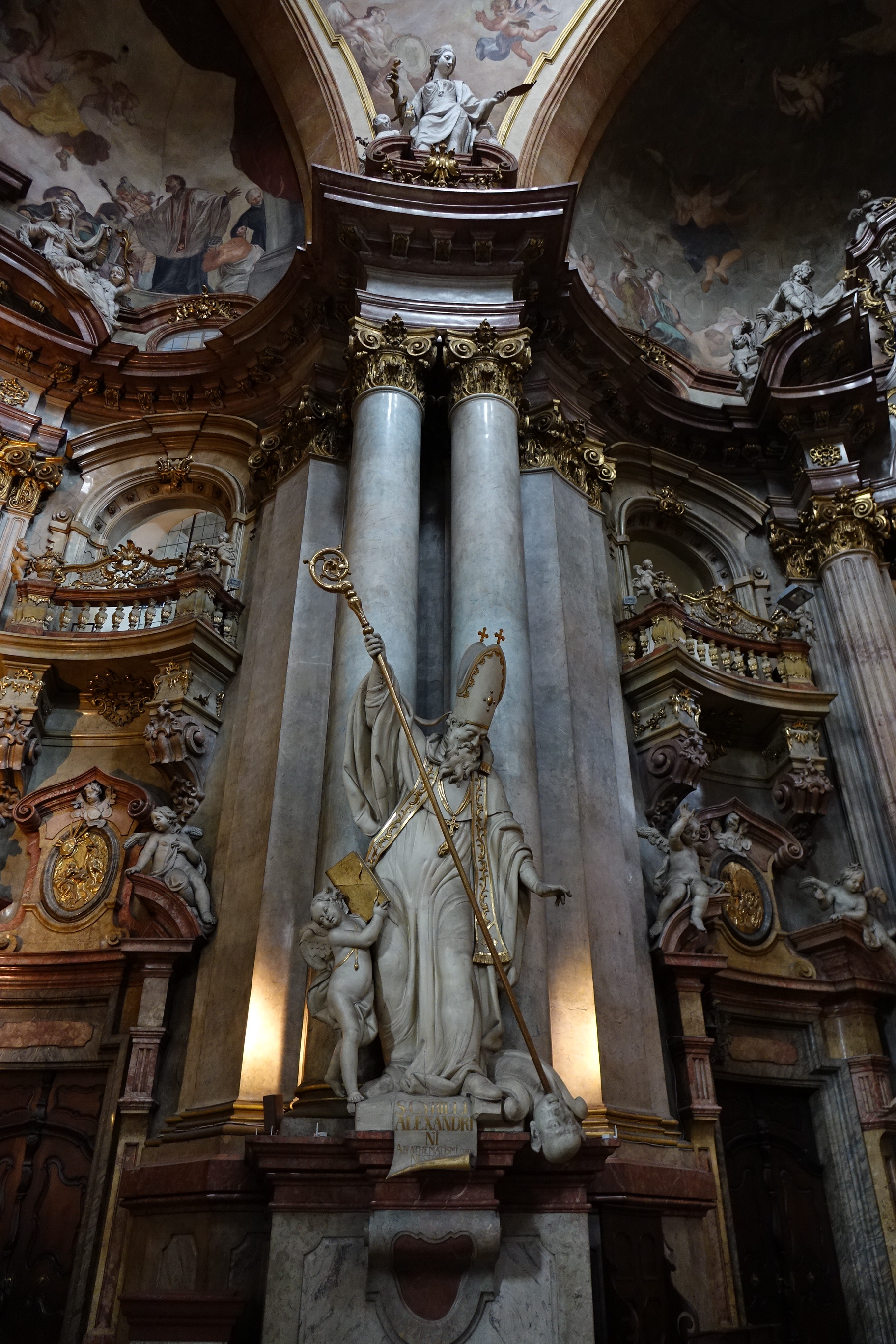
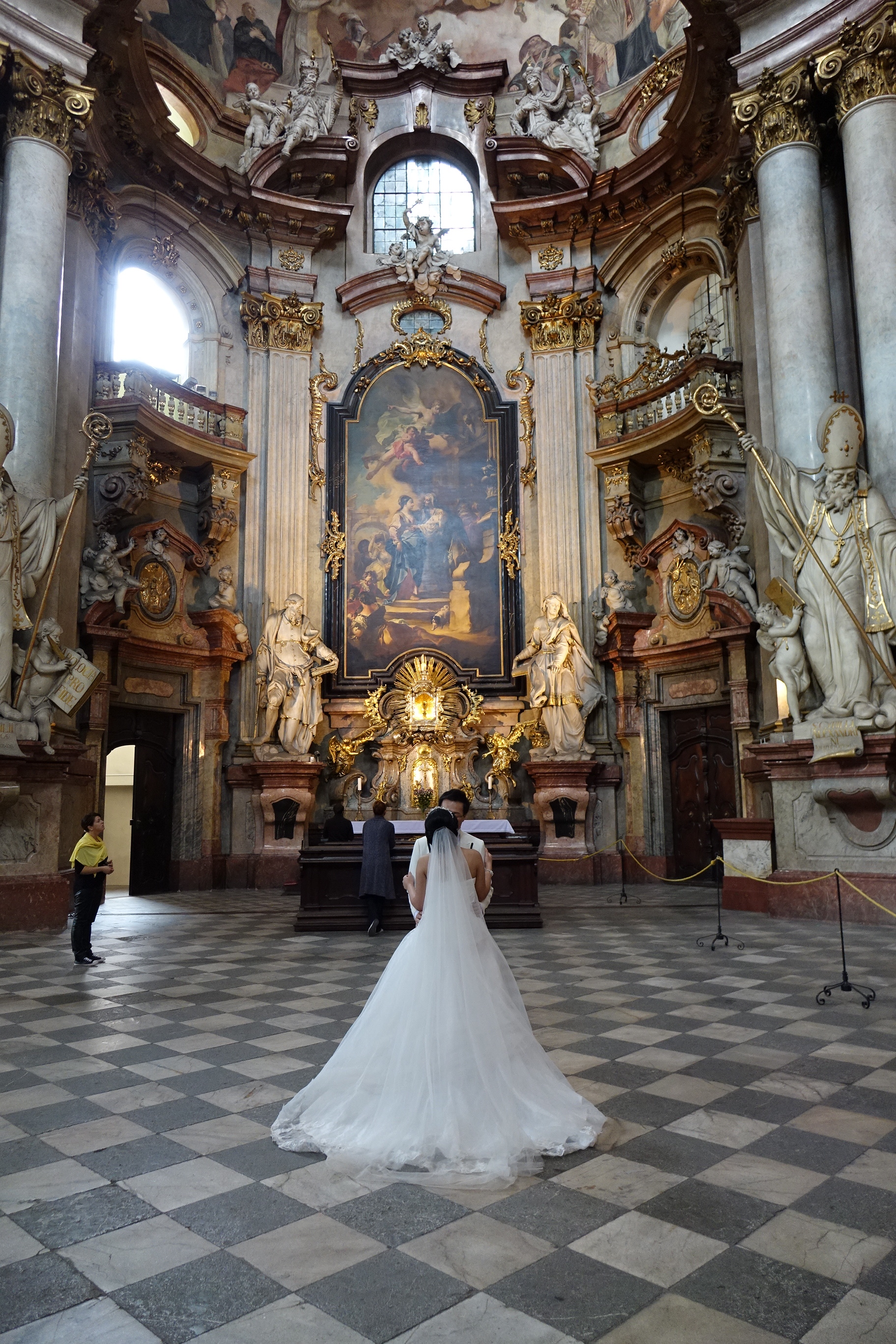
But amongst those small streets is one building which certainly does not match the title “Little”. For with its imposing great dome and matching campanile, the Church of St Nicholas is no shrinking violet. Rather, it is the next stop on the tour of baroque jems, for as the baroque goes, it doesn’t get much more extravagant that this church. Built by father and son architects Christoph and Kilian Ignaz Dientzenhofer, Prague’s greatest exponents of the High Baroque, the church is filled with an outlandishly extravagant array of excessive decoration, with gold capitals, marble pillars, great towering statues of popes and bishops, and cherubs everywhere you look filling the space. Although amusingly enough, scratch beneath the surface of all this opulence and you notice that much of it is mere theatre: the marble pillars are actually painted plaster; the gilded details simply painted gold. But then wasn’t the baroque all about the first stunning moment of theatre, when your breath is audibly taken away by the magnificence of the scene created?

The baroque spectacle of St Nicholas’ Church

DSC06730 DSC07086 DSC07101 DSC07080 DSC07066 DSC07110 DSC07106 DSC07099

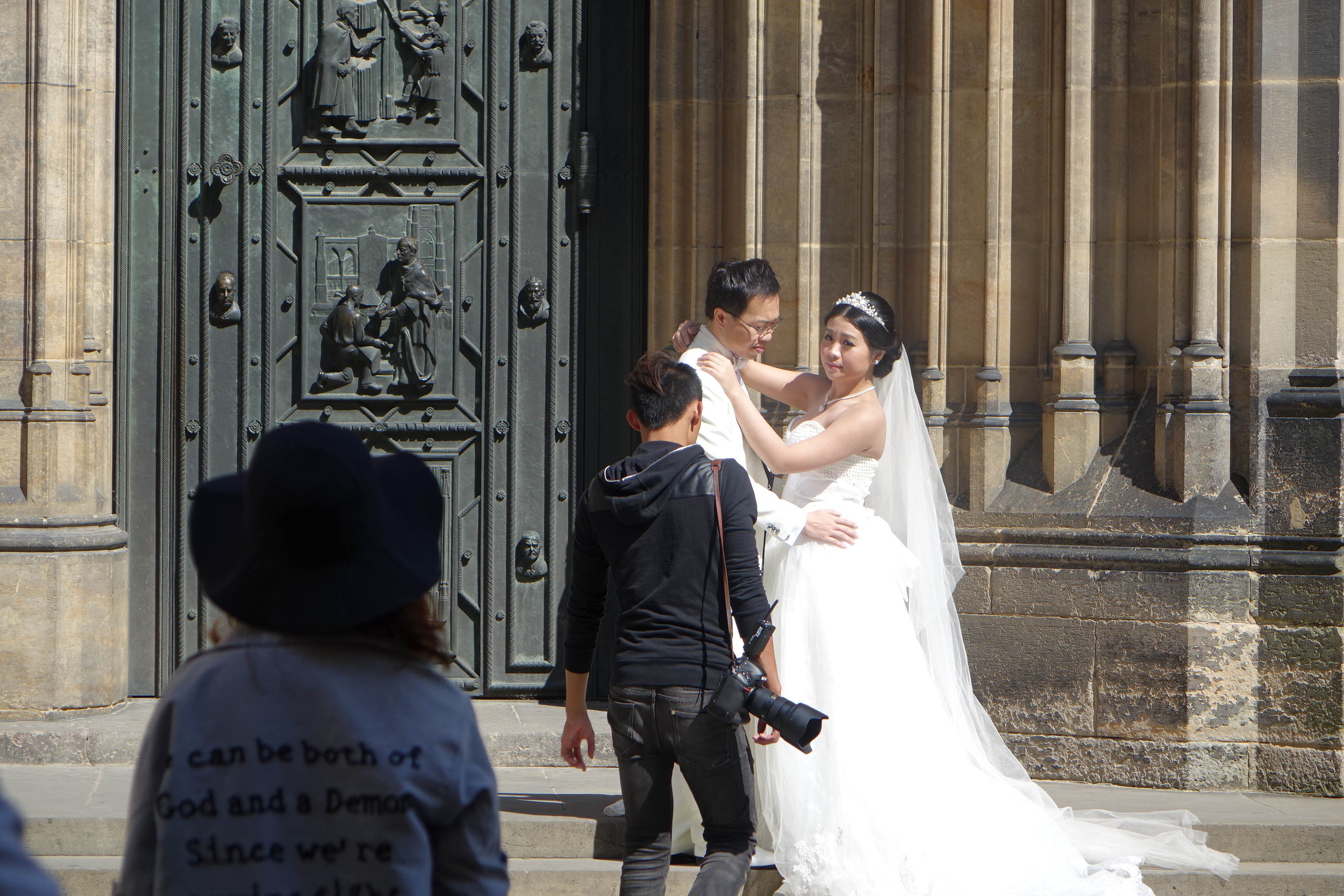
And talking of theatre, we couldn’t help noticing the latest Chinese craze of wedding couples getting married in China and then travelling to Europe to photograph themselves in full wedding regalia in front of some of Europe’s most famous monuments. We saw this couple all over prague – wherever we went, so did they, and their camera, their photographer and their make-up team…

DSC07097 DSC07051 DSC07052

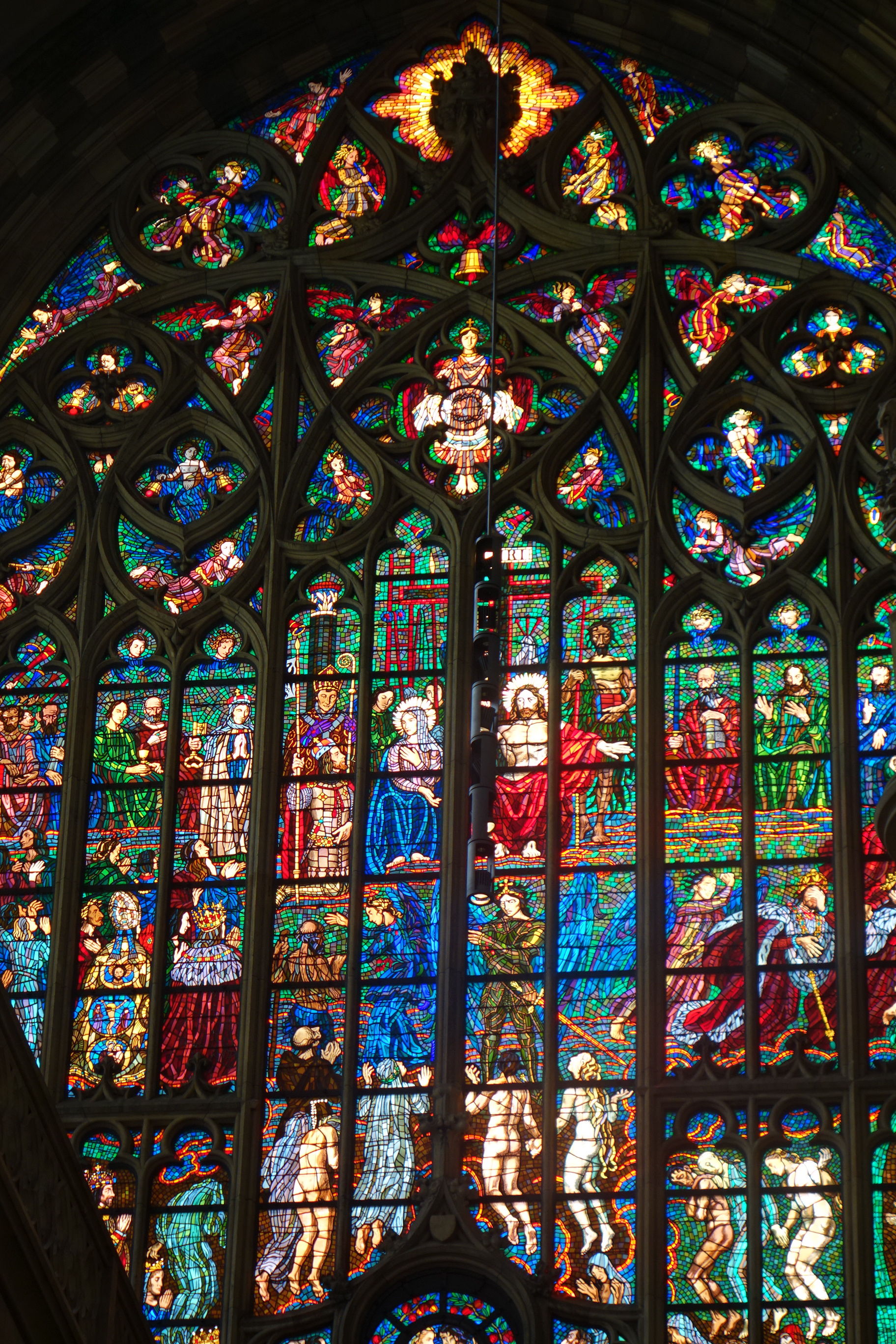
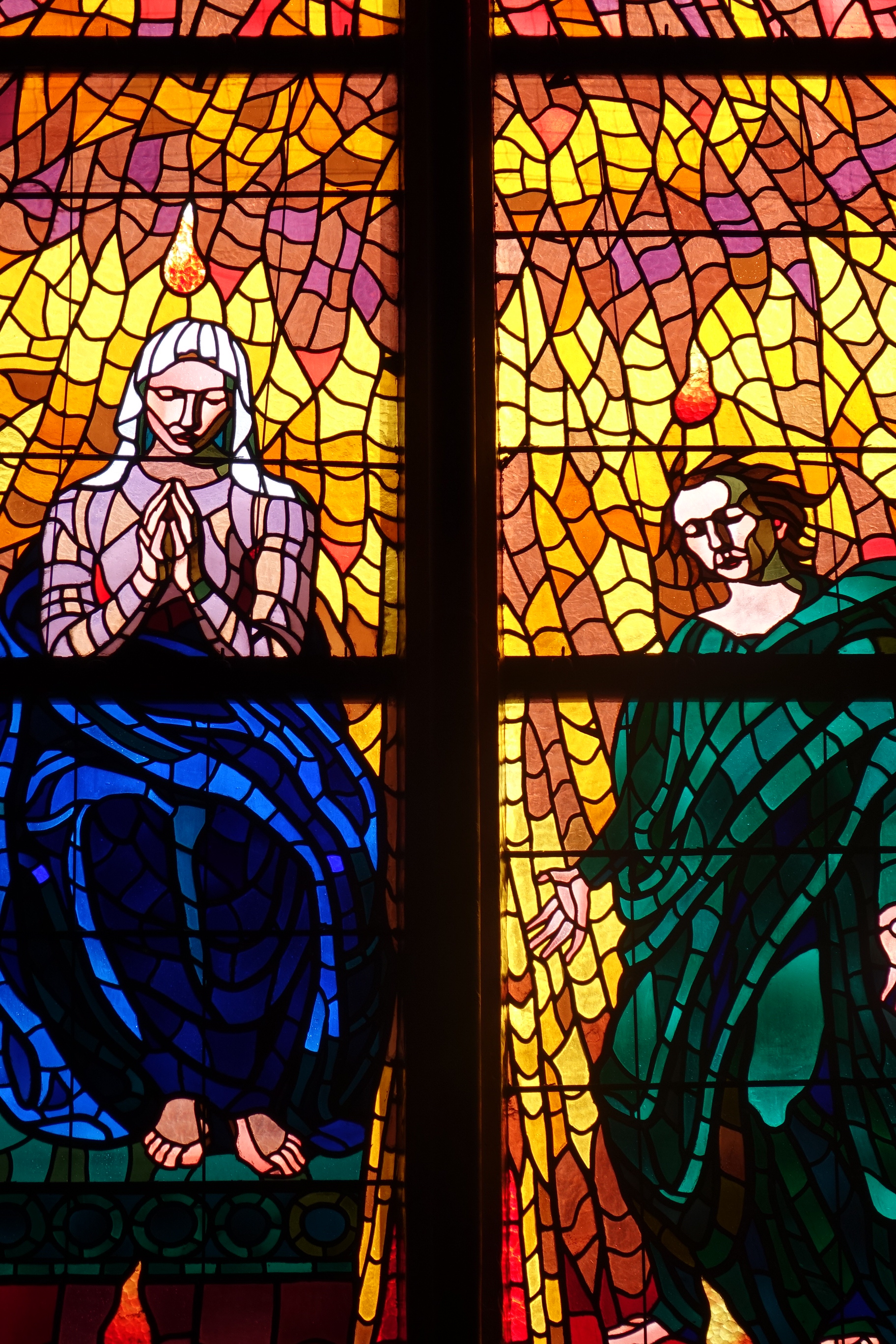
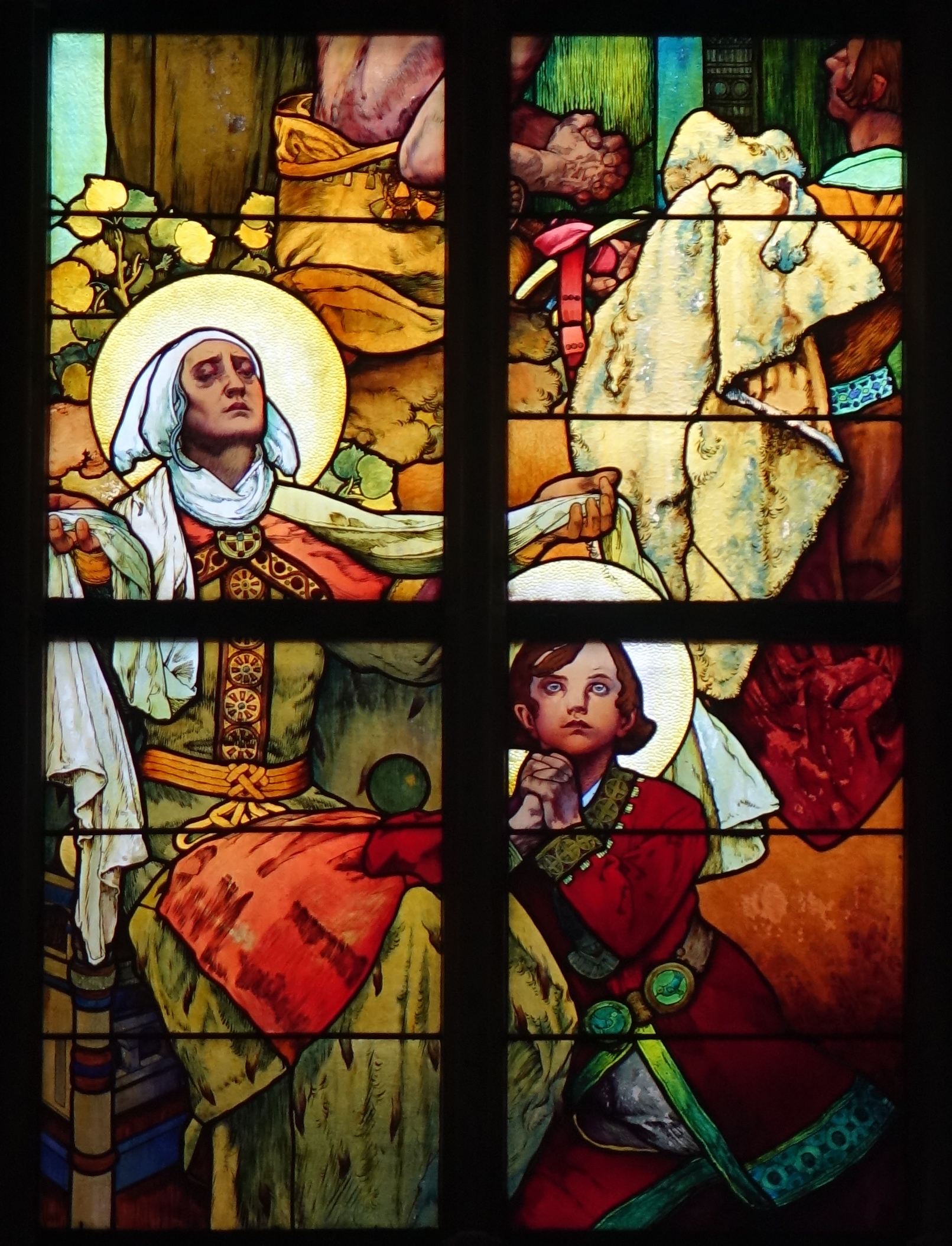
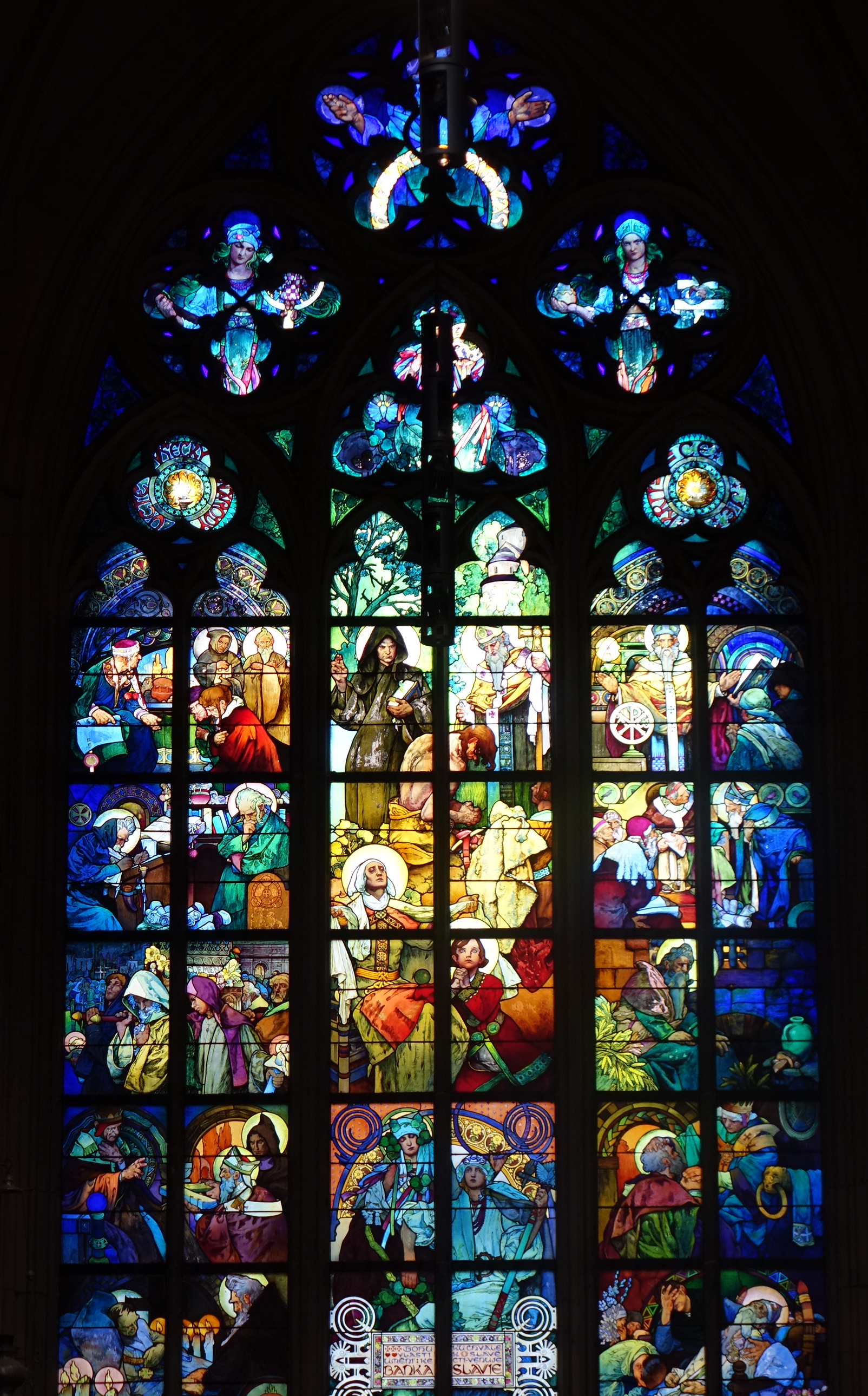
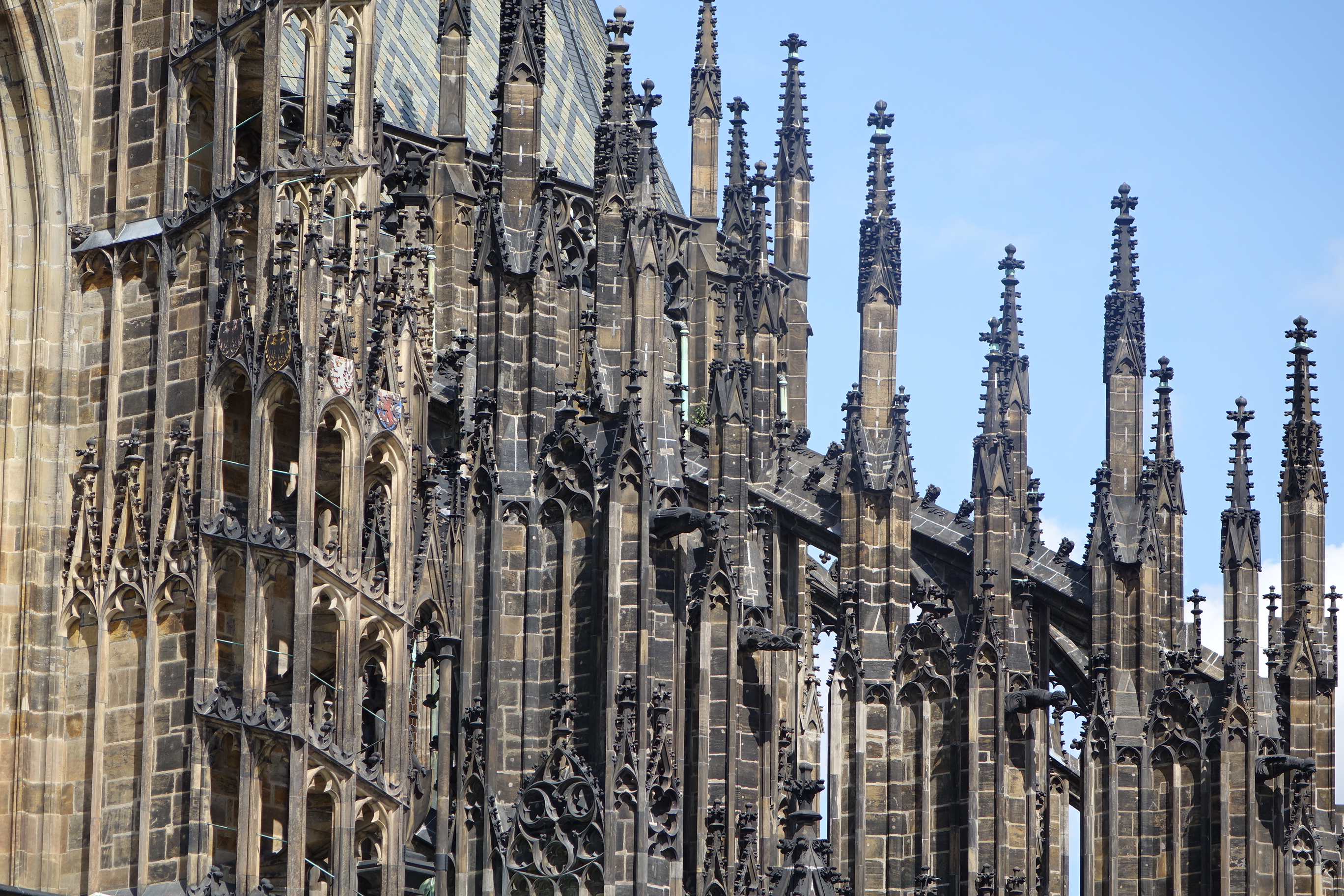
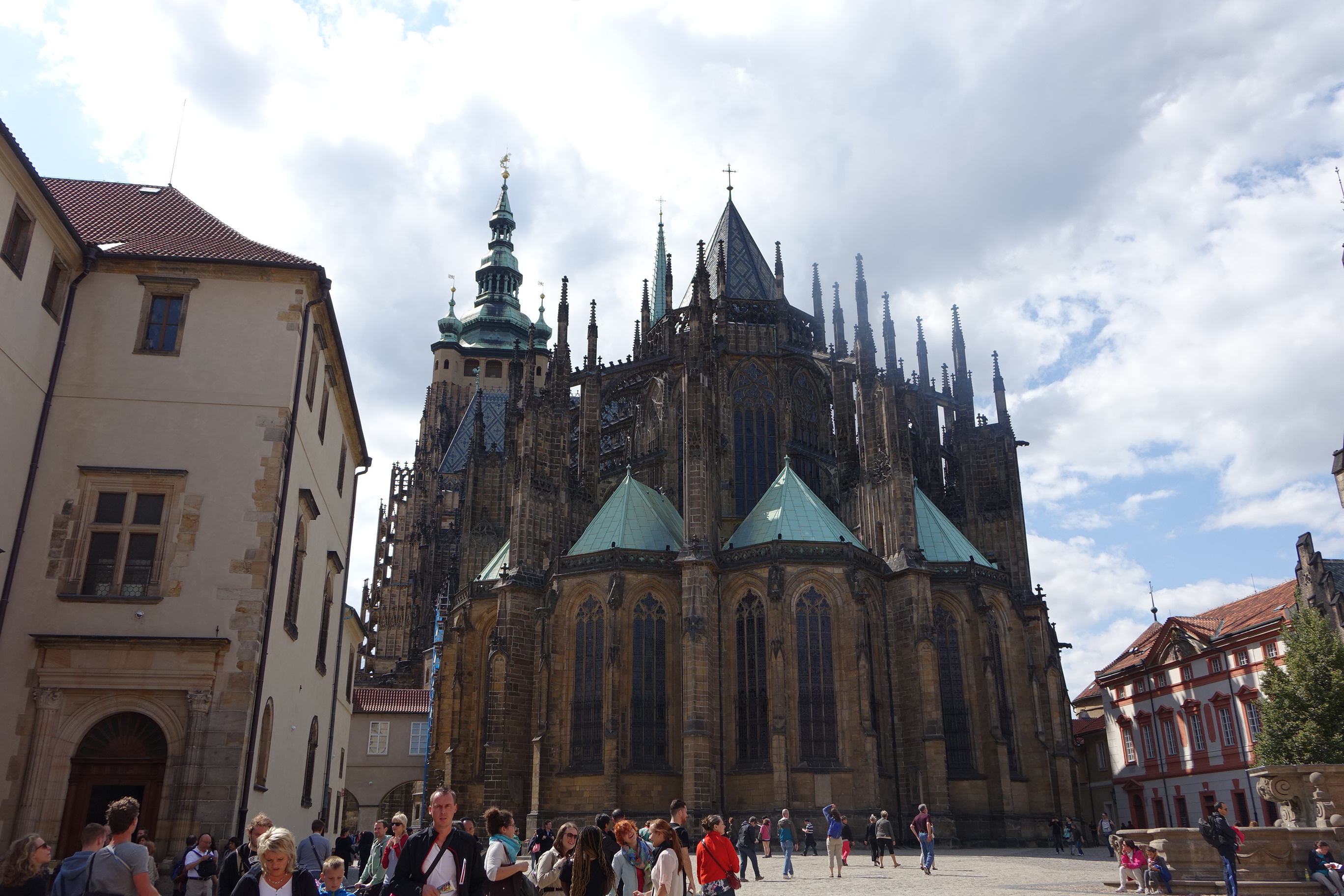
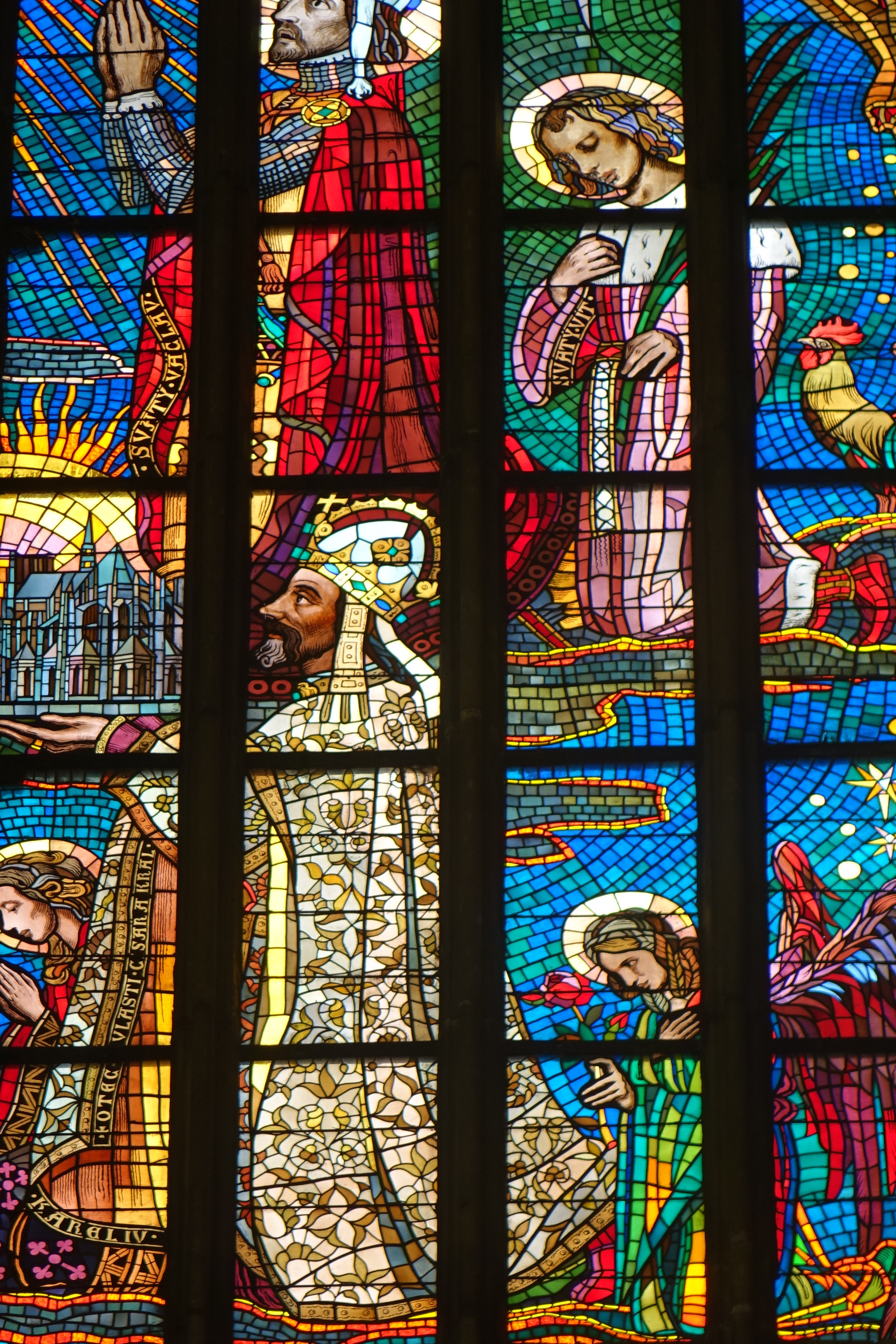
As the day went on, we felt ourselves becoming steadily baroque-saturated, and as the sun made its daily passage across the skies, it was to Prague Castle where we ascended, the great complex of royal palaces and the city’s main cathedral, St Vitus, and it was there where we laid witness to what must be one of the city’s greatest artistic treasures of all – its stained glass windows. When you walk into St Vitus (having queued like us for almost an hour to get tickets from the ridiculously inefficient ticket desk), you are almost overcome by the coloured light that fills the place. For in each of the cathedral’s large windows is stained glass in a panoply of colours, and depicting scenes of stunning detail which is just brought alive by the light shining through it, projecting the image like in a cinema across the imposing stone interior.

Stained glass symphony

DSC06794 DSC06826 DSC06910 DSC06897 DSC06823 DSC06820 DSC06836 DSC06788 DSC06898 DSC06818 DSC06908

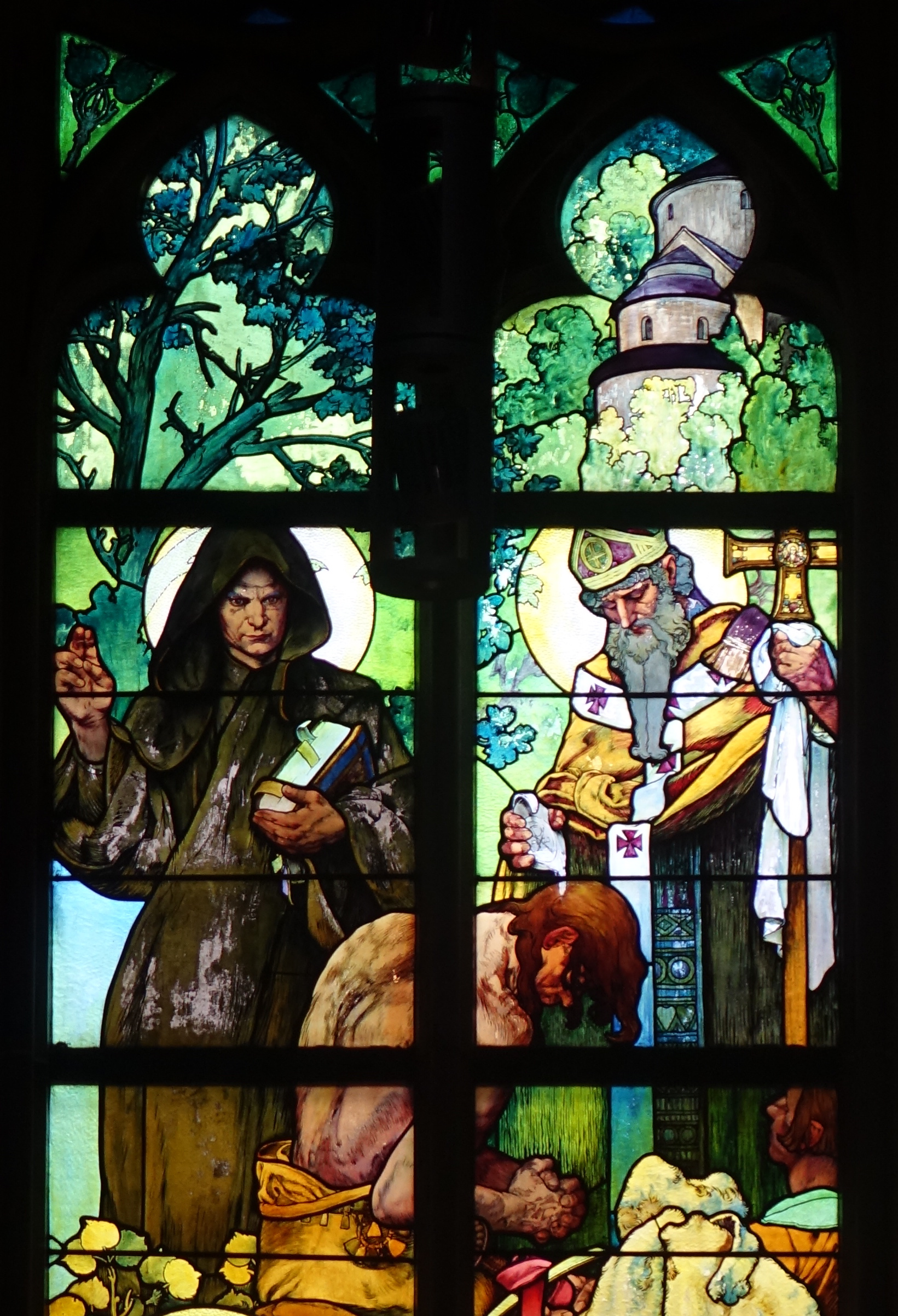
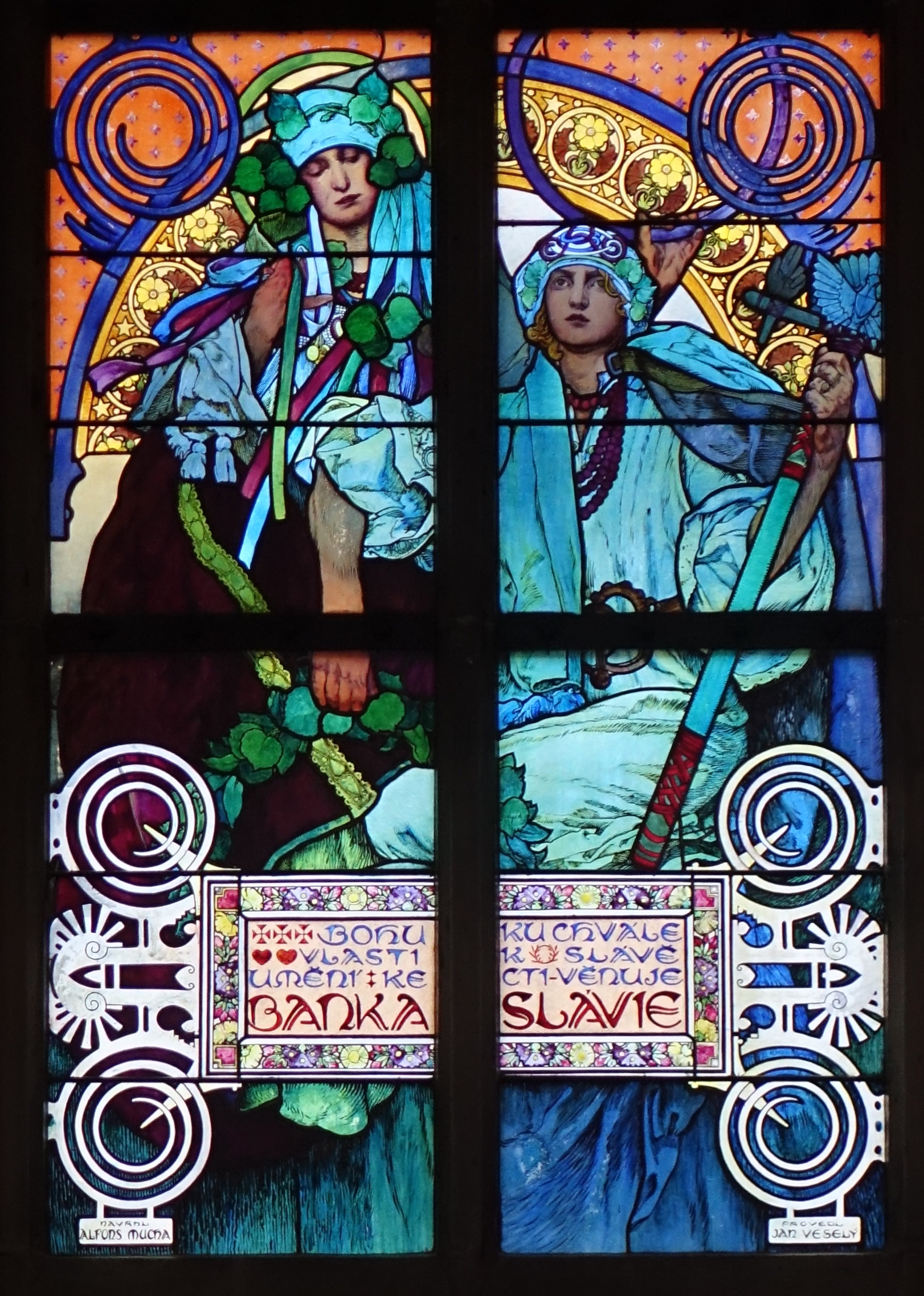
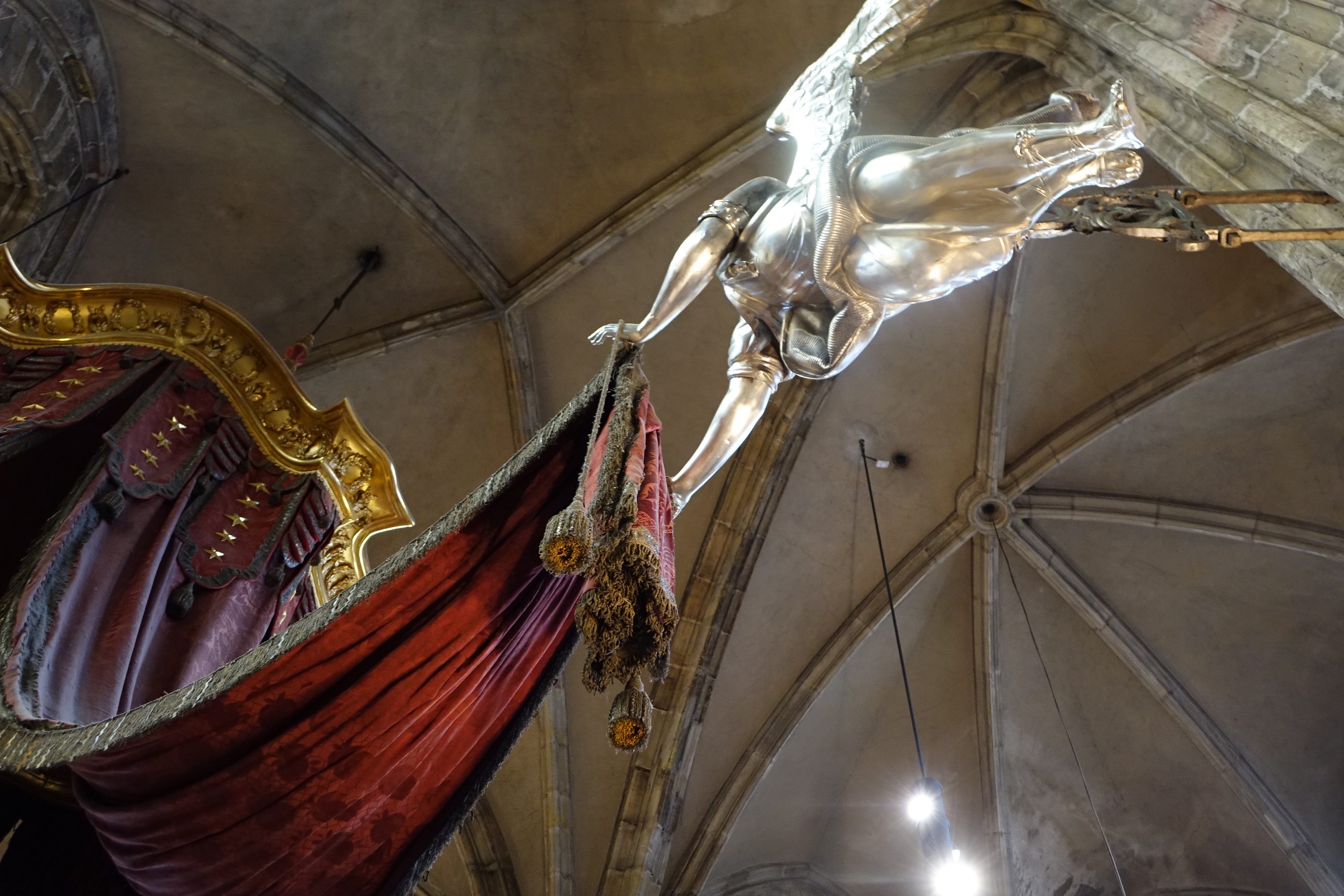
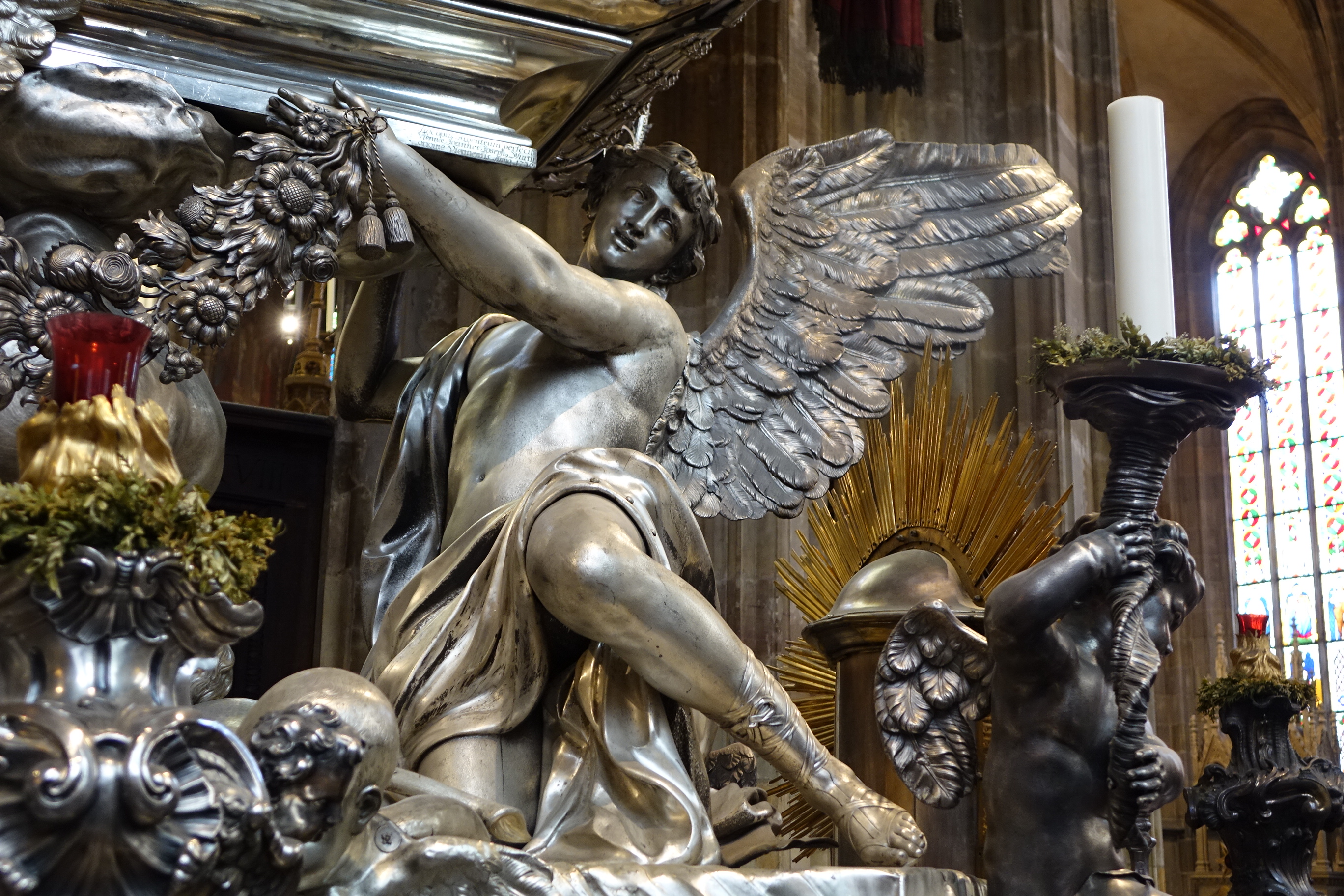
My favourite of all the windows has to be that designed by famous Czech art nouveau artist Mucha towards the end of his life, and many of the photos here feature that brilliant design. But here too are a selection of the other windows, both old and new, all exhibiting a kaleidoscope of colour which was incredible to behold. But just in case we had forgotten it, the trusty Baroque made sure that it had its day inside the cathedral as well, as these photos of the sensational royal mausoleum of Ferdinand I, and the opulent tomb of St John Nepomok aptly demonstrate.

Mucha’s window

DSC06877 DSC06868 DSC06875 DSC06865

St Vitus’ baroque

DSC06919 DSC06829 DSC06913 DSC06853 DSC06917 DSC06863 DSC07026 DSC06857

All photos and written content are strictly the copyright of Nicholas de Lacy-Brown © 2014 and The Daily Norm. All rights are reserved. Unauthorized use and/or duplication of the material, whether written work, photography or artwork, included within The Daily Norm without express and written permission from The Daily Norm’s author and/or owner is strictly prohibited.

Kazimir Malevich: Beyond the Black Square

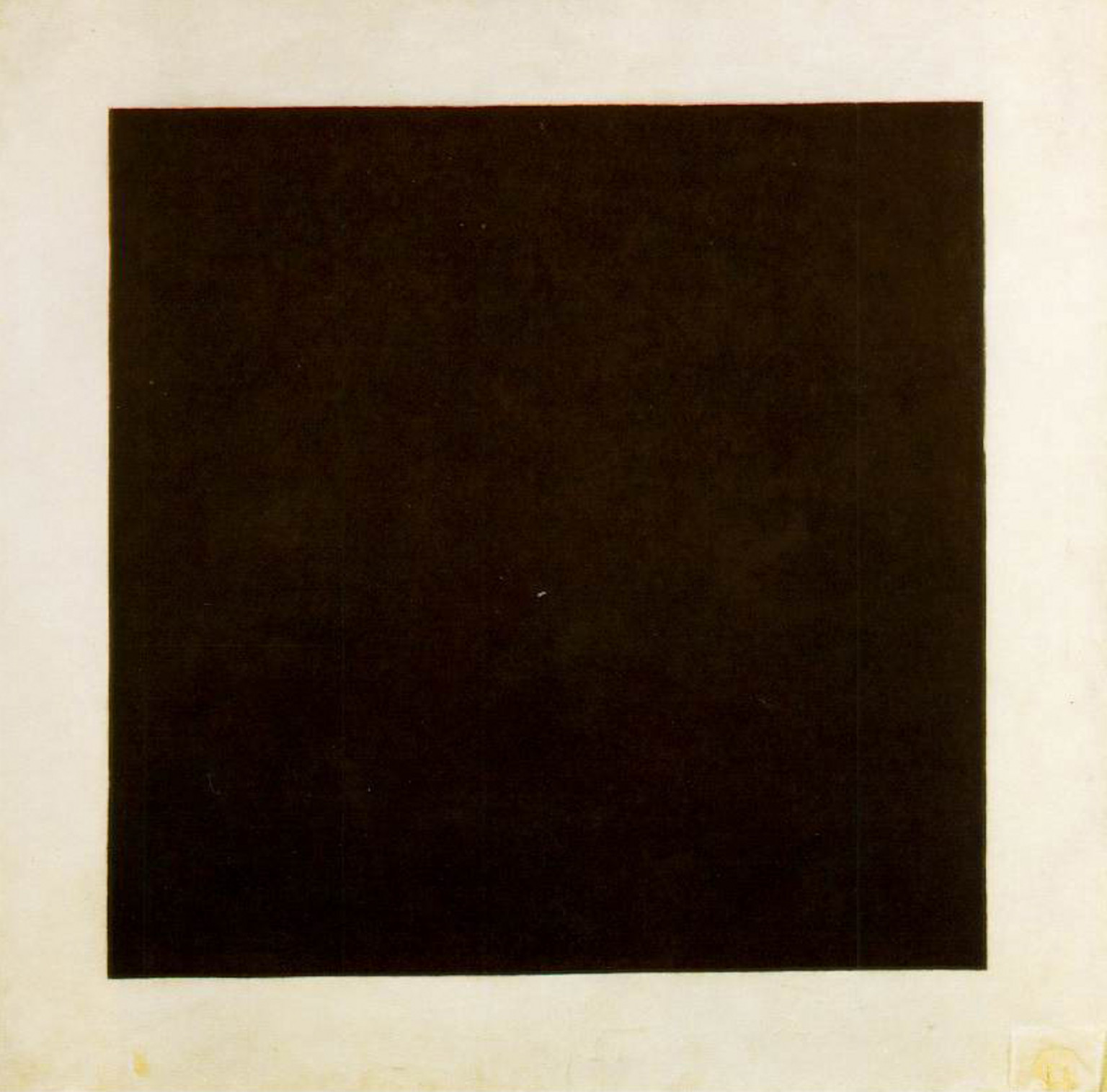
Whether it is the intention of the exhibition or not, Tate Modern’s brilliant new retrospective exhibition of Polish-born Russian Artist, Kazimir Malevich, shows that there is truly more beyond the Black Square. Leading the ranks in an artistic revolution which went from Cubo-Futurism to the simplified geometric forms of Suprematism, Malevich’s most famous and enduring work is a simple, stark and enigmatic black square set on a white canvas. Of course since 1915 when the black square was created, many artists have gone down the single-colour-on-canvas route, and a contemporary art museum is not a contemporary art museum without at least a Blue Canvas or an Untitled (Red Rectangle) to delight and frustrate art audiences in equal measure. But at the time when Malevich’s Black Square was created, it marked a dramatic and stark departure from everything that had gone before it.

Despite its very obvious simplicity, it carries with it an enigmatic complexity as an artistic gesture. Looking at this dark patch of paint, one can almost feel a suppression of joy, a rebellious desire for change, a stark reaction to the turbulence of war, a zero hour in the world of modern art. And yet while it is perhaps understandable why this painting caused such a stir, both positive and negative in the time of its creation, Tate’s new exhibition shows that Malevich had so much more to offer as an artist, and much much more of it in invigorating compositionally intricate colour.

Black Square (1915)

Black Square (1915)

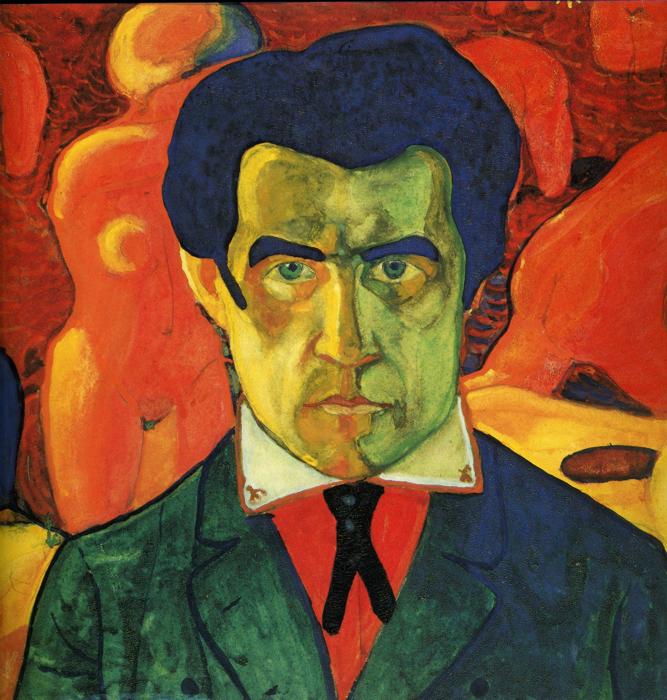
Self Portrait (1908)

Self Portrait (1908)

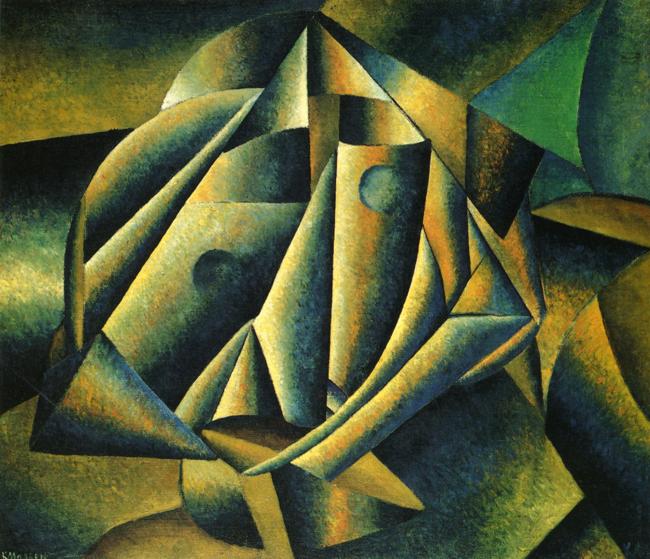
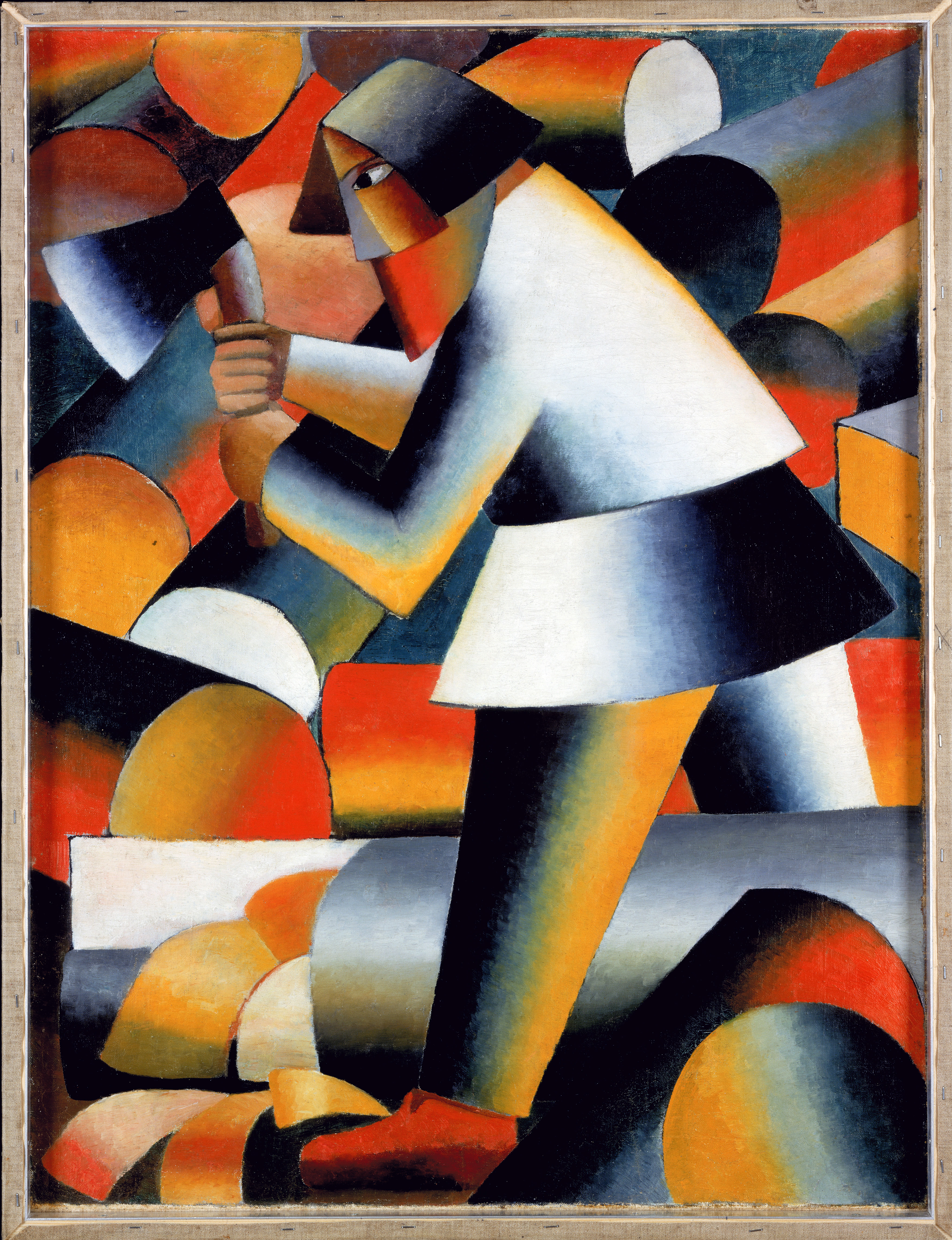
The start of the show demonstrates a certain reliance by Malevich on the artists who had gone before him, and a very clear influence of the avant-garde of post-impressionism, particularly the bold colours of the Fauvists and the flattening of perspective and exotisim advocated by Gauguin. Those influences are particularly obvious in Malevich’s early self-portrait, whose backdrop of exotic nudes and use of a multi-coloured palate recalls the work of Matisse and Gauguin alike. However, very quickly, we see the influence of other artists slipping away as Malevich starts to find a more unique style of his own. While relying to some extent on cubist notions, Malevich rejects the subject matter topical of the works of the Paris avant-garde and starts painting heavily geometric works based on the peasants and traditions of Russia. Painting simplified figures in cubist almost metallic forms, Malevich’s portraits are static like robots, referencing Futurism whose artistic reach was spreading across Europe, and yet exuding a rurality and authentic subject matter which is far departed from the industrialisation which characterises most works of the Futurist movement.

Early works 

Head_of_a_Peasant_Girl Kasimir Malevich007 Kazimir-Malevich,-The-Woodcutter,-1912_original

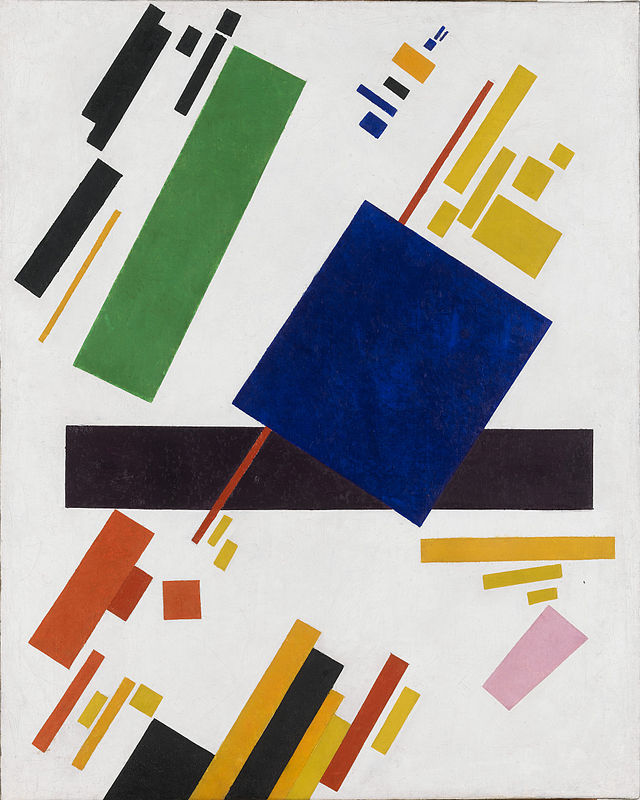
But Malevich’s early cubo-futurist works were only the beginning, and it was when, in 1914, Malevich painted his first black rectangle – Black Quadrilateral – that the artist took a clear and drastic departure from figurative works, presenting his ideas in The Last Exhibition of Futurist Painting 0.10 in what was then Petrograd in 1915. Calling his new direction Suprematism, Malevich believed that “the artist can be a creator only when the forms in his picture have nothing in common with nature” and dismissing the artists of the past as “counterfeiters of nature” he went about creating works which are starkly geometric and lacking in any feature which could link them to the natural world. The paintings which resulted from this period are a wonderful collection of energetic and colourful works (with the exception of the Black Square of course) which I loved. There is a complexity of composition in the way that these various shapes are interlayed and angled which cannot be underestimated, and in seeing these works, I saw that here Malevich really was creating from scratch rather than relying on nature for reference.
Suprematist works

Malevici06 640px-Suprematist_Composition_-_Kazimir_Malevich Kazimir_Malevich_-_Suprematism_-_Google_Art_Project malevich28 malevich4

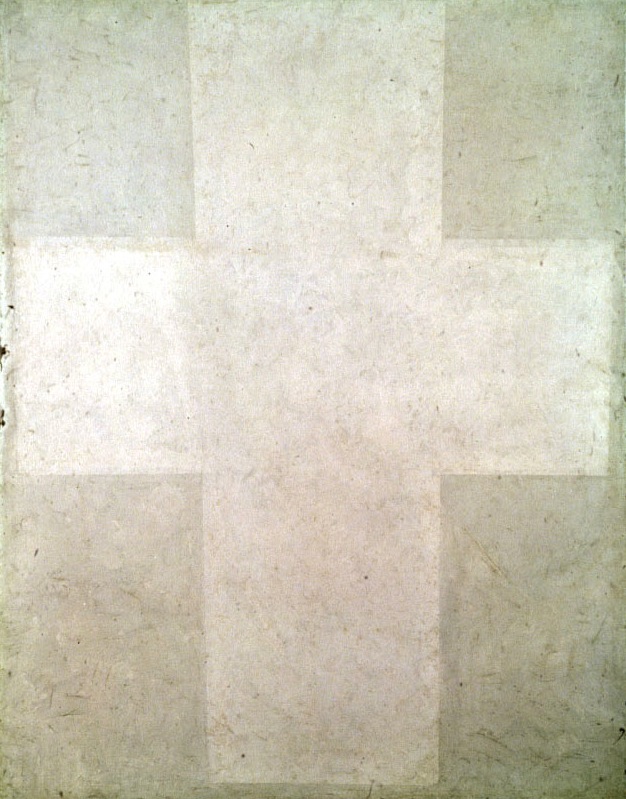
However Malevich could only take his Suprematist ideas so far, and by the time of the Russian Revolution in 1917, he consciously began to “kill off” paintings, gradually draining his paintings of colour in works such as White Suprematist Cross (1920) – a white cross on a white background – and Dissolution of a Plane (1917) where the colour is gradually fading out of the edges of a red rectangle. This was what Malevich called the “death” of painting, and in 1919, Malevich wrote that “Painting died, like the old regime, because it was an organic part of it”and what followed was several years when the artist dabbled in transferring his ideas to architecture, and teaching.

White Suprematist Cross (1920)

White Suprematist Cross (1920)

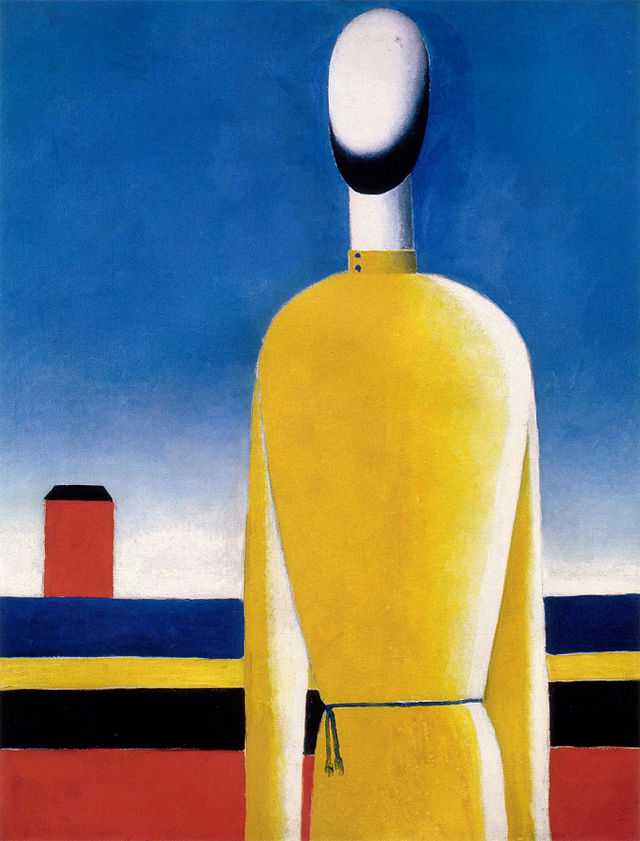
However, it was a temporary death, for a few years later, Malevich came to resurrect his painting, and interestingly, when he did so, he returned not to his Suprematist ideas, but to the cubo-futurist figuration of his early years. It was almost as though his Suprematist manifesto took such efforts that when he returned to painting, almost as a newcomer to it, he found himself drawn more to the instinctive way of painting which was inherent within him from the start. Which just goes to show: the efforts of stripping out nature and forging something new in art may create something of a stir or a statement, but ultimately we always return to the same thing: depicting the world around us, for that is arguably the true purpose and calling of art – to narrate and reference the lives we all live.

Later works

Malevich142 Later

In short this is a marvellous new show which provides a comprehensive review of this important artist, introducing his work to many who, like me, were not familiar with his oeuvre before. Beyond the paintings and the excellent chronological layout of the exhibition, my favourite section was Room 10, which takes a break from the paintings, and is like a mini-retrospective within the bigger story, depicting the whole of Malevich’s career through his works on paper. As such, the display provides a fascinating insight into both Malevich’s preparation of his paintings, and also how quickly his works transformed from cubism to futurism to suprematism and back again. A complex transition truly worthy of a retrospective exhibition on the scale Tate has so ably put on show this summer.

Malevich: Revolutionary of Russian Art is on at Tate Modern, London until 26th October 2014.

Countdown to my new Solo Exhibition | 2 days – Le Dejeuner sur l’herbe

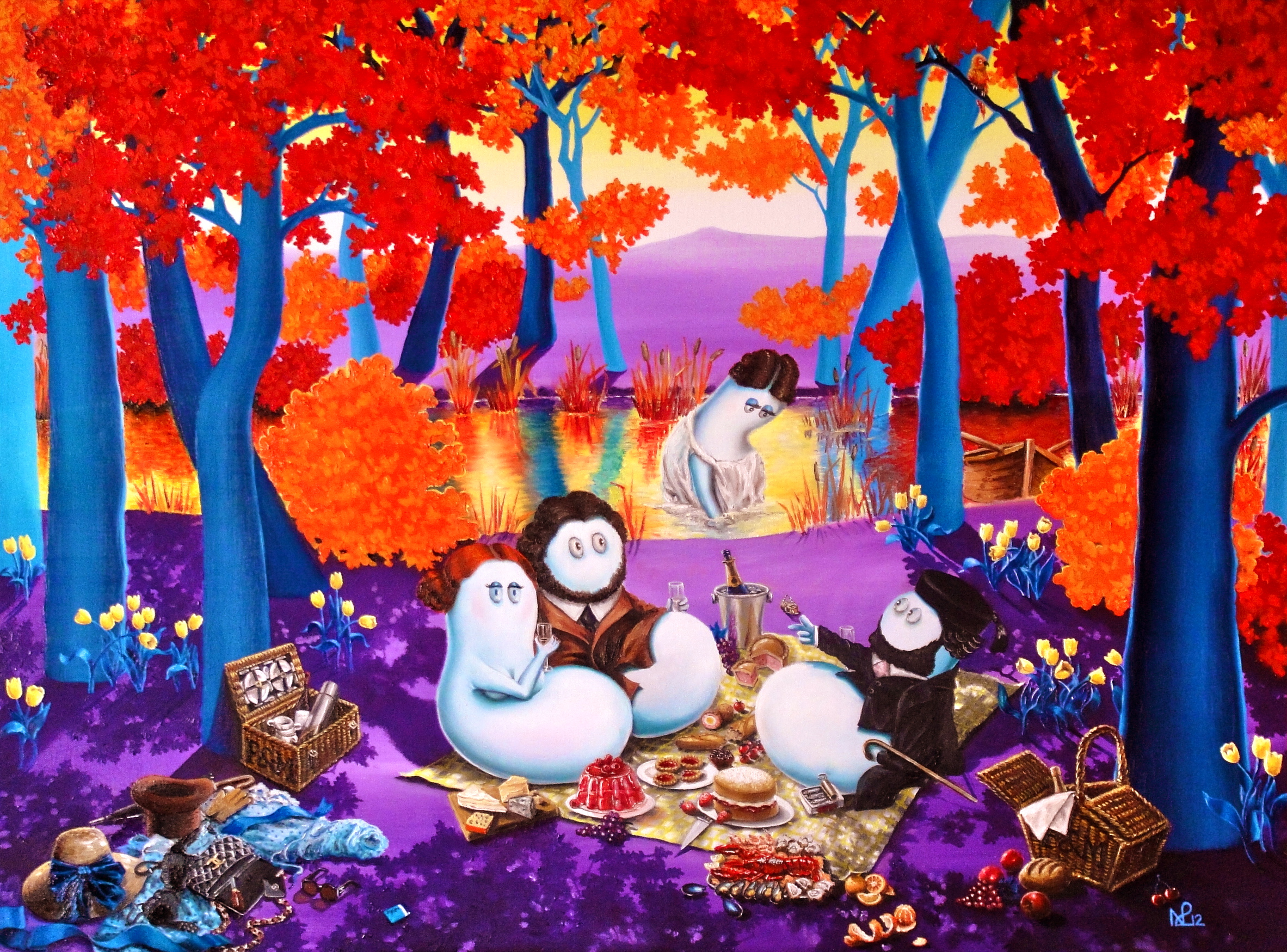
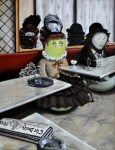
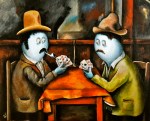
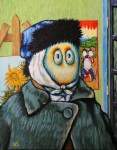
As my new collection of Norms started to gain momentum, and I started to amass a series of Norm sketches and new Norm paintings including yesterday’s featured work, Flamenco Norm, I started to take inspiration from the art that had gone before me. Not my art, but the art of the great masters of art history past. The first of art history’s masterpieces to get my “Norm” treatment was none other than Velazquez’s Infanta series. This was followed by Degas’ L’Absinthe, Frans Hals Laughing Cavalier, Van Gogh’s Self-Portrait and Da Vinci’s Lady with an Ermine. But of all art history’s masterpieces, there is one work which I had always wanted to emulate, but had never quite put my finger on how I could represent it in my own style. Now that the Norms were back, I had the key to the problem. And the painting? Why Manet’s Le Dejeuner sur l’herbe.

Massively controversial in its day, famously rejected from the 1863 Paris Salon and lampooned in the Salon des Refusés that same year, Manet’s picnic masterpiece with its mysterious conjunction of two dressed men and a totally naked woman is well established as having marked a turning point for modern art; for having inspired the Impressionists to forge a new revolutionary path in the art world; and for exposing hitherunto hidden social realities in a world of artifical society niceties. It’s a painting which has been emulated and reworked by artist after artist, Picasso being perhaps the most famous to do so. And now it’s my turn – and that of my Norms.

Le Dejeuner sur l'herbe (after Manet) 2012, © Nicholas de Lacy-Brown

Le Dejeuner sur l’herbe (after Manet) 2012, © Nicholas de Lacy-Brown

My Norm Le Dejeuner sur l’herbe was painted in 2012, and with its abundant picnic full of delicious delicacies of the age, it’s certainly one of my more complex Norm paintings. It’s also the biggest at 100 x 80cm. However while the composition very closely emulates Manet’s original, the colour palette is completely changed, and it is perhaps this element which I feel is the work’s greatest success.

Now the painting is wrapped in bubbles; it’s corners are specially protected and it is getting ready to travel for the first time, a few miles north into central london where it will be displayed in pride of place amongst my new collection of solo works. For in only 2 days my new solo exhibition of paintings and prints will open at London’s Strand Gallery. Please come along and share in the last 6 years of my work. In the meantime take a look at the gallery below featuring all 15 of my Norm works based on the geniuses of art history. Enjoy!

© Nicholas de Lacy-Brown and The Daily Norm, 2001-2014. Unauthorized use and/or duplication of the material, whether written work, photography or artwork, included within The Daily Norm without express and written permission from The Daily Norm’s author and/or owner is strictly prohibited. Excerpts and links may be used, provided that full and clear credit is given to Nicholas de Lacy-Brown and The Daily Norm with appropriate and specific direction to the original content. For more information on the work of Nicholas de Lacy-Brown, head to his art website at www.delacy-brown.com

Nicholas de Lacy-Brown’s new solo exhibition, When (S)pain became the Norm, will be at London’s Strand Gallery from 13 – 18 May 2014. For more details, click here.

Corot and Degas – The Castel dell’Ovo in Art History

I’ve spoken before about the novelty of coincidence – when a chain of events leads you to discover things over and over, or when two apparently novel similarities inexplicably collide – and concluded that rather than being mere coincidence, such occurrences are probably the result of becoming cognisant to something you hadn’t noticed before, something which translates into all of the succession of sightings or experiences which follow. It might also be to do with environmental or social factors which all of a sudden affect more people than just yourself. Still, a little piece of me makes me wonder whether such occurrences are in fact the work of fate, and disguise some hidden meaning or key to the future – we will probably never know.

But one little coincidence which happened the other day seemed so relevant to my current string of Naples posts that I felt compelled to share it, not least because it comes with a little art added in for good measure. I didn’t know Naples very well before my most recent visit, and still less the coastal areas of the city which I had never experienced before. It was therefore with some unbridled delight that I recently discovered the stunning seaside promenade, with the beautiful Castel dell’Ovo and its little marina which is surely the centrepiece of the famous curving coastal bay.

The Castel dell'Ovo

The Castel dell’Ovo

Imagine my surprise then when, upon my return, I strolled into London’s National Gallery one lunch time (as I often do) to spend a brief 10 minutes or so amongst some of my favourite Impressionist masterpieces, and discovered a new Degas painting which I hadn’t seen there before. The work, entitled Hélène Rouart in her Father’s Study is a rather striking portrait of the named Hélène – so far no coincidence there. But because Hélène was allegedly the daughter of a rich collector, Monsieur Rouart, what stands out in the work is the array of antiques and fine art which Degas portrays in the background. Amongst them he paints a small little painting, almost indecipherable because of his loose brushstrokes, but nonetheless unmistakably a coastal landscape. Looking at the description to find out more was when the penny dropped – it was a painting of the Castel dell’Ovo by Jean-Baptiste-Camille Corot!

Hélène Rouart in her Father's Study (Edgar Degas, 1886)

Hélène Rouart in her Father’s Study (Edgar Degas, 1886)

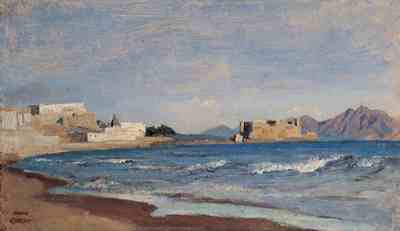
Allegedly the work had hung in the study of Hélène’s father where the portrait is set, and upon subsequent investigation, I have found an image of the painting in all its glory. It’s the Castel dell’Ovo for sure, looking almost unchanged despite being painted some 200 years ago when, in 1828, the French artist spent some seven weeks in Naples and its surroundings painting some 6 recorded views of the city.

Napoli, Castel dell'Ovo (1828)

Napoli, Castel dell’Ovo (1828)

And another painting by Corot of the same view

And another painting by Corot of the same view

So was it my new acquaintance with the Castel dell’Ovo which made me notice this new Degas, and through it a Corot depiction of the Castel dell’Ovo for the first time or some more fate-led coincidence? Who knows. But what I can conclude is that both paintings make for excellent lunchtime viewing and a perfect interlude to my blog’s adventures in Napoli.

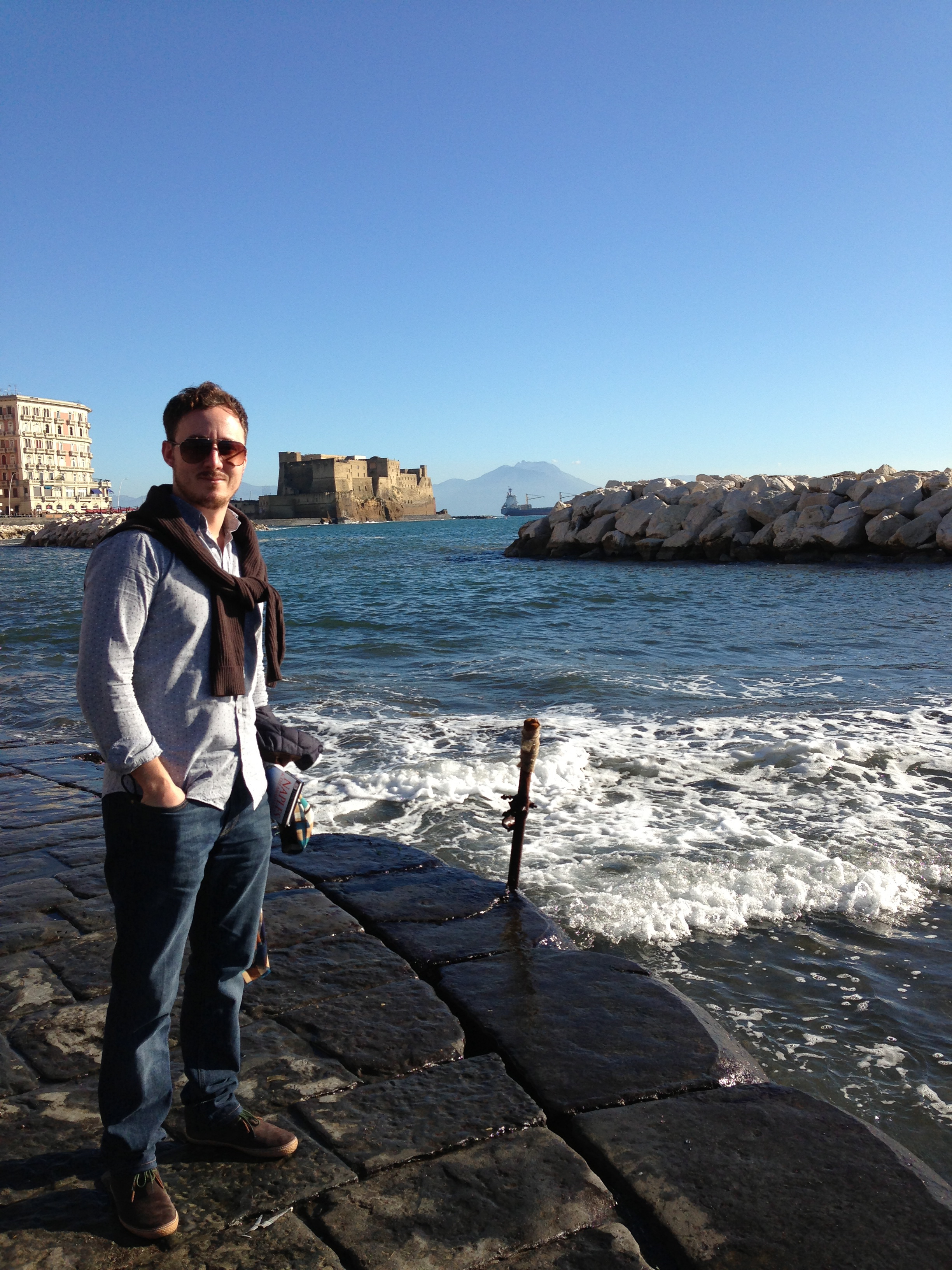
Wish I was back there - me in front of the same view

Wish I was back there – me in front of the same view

Paris | Art tour 2013 – Vallotton

The incredible thing about Paris is not just the quality of the exhibitions it puts on, but how many of those quality shows it manages to host in a single season. The Grand Palais alone has some 4 or more exhibitions showing at any one time, and as Dominik and I took the long walk around the huge neo-classical structure that is the Grand Palais, we noticed that there were queues lining the building on almost all four sides – testament not just to the popularity of its exhibitions, but also to how many exhibitions were showing in the space of a single (admittedly huge) building.

The benefit of these multiple shows (and also the disadvantage if you fatigue easily) is that when you buy one ticket, you can combine your first exhibition with another – or in fact the lot. So having been wowed all morning by the cubist prowess of Georges Braque, and braked for lunch in an excruciatingly expensive brasserie nearby for snails and an ‘amburger (imagine said in a French accent) we returned to the great palace of art to see the second of their major autumn retrospectives: a show devoted to the work of Felix Vallotton.

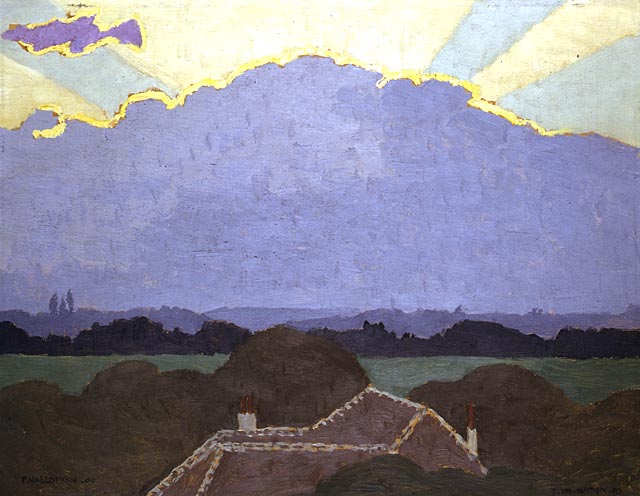
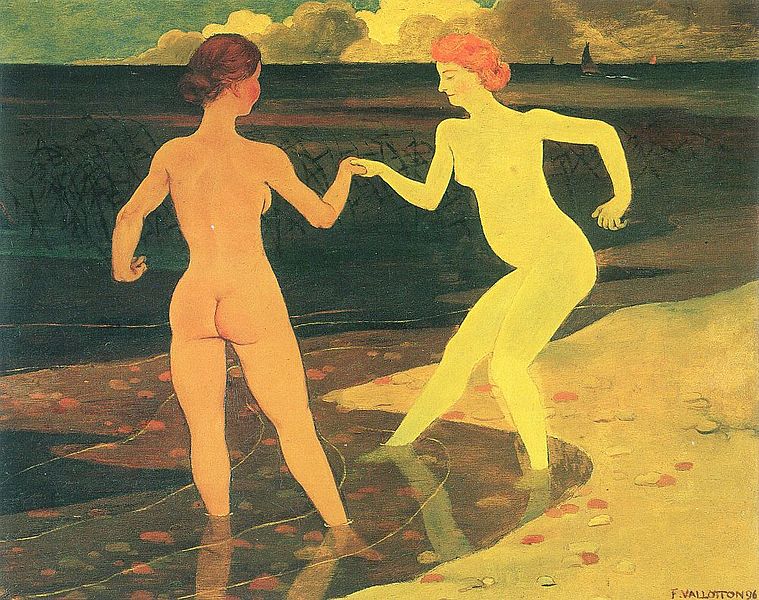
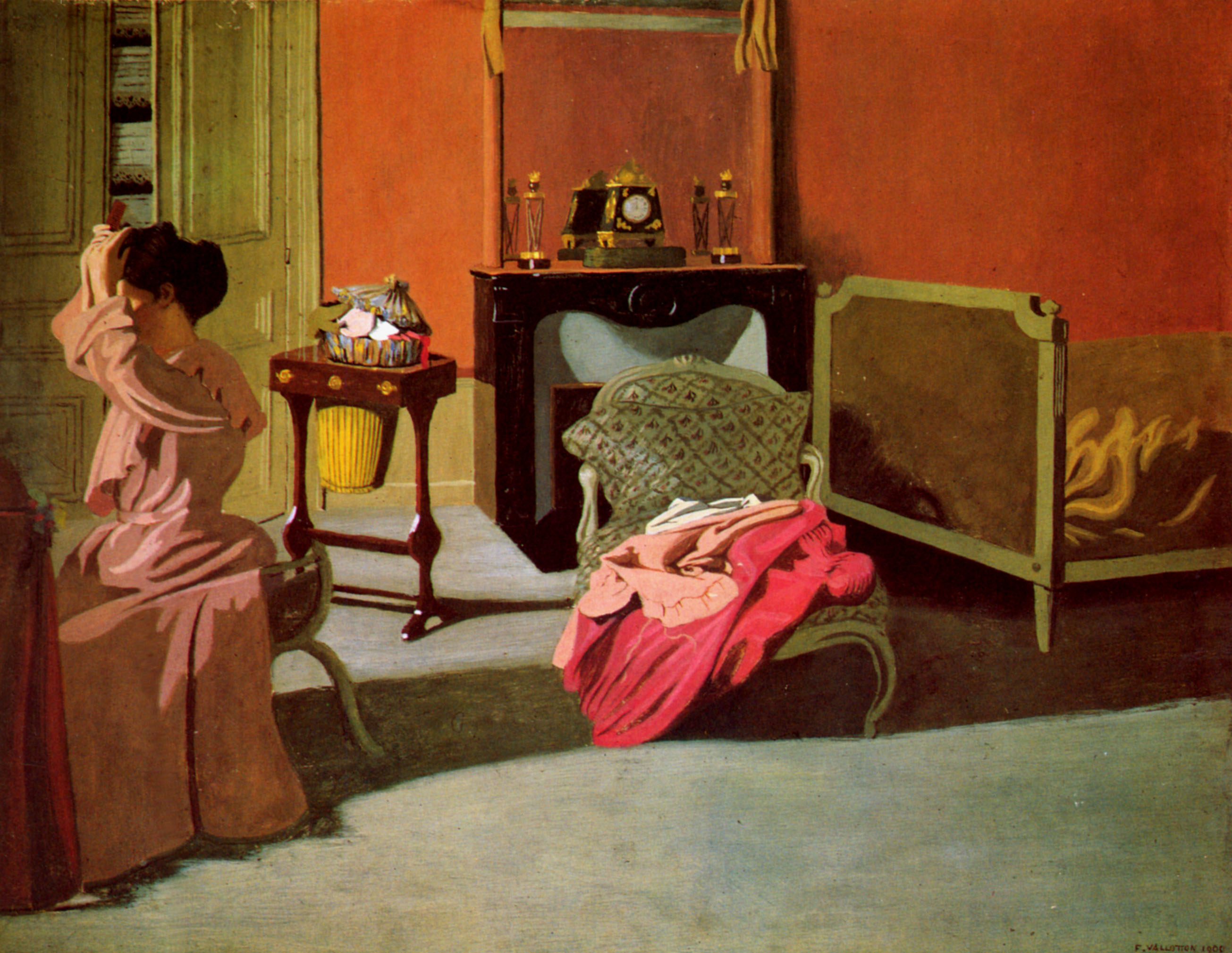
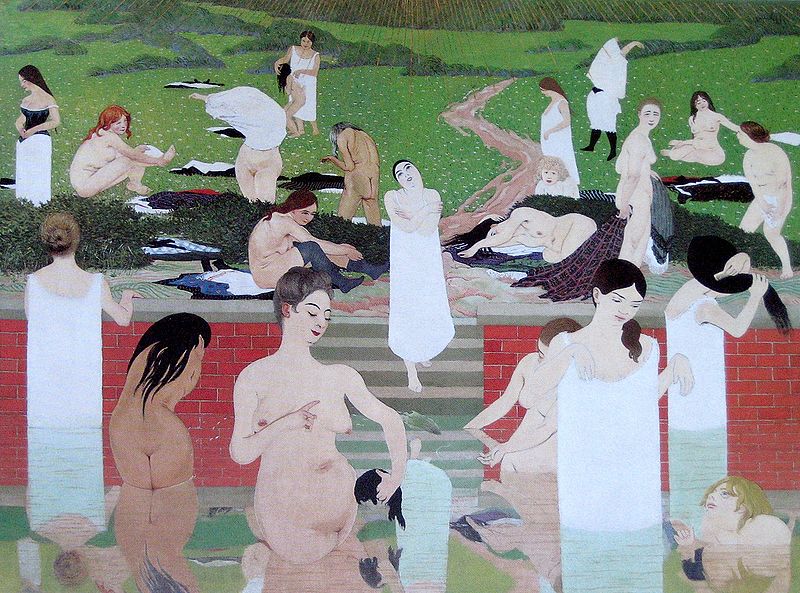
Vallotton paintings in the “aesthetic sythetism” style

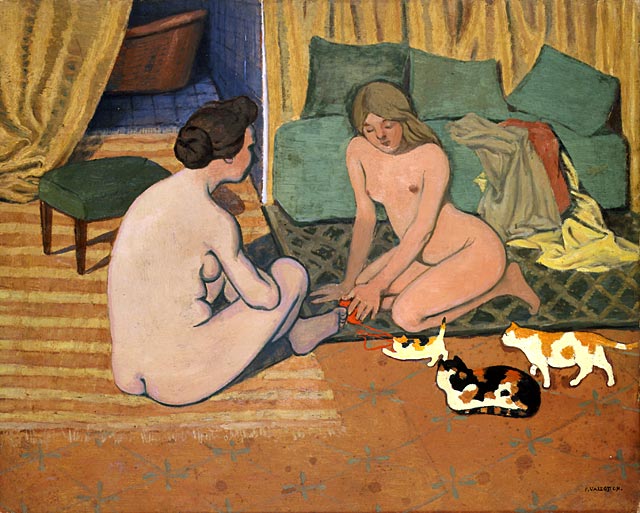
Nuage_à_Romanel 759px-Valloton_Frau_mit_Dienstmagd_beim_Baden woman-being-capped-1900 800px-Vallotton_Das_Bad_Sommerabend_1892 Femmes_nues_aux_chats

I wasn’t familiar with either the name Vallotton or his work before I ventured to Paris this autumn. However, as a quasi-member of the French Nabis movement of art, I was already familiar with a number of Vallotton’s artistic allies – Maurice Denis, Pierre Bonnard and Edouard Vuillard being amongst their number. The Nabis were a group of post-impressionist avant-garde artists who took their name from the word Nabi which means a prophet in Hebrew and Arabic. They were so called because they believed that their art revitalised painting in the same way that the ancient prophets had rejuvenated Israel. At the heart of their movement was another term, or style of art, sythetism, which involved the flattening of colour panes and shadows, a heavier reliance on dark outlines, and a preoccupation with the canvas, as “essentially a flat surface covered with colours assembled in a certain order” (so said Maurice Denis). If I was to describe the style in my own words, it would be a painting without depth and perspective, so that the folds of a dress for example would be reduced to a single colour for the shadow and a single colour for the light, with no variation of tone demarking the shape or texture of the material. 

Whether or not Felix Callotton, born in Switzerland in 1865, came to adopt the style as a result of the influence of his fellow Nabis is less certain. From the exhibition, it would appear as though Vallotton’s distinctive flattened panes flowed naturally from his brilliant virtuosity with woodcut printmaking. After all, the finish of woodcut will invariably involve the flattening of light and shadow, as the synthesis of two colours or tones – generally black and white – combine together to illustrate all of the details of an image – black for shadow and features; white for light. And having spent a good decade or so of his early career woodcutting for the sake of making money, the suppression of depth and shadow made its way seamlessly into Vallotton’s paintings which followed.

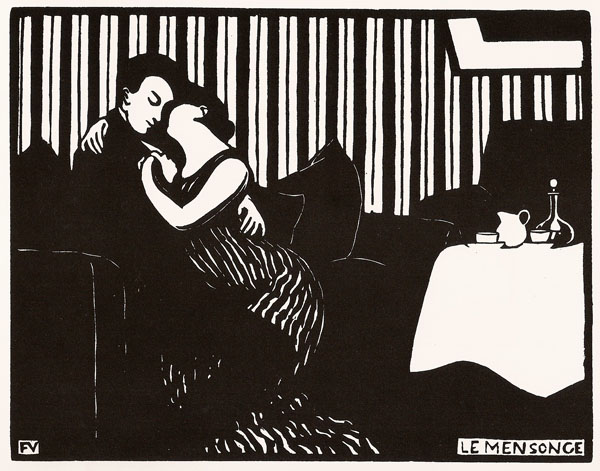
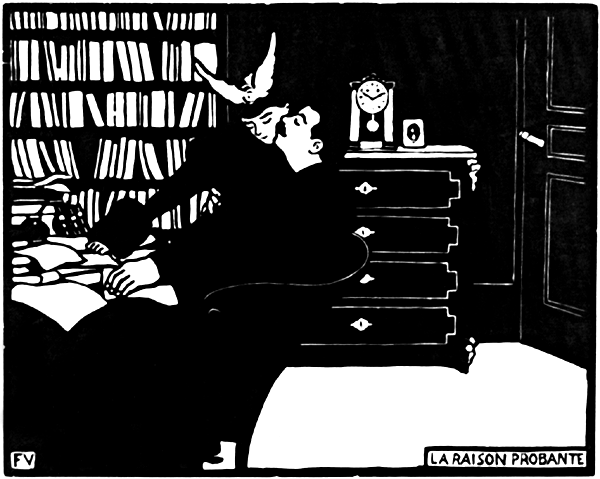
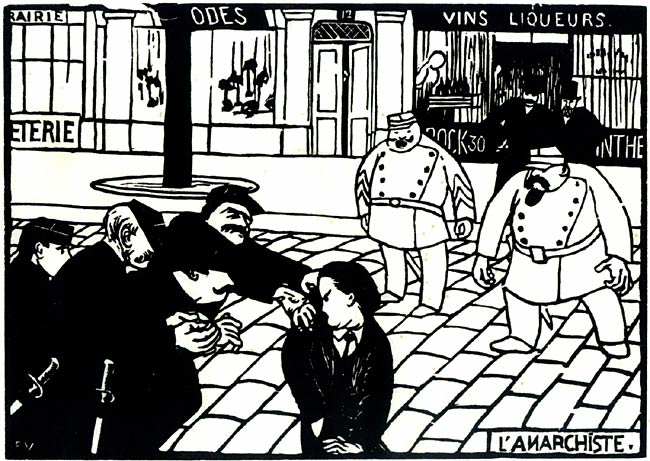
Vallotton’s brilliant woodcuts

vallotton4 vallotton-trottoir-roulant-1901 5333808295_a0756d9ea8_b Vallotton-Raison va_anarchico title unknown 6

Being recently enamoured with all things printmaking, it will not surprise the reader of this post to learn that I was struck first and foremost by these brilliant woodcuts, which are so full of detail and humour for so intricate and painstaking a medium. In Vallotton’s Intimacies series, he depicts the mundane and mediocre interiors of intimate home settings, but always his images are full of drama, whether it be because of his captivating use of shadow, or the sense of scandal and emotional anxiety which is suggested. From these prints, Vallotton went on to depict brilliantly the everyday street scenes of his Paris surroundings, doing so with whimsical detailing and a surprising attention to detail, and while Vallotton later abandoned woodcutting when the trade had left him sufficiently well furnished with money, his return to the medium to depict the First World War in his This is War! series in 1916 saw him create prints which were equally brilliant, despite the more serious tone of the subject matter.

As to Vallotton’s paintings, I adored the colourful products of his sythetism era, where the influence of his printmaking and the Nabis resulted in works where the subject matter become secondary to the overall pictorial patterning which was being created across the canvas. Just look at his painting of a theatre box for example (“Box seats at the theatre), a canvas which could quite possibly be a Rothko with its simple horizonal colour planes, and which only becomes more figurative thanks to the simple shapes denoting the two occupants of the box and that masterly glove with its single-coloured mauve shadow, suggesting an emotional dimension to the story being depicted.

box-seats-at-the-theater-the-gentleman-and-the-lady-1909.jpg!HD

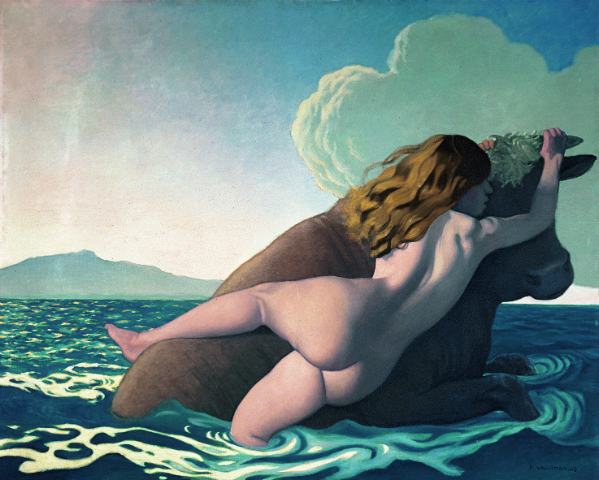
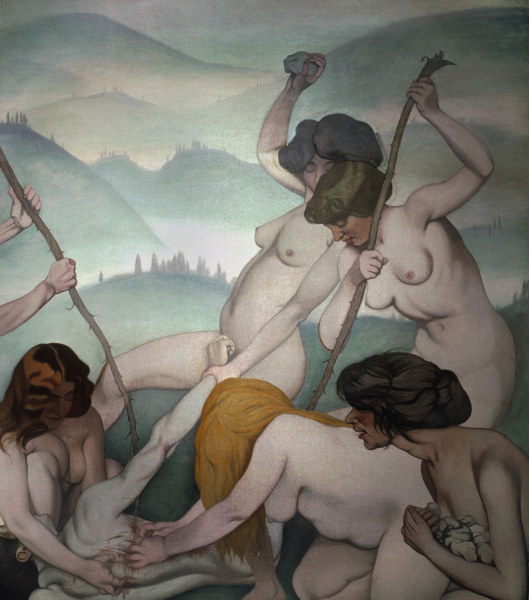
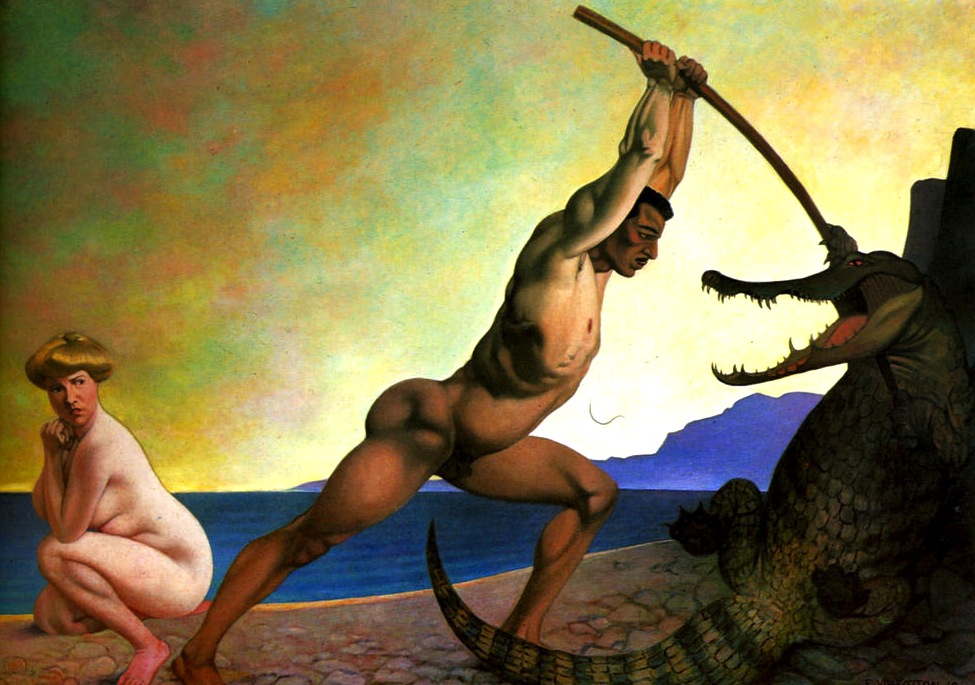
Less impressive, sadly, were the works which Vallotton went on to create in his later career, as he abandoned synthetism and the Nabis, and sought to concentrate on depicting primarily the nude, and latterly huge mythological parodies which were more Disney than anything else. Thank goodness that at the end of his career, and at the end of this show, Vallotton chose to return to the medium of woodcut which, despite their depleted tonal palette and reduction of depth and realism, are perhaps the most captivating and visceral works of all.

All a bit “Disney”- Vallotton’s mythological parodies

pic_143-20131024092755 Felix Vallotton, Orpheus und die Maenaden - Valloton / Orpheus and the Maenads - Vallotton, Felix , 1865-1925. Felix-Vallotton-Persee-killing-the-Dragon

Felix Vallotton: The Fire Under the Ice is on at the Grand Palais, Paris until 20th January 2014

The Annunciation in Art

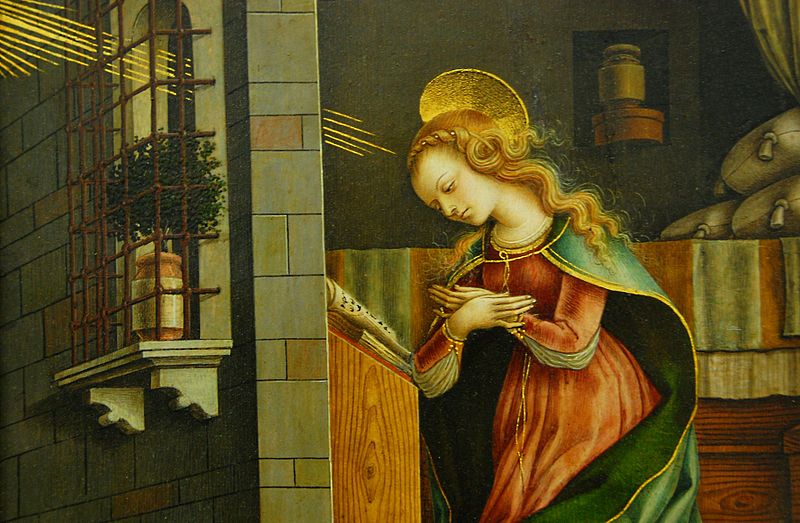
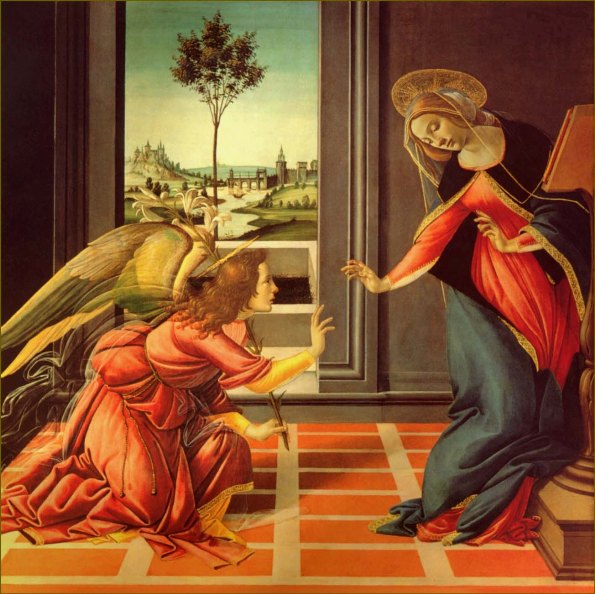
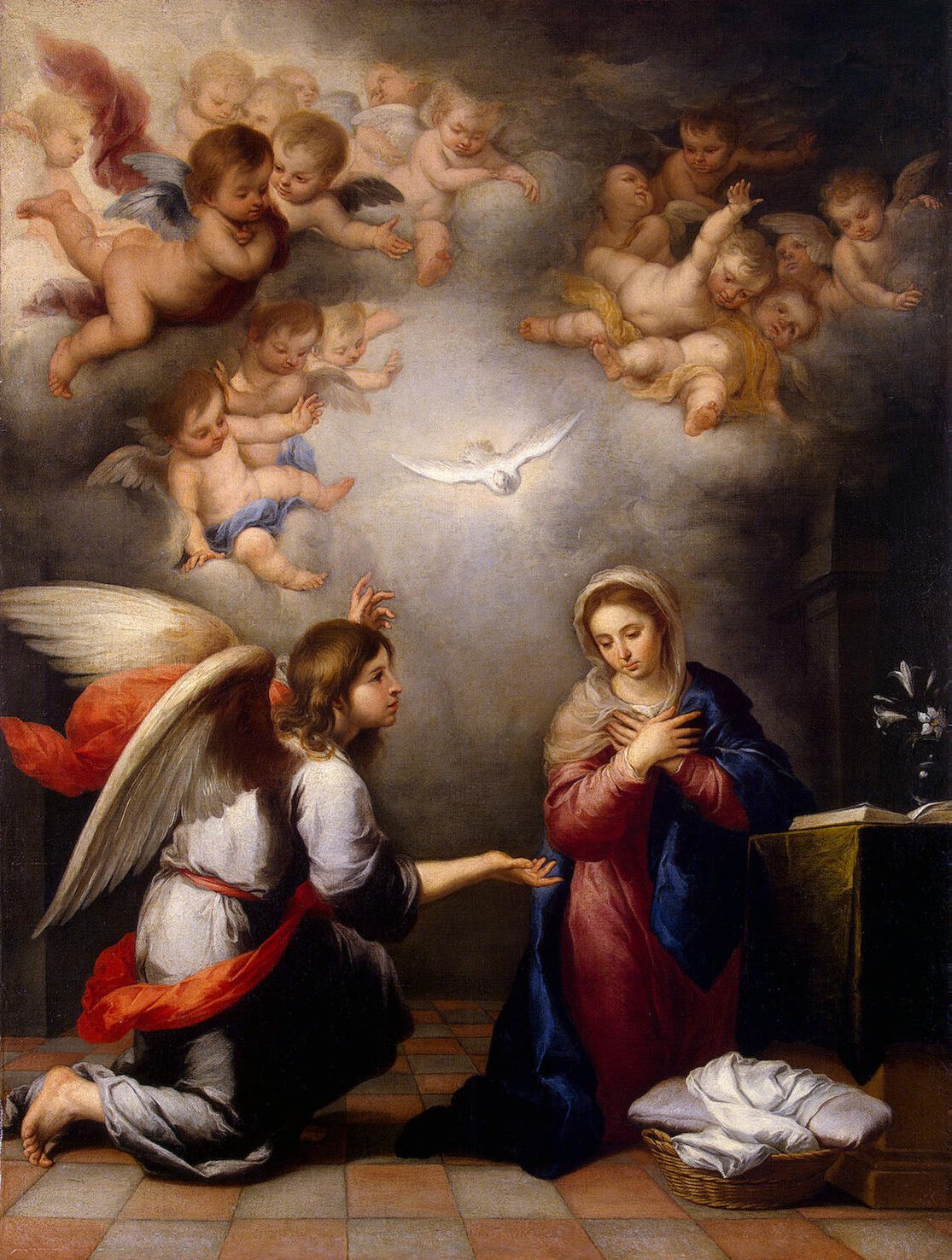
When I was recently looking through pictures of the annunciation in order to check that my own Norm depiction of the famous encounter between the angel Gabriel and Mary was correct, I noticed just how incredibly well represented the festival is in Christian art. From renaissance masters such as Fra Angelico and Botticelli to the interpretations of the Pre-Raphaelite Brotherhood, the image of Mary and the Angel Gabriel is as prominent a depiction in art history as the female nude. Such was the breadth of artistic output given over to the image, I felt compelled to share a few on The Daily Norm.

Despite the diversity of styles and compositional techniques used by the artists of these works, several strands remain common to them all. The Angel Gabriel is usually holding a white lily, said to represent Mary’s virginity, and a dove is very often present, representing the Holy Spirit and the conception which it at that moment engineers. The composition is also largely similar, with Mary on the right and Gabriel on the left, and in general the scene is played out on the outside of a house for example in a portico or garden.

For my Norm sketch, I tried to incorporate as many of these trends as possible, even playing on the trickery of perspective employed with such adeptness by Bottocelli and emulated in my old tiled floor. However I have placed my characters inside in a dusty Nazareth home. No grand renaissance porticos for me.

Fra Angelico (1438)

Fra Angelico (1438)

Fillippo Lippi (1443)

Fillippo Lippi (1443)

Attributed to Barthélemy d'Eyck (c.1443)

Attributed to Barthélemy d’Eyck (c.1443)

Carlo Crivelli (15th century)

Carlo Crivelli (15th century)

Botticelli (1490)

Botticelli (1490)

Phillippe de Champaigne (1644)

Phillippe de Champaigne (1644)

Esteban Perez Murillo (1655)

Esteban Perez Murillo (1655)

George Hitchcock (1887)

George Hitchcock (1887)

John William Waterhouse (1914)

John William Waterhouse (1914)

There’s something truly captivating about religious art, whatever your creed or belief, and despite not being a church goer myself, I find myself drawn to depictions of the Annunciation and the Nativity more than any other symbol of Christmas – just as for me old carols sung in monastery cloisters, and a visit to a candlelit carol concert of a cold winters evening are far more synonymous with Christmas than any tacky coca cola Christmas ad or the manic pre-Christmas shopping rush on Oxford street. I have therefore enjoyed the exercise of researching these paintings, transporting me as they do to the candlelit churches of Italy in December, where I was studying art history 12 years ago. I hope you enjoy them too.

Paris | Art tour 2013 – Braque

Lovers of 20th century art will all have heard of French-born artist Georges Braque. Of course I’ve heard of him too, renowned as he is for being co-founder of cubism along with the artist with whom he was thick and thieves in early 20th century Paris, Pablo Picasso. But my acquaintance with Braque has all too often occurred because, seeing a cubist masterpiece hanging in a modern art gallery, I have confused it with a Picasso, only to discover that the work was by Braque. It’s an easy mistake to make – the two artists were practically indecipherable from one another when they started out on the cubism road, a likeness of style which must be put down to the fact that they would discuss one another’s work endlessly day after day, night after night. And Braque was, purportedly, inspired into cubism by his glimpse of Picasso’s now world-famous Les Demoiselles d’Avignon, which few understood at the time, Braque being the exception.

So while Braque has, for me, existed solely in the shadows of the far glossier art historical existence of Picasso, I have never had the chance to discover how truly consistently brilliant he was as an artist. That is until this autumn, thanks to the latest blockbuster exhibition of Paris’ Grand Palais, which dedicates two floors of its palatial surrounds in retrospective homage to this French artistic great. I say consistently brilliant, because this show was one of those rare exhibitions where I literally loved almost every single piece, finding myself almost breathless with admiration as I strolled from painting to painting literally in love with what was on the walls before me.\

Early fauvism

The Port at La Ciotat (1907)

The Port at La Ciotat (1907)

Landscape in L'Estaque (1906)

Landscape in L’Estaque (1906)

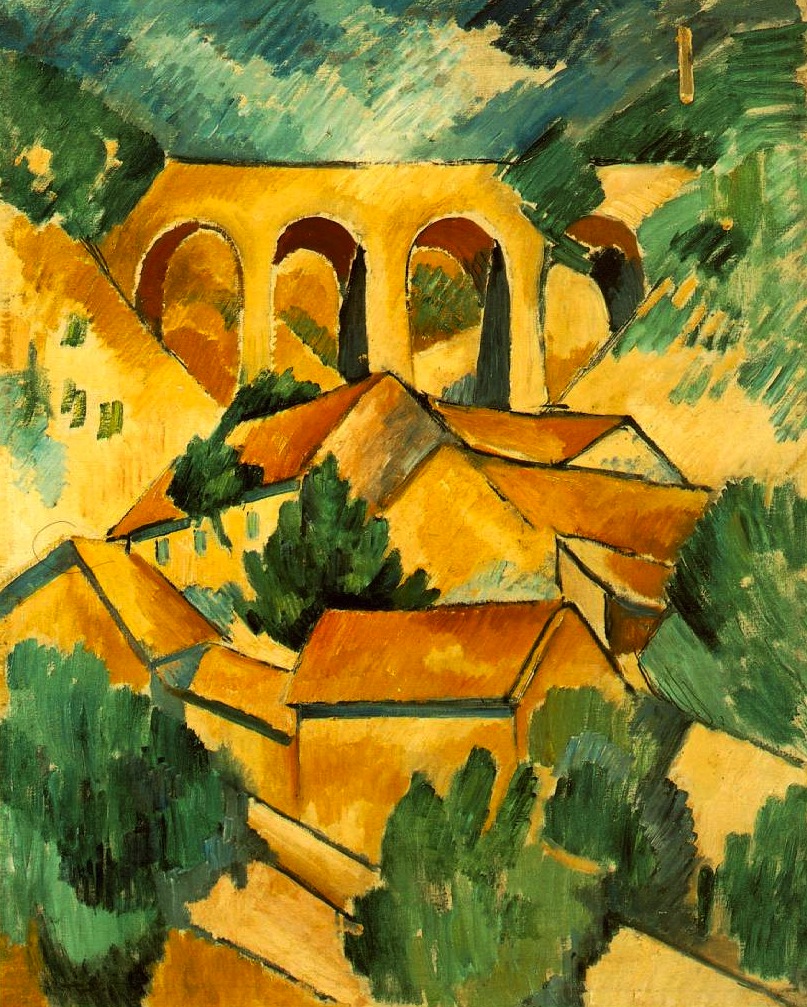
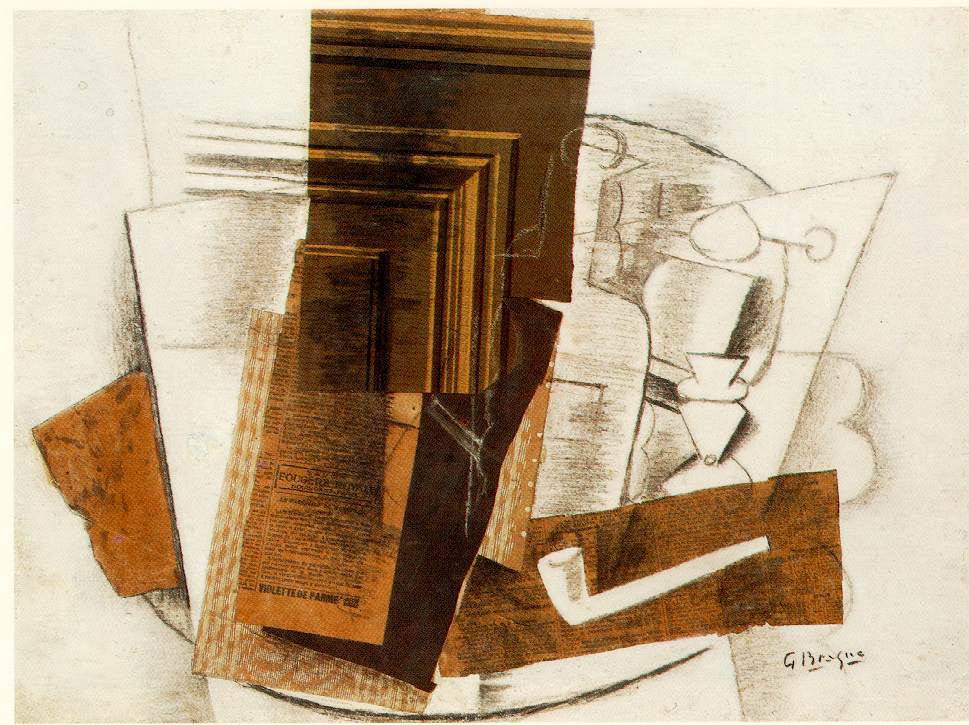
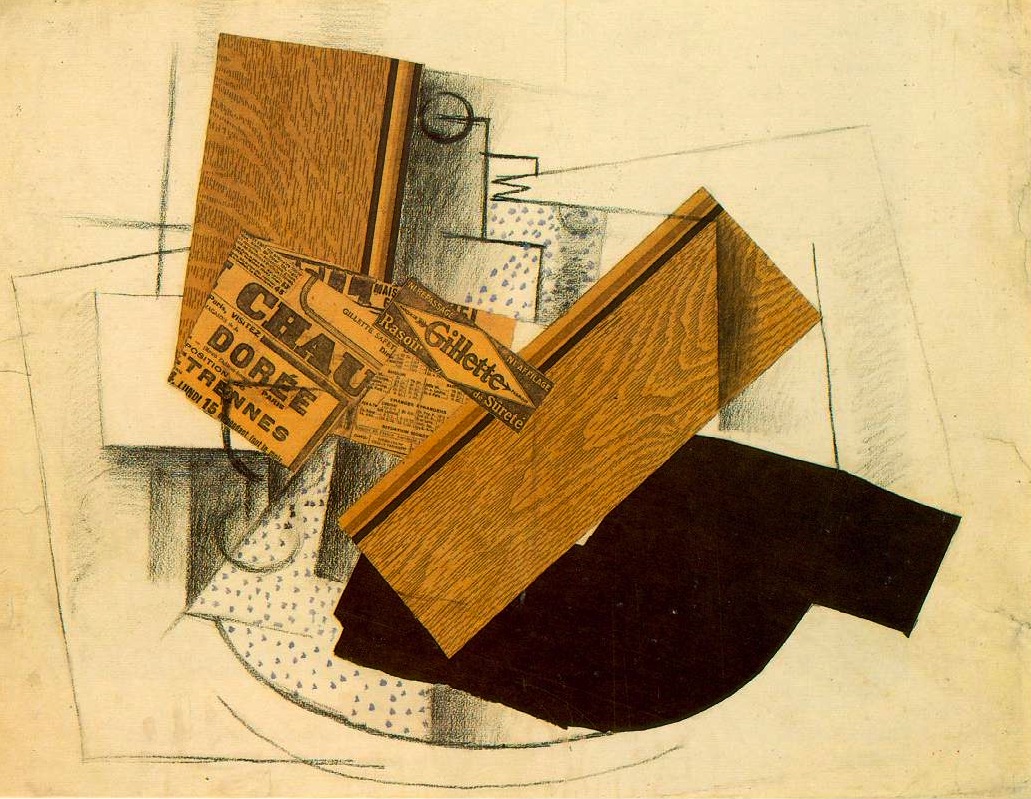
The show starts with early Braque, whereupon he dabbled largely in the fauvist epoque, with the result that his sunny landscapes of Southern France are imbued with scintillating bright colour which can not help but make the viewer yearn for the summer. But soon enough, after this initial embrace of colour, Braque discovers the more subdued shades of cubism, finding his own when fragmenting a scene into colourless, cubist dimensions. Seminal in cubism’s development was a chance visit to a wallpaper shop when Braque saw a reproduction wood-pattern paper in the window. Purchasing the wallpaper by impulse, it soon inspired Braque to set about creating a series of paper collages, which included, as well as the wallpaper, cardboard, newspaper cuttings – anything he could get his hands on. The effect of this geometric fragmentation was to create the cubist look, and soon enough Picasso was doing the same.

Into cubism, collage and then back to paint

Mandora (1909)

Mandora (1909)

The Viaduct at L'Estaque (1908)

The Viaduct at L’Estaque (1908)

Little Harbour in Normandy (1909)

Little Harbour in Normandy (1909)

Still life with pipe (1913)

Still life with pipe (1913)

Still life on a table with Gillette (1914)

Still life on a table with Gillette (1914)

Violin and Pipe (Le Quotidien) (1913)

Violin and Pipe (Le Quotidien) (1913)

back to painting.... Still Life with Fruit and Ace of Clubs (1913)

back to painting…. Still Life with Fruit and Ace of Clubs (1913)

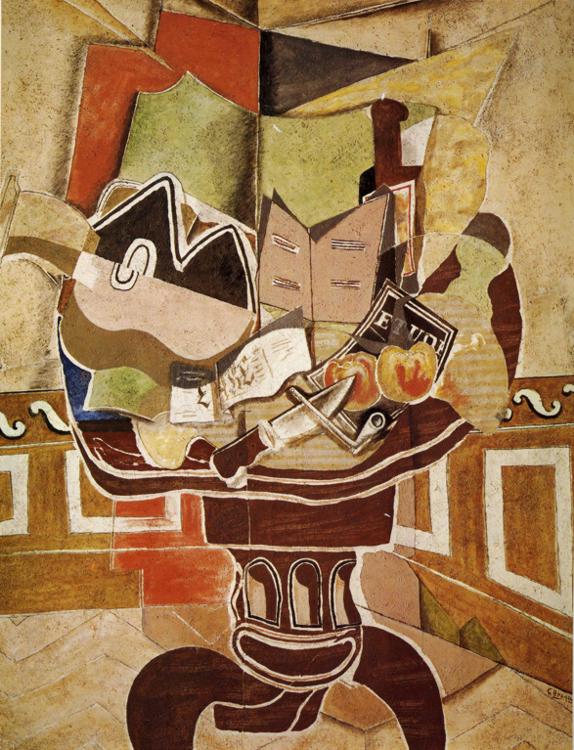
After several years of collage experimentation, Braque returned to paint, but using the medium to create what were almost pastiches of the collage look – still fragmented, full of geometric shapes, but differing in their progressive return to the bolder colours of his fauvist age, a return which was no doubt eased along by the weakening of his relationship with Picasso, and his strengthening bond with spirited Spanish artist, Juan Gris.

The Table (1928)

The Table (1928)

The Round Table (1929)

The Round Table (1929)

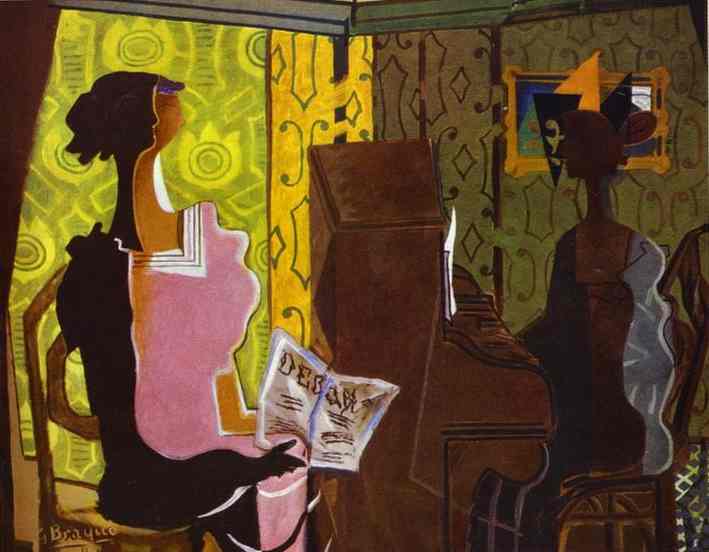
The Duet (1937)

The Duet (1937)

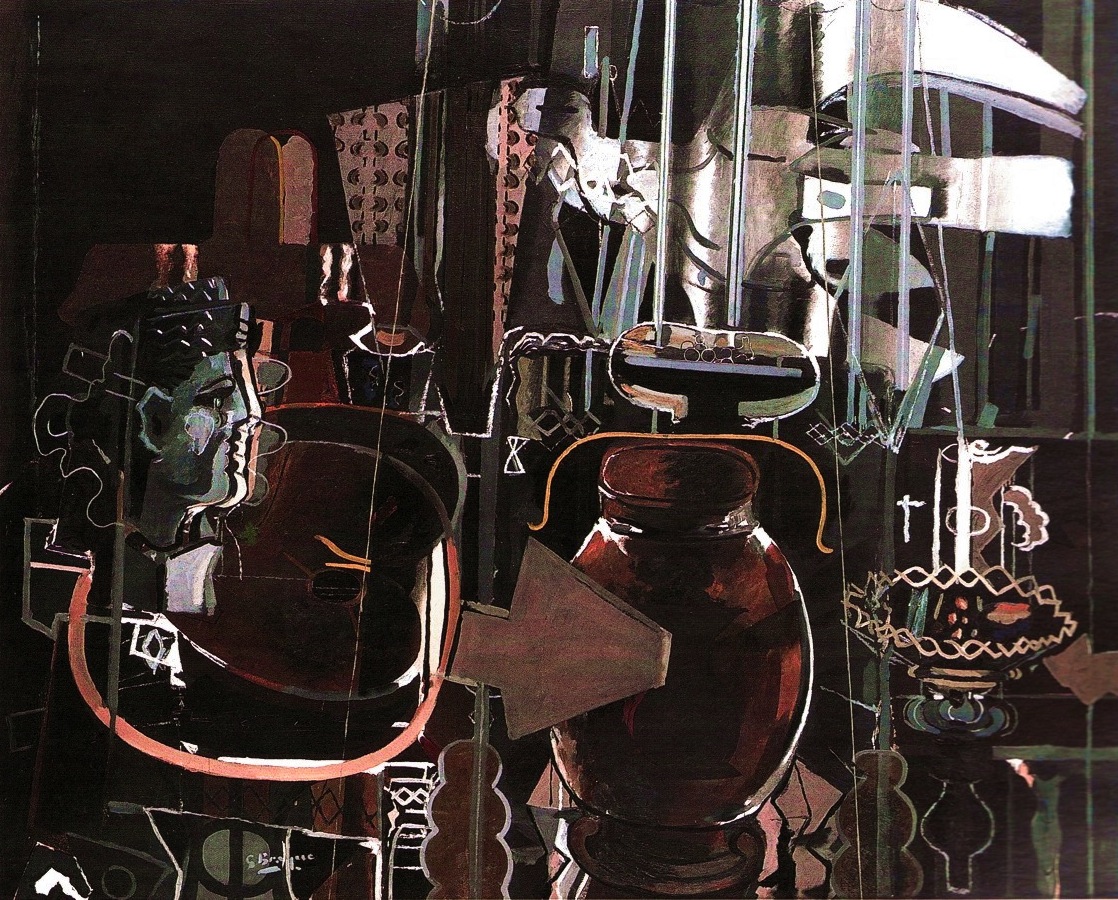
Studio II (1949)

Studio II (1949)

Studio with Skull (1938)

Studio with Skull (1938)

Thus it was that as the 20s and 30s ticked by, Braque’s work moved the cubist spirit further and further, as the artist pushed the boundaries of the movement he had helped to create, until such a time as his works become progressively more figurative, but all the while maintaining the multi-dimensional expression which was central to cubism. Take his billiard table series for example – seen from various angles, Braque’s bold green billiard table is shown from all kinds of impossible angles, and yet there is no mistaking what Braque was trying to depict.

The Billiard Table (1945)

The Billiard Table (1945)

I would be selling the show short to suggest that it all ended there. From colour-drenched fauvism to colour-collected cubism, Braque’s mastery extended to every avenue of life, as he used his pioneering imagery to depict portraits, artist’s studios, landscapes, still life and even greek mythology. From room to room we see an artist who never failed to be inspired, and to inspire his countless followers in response. Never again will Georges Braque be in Picasso’s shadow as far as I am concerned, but level pegging as a genius of 20th century art.

Georges Braque is showing at the Grand Palais, Paris until 6 January 2014.

Paris | Art tour 2013 – Kahlo and Rivera

I would like to start off my little Paris art series with a moan about London. For all the great events which take place in the city, its exhibitions tend to pale into insignificance when compared with Paris. Take the exhibitions that are on at the moment. At the Royal Academy, the grand galleries of the Burlington Palace are given over to an exhibition surveying the art history of Australia. Well we all know that Australia has no art history, and this exhibition demonstrates as much. Then there’s Tate Modern’s new retrospective on Paul Klee which presents room after room of samey small little Bauhaus explorations – and leaves the visitor as flat as the image so meticulously conceived by Klee on paper. And let us not forget the Royal Academy’s other homage to a nation’s art – its recent Mexico show, whose only inclusion of perhaps the greatest artist ever to come out of Mexico, Frida Kahlo, was a painting so small (and I mean ridiculously small) that you had to squint to see it.

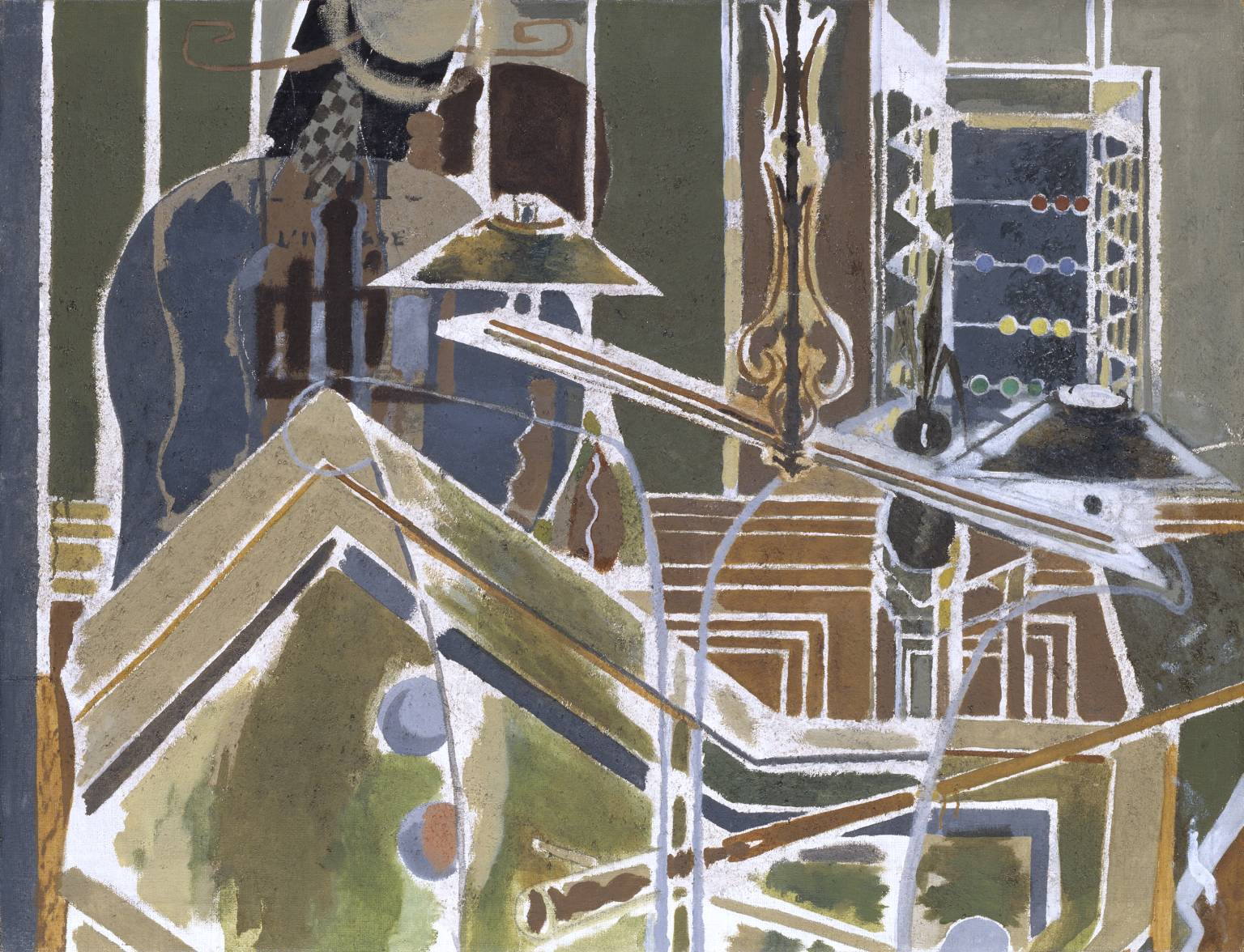
Rivera's cubist period

Rivera’s cubist period

None of this in Paris, whose exhibitions present such a comprehensive survey of the particular artist at hand that you feel not only completely enriched at the end of the show, but also pretty exhausted too. And Paris doesn’t just have one blockbuster exhibition a year – no no, it holds a good three or four massive artistic events each season, hence why I feel the insuperable need to visit the city each year.

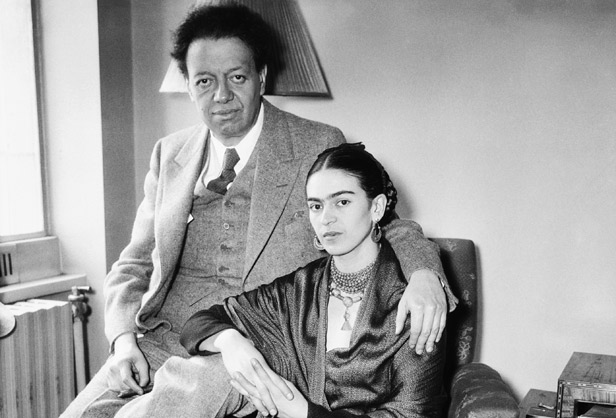
Really marking Paris out as the superior of its cross-channel neighbour this year is the Musée de l’Orangerie’s significant survey of the works of one Frida Kahlo, and her equally inspired artist husband, Diego Rivera. Entitled Art in Fusion, it explores what has to be one of the greatest married (and divorced, and then remarried) painterly partnerships of modern art history, with many of the most substantial of each artist’s oeuvres on exhibition, and not a tiny painting in sight.

The couple together

Diego Rivera with Wife Frida Kahlo tumblr_m965goUs9T1rw3fqbo1_1280 frida-kahlo-diego-rivera3

I have always adored the work of Frida Kahlo, resonating so easily with her emotionally raw artistic expression right from the time I first saw her work (ironically in London – those were the good days). For me, Kahlo’s paintings will always trump those of her hubbie’s, which are altogether more political for my taste. Either that or they are too superficial – such as paintings of children tying up lillies or portraits of Mexican natives. His works are altogether too easy to interpret at face value, while faced with a Kahlo masterpiece, you are kept guessing about all of the multi-layered complex meaning with which she imbues her works.

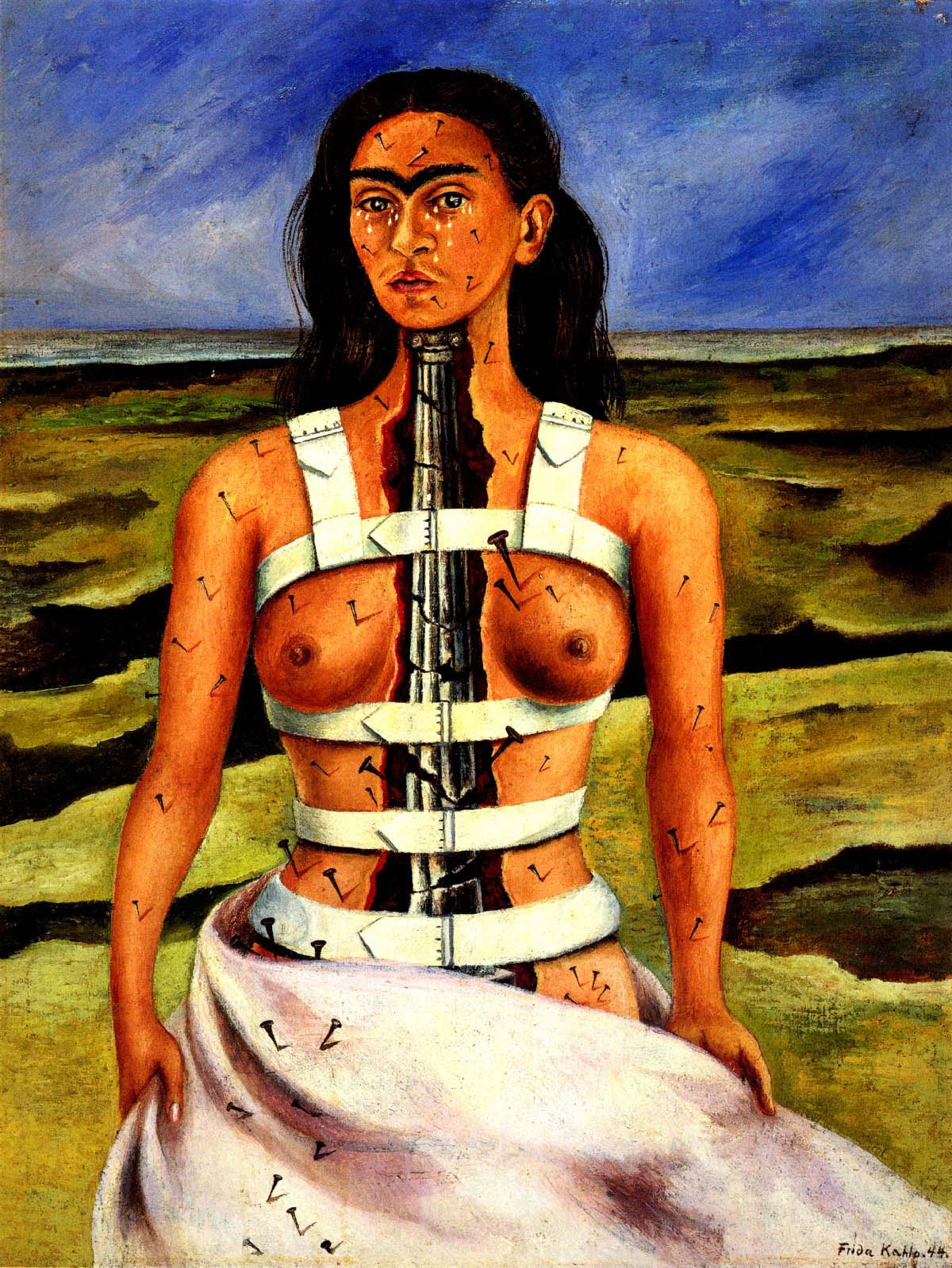
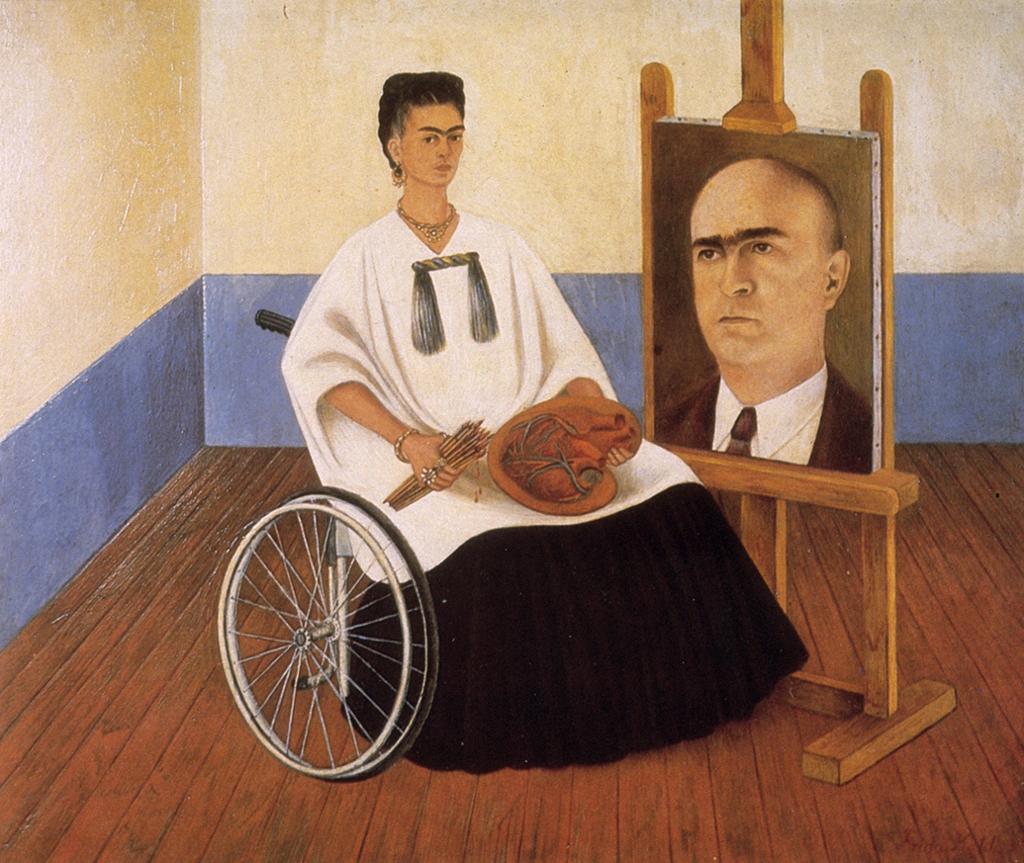
As ever, my favourite of her paintings are those which deal the most viscerally with her experiences of personal trauma – both the bus accident which crippled her for life, and the series of miscarriages which resulted, as well as her painful experience of Rivera’s relentless infidelity. This may make me morose, even morbid in my preferences, but then it was Frida’s works which first inspired me to commit my own life-changing accident to canvas.

Frida’s visceral pain-filled works

Frida-Kahlo-Henry-Ford-Hospital-1932 The-Broken-Column tumblr_lv2v44tlpg1qzse0lo1_1280 Frida-Kahlo_Self-Portrait-with-Dr-Farell kahlo-11

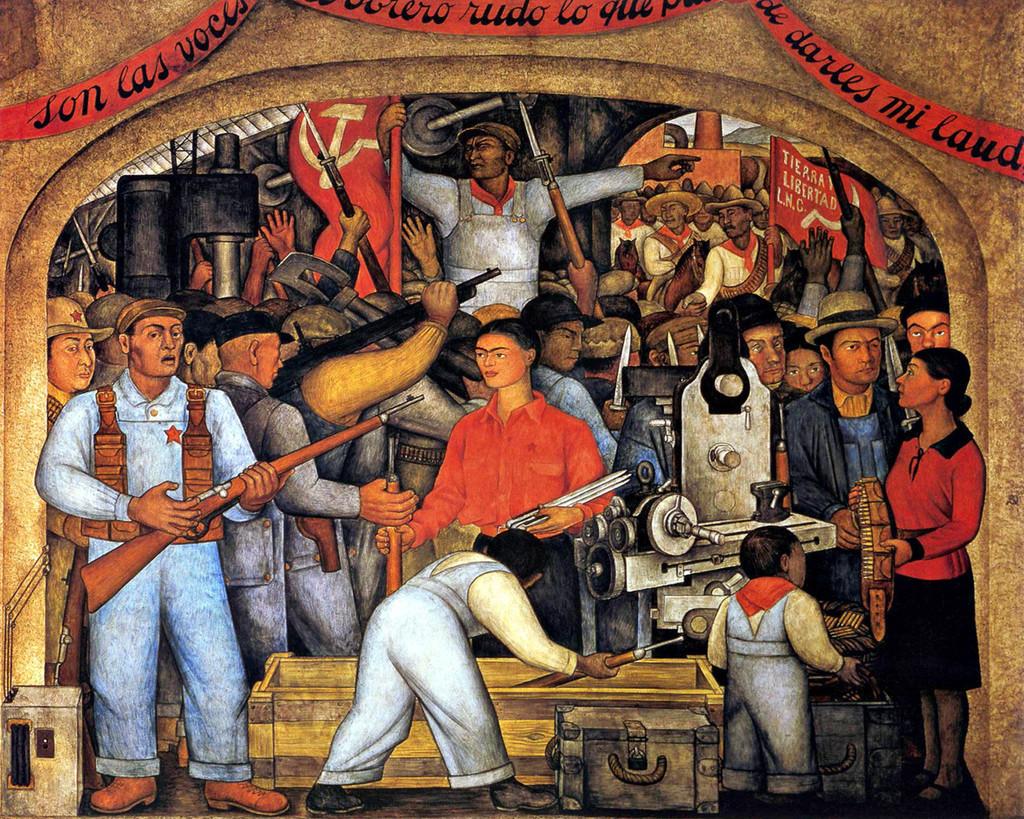
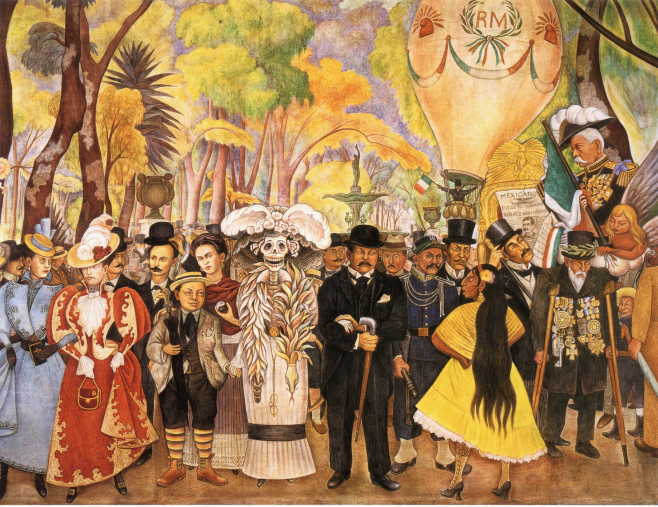
At the risk of being unfair to Rivera, of the canvases on show, a few stand out. I particularly enjoyed his cubist period when, as a young man, he found himself influenced by the early advent of this movement in 1900s Paris. However for the most part, it is Rivera’s murals which are his staggering life’s masterpieces, and sadly, despite some attempt at reproduction in the exhibition, these will require a trip to Mexico to be enjoyed to the full.

Rivera’s murals

diego_rivera_distribution_arms_canvas_print_9a Rivera_AlamedaPark mural(2)

That said, this show, which is a unique opportunity to see both the works of husband and wife displayed alongside each other, is an indisputably unmissable opportunity to see the artistic fusion which these two icons of Mexican art produced during their years together. And, being as it is in the Orangerie, if you find the vitality of colour and the depth of emotional expression a little too much to muster, there’s always Monet’s ultimately calming waterlillies to soothe you upstairs.

Frida Kahlo and Diego Rivera | Art in Fusion is on at the Orangerie until 13 January 2013. If you want to avoid the vast queues which characterise all of the Paris exhibitions, I recommend buying tickets in advance.