Skip to content

Posts tagged ‘Art’

Magnificent Milano (Part 2): Da Vinci’s fading masterpiece

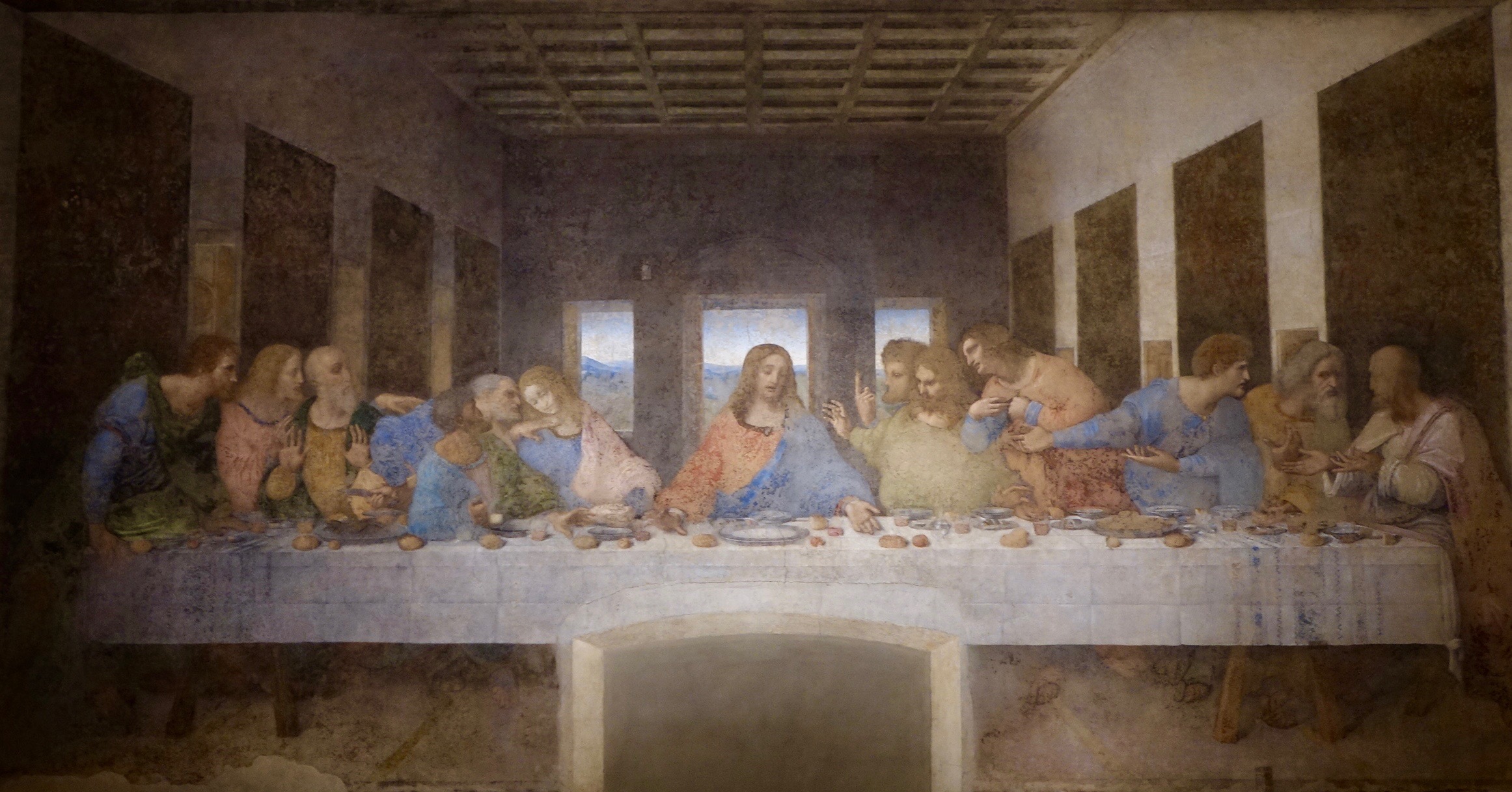
Despite its bustling, cosmopolitan centre, its soaring modern skyline and fashion boutiques paving the way of global style, Milan is a city with a rich historical heritage equal to any other city in Italy, and with an artistic treasure to rival the very best. Far less accessible than the Botticelli’s and the Michelangelo’s it may be, but Milan’s offering is considered by many to be one of the most significant and symbolically loaded works in all the history of art: I am of course talking about The Last Supper, by Leonardo da Vinci.

Yet this work, renowned though it is, has had a troubled past. Fated to bad fortune from the outset when Da Vinci experimented unsuccessfully with a fresco technique which started to deteriorate away from the surface of the wall within years of its completion, the fresco has fallen swift victim to both the ravages of time, and the additional disasters of war, including a near miss bombing and exposure to the elements when the buildings around the fresco found themselves in the direct path of the same air raid.
DSC08875DSC08900DSC08890

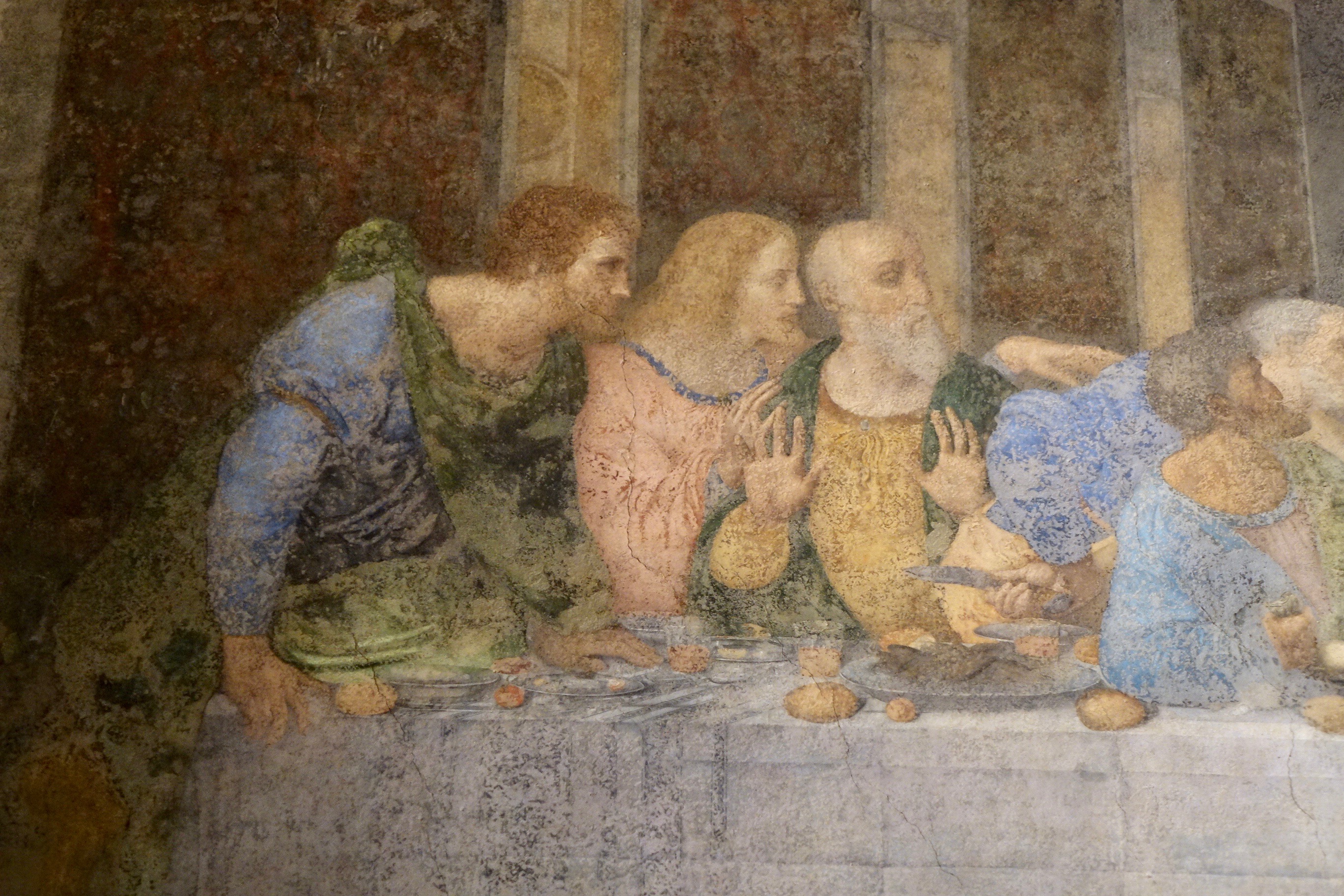
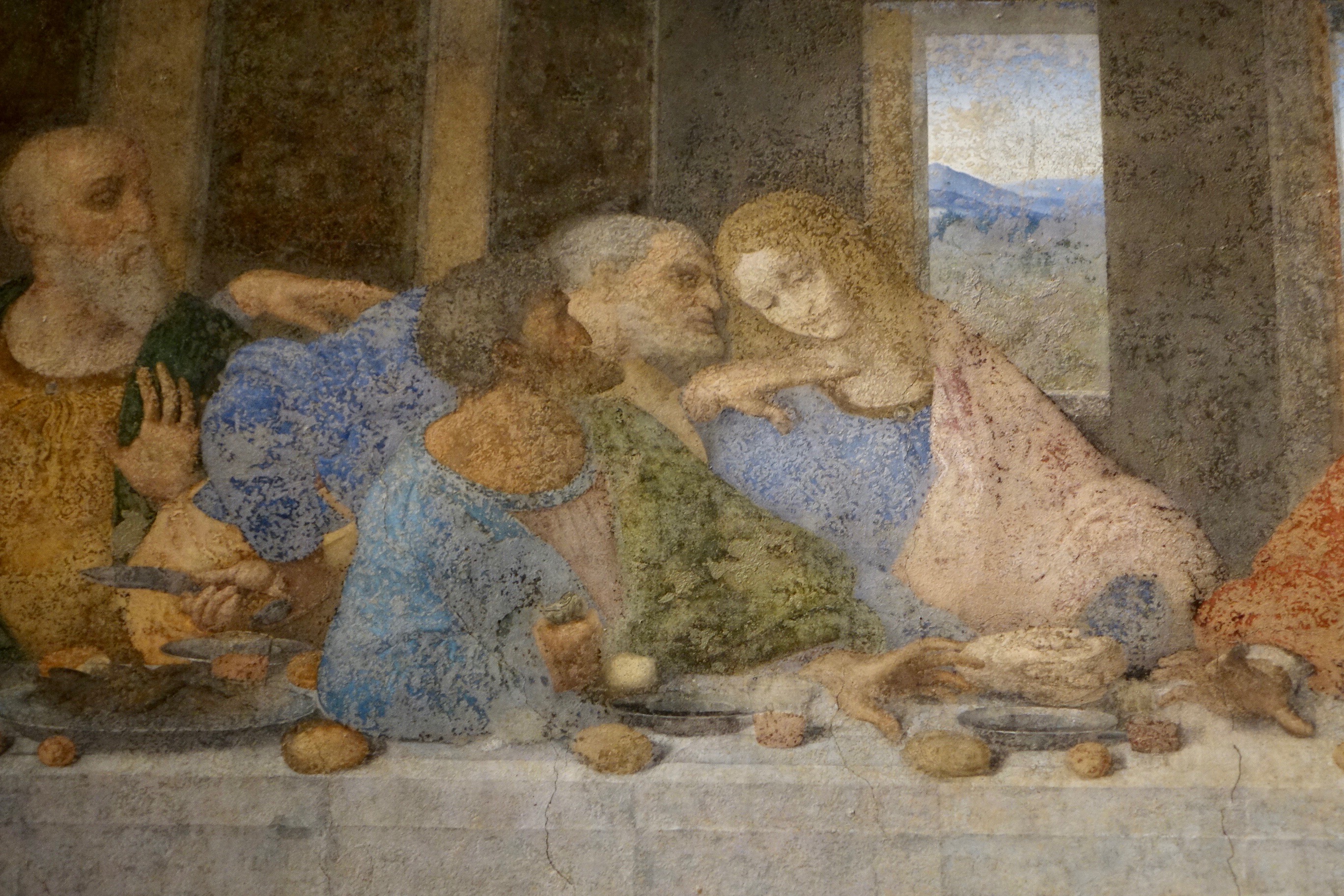
All this means that a visit to see Da Vinci’s fresco is a unique experience. First of all, getting your hands on a strictly time-controlled ticket is almost like seeking out the very same holy grail which author Dan Brown will tell you the painting is subliminally intended to represent. With ticket in hand, you and a small group of other ticket holders will then be taken through a series of air-controlled vacuum chambers, each set of doors opening successively upon another, incrementally purifying the elements to which the crumbling fresco is exposed. Finally, you enter the main refectory of Santa Maria della Grazie, where the first sight of Da Vinci’s Last Supper feels all the more surreal by virtue of the effort required to get there.

The visitor controls ultimately make the 15 minutes you get to spend with the painting a pleasurable experience, just because the numbers allowed into the refectory at any one time are small indeed. This makes for an intimate encounter with one of the world’s most recognisable images. Yet no matter how familiar the subject, little can prepare you for the impact which the full scale image will have, nor the shocking state that the fresco betrays upon closer inspection.

DSC08883DSC08887DSC08889

What we see today really is a mere shadow of what once was. The fresco appears so badly flaked that a gust of wind could shake half of it away like fallen leaves in a first gust of autumn. In places, nothing but a mere outline of what was remain. In others, the retention of more detail, such as on the folds of the tablecloth, offer a tantilising glimpse of the wealth of colour and composition that the work would have once boasted.

For me, the fresco feels like an allegorical narrative of something beyond the simple depiction of the last supper. The reactions of the protagonists feel stilted, almost mannerist in their exaggerated expression, suggesting that Da Vinci has attempted to go beyond the simple story of the last supper and is hinting at meanings beyond the surface. Yet beyond this surface there is very little to behold but a crumbling wall, as we are forced to see one of art history’s most significant masterpieces slowly deteriorate to dust. It’s why this painting should be a must-see for any art history buff, and prioritised before its condition worsens yet further.

DSC08907

© Nicholas de Lacy-Brown and The Daily Norm, 2011-2018. Unauthorised use and/or duplication of the material, whether written work, photography or artwork, included within The Daily Norm without express and written permission from The Daily Norm’s author and/or owner is strictly prohibited.

Florence, Land of the Medici (Part 3): The Gozzoli Chapel

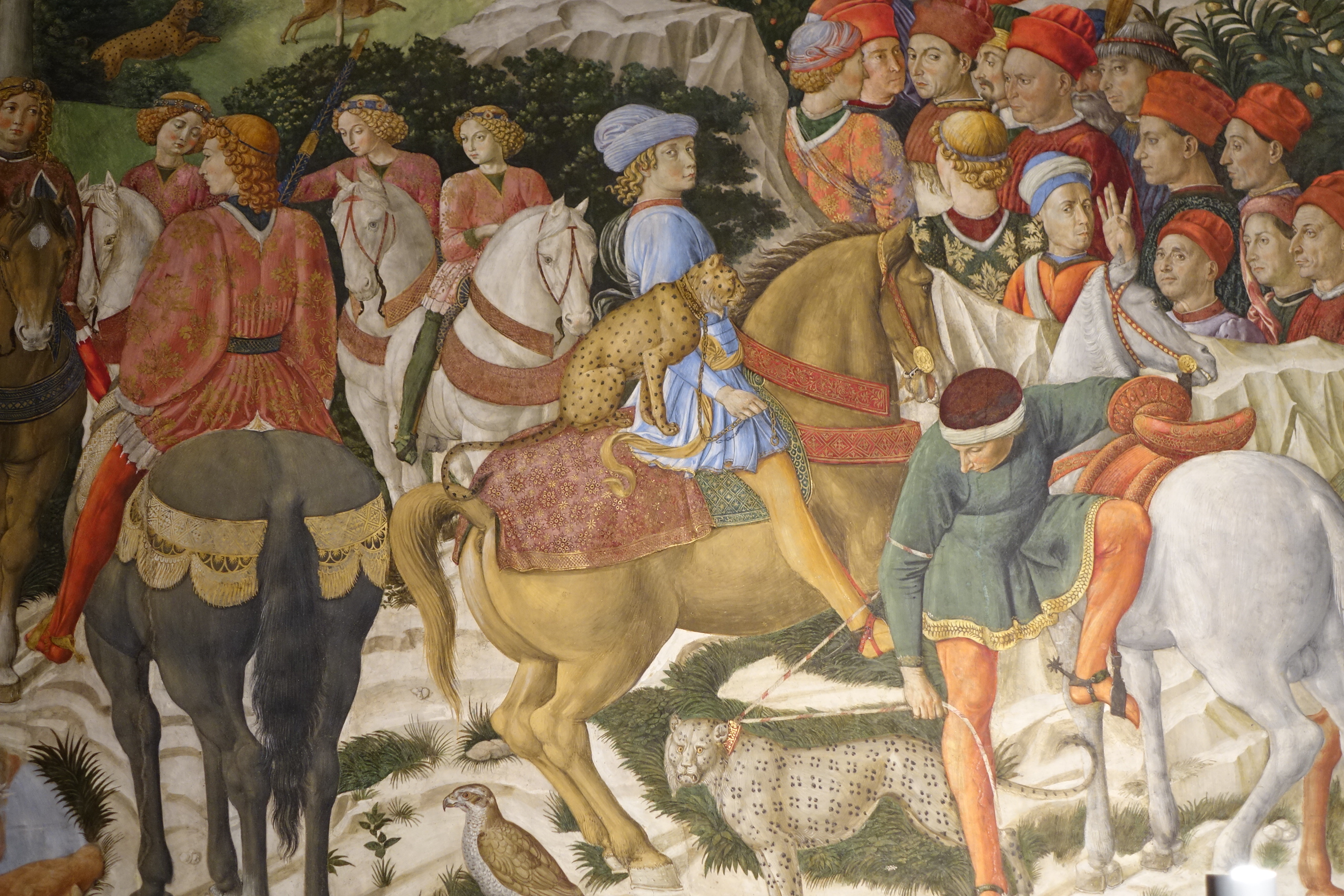
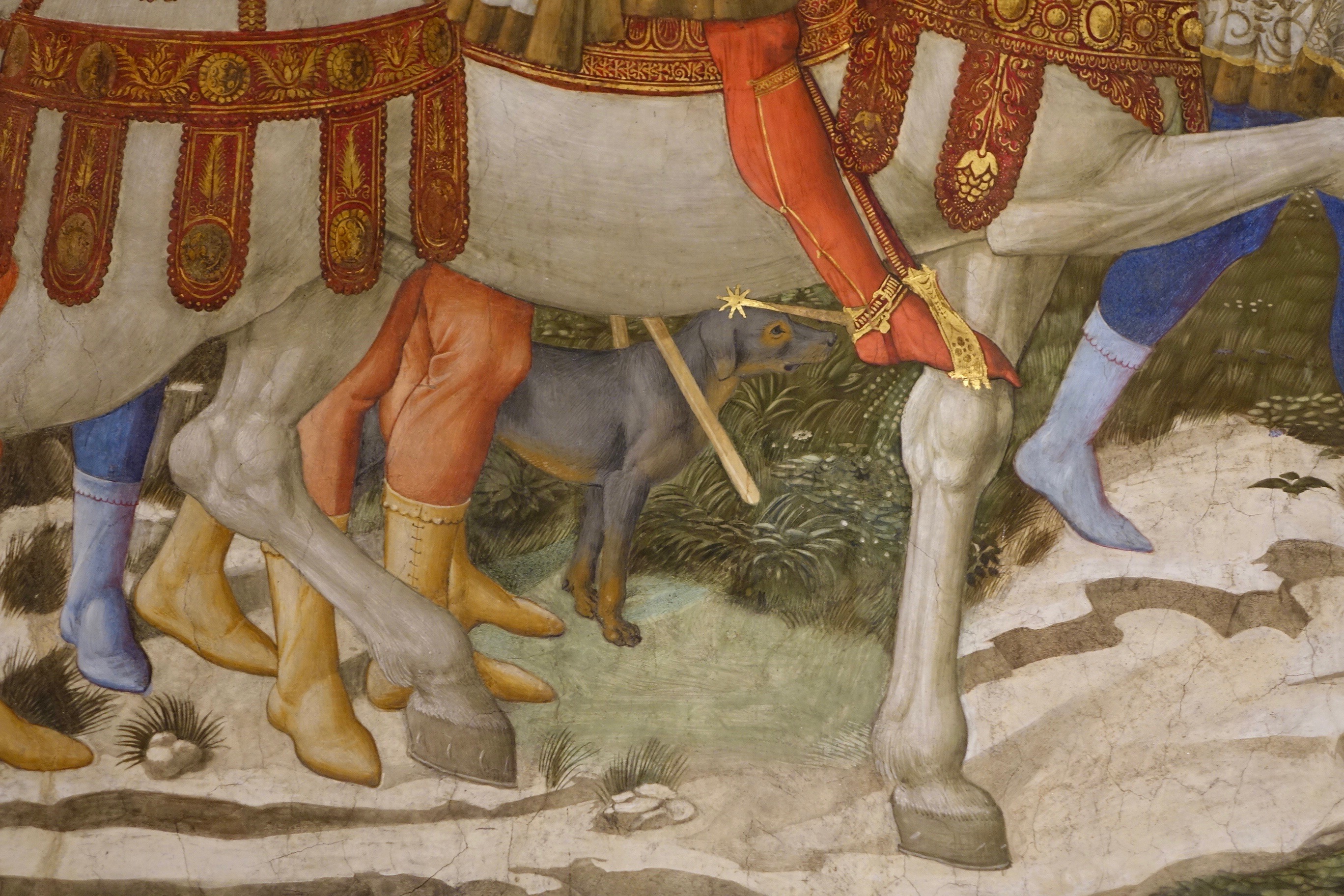
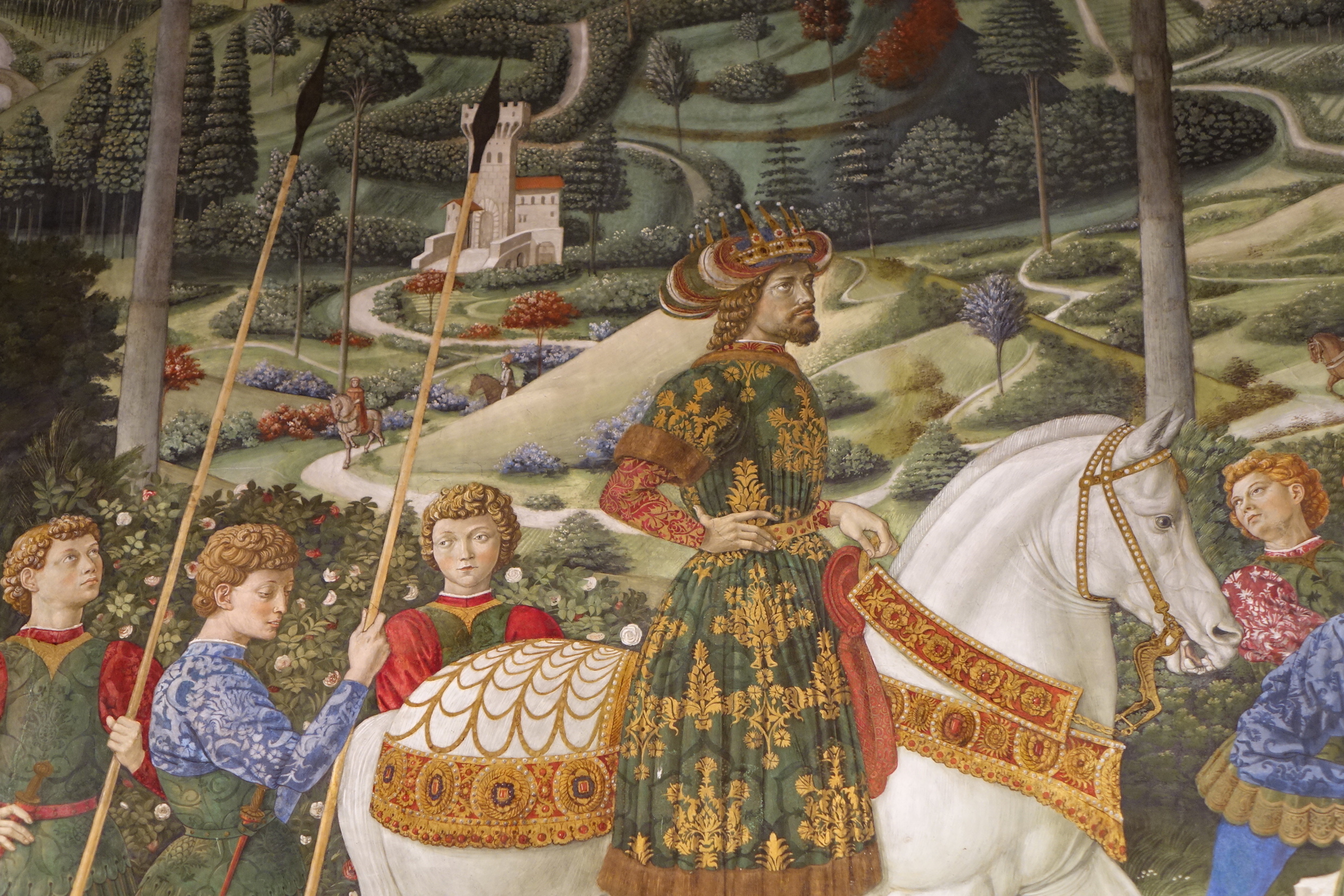
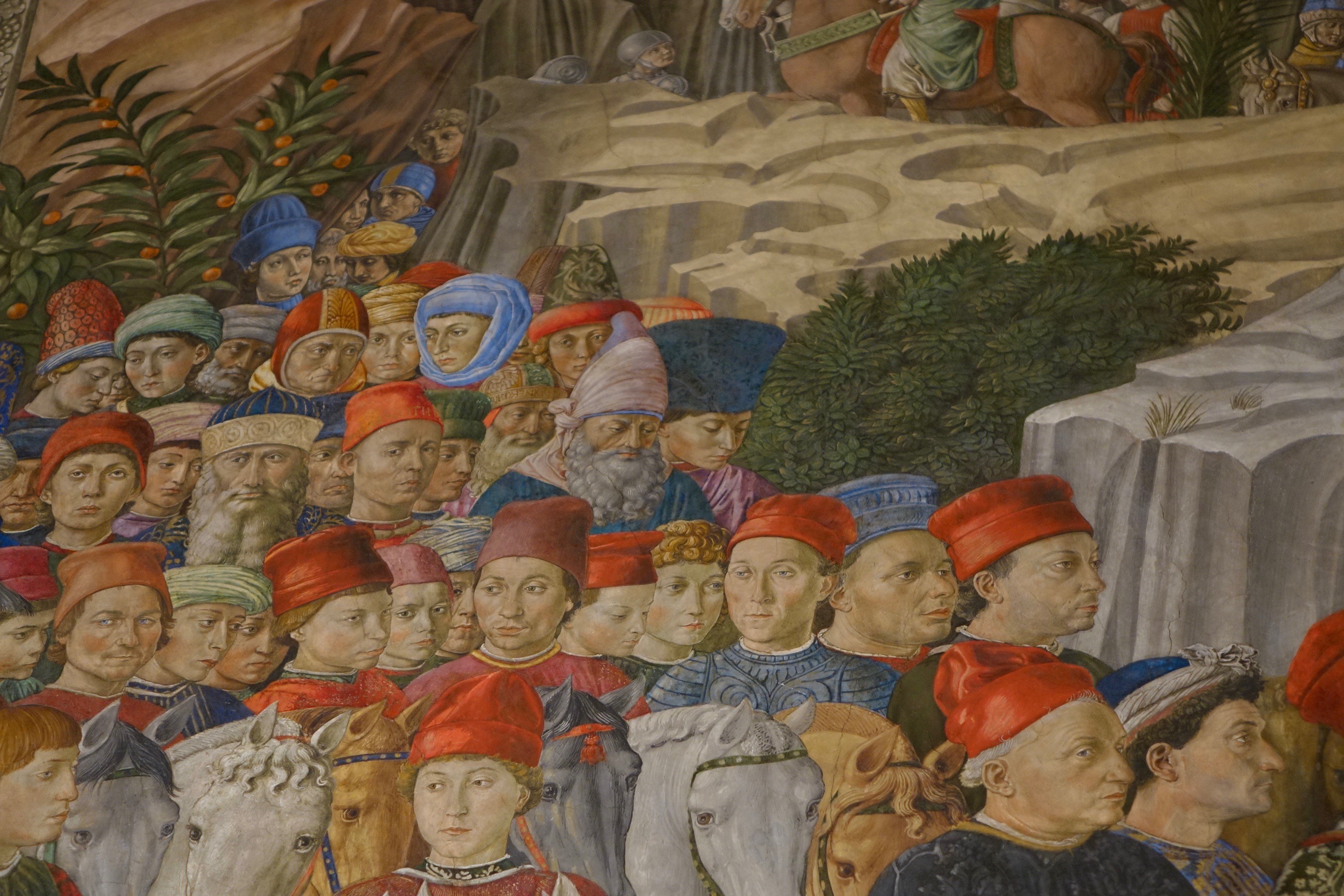
Attempting to highlight one work of art in the vast collection amassed by Italy’s most famous Renaissance patrons, the Medici dynasty, is rather like choosing one golden bean from a bag of thousands. The Medici family brought together such a hoard of masterpieces that one could choose a different highlight for each day of the year, and never run out during the course of an entire lifetime. But certainly one of the most enchanting of the works commissioned by the family is one which says Medici like none other, a masterpiece of colour and figuration which is unapologetic in its glorification of the entire Medici clan. I am, of course, talking about the fresco series painted by one Benozzo Gozzoli and depicting the journey of the Magi in all its magical splendour.

DSC08389DSC08392DSC08396

Entirely covering the walls of the private chapel of the Palazzo Medici, close to Florence’s Duomo, the Gozzoli fresco must surely be one of the most magnificent examples of Renaissance decoration ever conceived. Its location deep within the mammoth fortress-like pietra-forte walls of the Medici’s palace makes the chapel conceivably missable by those unaware of its existence (I am lucky enough to enjoy the highly refined recommendations of my dear friend Charlotte, whose suggestions for art historical treasures always hit the spot), but has also been the source of its superb condition, protecting the inherently delicate surface of the fresco from the elements. Only structural changes to the chapel when a new owner, the Riccardi family, took over the palace in the 18th century, caused damage to the fresco when an entire corner was moved inwards to make way for a staircase, spoiling the perfect symmetry conceived for the original cycle. However, what remains today is nonetheless a feast for the eyes, and frankly my photos don’t do it justice.

DSC08414DSC08393DSC08390

Gozzoli’s fresco is both a perfectly festive narrative of the Three Kings’ journey to visit the newly born Jesus, but also a wonderfully characterful portrait of the Medici family and their magnificent entourage. There you can find an idealised cherub-like portrait of what was, in reality, a rather ugly Lorenzo the Magnificent. The original father of the Medici tribe, Cosimo the Elder is also in the crowd, together with Pietro the Gouty and Lorenzo’s assassinated brother, Giuliano. Quite asides from the portraits, I adore the colours – unapologetic homage is paid to cadium reds and ultramarine blues, verdant green landscapes and cool grey rocky outcrops. The fresco is filled with little details – deer chased in a hunt, a pond surrounded by ducks and delicate birds, and hillsides rolling across valleys and peppered with trees of every shape and size.

DSC08379DSC08395DSC08378

Moving across all four walls of the chapel, Gozzoli artfully steers the viewer along the course of the mountain road, encouraging your eye to follow the route of the Magi and so feel immersed in their same magical journey. The result is the sensation of being not in a tiny chapel, but out in the open air enjoying the Tuscan countryside with these magnificent looking Medieval monarchs, filled with the excitement of the birth of this new Messiah.

How many relics from the 1460s have such a transformative effect and contemporary feel? So often the age and condition of Renaissance works predicates against total engagement of the kind intended by the artist at that time. It’s too easy to be distracted by the signs of age, by the cracks and the mildew. But like the perfectly conceived David, Gozzoli’s work is another example of the immediacy and wonderful accessibility of Renaissance art when unimpeded by the deterioration of the years. It is a true gem of the Medici collection and an undisputed treasure perfectly preserved of the age. I can only thank Charlotte for recommending it, and suggest that all visitors to Florence make it an equal priority of their trip.

DSC08382

© Nicholas de Lacy-Brown and The Daily Norm, 2011-2018. Unauthorised use and/or duplication of the material, whether written work, photography or artwork, included within The Daily Norm without express and written permission from The Daily Norm’s author and/or owner is strictly prohibited.

Florence, Land of the Medici (Part 2): Michelangelo’s David

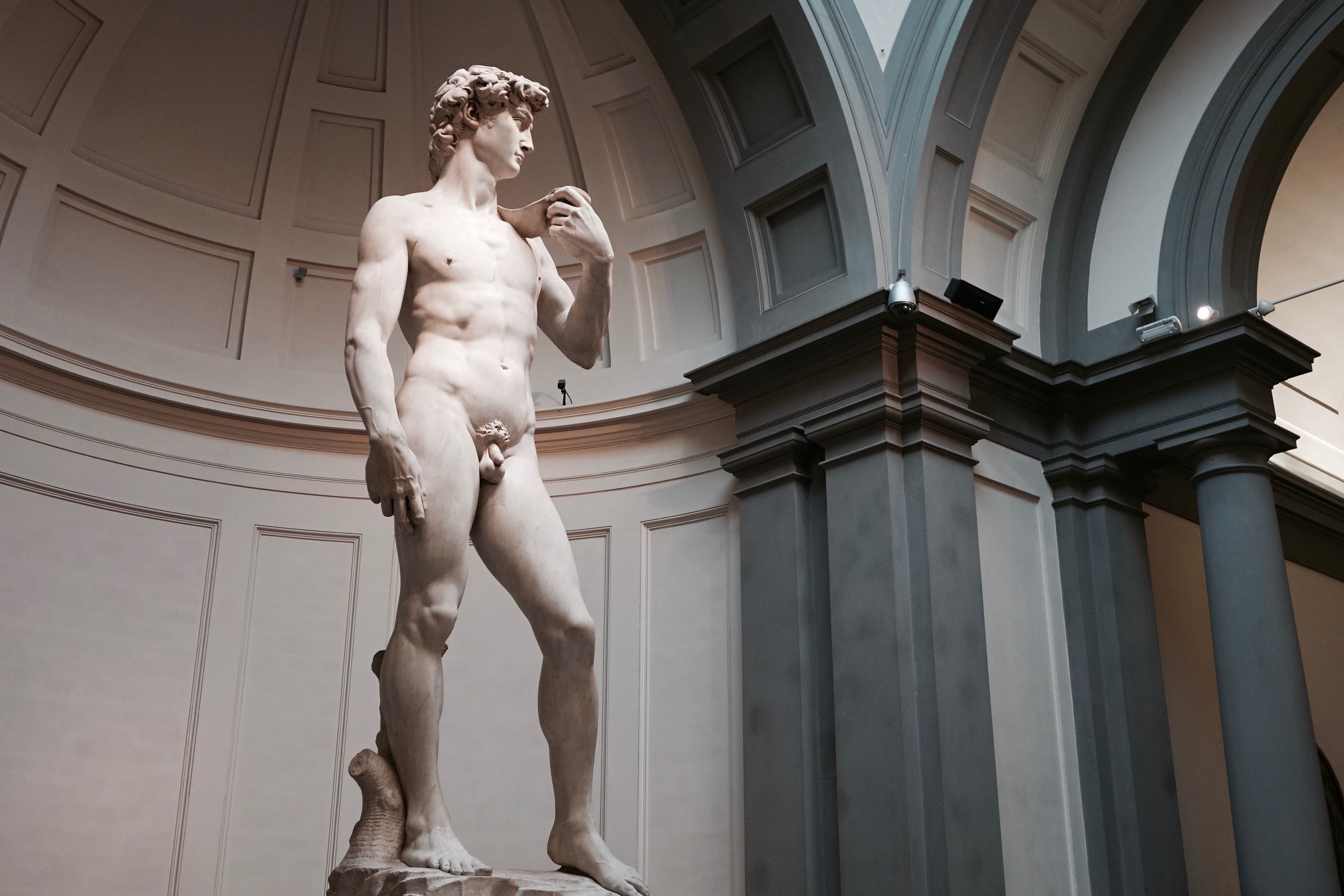
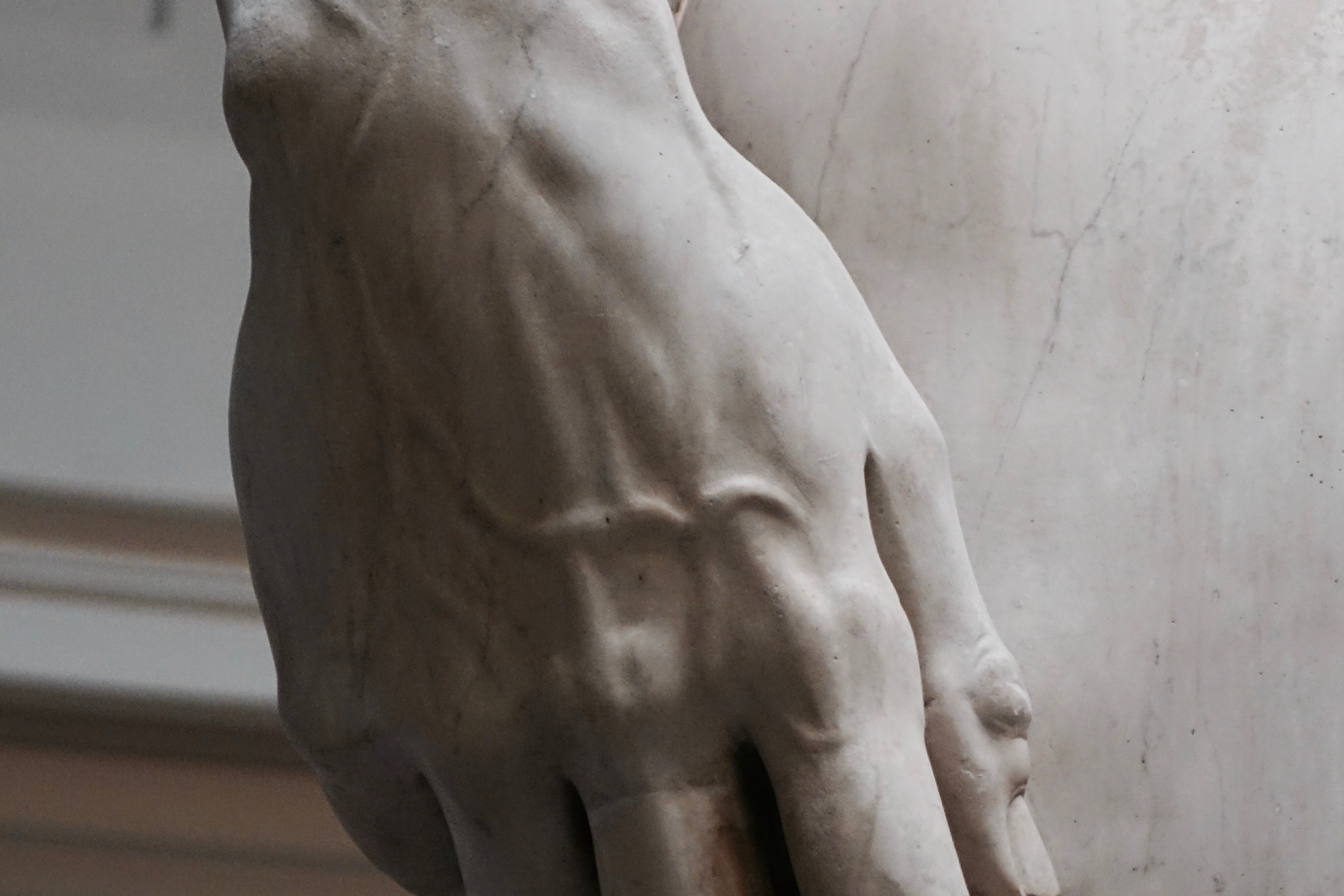
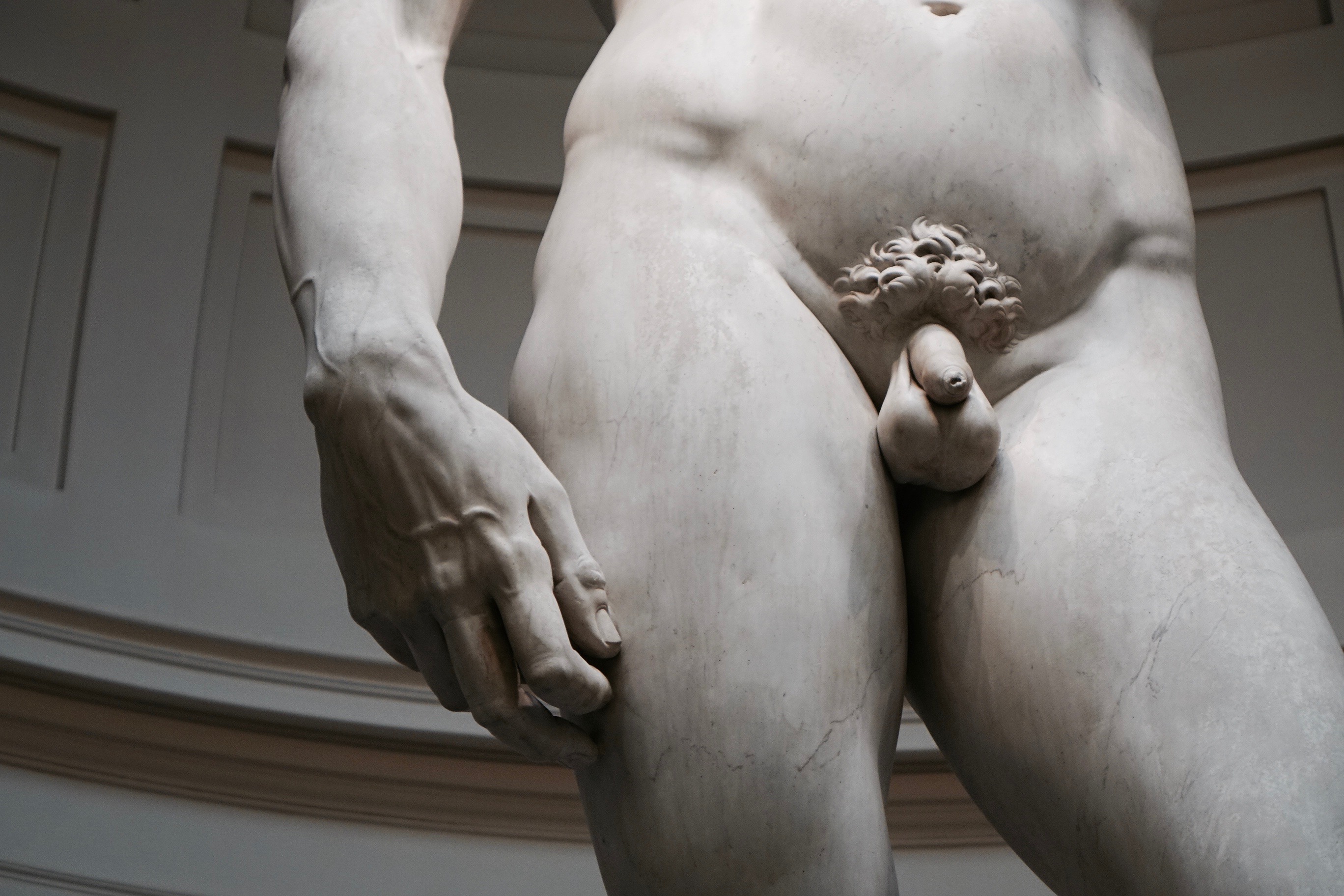
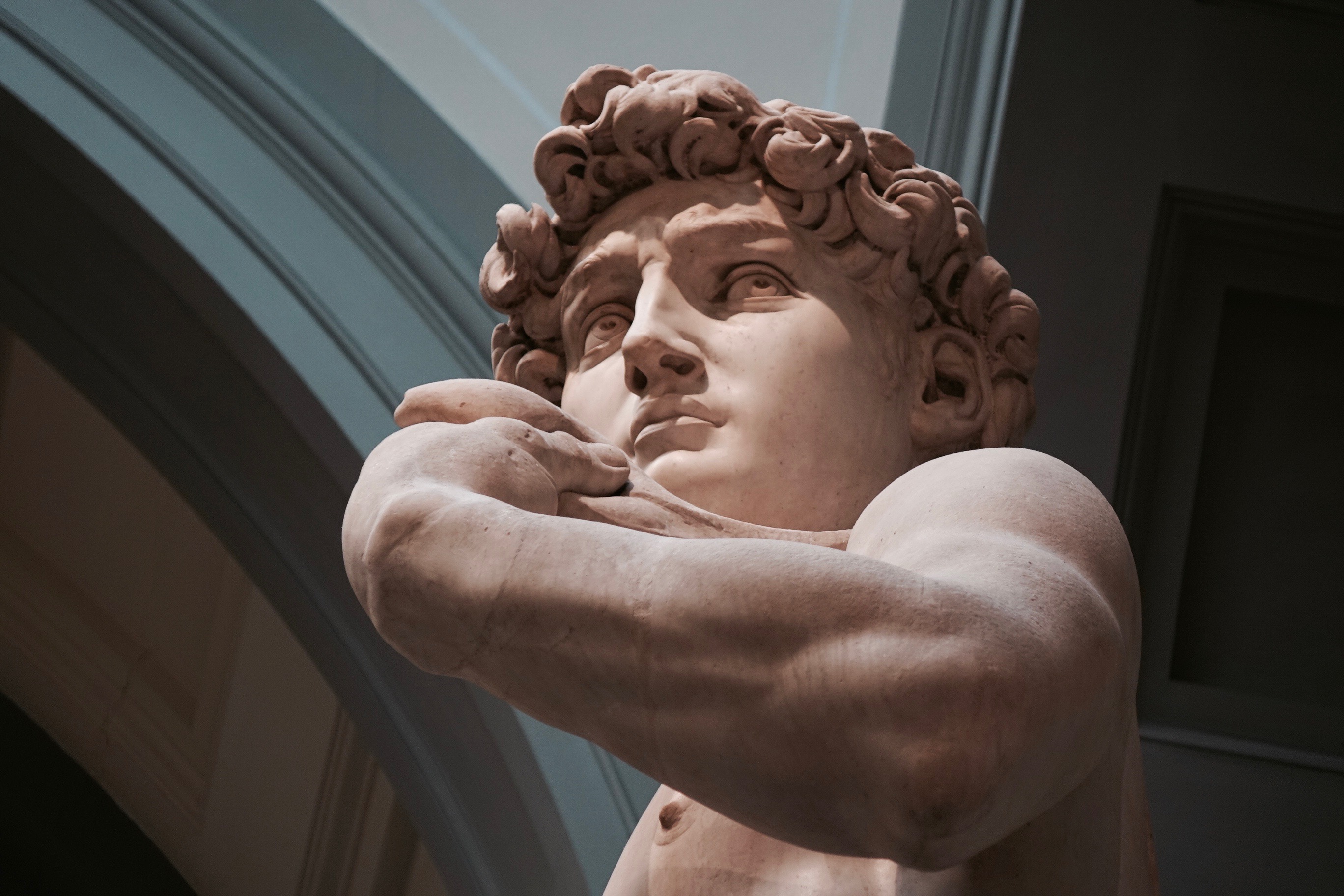
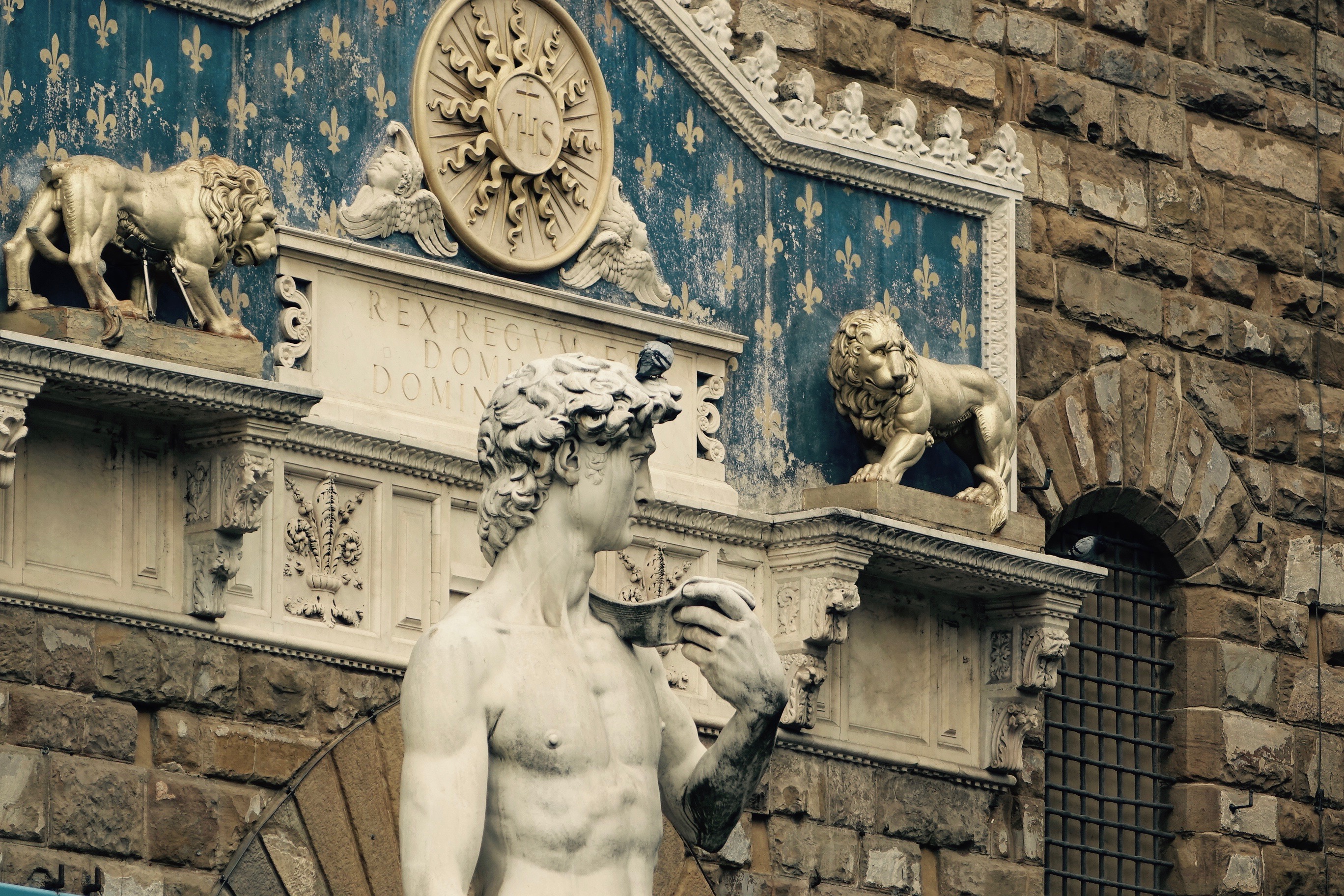
It is one of the most famous icons in all the history of Art, and one of the world’s undisputed masterpieces of sculpture. Michelangelo’s David must have been reproduced more than any other statue across the globe: You’d be hard pushed to find a garden centre which didn’t contain a moss-covered replica, or an Italian souvernir shop which didn’t have a panoply of aprons focusing on David’s genitals, keyrings of the same, and your own personal desktop David in every size and colour variation. Yet despite it’s high visibility, nothing can prepare you for seeing the real thing. Nothing.

DSC08297DSC08285DSC08306DSC08302DSC08284

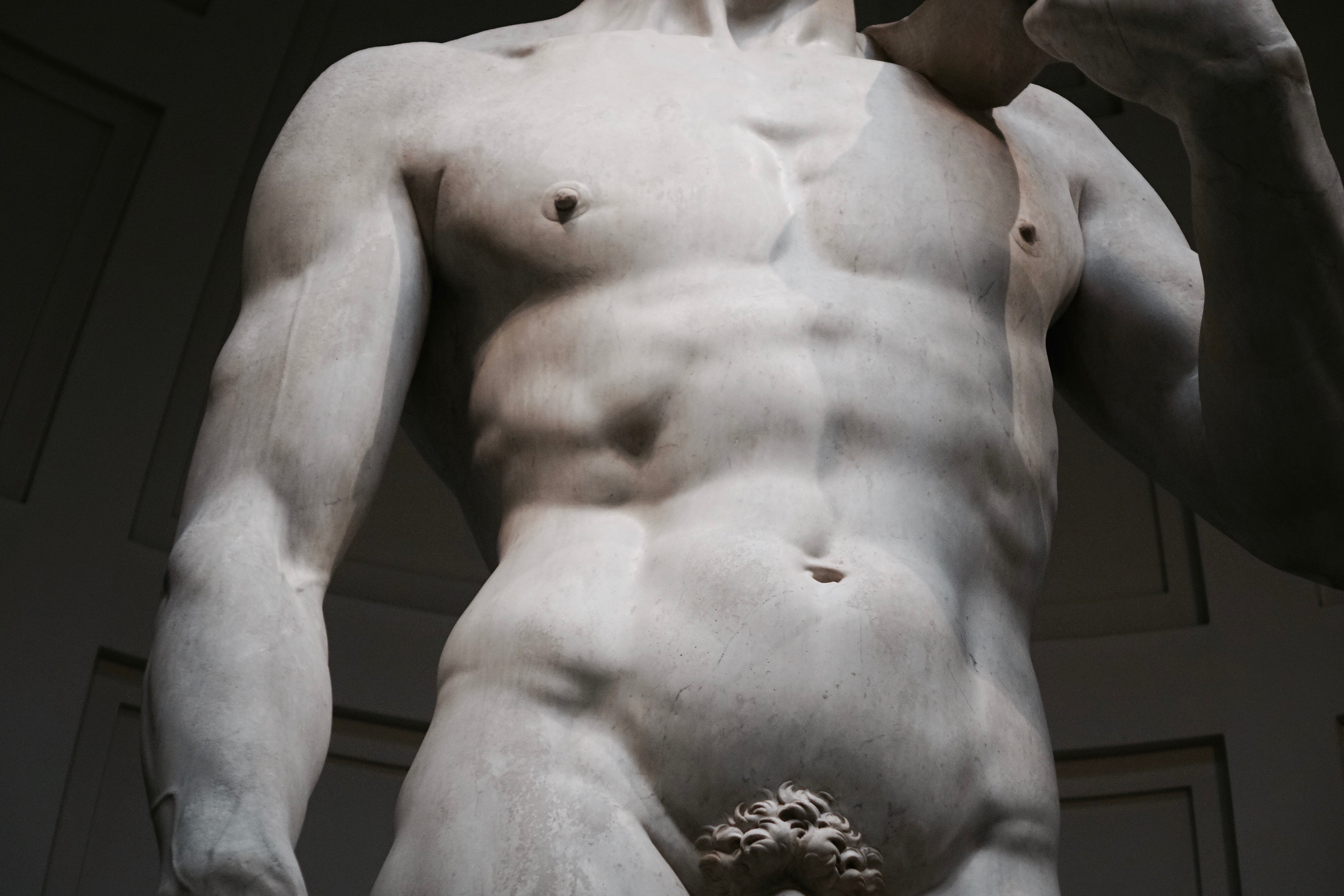
I remember the moment of my first acquaintance with David when I studied art history in 2001. It was the day I was least looking forward to, since I thought David was too well-known and obvious to excite. But when I saw the original, the huge vast scale of it, the sheer perfection of his exquisitely sculpted flesh in marble, it made me cry. I stood before that masterpiece completely enraptured. And I have looked forward to making a second acquaintance ever since. Some 16 years passed before I could see David up close again, but as these photos show, he inspired me every bit as much on this second visit, and I took a long and happy pause to revel in every details of Michelangelo’s impossibly perfected magnum opus.

DSC08307DSC08293DSC08289DSC08345

Created between 1501 and 1504, David is the work not of an experienced sculptor at the height of his game, but of a junior Michelangelo in the early years of his career. Much nurtured by his patron, Lorenzo (the Magnificent) di Medici, Michelangelo enjoyed a swift rise to fame, but his talent was the true driver, something which was never so brilliantly exhibited as in the creation of this perfect nude. The work is yet more incredible when you consider that Michelangelo first had to sculpt around the previous abandoned attempts made by two other sculptors on the same block of marble. He also had to make the best of this mammoth hunk of stone which had suffered notable deterioration during the 26 years when it had lain abandoned in a sculptural workshop, exposed to the elements. But as Michelangelo always said, he did not create sculptures, but simply freed them from the marble. And with David, he gave liberty to the most perfectly formed being ever seen in the history of art.

DSC08338DSC08336DSC08328DSC08322

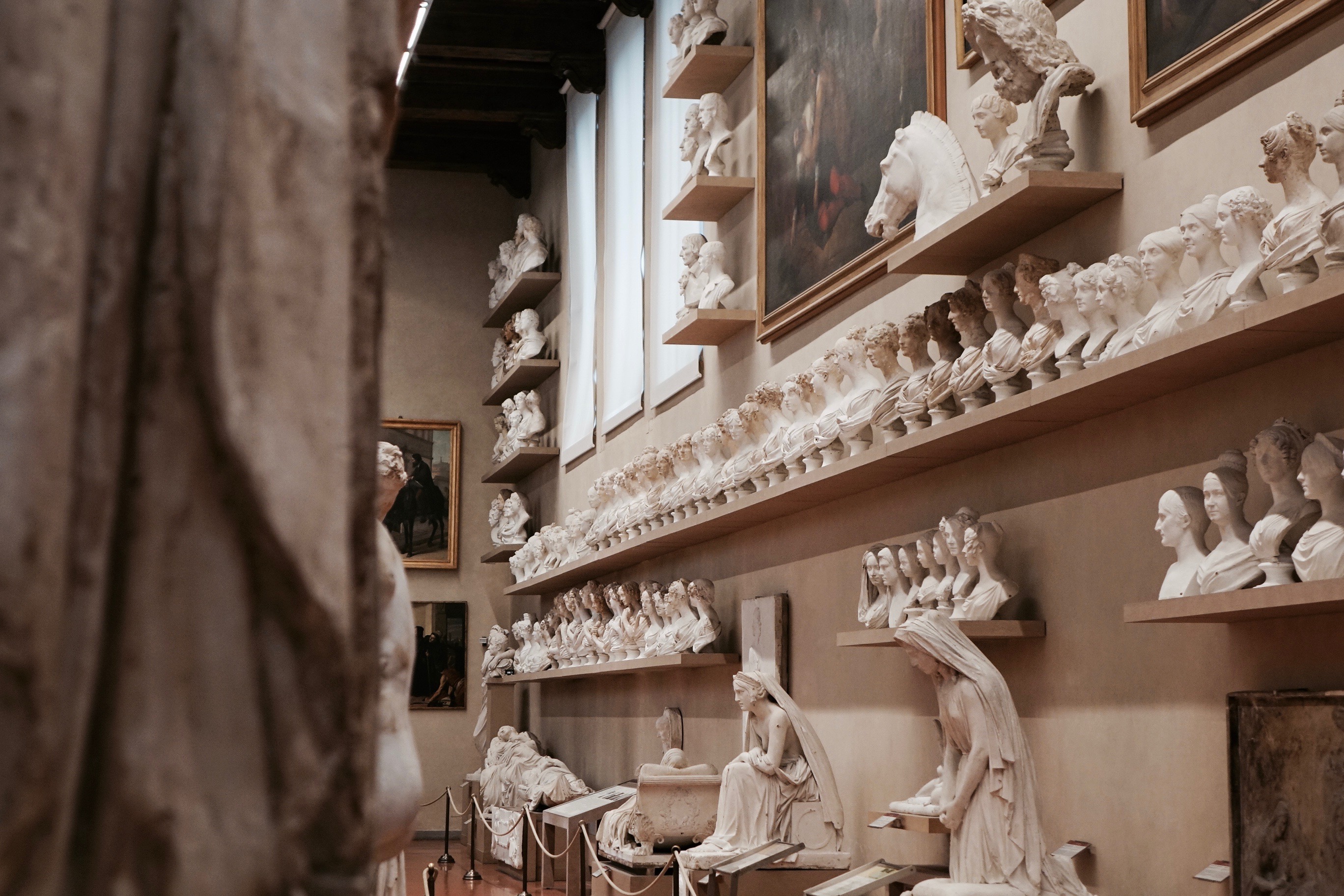
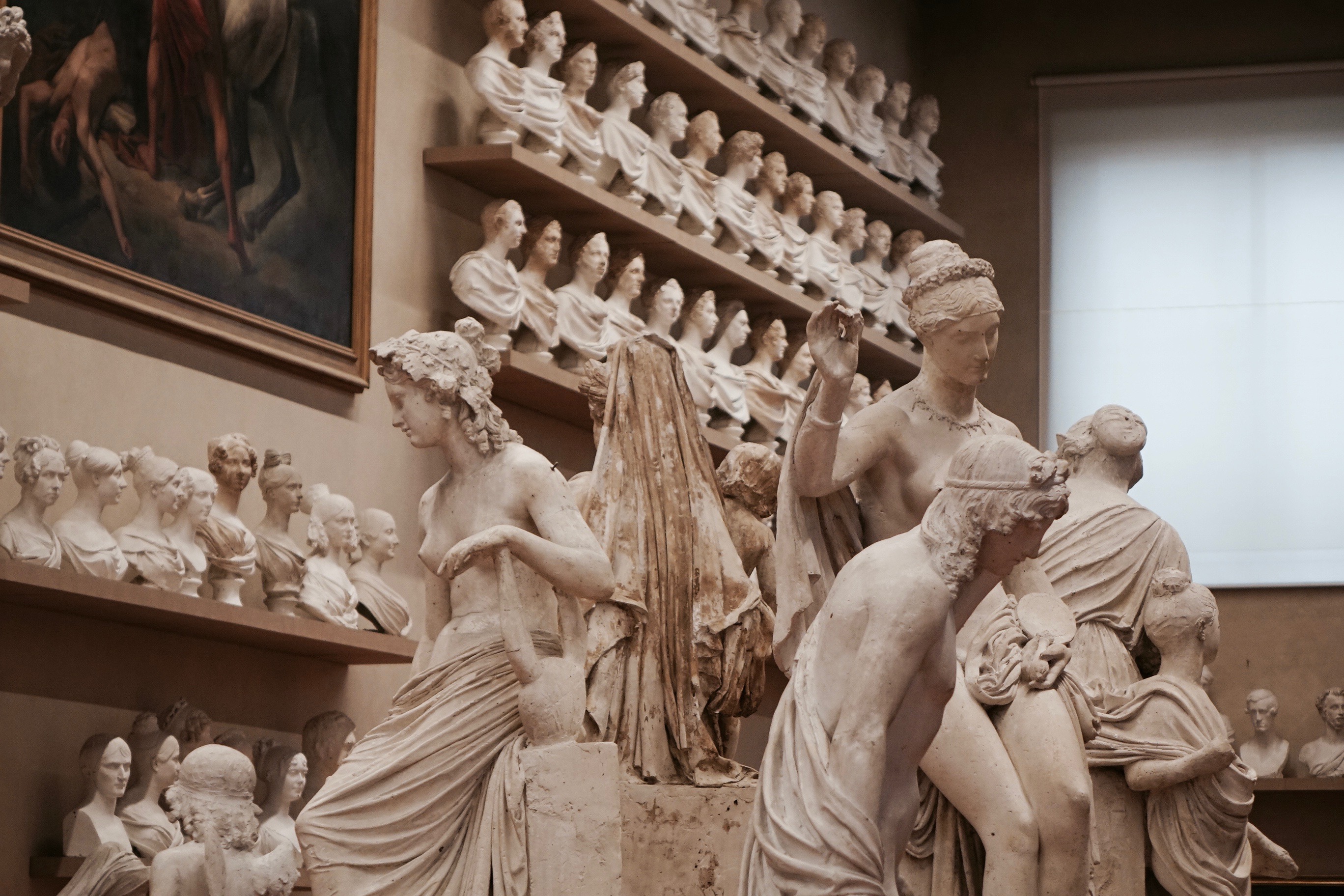
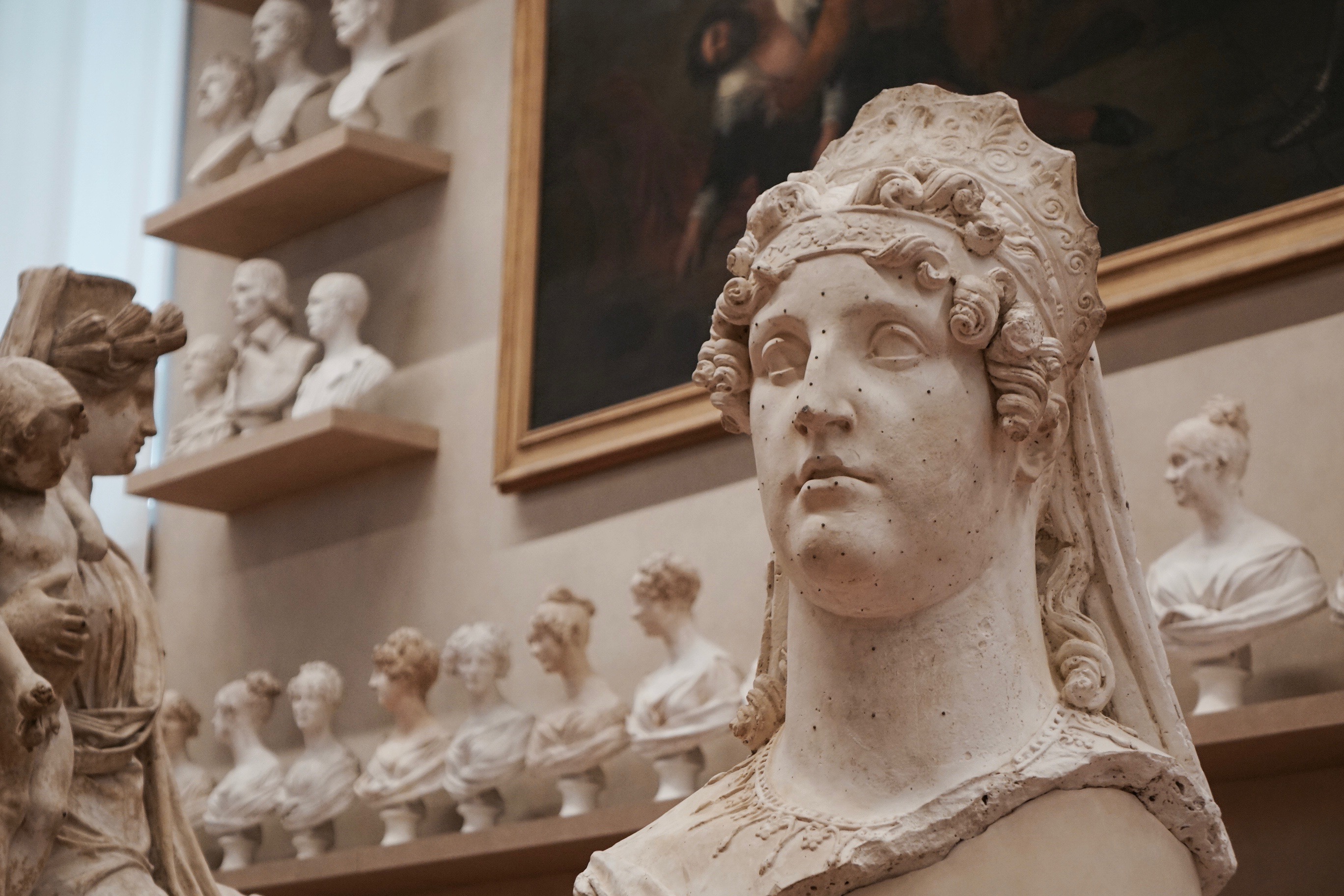
Of course David is not the only gem to be discovered in the Accademia Gallery where he can now be found. There reside a number of the unfinished Michelangelo’s sculptures commenced in anticipation of the great Pope Julius II tomb of which the sculptor’s famous Moses was also intended to be part. Likewise there is a room loaded full of plaster casts, all of which were used to give instructions to fellow scuptors who, like Michelangelo, would come to emerge from this indubitable city of the rebirth of Art. All of it makes a visit to the Accademia gallery a must, but book online to avoid the queues – it’s well worth the not waiting :-).

DSC08320DSC08318DSC08317DSC08315

© Nicholas de Lacy-Brown and The Daily Norm, 2011-2018. Unauthorised use and/or duplication of the material, whether written work, photography or artwork, included within The Daily Norm without express and written permission from The Daily Norm’s author and/or owner is strictly prohibited.

Florence Nocturne

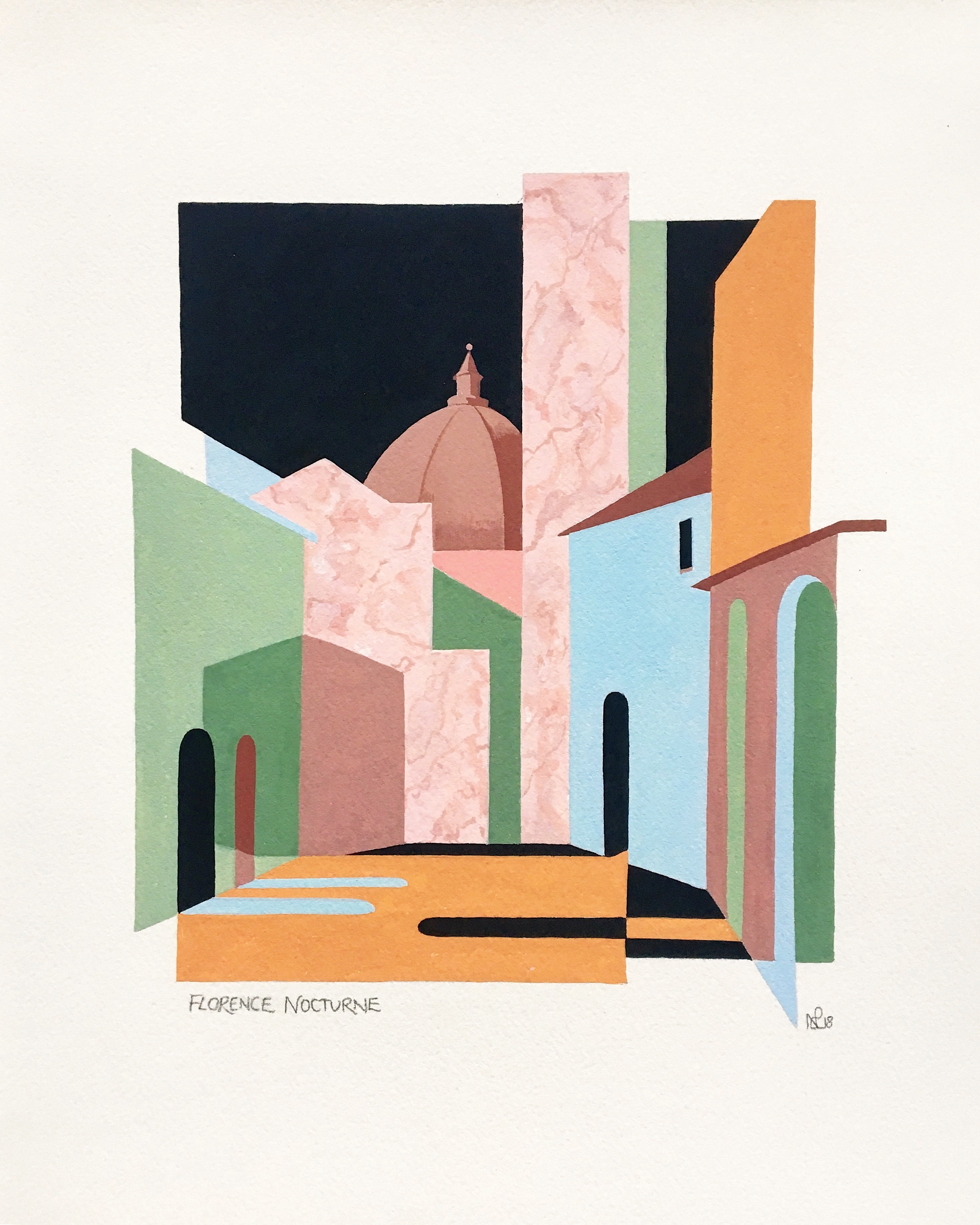
The inspirational capability of Florence is extreme. There is no doubting the city’s role in the rebirth of art in the western world and its transformation into the greatest proliferation of creativity seen since the age of antiquity. So there can be no surprise that it has inspired artists to paint, draw, sculpt and write ever since. I could paint the city endlessly. But time never stands to indulge me. I had time for just one small gouache, hastily designed on the train from Florence to Milan, but executed when time allowed me to reflect on the pastel shades and Renaissance brilliance of that impeccable city.

Florence Nocturne

Florence Nocturne (©2018, Nicholas de Lacy-Brown, gouache on paper)

My work, Florence Nocturne, is like a musical homage to a city lost in the dream-world of sleep but whose elegant topography remains unchanged by the twilight. It mirrors the city with simple lines – it was after all a city known for the relative austerity of its grandeur compared with the later embellishments of baroque Rome and romantically Gothic Venice, and its palette reflects the pink and green marble of the ornamental Duomo.

It captures the moment when the tourists have gone home and the city sleeps, but its pearly white facades remain aglow against the dark night sky. It is my poetic dedication to Florence, the city which inspired the greatest lights of Art, and which has continued to ensnare new generations of creatives ever since.

© Nicholas de Lacy-Brown and The Daily Norm, 2001-2017. Unauthorized use and/or duplication of the material, whether written work, photography or artwork, included within The Daily Norm without express and written permission from The Daily Norm’s author and/or owner is strictly prohibited. For more information on the artwork of Nicholas de Lacy-Brown, visit http://www.delacybrown.com 
Florence, Land of the Medici (Part 1): The Loggia dei Lanzi

I was in Florence in my imaginings, long before I set foot there on the eve of Christmas Eve. In the weeks preceding our trip, I had been variously transported to the great city of the Renaissance by Mary Hollingsworth, whose new revealing narrative of the Medici family enchanted me before I even turned to the first page. Charting the multiple highs and lows of a family who came to dominate the city of Florence and shape the very fabric of the city to their taste and fancy, the book reminded me that love them or hate them, without the Medici, Florence would never have become the gem which catapulted it to international fame and admiration.

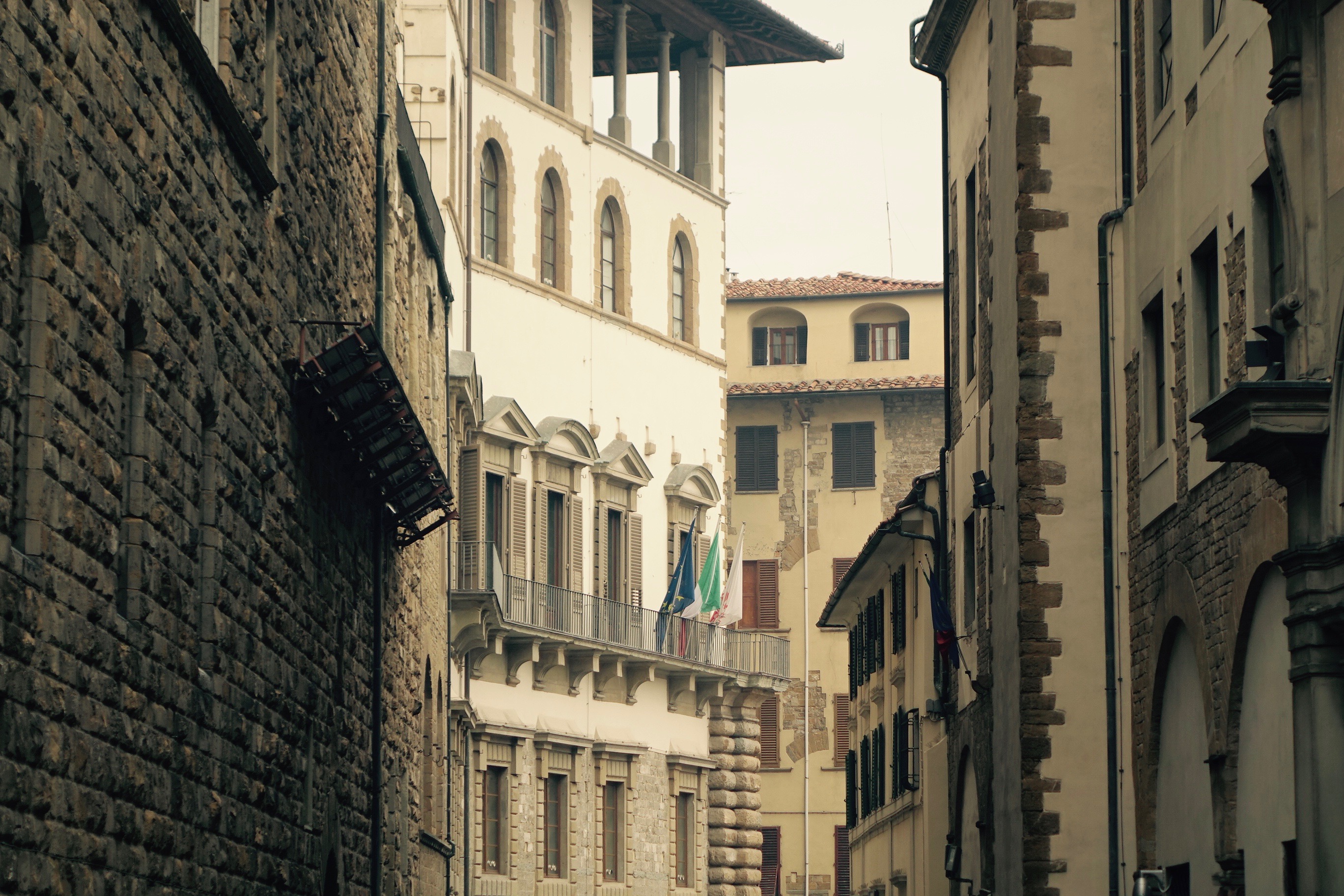
So when I returned to Florence for Christmas, my first visit in over six years, I did so with a mind filled to the brim with tales of the Cosimos and the Lorenzos, of the audacious Grand Dukes and their self-made apotheosis. And in such a state, I could not help but notice their stamp wherever I turned in the city. Barely a metre would pass without their family crest of the 6 balls appearing like an apparition on every stone and surface of Florence. And in striving to fill my trip with some of the city’s greatest masterpieces of art, I was of course undertaking an inadvertent journey along the road of great Medici patronage which, most will agree, underpinned the birth of the Renaissance and promoted artistic excellence to new heights.

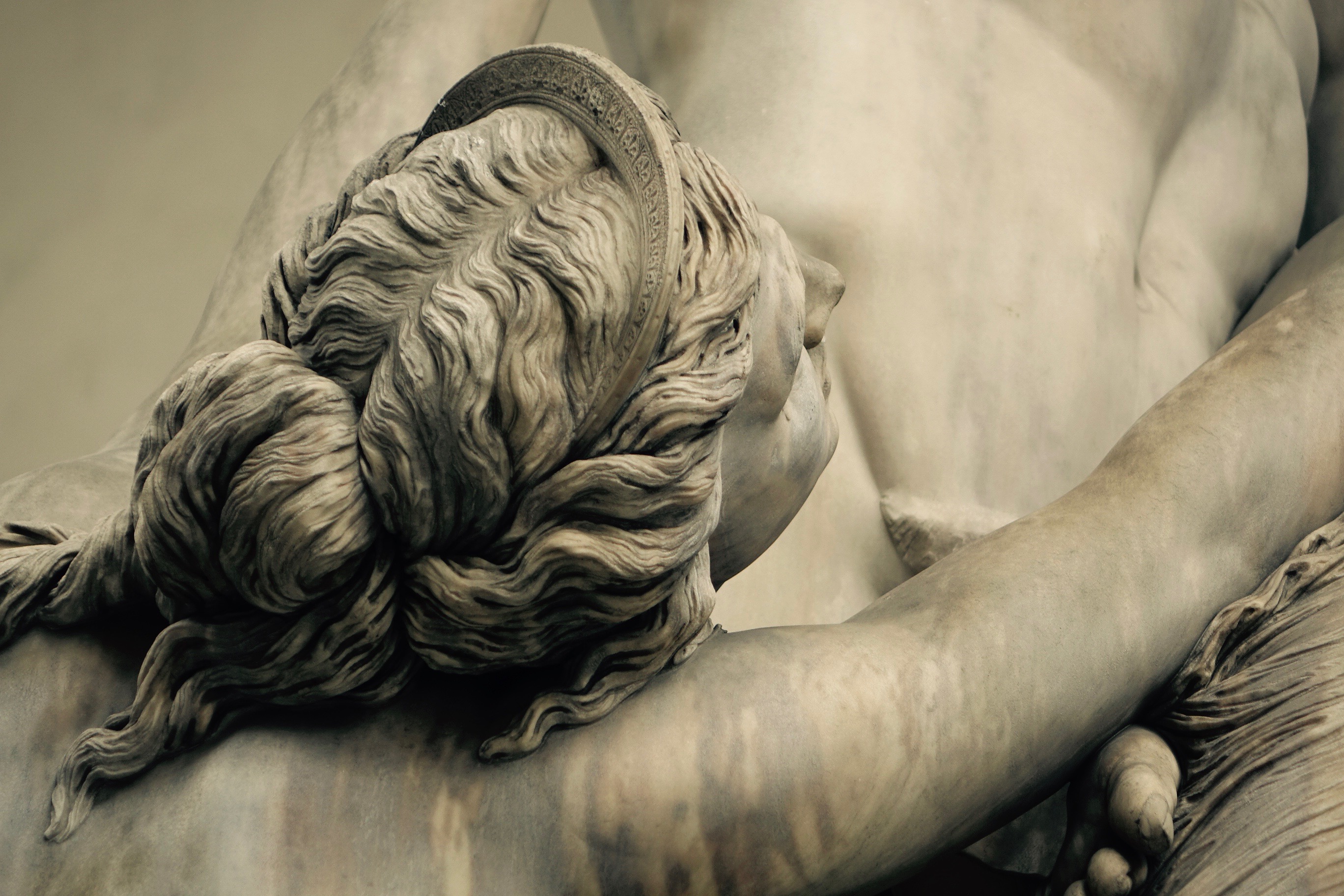
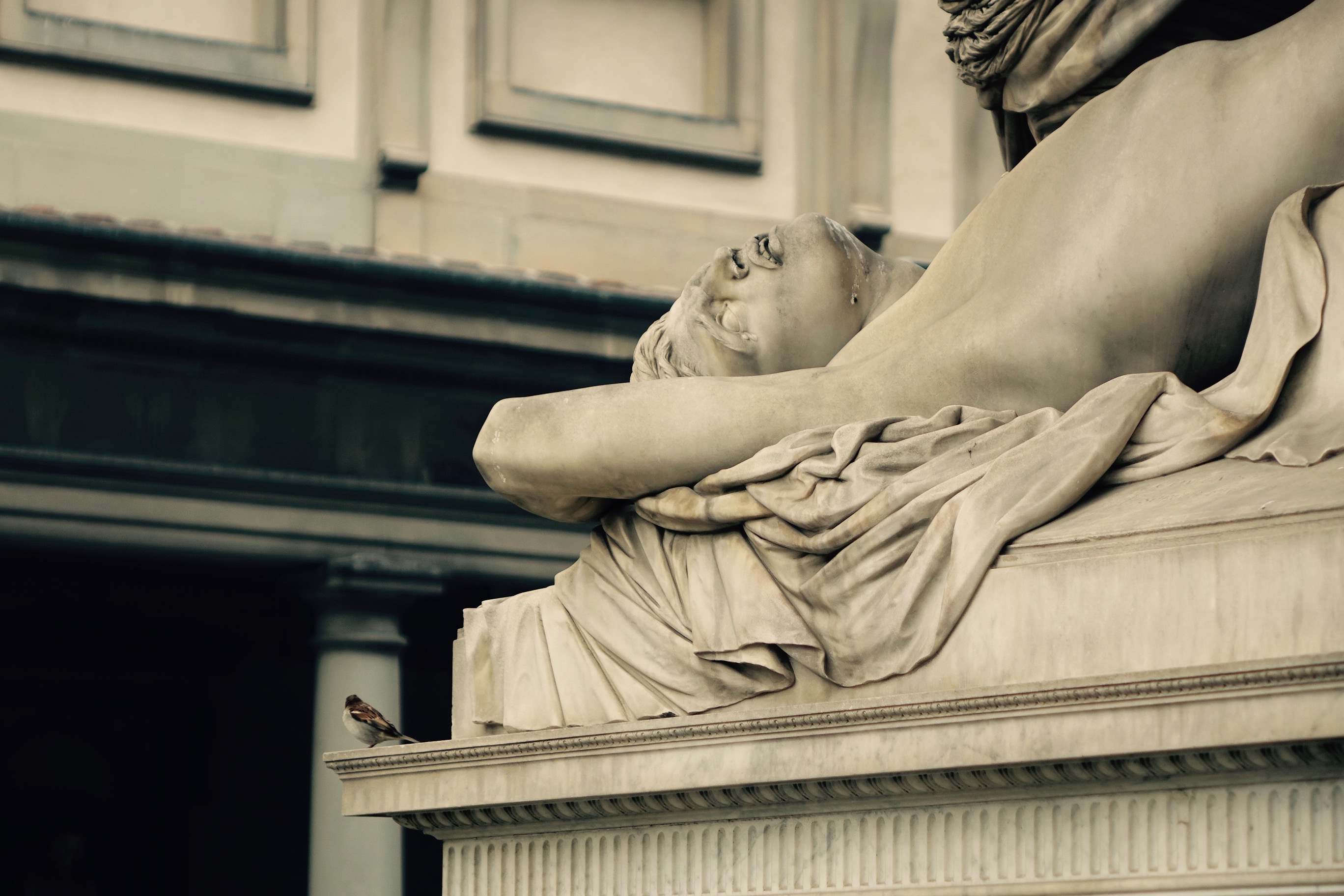
DSC08535DSC08576DSC08588DSC08564DSC08604IMG_5735DSC08597

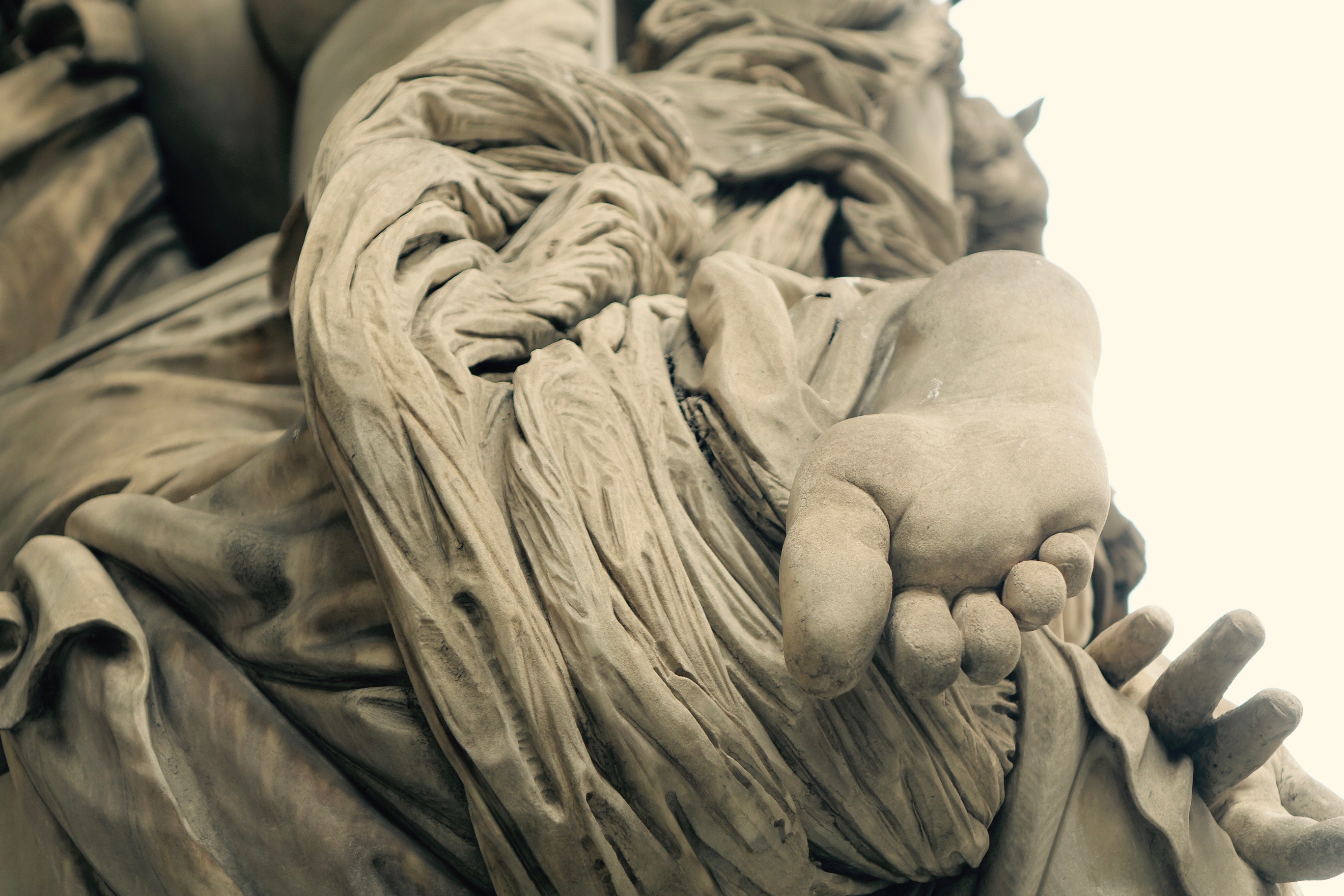
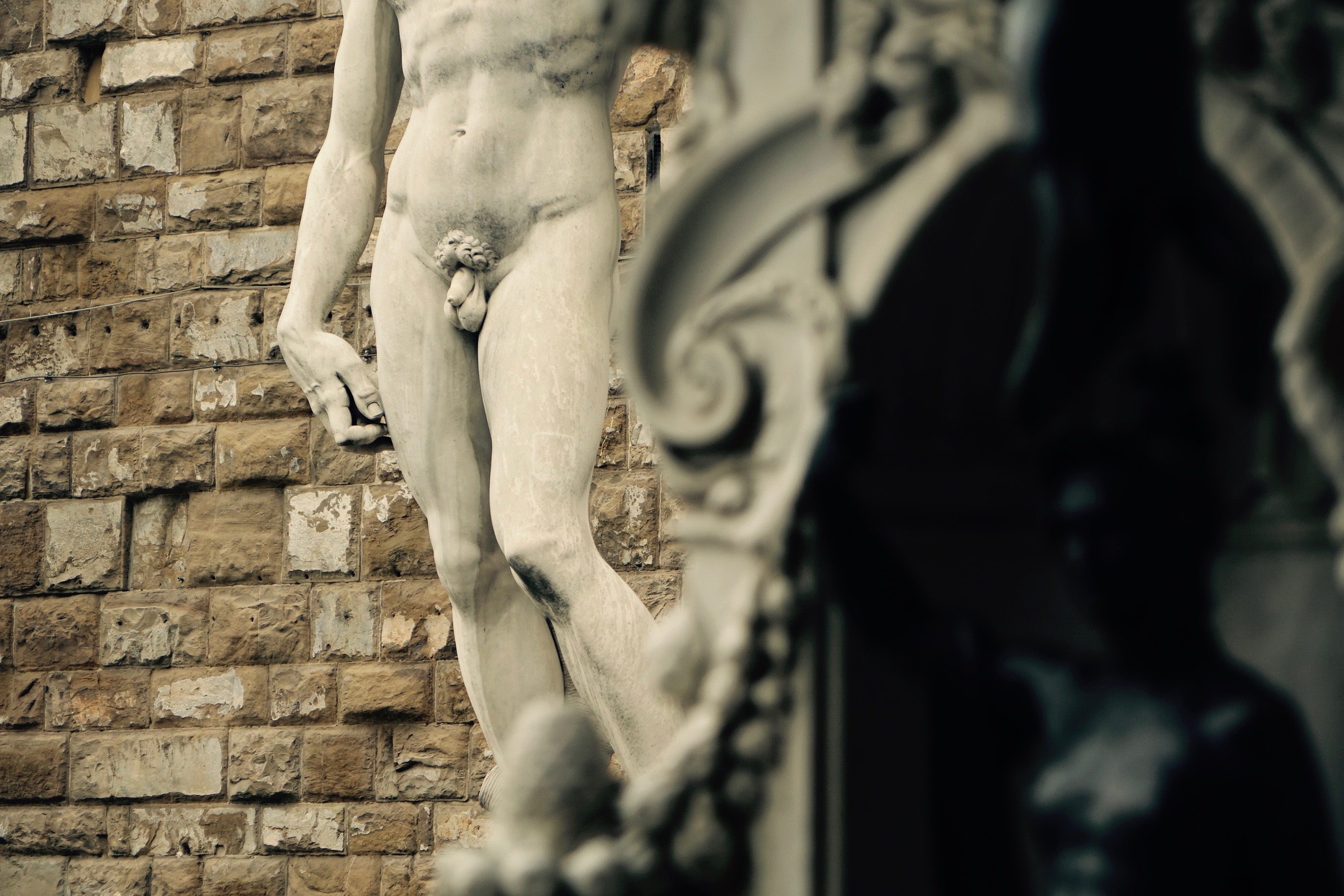
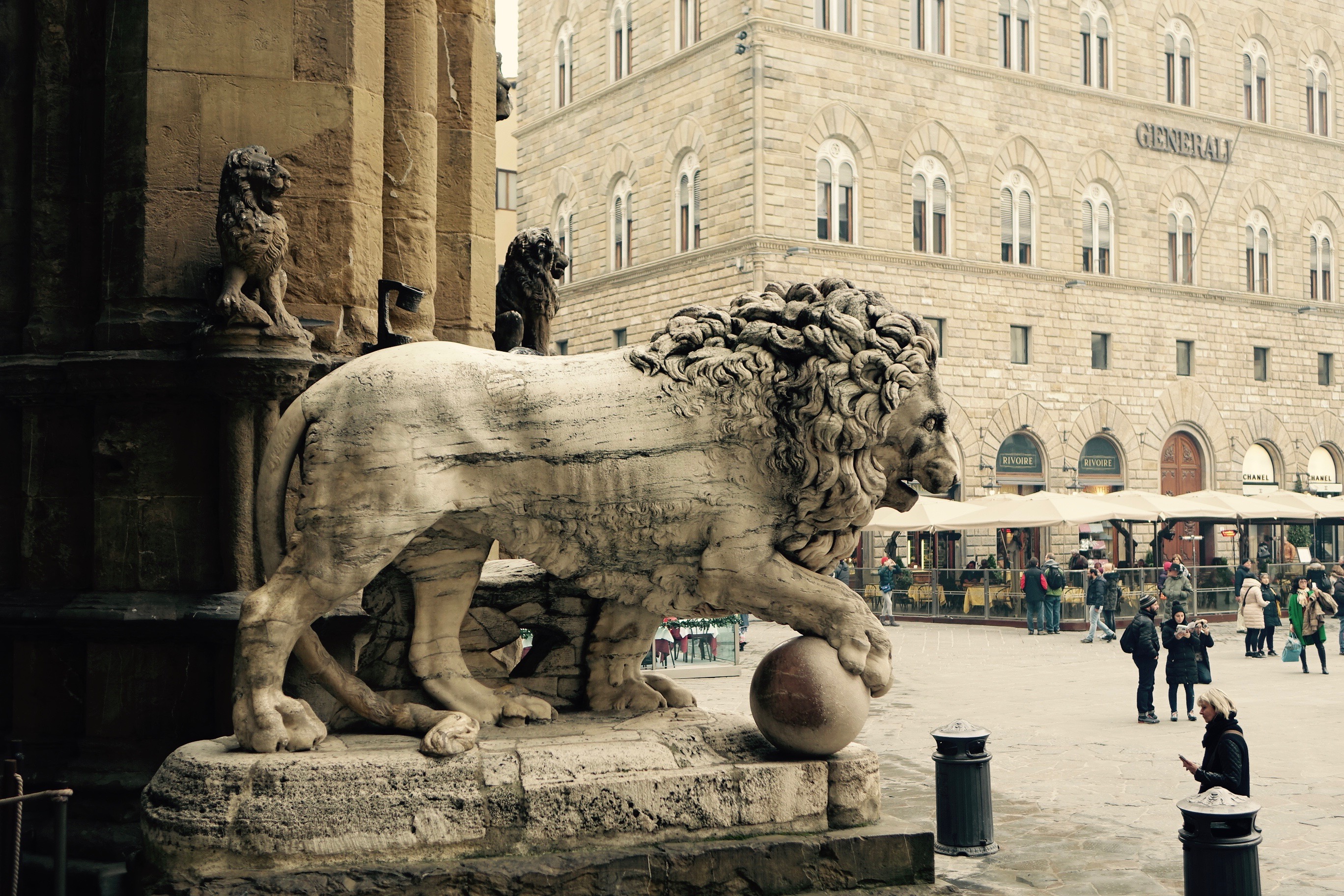
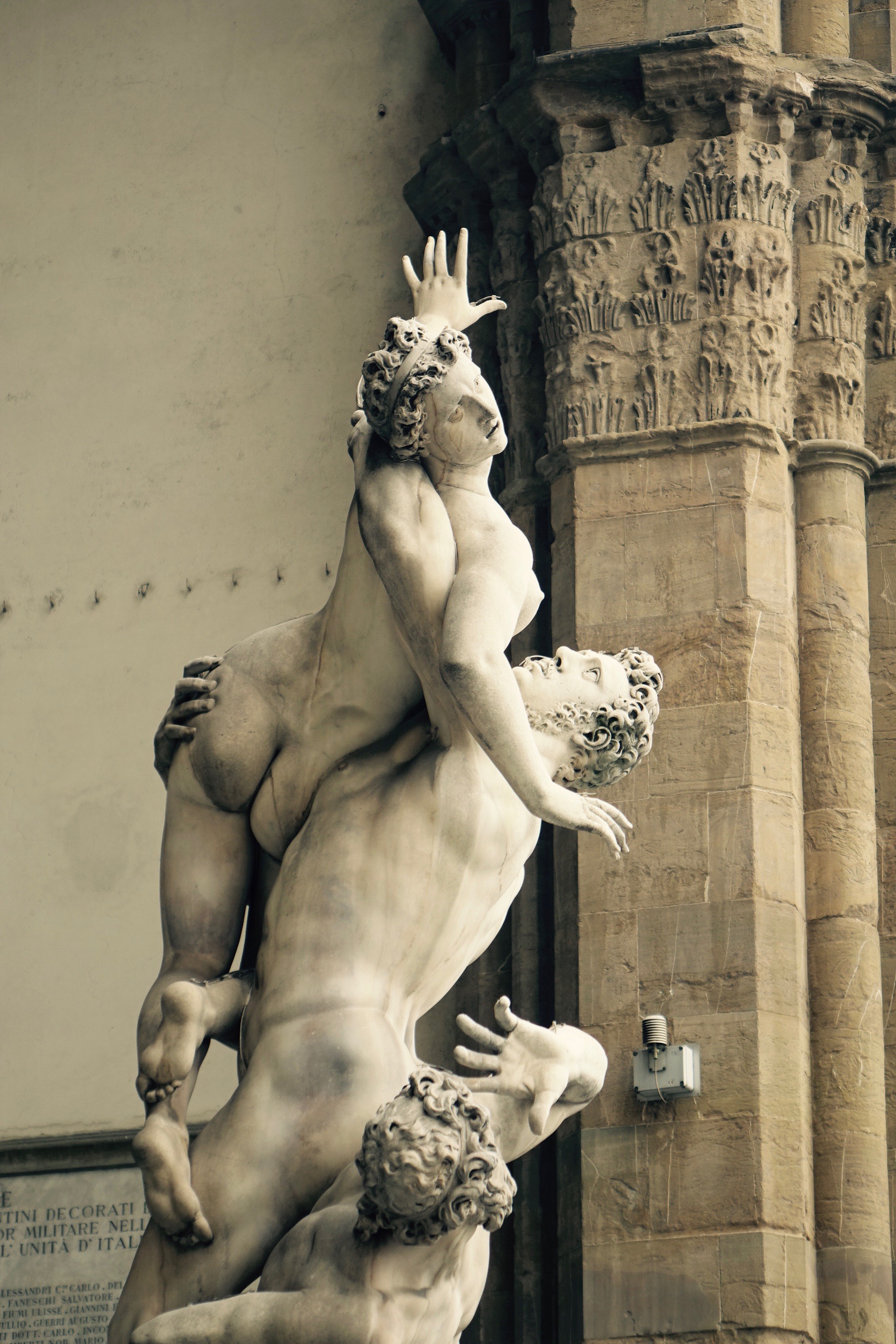
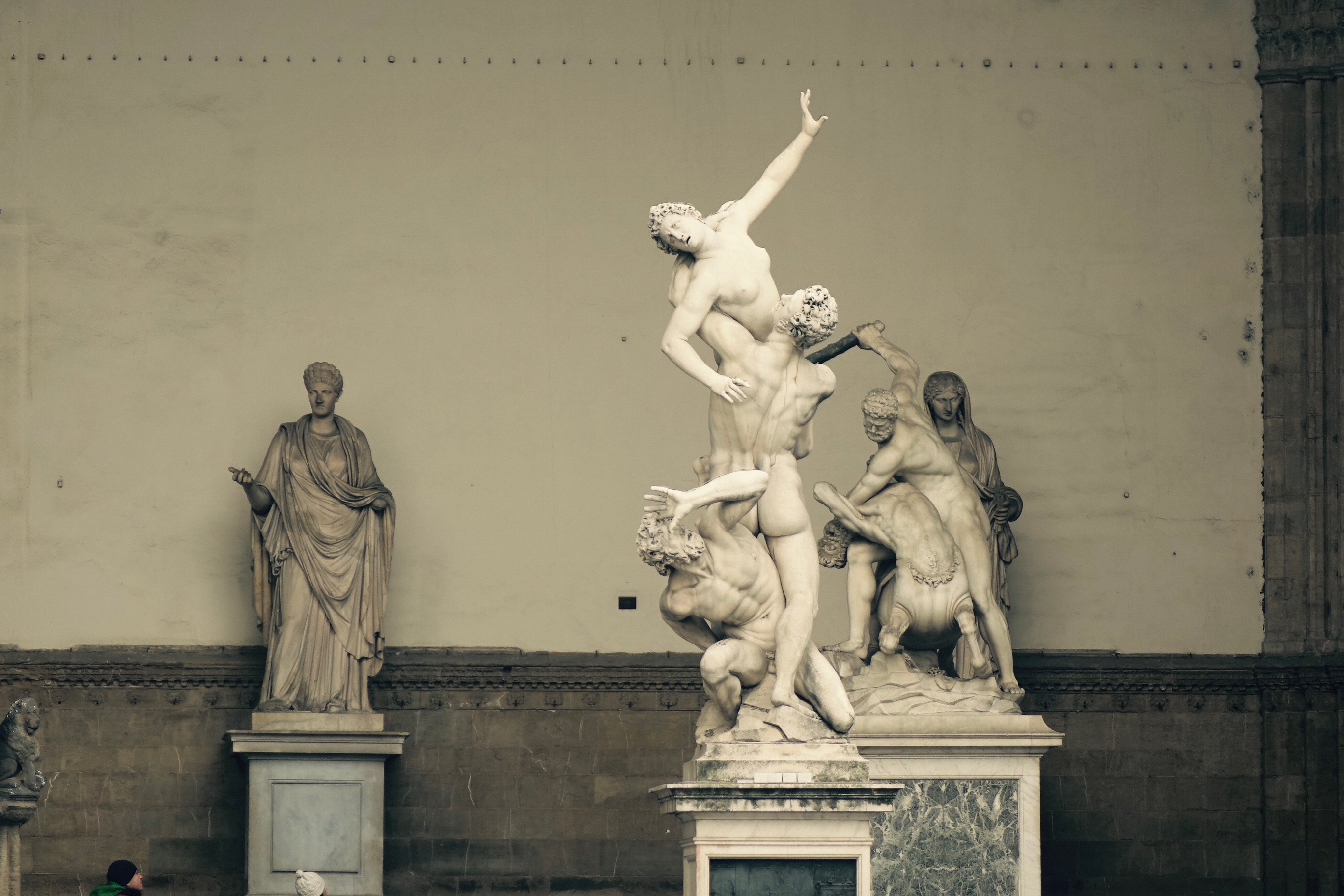
No place quite smacks of Medici prowess as the Piazza della Signoria where our trip began. Not only does it play host to the Palazzo Vecchio, once Medici palace and seat of the Florentine government with its sturdy fortress-like walls ensuring all knew of the powerhouse within; it also contains some of the finest works of sculpture ever commissioned during the thriving Florentine Renaissance. Yes, there’s a copy of Michelangelo’s ravishing David (more about him another day), and a rather magnificent bronze statue of Cosimo I, mounted on a horse, but the very best works are contained within the Loggia del Lanzi, the great gallery of public proclamation and official ceremonies. Named after the Lansquenets guards posted there by Cosimo I de’ Medici, today it contains some of the most recognisable masterpieces of the Medici patronage (as well as a good number of ancient treasures collected by the family in Rome).

DSC08591DSC08609DSC08563DSC08544DSC08583DSC08571DSC08543

You can spend a fortune on buying entry tickets for Florence’s many art museums, and a even greater amount of time in queuing, but spend an hour in the Loggia del Lanzi, and you will feast upon true treasure of art history and all for free. Thus we passed a wonderfully calm morning on Christmas Day, drinking in the drama, the emotion and the sheer artistic skill of these incredible works; of Pio Fedi’s ravishing but deeply traumatic Rape of Polyxena, and the equally dramatic, soaring masterpiece of Giambologna’s Rape of the Sabine Women; gazing at the sheer muscle and brawn of Hercules and the Centaur, and admiring the dexterity of antiquity as we enjoyed an equal number of early Roman lions and graceful Trajan women.

DSC08560DSC08558DSC08568DSC08553DSC08534DSC08552DSC08570

Firenze is a city with much to offer. You could spend your time focusing on its famous gelaterias, its bustling leather markets or ambling from one glittering church to another. But one thing which you cannot fail to miss is the influence of the Medici. In many ways, their output will provide the visitor with the most enchanting treat of them all.

© Nicholas de Lacy-Brown and The Daily Norm, 2011-2018. Unauthorised use and/or duplication of the material, whether written work, photography or artwork, included within The Daily Norm without express and written permission from The Daily Norm’s author and/or owner is strictly prohibited.

A very Normy Christmas

Christmas is all about nostalgia, for the Norms as much as for us humans, and when the Norms think of Christmas, they reflect upon snowy days in their family homes, when the ground is as white as they are, and they can roll around unnoticed amongst the frozen snowflakes and white-covered landscapes. So what better way to wish all readers of The Daily Norm a very Merry Christmas than to share with you all this depiction of a Very Normy Christmas, as we join the Norms in one of their family homes on Christmas Day. Whether it be building a snowman, putting up the tree, or taking a breath of fresh air after a hearty Christmas lunch, the Norms love their Christmas afternoons out in the snow. Even Father Christmas Norm appears to have stuck around for this one (if you can find him!).

Christmas Withdean Norms

Norms go home for Christmas (©2017 Nicholas de Lacy-Brown, pen and ink on paper)

This is actually the Norm sketch I created for my Mother’s present this Christmas (don’t worry, she’s already opened it, so I’m not spoiling the surprise by sharing the sketch with you all this Christmas Day morning). Each Norm represents a member of my family at Christmas, and the house you see is my family home and the setting of all of my childhood Christmases. Even though I won’t be there this Christmas, it’s a setting where my mind always wonders on these nostalgic days of Christmas.

What more is there to add than to wish you all a very Merry, Normy Christmas – look forward to seeing you all in the New Year!

© Nicholas de Lacy-Brown and The Daily Norm, 2001-2017. Unauthorized use and/or duplication of the material, whether written work, photography or artwork, included within The Daily Norm without express and written permission from The Daily Norm’s author and/or owner is strictly prohibited. For more information on the artwork of Nicholas de Lacy-Brown, visit http://www.delacybrown.com 
NG1 (after Sebastiano del Piombo)

Those eagle eyed amongst you may have noticed that in the background of my freshly dressed kitchen Christmas tree (featured on Tuesday’s blog), a new painting lay in the shadows. Recently completed after some months of on and off work, the painting, NG1, is the latest in my series of interpretative abstracts which aim to reinterpret great masterpieces in an abstract form. This work is based on the great painting by Sebastiano del Piombo, a protégé of Michelangelo’s and who painted the work as a commission for Cardinal Giulio di Medici in around 1518.  Entitled The Raising of Lazarus, the original work shows the moment when Jesus performed the miracle in which Lazarus was raised from the bounds of death. My reinterpretation aims to follow the exact compositional and colour profile of the original, dramatic scene, while presenting the moment of this miracle in a far more modern light.

NG1 FINAL

NPG1 (after Sebastiano) ©2017 Nicholas de Lacy-Brown, acrylic on canvas

It was important for me that I was able to present the background in an almost identical form to the original. But that is where the similarities end, and the figures which dominate Sebastiano’s original are henceforth reduced into purely abstract forms. The result loses nothing of the compositional force of the original, yet feels like an altogether more contemporary work.

As for the name – NG1 – this emanates, very simply, from the inventory code for the original painting relative to its place within the collection of the National Gallery in London. As the first major masterpiece purchased for the Gallery’s collection, it gained the code no.1, and is today unsurpassed in retaining its prominent position hanging gloriously amongst the Renaissance masterpieces displayed nearby.

the-raising-of-lazarus

The original work, The Raising of Nazarus by Sebastiano del Piombo (1517-19)

© Nicholas de Lacy-Brown and The Daily Norm, 2001-2017. Unauthorized use and/or duplication of the material, whether written work, photography or artwork, included within The Daily Norm without express and written permission from The Daily Norm’s author and/or owner is strictly prohibited. For more information on the artwork of Nicholas de Lacy-Brown, visit http://www.delacybrown.com 
Beyond the apples: Cézanne Portraits

I have never found an artist better able to reflect the earthy, softly glowing light of a landscape as well as Paul Cézanne captured his native Provence. Whether it be his landscapes of L’Estaque or his obsessive interpretations of the Mont St Victoire, Cézanne’s landscapes breathe and quiver with the the warmth and vivacity of Aix. With their strident, vibrating brushstrokes, Cézanne perfectly replicates the quavering undulations of heated air rising from the dusty ground. And in his palette of earthy tones, Cézanne immortalises the ochre glow which characterises the villages and Mediterranean habitat of his homeland. Even Cézanne’s famous still lives of oranges and apples are characterised by the same Provencal light, and his paintings of peasants playing cards are tinged with a sense of poverty but not without the hope which the light of the Mediterranean climate always provides.

However the one aspect of Cézanne’s oeuvre which often goes overlooked is his portraiture. It’s not a genre which is synonymous with the artist – the man charged with being the father of modern art – who is better known for his first dabbles into cubist forms and semi-abstract expressionism. Yet as the new exhibition just opened at London’s National Portrait Gallery shows to stunning effect, he was truly a master of the portrait.

Madame Cézanne (Hortense Fiquet, 1850–1922) in a Red Dress

Madame Cézanne in a Red Dress, 1888-90

portrait-of-gustave-geffroy

Gustave Geffroy, 1895-6

Self Portrait Rose Ground 1875

Self Portrait Rose Ground, 1875

Madame Cézanne in a Red Armchair 1877

Madame Cézanne in a Red Armchair, 1877

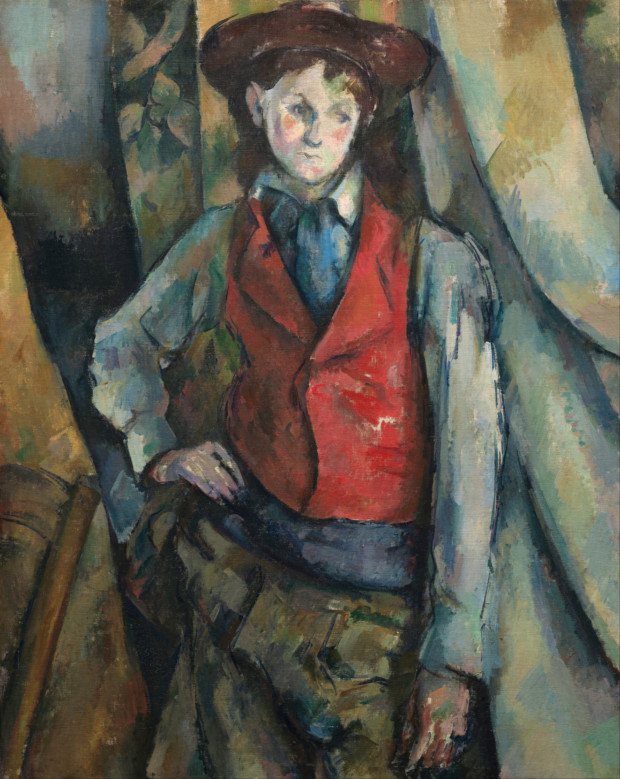
His virtuosity of the medium is manifold. First it is the intensity of character which he captures in often coarsely applied brush strokes and thickly layered paint – the brilliant portraits of his Uncle Dominique painted with only a palette knife being one such example. Through a mastery of light and shadow, and a multi-tonal handling of colour to represent the contours of skin and the movement of fabric, Cézanne’s sitters have a depth not just of tone but personality too, as his portraits emerge from the canvas as wholly realised individuals. Secondly, Cézanne’s skill resides in that same innate understanding of composition which make all of his works – even the most simple still life – such works of brilliance. For in constructing his portraits, Cézanne’s sitter is but one part of a perfectly balanced whole. Every daub of colour, every angle of sitter and background is fantastically conceived to create a harmonious balance. The result is a portrait which is deeply satisfying to behold, and which touches its audience for reasons which many will be quite unaware.

Self Portrait in a white bonnet 1881-2

Self Portrait in a white bonnet, 1881-2

Boy in a Red Waistcoat 1888-9

Boy in a Red Waistcoat, 1888-9

Uncle Dominique in Smock and Blue Cap 1866-7

Uncle Dominique in Smock and Blue Cap,1866-7

Seated Woman in Blue 1904

Seated Woman in Blue, 1904

While my regular strolls into the wonderful Courtauld Gallery (happily located so close to my work) have introduced me to the world of Cézanne portraiture before, I had no idea of the scale and prolific mastery with which Cézanne meddled in the medium. With works spanning his entire career including some 26 portraits which demonstrate the same level of self-examinatory intensity as was previously mastered only by the likes of Rembrandt, the National Portrait Gallery’s exhibition offers fans of Cézanne a truly unique opportunity to understand a crucial aspect of the artist’s genius. His mastery over fruit and landscapes is undisputed and well documented. But now, happily, this impossibly important third genre sees the light of day, and marks a further reason for attributing Cézanne as the true father of all modern art.

Cézanne Portraits is on at the National Portrait Gallery, London until 11 February 2018

Casa Andaluz

My arrival in Marbella always coincides with a notable heightening in my artistic powers. Something in the air combines with the enveloping heat and the culturally visceral soul of Andalucia to arouse within my mind a flowering of creative inspiration. It’s why, over the years, I have painted some of my favourite artworks in my family’s little jasmine filled garden patio, an open air studio of which the Impressionists themselves would have been proud, and to which I swiftly returned this past summer.

Not even the marked increase of pesky tiger mosquitos could keep me from my canvases, especially since I had two paintings in mind and only 8 days in which to paint them. The first, based on our Marseille trip, I have already shared. But its completion was followed swiftly by a canvas of identical size, marking the Spanish limb of our trip.

Andalucia House FINAL

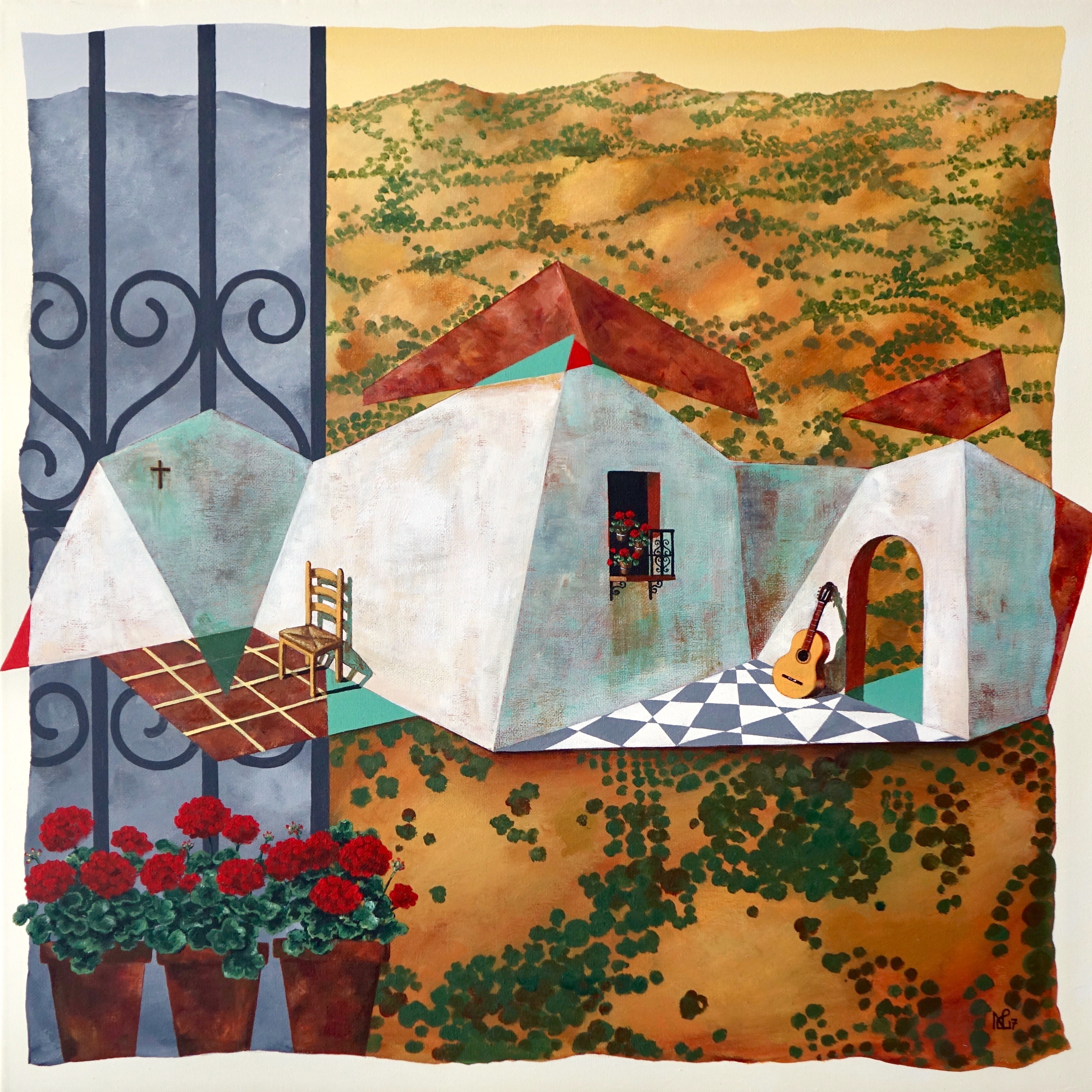
Casa Andaluz (©Nicholas de Lacy-Brown, 2017 – acrylic on canvas)

Characterised by the burnt, olive-peppered landscape of Southern Spain, and dominated something of an abstract Andalucian house at its centre, Casa Andaluz is a work which celebrates the essence of Andalucia: its sun-baked white washed walls, the spirit of Flamenco which fills the minds and souls of its people, the religious faith which remains strong in the region, and the deeply ochre, unforgiving but beautiful landscape which underpins the region. With its palette of golden brown and olive green, it is a painting which has the look and feel of Andalucia, with its rough textures and unplanned lines. It is therefore a clear homage to this imperfect region which is, in so many ways, the unbridled soul of Spain.

© Nicholas de Lacy-Brown and The Daily Norm, 2001-2017. Unauthorized use and/or duplication of the material, whether written work, photography or artwork, included within The Daily Norm without express and written permission from The Daily Norm’s author and/or owner is strictly prohibited. For more information on the artwork of Nicholas de Lacy-Brown, visit http://www.delacybrown.com 
Savon Marseillais

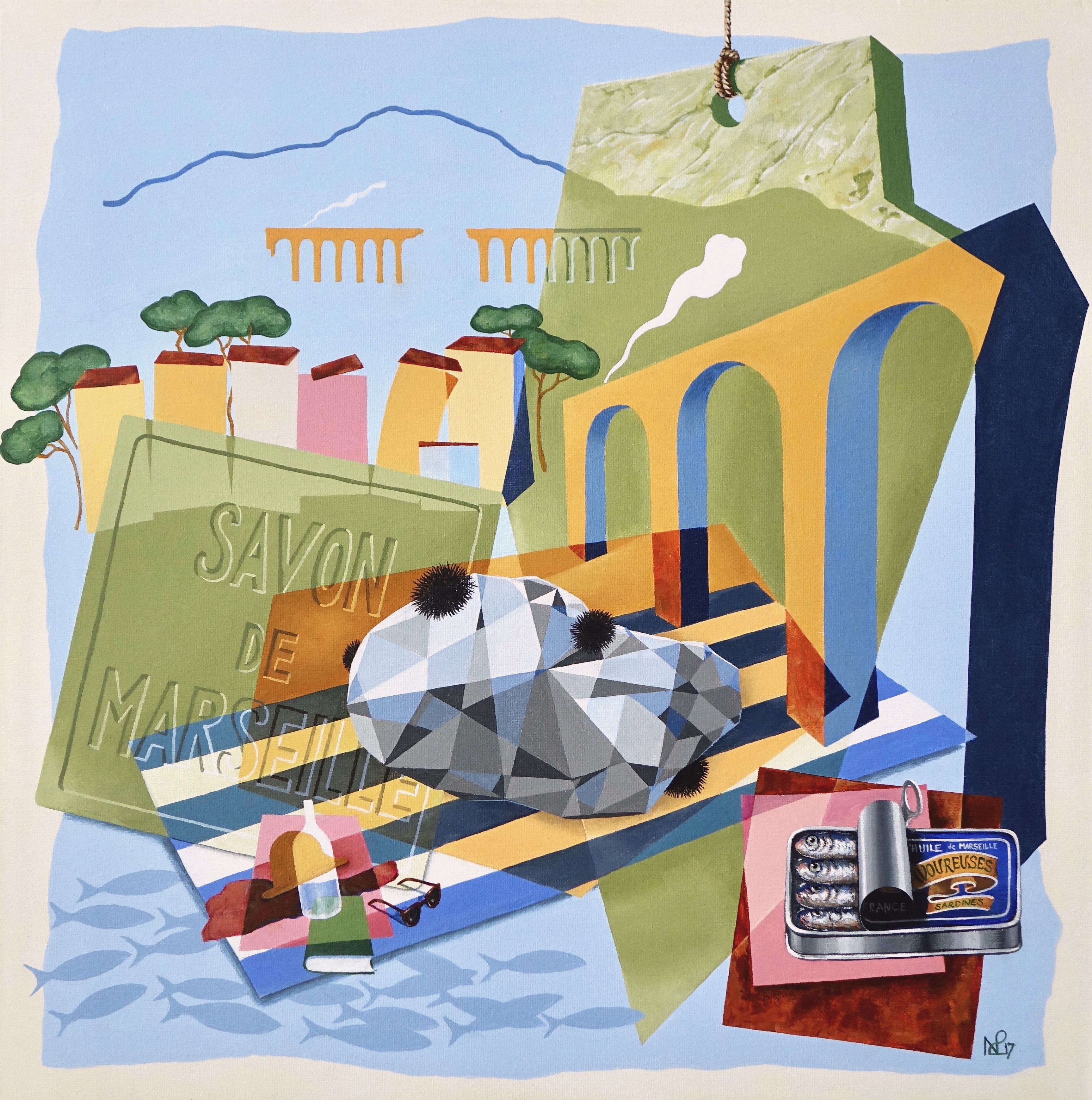
You simply can’t miss the soap of Marseille. Through the urban smog and the strong pervasive smell of the sea penetrates the comforting scent of clean, creamy soap in various scents of lavender, verbena, orange blossom and rose. Marseille is famous for its soap. Whether it be the Savon de Bonne Mere, or the eponymous Savon de Marseille chic liquid brand by Campaigne de Provence, soap is one of the region’s strongest exports, and the very best way to bring the memory-inspiring perfumes of the Riviera into your home. Perhaps the most impressive sight in Marseille and the surrounding towns is a shop loaded, floor to ceiling, with the famous cubes of Marseille soap. This is when the variety of dazzling scents and colours can be appreciated to their full, and it was this sight which was triggered again in my mind when I saw the pastel coloured houses of nearby Cassis: Suddenly the two themes combined, and a painting was born.

Marseille FINAL

Savon Marseillais (©Nicholas de Lacy-Brown, 2017 – acrylic on canvas)

This is the result: a canvas which has Marseille soap at its heart and dictating its colour palette, with the rich olive soap which is one of the most famous varieties dominating. Featuring too are the multi-coloured houses of Cassis, together with the railway bridges of L’Estaque, and the striped beach paraphernalia which has come to characterise the Riviera. All in all, this is a painting which represents our time in Marseille and its environs, a time when we munched on local sardines, enjoyed the sea and mountain scenery, and best of all things, smelt and indeed lathered up using the local Savon Marseillais.

© Nicholas de Lacy-Brown and The Daily Norm, 2001-2017. Unauthorized use and/or duplication of the material, whether written work, photography or artwork, included within The Daily Norm without express and written permission from The Daily Norm’s author and/or owner is strictly prohibited. For more information on the artwork of Nicholas de Lacy-Brown, visit http://www.delacybrown.com