Skip to content

Posts tagged ‘Baking’

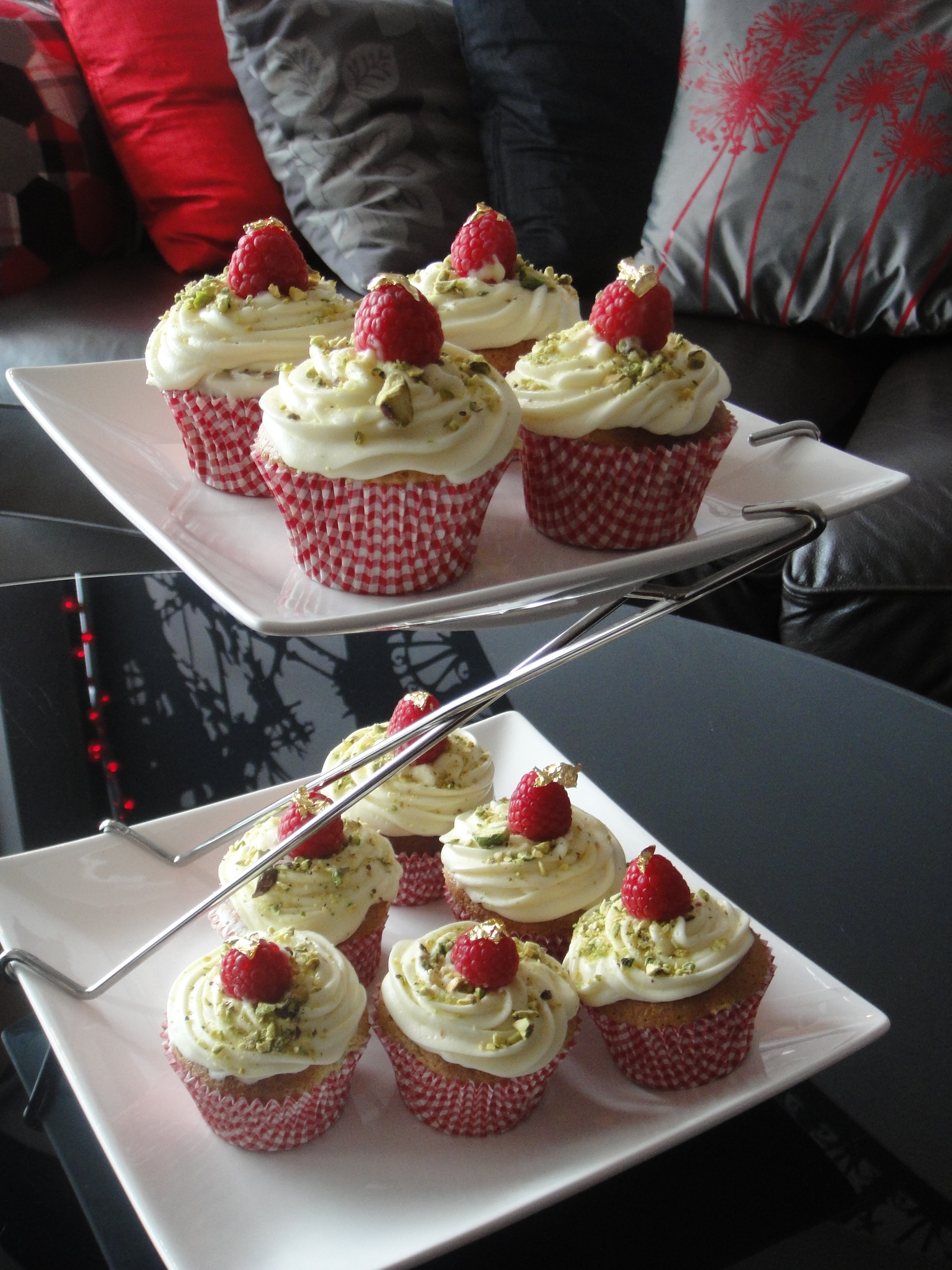
Birthday cupcakes – pistachio and raspberry with white chocolate frosting a little celebratory gold

It’s my birthday!! Woop woop! And while you read this post, I should be sat somewhere on the Rue St Honoré in Paris, sipping delicately upon a cup of strong French coffee with a couple of Ladurée macrons on the side. For a leo birthday can only sensibly be celebrated with a little class and plenty of extravagance, so while I soak in the sights of the city of love for one day only, why don’t you join me in my pursuit of birthday hedonism by making these amazing little cup cakes. Complete with edible gold leaf, these pistachio and raspberry beauties are more than appropriate for a summer birthday, where a ruling sun requires celebrations in all things golden, sparkling and extravagant. Or at least that’s my excuse. The sponge is fat free, which makes it a guilt-free, lighter pleasure for a summer’s afternoon, while the white chocolate frosting reminds that while healthy food is all very well, its the icing on the cake that feeds the eye and fuels the pleasure. Ah mais oui!

This recipe is something of a reinvention of a recipe on my good friend Celia’s super-cool foodie blog, Lady Aga. As soon as I saw her cake, I wanted to devour it there and then. The problem was, my cake was destined for work, to be shared amongst my colleagues who have been long-promised a birthday cup-cake treat. And as this distribution would inevitably entail a journey on the stuffy tube in rush hour (with added olympic pressures), the fresh cream of Celia’s oeuvre was never going to work, nor indeed the incredible constitution of her multi-layered sponge. I therefore opted to turn her recipe into cupcakes, replacing half the ground pistachios with self-raising flour to encourage the cakes to rise, and replacing the cream filling with a super-indulgent white chocolate frosting. I also baked a raspberry in the middle of the sponge for added moisture and a hidden treat in the cake’s centre.

So, how to make:

Grind up 110g pistachios to a fine powder. Grind up a further 50g or so to a mixture of fine and textured crumbs for use on the topping. Next take 6 large eggs and separate. Whisk up the egg white into soft peaks. In a separate bowl, whisk up the egg yolks with 180g of caster sugar until pale and fluffy. Into the egg yolk mix, fold in the ground pistachios and 110g of self-raising flour and a spoon-full of the egg white to loosen the mixture. Once mixed, fold in the egg whites. Divide the mixture between 12 large-ish cup-cake cases and place a single raspberry in the centre of each cake. Bake at around 200 degrees centigrade for around 20 minutes or until an inserted skewer comes out clean. Be careful not to over-bake or the sponge becomes dry. Remove from the oven and place on a wire rack to cool.
In the meantime, take as many raspberries as you have cakes, melt some white chocolate, and fill each raspberry with a drop or so of chocolate until filled. Prop the raspberries upright in a small container and place in the fridge so the chocolate solidifies.

Next, the icing: slowly melt a bar of white chocolate (around 100g I think, but I can’t really tell how much I was melting as I kept on eating it) over simmering water. As the chocolate starts to melt, add a splash or two of full fat milk to loosen up the mixture to a creamy liquidy chocolate. Meanwhile, take 120g unsalted butter and  mix with 375g icing sugar with around 25ml of full fat milk and a small dash of vanilla extract. This should be whisked for extra creamyness, probably for a good 5-10 minutes. Once light and fluffy, mix in the melted chocolate until thoroughly combined and my god you will have created pure nectar worthy of Mount Olympus itself. Pour your icing into a piping bag with a large star-shaped nozzle (I have no idea what this is called) and place the icing bag in the fridge for 20 mins or so to firm up the frosting a bit. Pipe onto the cooled cupcakes and top with a sprinkle of crumbled pistachios, a chocolate filled raspberry and a little fragment of edible gold leaf for extra extravagance. Or try edible glitter if you prefer.

(Obviously if you can’t be bothered with the piping bag – which I can easily understand – just smooth the icing onto the cake with a palette knife – this can look just as good.

And there you have it. Cakes fit for a King. Or a birthday boy.

All photos are strictly the copyright of Nicholas de Lacy-Brown © 2012 and The Daily Norm. All rights are reserved. 

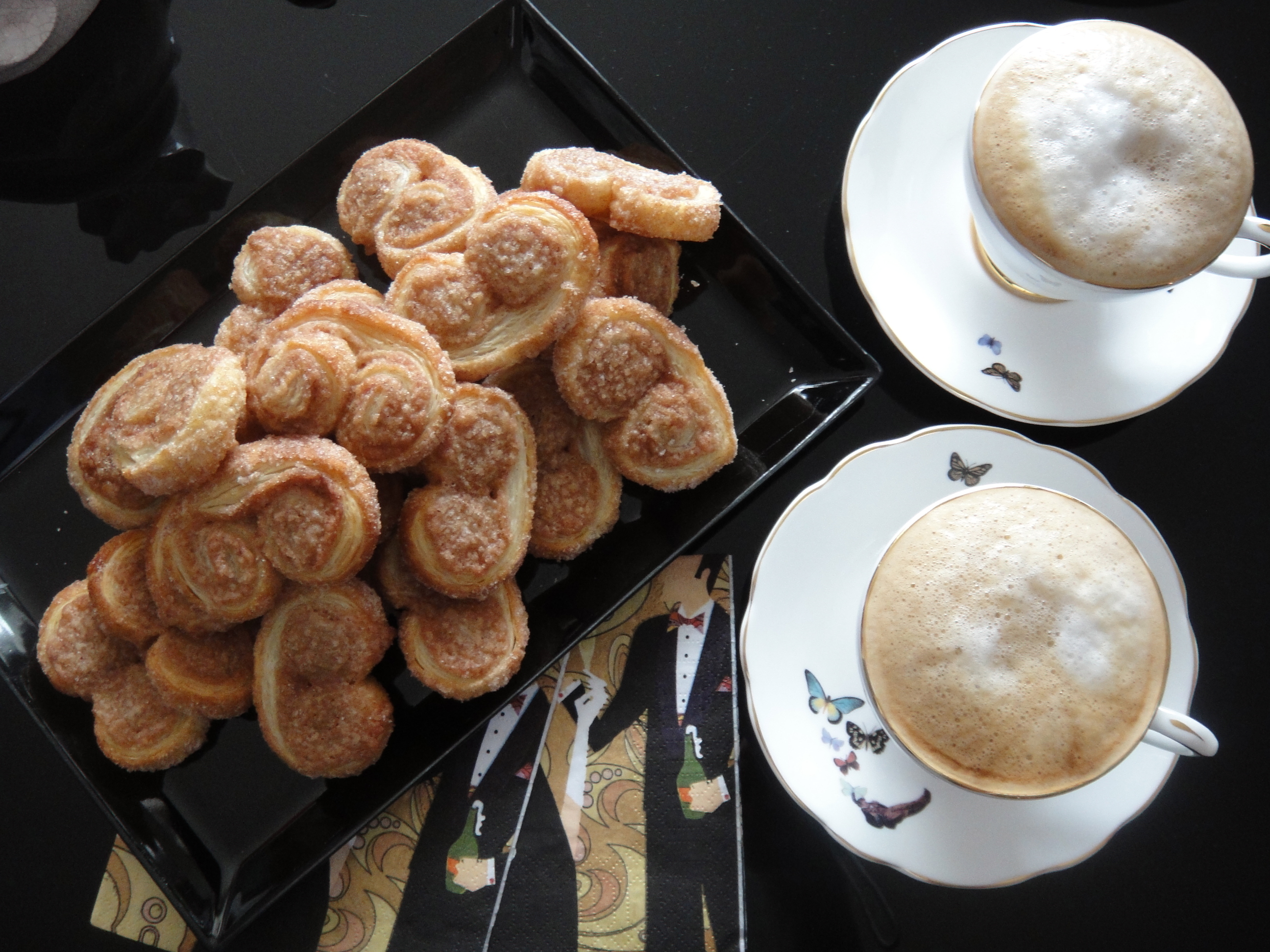
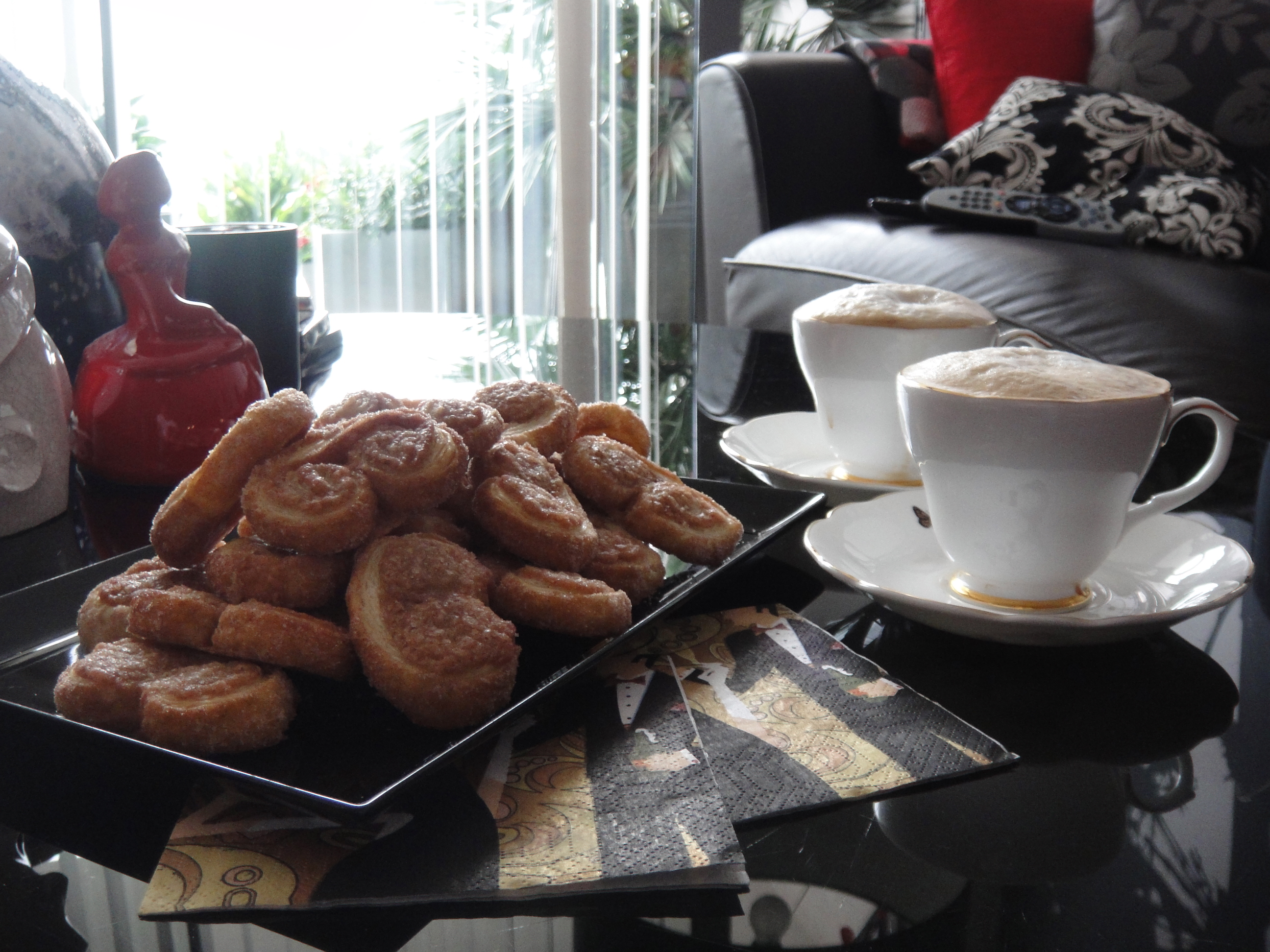
Palmiers for coffee-time – baking doesn’t come easier than this

I’m the first to admit that I am guided throughout the day by sugary treats and a healthy dose of caffeine. In the mornings I look forward to 11am, around which time I make a fresh frothy cappuccino in a vintage cup with a little treat on the side. In the afternoon meanwhile I long for my earl grey tea with a little cake, and a cleansing green tea a little later. In the evenings I go for my favourite: a fresh mint tea, or jasmine, the smell of Spanish summer, and try to resist something a little naughtier on the side.

Ok, weight-watchers this isn’t, but a giver of easy baking tips – I’m your man. The other day, I bought a roll of puff pastry from the supermarket intending to make some crayfish puff pastry treats but then couldn’t get the crayfish or anything remotely similar. So the puff pastry was sitting in the fridge and I suddenly thought to myself – hmm I should make palmiers.

Palmiers get their name from the humble palm leaf (which, somehow, they are meant to resemble) – other people call them elephant ears (probably more accurate). In Spain we call them palmeras, were they are a staple of most patisseries and cafes either glaceada (with icing) or con chocolate. Either way, they are a delicious treat and seductively simple to make.

Simply take some shop-bought buff pastry (no point in making this from scratch – hours of labour will commence for the same results) and in a cup mix up about 100g caster sugar and a heaped teaspoon of ground cinnamon. Roll out your puff pastry if it’s not rolled out already, and sprinkle generously with some of the sugar mix all over. Then fold over, roll out again, and sprinkle with some more sugar. Do this a few times until the sugar is sort of combined (it doesn’t really combine into the pastry all that well, but not to worry – you’ll sprinkle more on at the end). Then roll your pastry into a large rectangle around 12-14 inches in length and 10 inches in width.

To get the palmier shape, role the pastry along the longest side until it reaches the middle of the rectangle and stop. Then do the same with the other side, rolling into the middle until the two halves meet. Place the result in the freezer for about 10 minutes so the pastry can firm up a bit for cutting. Take the pastry out and cut into slices about half an inch thick and lay them on their side (i.e. curly pattern face up) on a baking tray, leaving a little space around each for puffing. Sprinkle them all with a little more sugar (though not too much as I went a bit mad and mine turned out uber-sugary) and bake in an oven at around 200 degrees celsius for around 10-15 minutes until they are puffed up and golden and the sugar has melted on top.

And that’s it! Leave a few minutes to cool down and you have the perfect coffee-morning treat.

PS: I should add, if you don’t like cinnamon, just leave it out. You can also make these without sugar, and dip them in chocolate at the end. You can also make savoury versions by rolling cheese into the puff pastry and then using them as bases for canapes. The world is your oyster.

Eating España, again – Part II: The sweet stuff

So after a heavy dose of savoury Spain and seductive Salamanca you’d be forgive for thinking that this week, the week in which Spain was once again splashed over the headlines as a bank bailout was agreed, that The Daily Norm couldn’t get any more Spanish. Well you would be wrong, for today, it’s time for the ever-so-tempting waist-line enlarging pudding-perfect postres, all of which I cooked, and ate, at the weekend (I am now avoiding my bathroom scales – I feel that our current acquaintance could lead to a small falling out).

First up, something for afternoon tea, and as cakes go, this one is more almond than butter, which must make it healthy, right? It’s the very traditional Santiago Almond Cake, a firm Spanish favourite, moist in its naturally oily almond component, with a delicate and delicious simplicity.

Tarta de Santiago (Almond cake)

I first ate this delicious cake in Cappuccino Grand Café is the stunning hill-top town of Valldemossa in Mallorca. No sooner had I returned home than I was buying up the local supply of ground almonds and sampling my own.

This recipe is from the collection of Spanish desserts by the vivacious and frequently tipsy TV chef favourite, the late Keith Floyd. His recipe is so simple you have no excuse not to make this cake. In fact probably the trickiest part of the whole operation is lining a 20cm cake tin (I use a spring form to make the operation even simpler at the end). Once you’ve done that, all you need to do is get yourself a food processor and all the work will be done for you – Just whizz up 3 eggs with 225g caster sugar, 100g butter, 175g self-raising flour and 125ml water until all of the ingredients are well blended.Then add 225g ground almonds and the grated zest of 1/2 a lemon. Whizz for a few seconds only, just to mix (if you overwork the almonds the mixture will become too oily). And that’s it! Tip the mixture into your greased and preferably lined tin and bake at 180 degrees centigrade for an hour. Test with a skewer and when it comes out clean, you’re done. Once the cake is cooled, sprinkle with icing sugar and enjoy.

Flan de naranja (Orange Crème caramel) 

Next up are Rick Stein’s Orange Flans (the Spanish equivalent of the French Crème caramel, or if you want to entirely strip the words of their glamour, Caramel Creams). But these have an orange twist which provides an exquisite burst of Sevillian sunshine in your mouth. I’ve cooked these a few times now and they’ve gone down ravishingly well on each occasion. They’re not that fiddly either – just be careful not to burn the sugar.

Ok, so you need to start by preparing your space. You’re going to need around 6 ramekins which should be ready placed in a roasting tin so you can make a bain marie later (this needs to be ready because once you’ve made your caramel, you need to pour it directly into the ramekins otherwise it will turn rock hard in your pan).

Onto the caramel then. This is where you need to be careful. Place 100g caster sugar and 45ml of water in a heavy-based pan and leave over a very low heat until the sugar has completely dissolved (I stir it a bit to ease the process, but old Rick doesn’t tell you to). Once the sugar has dissolved, whack the heat up to high and leave to boil rapidly, without stiffing, until the syrup starts to turn orange, orangier, red and then a pale brown brick red colour (tends to take around 5 minutes). Be careful here. If you let it go too far into the red zone, it will very quickly burn – I’m talking seconds here. So as soon as it starts to go a brick red, whip it off the heat and pour straight into the ramekins, distributing it evenly between them. You can leave them there as you turn your attention to the orange cream.

Finely grate the zest from 2 oranges and squeeze the juice out of these and 2 others until you have around 400ml of fresh orange juice. Pour this, the zest and 300g caster sugar into a pan and bring to the boil over a low heat, stirring now and then to dissolve the sugar.

In the meantime separate out 14 (yes, fourteen!) egg yolks (discard the egg white – or save it for a nice pavlova (see below)) and place with two whole eggs (this hen has been busy) in a mixing bowl and whisk. When the orange juice comes to the boil, turn down the heat and allow it to simmer rapidly for 2 minutes. Then, through a sieve, pour the orange juice mixture into the eggs and mix.

Now it’s time to pour the mixture into your ramekins on top of the caramel. Once this is done, pour boiling water into the baking tin so it comes to two-thirds of the way up the sides of the ramekins. Place in the oven at 160 degrees centigrade for around 15 minutes for small ramekins, and 20 minutes if they’re a bit bigger. Once out of the oven lift out of the water (being careful, obv) and allow to cool before placing in the fridge. Ensure they are refidgerated for at least 4 hours before eating, but preferably overnight.

When serving, carefully invert each dish onto a small serving plate. With a bit of jigging they should plop out quite easily, but you can always eaze around the side with a knife if they’re being obstinate. Some caramel will come out on the top, but if you want more from the mass that is stuck to the bottom of your ramekin, place back in a roasting tin filled with boiling water and leave until the caramel melts a bit. Now go and eat the divine things – you’ll be booking flights straight to Andalucia in no time.

And one for luck… a very un-Spanish mini strawberry pavlova

Wasting all of those egg whites from the Flan would have been a crying shame, so I decided to make a few meringues, just to soothe my guilt at pouring so much of a hen’s hard work down the sink. I used Raymond Blanc’s simple meringue recipe which can be found here except I made mine smaller. The original intention was to crush up the meringue and make an Eton Mess but the meringues turned out so surprisingly beautifully that I made them into mini pavlovas. Here are the fruits of my labour, and well worth the extra effort.Happy cooking!


A baby showered with a chequerboard of tropical cupcakes

We English don’t easily accept the idea of being influenced by America. We’ve always been the slightly supercilious older brother of our younger indefatigable sibling across the pond, wincing at the loosening of our Queen’s erudite parlance, the widening of the vowels, the advent of stuffed-crusts, of bagels and Reese’s peanut butter cups, the creator of drive-thru culinary culture and the over-eager stentorian expression which makes the refined of Kensington tut condescendingly. Yet it’s an indubitable fact of English life that the influence of the big U-S-of-A is all around us, in our music, in our food, on TV, in politics and on the high street, and no more so is this influence felt than in the way we party. The US gave us candy-abundant halloween and fairy light-filled dazzling Christmas spectaculars. And the latest craze which is doing the rounds is the Baby Shower.

According to wikipedia, a Baby Shower is generally thrown either shortly before or shortly after a baby is born. Only women are invited (!) and the new mother in question is “showered” with presents. So when my dear friend Sarah gave birth to a beautiful baby girl, Ruby, a few months ago, and announced that she would finally bring her angelic daughter down to London to be celebrated amongst our vivacious friendship circle, I decided that this baby shower business ought to be tried and tested, refined in the way that only the english know best. For starters we had men, and quite right too. In the modern world, with fathers playing an increasingly dominant role in the daily task of bringing up their children, why shouldn’t they too be showered with gifts and praise and plenty of sweet treats? Presents were showered aplenty – little cute girly outfits and some alcoholic indulgence for papa (when he’s off duty, naturally) and my gift – a norm sketch of course – devoted to little Ruby.

Welcome Ruby (© 2012 Nicholas de Lacy-Brown, pen and ink on paper)

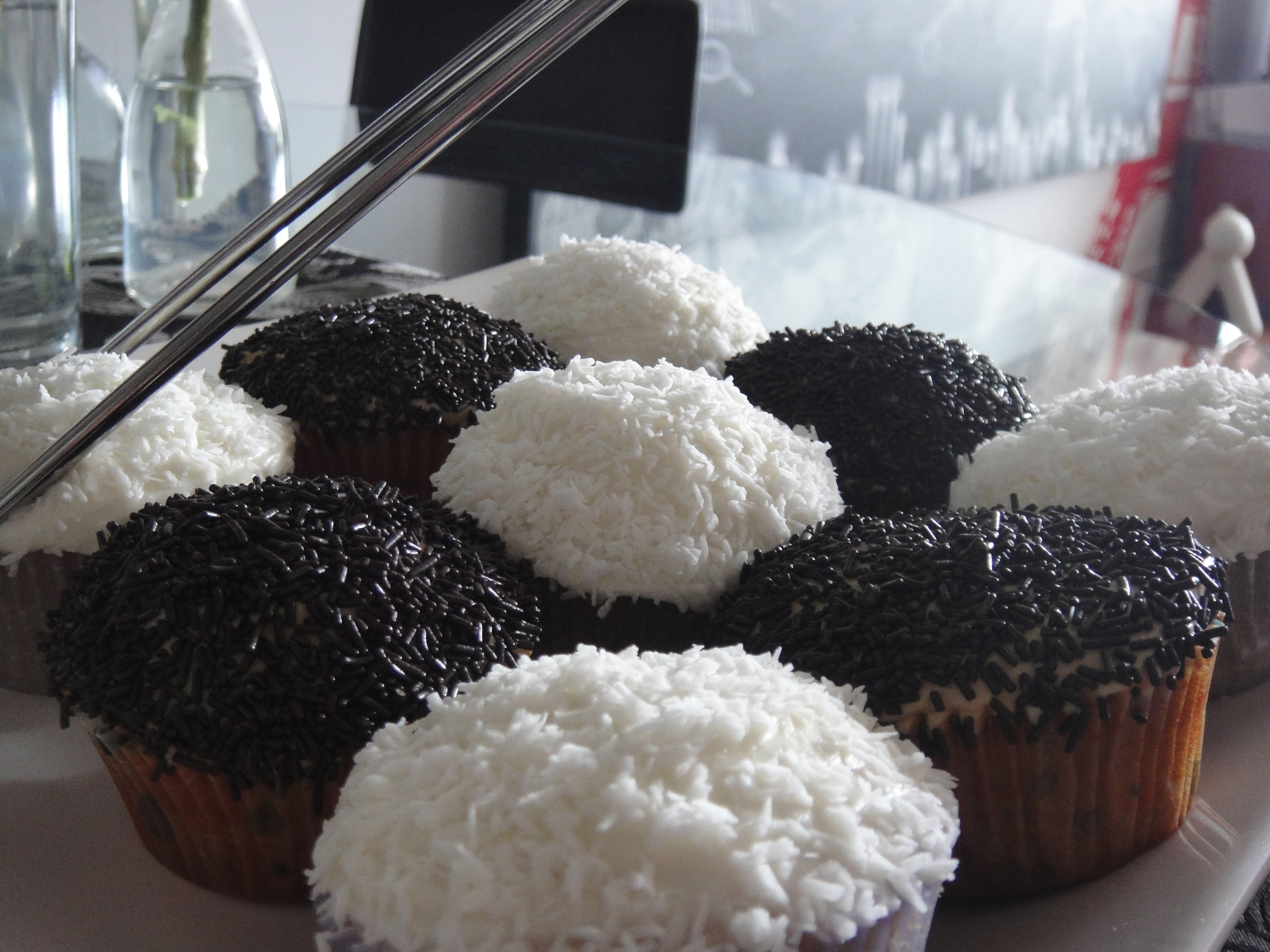
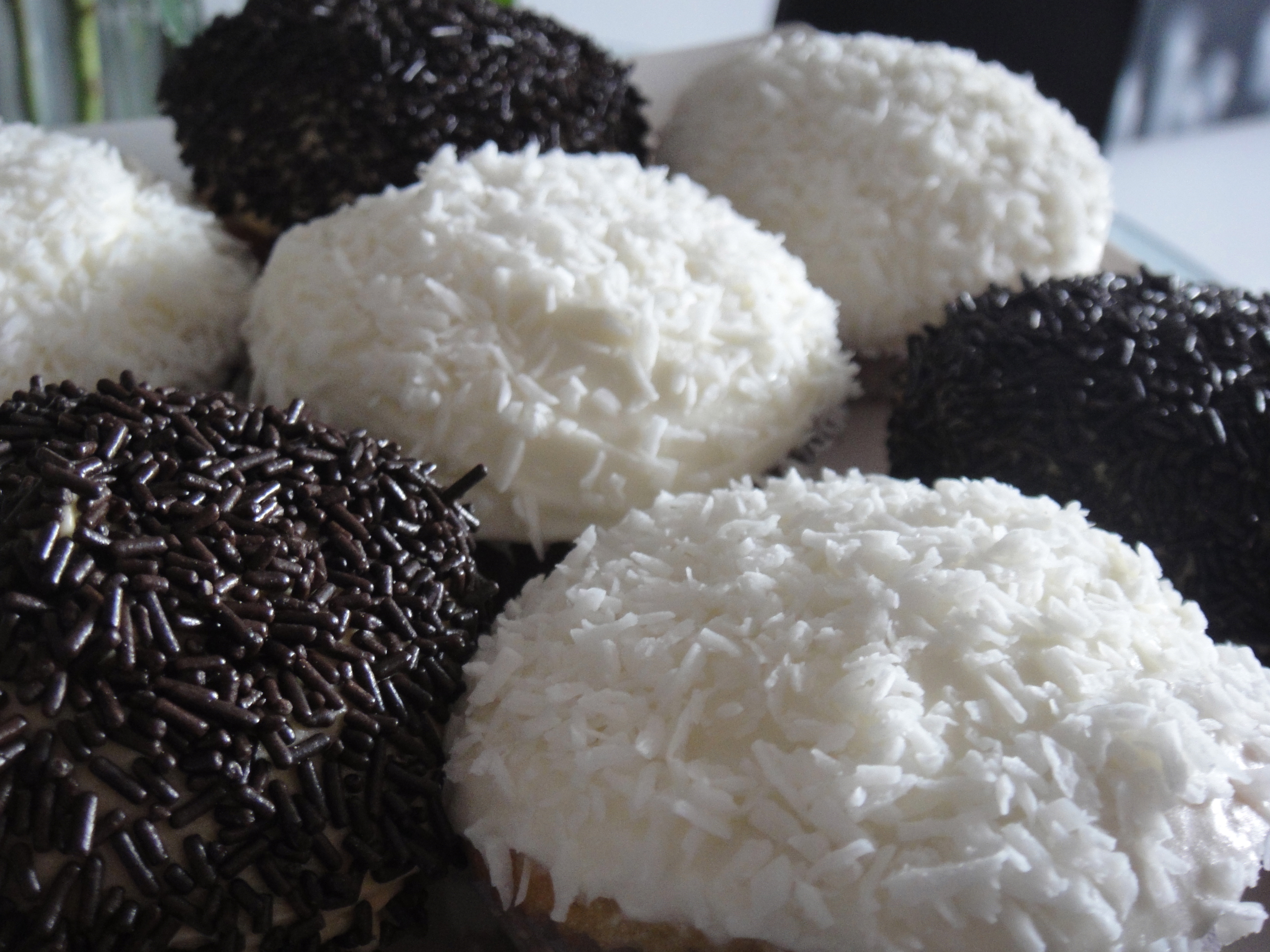
As for the sweet treats – cupcakes went all tropicana, as I chose flavours referencing the mixed and culturally rich heritage of Ruby’s parents – I made one batch of tropical cupcakes –  pineapple and coconut cupcake referencing Sarah’s Jamaican heritage and father Truong’s South Pacific patrimony – while tropical banana meets England’s now demised Hungry Monk restaurant, inventor of the infamous Banoffee Pie, inspiration for my second selection – a banoffee cupcake, loaded with indulgent dulce de leche and a gingery spiced banana sponge. Tropical flavoured, but London refined, these cupcakes were the epitome of english chic, served like a chequerboard of black and white, with one cake covered in coconut and the other in chocolate vermicelli. The fruit in both, and additions of creamy coconut milk and indulgent full fat milk respectively, made these cakes moist and delicious, while the butter cream icing was a suitably indulgent celebration of the beautiful new life in our midsts.

My recipes were adapted from London’s favourite purveyor of cupcakes, the Hummingbird Bakery. To make the pineapple and coconut cupcake, take 140g caster sugar and beat in 40g unsalted butter. Then add 120g plain flour, a pinch of salt, and 1 and a half teaspoons of baking power and mix everything together with an electric mixer. Once everything is combined, gradually mix 120ml of coconut milk and half a teaspoon of vanilla essence into the flour mixture, and finally add and mix in one egg (I actually used a bit more coconut milk – my mother always told me that the softest sponge mixtures always drip of the mixing spoon like syrup, and therefore I always add a bit more milk to achieve this effect – but it’s a matter of personal taste). Prepare 12 paper cupcake cases. Chop up 8 rings of tinned pineapple into small chunks and disperse evenly in the bottom of the paper cases. Pour the cake mixture on top and place in the oven at 170 degrees celsius for around 20-25 minutes. Test with a skewer to make sure the cakes are cooked. The skewer should come out clean. Once the cakes are cooled, make your butter icing. Beat 250g icing sugar with 80g unsalted butter with an electric mixer. Slowly add 25ml of coconut milk and whisk until very white and light and frothy (around 5-10 minutes). Paste onto the cake with a palette knife and sprinkle liberally with desiccated coconut.

The banoffee cupcakes are pretty similar. 140g of caster sugar should be added to 80g of unsalted butter. Then add 120g plain flower, a teaspoon of baking powder, a pinch of salt, a teaspoon of ground ginger and a teaspoon of ground cinnamon. Mix until well combined and then slowly add 120ml of whole milk and two eggs. Separately mash up approximately one largish banana (around 120g peeled) and stir into the cake mixture. Spoon into paper cases and cook at 170 degrees for around 20 minutes. For the icing, beat 250g icing sugar with 80g unsalted butter. Then, if you want to make your icing indulgently dulce de leche, take a small can of condensed milk and simmer on a low heat for 3 hours (yep, this takes patience) without opening the can. Make sure the water doesn’t dry out in the pan and the tin is always covered with water or the tin will explode. After three hours, open up the can and you should find yourself with a tin full of caramel deliciousness. Add a few tablespoons of this to your butter icing mixture depending on how sweet and rich you want it. Build up on your cakes with a palette knife and sprinkle chocolate vermicelli liberally over the cakes.

And there you have it. Uber sophisticated tropical cupcakes, perfect for the summer, whether a baby is forthcoming, newly arrived, or just a distant pipe-dream.

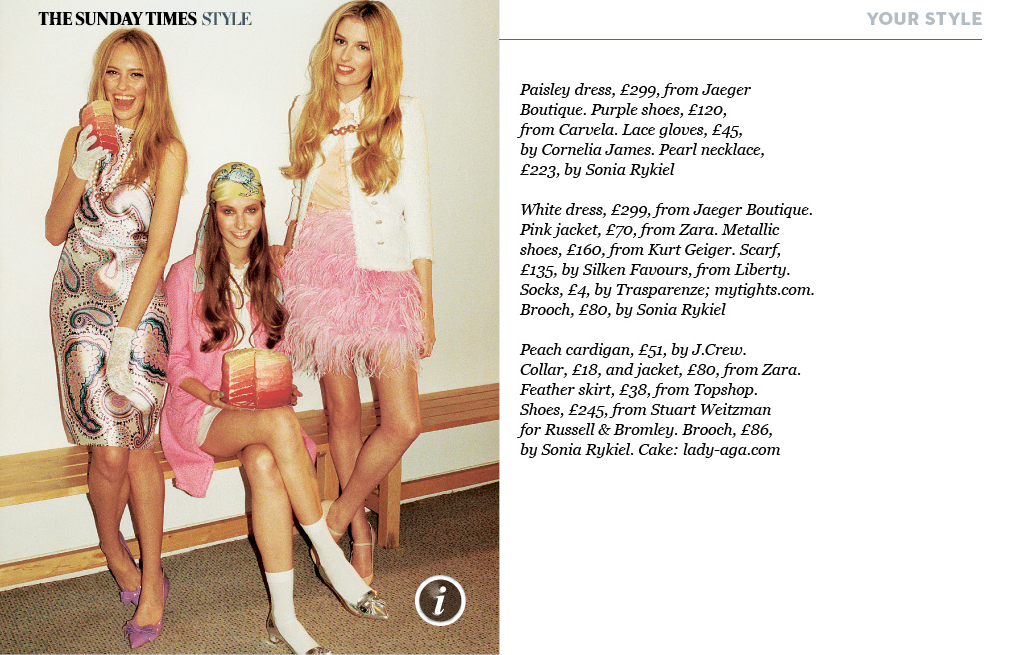
PS: Talking of uber-chic cupcakes, I am SO proud of my friend Celia whose red-velvet multi-layered ombre cake made it into this week’s Sunday Times style section as shown here… amazing!

Madeleine Melody

OK, so admittedly, the macaron attempt a few months back didn’t exactly go to plan, as my post “Macaron Madness” will testify. So I’ve turned to another Frenchie patisserie favourite which has turned out to be slightly easier to master. In fact, I’ve mastered quite a few French favourites of like, including Crème brûlée with a picture-perfect crackable burnt caramel top (courtesy of my new favourite kitchen toy – the mini blow torch) albeit that on my third attempt, the Crème brûlée somehow managed to revert into a kind of mousse brûlée (this being the one which was rather embarrassingly cooked for two French guests – I was full of bravado about English boy being able to cook French food to perfection and then that little mishap occurred… naturally I pretended it was a purposeful reinvention of the classic). And crossing over the Pyrenees to Catalonia, I’ve also recently mastered Crema Catalana, the lighter, citrus and subtly spiced version of the Crème brûlée, a dessert which previously had me stumped – it was either too runny or like jelly. Anyway, I digress, back to France…

I’ve been intending to cook madeleines for some time, ever since I picked up one of those shell-shaped baking moulds as an impulse purchase purely because it was made of silicone and is red (thus matching my kitchen colour scheme to perfection). Nonetheless, there my madeleine mould remained, creased up in my pots and pan cupboard in a way that only silicone could, until one day, a few weeks ago, when my ears customarily pricked up to the words “Paris” on my television screen and I found myself falling instantaneously in love with a new cookery programme: Rachel Khoo’s The Little Paris Kitchen. This programme is a must for any Paris lovers – it’s worth watching alone just for the stunning views of Montmartre roof tops, the Tour Eiffel by sunset, Paris viewed from the roof of the Grand Palais where they keep beehives (who would have known?!) as well as a quirky soundtrack featuring an ecclectic mix of old French classics from the likes of Charles Trenet as well as punchy tango chill from the Gotan Project. But by far the star of the show is the little teeny weeny kitchen which gives the show its title, as well as the equally tiny, affable and engaging proprietress of her little kitchen restaurant, Rachel Khoo. She aims to cook undaunting French classics, more often than not with a contemporary twist. She makes French cooking accessible and very unpretentious, which lets face it, makes a change, and she fills the hearts of us english with a certain pride – she is after all a London girl who has made it good in the closed culinary world of Paris.

Rachel Khoo

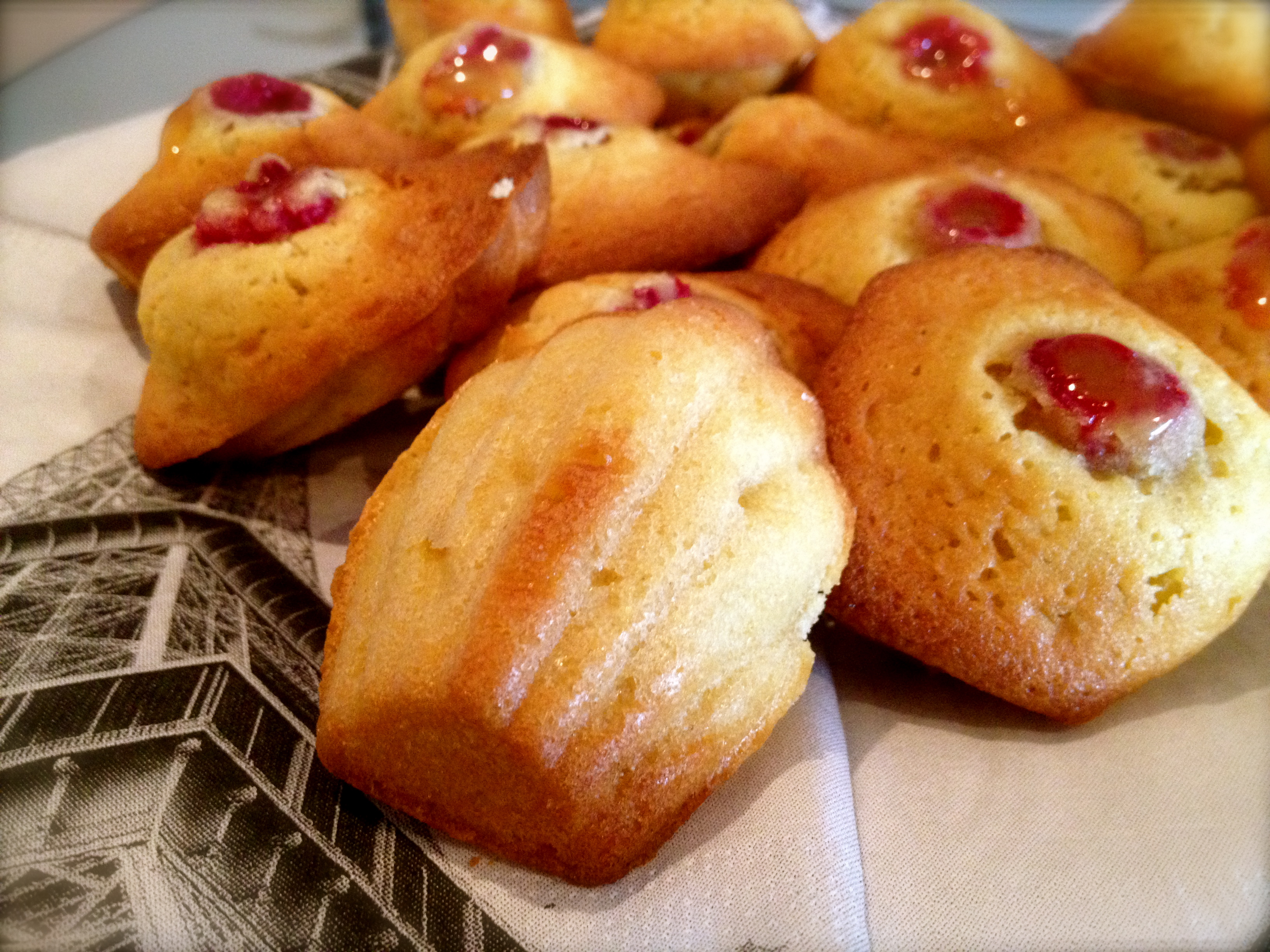
Anyway, it was Rachel Khoo who, in her first episode, made madeleines with a twist – she places a single raspberry in each madeleine before cooking and then, once hot out of the oven, pipes the raspberry’s little opening full of an oozy lemon curd. No wonder I was inspired to take out my funny red silicone tray and try this recipe out. The results were good (see photos below) – the madeleines, unlike those which you can buy cheap in Monoprix, are unctuous and moist, and this is no doubt helped by the the lemon curd and and raspberry, both of which combine to provide a delicious mid-Madeleine treat to break up an otherwise buttery flavour. Rachel Khoo, I salute you.

Pre-cooking - the madeleine mix in my silicone mould complete with raspberries, hole facing upwards

Et voilà, the finished madeleines

I told you I'm obsessed with Paris...

Rachel’s recipe for madeleines à la crème au citron can be found here.

Bon appetite!

Related articles