Skip to content

Posts tagged ‘Blogging’

An Autumn Overview

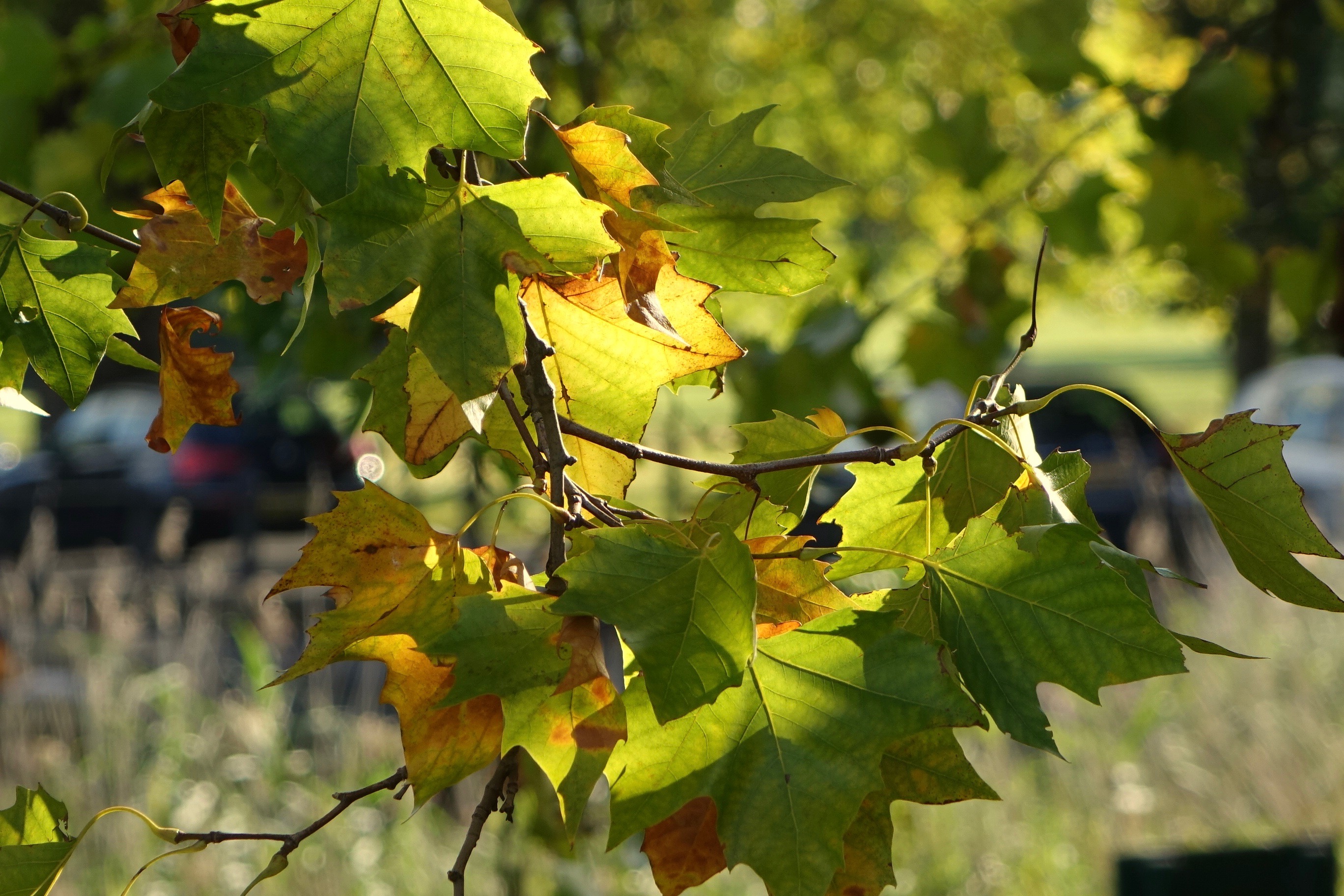
Time is moving fast. I opened my eyes the other day and suddenly realised that Autumn was already being displaced by Winter. The tree opposite our apartment is clinging pathetically to its last remaining leaves which will be jealously snatched away by Winter winds in a matter of days. And the heavy fall of foliage is gradually being reduced to a new layer of mulch as rains and morning frosts start the process of decomposition before Spring.

Of course the light at the end of this cold and windy tunnel is Christmas, and it’s already close at hand. In London, the streets are sparkling with wall to wall lights and glowing shop windows exhibit more and more extravagant festive displays. And in my own home I am giving myself over to plans of how to diversify my customary Christmas decor to match new interior designs.

DSC07739DSC07574DSC07575DSC07708IMG_4878DSC07434DSC06386IMG_4873

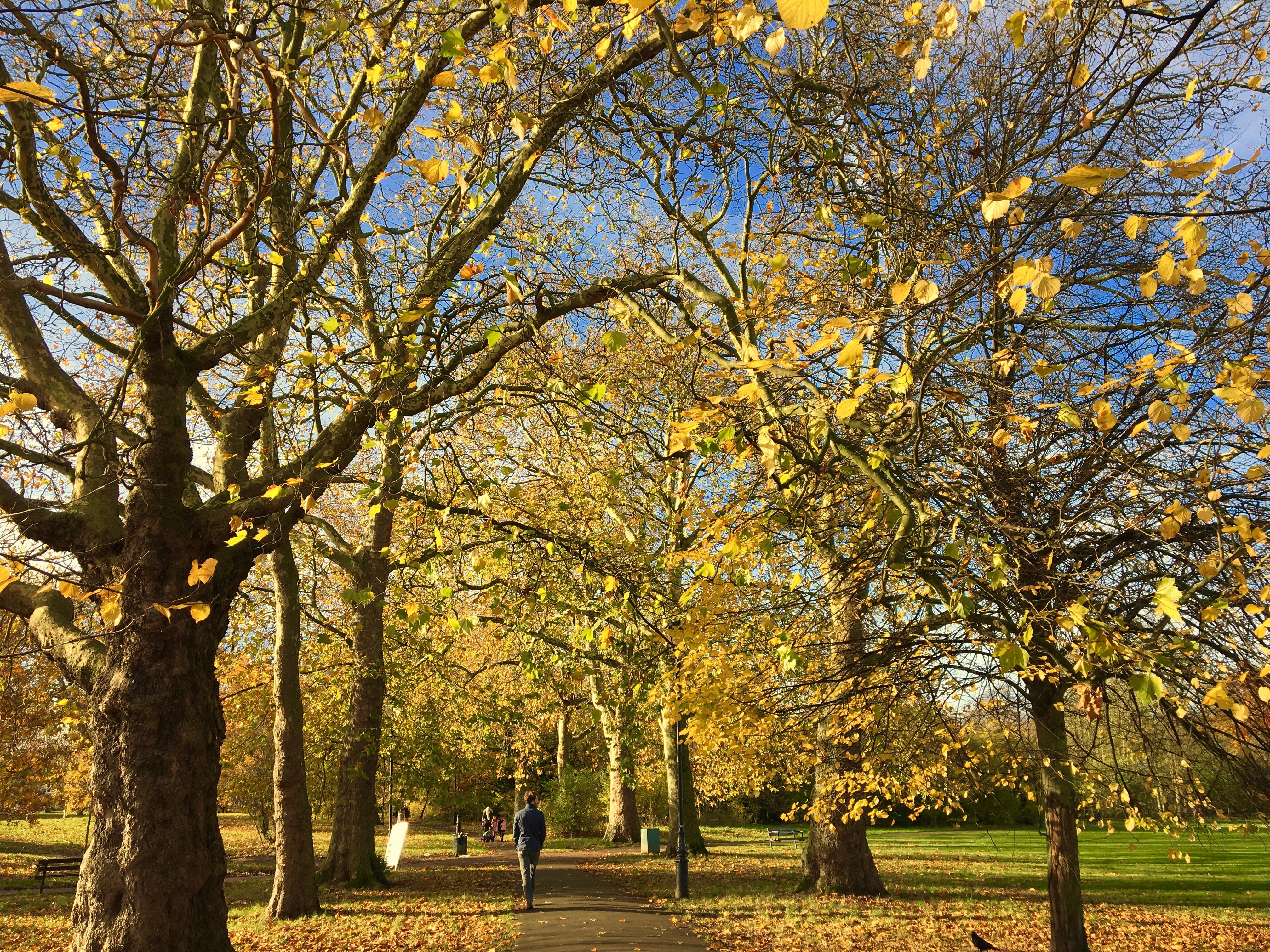
But before The Daily Norm immerses itself once again in the festive season, I thought it an apt time to review a few photos I took of the stunning autumnal colours which graced London this autumn. My shots are largely collated in Clapham Common, the large expanse of grassy planes and tree-lined paths which we are lucky enough to call our front garden and to enjoy every day of the year. I don’t know whether it was a combination of climatic factors, but something about the colours of autumn really excited me this year. And I didn’t have to go far to find them.

So let us enjoy a little last glimpse of Autumn in these final months of November. Very, very soon the Winter will be upon us…

© Nicholas de Lacy-Brown and The Daily Norm, 2001-2017. Unauthorised use and/or duplication of the material, whether written work, photography or artwork, included within The Daily Norm without express and written permission from The Daily Norm’s author and/or owner is strictly prohibited.

The Colours of Marrakech, Part 6: Sunset Fuchsia

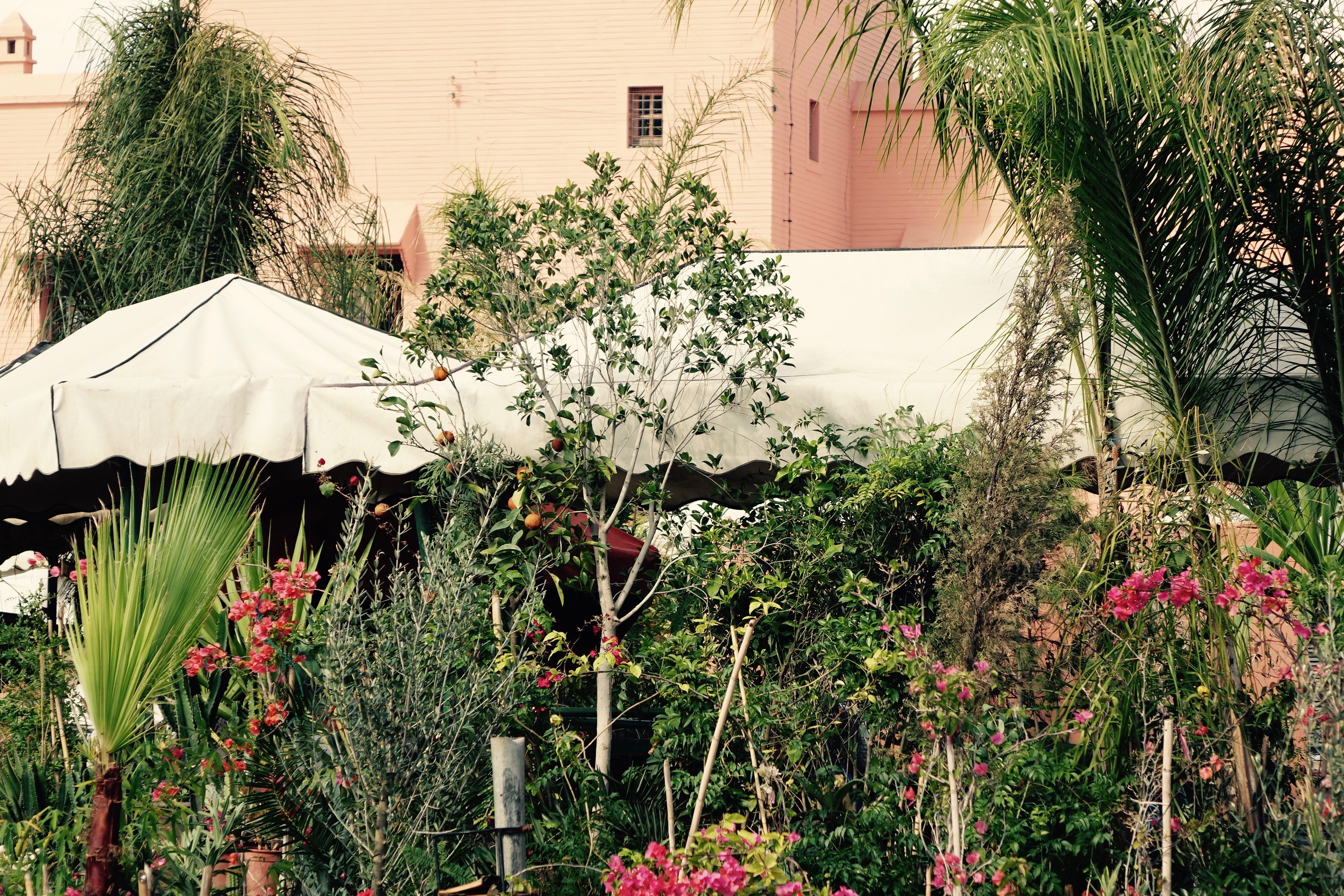
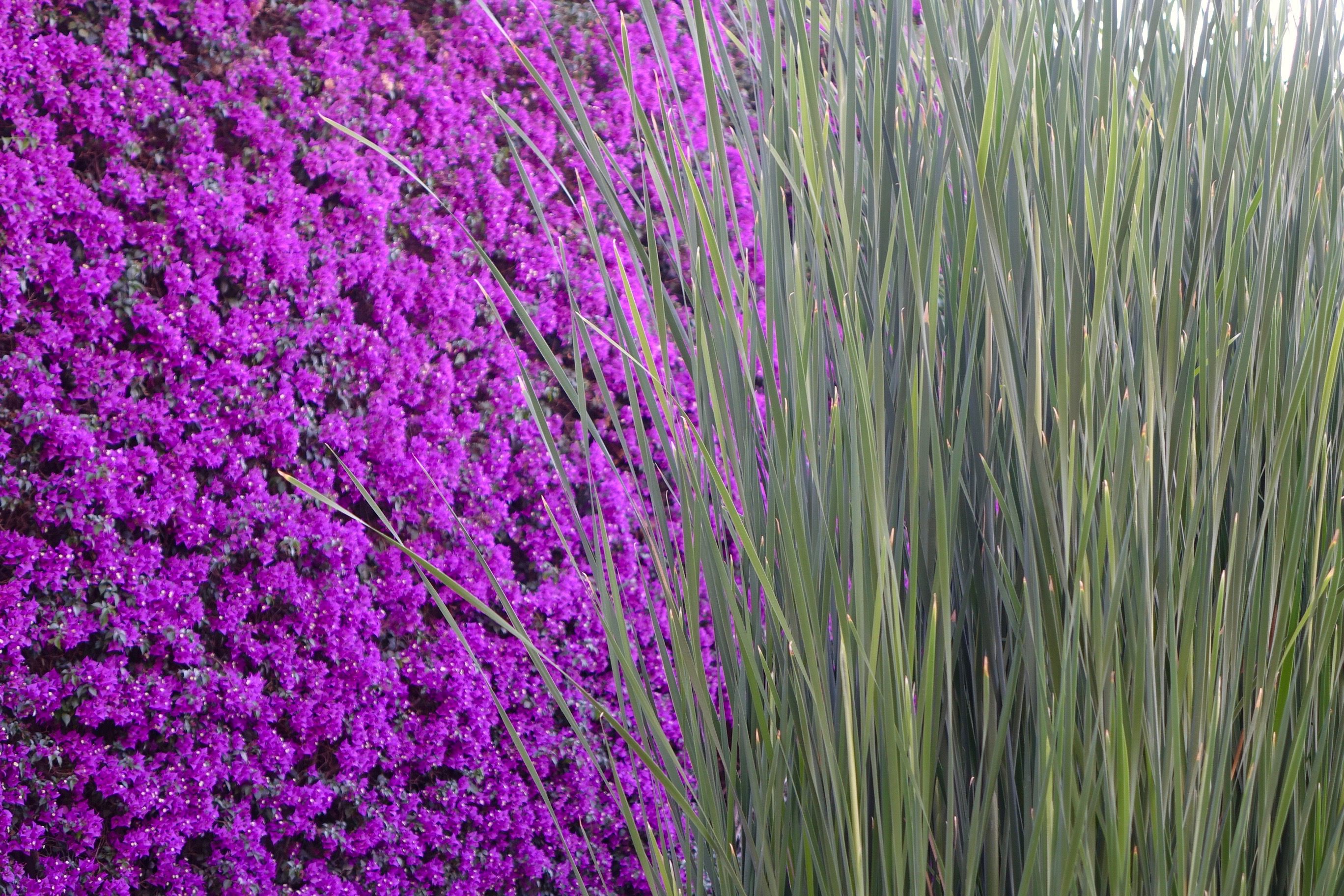
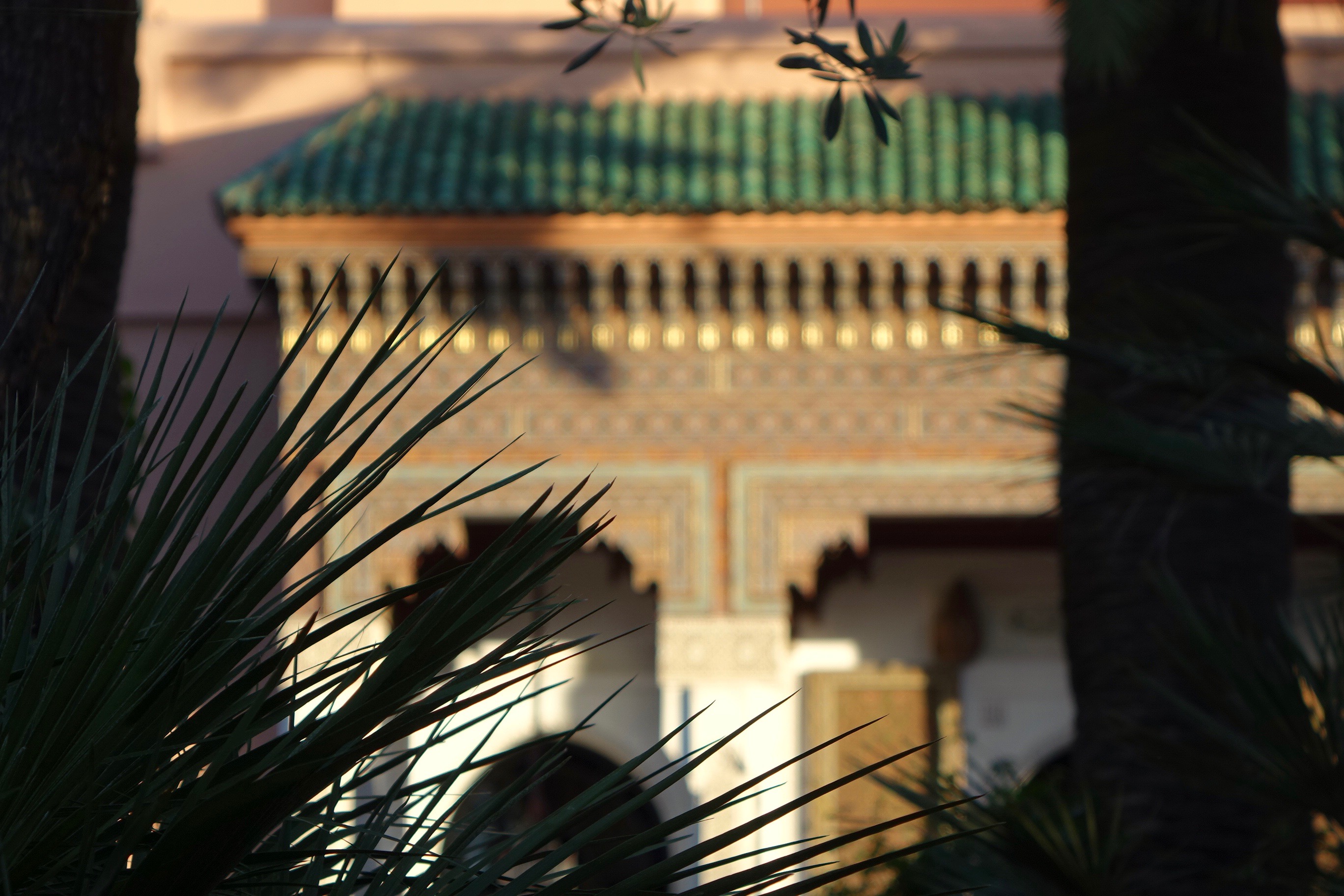
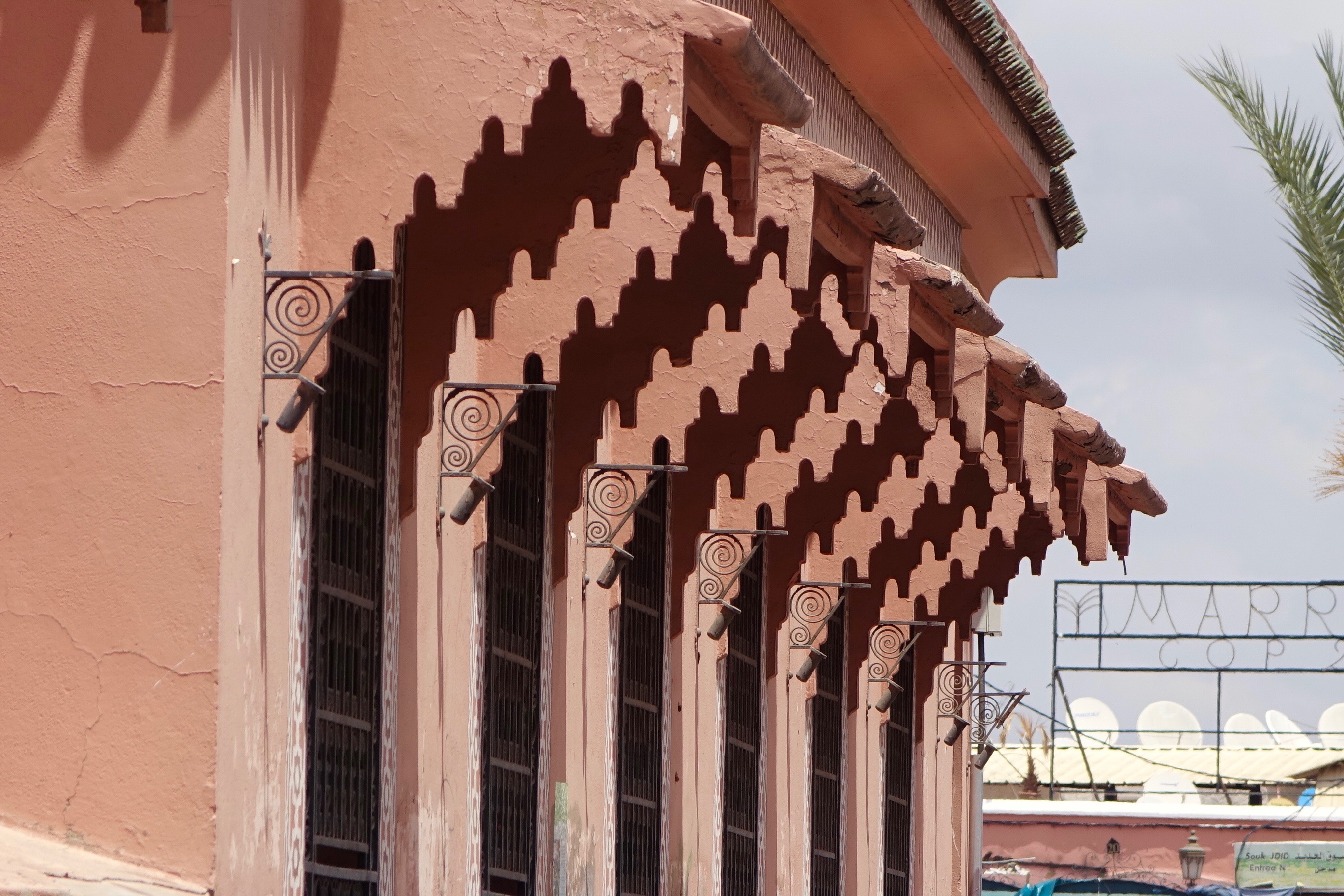
Marrakech is a city so abundant in its palette of colour that I have been able to successfully craft my tale of our trip there by reference to its vastly diverse tonality. Starting with the rose colour which characterises the city walls and the majority of its ancient buildings, and exploring the golden ochre of its crumbling palaces and the stunning blue of the Marjorelle Gardens, my colour-focused posts reached a peak when they entered the multi-coloured world of the Souks which beat at the heart of Marrakech’s ancient medina. But to end the set, it felt appropriate to go back to the pink hues which started it all, not least because this specific shade of pink was cast at the end of the day, when the sun cast a glorious new hue over the city.

DSC00483DSC00504DSC00503DSC00497

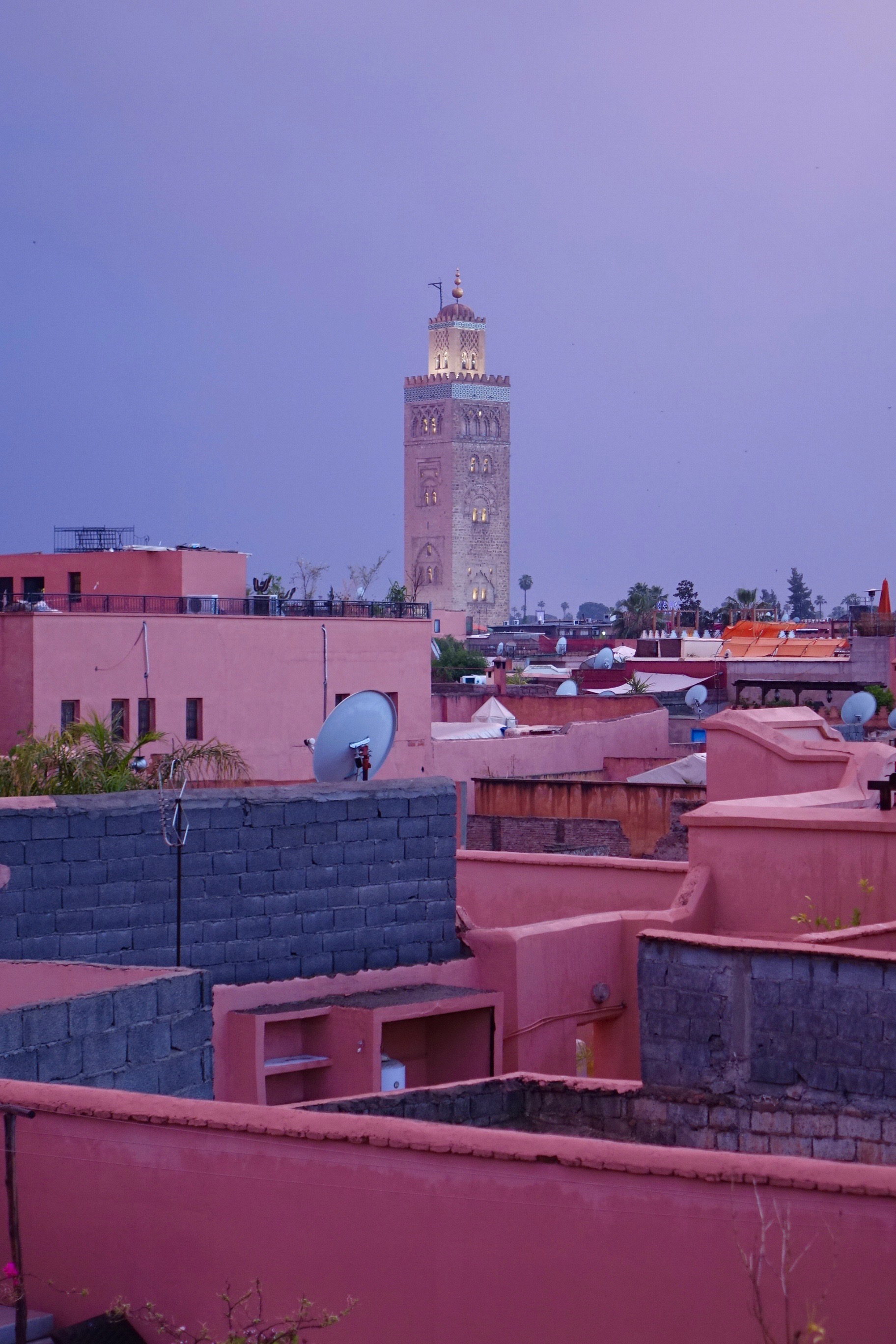
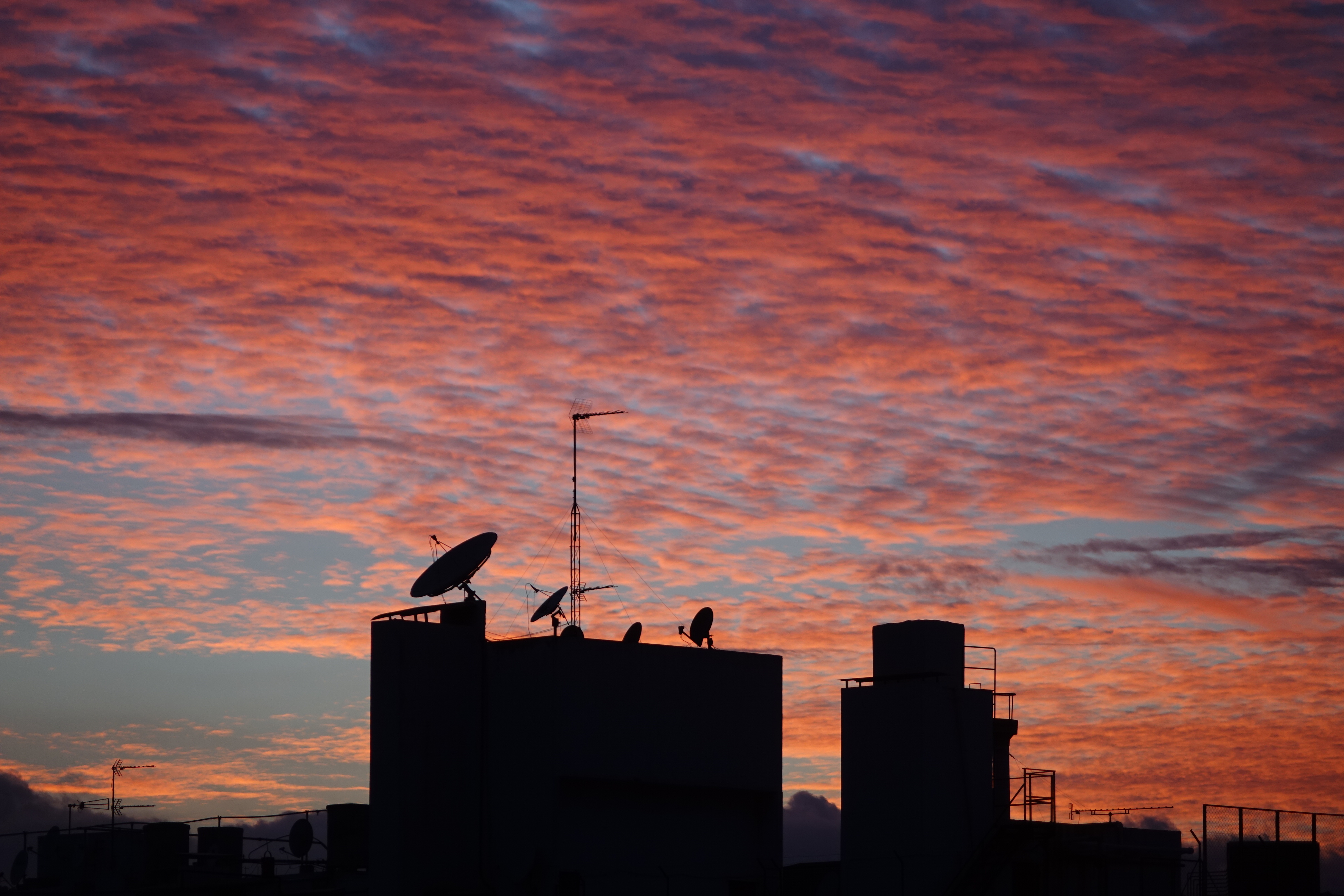
While the city is most definitely pink, it was enchanting to watch how that pink developed and transformed as the various stages of the day unfurled. In the morning the pink was dusky and pale as it warmed up gradually with the rising of the sun. At midday the baking sun made the pink luminescent, fiery and peach like. And when the odd cloud came over, the pink was more mauve and moody. But only once did we see the greatest transformation of all. It was after a huge storm ended the day, refreshing us all, but casting a fierce spectacle of rain and lightening across the city. Just as it was nearing its end, the sun plummeted to a level beneath the clouds and as it did so, its refracted light reflected off the clouds and back down onto the city to create a vivid kind of fuchsia pink lighting which literally filled the city. The result was almost eery, as spaces such as our Riad, which were decorated by a very pure white marble, were immersed in a beautiful shade of cherry-blossom. It was almost as though the clouds had rained rosé wine, and we were all swimming in their fruity waters.

DSC00492DSC00495DSC00501DSC00487

The drama and the beauty of the moment was one I will long remember, and is a fitting tribute to this incredible trip, a journey which tantalised each of my senses to a degree never experienced before.

DSC00753

© Nicholas de Lacy-Brown and The Daily Norm, 2001-2017. Unauthorized use and/or duplication of the material, whether written work, photography or artwork, included within The Daily Norm without express and written permission from The Daily Norm’s author and/or owner is strictly prohibited. 

Marrakech Moments: Cocktails at the Mamounia

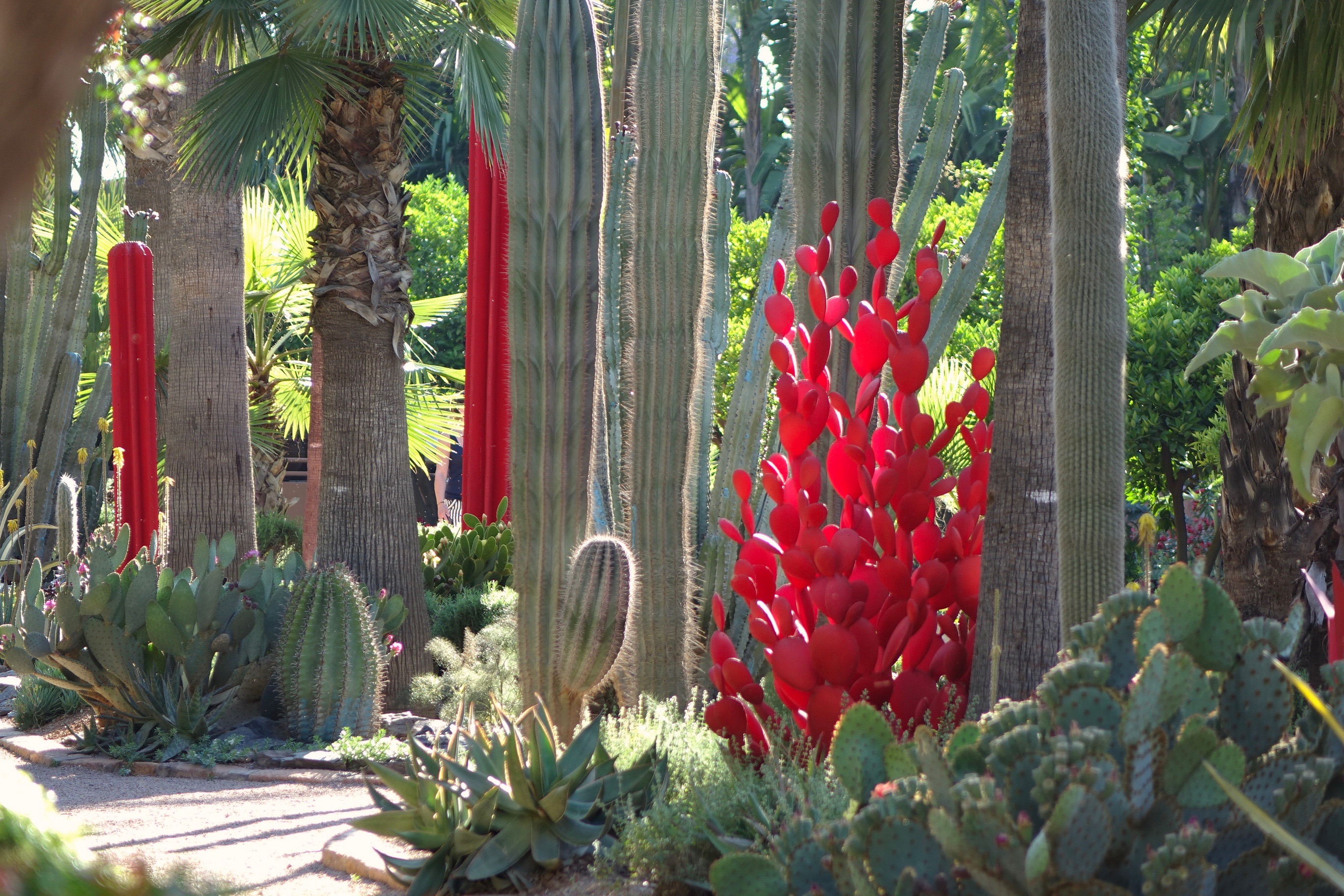
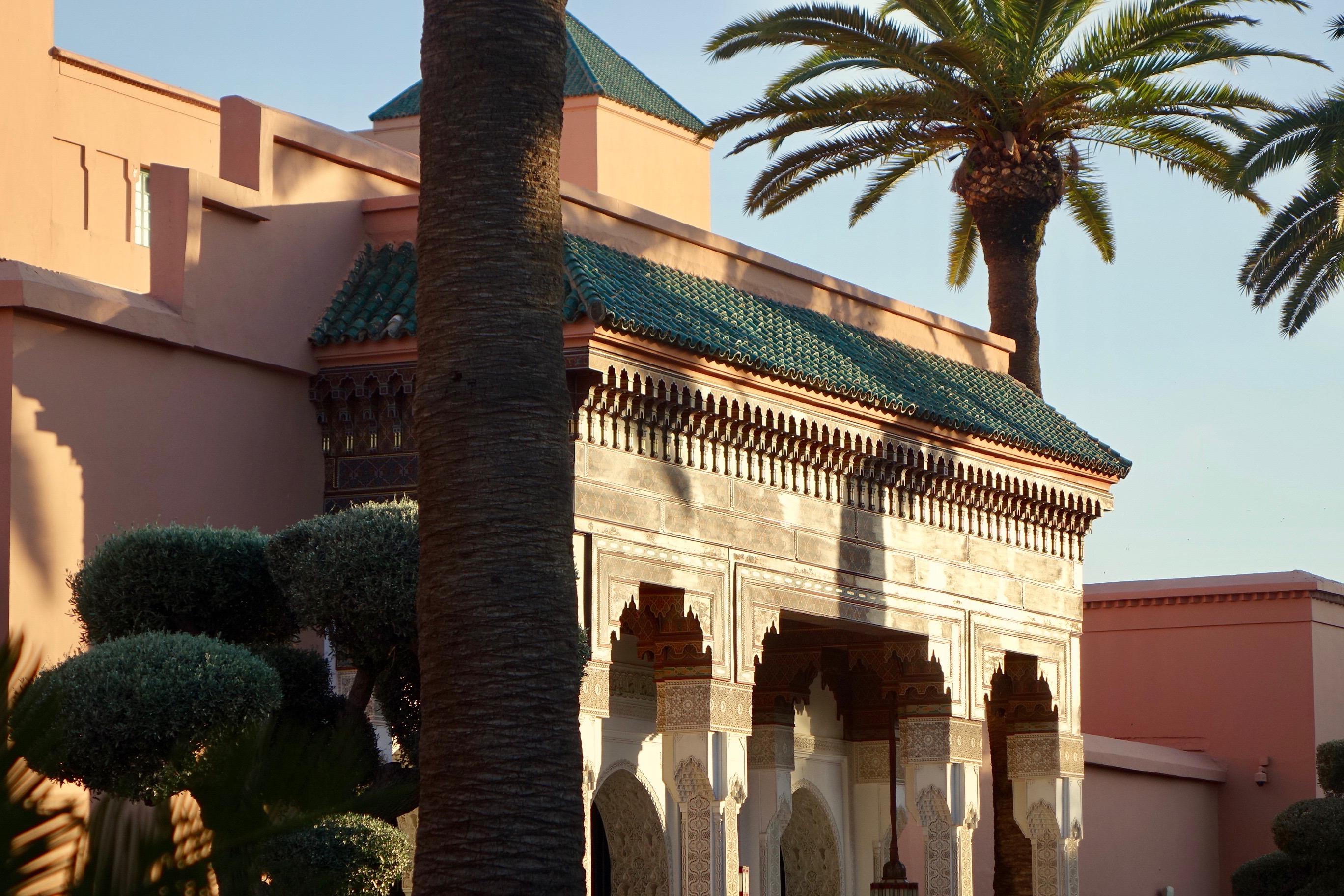
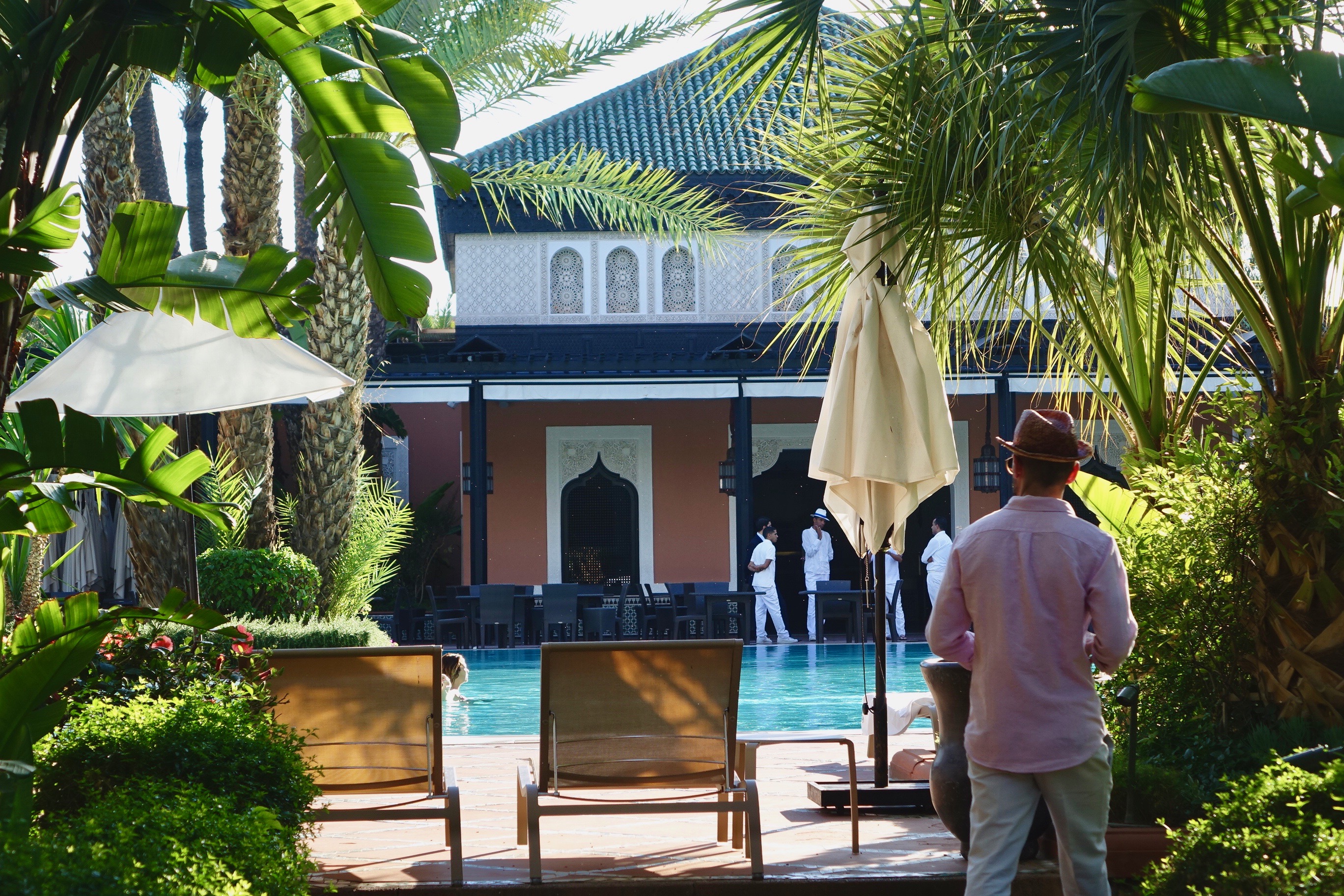
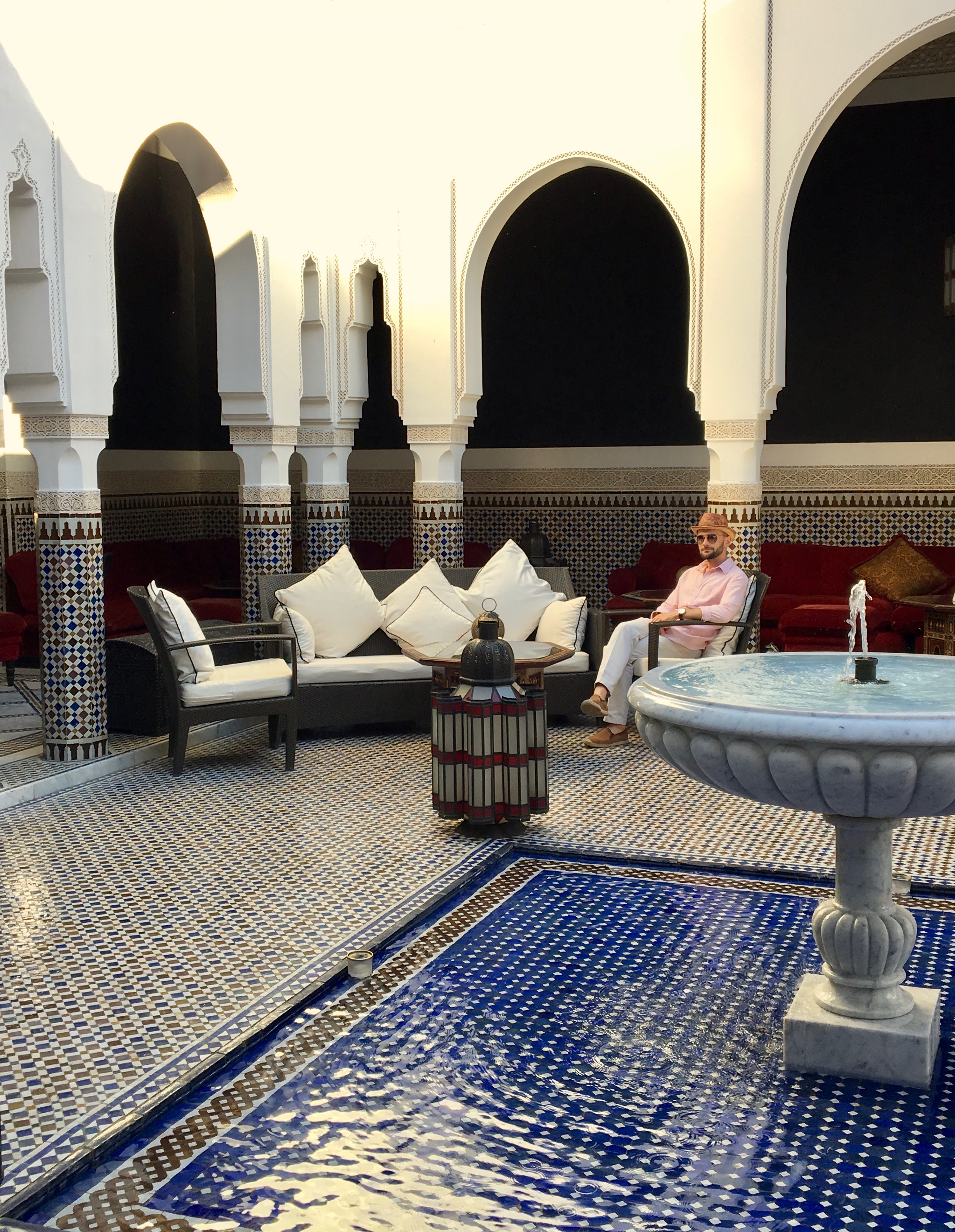
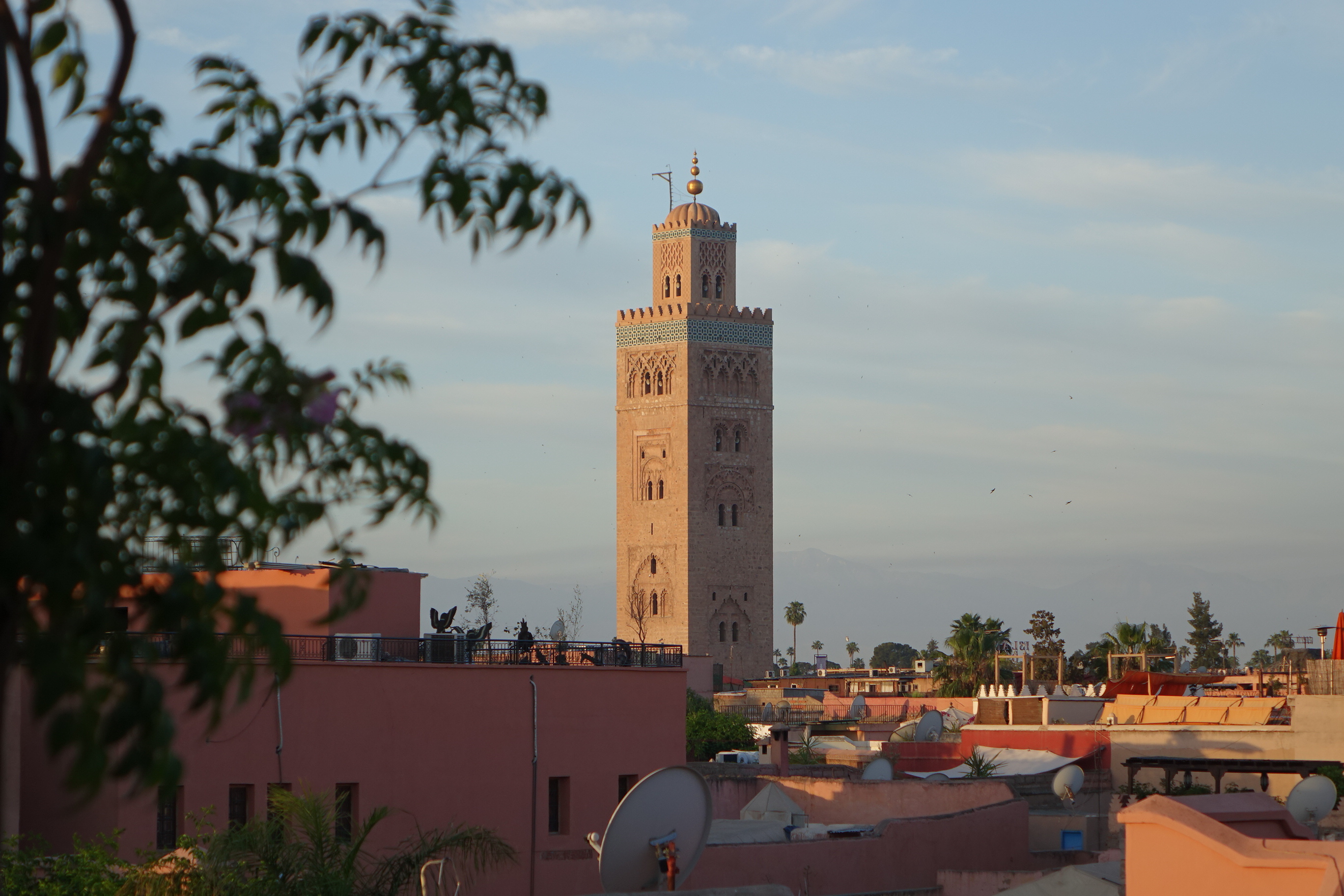
Marrakech is a place of extremes. In the Medina, its ancient heart, you could so easily be transported back 200 years as donkeys and horses take the place of cars, and chickens, cats and small dirty looking children roam the streets. Yet outside the old city walls, you’ll find an airport, brand-spanking new, so shiny and dazzling that it makes Heathrow T5 look like an interim solution. But what marks the extremes more than anything is the evident wealth gap which exists in the society. No more obvious is this than at the Mamounia, one of the world’s great old hotels, situated just beyond the main Koutoubia Mosque but so different from its surroundings. For while the dusty streets outside are filled with beggars and tradesmen scraping to make a living, inside the hotel you find a world resplendent in its lavishness, with levels of luxury perhaps higher than I have ever seen before.

DSC01410DSC01451DSC01415DSC01440DSC01444IMG_0293DSC01435DSC01424

No wonder then that the place was not easy to get into. One grumpy doorman at first refused us entry, since he obviously judged our joint worth to be far less than the average guest. But a confident swagger, sunglasses donned and a second attempt got us through the grand entrance. We were after all determined to visit the hotel. Not only is it renowned as one of the most luxurious in all of Africa, it was also the location for some of the most famous scenes of Hitchcock’s The Man Who Knew Too Much, where Doris Day sang her famous hit, Que Sera Sera for the first time.

DSC01456DSC01405DSC01448DSC01409DSC01430DSC01412DSC01411

Once in we were understandably dazzled by the sheer extent of the opulent interiors and  expansive gardens which we were able to enjoy to full while waiting for a table to become free on the elegant terrace of the Italian Bar. In those grounds, so large they were used to film scenes from Alexander, we found tennis courts, pools, loungers aplenty, herb gardens, Arabic lounges and an entire wall brimming with bougainvillaea. There was even a pavilion at the garden’s centre just built for afternoon tea. But we had cocktails on the mind, and when our stroll was over, our table lay in wait, and we quenched our thirst with a well earned G&T and a Strawberry Daiquiri. It wasn’t the cheapest of occasions, but it was a hallmark moment of our trip. While it may have been a very different world from the city of Marrakech just outside its mighty walls, there was something about the grandeur of this 92 year old hotel which made us feel very at home.

IMG_0305

© Nicholas de Lacy-Brown and The Daily Norm, 2001-2017. Unauthorized use and/or duplication of the material, whether written work, photography or artwork, included within The Daily Norm without express and written permission from The Daily Norm’s author and/or owner is strictly prohibited.

The Colours of Marrakech, Part 4: Multi-coloured Souks

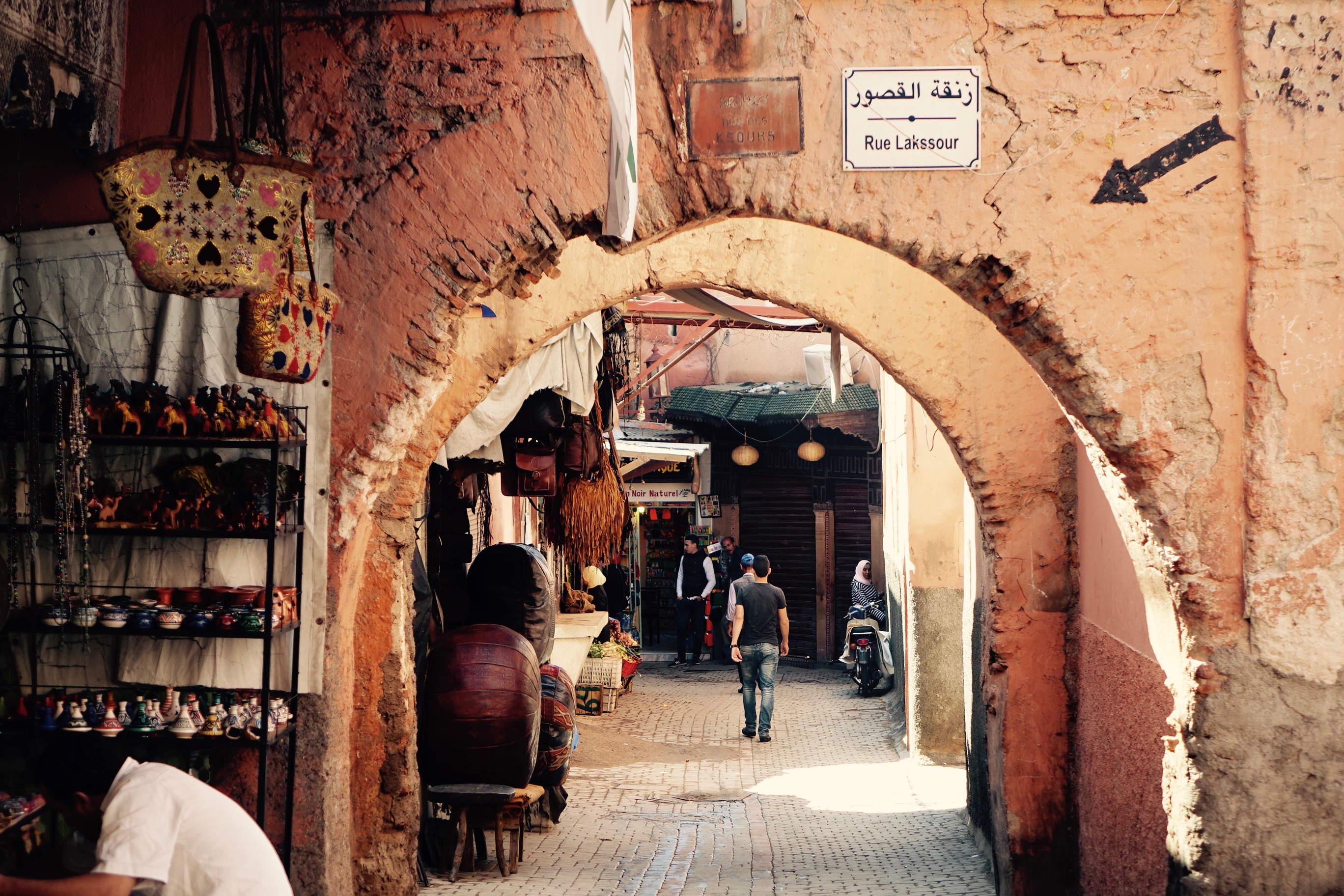
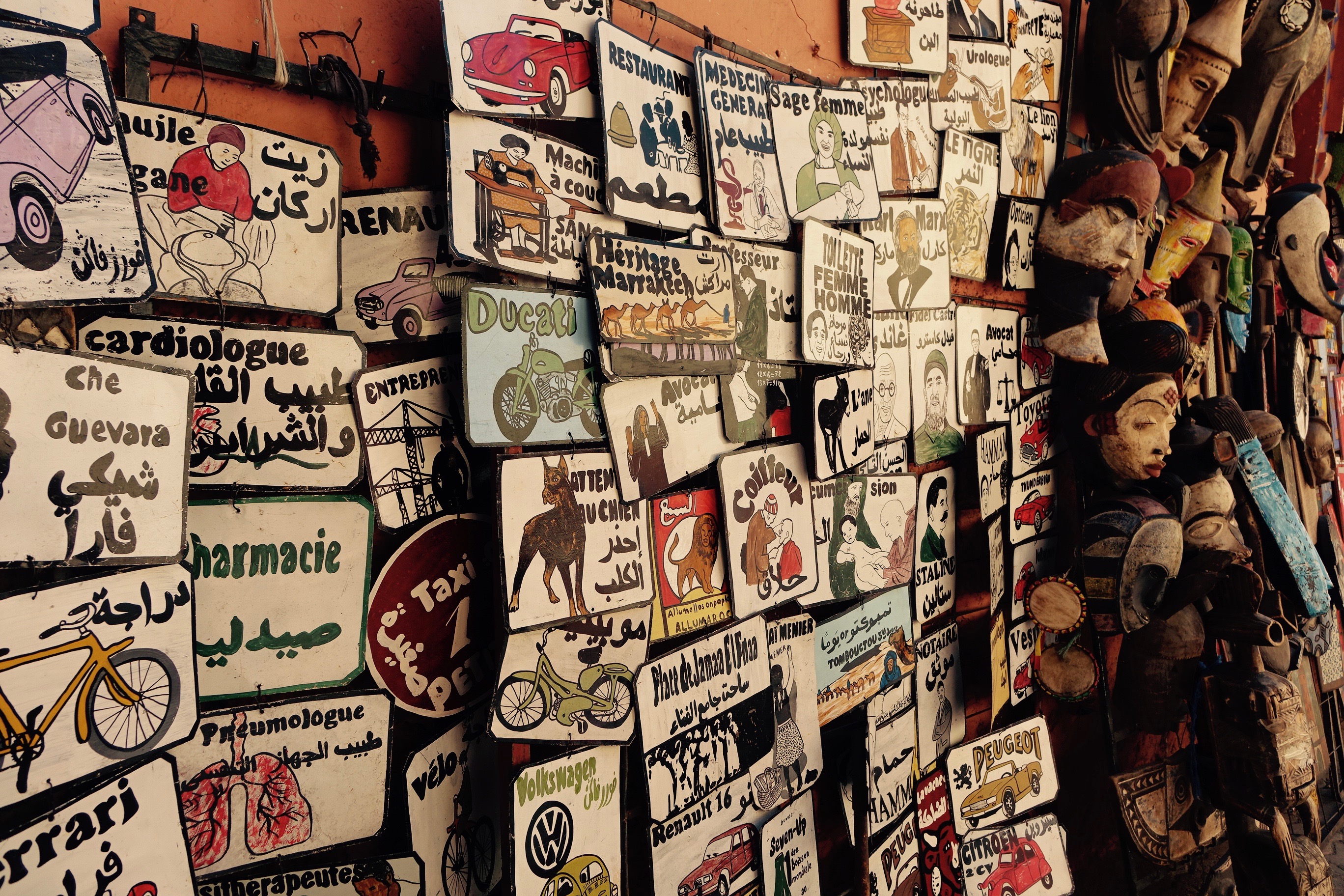
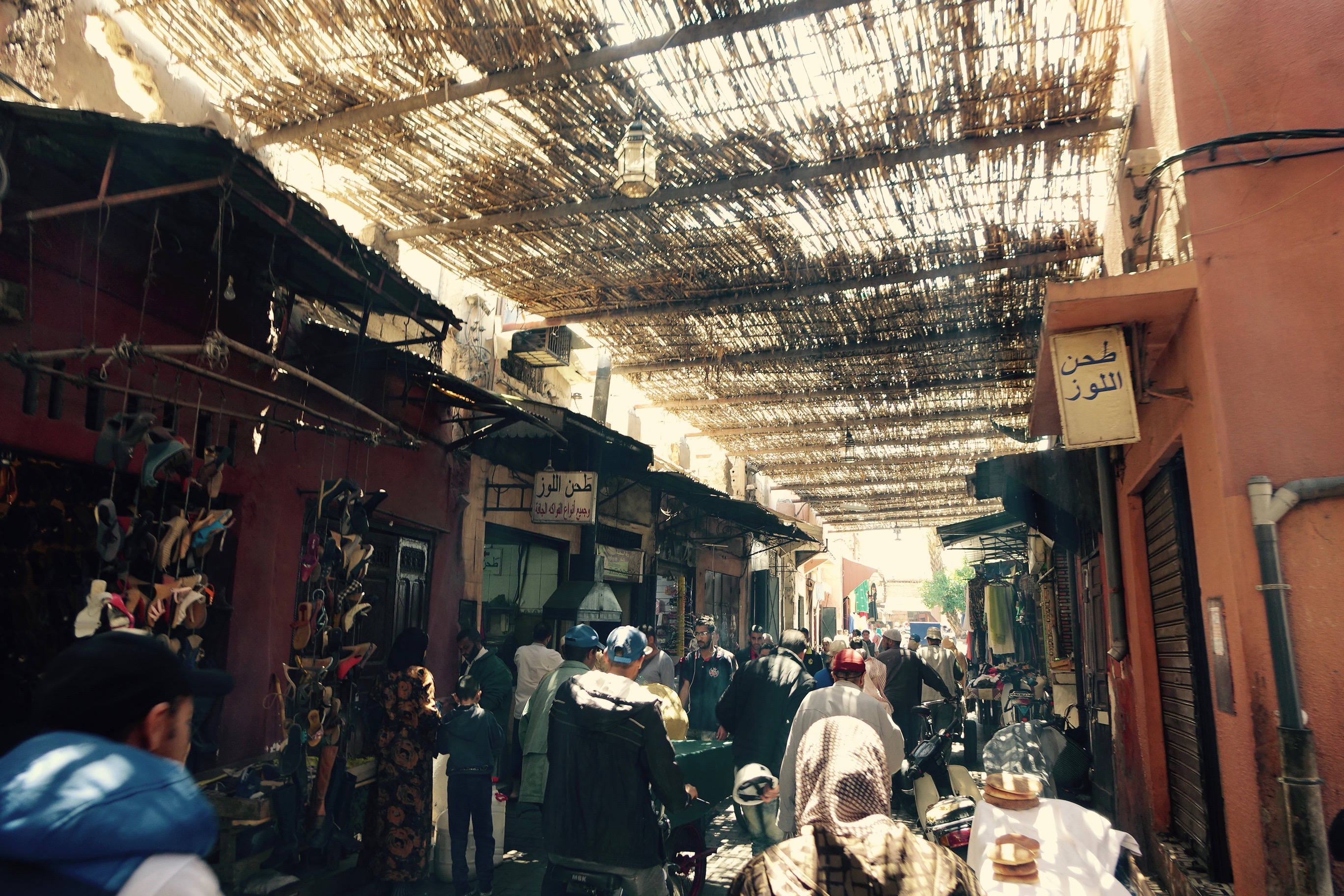
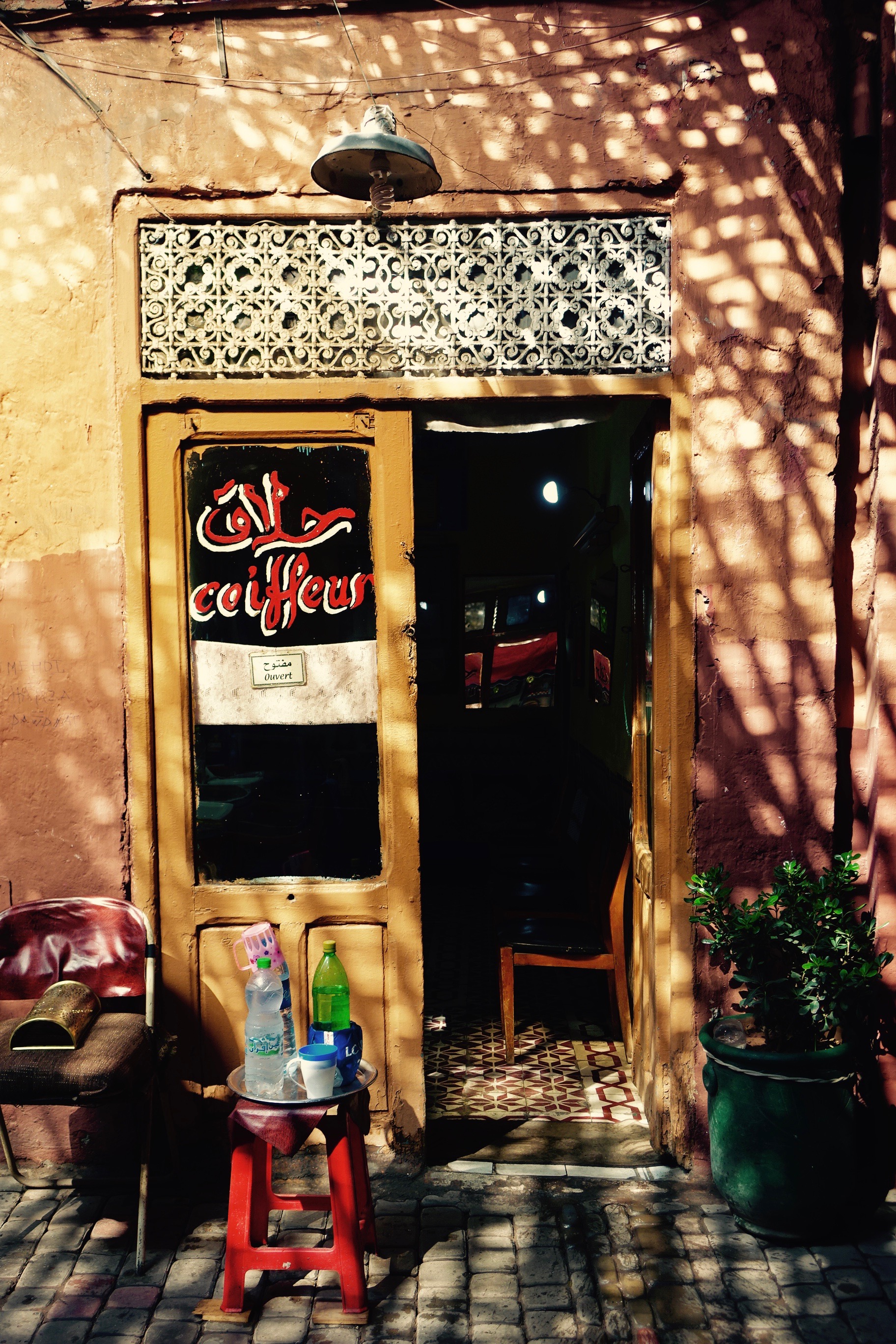
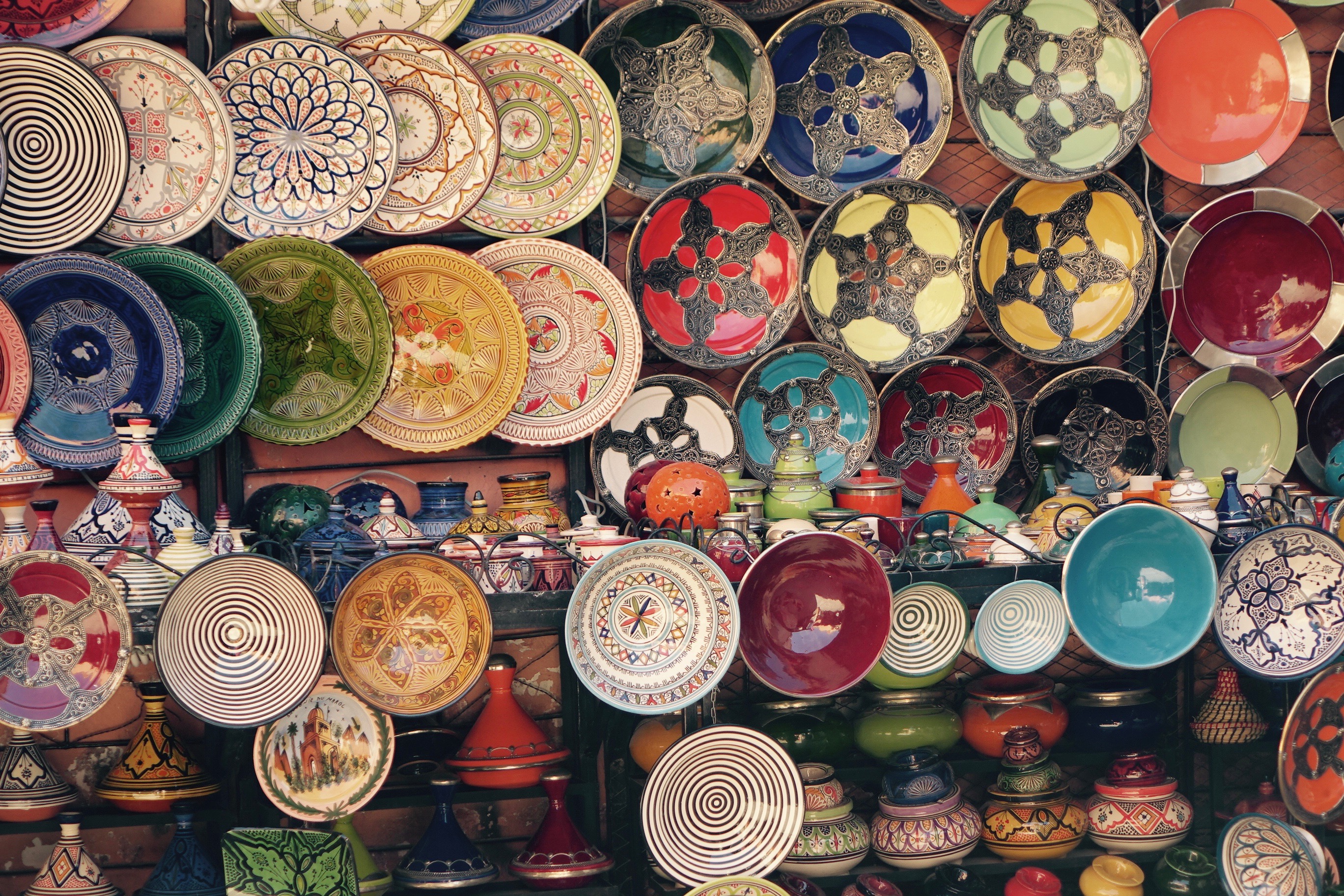
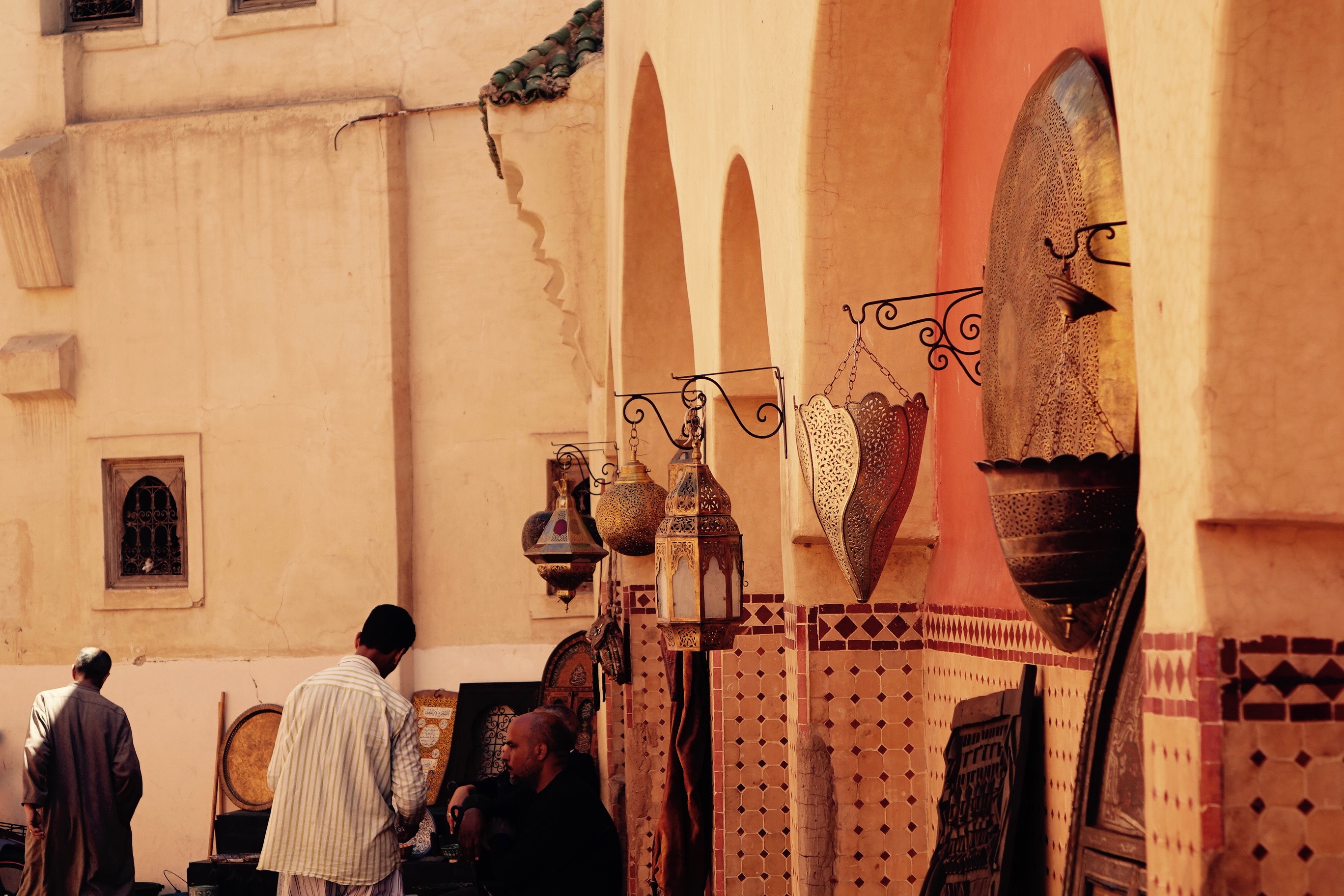
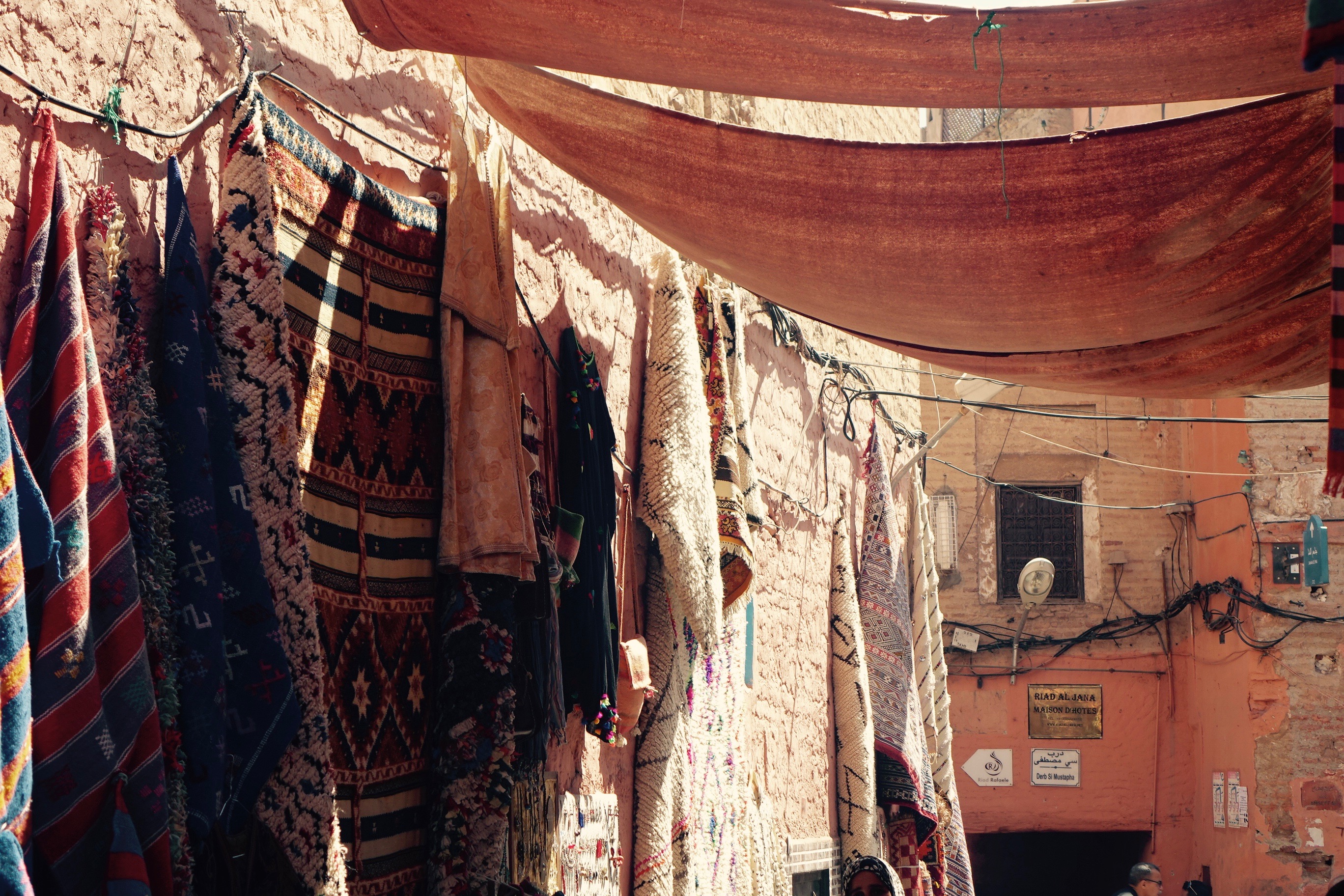
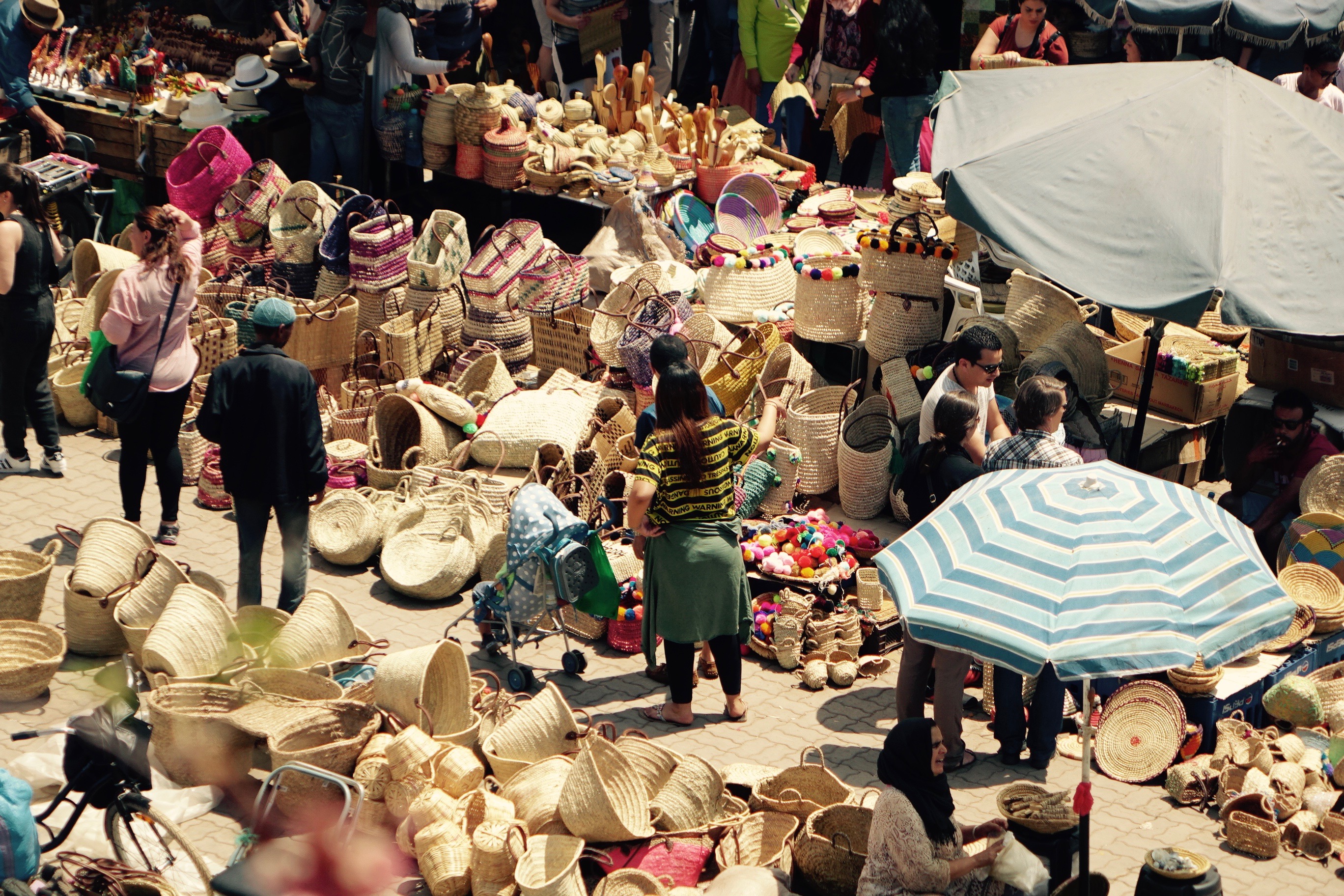
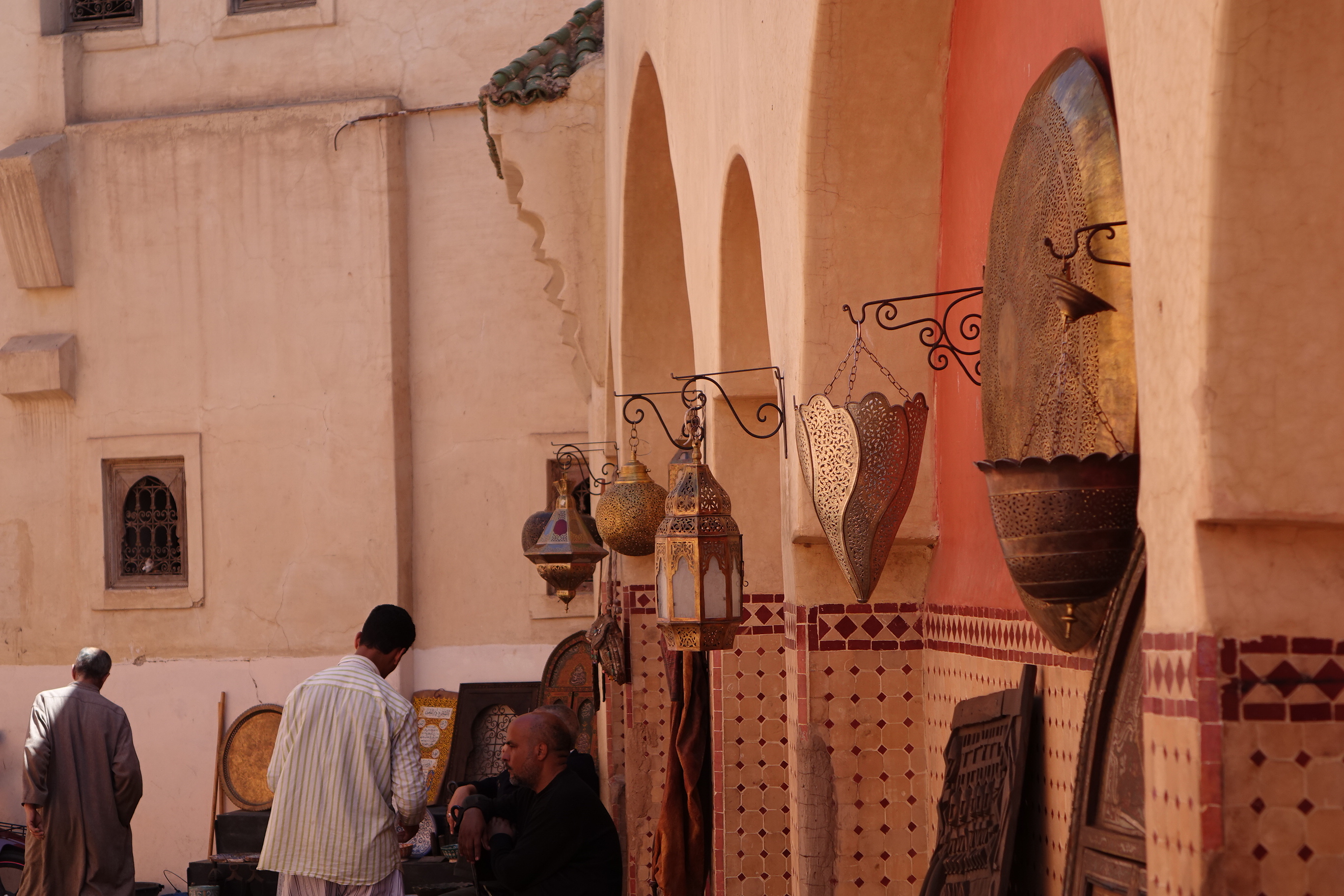
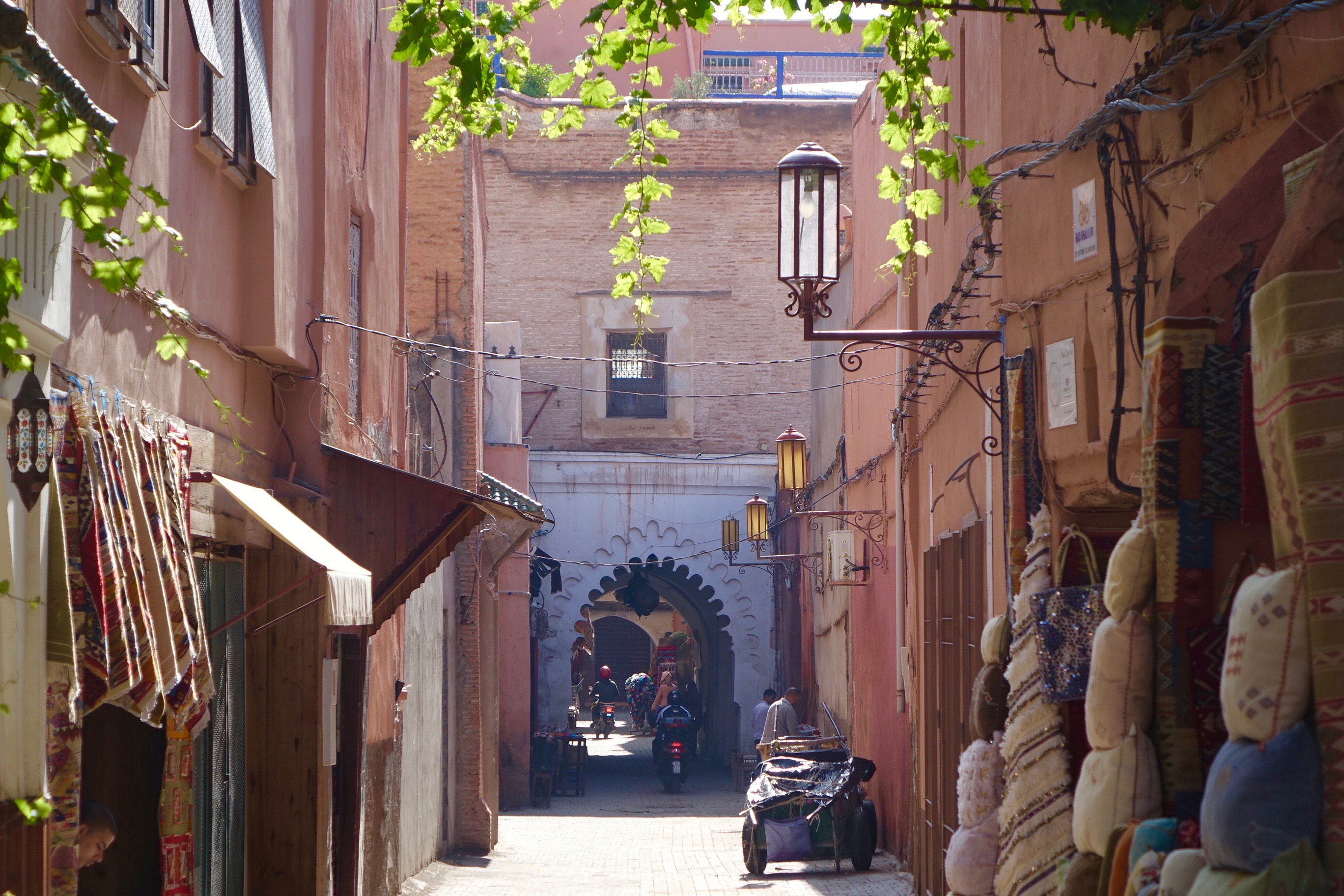
Winding, uneven, disorientating streets, packed with every kind of sight and sound and smell. A maze of chaotic, pulsating brilliance, cross crossed with shards of light as the boiling heat penetrates awnings made of grass and bamboo. These are the Souks of Marrakech, the utterly mesmerising completely confusing labyrinth of tightly packed market streets which sit at the heart of the city’s ancient Medina, and of its inhabitants. For trade has always been central to the functioning of Marrakech, which grew up around its perfect positioning for business with Spain and the rest of mighty Africa. Today the Souks remain the ancient location for the thousands of craftsmen eking out an existence selling their handmade wares, and easily the most fascinating place to visit.

DSC00766DSC00186DSC00575DSC00183DSC00428DSC00609DSC00362DSC00190DSC01081DSC01350DSC00196

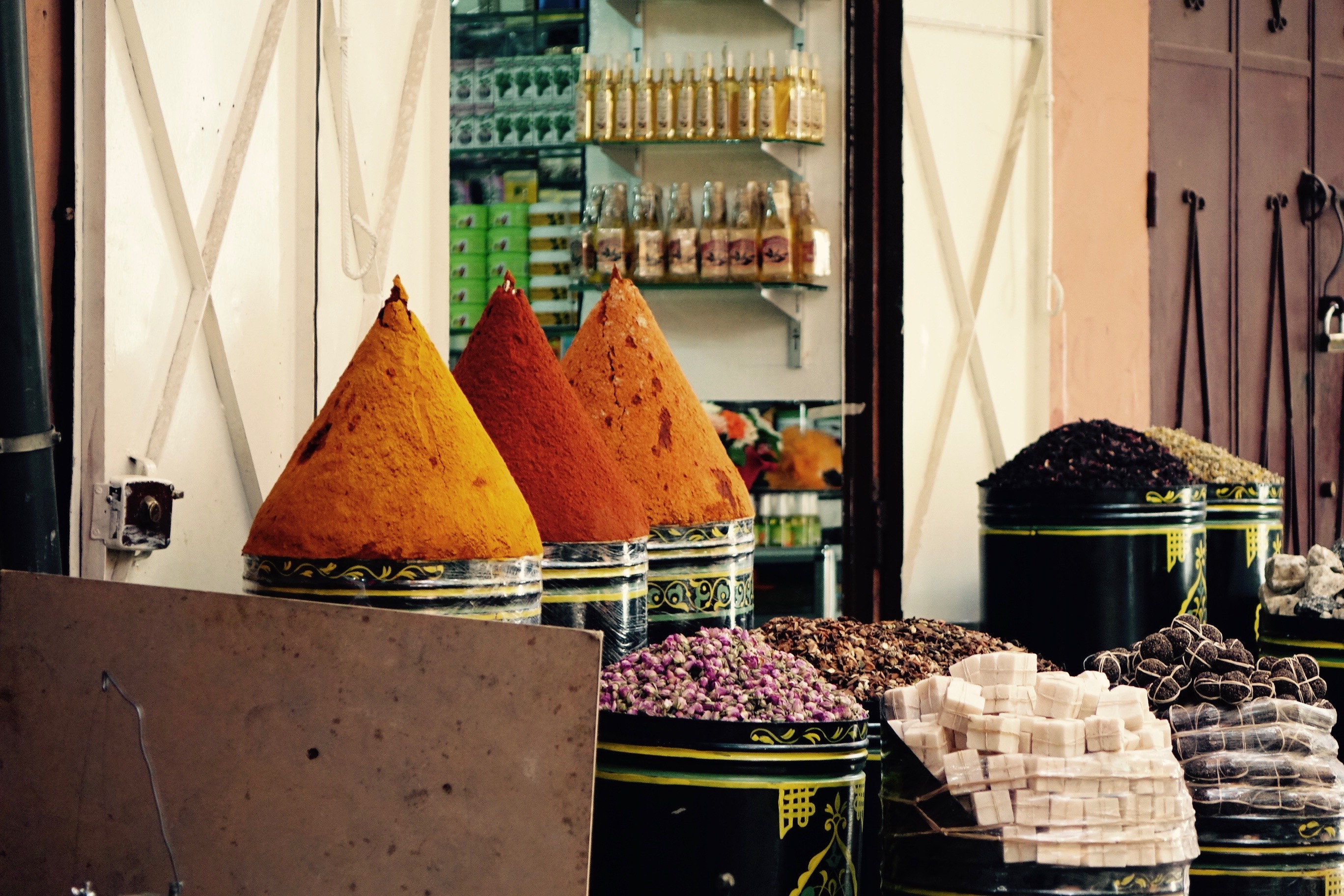
The Souks are intrinsically beautiful. Packed with gold and ivory, leather and metalwork, great piles of spices, others of candied fruits, stalls loaded high with magical carpets, they are a real sight to be seen, as well as to smell. But be under no illusion. A visit to the Souks is an endurance test and a hard often intimidating slog for any westerner (since, lets face it, we stick out like a sore thumb against the more traditional dress of the locals). Wherever you go, you draw attention. Many see money, others see a nuisance, but almost everyone will want something from you and every 5 seconds you will need to handle an approach or a plea. Walking along those precariously narrow streets is no stroll in the park – locals use the same narrow lanes to drive like maniacs on mopeds, weaving as they do so in and out of poor donkeys, still heaving along heavy carts like a rewind back 200 years, and chickens who meander around clucking, unaware of their forthcoming bloody fate. For those on foot, you must get used to jumping out of the way, being careful not to fall into one of those precariously balanced spice piles as you do so. Then there’s the merchants. Catch their eyes, and like spiders they will ensnare you in their web. Look at their produce, take an interest in their wares, and they will lure you further still until the trap closes in. Try to get out without purchasing something I dare you! And don’t even think of looking at a map. Suggest for one second you are lost and you will be surrounded by mischievous teenagers who will try to persuade you to take them on as a tour guide. Their tricks are well known. They will get you all the more lost, taking you deeper into the Souks, before demanding money for your release.
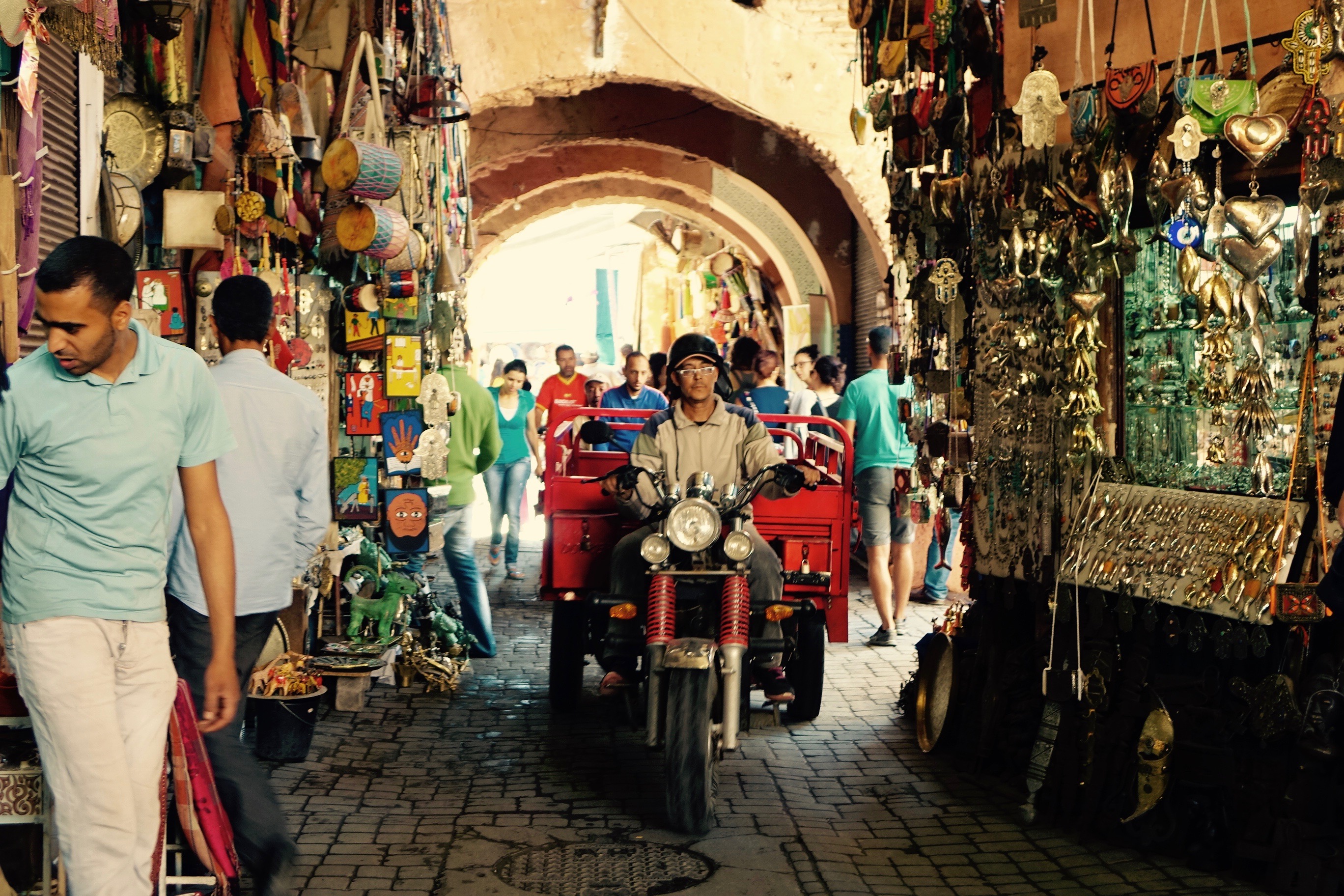
DSC00192DSC00898IMG_0930DSC01397DSC00893DSC01353IMG_0927DSC00888DSC00599DSC00611DSC00608DSC00595DSC00583

It all sounds rather terrifying, I know. And going to the Souks is never exactly comfortable. But there is something so utterly mesmerising about this magical world that you cannot help but go back for more and gaze in sheer wonder at this incredible picture of a wonderfully different life. Until you go to the Souks, you will never truly appreciate what is Marrakech, nor Morocco. This is where the cultural differences are at their most extreme. The authenticity of the scene makes the so-called Moroccan shops in Southern Spain look like a sham. And the beauty of the place is such that you will want to photograph until your camera battery is exhausted – but be careful with this too. The locals hate being photographed and those less shy will demand money for the privilege.

DSC00431DSC00587DSC00198DSC00372DSC00594DSC00590DSC00365DSC00358DSC00203DSC00353DSC00880

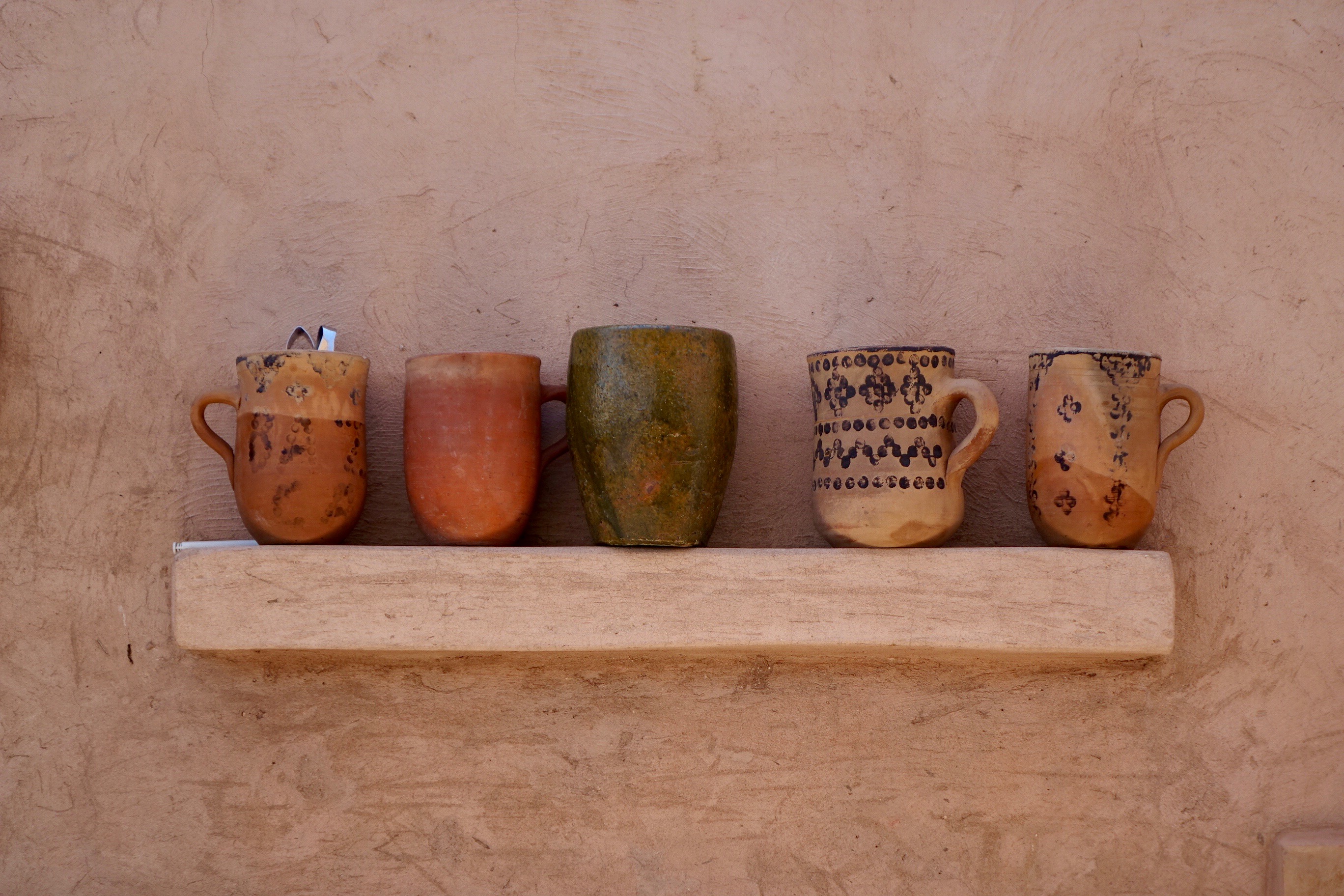
So those are the Souks that ensnared our souls, scaring us aplenty but which provided the most memorable experiences of our trip. And we came away with some Saharan pottery, a metal lion, a miniature red tagine and some orange blossom essence. Not bad, especially as we were required to barter as part of the process, something which is inherently uncomfortable for the polite English. Long will I remember this maze of plenty, its exotic smells and hardened people. Most of all I will remember the multiple colours which characterise this dazzling place.

© Nicholas de Lacy-Brown and The Daily Norm, 2001-2017. Unauthorized use and/or duplication of the material, whether written work, photography or artwork, included within The Daily Norm without express and written permission from The Daily Norm’s author and/or owner is strictly prohibited.

The Colours of Marrakech, Part 1: Rose City

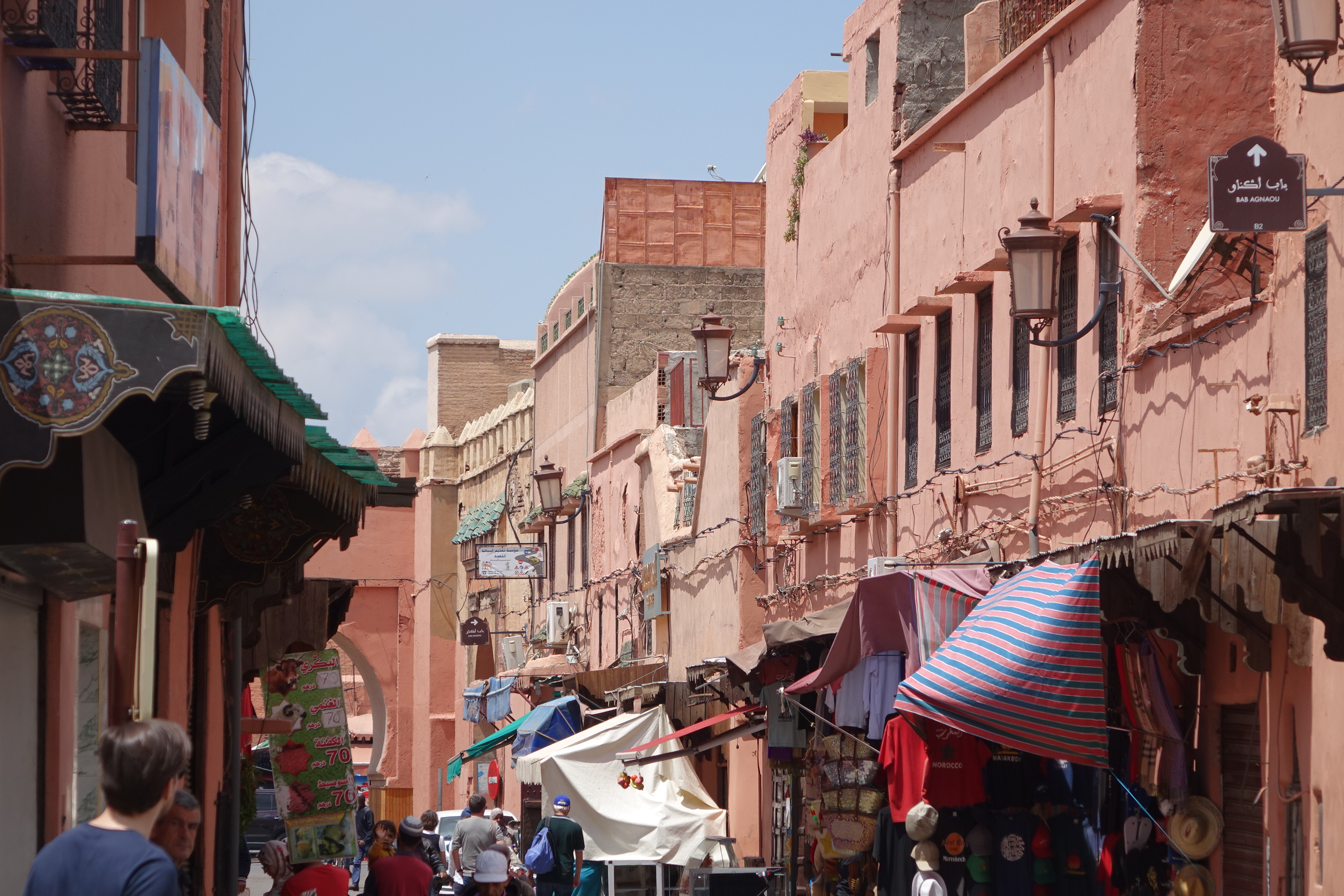
Colour, smell, thunder, stares, snakes, spices, the sound of birdsong, the call to prayer. Morocco is a country of extremes and its dazzling city of Marrakech all the more so. Those extremes began as soon as we entered its airspace, as desert planes and mighty big African clouds overhead gave way to one of the most sparkling fancy airports I have ever set foot in. A further transformation manifested as we took a taxi into town. On the left, a modern city, its roads neatly paved and lined with illuminated orange trees. On the right an old city crumbling, smelly, loud, maze like. Children begged around our legs, women enveloped in veils eyed us suspiciously and the use of donkeys in the place of vehicles marked a return to centuries past. Marrakech is different from any place I have ever visited before, and the next few weeks on The Daily Norm will bear testament to our time there; a trip which tantalised each of the senses and engendered the thrill of the different and astonishment at everything we saw.

DSC00887DSC00461DSC01440DSC01403DSC00907DSC01390DSC01360DSC00868DSC00817DSC00176DSC00372DSC01082DSC00809

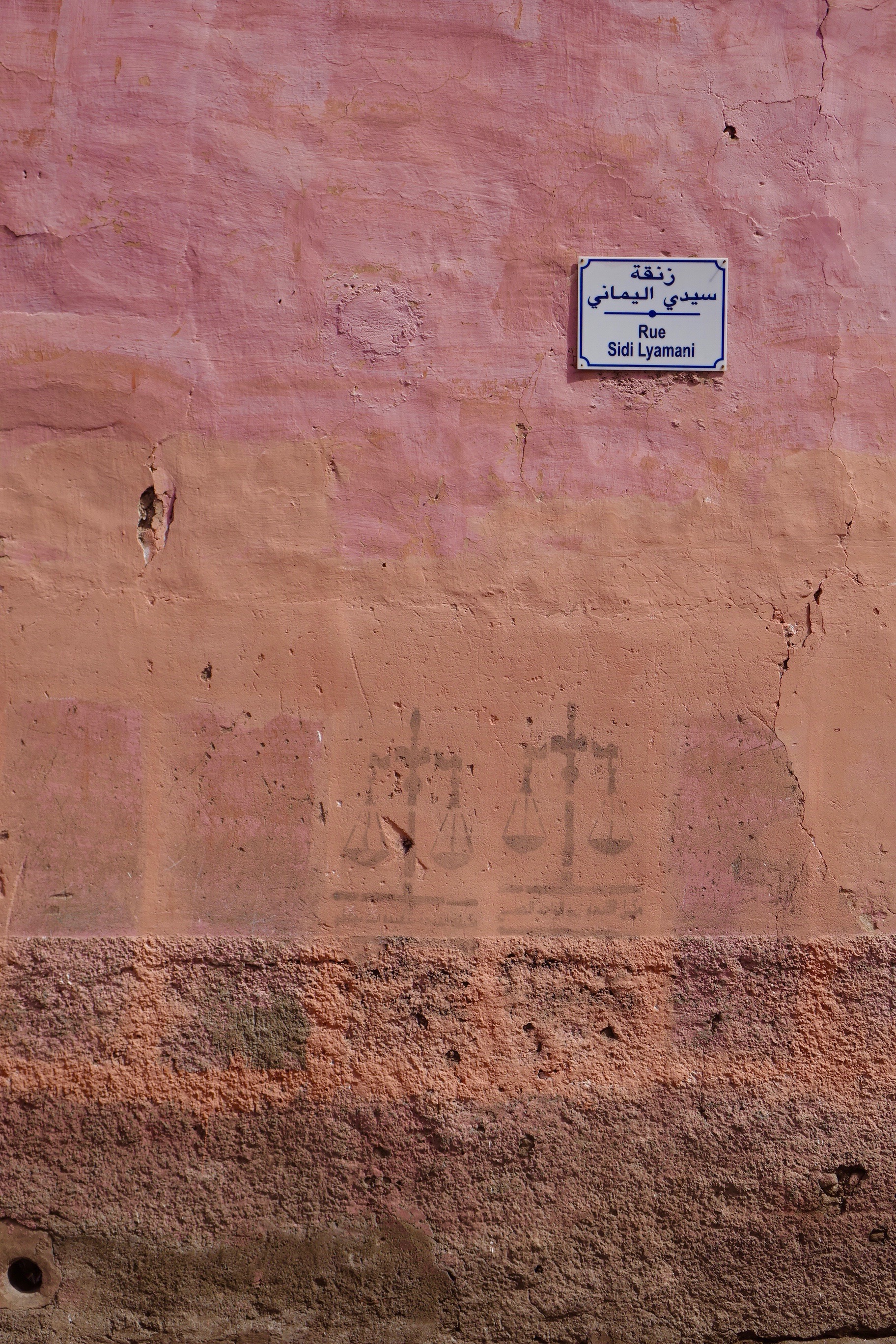
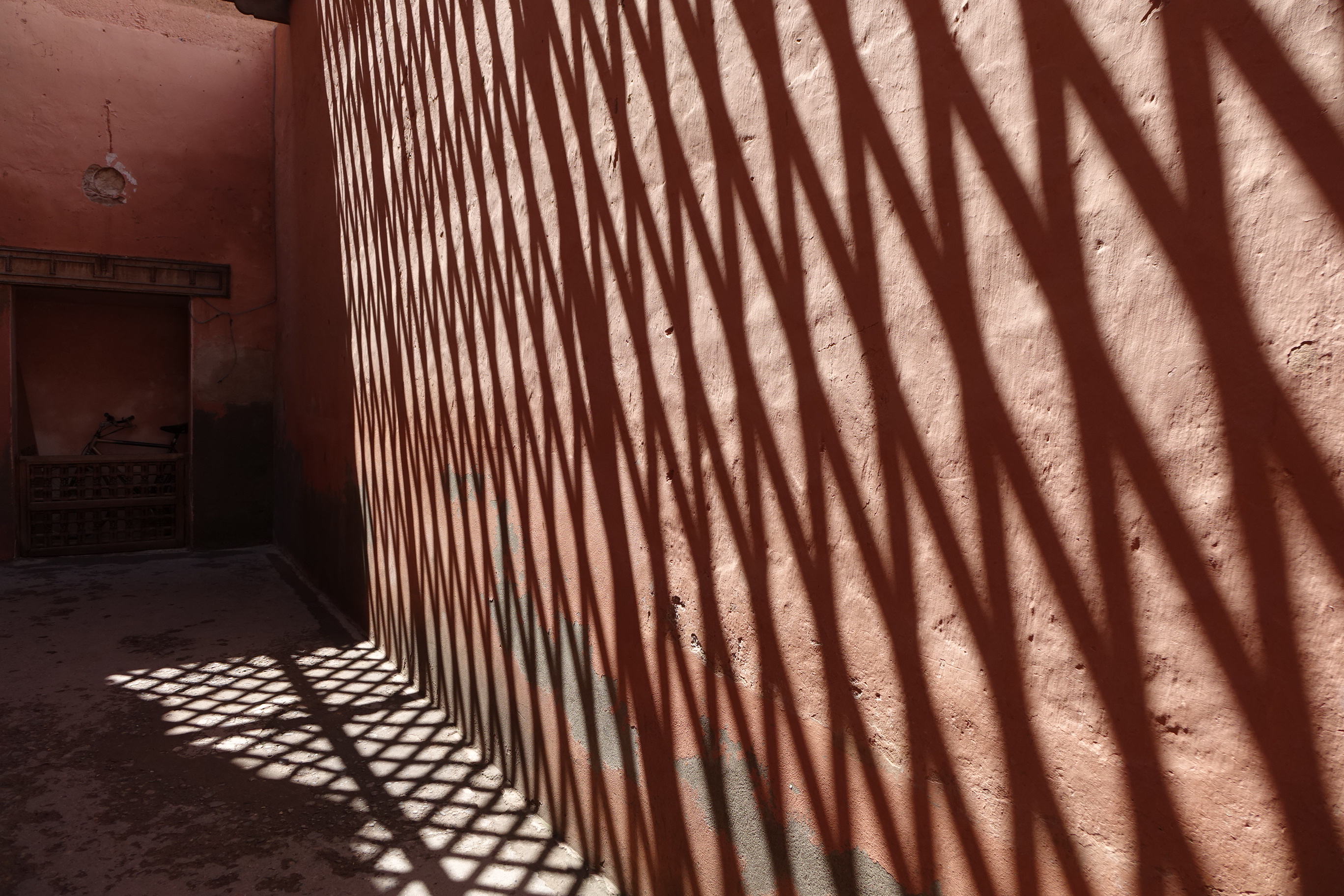
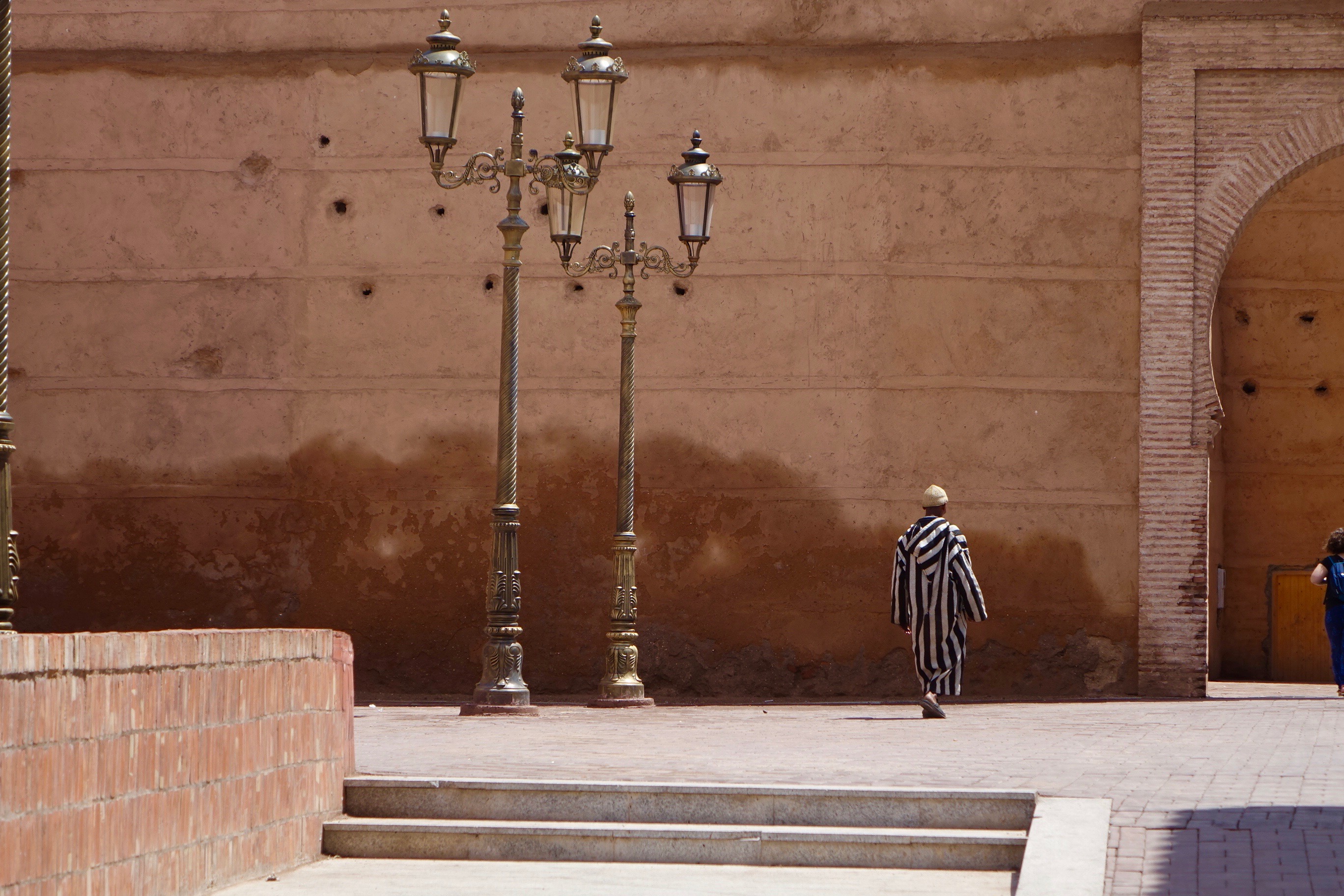
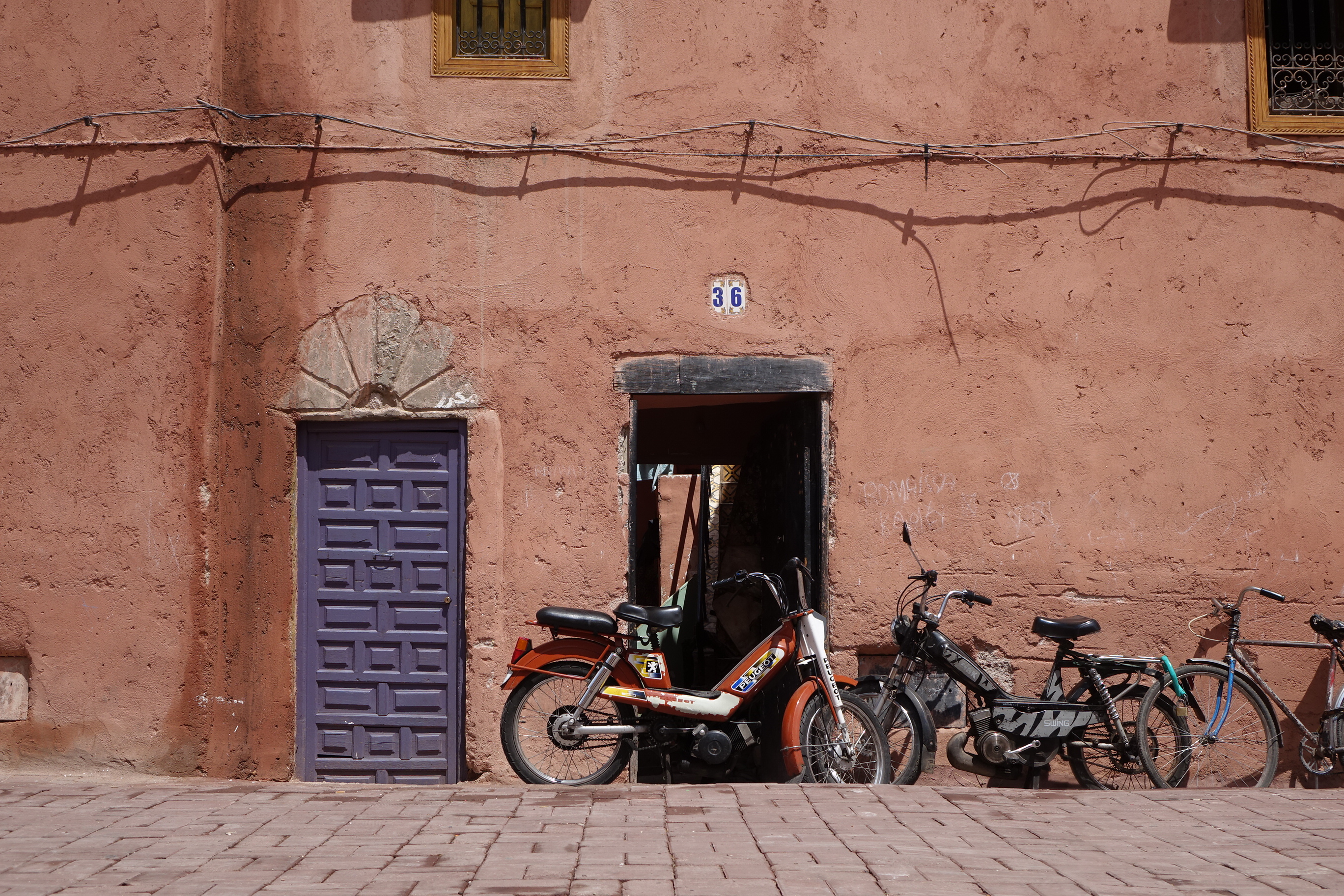
A focus on the visual is what will shape my tale of Marrakech, as I take inspiration from the colours which were visible in such extremes across the city. Known as Rose City, by far its most prominent colour is the peachy shade of soft terracotta which characterises its ancient Medina. Stemming from the red tint of local stone and mud, the colour is a naturally occurring bi-product of the city’s quasi-desert location. In fact the rosy hue became so synonymous with the city that when in modern times concrete started to replace traditional mud construction methods, the former French rulers decreed that all such buildings must be painted in the same colour of pink.

IMG_0197DSC01461DSC00908DSC00860DSC00801DSC00750DSC00583DSC00370DSC00354DSC00180DSC00096

The result is a city almost universally sculpted from rose, a place where nature itself provides the rose-tinted glasses through whose sheen Marrakech can be seen to glow a warm shade at all times of the day. But as we will see from later posts, the city’s characteristic hue changes as it reflects the light, and when an intense sunset reigns in the skies, the resulting reflected pink is like nothing I have ever seen before.

But for today, and by way of introducing to this incredible Moroccan city, I give you photos of Marrakech in its most iconic warm terracotta glow, ranging from sunrise in the morning to full sun as the baking semi-desert conditions almost cooked the city streets below. This is Marrakech, Rose City, Daughter of the Desert, and it’s going to be a wonderful Daily Norm ride…

DSC00787DSC00558DSC00575DSC00570DSC00197DSC00574DSC00429DSC00148DSC00177DSC00268

© Nicholas de Lacy-Brown and The Daily Norm, 2001-2017. Unauthorized use and/or duplication of the material, whether written work, photography or artwork, included within The Daily Norm without express and written permission from The Daily Norm’s author and/or owner is strictly prohibited.
Tuscan Towns #1 – Monteriggioni

There is nothing like a period drama to stir the soul, not least when an exotic location enables escapism, both historical and geographical. Such is the enduring magnetism of a film like A Room With a View. Starting a young Helena Bonham-Carter and the endlessly successful partnership of Judy Dench and Maggie Smith, it is the very essence of period delicacy, all set against a stunning Tuscan backdrop. Having become hooked on the film last year, it has gained a near gospel status in our household, and when a trip to see relatives in Tuscany beckoned this Easter, the film was omnipresent in our preparations. As we looked at the map and planned towns and cities to visit, the voice of Judy Dench as Eleanor Lavish pervaded. Recommending Monteriggioni to her fellow diners as a must-do destination, we felt persuaded to follow suit. Many years have past since the novel (on which the film is based) was written, but Tuscany is a richly historical land, steeped in the past, and we were sure it’s charm would not have disappeared with the period.

Charming Monteriggioni

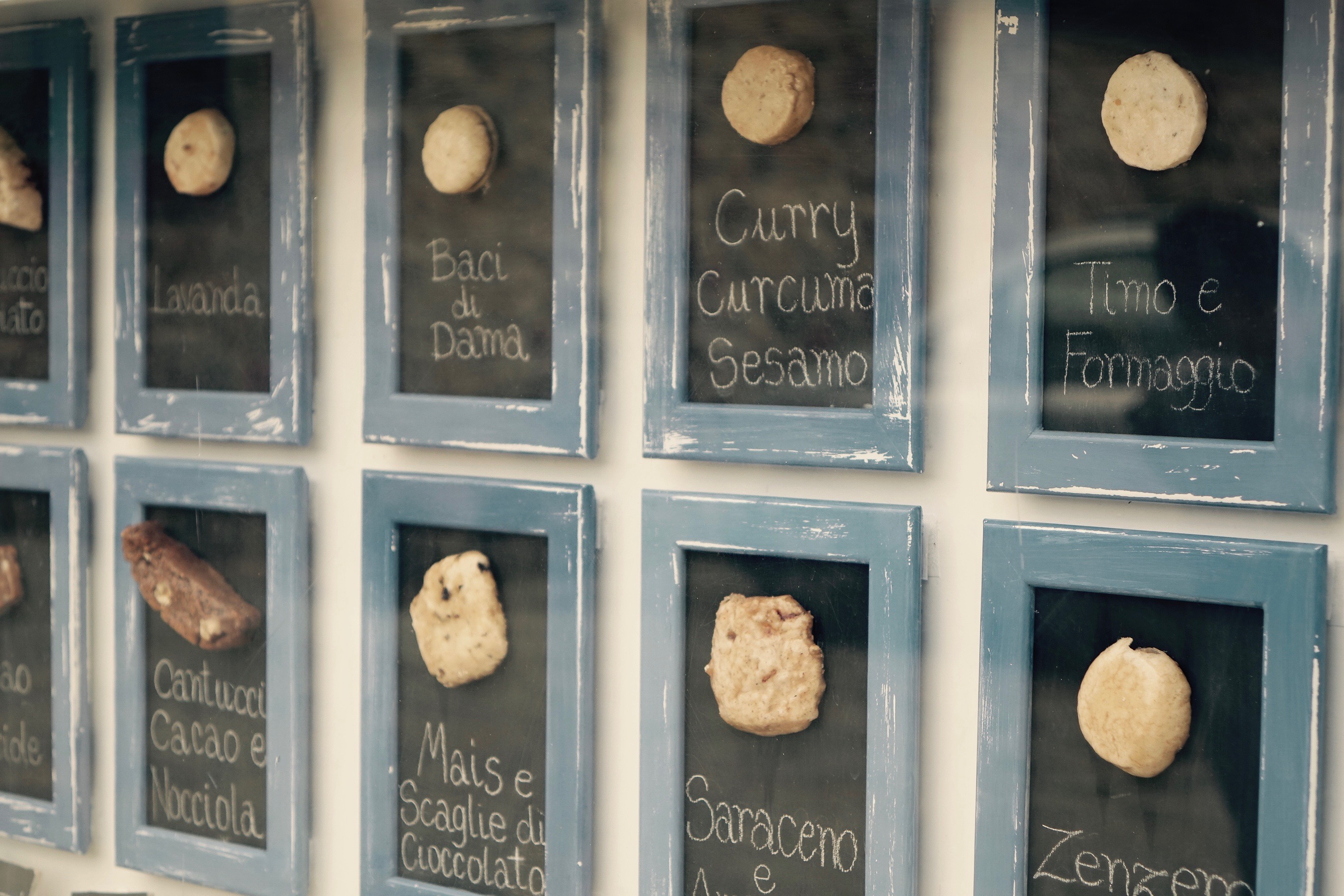
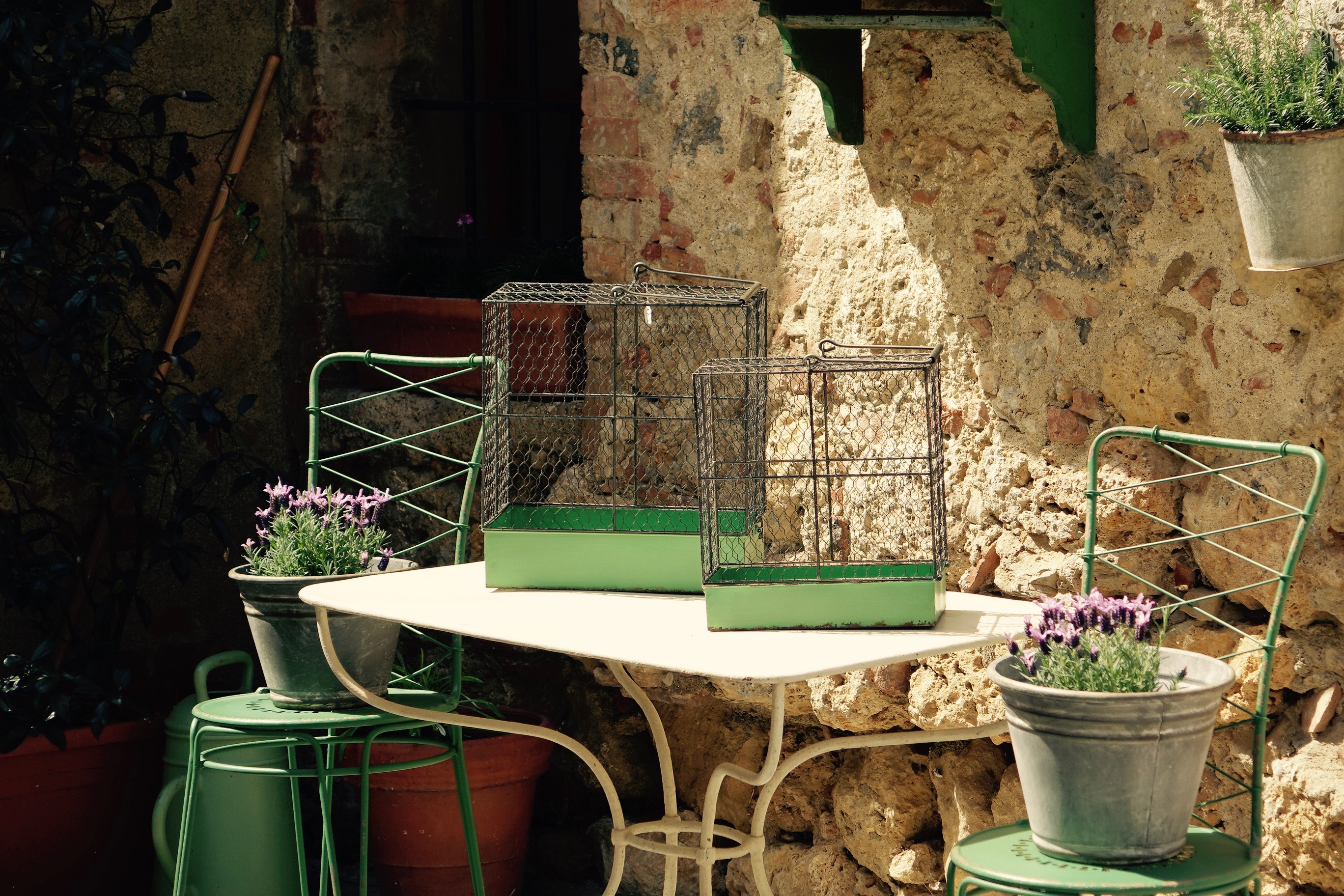
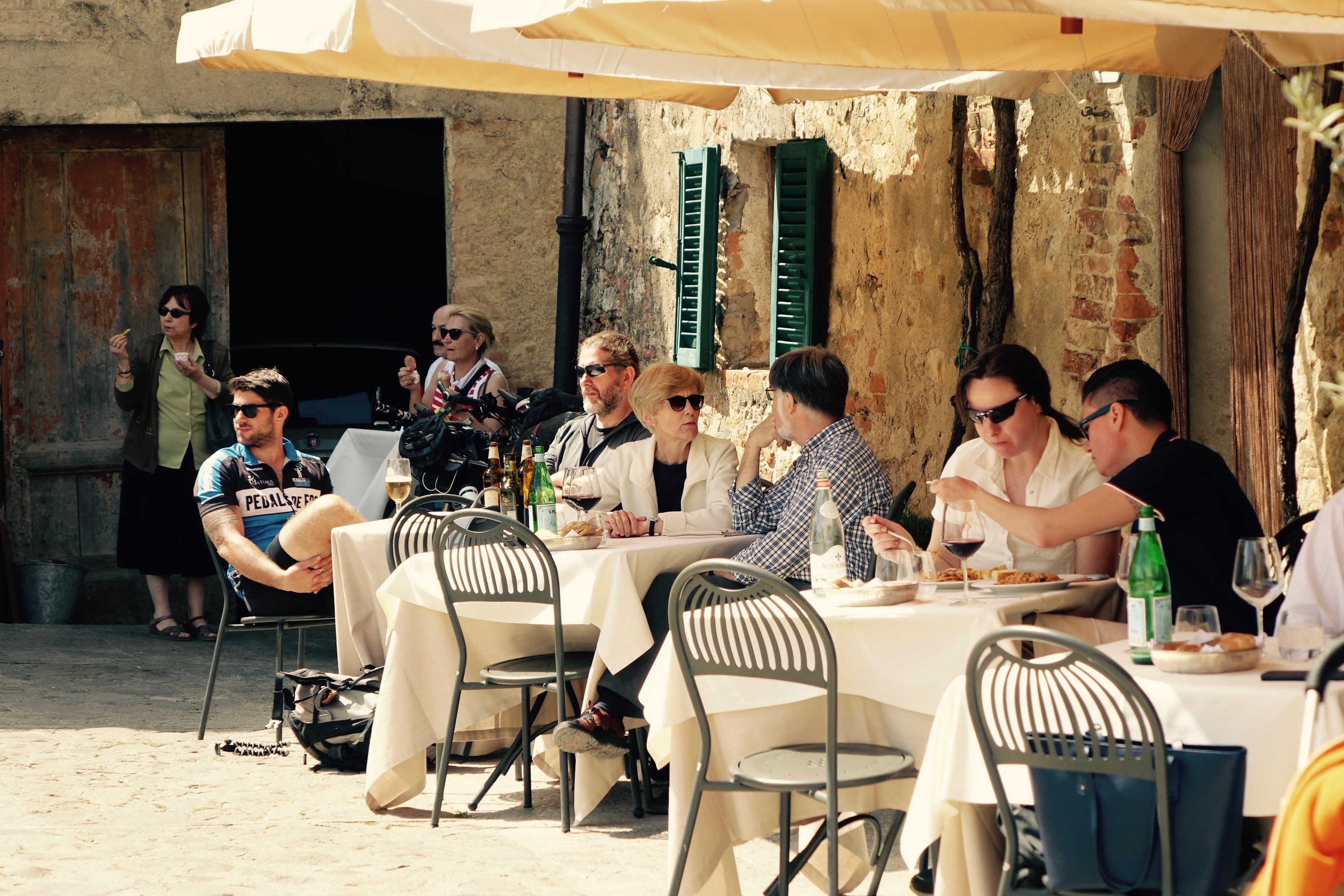
DSC08697DSC08773DSC08772DSC08740DSC08721DSC08757DSC08731DSC08736DSC08728DSC08723DSC08720DSC08715DSC08708

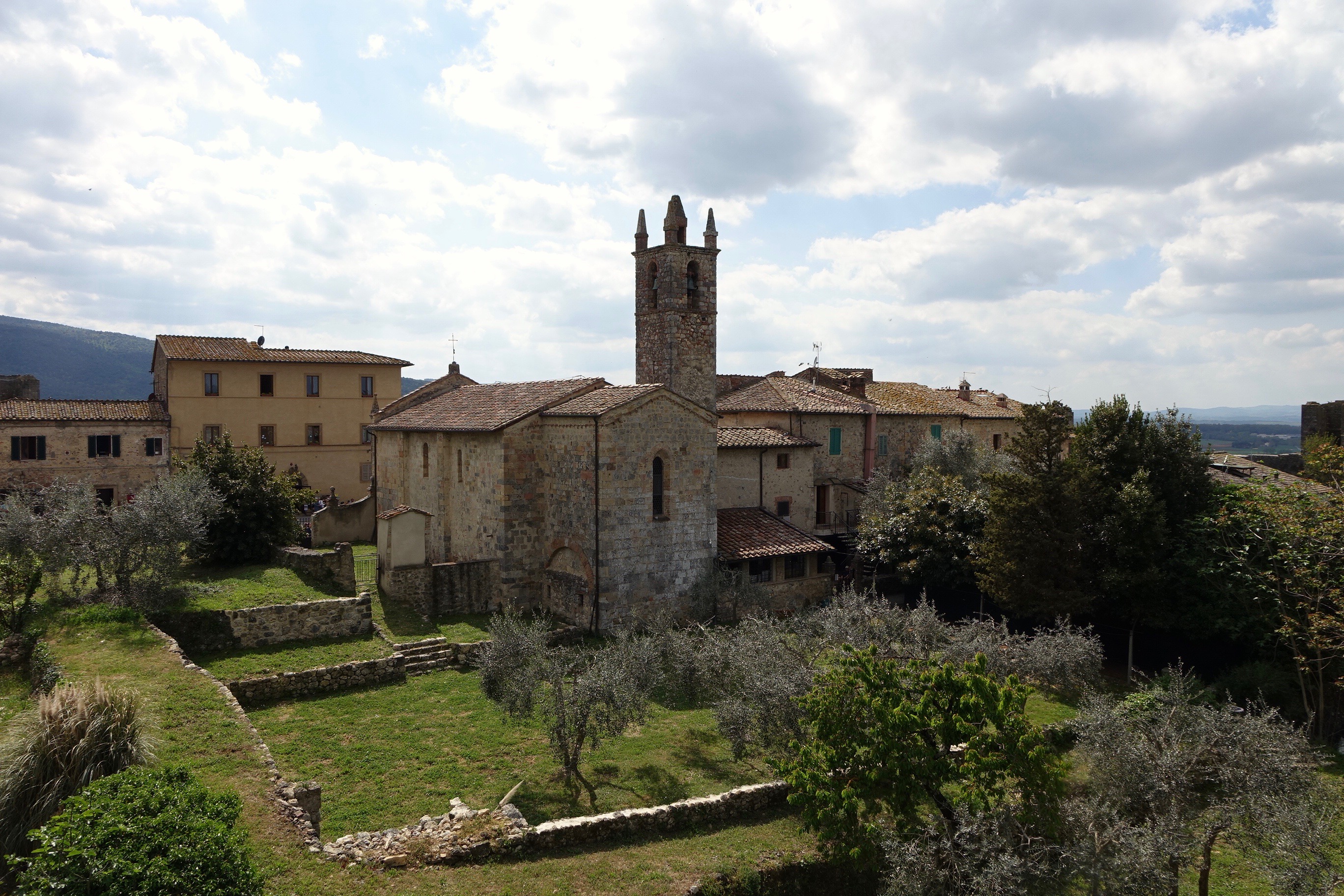
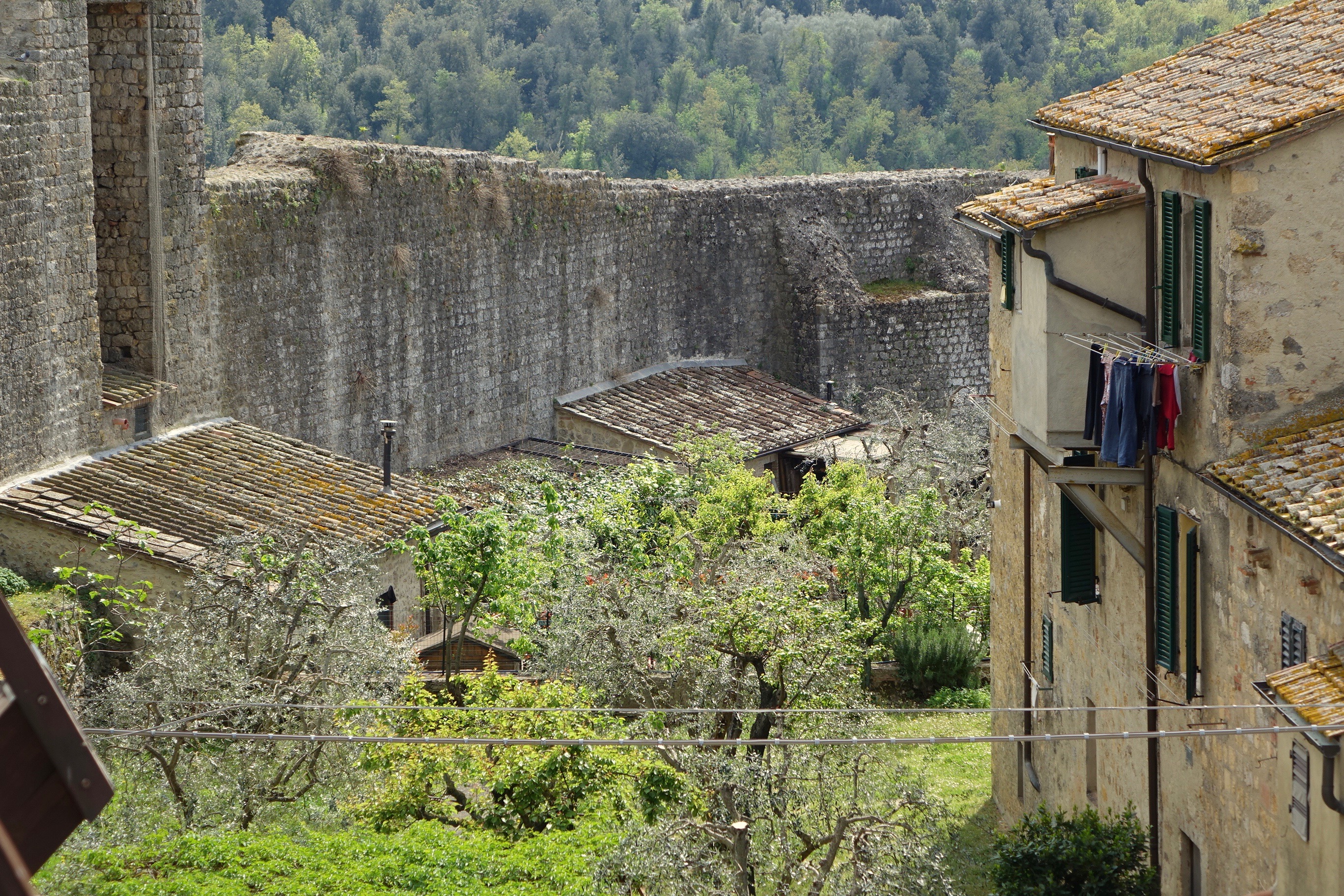
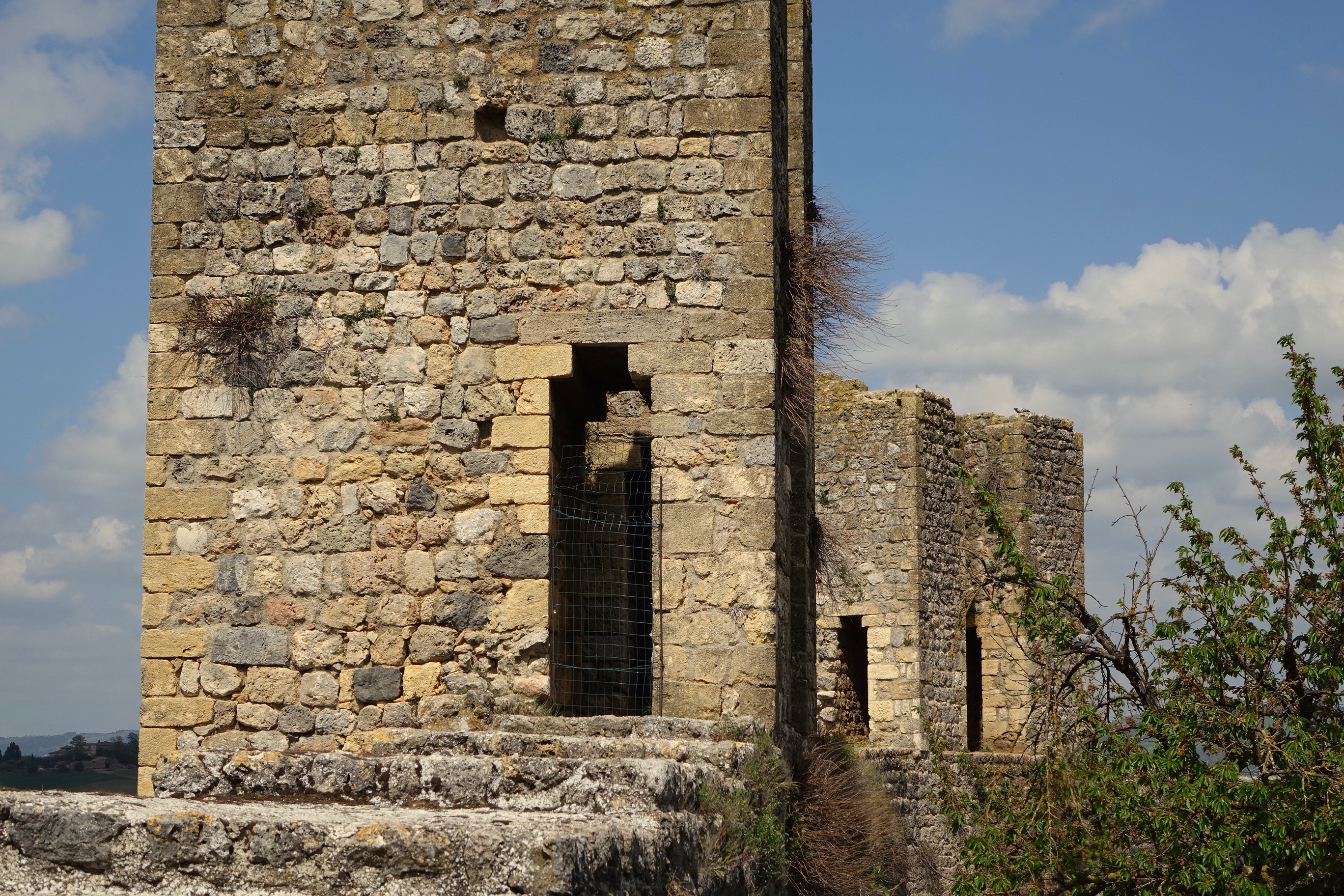
Charm we found in buckets when eventually we made it to this idyllic Tuscan village, whose miniature scale is tightly contained within the impressive and historically unbreachable castle walls that encircle it. Located within the gently undulating hilly green landscape which has put Tuscany on the tourist map for centuries, the castle town is practically untouched by the passage of time, with a historical core which has escaped the sullying of modern expansion.

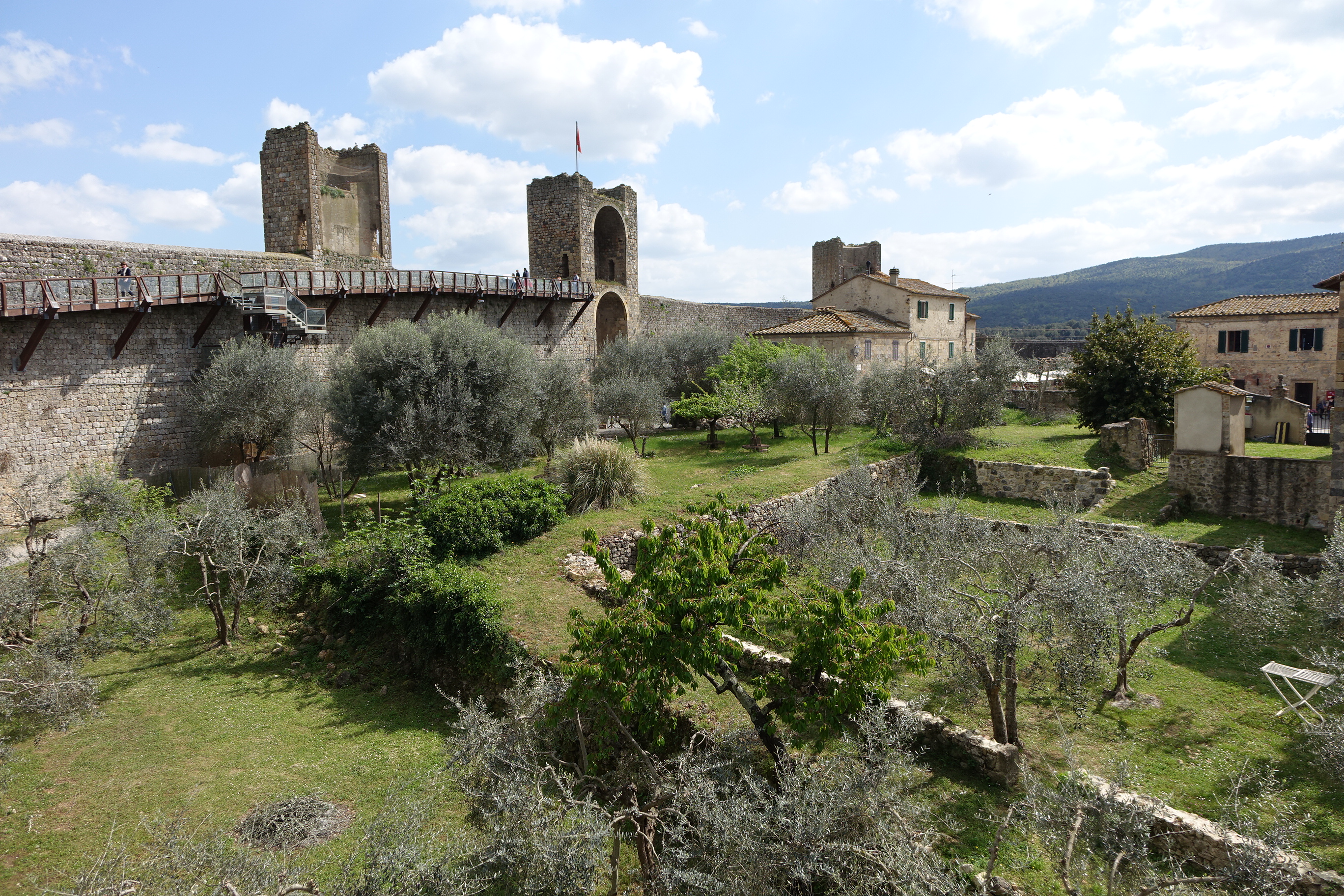
The Great Walls of Monteriggioni

DSC08801DSC08805DSC08799DSC08796DSC08791DSC08767DSC08768DSC08784DSC08781DSC08752DSC08745

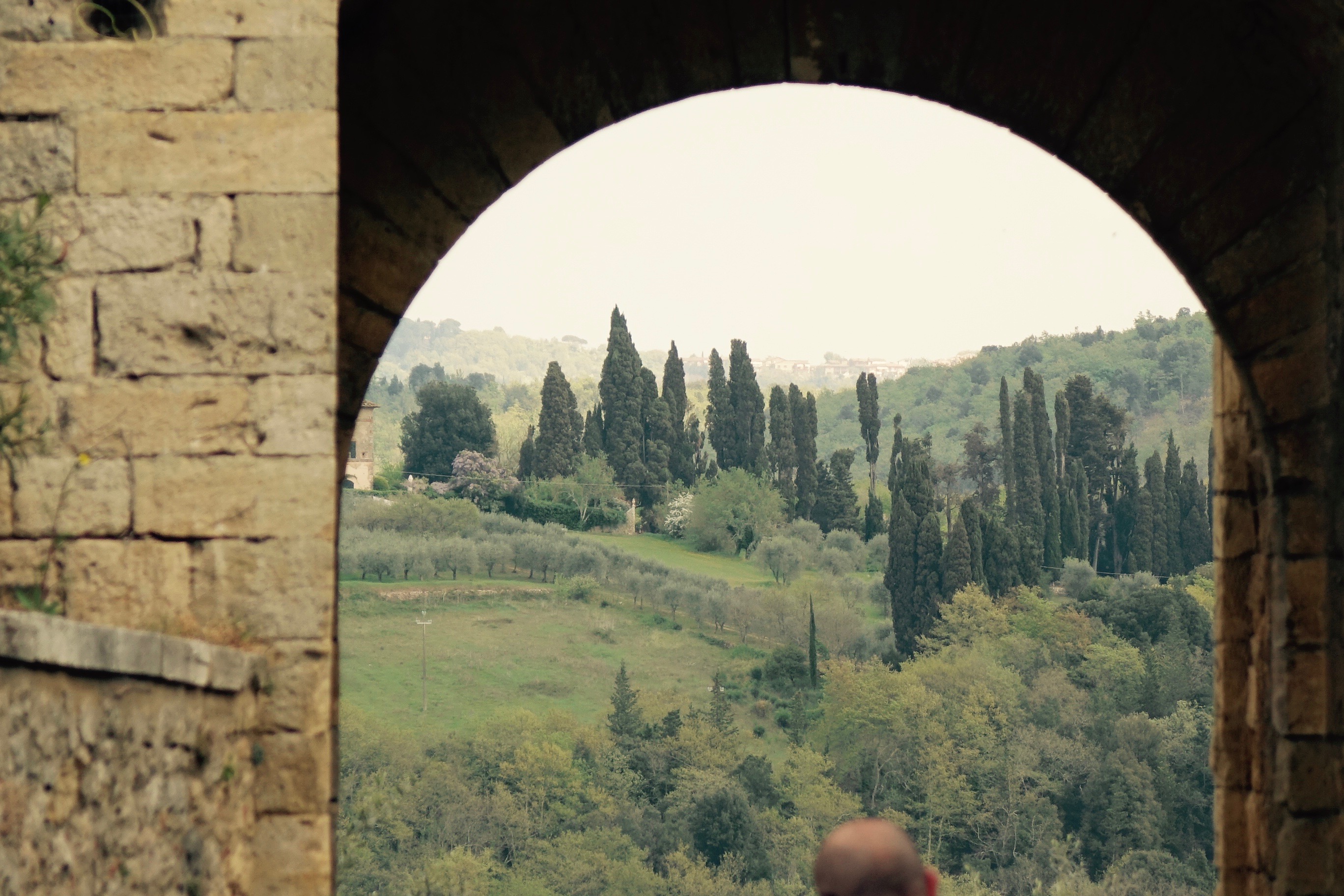
Based around a tidy little Square whose central stone fountain is partnered by a rustic stone church, everything in Monteriggioni is rendered in miniature albeit with a distinctive flavour of power reflected by the imposing walls which encircle it. A walk around those walls was a clear highlight of the visit, not least for the Tuscan views punctuated by cypress trees and sun dappled hillsides.

No wonder Monteriggioni was on the wish list of visitors making their way to Tuscany in the late 19th century. Happily for we romantics of the 21st, very little has changed, enabling a level of escapism which only a carefully staged period drama might otherwise provide.

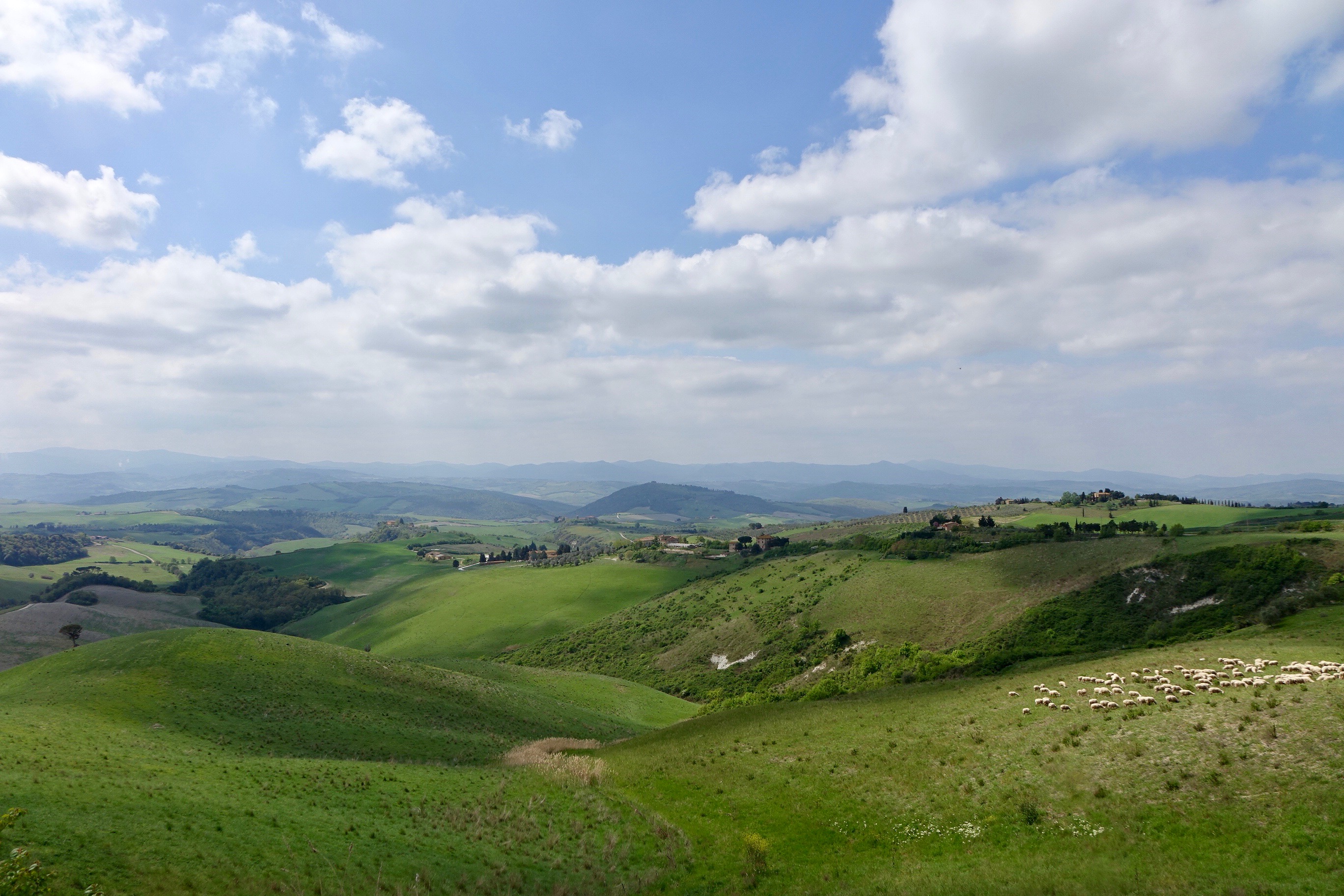
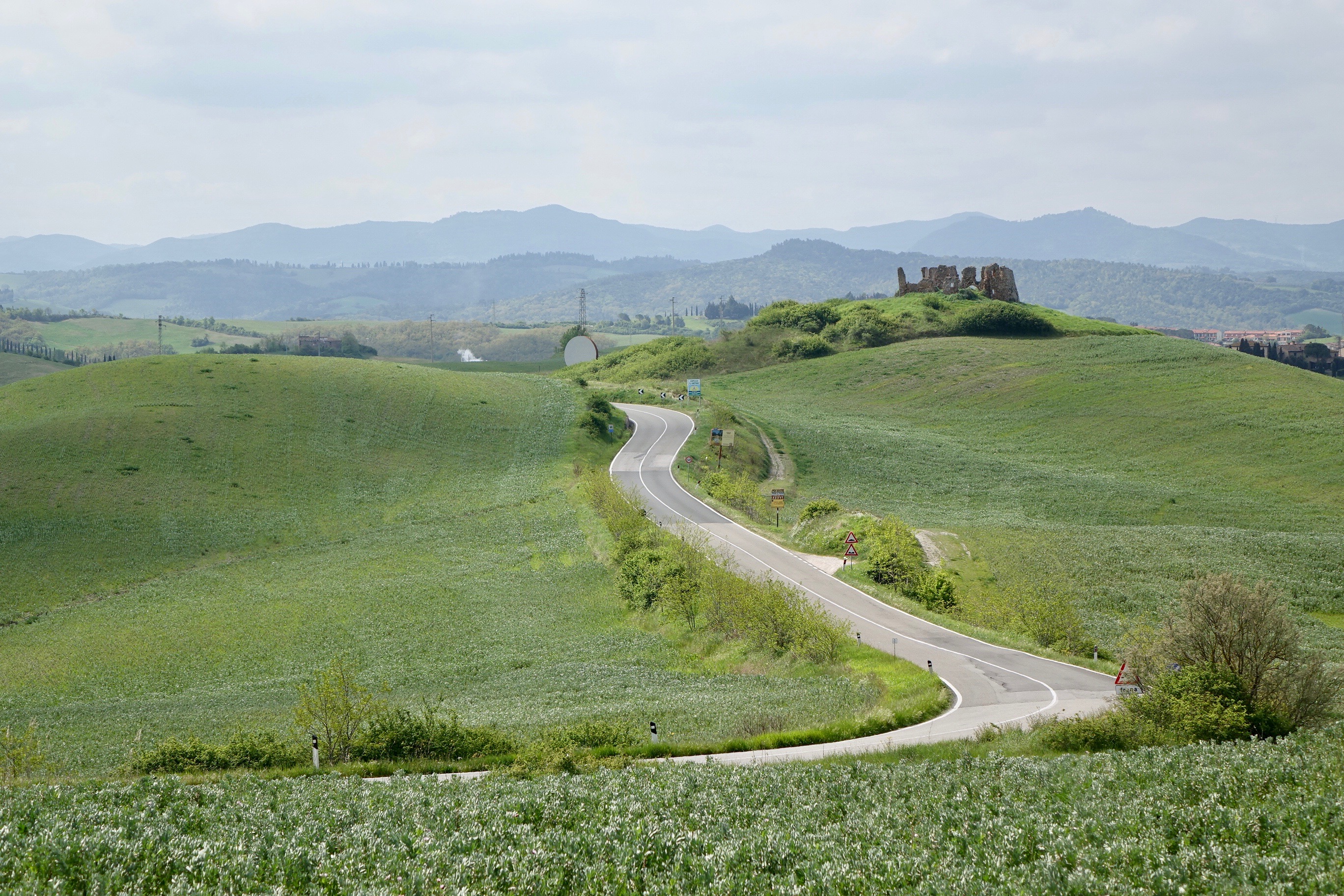
The rolling Tuscan landscape surrounding Monteriggioni

DSC08677DSC08690DSC08668DSC08663DSC08658DSC08656DSC08649DSC08651DSC08648

© Nicholas de Lacy-Brown and The Daily Norm, 2001-2017. Unauthorized use and/or duplication of the material, whether written work, photography or artwork, included within The Daily Norm without express and written permission from The Daily Norm’s author and/or owner is strictly prohibited. 

Hampton Court Palace, Part 1: Manicured Gardens

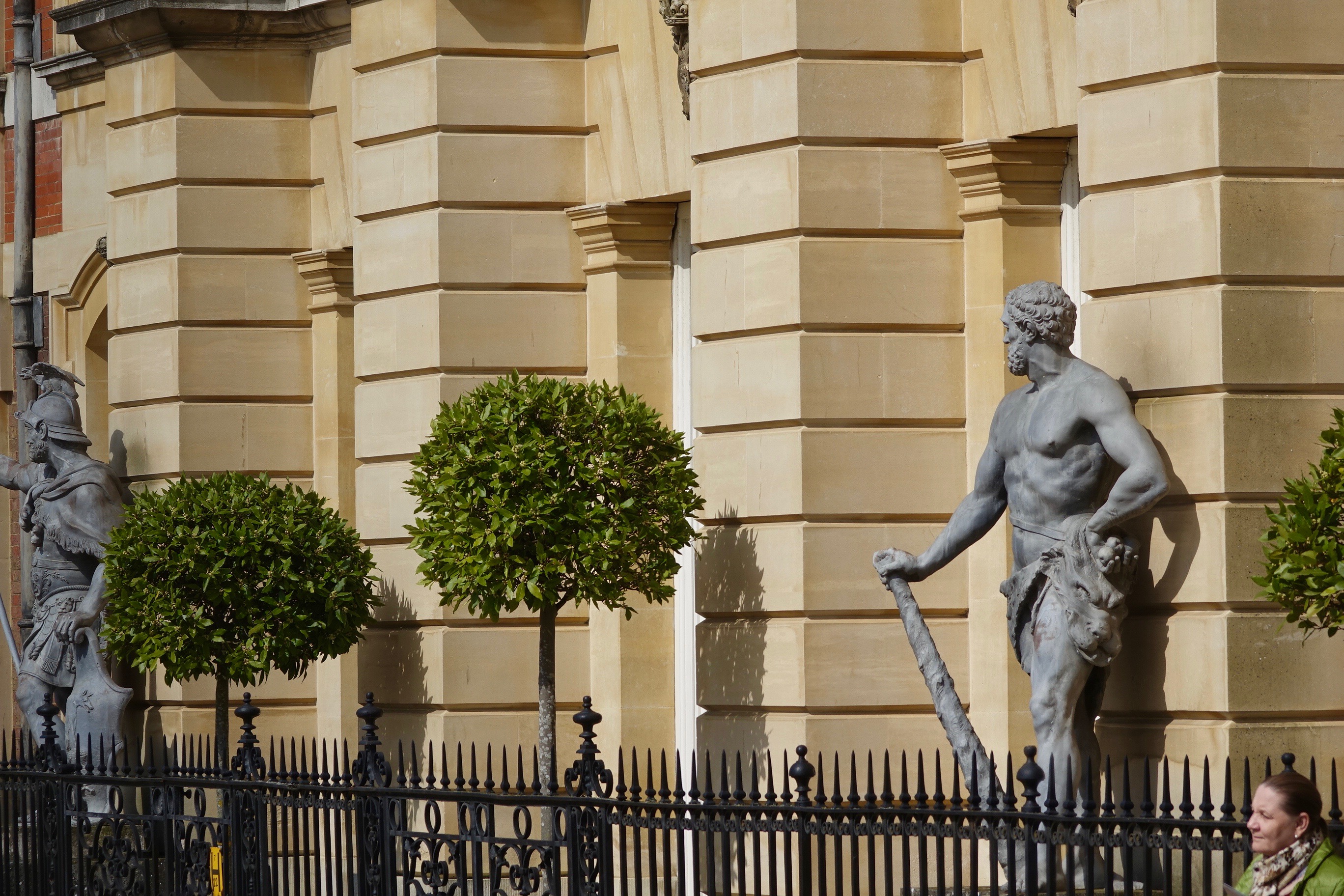
It’s always a wonderful thing to discover that an incredible attraction can be found on your doorstep. And somewhere which is literally 30 minutes by train from your nearest station is not so far from doorstep status, especially when you consider the extent to which those short 30 minutes have the power to transform you from inner city jungle to utter bucolic majesty. Such was my discovery last weekend upon visiting the former home of Henry VIII and his 6 variously fated wives, Hampton Court Palace, which can be found nestling alongside the banks of the Thames a few meandering loops down the river. Our trip to this vast palatial complex was so astounding, so plenteous in its beauty that I have decided to split my experience in three for the sake of The Daily Norm, so that a focus can be had on the various facets that make Hampton Court so incredible.

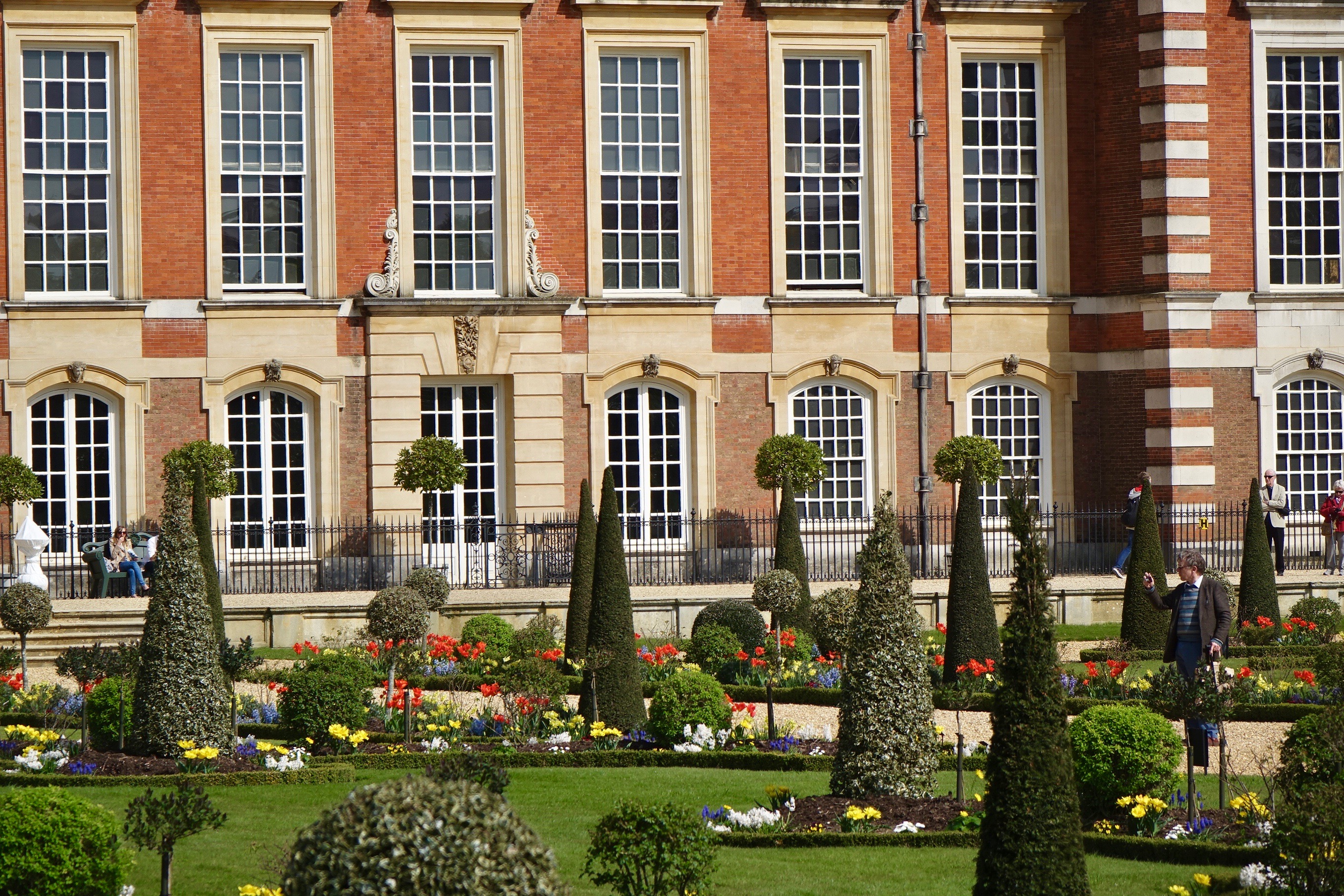
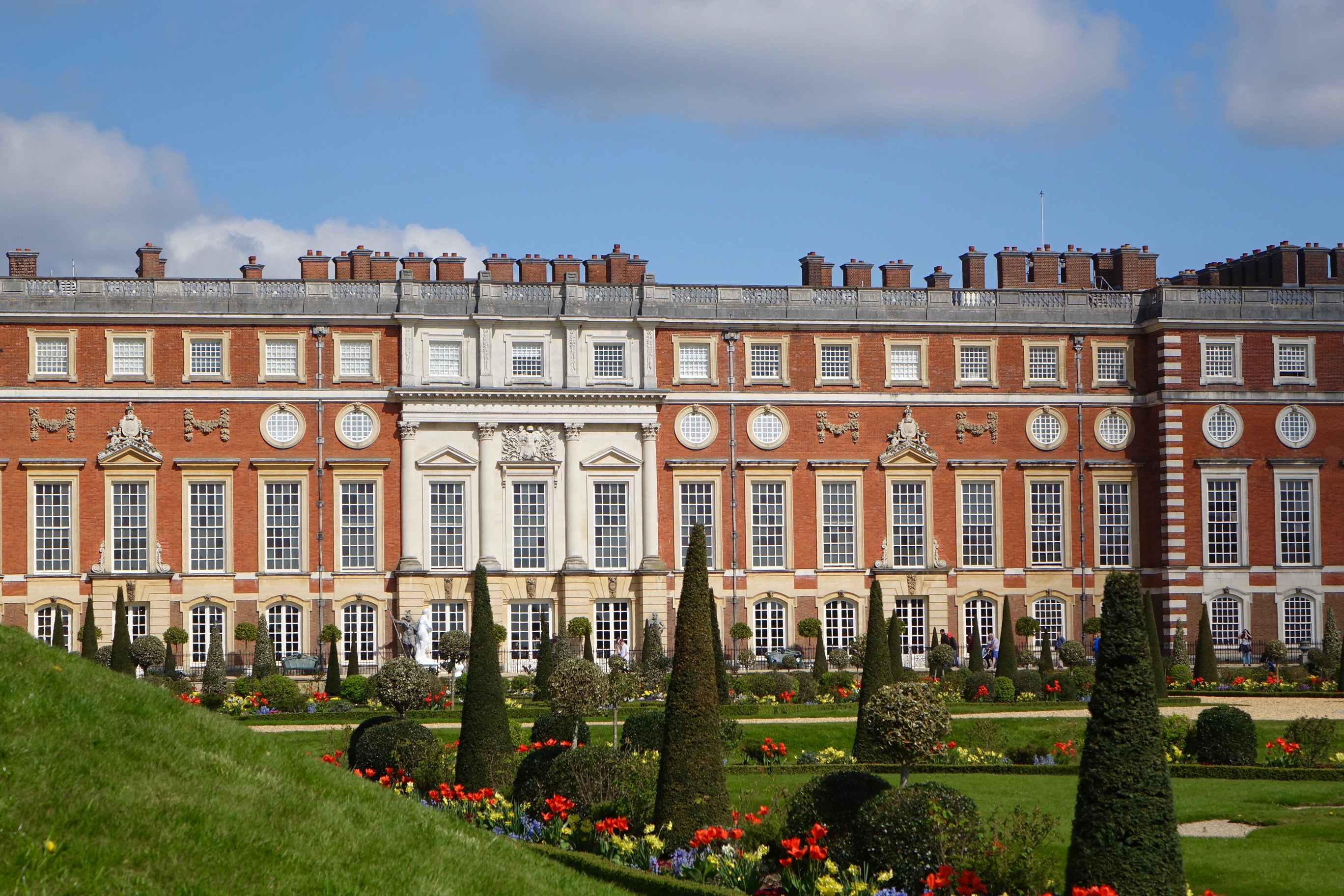
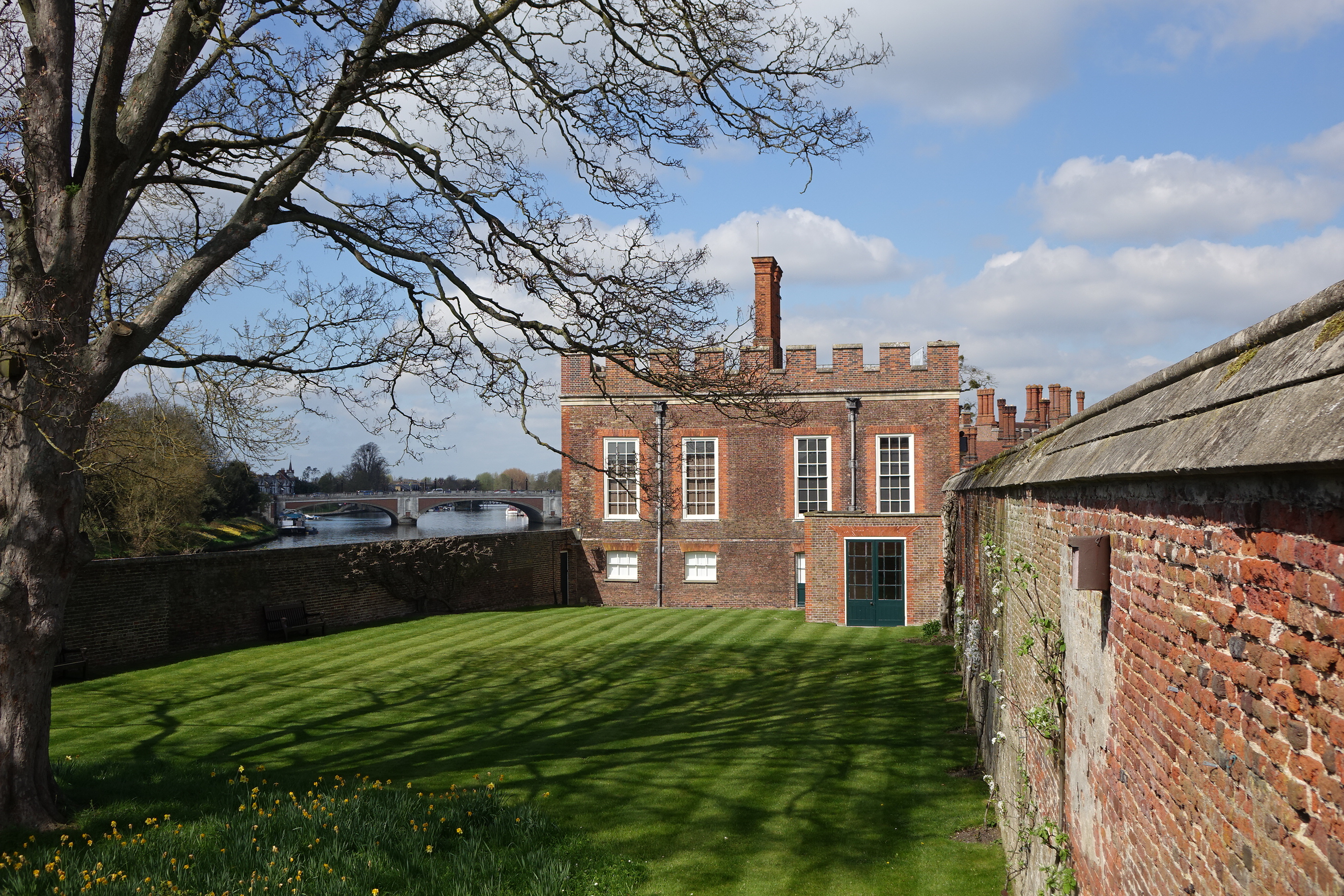
I must admit that it’s the gardens which really thrill me at Hampton Court. The inside has its merits, naturally. The Chapel Royal is pretty much one of the most stunning historic spaces in the United Kingdom. But the interiors also have the potential to disconcert, as one is led from the Tudor quarters, steeped in the gothic gloom of the age, to the more luminescent baroque rebuild instituted by William and Mary of Orange in the late 17th Century. The result is fragmentary and disorientating. It is like visiting two very distinct palaces, albeit that from the outside, there is a certain level of unity achieved by the uniform use of a rich pink stone. And it is outside where this little photographic tour begins.

The Privy Garden and the Banqueting House

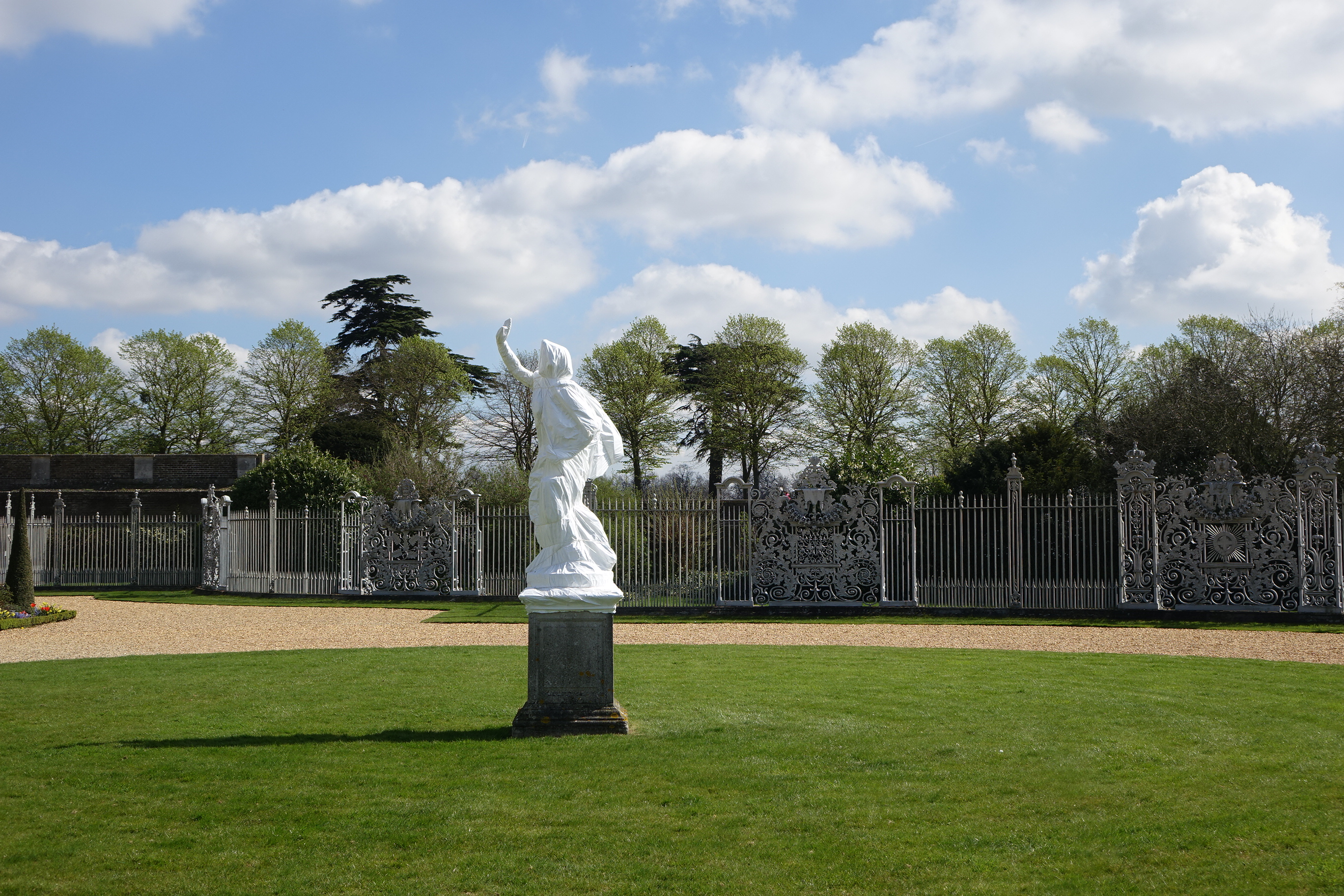
DSC07894DSC07872DSC07887DSC07890DSC07922DSC07892DSC07928DSC07911DSC07905DSC07900DSC07899DSC07909DSC07860DSC07857DSC07863

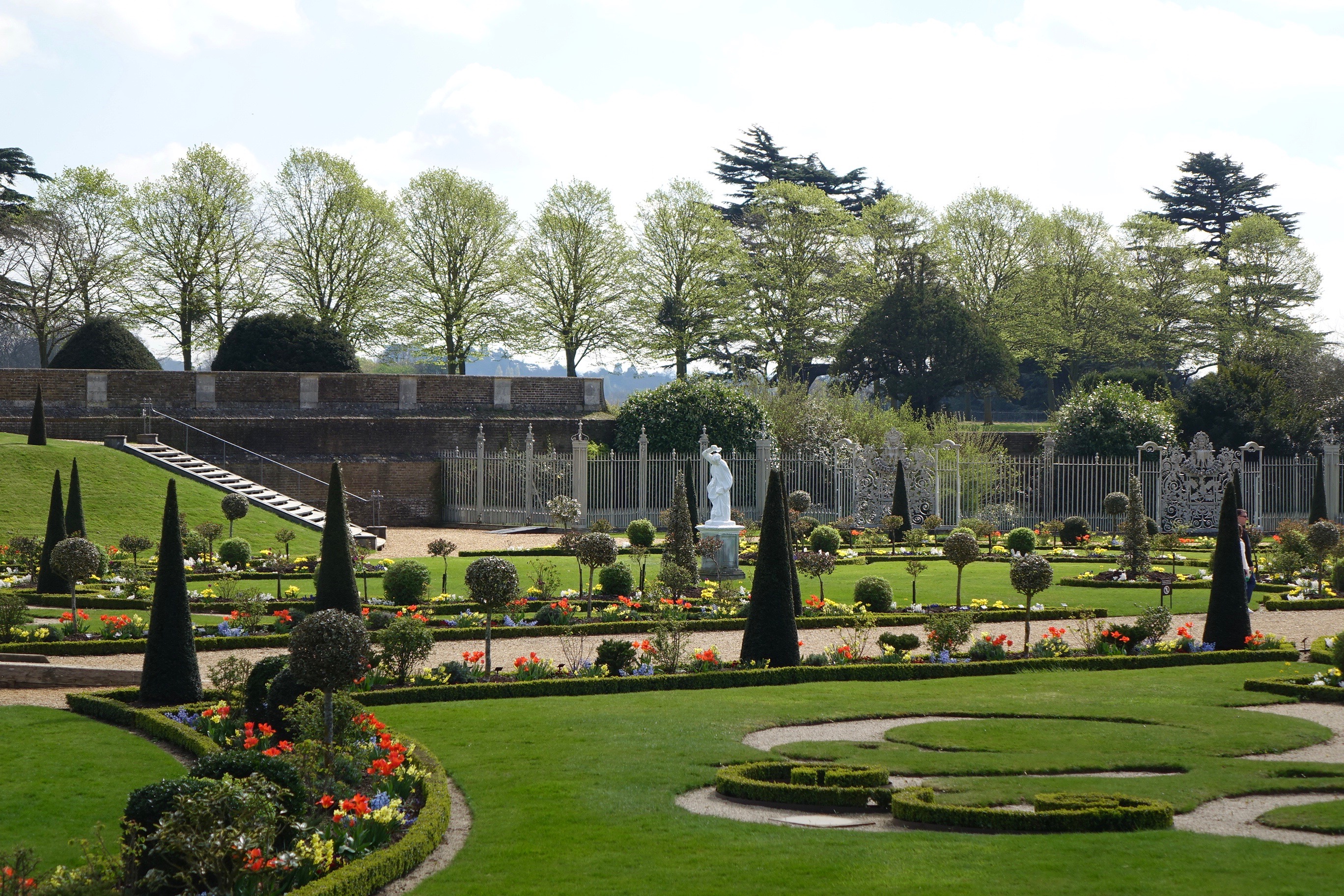
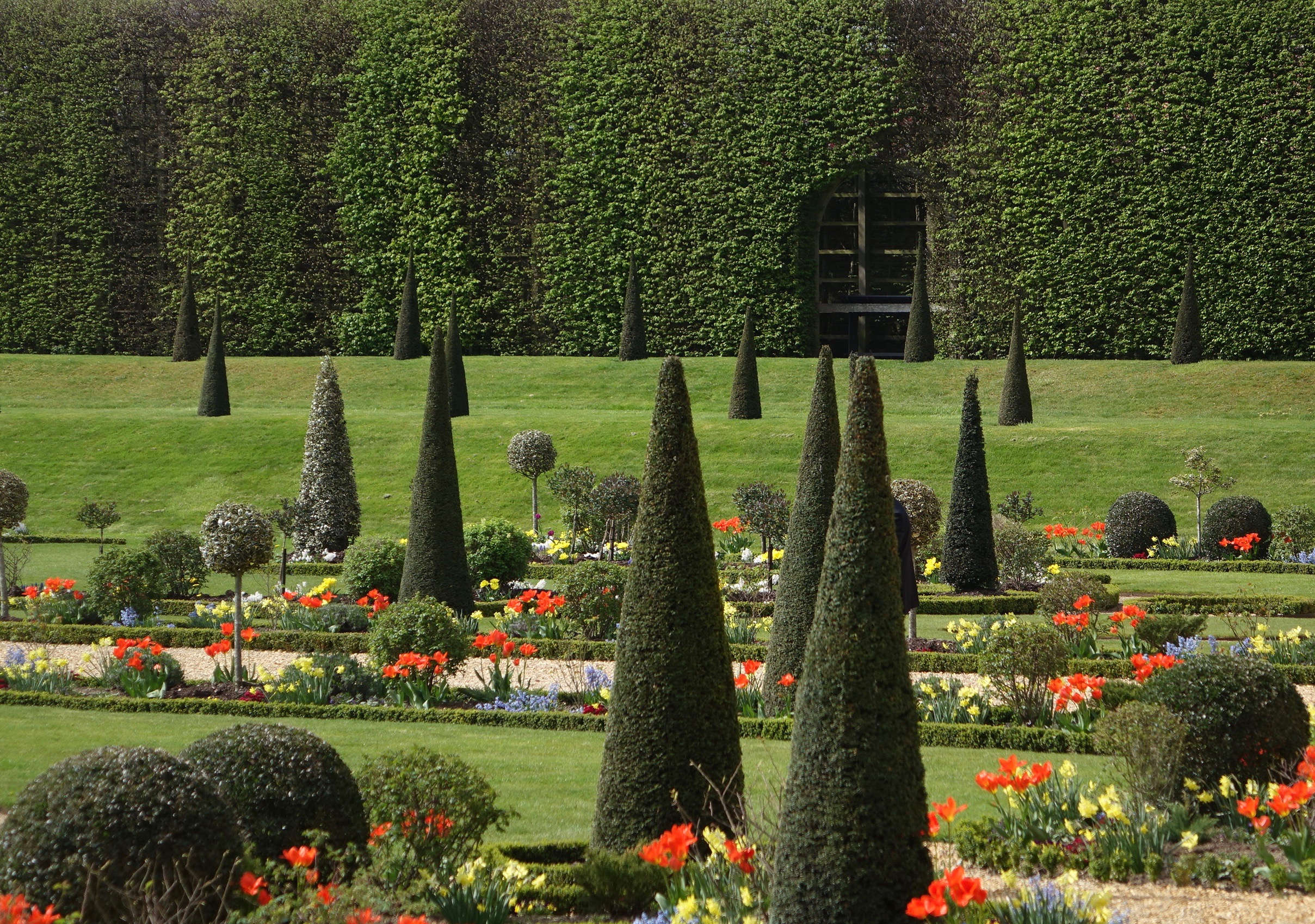
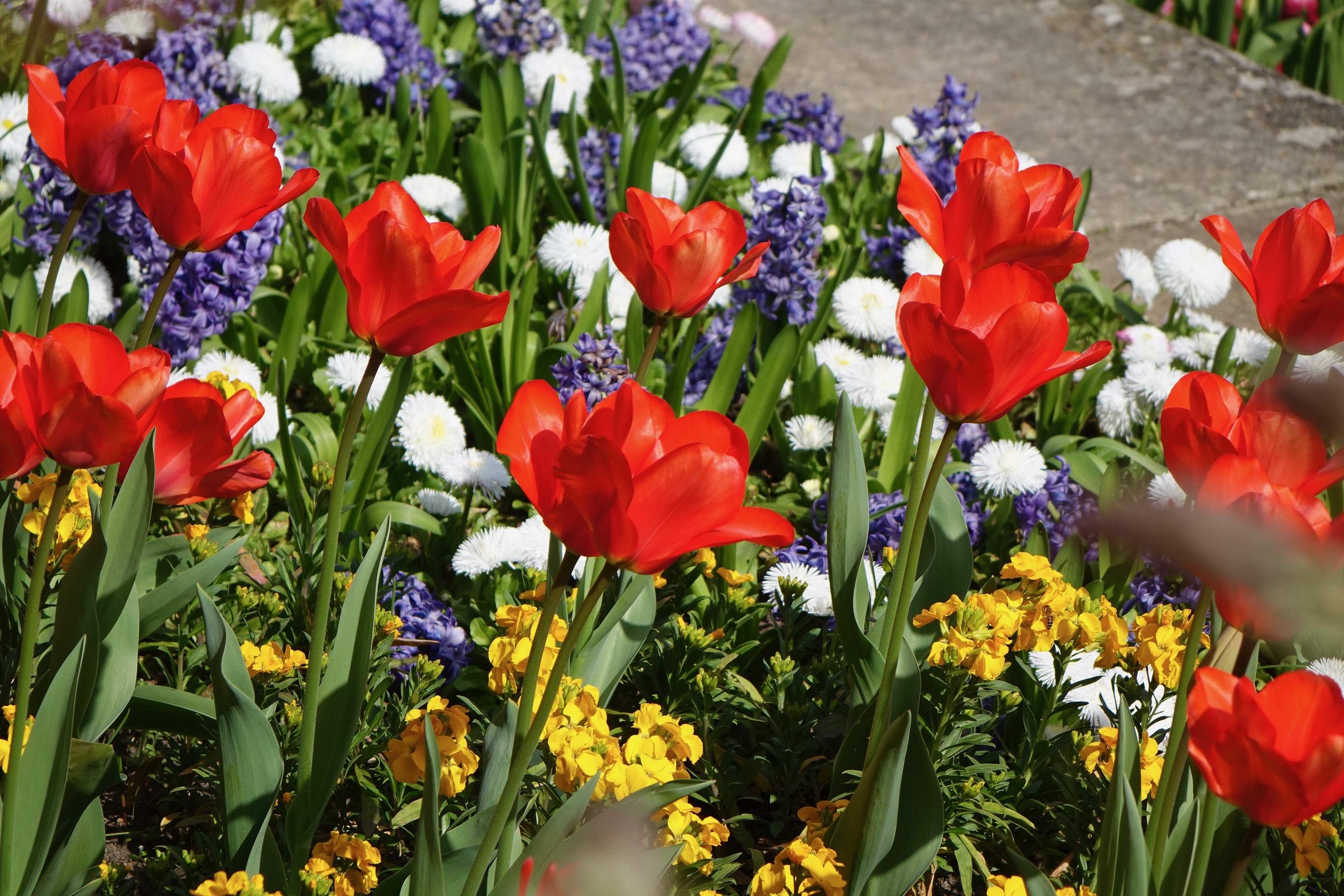
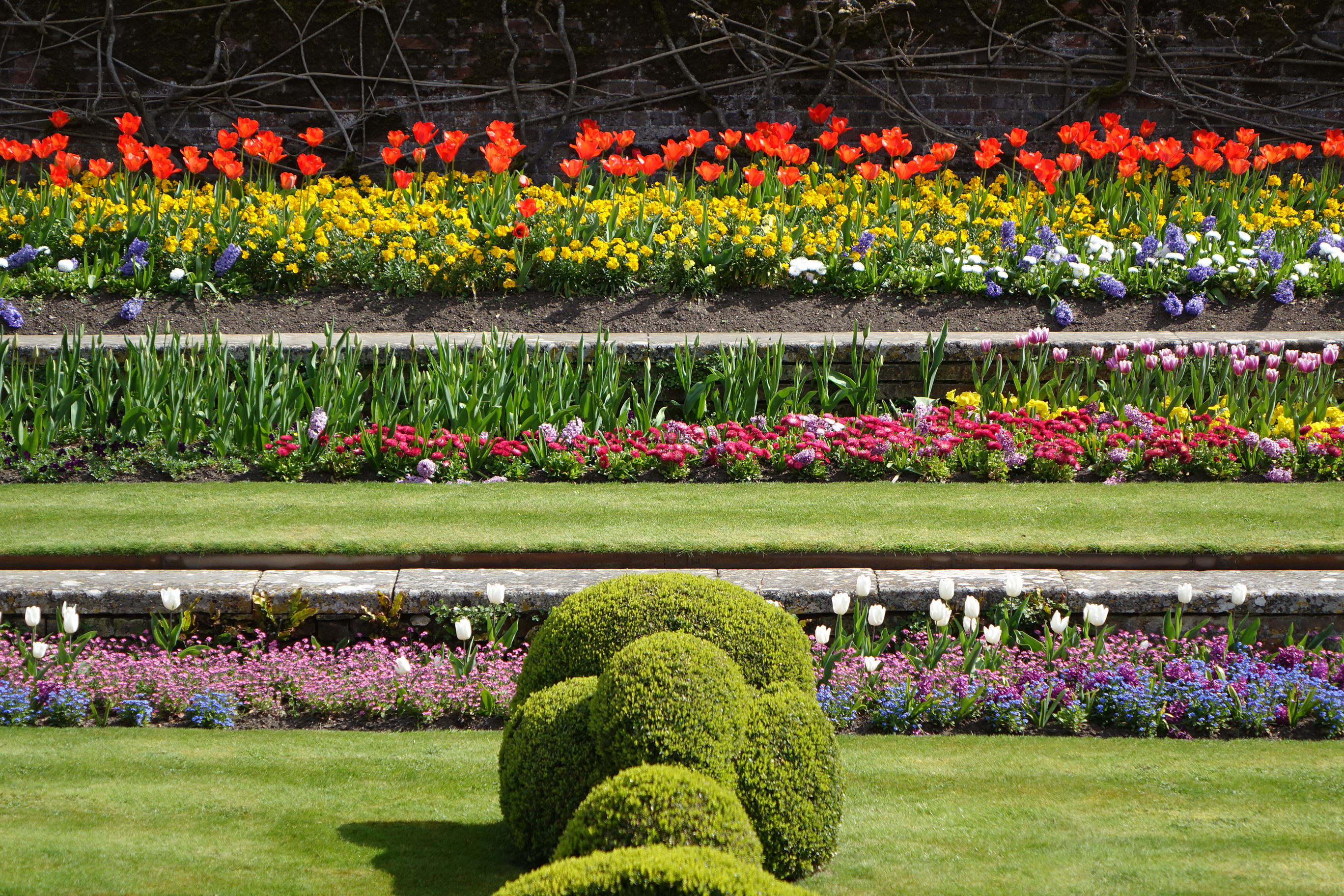
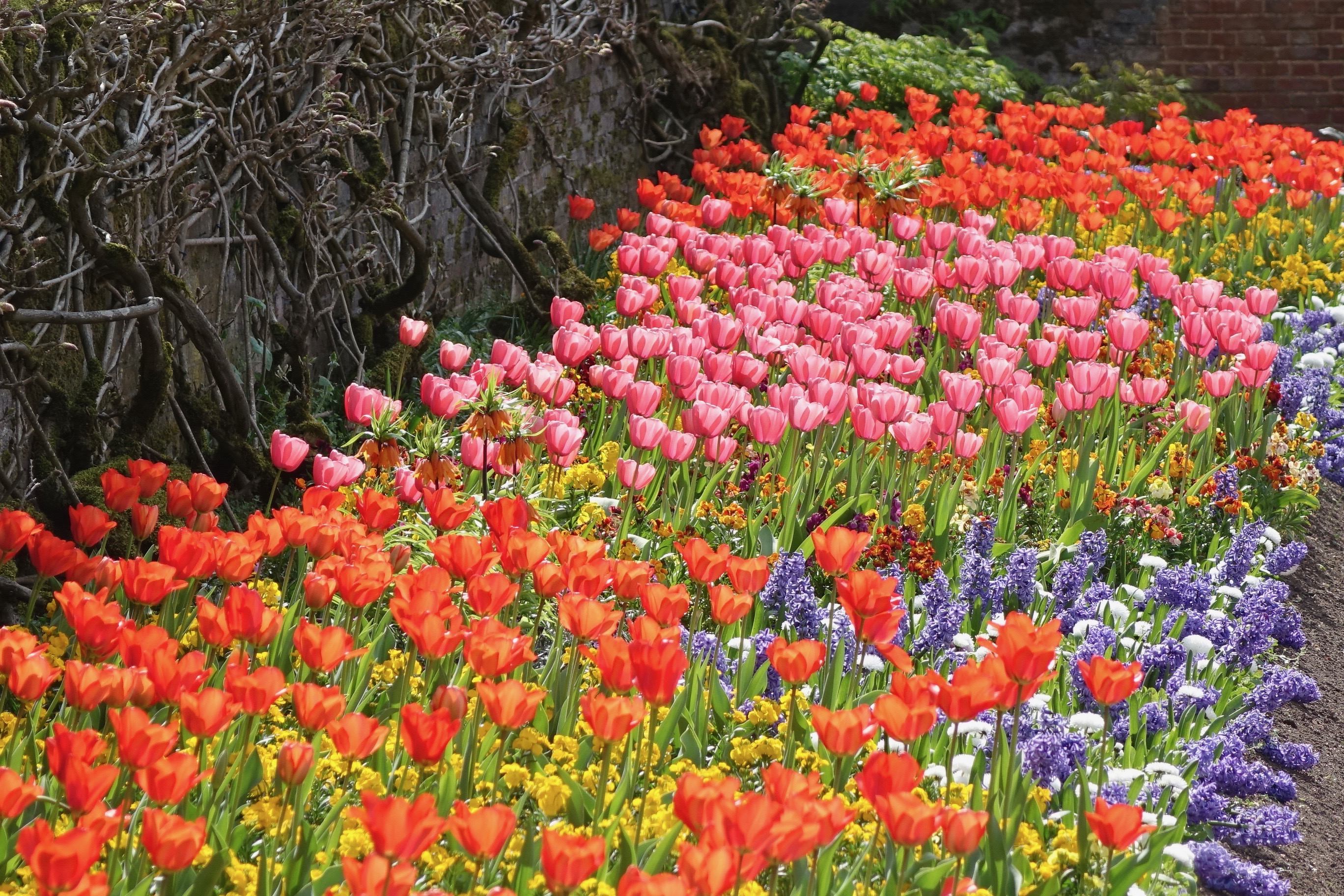
In my naivety, I thought that a visit during April may be too early to enjoy the gardens. How wrong I was, for the timing enabled us to enjoy the most spectacular array of Spring flowers I have ever seen. In the Privy Garden, the elegant South-facing walled garden extending towards the River’s edge and containing rows of manicured conical hollies and yews lining a perfectly geometric system of paths, tulips in vibrant shades of red and yellow danced in the sunlight and contrasted brilliantly against sky blue hyacinths which filled the air with their fragrance. In the cosy walled Pond Gardens just beyond, the abundance of flowers increased as floral collections were displayed in rich strata of contrasting height and colour to create a ravishing spectacle of nature’s brilliance. I don’t think I ever saw such a variety of tulips, nor so well choreographed an exhibition of this glorious Spring flower.

The Pond Gardens, the Knot Garden and the Orangery 

DSC07978DSC07971DSC07967DSC07962DSC07956DSC07958DSC07952DSC07951DSC07947DSC07946DSC07929DSC07940DSC07948DSC07932DSC07939

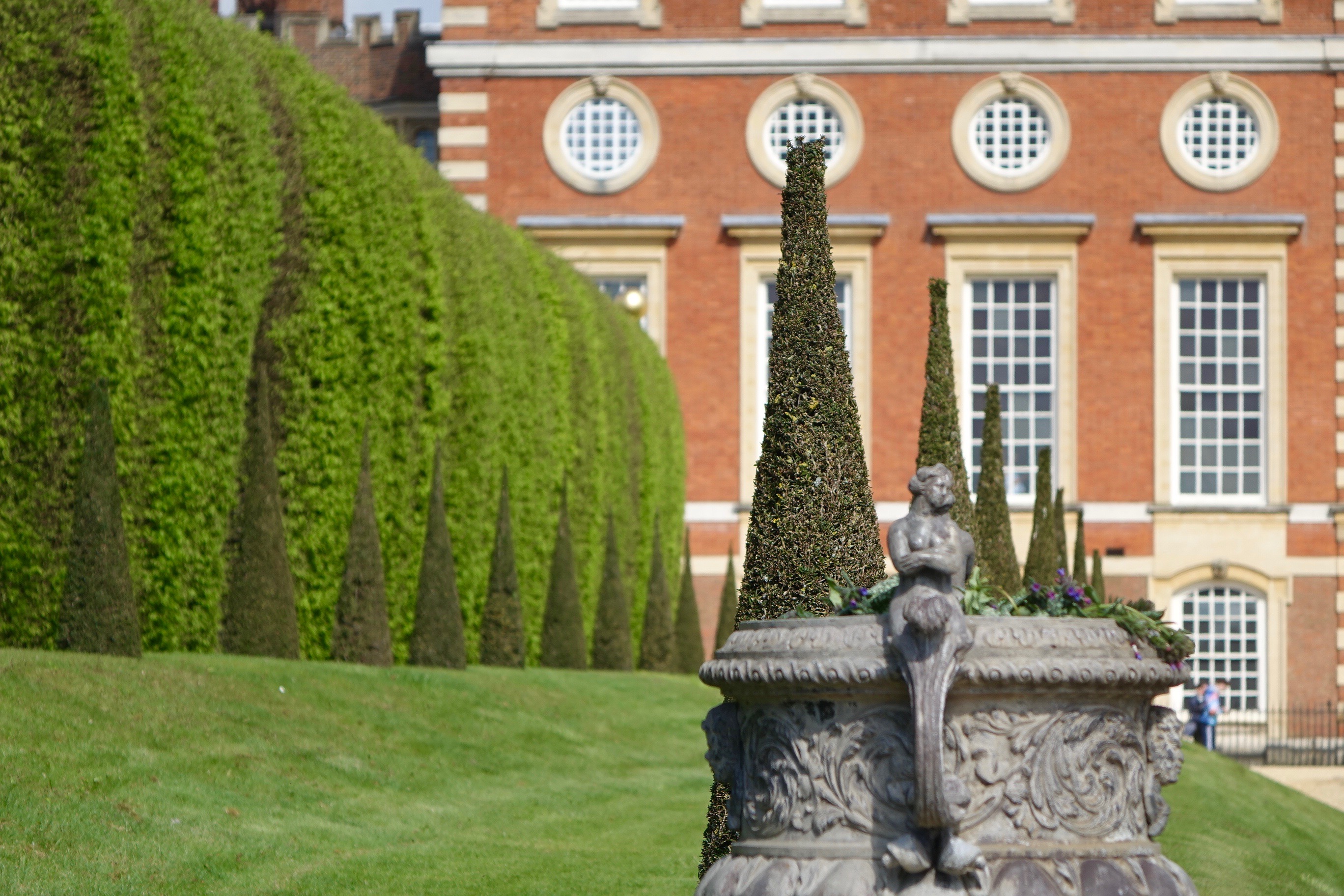
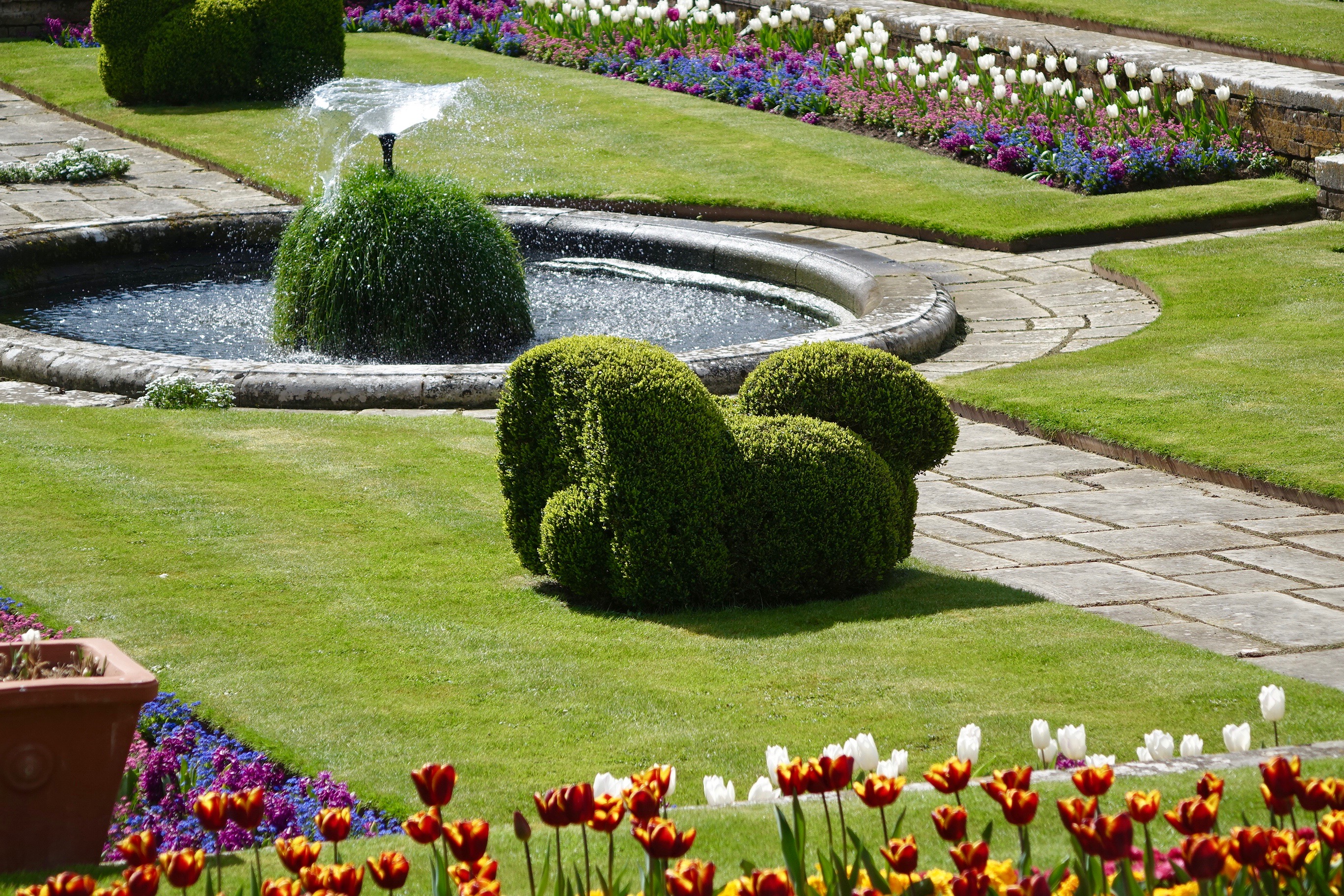
This gardening brilliance continued into a small knot garden, laid out in 1924 to recreate the gardens as they would have been during the Tudor dynasty, and in the Lower Orangery Garden, which flowed from Queen Mary’s passion for collecting exotic plants. Of course the gardens of Hampton Court extend much further than those on this Southern expanse – The Great Fountain Garden is so grand as to be worthy of a post all of its own – and will surely get one in a few days time… But for now, I wanted to share photos of these more manicured gardens. Spaces so vividly enriched by their floral abundance, and so satisfyingly regimental in their layout and design that I could have remained there admiring them forever, especially during these happy days of Spring.

© Nicholas de Lacy-Brown and The Daily Norm, 2001-2017. Unauthorized use and/or duplication of the material, whether written work, photography or artwork, included within The Daily Norm without express and written permission from The Daily Norm’s author and/or owner is strictly prohibited. 

London, Rediscovering My City: Richmond Park

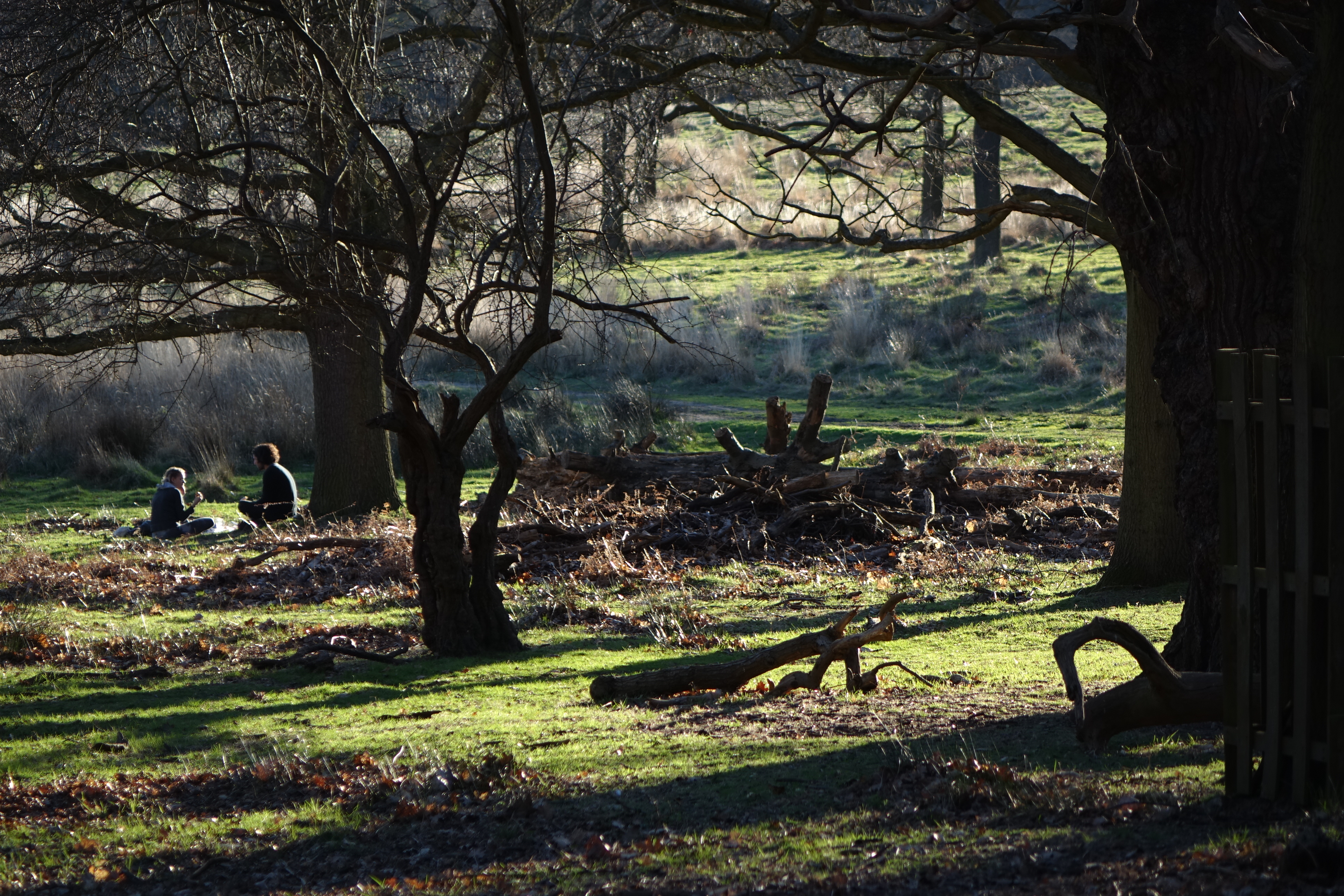
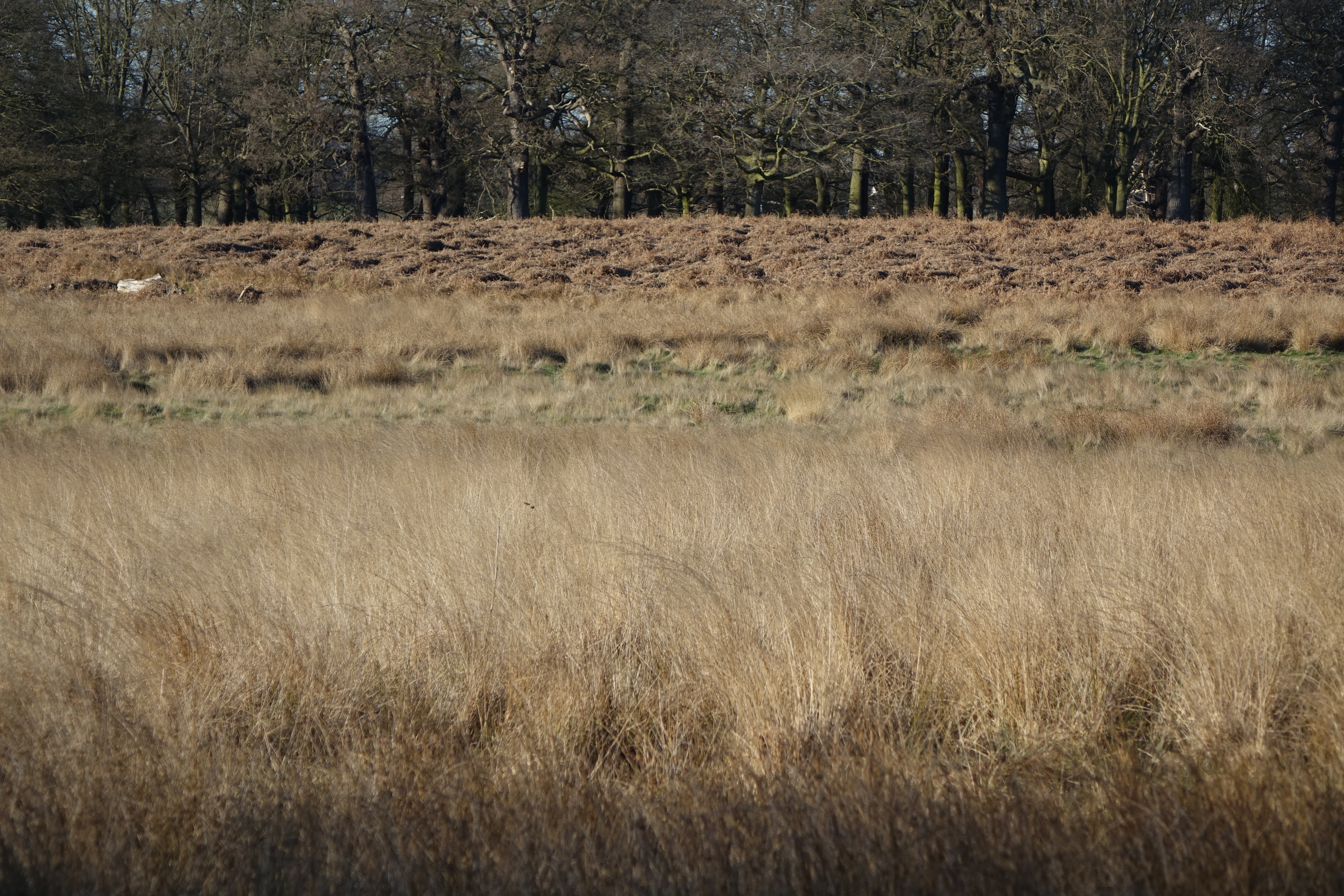
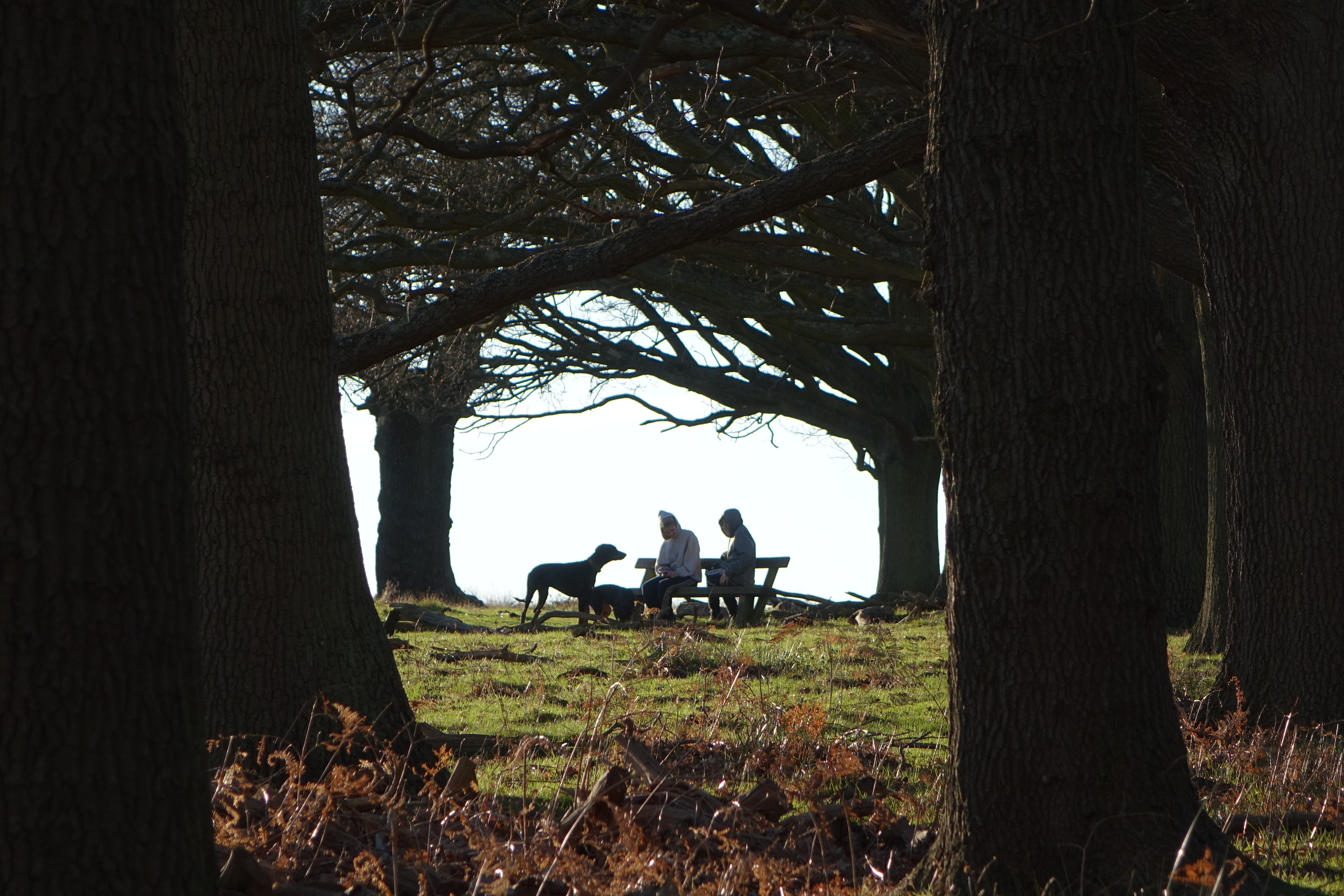
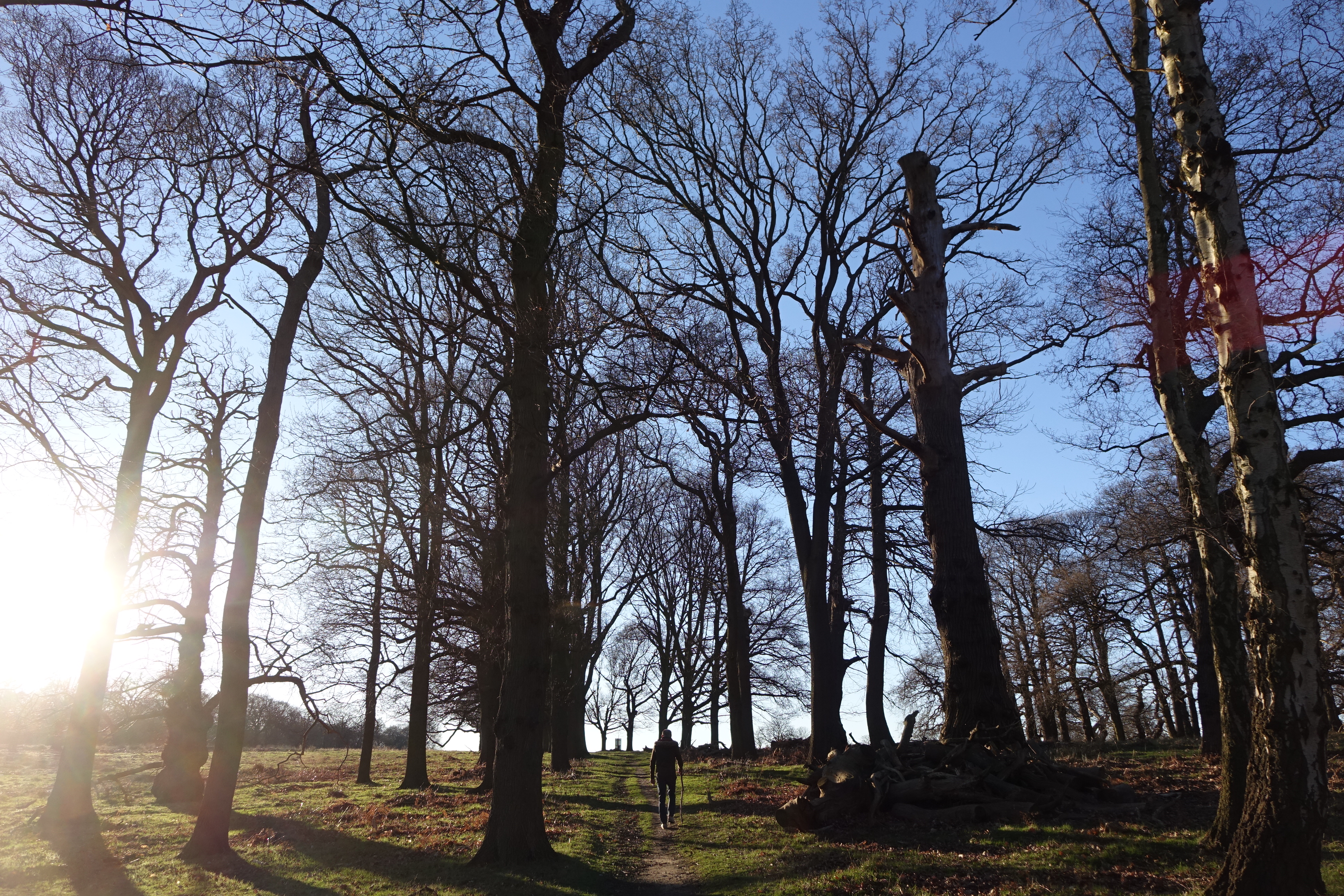
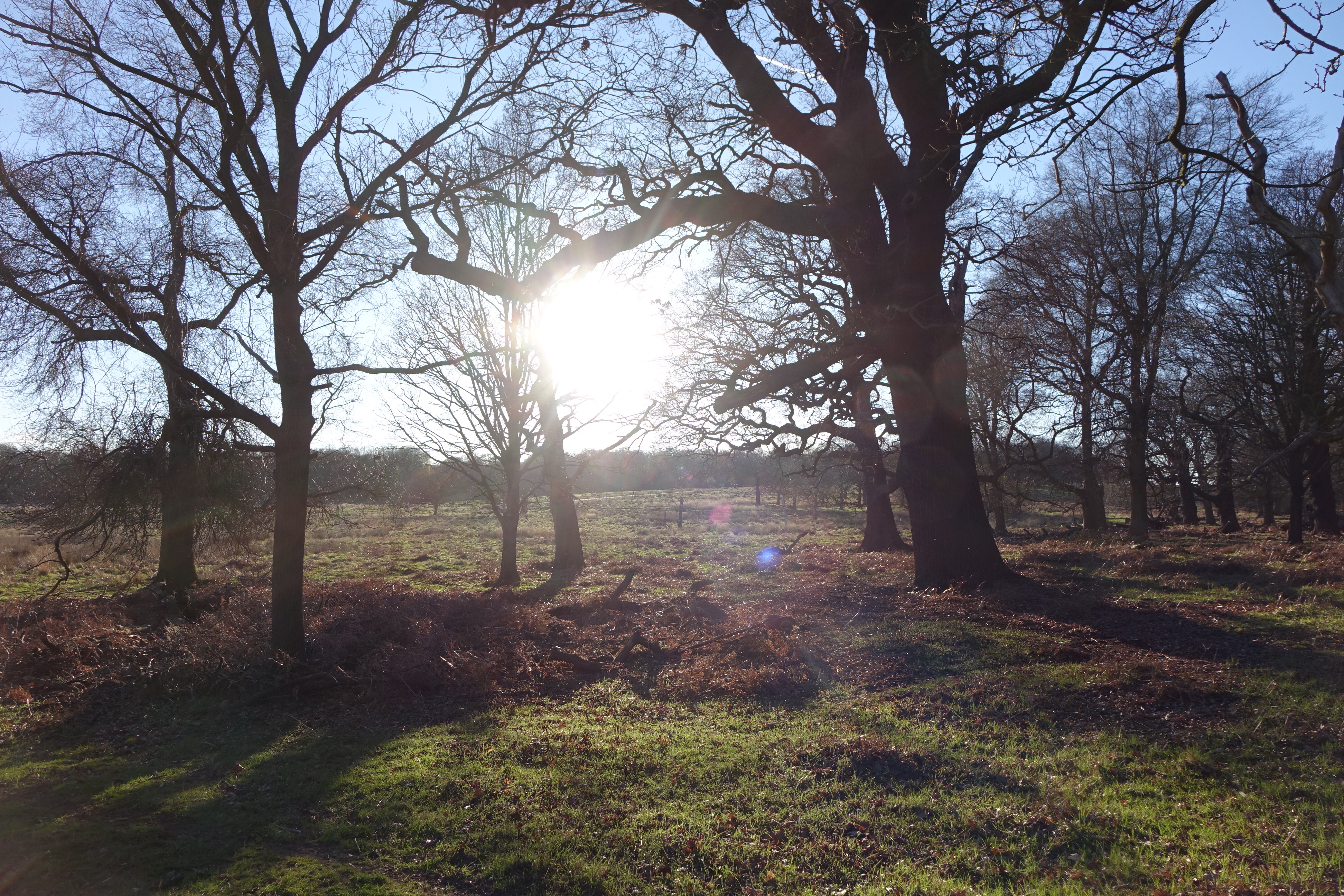
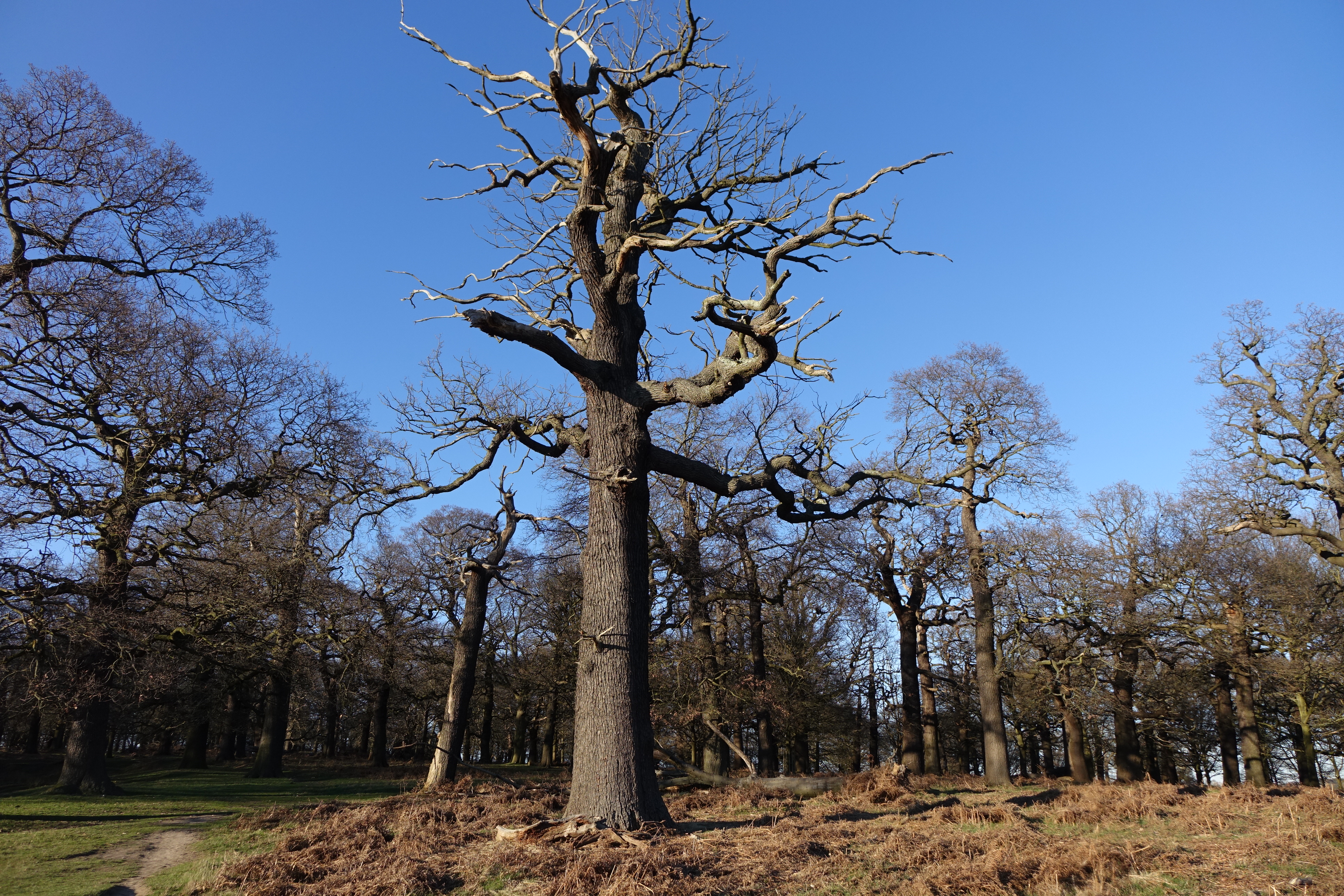
What Wimbledon Common offered in richly verdant, tightly packed woodland, Richmond boasted in wildly windswept, delightfully untended moorland, where great swathes of sweeping grasslands were punctuated by biblically ancient twisting oak trees, and occasional rugged rockfalls like something more characteristic of Northeast Scotland than Southwest London. But London is indeed the host to an astonishing array of green spaces, and it never fails to surprise me how bucolic an atmosphere can be found so close to the city.

DSC07603DSC07593DSC07605DSC07533DSC07492DSC07572DSC07576DSC07586DSC07611

Last week’s Wimbledon adventure was followed swiftly by a tromp across the harsher, wilder lands of Richmond Park (indeed, we stumbled upon said park when an end to Wimbledon Common brought us to the somewhat harsh reality of the A3, which we rapidly crossed, eyes blinkered, before escaping back into the rural idyll of Richmond). Through one of the grand gold-gilded gateways which mark the entrance to this ancient recreational space, the magnitude of Richmond Park was immediately tangible. To call it a park is to suggest a mild-mannered patch of urban greenery, but this mighty swathe of natural ruggedness is true testament to nature winning out over the city sprawl. Even the occasional car crossing its vast geographical spread cannot compete with the true king of this space – the mighty stag, one of whom we came into satisfyingly close contact with, so much so that at one point we thought an attack was imminent.

DSC07609DSC07602DSC07600DSC07598DSC07564DSC07596DSC07585DSC07591DSC07560

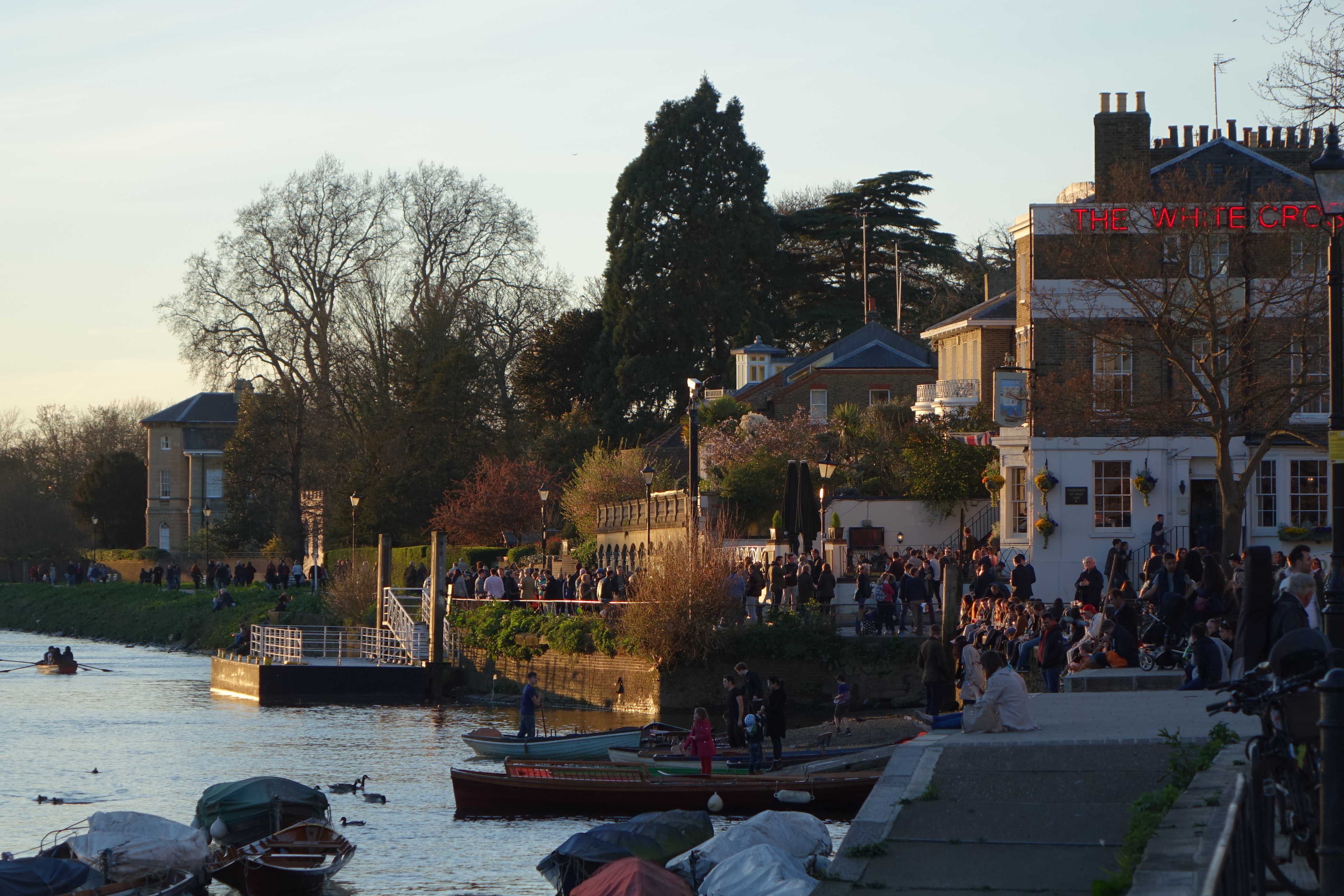
A few hours crossing Richmond Park was enough time to convince us that in London, this great metropolis, an embrace with the great outdoors need never be too far away. Yet just beyond the perimeter of this rurality, a welcome return to civilisation was manifested in the form of the elegant Richmond Hill, whose Georgian houses and small little pubs were glowing a richly golden yellow as all concerned basked in the setting sun, and visitors sipped on bubbles while overlooking one of the most stunning views of the Thames as it snakes alongs its course towards Kingston and beyond. In this way, green turned to gold as our rediscovery of this truly idyllic suburb of London drew to a satisfying close.

DSC07657DSC07624DSC07650DSC07649DSC07637DSC07635DSC07630DSC07621

© Nicholas de Lacy-Brown and The Daily Norm, 2001-2017. Unauthorized use and/or duplication of the material, whether written work, photography or artwork, included within The Daily Norm without express and written permission from The Daily Norm’s author and/or owner is strictly prohibited. 

Mallorca My Highlights – Part Two: The Second Year

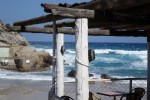
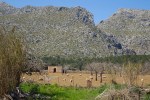
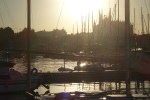
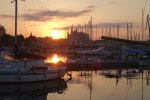
Sometimes I find the thought of Mallorca almost unbearable; that I had such a paradise on my doorstep, that now it feels so far removed from my reality. The ease with which beauty was so readily embraceable; the speed with which it was taken away. The silky smoothness of fresh air as it filled the lungs. The sound of the waves as they nudged gently along the shore.

Yet had I stayed for longer it would have been a paradise lost. A true skill of life is in knowing when the leave the party. Linger too long and the magic is spoilt, and with it the memories are tainted.

DSC06399DSC05751DSC05688DSC05881DSC06171

Happily the renewed distance from my beloved Mallorca serves only to enforce the perfection of our two year residency, to allow me the chance to reflect fondly upon a life altering adventure which enabled a level of displacement of which few people can boast. Yes we worked, but we also lived, and the weekends, the evenings, even the mornings in the sun were like an extended holiday. Like we were cheating time.

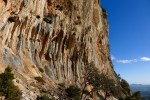
So in this second collection of Mallorca photos, I look back over our second year on the island, a year in which there was still much to discover and during which the creation of photos went hand in hand with the flurry of artwork I created.

DSC09922DSC05518DSC09856DSC06420DSC02122DSC00105DSC01211

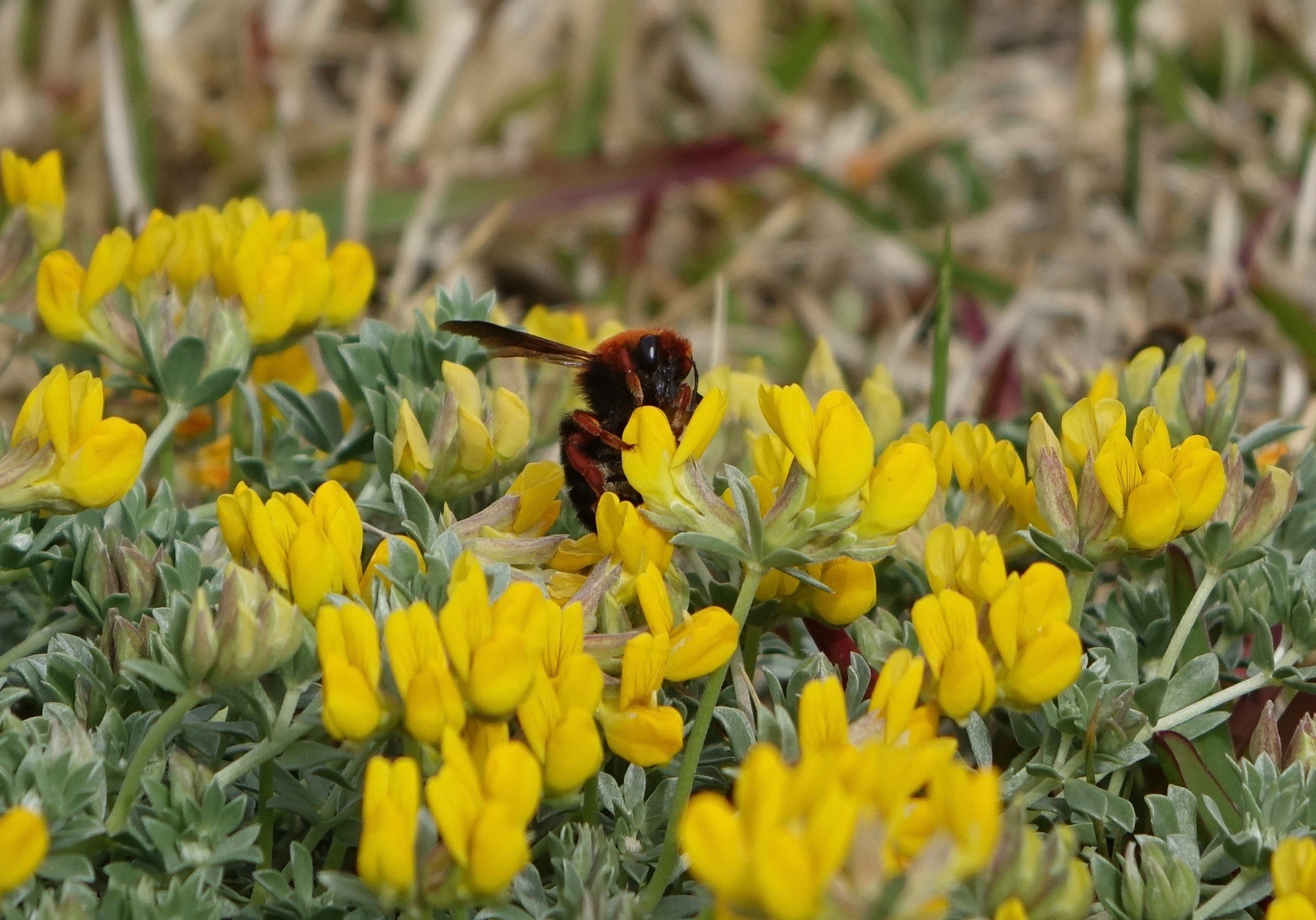
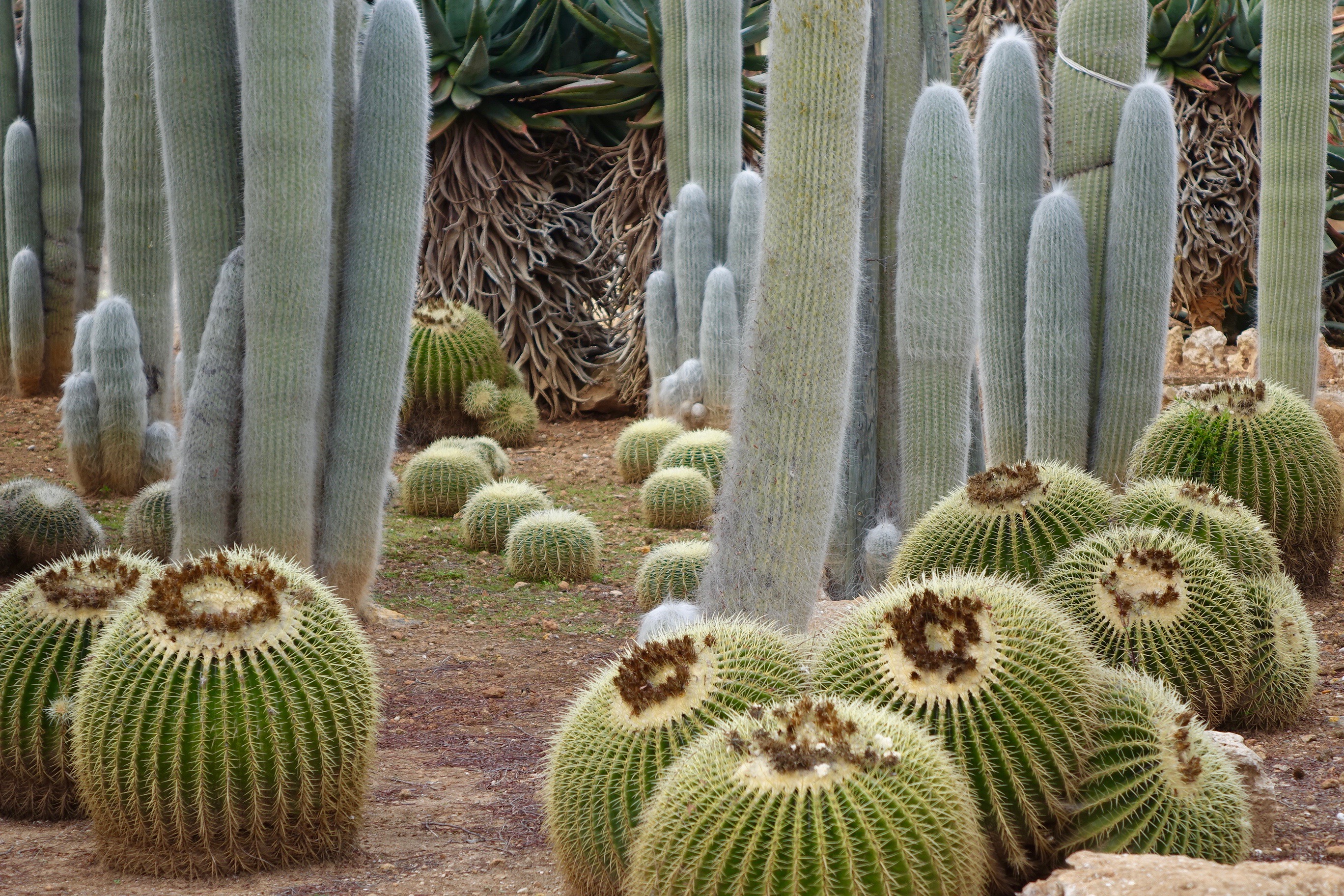
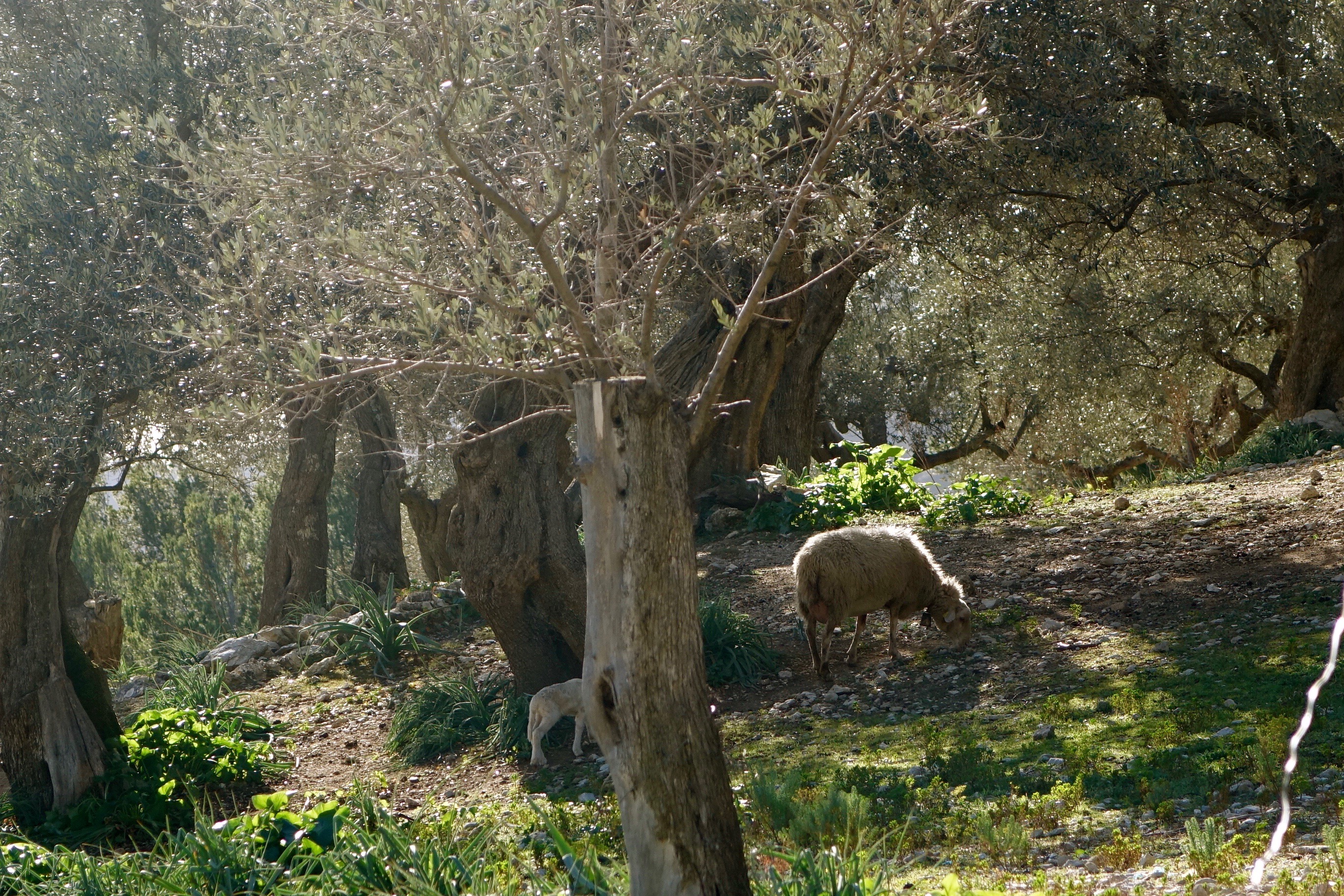
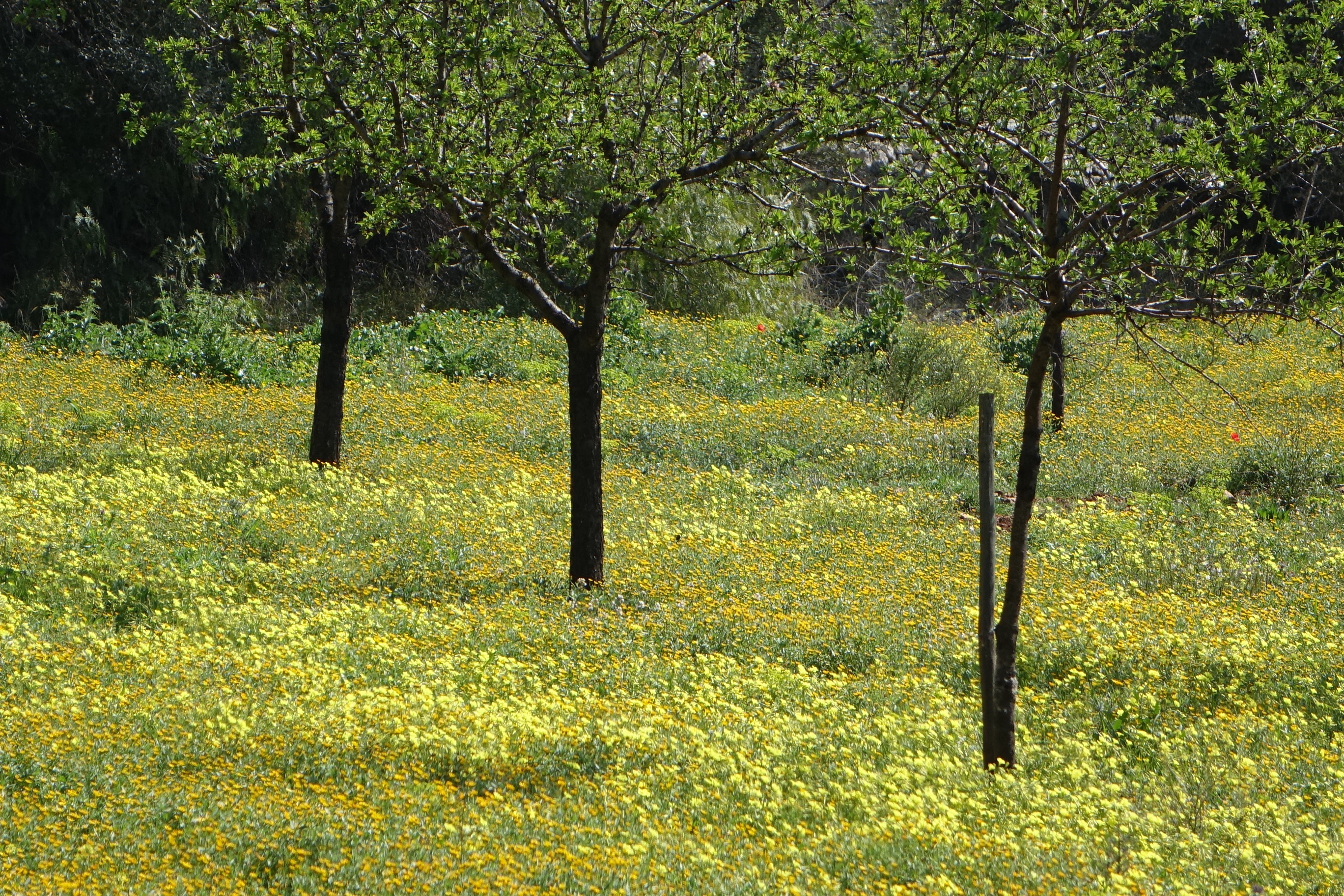
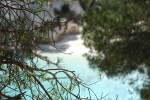
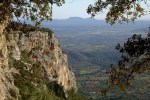
This may be my final reflection on my two years worth of photos, but it won’t be my last post on Mallorca. For the island has more than earned its place in my heart, and will continue to inspire me. In my reflections, I will relive the turquoise sea and the earthy smell of blood red earth. In my ears I will hear the gentle bells of sheep on a mountainside. And from my hand the palette of Mallorca will play out in my creative output, as the qualities of that great chapter of my life furnish me for the remainder of my story.

© Nicholas de Lacy-Brown and The Daily Norm, 2001-2017. Unauthorized use and/or duplication of the material, whether written work, photography or artwork, included within The Daily Norm without express and written permission from The Daily Norm’s author and/or owner is strictly prohibited. 
Solidarity for London

22.3.17 – just another number to add to a growing series of dates which mark terrorist atrocities. The trend begun with 9.11, and those images so ghastly that none of us could believe our eyes. The dates which have followed each add a further horror to this incredible trend of evil, senseless murder in countries known for their civility. Today, London was hit again, and we must once again reflect how unsafe we really are; how, owing to the despicable ignorance of an unconscionable few, we must live life on a knife edge, gambling with our existence when we simply walk over a bridge, or take the tube in the mornings.

Yet we British are famous for our resolve. The show will go on – how could it be otherwise. But that does not mean that we should indulge too far in the English “stiff upper lip”. This is a time to reflect and show emotion. To be shocked and to react. To fight against terror and stand up for our free-thinking democratic society. There is always a bastard in every group of innocents.We must just do everything we can to stop them in their tracks.

So doing my bit for London solidarity, I´m posting a few of my recent shots of London, taken on the go. Their desaturated, grey tonality is beautiful, but also rather appropriate for this sombre day. But while London is today shrouded in the black of mourning, its soul is deeply, strongly, diversely coloured. Centre of the world, standing stronger whatever the adversity.

© Nicholas de Lacy-Brown and The Daily Norm, 2001-2017. Unauthorized use and/or duplication of the material, whether written work, photography or artwork, included within The Daily Norm without express and written permission from The Daily Norm’s author and/or owner is strictly prohibited. For more information on the work of Nicholas de Lacy-Brown, head to his art website at www.delacybrown.com