Skip to content

Posts tagged ‘Building’

The Gaudi which eluded me: Palau Güell

While I am as familiar with the works of Catalan architect Antoni Gaudi as the next Barcelona aficionado, there is one Gaudi masterpiece which has managed to elude me in all of the years I have been visiting the city: the Palau Güell. For many years this was due to extensive renovations of the property which saw it closed to the public both partially and entirely for some 7 years. But latterly I just never seemed to be in the city when the palace was open to the public. But no longer is this unsatisfactory position the case! As soon as our Barcelona trip was booked, the first thing I did was to reserve our entrance to the Gaudi masterpiece, and within hours of our arrival in the city, we had entered its impressive lofty interior. 

The Palau Güell

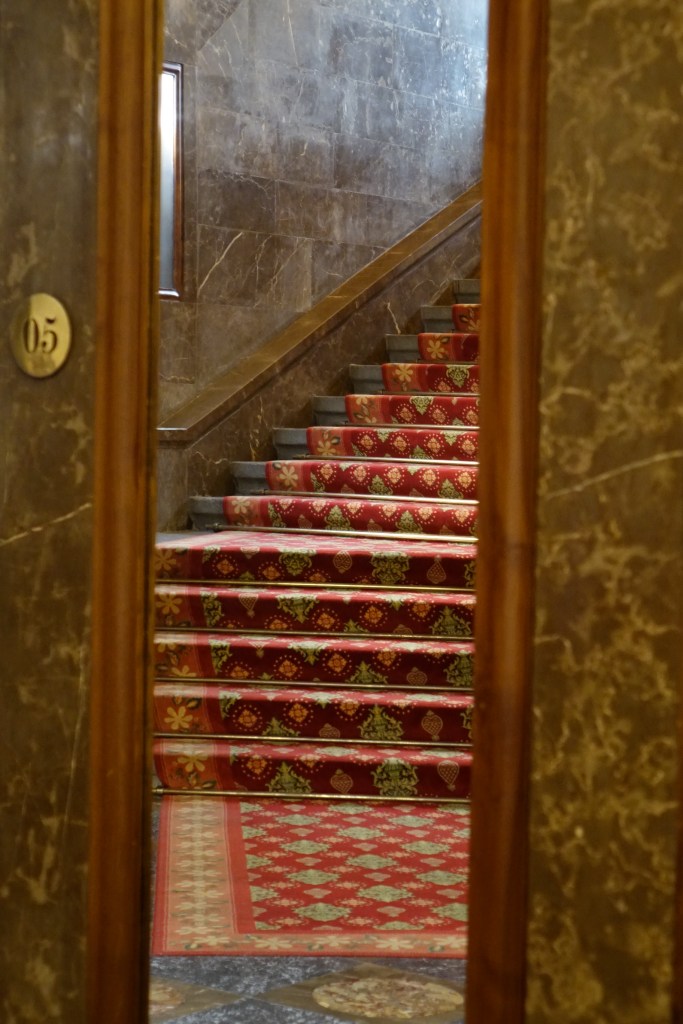
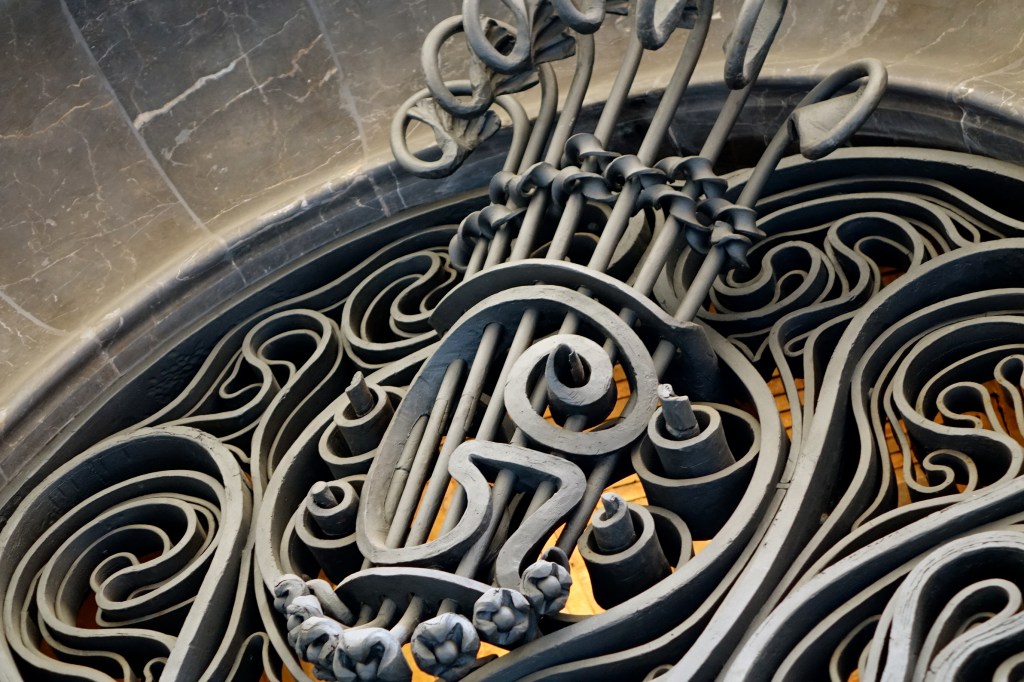
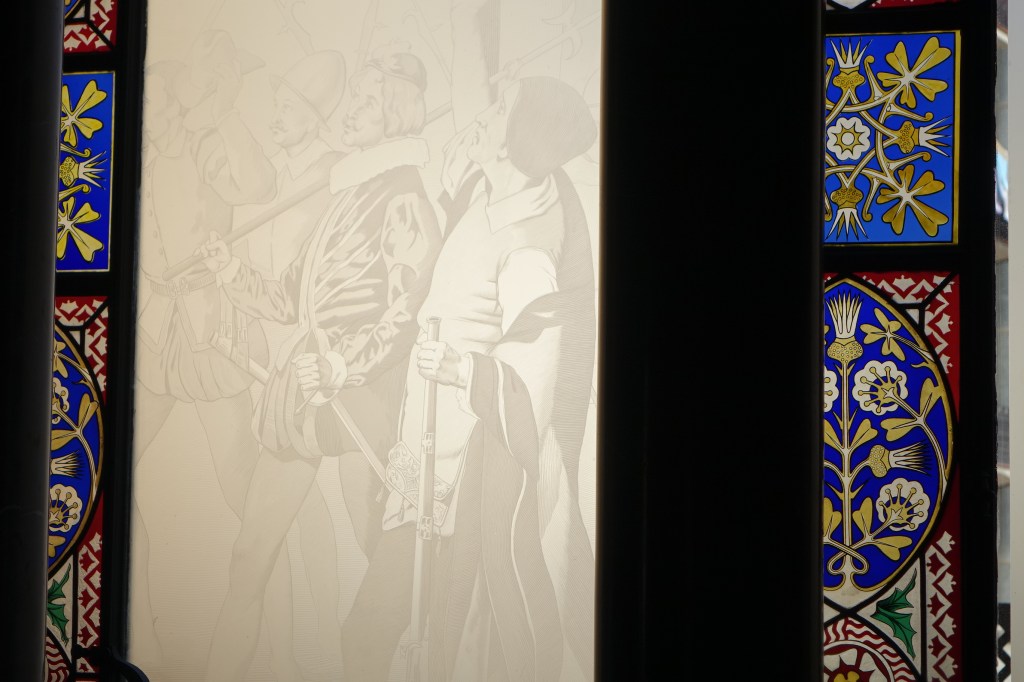
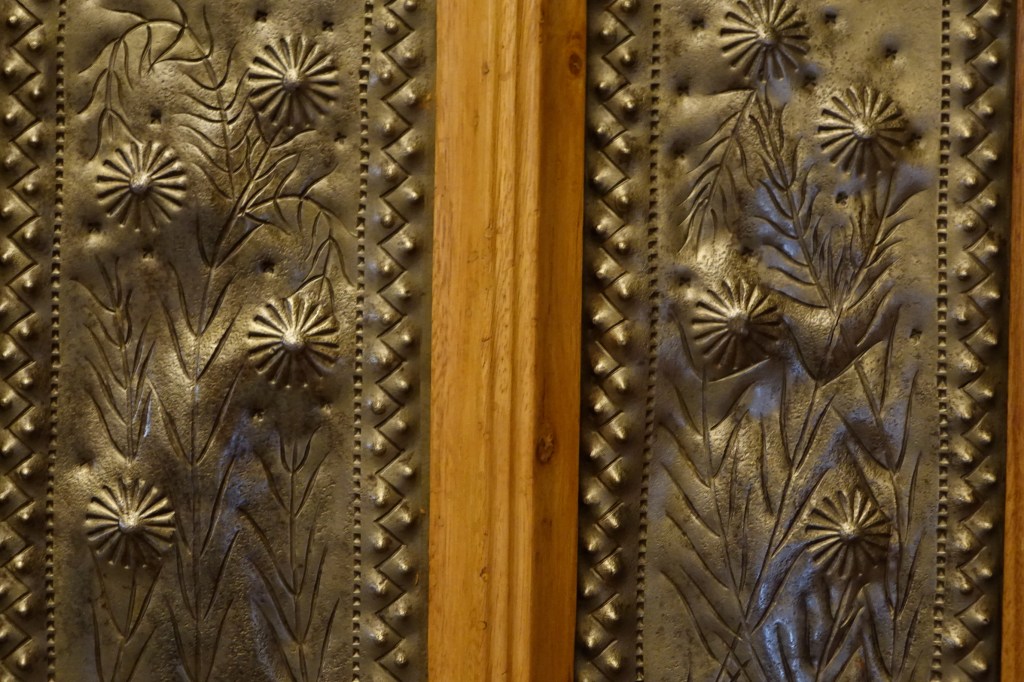
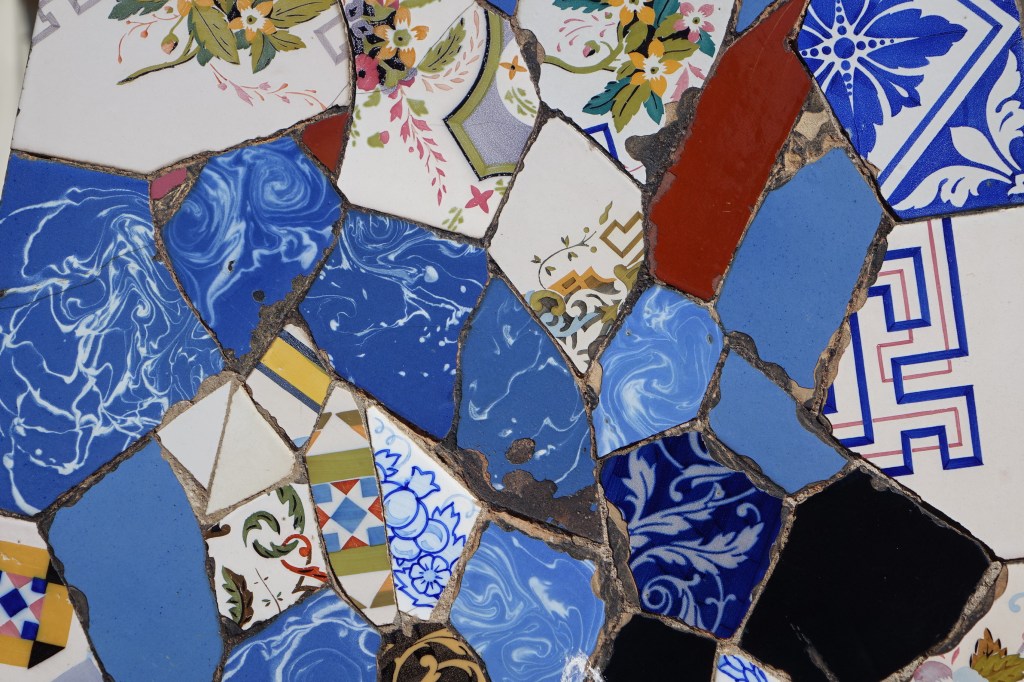
DSC08044 DSC07979 DSC08041 DSC07952 DSC07929 DSC08046 DSC07943 DSC07951 DSC07953 DSC07930

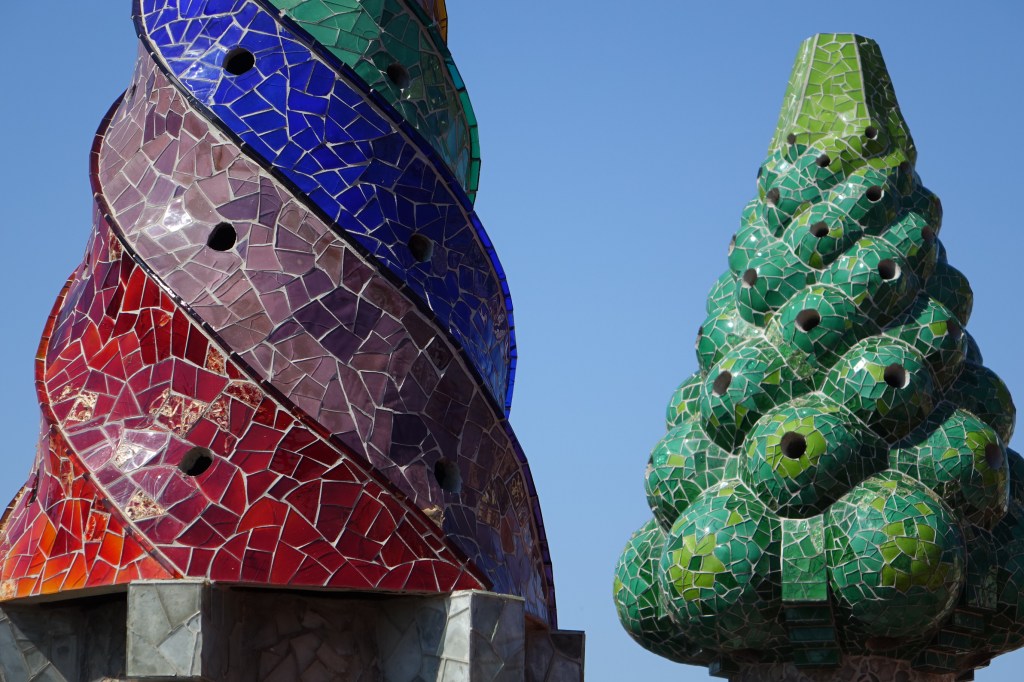
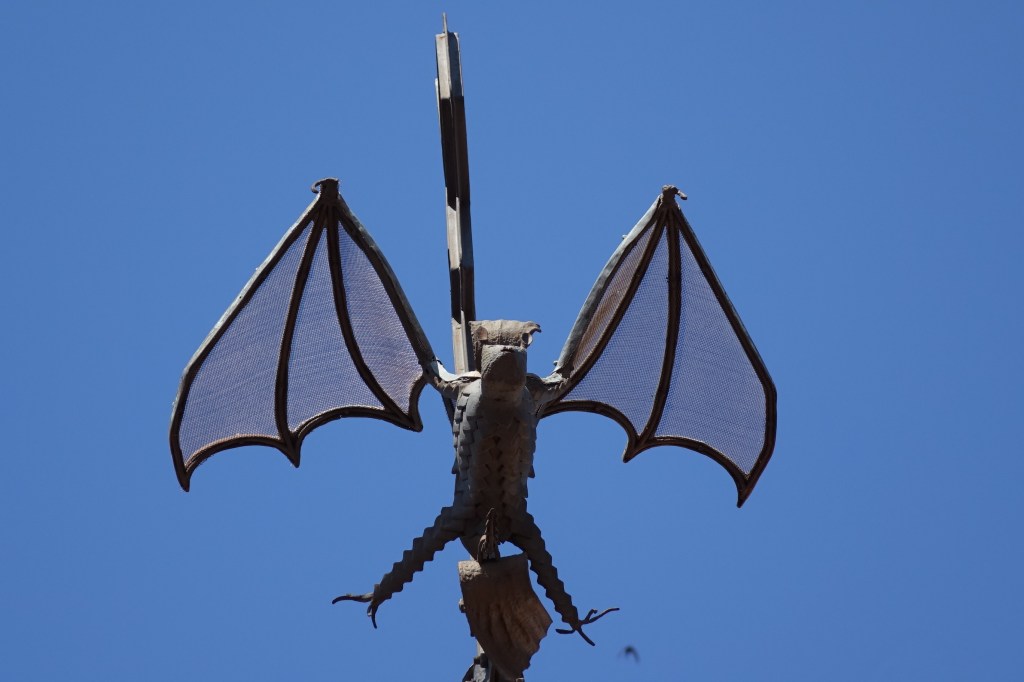
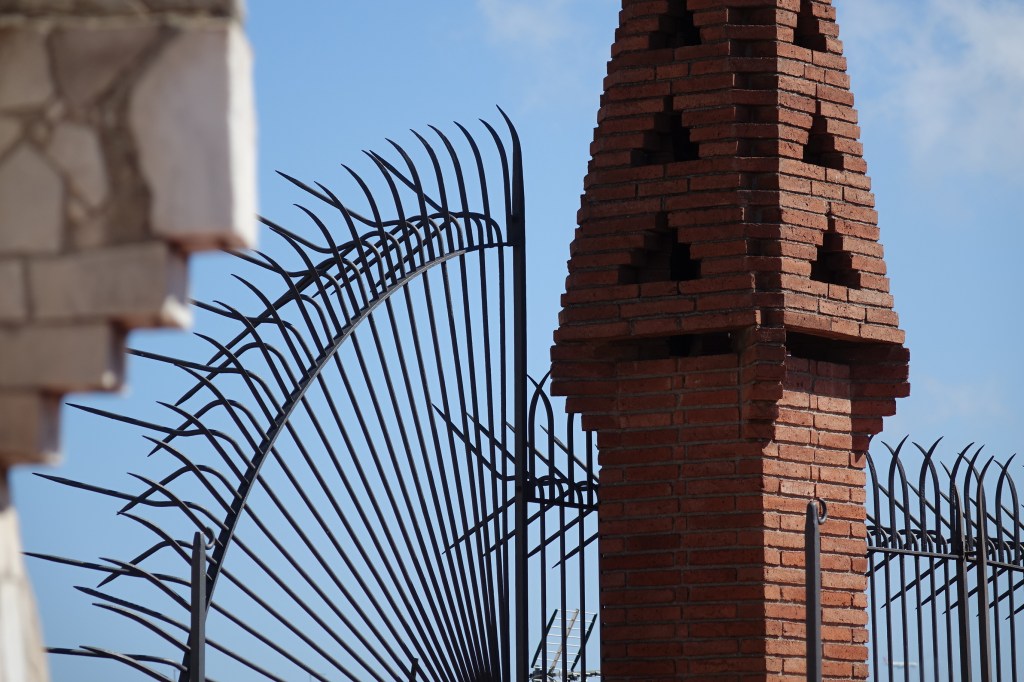
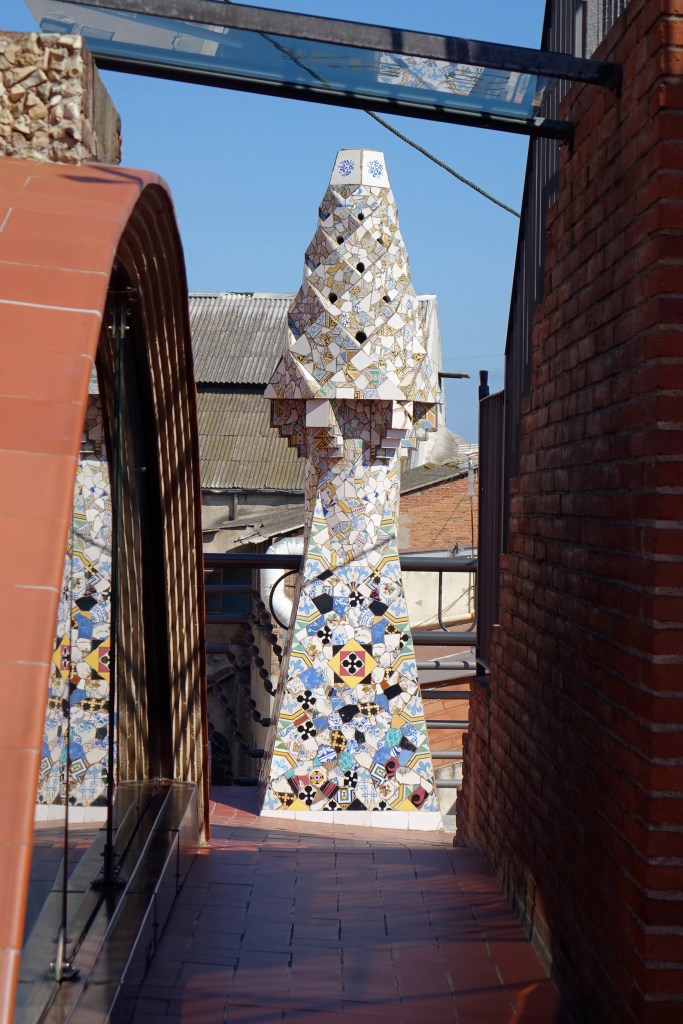
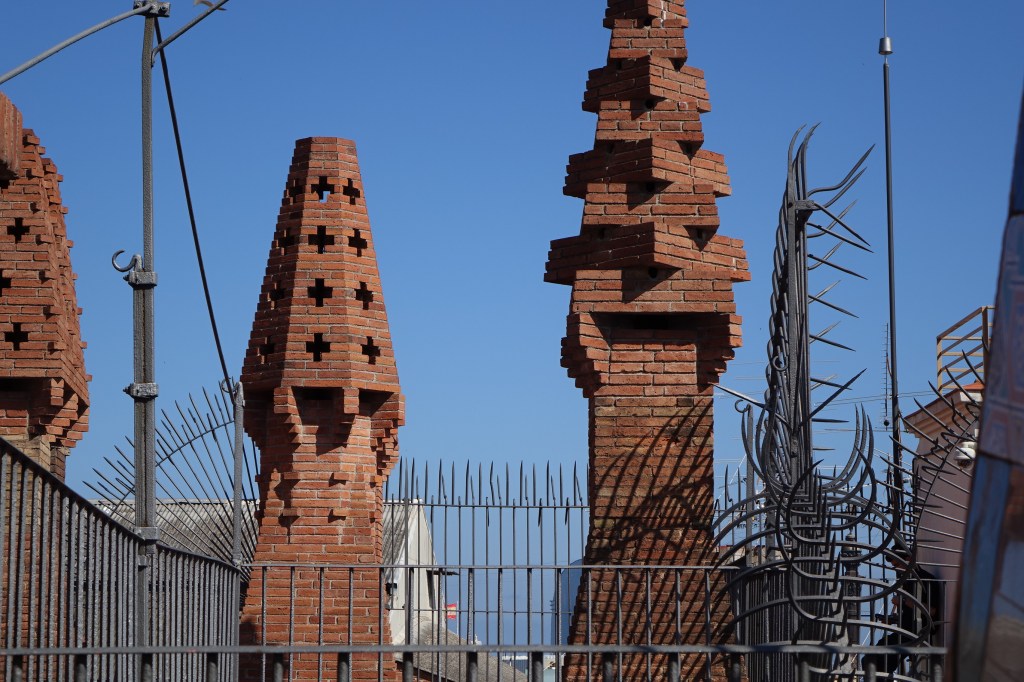
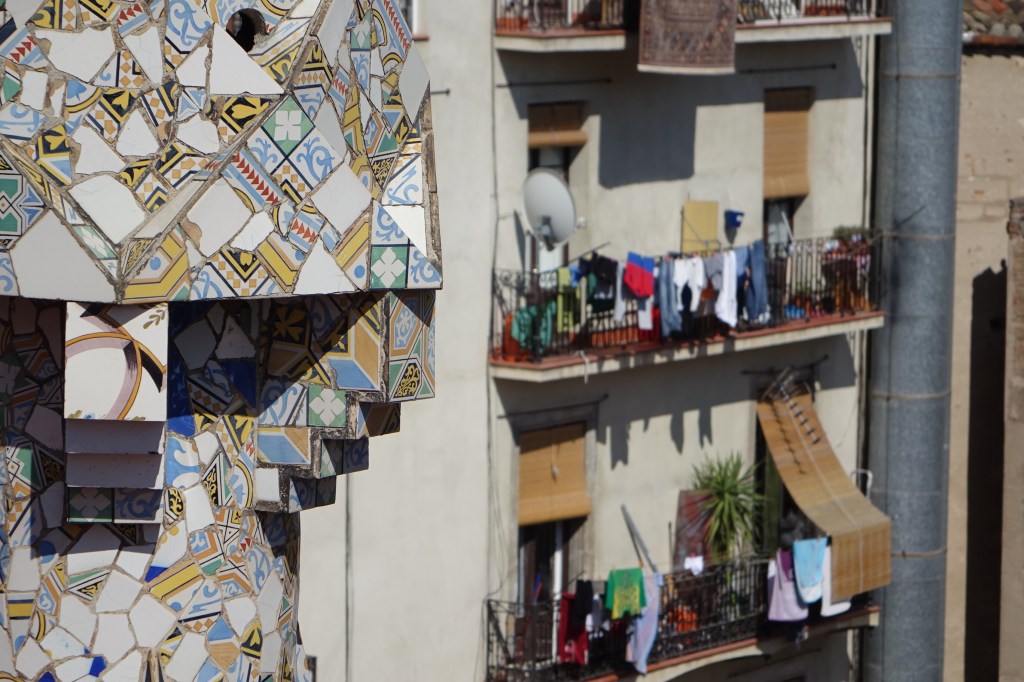
Built between 1886 and 1888 in the El Raval neighbourhood of Barcelona, the Palau Güell was in fact one of Gaudi’s earliest works, and the first major collaboration with the industrialist Eusebi Güell who was to become Gaudi’s most significant patron. Although its sombre interiors show somewhat more restraint from the man who was later to go on to design such fantastical masterpieces as the Sagrada Familia and the Casa Mila, the exterior of the house already showed the young architect pushing the boundaries of socially acceptable architecture, filling his facade with magnificently twisted wrought iron, animal forms, and his terrace with his now iconic multi-coloured tile chimneys. 

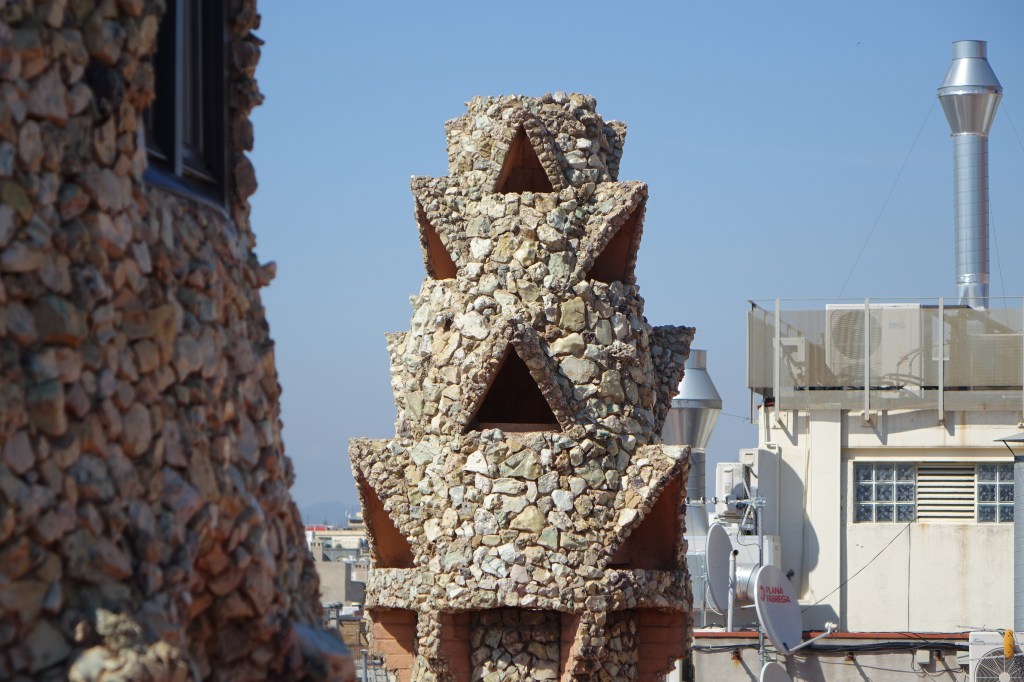
The famous terrace

DSC07992 DSC08013 DSC08022 DSC07991 DSC08015 DSC08029 DSC08016 DSC08037 DSC07989 DSC08021

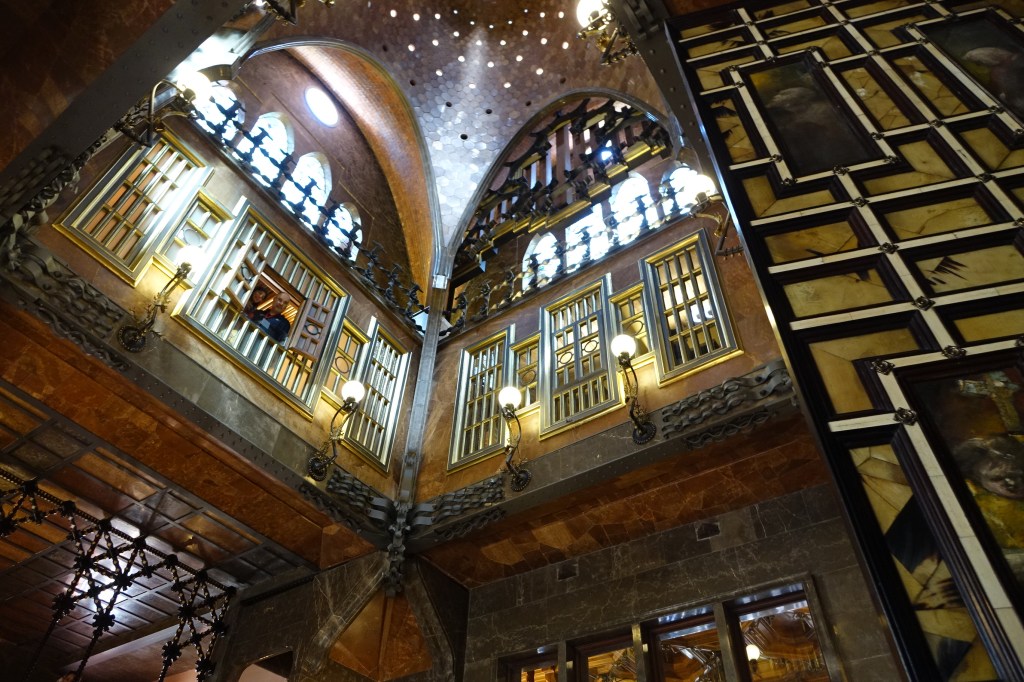
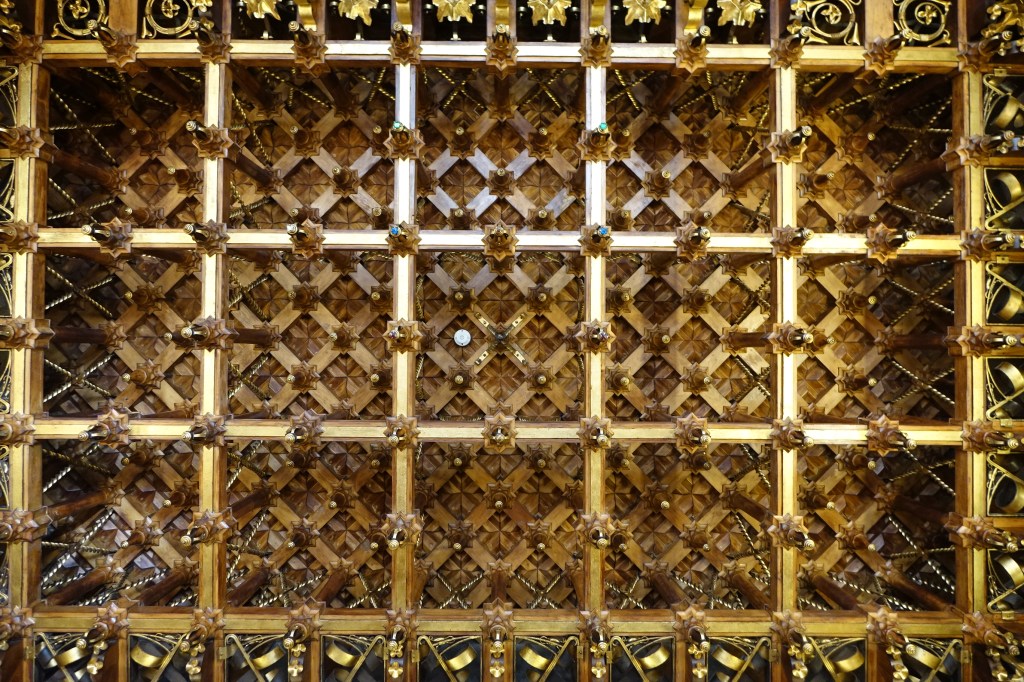
That is not to say that the interiors were boring. Far from it. Past the initial somewhat gloomy entrance which was intended to be the preserve of carriages, the upstairs rooms showed every sign of the virtuosity for which the architect would become know, with magnificently intricate woodwork, wrought iron and personalised furniture heavily influenced by the Moorish design which is so prevalent in Spain as well as the innovations of line and shape which were becoming modish in what was to be known as the modernist or art nouveau era. By far the most spectacular feature of the house is the main atrium: a dazzling space which cuts through the entire height of the house, topped with a dome into which little holes cut are like stars twinkling in space.

The impressive central atrium

DSC07962 DSC07941 DSC07965 DSC07972 DSC07975DSC07982

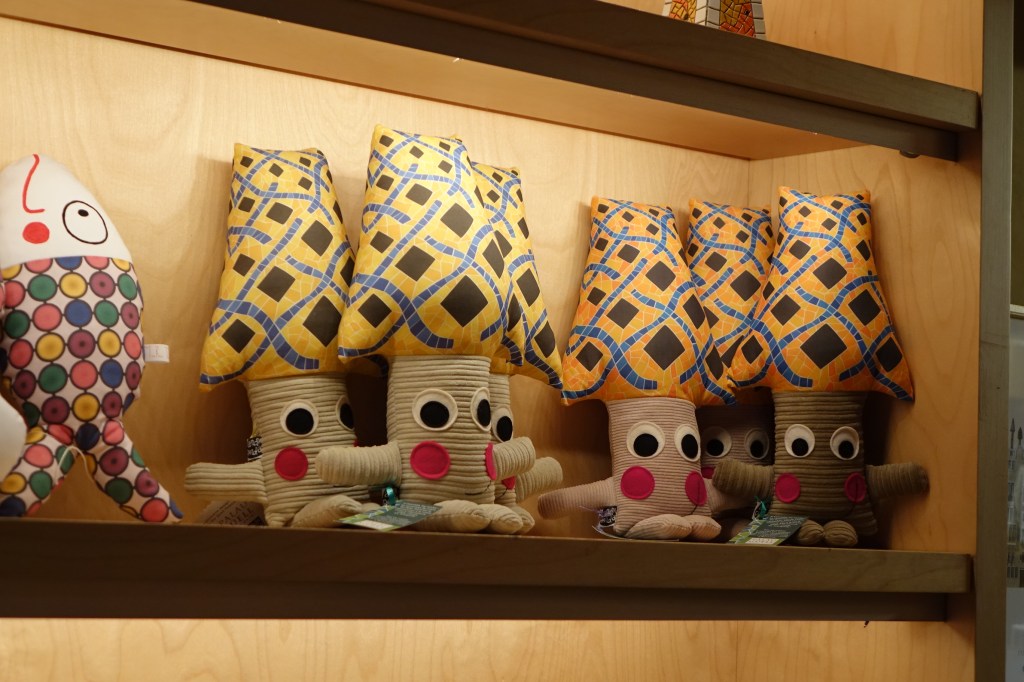
So the house which had long eluded me did its best to impress, and certainly received from me the admiration it deserved. I did however leave somewhat concerned by some of the renovation works undertaken, not least the extent to which staircases have been modernised, for example, with swish inlayed lighting which is clearly out of character with the original house, and worst of all the adaptation of the roof’s famous chimneys such that on one, a contemporary artist has shamelessly attached a tacky toy lizard as some kind of new interpretation of an otherwise perfect Gaudi icon. Why this was allowed I will never know. As they say: if it ain’t broke, don’t fix it.

DSC07999DSC08042

Prague (Part 2): Photo focus – An ode to Art Nouveau

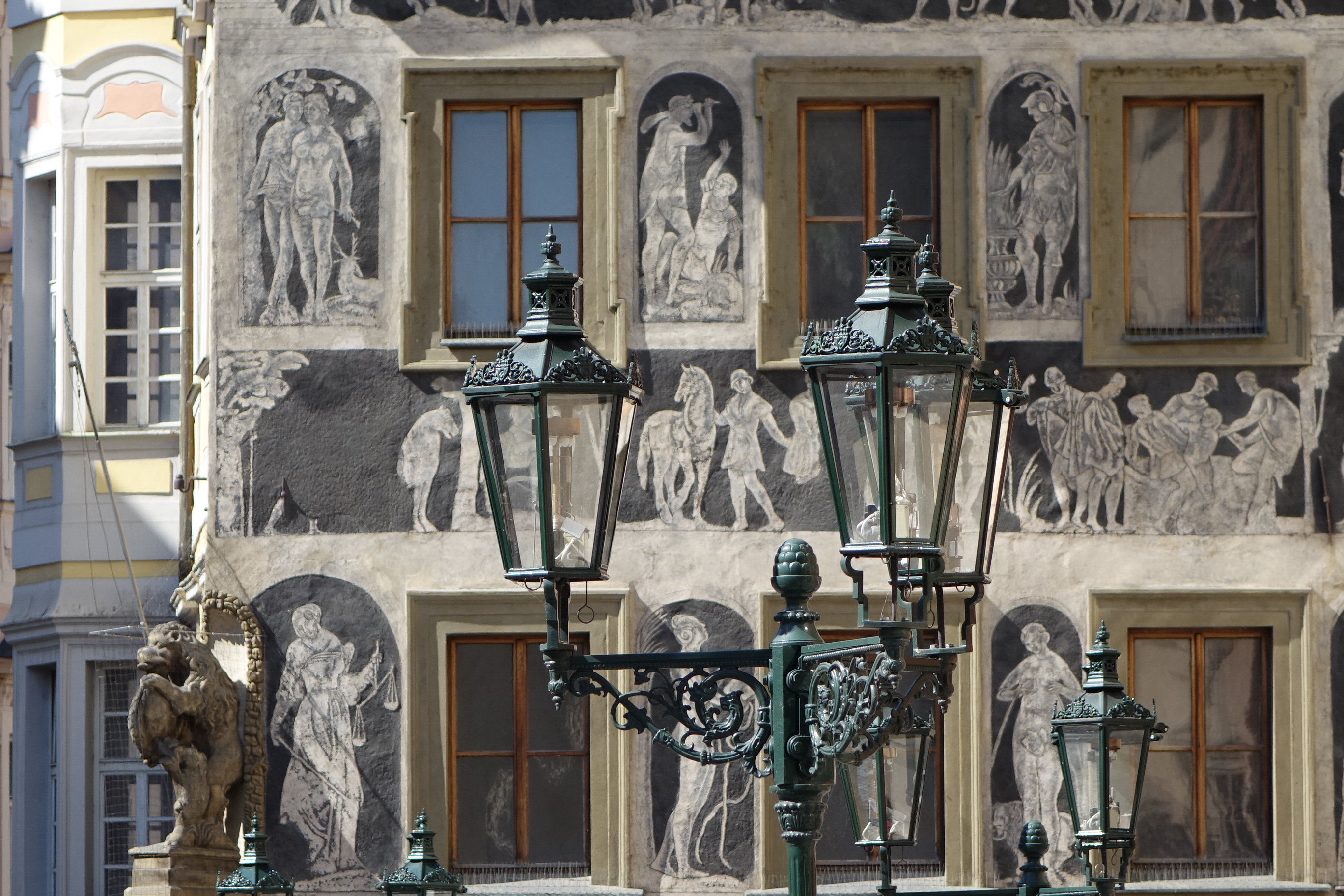
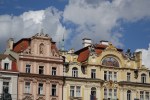
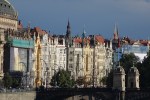
Yesterday I had a good old moan about Prague – its lack of customer service; the hideous proliferation of British loutish stag parties (for which all of England should be ashamed); and the general state of decline which much of its treasures have been left to fall into. And yet, while I stand by everything I said in that post, the fact remains that Prague is an unusually beautiful city, unusual to the extent that its architectural treasures are consistently spread, and barely interrupted by even the slightest hint of modernity. Indeed, unlike so many European cities which have been rendered patchy or obliterated in their entirety by the ravages of 20th century warfare, Prague is a city of architectural constancy, with street after street boasting beautifully intact period architecture full of embellished details, pointed roofs, gold leaf and pastel coloured facades.

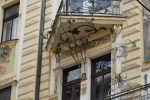
Of the many architectural styles on offer, one of the most prominent and surely most beautiful is Prague’s wealth of art nouveau. It’s everywhere: up the grand central boulevard comprising Wenceslas Square; adorning the outside of the Hotel Central and the central railway station; in the elegant tiled and painted frescoes on apartment block facades; and of course in the artwork of the much famed Czech-born artist Mucha, whose flamboyantly graceful posters of theatre stars and society icons were the very quintessence of the art nouveau style. According to my guidebook, the reason why there is such a proliferation of art nouveau in Prague is for the simple reason that whole swathes of the city were demolished and rebuilt at the very time when the style was in its ascendancy, and the result is streets crammed full of the elegant curved lines and aesthetically perfect adornments which characterise the period.

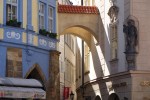
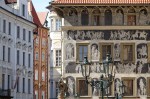
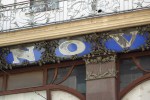
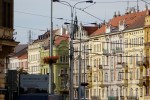
DSC07354 DSC07491 DSC06488 DSC07419 DSC06451

As if it weren’t obvious already, Prague’s art nouveau and similar architectural embellishments are the subject of this first photo-focus post arising out of my recent Prague trip, and should give you an excellent idea of the variety and extent of art nouveau offerings in the Czech capital. And these are only the features I noticed. For in the course of concentrating on finding my way around the city, I would so often forget to look up to note the detailed embellishments which pepper the buildings, especially further up near the top of the elegantly crafted facades, and consequently I have surely missed many of the city’s great gems. But those I did see proved highly satisfying, along with a visit to the Mucha museum featuring some 100 or so posters, paintings and sketches by the great artist. His work is not to all tastes – it’s surely the height of chocolate box prettiness – but it remains, in my view, the very archetype of an era when beauty and elegance were at the forefront of everyone’s imaginations. If only the same could be said of today.

All photos and written content are strictly the copyright of Nicholas de Lacy-Brown © 2014 and The Daily Norm. All rights are reserved. Unauthorized use and/or duplication of the material, whether written work, photography or artwork, included within The Daily Norm without express and written permission from The Daily Norm’s author and/or owner is strictly prohibited.