Skip to content

Posts tagged ‘Flowers’

A night at Glyndebourne Part 2: Damp Grounds; Delicious Dinner

When you attend the opera in most theatres, doors will open half an hour before. No sooner have you arrived that the bell will go and you’ll hurry to your seats. The interval will provide at most, the opportunity for a rushed glass of something bubbly before your brisk return into the theatre again for the second half. Once the curtain goes down, it’s home as quick as your legs can carry you, avoiding the waves of leaving attendees wherever possible.
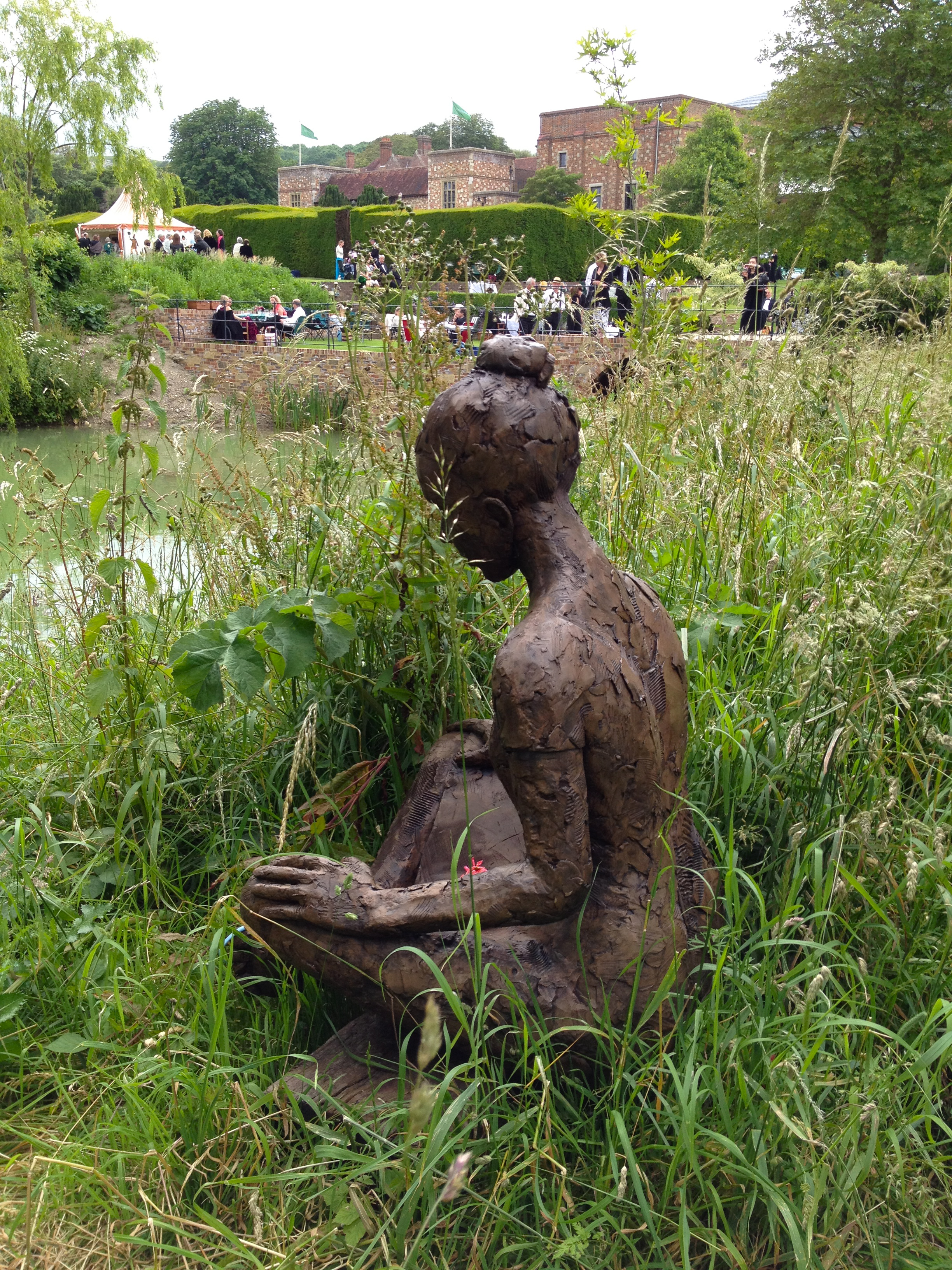
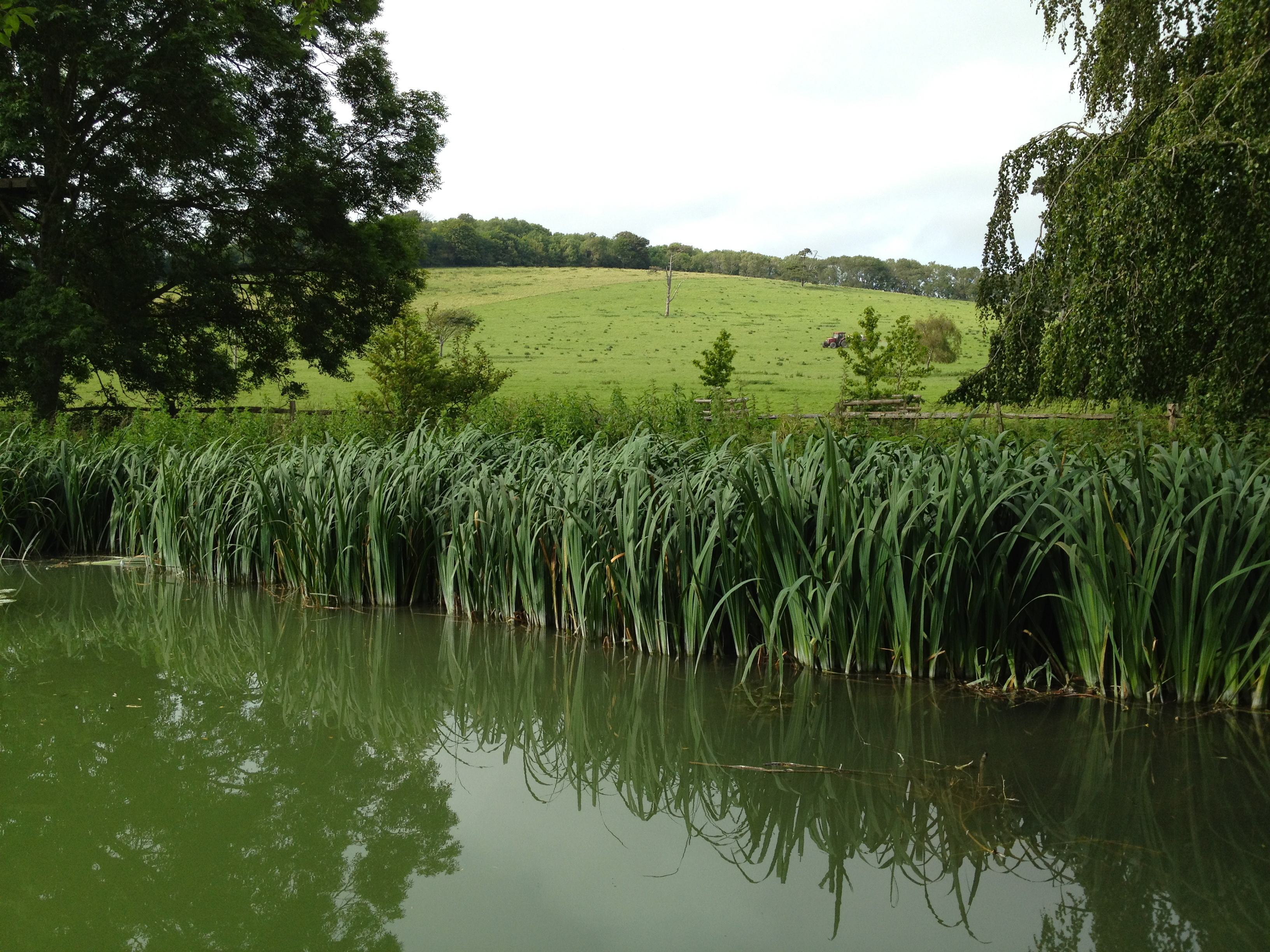
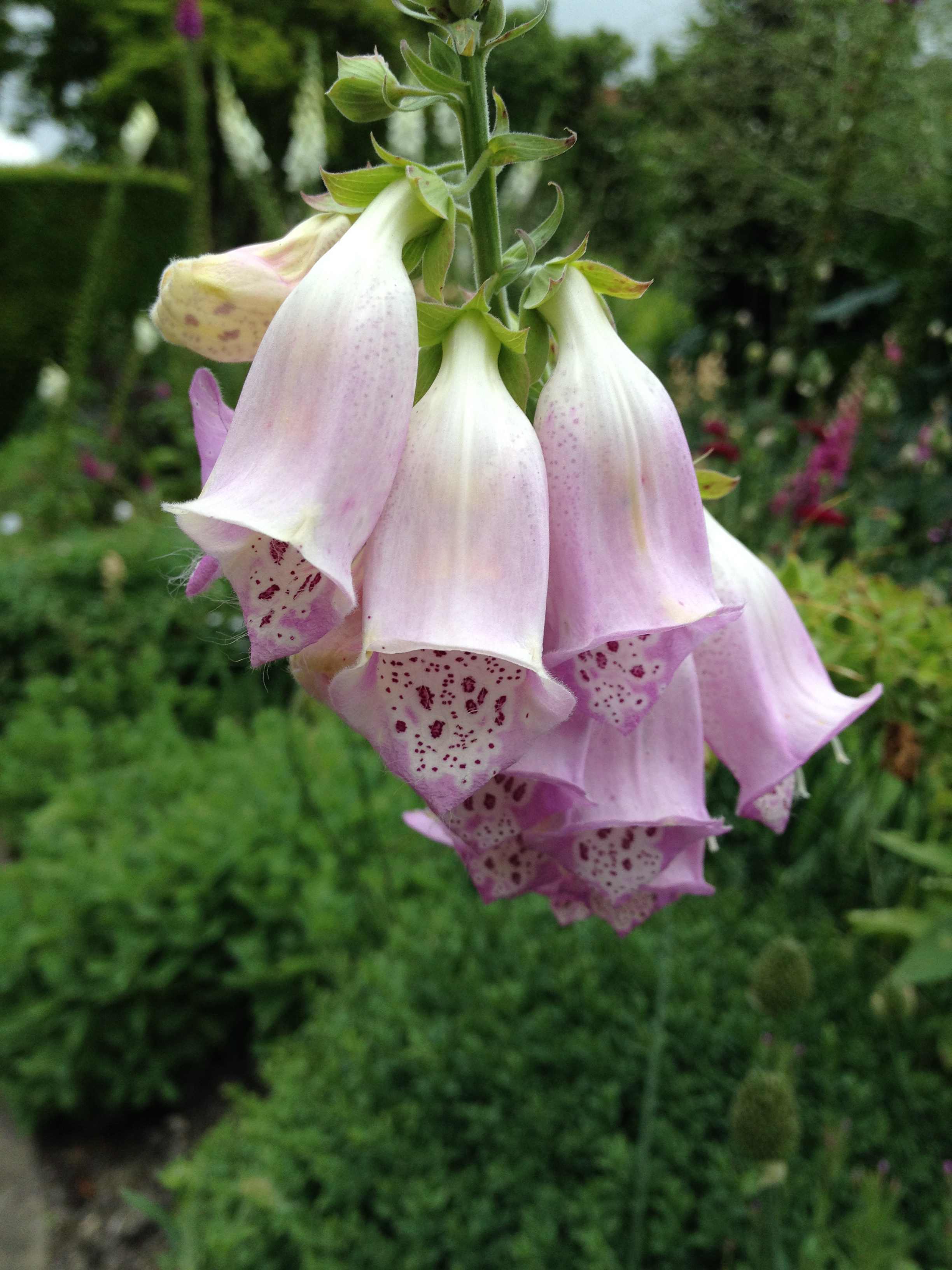
Going to see an opera at Glyndebourne is very different. It’s an event; it’s practically a day trip. Before the start of a performance, you can stroll around the grounds, walk around the dammed stream and look at the sheep, enjoy a glass of champagne on a bouncy lawn, or take high tea in one of the restaurants. There is even a small art gallery in the basement of the opera house for your entertainment, and walled gardens bursting with multi-coloured blooms. When it’s finally time for the Opera to begin you watch the first half followed by an interval of 80-90 minutes. It’s during this time that the spirit of Glyndebourne really comes alive, as picnics, already set up by opera-goers all over the perfectly maintained grounds are enjoyed, with time to sit back, sup, and discuss the first half of the performance.

A dammed stream in Glyndebourne’s extensive grounds
It’s the picnics that are, for me, emblematic of Glyndebourne, and offer a wonderful insight into a slice of English society. It’s hilarious to see how people subtly compete with one another. Far from picnicking out on a mere blanket, the Glyndebourne picnickers bring practically their whole dining room with them. They’ll be those who bring a fold up table and deck chairs which are fairly easy to carry and unpretentious. Of course they’ll have a Fortnums hamper with them, but then who doesn’t? They’ll be the ones with the plastic plates and food wrapped up in foil. But on the table next door they’ll be no such shortcuts. For those proud picnickers, the presentation of the picnic is a status symbol. So they bring chairs which are sturdy and firm. Their table is covered by a linen tablecloth with matching napkins. They’ll bring china plates and glass champagne flutes. And who could picnic without a crystal vase of flowers to set off the contents of the table? I wouldn’t be surprised if some of these picnickers bring a Butler too. I adore the charming pretention that comes with these picnics, seen equally as guests vie for the best spot on the grounds, marking their claimed territory with grand extensions of blankets and umbrellas, huge picnic baskets and other tokens of home. All done of course with a broad smile and exchanged pleasantries with the picnic table next door.

Flowers in the walled gardens
Sadly, of my four trips to Glyndebourne, I have never once been able to picnic in the grounds. I’m clearly cursed, as on each of my visits, it’s been either raining, perilously windy, or both. Such is the instability of the English summer. On good days it must be amazing in those grounds. Sadly I am yet to find out. On this visit my mother and I had long given up the hope of picnicking. We were travelling from London with minimal time to prepare, so we booked a table at the Middle & Over Wallop restaurant. As the day approached, we did not regret our decision. True, the rain just about held off, but with a keen wind and grey skies, picnicking conditions were not ideal. Yet still the majority of guests braved the conditions and stuck with their picnicking plans – another apt demonstration of Englishness – to stick it out, no matter what.

For we, perhaps more cynical diners, the Middle & Over Wallop restaurant, run during the season by Leiths with chef Albert Roux overseeing operations, provided a delicious mid-Opera feast in opulent surroundings (the restaurant must be hung with about 50 or so separate chandeliers) which was, most importantly, cosy and dry. What with time being on the short side, everything was chosen in advance, so a swift service was guaranteed.

The Middle and Over Wallop Restaurant

We both started with Hure of organic salmon, smoked salmon, crab and quail egg with watercress dressing. That dressing was light and peppery, and the smoked salmon delicate and moist. It was a fairly simple arrangement but full of flavour.

Next up for me was a blanquette of veal with mint, baby onions, Chanteney carrots and basmati rice. It was exquisite. The cheesy crumb on the top of the veal was to die for, while the meat just fell apart under my knife. Meanwhile my Mummy had a loin of Cumbria fell bred lamb wrapped with saffron couscous, and cumin rataouille. She too was aptly impressed, and this once can even be recreated at home – bonus!
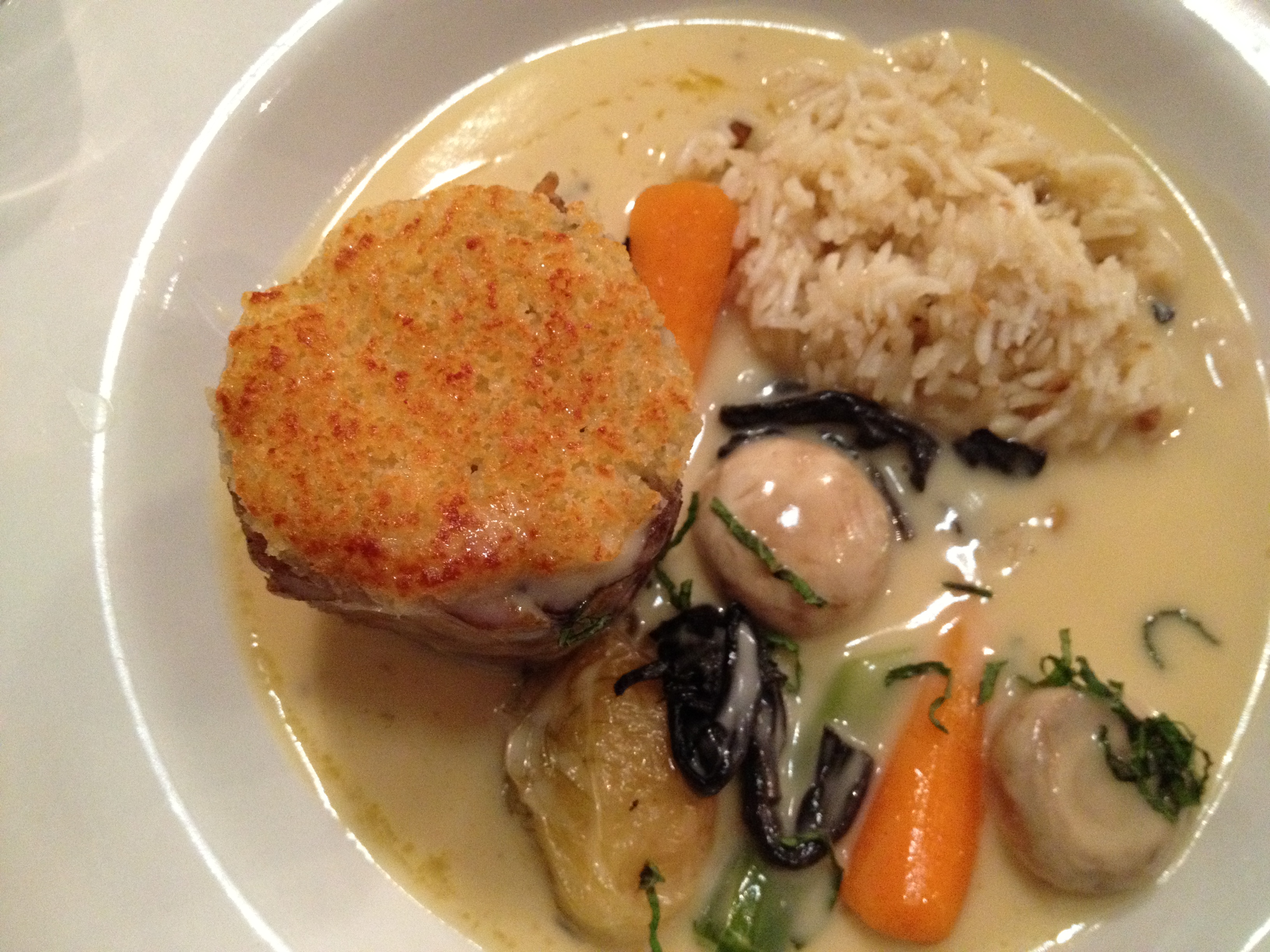
Blanquette of Veal
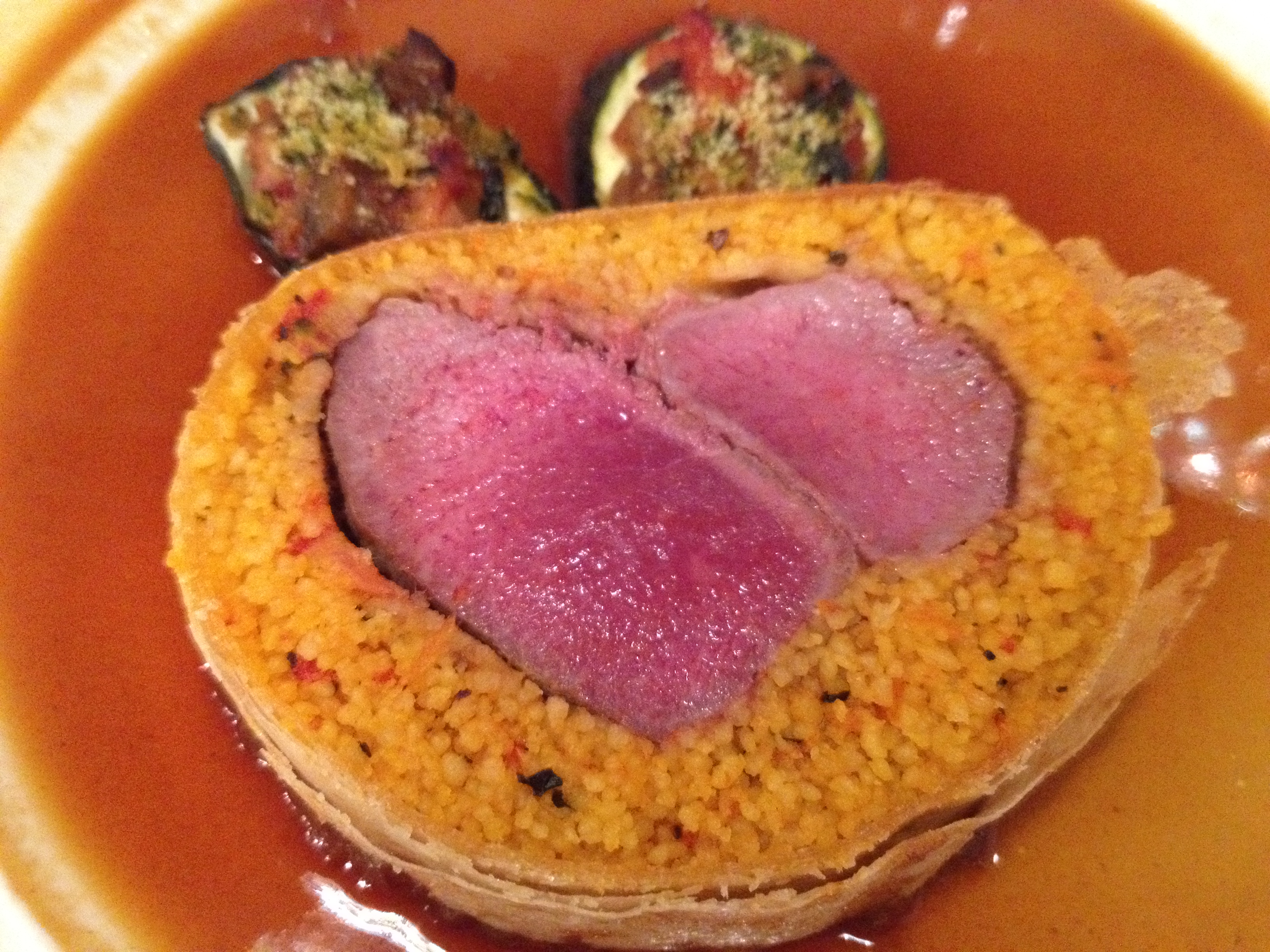
Saffron couscous encrusted lamb

Dessert was a raspberry triple – a millefeuille of Kent raspberry, raspberry mousse and raspberry coulis. It tasted as good as it looked.
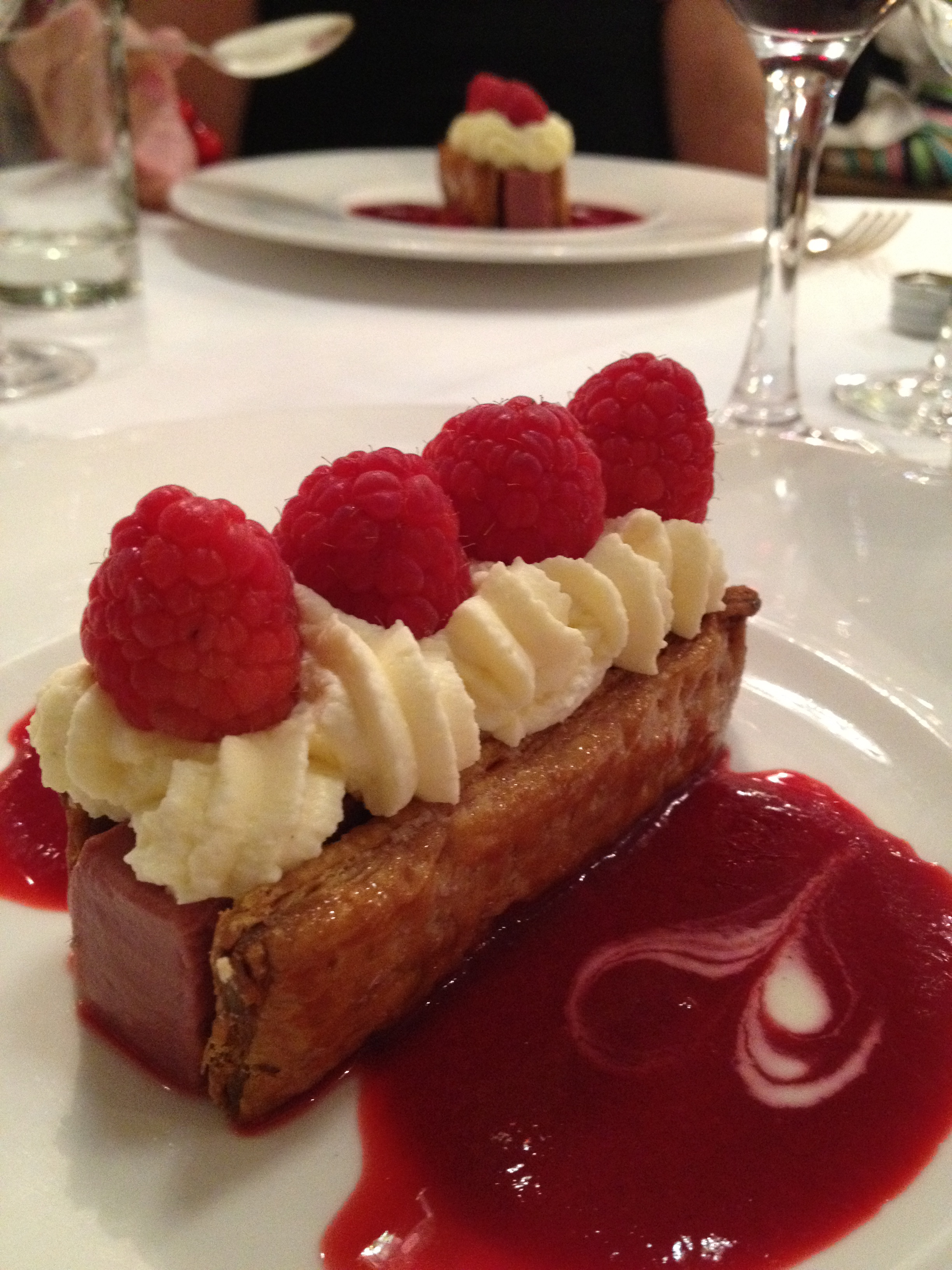
The raspberry triple

Luckily the food, while swiftly served, was light with fairly small portions – I was wearing a waist-repressing cummerbund after all!

So you see, Glyndebourne ain’t all about the Opera – it’s very much an occasion, and one which I cannot wait to repeat again. You never know, next time the sun may actually come out, and I might get to enjoy that picnic after all. But just watch me coming fellow picnickers if I get out on that lawn. Competitive is my middle name.

My Muse, the Lily

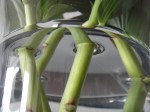
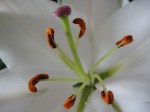
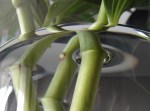
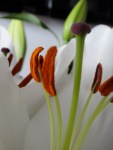
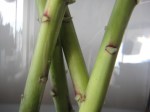
There’s nothing new about an artist being inspired by nature. It’s the main source of inspiration for most artists, particularly those who prefer the aesthetic merits of the lush and diverse countryside, the wide expanses of ocean and the changing effect of light and seasons. But what struck me today, as I sat on my sofa taking more than a momentary glance at a vase of supermarket-bought lilies next to me, was that in just a humble flower, there is so much incredibly complex beauty. Captured on camera, you have the opportunity to focus in on the individual features of the flower, its stamen, its stems, as well as the flower’s relationship with its surroundings – exit from the water, and entry into the water, as a suction bubble forms around the stem, whose angles are in turn distorted and multiplied by the effect of glass and water. When framed by a camera lens, stamen become complex, furry organisms, worthy of intense interest and query. In the same way simple stems become stripy, complex sculptures, criss-crossing like the motif from a Japanese silk screen. On the leaves, intense ribbing creates a delightful landscape of rise and fall, light and shade, while each petal resonates with different shades of white, as the delicate edge comes into focus, and the centre of the flower softens into shadow.

For me, it only takes a vase of flowers to inspire, and with a camera, I can seize upon this ripe source of inspiration, creating a hundred different photographic canvases from this one group of four lily stems, as each photo in turn proffers an abstract dance of white, green and orange, and the humble flower becomes artistically abundant, deconstructed and captured forever in art’s two dimensions.

© Nicholas de Lacy-Brown and The Daily Norm, 2001-2012. Unauthorized use and/or duplication of the material, whether written work, photography or artwork, included within The Daily Norm without express and written permission from The Daily Norm’s author and/or owner is strictly prohibited. Excerpts and links may be used, provided that full and clear credit is given to Nicholas de Lacy-Brown and The Daily Norm with appropriate and specific direction to the original content.

Never judge a Sweet William by its prickly little cover

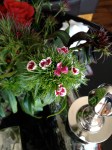
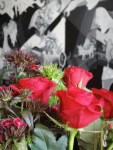
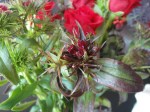
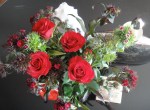
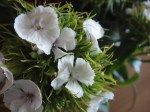
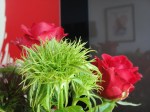
When I walked into Marks and Spencer the other day, I stumbled upon a bucket of flowers which captivated me for their sheer ugliness. Next to all the perfectly grouped roses and the pure white long-leaved lilies, these were like little monsters, wrapped in a flower bag. It seemed peculiar that what looked like sea urchins on asparagus sticks should be marketed as flowers, but always seduced by something different, I decided to pick up a few bunches to place amongst my previously selected bunch of red roses – at least this way I could flesh out the vase and not spend so much on the roses. Once home I arranged my red roses with these strange prickly flowers between them, looking contemporary and chic with their varied prickles of deep green and pale sage, grouped in old pickle jars (minus the pickles) for an extra contemporary touch.
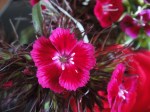
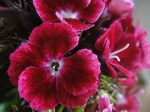
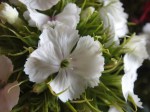
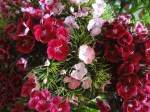
The next morning I came into the room and couldn’t believe my eyes – the tiny little buds grouped amidst the pulp of little prickles had exploded open into the most amazing floral show. Bursting with shades of scarlet and fuchsia, bright cadium, pale lavender and dainty white, these moss-resembling creatures had given life to the most beautiful range of flowers which now placed even the perfect red roses in the shade. And as the days have gone by, the flowers have got better and better, with groups of up to 30 little flowers opening on each spiky outcrop.

I am a man converted. The flowers, for no apparent reason but clearly with some very important although long-since forgotten historical reason, are named Sweet Williams, and I will be sure to make them a regular feature of my vases whenever they are in season. It all just goes to show, never judge a Sweet William by its prickly little cover – As the following photos will hopefully demonstrate. Enjoy.

Simple floral display which makes a contemporary statement

The good thing about a small city trip in a vibrant city is that with the relatively moderate expense of a short trip, so much can be loaded into a short expanse of time that the trip provides all of the ingredients for a sustained period of inspiration and multifaceted memories which live on indefinitely. My recent trip to Amsterdam is one such trip which was worth its weight in gold. Already I’ve been painting Dutch-inspired parody pieces, sketching Norms all over The Netherlands, regularly revisiting my substantial collection of photographs and I am about to embark on a suitably Amsterdam-inspired new Norm canvas. However, one of the greatest inspirations for me was the elegance and sumptuosity of our Amsterdam hotel –  the Hotel Estheréa. The interior design of the hotel was faultless both in the downstairs public spaces and in the bedrooms. Since my return, I have scanned the web seeking out the various grand design wallpapers used, the beautiful butterflies which adorned their walls, and am seriously considering whether I too should import an oversized pink chandelier into my home. All of this comes at a price I can currently only dream of, however one important aspect of their design, which I have found cheaper to replicate, is their stunning floral displays. The hotel paid attention to every tiny detail, and during our stay, a fresh import of new flowers were installed throughout the hotel (presumably they do this on a fairly regular basis). One of the most effective displays of flowers, installed variously on several large and small tables alike, was the grouping of numerous small and single-stem vases, each containing one or two stems only. The look which resulted was far more contemporary than a normal vase of flowers.

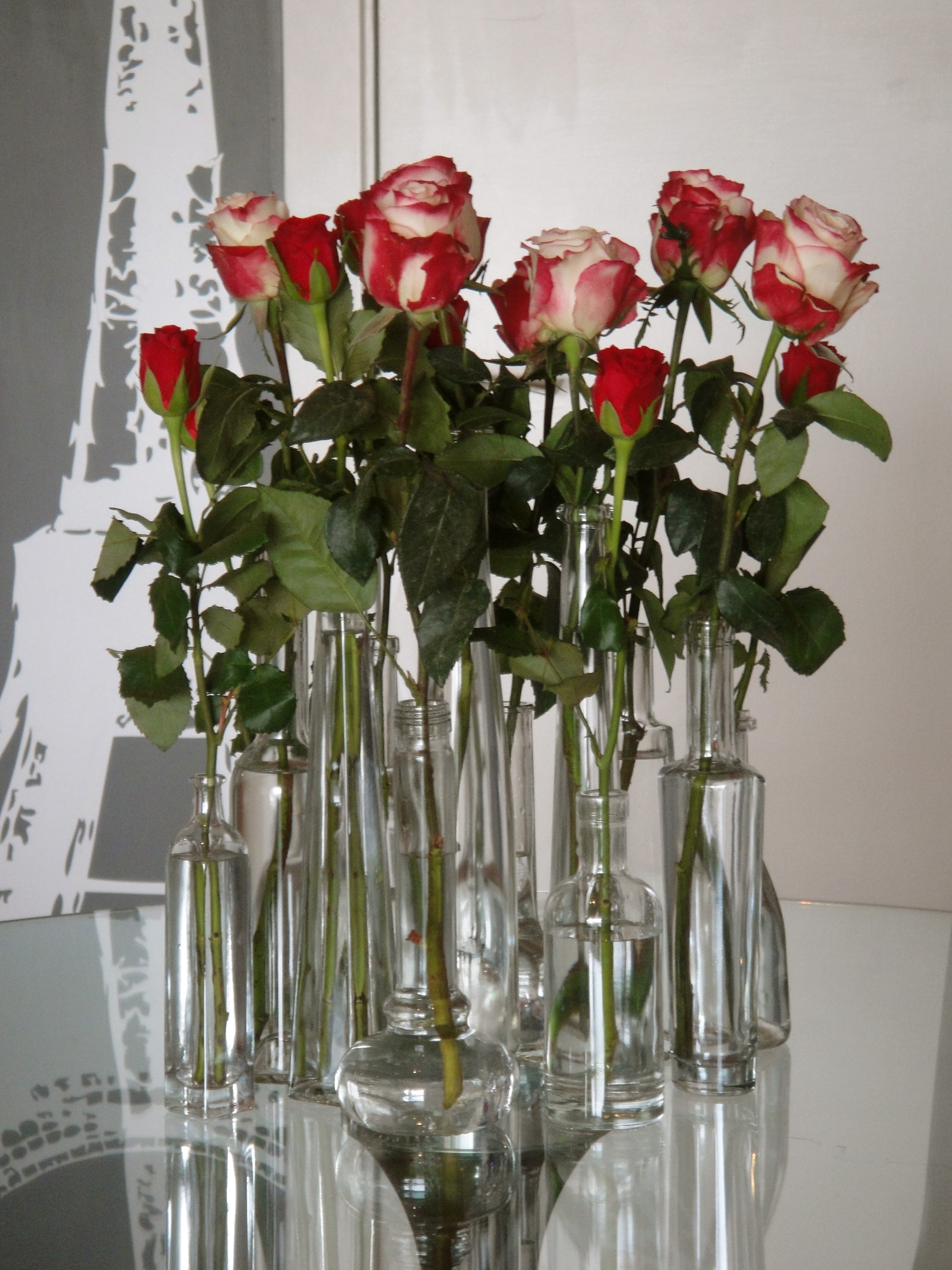
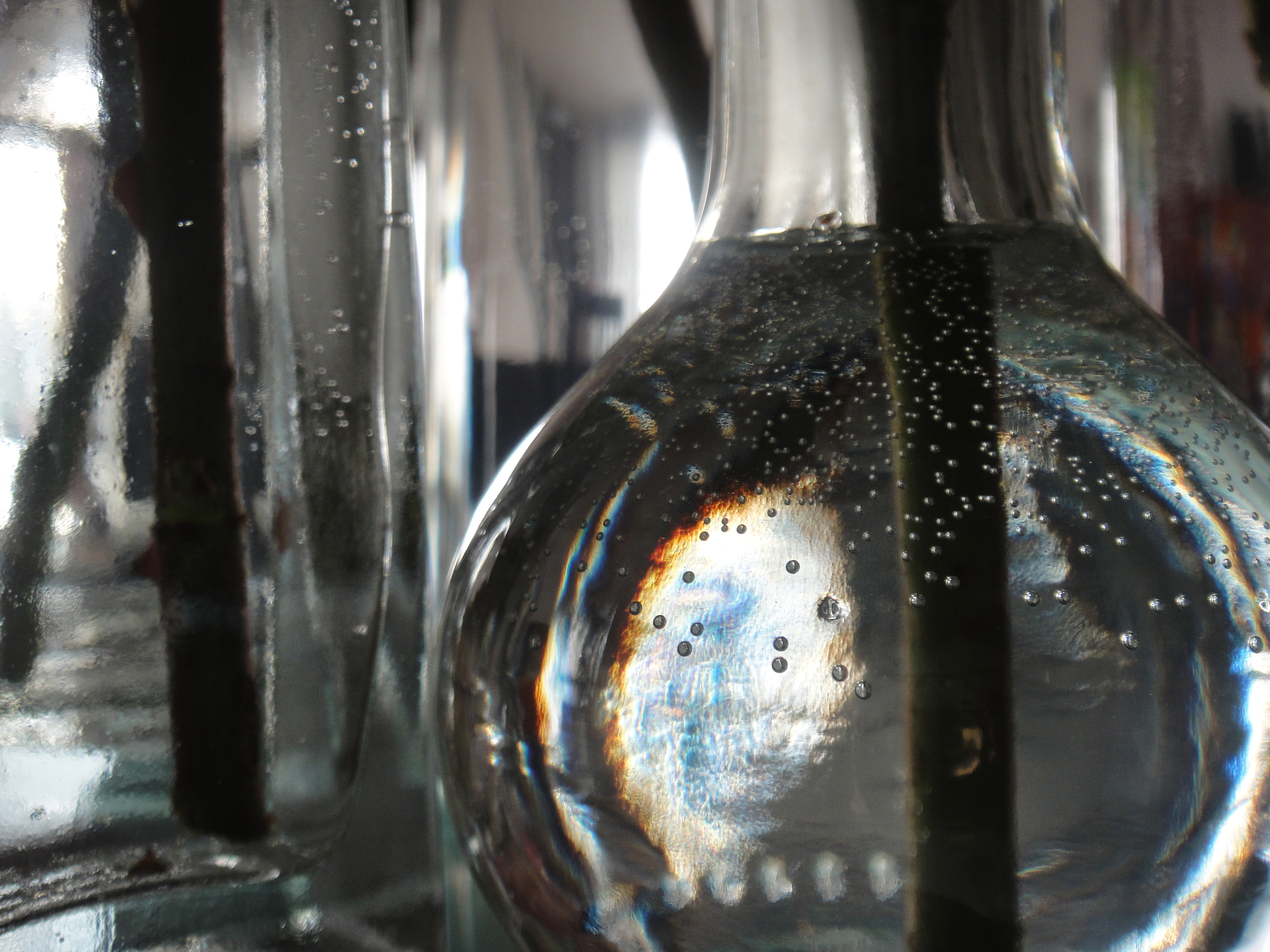
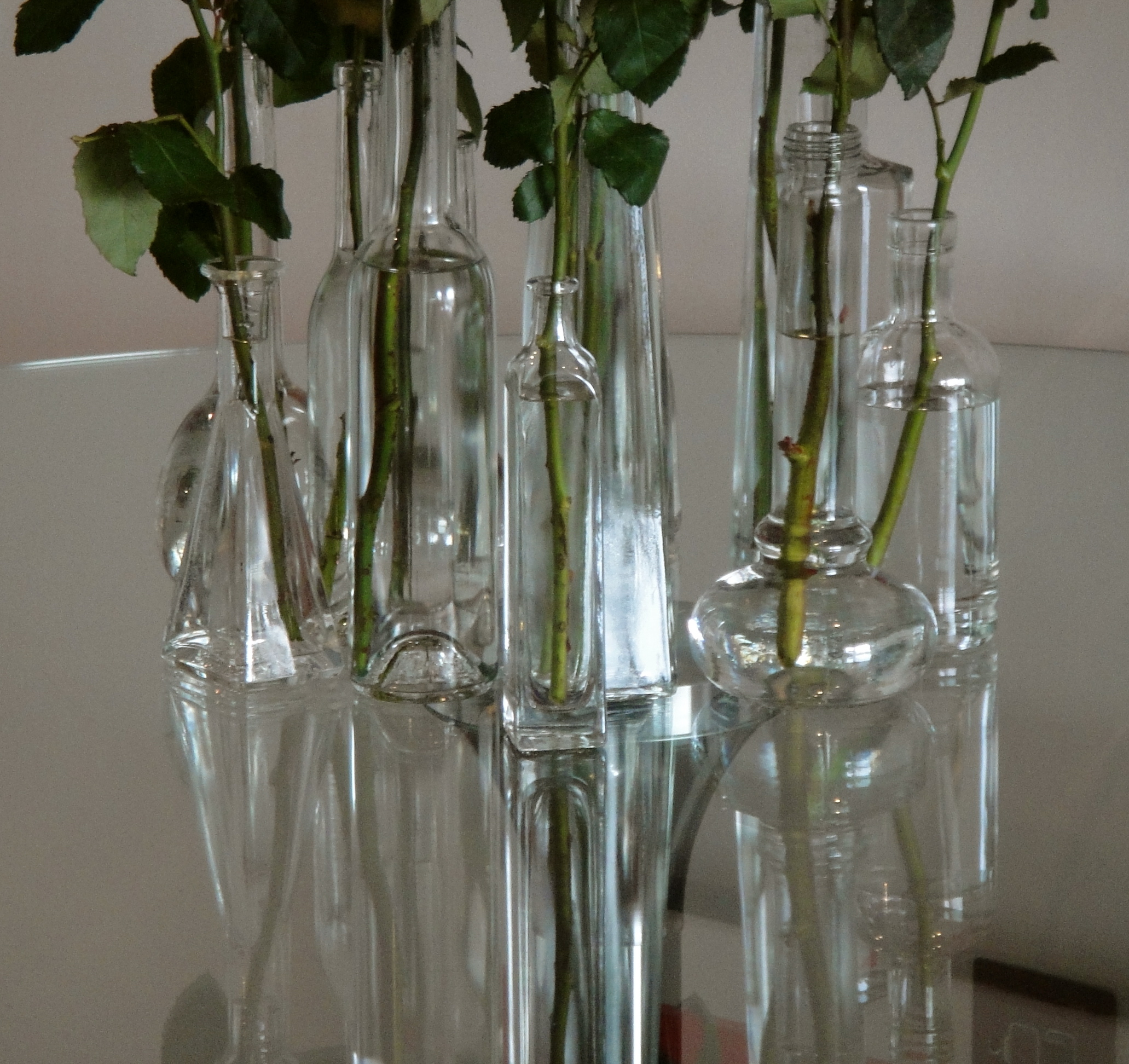
So, returning home to London, my head buzzing with ideas, I set about searching out a variety of single-stem vases. To collect a small group of 6 or 7 would, I soon discovered, cost well over £100 and involve as many separate orders and correlating shipping charges as I would find vases. So I decided to revert my search to glass bottles. I then found one website which sells a huge range of different shaped bottles, all costing only around €2-€3 each. And so I managed to purchase myself some 14 different shaped and sized bottles, all from the same site, for a total cost of €30 including shipping. They arrived a couple of days later. I bought two cheap(ish) bunches of roses from the local supermarket (which are in plentiful supply at the moment in the lead up to mother’s day). This is the result:

The look is contemporary and fresh. The differently shaped bottles add variety, but the use of a monochrome clear coloured glass ensures a contemporary feel is maintained. The display also feels modern because the flowers are controlled, all standing up straight rather than flopping around en masse in a vase. This control is even better achieved using bottles, since most have a fairly narrow opening.

It’s a great look for my dining table, and one that really wows as a contemporary floral display with a very boutique-chic look. But best of all, the price was definitely not boutique.

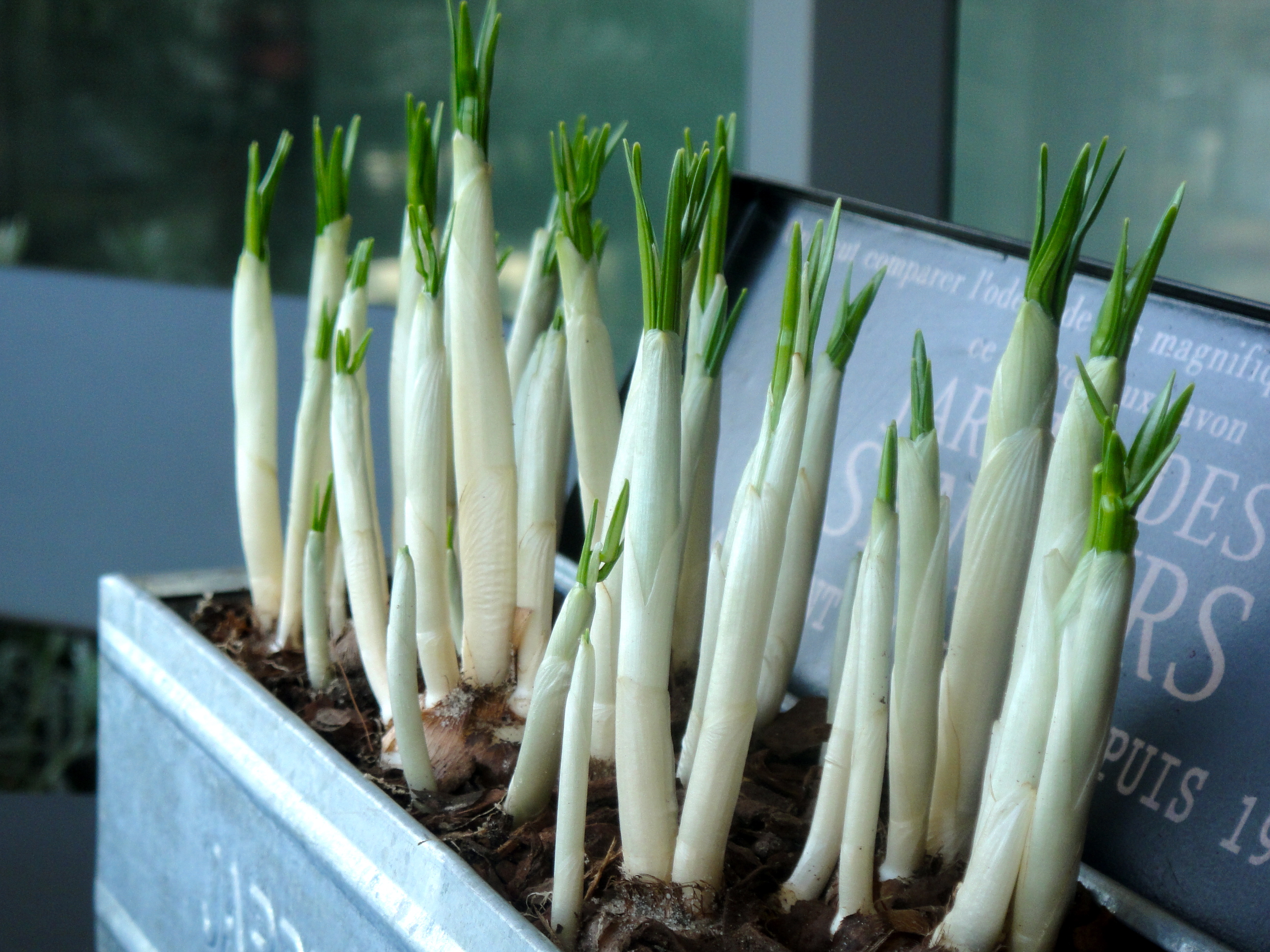
Talking of contemporary, check out my other recent acquisition – white crocuses set in an attractive metal box adorned with french writing. This brings gallic finesse to an otherwise industrial tin, while the yet unopened crocuses provide another modern sleek display piece which I kind of wish wouldn’t flower at all.

In conclusion, Spring is on its way, and in my opinion, there is no better way to breath a bit of life into your home that with fresh flowers, however displayed. Give flowers to your mother this sunday – and if you’re not a mother, remember to keep some back for yourself!