Skip to content

Posts tagged ‘France’

Provence Odyssey | Saint-Rémy: Les Photos

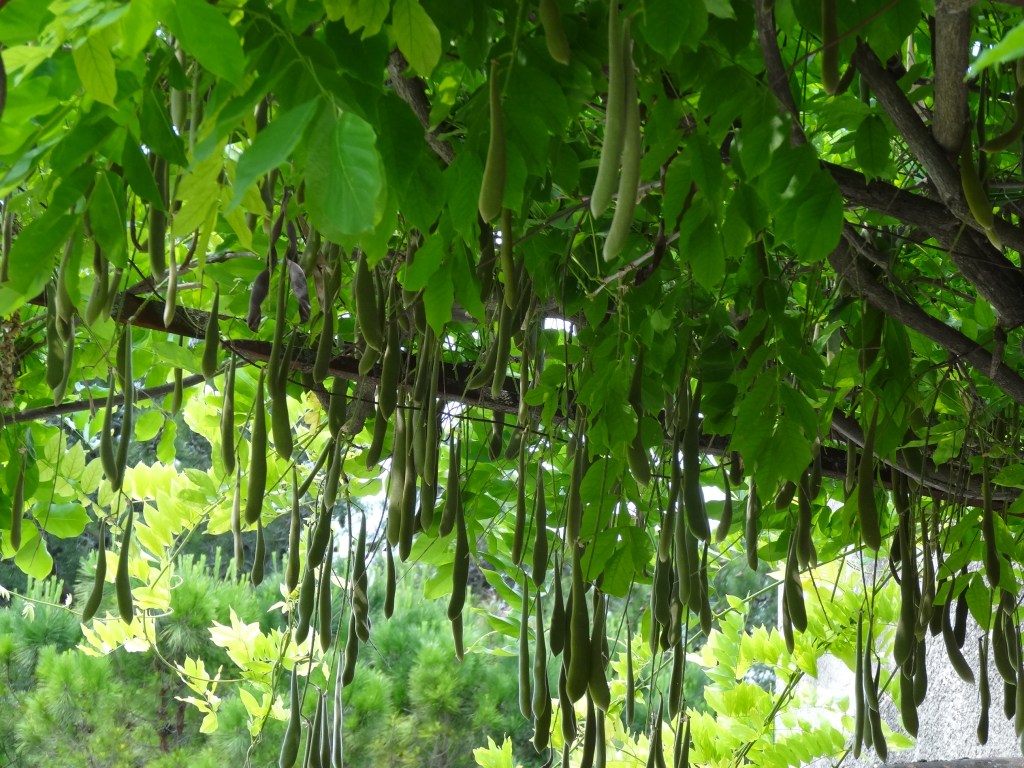
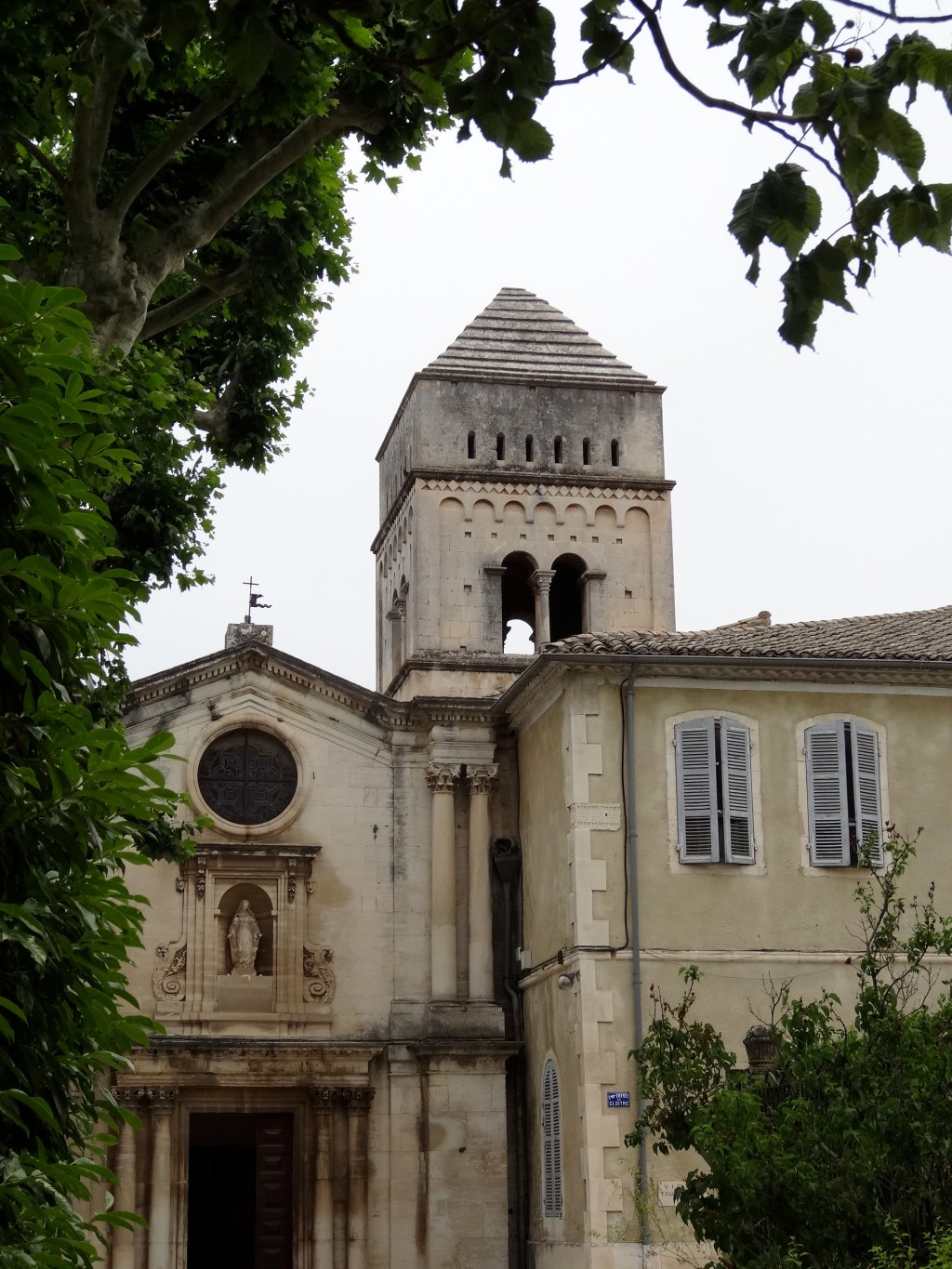
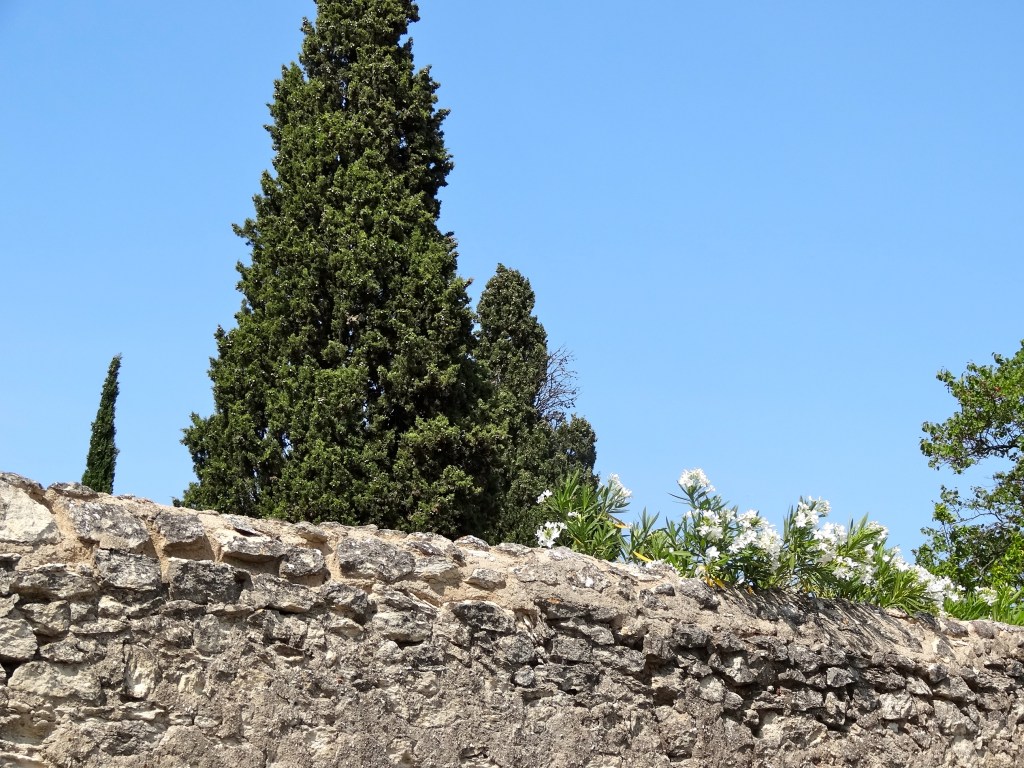
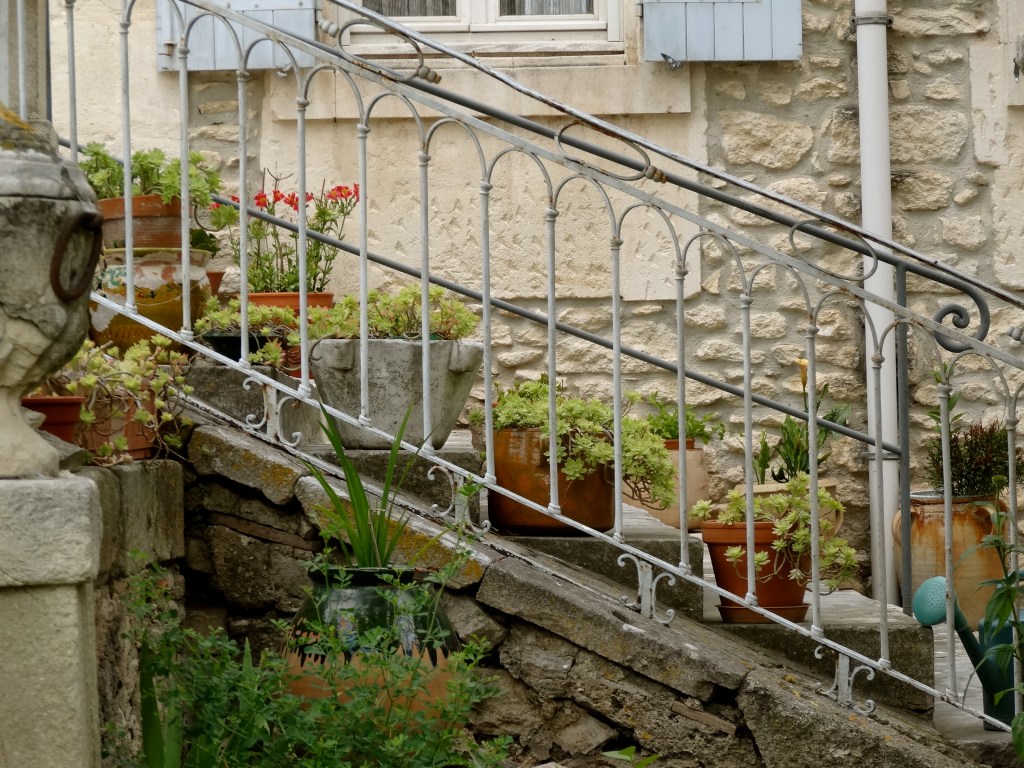
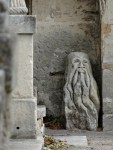
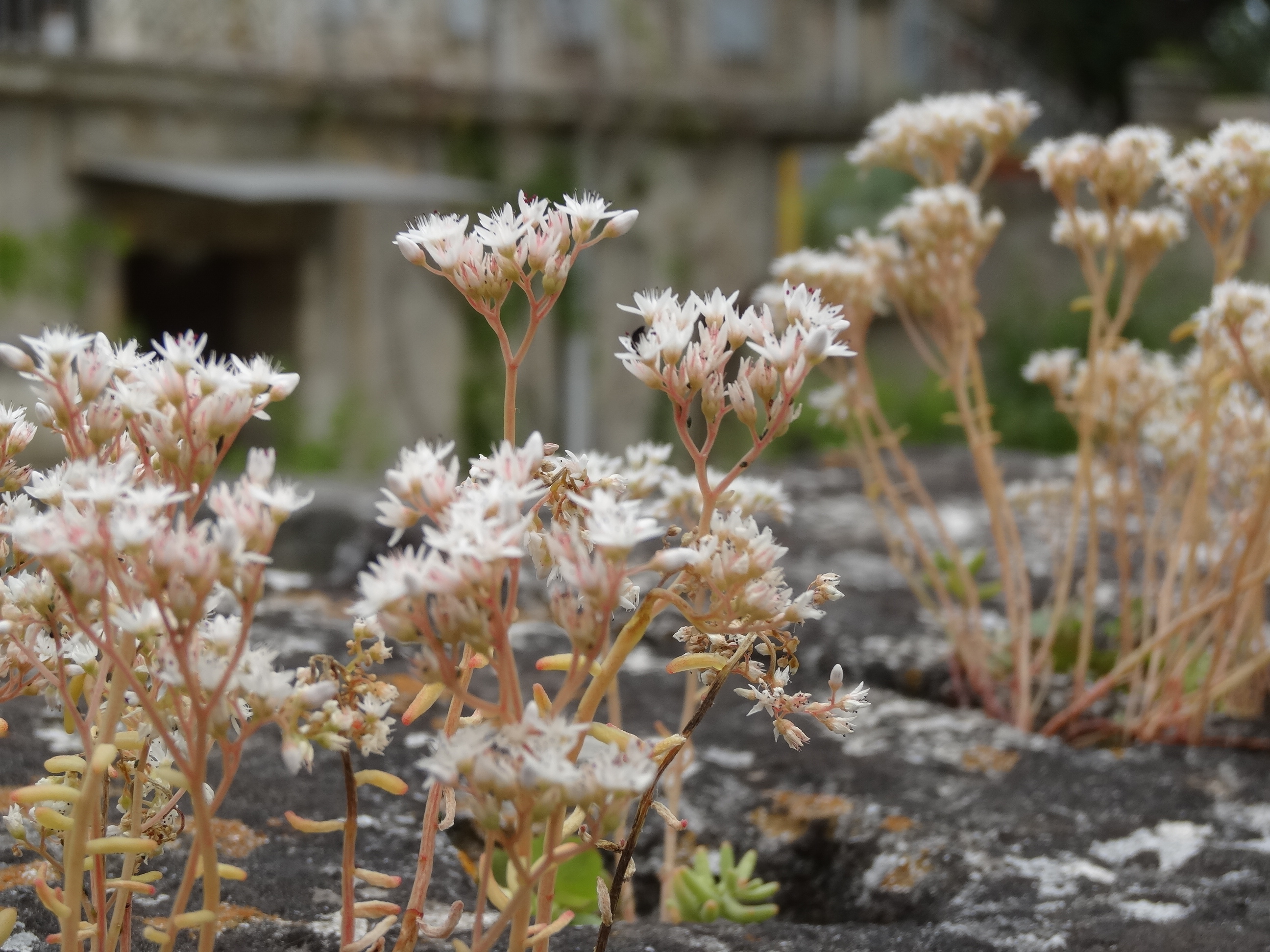
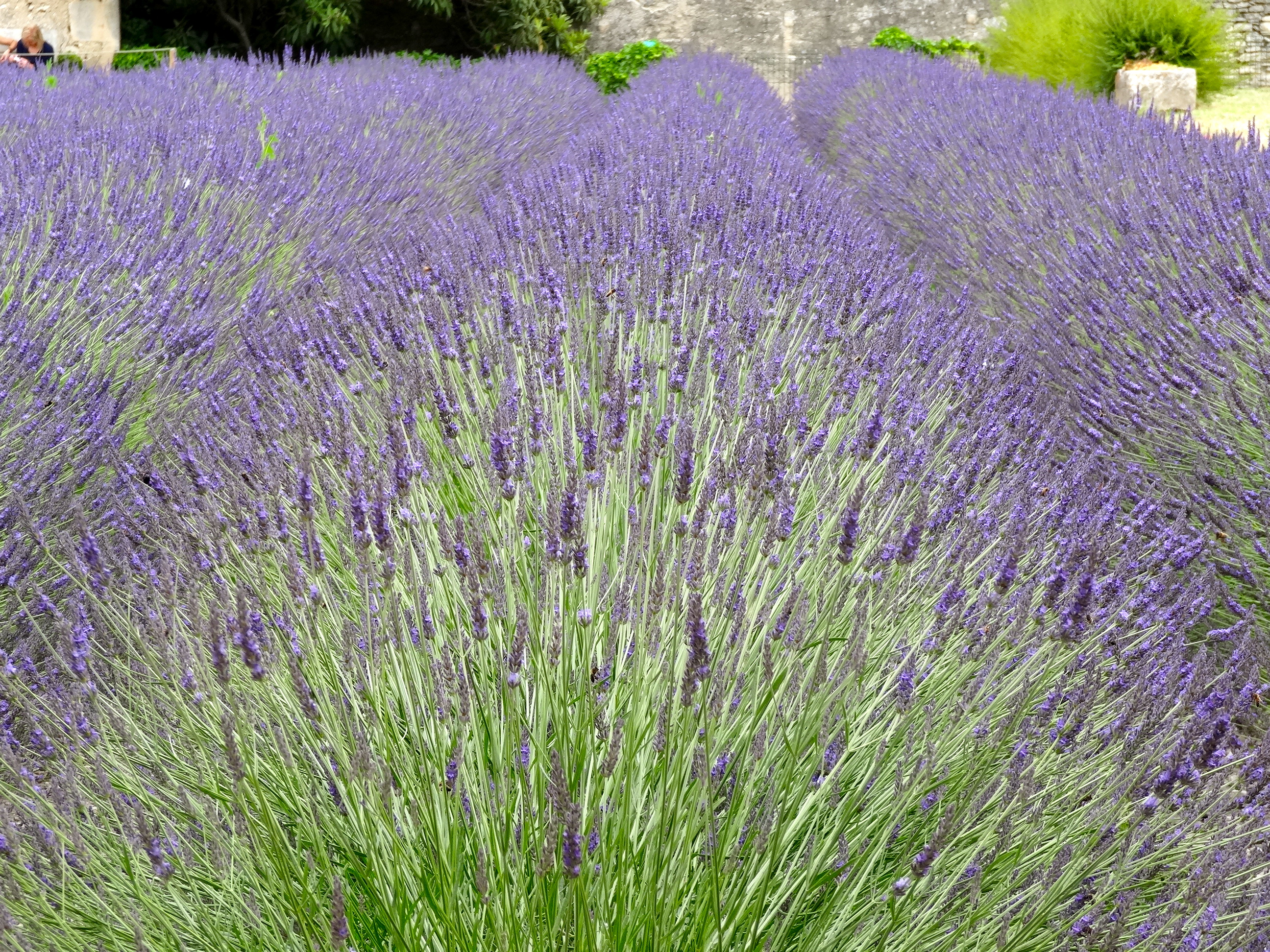
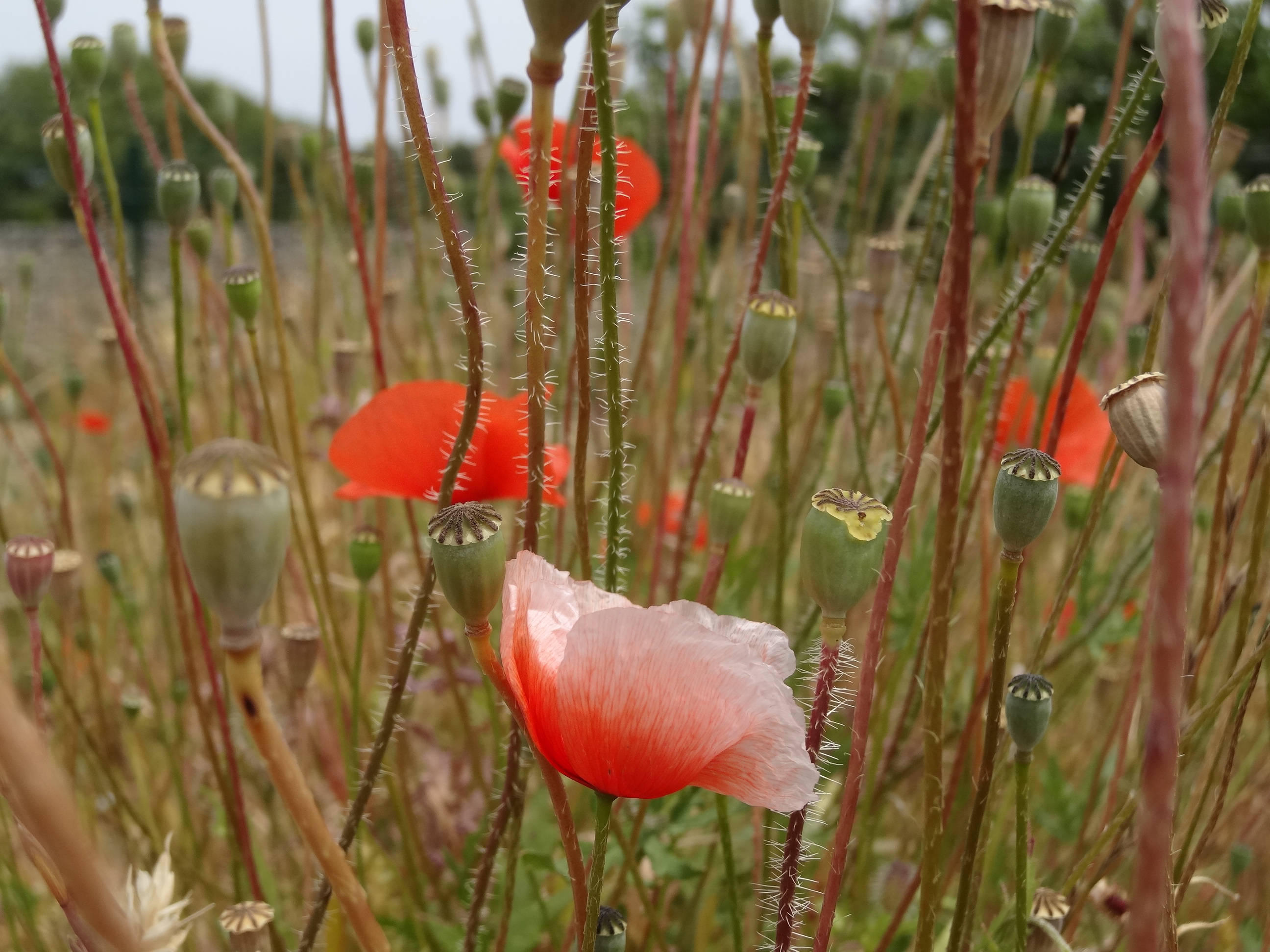
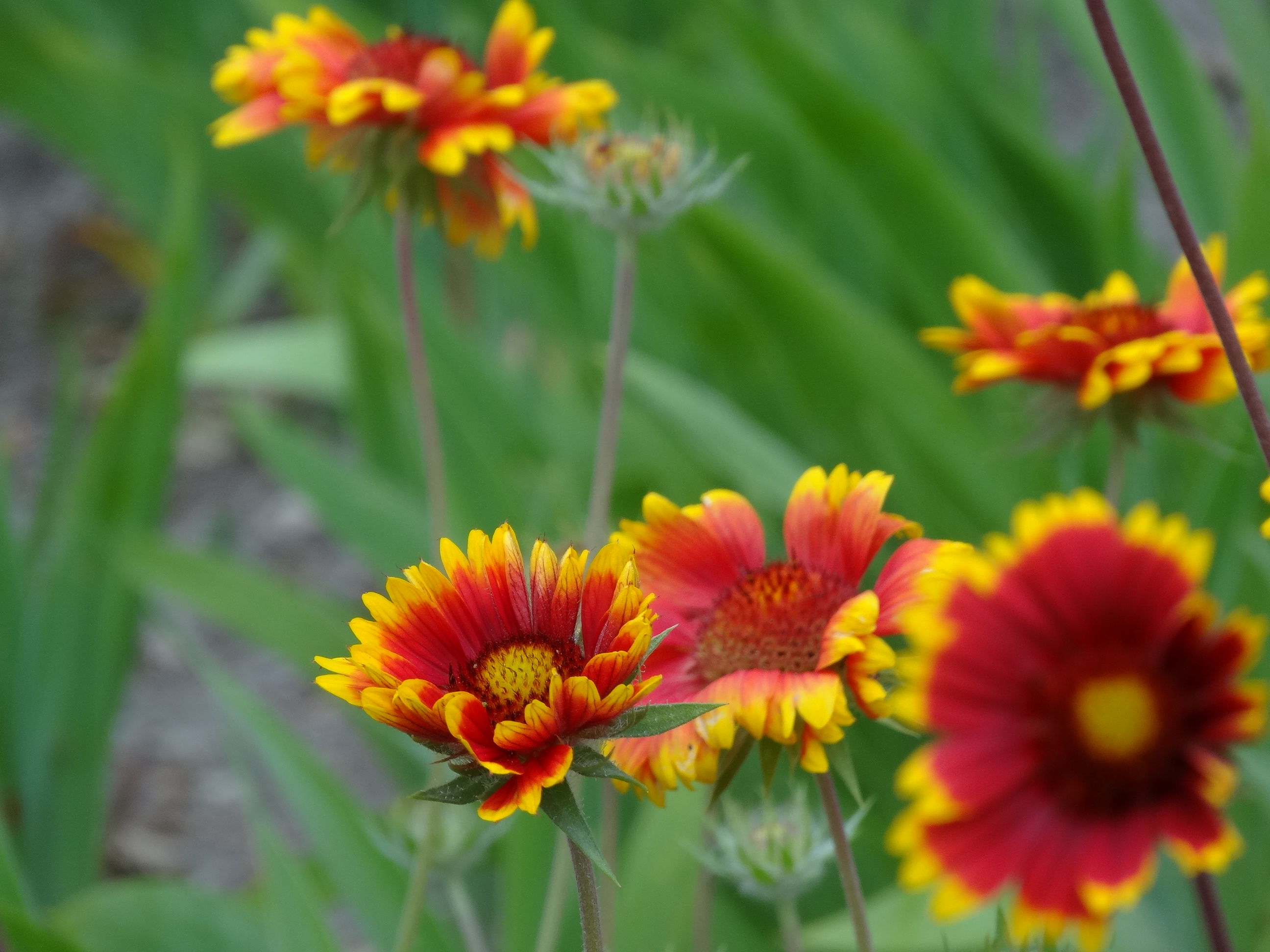
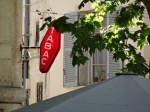
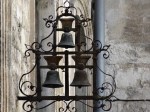
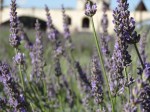
You’ll excuse the photo overload, but of all the photos taken on my Provence trip, I think Saint-Rémy inspired the very best. Below I enclose 30 more of my favourite shots from this stay of 3 nights in the midst of the Provençal countryside, and as those photos aptly portray, it was a time surrounded by the very best of Mediterranean nature, by the quintessentially French sights of street markets, of savon, and of cafes, and an opportunity to be exposed by the Provençal landscape at its very best.

DSC03352 DSC03180 DSC04153 DSC04177 DSC04262

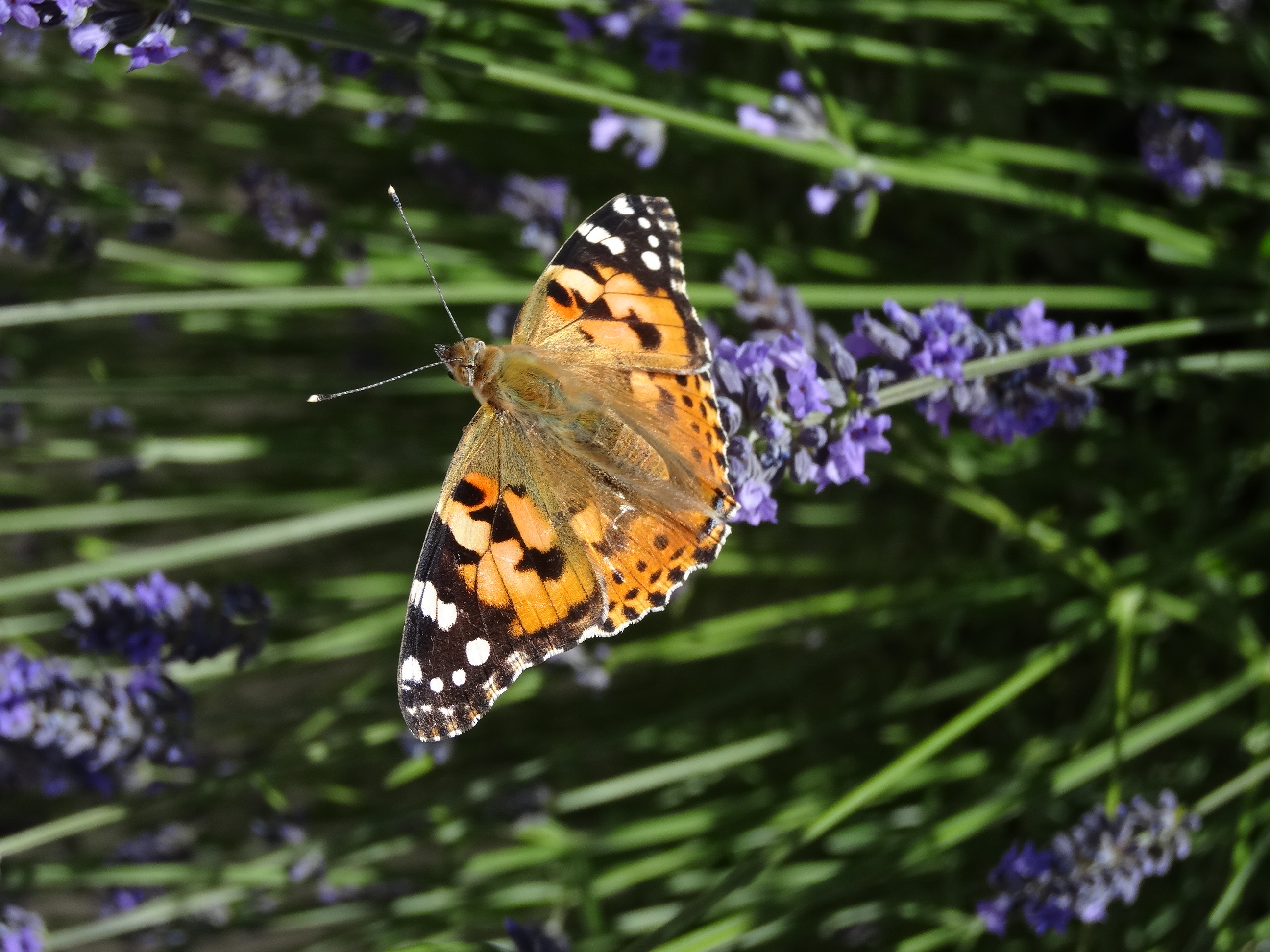
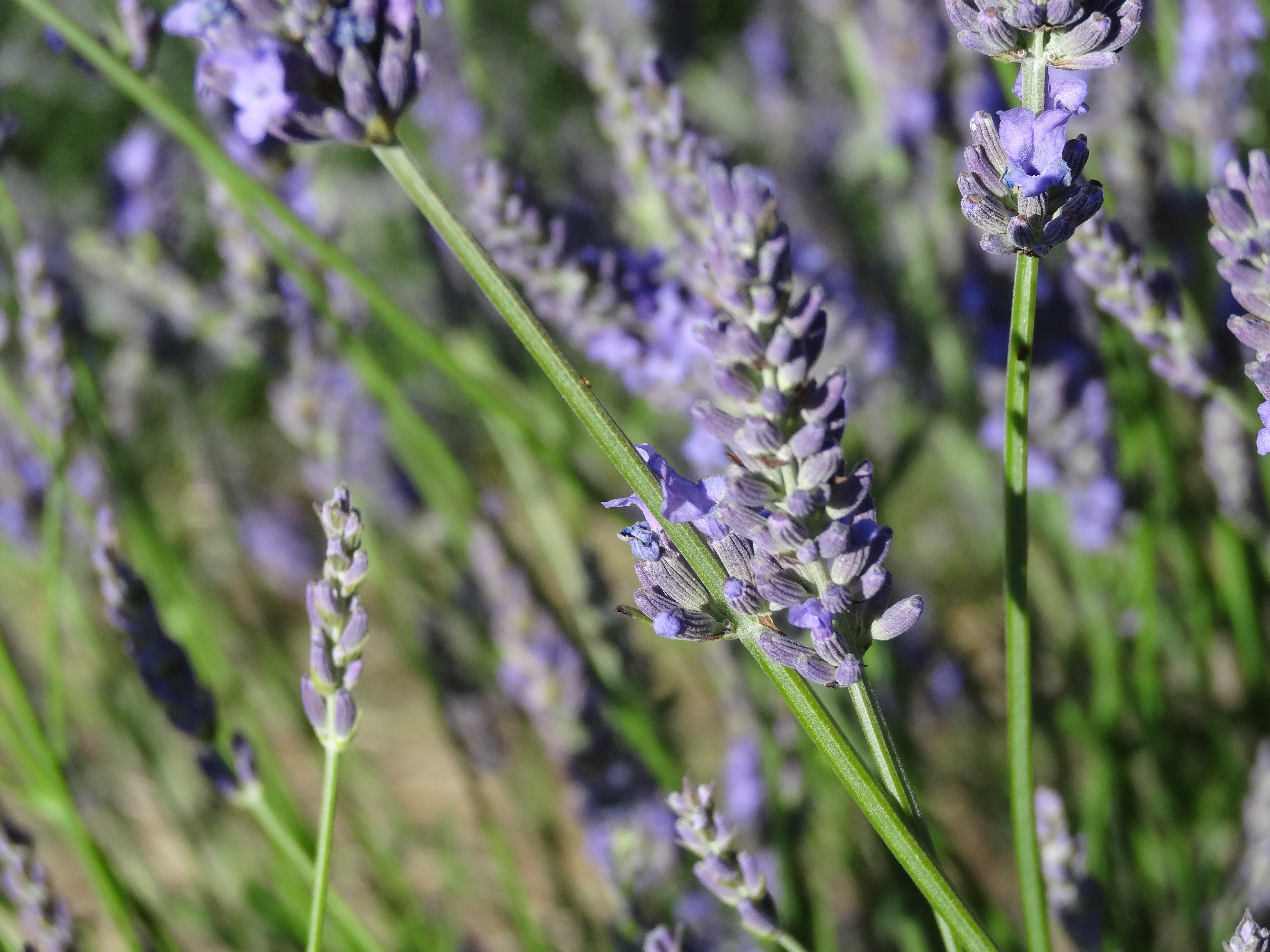
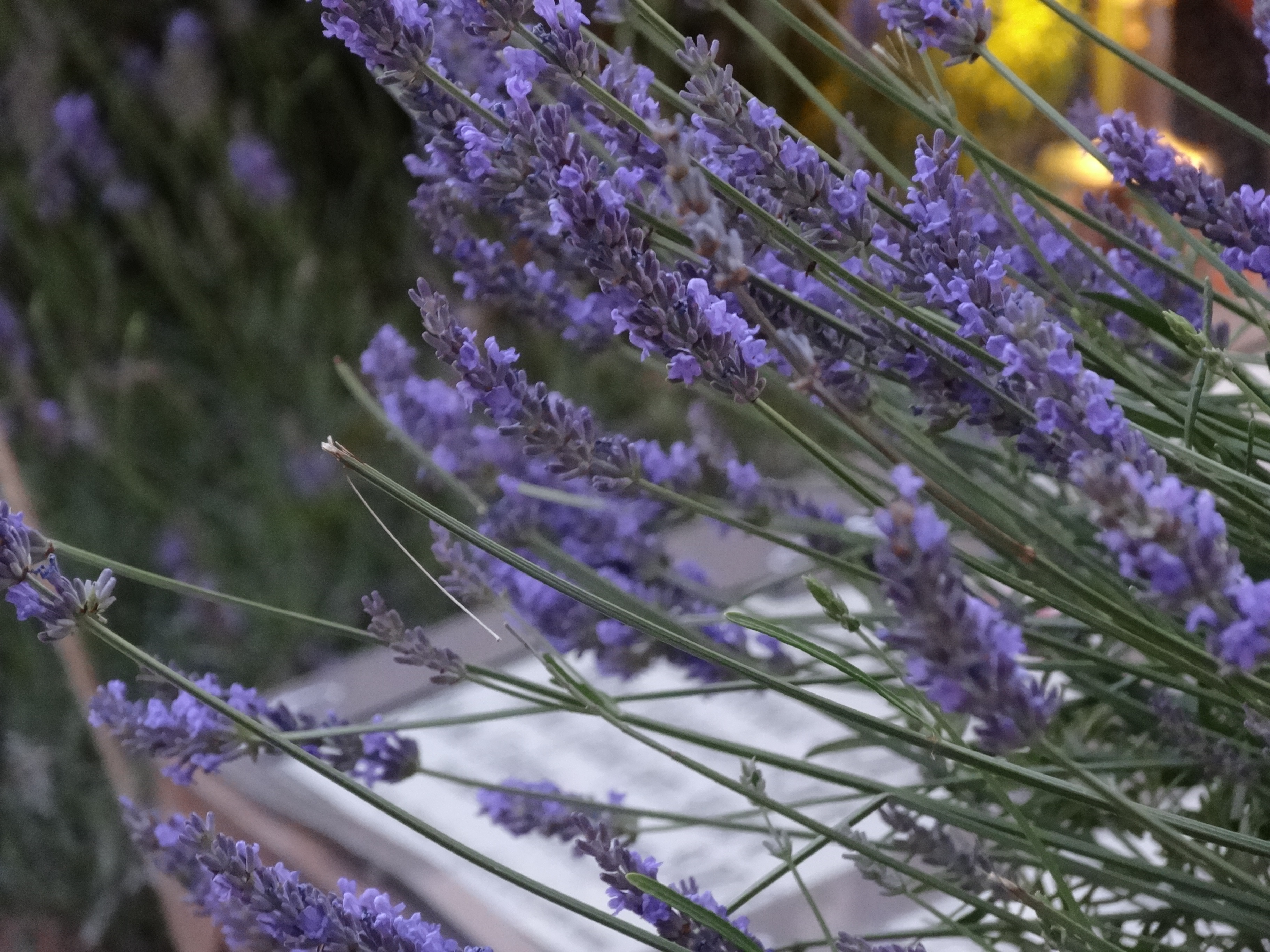
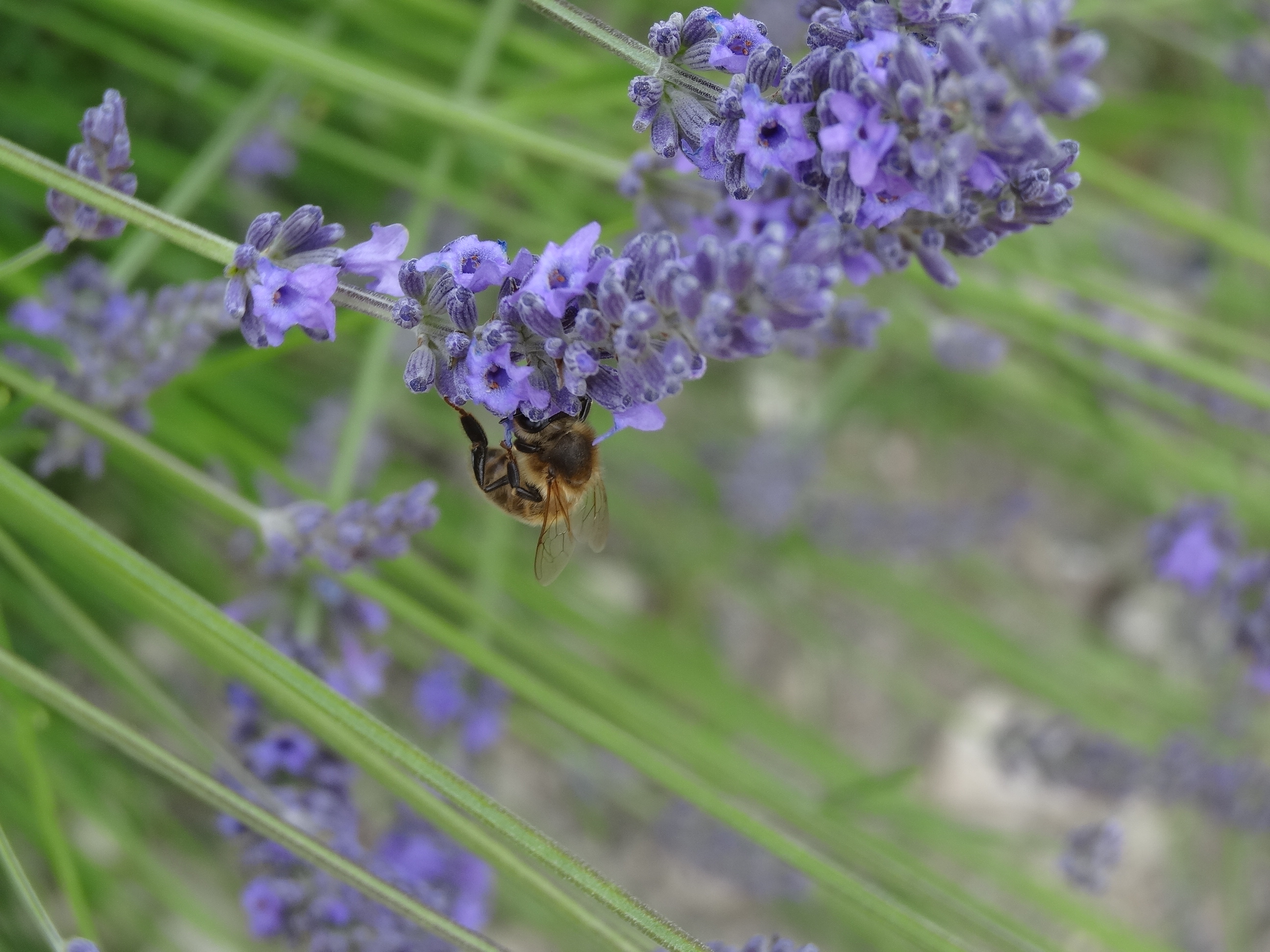
I think these photos pretty much stand alone in expressing the unbridled beauty of the region, and of the ravishing colours which met our every gaze. Of all the shots, I think the image of (what looked to be) a Monarch butterfly perched upon a lavender bushel is one of my favourites, the deep terracotta orange and black lace-like overlay resembling a wash of marmalade on toast upon a bed of the most fragrant lavender pillows. And then there were the bees and the cicadas, the buzzing of the former inescapable wherever lavender burst forth, and the chirping of the latter, the intrinsic accompaniment to paradise; the melody that partners a balmy Mediterranean afternoon.

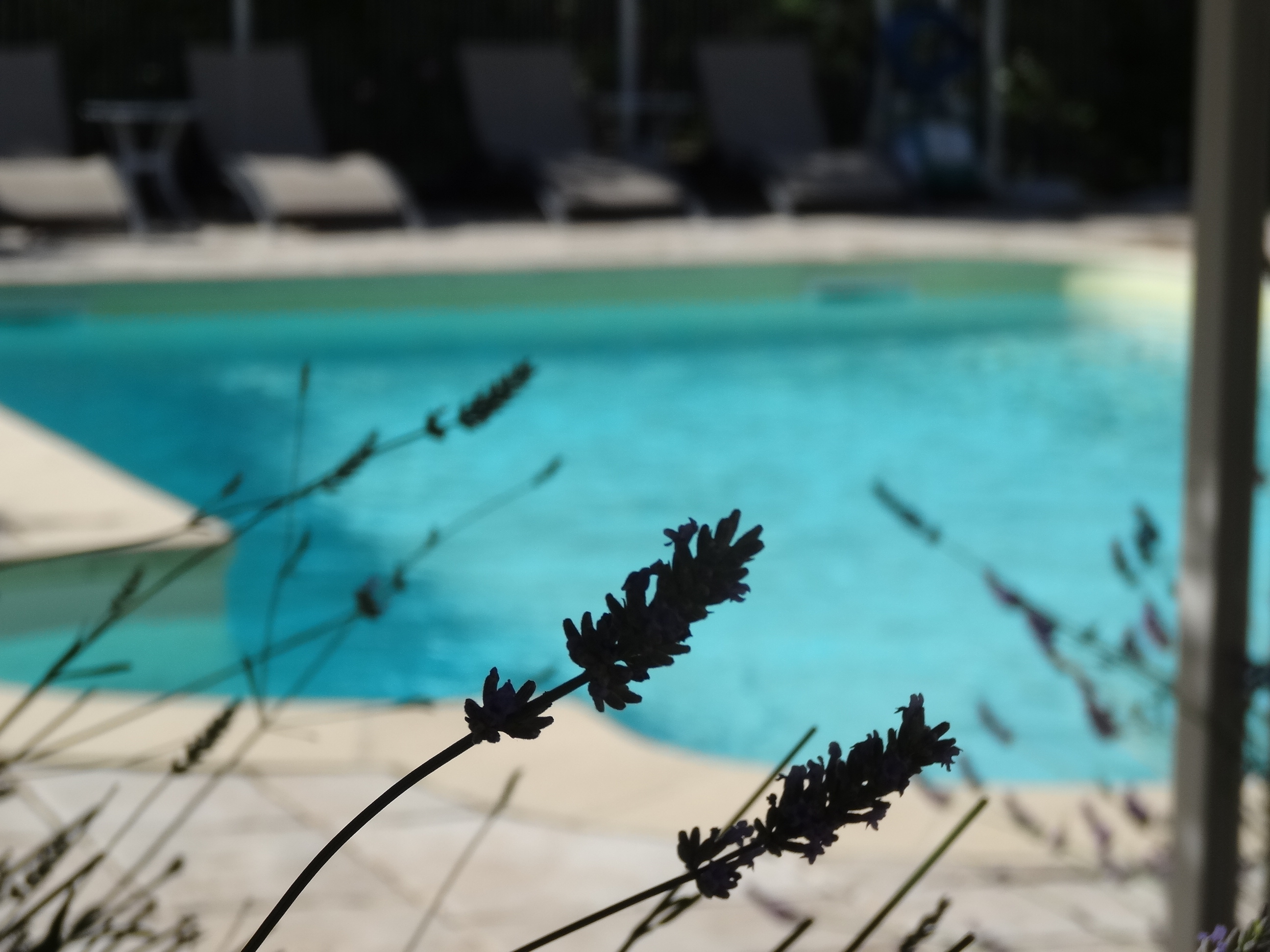
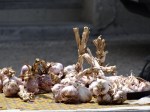
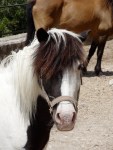
From soft pony faces to the neon cerulean of a sun-dappled swimming pool, old rusty shop adverts to twisted freshly-harvested garlic bulbs, I present to you my third series of Provencal photo collections – Enjoy Saint-Rémy at its best, for we are off to Aix!

All photos and written content are strictly the copyright of Nicholas de Lacy-Brown © 2013 and The Daily Norm. All rights are reserved. Unauthorized use and/or duplication of the material, whether written work, photography or artwork, included within The Daily Norm without express and written permission from The Daily Norm’s author and/or owner is strictly prohibited. 

Provence Odyssey | Saint-Rémy: Day 8 – Picture-Perfect Provence

Much has been said about the surroundings of Saint-Rémy – the startling archeological remains of Glanum on its outskirts, the tranquil beauty of the Hospital of Saint Paul de Mausole, and the incredible beauty of nearby Les Baux – but I have said very little about the little town of Saint-Rémy itself. And it would be unfair not to give this little Provençal gem its fair mention, even though, as perhaps the photos below will demonstrate, the beauty of this town is better illustrated through photos than words.

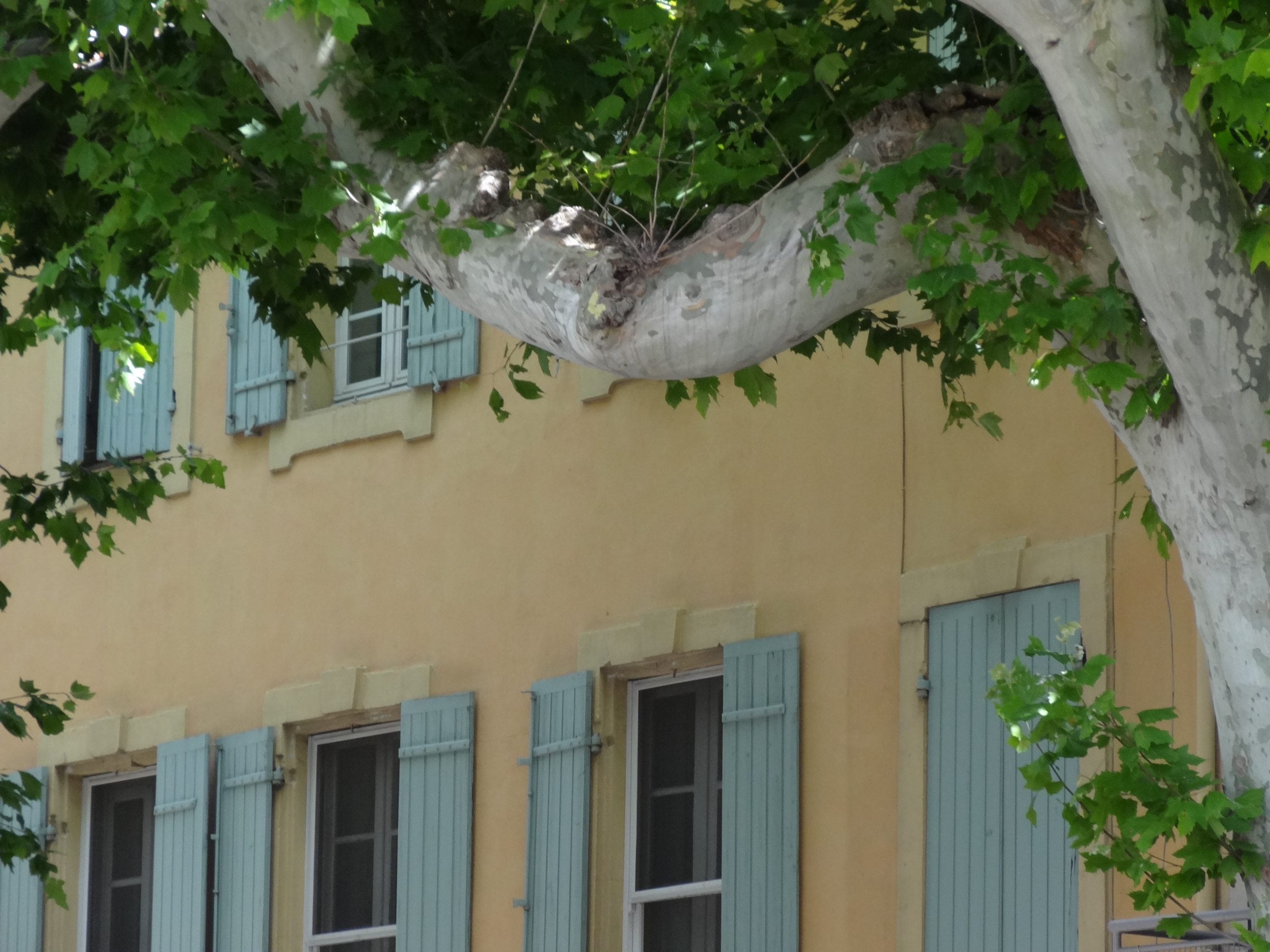
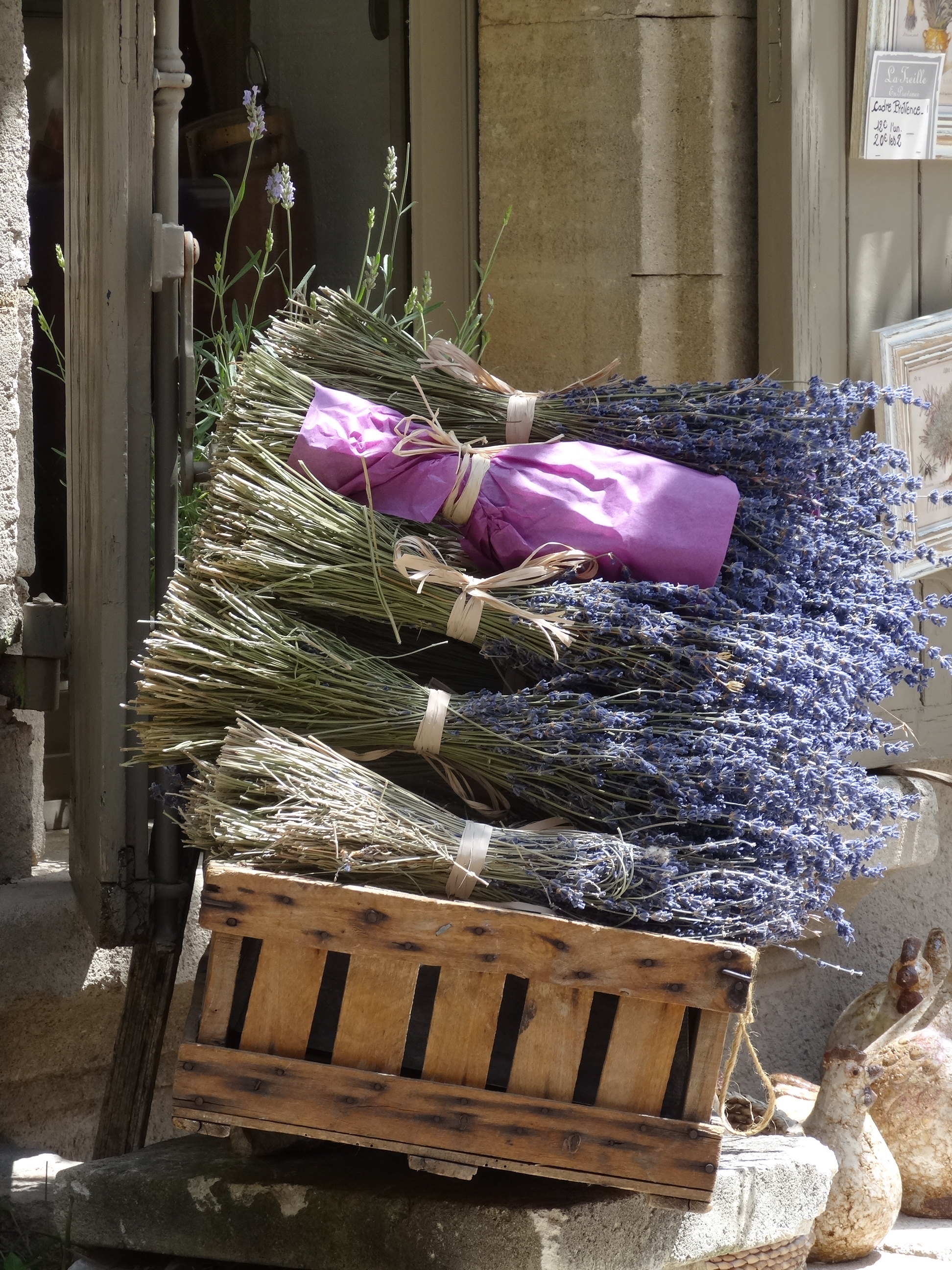
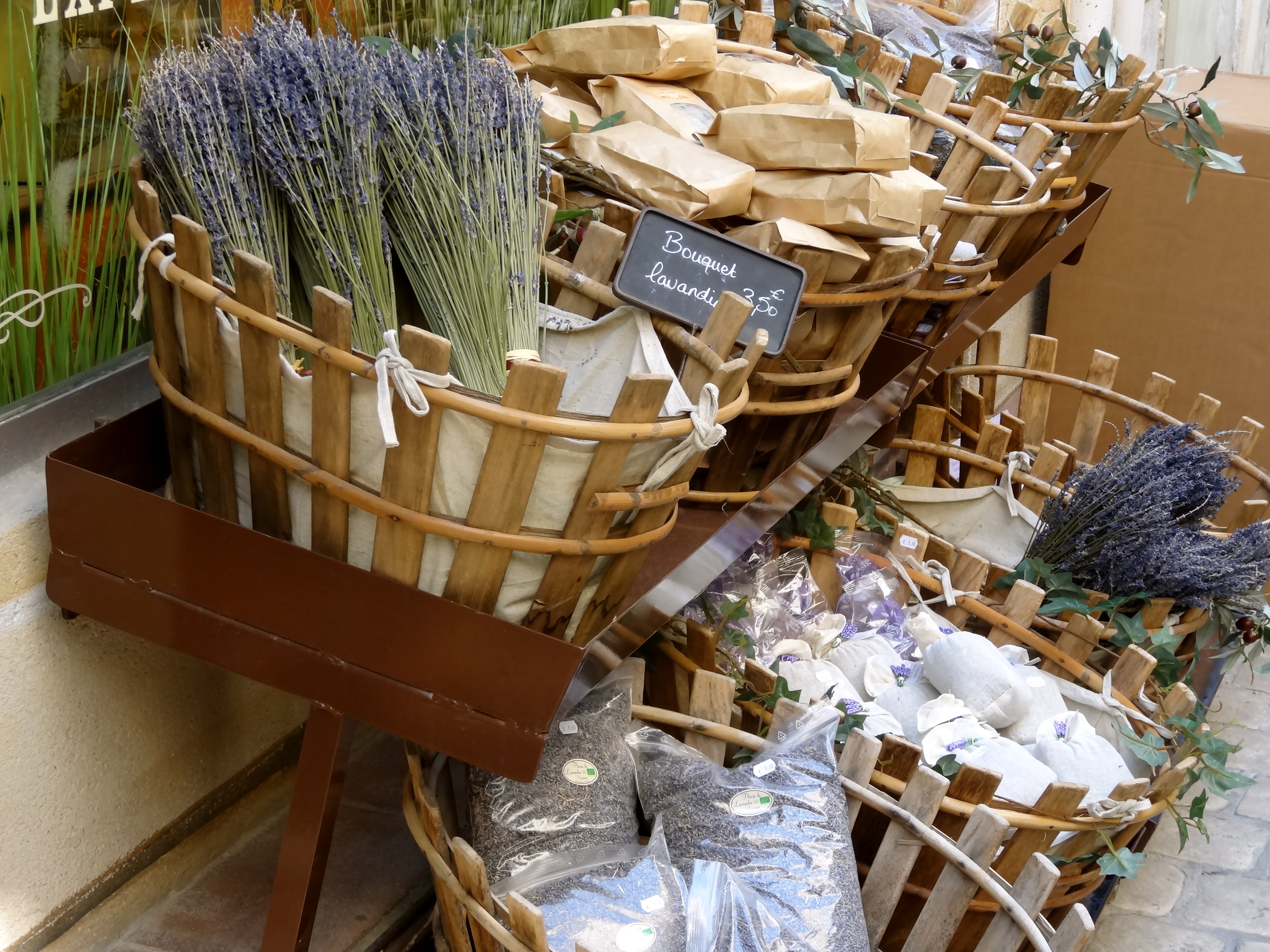
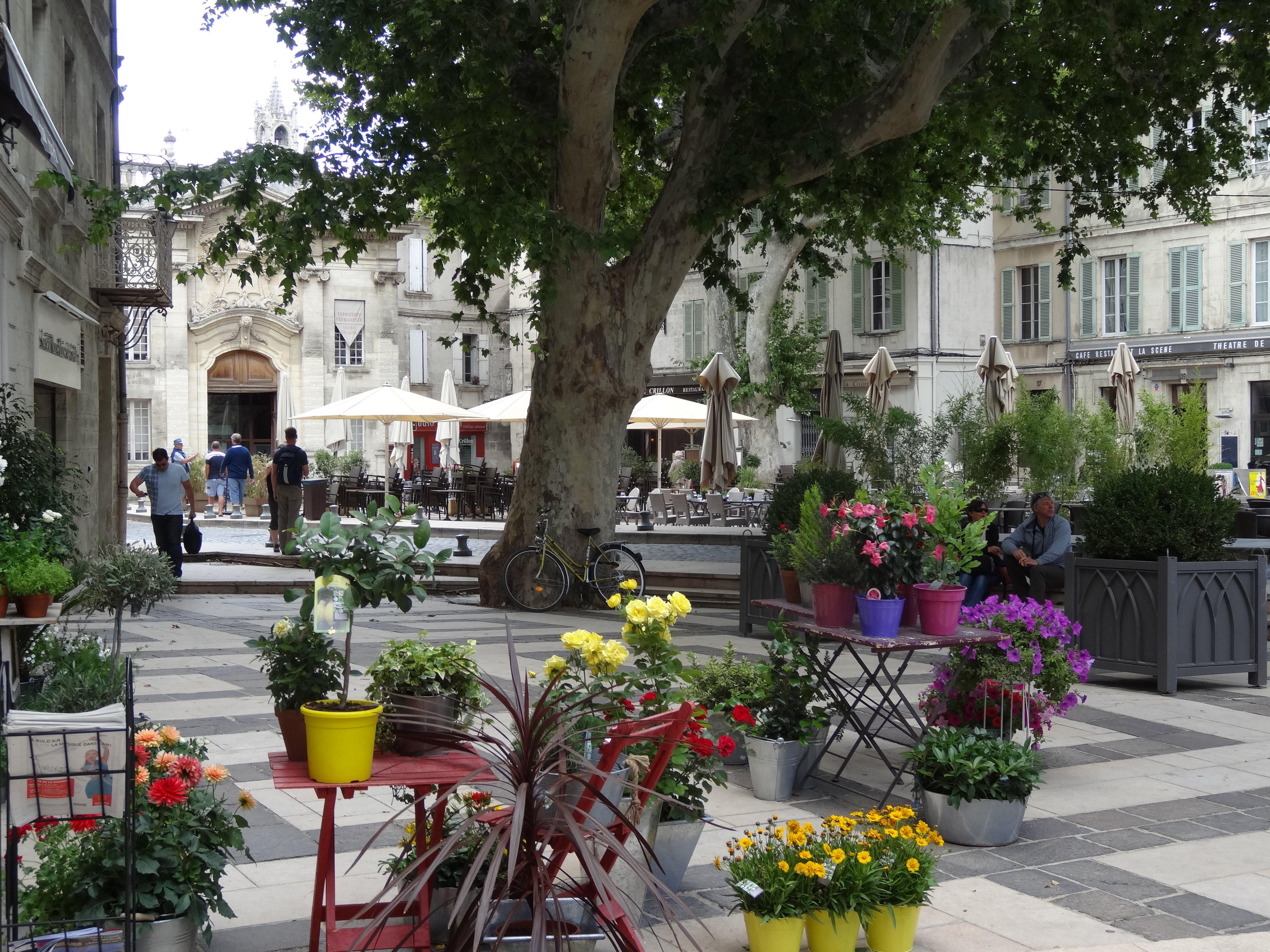
For Saint-Rémy is one of those picture-perfect little towns about which the guidebooks rave, and the midwinter daydreamer, wrapped up against the cold, can only dream: A town of only 8 or 9 main streets, each winding around a charming central square with a trickling fountain at its centre, and a single local café covering the old cobbles with tables and umbrellas for those seeking solace from the sun. Radiating out from this centre point are clusters of little boulangeries, fish shops and delicatessens, while gift shops sell stylish selections of Marseille soap and bundles of lavender, all wrapped up and ready to go home where their sweet floral scent will imbue even the most dreary of homes with a Provençal perfume.

Saint-Rémy streets

DSC04266 DSC04212 DSC03748 DSC04267 DSC04244 DSC04211

Between the little boutiques, an impressive selection of high-end galleries are to be found – for Saint-Rémy has built itself a reputation as a rather chic Provençal destination, a town whose souvenir shops sell well-packaged, pastel-toned quality nicknacks of France, rather than the garish trade of lesser towns. And in its restaurants, freshly made cakes and pastries line up in the windows like the latest models of a fashion show, and menus de jour almost sparkle with pumped up prices and all the pomp of the promised culinary show.

Chic boutiques

DSC03843 DSC04254 DSC04217 DSC03138 DSC04263 DSC03131 DSC04246

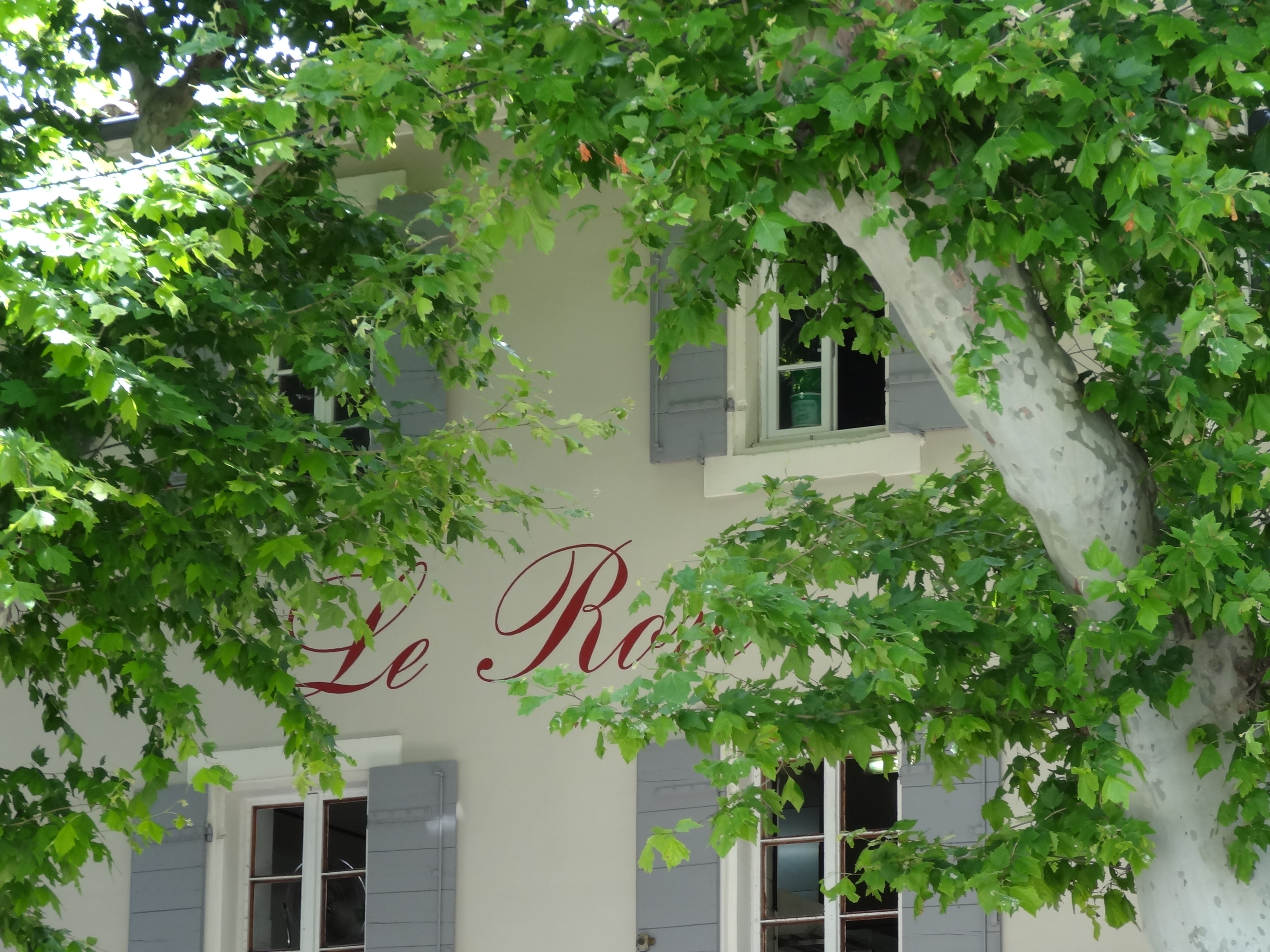
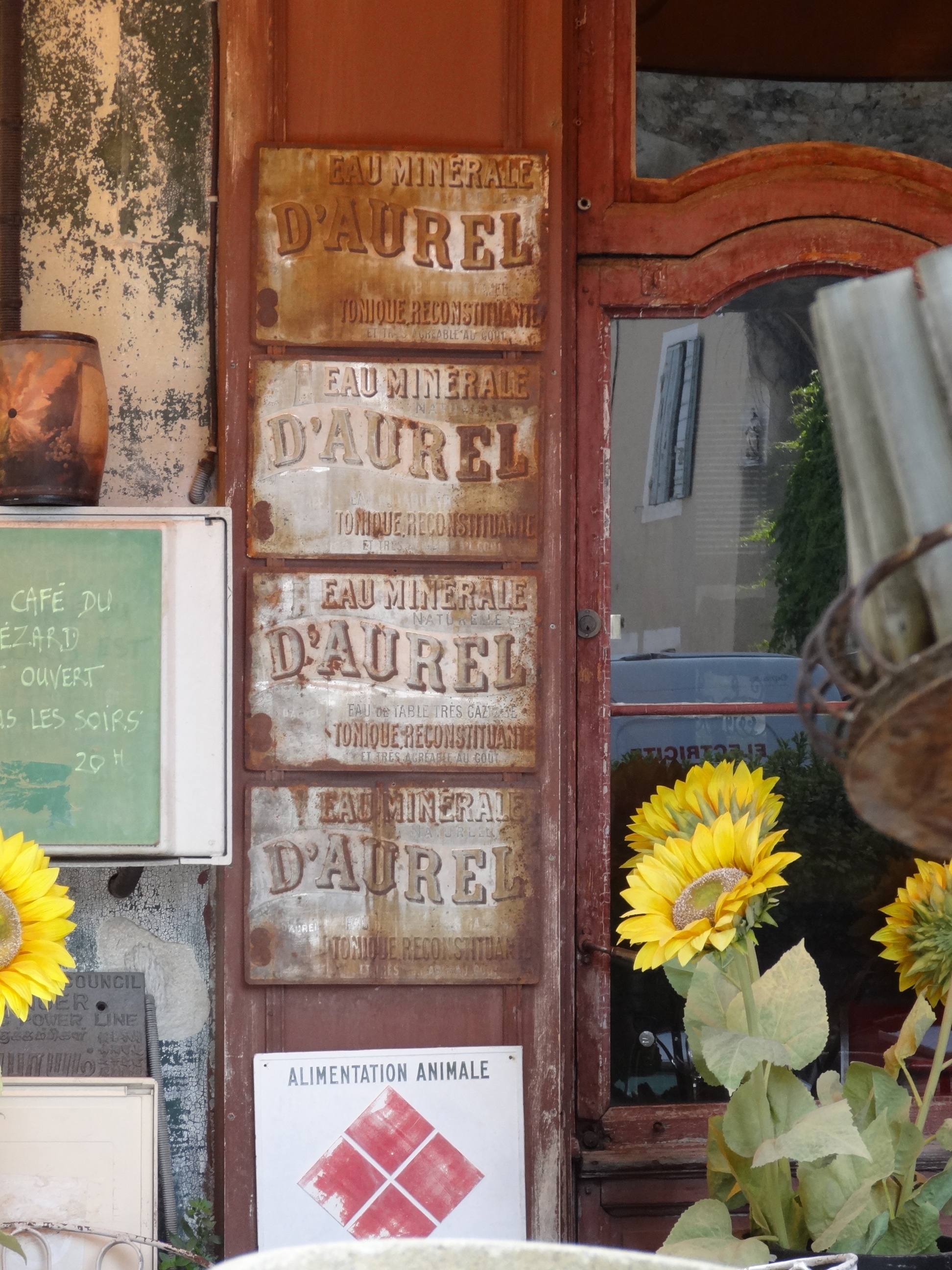
Yes, Saint-Rémy is truly a gem of Provence, a town which is small enough to be unspoilt, charming and deeply atmospheric, yet sufficiently well-developed on the tourist map to bear all of the hallmarks of a sophisticated polished holiday destination. We were pretty much enamoured by the town from our first walk through its centre – by the narrow little streets, the delicately perfumed shops, the pastel-coloured shutters, old shop signs and bustling street markets. And on this, our last day in the town, we returned to those now accustomed haunts, once again gazing through the windows of the little boutique shops, enjoying the gentle pitter-patter of water in the fountain outside the town hall, and having a noisette or two (macchiato coffee) in the shady central square.

In short, we had found picture-perfect Provence, and were determined to make the most of it. For later that day, our planned departure would whisk us away once again, voyaging south to our final destination: the city of Aix. But before that, I leave you with some more of my photographic moments. Adieu.

All photos and written content are strictly the copyright of Nicholas de Lacy-Brown © 2013 and The Daily Norm. All rights are reserved. Unauthorized use and/or duplication of the material, whether written work, photography or artwork, included within The Daily Norm without express and written permission from The Daily Norm’s author and/or owner is strictly prohibited. 

Provence Odyssey | My Journey in Paintings: Beau Les Baux

When I was planning my trip to Provence, I always had in mind the kind of imagined utopia, where Dominik and I would walk, carefree, into lavender fields and poppy fields, he taking a rest amongst the sweet smelling flowers, and me setting out my sketch book and paint box, beckoning the Provençal muse to meet my embrace, inspiring me to transfer the glory of Provence to the blank pages of the sketch book before me. In this sense I suppose I am similar to so many artists who have gone before me; such as Van Gogh, who was so driven by the concept of establishing an artistic community in the region that he painted some of his best works just as decoration for the house which would be at the centre of that movement.

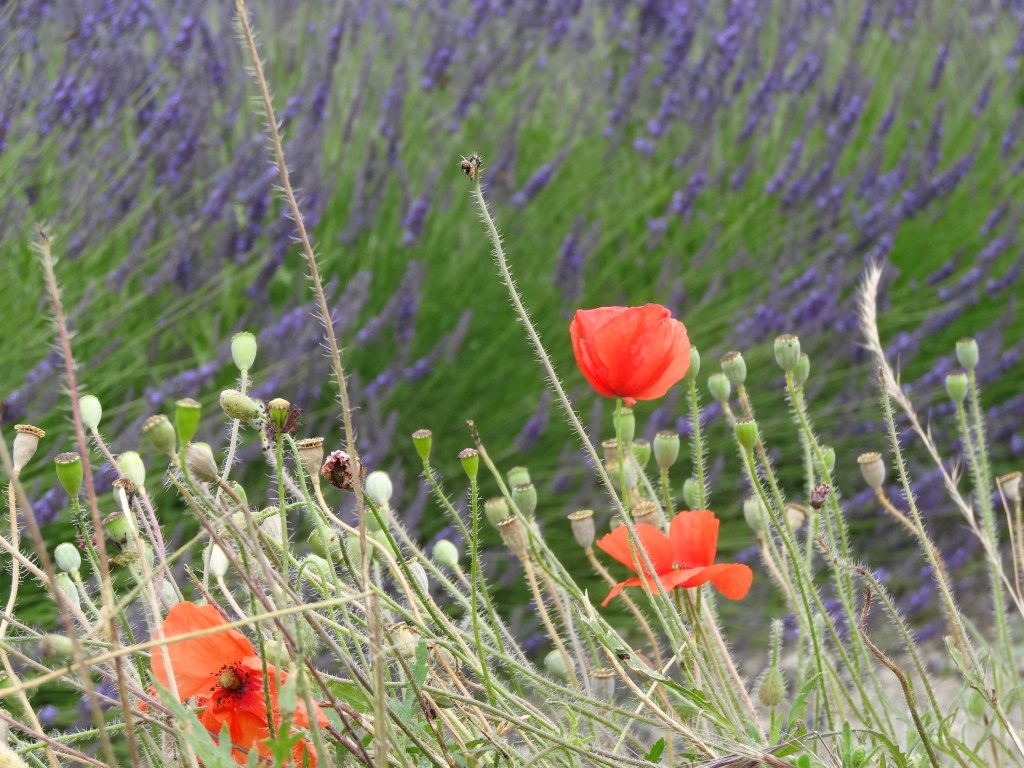
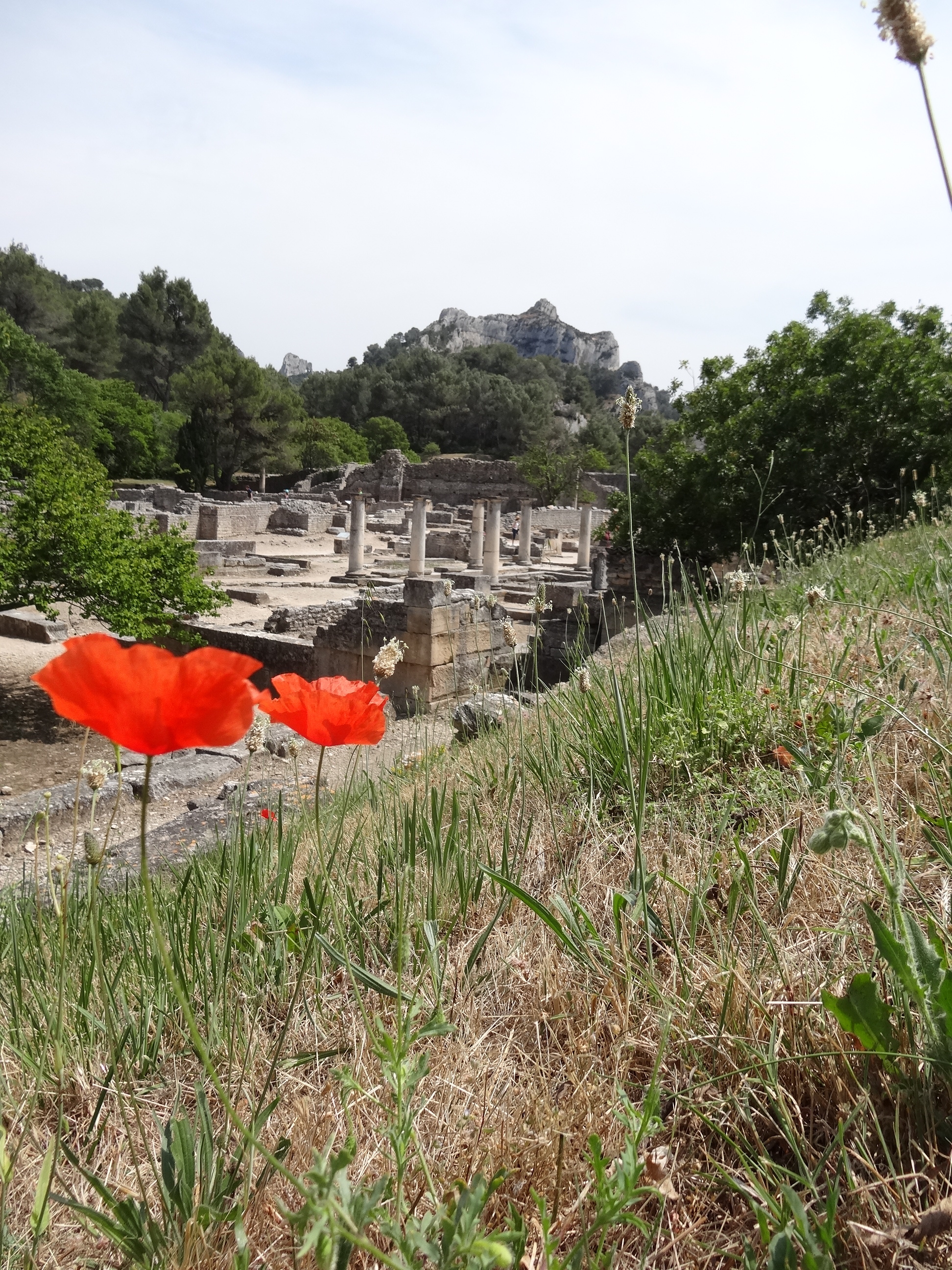
While Van Gogh’s dream was sadly never realised, my own artistic imaginings have, happily, come closer to fruition. After 6 days on the trip, I had already completed two works. As for my vision of utopia, well, Dominik had already found rest in amongst a Poppy field (as the photo below aptly demonstrates!), while in Saint-Rémy, we finally found the opportunity to stroll through lavender fields and olive groves, having got no closer to lavender in both Avignon and Arles than the bags of dried stuff littering up the souvenir shops.

Dominik takes a rest amongst the poppies, Oz style.

Dominik takes a rest amongst the poppies, Oz style.

But once Les Baux entered the equation, my artistic stirrings really began to take another stir, as with one glance at some of the most stunning mountain scenery in all of France, I became involuntarily, but very willingly sucked into another hypnosis of creative motivation, as the sweet-smelling lavender-haired Provence Muse took my hand in hers, and led me to a third page of my sketchbook to complete yet another ode to this paradise.

As I described yesterday, Les Baux-de-Provence could not help but inspire artists such as Yves Brayer to manifest the exquisite village and surroundings in paint, but then again Saint-Rémy’s impressive surroundings are surely worth their weight in inspirational gold also. So for my third painting, another of my freely-conceived “compositions” series, I couldn’t help but paint the limestone chateau-topped spur of Les Baux, its stunning surroundings of patchwork-quilt fields, and, in the distance, the ruins of St Remy’s great archaeological site, the Roman town of Glanum.

Composition No. 4 (Beau Les Baux) (© Nicholas de Lacy-Brown, 2013, guache on paper)

Composition No. 4 (Beau Les Baux) (© Nicholas de Lacy-Brown, 2013, guache on paper)

So there you have it: Composition No. 4 (Beau Les Baux). An undulating patchwork landscape, rocky citadel, blue skies and all topped off with a picnic of baguette, cheese, saucisson and of course a little wine. Ah…La Bonne Vie. I hope you enjoy it.

© Nicholas de Lacy-Brown and The Daily Norm, 2001-2013. Unauthorized use and/or duplication of the material, whether written work, photography or artwork, included within The Daily Norm without express and written permission from The Daily Norm’s author and/or owner is strictly prohibited. 

Provence Odyssey | Saint-Rémy: Day 6 – The Grandeur of Ancient Glanum

You join us in the Provençal village of Saint-Rémy-de-Provence, a picturesque little town, at one time home to none other than Vincent Van Gogh, whose insatiable appetite for Provence’s mighty colour palate was more than satisfied by the staggering beauty of these undulating landscapes, peppered with olive trees and cypresses, with fields of golden wheat and others with lavender, and stood in the midst of them all, the towering limestone massif of Les Alpilles, a 24-km chain of mountains between the Rhone and Durance rivers.

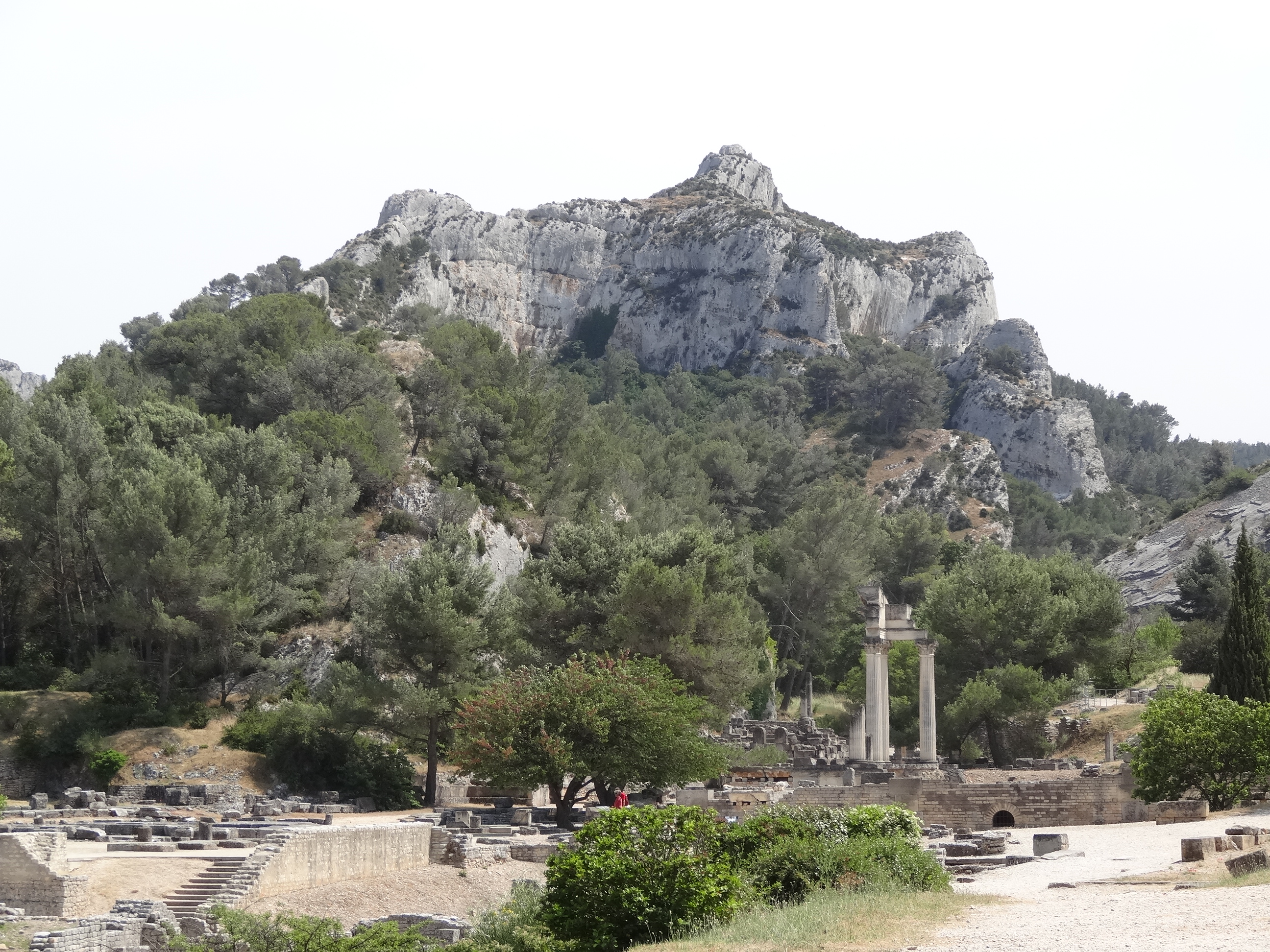
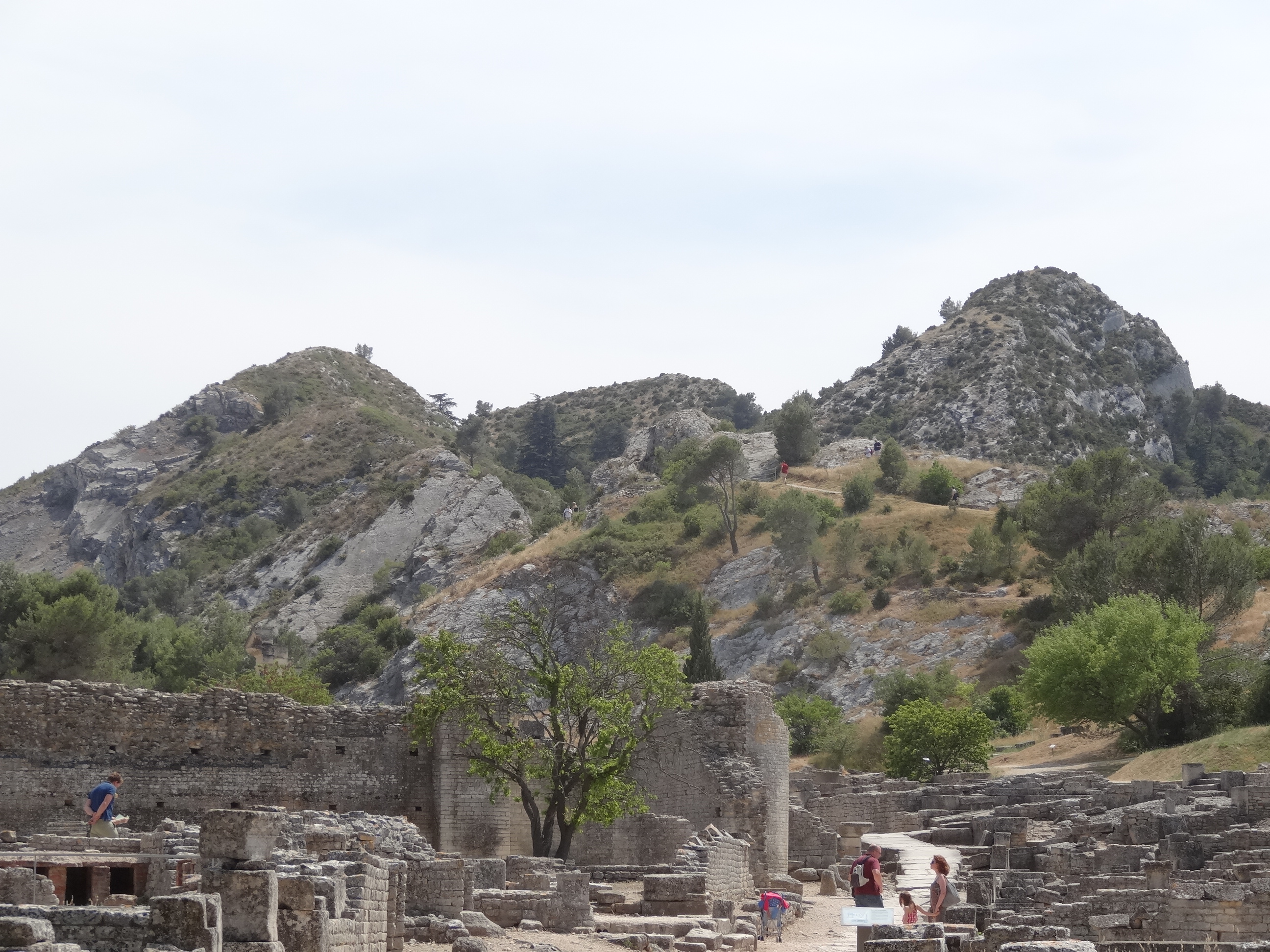
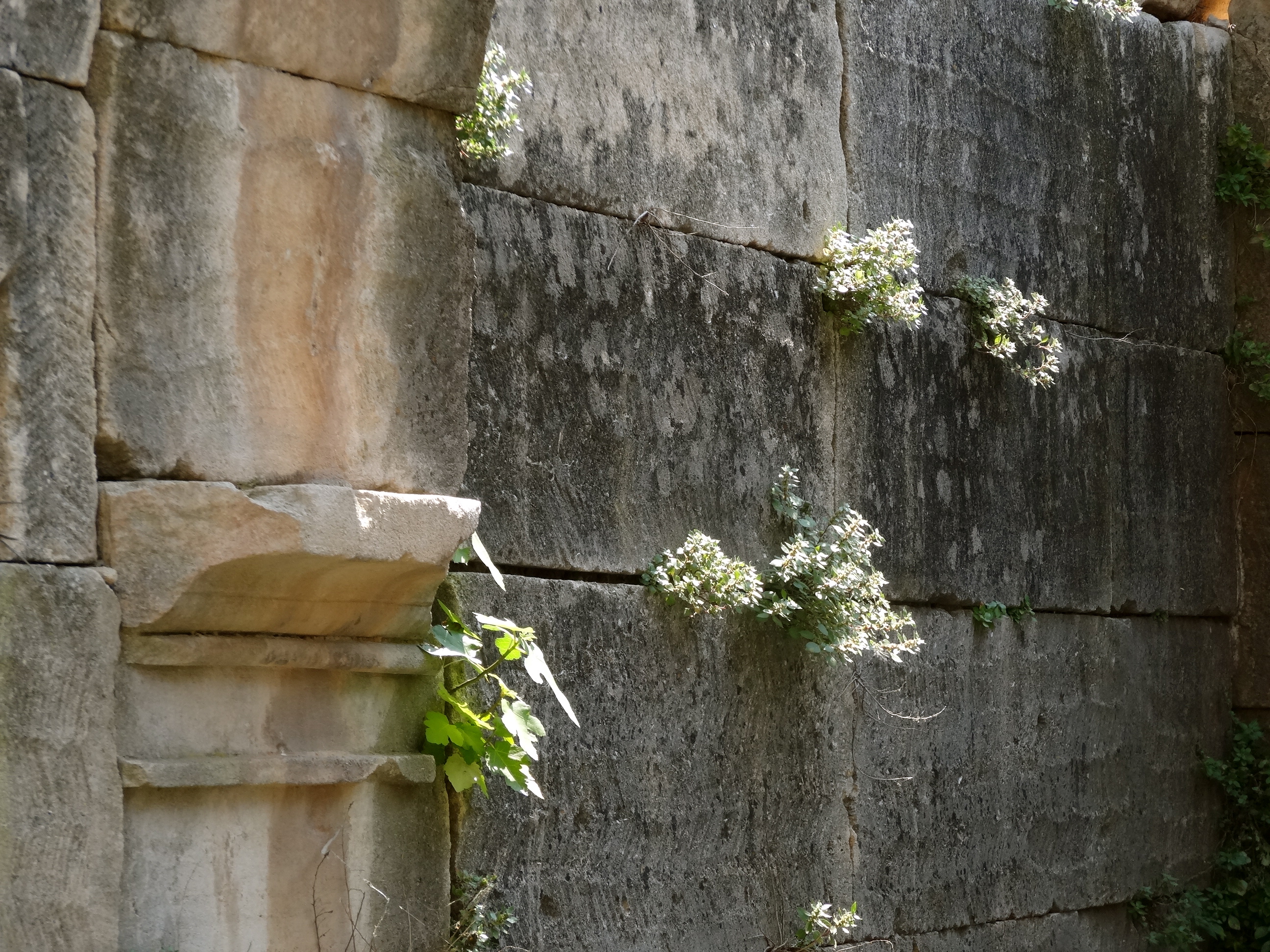
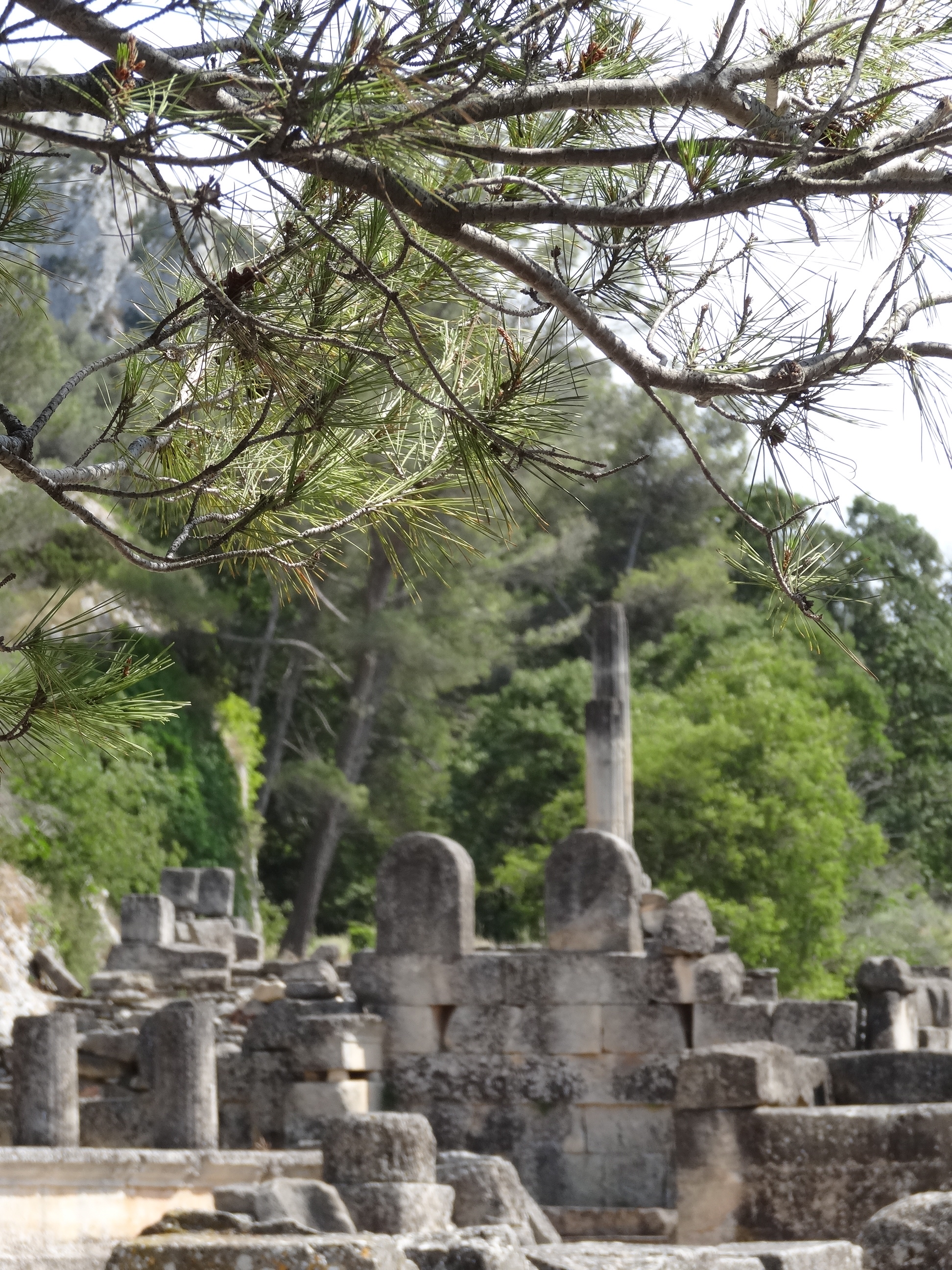
Yet while the mighty majesty of the Alpilles mountain range towering above the horizon has the power to hold tourists and artists alike in its all-conquering grip, there is something else set amongst the foothills of this great imposing mountain range which has the power to inspire awe-struck admiration in equal measure: this time a structure built not by nature, but by man, but a structure so ancient and yet still so classically magnificent in all its detail and grandeur that it appears to have defied nature itself. For as it turned out, Van Gogh is far from being Saint-Rémy’s only attraction: For a mere stroll along from Saint Paul de Mausole, where Van Gogh was an inpatient for a year between 1889-1890, are the incredible ancient remains of the Roman town of Glanum, an archeological site which is so comprehensive that it is a rival to Pompeii; an ancient monument so beautiful that it glows like a precious crystal in the midst of the limestone hulk of the Alpilles around it, the vast mountains into which this ancient Roman town appeared to integrate so seamlessly as though nature herself had intended it.

DSC03508 DSC03520 DSC03524

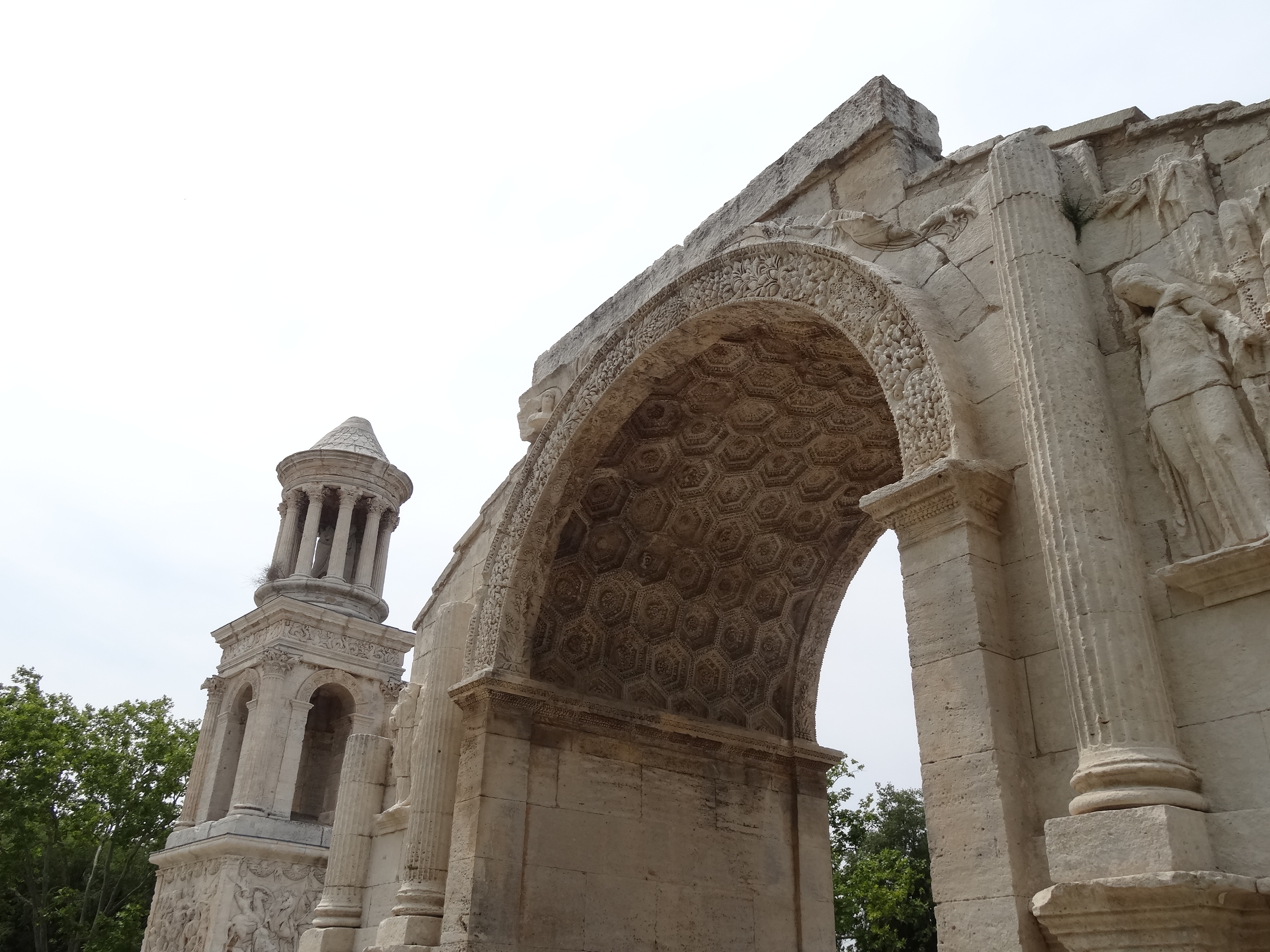
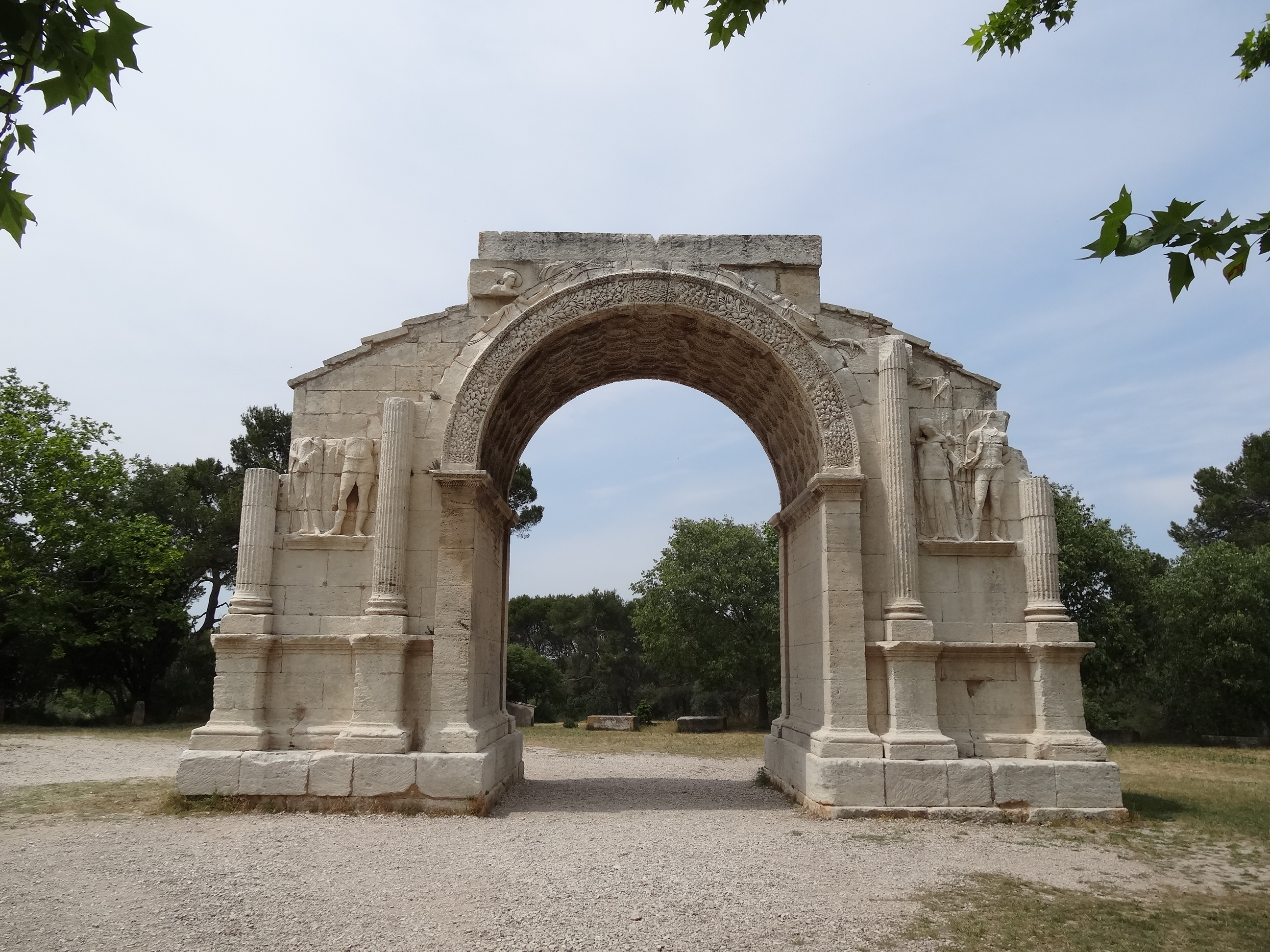
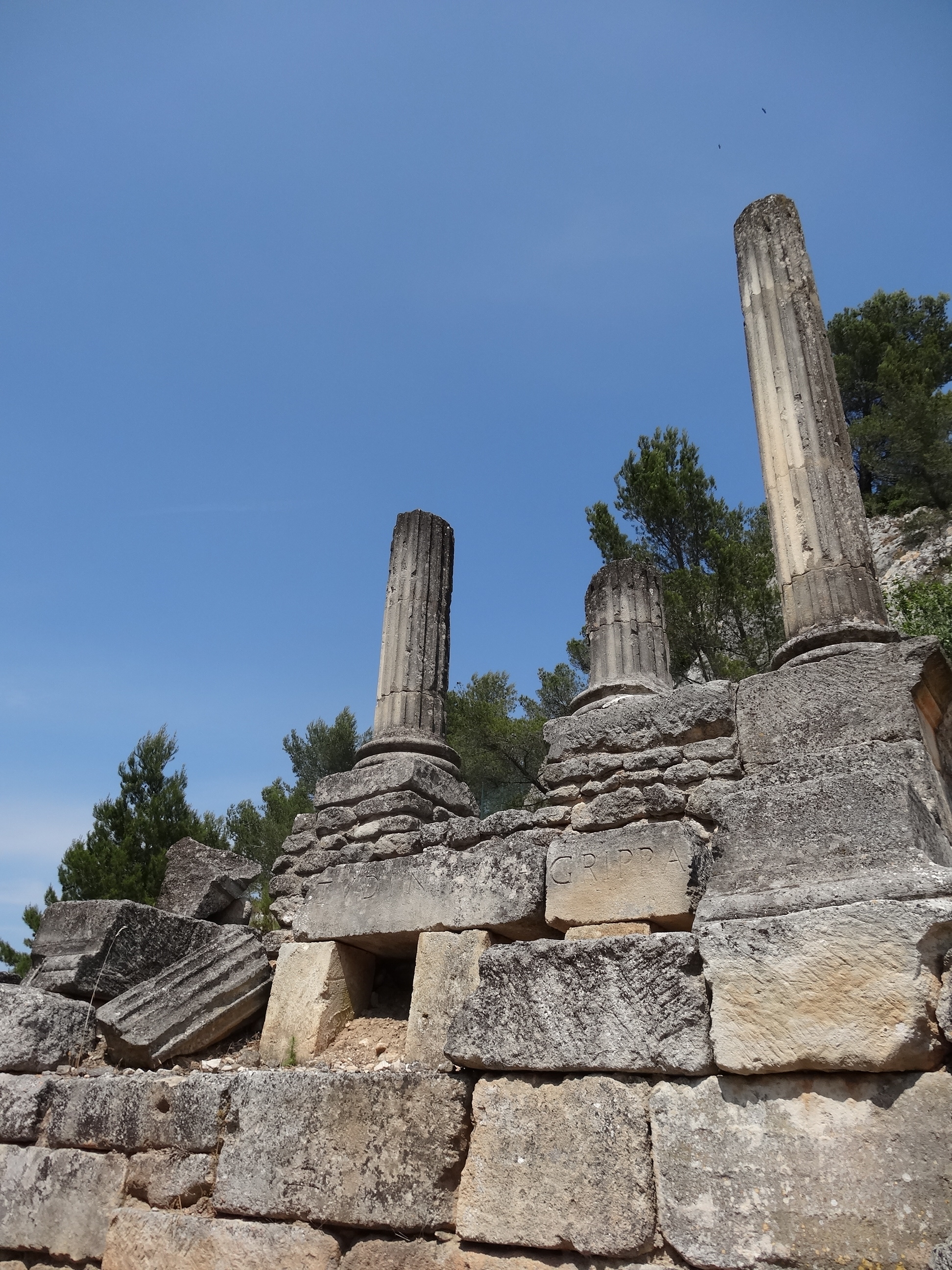
The gateway to the Glanum remains is pretty startling: a triumphal arch built during the reign of Augustus and the Mausoleum of the Julii, said to be one of the most perfectly intact mausoleums remaining from ancient Rome. Both monuments are brilliant in their complexity and incredibly intact – and yet these imposing structures stand innocuously by the main road from Saint-Rémy to Les Baux, with no cordons, no tickets and no guards. The result is a superb opportunity to interact with the indomitable grandeur of Roman architecture, and to do so quite freely with neither impediment nor cost. And yet it worries me – for how long can these incredible structures remain in their current excellent state of preservation, when they are so unguarded from harm?

DSC03525 DSC03526 DSC03531 DSC03527 DSC03529

While this magnificent arch, which once formed the Northern entrance to the town of Glanum, was free to see, the remains of the town were not – but such was to be expected from an archeological museum almost as vast as the great remains of Pompeii and Herculaneum. And what they may have lacked in Pompeian decoration, they surely made up for in scale, in the variety of buildings discovered and on view, and in the magnificent setting of this town which, carved literally into the steep sides of the Alpilles must surely be strong competition for Pompeii’s Vesuvius-backdrop.

DSC03554 DSC03559 DSC03564 IMG_2825 DSC03655

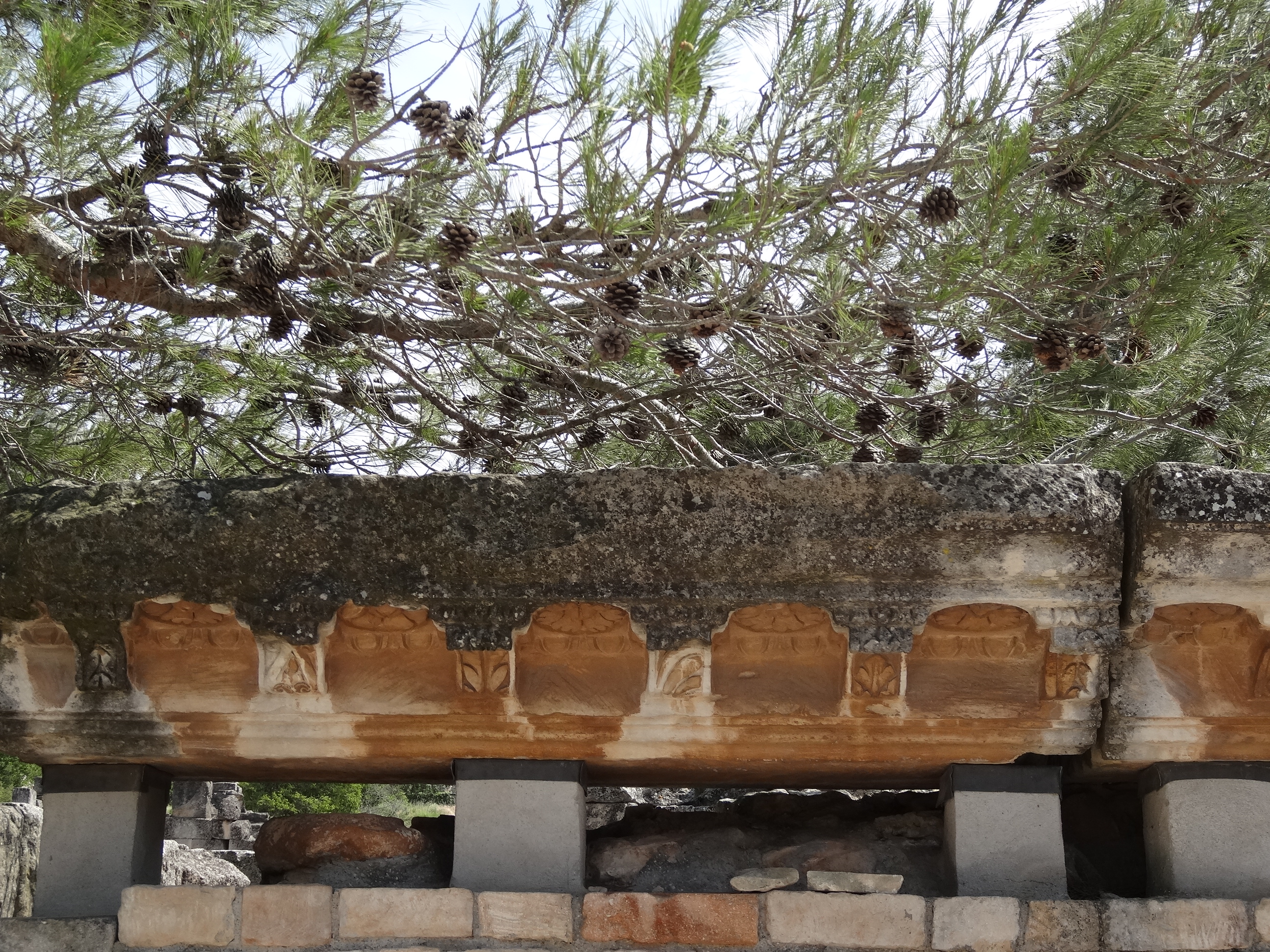
Glanum, which today includes monuments aplenty, half-preserved temples, the remains of public baths, the roman forum, and several houses, was built in 27 BC but abandoned in 260 AD when it was overrun and destroyed by the Alamanni. Subsequent floods and weather conditions meant that the abandoned ruins of the town gradually became covered with sediment and mud, and there it lay, undiscovered, until excavations began to rediscover the town in 1921. Now it is one of Provence’s most visited sites, and one can see why. The scale of the find is pretty unique, and the ability to scale the steepsided valley of the Alpilles and see the town from above, with the modern Saint-Rémy in the distance is particularly special.

DSC03638 DSC03623 DSC03578 DSC03688 DSC03577 DSC03611 DSC03641 DSC03575 IMG_2814

We adored Glanum, and for us it provided a much unexpected cultural delight on the outskirts of a little town already proving to be so abundant in sensual delights for the earnest visitor. A hearty slice of history in an area so exuding charm; a man-made ancient monument which so artfully augments the beauty of its celestial natural surroundings.

DSC03591 DSC03612 DSC03644All photos and written content are strictly the copyright of Nicholas de Lacy-Brown © 2013 and The Daily Norm. All rights are reserved. Unauthorized use and/or duplication of the material, whether written work, photography or artwork, included within The Daily Norm without express and written permission from The Daily Norm’s author and/or owner is strictly prohibited. 

Provence Odyssey | Saint-Rémy: Day 6 – In search of Van Gogh (Part 2)

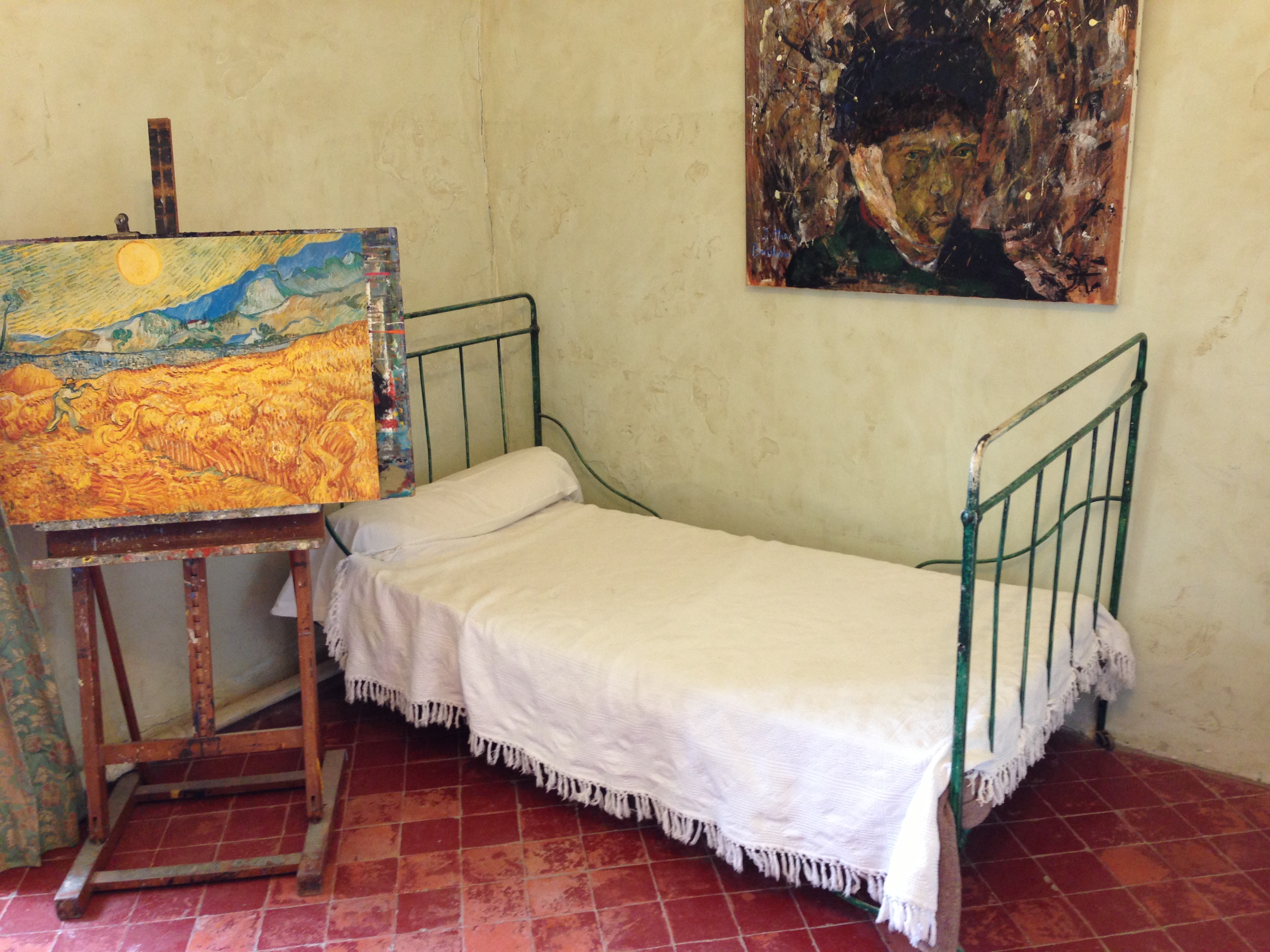
As Van Gogh neared the final climax of his prematurely shortened life, his movements around France, and the paintings which resulted, became more and more dominated by his health needs. In May 1889, after his famous ear self-mutilation incident in Arles and the hospital stay which followed, Van Gogh moved to Saint-Rémy-de-Provence, some 20 miles North-East of Arles in the foothills of the Alpilles mountains, in order to voluntarily commit himself into the care of an asylum. That asylum was the hospital of Saint Paul-de-Mausole, set within the tranquil grounds of a former monastery to the south of Saint Remy, and was where Van Gogh set up home, with one room and an adjoining studio, for the next year of his life. Come May 1890, Van Gogh was off again in pursuit of medical assistance, moving to his final destination of Auvers-sur-Oise, this time to be nearer to Dr Paul Gachet. He would be dead some 3 months later.

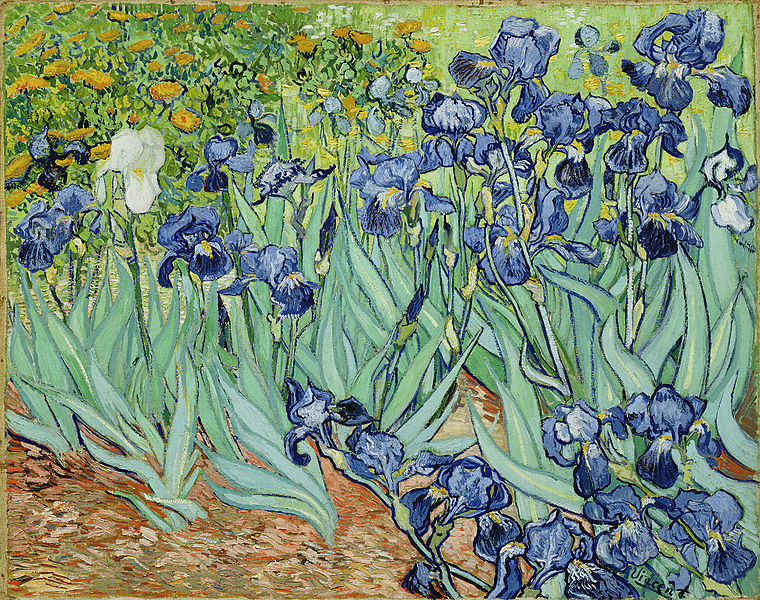
Despite the nature of what some could see as a mental crisis dictating Van Gogh’s relocation to Saint-Remy, there are two undeniable factors about his stay in the town and the output that resulted. The first is that the asylum and the town to which he relocated are both exceptionally beautiful examples of Provence at its finest. The second is that, understandably, the paintings which resulted from this time are some of Van Gogh’s very best.

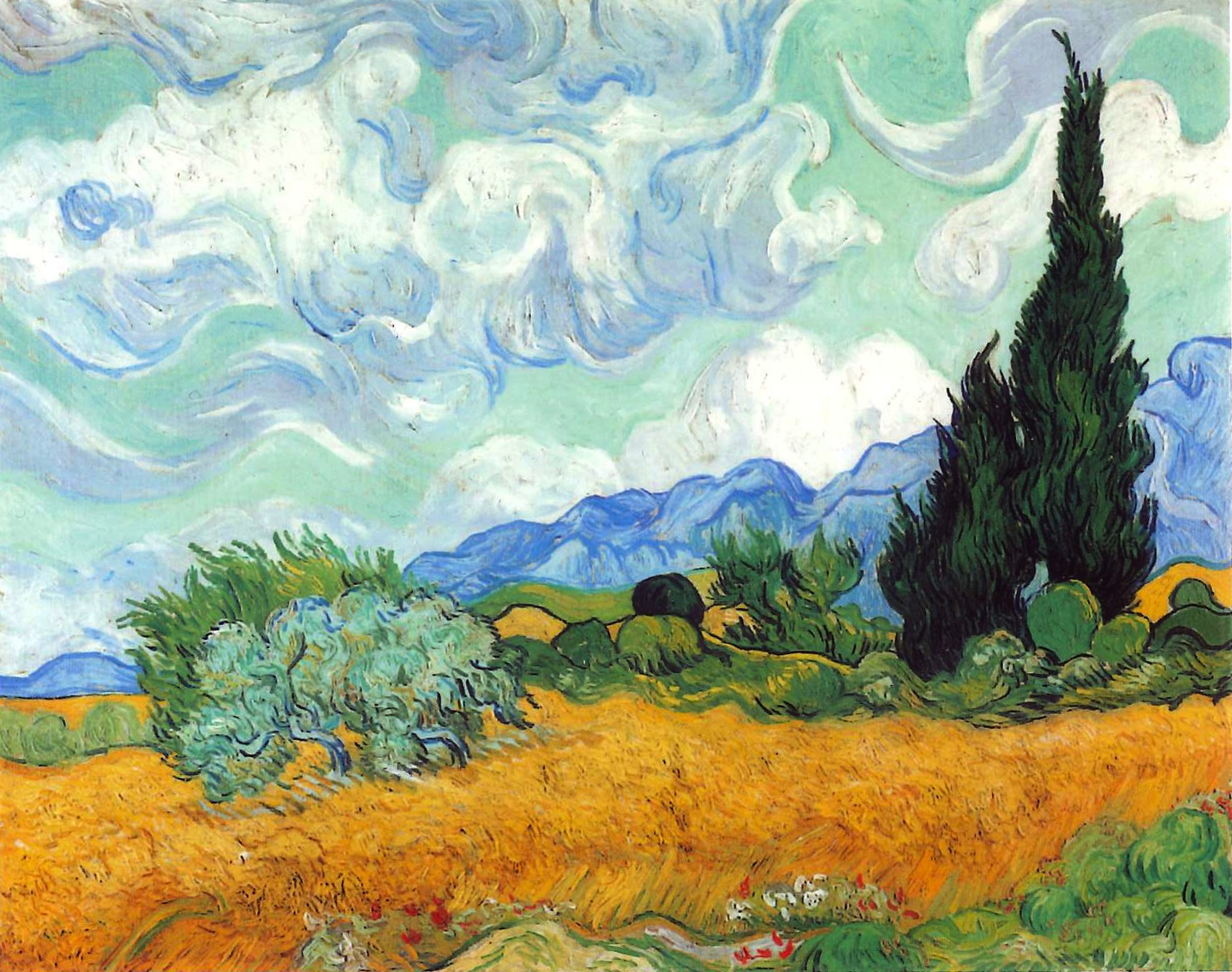
Painted in Saint-Rémy…

Wheatfield with Cypresses
Wheatfield with Cypresses

Irises

Irises

Mountainous landscape behind the hospital Saint Paul

Mountainous landscape behind the hospital Saint Paul

The Olive Trees

The Olive Trees

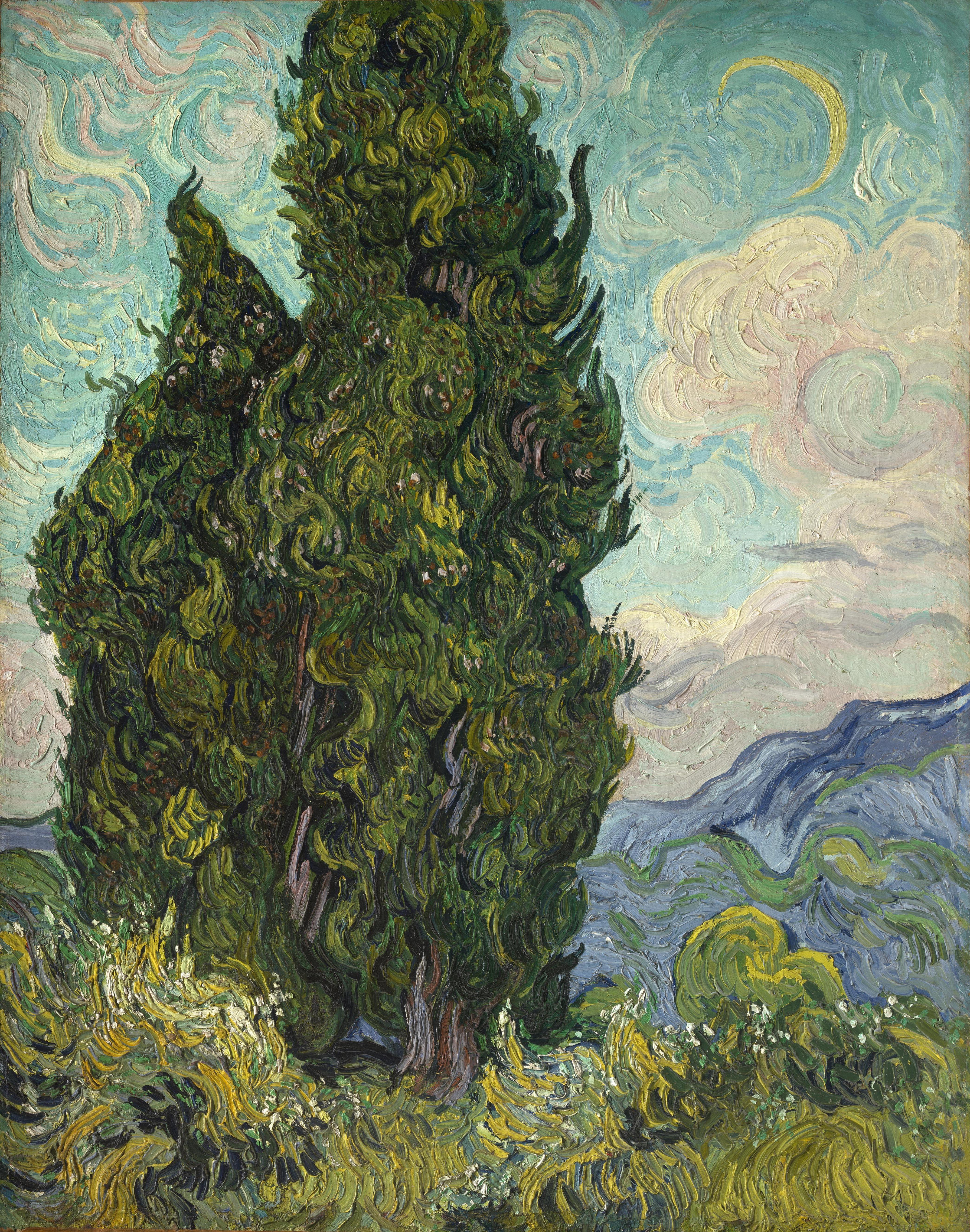
Cypresses

Cypresses

It was consequently to Saint Remy that we proceeded on this third leg of our Provence Odyssey, as much guided by the promise of a pretty mid-countryside town as by the legacy of Van Gogh which seeps into its very foundations. While a stroll around the pretty boutique-filled village proved that the town is abundant with its own Provençal charms, albeit on a far smaller scale than Avignon or Arles before it, it was in pursuance of Van Gogh’s story that we begun our explorations of Saint-Rémy, and the out of town stroll which this trail required.

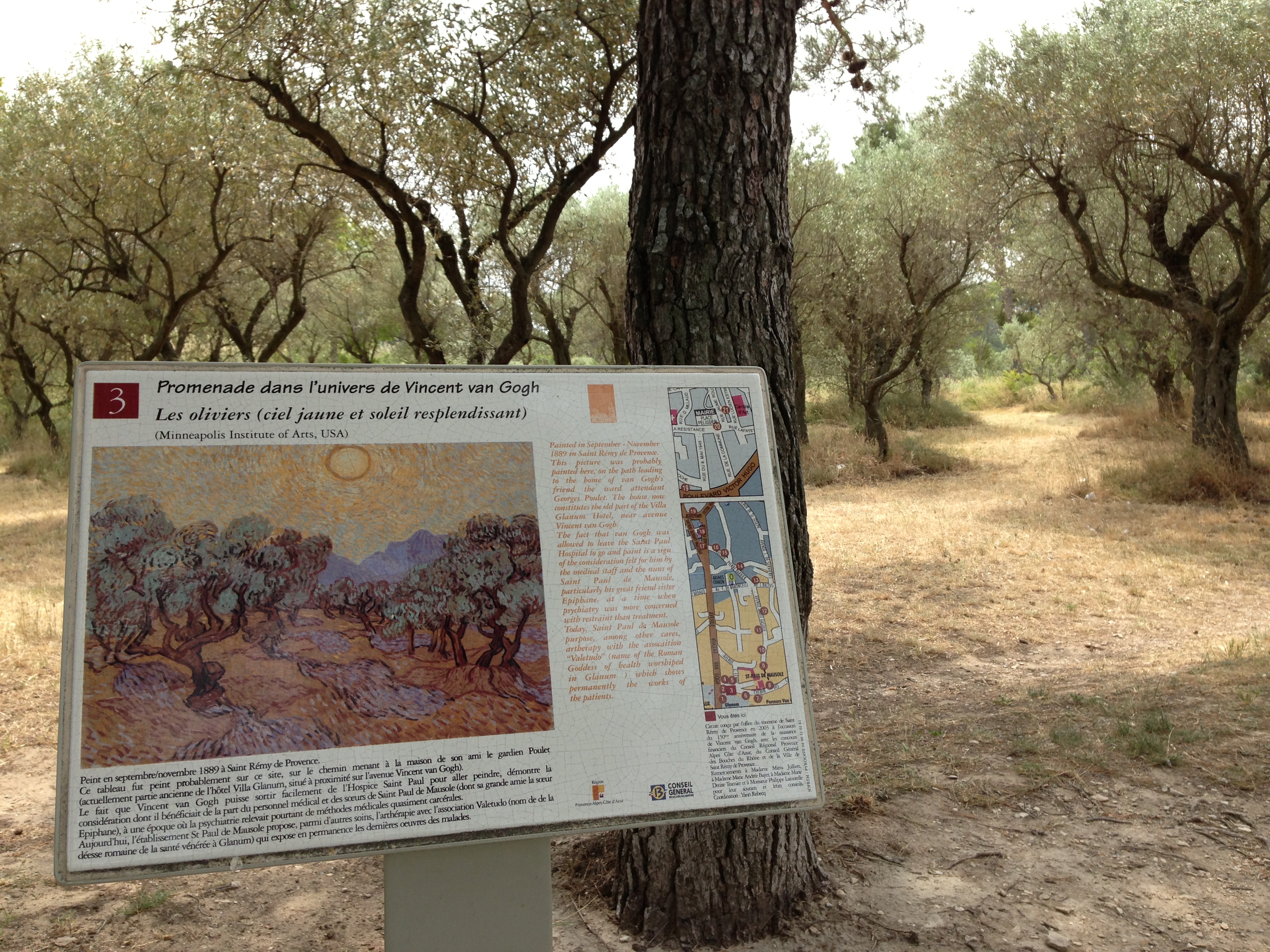
Unlike Arles, whose exploration of the Van Gogh story left me somewhat wanting (there were postcards sure, and a café mock up on the Place du Forum, but where were the museums, the recreations of paintings, the story?), Saint-Rémy’s small but ample tourist office provides an excellent self-guided Van Gogh walking tour, which takes you out of the village and into the stunning surrounding countryside, in order to visit the Saint Paul-de-Mausole asylum where Van Gogh lived, and see recreations of his many Saint-Rémy based paintings along the route.
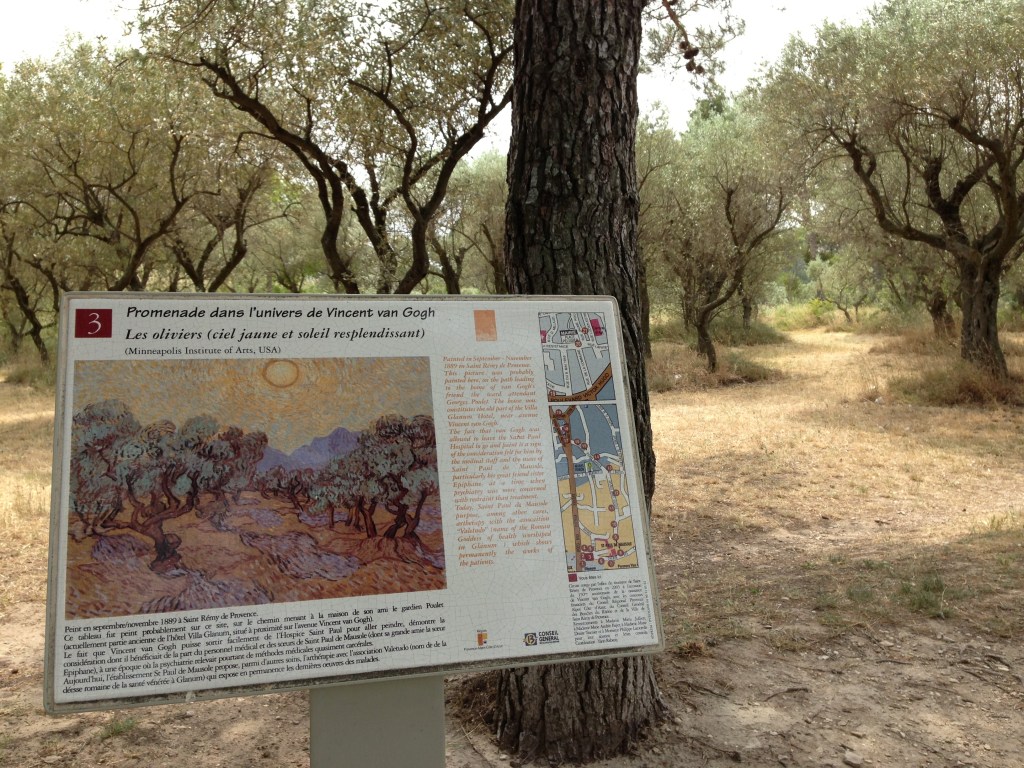
Right where he painted it - the Van Gogh walk brings his paintings to life

Right where he painted it – the Van Gogh walk brings his paintings to life

Van Gogh's hospital bed and easel

Van Gogh’s hospital bed and easel

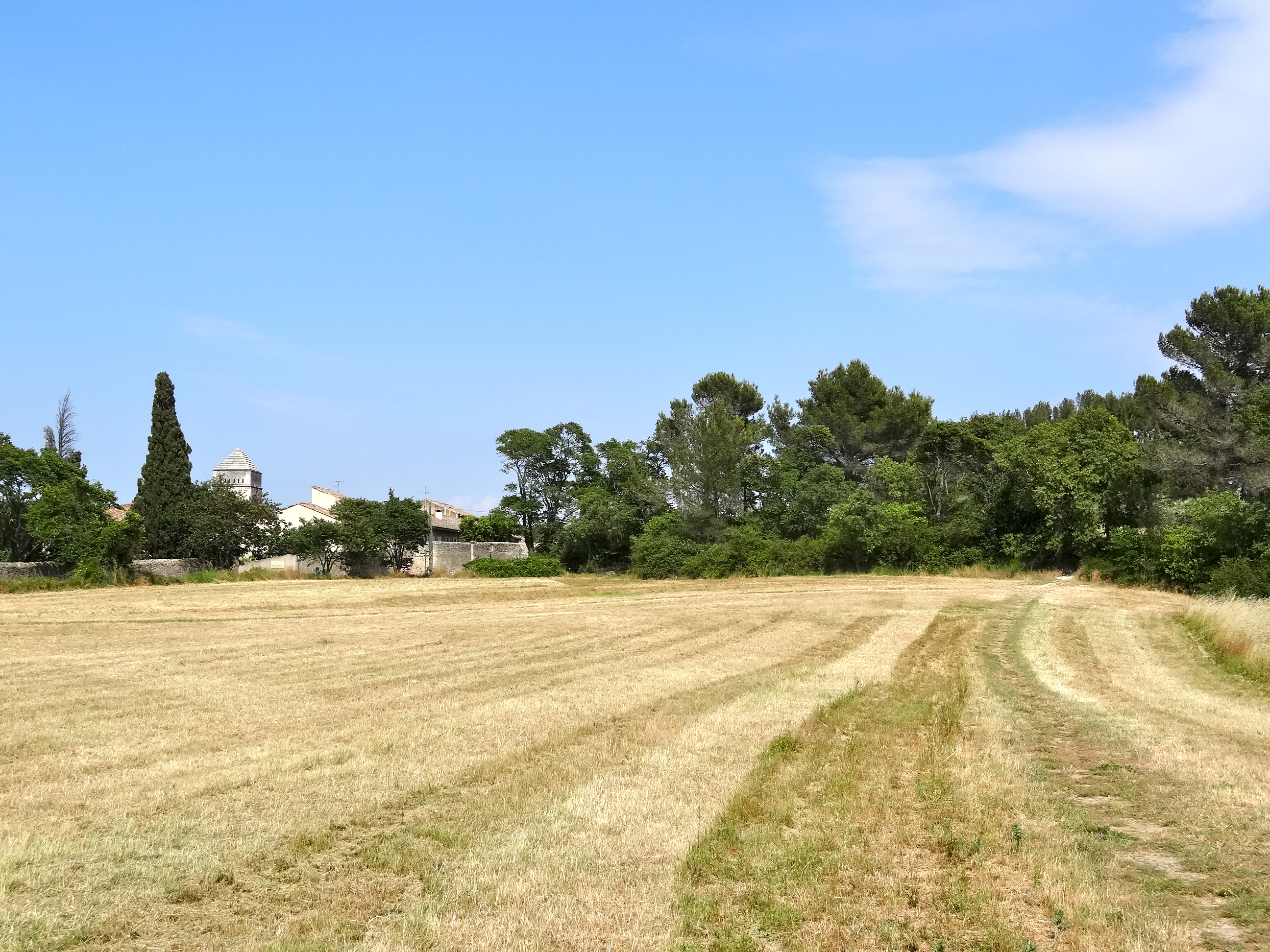
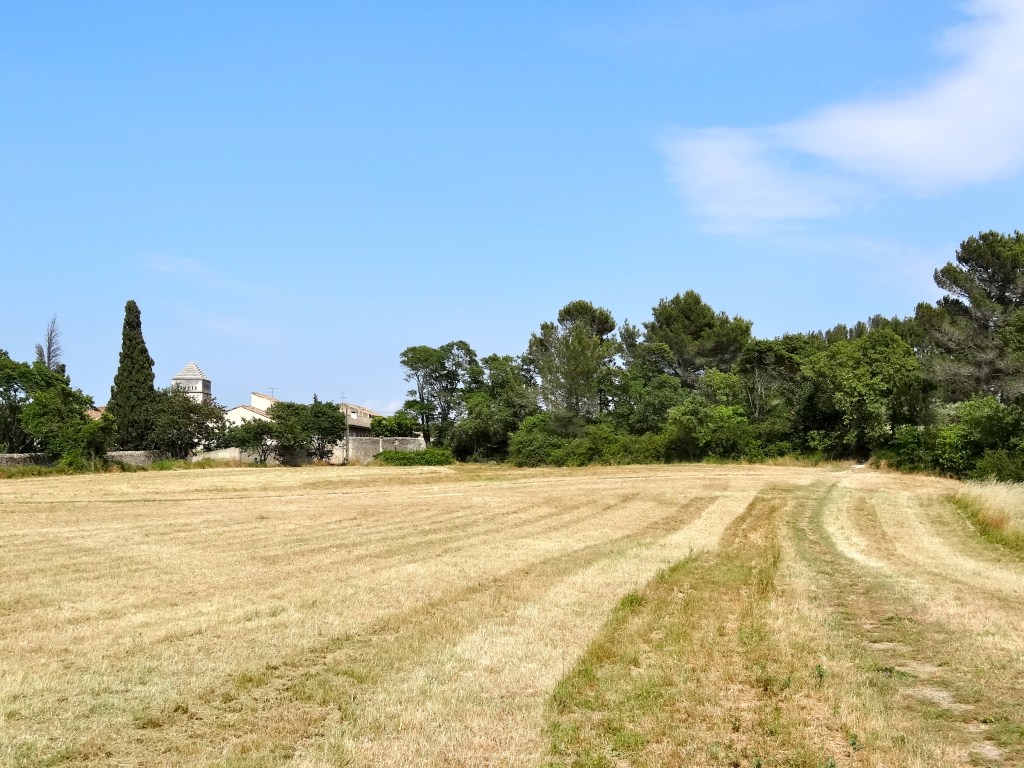
Taking this route, we were delighted with the pastures new before us, strolling as we were along small residential and field-lined roads which we may never otherwise have discovered. While much of the landscape is a little more developed now than it might have been in VG’s day, as we neared the asylum, wide expanses of olive tree-lined fields started to open up before us, and with the wild craggy outline of the Alpilles mountains in the backdrop, and swirly dark cypress trees popping up all over the landscape, it really started to feel as though some of Van Gogh’s most famous landscape paintings were coming to life before our very eyes. For as the little VG walk soon made clear, the artist produced some of his best works in this little town, painting at his swirliest (for example his famous Starry Night and his depiction of cypress trees and swirly leafed olive trees) and his most imaginative.

Painted in the Saint Paul hospital…

Trees in the Garden of the Hospital Saint Paul

Trees in the Garden of the Hospital Saint Paul

The gardens of Saint Paul hospital

The gardens of Saint Paul hospital

The gardens of Saint Paul hospital

The gardens of Saint Paul hospital

Stone Bench in the garden of Saint Paul

Stone Bench in the garden of Saint Paul

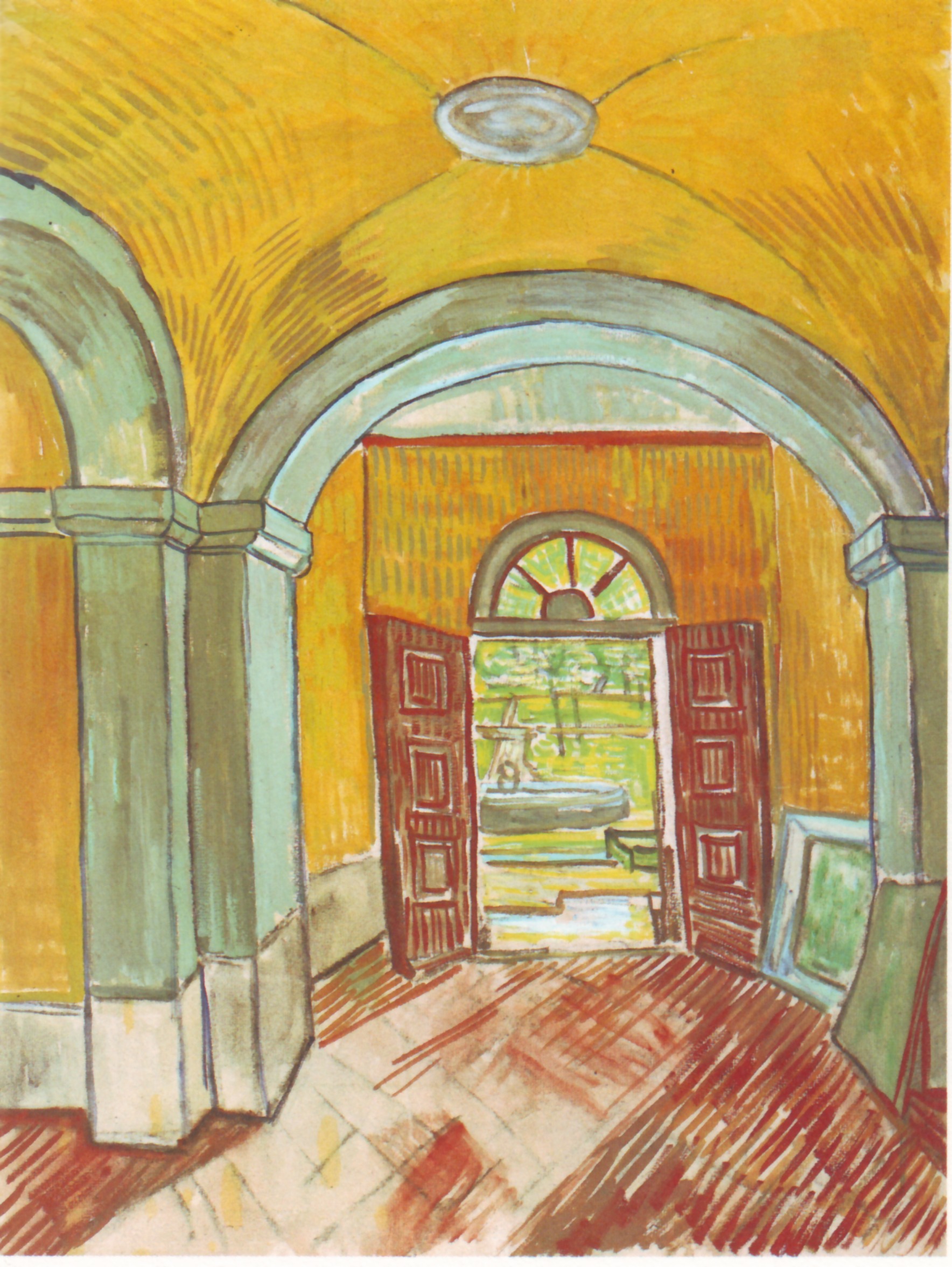
Entrance Hall of Saint Paul

Entrance Hall of Saint Paul

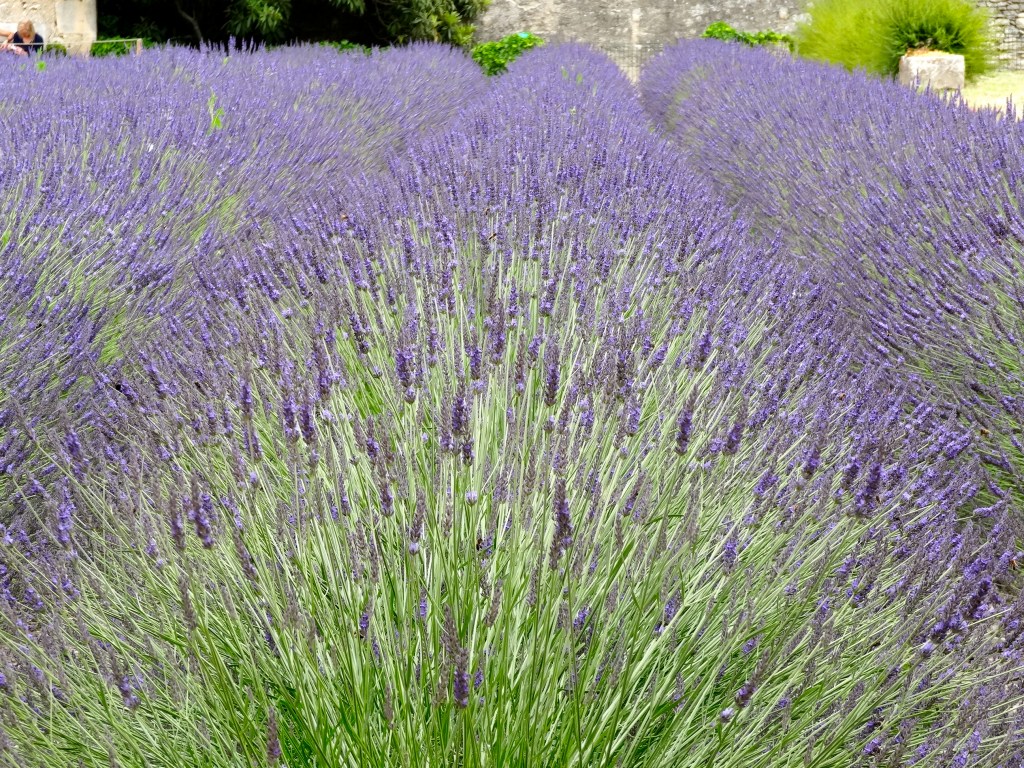
And no wonder. As we turned into the high-stone walled gardens of Saint Paul-de-Mausole, filled with multi-coloured flowers moving slowly in the light breeze, I could not help but feel inspired myself. This reaction only grew, as we wandered through the former monastery, gazing in wonder and the beautiful sun drenched cloister, and then, behind the building, the stunningly manicured Provencal gardens, loaded with rows of lavender, sunflowers and poppy fields, creating the kind of floral backdrop which would have had Van Gogh painting feverishly all day long.

The landscapes and the hospital that inspired Van Gogh…
DSC03698 DSC03273 DSC03294 DSC03699 DSC03305 DSC03319 DSC03317 DSC03296 DSC03231

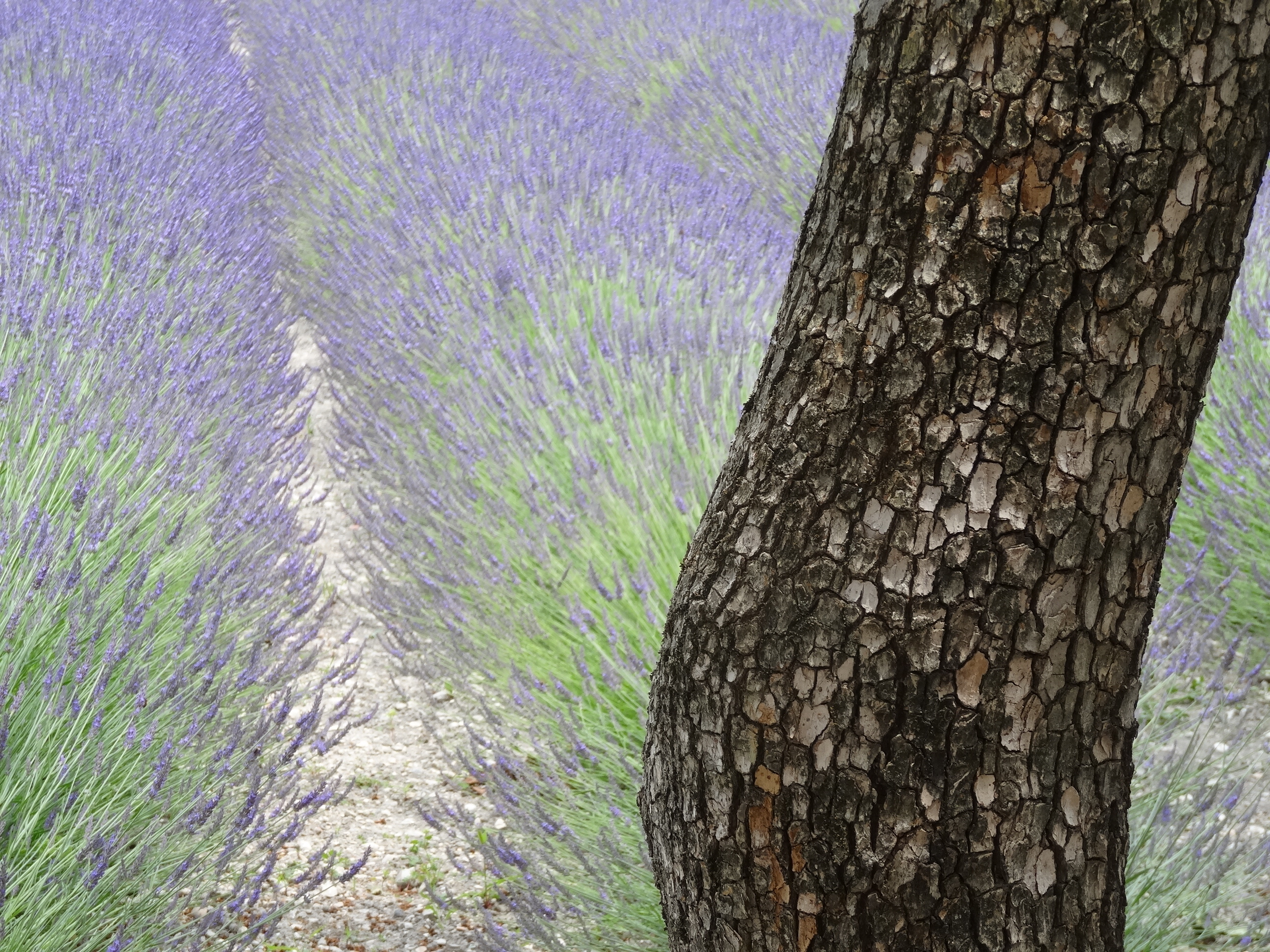
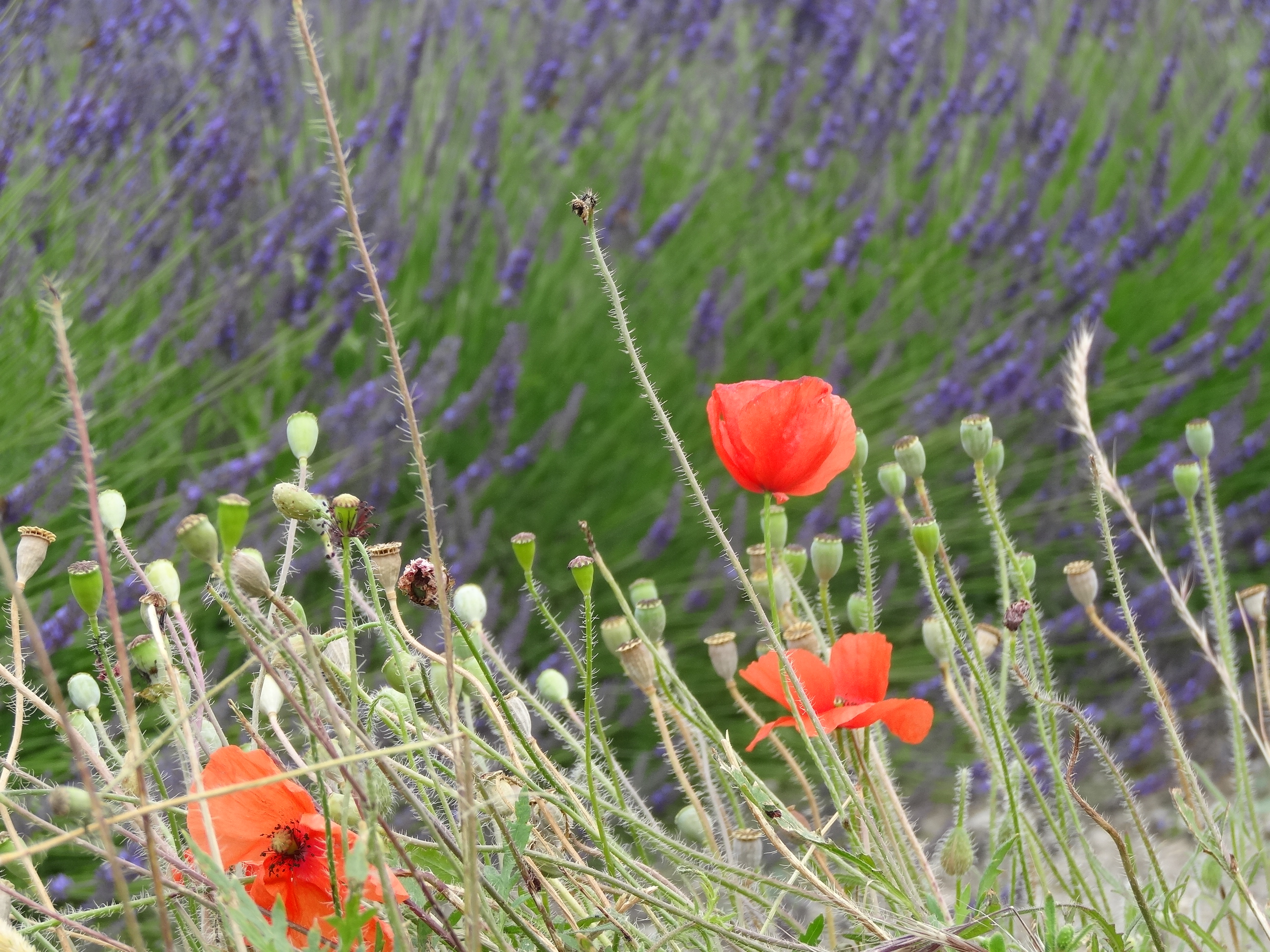
With only a camera to hand, Dominik and I met our own inspiration through the medium of photography, taking hundreds of photos of the flowers, the lavender, the old monastery and the surrounding landscapes, strolling around the gardens, mesmerized by the scent of flowers, and the low murmuring of hundreds of bees buzzing around the lavender bushes. This was true Provence – the true stunning countryside that the guidebooks had all promised.

Eventually we broke away, not only from the asylum, but also from our Van Gogh trail, for what we found just down the road from Saint Paul was an entirely unexpected, quite stunning historical treat – a find of such exciting archeological proportions that I’m going to devote an entire post to it! For that – see you tomorrow. And in the meantime, I leave you with the lavender, the poppies, the olive trees and the sunflowers that so inspired Van Gogh, and now me in equal measure.

Provence at its finest…
DSC03344 DSC03431 DSC03310 DSC03451 DSC03468 DSC03367 DSC03354 DSC03401 DSC03488

A demain.

All photos and written content are strictly the copyright of Nicholas de Lacy-Brown © 2013 and The Daily Norm. All rights are reserved. Unauthorized use and/or duplication of the material, whether written work, photography or artwork, included within The Daily Norm without express and written permission from The Daily Norm’s author and/or owner is strictly prohibited. 

 

Provence Odyssey | Avignon to Arles: Day 3 – From Popes to Emperors

When I was considering an itinerary for our Provence tour this summer, it felt a bit like closing my eyes and pinning a pin on the donkey. With so much beauty ripe for exploration, where on earth would we go? One of the first factors was transport – not wanting to incur the costs of hiring a car, nor least the fear factor of driving on the opposite side of the road, we had to be in places that were public transport accessible. And given that we were taking the Eurostar down from London, Avignon – the first Provence stop on the high-speed line – seemed like a very good place to start. But beyond that, the rolling purple hills of Provence were very much our oyster, so to speak. So following my great passion for art, I decided to plan our itinerary following something of an art historical theme, taking the trail from Arles, which today has become synonymous with both Van Gogh and Picasso (who loved the bullfighting there while in exile from his beloved Spain), and onto Saint Remy de Provence – where Van Gogh self-admitted into an asylum, and finally ending up at Aix-en-Provence, the city of Cezanne, and this year a key player in the Marseille-Provence European City of Culture festivities.

Starting off a new day

Starting off a new day

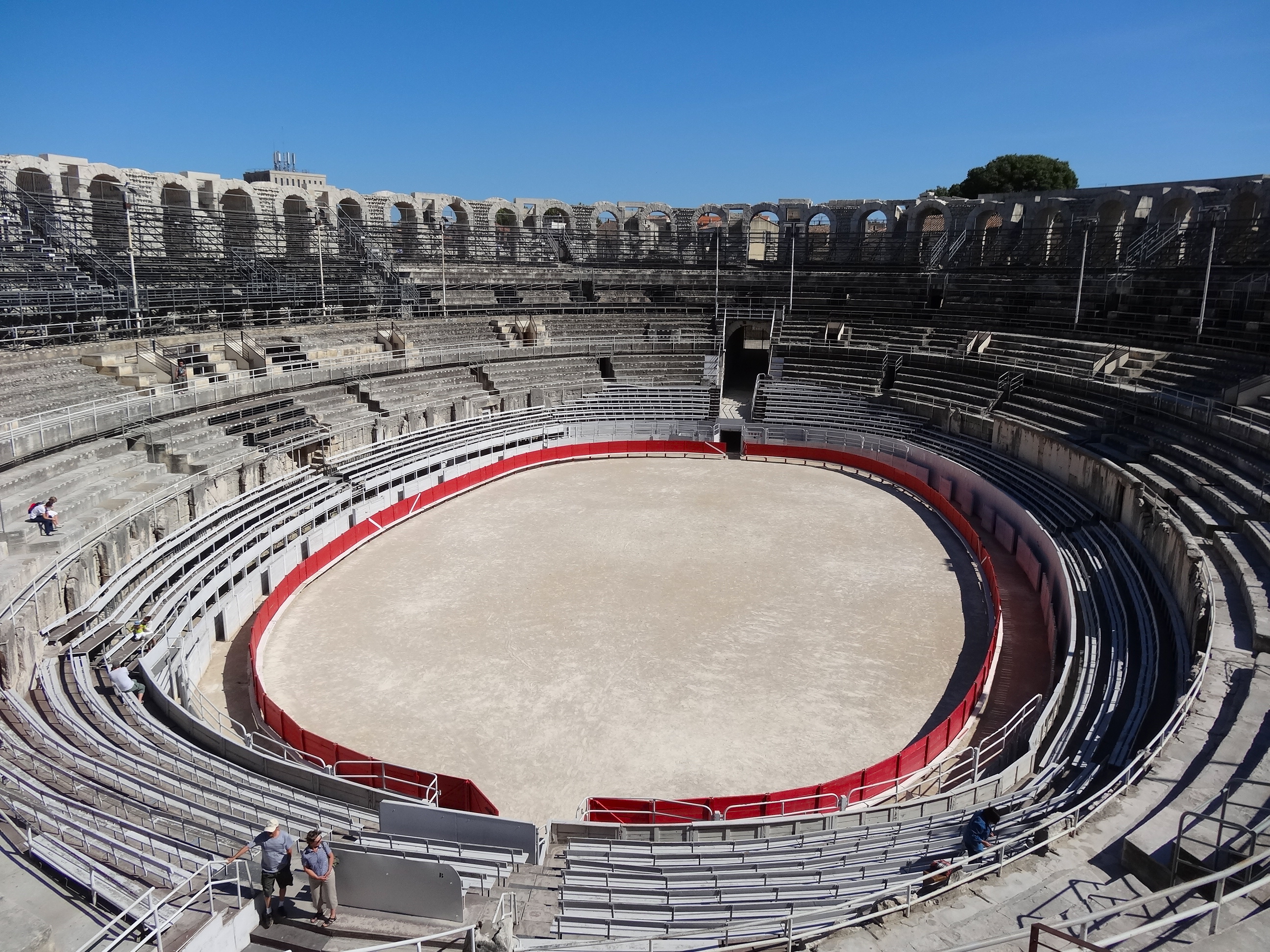
So today it was onto Arles, the city famous for being the location of so many of Van Gogh’s paintings, from his Yellow House and Night over Arles, to his iconic sunflowers, and for generally being the reason why his paintings metamorphosed so markedly from the dull browns of Holland to the bright vivid colours of Provence. But it’s a city famous too for its Roman heritage – the great Roman amphitheatre standing at its heart is one of the best preserved amphitheatres from Roman times, and has literally dictated the shape of the town, whose streets wind so perceptively around it. But before we wind back the clock from medieval Avignon to Roman Arles, let me take a moment to bid a farewell to Avignon, whose charming ancient streets bore further fruit on this morning of our departure – a few hours further to explore this surprising city before our 20 minute train journey south to Arles departed at 2pm.

DSC02331 DSC02374 DSC02371 DSC02341 DSC02362 DSC02349 DSC02346

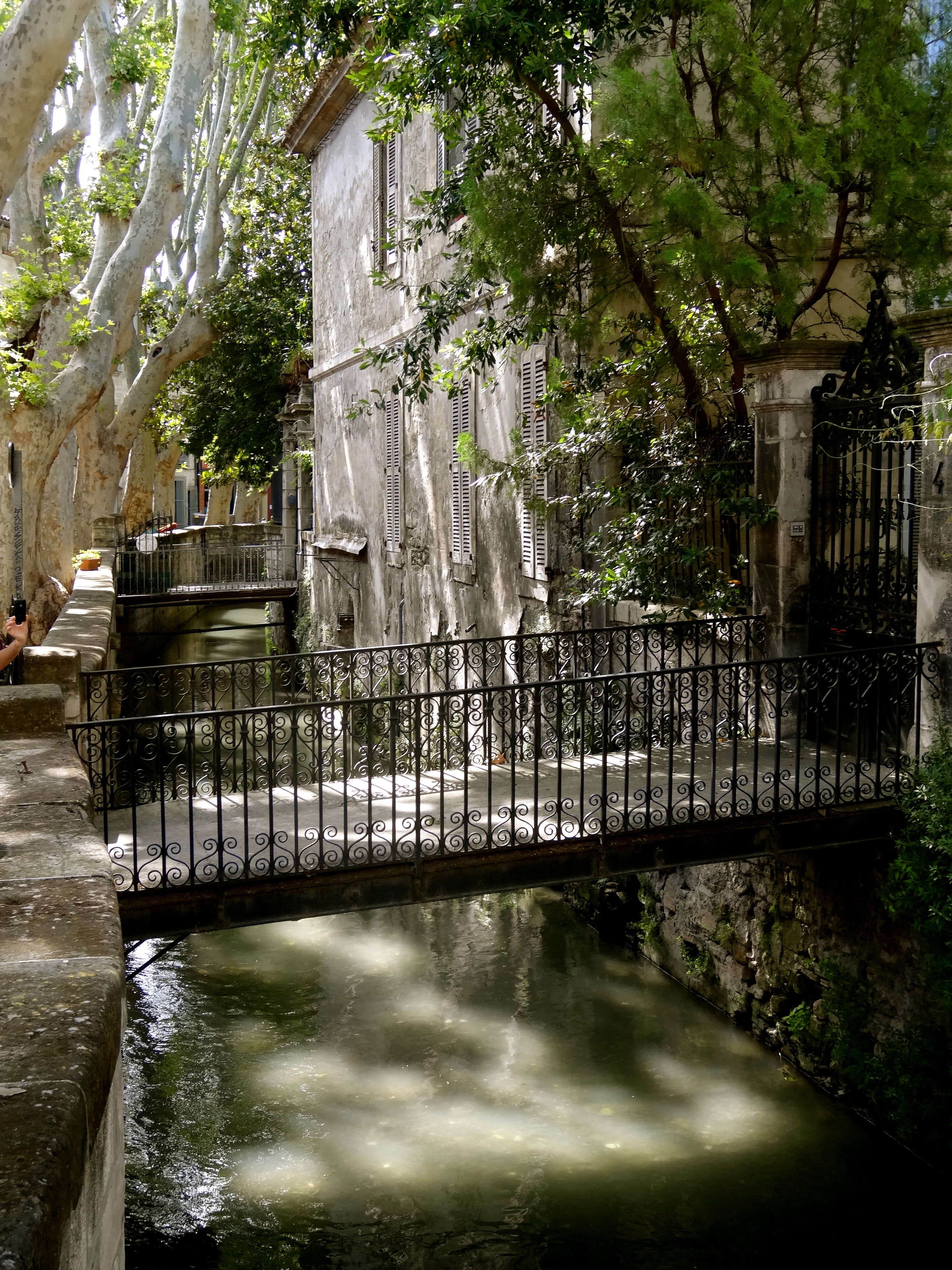
Indeed, before parting with Avignon, further treats were indeed in store. For a day which started off with a deliciously simple, vividly colourful and dangerously buttery breakfast at another typical local bar continued with similar sensual ravishment, as we walked out towards the city’s old dyers district, where the tiny River Sorgue emerges from underground and runs alongside the Rue des Teinturiers reminiscent of a dutch canal. In the glinting sunshine, this street was charm in urban form, providing the perfect platform for a laid back and tranquil walk along the very manifestation of the old historical city itself.

DSC02429 DSC02428

But just as the River Sorgue pours outwards into the wider dominant Rhône, so too did we head to that same main artery of the city, bidding adieu to this city by crossing the river on a bridge that is, mercifully, in one piece, in order to capture the best vantage point of Avignon, which of course had to include the Papal Palace and the famous broken Pont d’Avignon. Photographs collated, and luggage picked up, we headed to the city of Arles, back a few centuries to the time when the Roman Empire extended its special brand of classical civilisation to what was then savage Gaul, and developed towns such as Arles into little gems glinting on the far reaches of the empire.

IMG_2629 DSC02536 DSC02545 DSC02582 DSC02555 DSC02543 DSC03098

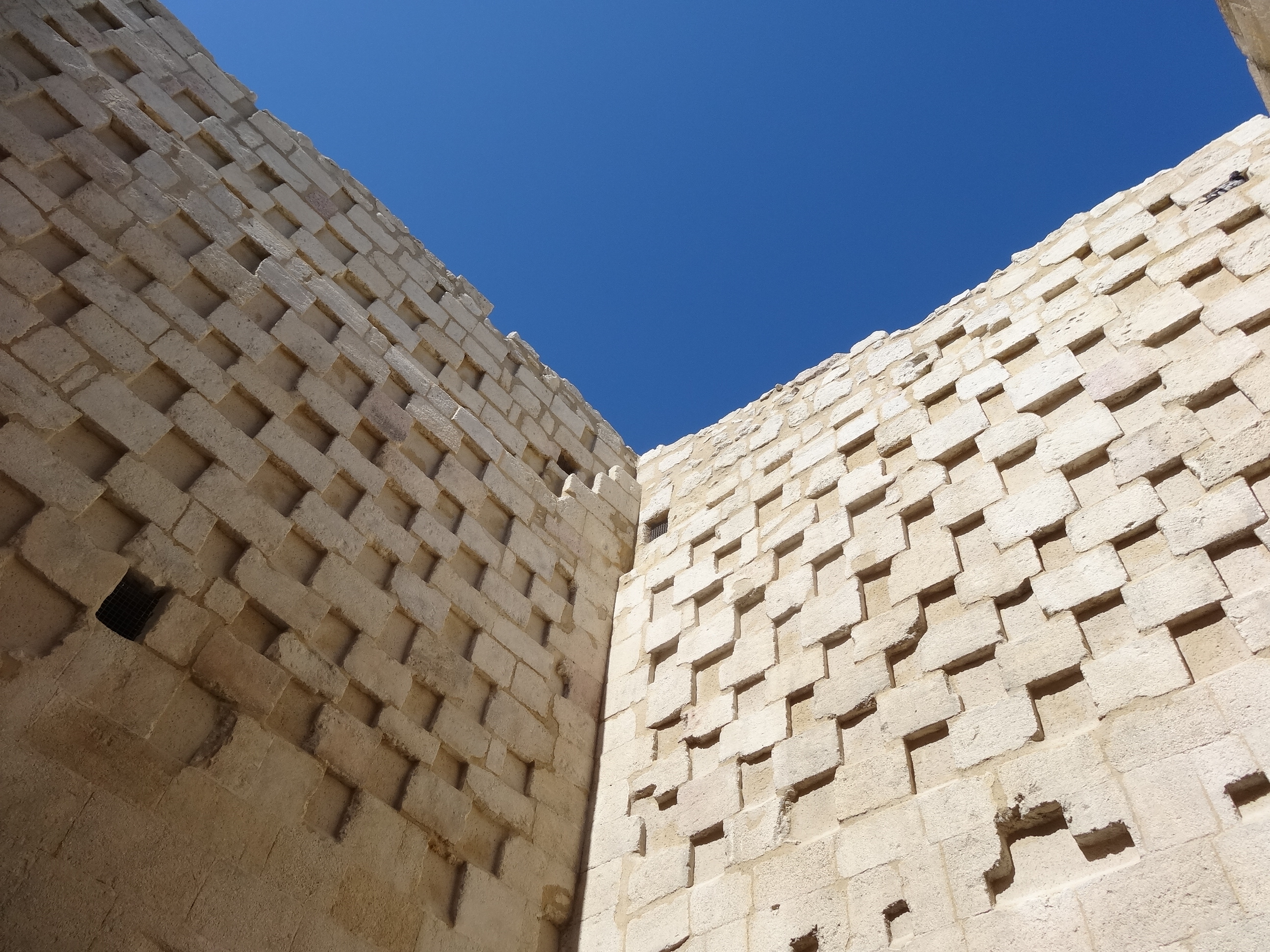
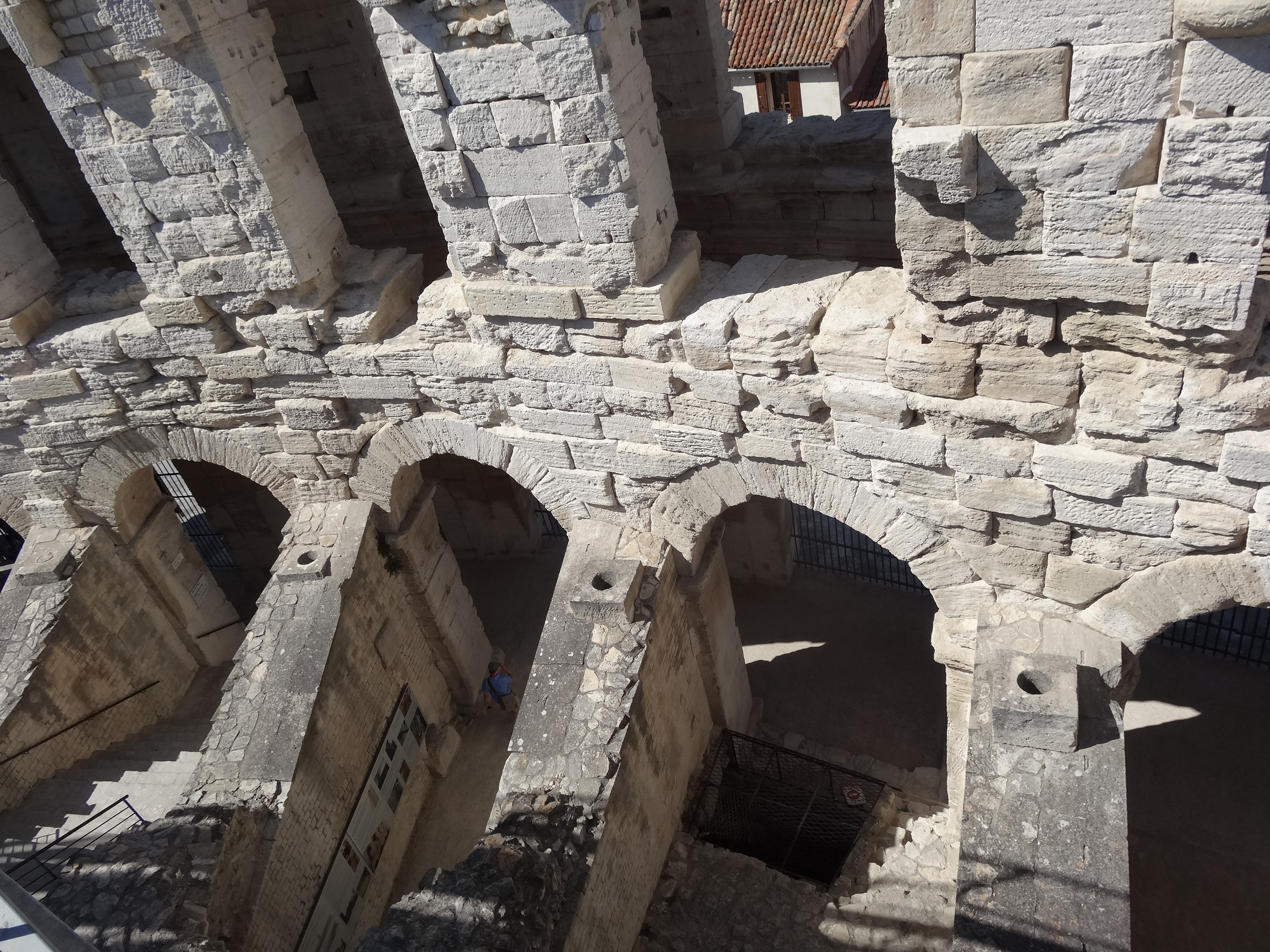
Just as all roads are supposed to lead to Rome, so too do the narrow maze-like streets of Arles descend upon the imposing form of this almost perfectly intact amphitheatre, and it was to this great monument that our paths inevitably led within hours of our arrival in the city. Into the great monument we went, which in stark contrast to Rome’s iconic amphitheatre, is very much in use for bull fights and other theatrical festivities, so consequently what we were viewing was an auditorium in the round, set up with a floating metal seating structure, away from the now ancient and only partially constituted former seating of the original stadium. Like any amphitheatre, the building doesn’t differentiate much from one arch way to another, but walking around the great 360 degree structure was attraction enough to enable us to appreciate the magnificence of this surviving structure, and revel in this modern day connection back to our ancient past.

C'est Moi - at the Amphitheatre

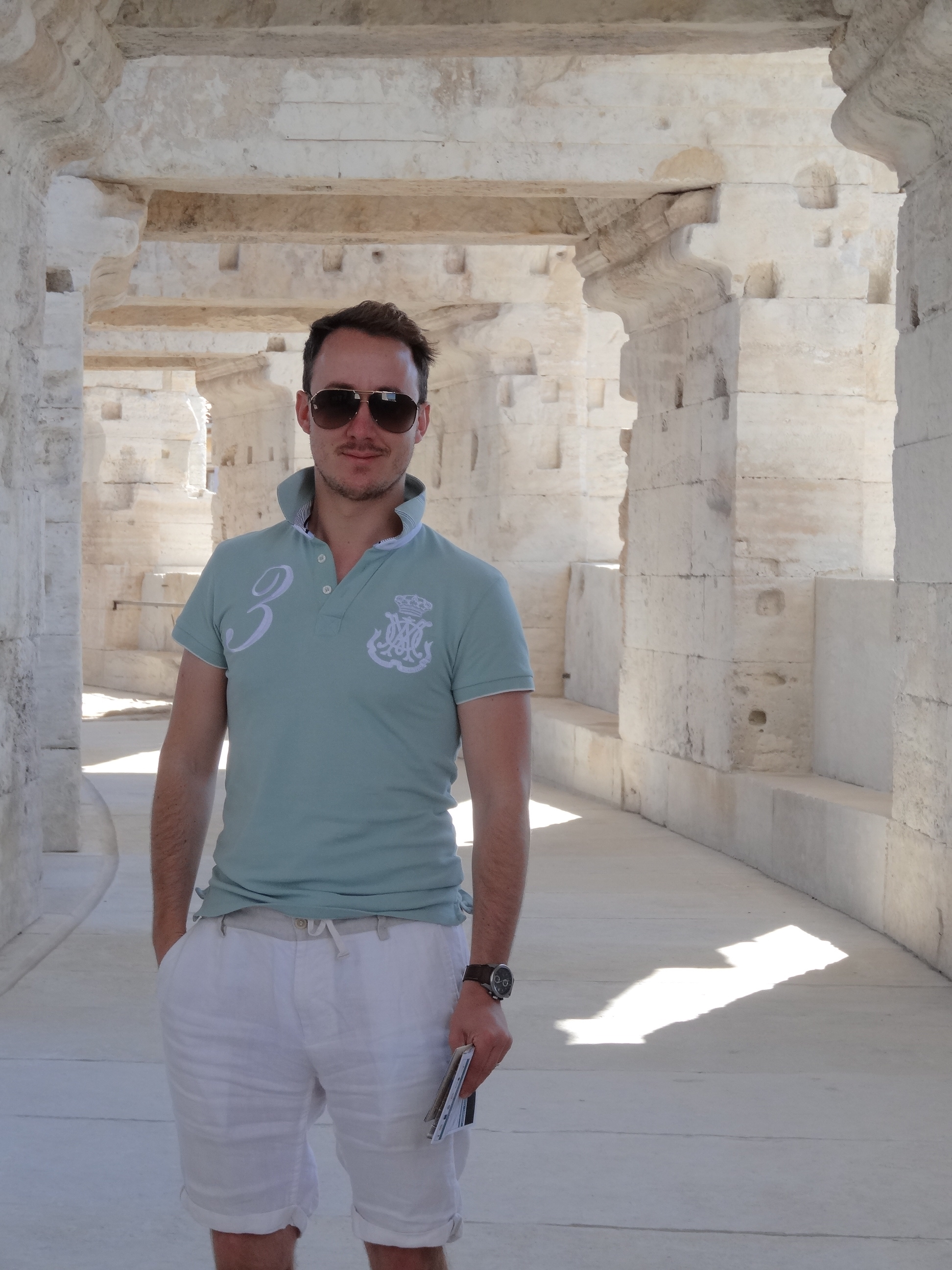
C’est Moi – at the Amphitheatre

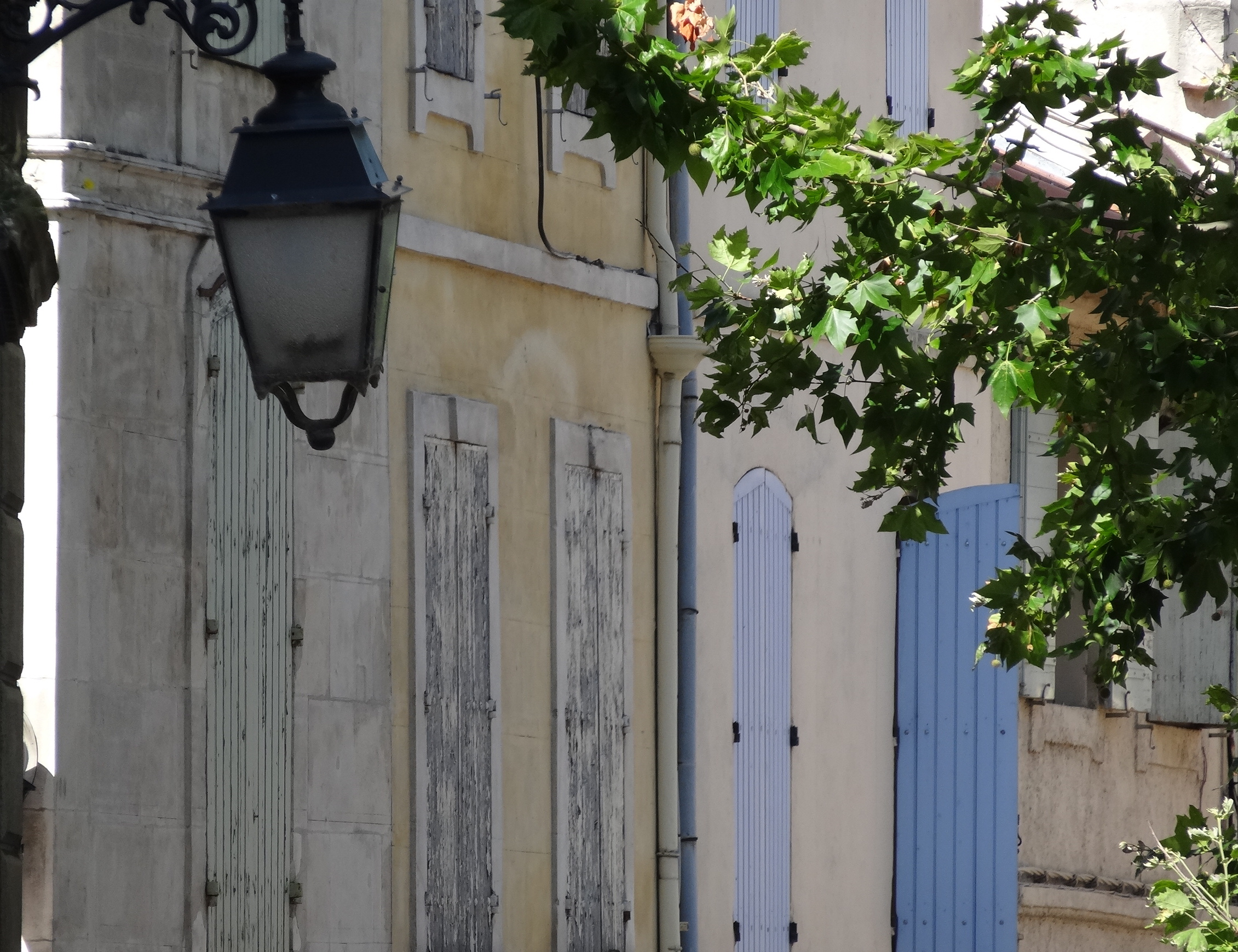
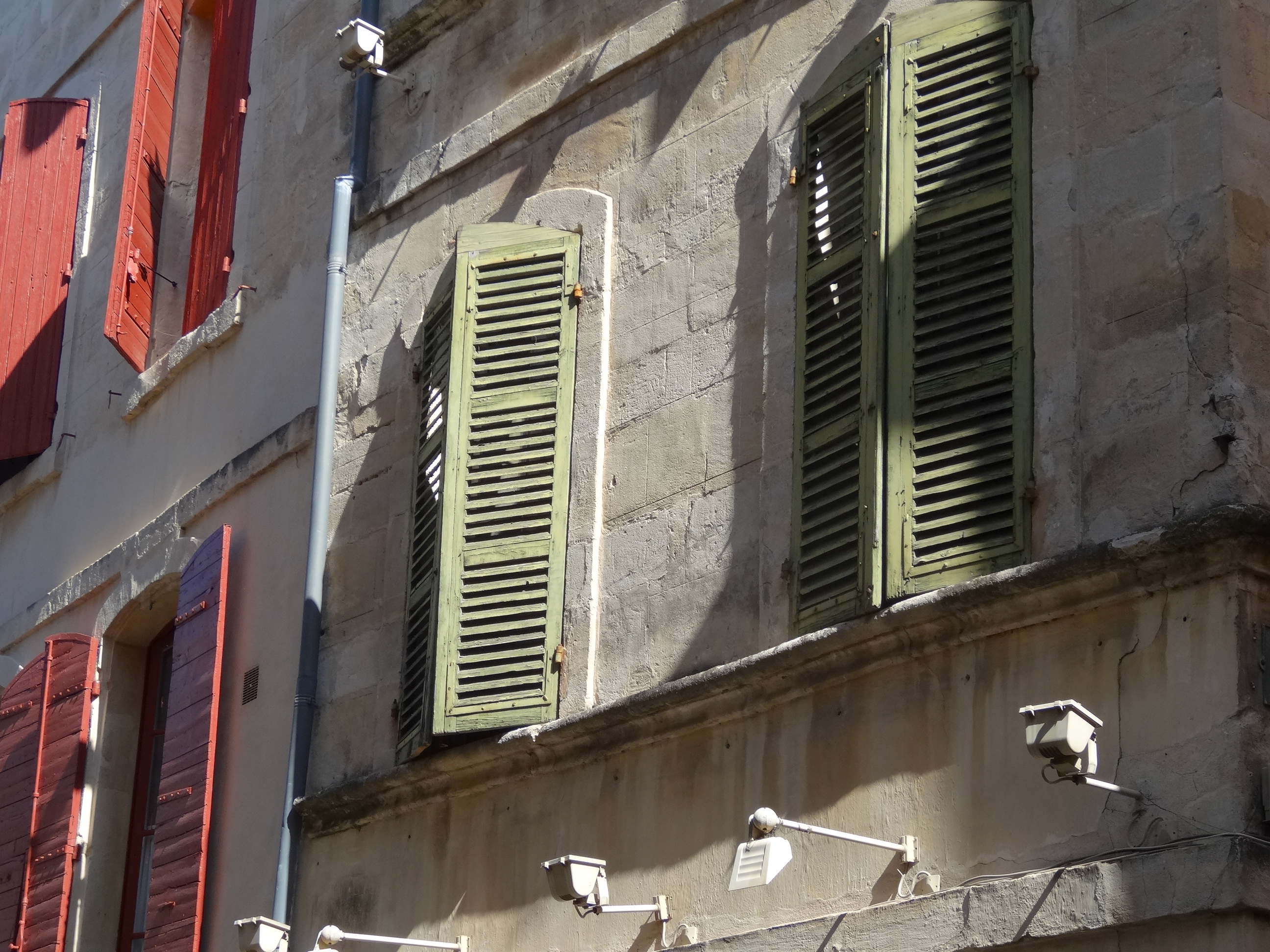
Having had our fill of Arles’ beating heart, we could do little else but take in the inherent character and charm of this city, whose houses are similarly shuttered like those in Avignon, but somehow more colourful and often more decorative. Arles lacks the great impactful squares which Avignon boasts, but that is because here, a city has very clearly developed around history, rather than making history in its own construction as in Avignon. The result is a maze-like development, which is not always straightforward to explore, but getting lost in these charming narrow streets is half the fun of the adventure. And ripe for adventure this city surely is, a venture now begun in this second leg of our Provence Odyssey.

DSC03051 DSC02719 DSC02762 DSC02896 DSC02709

More from Arles, coming soon.

All photos and written content are strictly the copyright of Nicholas de Lacy-Brown © 2013 and The Daily Norm. All rights are reserved. Unauthorized use and/or duplication of the material, whether written work, photography or artwork, included within The Daily Norm without express and written permission from The Daily Norm’s author and/or owner is strictly prohibited. 

Provence Odyssey | Avignon: Les Photos

I am almost at an end of the first leg of my Provençal adventure, and tomorrow we will move on to Arles. So the time has almost certainly come to throw a whole load of my most treasured photographs at you.

Provence, unexpectedly, provided a ceaseless flurry of inspiration from our first moments on French soil, from the perfumed lavender bushes swaying gently in the breeze of the Rhône, and the buildings beset by detailed grand facades and wooden painted shutters aplenty, to the vast Papal Palace and the robust medieval walls which give Avignon its historical character.

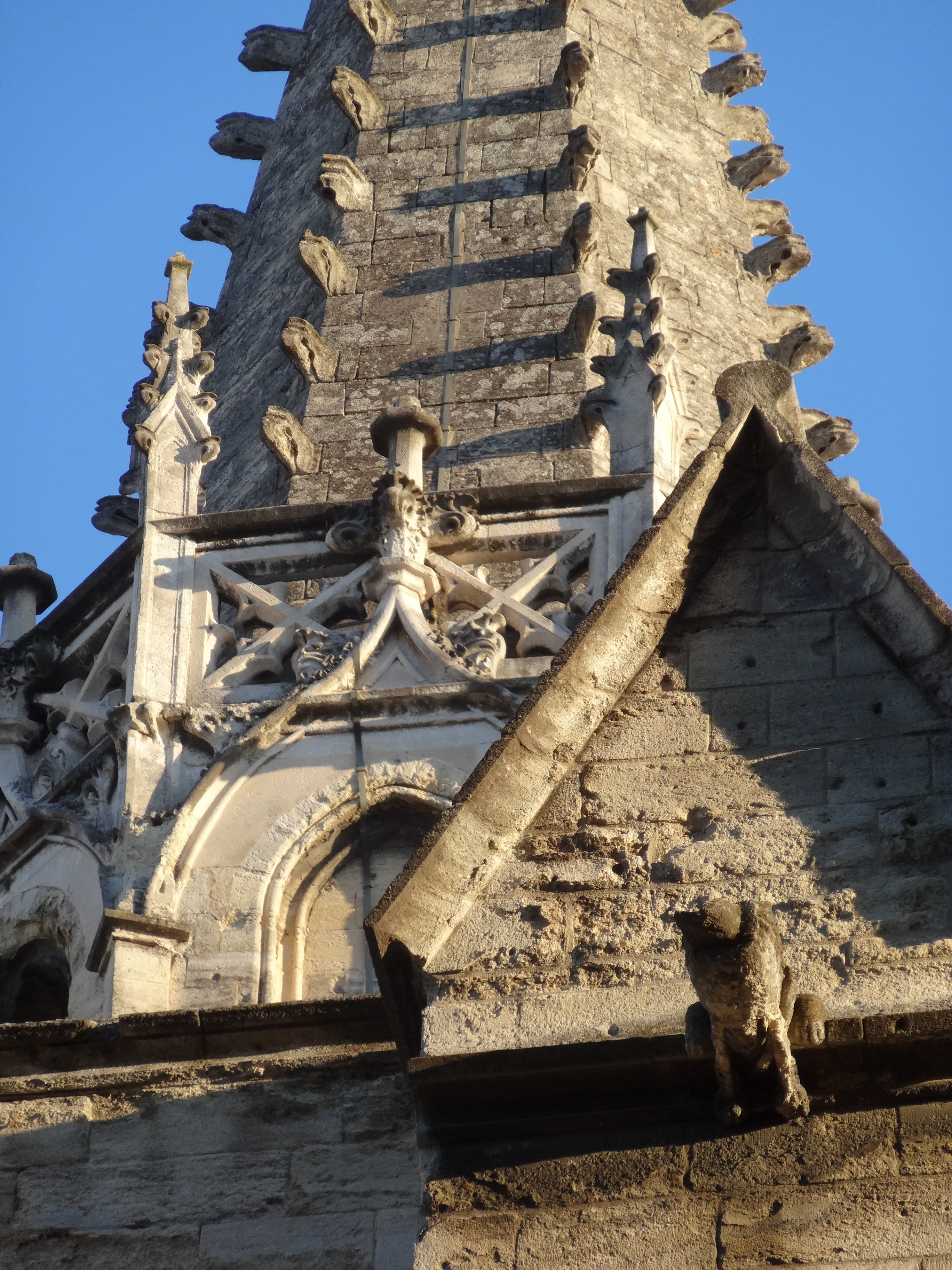
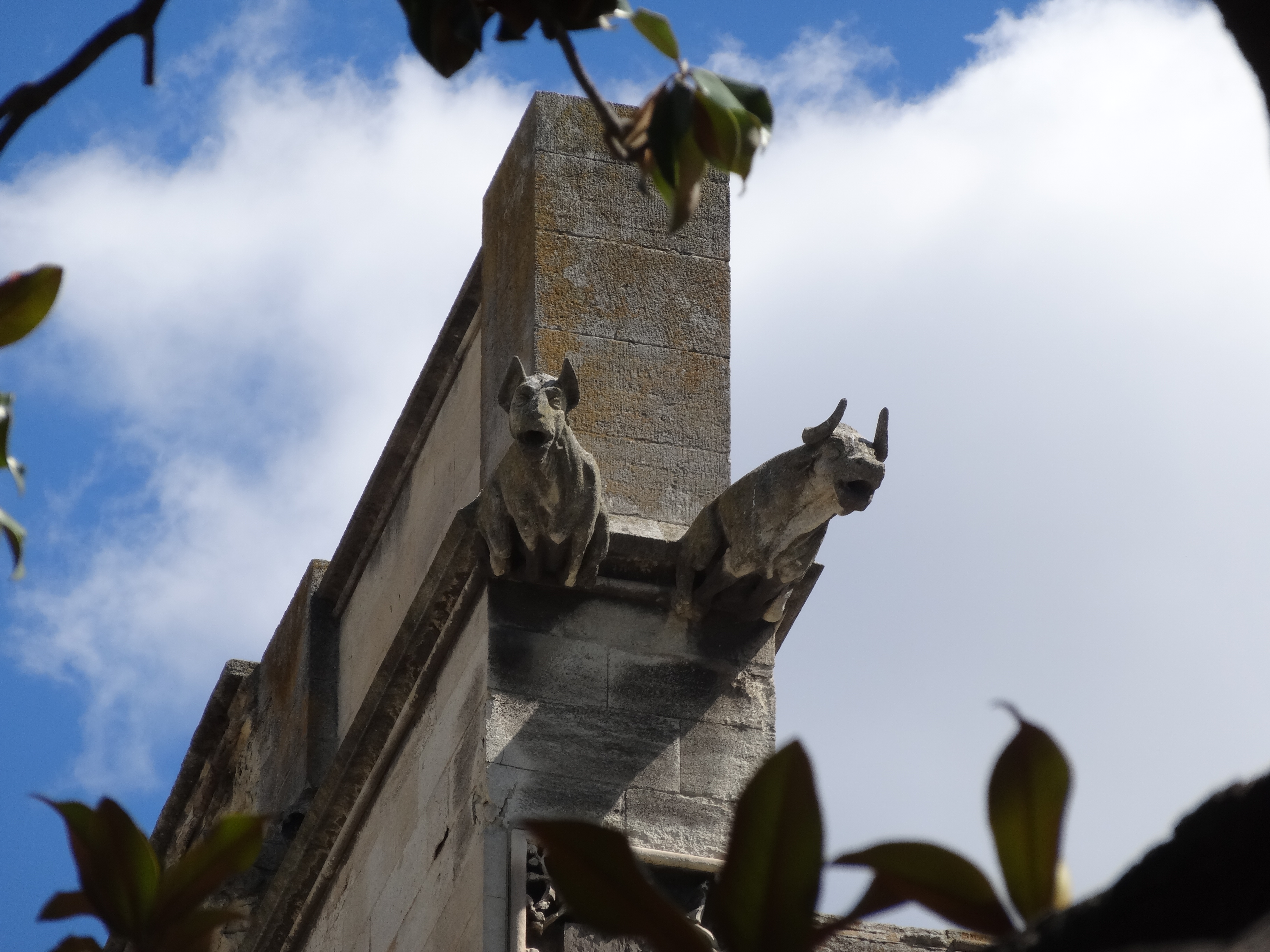
DSC01910 DSC02075 DSC01862 DSC02063DSC01904 DSC02069I hope you enjoy these shots, which focus on various details which caught by eye around the city, both features which are testament to Avignon’s iconic facade, but also concentrate on the daily life of a bustling city: the cafes, the children playing, the big wheel and the small hidden gargoyles.

See you in Arles!

All photos and written content are strictly the copyright of Nicholas de Lacy-Brown © 2013 and The Daily Norm. All rights are reserved. Unauthorized use and/or duplication of the material, whether written work, photography or artwork, included within The Daily Norm without express and written permission from The Daily Norm’s author and/or owner is strictly prohibited. Excerpts and links may be used, provided that full and clear credit is given to Nicholas de Lacy-Brown and The Daily Norm with appropriate and specific direction to the original content.
Provence Odyssey | Avignon: Le Dîner – Coin Caché

Finding a good restaurant when you have no reservation is almost always a matter of luck. All too often, the temptation of every tourist is to dine at one of the very visible, very central tourist-based restaurants of a town, rather than risk wandering off into the great unknown and finding yourself walking, endlessly for hours until a restaurant is eventually found. However I learnt my lesson the hard way in Madrid when, one spring evening, clueless where to eat and with time ticking on, my family and I opted for one of the many restaurants which line the Plaza Mayor, Madrid’s main square. And my god, some two years after the event, that meal remains the worst of my existence – lamb so chargrilled that it was all bones and ashes, fish so hopelessly dry that it bore more resemblance to a sun-dried lizard corpse which had been rotting in the desert heat for 5 months. And the prices! Now they were worthy of one if not two Michelin stars just on their own, running well into three figures for eating brick dust.

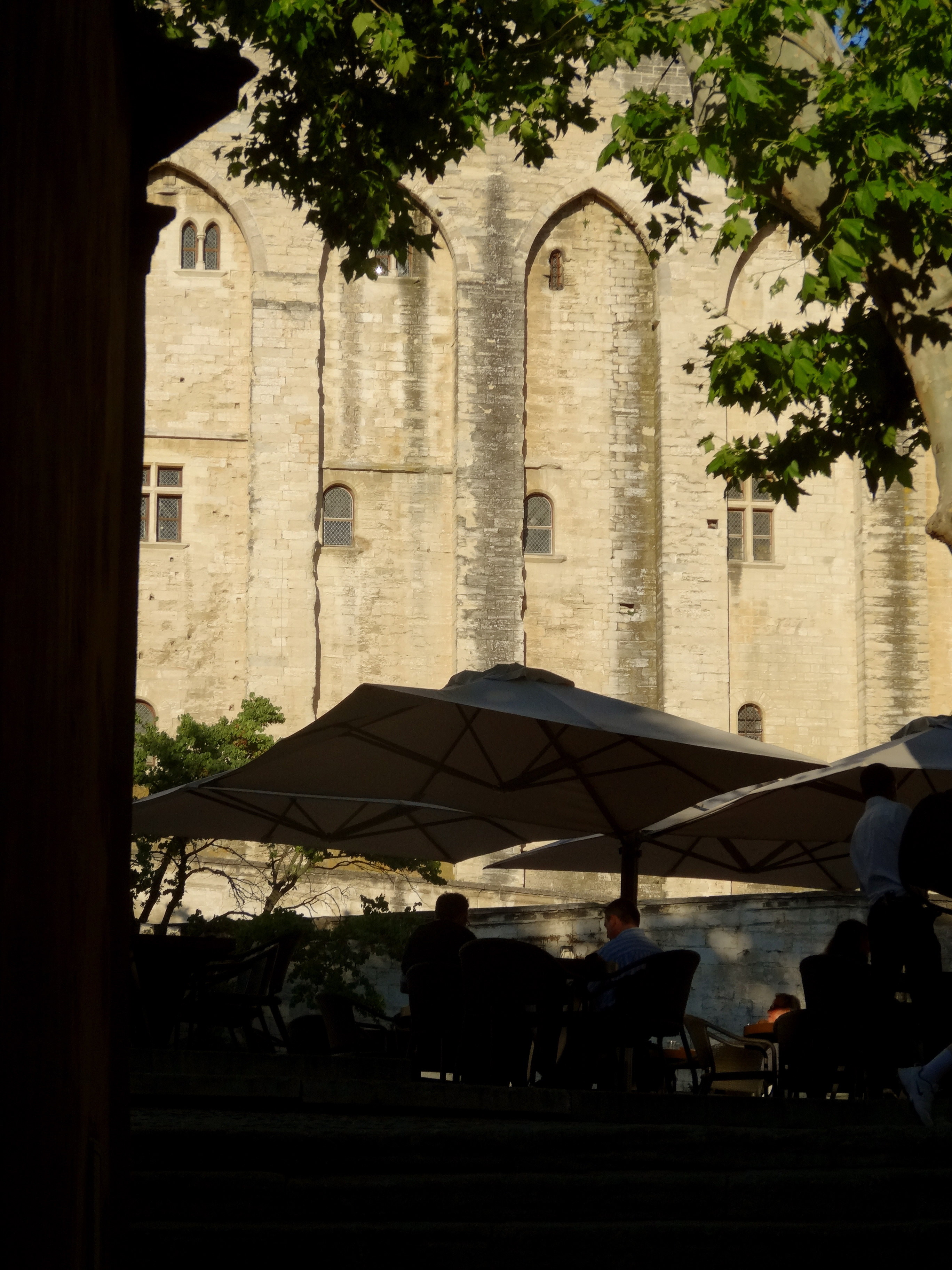
On the approach to the squares behind the vast Papal Palace…

DSC02268 DSC02269

So that lesson learnt (and my tip to any Madrid visitor would be to avoid all of the Plaza Mayor restaurants at any cost!) I ensured that on our second night in Avignon, we walked further afield than the main Place de l’Horloge where similar tourist honey-pots seemed to be lurking. We walked for some time, finding that, since it was Sunday, many a guide-book recommended restaurant was closed, and just as we were starting to give into the realisation that it would be tourist-fodder or no-fodder, we stumbled upon the most magical square in Avignon – the Place des Chataignes.

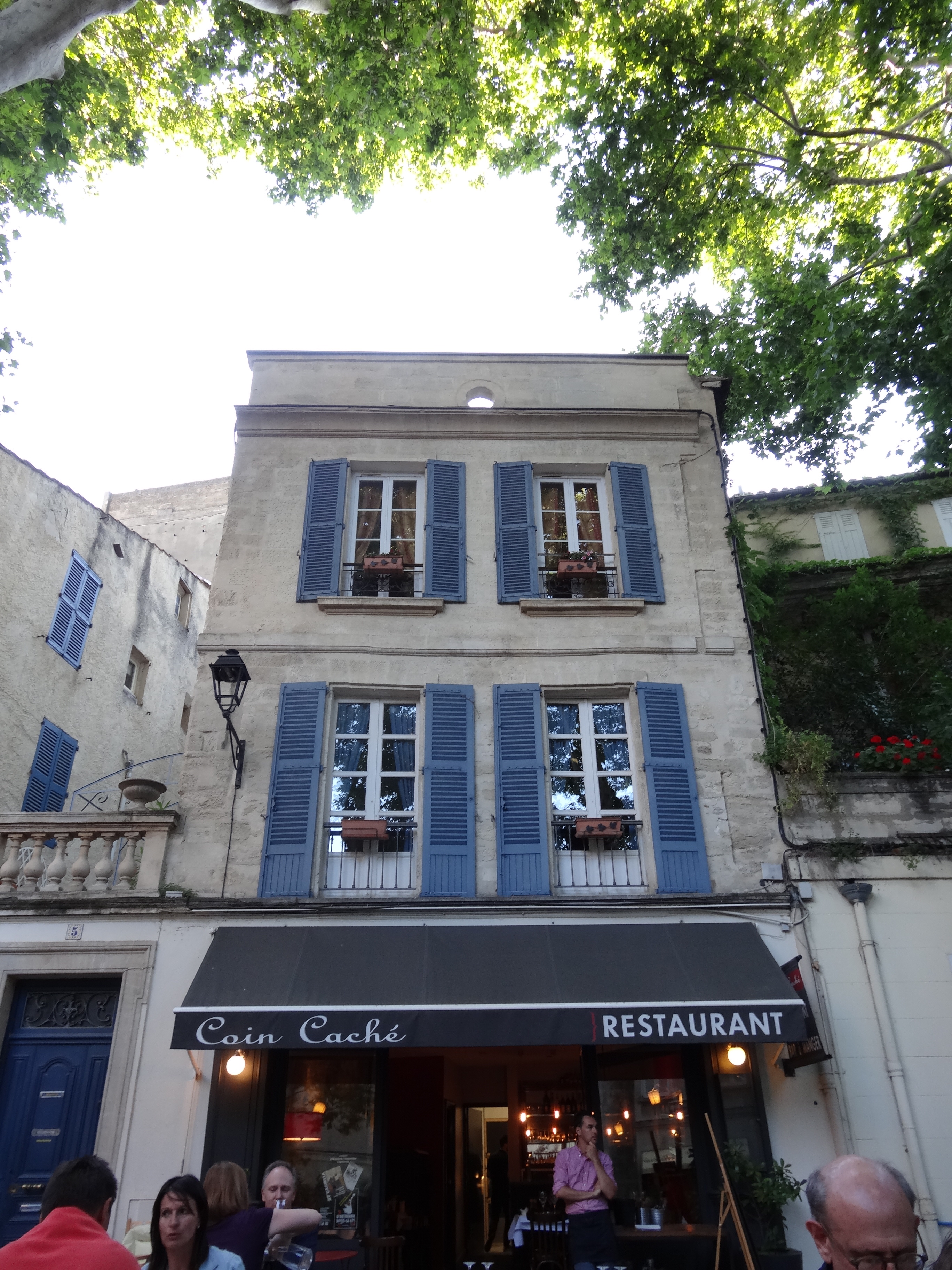
Set against the backdrop of St Pierre’s gothic church, around the corner from the huge natural rock cliffs into which the Papal Palace is built, under the cosy shelter of huge plane trees and surrounded by little shuttered French houses and restaurants straight out of the picture-books, this square was a gem to behold, and had to be the discovery of the trip thus far. And yes, while the 3 or 4 restaurants filling the square no doubt catered for tourists, their superior quality was obvious – with one rather chic affair in particular catching our eye and beckoning us closer: Coin Caché.

IMG_2597 DSC02279 DSC02272

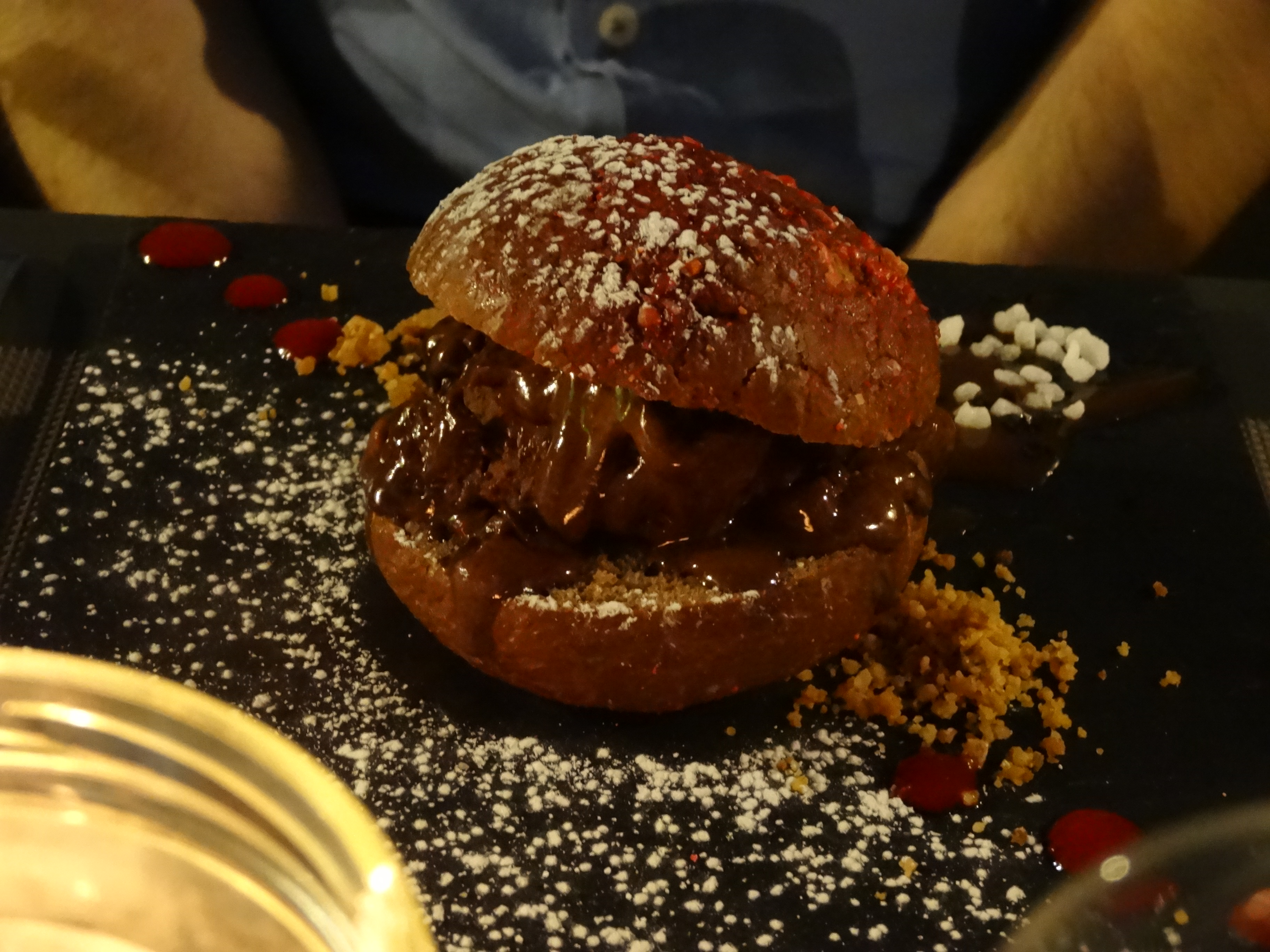
Coin Caché offers something of a contemporary twist on French cuisine, serving up innovative treats such as chocolate hamburgers for dessert and miniature cauliflower cakes to start. It benefited from a stunning setting right in the centre of the square, and boasted its own resident fluff-ball of a cat – “Pom-Pom” – who kept us entertained with her fussy demands as to why pickings from our dinner were unfit for her sophisticated taste-buds.

Our own sophisticated taste buds on the other hand were kept aptly satisfied by the meal that was served up to our romantic candlelit table. I started with a melt in the mouth goat’s cheese and courgette bake, which was topped by salty cheese a crumble which was sweet like honeycomb. This was all balanced well with a side salad of sundried and fresh sweet baby tomatoes, flaked parmesan and croutons. Dominik, meanwhile, had that cauliflower cake of which I spoke – a creamy light affair, akin to a soufflé and deliciously caramalised on top.

DSC02281

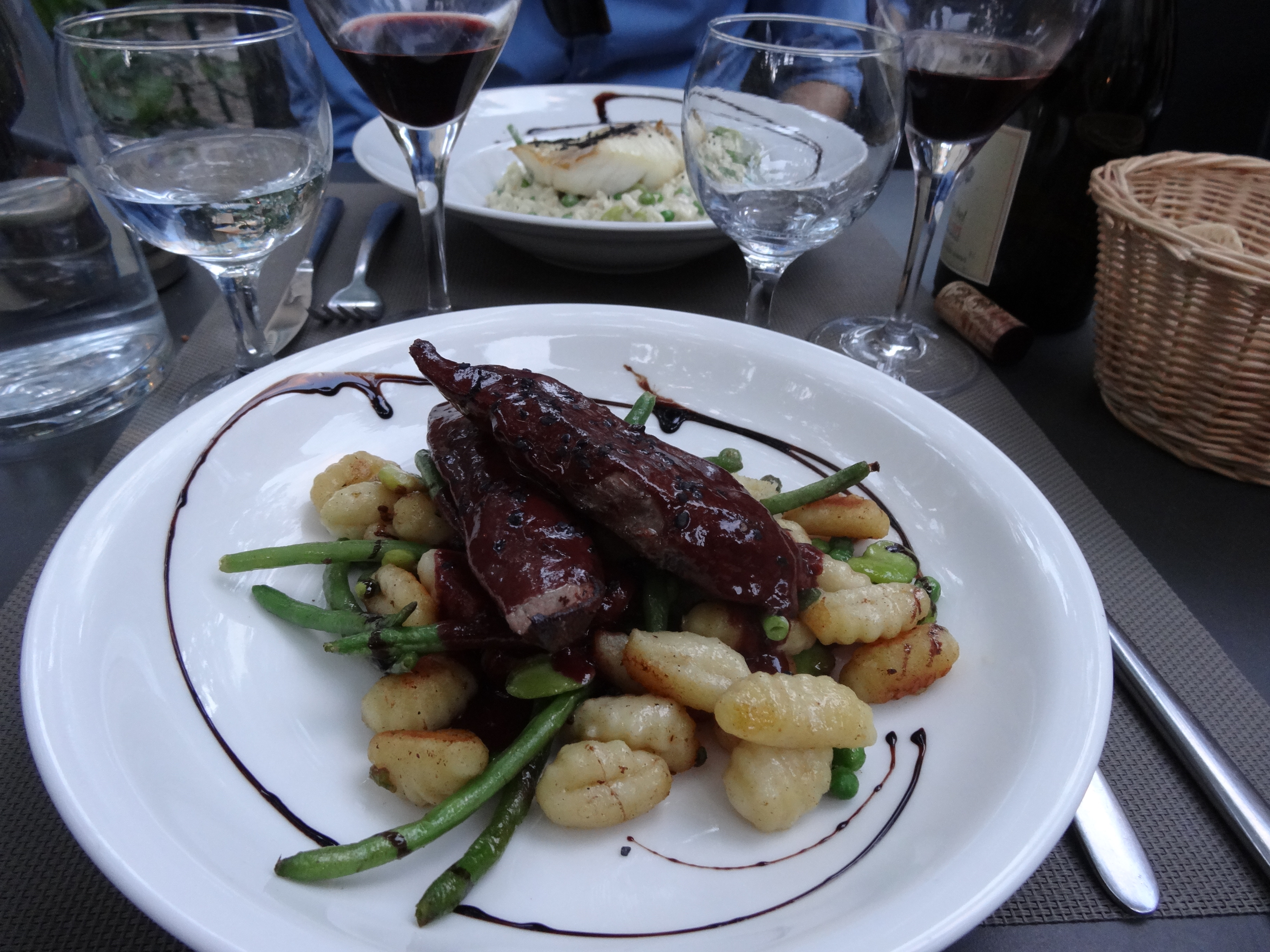
Mains followed suit – for me, a rather sensational duck, perfectly cooked and tender, in a red wine reduction and served on a bed of rather unctuous pan friend gnocci and french beans. For Dominik, the winner of the evening had to be a soft flakey cod loin resting on a creamy rich pea and mint risotto. Simple fare, but delicately cooked. A little too delicate you might say for the accompanying 2000 vintage Chateauneuf du pape to which we treated ourselves that night in celebration of our 4th anniversary… But then as we were in the papal city, we could hardly leave town without a taste of the red stuff. It goes without saying that the wine was sensational – almost knockout in both alcoholic content and rich velvety flavours.

DSC02282

For dessert we were roundly finished off with a double dose of “chocolate hamburgers” which basically consisted of a “bap” made from a soft brioche like biscuit, with a “burger” of dense chocolate mousse and a generous helping of salted caramel “relish”. ‘Twas heavenly. But one would have done four times over – each coping with this overload of chocolate and caramel after a meal not lacking in generosity of portions, creams and cheeses was a struggle, but one which frankly I wouldn’t mind engaging again.

DSC02292 DSC02294 DSC02286 DSC02291

Coin Caché has no website, but their number is +33 490 820 731. A must on any visit to Avignon.

Provence Odyssey | Avignon: Day Two – Le Pont et Les Papes

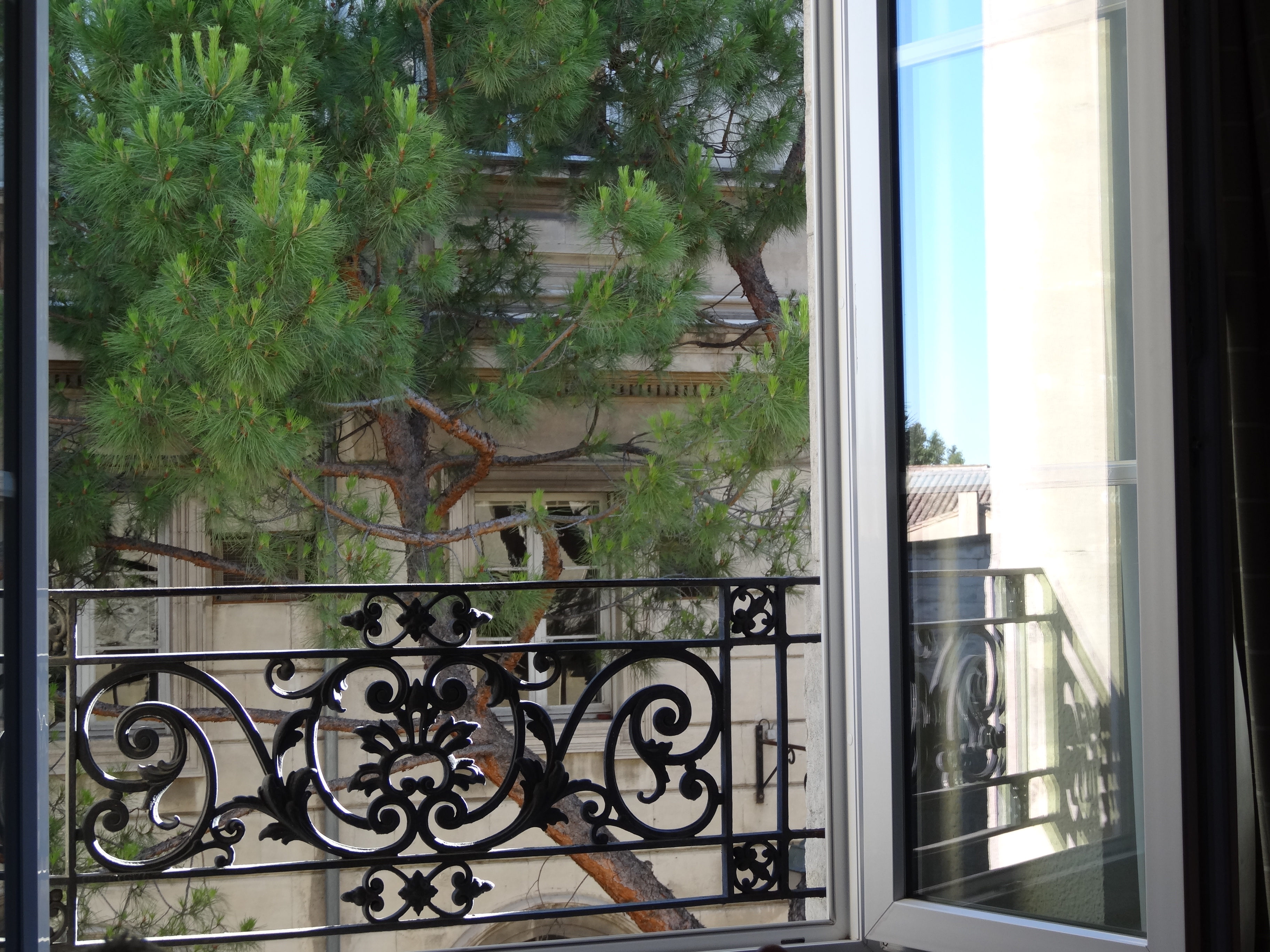
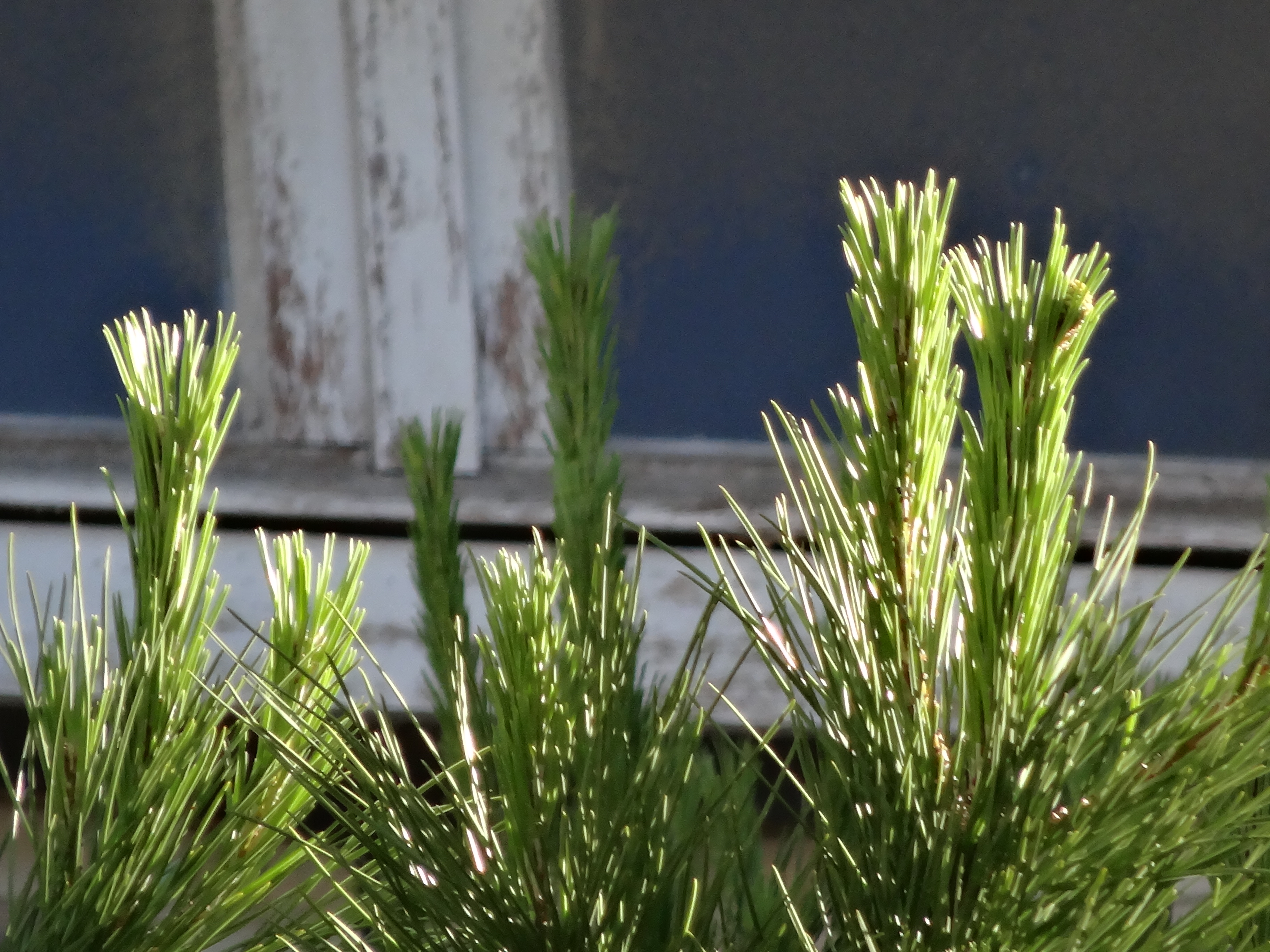
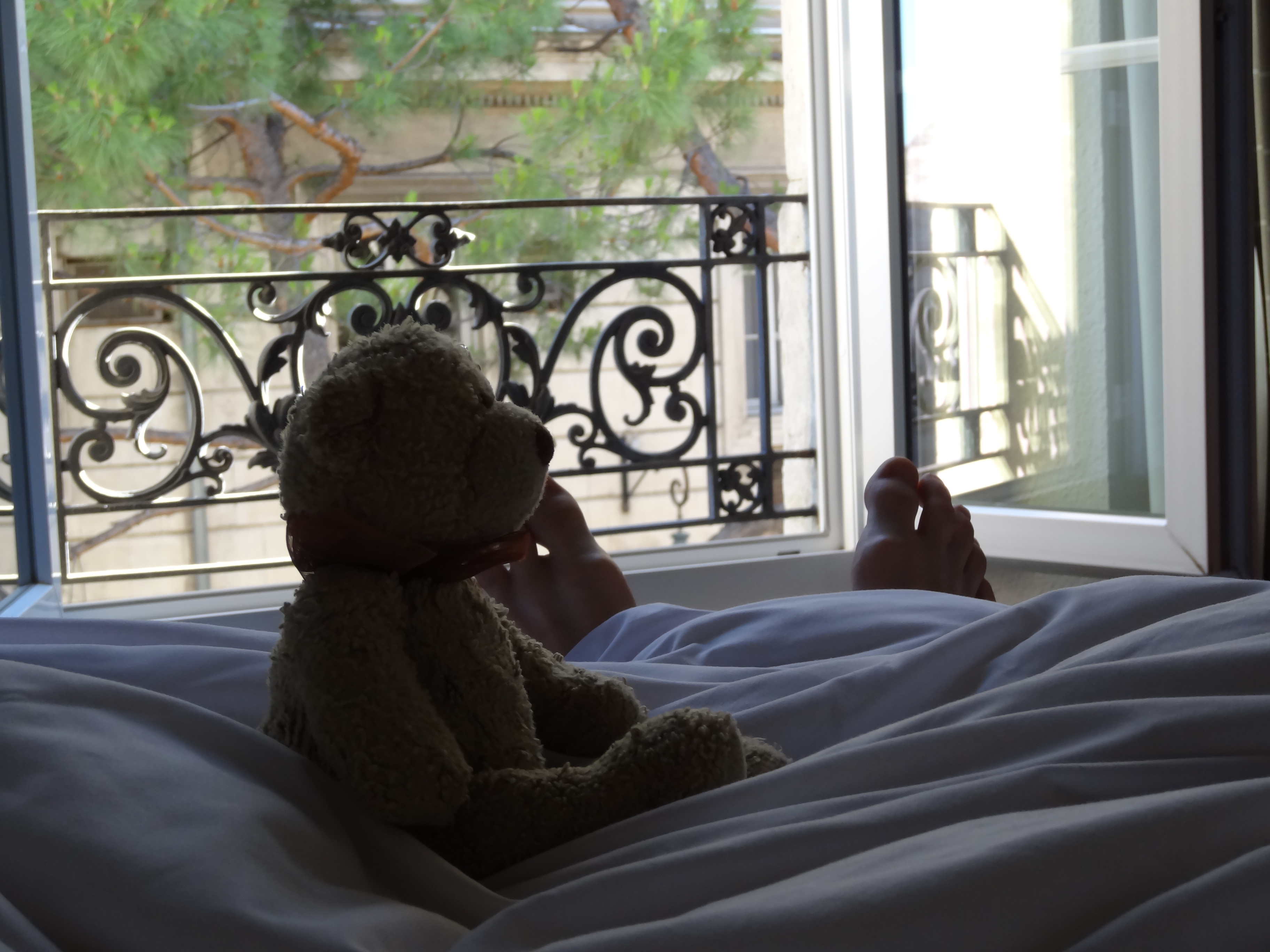
It was one of those mornings which you would like to lock up in an alarm clock to be projected outwards at the start of each day. Awakening to find not the dark groggy skies of an English summer, but the bright blue cerulean sparkle that can only be found in a Mediterranean sky, early sun streaming through the window, broken only by the shadow of a fresh-smelling pine tree standing quite still in the street outside, and the sound of birds and the awakening bustle of nearby cafes filling the air. To this slice of heaven we awoke on our first proper morning in the beautiful city of Avignon in Southern France, an optimism buoyed in the ultimately satisfying knowledge that this was our first full day of a holiday that would extend for another week and a day.

DSC02043 DSC02047 DSC02042 DSC02060

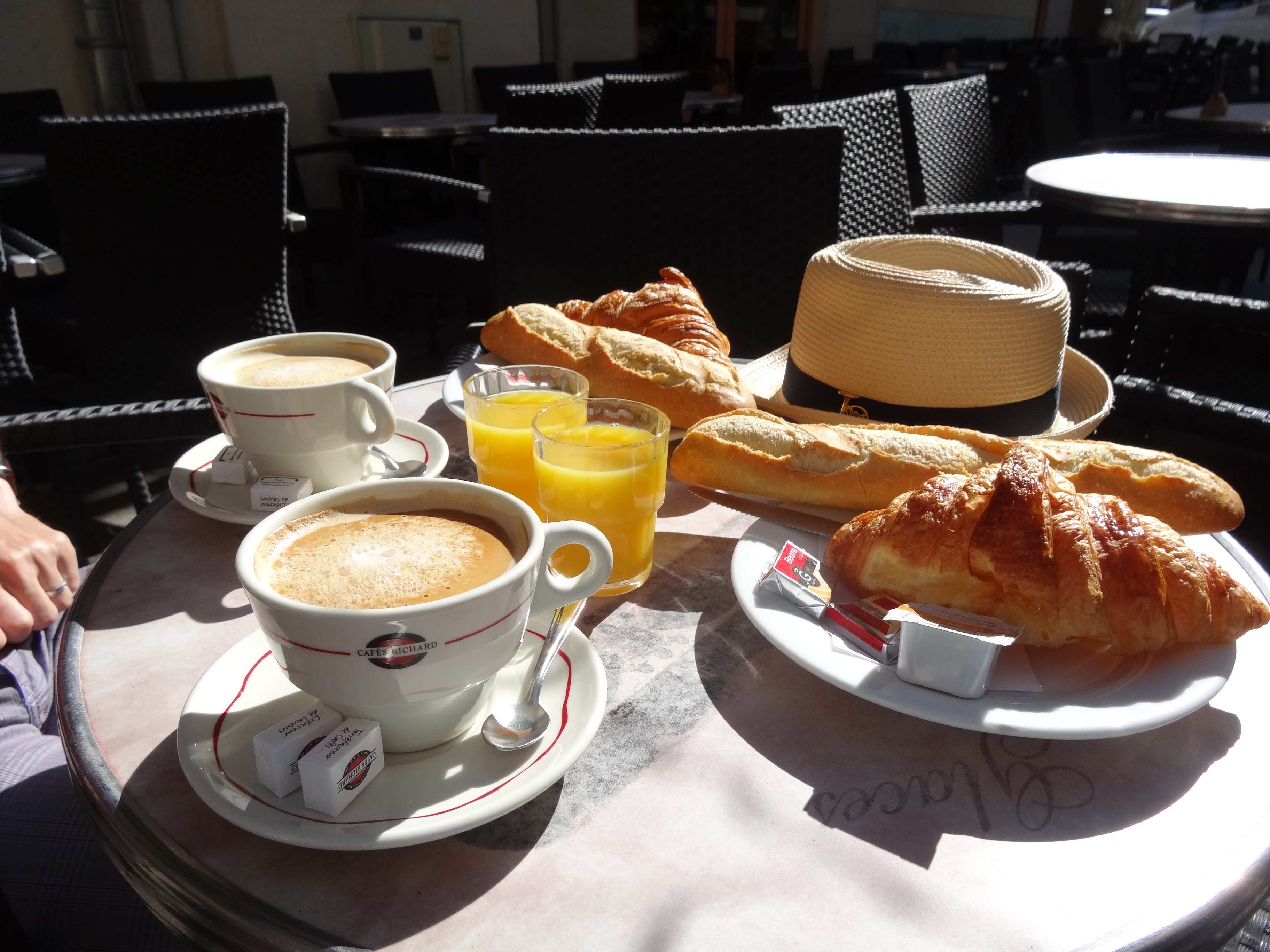
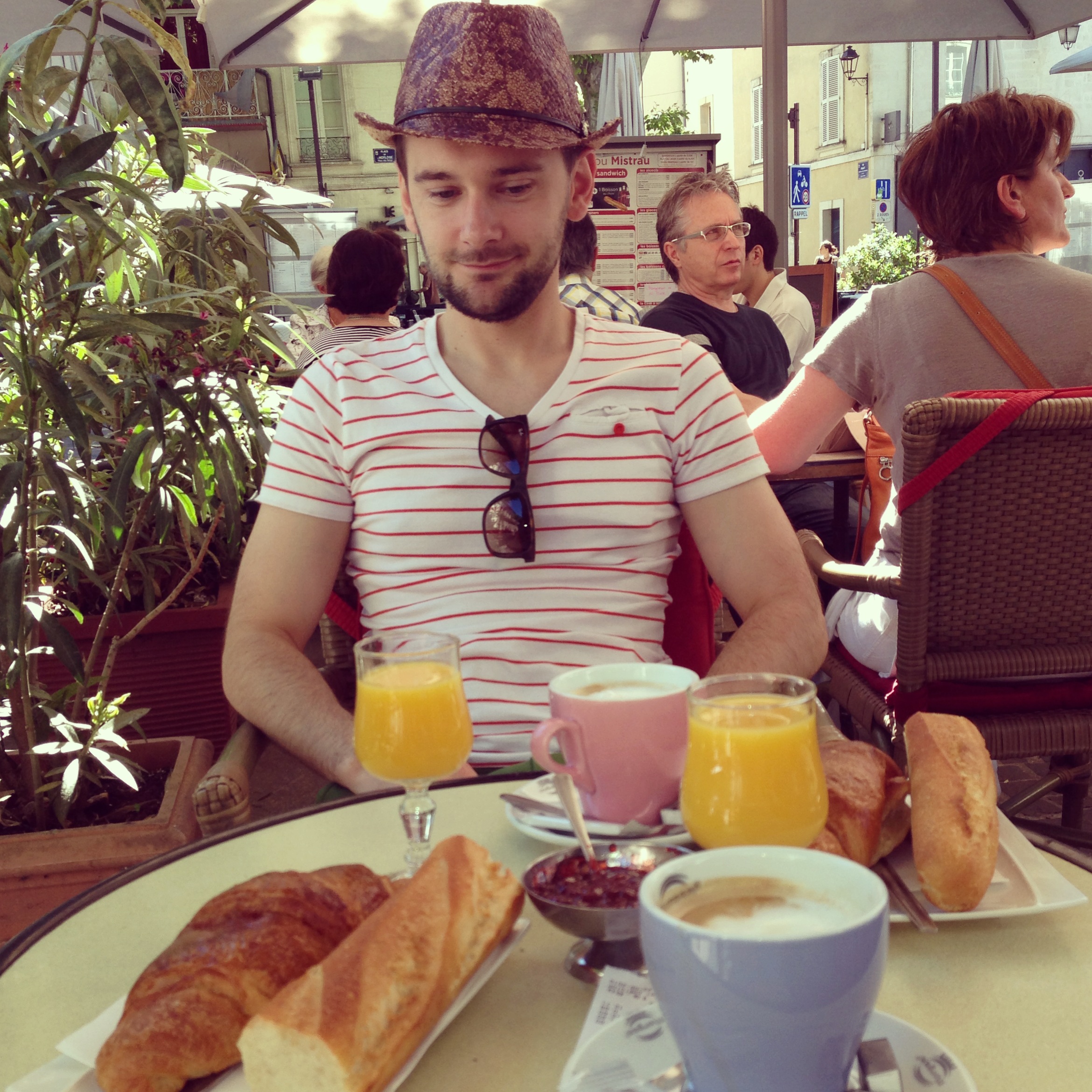
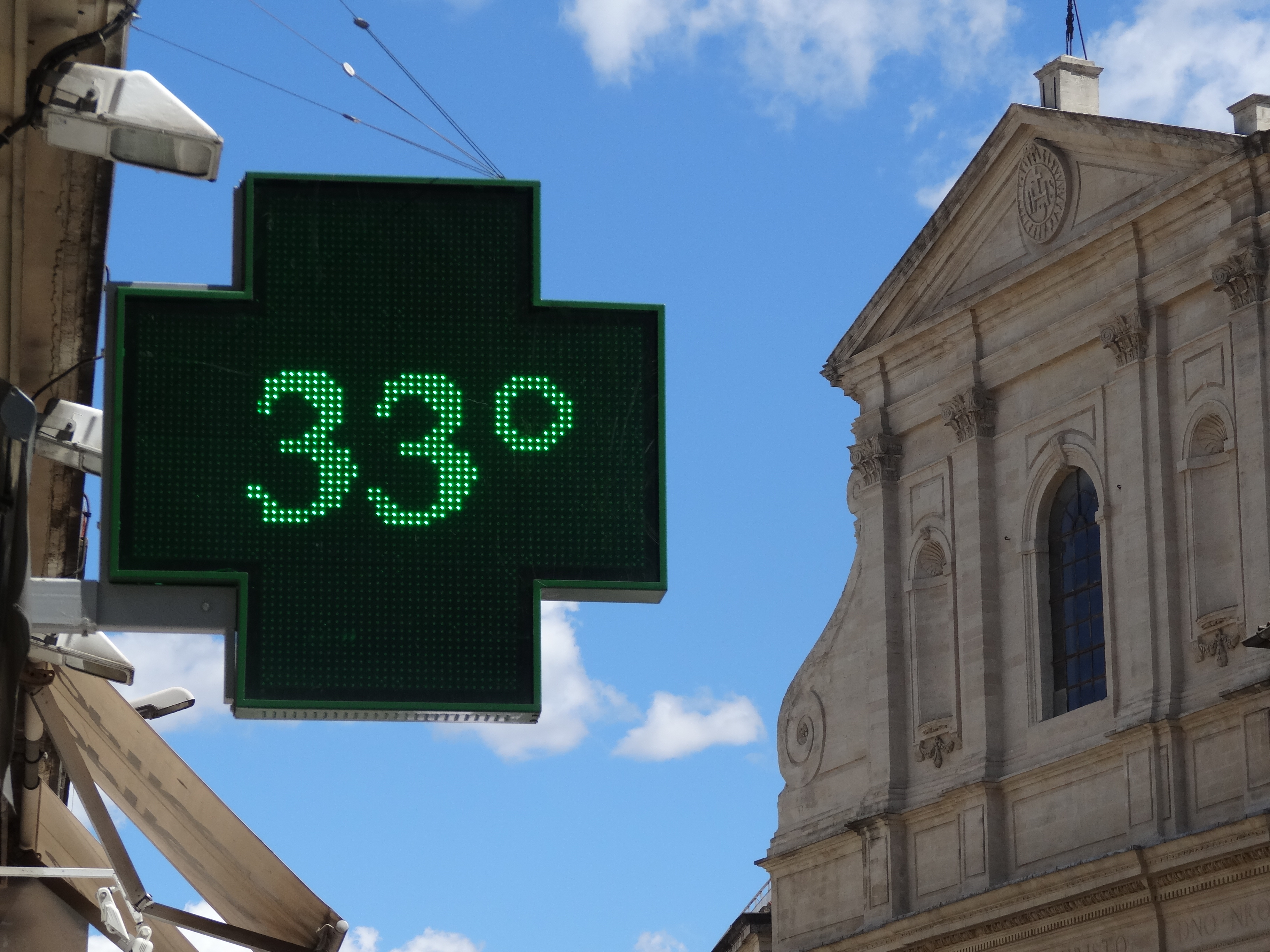
The brilliancy of the light made waking so easy, and I was soon up, capturing the view in watercolour in my newly purchased notebook. Yet before long, hunger came knocking, and strolling the brief 100 metres or so out to the Place de l’Horloge just outside the hotel, we picked one of many cafes in which to sit and order a petit dejeuner – breakfast which came handily in a pre-determined formular of fresh crunchy baguette, buttery croissants, sweet sticky confiture, jus d’orange and of course, a frothy thick coffee – and all a mere snip at 6 euros each. We very soon thought the better of our initial English naivety at making straight for the sun, skipping to a table in the shade away from the already intense morning heat (the nearby temperature gauge said it all), and there enjoying the simplicity of this very French breakfast, we watched this now sleepy great town wind slowly back into life.

Le Petit Dejeuner!

Le Petit Dejeuner!

Hotting up for the morning

Hotting up for the morning

A whole day in Avignon meant that two inevitable bastions of the city needed to be covered: the Papal Palace and the world-renowned Pont d’Avignon itself, although our initial stroll en route took us past a small park set within the ruins of an old medieval church, its trees and fragrant flowers bursting with such piquant colour against the blue sky that you would swear that our eyes had been somehow tricked into seeing light through an almost fictionalised lens. Yet these photos do no injustice to the clarity of that colour, and the beauty of the floral path which led us steadily towards the vast Papal palace that dominates Avignon.

DSC02084 DSC02097 DSC02100 DSC02095DSC02089 DSC02092

I said something of the Papal palace in yesterday’s post – a vast complex built by some 9 successive Popes when they swapped a tumultuous Rome for the comparative tranquility of Avignon back in the 13th Century. But today we ventured inside, and only then could we properly appreciate the vast scale of this Papal compound, whose very rooms were so large that one barely noticed the multitude of tourists flooding through its gates, and its courtyards so voluminous that an entire temporary auditorium had been set up within its four walls.

DSC02114 DSC02126 DSC02127 DSC02172DSC02133 DSC02200

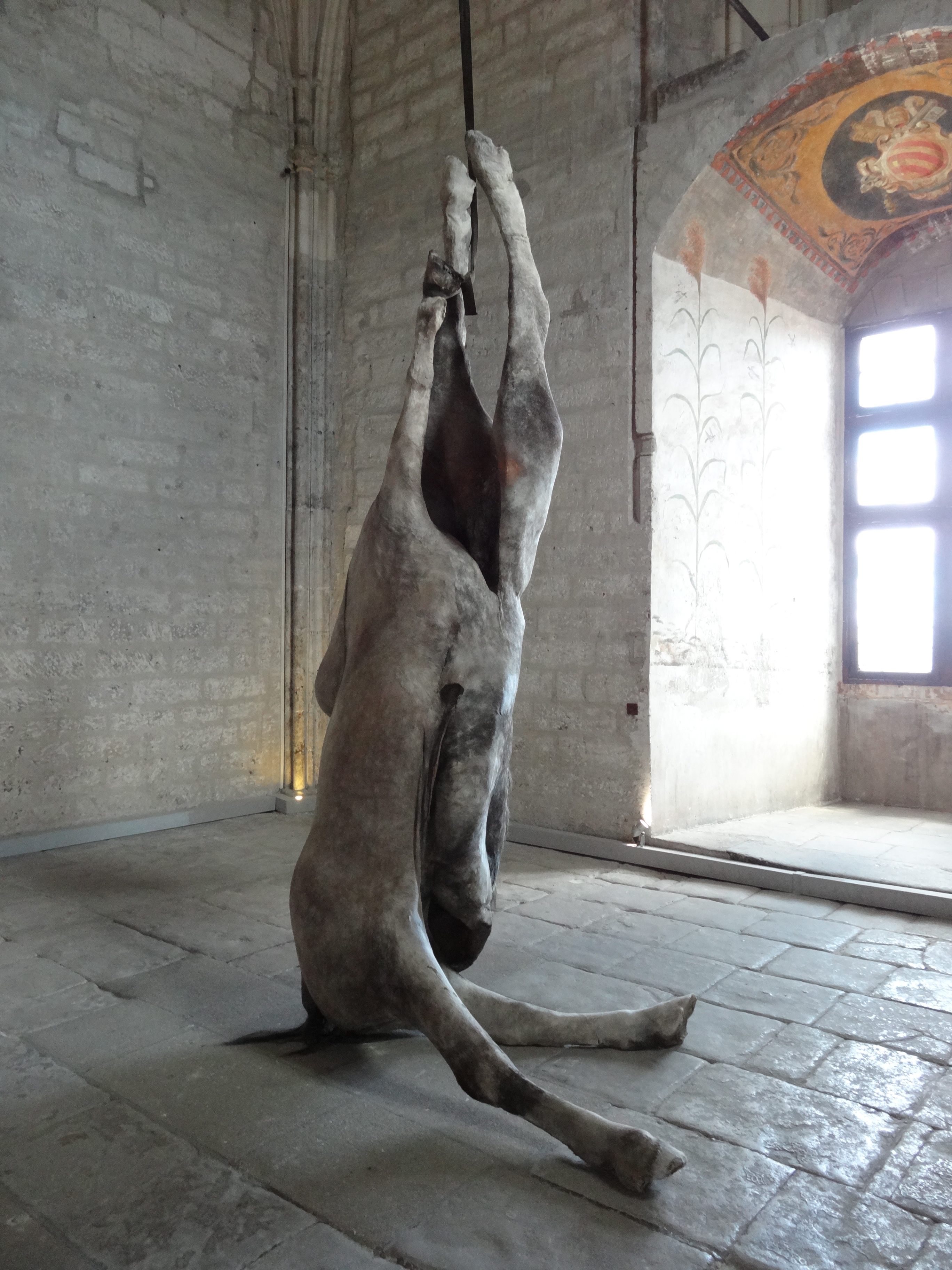
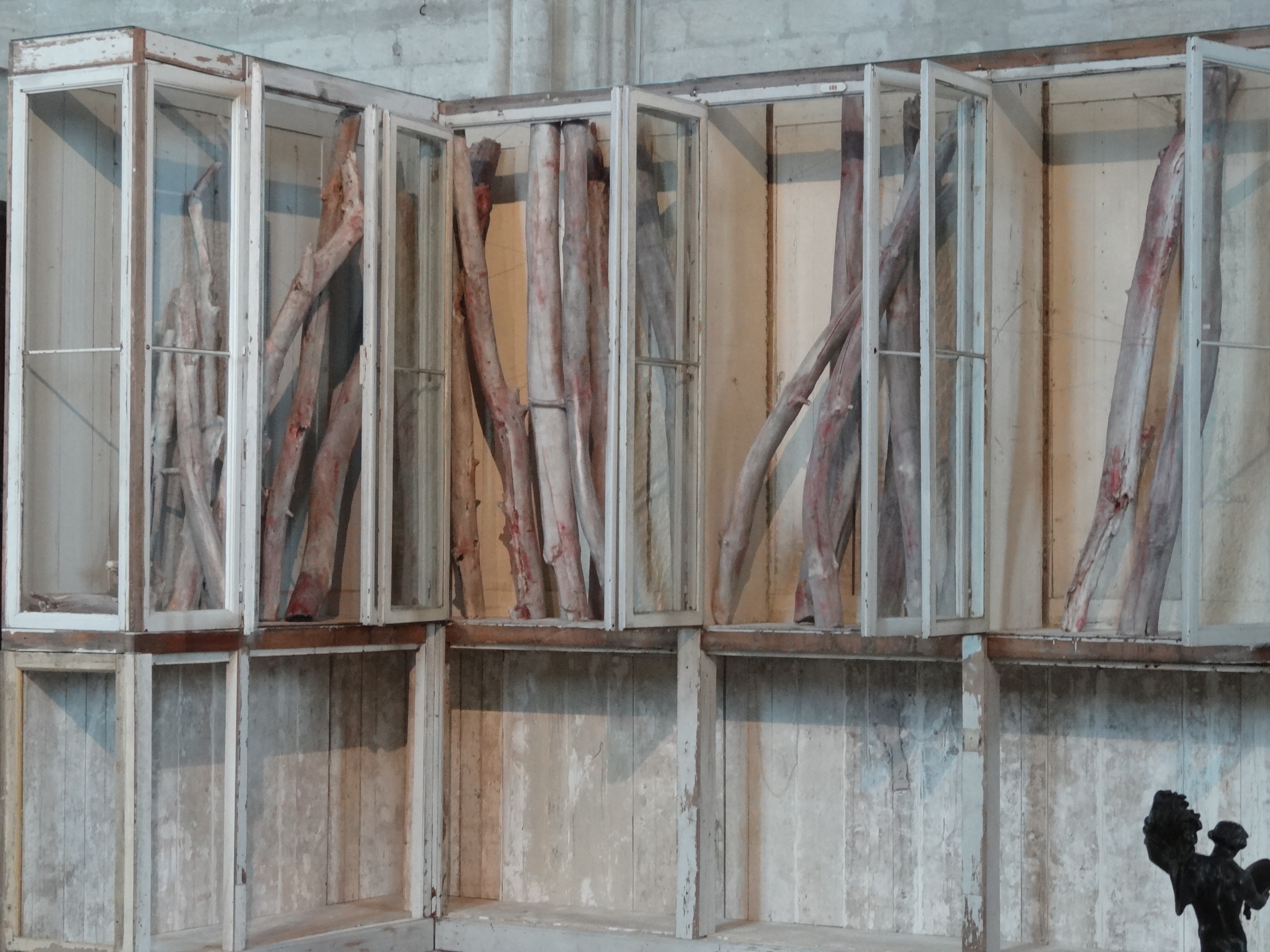
The inside of the Palace, while now empty, was a sight to behold, and the informative exhibits gave us a captivating history lesson both of the Papal heritage of Avignon, but also of how the palace slowly developed to become the mammoth structure which stands today. However, far from embracing the past, Avignon showed itself to be every bit the cultural leader for which the town has developed a worldwide renown (Avignon hosts a comprehensive cultural festival every July – sadly we just missed it), by daring to incorporate within these hallowed walls an exhibition (Les Papesses) of very modern sculpture, including the likes of Louise Bourgeois (famous for producing large spider sculptures), Camille Claudel, Kiki Smith, Jana Serbak and Berlinde de Bruyckere. Some of the sculptures were a little raw, somewhat gruesome for some tastes, particularly de Bruyckere’s rather ghastly corpse-like forms, but I loved the playfullness of the huge pile of duvets, the oversized glass marbles and of course the Bourgeois spider.

DSC02162 DSC02161 DSC02154 DSC02144 DSC02159 DSC02147

Having taken in a drink and the admirable views from the palace’s roof-top terrace, we headed back down to earth, retreating into the maze like streets that surround the Papal complex like a silk wrap, and into one such street settled down on the charming rather chic little terrace of Au Vent d’Agnes (4 rue Saboly – Tel 04 32 76 26 45) for a couple of super fresh salads: mine was a caprese salad with a modern twist of basil mousse – quite superb and washed down so satisfyingly with an ice cold glass of local white vin. As we were in the area, we skipped dessert, heading instead for the Musée Angladon which, thanks to the generosity of its founding family collectors contains the only Van Gogh to be found in all of Provence (despite his completing so many hundreds of canvases during his year or so here) as well as an impressive collection of Impressionist and post-Impressionist masters, with Manet, Degas, Sisley, Cezanne and Modigliani amongst their number.

DSC02215 DSC02216 DSC02217

Imposing the Spanish siesta upon this sunny day, we rested (and I painted) until temperatures cooled slightly, and headed out finally to the second of the city’s most famous sites: the renowned bridge of Avignon, about which the eponymous song which goes something like this: Sur le Pont d’Avignon L’on y danse, l’on y danse, Sur le Pont d’Avignon L’on y danse tous en ron”…was written.

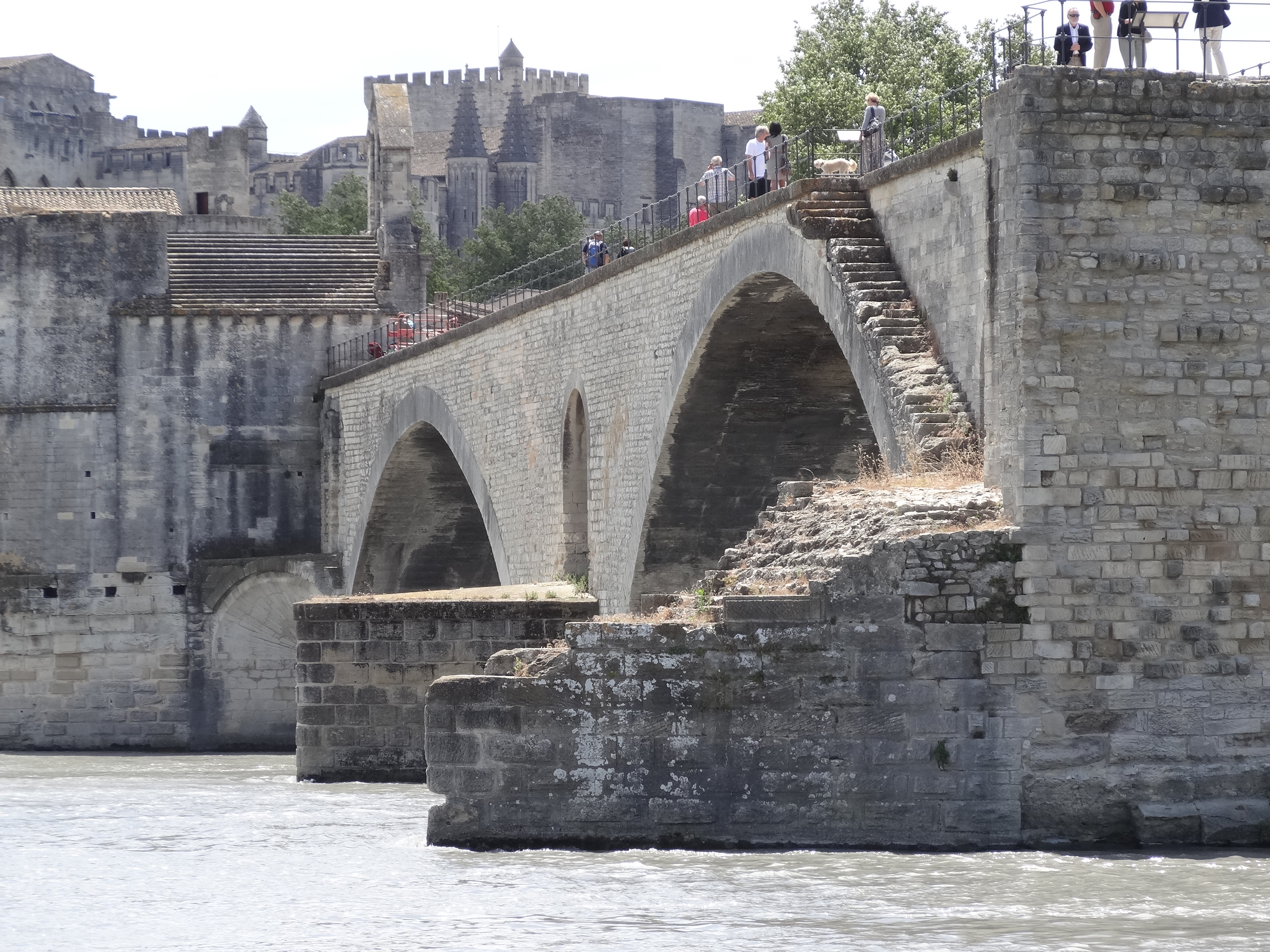
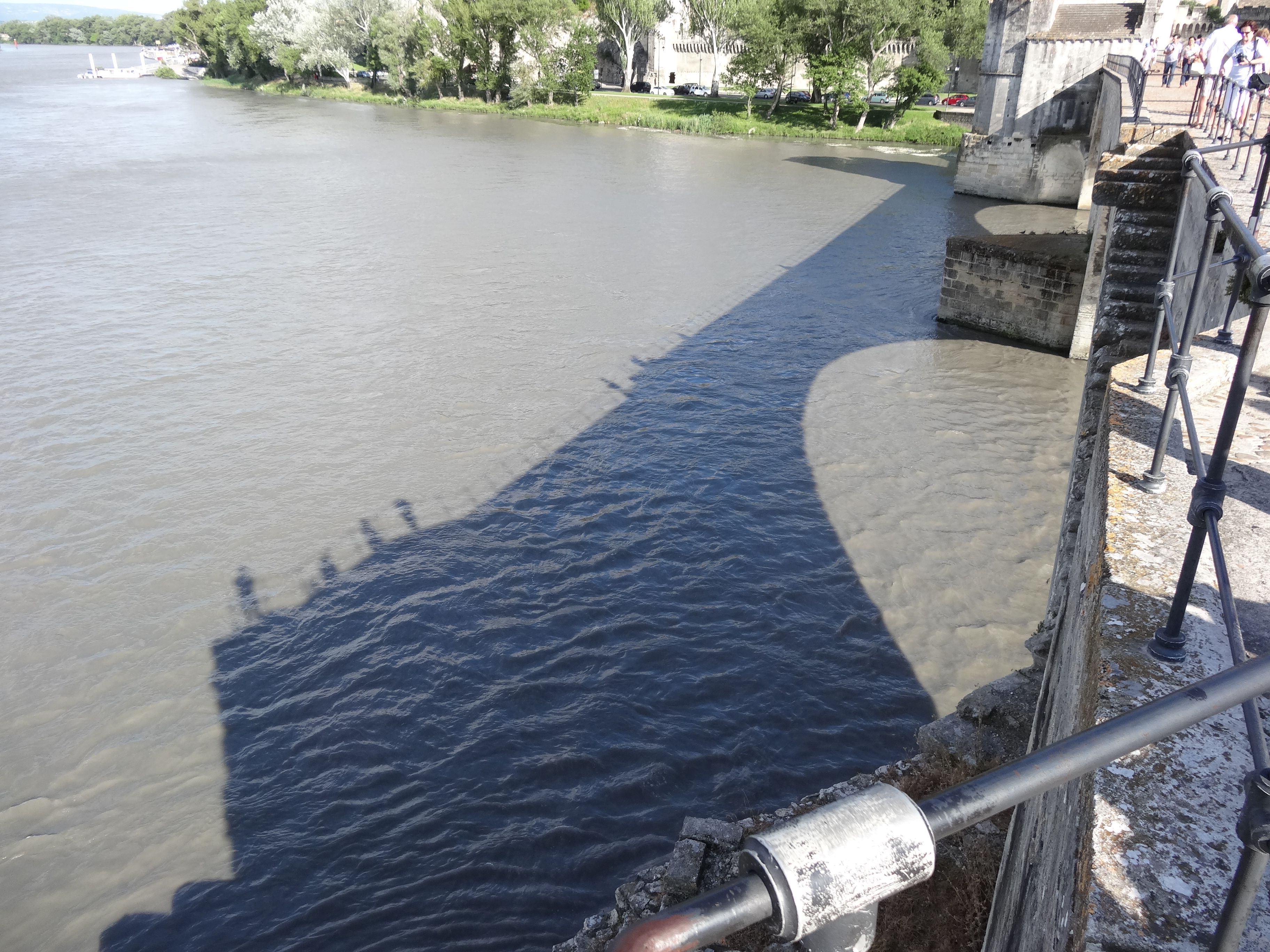
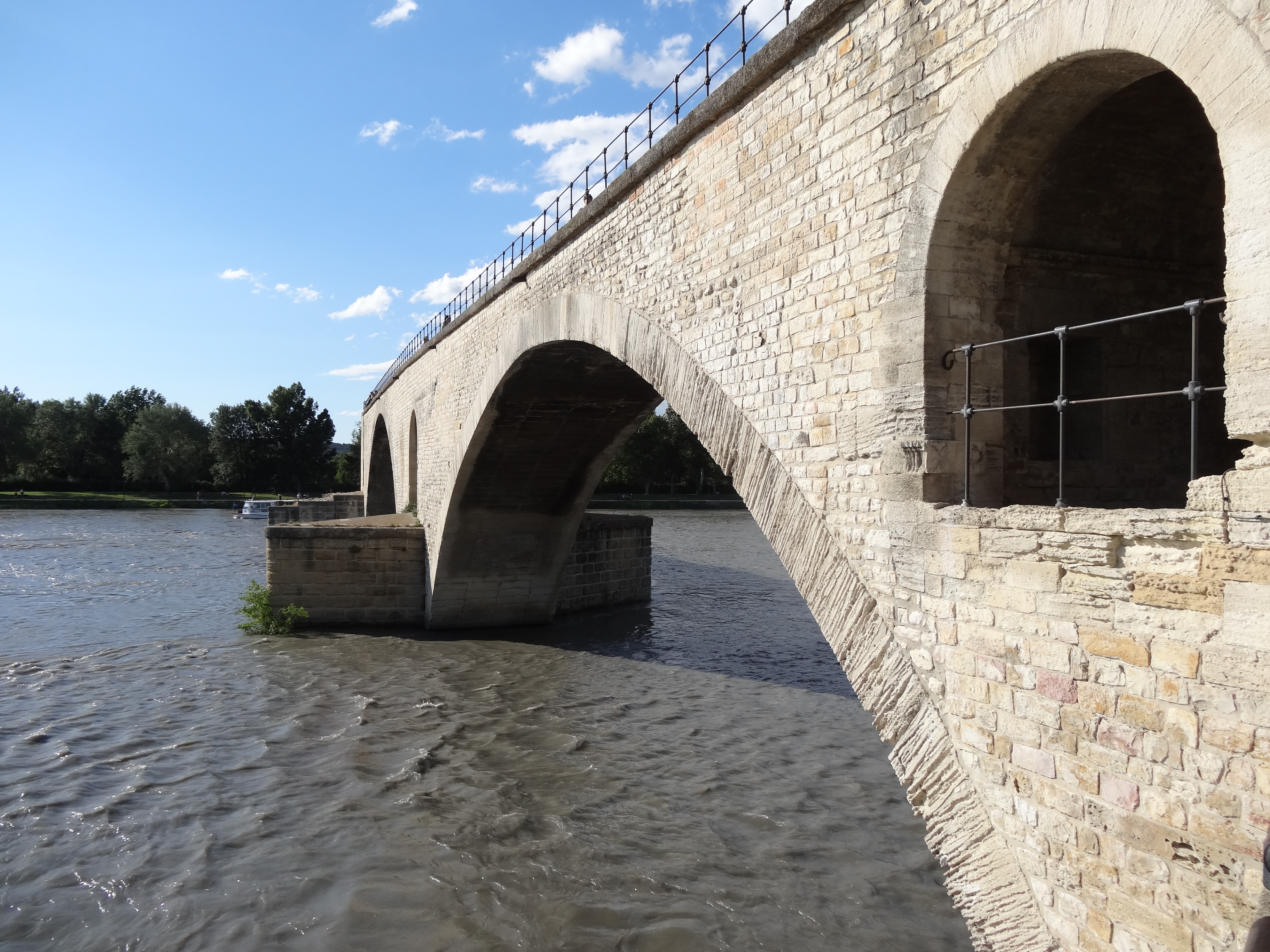
The Pont d’Avignon is actually called the Pont St Bénézet, named after the shepherd boy who supposedly commanded angels to build the original bridge on this site across the River Rhône. Yet today, it is not only the bridge’s name which has fallen out of use: The bridge itself was catastrophically damaged in the 17th century, as the majority of its arches were swept away in a flood in 1669, and the bridge fell into disrepair, leaving only the four arches which remain standing today. But of course, today, it is no doubt the city’s greatest pull: that is until you get here and realise that Avignon has so, so much more to offer in terms of charm and beauty than this old crumbled relic, but a visit to the city would not, of course, be complete without a stroll along its remaining length. Just be sure to buy a combined ticket for both the bridge and the Papal palace if you follow our lead and head to this wonderful city – for a visit to the bridge is worth very little of the full admission fare charged.

DSC02230 DSC02248 DSC02232 DSC02238DSC02250 DSC02239

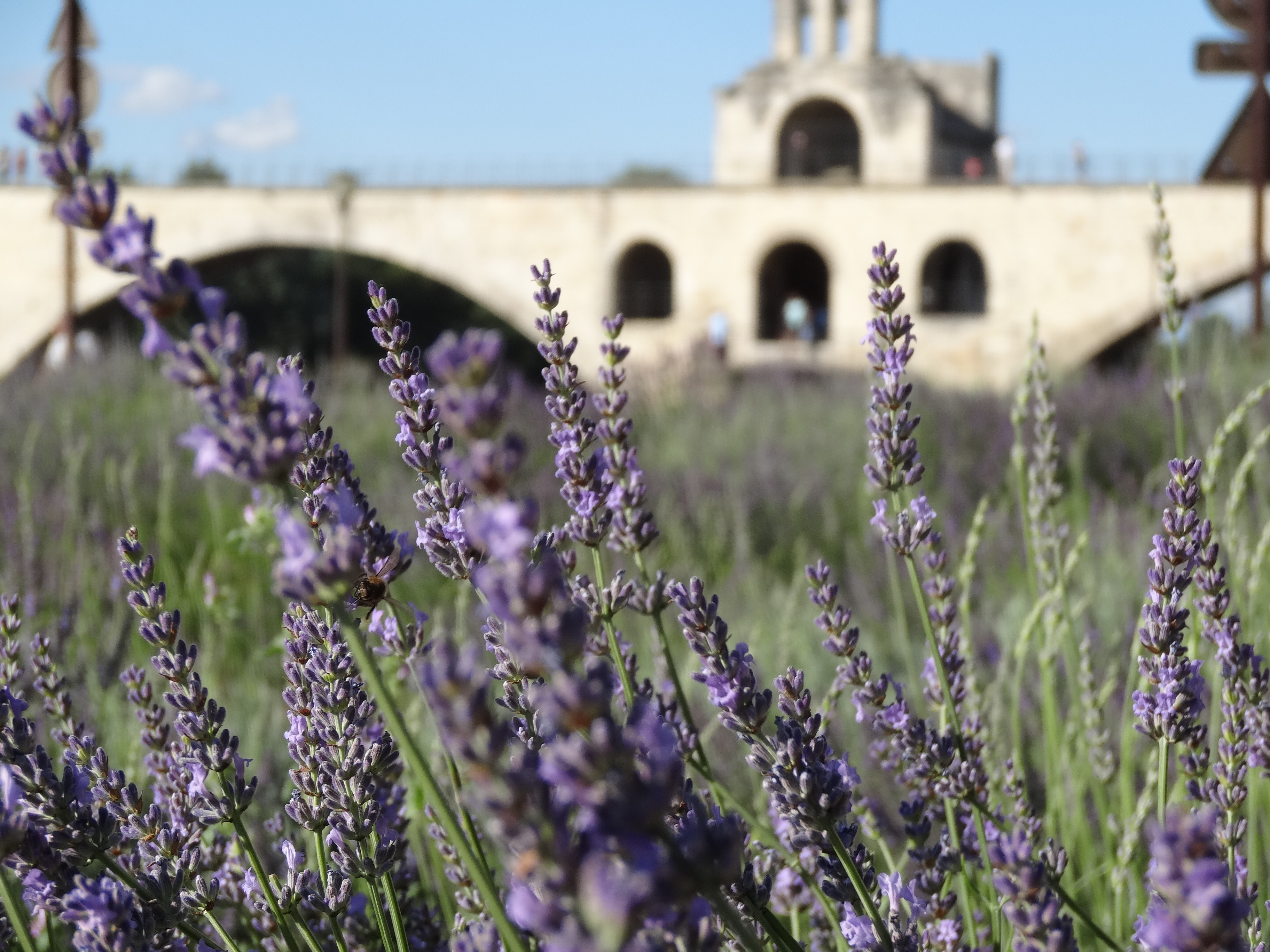
What a day, what a city: Avignon was the huge surprise of our trip – because what was planned as merely a station stop on our train journey south had actually been the source of cultural and historical inspiration and an all round feast of visual and sensual delights. Of course that’s not where Avignon ended for us. We spent the remainder of the day strolling through the lavender planted before the famous bridge, to then smelling the lavender sachets and soaps aplenty which pack the ample selection of souvenir shops nearby. And then of course there was the wonderful dinner we ate that night… But more on that another time.

À bientôt!

All photos and written content are strictly the copyright of Nicholas de Lacy-Brown © 2013 and The Daily Norm. All rights are reserved. Unauthorized use and/or duplication of the material, whether written work, photography or artwork, included within The Daily Norm without express and written permission from The Daily Norm’s author and/or owner is strictly prohibited. 
Provence Odyssey | Avignon: Day One – Journey South

There is something inherently romantic about making a European journey by train. For what you may gain in time by way of flying (IF things are running on time) you surely lack in the kind of convenience promised by a railway journey, which, with very little check-in hassle, sweeps its passengers to the very heart of their destination in a single fast-moving trajectory. And it’s not as if trains even take that long these days, with a sophisticated network of high speed trains spreading over Europe and growing every year.

So when I considered a holiday destination for this summer, my decision was very much influenced by the ease with which, during the summer months, one can catch a Eurostar from London St Pancras direct into Avignon in the heart of French Provence in just under 6 hours. And as we were to find as we took said train early on the penultimate Saturday of June, the length of the journey literally flies by as one is immovably distracted by the slowly changing French landscape outside the window, and lured by the ripe promise of long hot sunny days and floral scents of the Provençal promised land. While a flight may whisk you above the clouds and deliver you from one mediocre out-of-town airport space to another, the Eurostar option affords you the unique opportunity to see a country literally change, at speed before your eyes.

The Provençal promised land

The Provençal promised land beckoned

DSC03960And so it was that as we began our Provençal Odyssey we watched with wonder as the grey flat lands of Northern France became progressively more undulating, and colours literally ripened before our eyes, with clearing skies, the reappearance of sunshine and finally the much promised shots of purple emanating from a tapestry of lavender fields which cultivate the region. As the purples and yellow and bright greens increased it became clear that we were nearing our destination, and when the train began to slow over the sparkling snaking form of the river Rhône in view of the nearby silhouette of a majestic medieval citadel, we knew that we had arrived: in Avignon.

First glimpses of Avignon

DSC01790 DSC02074 DSC01991 DSC01800 DSC02414 DSC02267

The guide books will tell you that Avignon is the gem of Provence and that much became very clear as soon as we entered the tightly walled old city centre. For Avignon’s unique beauty arises from its equally unique history, characterised by the period when, in the 14th century, the Papal enclave fled the turmoil of savagery in Rome and set up a new capital of Catholicism in Avignon. The result of a line of 9 Avignon popes (2 of which ruled in tandem with a duplicate pope back in Rome during the time of the Great Schism) is a city made great in medieval times: surrounded by dense barricaded walls in order to protect tv the Papal city, within which a quaint maze of winding narrow streets all leading to the central magnificent heart of the city: the super-imposing Papal palace itself.

IMG_2572 DSC01892 DSC01893


Of course the city has developed since then, and the city’s Hotel de Ville facing outwardly onto the bustling restaurant filled Place de l’Horloge is a grand testament to Neo-classicism. However there are very few modern scars on this UNESCO protected heritage site, and our hotel, the Hotel Horloge was situated right in the middle of it.

Delighted at our first glimpses of the city, by our location at its heart, and by the heat pervading its squares and streets, we rushed out into the city, pulled by the cafe bustle of the Place de l’Horloge and the promise of a chilled glass of wine after our railway trek from one end of France to the other.

Mary atop Avignon's Cathedral

Mary atop Avignon’s Cathedral

DSC01807

And the park affording views across the city

And the park affording views across the city

DSC01848 DSC01856

Ice cream in the park :)

Ice cream in the park 🙂

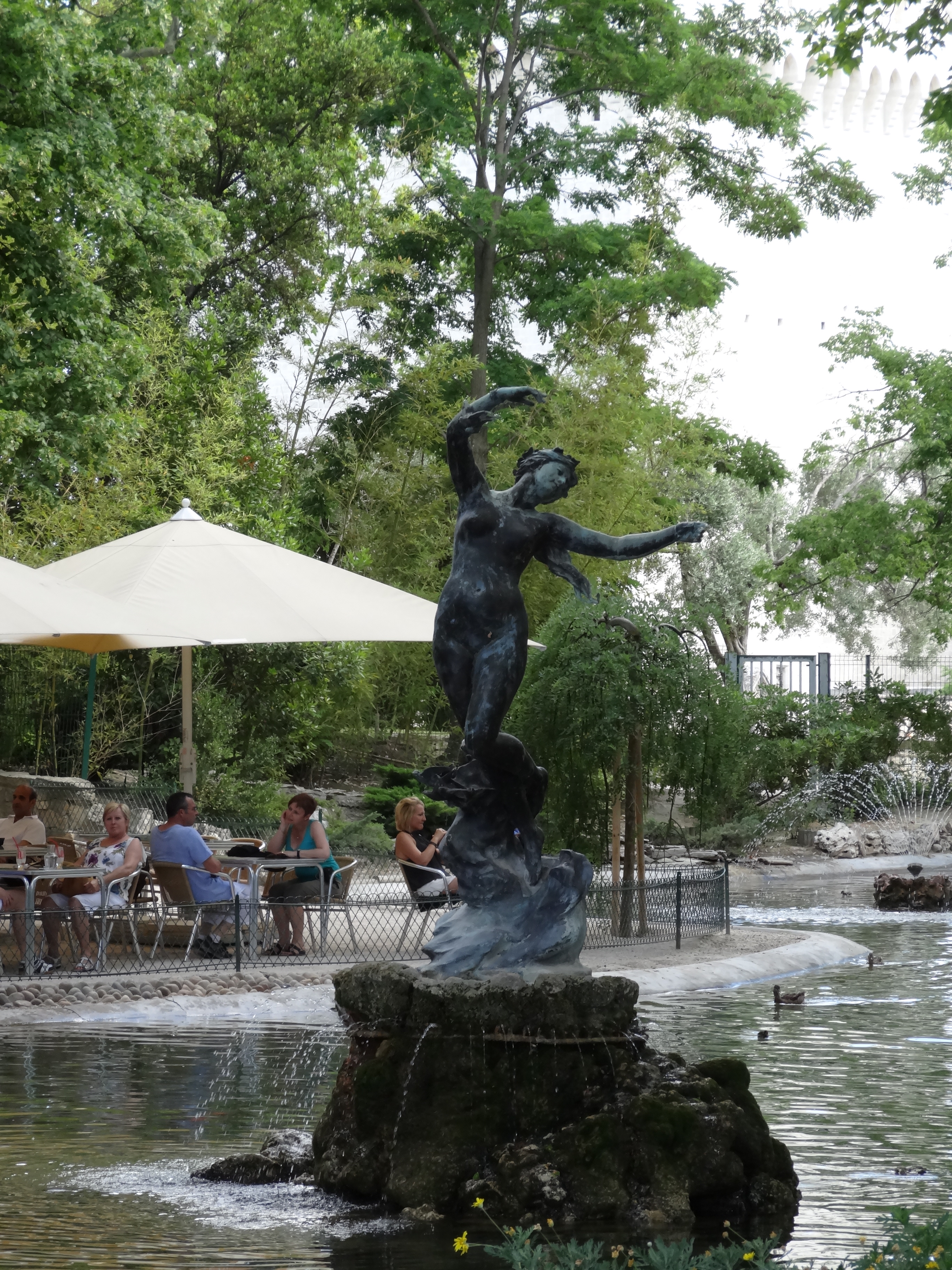
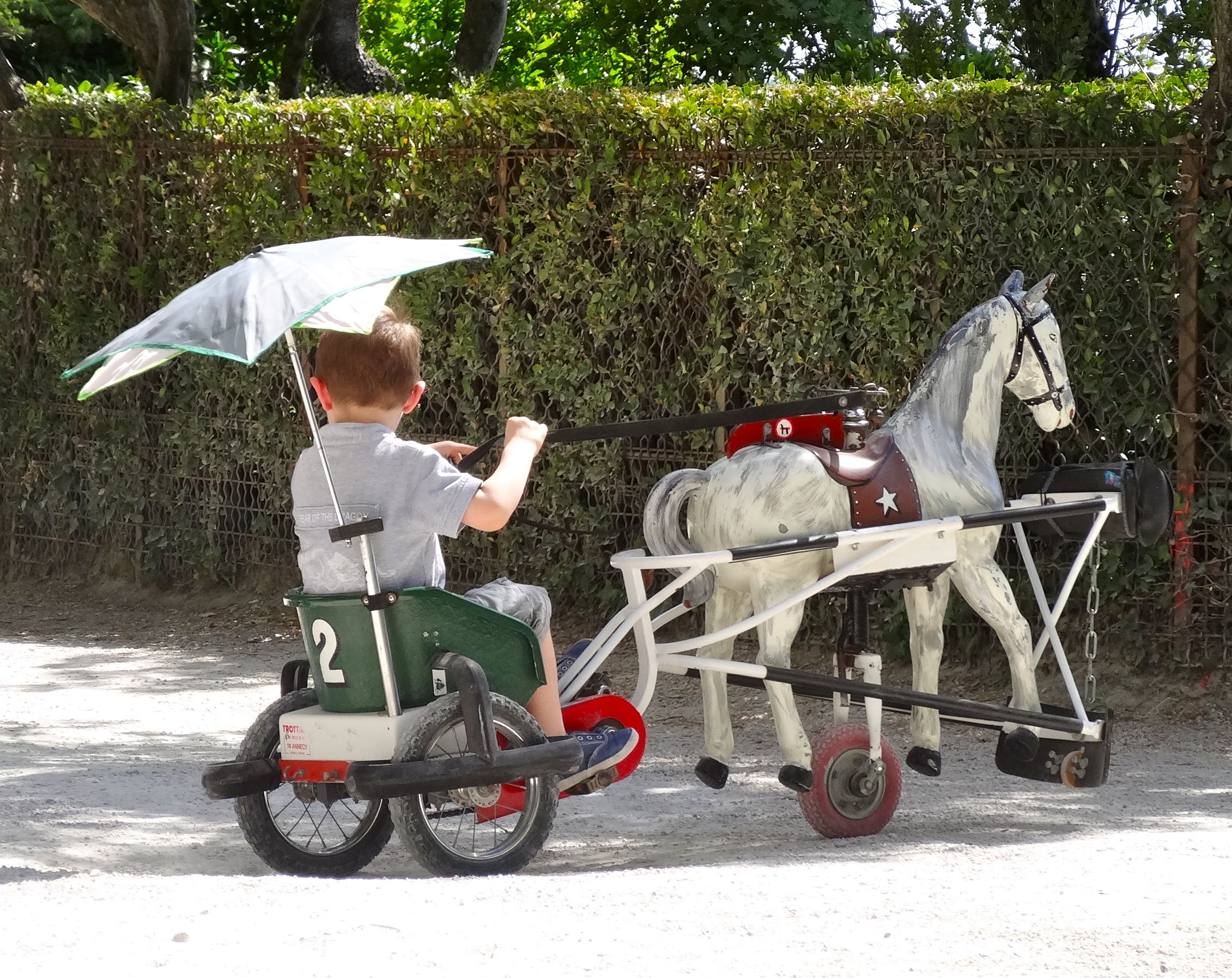
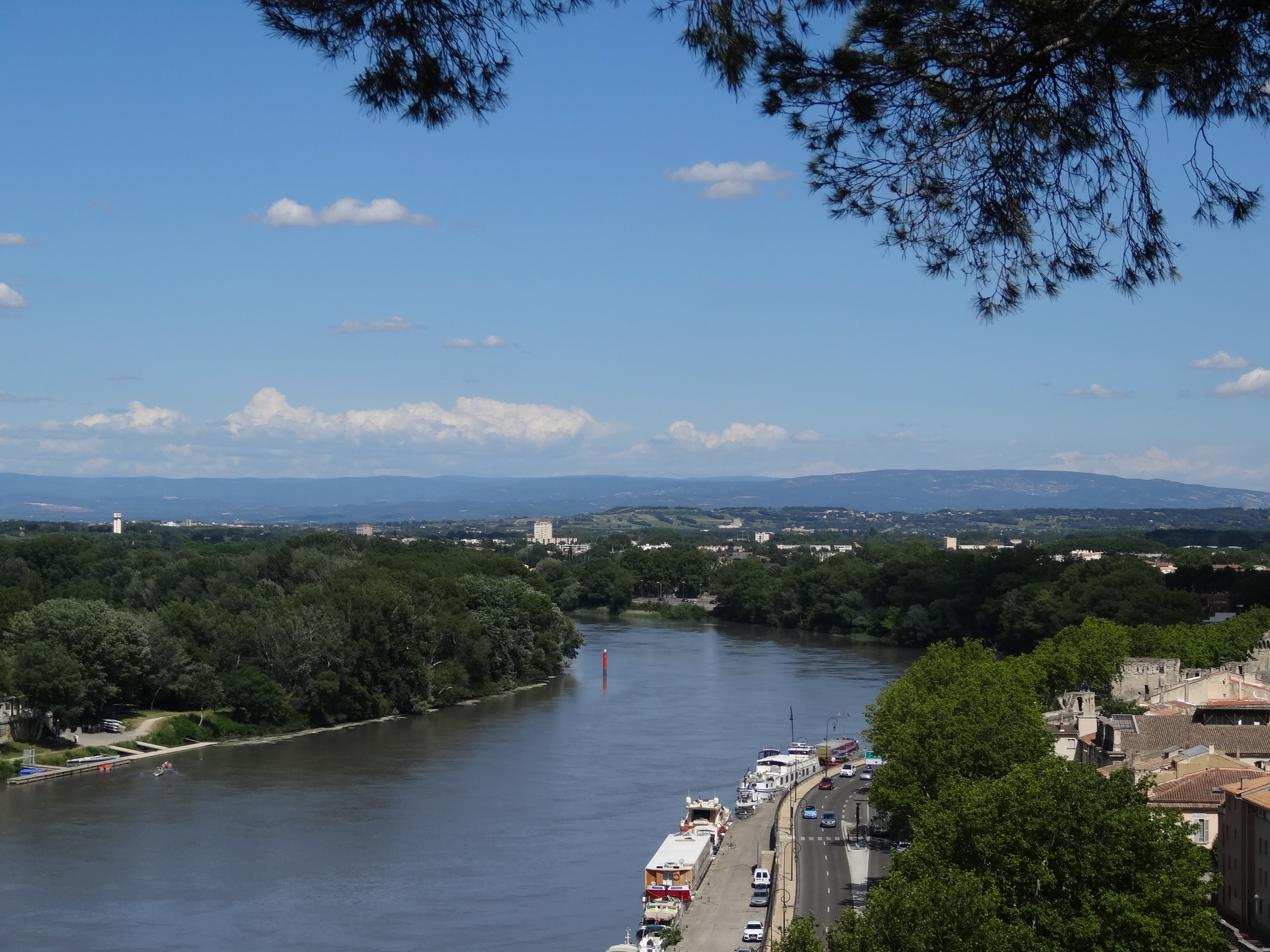
Already drunk on the sheer beauty of the city, and now Dizzy with the delights of a little afternoon wine, we were close to being hyper with the magnificence of the city we saw before us. From that first glimpse of the imposing and almost fairy tale like Papal palace, and the golden Mary looming over the city, to our discovery of a pretty shady little park, the Rocher des Doms gardens, set up on a hill next to the palace. From these gardens, full of families picnicking, playing, children peddling around on old fashioned horse carts and young couples sipping coffees and eating ice cream by a duck pond, our first views were afforded of the famous Pont d’Avignon (real name: Pont St Bénézet), renowned because of the eponymous rhyming song (sur Le pont d’Avignon etc) but today a mere relic of what it once was, reaching out into the Rhône but now, a ruin, resolved to never quite making it more than halfway across the wide expanse of water.

The Pont d'Avignon

The Pont d’Avignon

and the Rhone

and the Rhone

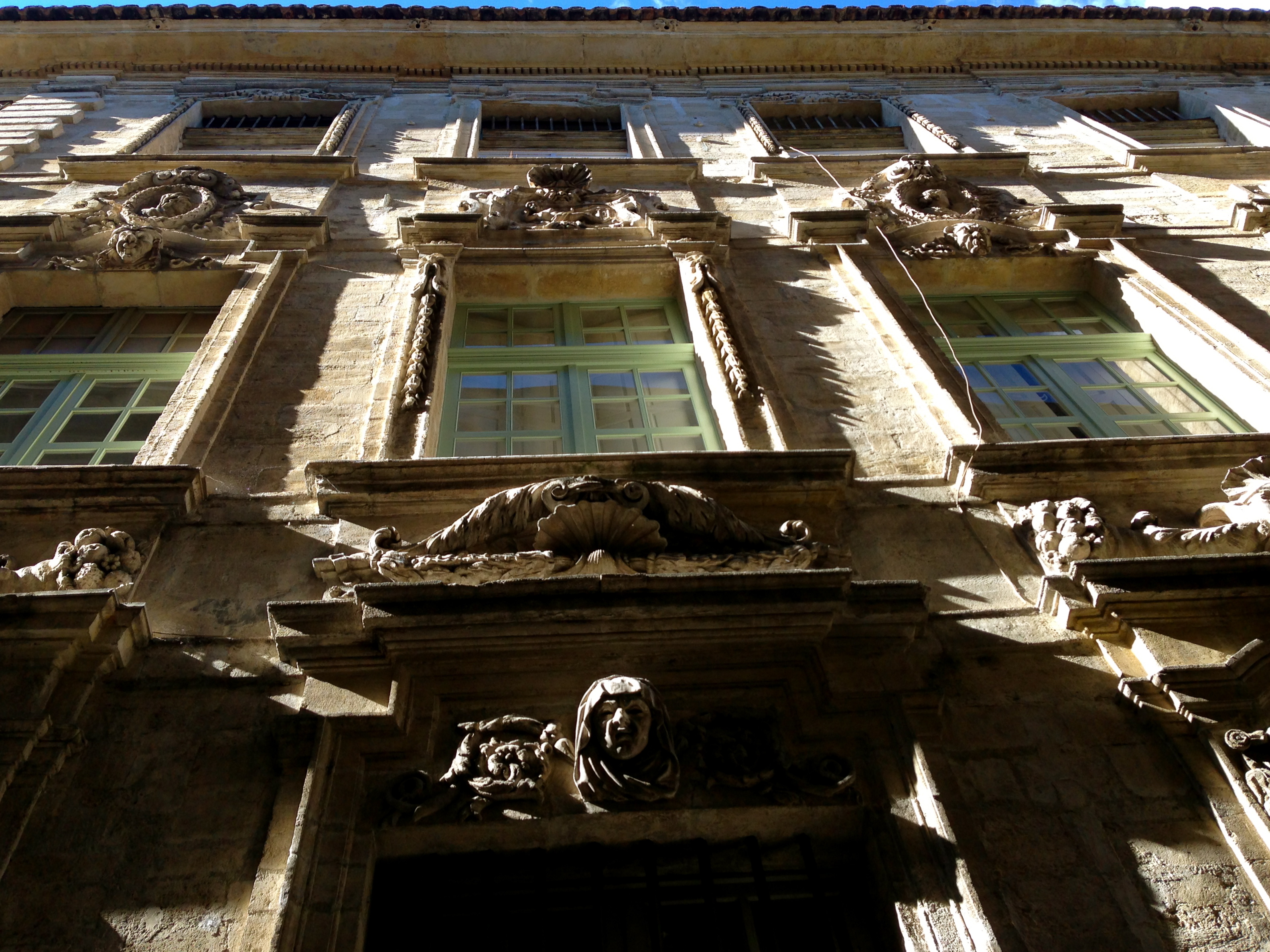
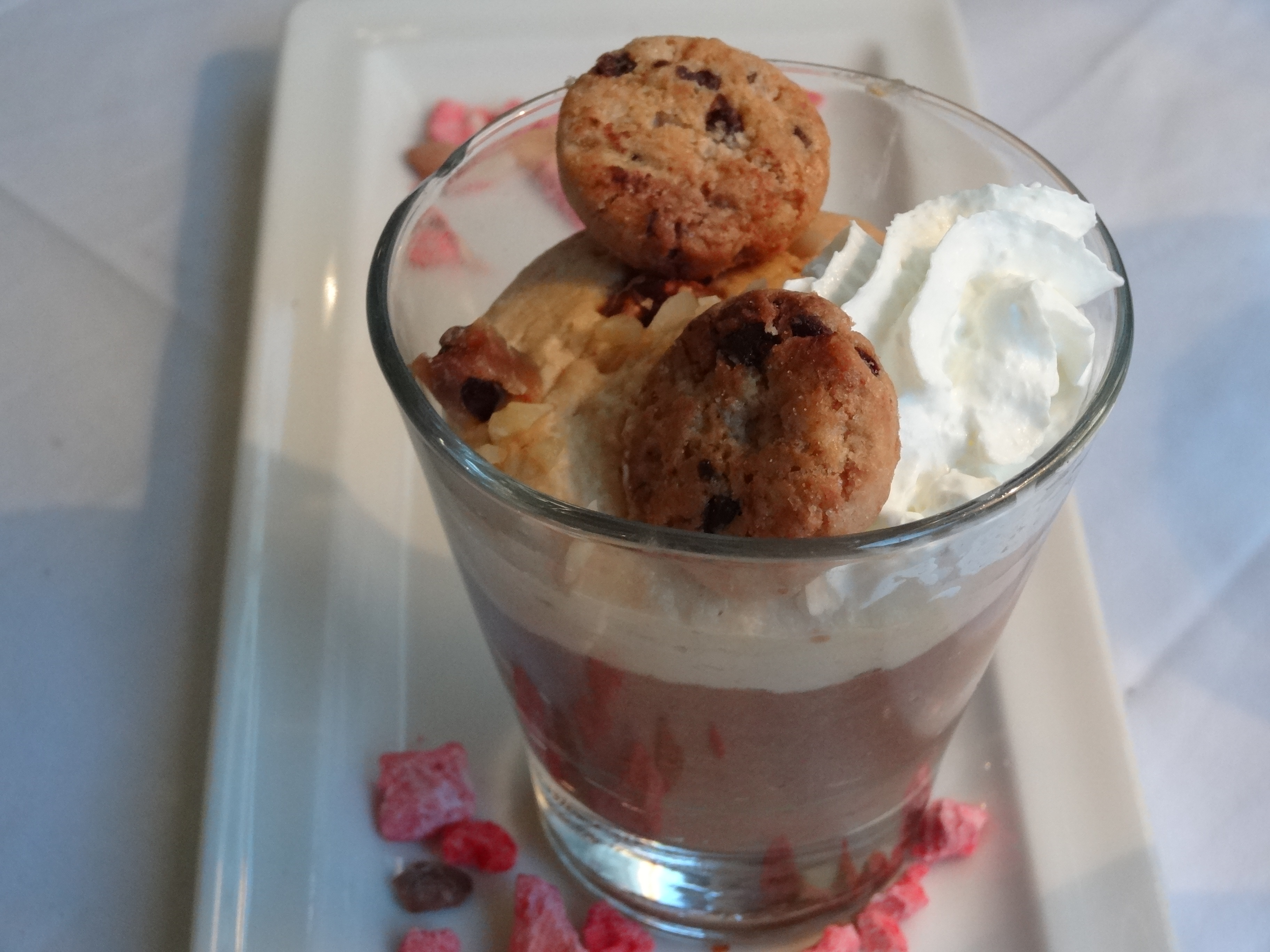
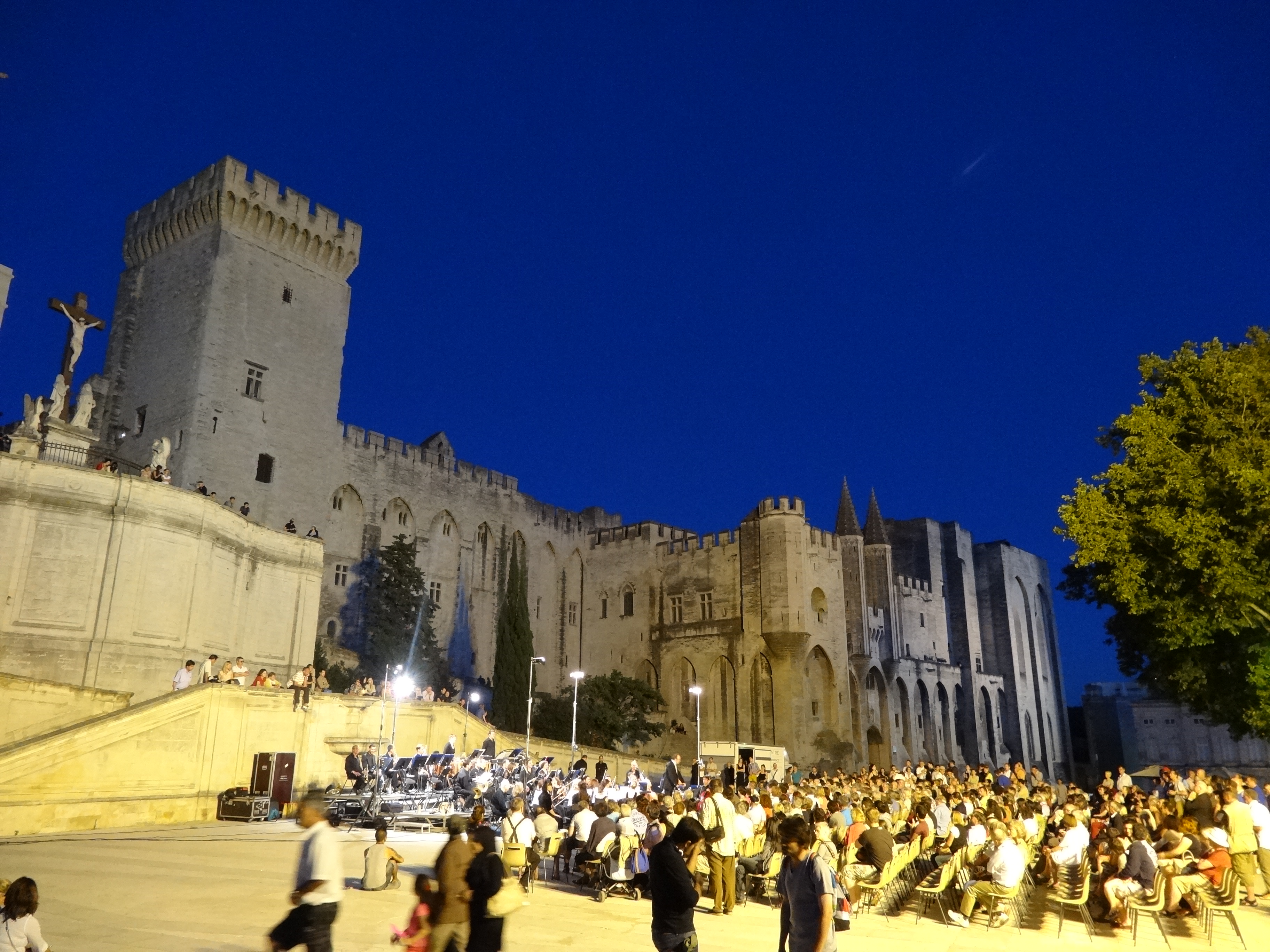
As if further validation of the magic of the city were needed, one event after another occurred as the day turned into night, confirming Avignon to be a true reflection of the good life: First a wedding party, dancing their way to middle eastern music through the town, the crowds of tourists joining them in their merry parade; second the long shadows cast upon a building’s magnificent decorative facade as the sun shone its day’s final rays across the exquisite architectural details; third: dinner – a rich French feast of aubergines in tomato sauce, delicate sea bream, and a cookie pannacotta for dessert enjoyed by candlelight before the pinkening facade of the Palais des Papes at sundown; fourth that same sunset over the Pont d’Avignon, the pink light reflecting off the calm waters of the Rhone; and finally, in the main Place du Palais, an open air concert from which the harmonious melodies of orchestra-accompanied opera filled the warm evening air and bounced off the vast medieval walls of the Palais des Papes behind it.

IMG_2577 DSC01963DSC01931 DSC01986DSC01980 DSC02011 DSC02024 DSC02016

What a city! So rich in its offerings, and providing us with such sights and sounds after only a few hours’ visit. From London to Avignon, our experience of life had undergone a perceptive change. We had found ourselves in the warm, spirited and culturally enriched city of Avignon, and as darkness fell, we could do little else but head to bed full of excitement for the days that were to come, and the opportunity that would be afforded to explore this Provençal gem to the full.

More about that, tomorrow. See you then!

All photos and written content are strictly the copyright of Nicholas de Lacy-Brown © 2013 and The Daily Norm. All rights are reserved. Unauthorized use and/or duplication of the material, whether written work, photography or artwork, included within The Daily Norm without express and written permission from The Daily Norm’s author and/or owner is strictly prohibited.