Skip to content

Posts tagged ‘Holiday’

Dubrovnik | Photography Focus: Part Two – Rooftop Rhapsody

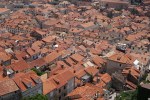
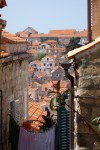
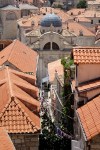
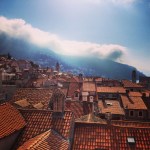
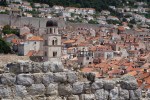
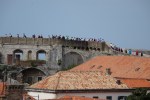
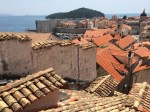
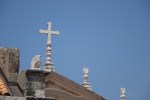
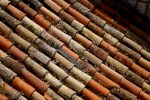
There are many reasons why Dubrovnik, the stunning little self-contained city sitting on the emerald Dalmatian Coast, is famous. Probably the most notable of these are the city walls, which encase the city in an unbroken ring of stone. Second maybe is its position, built on sheer jagged rocks plunging straight into the Adriatic sea. But the combination of both those things – the enviable geographical position and the encasement of walls has resulted in what is undoubtedly the greatest attraction of the city: the sheer unbroken consistency and quality of the buildings and streets packed within Dubrovnik’s walls. For it is precisely because Dubrovnik was always so protected that it has remained so unspoilt by the modern world. And the results of this are no more obvious than when the city is seen from above as an unbroken sea of terracotta red.

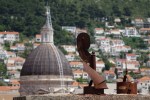
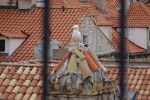
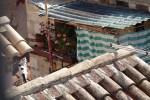
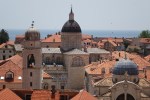
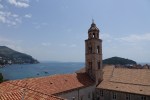
Yes, Dubrovnik’s beauty can be seen from many angles, but chief among them is from above. Looking at the city from a high vantage point allows the viewer to gaze in wonder at a flowing continuous carpet of rooftops, like a carefully woven tapestry of earthy tones, broken only by the odd elegant bell tower or church dome. And when we stayed in the city last weekend, we were treated to a unique vantage point of this stunning rooftop view on a daily basis. Not only did our room, fortuitously located on the top floor of one of only two hotels in the city centre – the Stari Grad Boutique Hotel – afford us stunning views over the rooftops and the campanile of the Franciscan immediately next door, but one floor up, the hotel boasted a unique roof terrace – the only I saw in the whole of the city – which presented an unbroken 360 degree view of the city.

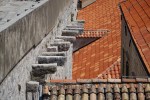
DSC00721 DSC01755 DSC00929 DSC01073 DSC01345

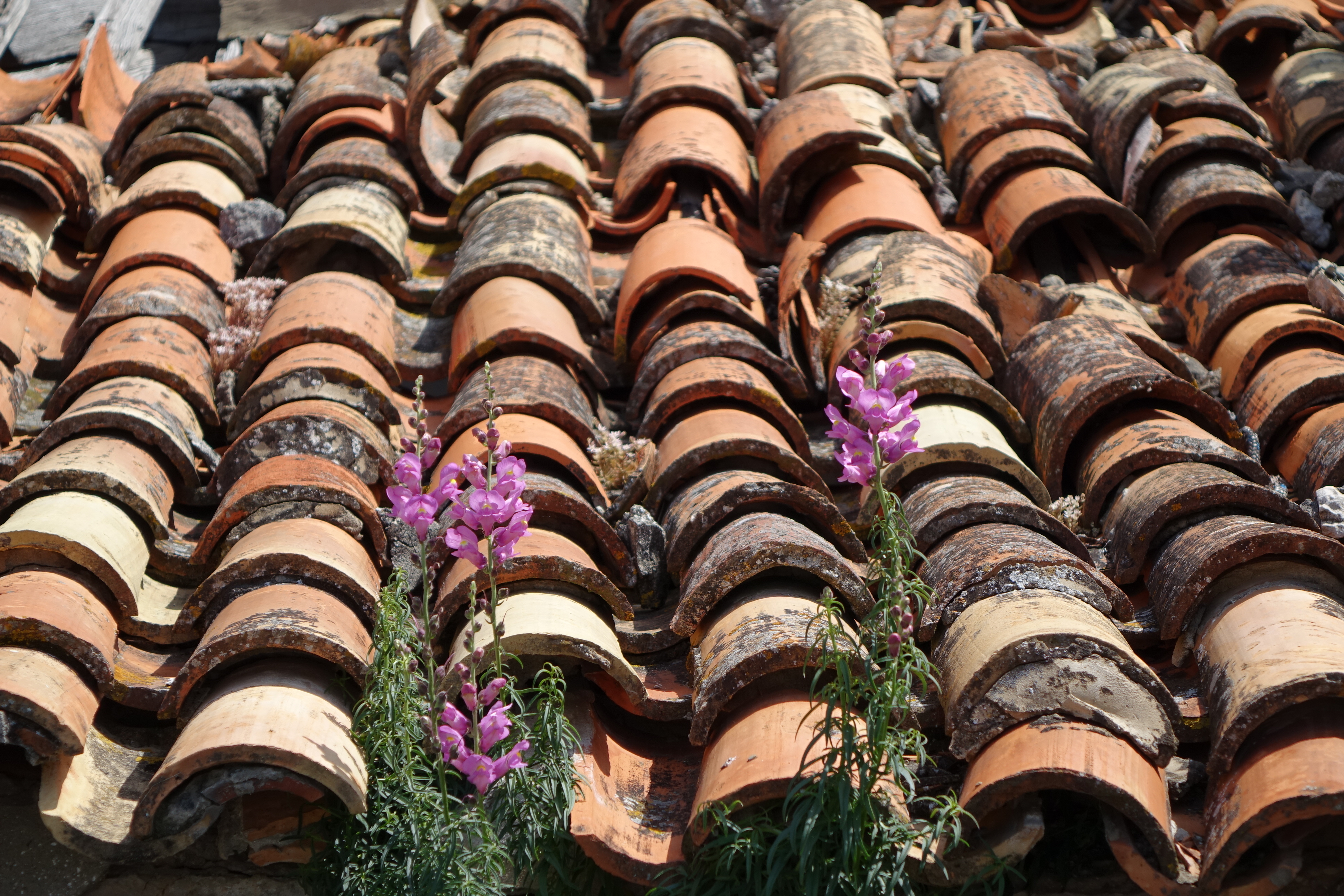
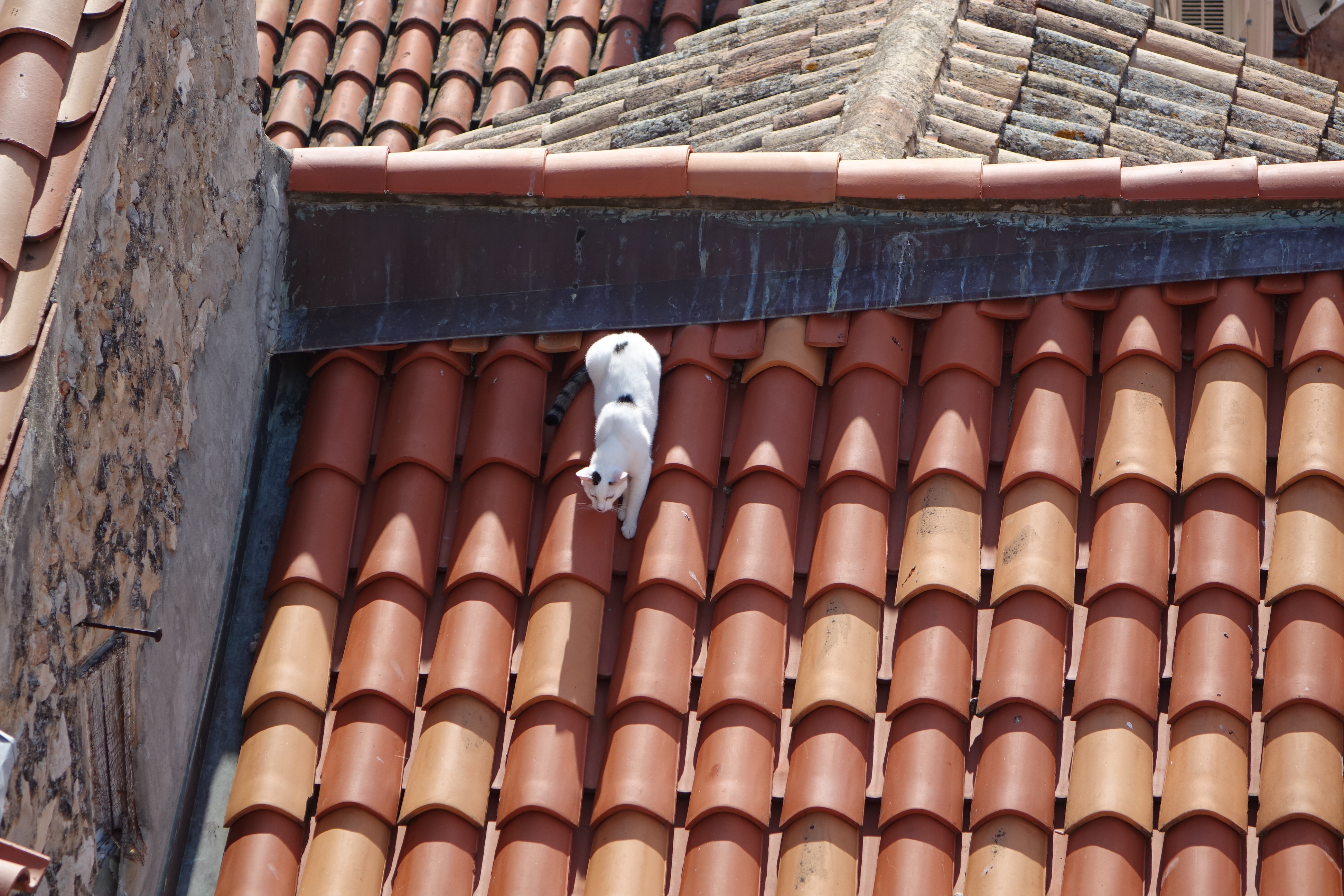
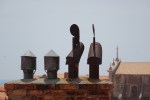
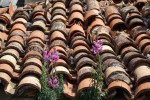
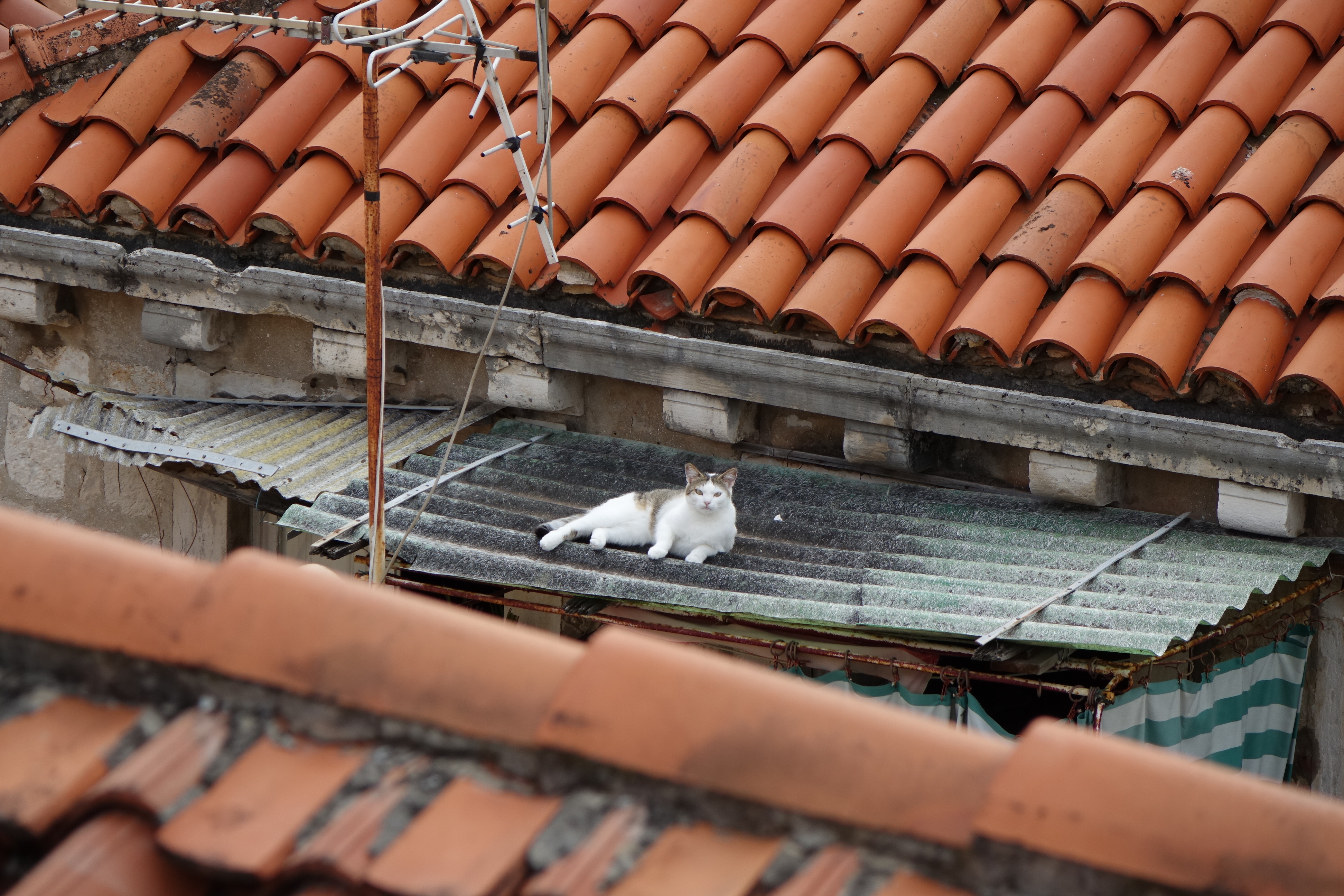
What a view by which to eat breakfast at the beginning of every day! And of course asides from that unique vantage point, the walls themselves give equally unparalleled panoramas over wave after wave of terracotta tiles, and my photos taken from both horizons are the feature of this second photography post of my Dubrovnik adventure. Whether they show the rooftops en masse in their juxtaposition of different angles and shades of terracotta and red, or the charismatic little features of individual households from washing lines to the odd pet cat, these photos are the perfect narrative of a city which is both consistent in its unrivaled beauty, and utterly unique from one house and rooftop to another. Enjoy!

All photos and written content are strictly the copyright of Nicholas de Lacy-Brown © 2014 and The Daily Norm. All rights are reserved. Unauthorized use and/or duplication of the material, whether written work, photography or artwork, included within The Daily Norm without express and written permission from The Daily Norm’s author and/or owner is strictly prohibited.

The Daily Norm’s Christmas Tree of the Week | No.2: Citrus Sunshine

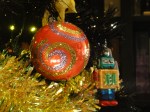
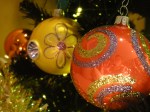
Designed to complement the sunny orange shades of my office which is appropriately named “The Orange Office”, this week’s Daily Norm Christmas Tree of the Week is a burst of citrus sunshine bringing with it all of the essence of a sunny mediterranean shore in the midsts of an otherwise wintery Christmas season.

With its vivid yellow and orange baubles, this christmas tree scheme sits well within a season whose cuisine is alive with spiced citrus scents, but loses none of the vibrancy and freshness of a summer’s day. That nod to the summer is referenced in the hints of cerulean blue, reminding of a clear summer’s sky and the vast blue waters of the mediterranean sea, but the orange and yellow sparkling glittery reindeers nod back to Christmas again, in an evocation which is the height of festive kitsch. The playfulness introduced by my reindeer is accompanied by the jovial multi-coloured forms of metalic robots, only to be offset by the rich regality of purple flashes, which reflect the wealth and abundance of the Christmas season. And all this is tied together upon the branches of a contemporary black tree, sparkling under two sets of yellow flashing fairy lights, and balanced out by ample strings of glittery yellow tinsel.

DSC04345

My “citrus sunshine” tree is a perfect example of how both playfulness and modernity can be achieved within the traditional Christmas season, lending a contemporary air and so blending perfectly with the sleek surroundings of an office environment. Of course such a traditional set up will not be suitable for every setting, in the same way that a traditional fir tree may look out of place in a modern flat. But the best thing about Christmas is its ability to adapt its joy-giving decor to all environments, ensuring that wherever you go or live, Christmas need never be absent.

All photos and written content are strictly the copyright of Nicholas de Lacy-Brown © 2013 and The Daily Norm. All rights are reserved. Unauthorized use and/or duplication of the material, whether written work, photography or artwork, included within The Daily Norm without express and written permission from The Daily Norm’s author and/or owner is strictly prohibited. 

Will this make you Screeeeeam for Halloween?!

Halloween may be about sinister faces carved into pumpkins, the witches costumes and gruesome face-paint, the unsightly shaped jellies and the horror films on TV, but at the end of the day, it’s all manufactured, largely for a bit of fun. But there remains one thing which exists, not just on 31st October, but every day of the year which, even at a distance, could make me scream enough for a lifetime of halloweens: the SPIDER!!

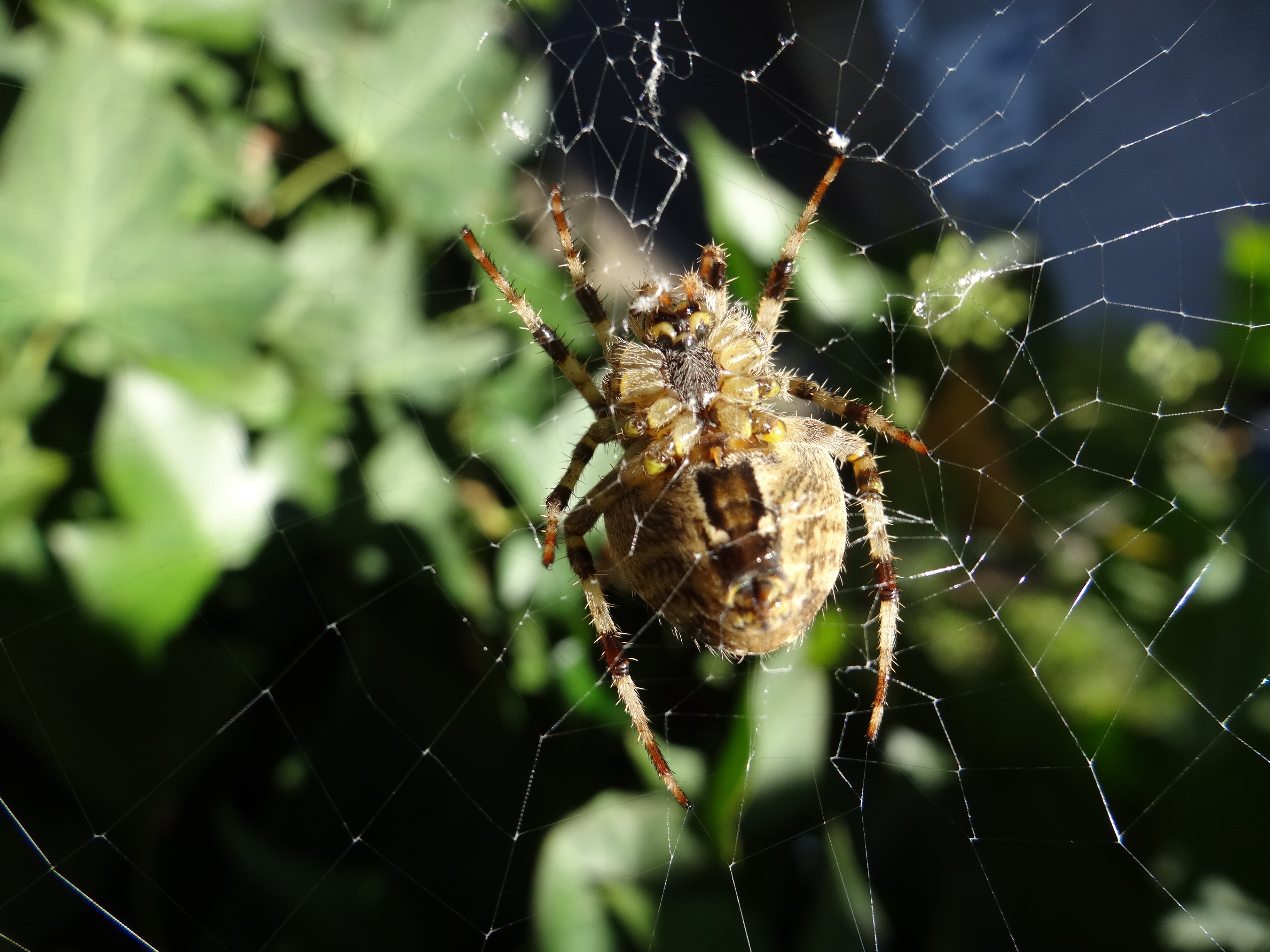
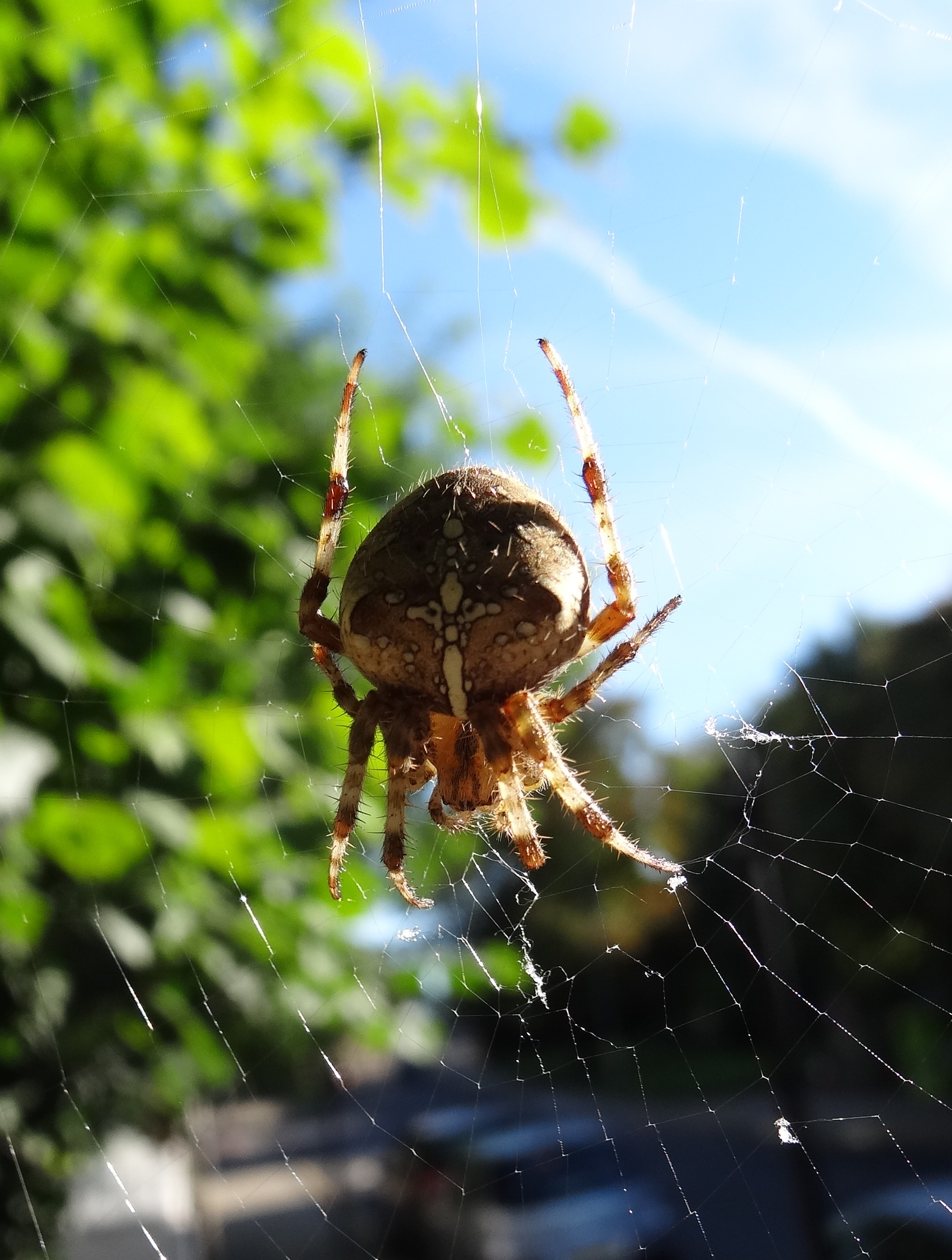
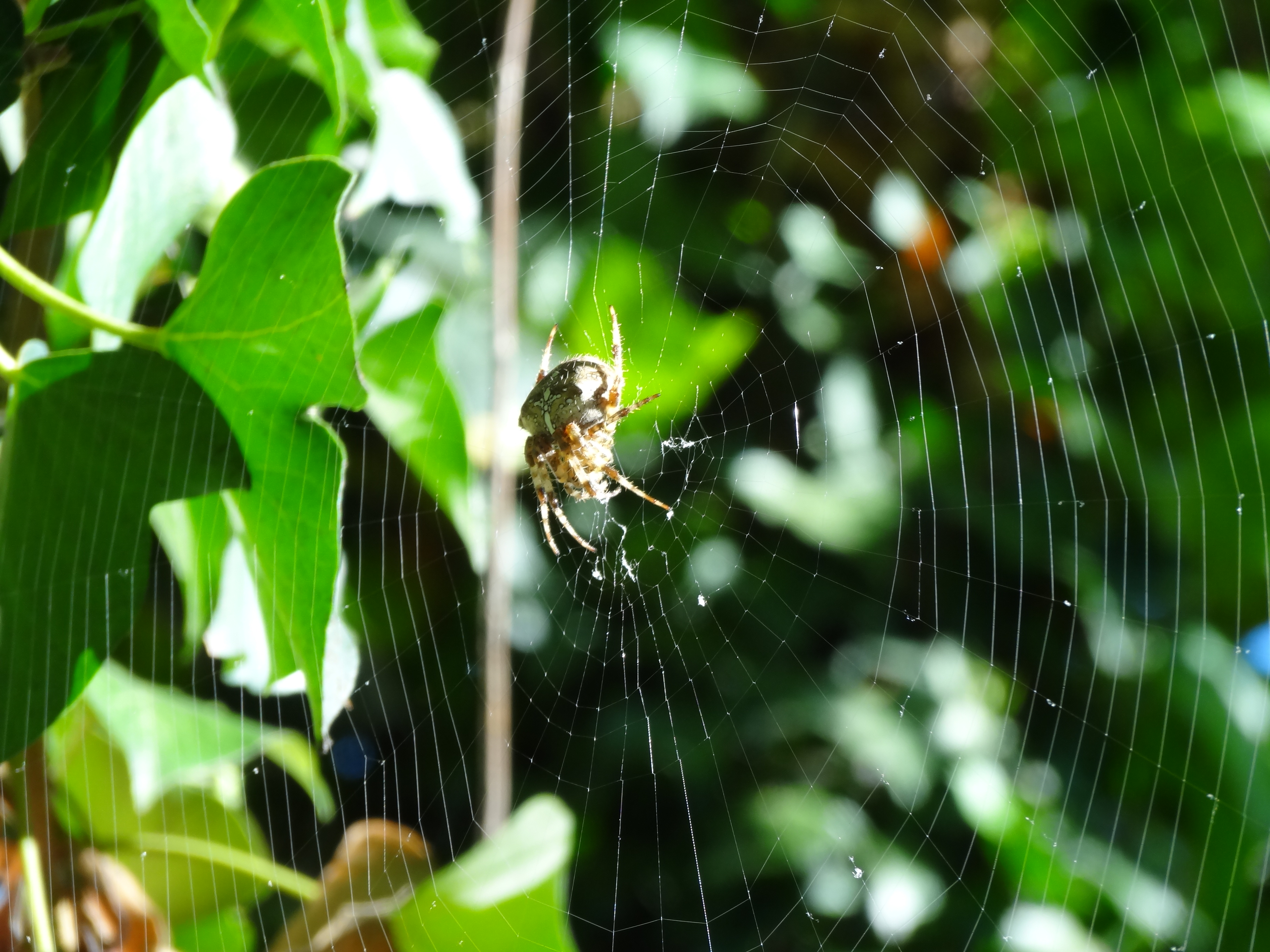
I’ve been saving these gruesome ghastly shots for a few weeks now. Taken on the day when I enjoyed the first sunshine of autumn, inspiring a whole load of autumn photos to boot, this spider was one little beastie of nature who I was not so pleased to meet that day. Leaving the spine-tingling task of applying my camera zoom close enough to the spider to capture this shot to my far braver partner, the photos which result are stunningly detailed, but all the more hideous as a result.

DSC07982 DSC07980 DSC07978

As I type this post, my fingers quiver ever so slightly – for even though these are two dimensional photos, the mere devilish detail of this creepy crawly has me all in a sweat. It’s bulbous brown back is sinisterly marked like a skull, while on its tummy, a complex cluster of furry leg muscles are grouped together, ready to allow the dormant spider to pounce into action, to move its menacing little pincers and strike!

Ooooh, ok, I’m getting carried away. For the rare arachnophiles out there, these photos show the pretty spectacular and surprisingly complex forms of these most feared of little creatures – there is something almost beautiful about the striped brown and beige legs, and the patterning upon its hairy back, reminding me of the workmanship on a tribal mask, with its perfect symmetry. And then of course there’s the web – another wonder of symmetrical perfection, a creation which continues to be a mystery to me, but which, for all its beauty has its own murderous intent.

But before I go getting carried on down that road again, I’m off to settle myself with a cup of tea, and perhaps a few of those gruesome halloween sweets that are practically spilling out of the supermarket this week. Jellied witches finger anyone?

All photos and written content are strictly the copyright of Nicholas de Lacy-Brown © 2013 and The Daily Norm. All rights are reserved. Unauthorized use and/or duplication of the material, whether written work, photography or artwork, included within The Daily Norm without express and written permission from The Daily Norm’s author and/or owner is strictly prohibited. 

Marbella Twenty-Thirteen | Puerto Banús

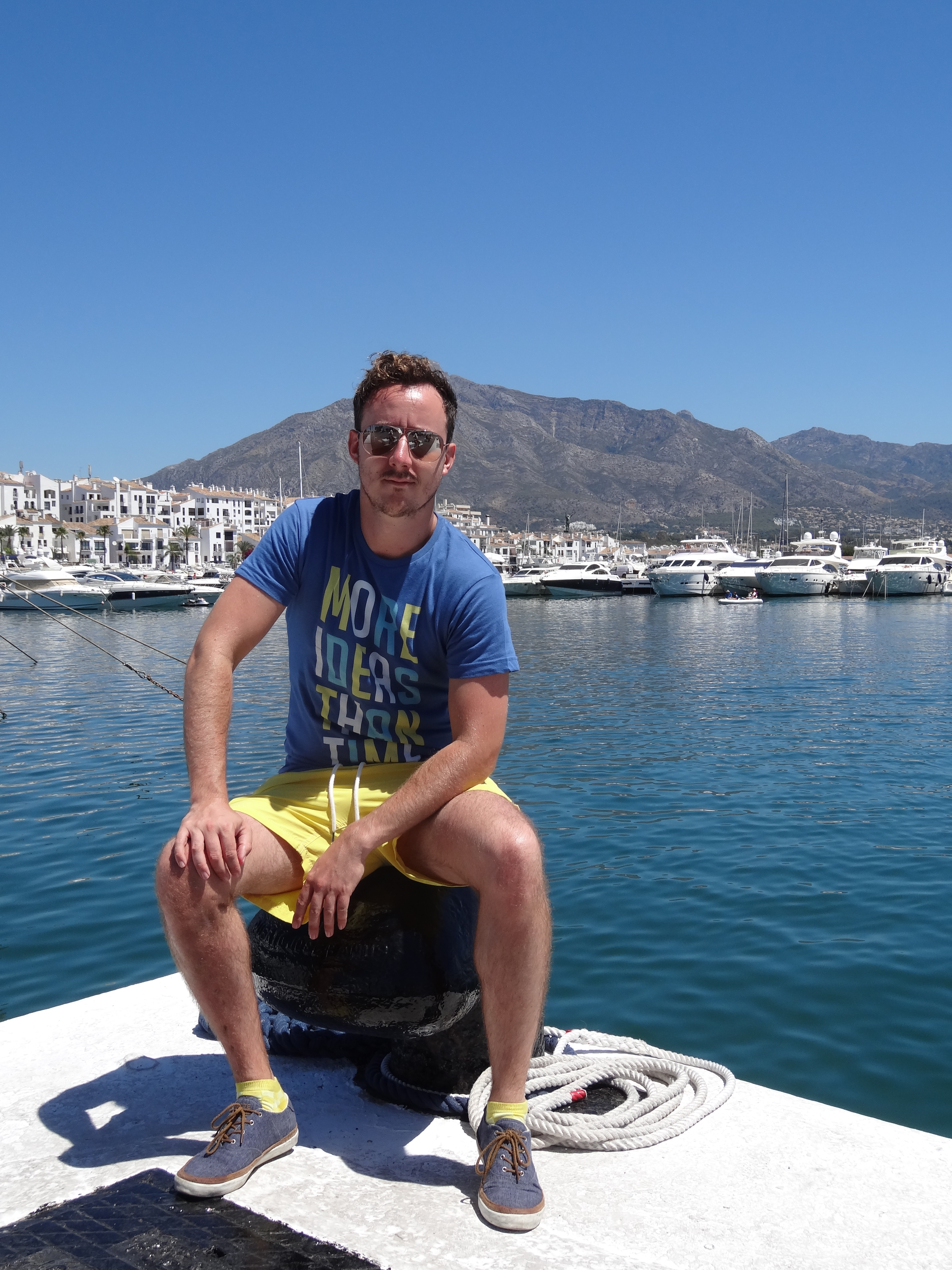
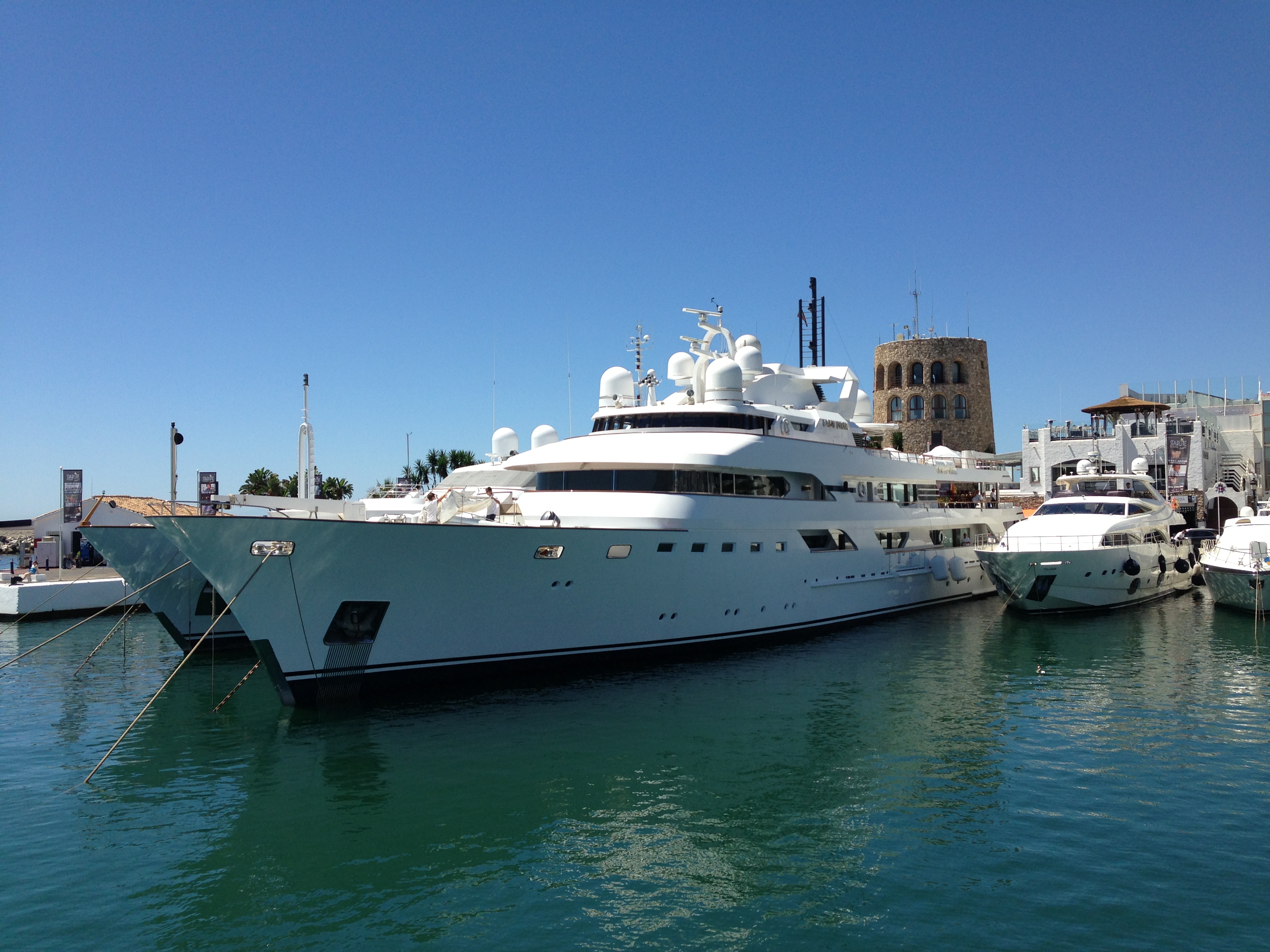
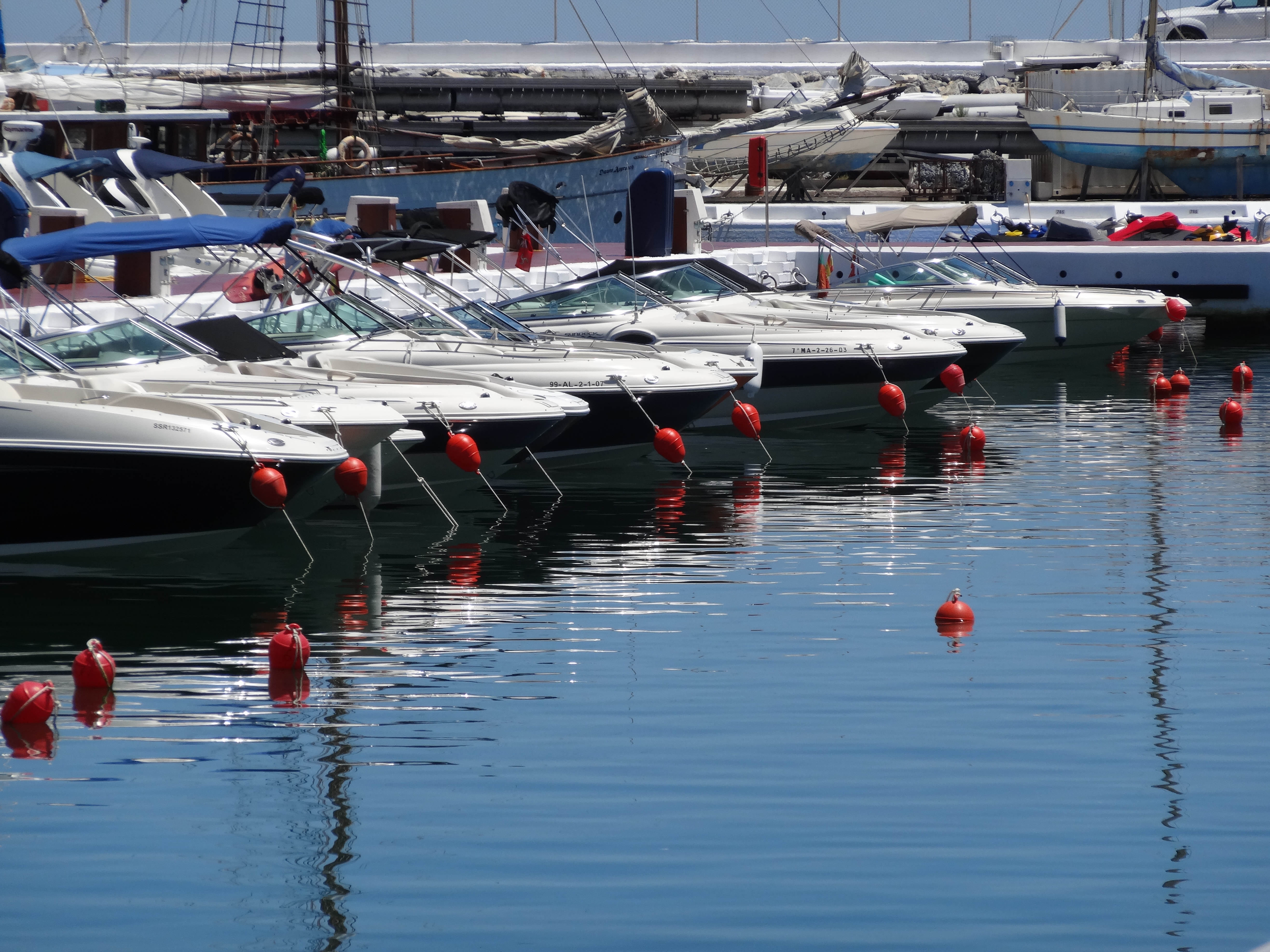
While Marbella is pretty much famous throughout the world for its richer, glitzier suburb marina of Puerto Banus, about 10km along the coast from the centre, the port, which houses the big gaudy yachts, the high end fashion boutiques and the boy-toy roof-off sports cars is far removed from the true Marbella, which at its heart has a gem of an old town, and in the streets around it extends a charm of a bustling Spanish town, but one which has authenticity and a feel of Spanish community running through its every vein. Puerto Banus is a different kettle of fish altogether. If superficial needed a dictionary definition, Puerto Banus would be it. Constructed from scratch in the late 1960s by Jose Banus, and opened at a lavish 1970 gala with attendees such as Grace Kelly, then Princess of Monaco present, the port very quickly became the favourite destination of the jet set and those with plenty of cash to splash. Today, the port retains its self-indulgent character, albeit that the occupants have probably become richer, and almost certainly tackier, with their fake bodily parts, hideously botoxed blown-up lips, overly worked tans and hair extensions. The lack of taste in the place really does grate, and after an hour or so amongst the nouveau riche, I am rarely happier to get back to the Andalus authenticity and charm of Marbella’s old town.

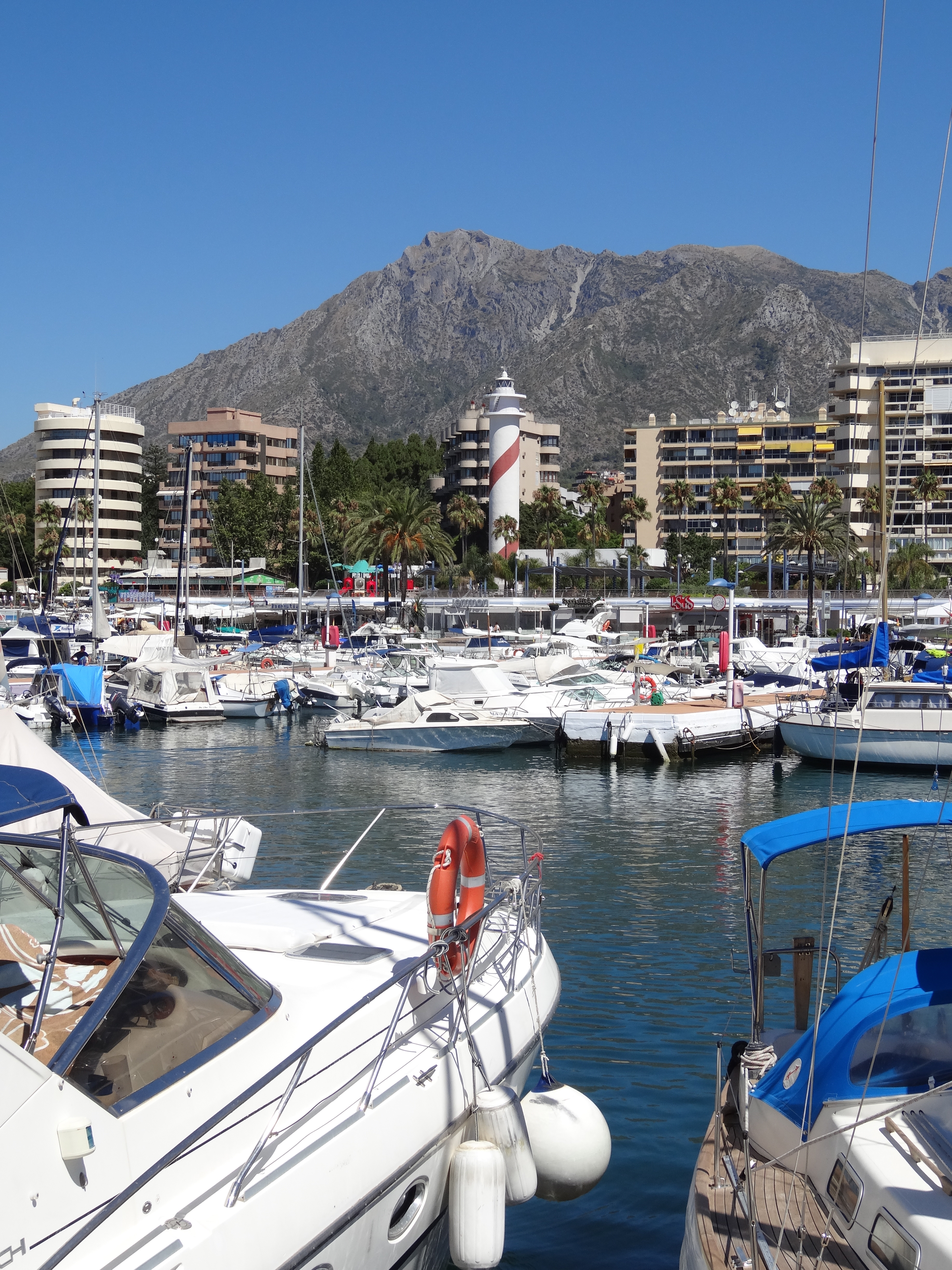
Taking the boat from Marbella to Banus…

Marbella's port

Marbella’s port

DSC05632

The catamaran taking us to Banus

The catamaran taking us to Banus

IMG_4075

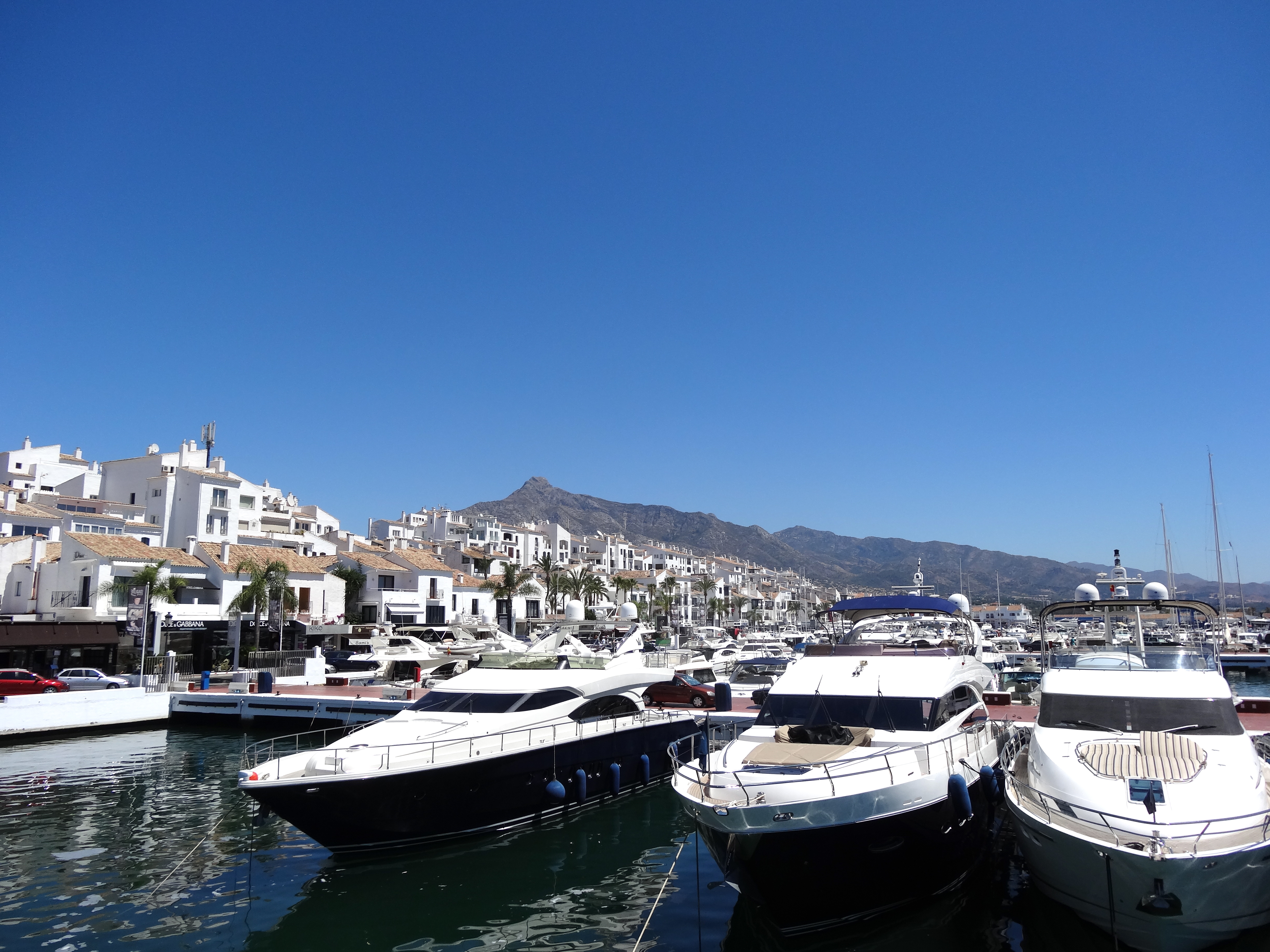
But get away from the tacky masses, and block out the drones of Essex accents and other unsavoury lingos, and the fact remains that Puerto Banus, built in a uniform dazzling low-rise white, with similarly sparkling white yachts before it and the stupendously beautiful Marbella mountain rising up behind it, is really very beautiful. And there is no better way to approach the port and therefore regard it from a safe distance in all its peopleless beauty than to take a boat from Marbella’s slightly less salubrious marina, to Banus. At the cost of only 8 euros one way, it’s almost the same price as a taxi, but the trip affords stunning views of the Marbellan coastline, reminding passengers of just why the town was named “Sea Beautiful”.

Puerto Banus in all its glory

DSC05679 DSC05685 DSC05674 DSC05663 DSC05672

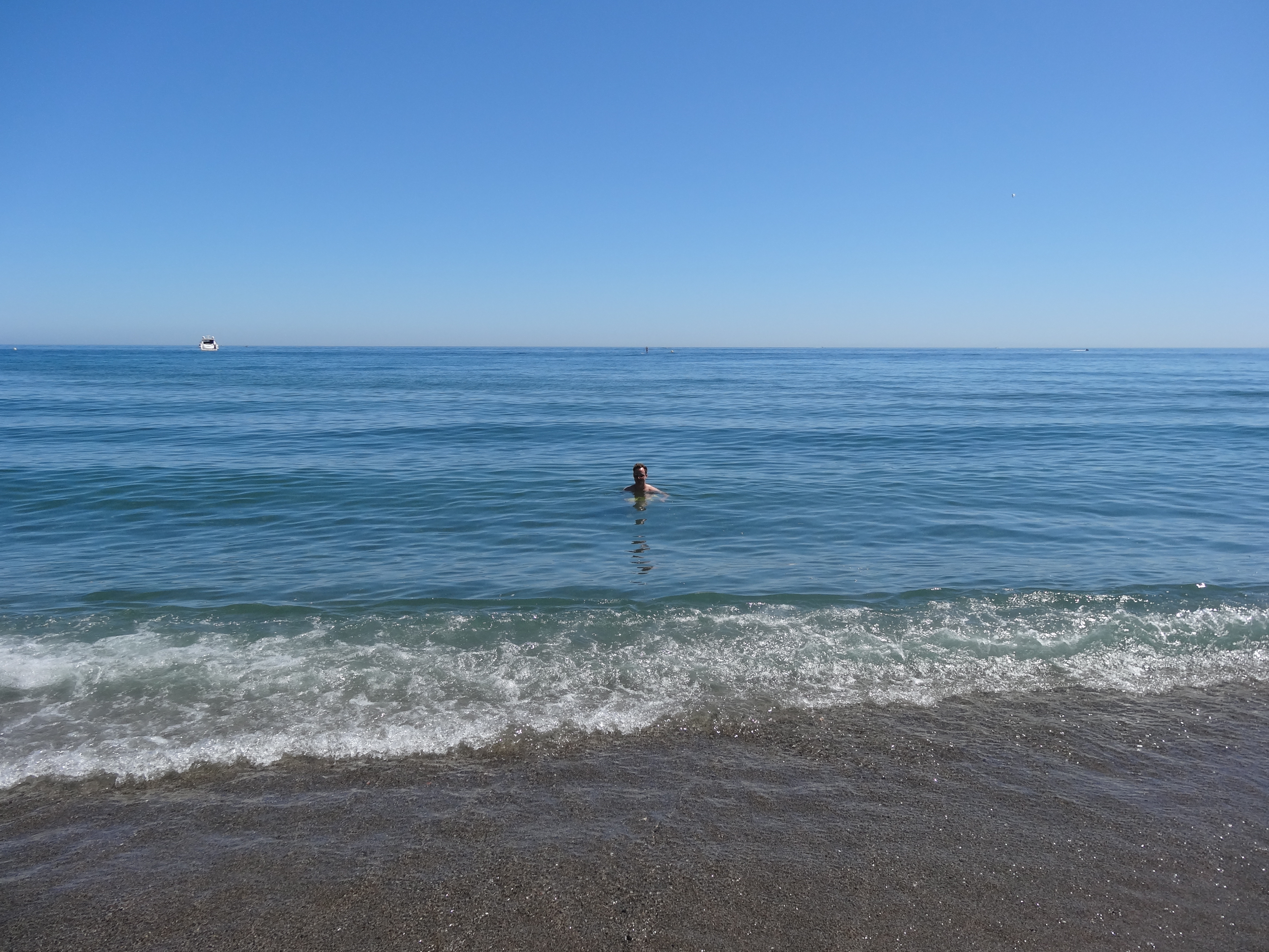
Once in Puerto Banus, a few restaurants round the corner from the main boutique-filled thoroughfare enable quiet al fresco dining with a stunning port-side location, while just outside of Puerto Banus, in the stretch between Banus and Marbella are situated some of the most stunning, tranquil and quiet beaches in all of Marbella. So when my partner and I headed to Banus by boat this summer, we were surprised how much of an enjoyable experience we could extract from a Port which we have formerly declared a no-go zone. Not only did the lunch trip and the boat over afford us stunning views of the marina and the coast, but our return journey provided us with the most beautiful vistas of them all. Because for those with the energy and the appetite for a long walk, the walk on foot, along Marbella’s amble seaside-promenades from Banus back to the centre of Marbella, is undoubtedly the most stunning walk to be had on all of the Costa del Sol. While it takes a good 90 minutes without stopping, and longer when you stop to take advantage of the tranquil beaches and the well-situated seaside cafes, the path takes you past bounteous plump cacti, extravagant private villas, luxury hotels and quiet beaches which resemble something out of paradise. The walk is in fact so close to my heart that a couple of years back it inspired me to paint “Paseo Banus” (see below).

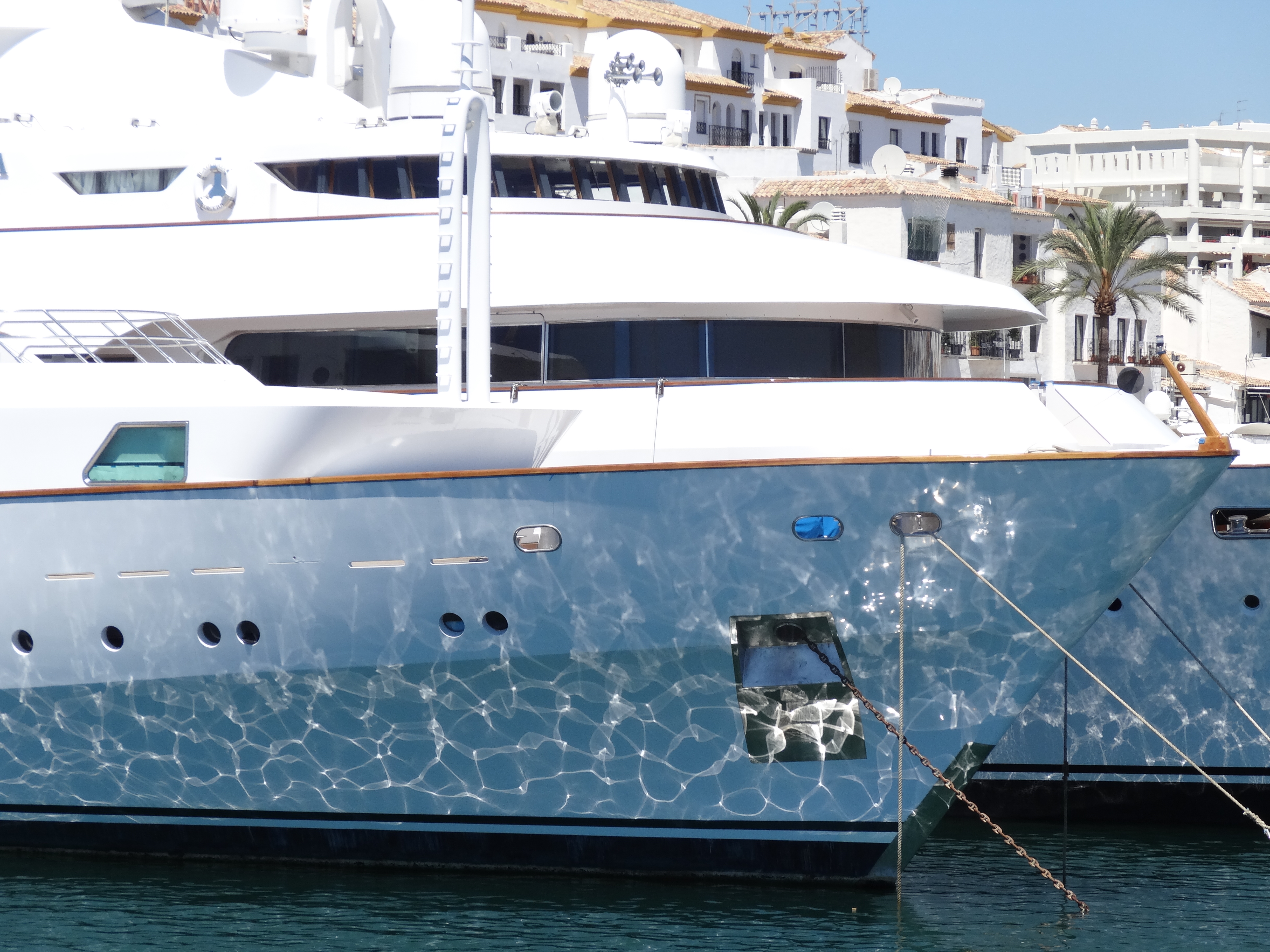
The famous Banus yachts

DSC05657 IMG_3586 DSC05662 DSC05687 DSC05669

The photos which you now see are from our trip to Banus, and the stunning walk home to Marbella’s centre which followed. Our walk probably took around 3 hours by the time we had stopped off at our favourite café Cappuccino Grand Café (and on another occasion Ibiza’s favourite – Café del Mar) and also spent a good hour dipping in and out of the super-calm sea, revelling in being the only people on a very quiet beach. But what an afternoon it was – sunny, hot, tranquil, beautiful – the riches of Marbella reserved for those who make the effort to walk out to them.

Walking from Banus back to Marbella

DSC05689 DSC05698 DSC05693 DSC05706 DSC05692 DSC05703 DSC05718 DSC05713 DSC05705

…and the painting it inspired

Paseo Banus (2011 © Nicholas de Lacy-Brown, Acrylic on canvas)

Paseo Banus (2011 © Nicholas de Lacy-Brown, Acrylic on canvas)

All photos and written content are strictly the copyright of Nicholas de Lacy-Brown © 2013 and The Daily Norm. All rights are reserved. Unauthorized use and/or duplication of the material, whether written work, photography or artwork, included within The Daily Norm without express and written permission from The Daily Norm’s author and/or owner is strictly prohibited. 

Marbella Twenty-Thirteen | Life’s a Beach

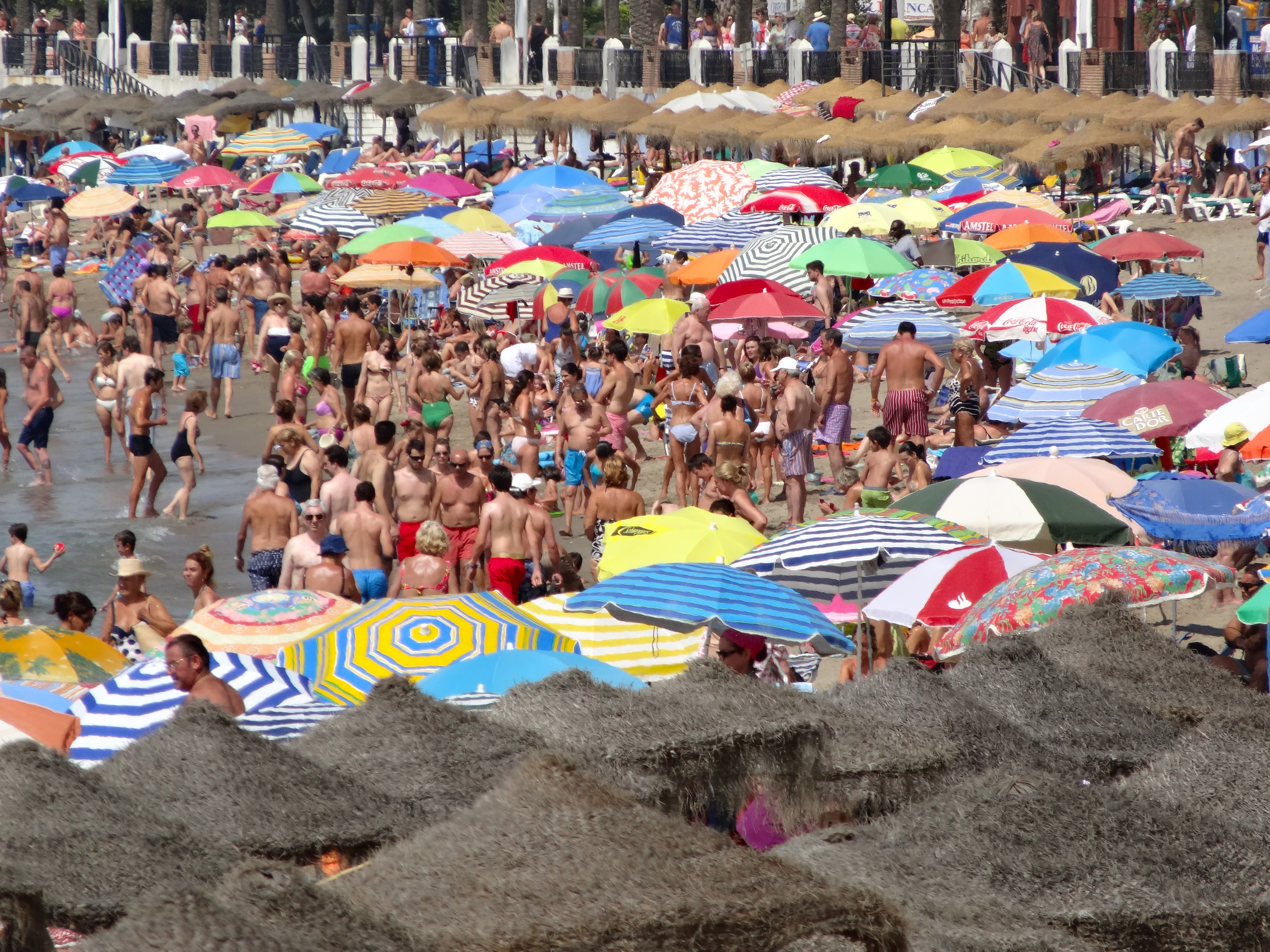
My second selection of photographs from my two week rendezvous in Spain’s Marbella is, for a town named after the beautiful sea which laps up along its sandy shores, rather appropriately collected around a beach theme. For without long days languishing along the plentiful sandy stretches, dipping in and out of the warm Mediterranean sea, and breathing in the mixed smells of sun tan cream, the salty sea breeze, and the acrid fishy smoke from barbequed sardines roasting upon one of the many beach chiringitos, a holiday in Marbella would lose its soul.

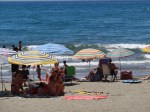
I didn’t take my camera to the beach nearly as much as we took ourselves along – after all, those pesky grains of sand tend to get everywhere, and a rogue sandy particle imbedding itself within the internal mechanisms of my camera is one holiday souvenir I can easily do without. However, those few occasions when my camera remained at my side were pretty active in the photography stakes. One feature of the beach which never failed to inspire me was the kaleidoscope of colours on offer.

DSC06453 DSC06298 IMG_4041

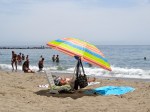
Under the bluest of blue skies, the sea took on a welcoming turquoise creaminess, while the sand glowed yellow and beige. Against that backdrop the hundreds of beach umbrellas brought along by the daily beach masses provided the finishing touches to what were an entire rainbow of vivid tones. One of my favourite photos just has to be the beach viewed from the paseo above, tanned crowds packing onto the sands and the swathe of multi-coloured umbrellas extending for as far as the eye can see – a vast snaking swirl of beach activity, and the very epitome of the Spanish summer season.

All photos and written content are strictly the copyright of Nicholas de Lacy-Brown © 2013 and The Daily Norm. All rights are reserved. Unauthorized use and/or duplication of the material, whether written work, photography or artwork, included within The Daily Norm without express and written permission from The Daily Norm’s author and/or owner is strictly prohibited. 

It’s beginning to feel a lot like Christmas – Part II

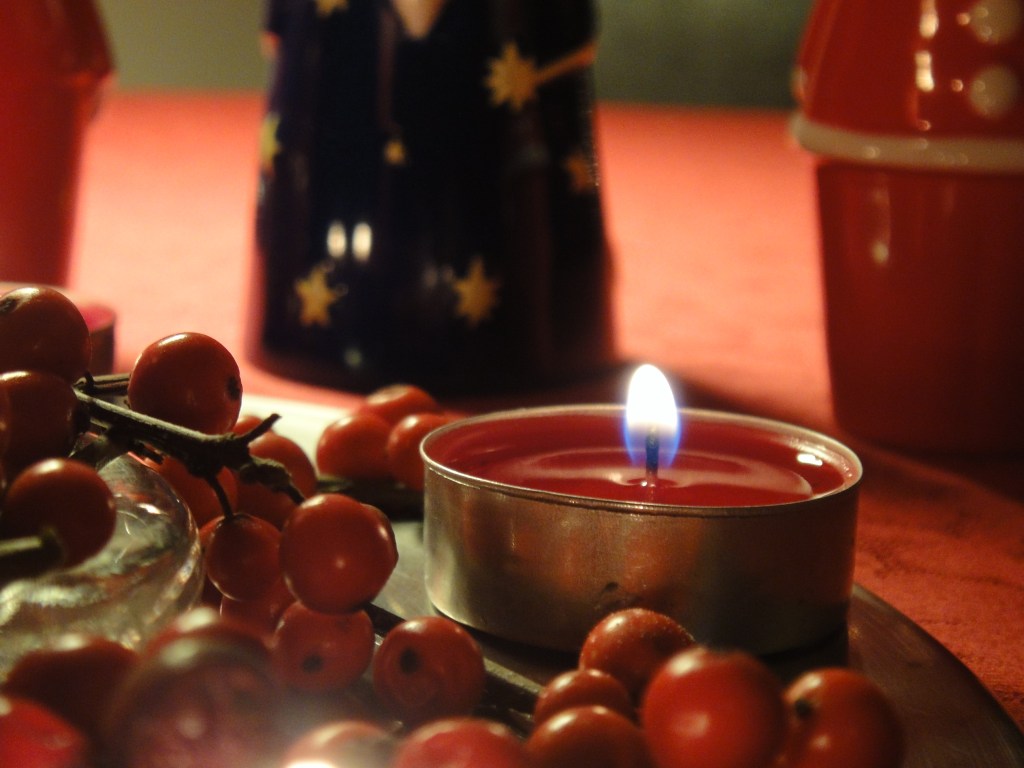
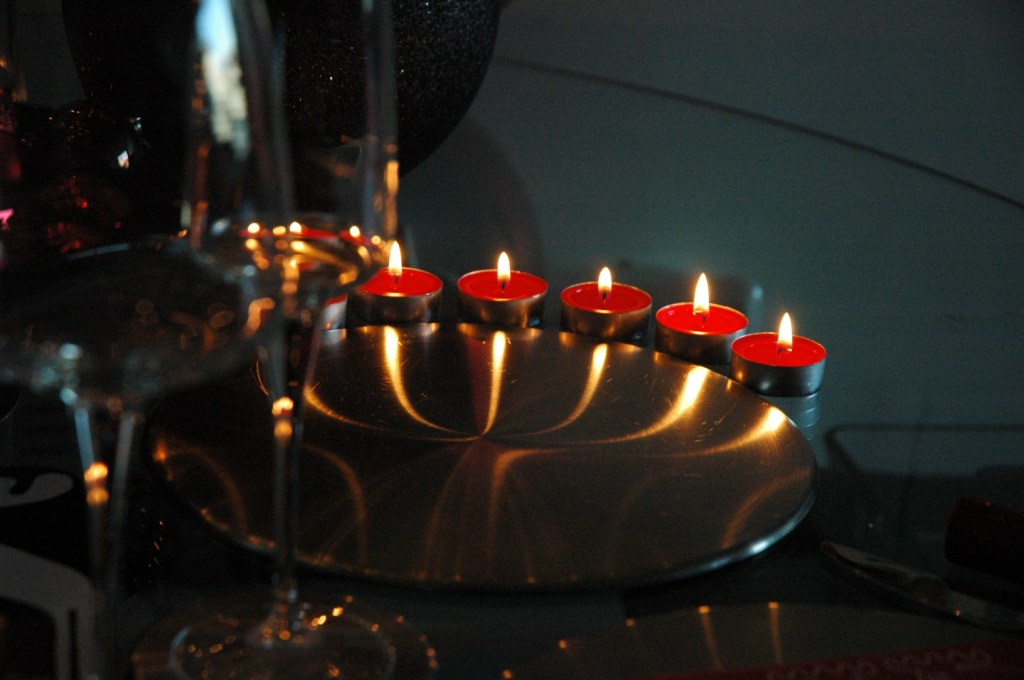
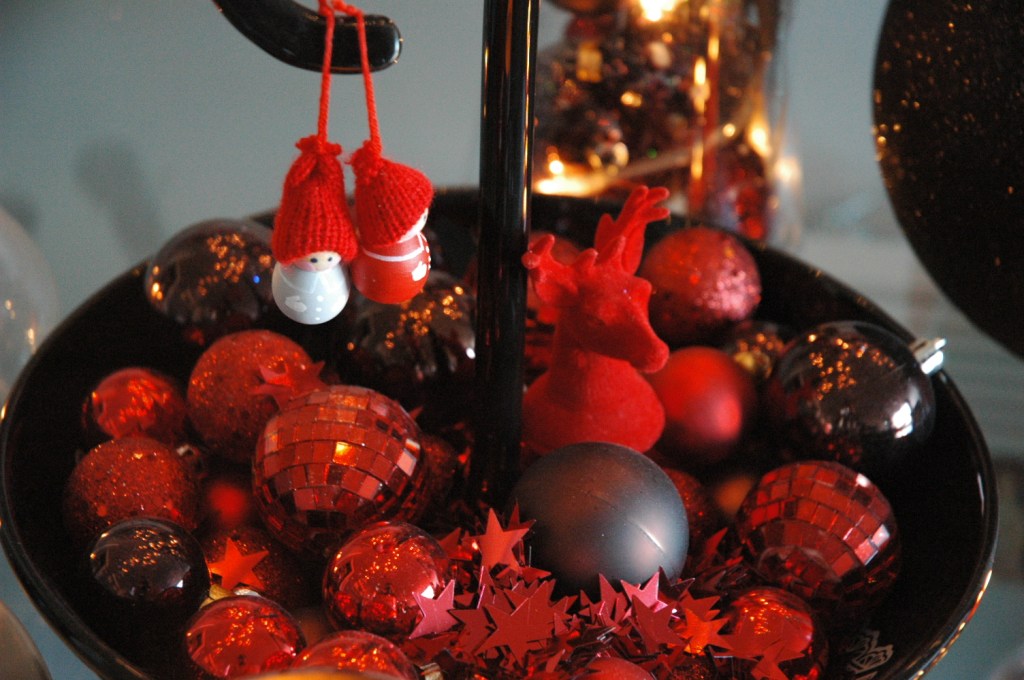
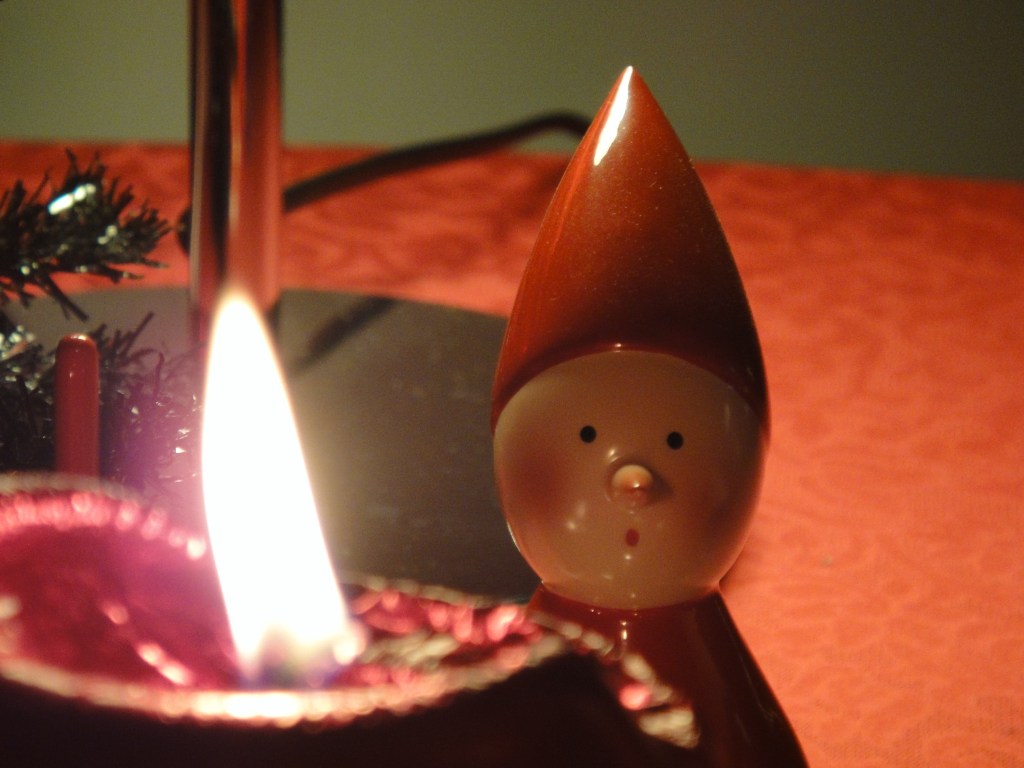
Christmas isn’t just about the festive spirit outside of doors, although as I demonstrated yesterday, in London, the tangible celebration of Christmas evident all around certainly helps to get one in the mood. But it’s indoors, in the home, that the real heart of Christmas beats a unified rhythm with the yuletide spirit, and personally, I cannot get enough of the constant reinvention of my home in its Christmas guise, from the comforting glow of my Christmas trees at the break of a still dark winter’s morning, and the spirited twinkling dance of fairy lights to the jig of Christmas pop playing on the radio, to the reflective flicker of candlelight as the day draws to a close, and my home is lit exclusively by the staccato movement of my tree lights and the red warming glow of my candles lit in almost every room.

DSC_0028DSC_0009

In fact so fervent is our love for the ambience given off within our Christmas-decked home that my partner and I have a moment, just before going to bed, when we play some choral carols or, even better, monastery chants, emulating a Christmas straight from medieval times, and with that soothing soundtrack, set about sitting, calmly in the subdued light of our Christmas trees, watching the lights and sparkle dance and flicker around the room. It’s almost epiphanaic to meditate amongst such warm Christmas tranquillity, and is almost certainly my favourite time of the day.

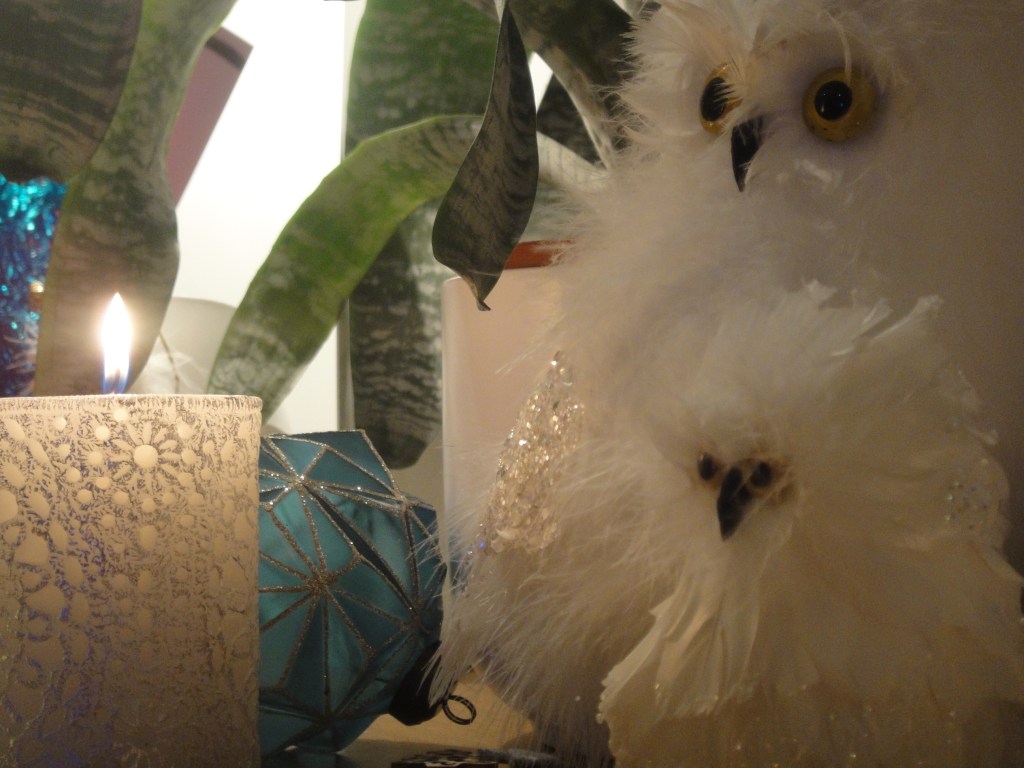
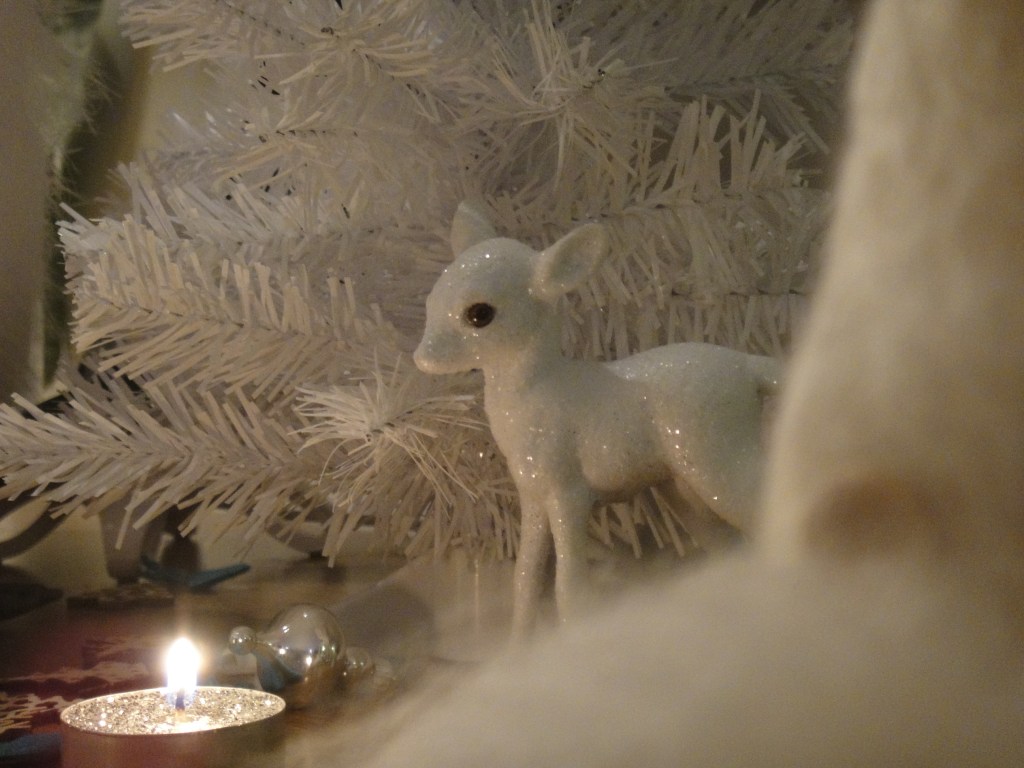
Now I’ve already shown you my Christmas decorations in two posts a few weeks back (links below), but this post is, I suppose, further reflections on a theme – my almost poetic interaction with the yuletide spirit manifesting all around me both in words and pictures. Moving to the latter, posted here are some further glimpses of my Christmas expression around my home. I start with my Scandinavian forest, an oasis of calm, an installation of little small Christmas trees intermingled with cute forest animals – I’ve noticed that this simple, white Scandinavian style has really hit it off in London this year with all its woods, and whites and an emphasis on nature. I love nothing more than lighting these beautiful sparkling silver tealights amidst my forest, creating in so doing something akin to a magical Narnia-like wonderland which comes alive under the candles’ gentle flickering.

DSC04468 DSC04471 DSC04460 DSC04465

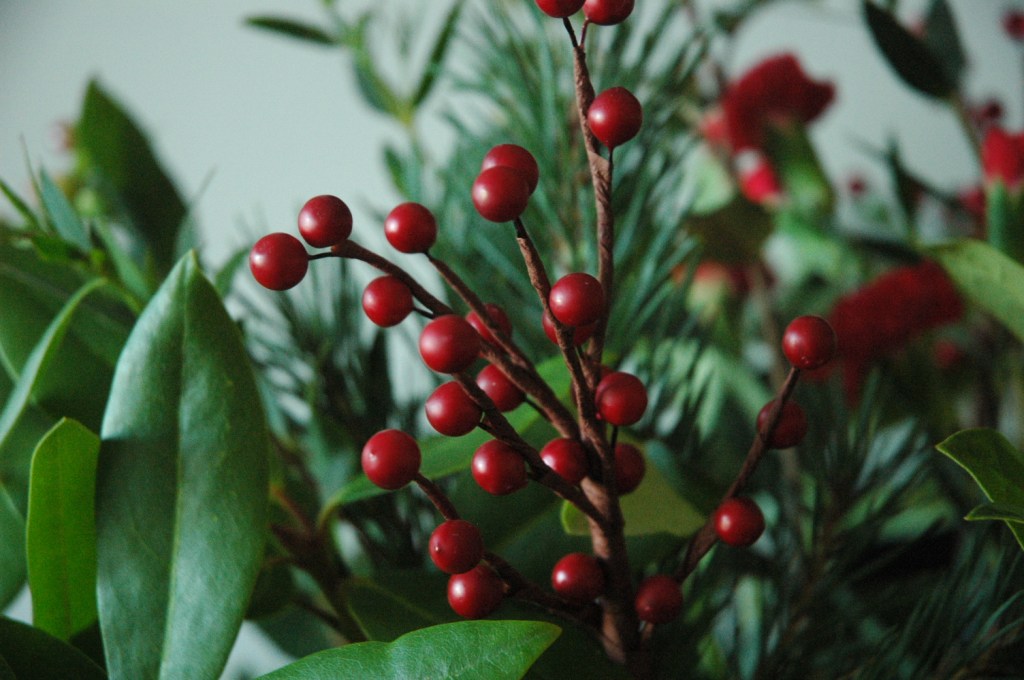
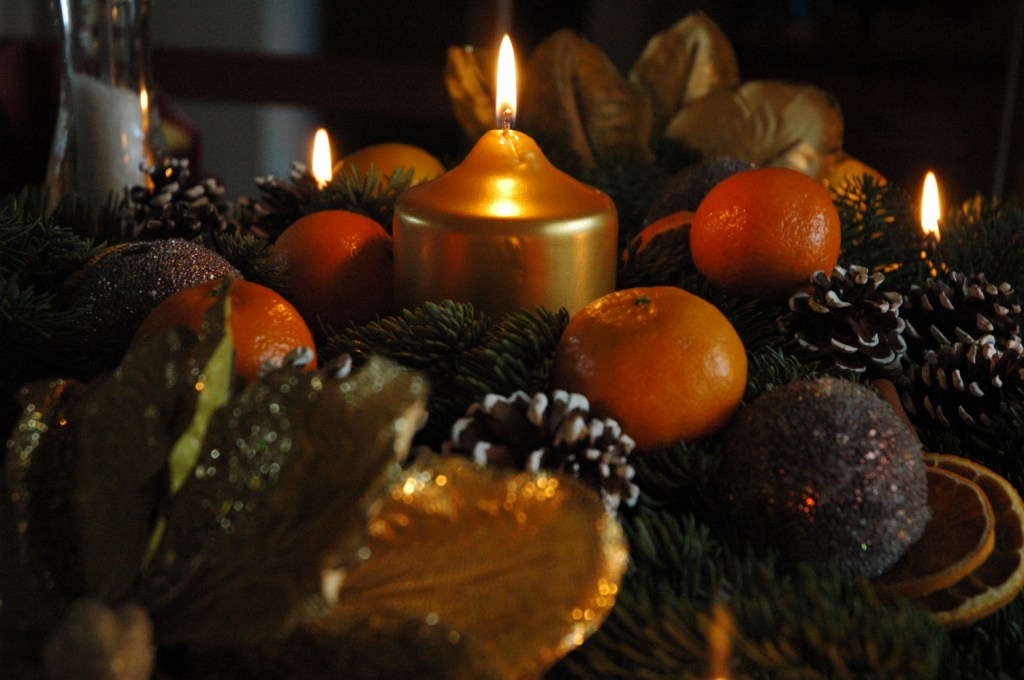
Talking of candles, one of my favourite parts of Christmas has to be decorating the table, whether it be for the big event on Christmas day, or for a small meal in the run up to the 25th. I usually incorporate as much foliage as I can, including oranges and pine trees, red berries and fir cones, and then set amongst the foliage many candles of different shapes and sizes. Then I like to leave the candles to burn gradually down, lighting up the foliage around them with a warming winter glow.

DSC05978 DSC_0003 DSC_0010 DSC_0038 DSC_0013 DSC05974

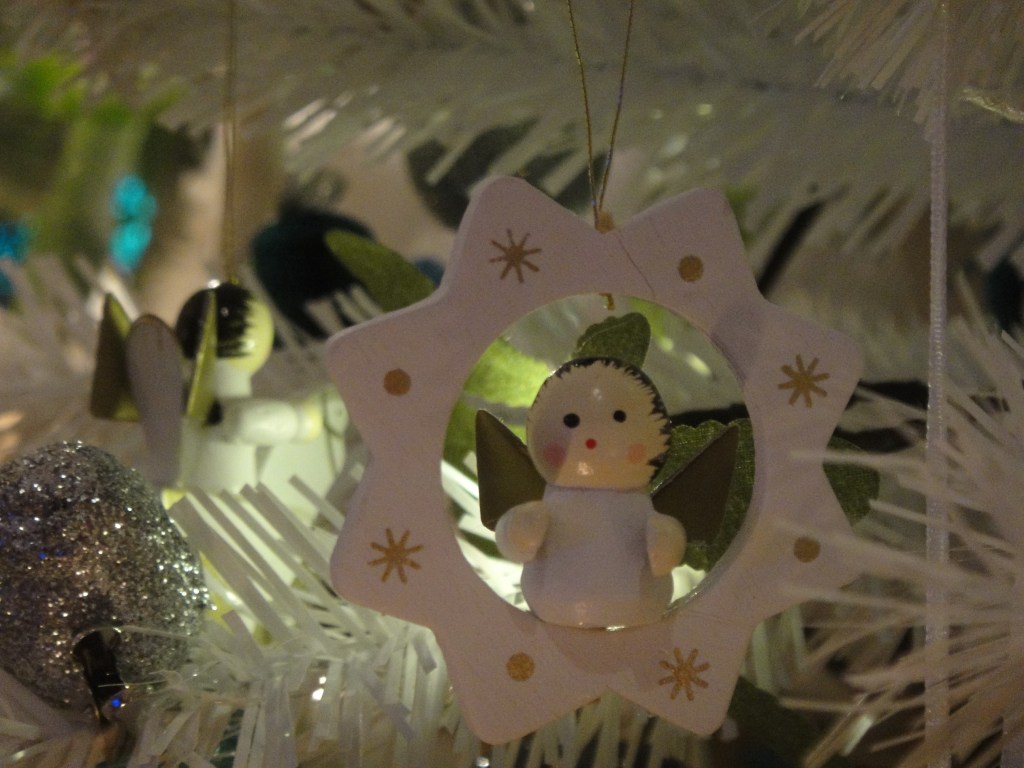
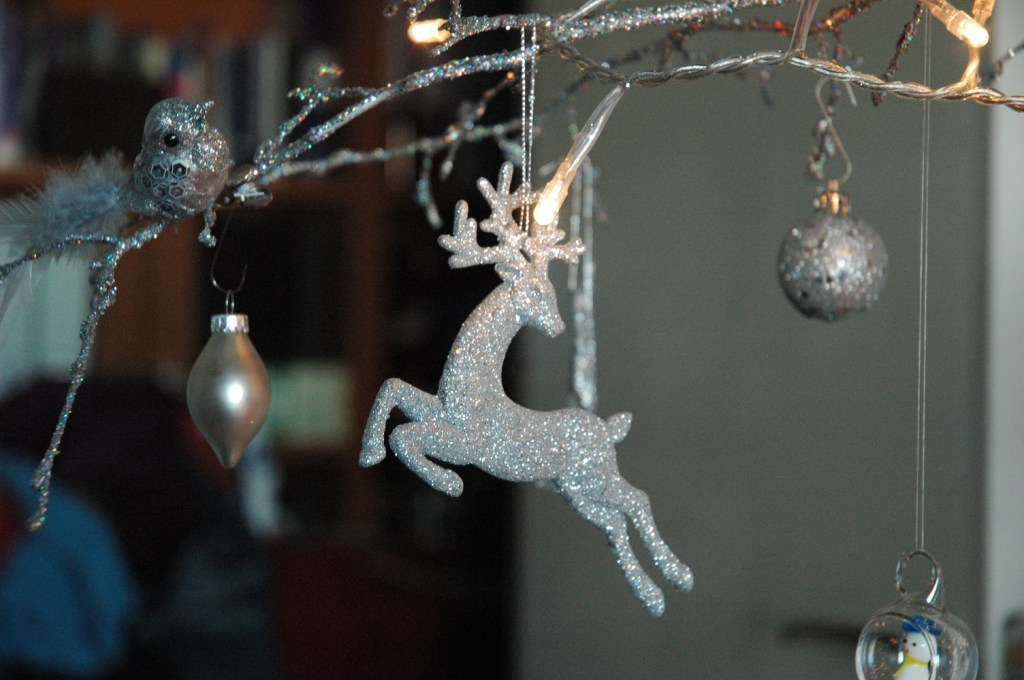
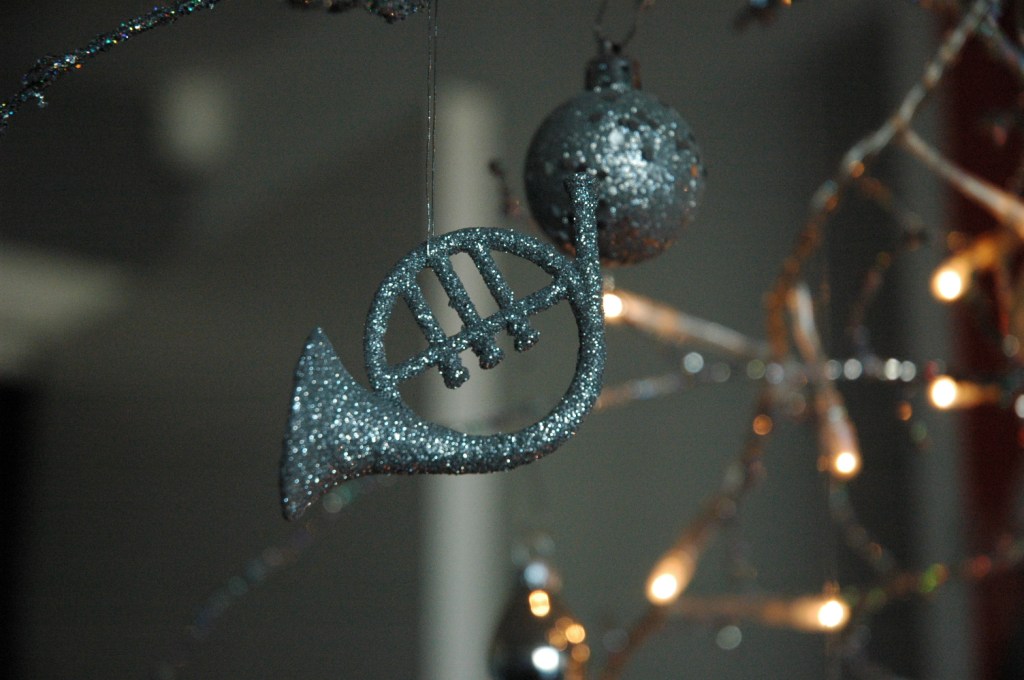
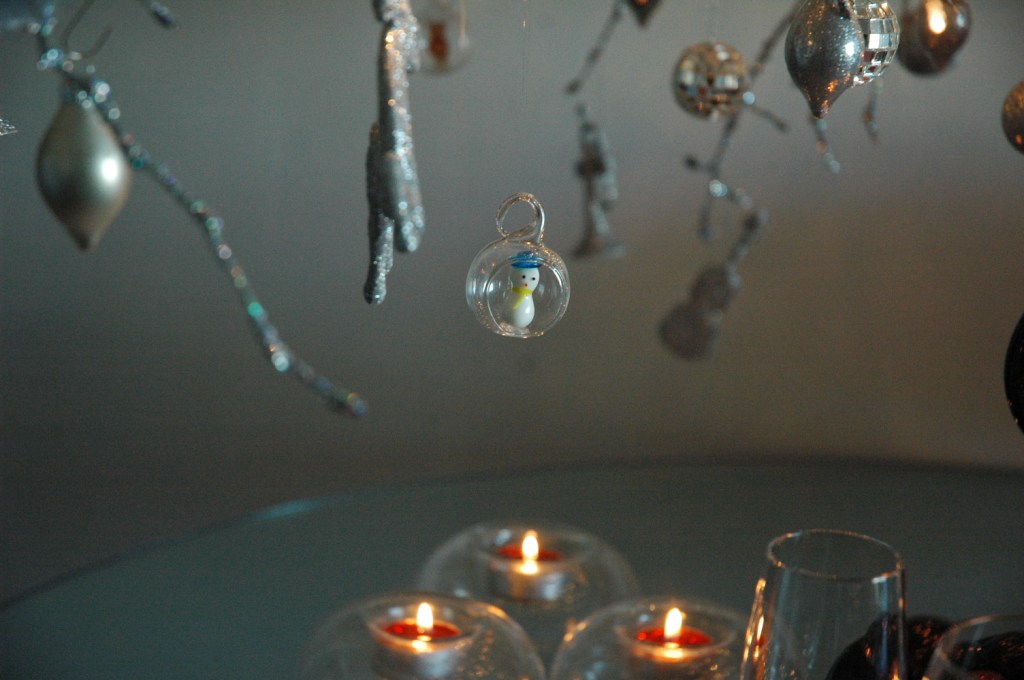
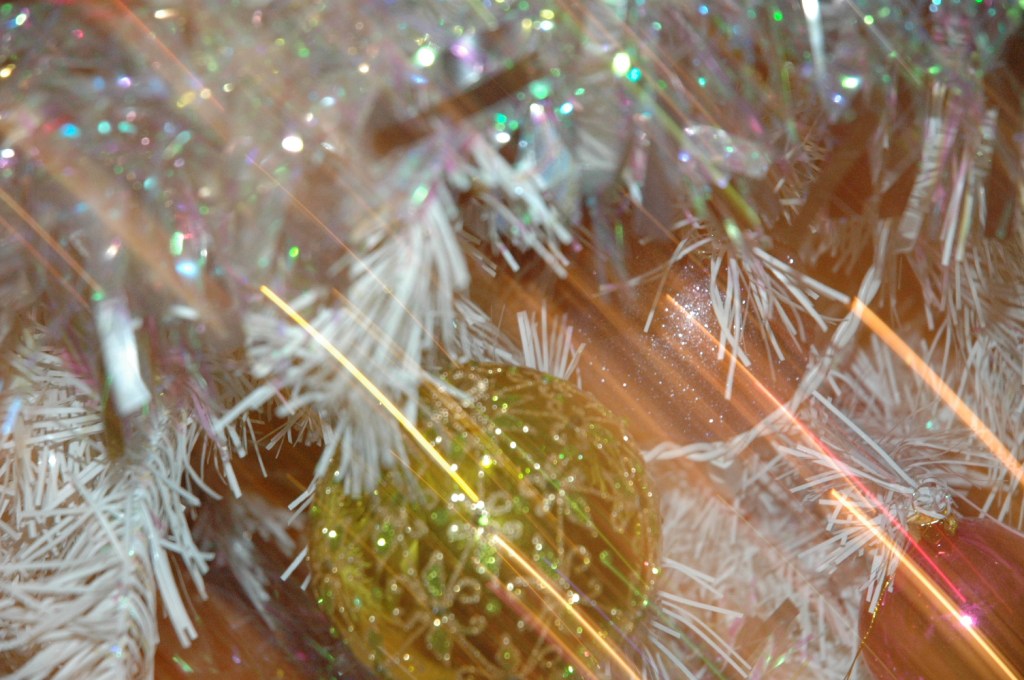
Moving on to more of my decorations, here is another homage to the Scandinavian Christmas, where the fusion of a glitter covered tree hung with delicate glass baubles appears to emulate droplets of ice hanging in a snow-covered forest.

DSC_0006 DSC_0007 DSC_0008 DSC_0004

I also love these photos of my Christmas lights out of focus. One of the great advantages, to my mind, of being dreadfully short sighted (and there aren’t many) is that if you look at a tree having taken off your glasses, the lights blur and intermingle with the sparkle from the nearby tinsel and glittery baubles – it creates a blur of light which is sensational to the eyes, and these photos almost replicate the effect.

DSC_0005 Blur DSC_0011

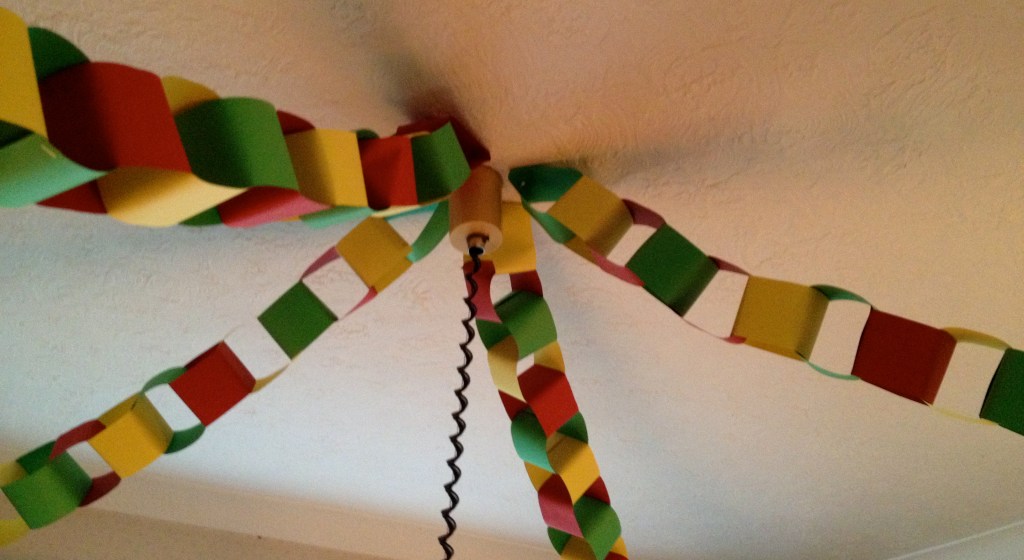
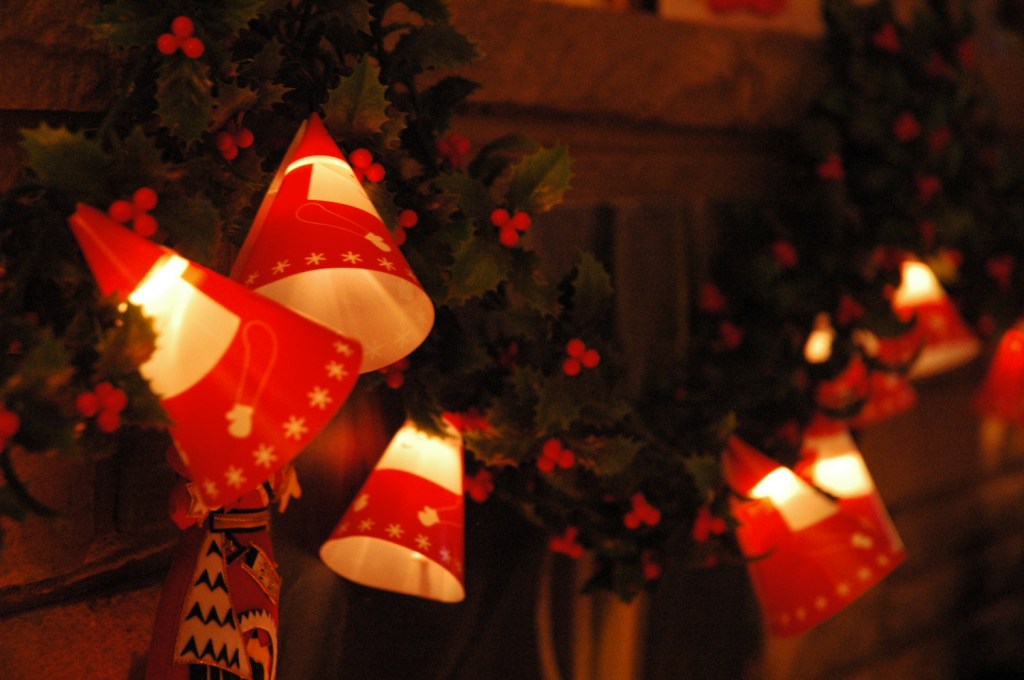
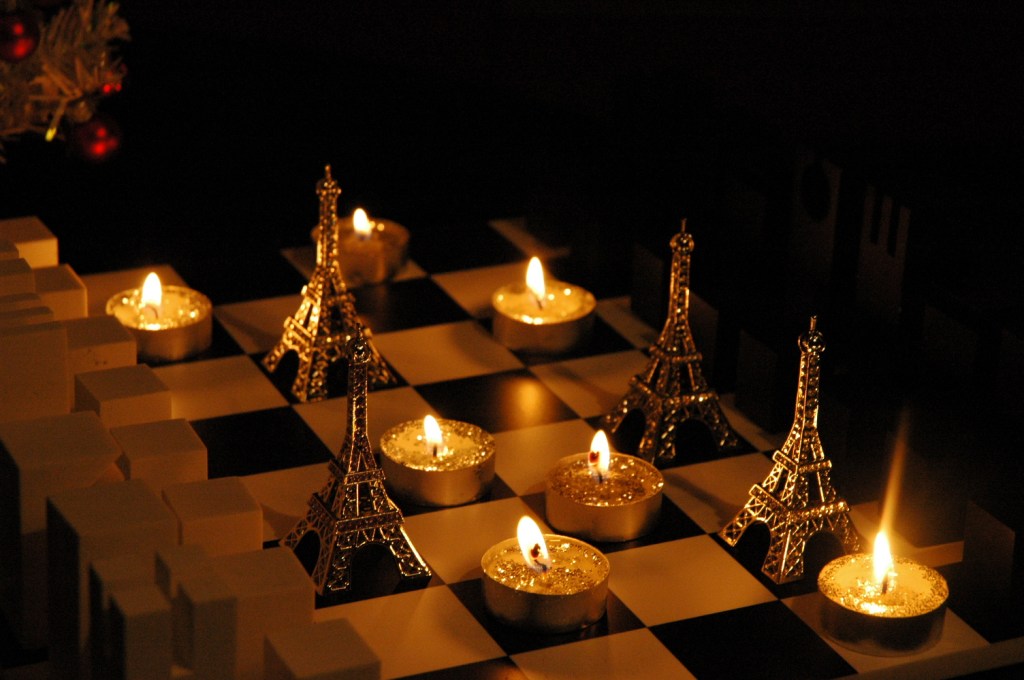
Finally, I close my post with a selection of miscellaneous shots, from the lights upon the fireplace of my family home where I will be spending Christmas this year, to the oversized paperchains which my partner, mother and I were making over the weekend (they’re uber fashionable this year, we hear). Check out too the understated extravagance of my little diamond-covered Eiffel towers (fake diamonds, sadly). London may arguably be the capital of Christmas, but there’s always room for a little Parisian glamour to compliment the excesses of the festive season.

IMG_2610 DSC_0037 DSC_0001 DSC_0101 DSC02399Righto, I’m off to share a moment with my Christmas trees now… until the next time, hope you’re enjoying the run up to Christmas!

Bologna: La Dotta – Learned city where the profane is sacred, and the sacred is mundane.

As far as outward appearances go, Bologna holds its own amongst the crowd. For beautiful buildings, magnificent public monuments, fading Renaissance elegance and vast central piazzas, Bologna is undaunted by its more celebrated rival cities of Florence, Milan and Rome. But behind the facade, in mind, Bologna is quite different. In Rome, for example, the dominant influence of the church, and in particular of the Vatican looming close by, is evident all around. You only need to turn a corner to find another vast church, stuffed to saturation full of the most exquisite baroque sculpture, euphoric painted ceilings, depicting heaven and hell with startling realism and artistic virtuosity, gold-dripping altars, elaborate side chapels, and 100% fresco coverage throughout. In Florence, the green, pink and white marble covered Duomo and its baptistry dominates the city’s central piazza, while just around the corner, the equally stunning Santa Croce and Santa Maria Novella dominate their own respective squares.

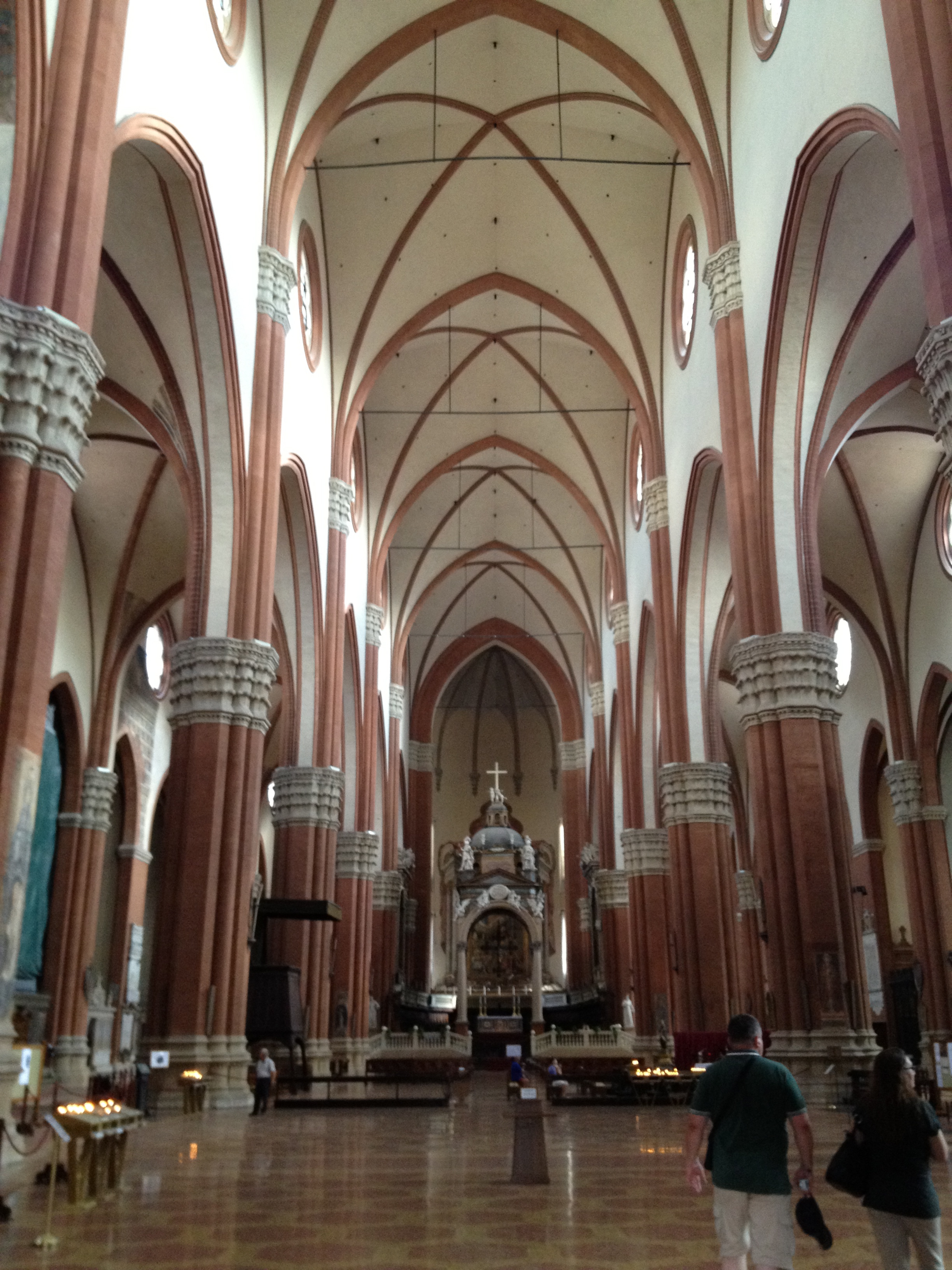
In Bologna, by contrast, there is a sense that the church plays second fiddle. True, the Piazza Maggiore is at least partially dominated by the looming presence of the Basilica San Petronio, but its vast marble facade has been left unfinished, as though the Bolognese started the expensive task of covering the brown bricks with marble, only to decide that the money could be better spent on other things. Meanwhile, on the inside, the church has a vast gothic interior, rising almost endlessly into the sky, yet compared with other Italian cathedrals, this interior is stark and austere, exhibiting the same lack of embellishment as is all too obvious on the exterior.

San Petronio’s unfinished exterior
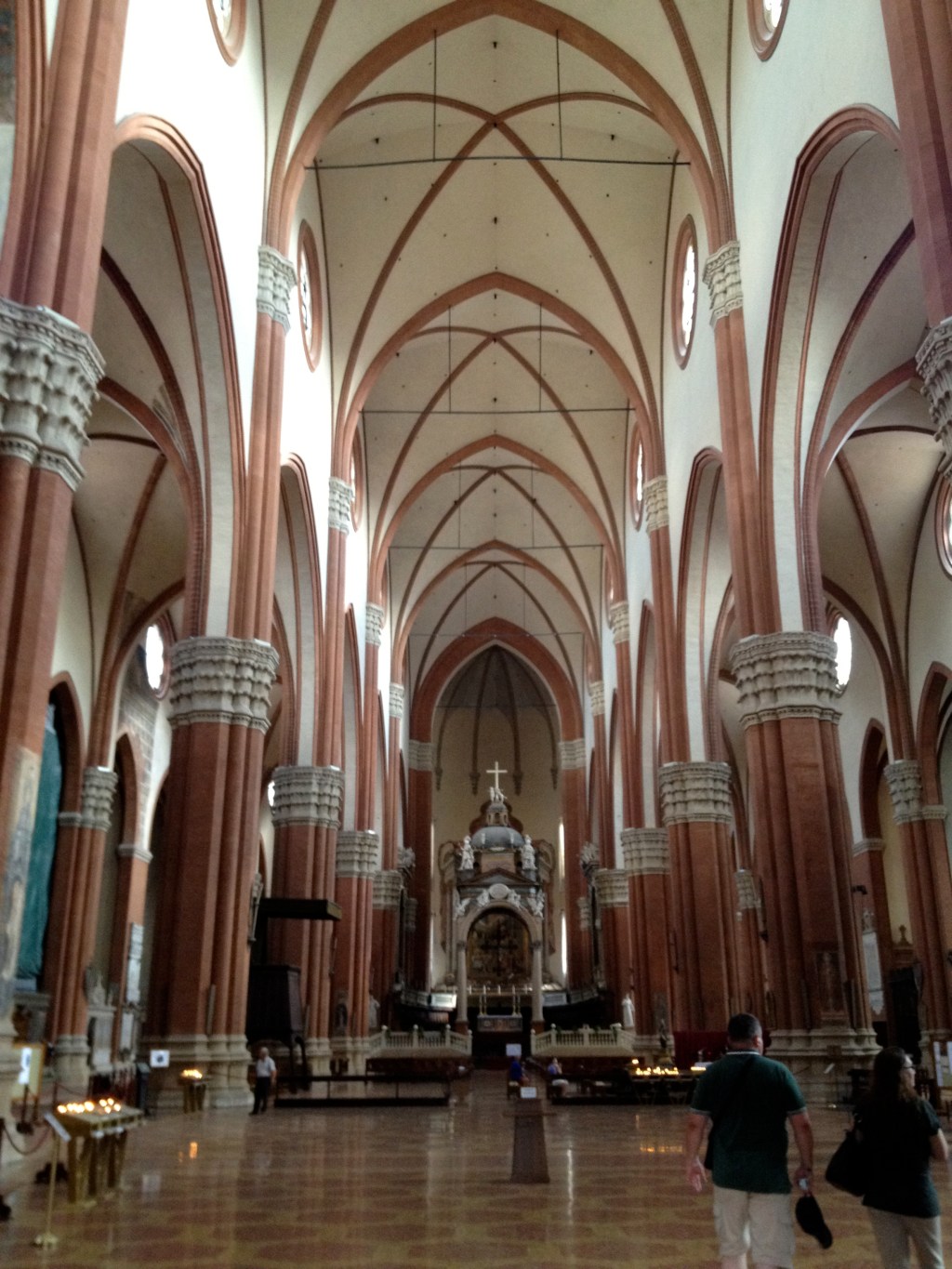
And its impressive but austere gothic interior

In Bologna too is the iconic church of Santo Stefano, which is actually comprised of a hodge-bodge of some 8 older churches all linked together. However the rather plain brick-facade of this church is easily dominated by the stunning collonades of the neighbouring buildings, and all of the guide books of Bologna refer not to the beauty of the church, but of the square itself, with its fine Merchant mansions, shopping arcades and perfectly-proportioned palazzos.

Overshadowed: Santo Stefano

That’s not to say that the Bolognese are a population of heathens, rejecting the church and pursuing a life of hedonistic profanity and over-indulgence. The Basilica of San Petronio is, in fact, a mere shadow of its original design, which was intended to be a vast religious temple when designs were drawn up in the 16th century, but which were promptly interrupted by the Vatican who feared that the resulting cathedral would overshadow St Peter’s in Rome. As it is, the cathedral is the 15th biggest in the world. While the intention was there, you can’t help but notice that in spirit, Bologna’s priorities lie elsewhere. For the second of Bologna’s three renowned epithets is La Dotta: the Learned, and the great prevailing buttress of Bologna’s cultural foundation is intellect and learning – and you can see it all around.
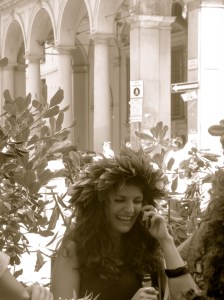
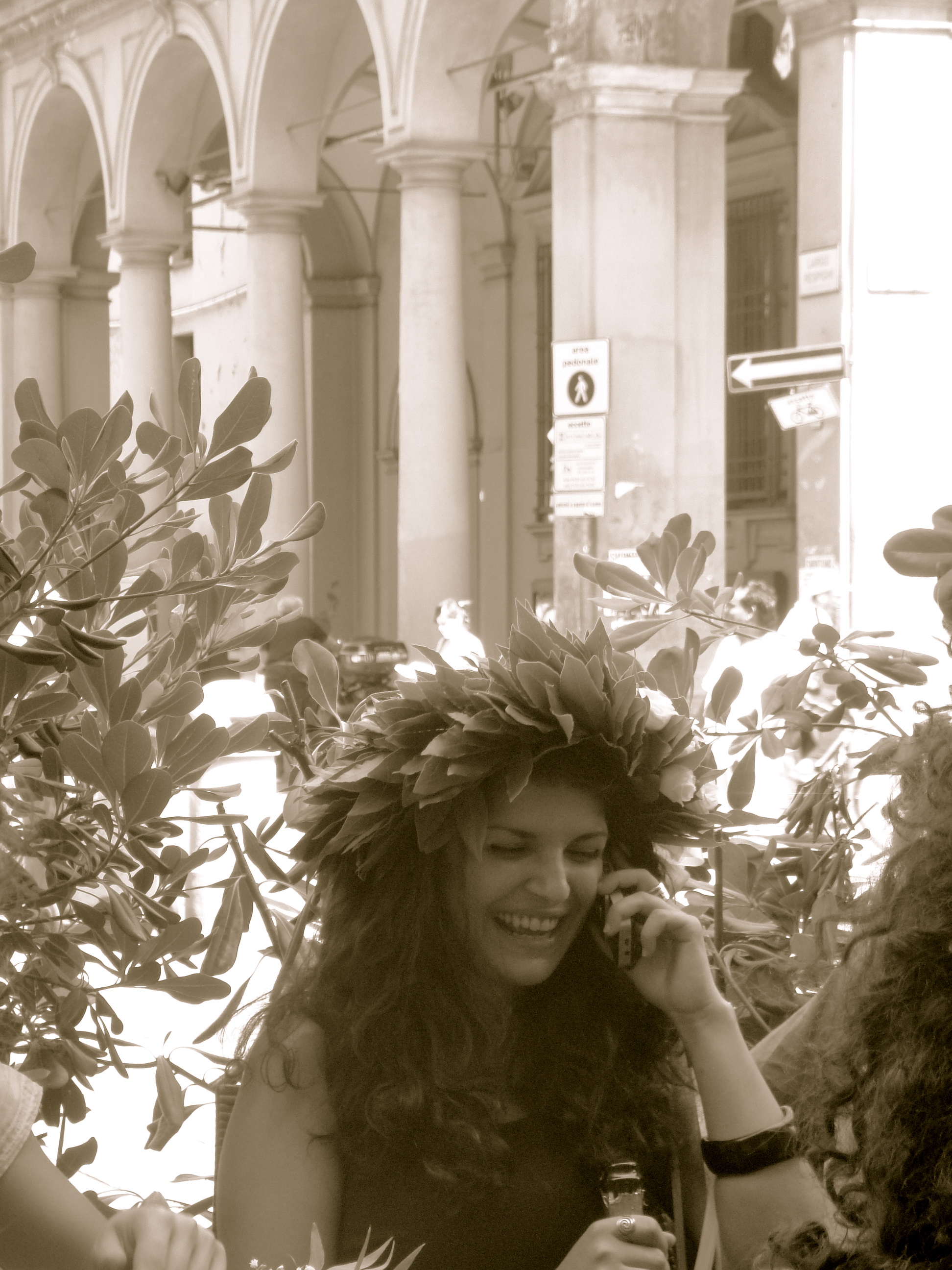
A happy Bologna graduate on her graduation day

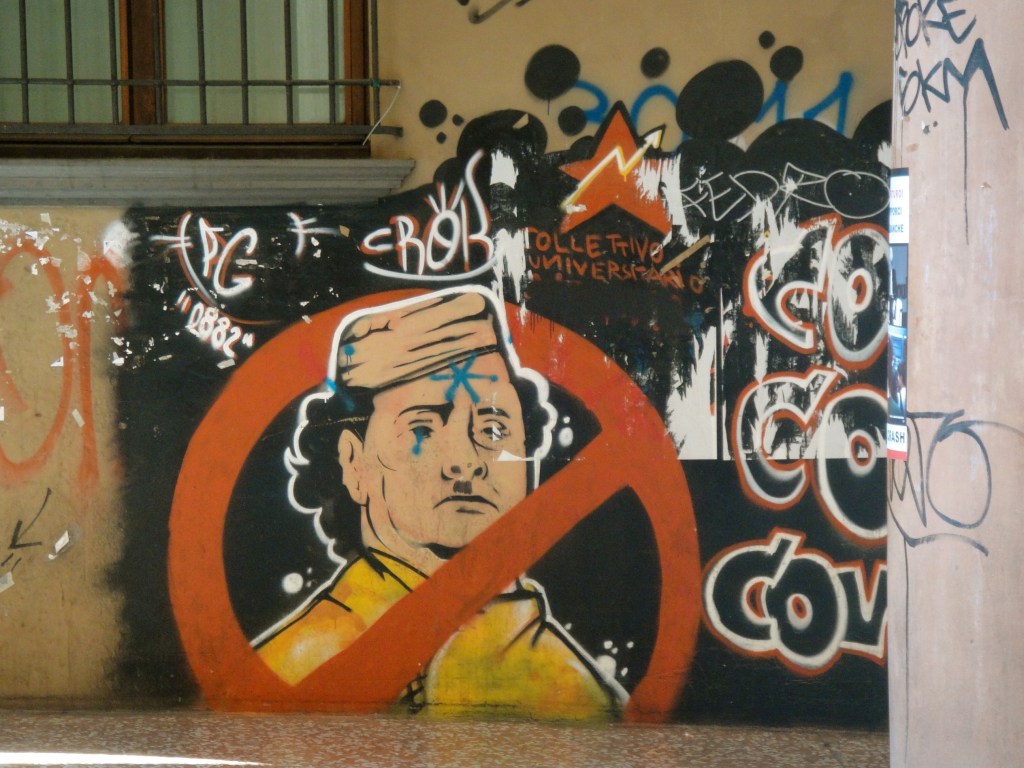
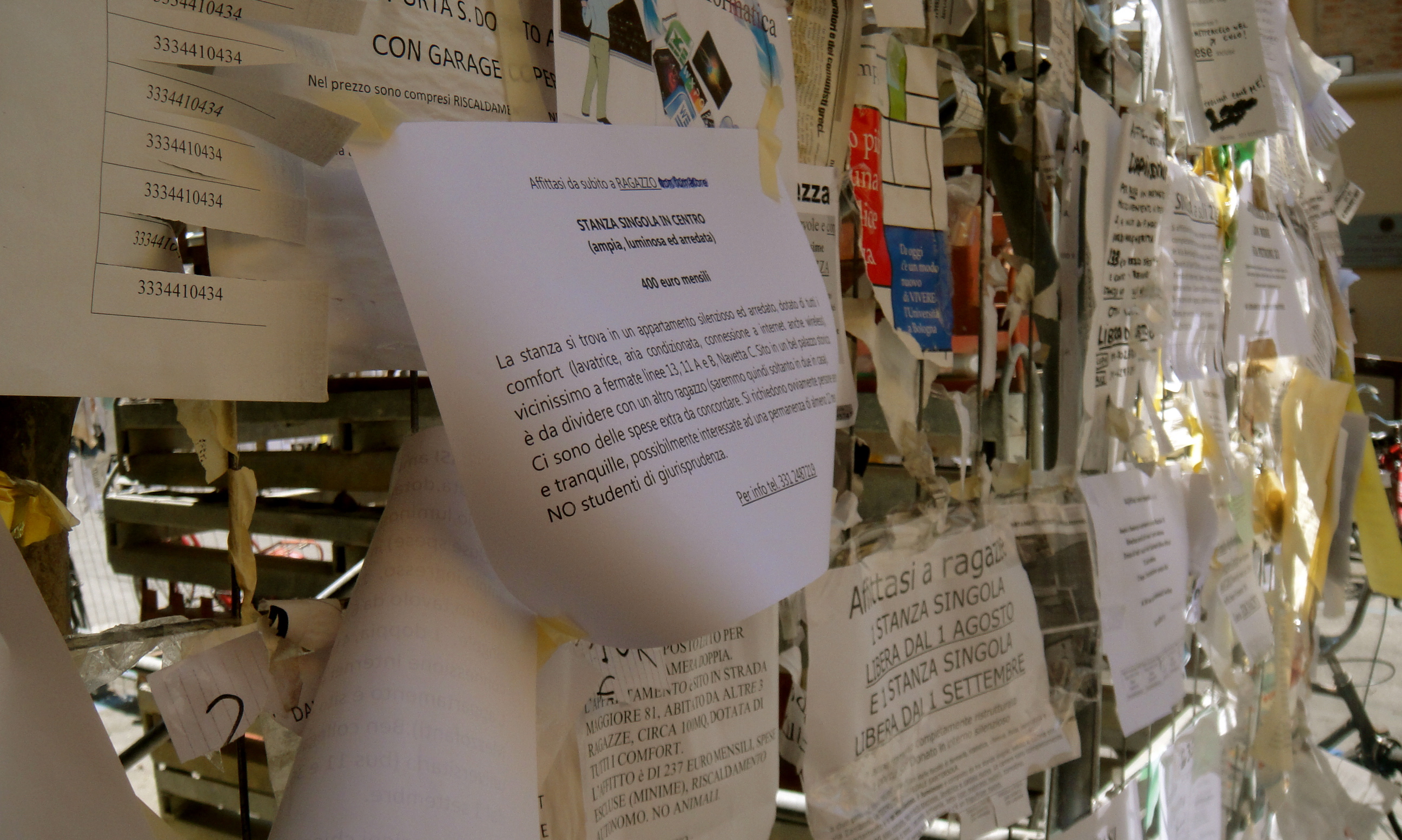
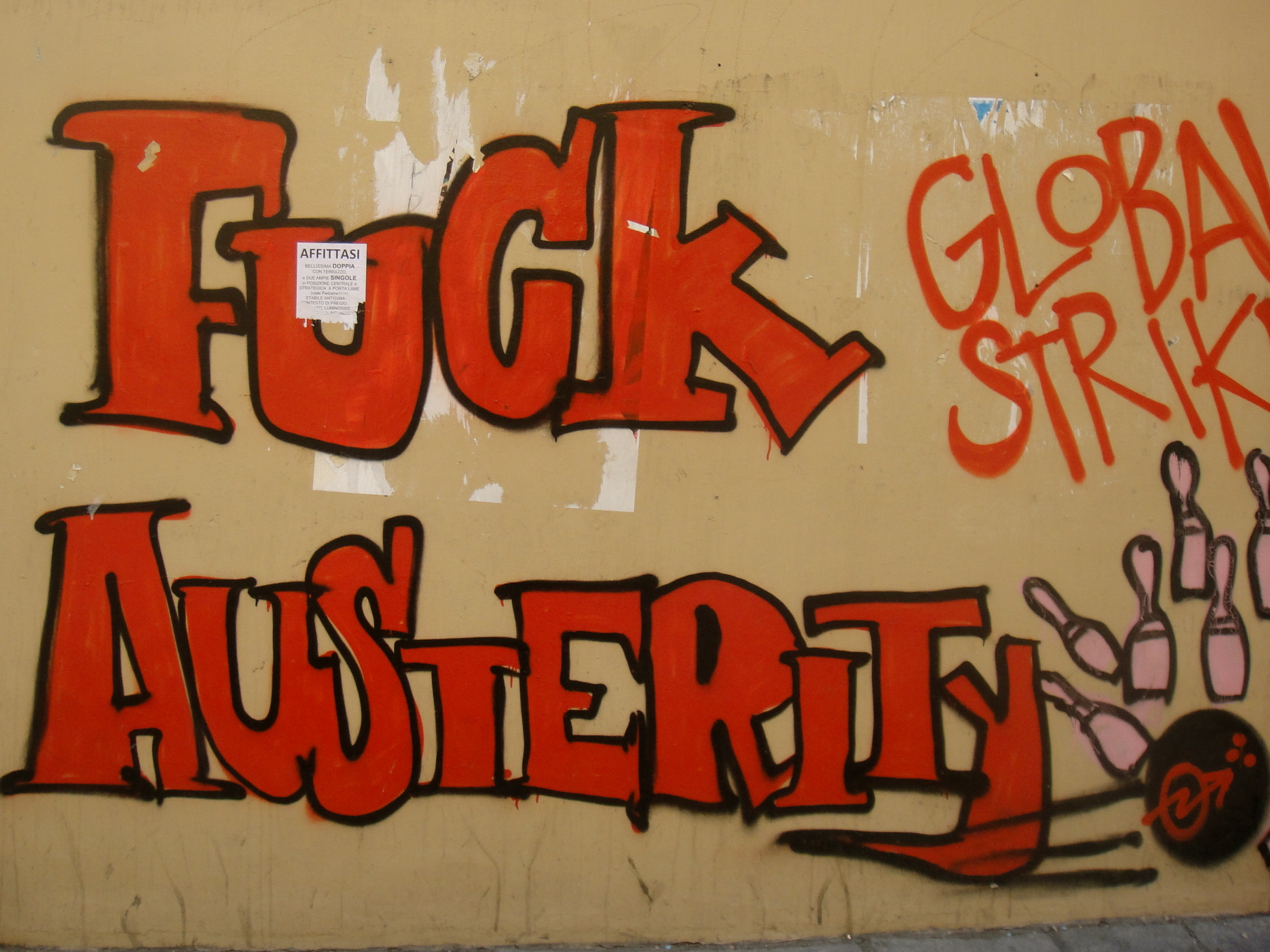
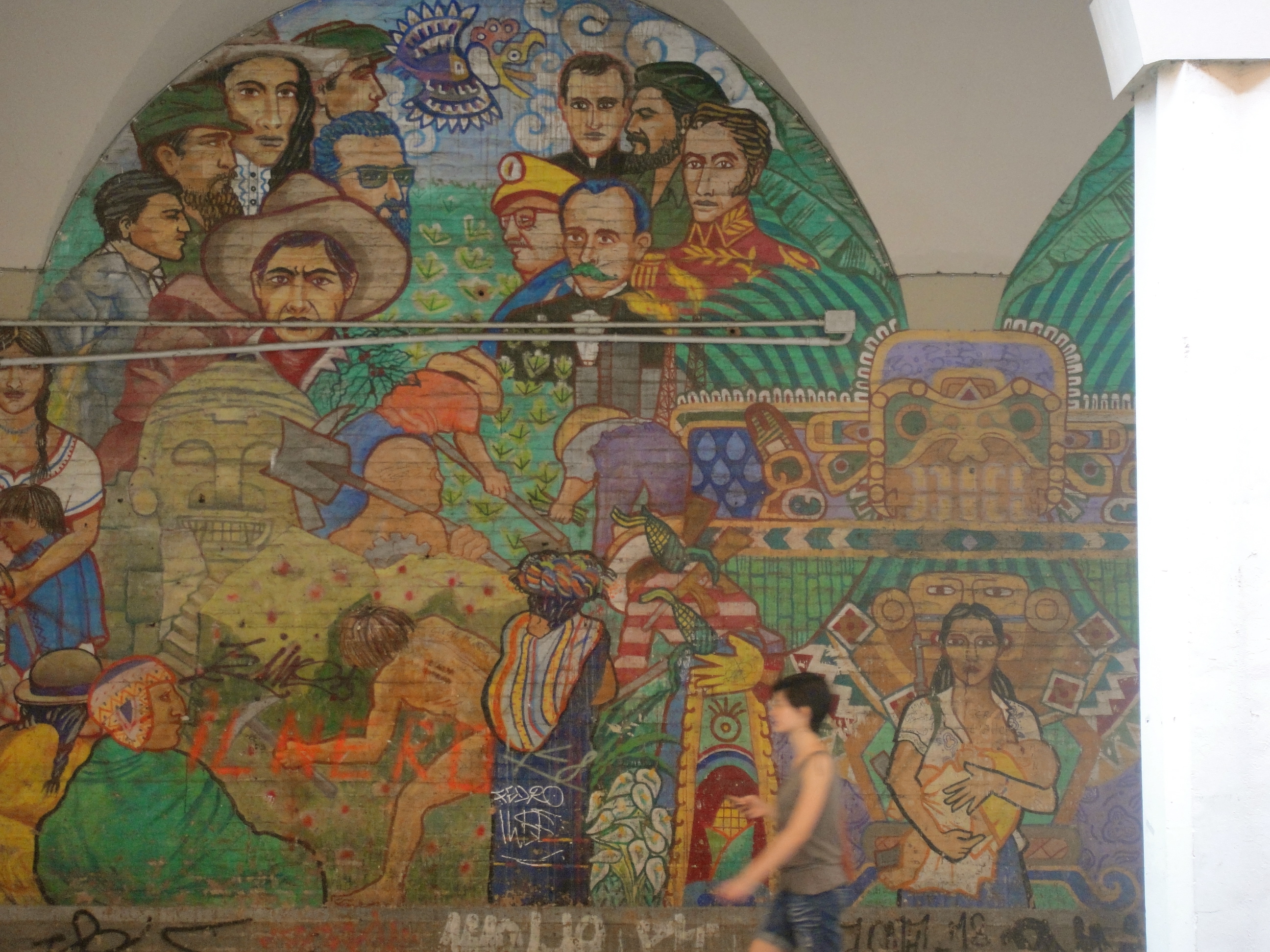
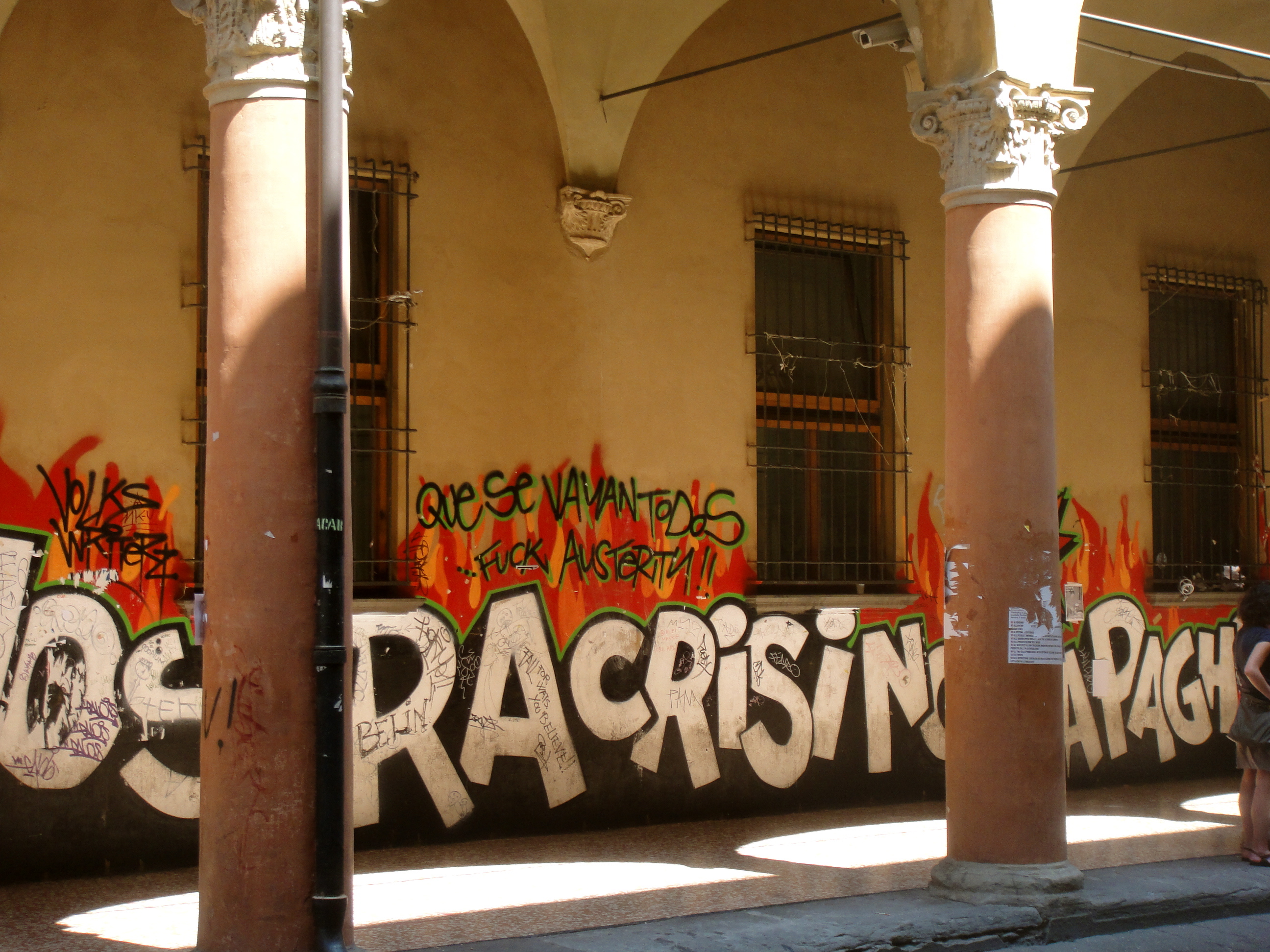
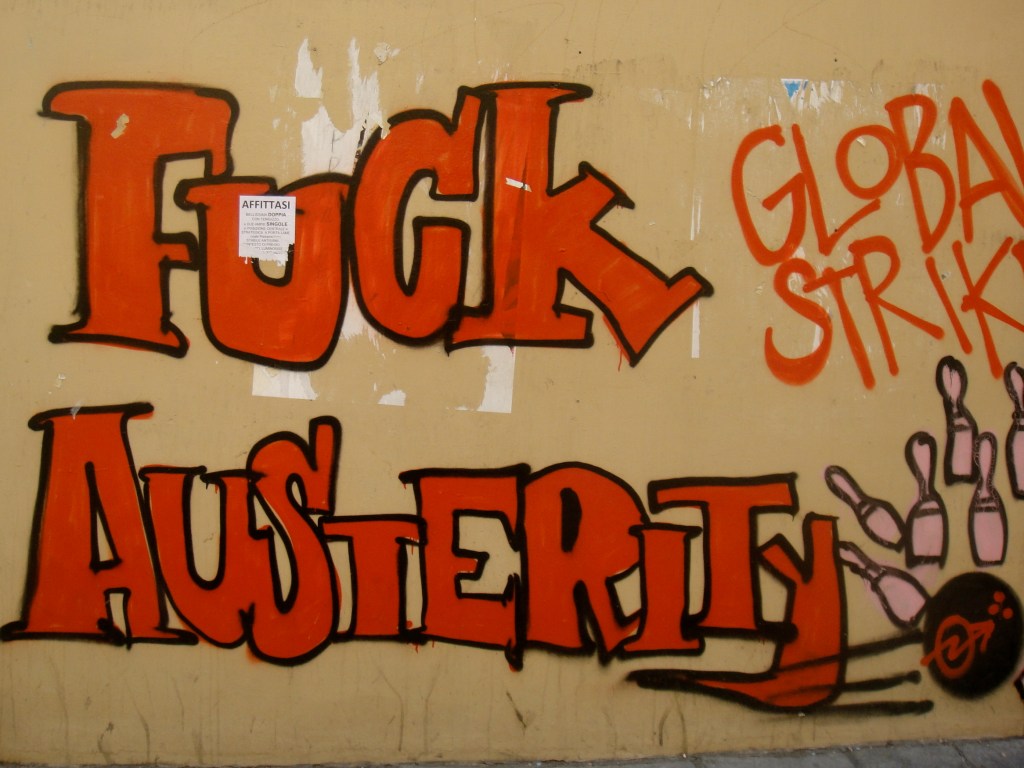
For starters, Bologna boasts what is said to be Europe’s oldest University, going back some 900 years, and the vivacious influence of the city’s still-thriving university population can be seen all around. On our first morning in the city, we wandered into the university district, just north of the central leaning towers, and there we found a district which was markedly alive with a thriving cafe culture, with campuses and libraries and a predominant feeling of youth and exploration. There, the elegant porticos of the southern city had been replaced by vast graffiti murals, protesting against austerity, opposed to Gaddafi and debating other modern polemics in technicoloured spray-paint. Instead of frescos, here the walls were covered with posters promulgating student presidential campaigns, advertising rooms to rent and promoting concerts and lectures. And instead of tourists, here the students dominated, and in fact on our visit were in the midst of a great summer graduation, for which the macabre mortar-board was replaced with a garland made from olive leaves and ribbon.

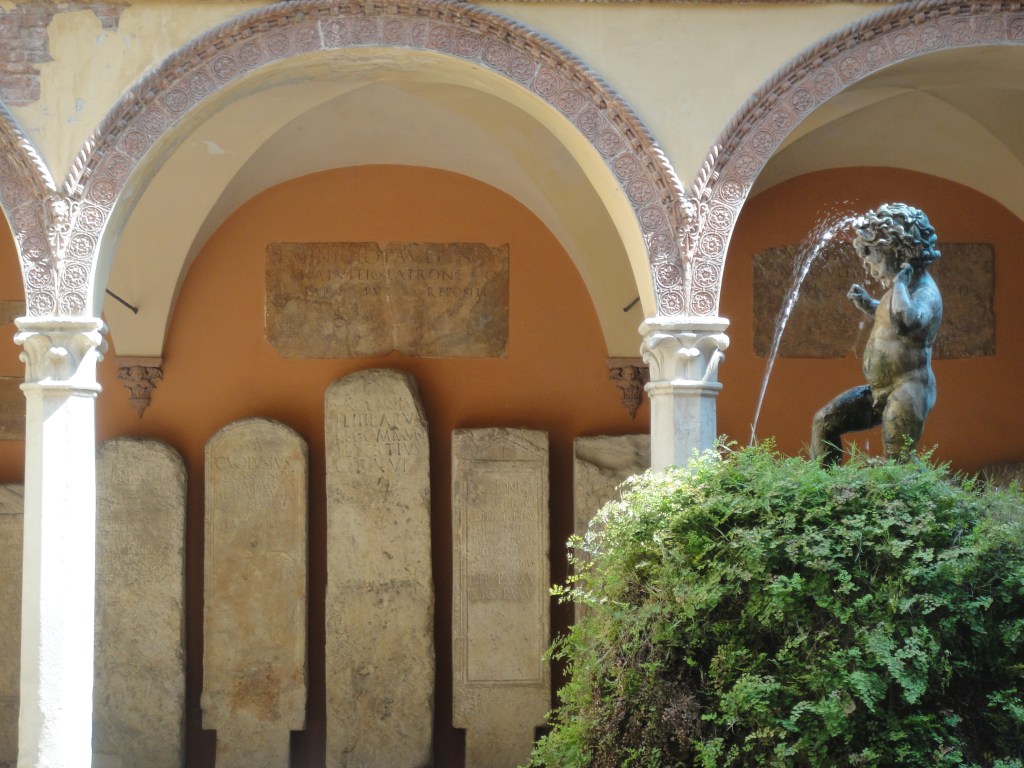
But the spirit of learning extended beyond the university. In the Piazza Maggiore we past a group of ordinary locals, energetically debating the state of the economy, some berating the influx of immigrants, others bemoaning the lack of jobs, and the rare few wishing Berlusconi was back in power. The debate went round and round, and views differed widely, but it was wonderful to see these people, vocalising their views, no matter how extreme, in a jocular environment, rather than building up resentment as is so often the case in reserved England. Meanwhile, around the Piazza, a wide range of impressive museums demonstrates Bologna’s thirst for global culture, art and history: We visited the beautiful archeological museum, where a courtyard stuffed full of Roman relics was an awesome sight, and the Pinacoteca Nazionale Bologna, where sadly the most famous works – a Giotto altarpiece and a Raphael had been hidden away owing to the double-bill of earthquakes which hit the Emilia-Romagna region in the last year.
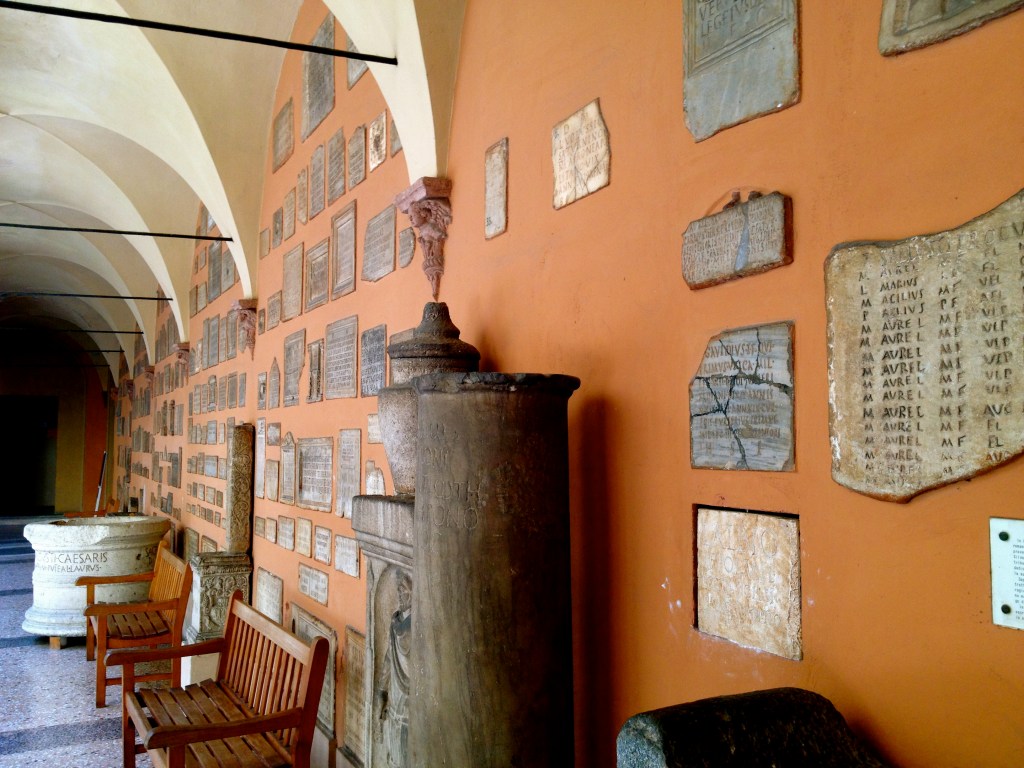
The archeological museum
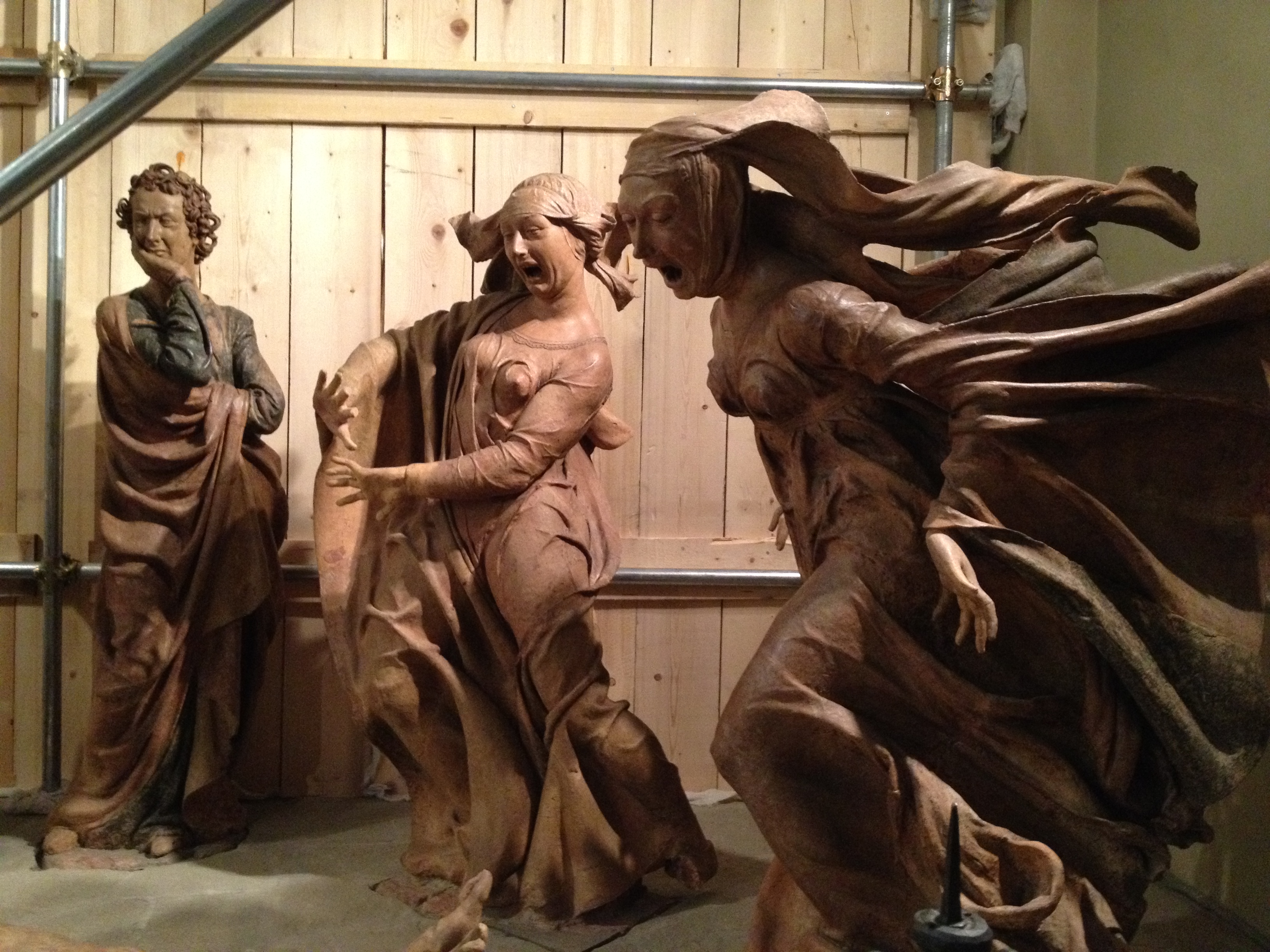
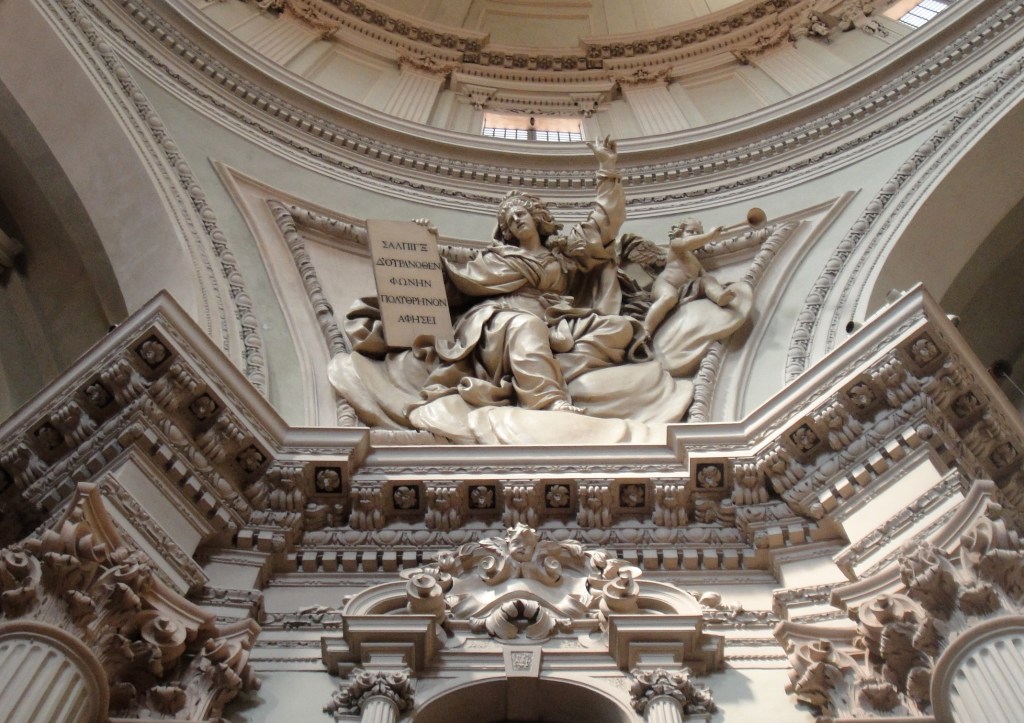
It would be unfair however to dismiss Bologna’s religious heritage all together. Seek and ye shall find, or so they say, and when you head away from the major Piazzas, there are some religious gems still to be found. The church of Santa Maria della Vita for example was quite a sight to behold. Tucked away in a side street off the Piazza Maggiore, a small door led to an interior which simply took my breath away. You can see from these photos why without further description. Also held in the church were the equally enthralling terracotta sculptures by Niccolo dell’Arca of the dead Christ and surrounding mourners. The sculptures exuded incredible dramatic pathos, the expressions of grief and torment of the figures intensified by the realism of their dramatic facial details.

Santa Maria della Vita
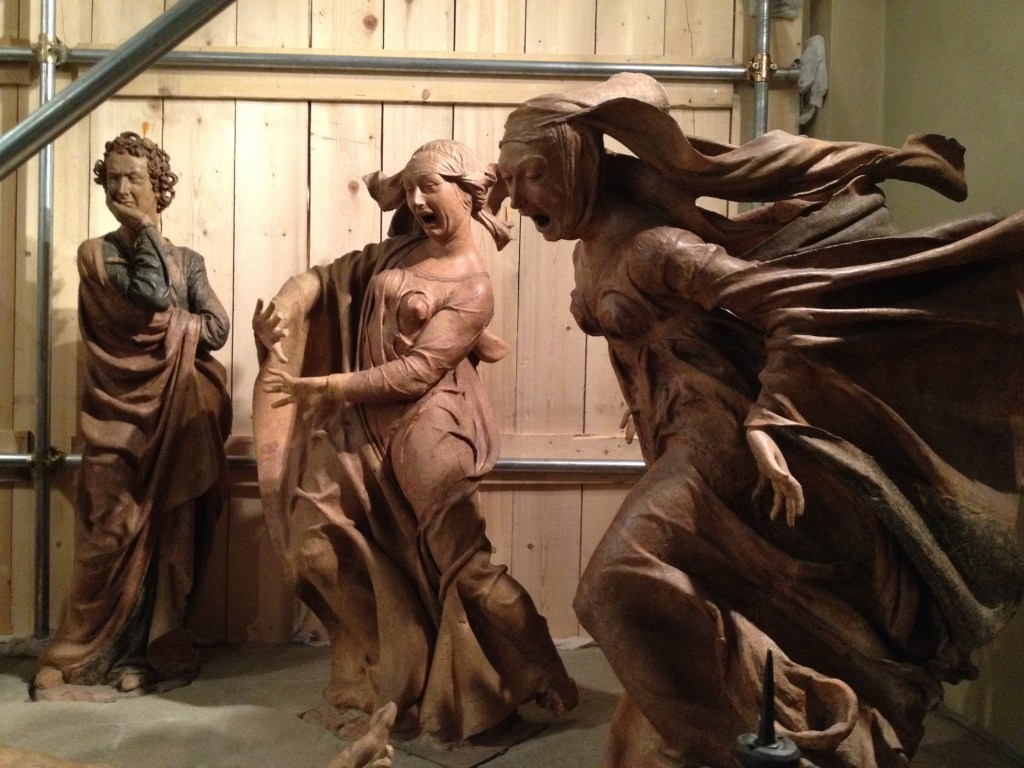
The Niccolo dell’Arca sculptures (protected from earthquakes, hence all the ugly wood)

Meanwhile, head out beyond the city, following the world’s longest continuous arcade (4km long, comprising an ominous 666 arches) from the centre of the city and at its end you will find the stunning sanctuary of the Madonna di San Luca, perched atop a hill, glowing orange, looking over the city for which it was appointed ultimate guardian.

San Luca
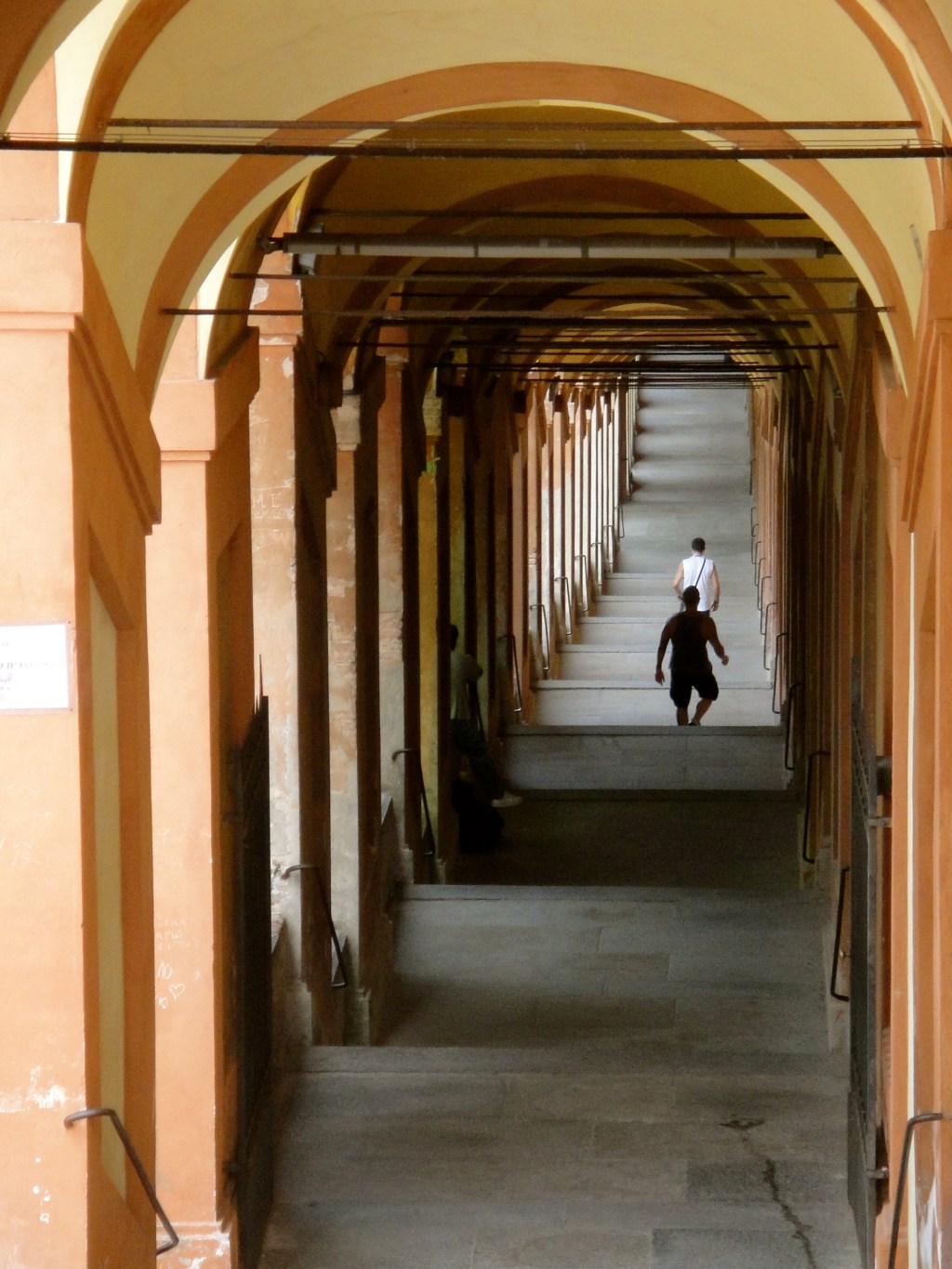
The uphill end of the world’s longest continuous arcade (we took the trenino rather than suffer those steps…)

So at the end of it all, Bologna, with its fiercely independent spirit and pursuit of intellectualisation and cultural superiority has captured a perfect balance. It has not sacrificed religious influence, nor morality, but it has cast the perfect equilibrium between moral precedent and intellectual and cultural freedom. In that respect Bologna has perfected a model which must surely be envied throughout the world.

All photos are strictly the copyright of Nicholas de Lacy-Brown © 2012 and The Daily Norm. All rights are reserved. 

Tuscany Part IV: My Photographs

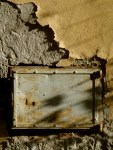
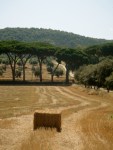
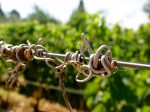
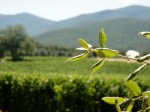
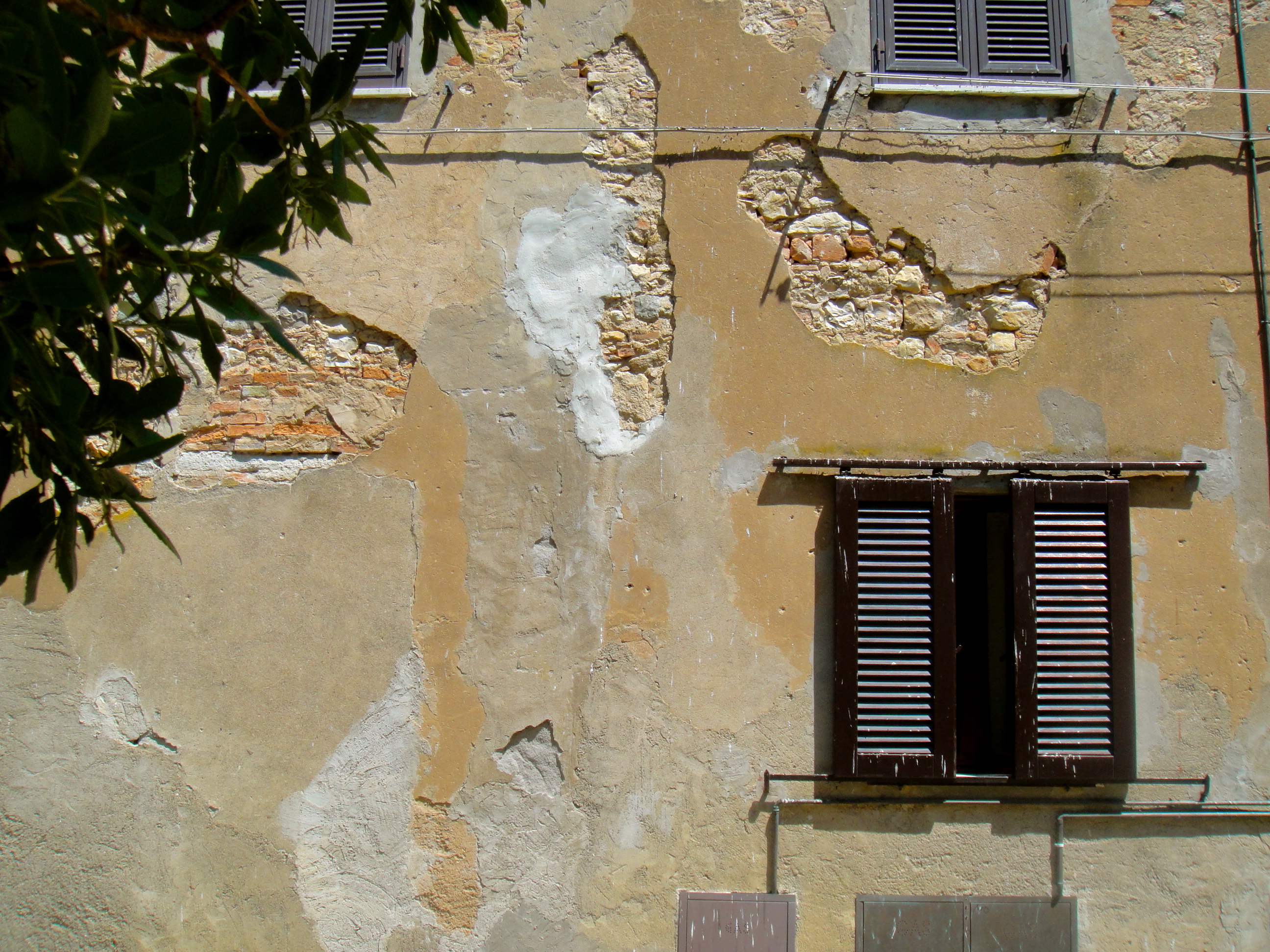
My blog’s adventures through the golden-rich lush-green lands of Tuscany are well under way, and after three days of tales, I think it’s about time I shared a few more of my photos with you. Tuscany is so ripe in photographic inspiration that I was worried my mega-sized memory stick would not be big enough. The views are so complex with multi-layered landscapes which beg for photographic capture from a multitude of angles and viewpoints, each shot capturing something new, some fresh insight into this rustic, sun-kissed land. From russet soils sprouting innumerable rows of verdant green vines and plump purple grapes, glorious golden sunflowers and shiny little olives, to the sun-dappled shady paths lined by pine trees, old derelict villages gracefully ageing with an insuperable elegance, with long shadows cast by the evening sun falling upon broken shutters and flaking paint work, and an expansive soft, sandy beach, edged by a calm lazy seashore, whose waters are silky warm, and its breeze heavily soporific.

Tuscany is poetry in sight, in sound, in smell. It tickles all of the senses as its natural bounty bares fruit across the undulating land. It’s a peaceful, restful, bucolic region, where the great pleasures of life are celebrated and manufactured, where long afternoons pass in a somniferous haze, where the evenings are bountiful in gastronomy and wine, and by morning a vivid yellow light makes every object, every plant, every building glow with a picture-perfect radiation.

These are my photos of Tuscany.

All photos are strictly the copyright of Nicholas de Lacy-Brown © 2012 and The Daily Norm. All rights are reserved. 


Tuscany Part III: Picture-perfect Populonia, and other hilltop idylls

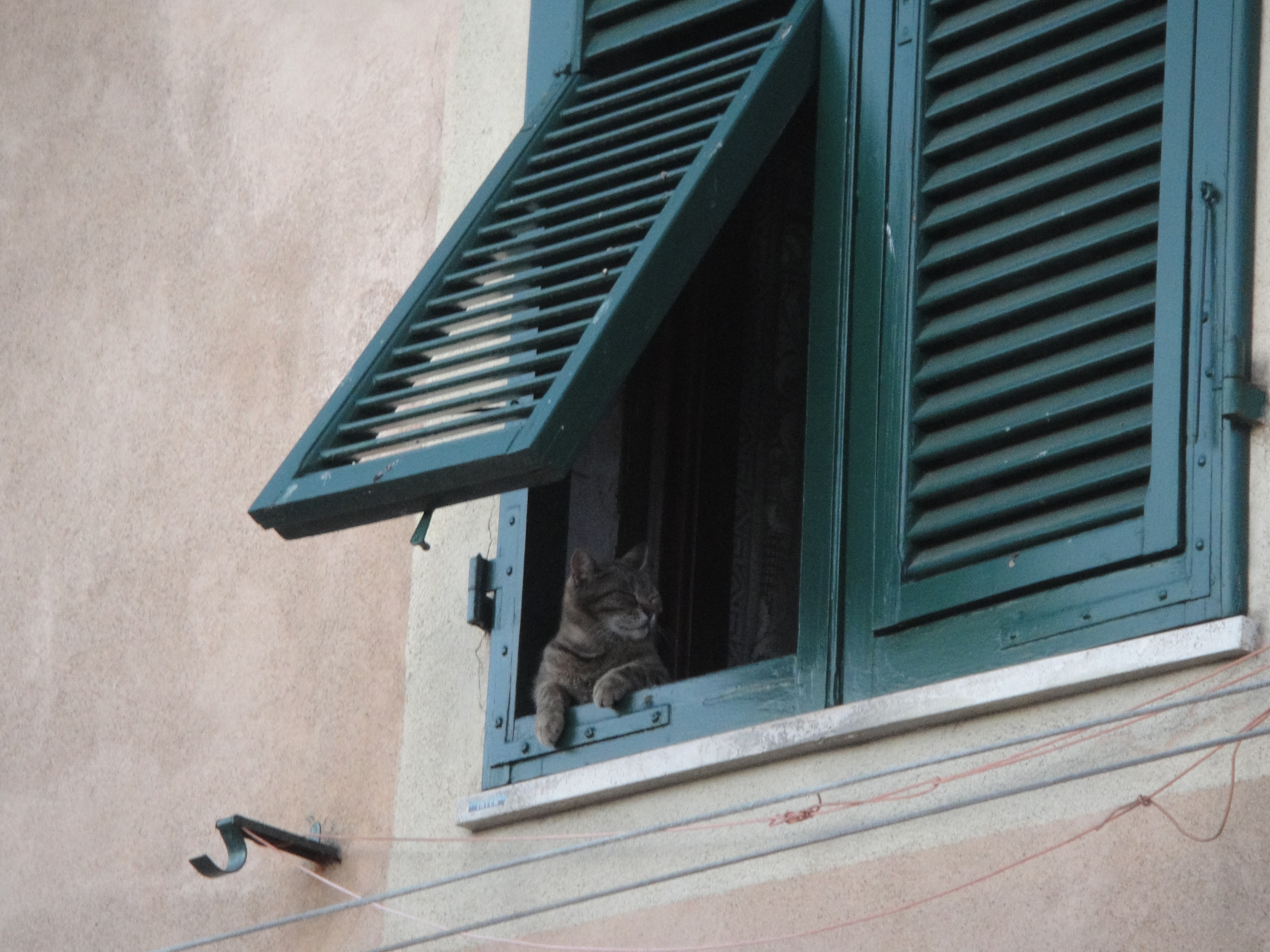
If there’s one thing that Tuscany does well, it’s idyllic little hilltop towns, framed by castle walls, boasting sensational views of surrounding rolling countryside, and offering picture-postcard views of medieval stonework, cute tavernas aplenty, slowly decaying buildings adorned with cracking window shutters, pots overflowing with geraniums and more often than not, a cat sleeping in the sunshine. You know the scene – it’s postcard land after all, for who could resist these honeypot utopias, to which every tourist, artist and hedonist will flock in their thousands every year.

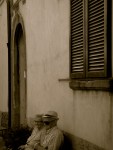
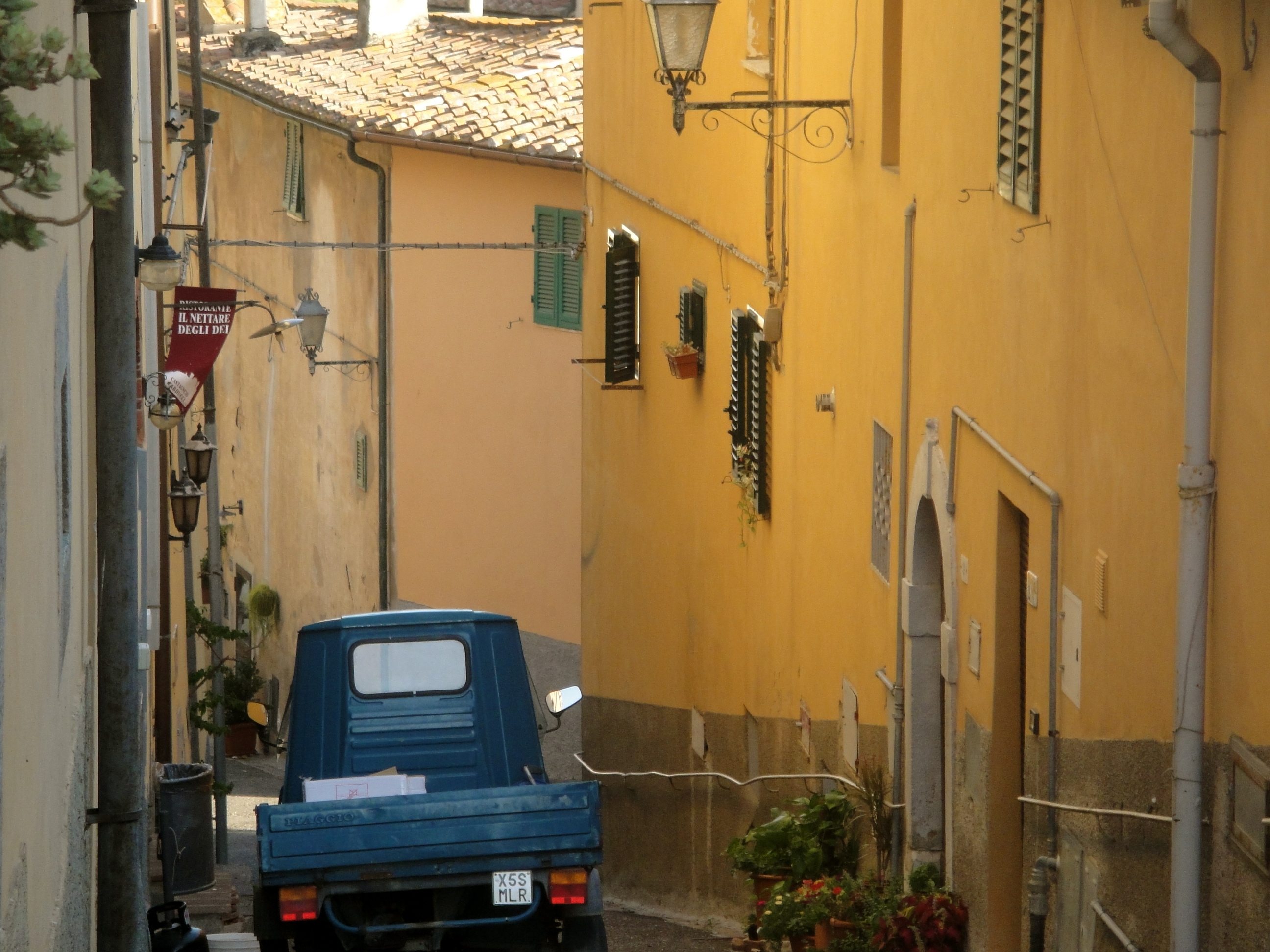
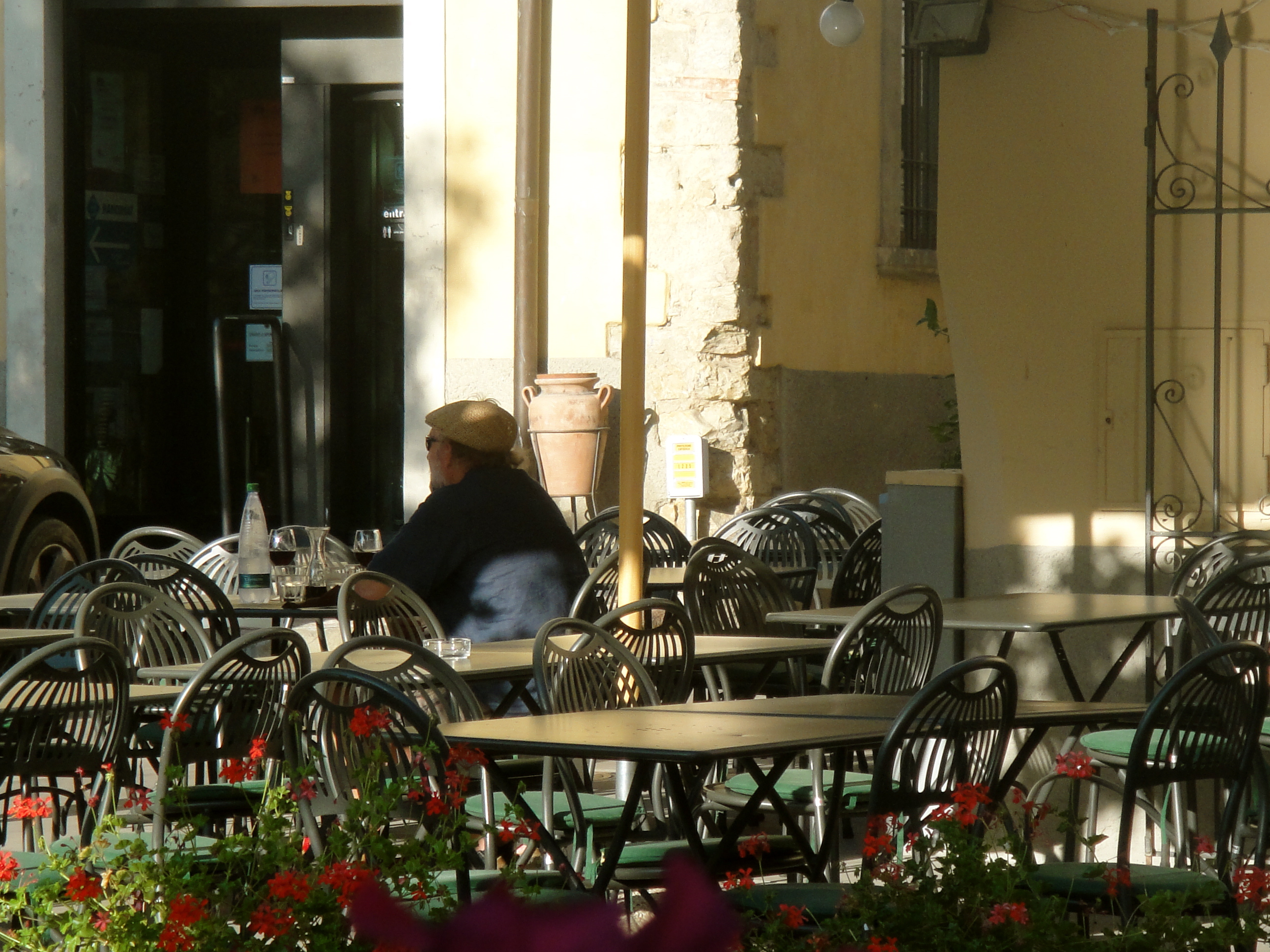
Yet what makes the towns so idyllic is the fact that far from pursuing a Disneyland level of commercial exposure, as is no doubt the temptation, life goes on in these little villages, just the same, irrespective of the camera-clicking tourists emerging at every corner. The best photos, for me, are the shots capturing locals gossiping in little piazzas, or old couples catching the evening breeze on stools out in the street. I adore the little grocery shops, which continue to sell fresh, vividly coloured produce to the locals, and whose offerings are yet to feel the effects of the supermarket spread. The haphazard park of a little bicycle or a retro-red scooter against an old cracking wall represents ordinary life to them – but to me it’s art dripping in decadence and charm in all its imperfect beauty.

Not far from Donoratico, where I was staying by the sea, a cluster of small towns, each one atop a hill and each, stunningly, idyllically beautiful, can be found amongst the vineyards and the pine forests. My favoruite, Castagneto Carducci, is a Tuscan Elysium, perched upon the hills above Donoratico, with views over the coast and vineyard-covered rolling hills to die for, while within the town, pastel pink walls, green painted shutters, and elegantly deteriorating plaster work, old lamps and ageing locals exude charm and decadent beauty.

Castagneto Carducci

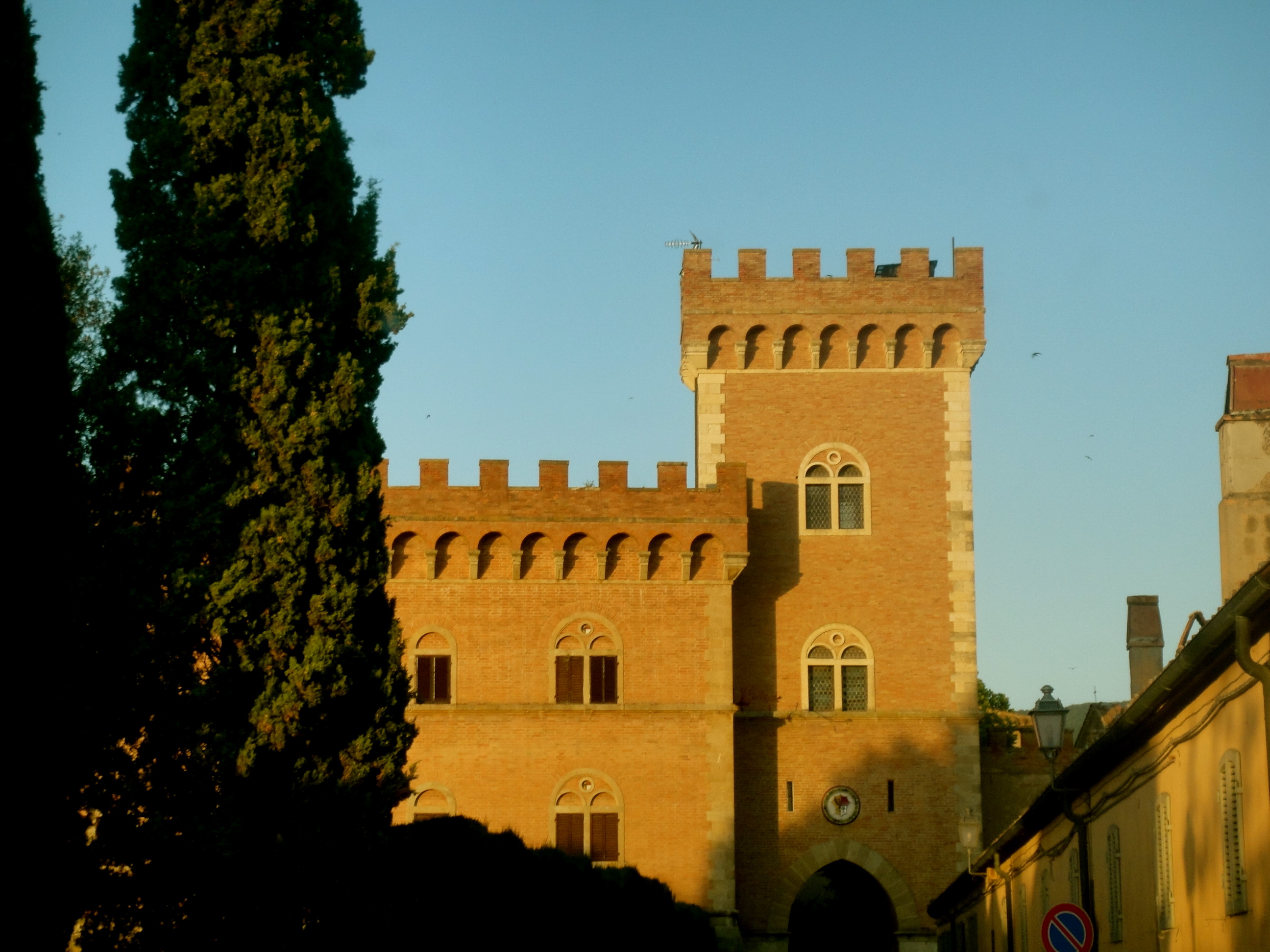
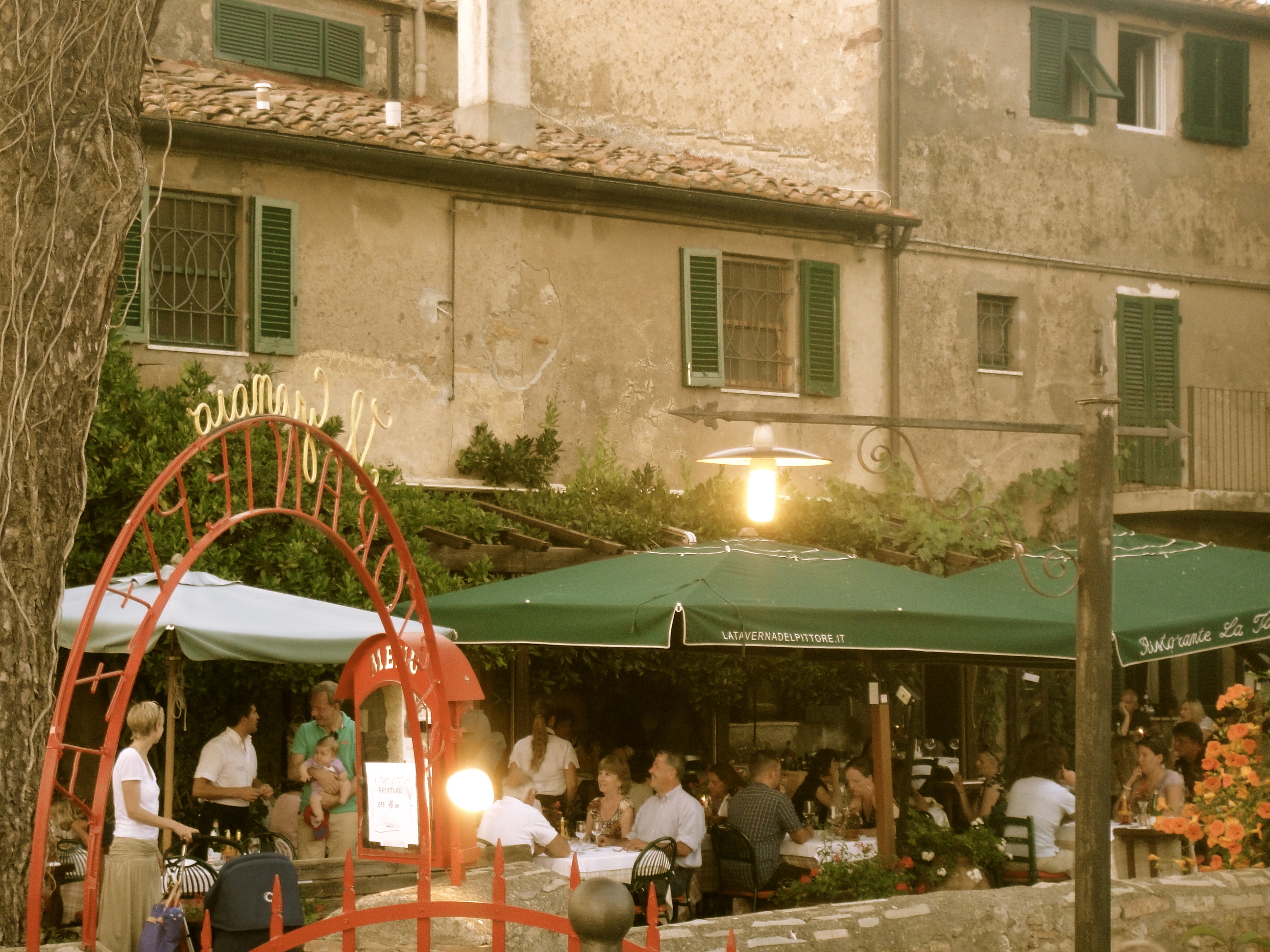
Meanwhile, just ten minutes along the coast towards Pisa, the tiny town (we’re talking two streets only) of Bulgheri can be found at the end of a perfectly straight Roman road, continuously bordered with cypress trees, the result of which is a scene of such wonderful symmetry that it appears on at least 2 out of every 5 postcards sold across Tuscany. Meanwhile the town is another chocolate-box paradise – little restaurants with red-checked tablecloths, lit by lanterns at night and benefiting from the dappled shadows of nearby pine trees during the day, a minuscule central piazza adorned with flowers aplenty, and cute little shops selling art and crafts and fresh local produce.

Bulgheri

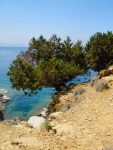
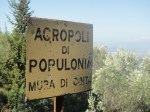
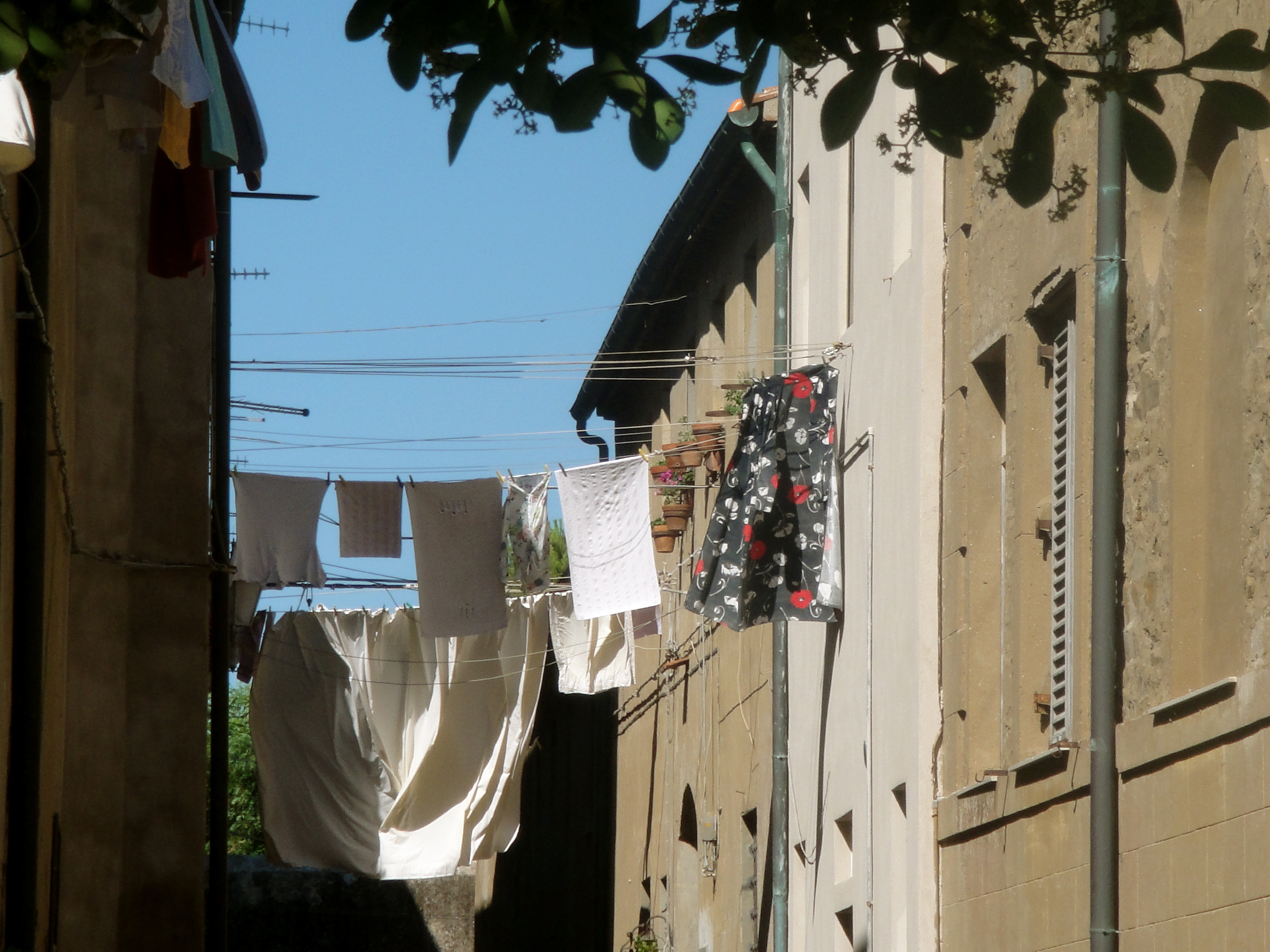
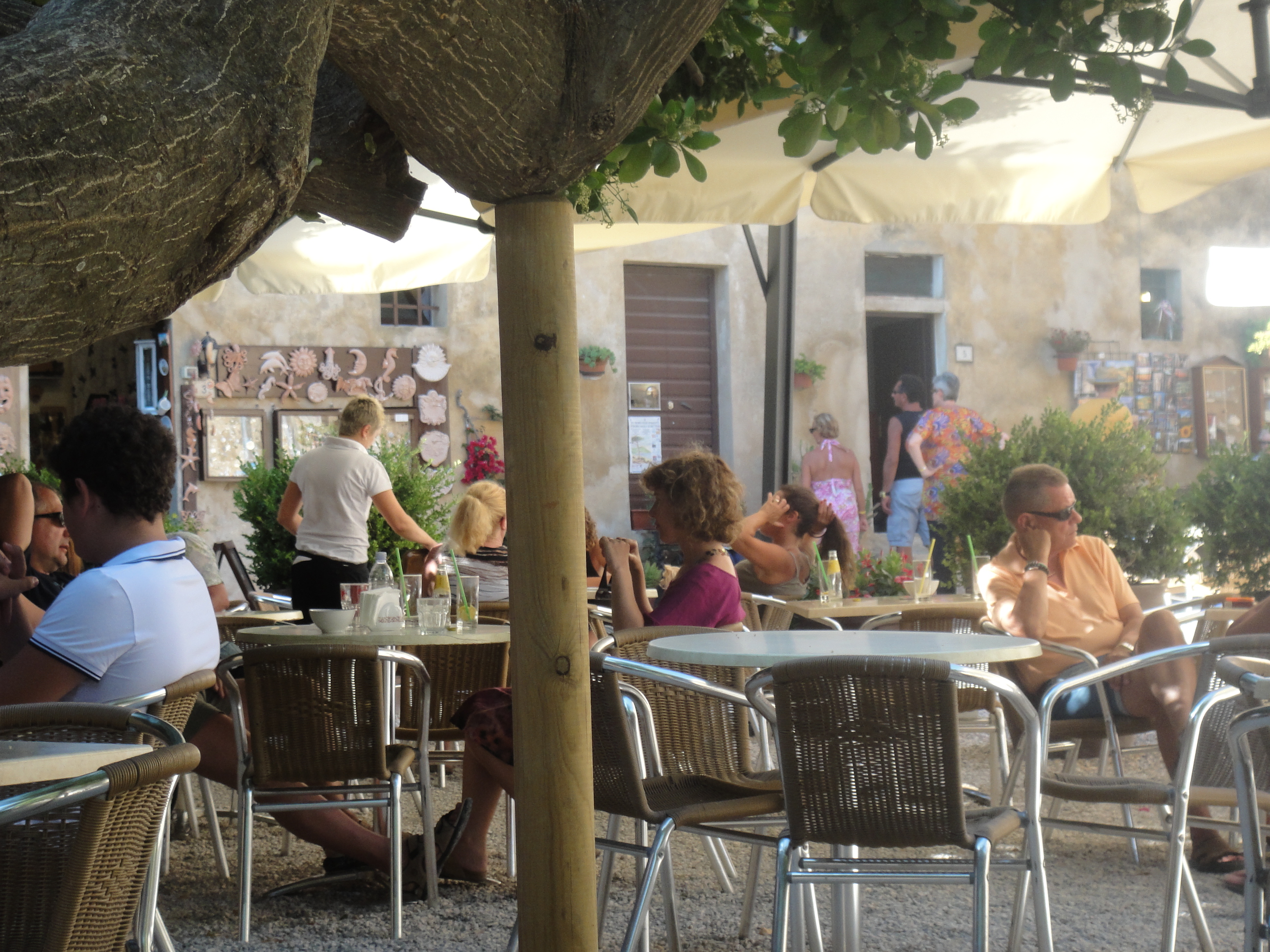
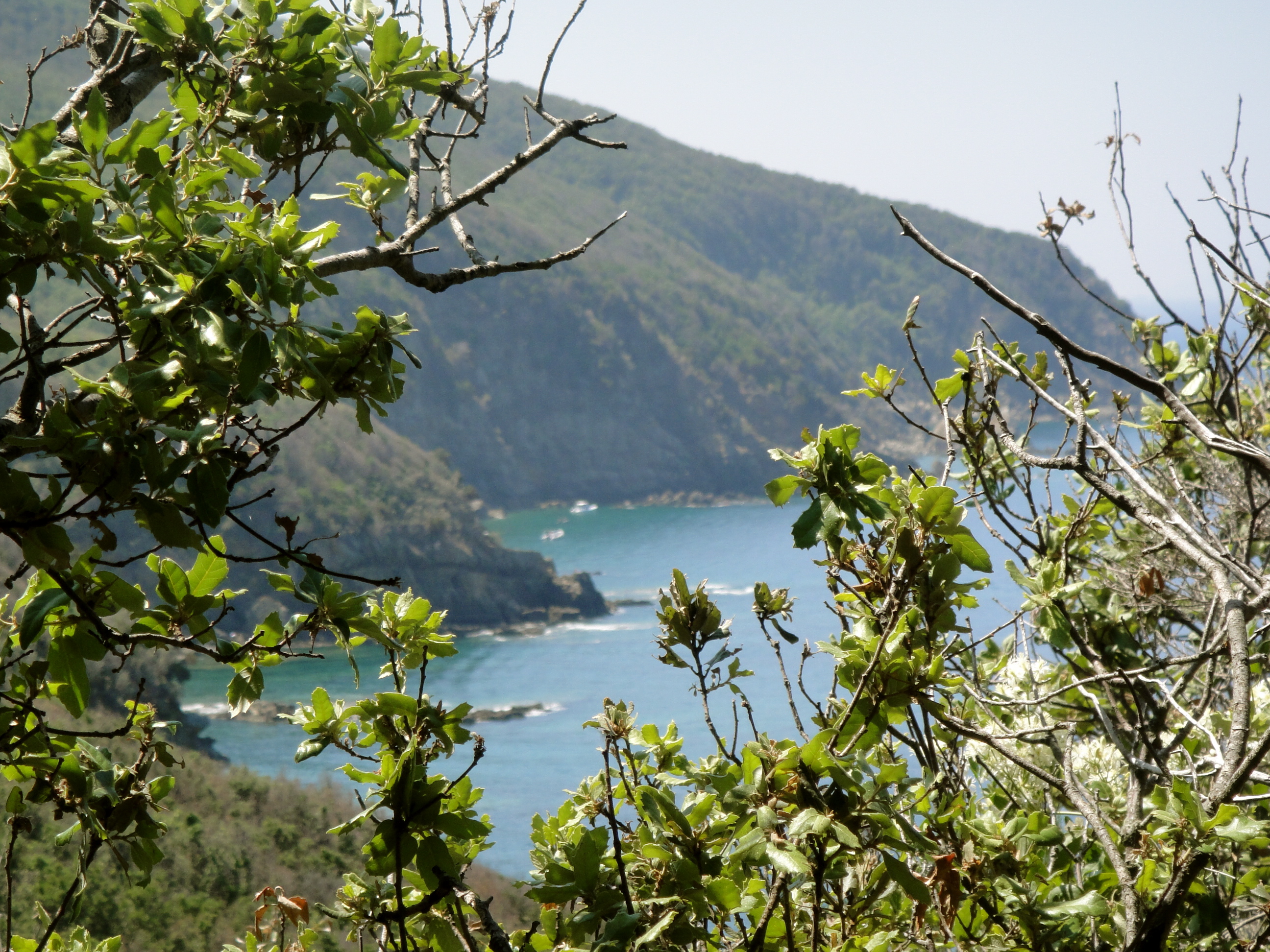
But by far my favourite discovery of this Tuscan adventure was to be found in the region of another hilltop idyll, the town of Populonia, not because of the beautiful town itself (which, with devastating views of the port below, laundry hanging across the streets, and a single cafe set out beneath lush trees atop ancient castle walls, is a true contender for postcard-fame) but because of the truly awe-inspiring natural beauty subsisting beyond its forest surroundings. Taking a sharp turn left off the winding road heading up to the hilltop town, my Partner had a surprise for me. Walking through metres of densely packed pine-tree forest, I wondered where on earth we were going, that is, until we reached an opening in the thick coating of pines, and the most incredible view of a cove beach below came into sight.

Populonia

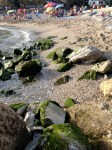
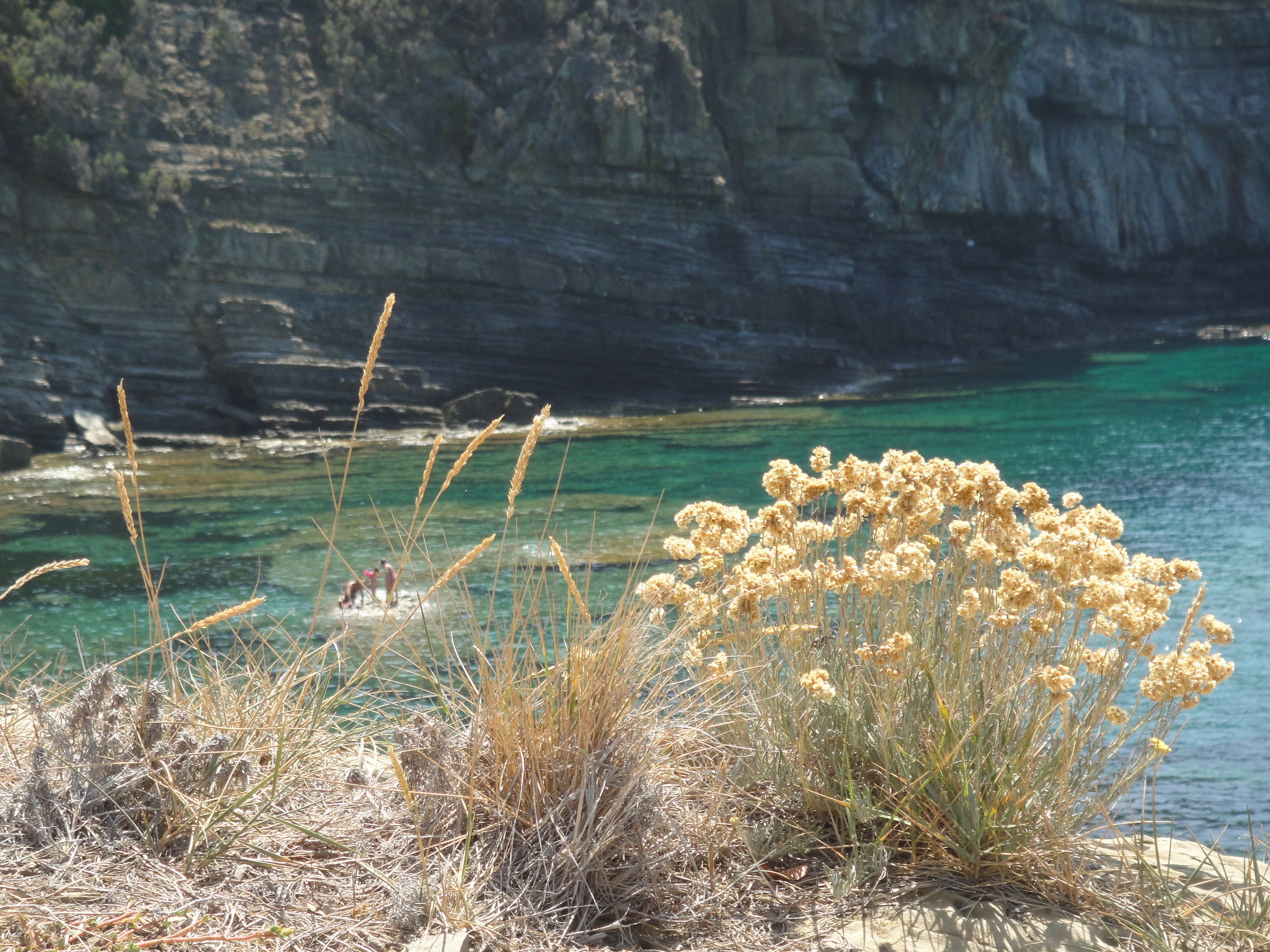
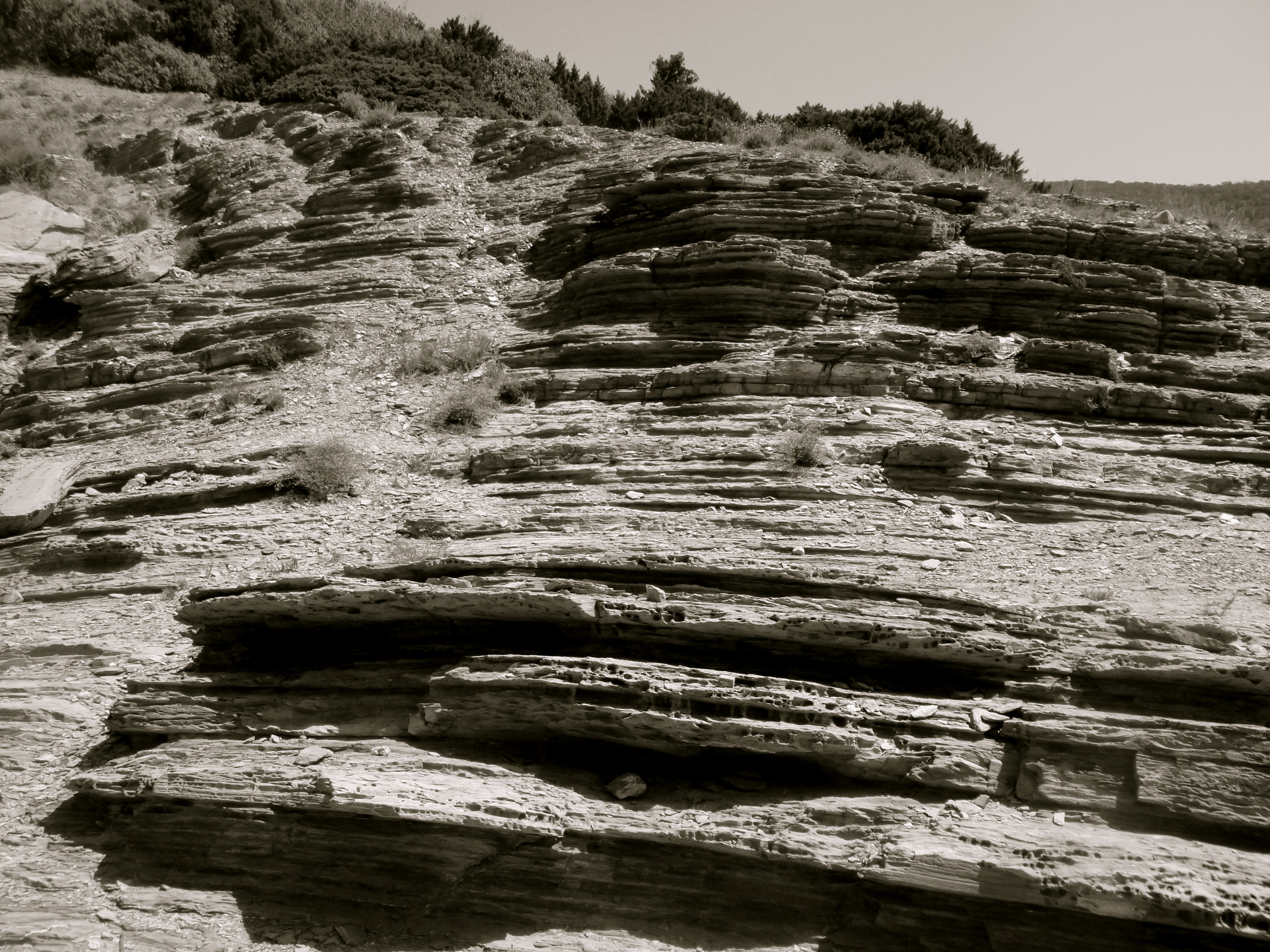
What followed was a sharp descent down magnificently formed geologically stunning rock forms, almost like spiderman upon the vertical facade of a Manhattan skyscraper, but with each and every perilous step taking us a few inches closer to the paradise below. This slightly dangerous adventure (not least for my partner, attempting to traverse the cliff face in flip-flops) was well worth the effort – the cove beach was truly awe-inspiring, nature at its very best, and our afternoon spent swimming around in those  sometimes hostile but vigorously exciting and stunningly beautiful waters, pursuing further coves and prickling our hands and feet on every kind of mussel and sea urchin imaginable, was among the happiest afternoon of my year so far.

First view of the cove emerges from the cliff-top forest

The stunning cove below

Those incredible cliffs

Which just goes to show, while historical towns provide steadfast charm and a consistent source of timeless beauty, it is the transient, often less-accessible beauty of nature that still has the edge, and whose discovery is all the more thrilling as a result.

(Disclaimer: if you too decide to head down to this very beautiful cove (and, looking at the photos, why wouldn’t you) you go at your own risk – don’t blame me if you prick your hands, feet or any other part of your body on a bed of mussels or some other vicious sea life, or if you trip, slip, get squashed by a falling rock or otherwise and unsuitably manage to kill yourself. It’s not my fault).

All photos are strictly the copyright of Nicholas de Lacy-Brown © 2012 and The Daily Norm. All rights are reserved. 
Tuscany Part I: Sea, Sand and plenty of Sunflowers

While the Norms have been up and down the great boot of Italy, I have been indulging in a more relaxing affair – I’m just back from a sumptuous and sensation-tickling trip to Tuscany and the electric city of Bologna, and as a result I have so much to share that I barely even know where to begin. With sights, sounds and flavour sensations as ripe and abounding as the offerings of Italy in the hot months of the summer, I am felicitous with fresh inspiration, enlivened by my experience, and freshly fulfilled by a holiday of multisensoral pleasure.

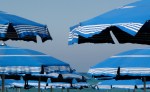
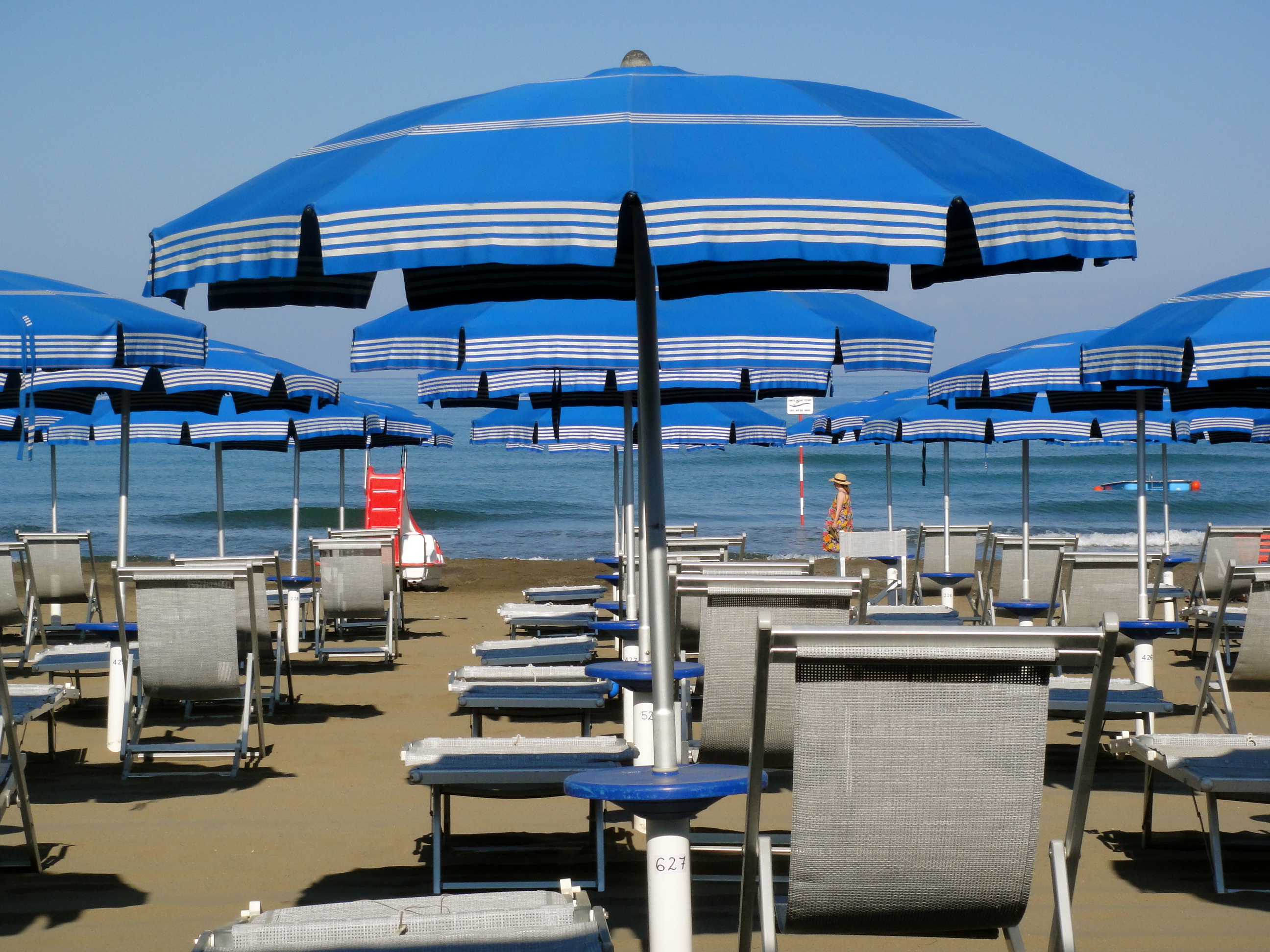
Perfectly aligned parasols and loungers

I begin my tale in the balmy fresh light of a lazy Saturday morning. I had jetted out to Pisa after work, and arriving close to midnight, the only impression I had thus far gauged of my seaside Tuscan location was the lucid clarity of the fresh sea air (a marked-comparison with central London) and the enticing smell of the pine forests that loll lazily down to the sea edge. In the morning, it was my eyes which gorged ravenously upon the visual sensations all around. From our hotel window, an expanse of golden soft sand, tidily raked every morning, was broken only by the perfect alignment of a hundred blue parasols sat atop neatly arranged loungers. In the distance, green hills were faded into a pale turquoise because of their distance, while further yet still, an almost translucent outline of the island of Elba rose mysteriously above the horizon. While my eyes took in the scene, accompanied by a pure light warmed by the yellow lustre of an early Mediterranean sun, my ears pricked up to the gentle swish of an intermittent wave sliding, rather than crashing, upon the sandy shore. No angry traffic here, no rush of suited Londoners running to squeeze their way onto a delayed, crowded tube. Rather, the only people were those beach workers, silently preparing the space for the later arrival of tourists and locals alike, while nearby, the steamer of a large coffee machine pumped into action for a day full of making creamy cappuccinos and rich espressos.

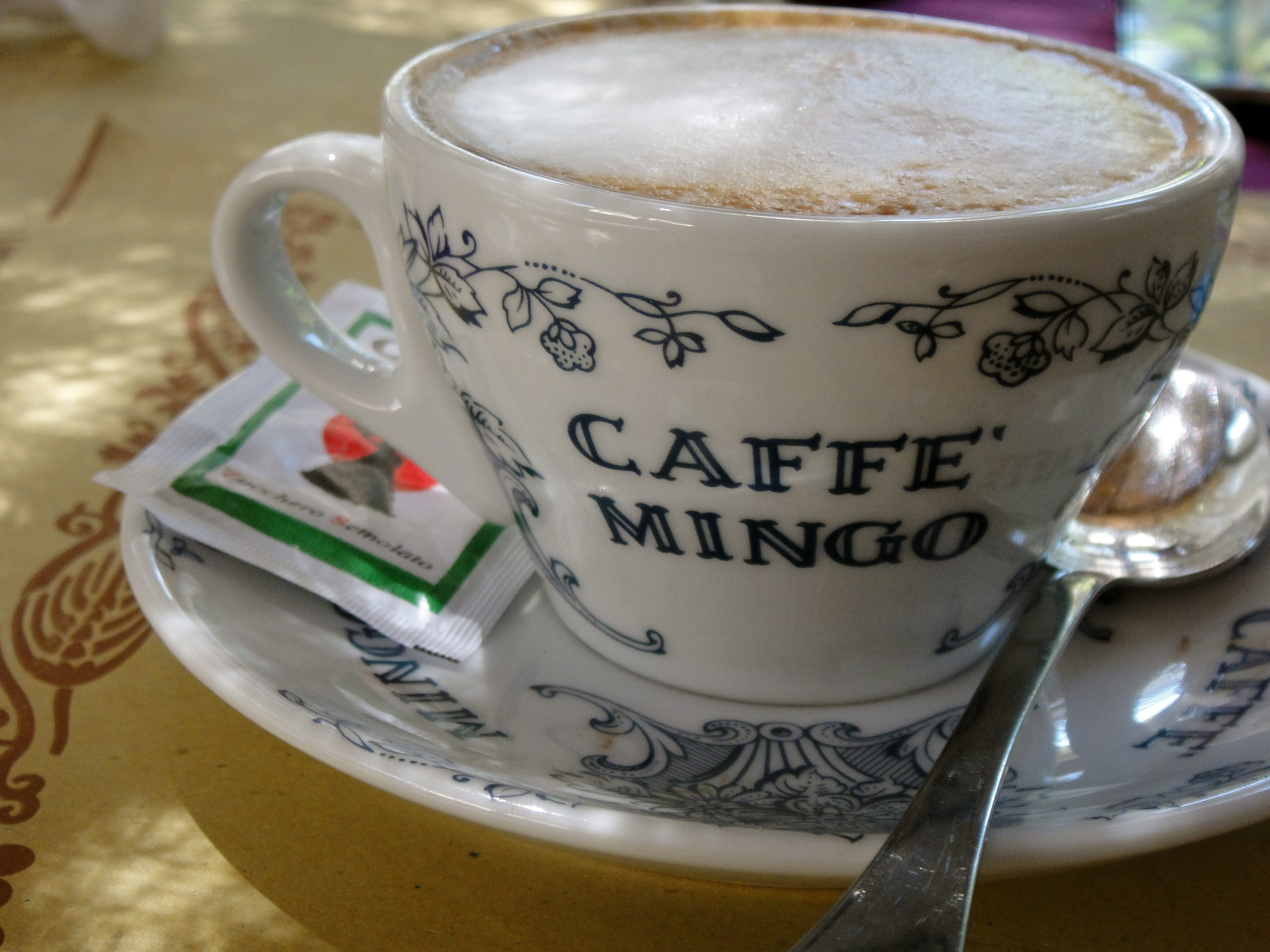
It was straight to the said coffee bar that we headed, a moment to which I had been looking forward ever since booking my flights some months ago. Nothing surpasses the cappuccinos in Italy, whose coffee is creamy, not bitter, and whose foam is indulgent and thick. Gone is the Cafe Nero takeaway and the sprint to the office – here we had all the time in the world to indulge on the beach’s edge, before the sun warmed to its midday ferocity, and the crowds descended.

True italian cappuccino

The crowds descend with coloured parasols aplenty

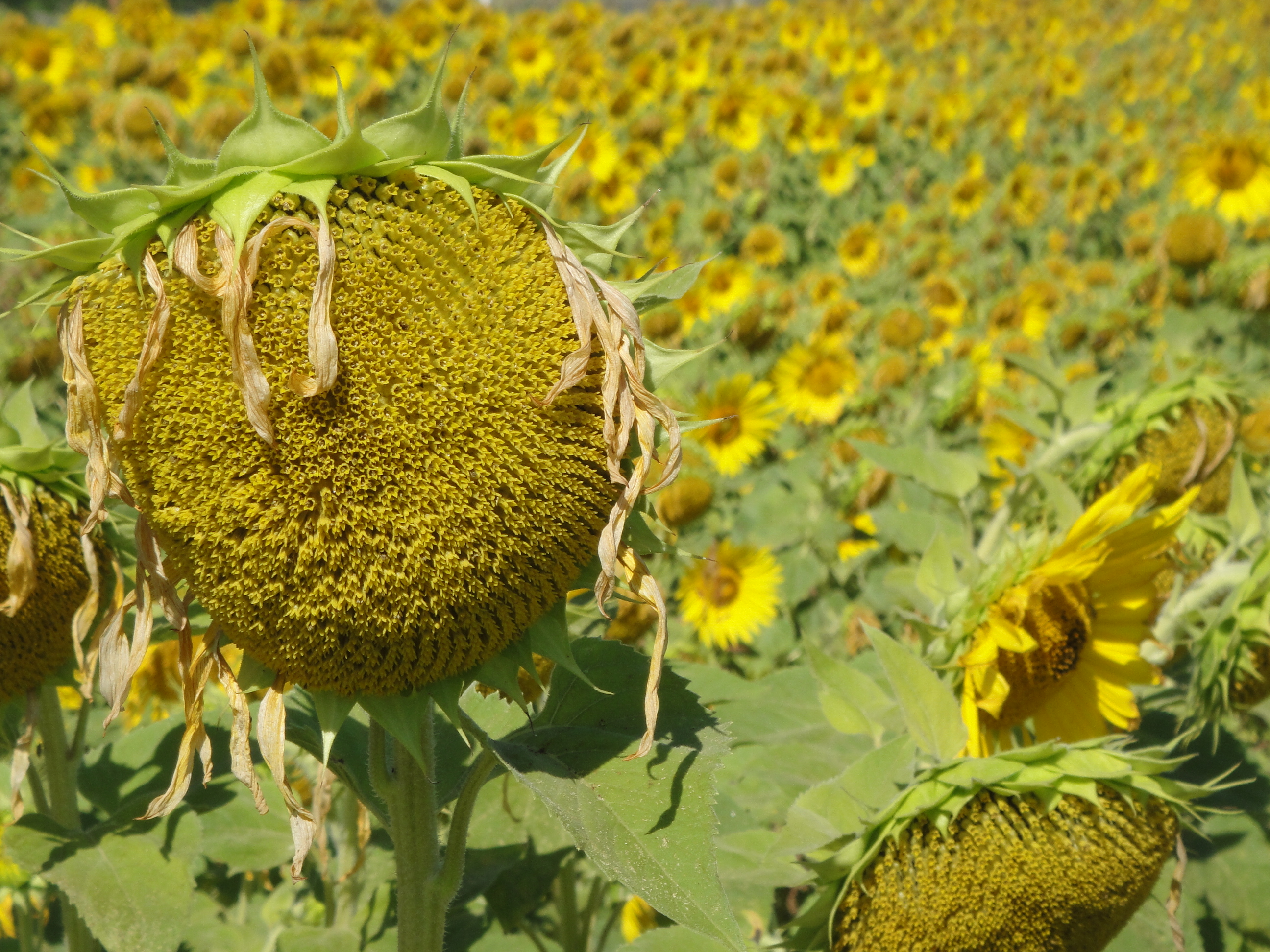
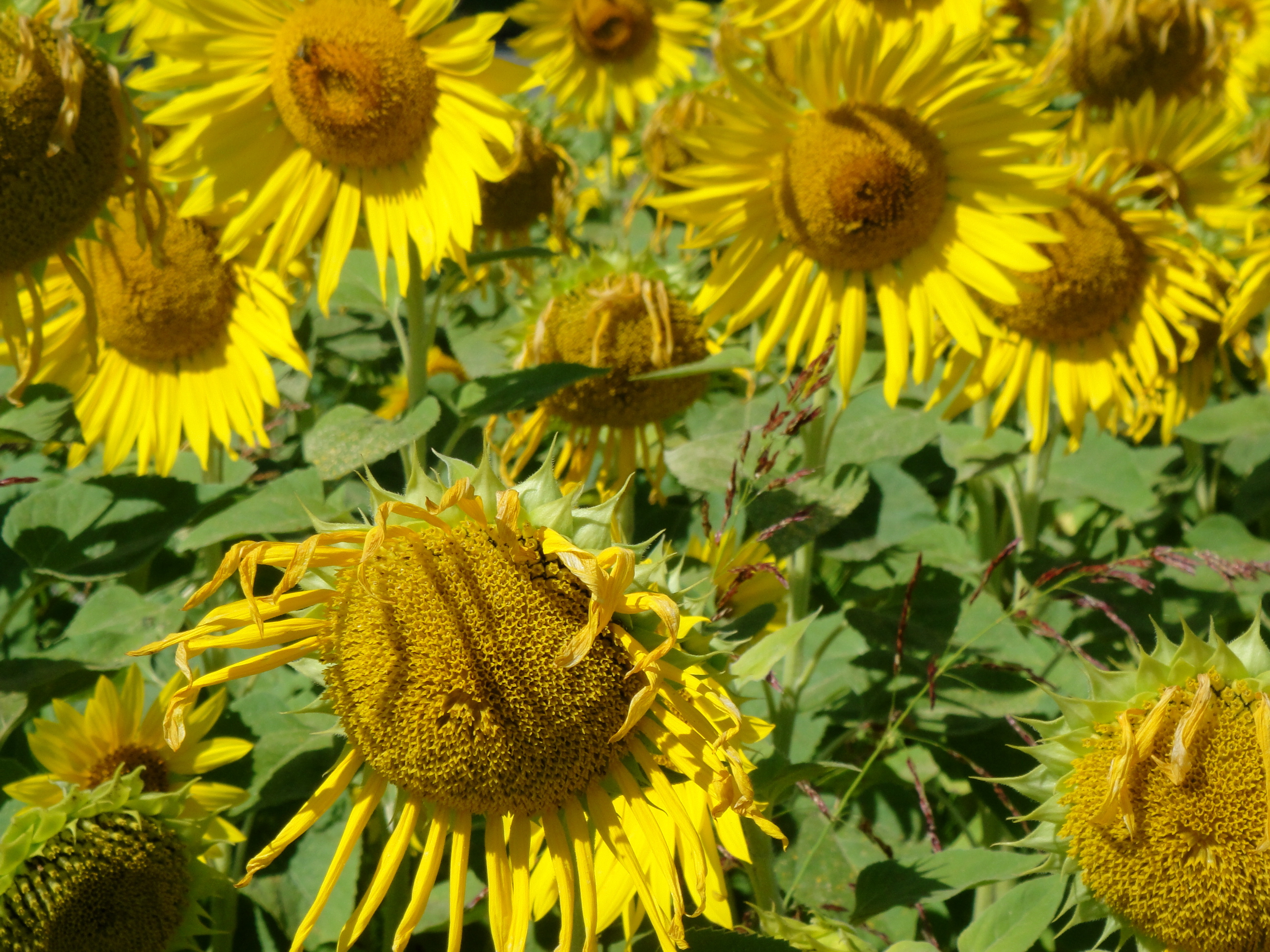
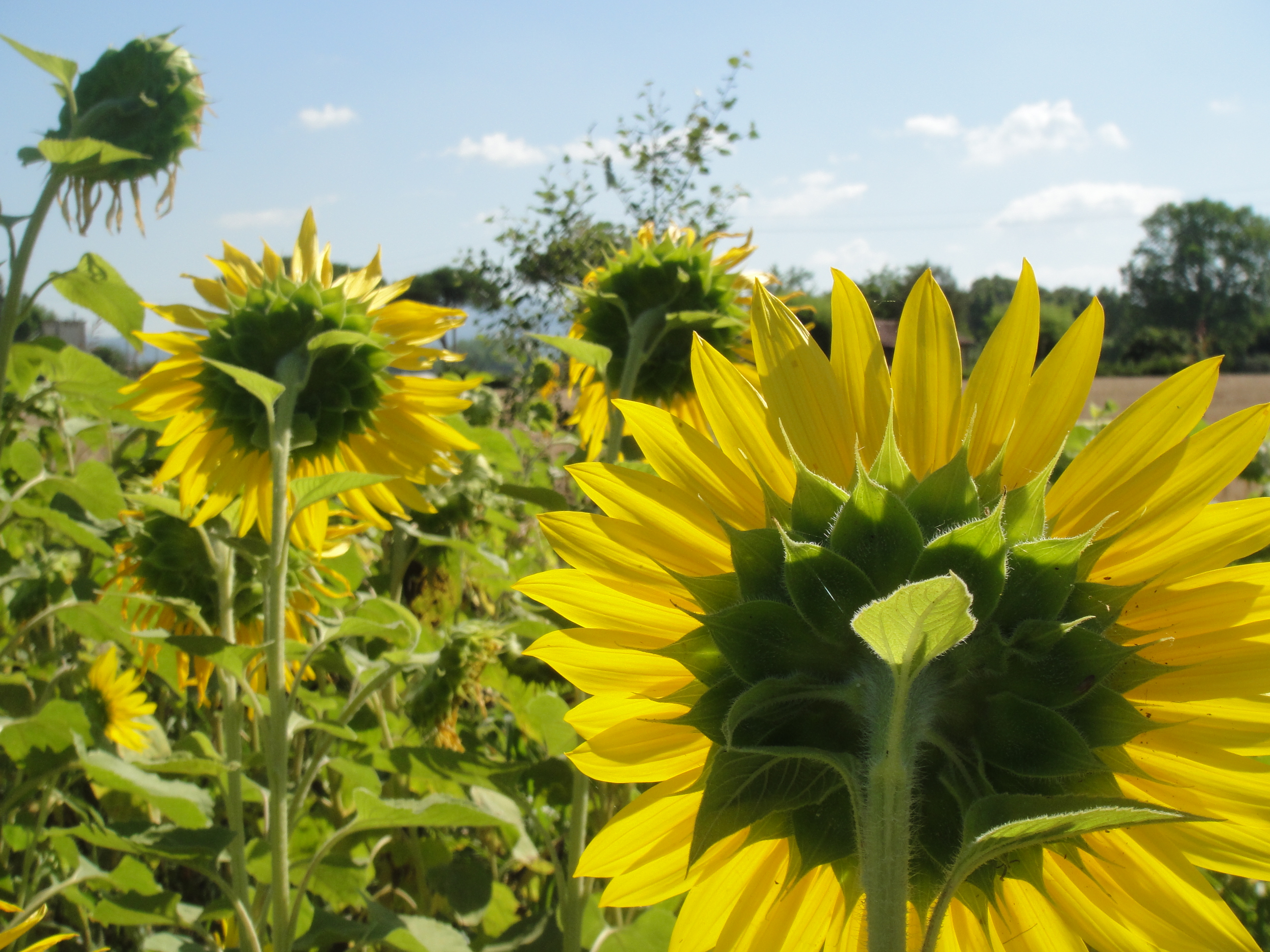
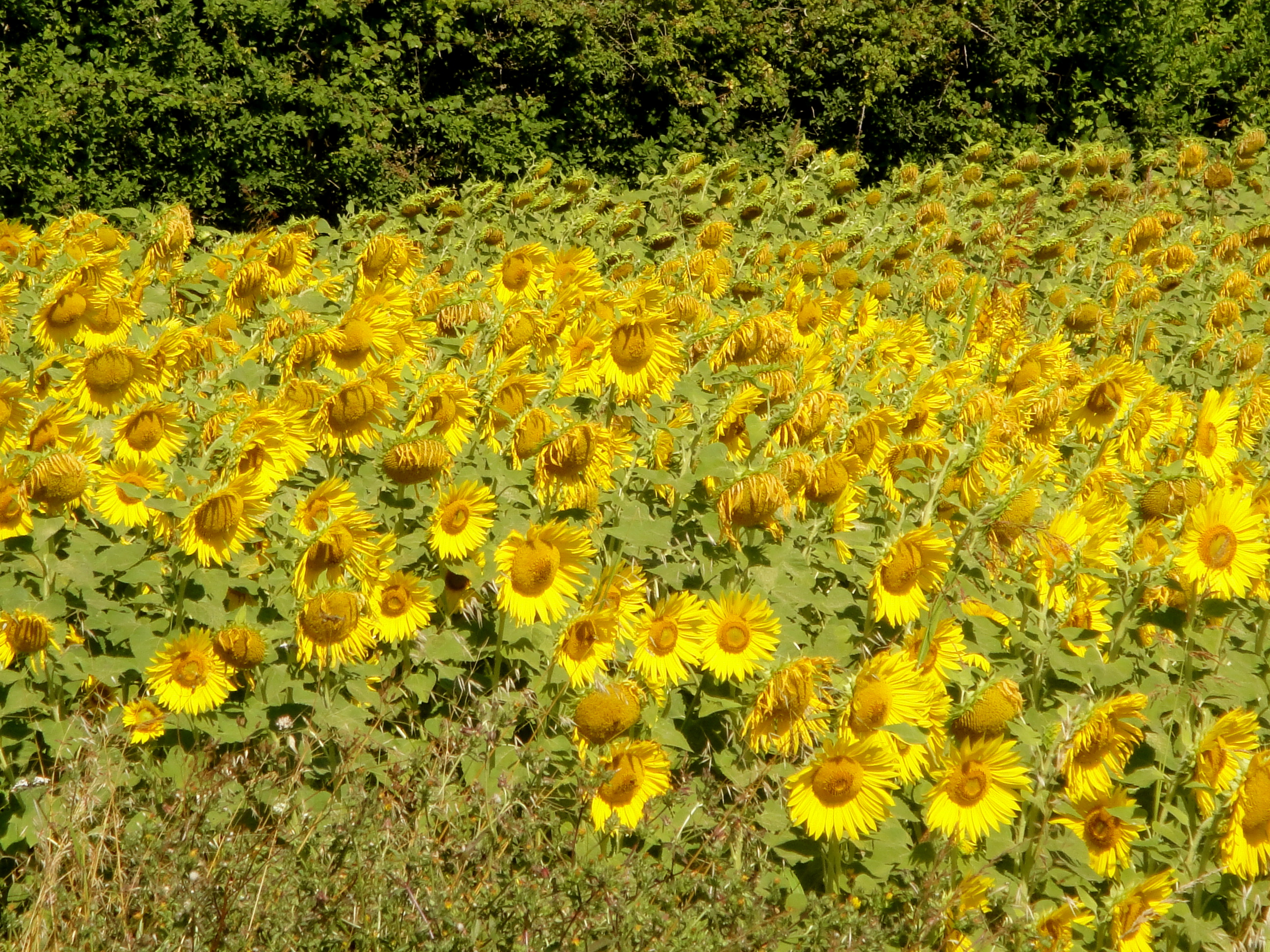
When that moment came, we were already gone. My partner took me to see a sight which was bound to get my camera clicking and my artist juices running – a nearby field of sunflowers bursting from the dry soil in a sea of vivid yellow, contrasting sensationally with the deep blue sky all around. Standing in that field, surrounded by flowers equalling me in height was truly incredibly. It was no wonder that these flowers had inspired Van Gogh so. My favourites were the older, dying flowers, with the large human-sized faces, loaded with an incredibly intricate pattern of seed pods, the petals now wilting and drying up, but the flower, in the last stages of its life, still desperately faced towards the sun, turned to its master in relishing the last days of its existence. In Italian, sunflowers are called girasoli, which literally translates as it turns sun – and true to form, it was remarkable to note how these amazing flowers were all turned in one direction, a carpet of yellow faced towards the sun, and a wall of green when seen from behind.
A carpet of yellow

And another of green

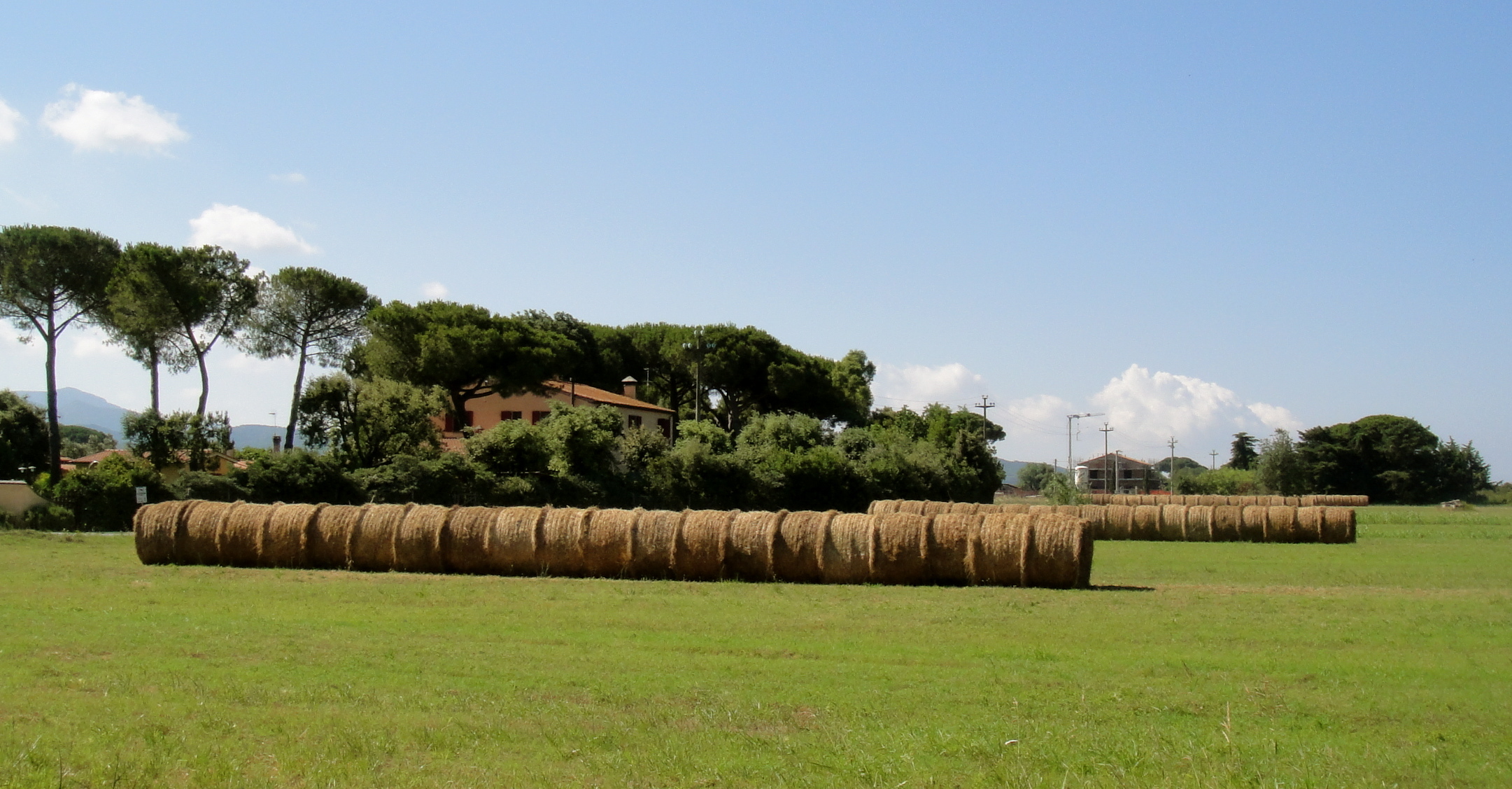
I could have stayed amongst the sunflowers all day, but alas, my photographic adventure did constitute some form of trespass onto this farmland, albeit in the name of art. We returned thereafter to safer pastures – to the incredibly vineyard views of a vineyard known to my partner’s brother, and a nearby field with large bails of hay perfect to inspired Monet himself.

Hay for Monet

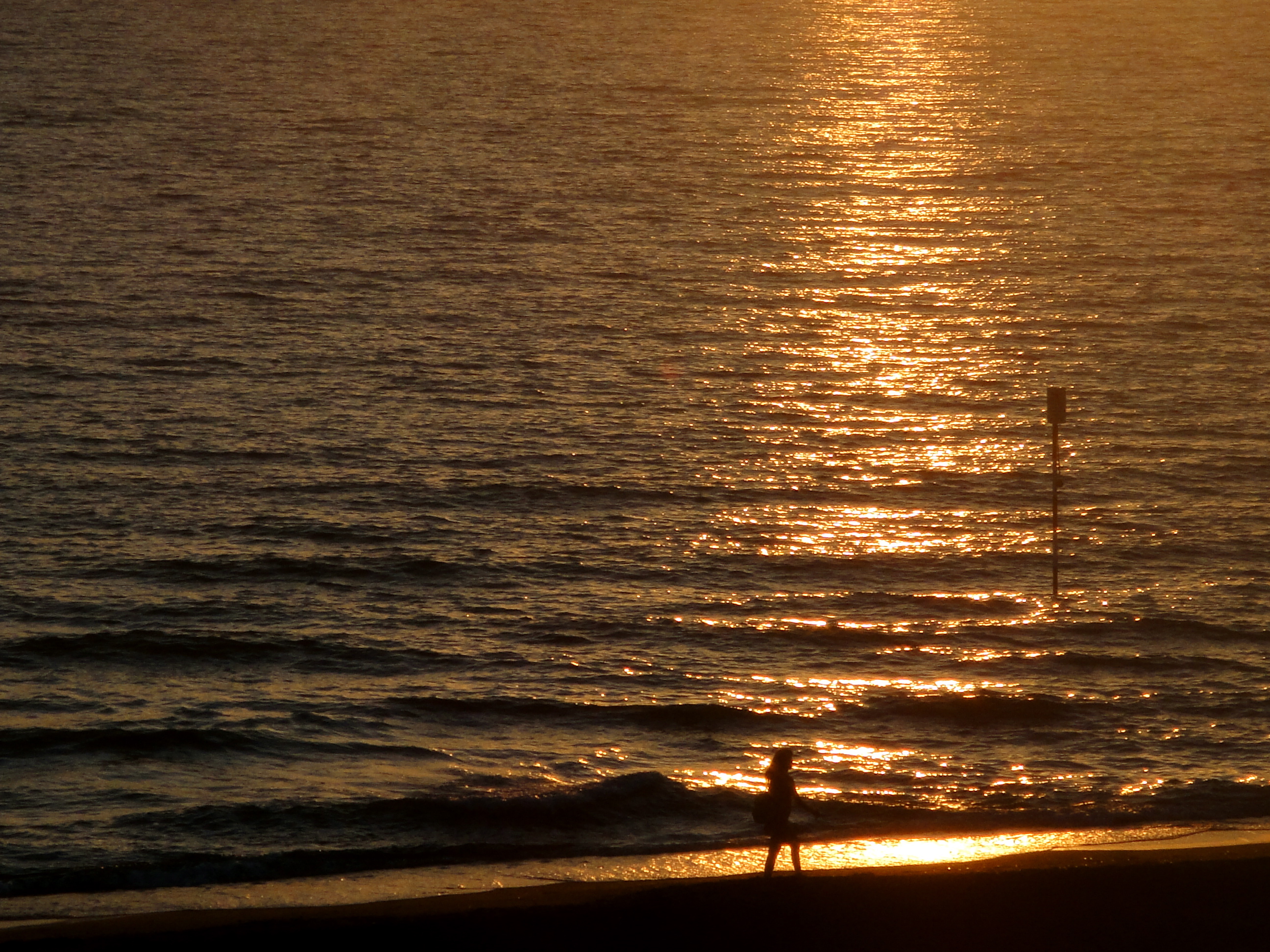
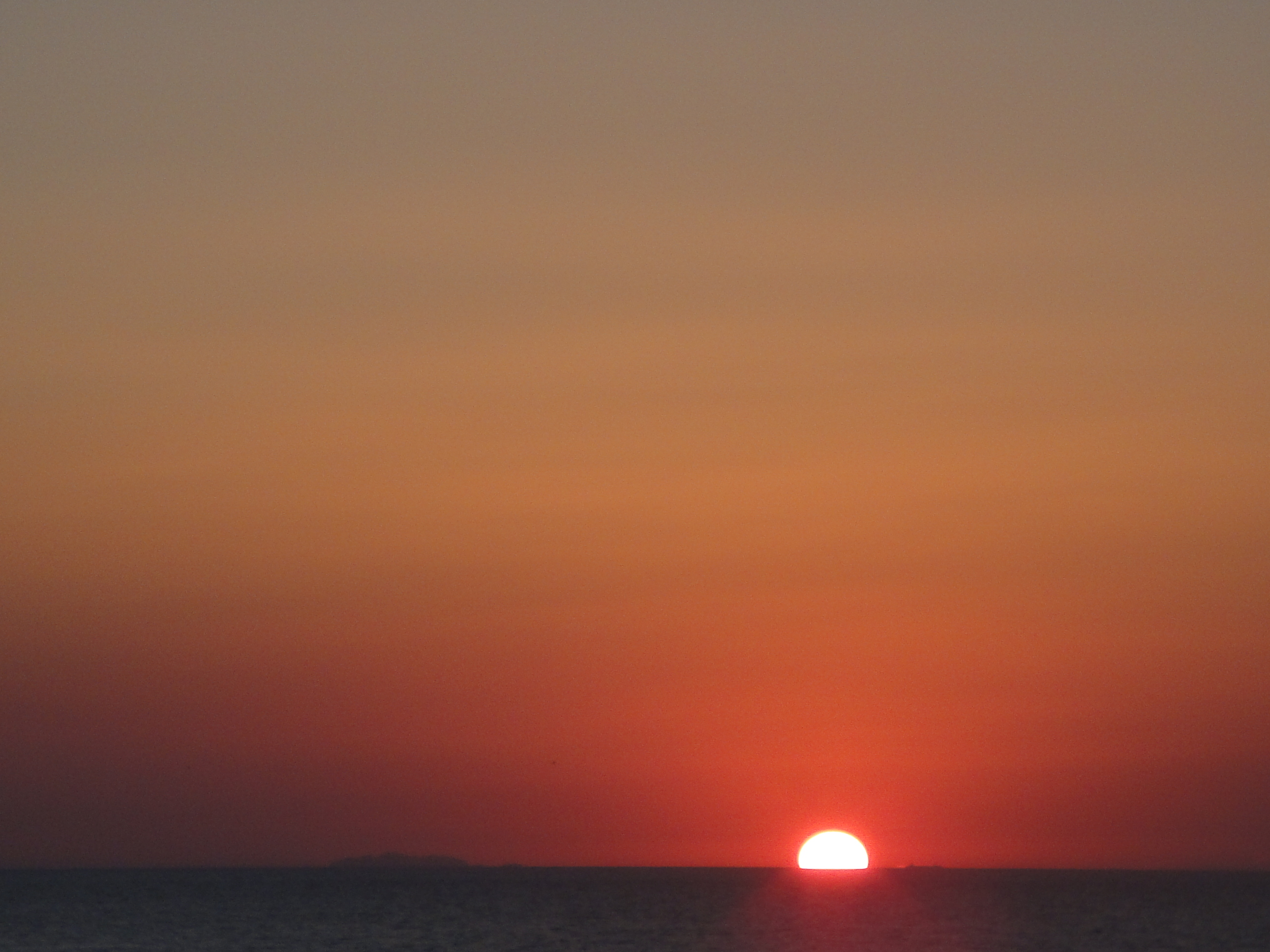
What Milan exudes in fashion and Bologna offers in food, Tuscany has in countryside views which stun and inspire in equal measure – I’m giving a whole post over to these lavish landscapes tomorrow. But the great benefit of where I was staying (Donoratico) was that having had my fill of inland views under a progressively searing sun, the coast with its relieving sea breezes was never far away, and it was to the soft sandy beach of Donoratico that I returned that afternoon, wiling away the hours splashing around in soft silky seawater with light pale-ocre sand squishing softly beneath my toes, until the sun retained its former morning pallor, before retreating back under the horizon in hues of orange, then pink and then a devastating crimson red. Until tomorrow…
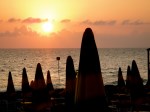
Sunset over the Alta Maremma coast