Skip to content

Posts tagged ‘Italy’

Another walk one early Tuscan morning: Corn fields and pine trees

I love walking, perhaps you’ve noticed. I trace the passion back to my 2008 accident and the two years of limited movement which resulted. When finally I lost my crutches, I realised for the first time the very simple joy of being able to walk. What a liberty to be able to walk wherever your feet may take you, one that most take for granted but which we all should cherish, especially when those legs take you somewhere as beautiful as the Tuscan countryside.

On the way to the pine tree forest

DSC09425DSC09509DSC09531DSC09486DSC09433DSC09460DSC09501DSC09443DSC09536DSC09532DSC09468DSC09448DSC09469

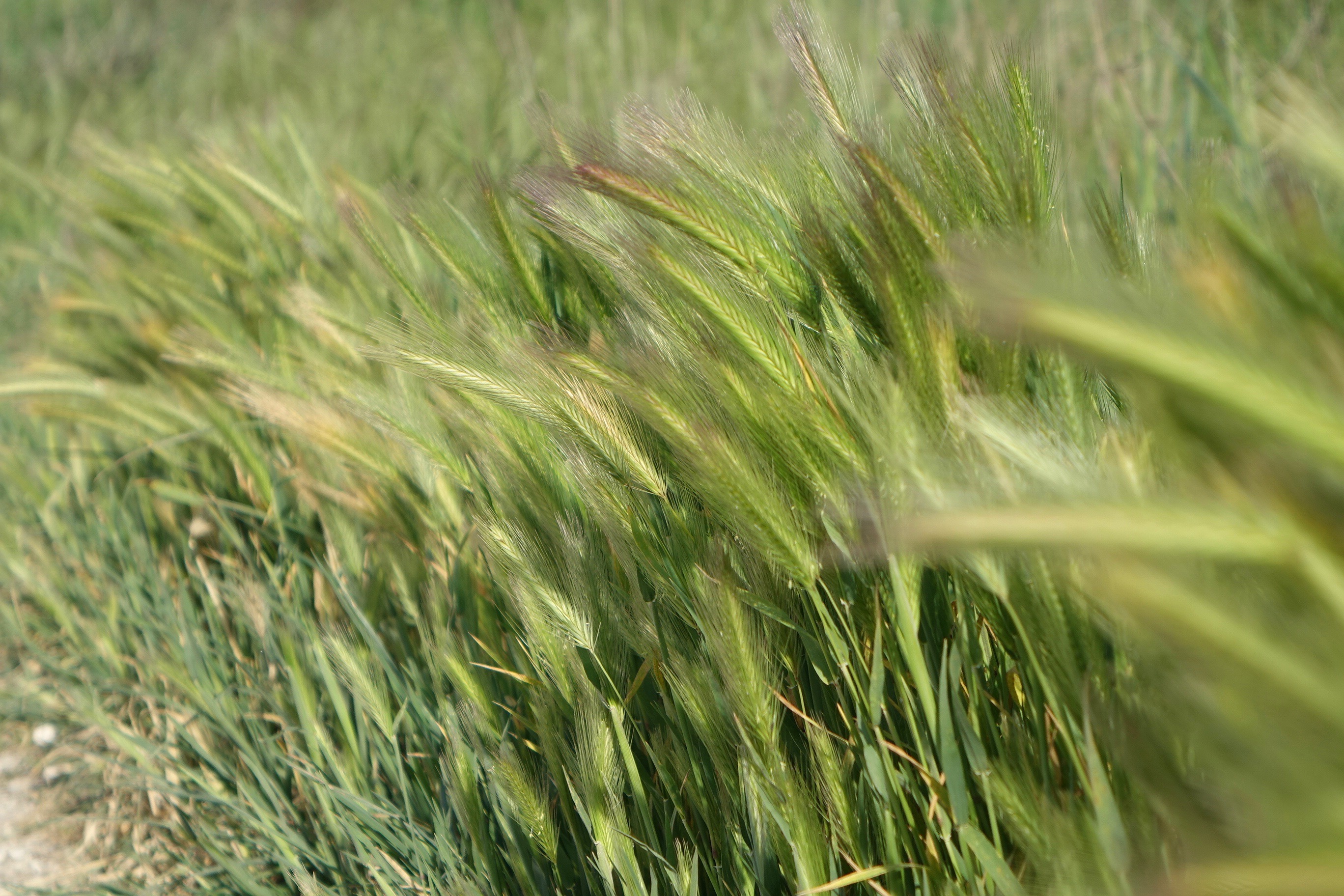
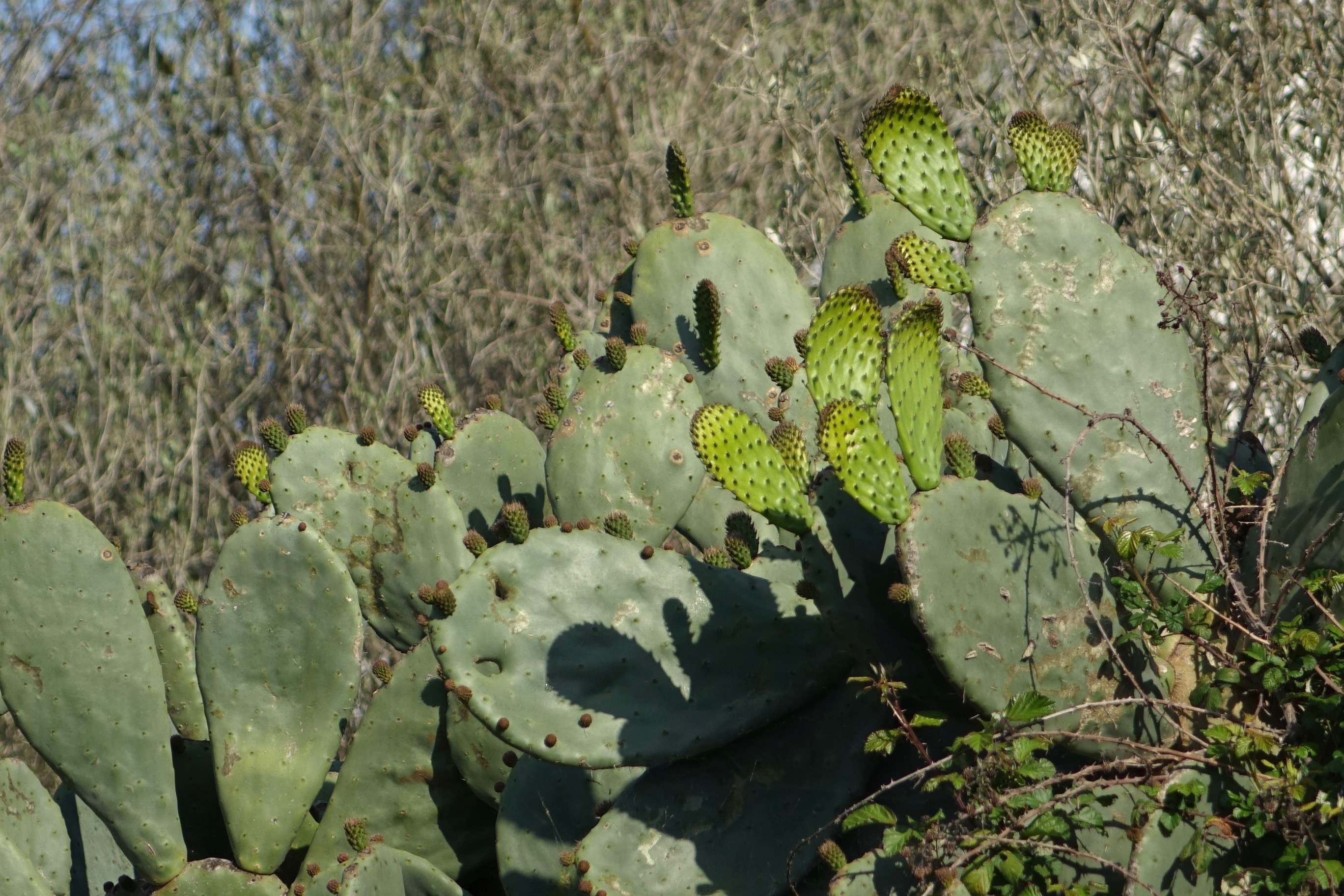
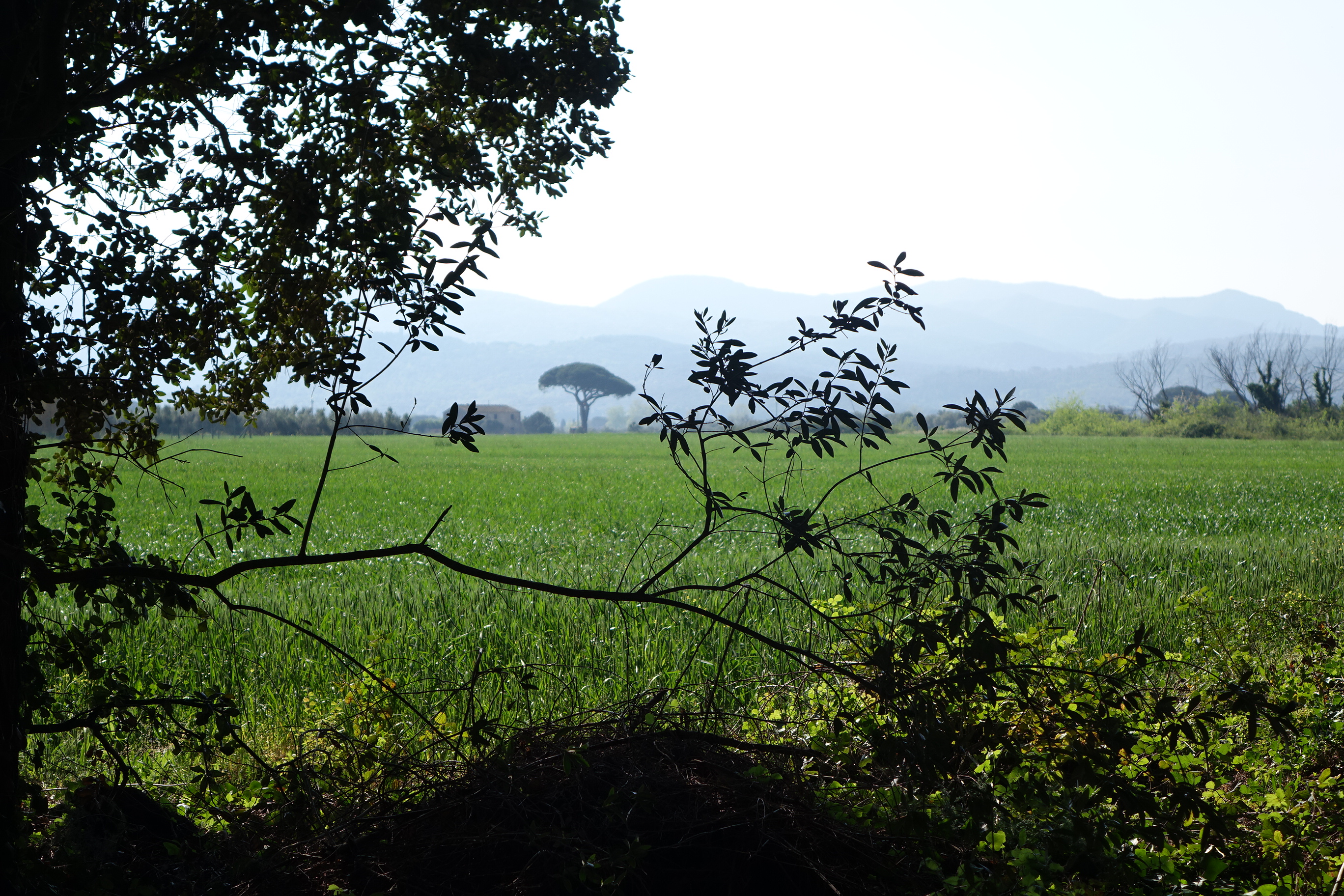
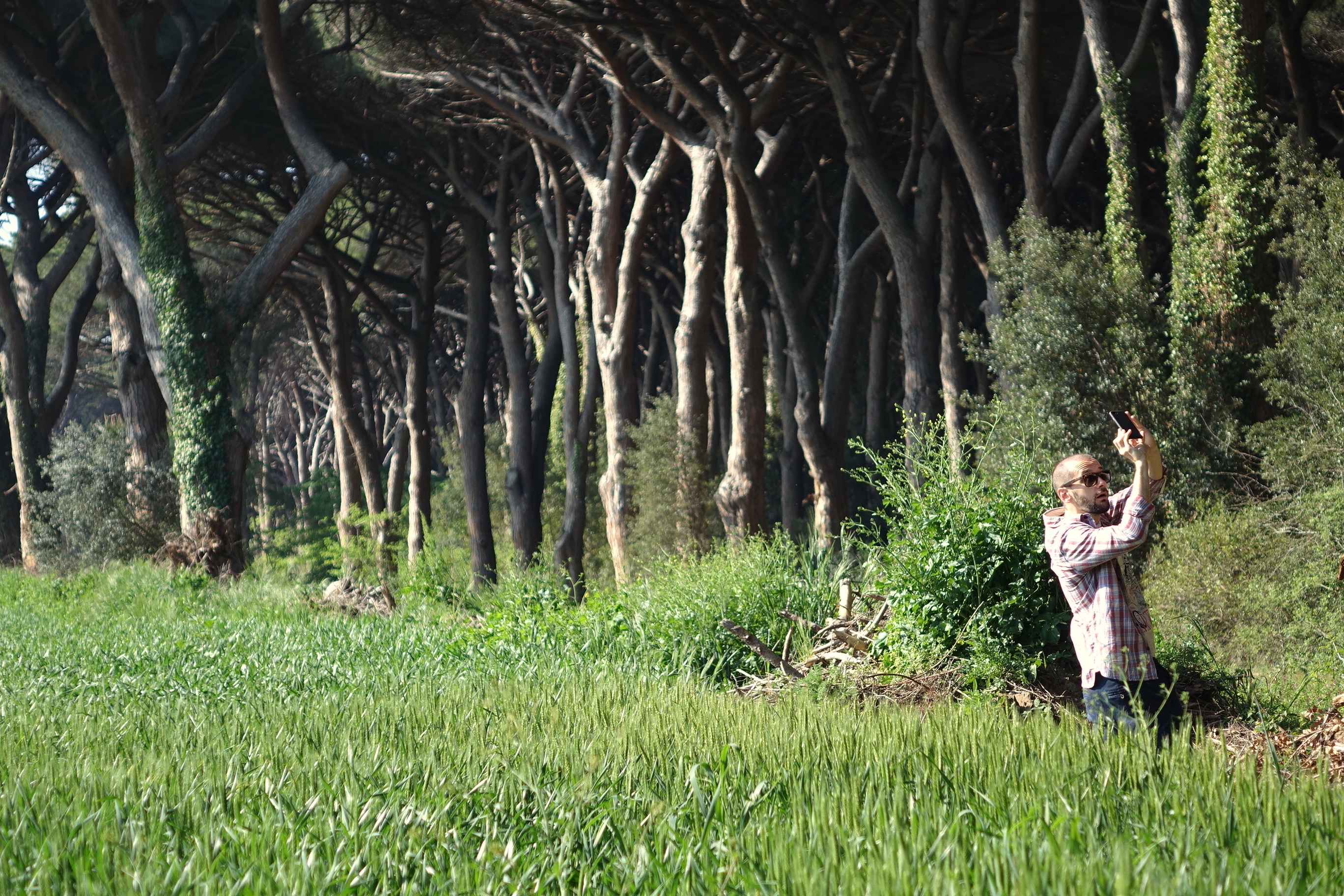
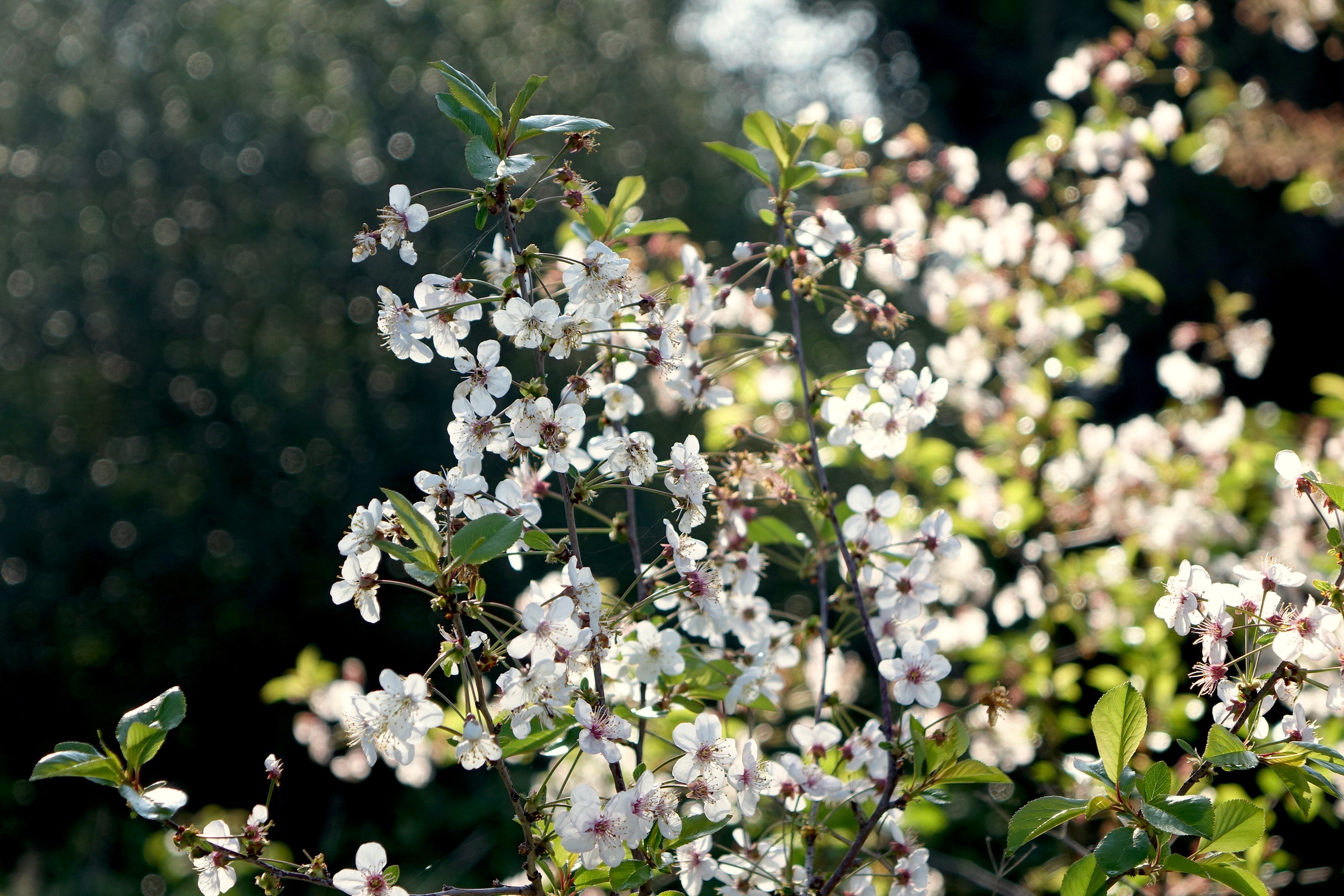
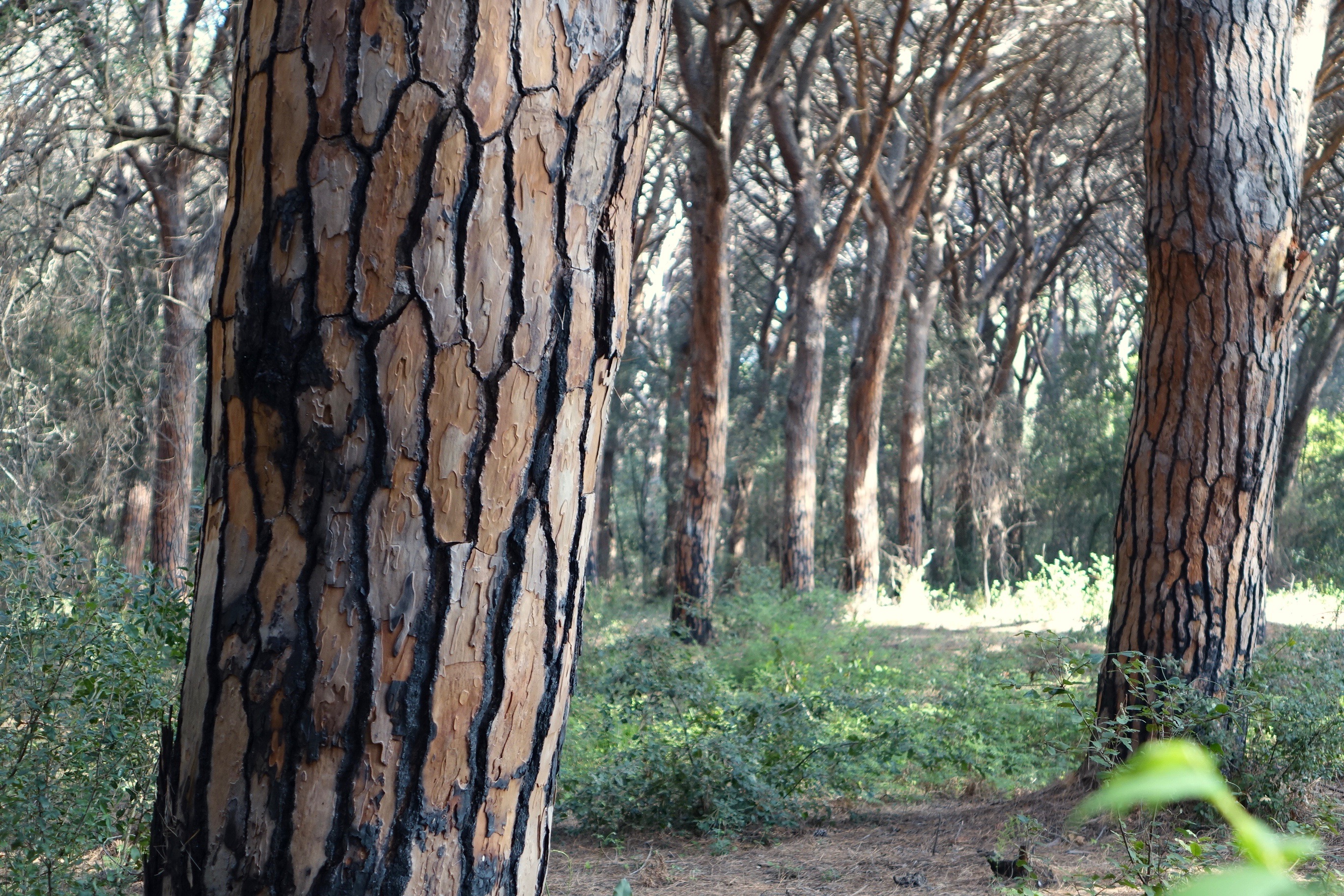
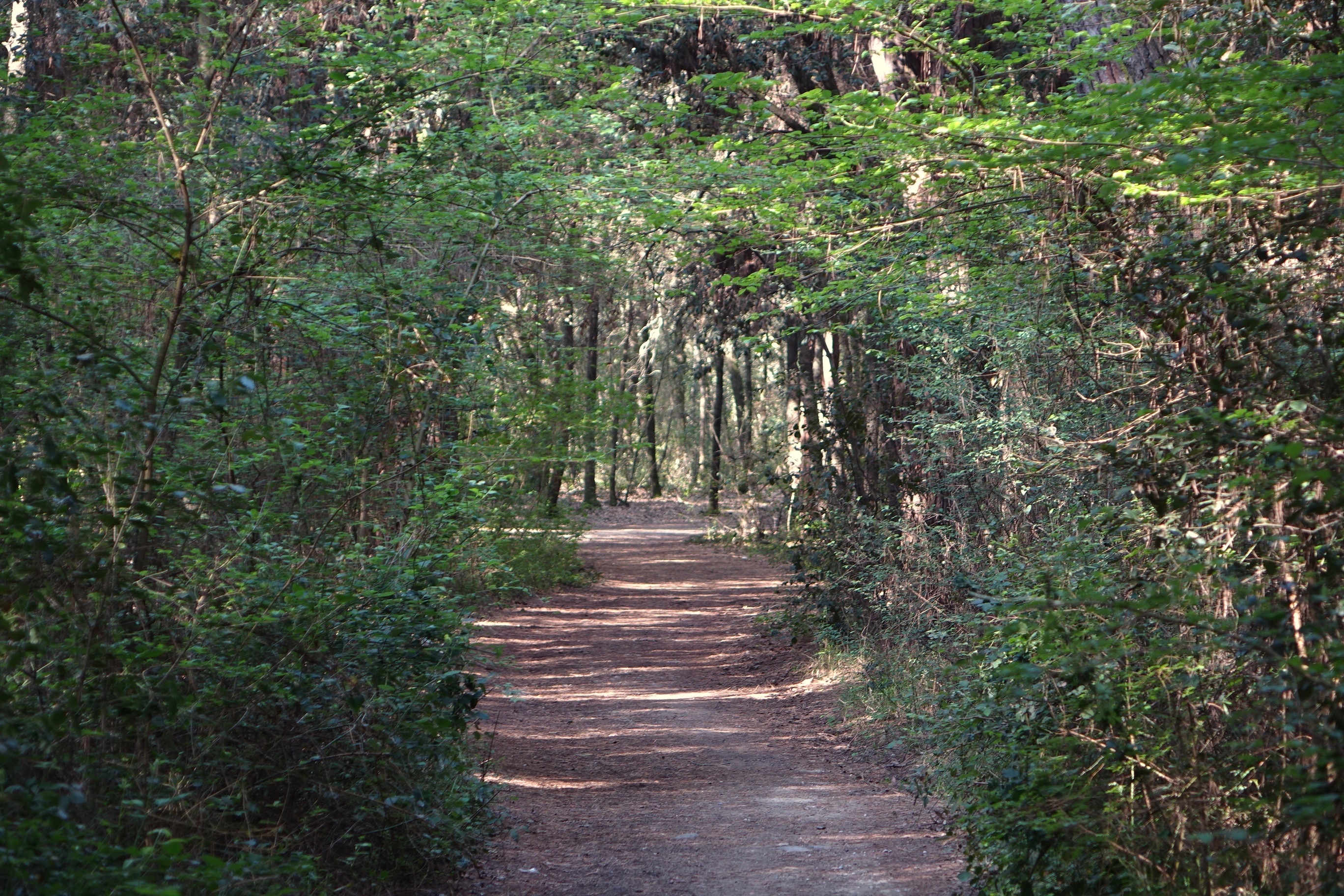
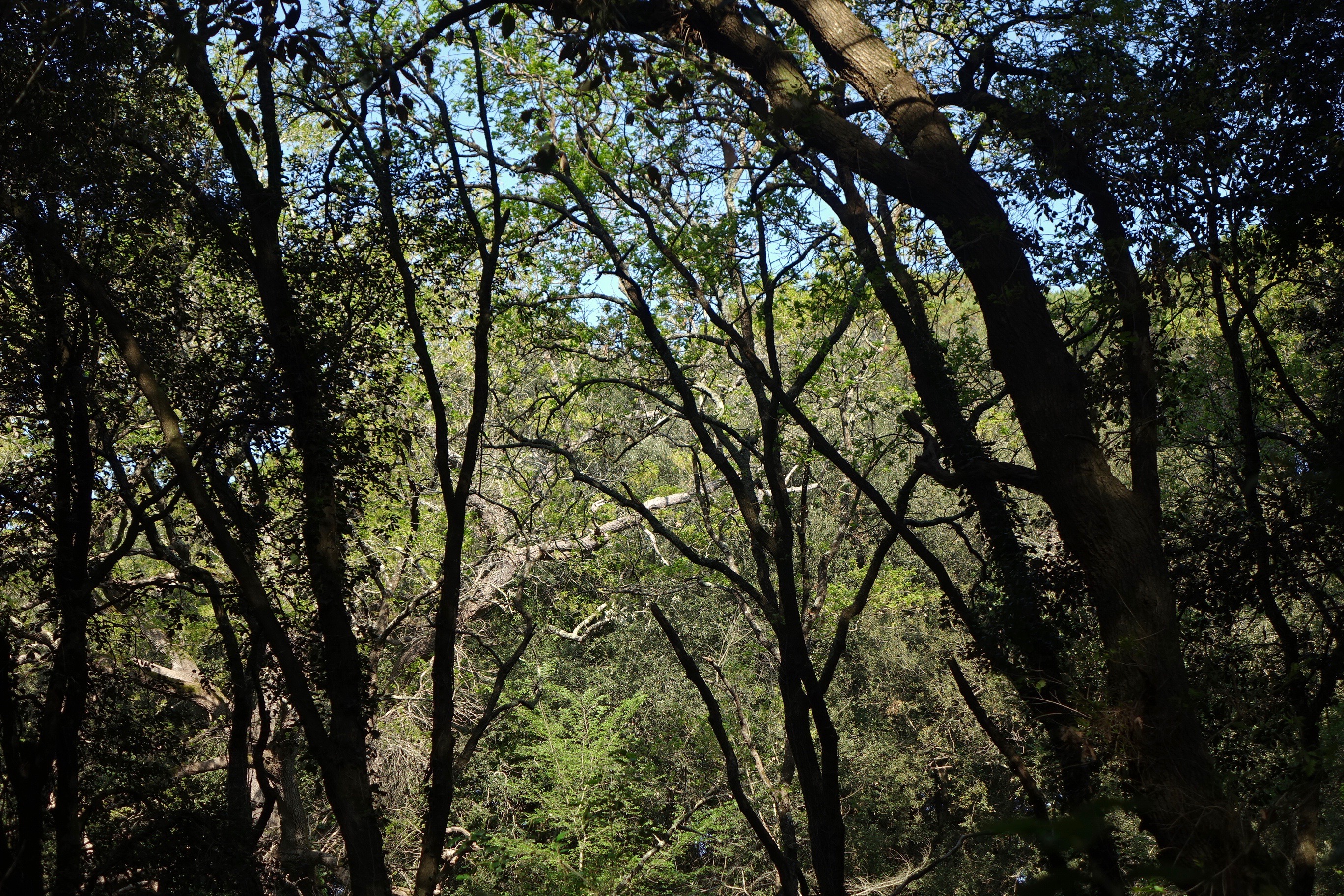
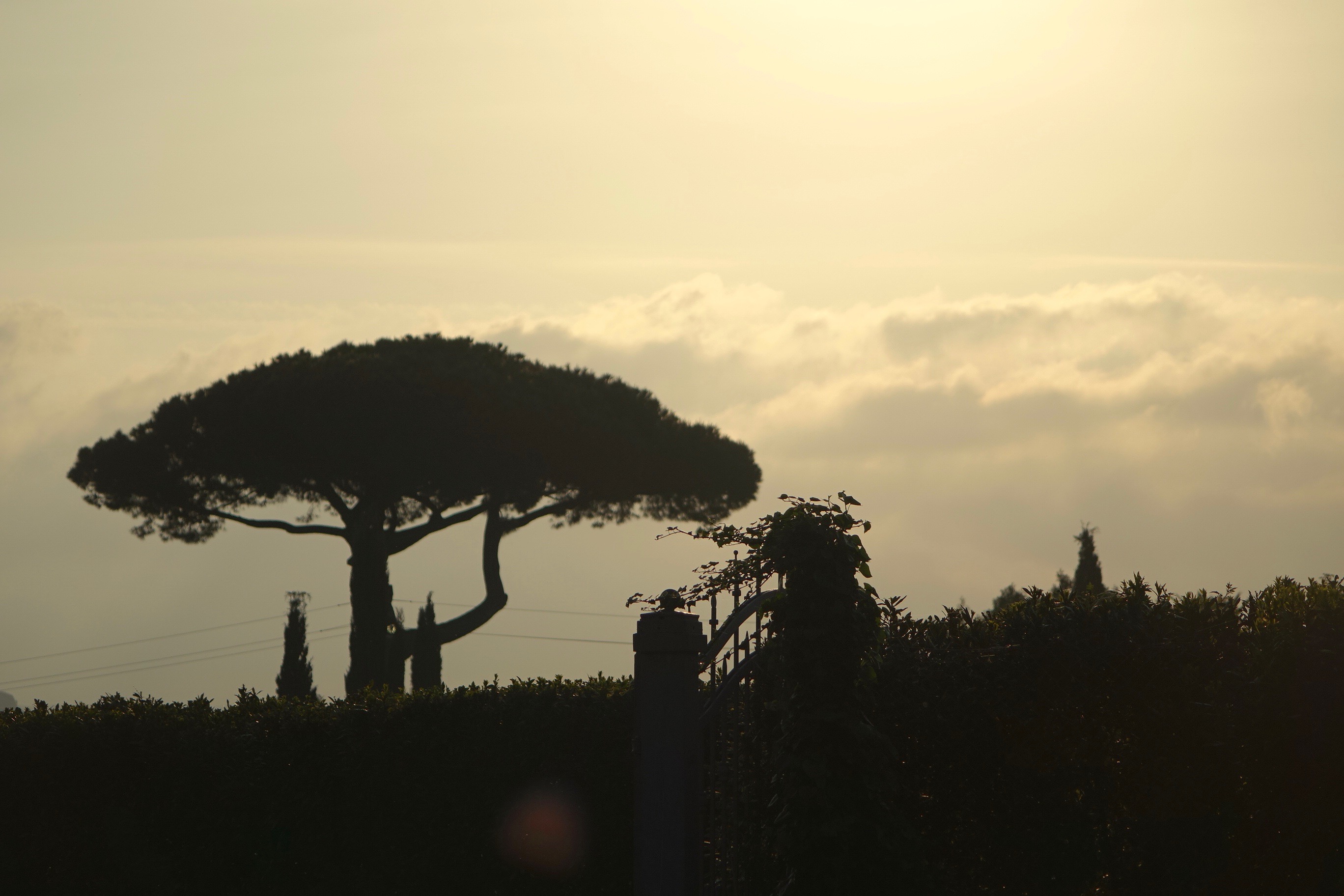
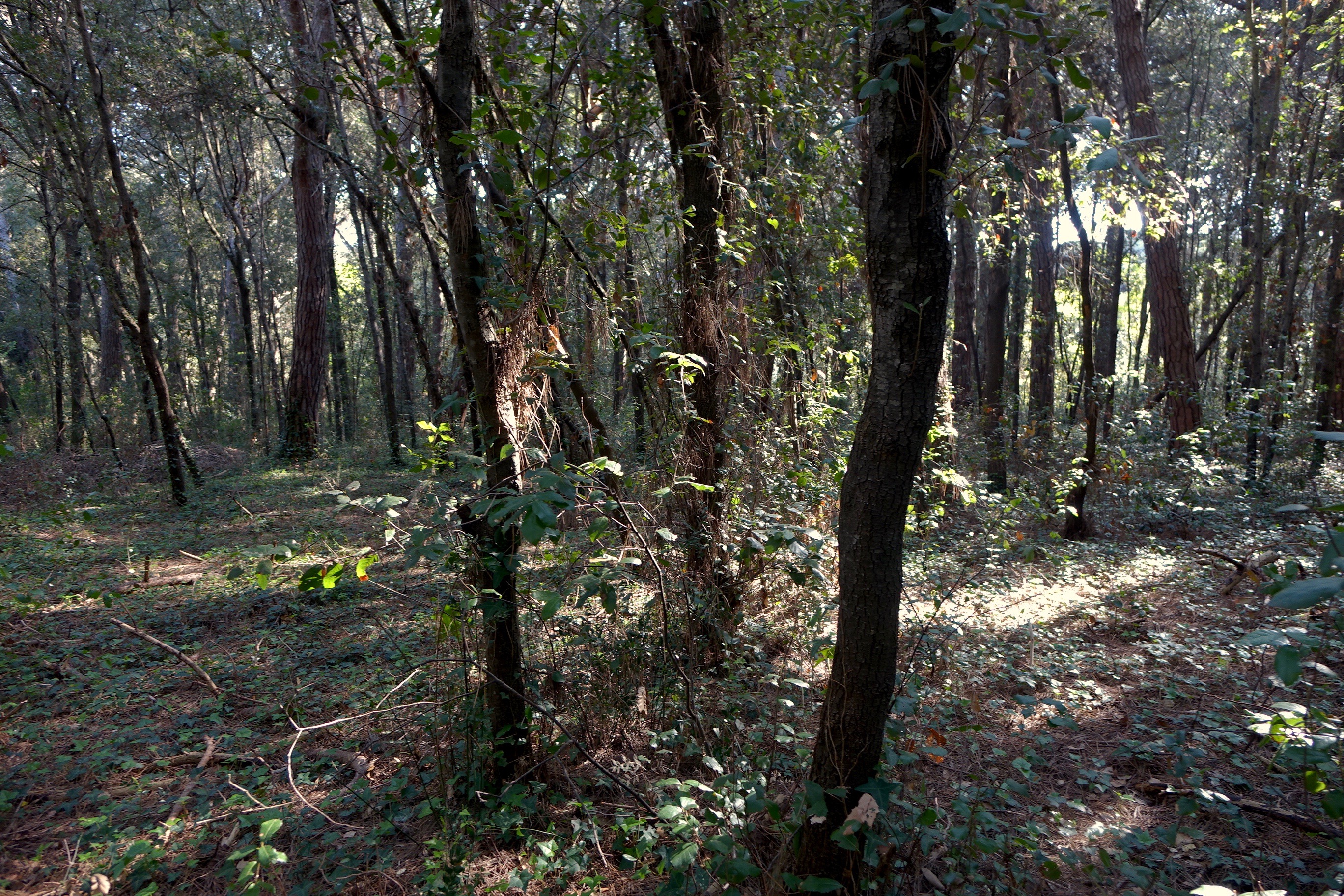
The last walk I described passed through the ravishing local vineyards whose striped embodiment of leafy lanes roll leisurely over the nearby hills. But turn the other way, and a landscape of equal enticement spreads out for the offering, one of corn fields and olive trees which back onto what in the coastal town of Donoratico is a locally iconic wood of pine trees running all the way long the sea. This dense collection of the umbrella pines which are an iconic element of the Tuscan landscape make for an incredible sight, not least from within where a glance upwards unveils a ceiling of semi-transparent pine needles punctuated with light. Meanwhile and endless collection of pine tree columns is like a cathedral of wood which apparently spreads forwards for an eternity.

Within the woods
DSC09560DSC09548DSC09599DSC09541DSC09591DSC09569DSC09550DSC09577DSC09553DSC09549DSC09554DSC09579DSC09537DSC09558DSC09572

There is something about a wood which is deeply, sensuously mysterious, drawing you in, albeit with some trepidation as to what lies within. We adored our time wandering through this lofty space, where we stumbled upon crazily shaped fallen trees and shards of light breaking through the pine tree canopy. But best of all things was the treat at the end, as the final archway of trees led directly onto a wide sandy beach and the turquoise sea beyond.

Breaking out 

DSC09604

© Nicholas de Lacy-Brown and The Daily Norm, 2001-2017. Unauthorized use and/or duplication of the material, whether written work, photography or artwork, included within The Daily Norm without express and written permission from The Daily Norm’s author and/or owner is strictly prohibited. 

Tuscan Towns #3 – Casale Marittimo

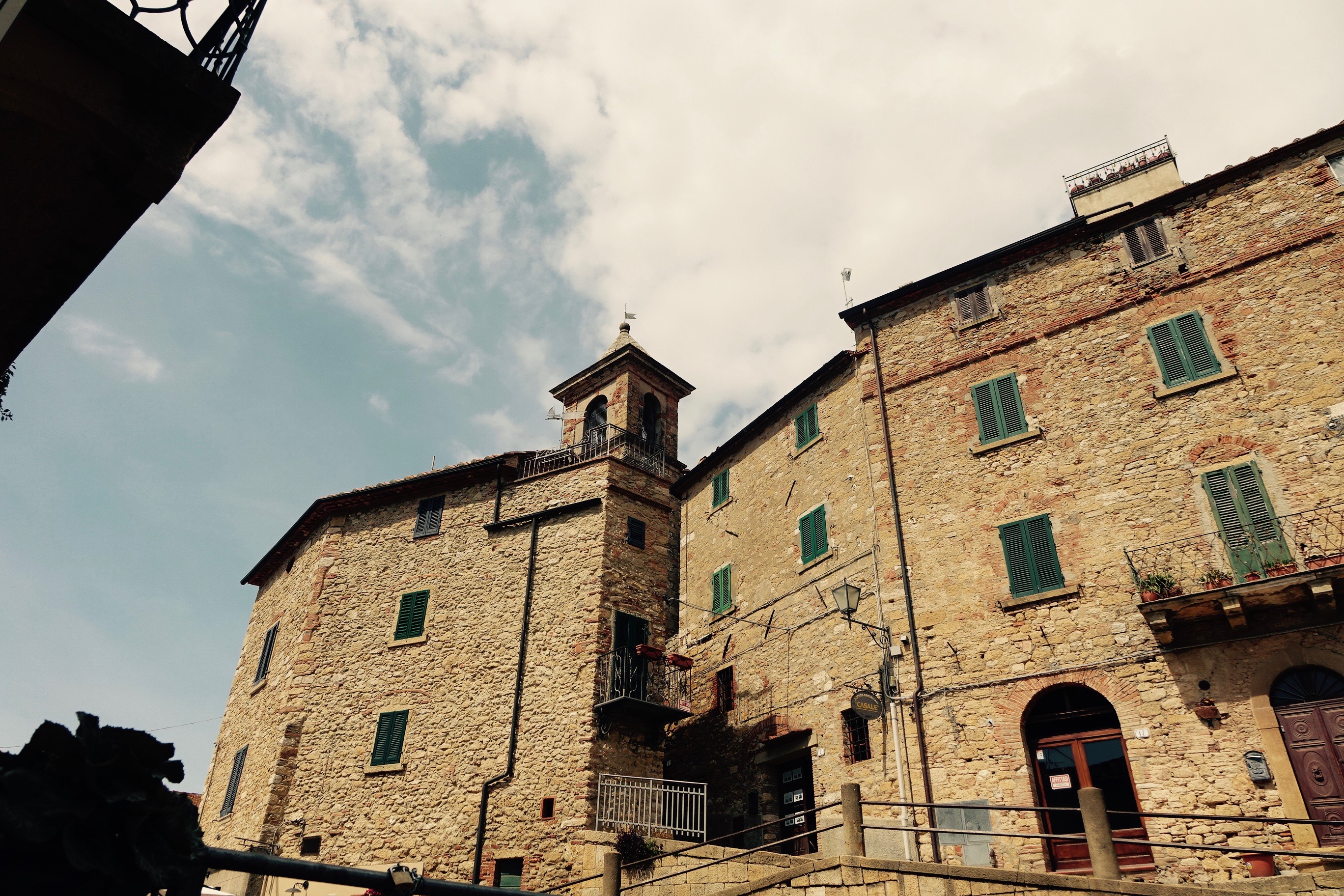
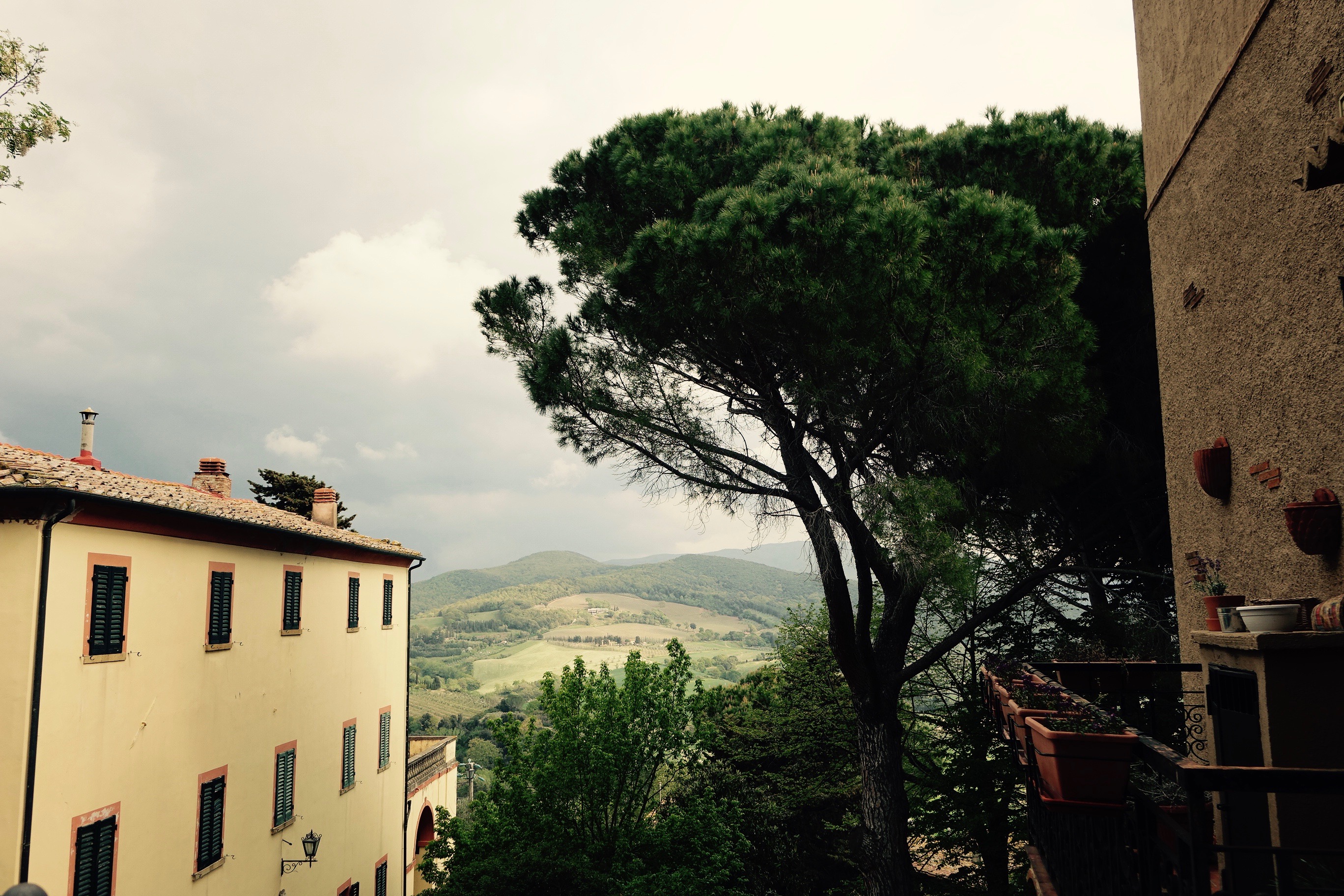
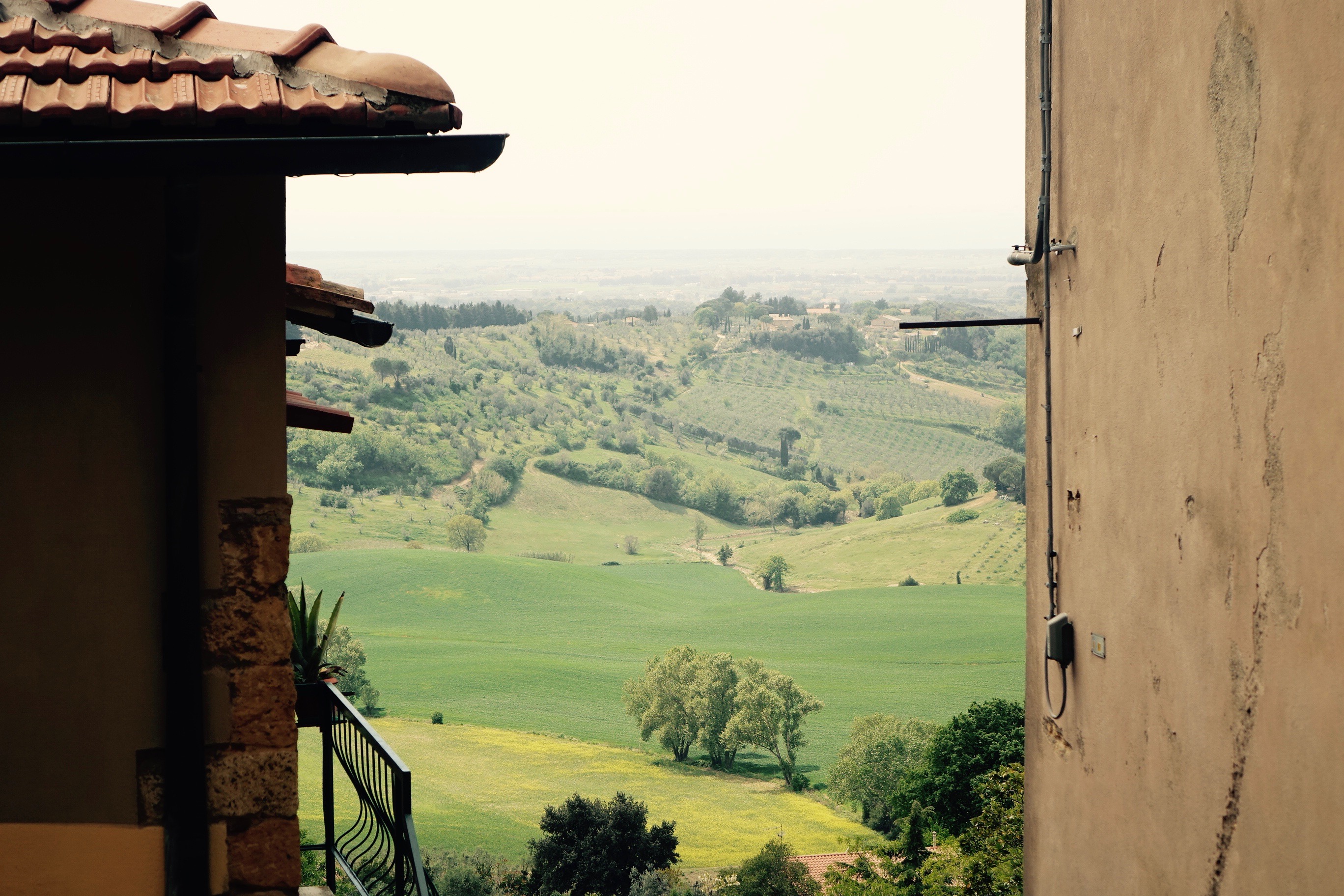
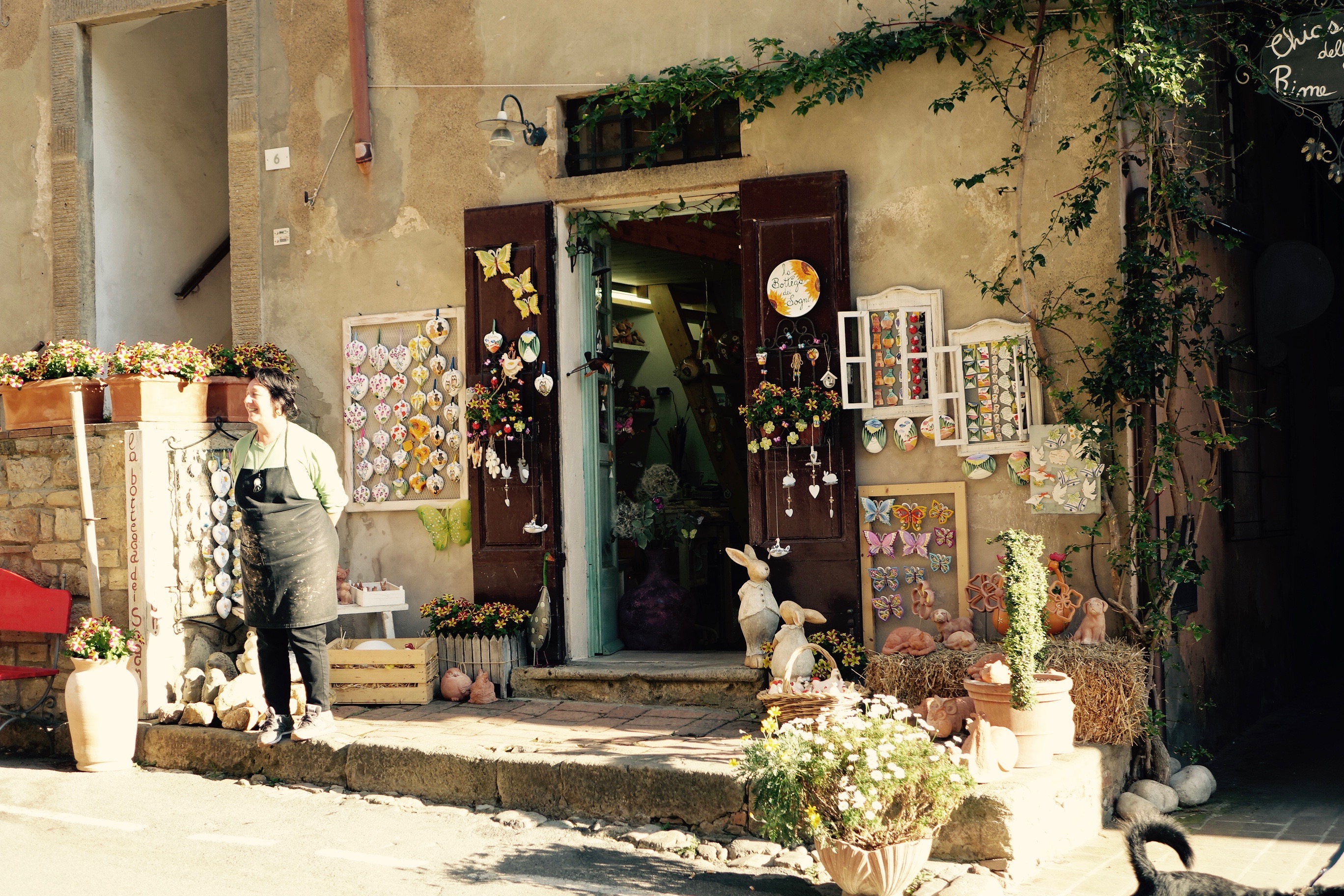
Driving along on the slower (and far more beautiful) inner coastal road from Castagneto towards Livorno, you may notice on the hills beyond the acres of vineyards a perfectly formed little town perched up at a height. Small as a toy town but quaint in every respect, there is very little in Casale to place it on the tourist map, but with its cute little central square and an endearing piccolo church I defy it not to please any visitor to the max. But for us Casale was not about the uniquely formed sloping streets or the picture-perfect micro-shops. It was about the views, and one very special lunch spent appreciating them.

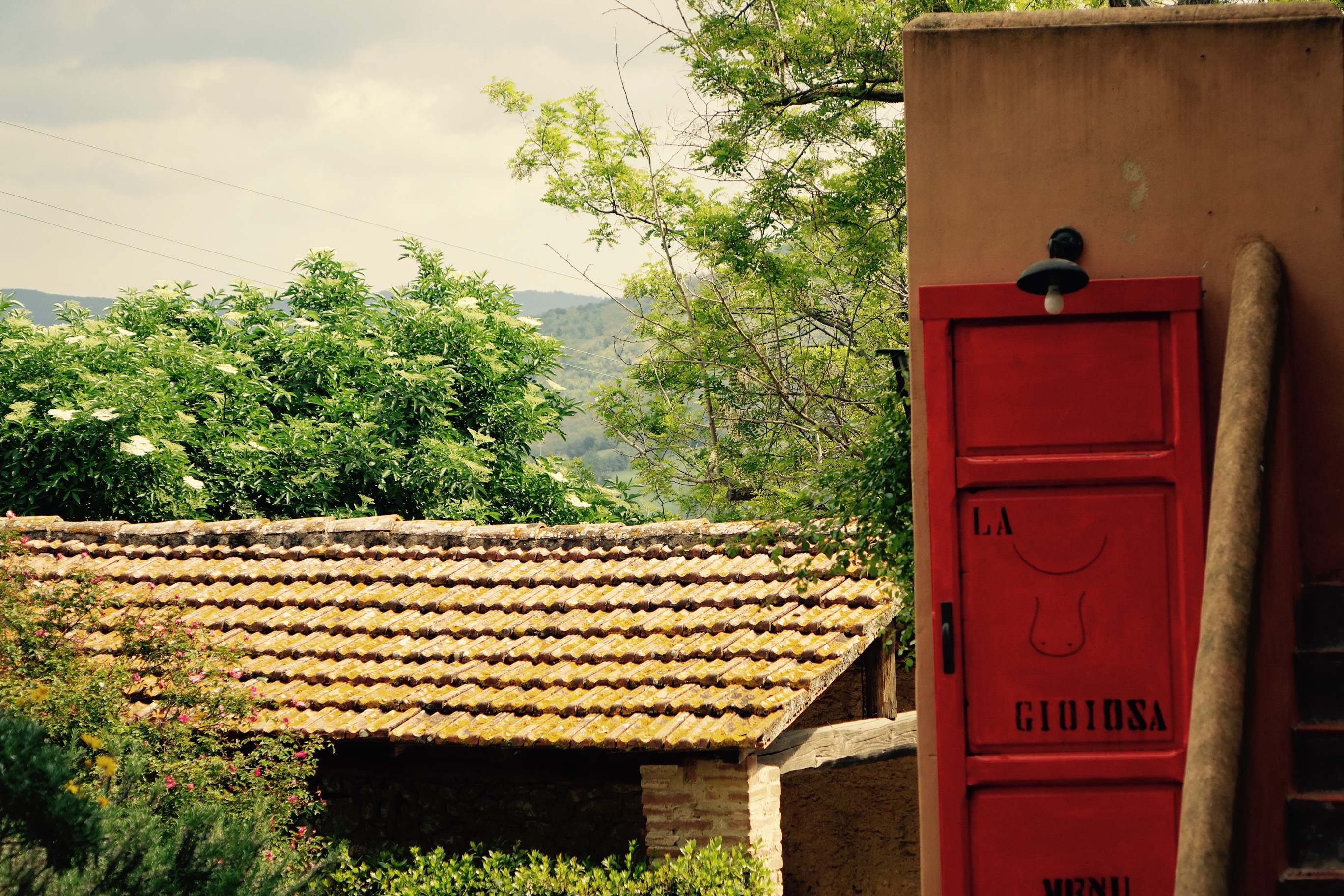
DSC09400DSC09404DSC09403DSC09383DSC09387DSC09388DSC09376DSC09353DSC09349DSC09358DSC09332DSC09352DSC09330

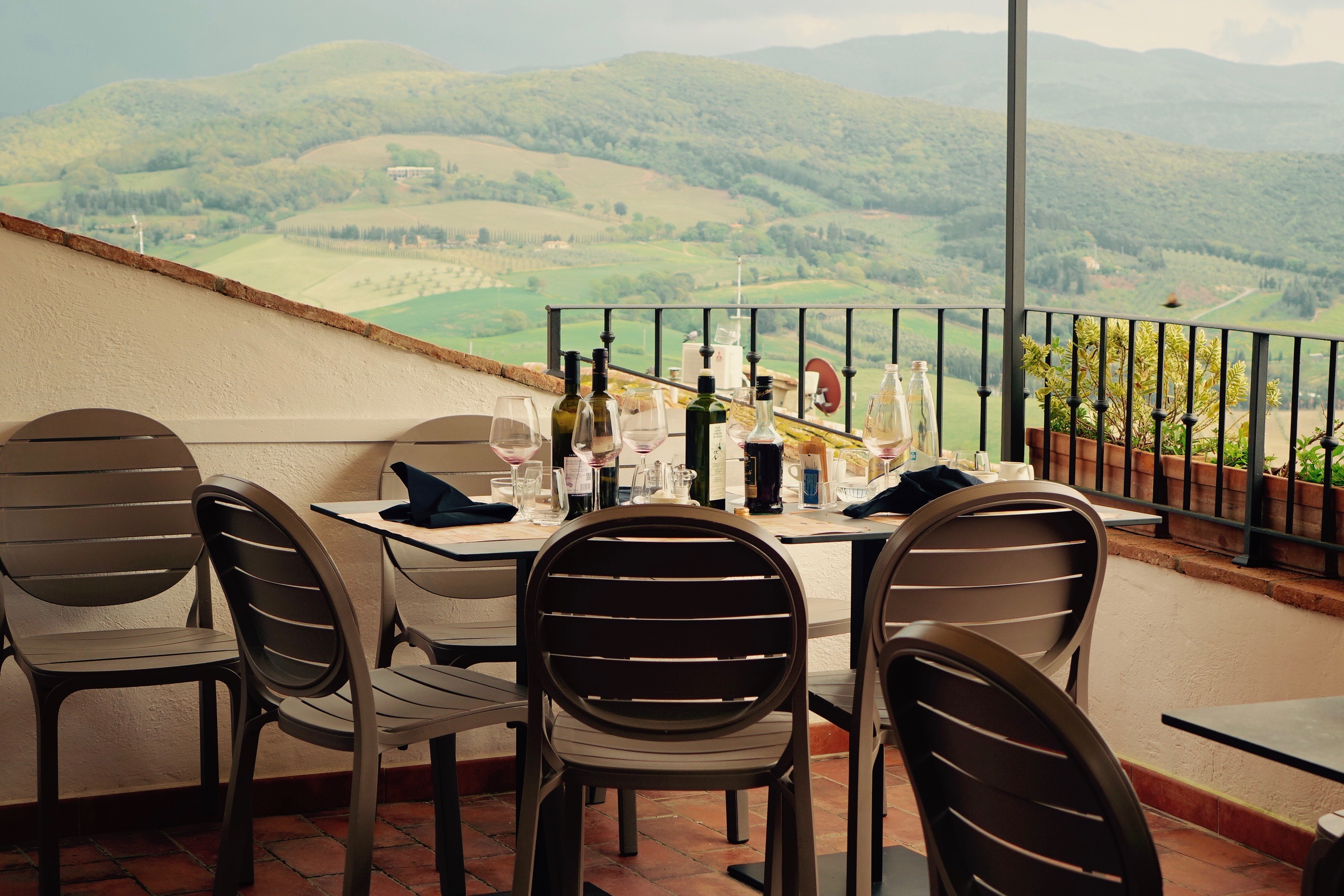
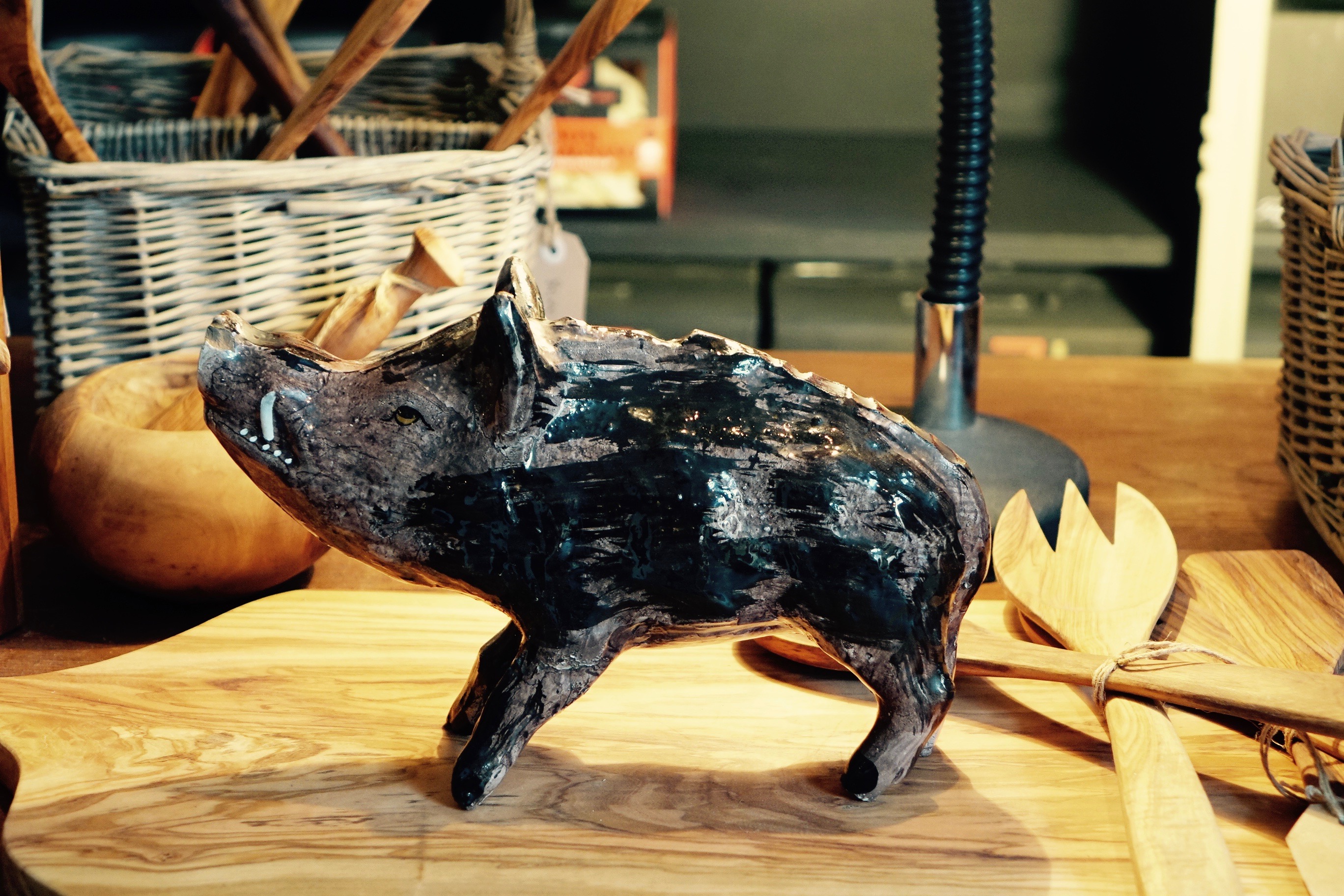
At the Osteria L’impronta, we enjoyed one of those lunches that will linger a long, long time in the memory. With the most incredible private terrace all to ourselves, a soundtrack of jazz, sun rays bouncing off the table’s edge and an endless supply of wine produced on the very land whose spectacular appearance we spent our whole meal admiring, it was like a lunch from a legendary time of utopia. The kind of occasion writers conjure up and artists swoon over. And then there was food – a mix of perfectly al dente pasta, crusty bread with deep golden olive oil, and unctuously rich cinghiale (wild boar) from the surrounding landscape. All combined to make this lunch the culinary high point of our holiday, and a true homage to this legendary region of Tuscany.

DSC09359DSC09320DSC09323DSC09413DSC09410DSC09313DSC09318DSC09315DSC09319DSC09335DSC09414IMG_9576DSC09394

© Nicholas de Lacy-Brown and The Daily Norm, 2001-2017. Unauthorized use and/or duplication of the material, whether written work, photography or artwork, included within The Daily Norm without express and written permission from The Daily Norm’s author and/or owner is strictly prohibited. 

Tuscan Towns #2 – Bolgheri

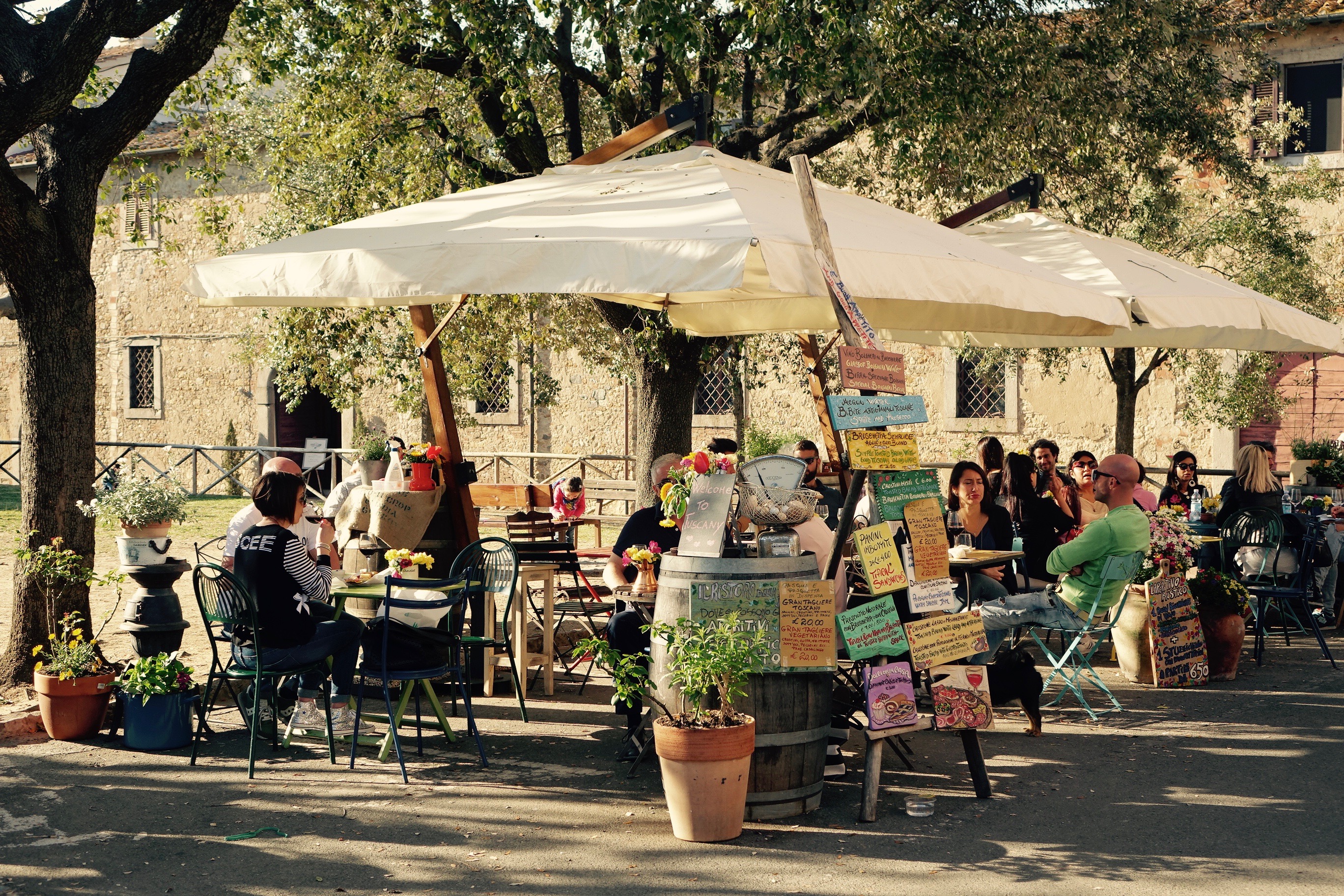
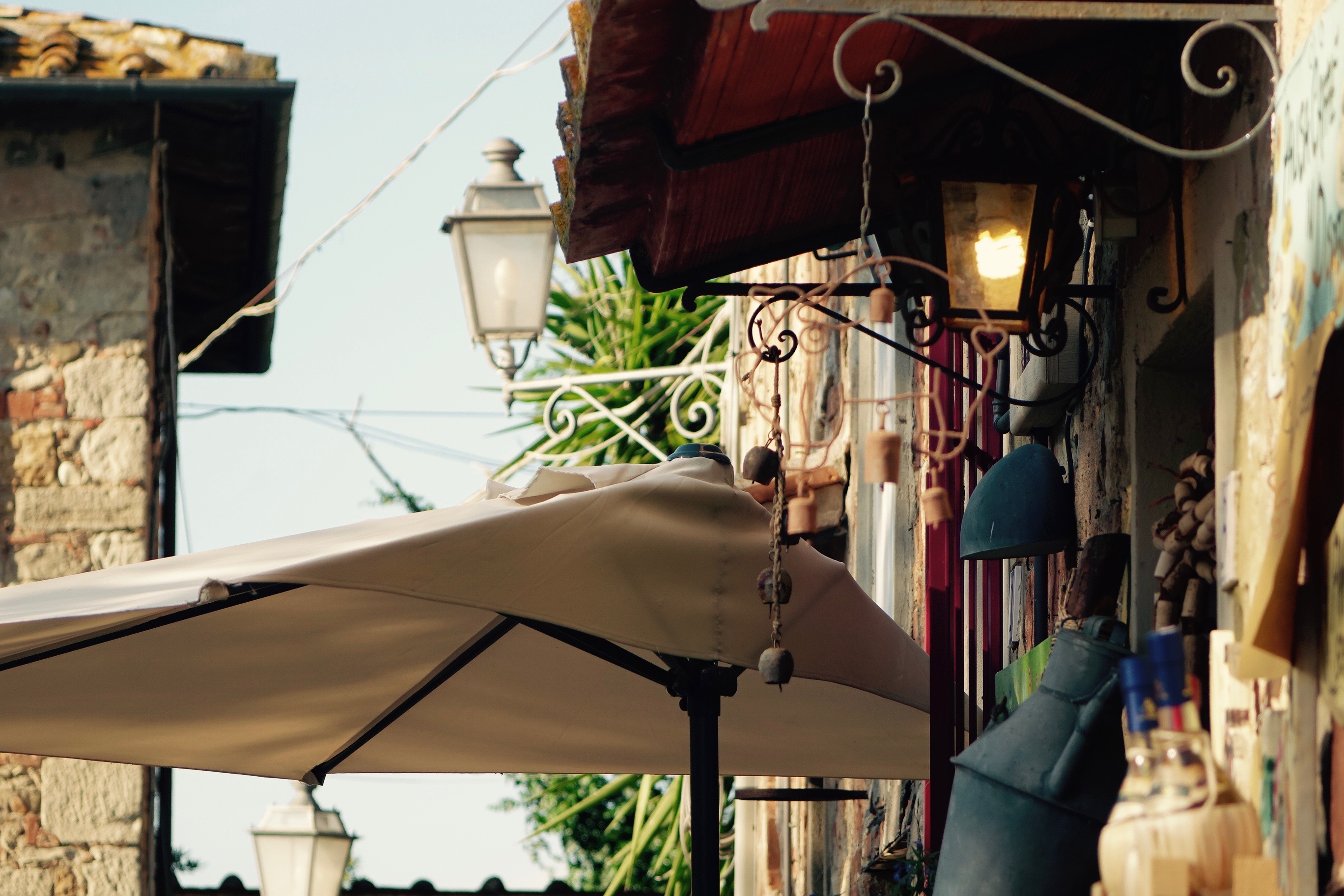
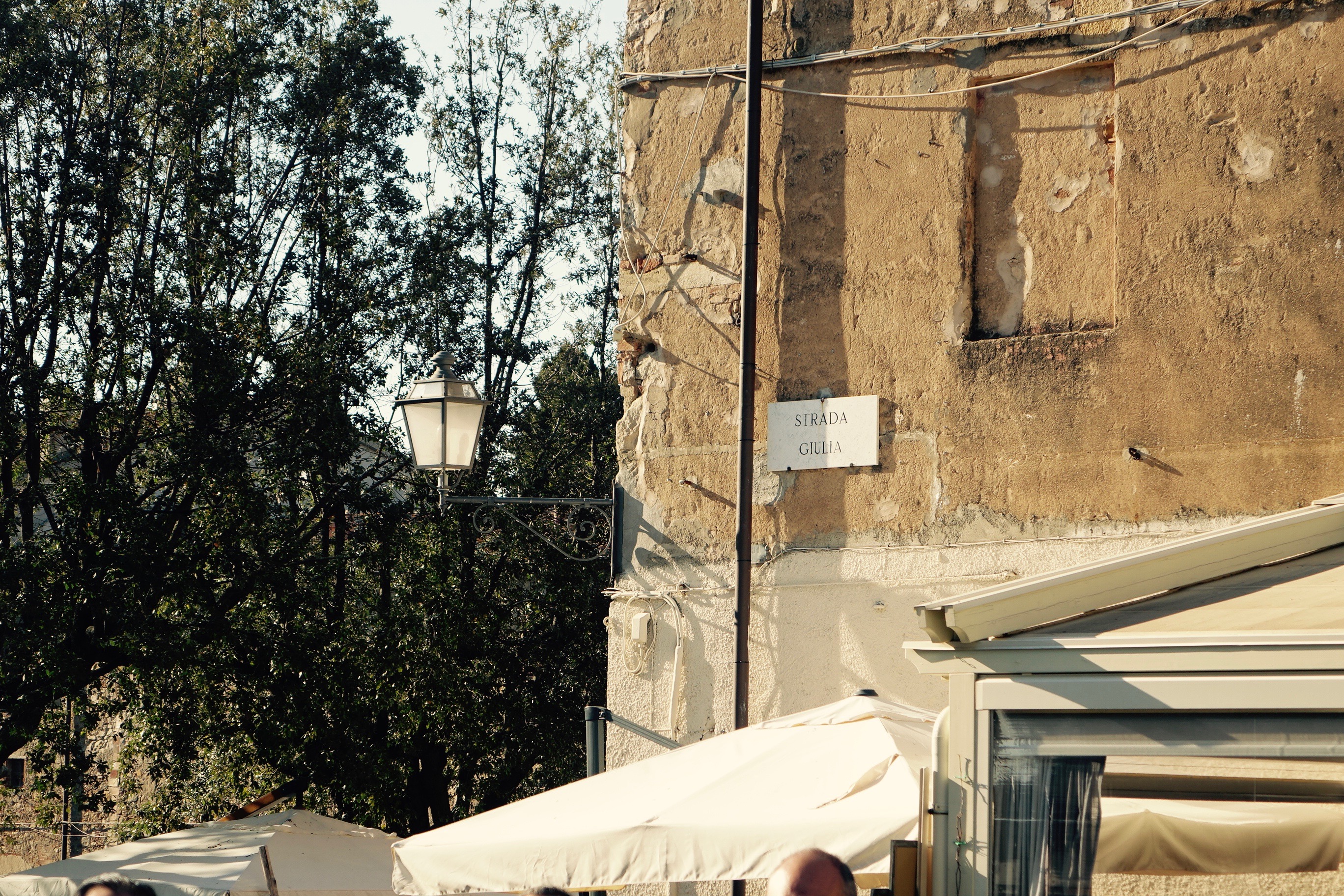
Bolgheri is a tiny town, more of a hamlet really, based as it is along one main street which latterly converges into two, a sunny square and a row of delightful little houses and restaurants precipitating the divide. For the majority, the closest they will come to knowing Bolgheri will be to read its name upon one of the plethora of nectarean bottles of wine produced by the region every year. Yet for the lucky few, who are led, magnetised, down the perfectly straight cypress-lined Roman road to the tiny little village, finding Bolgheri will feel like stumbling upon a hidden jewel.

DSC09719DSC09726DSC09666DSC09721DSC09711DSC09665DSC09664DSC09695DSC09697DSC09692DSC09677DSC09722DSC09709DSC09712DSC09714

While Bolgheri has a castle, it is as proportionately small as the village. It is not a place for museums, nor a city for those wishing to stroll endlessly from one new corner to another. No, the real attraction of Bolgheri is its atmosphere. It is enchanting. While a visit at any time of the day will be enthralling enough, there is a poetic grace about Bolgheri in the late afternoon, as the sun starts to set over the vineyards and rolling hills to the West, and every cafe and shop and house seems to fling open its shutters greedily urging the peach coloured light to spill into its small little terracotta buildings.

DSC09710DSC09672DSC09703DSC09716DSC09728DSC09690DSC09699DSC09675DSC09729DSC09733DSC09702DSC09694DSC09693DSC09688DSC09687DSC09676

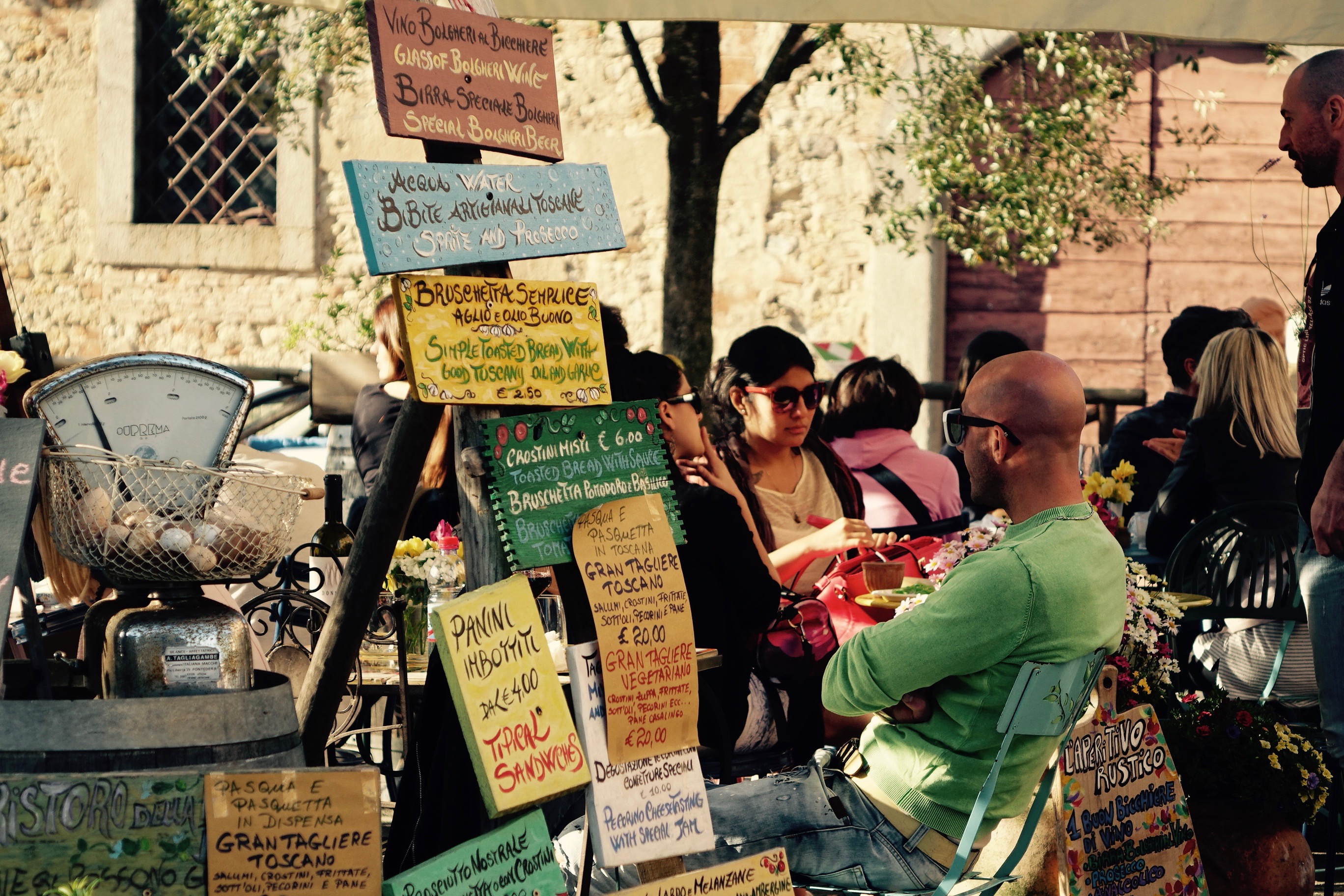
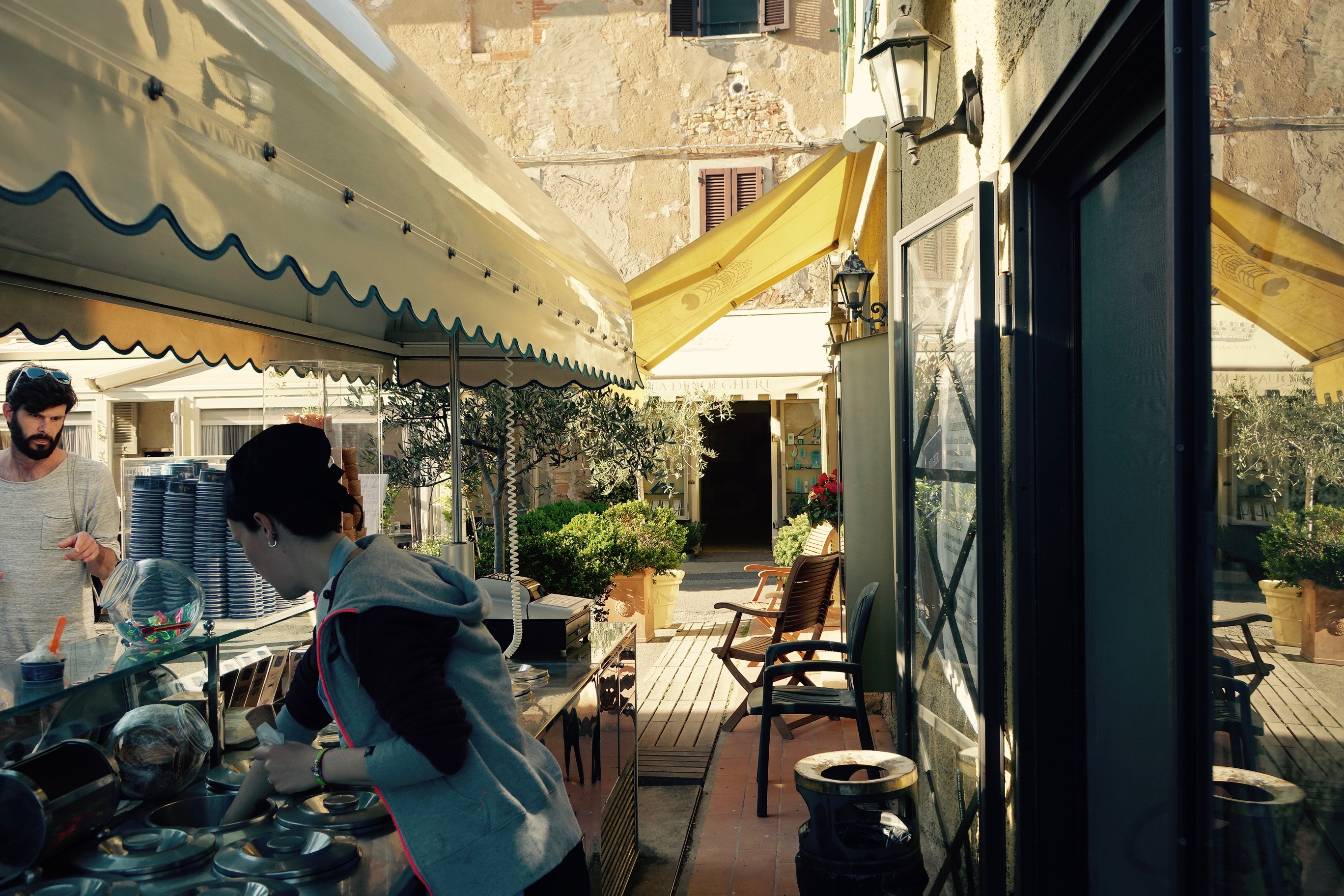
Bolgheri in the afternoon is a place in which to sit and close your eyes, feeling the sunlight spill across your face. It is a village where sipping upon an aperol spritz takes on new majesty, and where an ice cream glimmers with a precious golden aura. It is a time which is all about relaxing, chatting, strolling, thinking, and if I wanted to do anything when I set out to take these photos, it was to capture this time of utopia. So apologies in advance to the fellow visitors who ended up in the photos on this post, but without the look of sheer pleasure and relaxation written all over their faces, I don’t think I could ever have properly expressed the blissful experience of an afternoon in Bolgheri.

© Nicholas de Lacy-Brown and The Daily Norm, 2001-2017. Unauthorized use and/or duplication of the material, whether written work, photography or artwork, included within The Daily Norm without express and written permission from The Daily Norm’s author and/or owner is strictly prohibited. 

A walk one early Tuscan morning: Vineyards and poppies

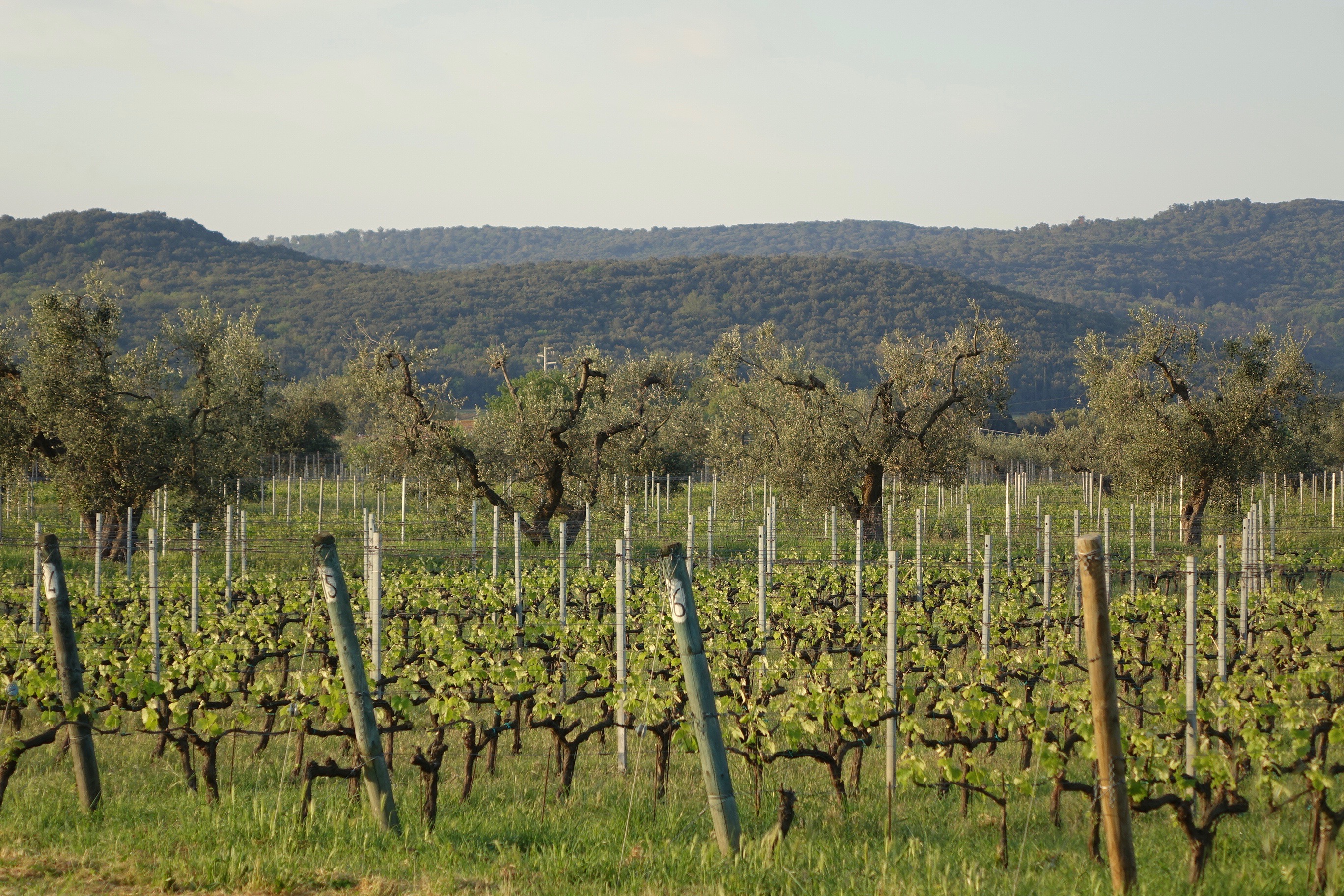
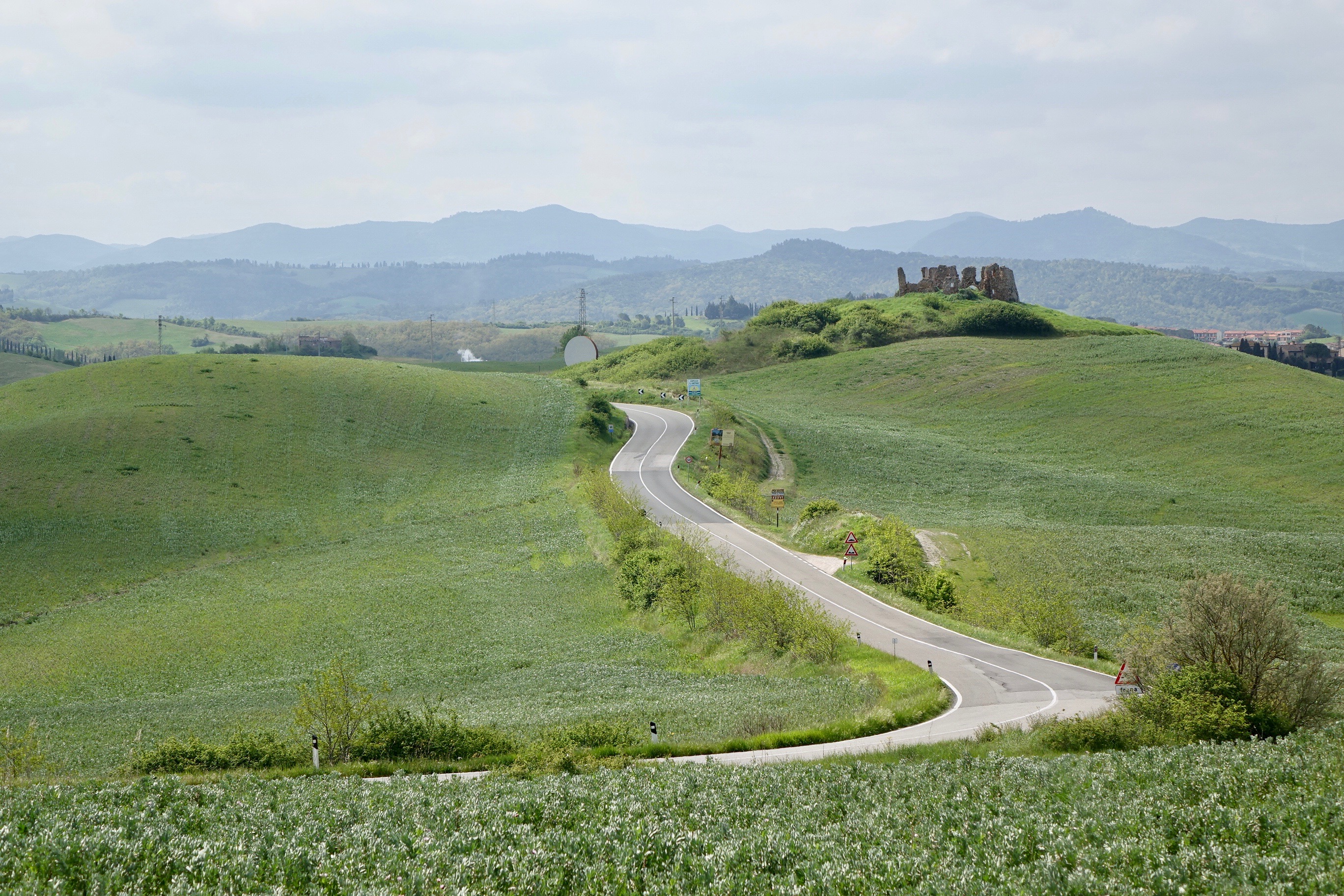
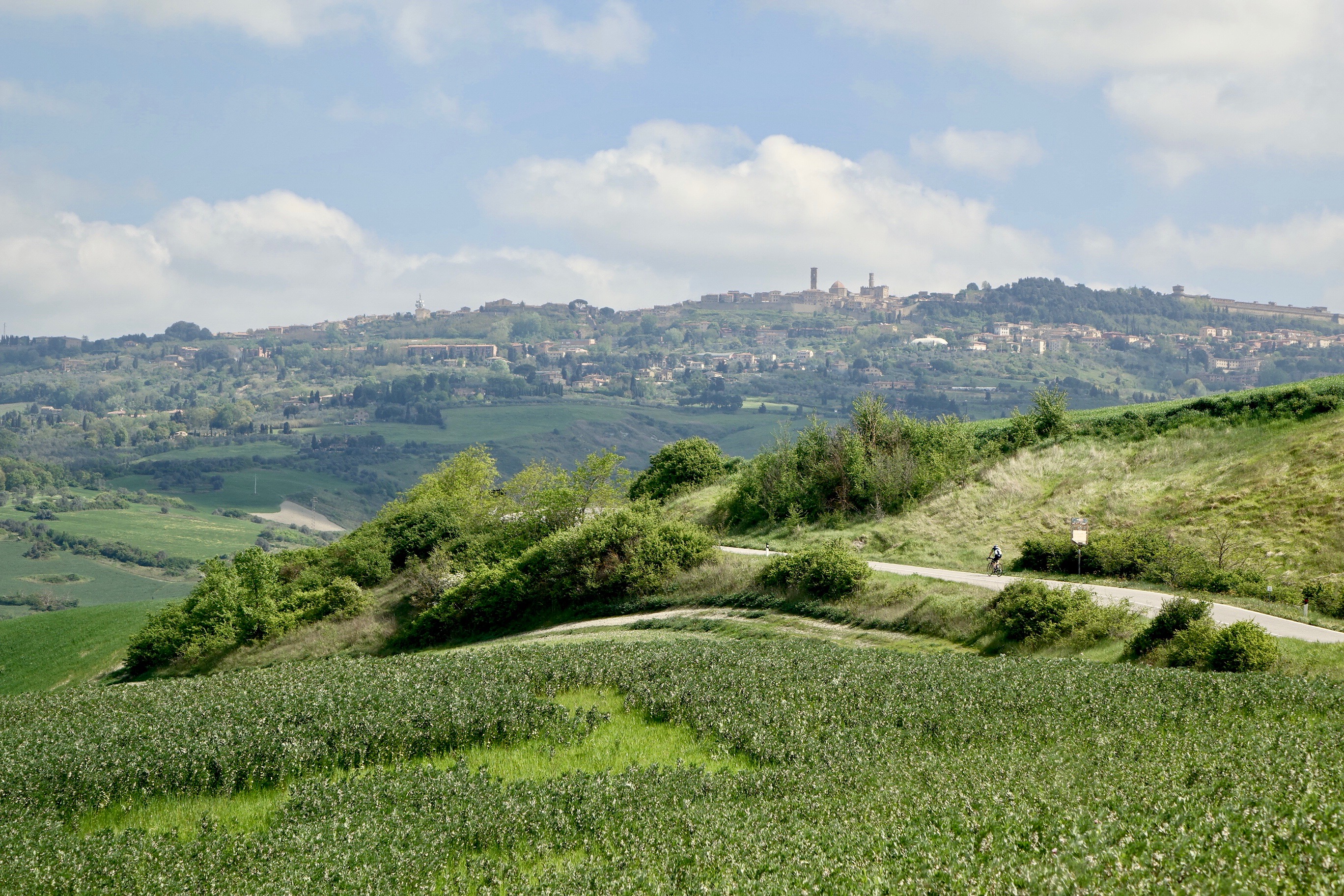
Florence, Siena, Pisa, Lucca, Arezzo, Grosseto… Tuscany plays host to more stunning cities than you can even begin to list, let alone visit on a single trip to the region. Full of art history’s jewels, quaint little streets and magical churches, these are the cities which inspired a golden age of travel. Yet the cities are only one facet of Tuscany’s charm. All along the length of the region, there are beaches so sandy that they can rival the very best of Spain’s costas. In its restaurants, the Tuscan people will tell you that the very best food of Italy is served up, from wild boar to Sopa Della Pescaia. But above all things, Tuscany is characterised by its iconic landscapes. Who hasn’t salivated over the picture postcard views of undulating hills truncated by a cypress-lined winding road? And it is this landscape, punctuated by vines and olive trees and pine-perfumed air that I like to enjoy above all things.

DSC09876DSC09245DSC09250DSC09262DSC09815DSC09827DSC09847DSC09224DSC09220DSC09204DSC09768DSC09261

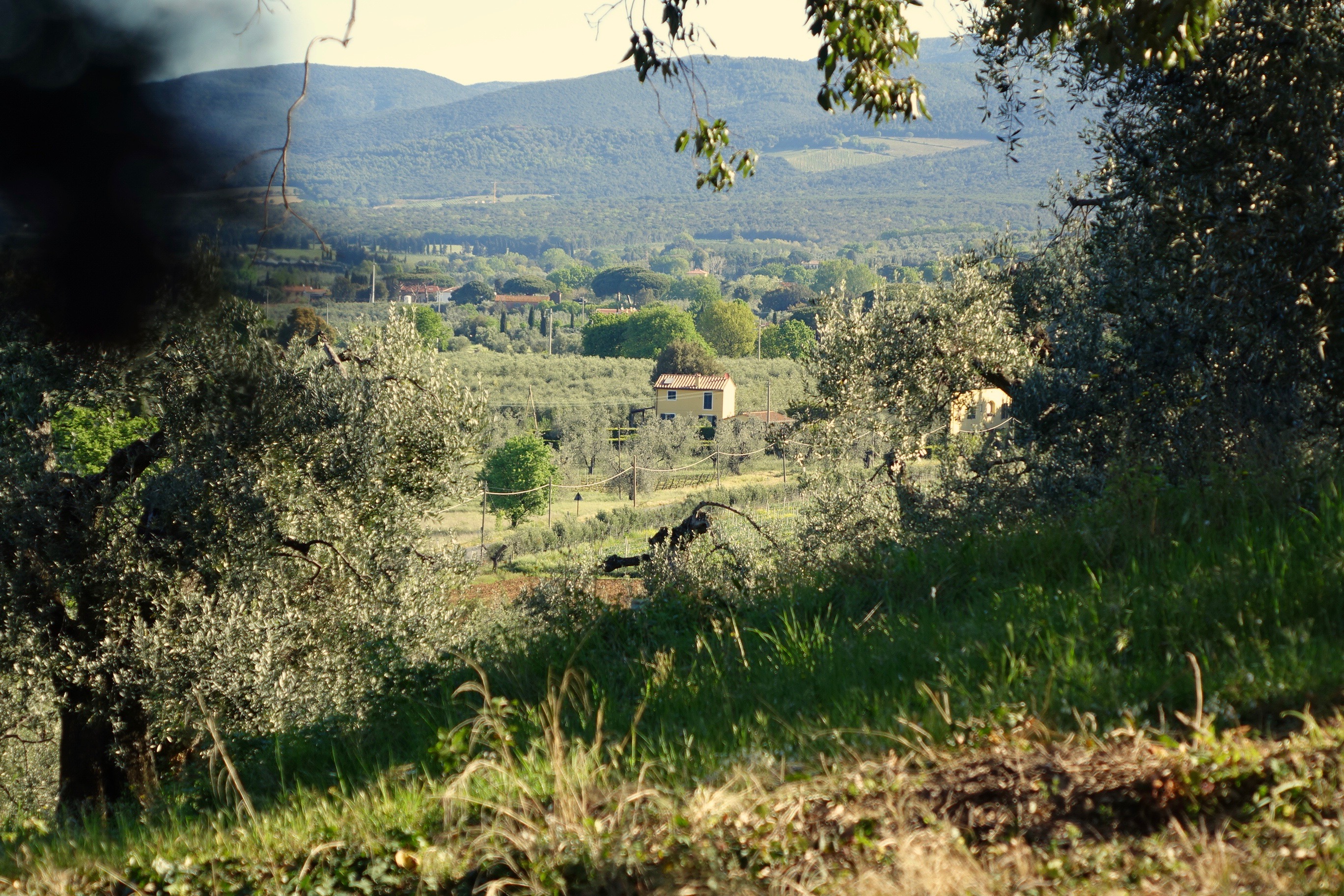
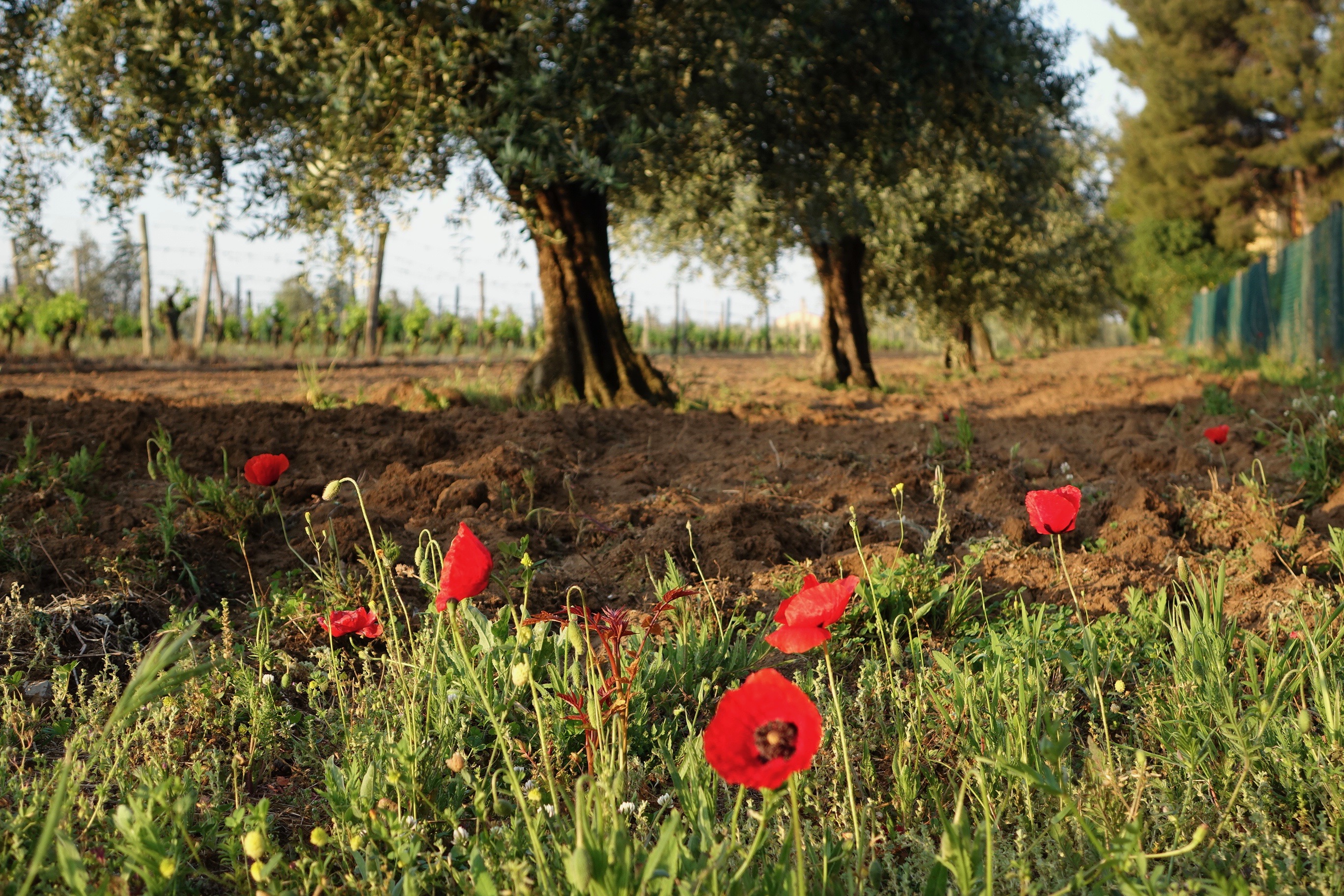
I’m lucky. I have family living in the region. And that means proximity. When we visit them my favourite thing to do is to get up early, as the sun is just starting to make its ascent, and walk. Walk in whatever direction my feet take me. For all roads in Tuscany lead to a lovely landscape, as countryside paths take the earnest visitor through those perfectly ordered vineyards, across freshly ploughed fields and amongst wild flowers.

These photos are from one such morning walk when the hour was perfectly peaceful and the light a creamy tone of reflected gold. But despite the sun’s fast ascent, there was a tangible sleepiness to the air, as poppy heads drooped delicately along grassy verges, snails curled up in snoozing groups on deserted street posts, and the birds, slowly awakening, heralded the start of a sunny new day. Pure. Bliss.

DSC09248DSC09229DSC09227DSC09237DSC09222DSC09820DSC09212DSC09836DSC09243DSC09867DSC09832DSC09829

© Nicholas de Lacy-Brown and The Daily Norm, 2001-2017. Unauthorized use and/or duplication of the material, whether written work, photography or artwork, included within The Daily Norm without express and written permission from The Daily Norm’s author and/or owner is strictly prohibited. 

Tuscan Towns #1 – Monteriggioni

There is nothing like a period drama to stir the soul, not least when an exotic location enables escapism, both historical and geographical. Such is the enduring magnetism of a film like A Room With a View. Starting a young Helena Bonham-Carter and the endlessly successful partnership of Judy Dench and Maggie Smith, it is the very essence of period delicacy, all set against a stunning Tuscan backdrop. Having become hooked on the film last year, it has gained a near gospel status in our household, and when a trip to see relatives in Tuscany beckoned this Easter, the film was omnipresent in our preparations. As we looked at the map and planned towns and cities to visit, the voice of Judy Dench as Eleanor Lavish pervaded. Recommending Monteriggioni to her fellow diners as a must-do destination, we felt persuaded to follow suit. Many years have past since the novel (on which the film is based) was written, but Tuscany is a richly historical land, steeped in the past, and we were sure it’s charm would not have disappeared with the period.

Charming Monteriggioni

DSC08697DSC08773DSC08772DSC08740DSC08721DSC08757DSC08731DSC08736DSC08728DSC08723DSC08720DSC08715DSC08708

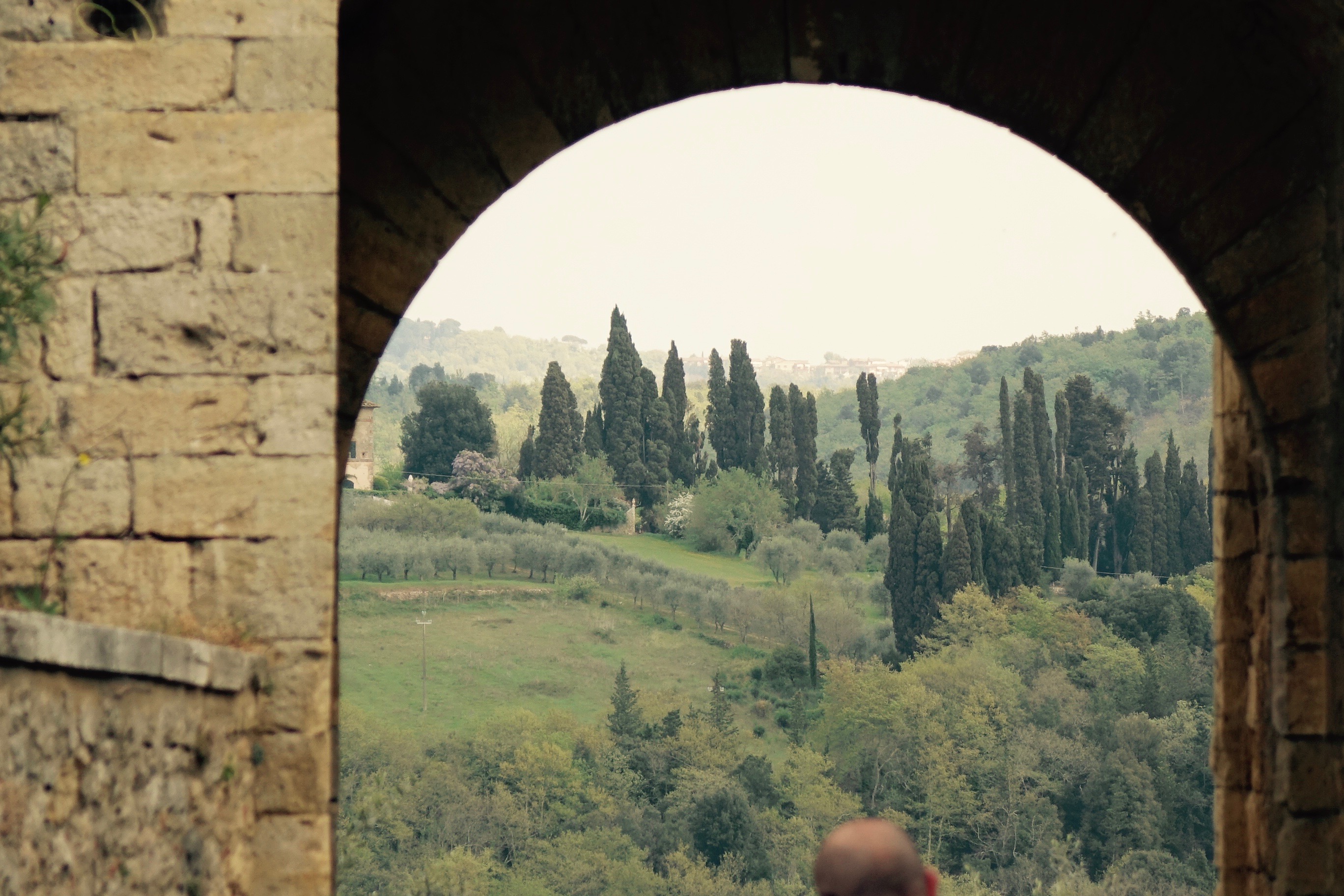
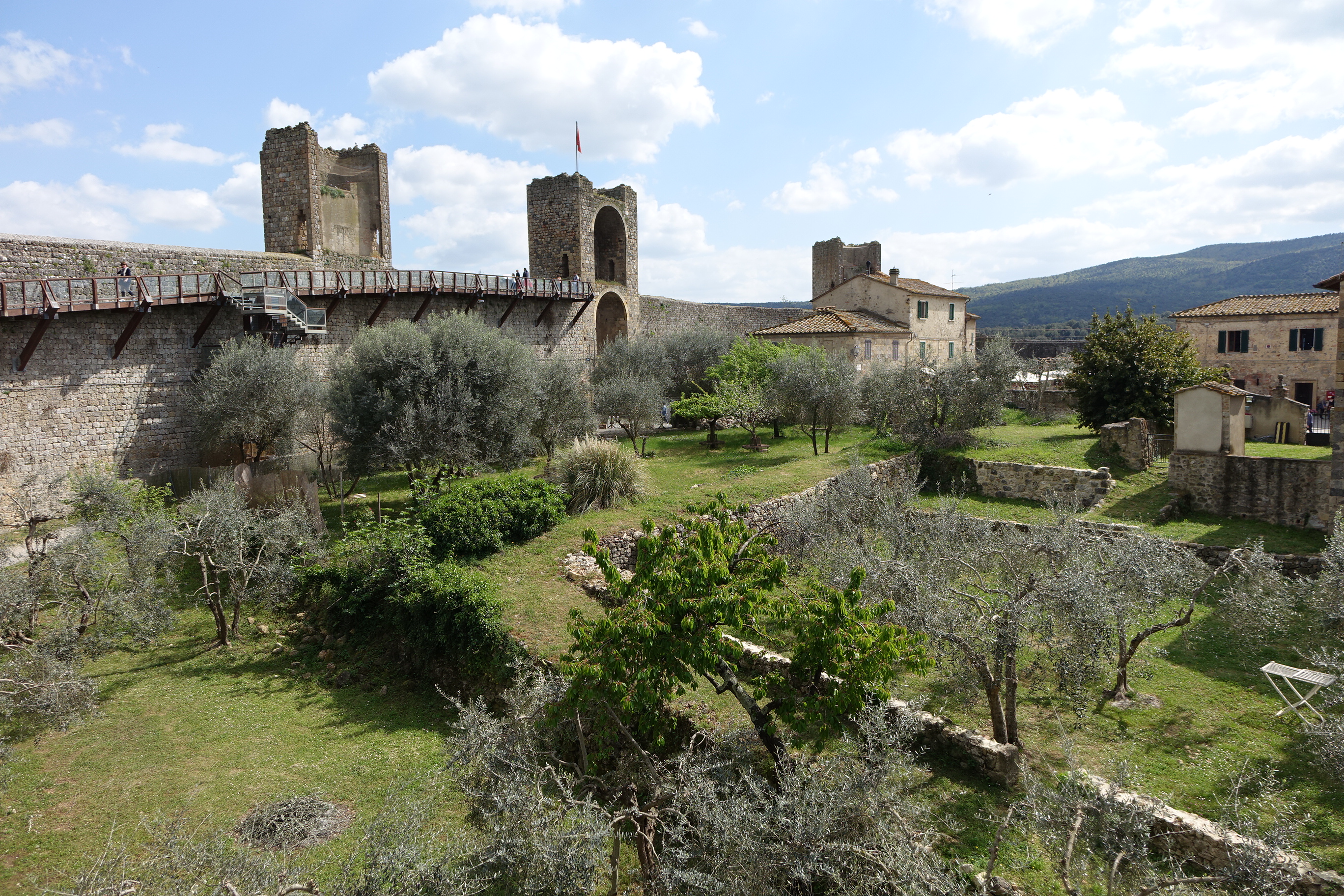
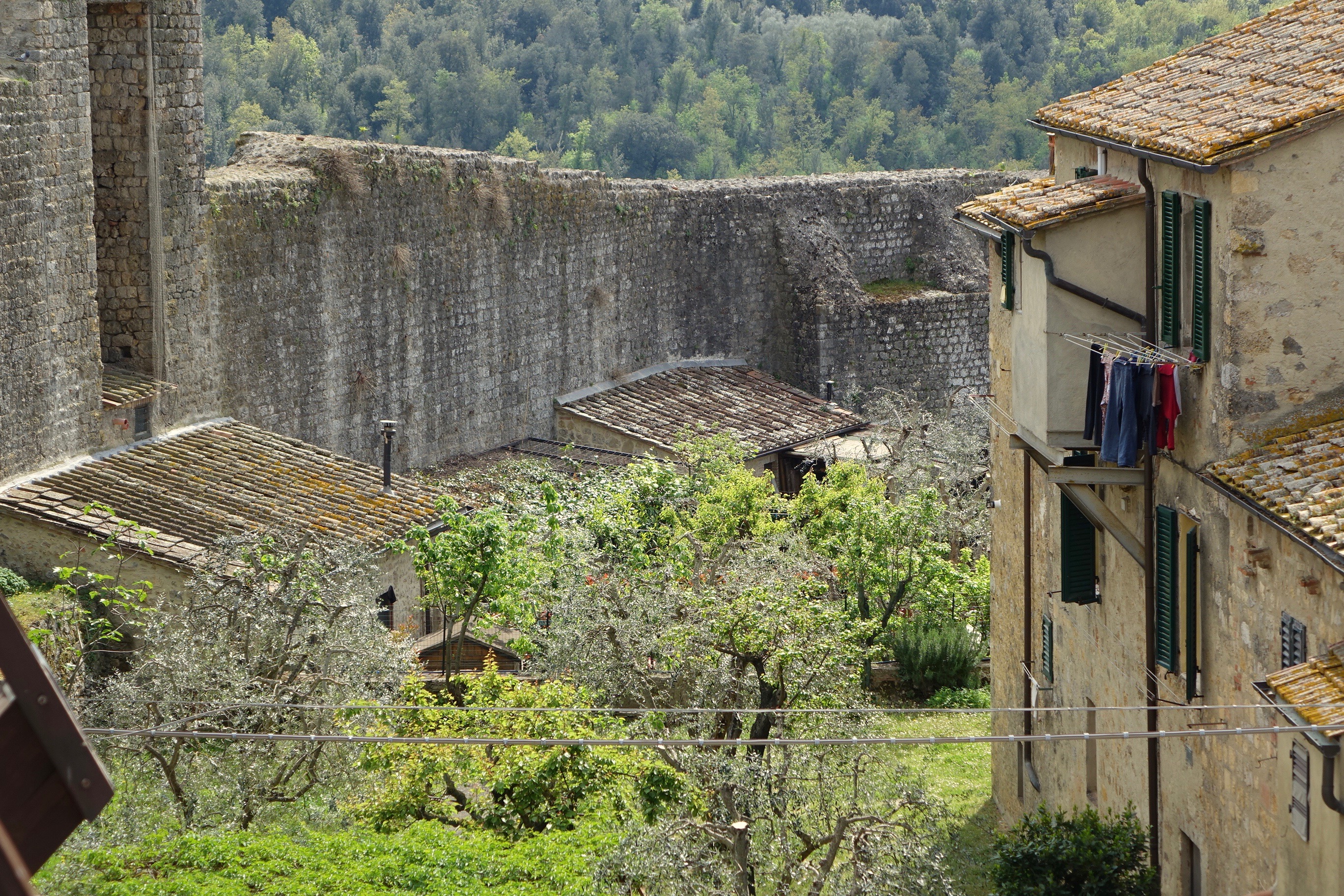
Charm we found in buckets when eventually we made it to this idyllic Tuscan village, whose miniature scale is tightly contained within the impressive and historically unbreachable castle walls that encircle it. Located within the gently undulating hilly green landscape which has put Tuscany on the tourist map for centuries, the castle town is practically untouched by the passage of time, with a historical core which has escaped the sullying of modern expansion.

The Great Walls of Monteriggioni

DSC08801DSC08805DSC08799DSC08796DSC08791DSC08767DSC08768DSC08784DSC08781DSC08752DSC08745

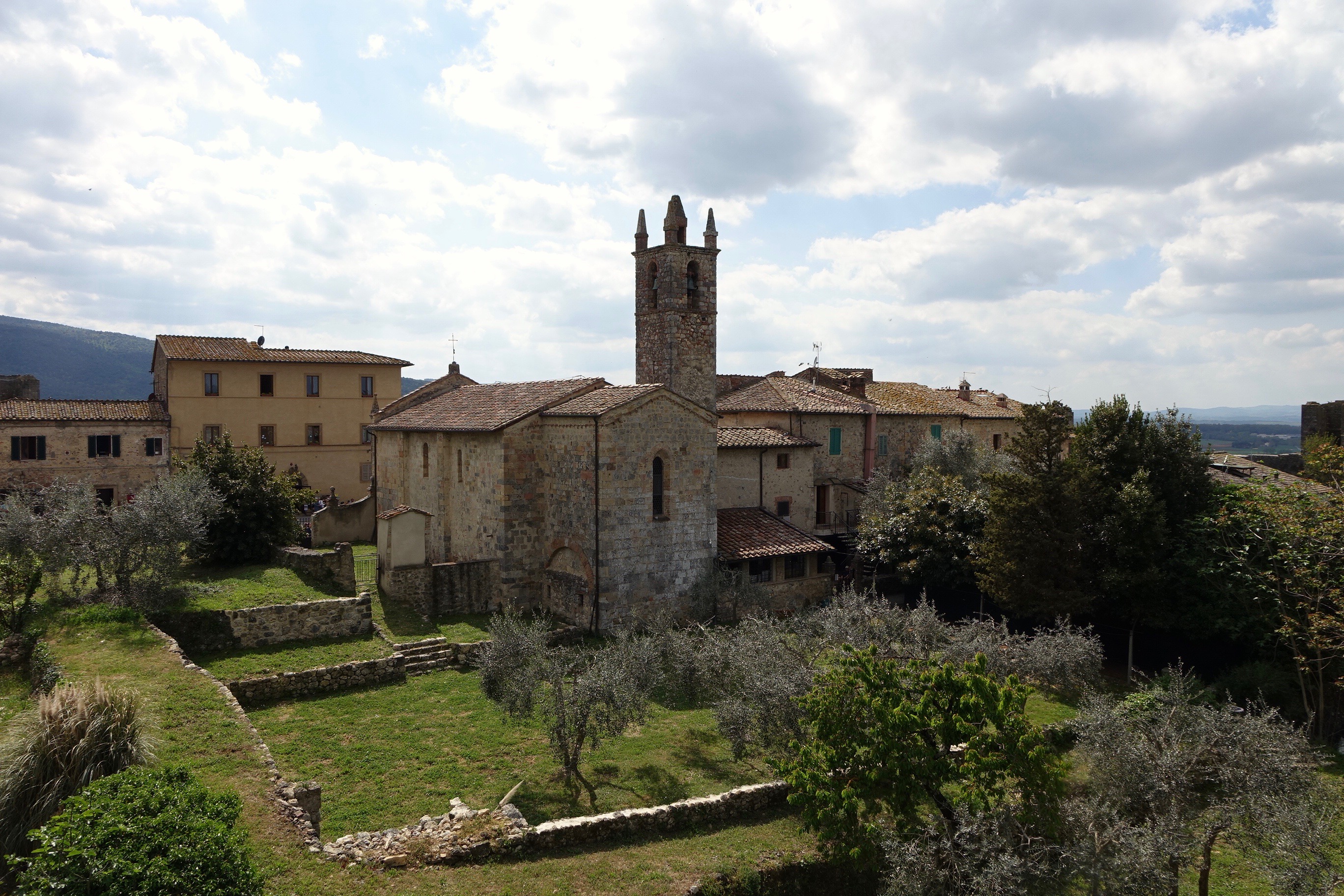
Based around a tidy little Square whose central stone fountain is partnered by a rustic stone church, everything in Monteriggioni is rendered in miniature albeit with a distinctive flavour of power reflected by the imposing walls which encircle it. A walk around those walls was a clear highlight of the visit, not least for the Tuscan views punctuated by cypress trees and sun dappled hillsides.

No wonder Monteriggioni was on the wish list of visitors making their way to Tuscany in the late 19th century. Happily for we romantics of the 21st, very little has changed, enabling a level of escapism which only a carefully staged period drama might otherwise provide.

The rolling Tuscan landscape surrounding Monteriggioni

DSC08677DSC08690DSC08668DSC08663DSC08658DSC08656DSC08649DSC08651DSC08648

© Nicholas de Lacy-Brown and The Daily Norm, 2001-2017. Unauthorized use and/or duplication of the material, whether written work, photography or artwork, included within The Daily Norm without express and written permission from The Daily Norm’s author and/or owner is strictly prohibited. 

Roman Holiday

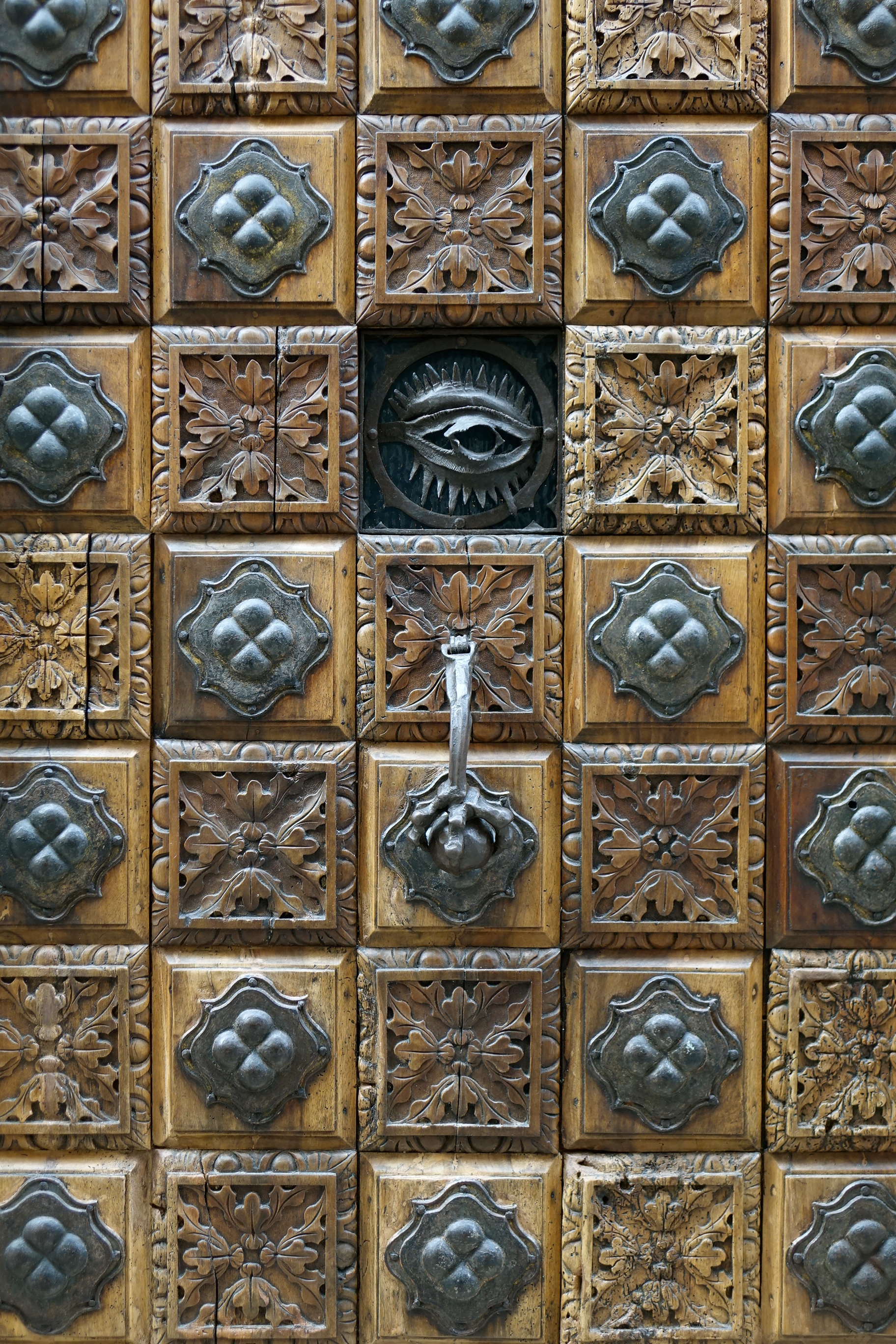
There was something intrinsically Roman about the place we briefly called home in Rome. We were staying in the Relais Leone, not so much a hotel as a converted apartment, whose reception was open only a few hours a day, and which otherwise bore all the appearance of a series of private apartments. This, together with an entrance through a very grand (and extremely heavy) great gilded door and up three flights of marble stairs, made the whole adventure feel all very colloquial, as though we were residents of that great Italian city. When in Rome, do as the Romans do, or so the great adage goes, and in our little corner apartment, we felt Roman to the core.

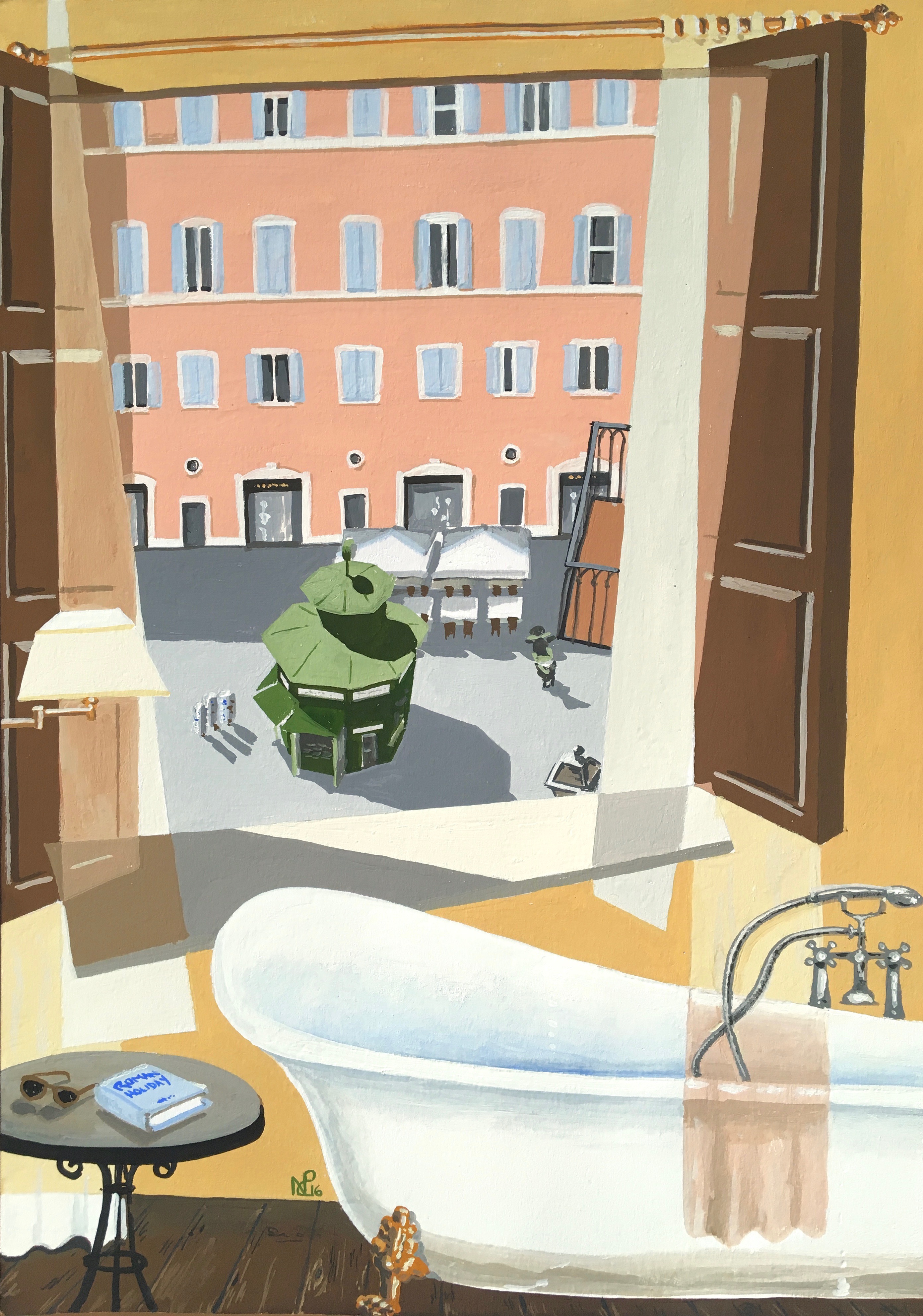
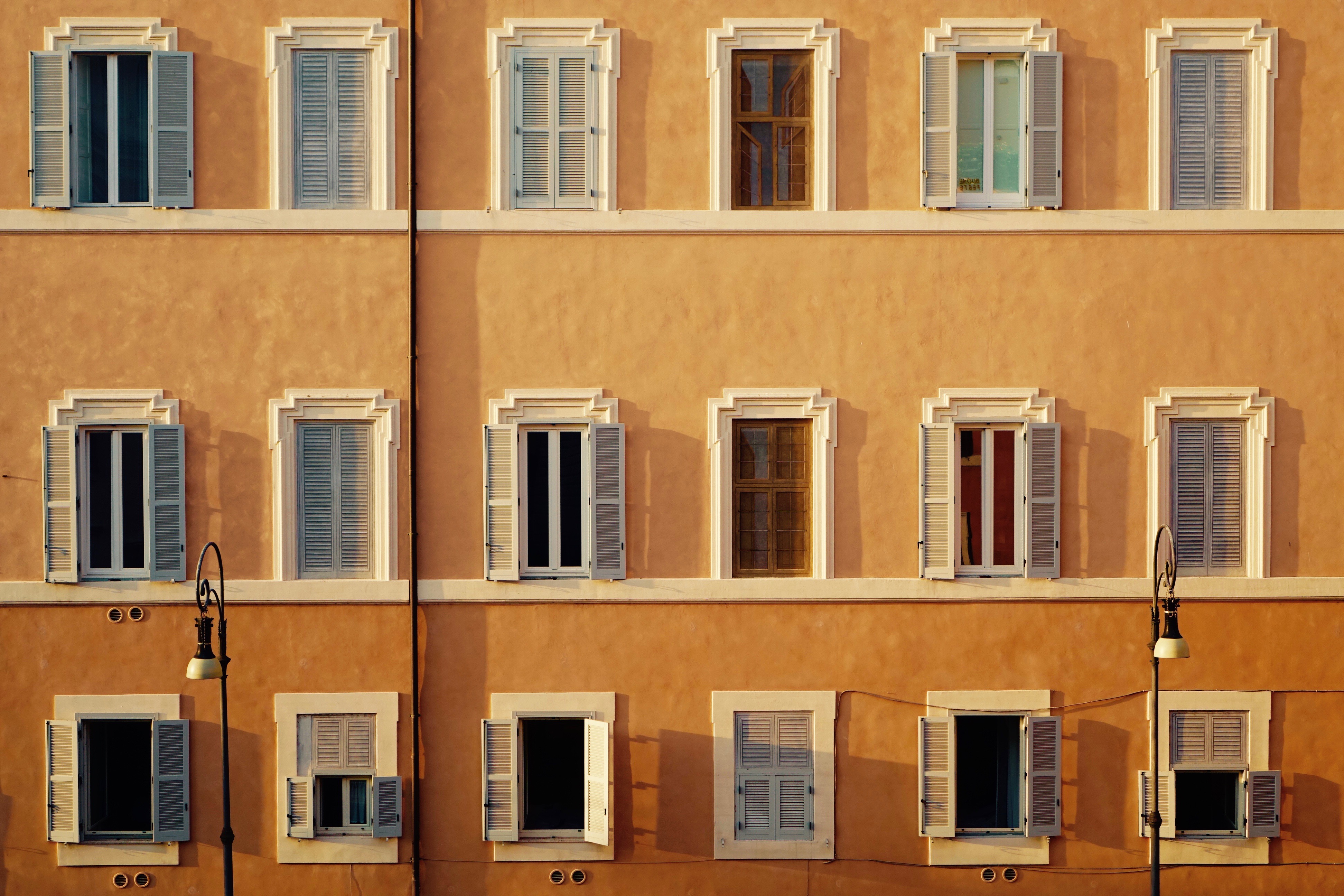
While we immediately fell in love with a bedroom decorated in a simple yet instantaneously lavish baroque design, together with the kind of free-standing bath which makes frequent languishing appearances in my dreams, the highlight of the room was its views. Not the most spectacular – here we did not exactly have Diocletian’s palace as in Split – but whose grace was founded in the simple expanse of the terracotta building ahead, elegant in its embellishment of pale blue shutters. And if the building itself were not enticing enough, beneath it, the bustling Piazza di San Lorenzo in Lucina spread out before us, two cafes spilling onto its cobbled pavement, and a little press-pergola crowning its centre.

Roman Holiday FINAL

Roman Holiday (2016 ©Nicholas de Lacy-Brown, gouache on paper)

One year ago, at about this time, I completed a collection of small gouache views onto the various bedrooms, or honeymoon suites, we had enjoyed after our marriage. A year later, it felt only appropriate that I should capture this Roman bedroom in gouache on paper, with the various dimensions of the room, its view, and of course that all important free standing bath included. It’s a scene which for me sums up both our experience and the elegance of this Spagna region of the city – lined with boutiques and posing Romans sipping Aperol Spritz in the shade, it felt iconically Roman, and us very comfortable guests within it.

© Nicholas de Lacy-Brown and The Daily Norm, 2001-2016. Unauthorized use and/or duplication of the material, whether written work, photography or artwork, included within The Daily Norm without express and written permission from The Daily Norm’s author and/or owner is strictly prohibited. For more information on the work of Nicholas de Lacy-Brown, head to his art website at www.delacybrown.com

From Illyria to Italy, Part 5: The Colours of Rome

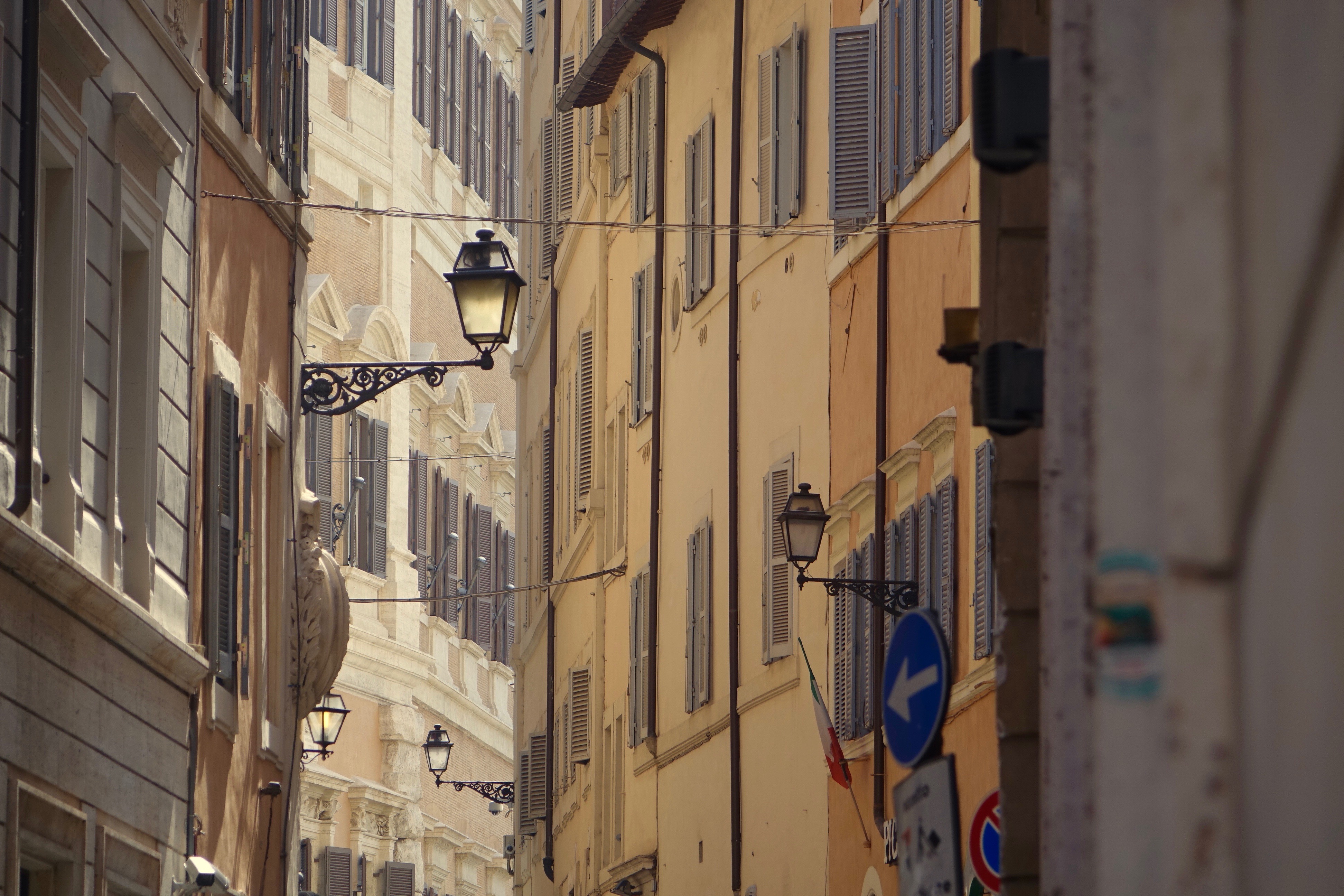
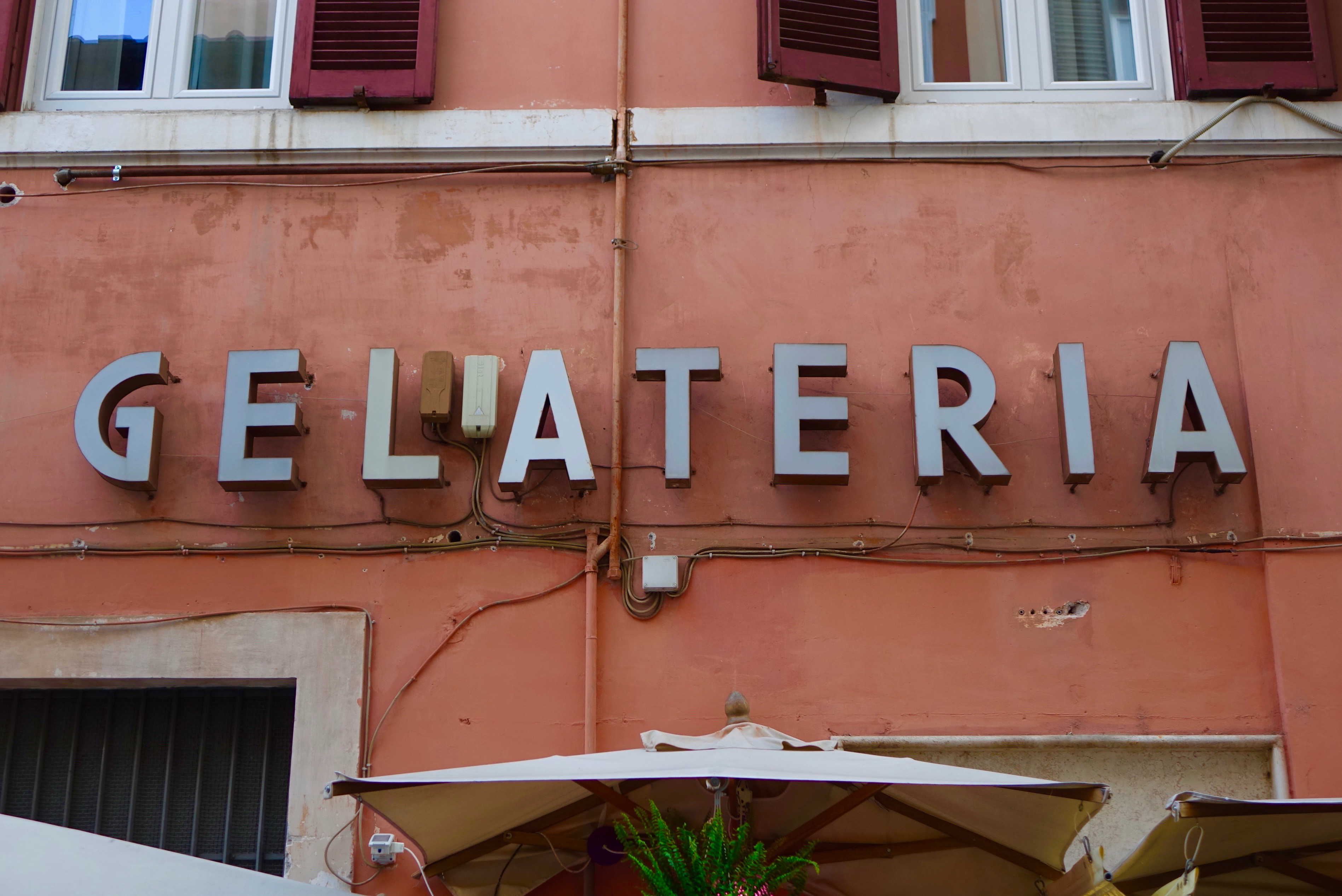
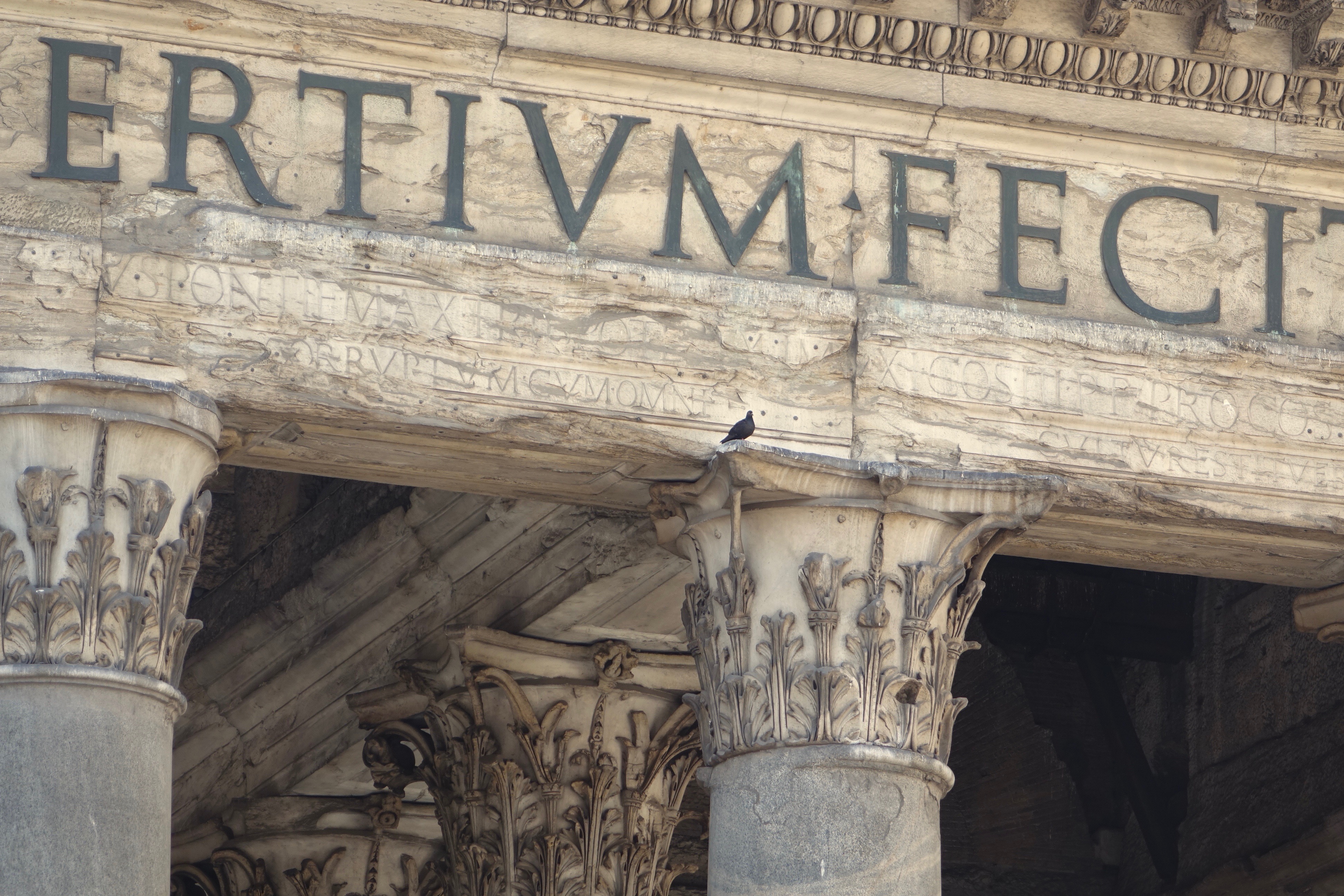
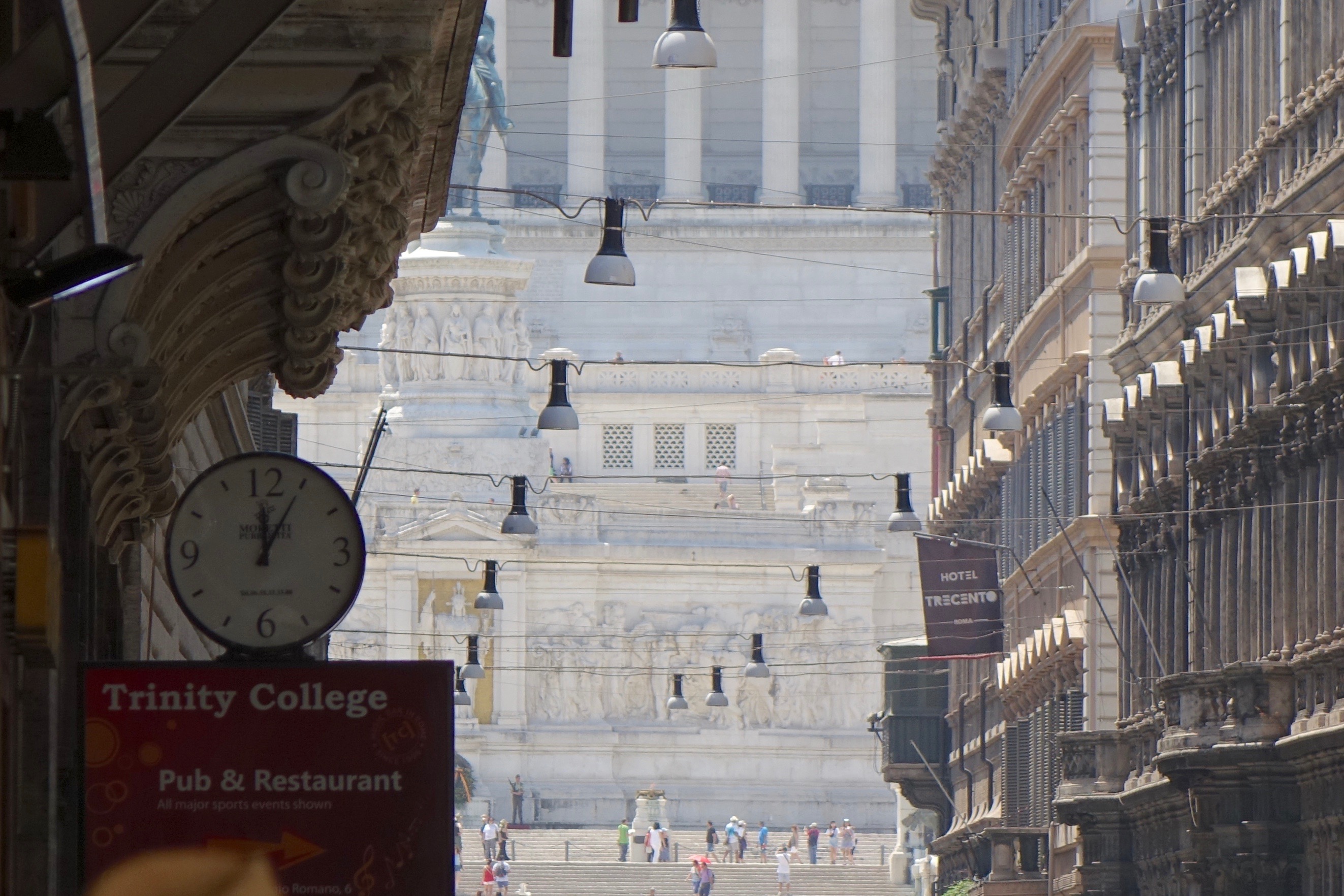
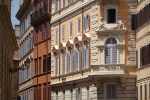
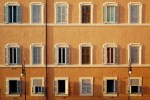
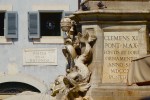
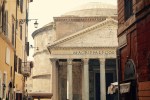
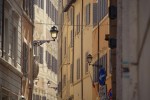
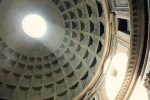
Campo dè Fiori, Piazza della Rotonda, the Via del Corso and the Lungotevere. The names of Rome’s russet coloured streets resonate with the same romantic euphony which make the city unique. Uniquely ancient, with the potency of history bleeding from every crack and cobble; uniquely passionate, its tempers flared by the heat and its vivacity for living played out in its food, its art, and in its attitude. Roma. Even the name’s mellifluous voyage across the tongue recalls a thousand stories of Emperors and Popes, Michelangelo and Bernini, pomp and glory, ascent and fall.

DSC03323DSC03285DSC03299DSC03360DSC03336

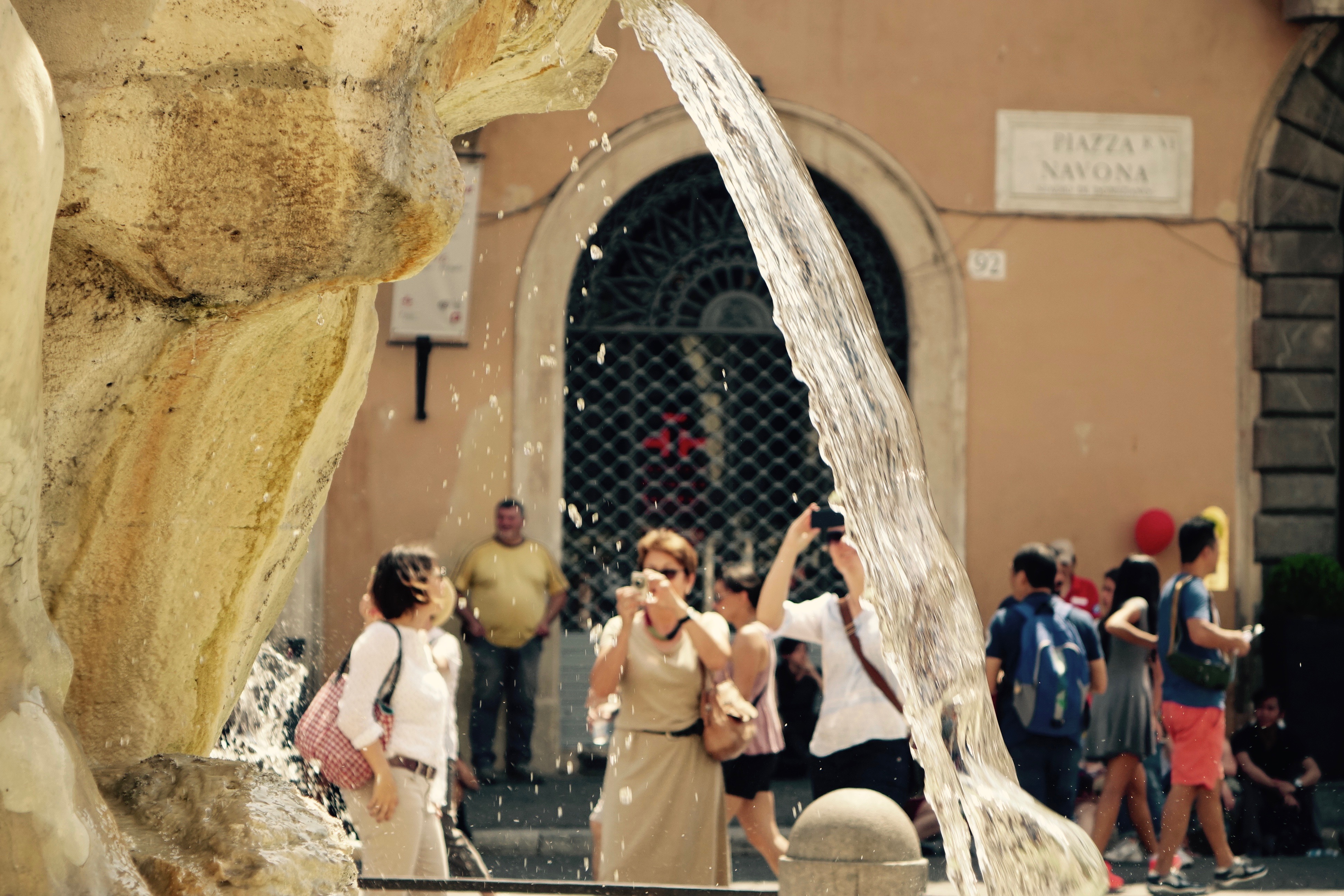
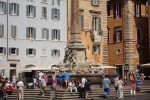
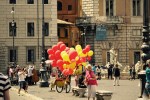
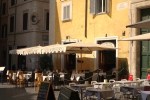
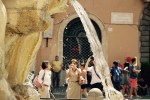
Rome has an energy which infects and conquers. It’s tiring for sure, manic in places, rammed full of tourists and trying to cross its roads is frankly a deathly pursuit. But who cannot be seduced by the smell of freshly ground coffee wafting through the streets; by the fashionista ragazzi slowly wafting through the strada of Spagna with their newest accessories on show; by the slowly melting gelati, the magnificent marble fountains and the restaurants spilling out onto Piazzas with their red Vichy tablecloths and mountains of spaghetti.

DSC03381DSC03645DSC03648DSC03692DSC03416DSC03795DSC03305

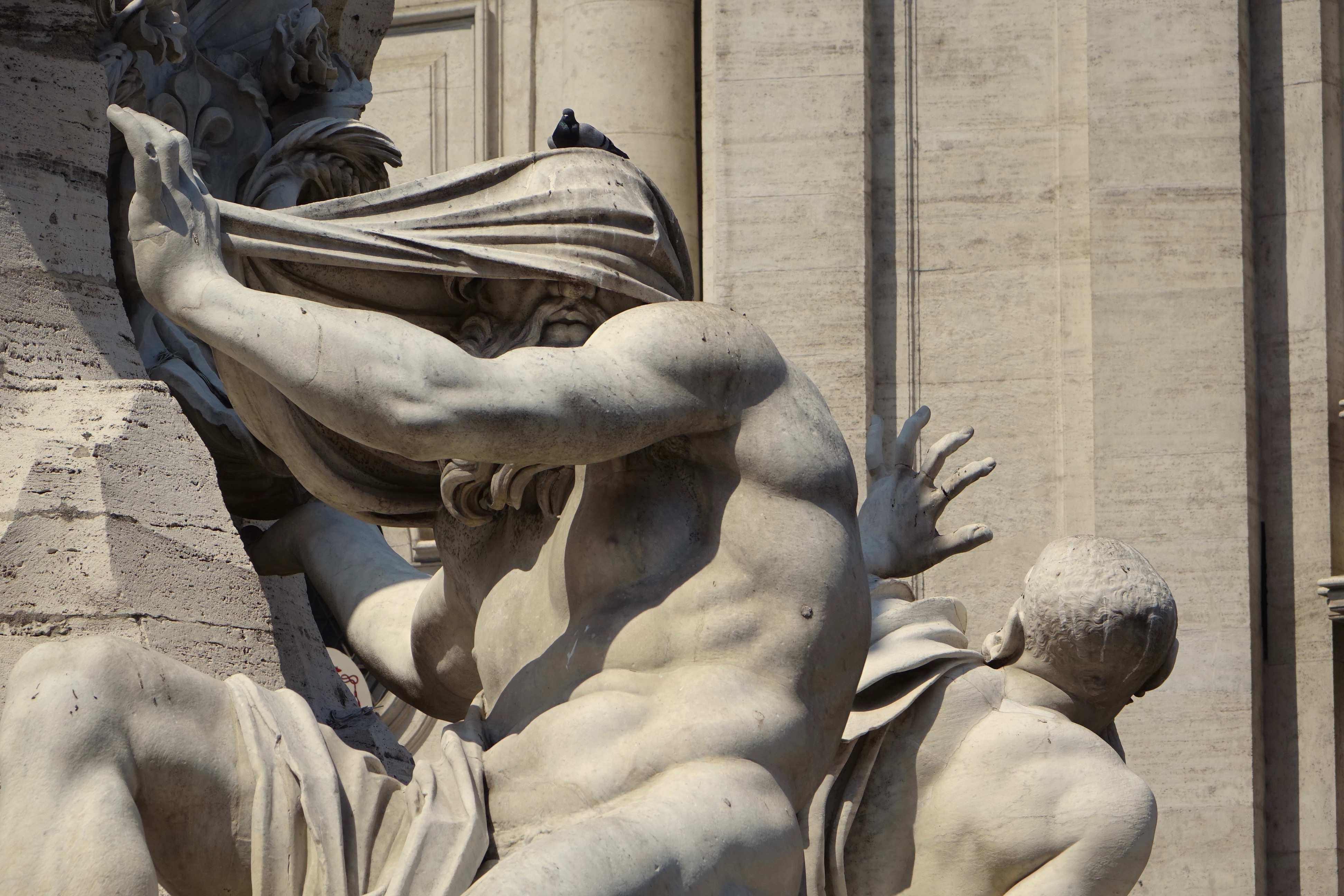
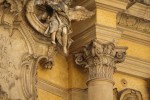
But perhaps above all things, Rome is a city of art. On every corner, at the centre of every square, and in even the smallest of chapels, there sits a masterpiece whose magnitude marks out an entire chapter in the pages of art history. Rome is for art what Manhattan is for skyscrapers. A living museum with an astonishing collection at every turn.

DSC03339DSC03428DSC03723DSC03825DSC03616

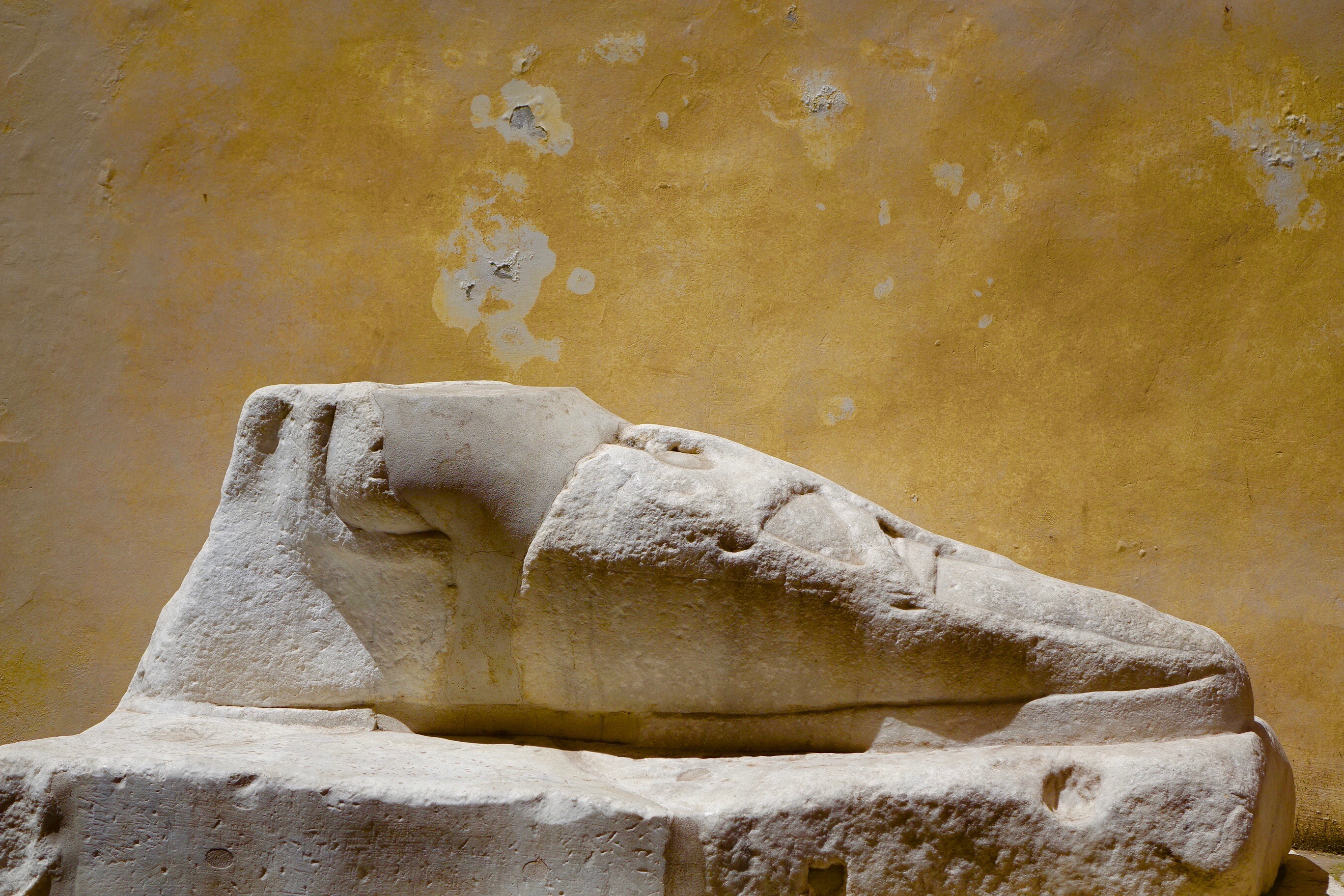
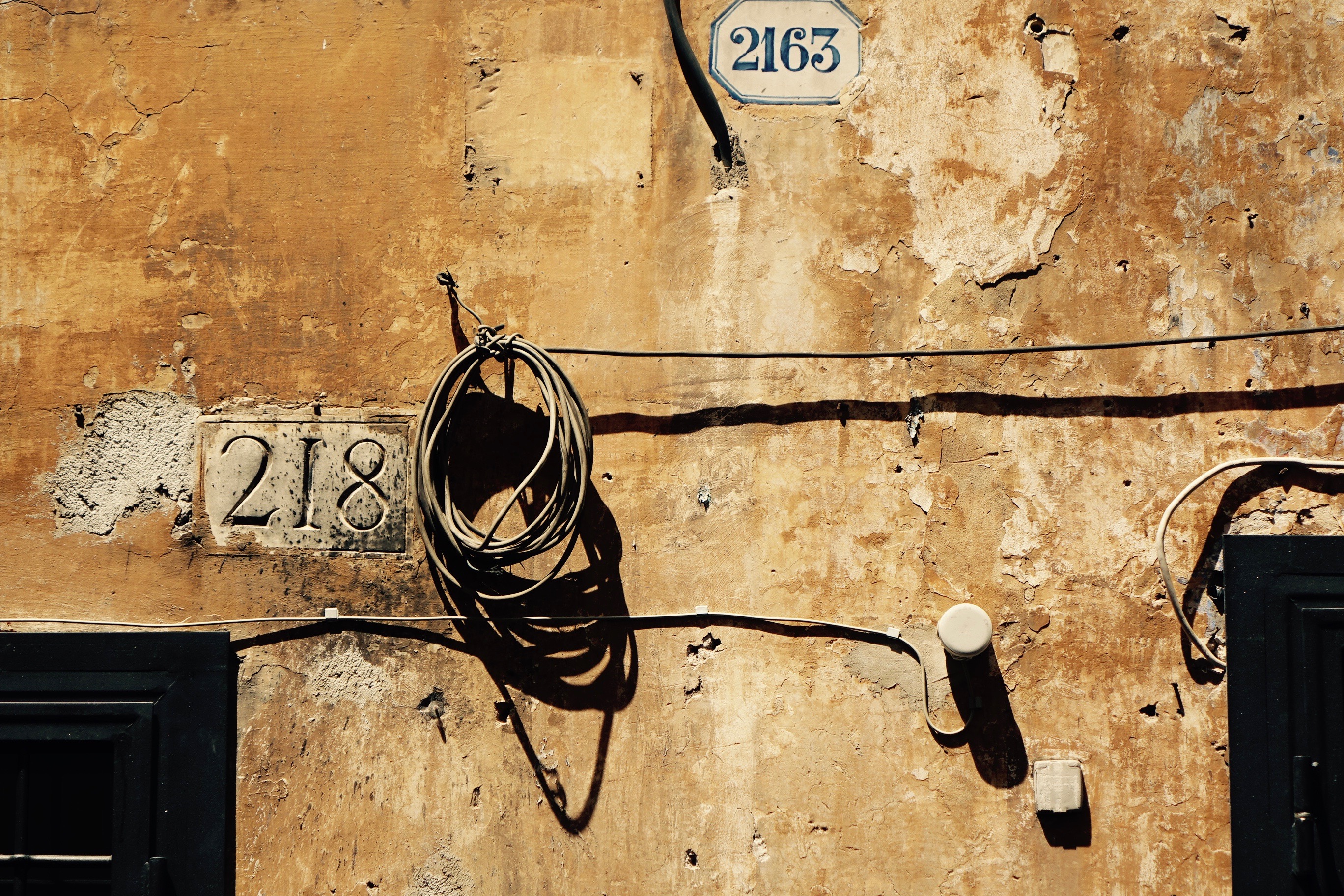
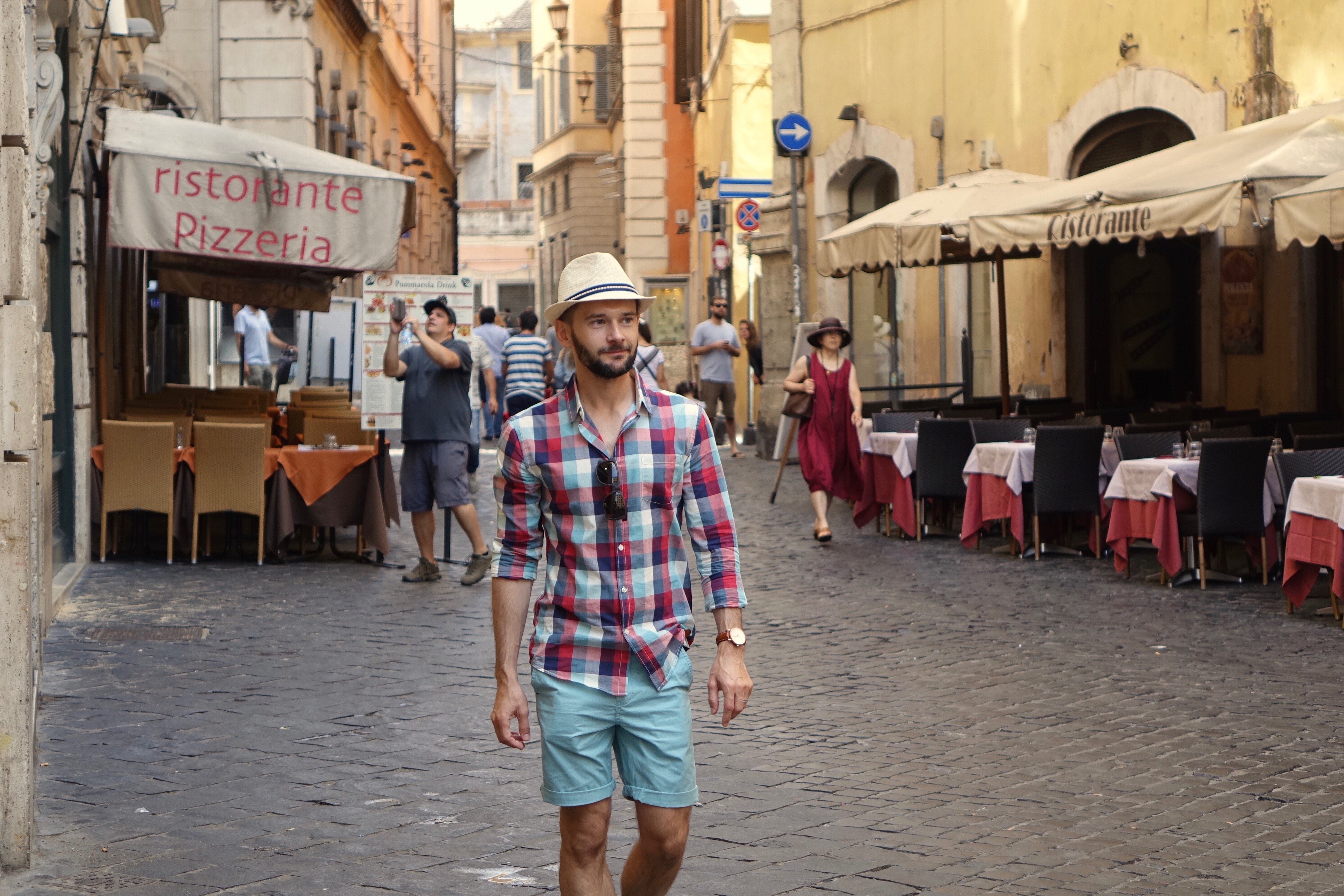
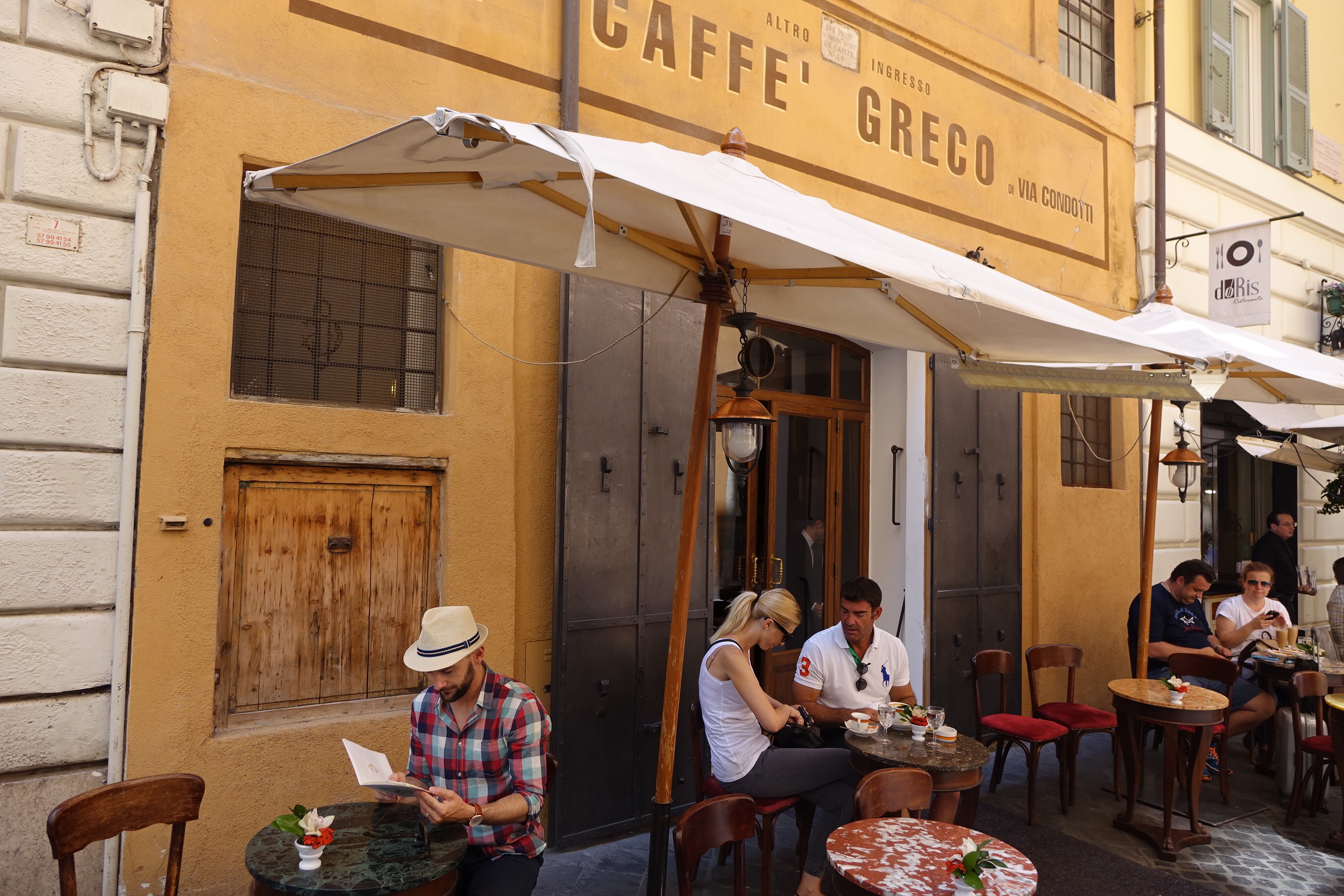
So when we eventually made it from Croatia to Italy, from Split to Rome, we drunk in the infectious atmosphere of Rome like someone devoid of water after a week in the desert. We went to galleries, we went to cafes, we even endured the coach-party crush of the Vatican Museum. But our favourite pursuit was simply to be in Rome. To wander the streets and let the city wash over us, tantalising each of the senses in turn. Smell: a rich creamy coffee propped up at the bar of the Tazza d’Oro or outside the illustrious Caffe Greco. Taste: dinner by candlelight on the Via Condotti. And for our eyes, the simple feast of colour which adorns every street and building. It is this palette of colour, the terracottas and ochres, deep sanguine red and golden custard, which is the focus of this post. A collection of photos which need say nothing more than narrate the story of a city whose heart is worn so explicitly on its multi-coloured sleeve.

All photos and written content are strictly the copyright of Nicholas de Lacy-Brown © 2016 and The Daily Norm. All rights are reserved. Unauthorized use and/or duplication of the material, whether written work, photography or artwork, included within The Daily Norm without express and written permission from The Daily Norm’s author and/or owner is strictly prohibited. 

Photos from Venezia: Capturing a city

I defy even the most inexperienced of photographers not to start snapping away, be it on a traditional camera or on a mobile telephone, when they go to Venice. It is, I would venture to guess, almost scientifically impossible for a visitor to the city not to become captivated by the beauty which exists at every corner, to fall under the spell of its utterly unique character, and to therefore attempt to capture themselves a little piece of the city, be it through photos or souvenirs (or usually both).

Regular readers of The Daily Norm have probably already noticed that I took a fair number of photos on my recent trip to Venice, even though it meant defying the cold and taking off my new comfy rabbit-lined gloves (bought on the Rialto Bridge) in order to do so. But despite the so often gloomy winter weather, it will come as no surprise that Venice inspired an entire flurry of photos, and I have plenty still to share in addition to those already posted.

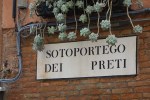
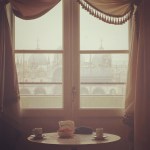
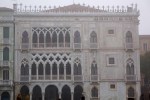
DSC04979DSC04976DSC04876DSC04978DSC04946DSC05557

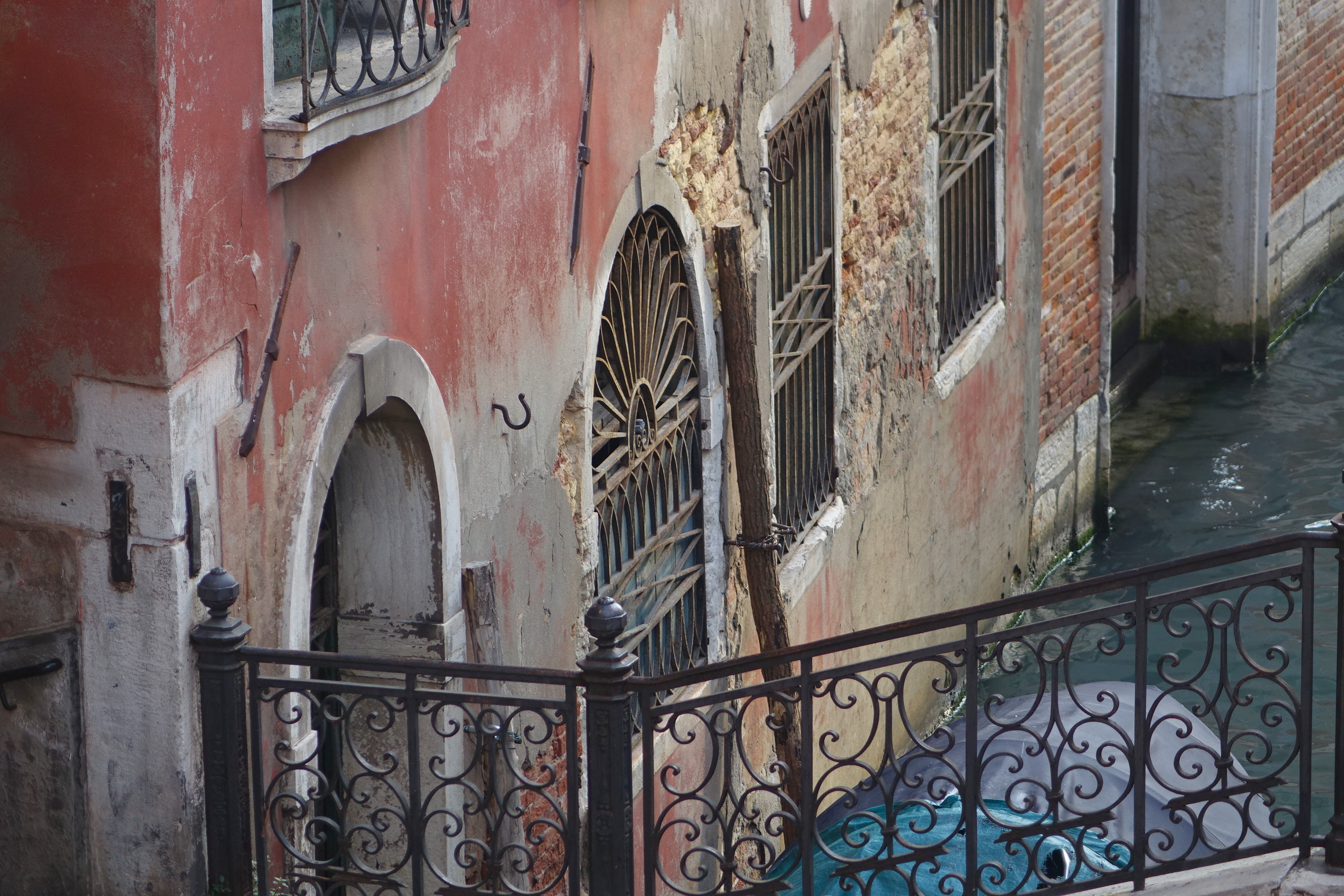
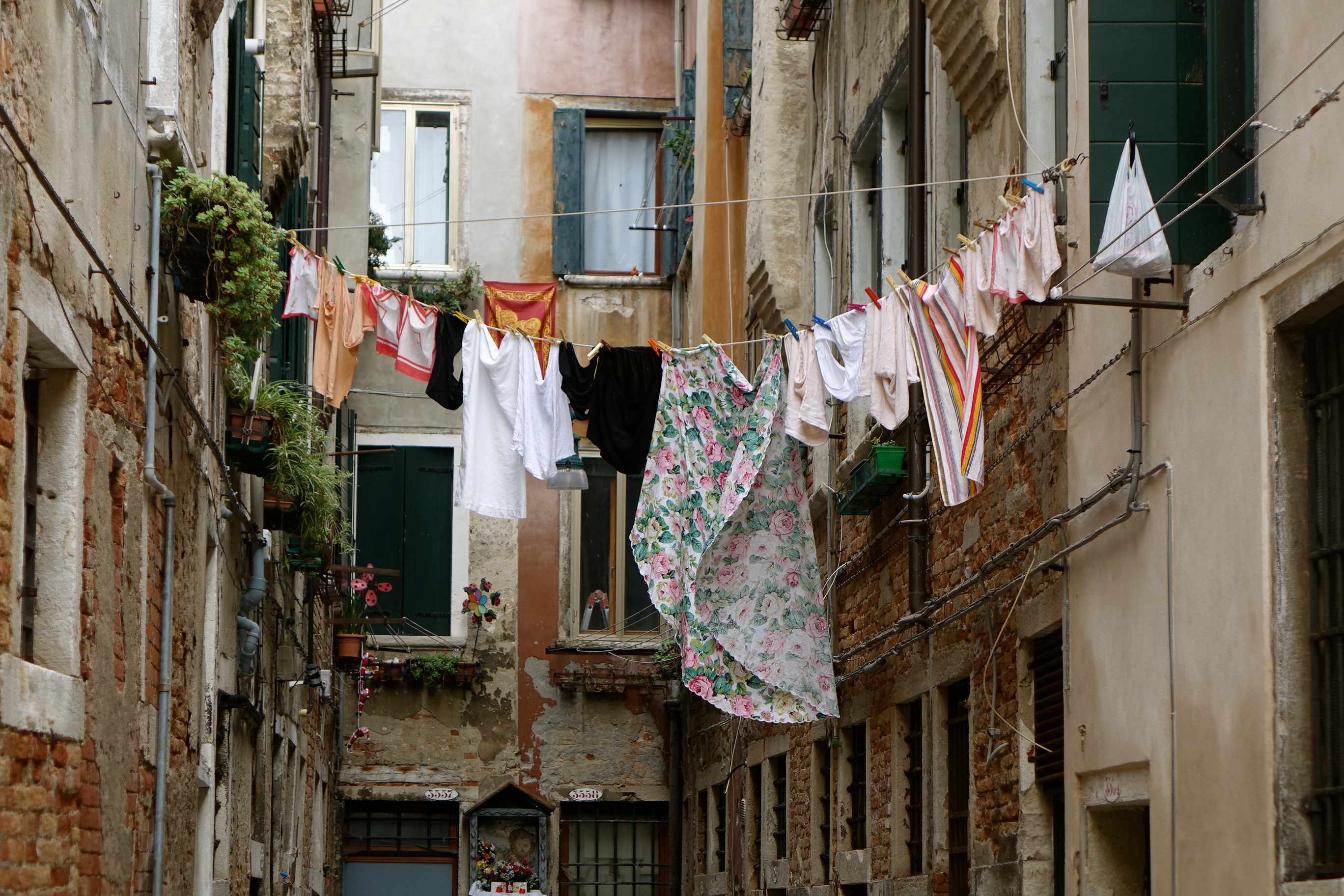
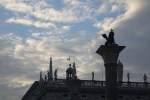
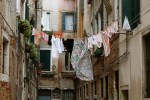
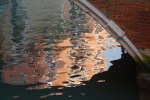
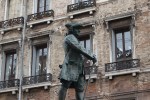
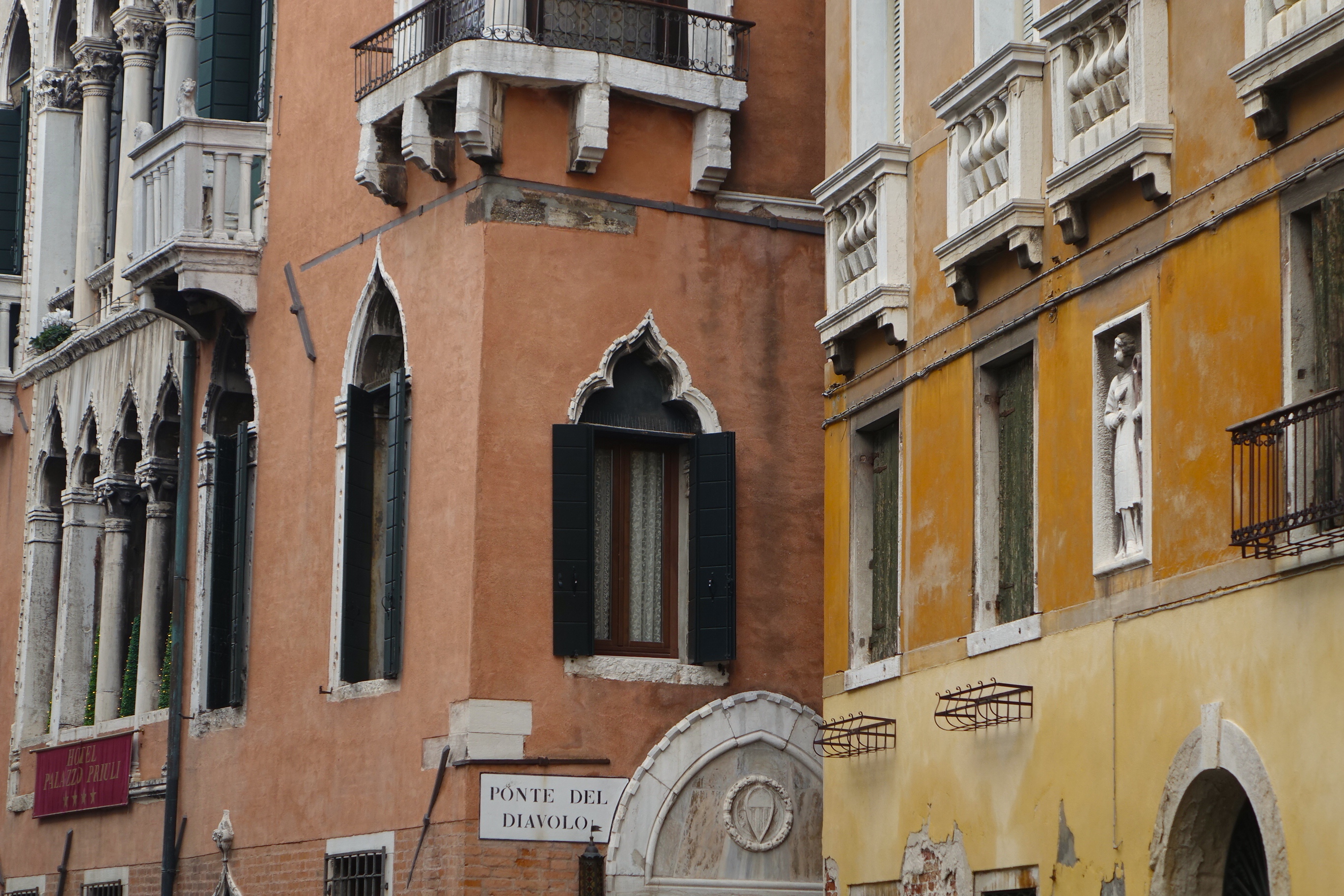
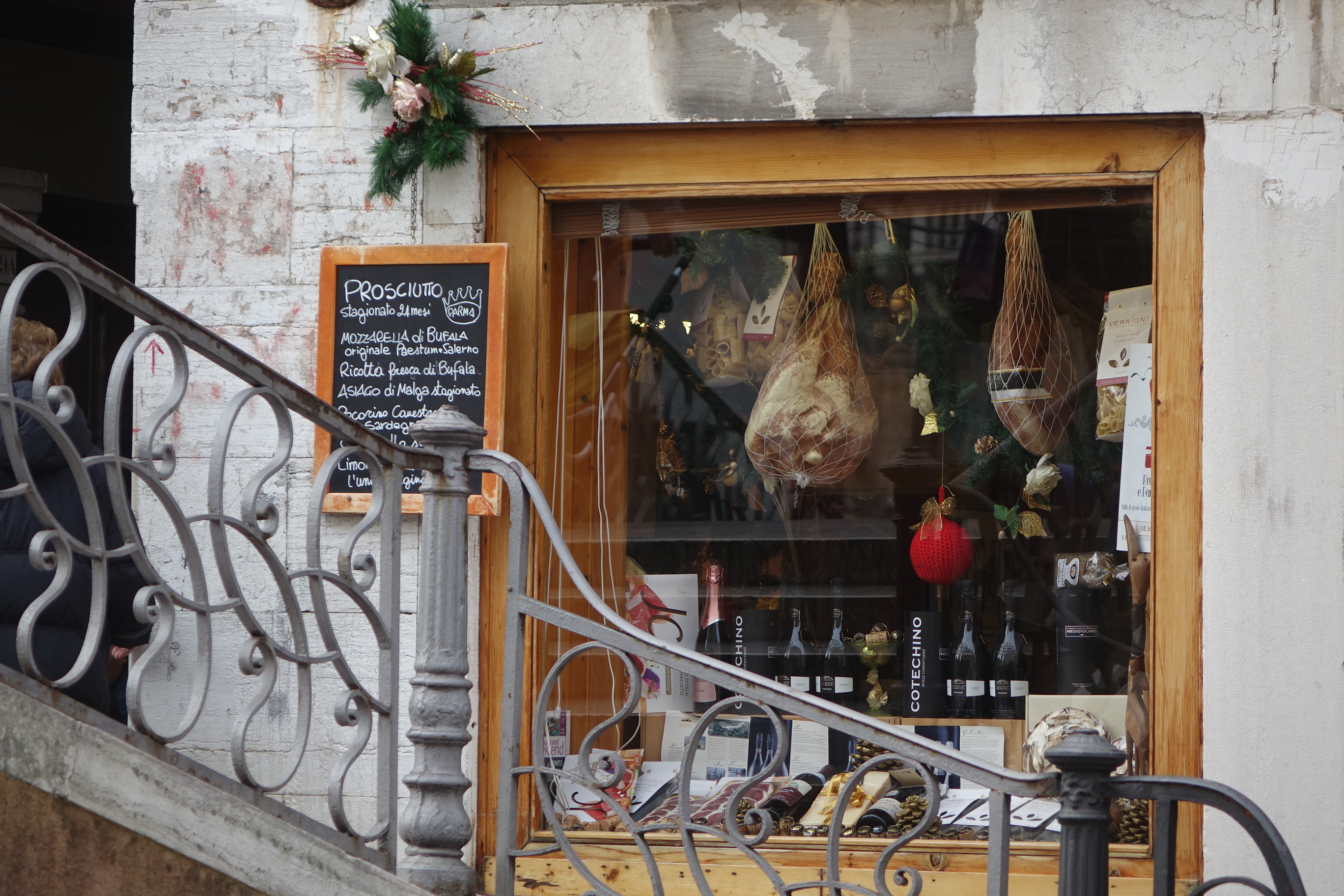
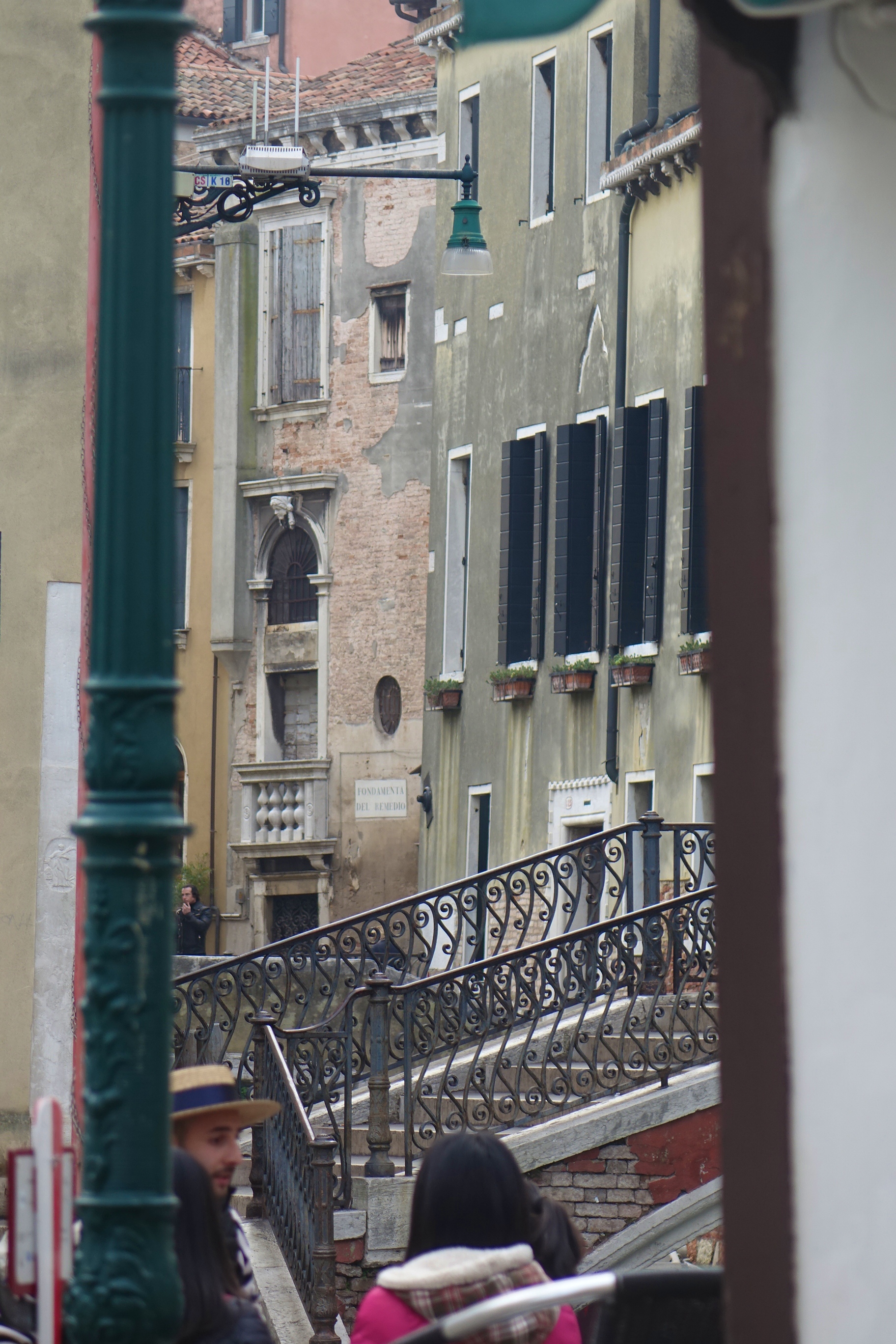
And so in this last post looking back over my recent Venetian adventure, I am including a miscellany of photos which do, I think, effectively capture something of the essence of the place. Through the textures of the city – from crumbling walls to luxurious golden silk, and through the colours – ocres, yellows, the turquoise green water and of course the characteristic Venetian red; through its historical palaces, and even a shop filled with old waterlogged books…This is a selection of photos which is innately Venetian, transporting me back to that foggy, watery wonderland where a part of my heart remains firmly captured by the city in turn.

All photos and written content are strictly the copyright of Nicholas de Lacy-Brown © 2016 and The Daily Norm. All rights are reserved. Unauthorized use and/or duplication of the material, whether written work, photography or artwork, included within The Daily Norm without express and written permission from The Daily Norm’s author and/or owner is strictly prohibited.

Memoirs from Venezia, Part 3: St Mark’s from above, and within

As much as I have always opined that you can only find the real authentic Venice the further you travel out of the tourist centre, there is no doubt that the Piazza San Marco remains the heart and soul of the city, even though it also coincides as the epicentre of the tourist trade. And just as three previous visits had never seen me travelling on one of the city’s famous gondolas, I had likewise never visited one of the most important buildings in the city, the Doge’s Palace. There can be no justification for this shortfall, since the palace was, and remains at the historical core of what was one of the world’s greatest republics. And on this trip I was determined to put things to rights.

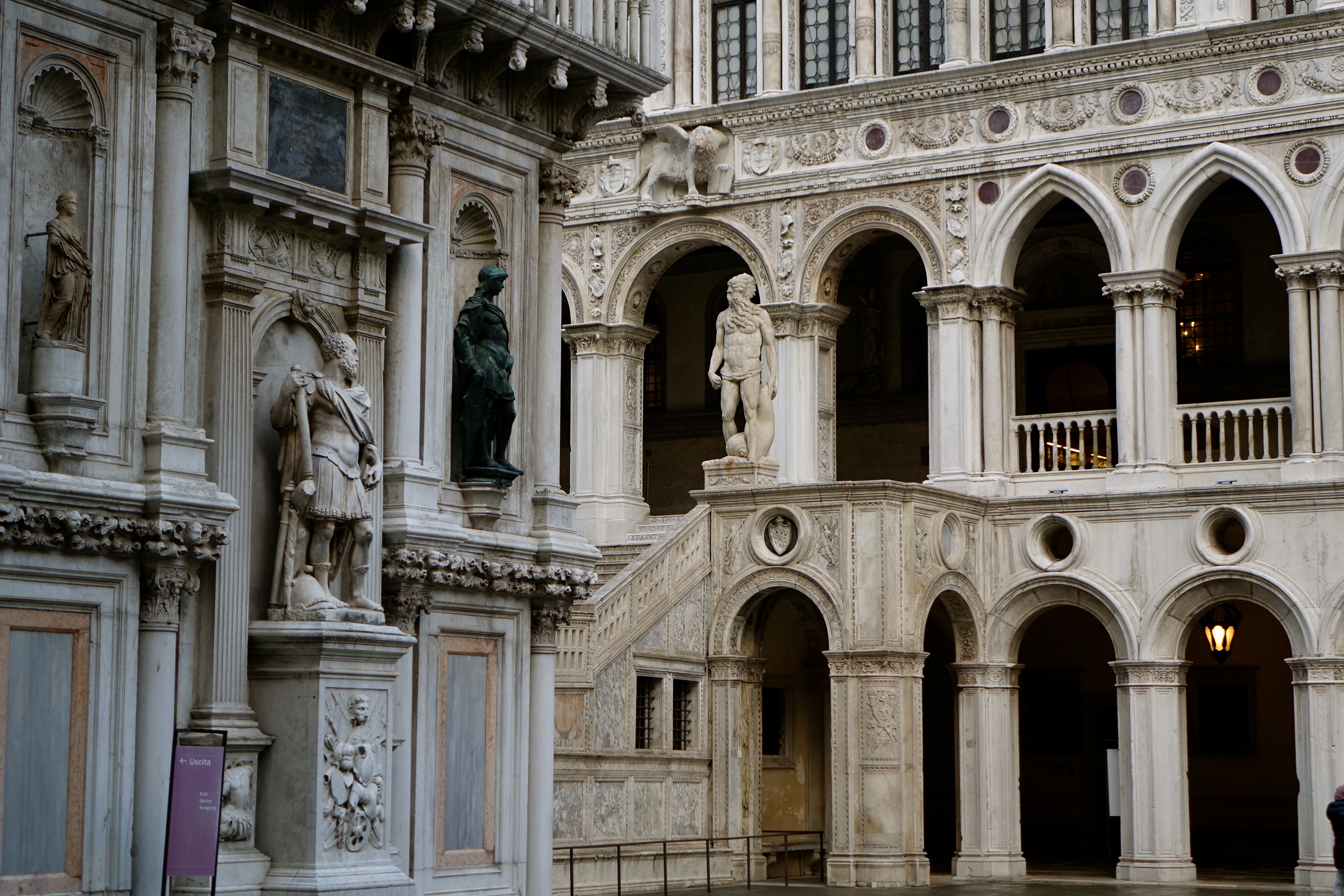
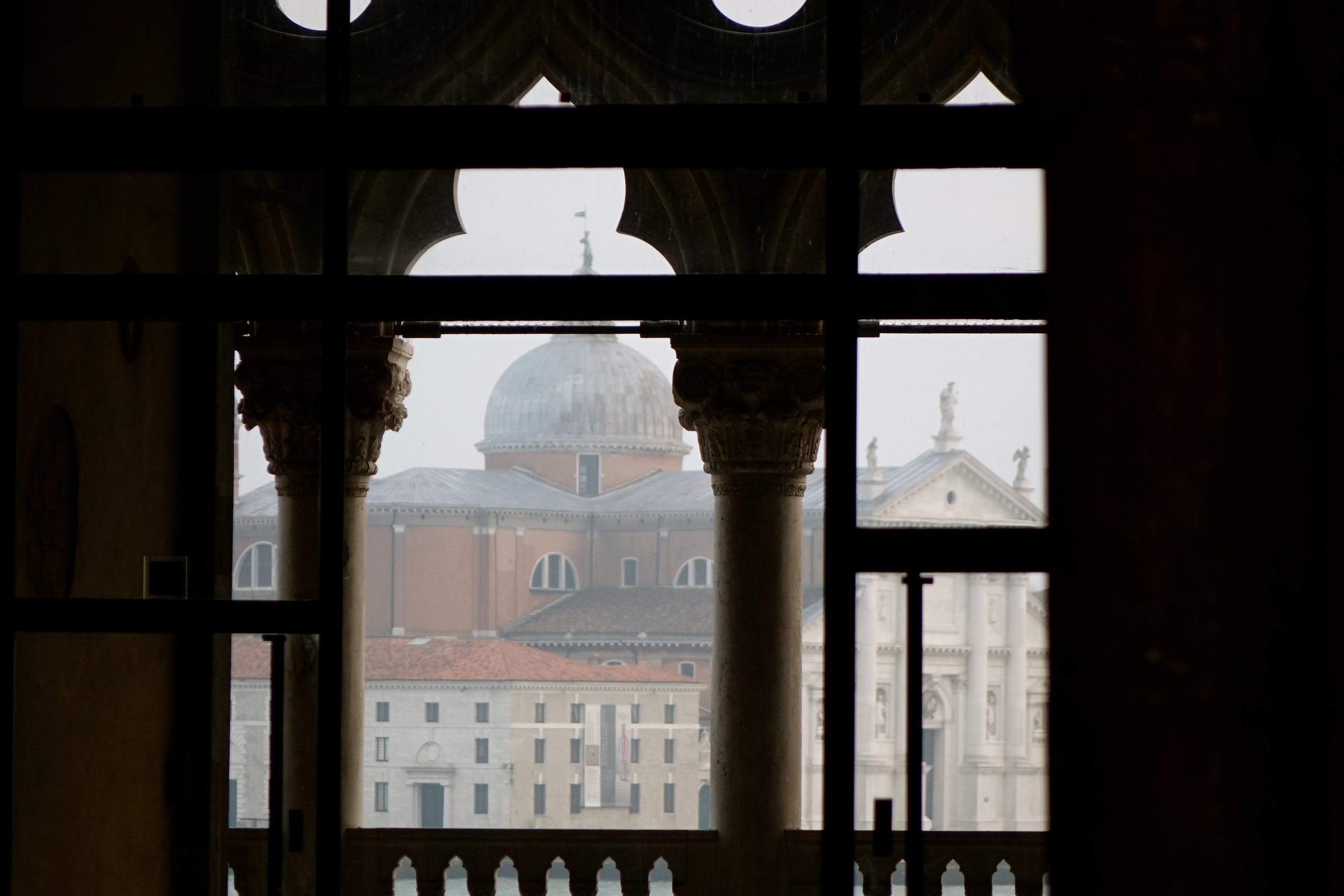
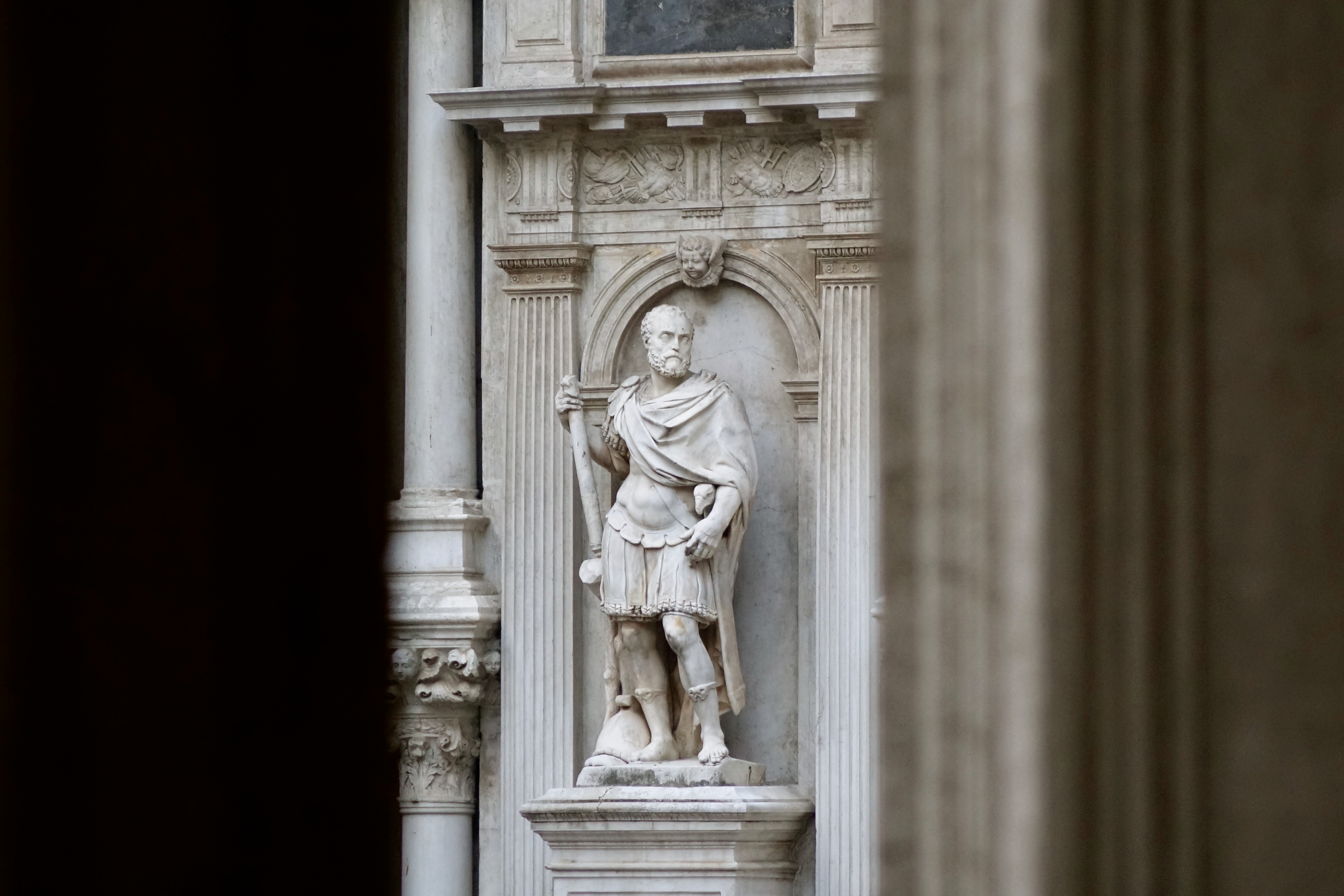
Walking through the main stone archway leading into the palace courtyard, passing one of the miscellany of ancient relics looted from all over the Eastern world, there could be no mistaking the grandeur of what had once been the centre of Venice’s administrative, political and legal core. But beyond the exquisite marble facades, the windows characterised by the iconic “Venetian Gothic” style and the impressive statues peppering every wall and corner of the exterior, the real grandeur was reserved for the inside. For up a heavily gilded staircase and into the pomp of the ceremonial rooms upstairs, our eyes sprung open in astonished amazement at the extent of opulence on display.

The Doge’s Palace outside

DSC05161DSC05220DSC05158DSC05240DSC05211DSC05222DSC05231DSC05225DSC05239DSC05192DSC05228DSC05236

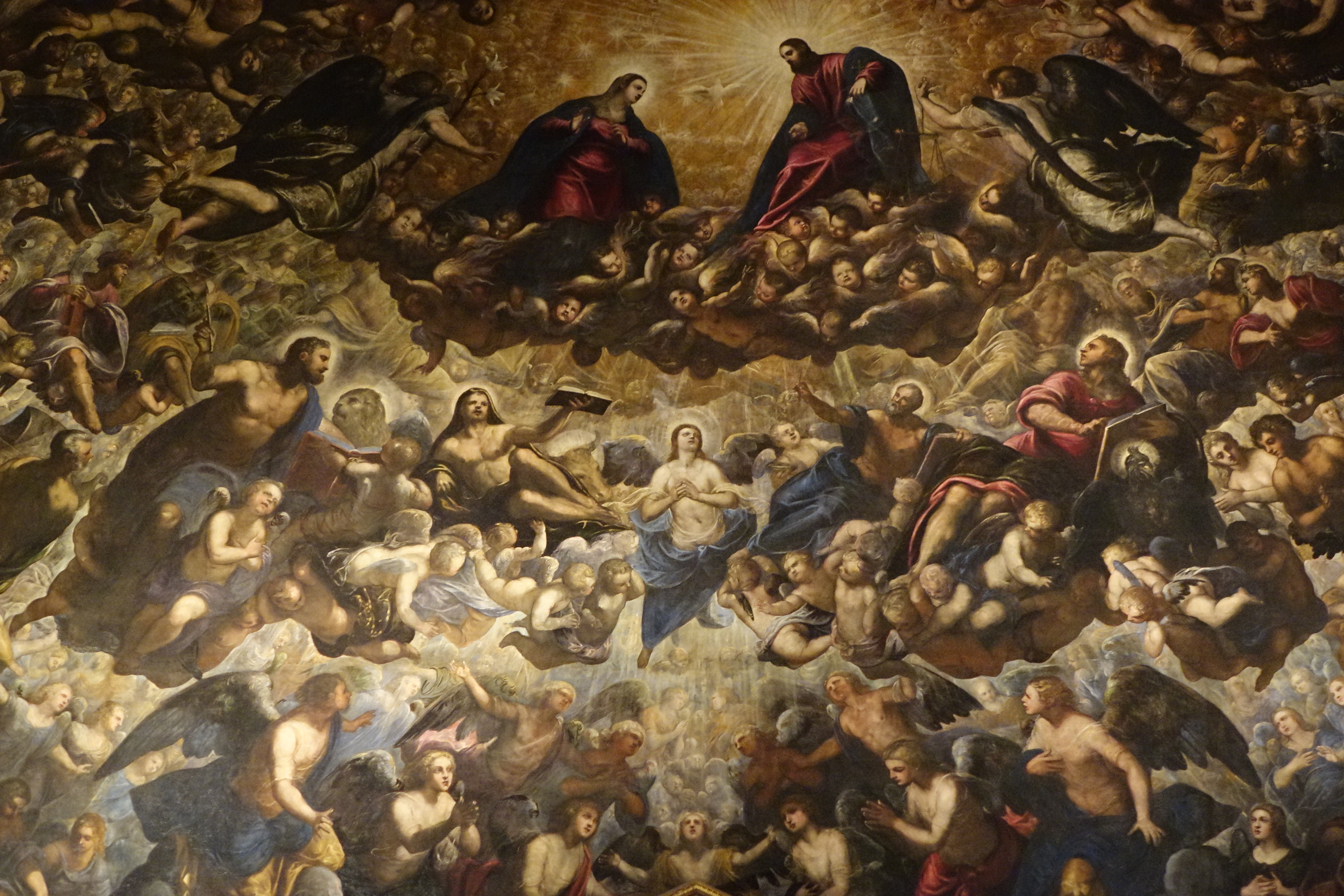
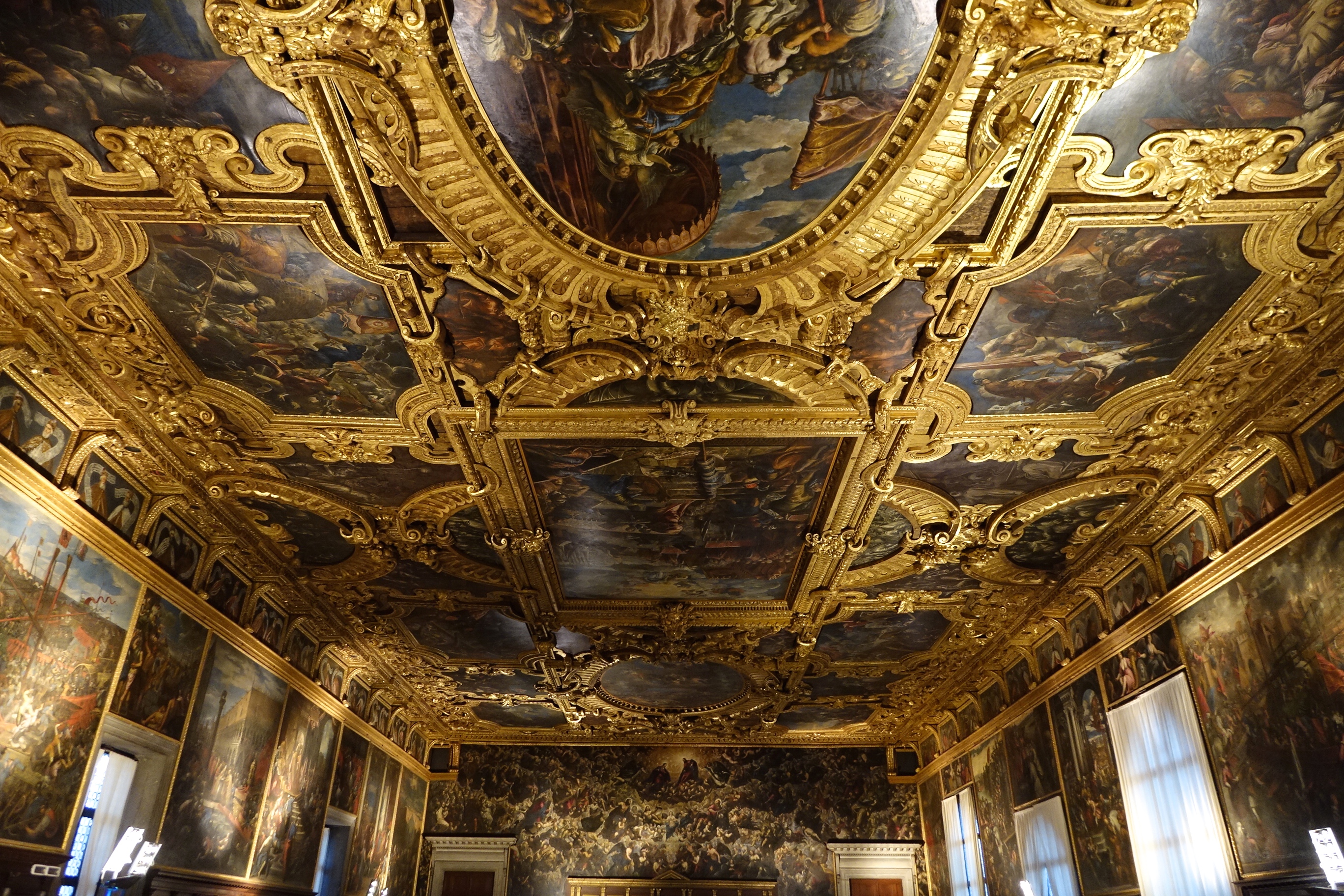
There, paintings by the very historical best of Venice’s artists were practically beaten into submission by the heavily baroque gilded mouldings which surrounded them. However it was the combination of both gilding and paintings on every surface of the walls and ceilings which created the real drama, and we were only saddened (and rather surprised) by the extent to which the condition of all surfaces had, like the city surrounding the palace, been allowed to fall into such a state of disrepair.

The splendour of the gilded interiors

DSC05241DSC05251DSC05263DSC05246DSC05275DSC05270

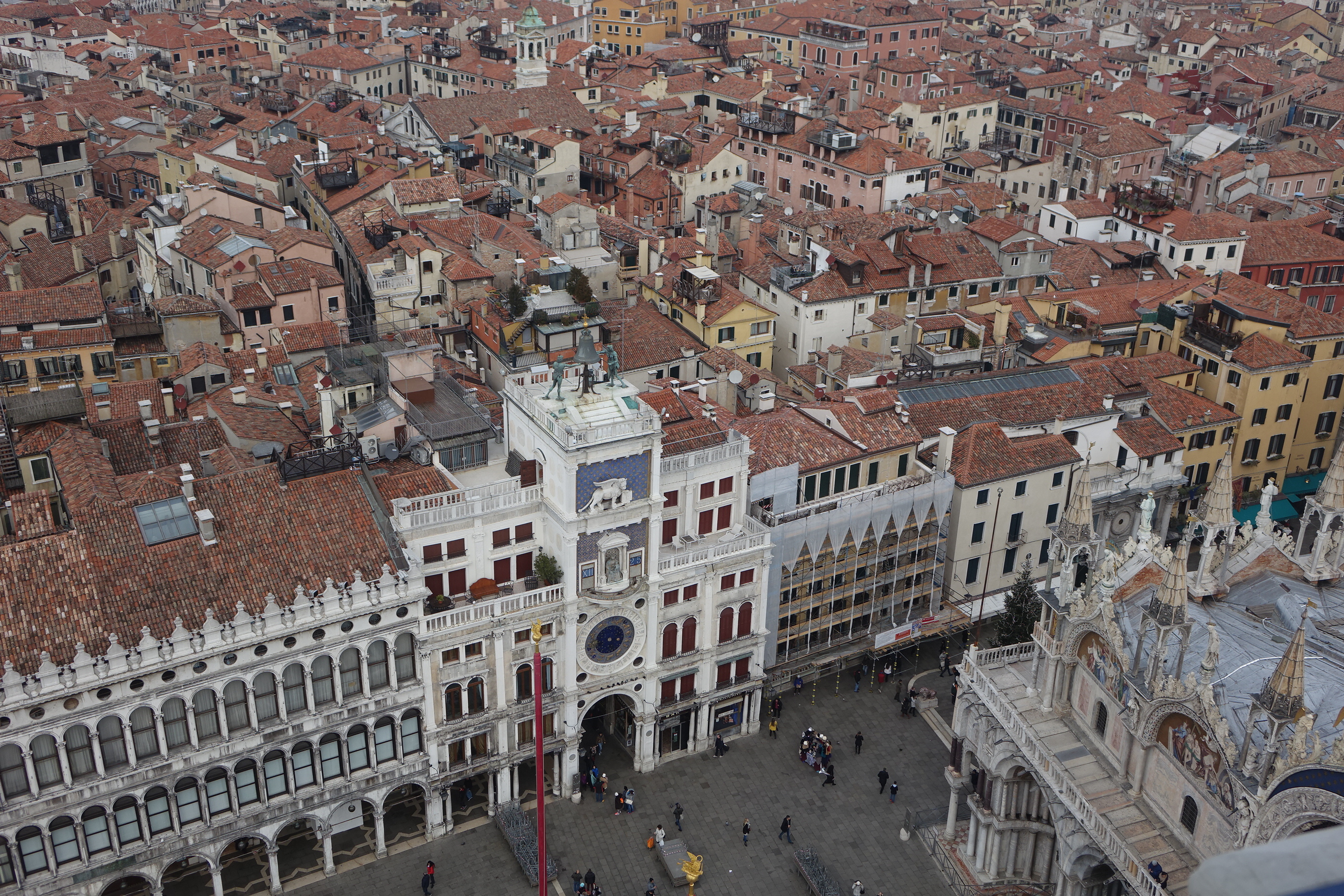
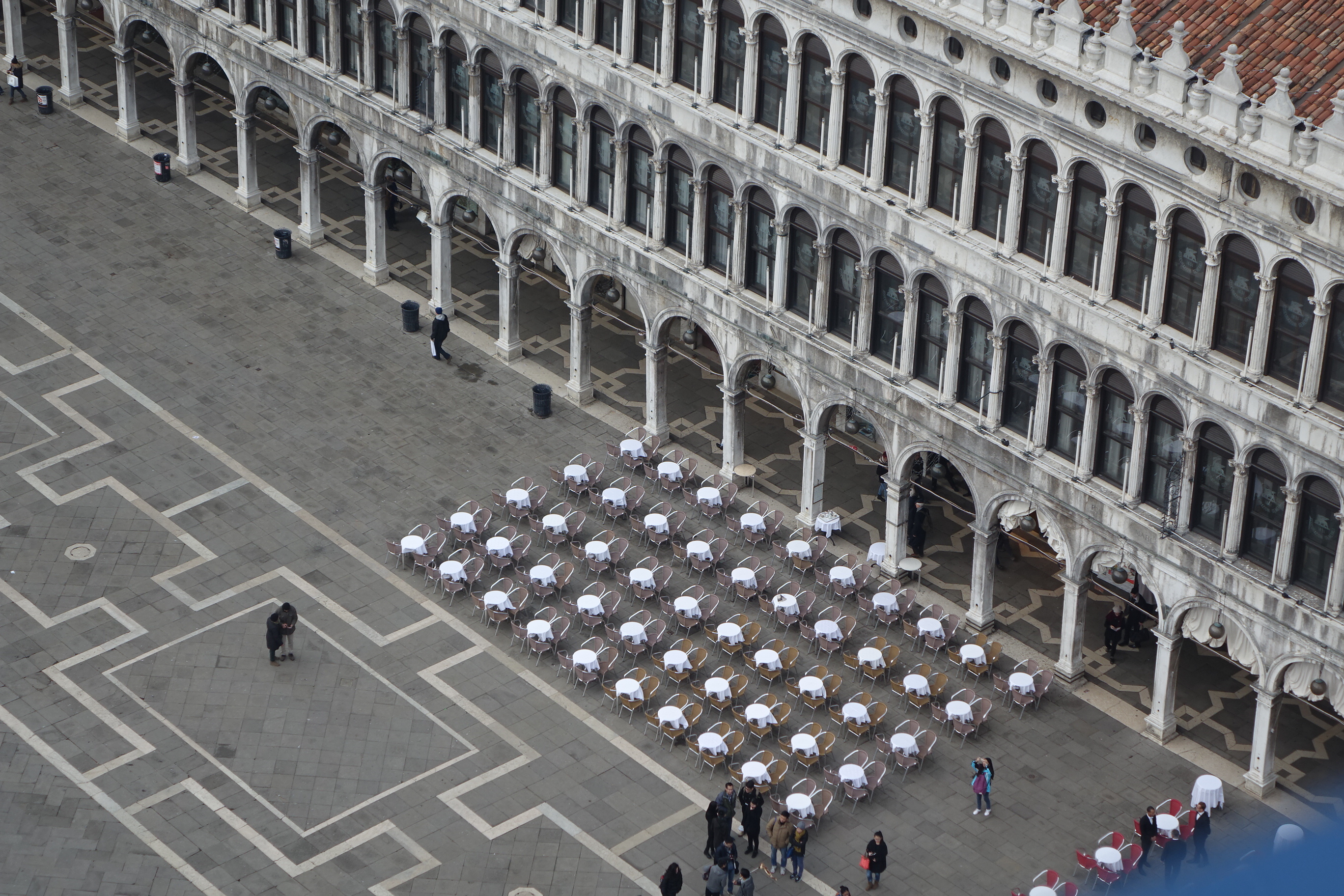
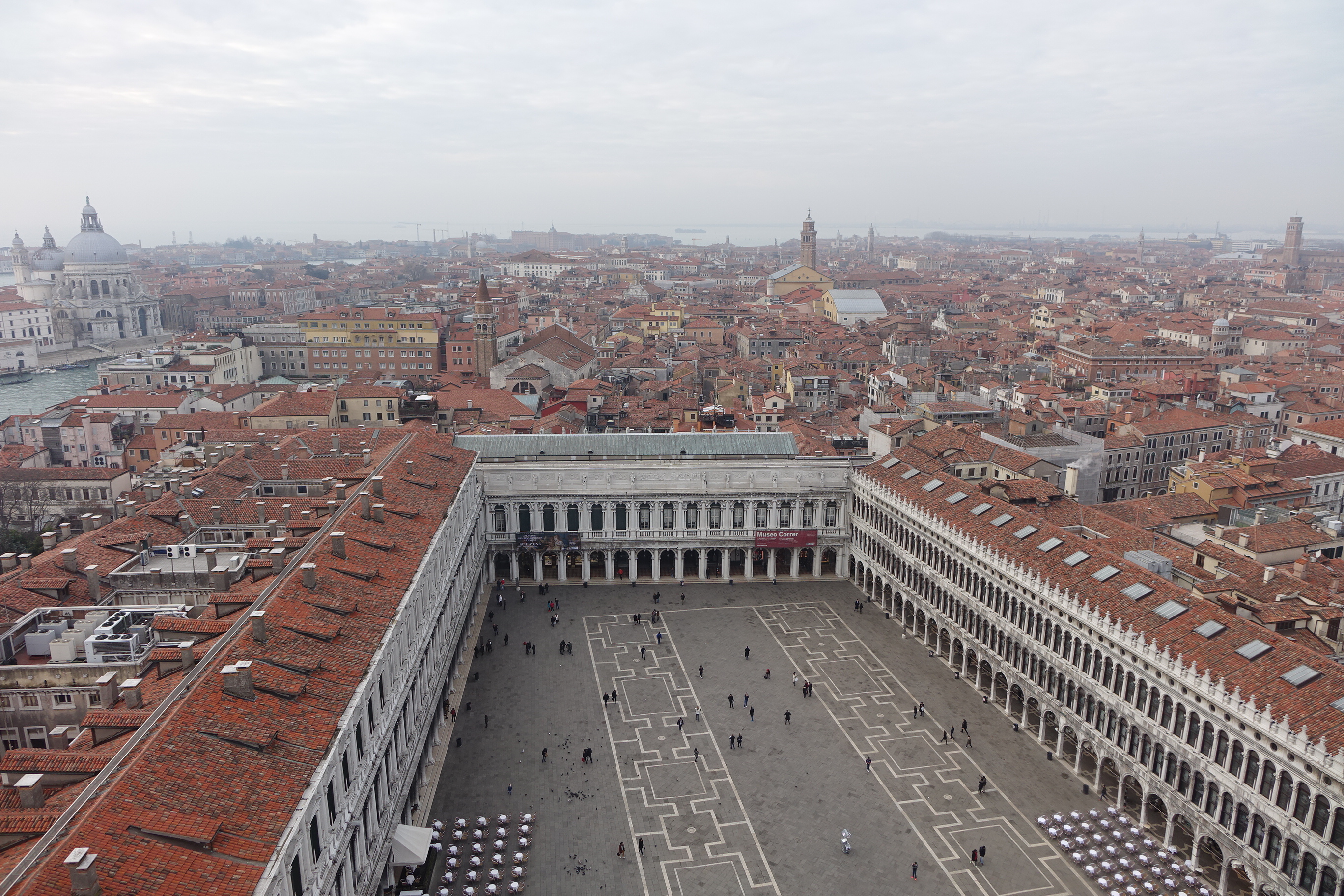
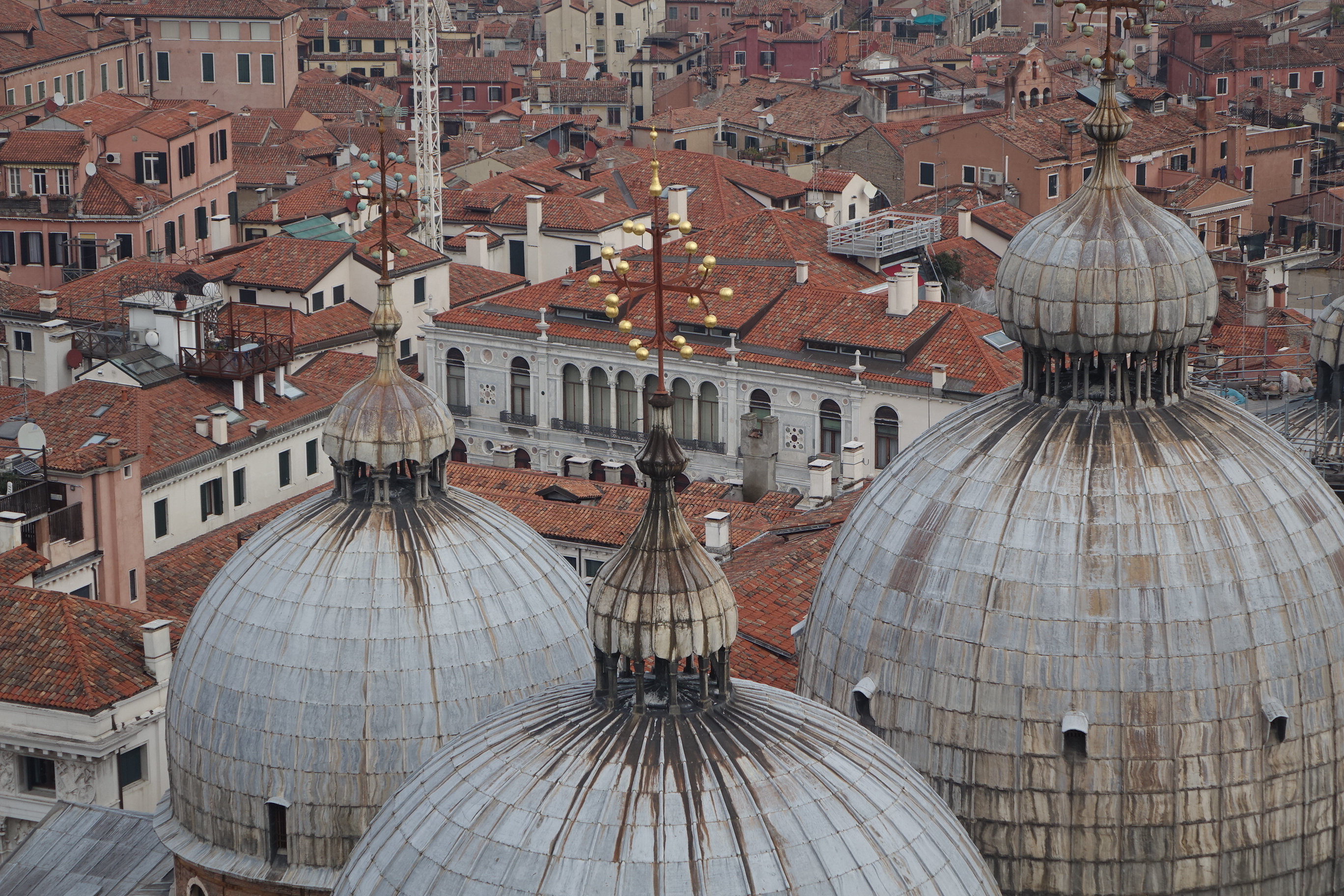
One might wonder how the world outside this glittering palace could follow this magnificent display of splendour, but of course Venice always has a new treasure in store, and as we left the Doge’s Palazzo and saw a small queue forming across the square at the famous Bell Tower of San Mark’s, we had just discovered our next treasure… for from the top of the tower, mercifully reached by lift, you can enjoy the most astonishing views of Venice sprawling out beneath you.

I loved the fact that from the top of the campanile, you could get a flavour of the true personality of this fascinating island… the extent to which the city is packed into a tiny space surrounded by a misty, boggy lagoon; the consistency of the sprawling wave of terracotta rooftops; and the incredible beauty of the many churches and palaces springing up all over the skyline.

Venice from above the campanile of St. Mark’s

DSC05126DSC05150DSC05139DSC05160DSC05154DSC05148DSC05141DSC05152DSC05143DSC05153DSC05130DSC05151DSC05121

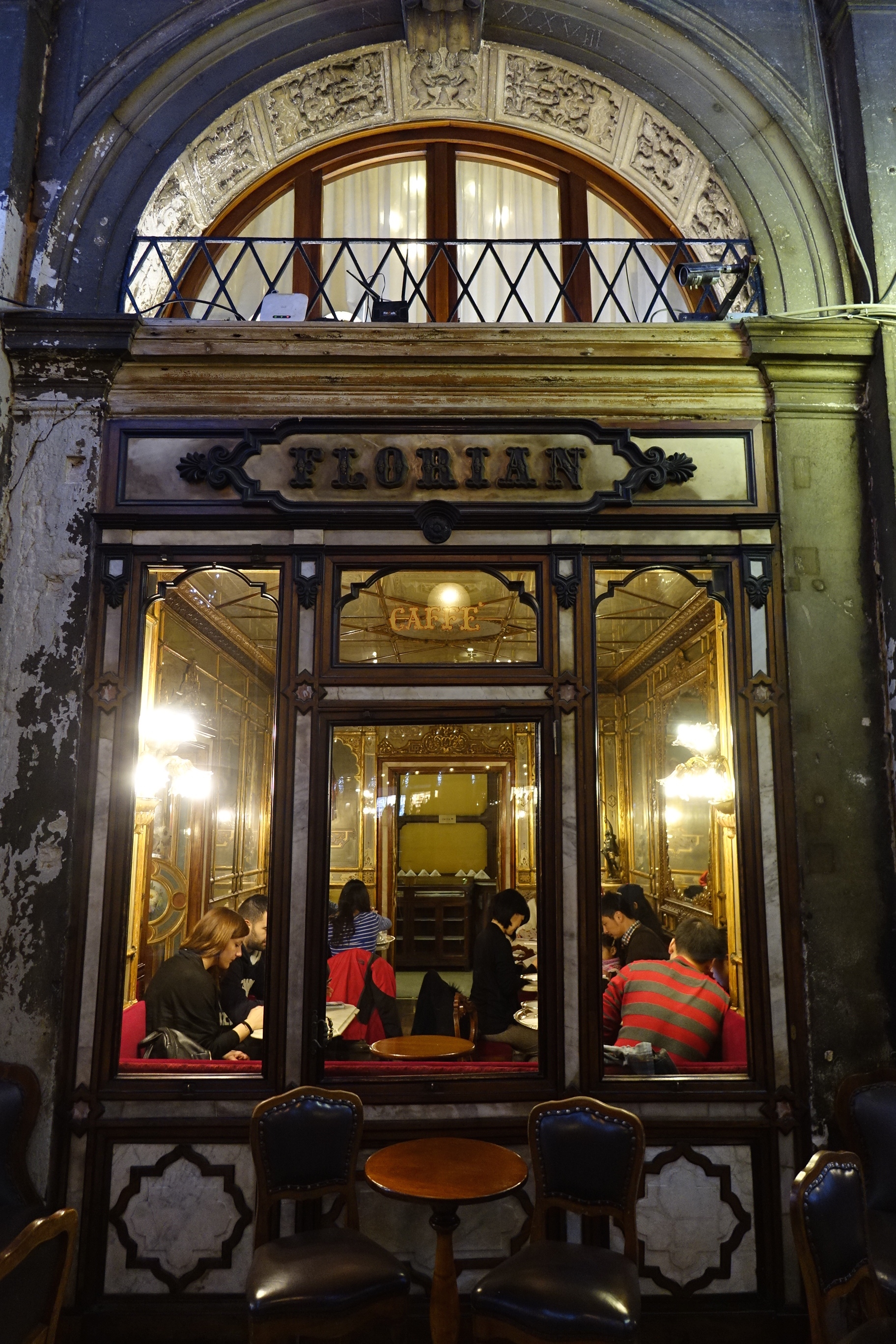
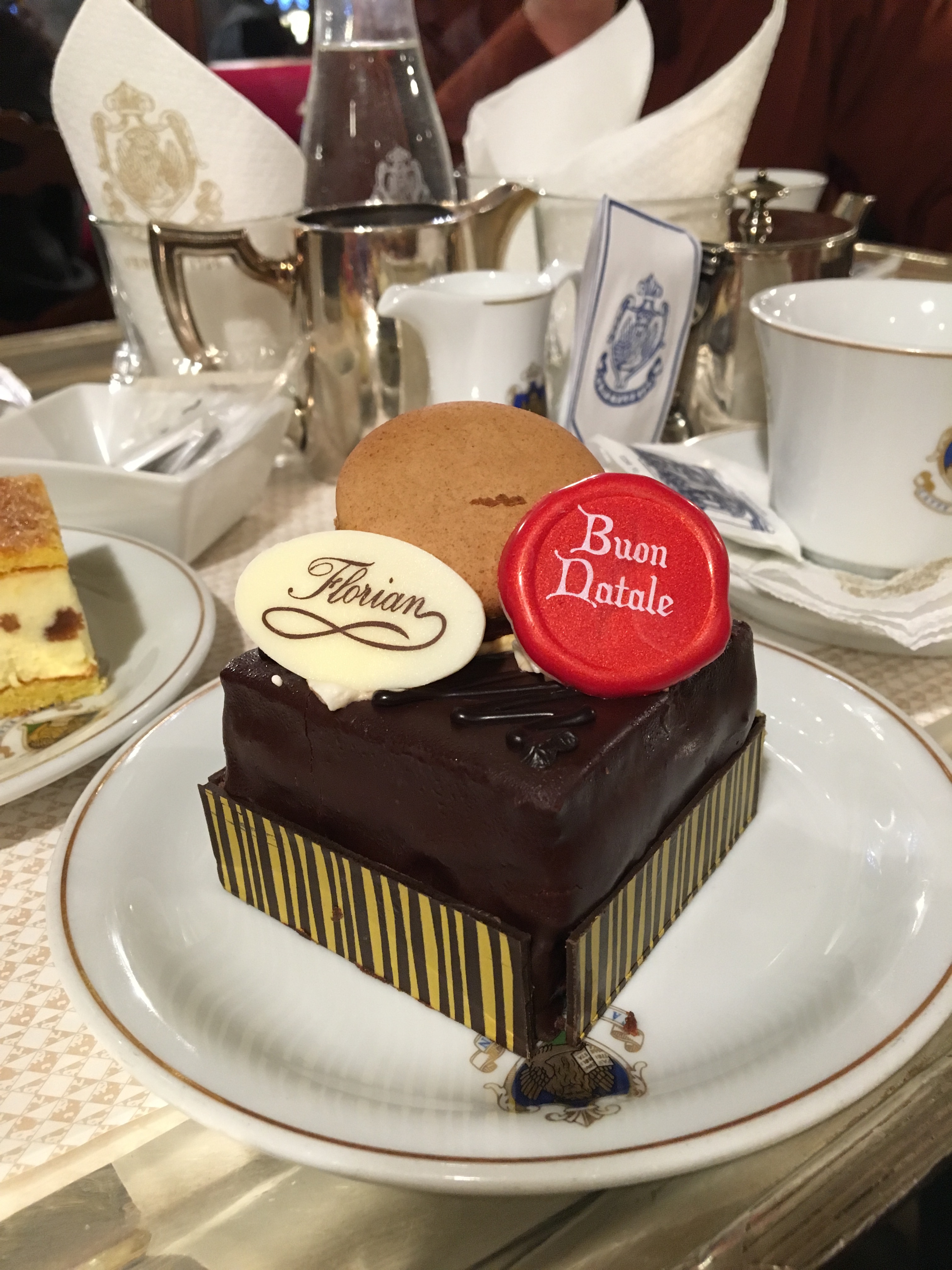
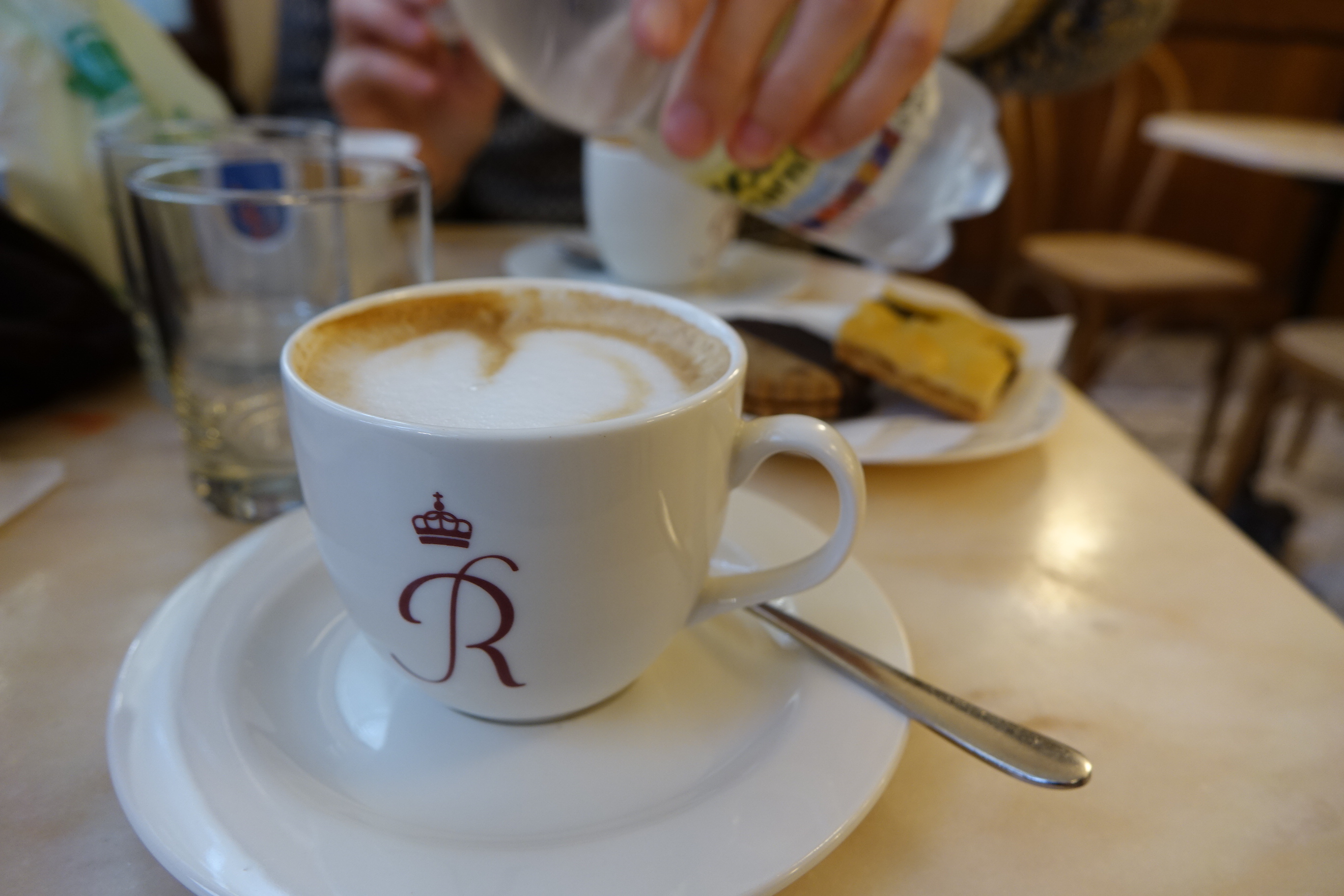
A day full of such beauty could only be concluded by a visit to the other of the Piazza San Marco’s famous gems; Florian’s café, where we rightfully treated ourselves to a tray loaded with tea, macarons and cakes fit for the festive season. And with that marvellous afternoon tea, taste joined the others of our senses which had been utterly enchanted by a further day in Venice.

A well earned visit to Florian’s and the Piazza of San Marco at night

DSC05288IMG_7101DSC05293

All photos and written content are strictly the copyright of Nicholas de Lacy-Brown © 2016 and The Daily Norm. All rights are reserved. Unauthorized use and/or duplication of the material, whether written work, photography or artwork, included within The Daily Norm without express and written permission from The Daily Norm’s author and/or owner is strictly prohibited.
Memoirs from Venezia, Part 2: Sestiere di Castello

Venice is not just any city for me. It was present at the inception of my teenage renaissance, when at the age of 18 I travelled to Italy with 20 likeminded young people to study art history. Venice was the first stop, and it was in that city that I felt myself transform, like a butterfly whose wings burst forth upon a mega-wave of sights, images and inspirations. So whenever I return to the city, there is always a part of me which yearns to revisit all of the sites which gave birth to that transformative experience. But at the same time I always want to see something new, and despite its compact size, the intricate labyrinth of the city always provides a new surprise around every corner.

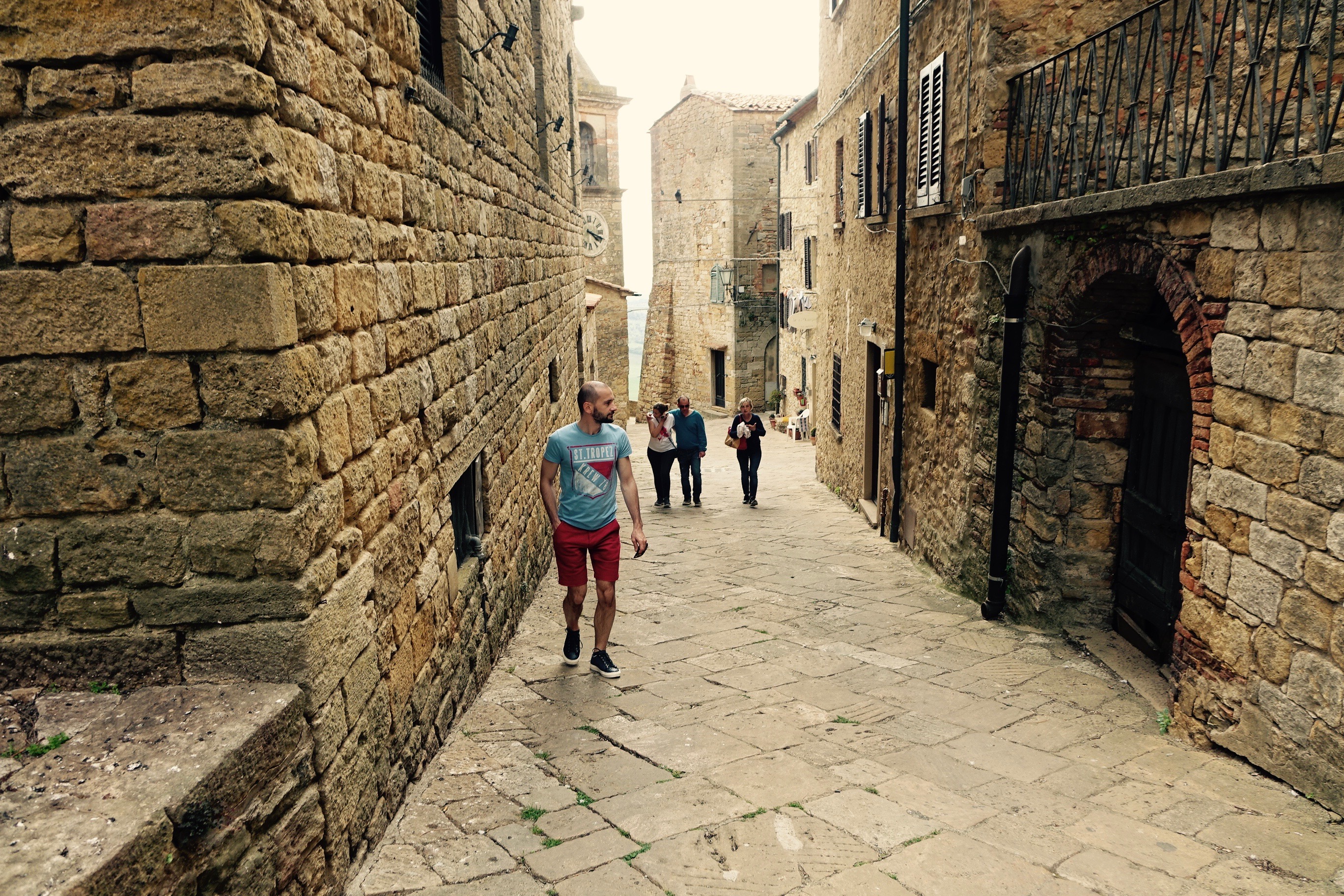
On this trip, I was determined to discover some of the areas which I do not know so well, and there to expose myself to some of the lesser-known gems of the city. One such area is the Sestiere di Castello, which, tucked just behind San Marco, sprawls eastwards from the Rialto across to the Arsenale and beyond.

Gems of the Sestiere di Castello

DSC05085DSC05545DSC05522DSC05516DSC04936DSC04948DSC04981DSC04897DSC04933DSC04914DSC04912DSC04915DSC04885DSC04874DSC05531

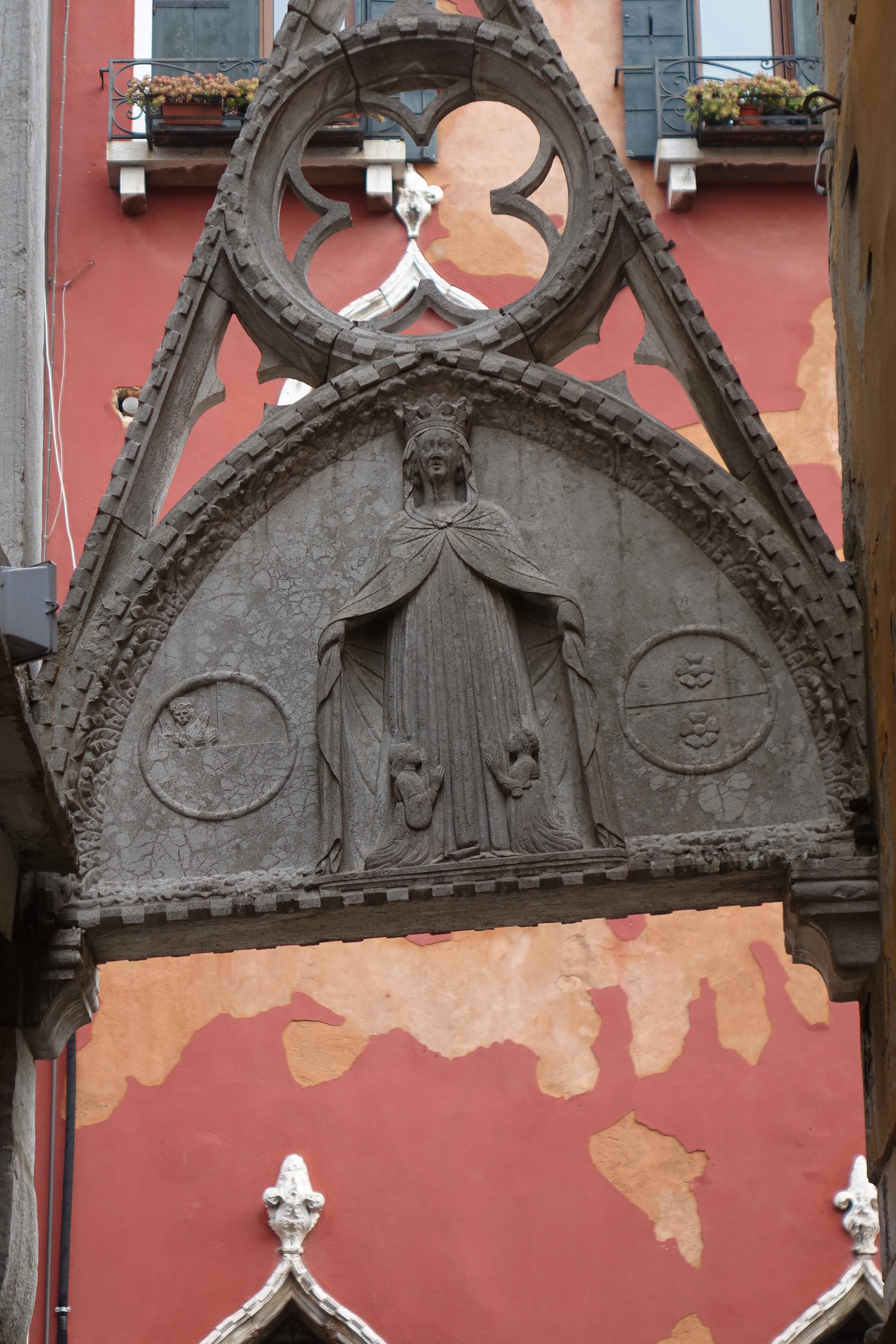
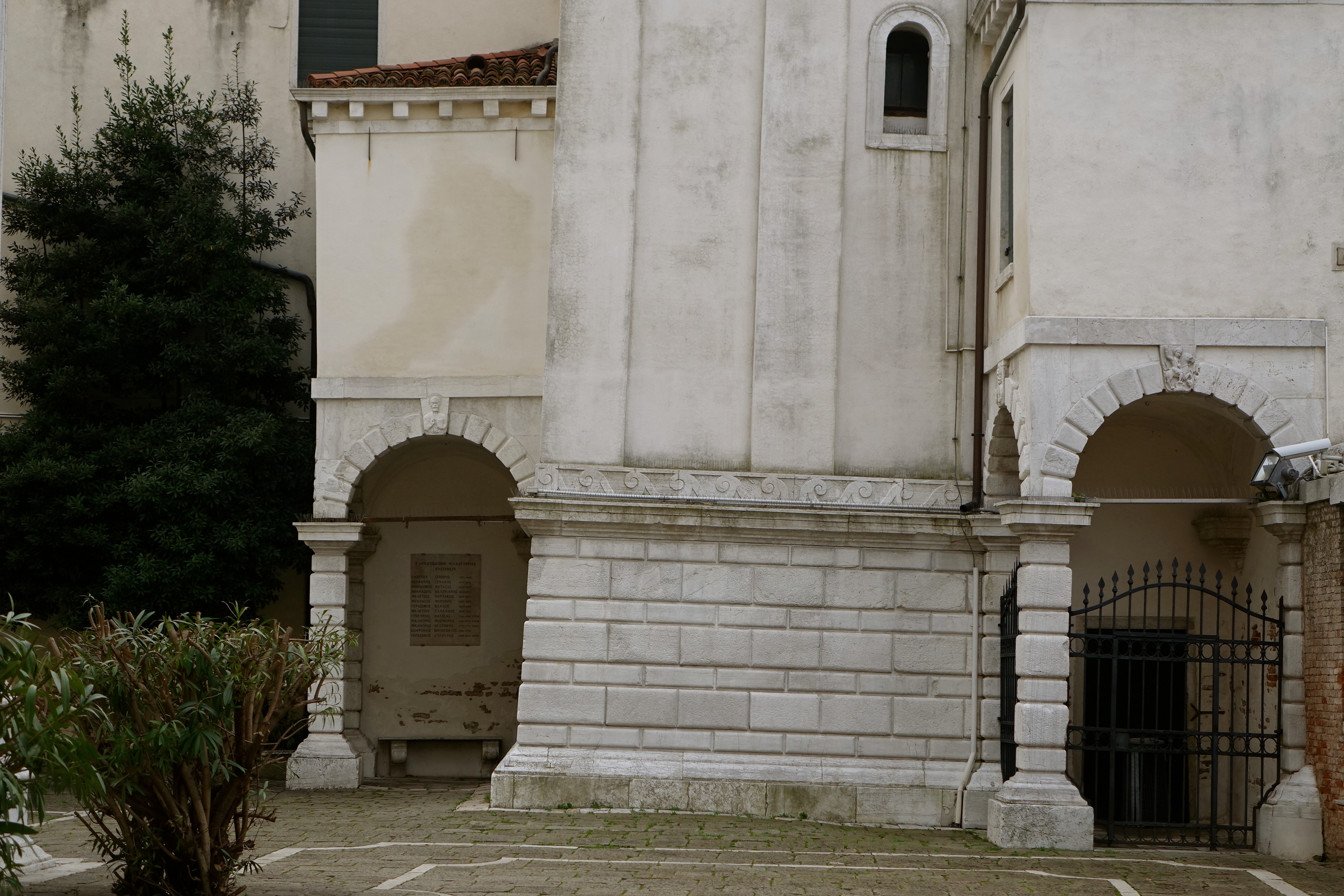
It is easy to tire of the repetitiveness of central Venice, with every shopfront loaded with mass-produced masks and tacky souvenirs, but walk just a few canals beyond the centre, and a more quaint, authentic city is ripe for the discovery. Such is the case with the Castello, from the grand Campo Santa Maria Formosa with its curving church, to the impressive square in front of the Zanipolo church, the size and scale of which makes it a clear rival to St. Mark’s itself. All this we explored as we traversed the area on foot, gawping at the stunning stone mausoleums of the doges set within the walls of the Zanipolo, as well as being mesmerised by the haunting chants of a Greek Orthodox service on the Rio del Greci in a beautiful little church which has its very own leaning tower.

The Zanipolo and the Chiesa di San Giorgio dei Greci

DSC05510DSC05497DSC05505DSC05495DSC04960DSC04961DSC04967

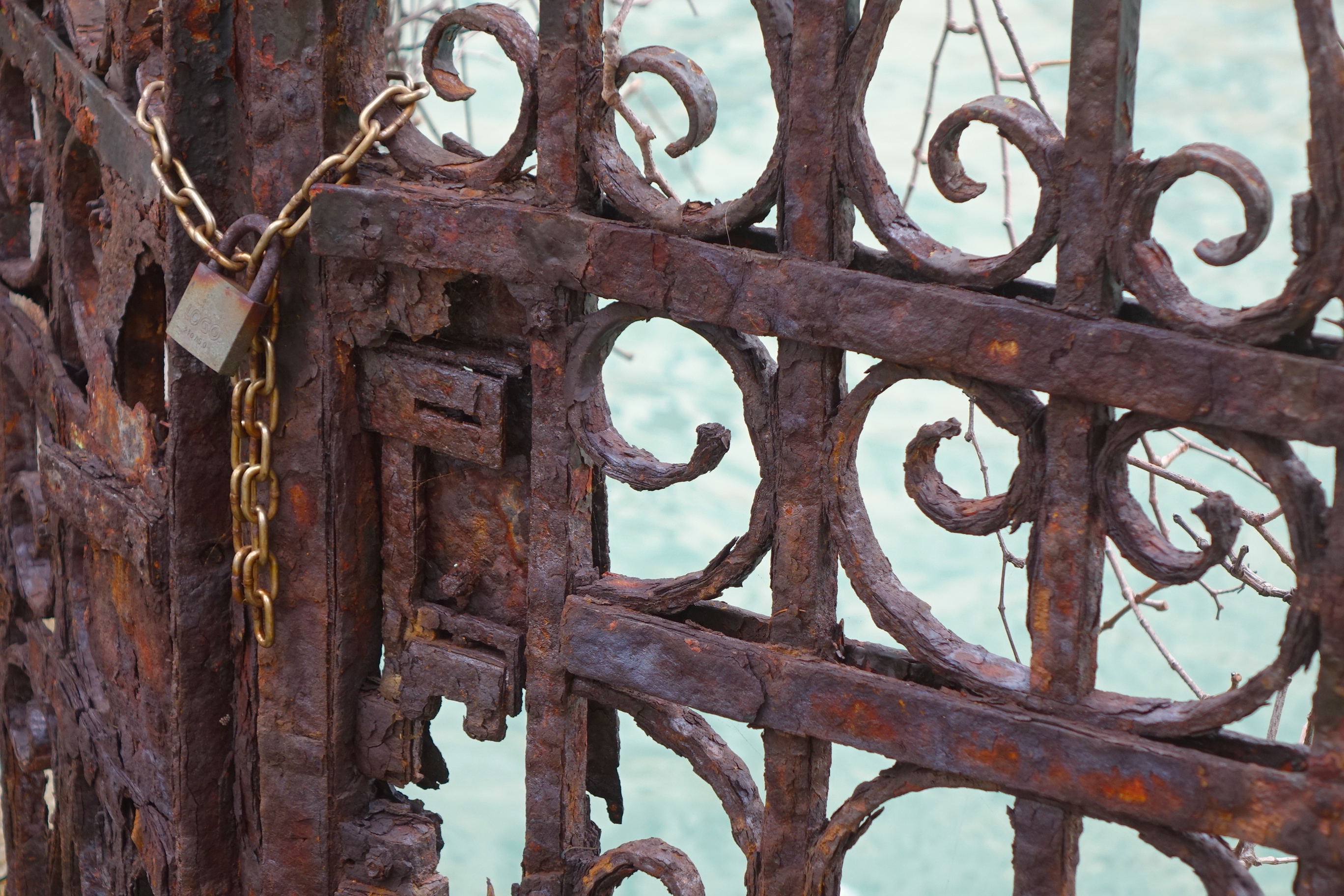
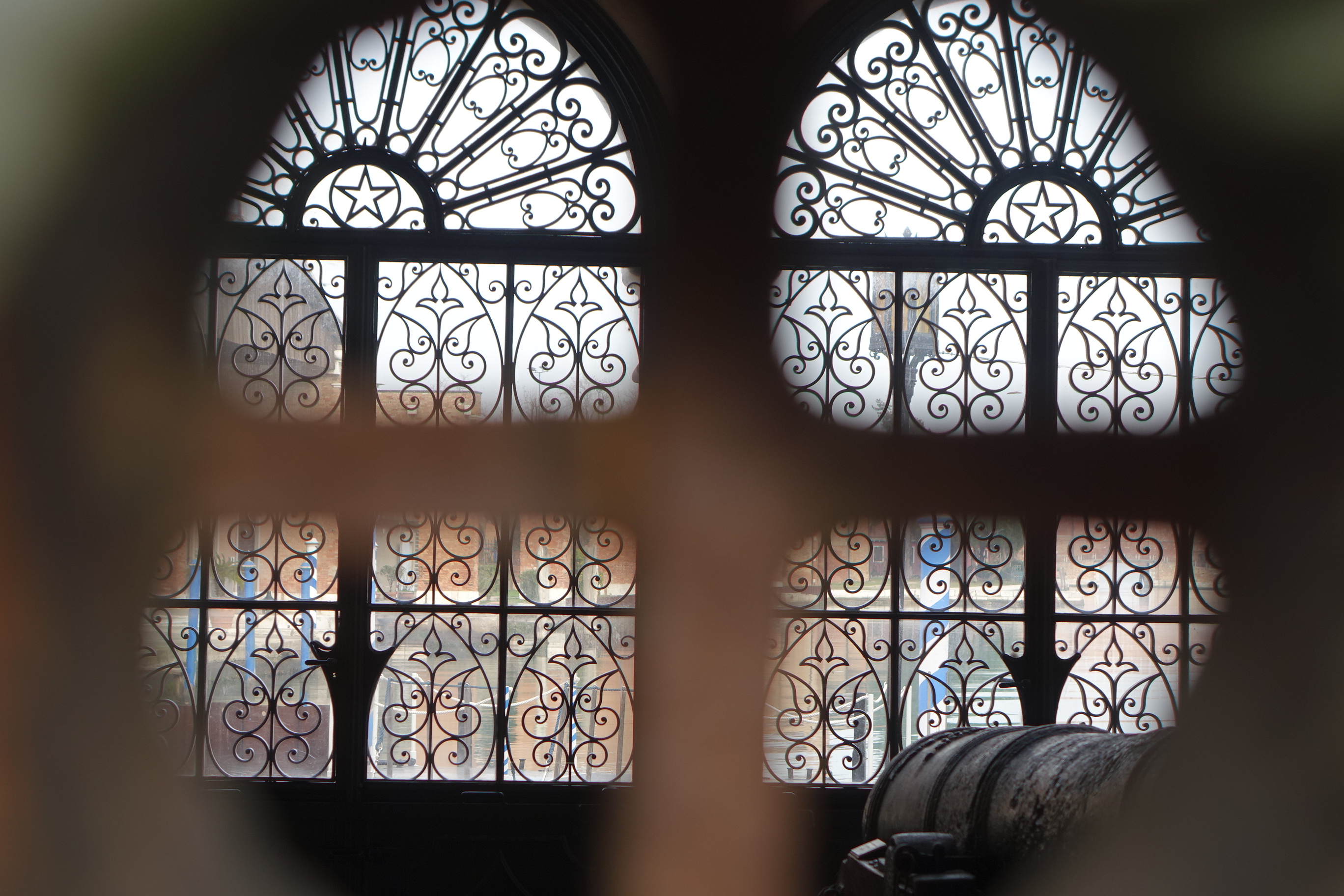
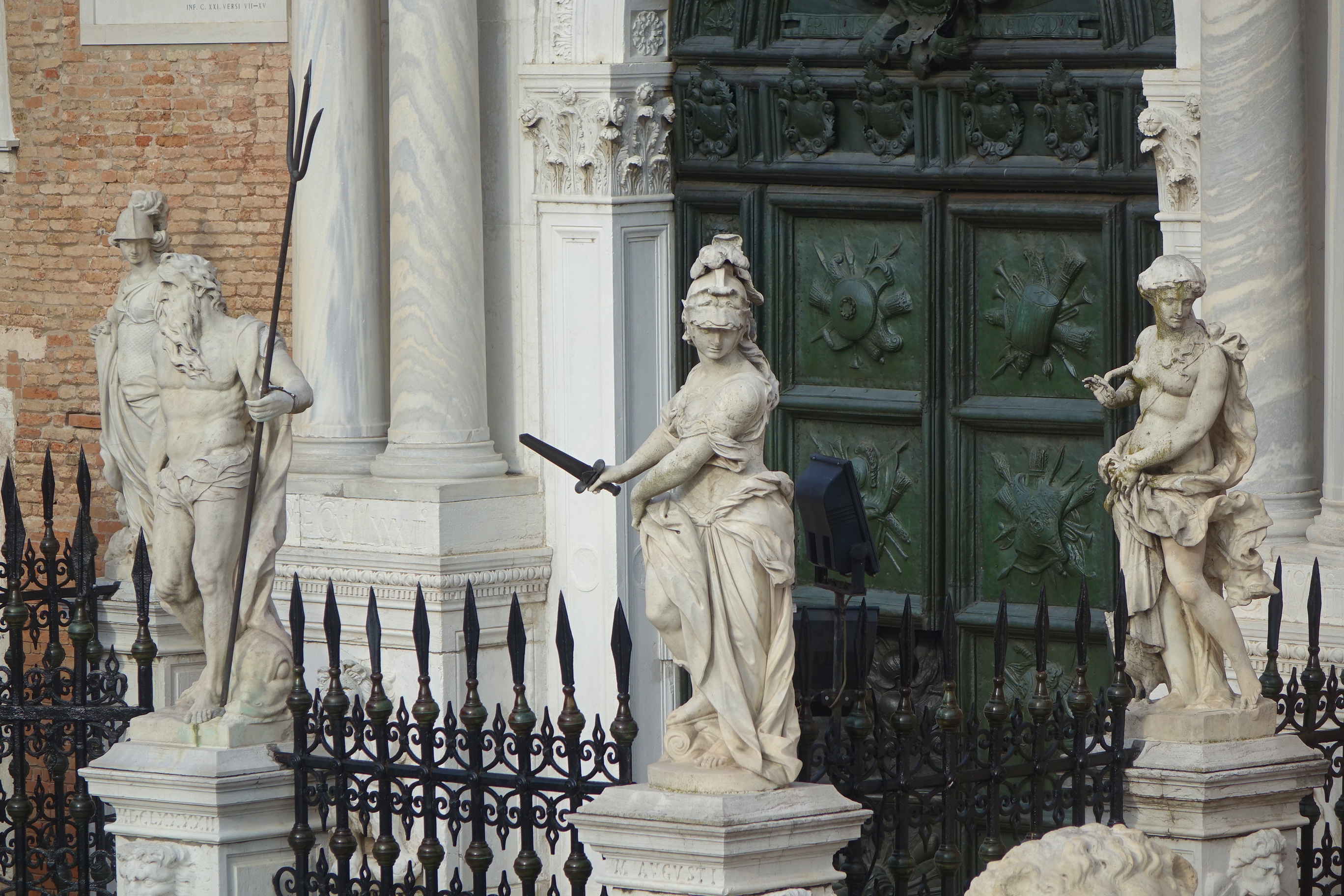
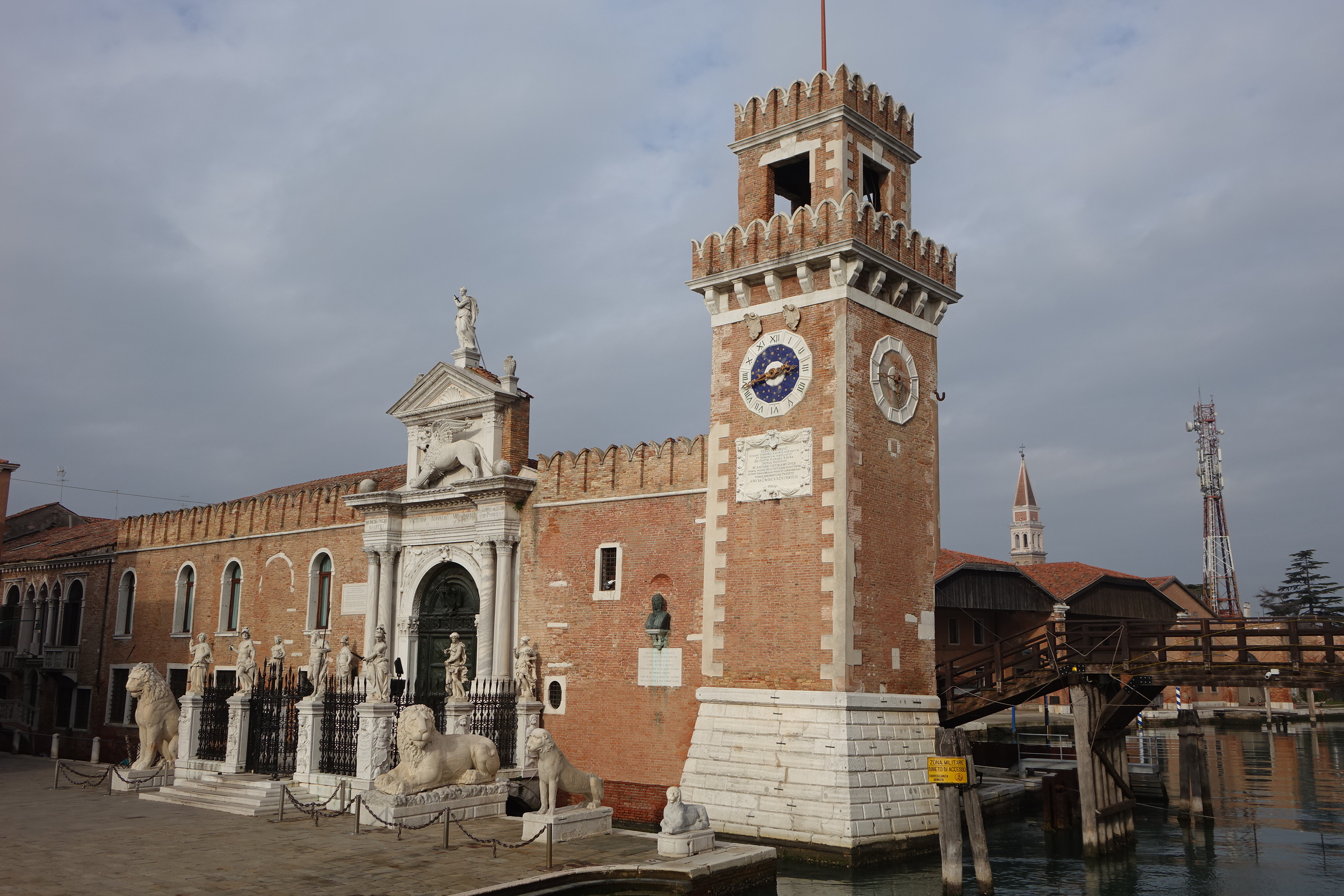
But for me, the real star of the region is the Arsenale, this massive former industrial site which would have been the heart not only of the Venetian Republic’s economy, but also of its military prowess. Although sadly unused today, from the mammoth encircling walls, and the huge classical gates at its entrance, once can still feel the might and power of the place. For Arsenale was not only large, taking up some 1/15th of Venice’s entire landmass and giving employment to a huge proportion of the city’s population, but it was also a place of innovation, being the first to mass-manufacture boats with the kind of conveyor-belt style product output which can only be dreamed of by car factories of today.

The Arsenale

DSC04989DSC05003DSC05042DSC05017DSC05018DSC05029DSC04984DSC05010DSC05038DSC05032

But beyond the hard lines of the Arsenale, a stunning city of view is always just around the corner, and as our day came to an end, we were treated to a glimpse of sunshine (in an otherwise foggy visit) over the lagoon, where Palladio’s masterpiece, San Giorgio Maggiore glistened in the light, and along the lagoon, the warm cosy interior of Harry’s Bar lay in wait. Most expensive amaretto known to man? It was surely so, but an apt treat at the end of an impressive day exploring the real Venice.

The lagoon and a rest in Harry’s Bar

DSC05097DSC05049DSC05052DSC05050DSC04829DSC04827DSC04828

All photos and written content are strictly the copyright of Nicholas de Lacy-Brown © 2016 and The Daily Norm. All rights are reserved. Unauthorized use and/or duplication of the material, whether written work, photography or artwork, included within The Daily Norm without express and written permission from The Daily Norm’s author and/or owner is strictly prohibited.