Skip to content

Posts tagged ‘Journal’

Compendium // Porto > The secret side of a garden city

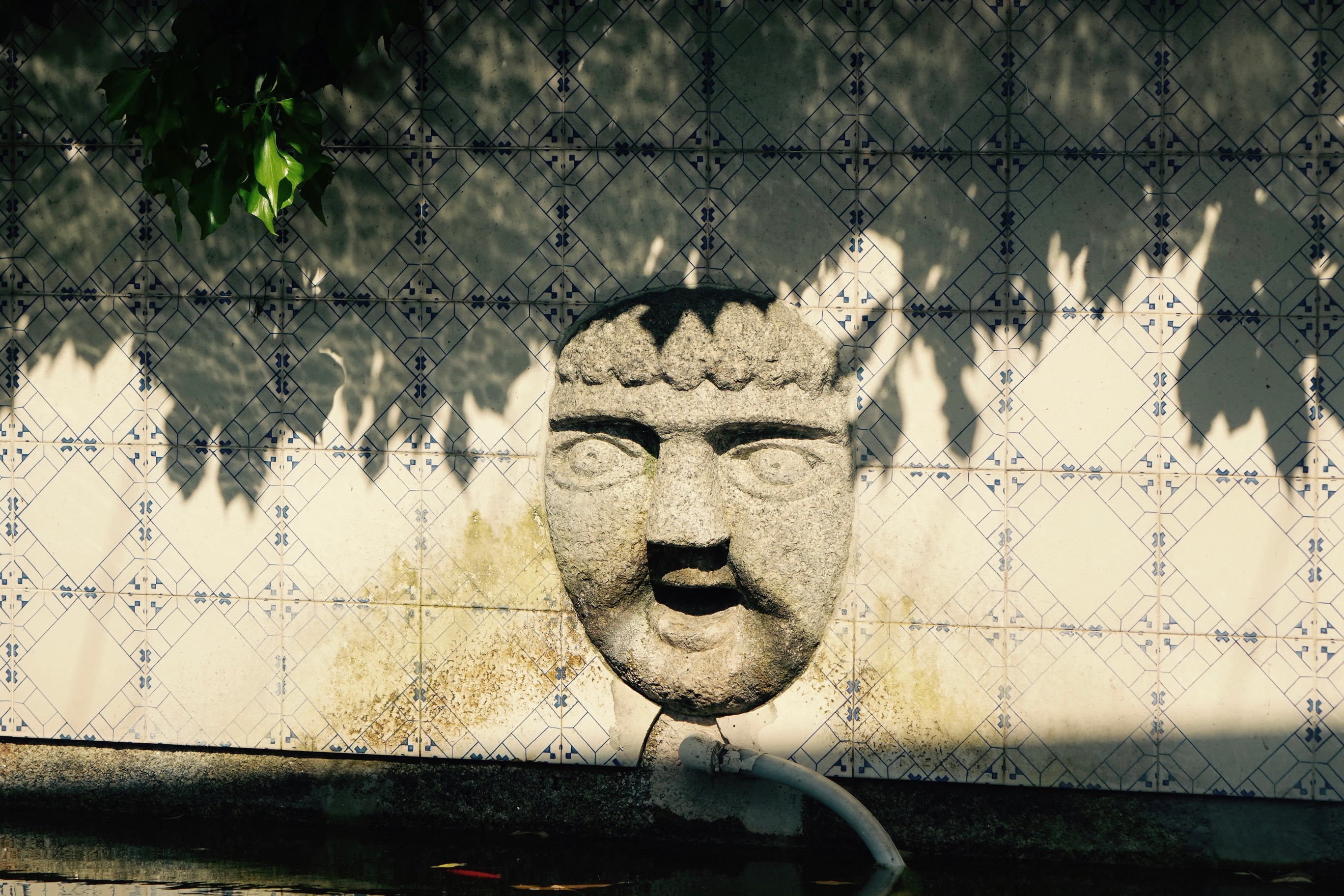
It’s hard not to get comfortable in among the wash of blue and white tiles and the swill of a good sweet port served alongside them, but to rest on ones laurels in Porto is to miss out on one of the city’s best kept secrets: its gardens. Though not obvious from the heart of the Ribeira, even when the city is seen from the rooftops, it’s remarkable how frequently this densely packed city is punctuated by an exquisite green space. And in fact Porto’s gardens not only provide respite from the bustle of the centre: they also provide the perfect viewing platform from which to admire the city… in utmost tranquility.

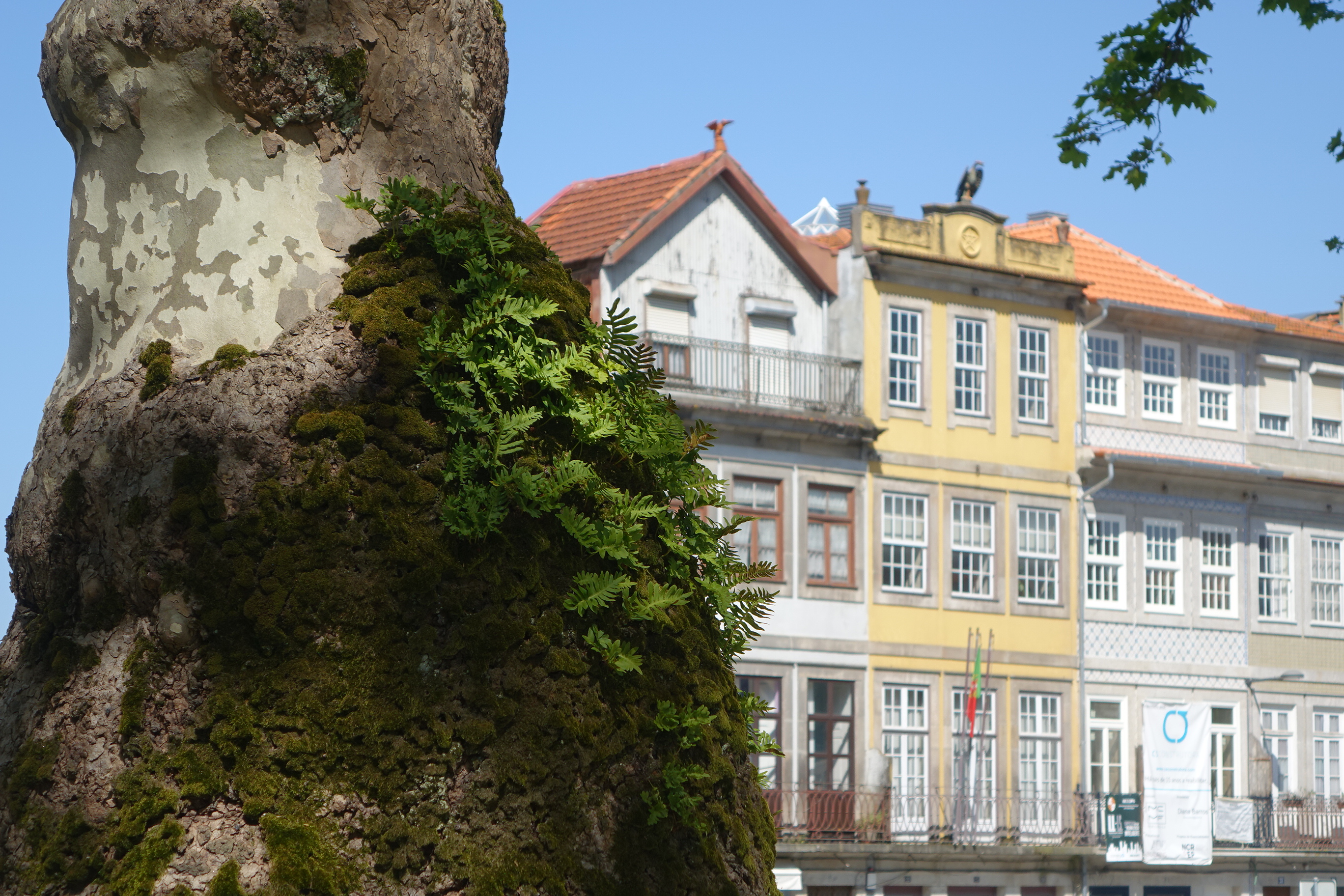
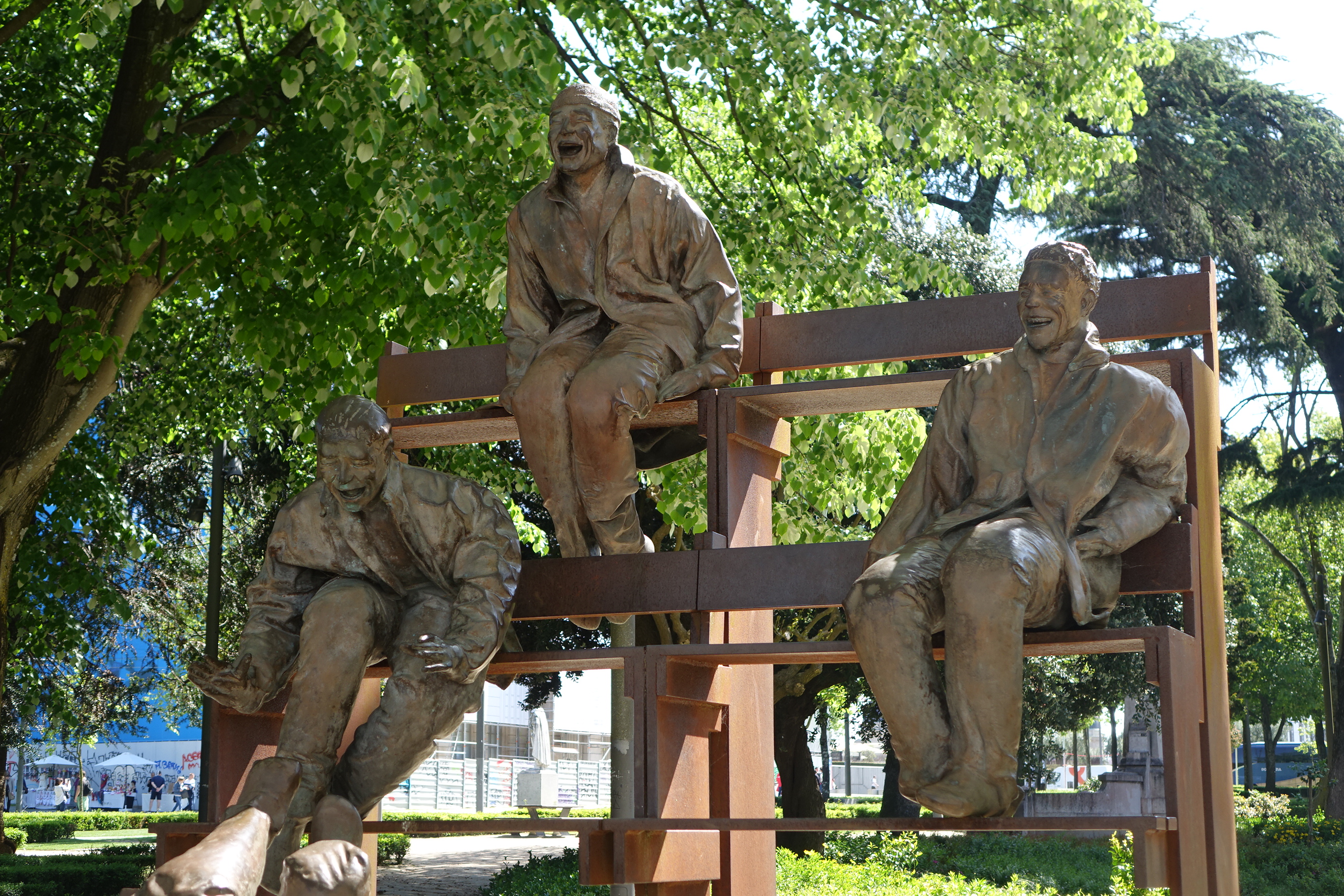
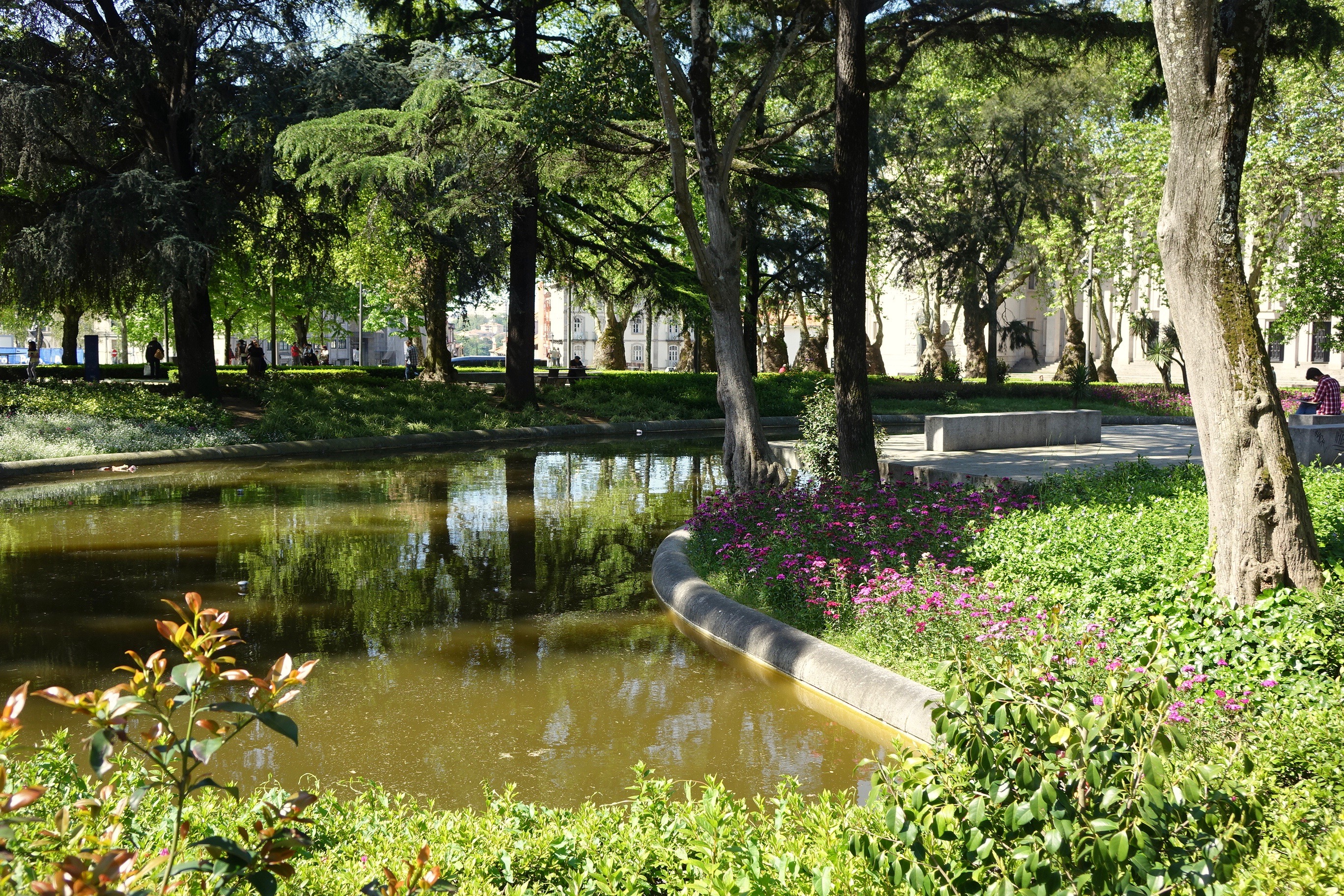
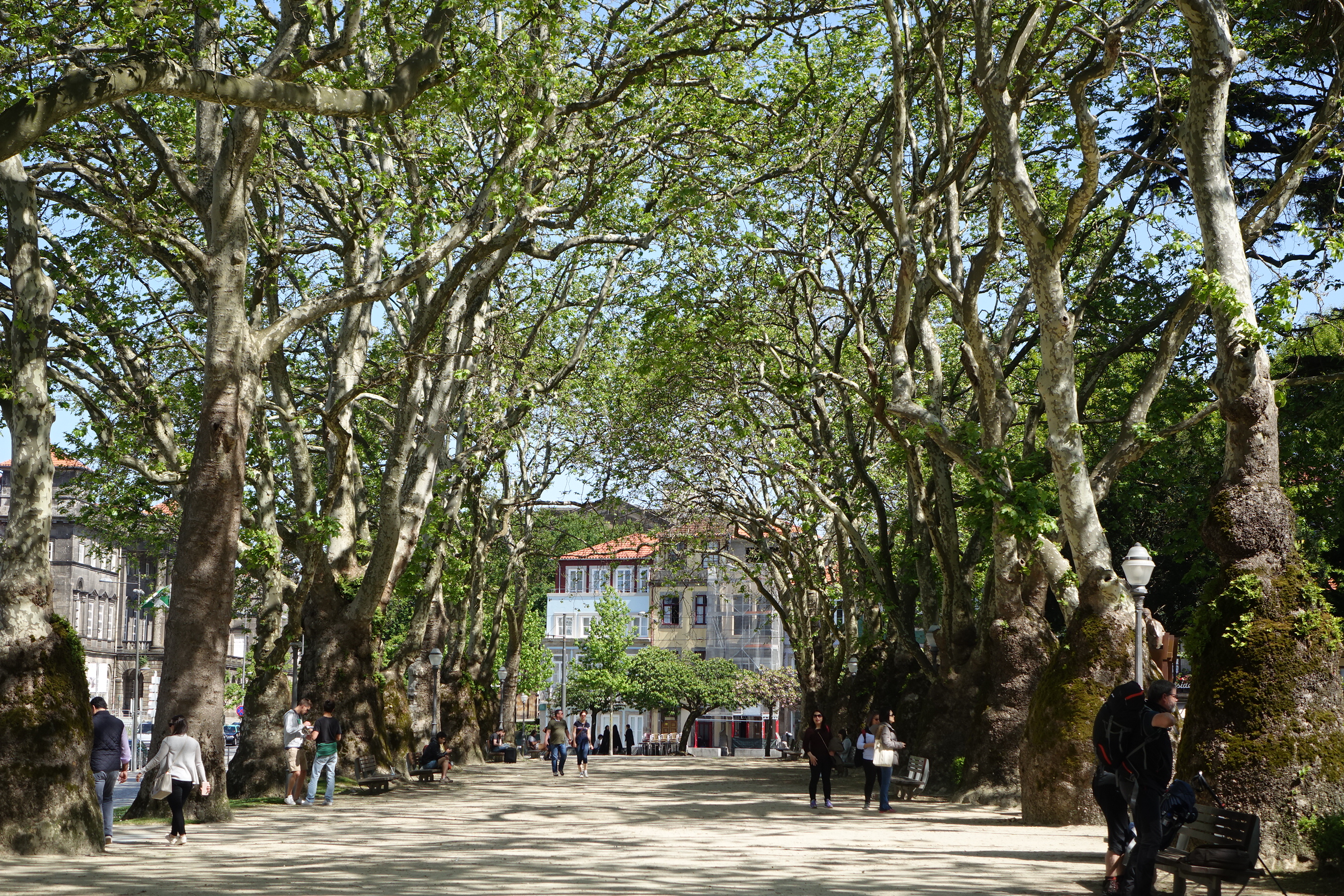
The first garden on my list is the Jardim da Cordoaria. Nestled in between some of Porto’s principle sights – the blue tiled Igreja das Carmelitas and the tall, narrow Torre dos Clérigos, the Cordoaria gardens provide an oasis of calm in the city centre. There, an avenue of what look like birch trees but which seem to grow out of huge almost deformed trunks sets the scene for a garden which is dappled with filtered sunlight and which benefits from a very tranquil pond surrounded by perfectly placed benches. The park is not only peppered with pretty pink flowers and curving meandering paths: it is also a veritable outdoor art galley, filled with amusing sculptures depicting groups of men in conversation or at play. They make a perfect little selfie spot… for those so inclined.

Jardim da Cordoaria
DSC03146DSC03149DSC03136DSC03137IMG_9976DSC03143DSC03130

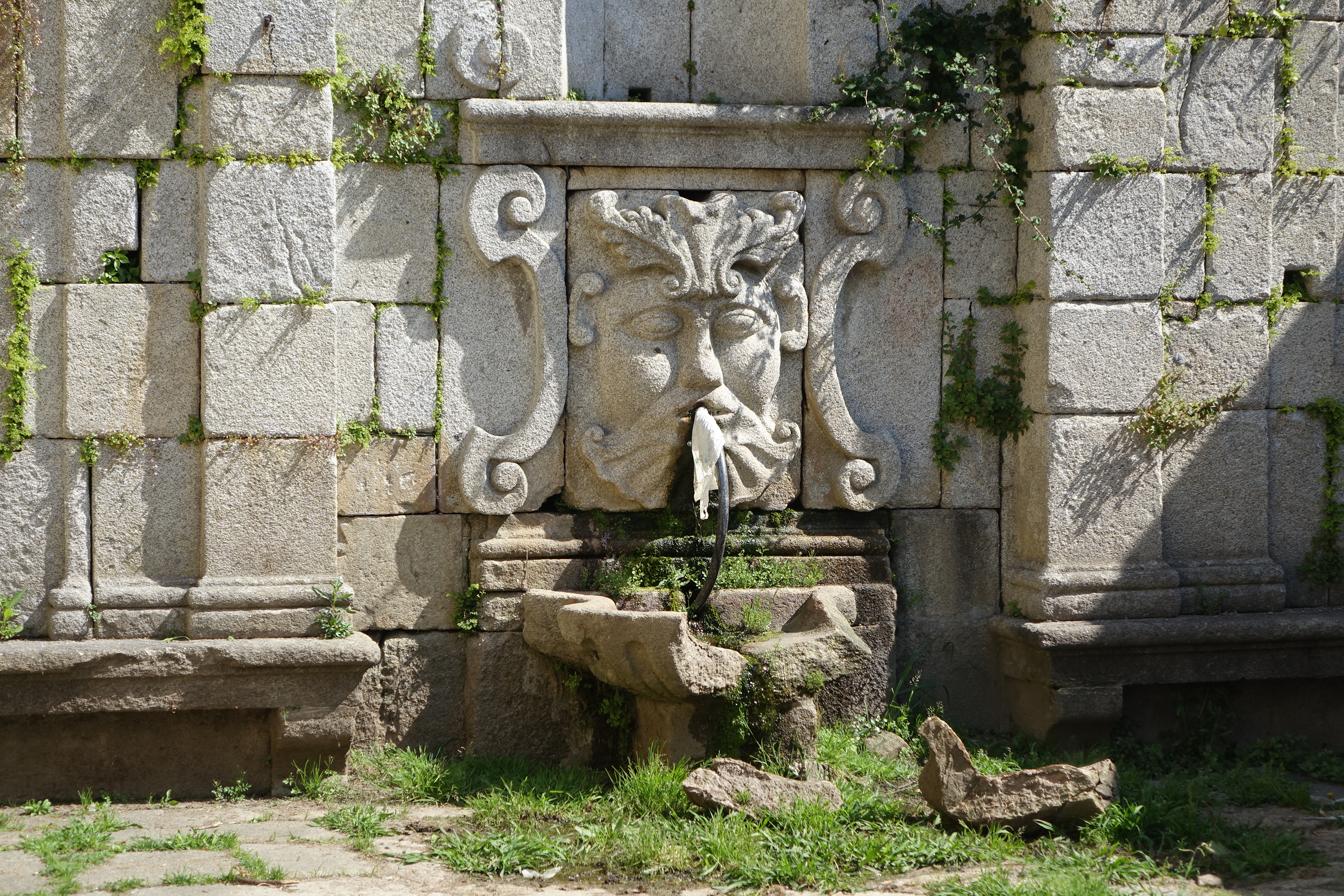
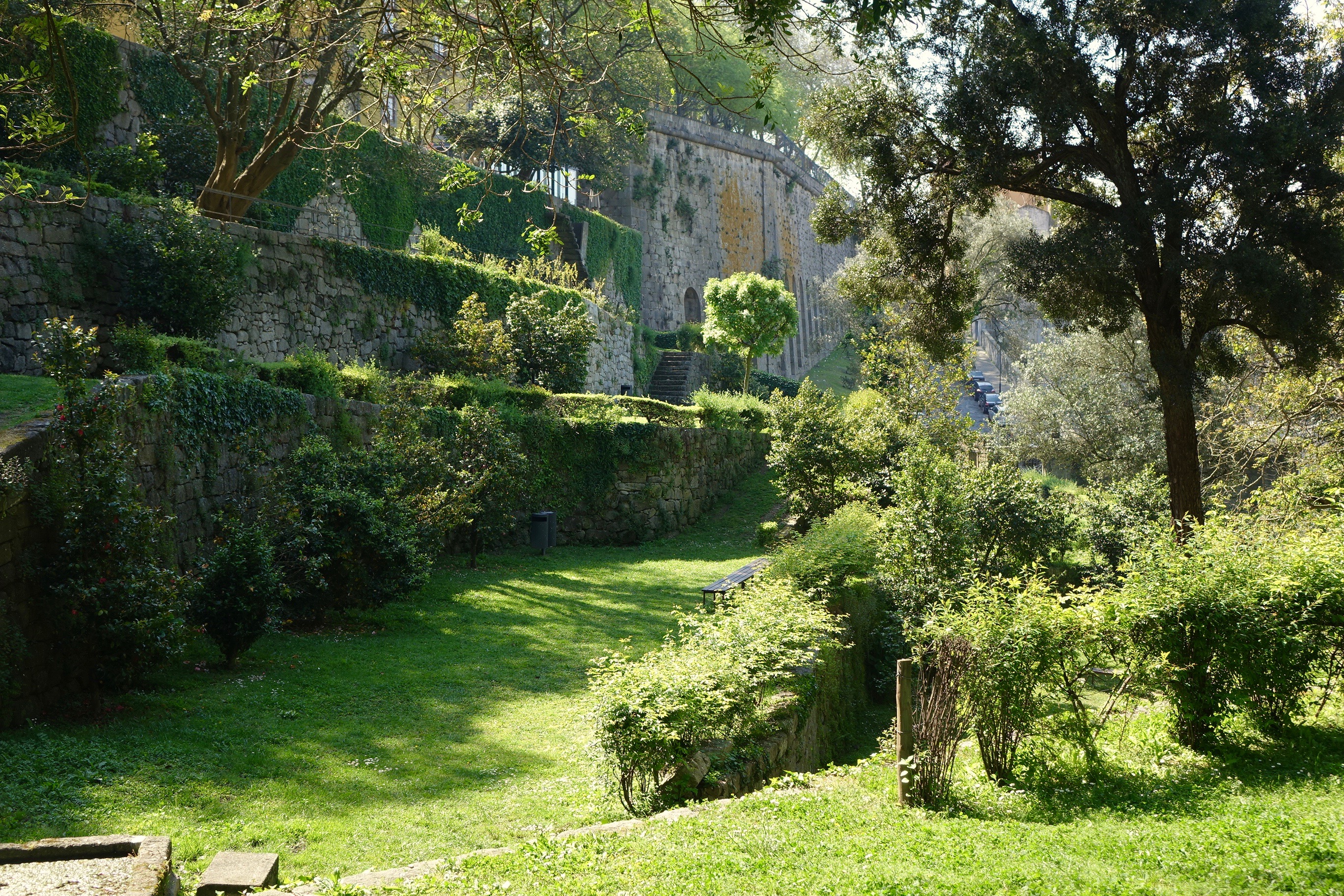
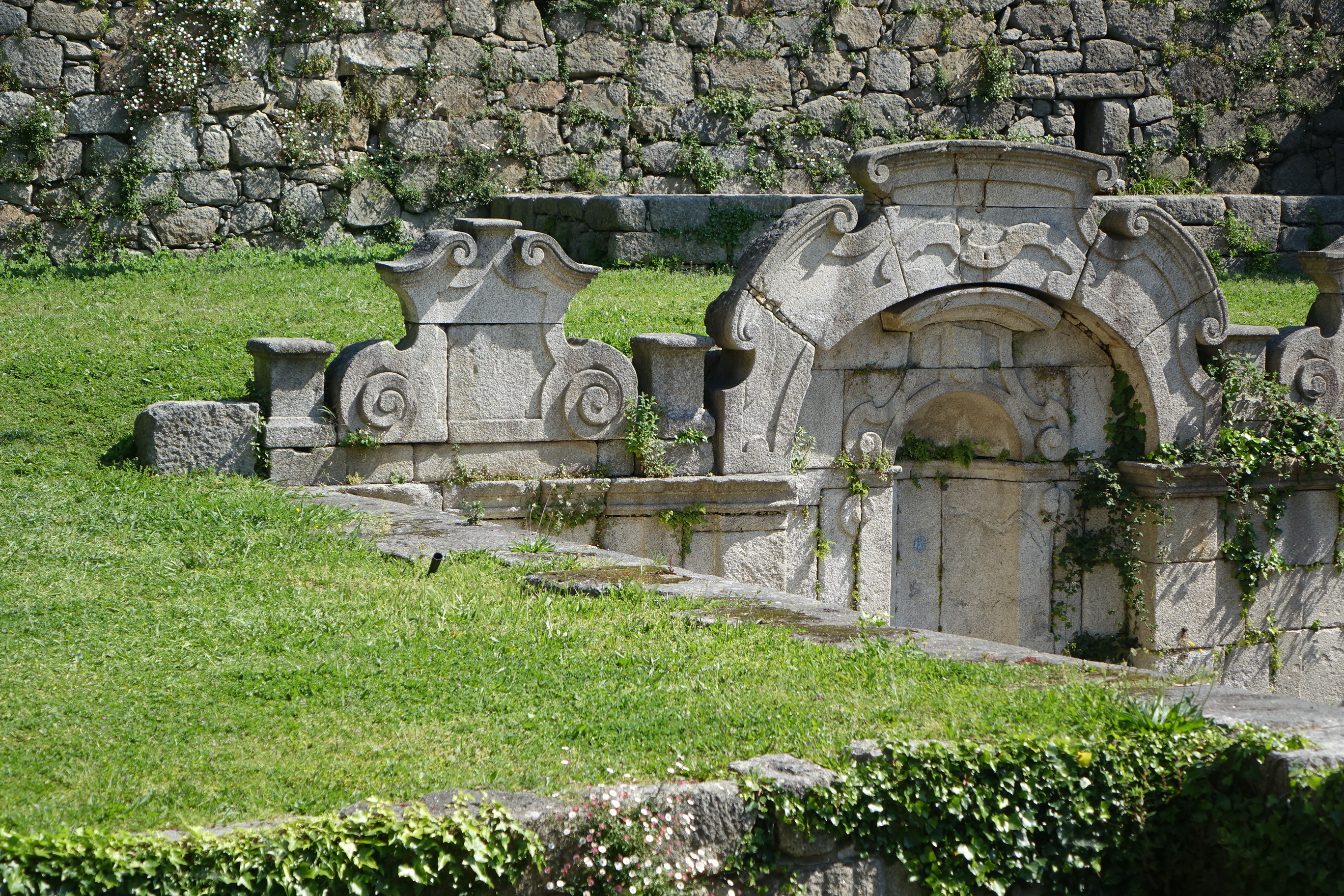
Next up in the garden which satisfies every element of the kind of magical secret garden you long to find in childhood dreams: the Jardim das Virtudes. Literally lining the sloping sides of a masterfully terraced valley, blink and you will miss the discrete entrance to this garden which only starts to come into view when you enter the verdant valley. Once down there, what opens up is a place of spiritual magnitude, with seemingly deserted moss-covered fountains managing only the most meagre trickle into green ponds, while all around, stone walls, topiary and wild flowers give the garden the impression of carefully constructed desertion. And best of all, look between overhanging boughs and around mighty tree trunks and you will be treated to beautiful views over the Duoro river.

Jardim das Virtudes
DSC03573IMG_0136DSC03589DSC03576DSC03588DSC03604DSC03593DSC03578

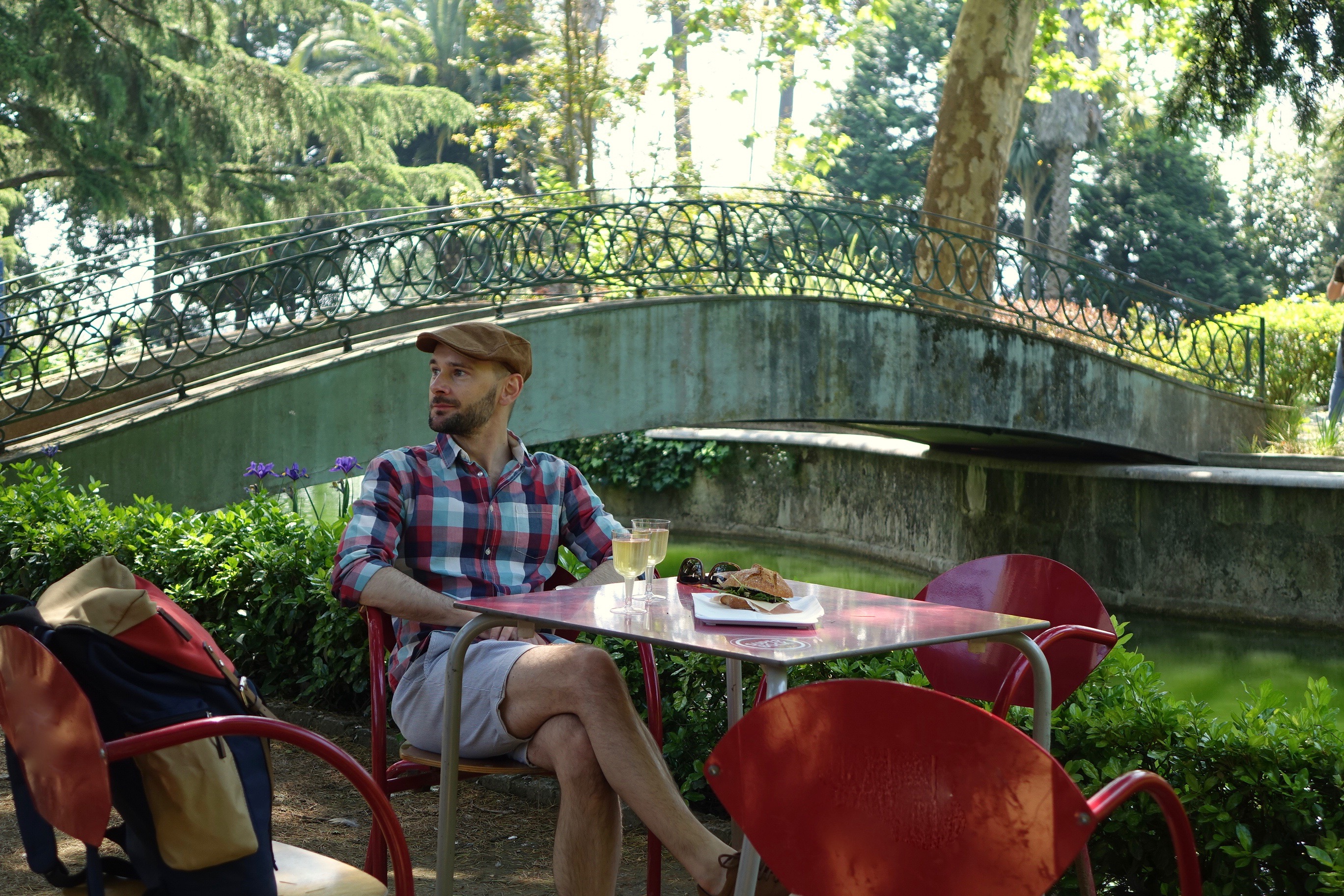
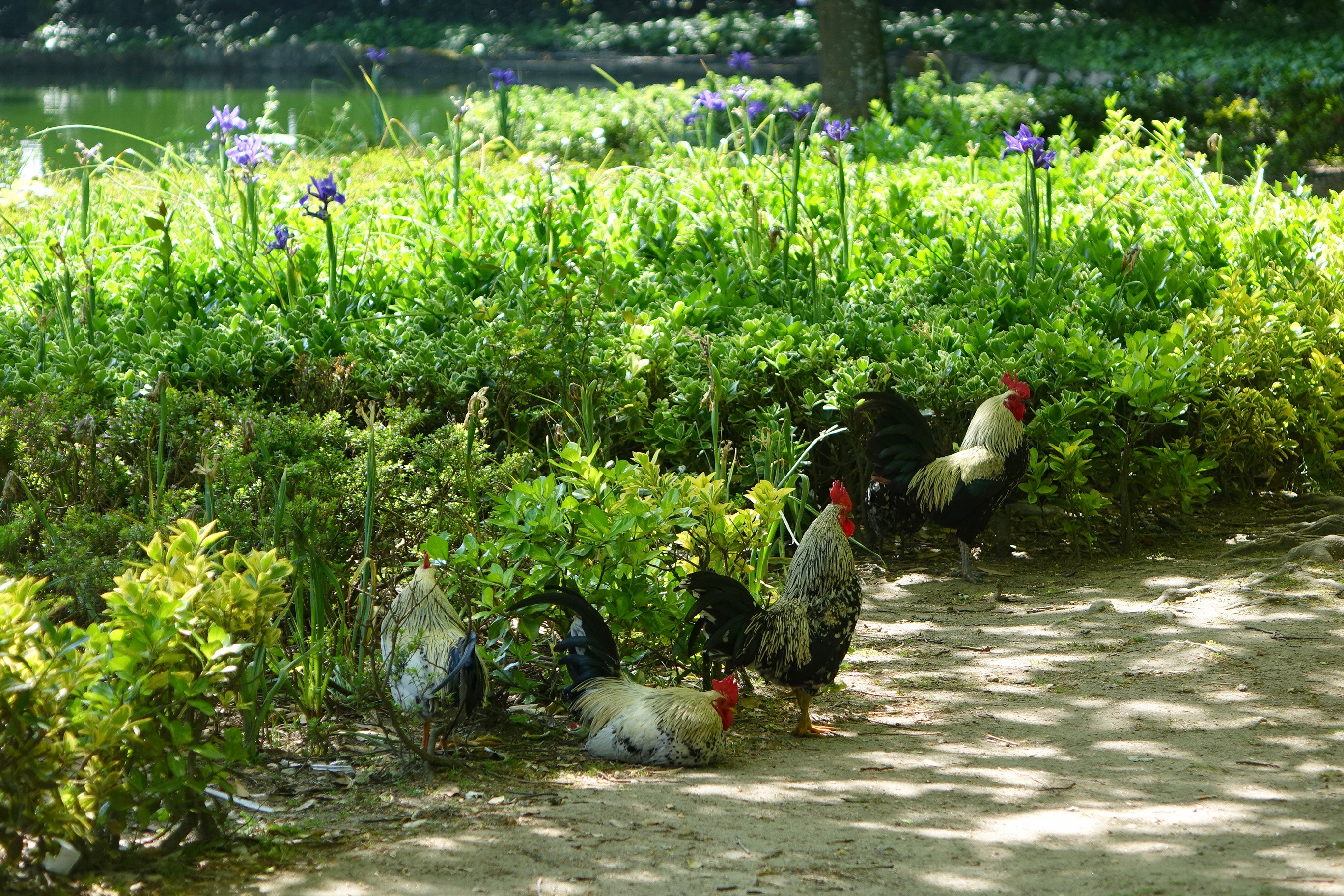
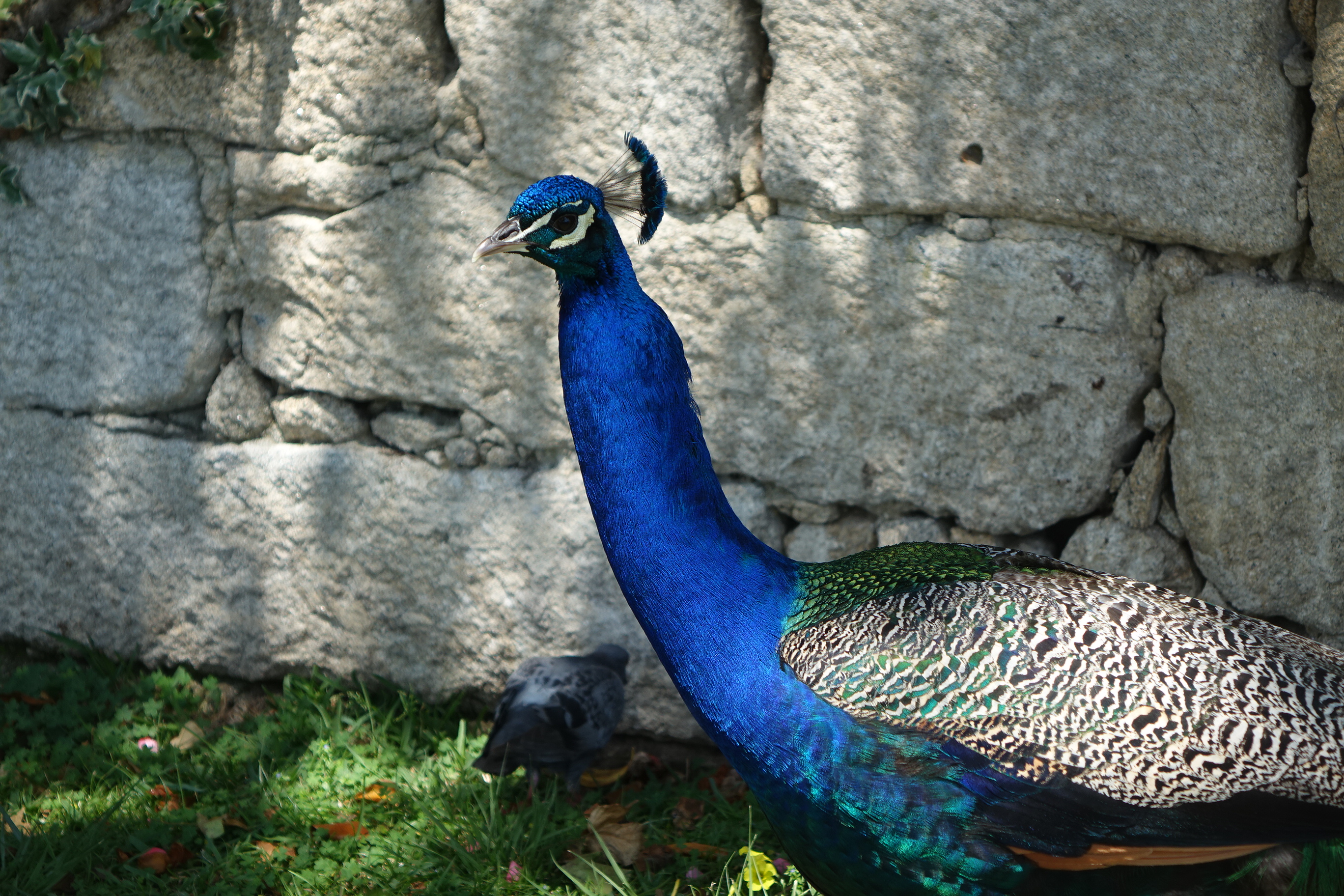
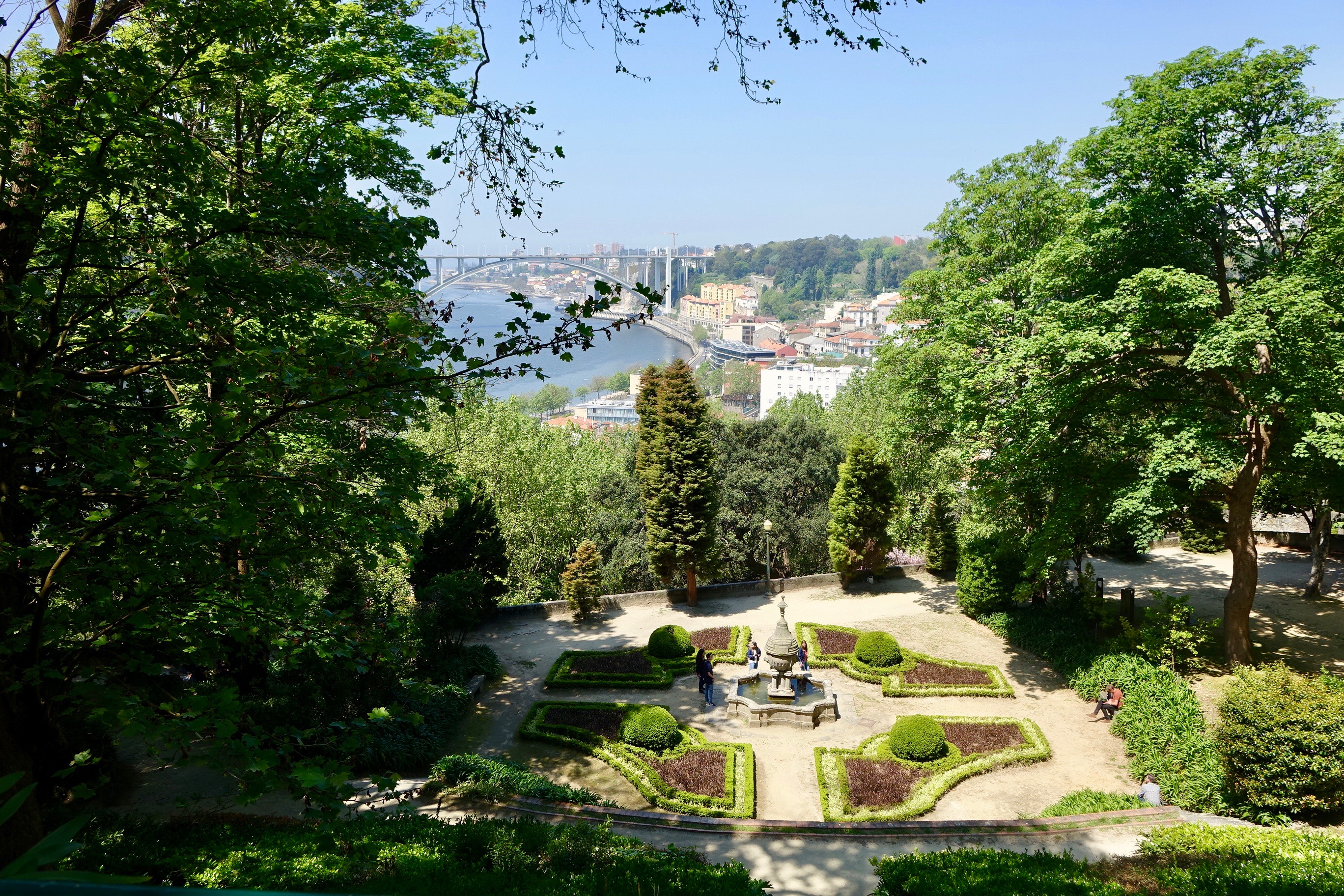
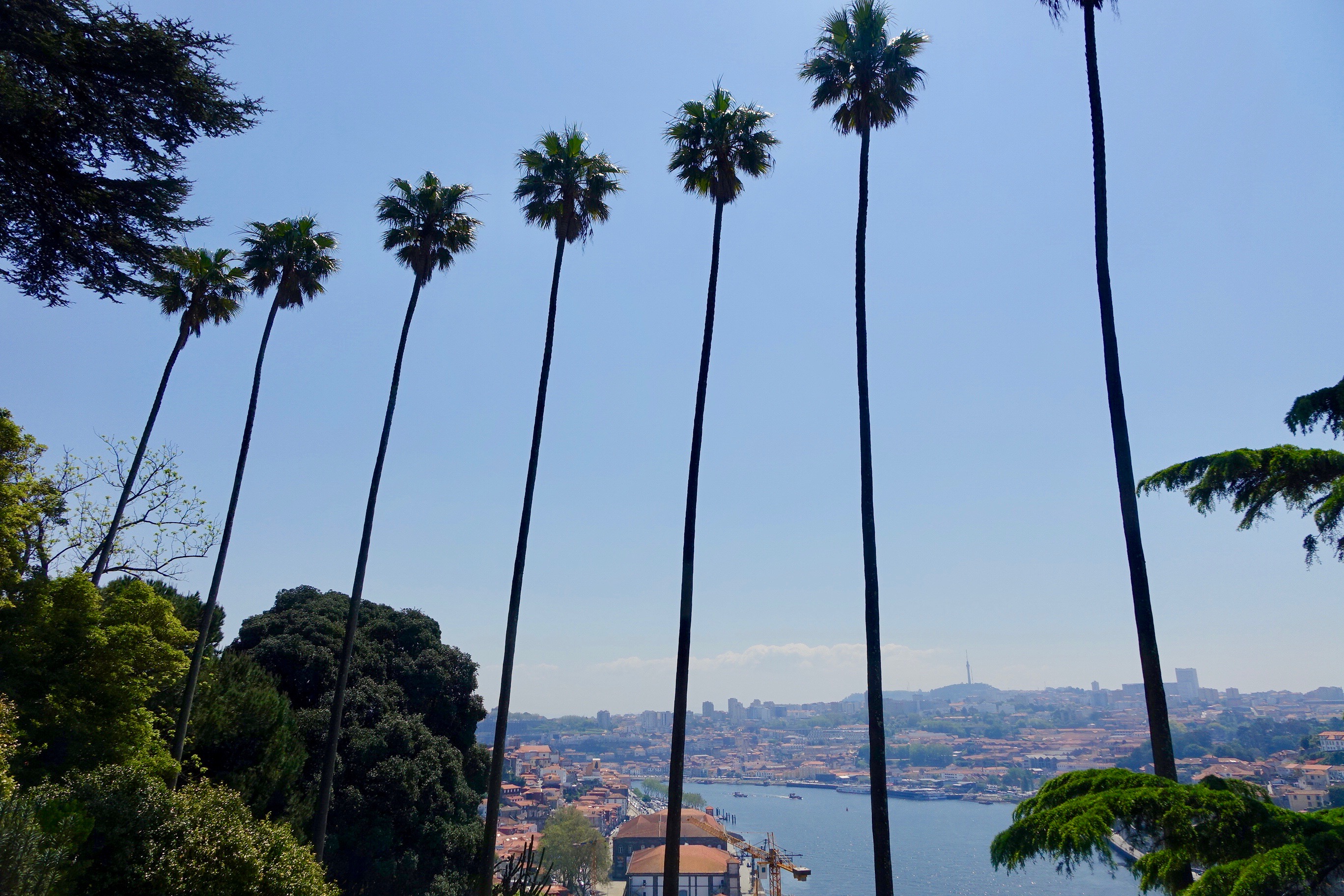
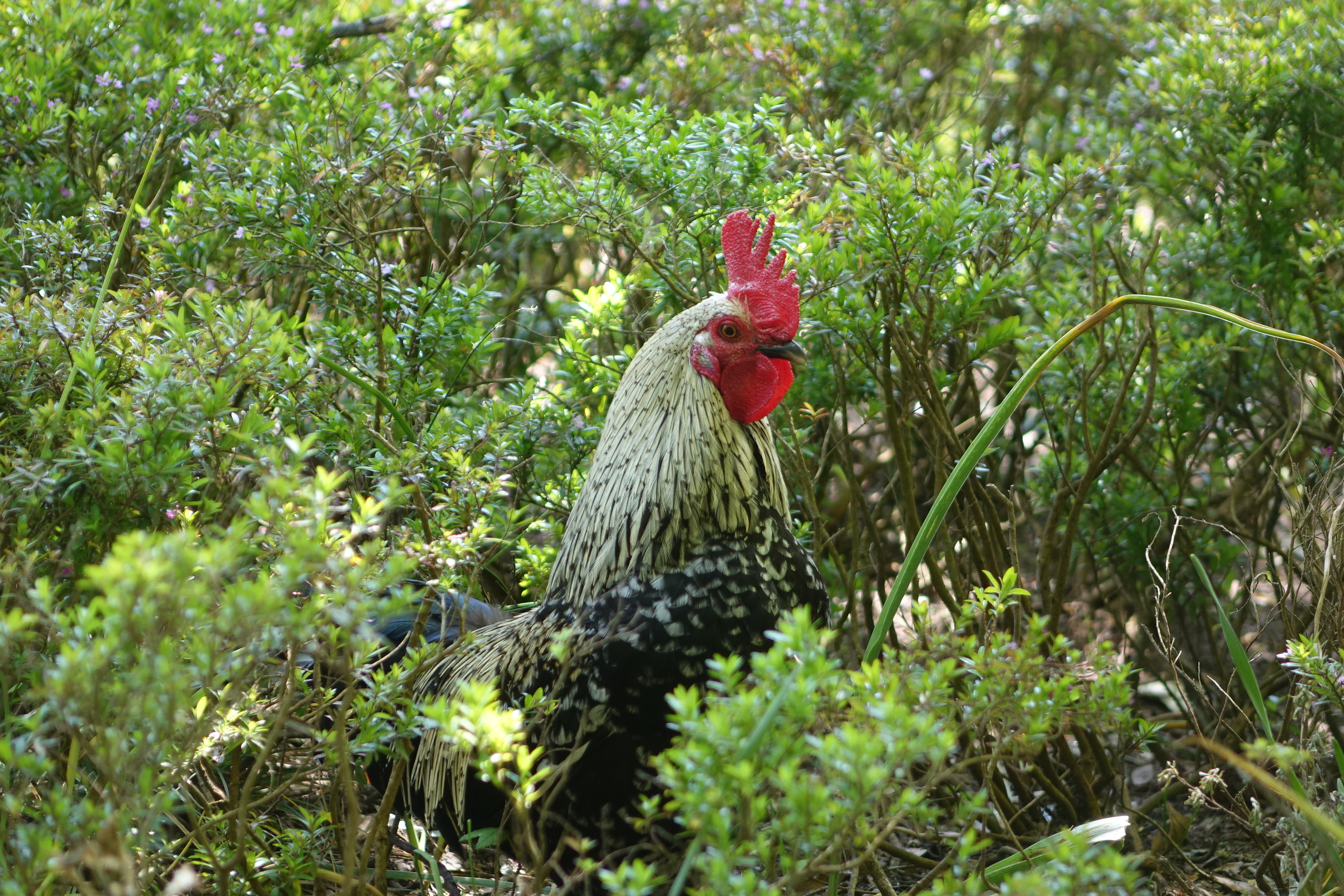
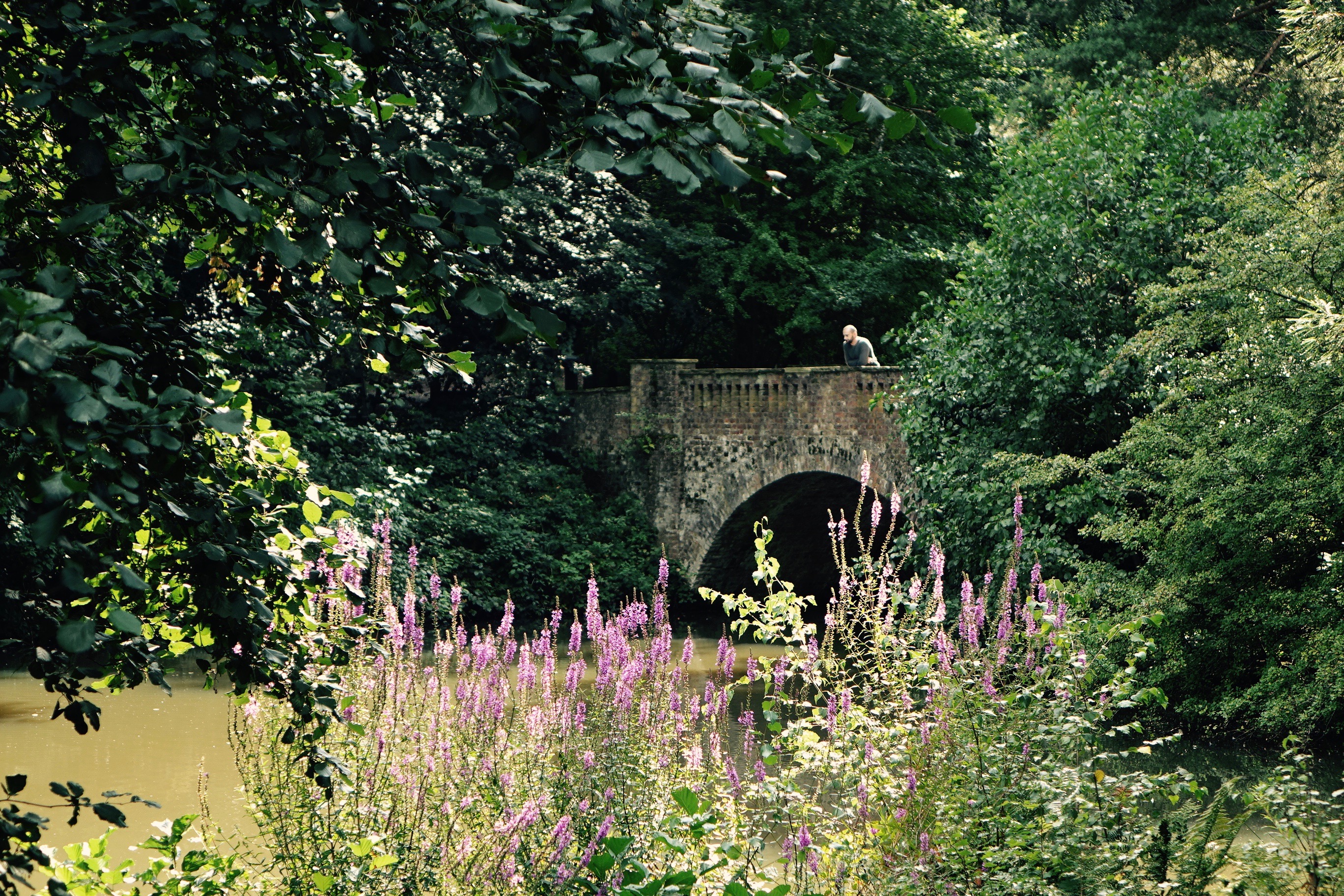
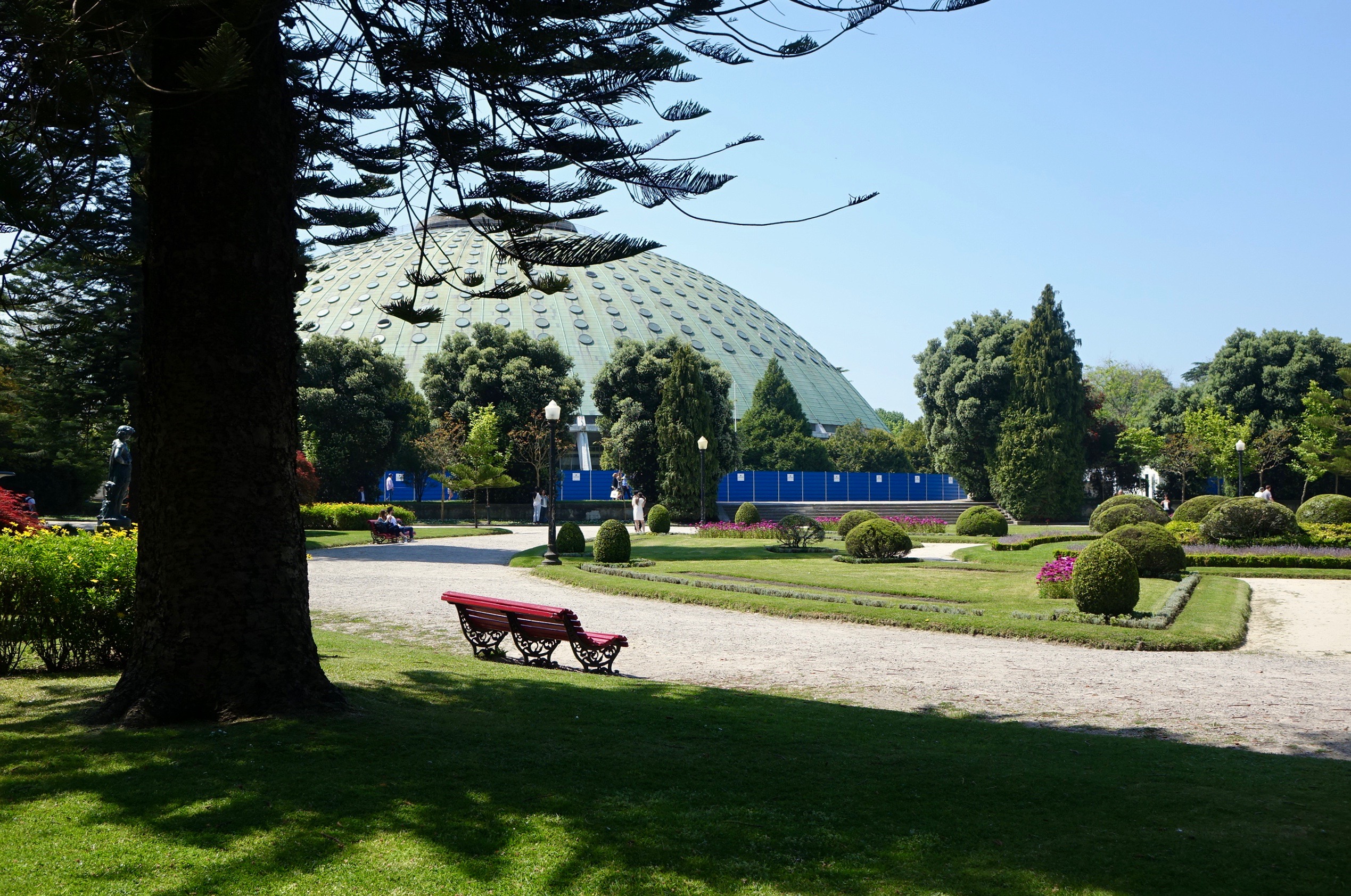
Down the road from the Virtudes gardes is the biggest and perhaps the most impressive garden of them all – the Jardim do Palácio de Cristal. Because here, the visitor with time of their hands (which we sadly lacked) will be treated to not one but a whole handful of differing garden styles and topography, each sharing unbeatable views over Porto’s rooftops and the breathtaking Duoro as it widens on its way down to the sea. In these gardens, asides from a peculiar flying saucer-style construction at its centre, you will see nature at its manicured best, with knot gardens and tropical palms swaying in the breeze, a cafe next to a Monet style waterlily pond and bridge, and roaming free, peacocks and cockerels who defy any form of control on the extravagance of their coats of many colours.

Jardim do Palácio de Cristal
DSC03616DSC03620DSC03636DSC03656DSC03626DSC03668DSC03670DSC03651DSC03654DSC03644DSC03660DSC03632

My final tip would be to leave yourself time to explore these gardens and sink stupendously within their atmosphere of mesmerising stupor. It’s the only way to really experience a garden at its best, leaving thoughts of city life and travel far, far behind.

© Nicholas de Lacy-Brown and The Daily Norm, 2018. Unauthorised use and/or duplication of the material, whether written work, photography or artwork, included within The Daily Norm without express and written permission from The Daily Norm’s author and/or owner is strictly prohibited.

Compendium // Porto > Port tasting in the Vila Nova de Gaia

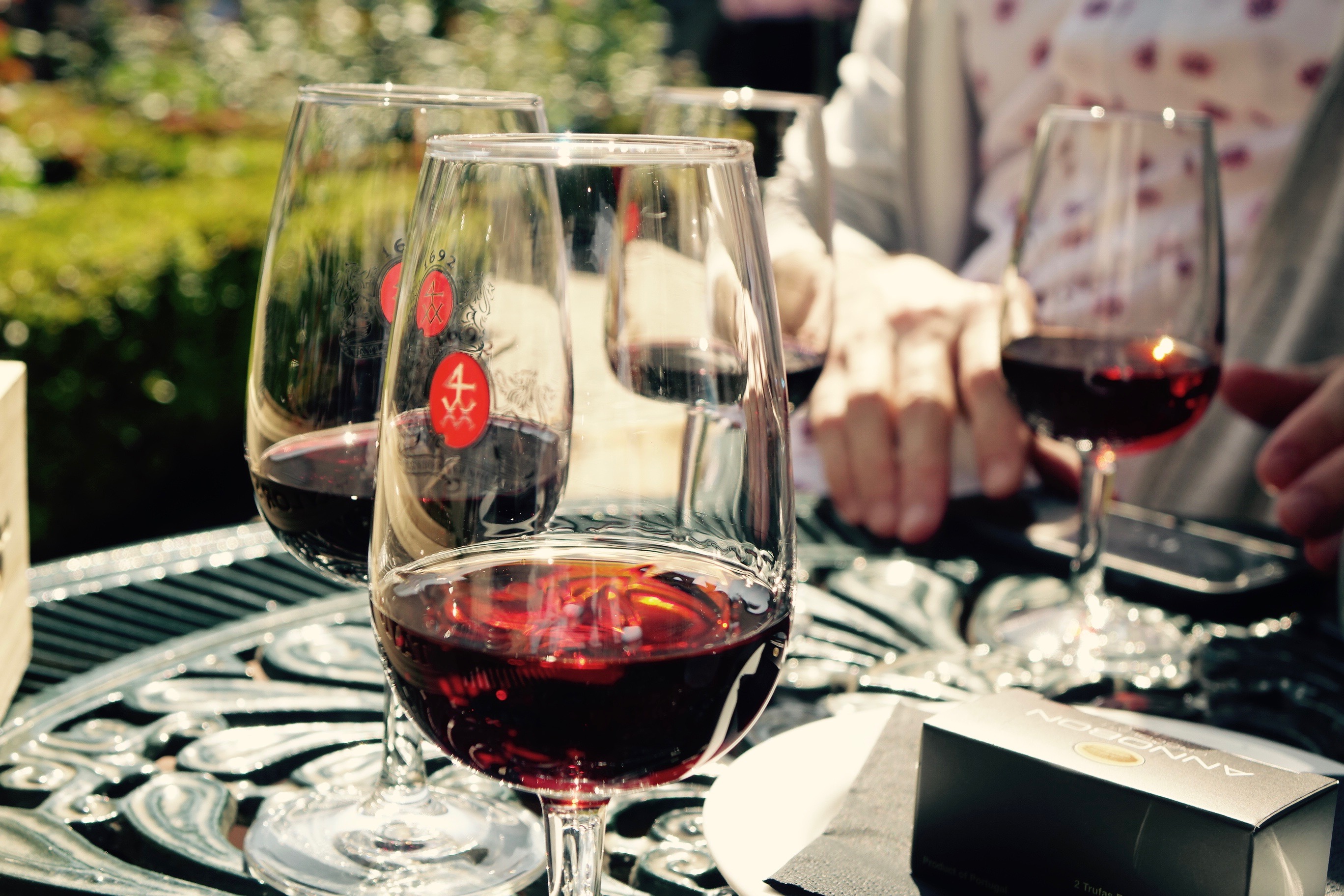
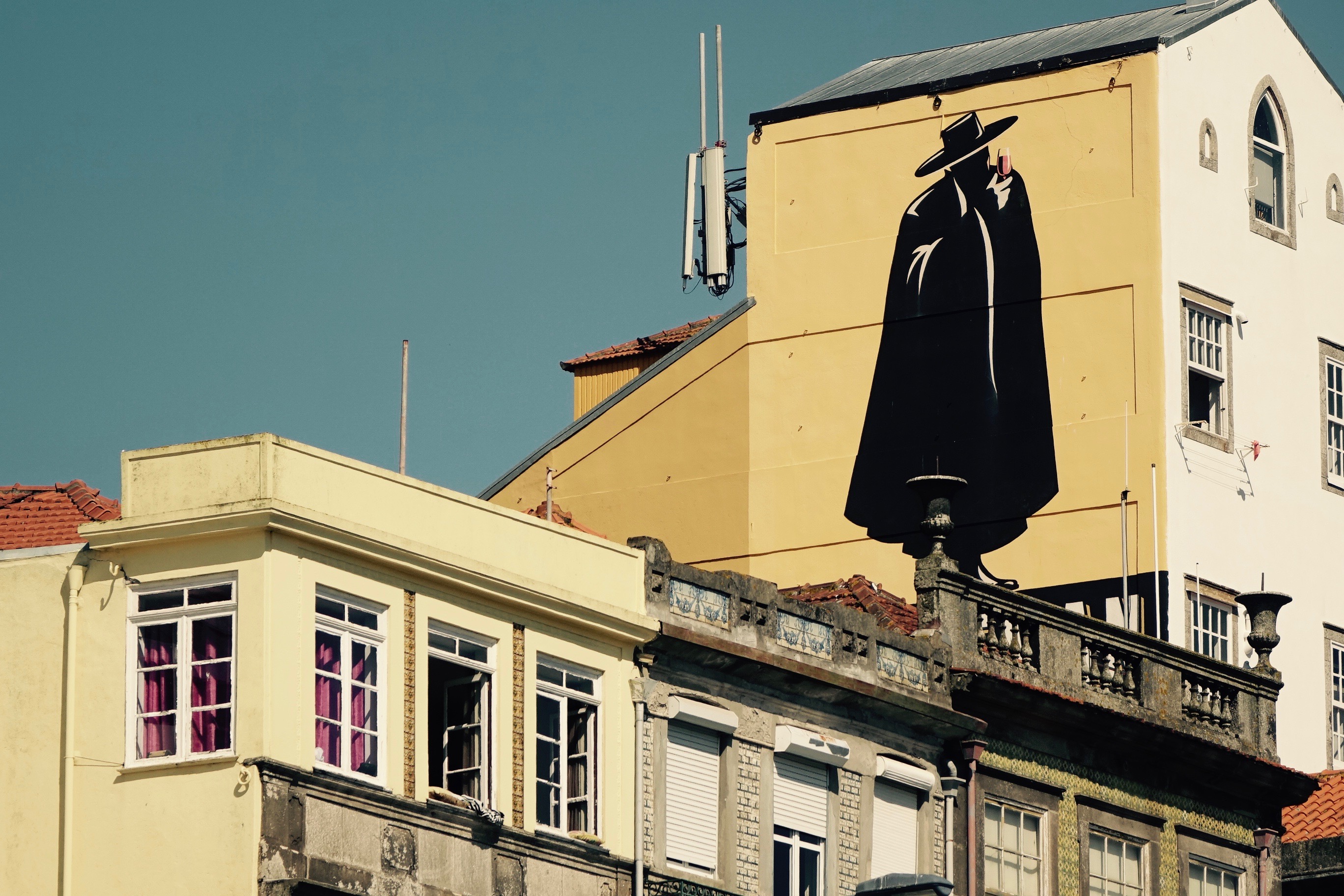
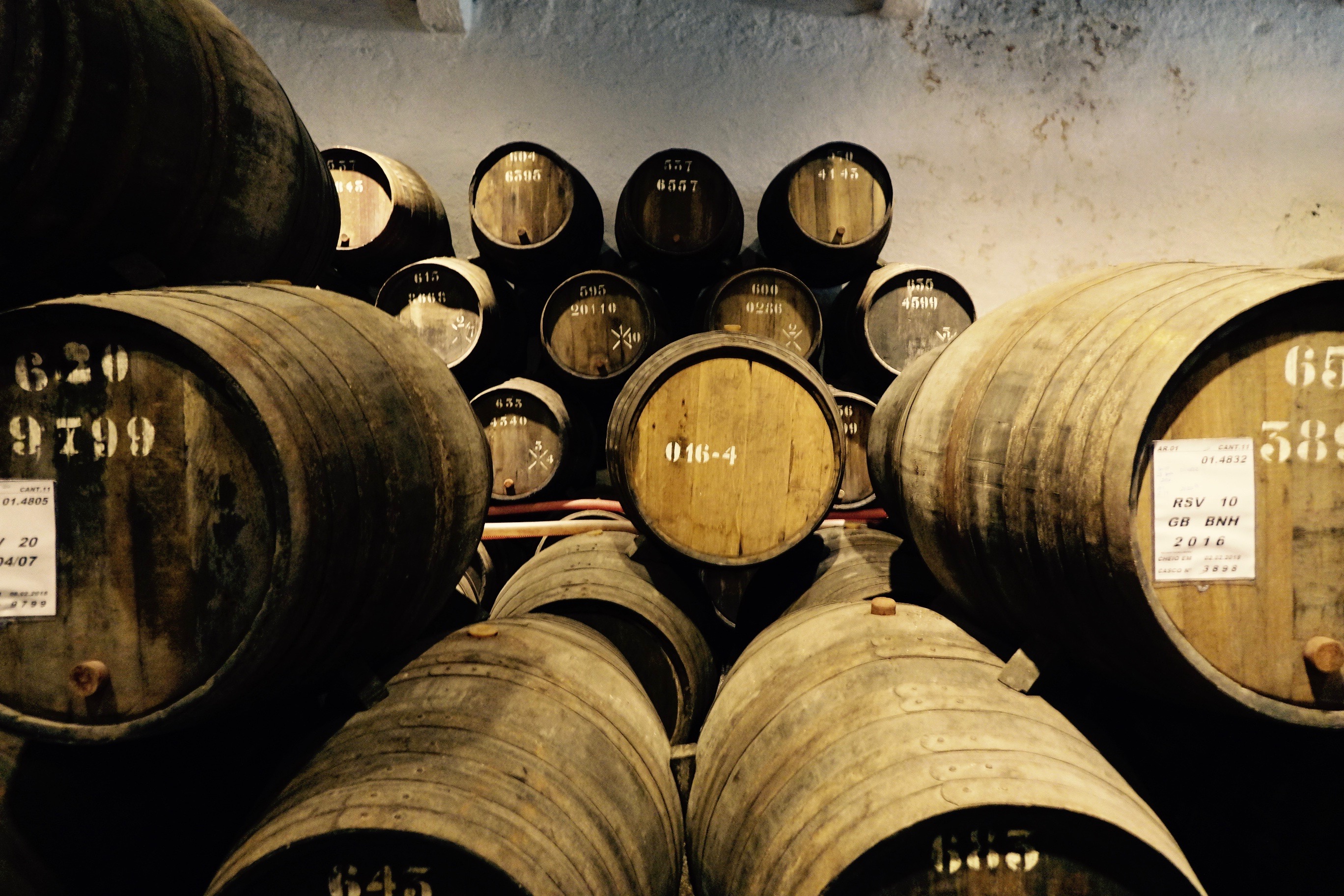
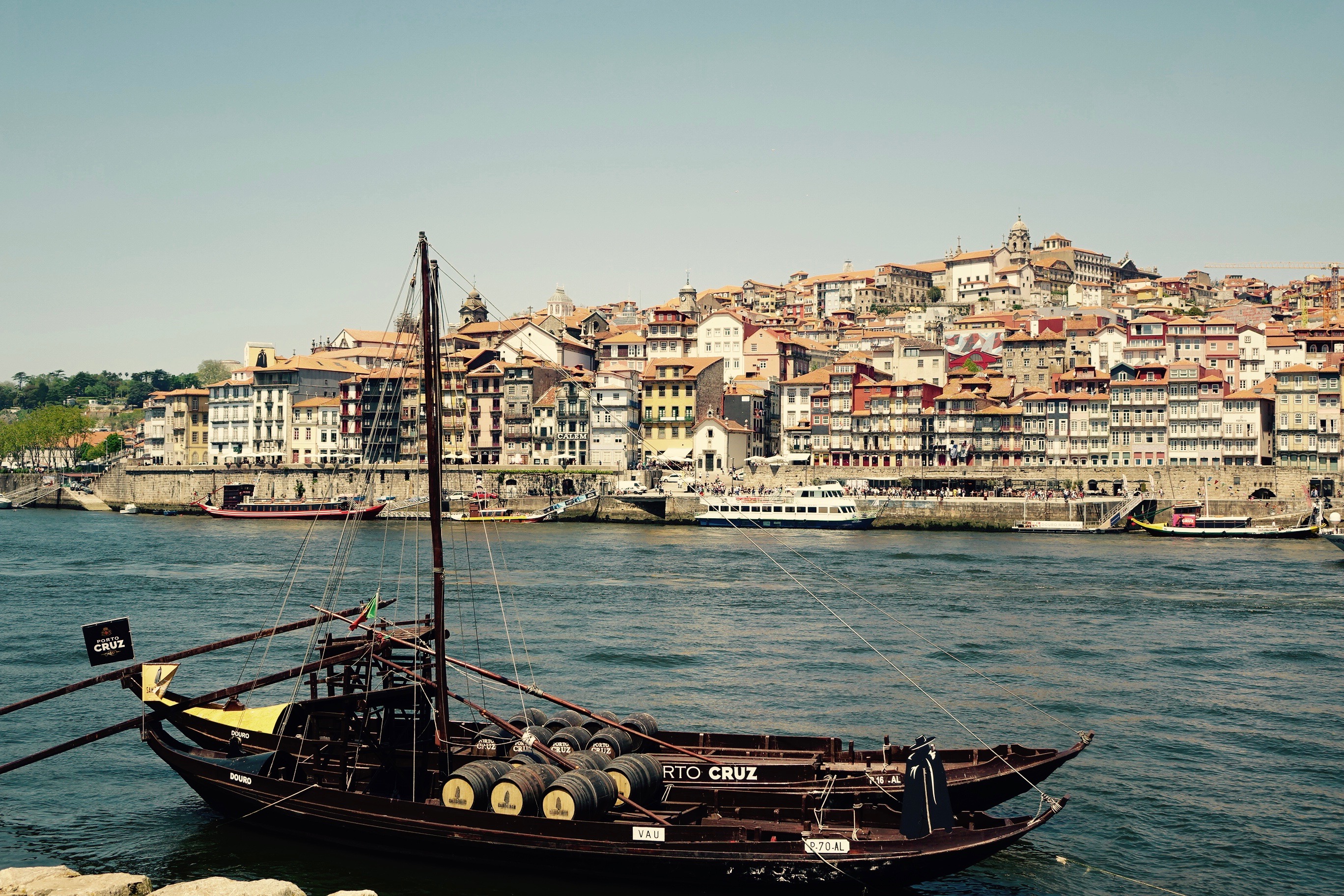
It is a truth universally acknowledged that you cannot go to Porto without tasting the port. It would be like going to York without a trip to Betty’s, or indeed to Champagne without a glass of the bubbly stuff. So having crossed the Duoro river over the mighty Dom Luís Bridge, you will find yourself ideally located to wet your taste buds with the sweet and delectable nectar which has maybe made Porto the favourite haunt of the Olympian gods. For in the Vila Nova de Gaia, the quaint riverside zone bang opposite Porto’s Ribeira, you will find the air filled with the subtle perfume of oak barrels soaked with wine, as you wander past the headquarters of practically every of the most important Port manufacturers in the world.

DSC03430image1DSC03355DSC03323IMG_0085DSC02785DSC03376

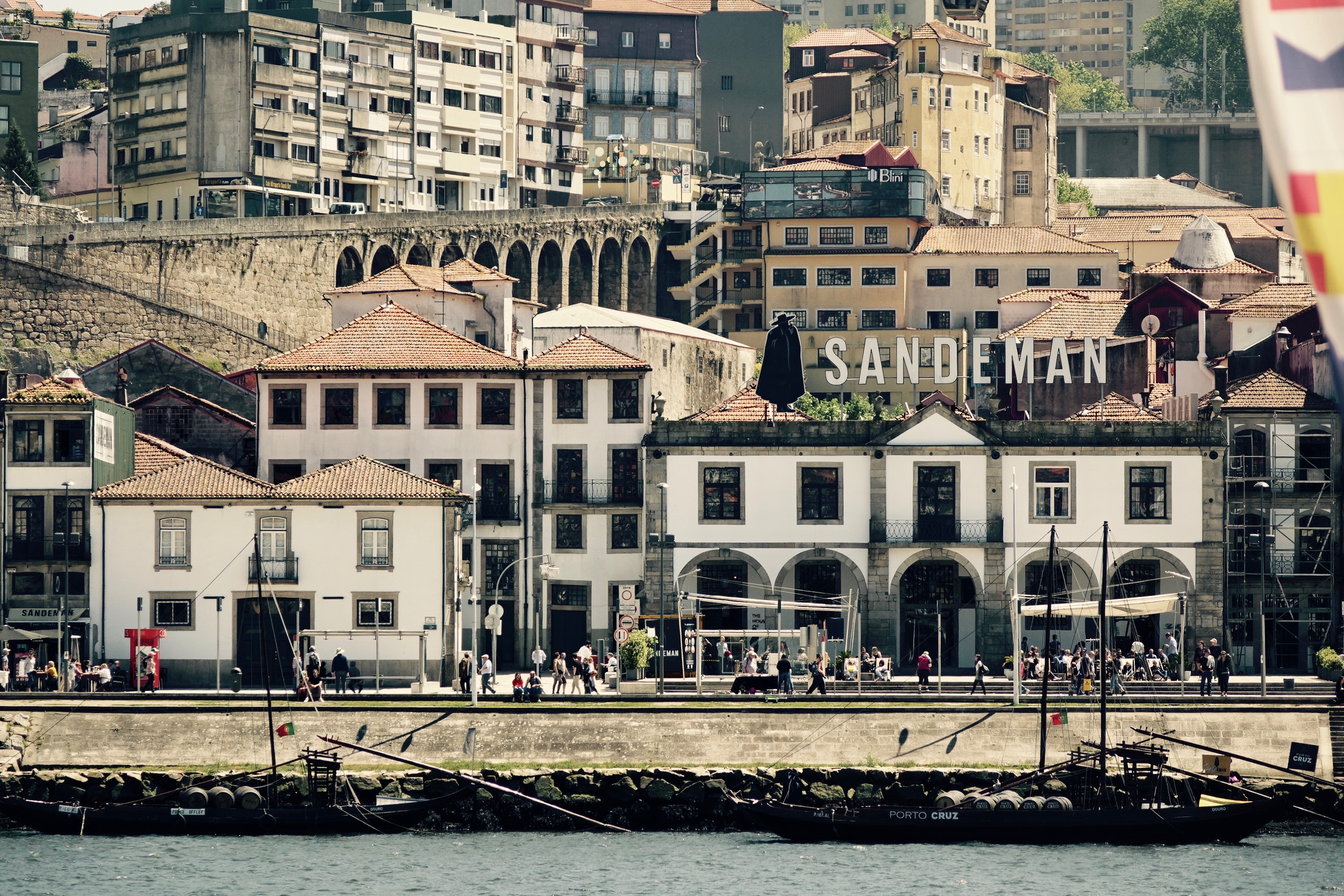
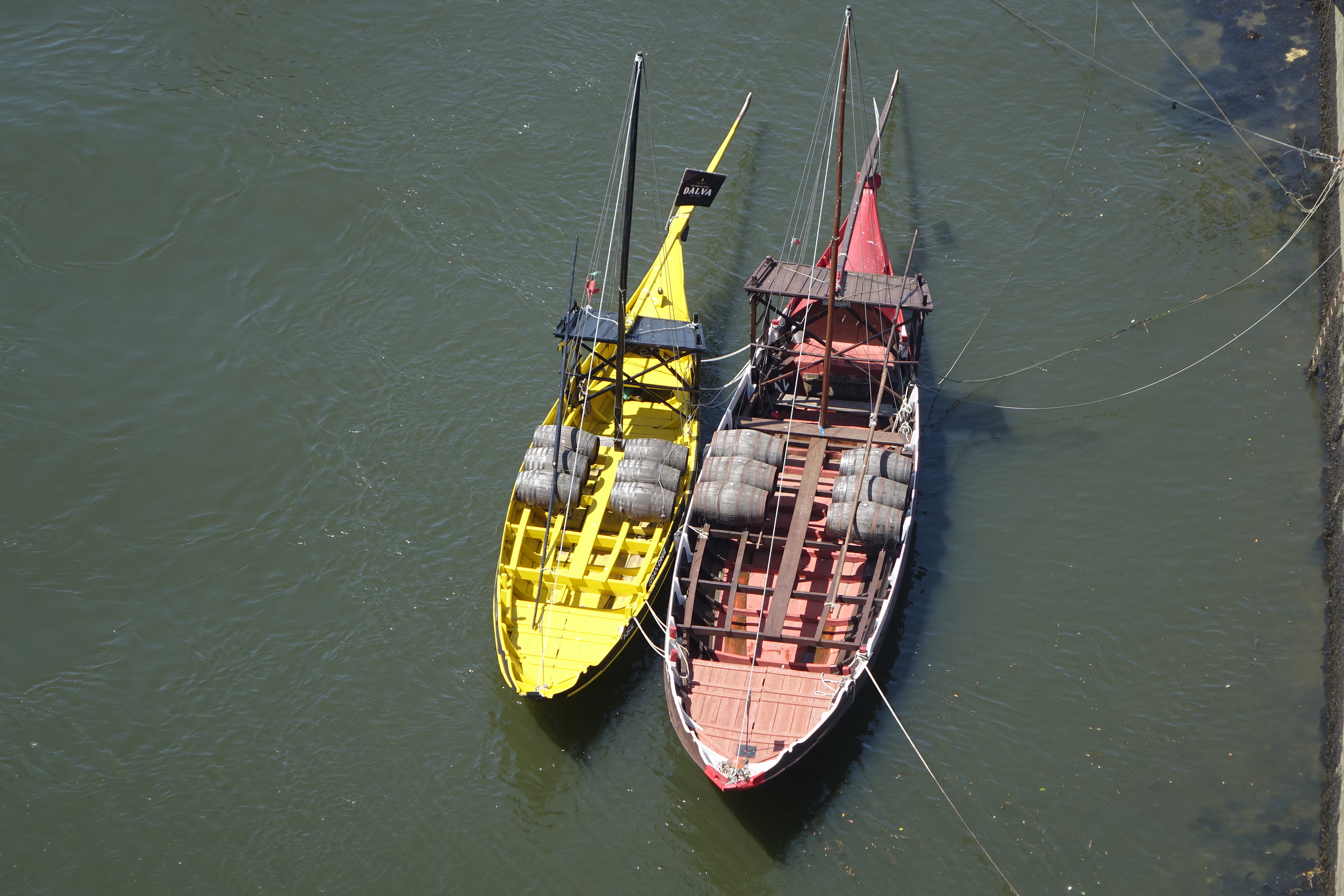
Walking away from the bustling quayside, where boats carrying barrels of port from the vineyards up the Duoro valley can still be seen (probably more for show, but still…), you will find yourself in narrow little streets filled with port showrooms and cellars. Look up, and the large illuminated lettering of each port house exhibits the most famous names in port: Graham’s, Ramos Pinto, Fonseca, Porto Cruz… they’re all there for the tasting. But being mildly patriotic, we decided to head to one of the most famous British-founded brands, and one which today still wears the seal of approval of the British royals: Taylor’s.

IMG_0086DSC03386IMG_0057DSC03364DSC03391DSC03374DSC03419

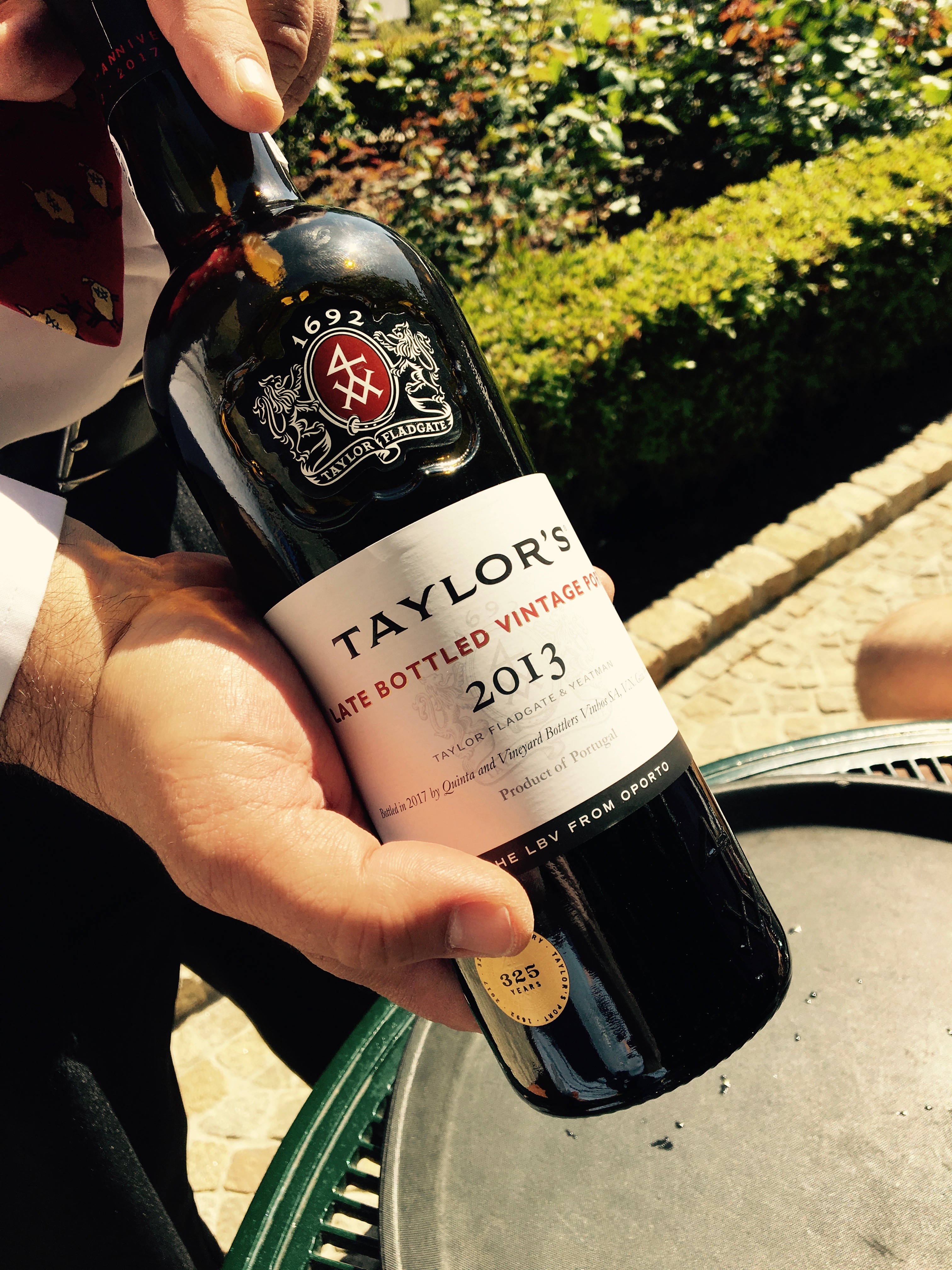
Walking into Taylor’s was bit like visiting a colonial embassy. It felt very British, very sophisticated, but with all the hallmarks of a much hotter climate: plush gardens, a vine dappled courtyard with a tricking fountain, all traversed by peacocks walking haughtily around their dominion. Inside we were given a very handy self-toured audio guide which led us through a vast vault filled on all sides with barrel upon barrel of the famous fortified wine, and the heady scent of fermenting grapes. Past the barrels, a state of the art exhibition taught us more about port than we can ever have wished to know: I can now tell you the difference between a tawny and a late bottled vintage; why tawny’s are honey coloured and standard port red, and the traditions which accompany the human-trod grape harvesting process.

DSC03335DSC03388DSC02855IMG_0177DSC03429DSC03422DSC03412

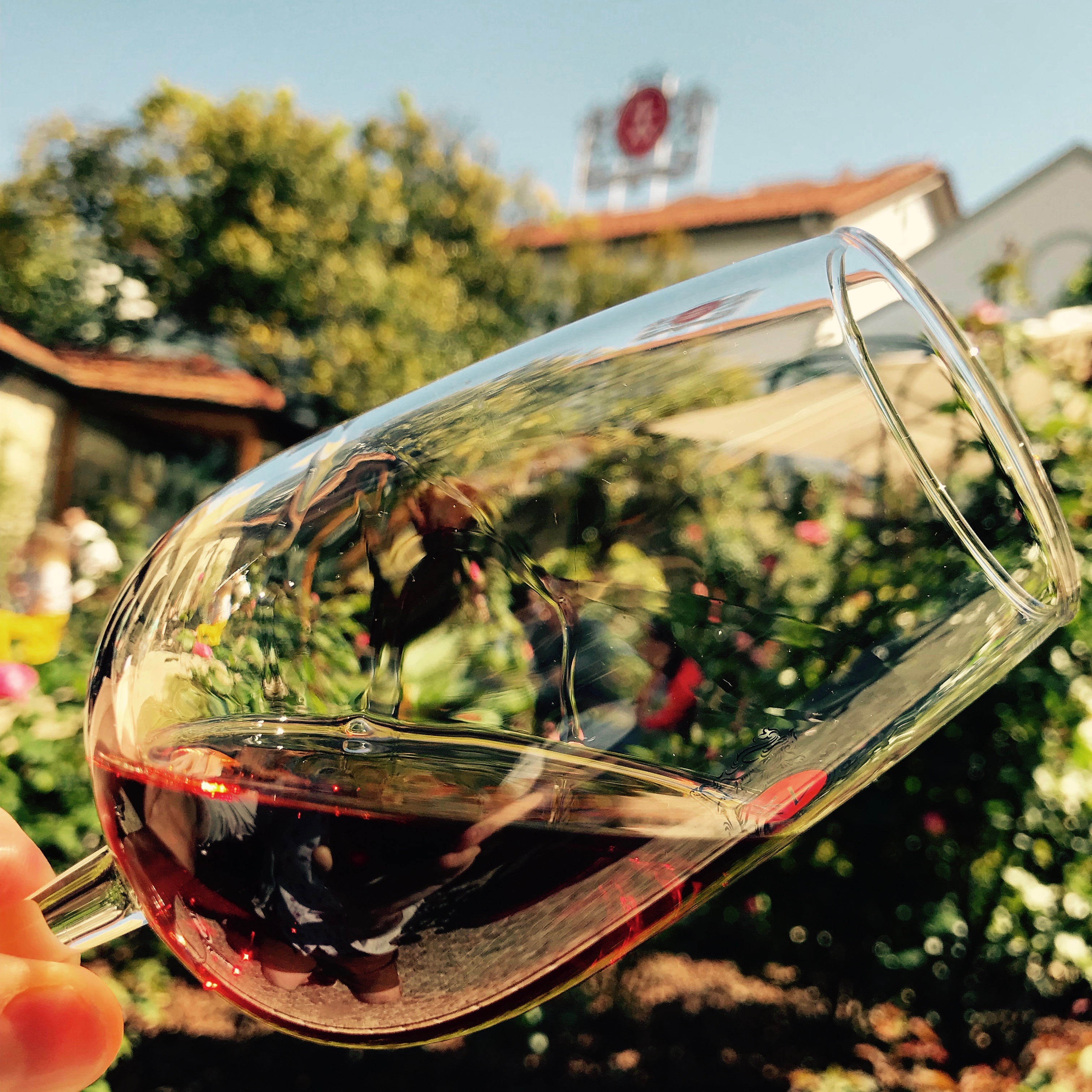
All more interesting than it sounds, although the real treat came at the tasting, enjoyed in the heavenly surroundings of a perfectly tamed box-hedged garden alive with the scent of roses and accompanied by the solemn call of those same majestic peacocks. Served with chocolate truffles picked to perfectly balance the rich syrupy nectar served to use by a manicured waiter, we could quite easily have closed our eyes and followed those gods back to Olympus. Naturally we could not leave without buying a bottle of our favourite: the 20 year old tawny. And whenever it is opened the heady scent will remind me of that moment in Porto’s winey paradise – a treat not to be missed. 

© Nicholas de Lacy-Brown and The Daily Norm, 2018. Unauthorised use and/or duplication of the material, whether written work, photography or artwork, included within The Daily Norm without express and written permission from The Daily Norm’s author and/or owner is strictly prohibited.
Compendium // Porto > Traversing the Duoro

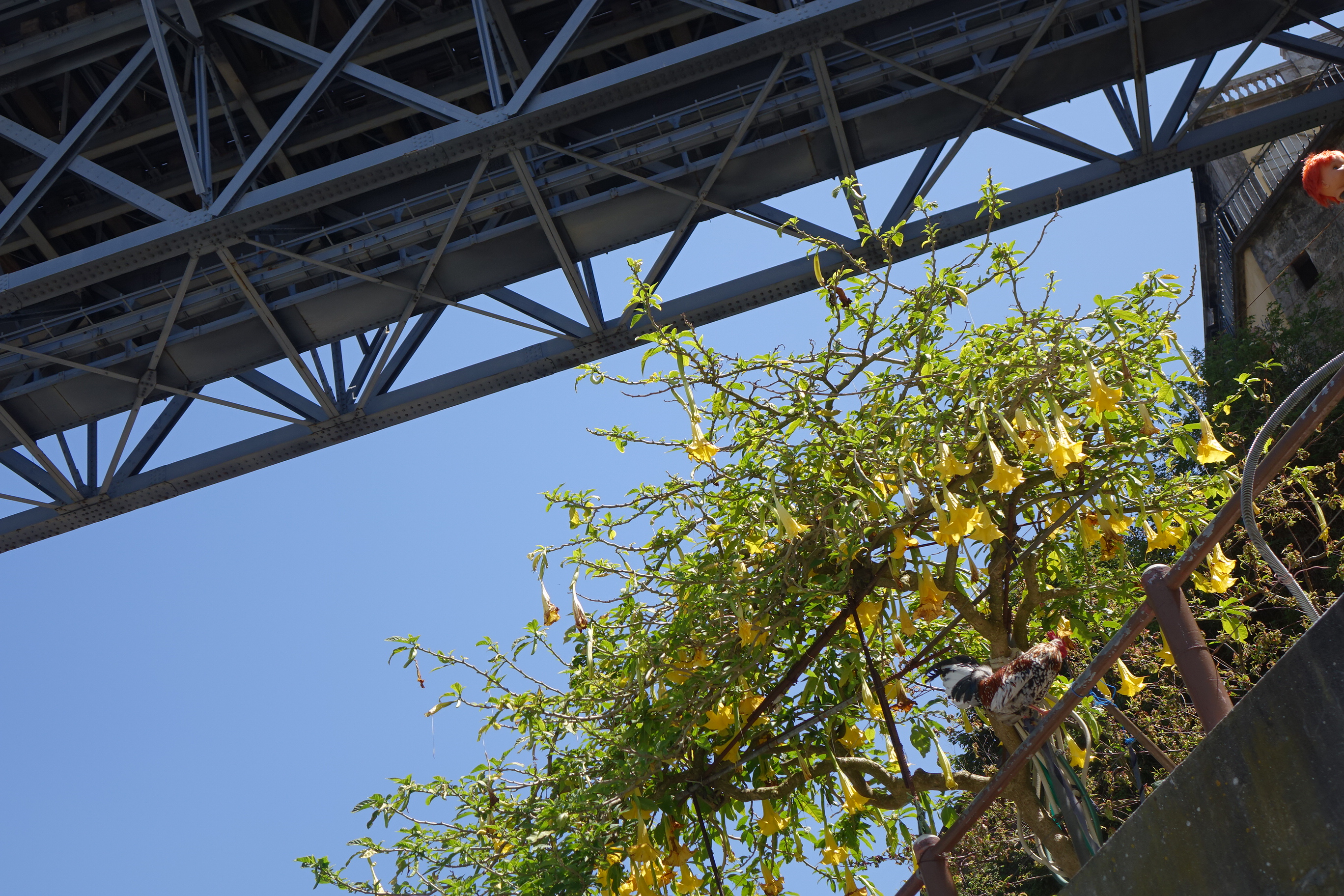
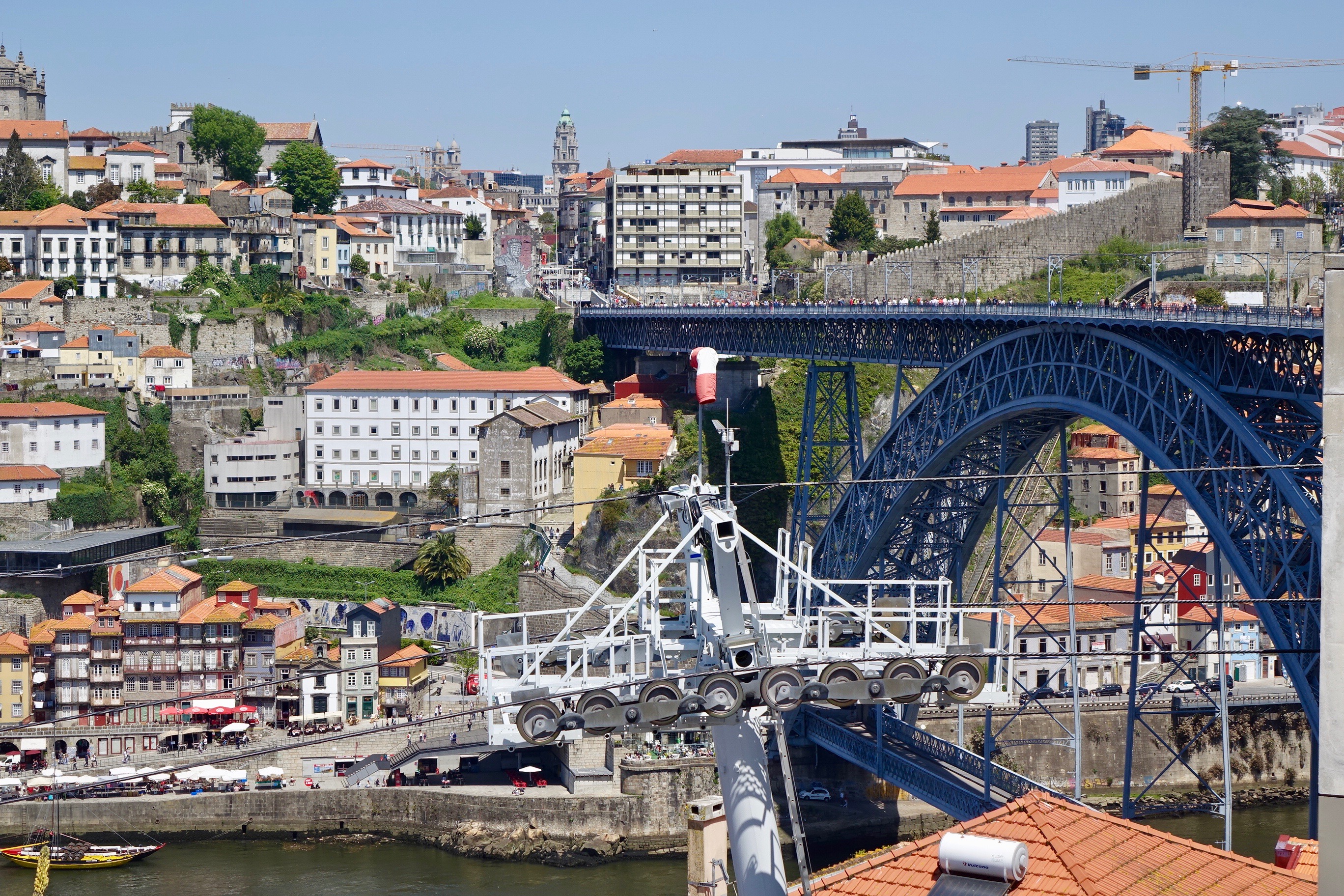
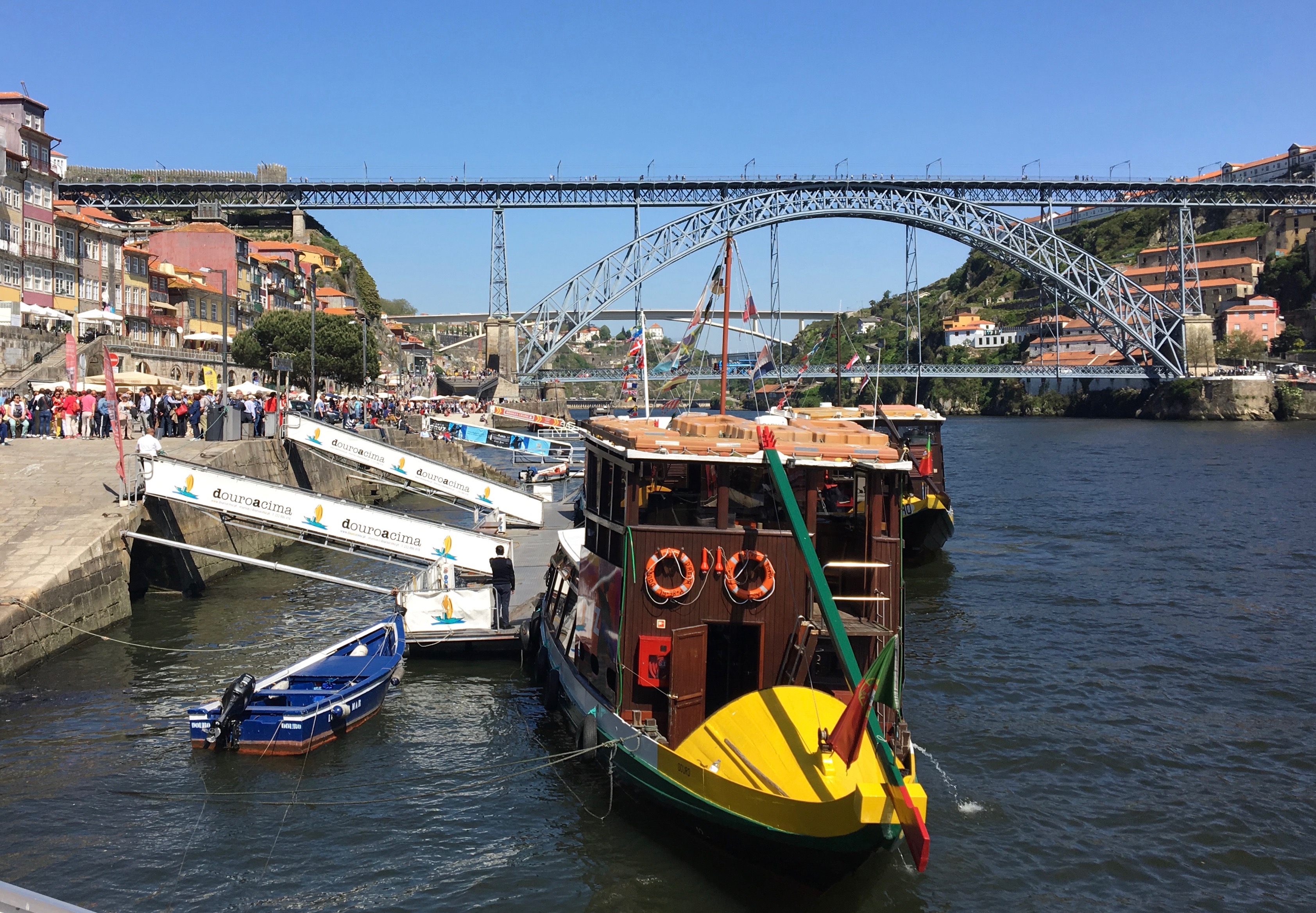
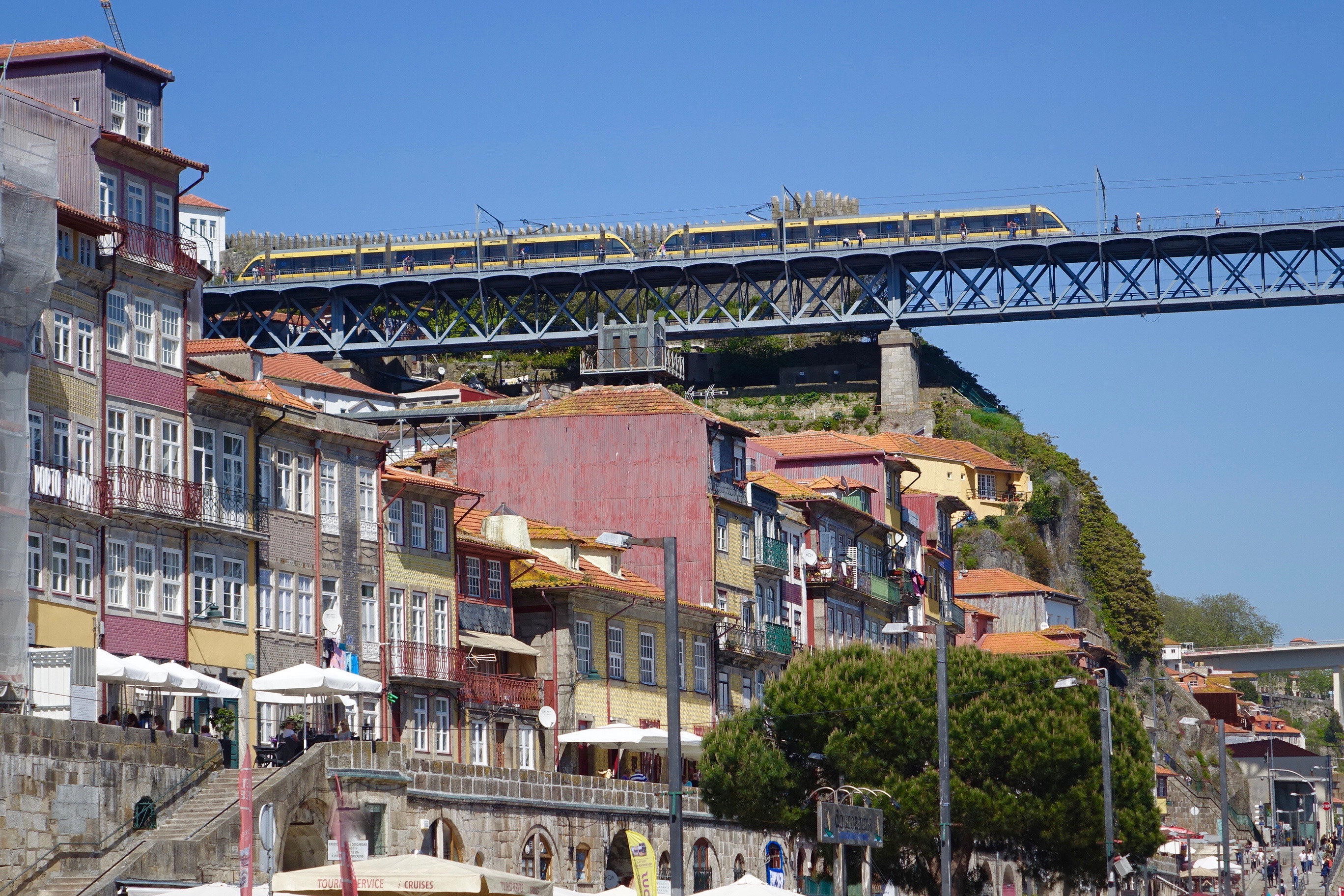
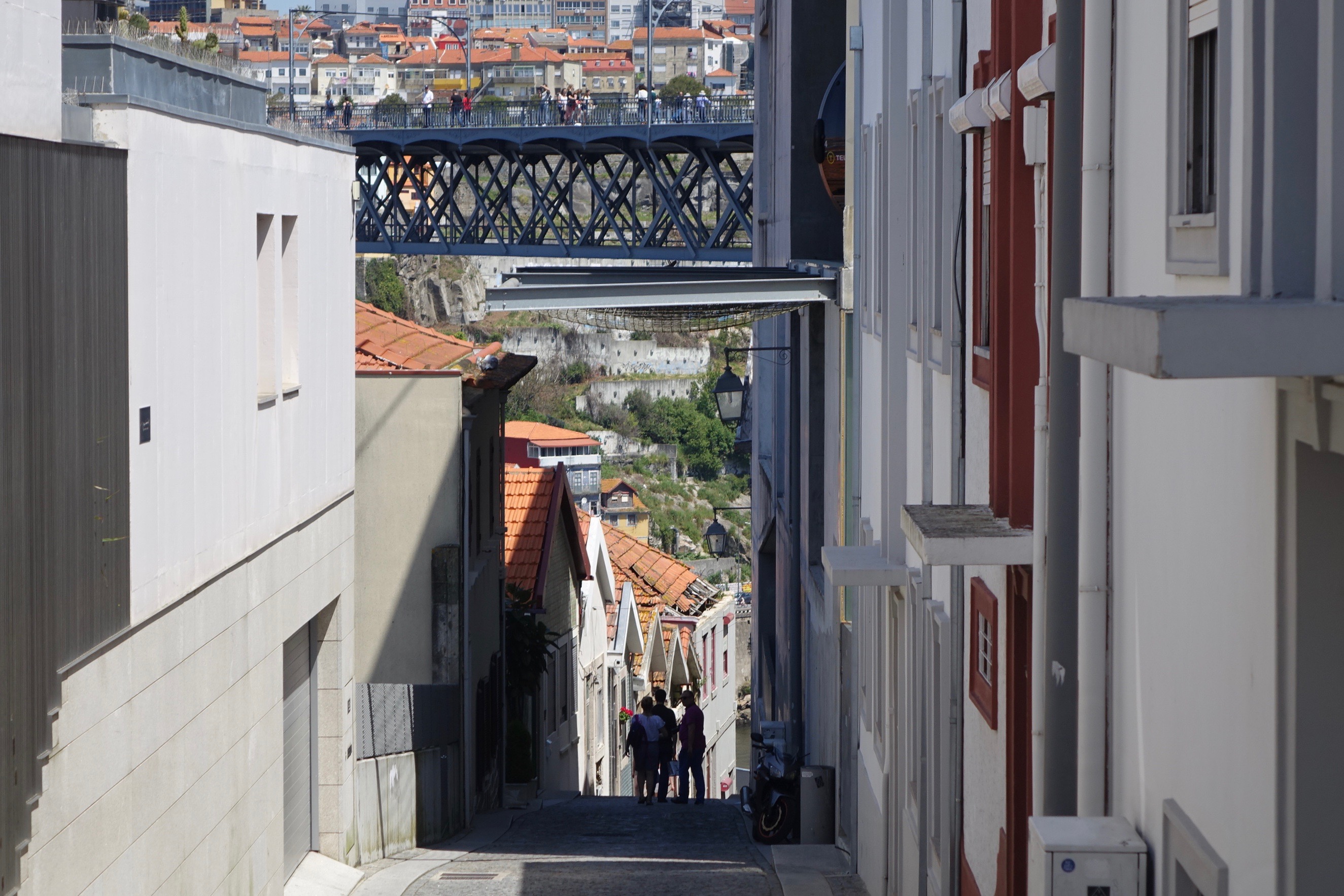
While it may have to beat off competition from ample bottles of port, a rolling city geography and ceramic tiled houses, the Ponte Dom Luís I, aka the Bridge of Luis I, is the undisputed icon of the city of Porto. Extending across the Duoro river with a mighty 172 metre span and a boasting a double decker construction allowing trains to rumble across the top and cars to take the lower road (pedestrians can enjoy both routes), Porto’s bridge is the ultimate way to cross the river which otherwise splits the city in two.

While many assume that the 1886 iron construction was the work of the legendary Gustave Eiffel, it was in fact the design of one of Eiffel’s chief disciples, Théophile Seyrig, Eiffel’s single-story idea having been previously rejected owing to the rapidly expanding city demographic. At the time, it was the widest bridge ever to have been constructed. Today, it may have lost that epithet, but it remains one of the most recognisable bridges in Europe.

DSC03267DSC03280DSC03257DSC03325DSC03273DSC03254DSC03249DSC02793

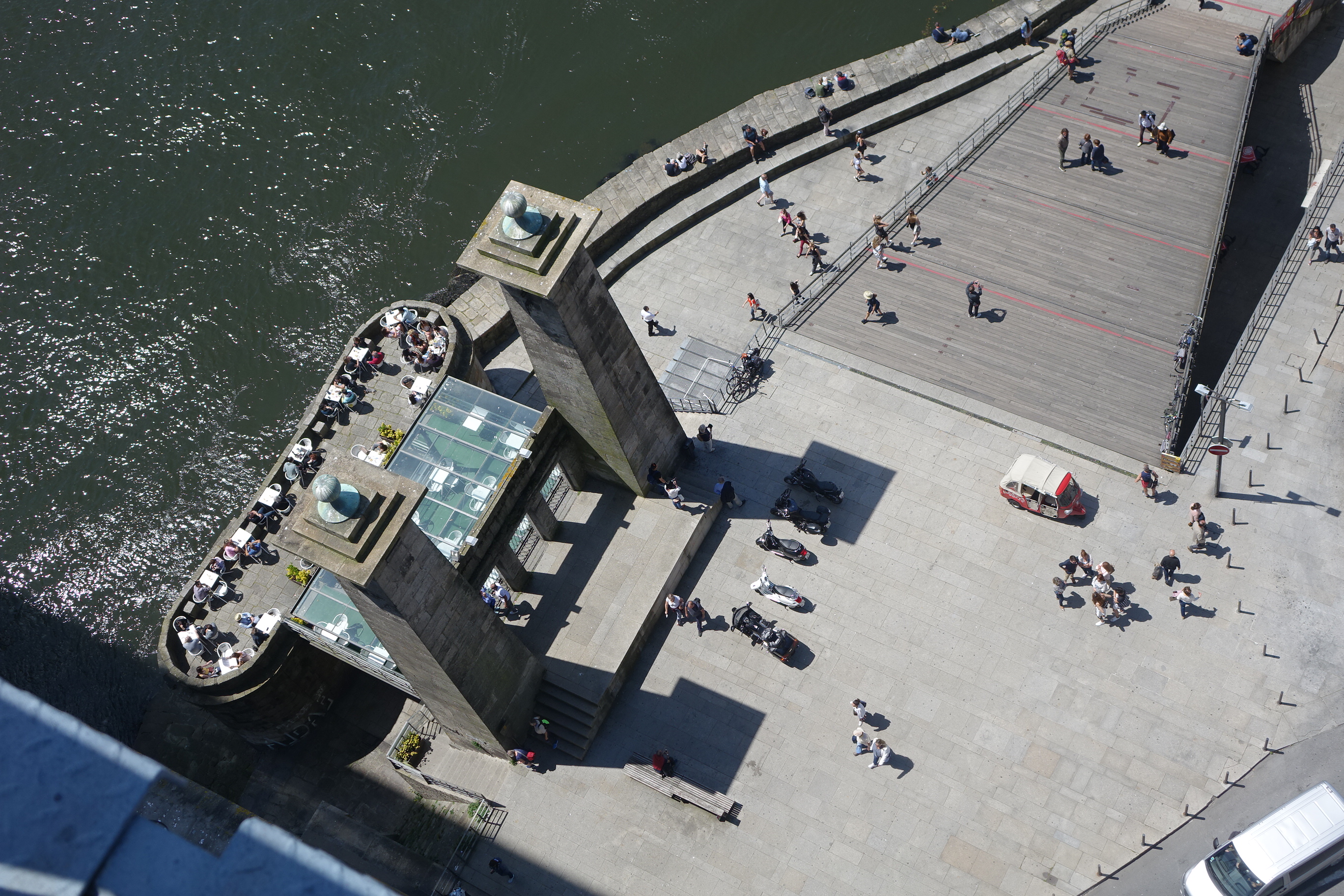
After exploring the wonderful region of the Ribeira, next on your list should be a visit to the Dom Luis bridge which will not only provide you with some stunning rooftop views of Porto, but also take you across to the Vila Nova de Gaia region of the city, where the all important Port houses are to be found. While pedestrians can choose between the upper or lower decks, the latter being reached pretty easily from the riverbank of the Ribeira, we opted for the somewhat more vertiginous upper deck, this being reached by walking in a straight line from the wonderful tile-covered central train station. I’m not a vertigo sufferer, but I have to admit that from up there, my arms turned a little shaky as I extended my camera over the side of the bridge to capture the beautiful views it affords of the city.

But as these photos will demonstrate, those both enamoured and feared of heights should opt for the Ponte Dom Luís I – ultimate icon of Porto and the undisputed platform from which to see the city. And so long as you head over the bridge from the Ribeira to the Gaia, you can rest assured that a glass of ruby coloured port will be waiting for you on the other side. 

IMG_9850DSC03315DSC03312DSC03259DSC03302DSC03286DSC03289DSC03258DSC02790

© Nicholas de Lacy-Brown and The Daily Norm, 2018. Unauthorised use and/or duplication of the material, whether written work, photography or artwork, included within The Daily Norm without express and written permission from The Daily Norm’s author and/or owner is strictly prohibited.
Compendium // Porto > The enchanting Ribeira

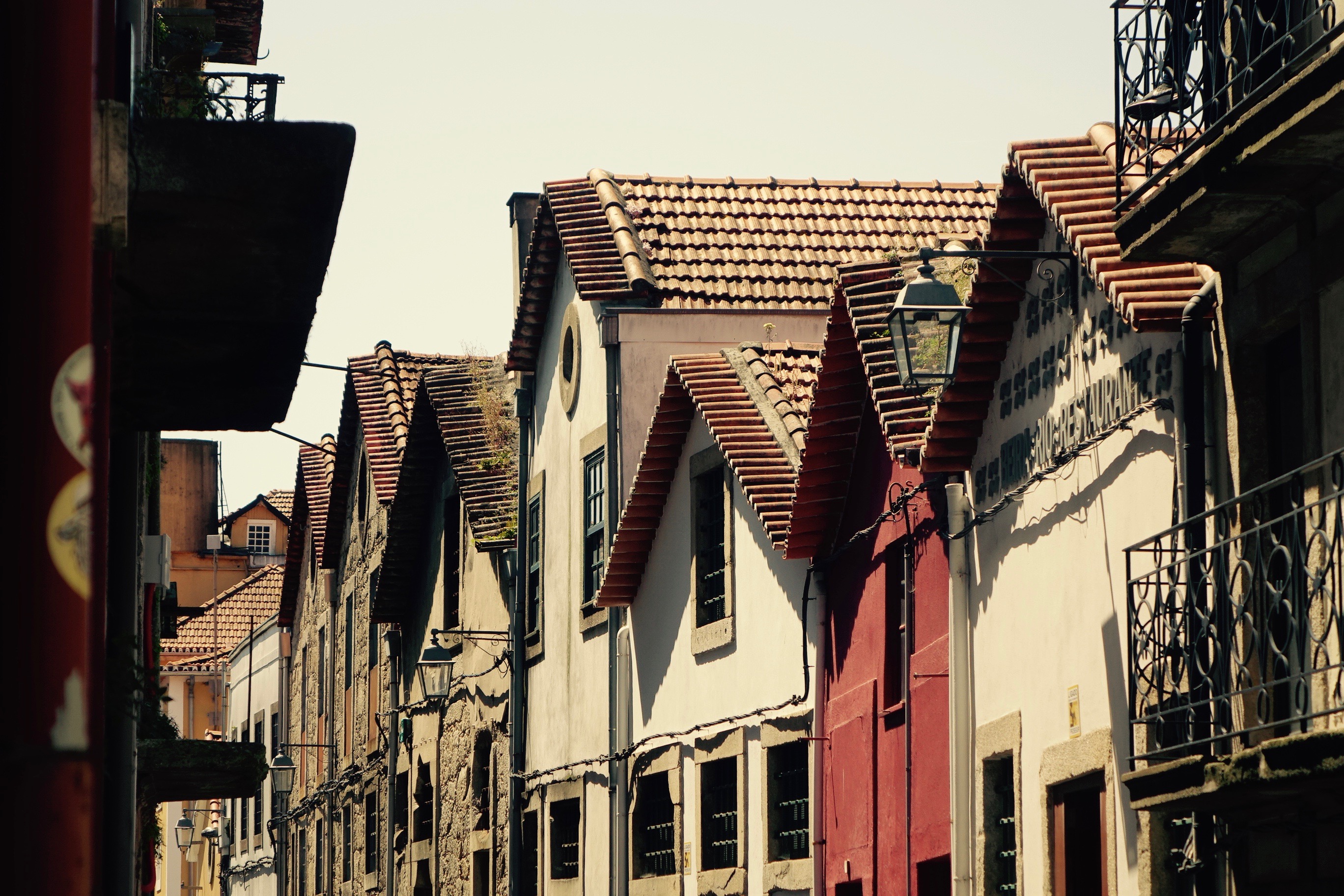
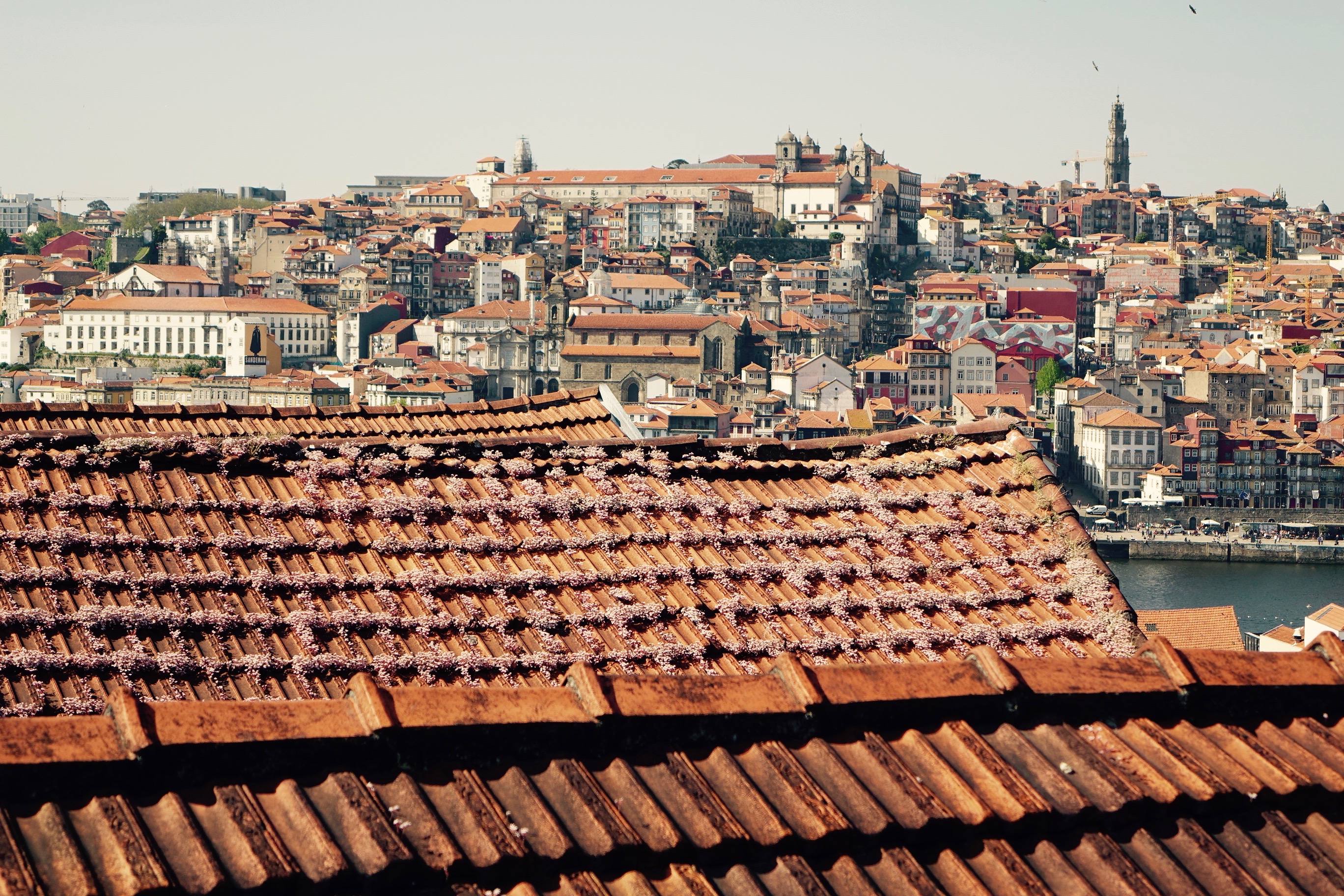
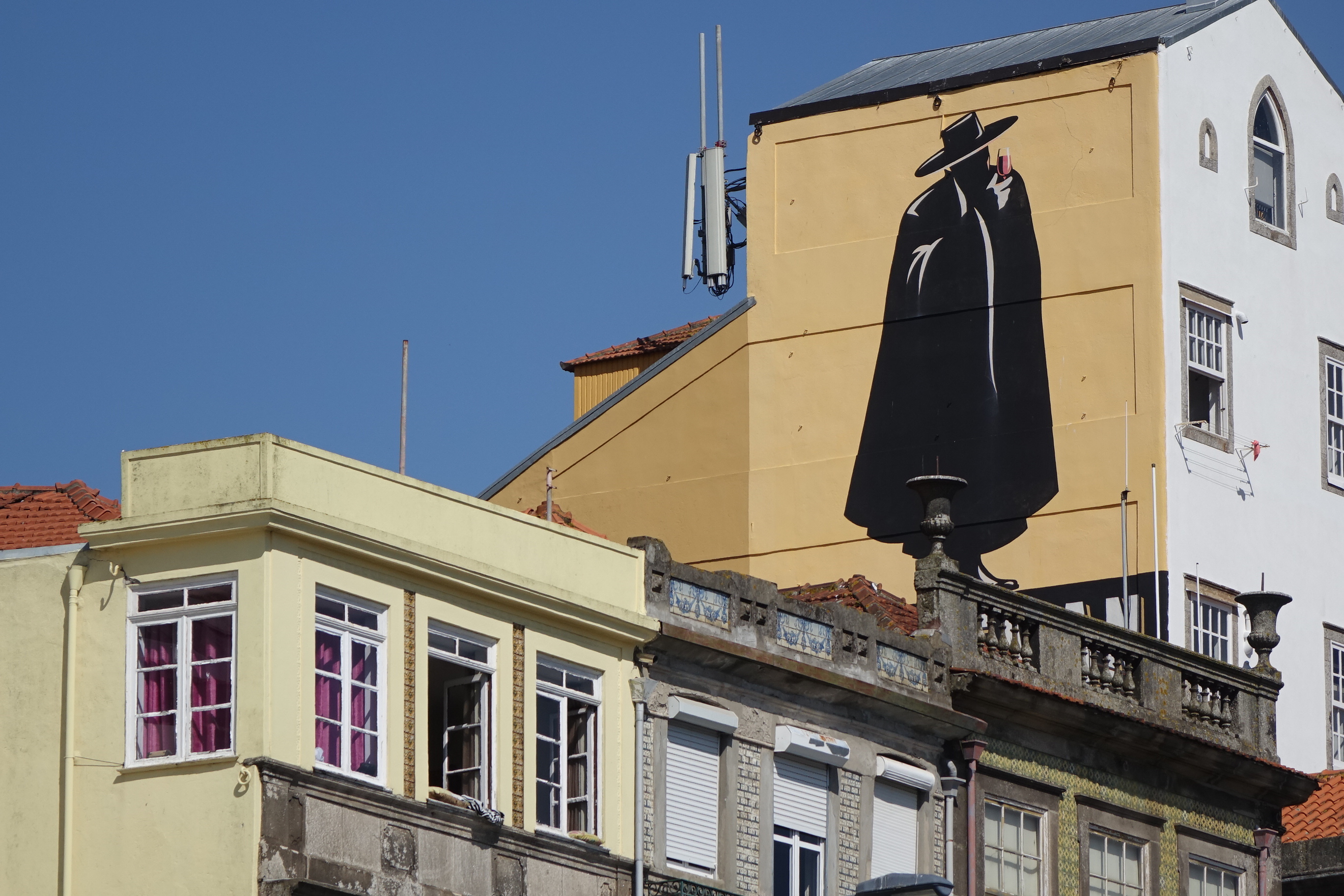
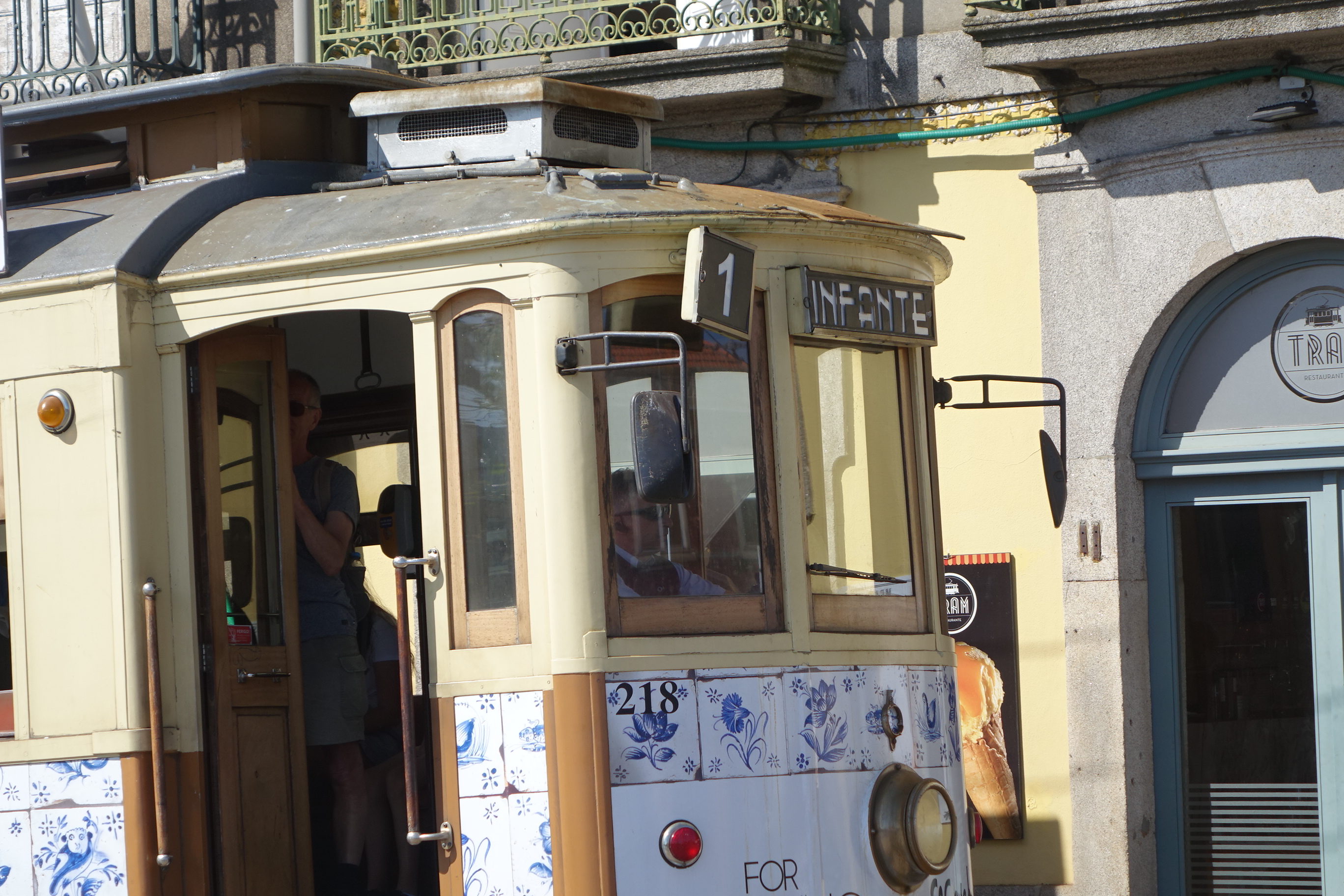
As mellow as the perfume of port-filled oak barrels, but as vivacious as the glint and sparkle of that same honeyed wine as it sloshes into an eagerly waiting glass, the Portuguese city of Porto has all of the tempting characteristics of the sweet nectar which put the city on the world’s map. But if Porto was to be described in a palette of colour, its rich amber terracotta tones are to be offset by the bedazzlement of blue and white in its omnipotent ceramic tile-covered buildings, and in the dazzling stretch of the Douro River carving the city in two on its broad sweep down to the Atlantic Ocean.

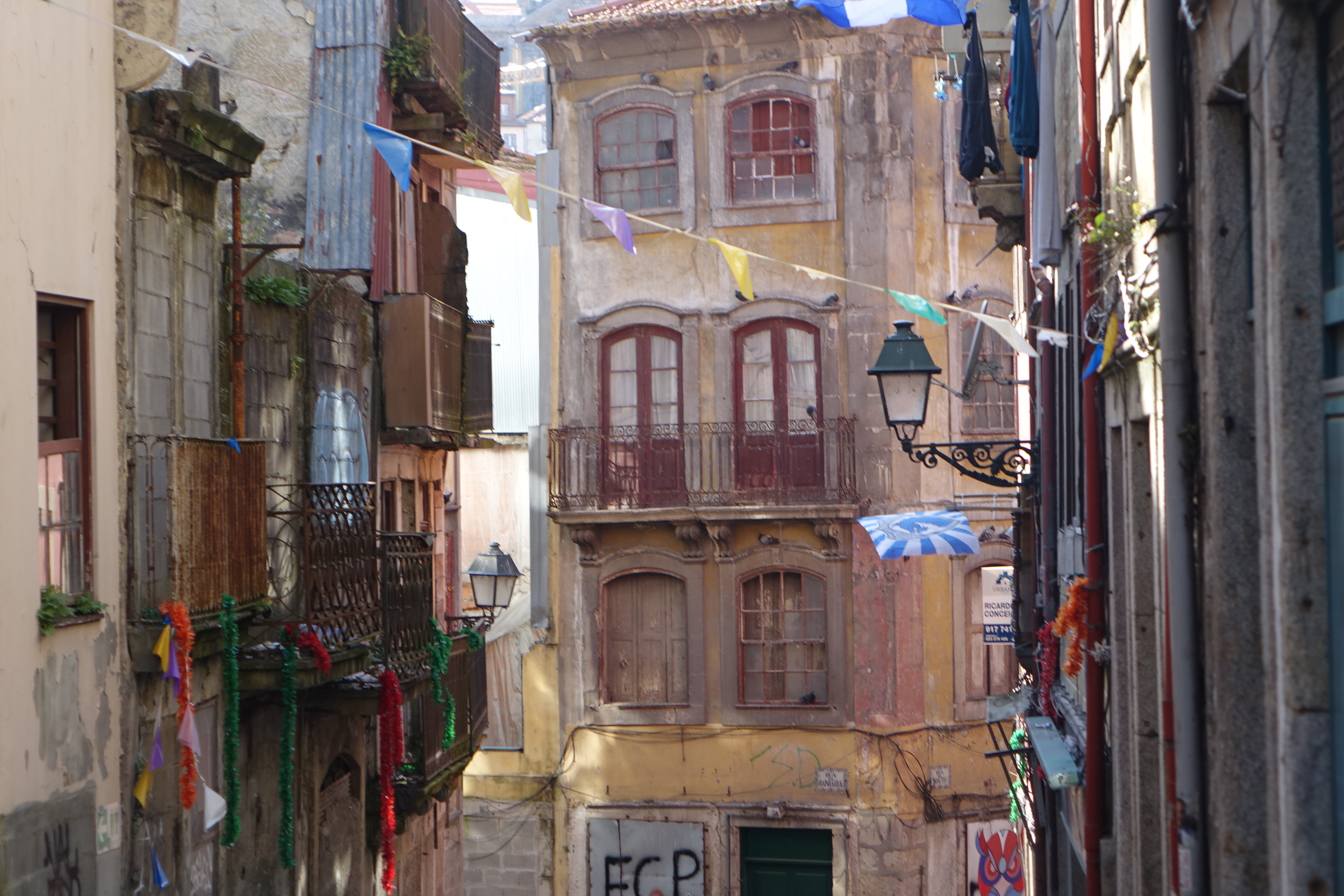
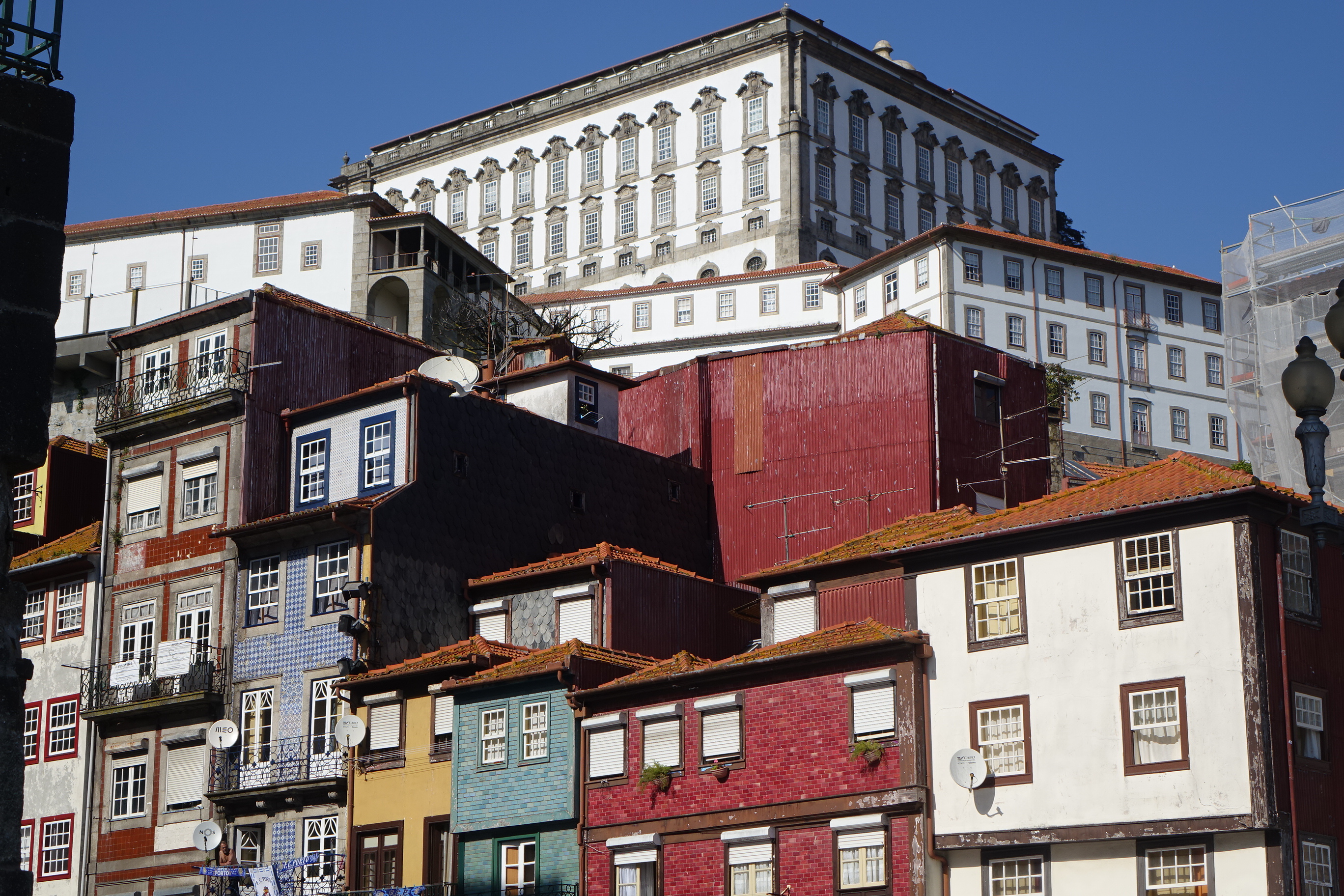
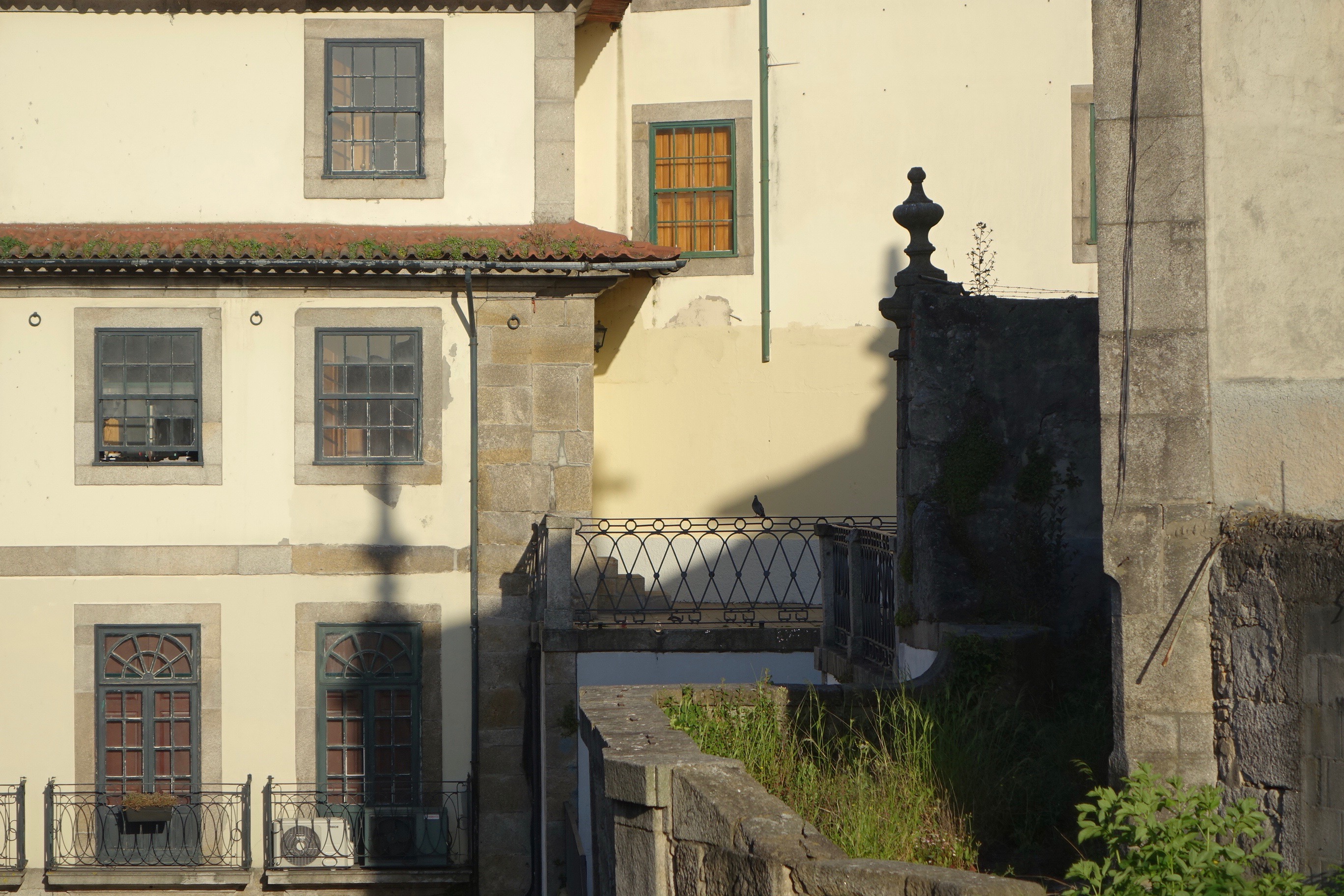
Porto is a city alive with the spirit of its geography, as though enlivened by Atlantic breezes and nourished by the hilly fertile Duoro valley beyond. Its hilly topography has created a city which is topsy-turvy to say the least. Take a step back and houses appear to balance atop one another as streets zigzag along steep hillsides which rise and fall like ocean waves. It’s a city which defies the typical sense of direction, but which is generous to whomsoever gets lost in its maze of streets. For in Porto there is something enchanting to behold at each narrow corner.

DSC02832DSC03488DSC02857DSC02882DSC02765DSC02948DSC03009DSC03019DSC03010

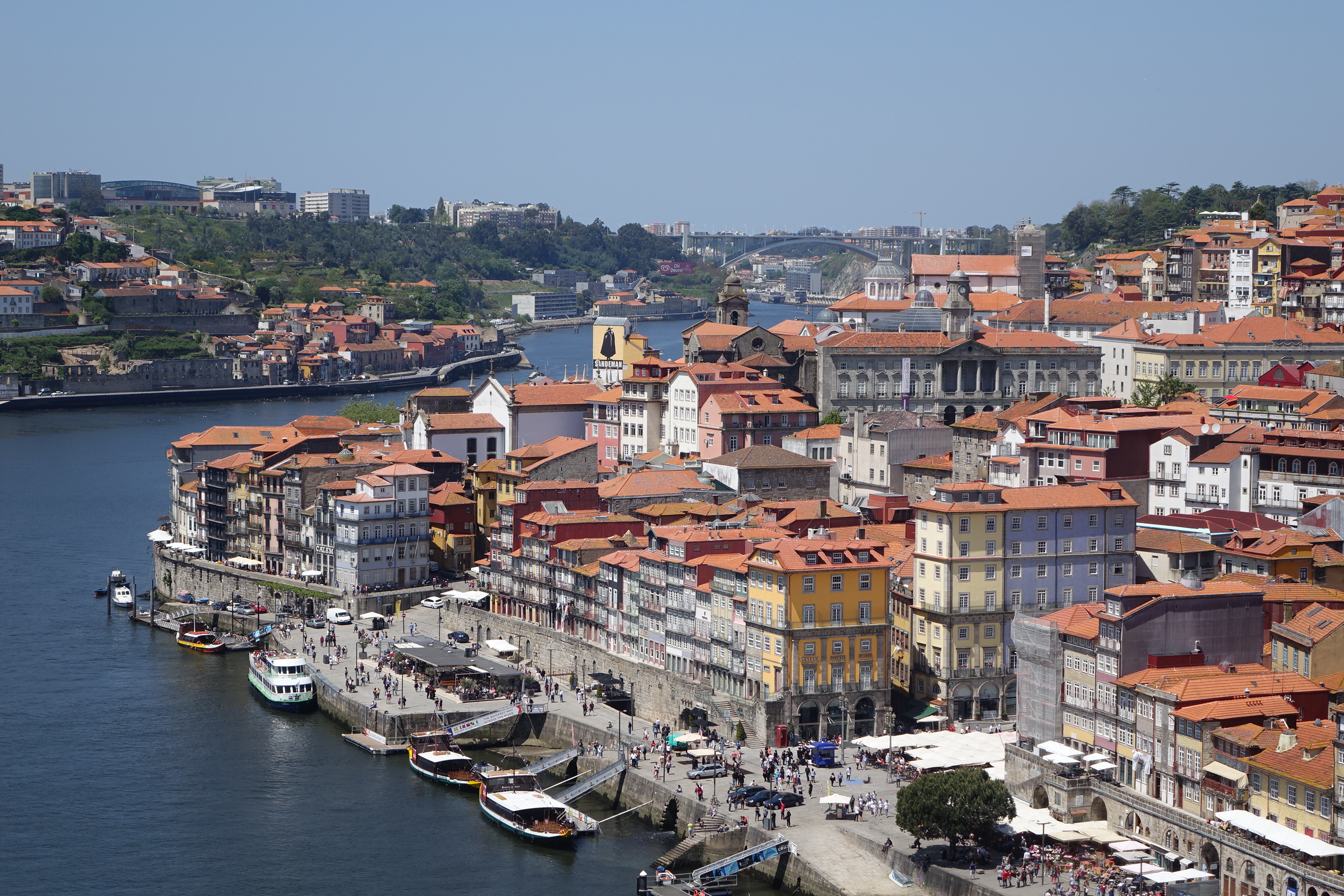
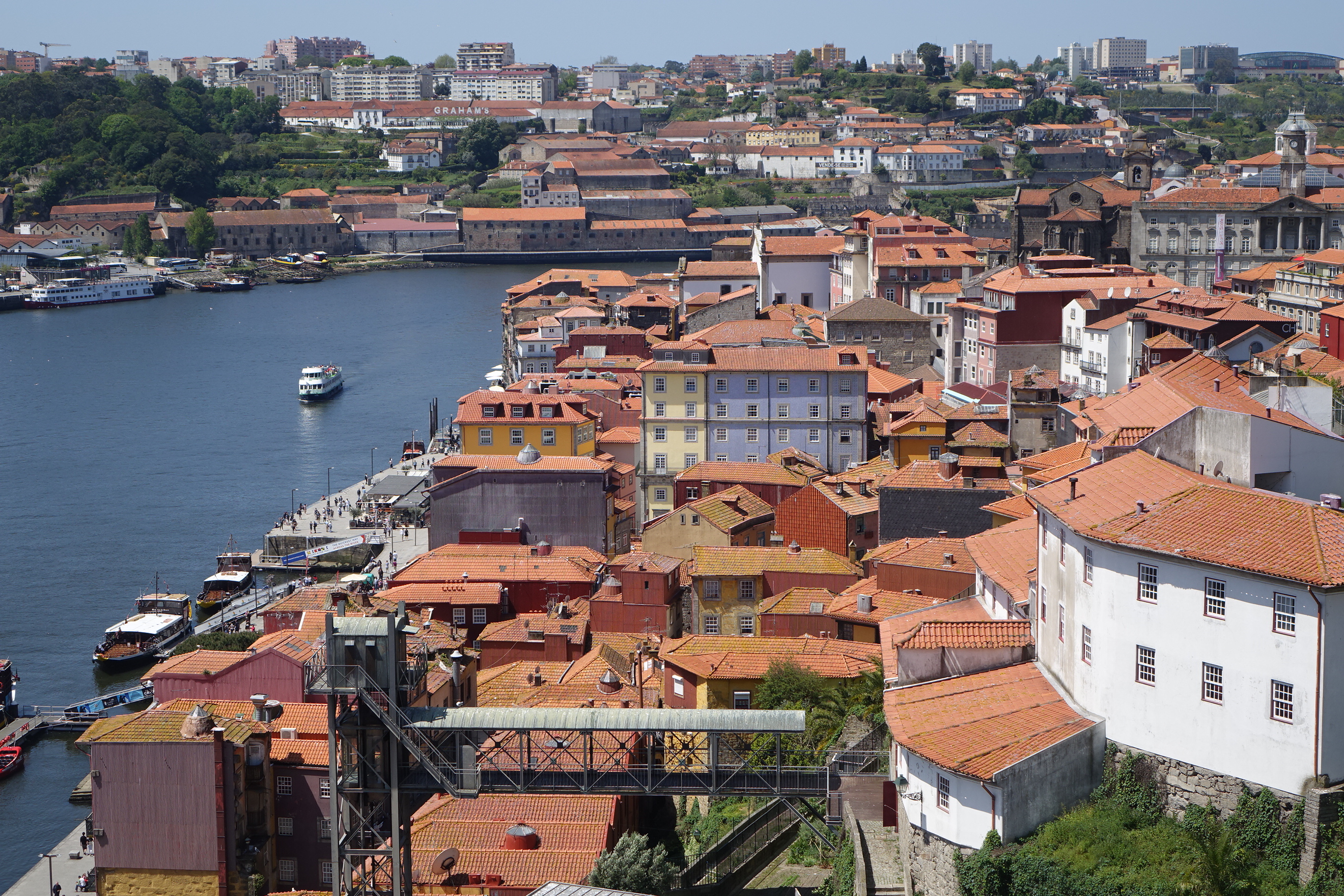
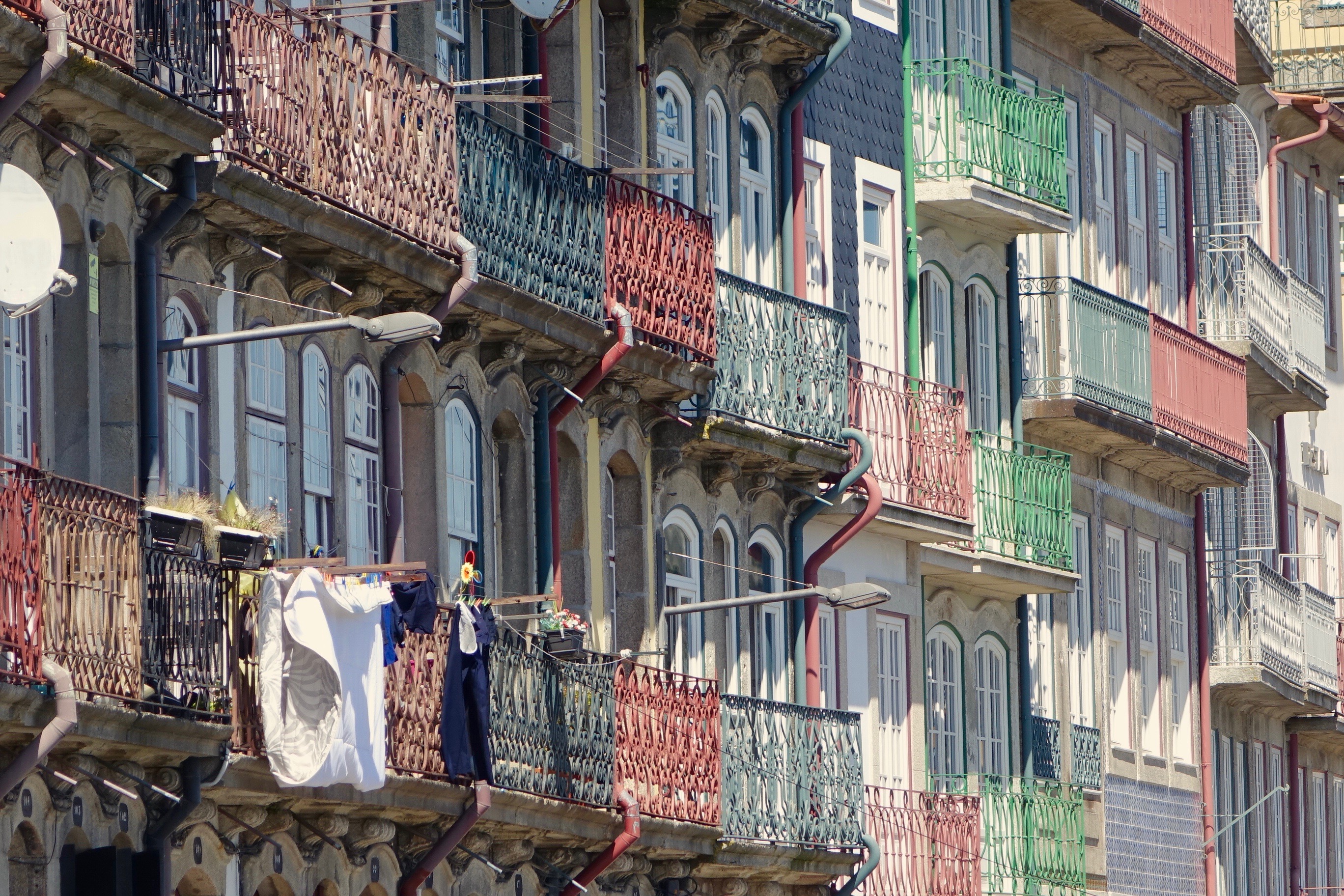
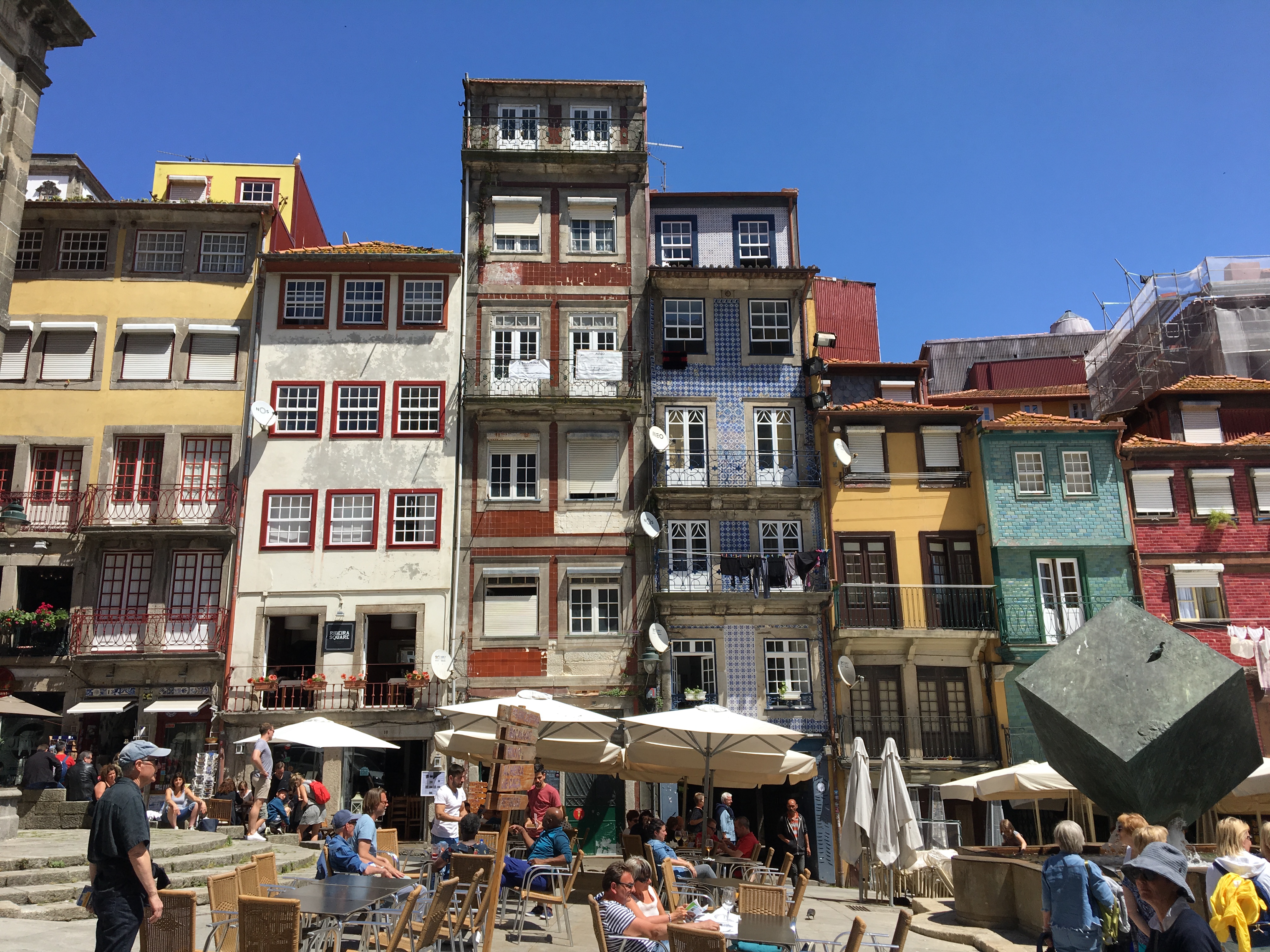
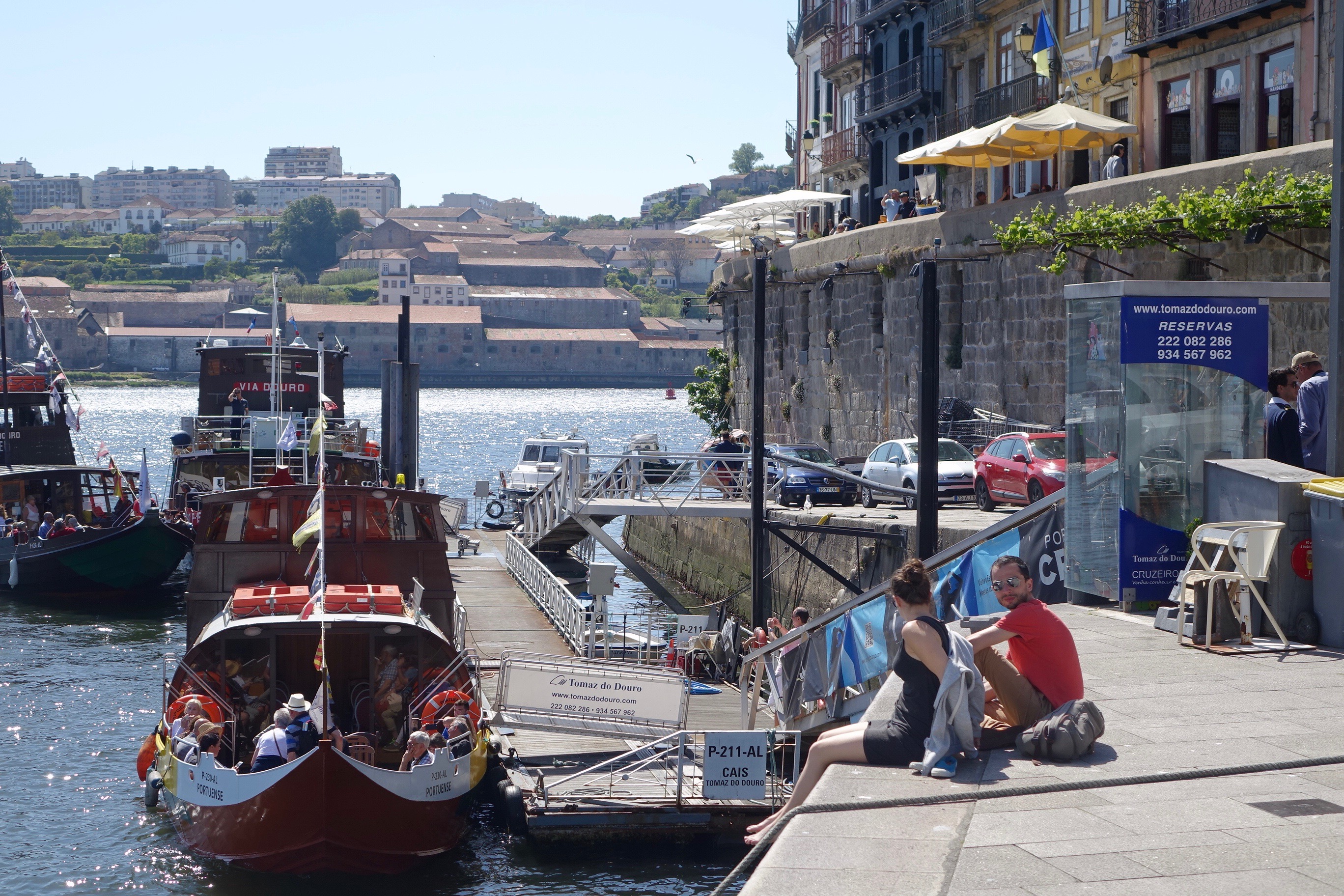
Our new compendium tour starts where that maze is at its most convoluted: in the knotty twist of streets which work their way over and around the hilly slopes which plunge down dramatically into the Duoro river – the Ribeira. Famed throughout the world and appropriately UNESCO protected, the Ribeira area is undaunted by the tourists naturally attracted to its streets and squares, retaining the authenticity of its carefree locals who can be seen enjoying the views and the sun from their ceramic tiled balconies with as much enthusiasm as the zealous tourist.

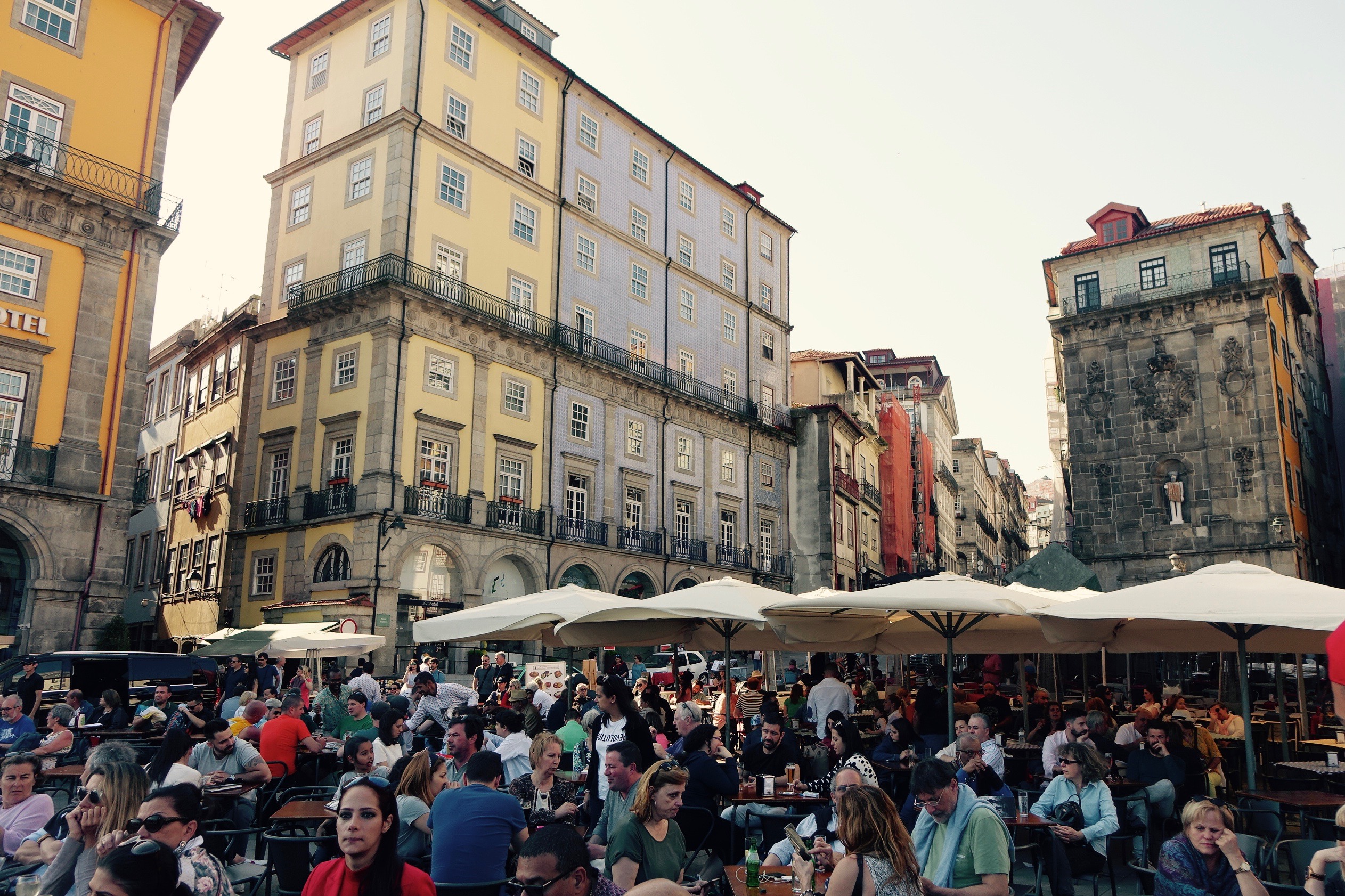
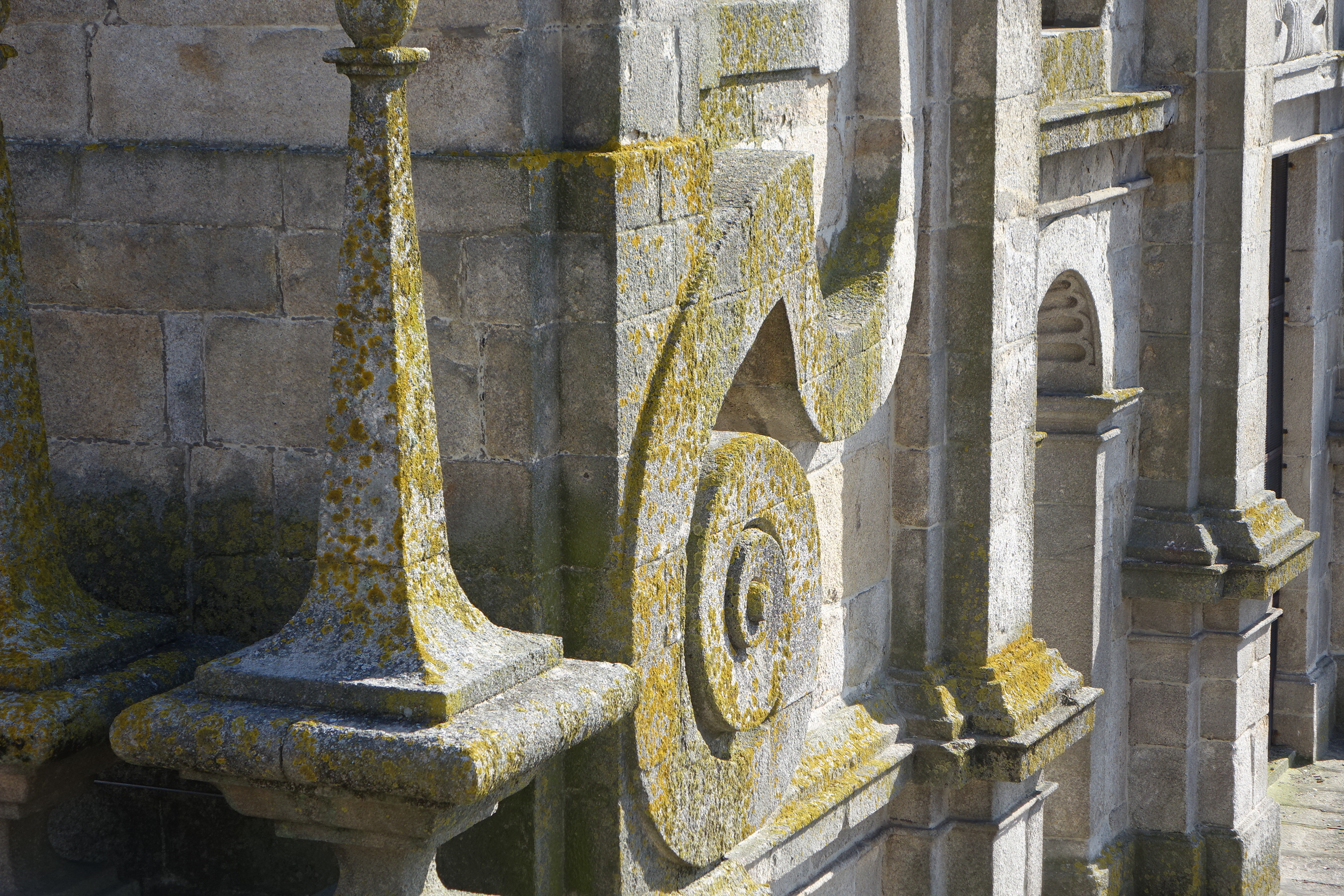
It is an area which exhibits numerous personalities. At its apex, the fortress bulk of the grand Sé Cathedral and it’s domineering Episcopal palace soar above the twisting mass of narrow lanes below, offering unbeatable rooftop views and an appreciation for Porto’s undulating geography. Delve into the streets beyond, and an impenetrable shadiness is punctuated by light only near the rooftops. However, soon enough, those darker alleys give way onto the soaring light of the riverbank, which is where the true heart of the Ribeira pulsates to the rhythm of street musicians and crowded restaurants, all benefiting from an unrivaled view of the Ponte de Dom Luis I, iron icon of the city.

DSC03460DSC03498DSC02943IMG_9850DSC03471DSC03482IMG_9839DSC02927DSC02851DSC02967DSC02855DSC02812DSC03063DSC02835DSC02800DSC02867

An encounter with the Ribeira marks an ideal introduction to this multifaceted city, suggesting something of the charismatic nuances of Portugal’s second city, as well as the distinct geography which has shaped Porto into a true feast for the eyes at every turn. 

© Nicholas de Lacy-Brown and The Daily Norm, 2018. Unauthorised use and/or duplication of the material, whether written work, photography or artwork, included within The Daily Norm without express and written permission from The Daily Norm’s author and/or owner is strictly prohibited.
London, Rediscovering My City: Eltham Palace

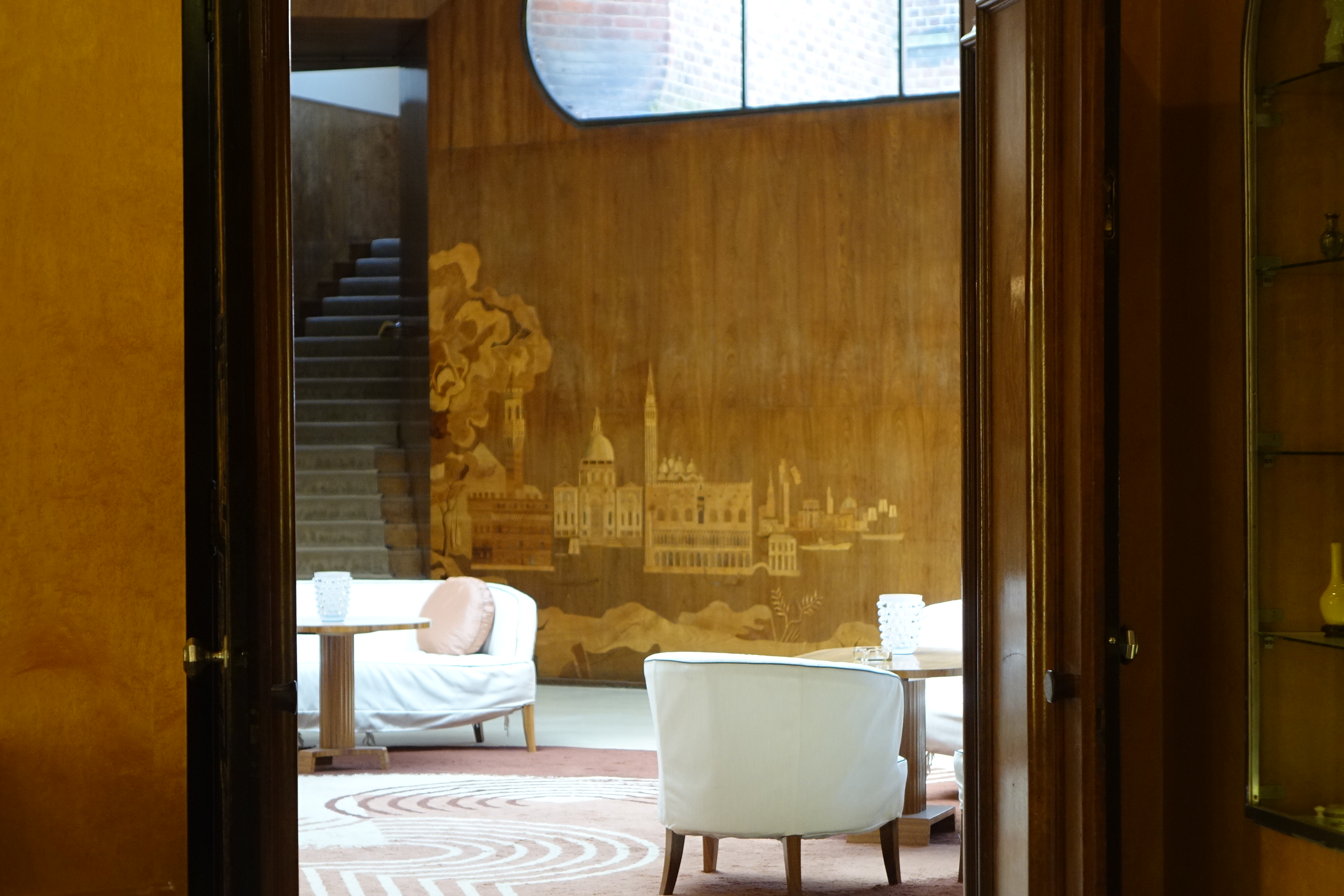
Of all London’s historical palaces, rich in Medieval armour, Tudor ceilings, Stuart art and lavish Georgian interiors, there is one which is a little more unique in its ability to showcase a chapter in England’s history. For Eltham Palace, located just a few miles away from Greenwich, was not just the childhood home of Henry VIII. It was also later the jazz-age cocktail-swilling party palace of Stephen and Virginia Courtauld who found the Tudor palace in a stage of complete ruins. Therein began an ambitious architectural project which not only undertook to restore the Great Hall of the Tudor age, but to create a brand new palace alongside it which would turn out to be the very celebration of the Art Deco age.

DSC02702DSC02489DSC02584DSC02632DSC02656DSC02528DSC02638DSC02479DSC02499DSC02694

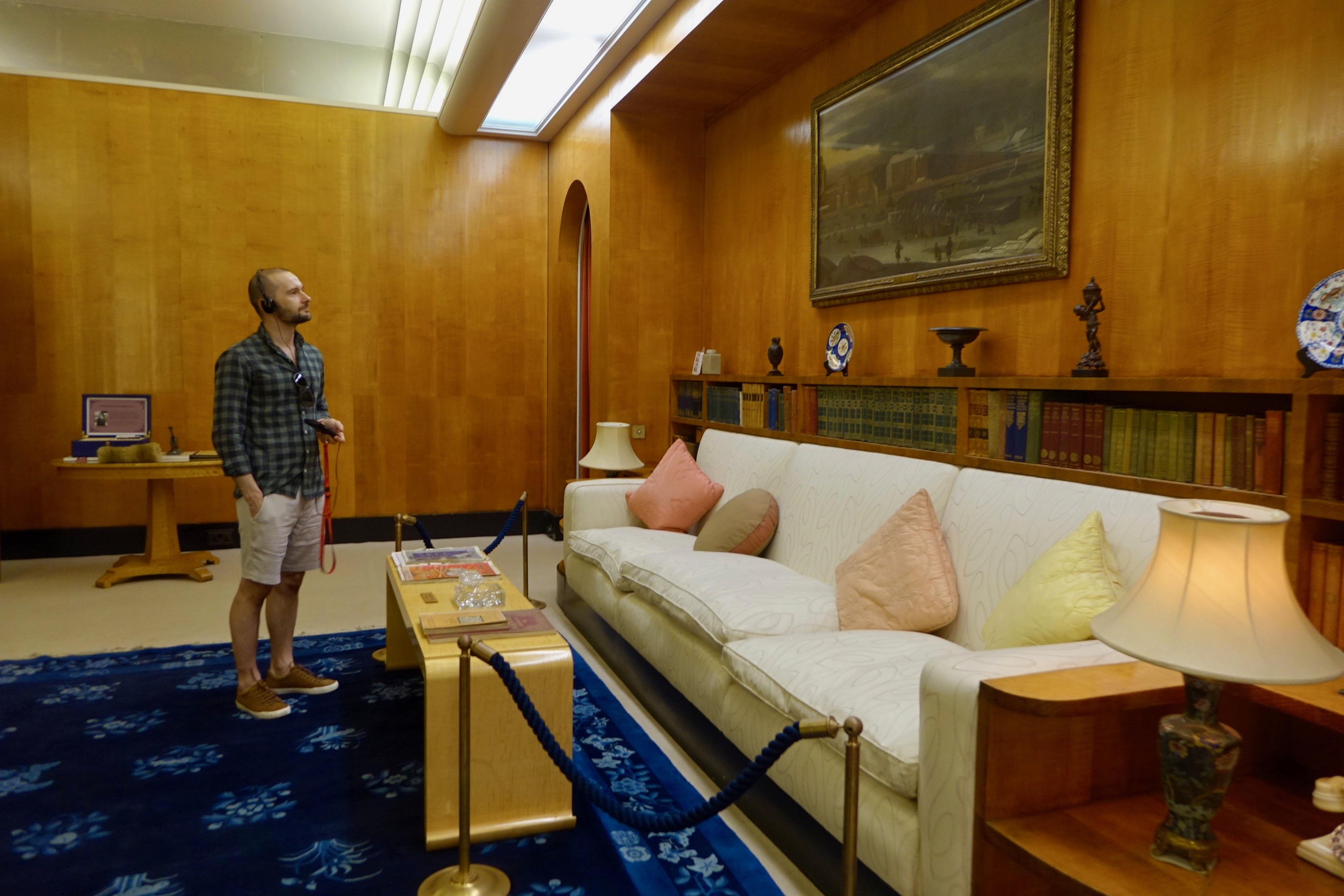
Looking at its heavy stone exterior, created to intone with the Great Hall, only the addition of some curving but unmistakeably 1930s nudes in the stone work betray the modern masterpiece within. Step through the doors and you enter a modern, minimalistic space where decadence and luxury are founded in a perfect, uncluttered line, curved white spaces inlaid with gold and aluminium leaf, and a complete dedication to perfecting the design fashions of the era.

The result is a true wonder of Art Deco, and as historical houses go, this is one that truly comes alive as you imagine the endless society receptions which went on there. The character of the hosts is evident wherever you look, from the lavish gold-mosaic bathroom of Virginia (I want one of those) to the centrally heated suite created solely for use by the eccentric couple’s ring-tailed lemur.

DSC02511DSC02646DSC02689DSC02611DSC02571DSC02670DSC02727DSC02534DSC02686DSC02520DSC02601

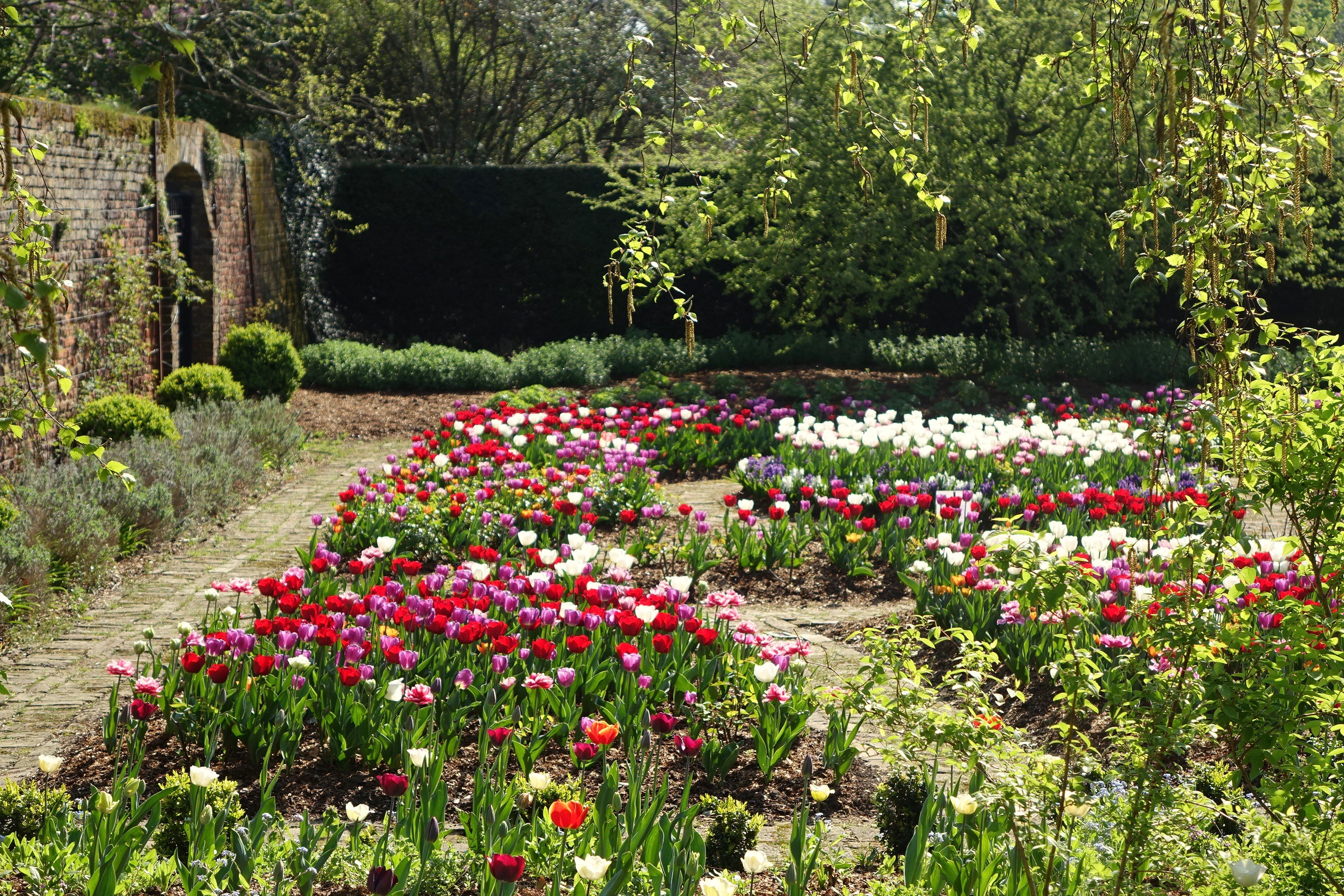
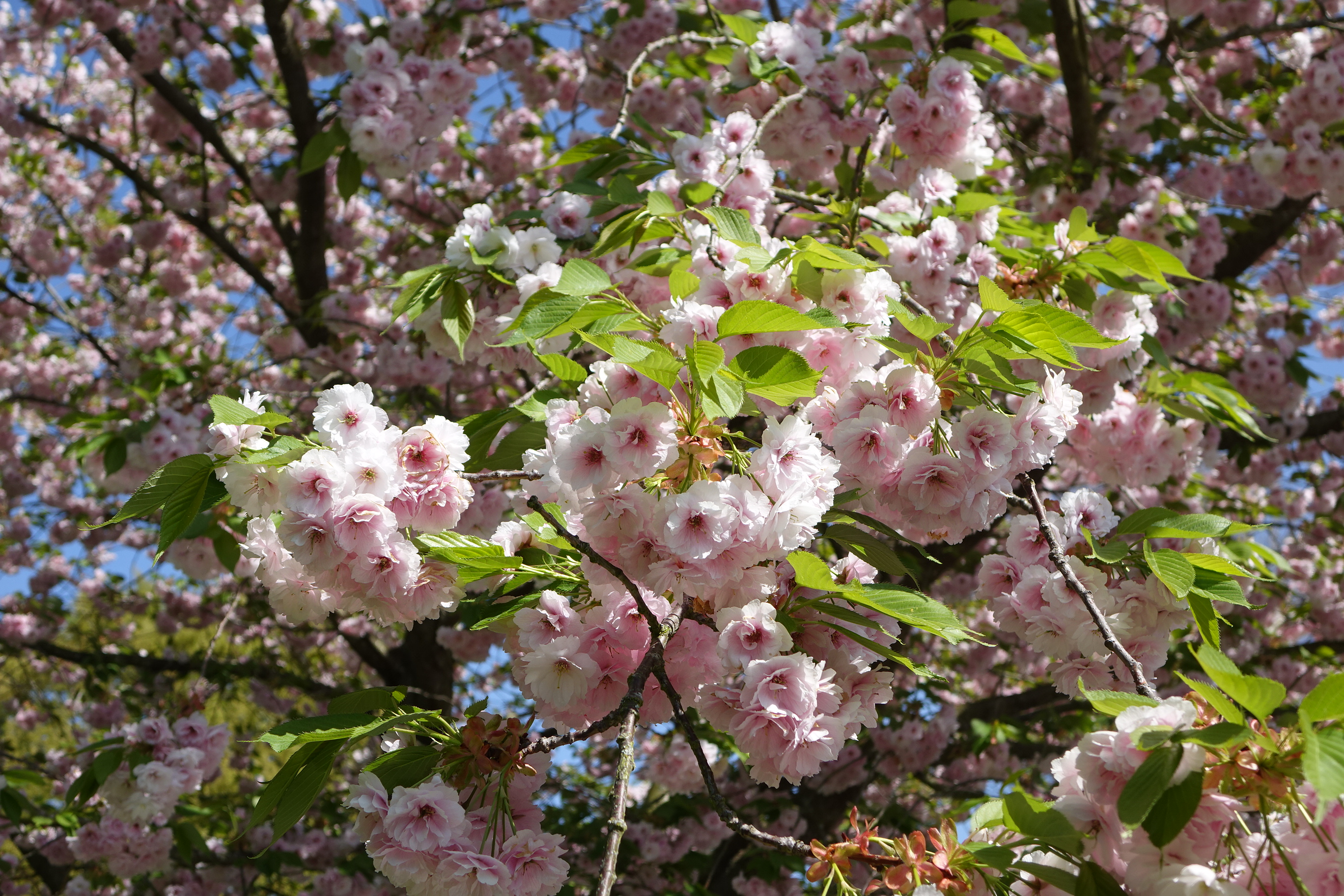
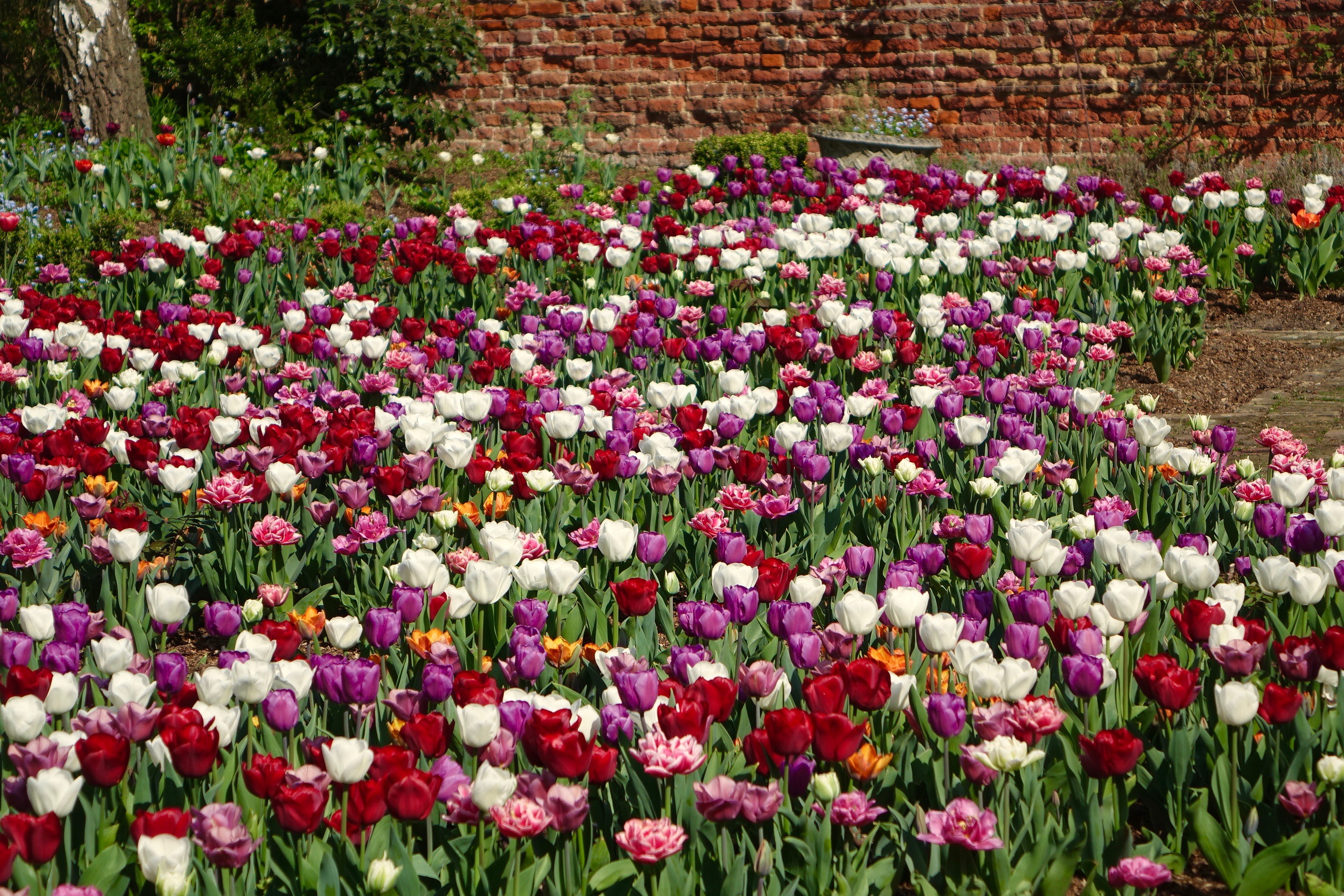
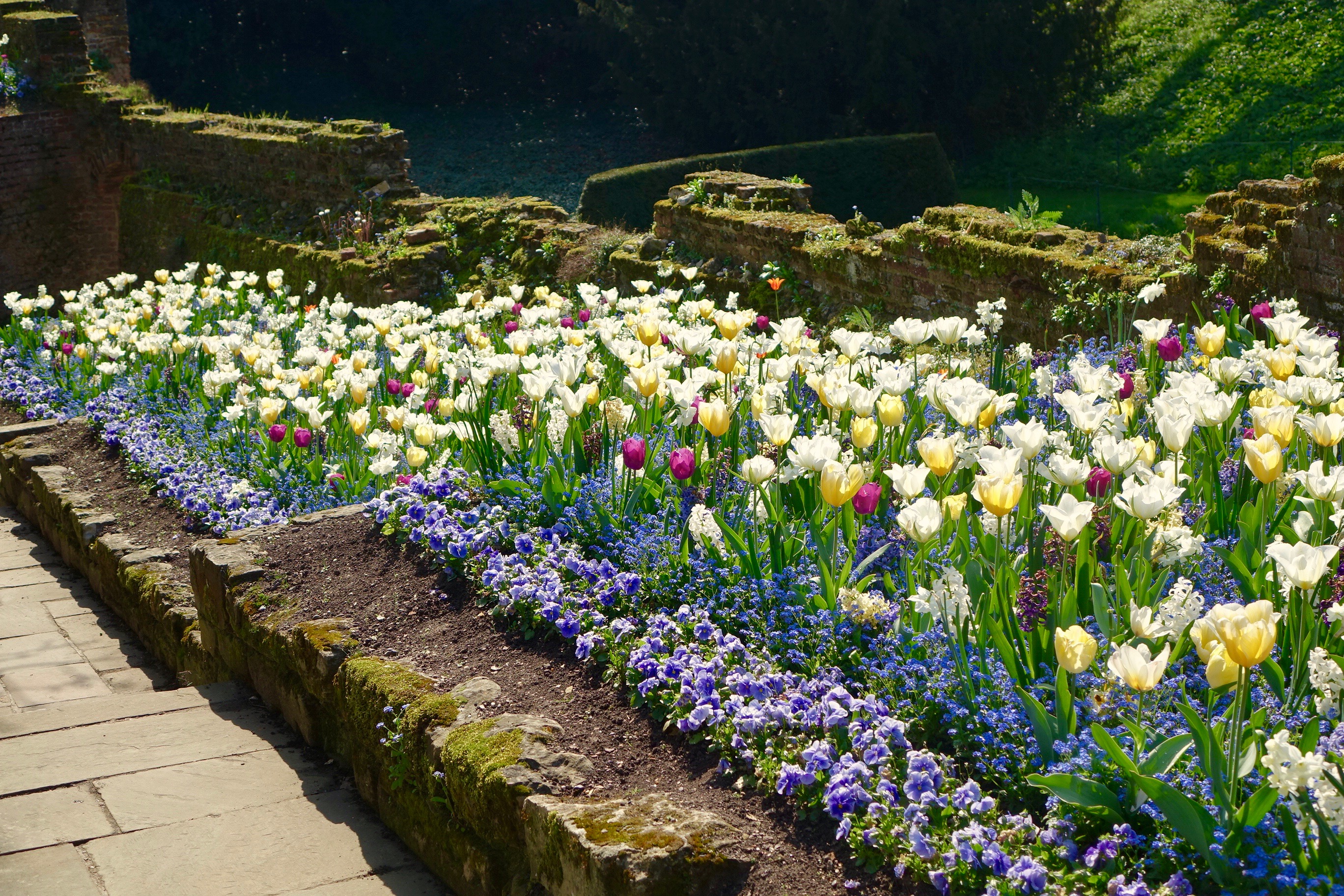
But as ever, half the joy of visiting a great house is to enjoy its great gardens, and we cannot have picked a better time of the year to go. For the grounds of Eltham Palace were alive with the most lavish display of multi-coloured tulips and fragrant blossom which wafted gently in the breeze, settling upon the sparkling pond which, like a castle moat, encircles the palace like a silk scarf from a 1930s couturier.

Eltham Palace is a true example of how the ancient and modern can partner one another with spectacular results. And while the Art Deco house is now itself something of a historical artefact, it feels as modern and liveable today as it would have done 90 years ago. So if English Heritage ever feel like giving it up, send me the keys… I’m moving in!

DSC02710DSC02570DSC02615DSC02578DSC02466DSC02547DSC02506DSC02544DSC02660DSC02505

© Nicholas de Lacy-Brown and The Daily Norm, 2001-2018. Unauthorised use and/or duplication of the material, whether written work, photography or artwork, included within The Daily Norm without express and written permission from The Daily Norm’s author and/or owner is strictly prohibited.

Marseille to Marbella, Part VII: Aix, Le Marché

Colour, colour, colour! Shiny red apples, ruby like strawberries, resplendent silver fish and emerald green herbs. Courgettes in forest green, sage green, yellow green and white, blackboards written with curly french writing. And king of it all those sunflowers: a full, powerful sunshine punch of yellow with a deep fury chocolate brown at its centre, signalling the very epitome of this Provençal heartland. This is the market of Aix-en-Provence, the sensory spectacle to which I rushed on my birthday morning, and which is such a sight for the eyes that it deserves a post all of its own.

DSC04820DSC04832DSC04855DSC04813DSC04815DSC04835DSC04806DSC04822

I can only imagine how Paul Cezanne, famous son of the city, became inspired by the bustling, vivid life of Aix’s morning market. Who could not become an artist when basking in the glories of a sun filled square, filled with stripy umbrellas casting a warm glow over stalls full of just-picked produce and carefully nurtured harvests. Yet despite its beauty, this is no artwork to be admired on a gallery wall: The beauty of le marché in Aix is that it continues to be such a vital cog in the life of the city. It is a place for bargaining and butchering, for perusing and tasting. And in Aix’s market, watching the picky locals carefully choose the very best from an already magnificently presented selection was almost as captivating for me as the produce itself.

The market of Aix is a king amongst European street markets. Not big, not intimidating, but utterly authentic and wonderfully, completely charming.

© Nicholas de Lacy-Brown and The Daily Norm, 2001-2017. Unauthorised use and/or duplication of the material, whether written work, photography or artwork, included within The Daily Norm without express and written permission from The Daily Norm’s author and/or owner is strictly prohibited.
Marseille to Marbella, Part VI: Aix, Le Birthday Boy

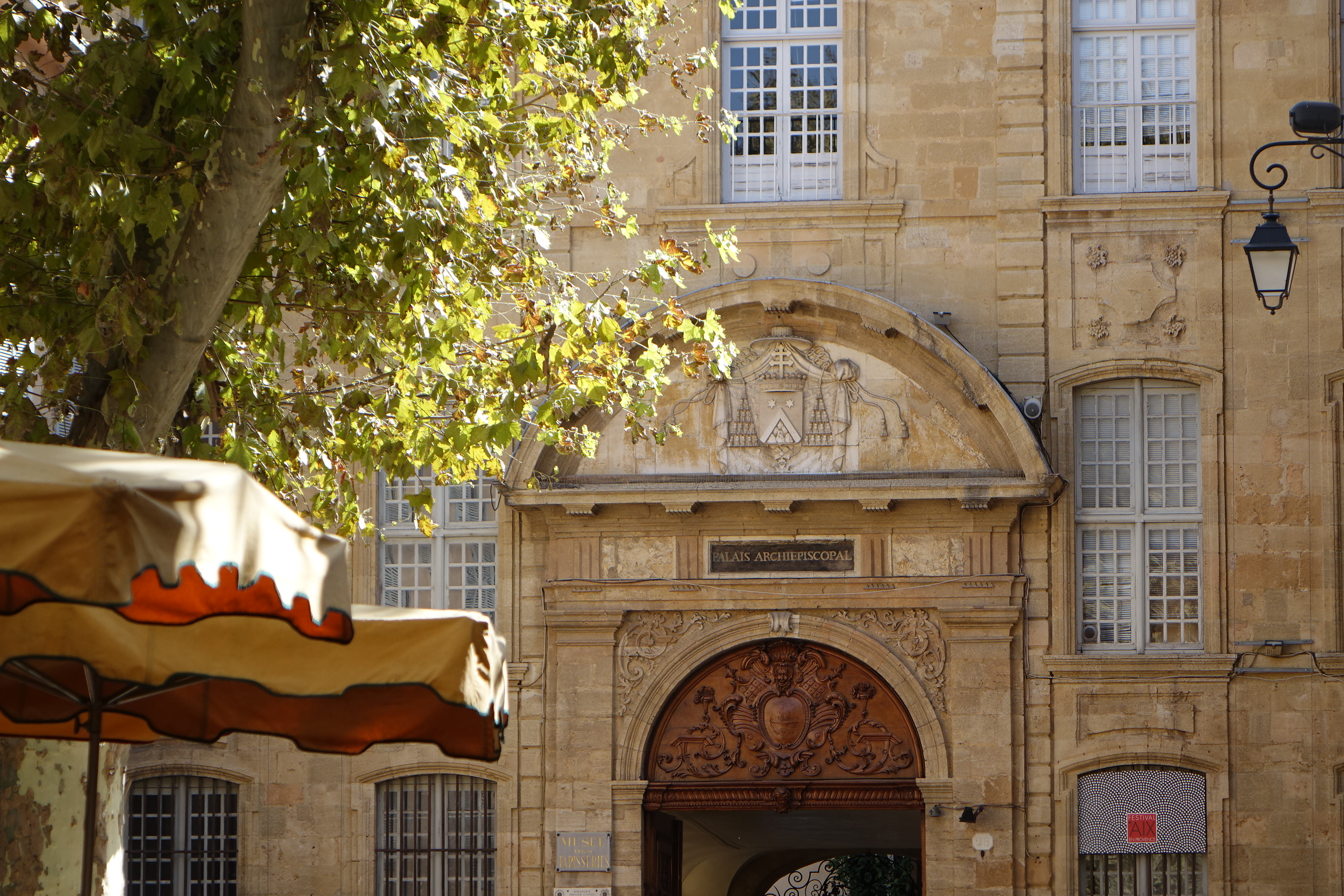
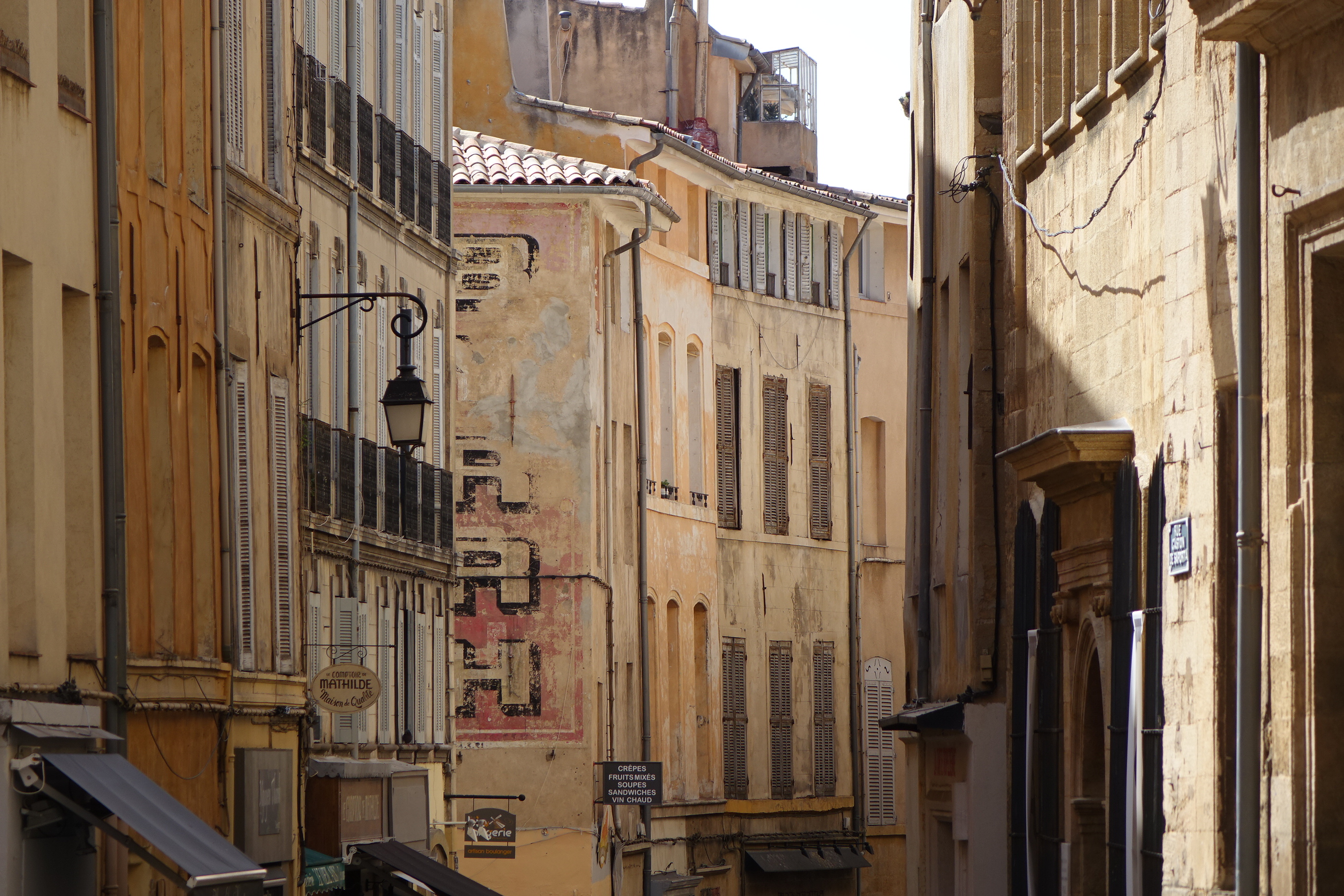
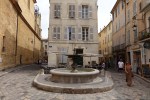
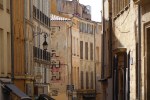
I adore Aix-en-Provence. Apart from the inimitable Paris, it is undoubtedly my favourite city in France. Elegant, leafy, filled with bustling squares and trickling fountains, it is a city which is inescapably gentrified, and which exudes a real sense of cultural enrichment and a proud artistic heritage which resonates at every corner. Ever since we first went back in 2013, a visit which led to my painting, Aix: City of a Thousand Fountains, Aix has held a prominent place in my heart. If you want true Provence, the kind of Provence which you’ve seen on postcards or dreamt about in visions framed by lavender-scented cobbled streets and rosé wine supped amongst stripey-shirted waiters and vichy table-clothes, this is really it. Aix is a veritable feast of pretty squares and idyllic leafy shopping streets. Dare I say that it is close to perfect?

DSC04914DSC05000DSC04948DSC04875DSC04736DSC04796

So when we decided to head down to Marseille around the time of my birthday, Aix had to feature, and given that it is truly my favourite place in the region, it felt like the perfectly appointed seat of celebration for my impending anniversaire.  Soon enough we were bedded into a lovely little attic room in the Hotel des Quatre Dauphins (very La Bohème) named after the four dolphin fountain of the same name which trickles away in this very ochre-coloured stately area of Aix. Within seconds we were on the main leafy thoroughfares of Aix, where Cezanne, Aix’s most famous son, used to sip on wine and consider how best to capture the nearby Mount St Victoire. And all around we were surrounded by cafes and galleries and boutiques aplenty. During 24 hours in Aix we must have seen over 200 paintings in exhibitions which ranged from the Jaeger collection to a retrospective of Sisley landscapes. We had breakfast opposite the multi-coloured food market (more about that later in the week), lunch in the imperial surroundings of the Hotel de Caumont and dinner in a tiny patio hung with decorative laundry and bourganvilla. Could there be a better way to spend a birthday?

DSC04879DSC04974DSC04732DSC04987DSC04921DSC04928

So once again Aix proved to be the perfect Provençal destination, and a flawless birthday gift. It’s one of those towns which seems to glow with a golden sheen, like Rome whose streets bask in the reflected light which bounces of its terracotta walls. Here the effect is created by walls painted in butterscotch and caramel, and reflected across the streets with the aid of sunlight magnified in trickling fountains. It really is an aesthete’s paradise. That’s why Aix can make a Cezanne of us all.

© Nicholas de Lacy-Brown and The Daily Norm, 2001-2017. Unauthorised use and/or duplication of the material, whether written work, photography or artwork, included within The Daily Norm without express and written permission from The Daily Norm’s author and/or owner is strictly prohibited.

London, Rediscovering My City: Hampstead Heath

There are a surprising number of places in London that I have never visited. Before moving to Mallorca, I lived in London for 12 years, and yet the closest I have ever come to Notting Hill was the image of Hugh Grant’s droopy eyes in a book shop and his scantily clad lodger jumping around in front of a widely grinning Julia Roberts. I’m determined to explore the whole city, when time allows, and one place that I can now cross off the list is Hampstead Heath.

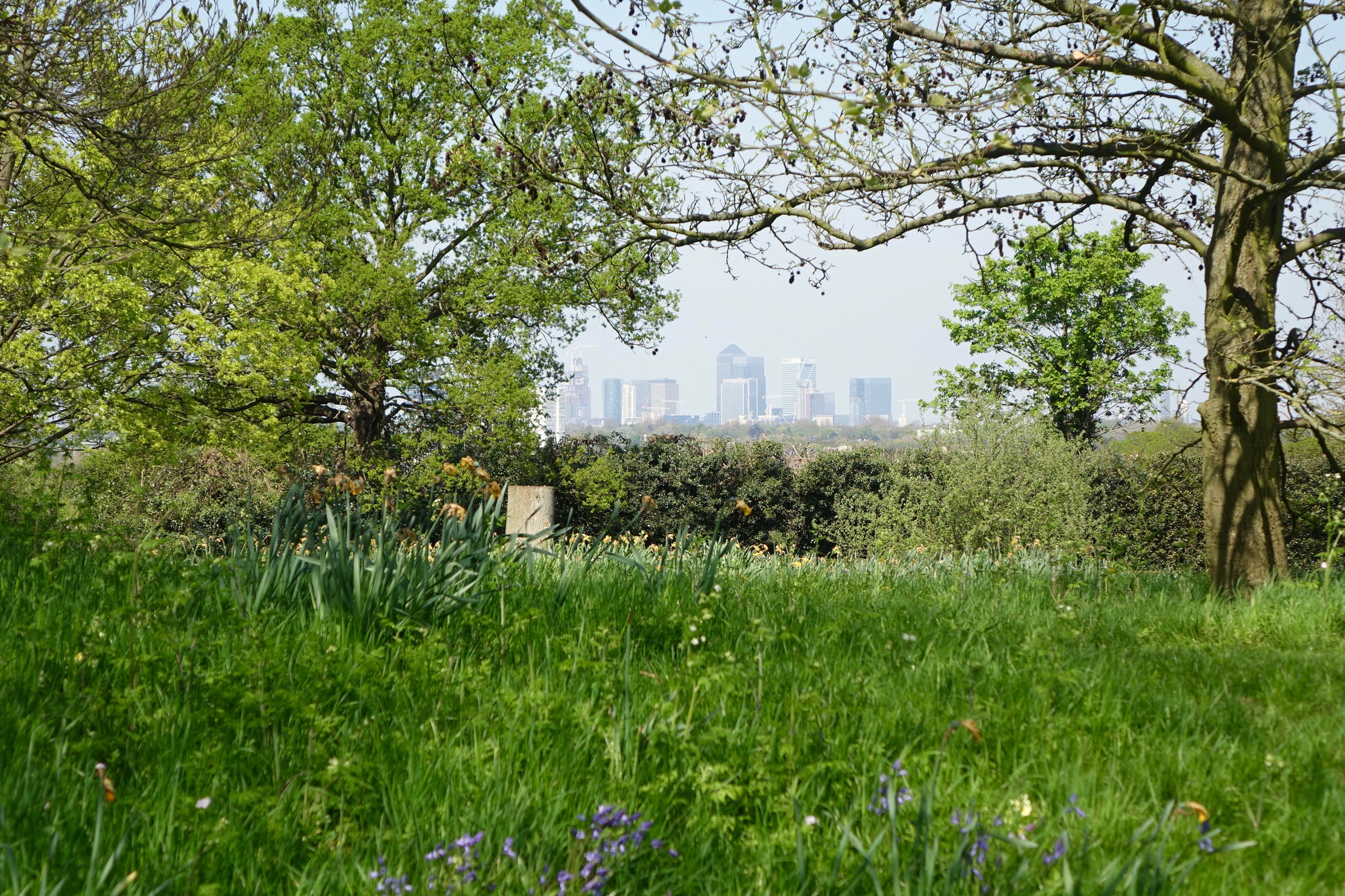
London viewed from Parliament Hill

DSC06836

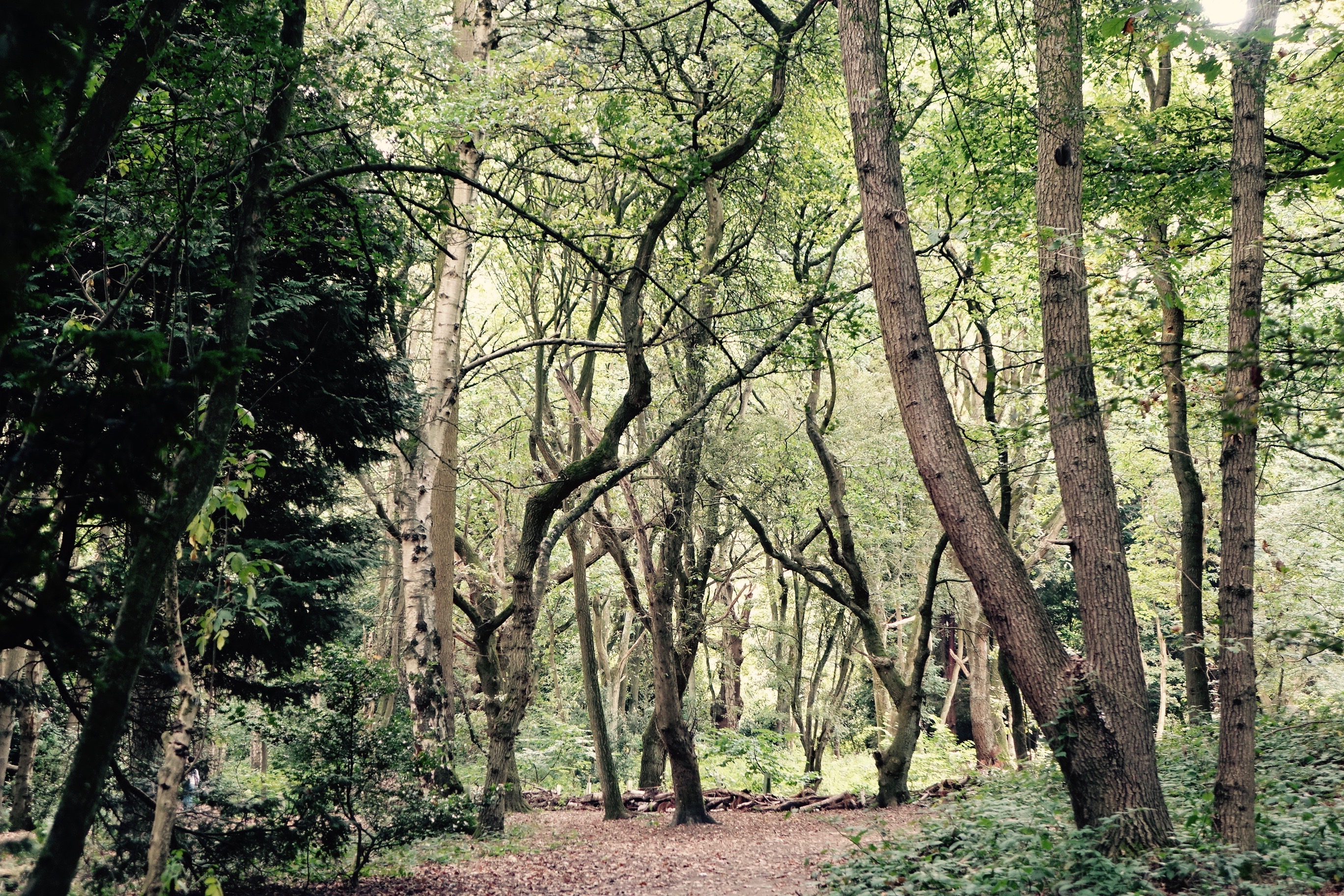
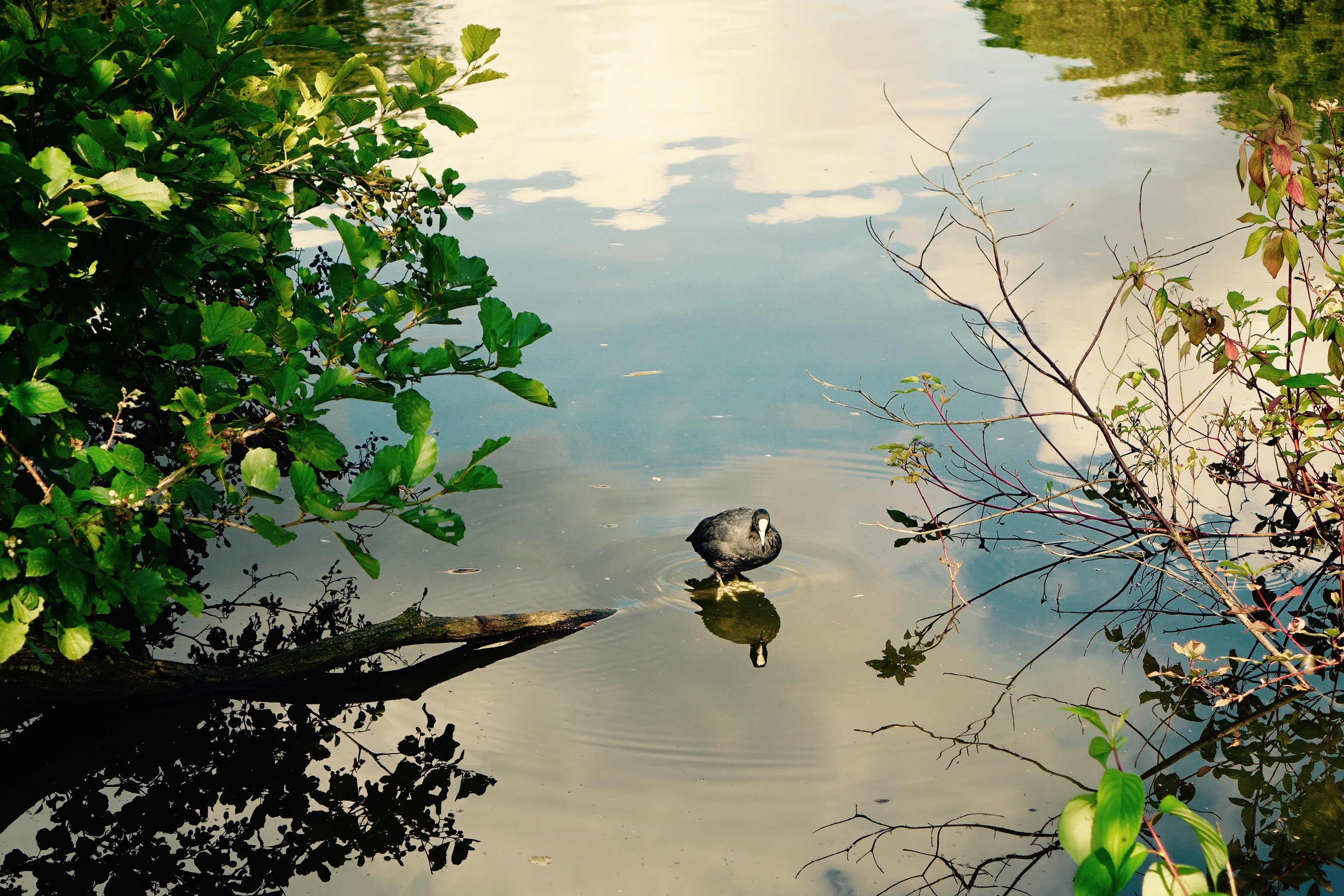
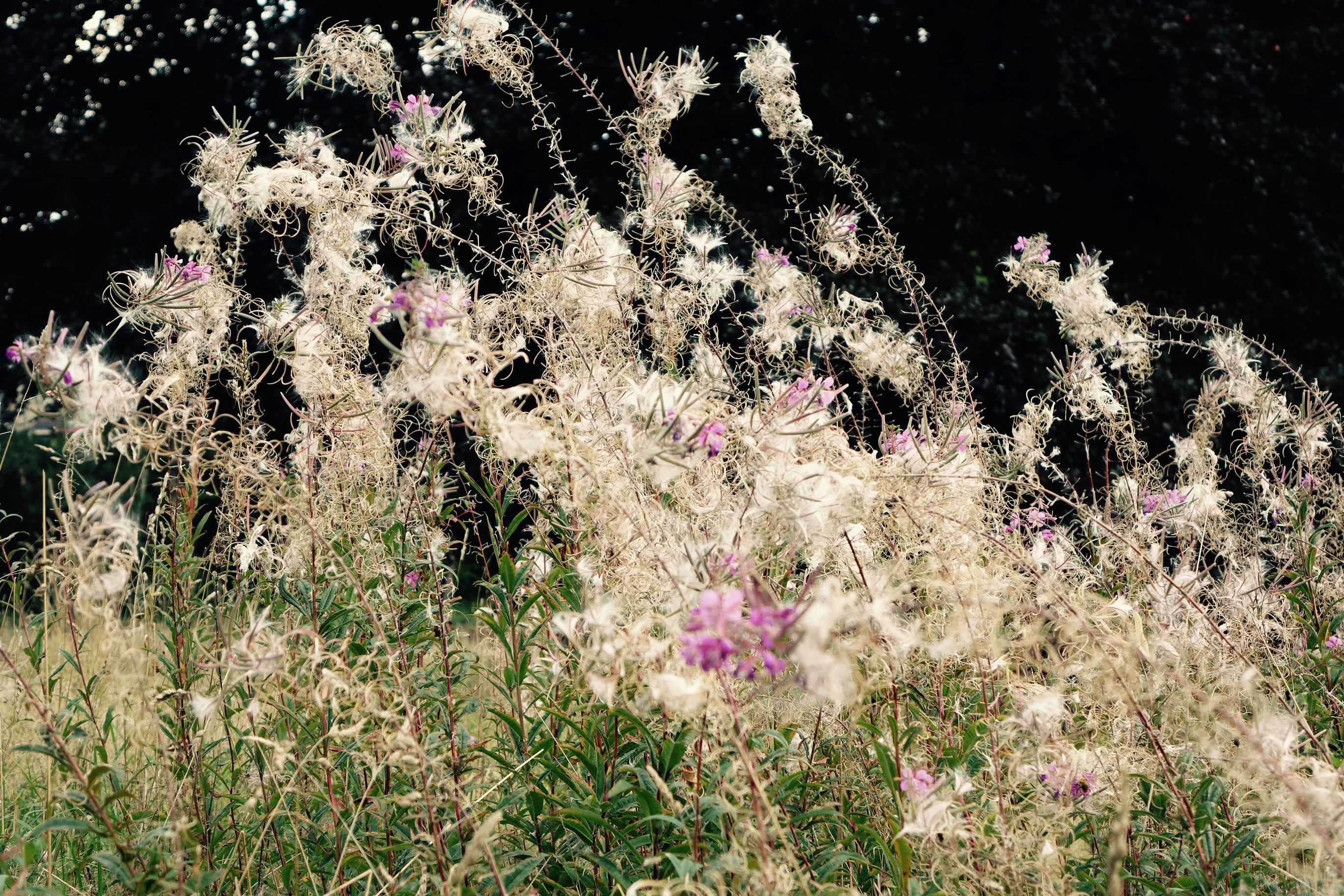
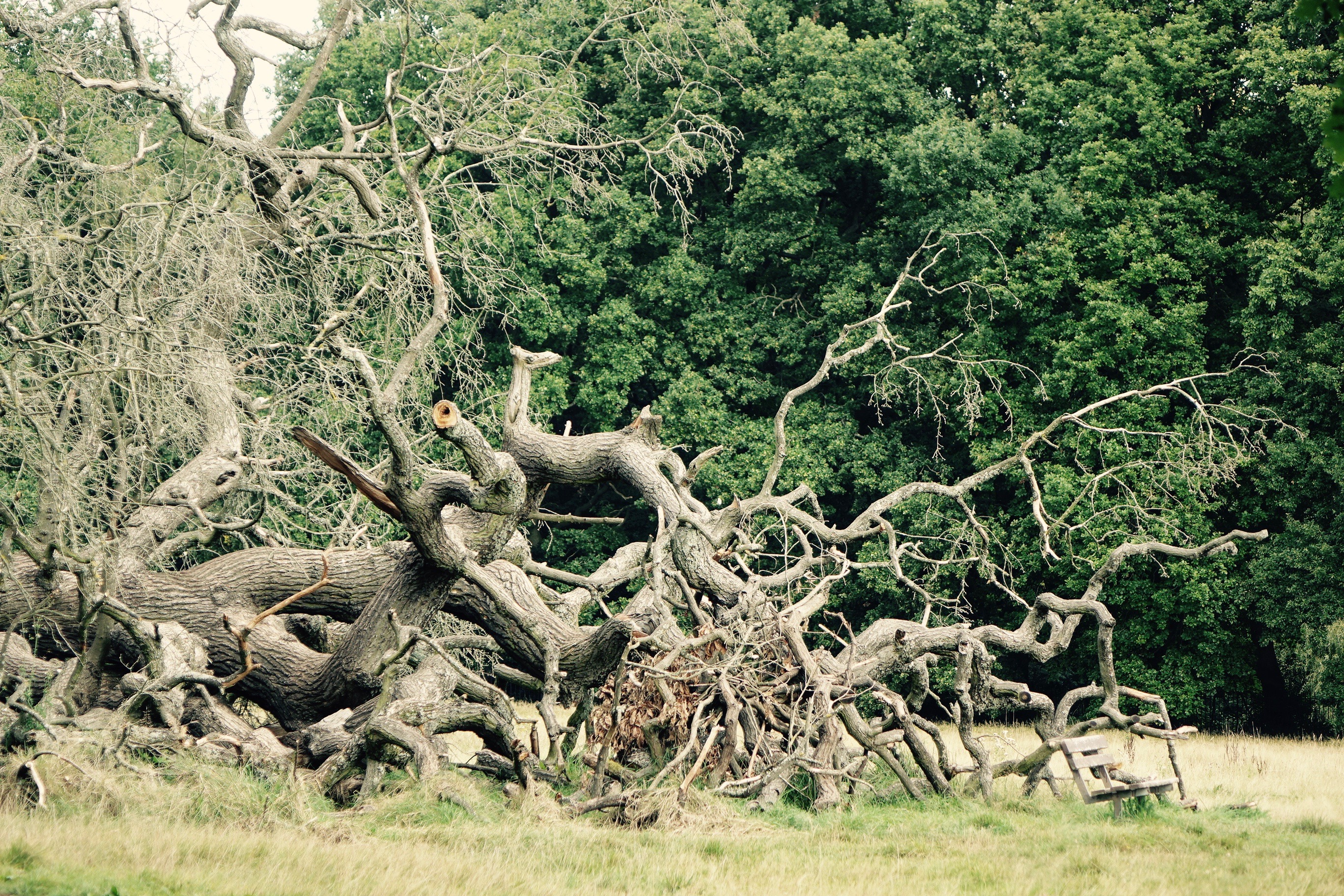
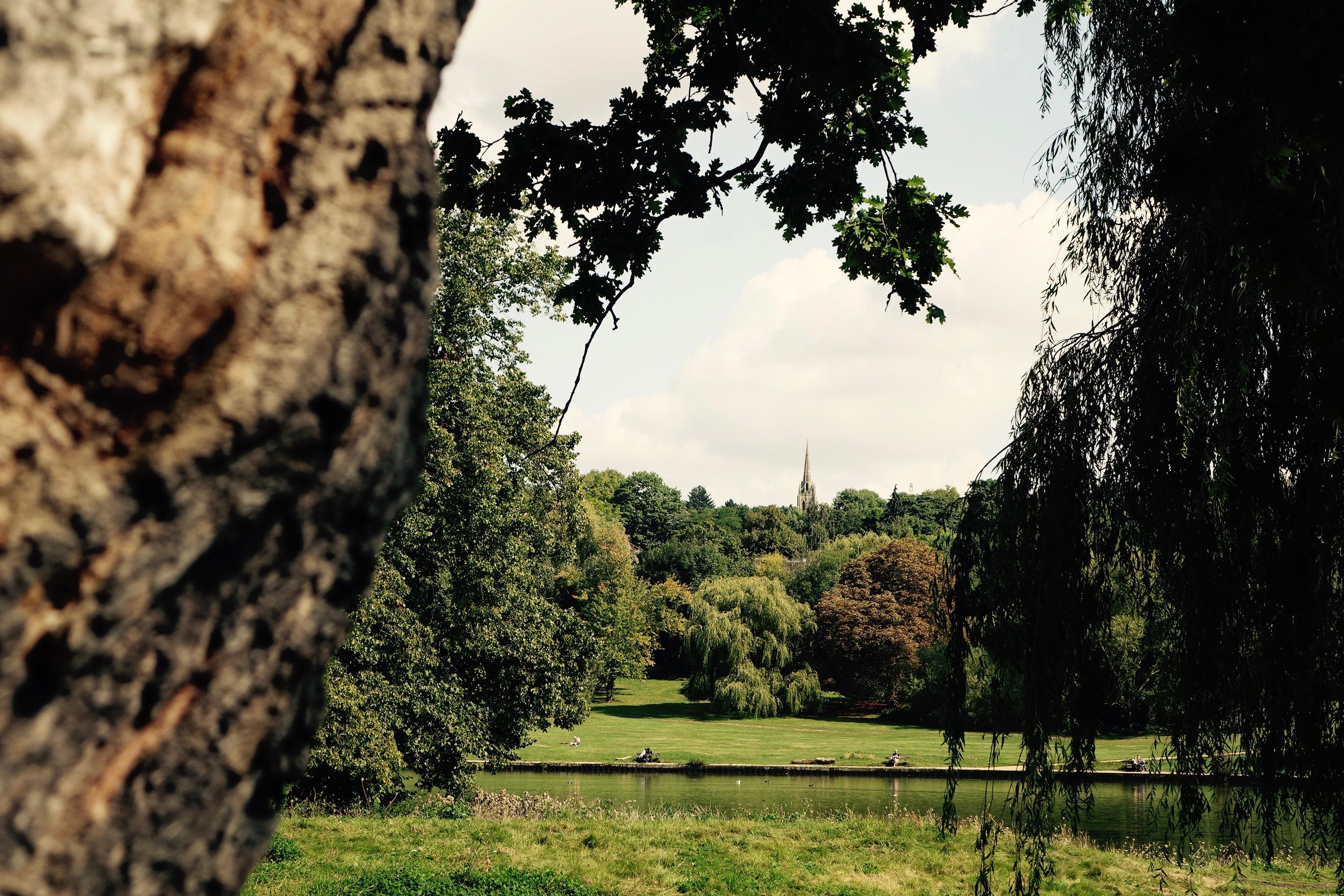
Located in the far North of London, the Heath is famous for many things, amongst them its bathing pools (men’s, women’s and mixed), sprawling countryside, the setting for Kenwood House, and fantastic views of London from Parliament Hill. Hampstead Heath has been the setting for various outdoor pursuits, water-sports and bucolic perambulations for years, and I’m not just referring to the less salubrious kind. It’s not difficult to see why the 700 acres of greenery are one of Londoners’ favourite places to spend recreational time: the sprawling landscape is so diverse and verdant, including vast forests, open heathland, rolling hills and various ponds, that a stroll within the park feels like a weekend away to the far reaches of the Kingdom.

Rolling countryside minutes from London

DSC06959DSC06945DSC06871DSC06887DSC06957DSC06966DSC06938DSC06870DSC06888DSC06863DSC06864

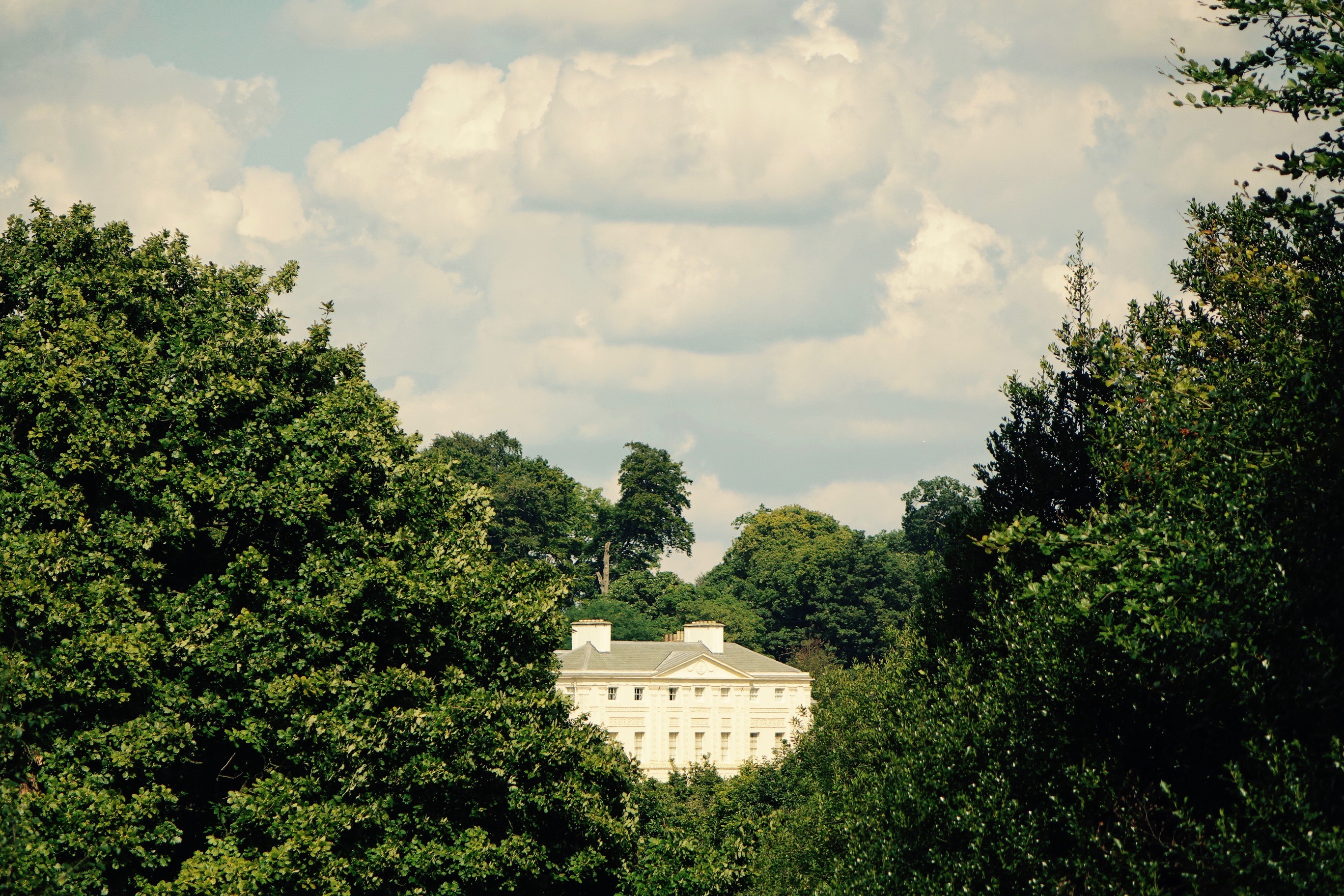
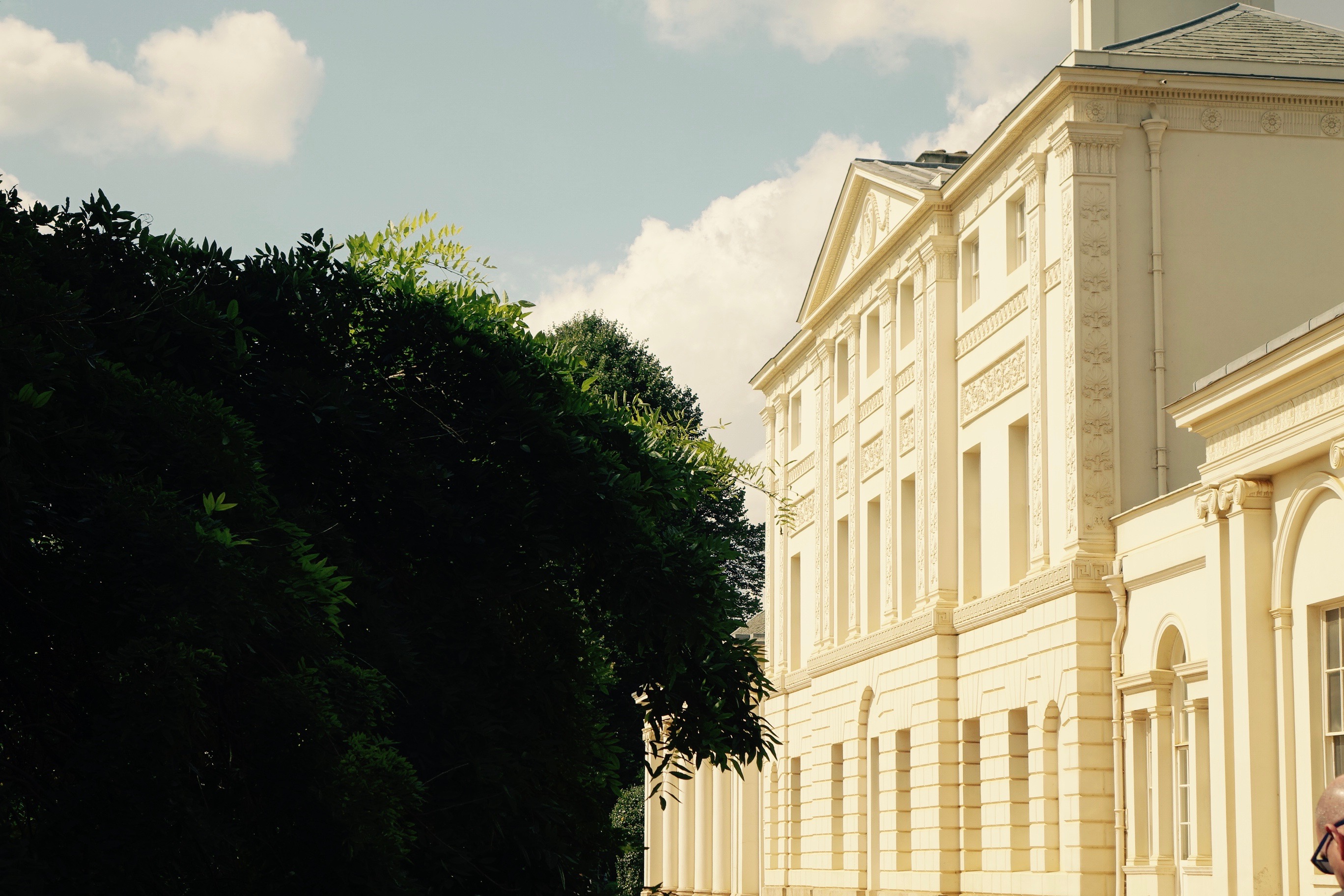
But Hampstead Heath is not just a pasture of green and plenty. For the North-most extent hosts a grand and lavish manor house whose pearly white stucco and delicately embellished facade glimmers against its verdant surroundings. This is Kenwood House, once seat of the Earl and Countess of Mansfield, and today home to one of the UK’s best kept art collection secrets. Including one of Rembrandt’s most striking self-portraits, light-infused works by Vermeer, rococo masterpieces by Gainsborough and moody weather scenes by Turner, it is a veritable treasure-trove of art history’s greatest stars. And what’s more, the collection can be seen for free.

Kenwood House

DSC06956DSC06922DSC06923DSC06908DSC06913DSC06930DSC06928DSC06905

Less easy on the wallet perhaps are the homes which surround the Heath. Palatial, detached properties overflowing with rose-bordered gardens adjoin this leafy landscape, and are undoubtedly some of the most desirable homes in all of London. While my back pocked literally ached at the thought of what they must be worth, I dreamed myself a little dream that one day such a property could be mine. In the meantime I spent a little more within my means: on coffee in Hampstead’s other great treasure: it’s chic village High Street. One day…

Hampstead Village

DSC06987DSC06992DSC06993DSC06981

© Nicholas de Lacy-Brown and The Daily Norm, 2001-2017. Unauthorised use and/or duplication of the material, whether written work, photography or artwork, included within The Daily Norm without express and written permission from The Daily Norm’s author and/or owner is strictly prohibited.

A Windsor Weekend, Part IV: The Park

The true might and scale of Windsor Castle is best appreciated at a distance. When approaching by train, the station at Windsor and Eton Riverside gives the appearance of a toy town construction as it sits in the shadow of the mighty castle silhouette on the skyline behind it. From the river, the great Castle pervades all watery reflections as a mirror image in the Thames doubles its impact. But best of all is the Castle viewed from the vast grounds which surround it, as the sprawling regal complex stands at the apex of a 2.65 mile perfectly straight road which cuts through Windsor Great Park: a true demonstration of its domination over the land.

Windsor Great Park is great indeed, humongous in fact. Had we wanted to explore each of its 2020 hectares we would have been exhausted indeed. And it would almost certainly take weeks to do it all. For these great hunting grounds of monarchs past are today the site of sprawling forests, vast landscaped gardens and agricultural land, and contain some of the most beautiful unspoilt countryside within the outer reaches of London.

DSC06272DSC06386DSC06413DSC06614DSC06418

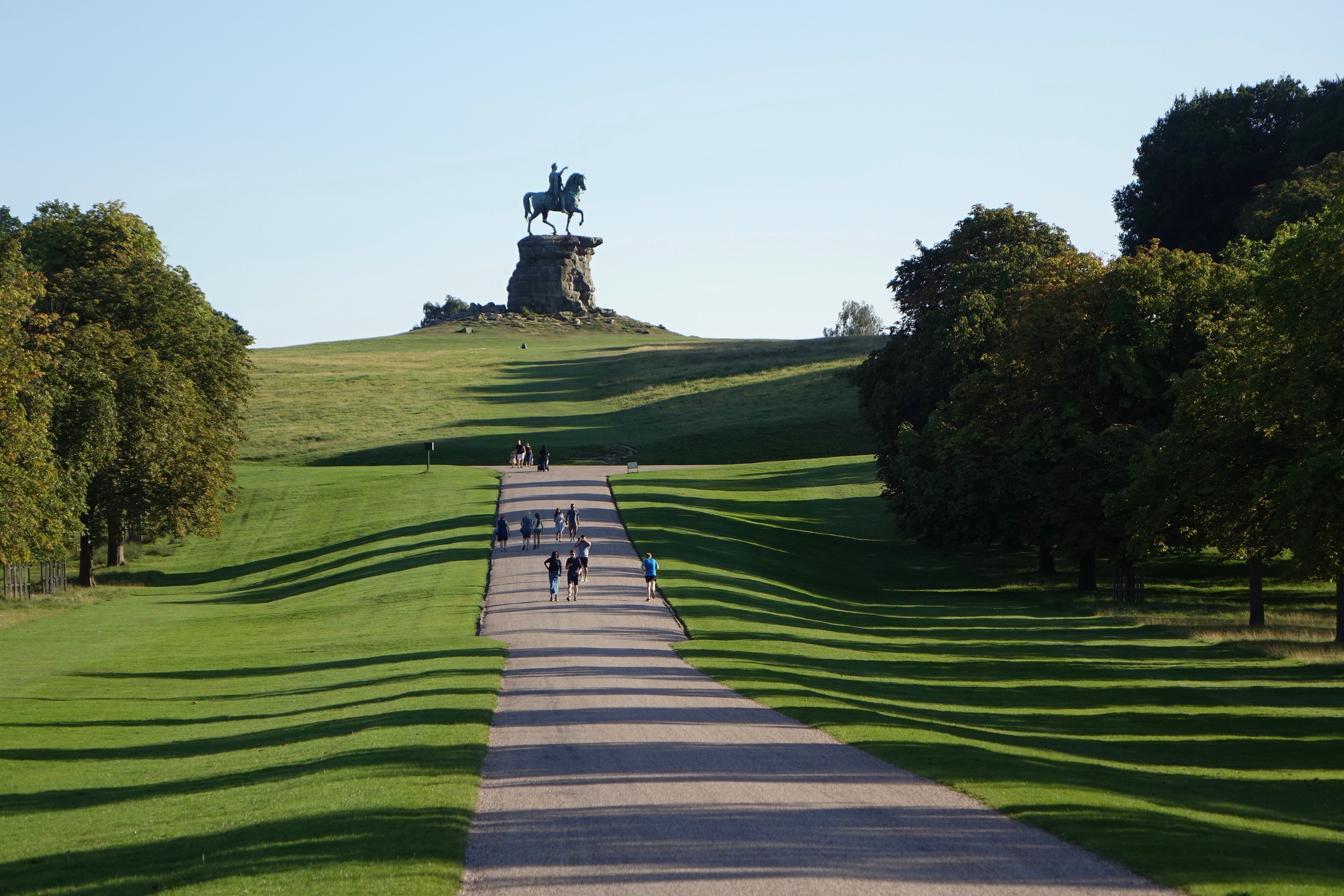
We restricted ourselves to the closet section of the park to Windsor town centre, namely the Long Walk and the land around it. Stretching from the Castle at one end to a grand imperial sculpture of George III upon a stallion at the other, the path is at the centre of a stunning tree and lawn lined avenue which seems to stretch as far as the eye can see. When setting off, the equine statue appears to be at the end of the world as it appears, tiny like a speck of dust on the far horizon. But as you proceed upon the Long Walk, admiring a progressively more bucolic scene unfold on either side, the true pomp and  enormity of the sculpture becomes clearer as behind, Windsor Castle shrinks in size.

DSC06280DSC06548DSC06269DSC06242DSC06601

It was a hard slog, but we eventually reached George III, with the final efforts of our ascent to the base of the statue aptly rewarded by the most dazzling view of Windsor Castle far off in the distance. But turning the other way, we saw an idyllic landscape of rolling hills, woods and fields unfurl into the distance, and unable to resist a little embrace of this less landscaped scene, we delved into the forests and fields, snacking upon beautifully sweet forest berries as we did so. Here, only the unfortunate sound of Heathrow aircraft interrupted us. Otherwise the world was utterly still, and we found ourselves wonderfully at ease in this most heavenly of natural surroundings – the playground of the many Kings and Queens who have enjoyed the very rich landscapes which surround their home at Windsor.

© Nicholas de Lacy-Brown and The Daily Norm, 2001-2017. Unauthorised use and/or duplication of the material, whether written work, photography or artwork, included within The Daily Norm without express and written permission from The Daily Norm’s author and/or owner is strictly prohibited.

A Windsor Weekend, Part I: The Castle

The myths and legends surrounding England’s valiant past are so intertwined with our history that it’s sometimes hard to remember what is fact and what is fiction. The tale of King Arthur and the Knights of the Round Table is a typical example of this, and while many have determined the magic surrounding Merlin to be the stuff of fairytales, the fable of King Arthur and his Knights certainly resonates as being a more realistic depiction of historical England. Whether or not the round table existed, the image it evokes – of brave knights, lion-emblazoned coats of arms, and of shiny coats of armour ridden into battle – very much captures a sense of the England of old. And if one place were to lift that image off the pages of legend and into the real light of day, it’s Windsor Castle.
DSC06710DSC06664DSC06715DSC06137DSC06776

Grand, imposing and the very epitome of a medieval-style castle, Windsor is not only a historical monument worthy of legend itself. Rather it always has been, and continues to be a favourite royal residence, and today boasts the record as being the longest occupied palace in Europe, as well as the favourite weekend retreat and place of entertainment of the UK’s current monarch, Queen Elizabeth II. With roots stretching right back to the Norman Conquest of 1066, Windsor Castle has been constantly remodelled and expanded to suit the tastes of each succeeding monarch, from the lavish baroque of Charles II to the Georgian flourishes of George IV and the modernisation of the Victorian and later eras.

While on the outside it appears as stark and imposing as a great stone castle should, on the inside it is very much a palace in the true sense of the word. While some rooms are emblazoned with sparkling armour, decorative weaponry and historical coats of arms, others are masterpieces in rococo and baroque, glistening with gold and chandeliers and filled with the most lavish of palatial furnishings. In 1992, much of this beauty was almost lost forever when a ferocious fire tore through the building and destroyed many of the most important State Rooms. But today, after an award winning restoration, Windsor is not only back to its beautiful self, but much improved, with many interim changes reversed to take the Castle design back to its early glory days.

DSC06771DSC06721DSC06640DSC06699DSC06134

But Windsor is not just a single-building castle, but a complex with gardens, out-buildings and places of worship making up a mini town within a town. Chief amongst these ancillary sights is St George’s Chapel, which is probably one of the most beguilingly beautiful churches I have seen. Gleaming with light filtered through intricately conceived multi-coloured stained glass windows depicting the Kings and Queens of old, the chapel is a masterpiece of the perpendicular gothic. Its lattice stone-weaved ceiling is a work of genius, and in such a good condition that it is hard to think that for the most part, this is the work of 15th Century craftsmen. Its Quire (where the choir sing) is simply magical. The home of the Knights of the Garter, it is a true homage to all things Round Table, adding to the myth which surrounds British history and expressing in a stroke of true theatricality the historical importance of this preeminent body of royal knights. Meanwhile, peppered throughout the chapel are some of the most important monuments you are likely to see in any single one place in England: here lies Henry VIII, the Queen Mother, George V, George VI and Charles I to name but a few. And for those not buried here, monuments to the likes of Prince Albert and Princess Charlotte (who died in childbirth leading to the ascension of Queen Victoria) are masterpieces of pathos carved in stone and crafted in the suitably melodramatic Victorian aesthetic.

DSC06116DSC06074DSC06115DSC06093DSC06157DSC06130

Unfortunately the splendours of Windsor’s interiors are the preserve of the eyes only, as photography is banned throughout. I must therefore content myself with sharing with Daily Norm readers my photos of the joys of Windsor’s grounds, from the incredible exterior masonry and gothic façade of St George’s, to the beautiful moat gardens which, filled with roses, so perfectly soften the hard lines of this mighty castle beyond.

© Nicholas de Lacy-Brown and The Daily Norm, 2001-2017. Unauthorised use and/or duplication of the material, whether written work, photography or artwork, included within The Daily Norm without express and written permission from The Daily Norm’s author and/or owner is strictly prohibited.