Skip to content

Posts tagged ‘Journal’

The Colours of Marrakech, Part 6: Sunset Fuchsia

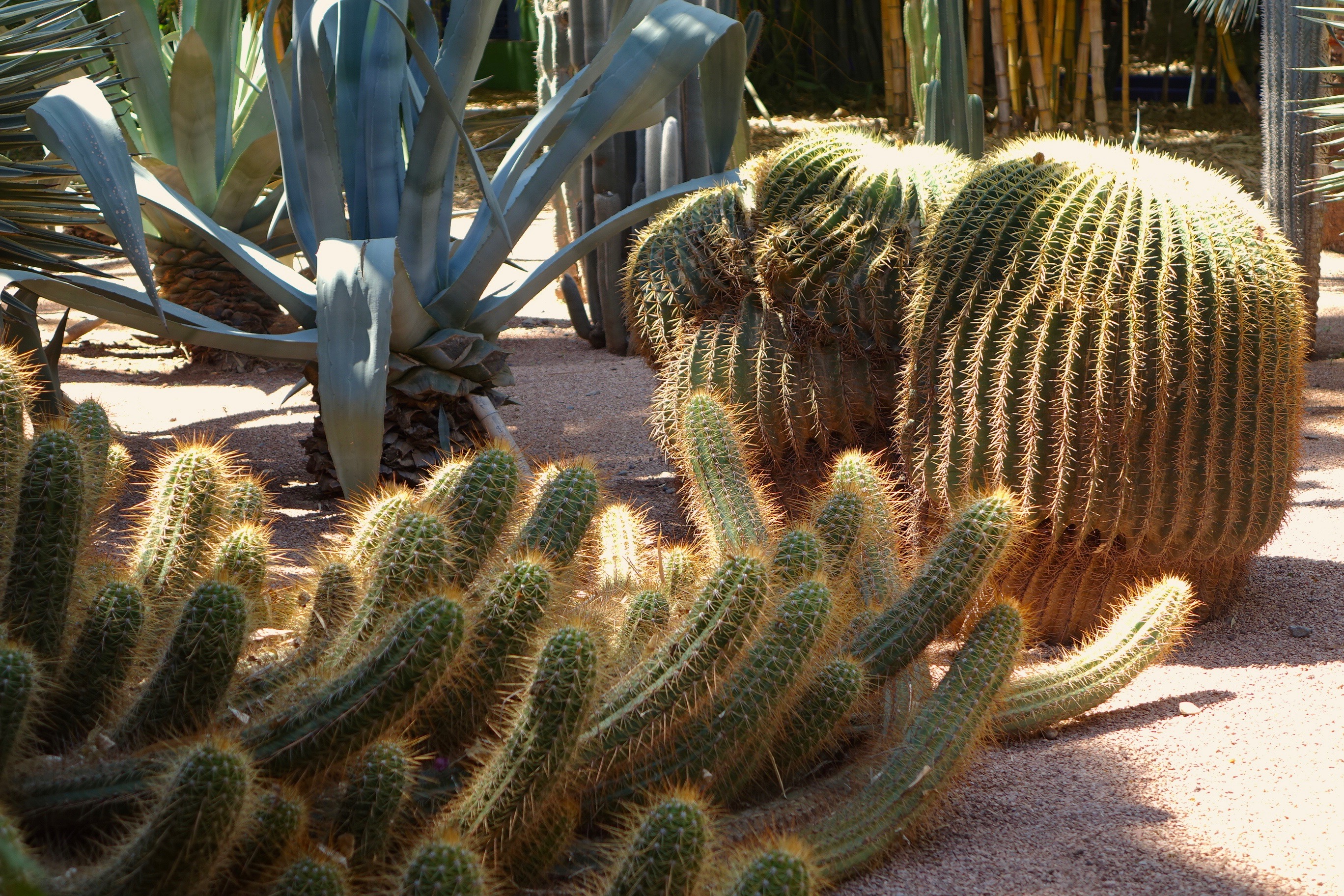
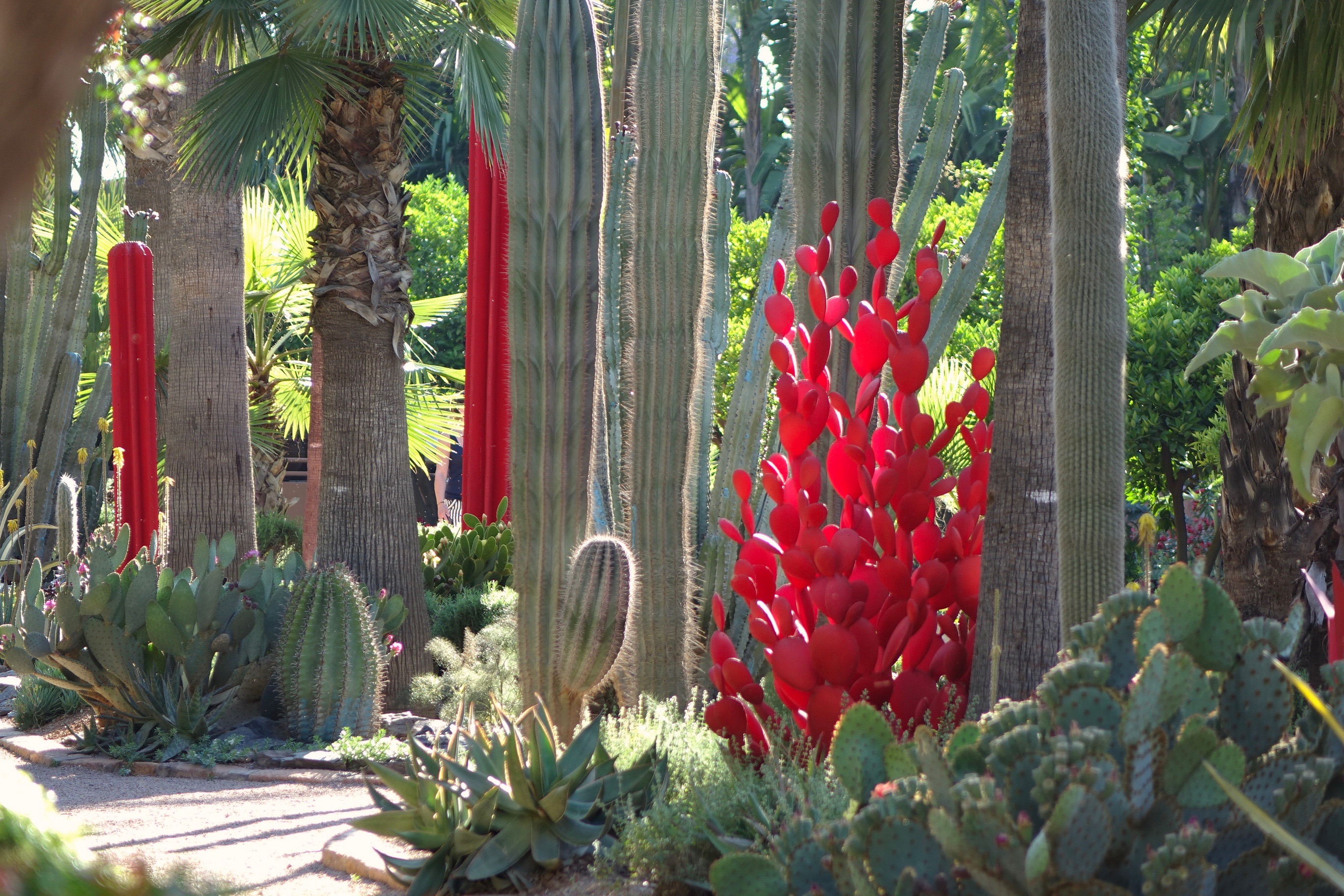
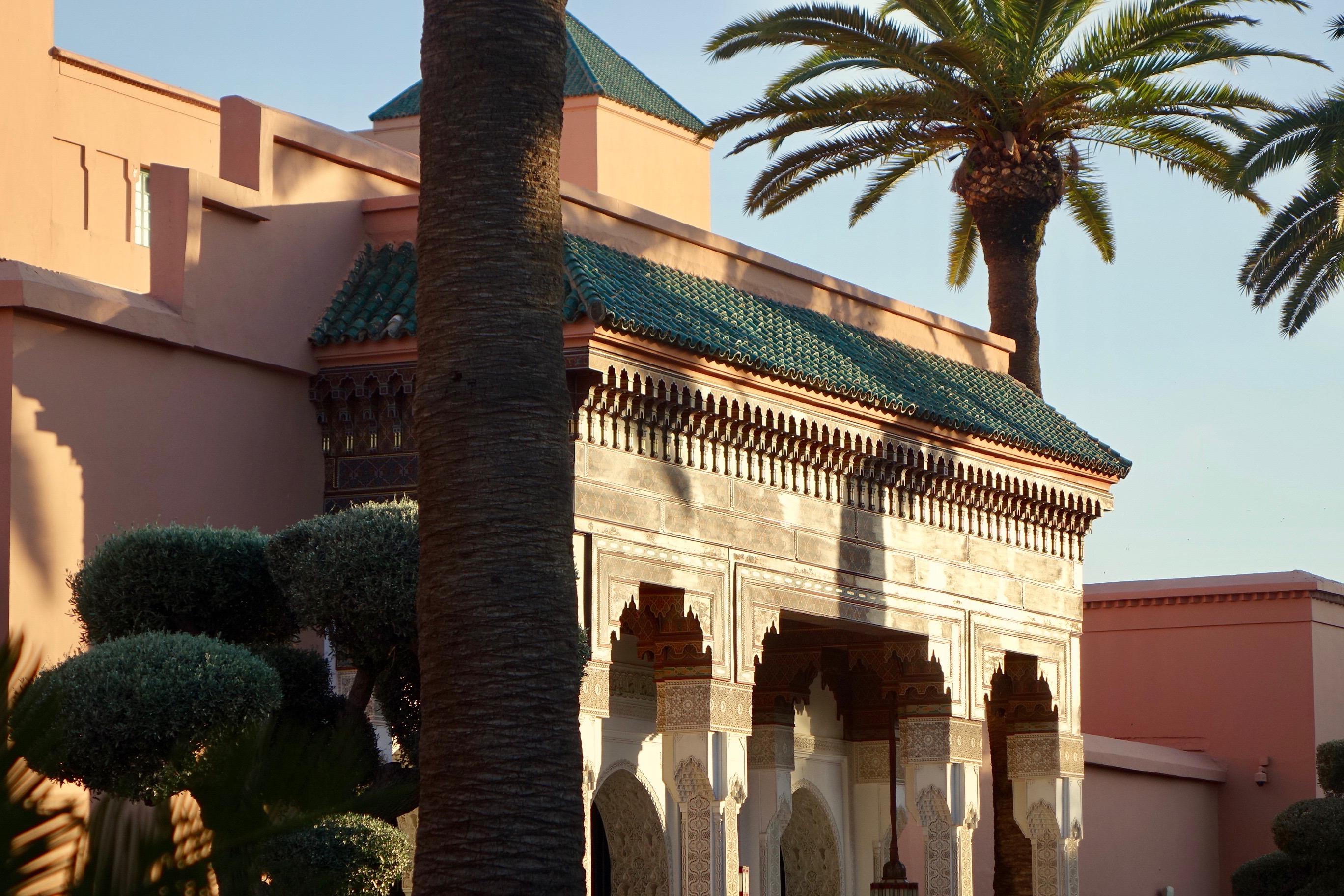
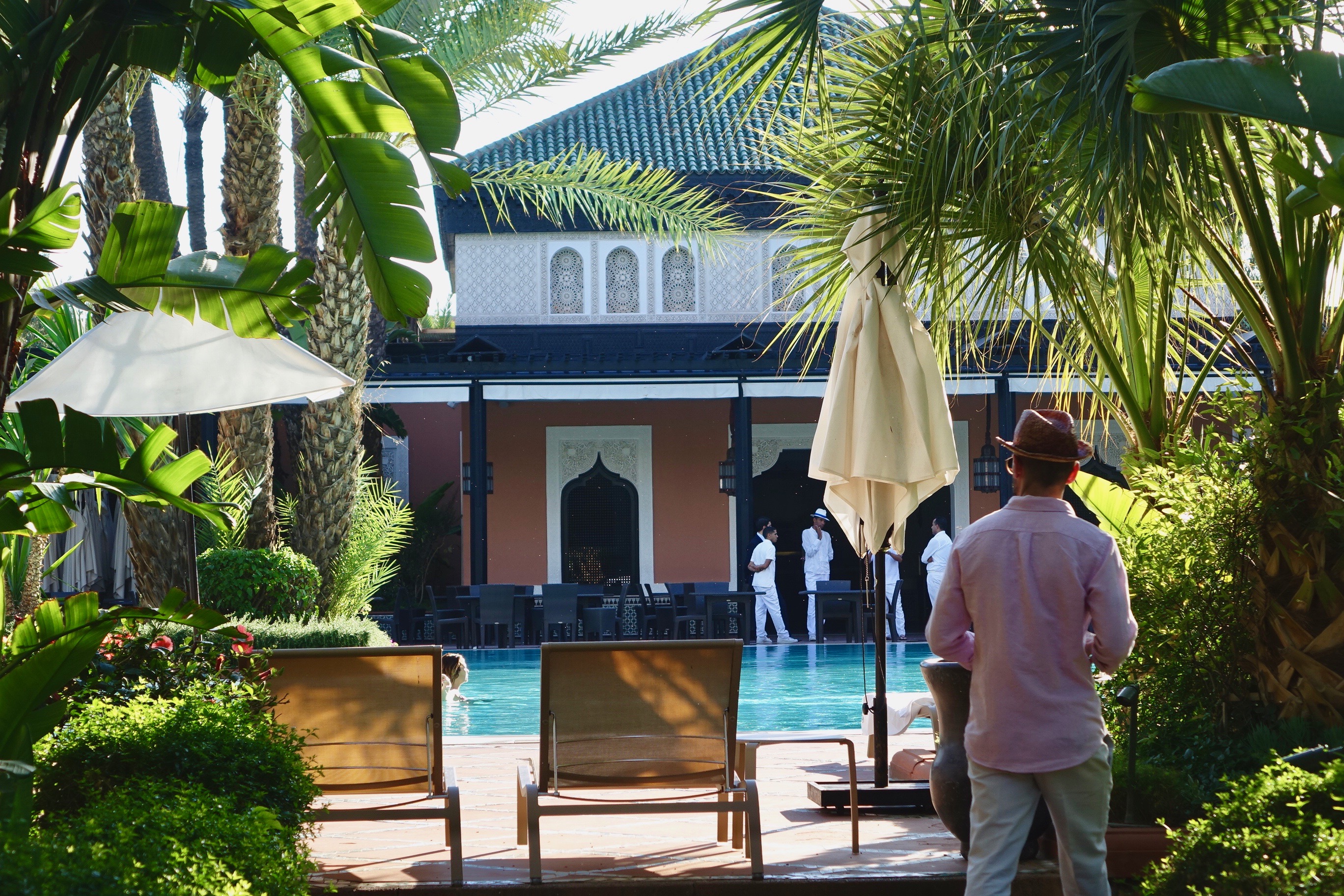
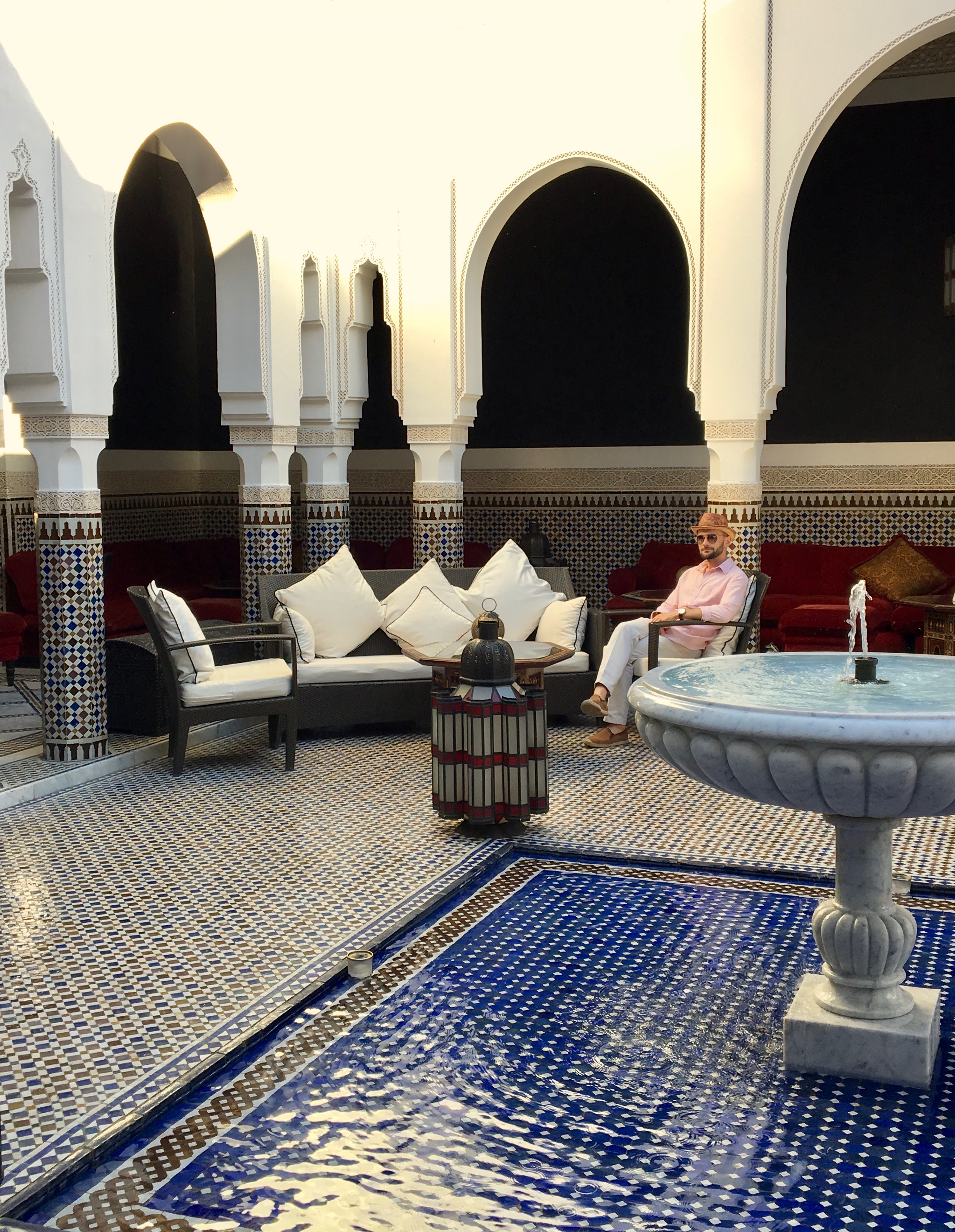
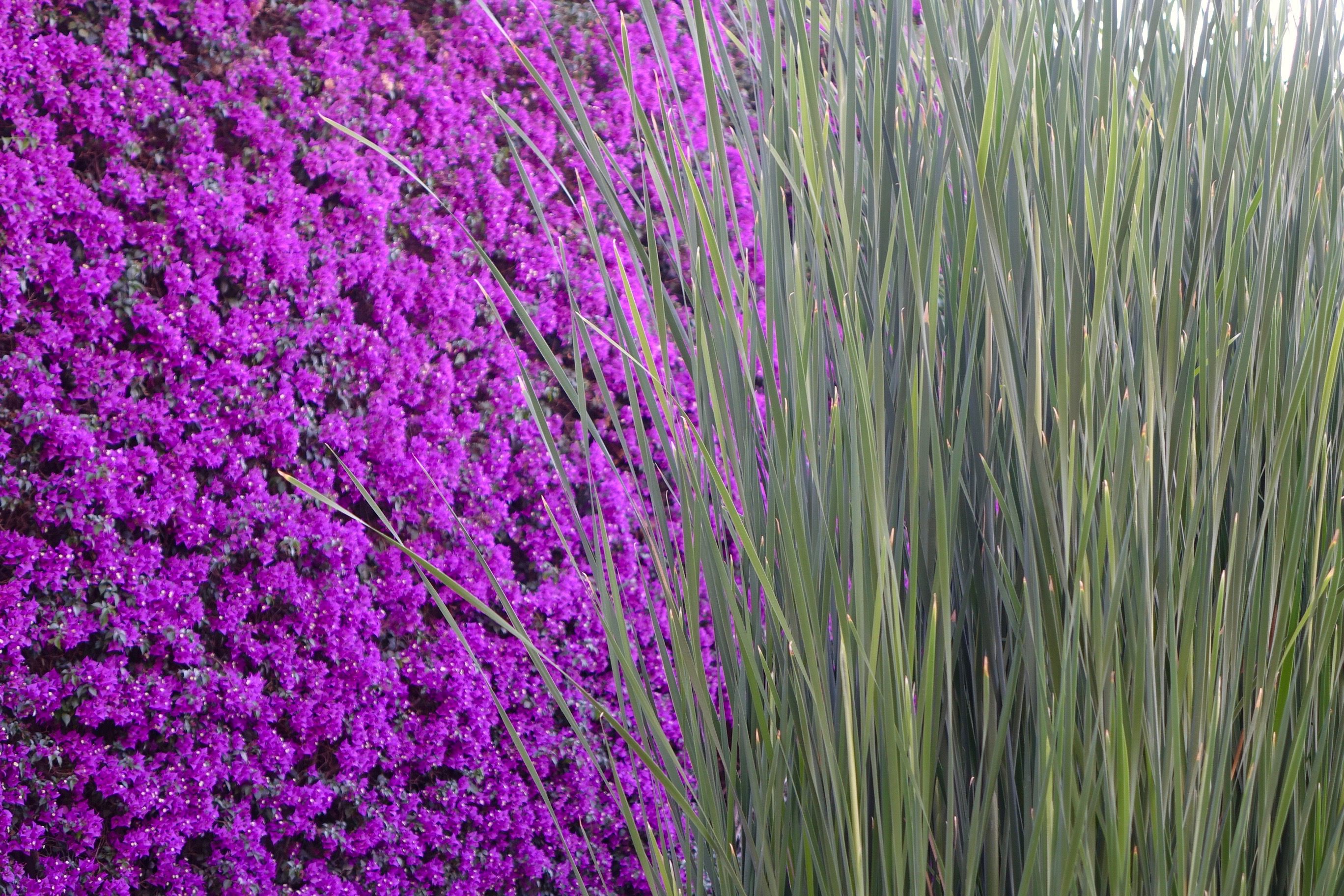
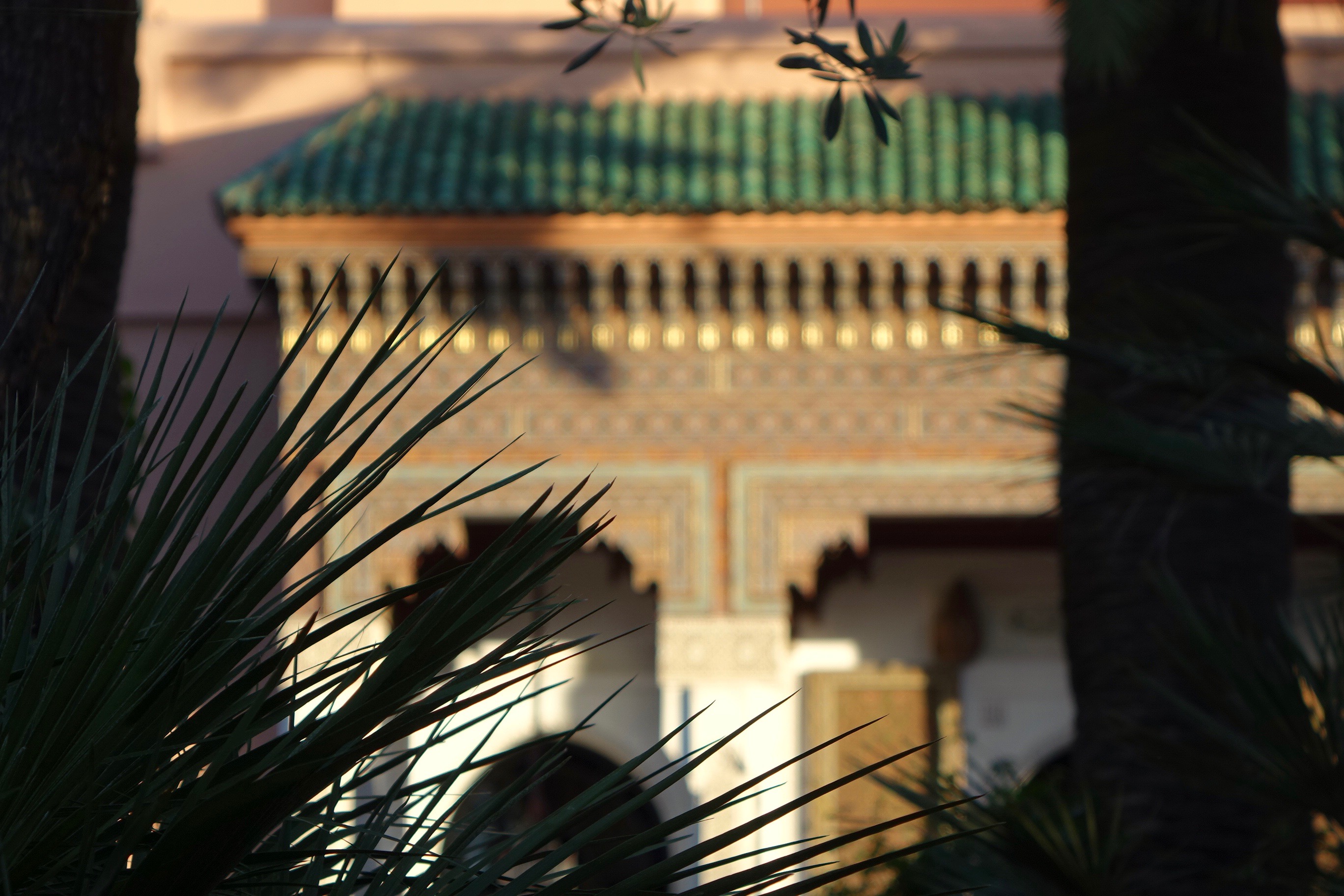
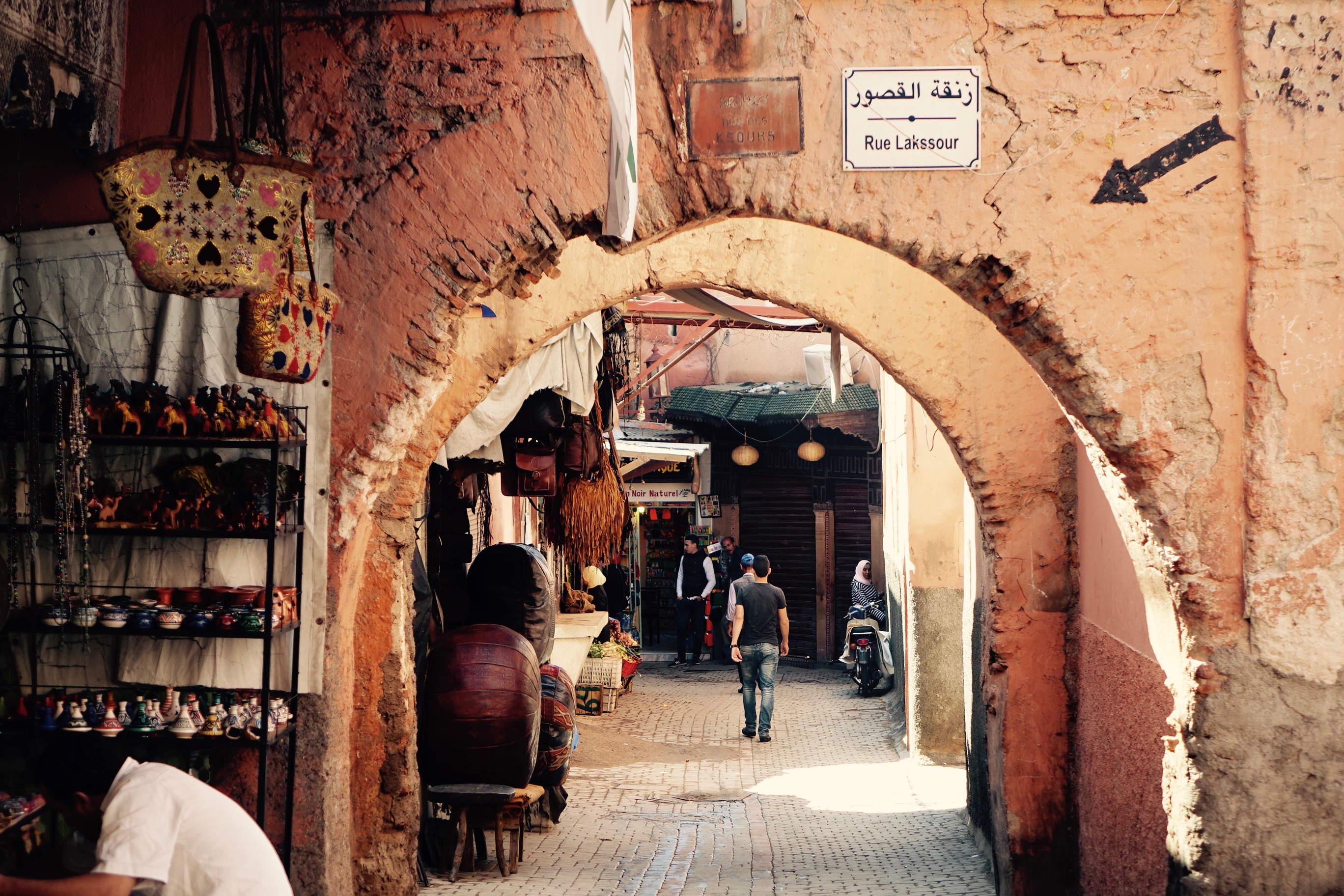
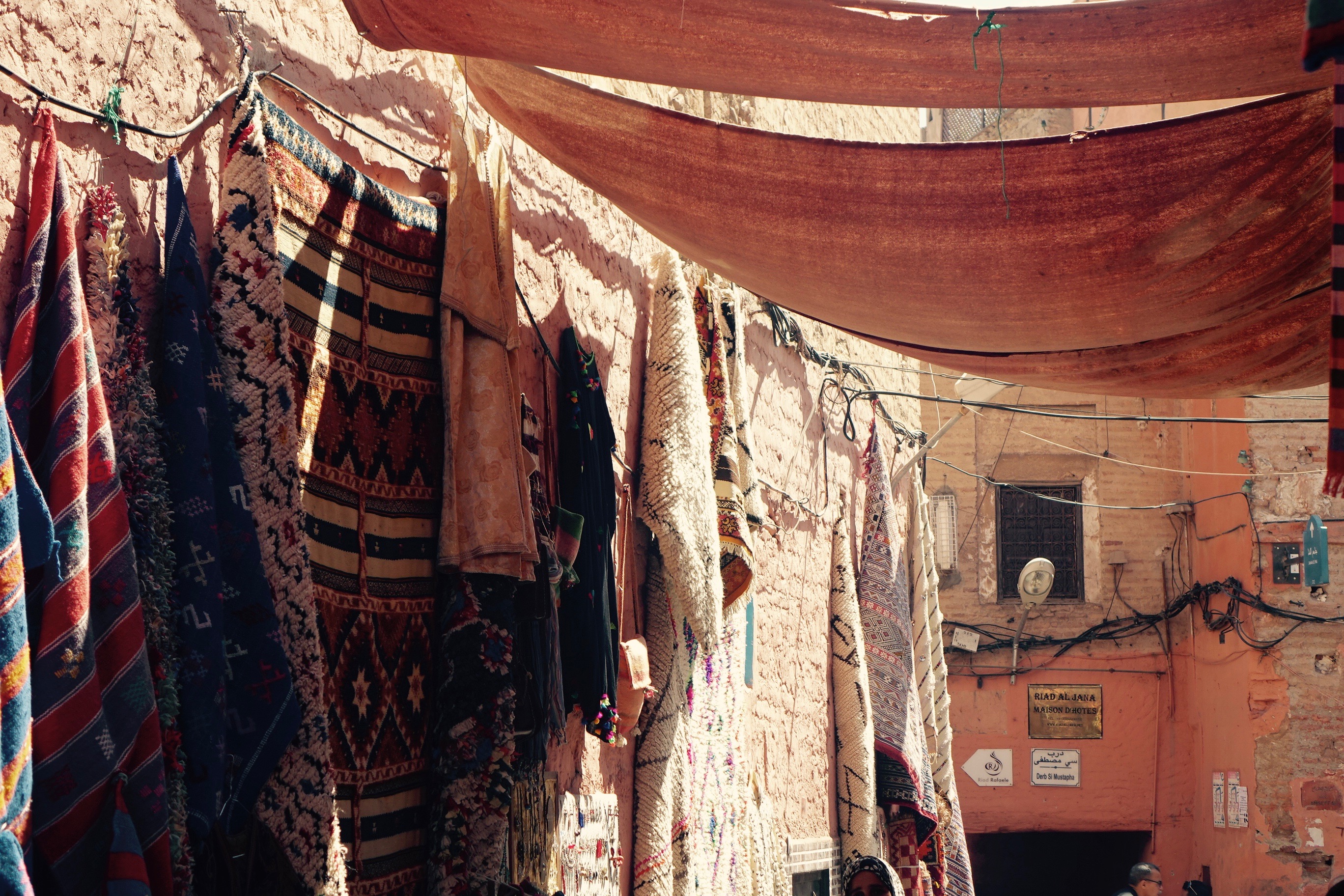
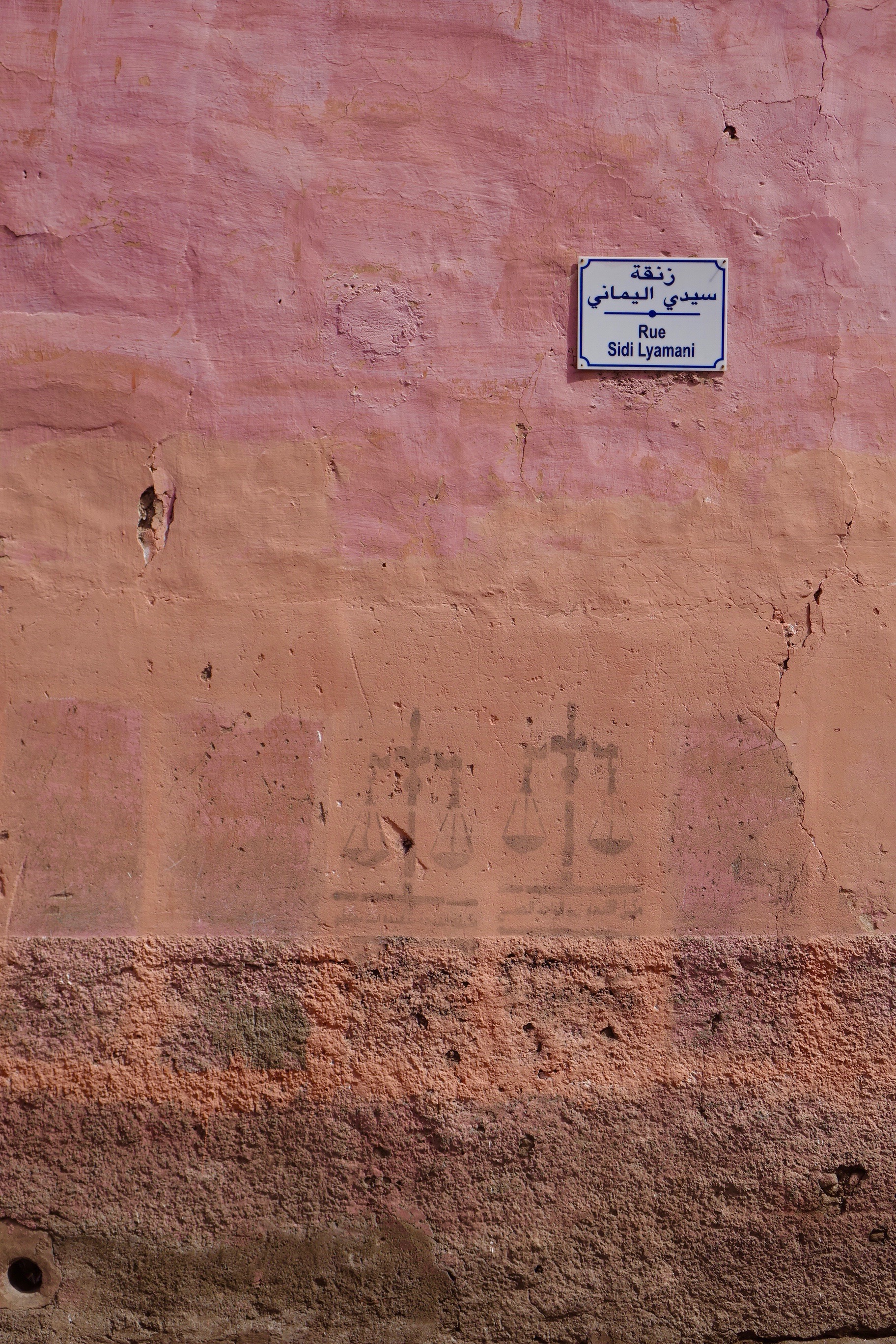
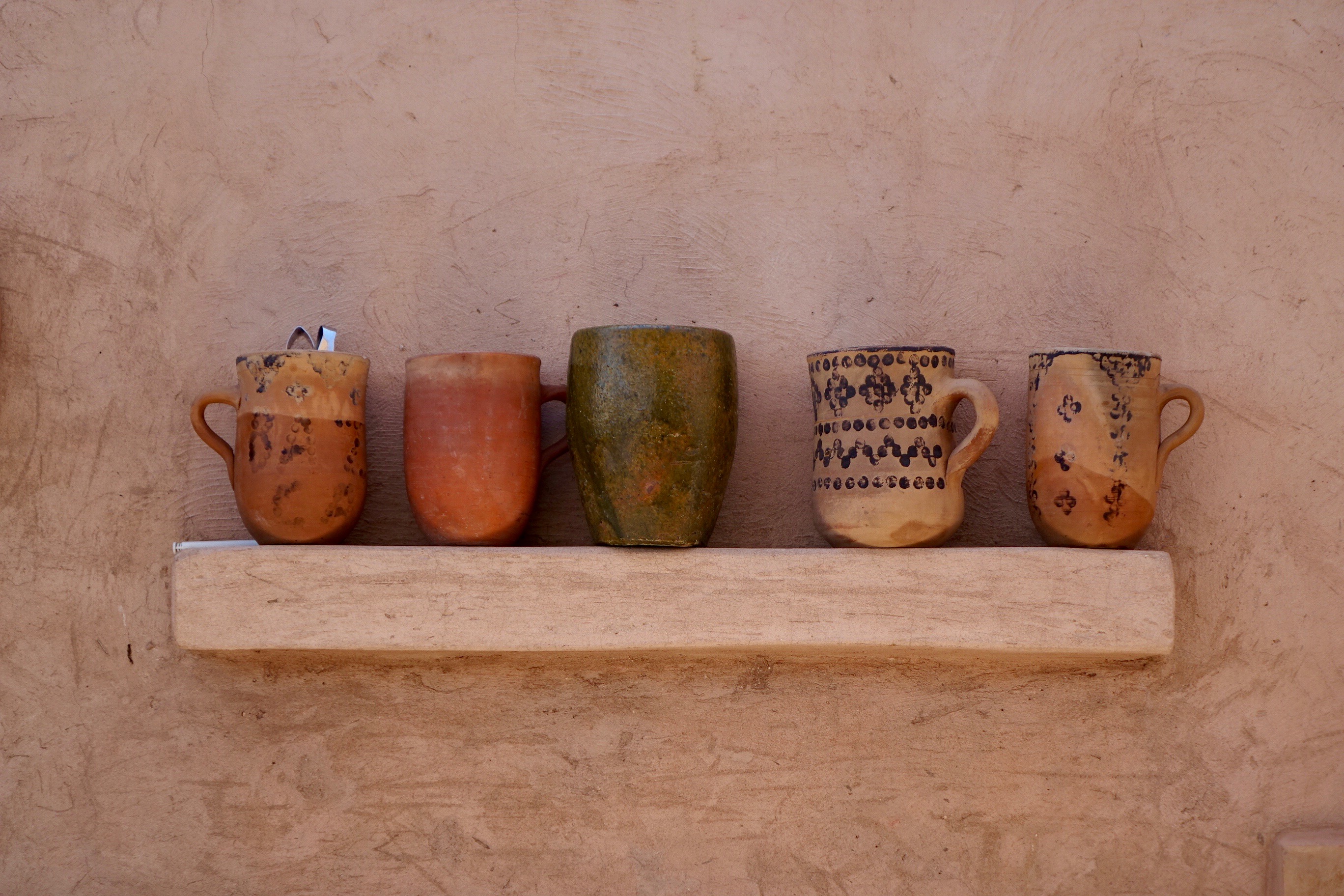
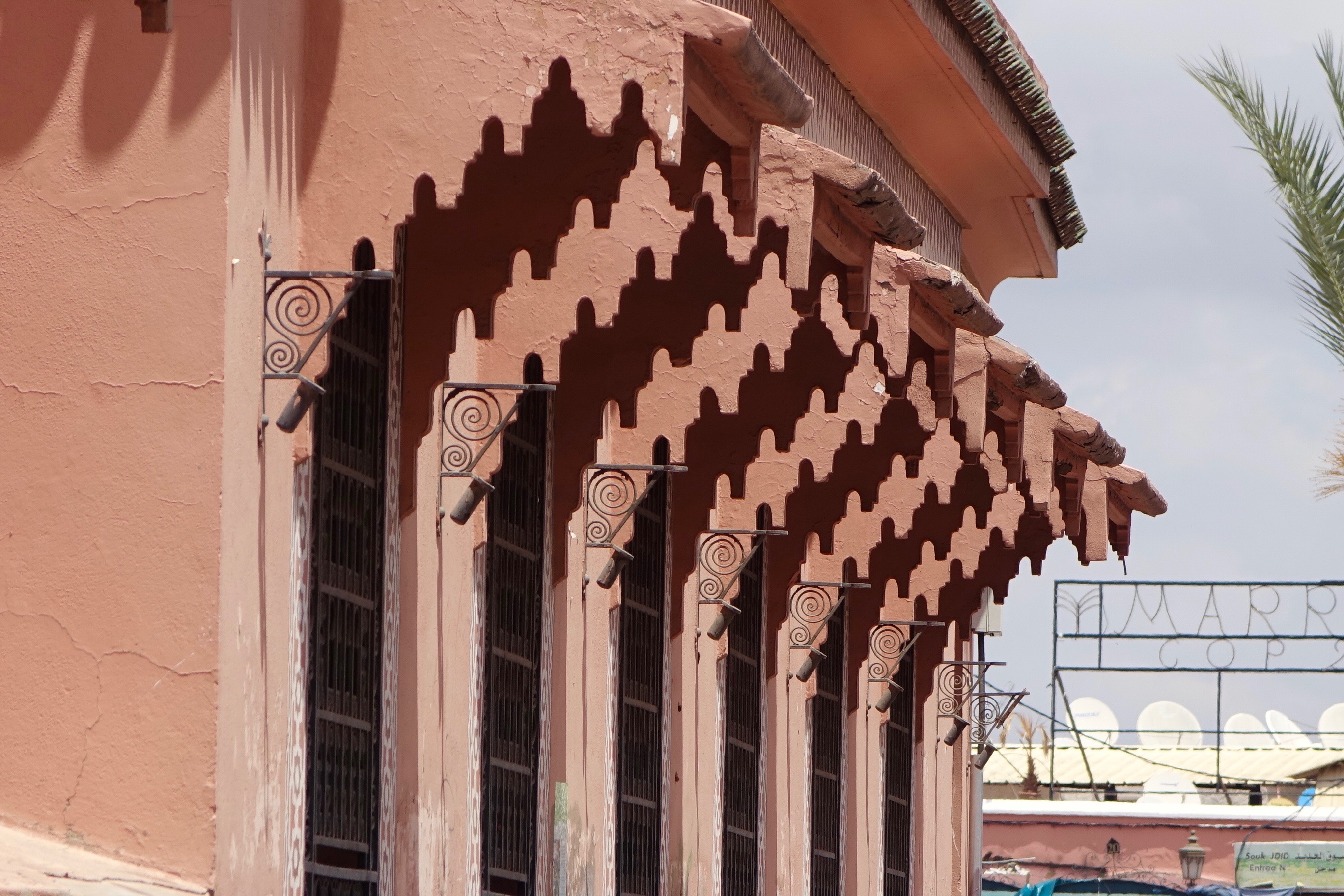
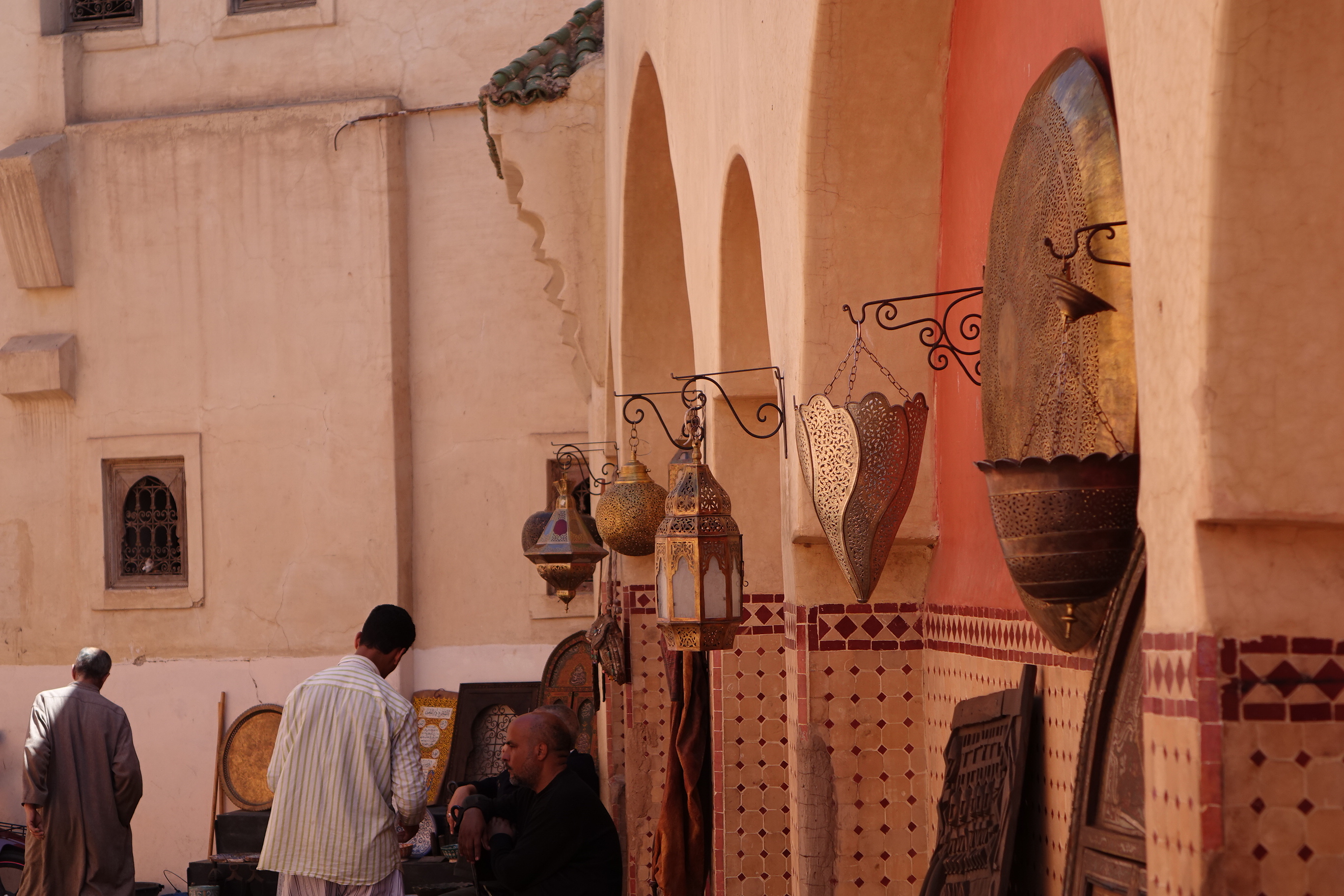
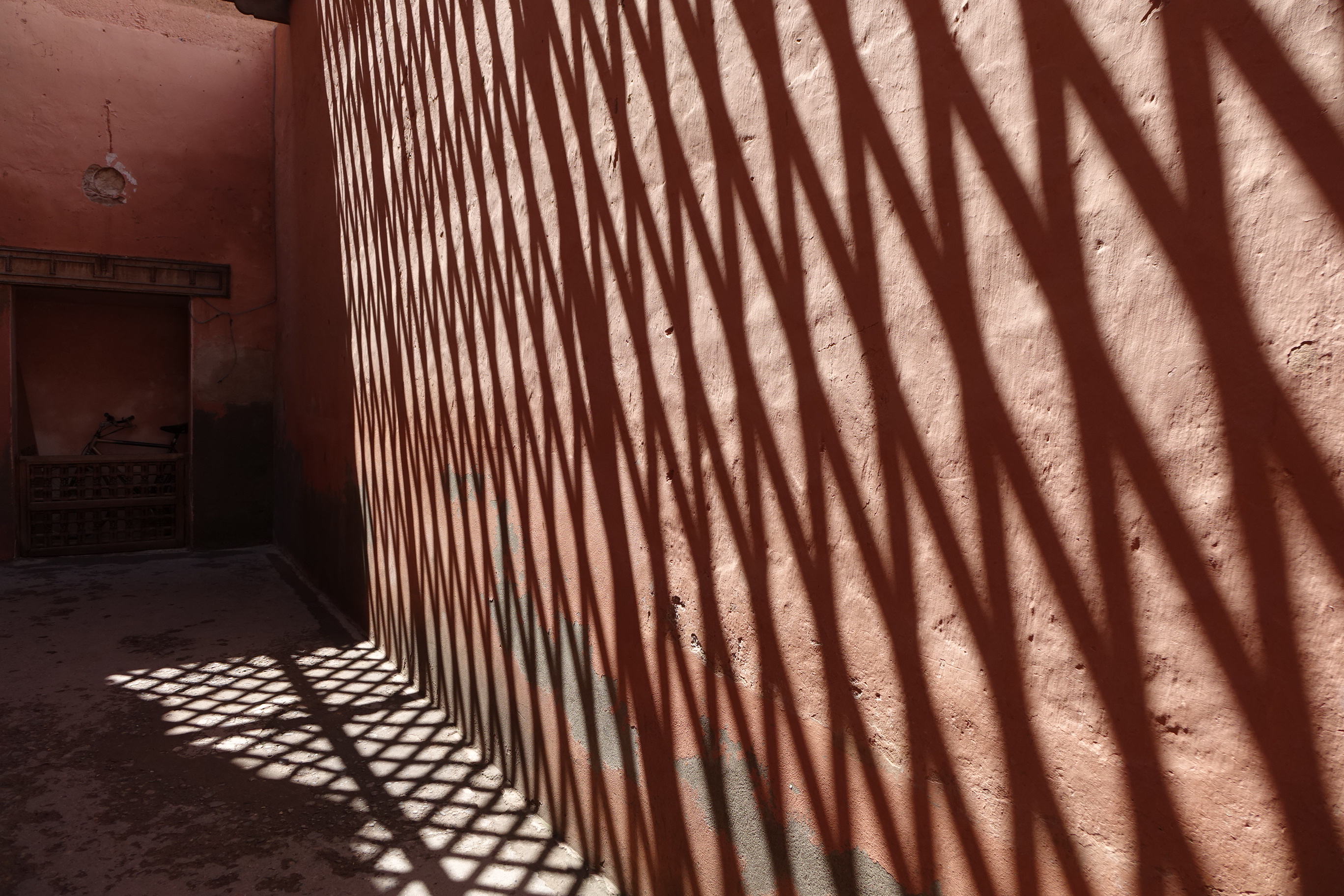
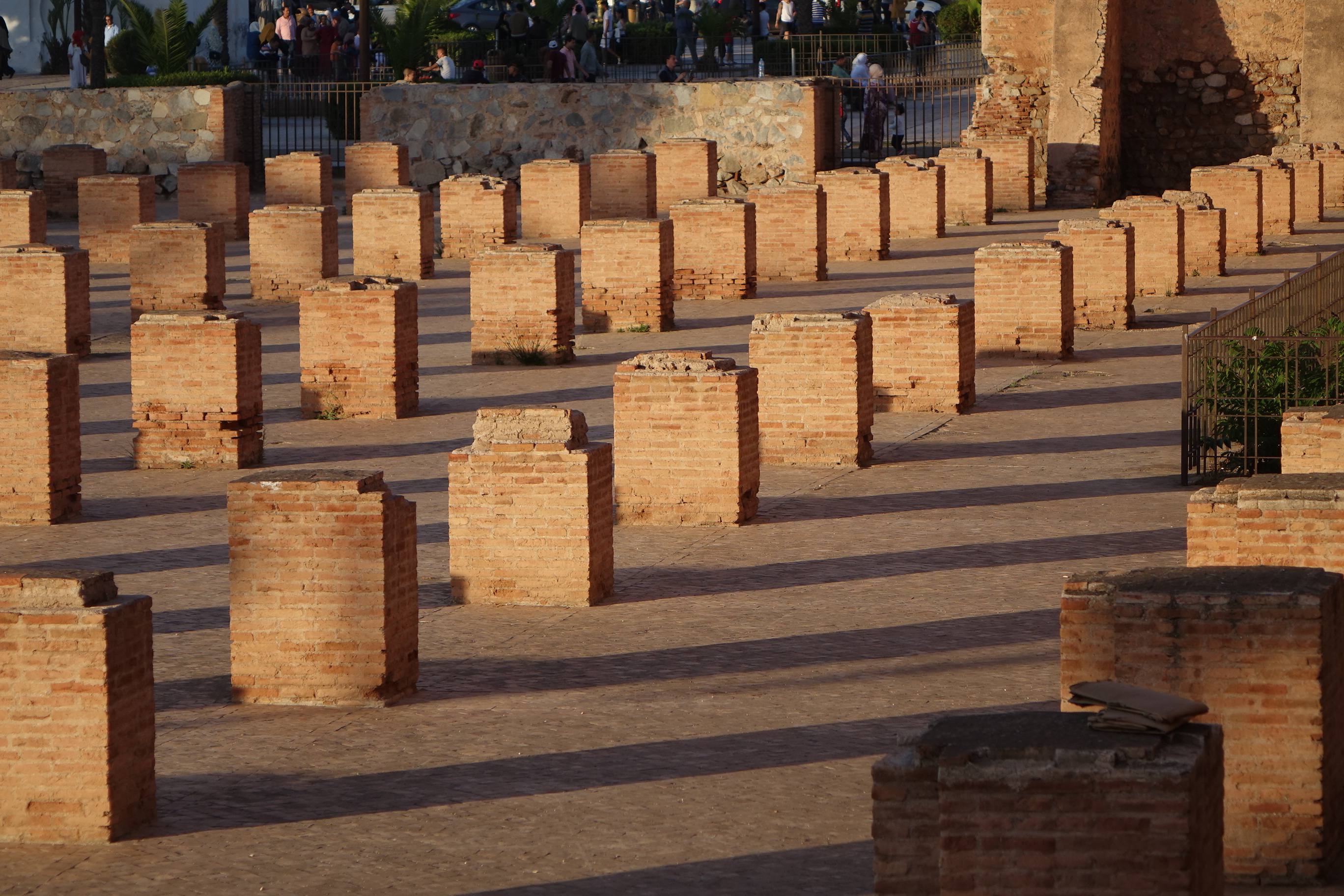
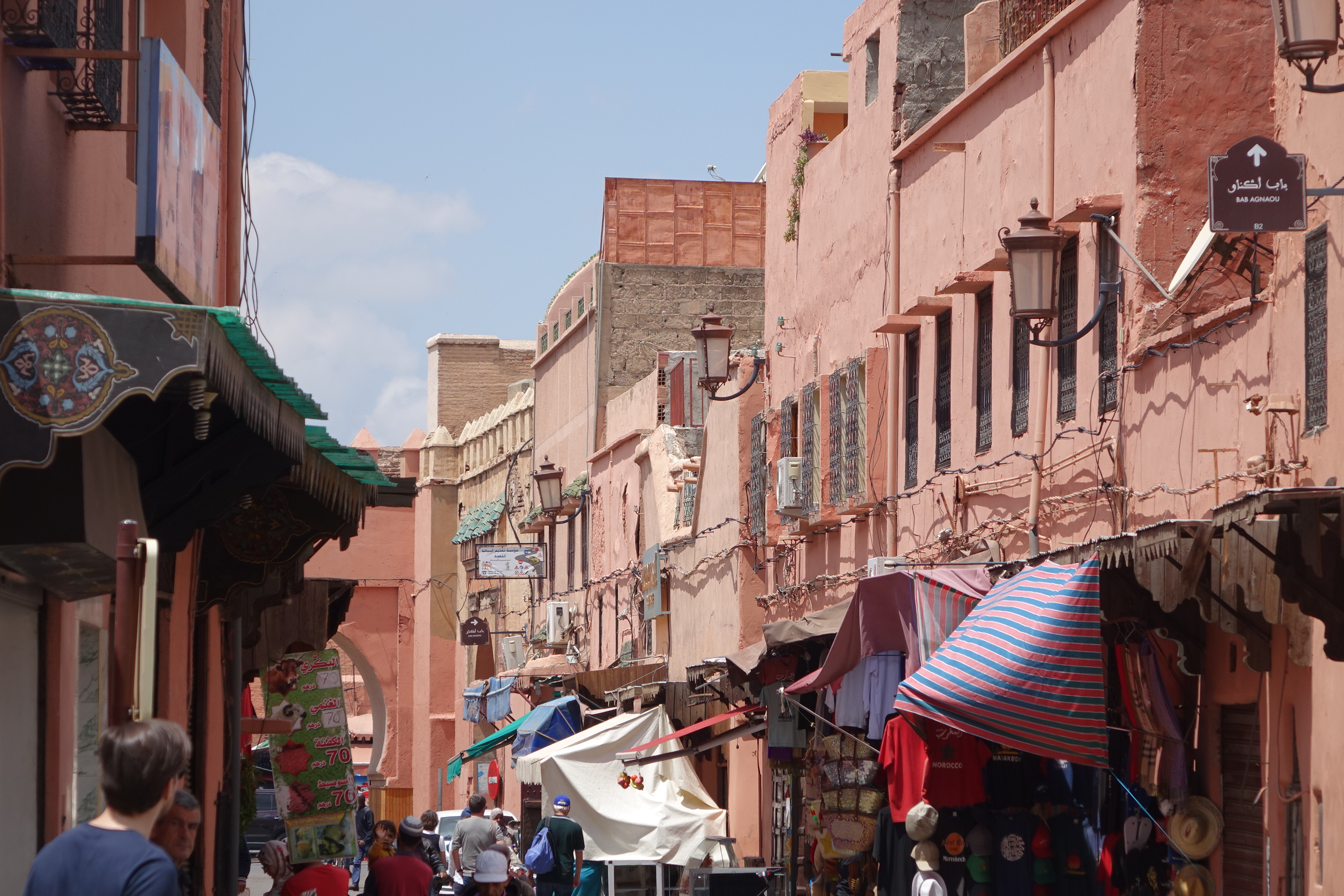
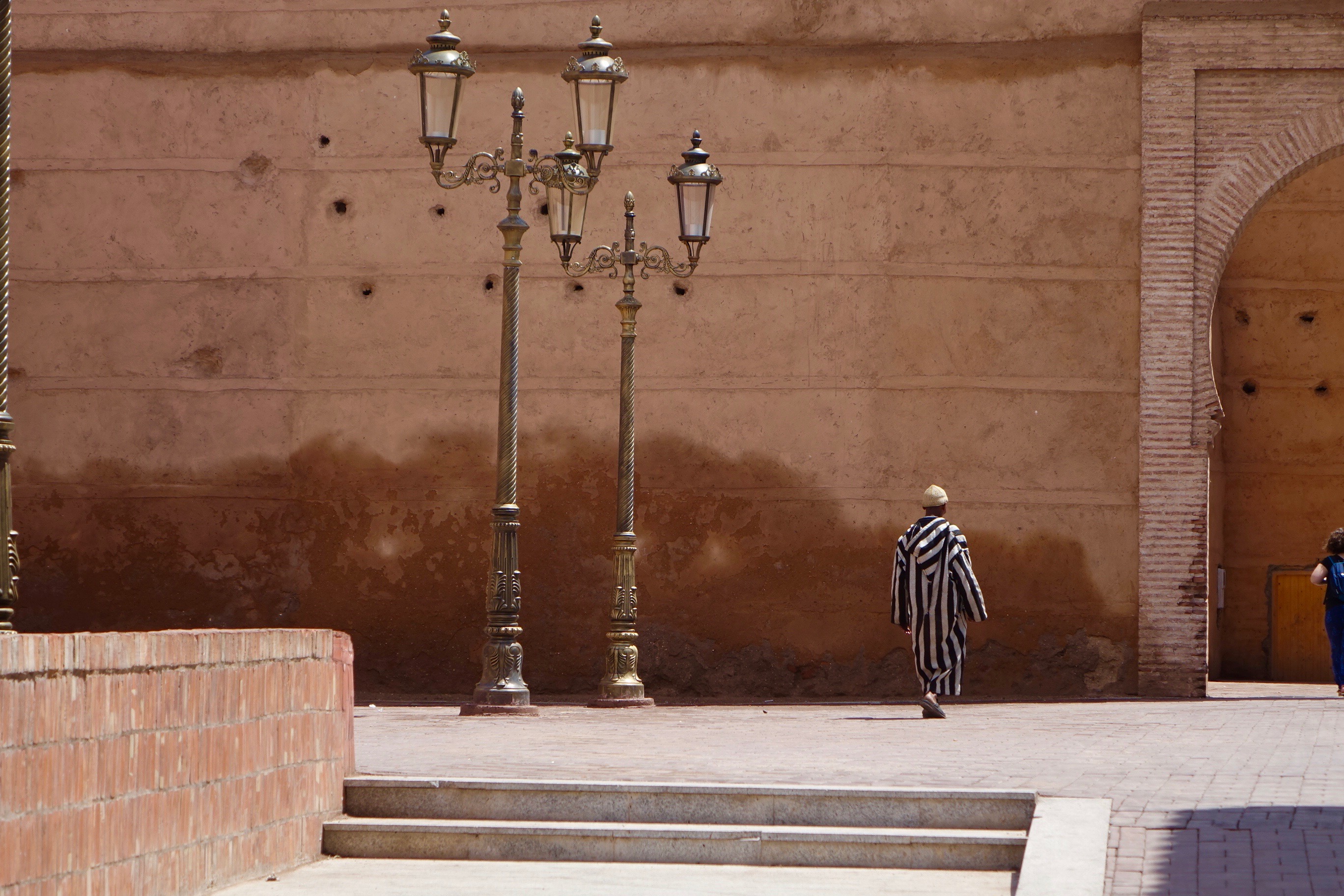
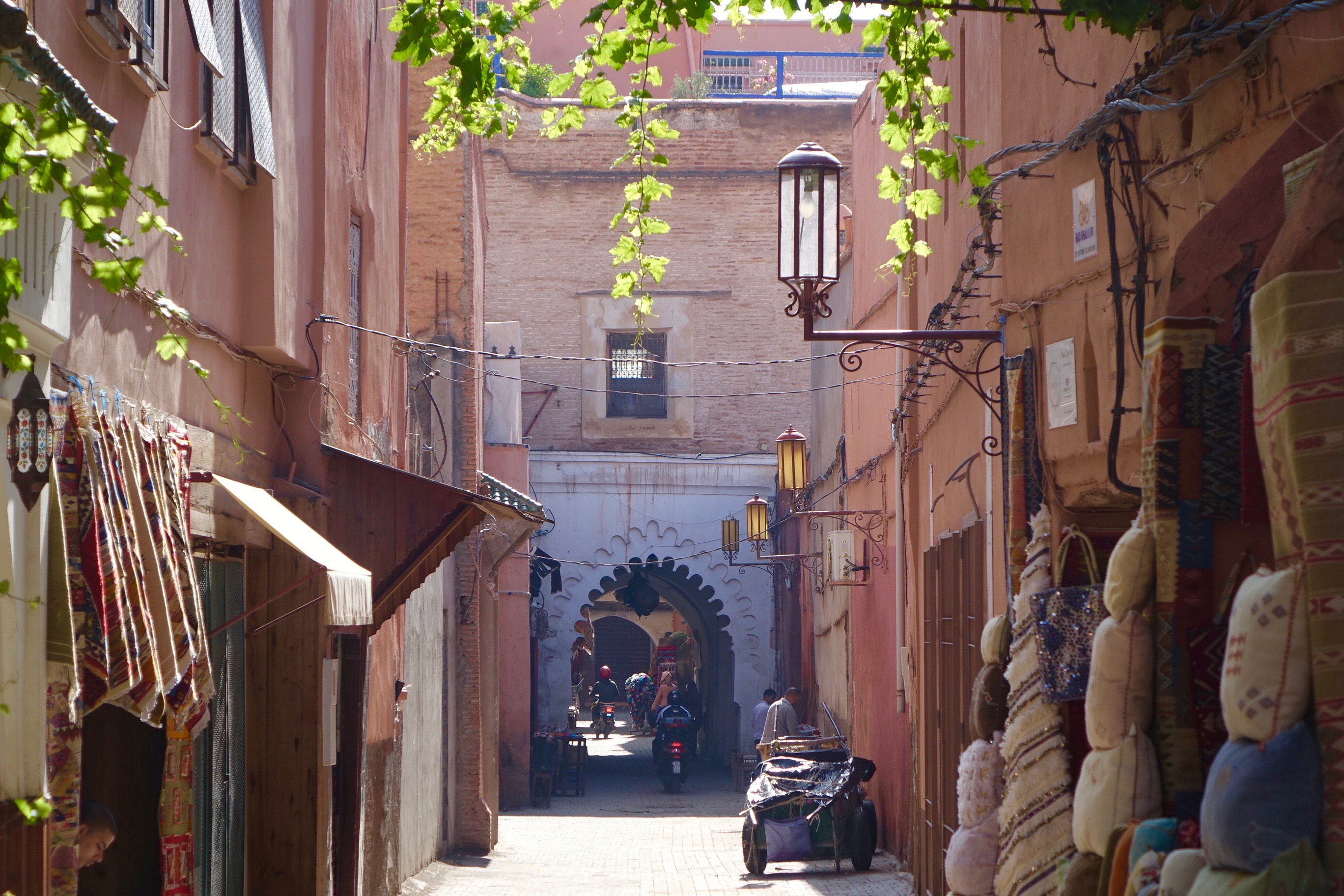
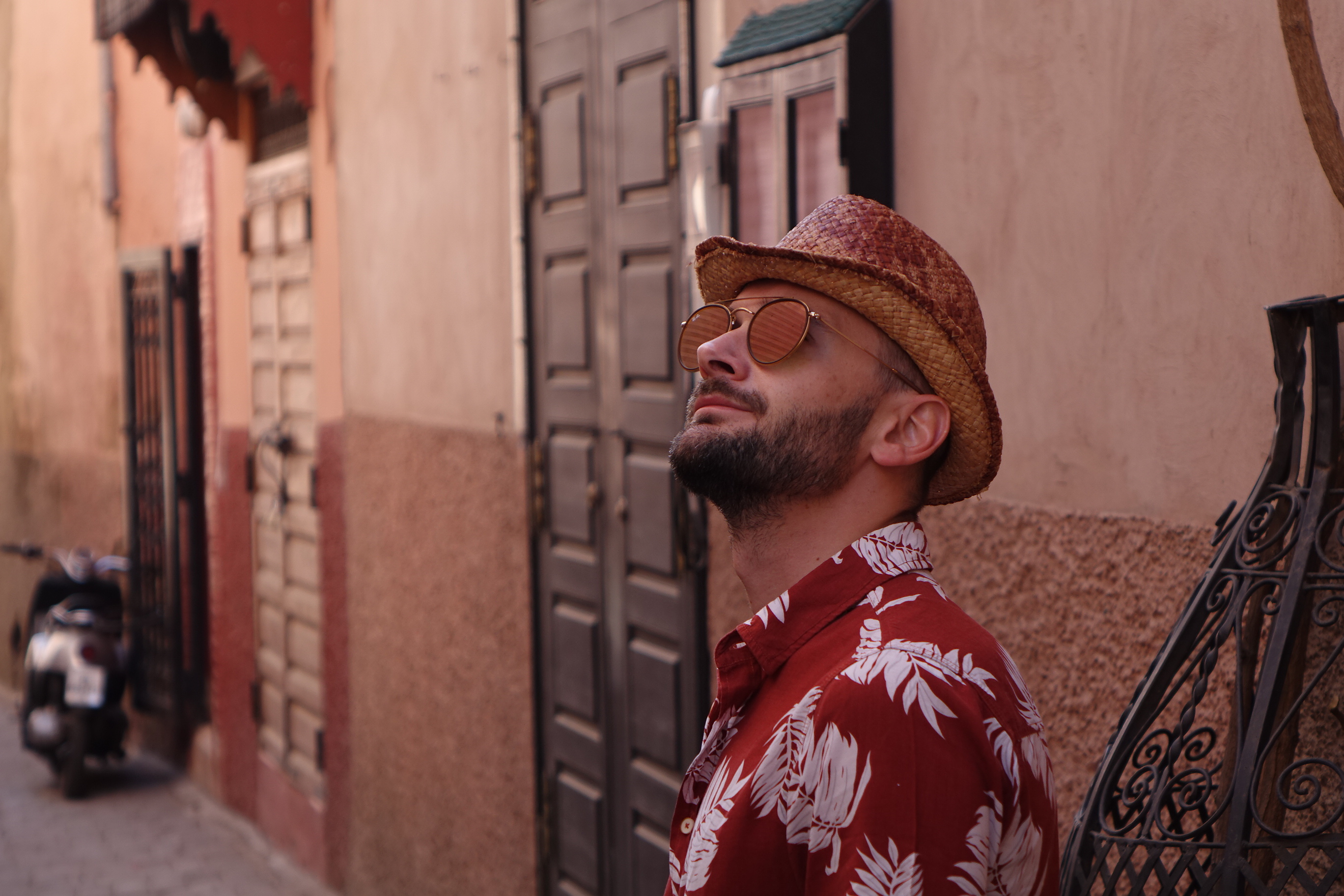
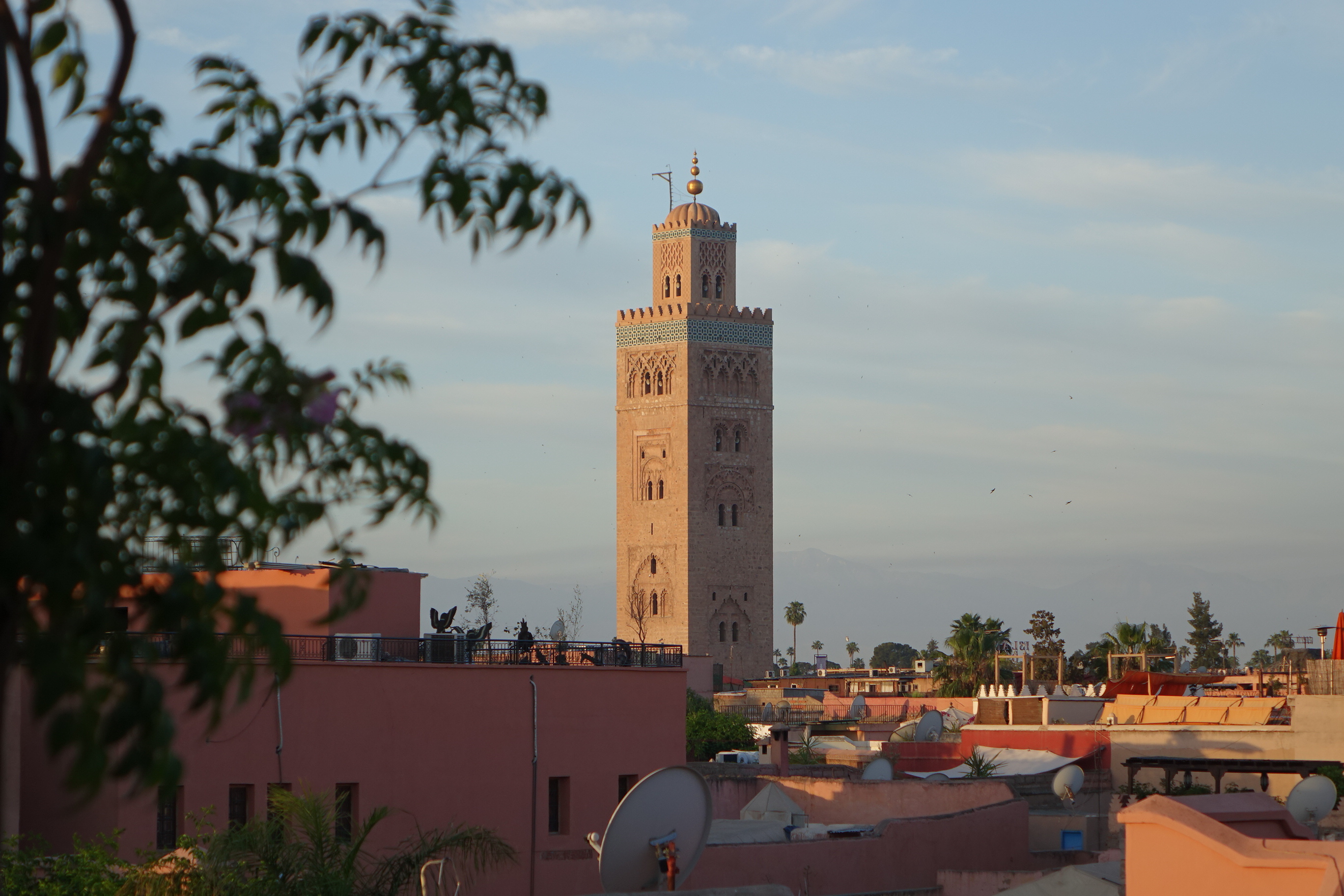
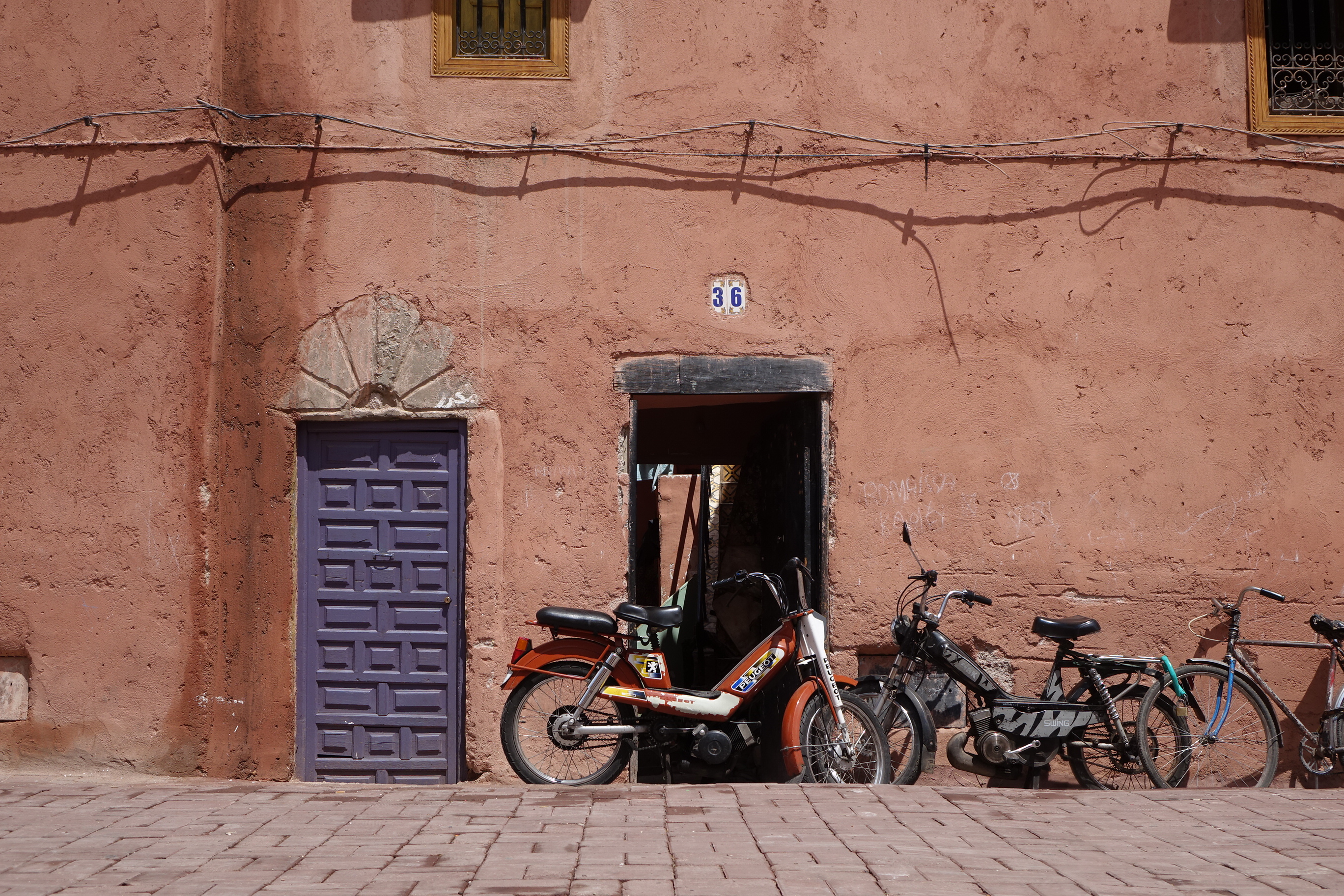
Marrakech is a city so abundant in its palette of colour that I have been able to successfully craft my tale of our trip there by reference to its vastly diverse tonality. Starting with the rose colour which characterises the city walls and the majority of its ancient buildings, and exploring the golden ochre of its crumbling palaces and the stunning blue of the Marjorelle Gardens, my colour-focused posts reached a peak when they entered the multi-coloured world of the Souks which beat at the heart of Marrakech’s ancient medina. But to end the set, it felt appropriate to go back to the pink hues which started it all, not least because this specific shade of pink was cast at the end of the day, when the sun cast a glorious new hue over the city.

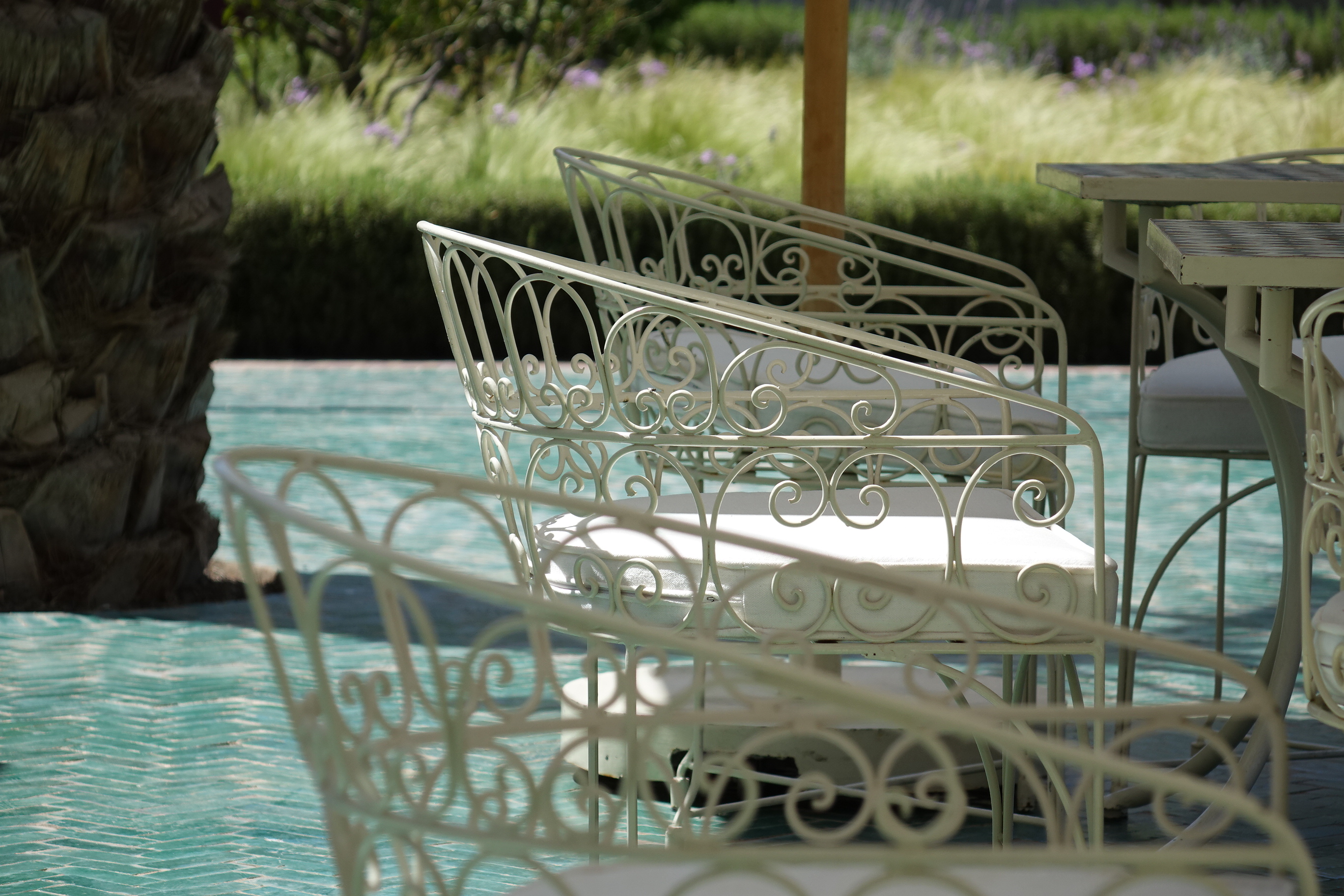
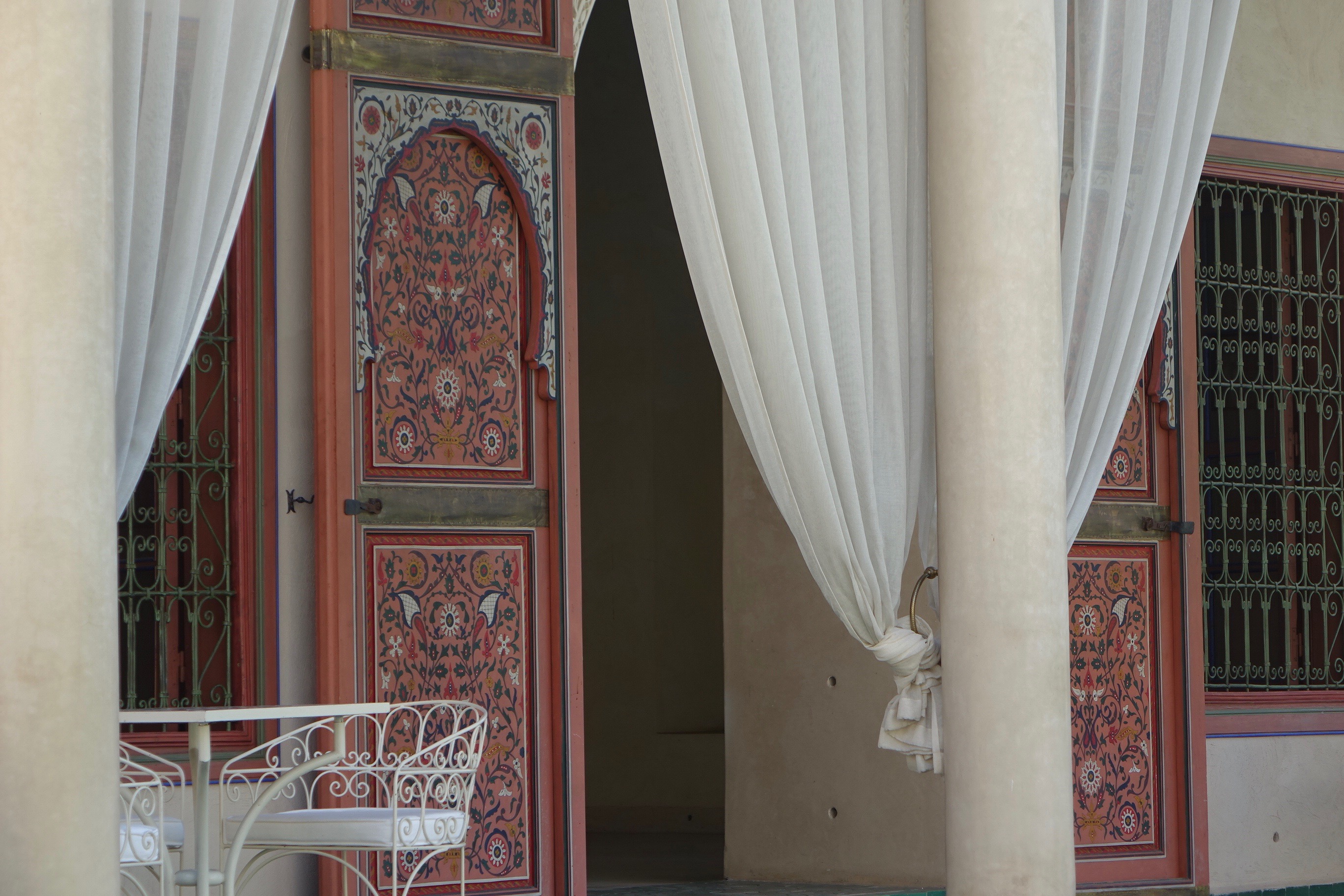
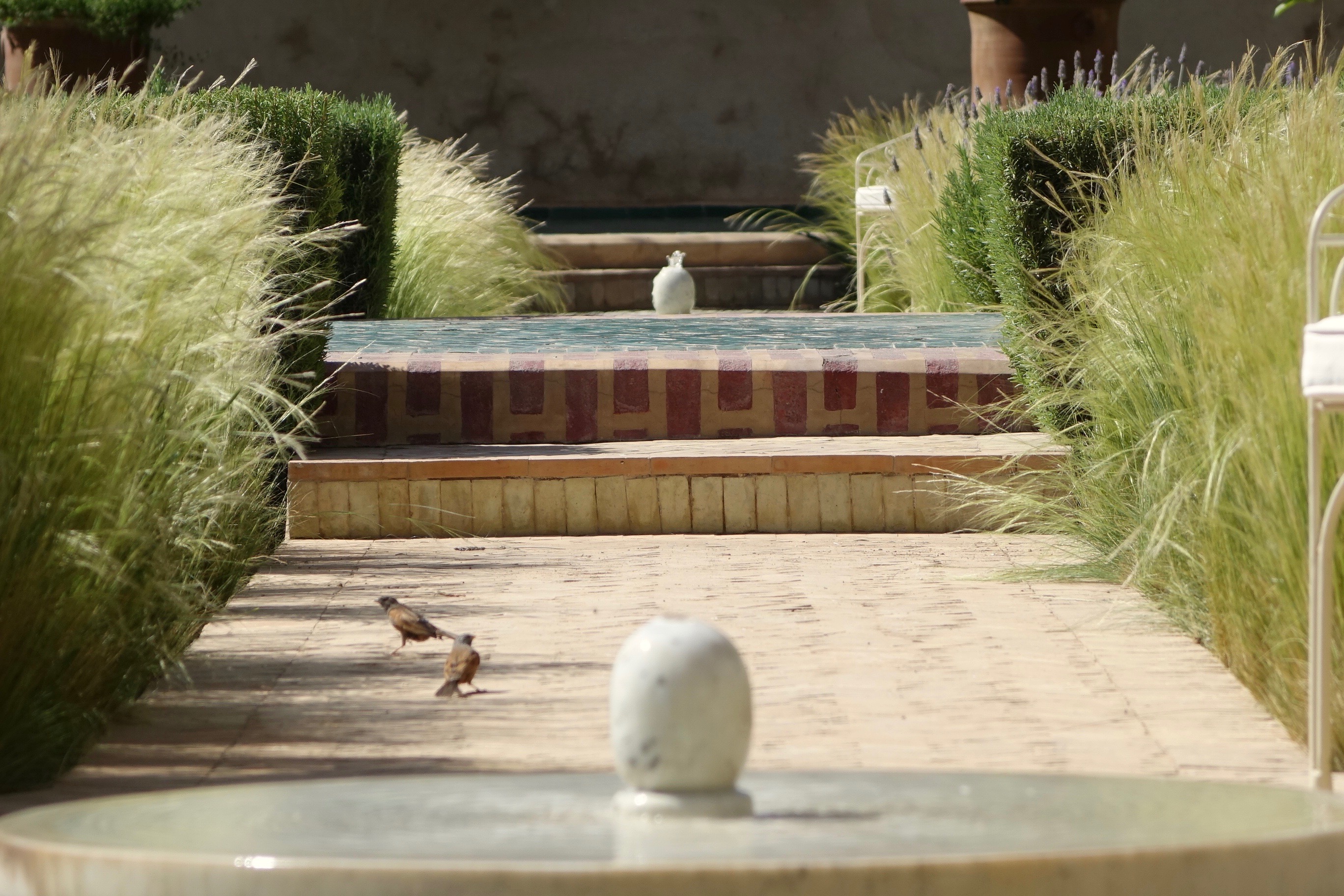
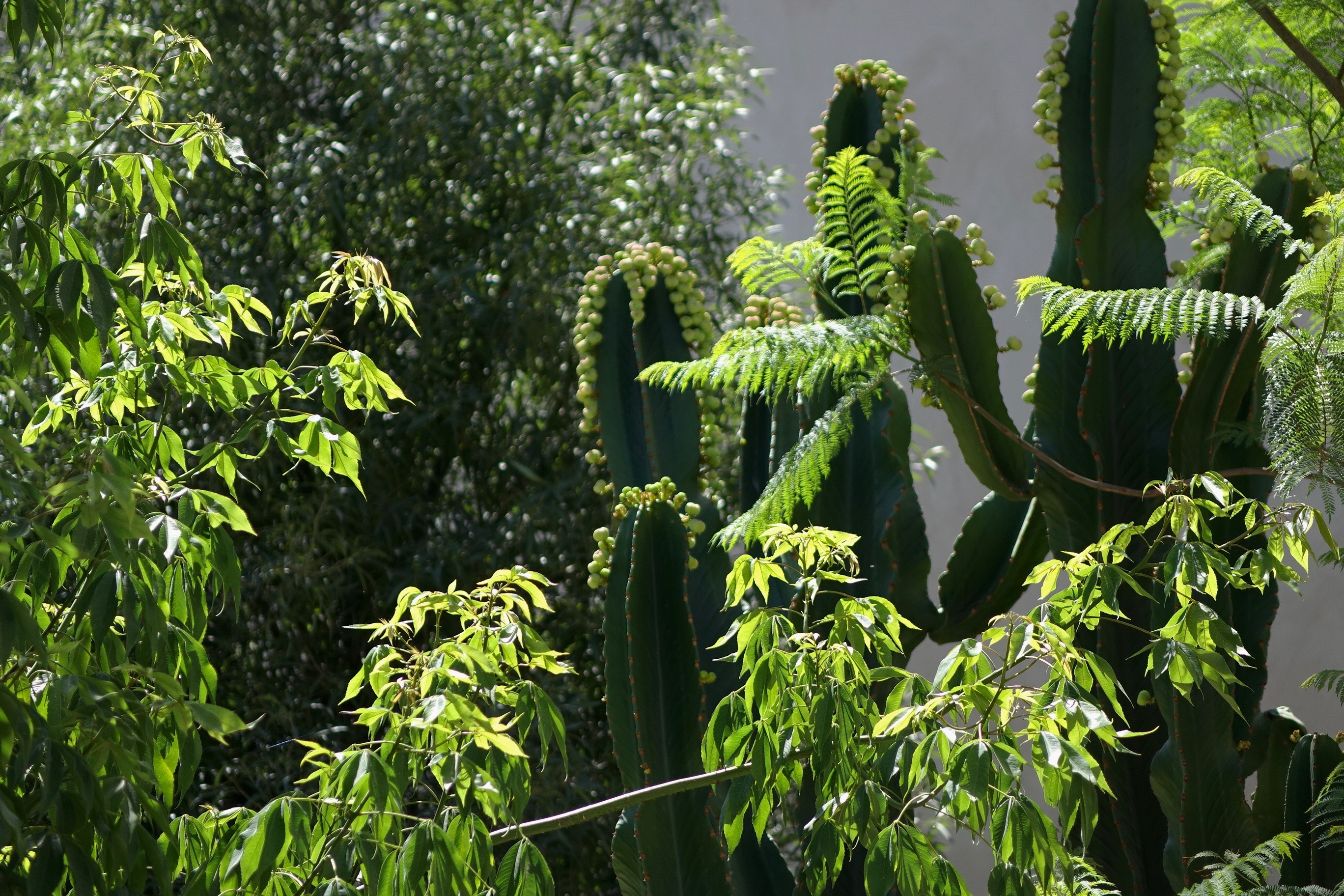
DSC00483DSC00504DSC00503DSC00497

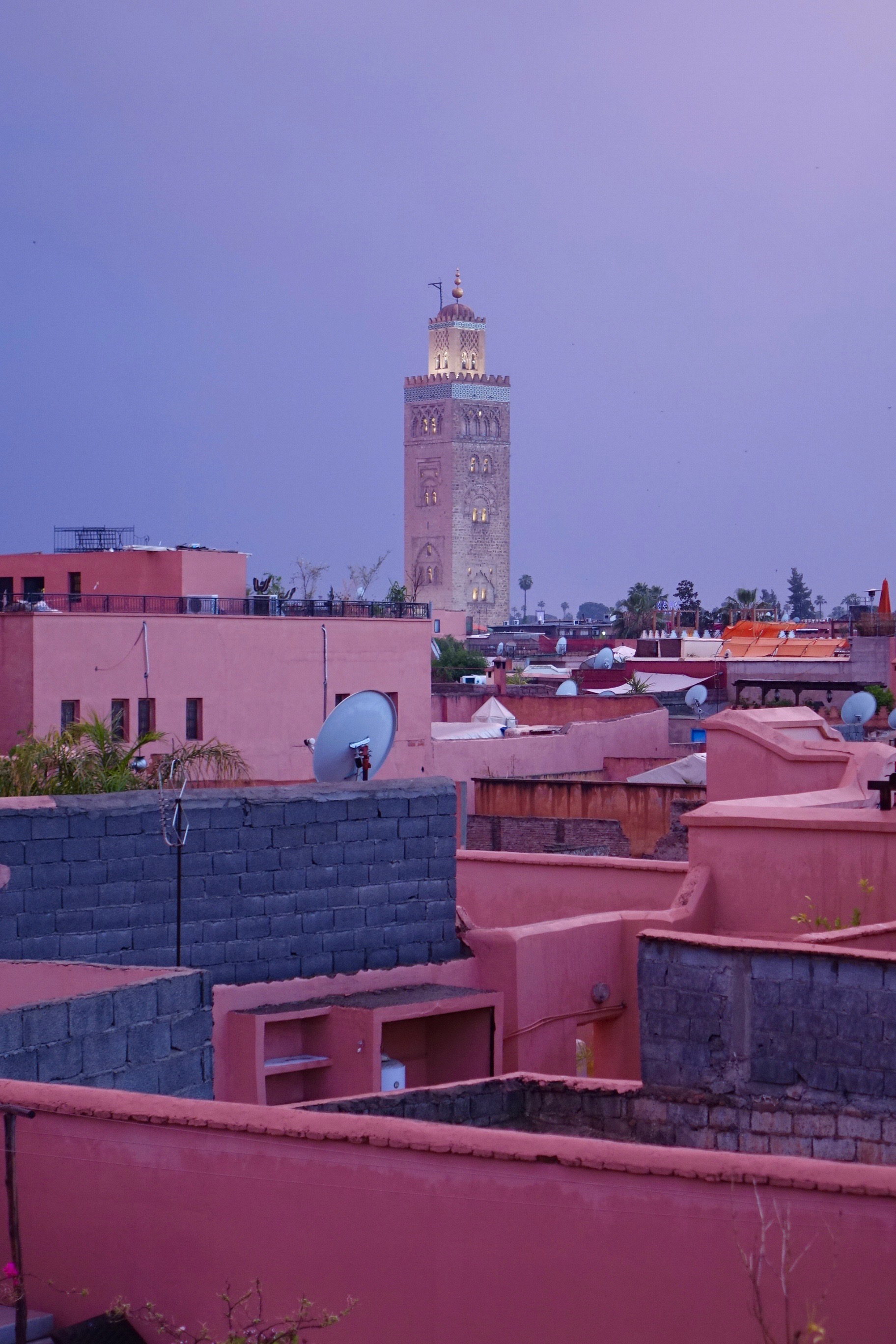
While the city is most definitely pink, it was enchanting to watch how that pink developed and transformed as the various stages of the day unfurled. In the morning the pink was dusky and pale as it warmed up gradually with the rising of the sun. At midday the baking sun made the pink luminescent, fiery and peach like. And when the odd cloud came over, the pink was more mauve and moody. But only once did we see the greatest transformation of all. It was after a huge storm ended the day, refreshing us all, but casting a fierce spectacle of rain and lightening across the city. Just as it was nearing its end, the sun plummeted to a level beneath the clouds and as it did so, its refracted light reflected off the clouds and back down onto the city to create a vivid kind of fuchsia pink lighting which literally filled the city. The result was almost eery, as spaces such as our Riad, which were decorated by a very pure white marble, were immersed in a beautiful shade of cherry-blossom. It was almost as though the clouds had rained rosé wine, and we were all swimming in their fruity waters.

DSC00492DSC00495DSC00501DSC00487

The drama and the beauty of the moment was one I will long remember, and is a fitting tribute to this incredible trip, a journey which tantalised each of my senses to a degree never experienced before.

DSC00753

© Nicholas de Lacy-Brown and The Daily Norm, 2001-2017. Unauthorized use and/or duplication of the material, whether written work, photography or artwork, included within The Daily Norm without express and written permission from The Daily Norm’s author and/or owner is strictly prohibited. 

The Colours of Marrakech, Part 5: Majorelle Blue

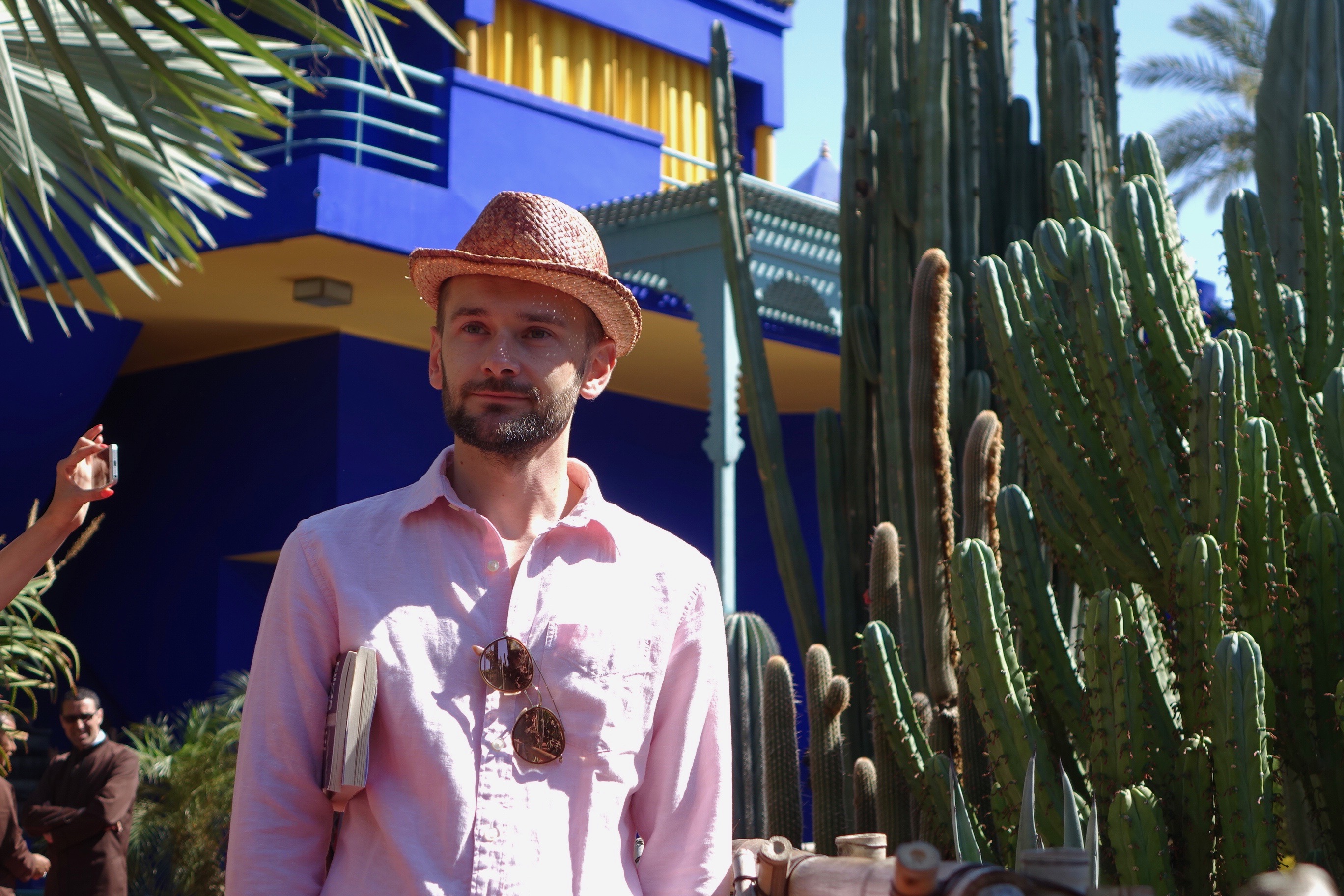
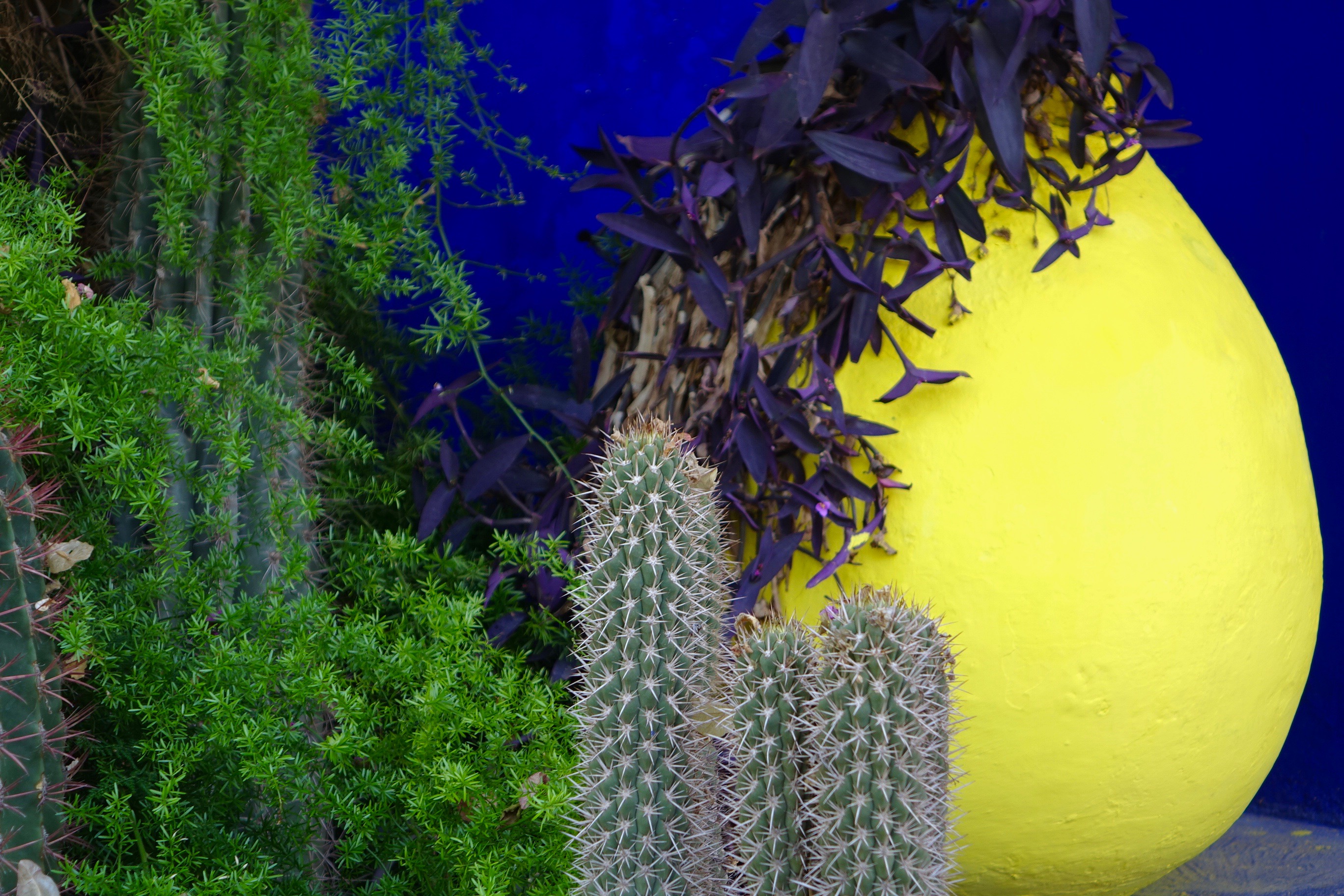
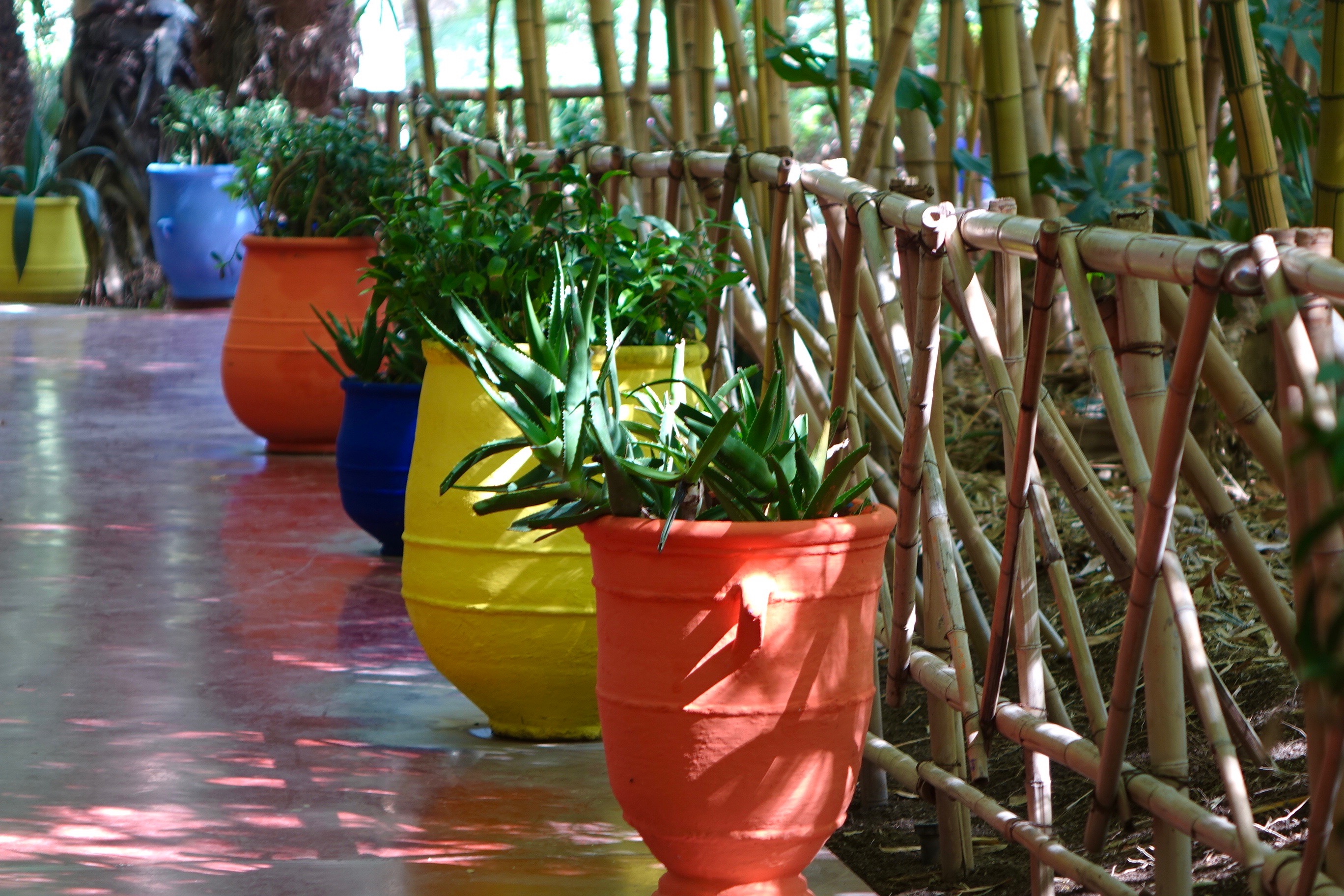
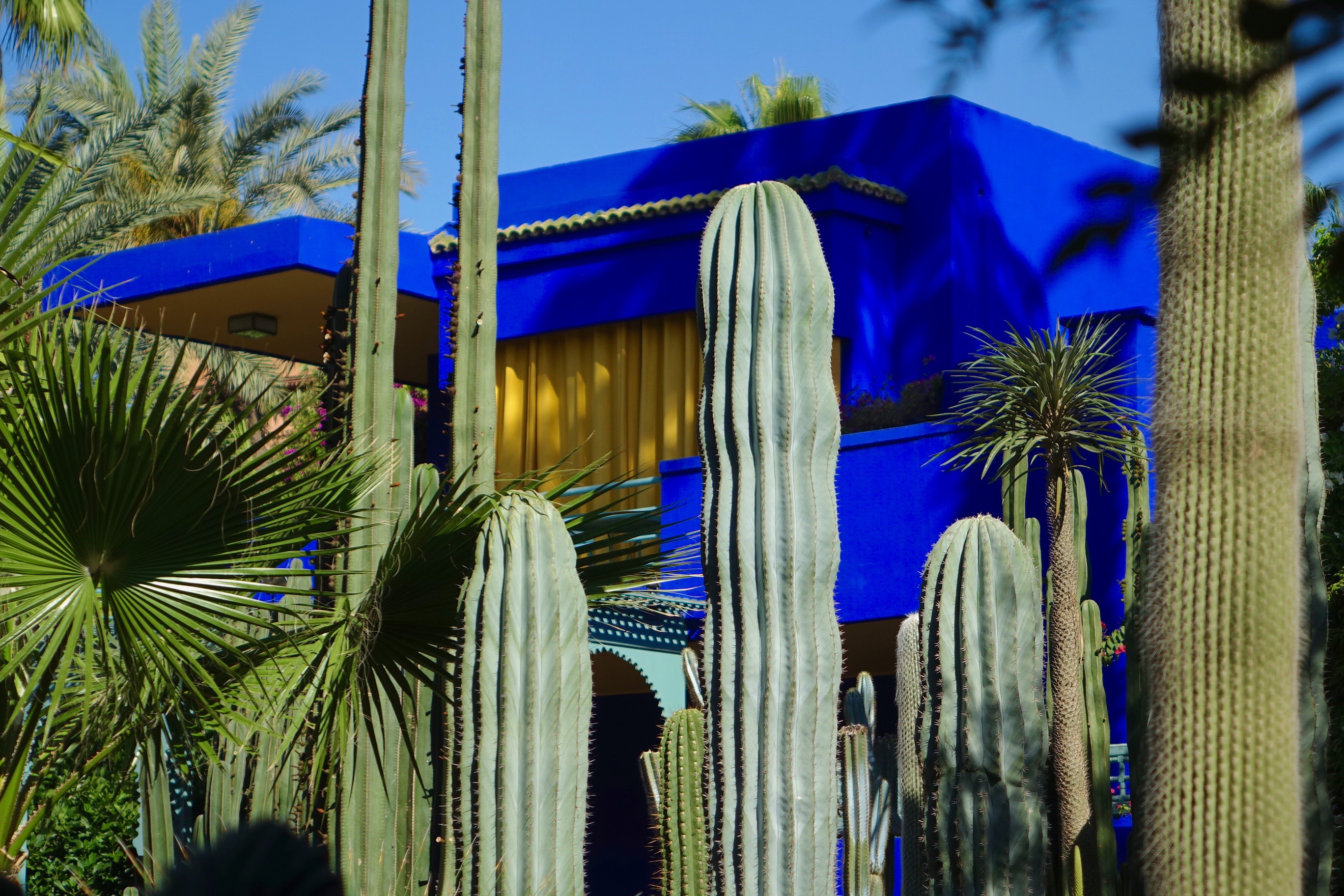
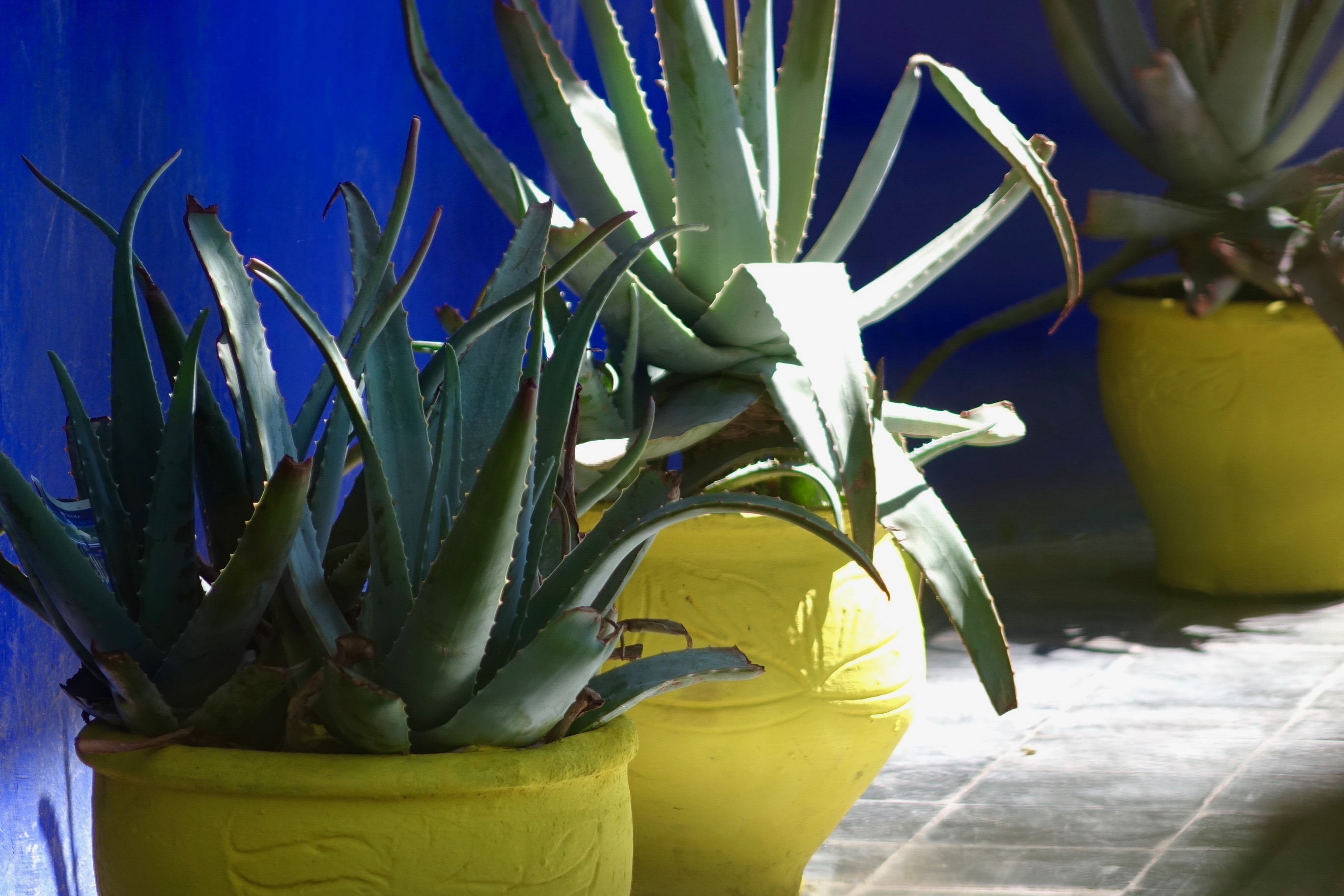
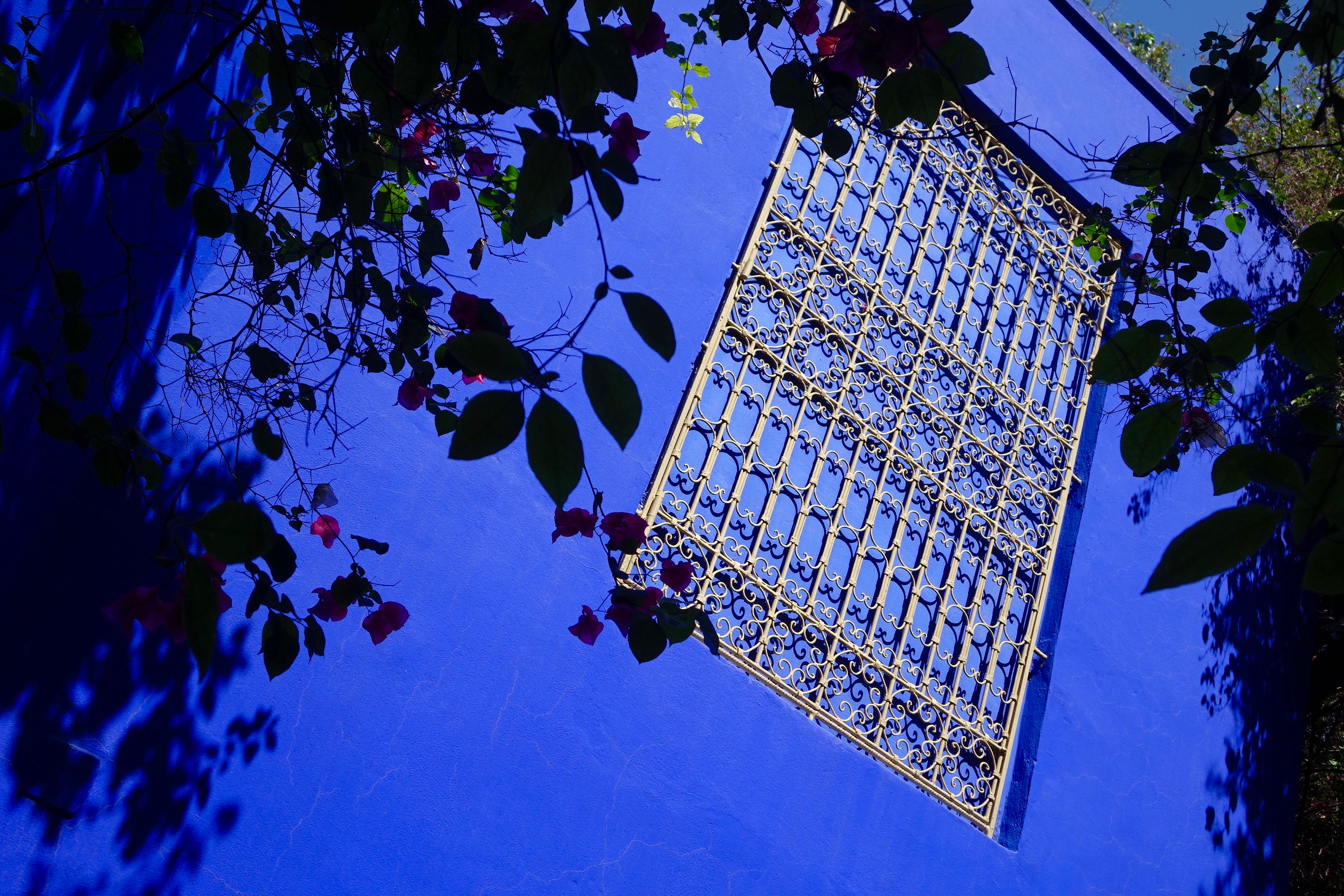
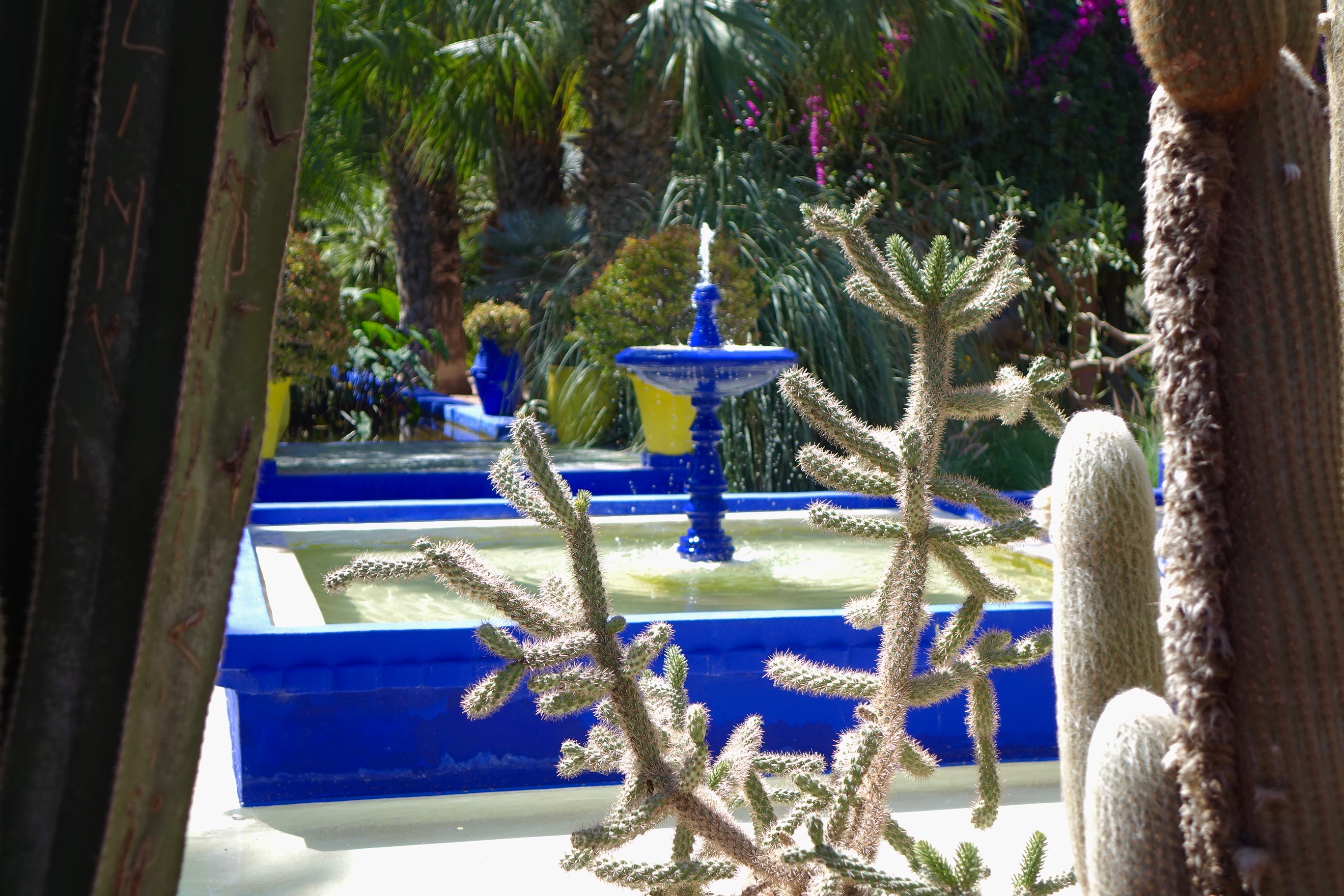
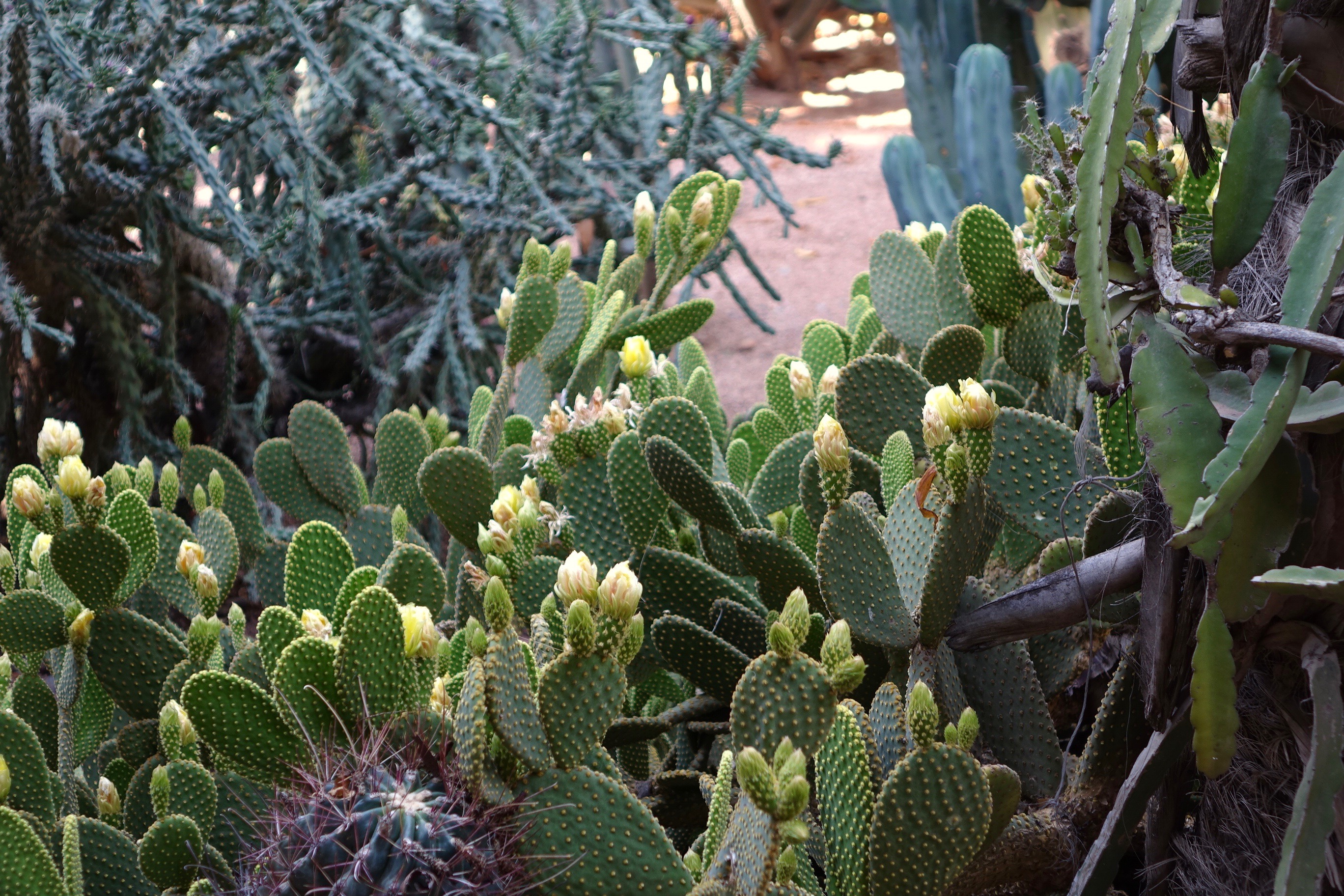
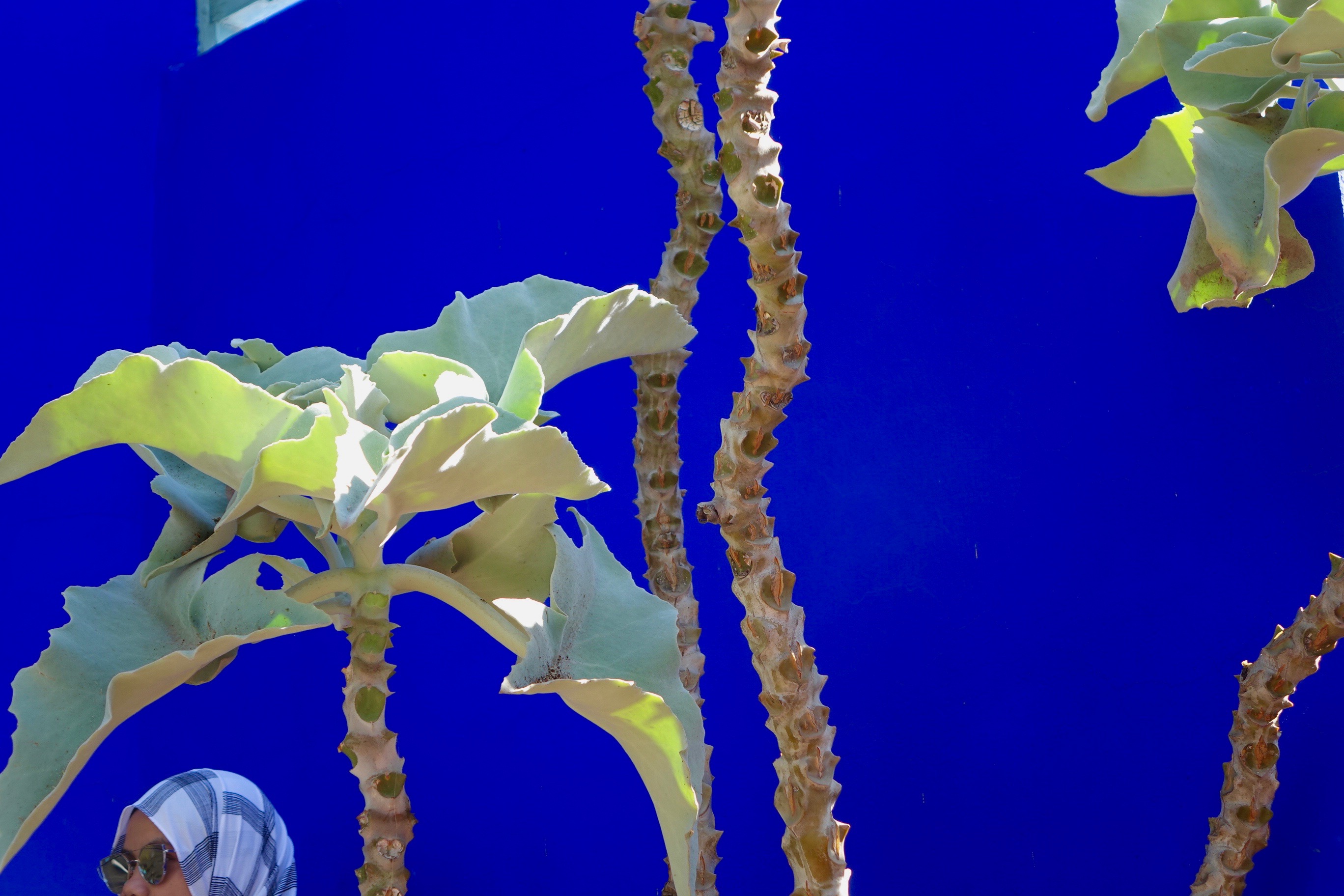
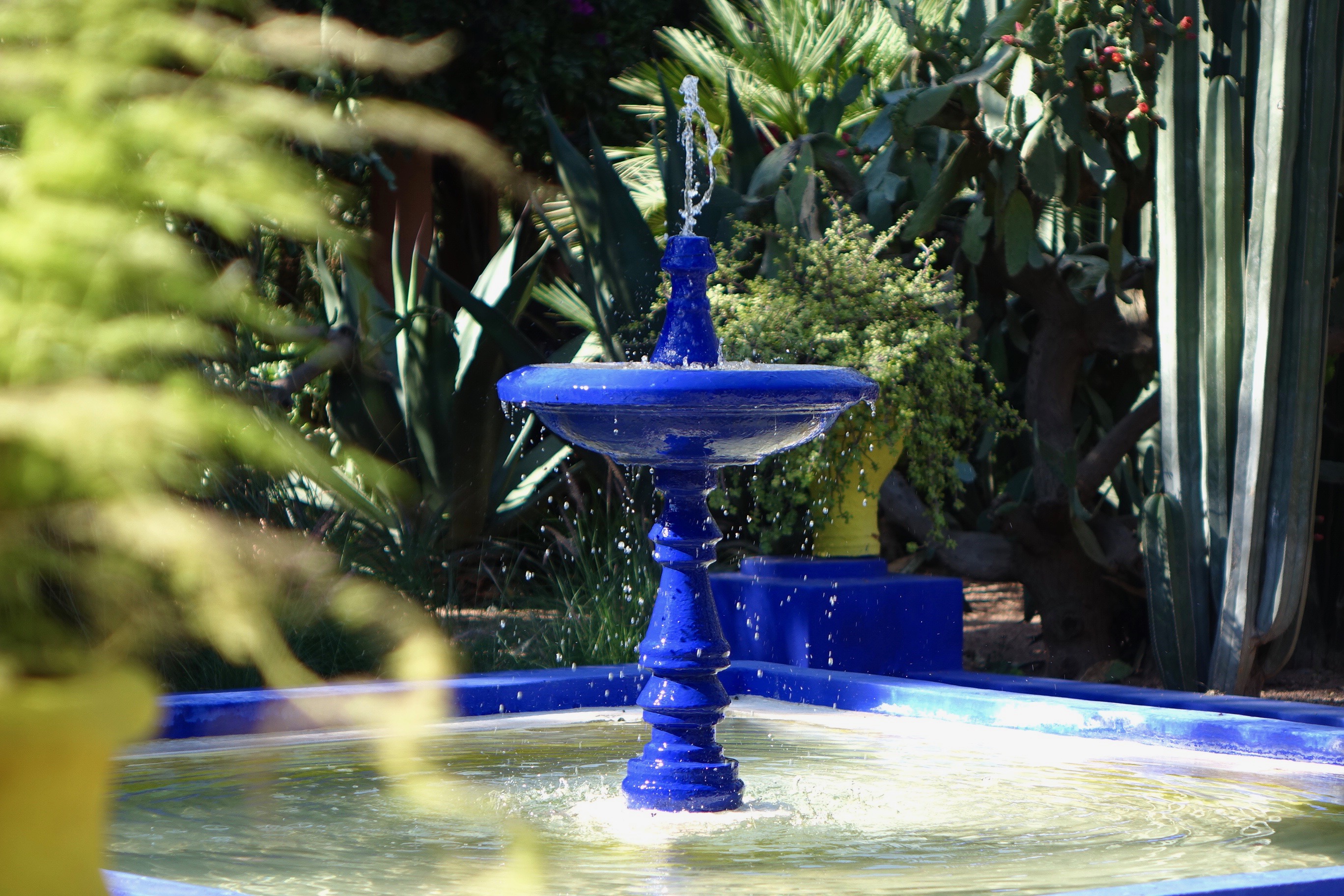
This post commences with a warning: You are about to be bombarded by blue. An intense, electric, ultramarine blue which defies the senses and energises the mind. And when the more natural colours of citrus and verdant green are set against it, they too become alive, as though infected by the sonic grove to which this blue vibrates. The result is a panoply of vivid colour, a palette so strong that these photos should not be viewed with a hangover. But rather, with a clear head, get ready to revel in this most glorious colour of Marrakech, a shade which has defined the idea of the avant-garde garden paradise, ever since it was first used in the Moroccan garden of French artist, Jacques Majorelle and later the home of one Yves Saint Laurent. This is a post dedicated to the colour so synonymous with its creator and his lavish Marrakech garden that it was named after him: Majorelle Blue.

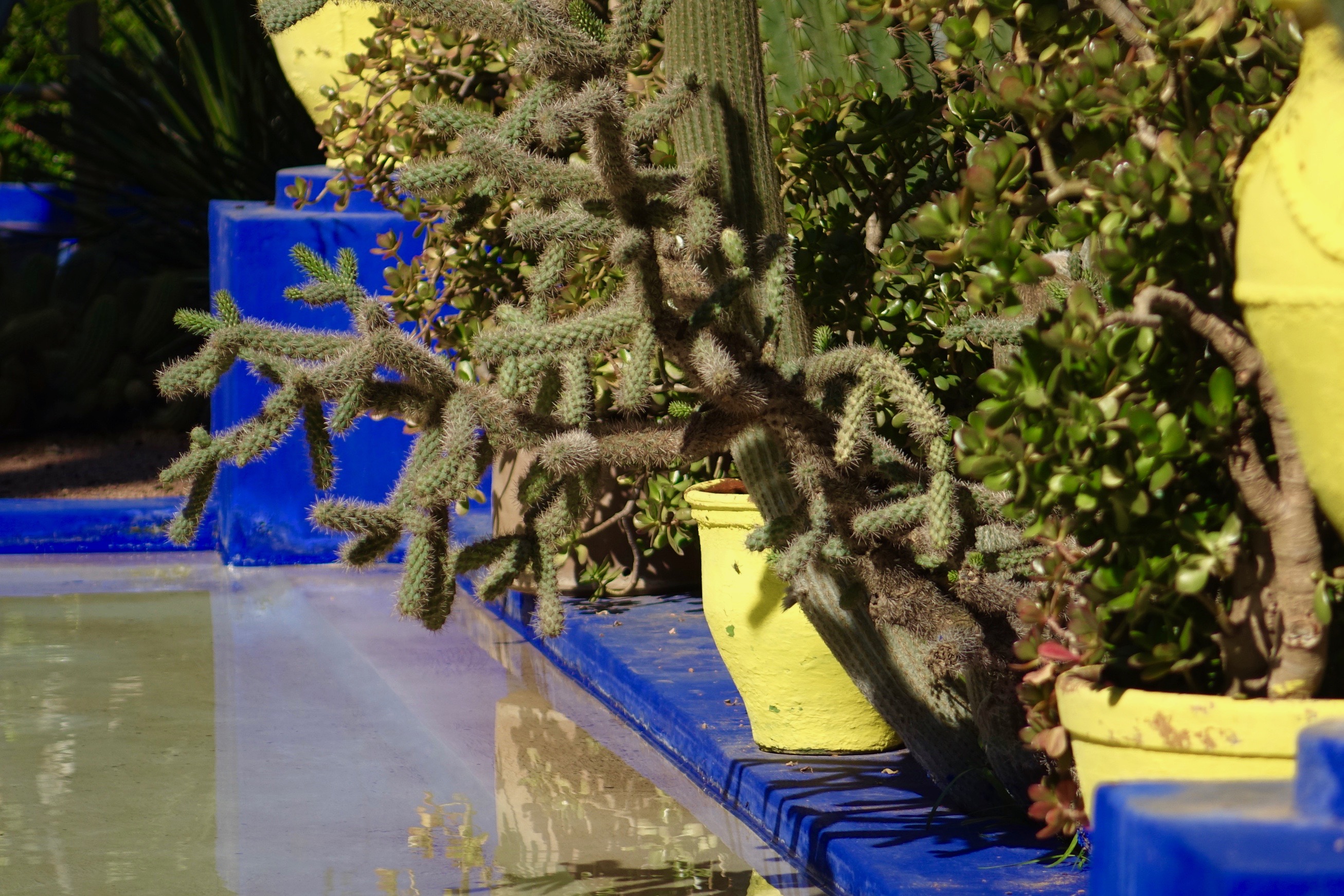
DSC01134DSC01236DSC01277DSC01124DSC01269DSC01209DSC01206DSC01253DSC01199DSC01178DSC01093

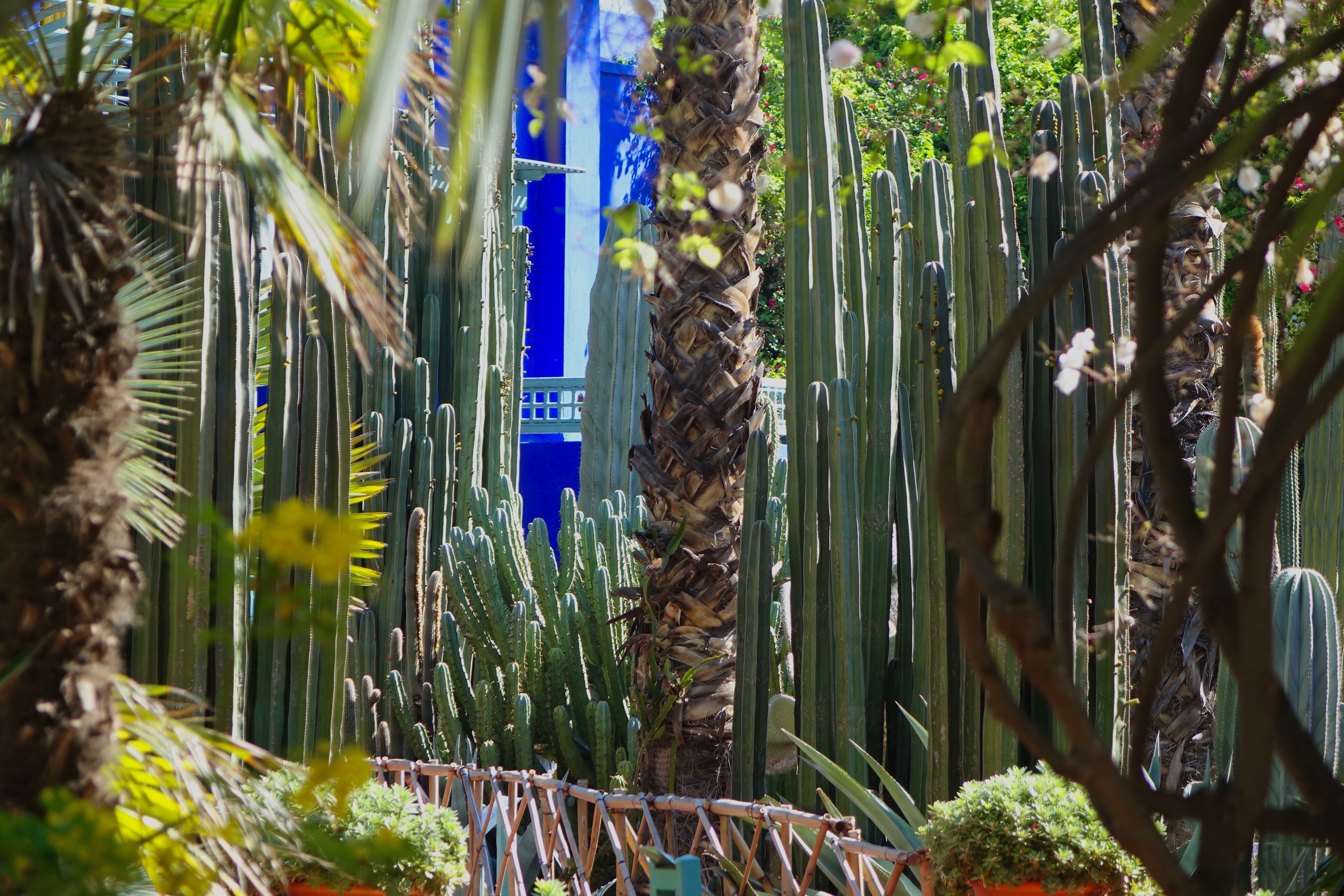
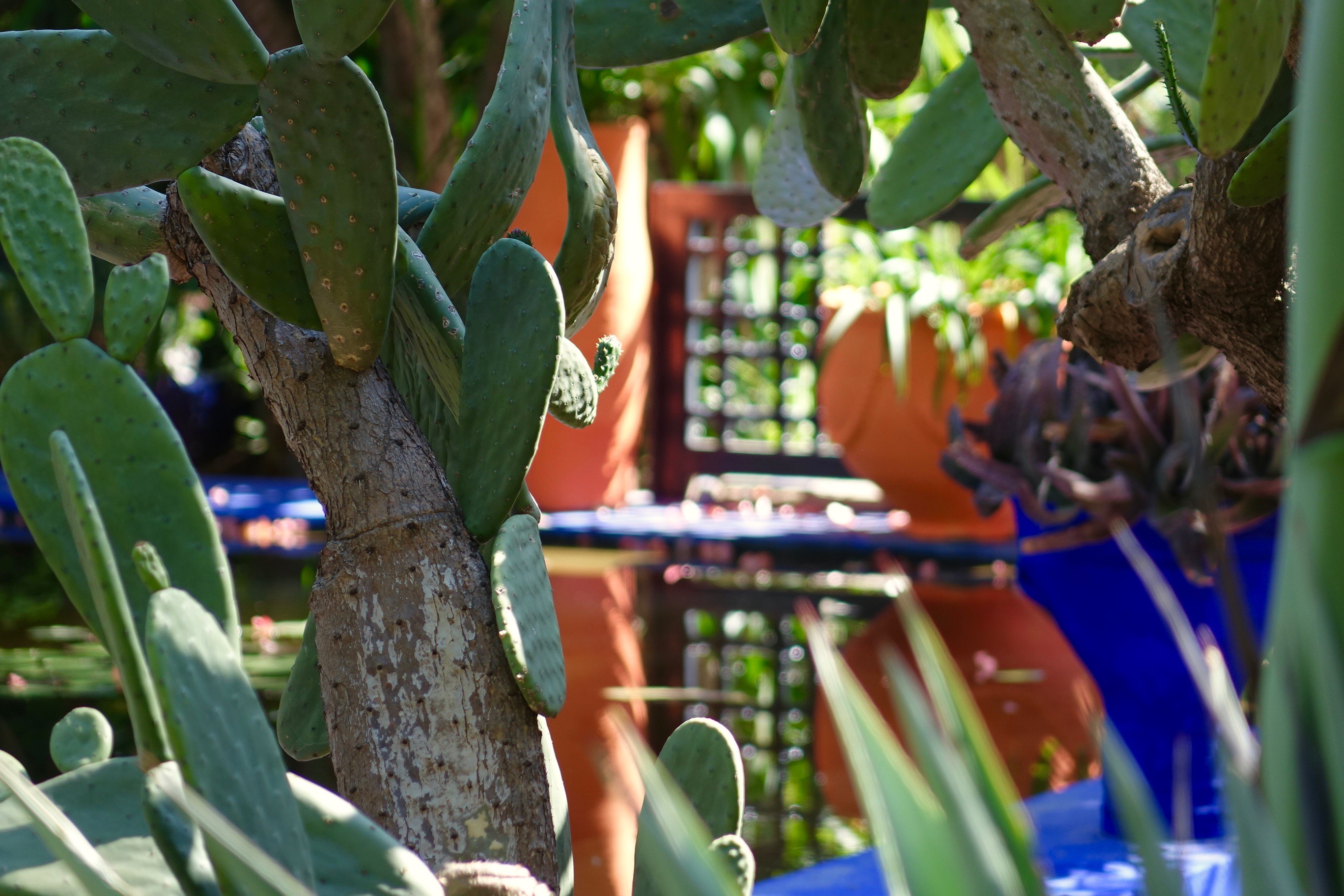
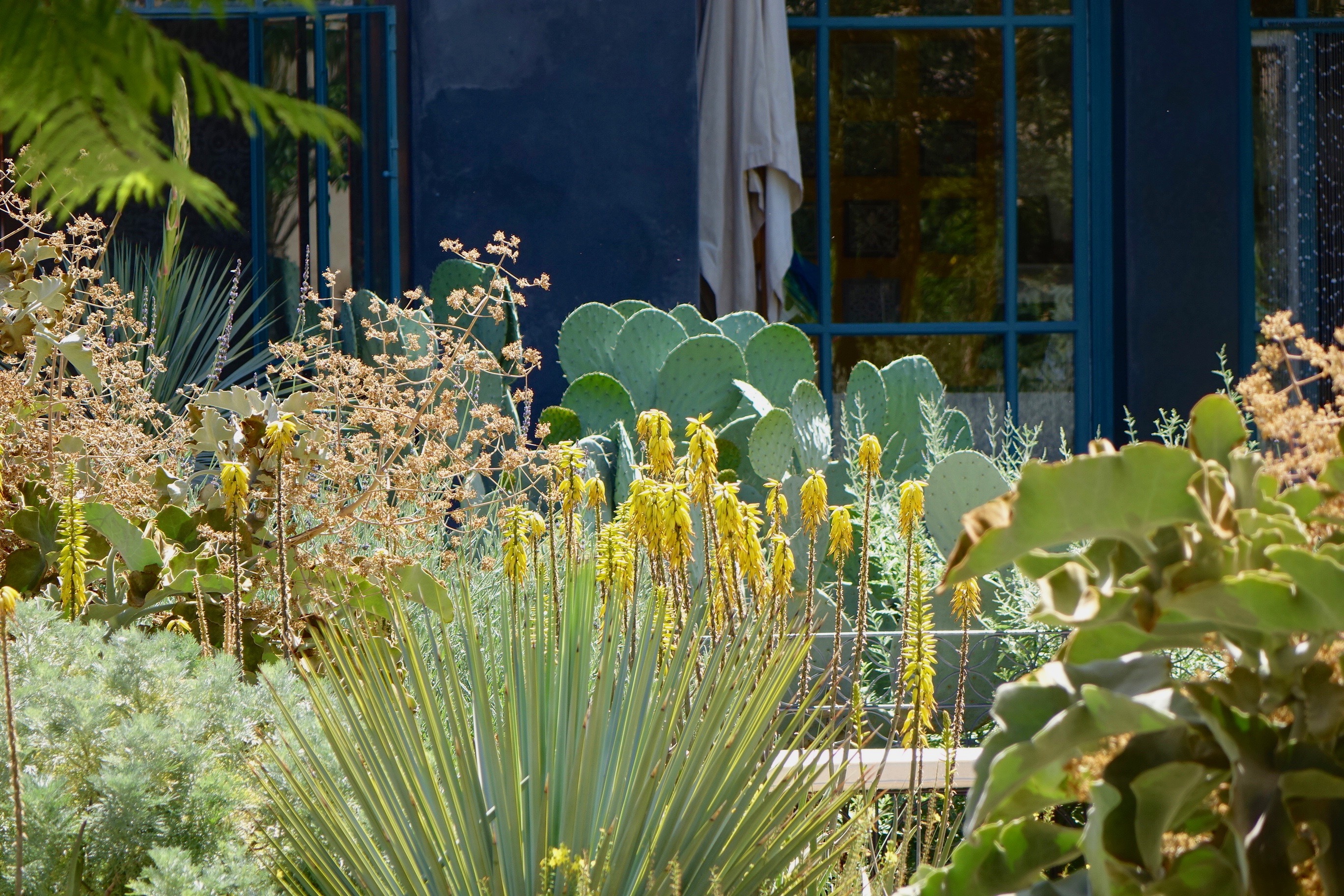
The Majorelle Garden is one of Marrakech’s most popular sites. No doubt the legacy of YSL –  who recovered the abandoned masterpiece of fellow ex-patriot Majorelle in the 1980s and returned it to its former glory – is a prime attraction. But beyond the YSL gloss, which adds understandable glamour to this secluded, leafy space, this is a garden which packs a punch from its entrance. The blue, a mix of cobalt and ultramarine, is so vivid that it cuts through the plants whose dense foliage attempts to cover it. In the garden, every possible type of prickly cactus and tubular bamboo fights to fill the light afforded by the dappled space, and yet they are a mere chorus to the protagonism of the blue. Yes, it allows the green of the plants to sing like a true maestro, but it does so complacently, knowing itself to be the true star.

DSC01334IMG_0282DSC01288DSC01304DSC01309DSC01270DSC01268DSC01317DSC01225DSC01152

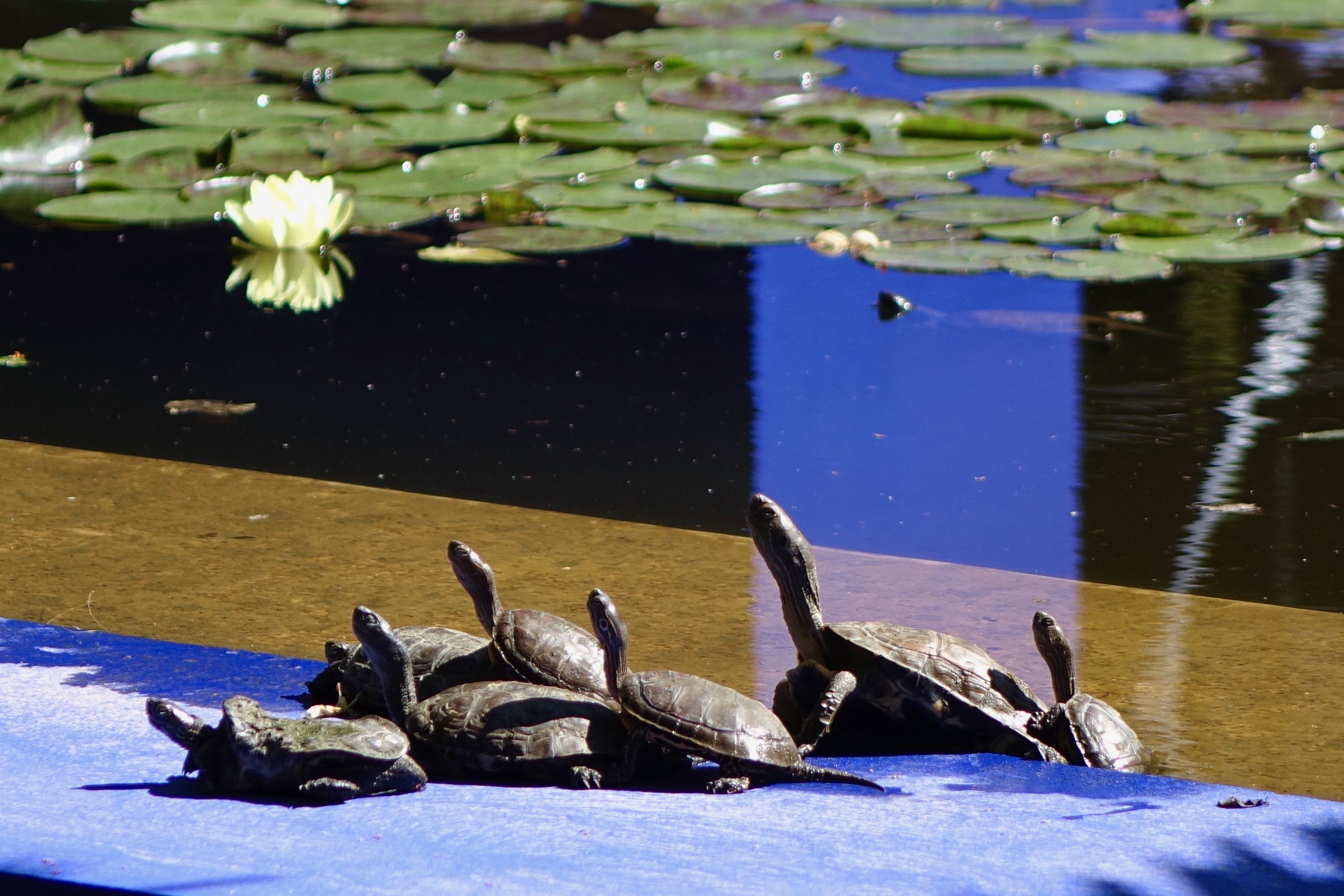
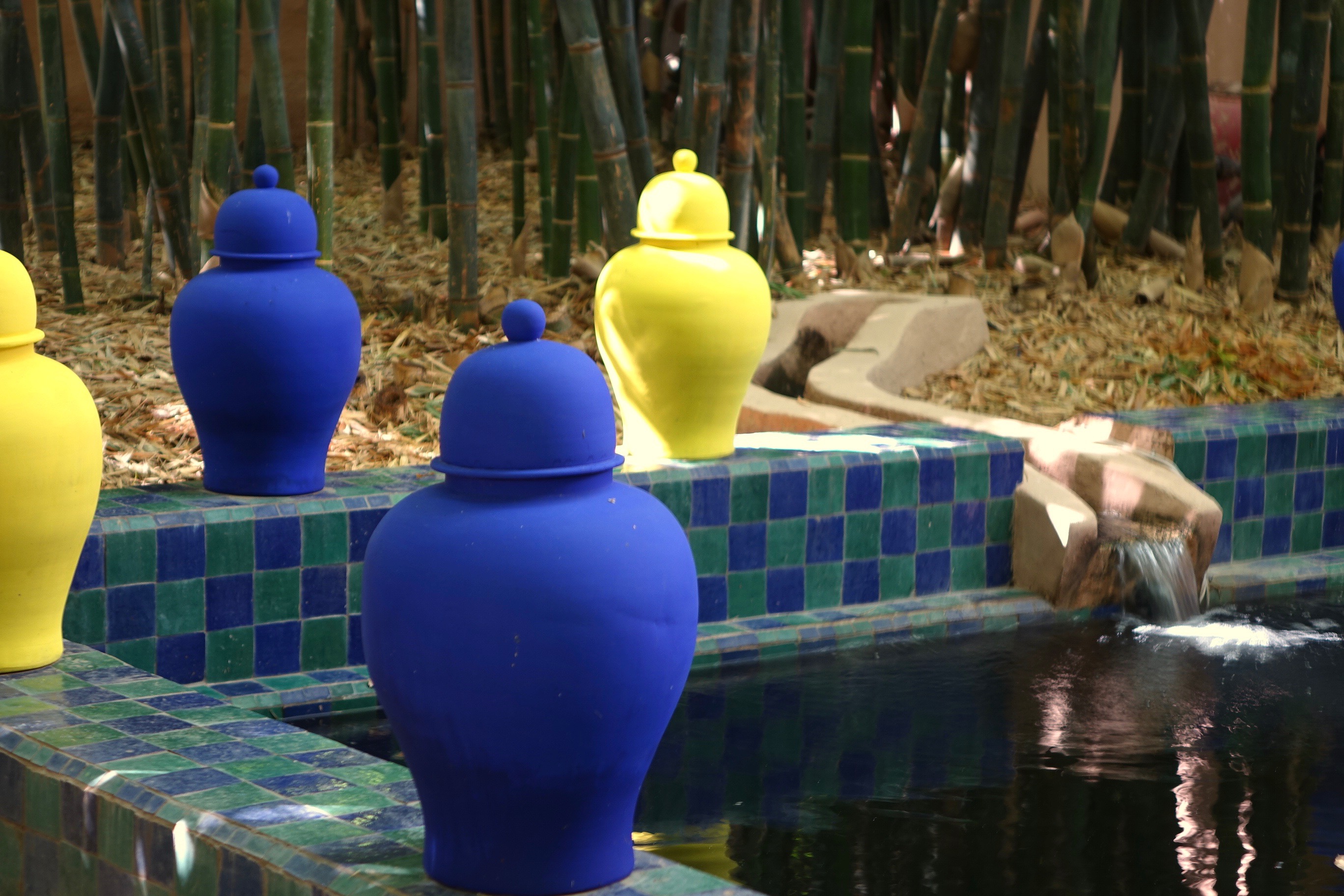
While the walls of a waterlily pond (like Monet’s garden on acid) and an adjoining Arabic waterway are given over to this blue, it is the house itself, with its cubic form and intermittent splashes of vivid yellow, which really give the blue its stage, from where its monologue can be radiated throughout a lush garden punctuated with yet more splashes of prominent blue, yellow and orange. Pots and urns do not escape the paint treatment, so that the whole garden becomes unified in colour. It’s as though no plant nor path has been allowed to escape the treatment of a designer intent on creating a cohesive catwalk show. This is a garden choreographed to sing out, to impress. And it does so with aplomb.

DSC01227DSC01114DSC01113DSC01117DSC01115DSC01097DSC01122DSC01110DSC01107DSC01104DSC01100

Predictably the garden is always awash with visitors. Their backpacks and chattering inject the colour harmony with unwanted clashing tones and a strident cackling which punctuates the calm which ought to dominate this cultural space. For this reason my photographic dedication to the Majorelle Garden concentrates more on the details than the overall space. But in those details you can see the effect of colour and contrast, as that magnificent blue comes face to face with its colour wheel opposites. The result is a true spectacle of colour, rarely dared to be seen in so naturally abundant a green and thriving garden space.

IMG_0267IMG_0274DSC01343DSC01185DSC01141

© Nicholas de Lacy-Brown and The Daily Norm, 2001-2017. Unauthorized use and/or duplication of the material, whether written work, photography or artwork, included within The Daily Norm without express and written permission from The Daily Norm’s author and/or owner is strictly prohibited. 

Marrakech Moments: Cocktails at the Mamounia

Marrakech is a place of extremes. In the Medina, its ancient heart, you could so easily be transported back 200 years as donkeys and horses take the place of cars, and chickens, cats and small dirty looking children roam the streets. Yet outside the old city walls, you’ll find an airport, brand-spanking new, so shiny and dazzling that it makes Heathrow T5 look like an interim solution. But what marks the extremes more than anything is the evident wealth gap which exists in the society. No more obvious is this than at the Mamounia, one of the world’s great old hotels, situated just beyond the main Koutoubia Mosque but so different from its surroundings. For while the dusty streets outside are filled with beggars and tradesmen scraping to make a living, inside the hotel you find a world resplendent in its lavishness, with levels of luxury perhaps higher than I have ever seen before.

DSC01410DSC01451DSC01415DSC01440DSC01444IMG_0293DSC01435DSC01424

No wonder then that the place was not easy to get into. One grumpy doorman at first refused us entry, since he obviously judged our joint worth to be far less than the average guest. But a confident swagger, sunglasses donned and a second attempt got us through the grand entrance. We were after all determined to visit the hotel. Not only is it renowned as one of the most luxurious in all of Africa, it was also the location for some of the most famous scenes of Hitchcock’s The Man Who Knew Too Much, where Doris Day sang her famous hit, Que Sera Sera for the first time.

DSC01456DSC01405DSC01448DSC01409DSC01430DSC01412DSC01411

Once in we were understandably dazzled by the sheer extent of the opulent interiors and  expansive gardens which we were able to enjoy to full while waiting for a table to become free on the elegant terrace of the Italian Bar. In those grounds, so large they were used to film scenes from Alexander, we found tennis courts, pools, loungers aplenty, herb gardens, Arabic lounges and an entire wall brimming with bougainvillaea. There was even a pavilion at the garden’s centre just built for afternoon tea. But we had cocktails on the mind, and when our stroll was over, our table lay in wait, and we quenched our thirst with a well earned G&T and a Strawberry Daiquiri. It wasn’t the cheapest of occasions, but it was a hallmark moment of our trip. While it may have been a very different world from the city of Marrakech just outside its mighty walls, there was something about the grandeur of this 92 year old hotel which made us feel very at home.

IMG_0305

© Nicholas de Lacy-Brown and The Daily Norm, 2001-2017. Unauthorized use and/or duplication of the material, whether written work, photography or artwork, included within The Daily Norm without express and written permission from The Daily Norm’s author and/or owner is strictly prohibited.

The Colours of Marrakech, Part 4: Multi-coloured Souks

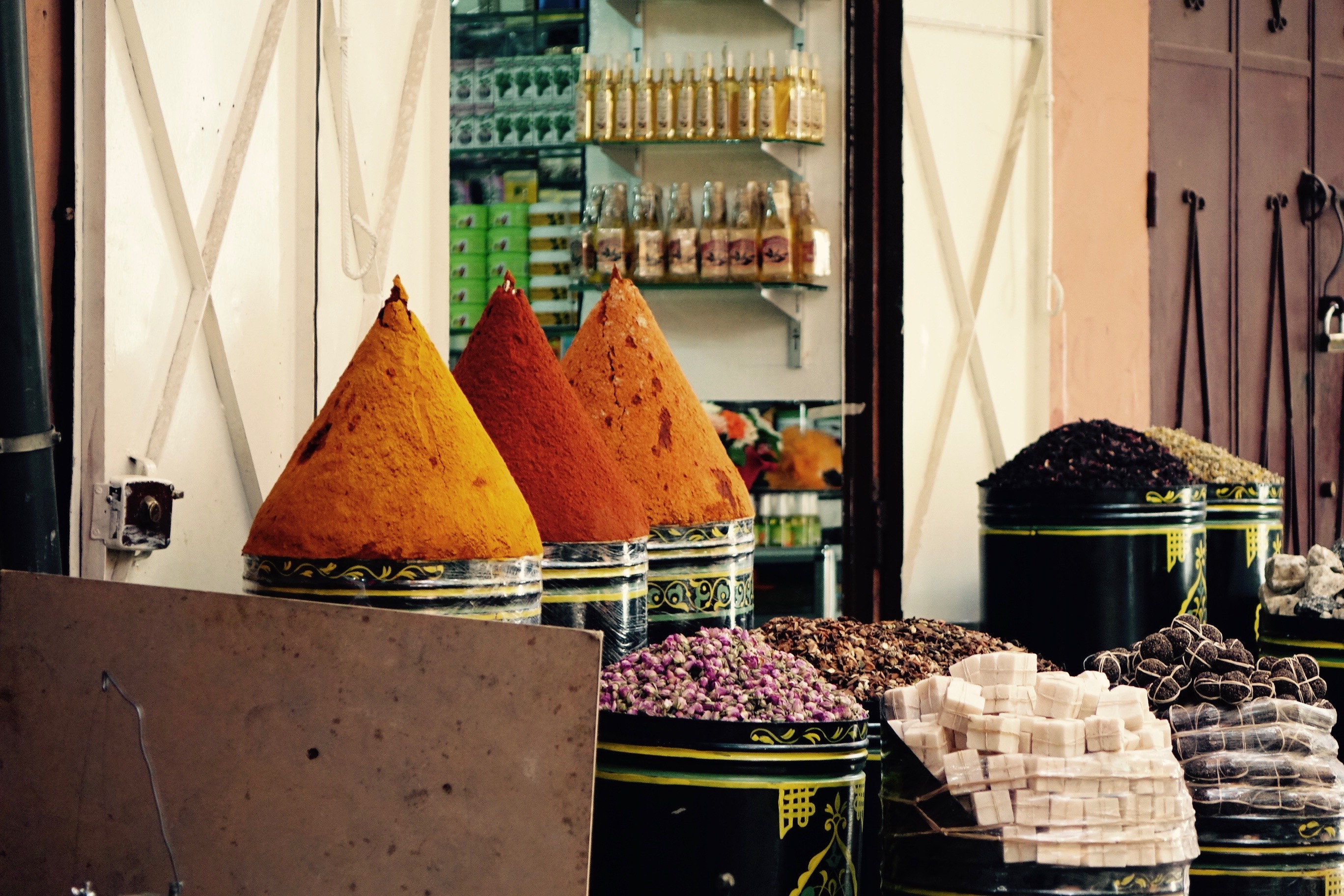
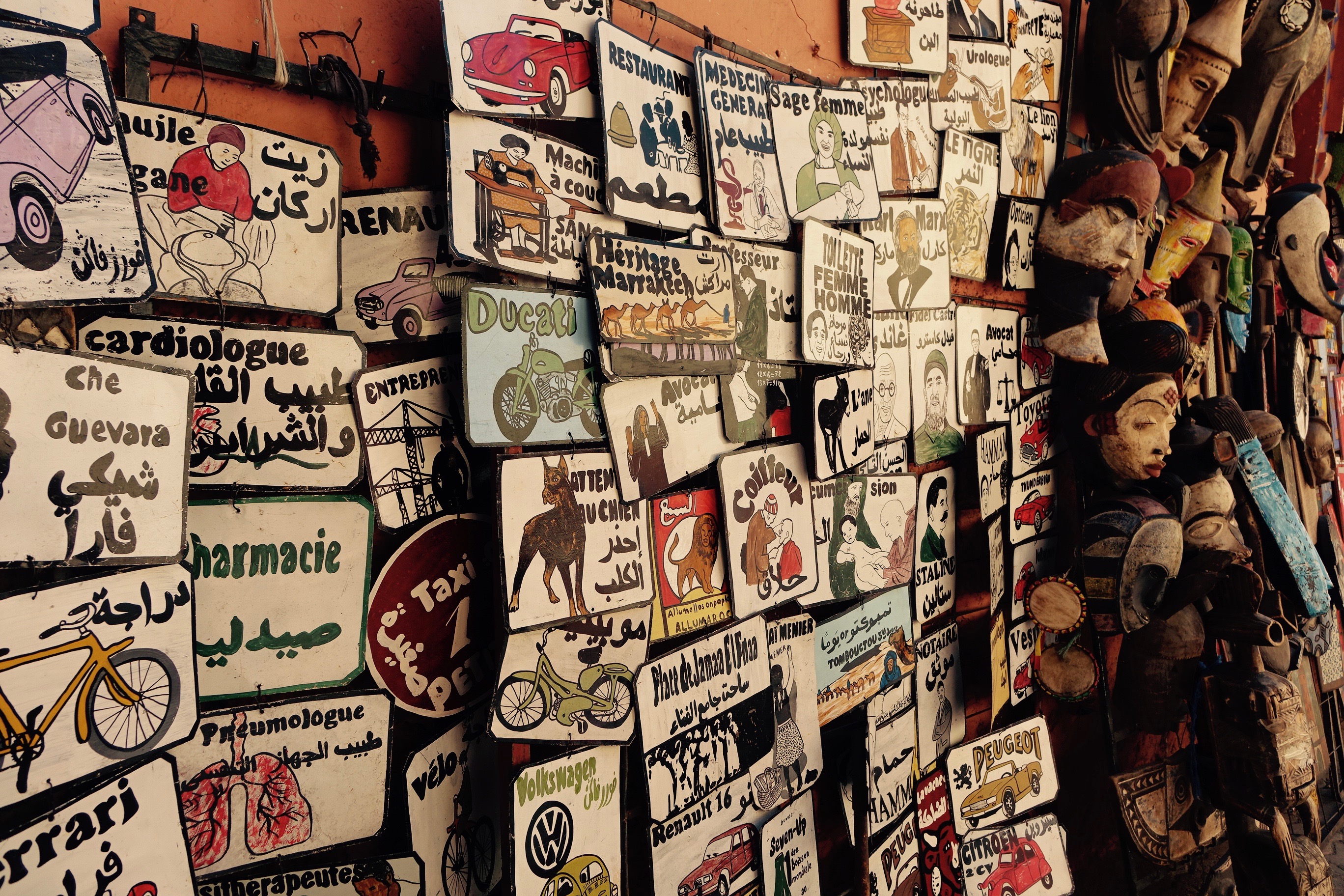
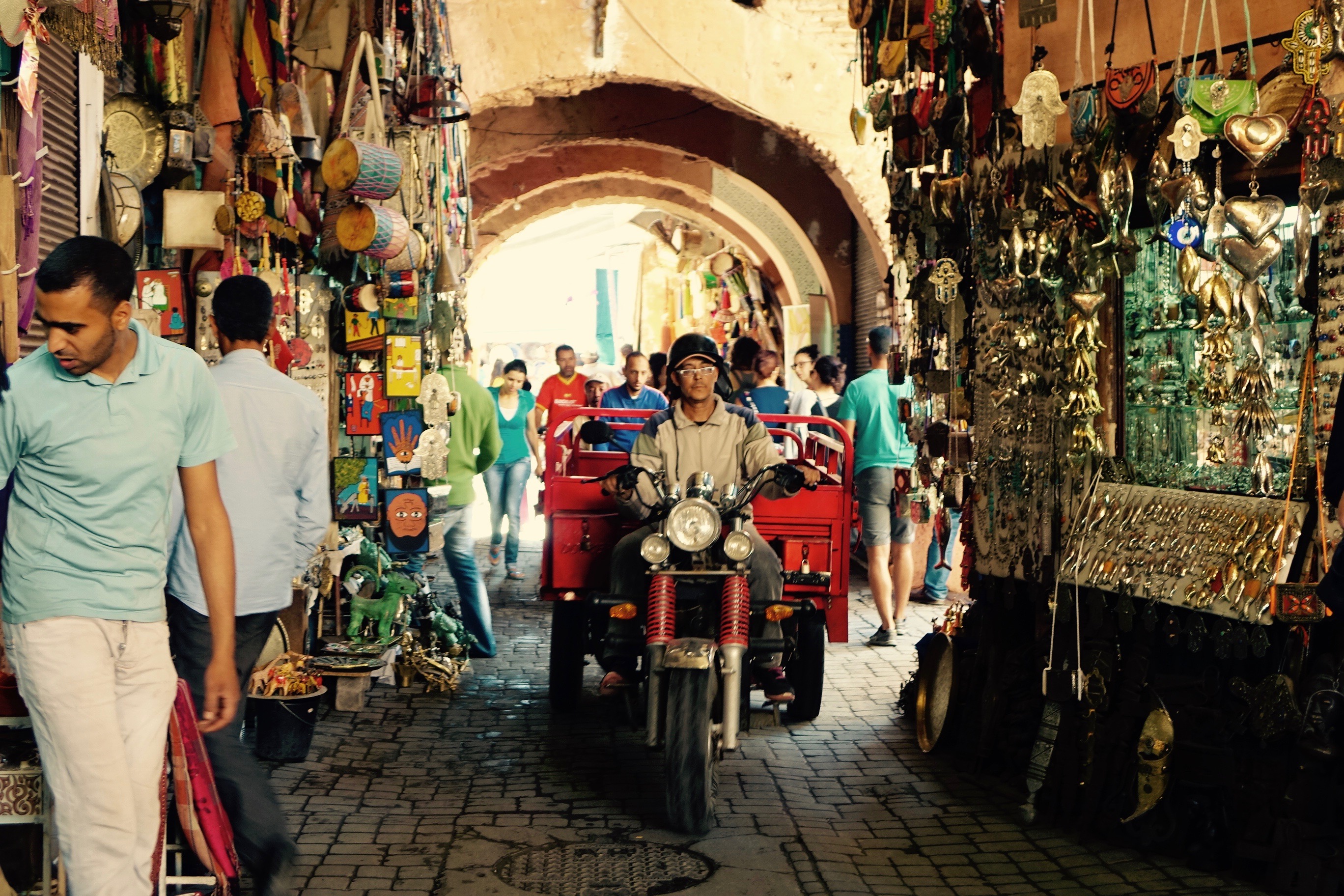
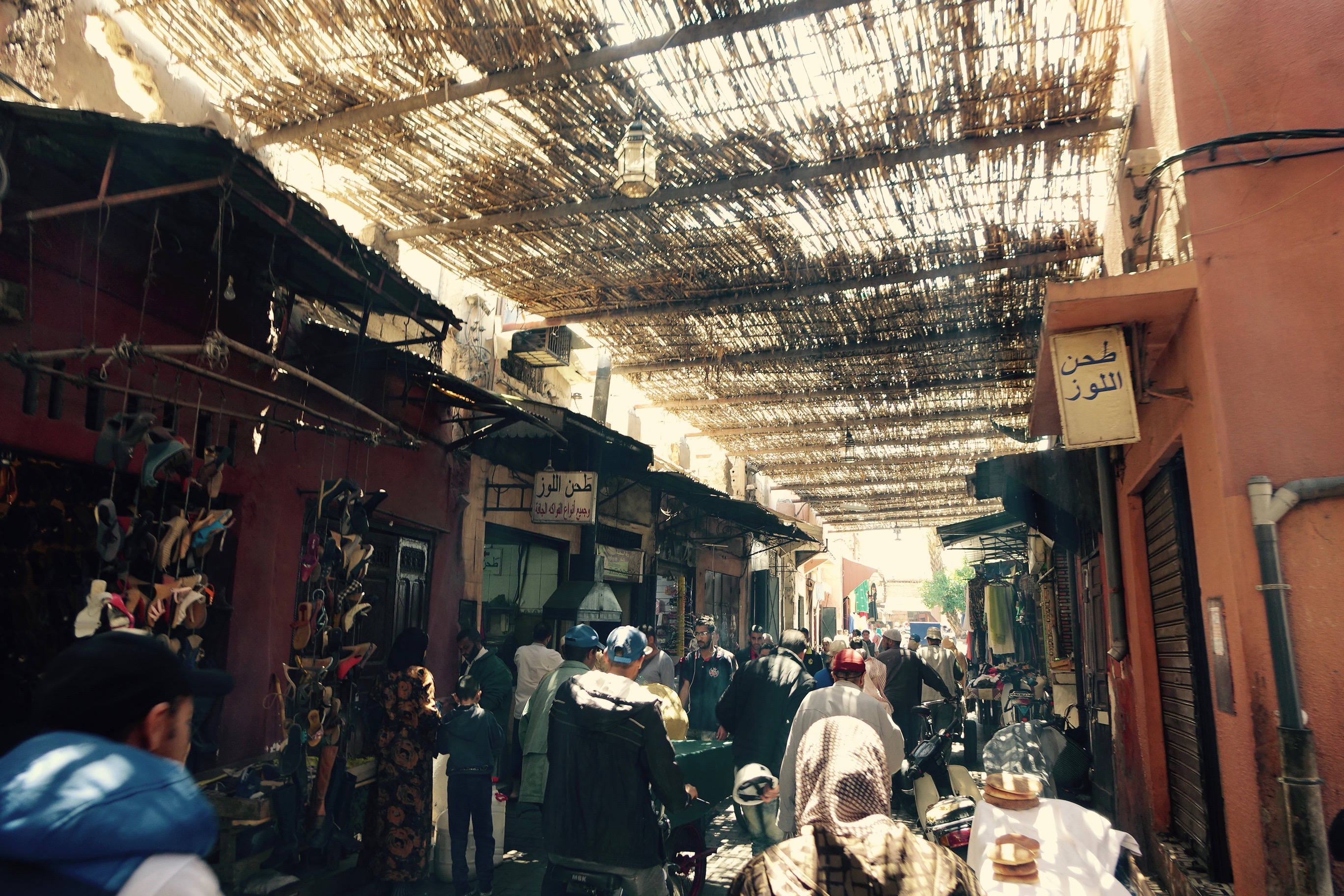
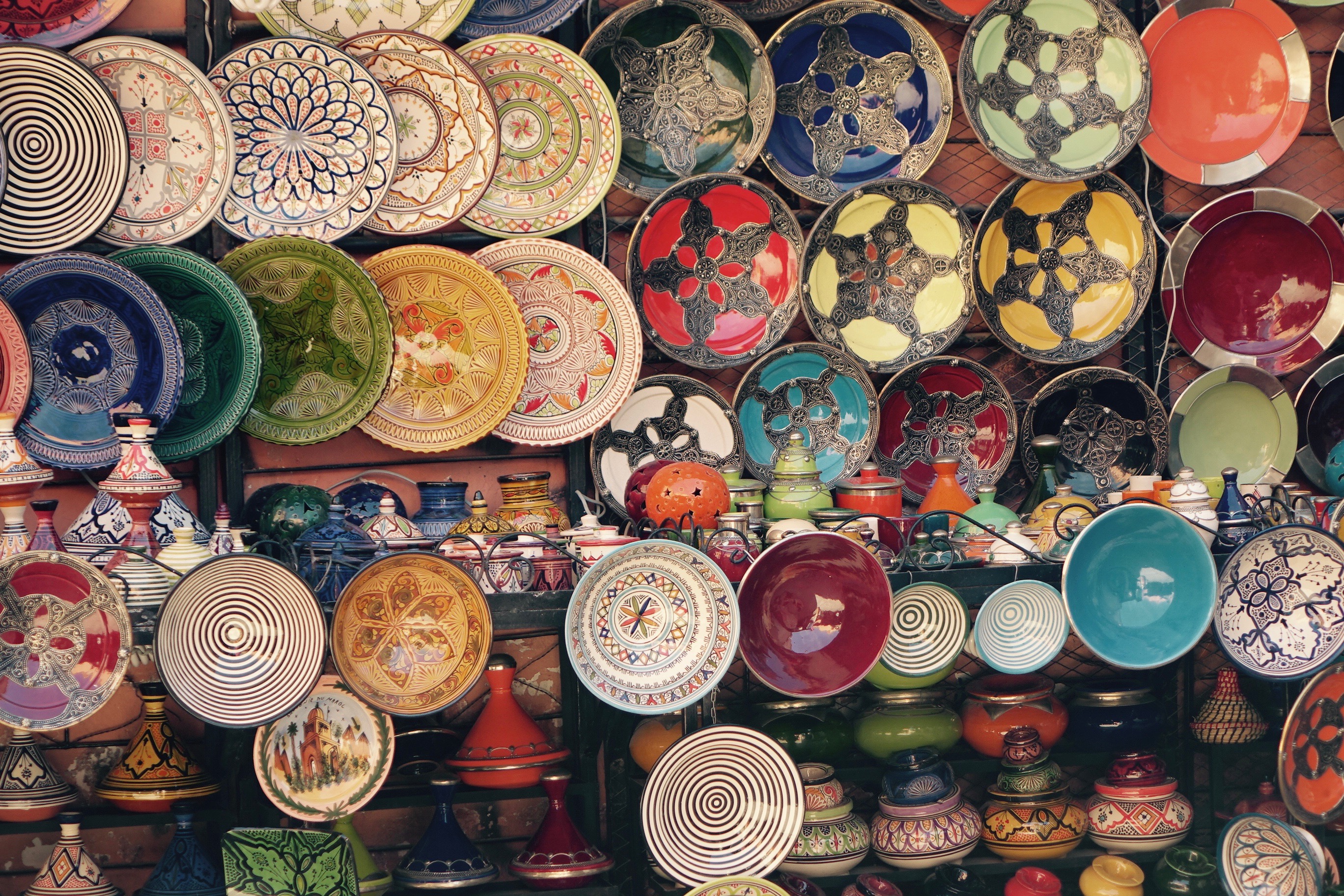
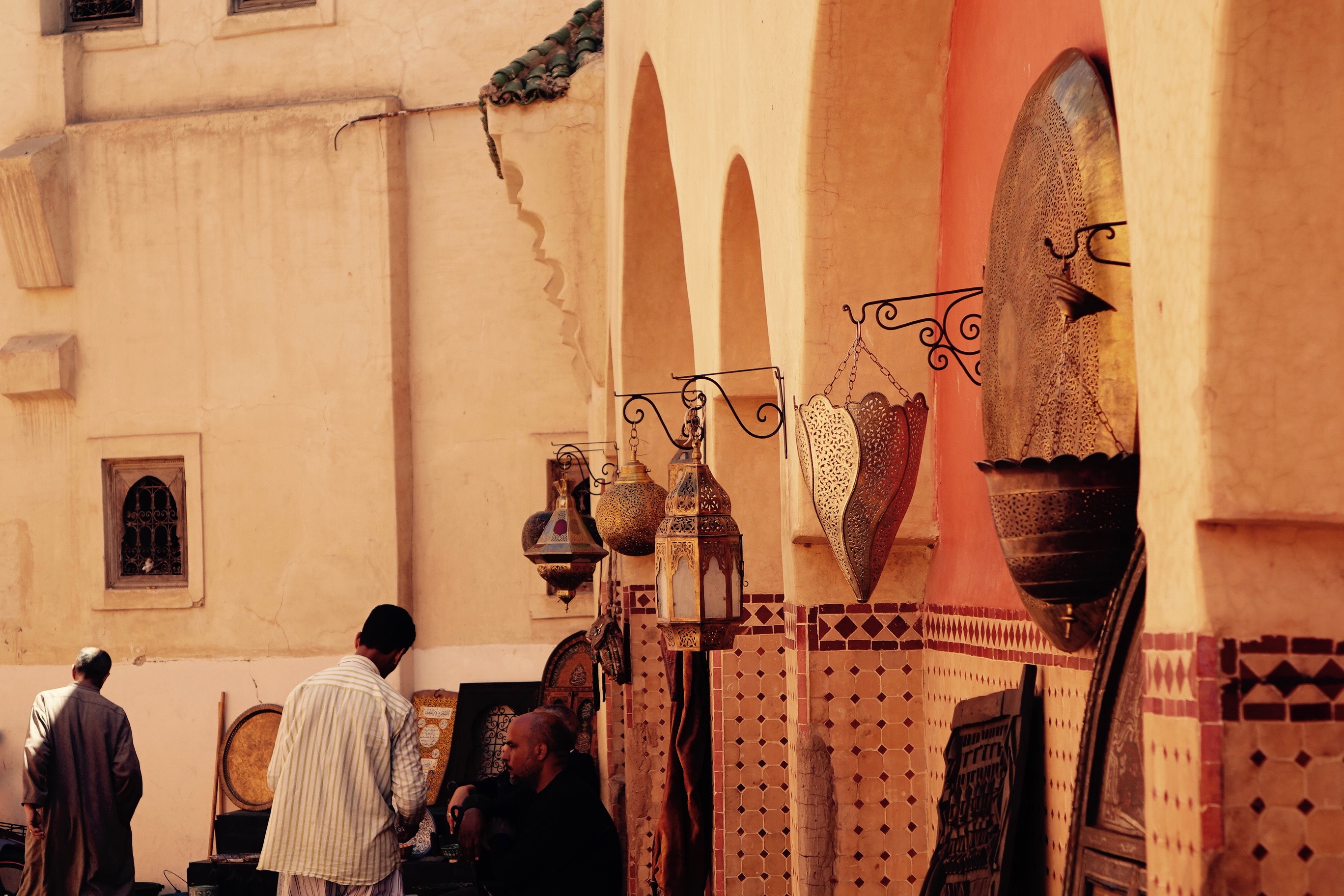
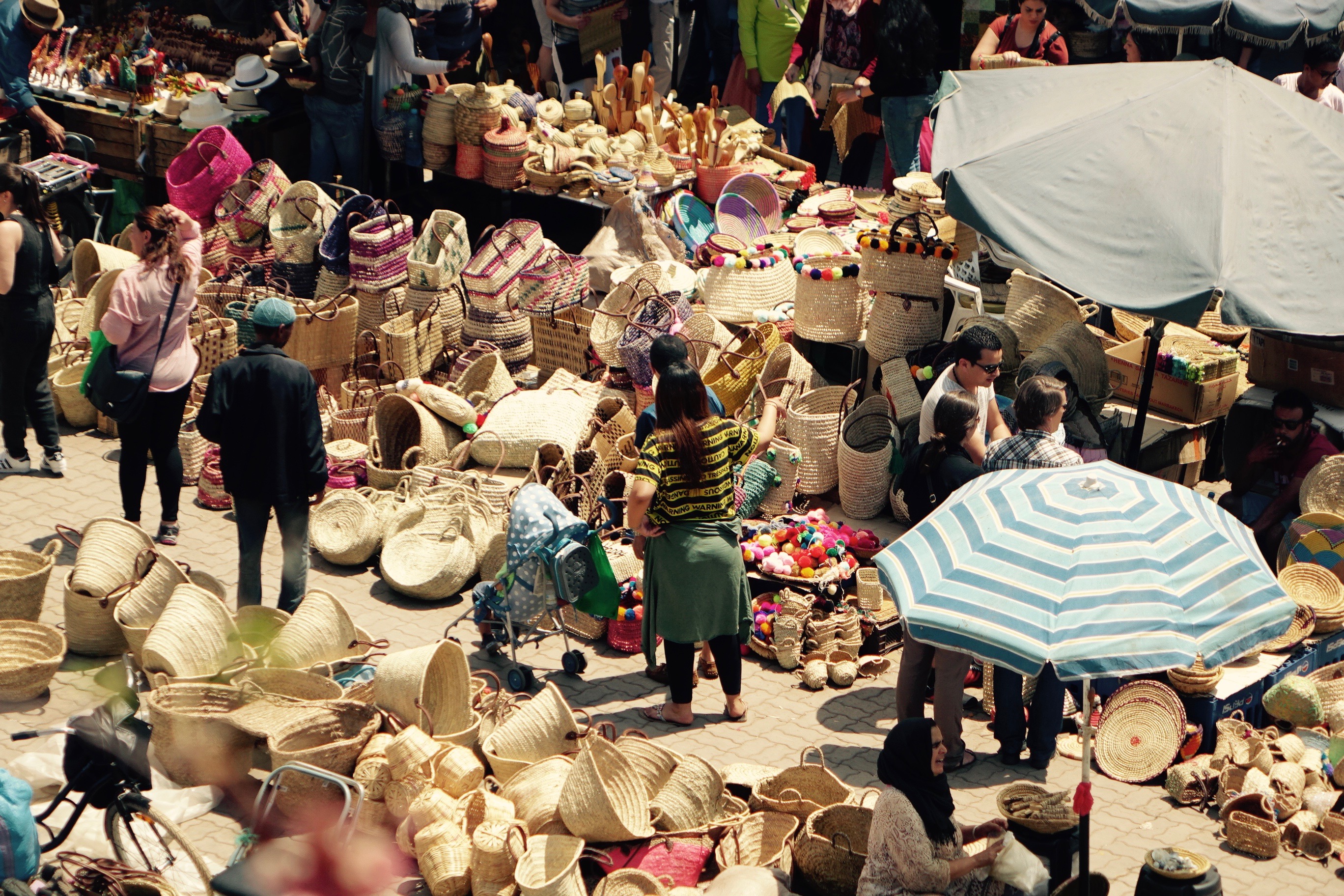
Winding, uneven, disorientating streets, packed with every kind of sight and sound and smell. A maze of chaotic, pulsating brilliance, cross crossed with shards of light as the boiling heat penetrates awnings made of grass and bamboo. These are the Souks of Marrakech, the utterly mesmerising completely confusing labyrinth of tightly packed market streets which sit at the heart of the city’s ancient Medina, and of its inhabitants. For trade has always been central to the functioning of Marrakech, which grew up around its perfect positioning for business with Spain and the rest of mighty Africa. Today the Souks remain the ancient location for the thousands of craftsmen eking out an existence selling their handmade wares, and easily the most fascinating place to visit.

DSC00766DSC00186DSC00575DSC00183DSC00428DSC00609DSC00362DSC00190DSC01081DSC01350DSC00196

The Souks are intrinsically beautiful. Packed with gold and ivory, leather and metalwork, great piles of spices, others of candied fruits, stalls loaded high with magical carpets, they are a real sight to be seen, as well as to smell. But be under no illusion. A visit to the Souks is an endurance test and a hard often intimidating slog for any westerner (since, lets face it, we stick out like a sore thumb against the more traditional dress of the locals). Wherever you go, you draw attention. Many see money, others see a nuisance, but almost everyone will want something from you and every 5 seconds you will need to handle an approach or a plea. Walking along those precariously narrow streets is no stroll in the park – locals use the same narrow lanes to drive like maniacs on mopeds, weaving as they do so in and out of poor donkeys, still heaving along heavy carts like a rewind back 200 years, and chickens who meander around clucking, unaware of their forthcoming bloody fate. For those on foot, you must get used to jumping out of the way, being careful not to fall into one of those precariously balanced spice piles as you do so. Then there’s the merchants. Catch their eyes, and like spiders they will ensnare you in their web. Look at their produce, take an interest in their wares, and they will lure you further still until the trap closes in. Try to get out without purchasing something I dare you! And don’t even think of looking at a map. Suggest for one second you are lost and you will be surrounded by mischievous teenagers who will try to persuade you to take them on as a tour guide. Their tricks are well known. They will get you all the more lost, taking you deeper into the Souks, before demanding money for your release.

DSC00192DSC00898IMG_0930DSC01397DSC00893DSC01353IMG_0927DSC00888DSC00599DSC00611DSC00608DSC00595DSC00583

It all sounds rather terrifying, I know. And going to the Souks is never exactly comfortable. But there is something so utterly mesmerising about this magical world that you cannot help but go back for more and gaze in sheer wonder at this incredible picture of a wonderfully different life. Until you go to the Souks, you will never truly appreciate what is Marrakech, nor Morocco. This is where the cultural differences are at their most extreme. The authenticity of the scene makes the so-called Moroccan shops in Southern Spain look like a sham. And the beauty of the place is such that you will want to photograph until your camera battery is exhausted – but be careful with this too. The locals hate being photographed and those less shy will demand money for the privilege.

DSC00431DSC00587DSC00198DSC00372DSC00594DSC00590DSC00365DSC00358DSC00203DSC00353DSC00880

So those are the Souks that ensnared our souls, scaring us aplenty but which provided the most memorable experiences of our trip. And we came away with some Saharan pottery, a metal lion, a miniature red tagine and some orange blossom essence. Not bad, especially as we were required to barter as part of the process, something which is inherently uncomfortable for the polite English. Long will I remember this maze of plenty, its exotic smells and hardened people. Most of all I will remember the multiple colours which characterise this dazzling place.

© Nicholas de Lacy-Brown and The Daily Norm, 2001-2017. Unauthorized use and/or duplication of the material, whether written work, photography or artwork, included within The Daily Norm without express and written permission from The Daily Norm’s author and/or owner is strictly prohibited.

The Colours of Marrakech, Part 2: Garden Green

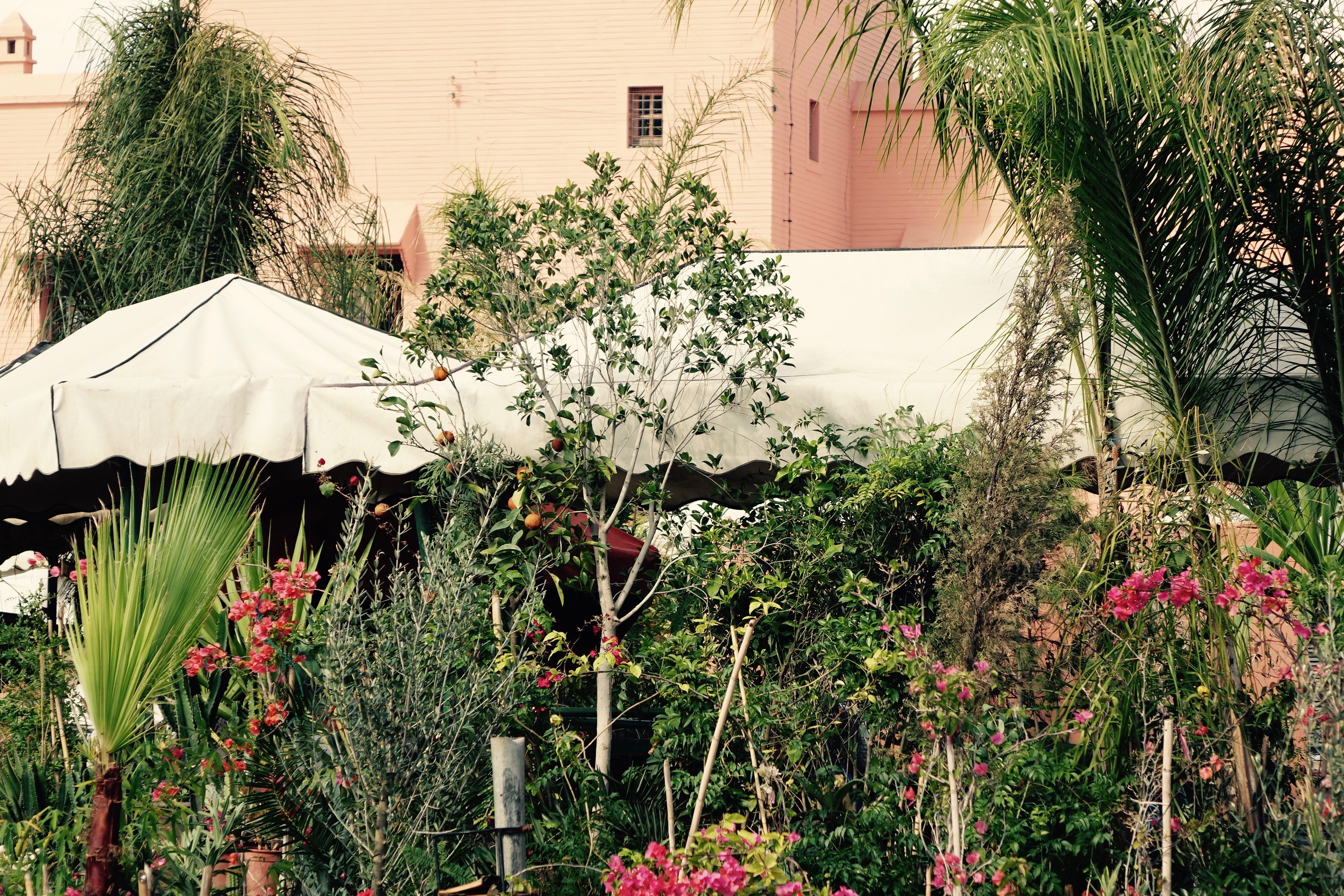
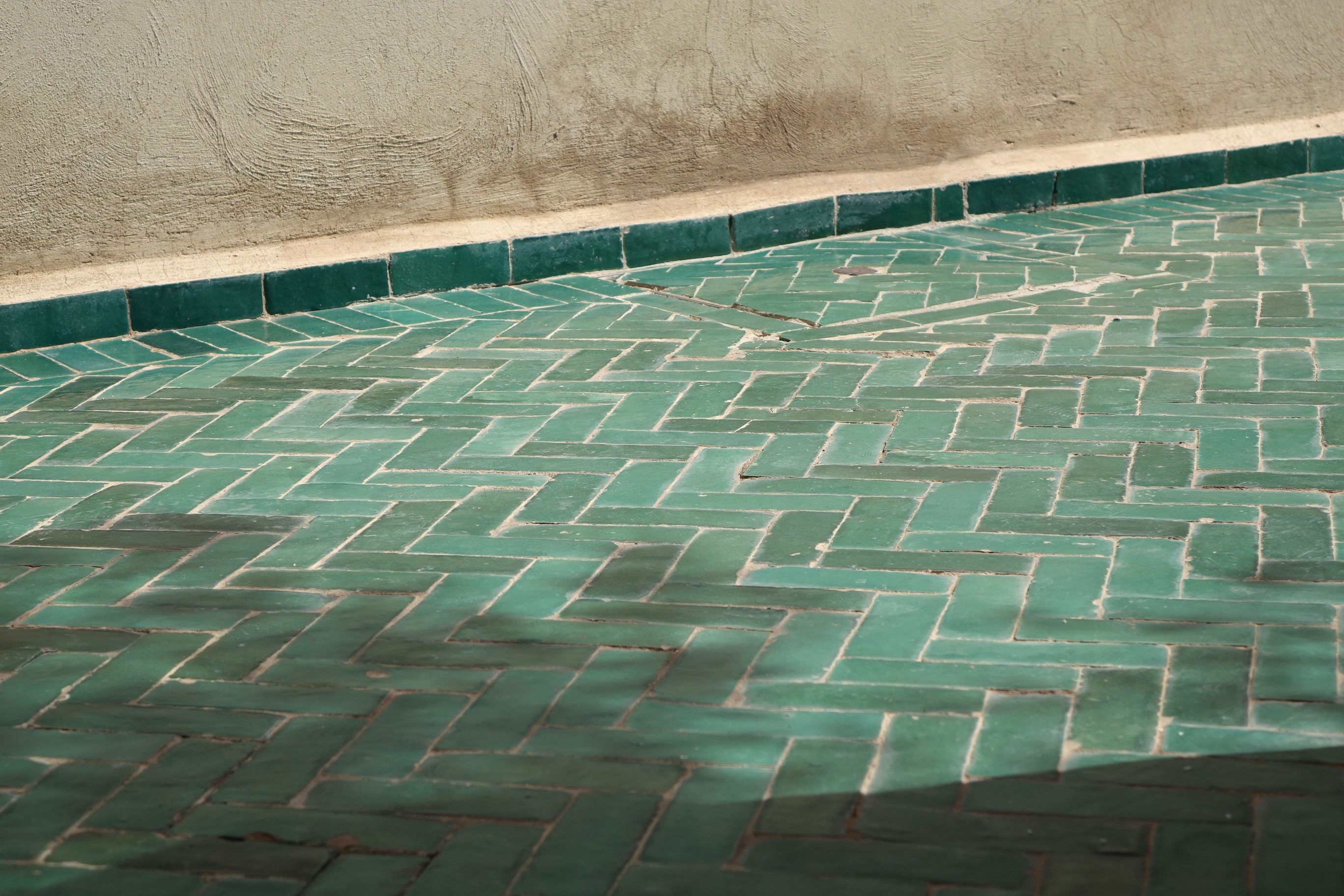
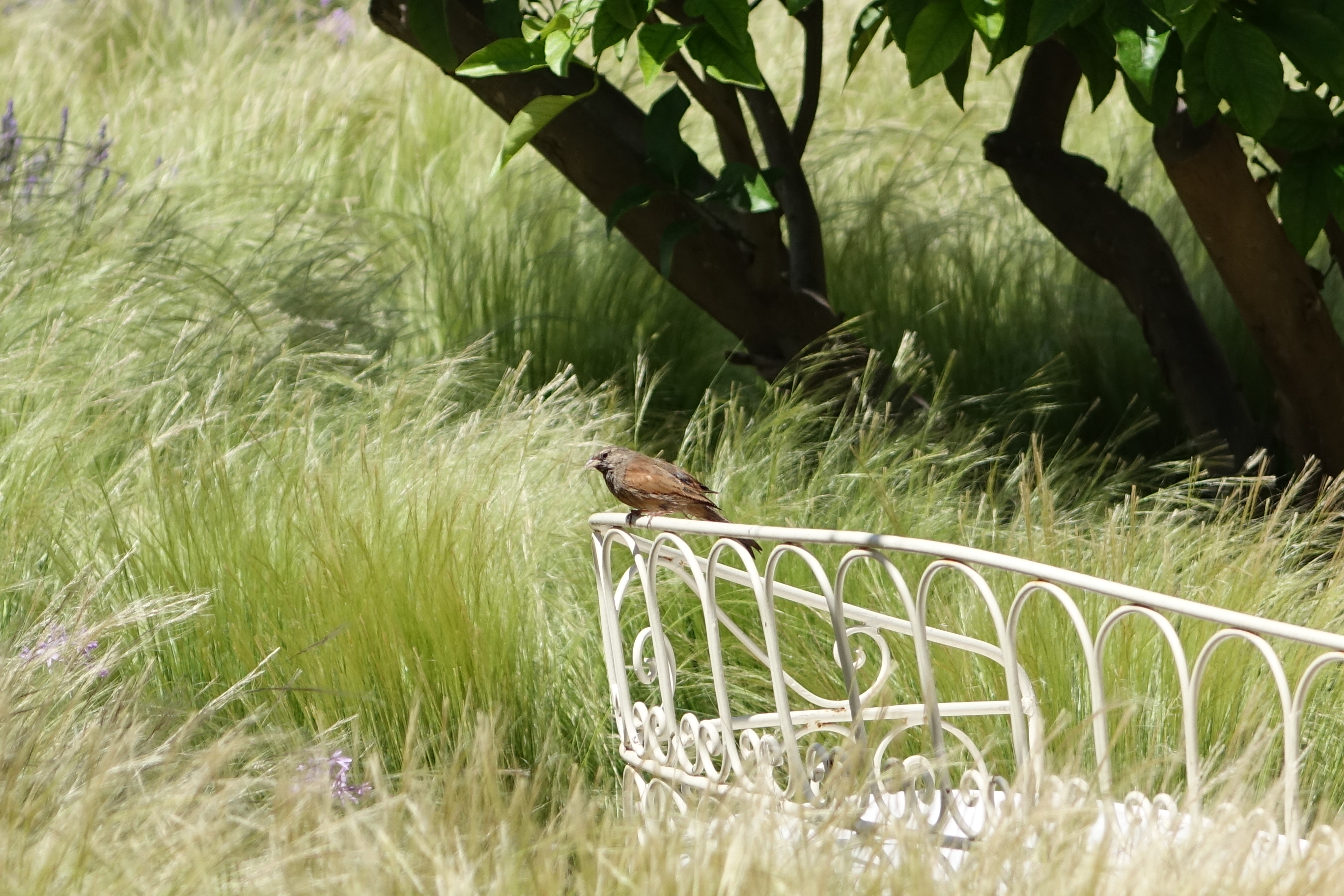
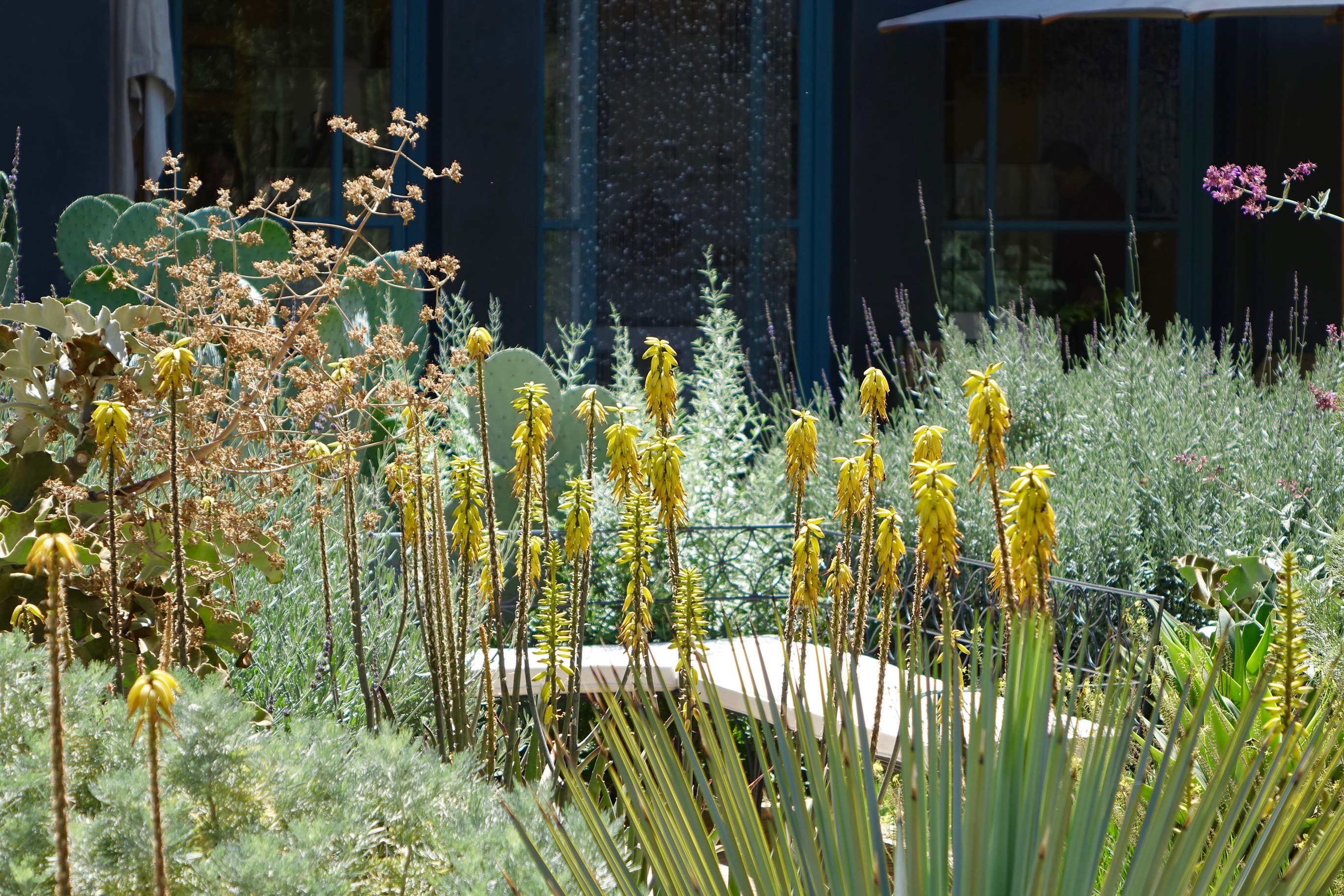
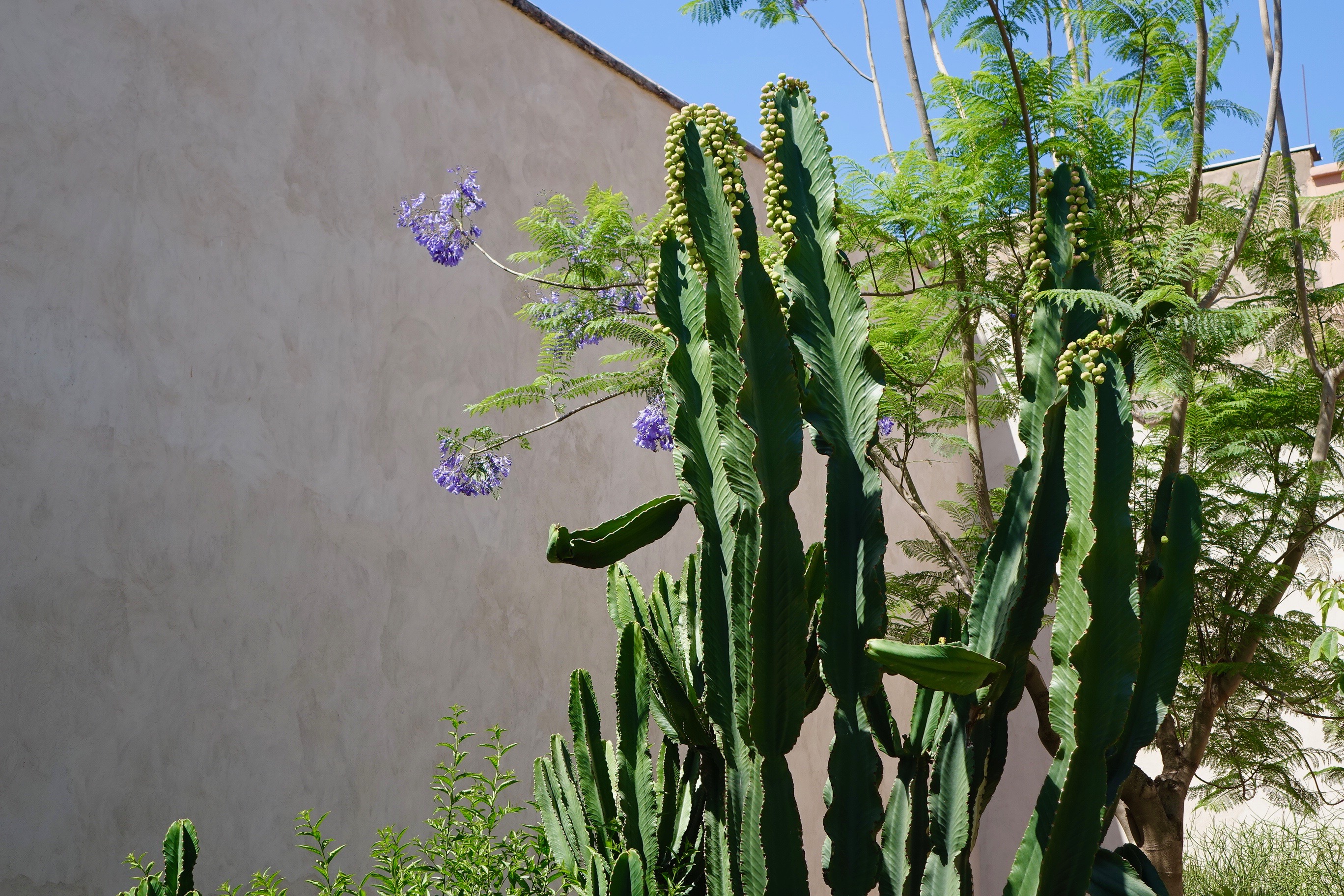
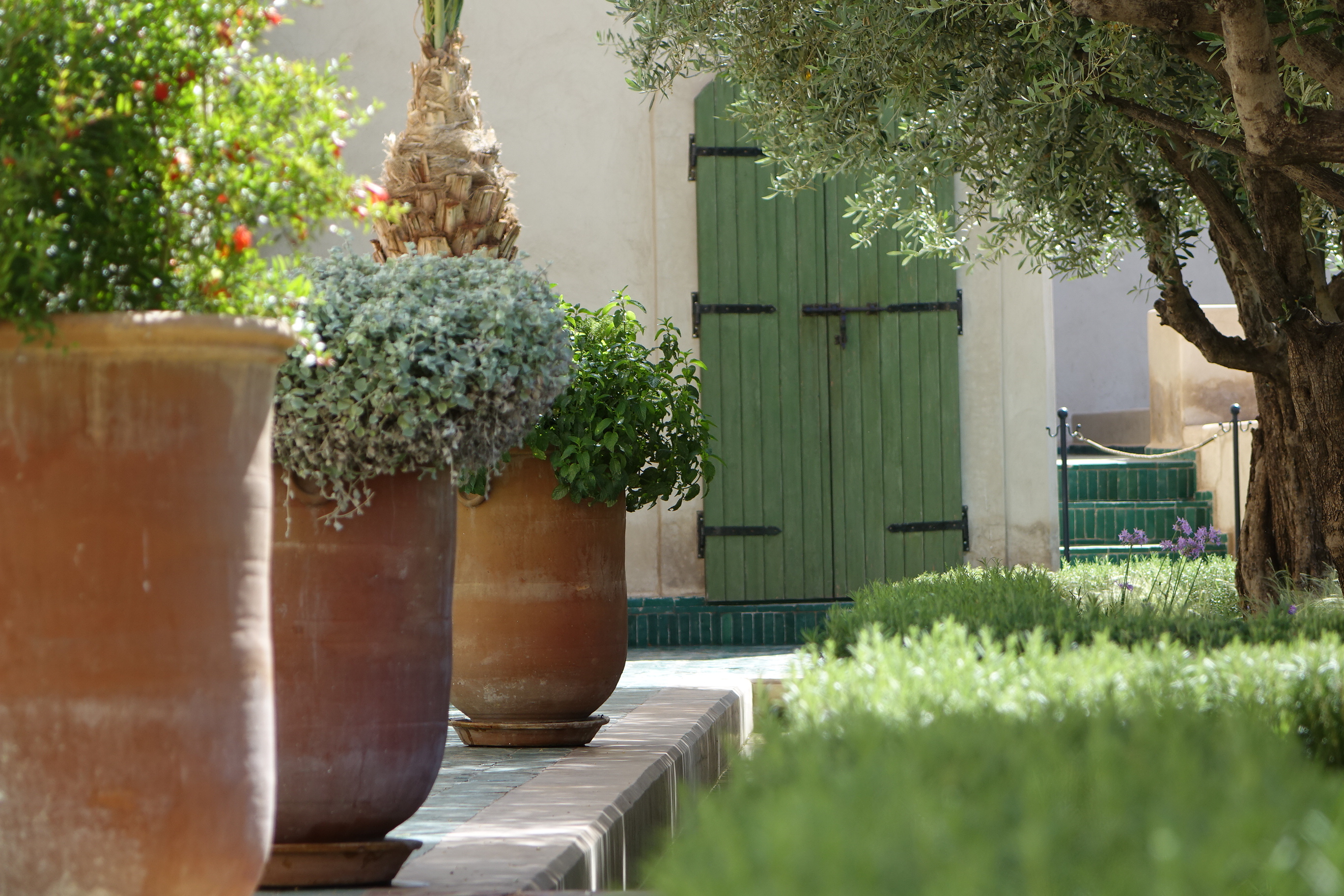
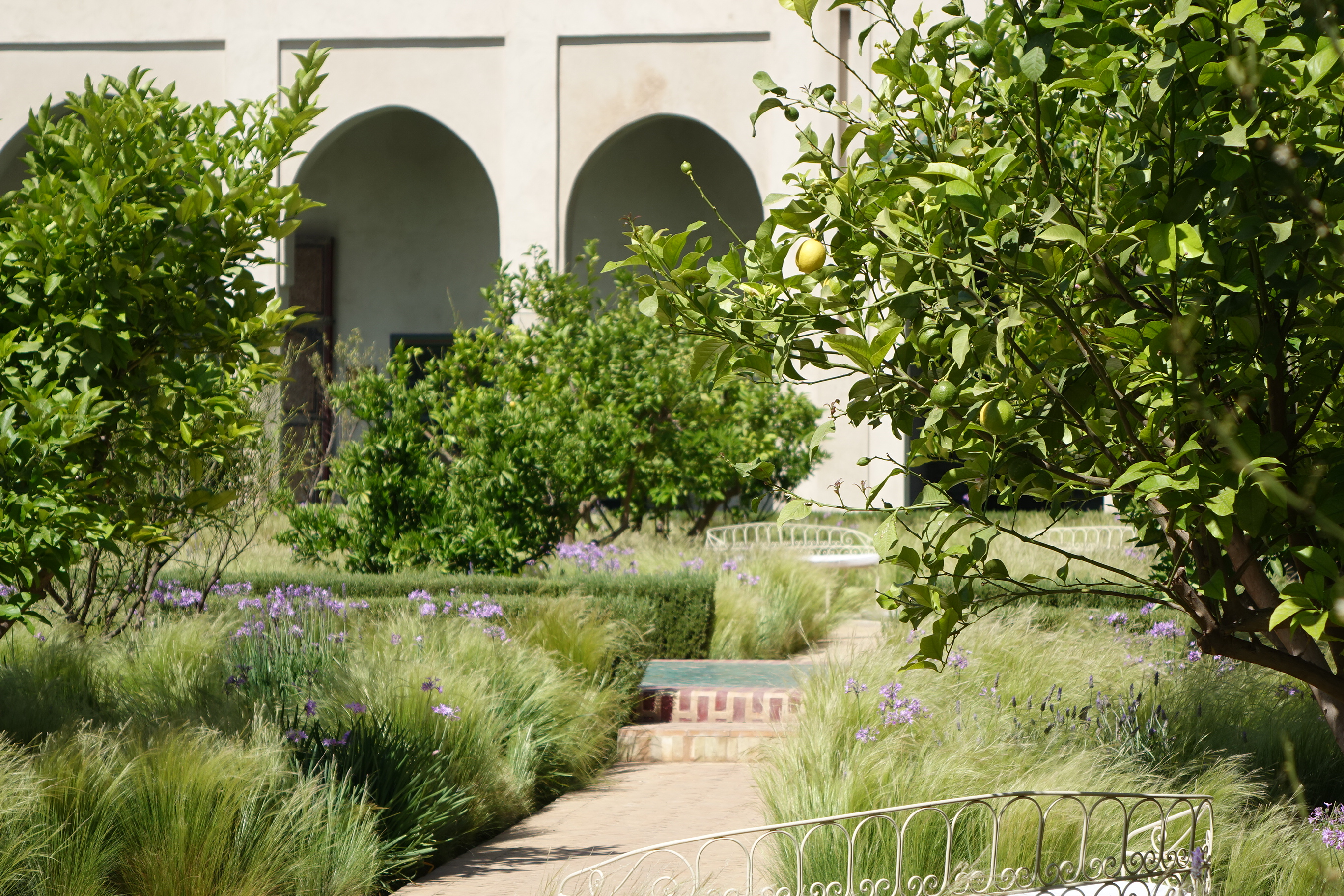
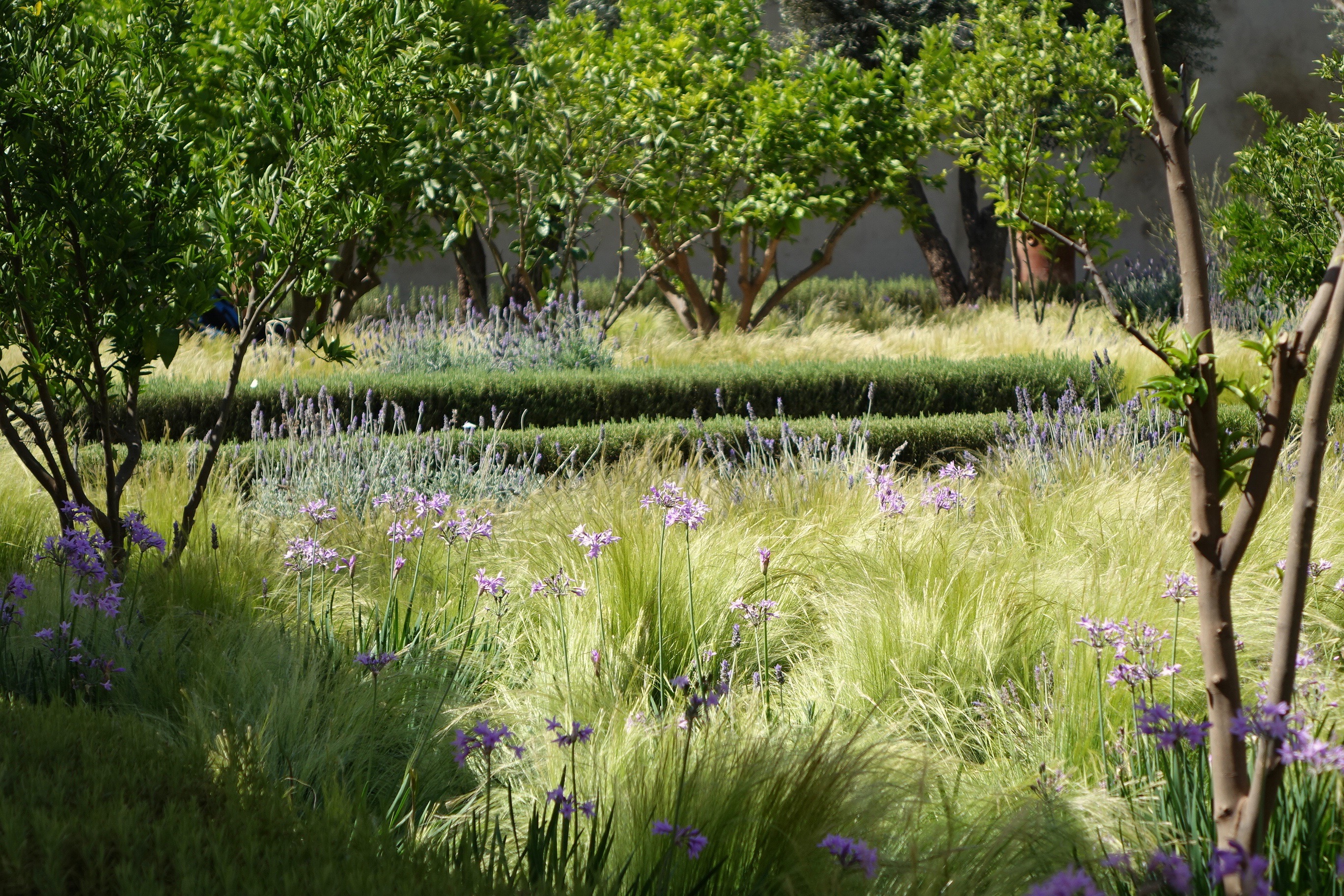
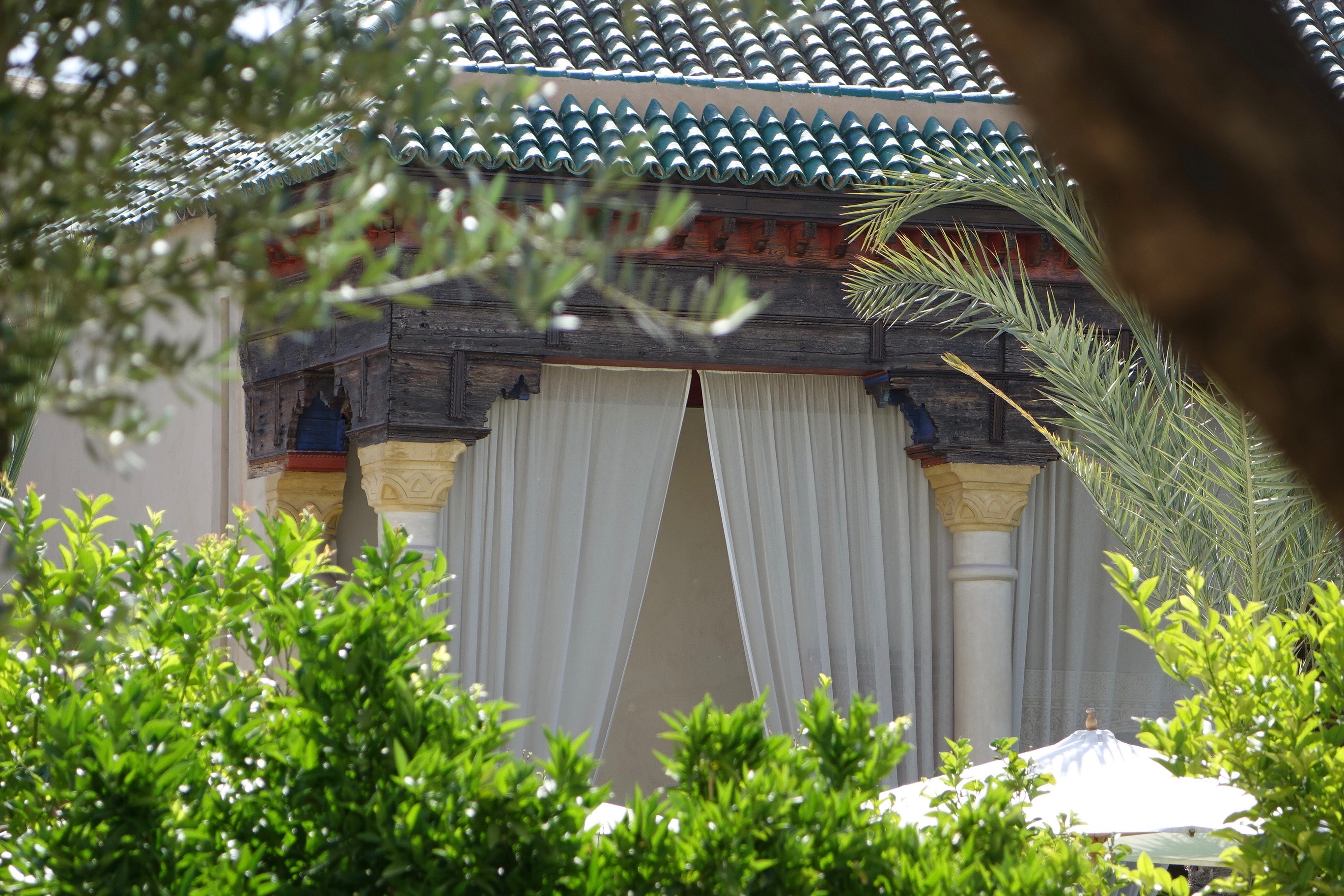
There is something altogether very earthy, sandy even about Marrakech. Known as The Daughter of the Desert, it is very evident that the city is only a few hours away from the Sahara. The very rose tint of its original mud built walls sing of the harmony of deep, mineral rich desert tones from which the city arose. And yet a view across its skyline also betrays the odd peppering of green, where palm trees sway amongst houses and the prayer towers of mosques are embellished with shiny green roof tiles. And of course the Arabic countries are no strangers to the beauty of green spaces, since it was them who were the engineering geniuses behind the stunning gardens of the Alhambra in Granada, and most of the Southern European irrigation systems which followed. The Medina of Marrakech is nevertheless more about its dusty maze-like streets and multi-coloured souks than gardens, but through one small gate in the heart of the souk is the opening onto a true marvel of a garden, so hidden away that you could easily miss it.

DSC00301DSC00300DSC00281DSC00344DSC00227DSC00337DSC00242DSC00325DSC00250DSC00212DSC00302

Appropriately named, Le Jardin Secret, the origins of this lavish garden hark back to the second half of the sixteenth century, when the Saadian Sultan Moulay ‘Abd-Allah commenced upon the urbanization of what is now the Mouassine district of Marrakech. Having decided to build his palace and gardens on this exact spot, the turbulence of history resulted in a series of handovers from one ruler and influential man to another until eventually, in 1912, the property then passed into the possession of the Fez of al-Hajj Muhammad Loukrissi, chamberlain of Sultan Moulay ‘Abd-al-Hafiz. There he lived until his death in 1934 when tragically the palace and garden fell into disrepair. Fast forward three quarters of a century, and the restoration of the building complex and gardens began.

DSC00340DSC00343DSC00348DSC00310DSC00349DSC00321DSC00282DSC00294DSC00238DSC00260DSC00245

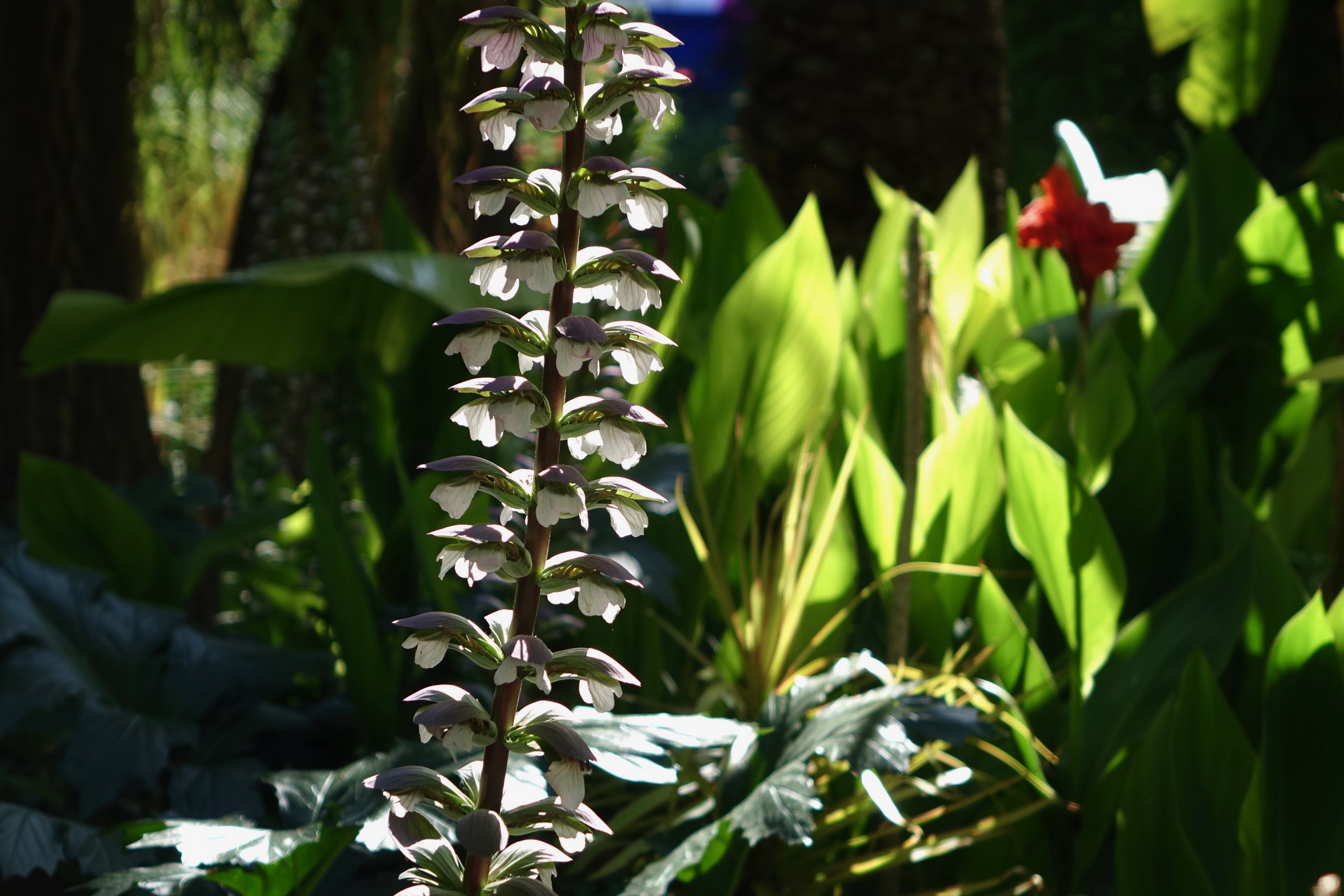
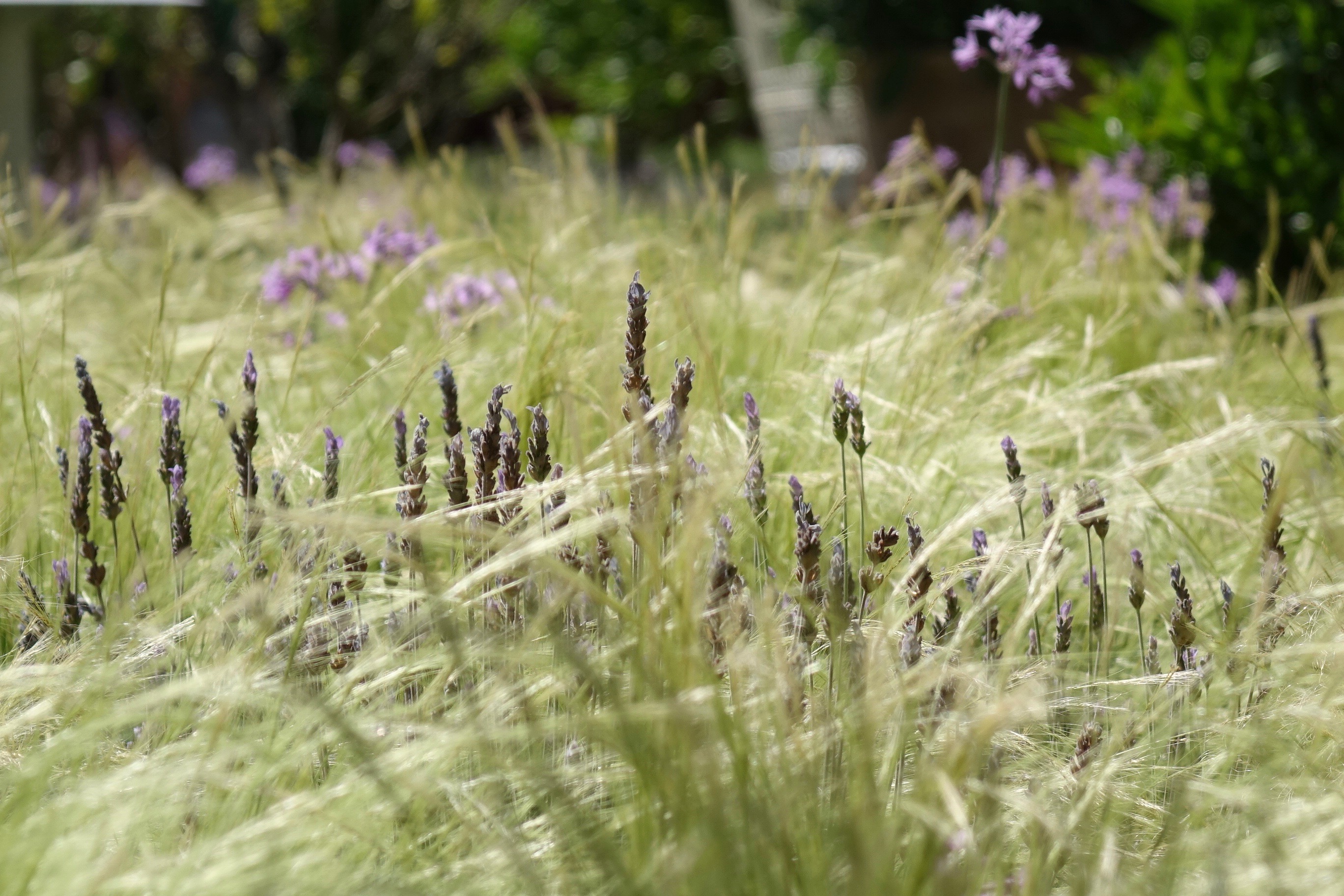
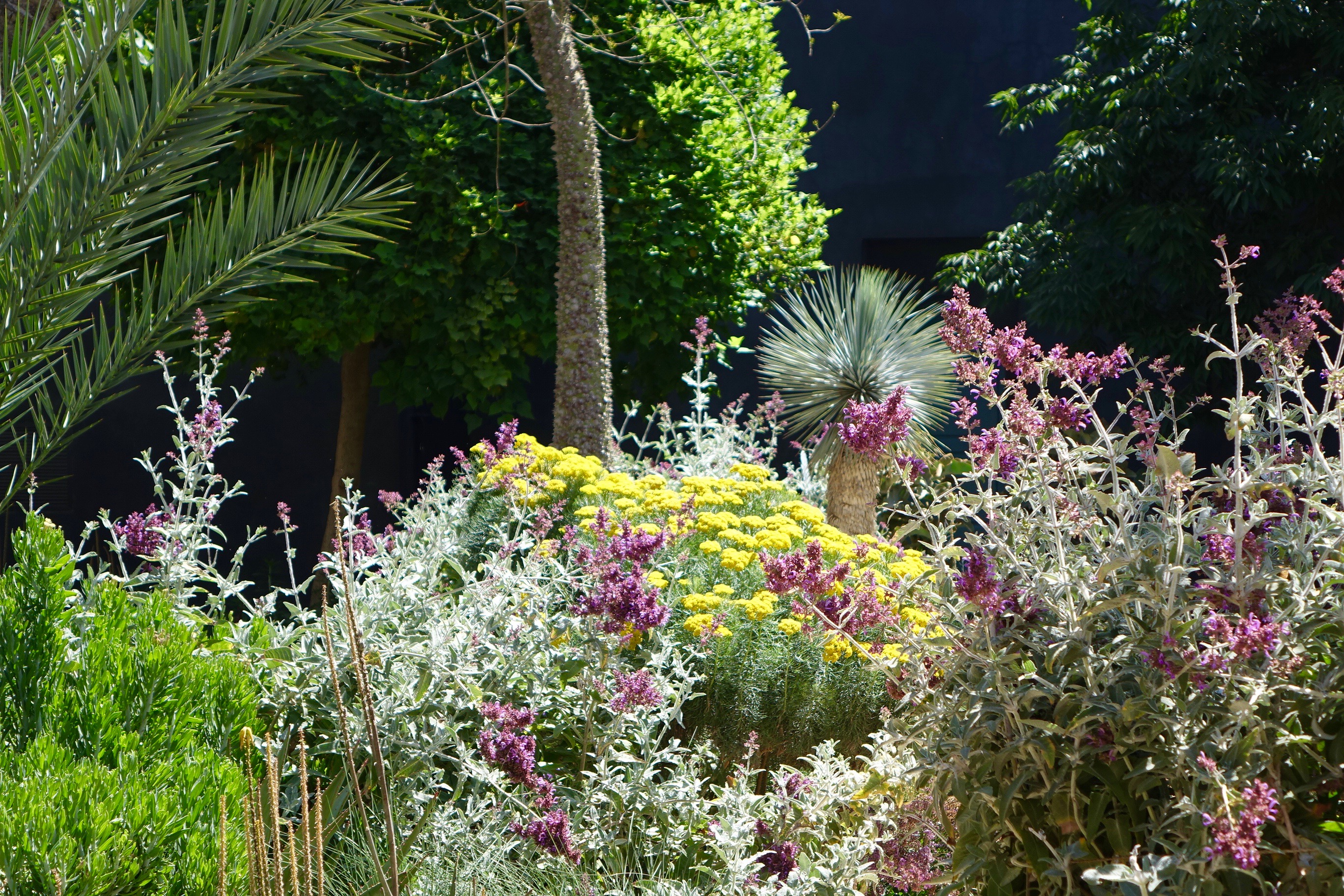
Today, Le Jardin Secret is a true garden gem which is all the more precious because of its relative rarity in amongst the city bustle of the Medina. Containing two main garden sections, one tropical and the other more traditionally Arabic in its geometrical layout and planting, both gardens offer and exquisite haven of calm. Accompanied by the trickle of long, ground-level ponds running with water, and by the song of the many birds who revel in the natural abundance of the place, an hour spent in Le Garden Secret has all the benefits of several days in a health spa. Running your hands through the grasses, watching bees as they pollinate the purple and white flowers, and gazing as a gentle breeze alters the dappled reflection of tree leaves against vibrantly painted red and olive green walls, it is a truly stunning place.

DSC00336DSC00249DSC00331DSC00240DSC00328DSC00297DSC00296DSC00248DSC00243DSC00222DSC00204DSC00237

Being, by name, secret, it is also relatively quiet but no doubt that will not remain the case for long. For what better way to break away from the manic hive of activity of the Souks than to seek refuge in this perfect profundity of green in the heart of the Rose City.

© Nicholas de Lacy-Brown and The Daily Norm, 2001-2017. Unauthorized use and/or duplication of the material, whether written work, photography or artwork, included within The Daily Norm without express and written permission from The Daily Norm’s author and/or owner is strictly prohibited. 

The Colours of Marrakech, Part 1: Rose City

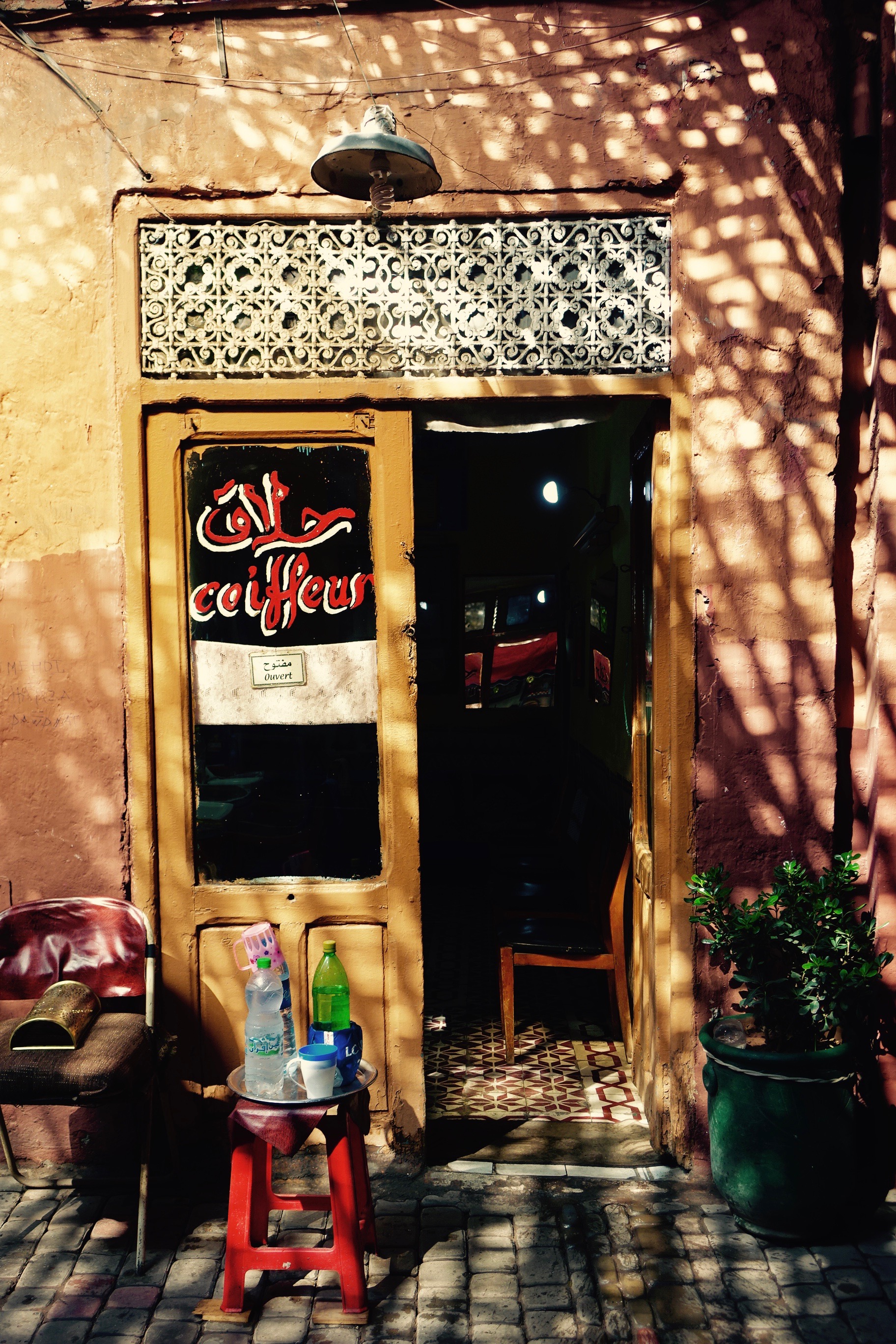
Colour, smell, thunder, stares, snakes, spices, the sound of birdsong, the call to prayer. Morocco is a country of extremes and its dazzling city of Marrakech all the more so. Those extremes began as soon as we entered its airspace, as desert planes and mighty big African clouds overhead gave way to one of the most sparkling fancy airports I have ever set foot in. A further transformation manifested as we took a taxi into town. On the left, a modern city, its roads neatly paved and lined with illuminated orange trees. On the right an old city crumbling, smelly, loud, maze like. Children begged around our legs, women enveloped in veils eyed us suspiciously and the use of donkeys in the place of vehicles marked a return to centuries past. Marrakech is different from any place I have ever visited before, and the next few weeks on The Daily Norm will bear testament to our time there; a trip which tantalised each of the senses and engendered the thrill of the different and astonishment at everything we saw.

DSC00887DSC00461DSC01440DSC01403DSC00907DSC01390DSC01360DSC00868DSC00817DSC00176DSC00372DSC01082DSC00809

A focus on the visual is what will shape my tale of Marrakech, as I take inspiration from the colours which were visible in such extremes across the city. Known as Rose City, by far its most prominent colour is the peachy shade of soft terracotta which characterises its ancient Medina. Stemming from the red tint of local stone and mud, the colour is a naturally occurring bi-product of the city’s quasi-desert location. In fact the rosy hue became so synonymous with the city that when in modern times concrete started to replace traditional mud construction methods, the former French rulers decreed that all such buildings must be painted in the same colour of pink.

IMG_0197DSC01461DSC00908DSC00860DSC00801DSC00750DSC00583DSC00370DSC00354DSC00180DSC00096

The result is a city almost universally sculpted from rose, a place where nature itself provides the rose-tinted glasses through whose sheen Marrakech can be seen to glow a warm shade at all times of the day. But as we will see from later posts, the city’s characteristic hue changes as it reflects the light, and when an intense sunset reigns in the skies, the resulting reflected pink is like nothing I have ever seen before.

But for today, and by way of introducing to this incredible Moroccan city, I give you photos of Marrakech in its most iconic warm terracotta glow, ranging from sunrise in the morning to full sun as the baking semi-desert conditions almost cooked the city streets below. This is Marrakech, Rose City, Daughter of the Desert, and it’s going to be a wonderful Daily Norm ride…

DSC00787DSC00558DSC00575DSC00570DSC00197DSC00574DSC00429DSC00148DSC00177DSC00268

© Nicholas de Lacy-Brown and The Daily Norm, 2001-2017. Unauthorized use and/or duplication of the material, whether written work, photography or artwork, included within The Daily Norm without express and written permission from The Daily Norm’s author and/or owner is strictly prohibited.

Siena: Doing the Duomo

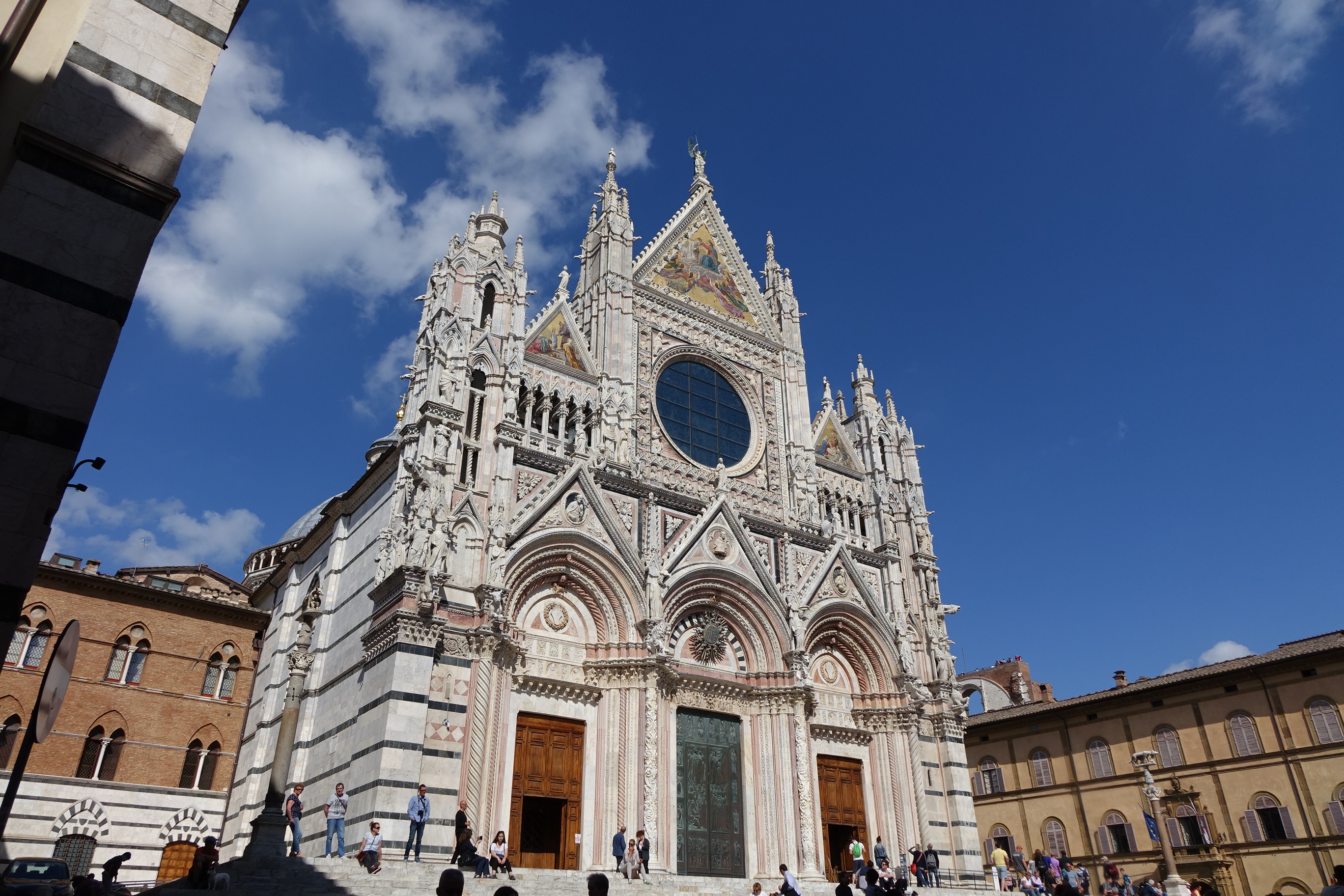
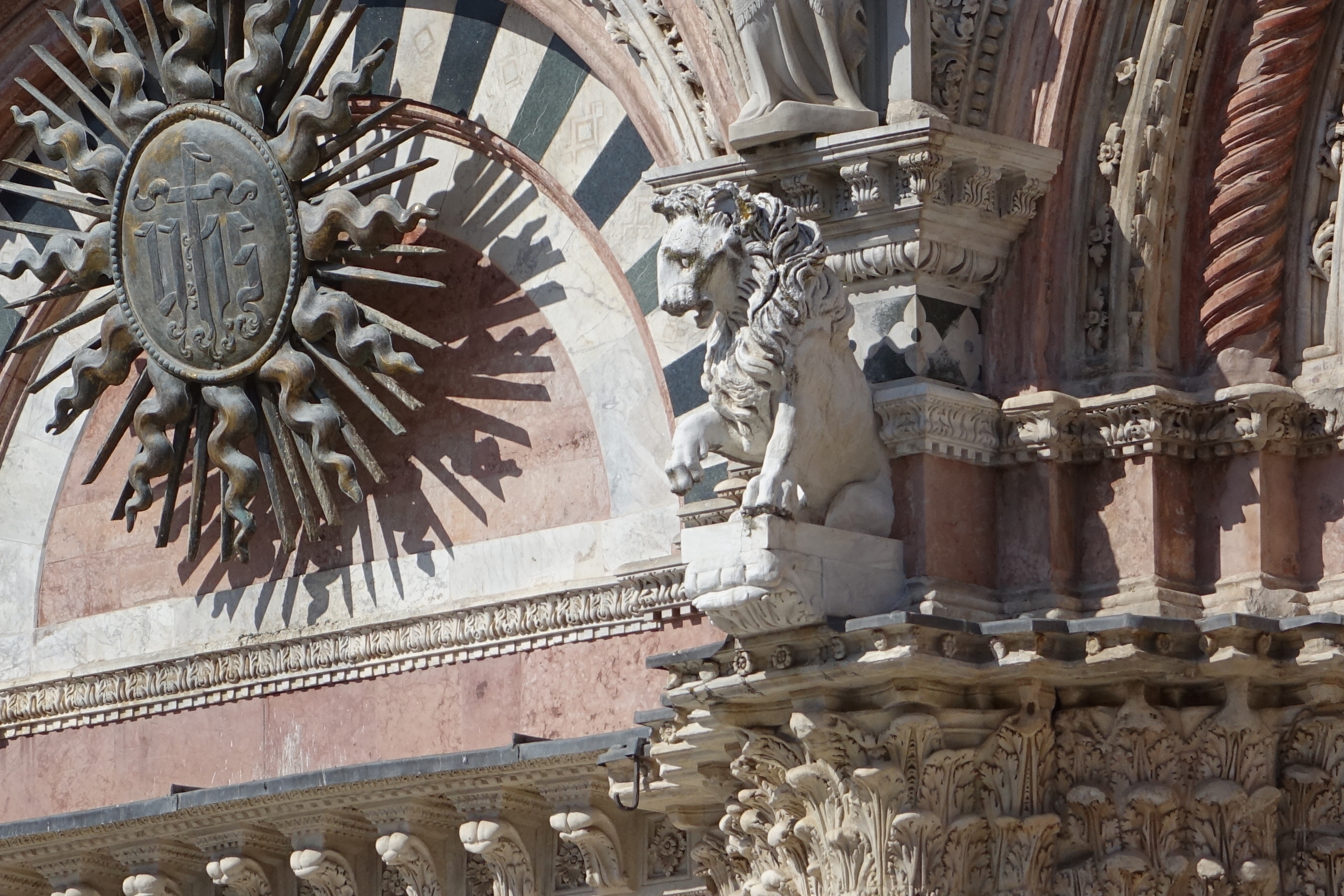
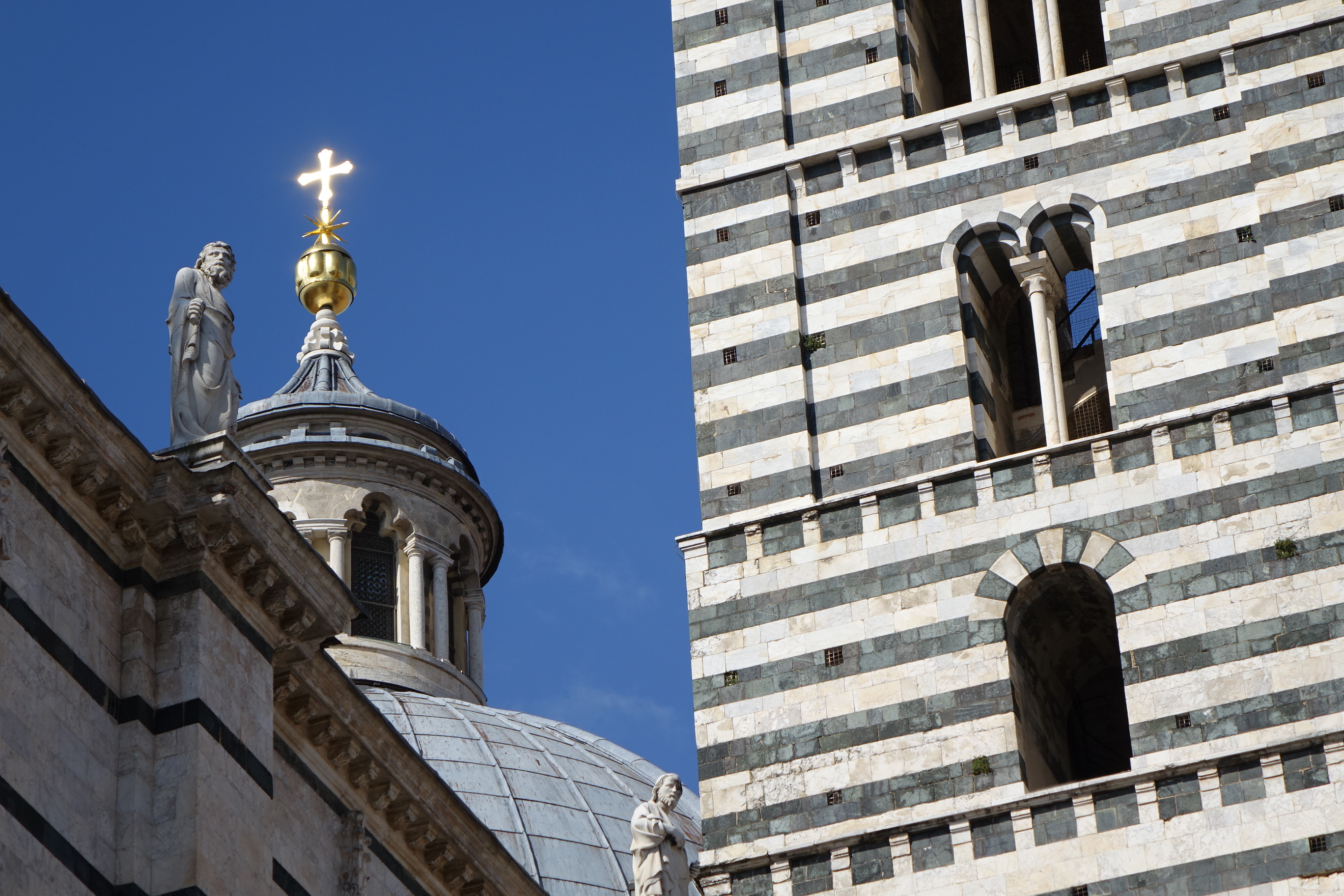
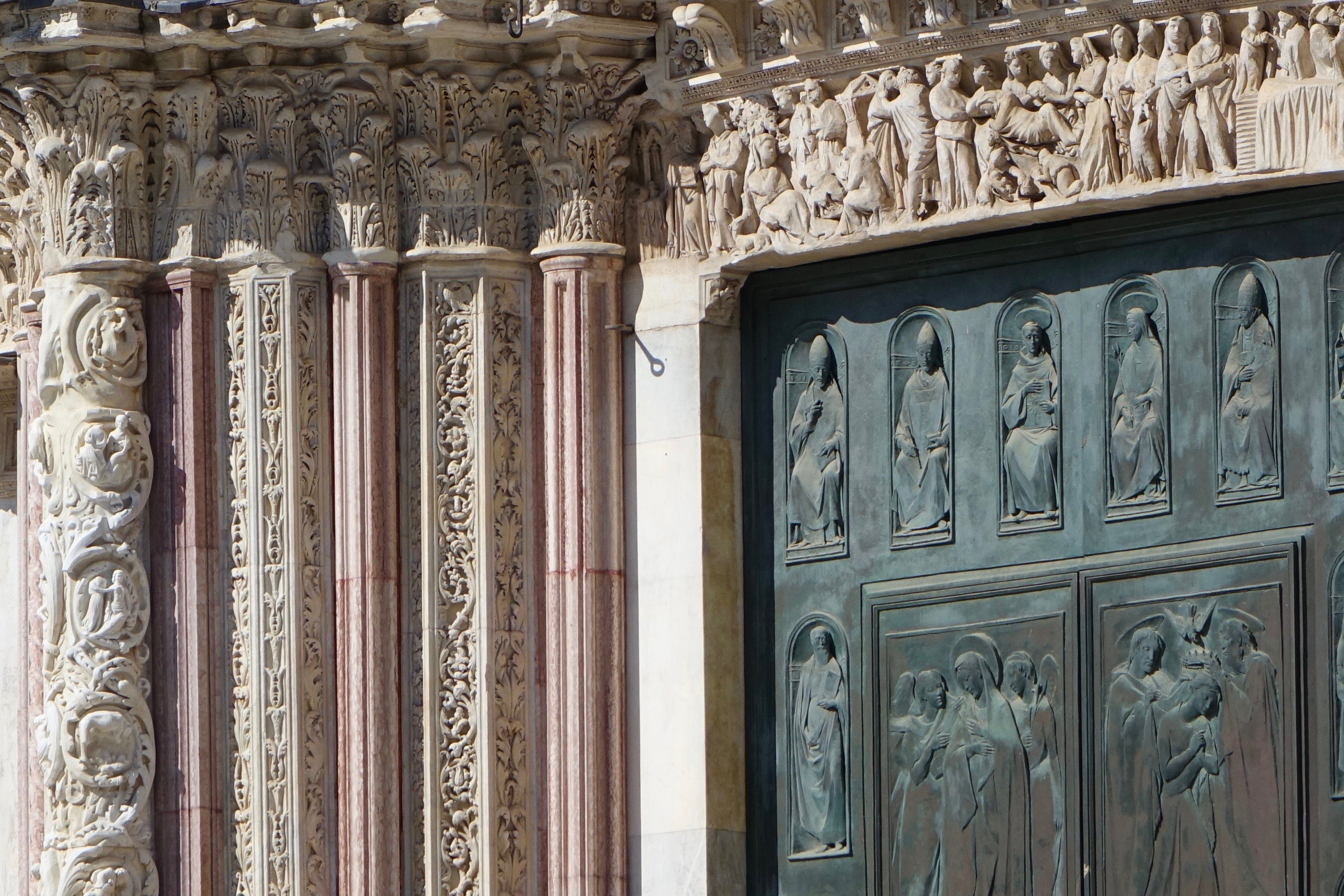
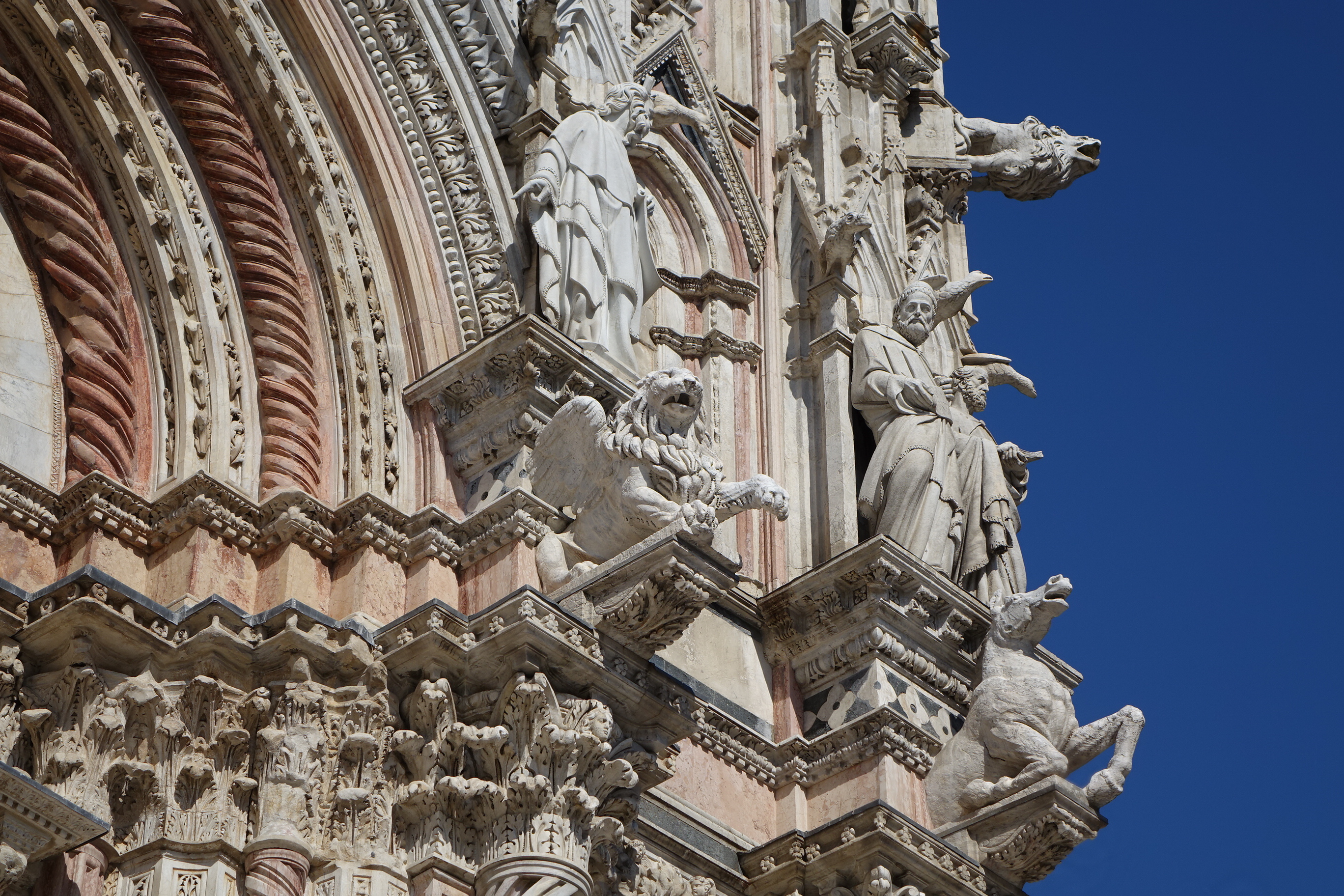
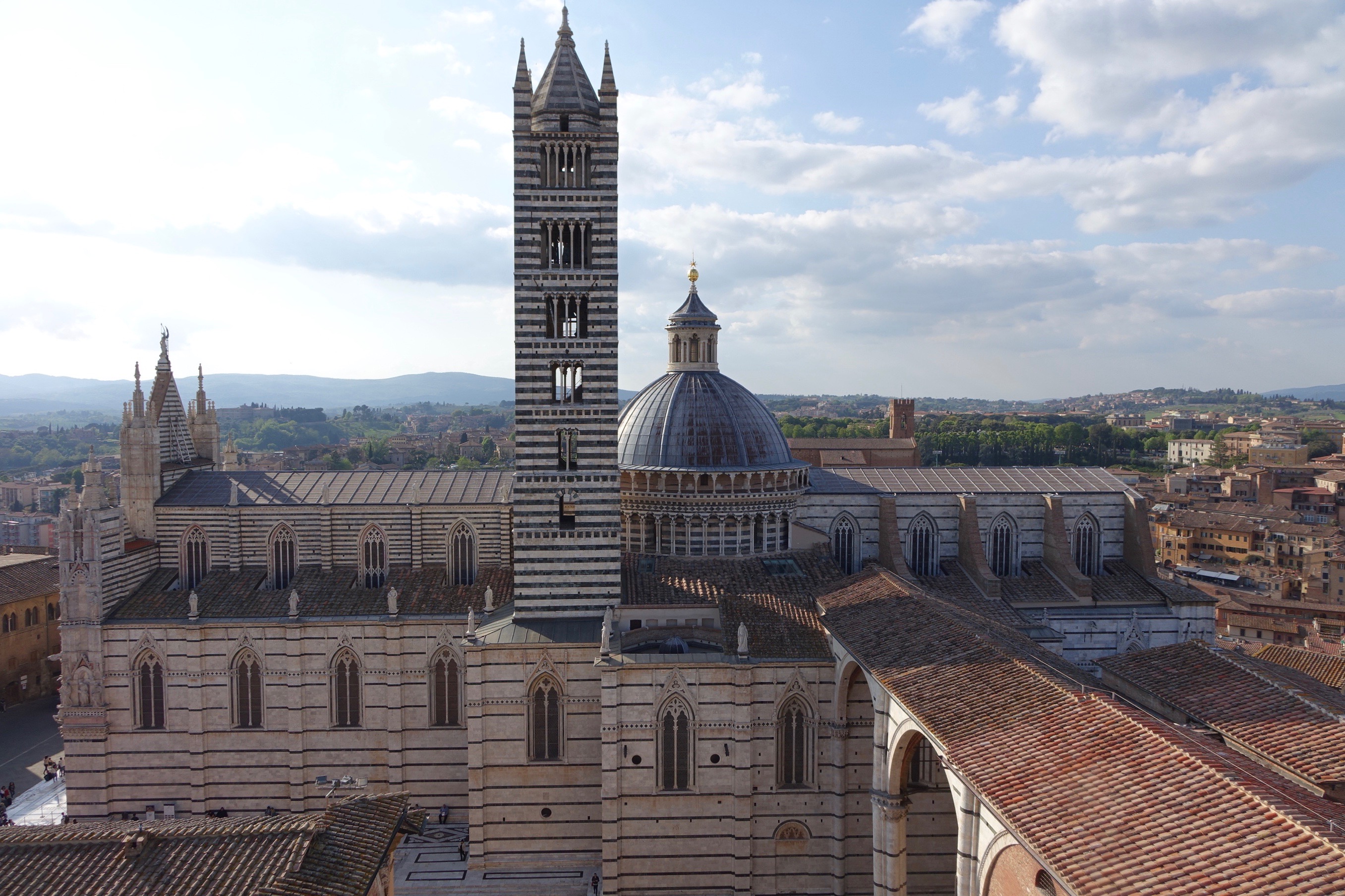
In choosing Siena’s most iconic building, there are two clear contenders. Sat at the pithy core of the citrus-sliced semi circle of the Piazza del Campo, the Palazzo Pubblico is a clear contender. With its soaring bell tower of red brick characterised by medieval power status and the objective to outdo rival Florence, the Palazzo is in every way iconic as a symbol of Sienese politics and ambition. But while for me the Palazzo and surrounding Piazza may be the brains of Siena, its beating heart and most charismatic structure of all is its Duomo. With a lavishly intricate facade made of blackish green, coral pink and creamy white marble, together with a multitude of gold enhanced mosaics and relief sculptures, the Duomo looks good enough to eat – a minty humbug and a prize wedding cake al rolled into one.

The Duomo and its facade

DSC08856DSC08833DSC08859DSC08868DSC08860DSC08843DSC08894DSC08862DSC08881DSC08880

But to focus on Siena’s exterior would be to miss the treasures on the inside, which range from Michaelangelo’s treasured sculpture of Saint Paul, Nicola Pisano’s impressively intricate Carrara marble pulpit, Donatello’s bronze relief, The Feast of Herod, Bernini’s sunburst lantern atop the dome, and an incredible marble floor depicting a series of biblical tales with pristinely cut delicately interlaced pieces of multicoloured stone which was the life work of some 40 artists across 200 years. What’s more, in the Piccolomini Library off to one side of the main nave, there is the staggering feat of Bernadino di Betti’s ceiling and wall frescos whose multiple areas of gold embellish the room with a lavishness equal only to a jewellery shop.

The Piccolomini Library

DSC08967DSC08969DSC08970DSC08978DSC08972

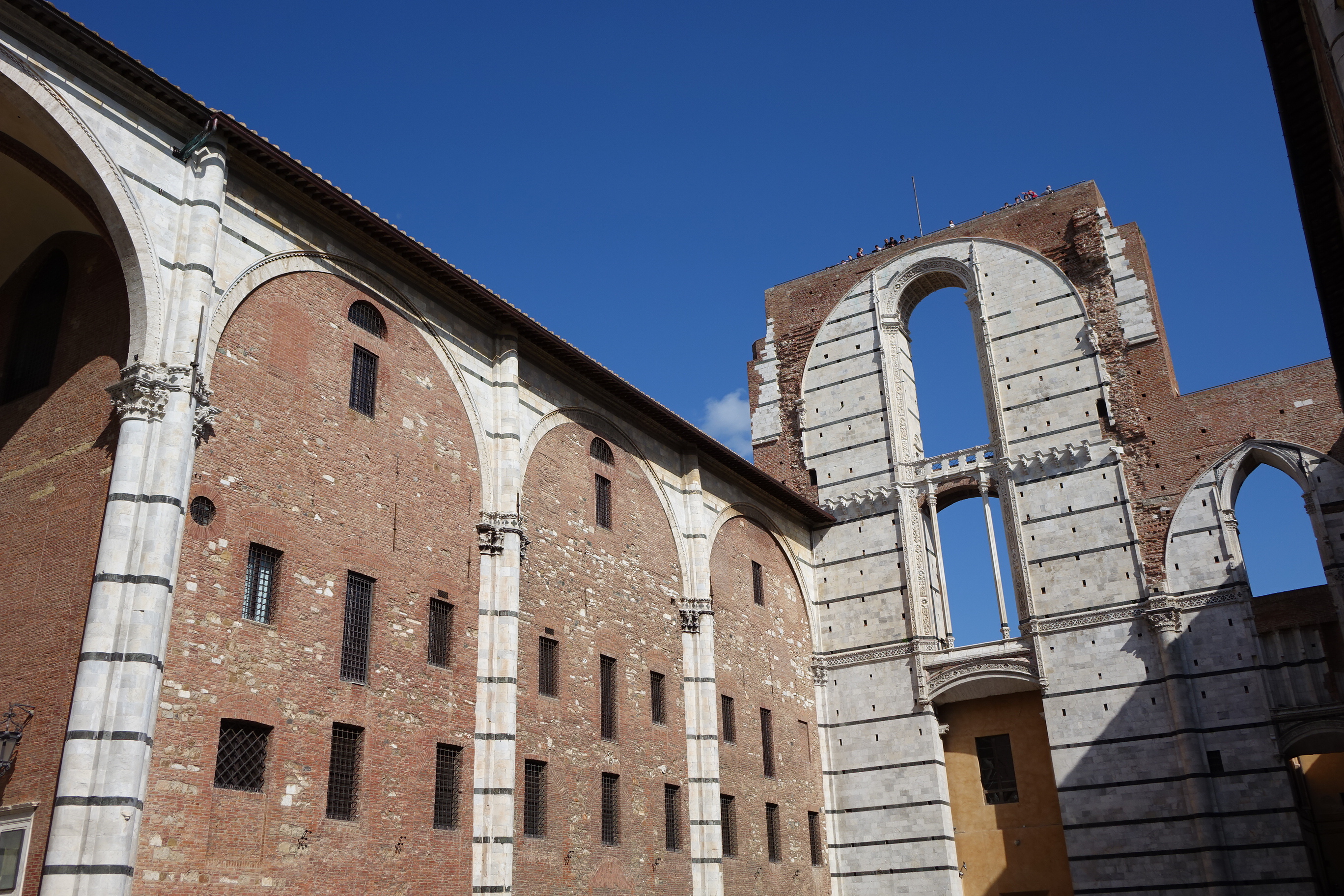
Interestingly however, the Cathedral might well have been far greater and even more exorbitantly lavish had a planned (and commenced) extension in the 14th century, intended to more than double its size, been completed. Sadly owing to the onset of the Black Death in 1348, the work was ceased, and the evidence of errors in the construction meant that it was never continued. All that remains of the plans today is a the large outer shell which helps to illustrate the scale to which the Duomo extenders aspired and the power and ambition of the city.

The interior and the incredible pictorial floors

DSC08922DSC08947DSC08936DSC08956DSC08914DSC08938DSC08909

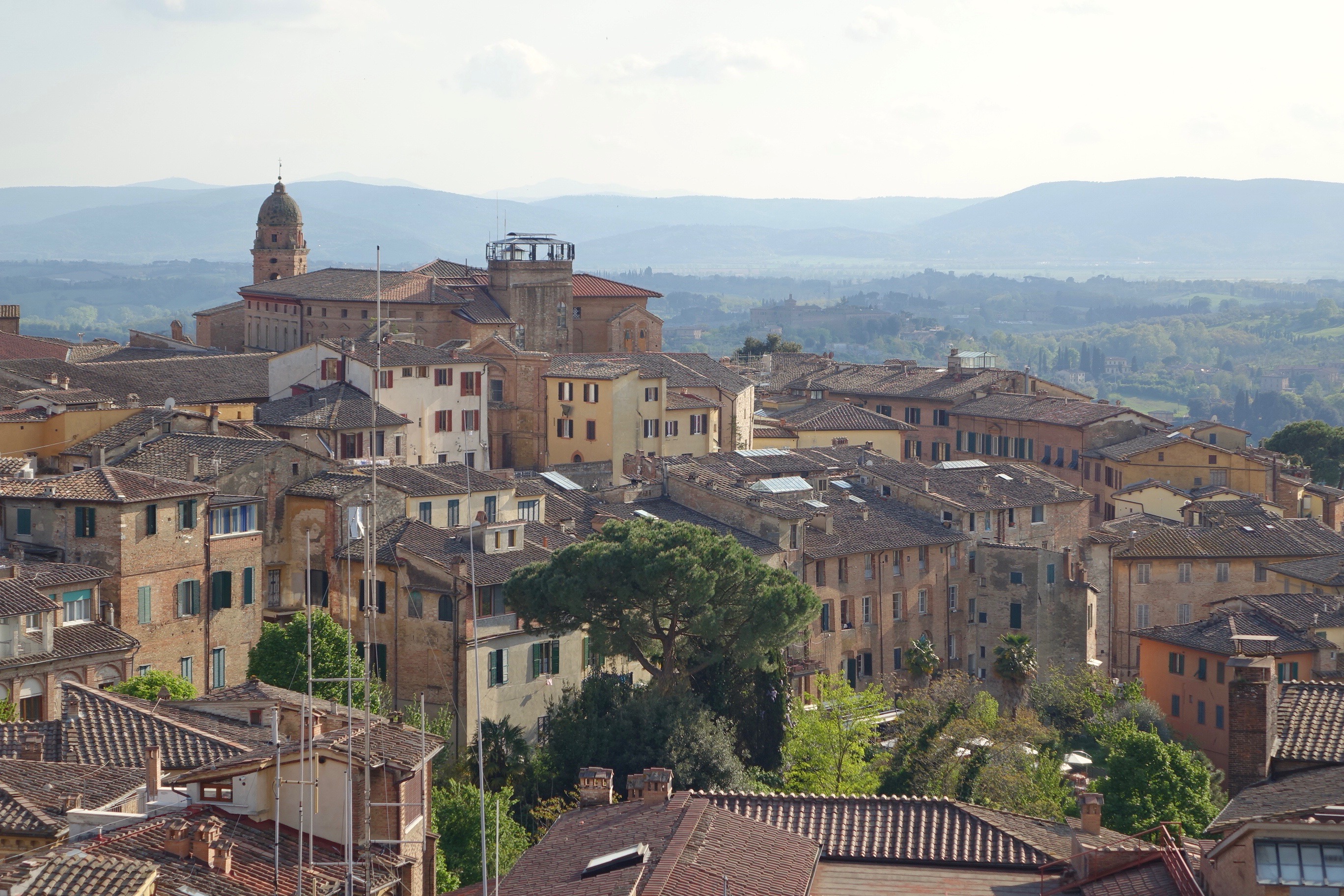
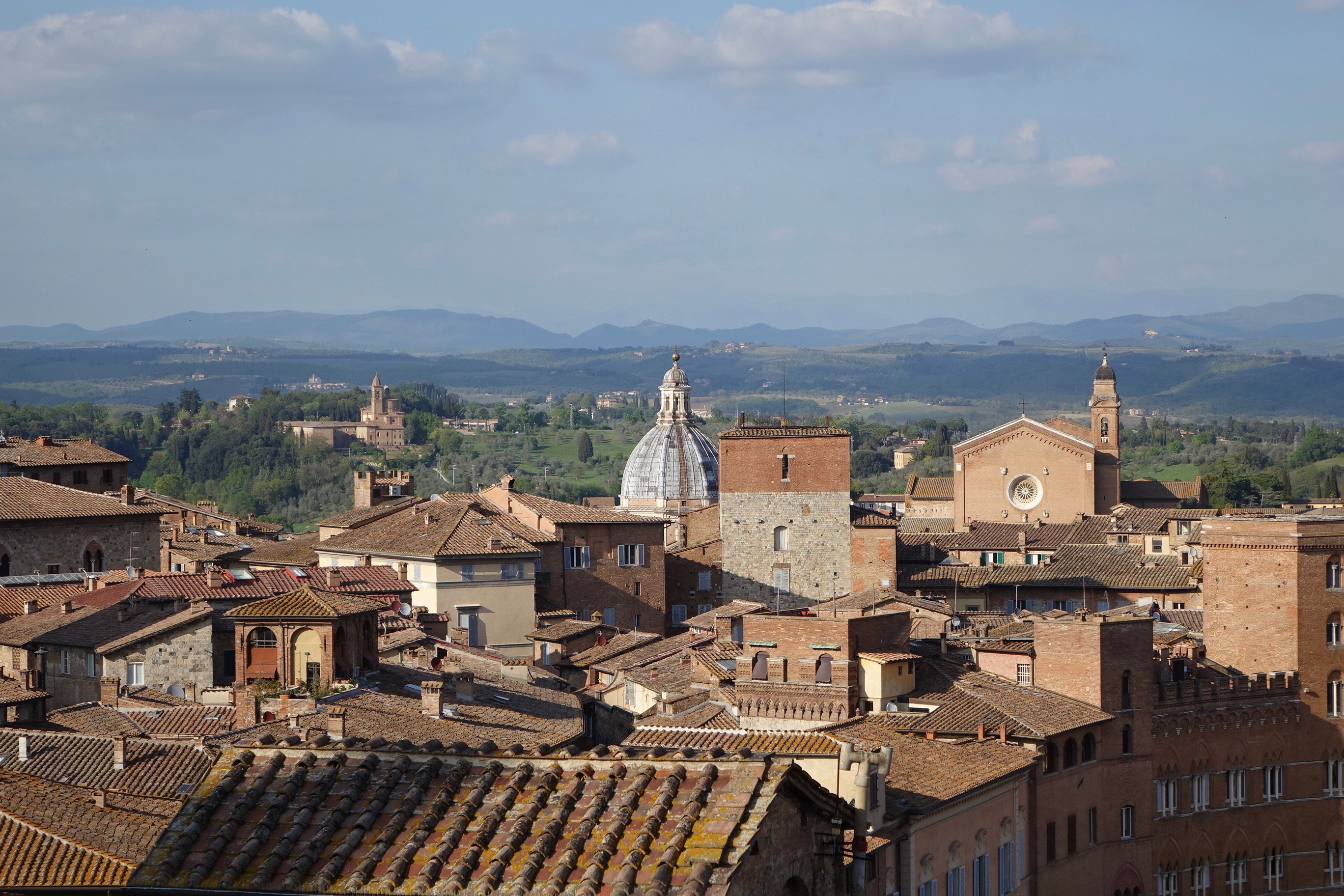
So with those unbeatable views I’m brining this Siena and Tuscany series of posts to a close. They’re photos which capture a region of outstanding natural beauty, and hold the memories of adventures which I will long cherish… until the next time I’m lucky enough to visit the home of my in laws.

Up in the gods… and the views of Siena from the top

DSC09031DSC08902DSC09020DSC09042DSC09000DSC09024DSC09046DSC09017DSC09023

© Nicholas de Lacy-Brown and The Daily Norm, 2001-2017. Unauthorized use and/or duplication of the material, whether written work, photography or artwork, included within The Daily Norm without express and written permission from The Daily Norm’s author and/or owner is strictly prohibited.

Dubrovnik | Day 3 – A tale of two cities

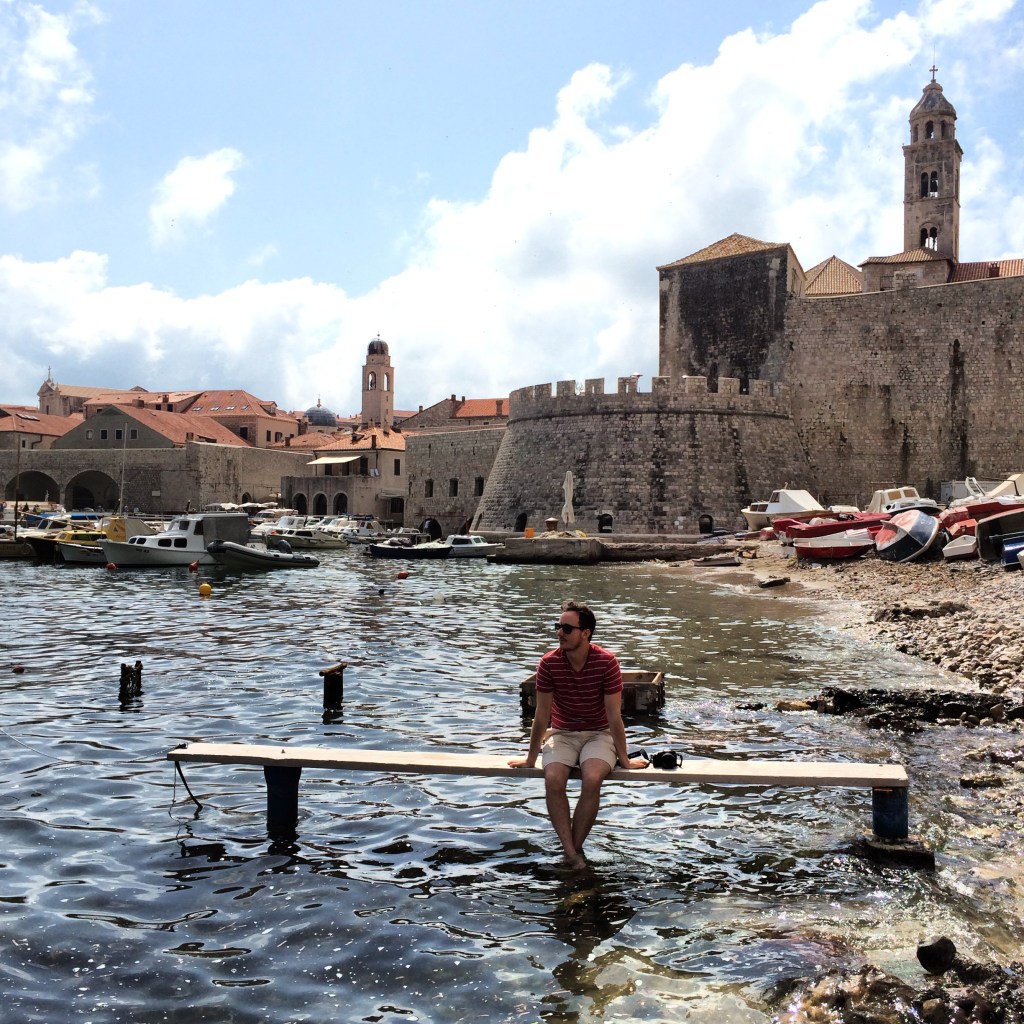
It is a rare thing indeed to find a holiday destination with mixes both superbly intact historical treasures with a good old golden beach. One can only dream of taking a dip in the sea when sweating profusely around the dry old ruins of Rome’s forum; and in Paris, a manmade beach clinging to the side of the moderately filthy River Seine in the summer months is about as good as it’s going to get. But in Dubrovnik, Croatia’s diamond of the Dalmatian Coast, you truly get the best of both worlds. Not only is the city a treasure trove of historical beauty encased in a perfectly unbroken ring of ramparts, but immediately outside of those stone walls are long beaches and crystal clear cerulean blue seas. And what’s more, Dubrovnik has to be one of the only beaches in the world where you can lounge out in the sun and swim lazily in the shallow waters while being afforded a stunning view of one of Europe’s most unique medieval cities.

Charismatic old streets in the South of the city

DSC01415 DSC01372 DSC01400 DSC01391 IMG_6162DSC01413

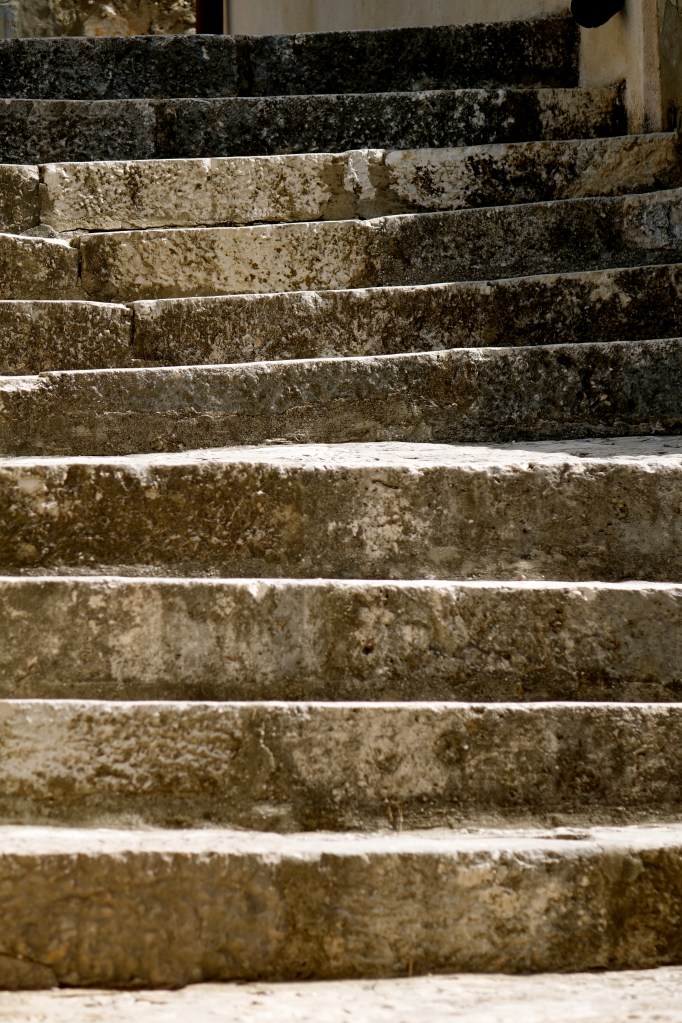
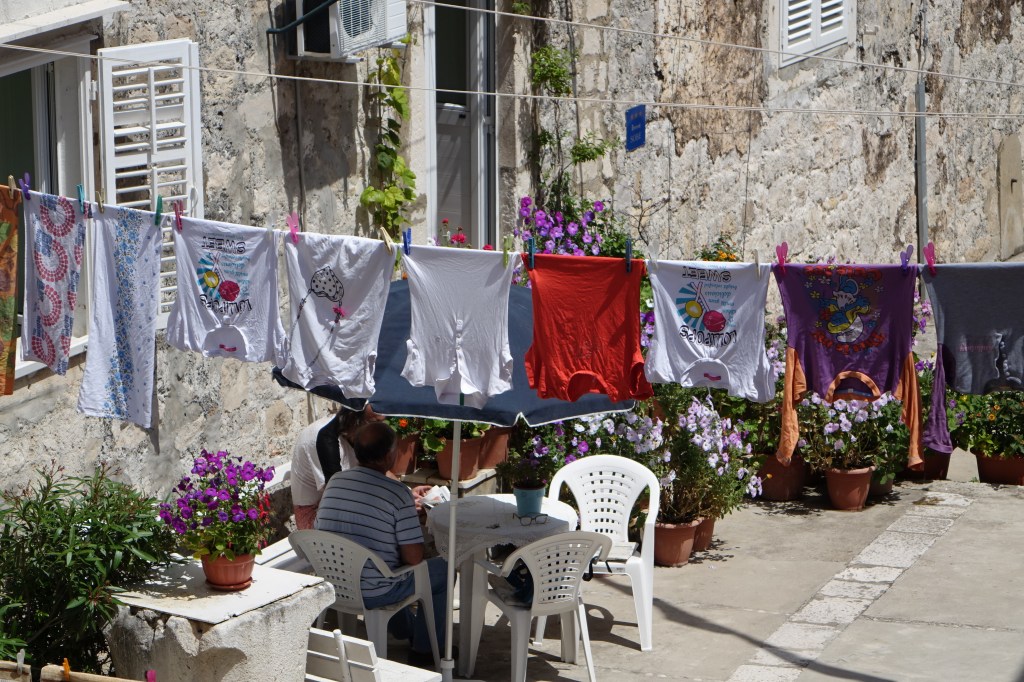
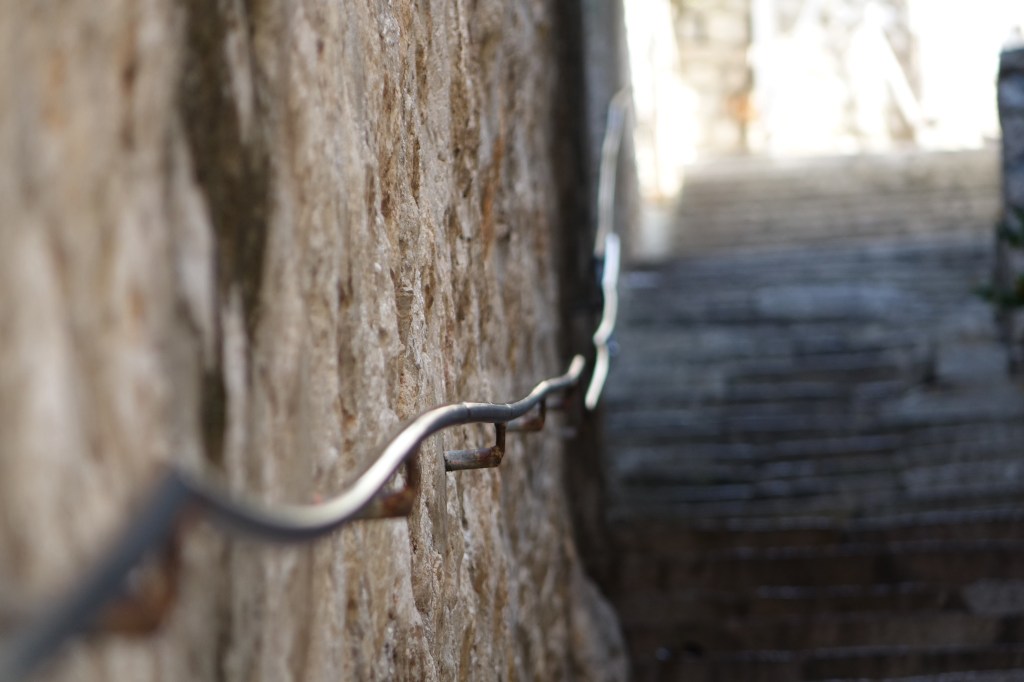
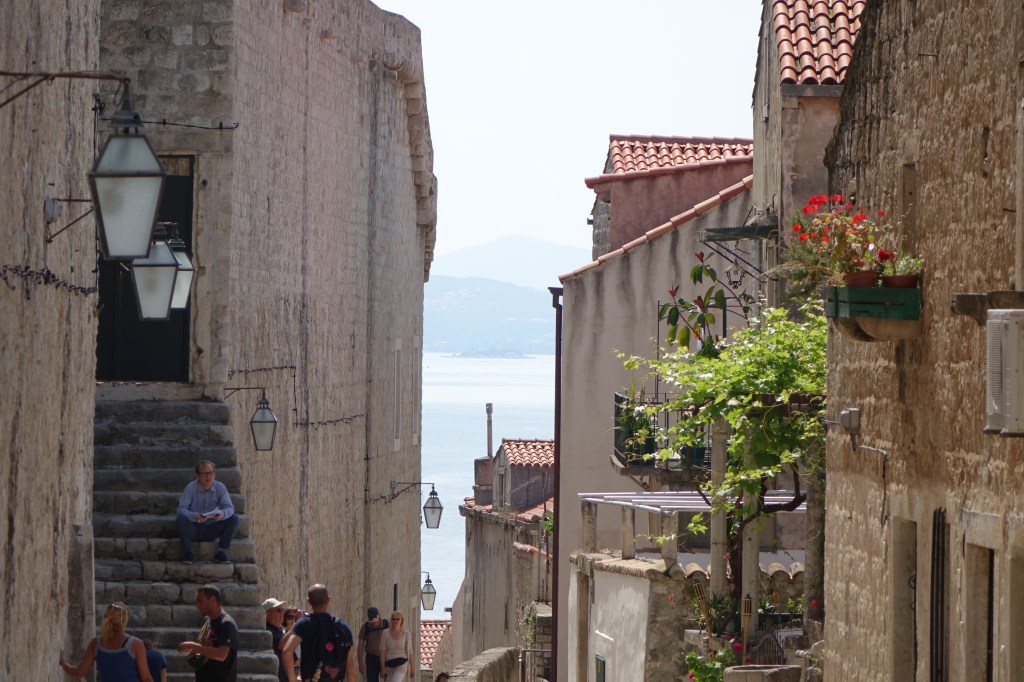
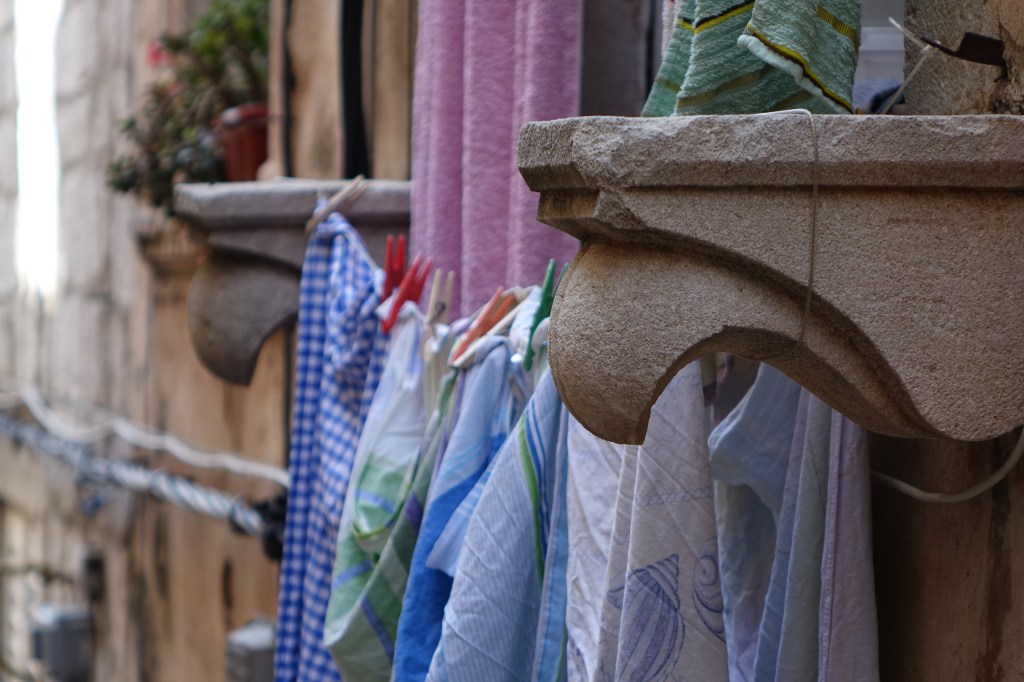
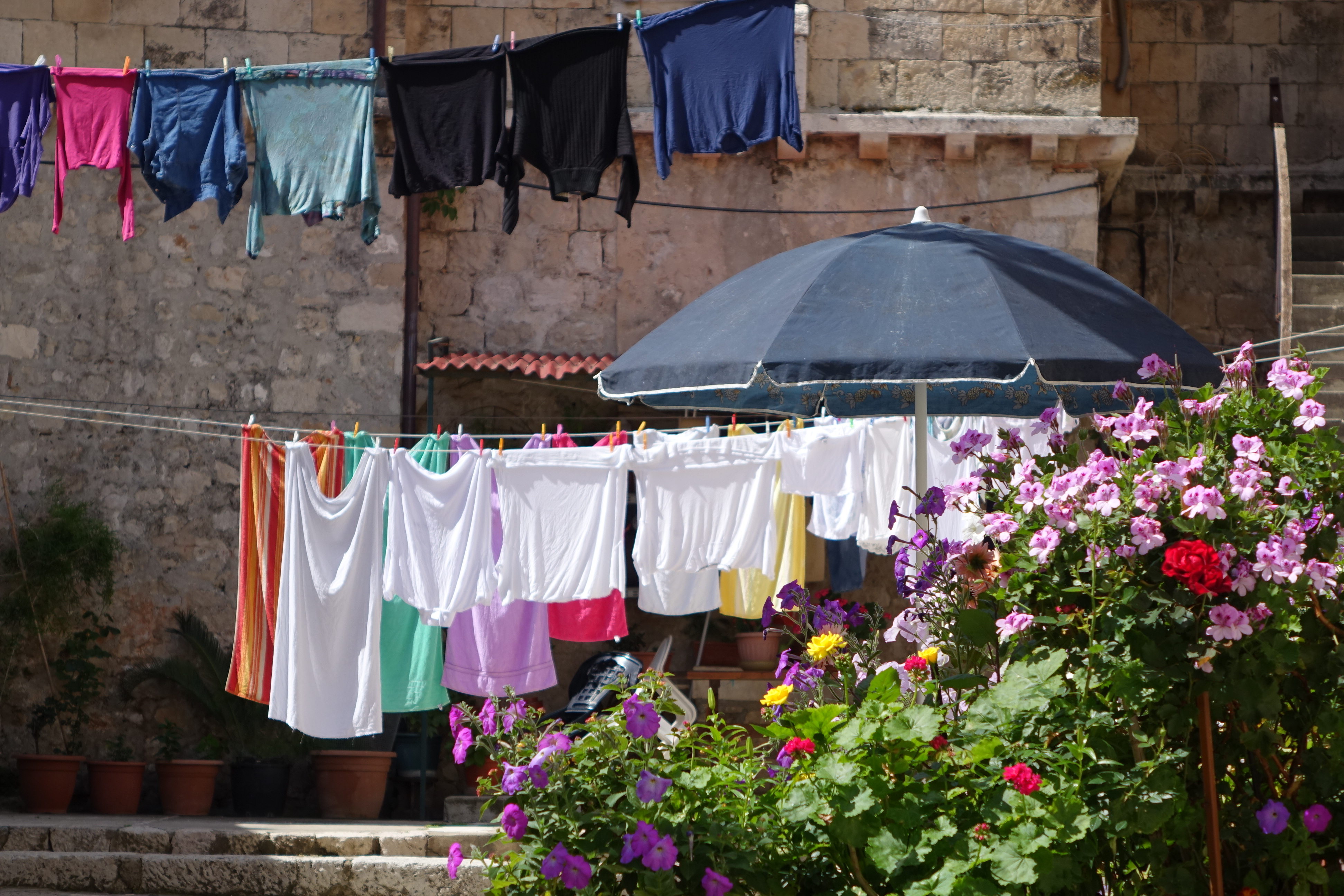
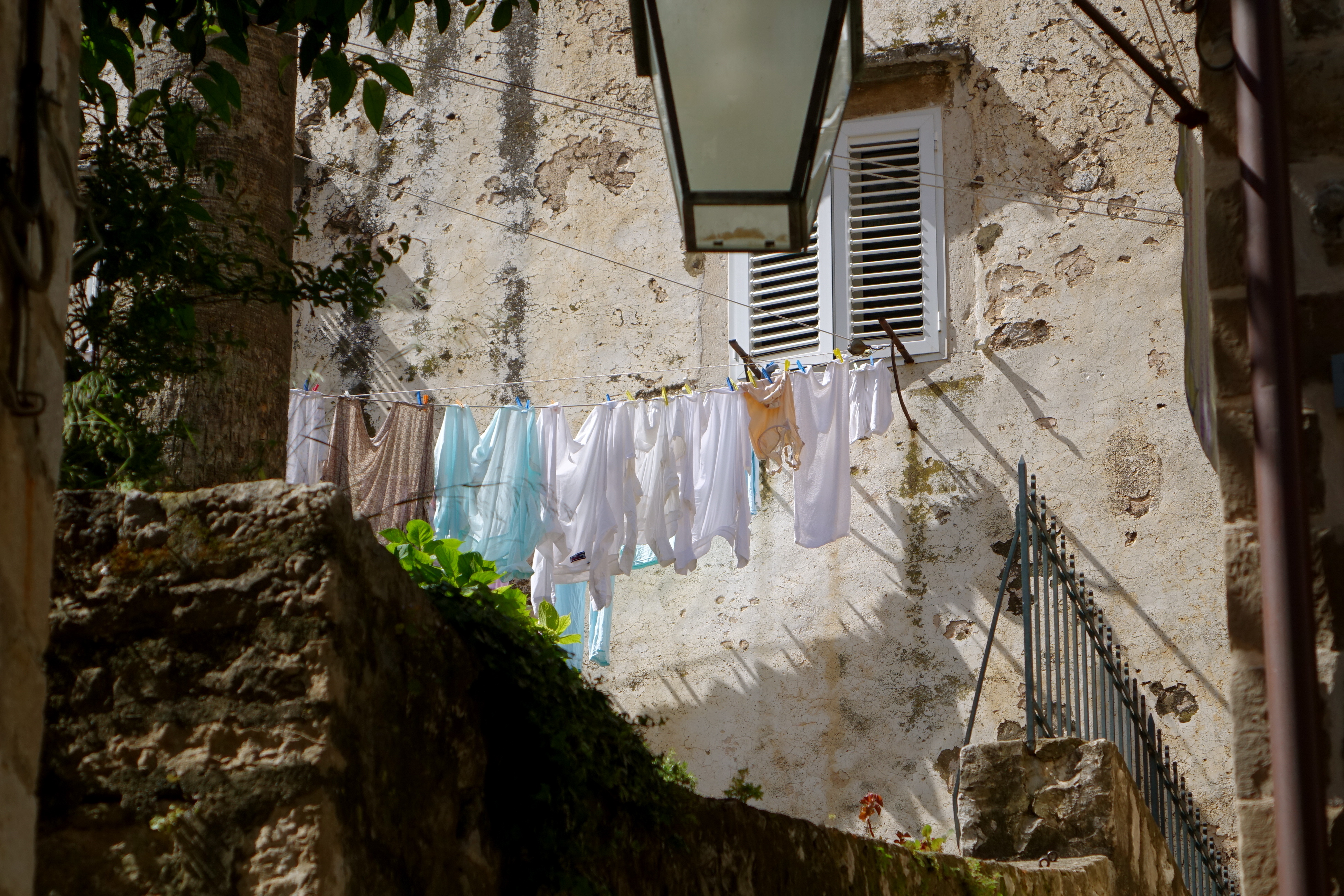
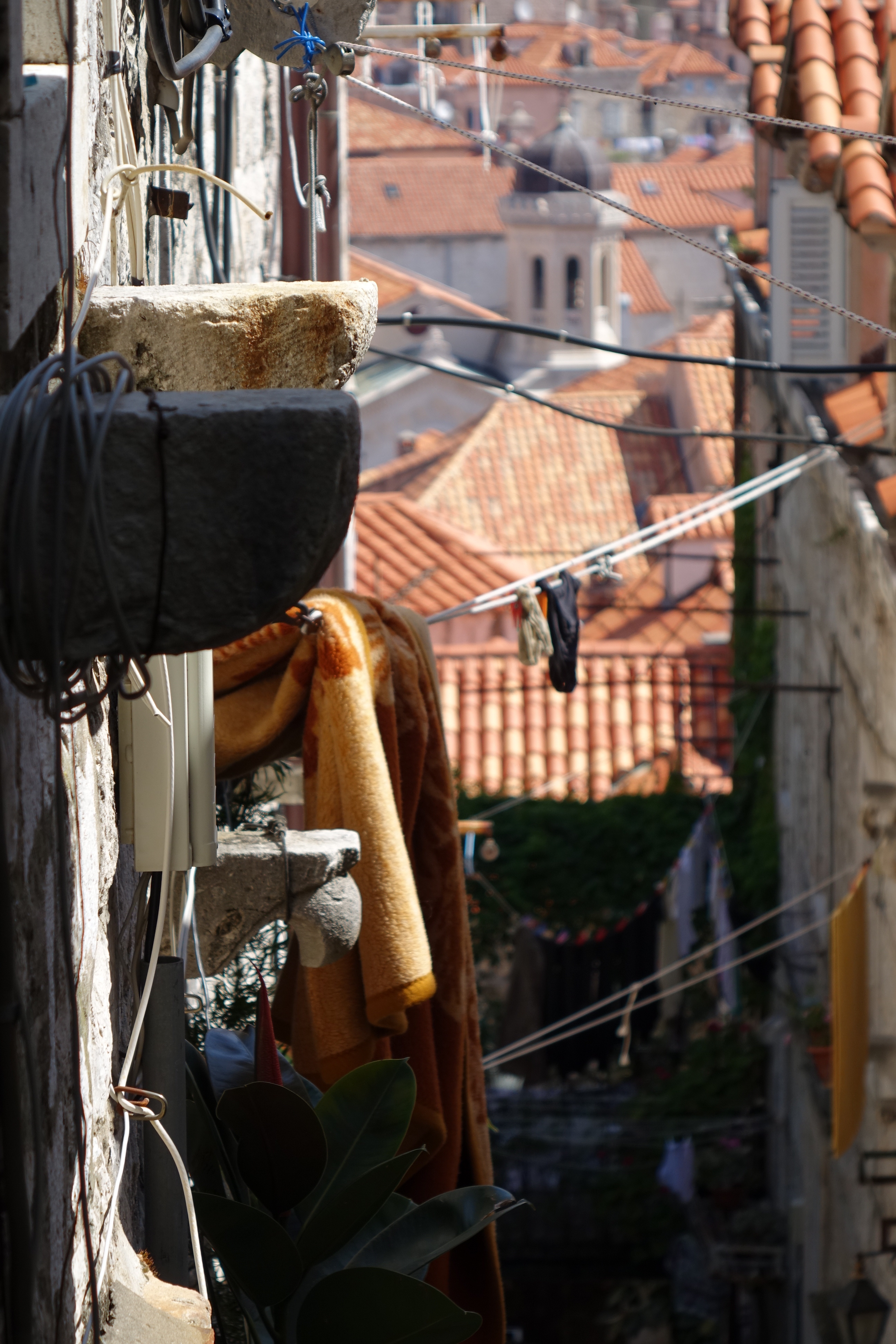
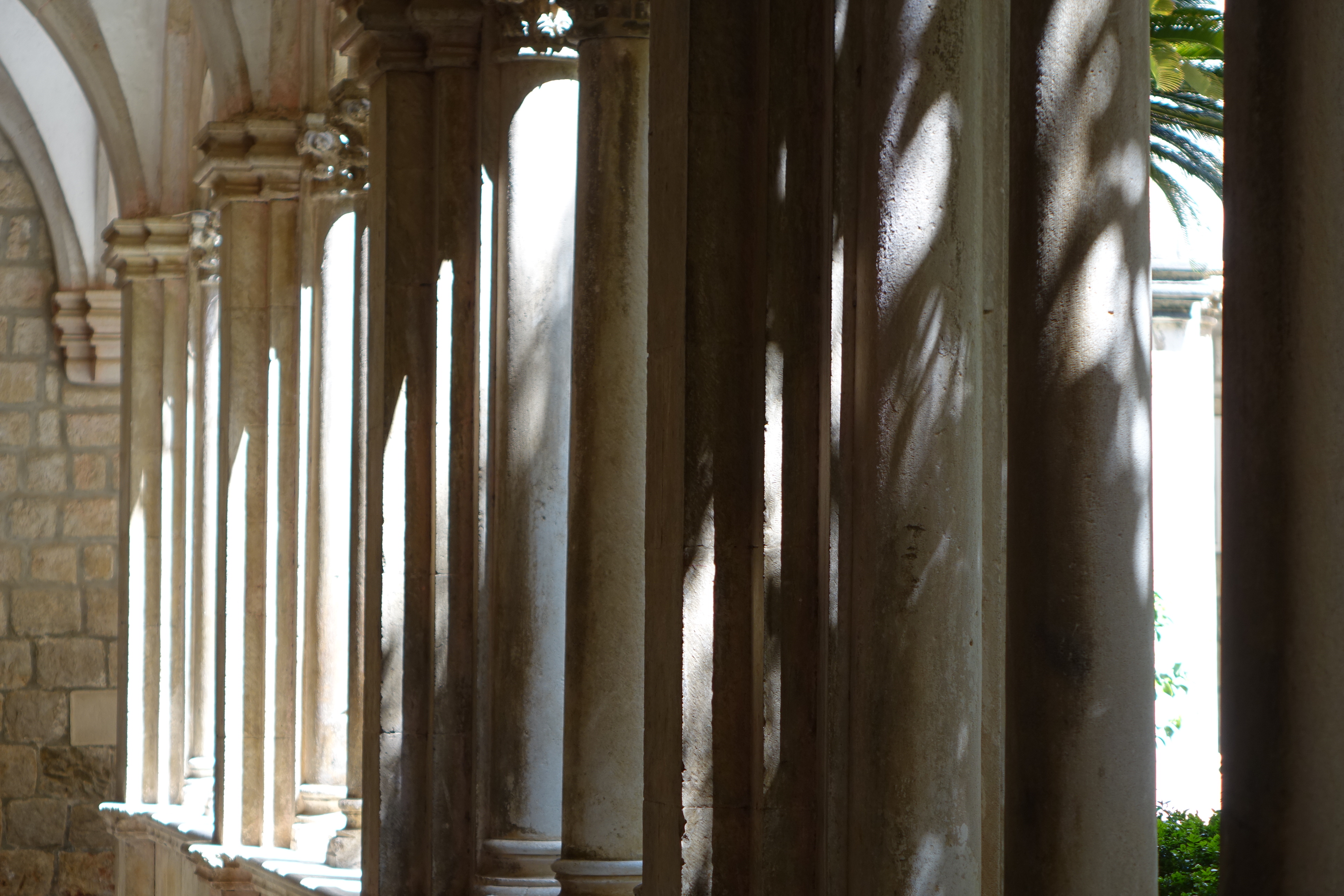
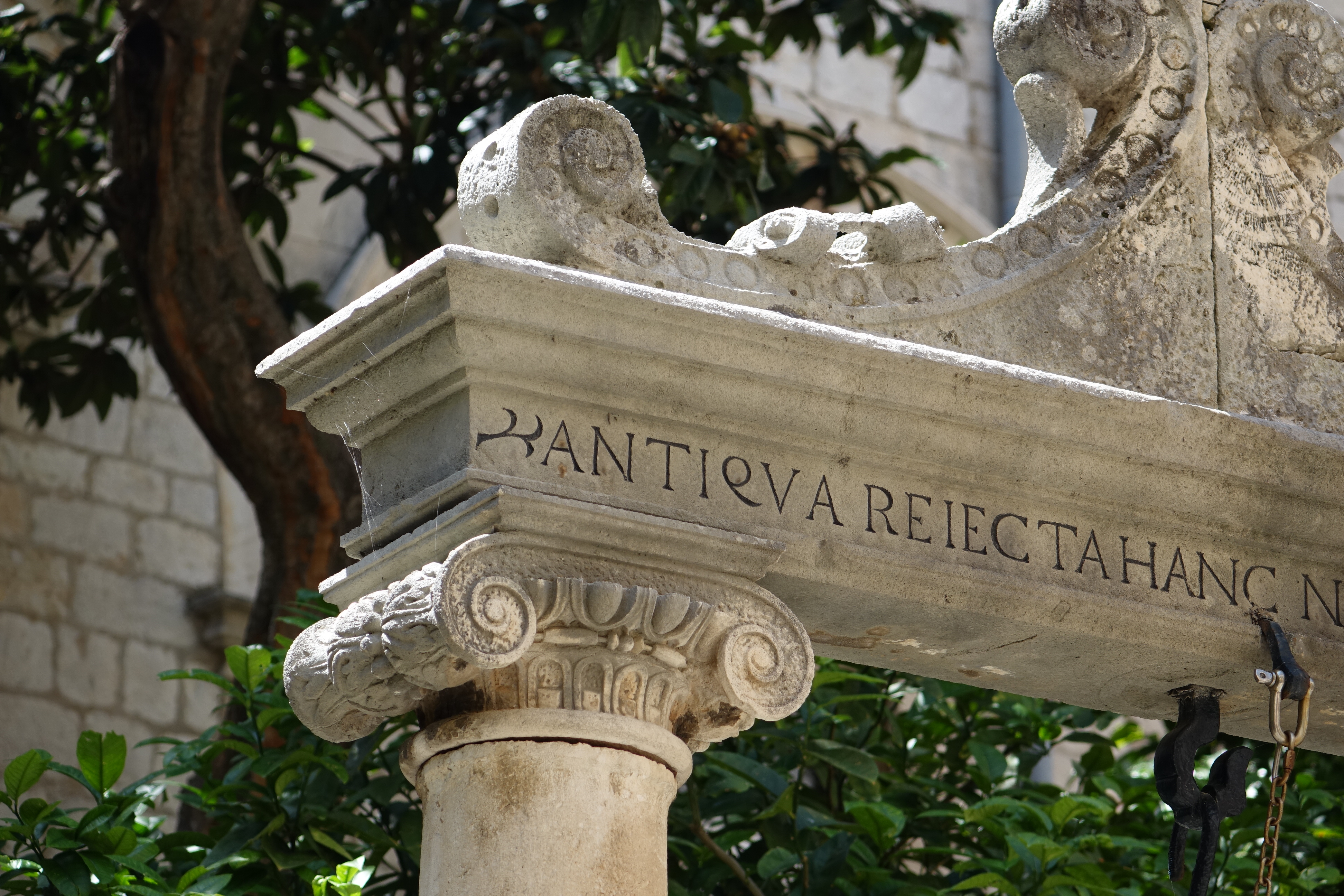
Day 3 of our trip made for a perfect demonstration of this fortuitous combination. In the morning we undertook yet further explorations of some of the narrower “back” streets climbing up to the seaward extent of the walls, where streets form successively more beautiful labyrinths of plant pots and strung out laundry, and the steps get steeper and steeper as you advance towards the sea. This then led us to the city’s Domenican Monastery, a place which is not only the epitome of tranquillity with a stunning cloister whose stony silence is interrupted only be the gently dappling of the sun, but whose museum claims to hold the heart of St Luke the Evangelist himself, as well as a good few other body parts of the great faithful.

The Domenican Monastery

DSC01467 DSC01497 DSC01487 DSC01491 DSC01518 DSC01489 DSC01375

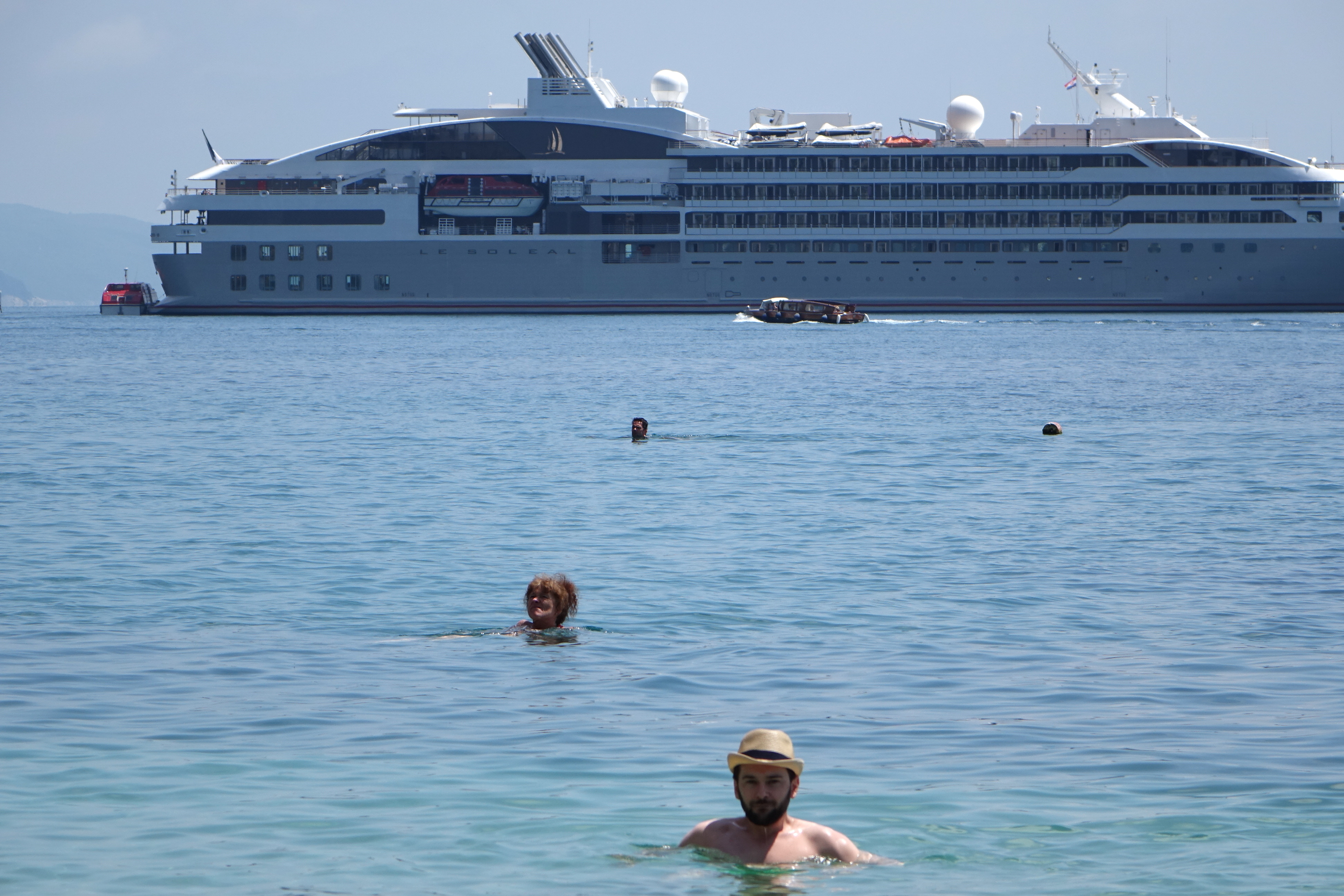
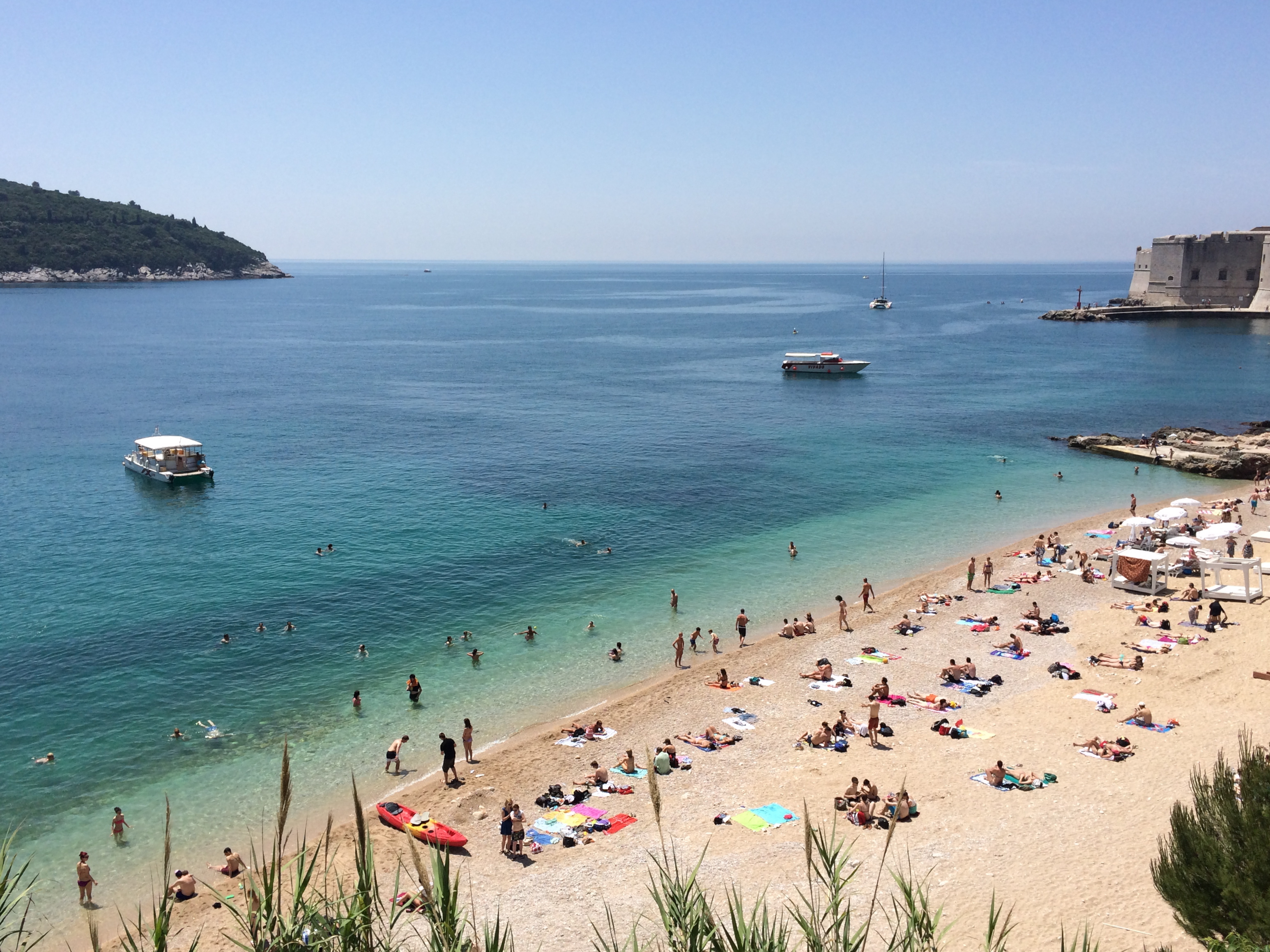
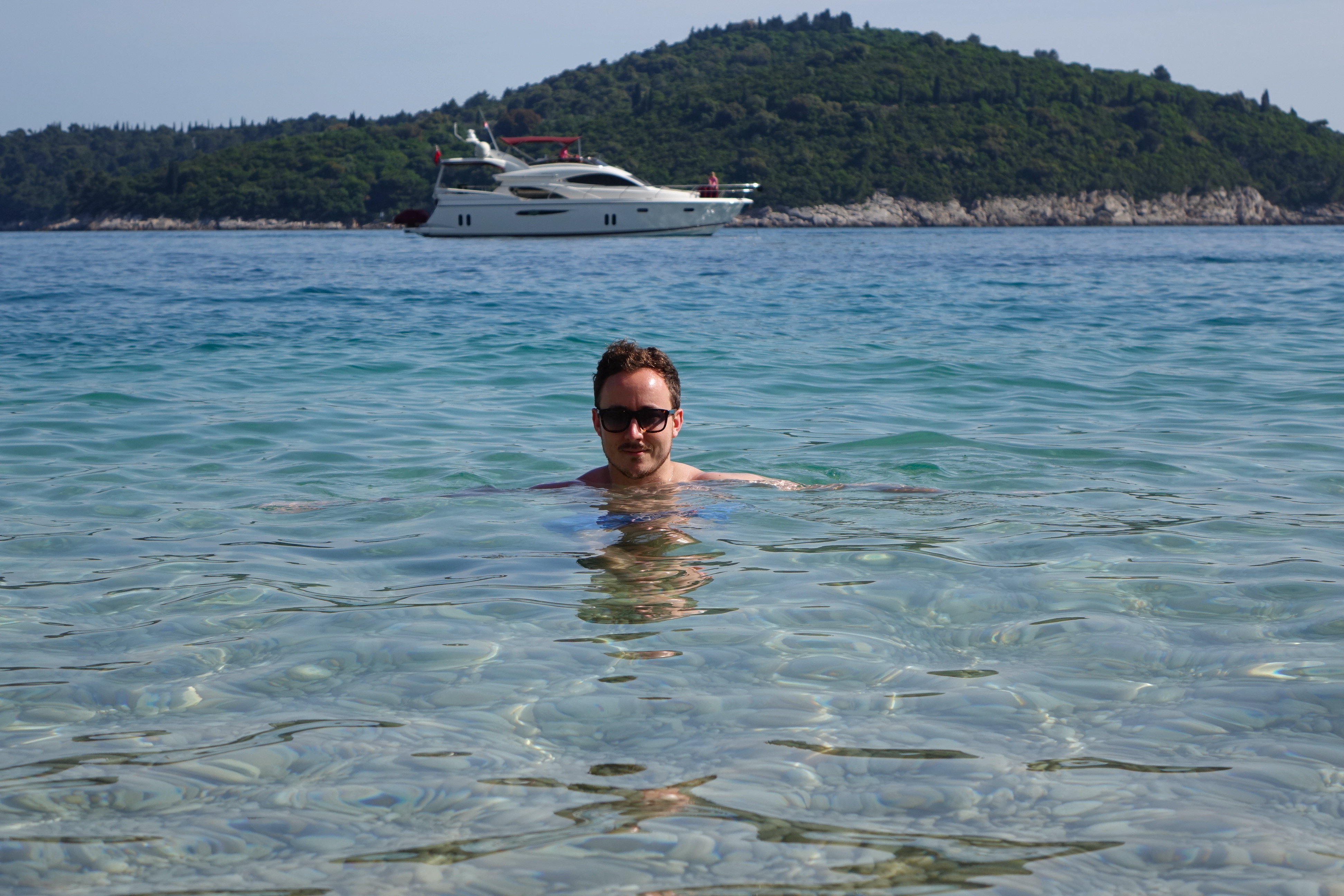
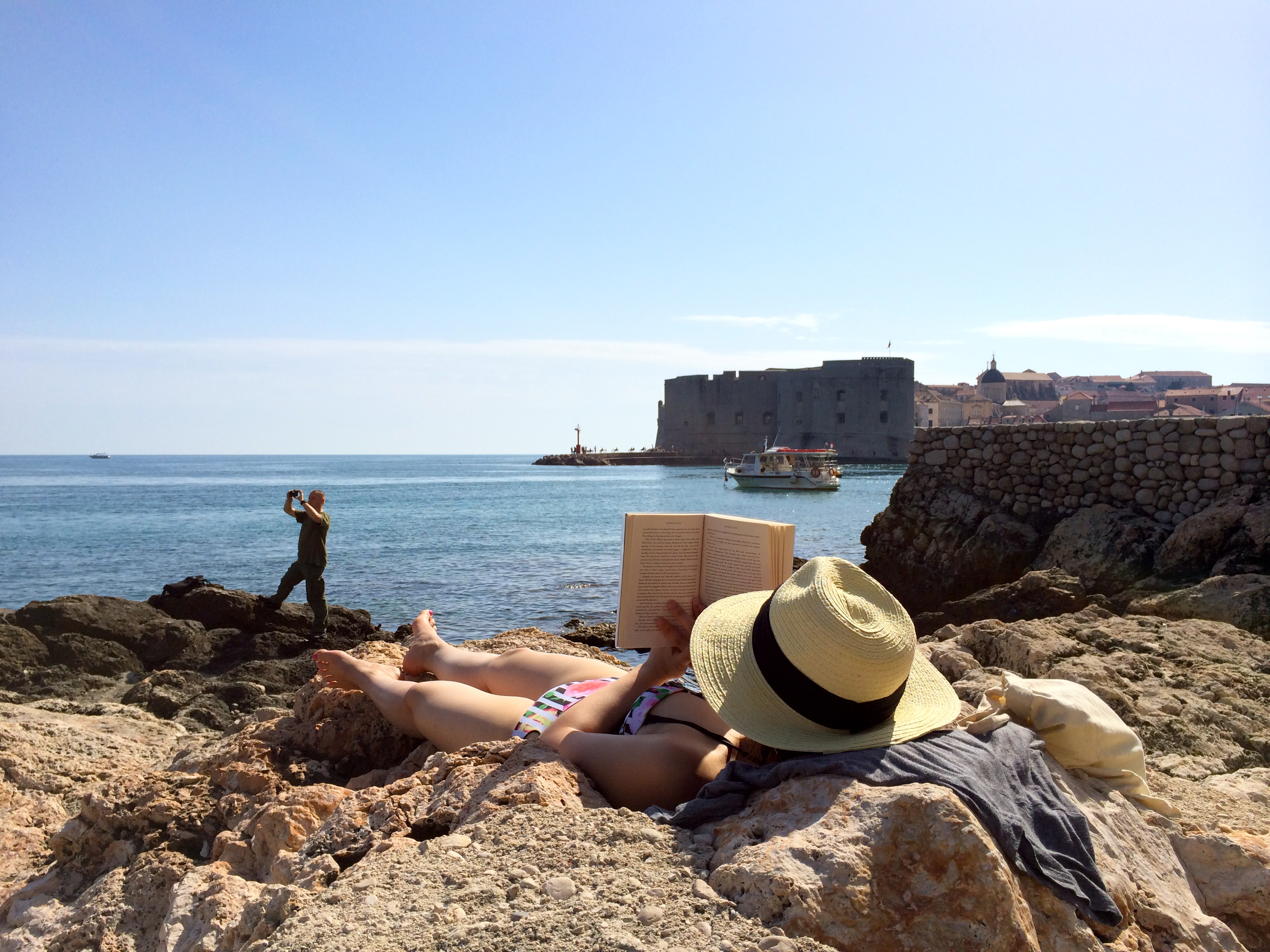
In the afternoon, by contrast, we made our way down the winding streets which lead Eastwards out of the city, beyond the protection afforded by the mighty walls, and onto the nearest stretch of beach to the city – a wonderfully golden expanse fringed by warm shallow waters and of course benefitting from that incredible backdrop of the city. As this was, ostensibly, a city trip and we knew that this beach day was likely to be a unique endeavour, we splashed out on hiring two comfy loungers and eating our way slowly through the menu of the beach restaurant ably servicing the many beach goers. And in that mode we enjoyed this second face of the city, plunging regularly into its incredibly warm and clear waters, gazing in wonder at the views of the city rippled in the almost still Adriatic waters.

The beach of Dubrovnik

DSC01525 DSC01527 DSC01530 IMG_6036 DSC01560 IMG_6114 DSC01581 IMG_6091

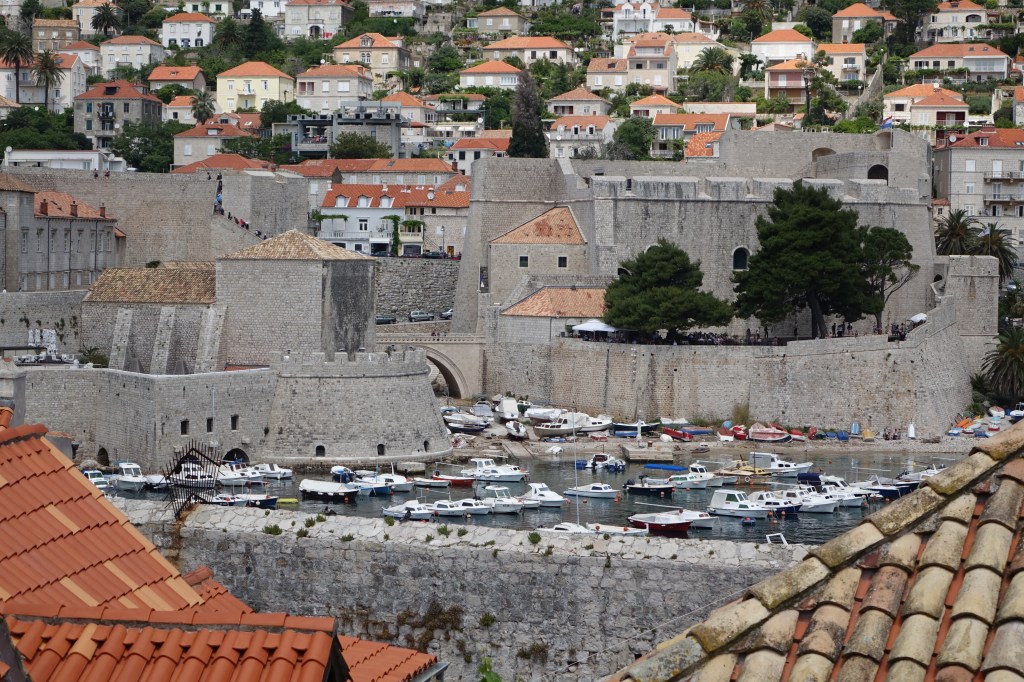
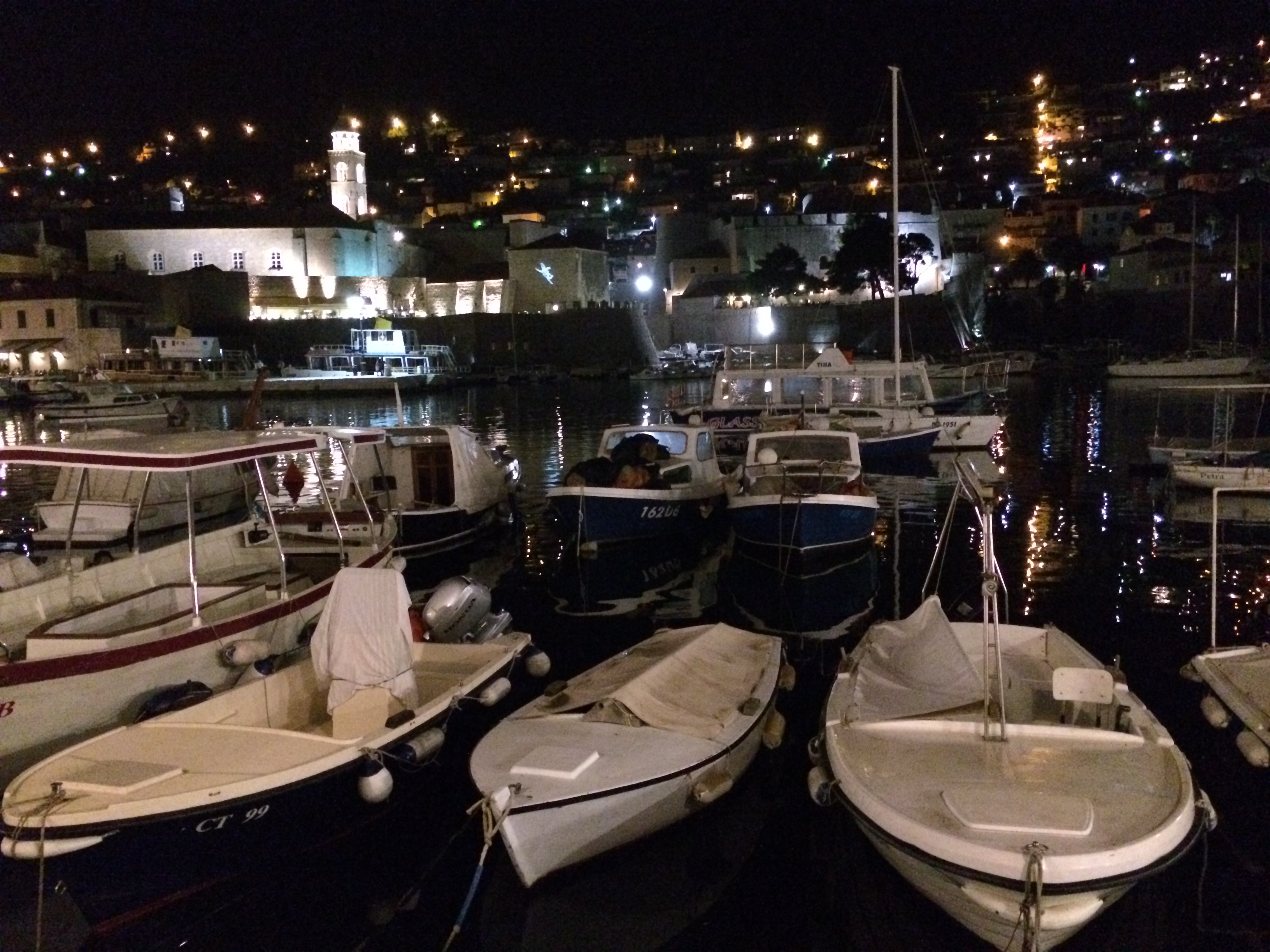
As evening descended , it seemed only appropriate that our evening dinner should combine both facets of sea and city – and dining out on the visually spectacular terrace of the restaurant 360, positioned up on one wing of Dubrovnik’s old walls, we were afforded a view not just back to the old city, but also over its port where small fishing boats barely moved in the still air of this warm evening. The food was apt accompaniment to this eye-watering view: my crispy sea bass with spiced cous cous and a basil puree deserves particular mention, although star of the show was a bottle of Croatian red – Lasina (2011) – one of only 600 bottles ever made, and so deliciously complex and richly velvet that I wished they had made a thousand more. But then that’s Dubrovnik all over: a place of rare treasures unrepeated elsewhere in the world, and all the more enjoyable for it.

360 Restaurant and Dubrovnik at night

IMG_6144 IMG_6145 IMG_6149 IMG_6153

All photos and written content are strictly the copyright of Nicholas de Lacy-Brown © 2014 and The Daily Norm. All rights are reserved. Unauthorized use and/or duplication of the material, whether written work, photography or artwork, included within The Daily Norm without express and written permission from The Daily Norm’s author and/or owner is strictly prohibited.

Dubrovnik | Day 2 – Paradise set in a ring of stone

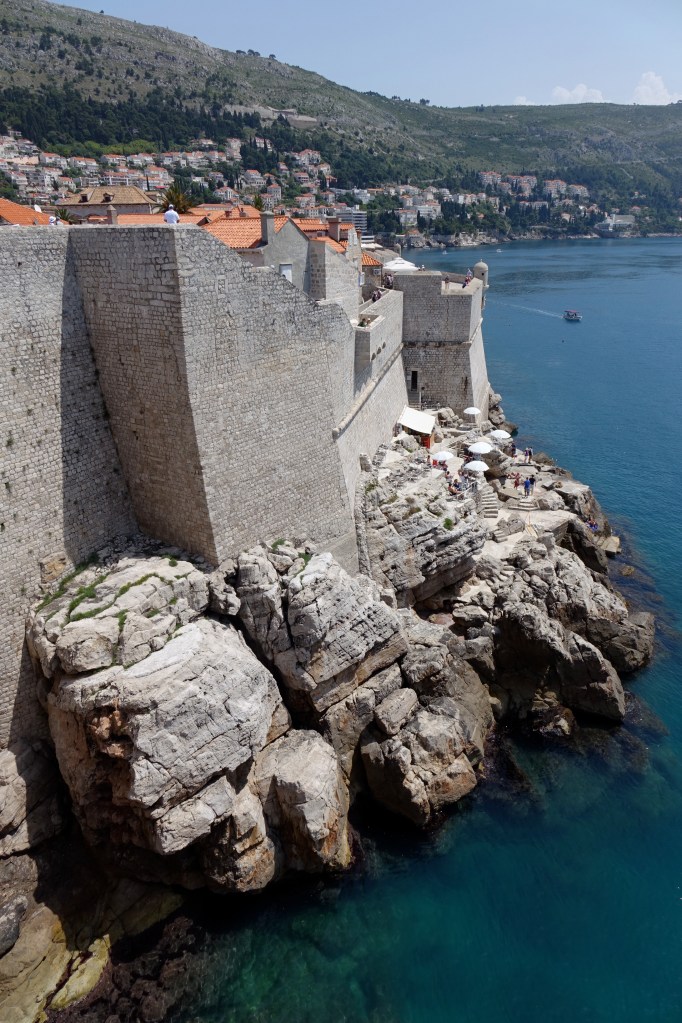
Day two of our trip to Dubrovnik had to be about the great walls. Encircling the city in an unbroken ring of metres-thick stone, the walls not only offer the best possible vantage of the city from multiple angles, but also enable a complete appreciation of the scale and extent of the city. While on the one hand the city feels very small and self-contained, when you are walking around these huge walls, feeling rather like an ant by comparison to their mighty size, you start to realise that the city is really quite large, and packed full of treasures and unique panoramas on an almost incomparable scale.

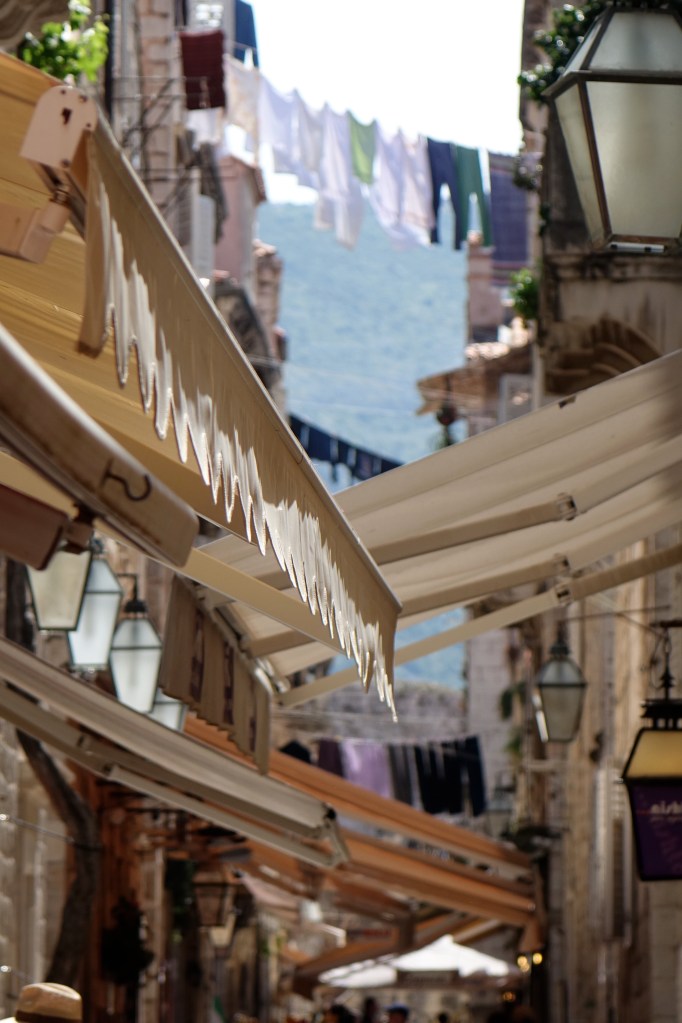
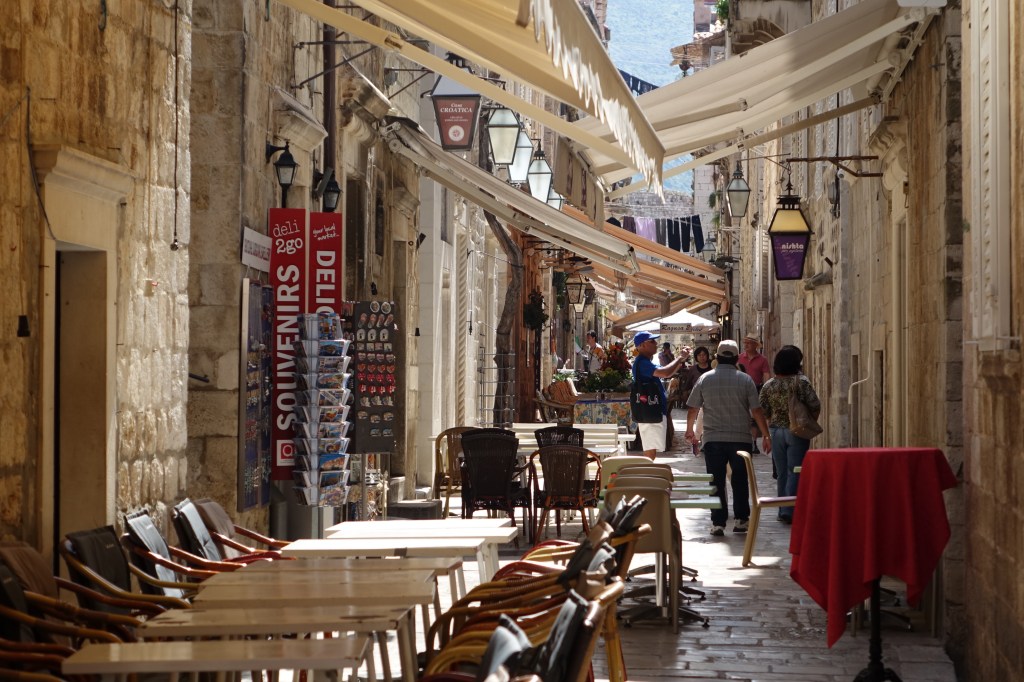
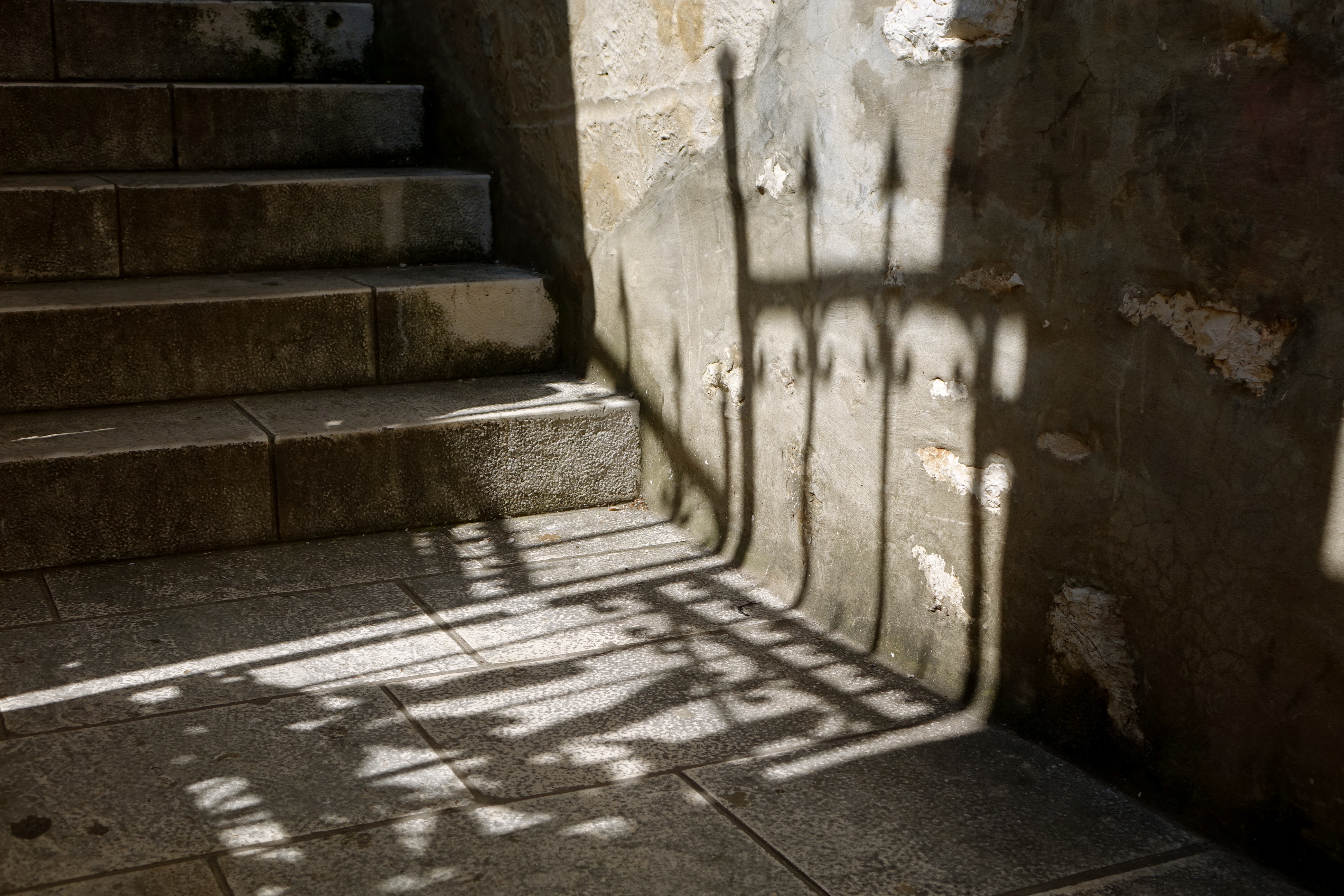
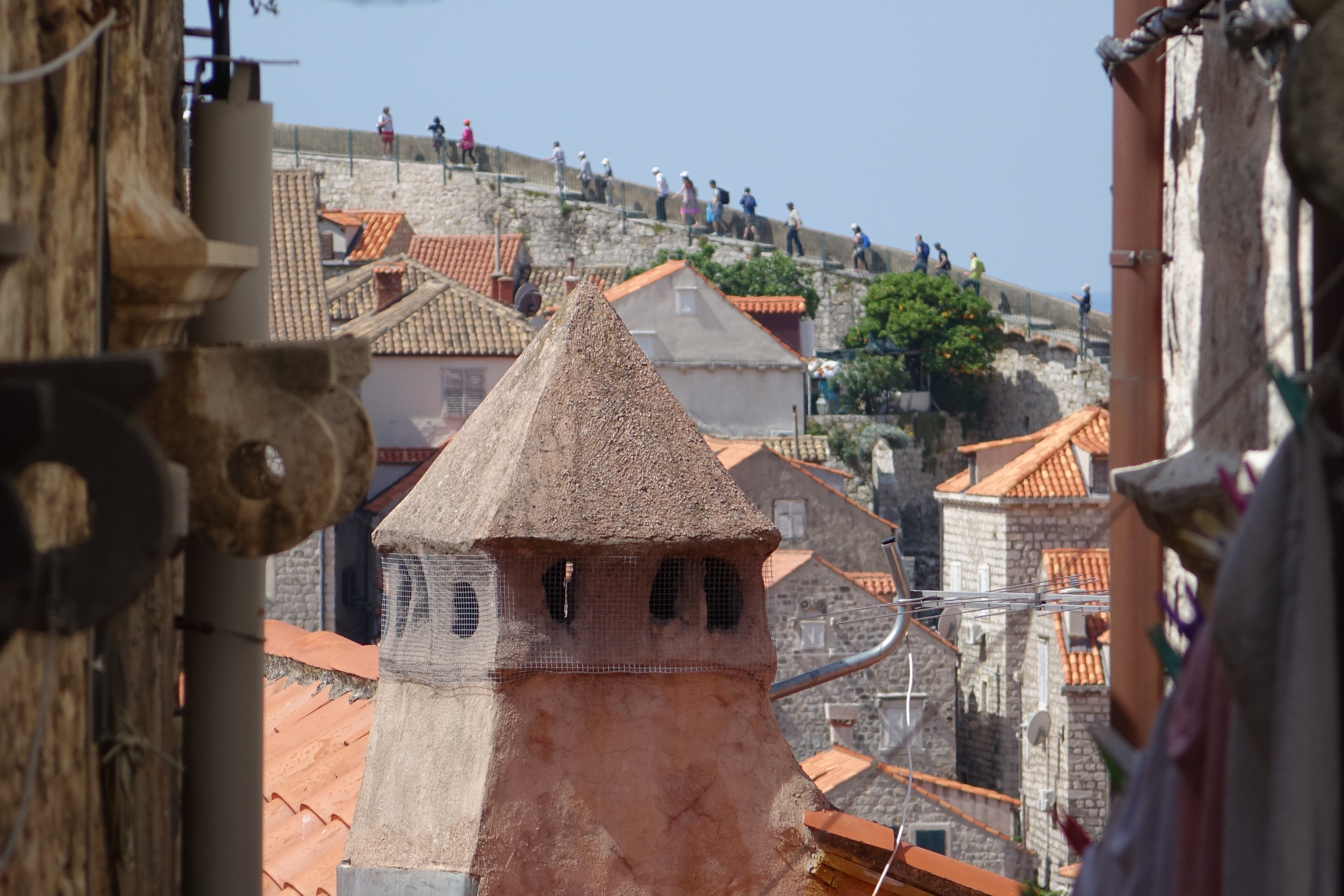
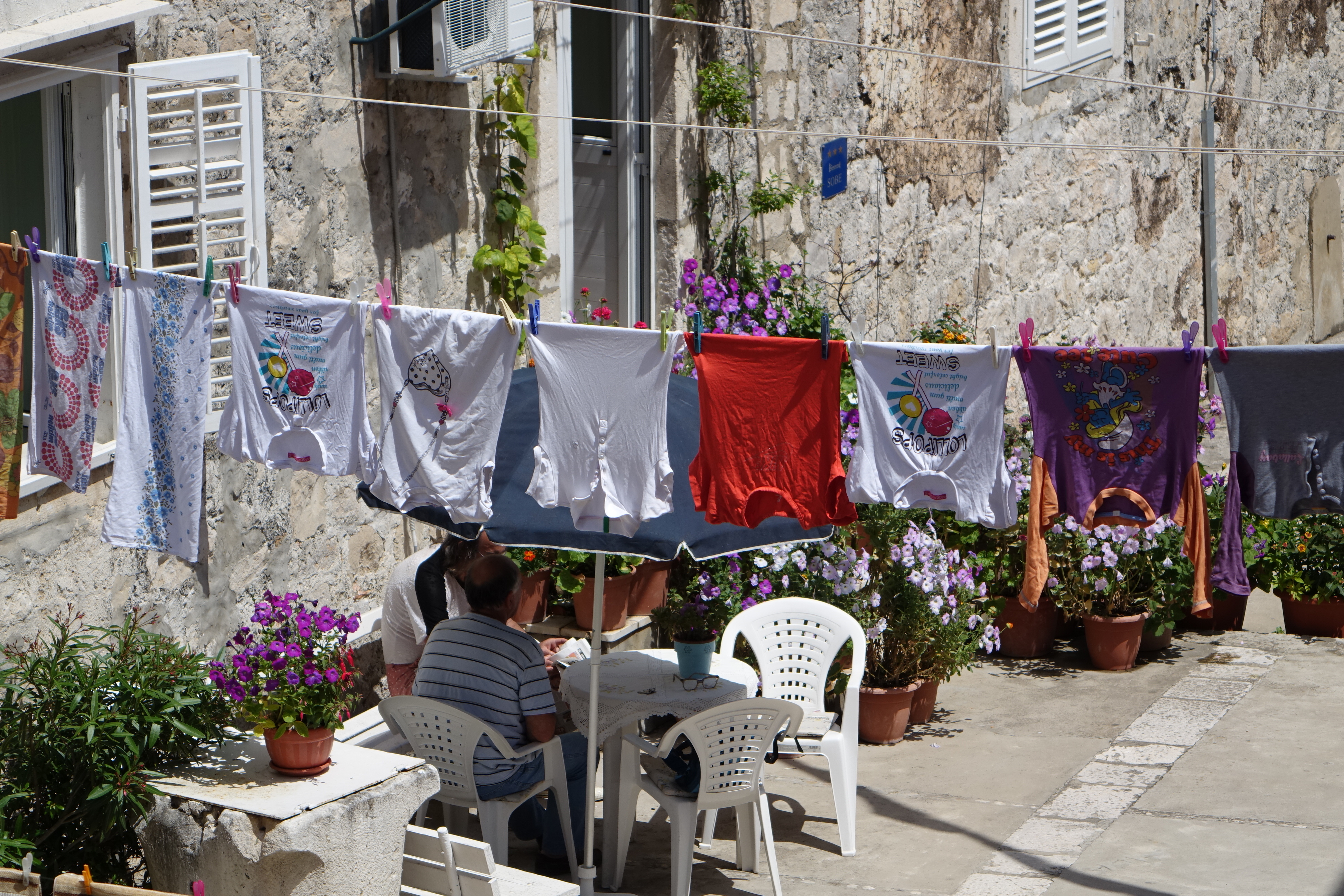
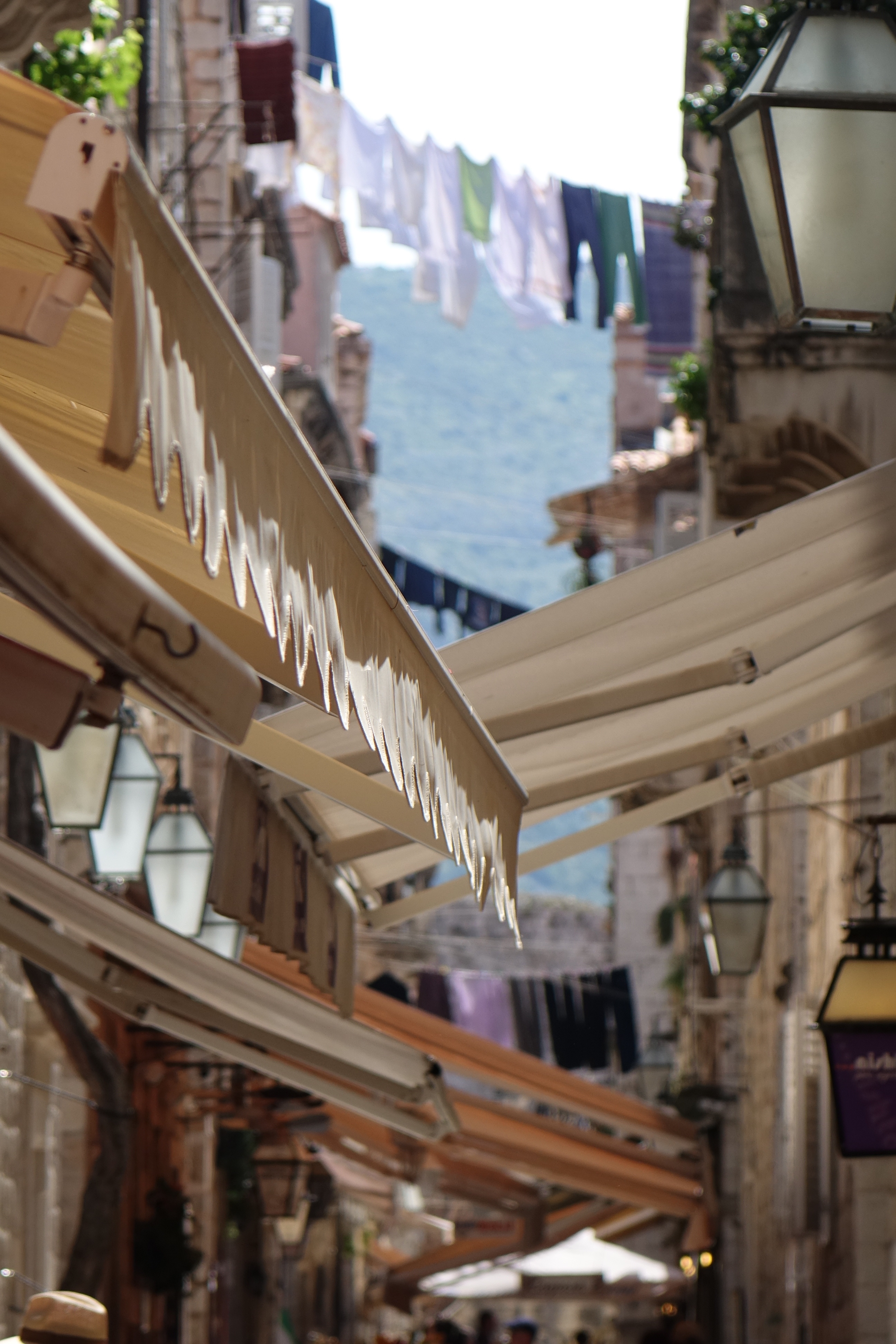
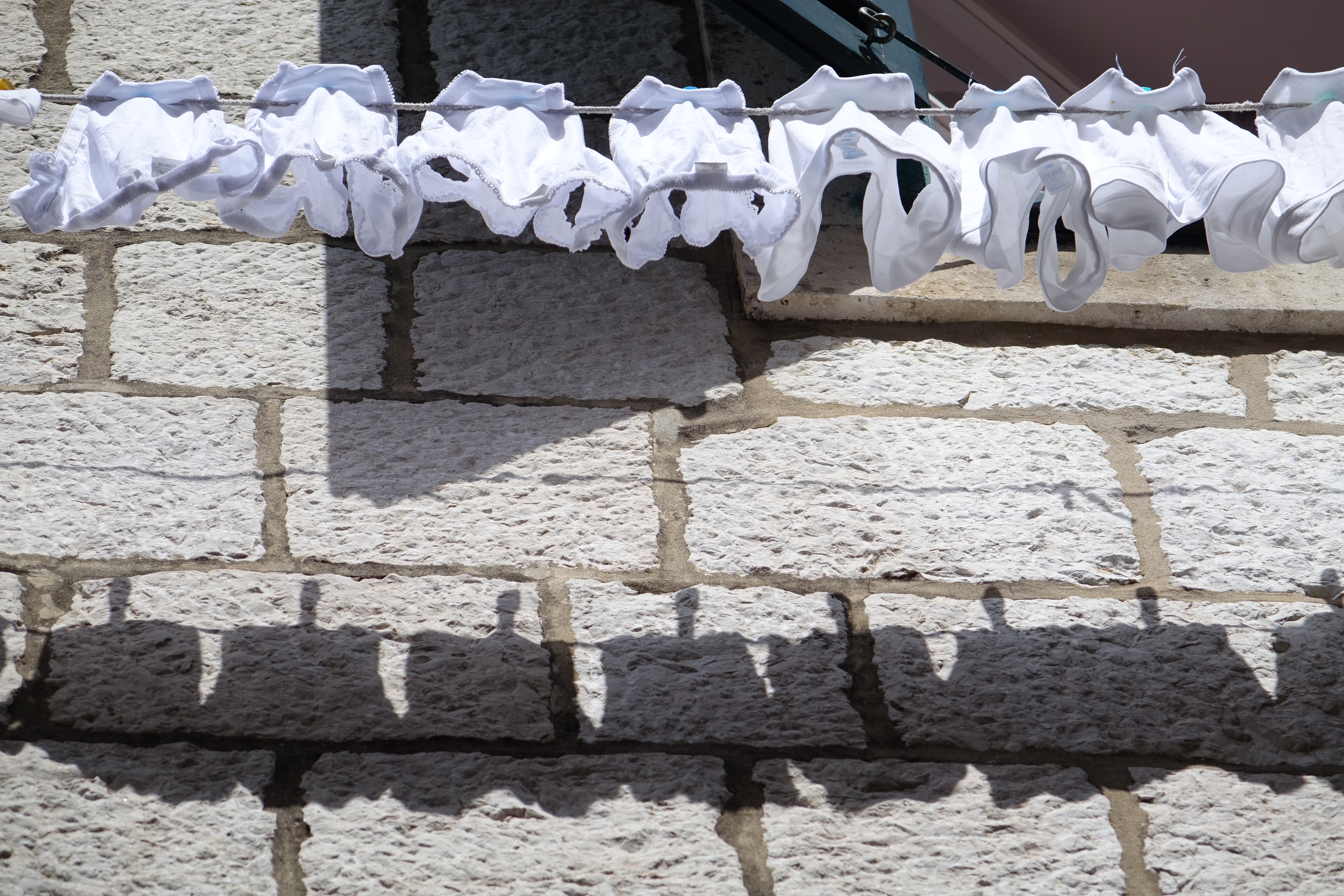
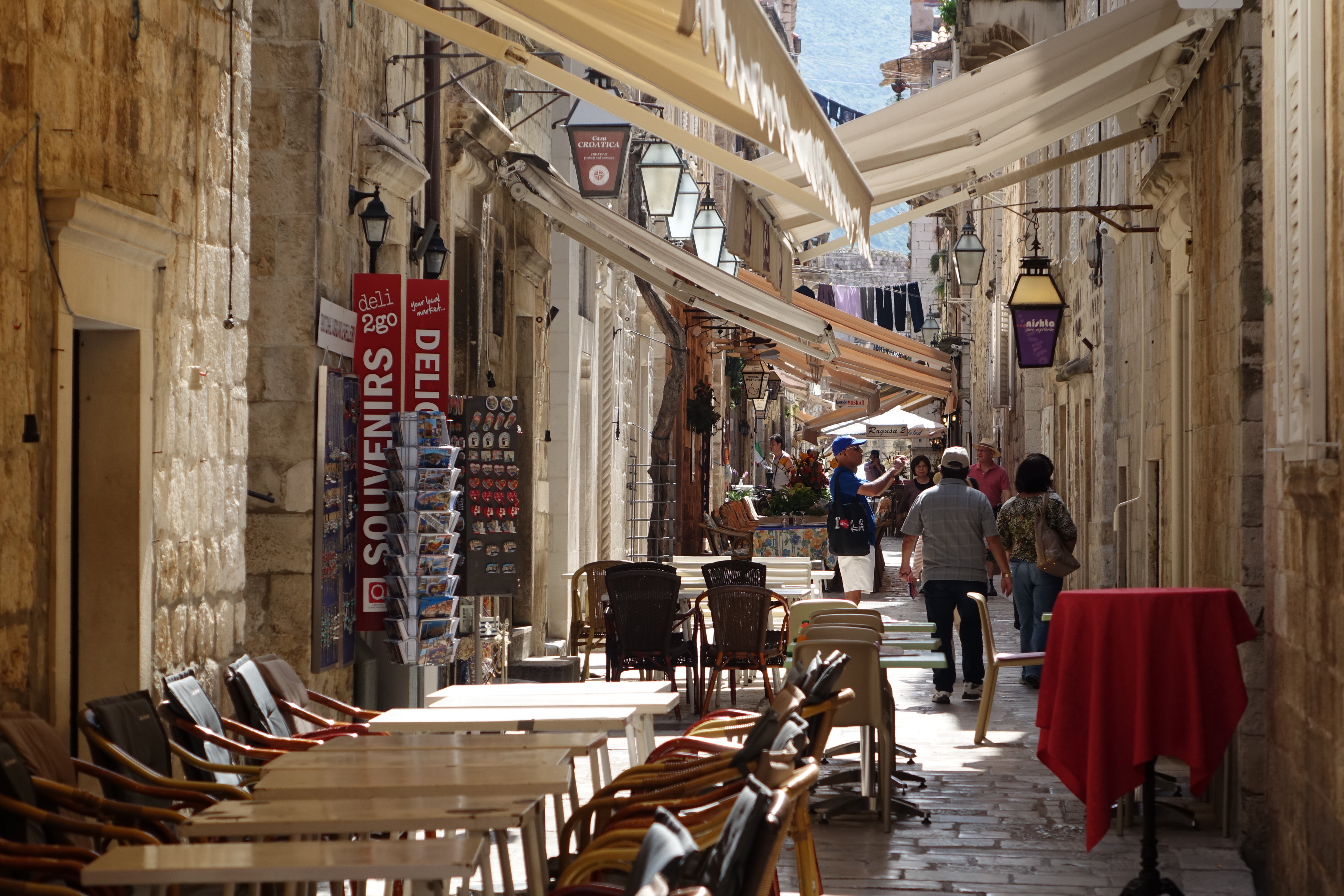
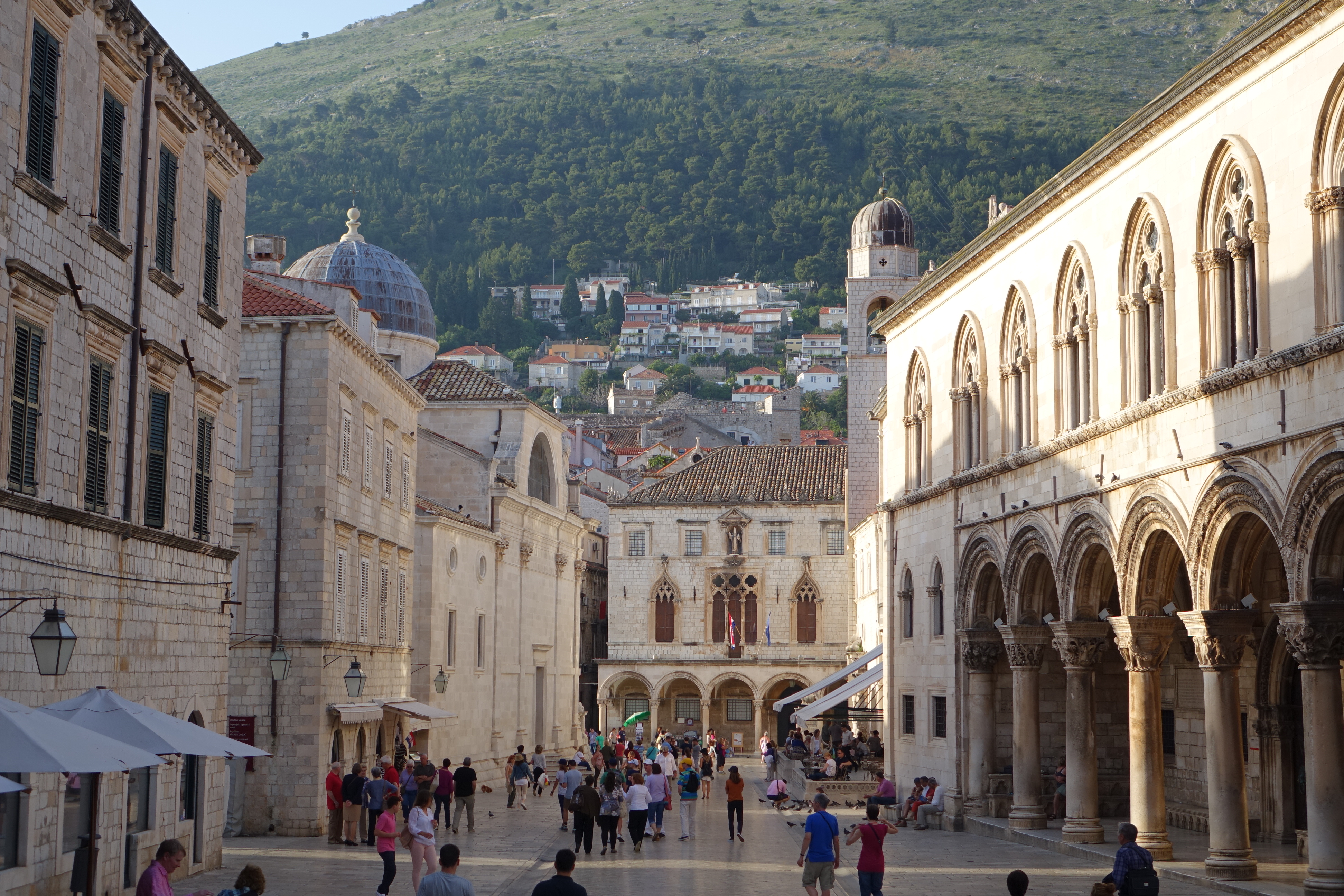
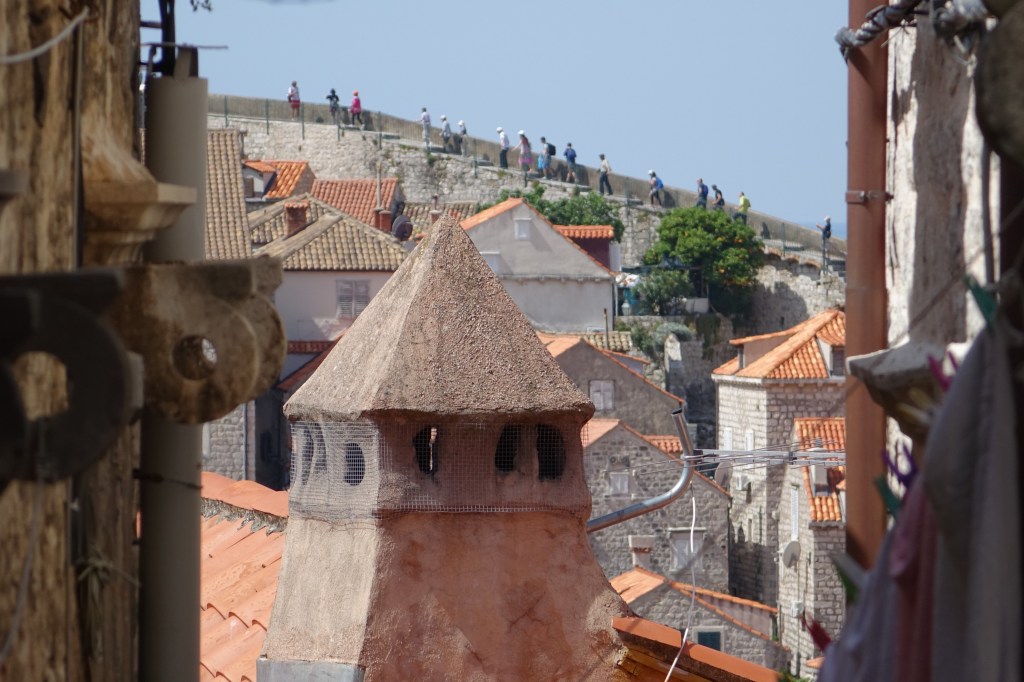
And as if by way of example of the wealth of the city’s offerings, our first ambling of the day, walking through the land-bound streets of the North of the city (in an attempt to discover the entrance to the walls…) demonstrated that every street in Dubrovnik, no matter how small nor narrow, is a thing of beauty. This steep region of the city, which used to be separate from the main island city of Dubrovnik before the Stradun, which is now a main street but used to be a river, was filled in, constantly wowed us with picturesque sights around every corner – washing strung between houses, little wooden chairs placed outside front doors ripe for neighbourly gossip, street lamps poking out from every house in an overlapping cluster of glass and metal, and of course a backdrop to die for of further escalating roofs and the steep hillside beyond.

The picturesque backstreets 
DSC00830 DSC00797 DSC00937 DSC00778 DSC00781 DSC00820 DSC00843 DSC00802 DSC00774

We didn’t find an entrance to the walls in those backstreets however. At every turn we could see the walls, and see an increasing number of tourists walking upon them. Nonetheless the entrance alluded us (it turns out that access to the walls, which is charged at around £10 each, is tightly controlled) and we headed back down to the city centre in search of coffee, before finally heading to the Pile gate, where we already knew that the main entrance to the walls is located.

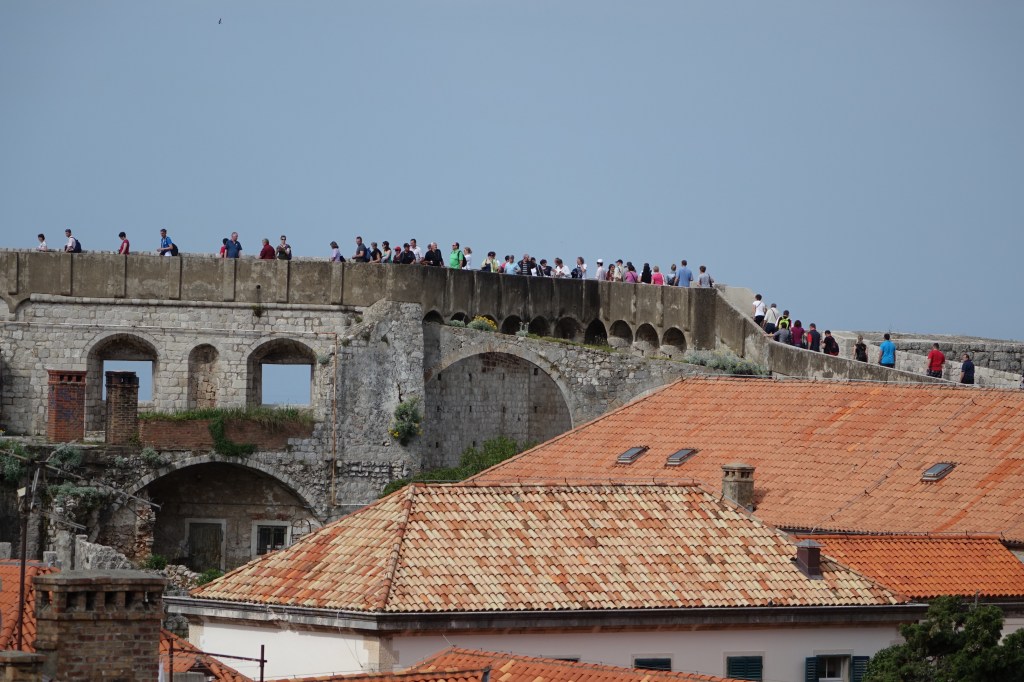
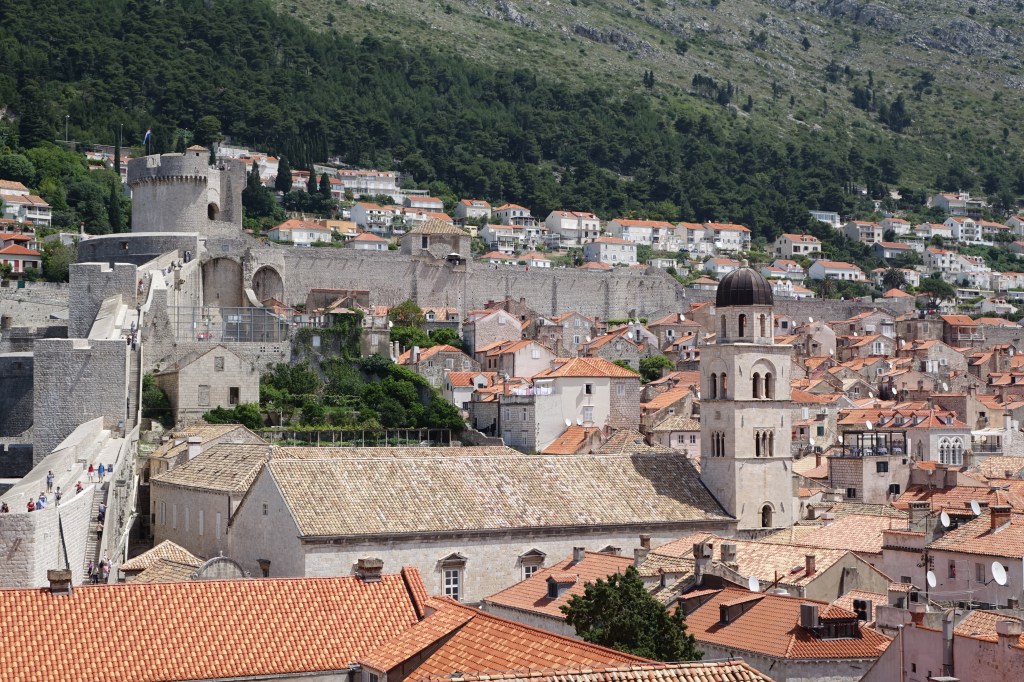
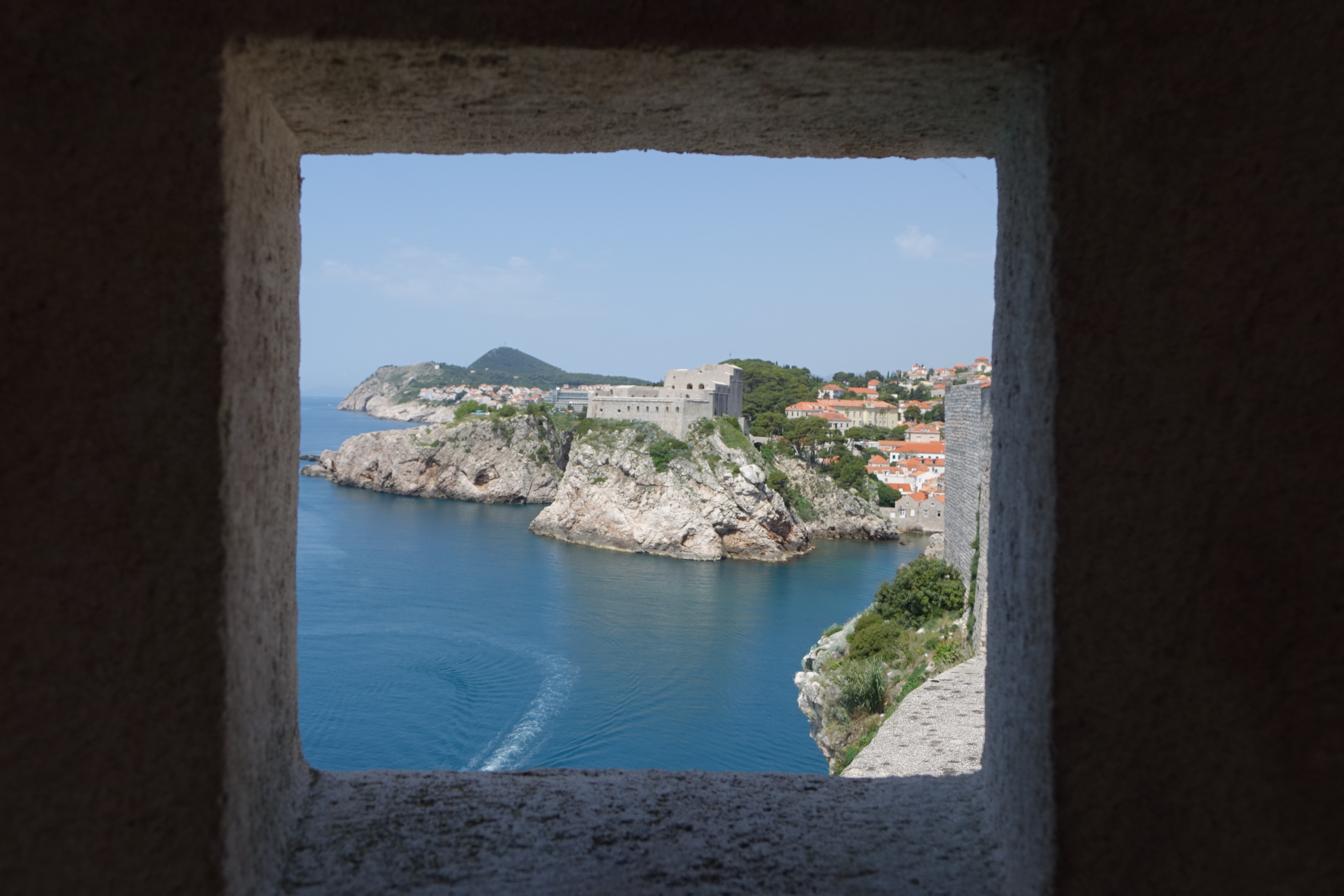
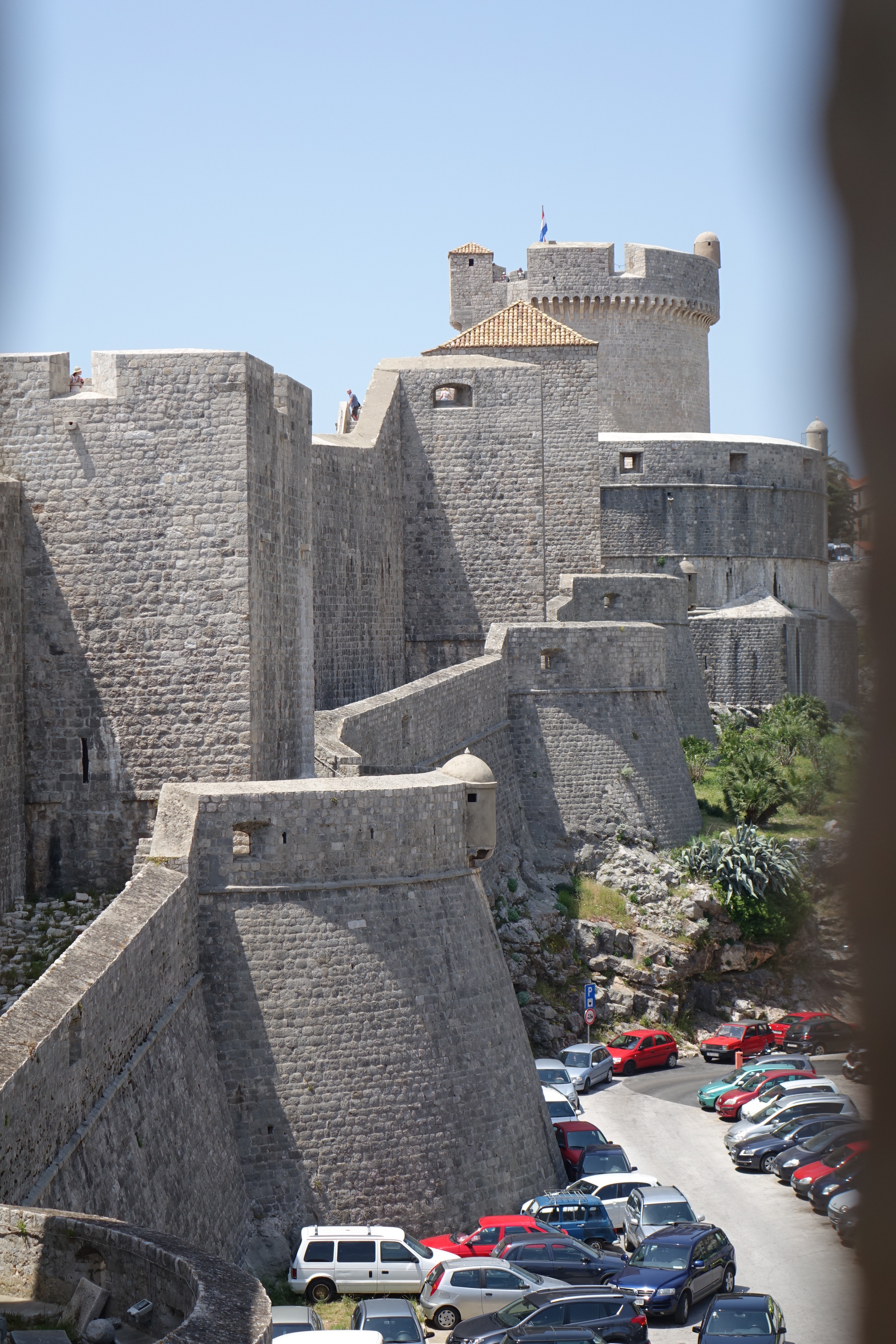
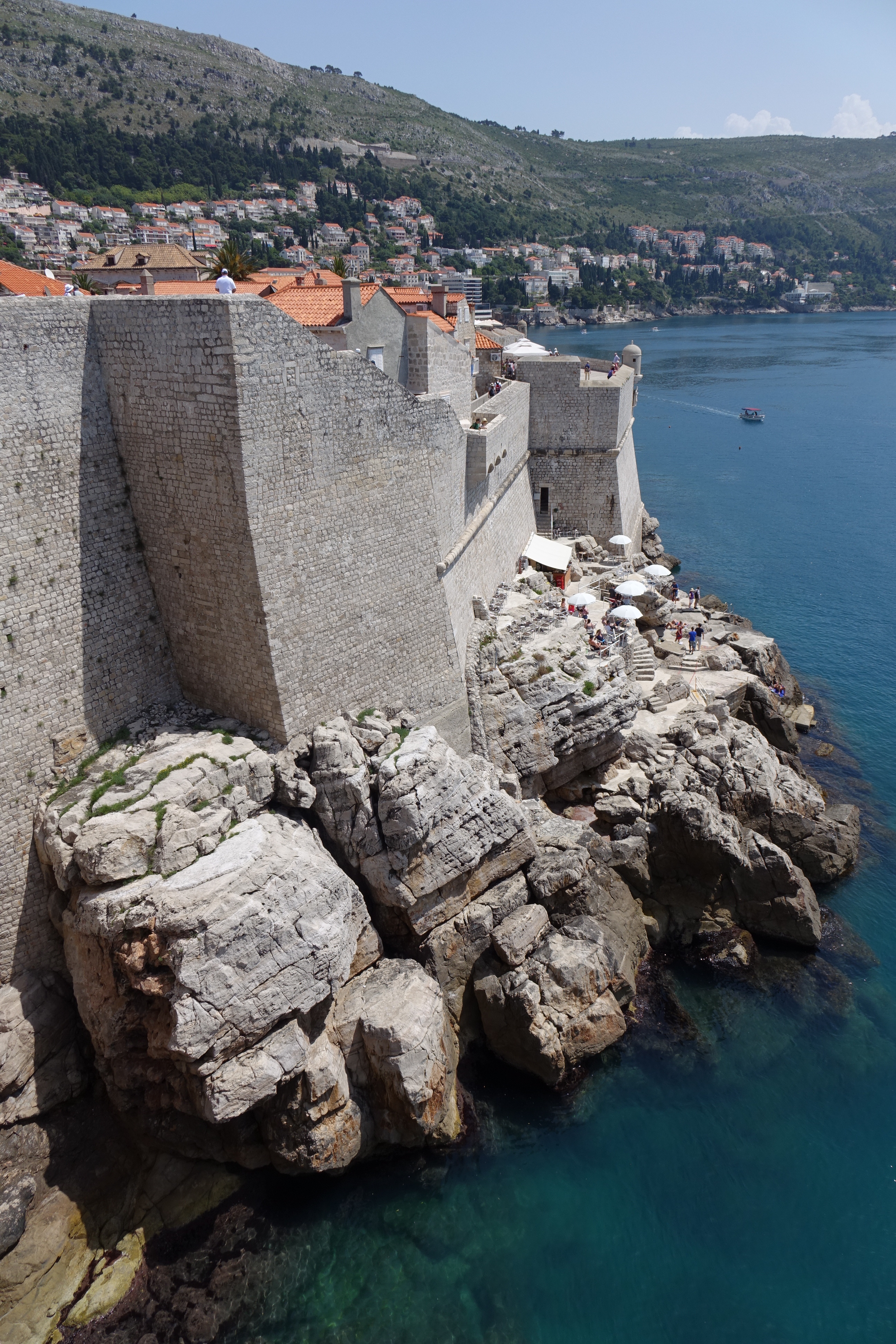
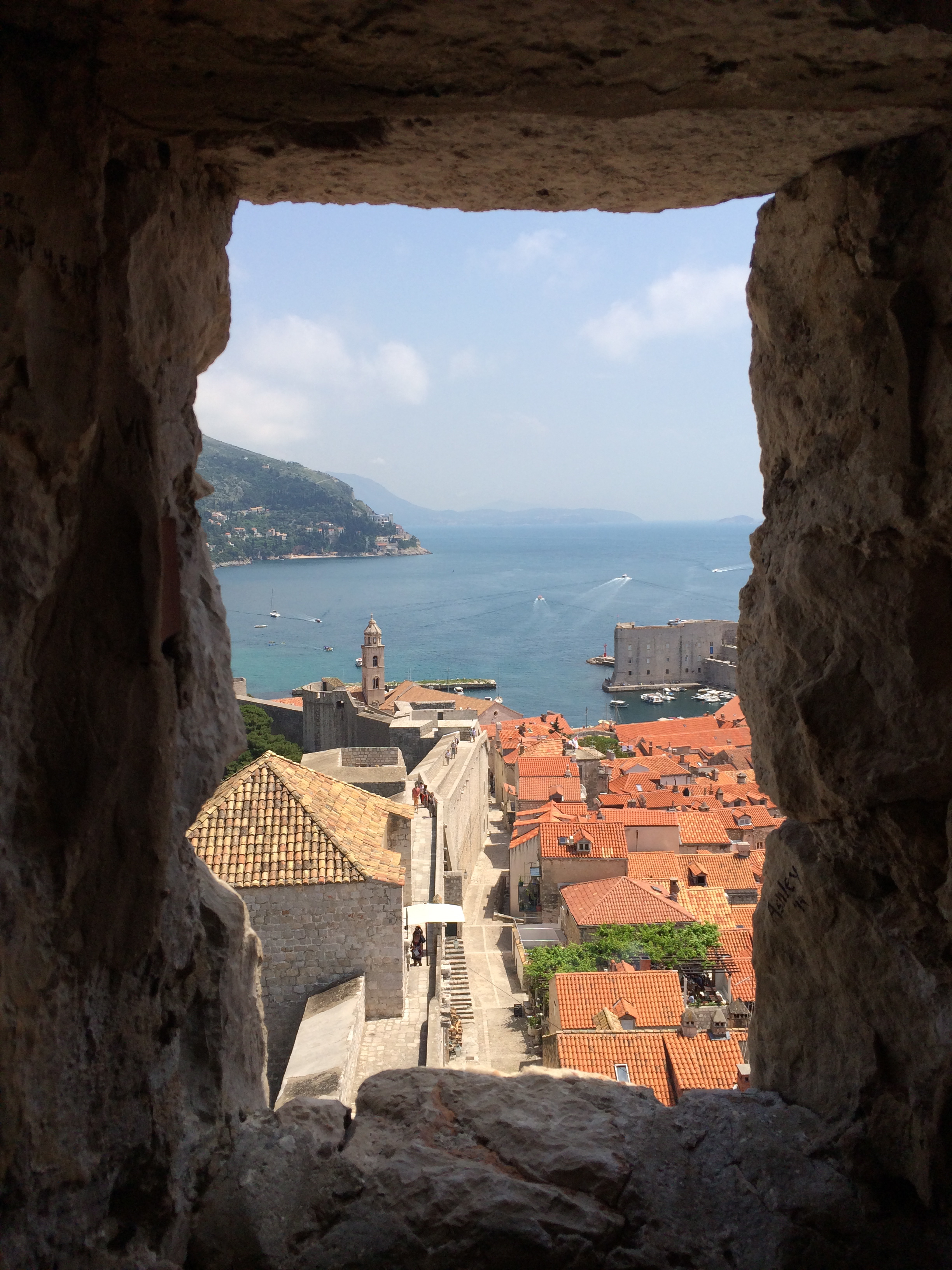
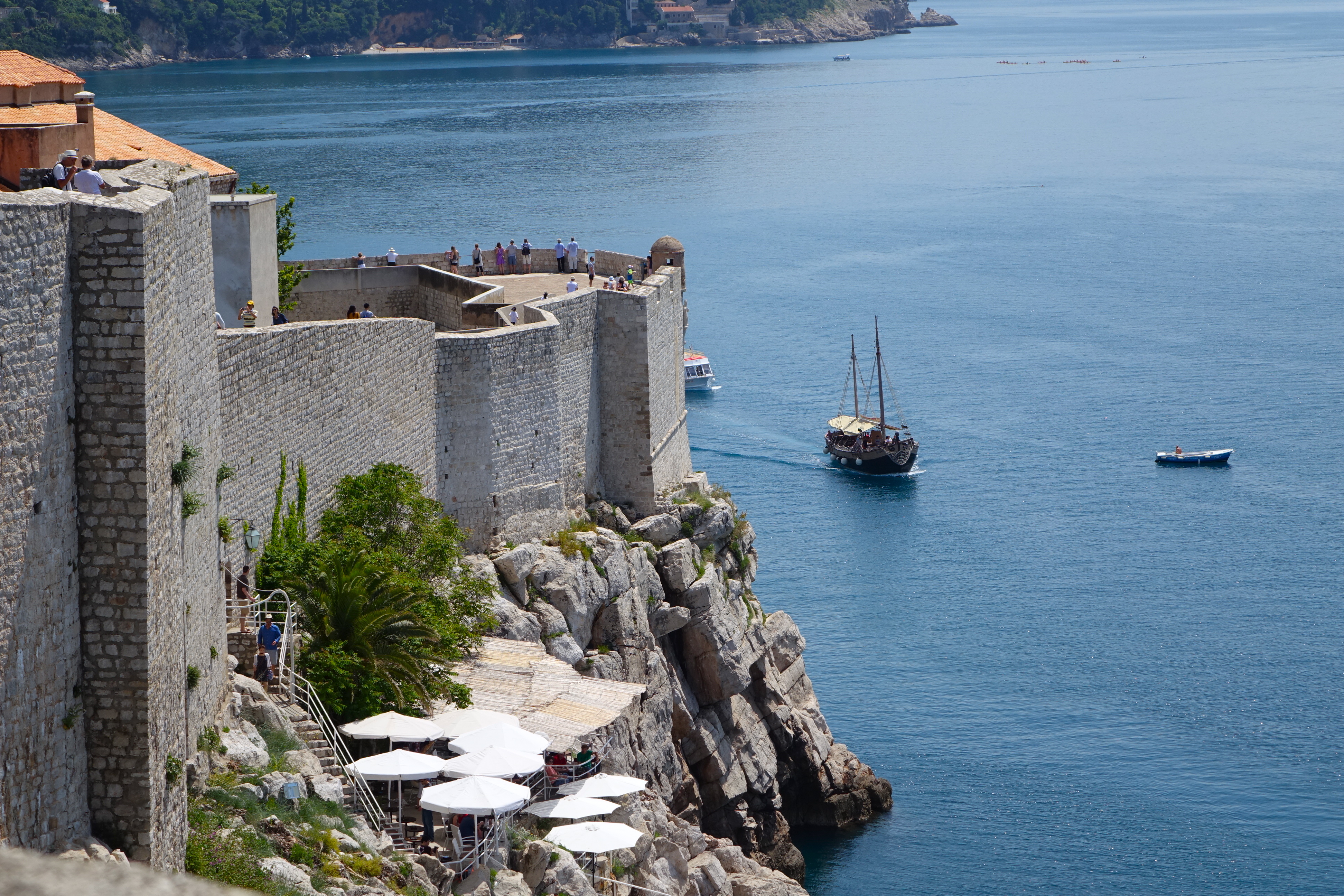
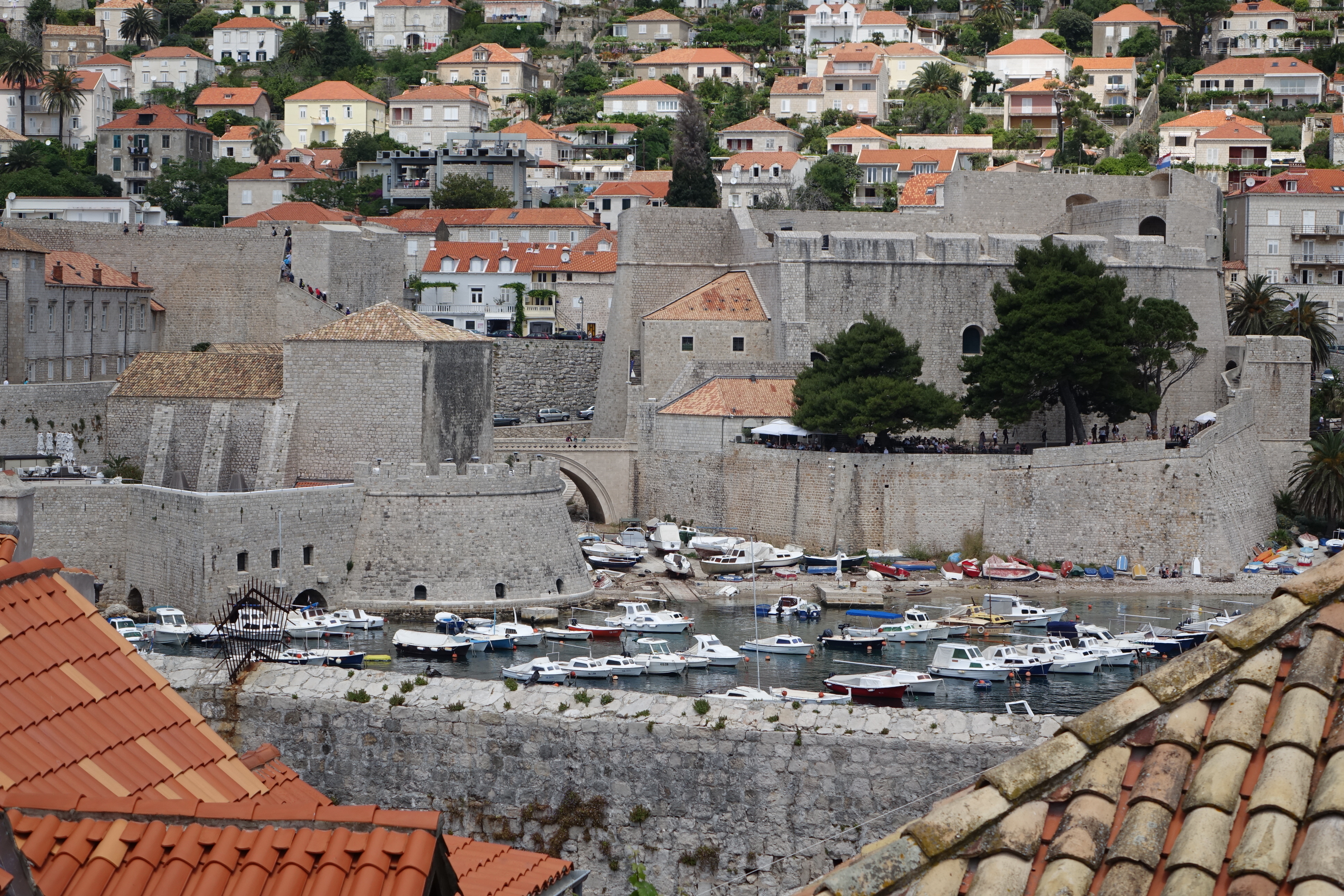
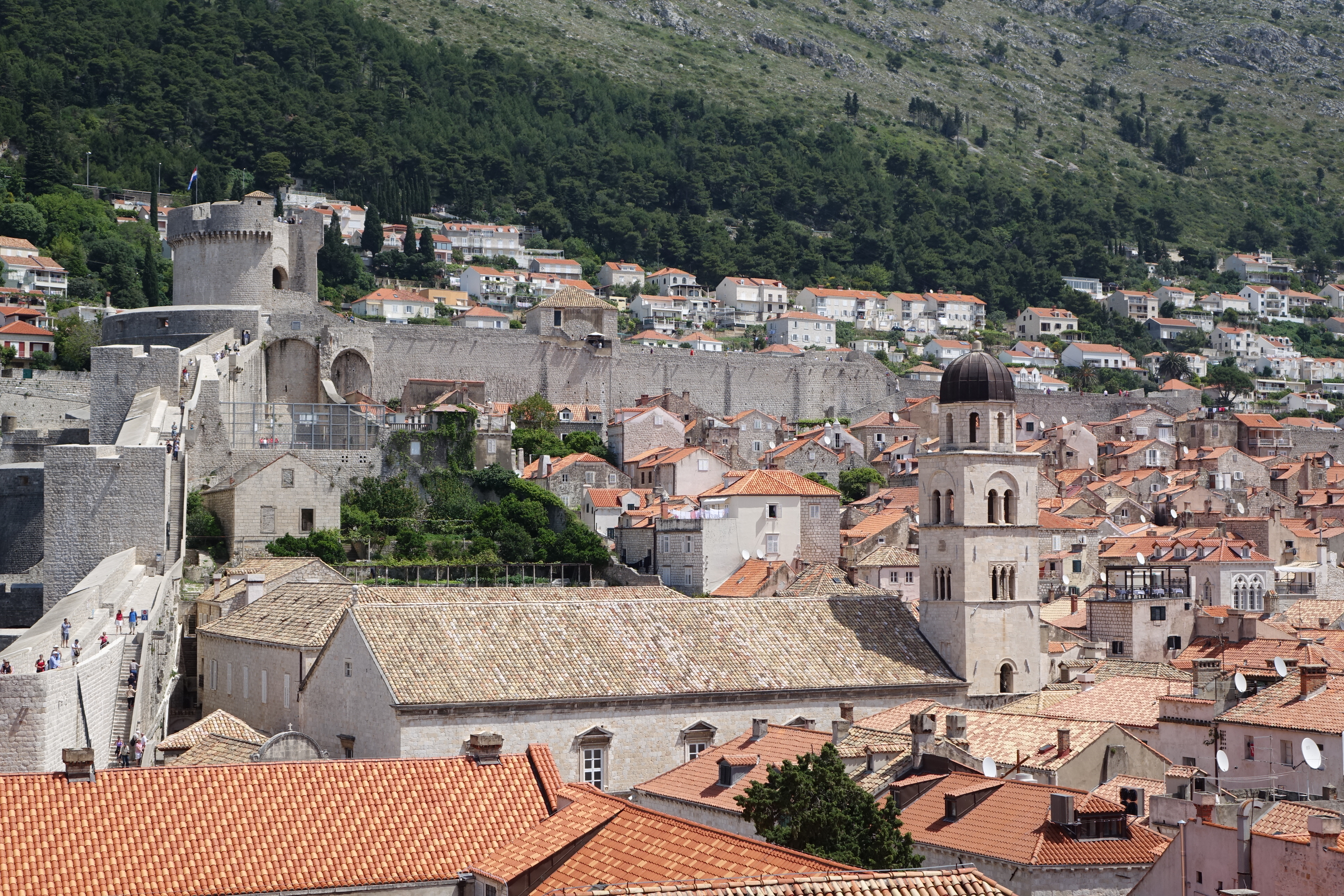
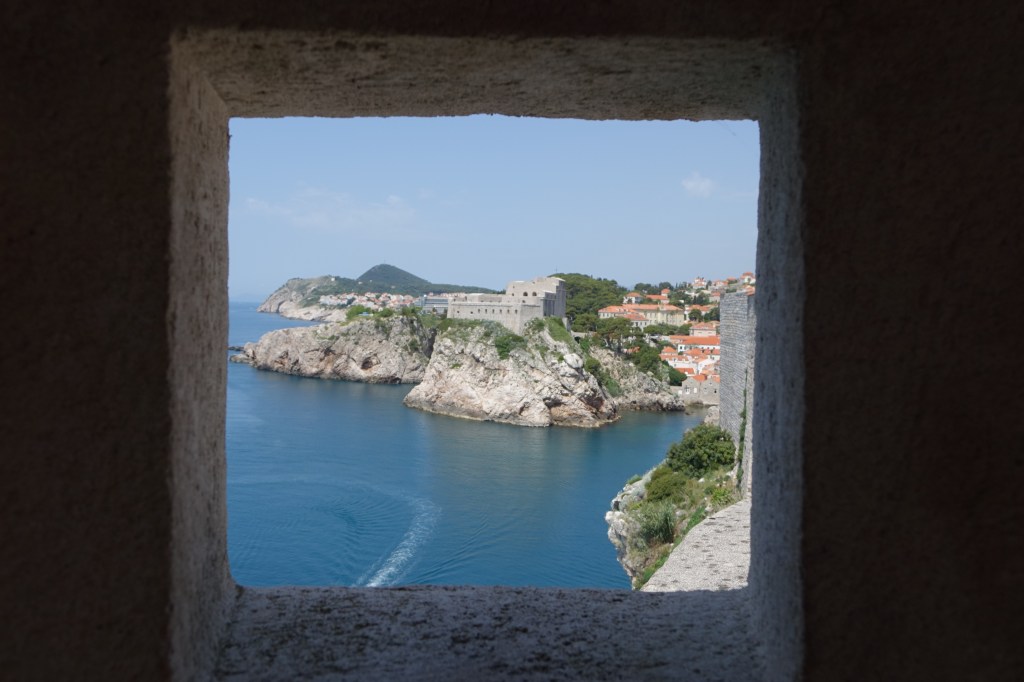
The walls of Dubrovnik are so impressive, extensive and magnificently steeped in history that they ought to form the basis of a song. Or perhaps they already do (or perhaps I should write one). I can well imagine how the lyrics would poetically describe how the undulating extent of these mighty ramparts plunge robustly into the sea on the one hand, and sensitively encircle the city’s old port on the other. Or how to the north they take you up to the back of the city, affording the most sensational view across Dubrovnik’s sea of rooftops, and how to the south, they offer sweeping panoramas of the Adriatic sea on the one side, and quaint little citrus-filled gardens on the other. Of course photos probably do just as well to describe the brilliance of Dubrovnik’s major attraction, and I shall leave you to look at my pics, while remembering fondly the drink we enjoyed upon one rampart terrace, with a commanding view over the city’s cathedral and the island of Lokrum beyond.

Compelling views from Dubrovnik’s Walls
DSC00931 DSC01047 DSC01017 DSC00933 DSC01012 DSC00958 DSC00740 DSC00896 IMG_5668 IMG_5783 DSC00934 DSC00972 DSC00983 DSC00906

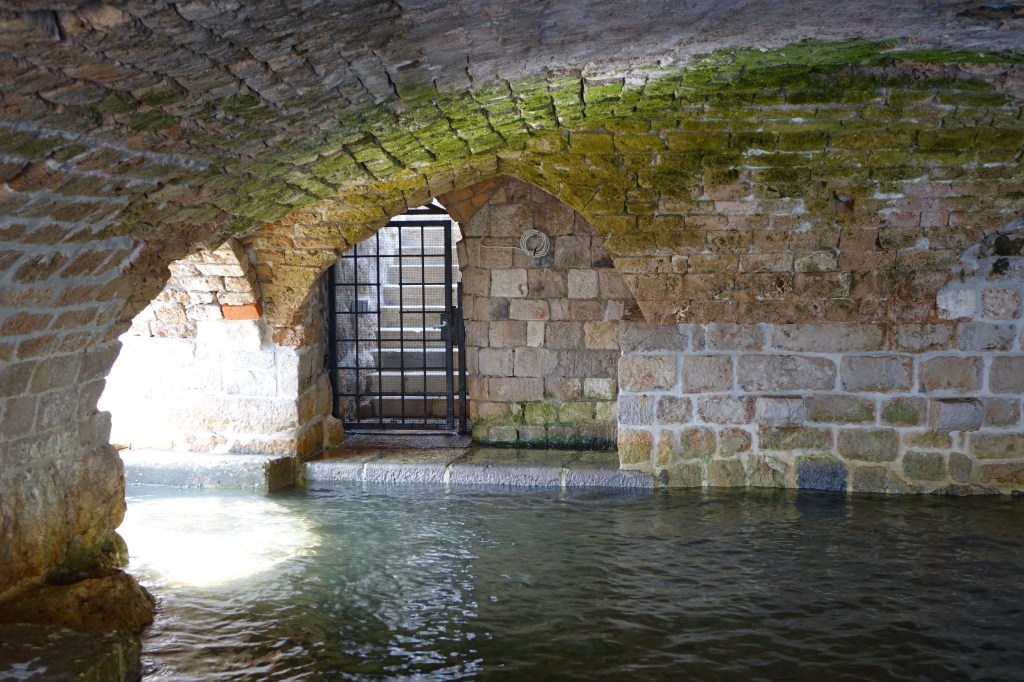
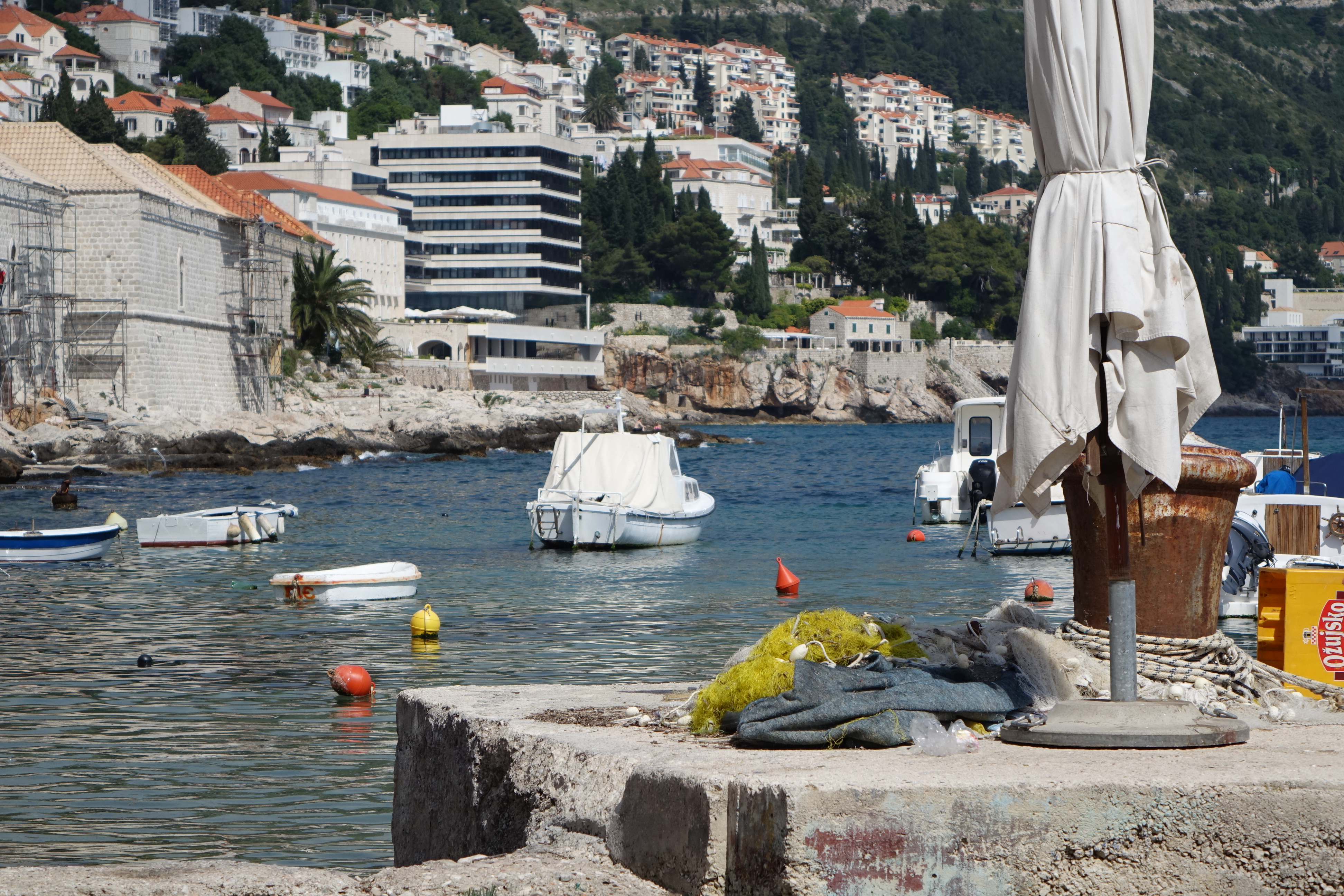
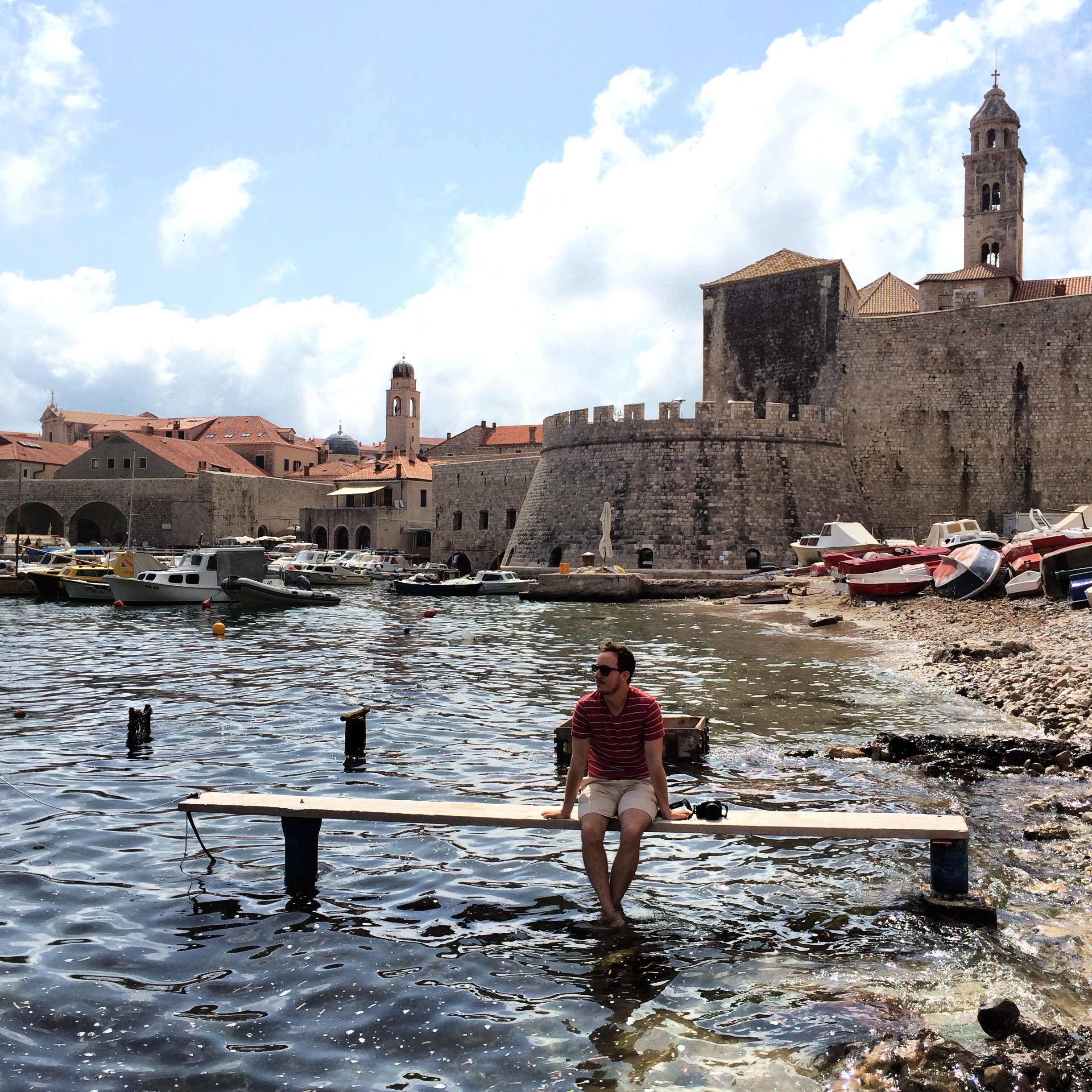
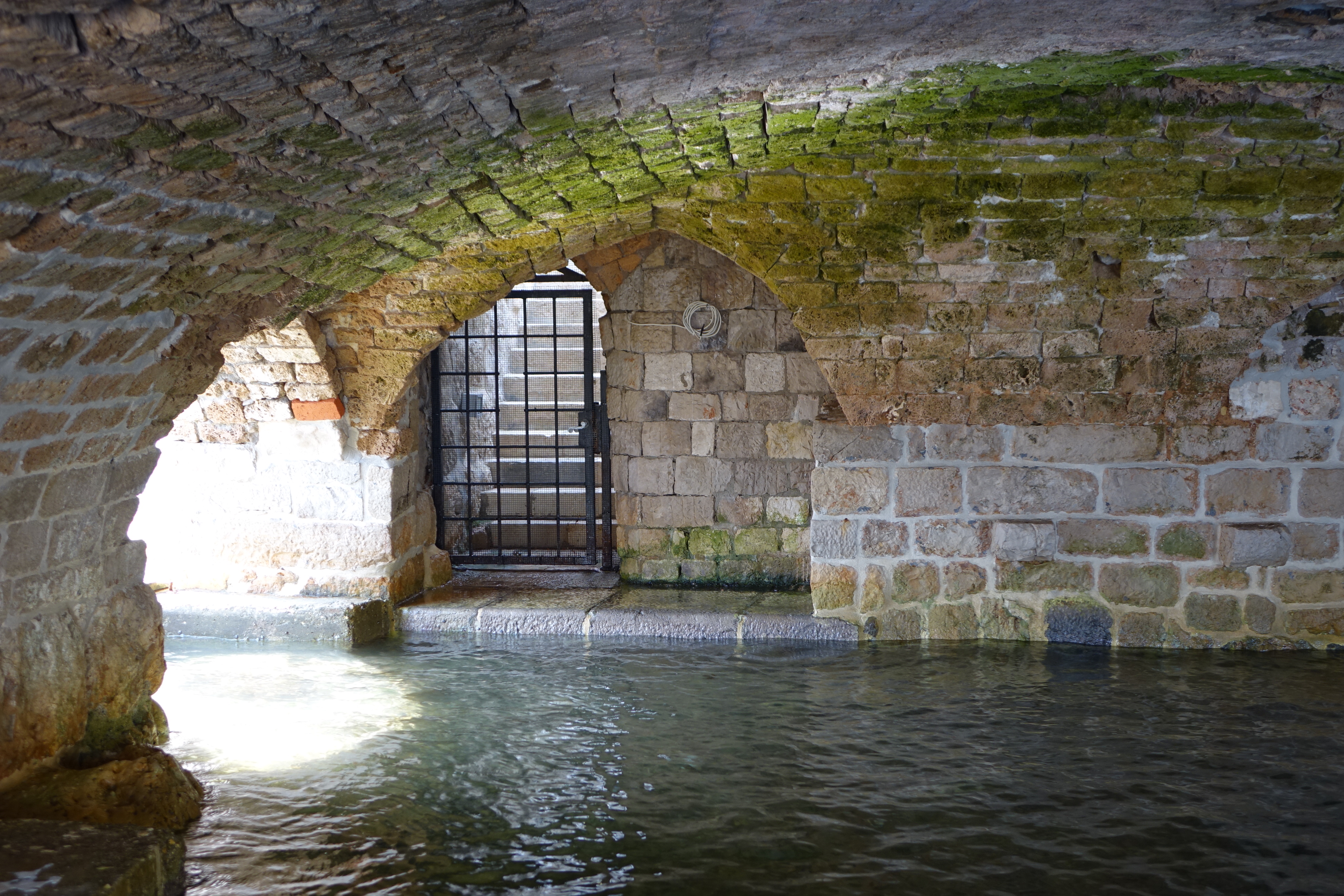
Of course the walls were all rather tiring. What felt like a small city from within suddenly magnified once you were required to walk around the whole place in a single morning, and come the afternoon, a restful lunch under a port-side pine tree, followed by a series of leisurely coffees taken in the city’s various squares was just the ticket to refuel after our morning’s exertions. We also found a little secret passage across slimy sea-weed covered rocks extending from the harbour into the old city, ending up rather awkwardly in the kitchen of a restaurant (a breach in Dubrovnik’s walls!).

Lunch with a view and a passage way through the sea

DSC01164 DSC01086 DSC01143 IMG_5957 DSC01176

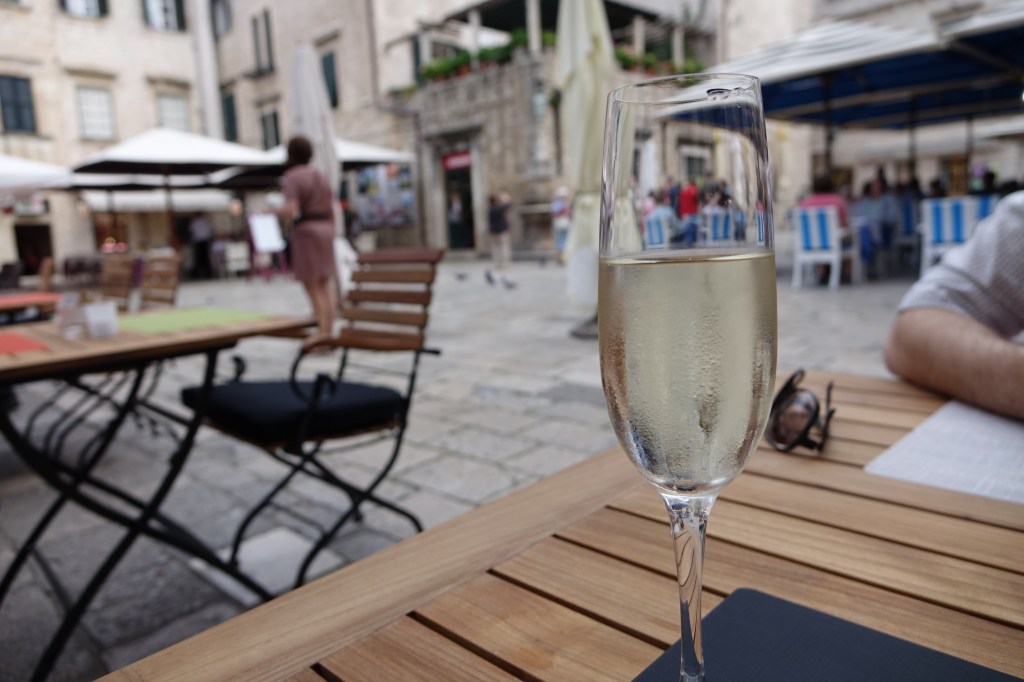
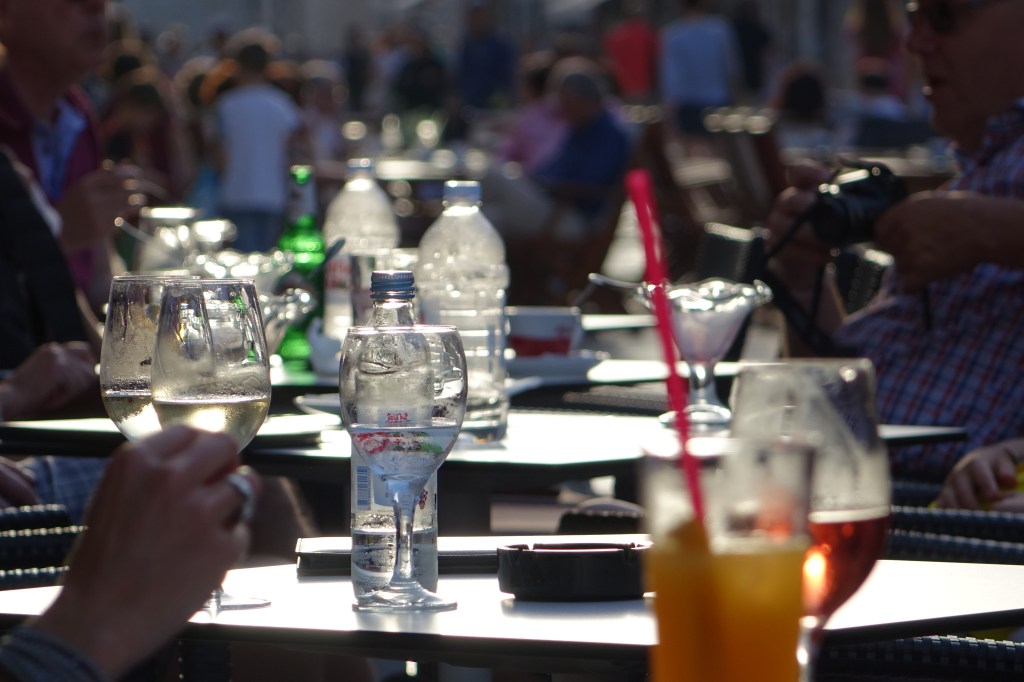
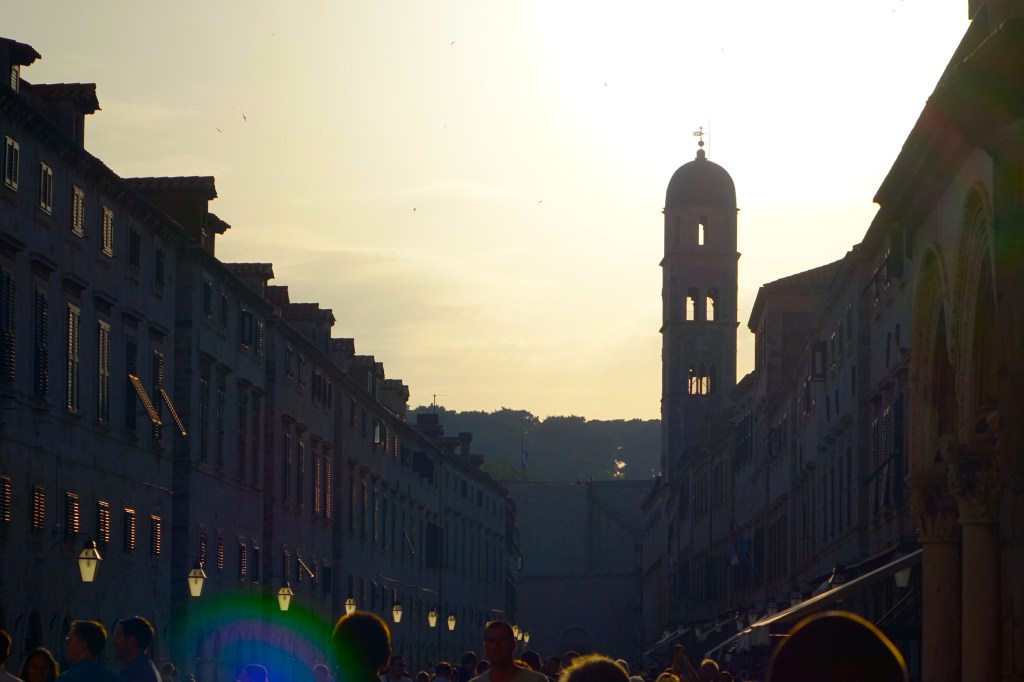
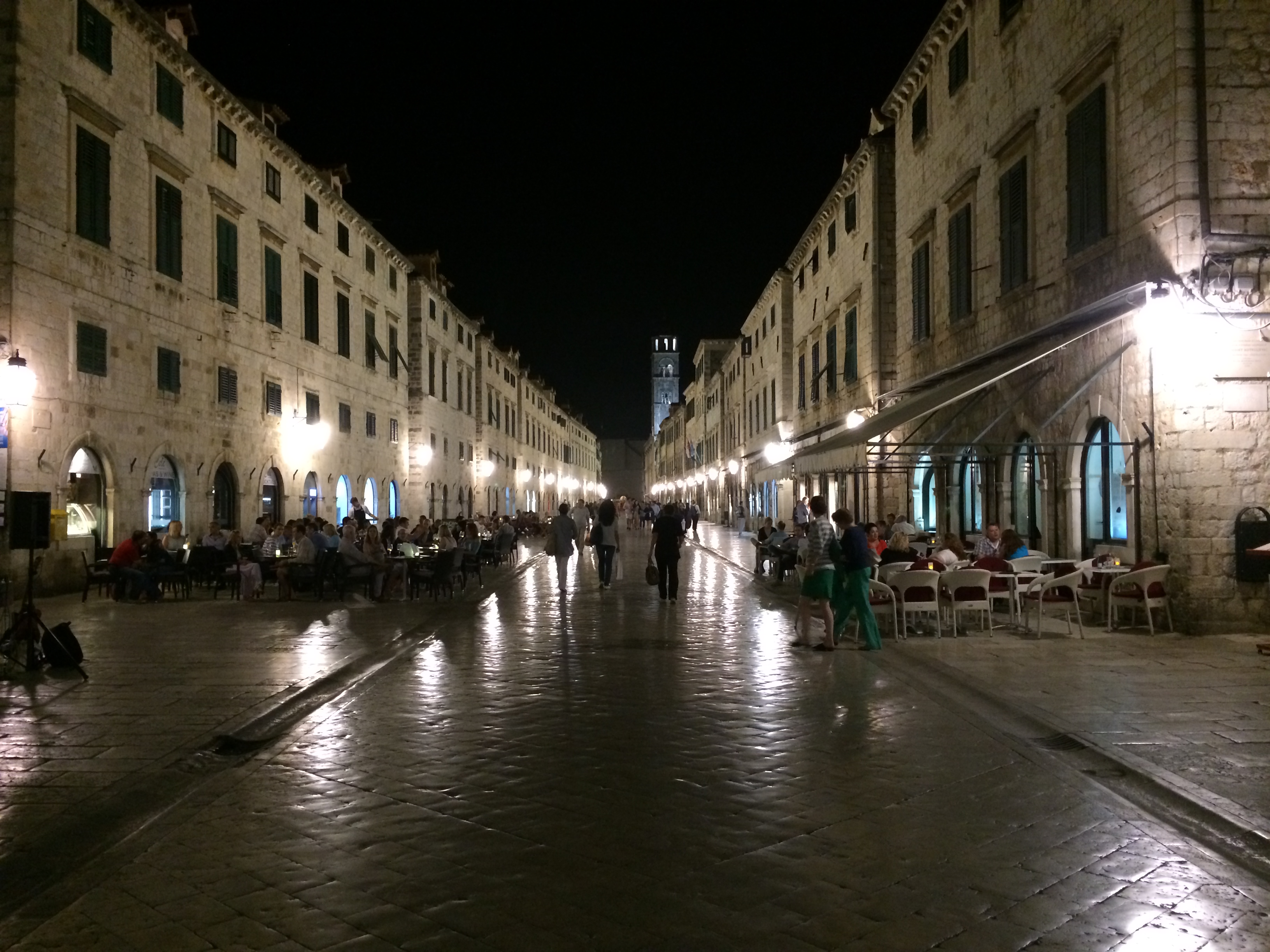
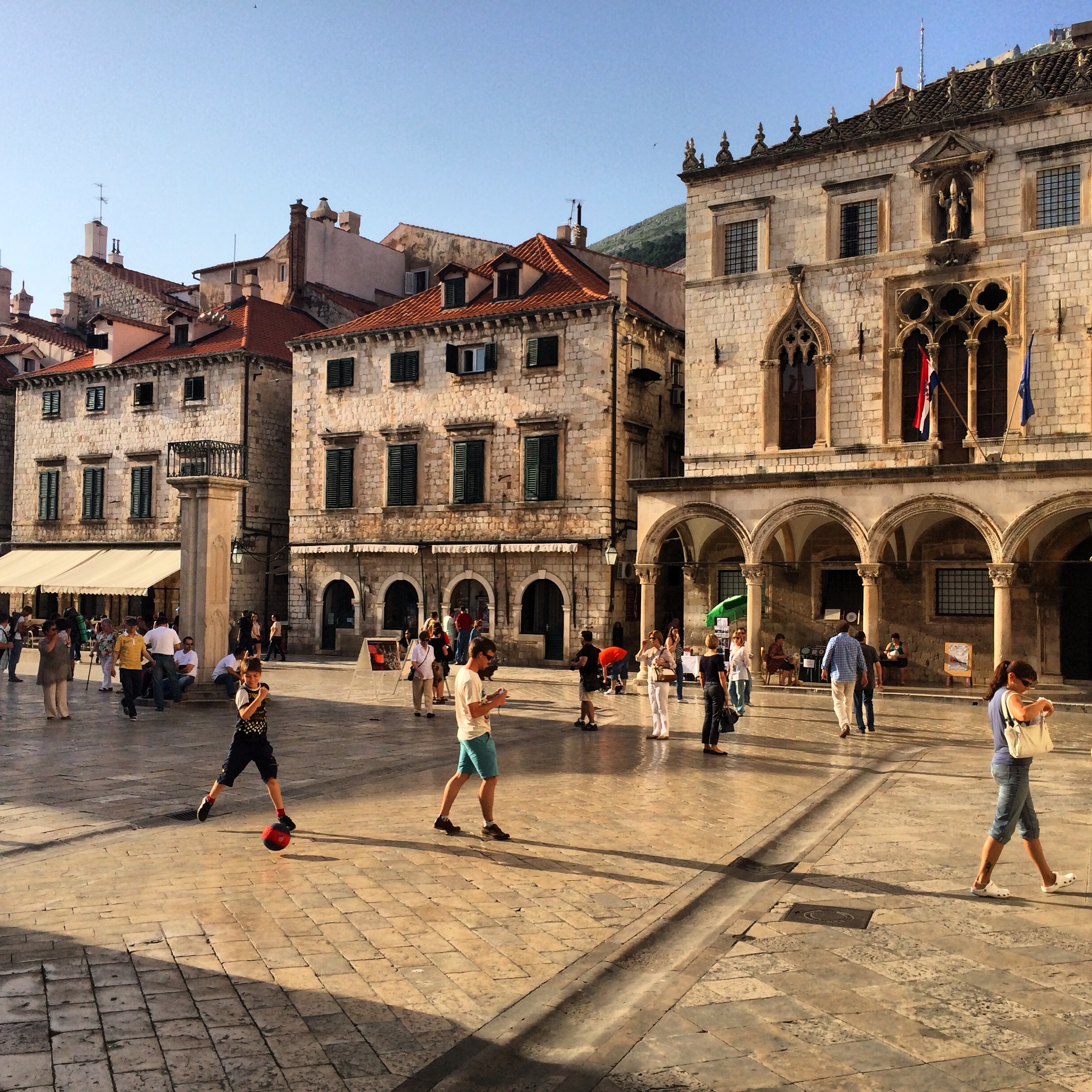
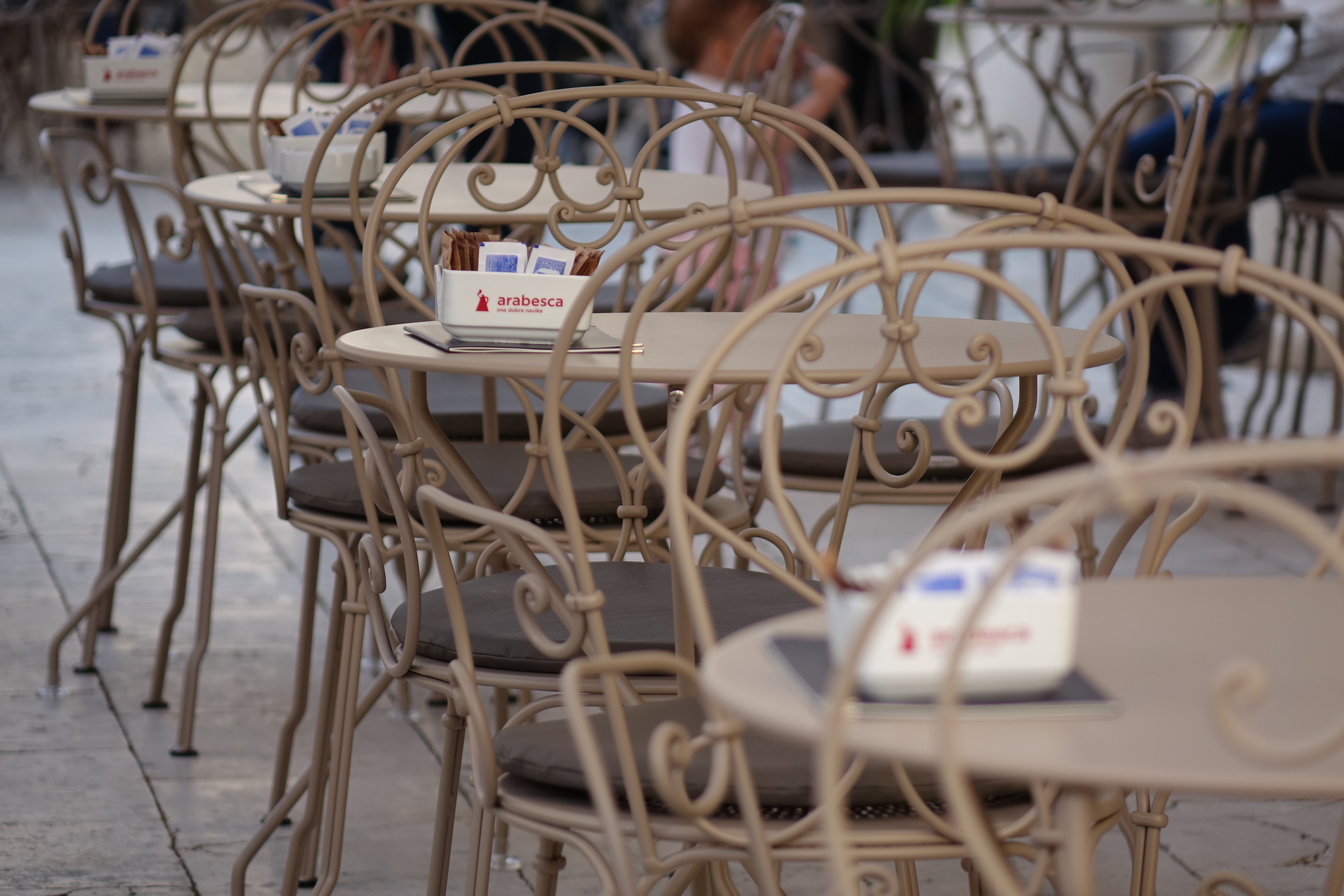
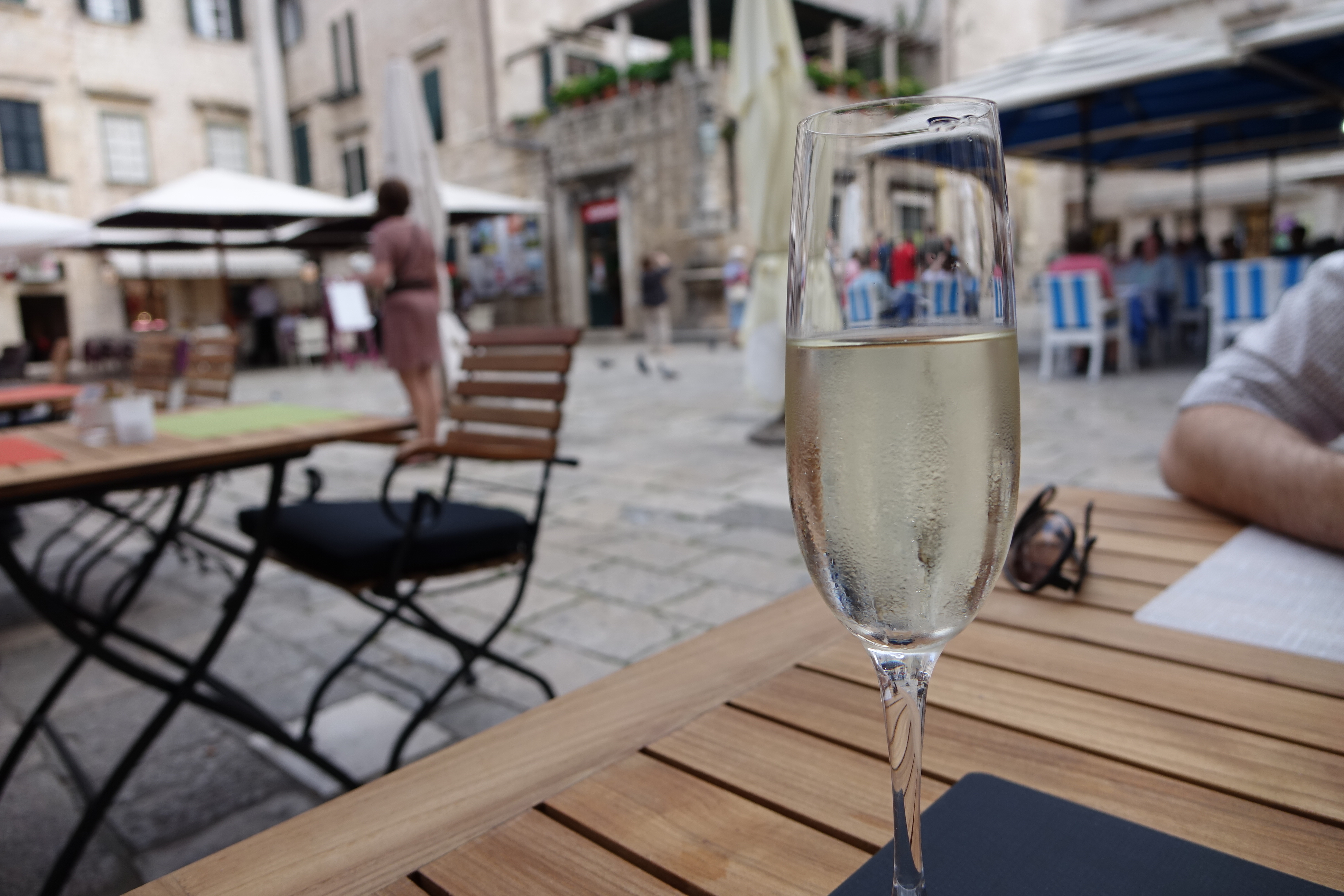
We also discovered that the best time to enjoy the city is surely of an early evening, when the tourist masses and the groups from docking cruise liners have departed, leaving the locals and those tourists lucky enough to be staying in or around the city to enjoy the place in relative tranquillity. And there was no better way to do that than with a drink on the Stradun with jazz playing from nearby cafes and house martins swooping in the air. Nor with dinner under the city’s starry sky, eaten al fresco in front of the Romanesque façade of the Jesuit church to the accompaniment of a Spanish guitarist.

Clearly it was not just their freedom that the residents of this city wanted to preserve by building such magnificent walls around them, but also the secret held within their embrace: paradise on earth.

The best time of the day…
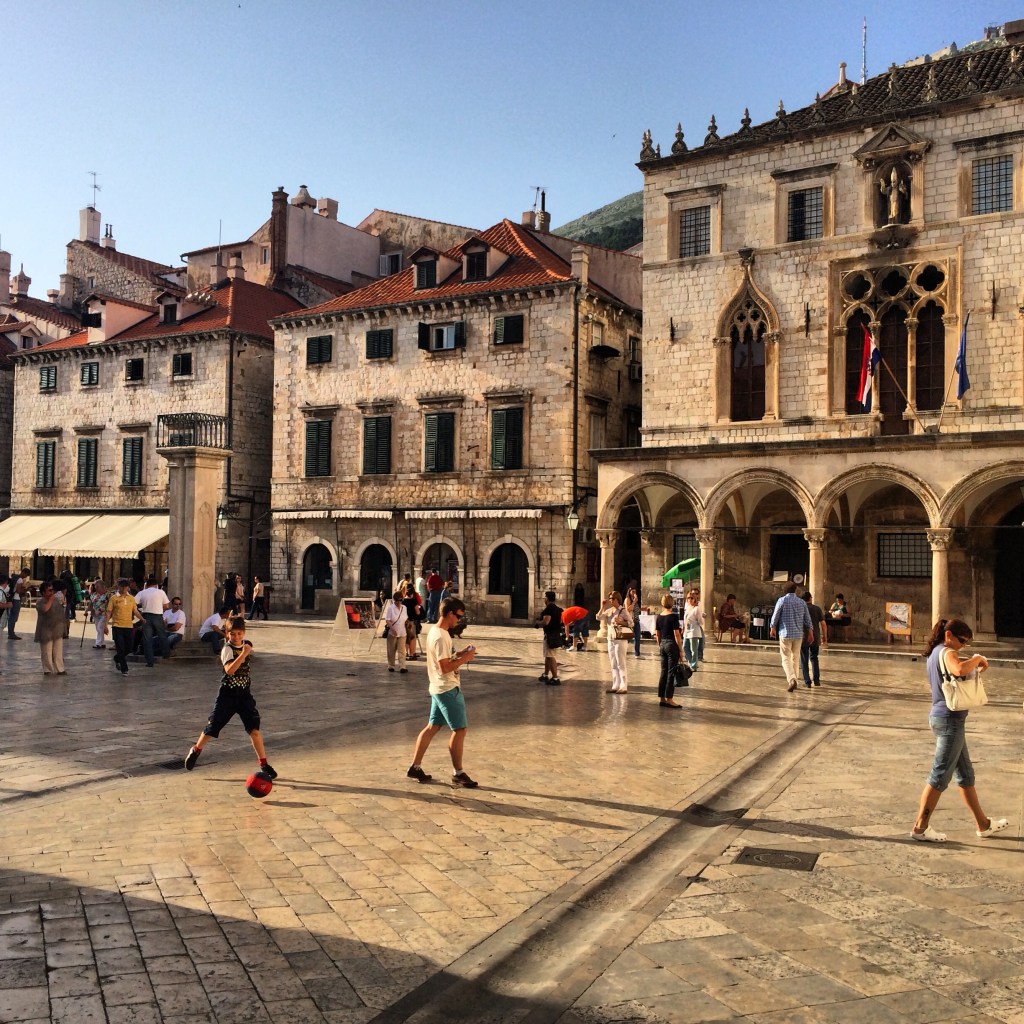
IMG_5942 DSC01251 DSC01253 DSC00657 DSC01295 DSC01281

All photos and written content are strictly the copyright of Nicholas de Lacy-Brown © 2014 and The Daily Norm. All rights are reserved. Unauthorized use and/or duplication of the material, whether written work, photography or artwork, included within The Daily Norm without express and written permission from The Daily Norm’s author and/or owner is strictly prohibited.