Skip to content

Posts tagged ‘Landscape’

Art-in-Amalfi – Painting 1: Positano I (viewed from the beach)

Having seen my post of photos on yesterday’s Daily Normand perhaps even my photos of the incredible views which we were lucky enough to enjoy for our week’s stay at the Palazzo Talamo Hotel, you will easy to understand why I was inspired to create by the town of Positano on Italy’s Amalfi Coast. Not only is the town a picture perfect dazzlement of beautiful houses clustered against a vast imposing mountain backdrop, but it is also a riot of pastel colours in an otherwise natural landscape of verdant greenery and sheer greyish purple rock. The most striking thing about Positano is the fact that the small town appears to defy nature as a small cluster of dwellings clinging, almost like limpits, to the sheer side of the otherwise inhospitable mountain sides. The effect is a stark and beautiful contrast between the man-made regularised geometric forms of buildings and the irregular looming presence of the nature-made mountains, and it was this contrast which struck me the most as I set about painting my first homage to the town.

Positano I (viewed from the beach) (2014 © Nicholas de Lacy-Brown, gouache on paper)

Positano I (viewed from the beach) (2014 © Nicholas de Lacy-Brown, gouache on paper)

Stretched out on the beach a day after our arrival, I started work on this piece: Positano I (viewed from the beach). Using simplified geometric forms and stripping away all of the details which otherwise characterise the houses and hotels of Positano (windows, balconies and so on), this painting purposefully reduces the buildings of Positano to their most basic cubic form in order to emphasise the contrast between rigid geometry and rugged mountain, all the while expressing the beauty of Positano’s very colourful cluster of houses. The result is a painting I love. Made in gouache on paper, for me its colours and sunshine brightness sum up the mediterranean mood, while the geometric gathering of cubes echoes the shape of this small town which makes it so unique on much publicised postcards and travel guides throughout the world.

As with all of my travel-inspired art works, this painting gave me great satisfaction to create, all the more so because it was started on the beach and completed on my balcony with a view. Now who can ask for a better  art studio than that?

© Nicholas de Lacy-Brown and The Daily Norm, 2001-2014. Unauthorized use and/or duplication of the material, whether written work, photography or artwork, included within The Daily Norm without express and written permission from The Daily Norm’s author and/or owner is strictly prohibited. Excerpts and links may be used, provided that full and clear credit is given to Nicholas de Lacy-Brown and The Daily Norm with appropriate and specific direction to the original content. For more information on the work of Nicholas de Lacy-Brown, head to his art website at www.delacy-brown.com

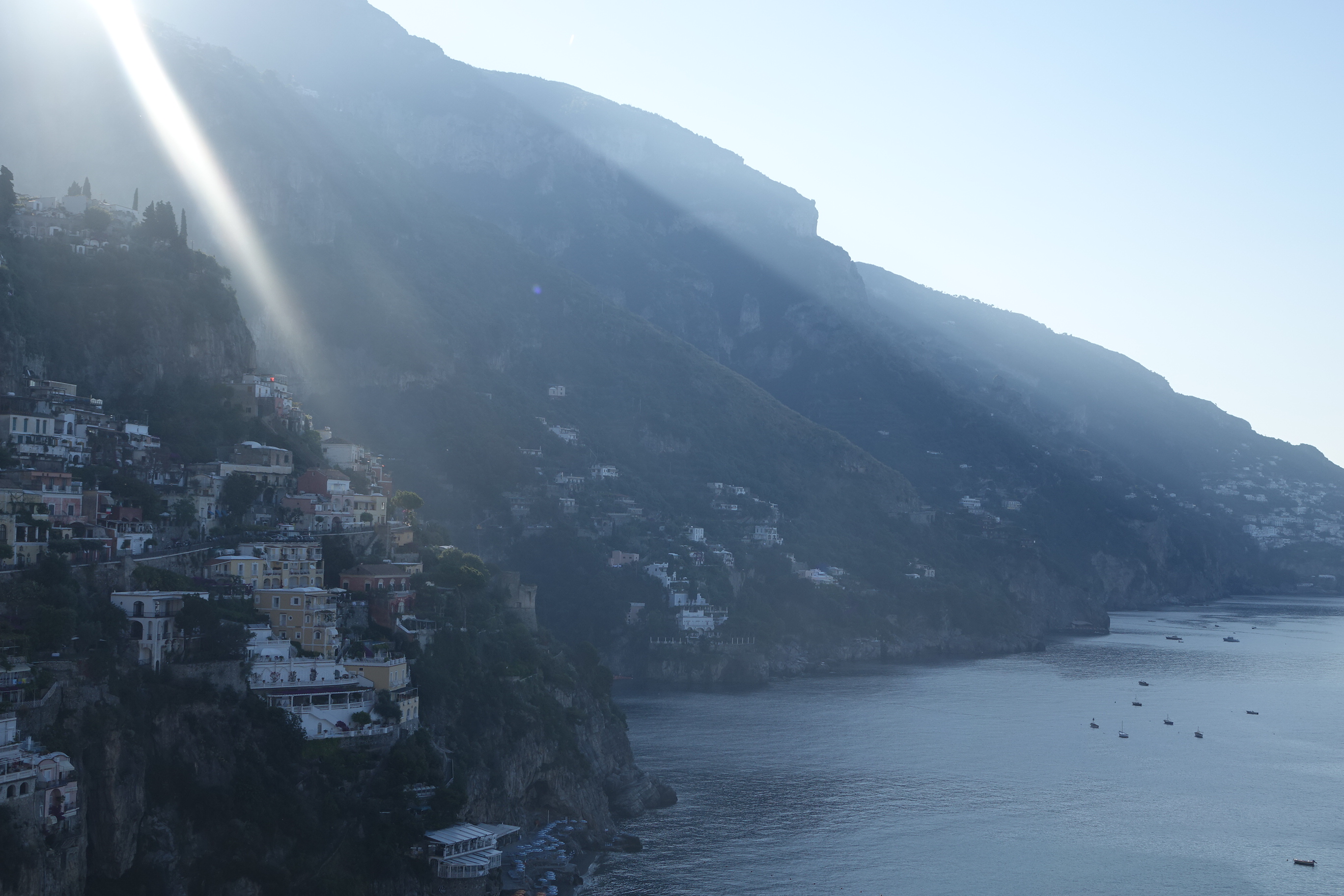
Positano & beyond | Photos Part 1 – A room with a view

There are few places on the earth that are naturally synonymous with paradise. Even the most beautifully secluded spots have not escaped some degree of commercialisation or urbanisation which detracts from the feeling of finding a paradise on earth. And yet Italy’s Amalfi coast, nestled in between the cities of Naples and Salerno and on the Southern most stretch of the Sorrento peninsula, is one place which is intrinsically described as, and discovered to be, a paradise on earth.
True, the coast has not escaped the touch of humankind, not least because much of the coast is now specifically given over to tourism. But what human development exists is inevitably curbed by the rugged and hostile landscape of steep mountain passages and severe plunging cliffs. It is also precisely that very development – the clustering of white washed and pastel houses against steep mountain passages – that makes the Amalfi Coast so visually stunning. And that beautiful relationship between man and nature is never seen with such perfection as in the little town of Positano, clustered along a fold of one of the coast’s most impressive mountainous passages. And it was to Positano that I have just ventured in my most recent European travels, making this stunner of a town our base for a week’s discovery of the Amalfi Coast and the islands beyond.

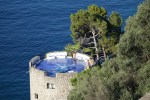
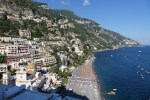
DSC02191 DSC02021DSC02190DSC04062DSC04045

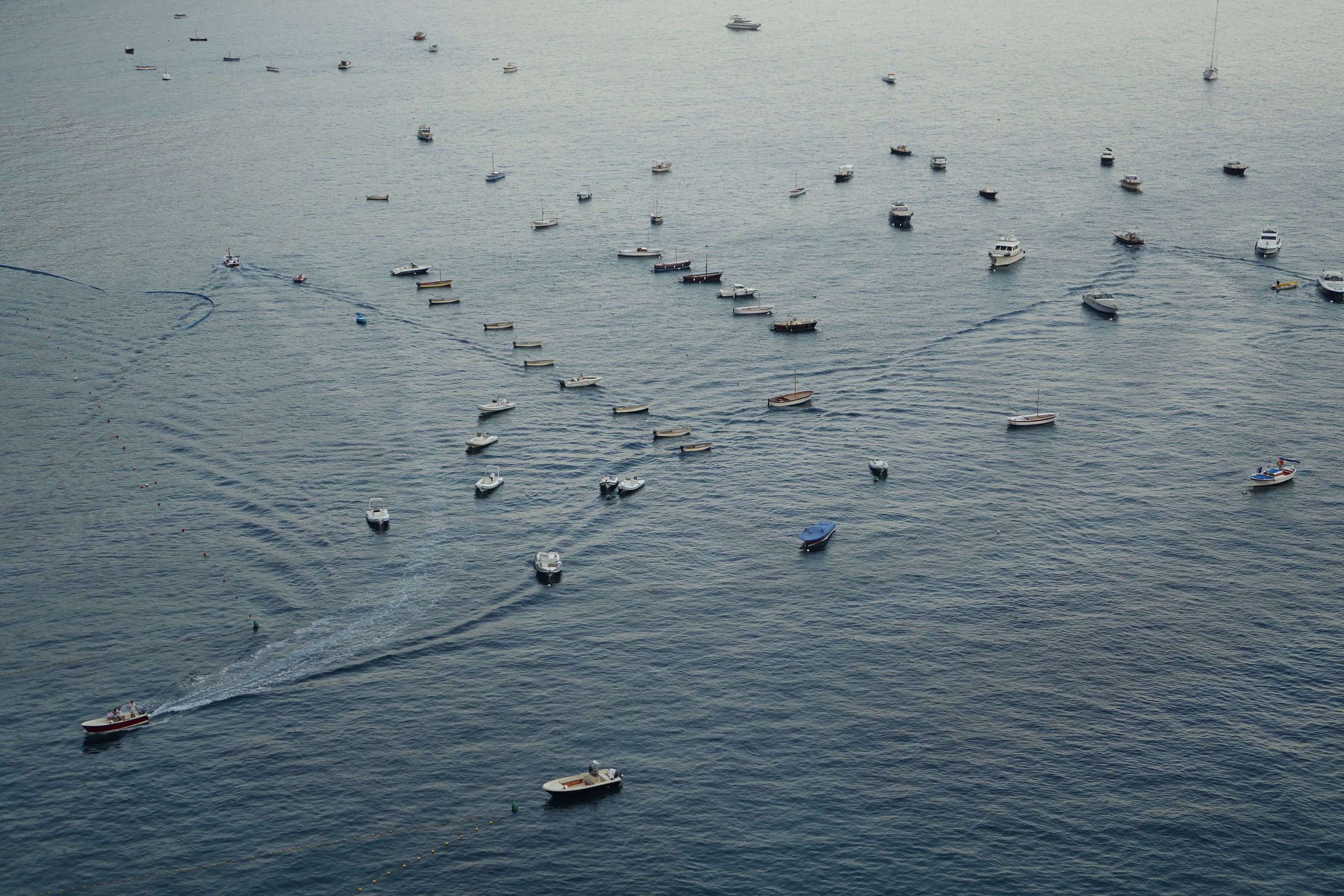
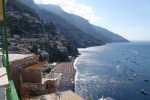
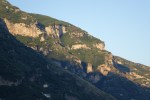
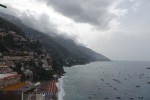
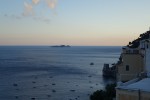
There are so many ways in which I can express the beauty of Positano, and as my tales of this Amalfi Adventure roll out on The Daily Norm, you are probably likely to see and read most of them. But as a starting point, I don’t think anything says Positano, and our experience of it better than by sharing the incredible view we enjoyed of the town from our balcony at the Palazzo Talamo Hotel. When we opened the balcony doors and saw what view was to be exclusively ours for a week, I almost fell off the balcony with the joy of the moment. An unrivalled 180 degree view took in not just the pastel and white cluster of Positano, but its beaches, its vast mountain ranges, and the toing and froing of fishing and tourist boats from its harbour.
As the days unravelled, we sat on that balcony morning and night, drank chilled prosecco as the sun set in the evening, took photos as the sun rose again over the Eastern most reach of the mountains gradually lighting up the town, watched the city become a twinkling sea of stars as darkness descended and the uninhabited stretches of the mountains disappeared from view, and painted and sketched the many glorious sights which could be seen before our very eyes. We never even shut the curtains at night – who could close off that view from sight?

And while perhaps a camera can never truly capture the awesome feeling one has when faced with the scale of an incredibly far reaching view, it surely helps to create the mood and the magic which was manifested by every moment’s interaction with this most fantastic of panoramas. And this was before we even got down into the heart of Positano! But more of that another time. For now I would like to share with you: Our room with a view.

All photos and written content are strictly the copyright of Nicholas de Lacy-Brown © 2014 and The Daily Norm. All rights are reserved. Unauthorized use and/or duplication of the material, whether written work, photography or artwork, included within The Daily Norm without express and written permission from The Daily Norm’s author and/or owner is strictly prohibited.

Dubrovnik | Photography Focus: Part Two – Rooftop Rhapsody

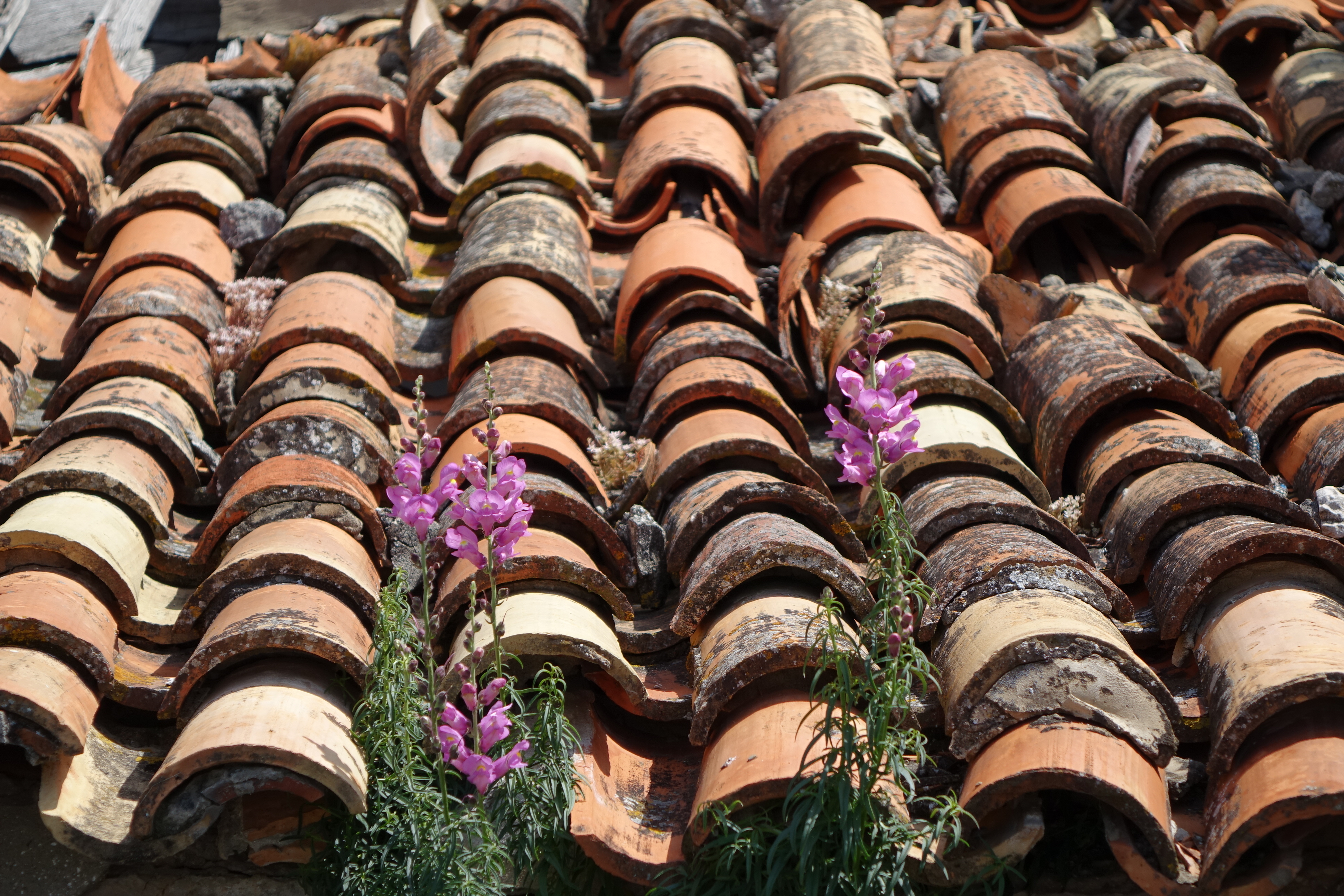
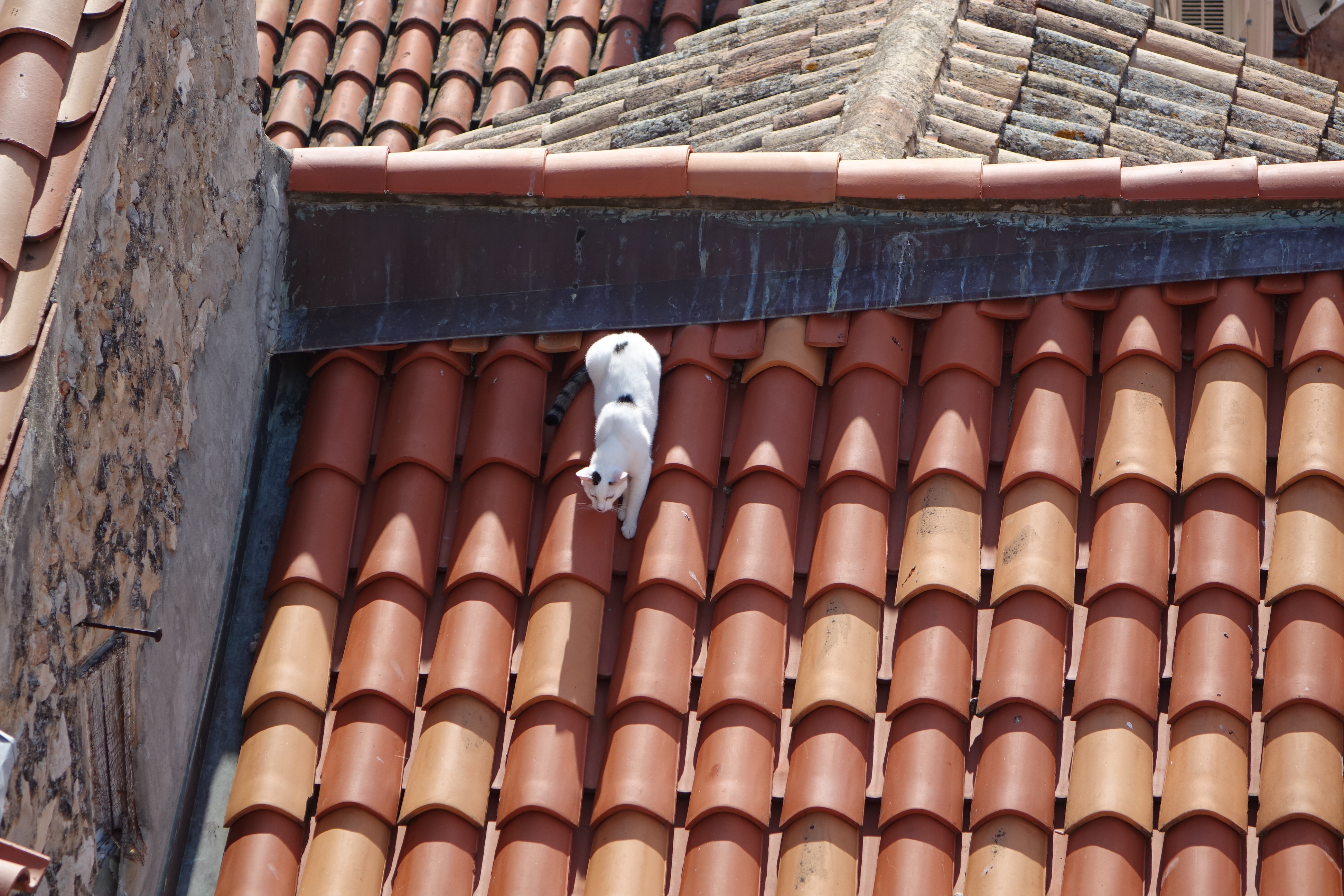
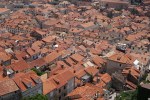
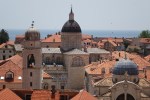
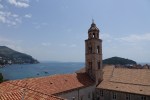
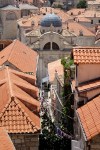
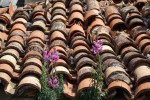
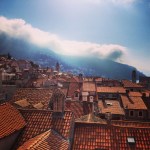
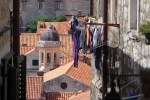
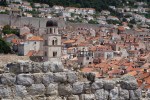
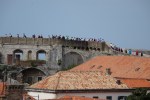
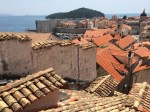
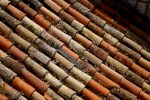
There are many reasons why Dubrovnik, the stunning little self-contained city sitting on the emerald Dalmatian Coast, is famous. Probably the most notable of these are the city walls, which encase the city in an unbroken ring of stone. Second maybe is its position, built on sheer jagged rocks plunging straight into the Adriatic sea. But the combination of both those things – the enviable geographical position and the encasement of walls has resulted in what is undoubtedly the greatest attraction of the city: the sheer unbroken consistency and quality of the buildings and streets packed within Dubrovnik’s walls. For it is precisely because Dubrovnik was always so protected that it has remained so unspoilt by the modern world. And the results of this are no more obvious than when the city is seen from above as an unbroken sea of terracotta red.

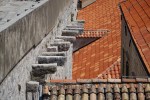
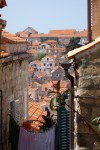
Yes, Dubrovnik’s beauty can be seen from many angles, but chief among them is from above. Looking at the city from a high vantage point allows the viewer to gaze in wonder at a flowing continuous carpet of rooftops, like a carefully woven tapestry of earthy tones, broken only by the odd elegant bell tower or church dome. And when we stayed in the city last weekend, we were treated to a unique vantage point of this stunning rooftop view on a daily basis. Not only did our room, fortuitously located on the top floor of one of only two hotels in the city centre – the Stari Grad Boutique Hotel – afford us stunning views over the rooftops and the campanile of the Franciscan immediately next door, but one floor up, the hotel boasted a unique roof terrace – the only I saw in the whole of the city – which presented an unbroken 360 degree view of the city.

DSC00721 DSC01755 DSC00929 DSC01073 DSC01345

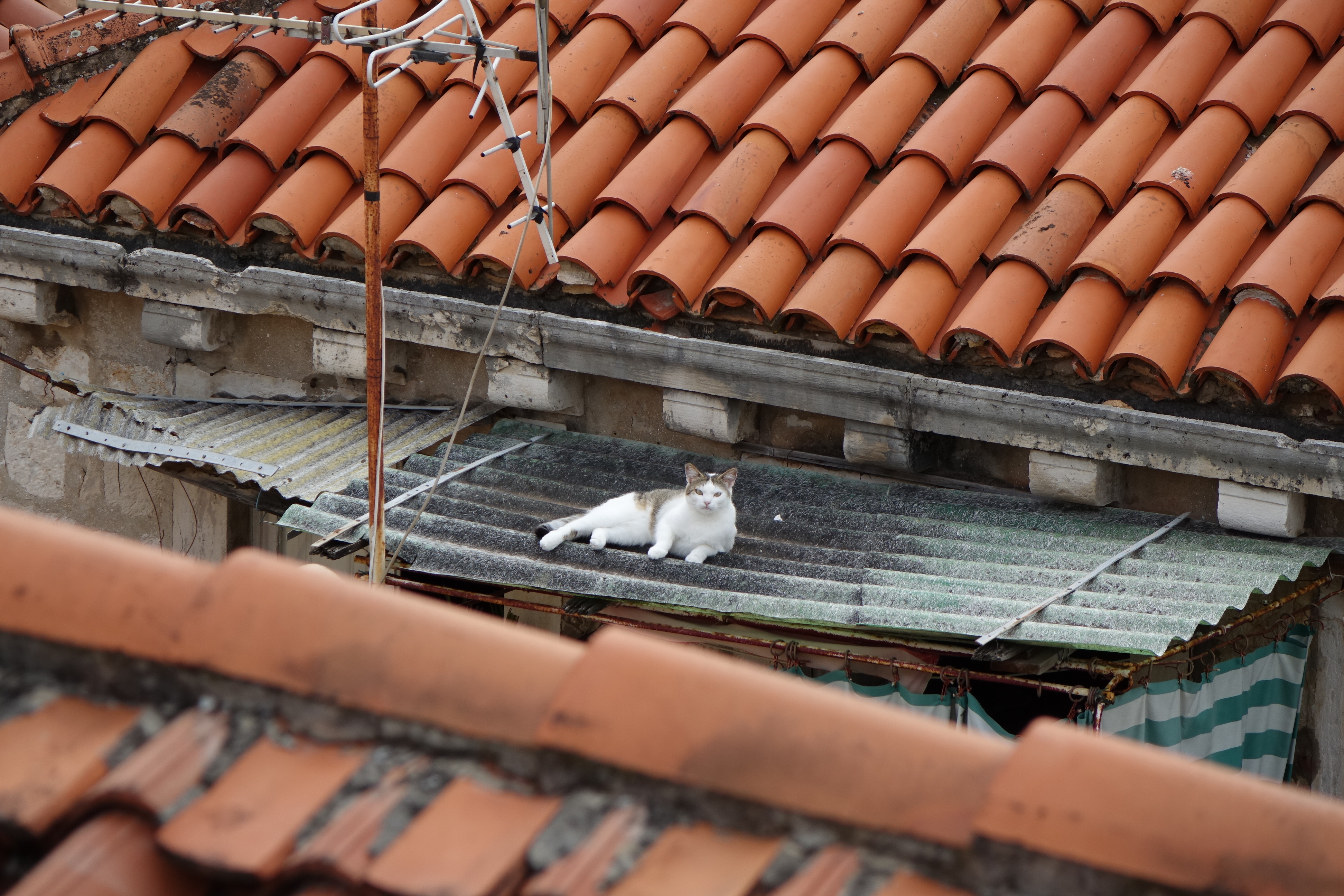
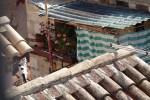
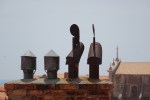
What a view by which to eat breakfast at the beginning of every day! And of course asides from that unique vantage point, the walls themselves give equally unparalleled panoramas over wave after wave of terracotta tiles, and my photos taken from both horizons are the feature of this second photography post of my Dubrovnik adventure. Whether they show the rooftops en masse in their juxtaposition of different angles and shades of terracotta and red, or the charismatic little features of individual households from washing lines to the odd pet cat, these photos are the perfect narrative of a city which is both consistent in its unrivaled beauty, and utterly unique from one house and rooftop to another. Enjoy!

All photos and written content are strictly the copyright of Nicholas de Lacy-Brown © 2014 and The Daily Norm. All rights are reserved. Unauthorized use and/or duplication of the material, whether written work, photography or artwork, included within The Daily Norm without express and written permission from The Daily Norm’s author and/or owner is strictly prohibited.

Autobiographical Mobile: My painting diary – Days 8-15: The sky and the cliffs

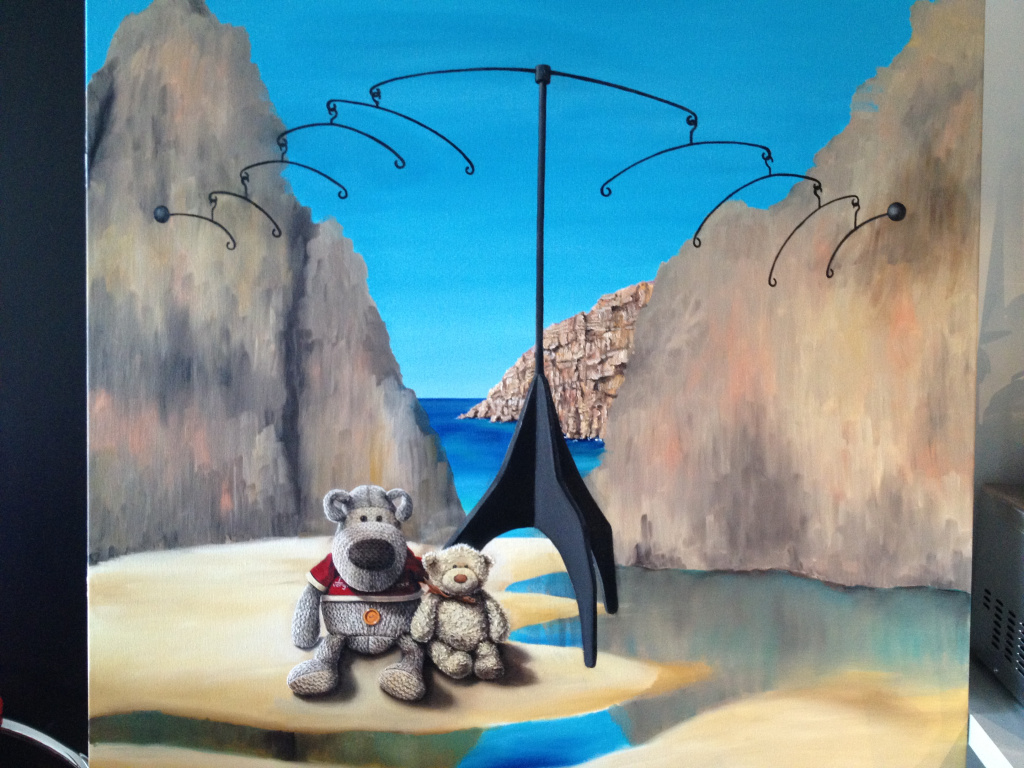
It’s been a long time since I last posted the progress of my Autobiographical Mobile painting – the large canvas on which I am painting something of a representational narrative of my life. The reason for this absence is not forgetfulness, more a lack of time to paint. Such is the continuous treadmill of modern life, that time to paint becomes slimmer and slimmer, and as daily work predominates the days of the week, its potential to sap at my creative energies extends further still, into the evenings and the weekends. I find it hard to paint on these dark winter’s evening, working in artificial light, when hunger pangs in my tummy and fatigue pulls at my eyelids. And at the weekends I find my time is filled with the many menial activities for which the week no longer allows time. And so my autobiographical mobile, itself a rather ambitious task, is taking its time to develop. Nevertheless, since I last featured the painting in October, some significant changes have manifested.

The painting after Day 1

The painting after Day 1

And with the "Calder" mobile, Fluffy and Bilbao

And with the “Calder” mobile, Fluffy and Bilbao

One benefit of having a painting slowly develop, hanging around my home from week to week, is that I have more time to contemplate its development. It was during the autumn that I developed a growing sense of unease about the work, finding gradually that the colours did not work. The pastel shade of the cliffs was too insipid, and the sky lacked depth. Both had to change.

So as I set to work on the painting after some weeks of rest, I first tackled the sky. Even though this meant largely undoing much of the work I had completed on the “Calder” mobile, I found the addition of clouds gave the flat blue sky more depth, more character and a greater balance.

The sky with the addition of clouds (and further work to the articles hanging from the mobile)

The sky with the addition of clouds (and further work to the articles hanging from the mobile)

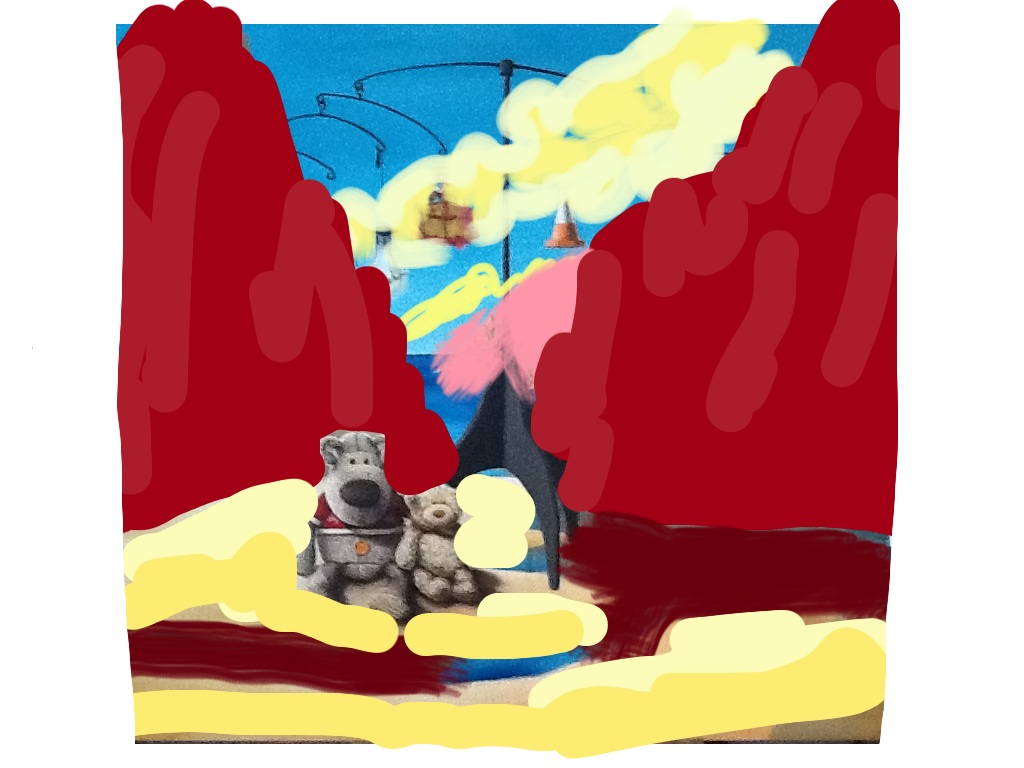
Satisfied now by my sky, I turned to the cliffs. It is one of the great benefits of modern technology that I can plan the direction of my painting midway through its progress, without even touching brush to canvas. With the aid of a paint application on my iPad and some very quick finger work, I was able to try out several new colour schemes with a view to assessing how the work would look with a bolder colour palate. I knew the insipid pastels of my background were no longer working with the bold modernist contrast of my central mobile, but I wasn’t sure which colour direction to take with the background. Here were a few iPad ideas…

photo image image1

In the end, opting for a richer brown-red cliff face, I set about covering the pinkier pastels of the pre-existing background. Just applying a plain coat of Indian Red required me to carefully paint around the already completed elements of my mobile and autobiographical symbols.

IMG_2511

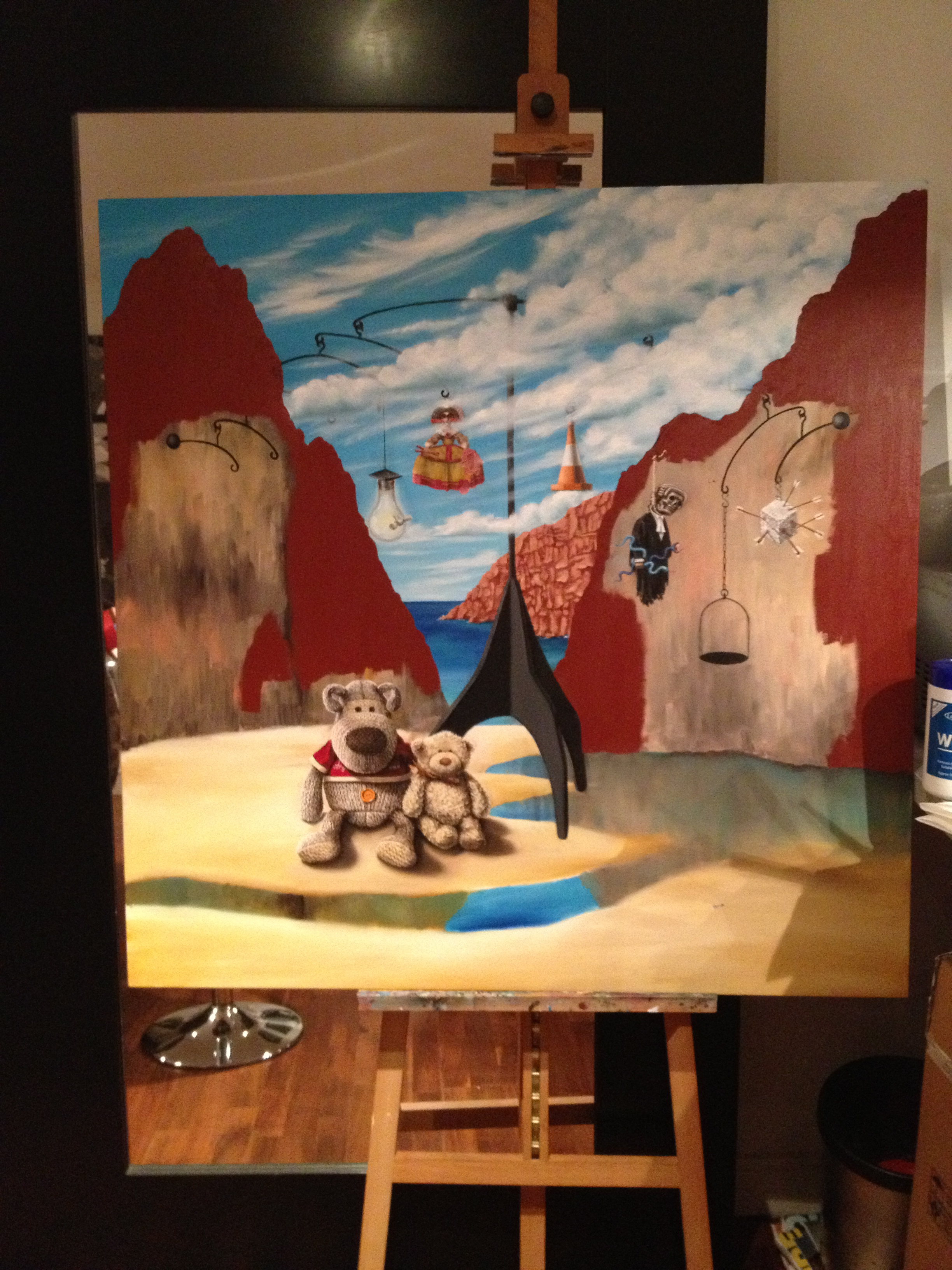
With a new base coat applied, and much more satisfied with the richer colour balance upon my canvas, I set about working on the textural surface of my cliffs. Part inspired by the cubism of the early 20th Century, and wanting to create a more jarring, robust environment for my slightly surreal beach scene, I found myself drawn to create a multi-textured cracking, angular surface from a rich array of reds, browns, oranges and beiges. The total surface of the vast cliffs took me several days to complete, and even now I am forever changing and rebalancing sections.

IMG_2533

For the final touches of my cliffs, I added a number of large, self-standing almost obelisk-like boulders, increasing the detail and textural variance of these rocky surfaces the closer they got to the foreground.

The finished cliffs

The finished cliffs

At the end of all of this, I started to repaint my mobile structure, now much abused by the reinvention of the background all around it. Finally with the cliffs done, I can turn to the sand, the pools, and the all important mobile and the items which, hanging from its various tendons, will tell my story.

Until next time.

Tuscany Part II: Cooling pines, perfect vines and fine Tuscan wines

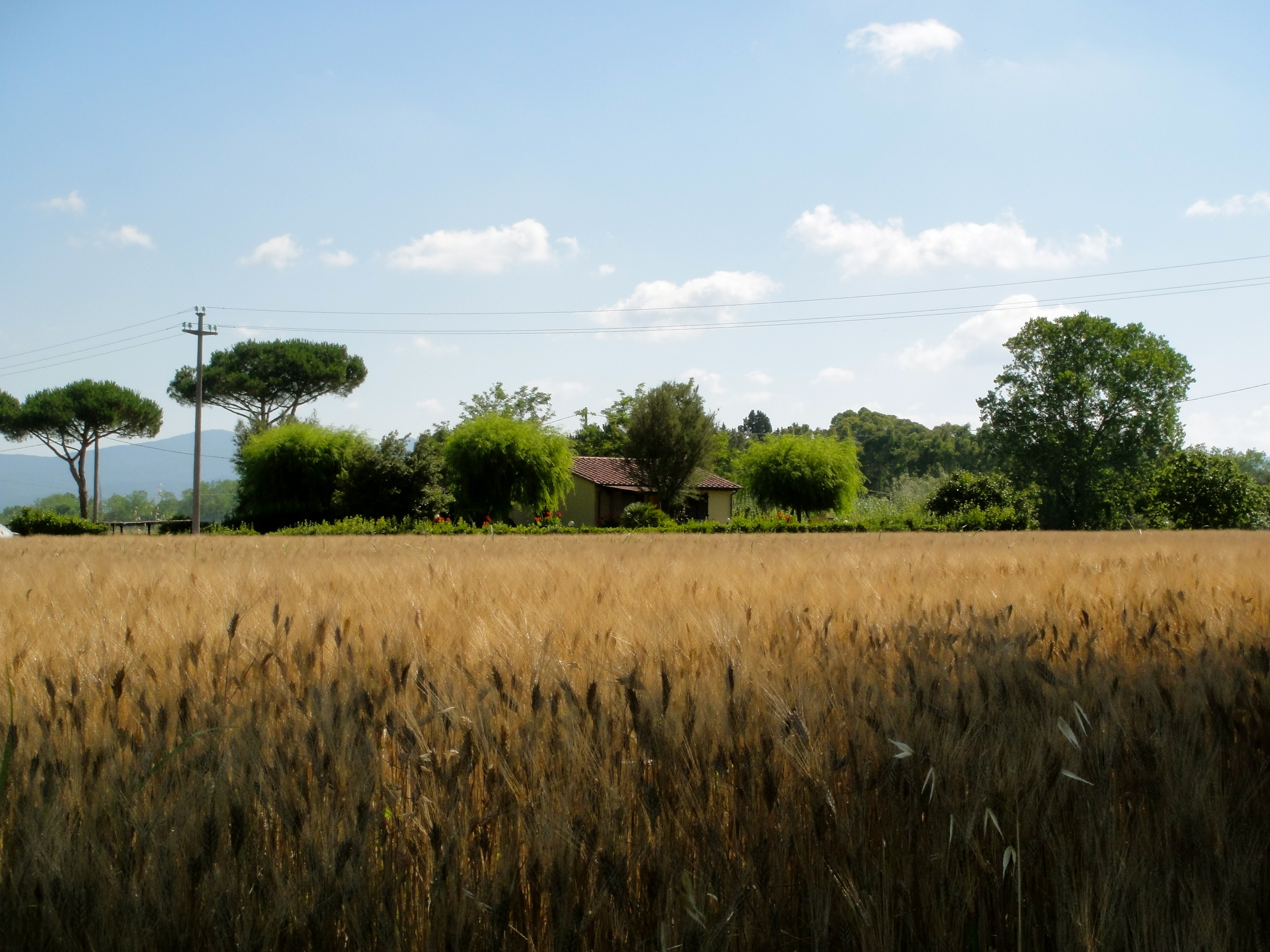
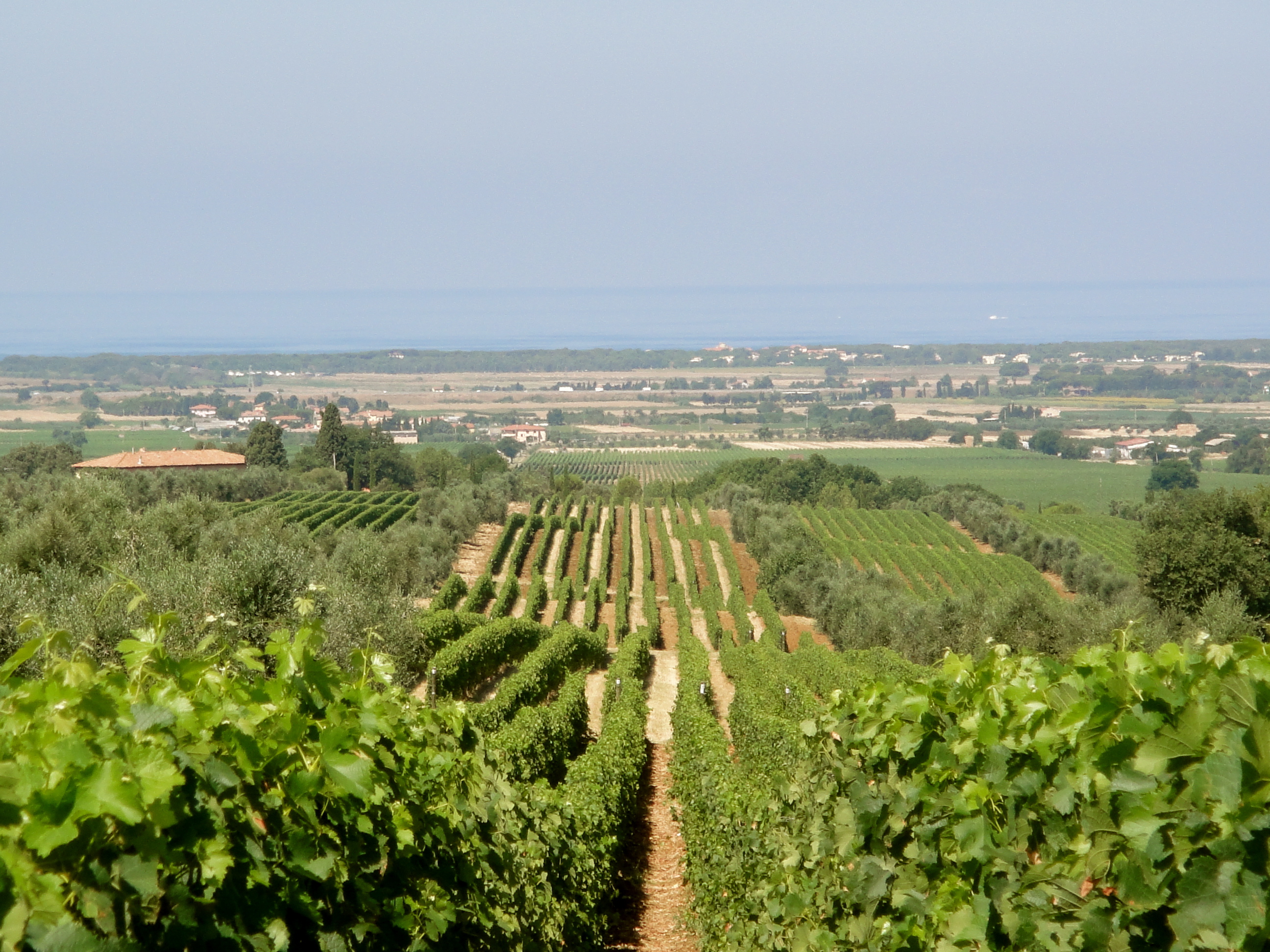
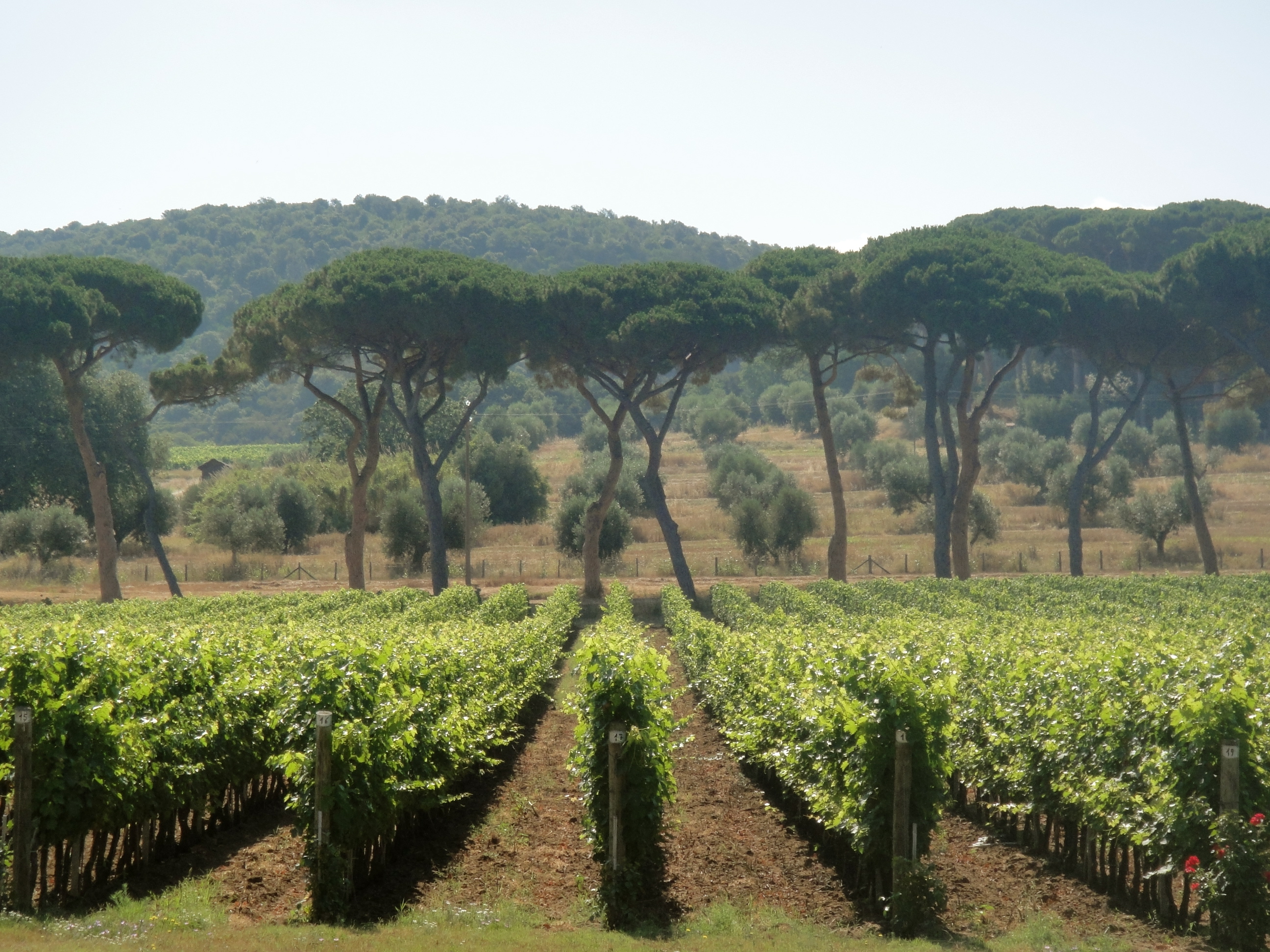
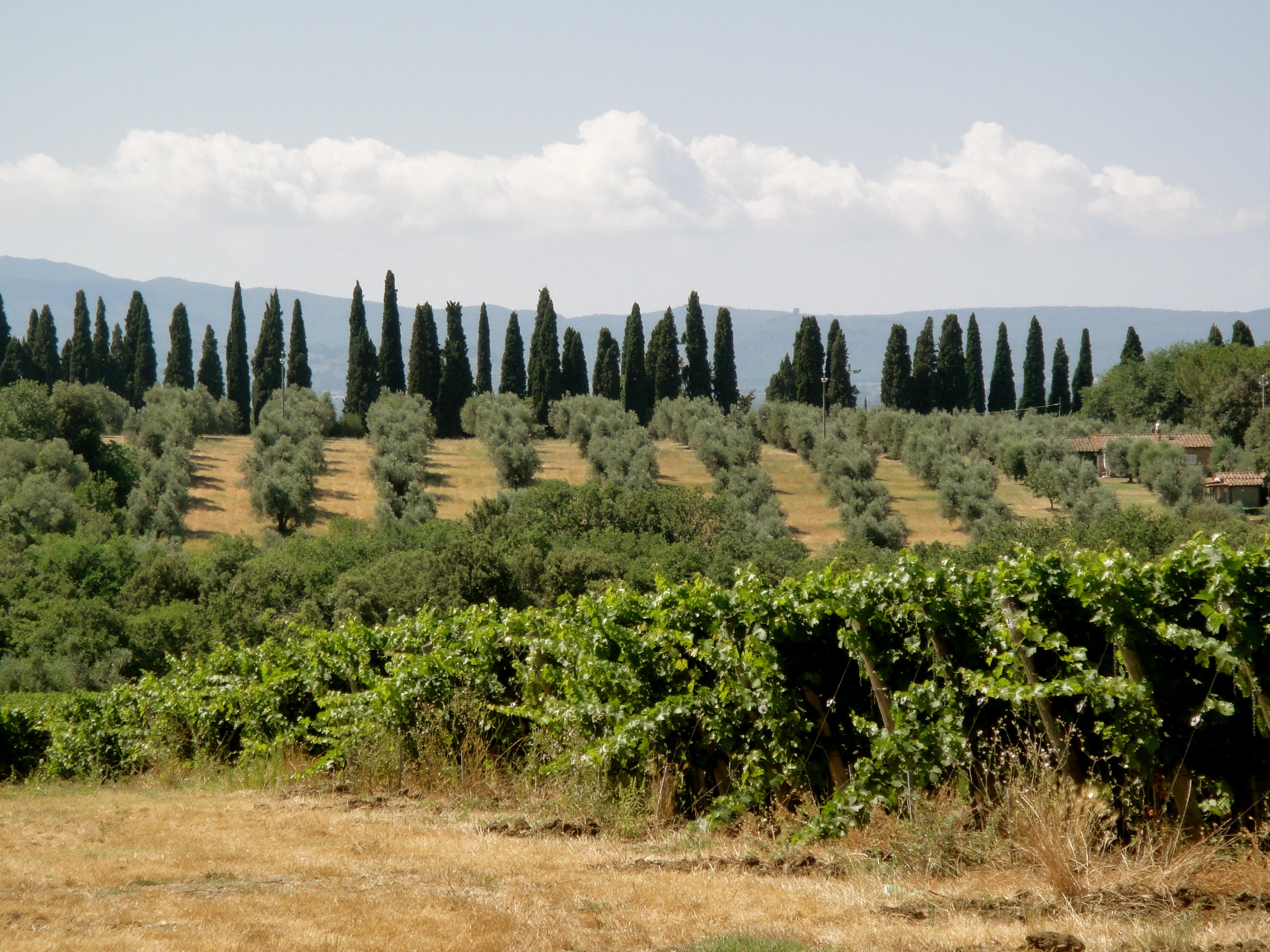
While the sea may refresh and the sand bounce sunlight upon pleasure seekers and sun worshipers, the real attraction of Tuscany for me is its stunning countryside. Rolling green hills interspersed with meandering roads and picture-perfect villas, extensive vineyards painstakingly laid out across slopes and valleys with mathematical precision, and pine trees and cypresses majestically crowning the landscapes, proudly lining driveways and cross-country roads, and providing visitors and residents alike with a naturally regal sunshade unsurpassed by the multi-coloured parasols along the coast. This greenery is emblematic of lush, bucolic Tuscany, playing host to the hundreds of cicadas whose relentless chirp readily informs that you are enjoying the hotter climes of continental Europe and presenting, at each turn of its snake-like roads, a vast array of sensational vistas and uplifting, awe-inspiring views.

The cypress trees of Bolgheri

A typical Tuscan landscape

Such is my obsession with the countryside spectacles all around the Tuscan region, that my partner’s family became all too accustomed to my relentless requests to stop the car so that I could take countless photos, both for their own sake and as pictorial research for the Tuscan paintings already building in my head. Having been fully satisfied of my desire to mingle amongst sunflowers, my next wish was to fully immerse myself in the vineyards for which the region is so famous. Often closed off behind large elegant wrought-iron gates, and cordoned off from the public, more to prevent the feasting ravage of the local wild-boars than the trespass of passers-by (I’d get in if I could!), I have gazed in wonder at so many perfectly-planted vineyards, but never been able to walk amongst them. This year however, I realised my wishes and more.

On our first vineyard outing, to a vinery close to the tiny castle-topped town of Bolgheri, I was treated to sensational views of the rolling vineyards below, from a platform build under the shade of a magnificent old oak-tree which, in Harry Potter style, bore the scar of an attack of lightening some years before.

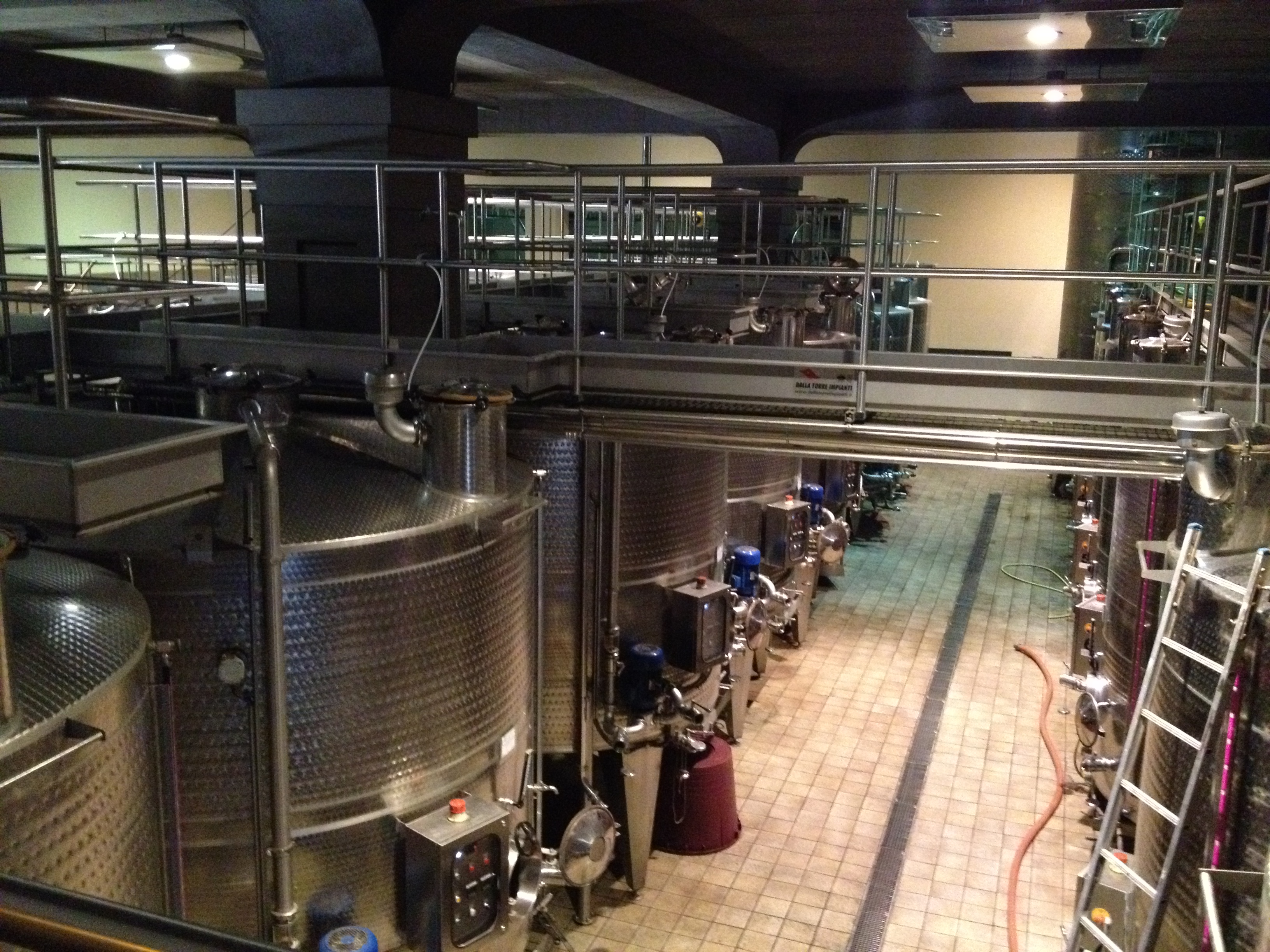
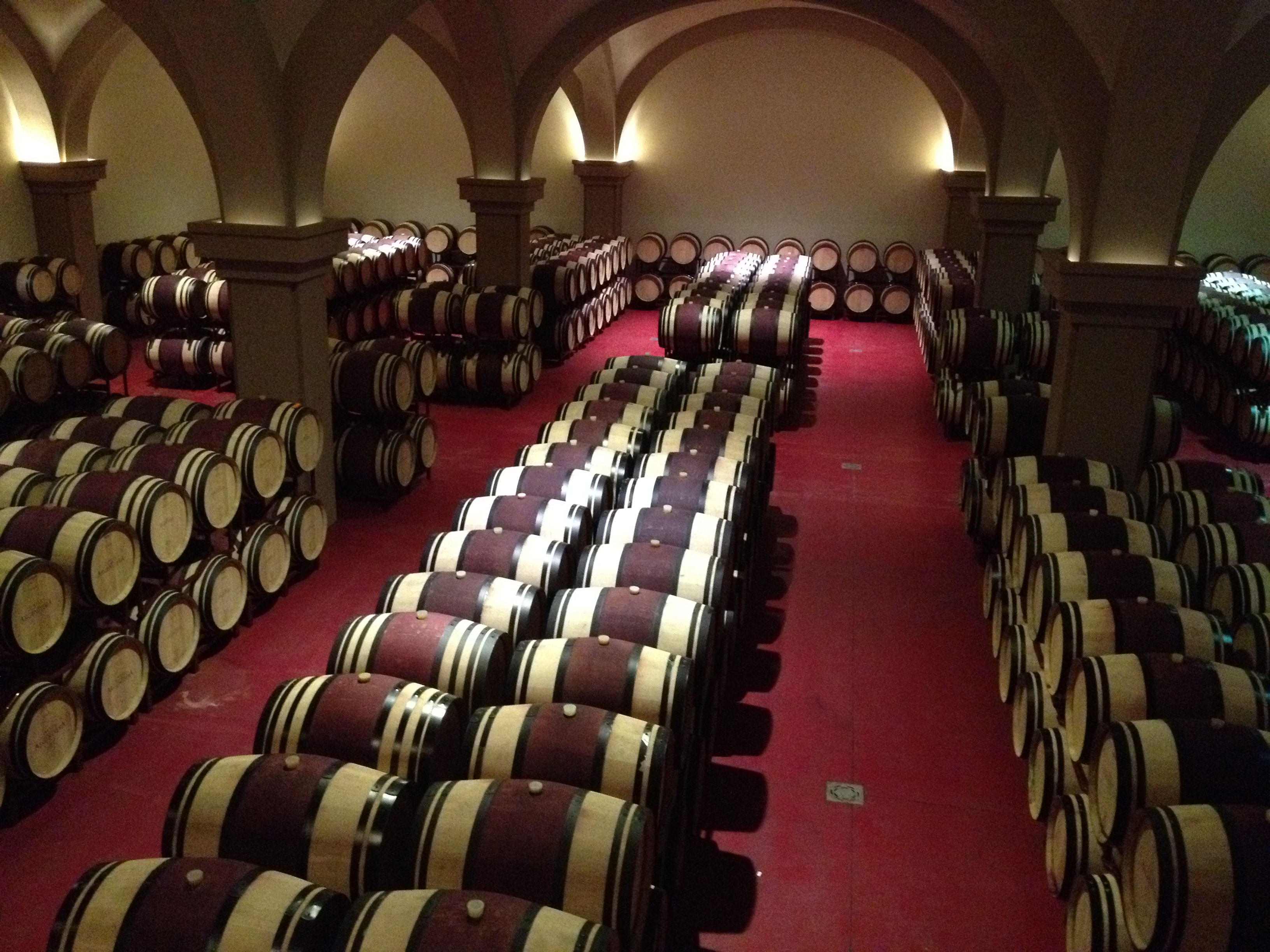
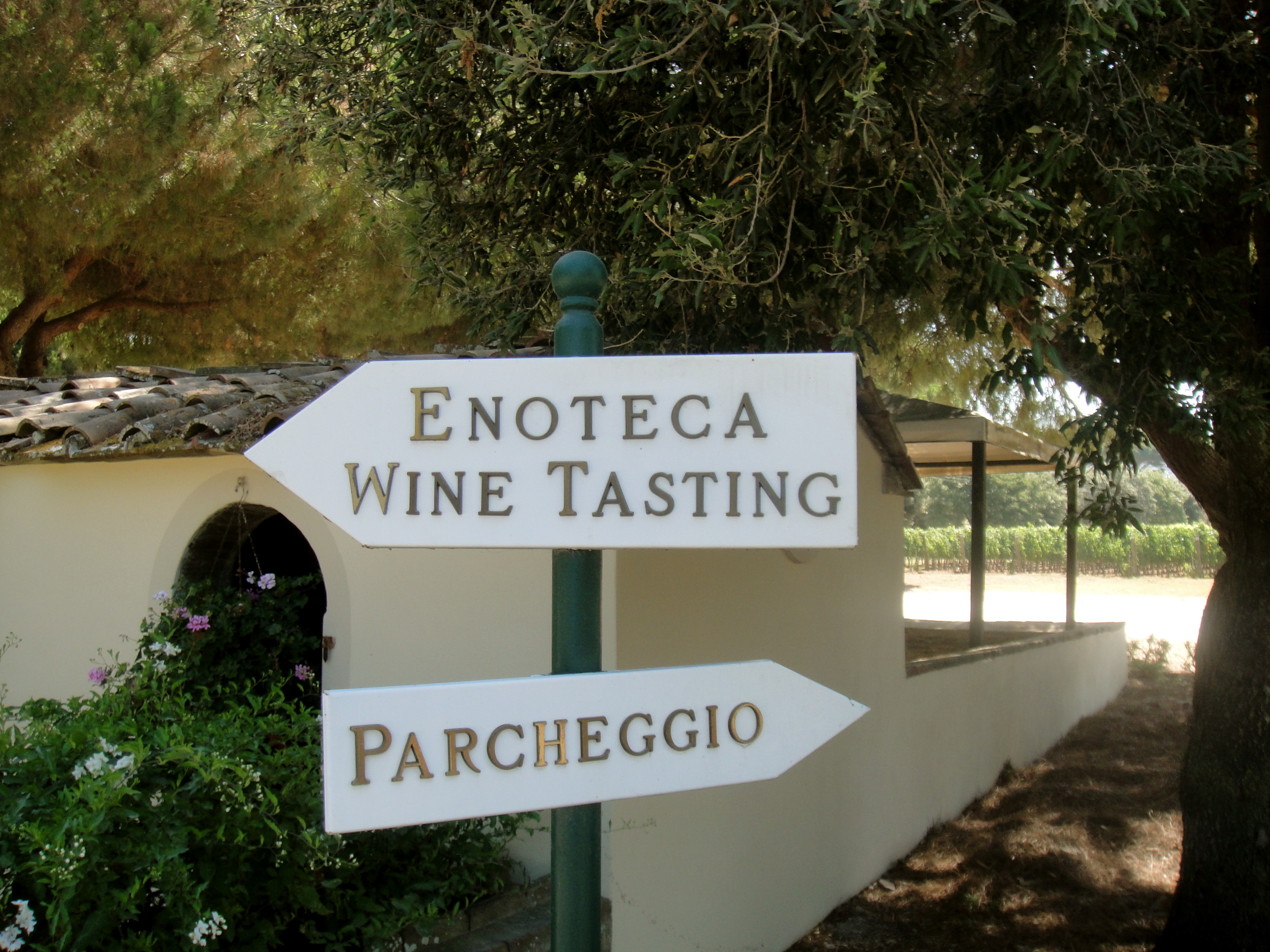
On our second vineyard outing however, we were treated to the ultimate in winery indulgence – a personal tour around the vineyard, the vast cellar where they make the wine, and an exclusive tasting of some of the vineyard’s most celebrated wines. The vineyard which played host to this unique insight into the manufacture of Tuscan wine was the Tenuta Argentiera estate, situated above the Alta Maremma coast just along from Donoratico and owned by brothers Corrado and Marcello Fratini. As wine manufacturers go, the Tenuta Argentiera estate is fairly new. As recently as fifteen years ago, the estate was all but barren. However, only a few years after acquiring the land, some 60 hectares was cultivated with row upon row of Cabernet Sauvignon, Cabernet Franc, Merlot and Syrah, grape varieties which are said to achieve outstanding quality in the Bolgheri area. But that quality is assured not just by local conditions. The estate now boasts a fit-for-purpose stunning fortress-like cellar, with huge thick walls guaranteeing the natural thermoregulation of the cellars. Inside, huge stainless steel tanks ferment and macerate the freshly-picked grapes which reach these sifi-resembling machines within 20 minutes of picking. Thereafter the wine is stored in French oak Barriques, where the vinification process is completed, bottled and sent out across the world.

Vineyards with a stunning sea view

The intricacies of this process, and the care taken in the manufacture, is obvious from the sublime flavour of the wine. Our tasting enabled us to indulge in three truly thrilling wines, from the highly drinkable entry wine Poggio ai Ginepri, to the smooth, fresh Villa Donoratico and the deep and complex Argentiera Bolgheri Superiore as well as a sample of an exquisite extra vrgin olive oil, also manufactured from produce grown on the estate.

The wine making process revealed

Those immaculate barrels

We left Tenuta Agrentiera with bags several bottles heavier and our heads certainly, indulgently, lighter, to face another afternoon in the intense but all-embracing Tuscan sunshine. La Dolce Vita? Indisputably so.

All photos are strictly the copyright of Nicholas de Lacy-Brown © 2012 and The Daily Norm. All rights are reserved. 

Sunday Supplement: High Perspective (Viewed from 21c)

Having recently been voted the top city to visit in the world (as if we didn’t know it already), after last weekend’s Jubilee spectacular and, of course, with the olympics almost on our doorstep, it seems only appropriate that in this week’s Sunday Supplement, I feature one of my paintings which features the city of London as its central theme.

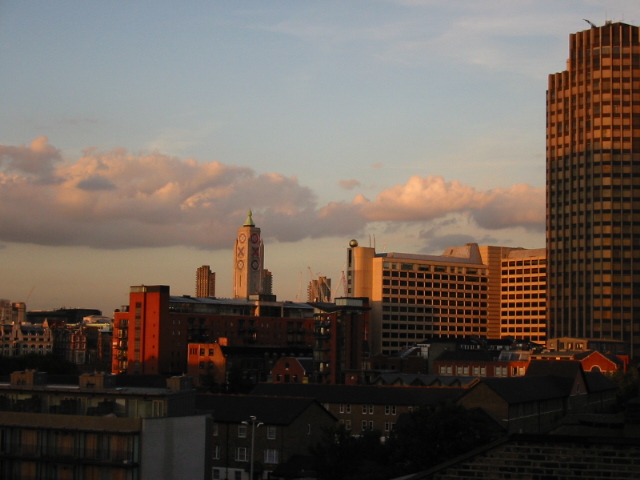
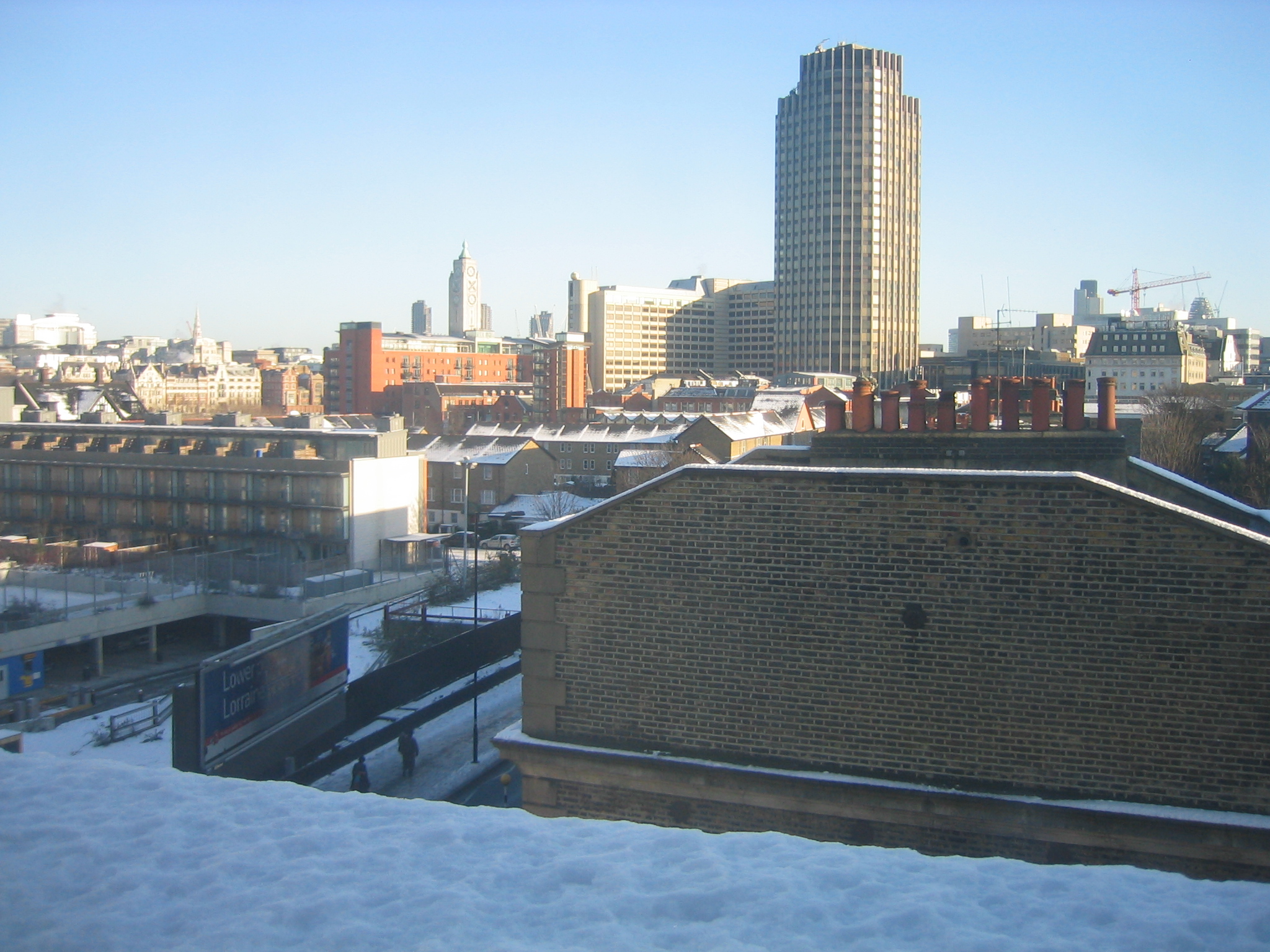
I moved to London ten years ago this September, when I came to study law at King’s College London. I was thrilled when, full of anticipation at what was to be my first day moving away from home in order to start university, I entered my student digs to find this view before me: a perfect vista over London’s south bank complete with the skyscrapers of the city and the tower of Tate Modern, all framing the iconic “Oxo Tower” at the centre. It was as though this room had been chosen for me as an artist, despite the reason for my studies being the pursuit of law. Over that year, I saw this incredible view change over the seasons, as buildings became blanketed with snow, shrowded in a thick mist, and glimmering with the soft hues of pinky golden sunsets and bright midday sun. At the end of my academic year, when my first year law exams were finally over, I imported a canvas into my room and sat down to paint this representation of my view.

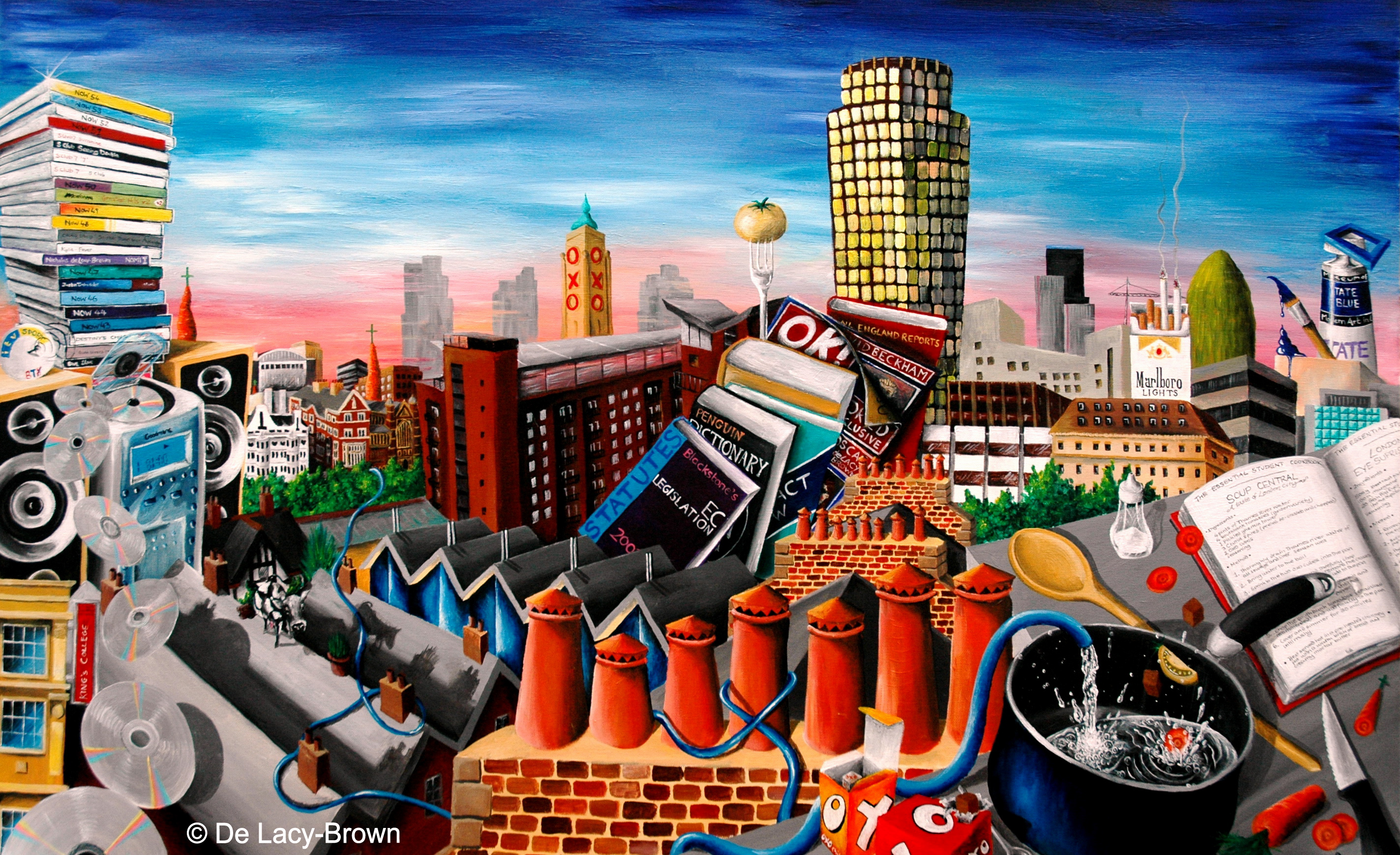
High Perspective (Viewed from 21c) (2003 © Nicholas de Lacy-Brown, acrylic on canvas)

It’s not a straight forward landscape: far from it. Rather I used symbols to represent various landmarks rather than paint them directly as I saw them. The GMTV tower on the left for example was replaced with the stack of CDs which my friends and I were listening to during that year, this being a pertinent representation because the GMTV studios are where so many entertainment shows are filmed. Similarly I replaced the Tate tower with a tube of paint, and one of the large publishing headquarters with a stack of magazines (and a couple of law books to show willing). A predominant theme running through the work is food. This was inspired by the Oxo tower itself, named after the stock cube which, in the days when London’s south bank was a hive of industrial activity, would no doubt have been manufactured at the site. Since these stock cubes are frequently incorporated in soups and stews and casseroles, I started reinterpreting the London skyline as various vegetable ingredients which could then be added to the dish which is being cooked in the bottom right hand corner of the work. Instead of the golden balls on the corners of one south bank building, golden tomatoes take their place; similarly London spires become carrots and Norman Foster’s famous “gherkin” building is painted as just that. Finally, since I could see where the river was, but couldn’t actually see the water itself (owing to buildings blocking the view), I imported the water into the scene with the aid of a very long hose pipe which spirals through the roof tops and chimneys before finally adding much needed liquid into the saucepan on my windowsill.

The view as it really was back in 2002

And covered in snow…

So there you have it, one of my most prominent London works, and actually one of my most valuable painting sales when it was sold at exhibition in Mayfair in 2008. Not to worry though – if you like the work and wish you had the original brightening up your lounge, there are limited edition prints of the work available on my main art website, here.

Have a great Sunday and come back to The Daily Norm this coming week for a load of food and art-based posts including the unveiling of my newest painting!

© Nicholas de Lacy-Brown and The Daily Norm, 2001-2012. Unauthorized use and/or duplication of the material, whether written work or artwork, included within The Daily Norm without express and written permission from The Daily Norm’s author and/or owner is strictly prohibited. Excerpts and links may be used, provided that full and clear credit is given to Nicholas de Lacy-Brown and The Daily Norm with appropriate and specific direction to the original content.

London Chills: White landscapes

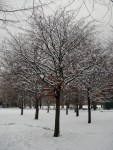
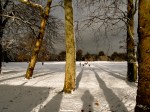
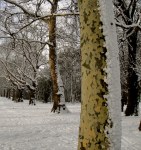
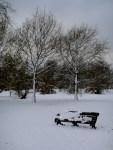
It’s gone all cold at The Daily Norm. Yesterday, as icy winds entered London and shook the optimistic hopes for Spring out of all of us, I decided to pay homage to the cold by presenting my collection of Nordic-inspired paintings. Today the cold theme continues in parallel to the dropping dial of the thermometer, and with snow forecast in many places, I have decided to showcase my collection of snowy landscape photography. The photos are not contemporary – I took them last winter – but sadly (or positively for Londoners who actually want to get to work without hours of delays) we have had none of the vast snowfalls which befell us last year. Consequently, in the optimistic hope that temperatures will never drop quite low enough for a repeat performance of a white blanketed London landscape, I thought it an ideal time to present last year’s photos of snowy London for the pleasure of all Daily Norm readers.

The photos were taken on a brief morning walk across Clapham Common in South West London. One of the best things about London in the snow is how idyllic and Victorian it all becomes – suddenly London lampposts and street furniture appear positively Dickensian, as the muddled cityscapes of a frantic city become uniform, clean and bright as a result of an indiscriminate scattering of snowfall. In my photos I have explored how a spray of white snow can emphasise the beautiful, complex structure of trees, particularly their branches, how, against a white backdrop, leafless-trees glow more vividly with rich colours all of their own, and how Victorian street furniture gains renewed elegance when the clutter of modernity is suppressed beneath a tidy blanket of thick snow.

Best enjoyed, laptop in hand, wrapped in a blanket with a large mug of hot tea…

© Nicholas de Lacy-Brown and The Daily Norm, 2005-2012. Unauthorized use and/or duplication of the material, whether written work or artwork, included within The Daily Norm without express and written permission from The Daily Norm’s author and/or owner is strictly prohibited. Excerpts and links may be used, provided that full and clear credit is given to Nicholas de Lacy-Brown and The Daily Norm with appropriate and specific direction to the original content.