Skip to content

Posts tagged ‘Photography’

Mallorquín Spring Lamb, enjoyed two ways

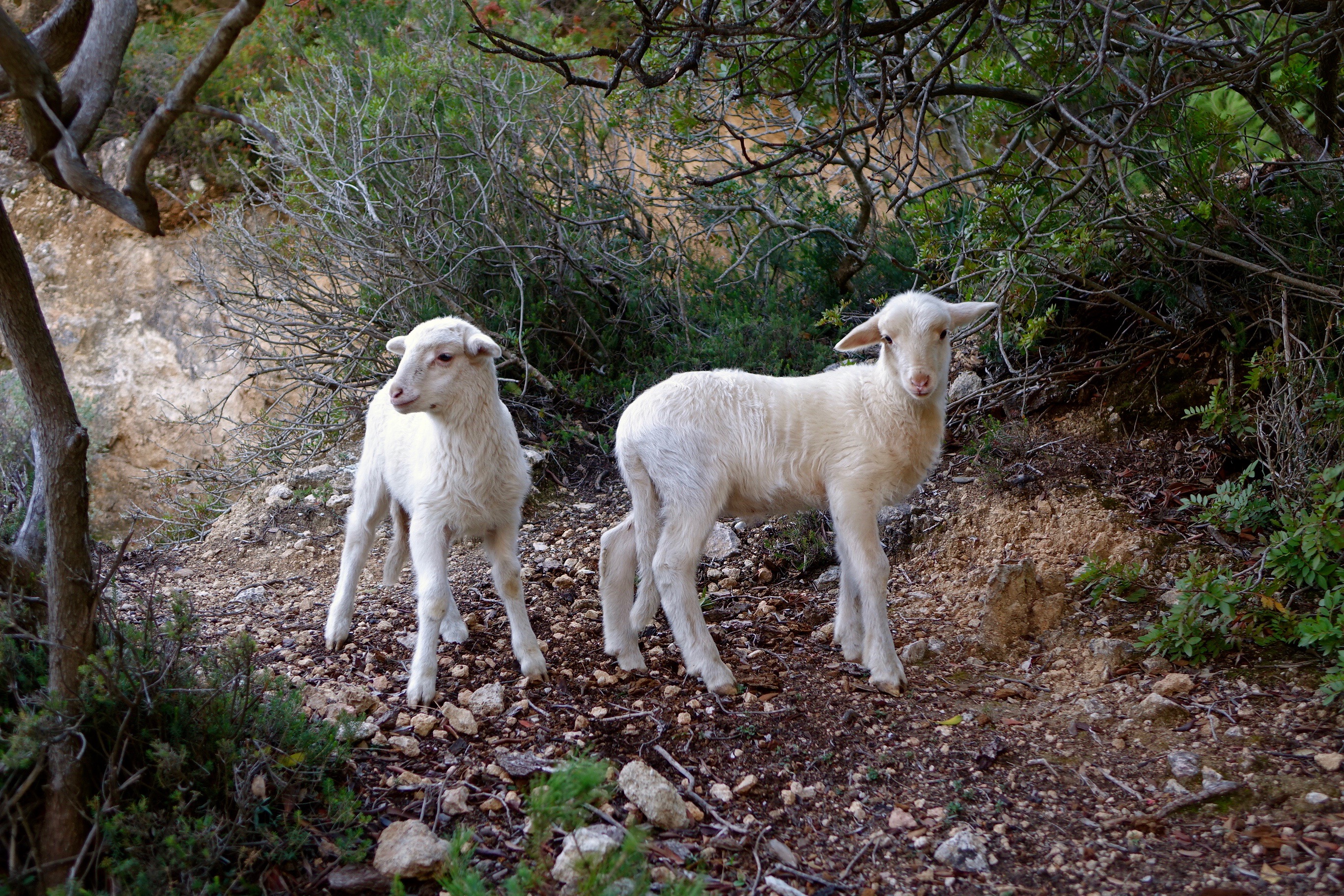
It may be premature to announce that Spring has arrived on the island of Mallorca, but having been blessed by almost continuous blue skies pretty much since the summer, it’s sometimes hard to say what season we are in. The only thing I know is that since the new year dawned, and we returned from the chilly climes of Vienna, it has surely felt like Spring is here. And with the arrival of Spring comes a cast of the usual protagonists – blossoming trees, warmer wafts of perfumed air, and the innocent bleating of fluffy little lambs.

DSC06432DSC06398DSC06473DSC06399DSC06447DSC06391DSC06384DSC06420DSC06435

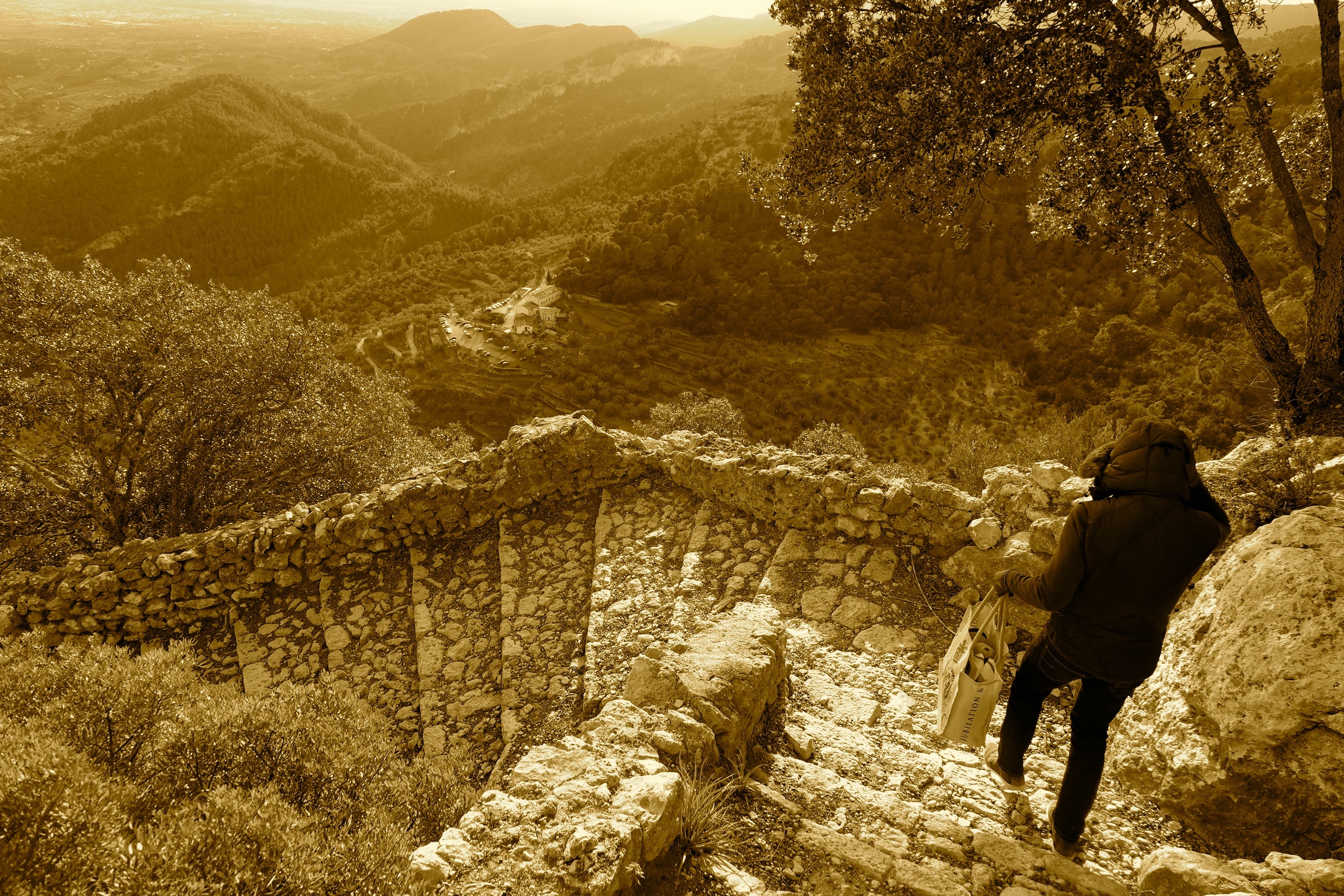
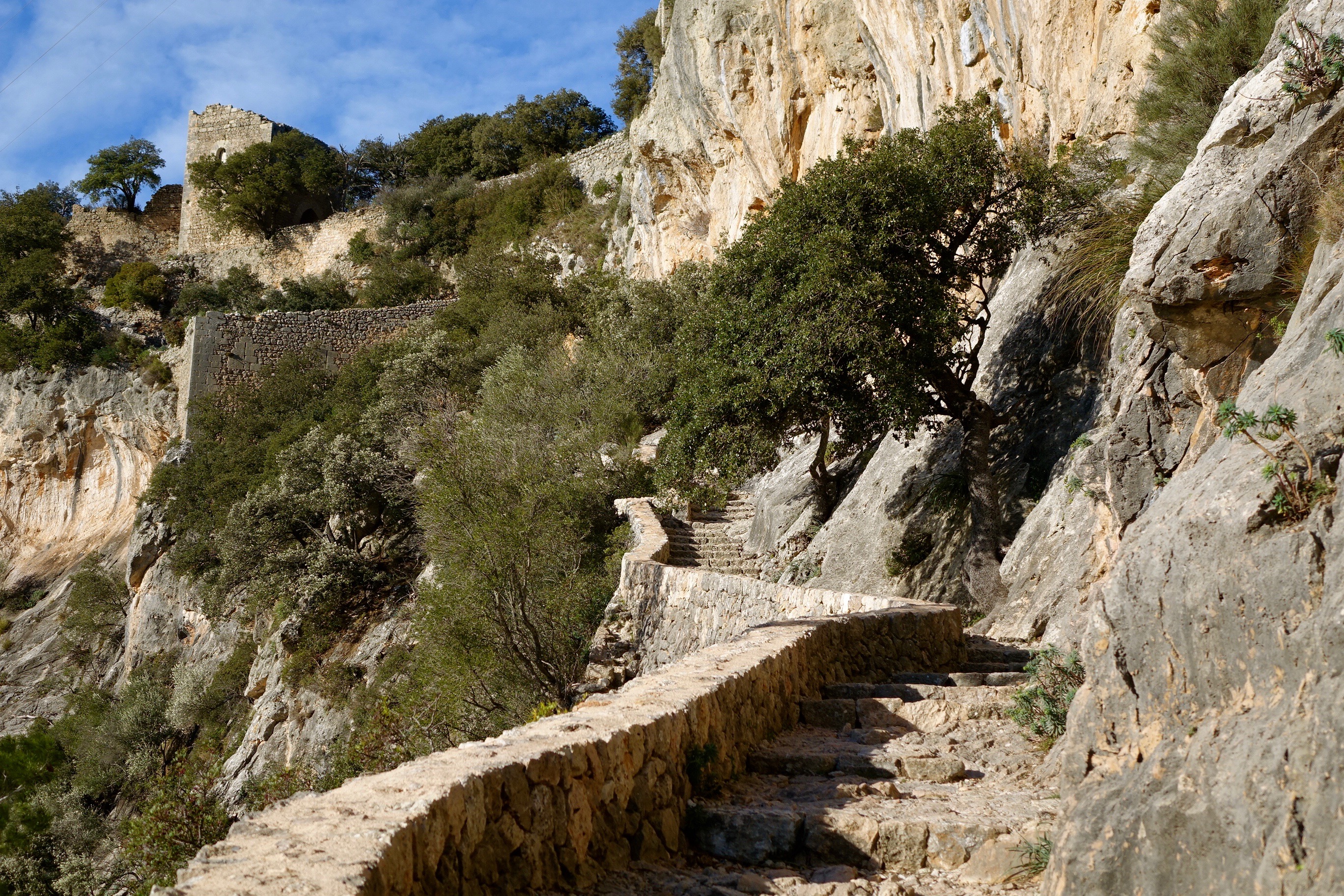
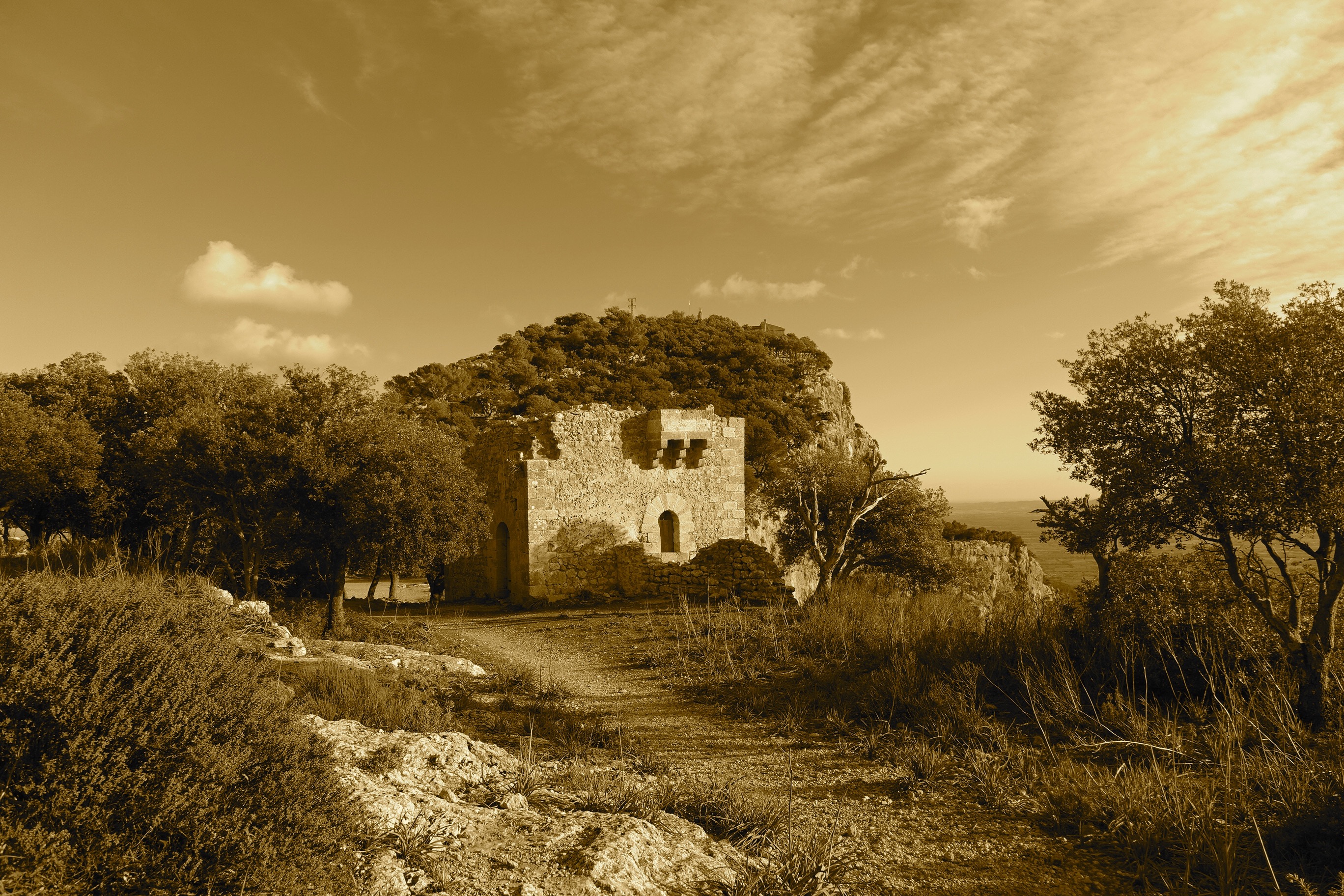
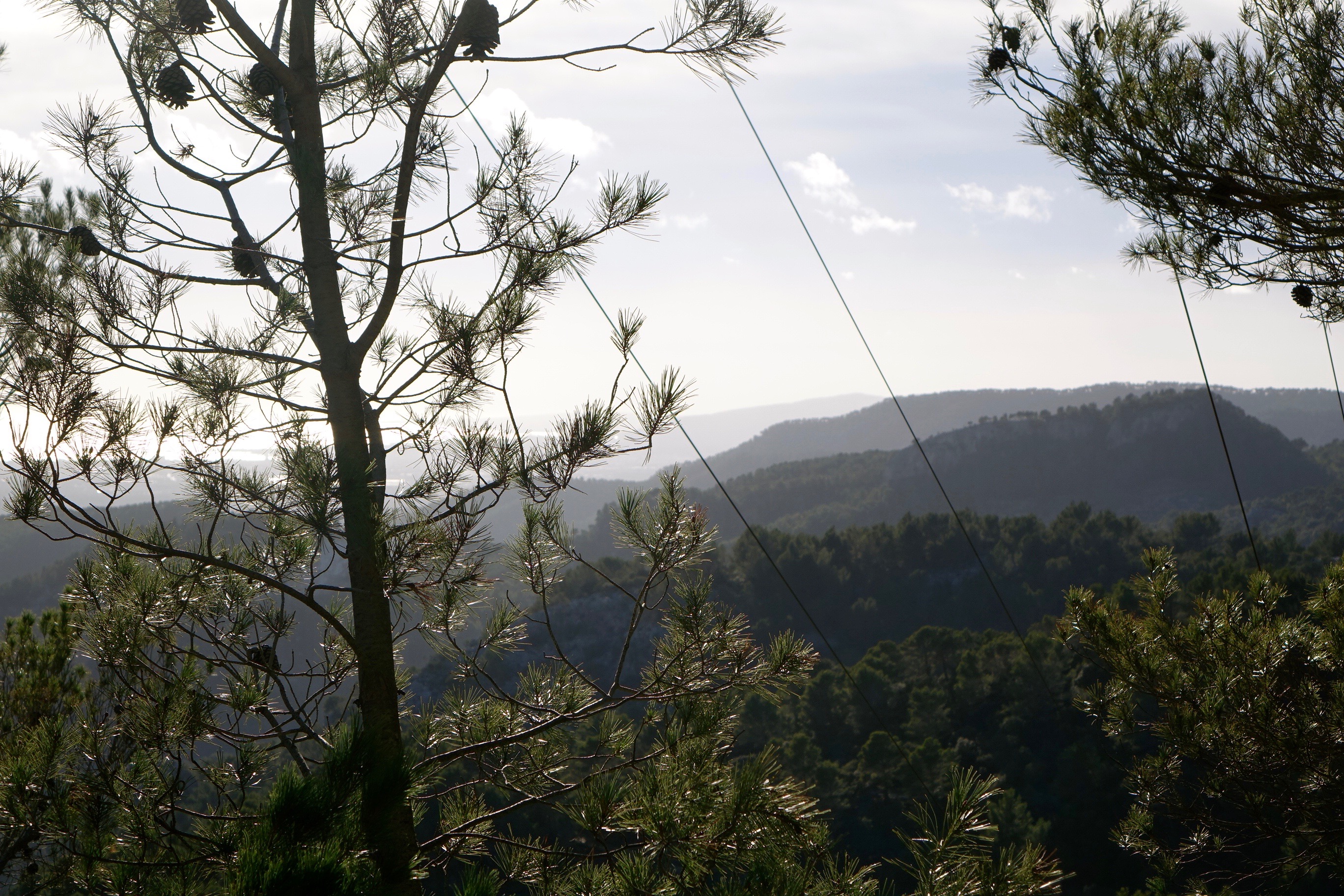
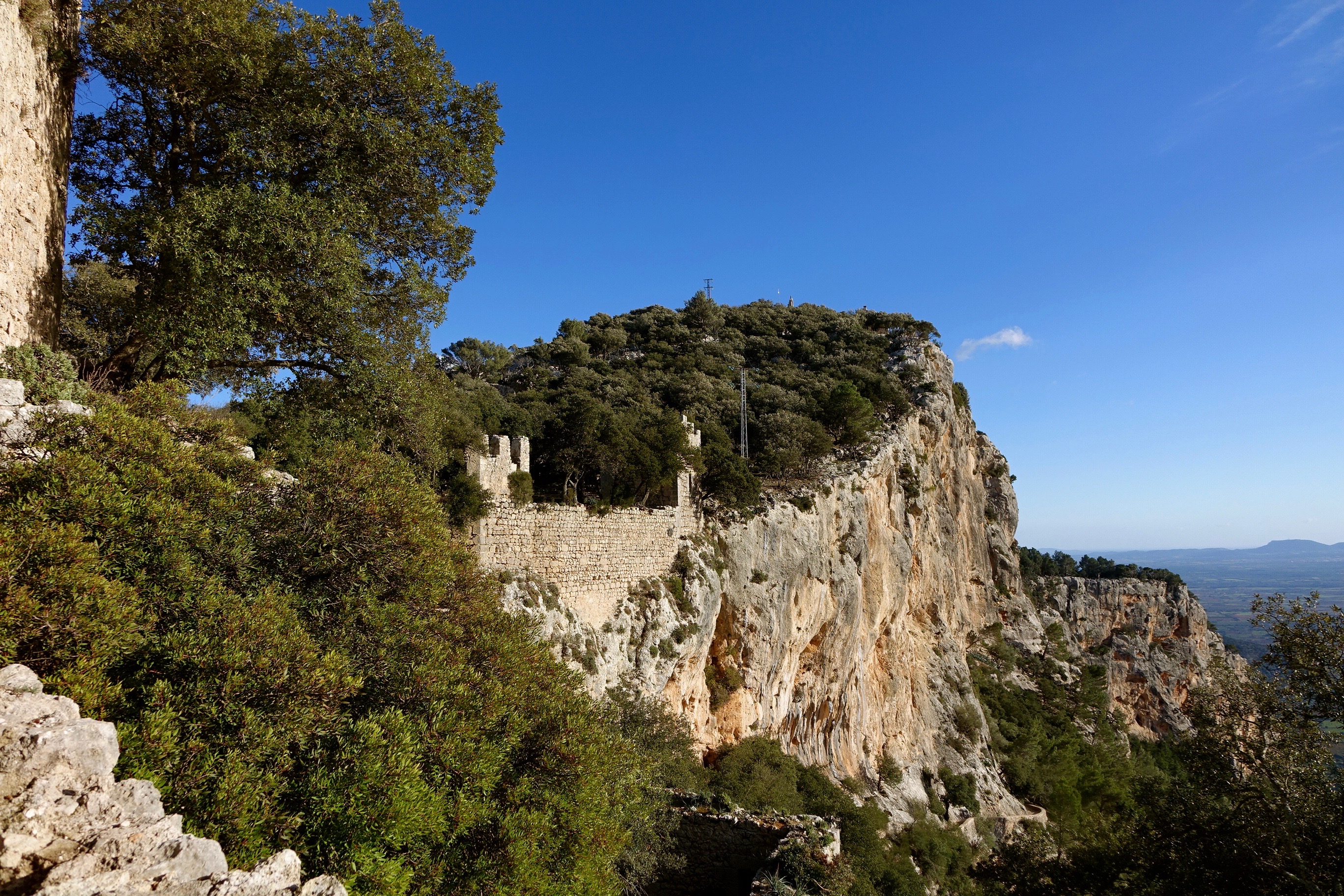
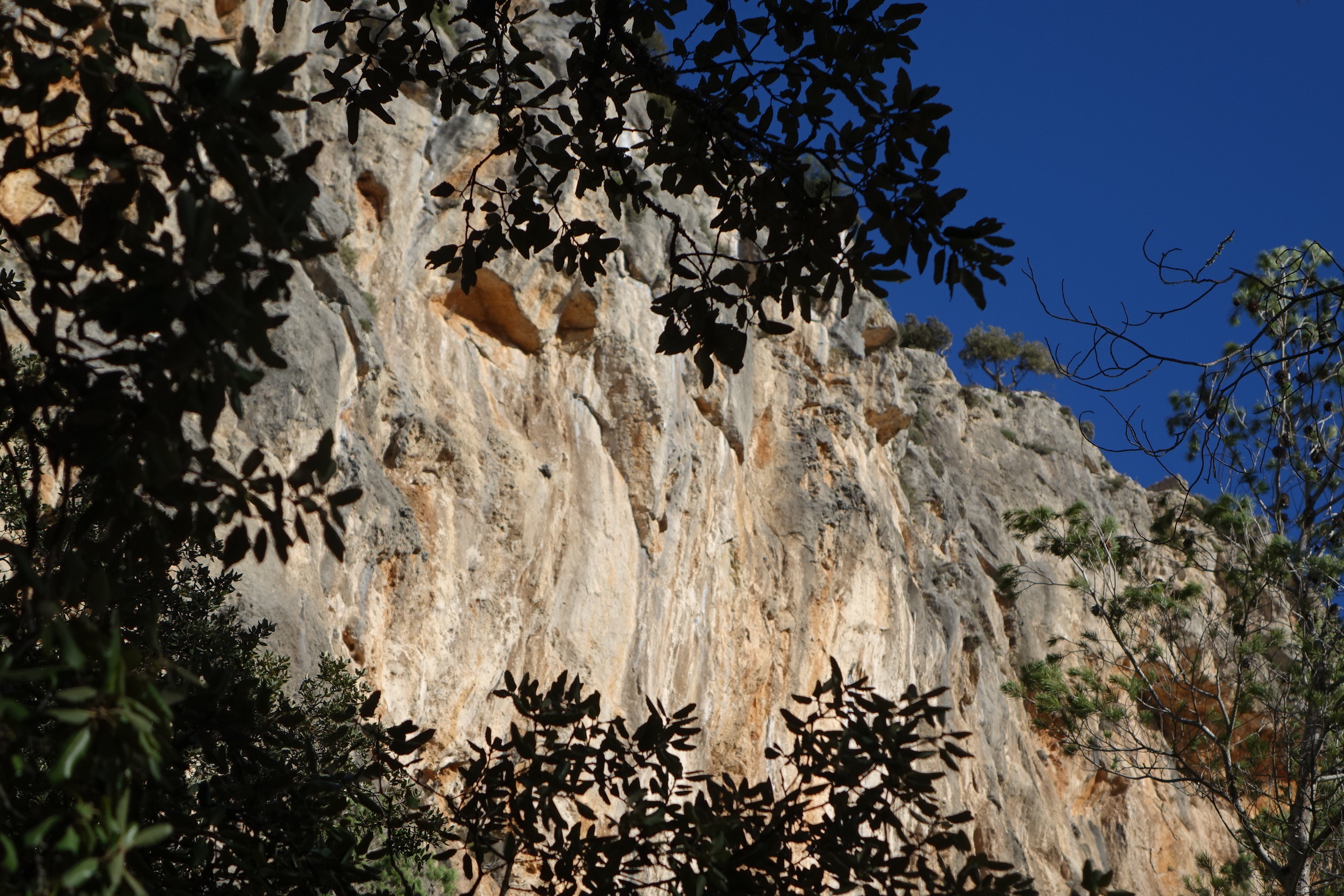
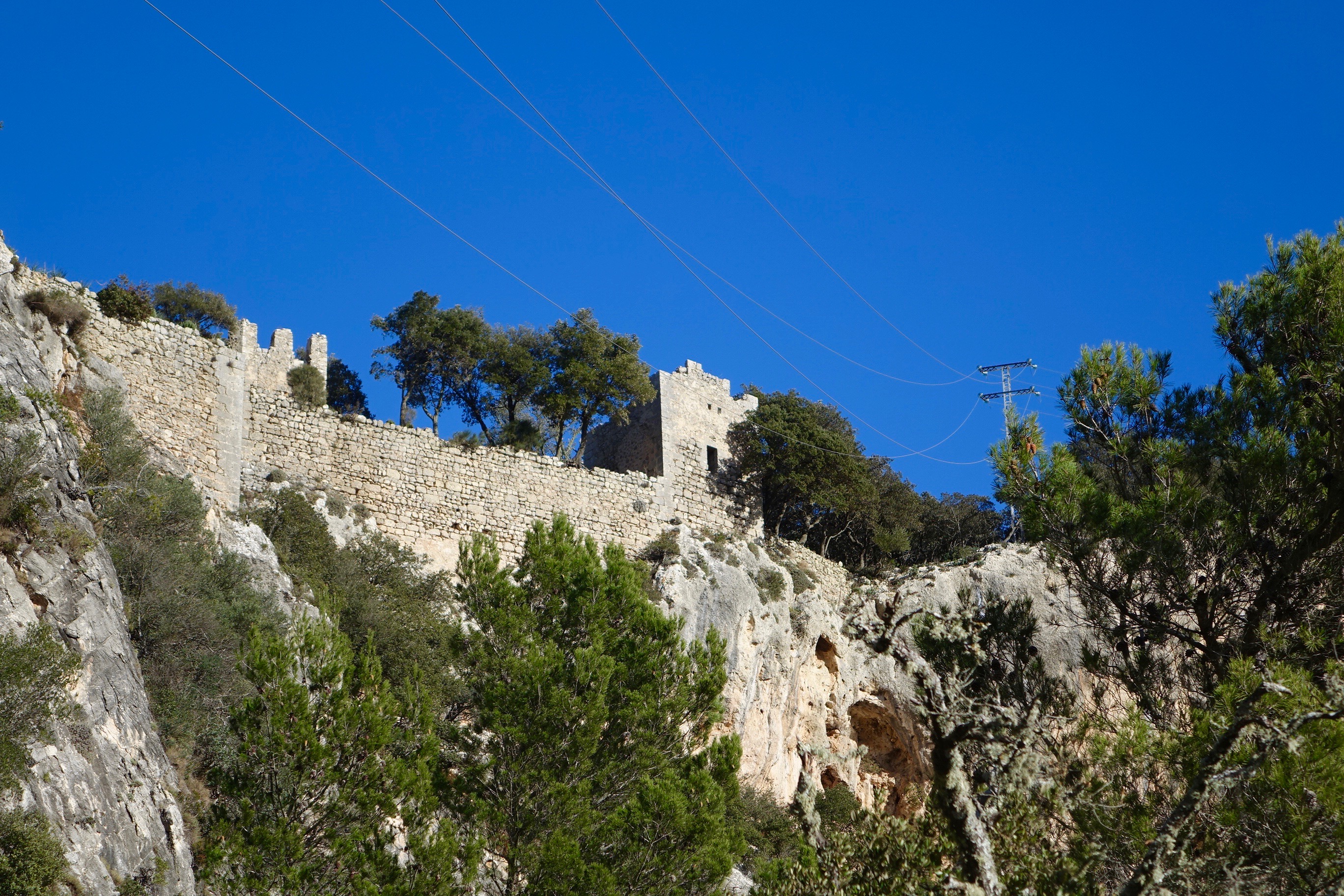
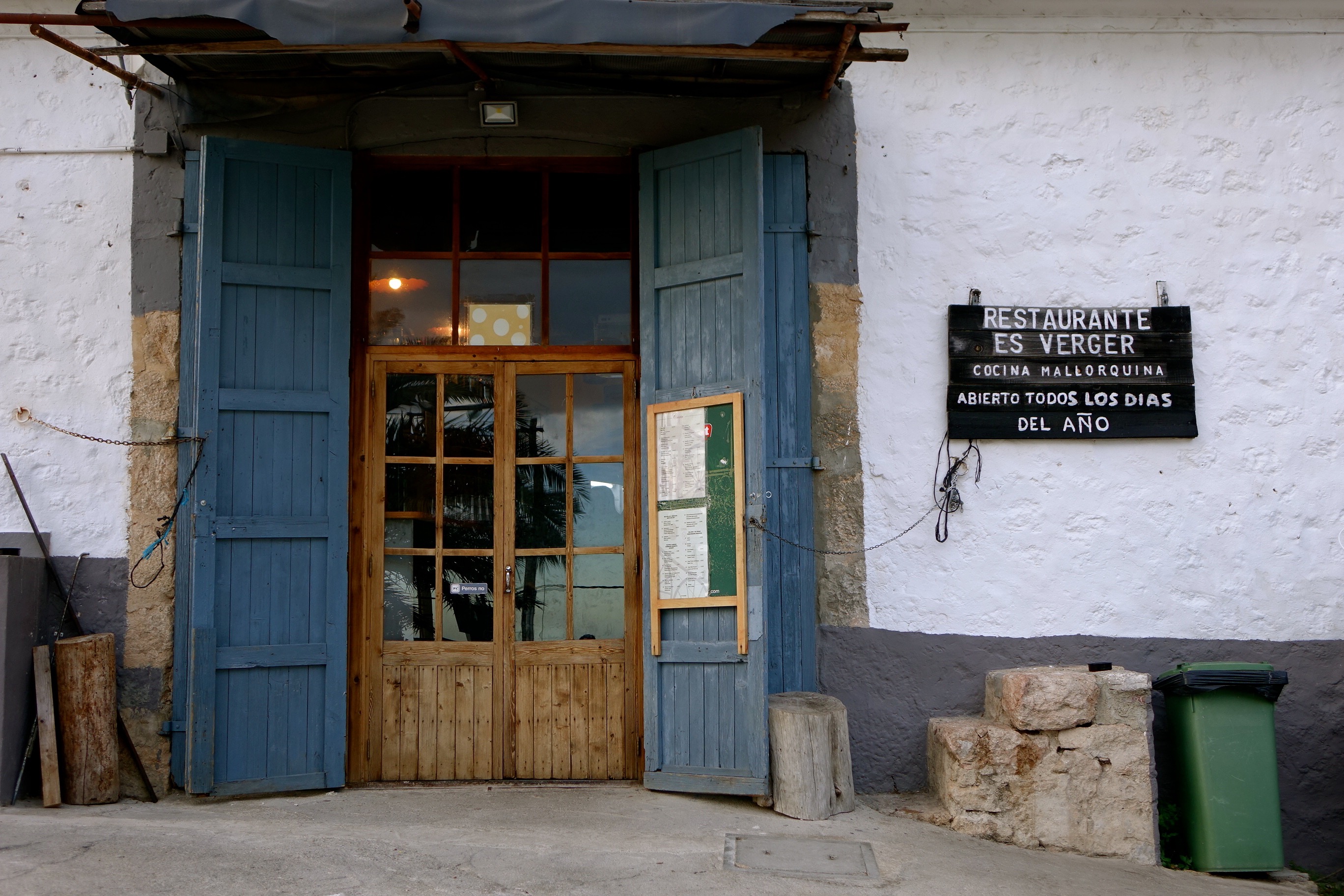
We came face to face with those beautiful little animals on a recent walk through Mallorca’s Tramontana mountains. Heading along one of the island’s worst-surfaced zig-zagging rollercoaster of a roads up one of Mallorca’s highest mountains to the vast valley nestling in the mighty shadow of the ruined Alaró Castle, we had a lunch date at the iconic Es Verger restaurant.

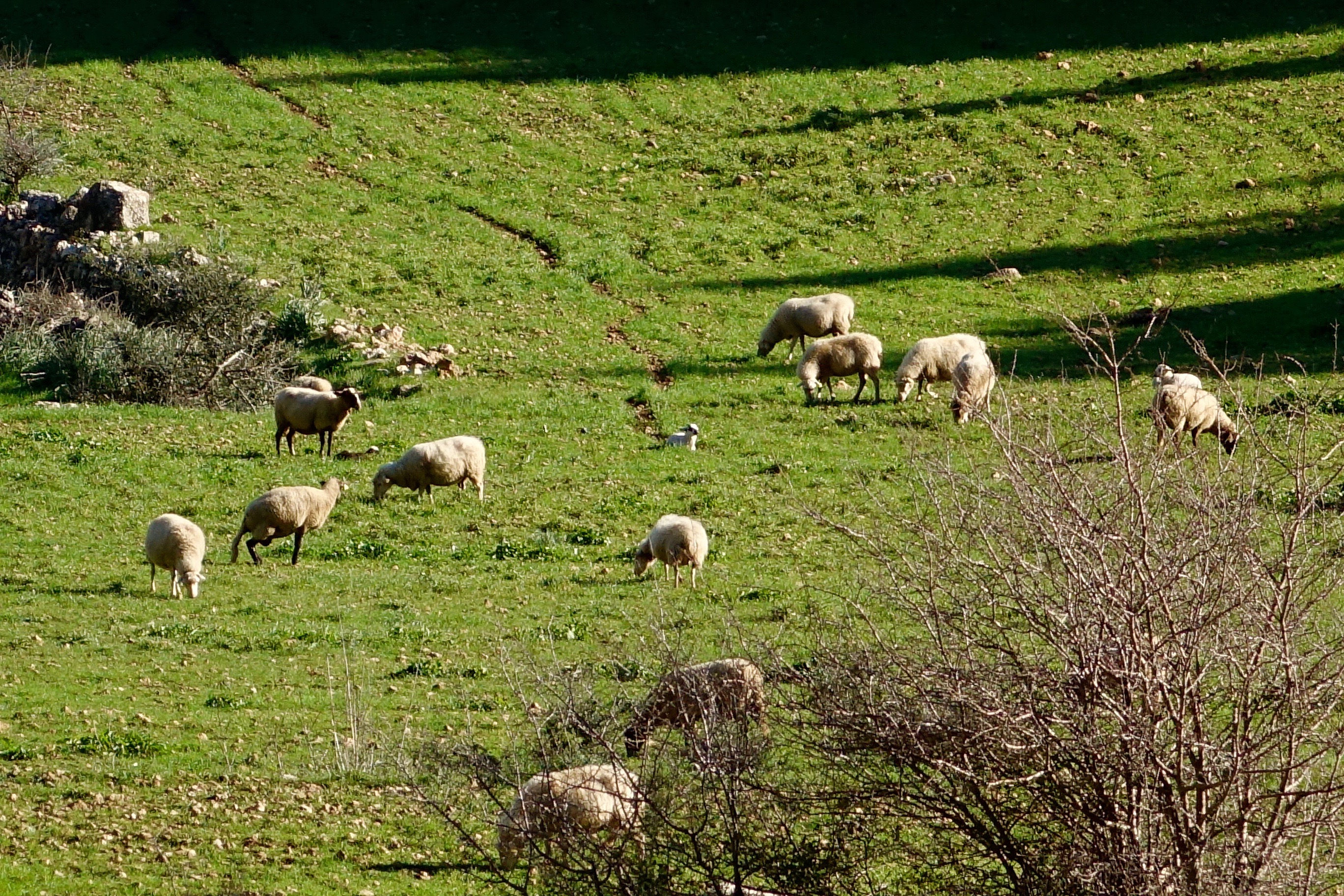
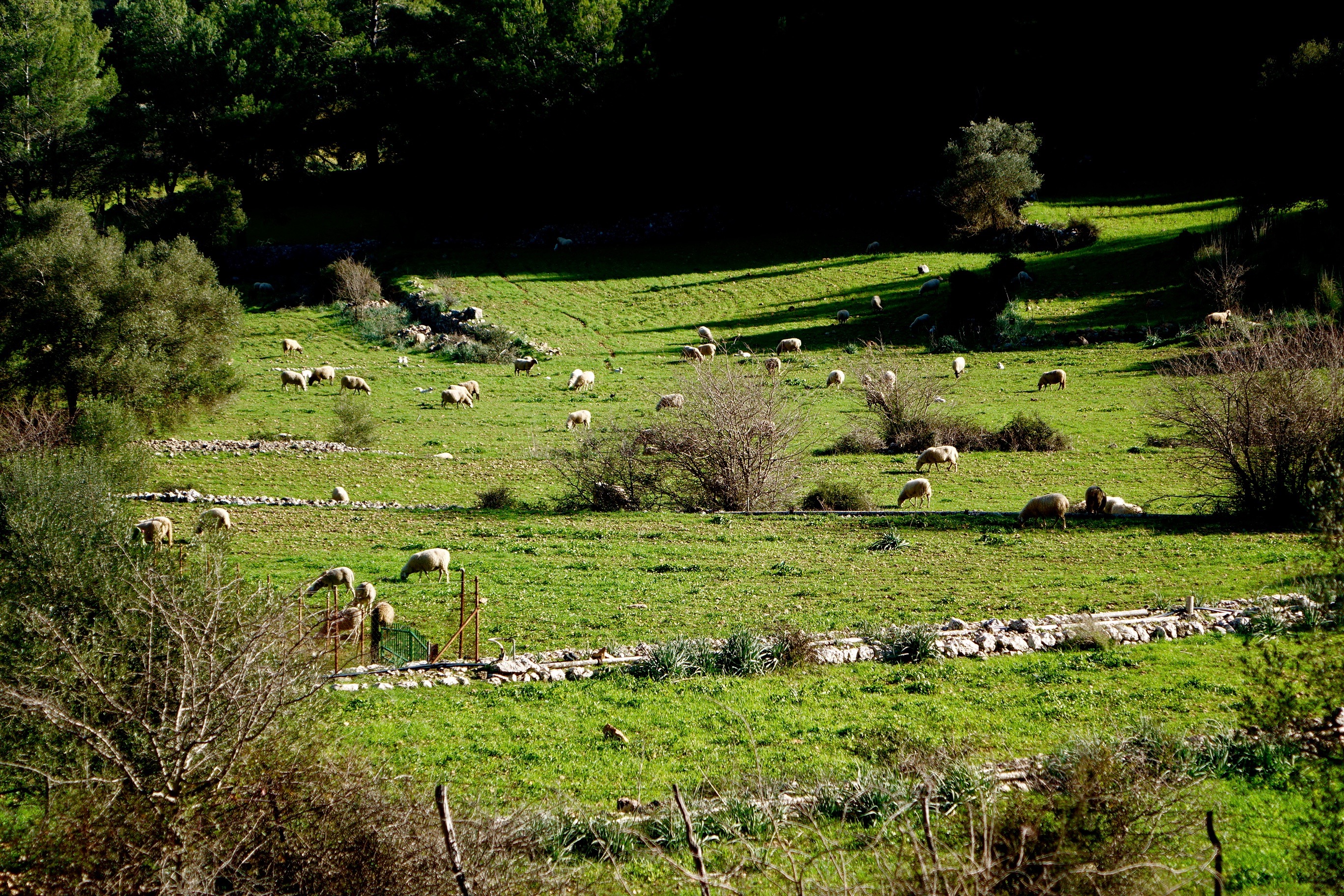
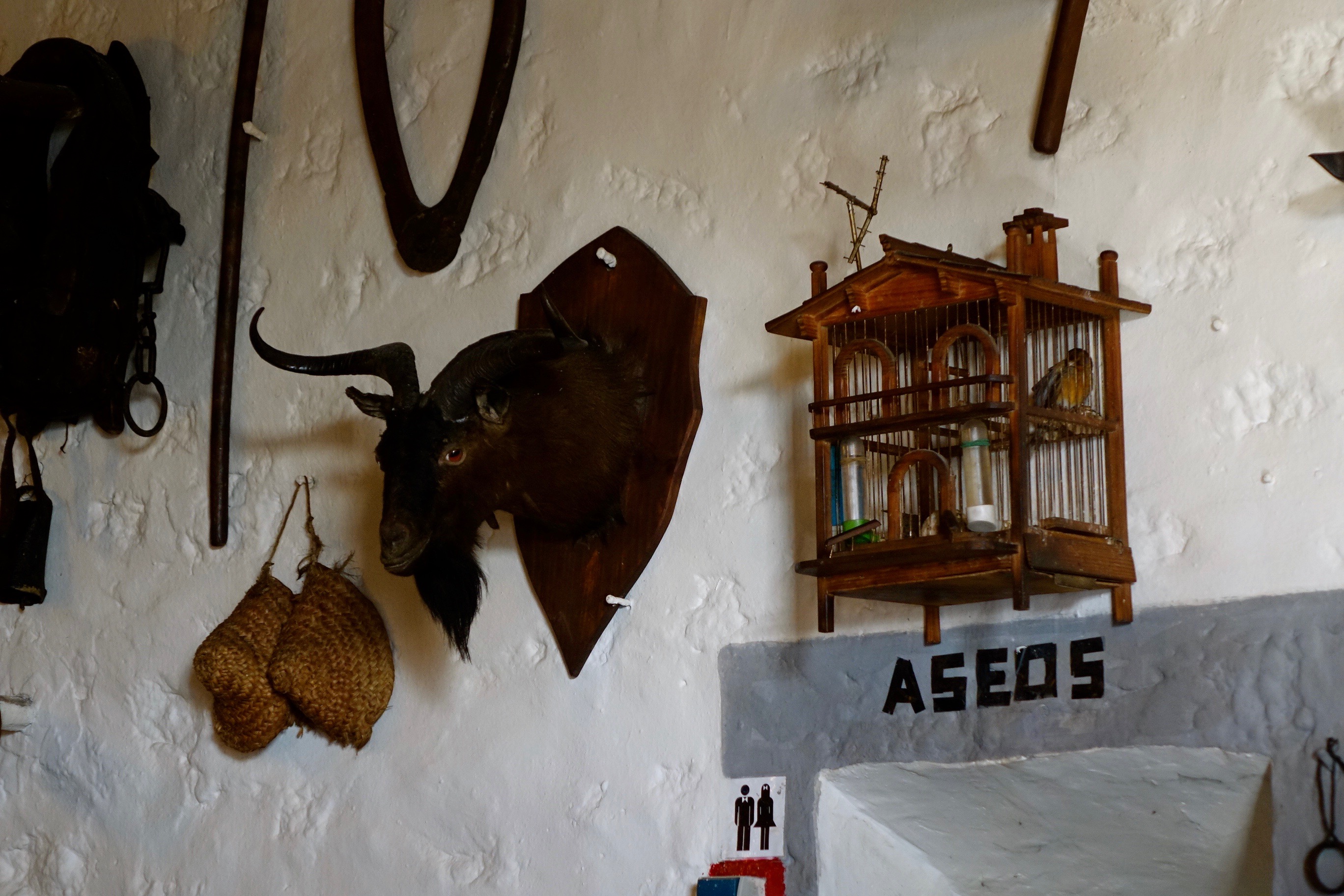
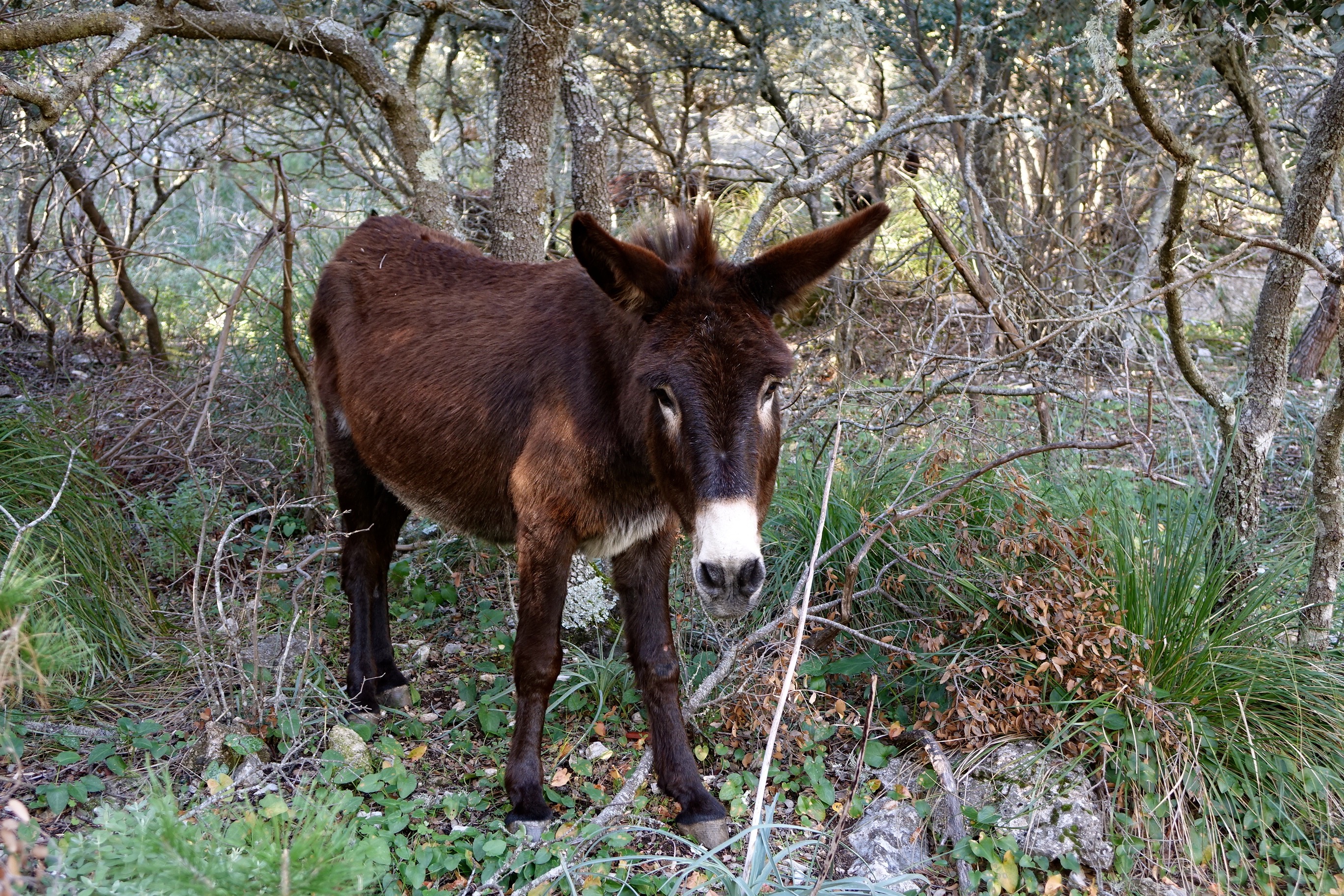
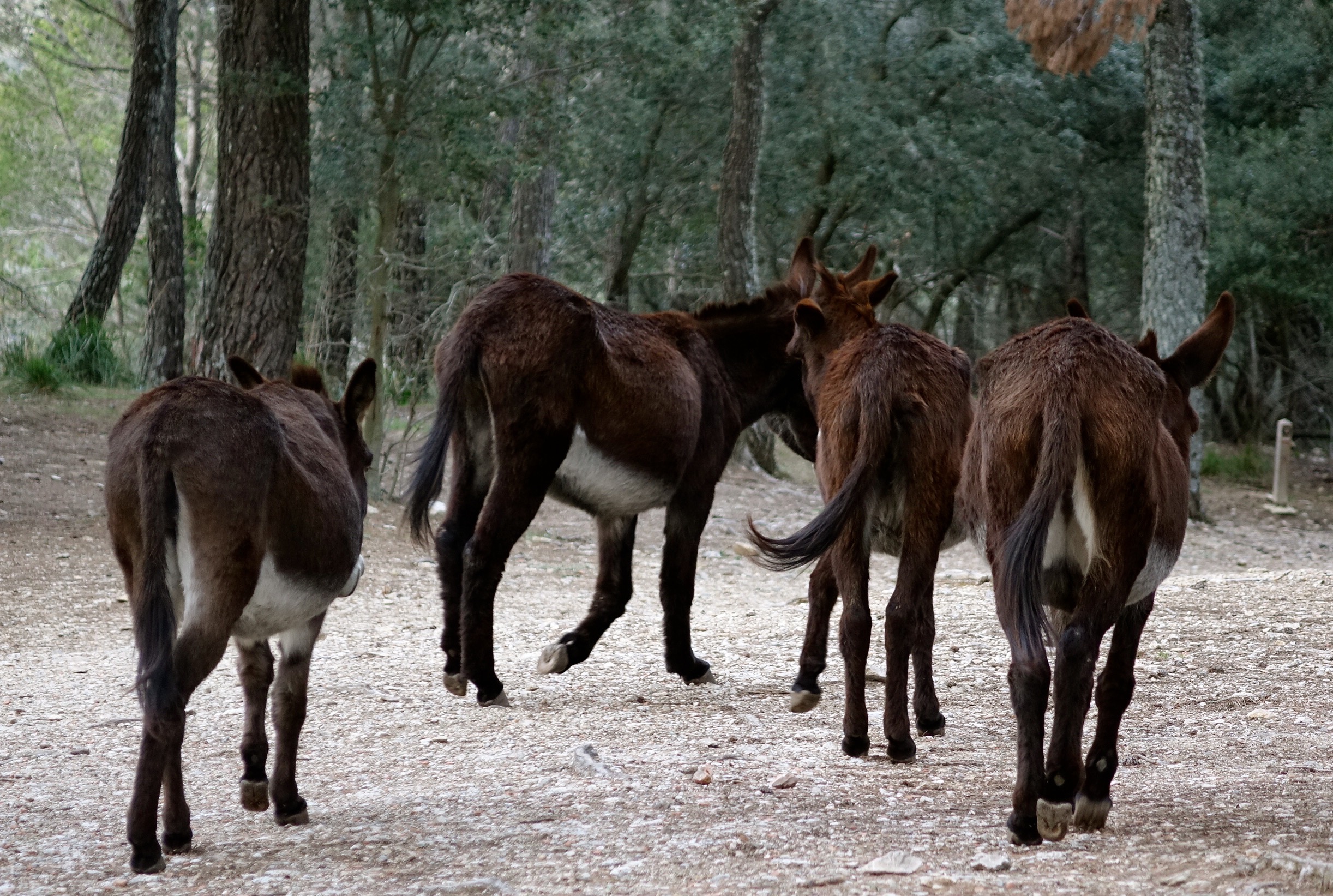
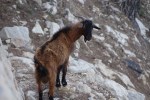
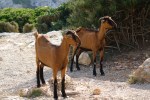
Recently made famous, to UK audiences at least, by its short starring role in one of chef Rick Stein’s televised adventures through the Mediterranean, Es Verger is an unbelievably quaint traipse back through time to the truly bucolic routes of peasant Mallorca, where everything on the limited menu borrows from the immediate rugged environment, and is cooked by a charming old lady using recipes passed down throughout the centuries. The star dish is Mallorquín lamb, the very same animal which only metres from the secluded restaurant you could see bleeding innocently in the rays of a newly sprung-sunshine (see attached photos above for heart-warming snapshots).
DSC06595IMG_7659DSC06407IMG_7662IMG_7666

But any guilt which we could quite easily have felt for seeing these sweet animals and then eating the same was quickly dispelled by the sheer exquisite deliciousness of this incredible dish. Cooked in beer and infused by the juices of a variety of vegetables roasted over long hours in a smokey log fire, the meat both melted over the tongue, and was deliciously caramelised at the edges. Never have I enjoyed meat so much, nor indeed a meal. Pure, simple, and finished off by a cremadillo – a flaming mix of local hierbas liquor, rum, coffee and all sorts of other liquid indulgences.
DSC06571DSC06540DSC06581DSC06509DSC06534DSC06503DSC06522DSC06580DSC06525DSC06551DSC06570

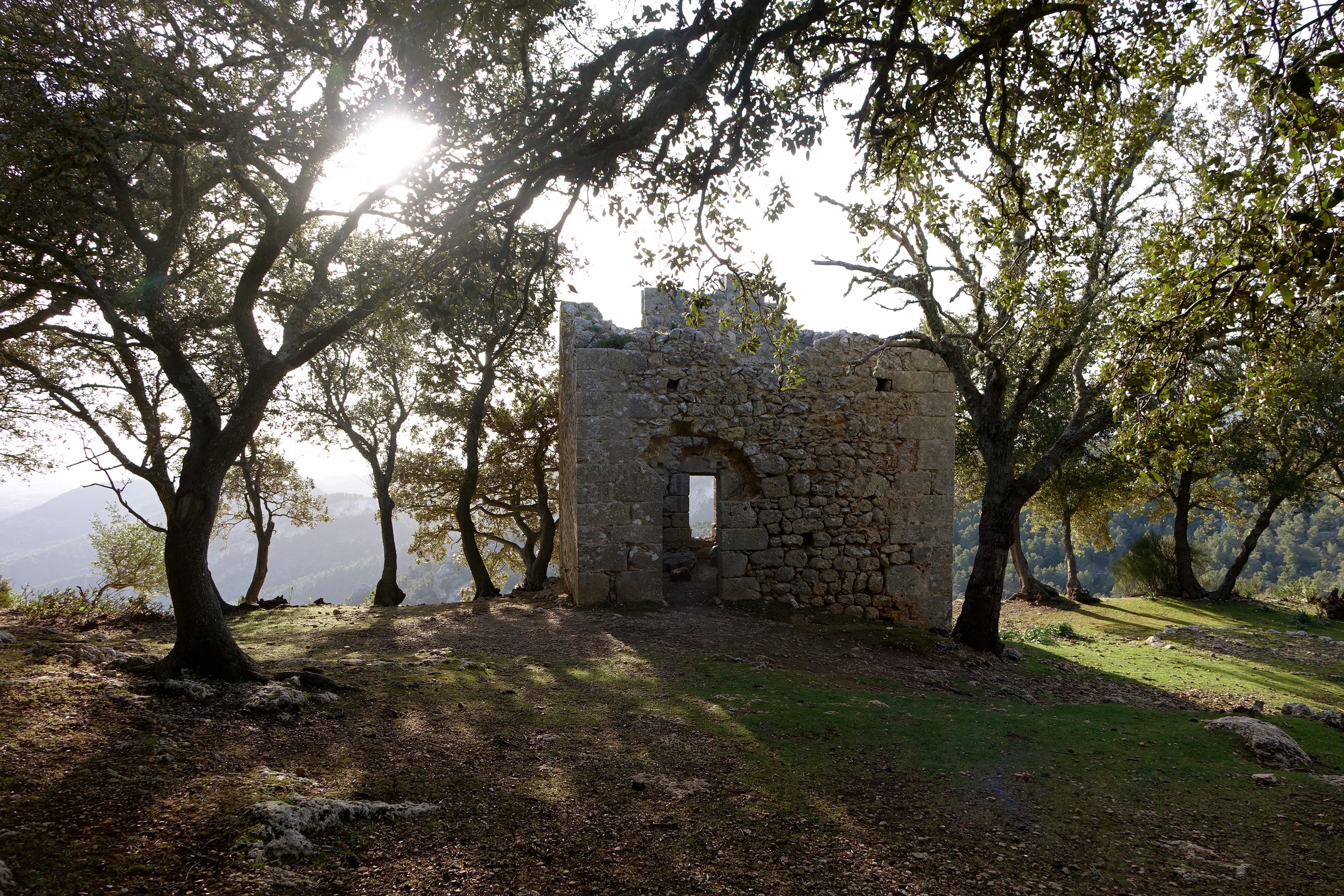
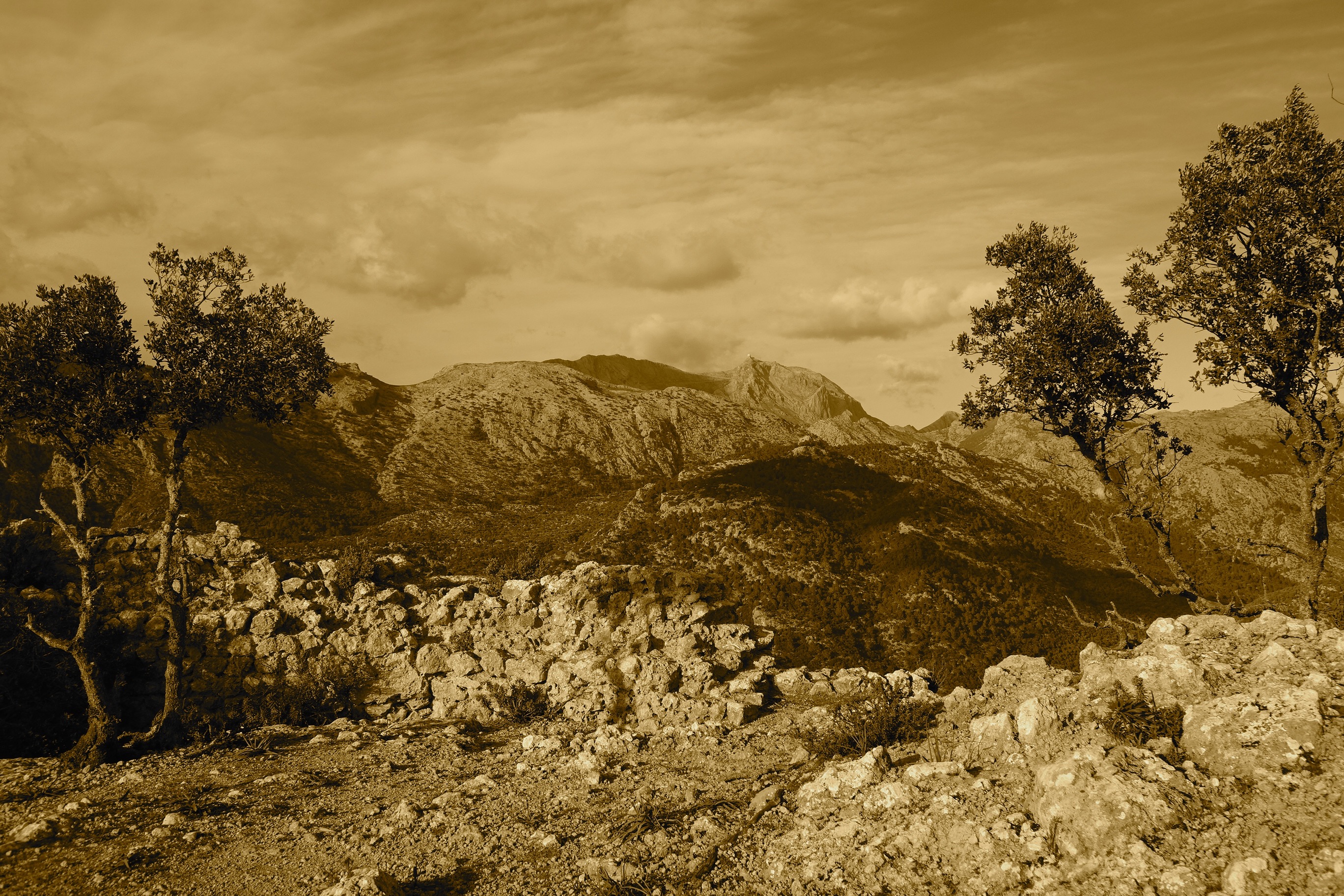
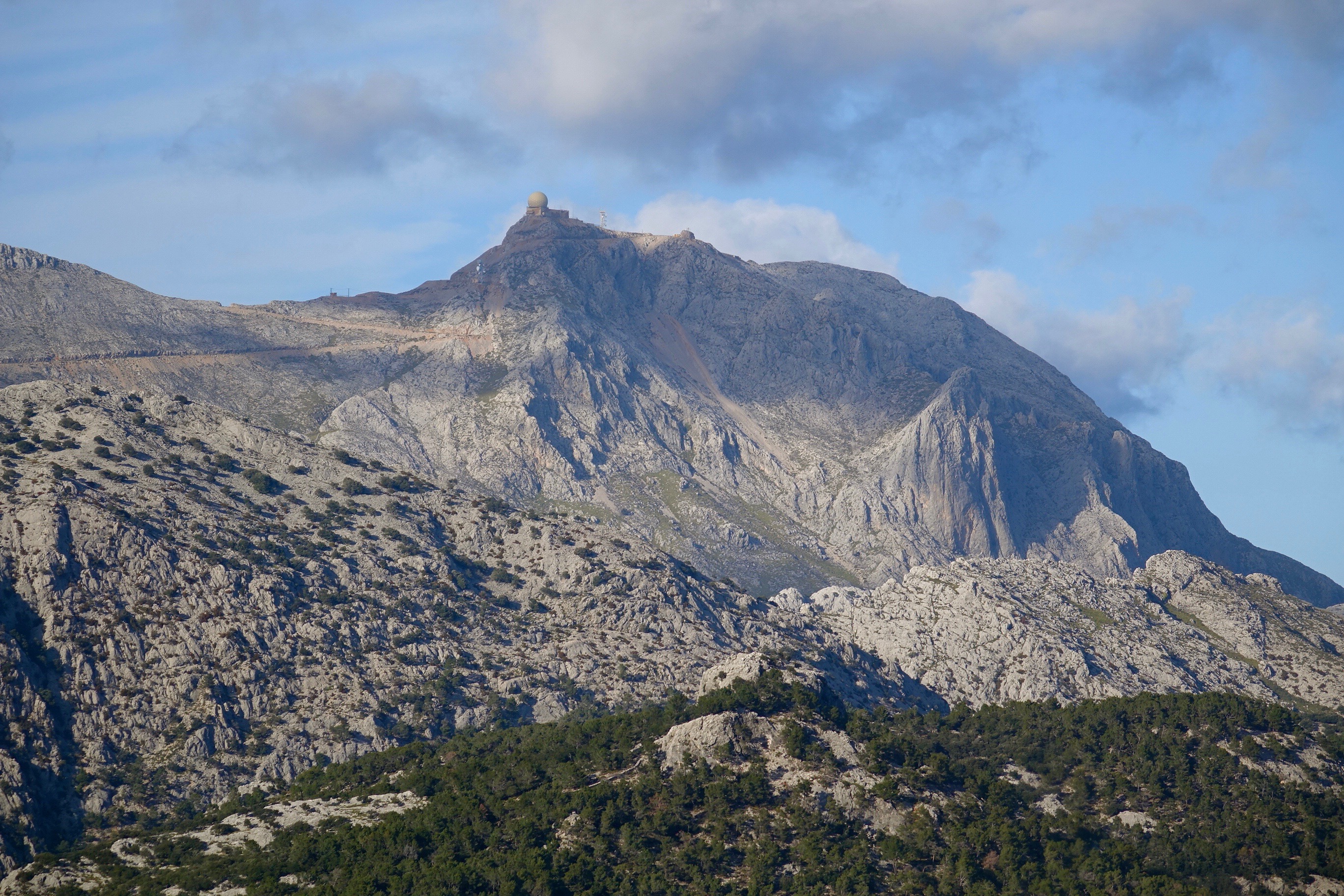
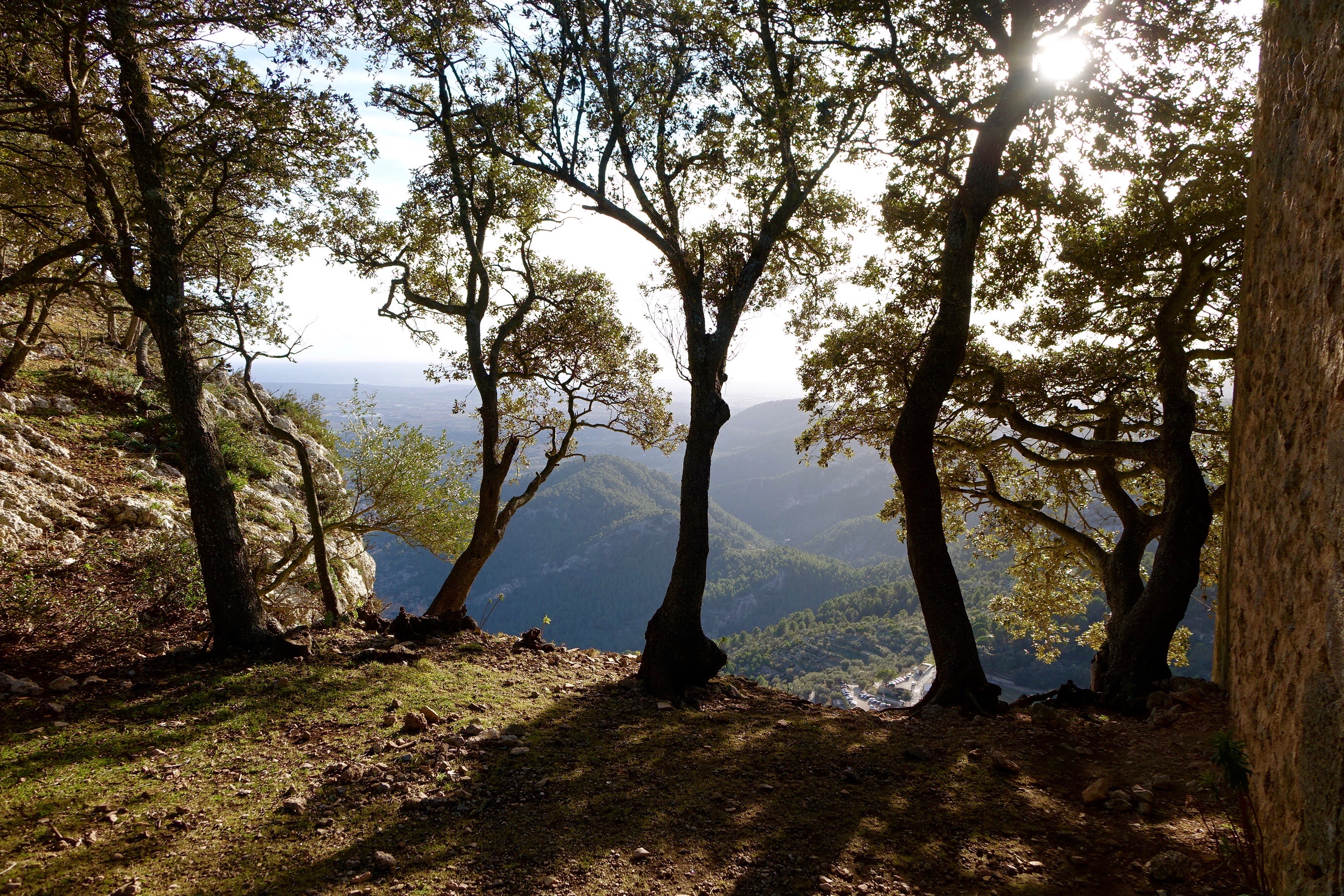
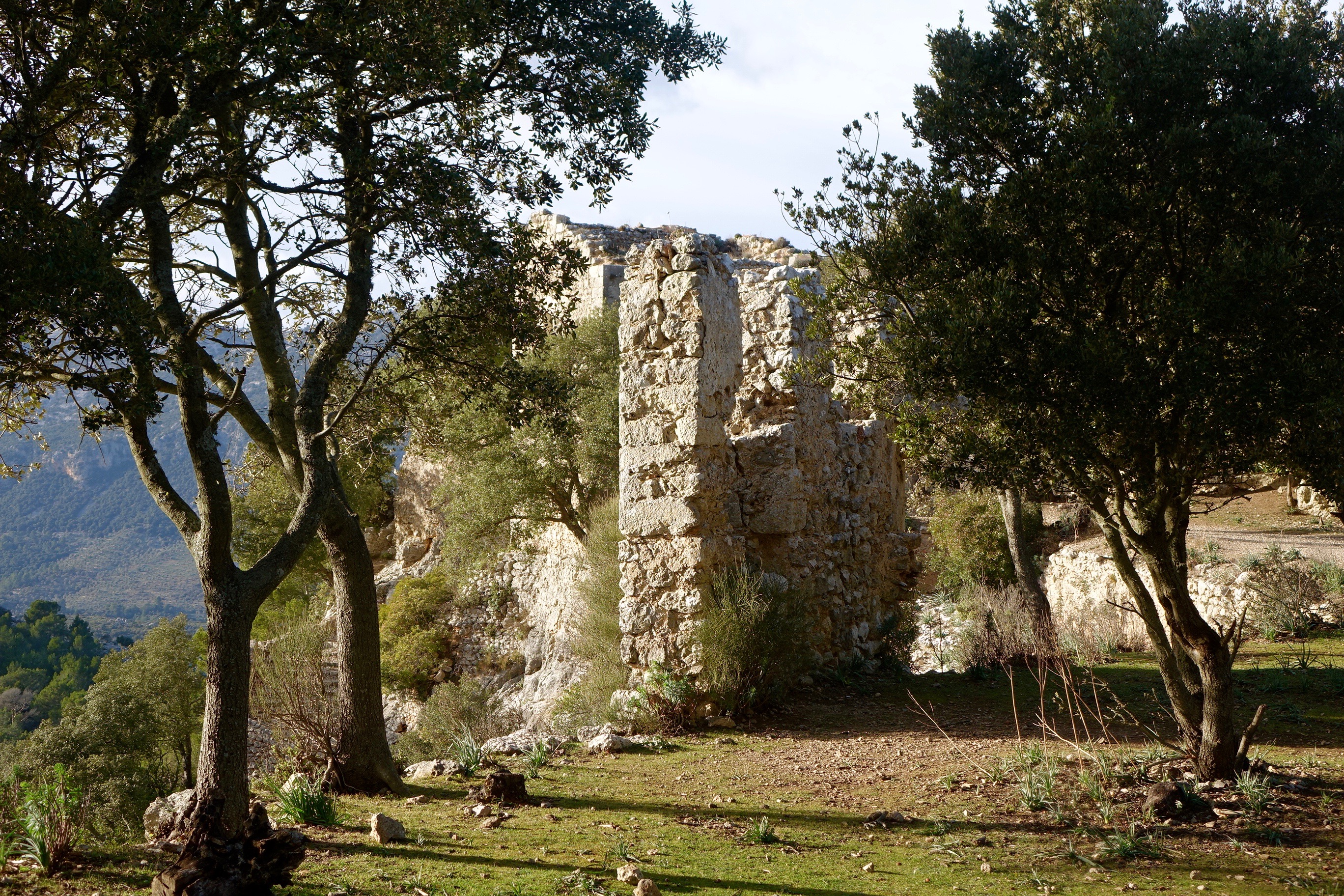
Needing to walk off the alcohol and indulge a little more in the staggering scenery which surrounded us, we headed after lunch to the ruined castle of Alaró, an incredible historical site sat atop the mountain which, while looking deceptively close, required a good hour’s uphill climb along one of Mallorca’s craggier paths. But with views from the top spreading across the bay of Palma on one side and across to Puig Mayor, the island’s highest mountain on the other, we were awfully glad for the scenery, that amazing lunch and the Spring in our step it had given us.
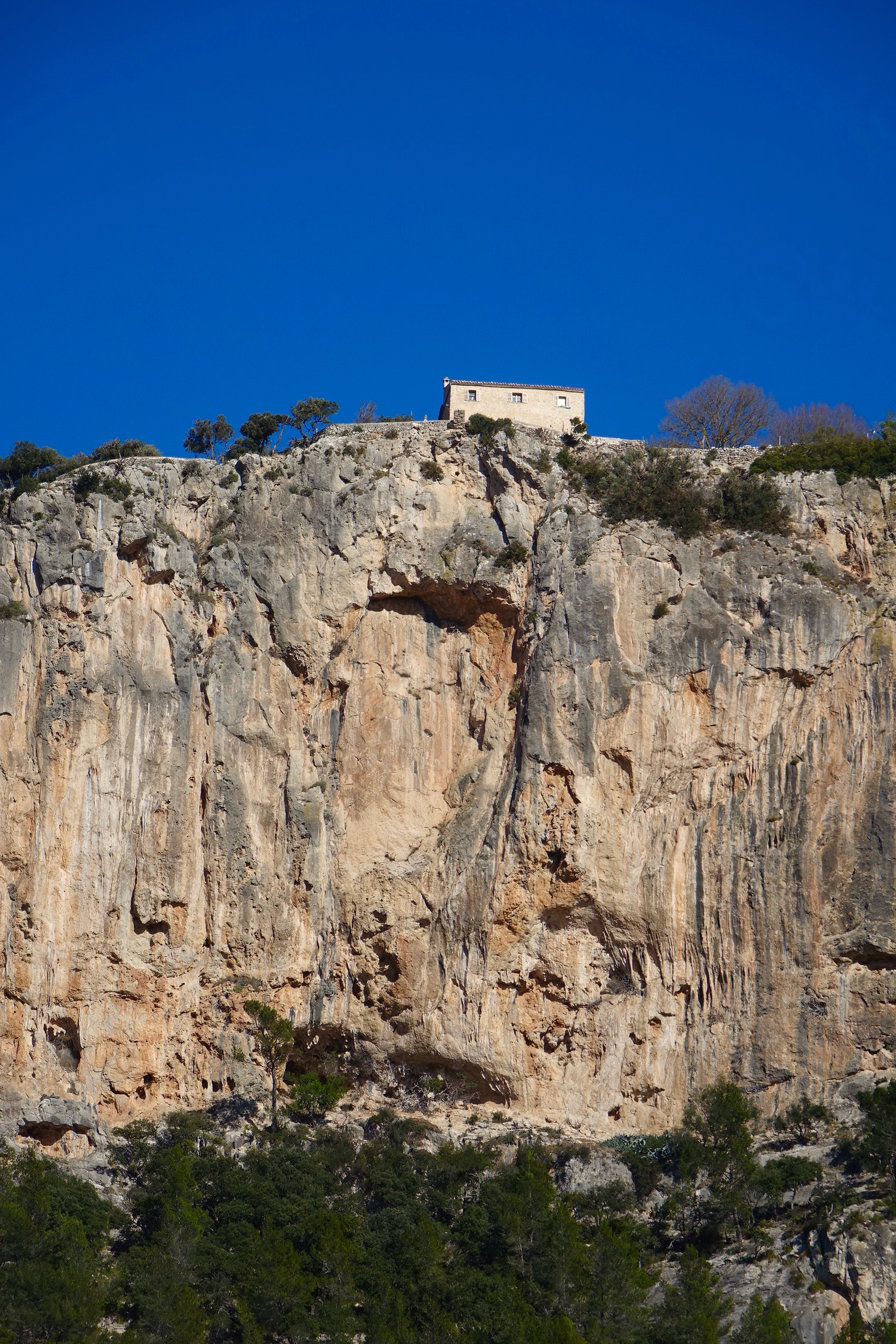
DSC06573DSC06414DSC06578DSC06529DSC06526DSC06510DSC06558DSC06538DSC06576DSC06560DSC06574DSC06593

All photos and written content are strictly the copyright of Nicholas de Lacy-Brown © 2016 and The Daily Norm. All rights are reserved. Unauthorized use and/or duplication of the material, whether written work, photography or artwork, included within The Daily Norm without express and written permission from The Daily Norm’s author and/or owner is strictly prohibited.

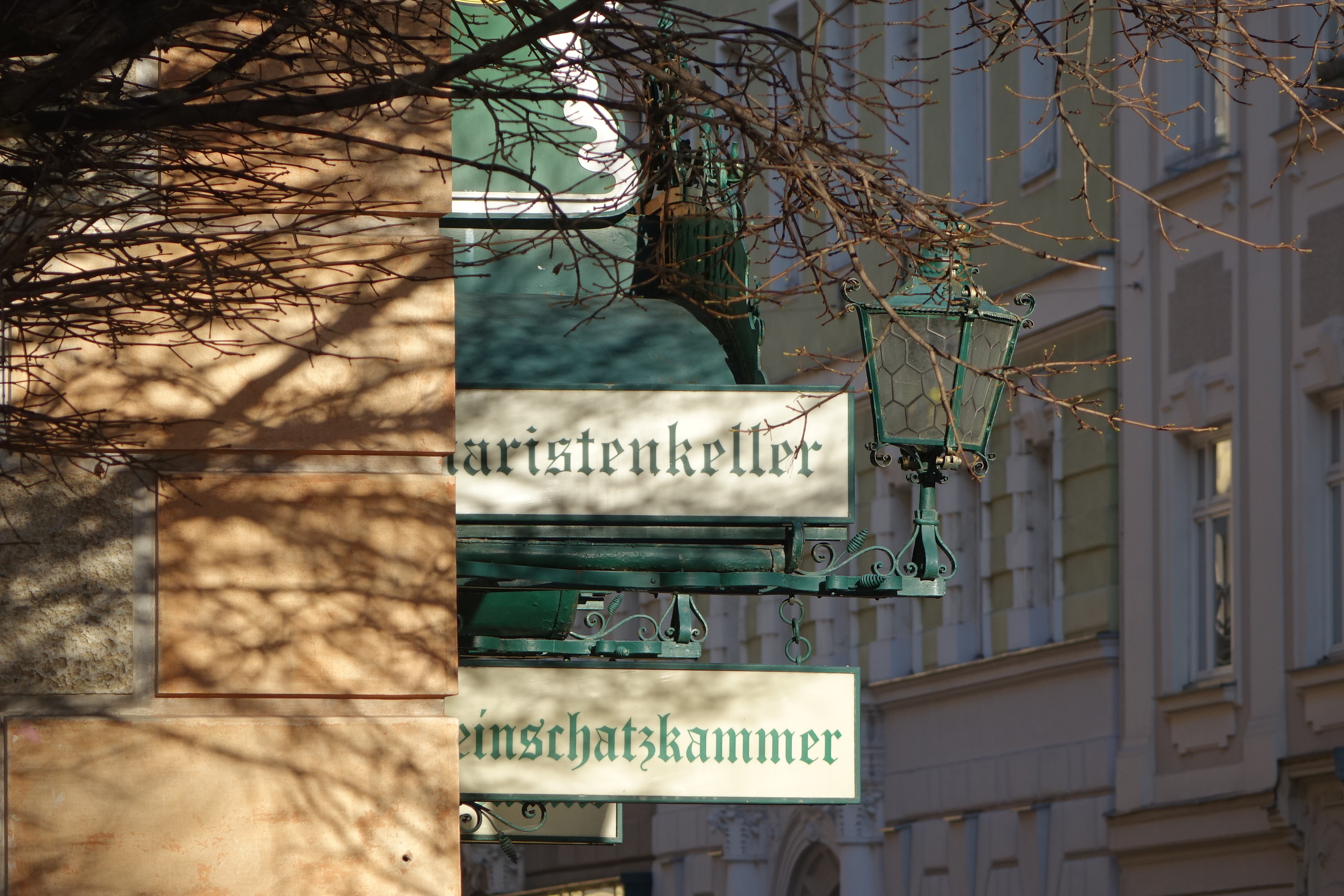
Exploring the Josefstadt

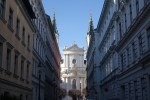
Behind every great performance, there is the understated support; the less pretentious but no less important timid figures who some might suggest make up the true soul of a show. And thus it is in the city of Vienna, whose grand boulevards and broad open spaces are lined with the most tremendously ornate public buildings and private palaces. Yet step a few paces away, just behind the scenes, and you find the quieter neighbourhoods of Vienna which, for me, give the city its true character.

One such neighbourhood, the Josefstadt, can be found tucked away mere metres behind the grand museums of the Ringstrasse, and by a sheer unplanned coincidence was the location of our hotel for the duration of our stay. Grand in name – the area was named after Emperor Joseph II – Josefstadt nonetheless felt to us notably different from the imperial centre, with its smaller buildings, narrower streets, and the kind of cosier neighbourhood feel lacking in the city centre.

DSC06115DSC06114DSC06098DSC06101DSC06124DSC06120

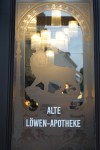
Despite the biting cold, a morning blessed with a little sunshine provided us with the perfect opportunity to explore this area, complete with its little tram lines, beautifully personalised shops and toasty cafes and even the odd church or two (no less grand than their bigger neighbours a kilometre or so down the road).

Walking around this charming area, which is popular with local students from the nearby university as well as lawyers from the political and legal centres along the Ringstrasse, we could not help but be struck by its village like sensibilities. In a city known more for its pomp than for its human embrace, it was perhaps altogether ironic that on this most cold of all the days of our travels, it was probably the morning when our welcome in Vienna felt at its warmest.

All photos and written content are strictly the copyright of Nicholas de Lacy-Brown © 2016 and The Daily Norm. All rights are reserved. Unauthorized use and/or duplication of the material, whether written work, photography or artwork, included within The Daily Norm without express and written permission from The Daily Norm’s author and/or owner is strictly prohibited.
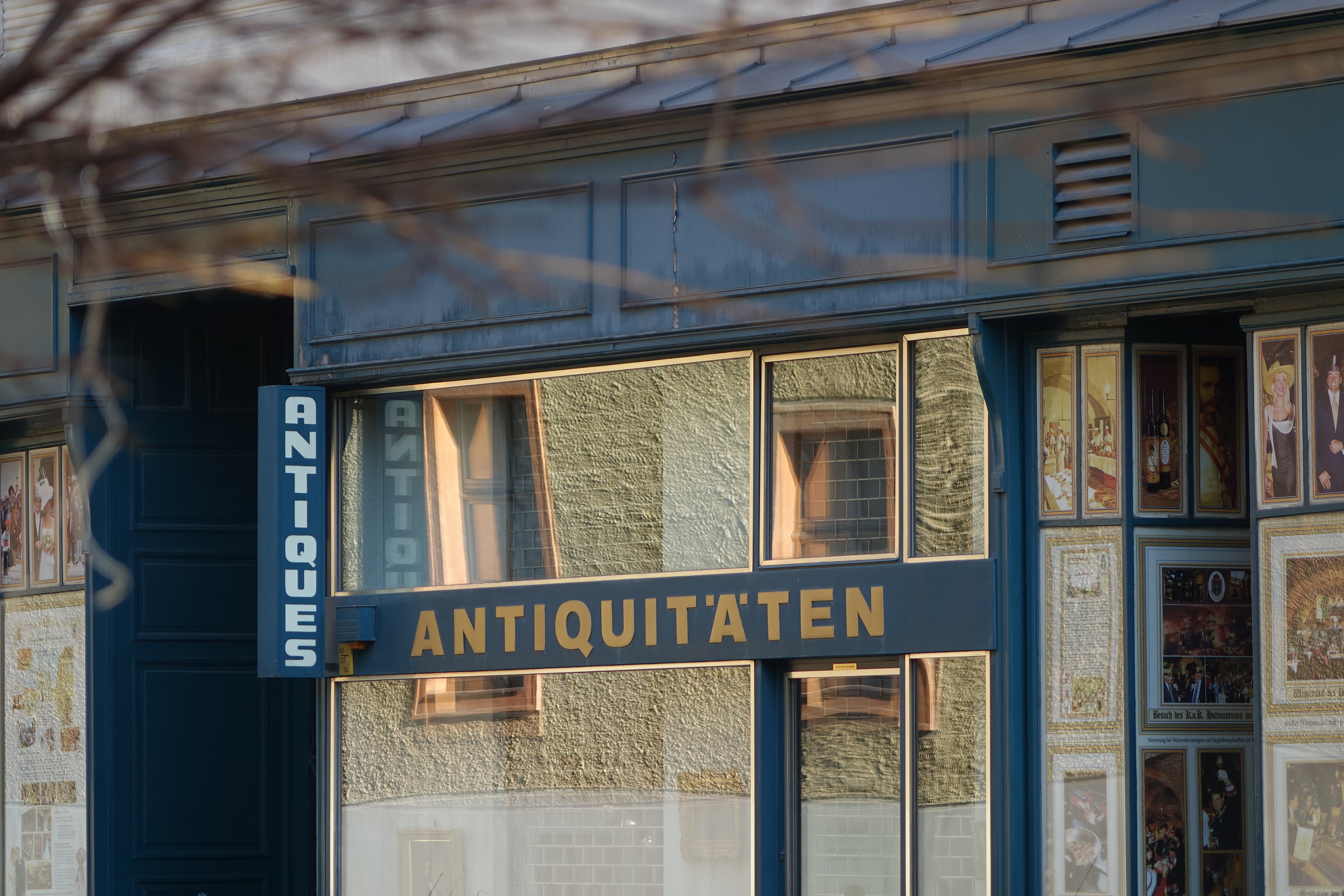
Onwards to Vienna, Part 2: The Churches

If the Ringstrasse and the palatial buildings that line it are demonstrative of Vienna’s more recent 19th century prowess (and, with the recent additions of the MuseumsQuarter, its 21st century cultural advances to boot) then its spectacular churches are demonstrative of a magnificent history which goes back yet further. For these religious monuments have truly stood the test of time, from their inception as far back ago as the 13th century, to the progressively exquisite embellishments which have since followed.

The Stephansdom inside and out

DSC05889DSC05757DSC05758DSC05804DSC05817DSC05816DSC05807

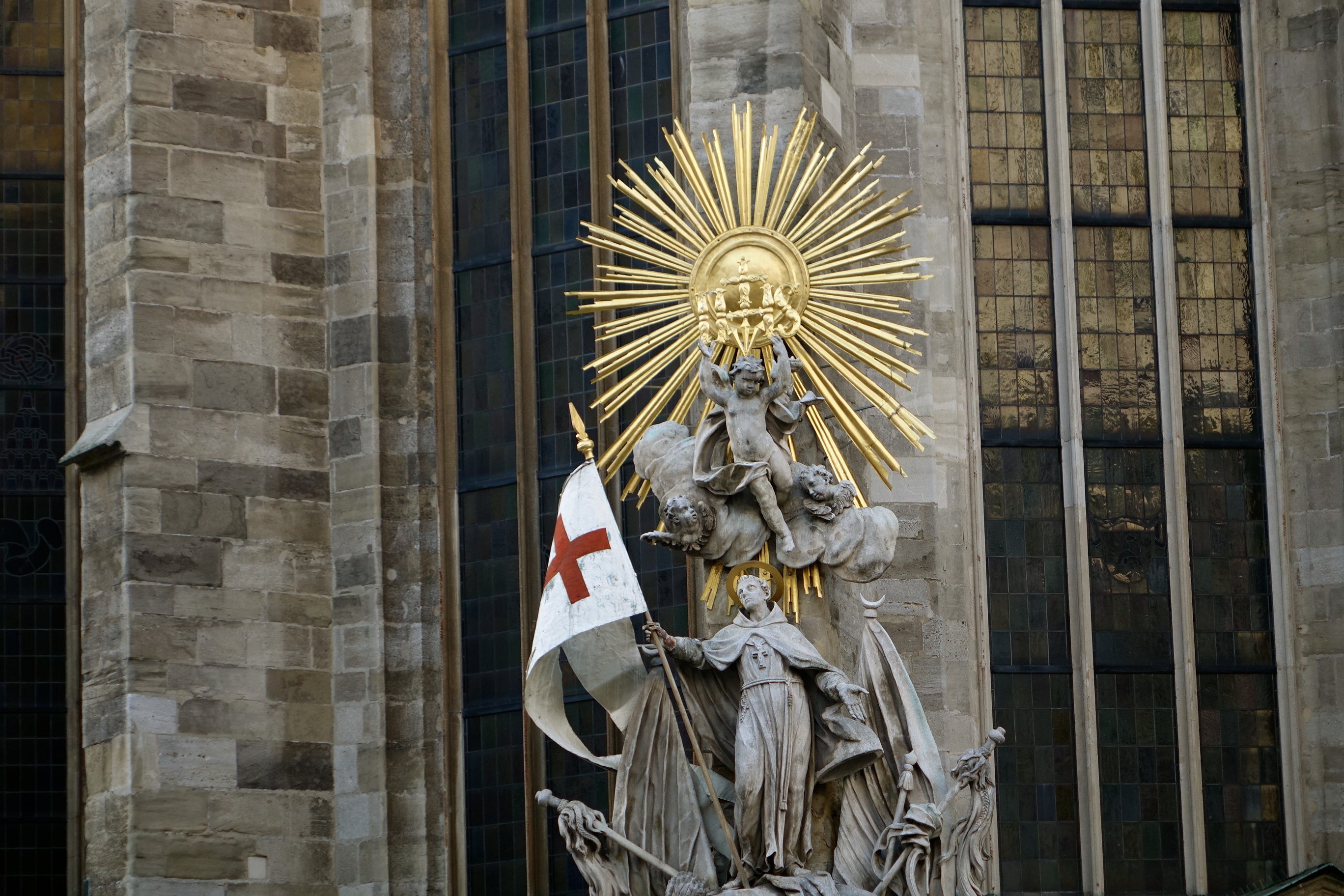
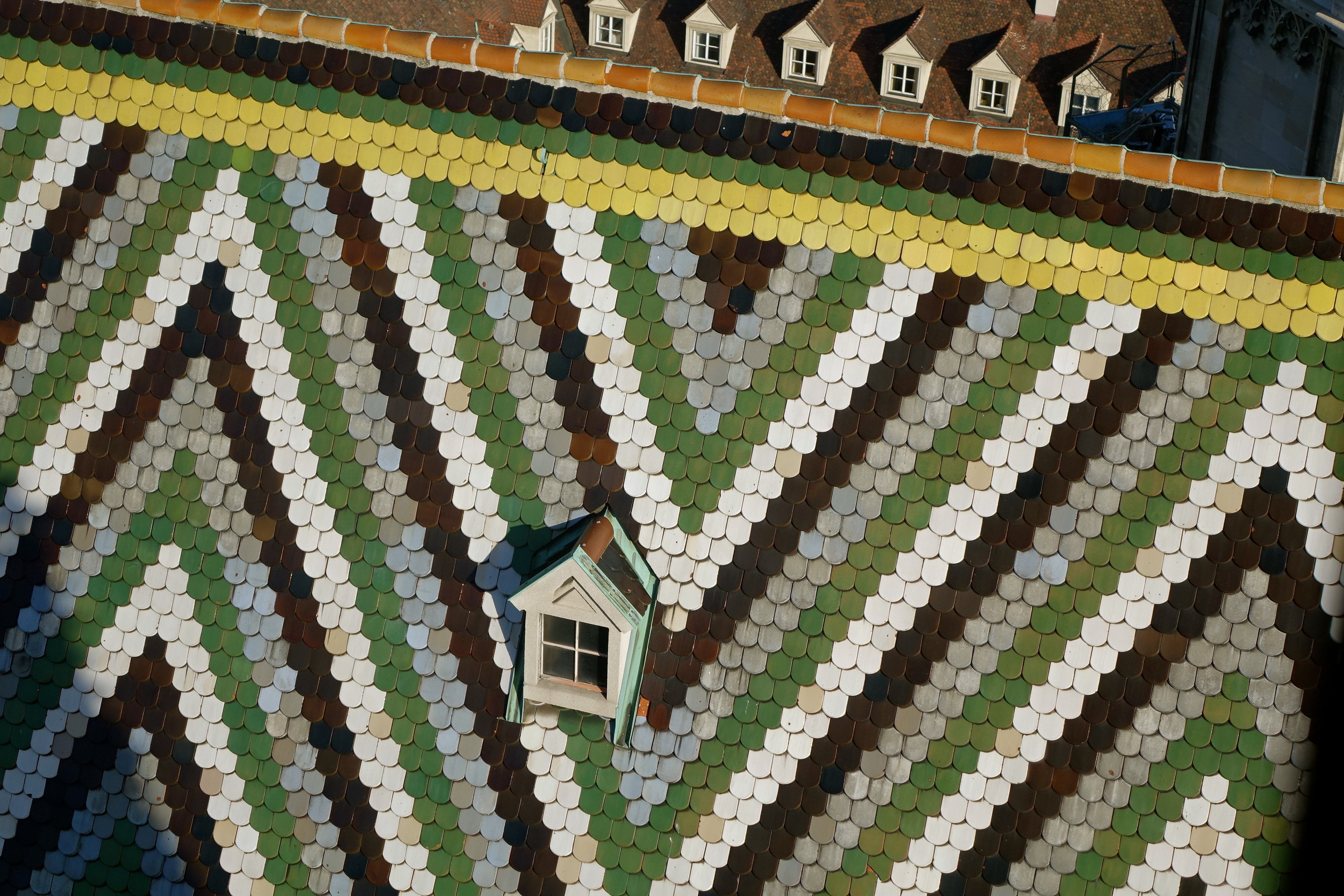
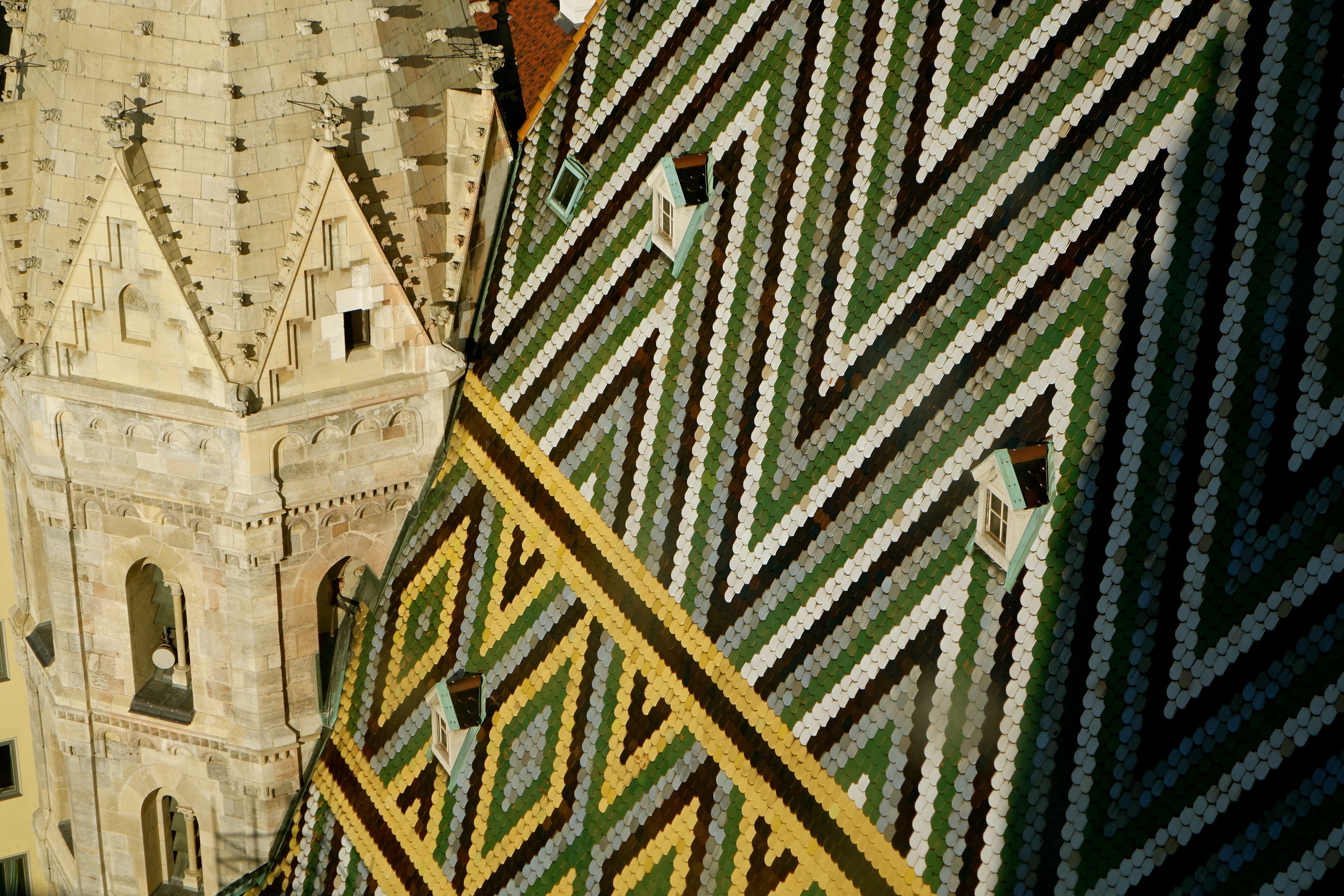
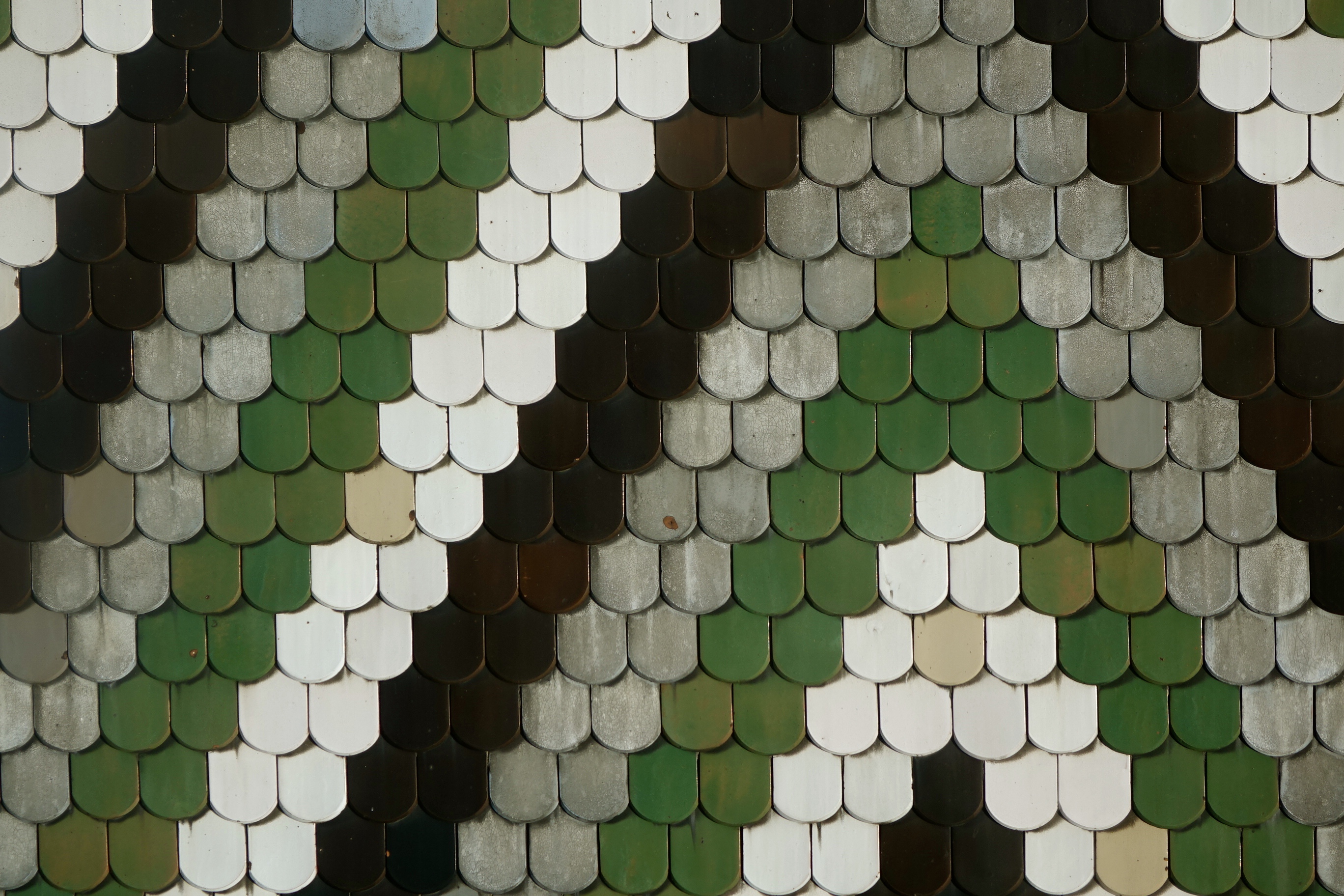
We begun our tour of Vienna’s grandest religious spectacles with the centre point of them all, the Stephansdom cathedral. Often called the soul of the city itself, it is perhaps no coincidence that the cathedral contains a great many of the remains of some of the most historically significant of the Hapsburg rule which lorded over Vienna, and the empire which spread out around it, for centuries. But rather than begin this visit from the inside, we instead claimed the 300 or so steps of its main gothic spire, taking advantage of the aspect which is perhaps most characteristic of this building – its enormous height. There, from somewhere close to the top of the “Steffi” or spire, we were able to enjoy magnificent views not only over all of the city, but of the incredible tiled roof which contains almost a quarter of a million glazed tiles, meticulously restored after the damage inflicted towards the end of the second world war.

Vienna from the top of the Stephansdom

DSC05773DSC05791DSC05792DSC05783

Having caught our breath upon our rather perilous descent down a very narrow spiral staircase, we did not linger in the inside of the cathedral for long. This was not so much owing to a lack of content, but to both the queues for, and the price of, admission, both of which inspired us to take our leave and seek further thrills in this city of plenty.

The Stephansdom’s spectacular tiled roof

DSC05774DSC05771DSC05780DSC05795DSC05772DSC05756

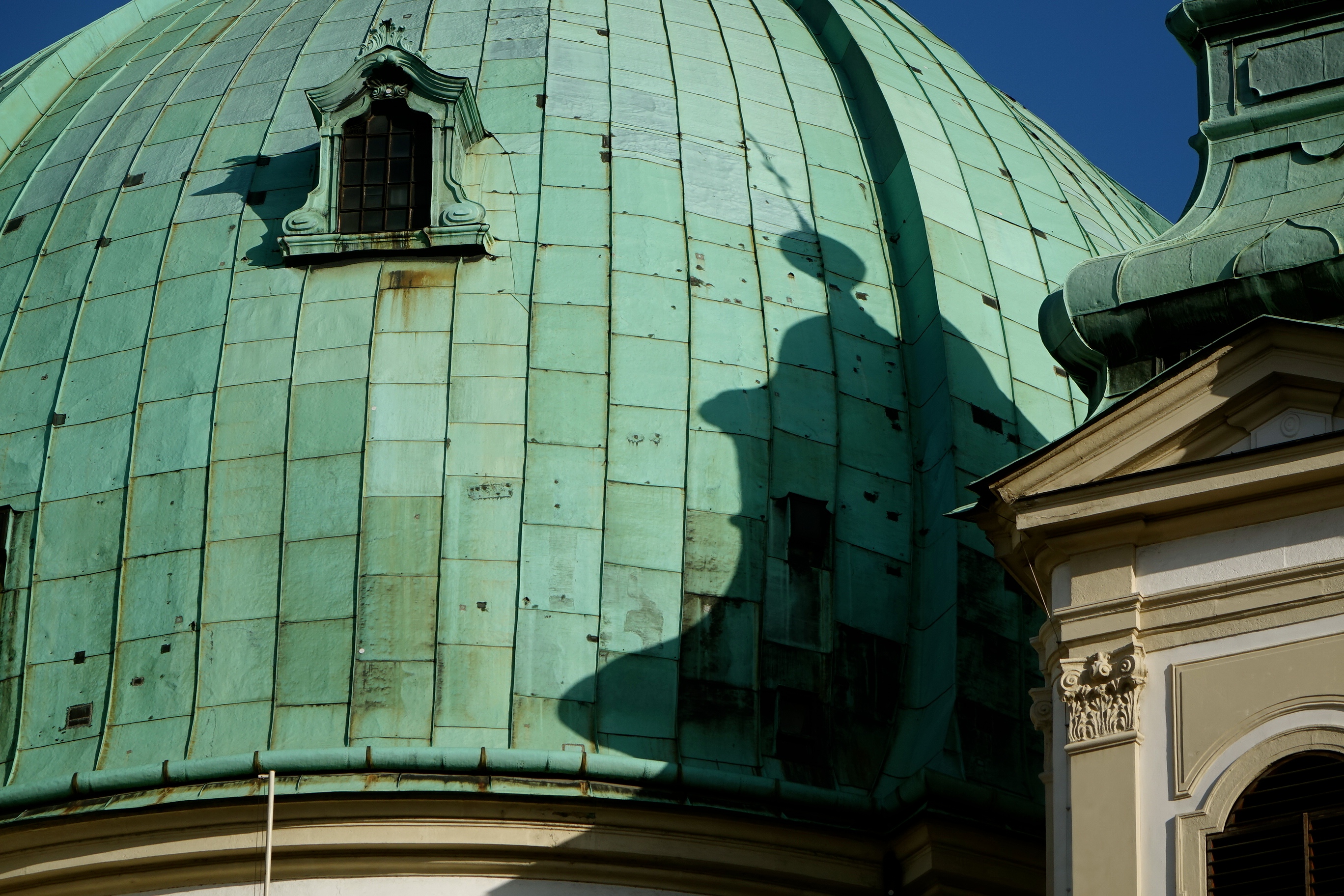
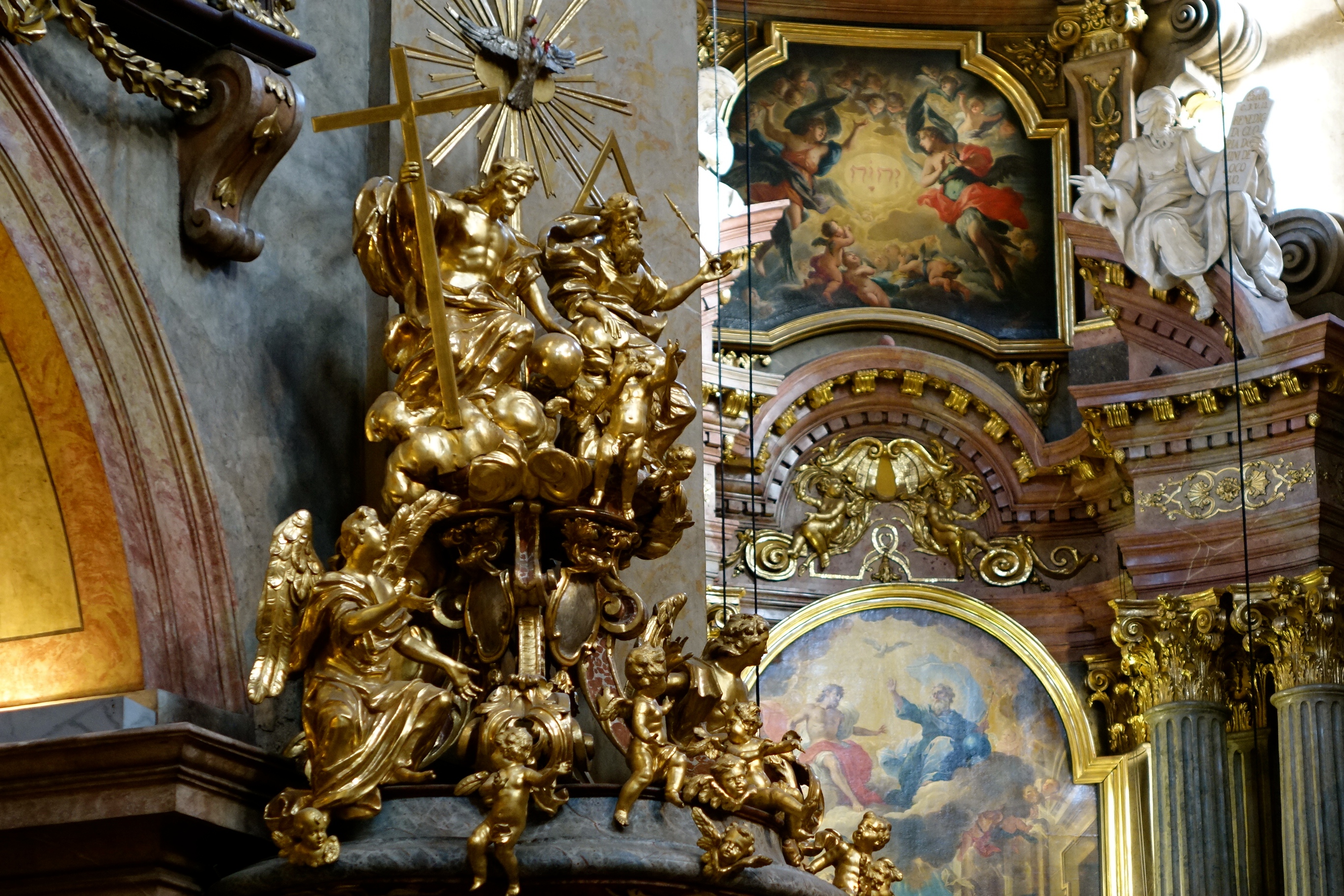
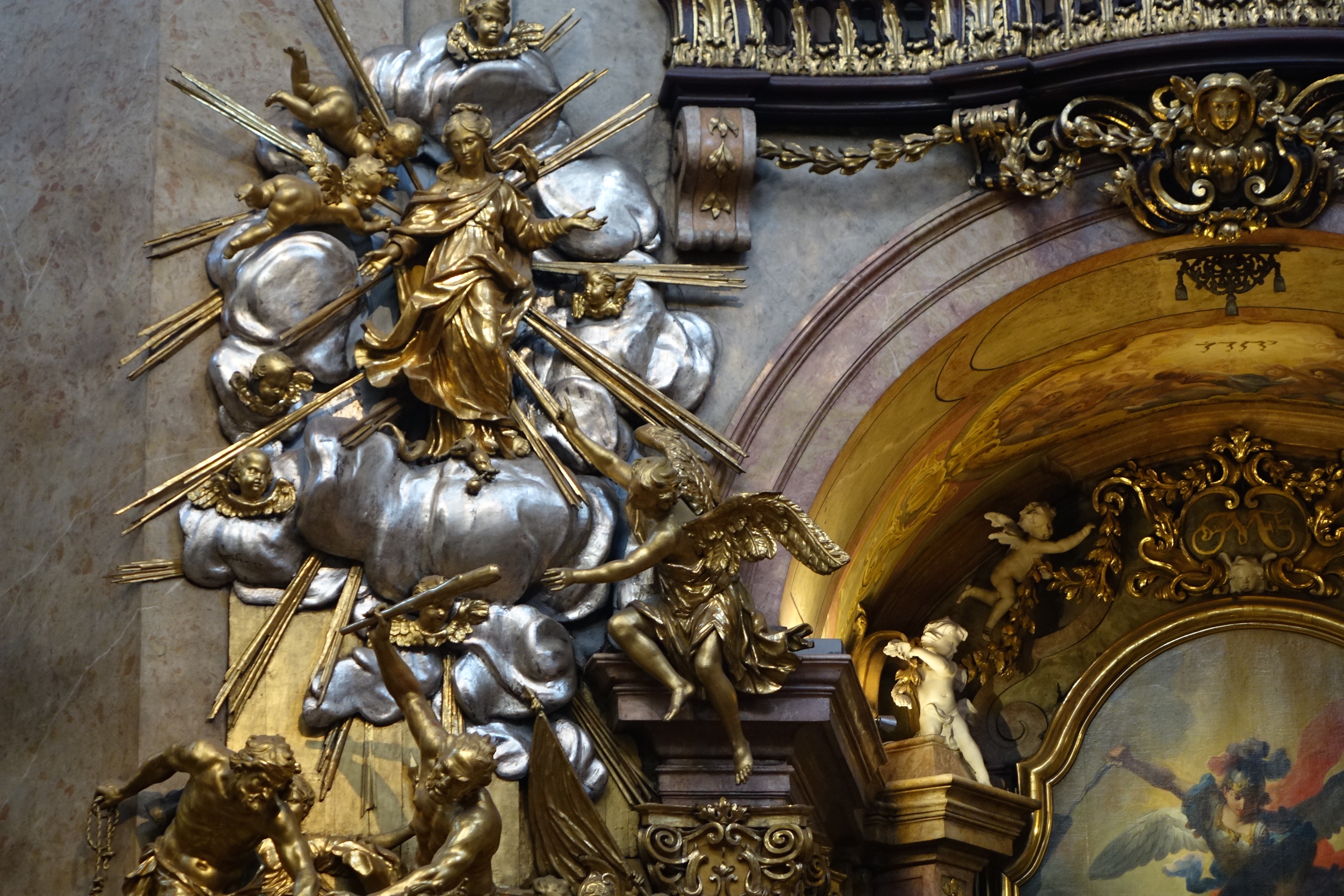
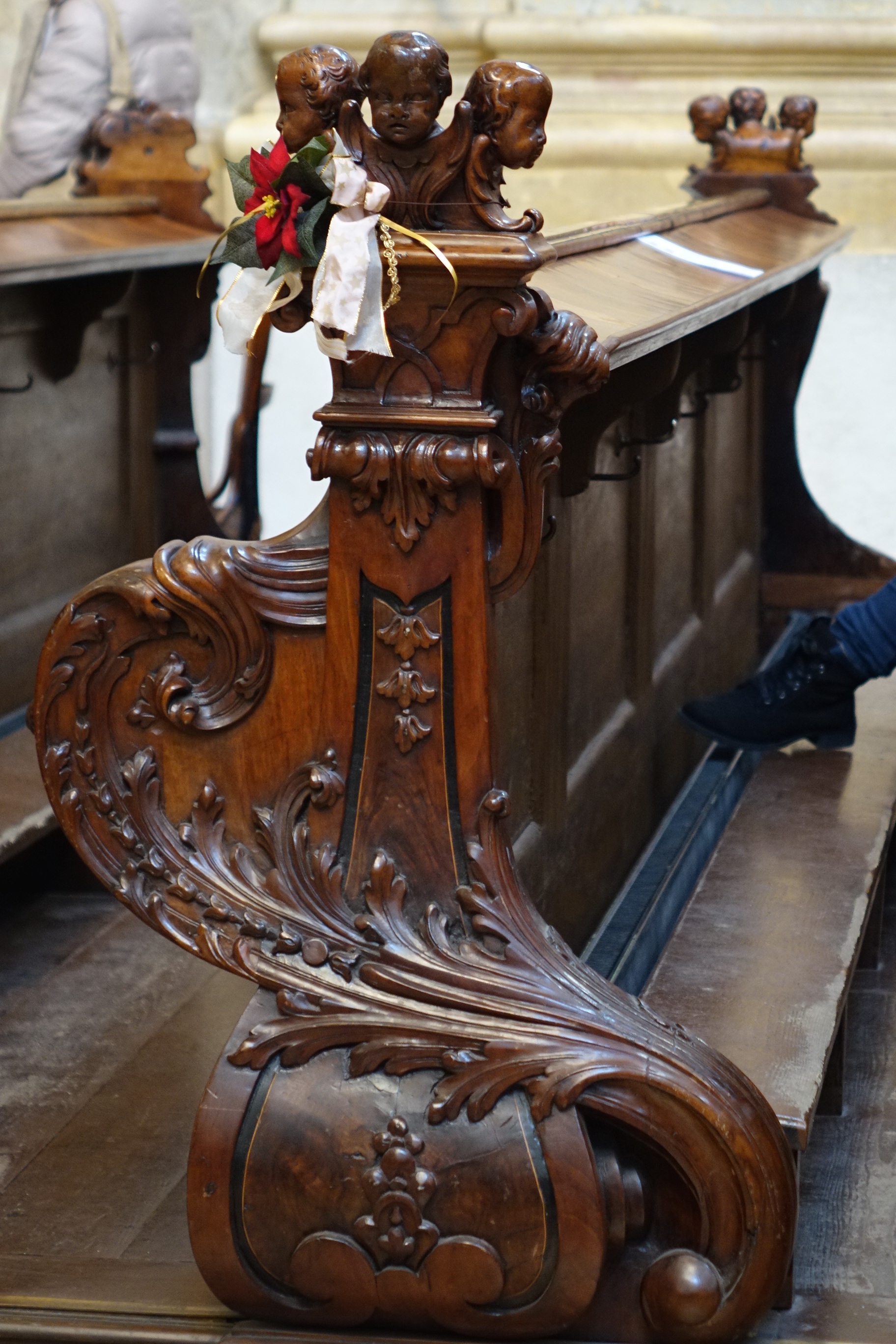
Next on the list was the equally impressive domed Peterskirche, a romantic oval-based construct remodelled in the 18th century on St Peter’s in Rome, and by no means lacking the exuberant ostentatious interiors of its inspiration. For the interiors of Peterskirche are amazingly lavish, with an eye-catching pulpit meticulously sculpted by Matthias Steindi, and frescoes embellishing the huge dome depicting the Assumption of the Virgin by J M Rottmayr. From the extravagant altar to the richly carved pews, this was a church whose every detail was dripping in embellishment, and easily the equal of the Stephansdom up the road.

Peterskirche

DSC05833DSC05826DSC05848DSC05880DSC05843DSC05869DSC05850DSC05863DSC05864DSC05847

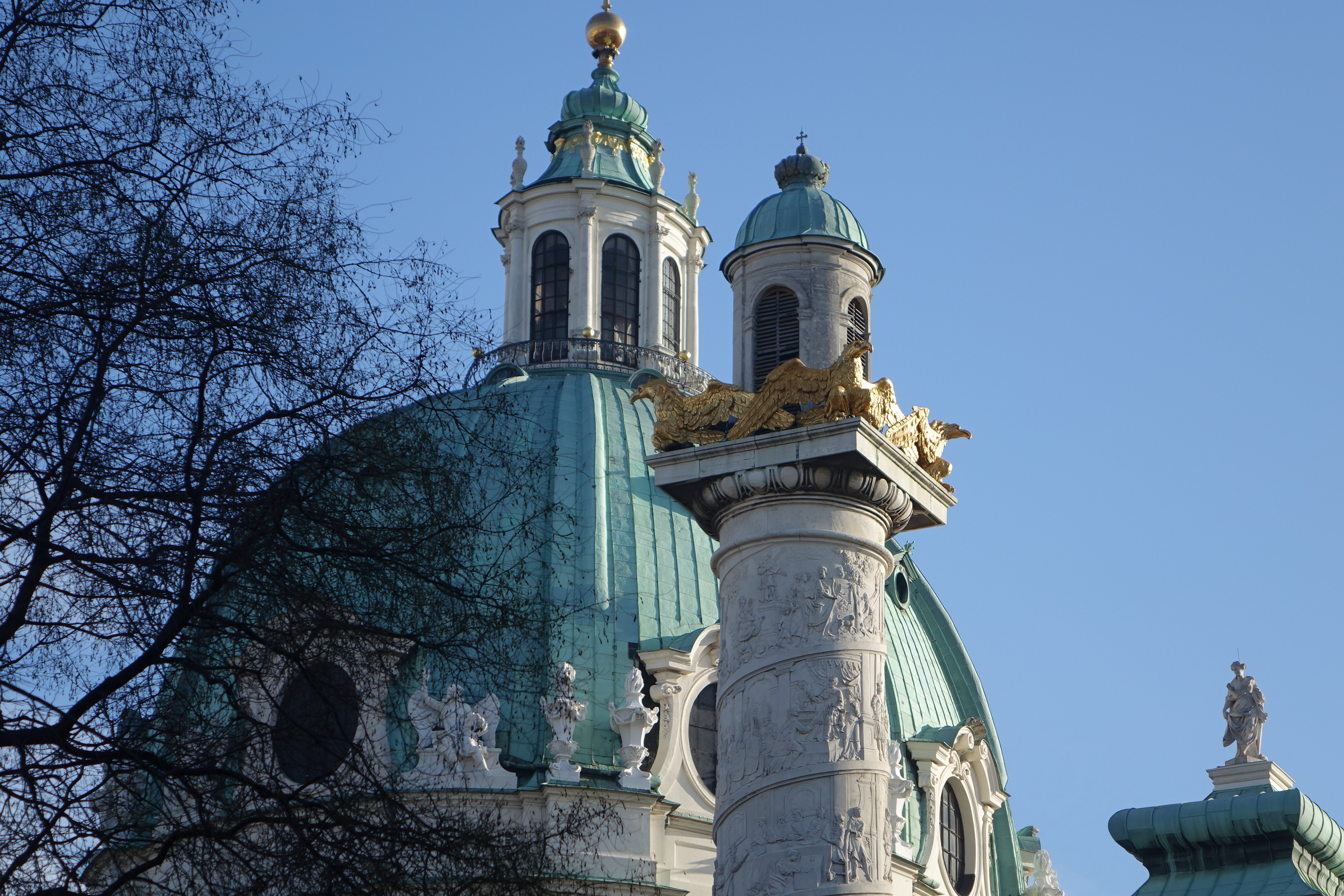
We encountered several other religious spectacles as we proceeded with our tour around Vienna, although we seldom ventured inside. One we would have liked to have explored, on the inside and out, was the last iconic church of the city, Karlskirch, sitting at one end of the central Karlsplatz. But as I bemoaned in Monday’s post, a further prohibited entrance fee found us fleeing from the tourist entrance, leaving us to appreciate this columned baroque masterpiece from the outside – an aspect which, like so many others of the magnificent buildings clambering to be admired in Vienna, could not fail to impress.

Karlskirche

DSC01234DSC06223DSC06219DSC06225DSC06222Karlskirche_Wien

All photos and written content are strictly the copyright of Nicholas de Lacy-Brown © 2016 and The Daily Norm. All rights are reserved. Unauthorized use and/or duplication of the material, whether written work, photography or artwork, included within The Daily Norm without express and written permission from The Daily Norm’s author and/or owner is strictly prohibited.

Onwards to Vienna, Part 1: Imperial City

It felt like we had returned to the glory days of the 20s. Fresh from a cosseted beverage in Harry’s Bar, the venerable watering hole of Hemingway, and having headed along the Grand Canal by vaporetto to the Stazione Santa Lucia, we left Venice one foggy freezing night by night train. With our own little private compartment complete with bunk beds, complementary towels (and bubbles!), and even a tuck away sink and wardrobe, the only thing missing was the inevitable Agatha Christie-esk murder. And while things certainly did go bumpety-bump-bump in the night, we (and as far as I know, the other passengers) arrived early the following morning very much alive and vibrating. Our new destination: Vienna.

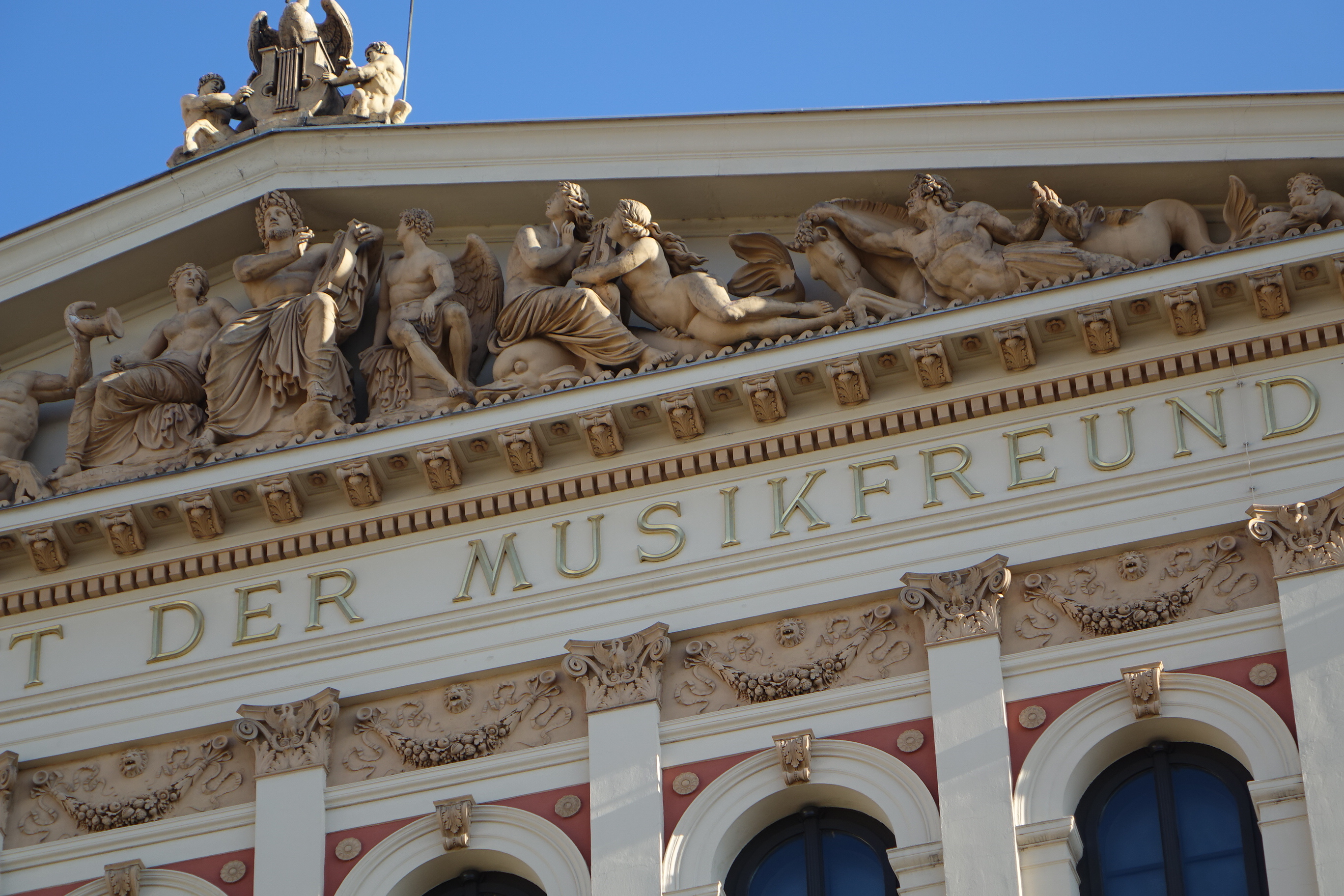
Vienna is synonymous with New Year thanks to its famous New Year’s Day concert from the grand Musikverein, and likewise with the festive season owing to its multitude of Christmas markets perfumed with the scent of mulled wine and spiced pastries. The city was therefore an obvious choice after our Christmas in Venice, and with our night-journey also doubling as a hotel, it was the most convenient of onward travels.

Vienna, first views

DSC05681DSC05739DSC05735DSC05684DSC05741DSC06171DSC06234DSC06187DSC05734

If Venice was remarkable for its decadent, fading grandeur, Vienna was notable for its utterly breathtaking majesty. While Venice’s palaces and piazzas were to be found nestled alongside a maze of tiny canals, and hidden in cosy corners, from our first steps within Vienna, it presented as a city on show. A city-spectacular, straight out of the gilded pages of its imperial past. A city built as a manifestation of an empire’s utmost power, spectacular riches and the very best of refined taste and unceasing elegance. It felt like a city almost untouched by the turbulence of past centuries, as its resplendent monuments and palatial public buildings glittered as though brand new.

This was no more evident than on the Ringstrasse, Vienna’s principal boulevard and main inner-ringroad, an avenue whose construction 150 years ago coincided with a race to build alongside it the most spectacular buildings the city had ever seen.

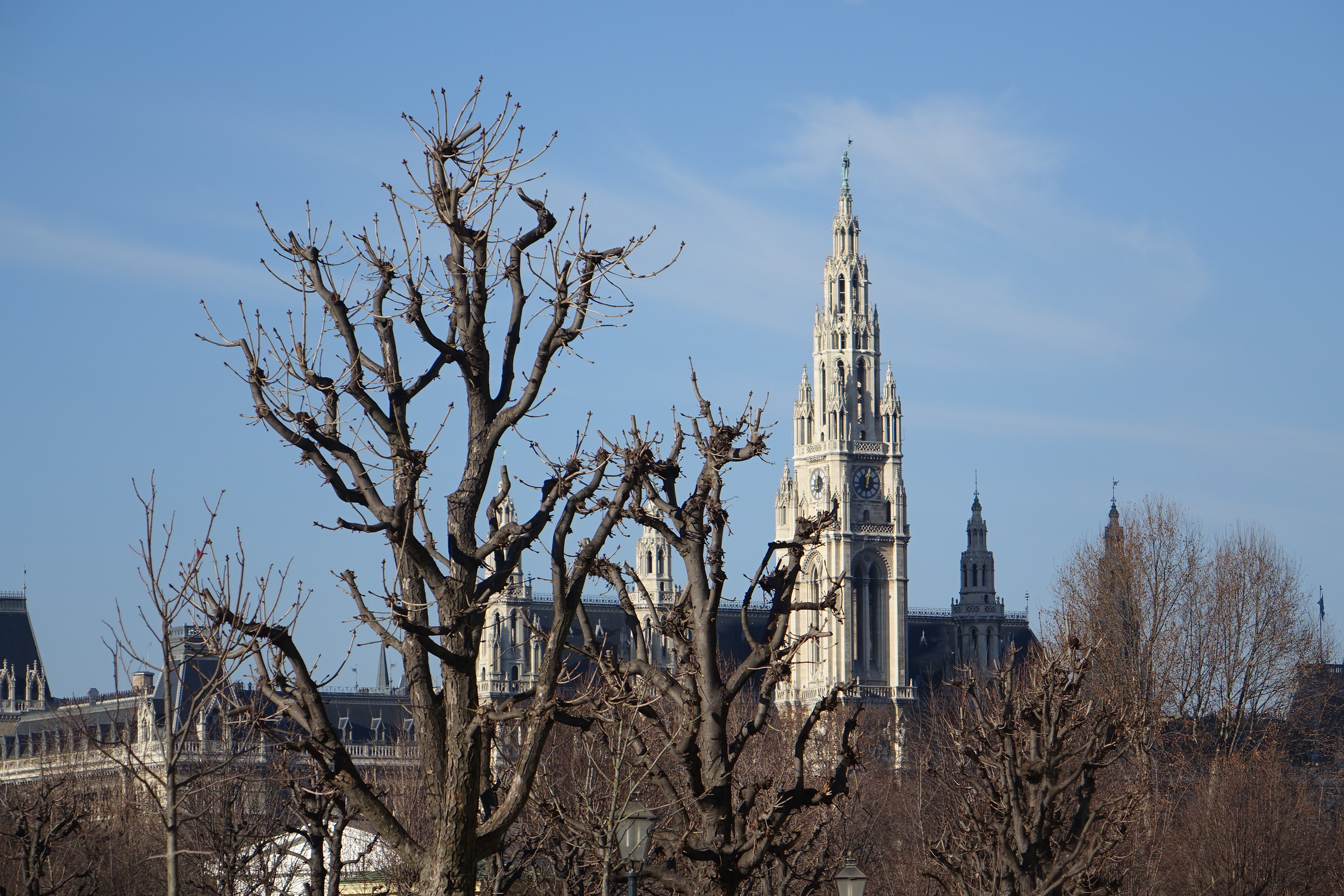
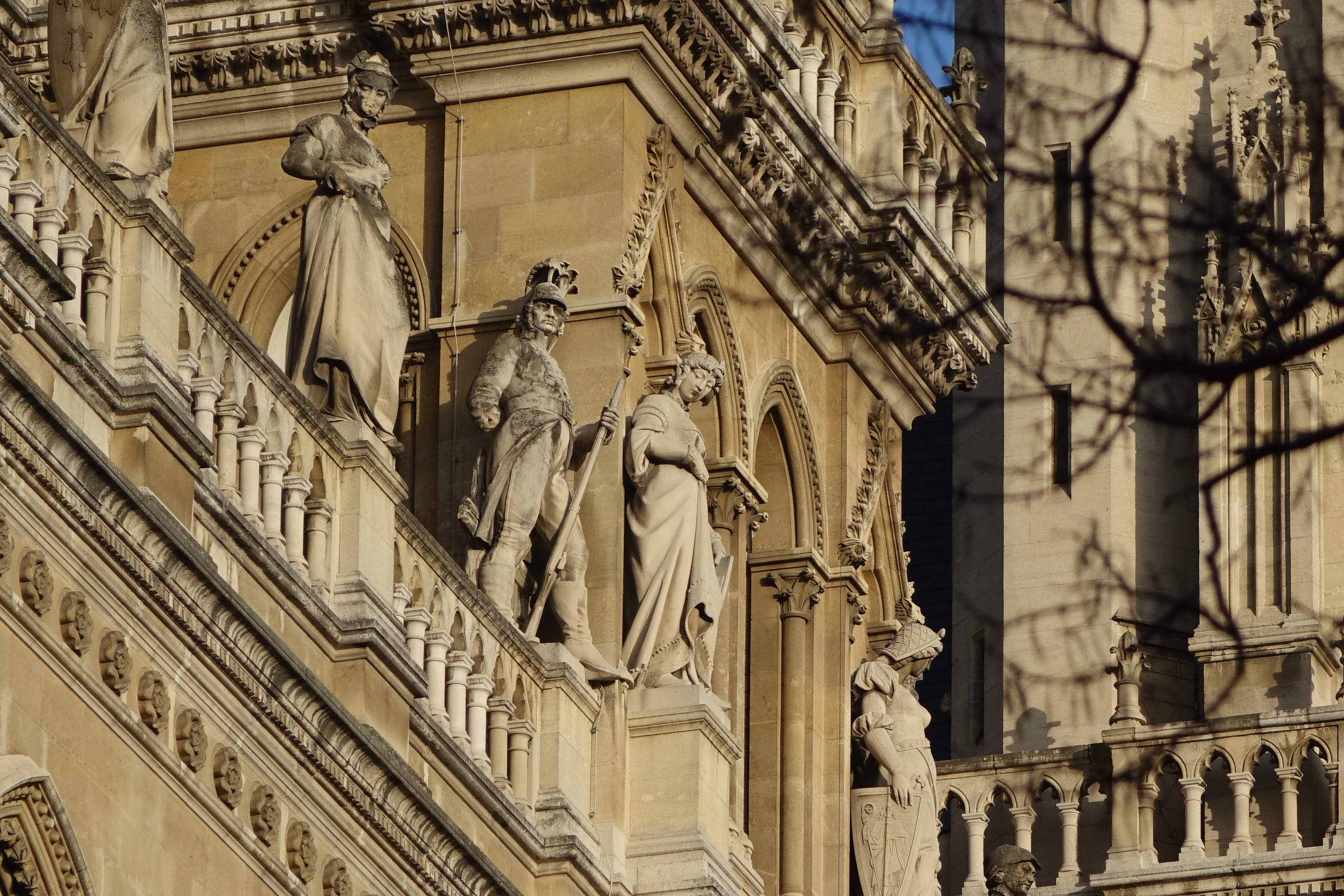
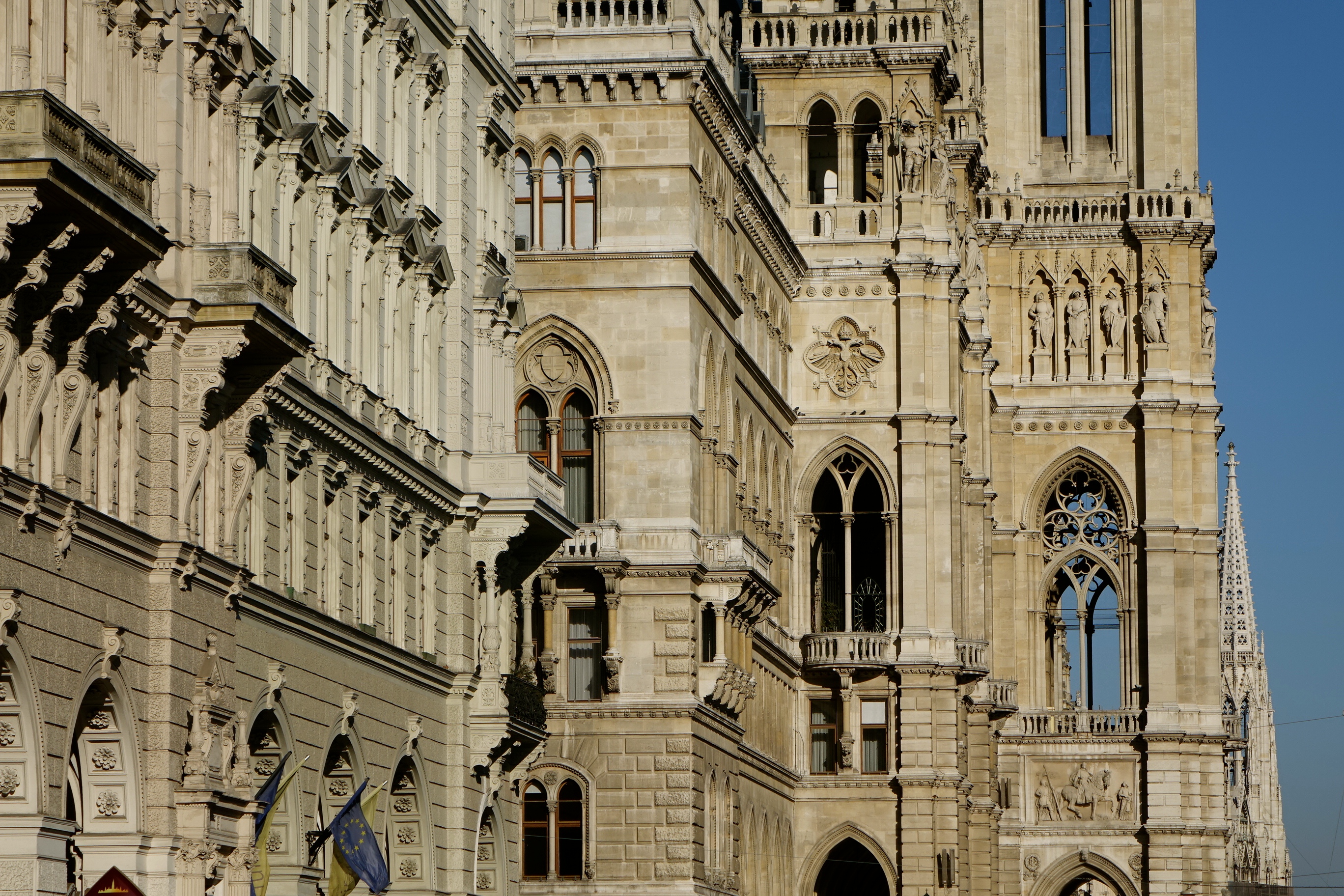
Our location in the comparatively village-like Josefstadt region led us directly onto the Ringstrasse, and our first encounter was with the phenomenal neo-gothic Neues Rathaus, the new city hall built by architect Friedrich von Schmidt and including an impressive 100m central tower topped by a 3m statue of a knight in shining armour.

The Neues Rathaus

DSC06169DSC05698DSC05691DSC05699DSC06137

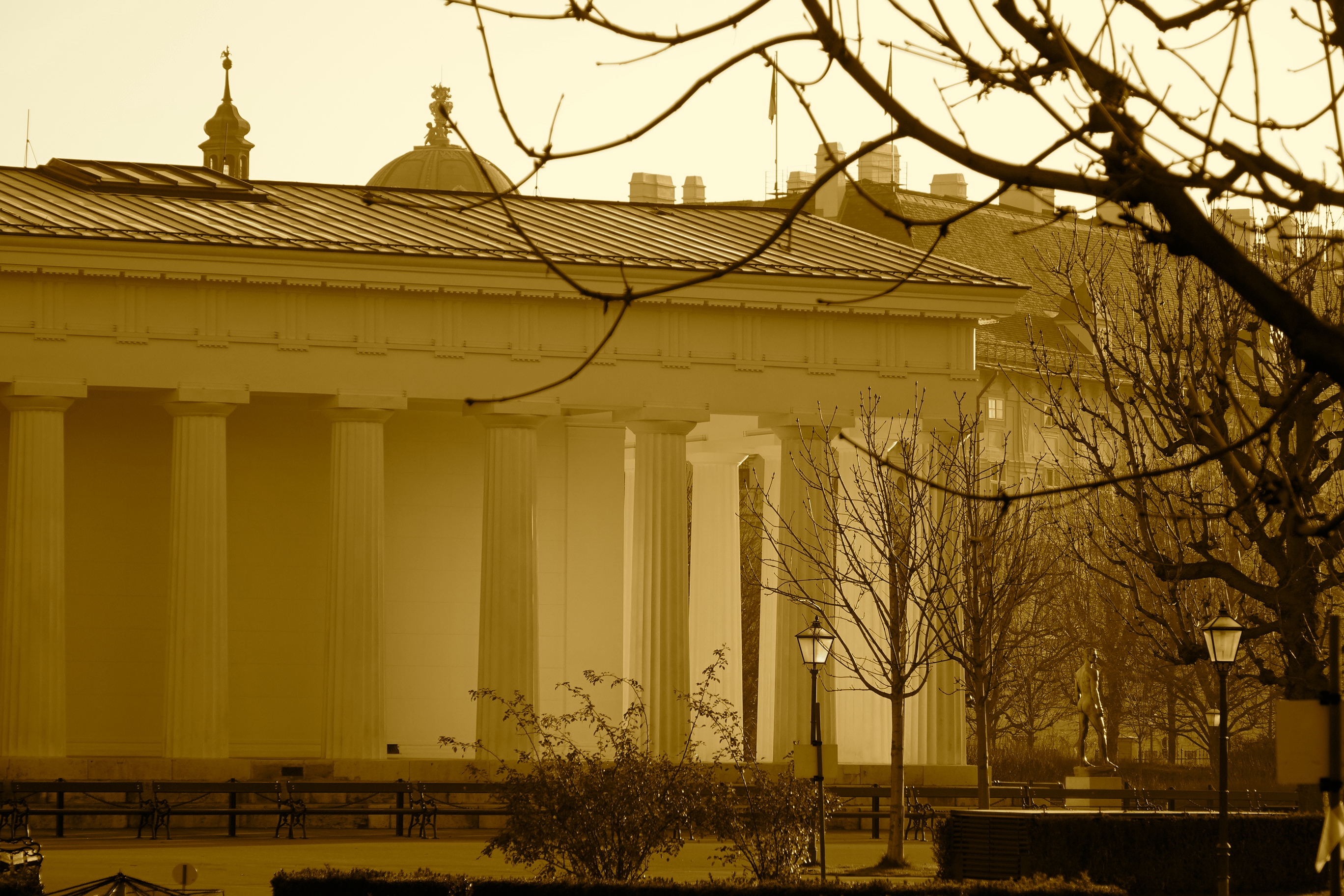
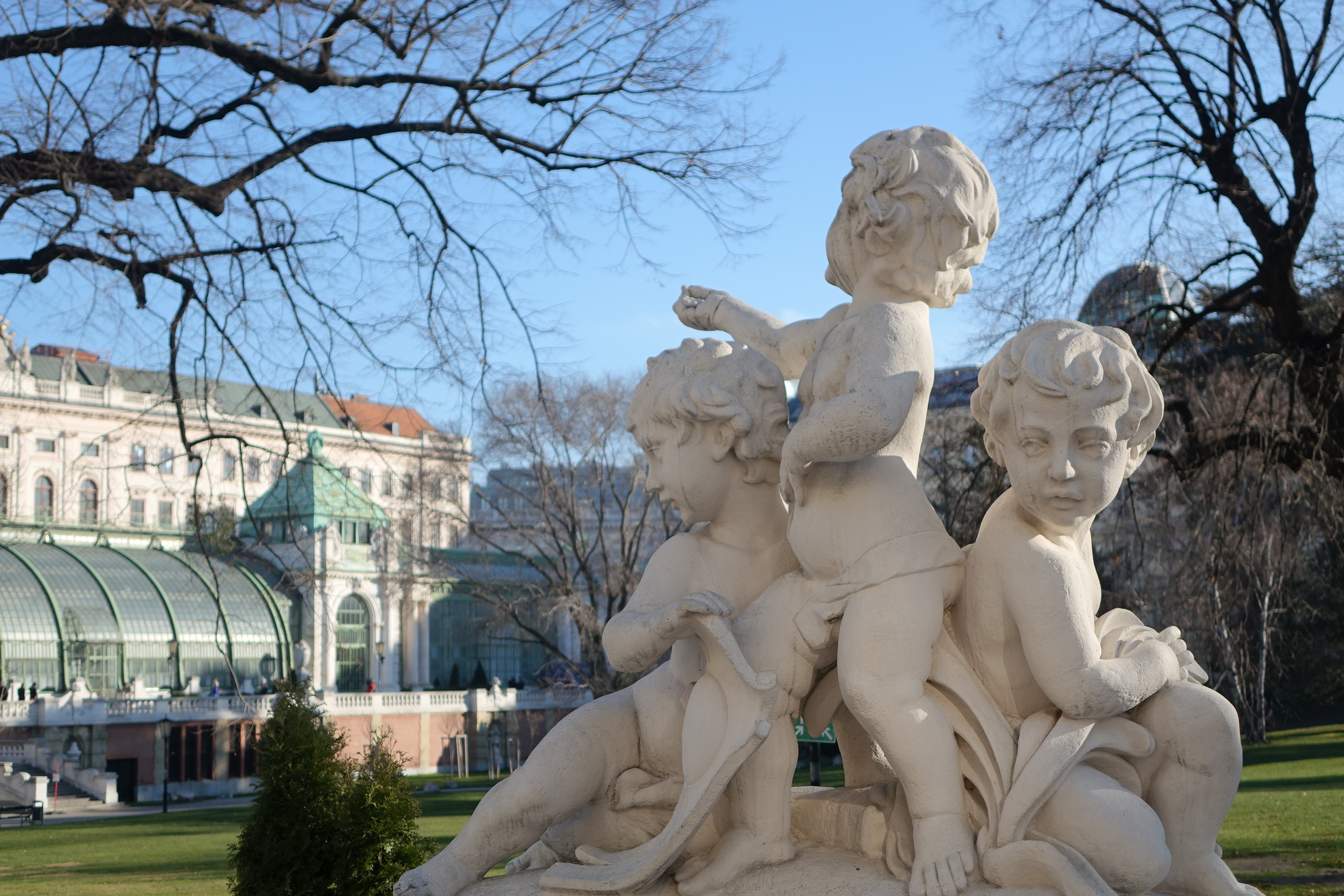
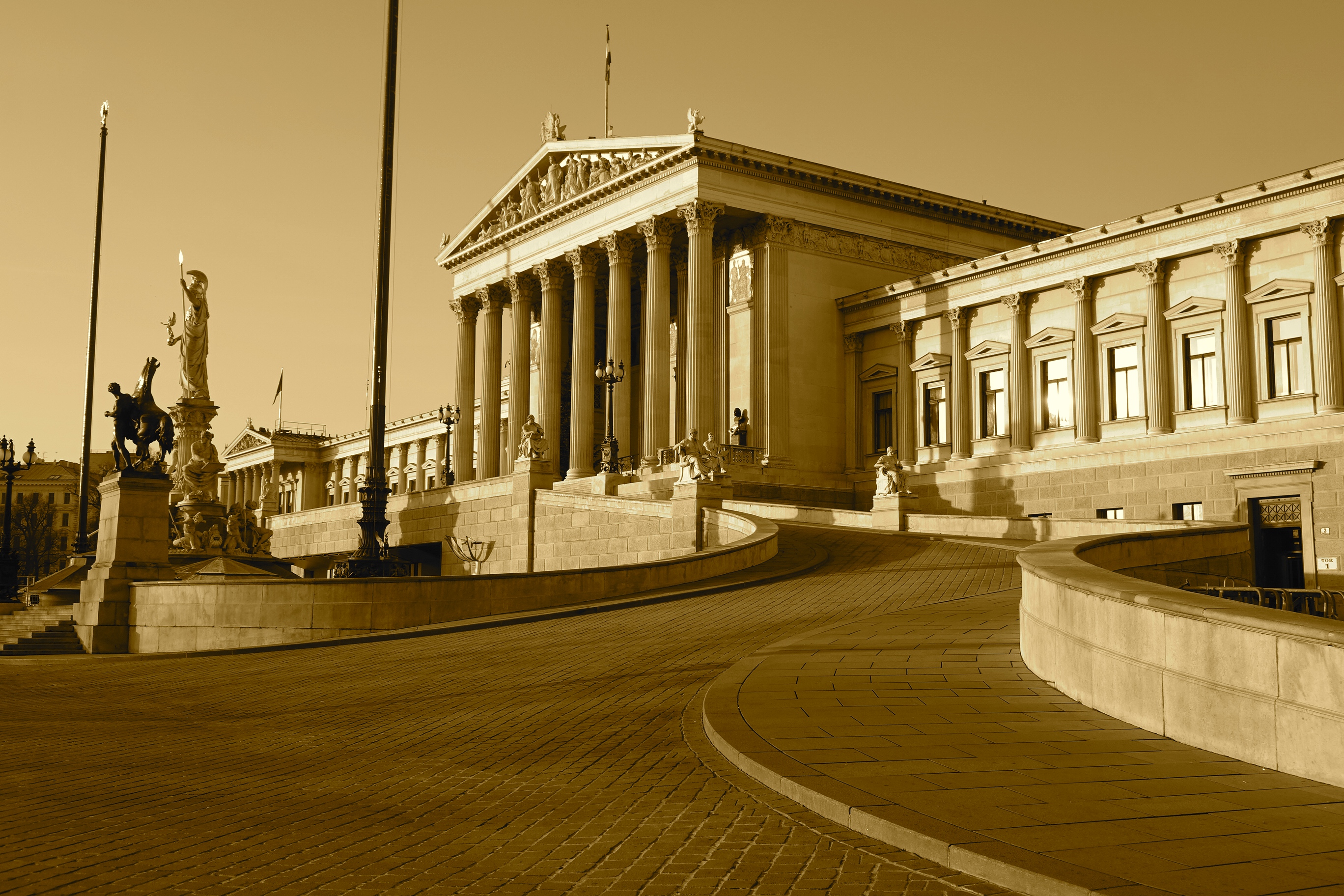
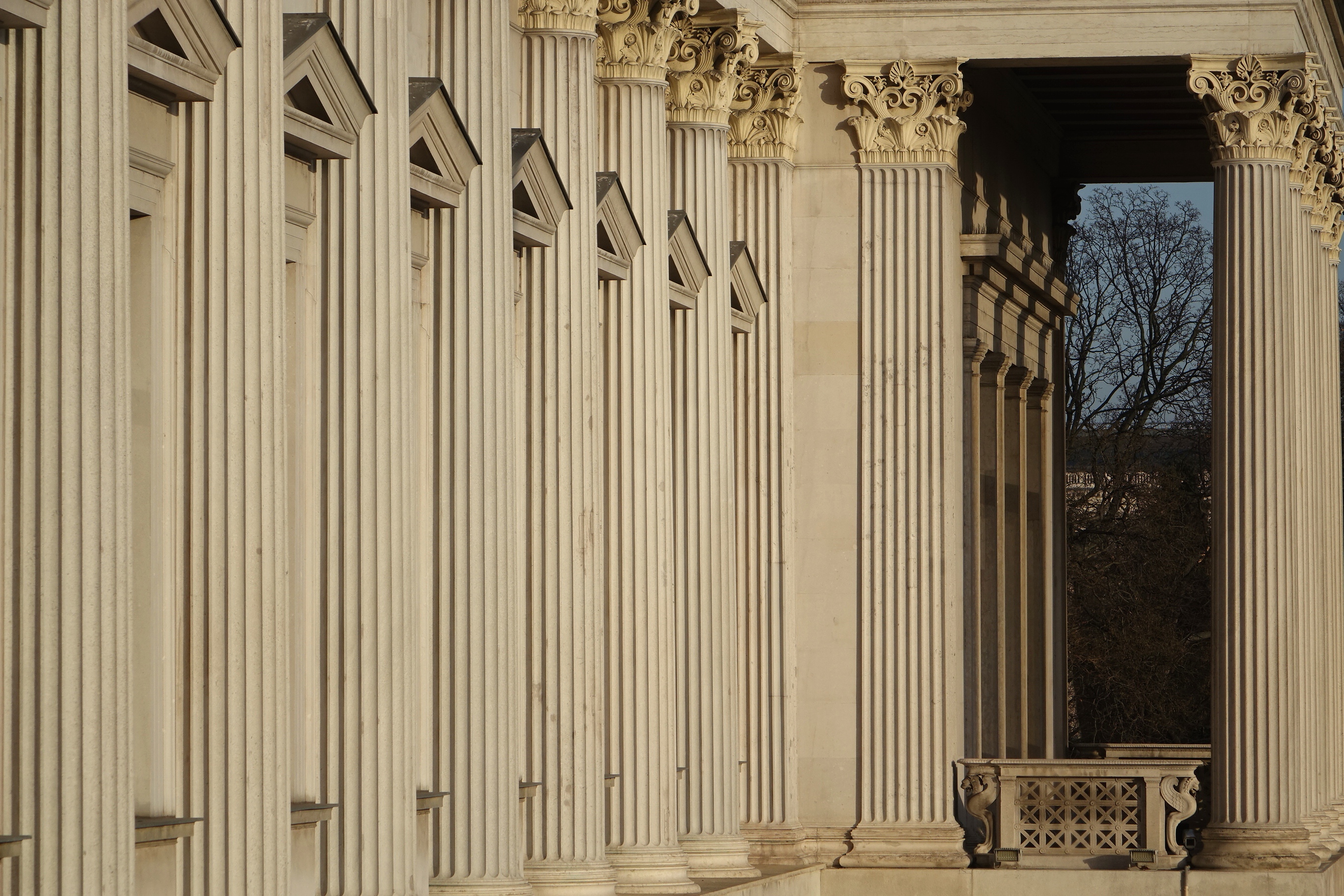
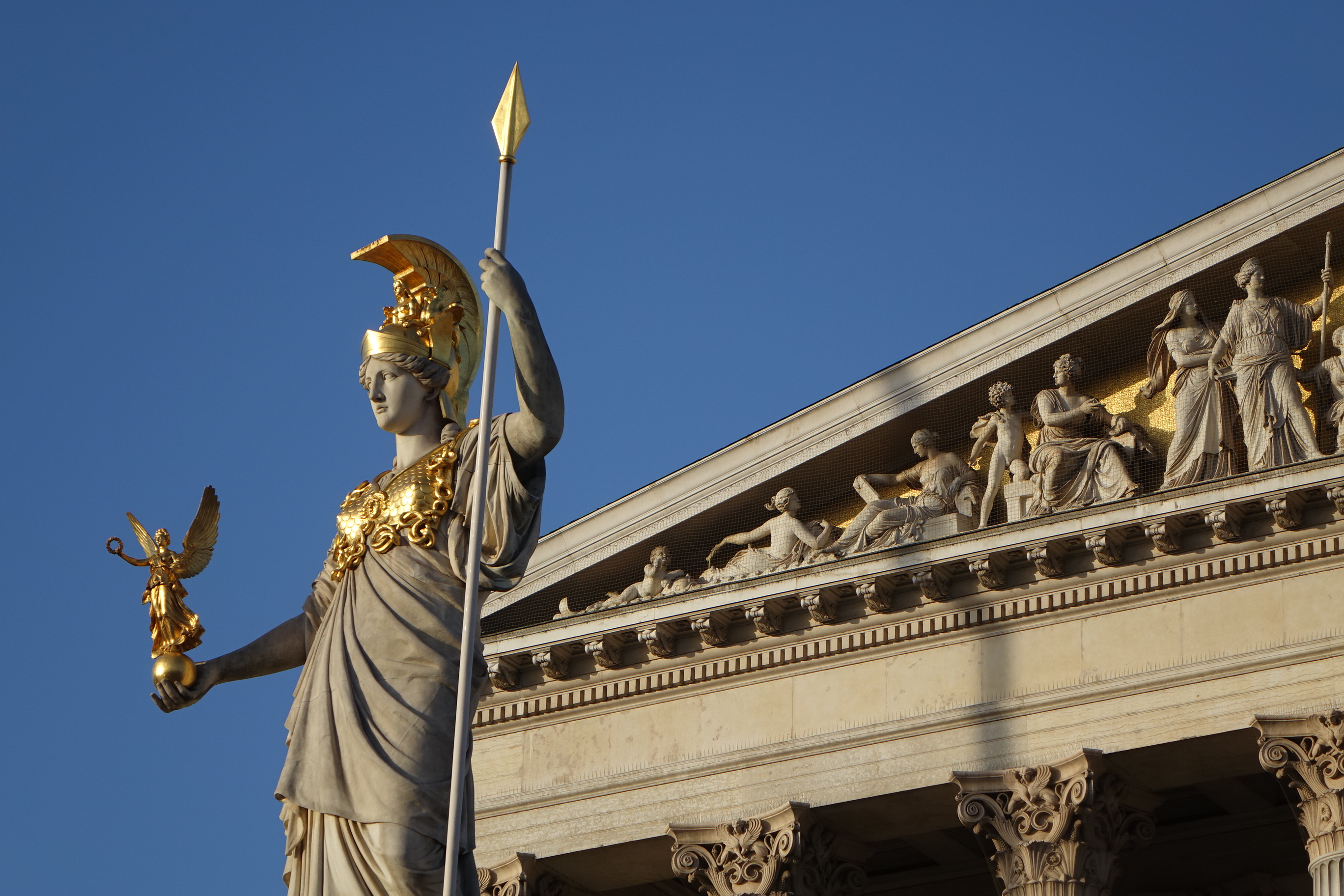
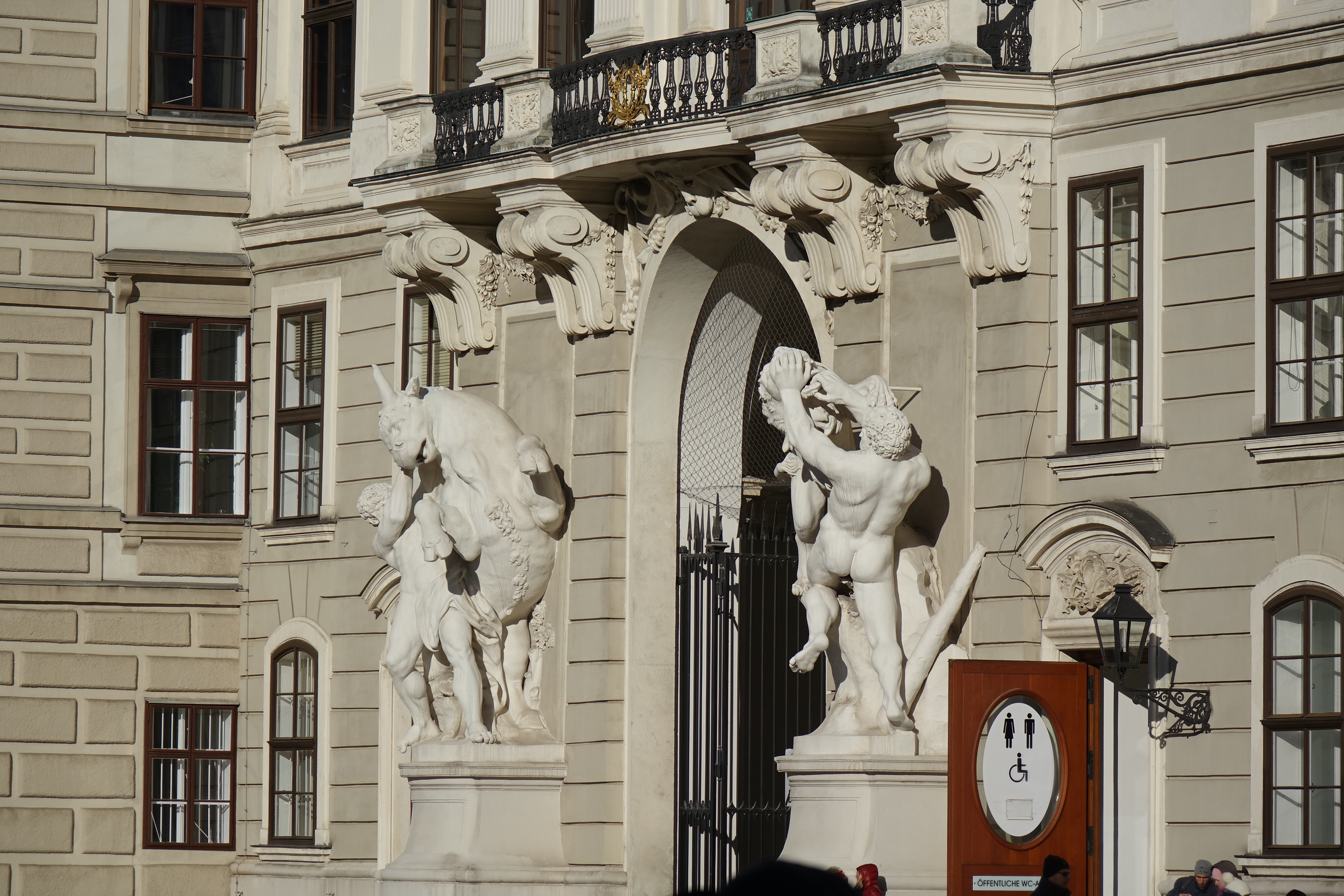
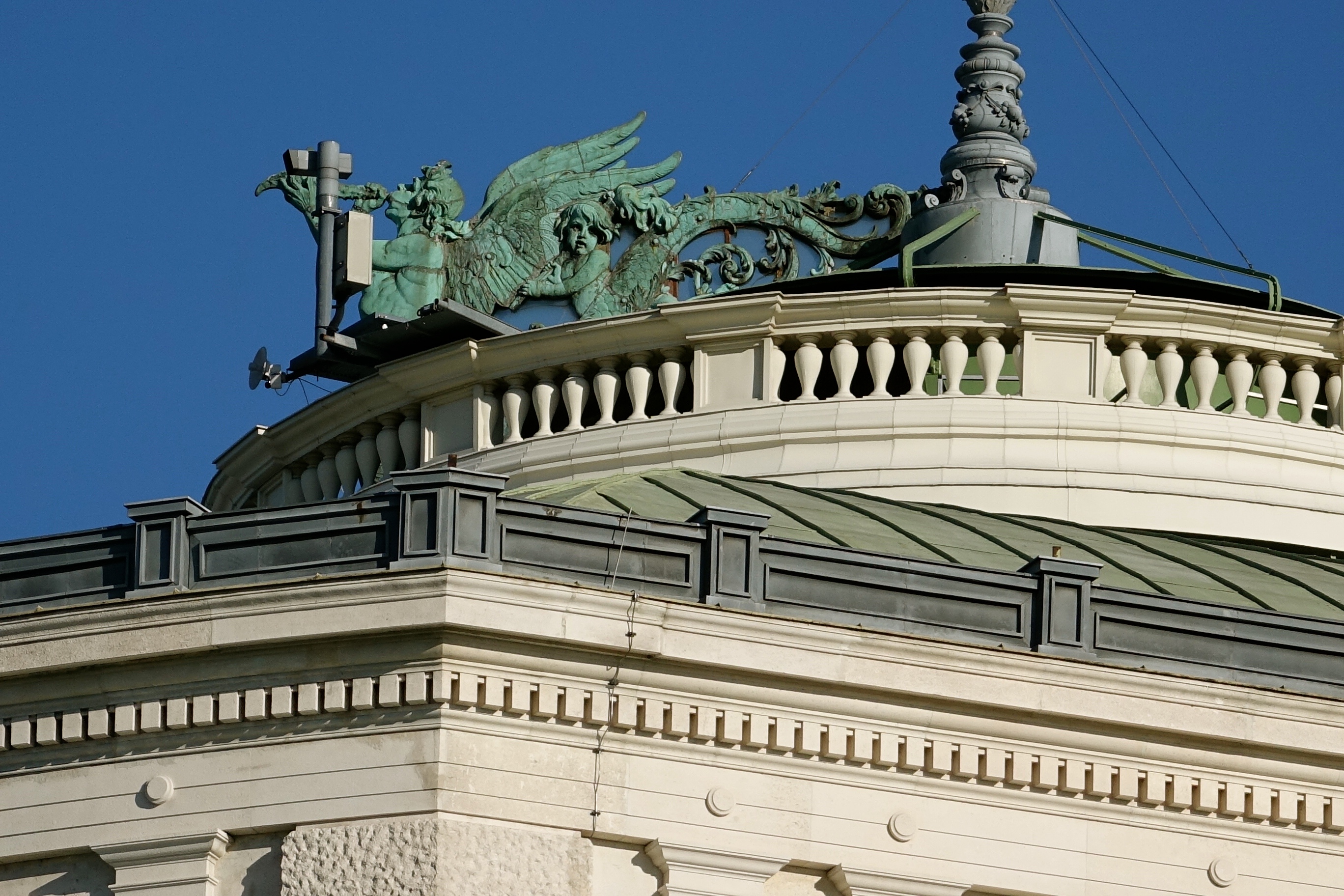
Just a few metres onwards and we came face to face with the classical masterpiece of Theophil Hansen’s Parliament Building, a temple-like construction whose positioning up a gentle sloping hill and collection of grand mythological statues imbued the site with all the majesty and power which would be expected of such a key component of the state. Meanwhile, just opposite across many of the grassy gardens which also line the Ringstrasse, further majesty could be found in the form of the Hofburg Complex, the sprawling network of former imperial apartments and the Presidential offices; a cluster of palaces whose impressive scale is softened by the elegance of its green cupolas and gilded details.

The Parliament building and the Hofburg Complex

DSC05705DSC05732DSC05712DSC05717DSC05731DSC05721DSC06165DSC06163DSC05706DSC06194DSC05723DSC06179DSC06142DSC05728DSC06247

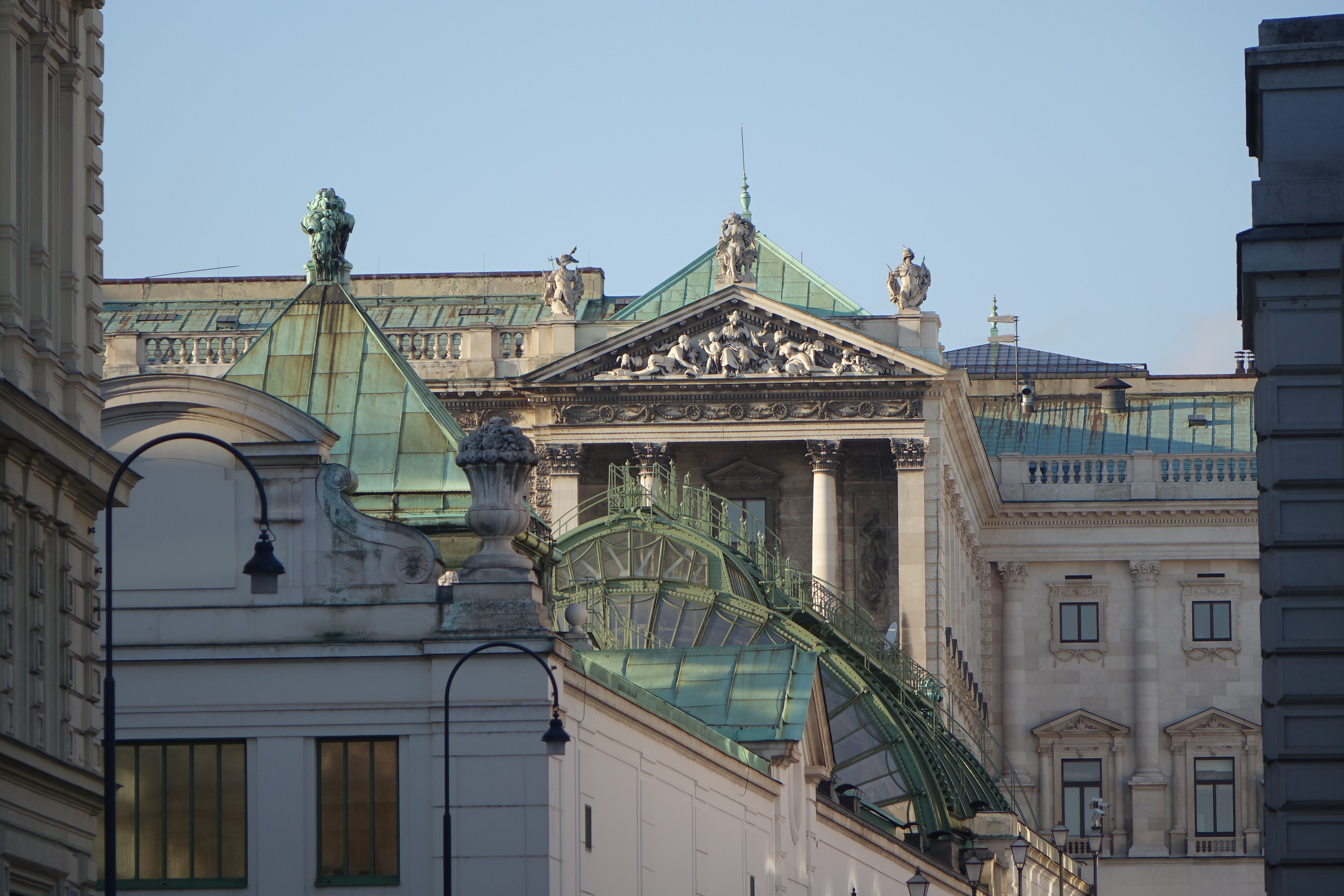
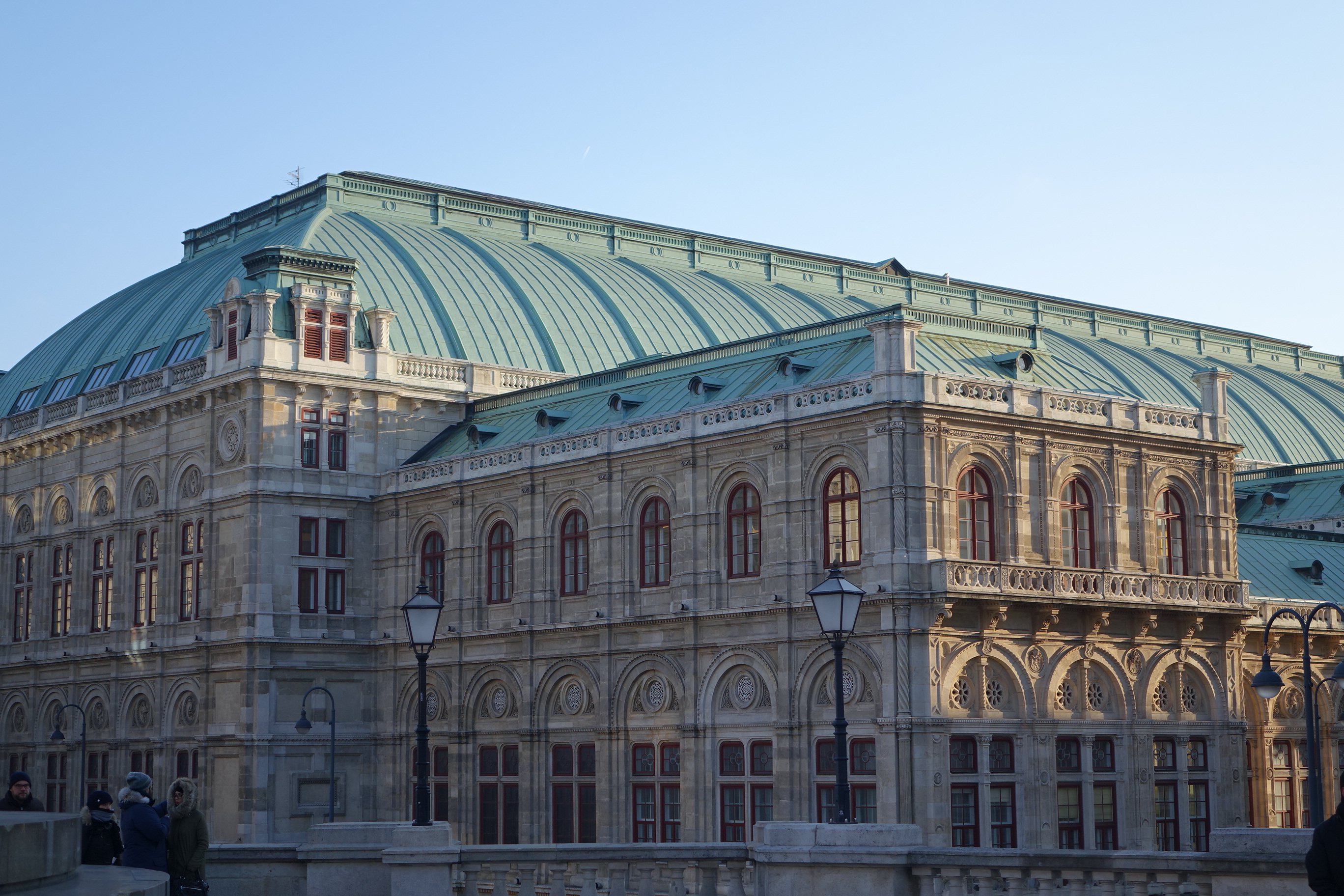
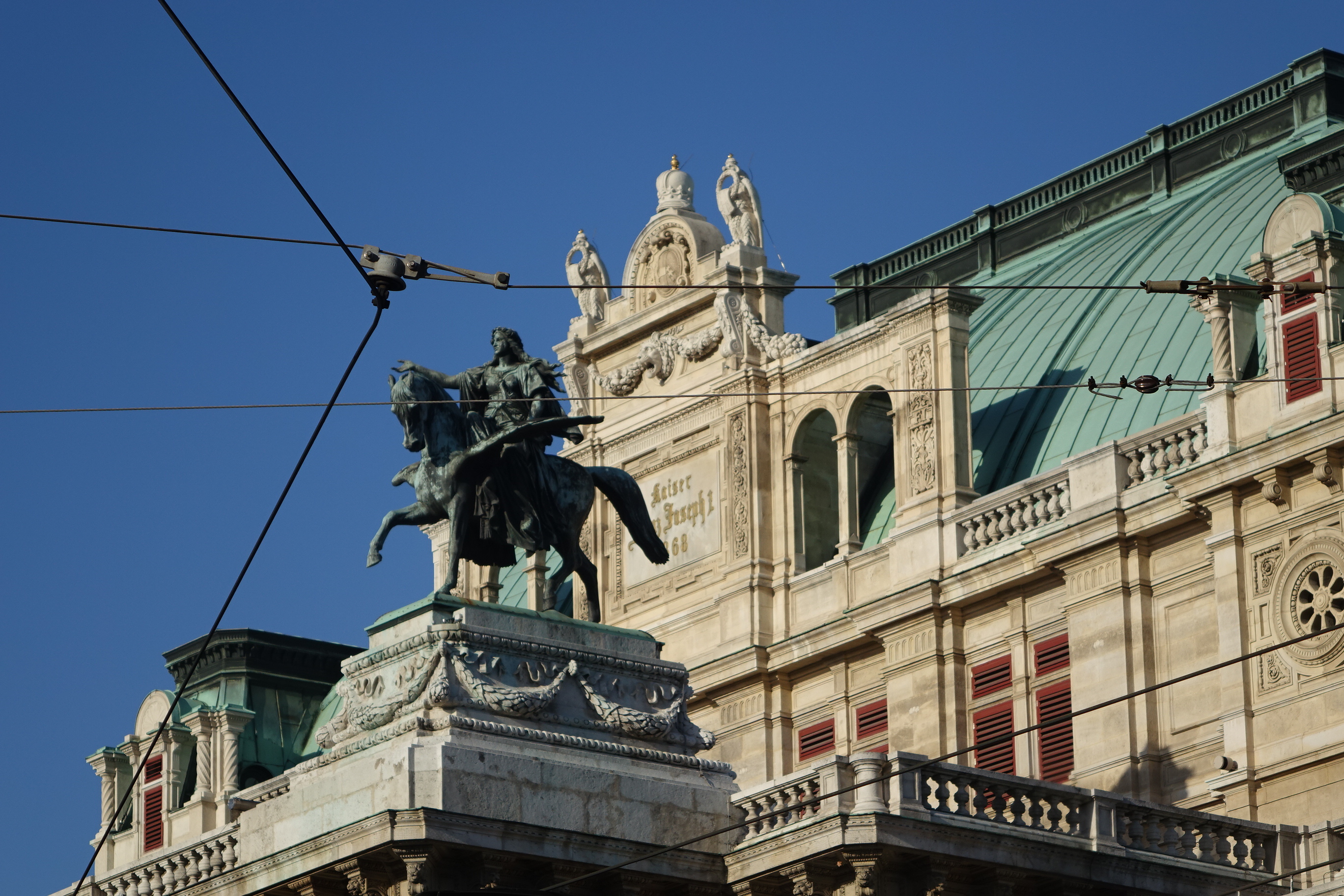
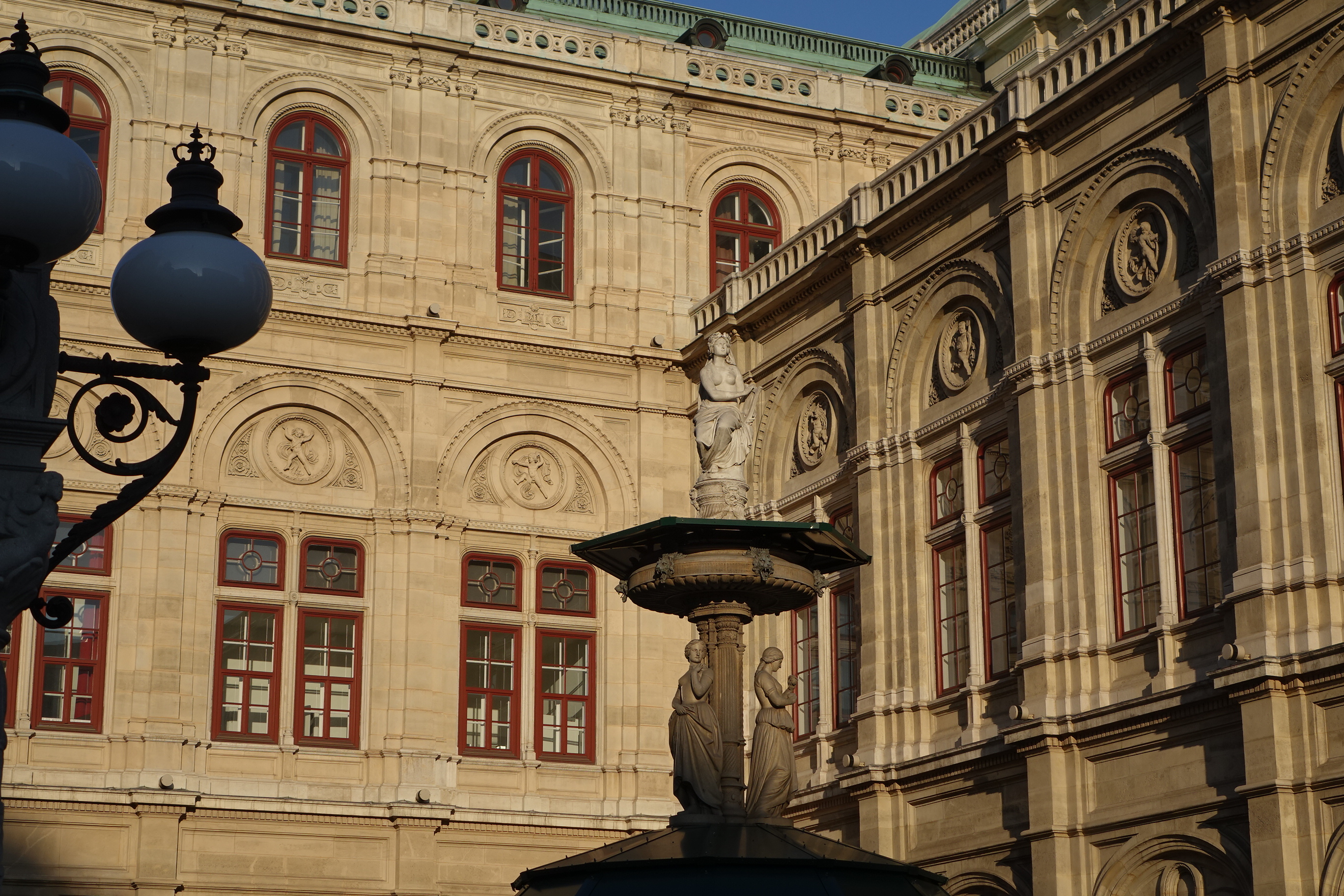
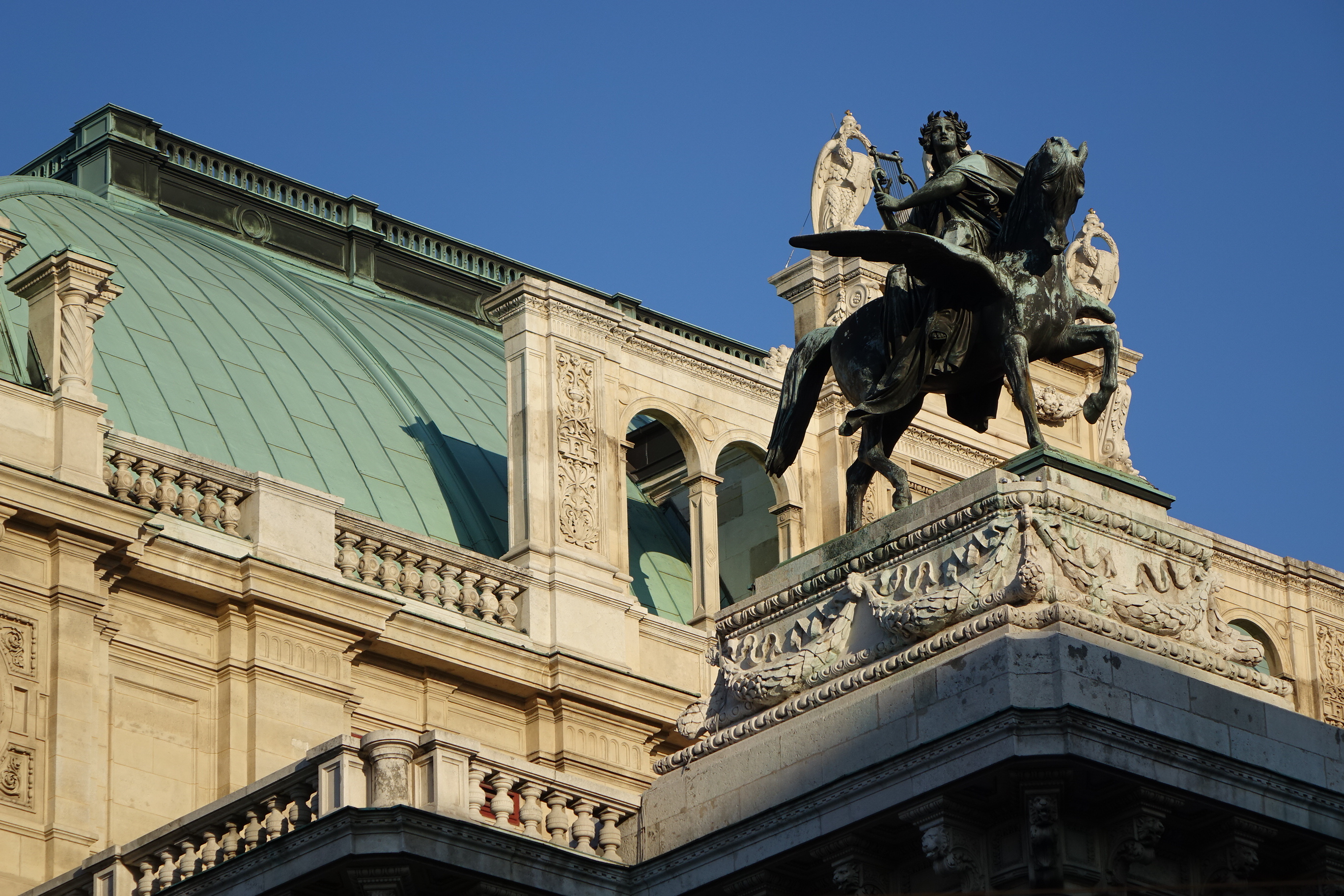
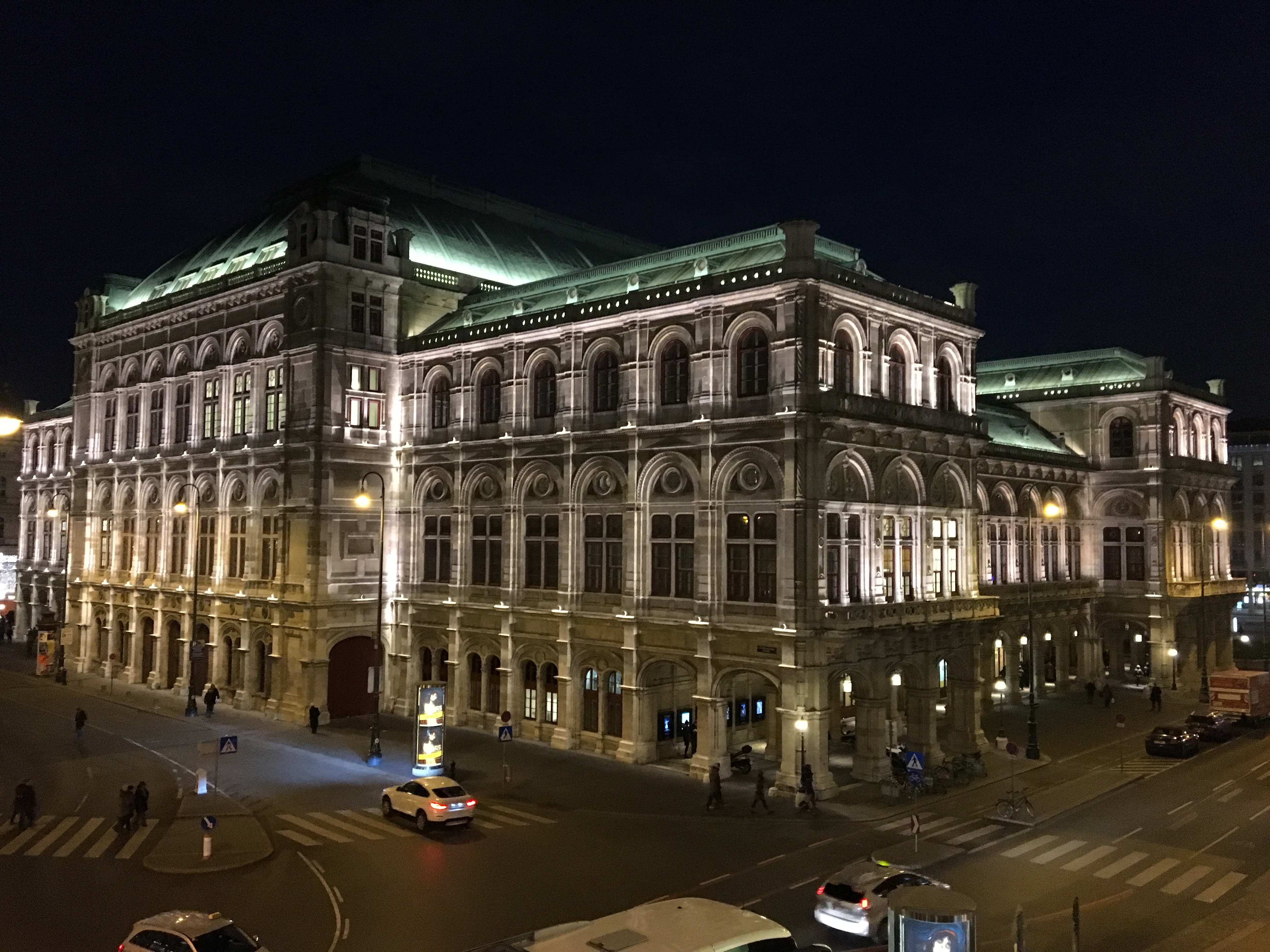
And so with each and every step we took along this impressive broad avenue, we encountered a new masterpiece of architectural prowess, from the twin places of the Kunsthistorisches Museum and the Natural History Museum to the stunning State Opera House, one of the first of the grand Ringstrasse buildings to be completed, and of course the famous Musikverein, home of the Vienna Philharmonic Orchestra. And these views only got better as night quickly fell, and the grandeur was aptly illuminated against a starry blue sky.

The Opera, and the Musikverein

DSC06249DSC05914DSC06245DSC06243DSC06236DSC06237

As Sigmund Freud once noted, Schein über Sein – looking good is better than being good. And while Vienna struck us almost immediately as a veritable showpiece rather than a place of cosiness and homely welcome, we couldn’t help but be impressed by the show being laid out before us, a performance whose protagonist would continue to dazzle as this next leg of our winter journey moved onwards.

The Ringstrasse at night

IMG_7553IMG_7461

All photos and written content are strictly the copyright of Nicholas de Lacy-Brown © 2016 and The Daily Norm. All rights are reserved. Unauthorized use and/or duplication of the material, whether written work, photography or artwork, included within The Daily Norm without express and written permission from The Daily Norm’s author and/or owner is strictly prohibited.
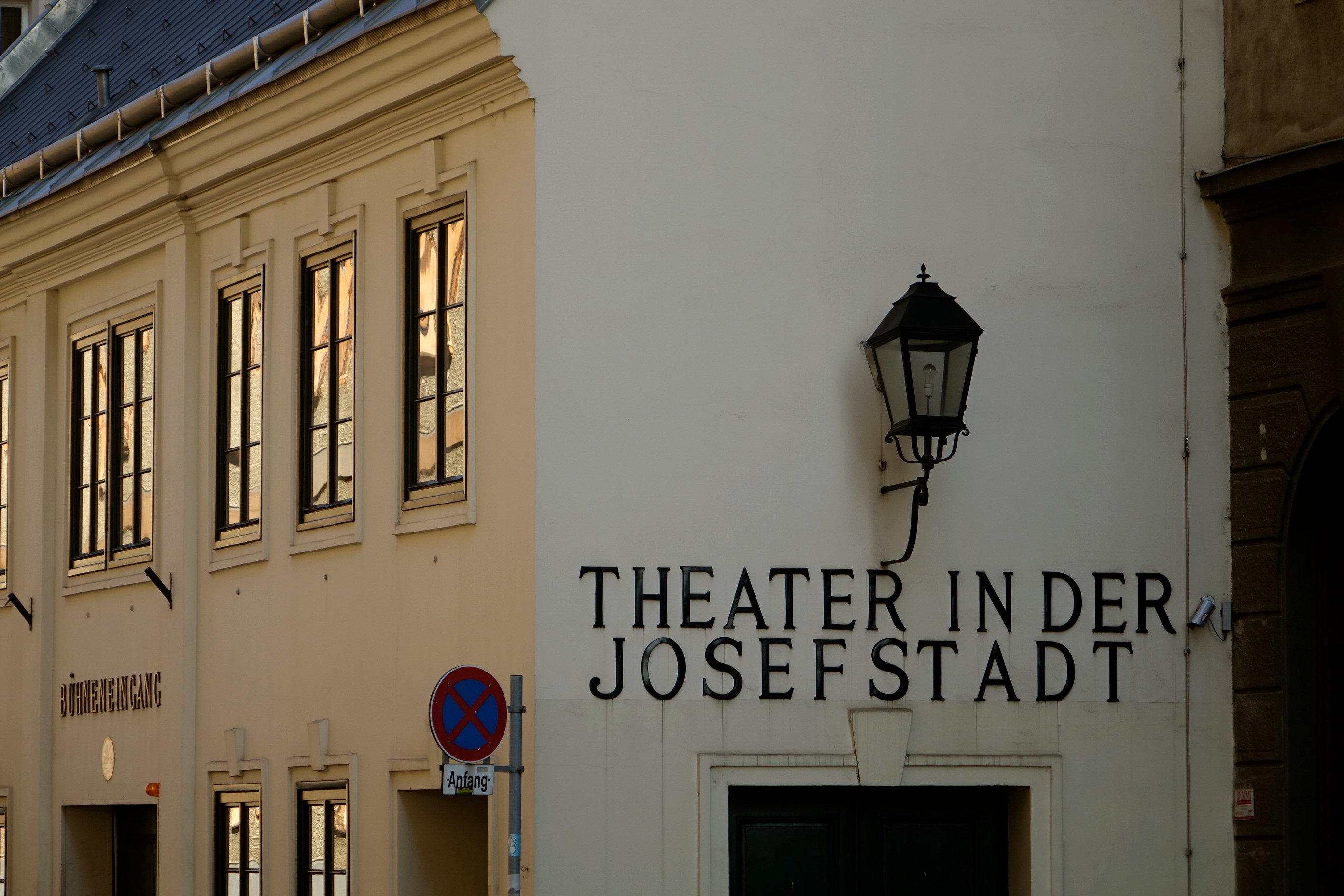
Photos from Venezia: Capturing a city

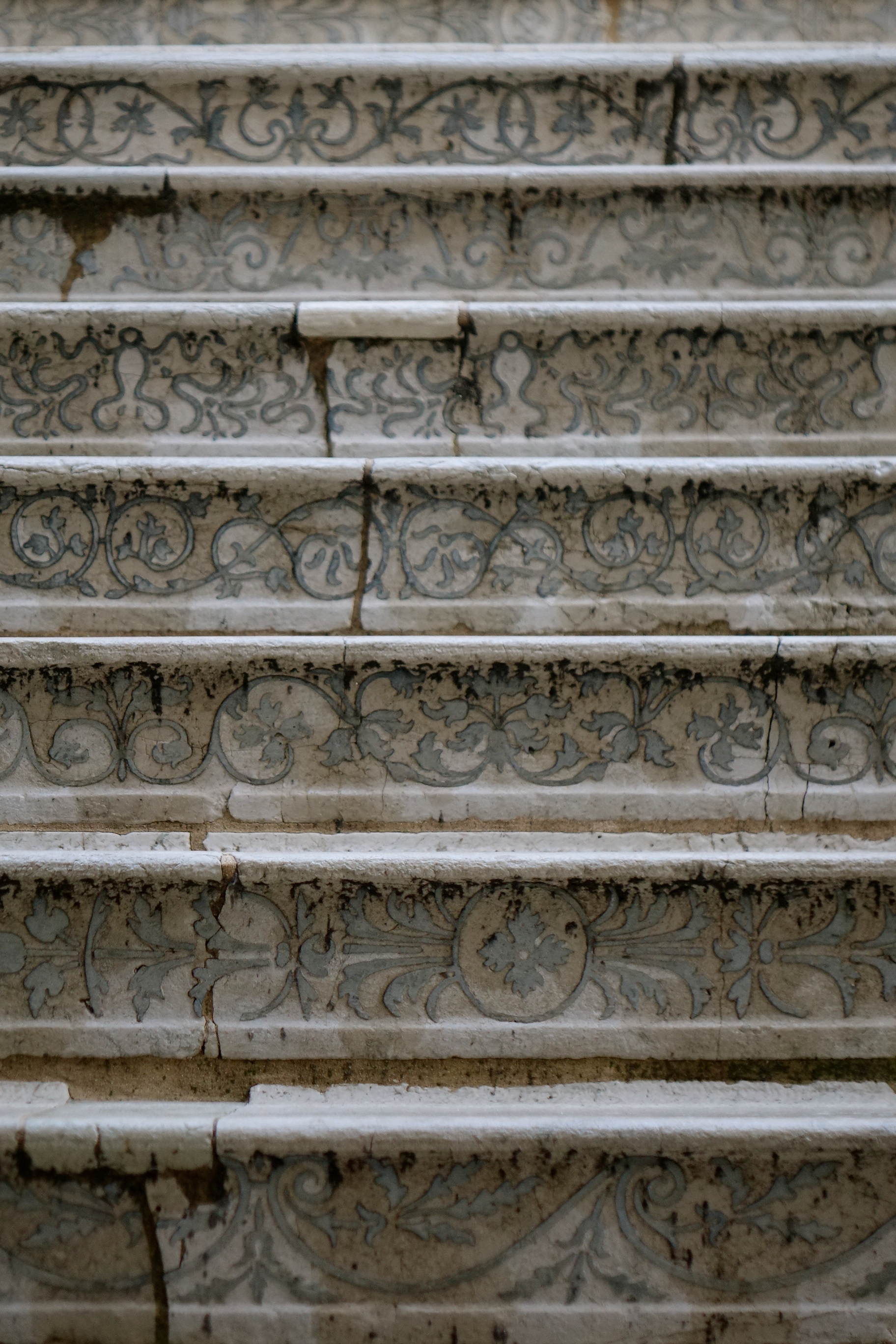
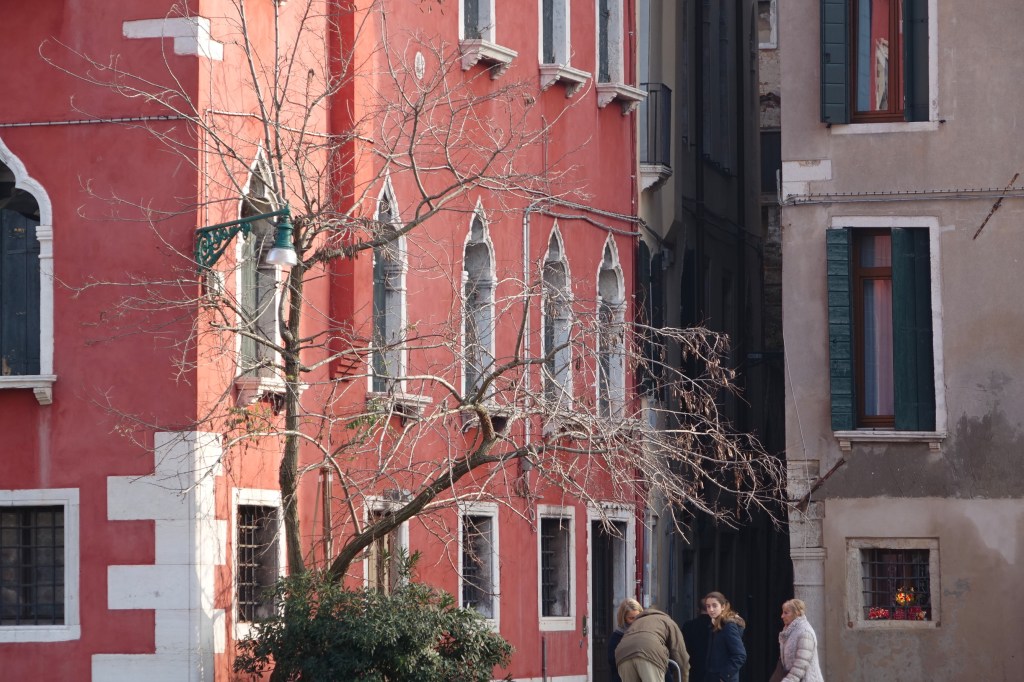
I defy even the most inexperienced of photographers not to start snapping away, be it on a traditional camera or on a mobile telephone, when they go to Venice. It is, I would venture to guess, almost scientifically impossible for a visitor to the city not to become captivated by the beauty which exists at every corner, to fall under the spell of its utterly unique character, and to therefore attempt to capture themselves a little piece of the city, be it through photos or souvenirs (or usually both).

Regular readers of The Daily Norm have probably already noticed that I took a fair number of photos on my recent trip to Venice, even though it meant defying the cold and taking off my new comfy rabbit-lined gloves (bought on the Rialto Bridge) in order to do so. But despite the so often gloomy winter weather, it will come as no surprise that Venice inspired an entire flurry of photos, and I have plenty still to share in addition to those already posted.

DSC04979DSC04976DSC04876DSC04978DSC04946DSC05557

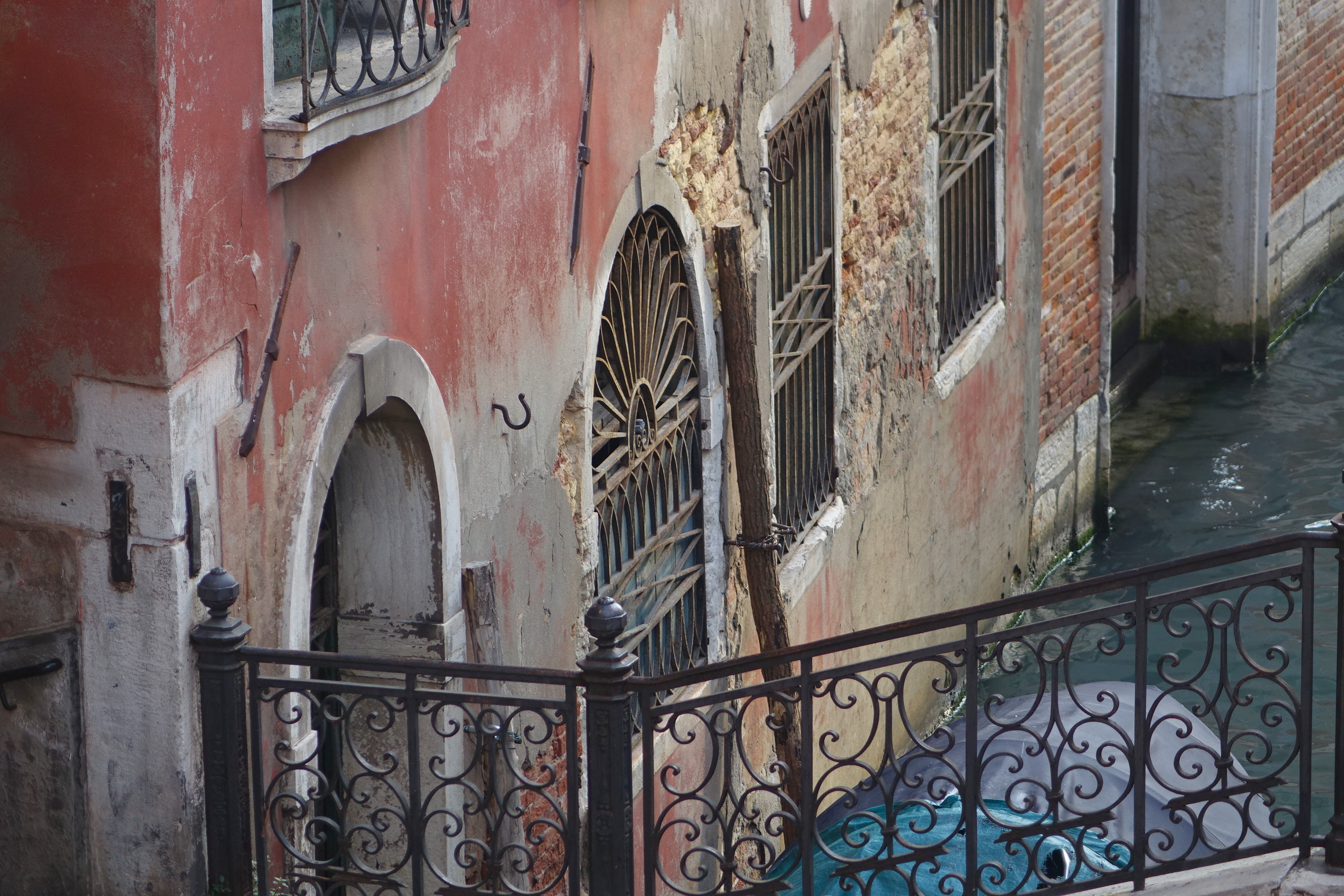
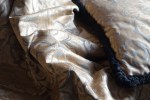
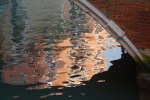
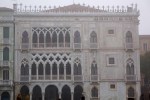
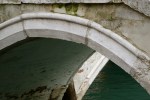
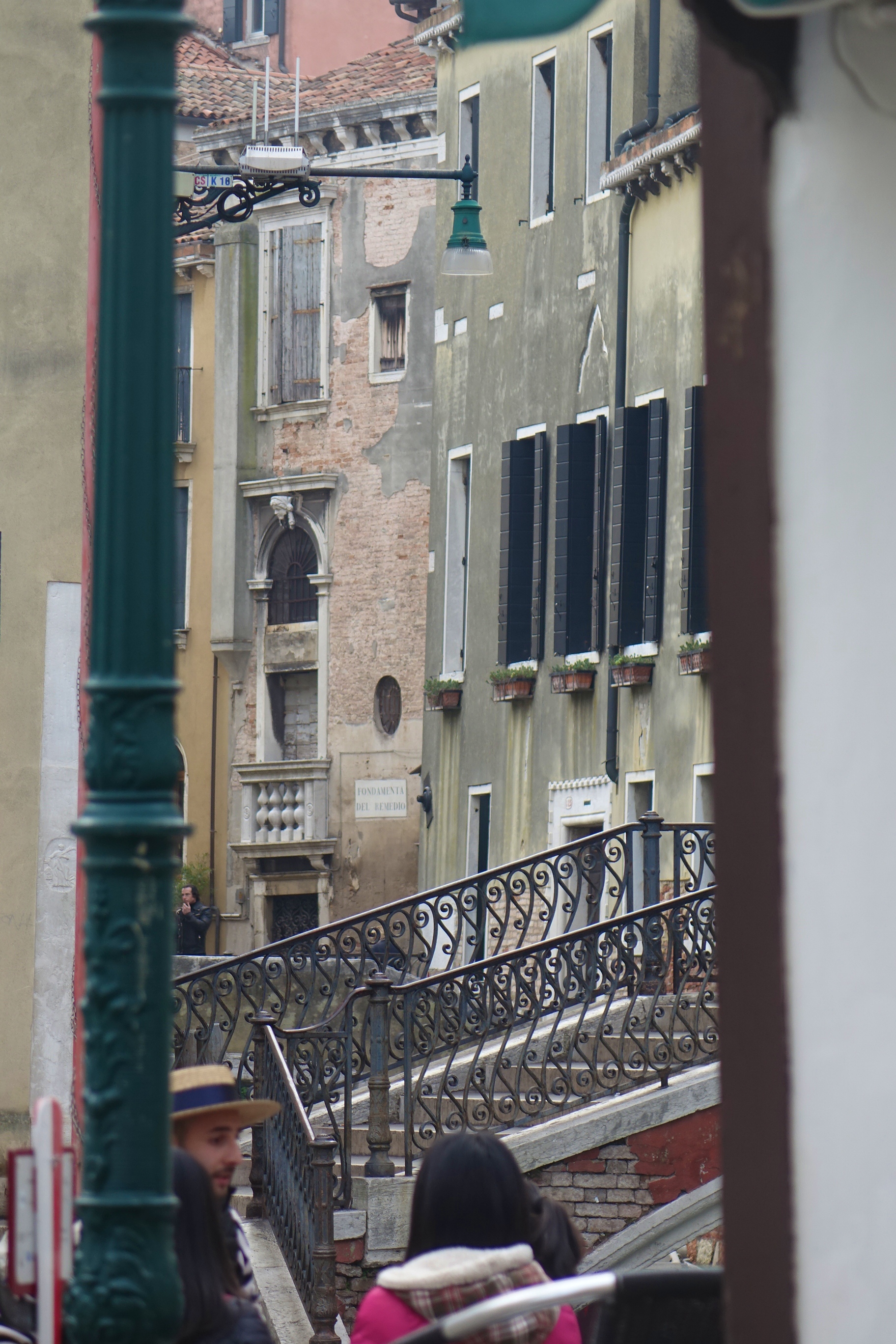
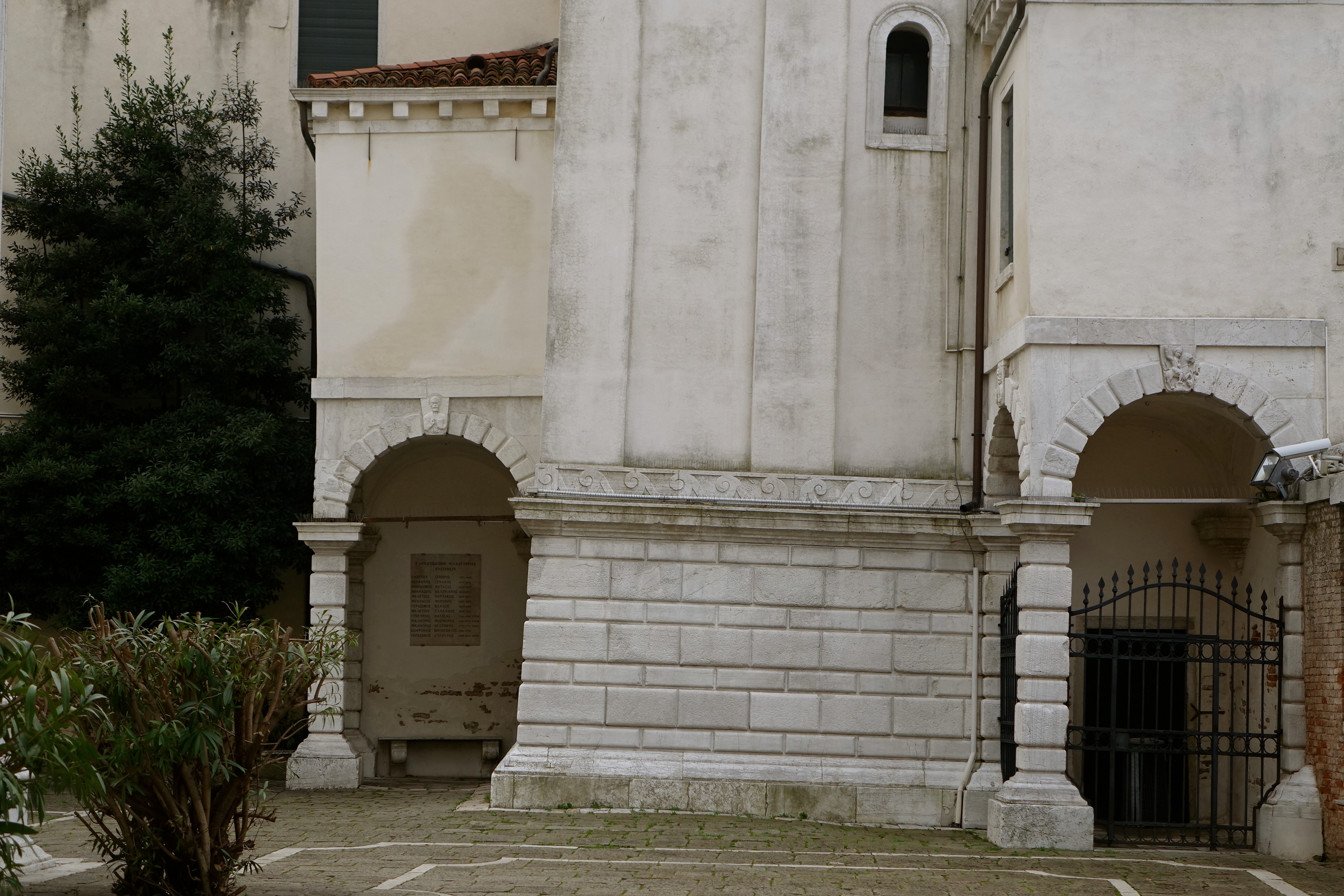
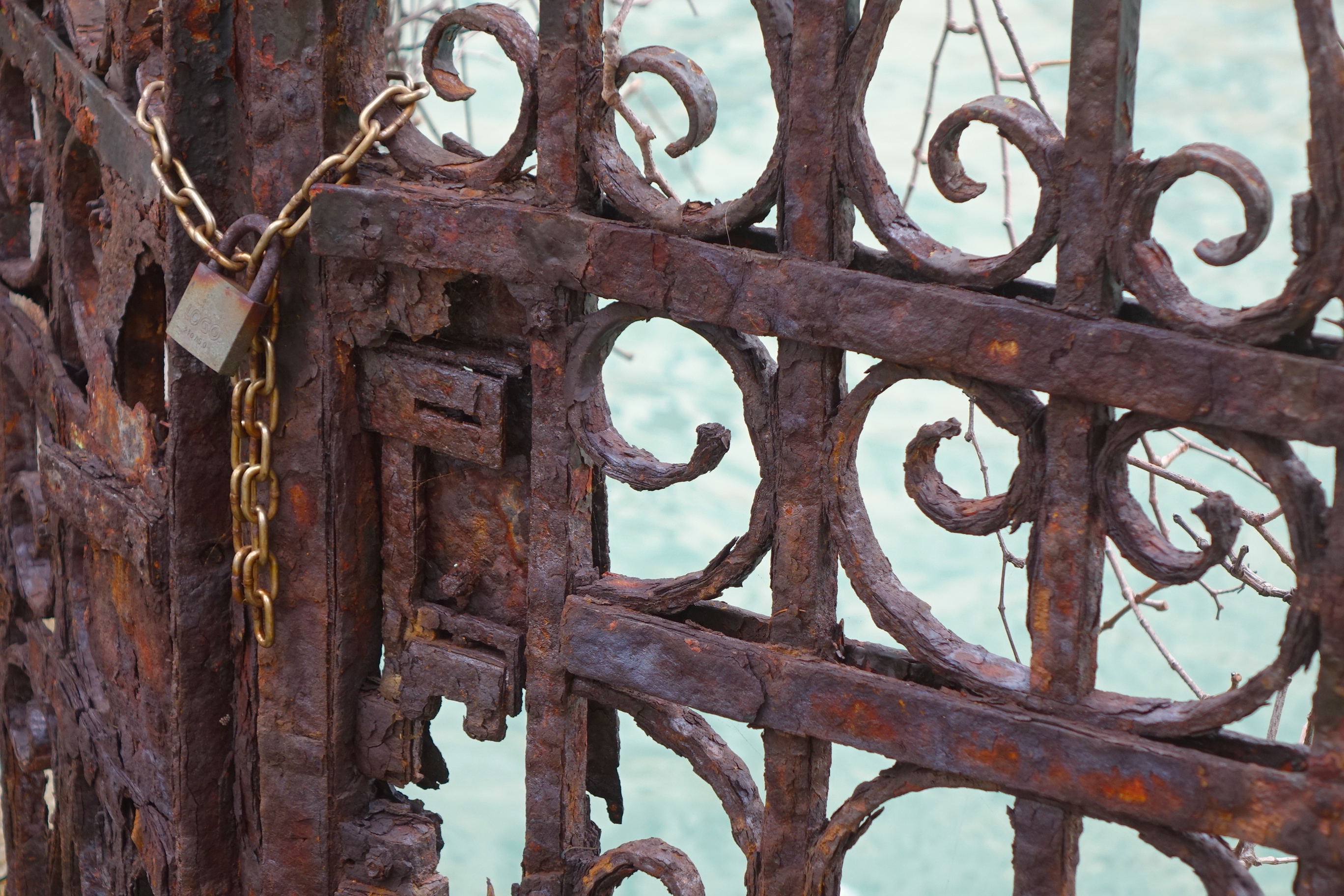
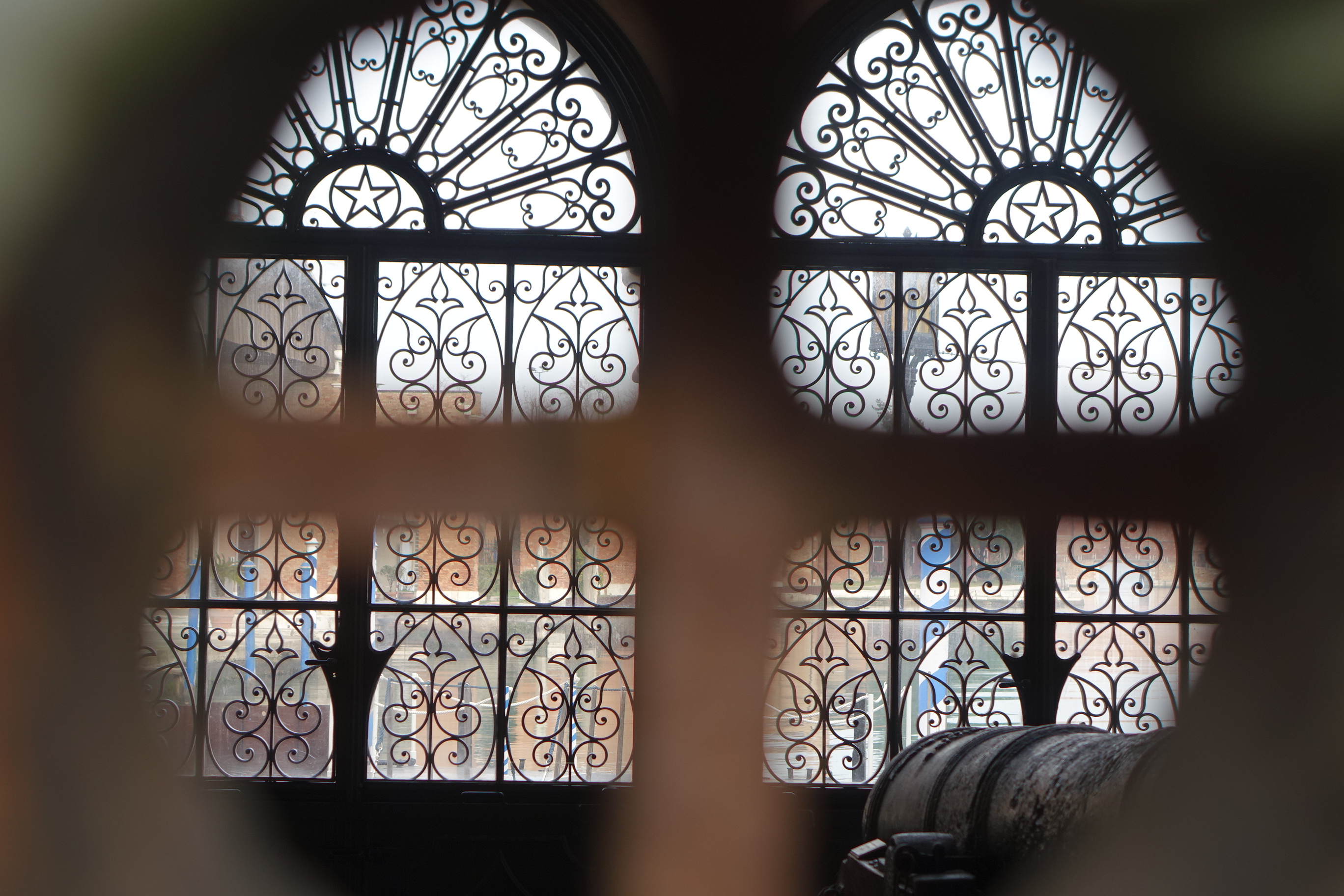
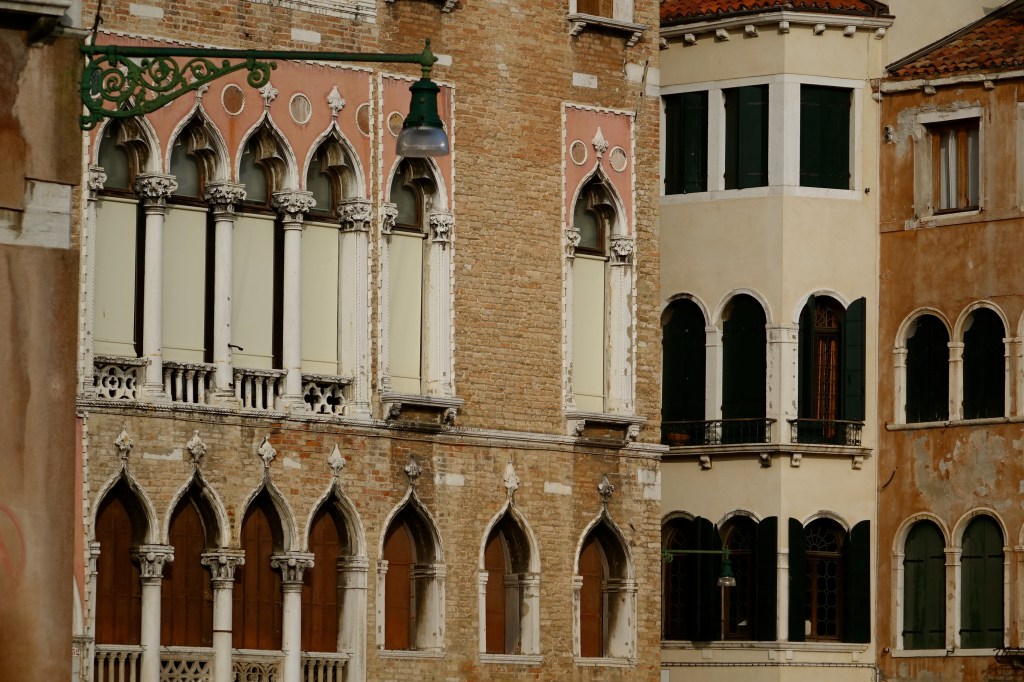
And so in this last post looking back over my recent Venetian adventure, I am including a miscellany of photos which do, I think, effectively capture something of the essence of the place. Through the textures of the city – from crumbling walls to luxurious golden silk, and through the colours – ocres, yellows, the turquoise green water and of course the characteristic Venetian red; through its historical palaces, and even a shop filled with old waterlogged books…This is a selection of photos which is innately Venetian, transporting me back to that foggy, watery wonderland where a part of my heart remains firmly captured by the city in turn.

All photos and written content are strictly the copyright of Nicholas de Lacy-Brown © 2016 and The Daily Norm. All rights are reserved. Unauthorized use and/or duplication of the material, whether written work, photography or artwork, included within The Daily Norm without express and written permission from The Daily Norm’s author and/or owner is strictly prohibited.

Memoirs from Venezia, Part 3: St Mark’s from above, and within

As much as I have always opined that you can only find the real authentic Venice the further you travel out of the tourist centre, there is no doubt that the Piazza San Marco remains the heart and soul of the city, even though it also coincides as the epicentre of the tourist trade. And just as three previous visits had never seen me travelling on one of the city’s famous gondolas, I had likewise never visited one of the most important buildings in the city, the Doge’s Palace. There can be no justification for this shortfall, since the palace was, and remains at the historical core of what was one of the world’s greatest republics. And on this trip I was determined to put things to rights.

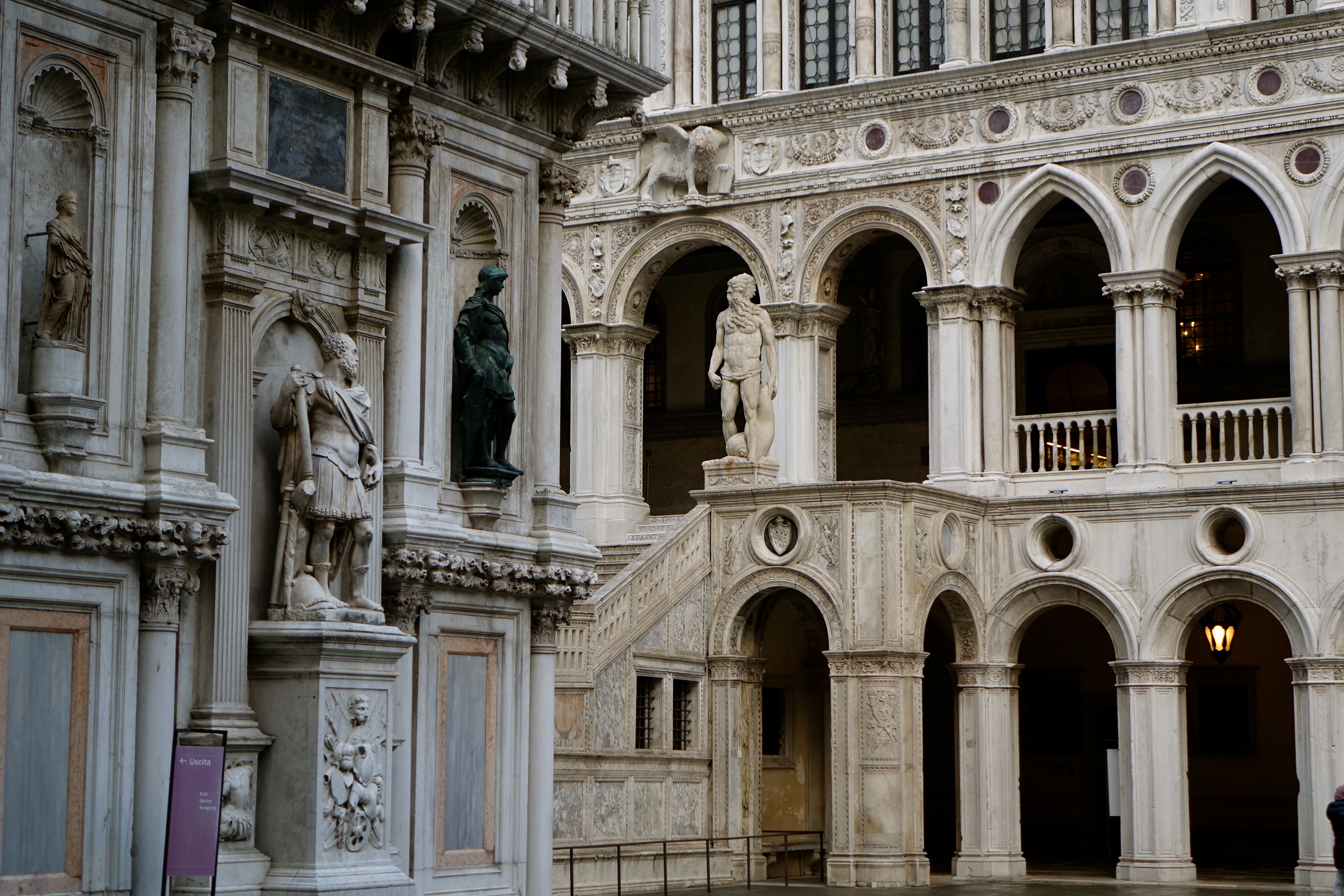
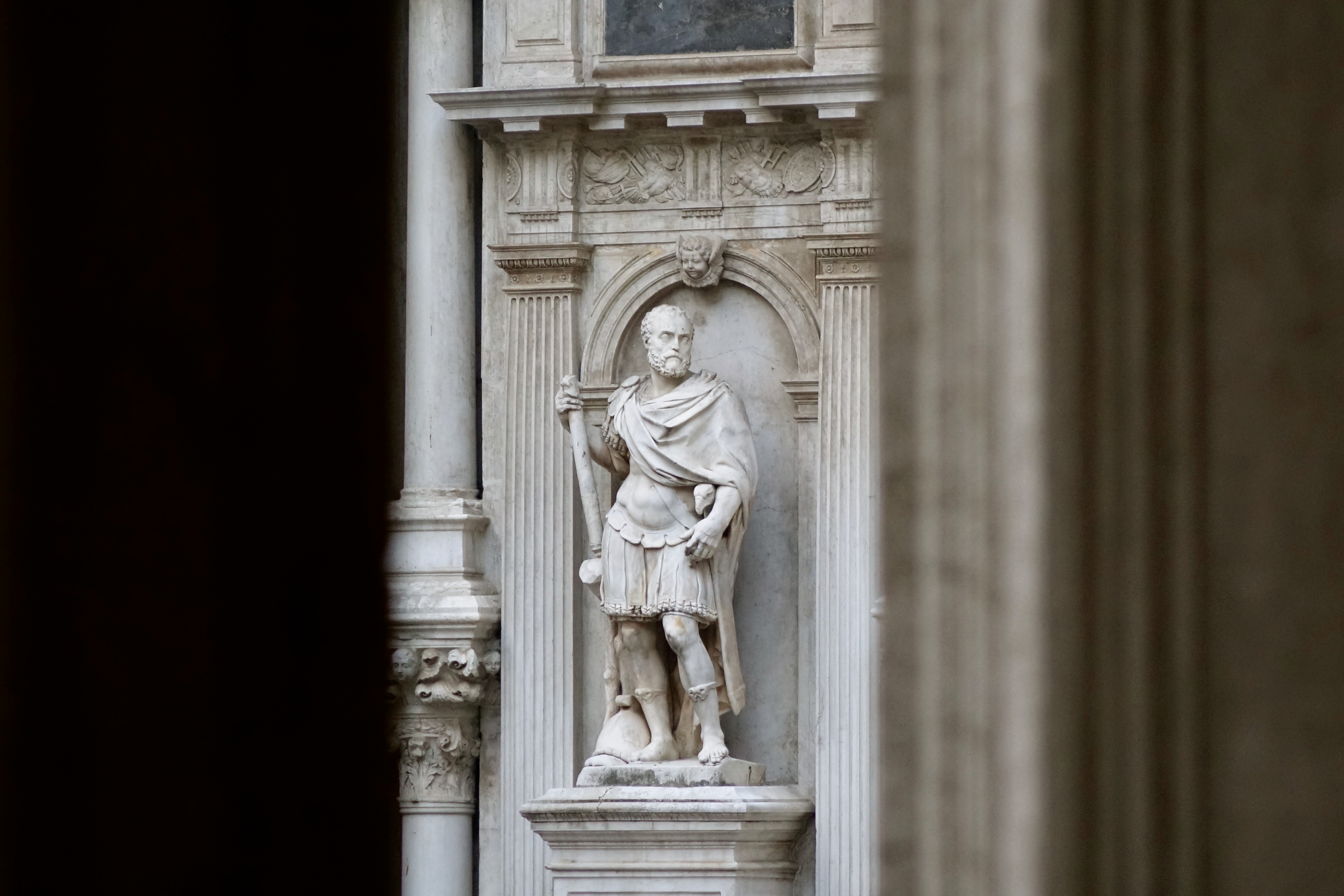
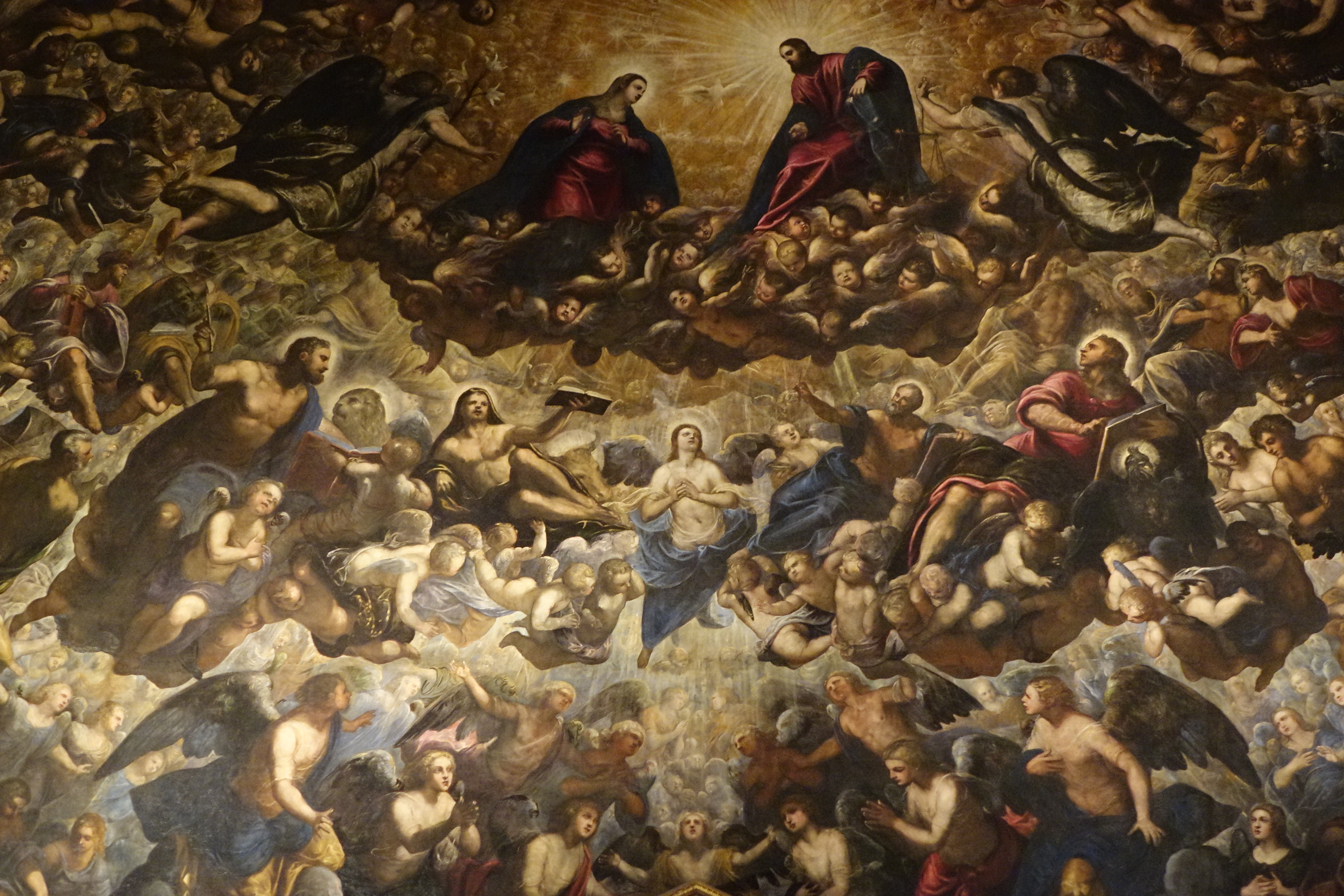
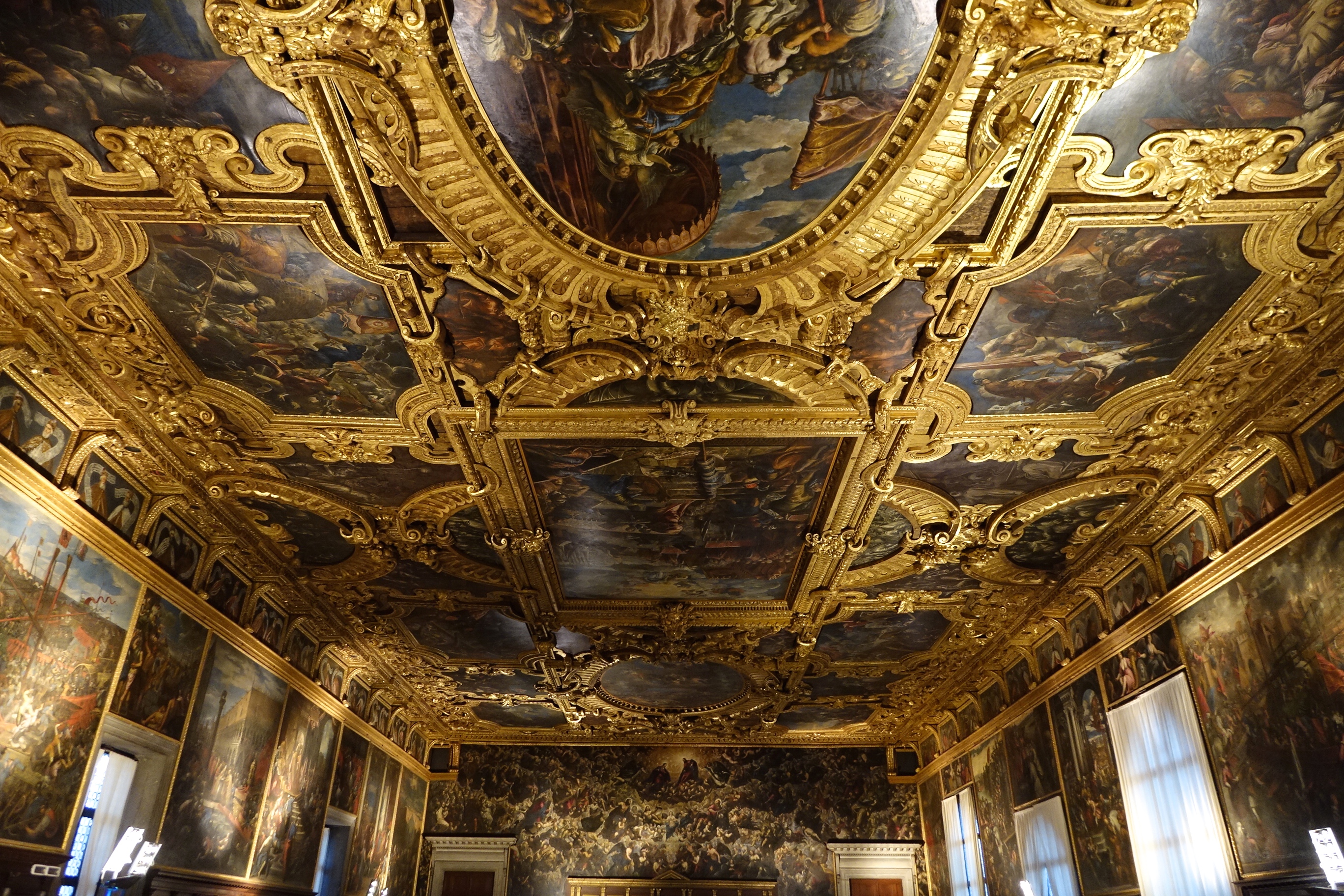
Walking through the main stone archway leading into the palace courtyard, passing one of the miscellany of ancient relics looted from all over the Eastern world, there could be no mistaking the grandeur of what had once been the centre of Venice’s administrative, political and legal core. But beyond the exquisite marble facades, the windows characterised by the iconic “Venetian Gothic” style and the impressive statues peppering every wall and corner of the exterior, the real grandeur was reserved for the inside. For up a heavily gilded staircase and into the pomp of the ceremonial rooms upstairs, our eyes sprung open in astonished amazement at the extent of opulence on display.

The Doge’s Palace outside

DSC05161DSC05220DSC05158DSC05240DSC05211DSC05222DSC05231DSC05225DSC05239DSC05192DSC05228DSC05236

There, paintings by the very historical best of Venice’s artists were practically beaten into submission by the heavily baroque gilded mouldings which surrounded them. However it was the combination of both gilding and paintings on every surface of the walls and ceilings which created the real drama, and we were only saddened (and rather surprised) by the extent to which the condition of all surfaces had, like the city surrounding the palace, been allowed to fall into such a state of disrepair.

The splendour of the gilded interiors

DSC05241DSC05251DSC05263DSC05246DSC05275DSC05270

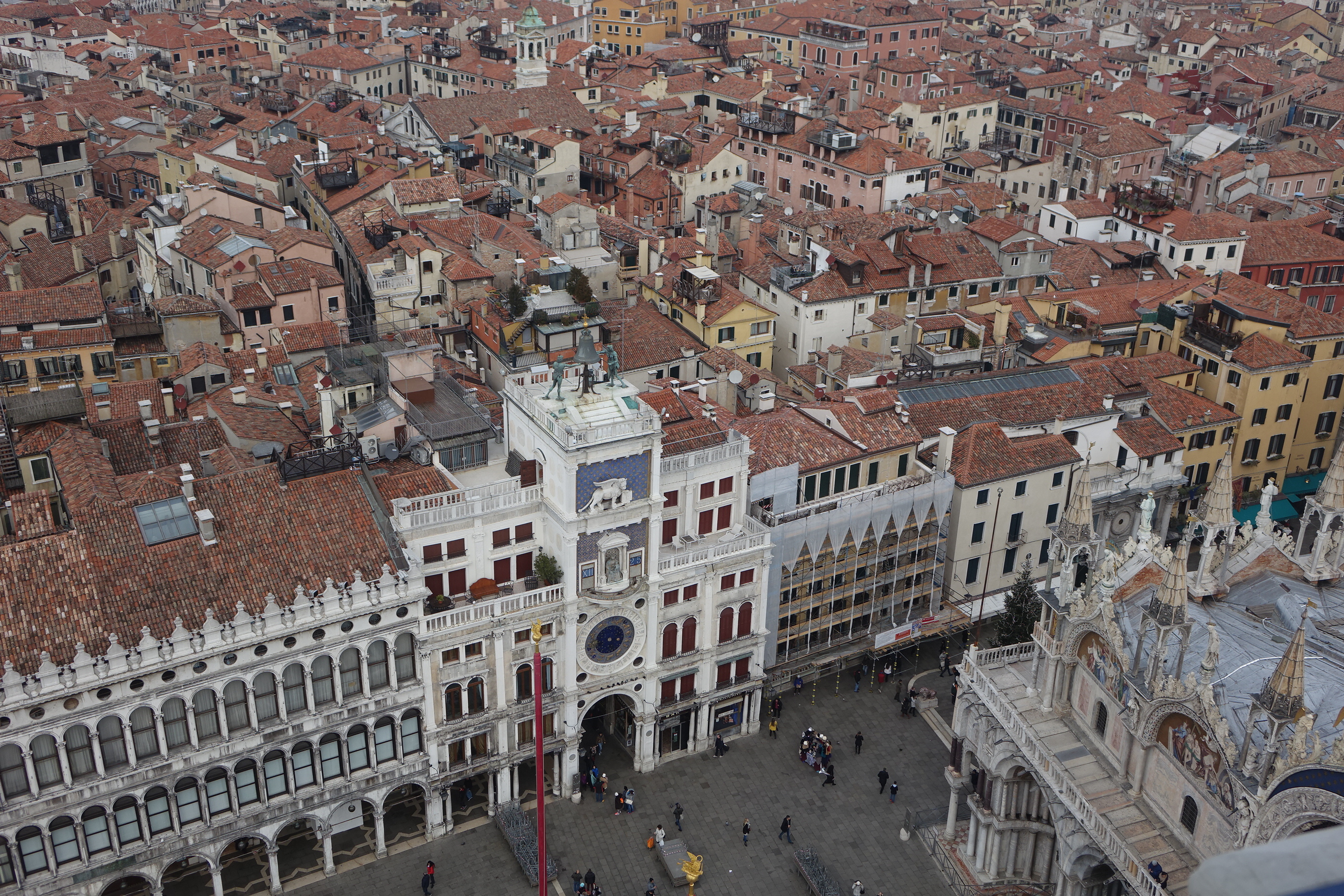
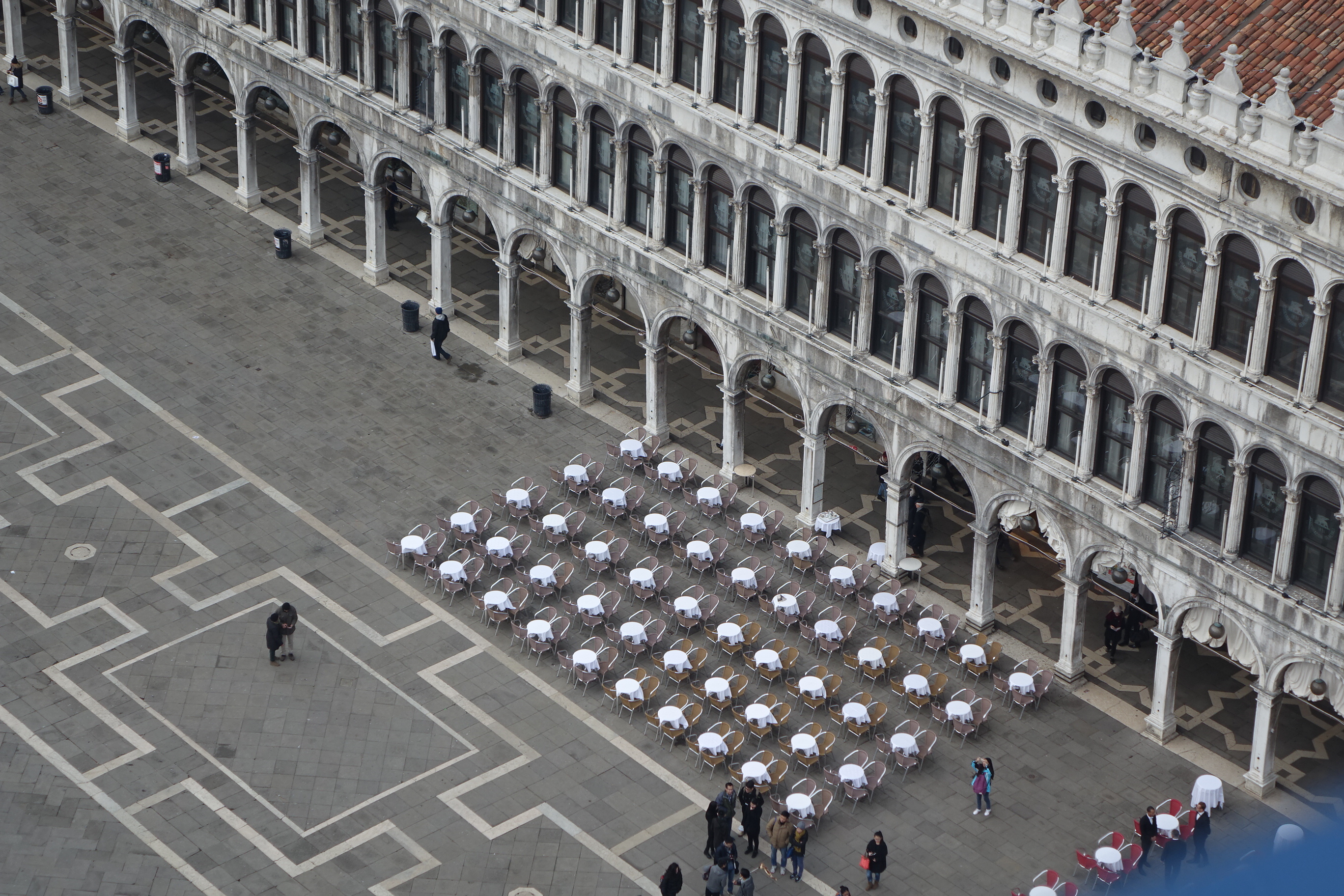
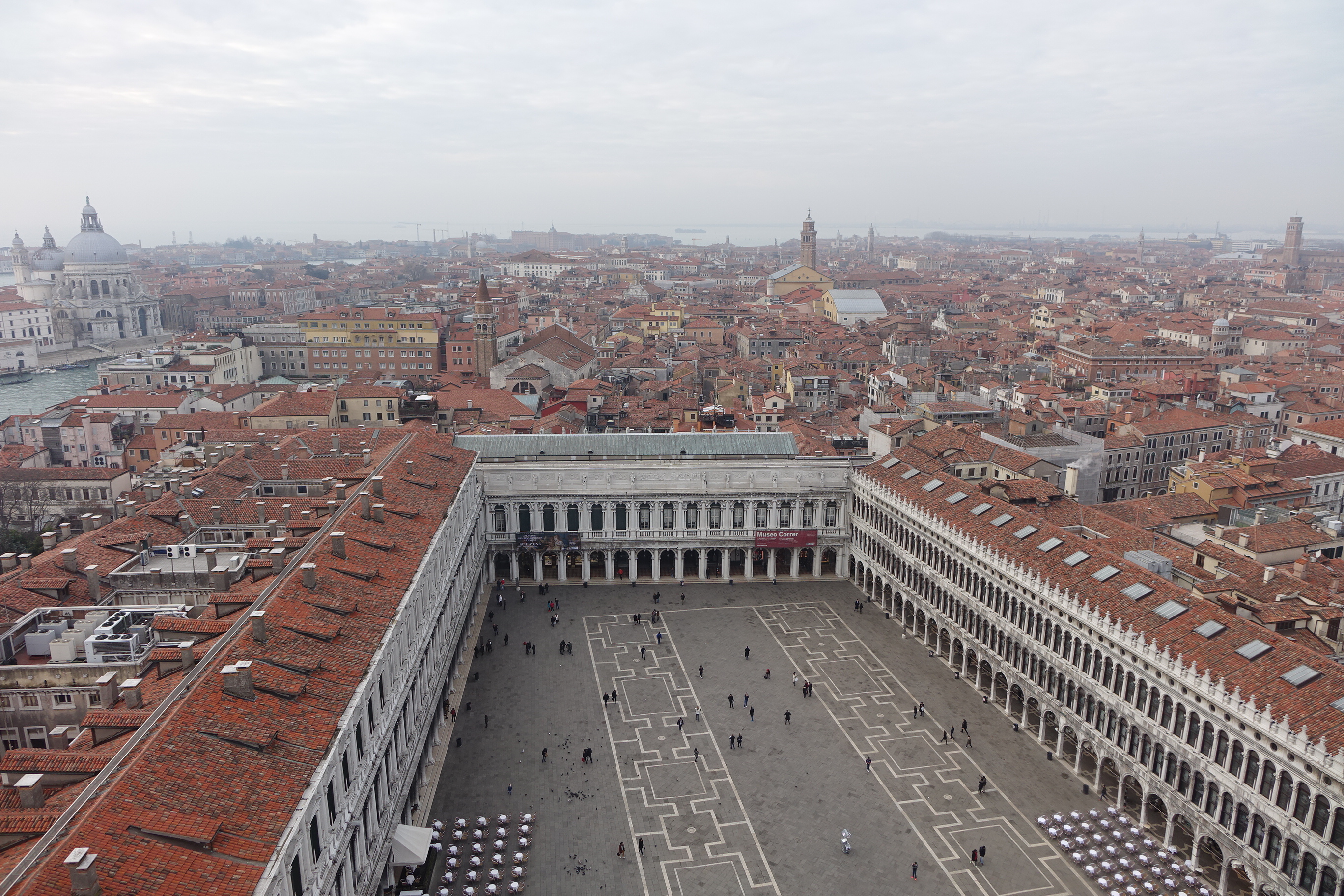
One might wonder how the world outside this glittering palace could follow this magnificent display of splendour, but of course Venice always has a new treasure in store, and as we left the Doge’s Palazzo and saw a small queue forming across the square at the famous Bell Tower of San Mark’s, we had just discovered our next treasure… for from the top of the tower, mercifully reached by lift, you can enjoy the most astonishing views of Venice sprawling out beneath you.

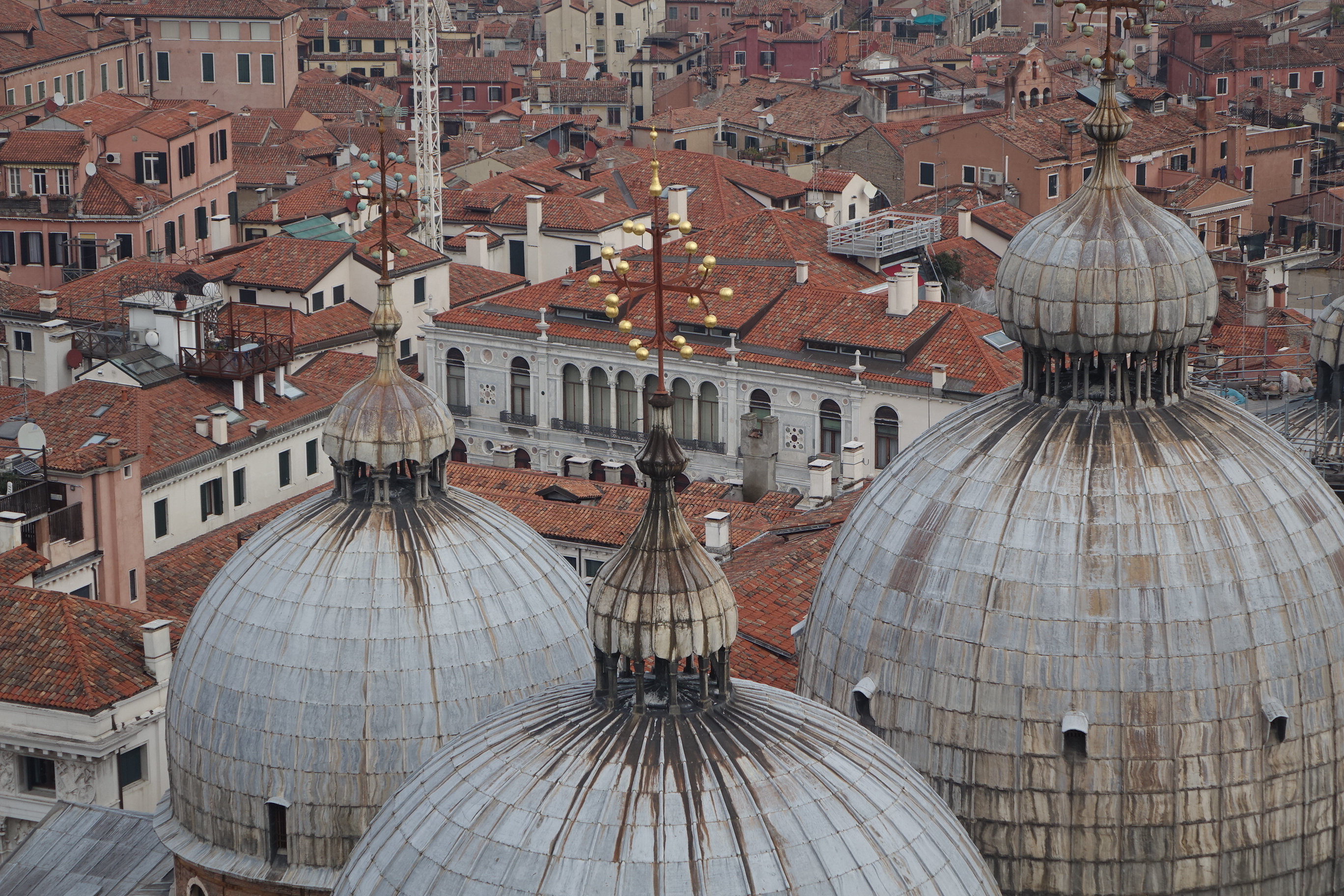
I loved the fact that from the top of the campanile, you could get a flavour of the true personality of this fascinating island… the extent to which the city is packed into a tiny space surrounded by a misty, boggy lagoon; the consistency of the sprawling wave of terracotta rooftops; and the incredible beauty of the many churches and palaces springing up all over the skyline.

Venice from above the campanile of St. Mark’s

DSC05126DSC05150DSC05139DSC05160DSC05154DSC05148DSC05141DSC05152DSC05143DSC05153DSC05130DSC05151DSC05121

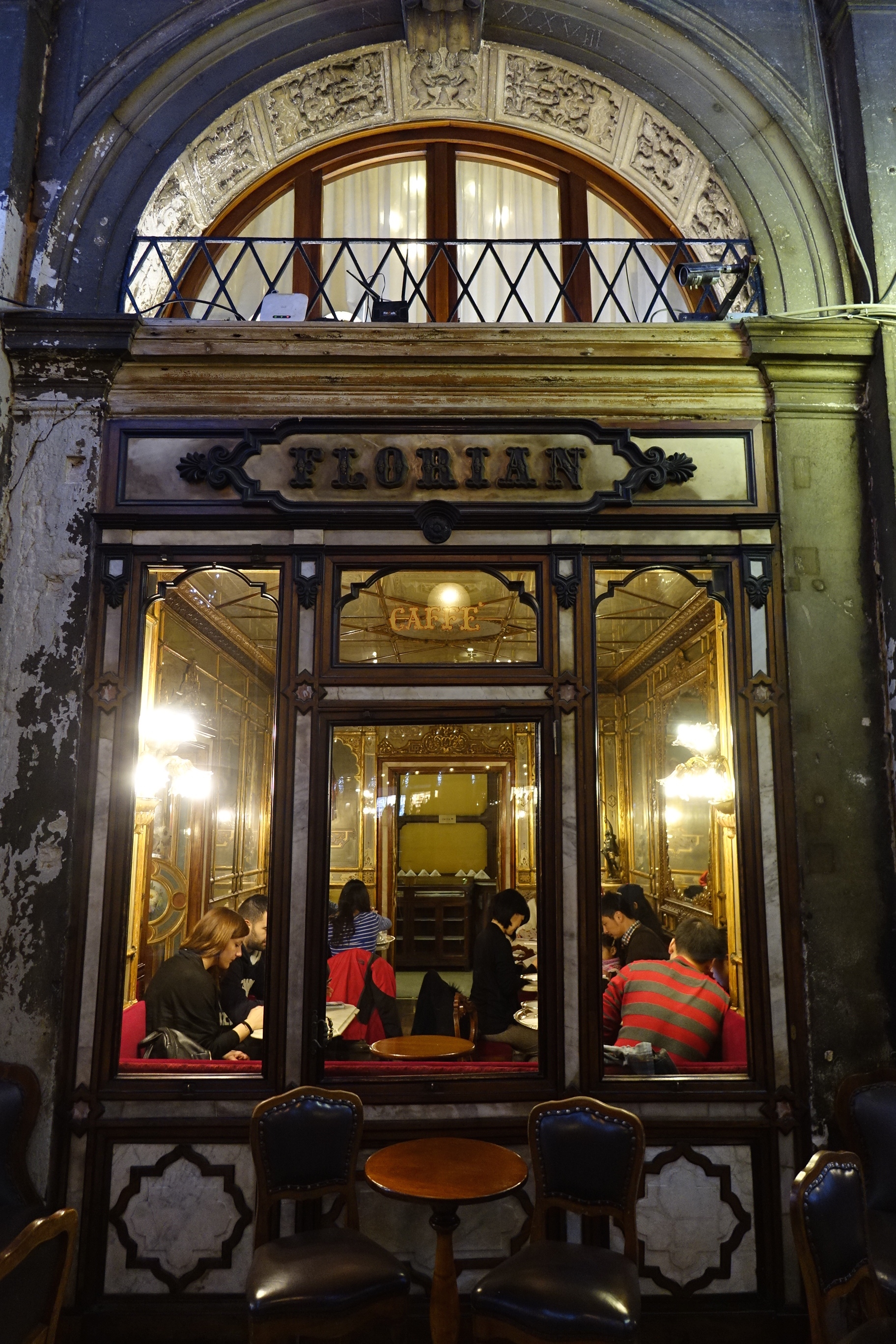
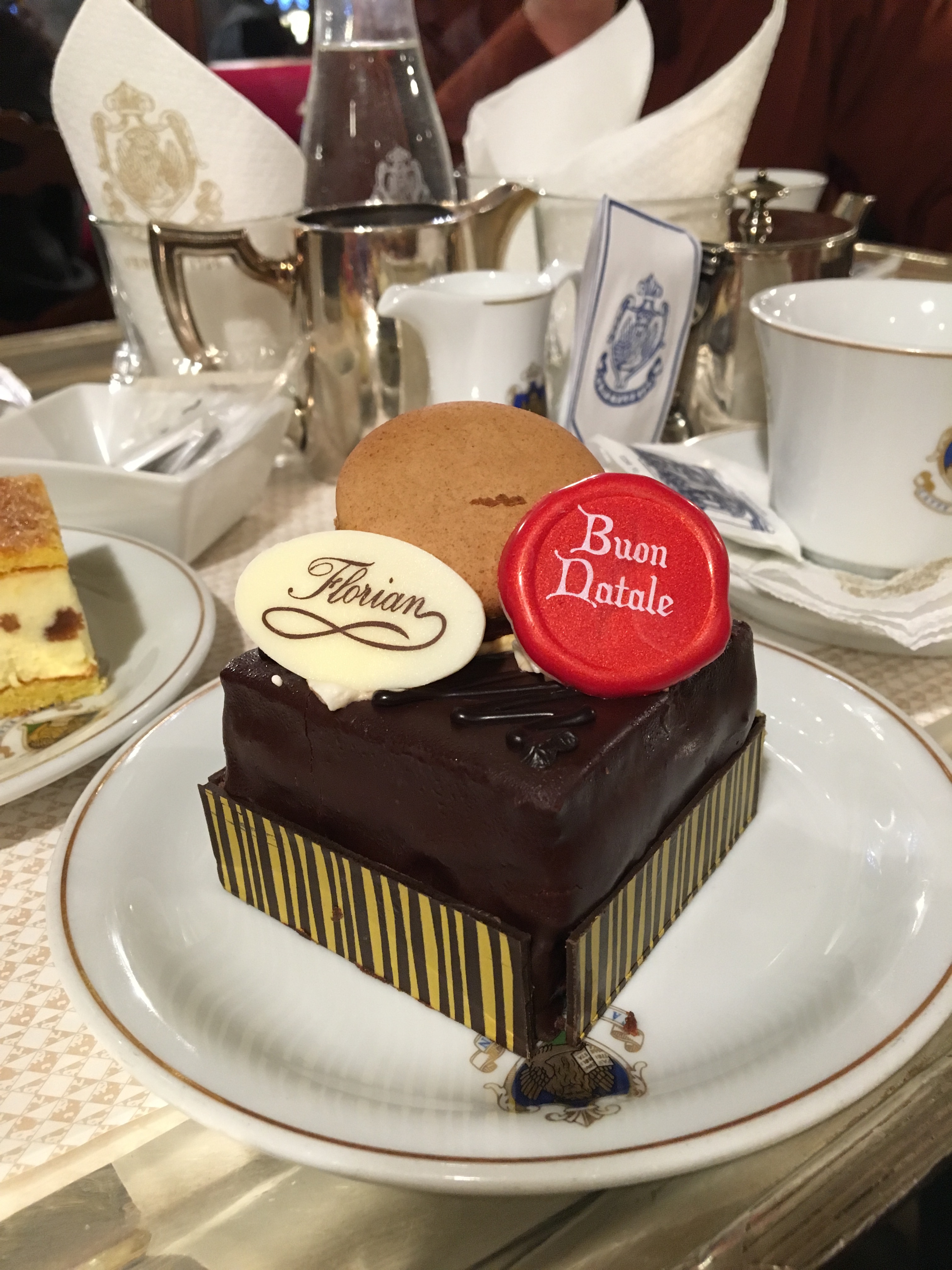
A day full of such beauty could only be concluded by a visit to the other of the Piazza San Marco’s famous gems; Florian’s café, where we rightfully treated ourselves to a tray loaded with tea, macarons and cakes fit for the festive season. And with that marvellous afternoon tea, taste joined the others of our senses which had been utterly enchanted by a further day in Venice.

A well earned visit to Florian’s and the Piazza of San Marco at night

DSC05288IMG_7101DSC05293

All photos and written content are strictly the copyright of Nicholas de Lacy-Brown © 2016 and The Daily Norm. All rights are reserved. Unauthorized use and/or duplication of the material, whether written work, photography or artwork, included within The Daily Norm without express and written permission from The Daily Norm’s author and/or owner is strictly prohibited.
Memoirs from Venezia, Part 2: Sestiere di Castello

Venice is not just any city for me. It was present at the inception of my teenage renaissance, when at the age of 18 I travelled to Italy with 20 likeminded young people to study art history. Venice was the first stop, and it was in that city that I felt myself transform, like a butterfly whose wings burst forth upon a mega-wave of sights, images and inspirations. So whenever I return to the city, there is always a part of me which yearns to revisit all of the sites which gave birth to that transformative experience. But at the same time I always want to see something new, and despite its compact size, the intricate labyrinth of the city always provides a new surprise around every corner.

On this trip, I was determined to discover some of the areas which I do not know so well, and there to expose myself to some of the lesser-known gems of the city. One such area is the Sestiere di Castello, which, tucked just behind San Marco, sprawls eastwards from the Rialto across to the Arsenale and beyond.

Gems of the Sestiere di Castello

DSC05085DSC05545DSC05522DSC05516DSC04936DSC04948DSC04981DSC04897DSC04933DSC04914DSC04912DSC04915DSC04885DSC04874DSC05531

It is easy to tire of the repetitiveness of central Venice, with every shopfront loaded with mass-produced masks and tacky souvenirs, but walk just a few canals beyond the centre, and a more quaint, authentic city is ripe for the discovery. Such is the case with the Castello, from the grand Campo Santa Maria Formosa with its curving church, to the impressive square in front of the Zanipolo church, the size and scale of which makes it a clear rival to St. Mark’s itself. All this we explored as we traversed the area on foot, gawping at the stunning stone mausoleums of the doges set within the walls of the Zanipolo, as well as being mesmerised by the haunting chants of a Greek Orthodox service on the Rio del Greci in a beautiful little church which has its very own leaning tower.

The Zanipolo and the Chiesa di San Giorgio dei Greci

DSC05510DSC05497DSC05505DSC05495DSC04960DSC04961DSC04967

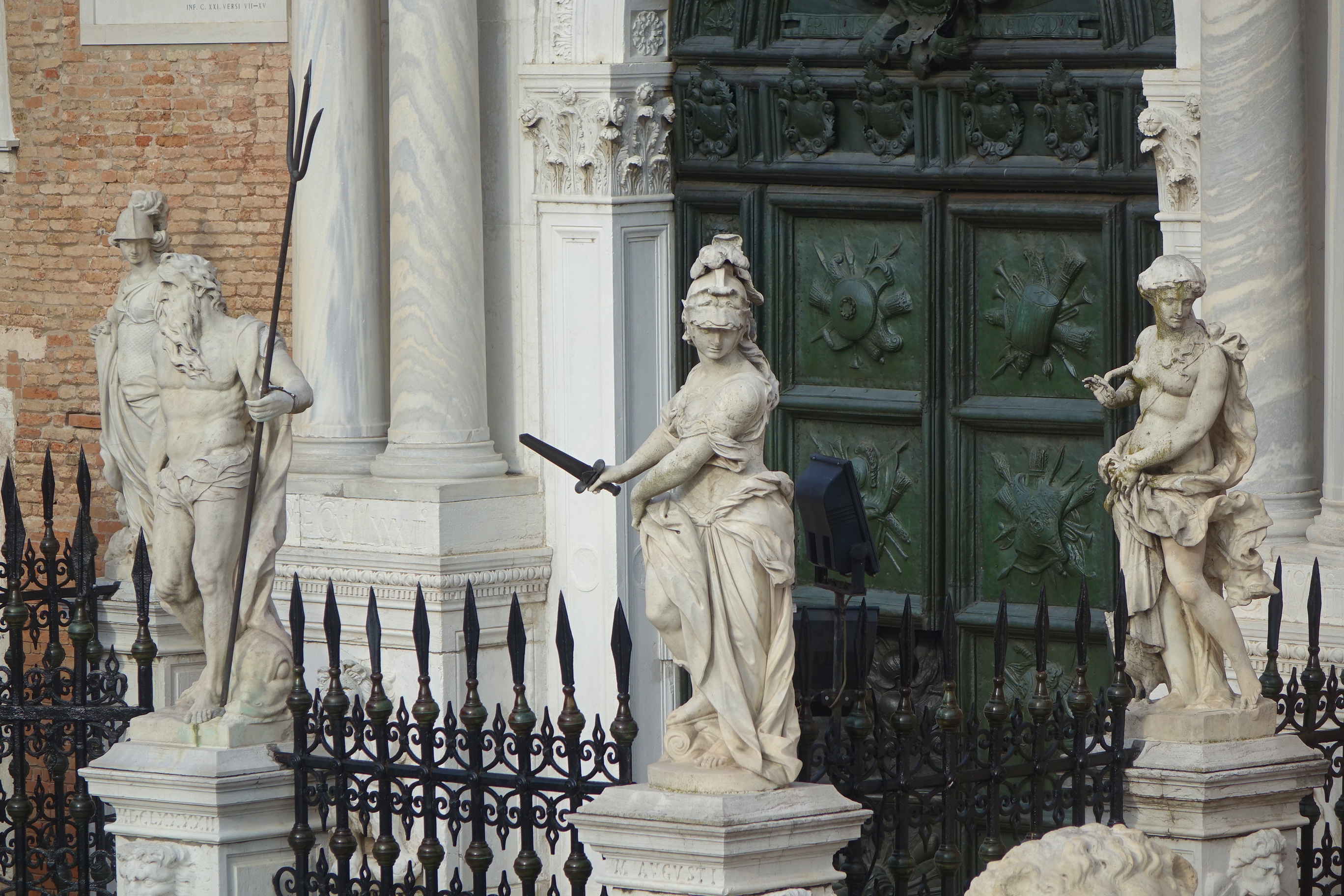
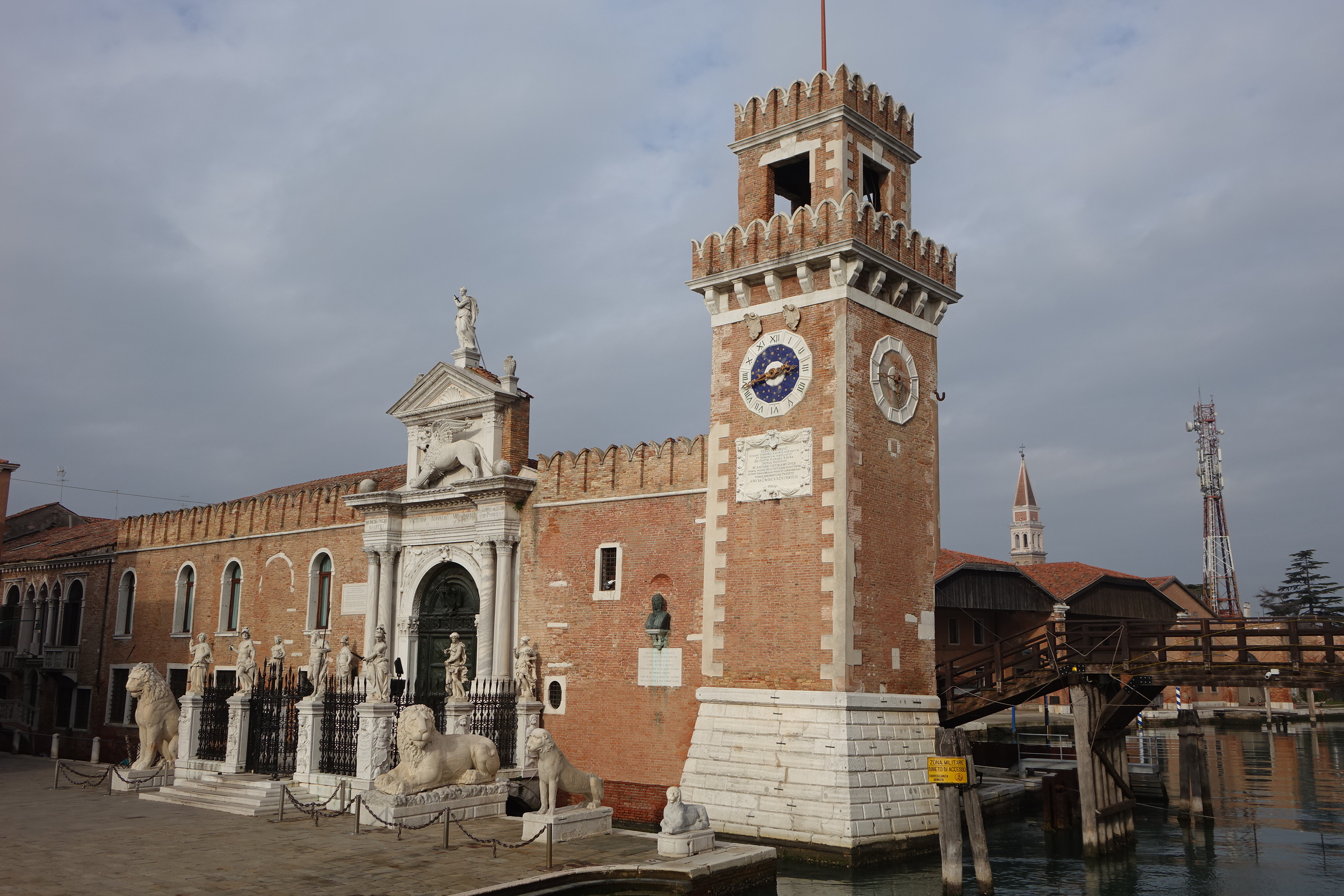
But for me, the real star of the region is the Arsenale, this massive former industrial site which would have been the heart not only of the Venetian Republic’s economy, but also of its military prowess. Although sadly unused today, from the mammoth encircling walls, and the huge classical gates at its entrance, once can still feel the might and power of the place. For Arsenale was not only large, taking up some 1/15th of Venice’s entire landmass and giving employment to a huge proportion of the city’s population, but it was also a place of innovation, being the first to mass-manufacture boats with the kind of conveyor-belt style product output which can only be dreamed of by car factories of today.

The Arsenale

DSC04989DSC05003DSC05042DSC05017DSC05018DSC05029DSC04984DSC05010DSC05038DSC05032

But beyond the hard lines of the Arsenale, a stunning city of view is always just around the corner, and as our day came to an end, we were treated to a glimpse of sunshine (in an otherwise foggy visit) over the lagoon, where Palladio’s masterpiece, San Giorgio Maggiore glistened in the light, and along the lagoon, the warm cosy interior of Harry’s Bar lay in wait. Most expensive amaretto known to man? It was surely so, but an apt treat at the end of an impressive day exploring the real Venice.

The lagoon and a rest in Harry’s Bar

DSC05097DSC05049DSC05052DSC05050DSC04829DSC04827DSC04828

All photos and written content are strictly the copyright of Nicholas de Lacy-Brown © 2016 and The Daily Norm. All rights are reserved. Unauthorized use and/or duplication of the material, whether written work, photography or artwork, included within The Daily Norm without express and written permission from The Daily Norm’s author and/or owner is strictly prohibited.  

Memoirs from Venezia, Part 1: Christmas on a Gondola

As most of us look, somewhat gloomily, towards a mediocre post-Christmas period with our homes becoming sparser as decorations are packed away and everything returns to normal, I am sustained by a head full of daydreams, as I recall the time I spent this Christmas in Venice.

I am no stranger to this utterly unique, magical floating city, but no matter how many times I go, I am equally if not increasingly held captive by its enchanting spell. For where else on earth can you find palaces whose golden doorsteps are laced with a layer of green algae; whose magical buildings appear and disappear within veils of mist as mysterious as the masked characters who walk the city’s streets; and where you can spend Christmas day on a gondola.

The jewel of the Adriatic, as photographed on Christmas morning

DSC05463 DSC05469 DSC05464 DSC05467 DSC05470 DSC05472 DSC05468 DSC05460

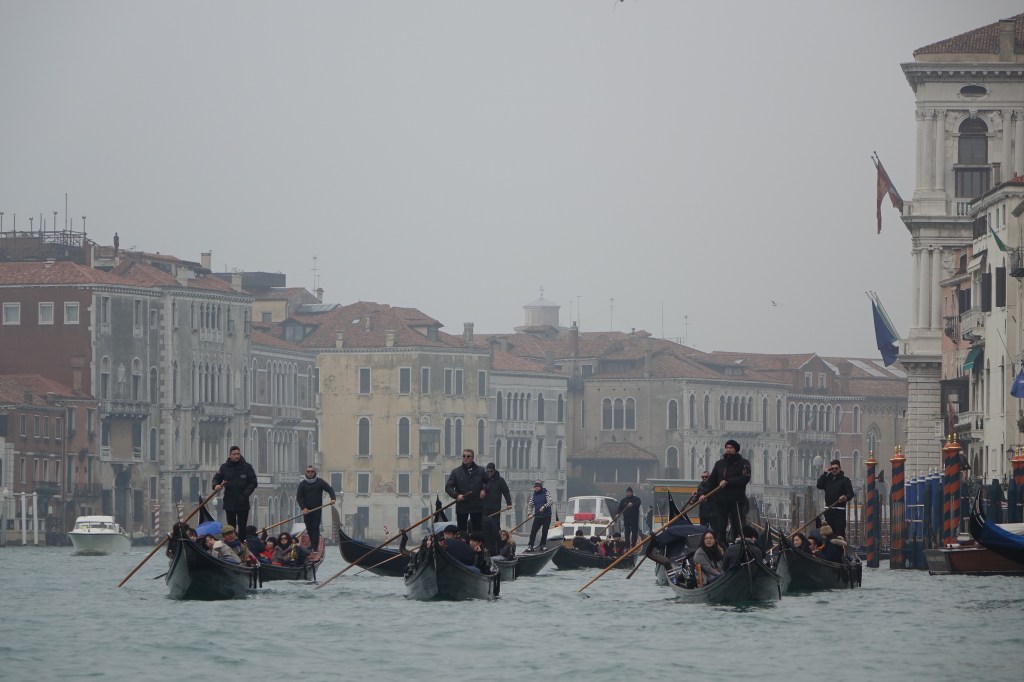
For with my partner’s mother making our Christmas a family affair, this festive season was going to be special for all sorts of reasons. And first on the to-do list of the day was to toast Christmas and the city from the luxurious comfort of a gondola. Despite its being my fourth visit to the city, I had never before been in one of these iconic vessels, fearing the grossly inflated prices and tourist traps. But when you discover that it is as expensive to remain on land in Venice as it is to embark upon the water, this cheeky half an hour on board one of the world’s most famous boats can be easily justified.

On a gondola for Christmas!

DSC05303 DSC05403 DSC05356 DSC05375 DSC05354 DSC05391 DSC05316 DSC05306 DSC05406 DSC05335 DSC05323

And so as families all over the world toasted the day over a roast turkey, we started ours floating gently over the milky green canals of Venice, gazing in wonder as we passed cracking palaces, rosy-pink street lamps and some of the most beautiful churches ever built. The day continued with indulgent feasting in the Taverna la Fenice, a stroll across the Accademia Bridge to the gentle Dorsoduro district, the purchase of far too many handmade glass santas from the island of Murano, and later prosecco bubbles with homemade Tuscan panettone munched in-between the exchange of presents aplenty.

Magical details, from the water and back on land

DSC05369 DSC05422 DSC05439 DSC05430 DSC05441 DSC05432 DSC05456 DSC05455 DSC05471DSC05457

It was, in every way, the perfect Christmas day, and the memory I hold with me now as I reticently prepare to leave Christmas behind for another year.

DSC05476

All photos and written content are strictly the copyright of Nicholas de Lacy-Brown © 2016 and The Daily Norm. All rights are reserved. Unauthorized use and/or duplication of the material, whether written work, photography or artwork, included within The Daily Norm without express and written permission from The Daily Norm’s author and/or owner is strictly prohibited.  

2015: My year in photos (Part 2 – Beyond Paradise)

Living in Mallorca, there can be no doubt that we are utterly spoilt, for all around us, from the city of Palma to the beaches and mountains beyond, we cannot help but discover unhampered beauty wherever we go. And yet while we could quite easily have indulged ourselves for a year’s worth of admiration of the island, the travel obligations of work, a long planned weekend to Paris, and the most life changing of events – our wedding – took us further afield, to enjoy the incredible beauty of the world beyond Mallorca.

And so, in this second of my two photographic reviews back over the year of 2015, I feature just a few of my favourite shots of the incredible surroundings beyond the Balearics. For 2015 was significant not just for its being our first year in Mallorca, but also for the opportunity it gave us to finally tie the knot after almost 6 years of engagement. The honeymoon which followed made for the most unique of holidays, with a stay in the famous Riviera paradise of La Colombe d’Or in St-Paul de Vence rivalled only by a short but sweet spell in bustling Barcelona, and an acquaintance with the chic seaside spots of Cannes and Antibes.

The ultimate Paris shot

The best day of my life

DSC00872

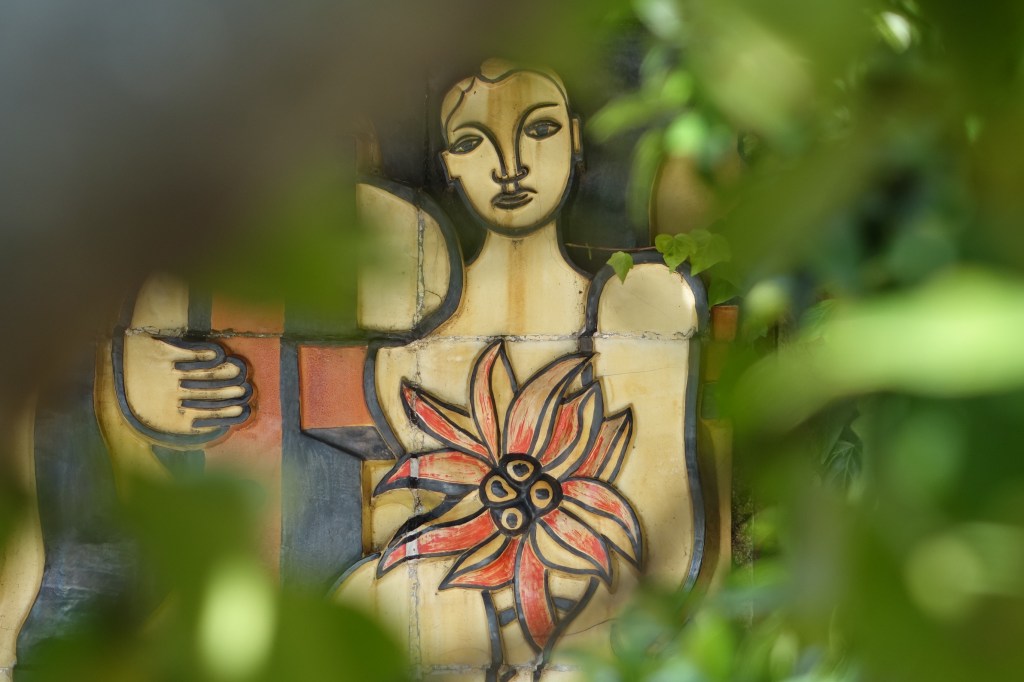
Leger mural at La Colombe d'Or

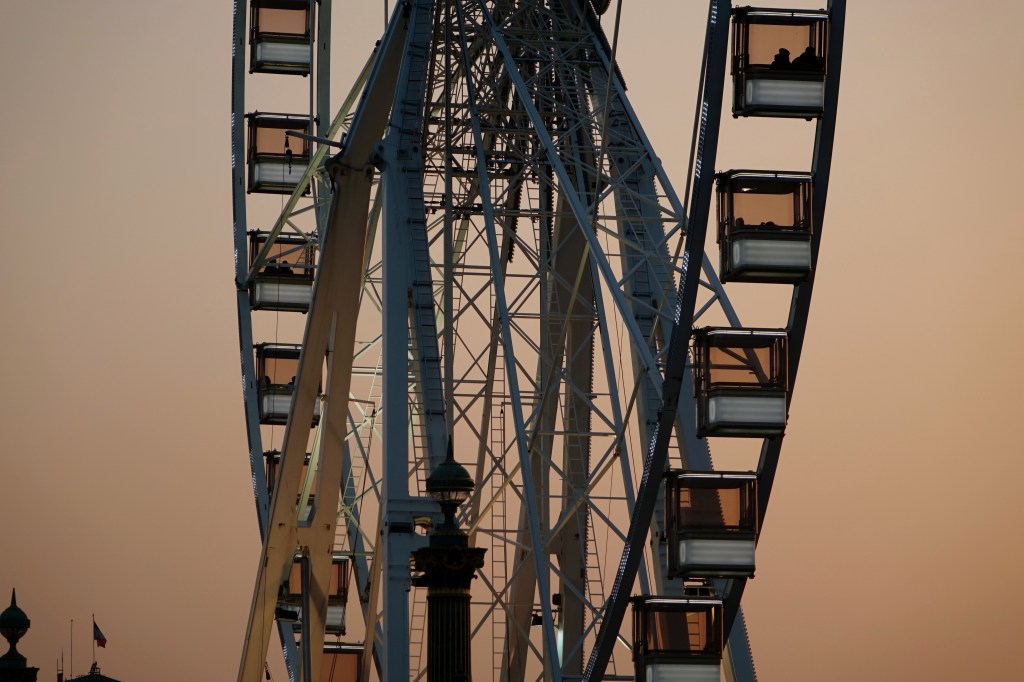
Big Wheel, Paris

Calder ripples

Summer sunset, Provence

But it did not end there, for months before our wedding, a trip to the world’s primary city of love enabled us a further reconnaissance with our most adored Paris, while post-marriage and still revealing in the new blushes of marital bliss, we were able to rest on the beaches of Marbella, indulge in the new cultural hotspot of Malaga, and drop into Madrid, onto Ibiza and back home again for the most magical of Mallorcan Christmases.

It’s been a magical year. Thank goodness I can relive it all in photos. Until the next… Happy New Year!!!

All photos and written content are strictly the copyright of Nicholas de Lacy-Brown © 2015 and The Daily Norm. All rights are reserved. Unauthorized use and/or duplication of the material, whether written work, photography or artwork, included within The Daily Norm without express and written permission from The Daily Norm’s author and/or owner is strictly prohibited.    

2015: My year in photos (Part 1 – Mallorca)

Ever since I started The Daily Norm I have ended the year with a look back at my year in photos – in 2011, 2012, 2013 and 2014 – and here I go again. Every year I found the exercise not only intensely enjoyable, being able to relive my favourite moments of the last 12 months through some of my best shots, but also extremely rewarding. For in surveying just how much I manage to have done in each year, I consider myself extremely lucky to have seen, smelt, breathed and experienced all I have.

And this year is no exception, for 2015 has been a year of significant change for me, not only because I have been following a completely different career path, but because it is the first complete year I have spent living in a completely different place… the paradise island of Mallorca.

DSC09595

Franciscan Monastery, Palma

Alfabia pondlife

The almond blossom season

Fishermen paraphernalia, Puerto Andratx

Photos can communicate so much better than any words just quite how beautiful an experience it has been living a year on this Mediterranean island. From the consistent days of winter sunshine, when a glass of wine caught outside by the sea in January felt like I was cheating the seasons, to the incredible pink almond blossom which filled the mountainsides in the Spring. From the endless inspiration which the charming trees of the old town of Palma de Mallorca provided, to those sumptuous days of summer spent on beaches of turquoise waters and powdery white sands.

The monastery of Miramar

One of Mallorca's many windmills

Treasures of the Bellver Castle

Sunshine on New Year's Day

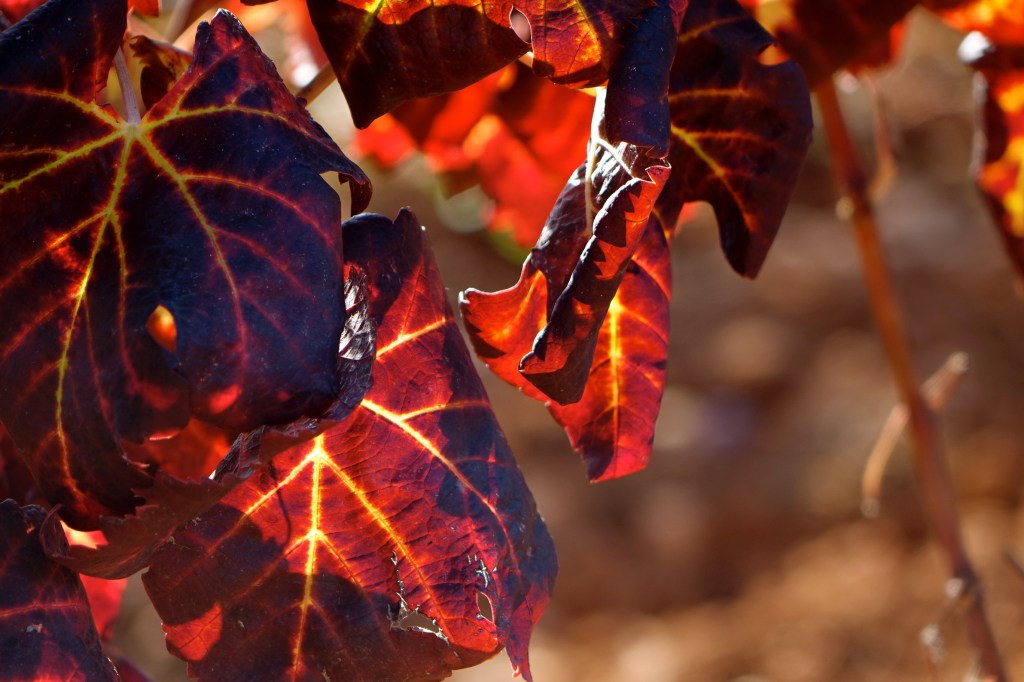
Autumn colours

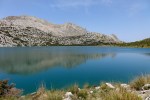
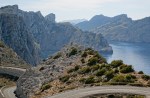
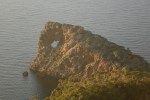
My year in Mallorca has exposed me to some incredible sights; the rippling craggy Tramuntana, the Cap de Formentor; the Caves of Drach and the awe-inspiring mountain village of Deia, and while I have also seen some wonderful places outside of the island this year, such was the level of beauty seen in Mallorca itself that this year my photographic review had to be split in two. This first part looks back on my year in Mallorca. A true paradise which brought a glimpse of joy every day.

All photos and written content are strictly the copyright of Nicholas de Lacy-Brown © 2015 and The Daily Norm. All rights are reserved. Unauthorized use and/or duplication of the material, whether written work, photography or artwork, included within The Daily Norm without express and written permission from The Daily Norm’s author and/or owner is strictly prohibited.