Skip to content

Posts tagged ‘Spain’

Mallorca Moments: Sunday stroll to Portixol

It’s funny how quickly one becomes accustomed to routine and habit; how we as humans are drawn to certain patterns and securities. I suppose it is what makes us who we are – knowing that there is a certain structure in place around which the greater vicissitudes of life can gain some stability. And I am no exception. For despite what has been a huge move from London to Mallorca, including a complete change of career, language, society and goodness knows what else, I have still found myself falling into new structures which help to normalise this big transformation.

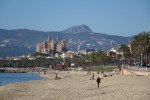
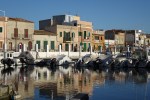
Chief among them has been my Sunday stroll to Portixol. A little port lying just East of Palma’s city centre, it is only a short 30 minute walk away from the hustle and bustle of the city, but it couldn’t be more different. With small story fishermen’s cottages, pastel coloured facades, and of course an enviable position directly next to the Mediterranean sea, Portixol has all of the charm and charisma of a typical seaside village with the most laid back of sensibilities.
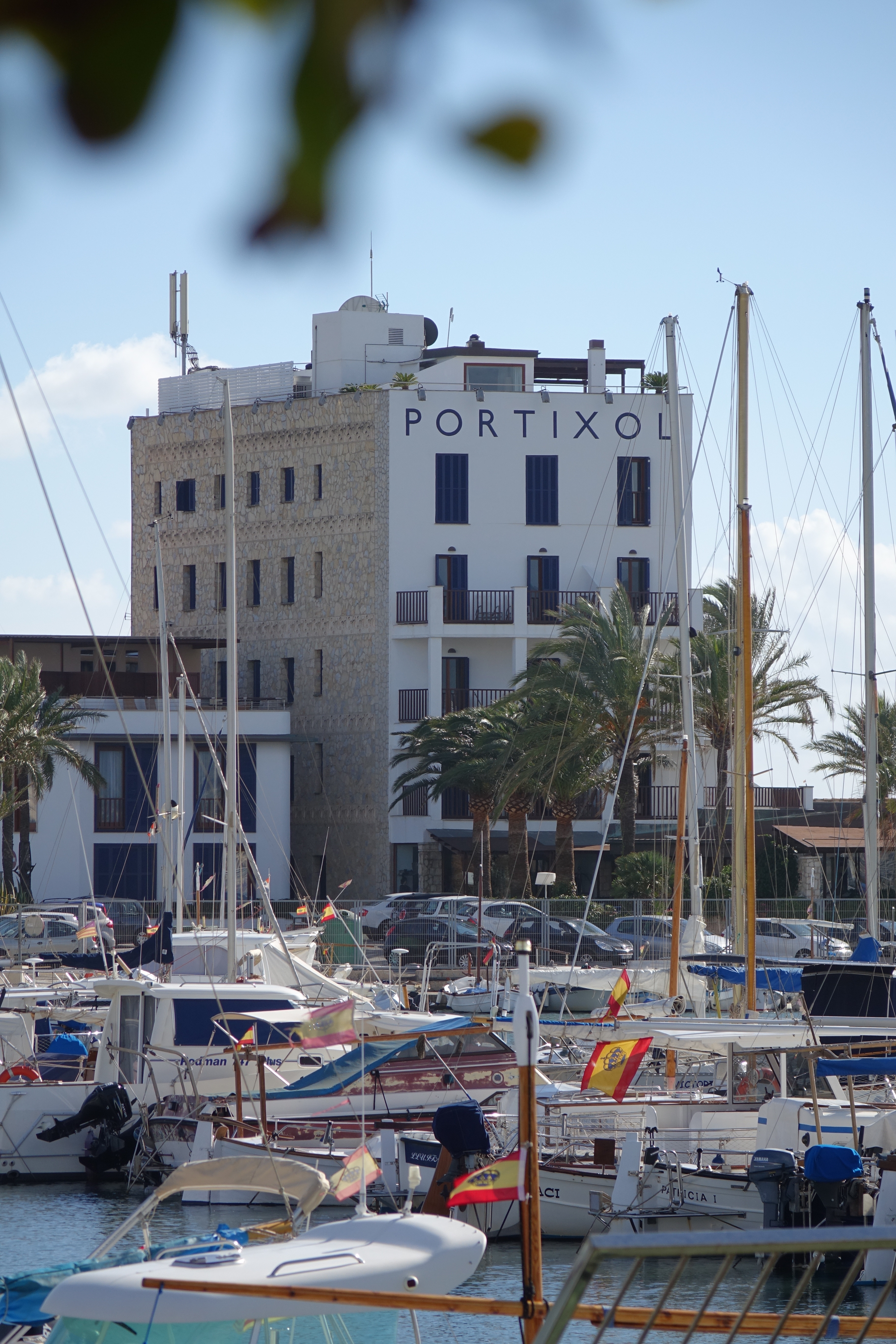
DSC00116

This makes Portixol the perfect place to dine, wine and recline, and with the number of cosy restaurants and bars lining the waterfront, it is no wonder that the port has become our perfect Sunday retreat. And should all the food become a little too much for the good old new year’s dieting resolutions, there is a real spirit of the great outdoors about the port, as its ample paseo maritimo is used by joggers, cyclists and rollerbladers alike.

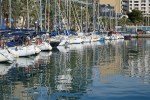
So here in Palma, Sunday morning has a new morning: Coffee on the beach, a stroll along the seafront, a continuous view back to the glorious cathedral and ahead, the food destination of Portixol a mere half hour away. It’s another of those Mallorca Moments that makes my new life in the Balearics such a daily joy.
All photos and written content are strictly the copyright of Nicholas de Lacy-Brown © 2015 and The Daily Norm. All rights are reserved. Unauthorized use and/or duplication of the material, whether written work, photography or artwork, included within The Daily Norm without express and written permission from The Daily Norm’s author and/or owner is strictly prohibited.

Demons and dynamite: The Palma Correfoc

I’m feeling very spoilt by my relocation to Palma de Mallorca. Spoilt because every day, the sun shines a little stronger and for a little longer, despite the fact that we are heading deeper into the winter. Spoilt because each week I discover some sensational new landscape a mere stone’s throw from my front door. And now spoilt because a mere 10 days after the Christmas lights were switched off after the 12th night, they are now back on again, twinkling their beautiful best in celebration of Palma de Mallorca’s patron saint: Saint Sebastian.

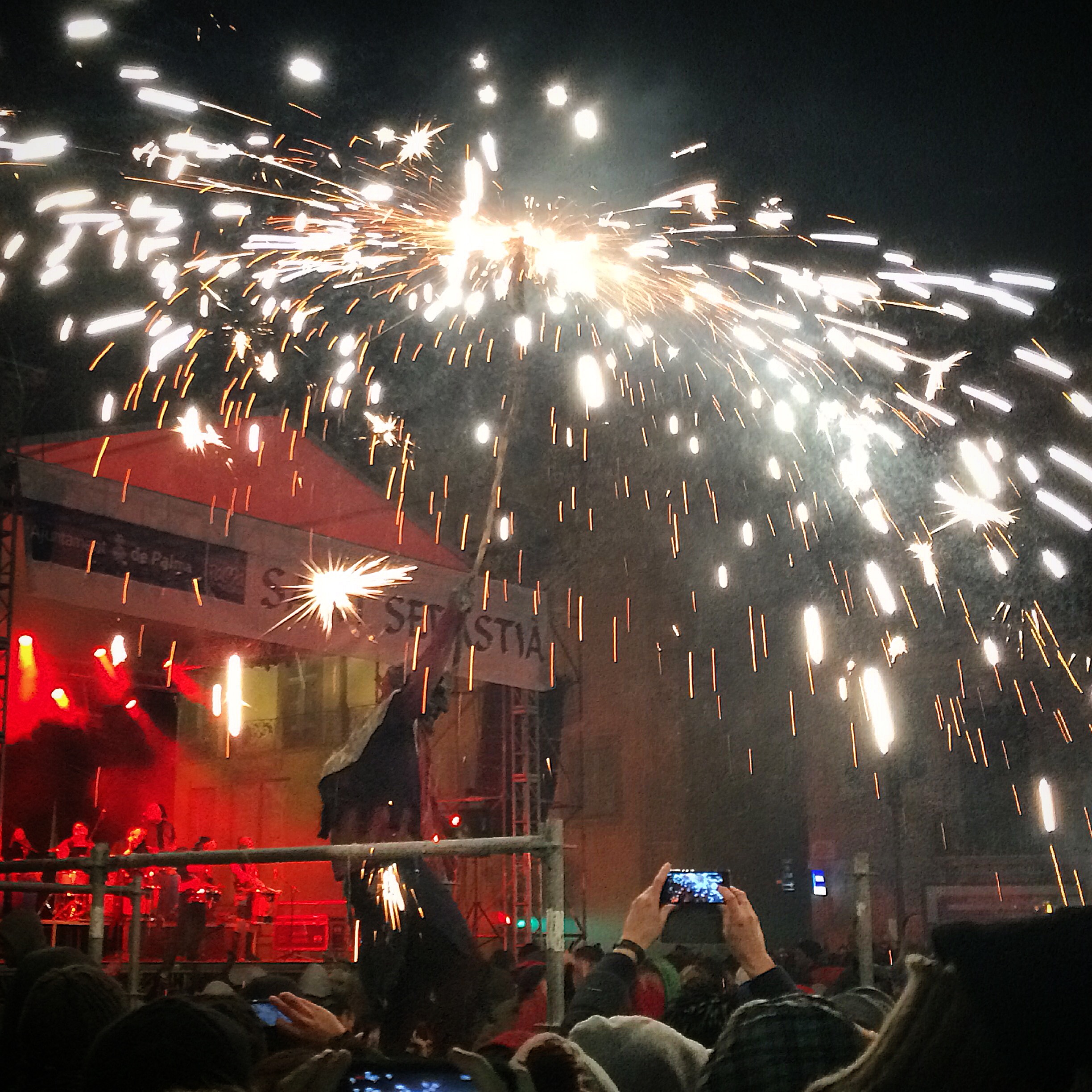
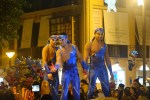
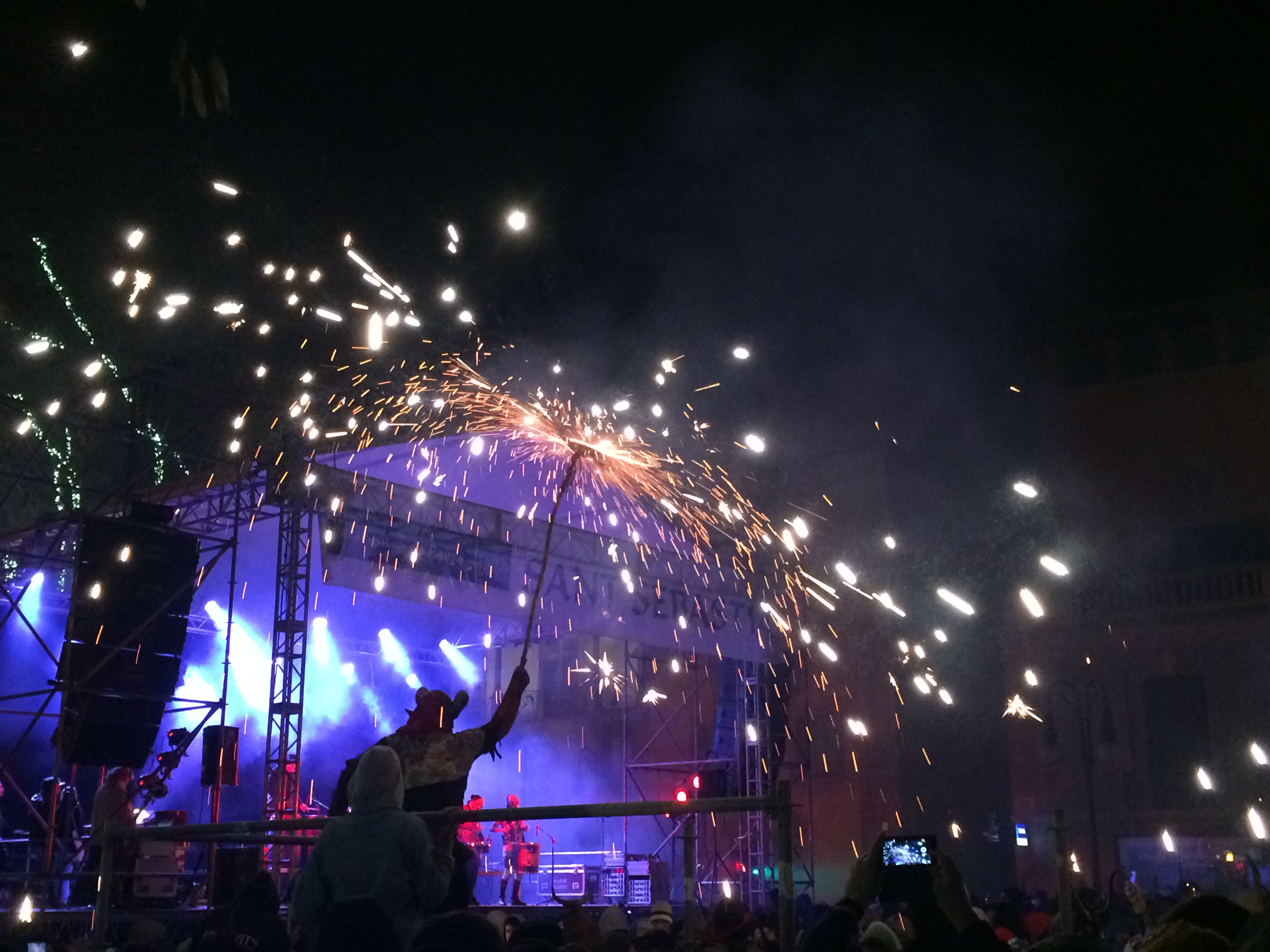
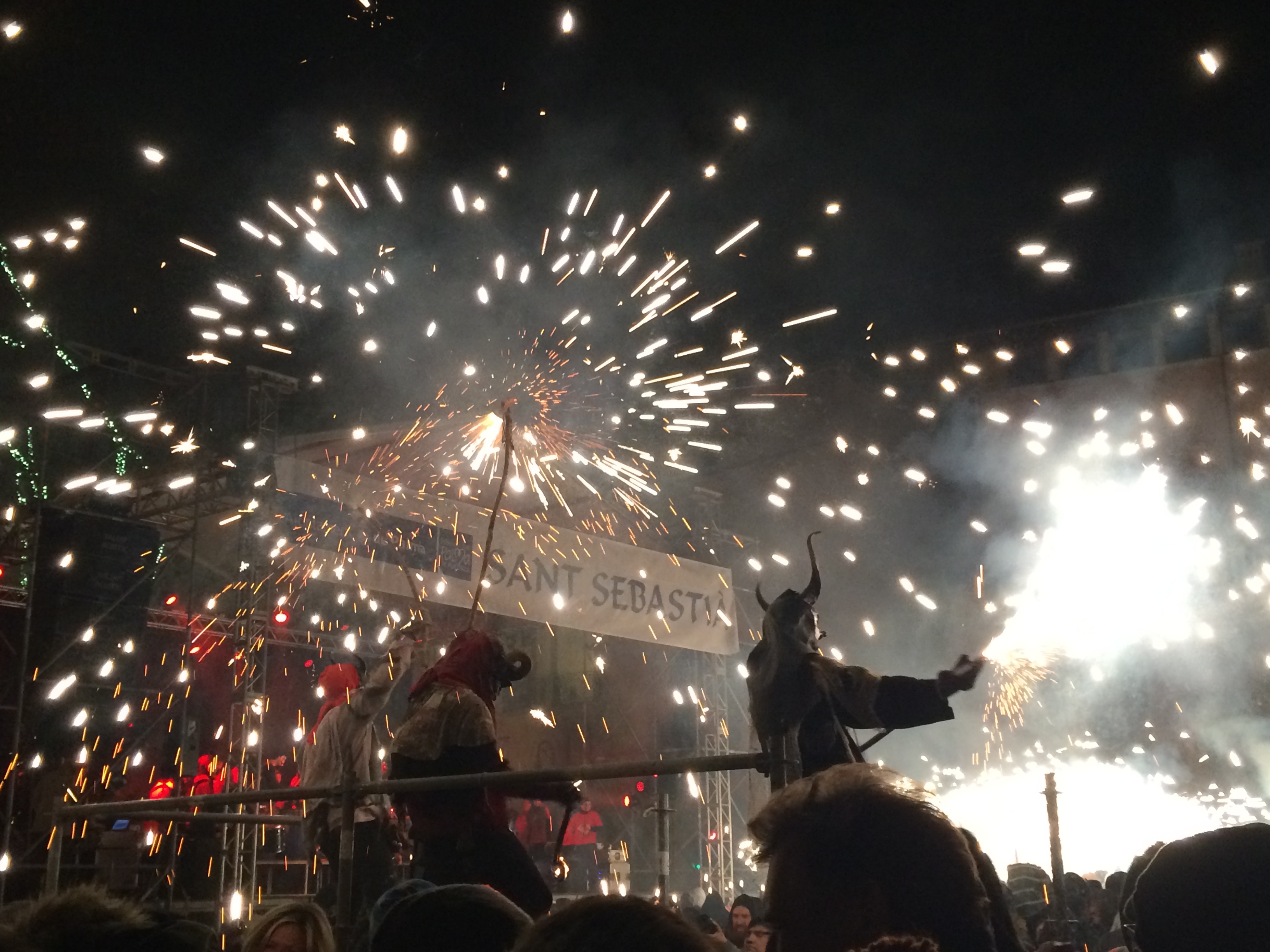
And as public festivals go, it looks as though this one is set to be a biggie. As I write, stages are being erected in almost every square in the city; a programme of extensive musical entertainment is waiting in the wings; and a mountain of fireworks is being heaped by the cathedral ready to be ignited. But although most of the celebrations will kick off this evening, on Saturday night, a very unique event hit the streets of Palma: the Correfoc.

IMG_1045 IMG_0992 IMG_1046

Roughly translating as a firerun, there is frustratingly little that can be found on the internet to explain the history of what is ostensibly a satanic orgy of dancing demons setting off a continuum of shrieking fireworks to the beat of traditional gralla drums. But whatever the source of this tradition, this typical folk festival characteristic of a Catalan celebration is an eye-opening sight to behold. Except open your eyes too wide and you could live to regret it – for in a crowded spectacle alive with the pop and crackle of a bounty of exploding whizzing fireworks set off in all directions including over the heads of the heaving crowds, health and safety is not exactly paramount.

But everyone knows that health and safety spoils a real party, and Palma’s unrepeatable firey festival certainly proved worth the risk. Grinding dancers gyrating to the carnal rhythm of drums; horrific demon costumes silhouetted against the mass of burning fireworks; and the sound of fireworks shrieking like taunted spirits as they burst and and flew through the air; all the elements amassed to create a spectacle which felt like both a surreal nightmare and an incredible piece of performance art, and Palma’s biggest street party.

IMG_1031 IMG_0997 IMG_1048 IMG_1027 IMG_1049 IMG_1361


Discovering Palma: Mercat de Santa Catalina

This weekend, rather unbelievably, we will be marking two months since we moved to Mallorca – in some ways surprisingly long, in others surprisingly short. For we have already discovered so much about our incredible home city of Palma de Mallorca – from its winding old town streets, to its hidden tapas gems, nearby sandy beaches and even a cinema showing films in English – that it is hard to accept that we have only been here a mere matter of weeks. But despite many an exploration made, there is still much left to discover, as our recent gastronomic sojourn in the Santa Catalina market demonstrated.

We had heard much about the Mercat de Santa Catalina (or Mercado in Castellan) before we ventured there ourselves. Half the problem was that despite its excellent reputation, we could never quite seem to find the market, despite wandering always close by. But this time we had the market firmly marked on the map and did not miss it.

DSC03963 DSC03978 DSC03974 DSC03998 DSC03975

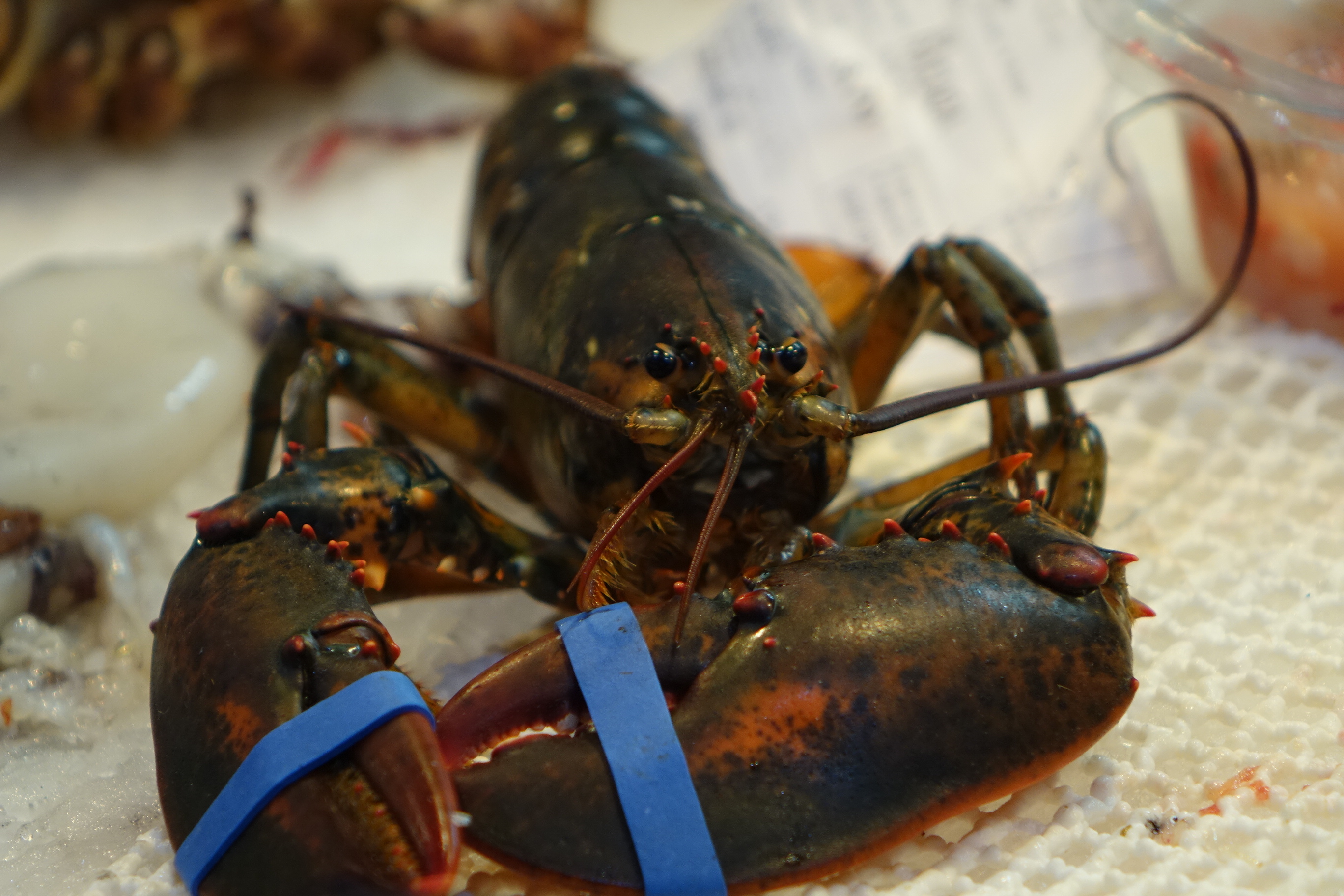
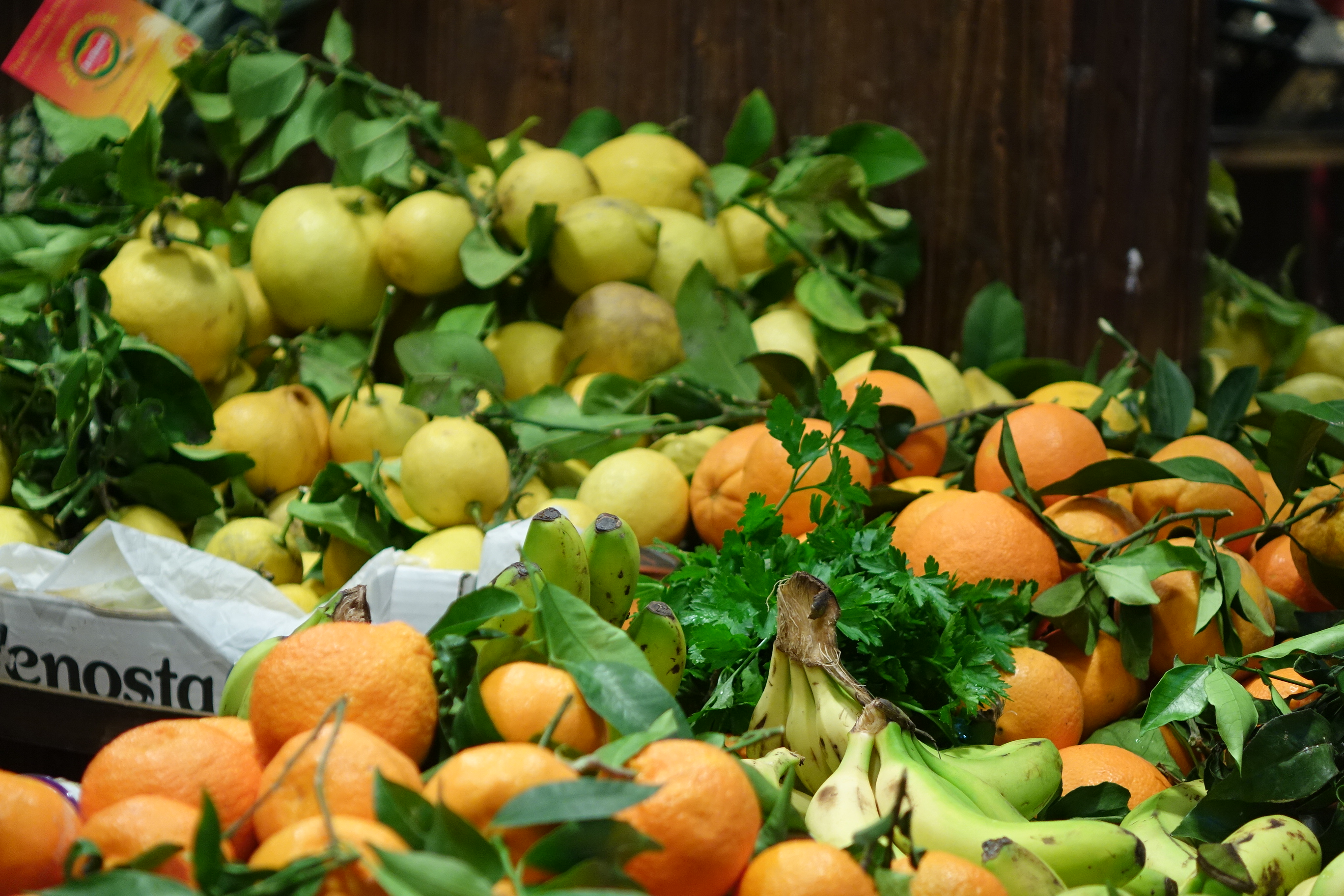
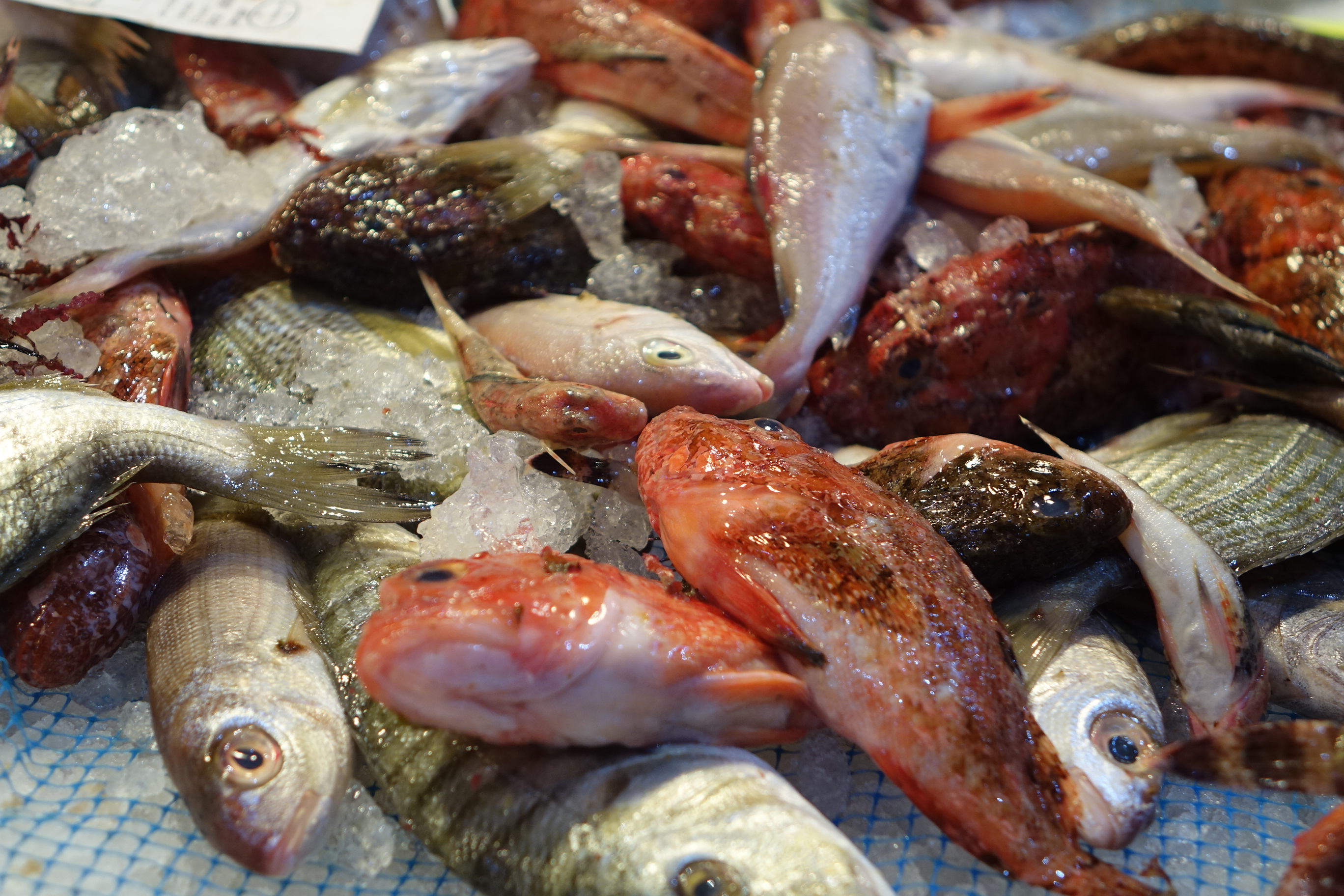
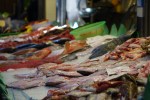
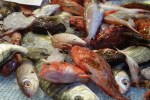
Compared with the Mercat de Olivar, a market on an almost industrial scale, the Mercat in Santa Catalina is a far more select affair, and for that reason is characterised by a clear focus on gastronomy rather than economy – a clear case of quality, not quantity in this refined temple of food. Walking amongst its compact and well stocked aisles,  any chef or food lover cannot help but get emotional at the sensational food on offer, from an abundance of fresh fish in glittering silvers and soft pinks, to fruit and vegetables so perfectly rounded and robust in colour and quality that they look picked straight from Eden.

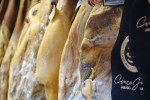
Happily if, like me, you become a little overwhelmed with all that is in offer, so astounded by the impact of the produce that all cooking ideas float straight out of your head, you can at least sample some of the best food from the market in a series of popular bars dotted around the periphery. Such is their popularity however that you must jostle for a space, and that meant seizing upon such opportunities to reach a bar as arose. For us that meant finding ourselves squeezed into a small space at the bar of the Tallat a ma S’agla, which was a fine piece of luck, because the Salamancan bellota ham we indulged in was amongst the finest I have ever eaten.

The Mercat de Santa Catalina can be found bridging the Carrer de Servet and the Carrer d’Annibal just East of Palma’s centre.

Cabalgata de los Reyes

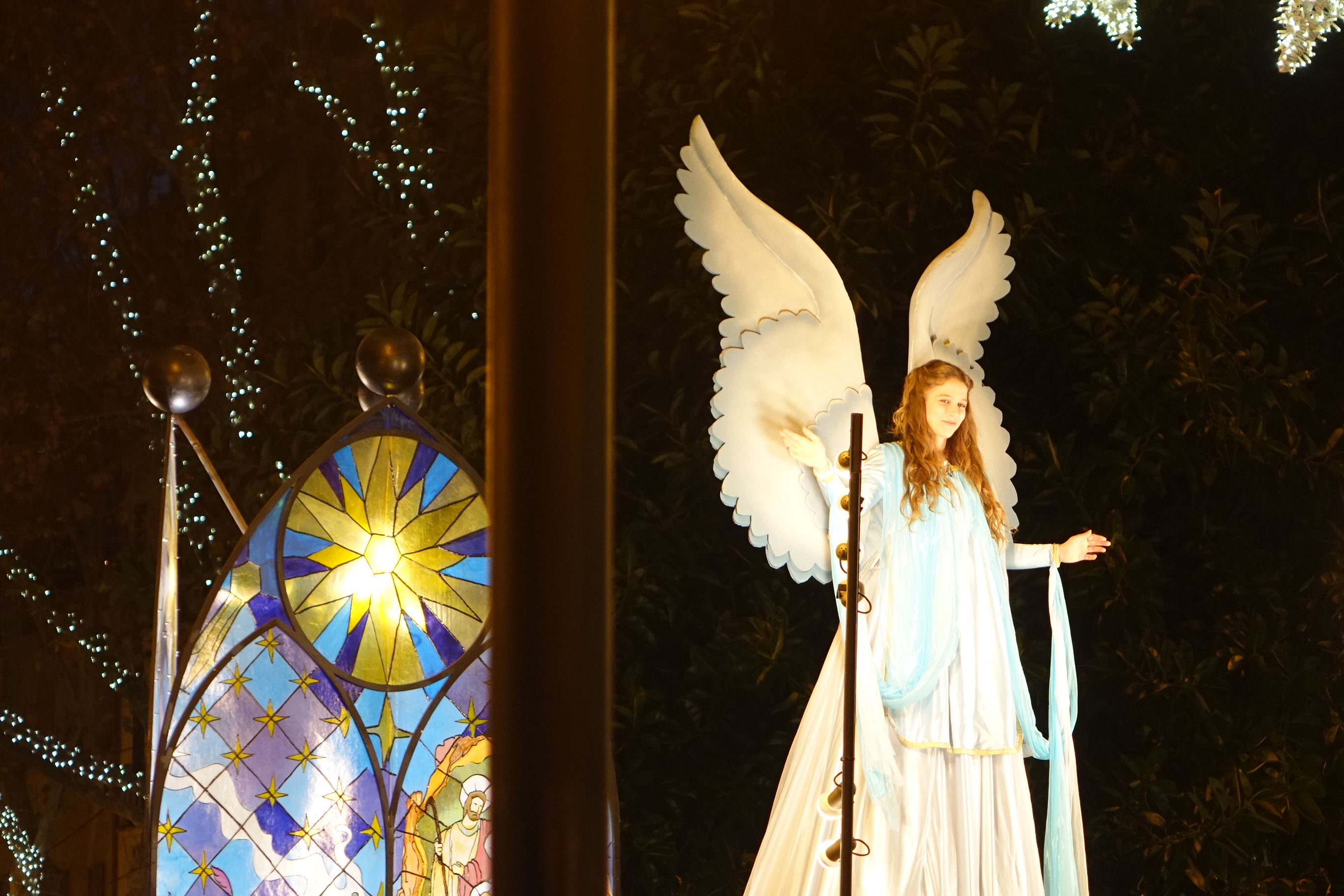
Christmas in Spain is altogether a different experience from the UK. Yes, you have the Christmas lights hanging in their abundance throughout the streets of Spanish cities, but the warmer air around them feels less Dickens, and more Diego Rivera. And where many would place a large twinkling tree in their house in the UK, here in Spain, they might instead place a wonderfully detailed nativity. But of all the differences of the season, the one which surely brings the most cheer is the celebrations of the Three Kings festival on the night of 5th and the day of the 6th January. For while in England the 12th night is possibly the most depressing night of the year, when decorations come down to reveal a bleak and empty January, here in Spain it is one of the most joyful celebrations of the year.

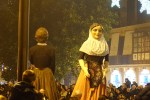
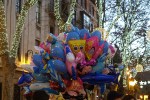
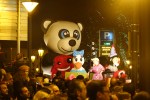
At the heart of those celebrations is the Cabalgata de los Reyes, literally the ride of the Kings, when Spaniards in their hundreds of thousands line the streets of their respective cities to watch huge carnival-style parades. At the heart of the parade are the three Kings themselves, each enthroned with their various gifts of gold, frankincense and myrrh, while both before and after the Kings, a number of other widely varying floats of every kind of fantastical theme, colour and performance entertain the crowds. Most importantly of all, sweets and other gifts will be thrown in their hundreds from the floats to the eagerly awaiting audience.

DSC04483 DSC04341 DSC04331 DSC04391 DSC04402

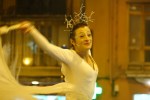
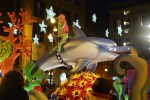
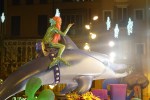
Here in Palma, the Mallorcan brand of Three Kings parade did not disappoint – I’ve never seen one on such a brilliantly spectacular scale with unicorns and fairies, devils and acrobats, live musicians and dancers all brought into the mix. With sweets showering the air, and the streets packed with people, it made for an unbelievable atmosphere which enabled the festive season to end with a magnificent bang. Now, filled with such positivity, I feel not sadness at taking down my decorations, but excitement and anticipation about welcoming in the onset of Spring!

All photos and written content are strictly the copyright of Nicholas de Lacy-Brown © 2015 and The Daily Norm. All rights are reserved. Unauthorized use and/or duplication of the material, whether written work, photography or artwork, included within The Daily Norm without express and written permission from The Daily Norm’s author and/or owner is strictly prohibited.
Venice without the water: Plaça de Sant Jeroni, Palma

I can’t quite hide the fact that apart from being deliriously happy surrounded by the Christmas spirit of my new home in Palma de Mallorca, there is still a little piece of me that yearns for Venice at Christmas. It’s always been this way, ever since my blissful gap year spent in Italy, when an extended stay in Venice introduced me to the city enveloped in an enchanting wintery mist which made the glowing shops selling golden masks and glass Christmas trees all the more inviting. Every Christmas since I have yearned for Venice: my Christmas trees are invariably peppered with sparkling Venetian masks, my Murano glass trees are in pride of place amongst my decorations, and in fact this time last year I was in the pearl of the Adriatic herself.

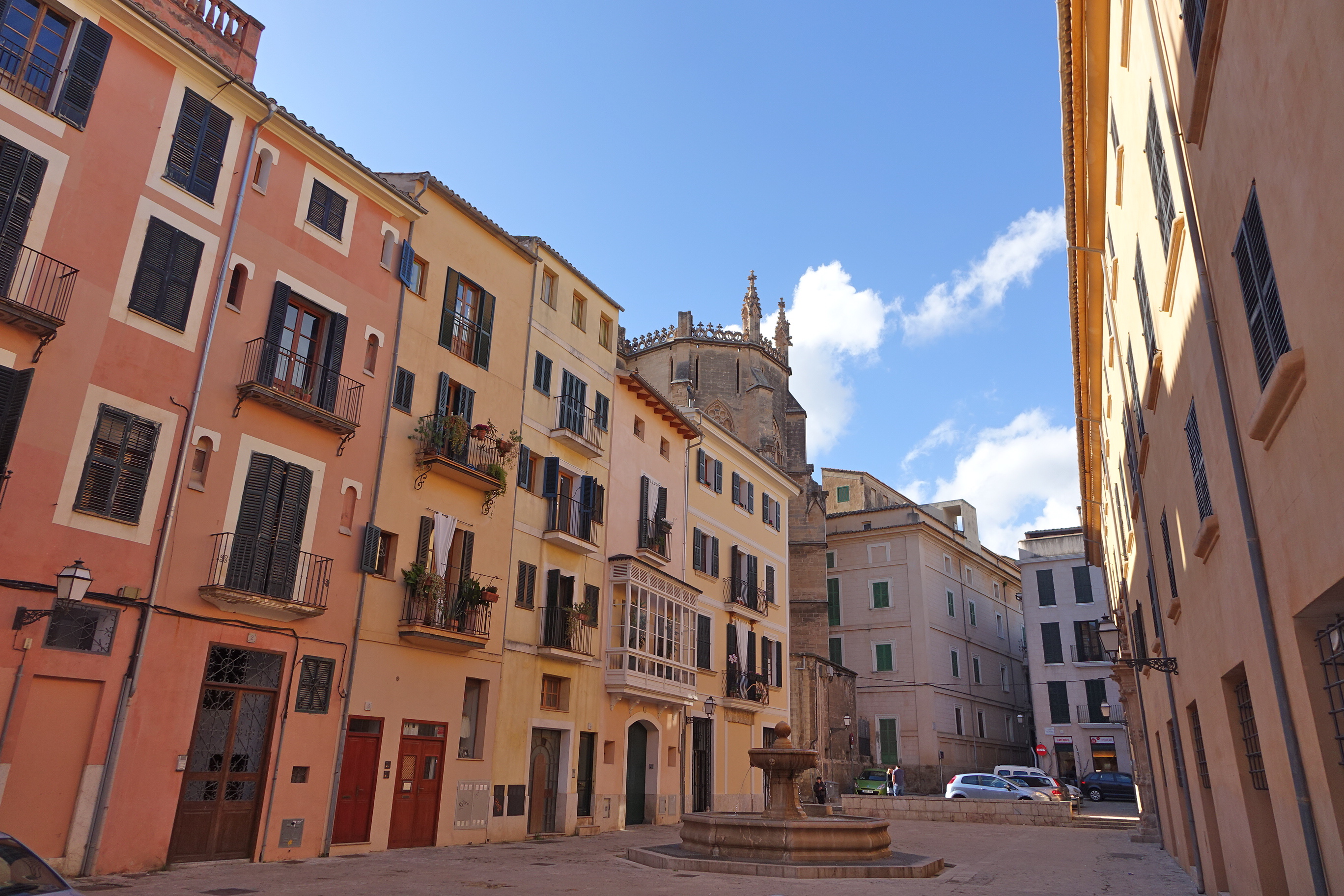
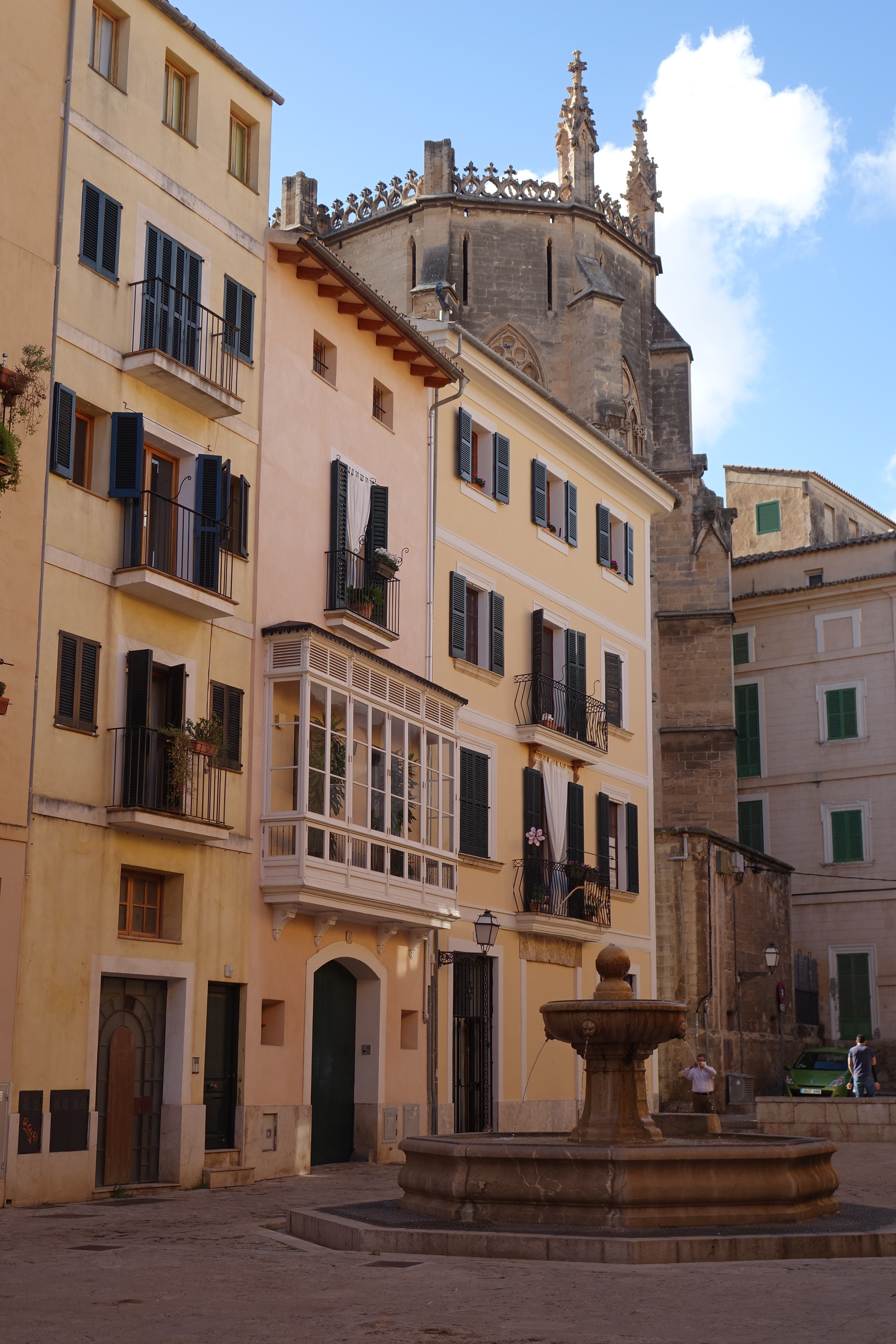
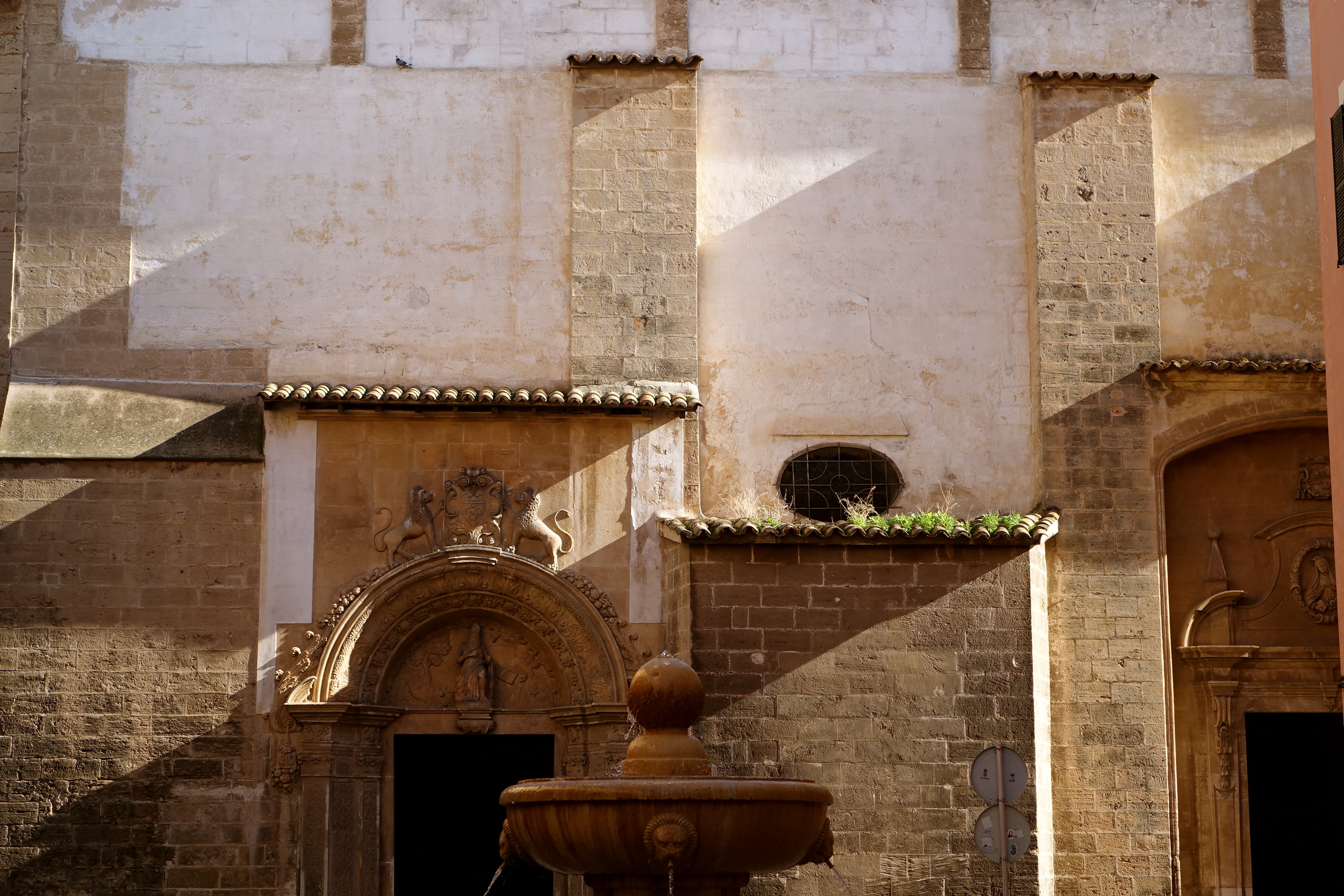
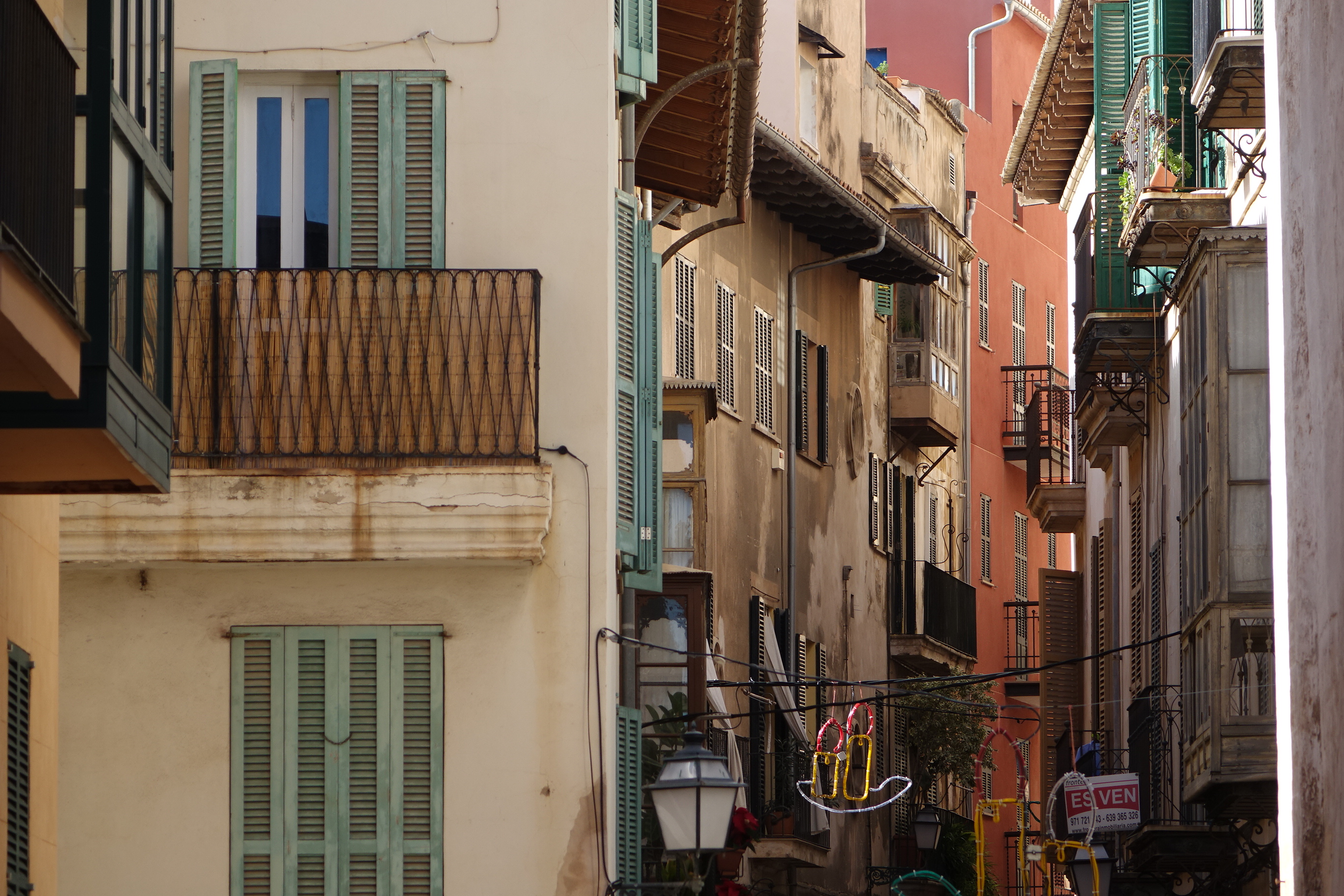
So it was perhaps in part because of this yearning, but also because of its inherent characteristics that when I stumbled into the Plaça de Sant Jeroni, a tranquil little square deep in the old town of Palma the other day, I could have sworn I had stumbled into Venice. And having now declared the square my favourite in all the city, I just had to share it with you.

The Plaça de Sant Jeroni

DSC01974 DSC01949 DSC01975 
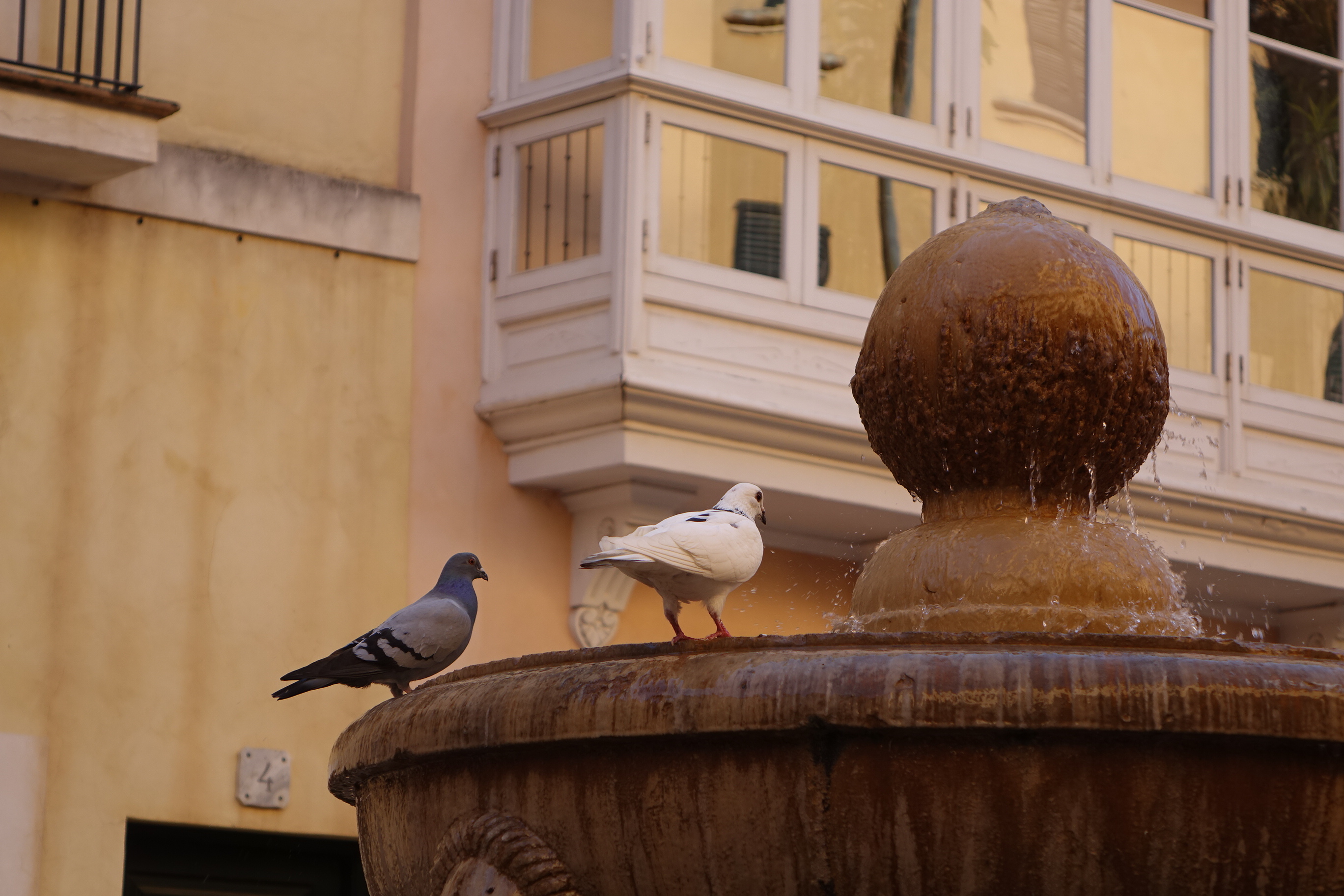
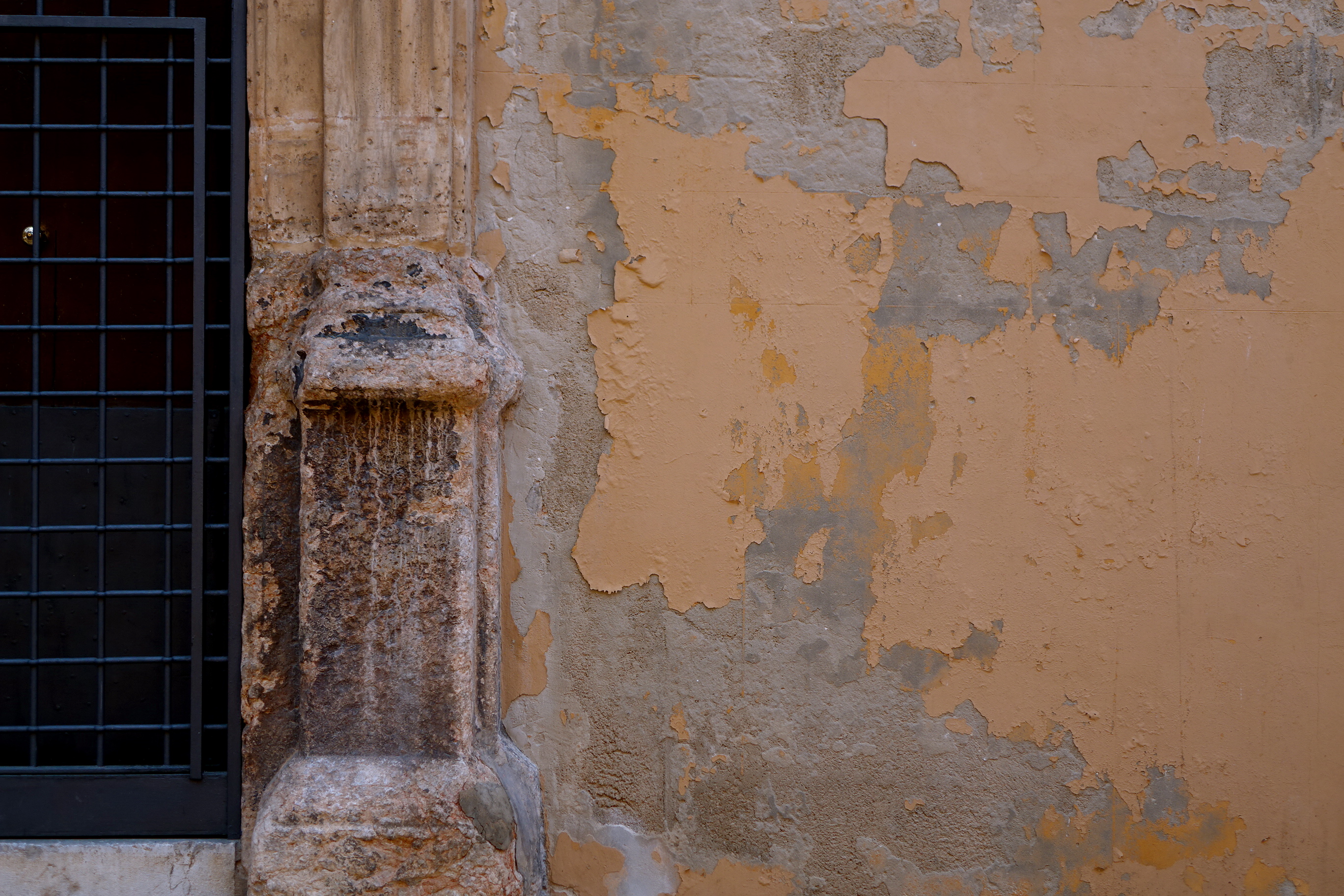
For me there are many features that make this square Venetian. For one thing, its taller than average narrow buildings, which remind me of the palaces fighting for prowess along the Grand Canal or the tall blocks of the Venetian Ghetto, squeezing gradually upwards for space where there was none at ground level. Second it’s the colours: pinks, yellows and terracottas, these are almost certainly the colours which reflect so majestically in the canals of the city. Third the fountain at its centre – glamorous enough to be a city superstar, but appearing almost forgotten in this nostalgic backwater far from the tourist trail. Fourth the two churches, both incredibly ornate – for where else do you find churches in such neighbourly proximity than in Venice? Fifth the general sense of dilapidation – the cracks and flaking paint; the tired romanticism which have attracted so many artists to Venice since its historical decline began. 

The details I love

DSC01950 DSC01956 DSC01954 DSC01943 DSC01947 DSC01944 image2 DSC01979 DSC01964 DSC01937 DSC01961
But where are the canals I hear you ask? Well true, they are missing, but like so many of the hidden gems in Venice, this is like one of the rare squares tucked away between buildings where the canals do not pass. I love them there as I love this square here. 

I know nothing else about this square. Only its name. But for me it will always be characterised by its Venetian tones. And for that reason, it’s a comfort to know that this pretty piazza is but a stroll away, for a moment or a visit whenever I yearn for Venice. 

DSC01934

All photos and written content are strictly the copyright of Nicholas de Lacy-Brown © 2014 and The Daily Norm. All rights are reserved. Unauthorized use and/or duplication of the material, whether written work, photography or artwork, included within The Daily Norm without express and written permission from The Daily Norm’s author and/or owner is strictly prohibited.

Mallorca Photo Folio: The blues and the beiges

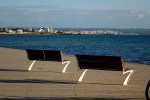
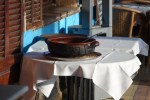
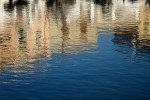
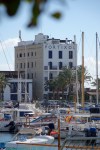
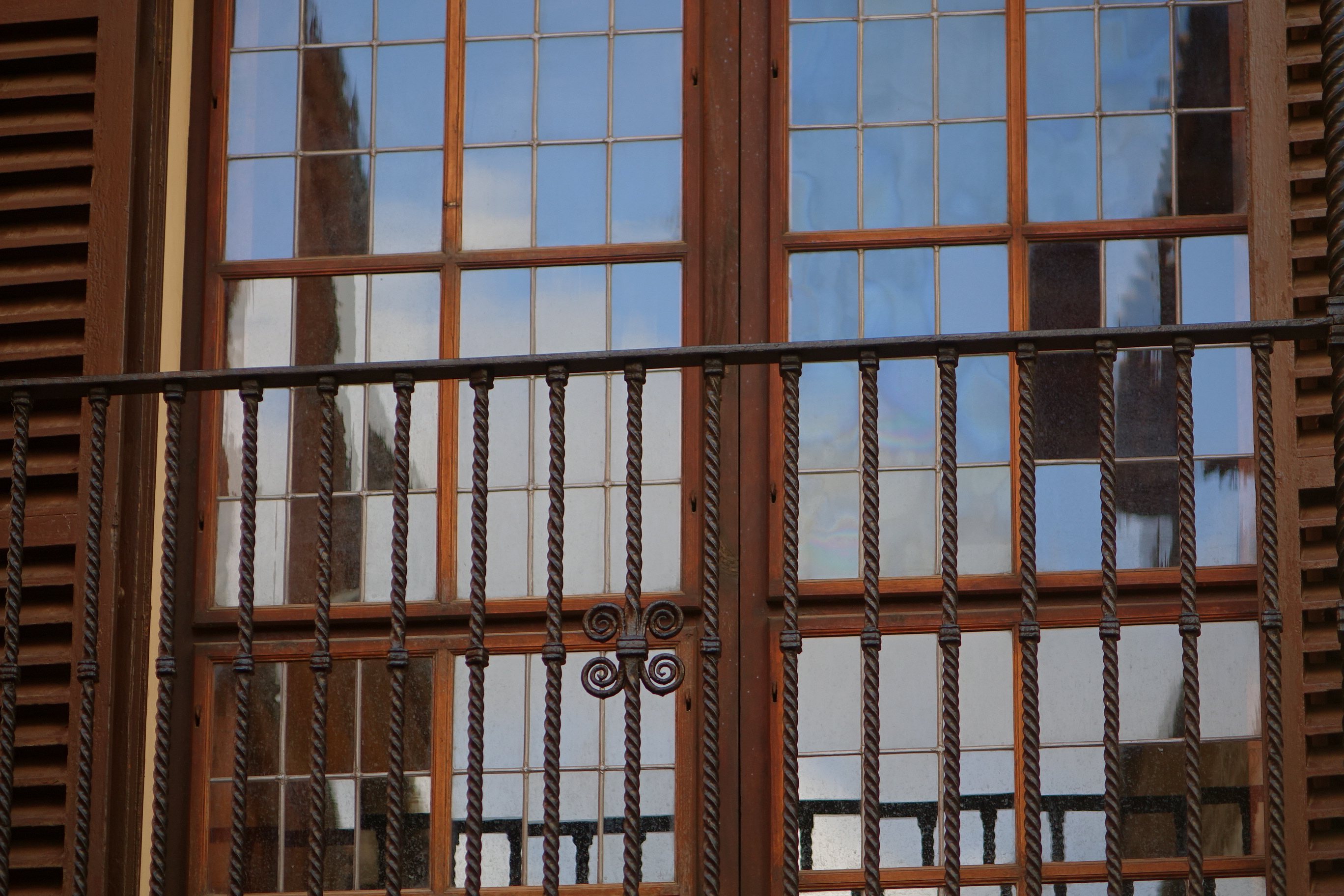
Having done the silver, and posted the greens and reds, it’s onto the blues and the caramalised gold-tinged beiges in my exploration of the colour palette of Palma de Mallorca, and perhaps of all the colours I have collected, these two are the easiest to represent. For Palma de Mallorca’s old town is a unison of golden ochres glowing from its old historical palaces and churches, and blues, which sparkle back from the expanse of sea which runs alongside the city, and the cerulean sky which shines so brightly above its many horizons. Here, the blues glow in the wood framed windows of the ancient town houses, while the beiges reflect like caramel in the molten water of the Mediterranean. These colours may be opposite ends of a colour spectrum, but in the Mediterranean, they are a fully harmonised affiliation.

DSC02181 DSC02472 DSC02219 DSC02301 DSC00905

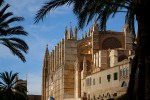
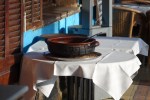
So here are my photos which show these two colours at their very best. The glorious golden cathedral of Palma de Mallorca glowing against a bright blue sky; an old much used earthenware pot standing in readiness full of food against a painted blue cafe wall; the multi-tiled tribute to the sea by Mallorcan resident Juan Miro. The modern blues buildings and the ancient beige stone; the yellow sun reflected through windows and the windows reflected in the blue sea. Blue and beige: a happy symphony.

All photos and written content are strictly the copyright of Nicholas de Lacy-Brown © 2014 and The Daily Norm. All rights are reserved. Unauthorized use and/or duplication of the material, whether written work, photography or artwork, included within The Daily Norm without express and written permission from The Daily Norm’s author and/or owner is strictly prohibited.
No detail too small: the intricate spectacle of a Neapolitan Nativity

In a large number of countries the Nativity scene (Belem in Spain, Presepe in Italy) is as big a part of the Christmas festivities as the lights switch-on in London’s Oxford Street or the Christmas tree at the centre of a family home. Having gone to Catholic school as a boy, I still remember the prominence with which the Nativity set was placed in the front entrance, and how perplexed I was (and remain) that the teachers remained insistent that the Jesus figure should not be placed in the manger until Christmas Day: but this is a school I thought – who on earth is going to see it during the holidays?

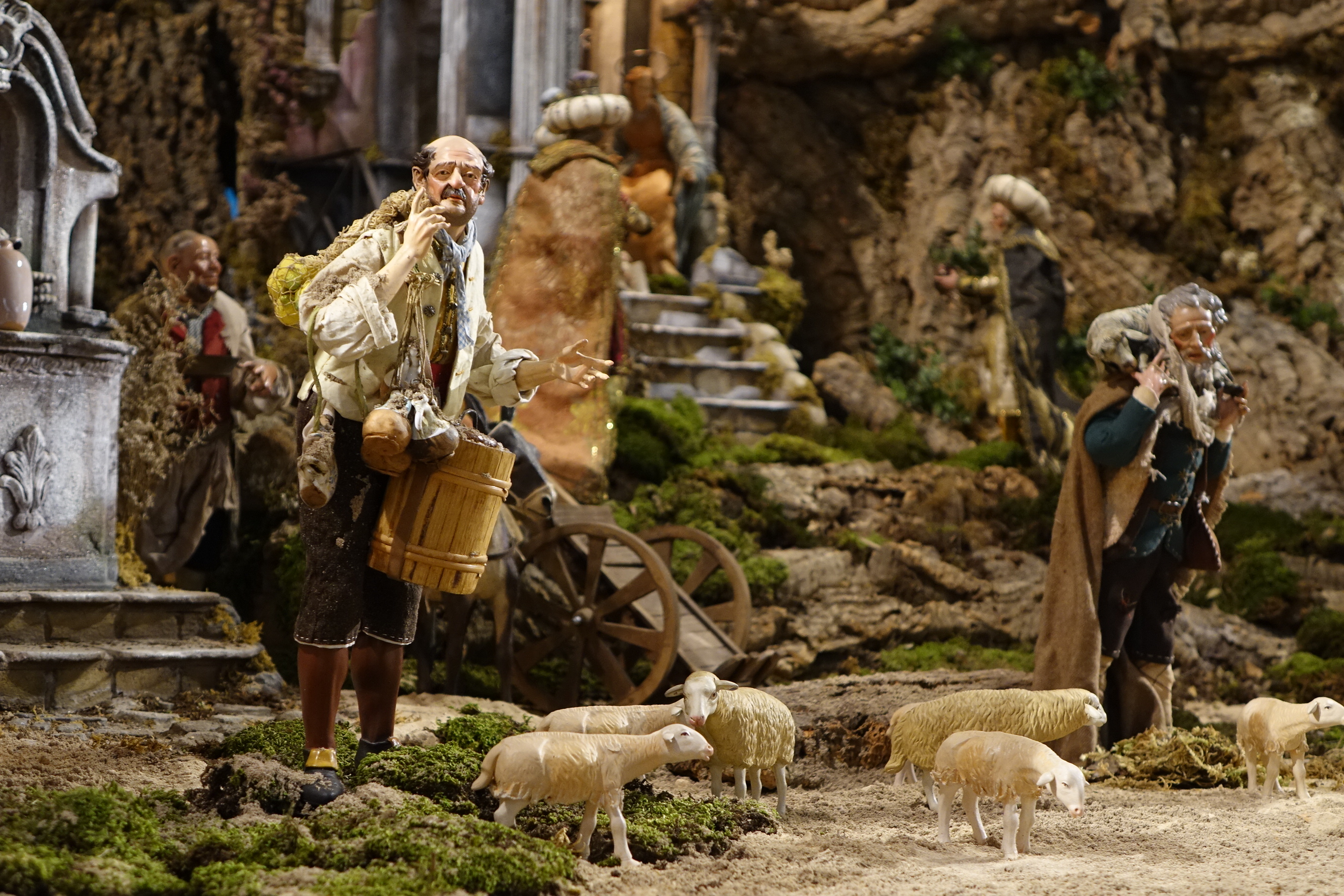
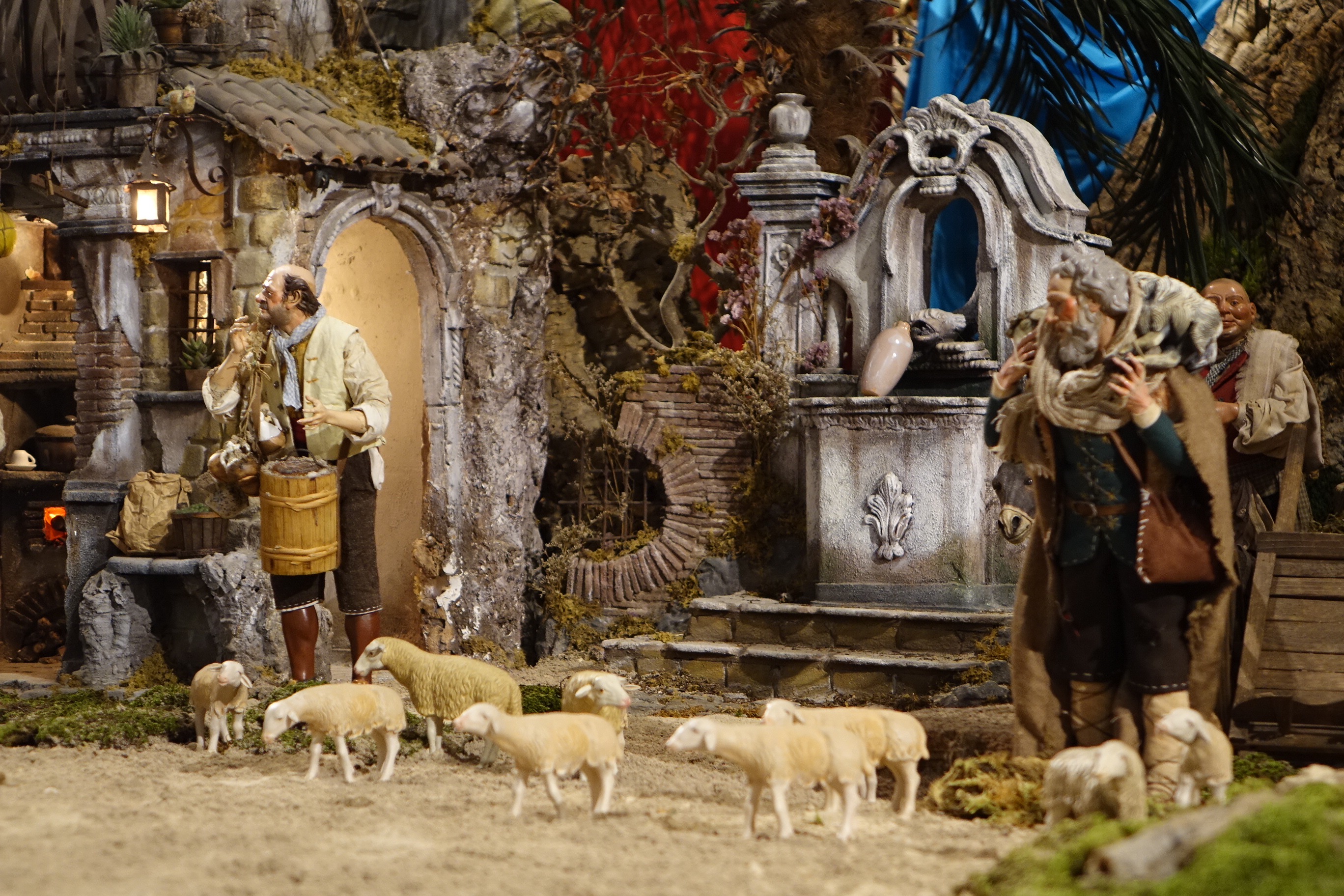
Despite the fact that the tradition of setting out a nativity is centuries old in many a catholic country, the general belief is that it all began in Italy where St Francis of Assisi is credited with creating the first nativity scene in 1223 at Greccio, Italy. There he is said to have recreated the birth of Christ through placing people dressed in the various nativity roles in a cave. A tradition was born, and perhaps for this reason, it is arguable that Italy has remained the predominant master of the nativity craft. This is not least in Naples where, in the famous Via San Gregorio Armeno, the entire street is given over to the craftsmen who make every intricate detail of the characters and setting of the Neapolitan presepe. 

DSC02526 DSC02529 DSC02532 DSC02548 DSC02545 DSC02560 DSC02558 DSC02535

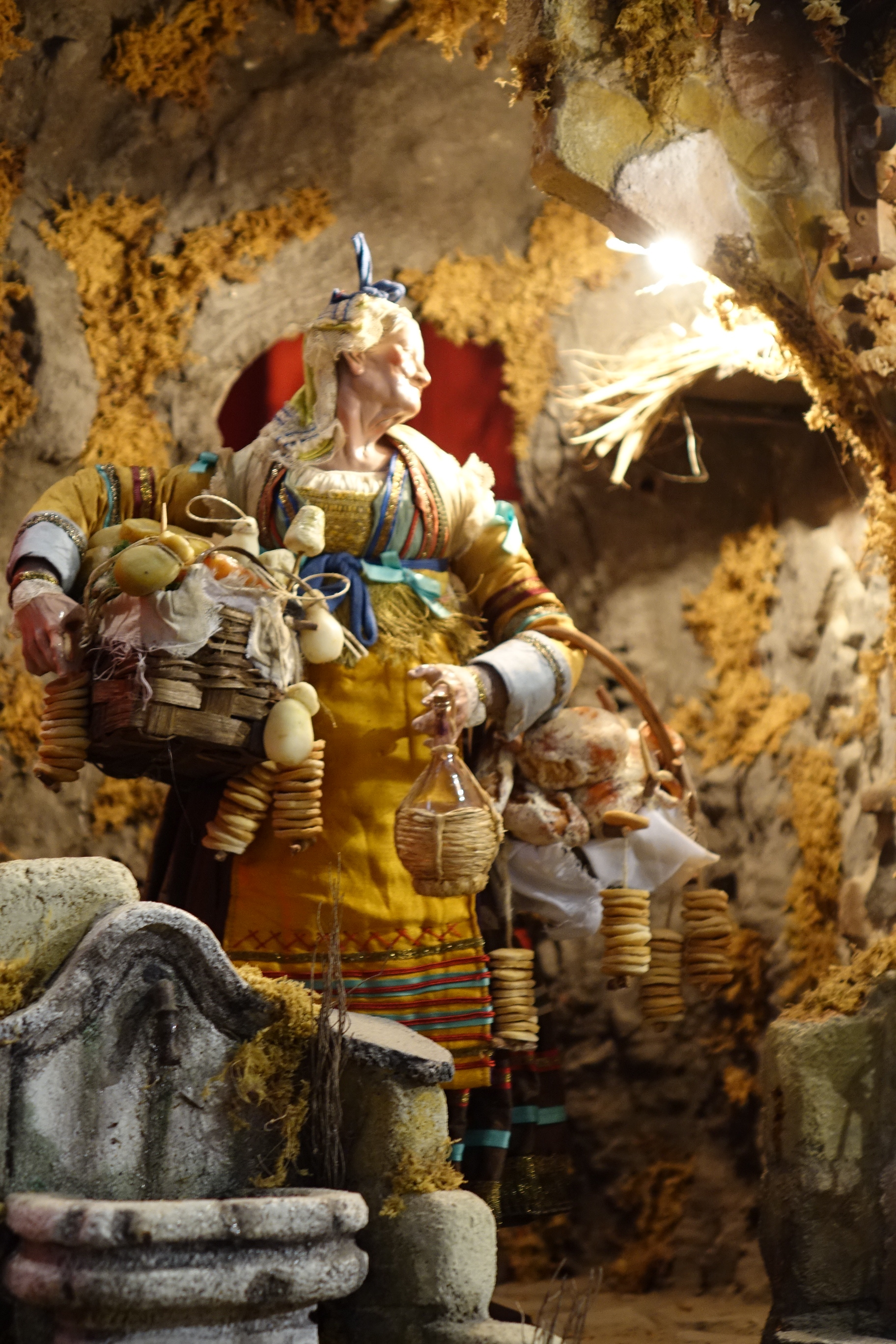
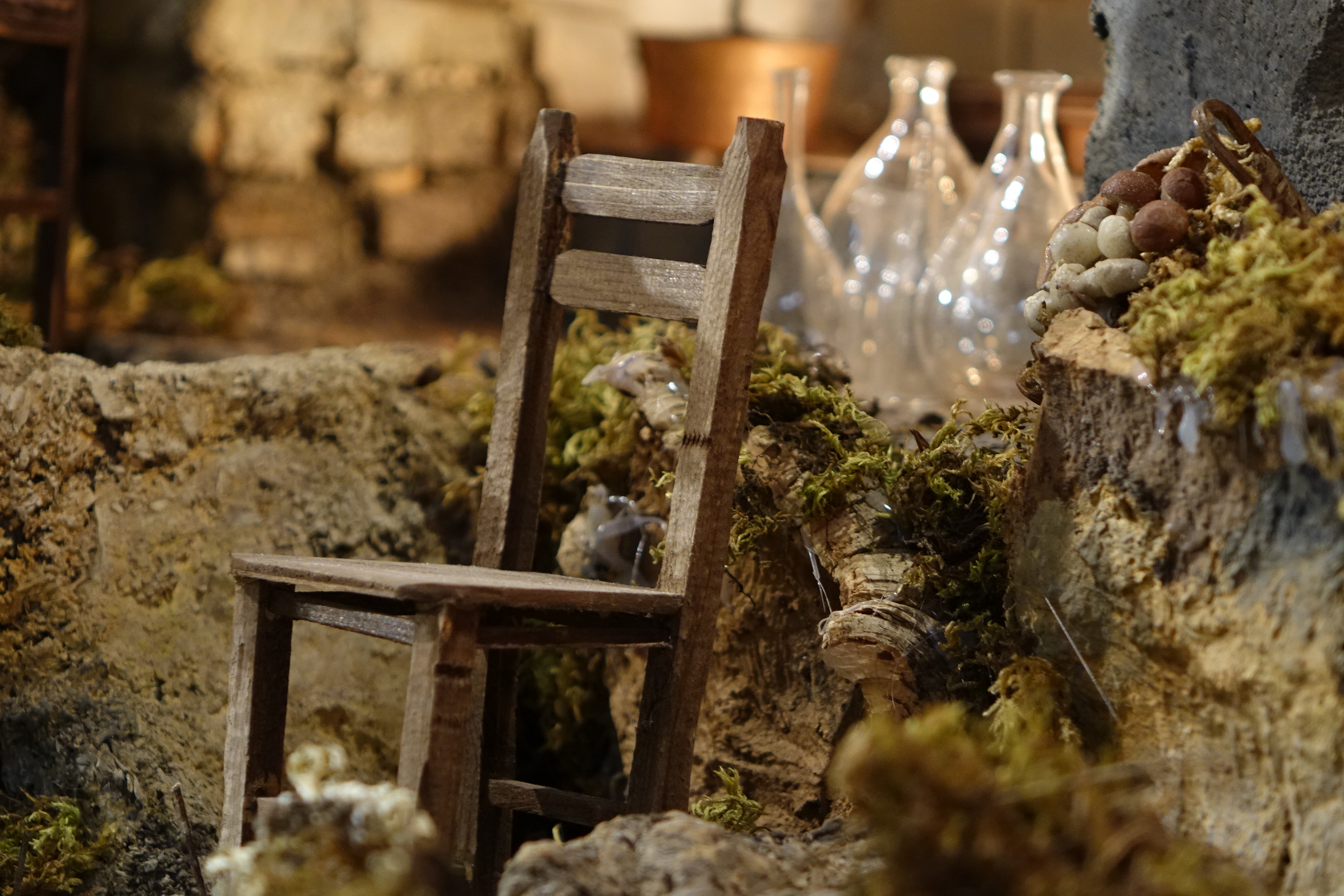
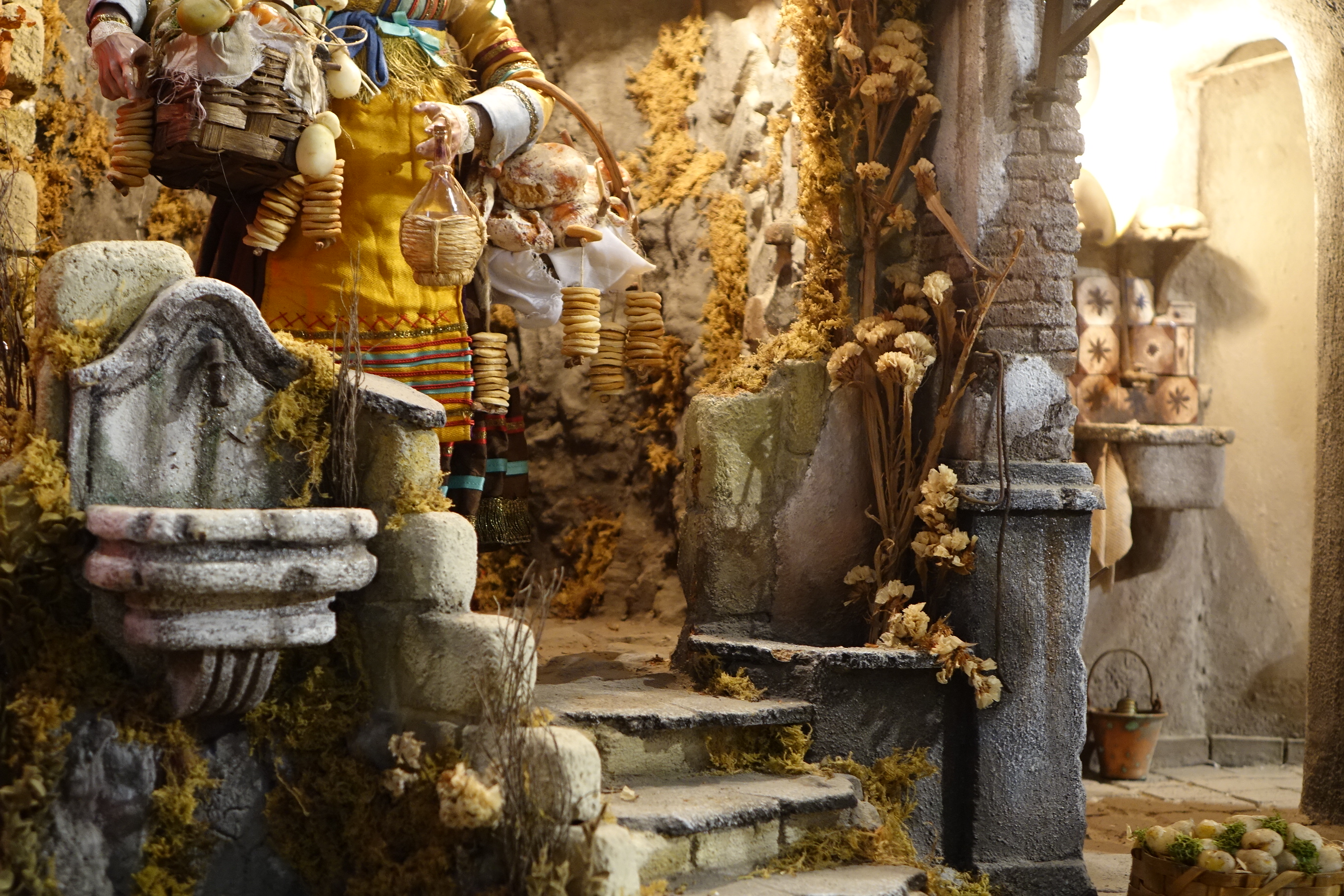
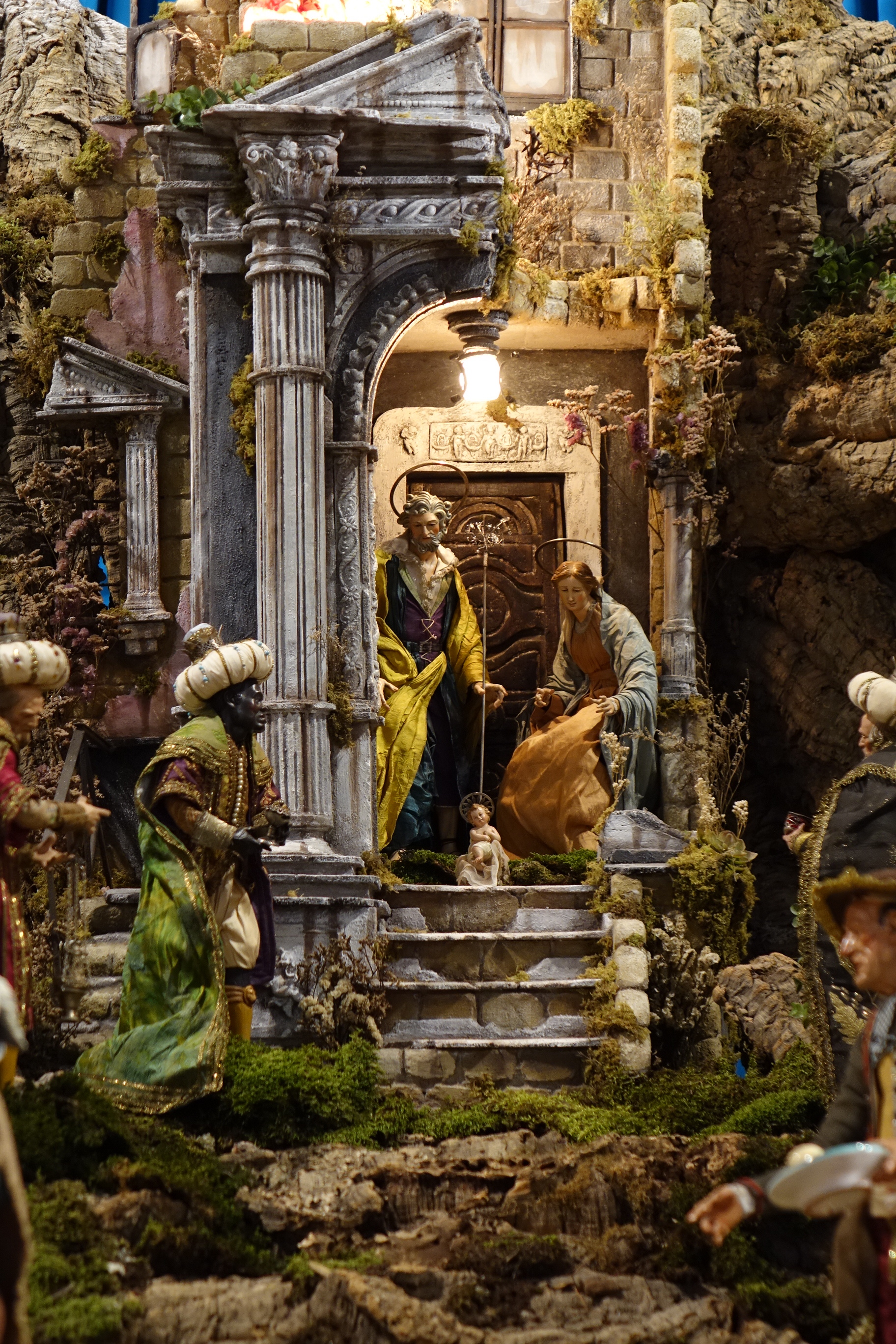
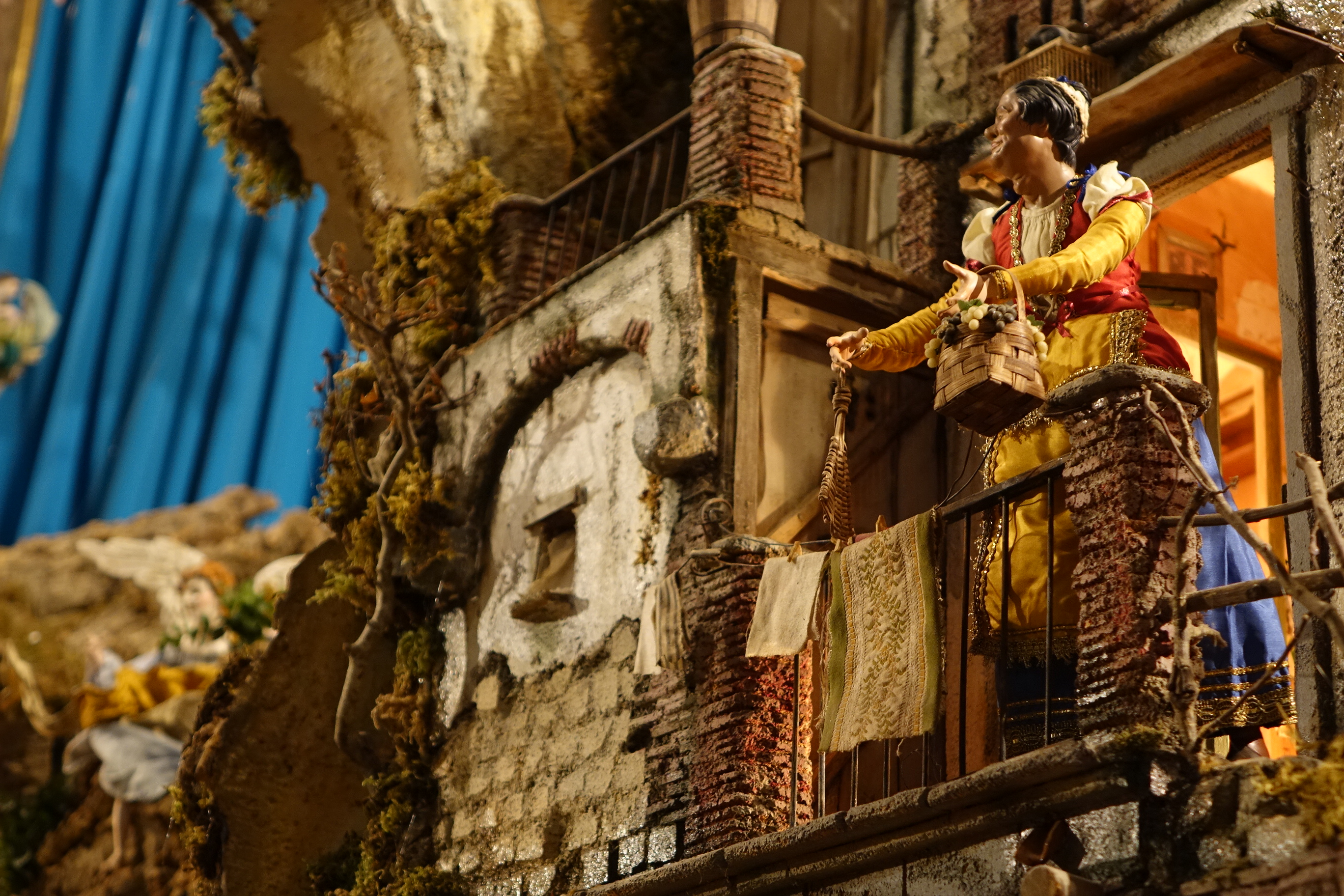
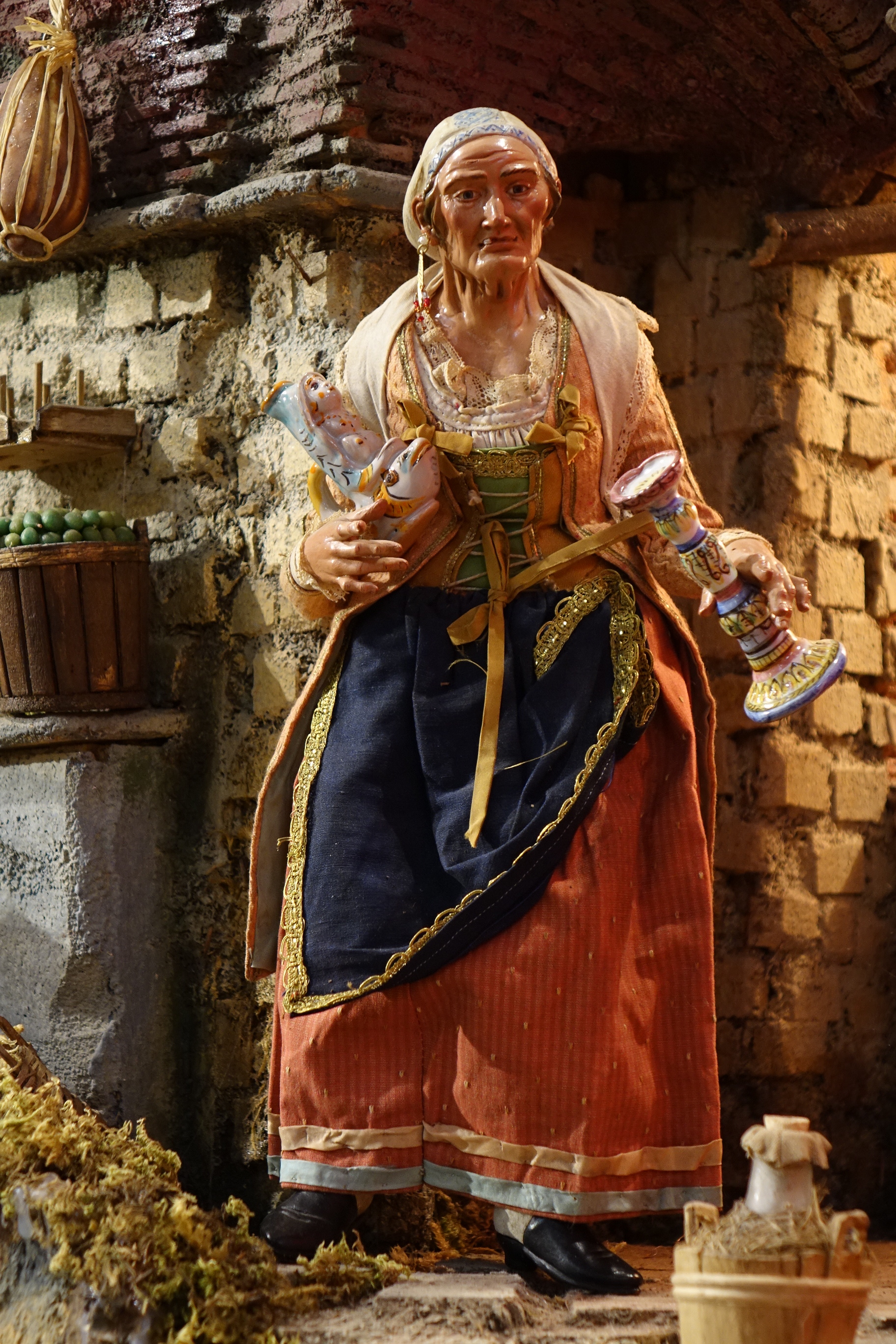
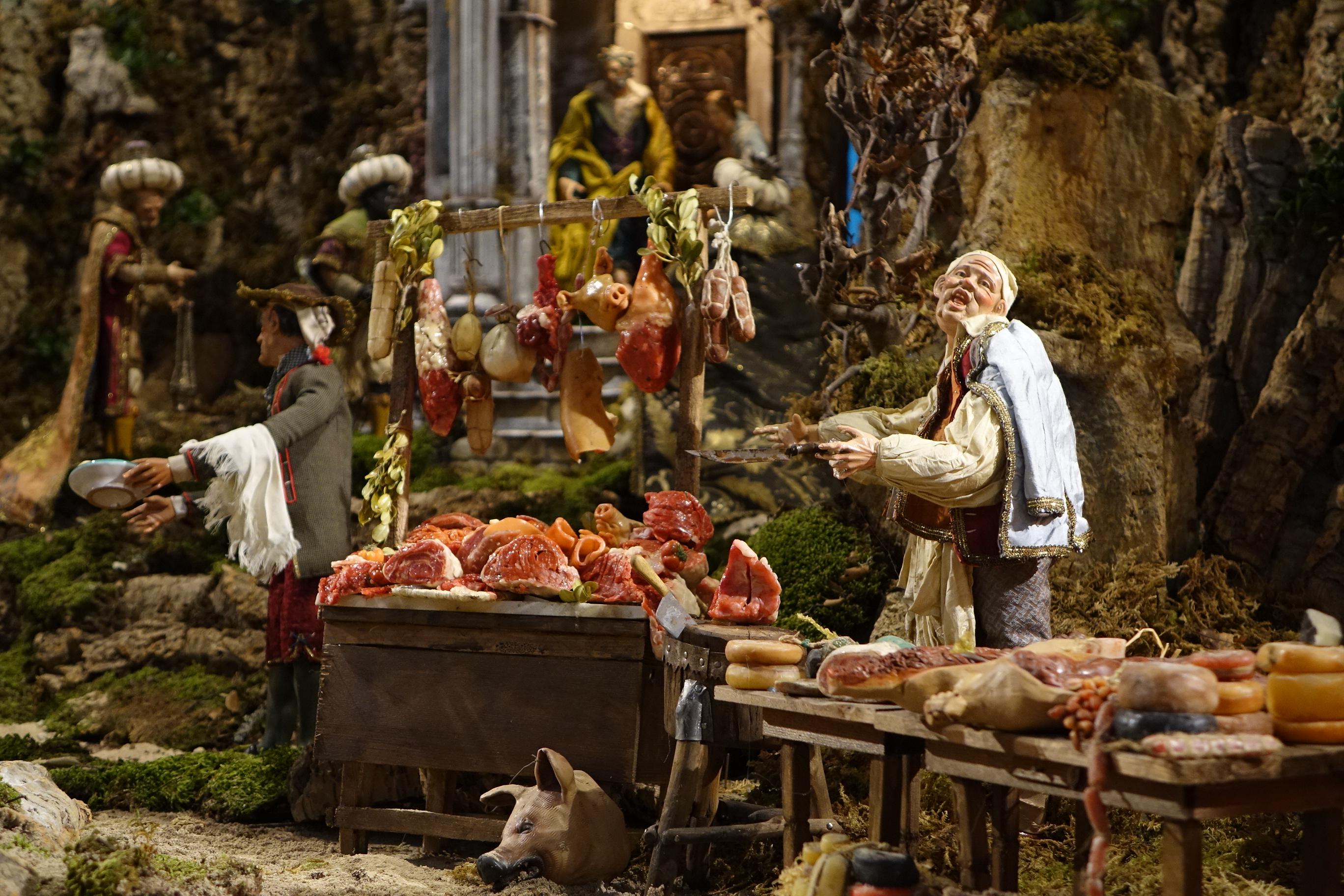
While last Christmas I braved the crowds who had crammed their way up the dark side streets of the Spaccanapoli to get a view of this famous Neapolitan craft, this year I have had the fortune to see their masterpieces at far closer a proximity. For here in Palma de Mallorca, but 2 minutes from my flat in an inconspicuous church on the Carrer de San Miquel, there is a Neapolitan gem of its own. Set out across a mountain plane simulated from the supple bark of a cork tree, and comprising a phenomenal range of architectural features and carefully characterised figures, this Nativity demonstrates why the Neapolitan craft remains so renowned. Not a single detail of street life has been missed, from the slimy pig’s head sold by the Butcher, to the bag of eggs swung by the old housewife. What tickles me are the gruesome details of their lined faces, and their masterful expressions – so full of personality you’d swear they were alive. 

DSC02567 DSC02564 DSC02562 DSC02555 DSC02537 DSC02540 DSC02527

In fact Palma de Mallorca holds the nativity or Belem dear to its heart, with a trail tracing once fantastic Belem to another across the city. But few could deny that the real brilliance of Belem craft has been mastered by the Neapolitans, as the nativity photos above demonstrate so well. 

All photos and written content are strictly the copyright of Nicholas de Lacy-Brown © 2014 and The Daily Norm. All rights are reserved. 

Santa Lucia and the Joy of Rialto Living

To be honest, it didn’t take me much to make up my mind to move from London to Mallorca. After a sustained period of dissatisfaction with the big city in the smoke, the comparative paradise of Palma de Mallorca took little persuasion. And yet I think I can pinpoint the exact moment when my mind was made up as being the moment when my partner and I discovered Rialto Living.
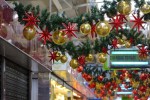
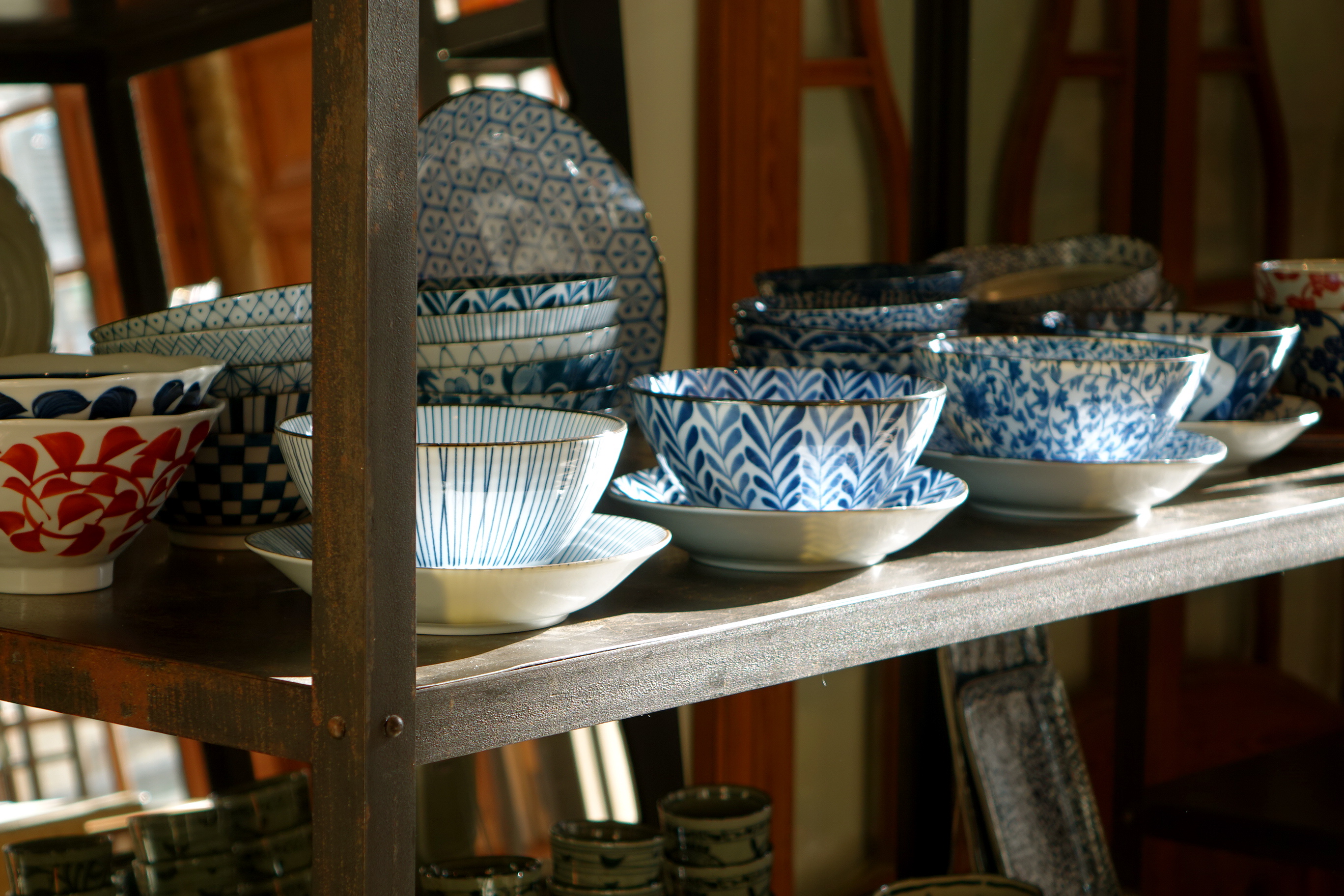
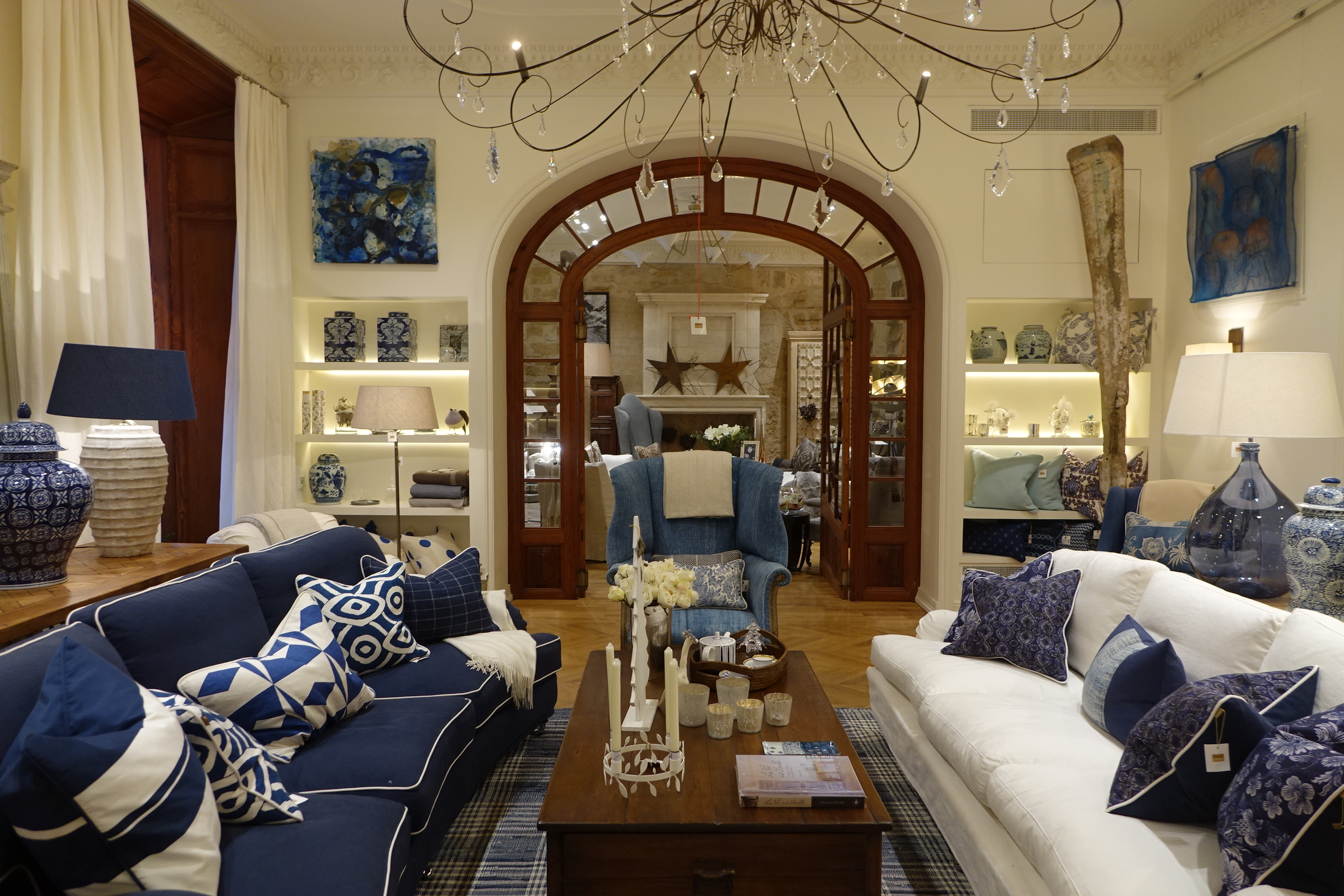
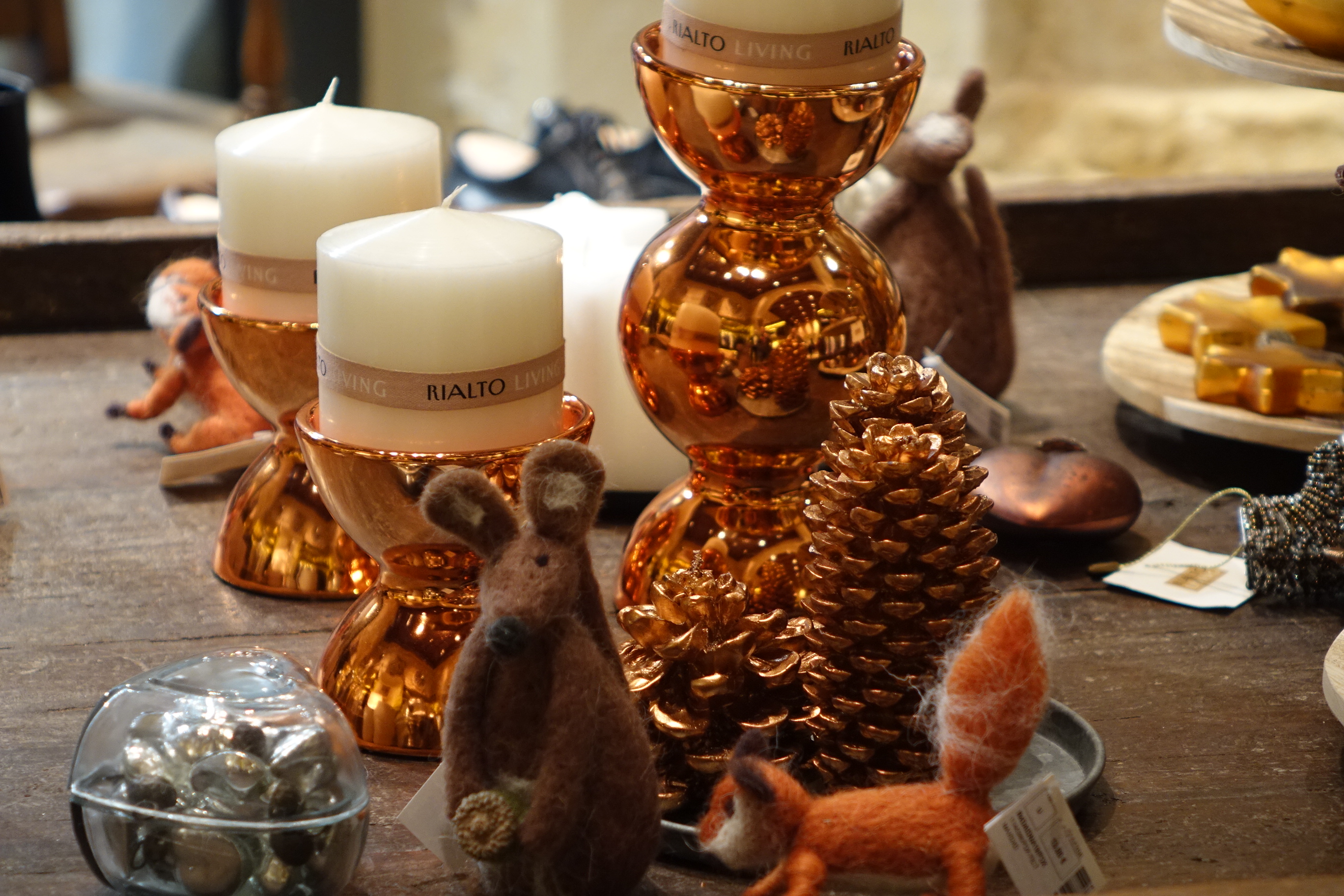
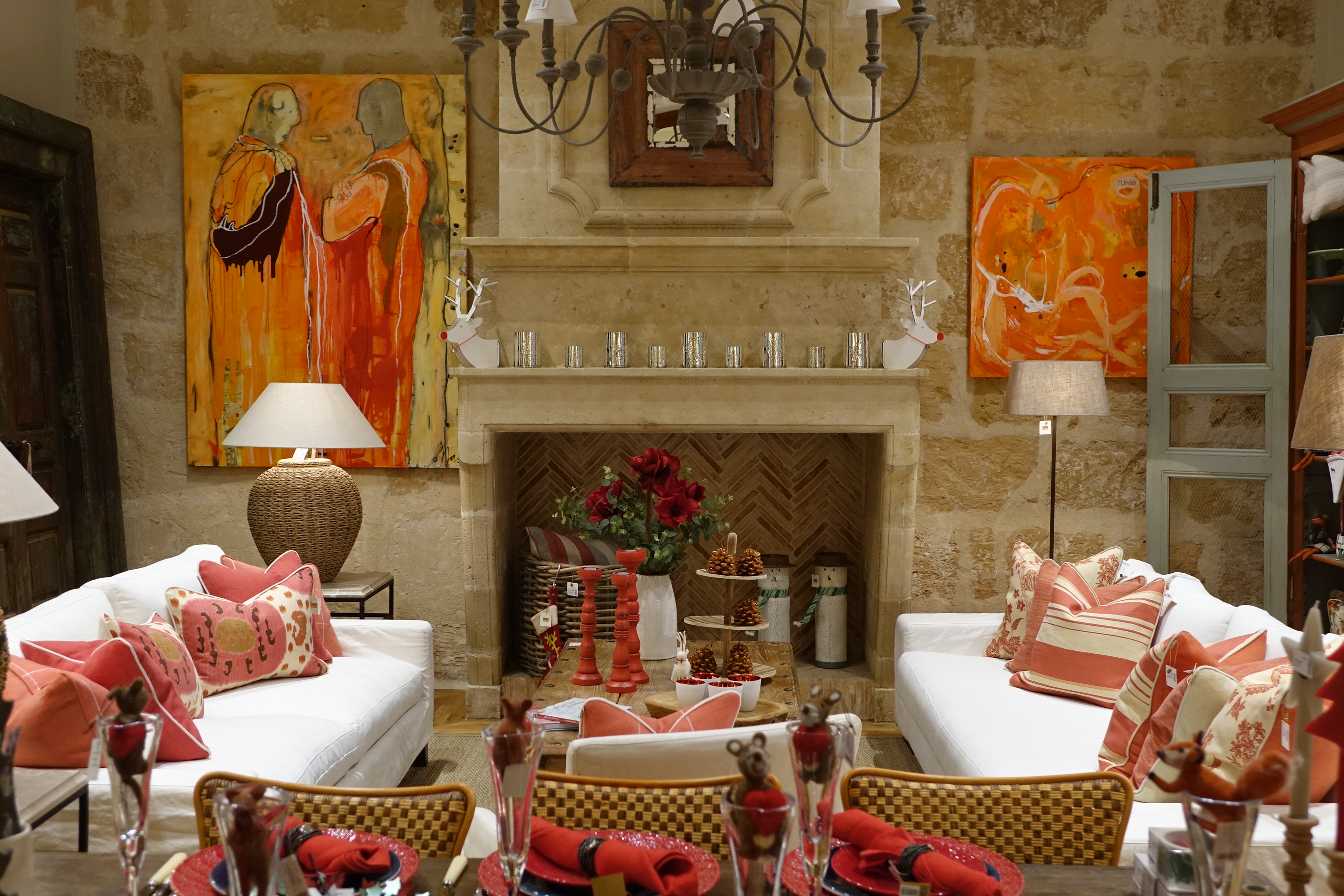
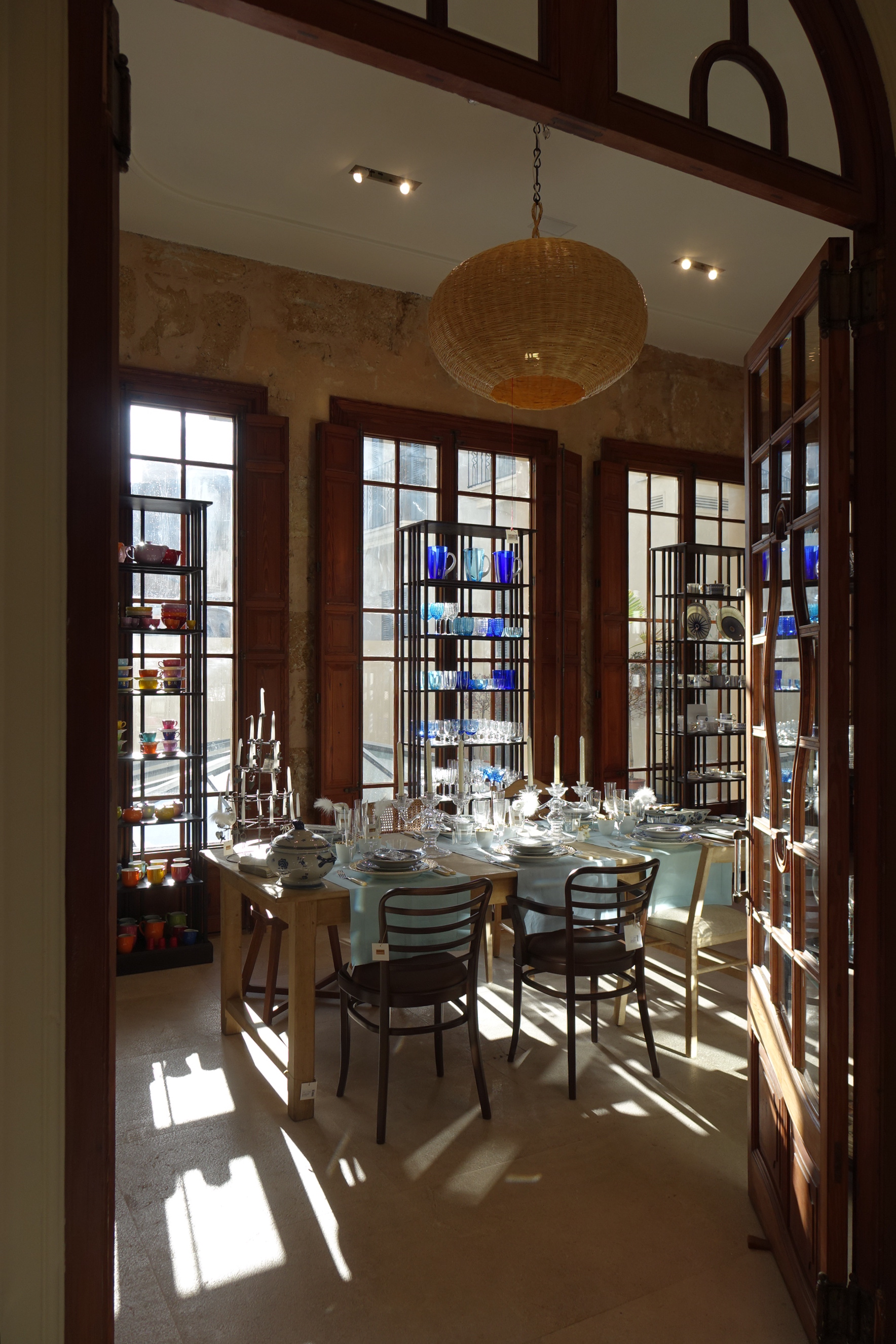
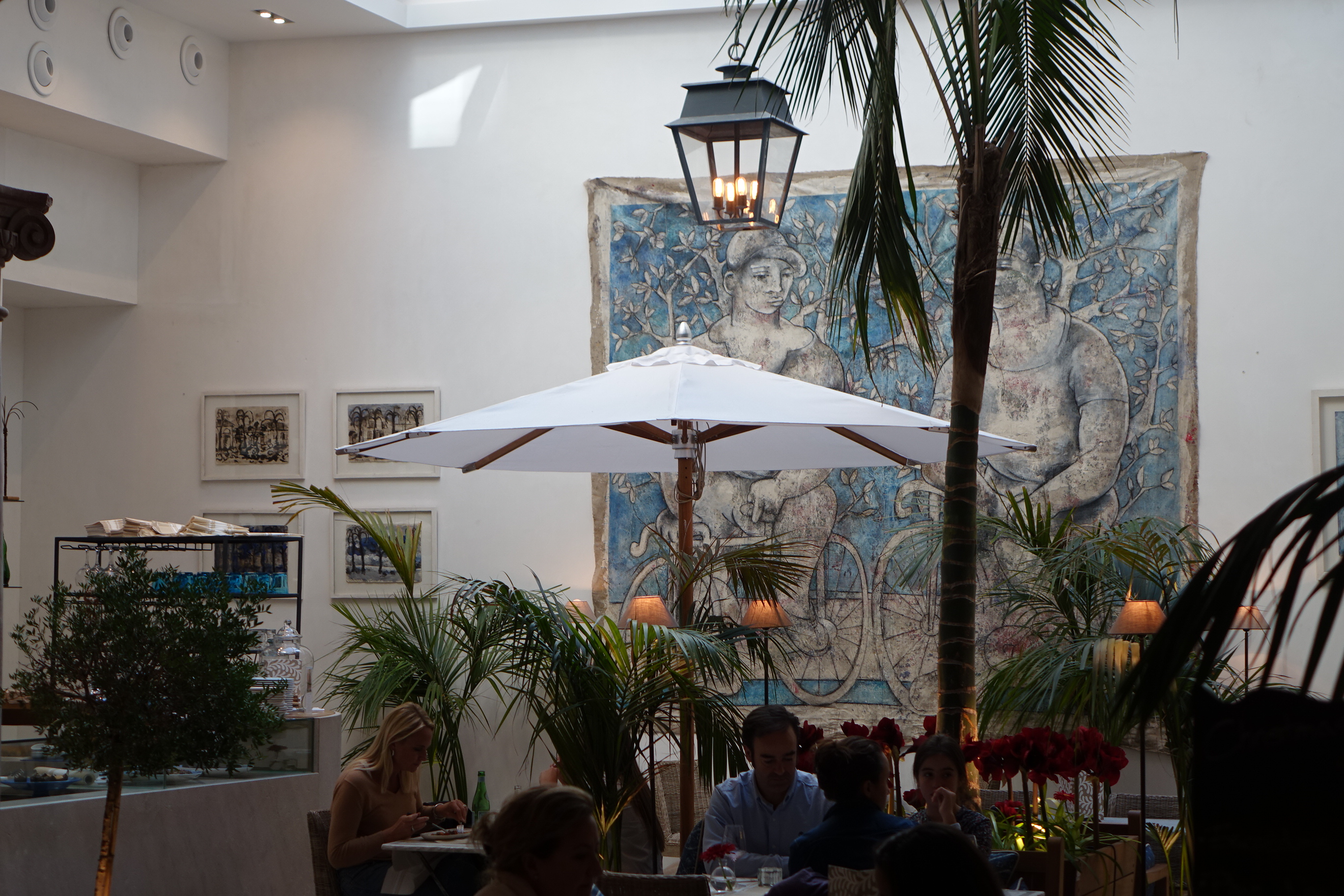
Situated in the Carrer Sant Feliu, a dark cobbled street in the heart of Palma’s old town and lined with the very best of Palma’s old palaces, Rialto Living is a lifestyle concept store which sells the very best in interior design, art, and fashion. Happily for us it also contains one of the cafe hot spots in Mallorca, a blue and white symphony of open space and high couture eating, all set within a stunning renovated palace. In short, Rialto Living is a sumptuous, stunning shop. The kind of place where you could happily while away the hours as though it were your own home (I should be so lucky), and it was upon finding this place that we knew Palma had the kind of mentality which meant that we could make the city our new home.

A paradise of interior design

DSC02121 DSC02154 DSC02159 DSC02153 DSC02123 DSC02126 DSC02641 DSC02138 DSC02125 DSC02152 DSC02135 DSC02150 DSC02116 DSC02131 DSC02129 DSC02119 DSC02122 DSC02134 DSC02164 DSC02141 DSC02162

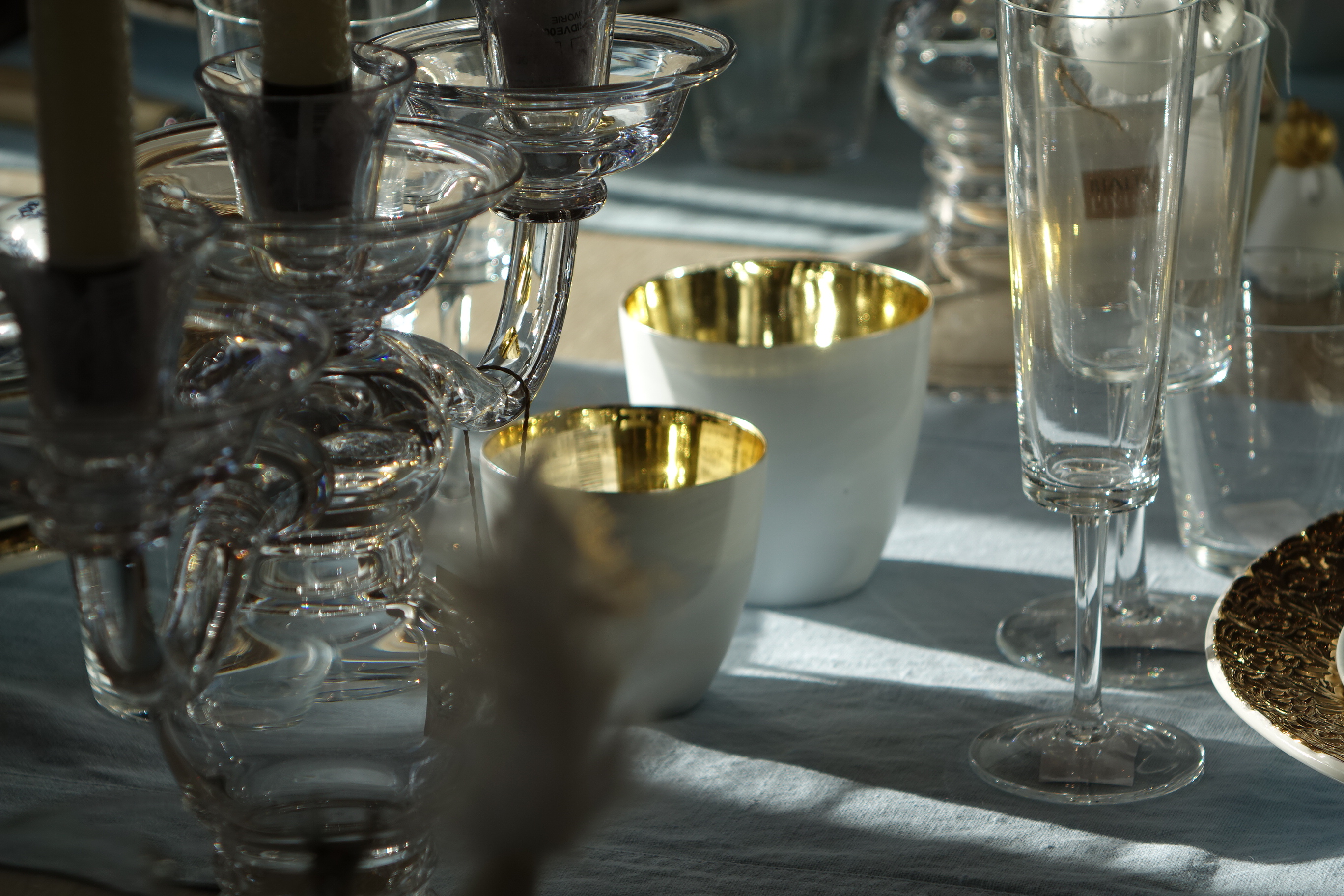
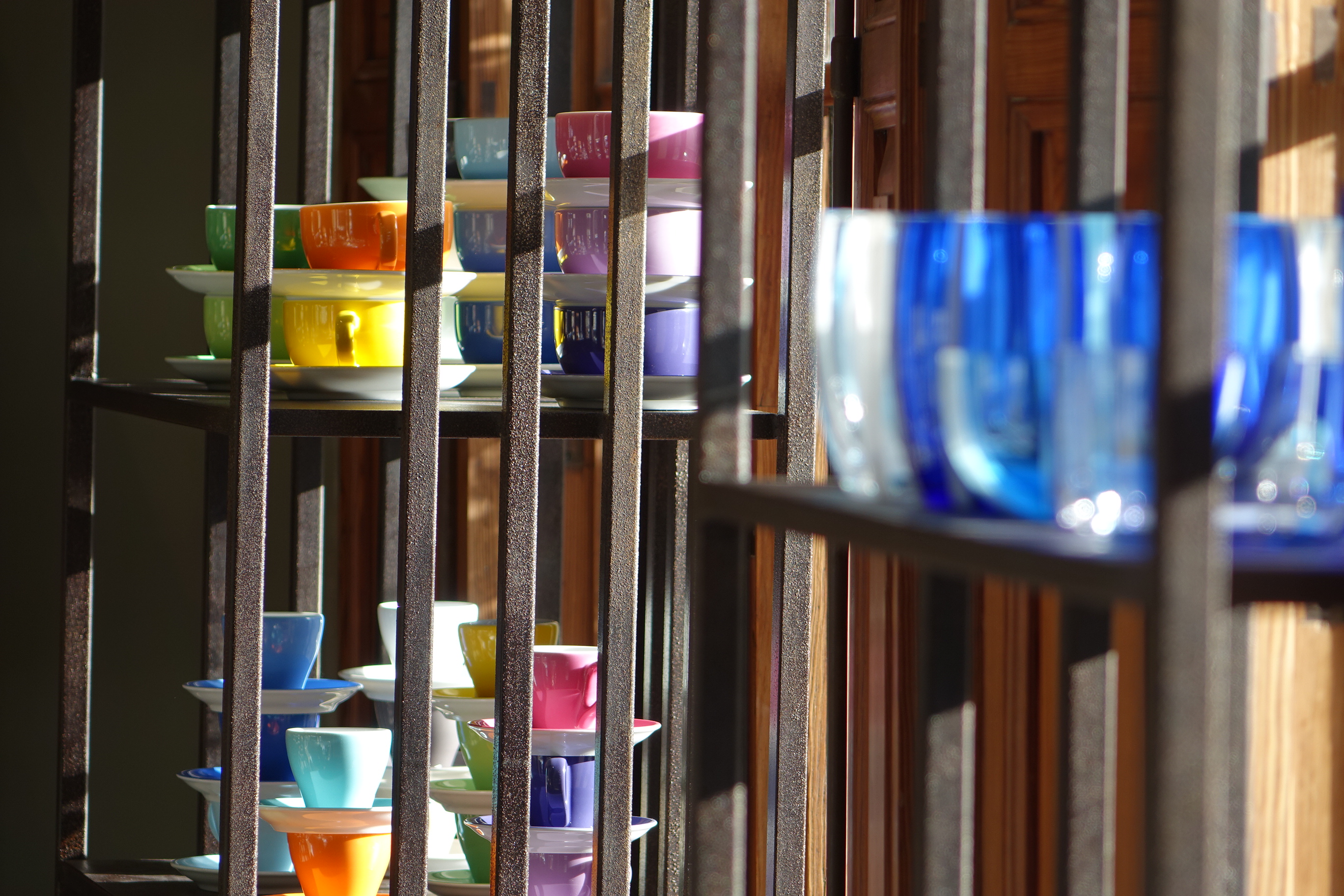
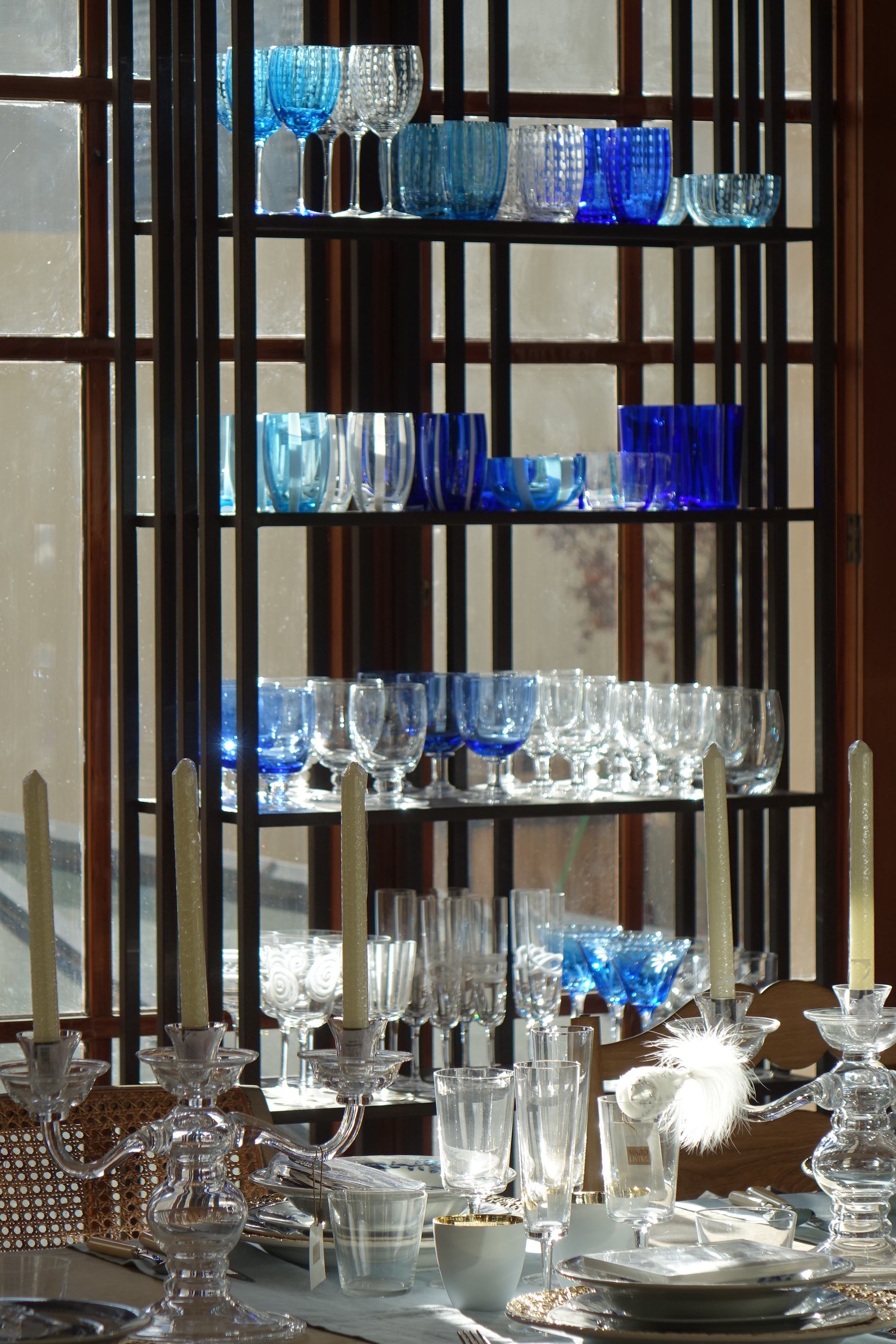
Harking from Scandinavia, and founded by one of the three founders of Gant, Klas Kall, along with grafic designer Barbara Bergman, it is no wonder that Rialto Living is such a temple of interior chic. Here you will find a magazine shot in every corner, furniture to die for, and quality which bounces and glides and glitters in one’s hands. Its many sections are a delight for the eyes. Its clothes section is so chic and welcoming that it makes you want to discard your old clothes there and then for something delightfully fluffy and new. Its home section is like a paradise of design; my favourite section has to be the Alhambra recreation within whose moorish arches roll after roll of colourful material unfold; I also adore the dining area, where sun floods through the south facing windows to illuminate the multicoloured glassware.

Rialto Living’s fresh blue café

DSC02664 DSC02168 DSC02667

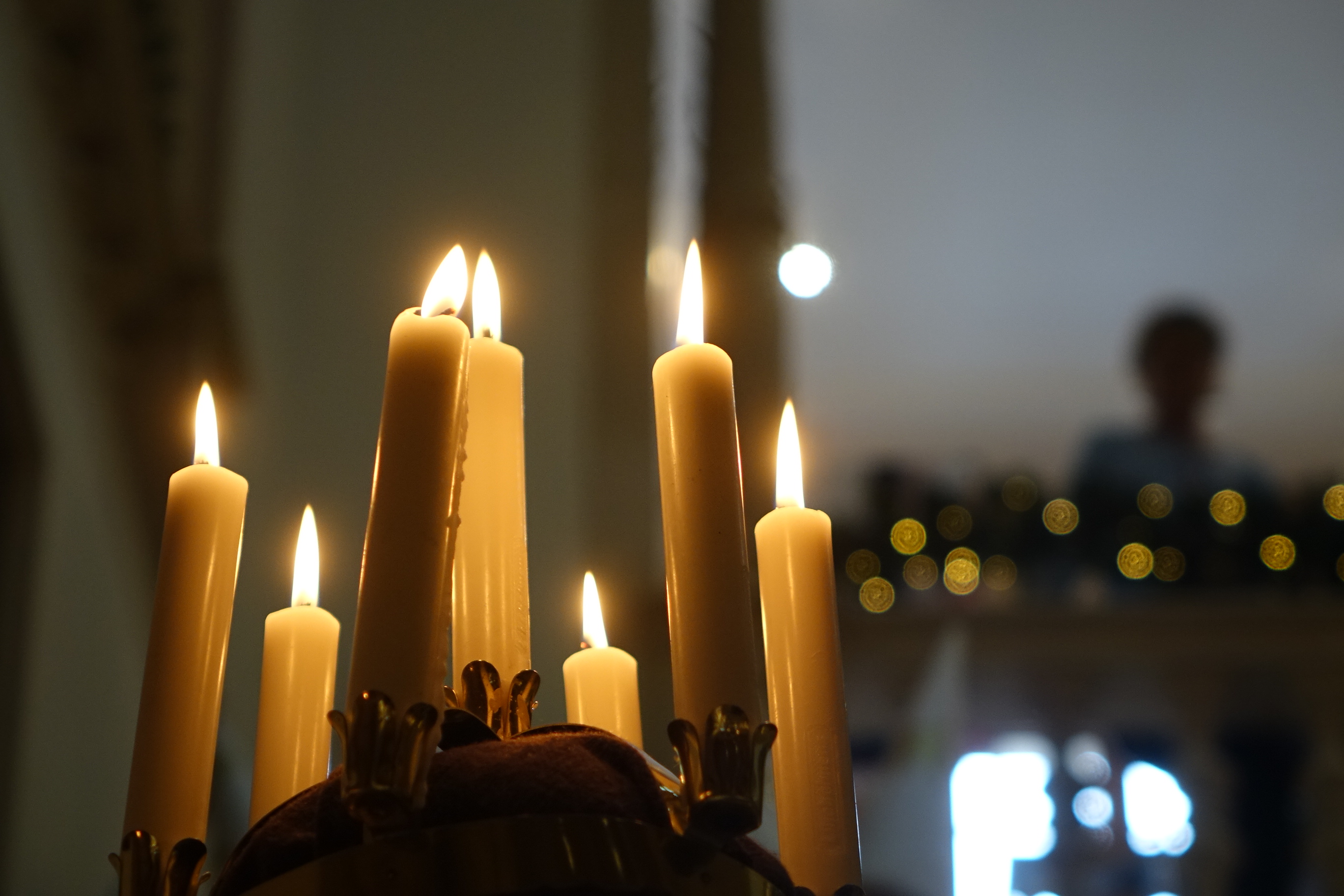
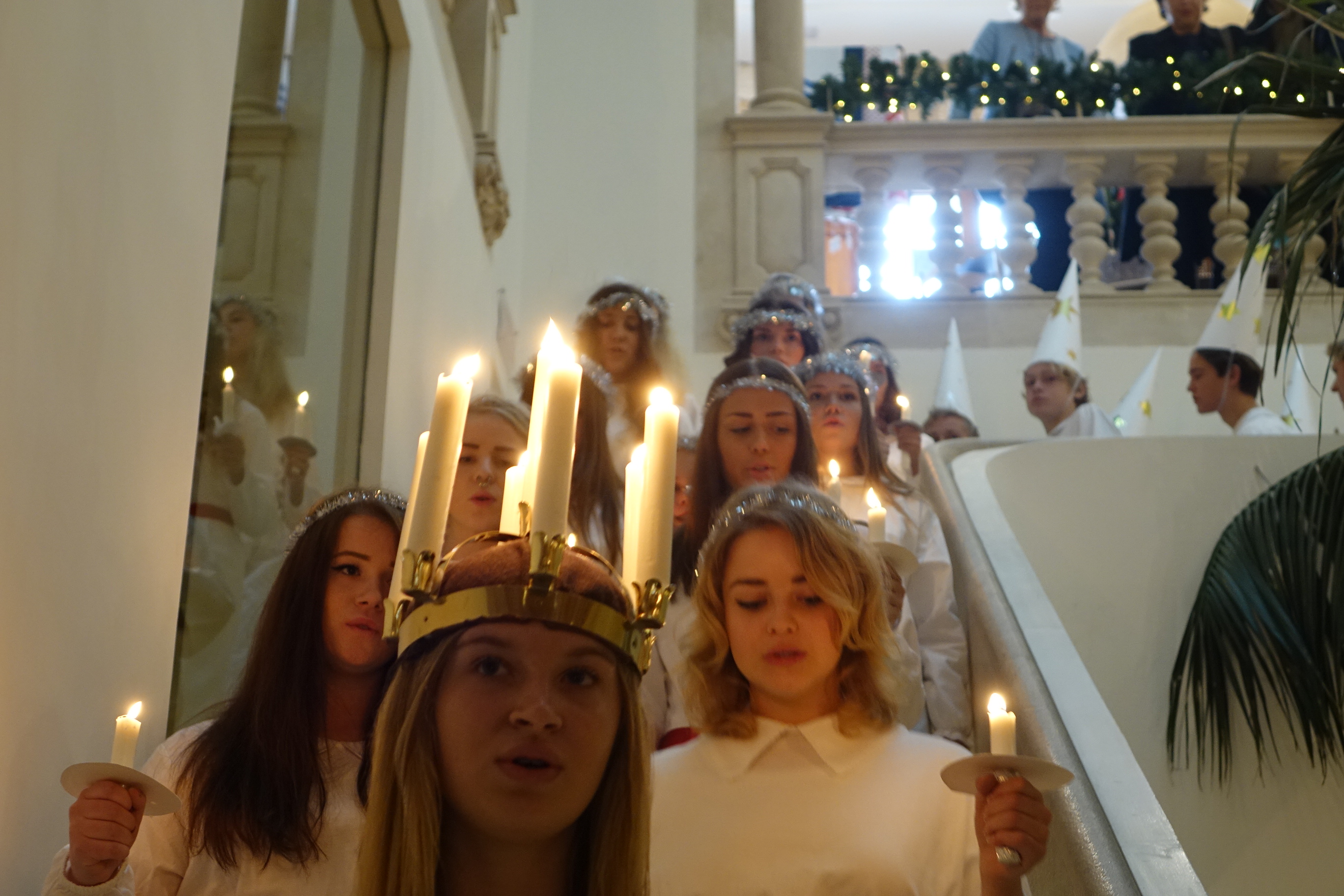
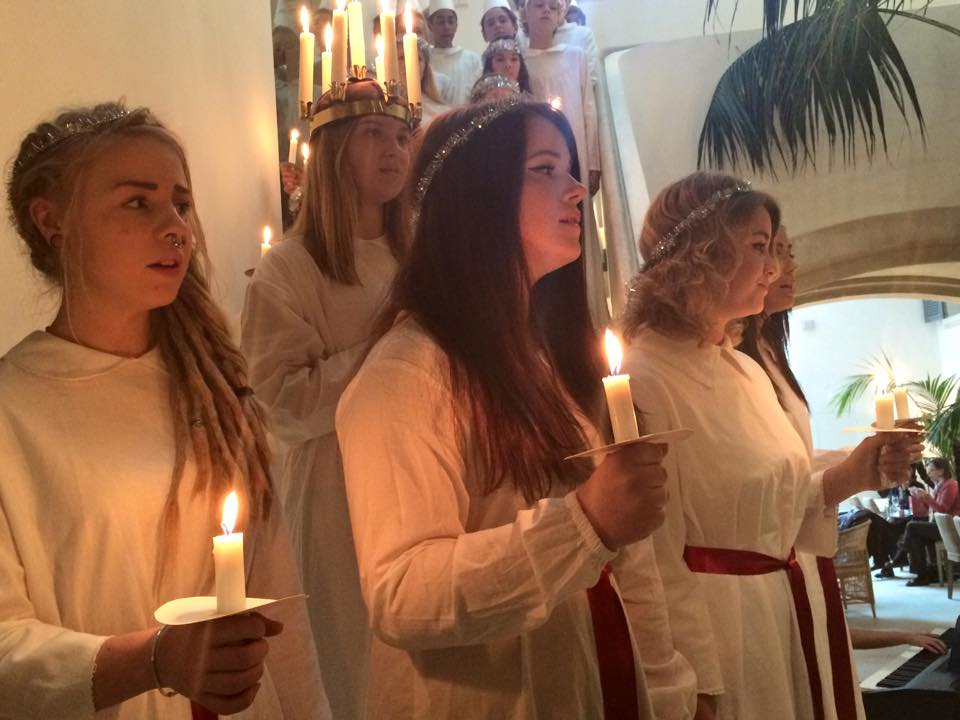
Yet despite its inherent sophistication, Rialto Living is utterly welcoming, as demonstrated last weekend when customers were welcomed to the store on Saturday lunchtime to join in carols and glogg (mulled wine) in a celebration of Santa Lucia’s day. They even had an angelic choir fitted with all of the regalia of Santa Lucia festivities, the likes of which inspired both my Norm sketch yesterday, and brought tears to my eyes.

Rialto’s celebration of Santa Lucia

10678755_10152488794170846_9009388286336939585_n DSC02654 DSC02646 1503912_10152488794435846_8435992689803210401_n DSC02653

So this long overdue post on Rialto Living is both a dedication to the sumptuously sophisticated palacial surrounds of my favourite shop, and a record of last weekend’s very Christmassy affair. Rialto Living: you truly are an inspiration. As long as you are in Palma, I too will remain.

Mallorca Photo Folio: The reds and the greens

Last week I took you on a whistlestop tour around the city of Palma but only through the narrowest application of my artist’s palette. For the focus of my photo folio selection was shades of glittering silver – the kind of metallic sparkle which we now see regularly when the sun breaks free of wintery clouds and reflects over the expansive Mediterranean sea. This week’s folio selection follows the trend of the moment: Christmas, and as such concentrates on the colours of the season: the reds and the greens, and much in between.

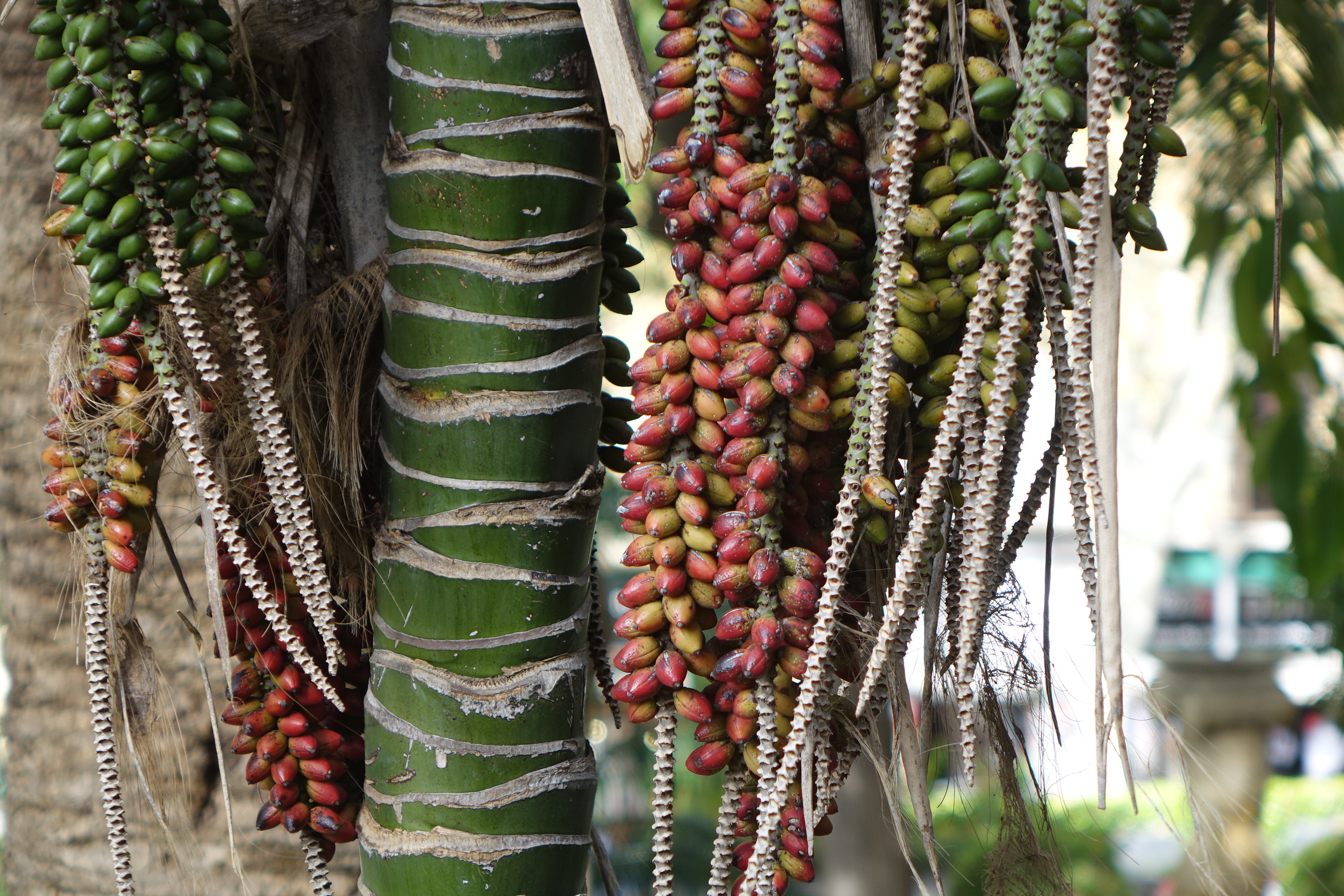
Ironically, despite their being the colours of Christmas, red and green have a prominent presence here in Mallorca all year around, where the sight of green wooden shutters on sunbaked terracotta walls is amongst the most common on the island, and where tropical green leafed plants are abundant in rotund red fruits. So far from being Christmassy, these colours actually inject a feeling of the tropical into this photo collection, reminding me of paintings by the likes of Gauguin, whose earthy red paintings fringed with green tropicana were the staple of his Tahiti collections.

DSC02013 DSC01067 DSC00407DSC02430DSC01073

Back in the urban jungle of Palma, these photos are reflections on a city ripe with life, leisure and lovely, lovely views. They feature the colourful abundance of painted palaces, the plants which are lustrous and healthy even at this time of the year, and the little characterful features which make Palma such an inspirational place to live in.

All photos and written content are strictly the copyright of Nicholas de Lacy-Brown © 2014 and The Daily Norm. All rights are reserved.

Christmas comes to Palma

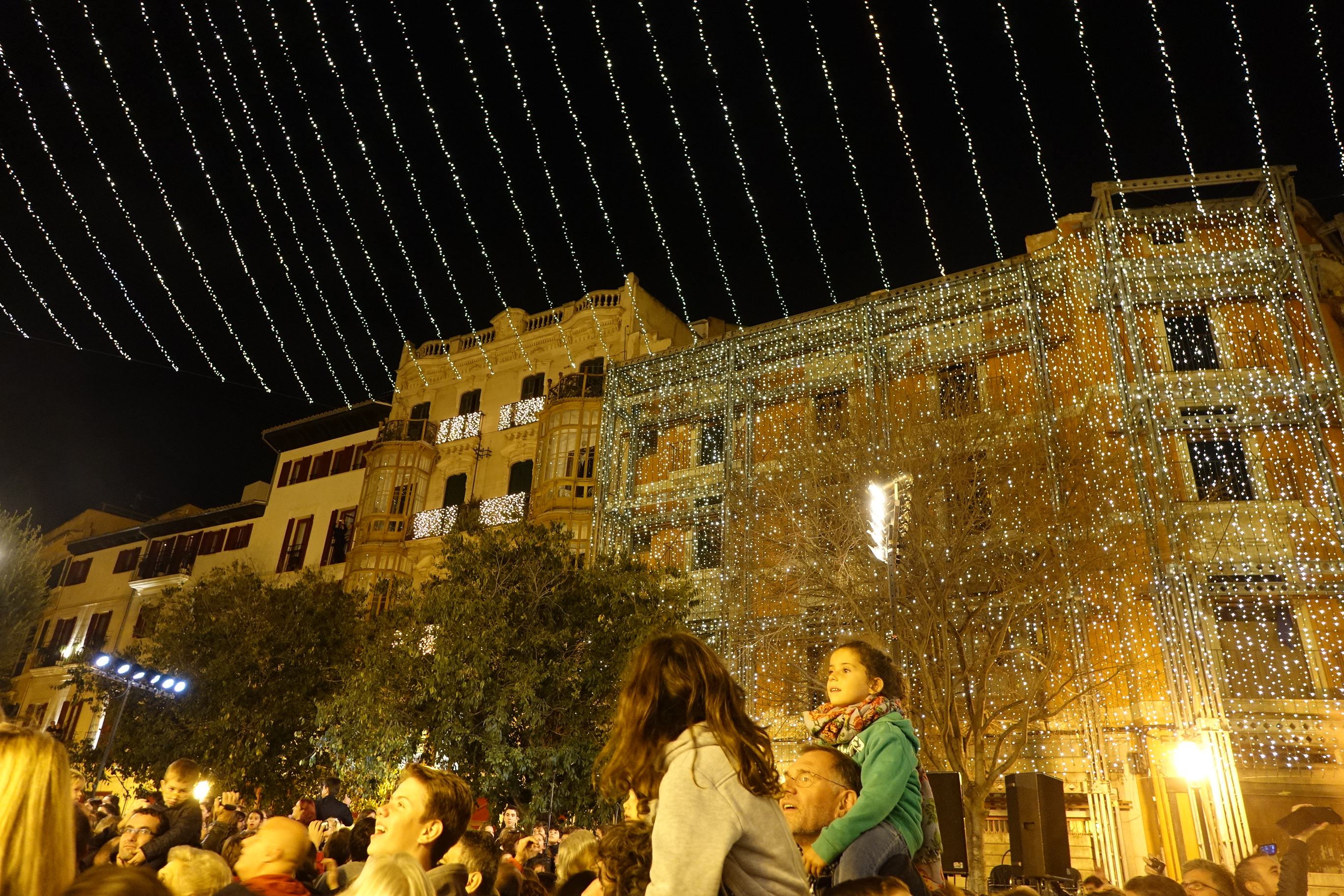
I feel like I am living in something of a hybrid world. By day, Palma feels at worst like a day in early autumn, with freshly fallen leaves still scattering the pavement; at best it could be late summer or spring. However by night, when log fires burn within the old town houses and the late-opening shops glow from outside and in, it can feel very Christmassy. But any doubts that I may enter into the Christmas spirit following my relocation to the Mediterranean were completely dispelled last Friday when Palma de Mallorca initiated the great switch-on of its Christmas lights.
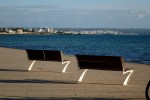
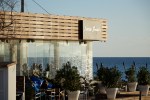
Switch-on in the Plaça de Cort

DSC01214 DSC01224 DSC01215 DSC01252 DSC01234 DSC01239 DSC01422 DSC01218 DSC01240

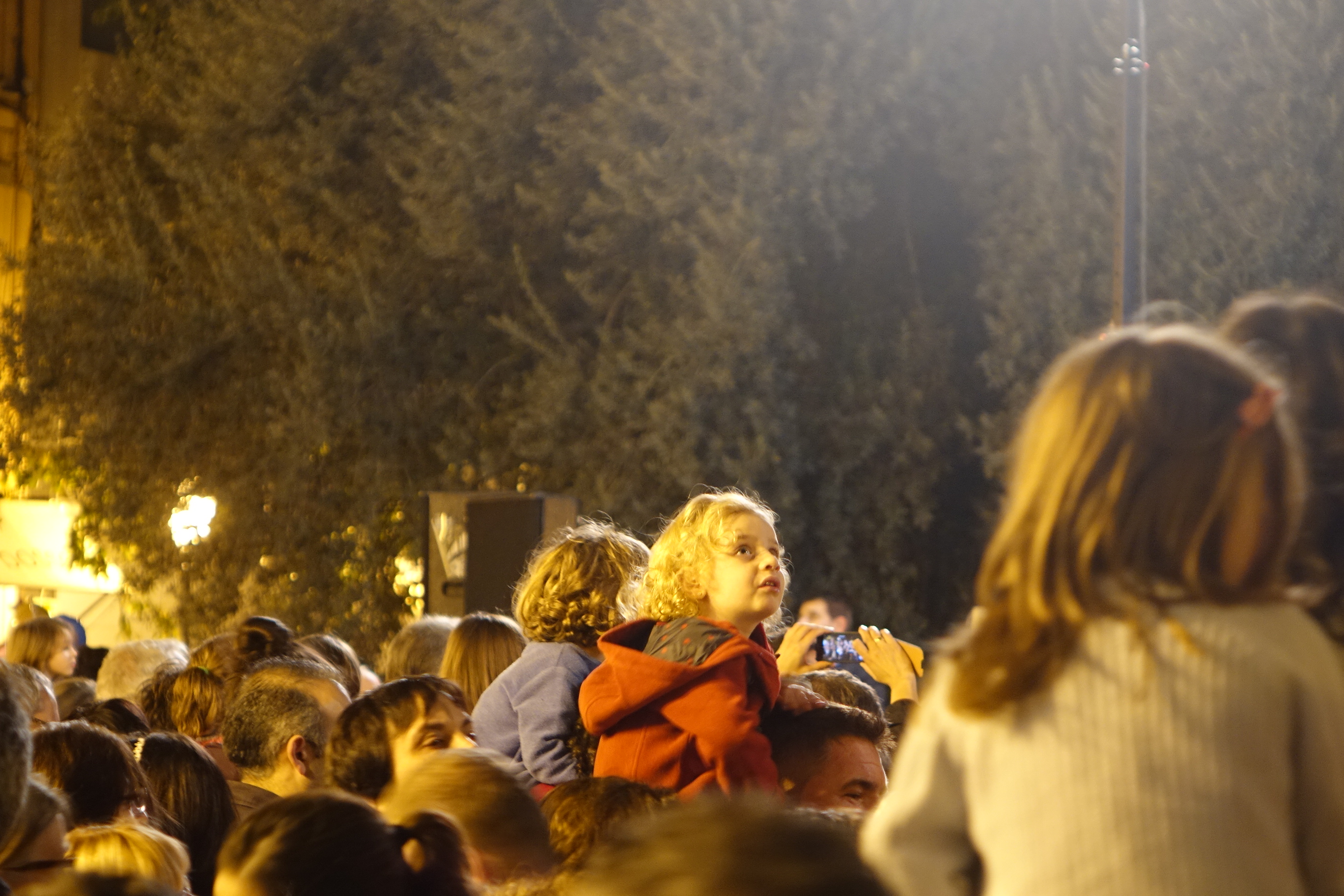
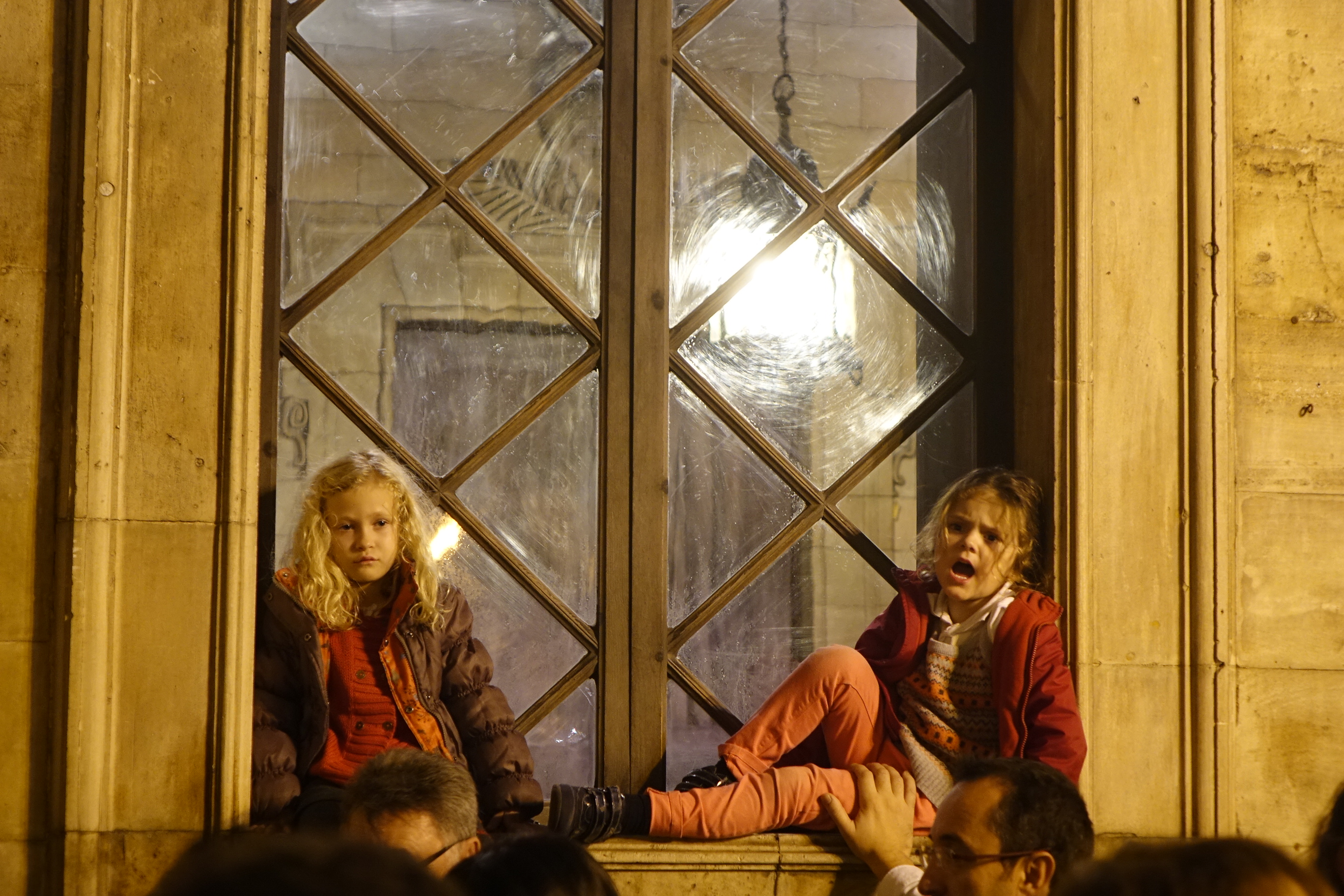
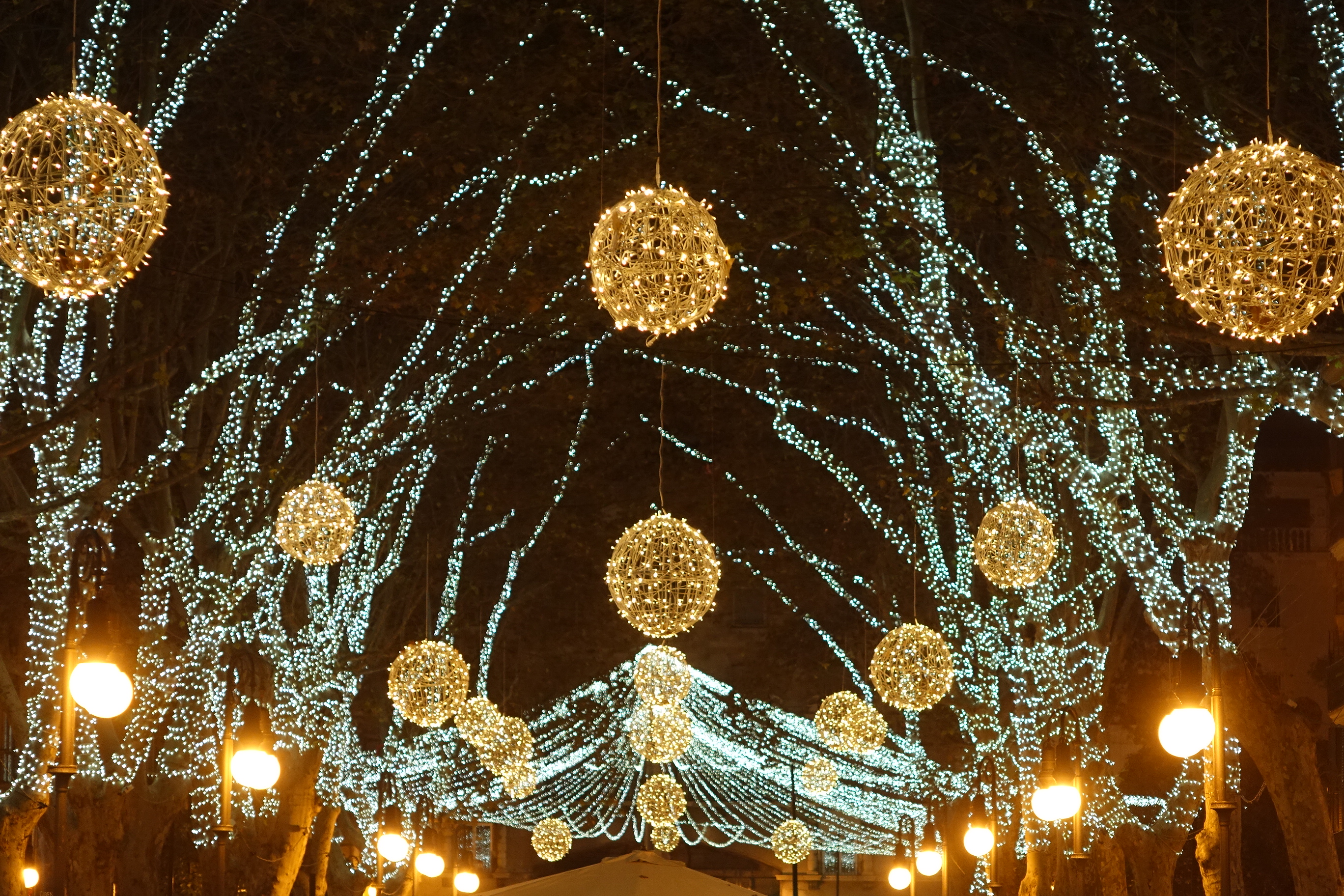
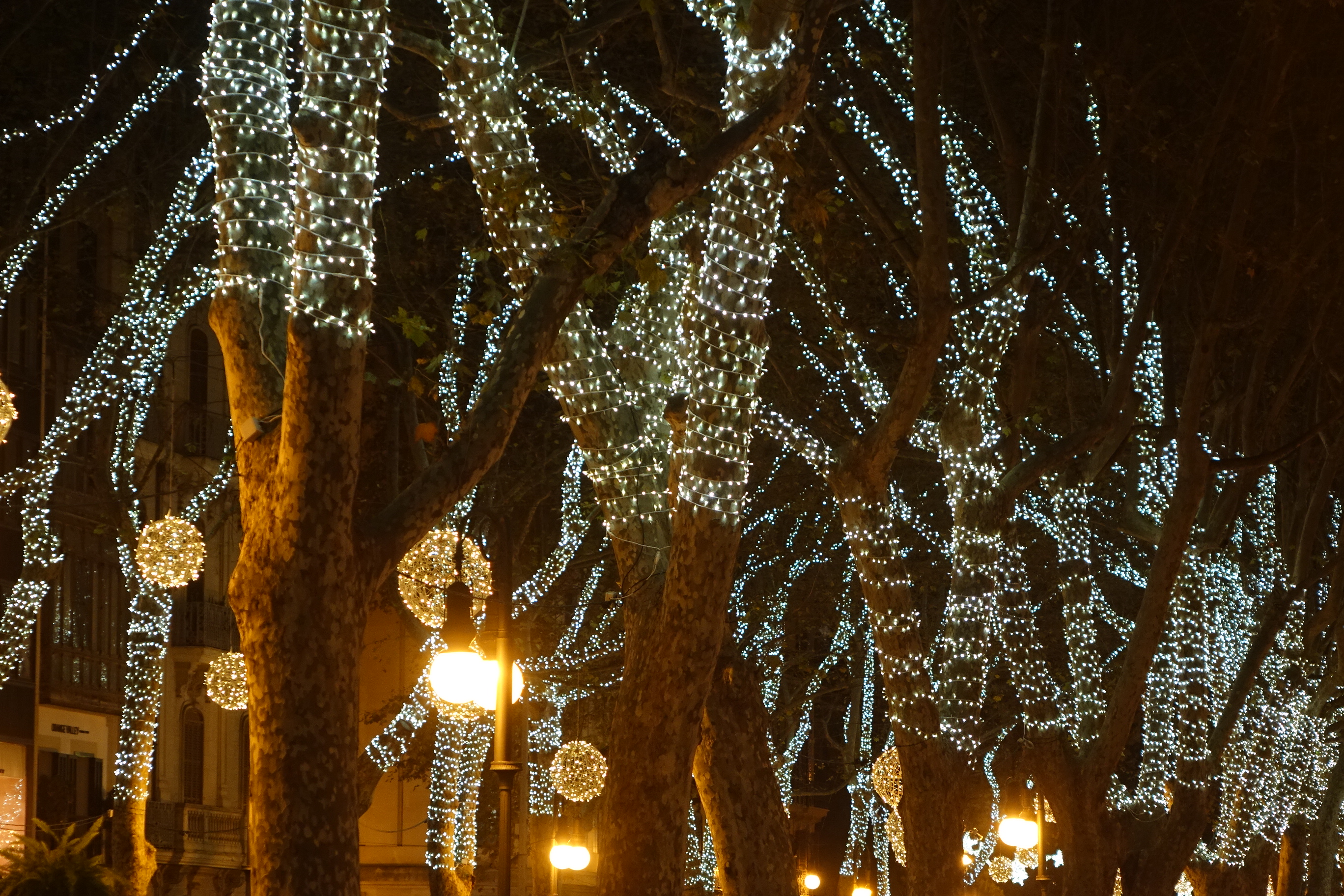
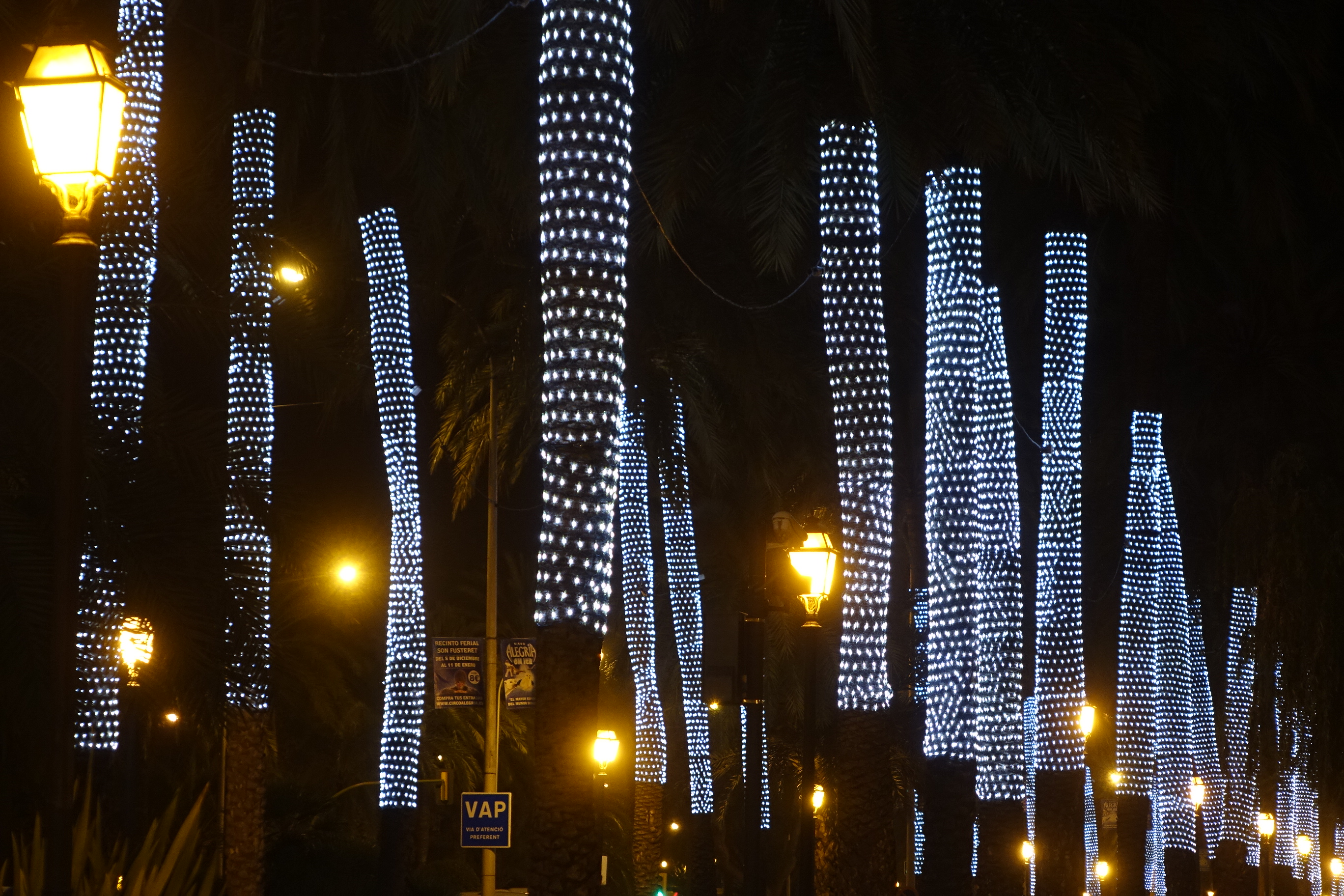
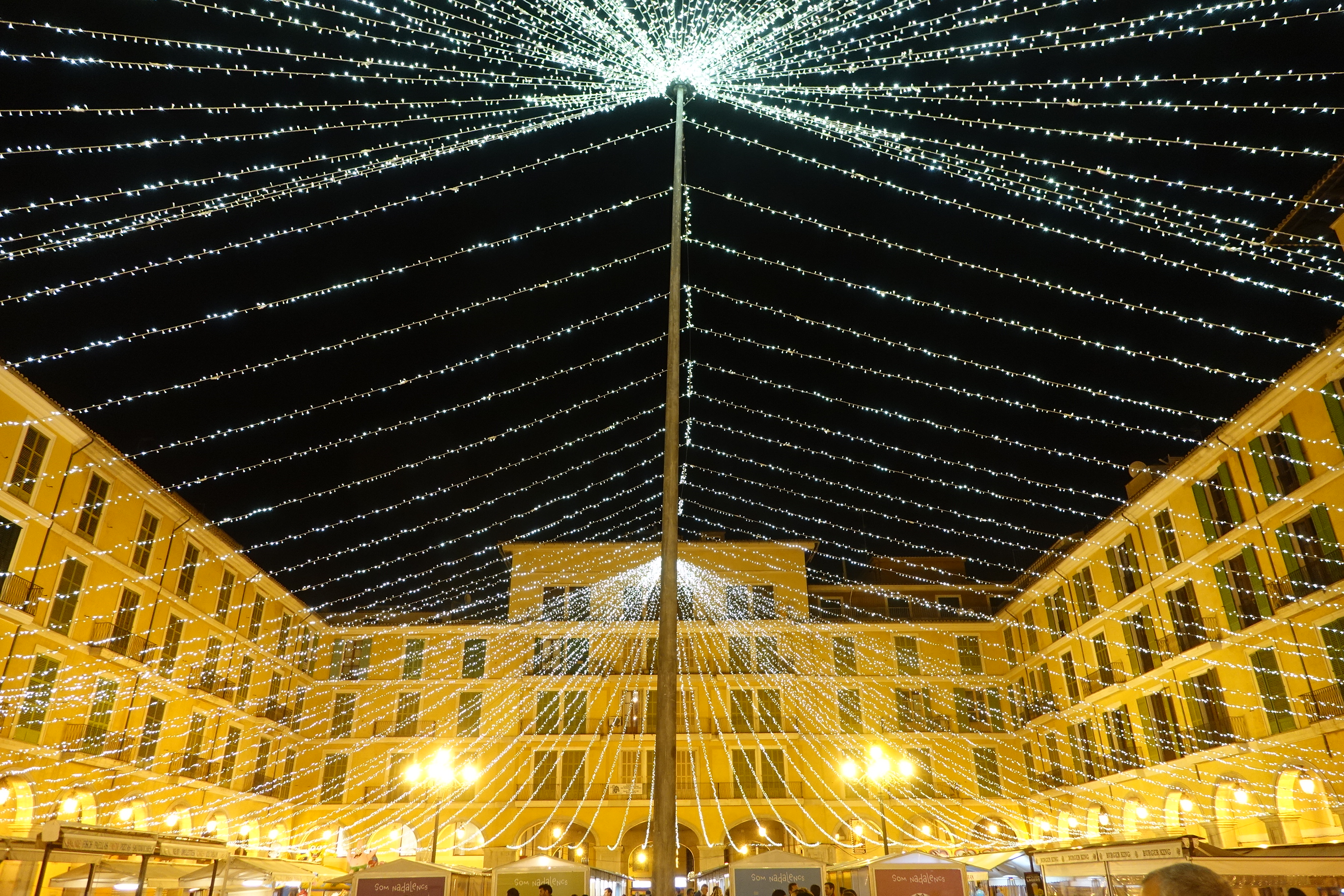
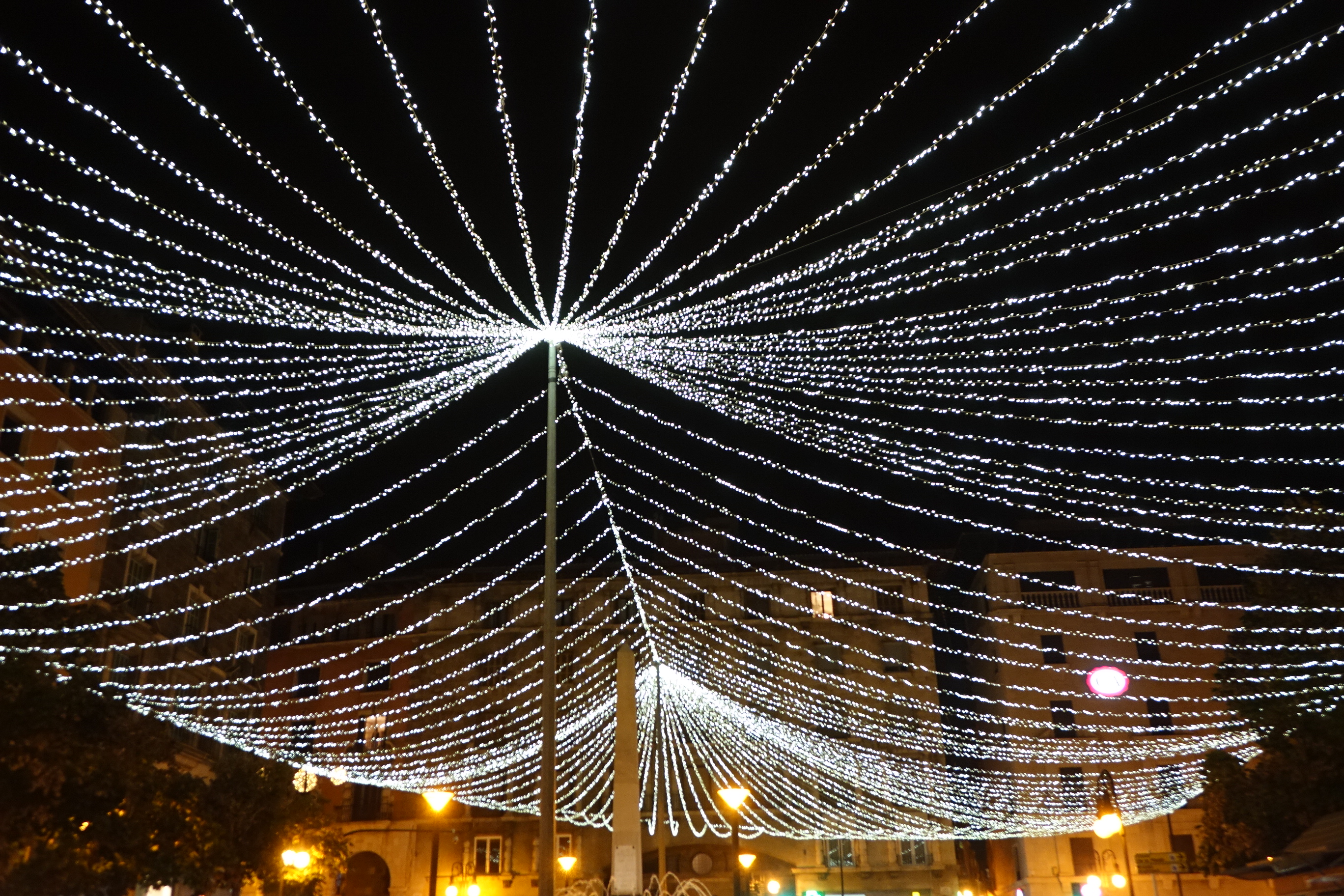
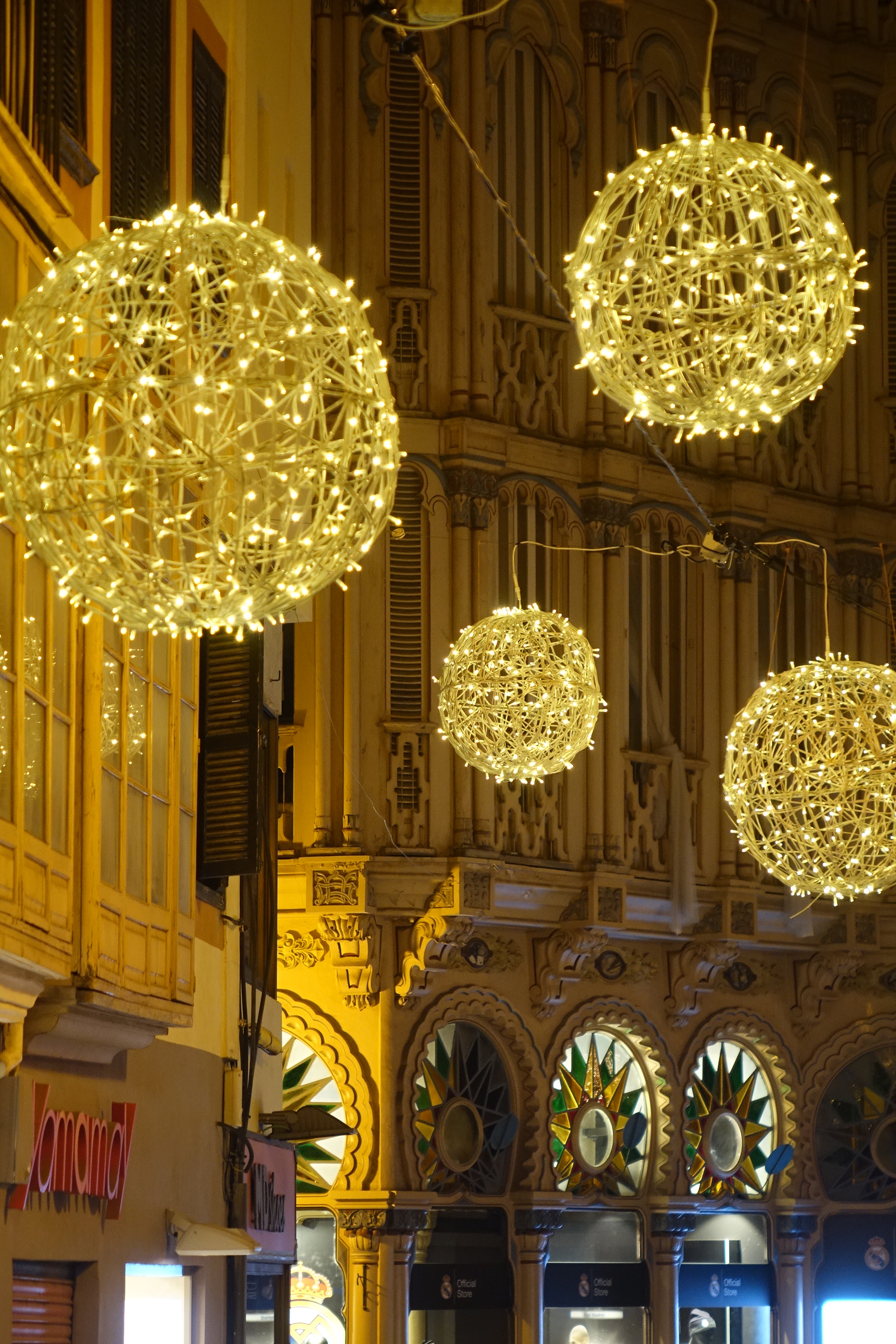
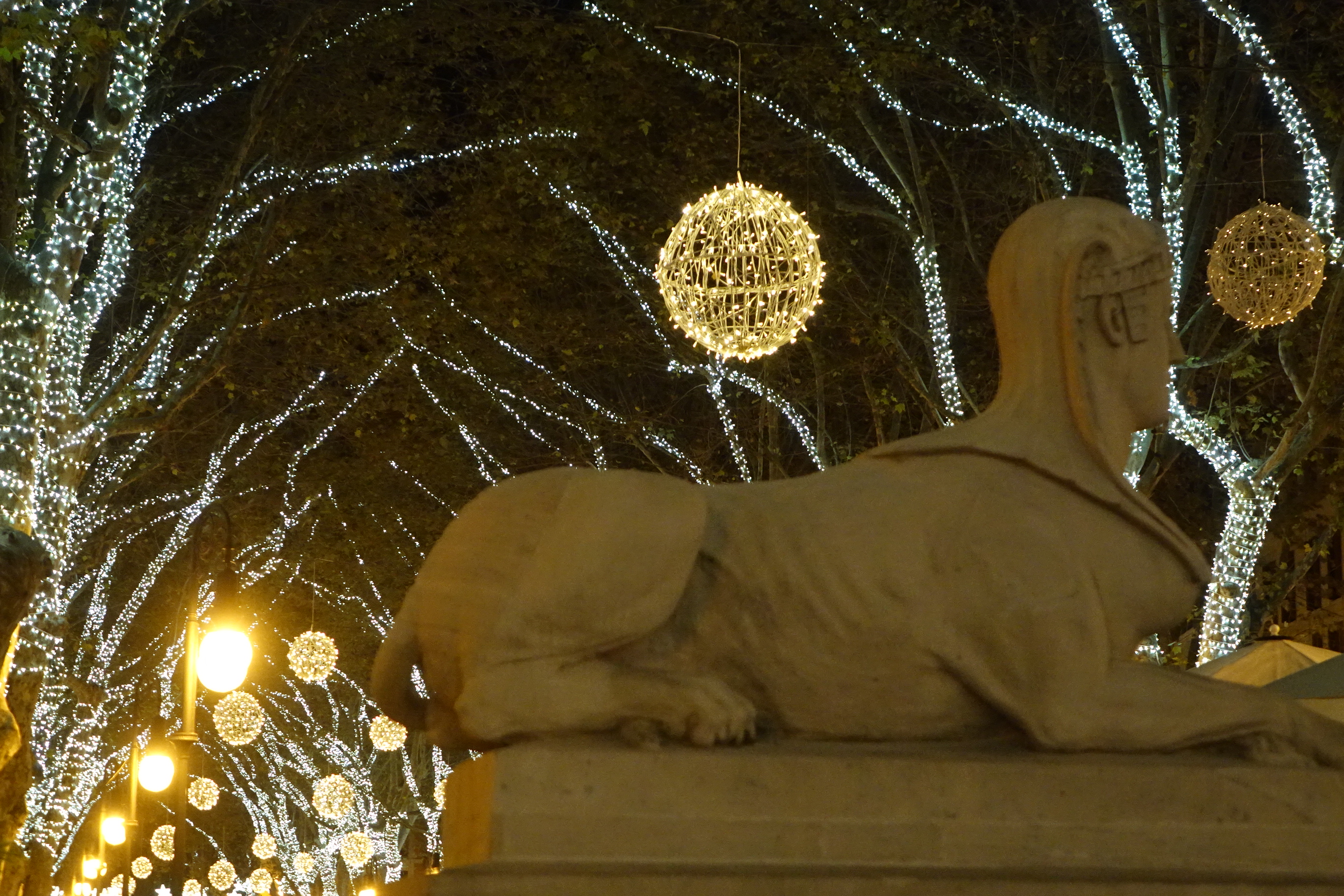
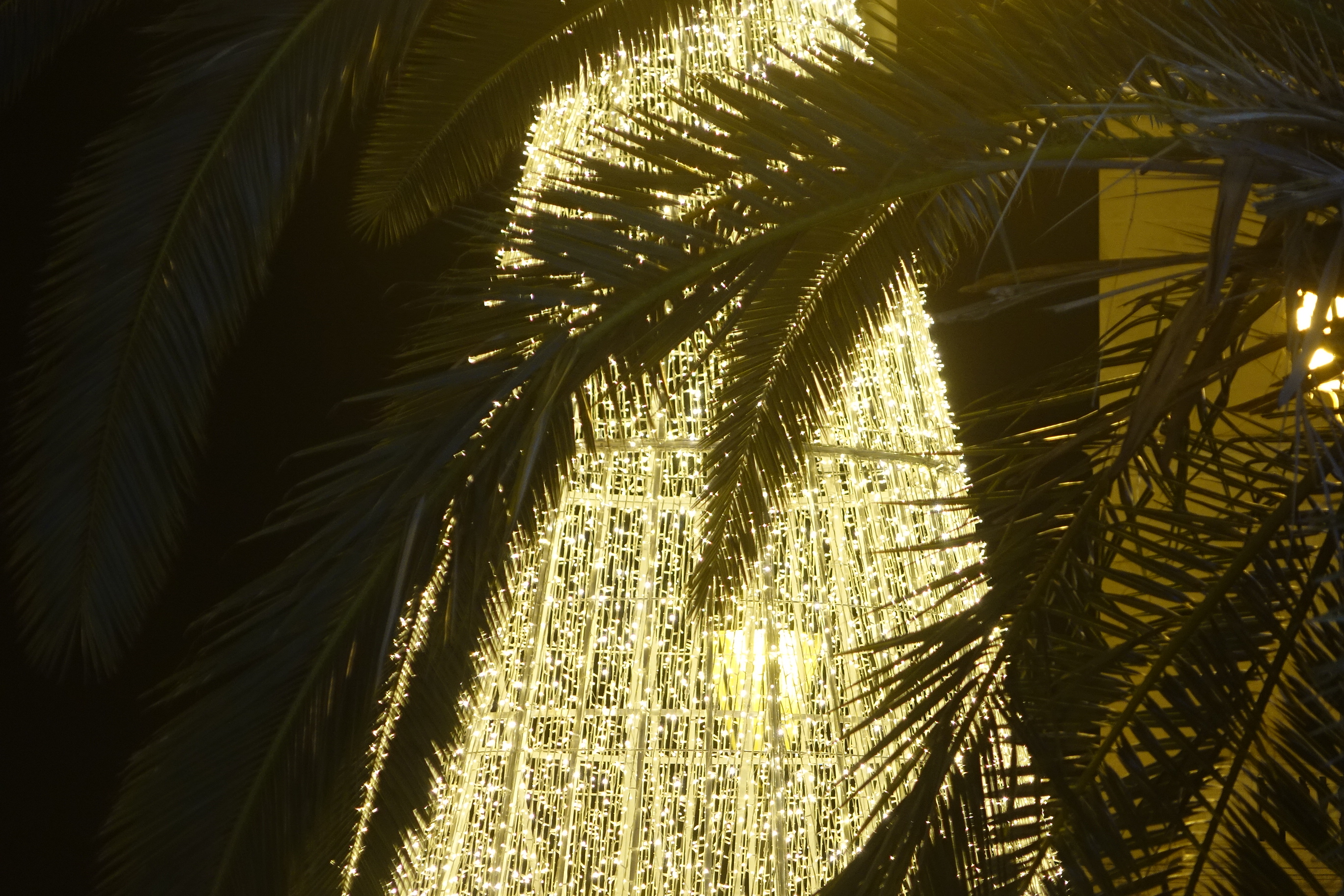
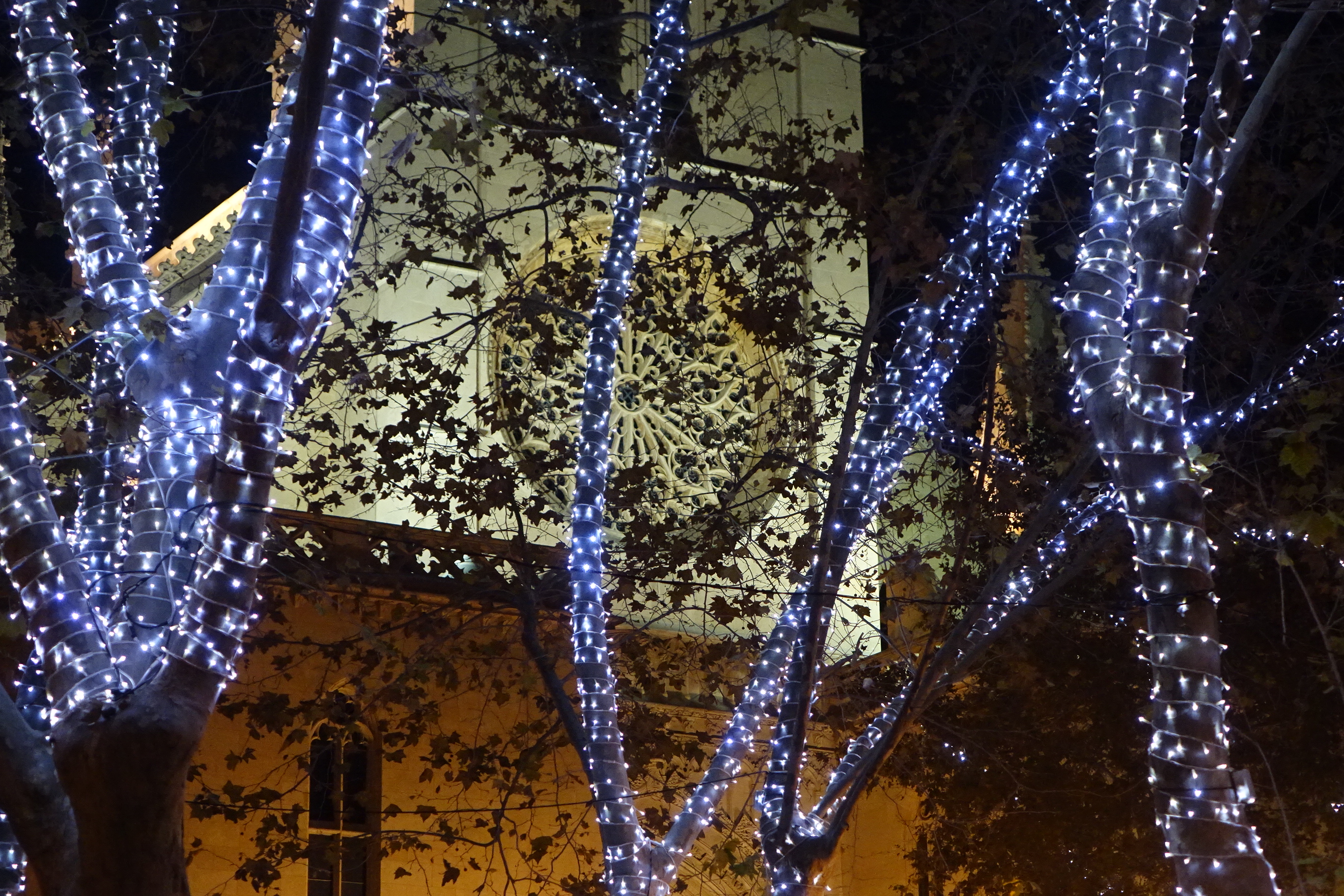
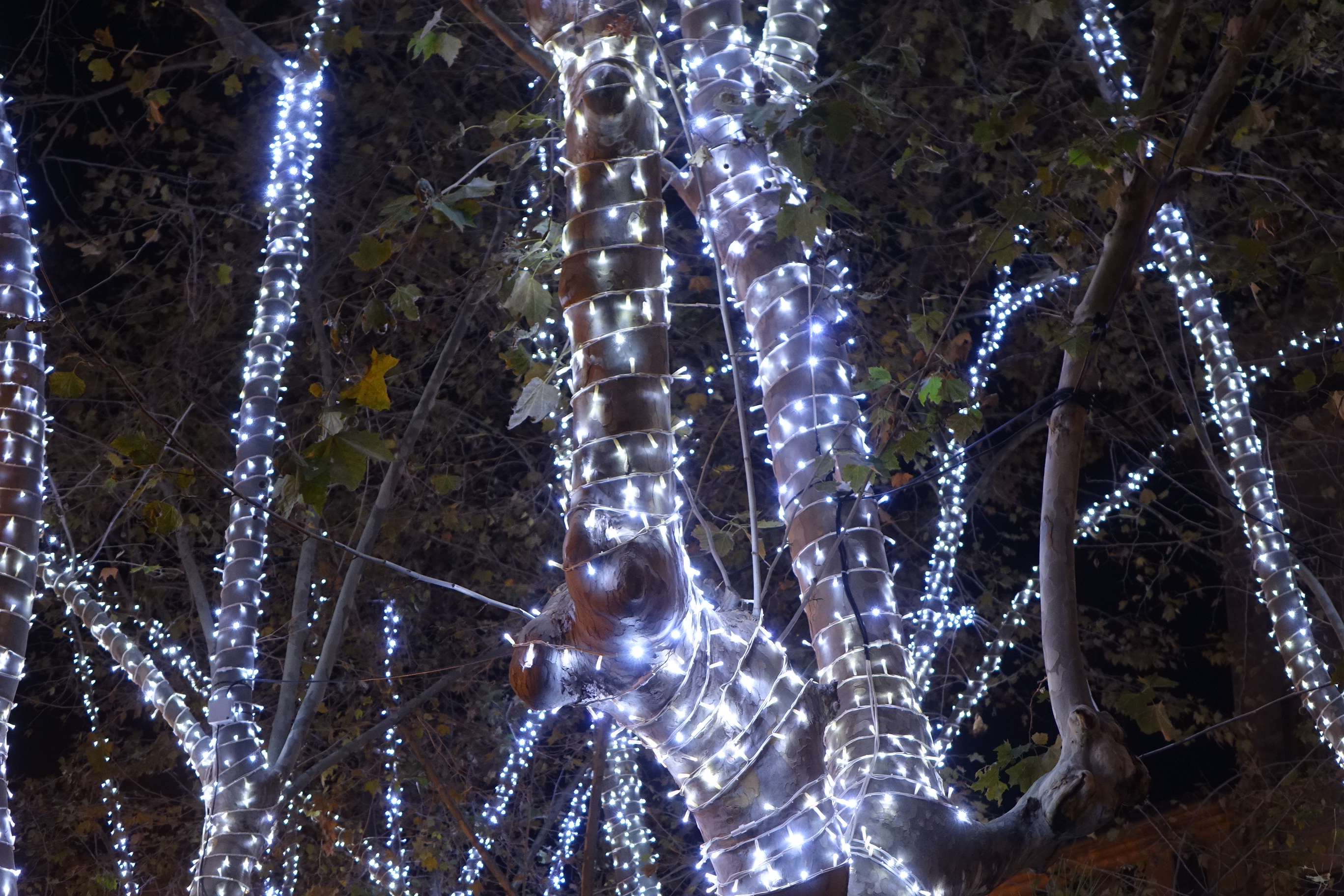
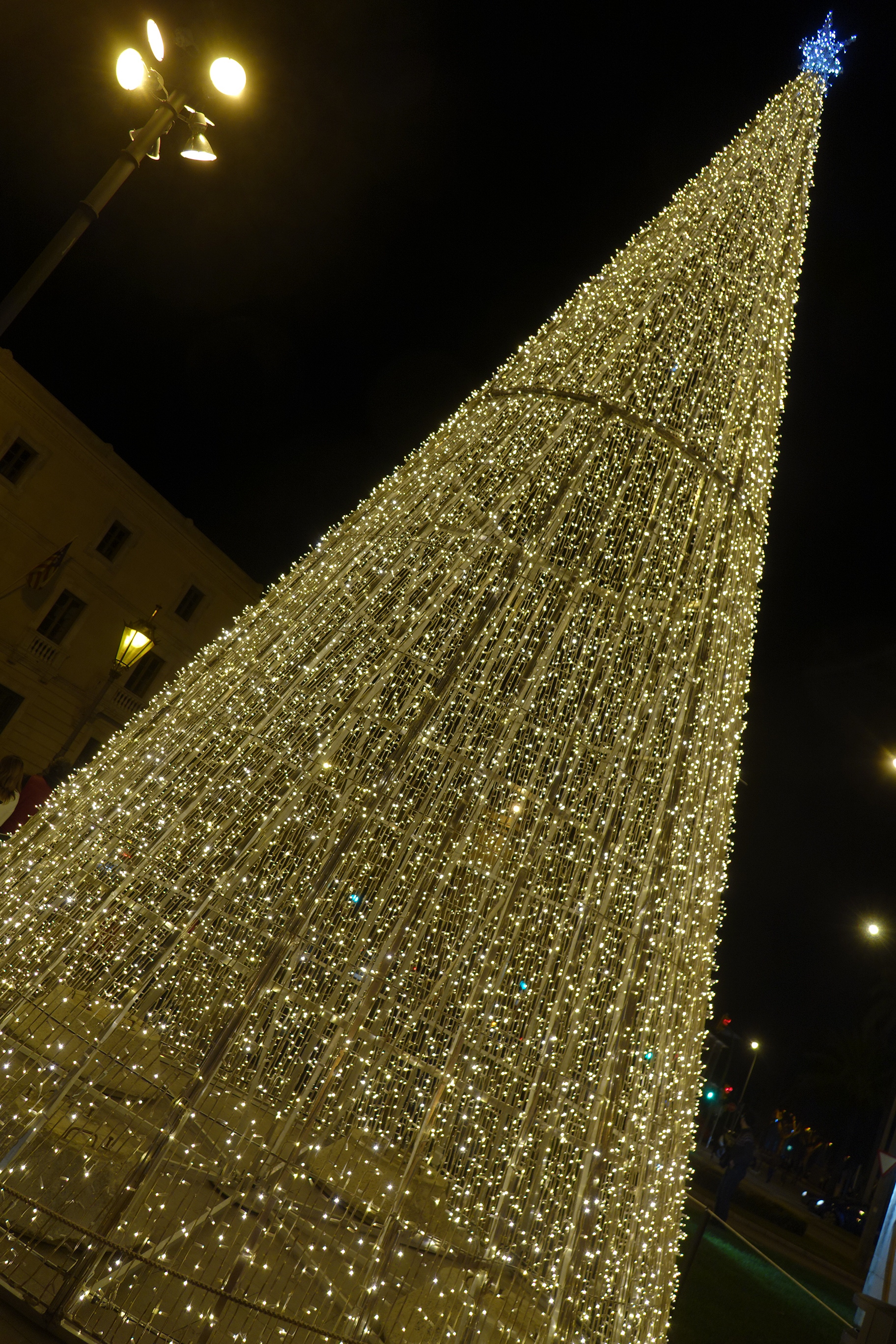
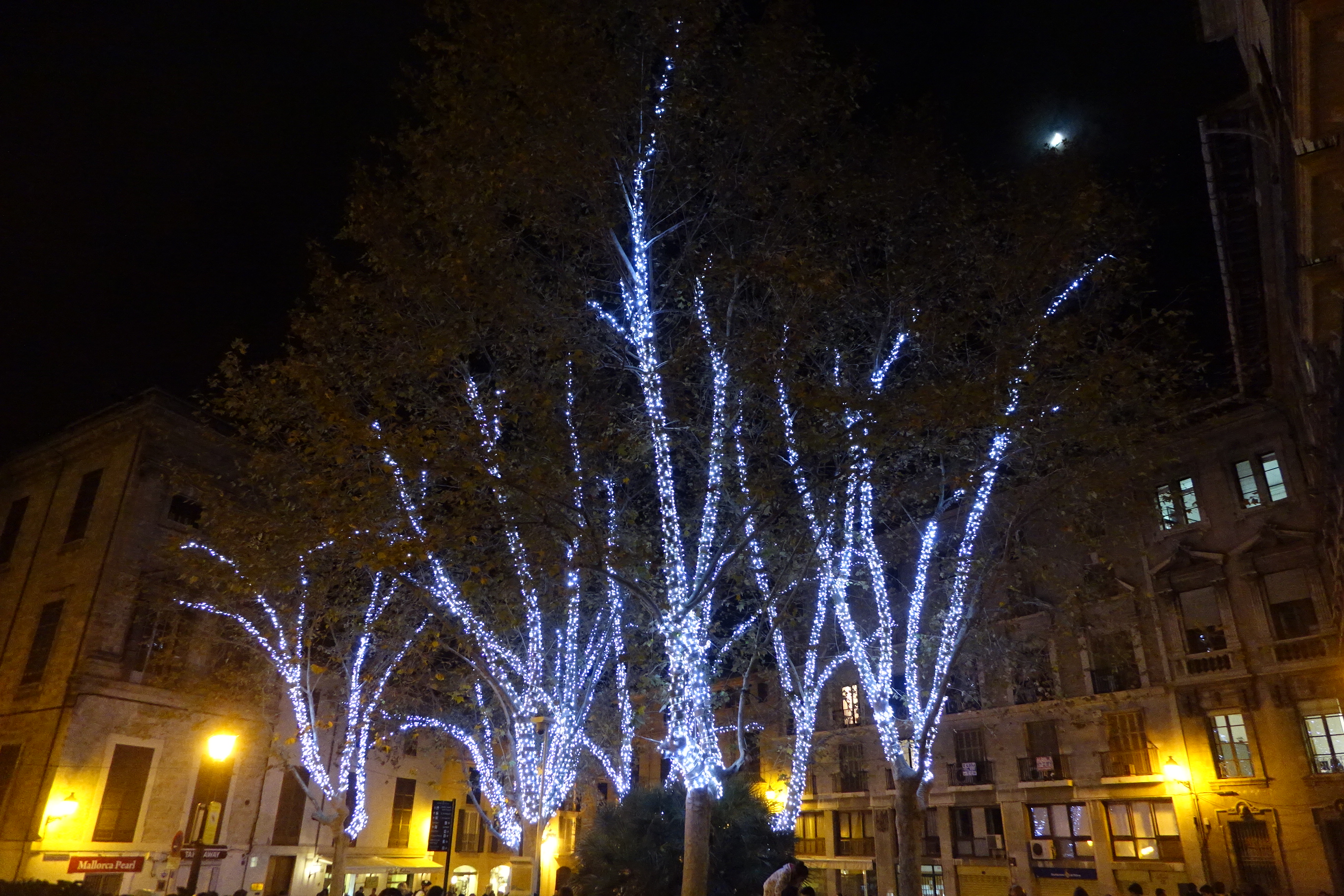
In the Plaça de Cort at the heart of Palma’s old town, so many people gathered that it was as if the whole of Mallorca had descended to witness the city leap into the Christmas season. Excited children sat up on the shoulders of their parents, while on a stage set up for the event, school choirs sung Christmas carols angelically. Then finally just after 7pm, the mayor appeared on the balcony of the majestic renaissance town hall and switched on the lights. Gasps of pleasure rippled across the crowd as we saw the walls of nearby houses, balconies, and even the skies come alight with Christmas light. Thousands of lights had been strung across the spaces between buildings, over squares, and even wrapped around tree branches so that the trees seem transformed into magical forests. Even palm trees, normally synonymous with tropical beaches and summer sunshine, had their trunks dressed in Christmas lights forming illuminated pillars lining Palma’s waterfront.

DSC01352 DSC01373 DSC01280 DSC01414 DSC01282 DSC01341 DSC01374 DSC01383 DSC01401 DSC01441 DSC01375 DSC01439 DSC01291 DSC01292 DSC01263 DSC01253 DSC01281 DSC01247

The city looks nothing short of stunning. Walking around its lit up streets is like being in an open air winter wonderland – a fairytale come to life before our eyes. And it’s not just the children whose eyes are widened by this spectacle. Adults too are visibly excited by the arrival of Christmas, frequently posing for photos before this array of light, and strolling around full of the festive cheer it brings.

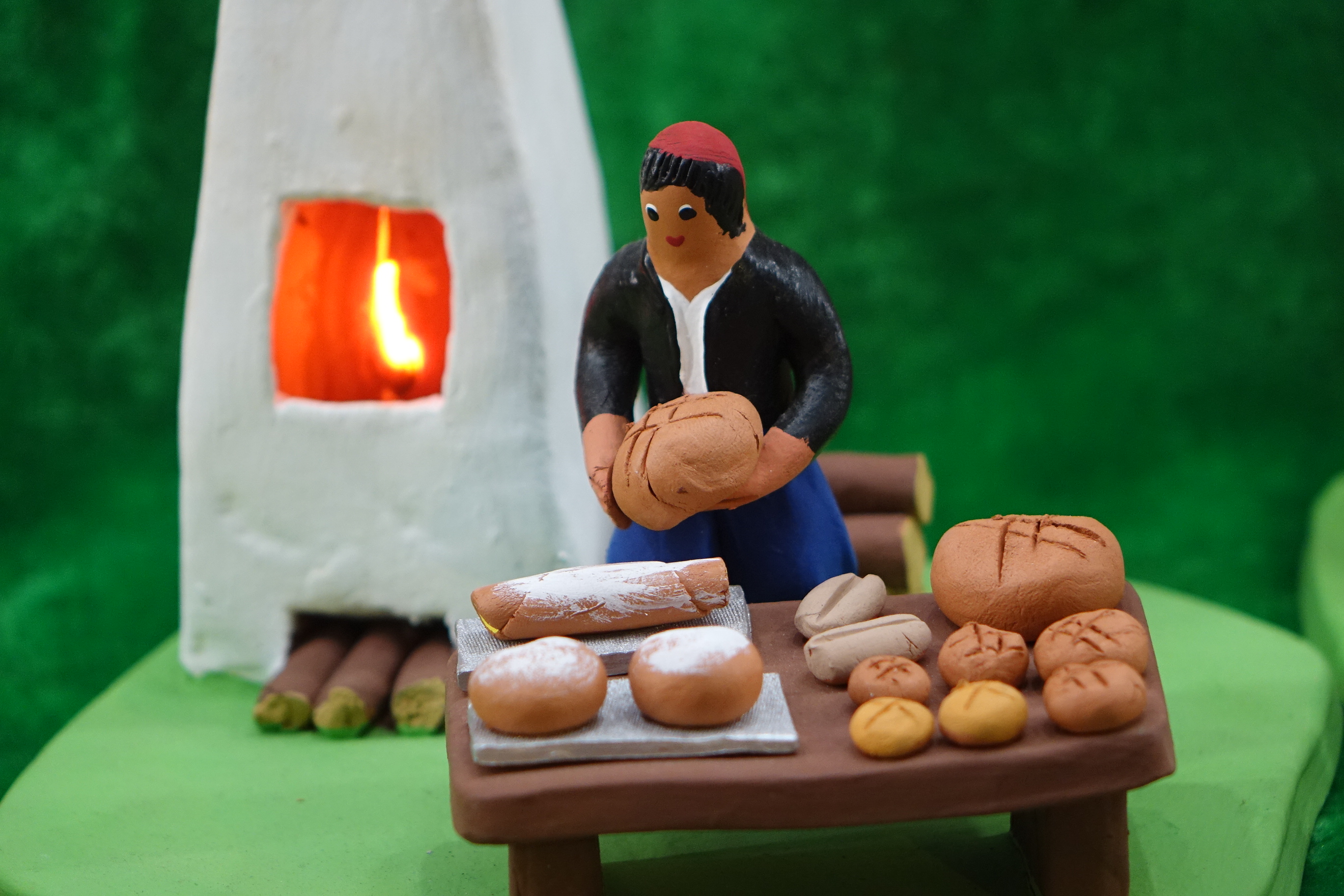
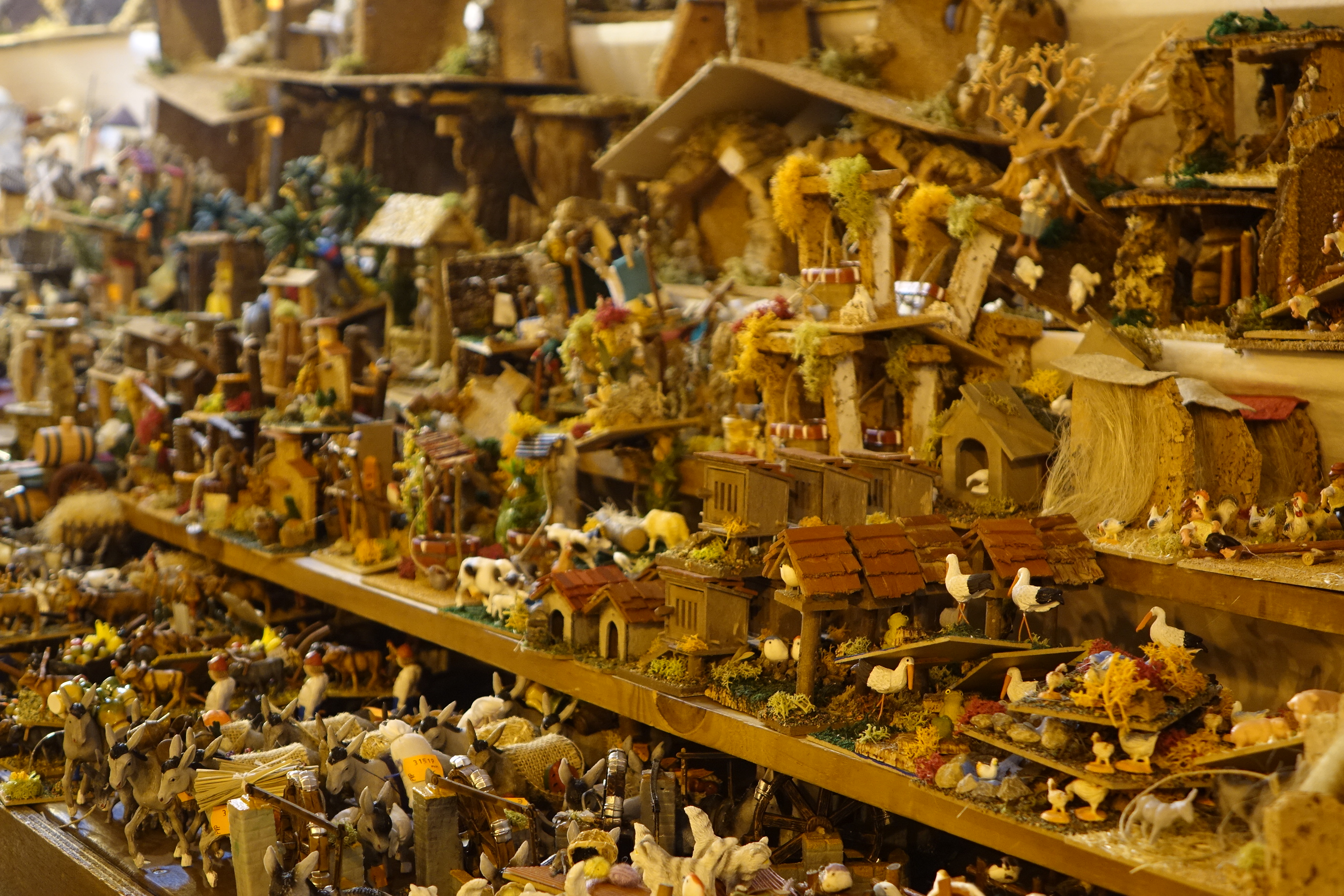
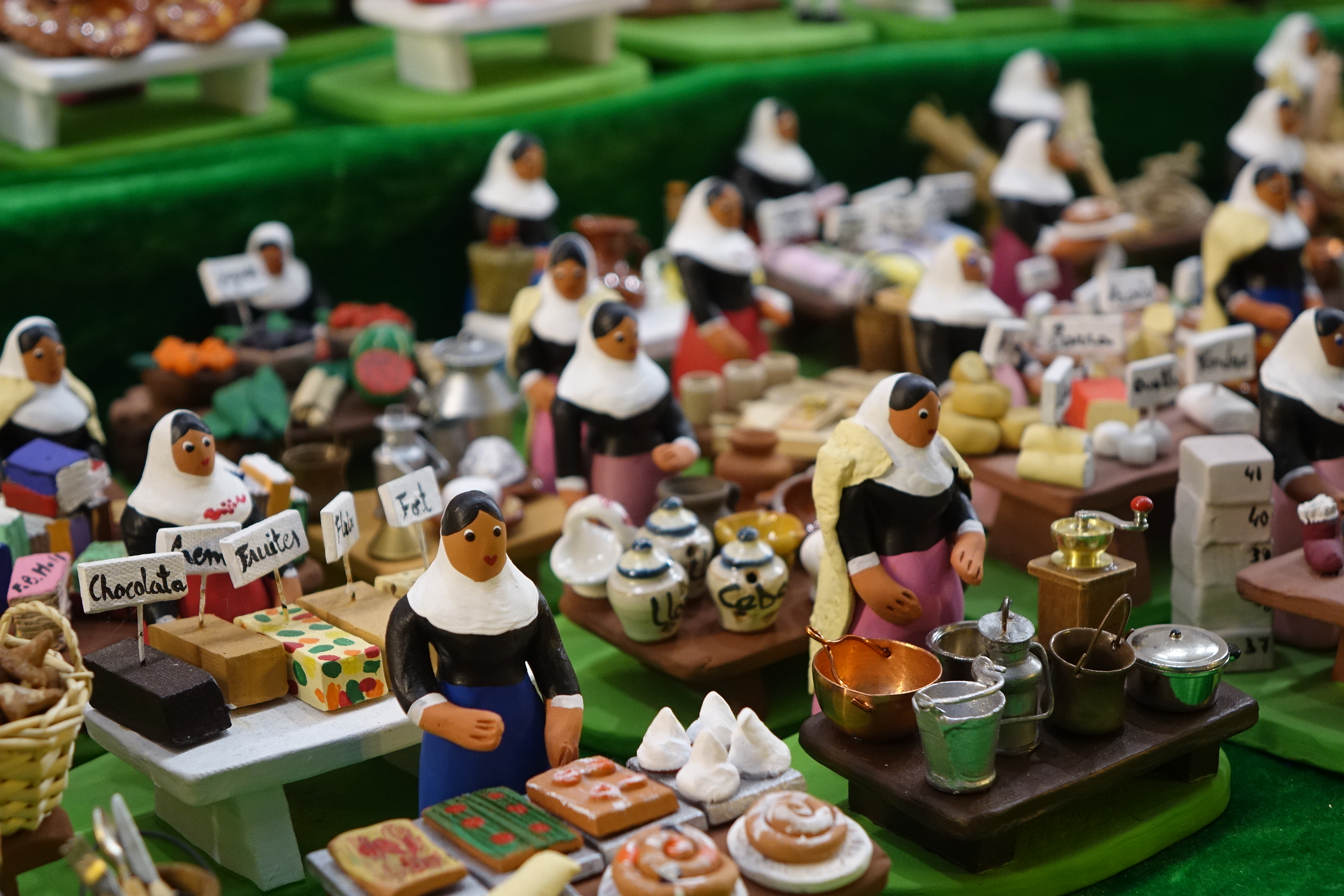
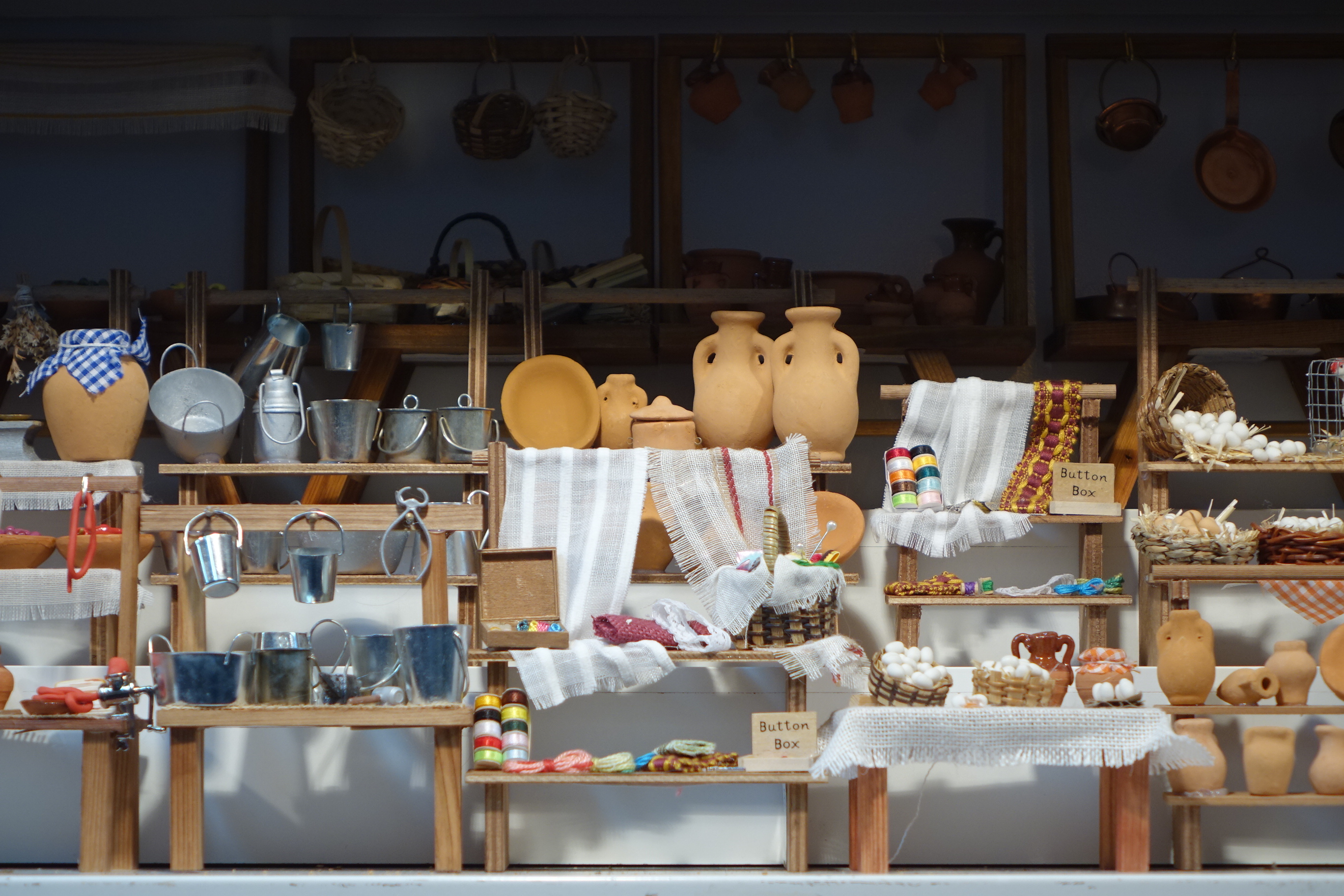
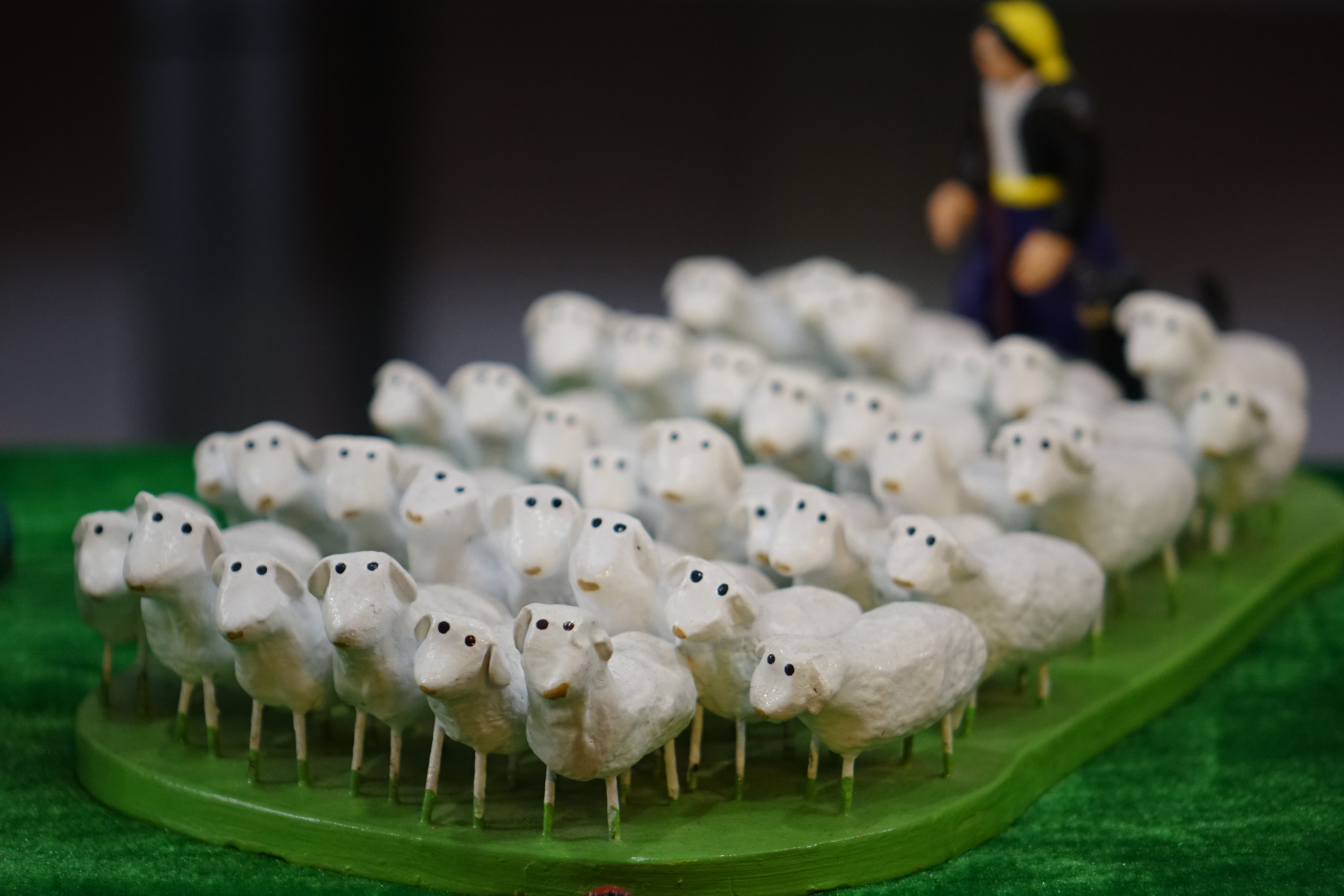
And with the lights have arrived Christmas markets in many of the city’s squares and streets, most notable of which can be found in the brilliantly lit Plaza Mayor. There, stalls in their plenty sell nativity figures both traditional and more handmade to be placed within the Spanish “Belenes” – the most important of the traditional Spanish Christmas decorations. There is nothing that has not been thought of when it comes to building a Belen, from little water-running fountains to mechanical blacksmiths and plants and trees of every variety.

DSC01430 DSC01402 DSC01428 DSC01406 DSC01407 DSC01434

So Christmas has truly come to Palma, and I can’t deny that despite the warmer climes, I am starting to feel the Christmas spirit take me over…Time to decorate!

All photos and written content are strictly the copyright of Nicholas de Lacy-Brown © 2014 and The Daily Norm. All rights are reserved.