Skip to content

Posts tagged ‘Spain’

Interpretation No.20: The Albayzín from the Generalife, Granada

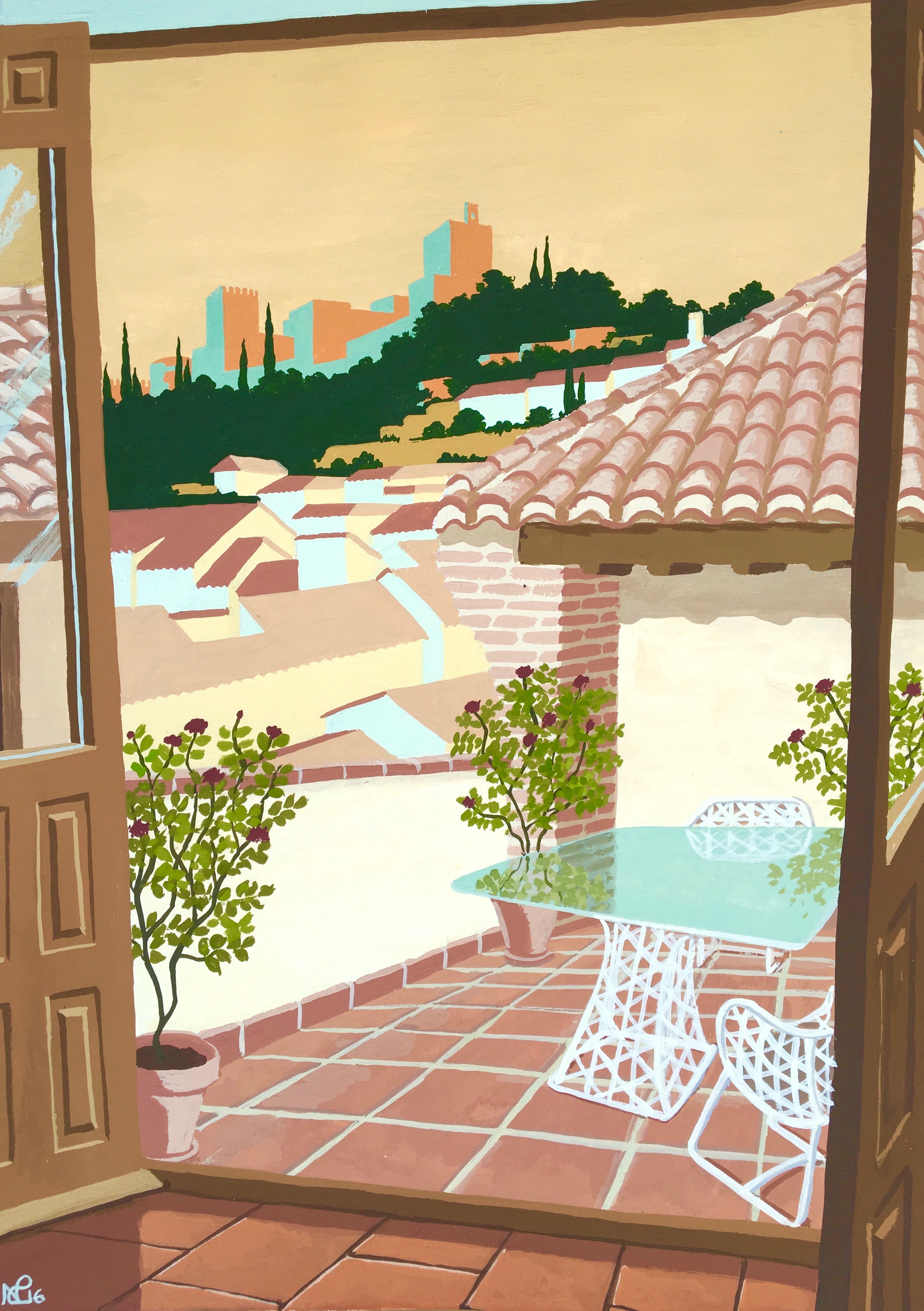
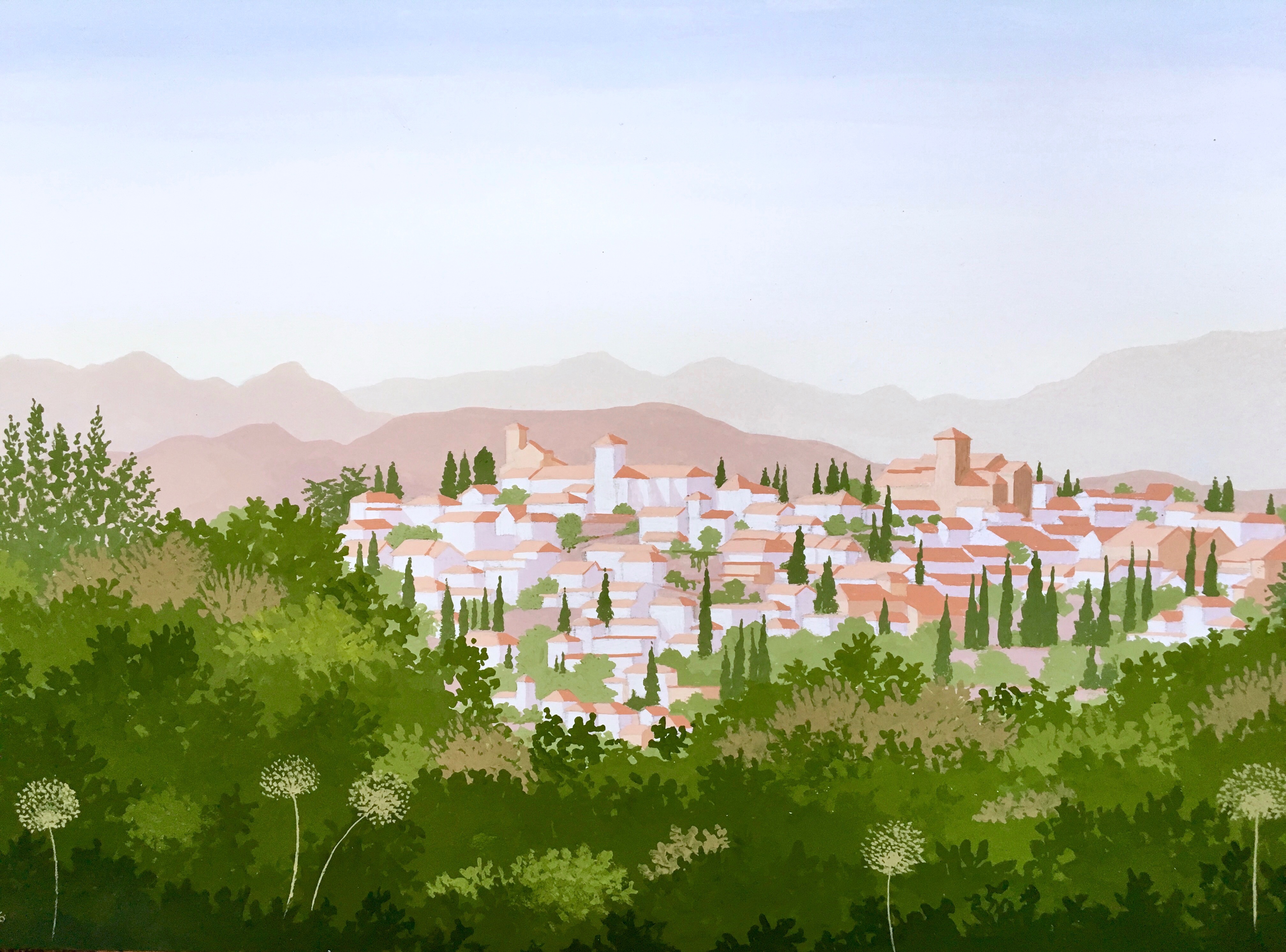
After 3 years of on and off painting, I have arrived at no. 20 of my Interpretation series, the gouache landscapes which concentrate on how human built and nature made landscapes interact, signified by simplified flat colour planes. Upon arrival in Granada, I knew I would have to paint a landscape. As cliché as it may be, how could I help but be inspired by the green and auburn rolling foothills of the Sierra Nevada over which the historical, magnificent city of Granada presides? From a first glimpse up at the Alhambra, sitting proudly on the uppermost hills of the city, it was pretty much decided in my head that there lay the protagonist of my Granada painting. That was until I got into the Alhambra itself.

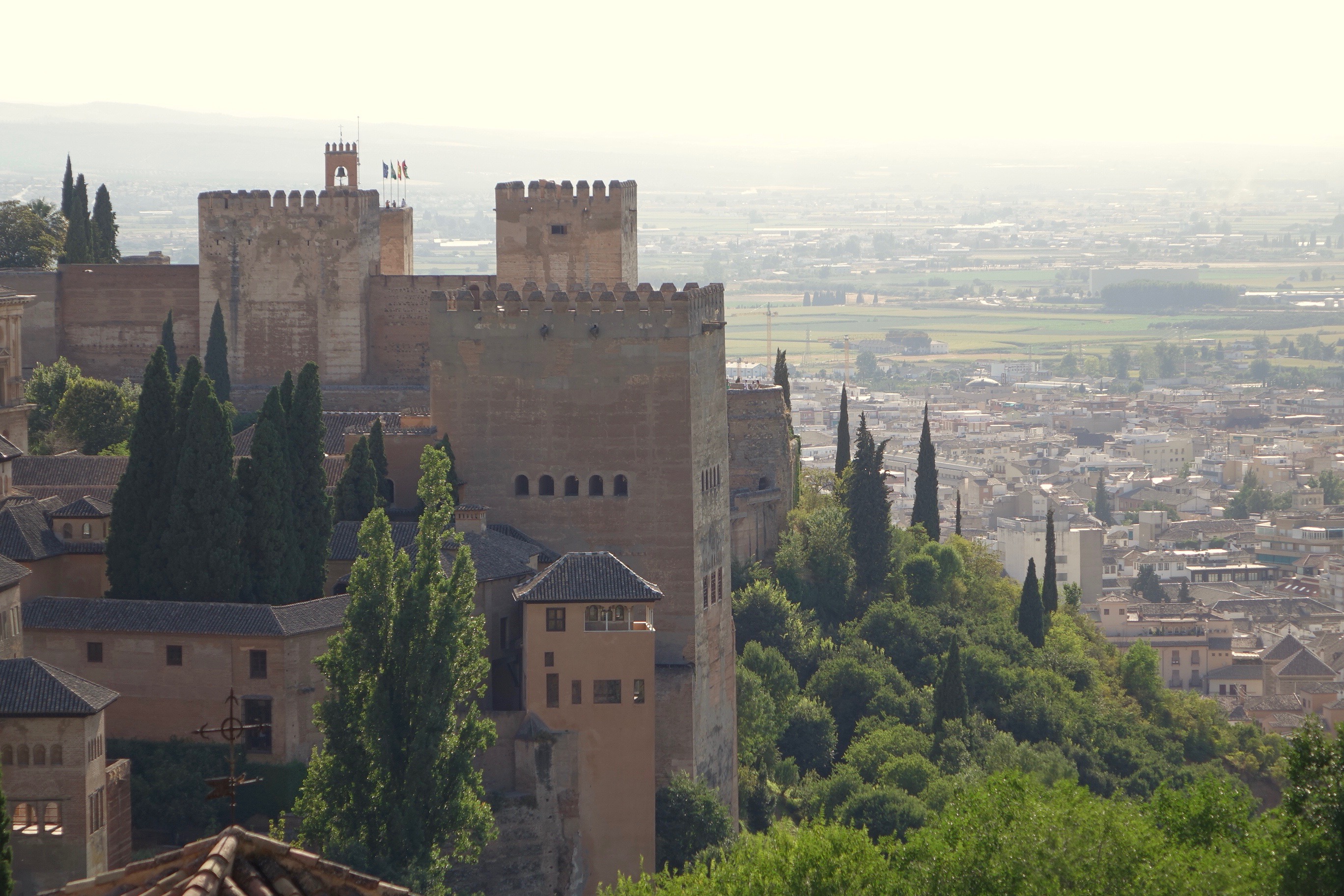
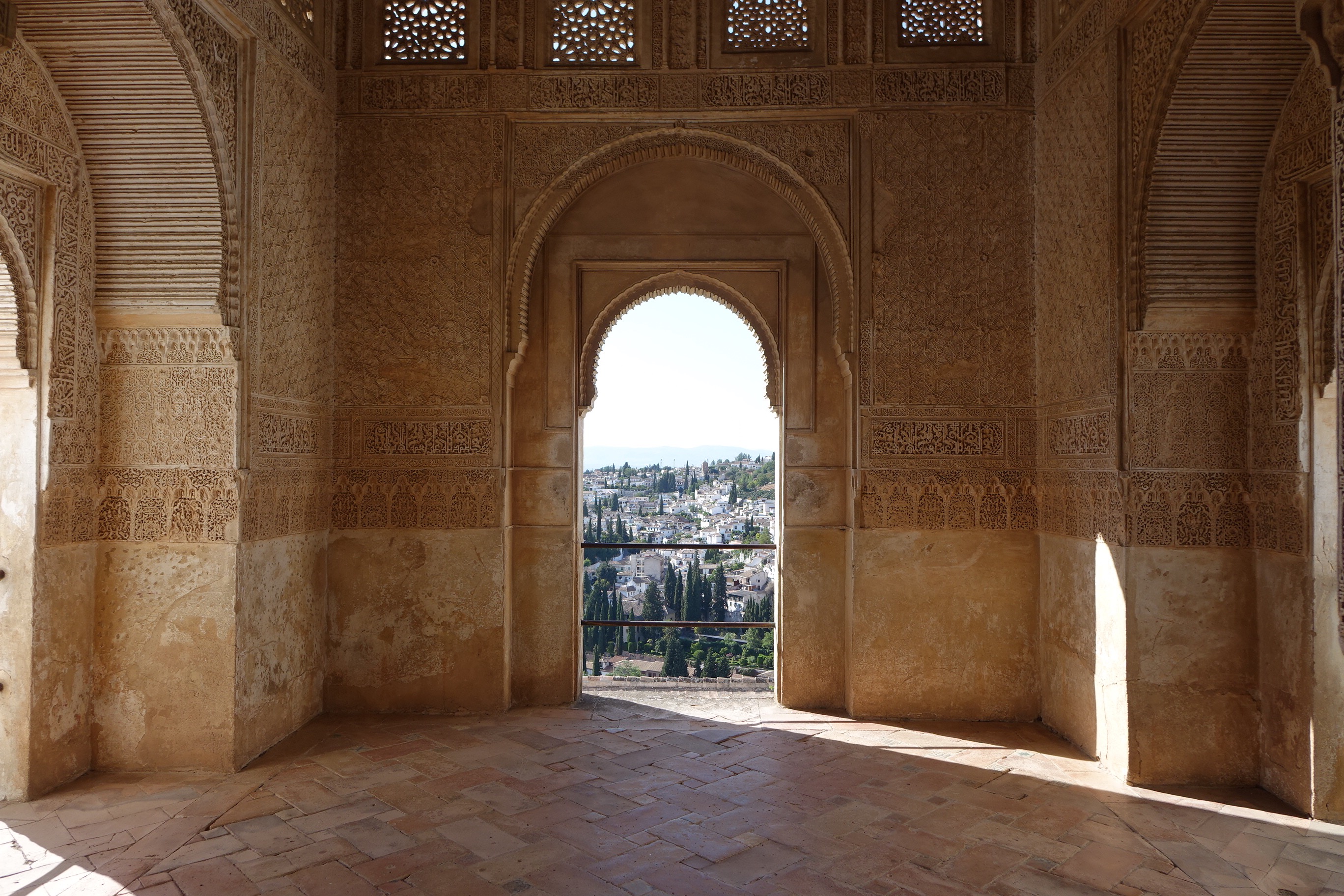
From the gardens of the Generalife l was not only able to enjoy the most mystifying maze-like rose gardens straight out of Lewis Carroll, and fountains redolent of a thousand and one nights. I was also greeted by a view so beautiful that it stopped me in my step. The vista across the valley of the Darro river in Granada, looking over to the ancient Muslim quarter of the city, the Albayzín, arrested my senses. With its sprawl of mostly white little houses nestled in amongst church towers and cypress trees, all gracing a peaceful mountainous landscape, I knew that this was the one. Interpretation 20 was born. I hope you like it.
Granada Interpretation

Interpretation No.20: The Albayzín from the Generalife, Granada (2016 ©Nicholas de Lacy-Brown, gouache on paper)

© Nicholas de Lacy-Brown and The Daily Norm, 2001-2016. Unauthorized use and/or duplication of the material, whether written work, photography or artwork, included within The Daily Norm without express and written permission from The Daily Norm’s author and/or owner is strictly prohibited. For more information on the work of Nicholas de Lacy-Brown, head to his art website at www.delacybrown.com

The Greatness of Granada, Part 3: The Generalife

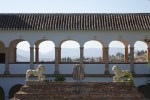
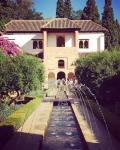
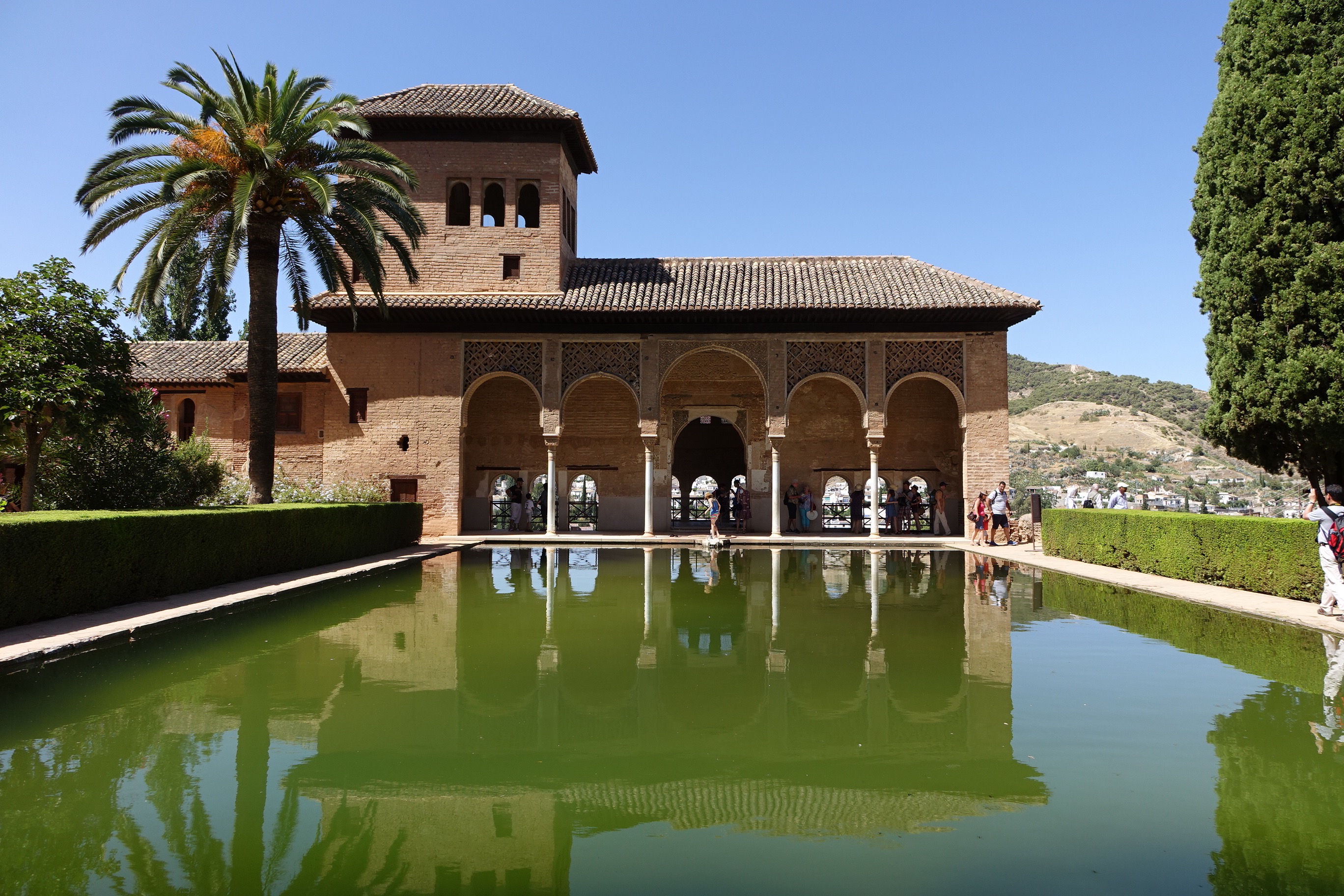
Of all the treasures that the Alhambra complex holds within its vast stone and green boarders, the Generalife gardens are without a doubt my favourite gem. Set apart, across a ravine which was once linked via a covered walkway to the Nasrid palace, the Generalife was once the summer palace of the Nasrid Emirs of the Emirate of Granada. Today it is preserved as a garden paradise which seems a world apart from the ancient and modern sprawling city which spreads out across the Andalucian planes all around it.

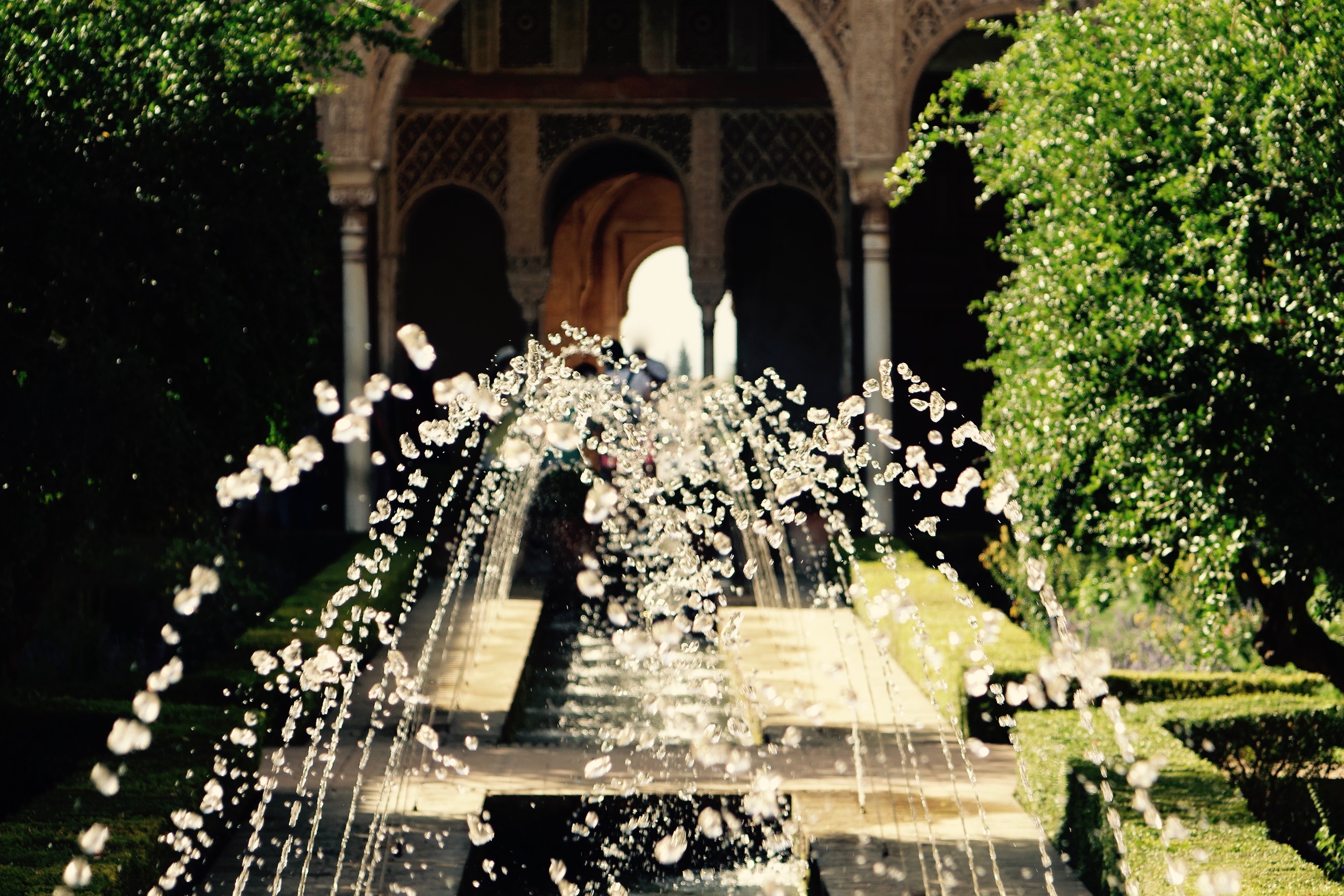
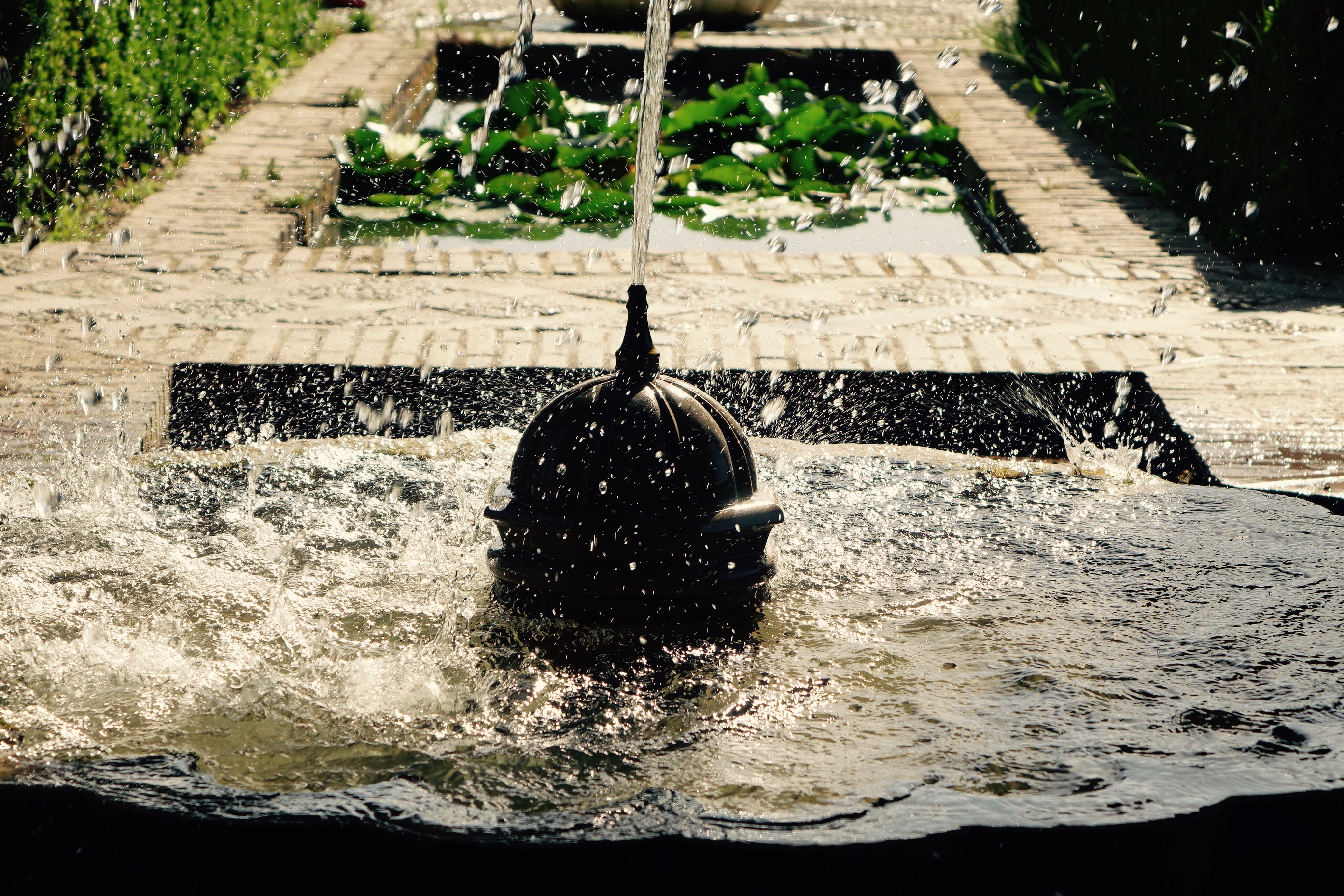
With a multiply arched white palace at its heart, the likes of which appears to have informed all of the most typical Andalucian buildings which have developed in its likeness, as well as a long narrow pool over which arched fountains meet like lovers reaching across a mountain spring, the gardens of the Generalife are the most romantic place of natural contemplation imaginable.

DSC04722DSC04640DSC04781DSC04826DSC04618DSC04773DSC04783

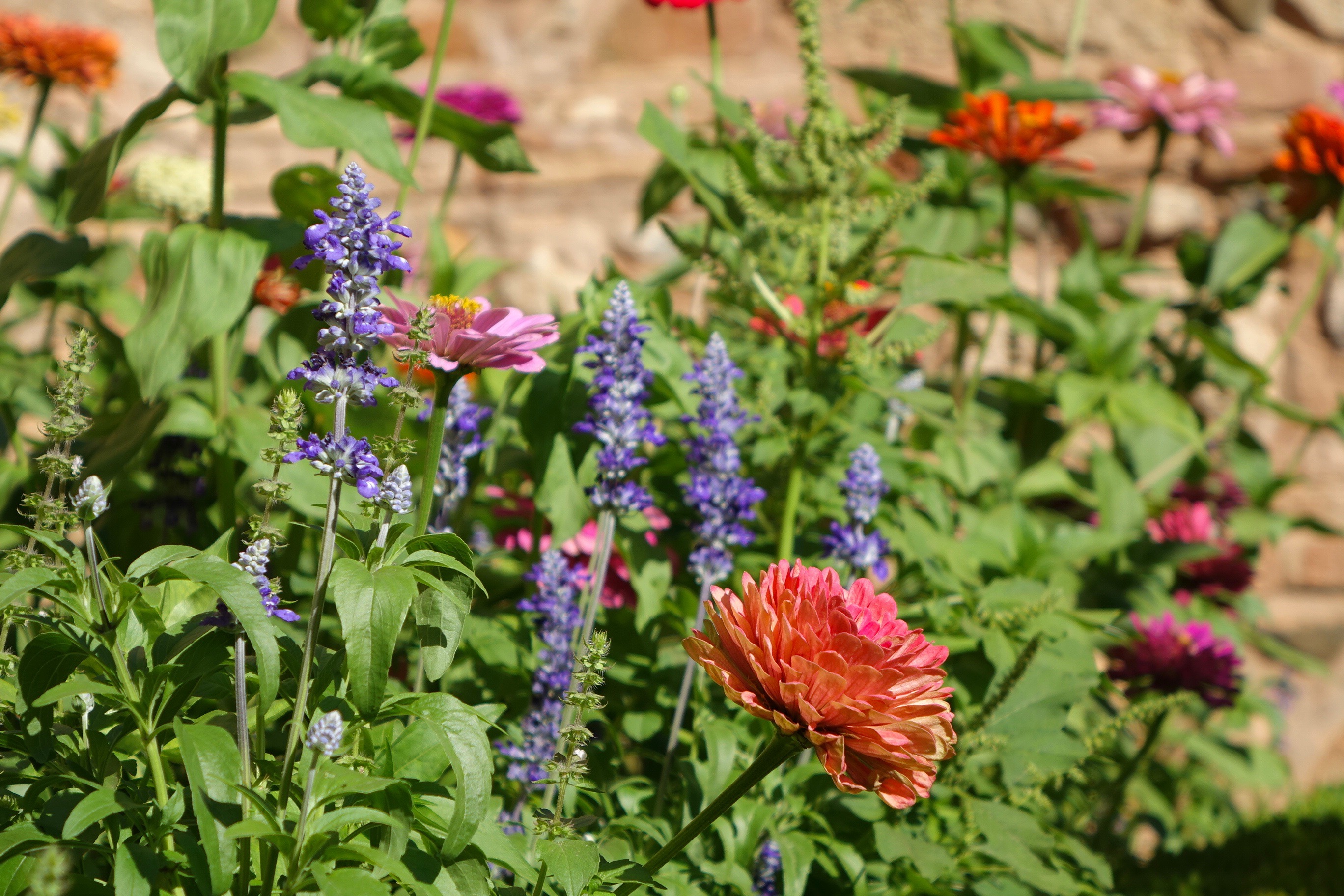
Strolling between trimmed boxed hedges and flowerbeds abundant with fragrant roses and vivid bourganvilla, a walk around the Generalife is like being lost in the gardens of the Queen of Hearts in Alice’s wonderland. There, the many examples of arabic craftsmanship carved deep into the palace walls are overshadowed by the work of tended nature manifest in the multiply-layered gardens. And even on the hottest of days, there is a cool calm which reflects off the surface of mountain-fed water springs which make a visit to the gardens the most pleasant of contemplative activities.

This was my second visit to the Generalife palace and gardens, and the place is as much of a paradise as I remember. Perambulating through the verdant passages during a late afternoon, when the sun over the Albayzín was turning a caramelised yellow, proved to be the most perfect time to enjoy this reflective space. Not even my photos are able to capture the utmost tranquility of those all too brief moments in paradise. But they surely go someway in reflecting the mood of soulful restfulness which the atmosphere of the Generalife creates.

All photos and written content are strictly the copyright of Nicholas de Lacy-Brown © 2016 and The Daily Norm. All rights are reserved. Unauthorized use and/or duplication of the material, whether written work, photography or artwork, included within The Daily Norm without express and written permission from The Daily Norm’s author and/or owner is strictly prohibited. 

The Greatness of Granada, Part 2: The Alhambra

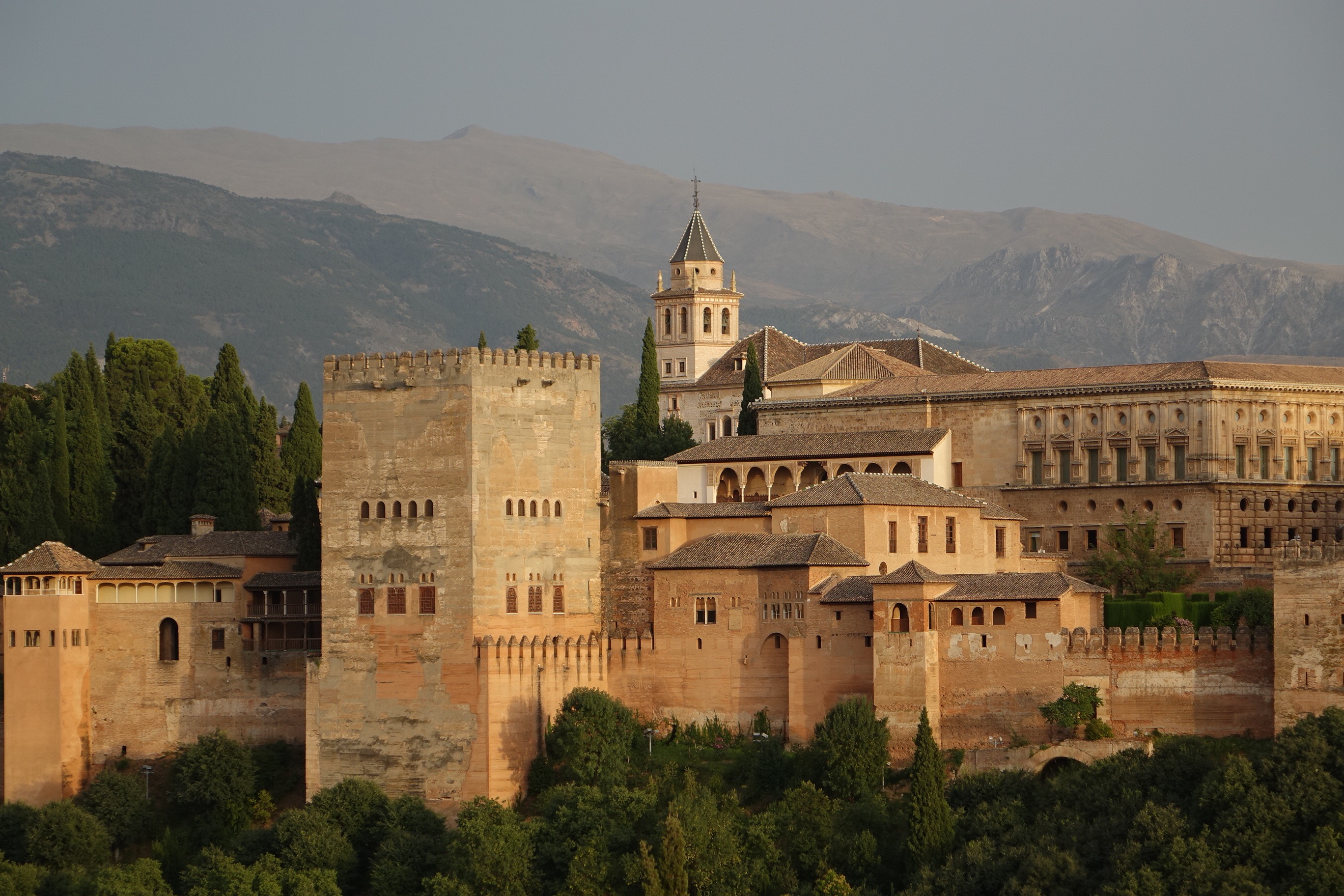
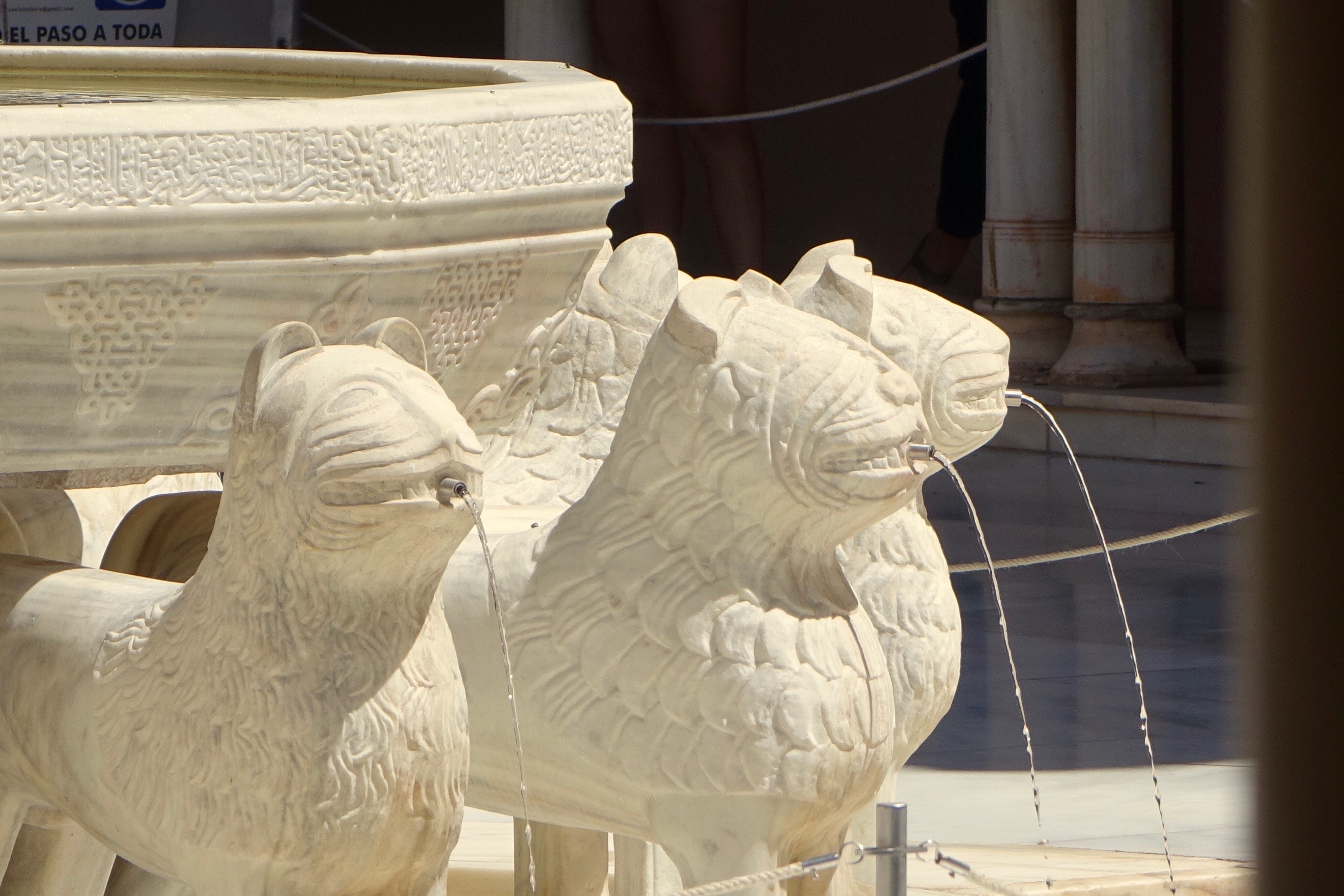
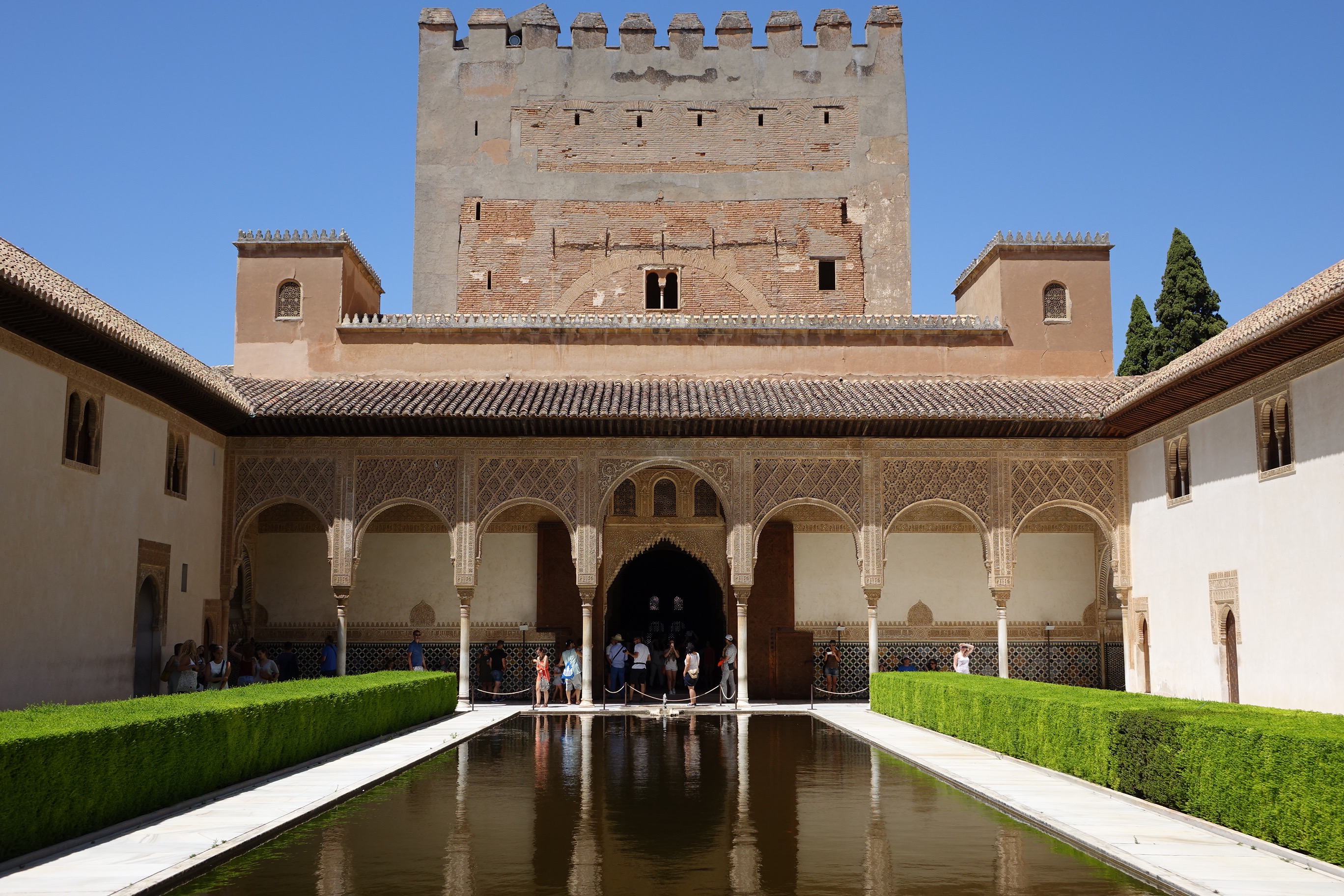
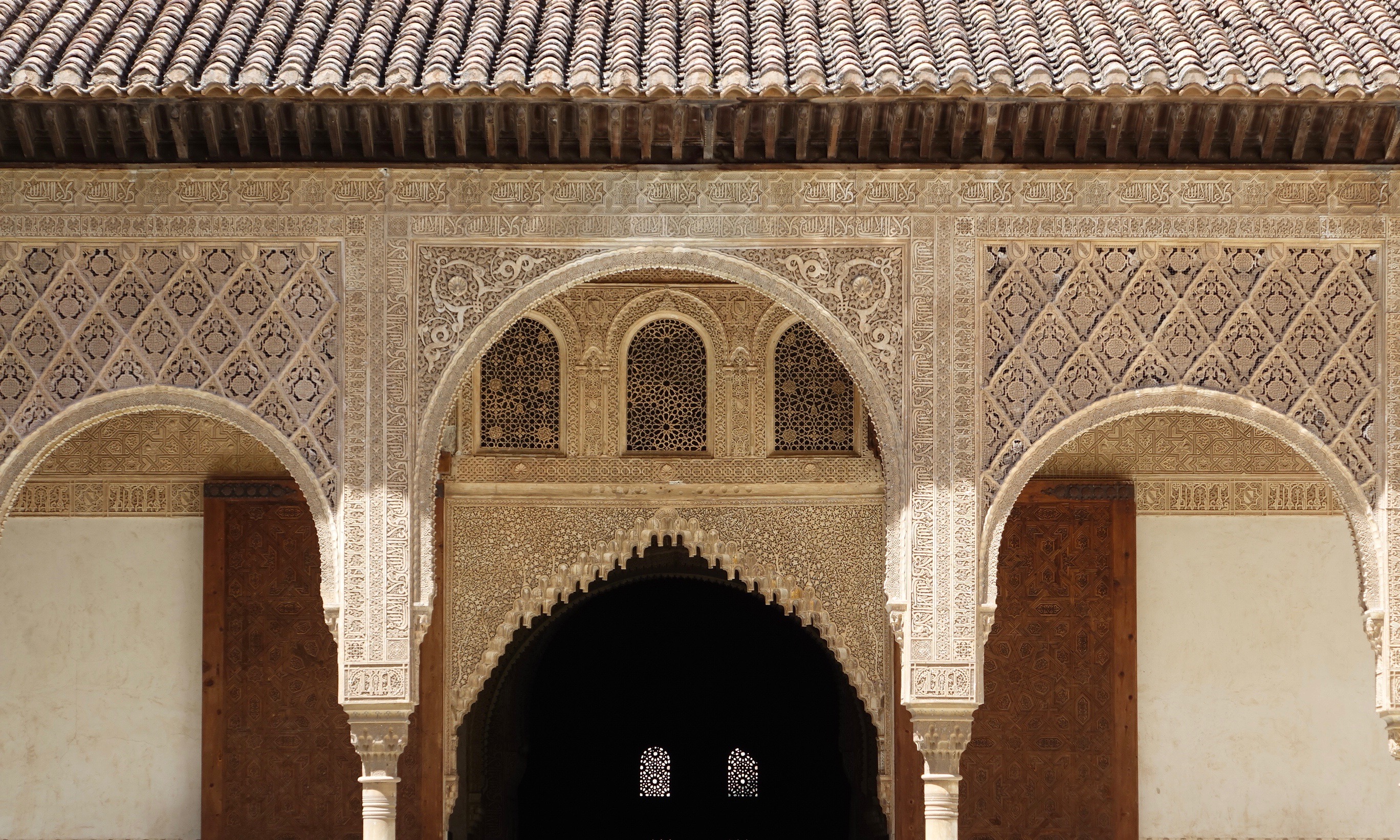
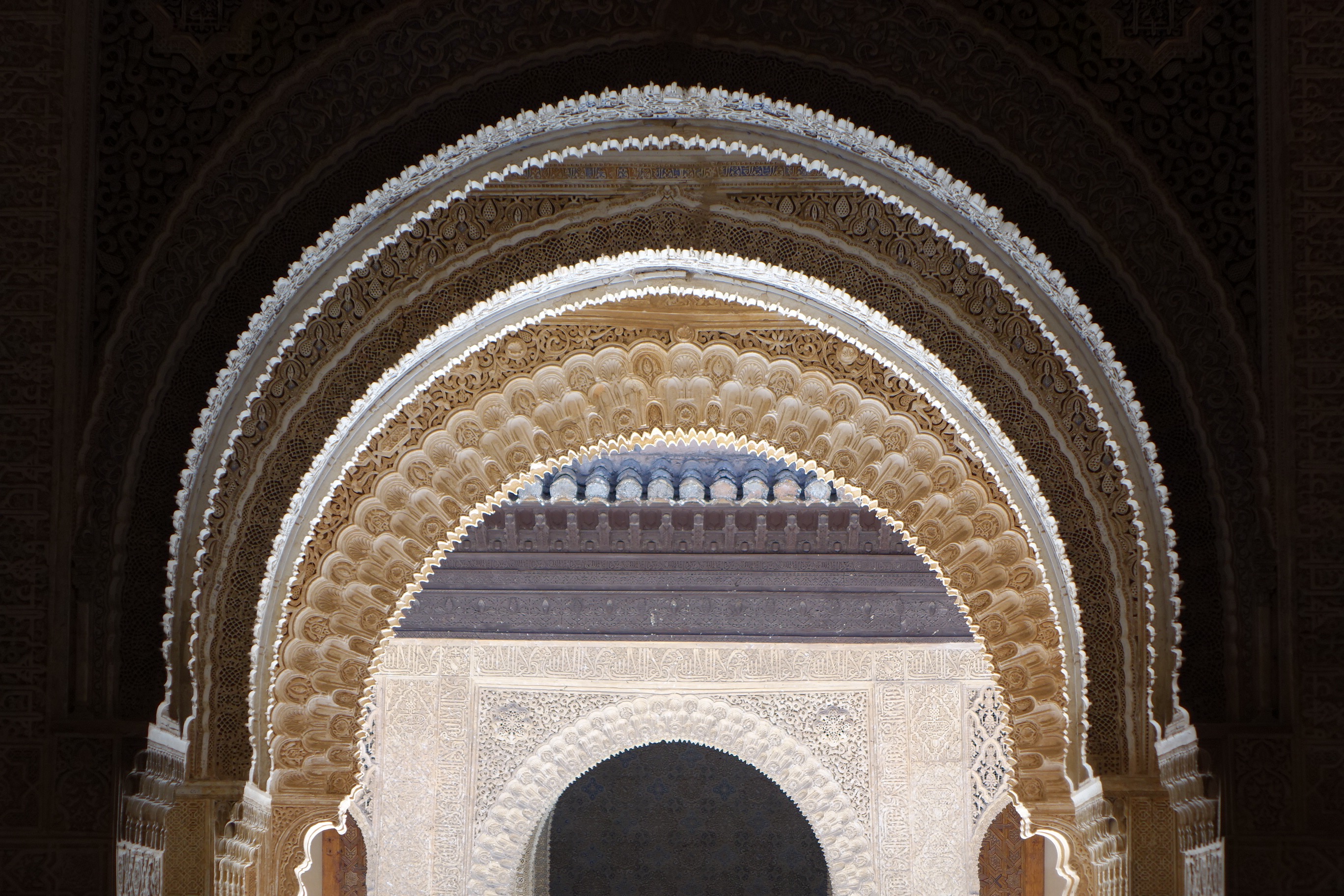
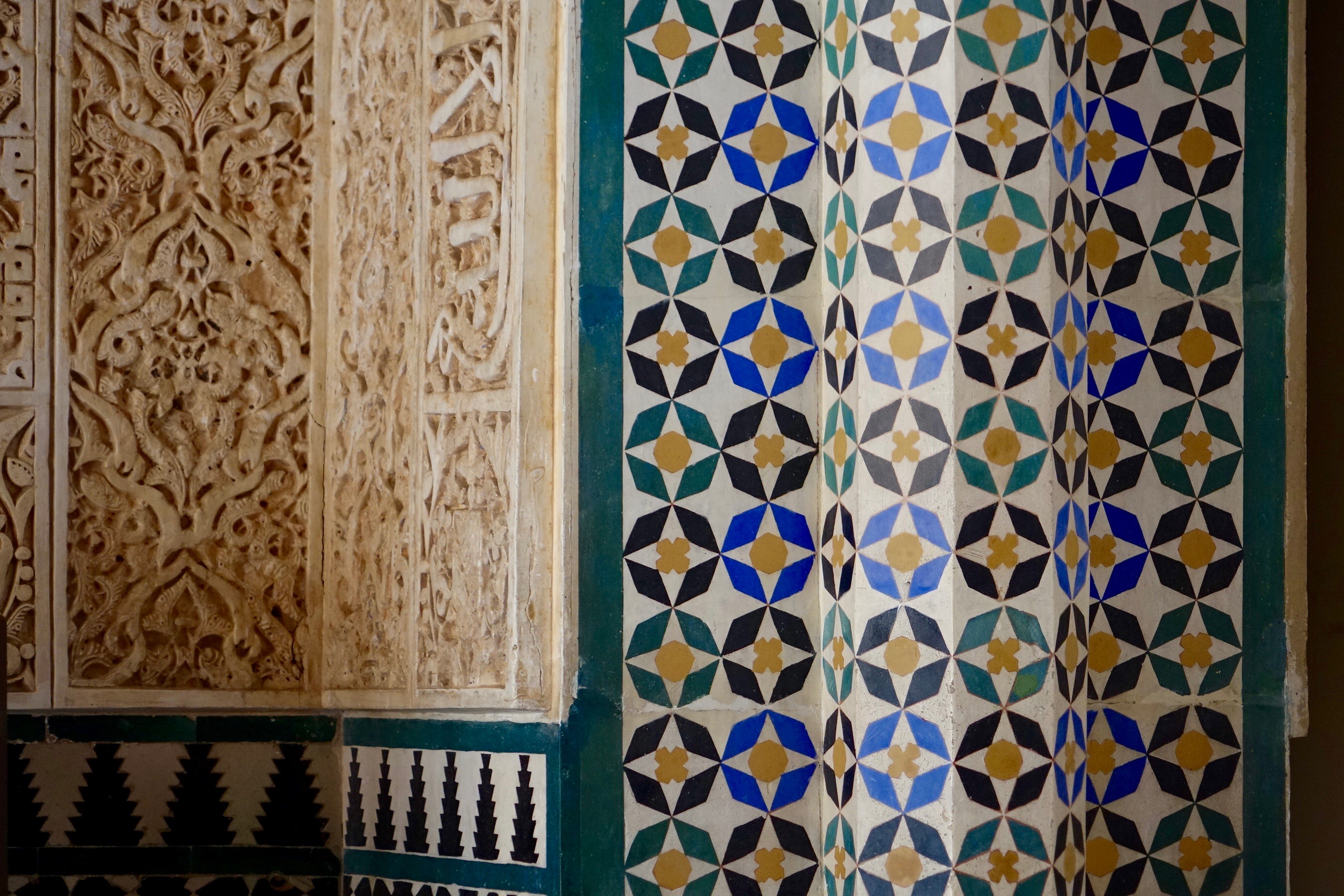
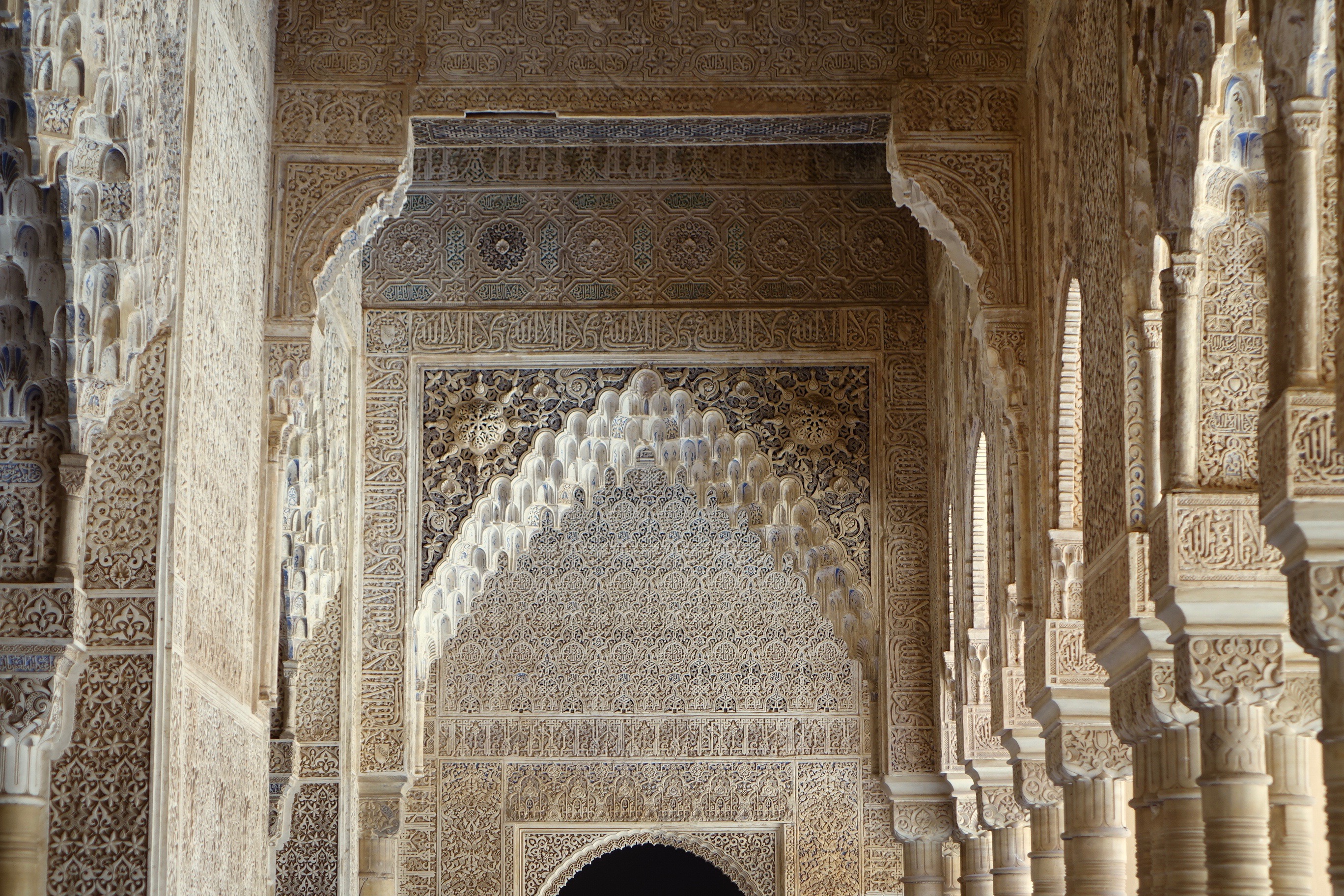
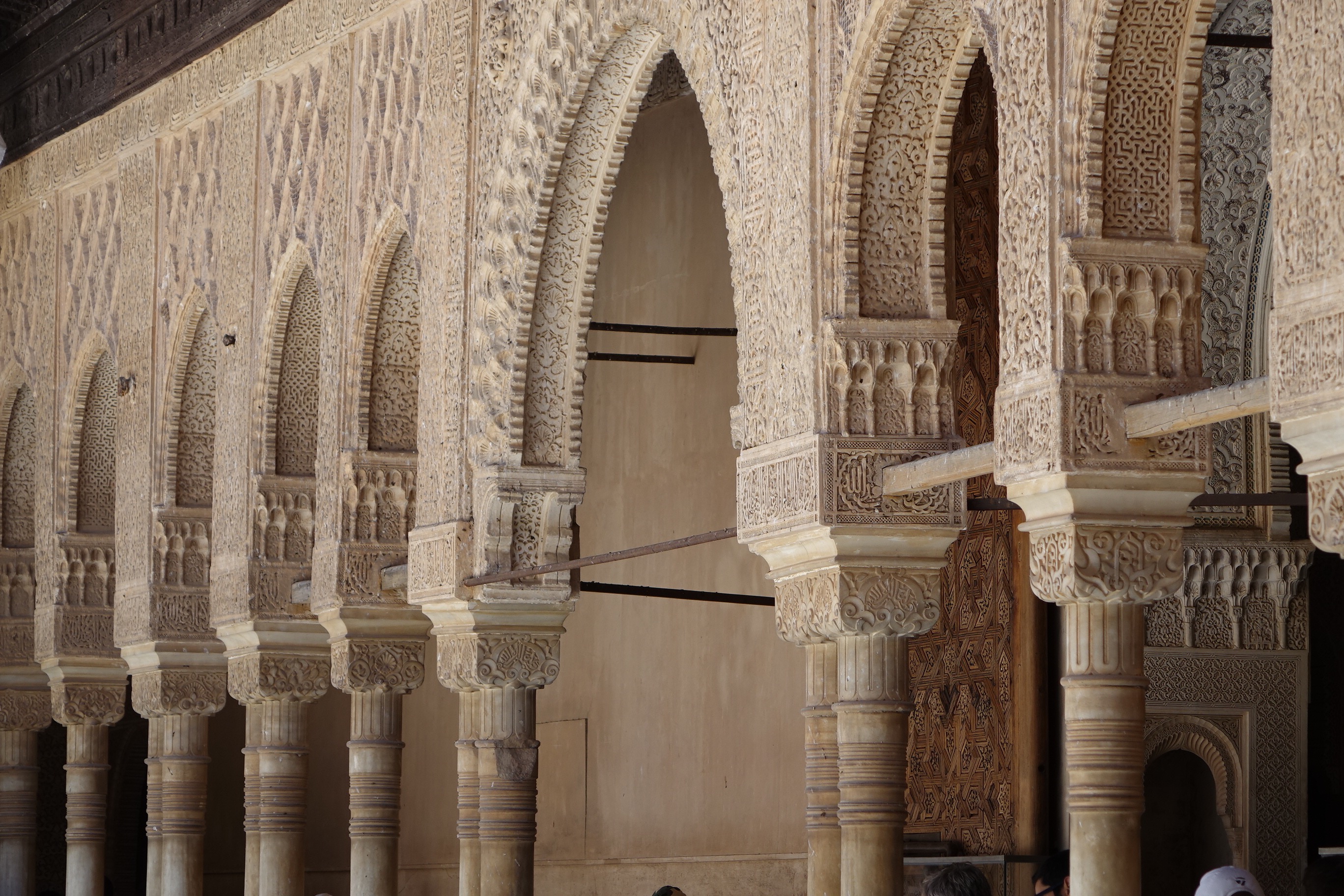
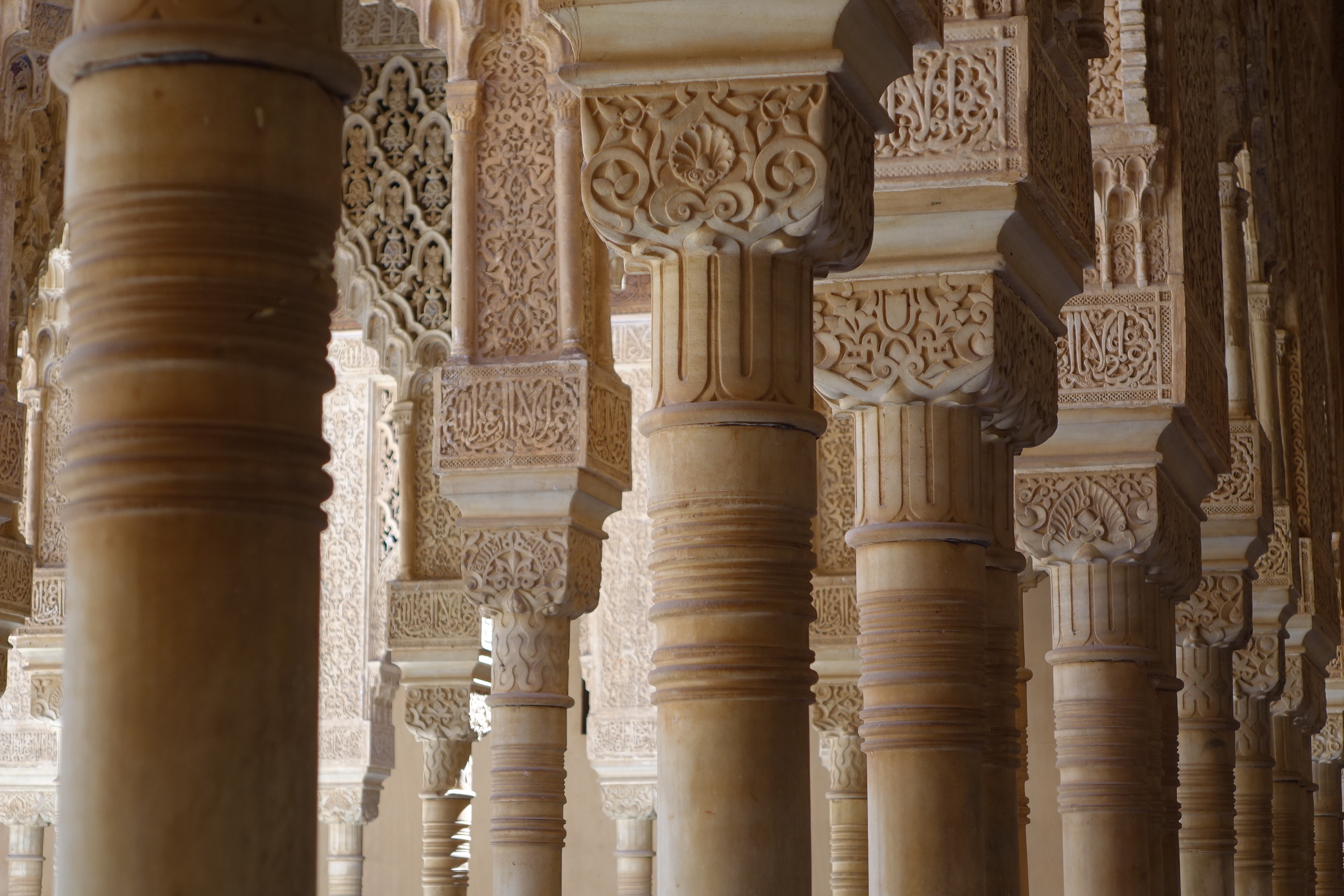
Few places in all the world have the power to arrest the eyes and ensnare the heart quite like the Alhambra in the foothills of the Sierra Nevada. Glowing every shade of ochre, and pale gold through to deep russet and coral red, it is no wonder that in arabic, the name of the fortress like construct means “The Red One”. But the true treasures of the Alhambra lie in wait inside, where room after room of twisting, tangling geometric patterns, forests of marble columns, and incredibly carved honeycomb like domes seem to reach up into infinity. It is a place which offers visitors a vision from paradise, even when it is (as always) hosting its daily quota of tourists, a sensation augmented by the plethora of pools and trickling waterways, magnifying the space with reflection and filling its stone halls with the gentle harmony of trickles and splashes.

DSC04254DSC04524DSC04540DSC04512DSC04541DSC04576DSC04598DSC04566DSC04575DSC04869

Originally constructed as a small fortress in AD 889 on the remains of Roman fortifications, the complex was constructed into its current state of glory by the Emirate of Granada in the 13th century. Converted into the most lavish royal palace the world had ever seen, it was revered by the reconquering Christians when they took the city in 1492, becoming part of the Royal Court of Ferdinand and Isabella and subsequent monarchs. While they embellished the site in turn with Renaissance-style palaces which didn’t quite live up to the beauty of the Moorish offerings, they did so at least in the same glowing gold stone thus creating the complete whole which now permanently characterises the landscape of Granada. Shockingly, the palace was later allowed to fall into disrepair for centuries, until it was rediscovered following the defeat of Napoleon, becoming the favourite of Romantic-age travellers and inspiring generations of artists, poets, and writers since.

DSC04530DSC04548DSC04532DSC04793DSC04626DSC04816DSC04597DSC04562DSC04579DSC04573

Today, unsurprisingly, the site is UNESCO protected and is a ravishing complex of echoing courtyards and colonnaded porticos each enjoying the most incredible views over to the Albayzín below. Lucky then that these hallowed halls should be salvaged for generations to come, where we can but imagine the lives of kings and their hareems languishing in the finest coloured silks by reflective pools and in throne rooms built for the imperial best. Beyond, of course, are the gardens, perhaps the most sensually lavish spectacles of all. But those wonders of nature and man’s creative touch I will leave for another day.

DSC04538DSC04544DSC04553DSC04557DSC04546DSC04528DSC04508DSC04543DSC04595DSC04584

All photos and written content are strictly the copyright of Nicholas de Lacy-Brown © 2016 and The Daily Norm. All rights are reserved. Unauthorized use and/or duplication of the material, whether written work, photography or artwork, included within The Daily Norm without express and written permission from The Daily Norm’s author and/or owner is strictly prohibited. 

My Granada Sketchbook: Alhambra Aniconism

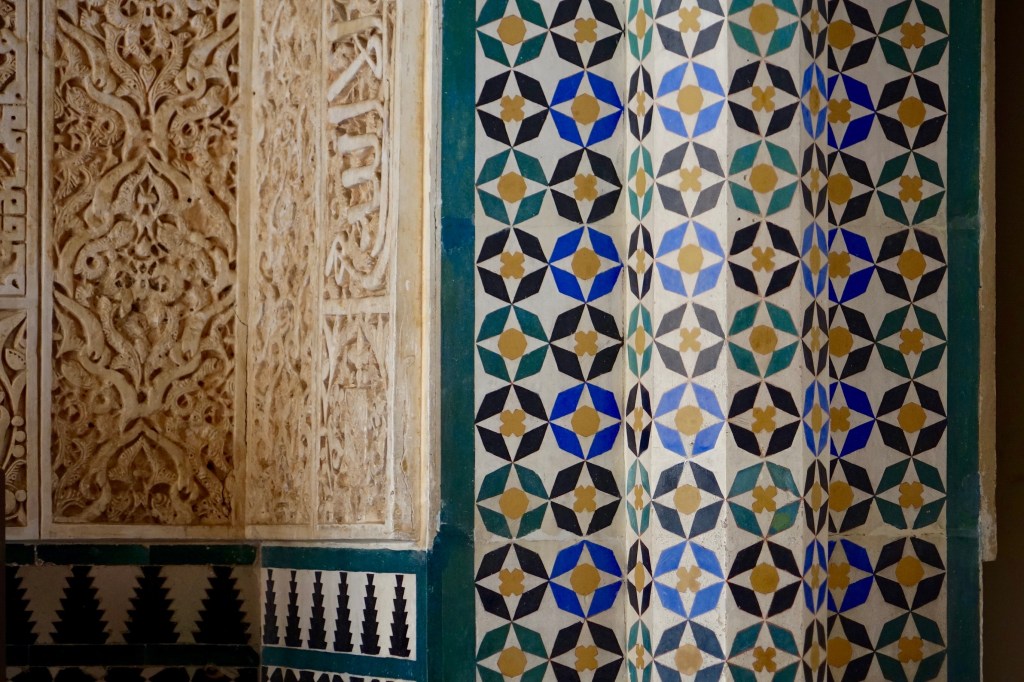
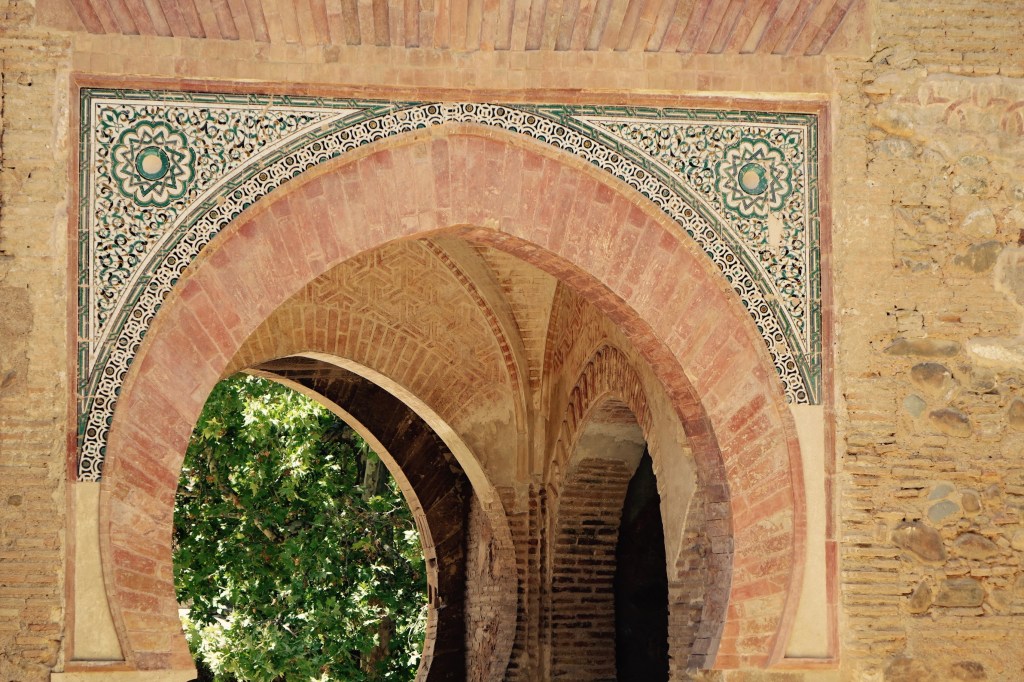
Andalucia, perhaps the most iconic region of Spain – the land of flamenco and polka dots, sun-scarred landscapes and toreros – owes a huge bulk of its entire identity to the cultural and aesthetic character of the Nasrid dynasty of Al Andalus, the islamic rule which gives the area its name. Despite having been flushed out by the reconquering Catholics, the arabic influence lives strong in the region, from the wailing arabesque of the flamenco cry, to the geometric imagery which characterises the multi-coloured ceramic tiles lining the walls of traditional patio gardens in practically every Spanish house.

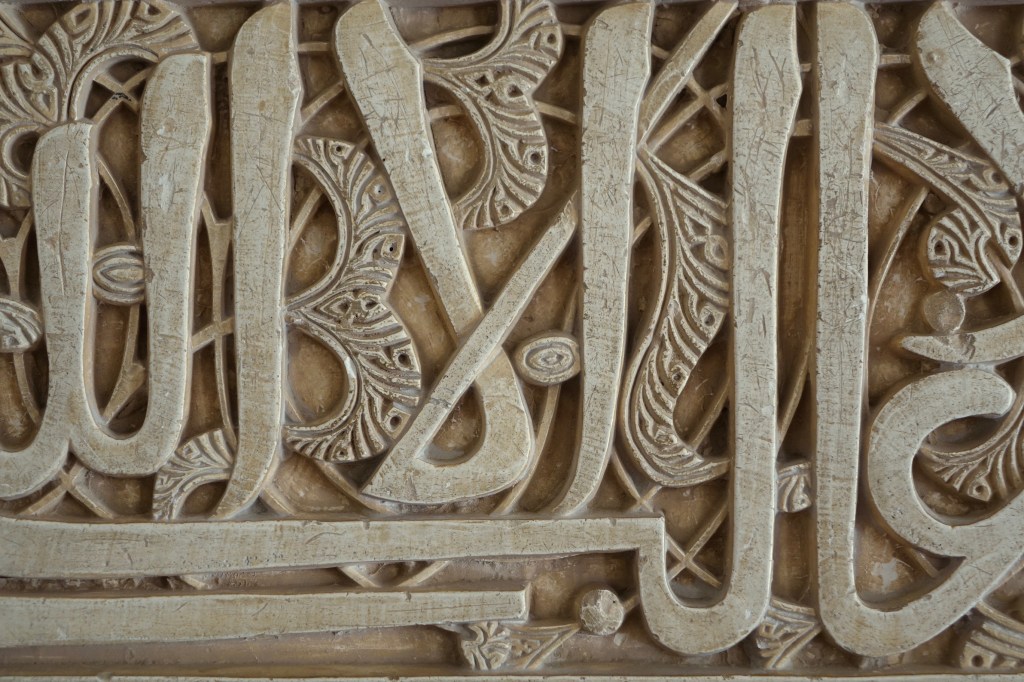
The predominance of geometric patterns in Arabic art resulted as a cleverly constructed, beautifully executed solution to the rule of aniconism, that is the proscription in Islam against the creation of images of sentient beings. The most absolute proscription is of images of God in Islam, followed by depictions of Muhammad, and then Islamic prophets and the relatives of Muhammad, but the depiction of all humans and non-human animals is likewise discouraged. The result, especially in the times of Al Andalus when the style was still finding its feet, was to decorate palaces not only with geometric patterns, but also with calligraphy and the barely representational foliage patterns of the arabesque.

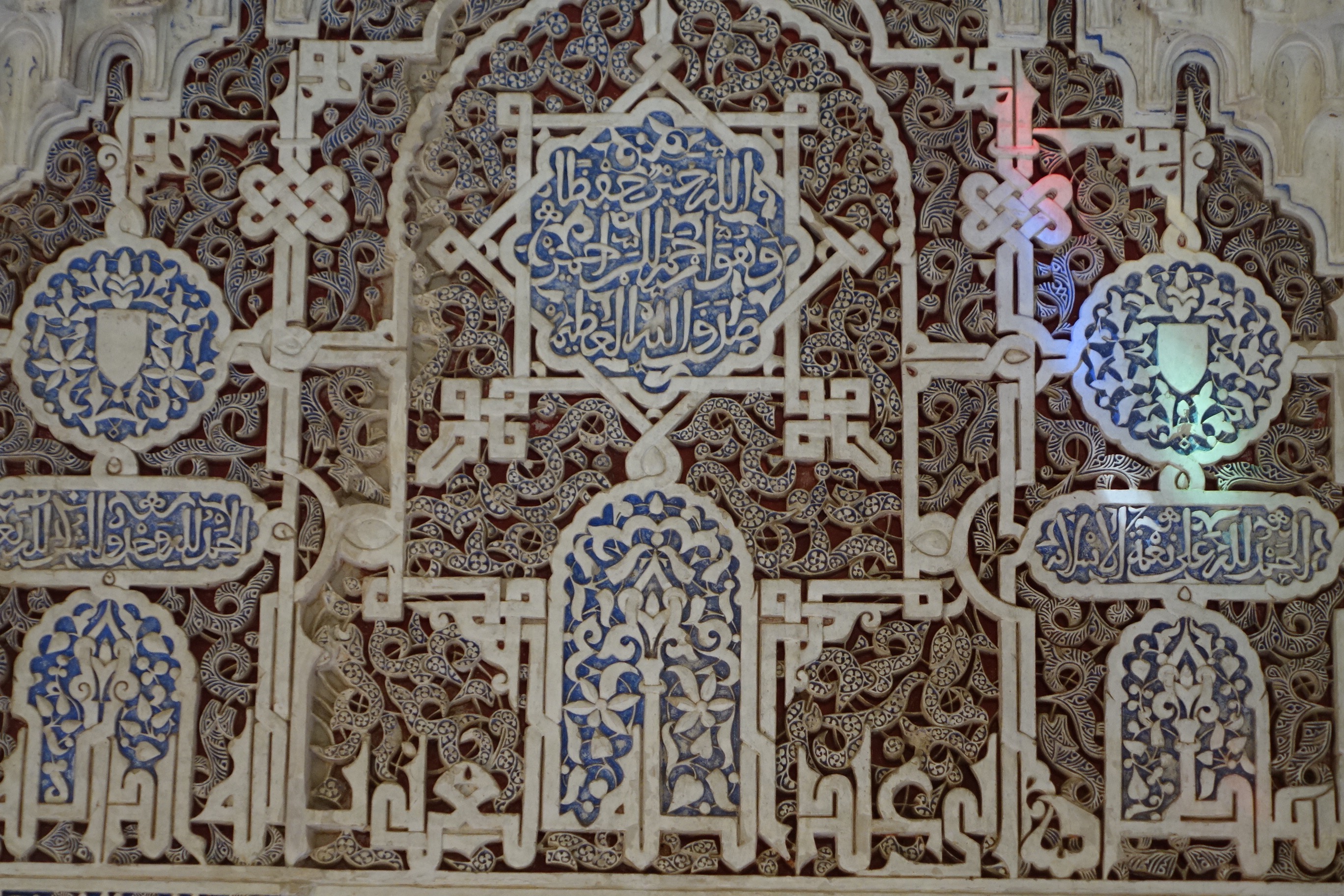
The palace of the Alhambra in Granada is renowned for boasting some of, if not the best examples of early Islamic wall decoration in the world, and it is the plethora of incredibly intricate wall calligraphy there, surrounded by delicate renderings of foliage patterns, which inspired my next Granada sketch.

Granada Motif Alhambra

Alhambra wall detail (2016 ©Nicholas de Lacy-Brown, pen on paper)

Spelling out what I believe inscribes the Nasrid motto “There is no victor but Allah” (but correct me if I’m wrong) – this is a pattern which can be found repeated endlessly around the palace as a kind of freeze above and below relentlessly repeated geometric constructs in the most splendid and mind-bogglingly calculated patterns. When I came to sketch just this tiny portion, it made me fully realise the astonishing detail with which the Alhambra decoration has been created. No wonder it is today the most visited of all attractions in Spain.

© Nicholas de Lacy-Brown and The Daily Norm, 2001-2016. Unauthorized use and/or duplication of the material, whether written work, photography or artwork, included within The Daily Norm without express and written permission from The Daily Norm’s author and/or owner is strictly prohibited. For more information on the work of Nicholas de Lacy-Brown, head to his art website at www.delacybrown.com
Our Alhambra Terrace

People take inspiration from holidays in various ways, weather through collating a set of ravishing photos, collecting foodie ideas, or even rounding up the tackiest and most whimsical souvenir. For me, it’s all about art.  There is no better way, in my mind, to look back on a holiday than through the art I great during that time. Because more than just taking a photo, the process of creating a painting or sketch involves time and contemplation, and therefore has the power to instil the final product with the great value of a comprehensive collection of memories and sensations. That is why I always do my best to get a hotel room with a view, in the knowledge that that alone will provide me with much of the inspiration I will need in the place I will feel most comfortable creating.

On our trip to Granada, we stayed in the Hotel Casa 1800, a stunningly quaint property characteristic of the rickety old houses and palazzos crammed into the ancient Albayzín district alongside the banks of the Darro River. Incredibly located just off the Plaza Santa Ana, the hotel boasted an unrivalled view of the Alhambra, but not in every room. In fact very few benefited from the crème de la crème of Granada views, but with ours, we were given the opportunity not just to enjoy the view through a window, but from our very own little terrace.

Alhambra Terrace FINAL

Alhambra Terrace (Hotel Casa 1800 Granada) 2016 ©Nicholas de Lacy-Brown, gouache on paper

As soon as we saw it, we knew it would be hard to tear ourselves away from the hotel. Such a cosy space and an unbeatable view could not easily be rivalled by a public space after all. With a moment’s glance, I knew the painting I would create that would best befit our experience of this space. And here it is. Making clear reference to the Honeymoon Suite collection created one year ago, this gouache painting continues the trend of painting the view from the hotel rooms enjoyed on our various travels. However with its Alhambra view, painted in a creamy orange with deep green shadows, this is one hotel room it will be hard to beat, no matter how much my future painting needs might demand it.

© Nicholas de Lacy-Brown and The Daily Norm, 2001-2016. Unauthorized use and/or duplication of the material, whether written work, photography or artwork, included within The Daily Norm without express and written permission from The Daily Norm’s author and/or owner is strictly prohibited. For more information on the work of Nicholas de Lacy-Brown, head to his art website at www.delacybrown.com
The Greatness of Granada, Part 1: Dual Faith, Double Identity

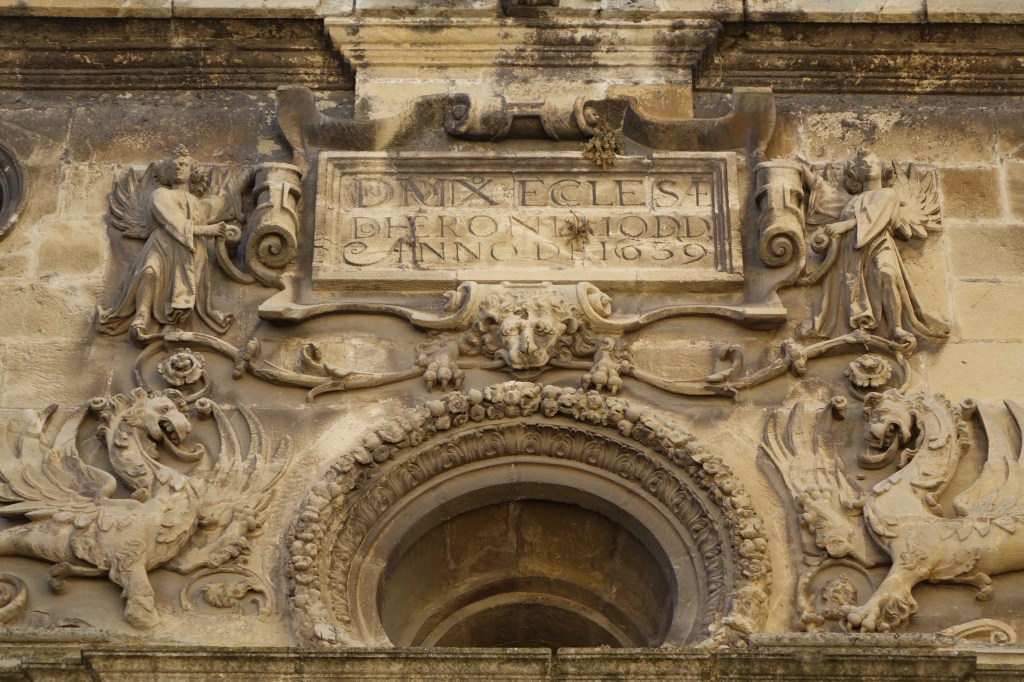
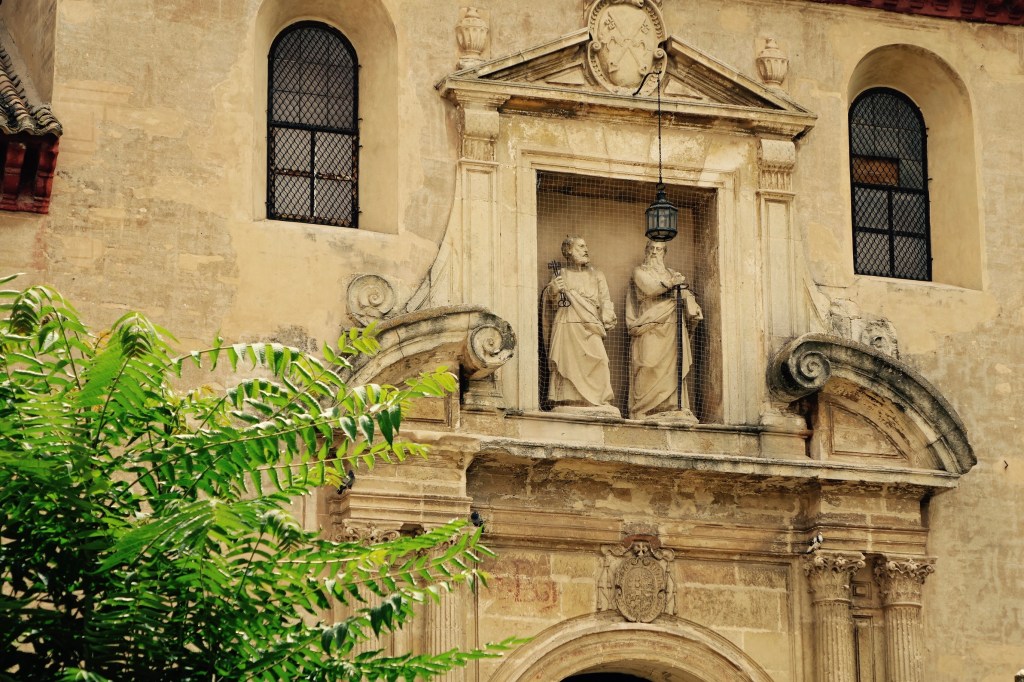
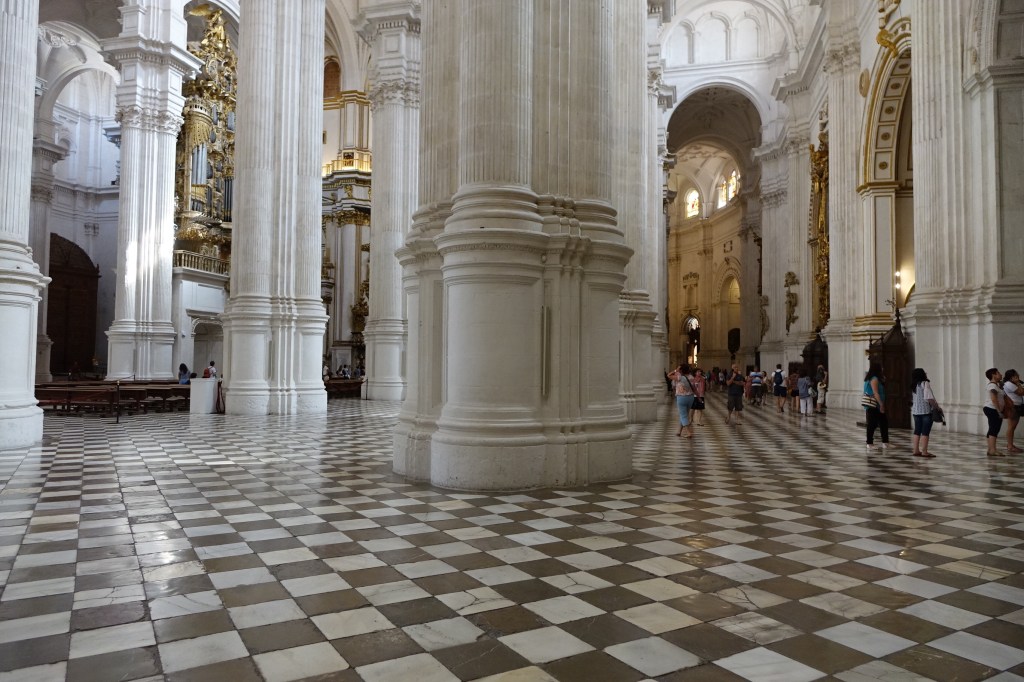
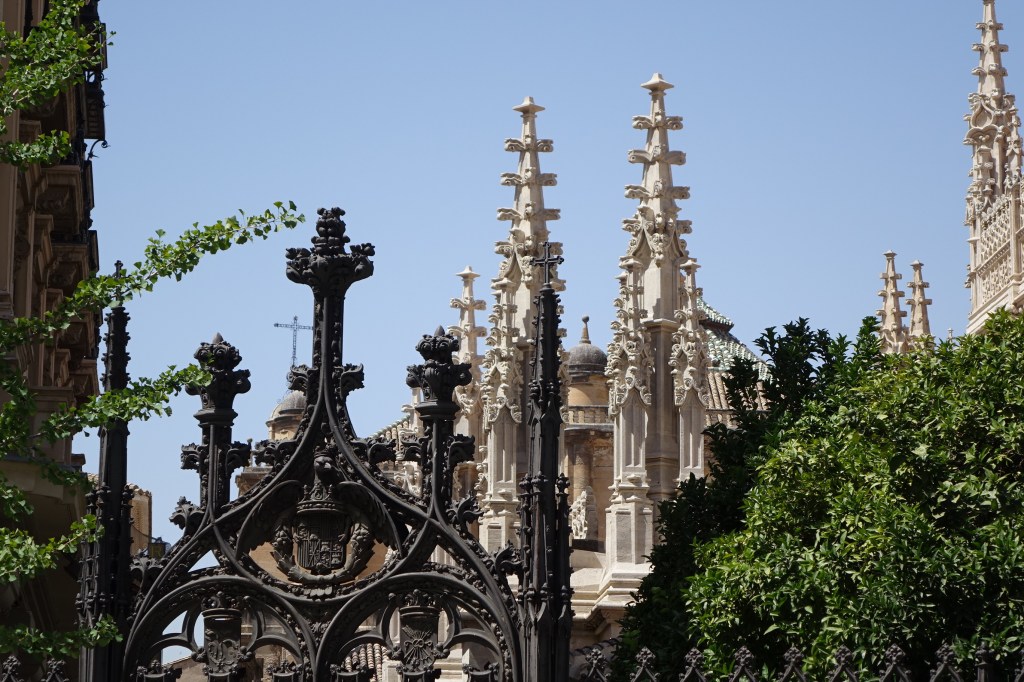
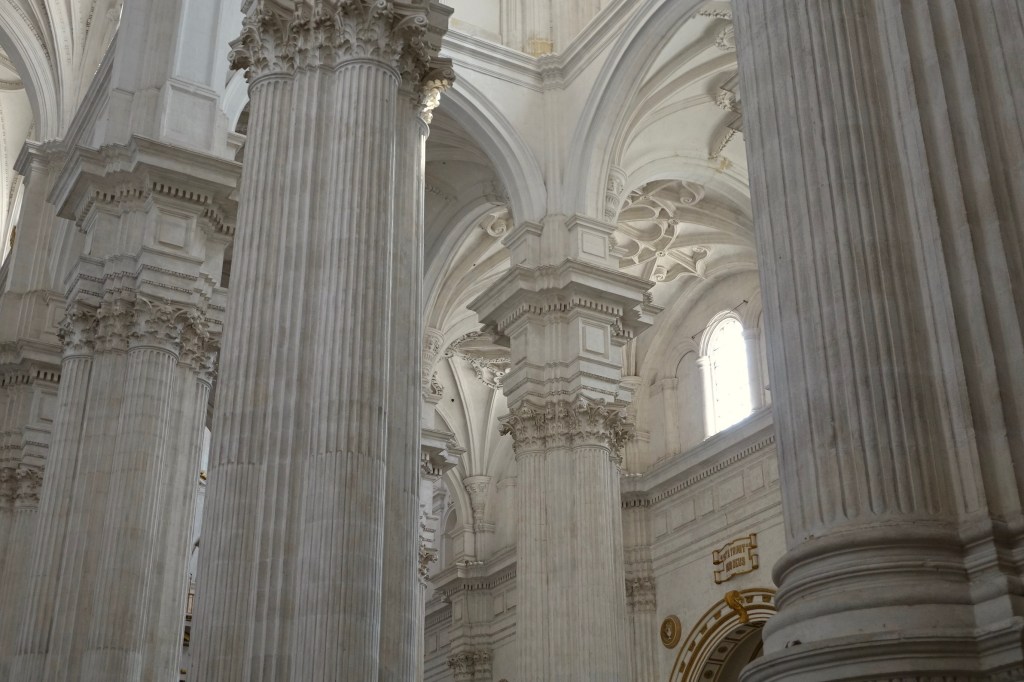
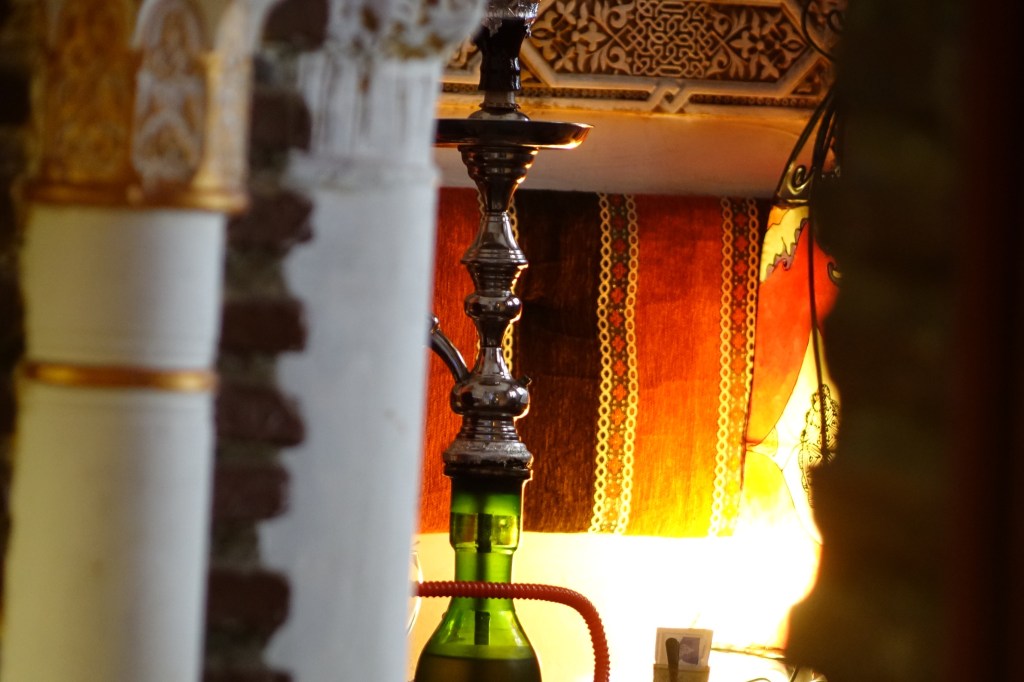
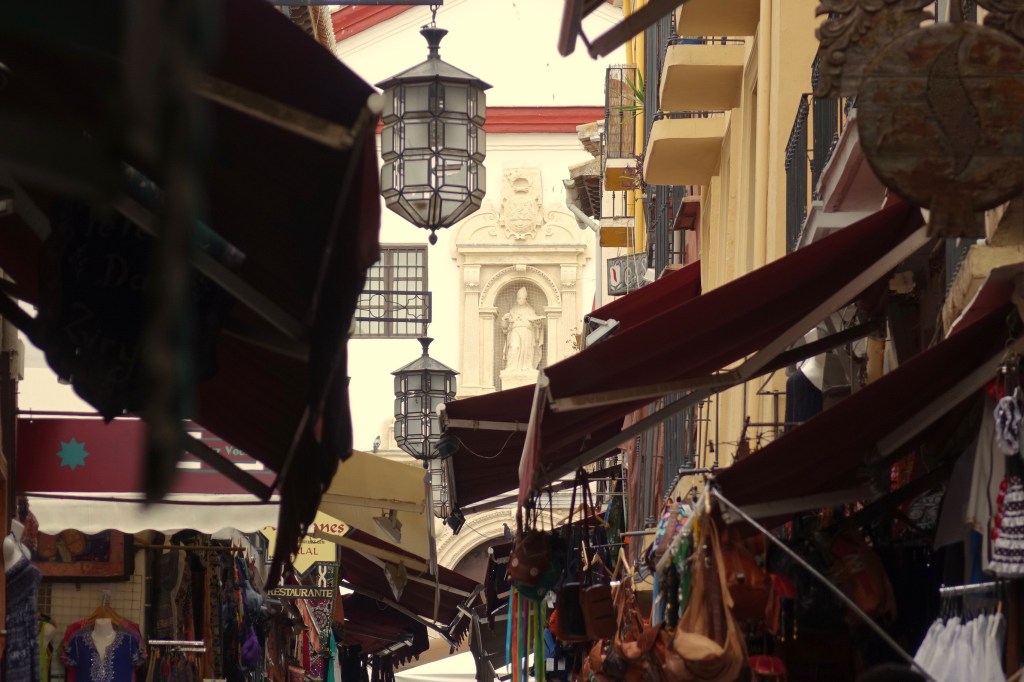
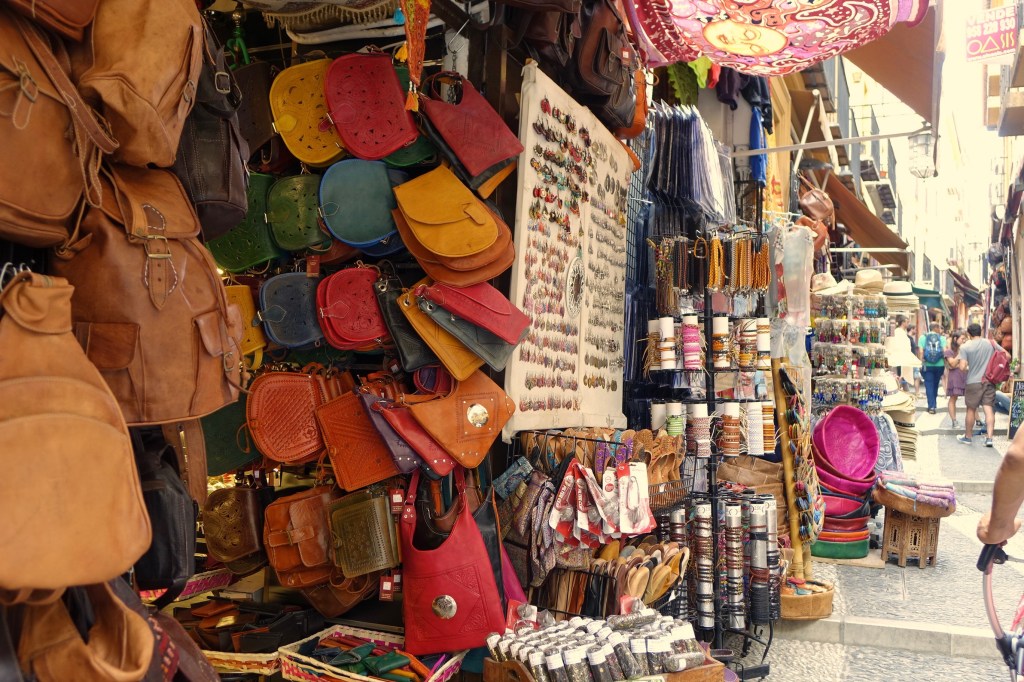
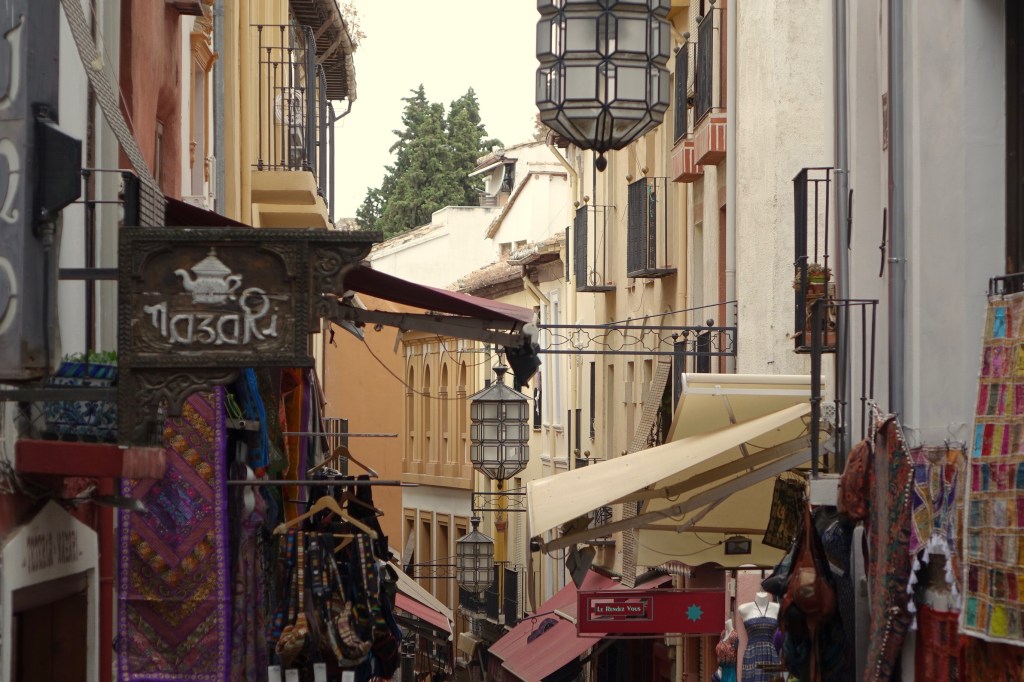
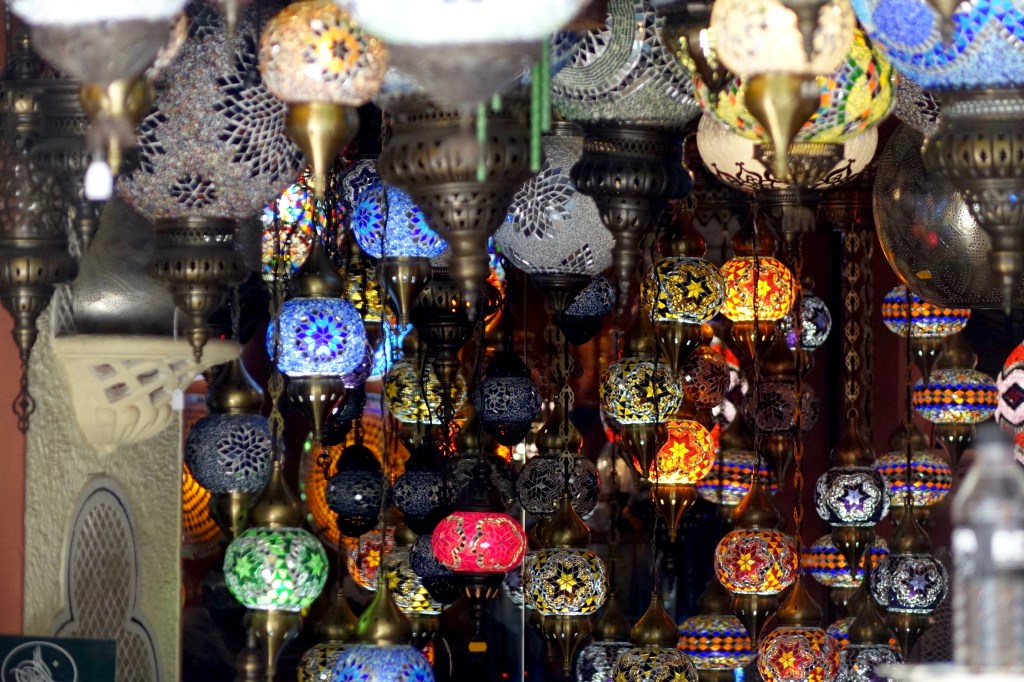
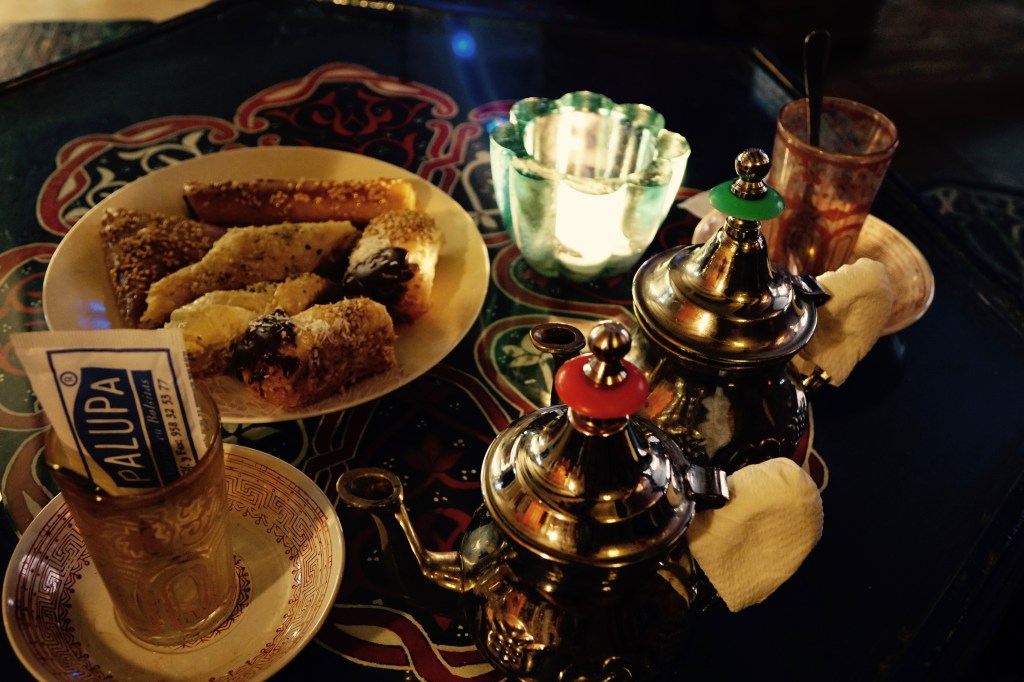
Granada in the heart of Spanish Andalucia is a city deeply characterised by the historical vicissitudes of its religious and political identity. On one street you may confidently conclude that you are in a richly embellished bastion of Catholicism; mere metres away, you feel as though you have been magically relocated to Marrakech. In Granada, you can find shisha pipes being smoked and moroccan mint tea being sipped with baklava right next door to where, in one of Europe’s biggest and most imposing cathedrals, the bells of a campanile call the Catholic faithful to prayer, and incense is swung majestically before a statue of the Virgin Mary. It is a stark contrast which can be noted across the city, recalling the turbulent but glorious history which has made Granada truly unique in the modern world.

DSC04460 DSC04507 DSC04927 DSC04579 DSC04912 DSC04567 DSC04924 DSC04498 DSC04346 DSC04398 DSC04440

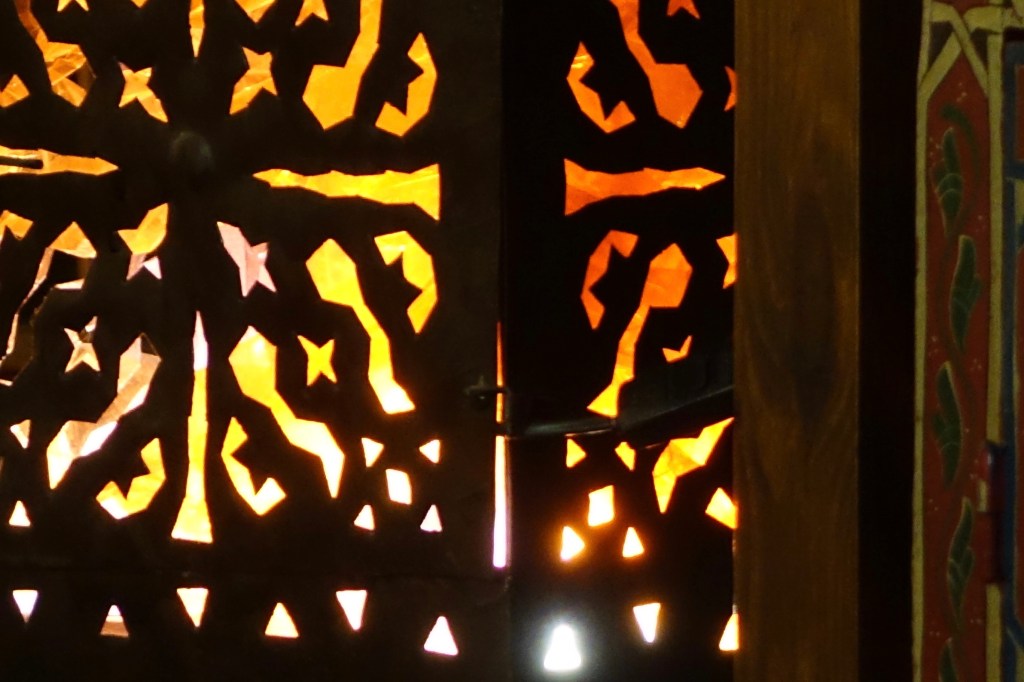
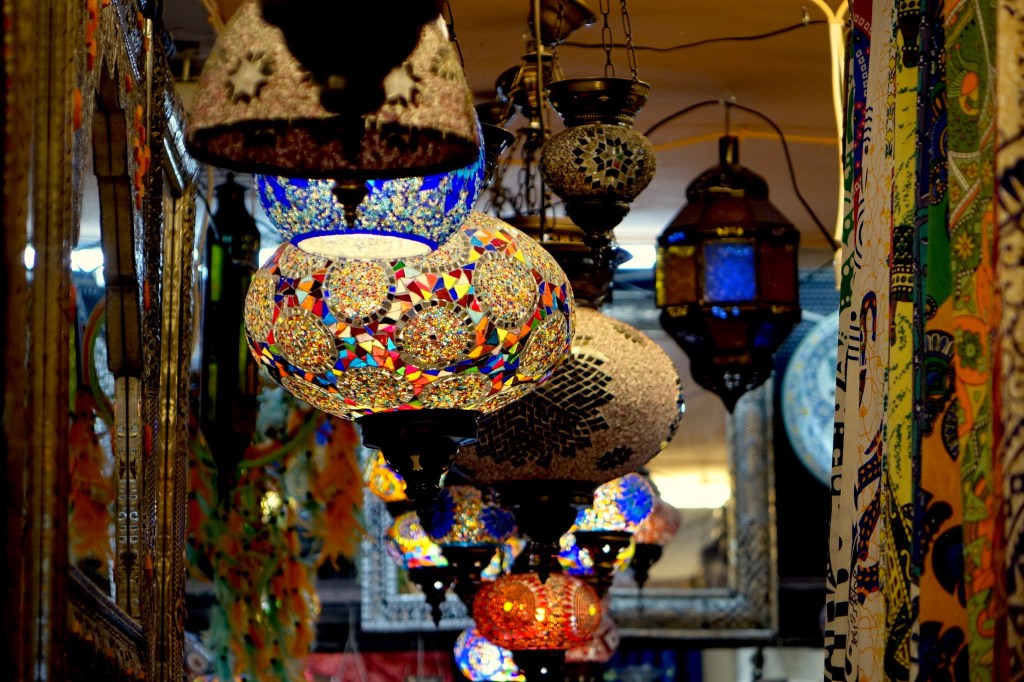
Of course much of what you see today has a ring of Disneyland about it, The tightly packed streets full of arabic wears and shops clustered with so many glittering glass lamps, silks and leather goods that you feel as though you have entered Aladdin’s cave, are all somewhat contrived for the tourists. But they are nonetheless deeply rooted in a past which begun in the early 700s, when the muslims crossed the narrow Straits of Gibraltar and swiftly conquered the Iberian Peninsula, founding Al Andalus, a kingdom of such rich prosperity and harmonious living that it was the nearest any civilisation had come to the Roman Empire before it. But the State’s precarious location encircled by Catholic countries meant that it was never destined to last for ever. One by one, a Catholic reconquista swept through the Iberian Peninsula, reclaiming Spain for the Christian world, until only one citadel of Al Andalus remained, the strongest of all – Granada.

Granada’s magnificent Catholic face

DSC04925 DSC03983DSC04920 DSC04951 DSC04928 DSC04344 DSC04169 DSC04160 DSC04334 DSC04918 DSC04945 DSC04052

It took some 250 years of negotiations, wrangling and final all out war before Ferdinand and Isabella, the “Catholic Monarchs” were able to complete the Christian reconquest of Spain, take Granada, and banish the Muslims for good. But they were never able to banish the heritage they had left behind. Spectacular monuments such as the Alhambra Palace remained as a clear testament to the stunning creativity of the artisans of Al Andalus, and remain today because their beauty was such that the Christian’s could not bear to destroy them.

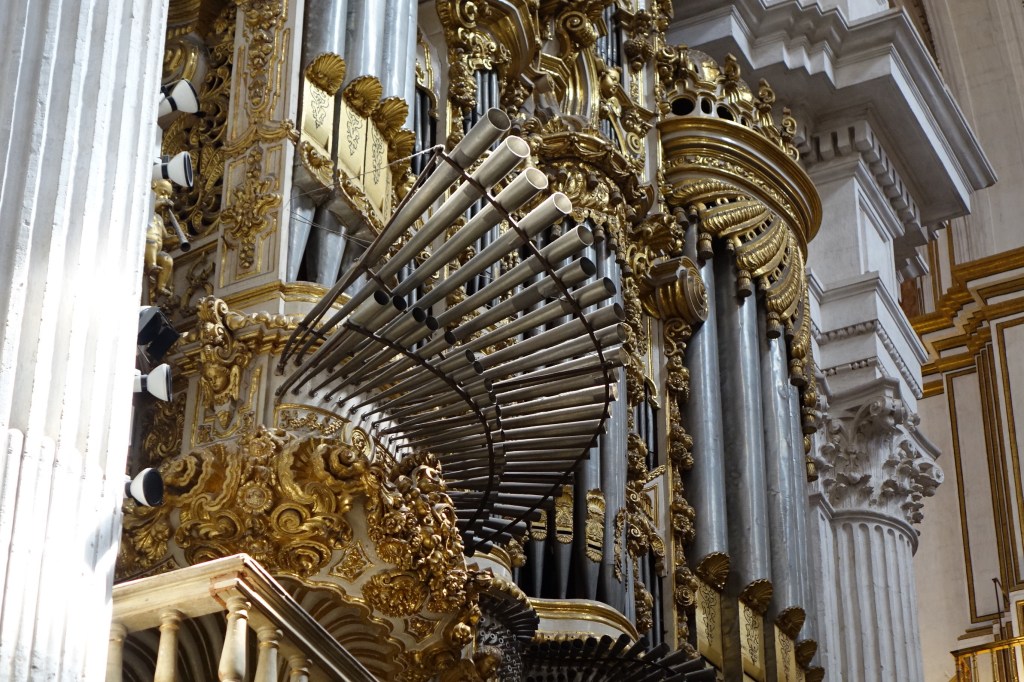
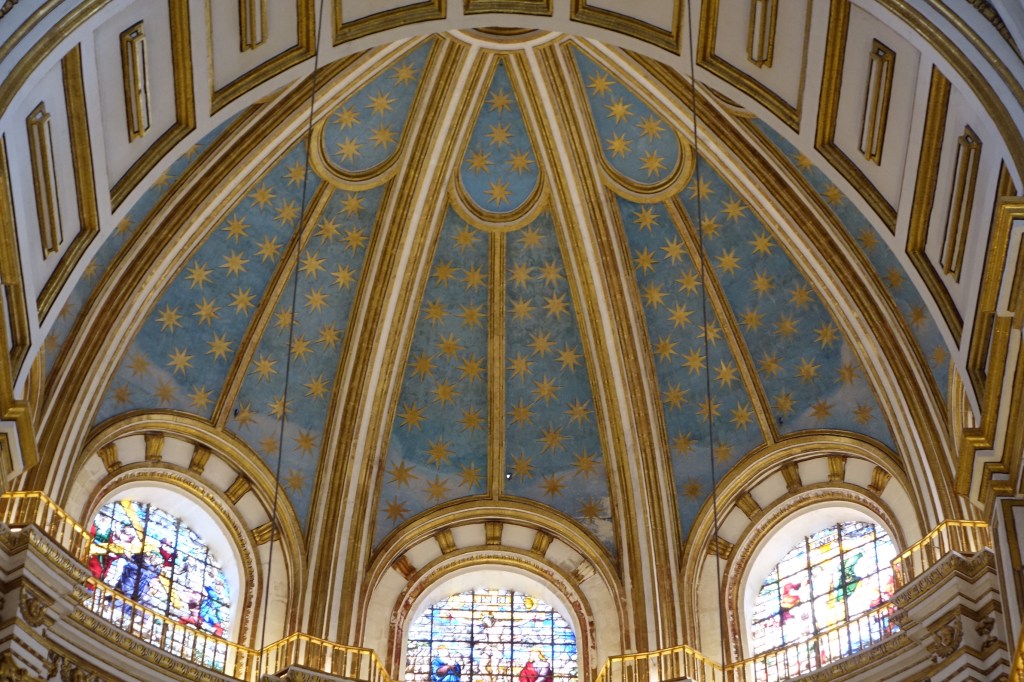
However a visitor to Granada today will likewise note that the city is bounteous in its Christian relics too. Constructions such as the vast Cathedral of the Incarnation are every bit as glorious an architectural gem of the city as the Alhambra, and were no doubt contrived to be all the more beautiful owing to the need for the Christians to show-off their creative prowess in the aftermath of the reconquest.

DSC04005 DSC04009 DSC04202 DSC04185 DSC04178 DSC04199 DSC04182 DSC04204 DSC04187 DSC04200 DSC03988 DSC04006 DSC04197 DSC04179DSC04189 DSC04012

Happily, the dual identity of Granada is one which has returned to the city, long after the terrible years when all non-Christians were expelled from Granada. While much of the Arabian shops and bizarres are laid on for the tourists, there is a very evident presence of a renewed muslim population in the city, allowing visitors – us included – to enjoy the wealth of their religious and social culture alongside the distinctive Spanish culture which has emerged from the years of more recent Catholic rule. These photos are testament to our discovery of both cultures.

All photos and written content are strictly the copyright of Nicholas de Lacy-Brown © 2016 and The Daily Norm. All rights are reserved. Unauthorized use and/or duplication of the material, whether written work, photography or artwork, included within The Daily Norm without express and written permission from The Daily Norm’s author and/or owner is strictly prohibited. 

My Granada Sketchbook: Alhambra, viewed from the Albayzín

I have just returned from Andalucia in Southern Spain. It’s an annual pilgrimage to a place which inspires me deep from within its passionately romantic soul. While the old town of Marbella, in a house radiated by the fragrant perfume of jasmine, is always my base, each year I try to embellish my trip with a sampling of the region’s rich cultural offerings. This year it was the turn of Granada, a true jewel of the Iberian Peninsula, a city so rich in cultural and religious heritage that from one street to another you find yourself whisked across different centuries and richly divergent cultures.

A combination of 4 nights in Granada followed by 12 in Marbella meant for a trip front-loaded by inspirational madness, and a fortnight which then provided ample opportunity to live out the fruit of those ideas. This meant that my trusty sketchbook went with me not just in Granada, where I would sketch sat in shady plazas, and in the echoing gardens of the Alhambra, but also in Marbella, where every morning I got into the habit of finishing off my Granada sketches over a rich coffee and a slice of spongy bizchoco.

Granada Mirador Alhambra

The Alhambra viewed from the Mirador San Nicolas, Granada (2016 ©Nicholas de Lacy-Brown, pen on paper)

Today, I considered this sketch to be the best way to start my Granada tales, for it shows perhaps the most famous Granada view – the stunning Alhambra palace as viewed from the Mirador de San Nicolas, with the might of the Sierra mountains behind it. I’m not going to talk too much about the Alhambra for now… that time will surely arise as I share my Granada adventure with you. But for now I hope you enjoy this first of 9 works created on this very inspirational trip. I look forward to sharing them all with you.

© Nicholas de Lacy-Brown and The Daily Norm, 2001-2016. Unauthorized use and/or duplication of the material, whether written work, photography or artwork, included within The Daily Norm without express and written permission from The Daily Norm’s author and/or owner is strictly prohibited. For more information on the work of Nicholas de Lacy-Brown, head to his art website at www.delacybrown.com

Inspired by my surroundings: Paseo Mallorca 1

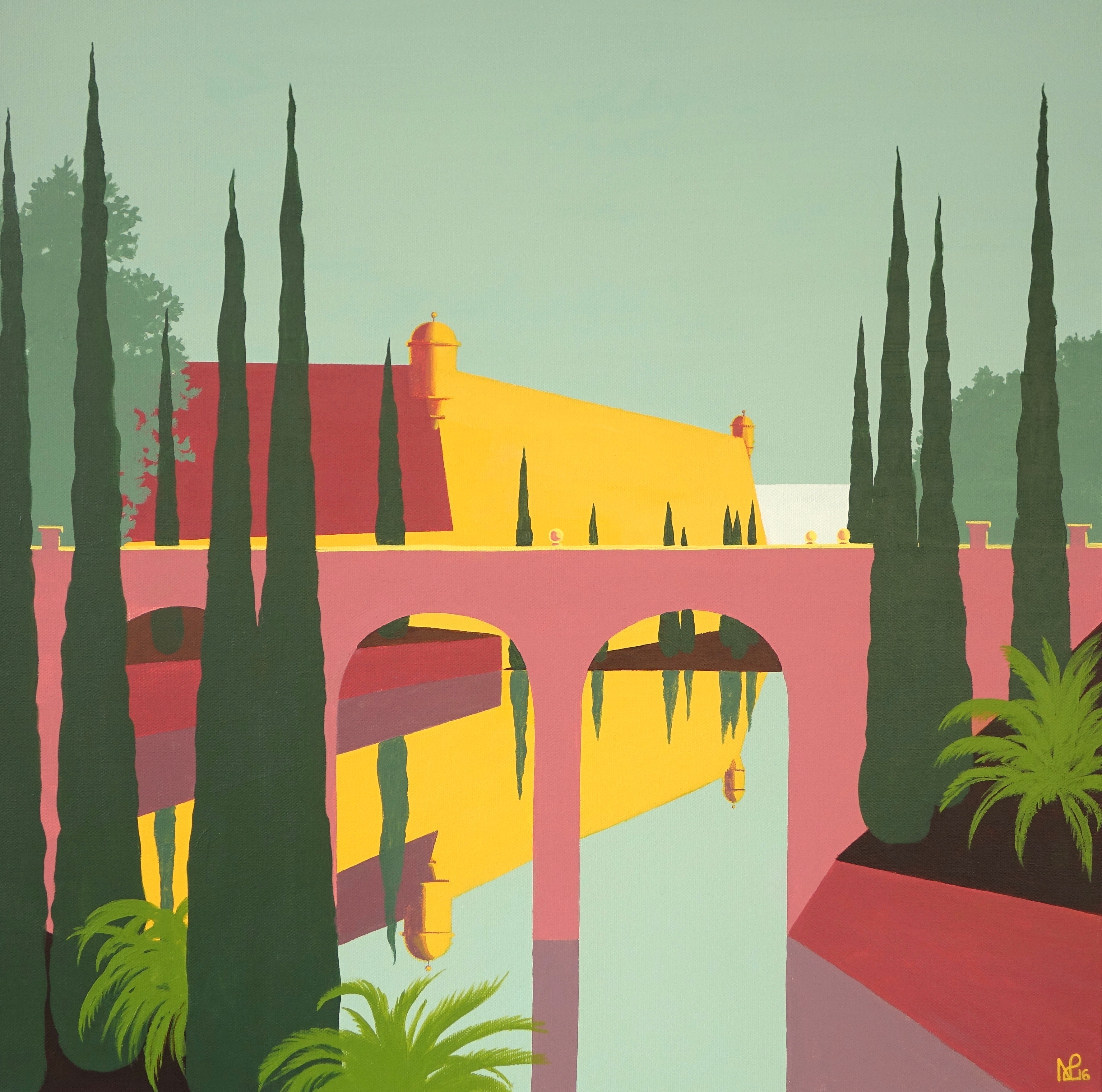
I cannot help but be inspired by my surroundings. How could it be otherwise? Not only do I live in Mallorca, one of the most beautiful islands in the world, but in its capital in Palma. There, I live on a riverside street so loaded with leafy trees, radiant palms and majestic cypresses, all flourishing at the exact level of our windows, that I feel as though I am perpetually installed within a luscious jungle. Our street, the Paseo Mallorca, is undoubtedly one of the most beautiful residential spots in town. Lined with apartment blocks making the most of the stunning views, as well as hotels and a panoply of restaurants spilling out onto the streets Paris-style, it reminds me of the enviable upmarket apartment blocks lined up along Hyde Park in London, or Central Park in New York.

But even more appealing than the greenery running along the Paseo Mallorca is the river running down the middle of it, all the way down the hill, past the ancient city walls, and out into the sea. While the river is rarely running rapidly (we are somewhat happily devoid of regular rainfall), the presence of water, and the natural accompaniment of ducks and other birds, adds a real sense of tranquility to the area. And where there is water, so too there are bridges, and here they are as elegant as the ancient city centre to which they lead.

Paseo Mallorca 1 FINAL

Paaseo Mallorca 1 (2016 ©Nicholas de Lacy-Brown, acrylic on canvas)

So for my latest set of paintings, I have taken the simplicity of my interpretative abstract style, and adapted it to the landscape genre, something which I think works well, especially when layering up different colour planes of trees and architecture. This first painting is of one such bridge crossing the river of the Paseo Mallorca, with the ancient walls of Es Baluard, the contemporary art gallery, glowing in the sun on the left. However for me, the stars of this painting and its real protagonists are those incredibly graceful cypress trees which for me give the Paseo the glorious character it exhibits.

But this is just one view of this wonderful street I call home. I guarantee that more will swiftly follow.

© Nicholas de Lacy-Brown and The Daily Norm, 2001-2016. Unauthorized use and/or duplication of the material, whether written work, photography or artwork, included within The Daily Norm without express and written permission from The Daily Norm’s author and/or owner is strictly prohibited. For more information on the work of Nicholas de Lacy-Brown, head to his art website at www.delacybrown.com

Discovering Mallorca: Pollensa Revisted

Living on an island so ripe with beauty tends to make discovery of the new a prerequisite. But there is something to be said for rediscovery too. How many times have I returned to my beloved village of Deia for example, and found some new reason to love the place on each visit? And so, having avoided returning to the little Tramuntana town of Pollensa because I had subconsciously listed it as “done”, I was surprised to find that when we headed back there last weekend, more through necessity than anything else (i.e. the sun had disappeared rendering the planned beach day a non-starter), I fell in love with the town afresh.

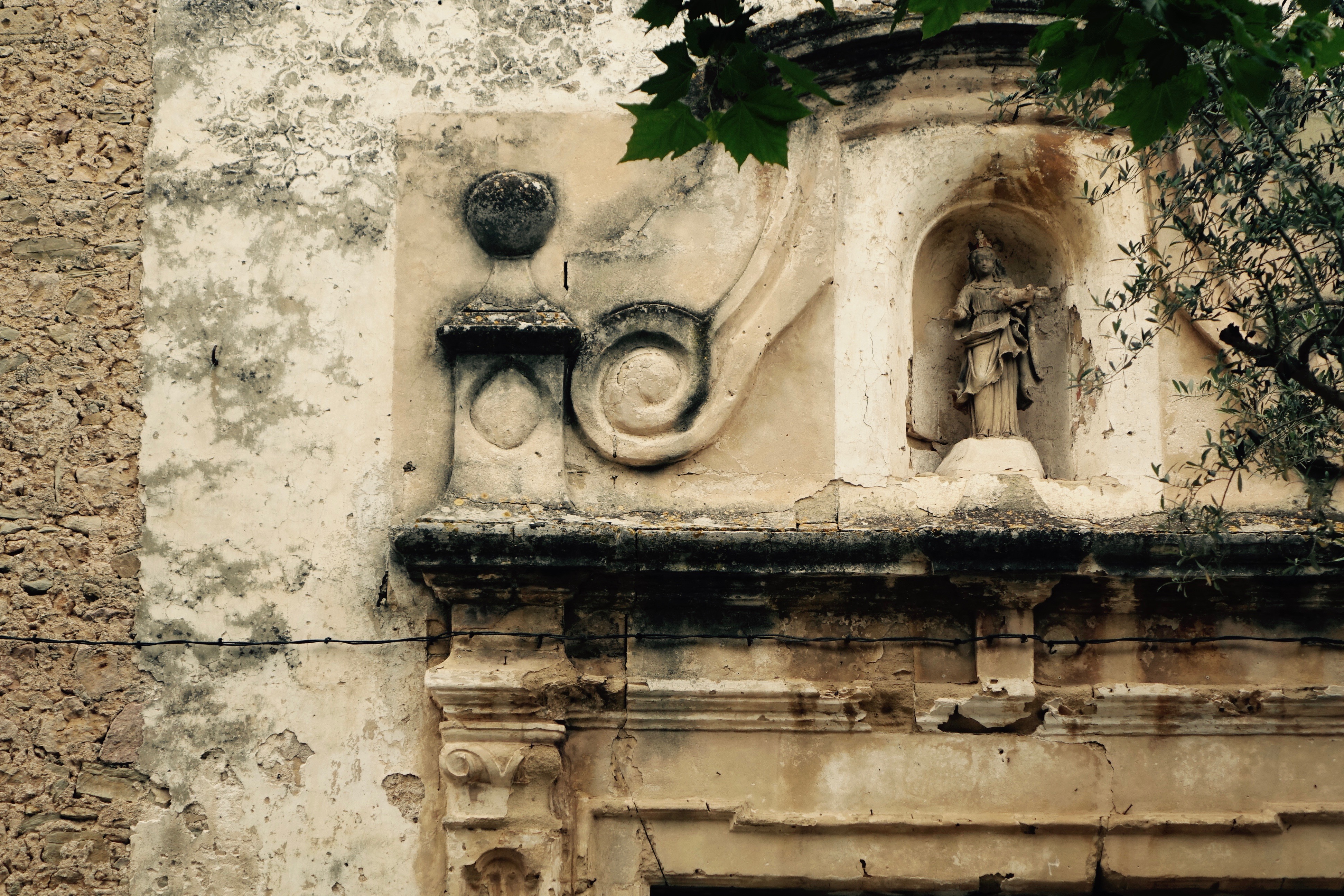
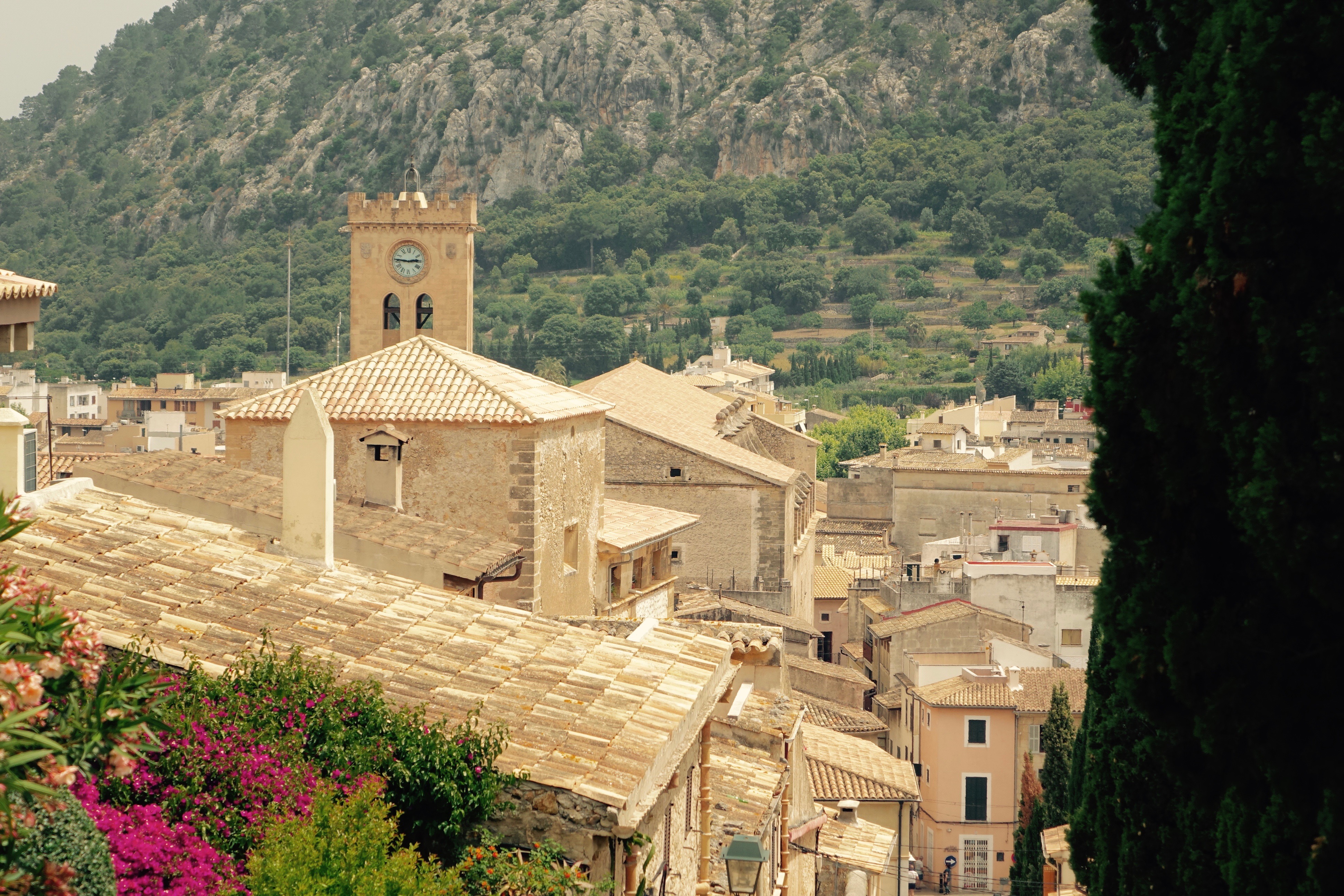
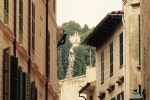
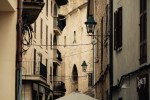
DSC02139DSC02051DSC02126DSC02108DSC02144DSC02095DSC02049

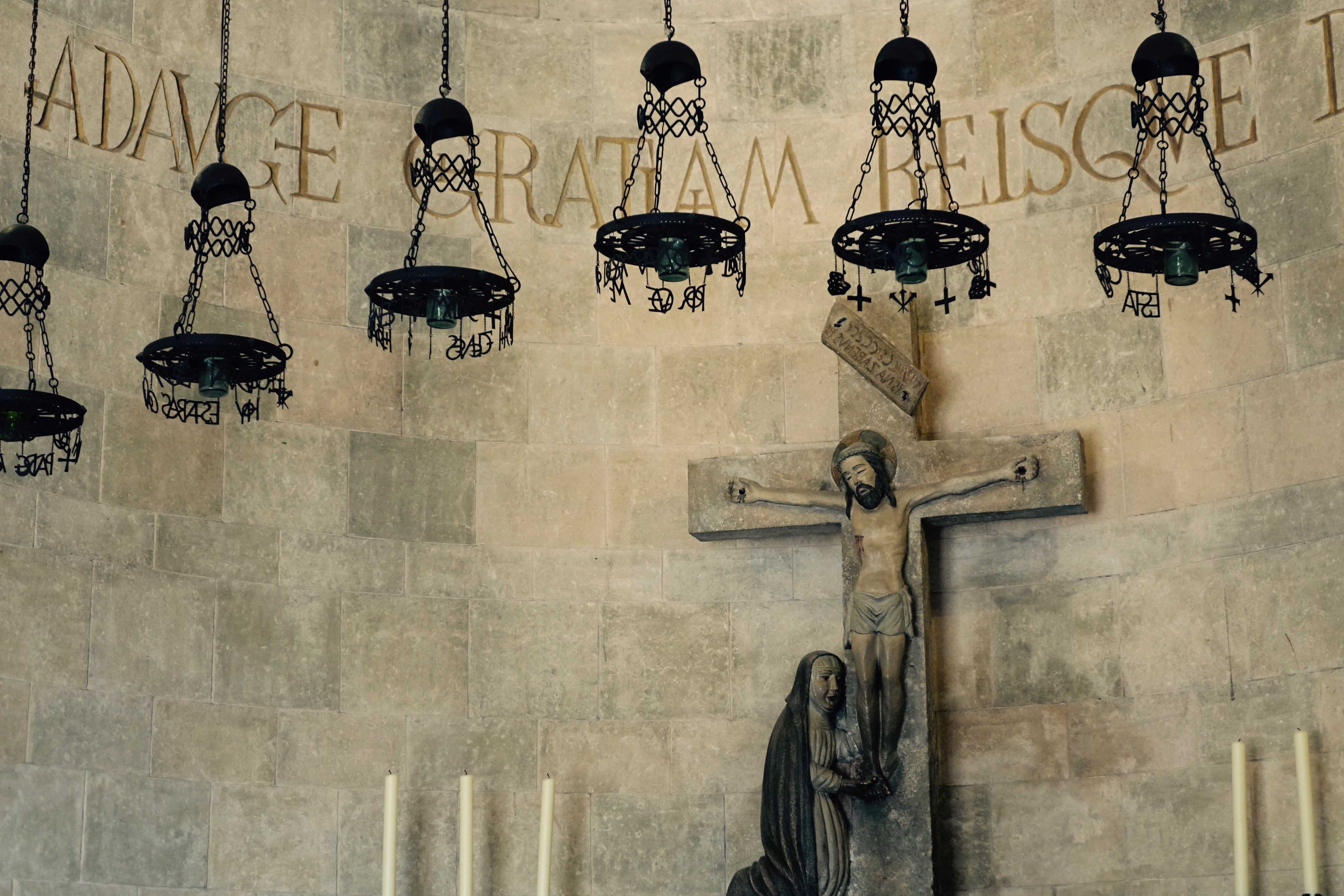
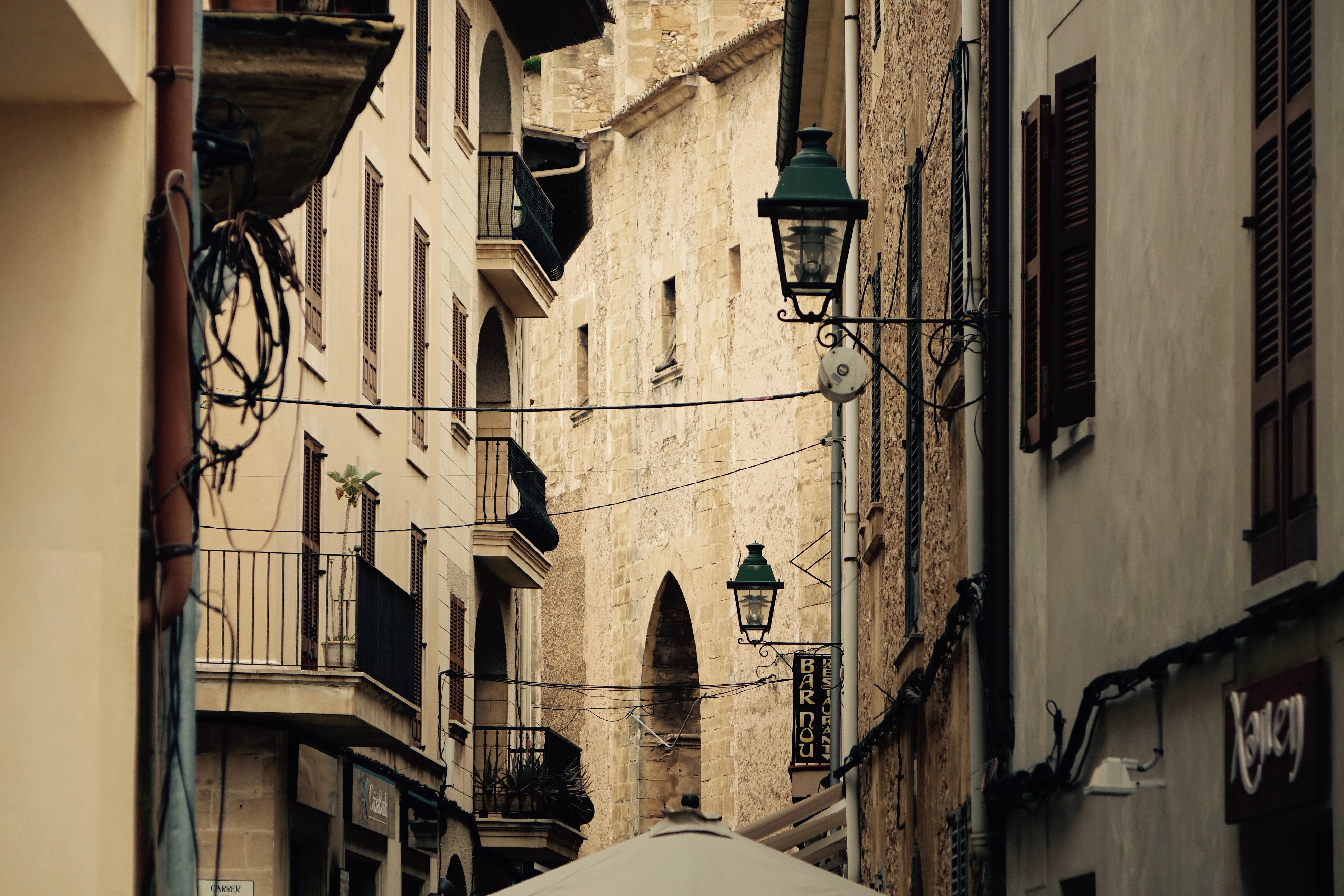
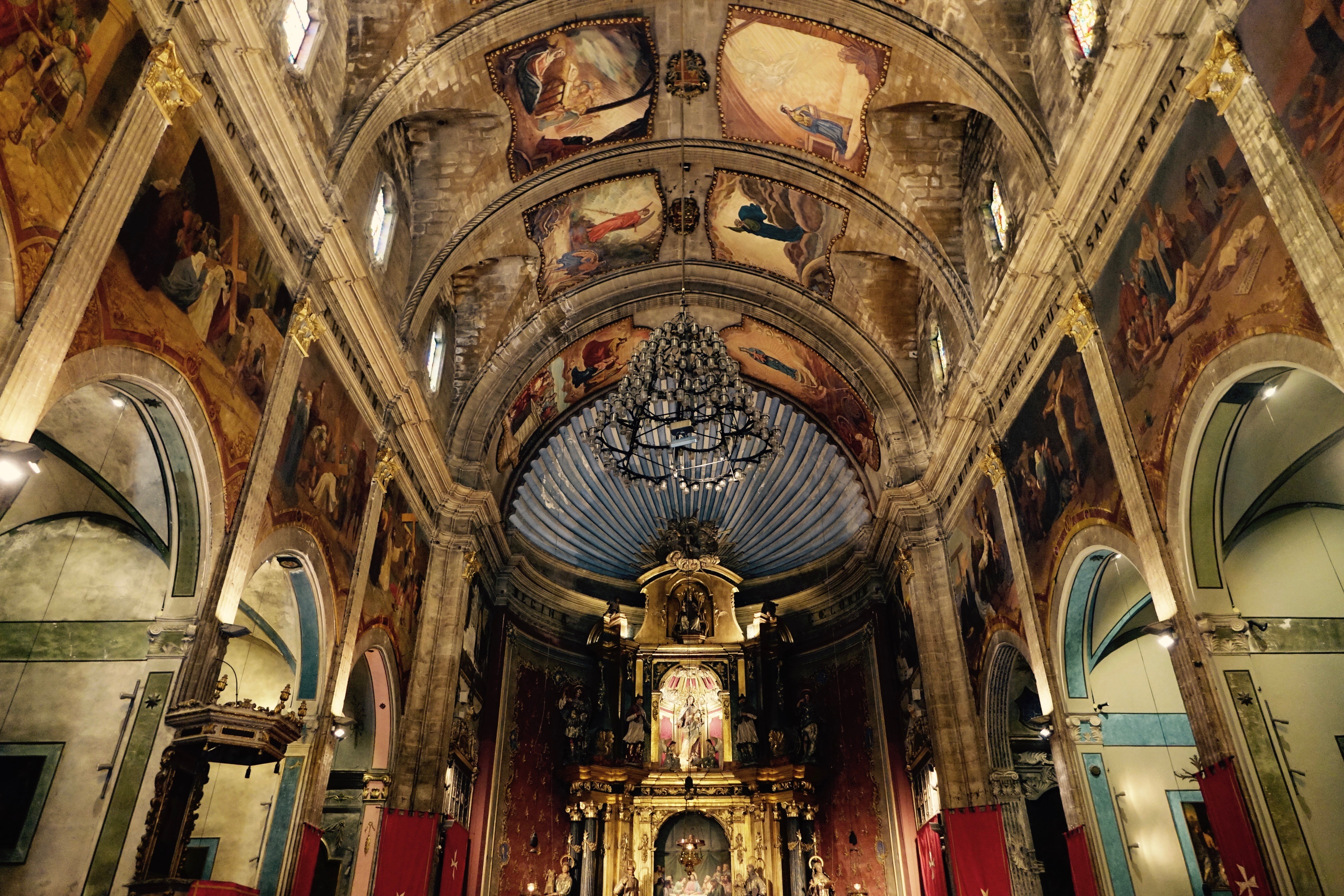
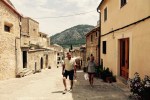
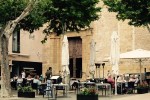
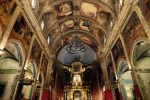
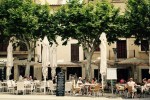
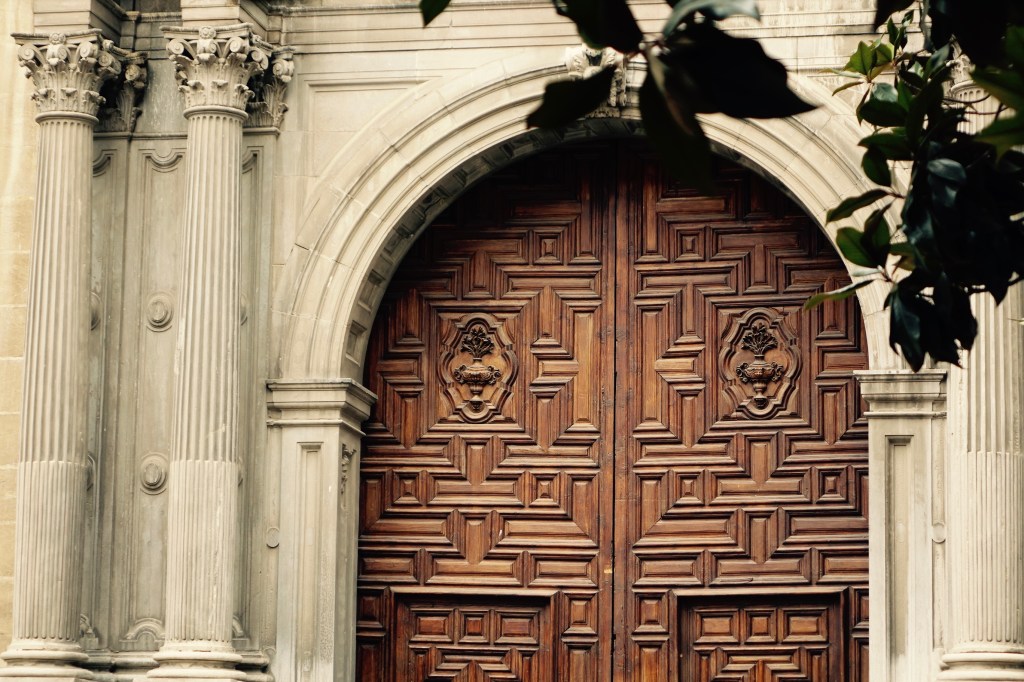
Sometimes overlooked by its altogether more glitzy port, the town of Pollensa is a true diamond in amongst the mountainous rough of the Northerly tip of Mallorca. Built very consistently throughout in a warm ochre stone, and containing its fair share of quaint cobbled shopping streets and bustling leafy squares, Pollensa is a perfectly formed little Mallorca town, free from many of the modern pollutants which have marred many of the island’s coastal resorts. At its centre, the 18th century Nostra Senyora Del Angels church may look fairly plain from the outside but hides a startlingly ornate interior complete with multi-coloured ceiling frescoes and glittering ornamentation.
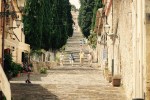
DSC02059DSC02073DSC02065DSC02077DSC02091DSC02133DSC02124DSC02061

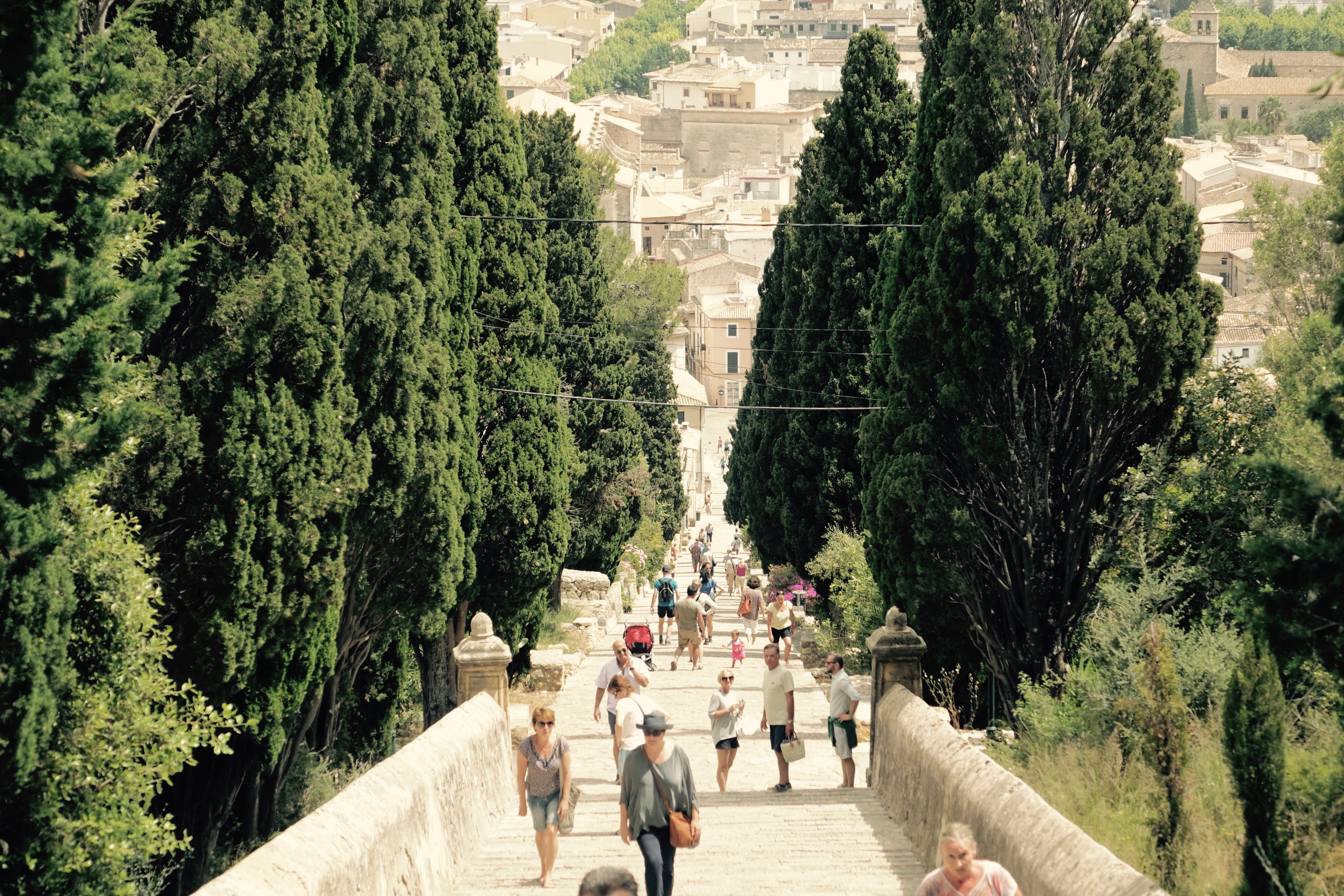
Behind it, the greatest attraction of all is undoubtedly the town’s Calvari steps, a staircase of some 365 steps rising up against the mountains which form the backdrop of the town and which lead those with sufficient energy to complete the climb to the Calvari Church and some of the best views of the town.

With an effortless swagger, we ascended the Calvari steps with far greater ease than on our first trip to the town some 4 years ago (thanks no doubt to increased gym efforts and lamentably fewer cupcakes) and there reflected on the success of this return trip to Pollensa, bemoaning why it had taken us so long to rediscover it. For as these photos show, all of which benefit from a pleasingly creamy antique-style filter, Pollensa is a town loaded with atmosphere, and which makes for the perfect visit, no matter how many times you choose to go.

All photos and written content are strictly the copyright of Nicholas de Lacy-Brown © 2016 and The Daily Norm. All rights are reserved. Unauthorized use and/or duplication of the material, whether written work, photography or artwork, included within The Daily Norm without express and written permission from The Daily Norm’s author and/or owner is strictly prohibited.
Across the Water to Menorca, Part 4: Virgin Beaches

So after all the sun shone on our weekend in Menorca, and while our stay saw its fair share of grey skies tumbling across the island, the times of sunshine were all the more remarkable by contrast. And for my final post of my little Menorca season, I am sharing photos captured on a long sunny Sunday afternoon, where the sun did nothing so well as to magnify the sheer stupefying beauty of Menorca’s natural scenery.

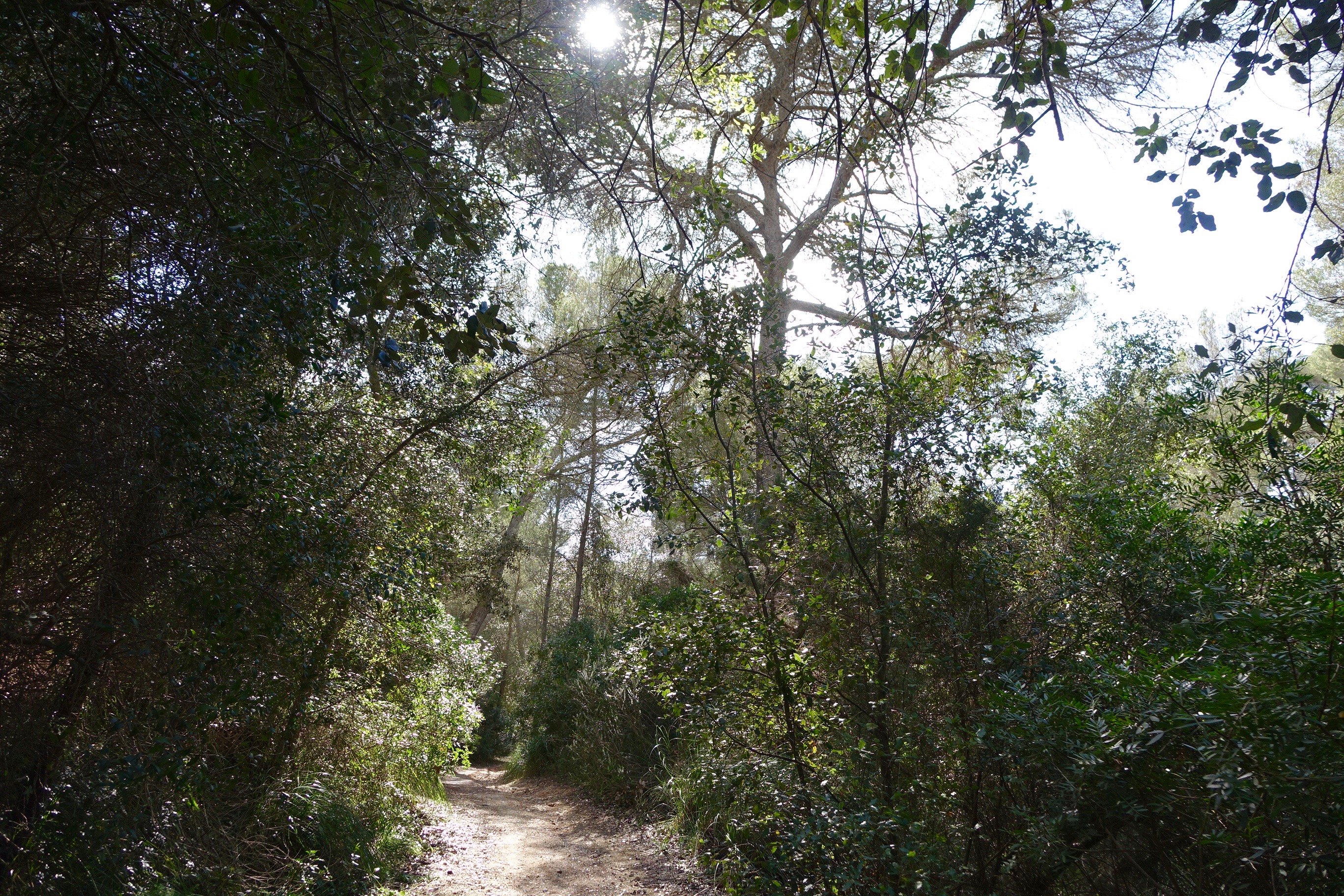
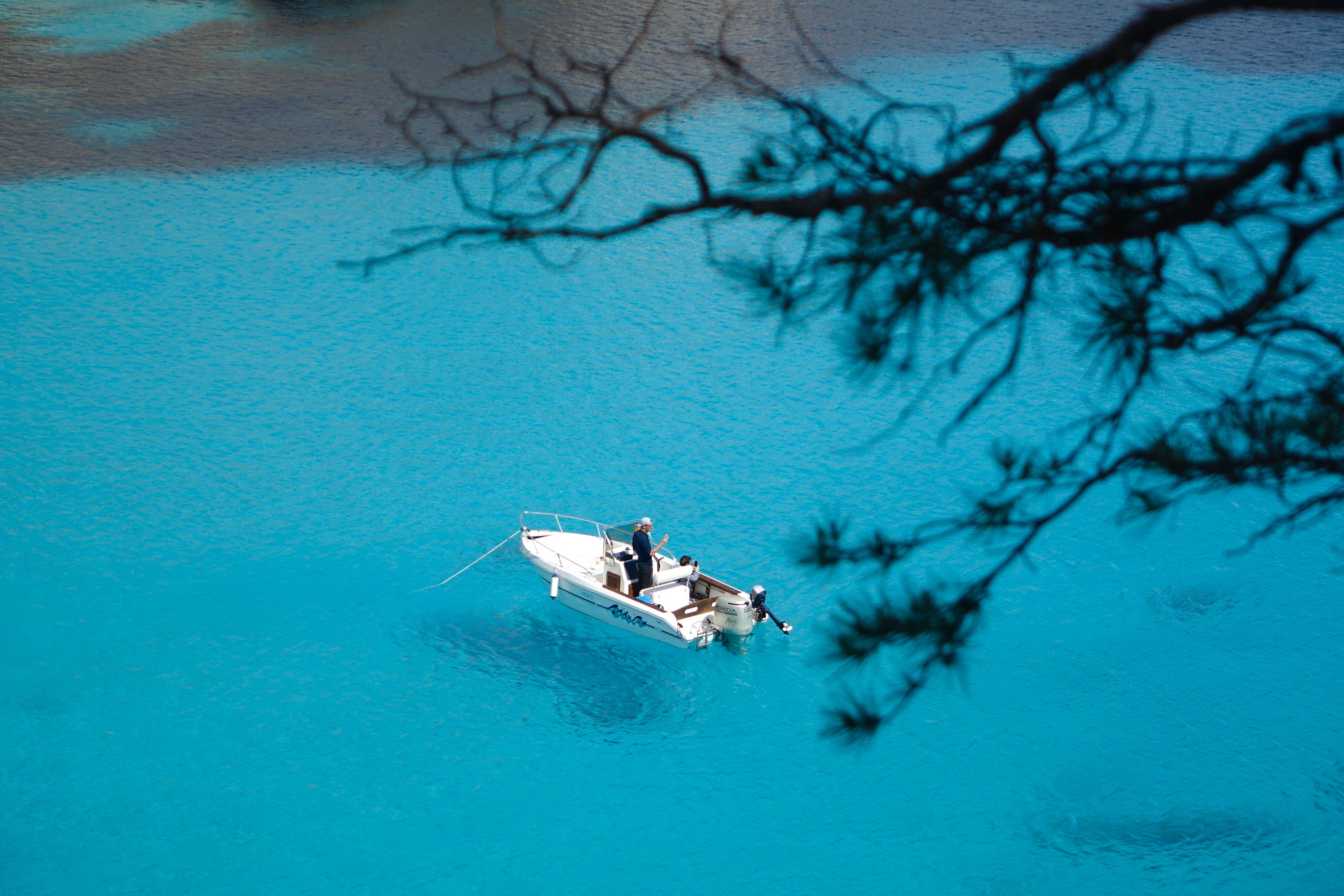
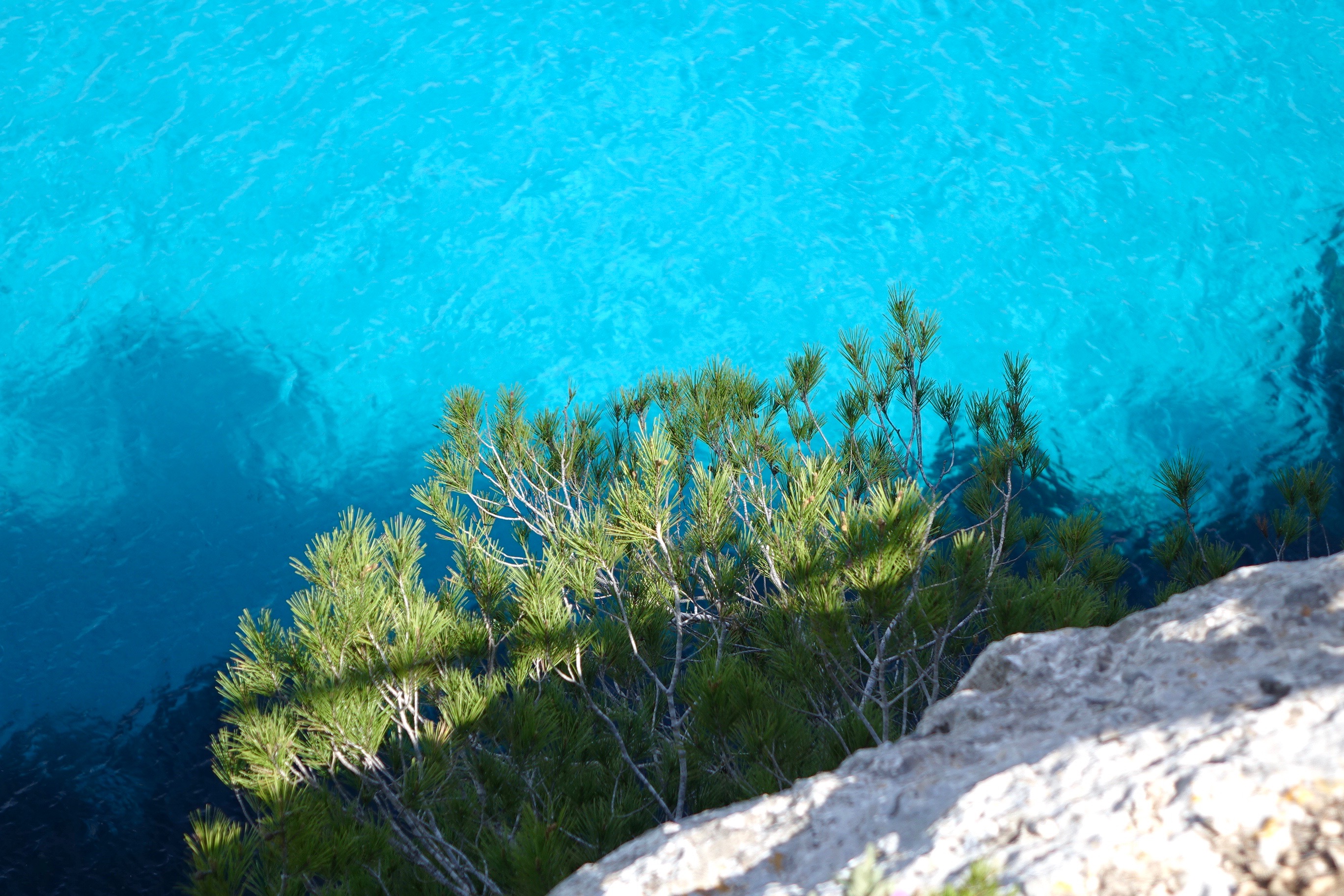
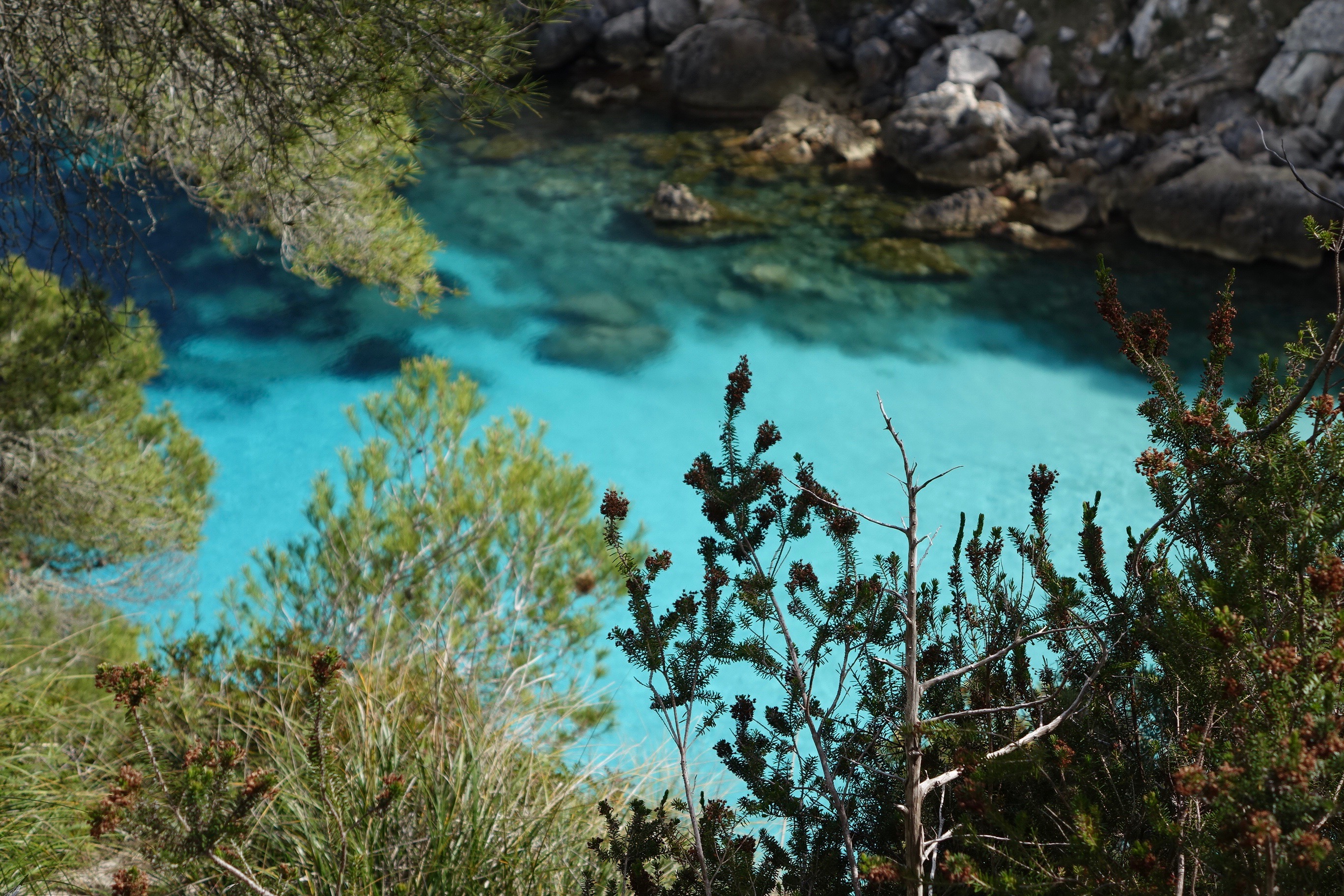
For where Menorca lacks in the city buzz of Palma here on its neighbouring island of Mallorca, it gains in the untouched virgin landscape which nature has left for us humble visitors to enjoy. Just as I thought Mallorca’s beauty could not be beaten, along came the calas (coves) of Menorca whose colours just blew my mind. There, the sands were so white, so pure and unsullied by the slightest hint of humans, that as they slowly descended beneath the fringe of the mediterranean coastline, they did so creating a paradisal cerulean blue melting into darker azure tones. Across the waters, the crystal clear seas shone and glimmered, and just underneath the surface, one could admire the camouflage effect of the odd rocky outcrop contrasting against the golden surface of the seabed.

DSC01220DSC01245DSC01253DSC01212DSC01246DSC01204DSC01249DSC01207DSC01232DSC01213

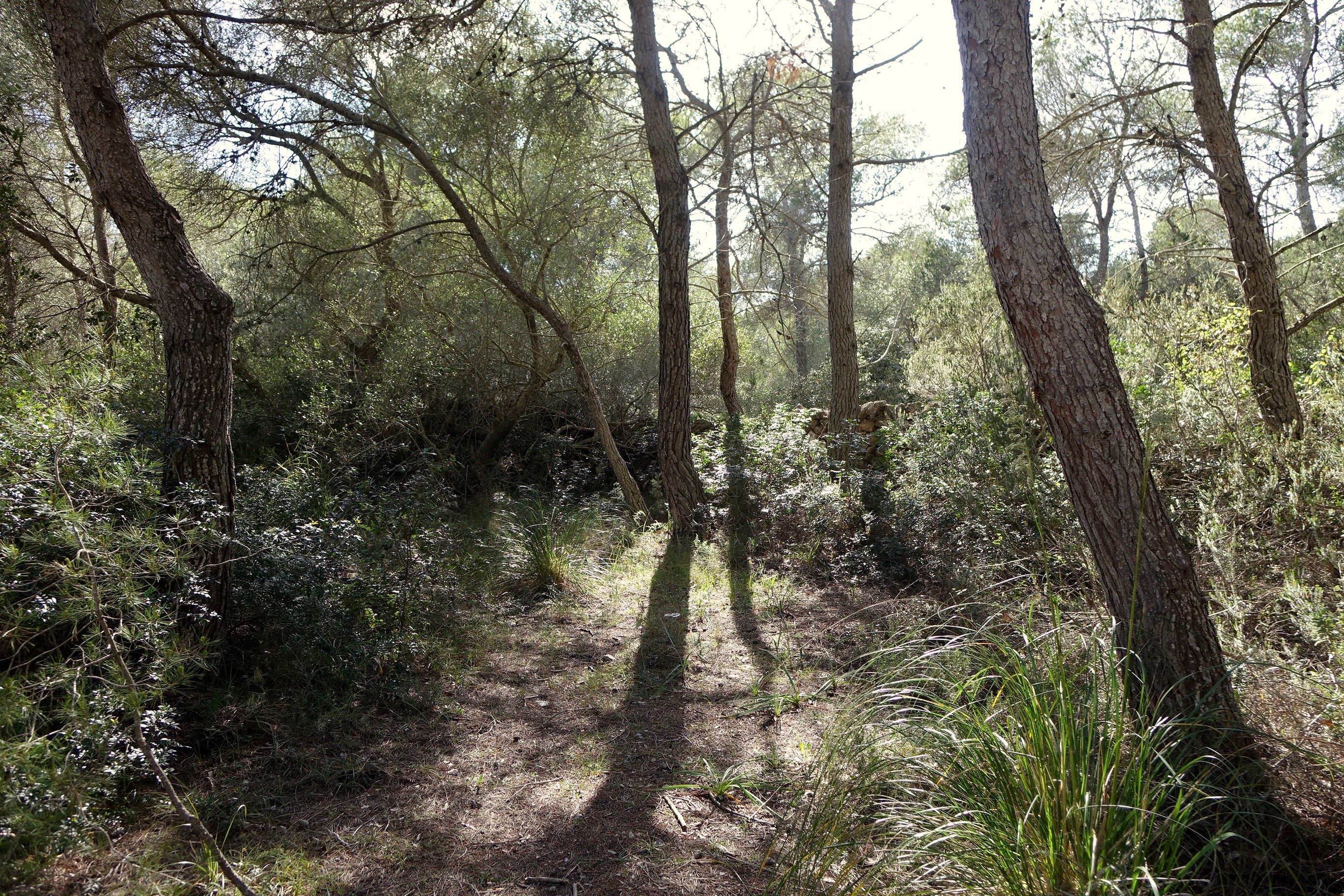
We could have quite easily spent months visiting the many calas which pepper Menorca’s coastline, such are their number, but we satisfied ourselves with the double whammy of the Cala Macarella and its smaller even more beautiful sister, the Cala Macarelleta, just around the corner. Approached through a densely planted aromatically fragrant pine forest, both beaches are a sight to behold and a treat for all the senses. The waters are every bit the match of the Caribbean, untouched, unspoilt and in the month of May blissfully underpopulated (save for the odd nude bather).

DSC01210DSC01244DSC01216DSC01192DSC01255DSC01203DSC01227

Here in the Mediterranean, paradise always feels very close at hand, but in the calas of Menorca, I feel we had practically made it.

All photos and written content are strictly the copyright of Nicholas de Lacy-Brown © 2016 and The Daily Norm. All rights are reserved. Unauthorized use and/or duplication of the material, whether written work, photography or artwork, included within The Daily Norm without express and written permission from The Daily Norm’s author and/or owner is strictly prohibited.